Day 05: Sirsi /Guptkashi – Joshimath – Badrinath
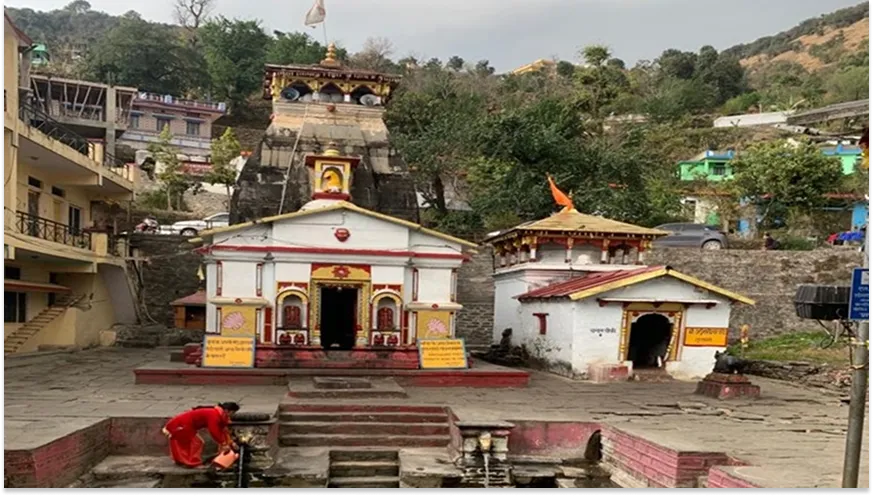
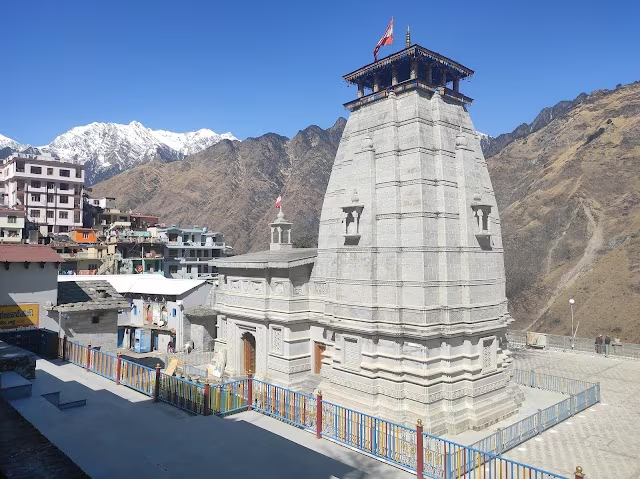
After breakfast, leave for Badrinath. En route visit Narsingh Temple and Adi Shankaracharya Samadhi at Joshimath, then drive to Badrinath. On arrival check-in to the hotel.
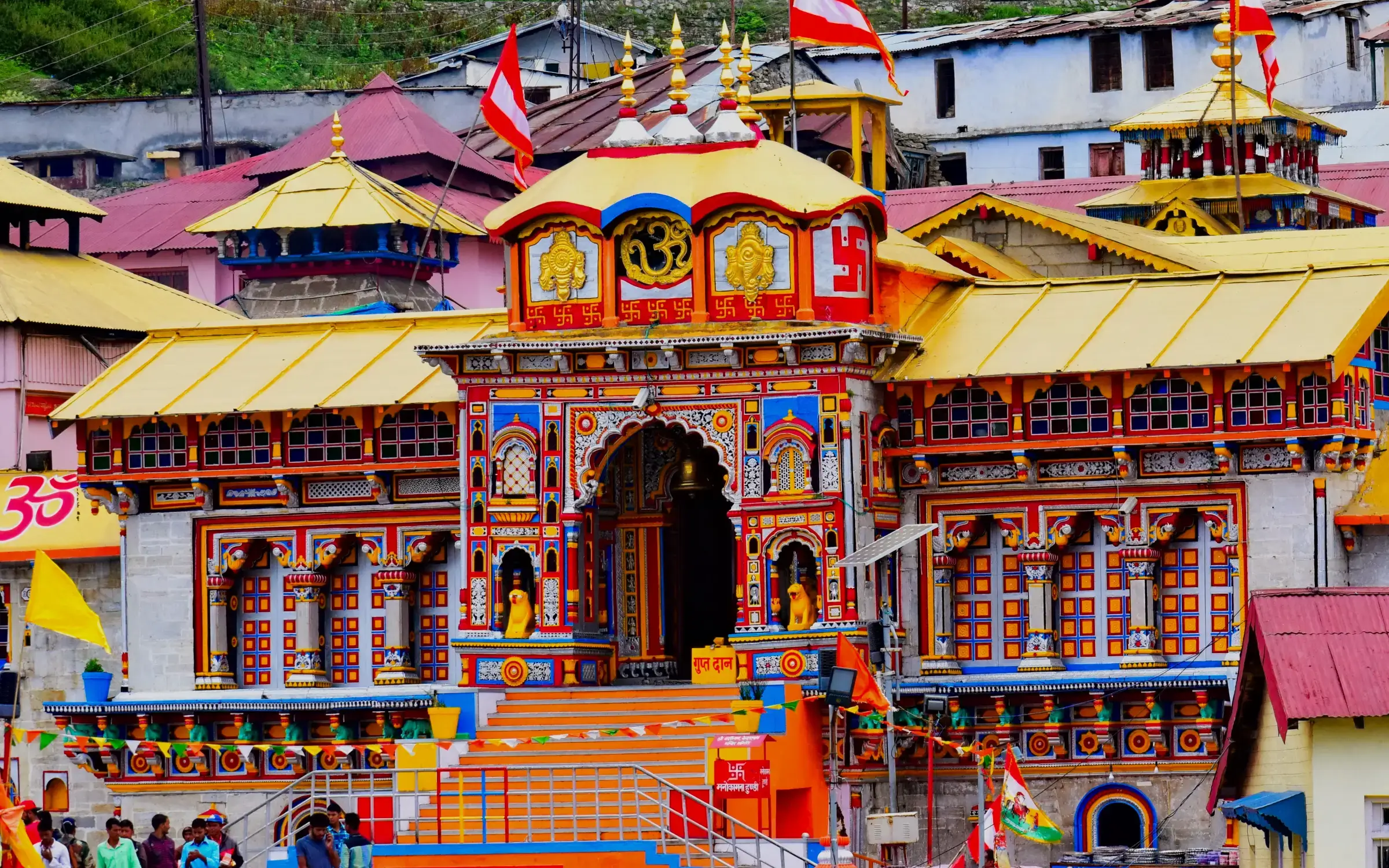
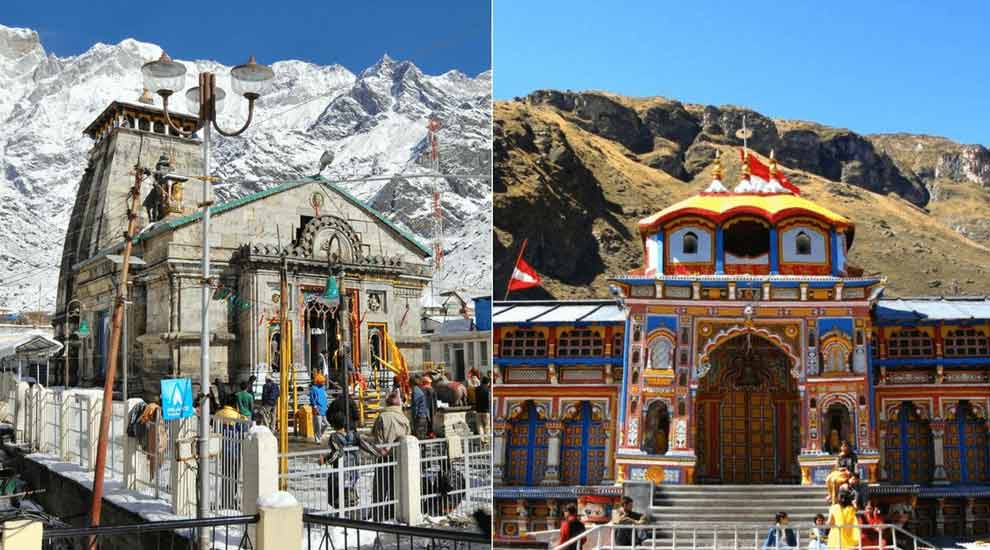
After some rest, visit Vyas Cave, Ganesh Cave, Bhim Pul (Bridge) and the origin of River Saraswati at Mana Village, the last village before the Tibetan border. Later proceed to the Badrinath Temple for holy Darshan / Pooja and attend the evening Aarti. Dinner & overnight stay at the hotel.
BADRINATH:
Cradled in the twin mountain ranges of Nar and Narayan, Badrinath is the holiest of the four main Char Dham shrines, situated on the left bank of the River Alaknanda with the towering Neelkanth Peak forming a magnificent backdrop. In ancient times the area was covered with “Badris” (wild berries) and was therefore known as Badri Van.
According to legend, when Ganga descended to Earth to help suffering humanity, the Earth could not withstand the force of her descent, so the river was divided into 12 holy channels, one of which was Alaknanda, which later became the abode of Lord Vishnu as Badrinath.
NARAD KUND:
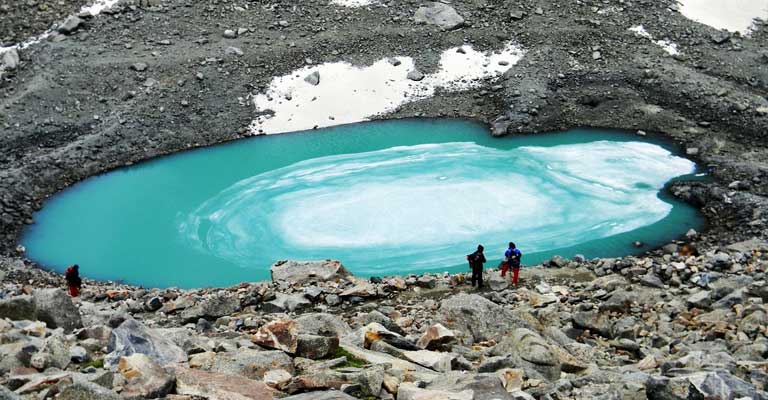
A recess in the river near Tapt Kund, forming a sacred pool from where the idol of Lord Badrinath was recovered.
BRAHMA KAPAL:
A flat platform a few yards north of the temple on the bank of the River Alaknanda. It is a very important place for Shradh ceremonies where pinds are offered for ancestors to ensure them a place in heaven. According to legend, when Lord Shiva cut off the fifth head of Brahma, it stuck to his trident. With the blessing of Lord Vishnu at Badrivan, the head of Brahma finally fell at this place, giving it the name Brahma Kapal.
MANA VILLAGE:
Inhabited by an Indo-Mongolian tribe, Mana is the last Indian village before the Tibet border. The women of the village offer Choli to the deity on the closing day of the Badrinath Temple every year.
BHIM PUL:
Located on the other side of Mana Village, this is a massive rock forming a natural bridge over the roaring Saraswati River. It is believed that Bhim, the second eldest of the Pandava brothers, placed this rock to help Draupadi cross the river.

VYAS GUFA (CAVE):
Near Mana Village, this sacred rock cave is believed to be the place where Ved Vyas composed the Mahabharata and the Puranic commentaries.