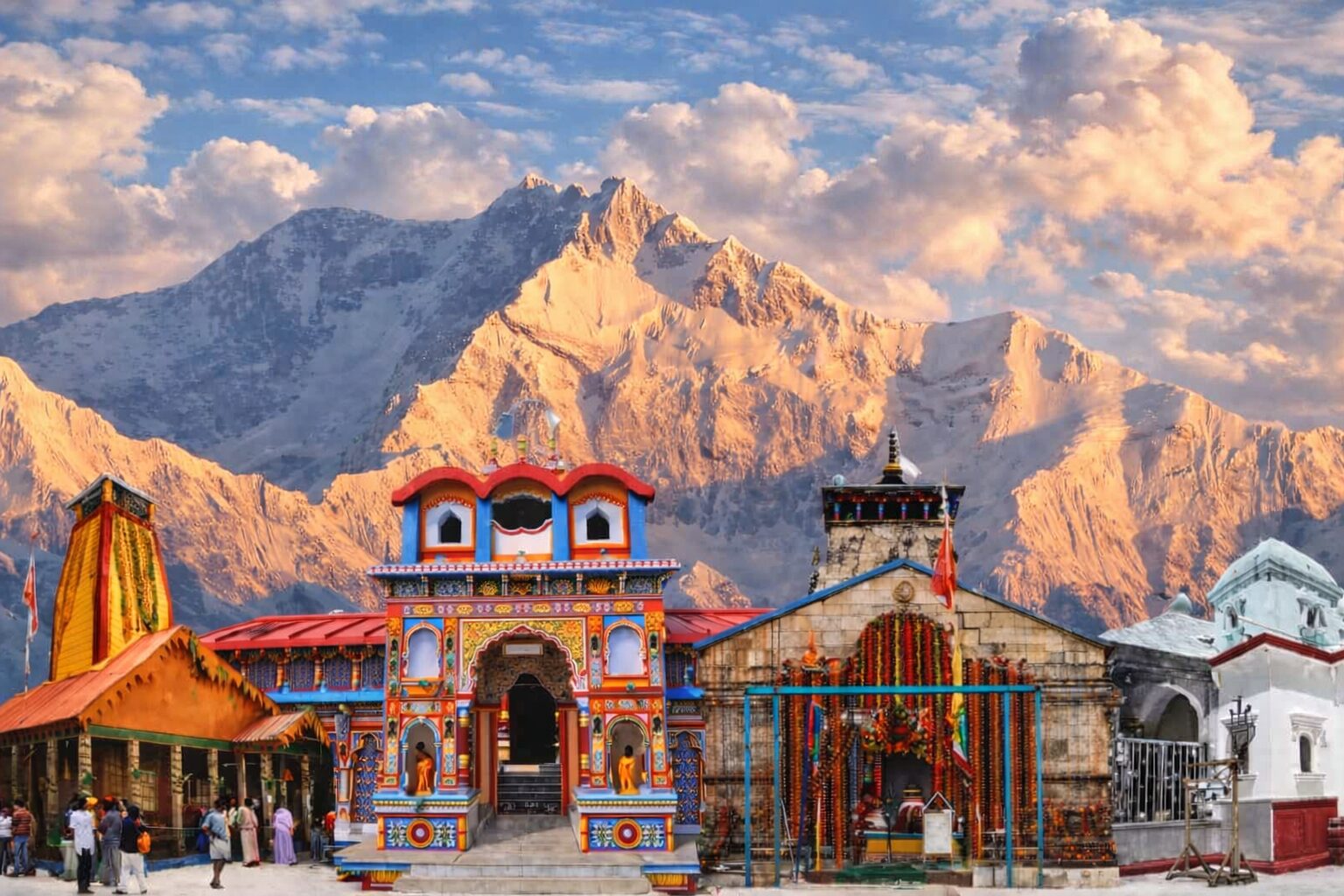
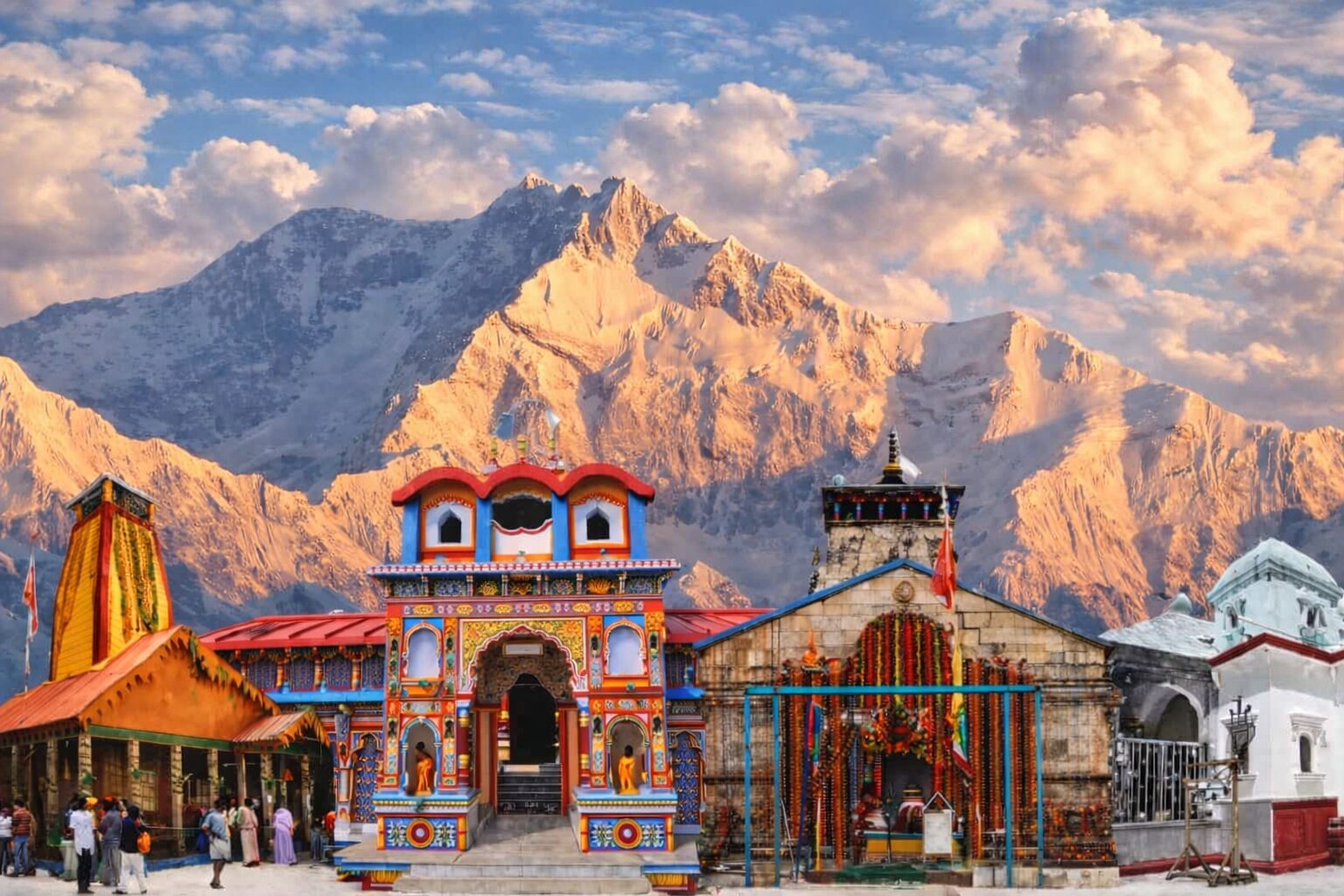
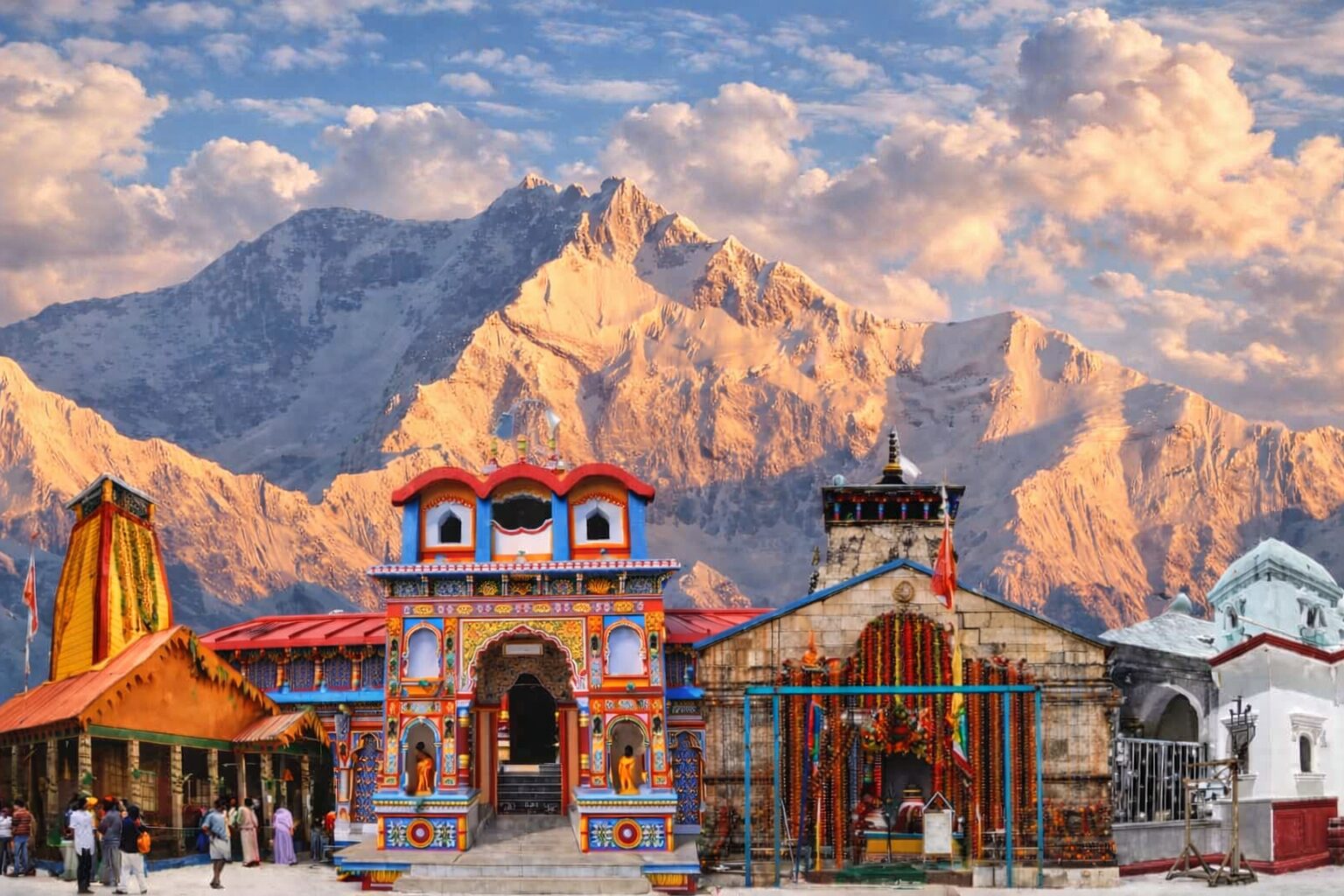
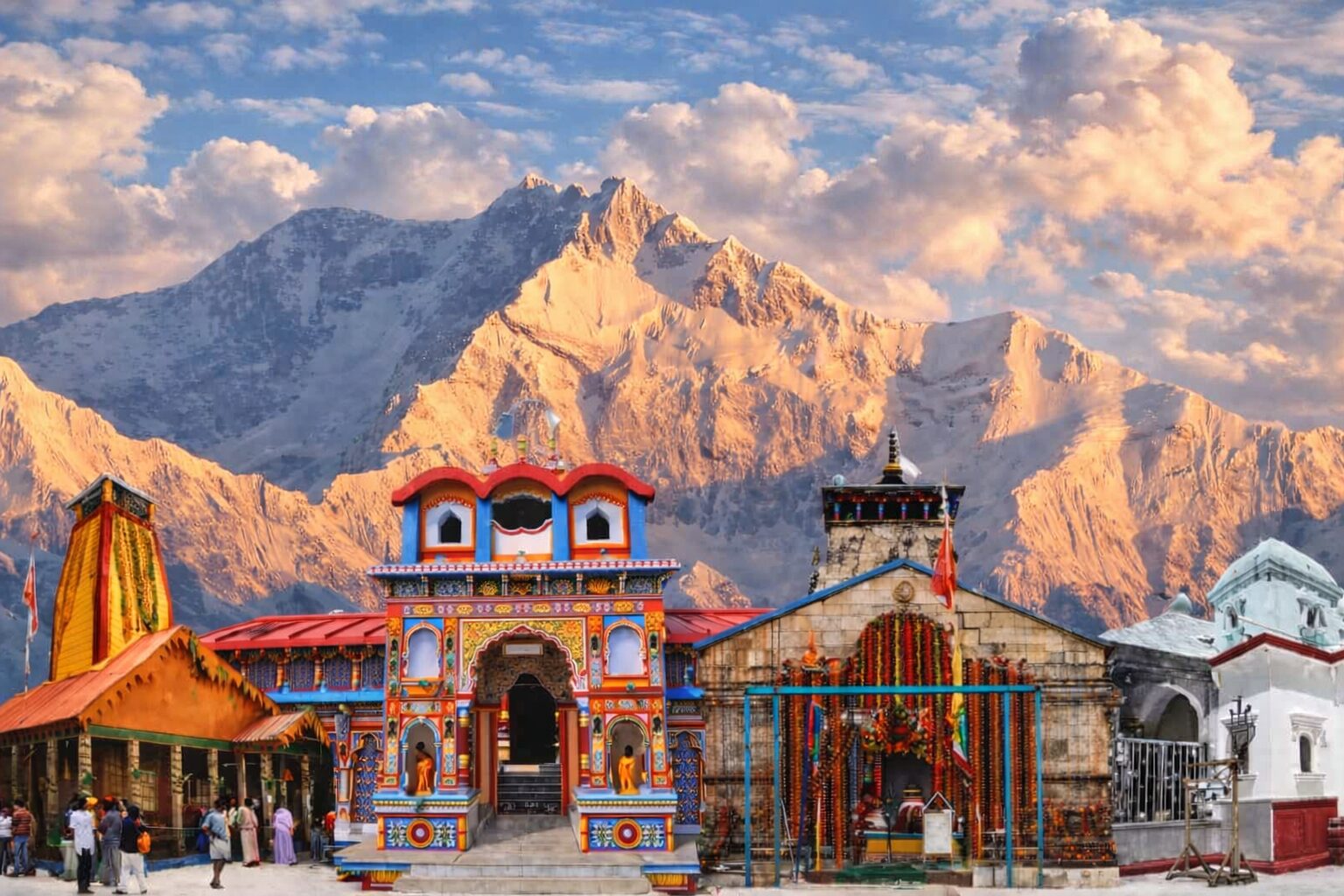
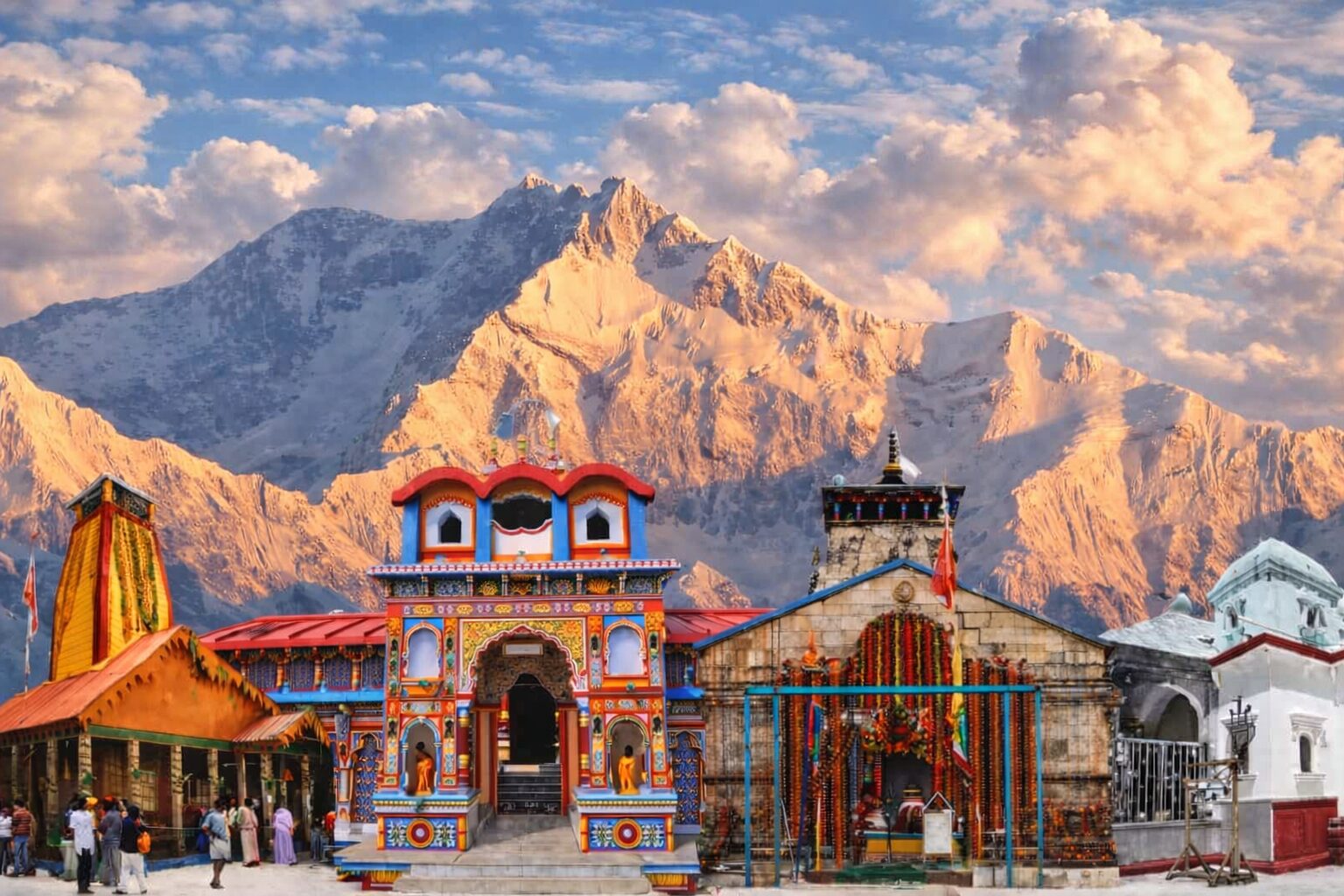
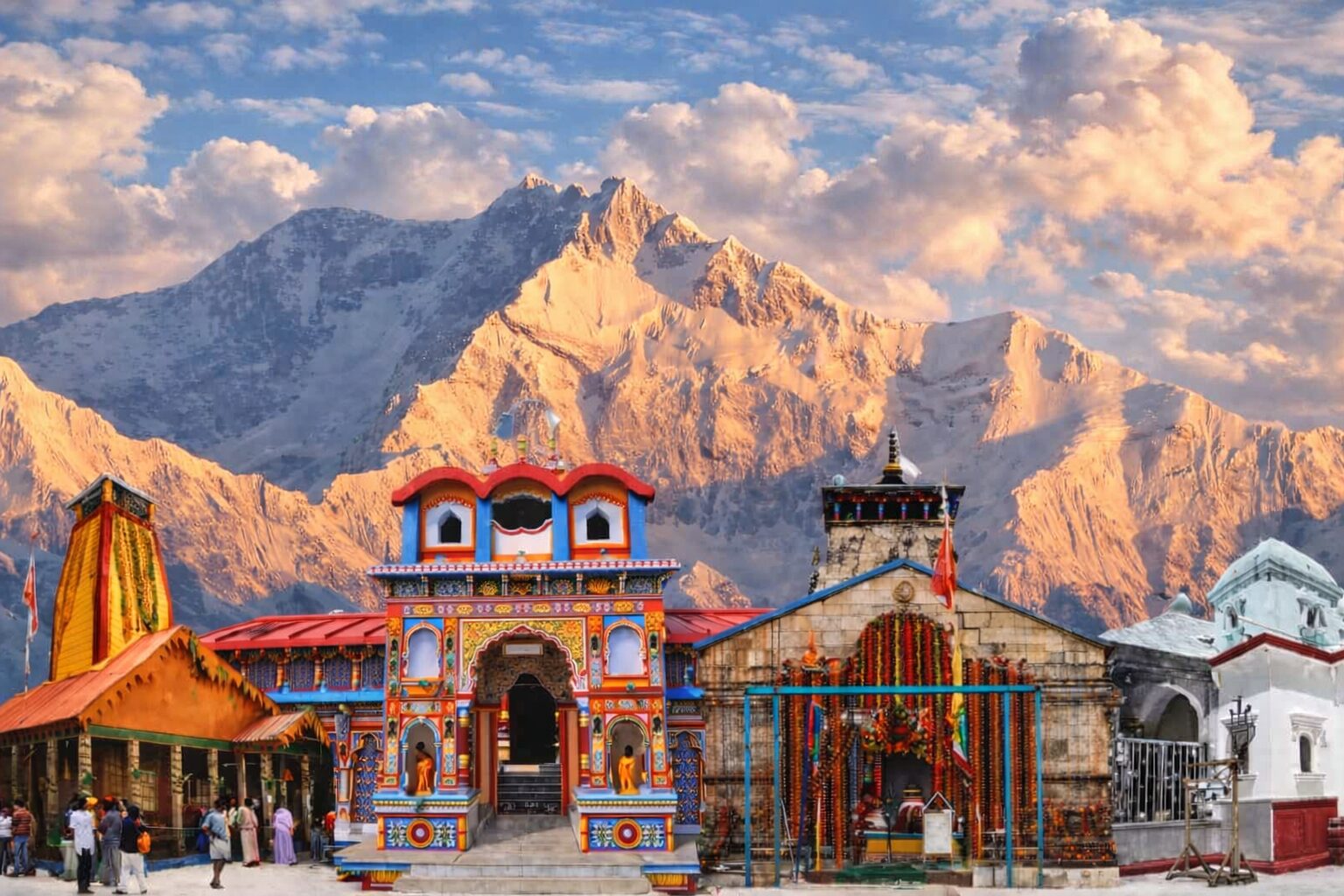
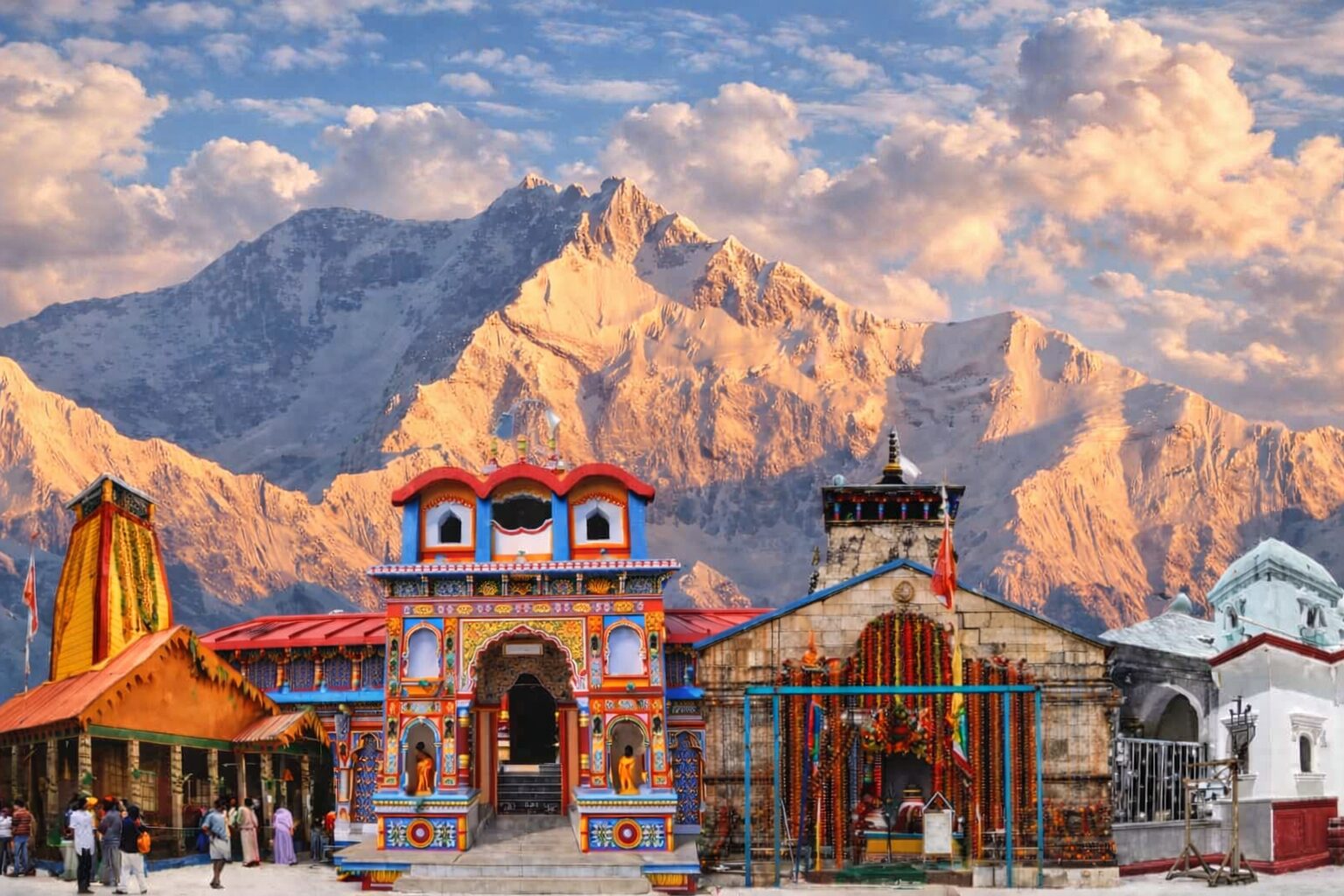
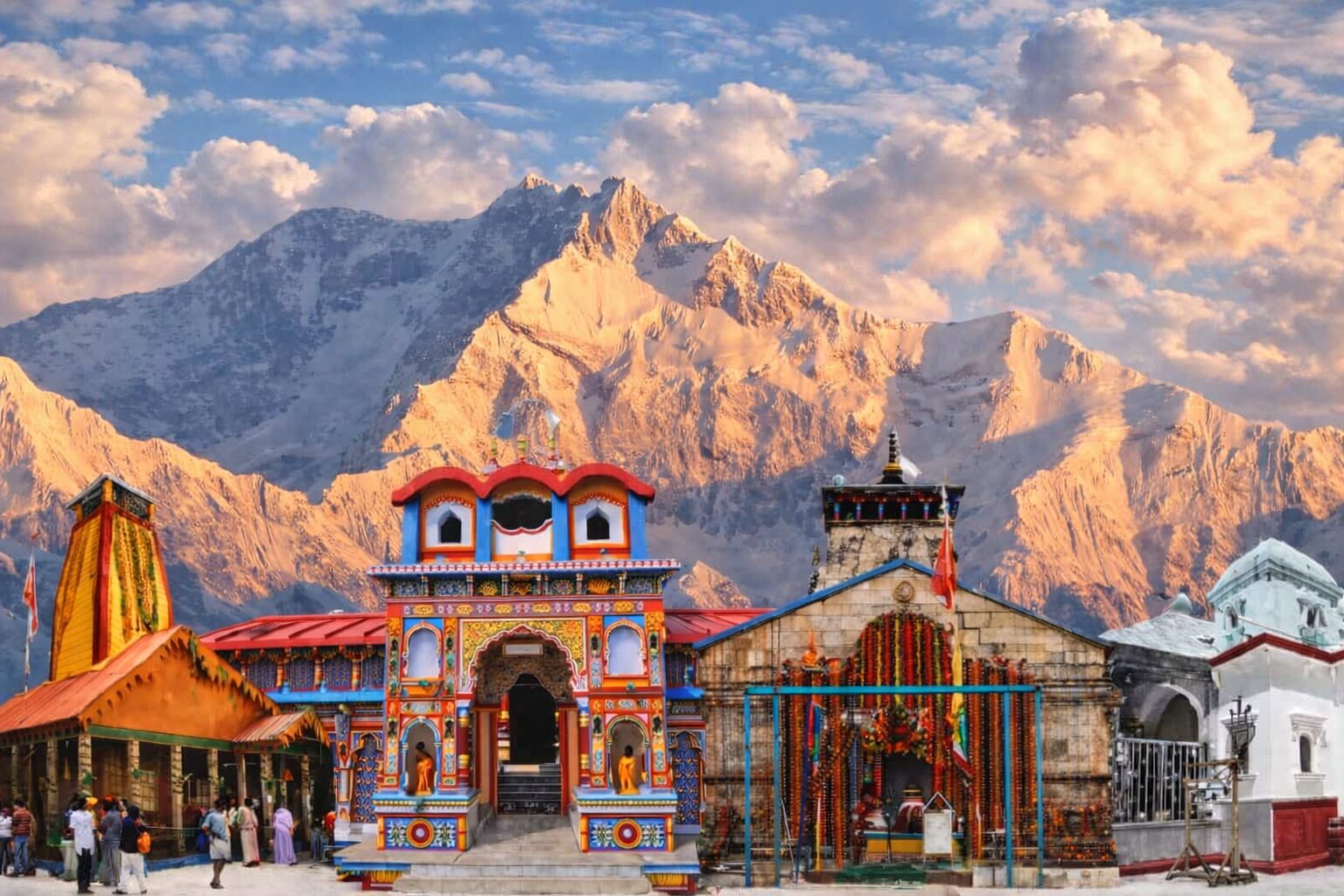
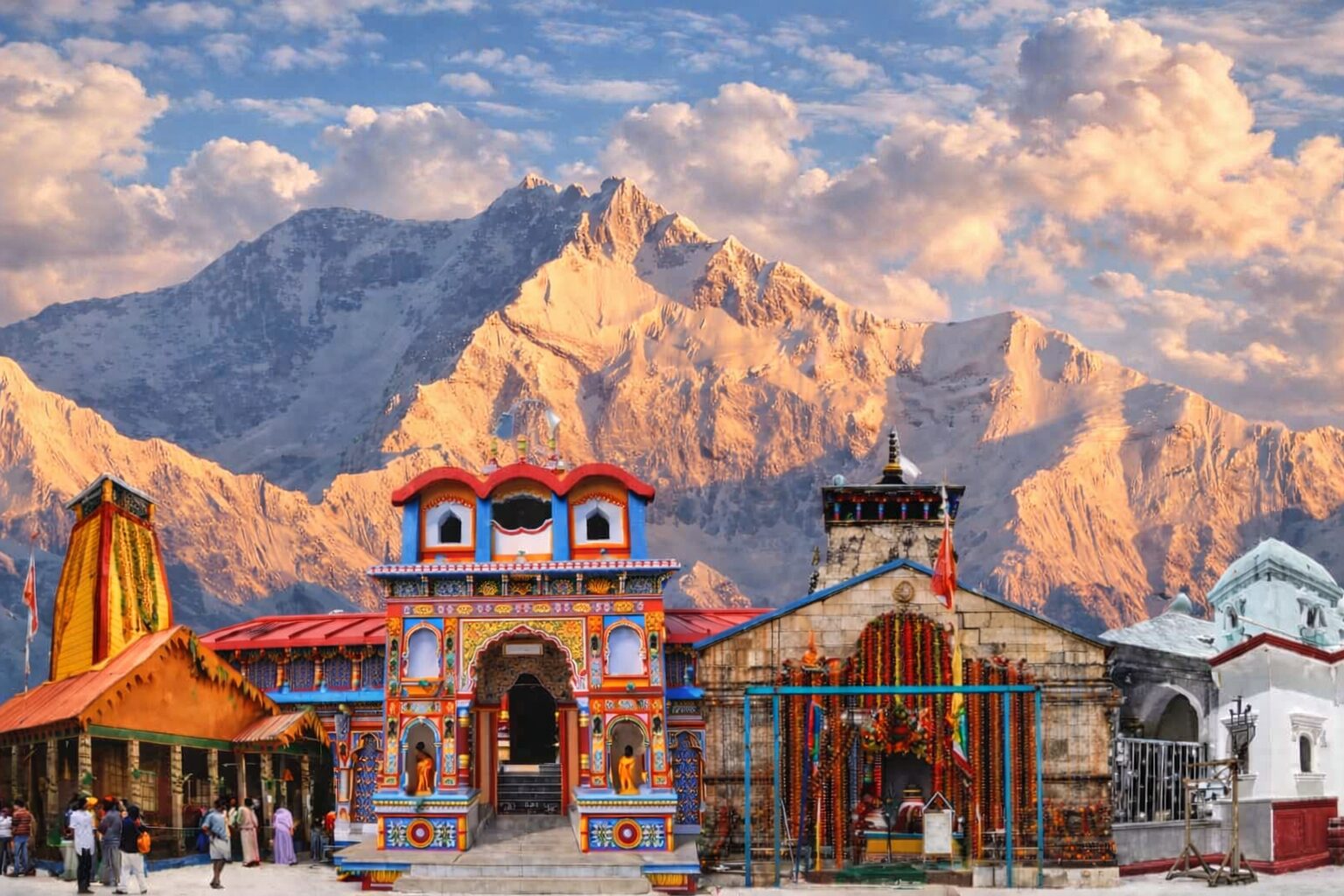
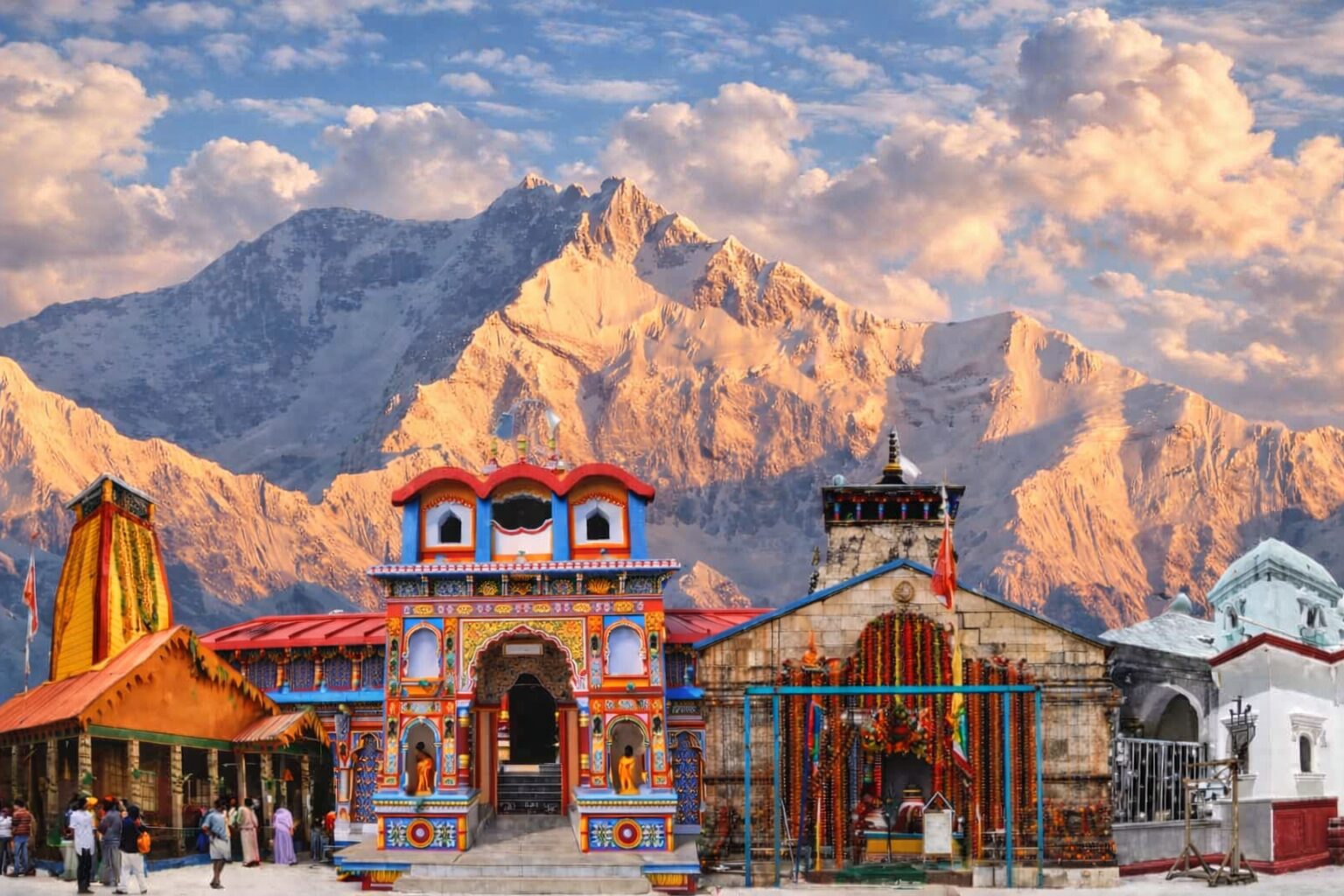
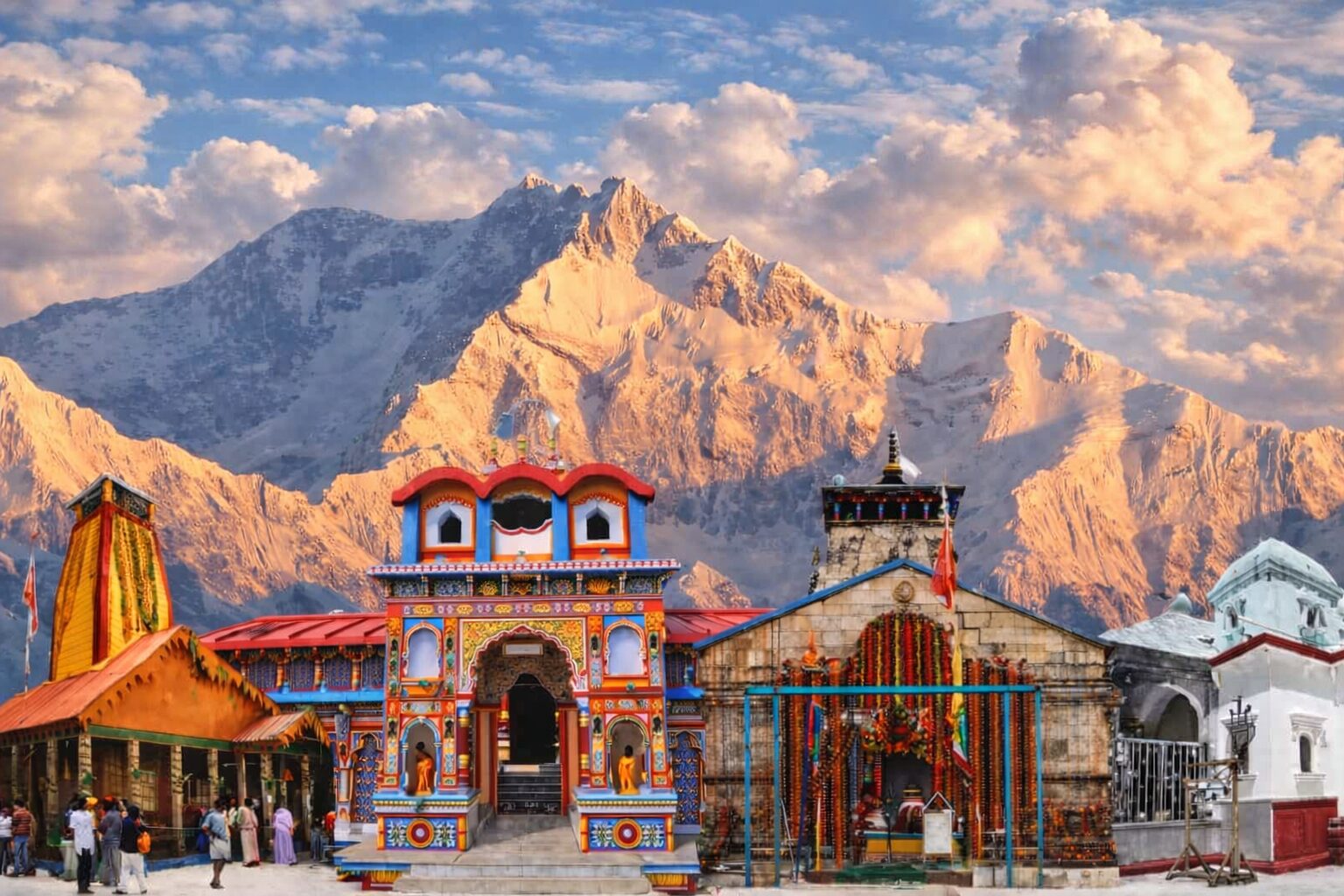
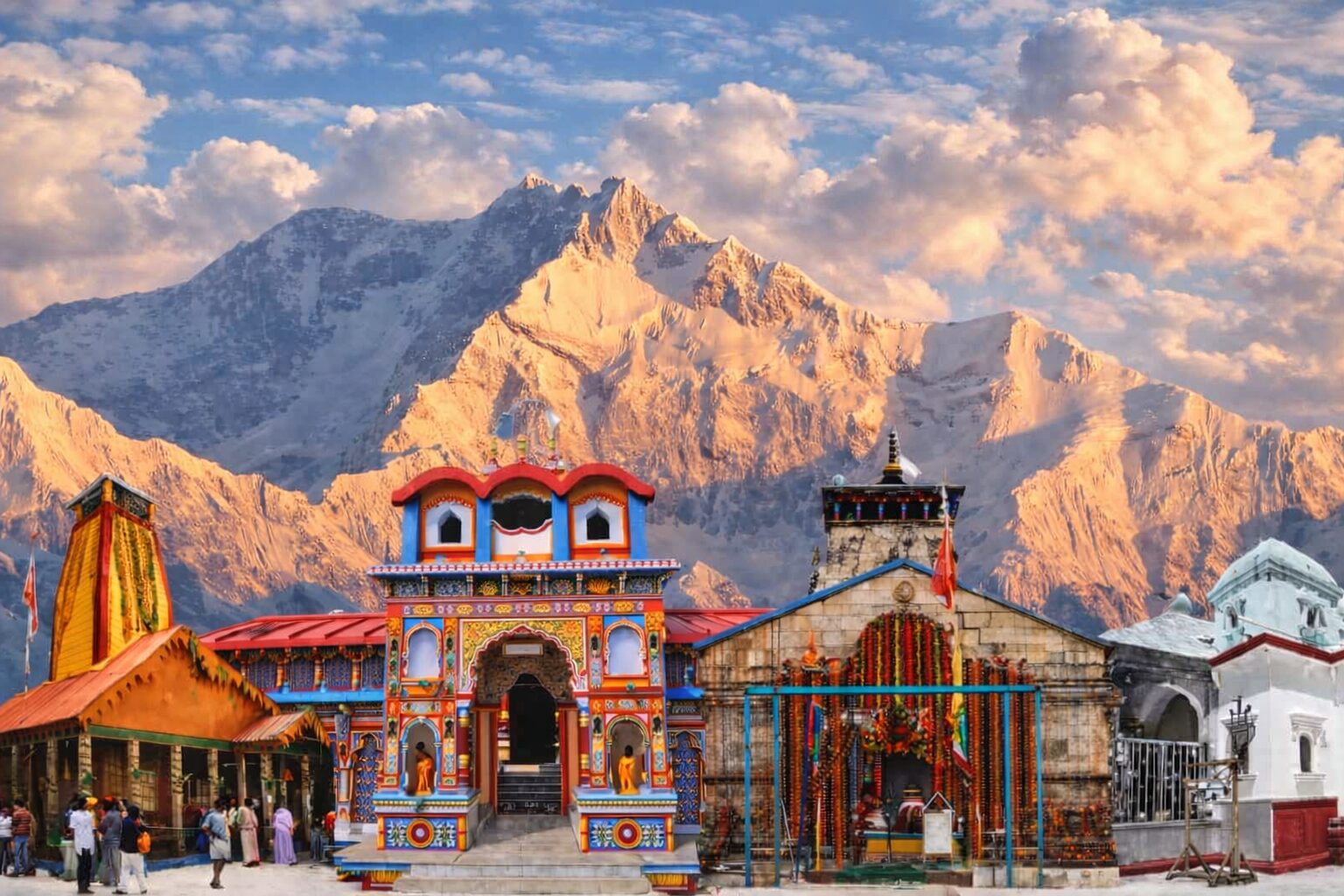
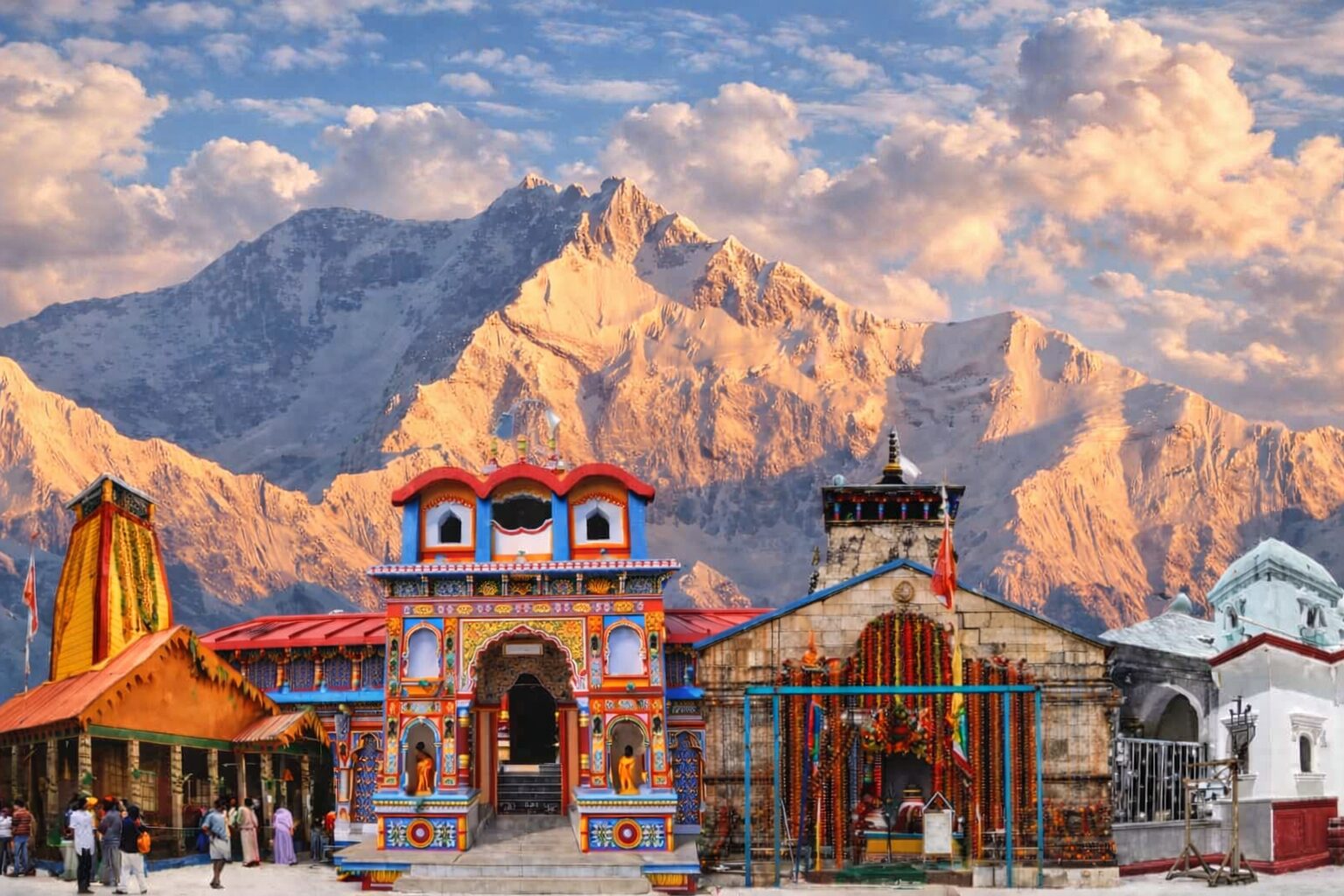
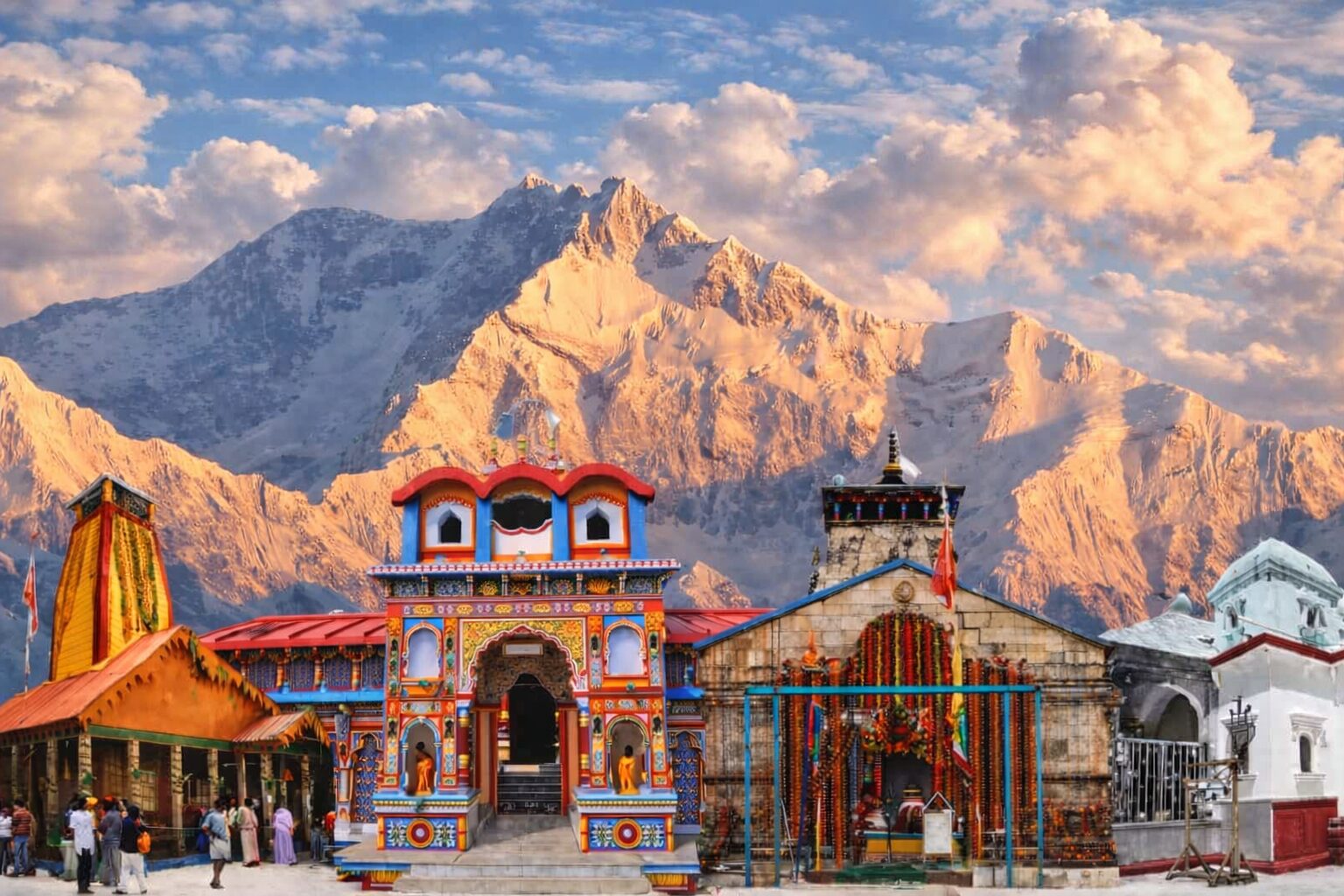
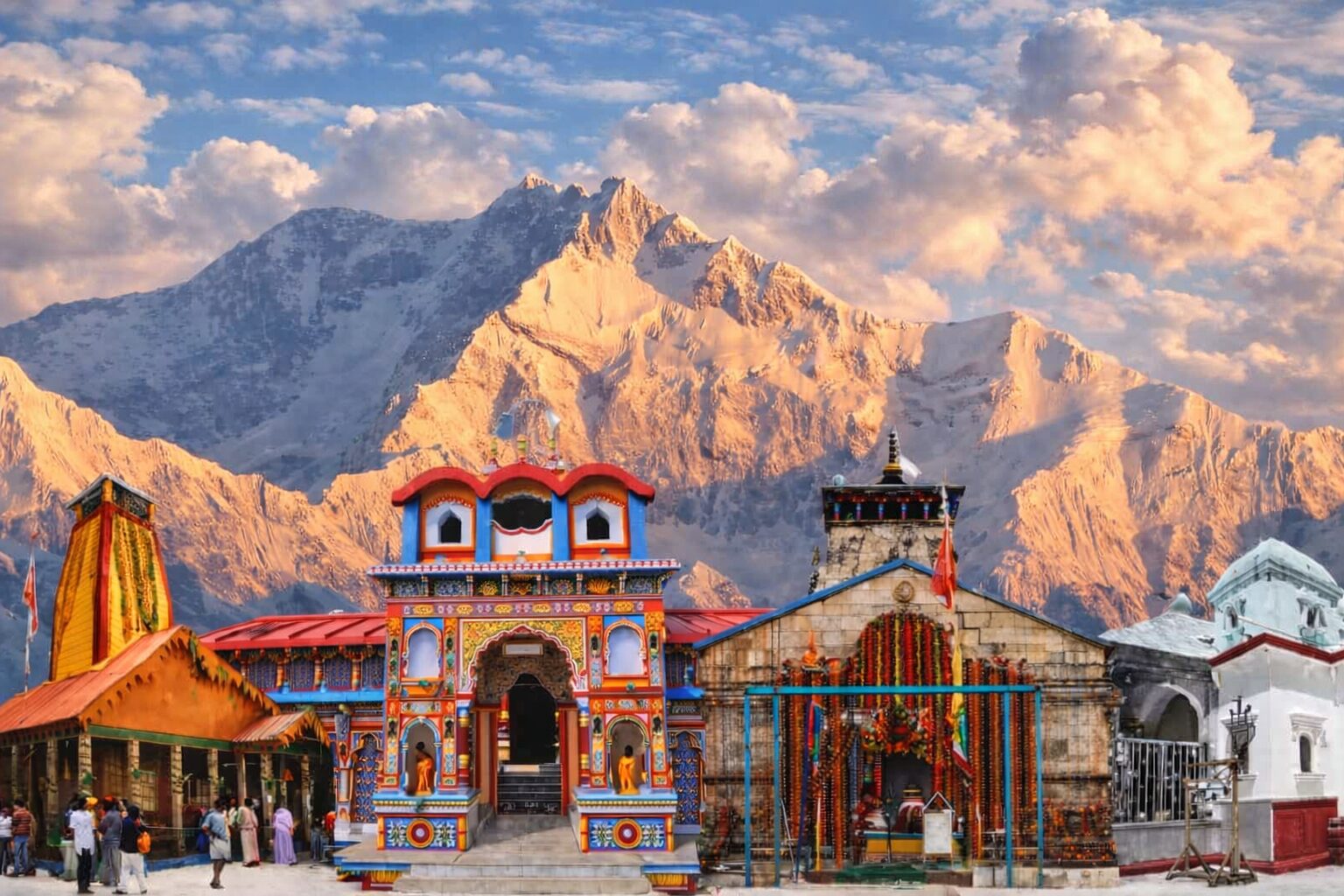
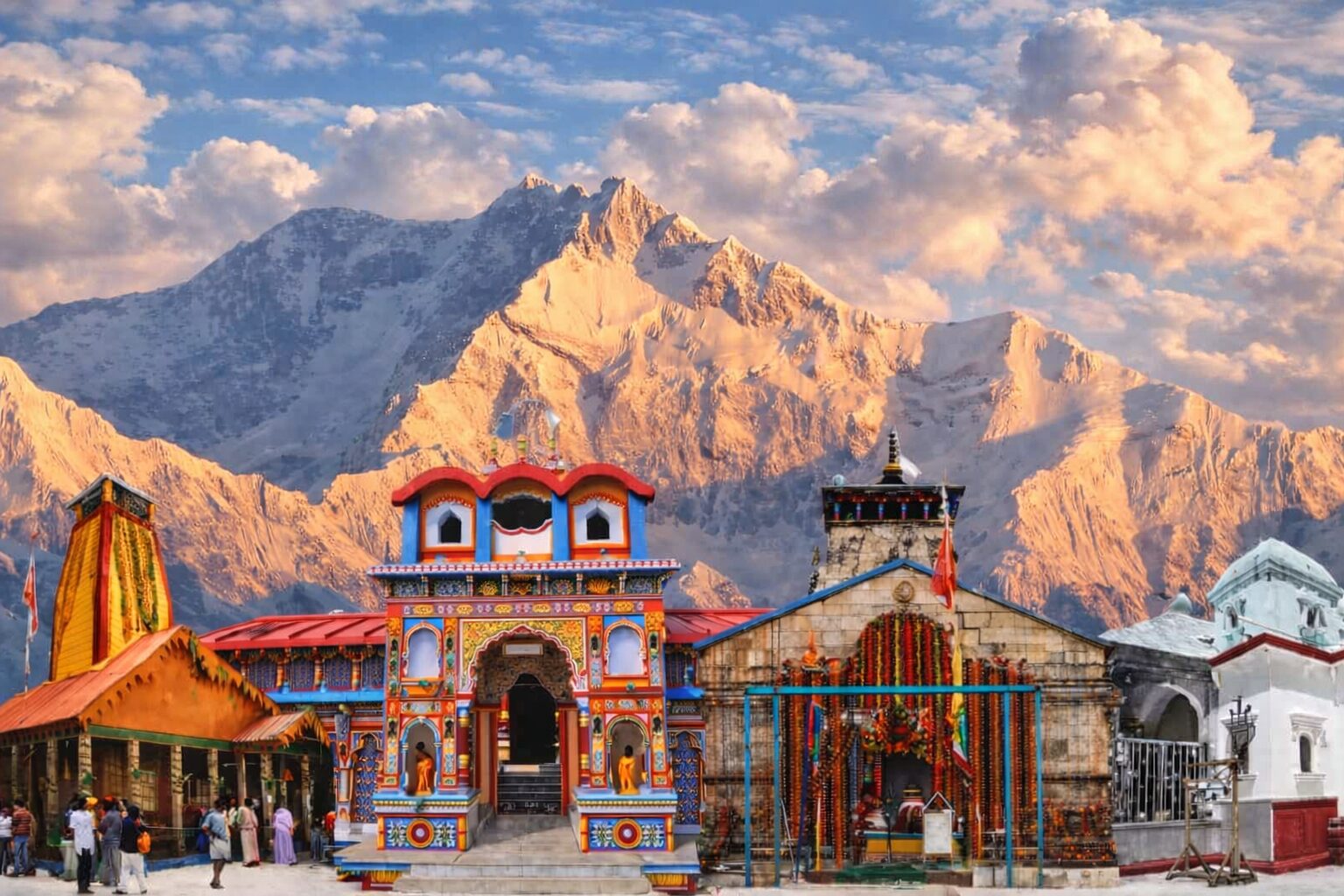
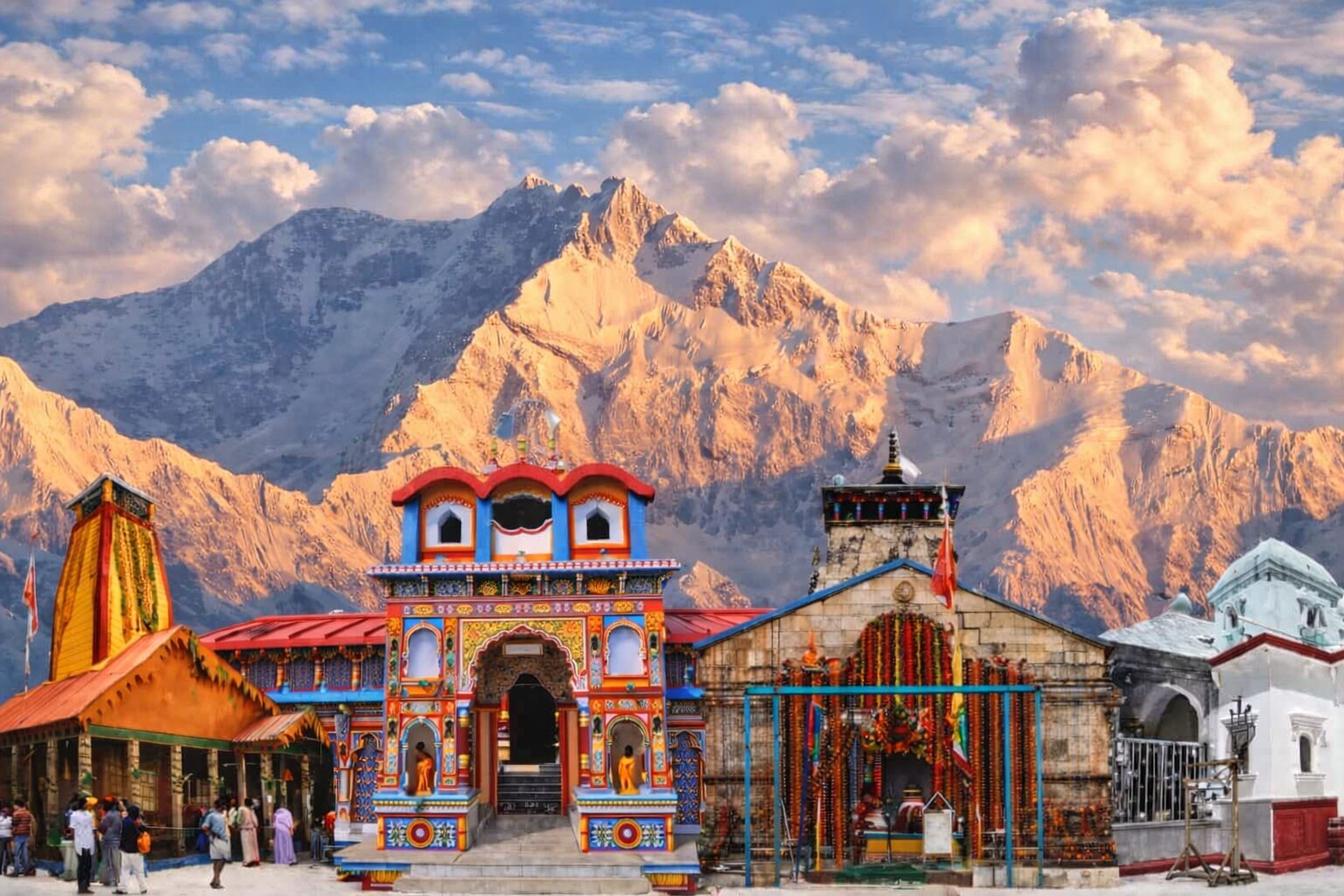
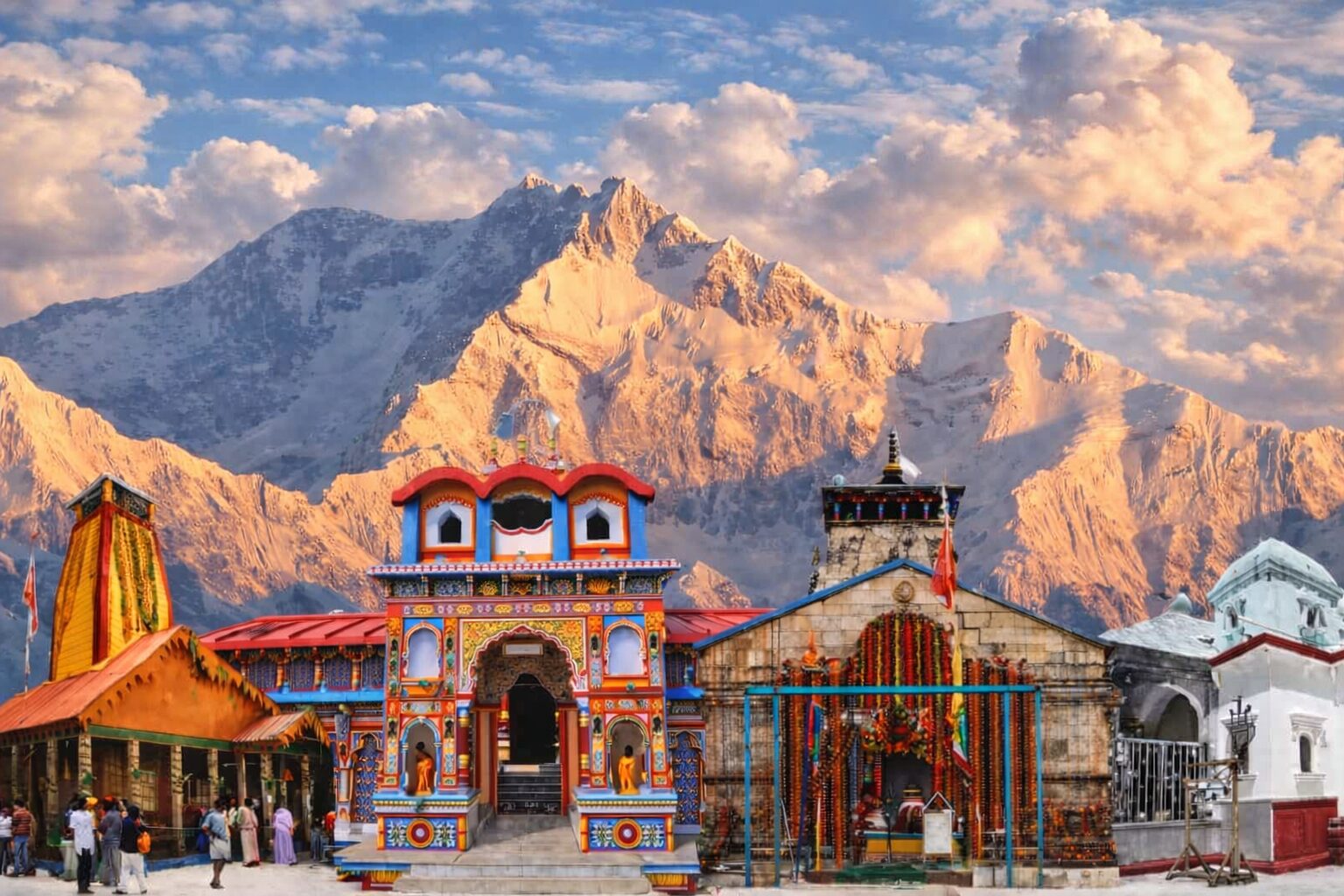
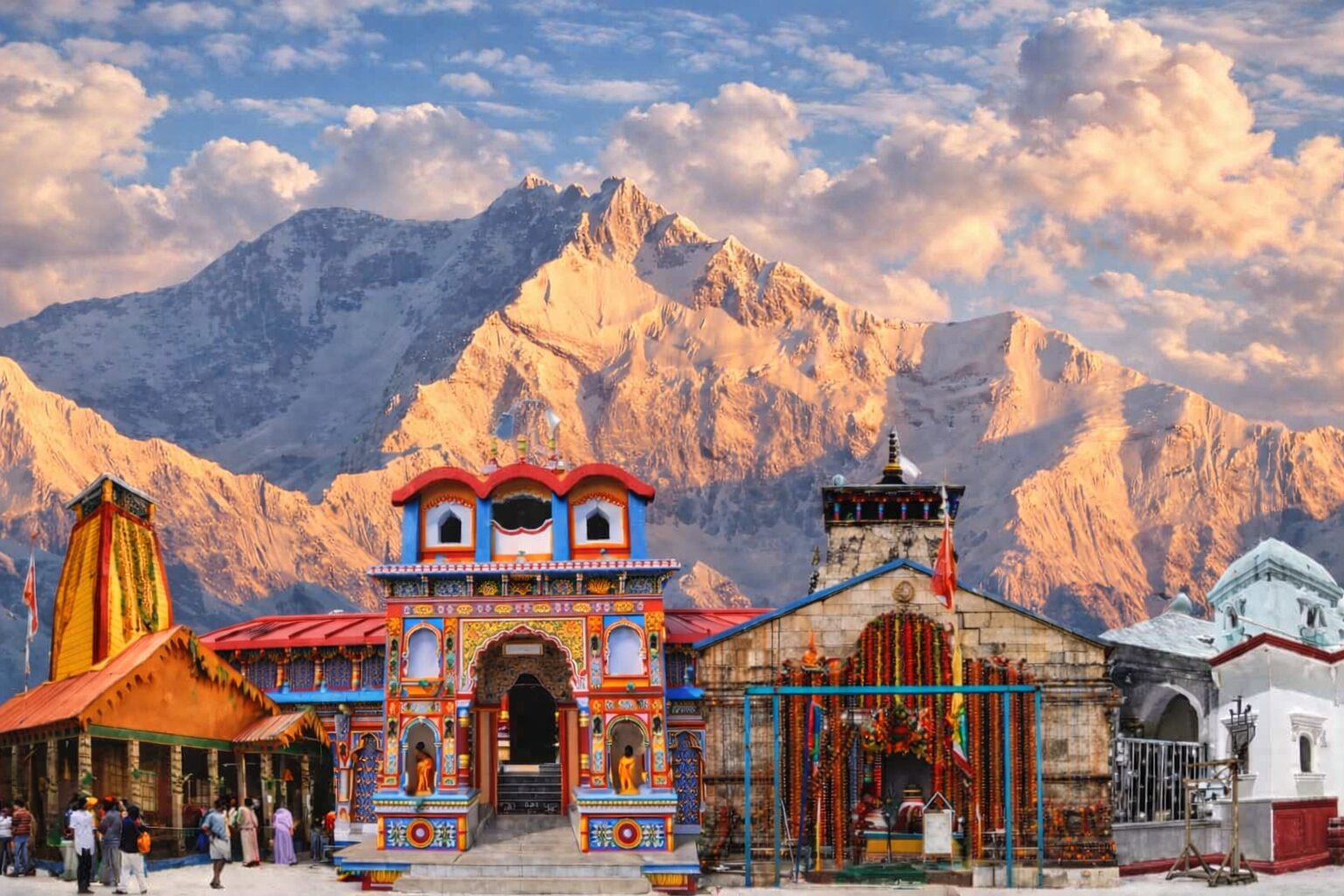
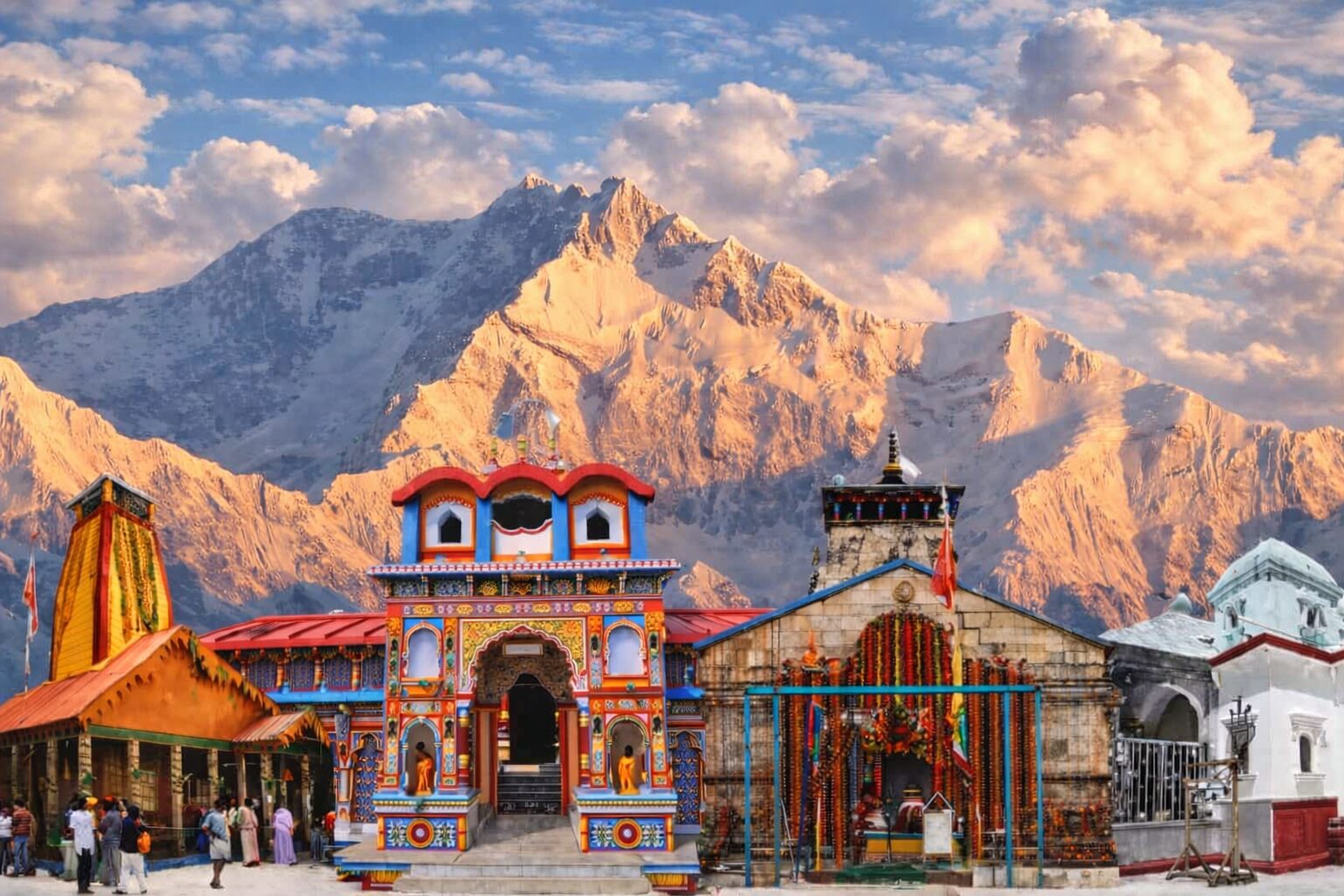
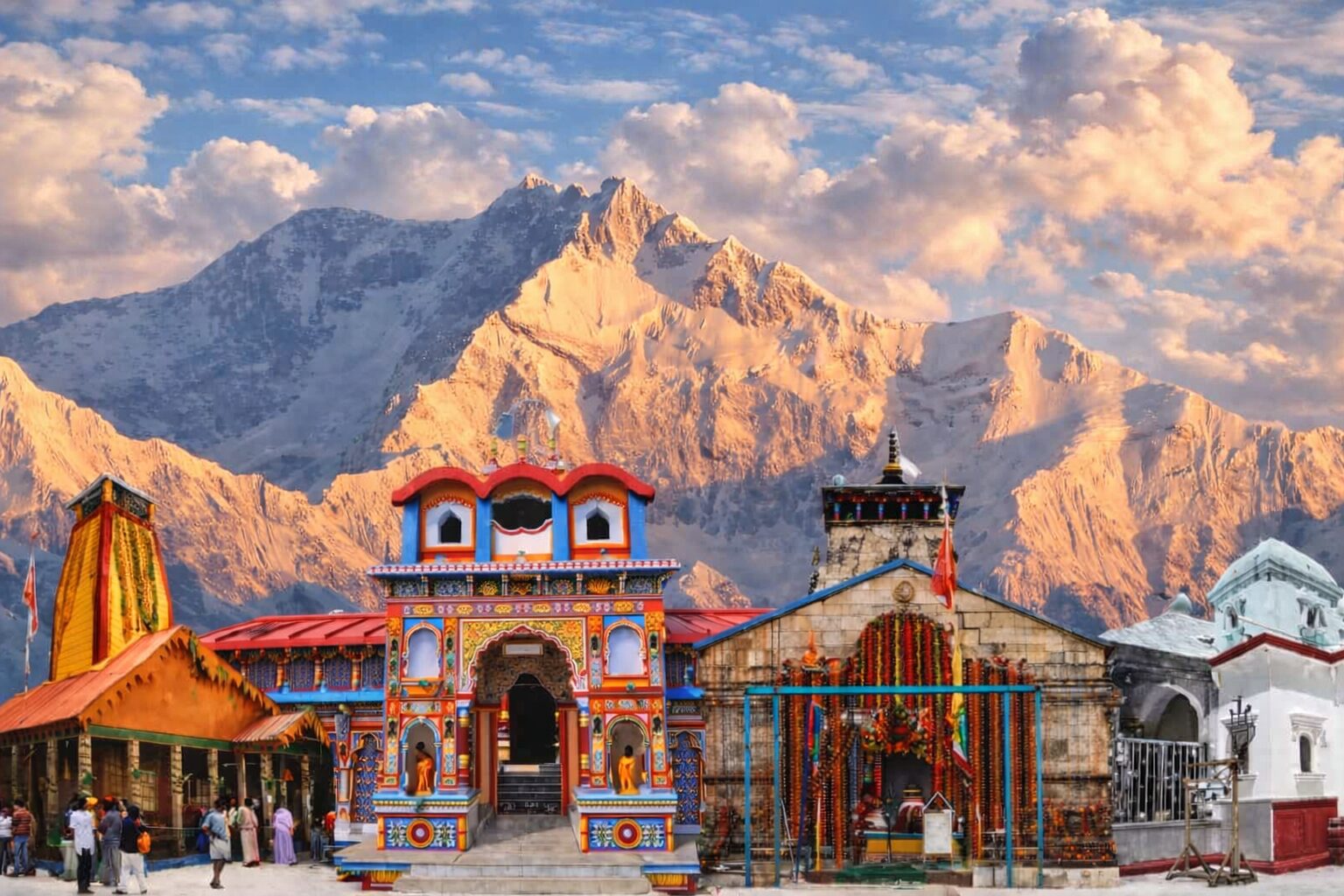
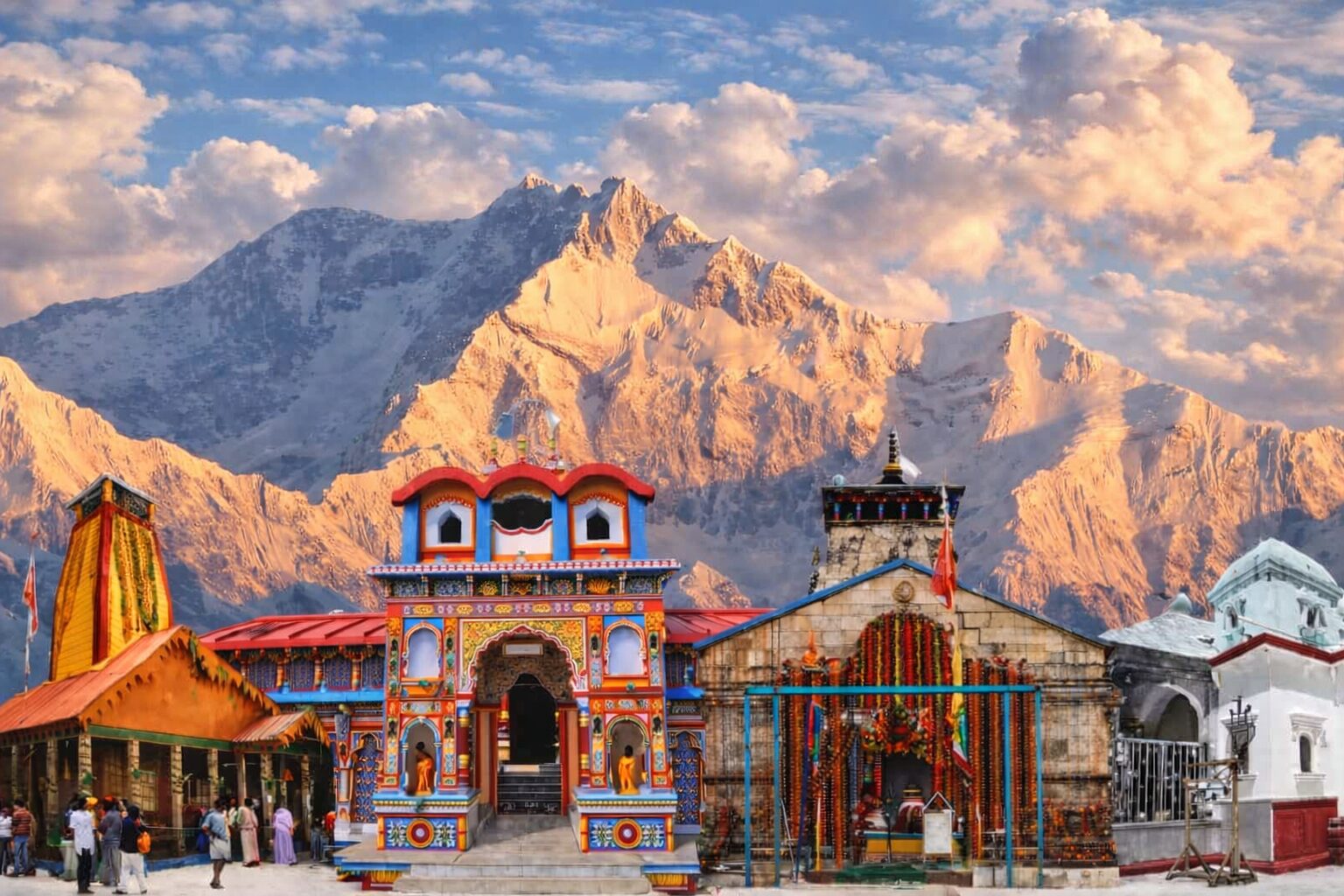
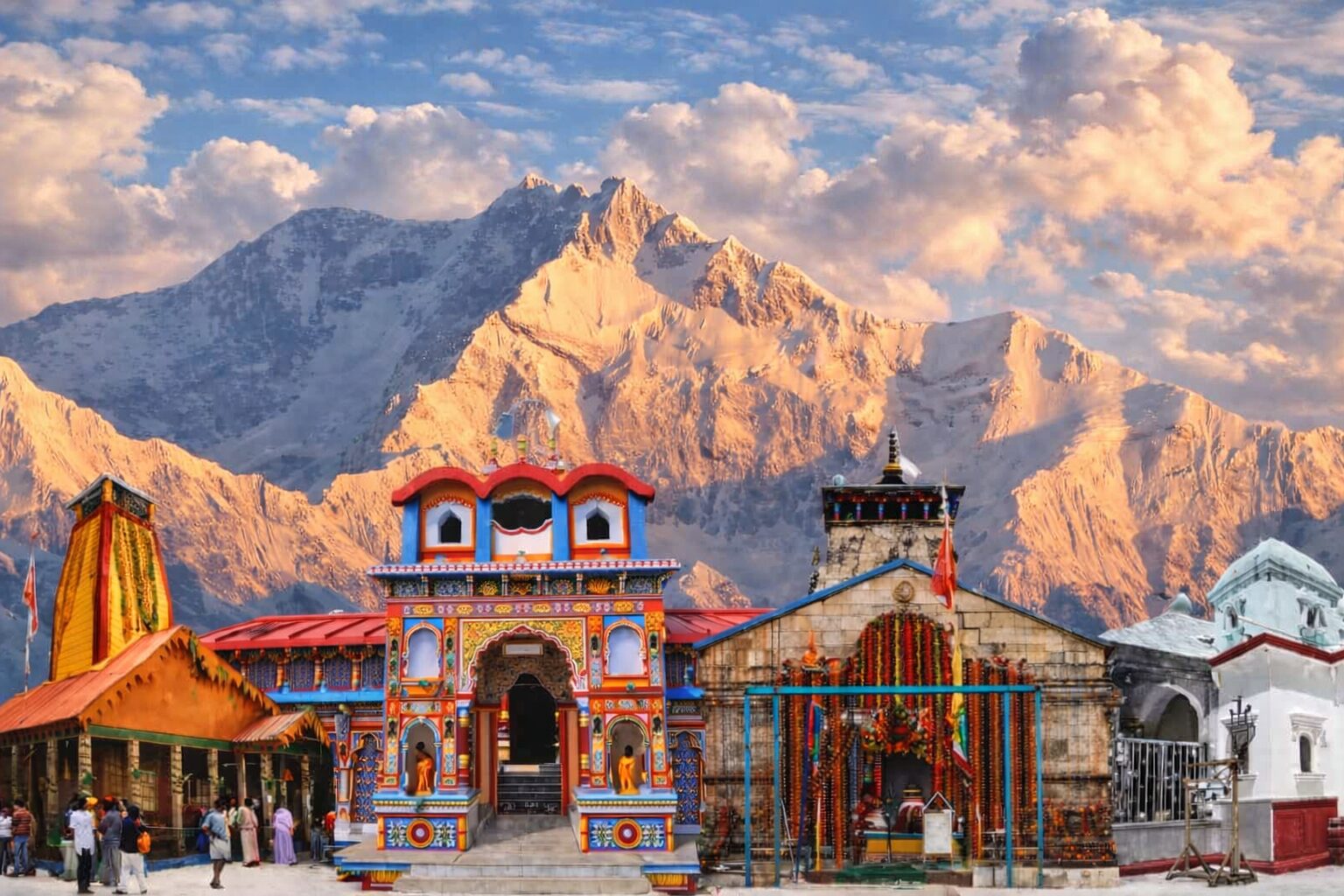
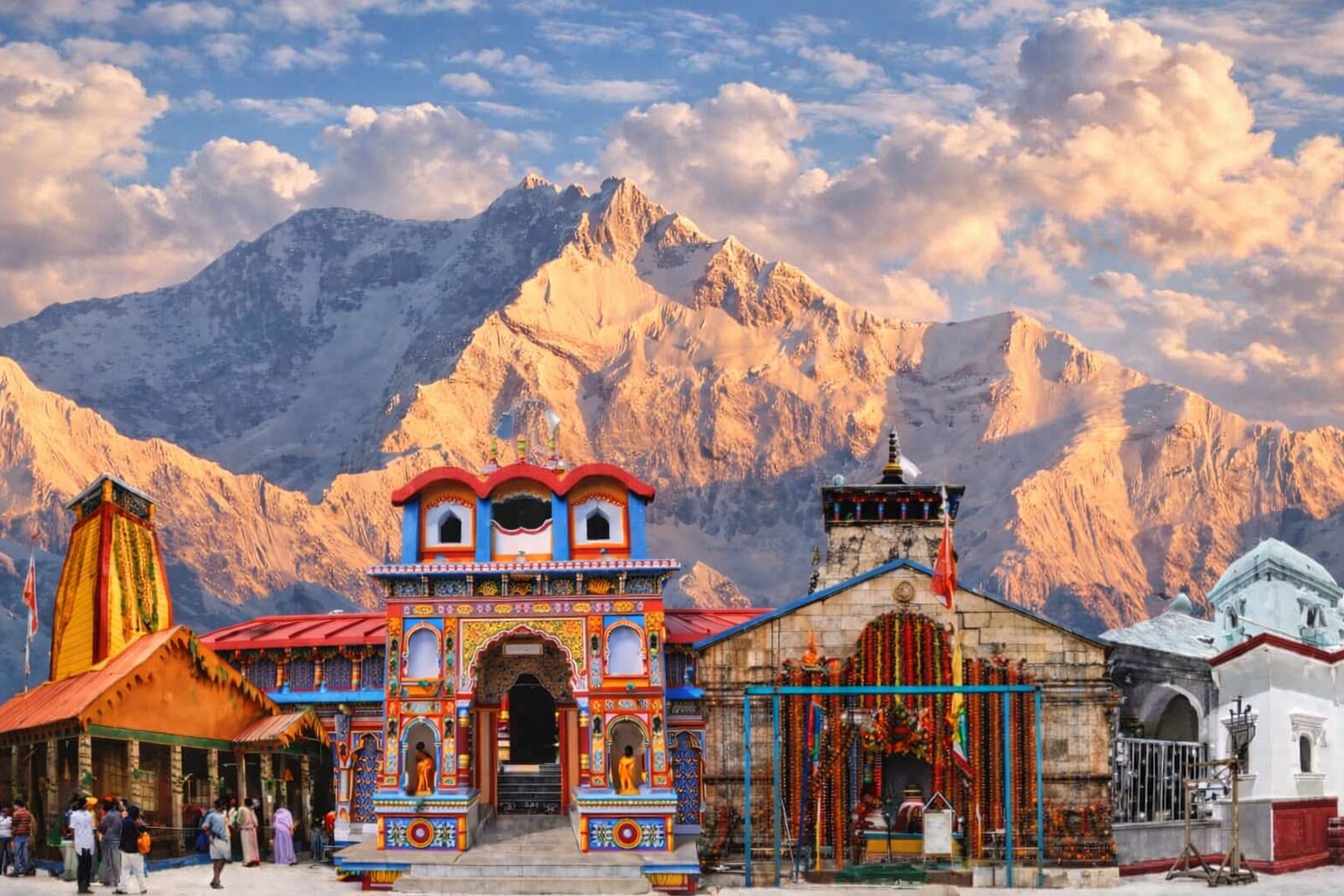
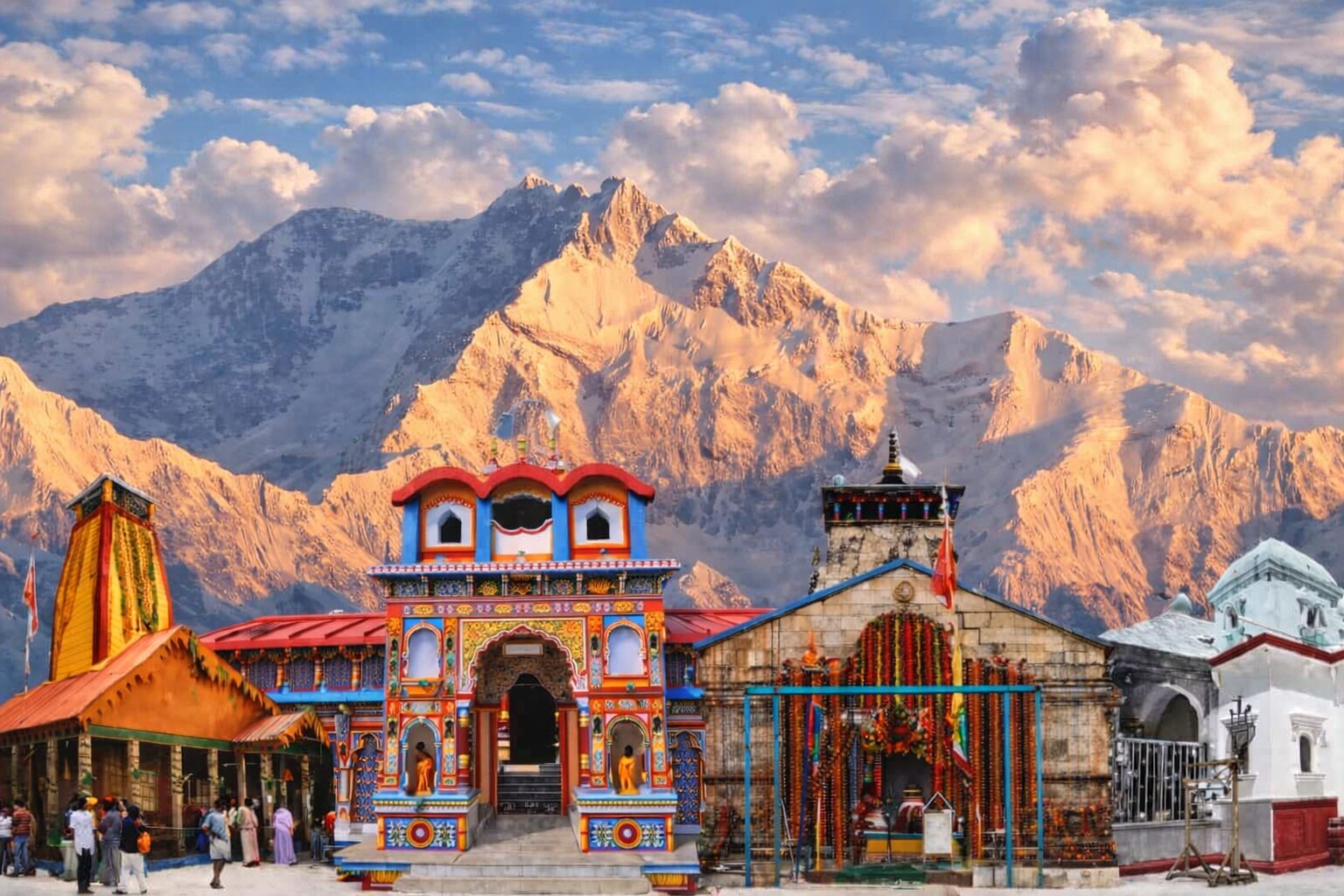
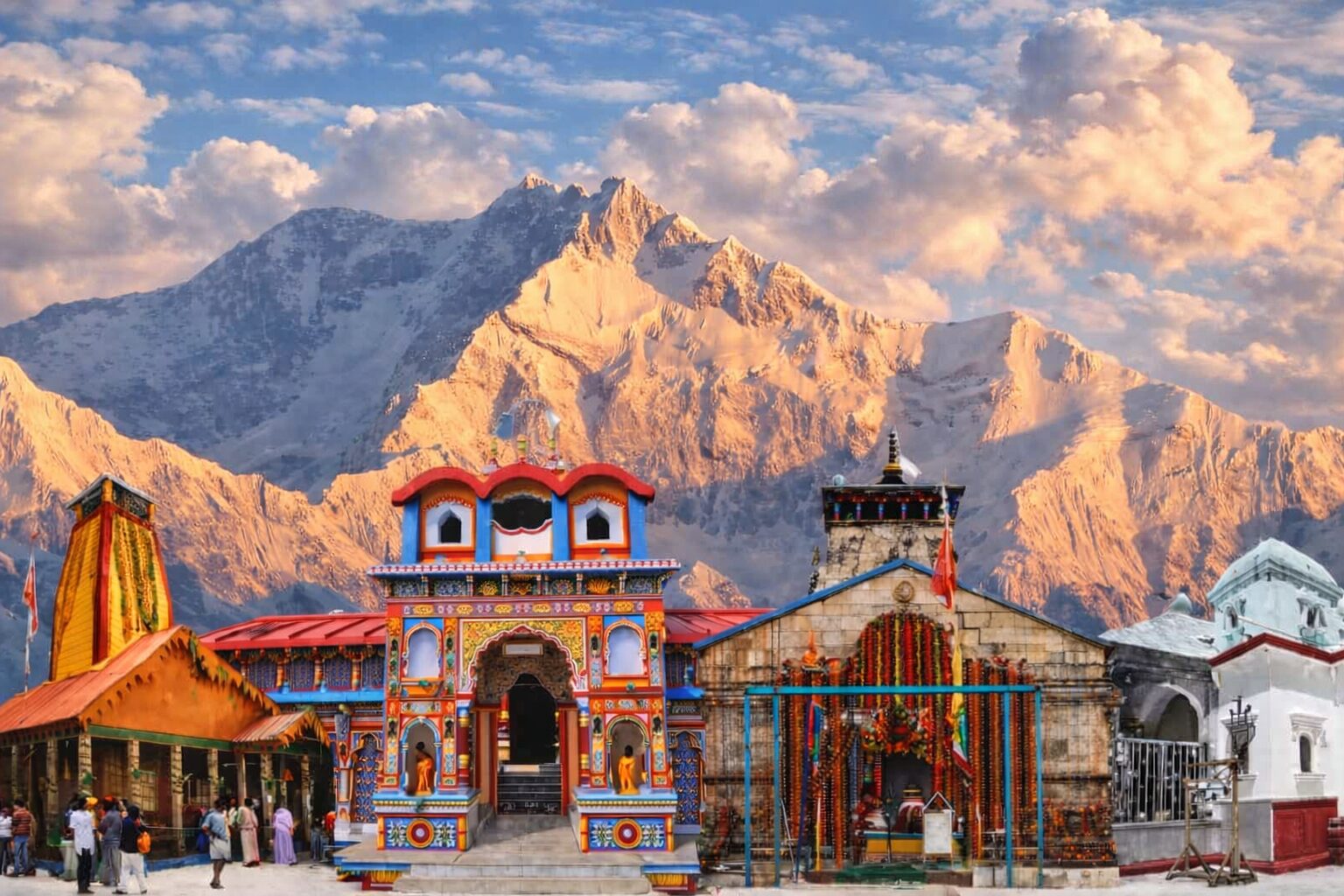
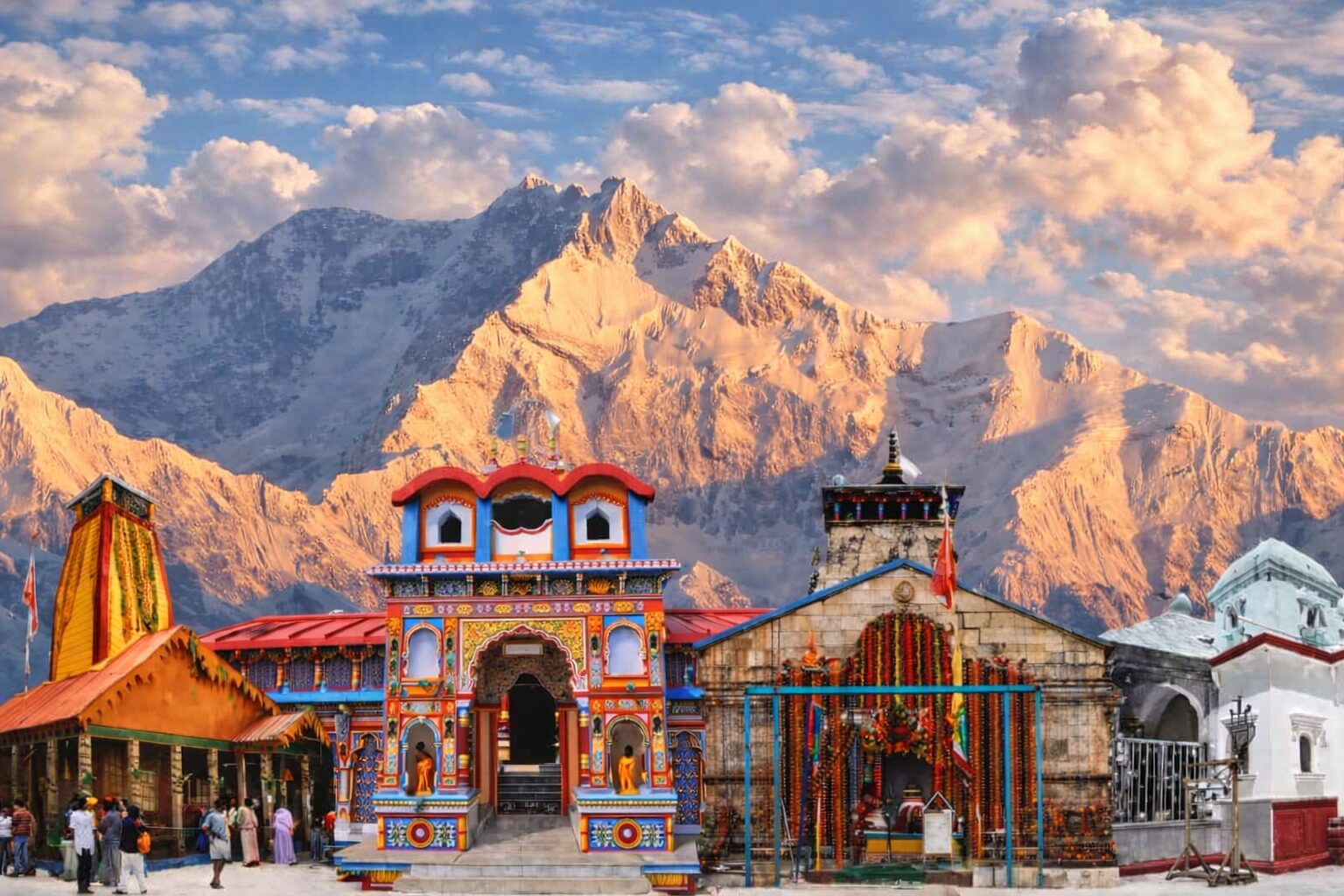
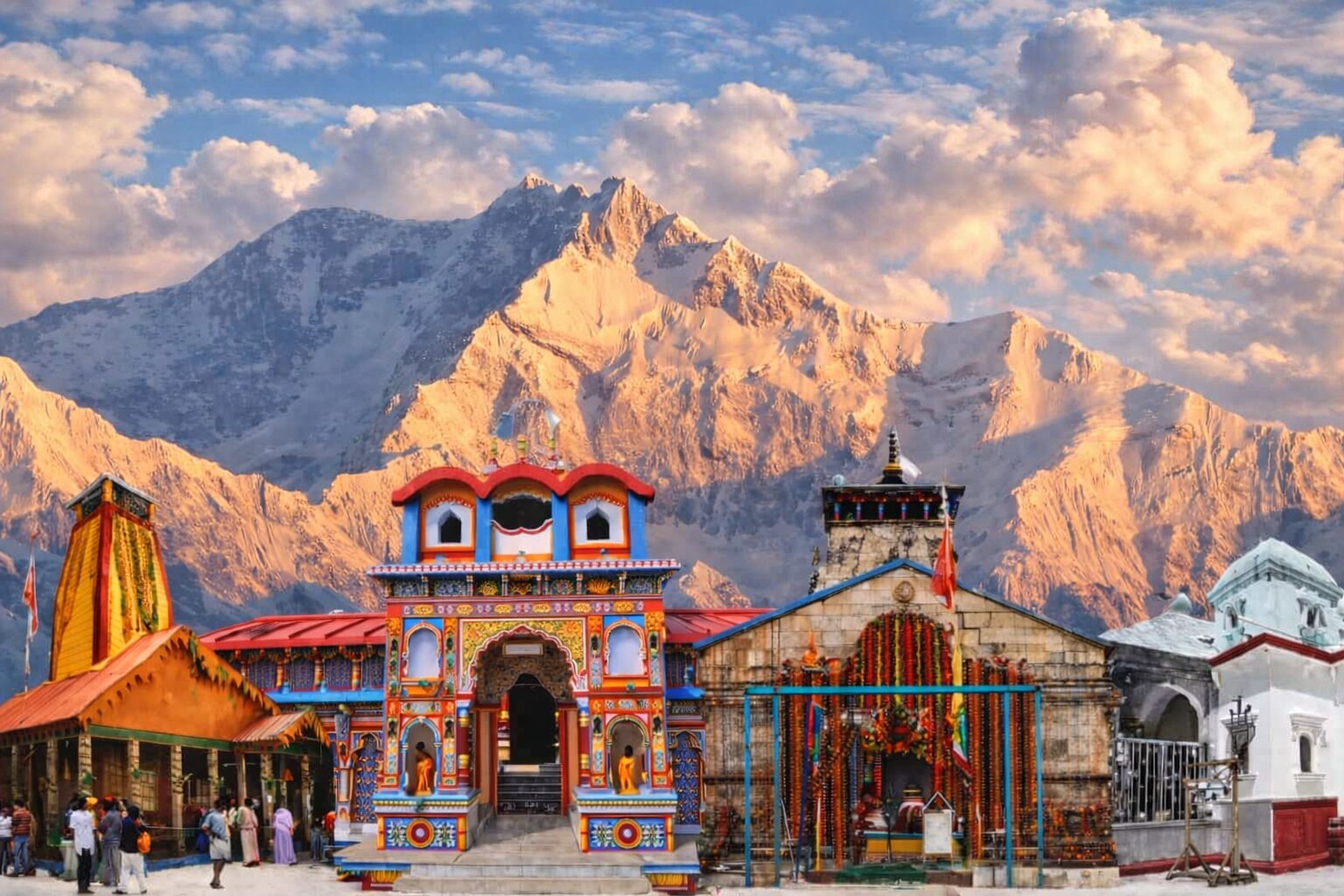
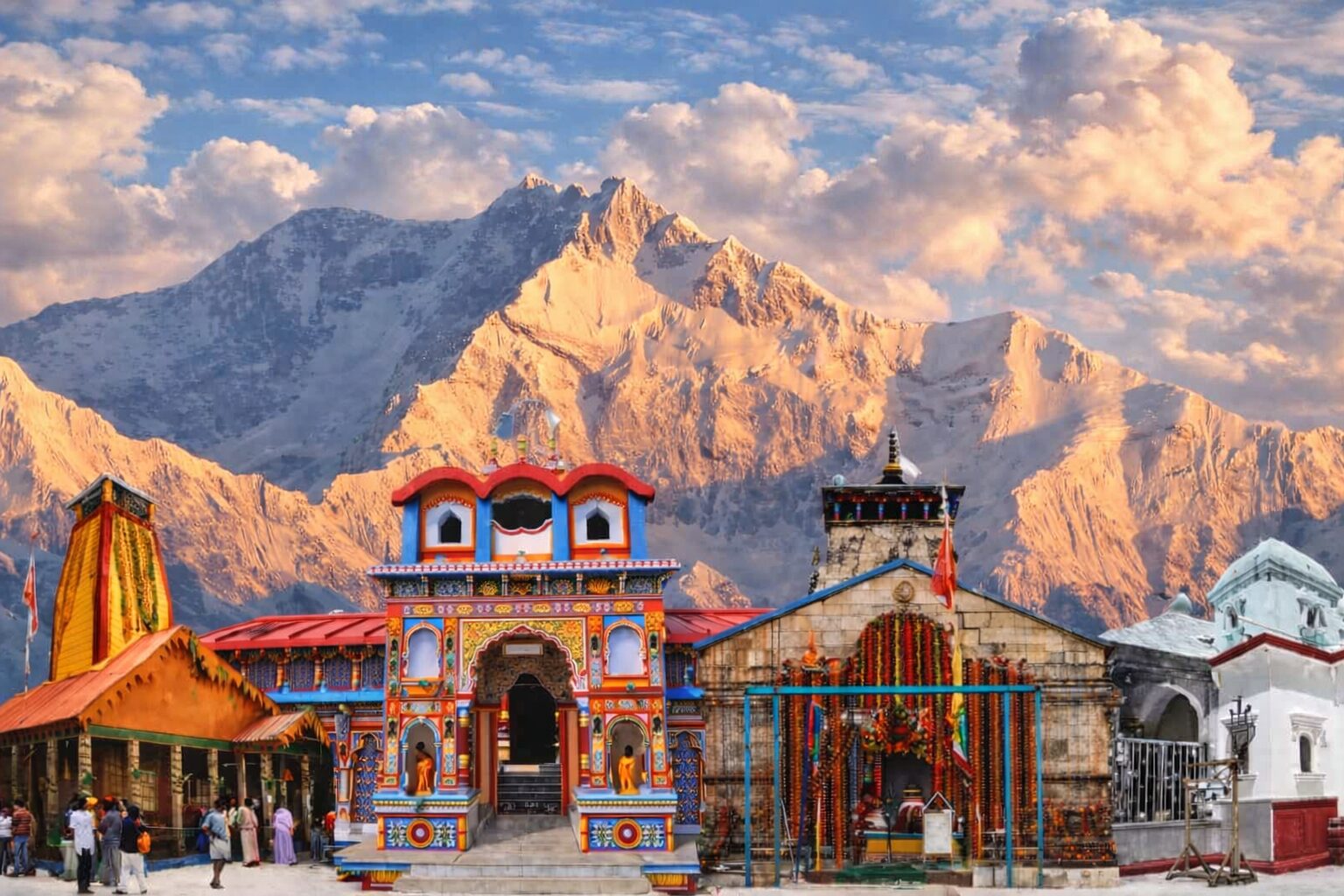
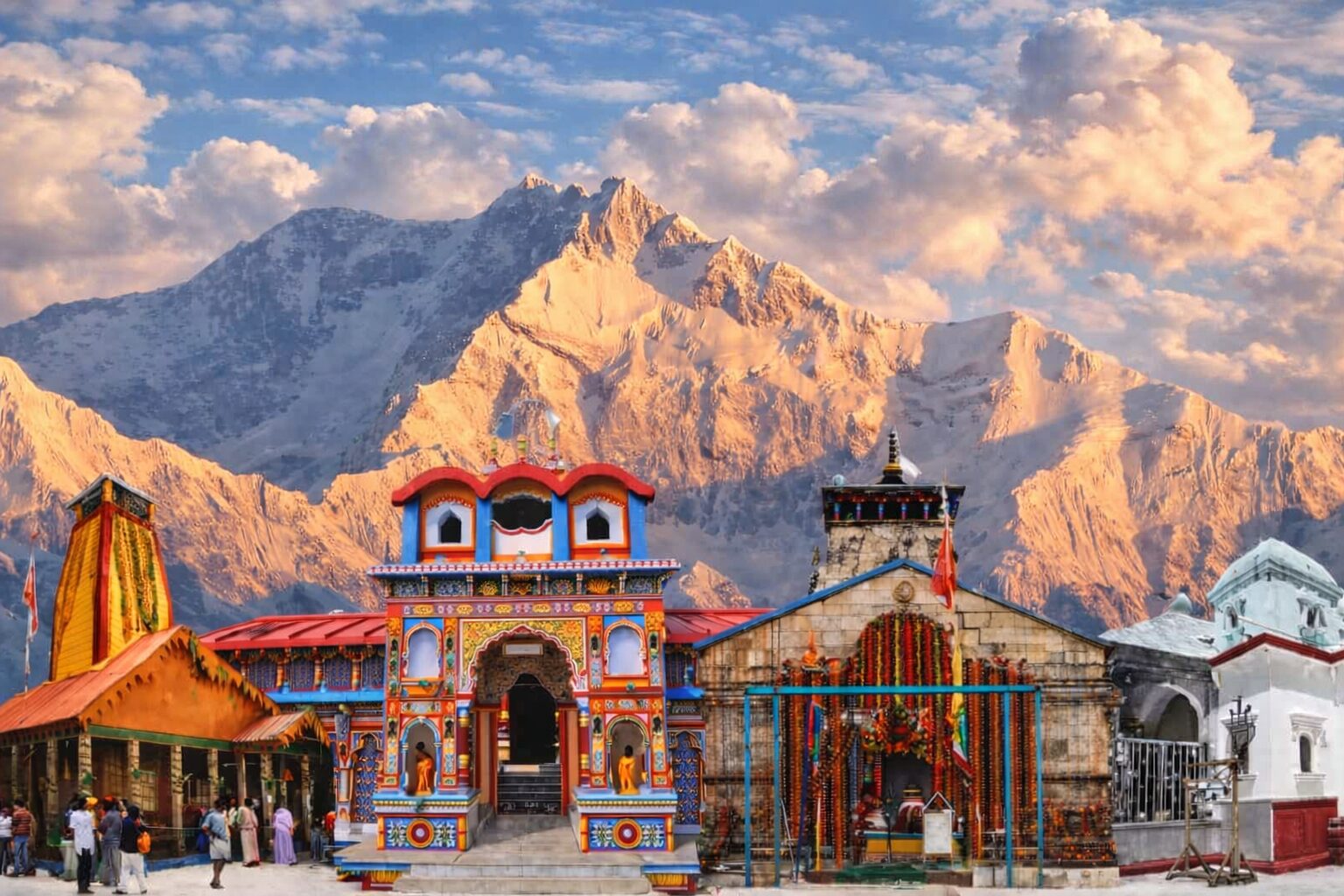
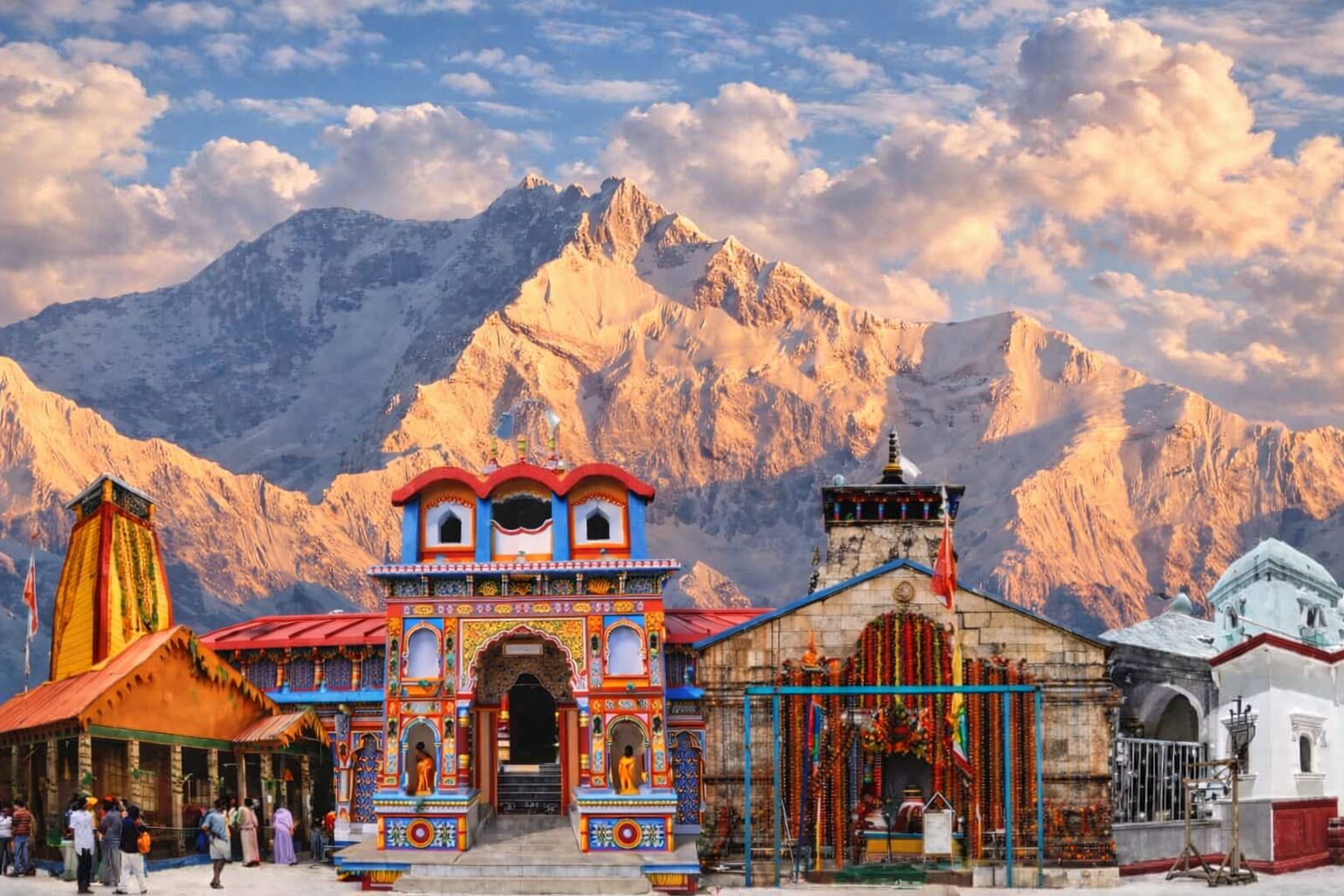
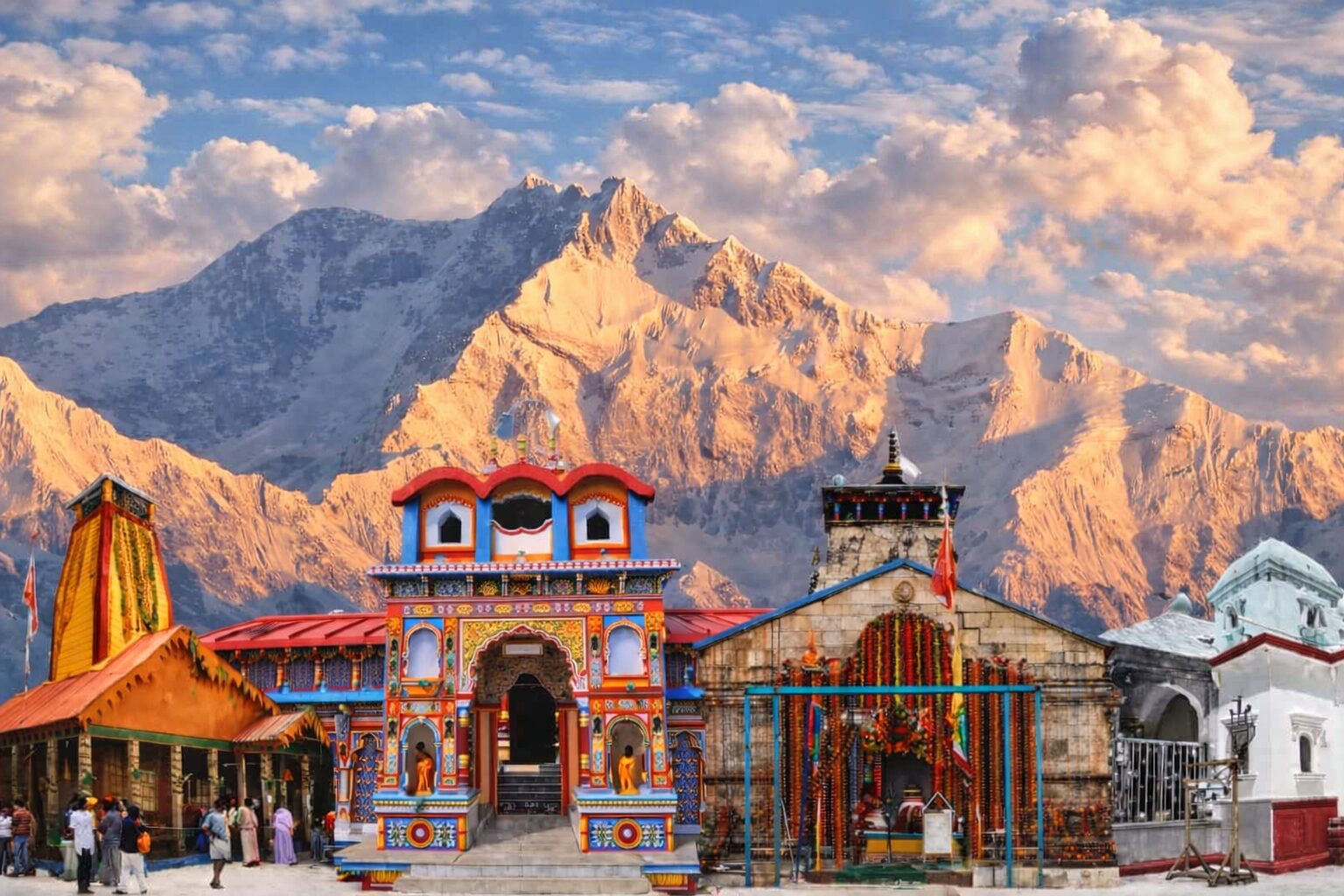
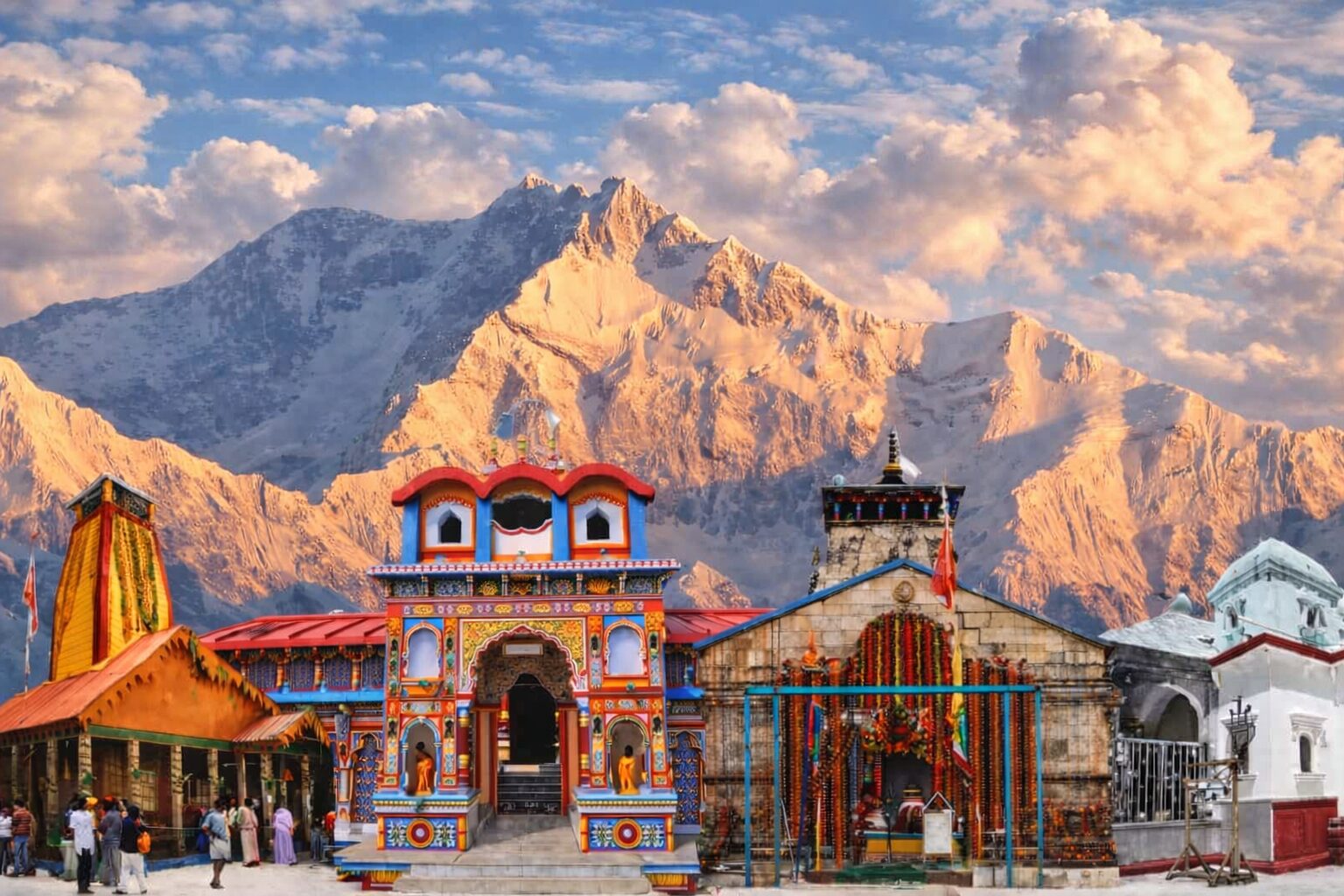
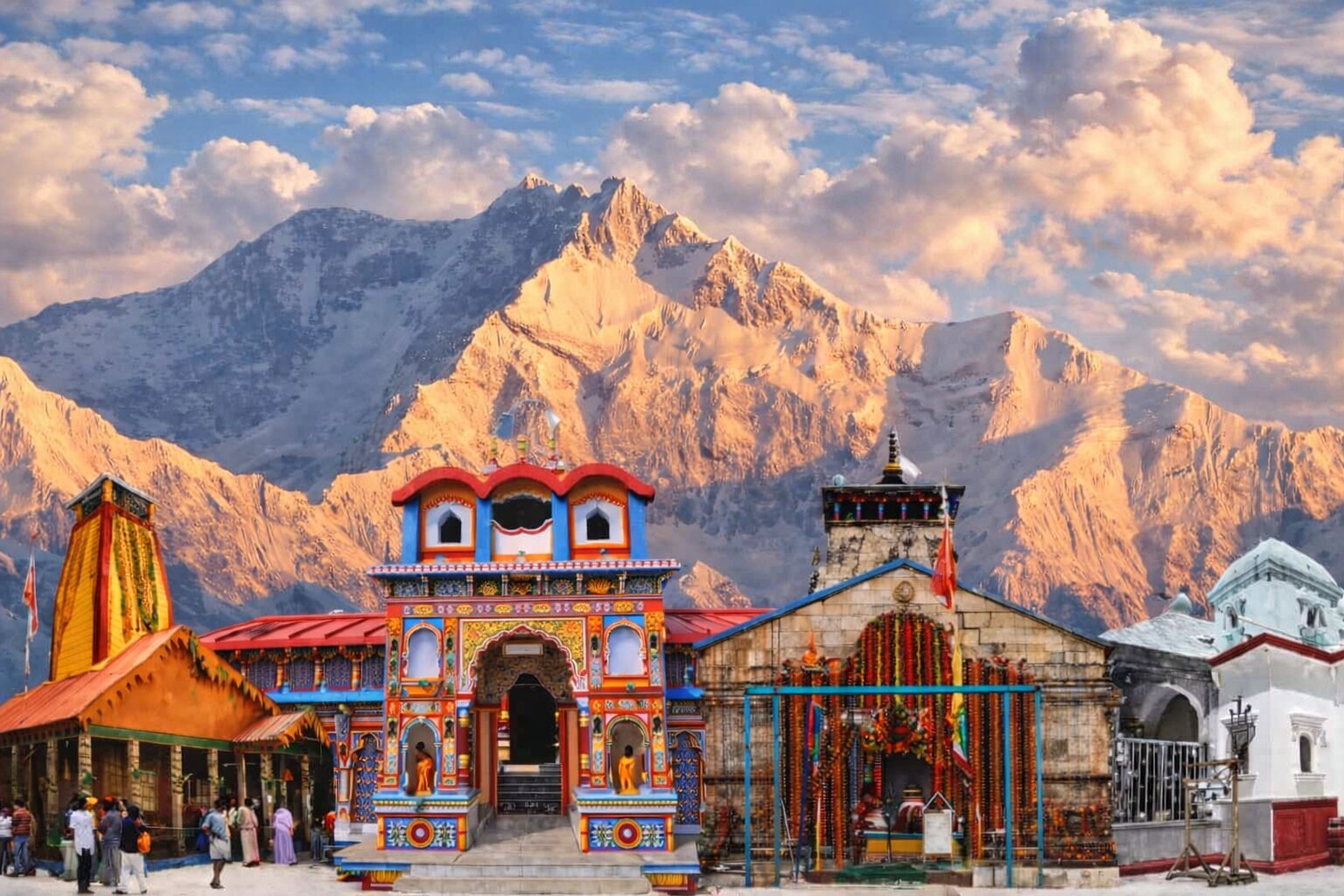
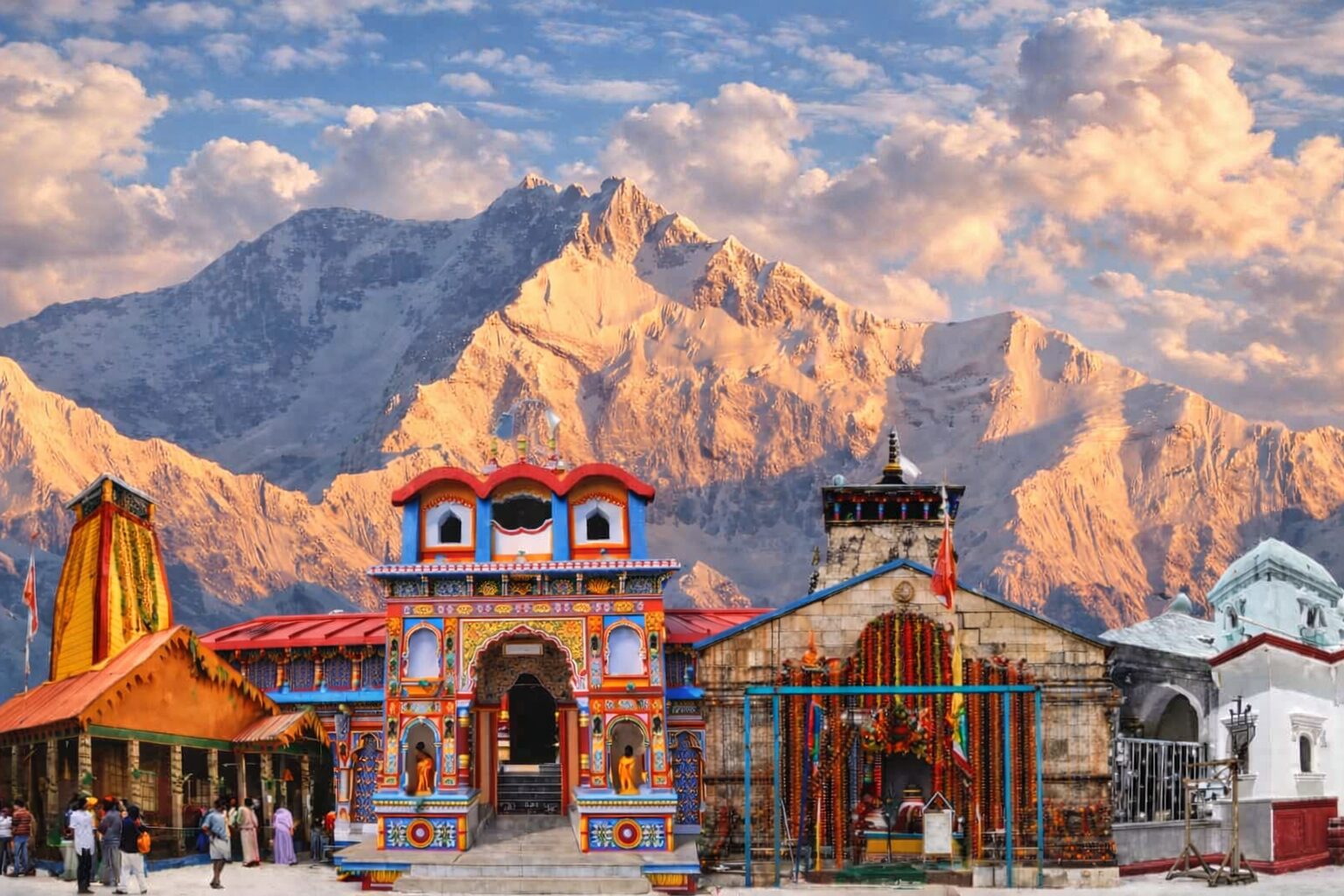
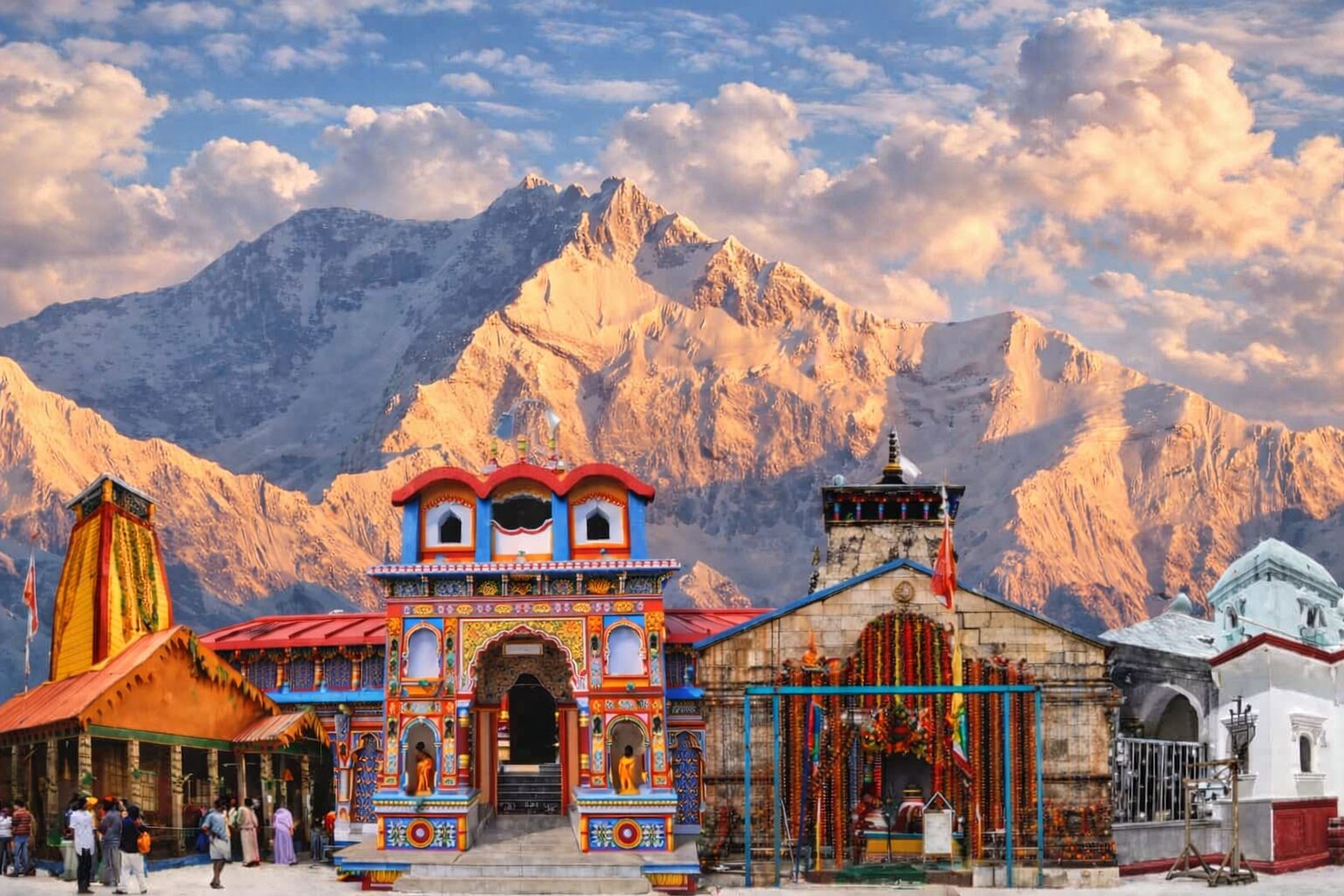
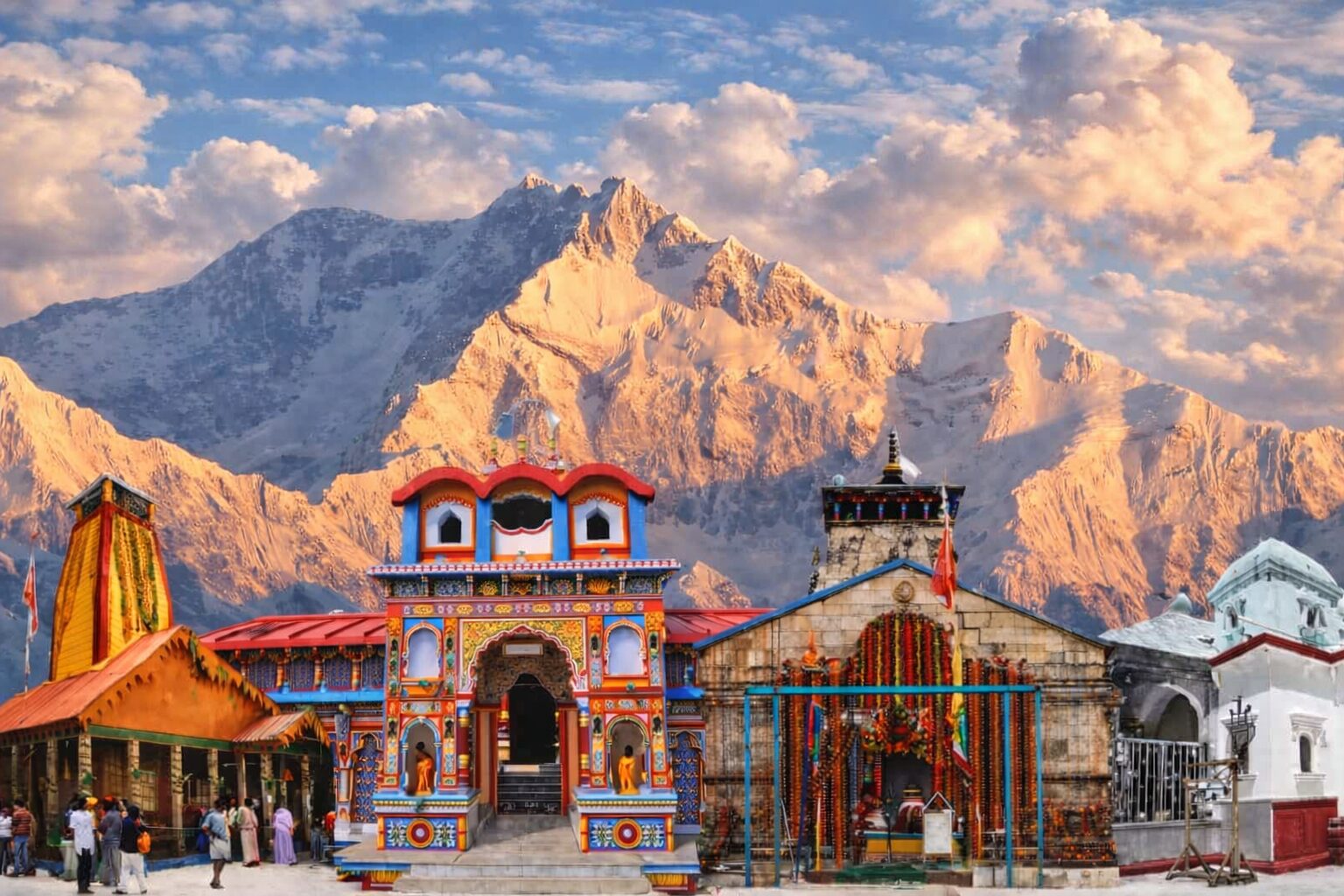
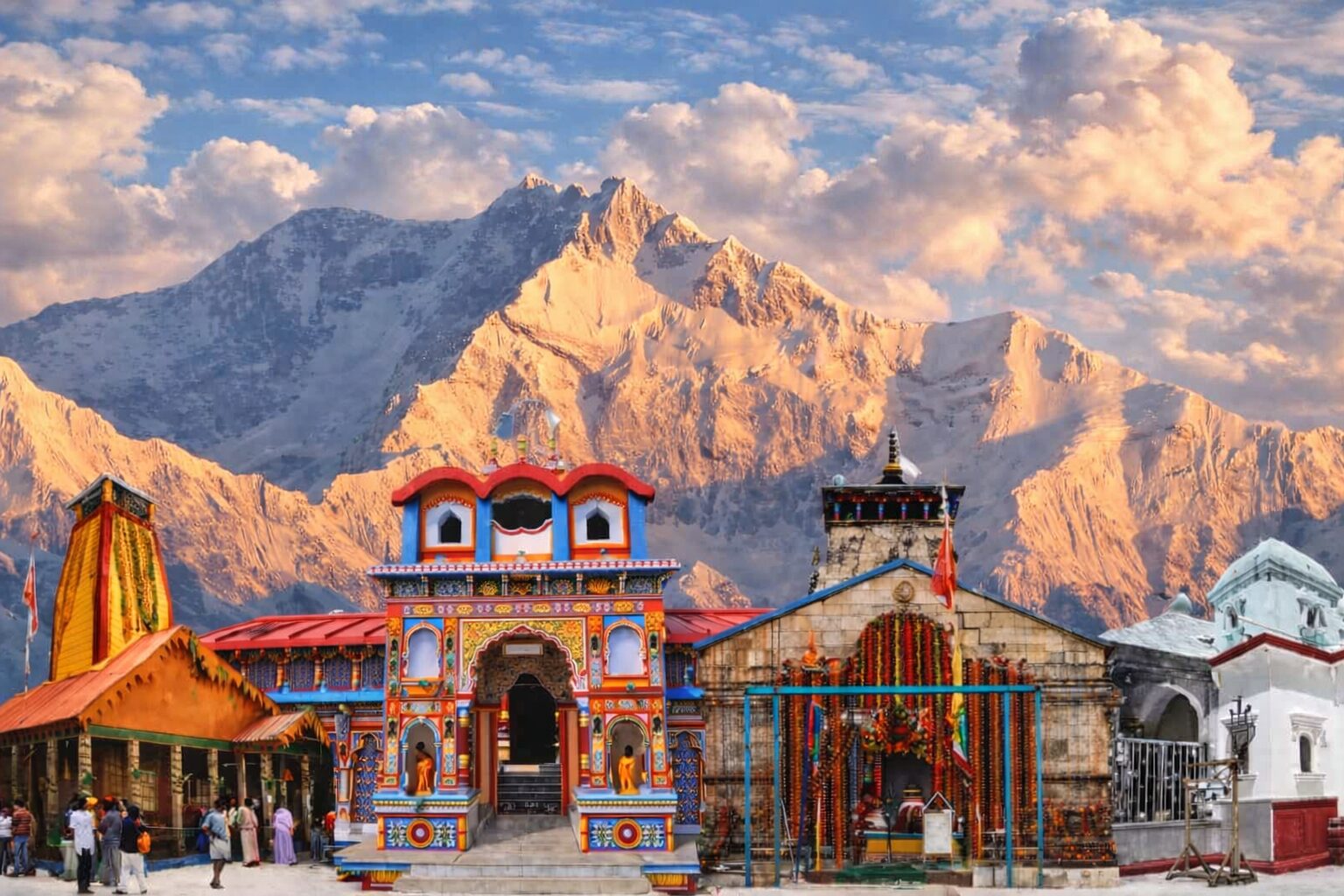
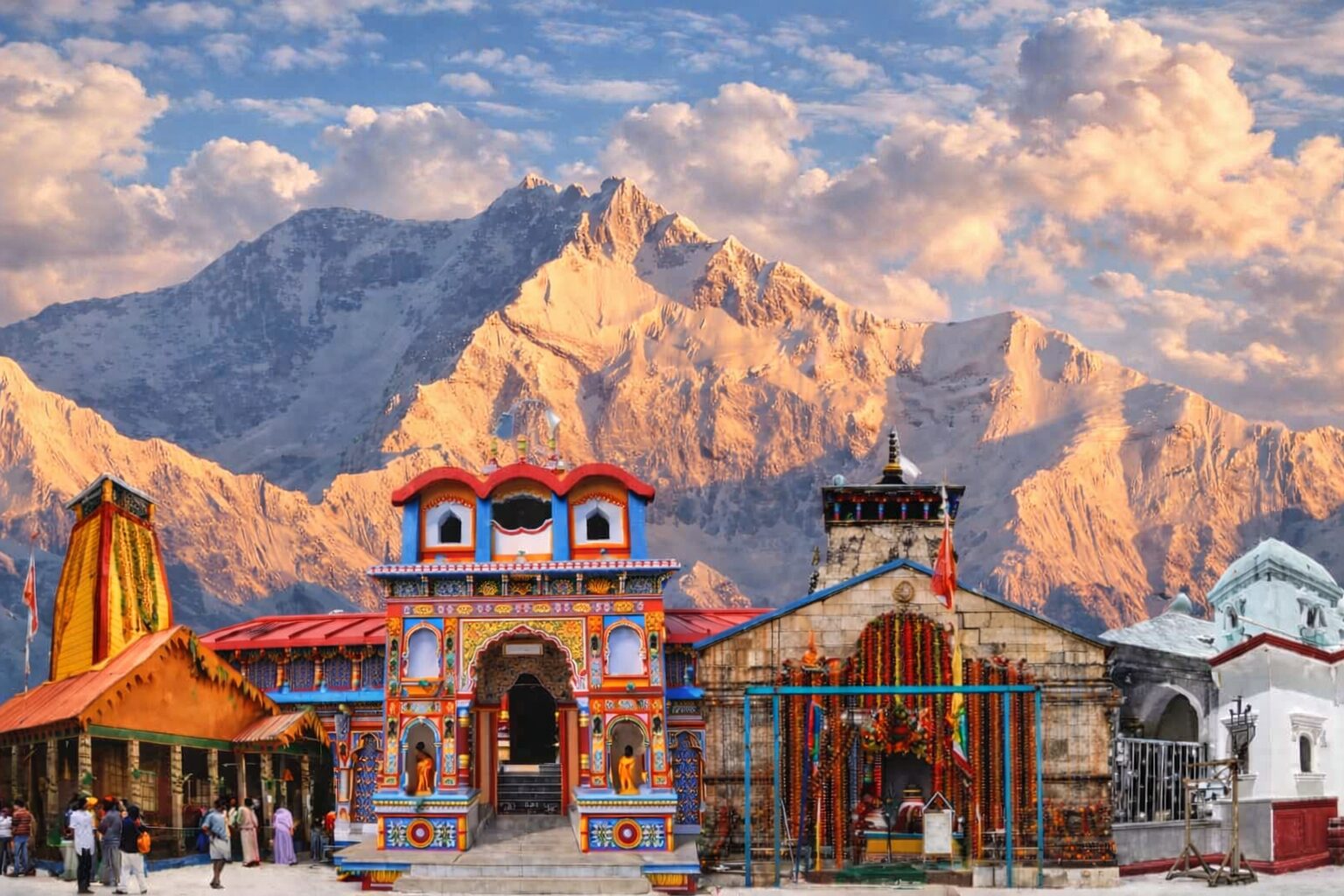
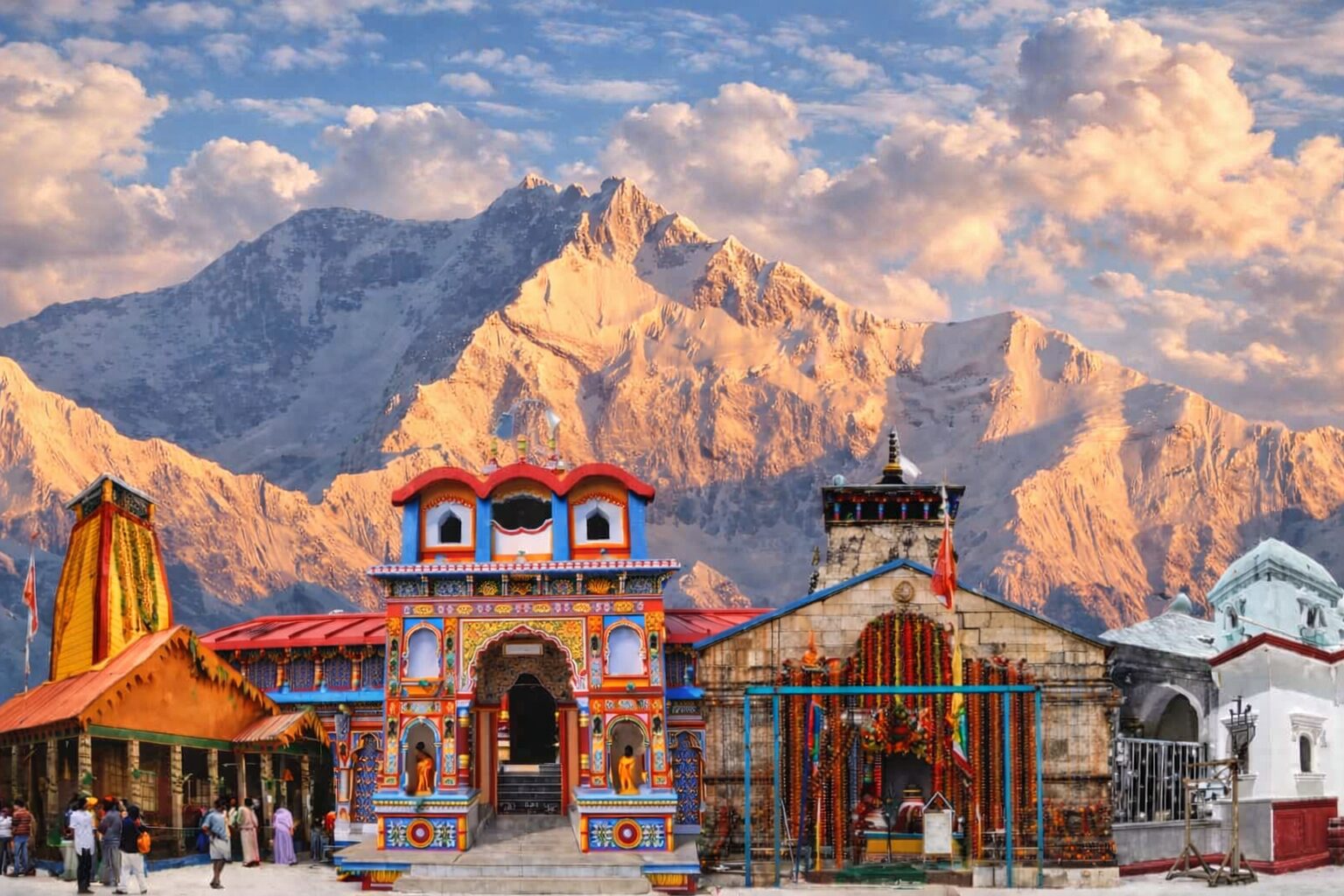
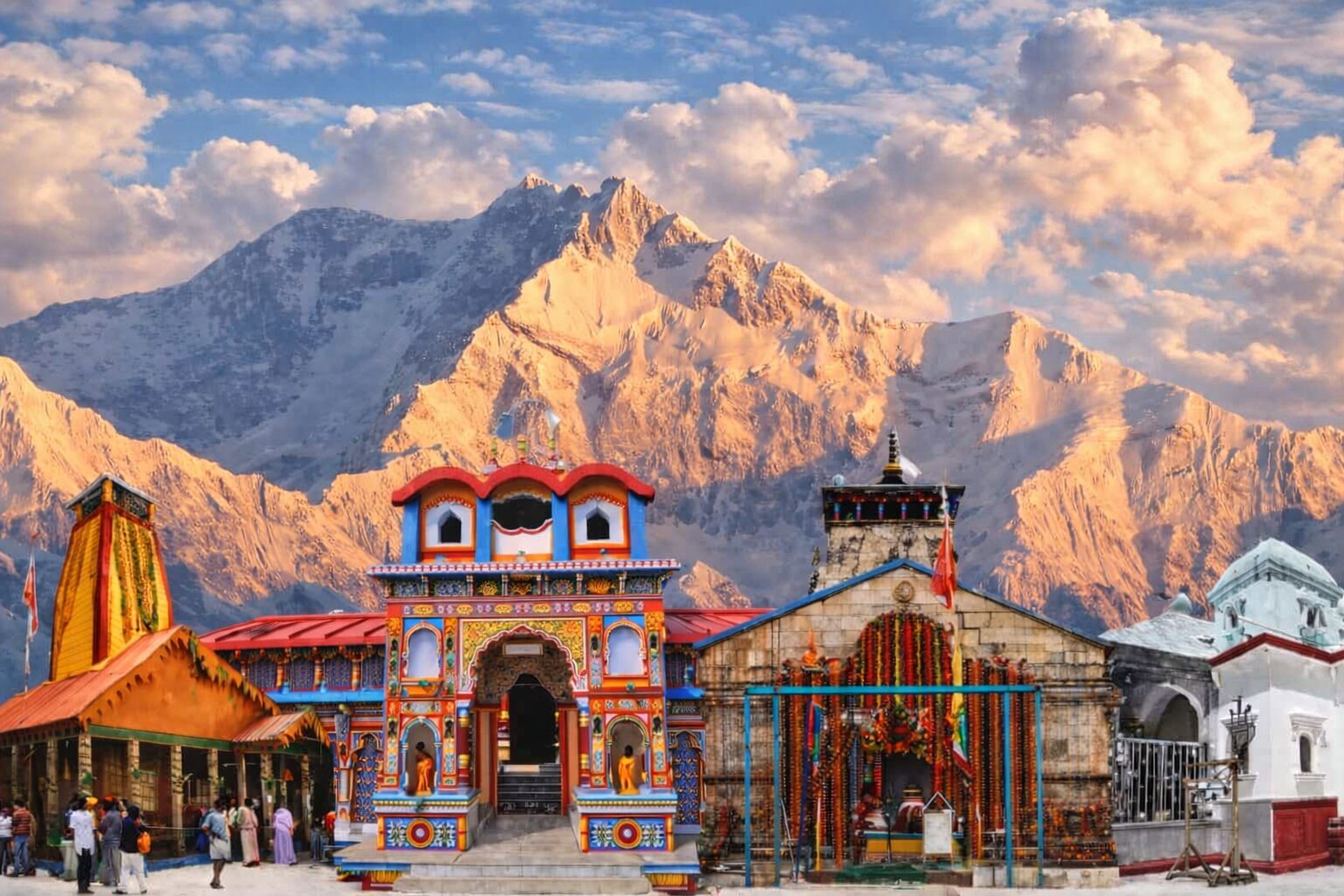
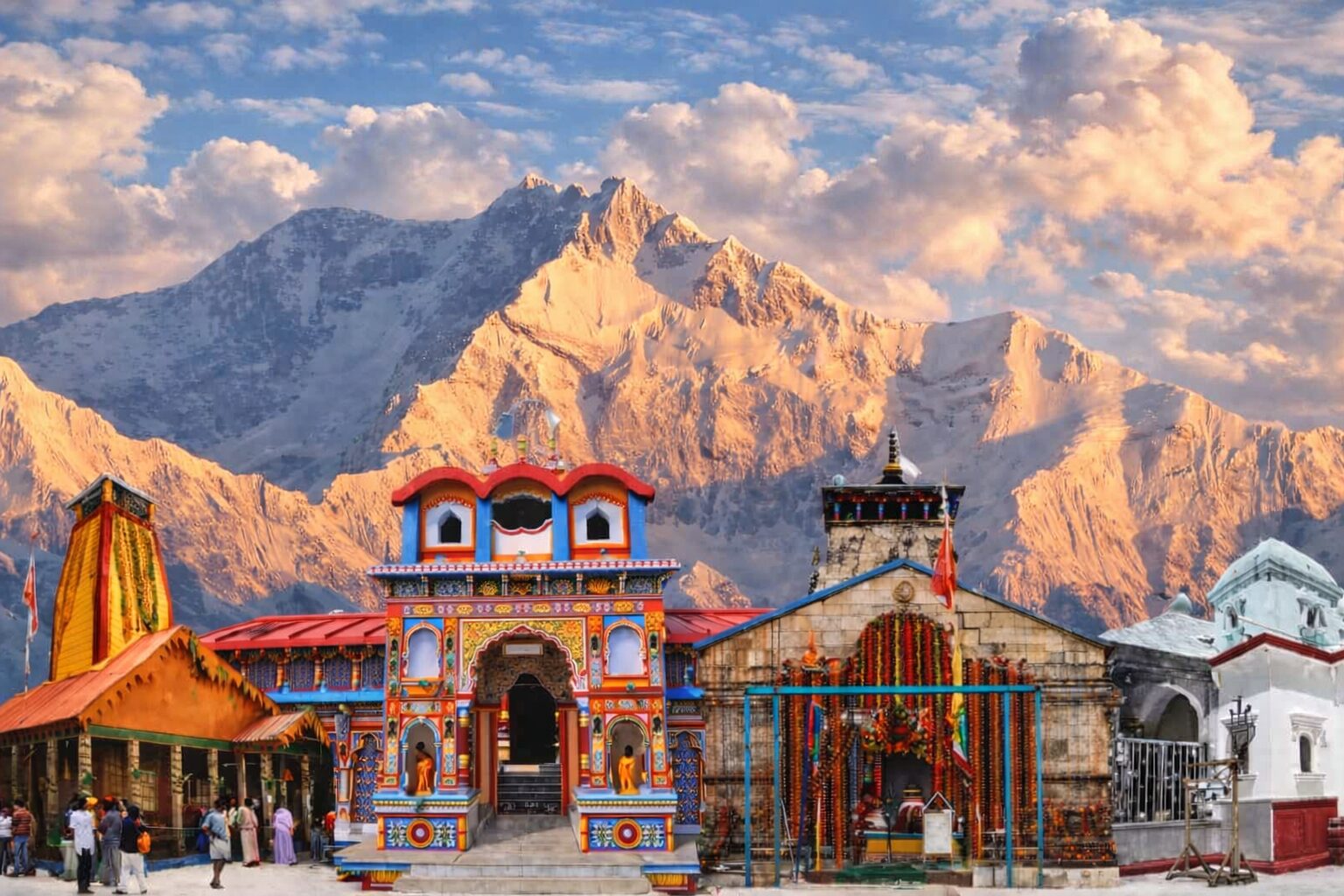
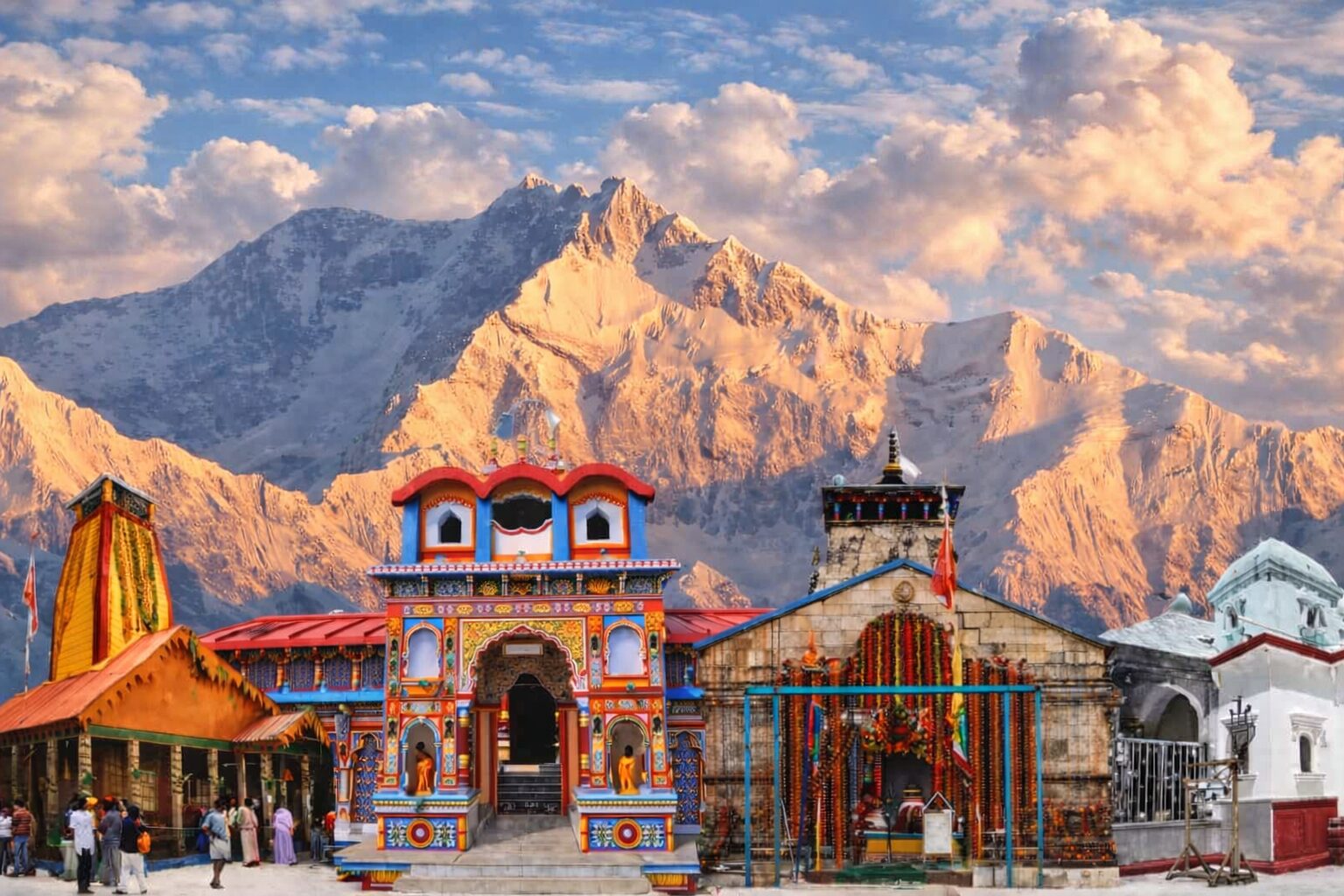
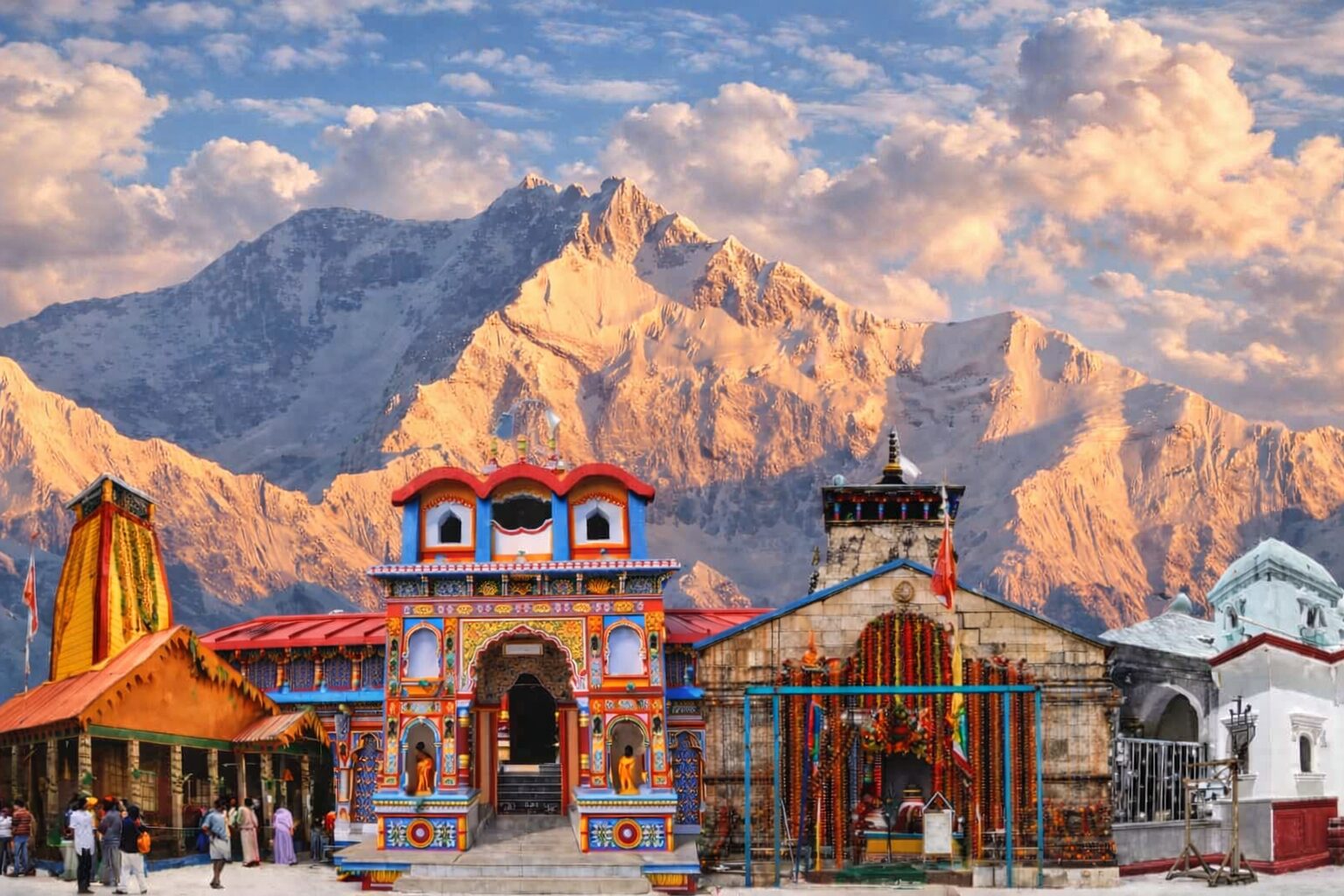
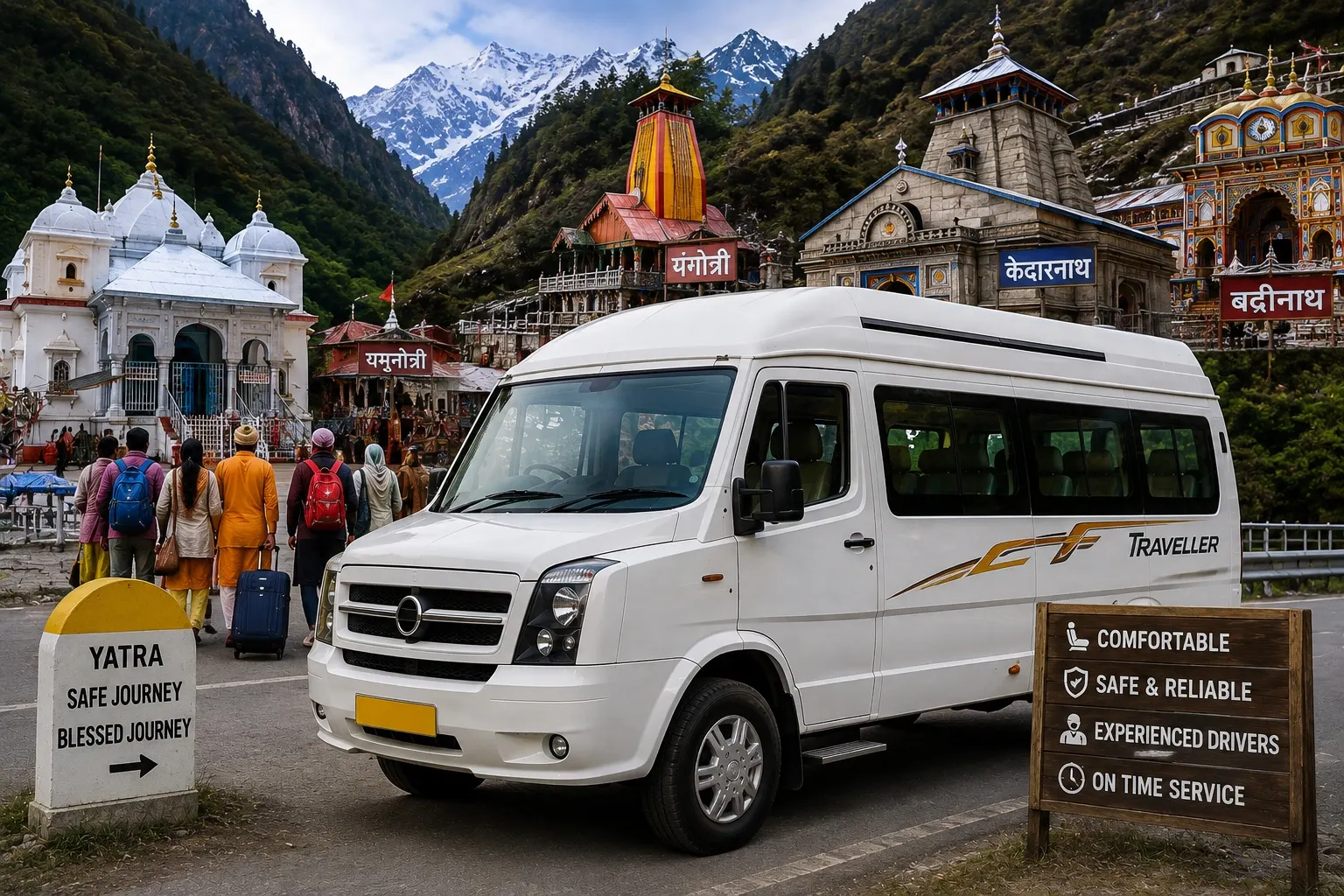
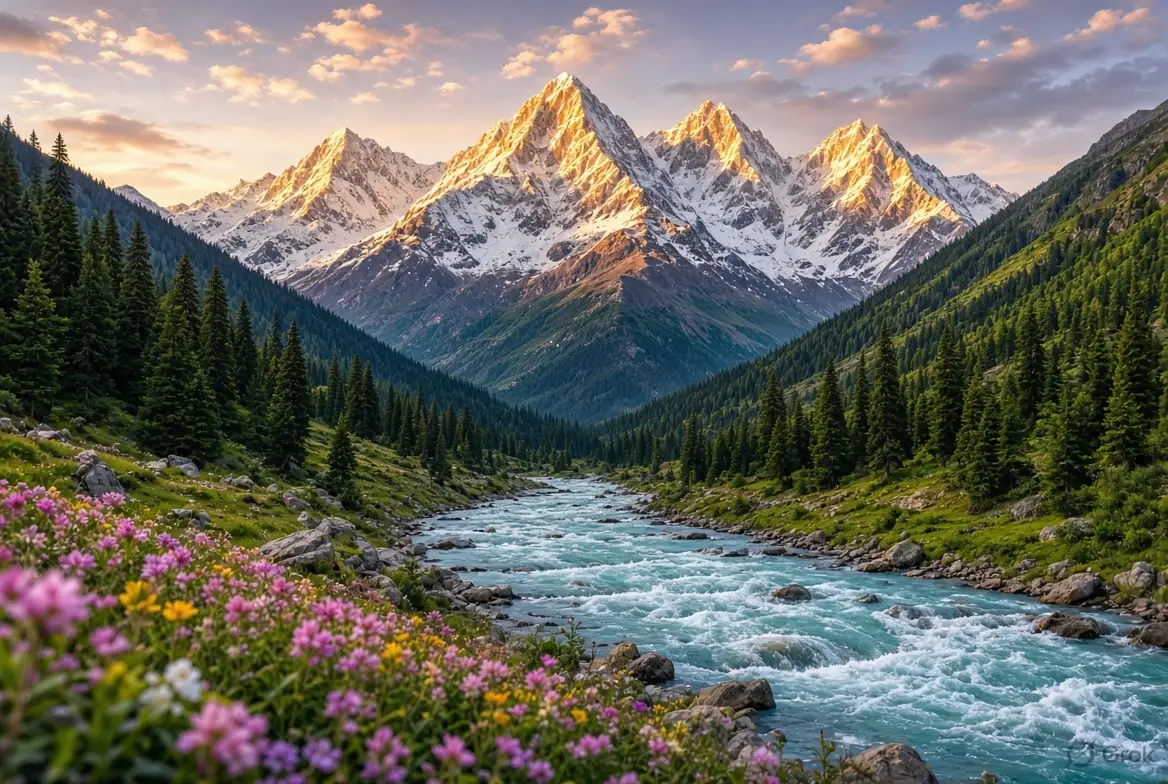
The Chardham Yatra — covering Yamunotri, Gangotri, Kedarnath, and Badrinath - is one of the most significant pilgrimage circuits in India, and also one of the more logistically demanding trips to plan on your own. A well-organised Chardham Yatra package takes care of the transport, hotel stays, and darshan logistics so you can focus on the pilgrimage itself. This guide covers the full route, realistic timelines, costs, and what to prepare for before you go.
What Is the Chardham Yatra Circuit
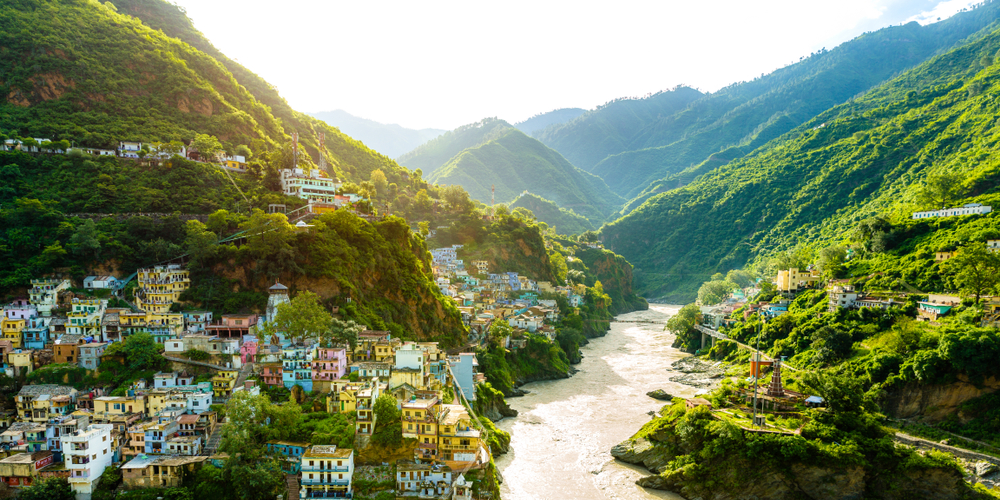
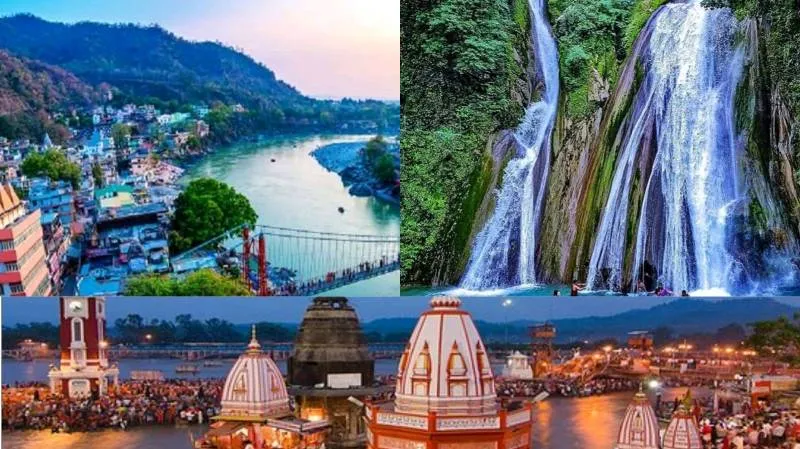
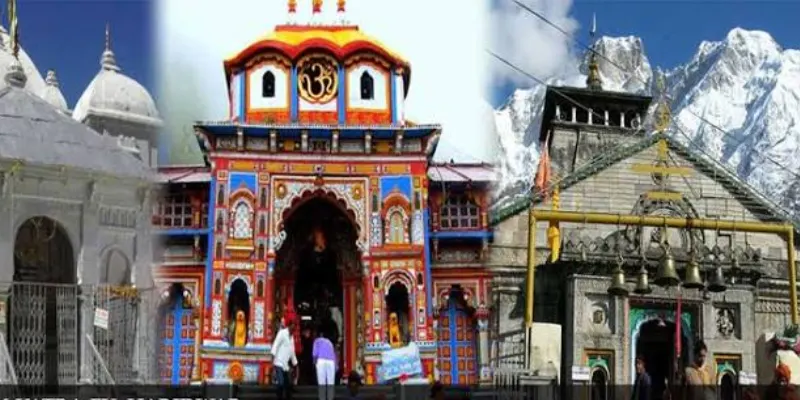
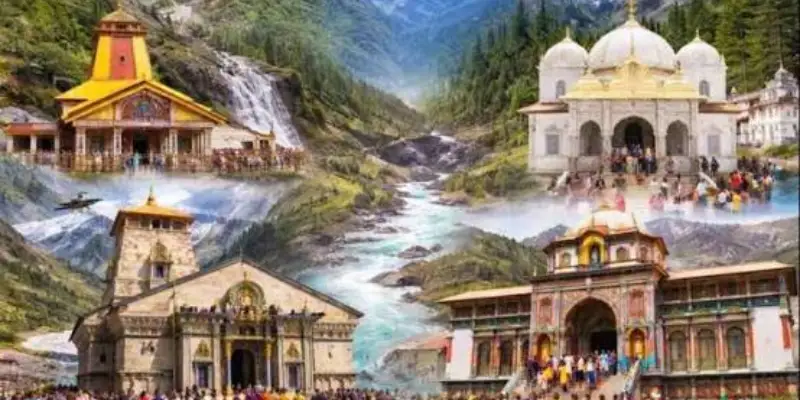
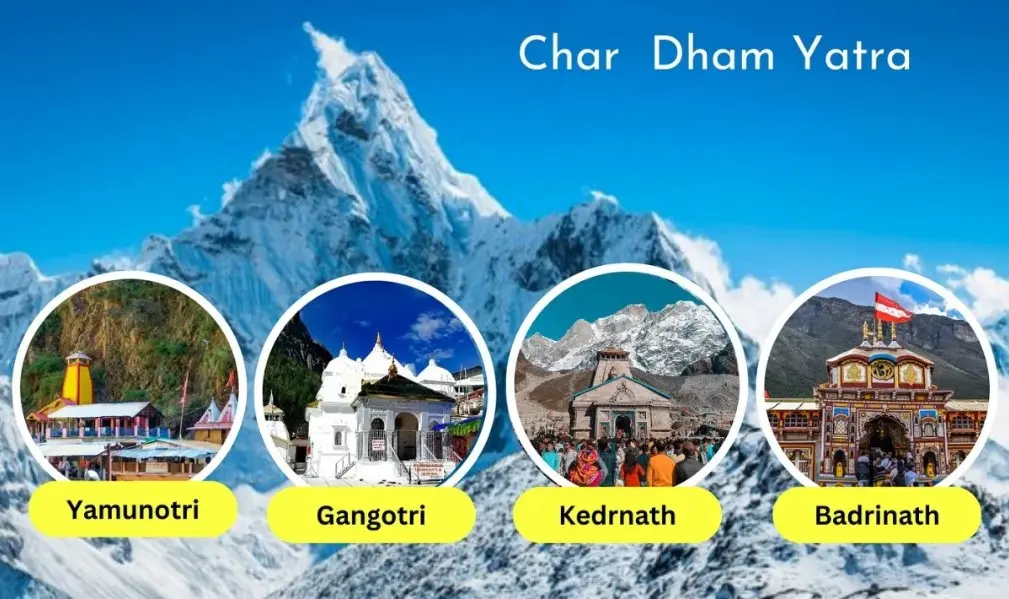
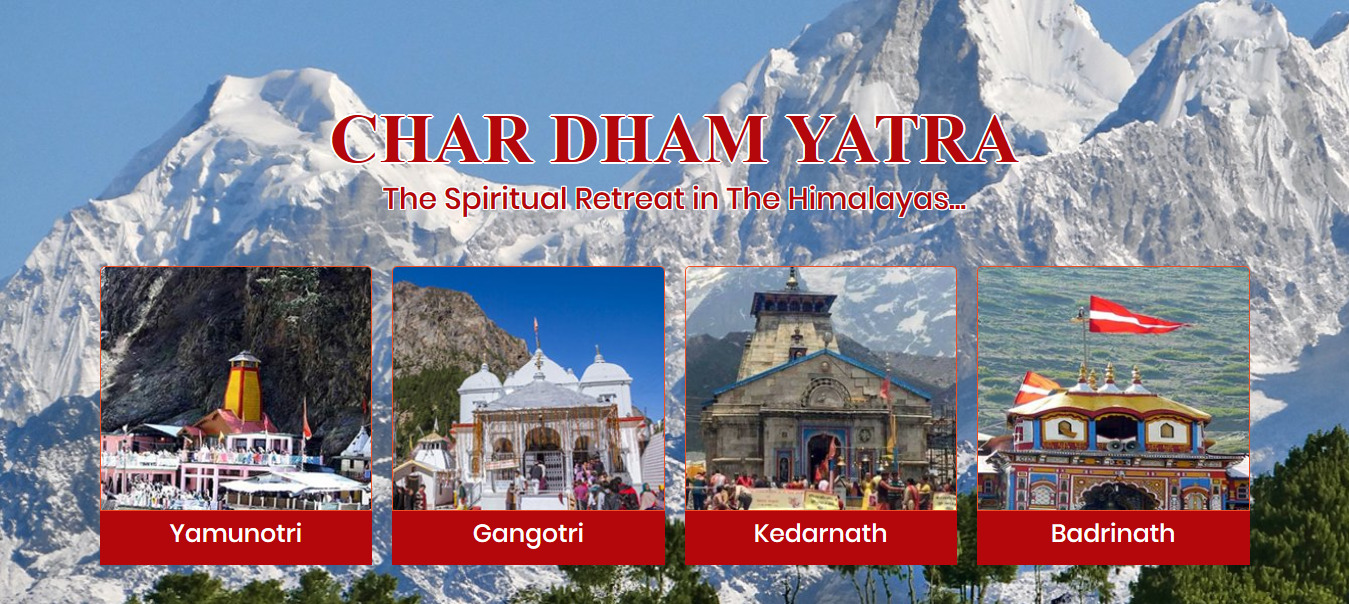
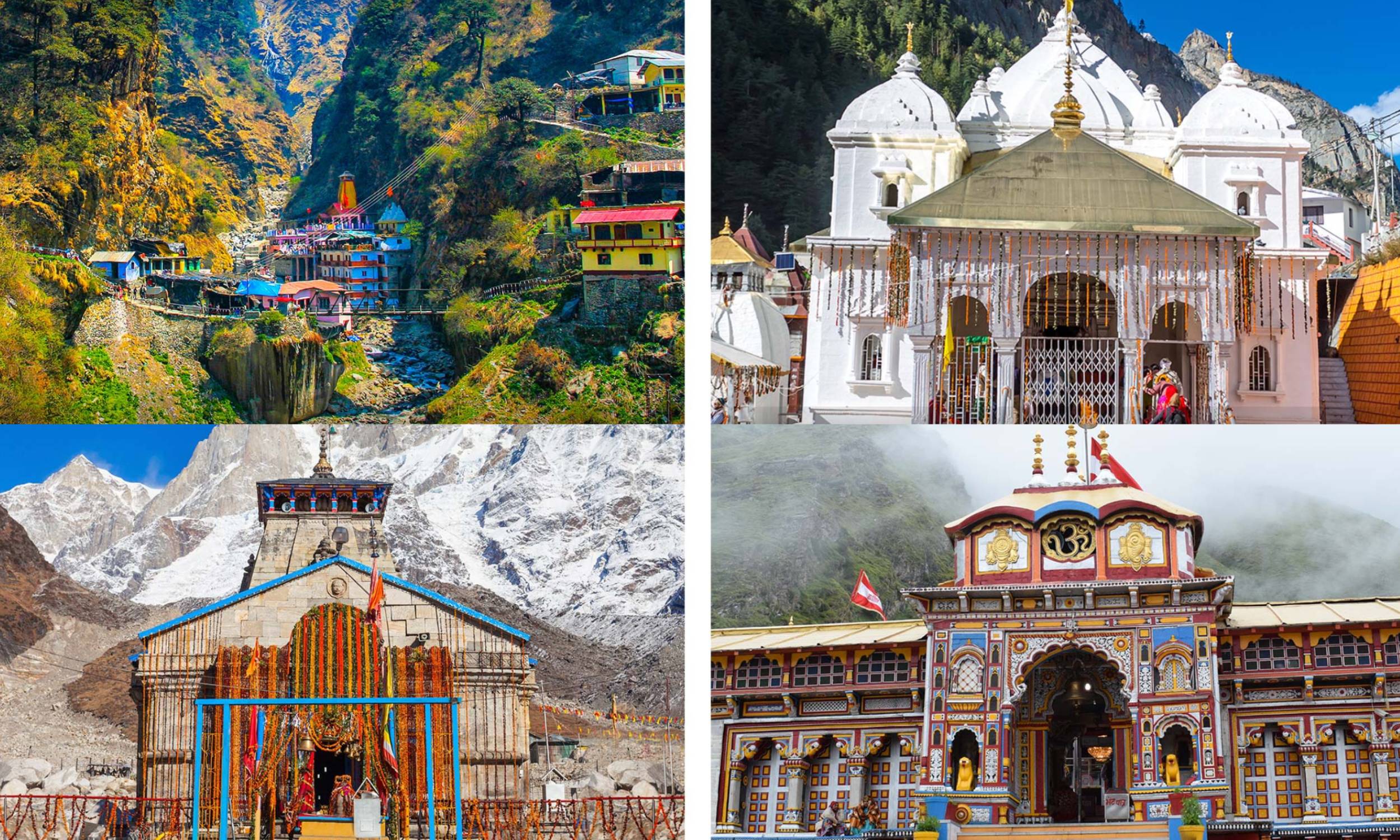
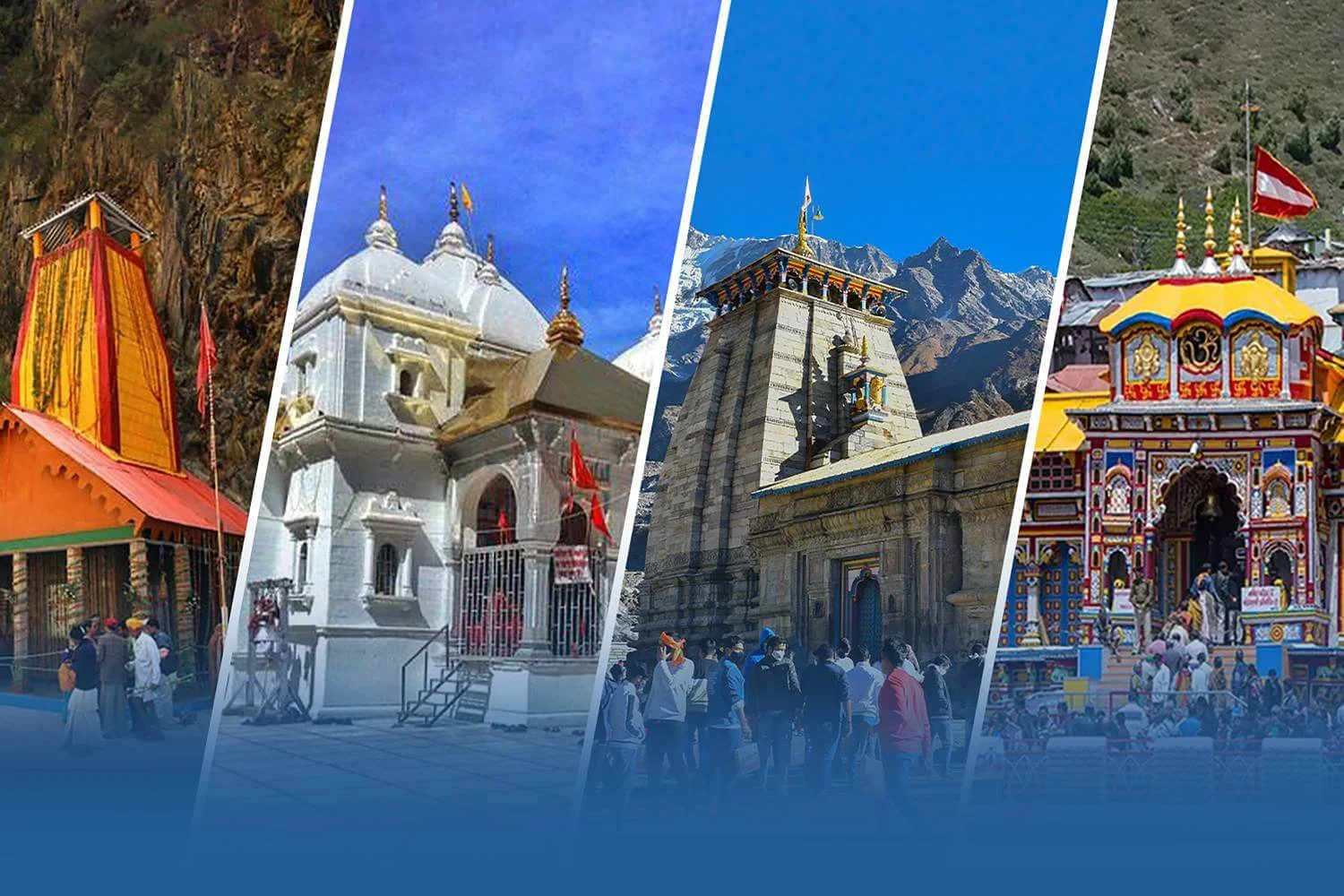
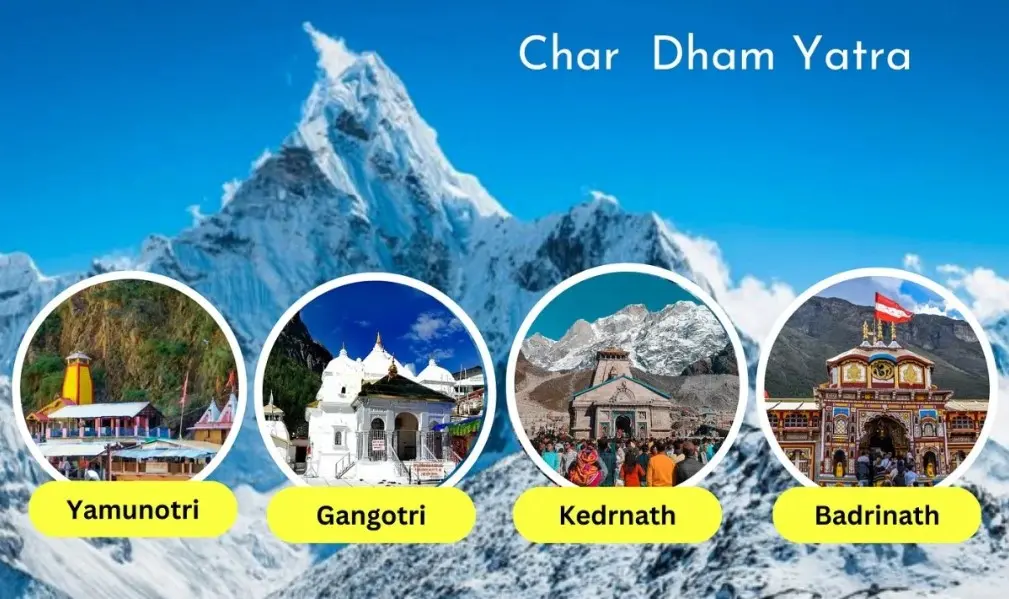
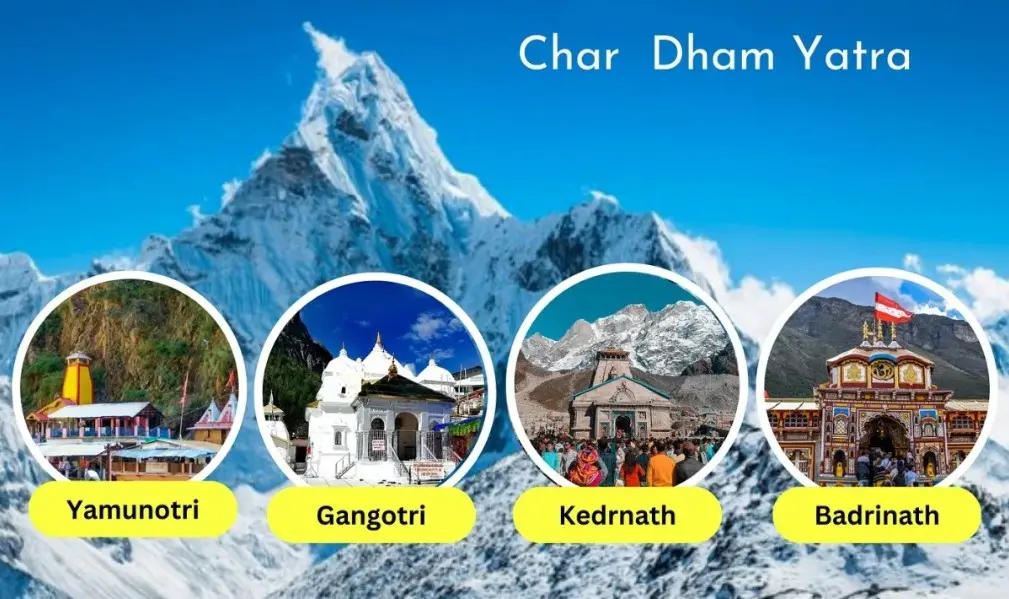
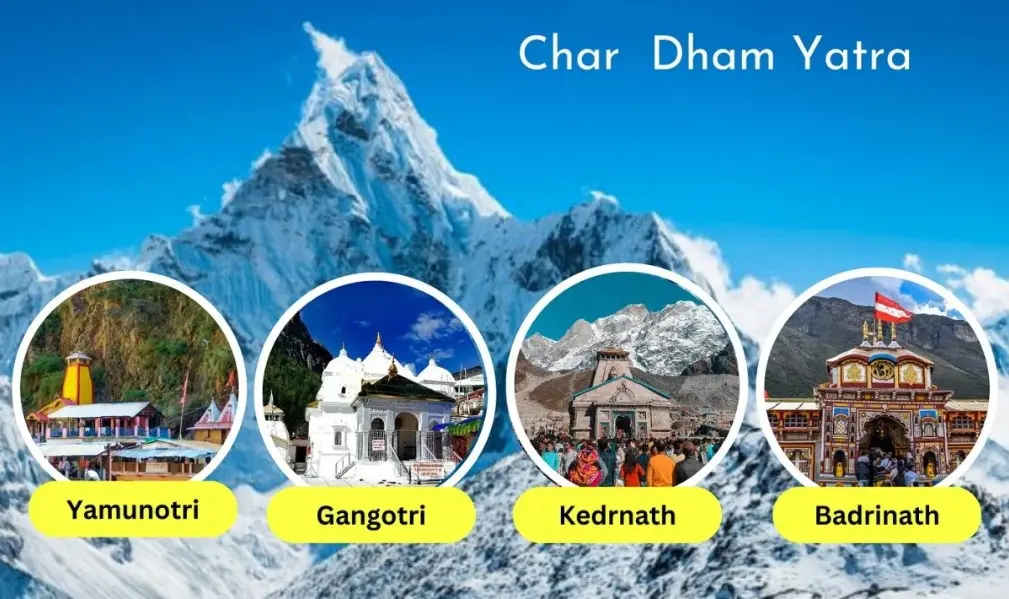
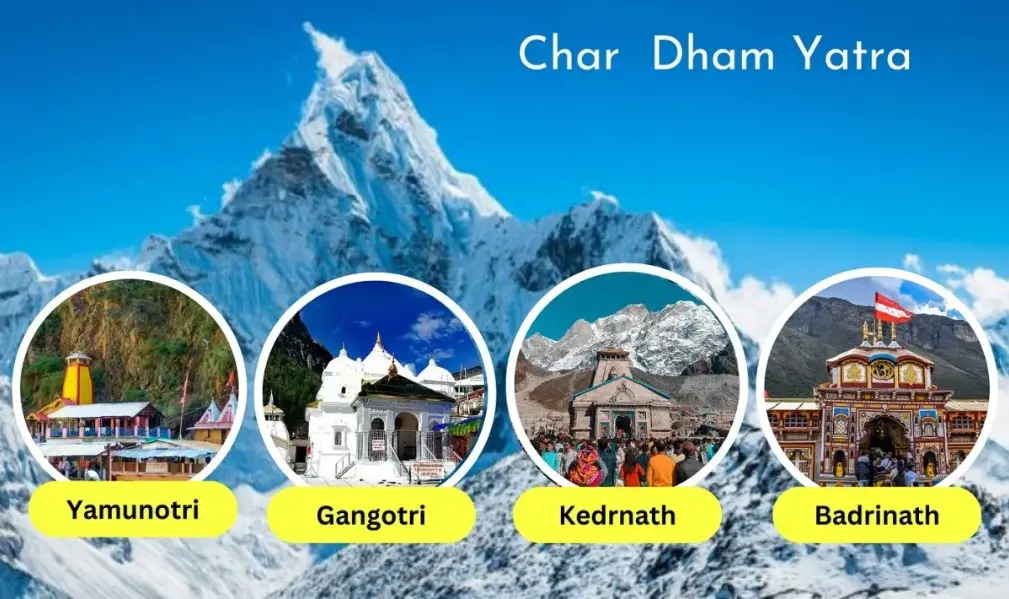
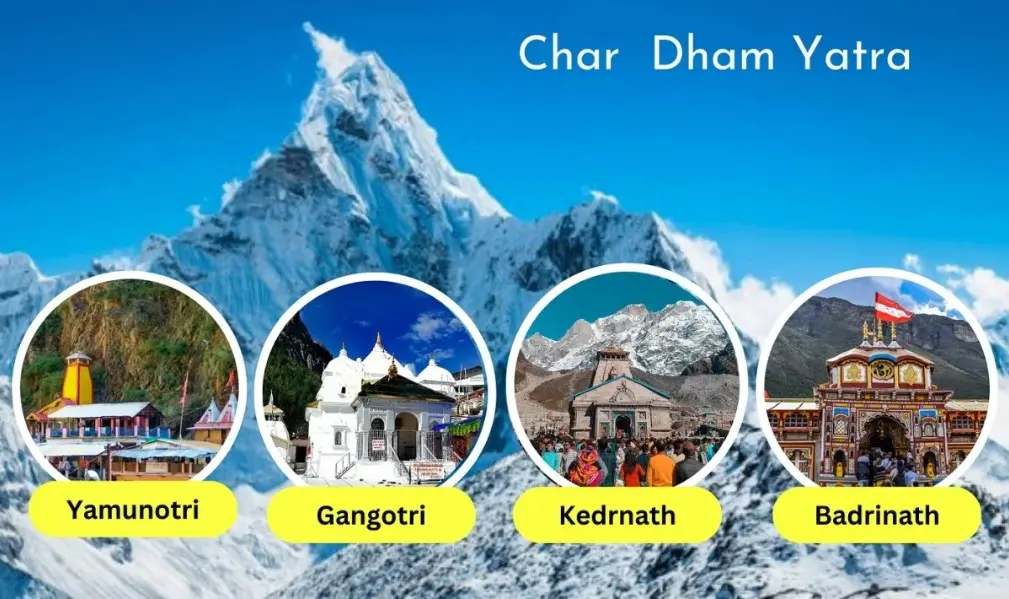
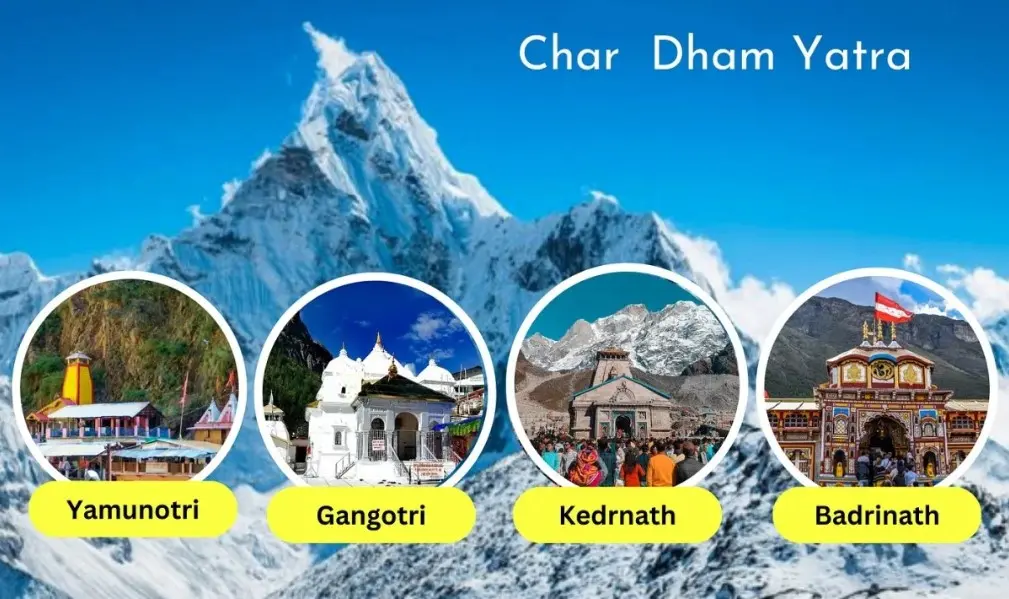
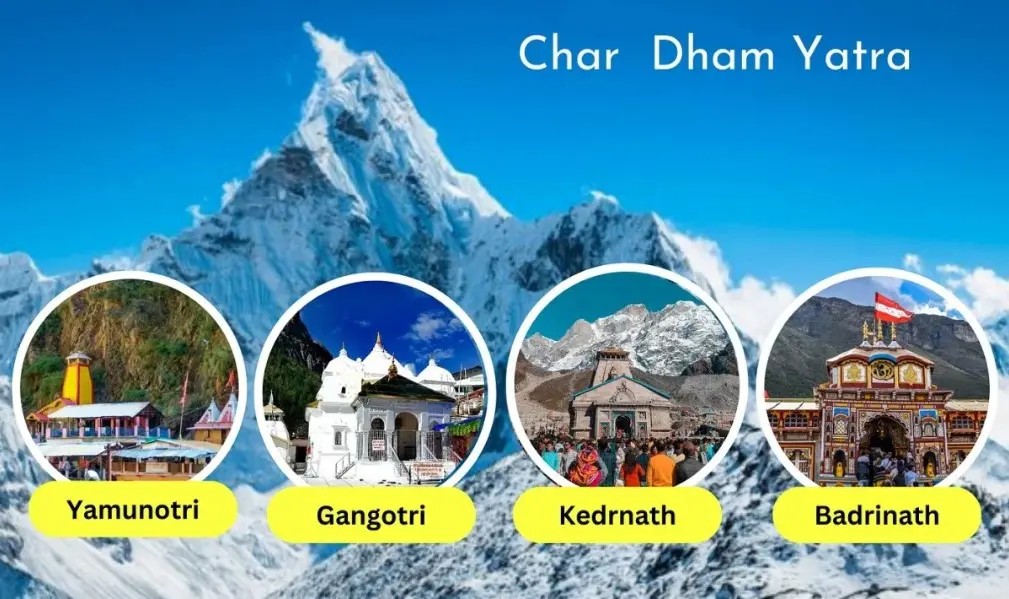
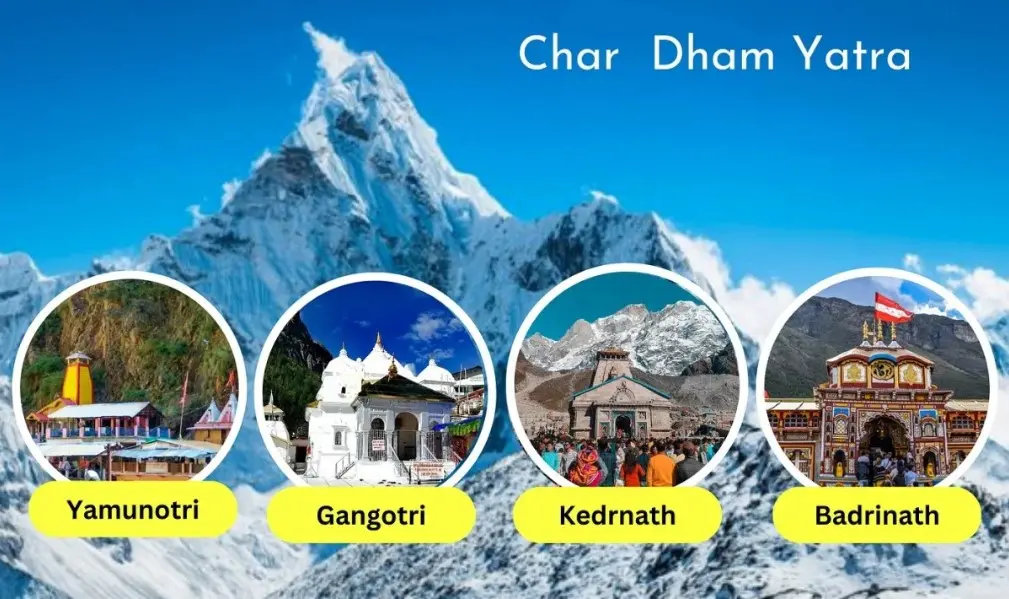
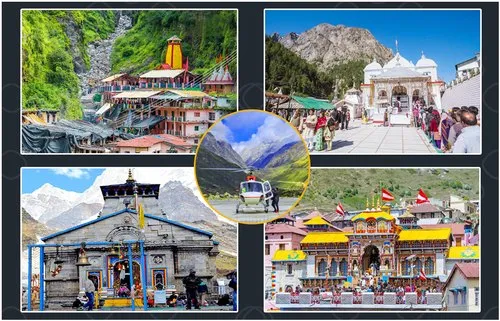
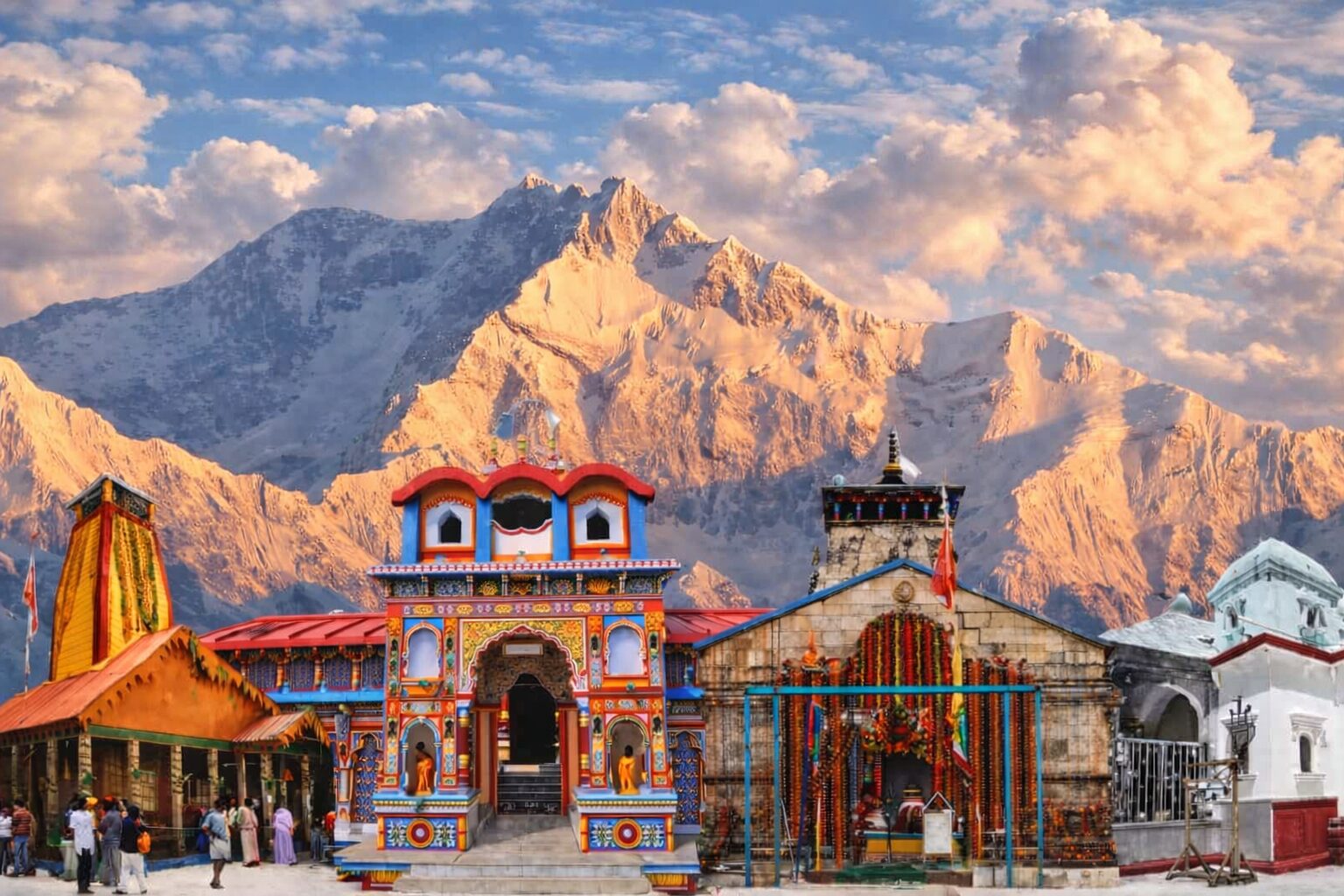
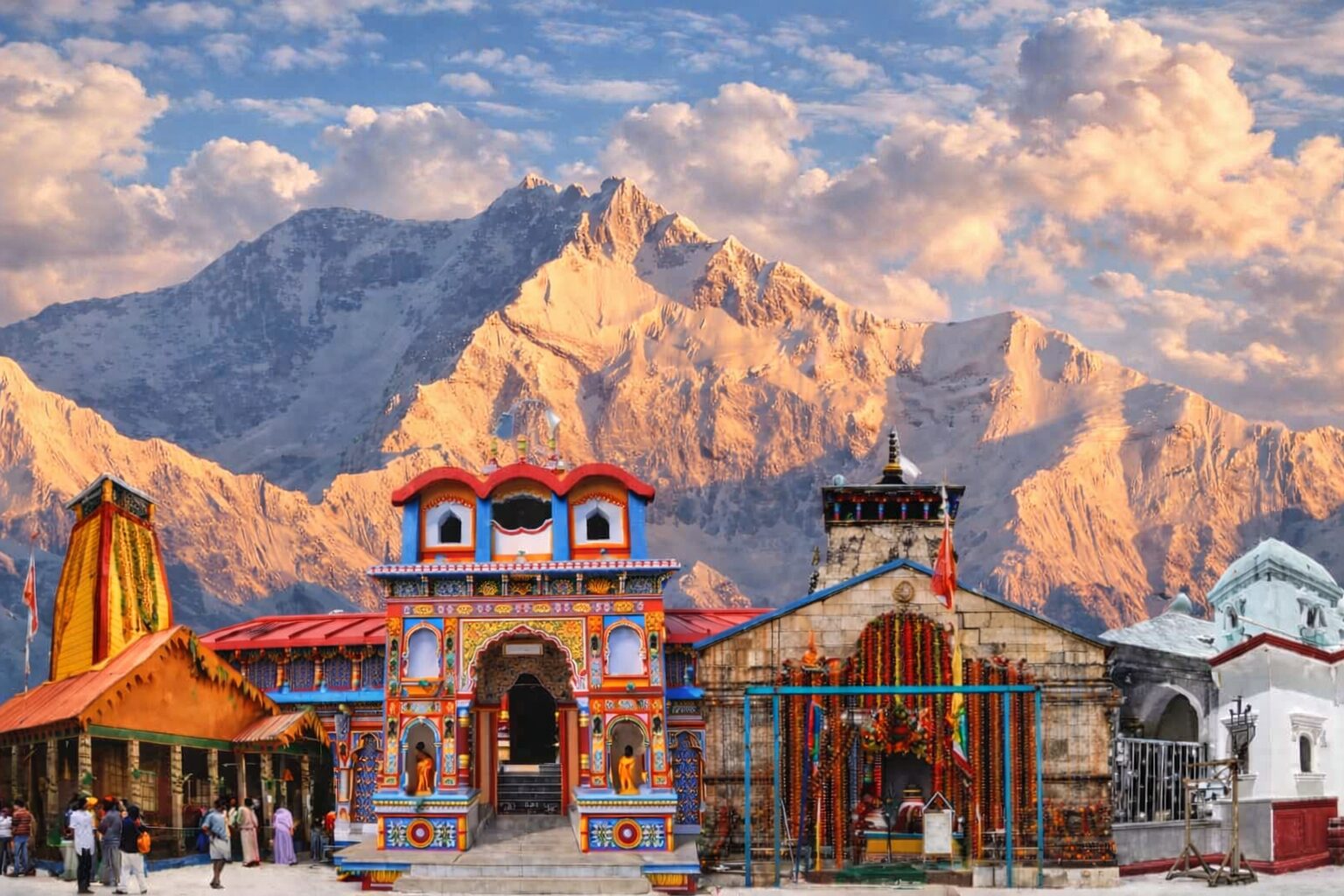
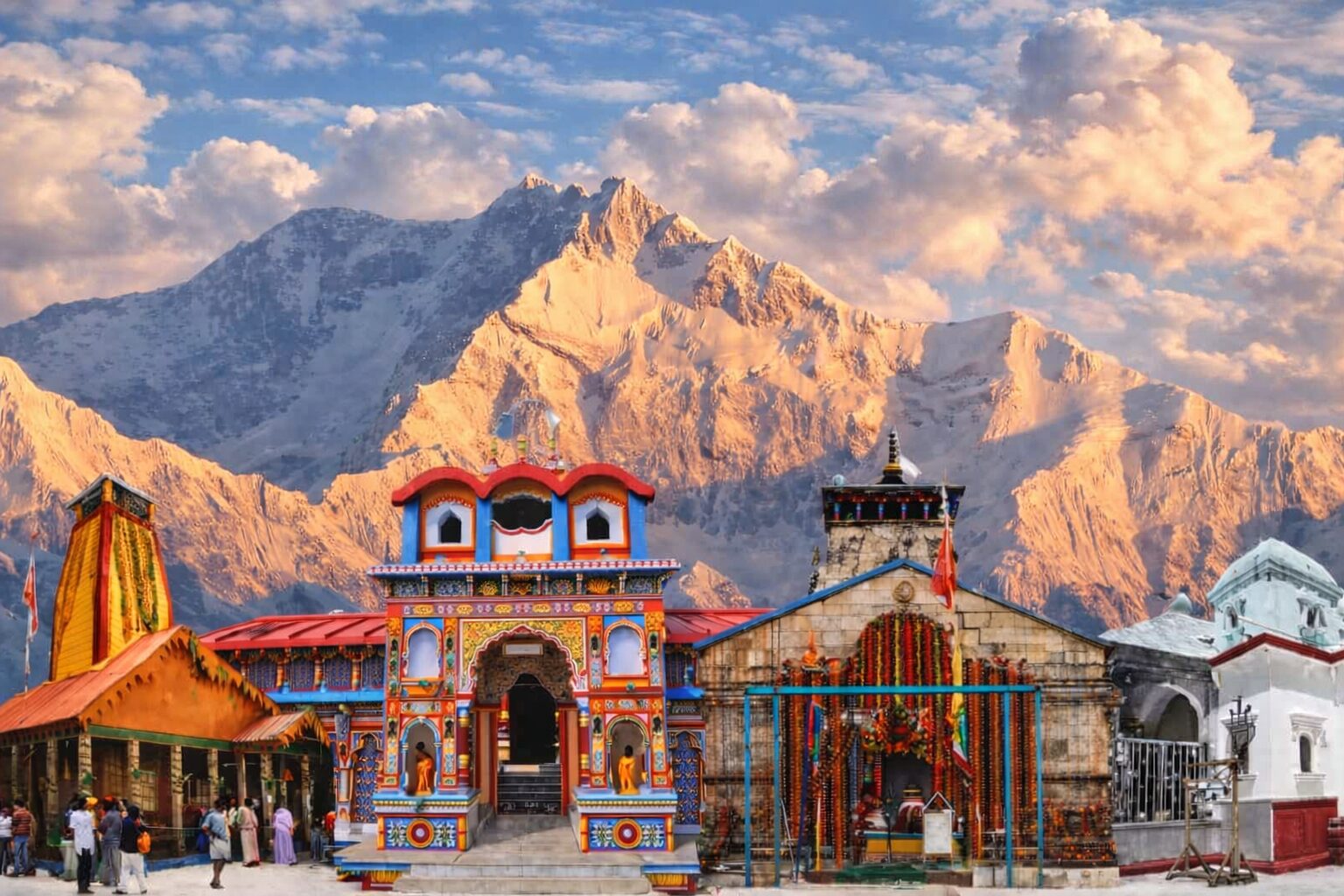
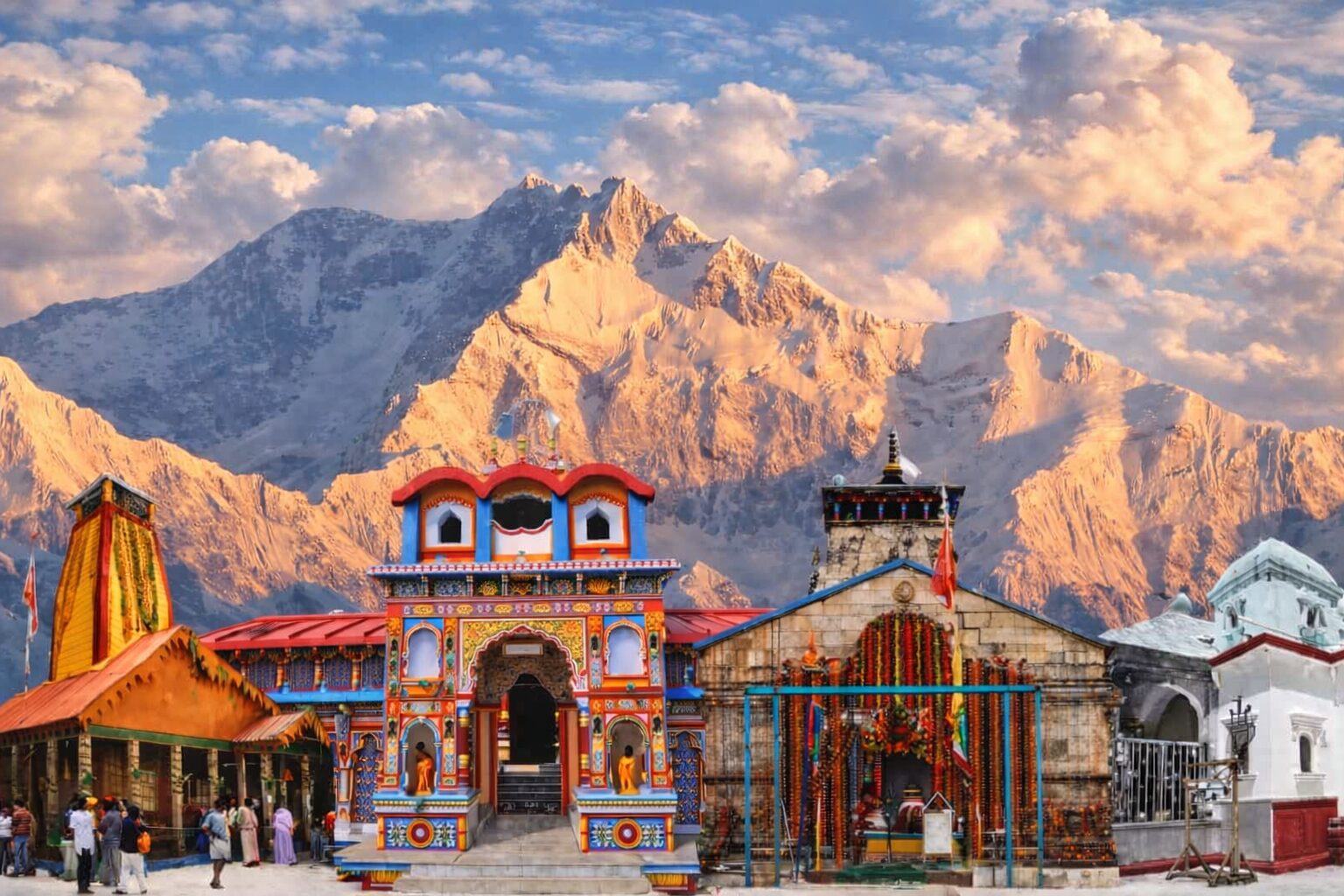
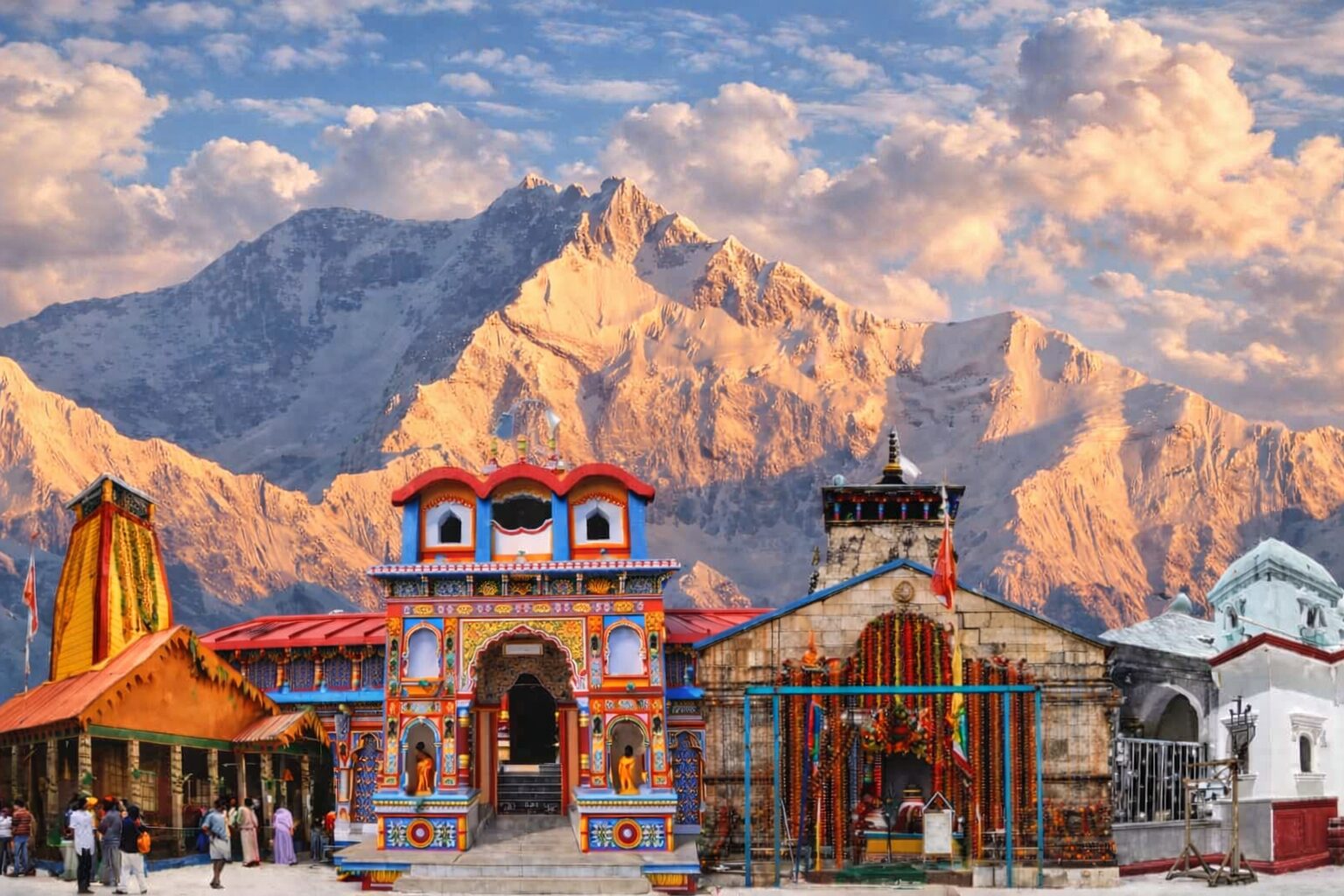
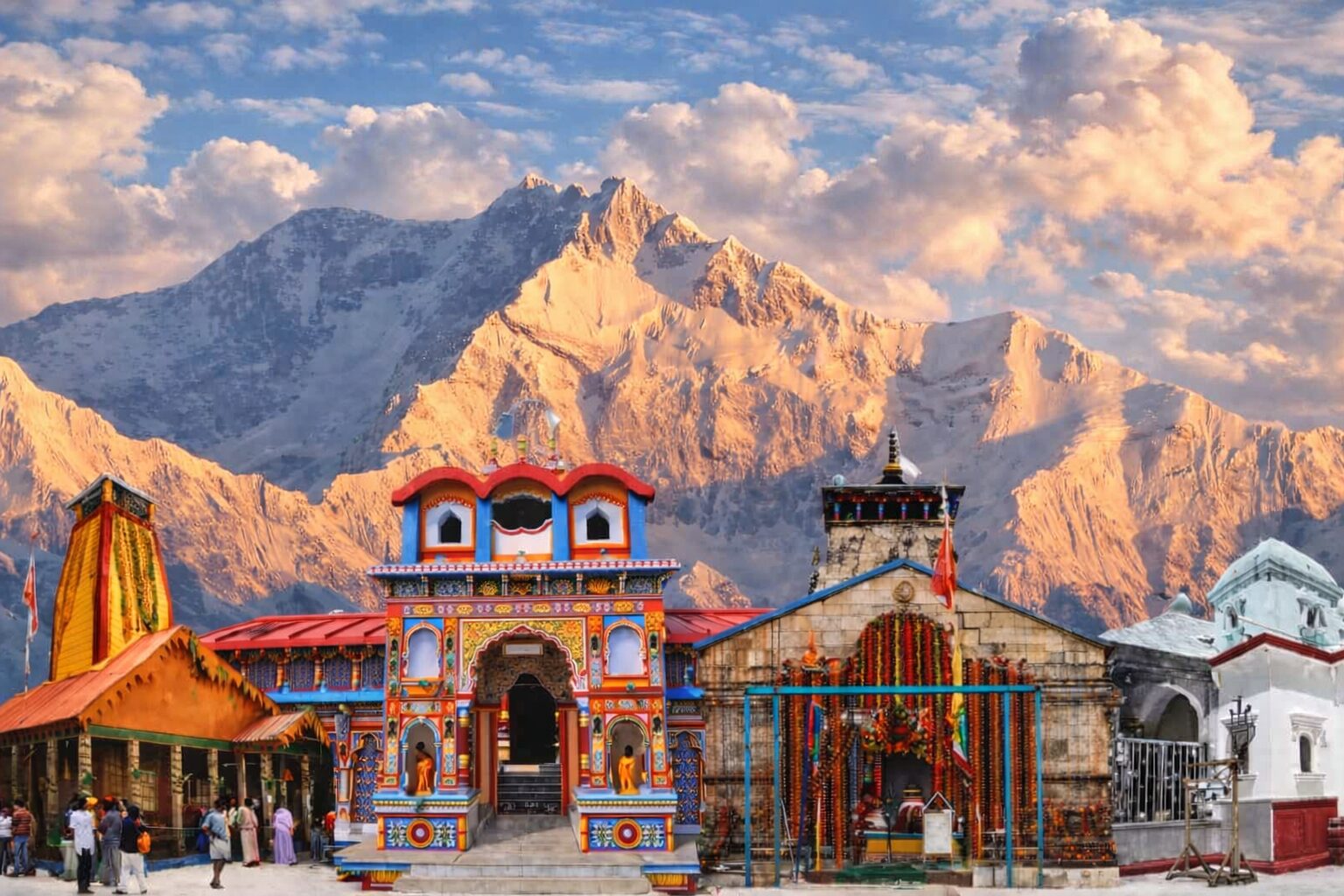
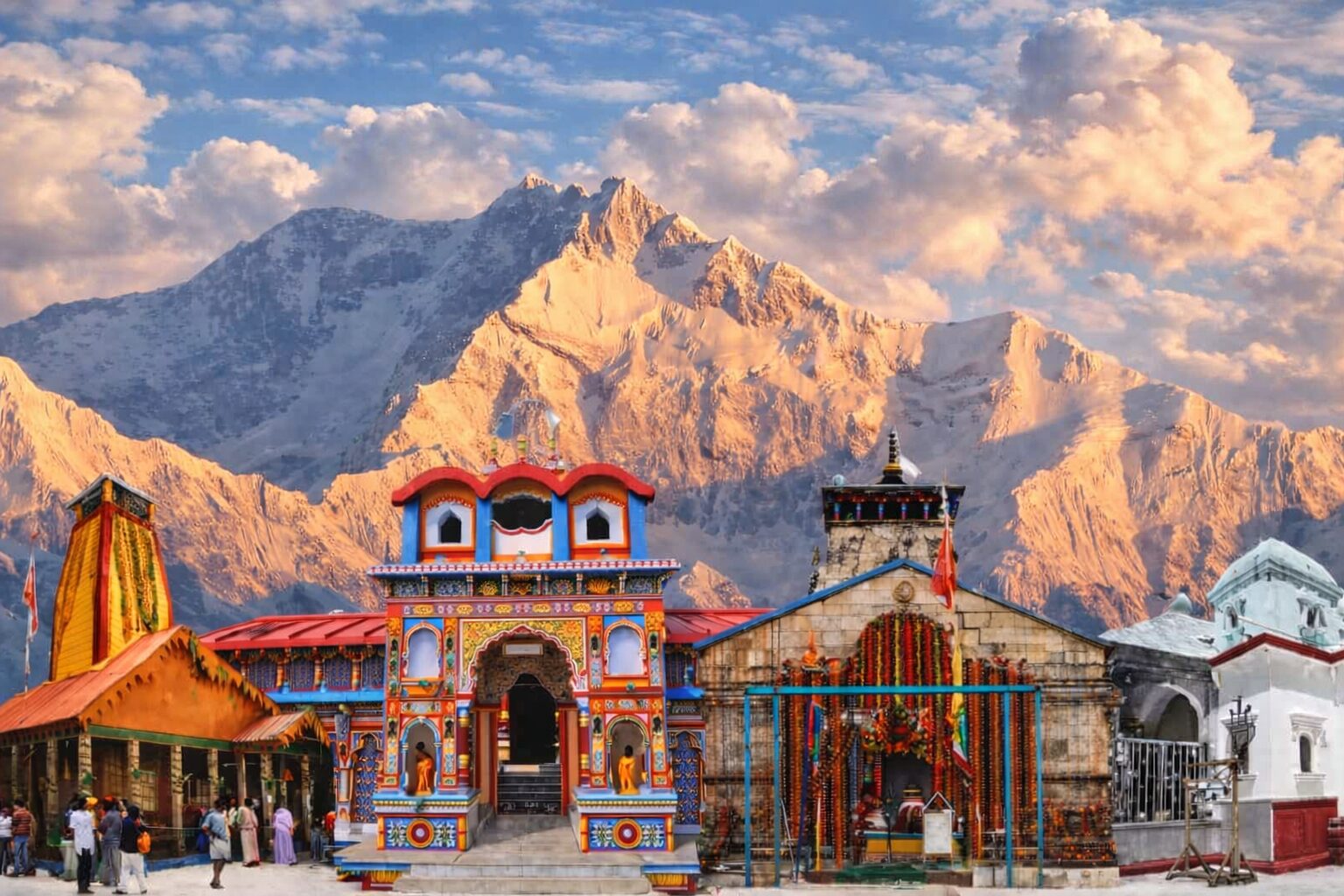
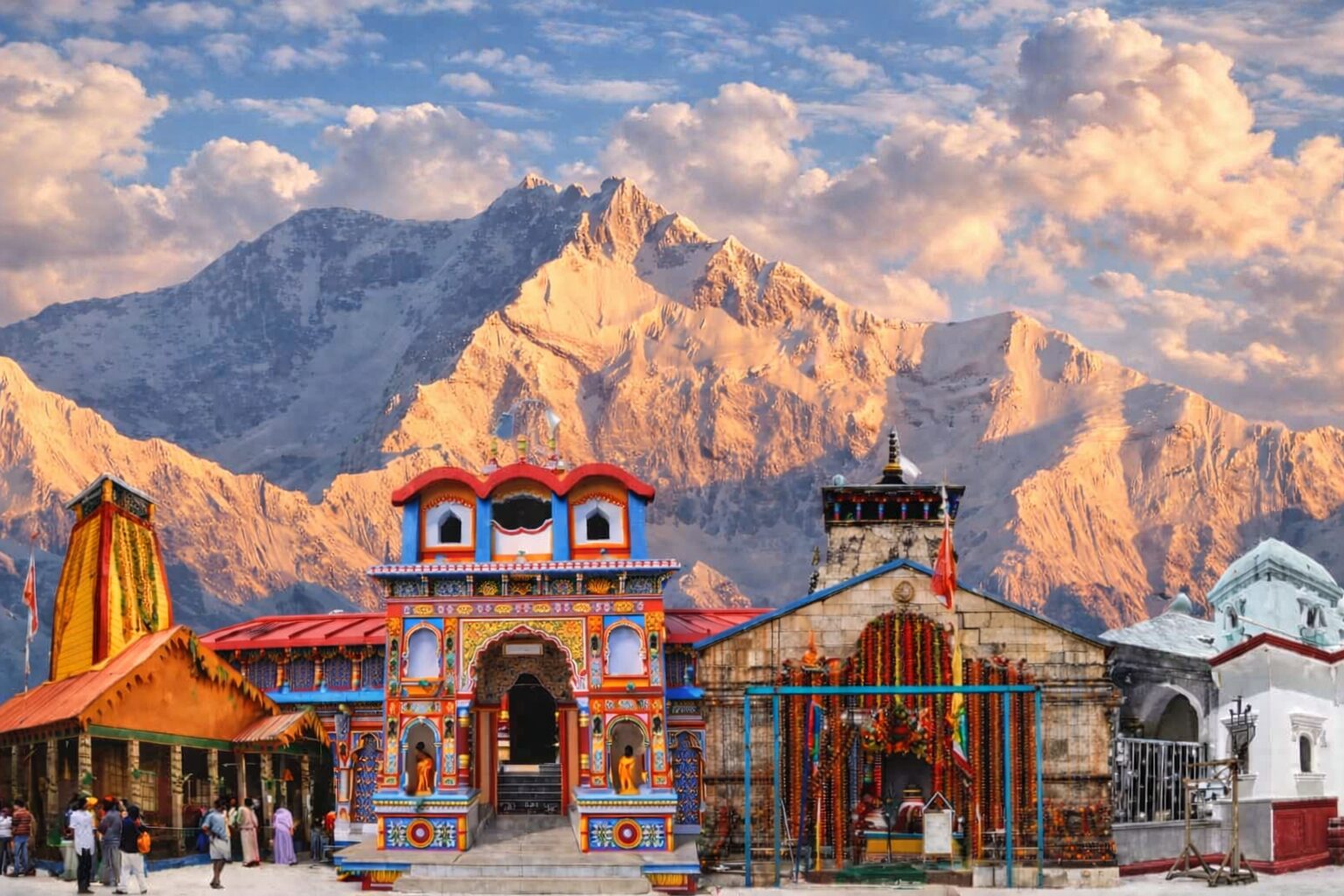
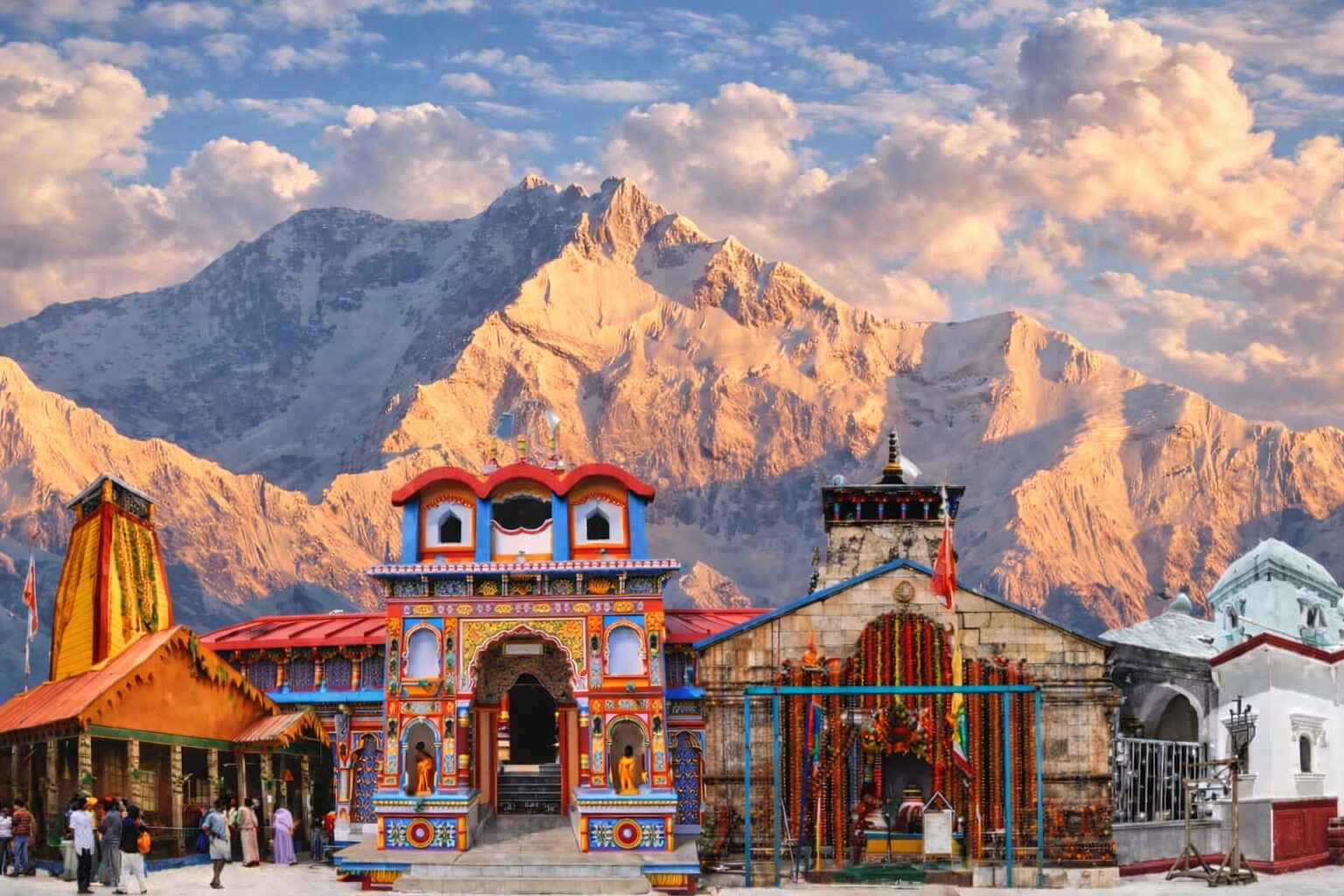
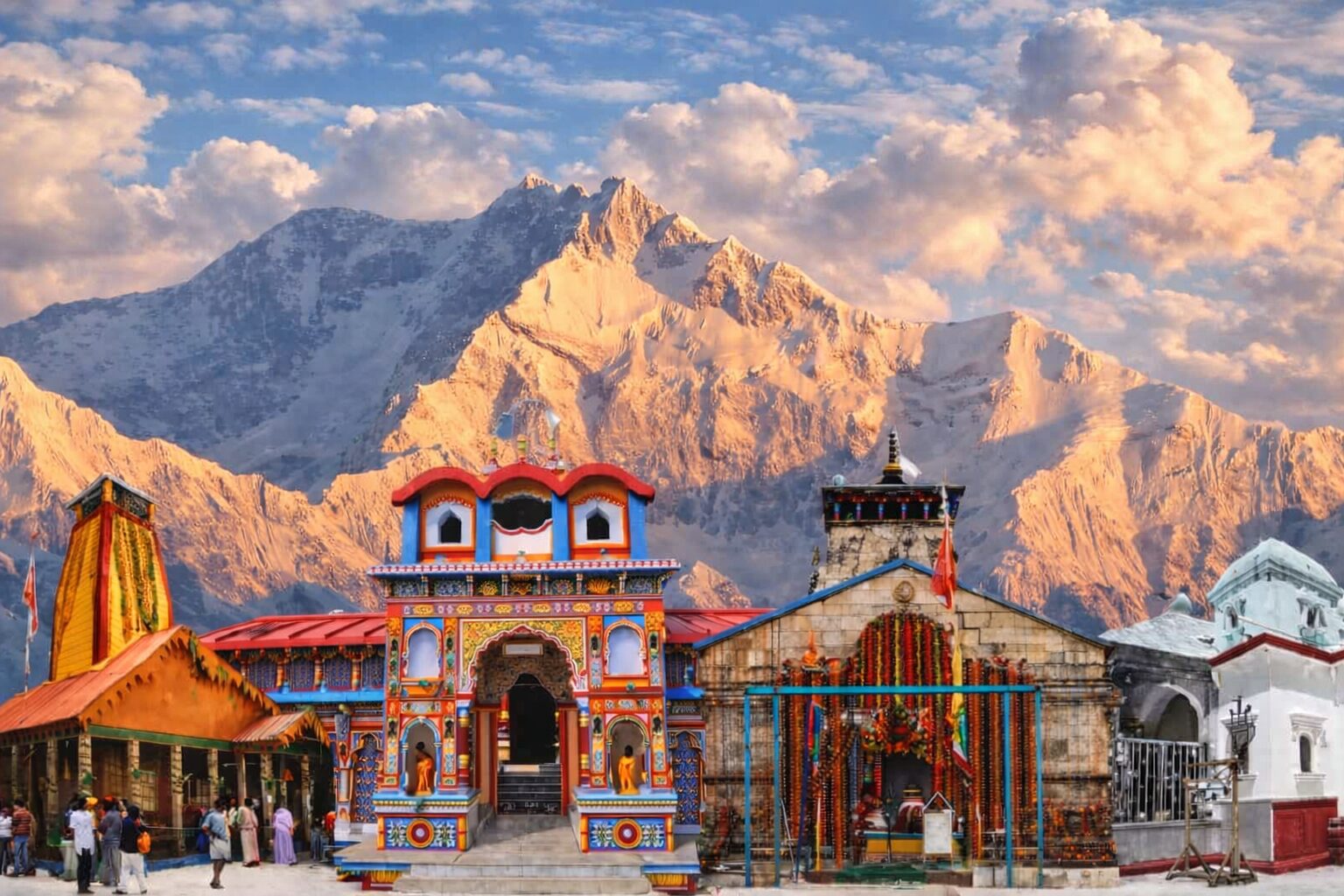
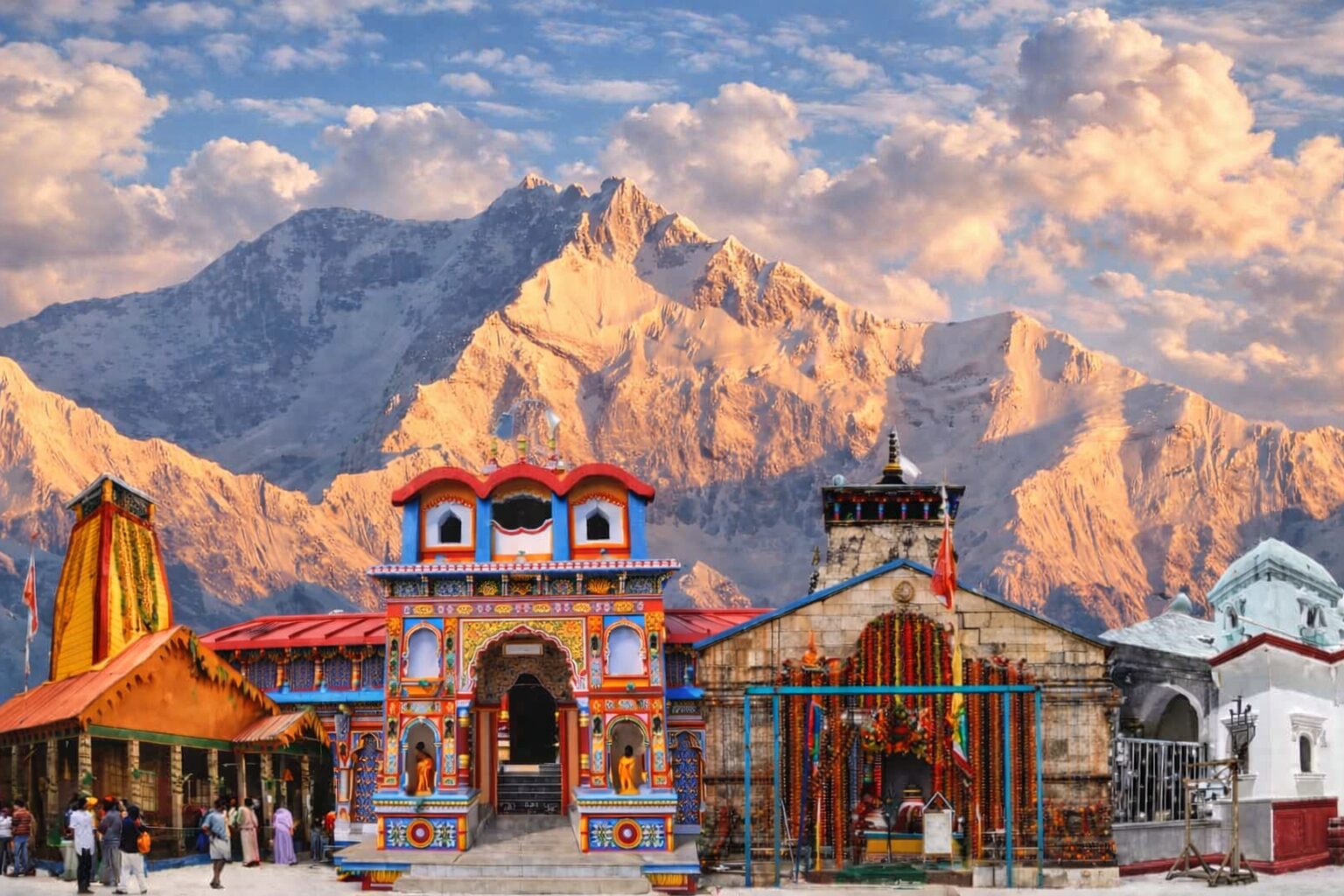
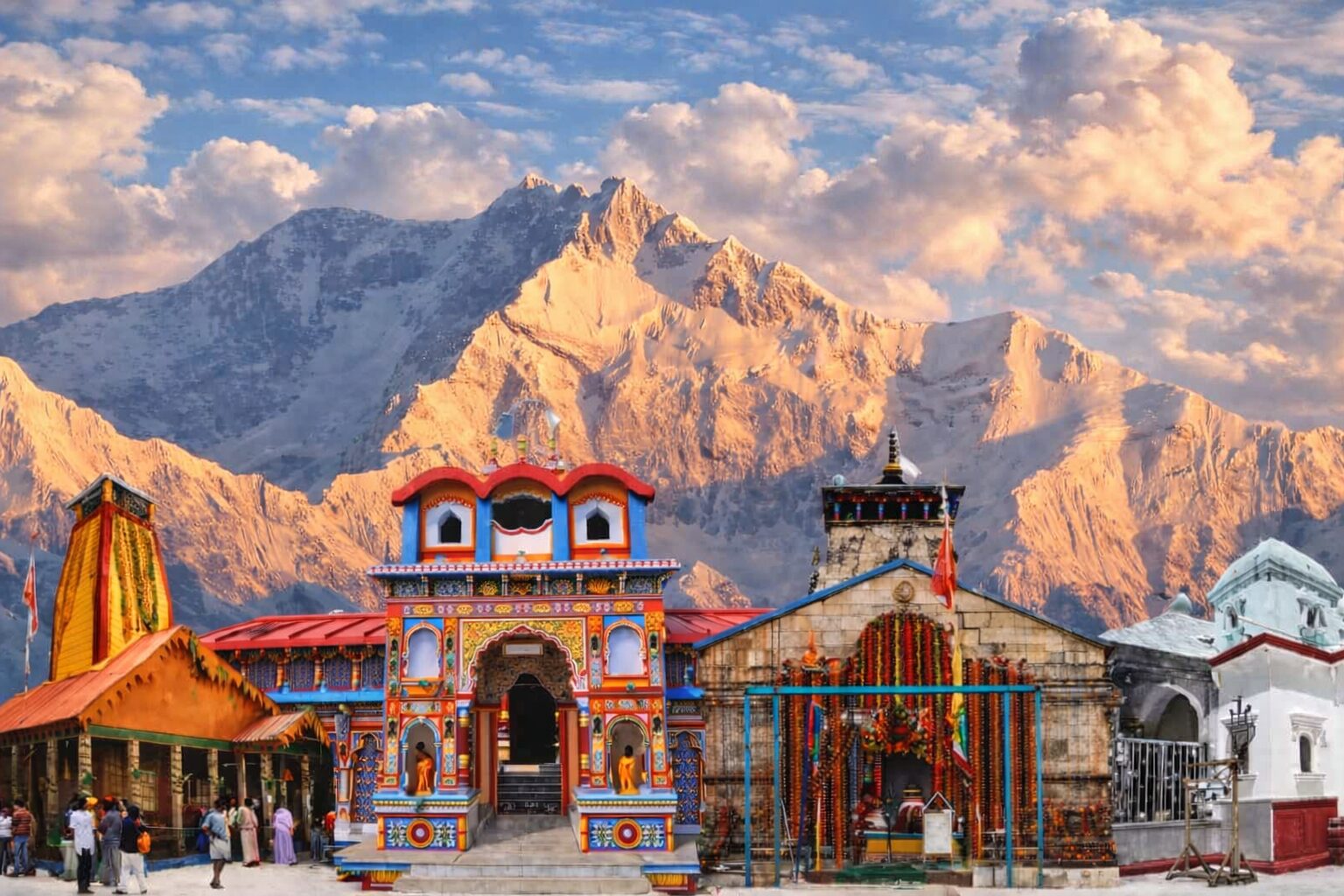
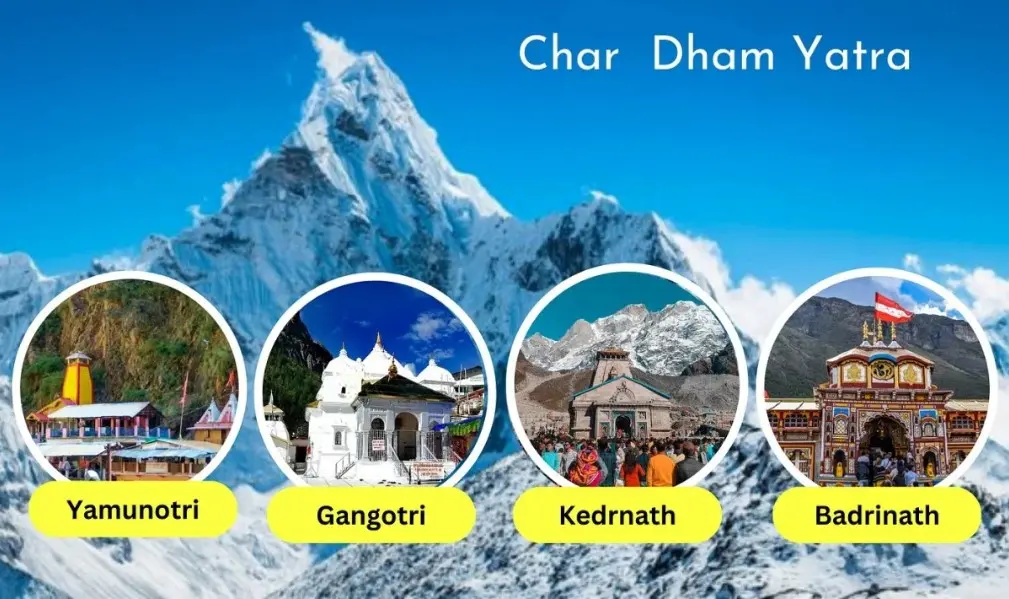
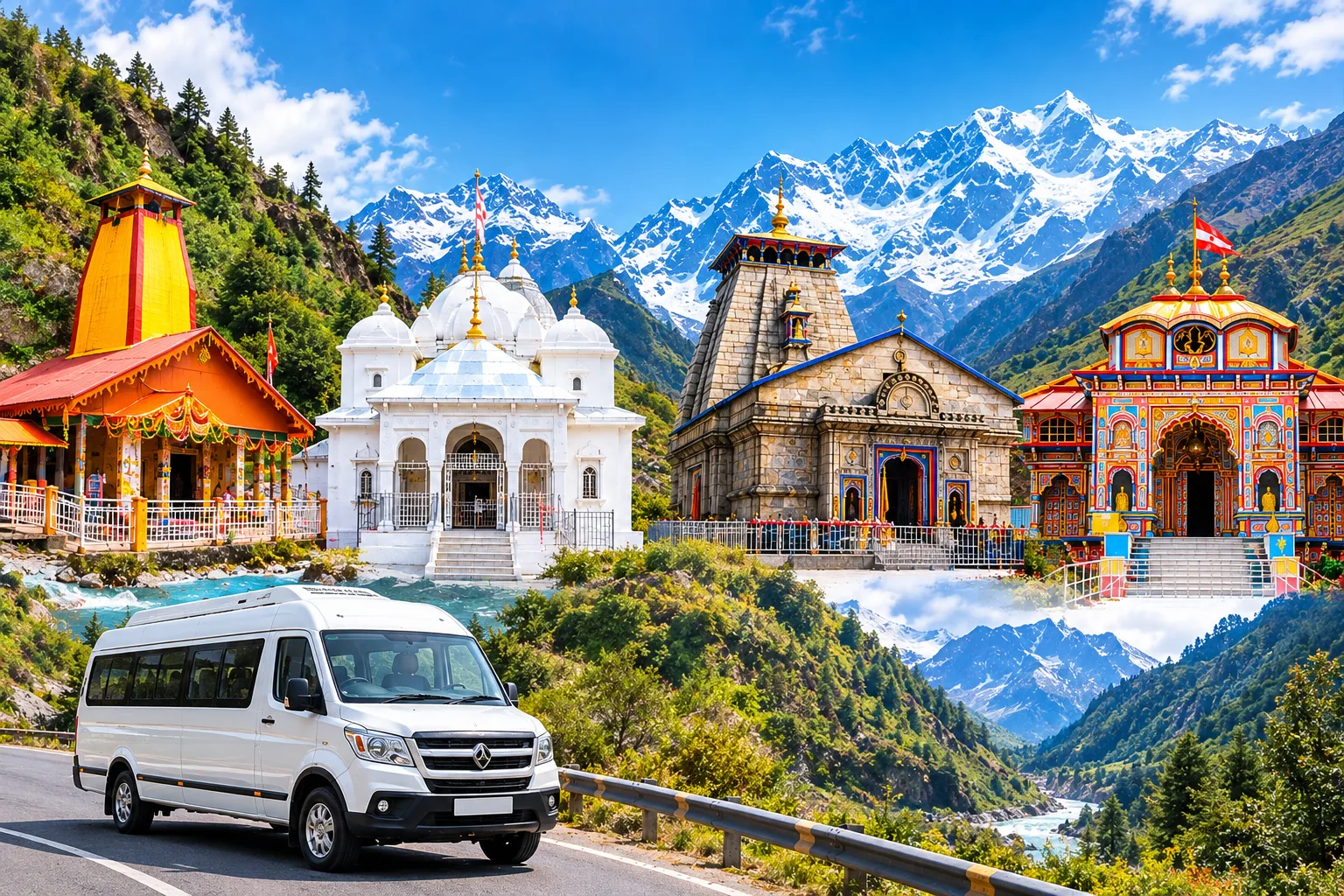
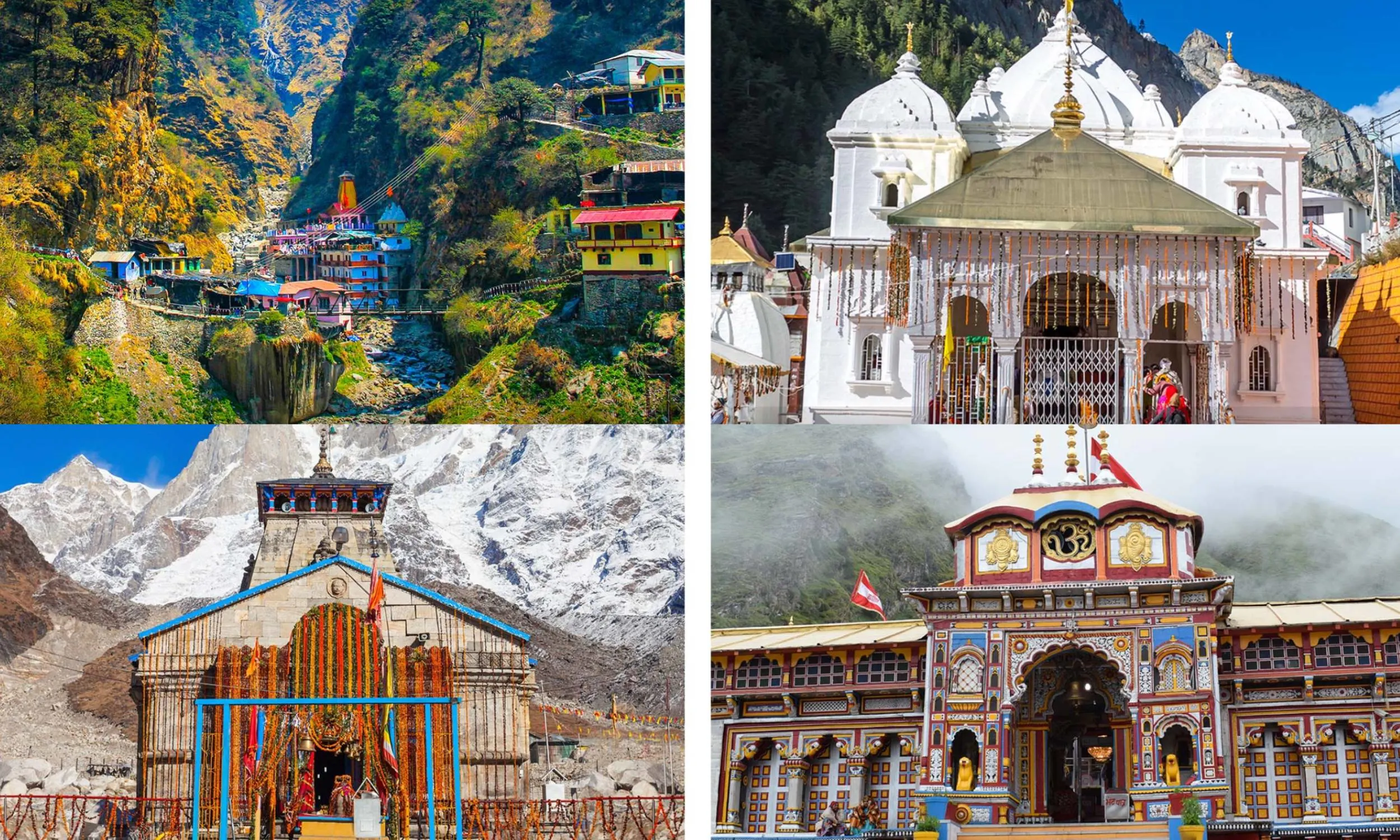
The Chardham (four abodes) Yatra covers four sacred sites in Uttarakhand, traditionally visited in this order:
Yamunotri — source of the Yamuna river, reached via a trek from Janki Chatti
Gangotri — source of the Ganga river, accessible by road with a short walk to the temple
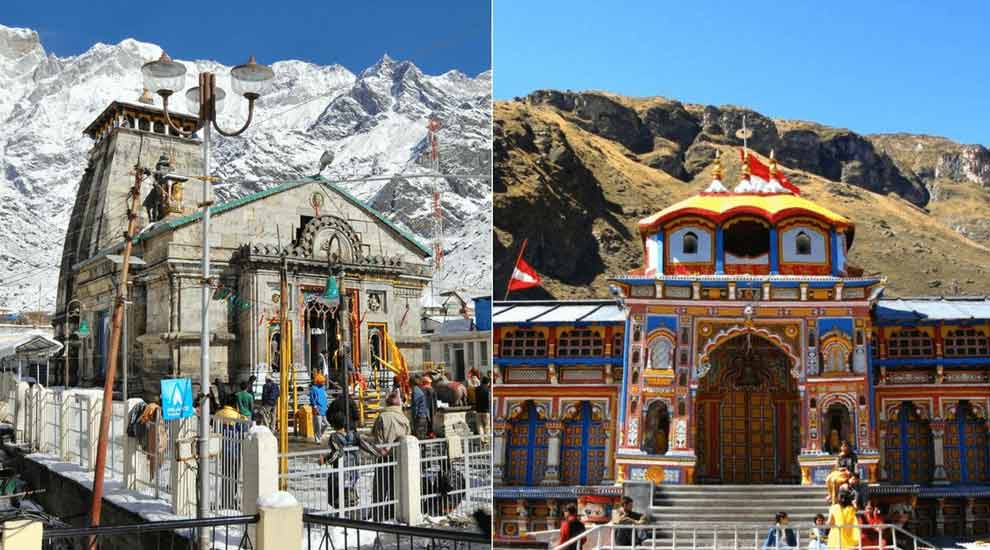
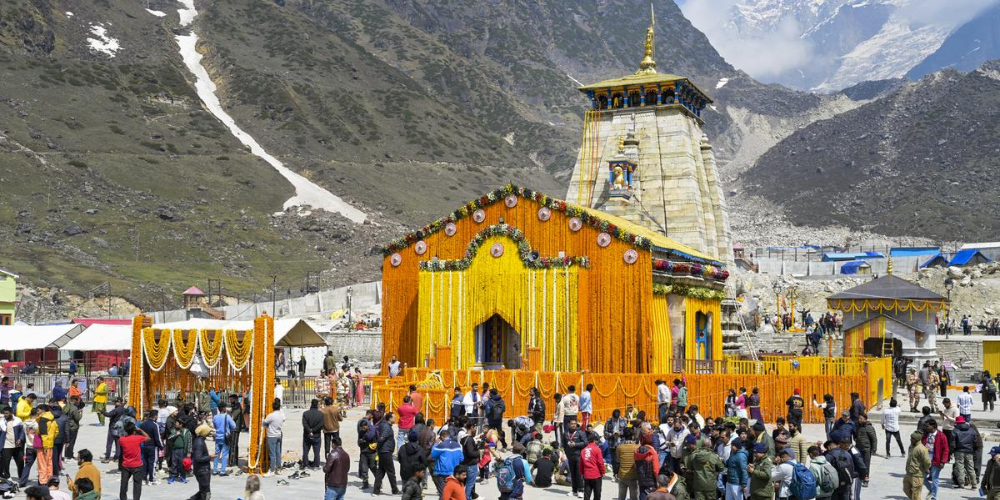
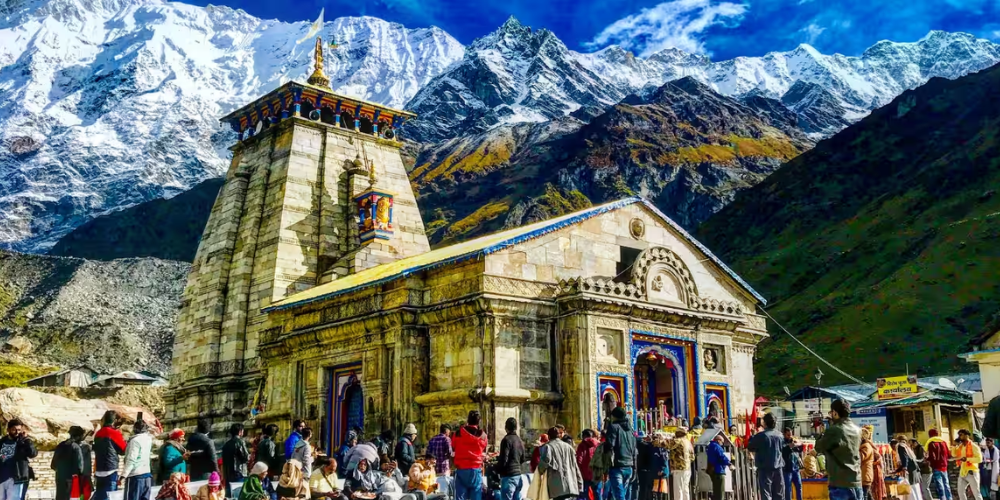
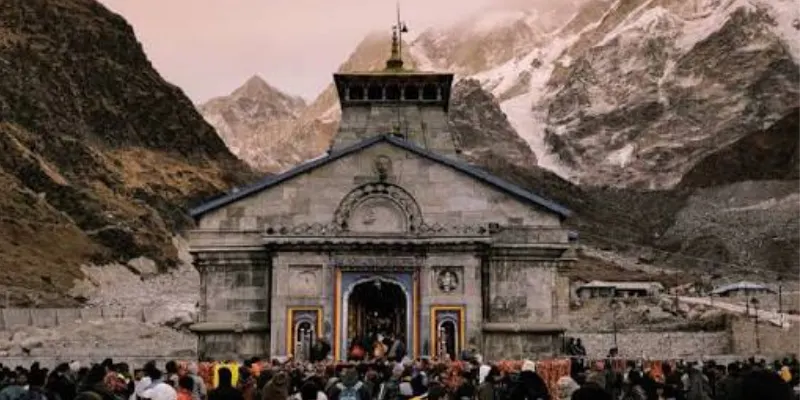
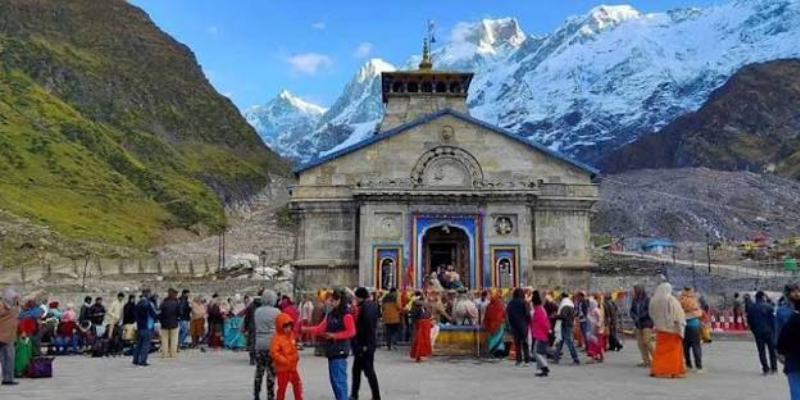
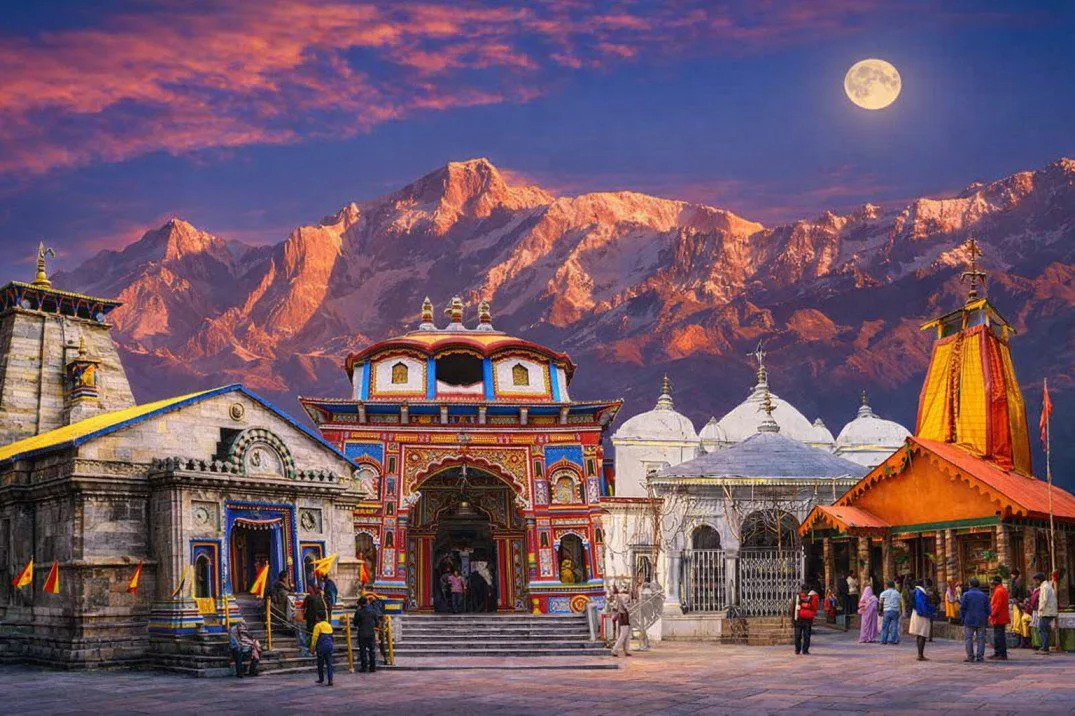
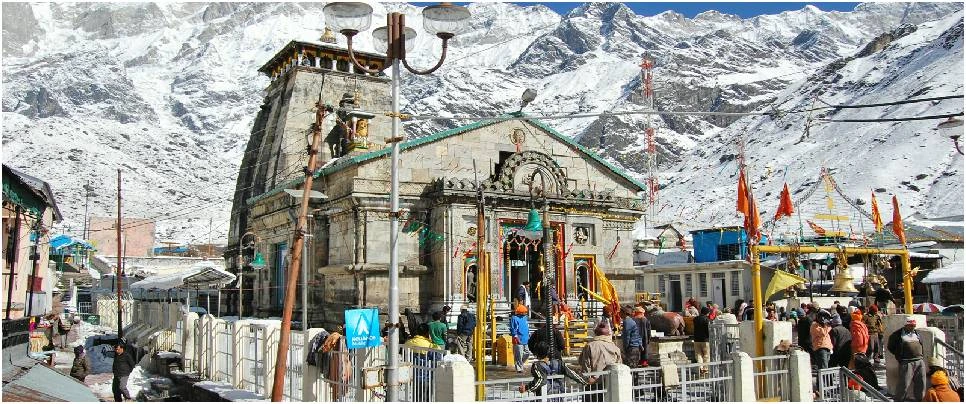
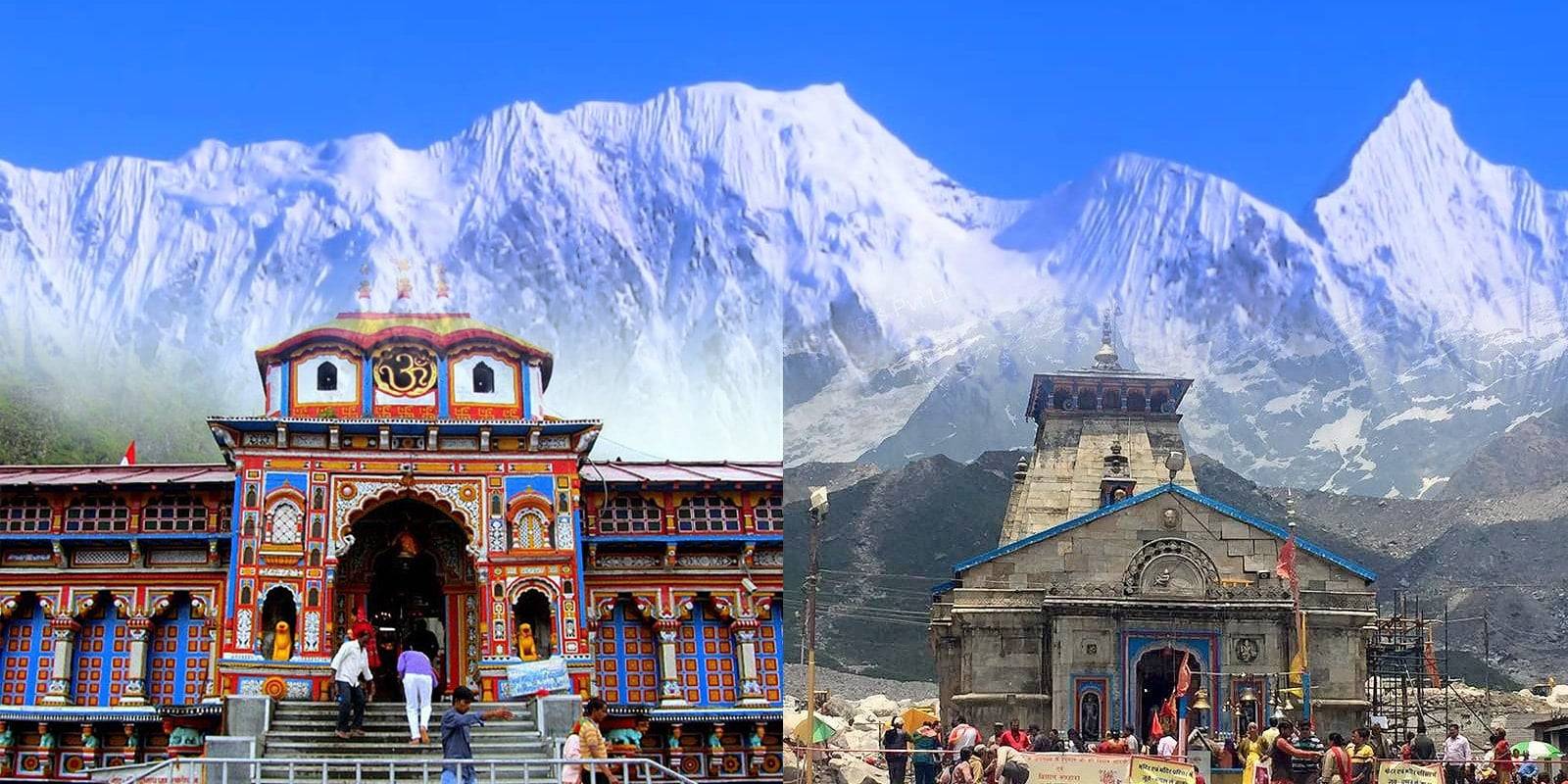
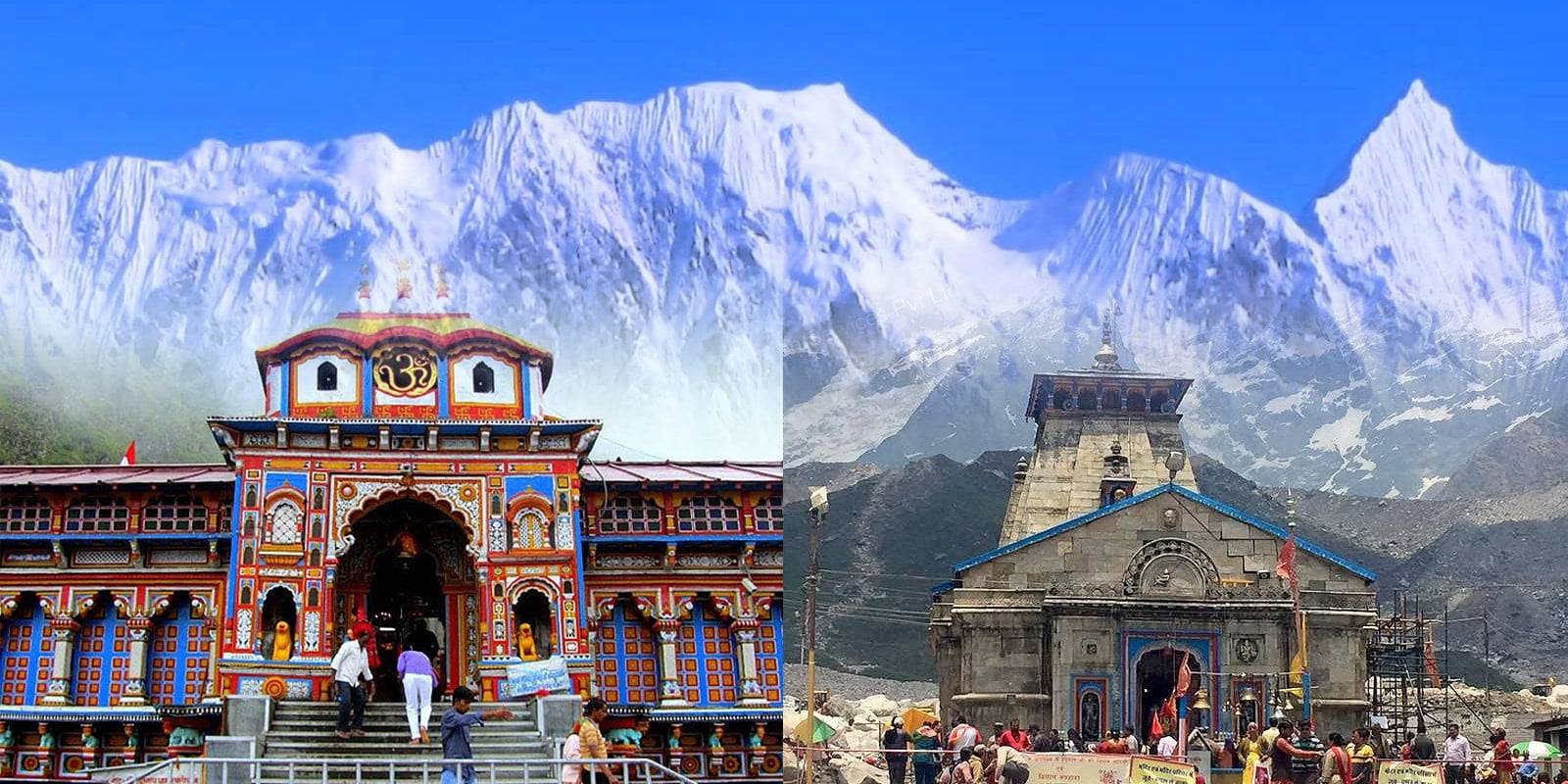
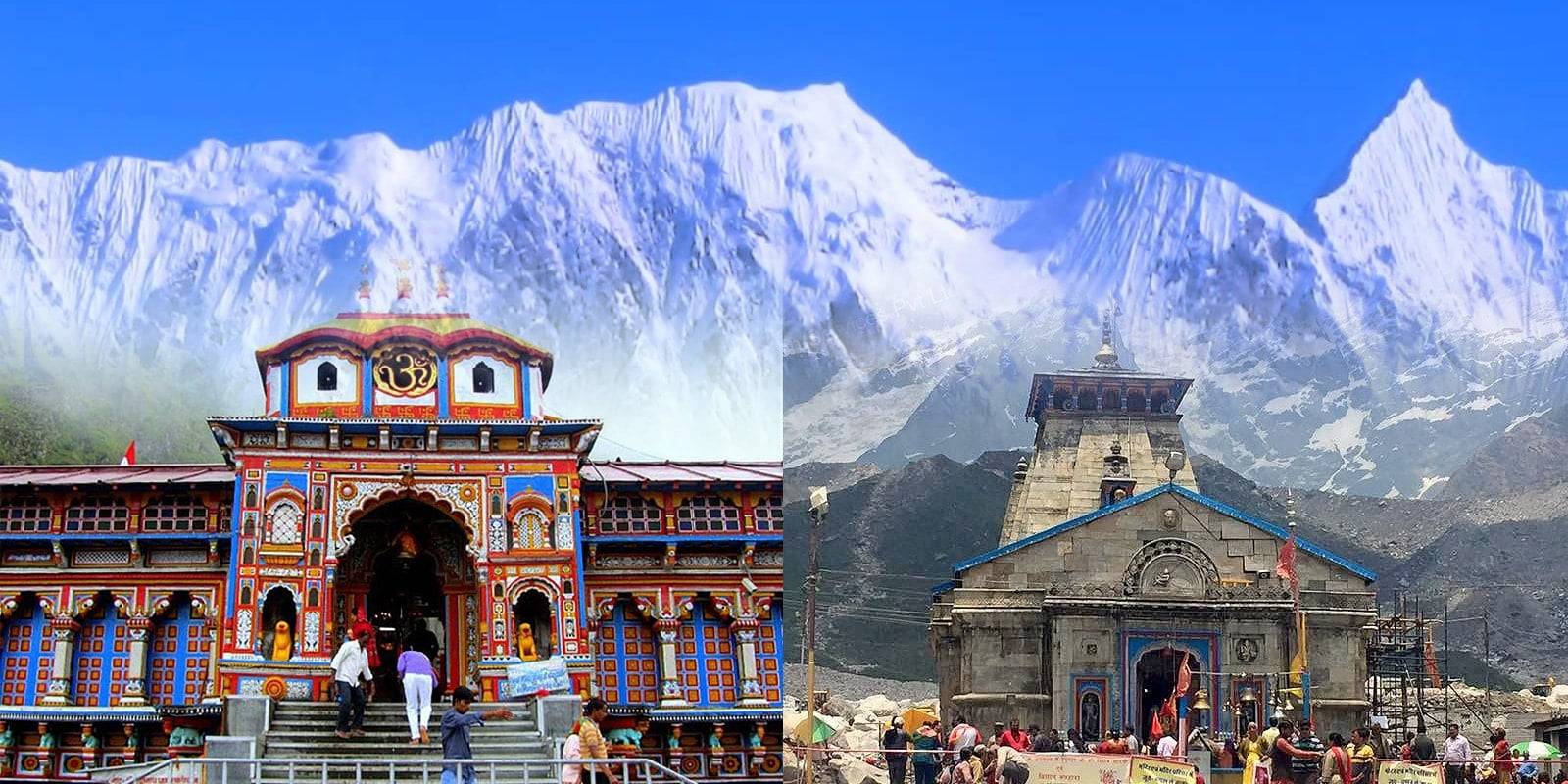
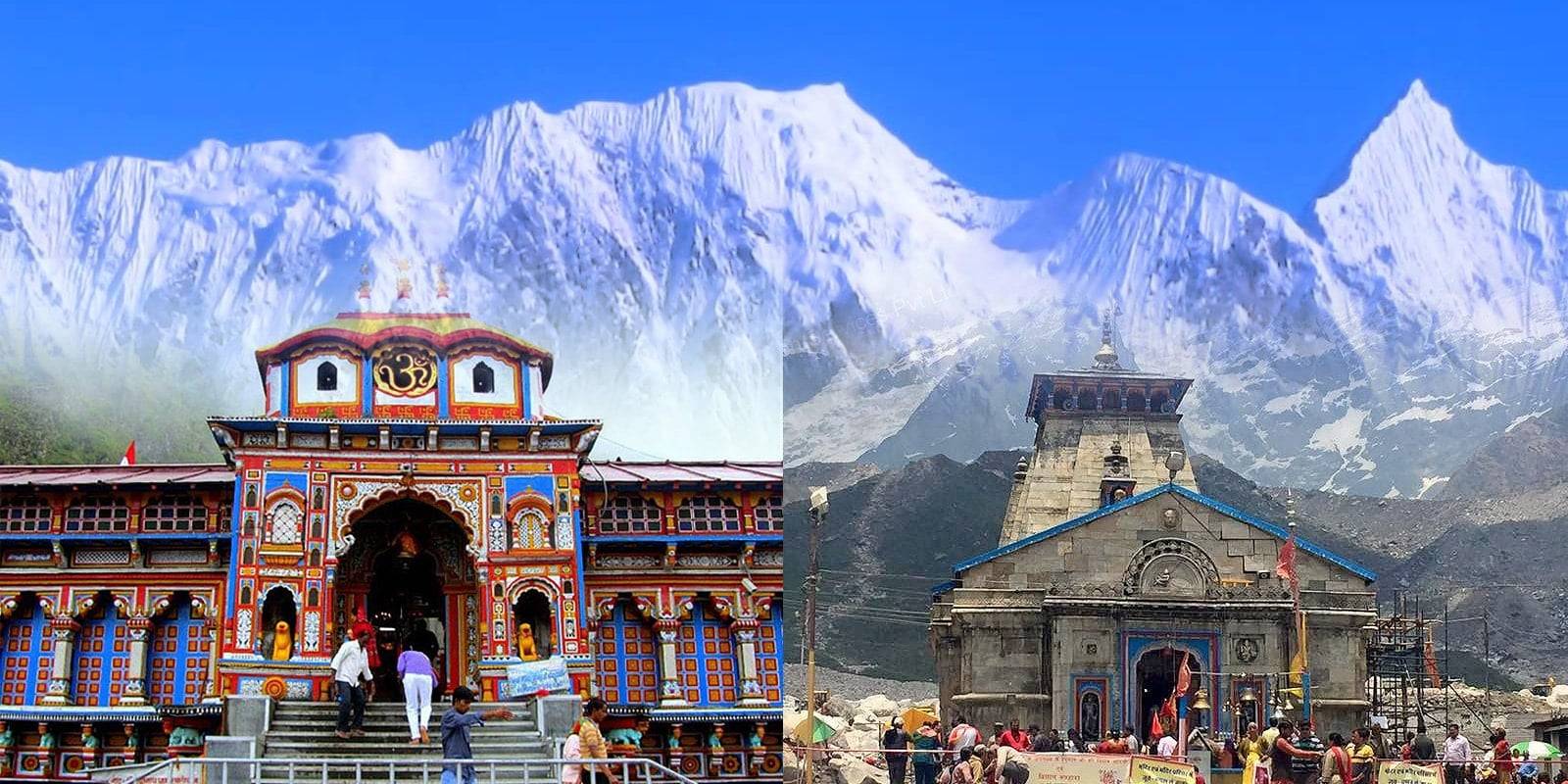
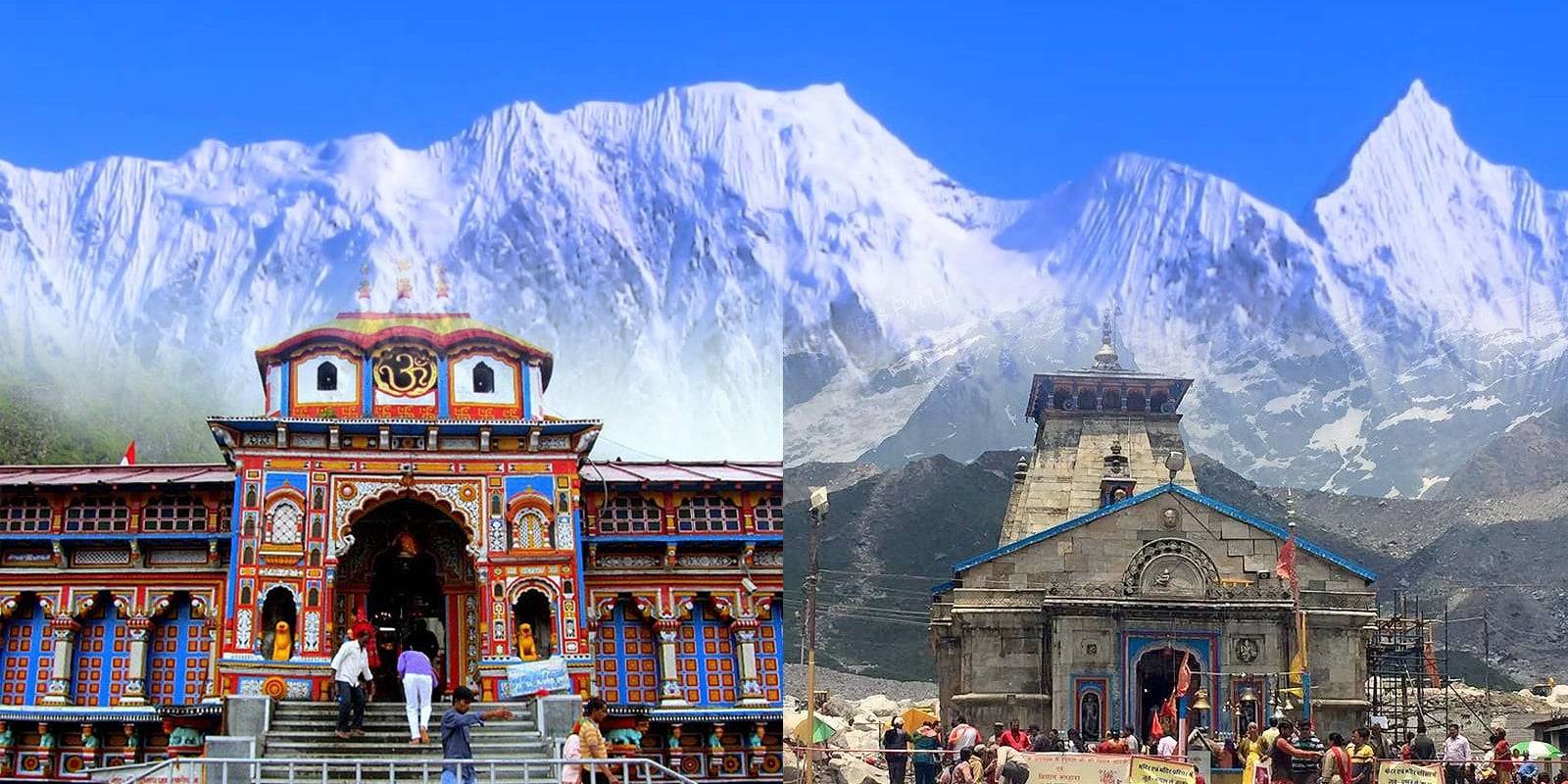
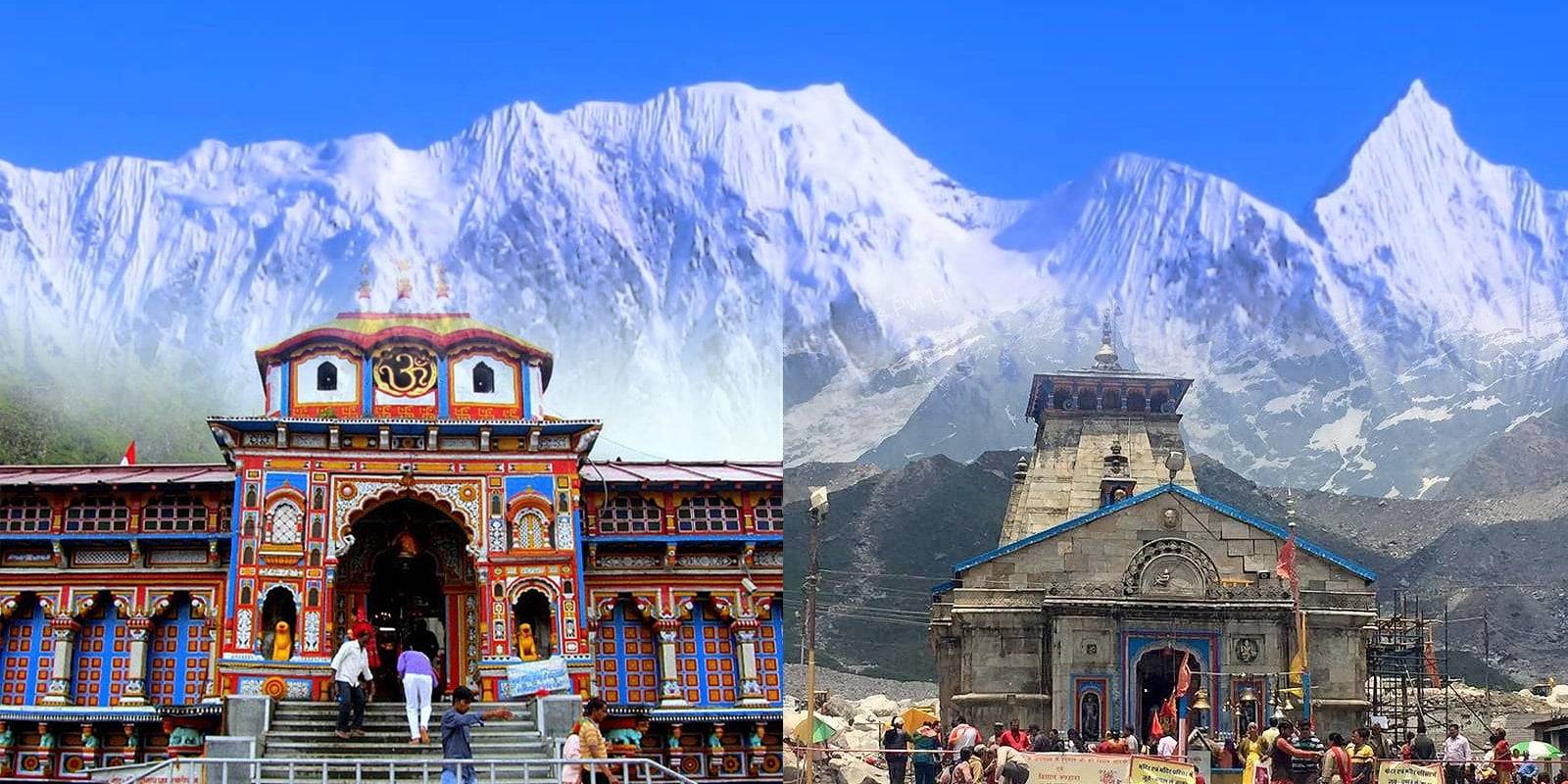
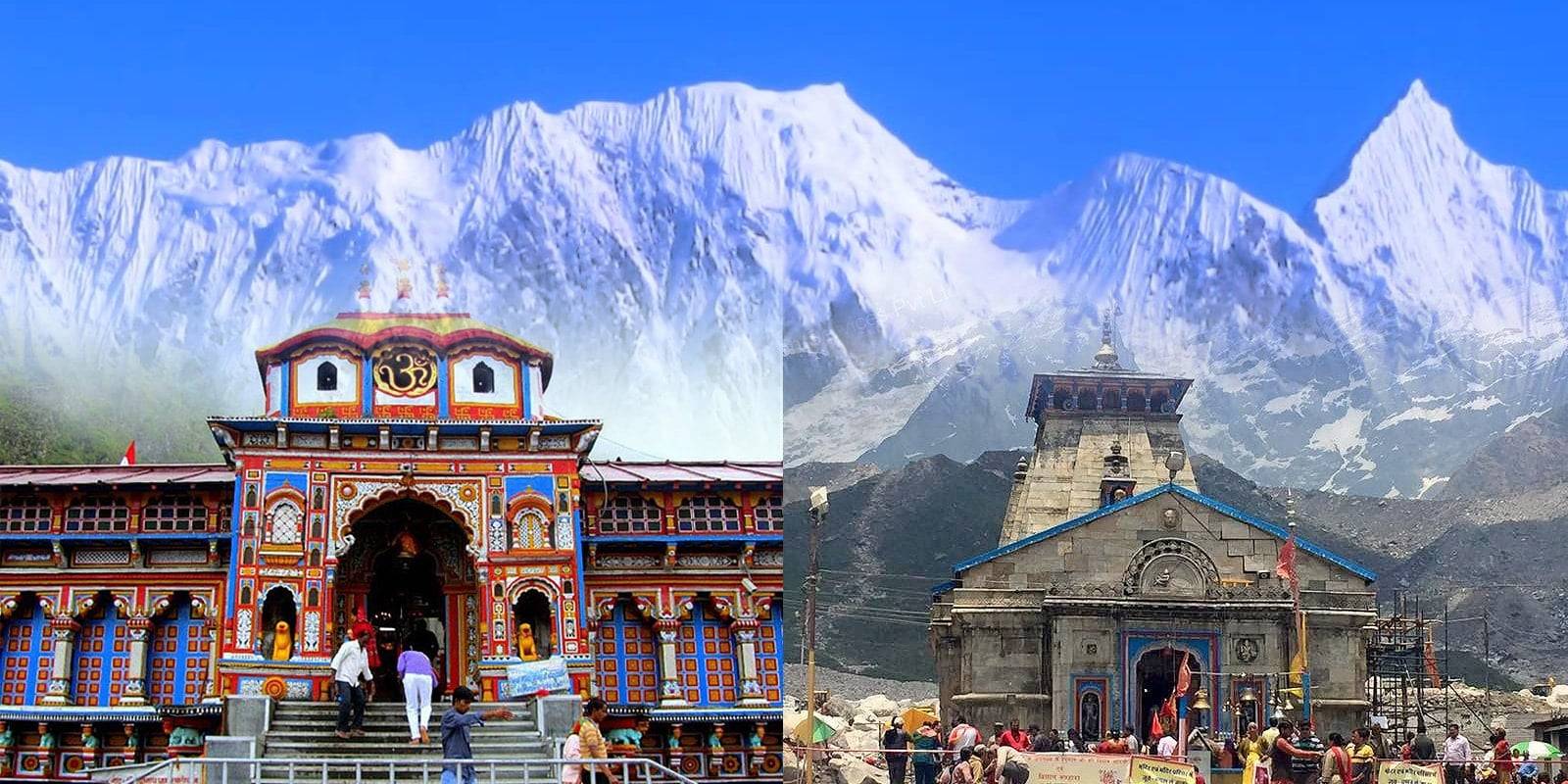
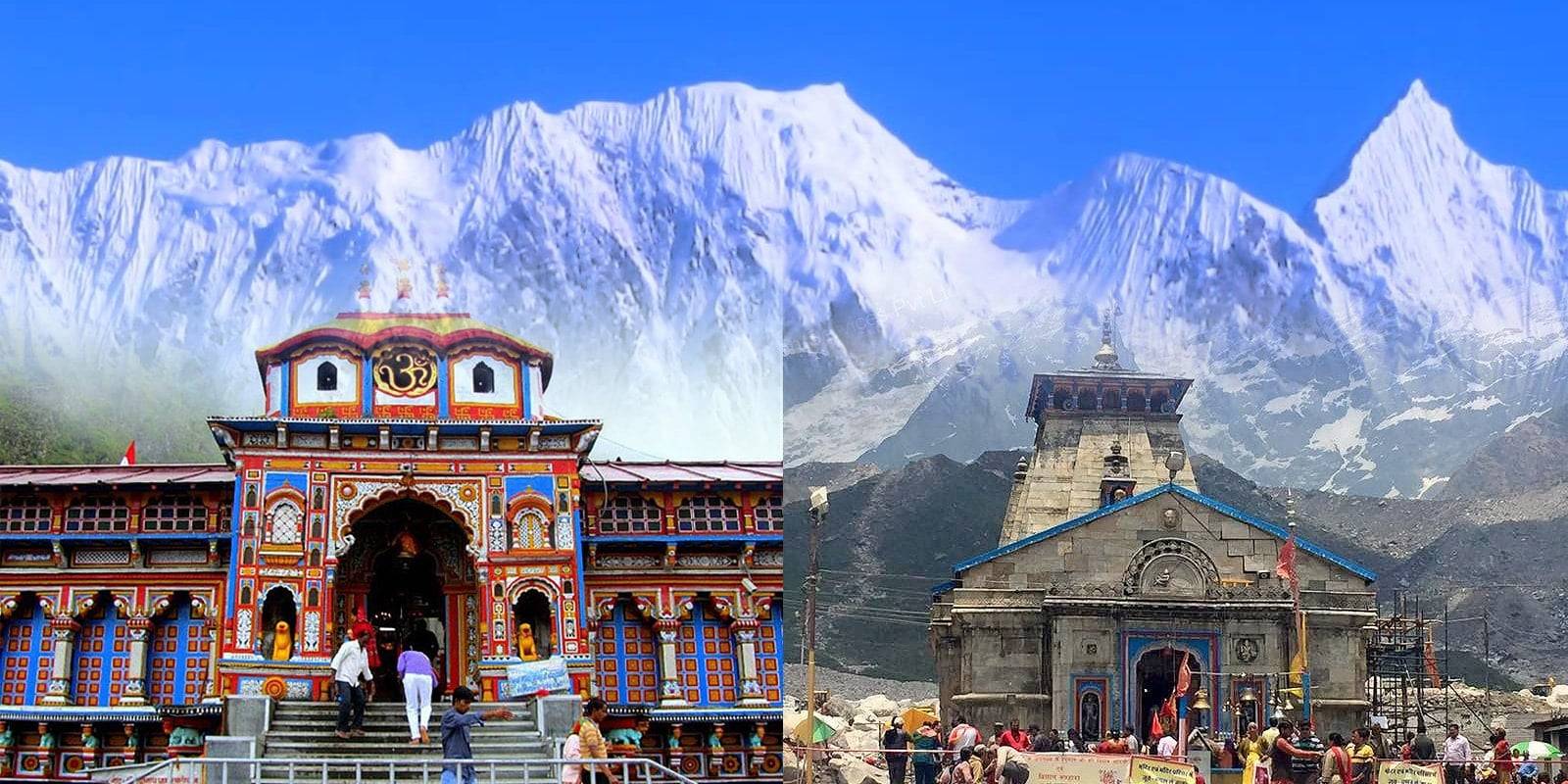
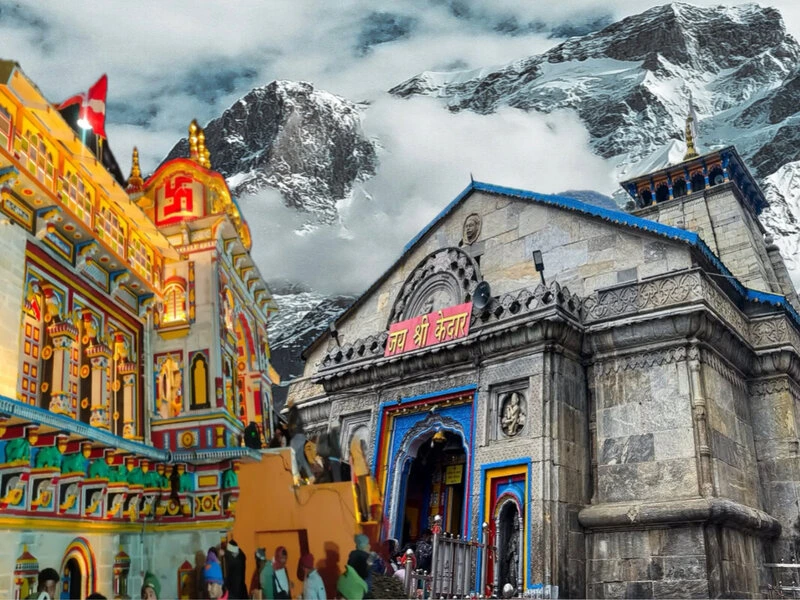
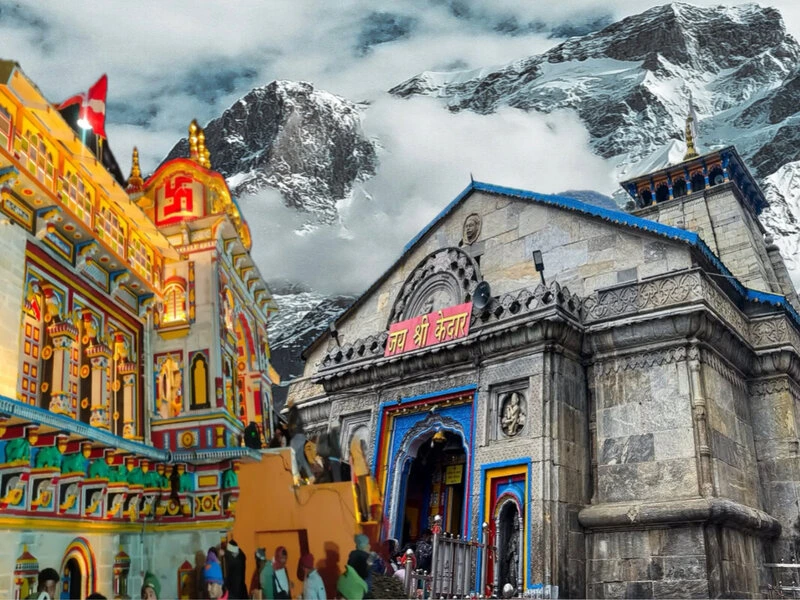
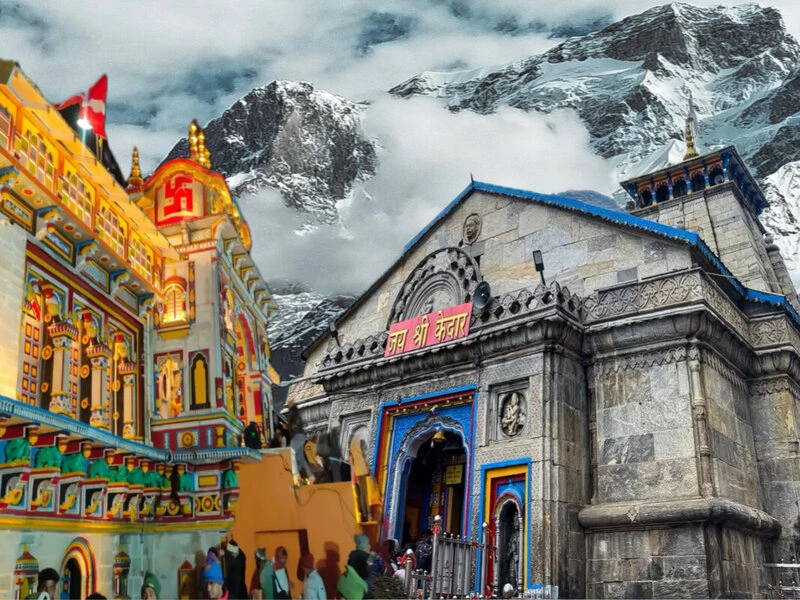
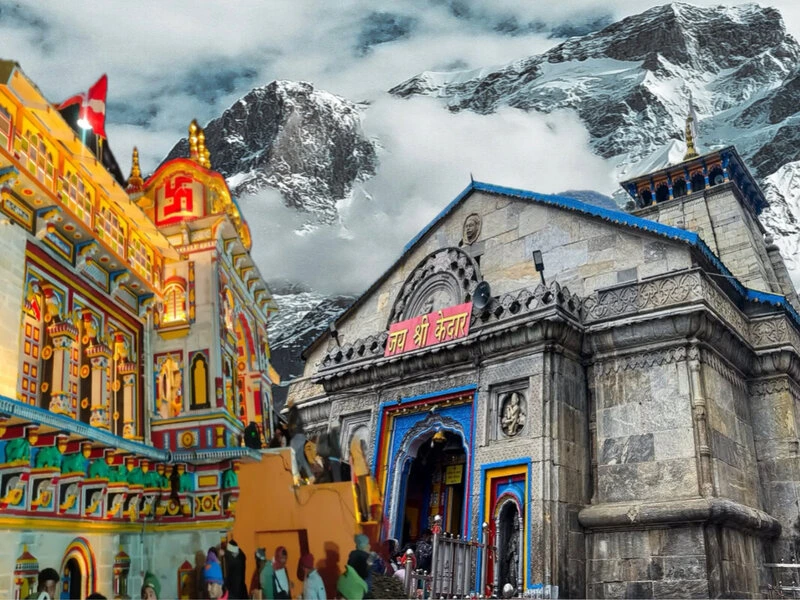
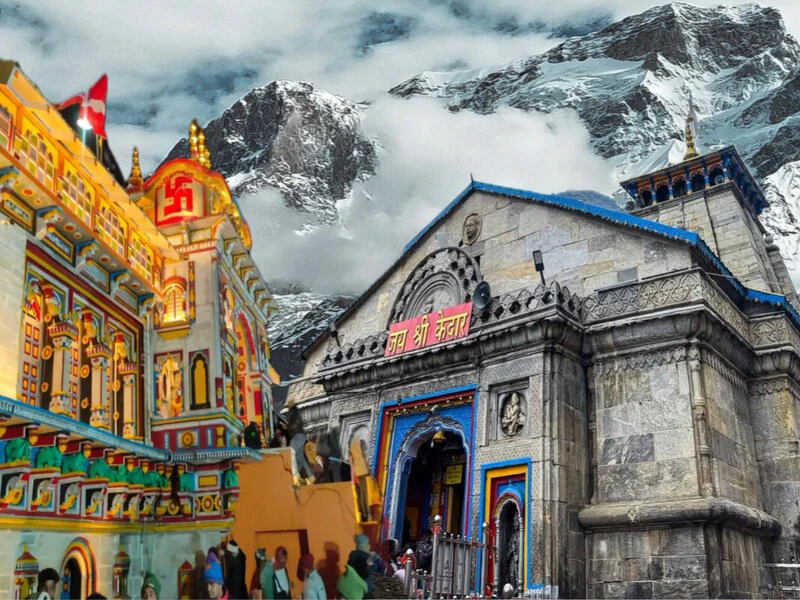
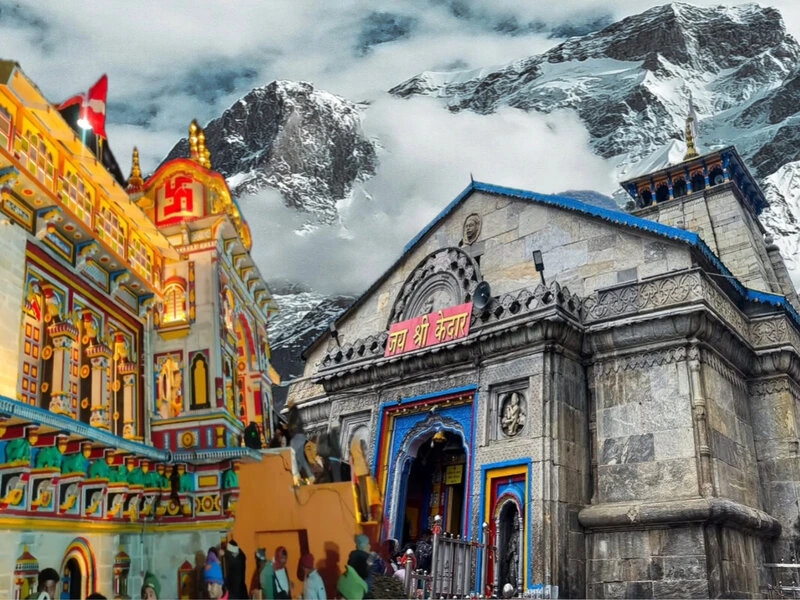
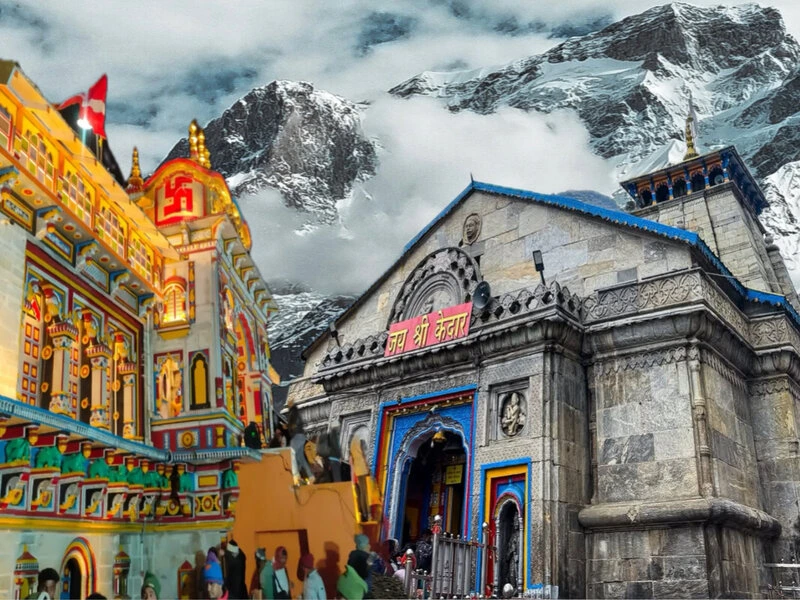
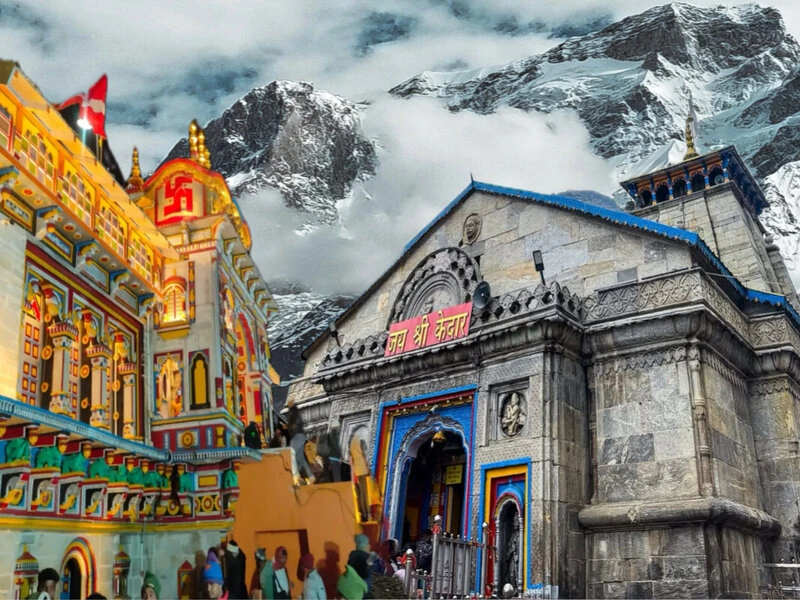
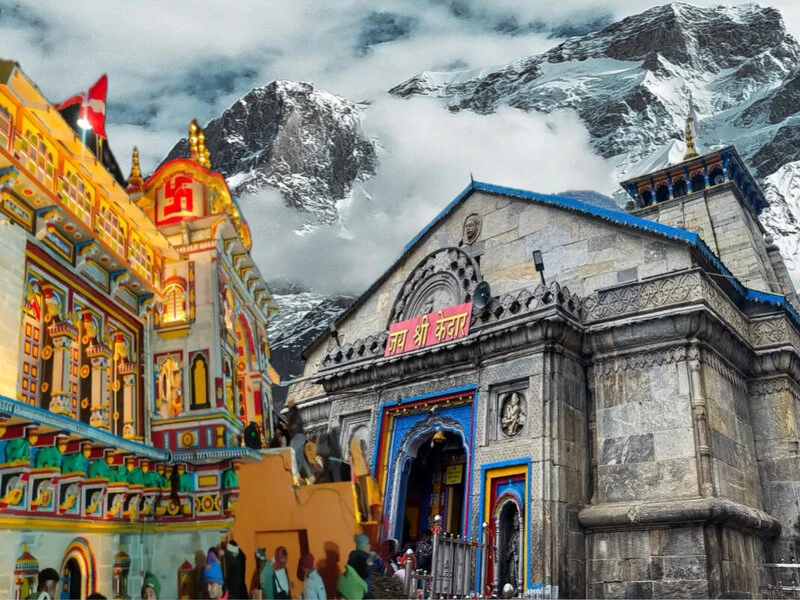
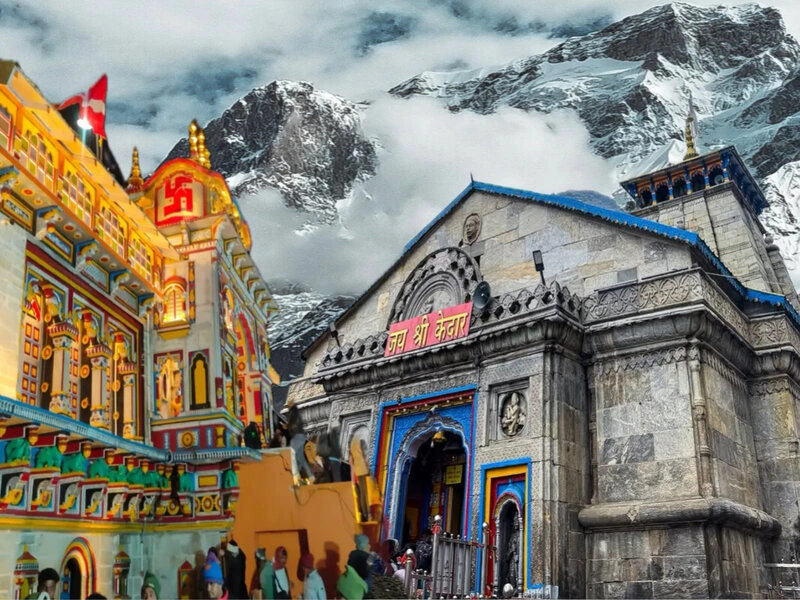
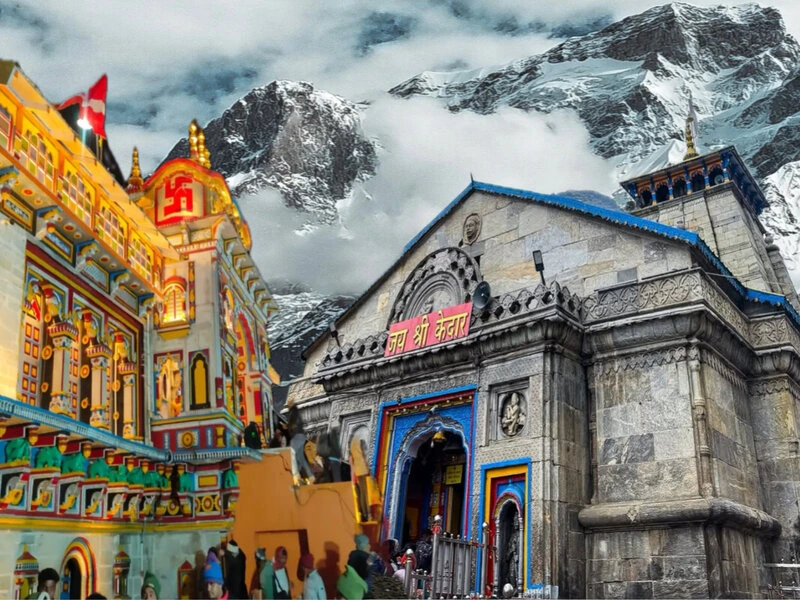
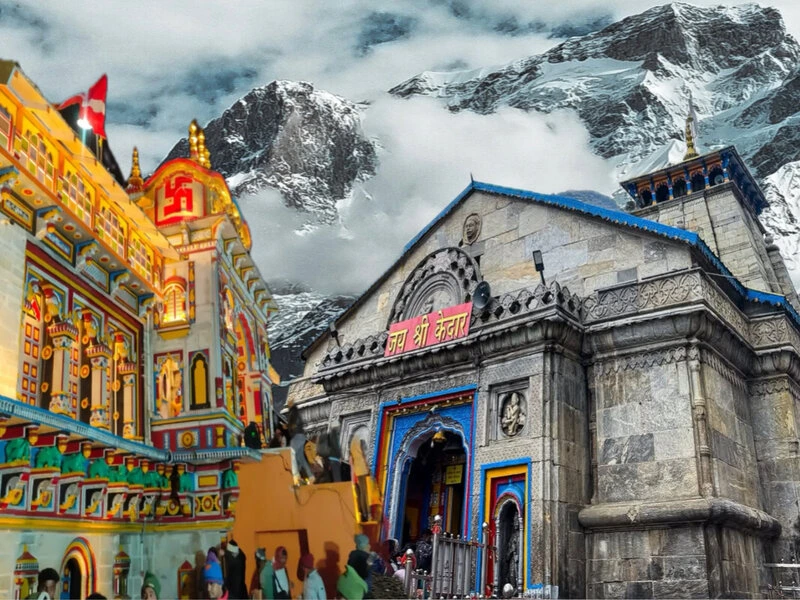
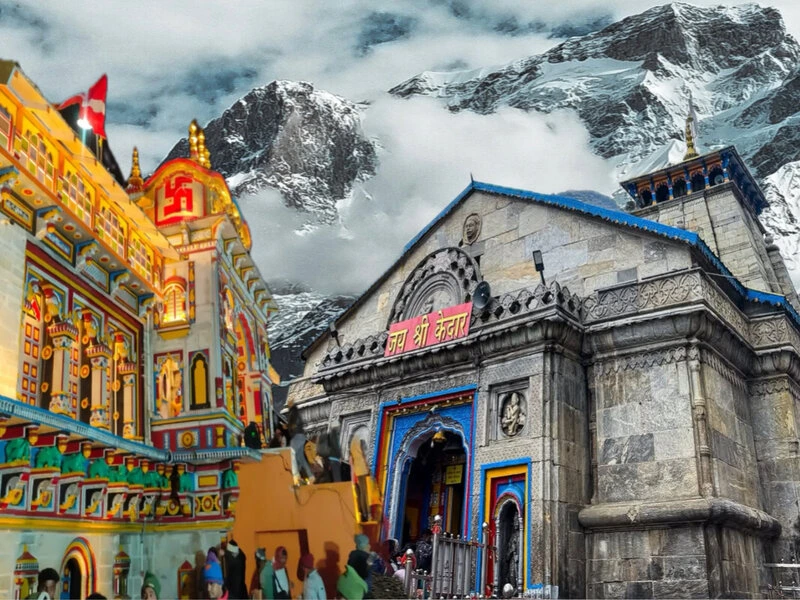
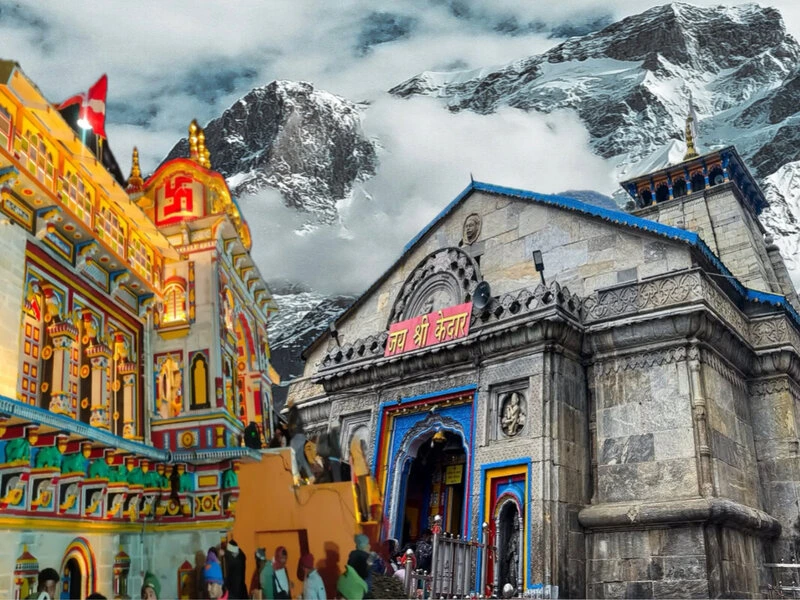
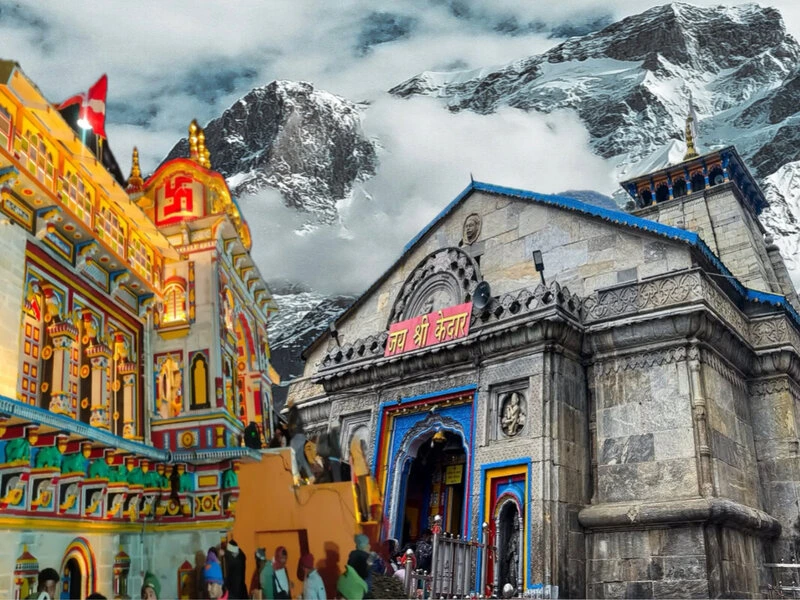
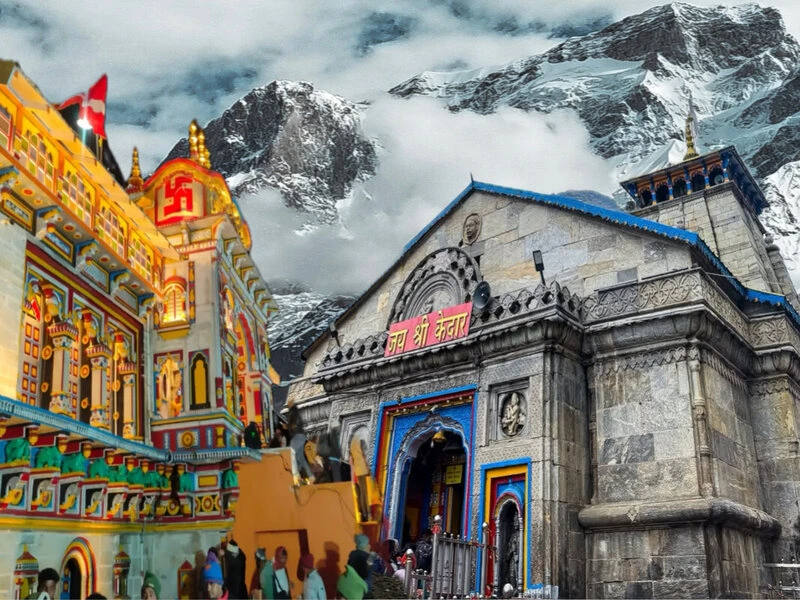
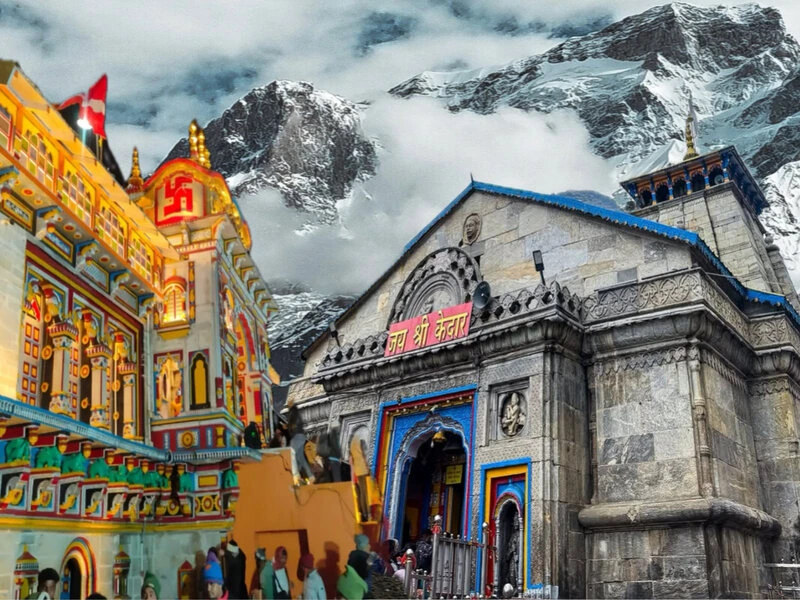
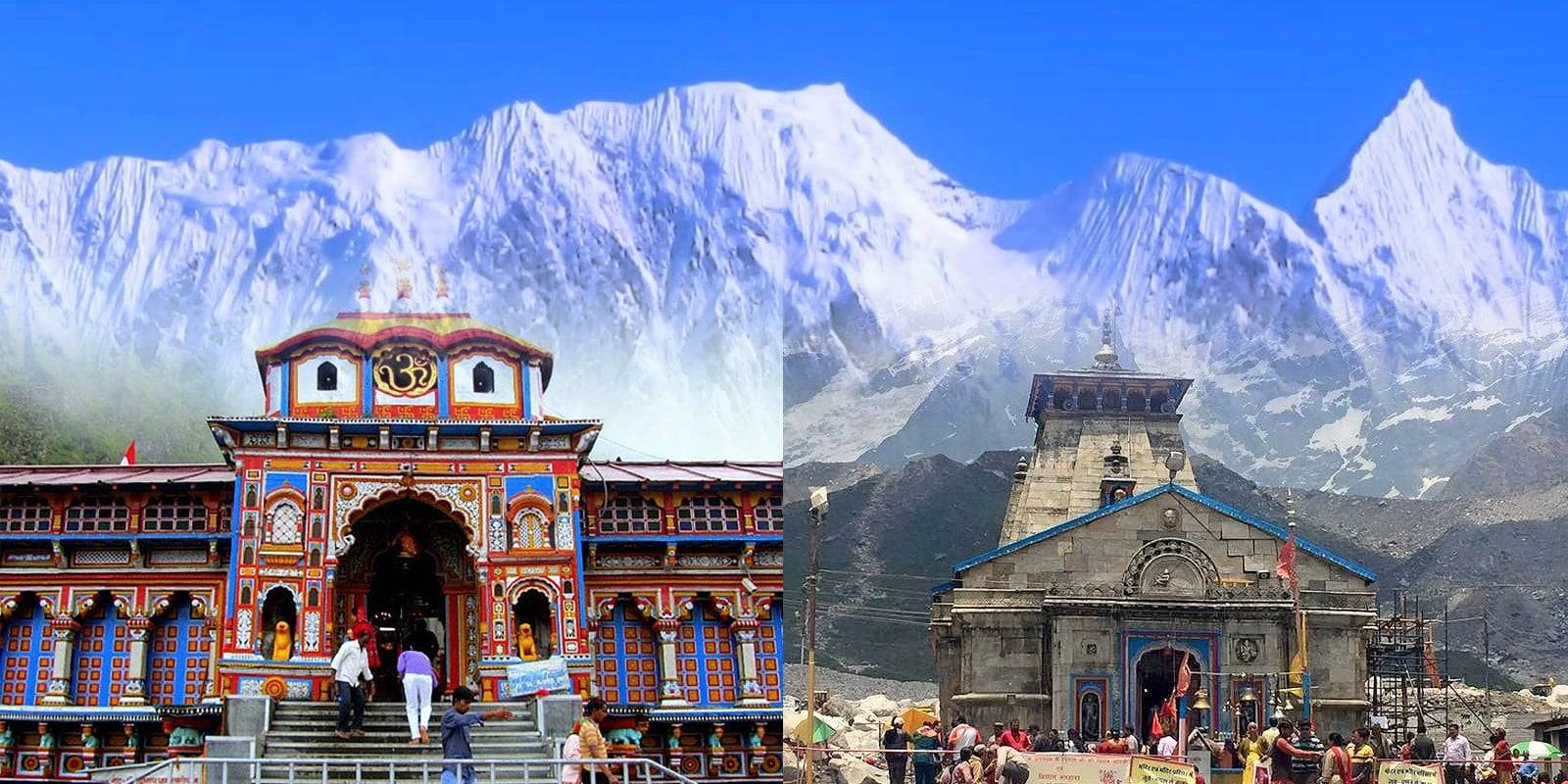
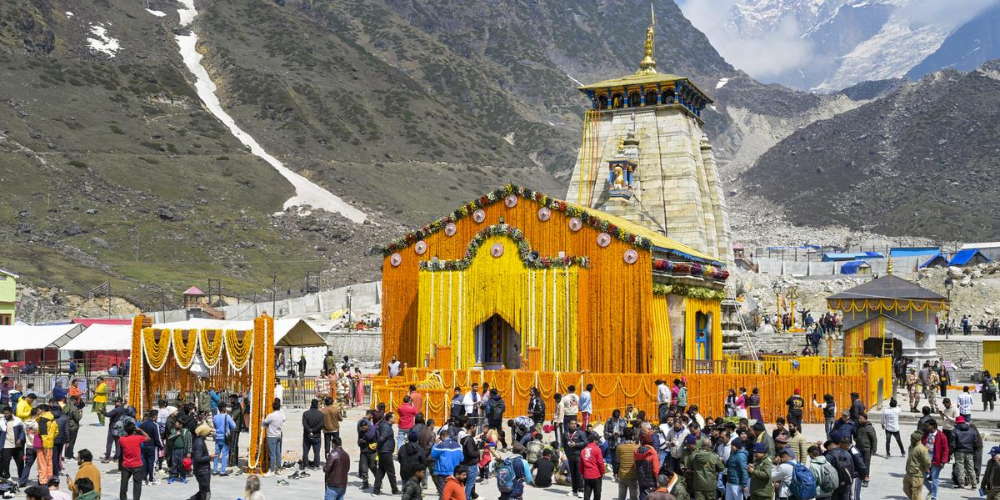
Kedarnath — a major Shiva temple, reached via a trek or helicopter from Sonprayag/Gaurikund
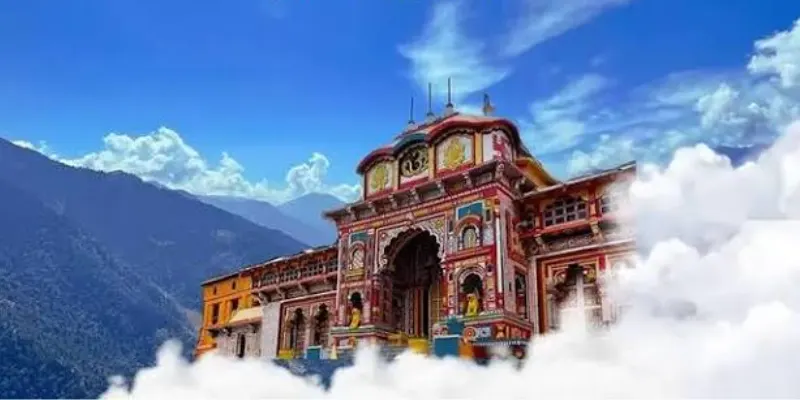
Badrinath — a major Vishnu temple, accessible directly by road
Most pilgrims complete the circuit in this Yamunotri → Gangotri → Kedarnath → Badrinath sequence, which is also how most packages are structured for logistical efficiency.
Chardham Yatra Package From Delhi - Suggested 11N/12D Itinerary
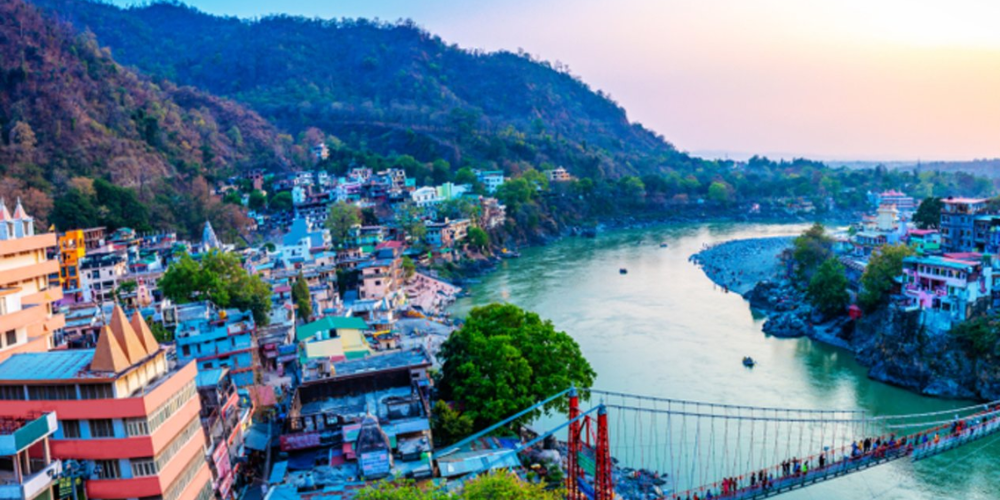
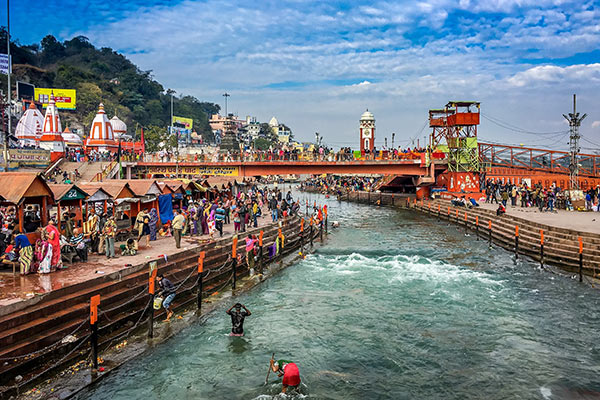
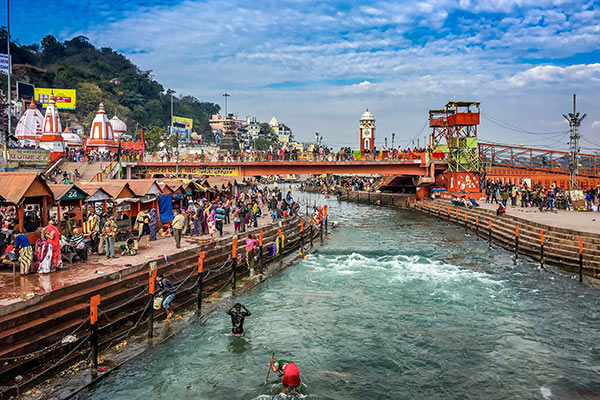
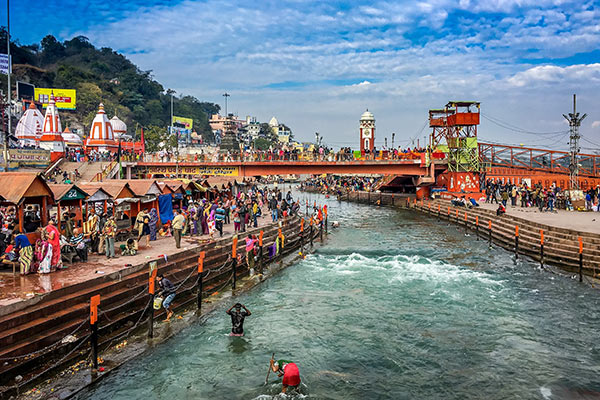
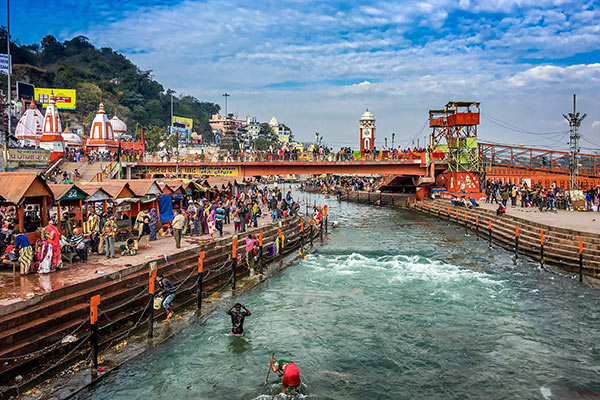
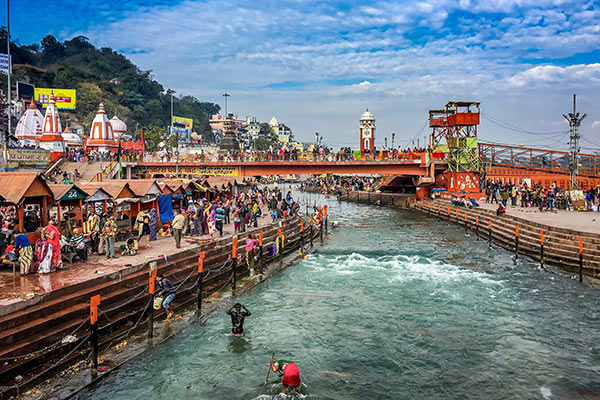
Day 1-2: Delhi to Barkot — Depart Delhi, overnight stop en route (typically Haridwar or Rishikesh), continue to Barkot.
Day 3: Yamunotri Darshan — Drive to Janki Chatti, trek (or pony/palki) to Yamunotri temple, return to Barkot/Uttarkashi.
Day 4-5: Uttarkashi to Gangotri to Uttarkashi — Drive to Gangotri, temple darshan, return same day.
Day 6-7: Uttarkashi to Guptkashi via Rudraprayag
Day 8-9: Kedarnath Darshan — Drive to Sonprayag/Gaurikund, trek or helicopter to Kedarnath, darshan, return.
Day 10-11: Guptkashi to Badrinath — Drive via Joshimath, Badrinath darshan.
Day 12: Badrinath to Haridwar/Delhi — Return journey begins.
This is a demanding itinerary involving significant driving and altitude changes — a realistic pace with rest built in matters more than compressing it into fewer days.
Costs vary significantly based on transport type, hotel category, and whether you opt for trekking or helicopter access to Kedarnath:
Budget package (standard hotels, shared/tempo traveller transport, trekking to Kedarnath): ₹18,000 – ₹25,000 per person
Mid-range package (better hotels, private tempo traveller): ₹26,000 – ₹35,000 per person
Premium package (helicopter option for Kedarnath, upgraded stays): ₹45,000 – ₹75,000+ per person, largely driven by helicopter fare
Helicopter tickets for Kedarnath are priced and booked separately through the official IRCTC portal and are subject to weather-dependent availability — factor this into your budget and timeline flexibility.
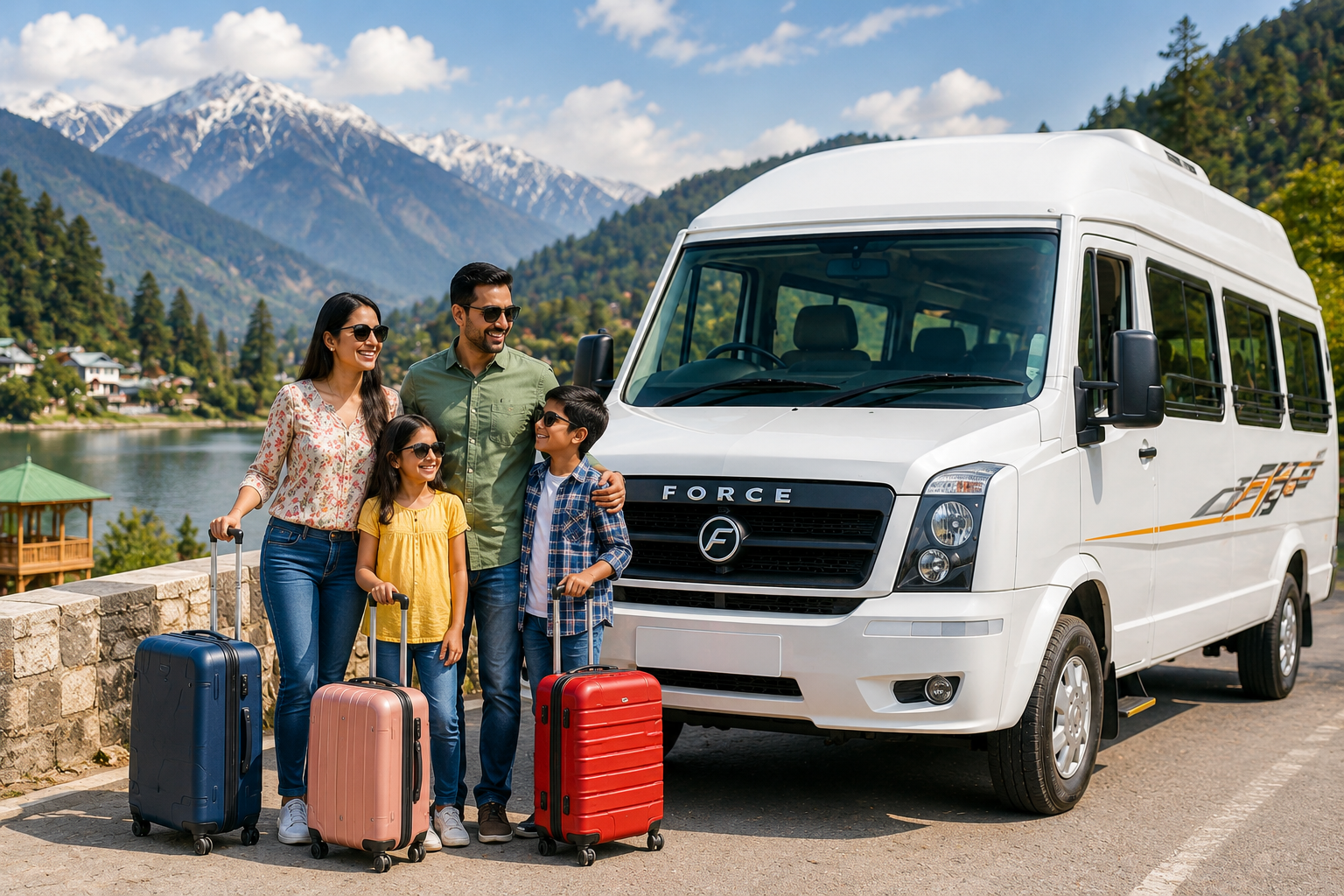
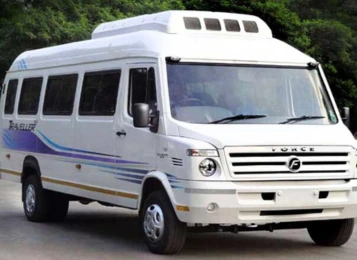
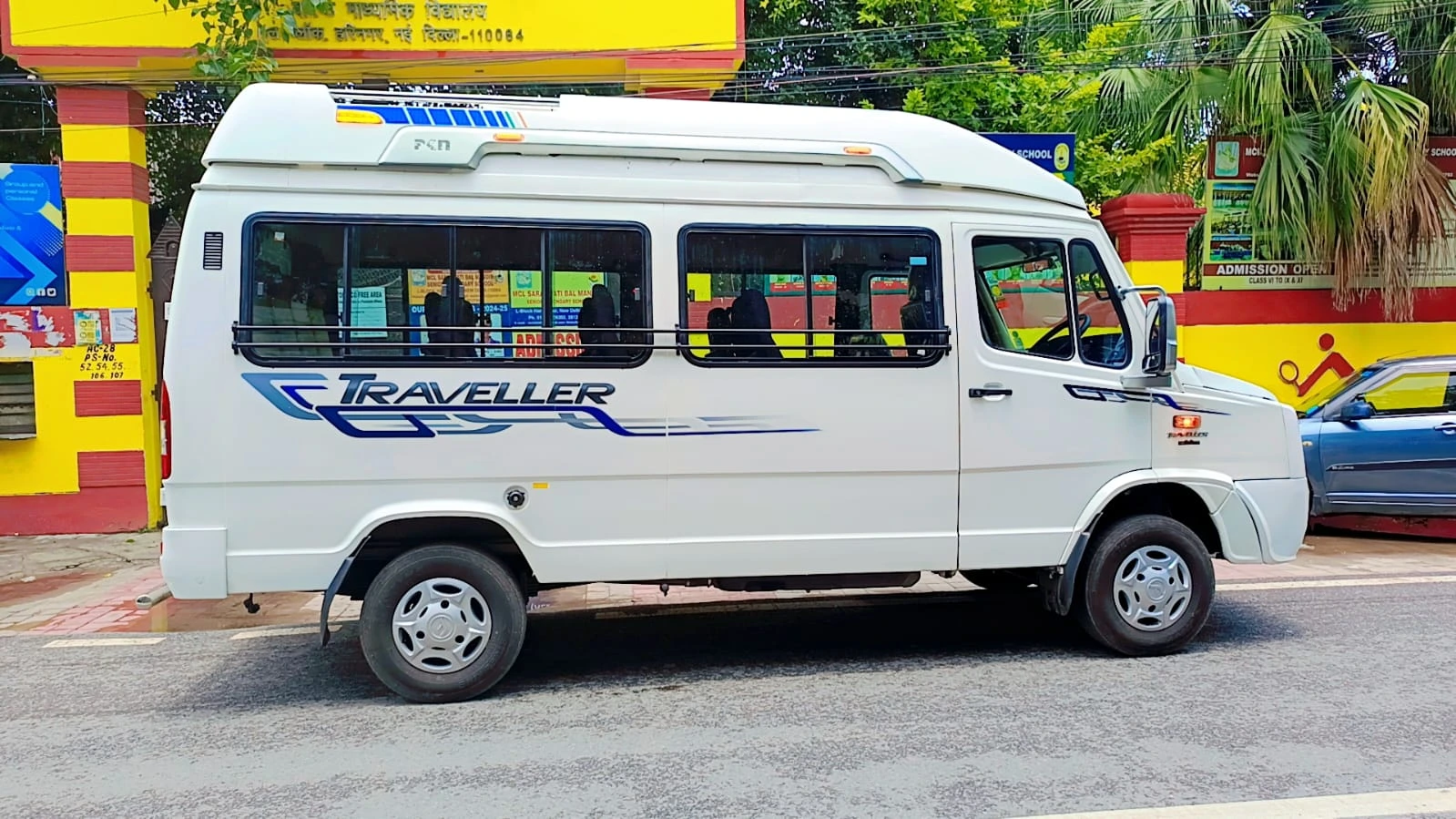
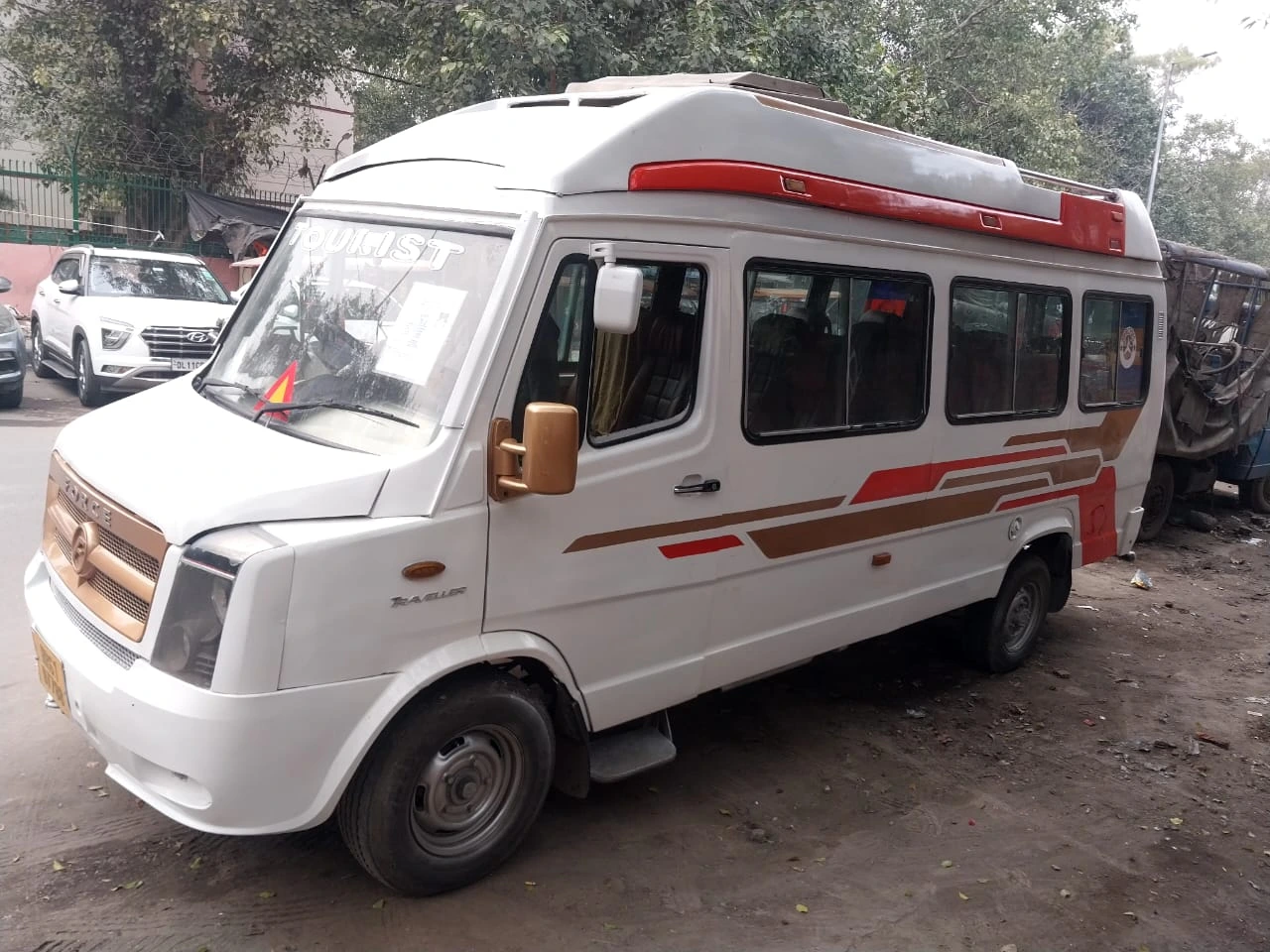
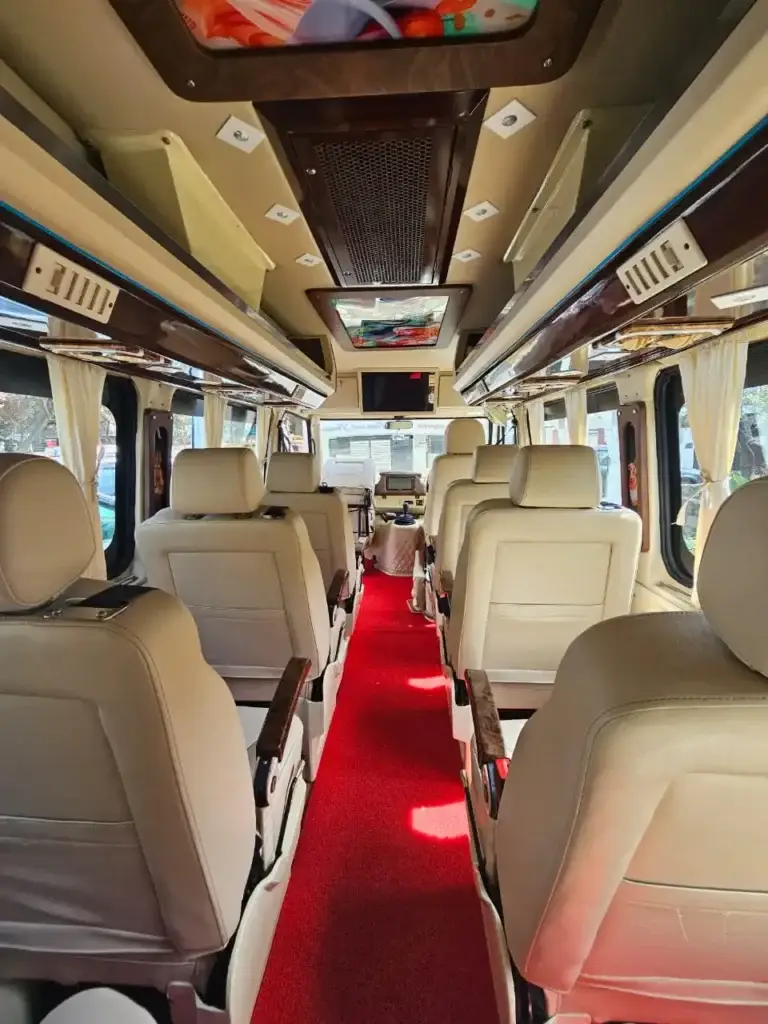
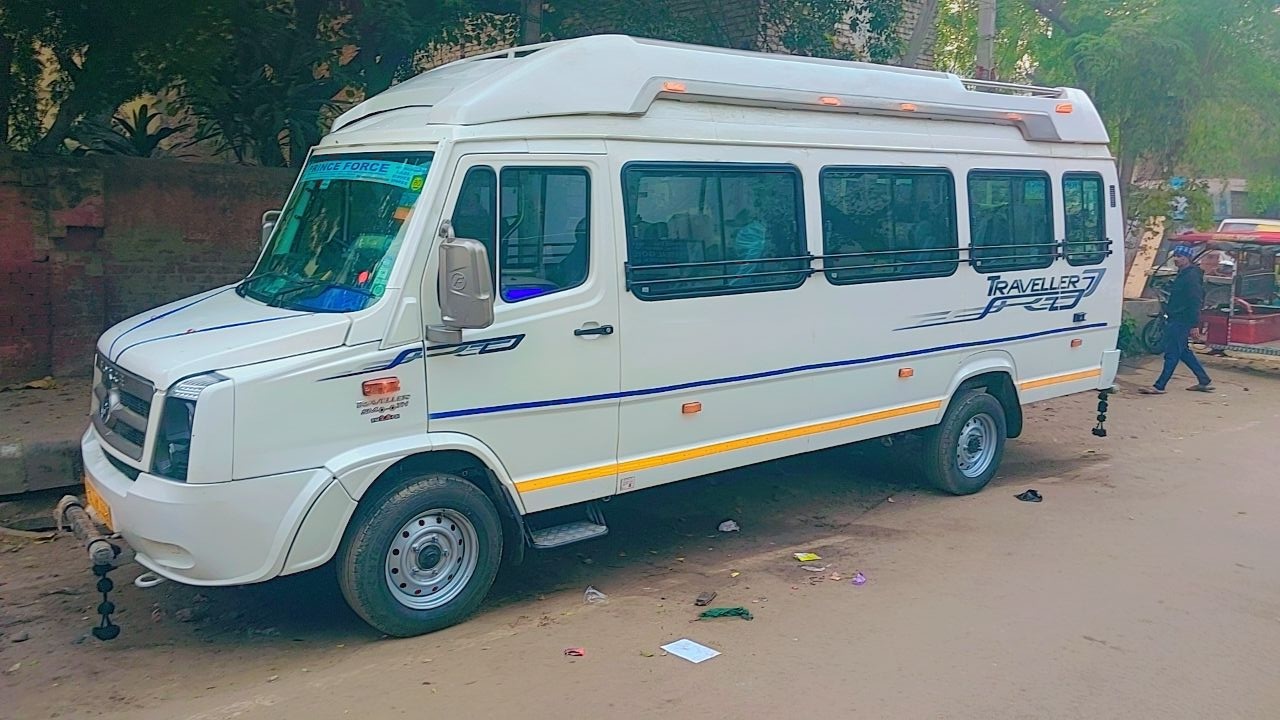
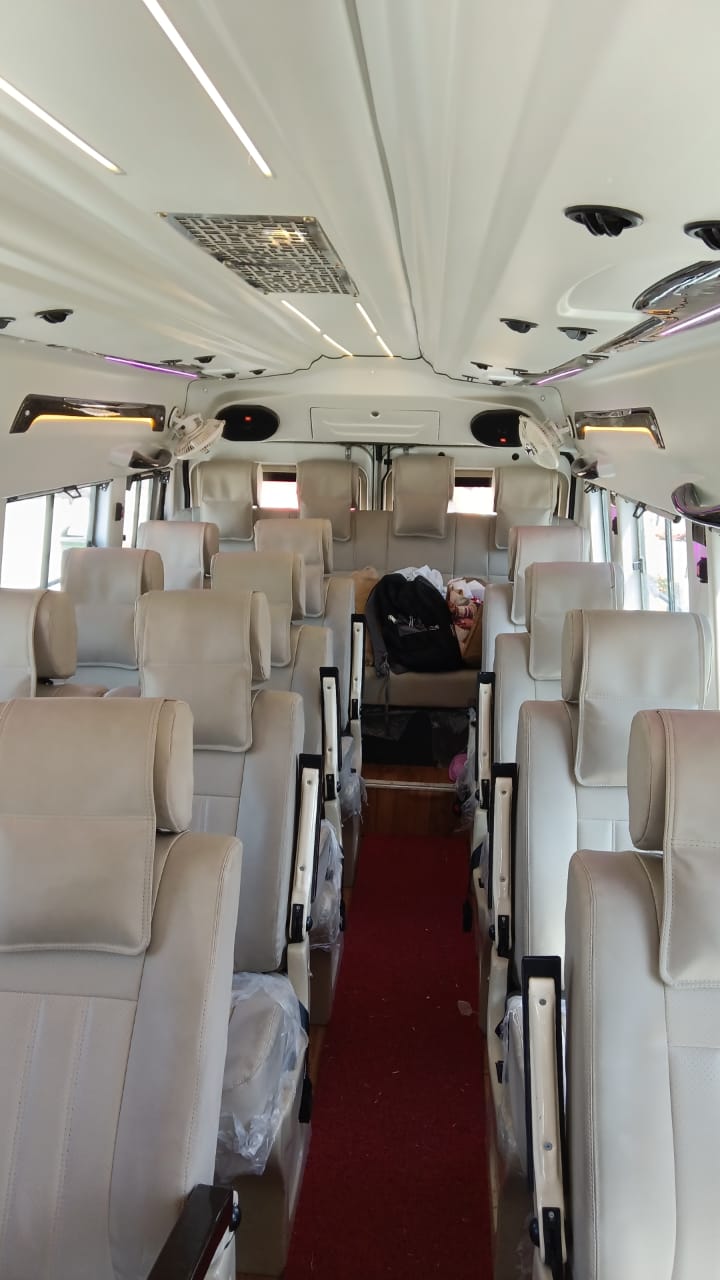
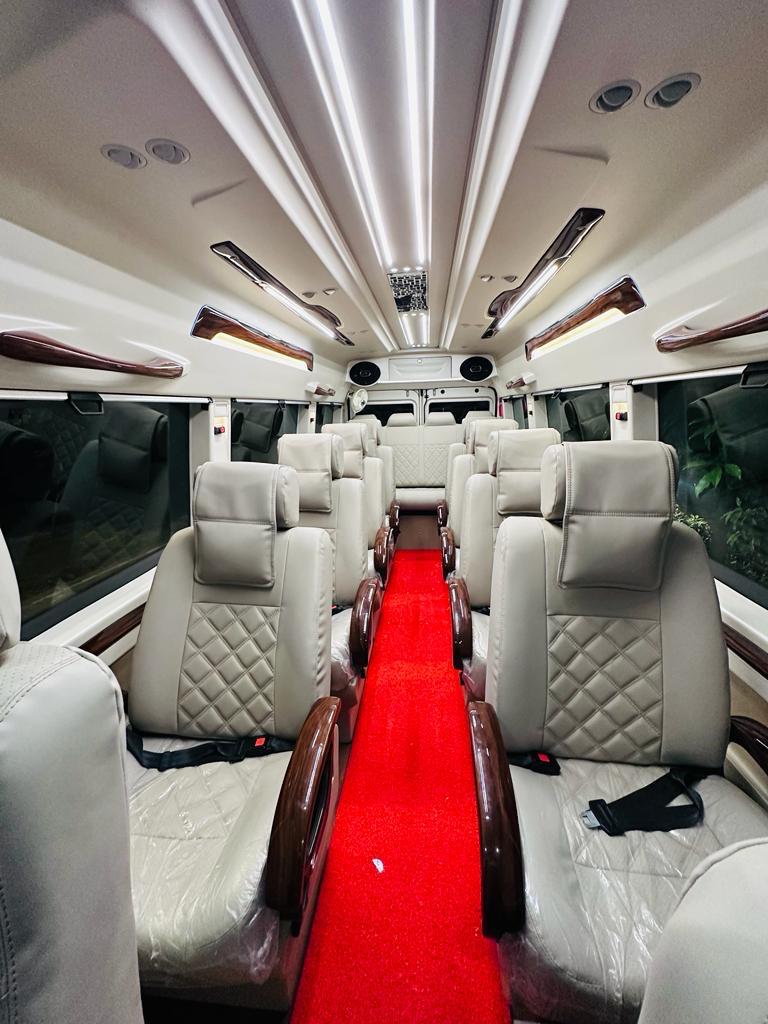
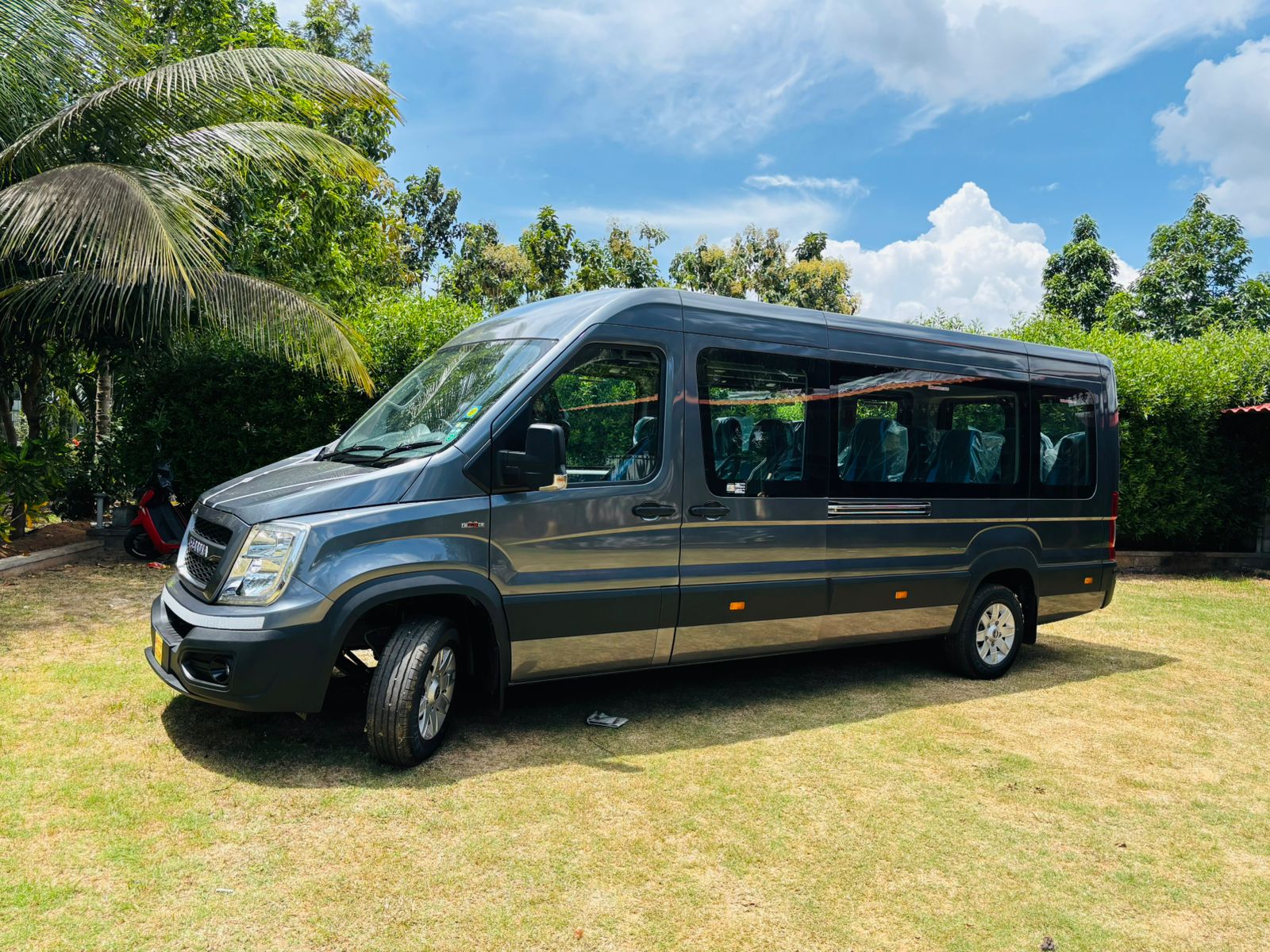
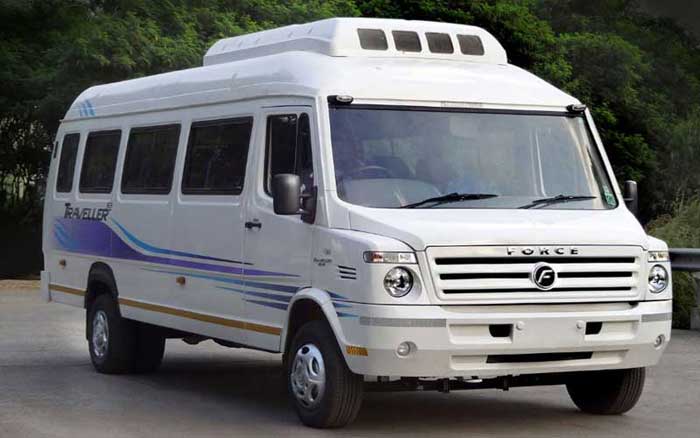
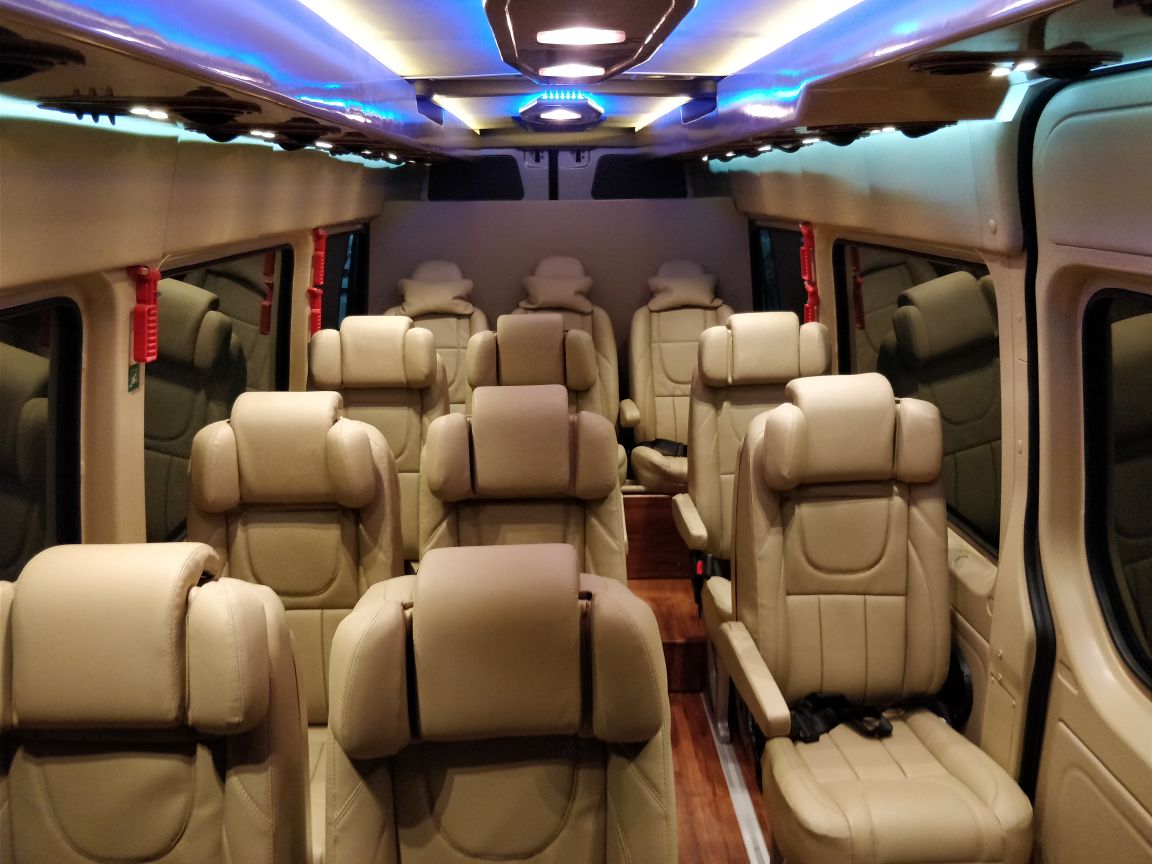
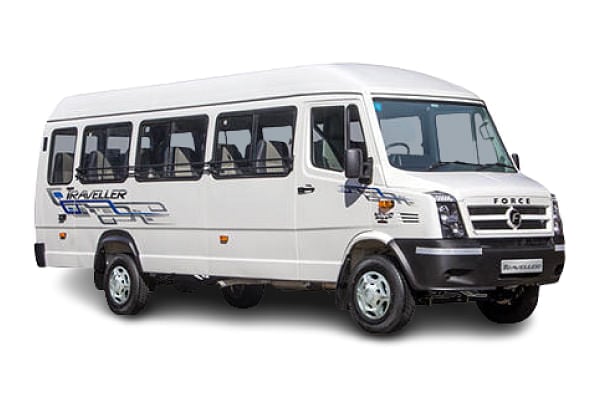
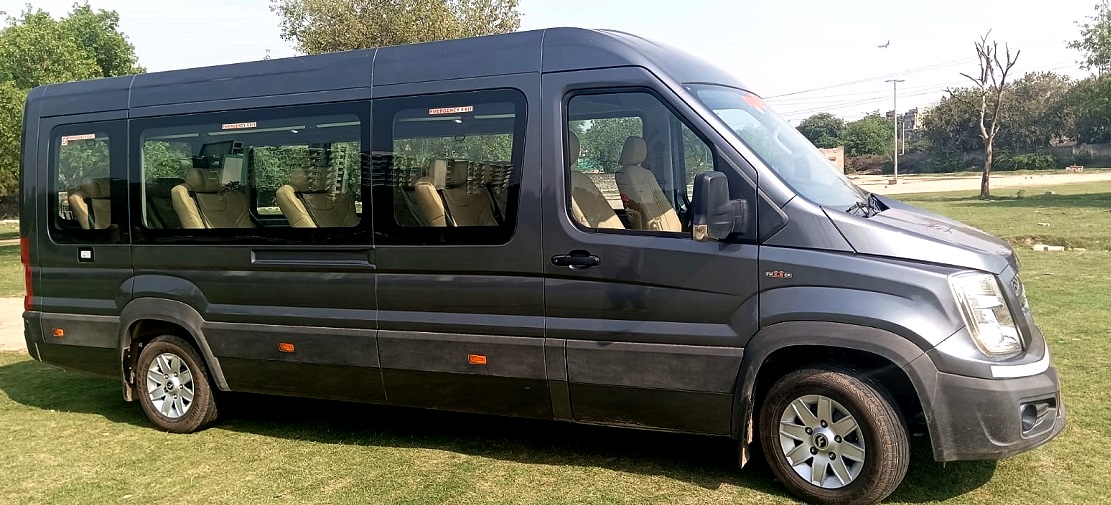
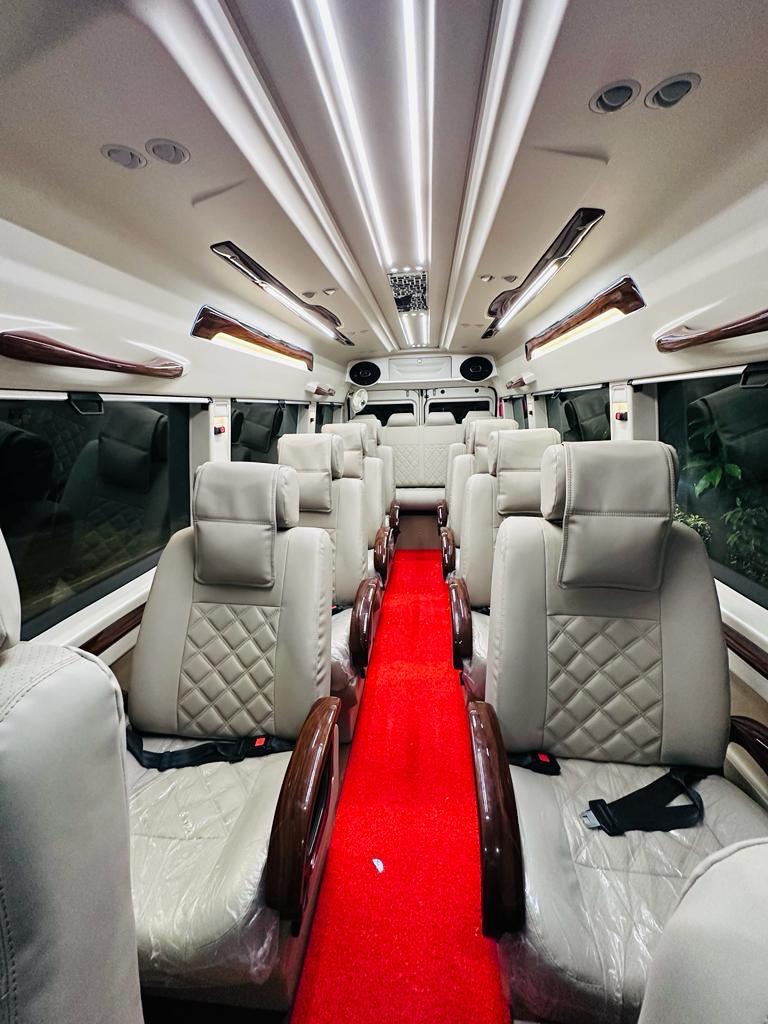
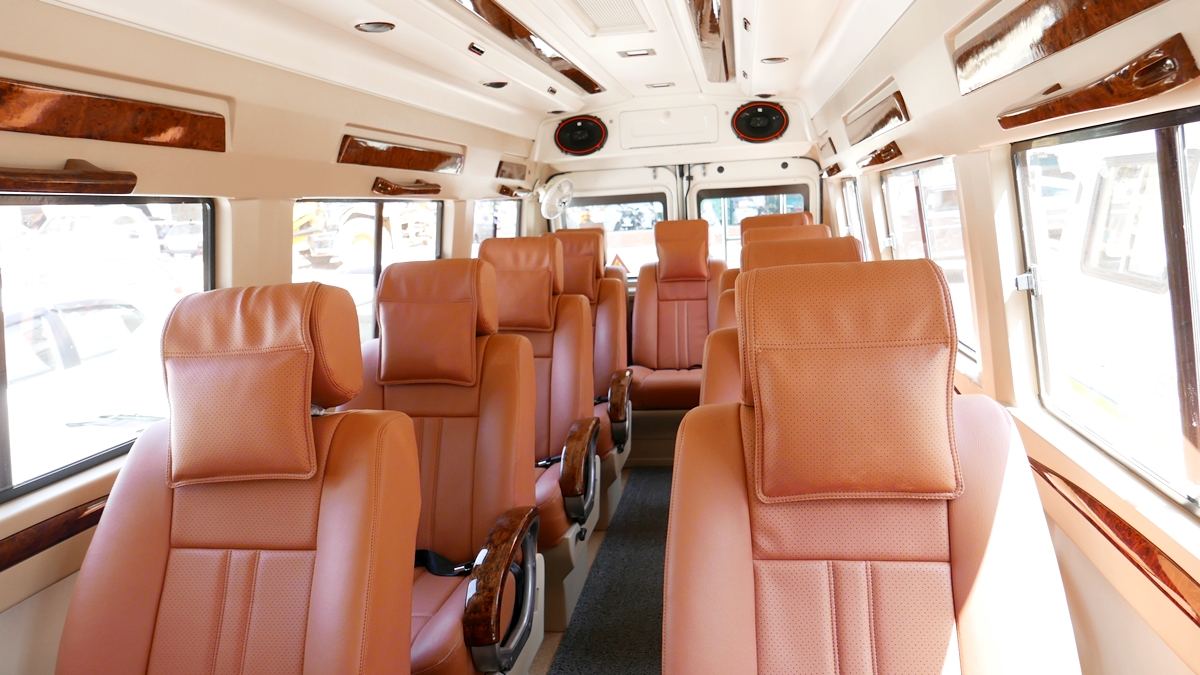
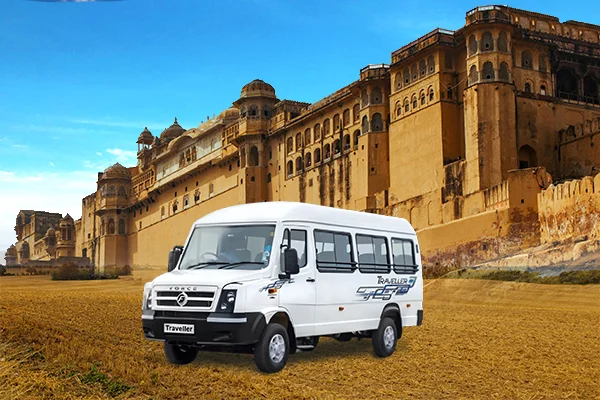
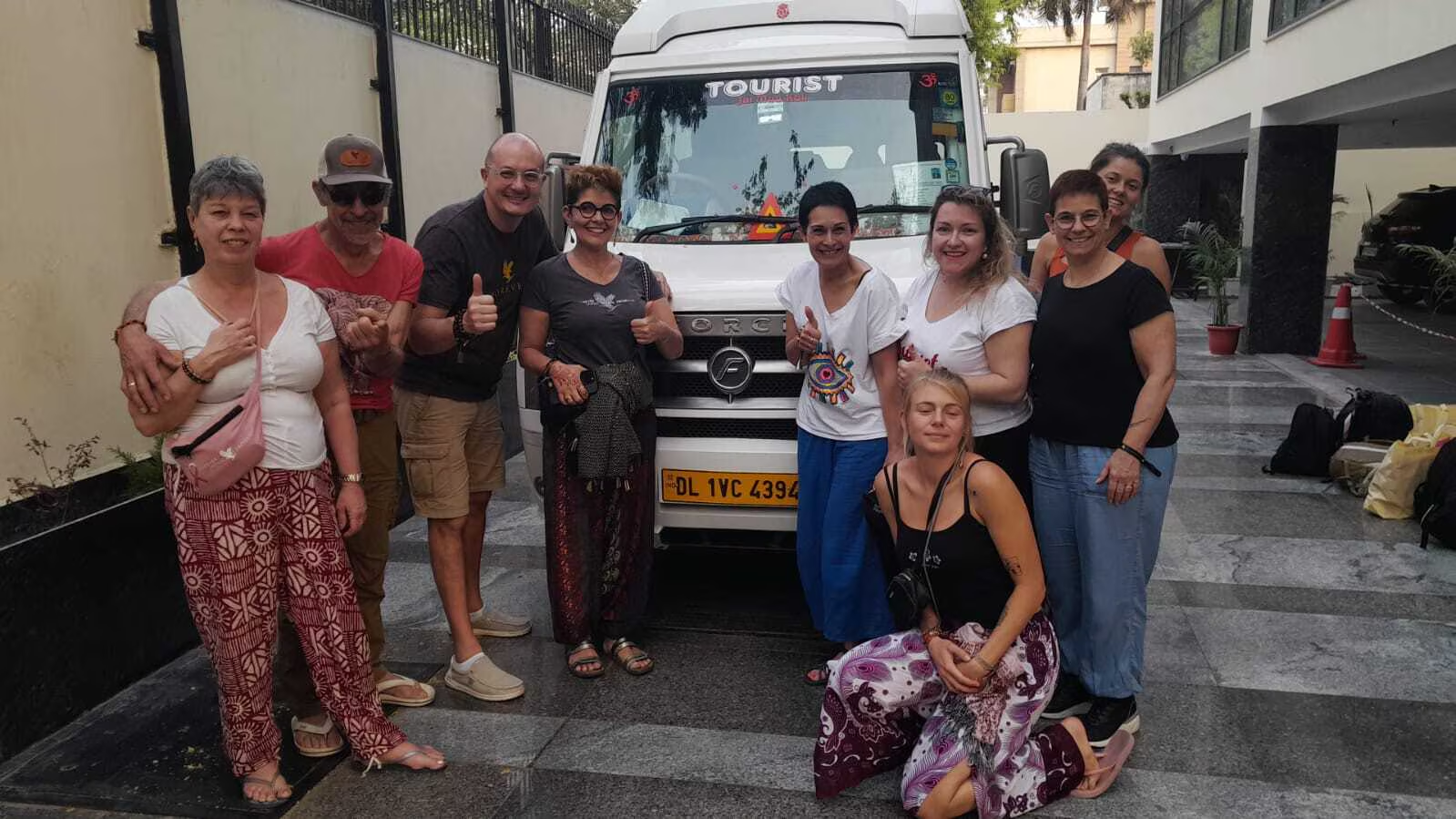
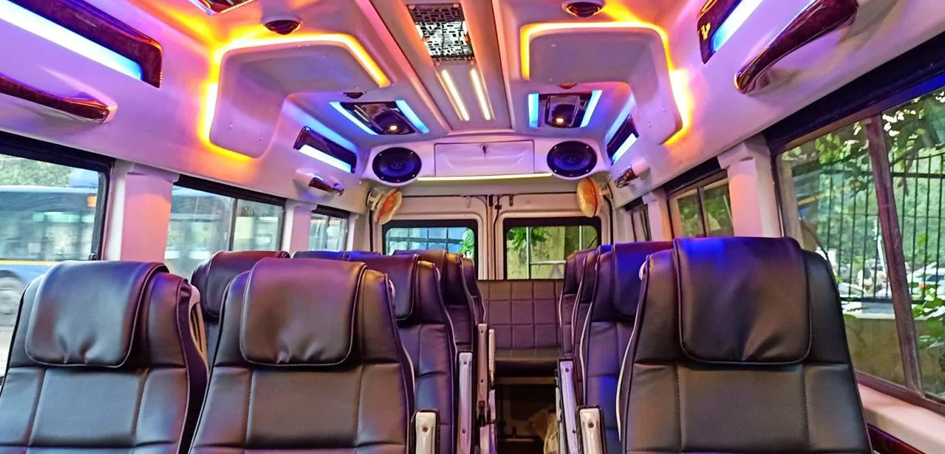
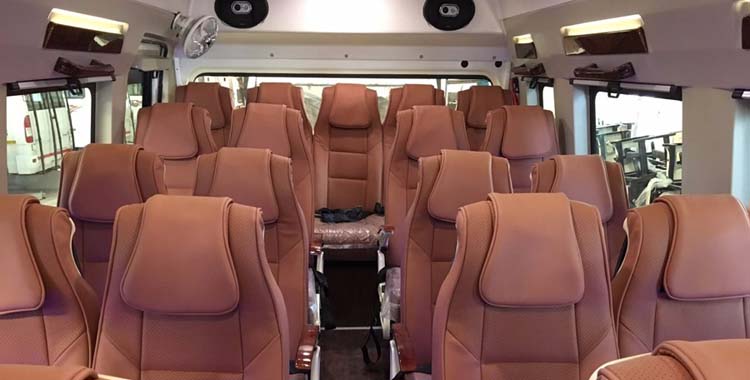
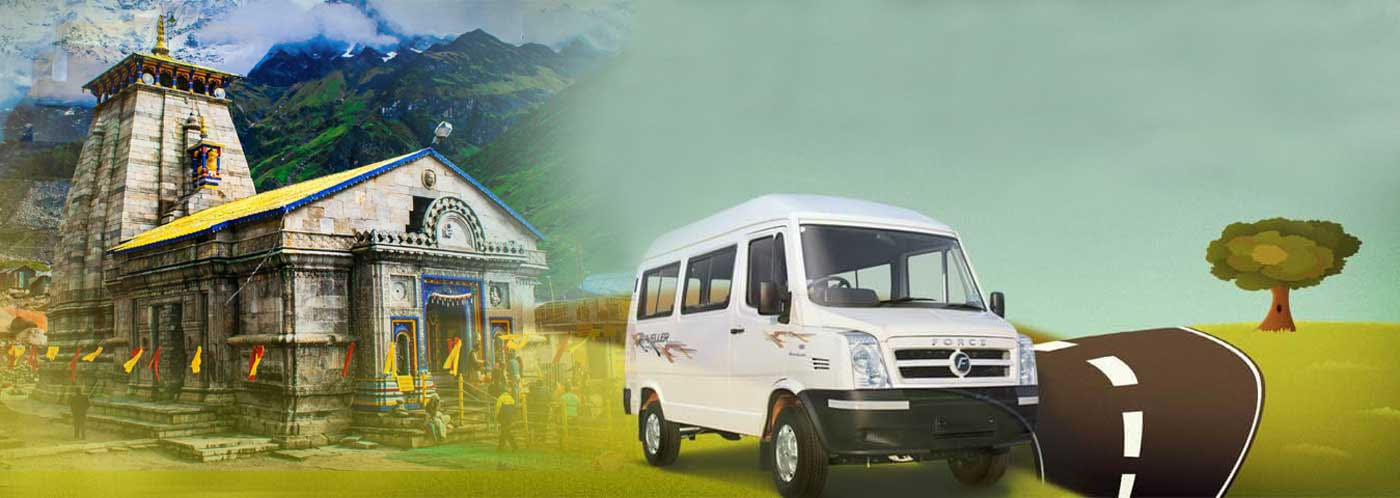
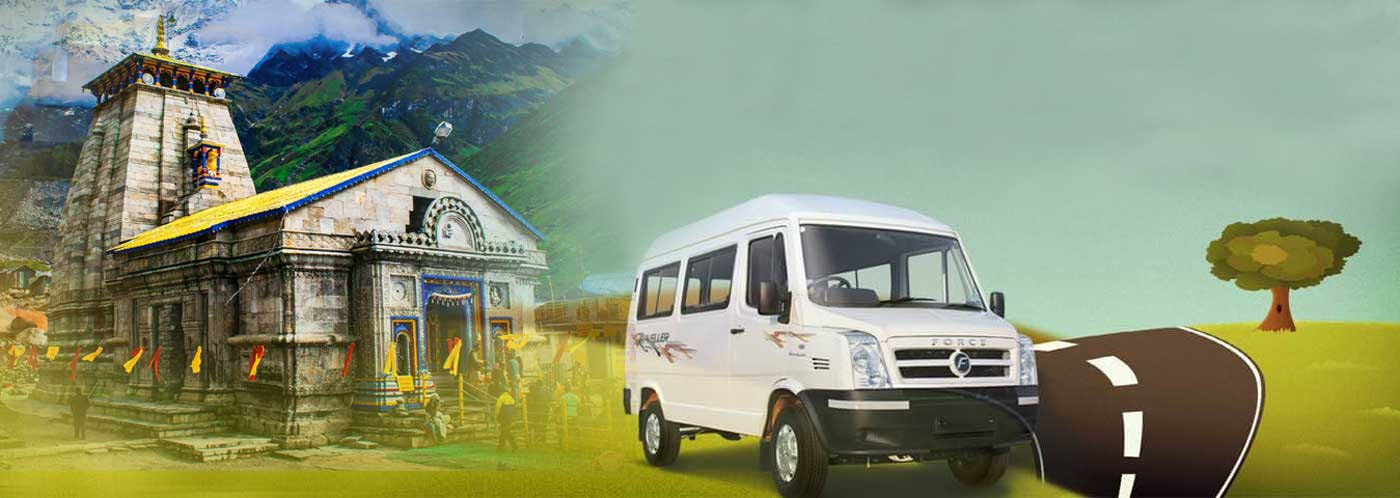
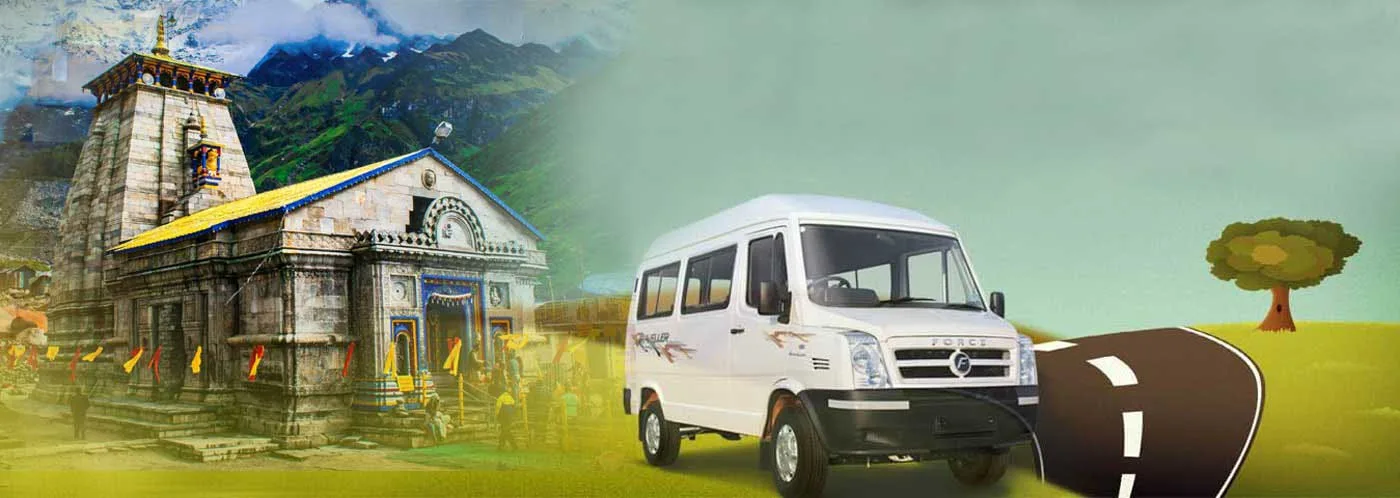
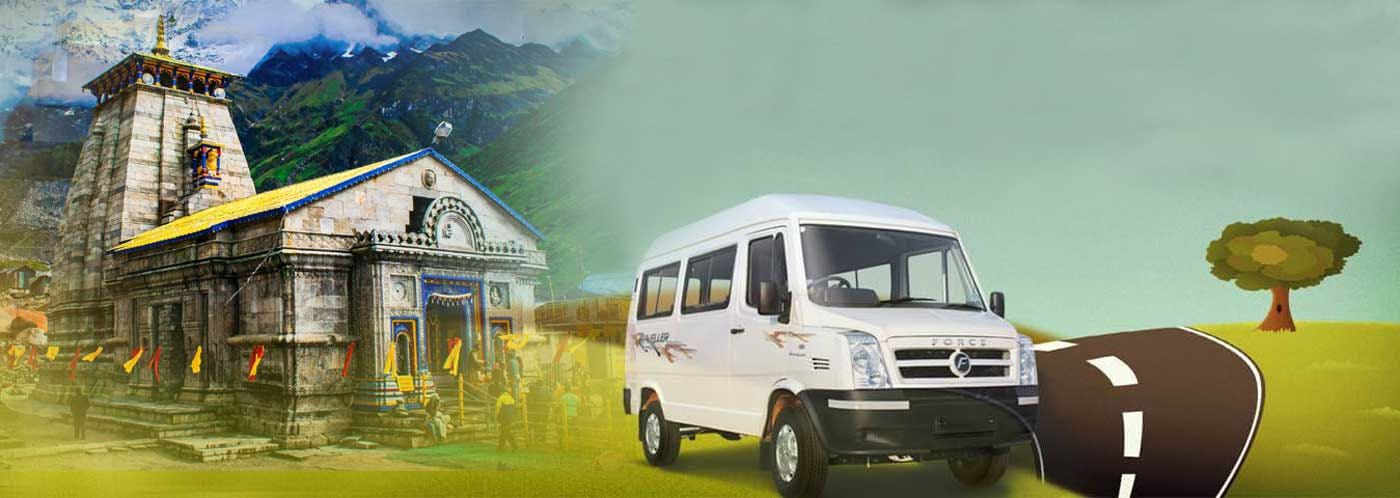
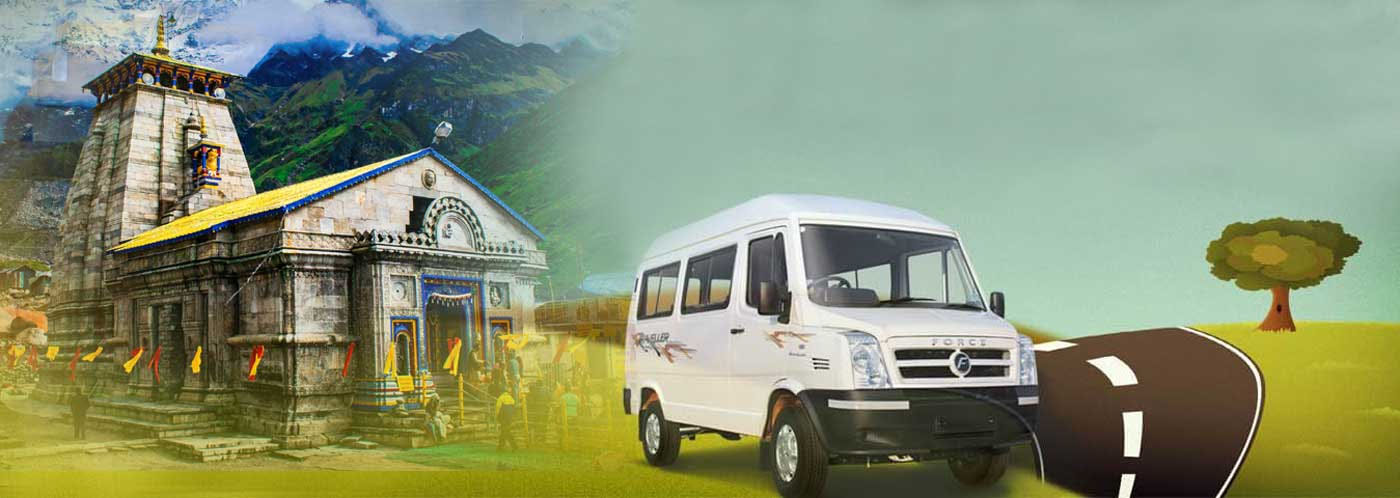
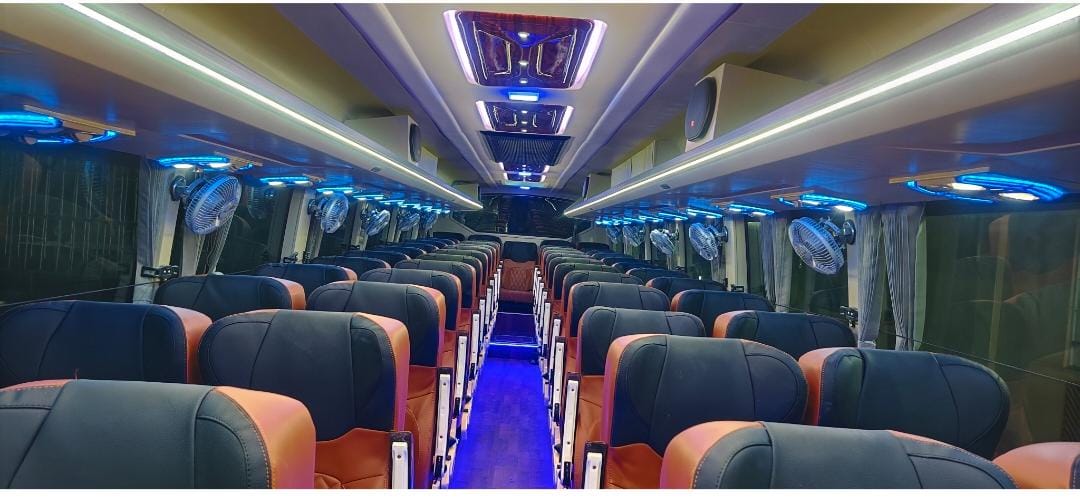
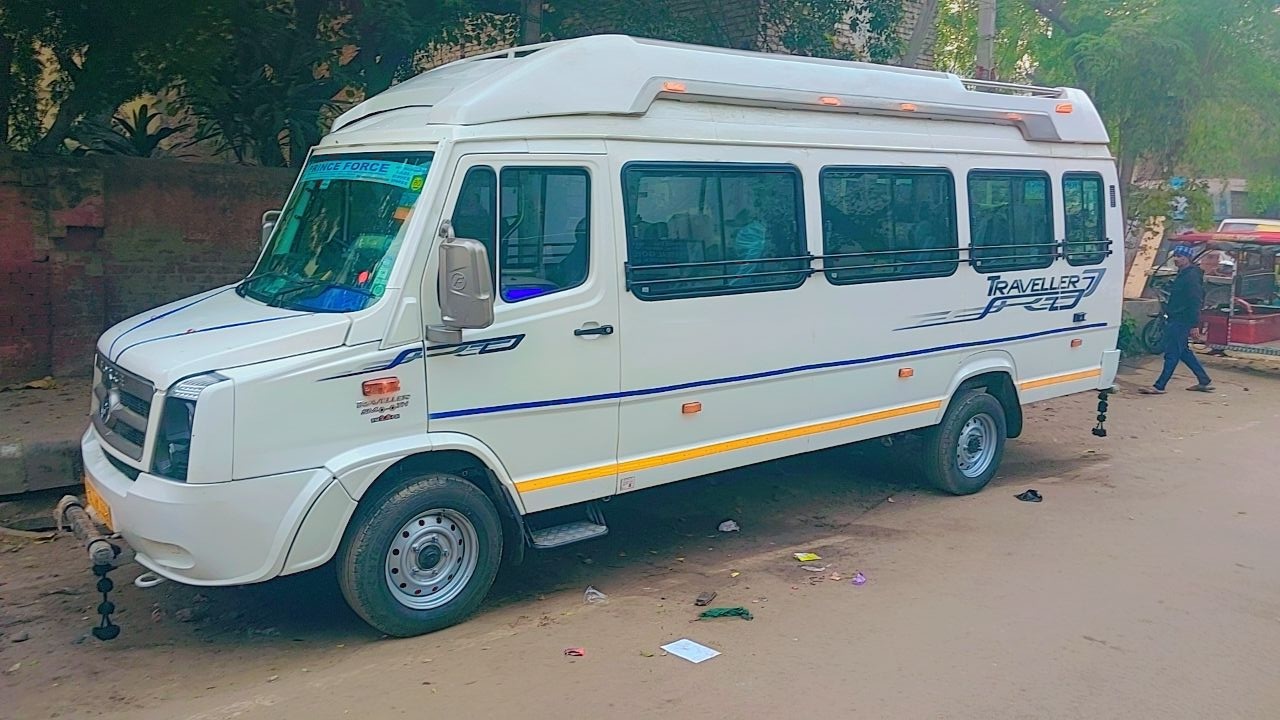
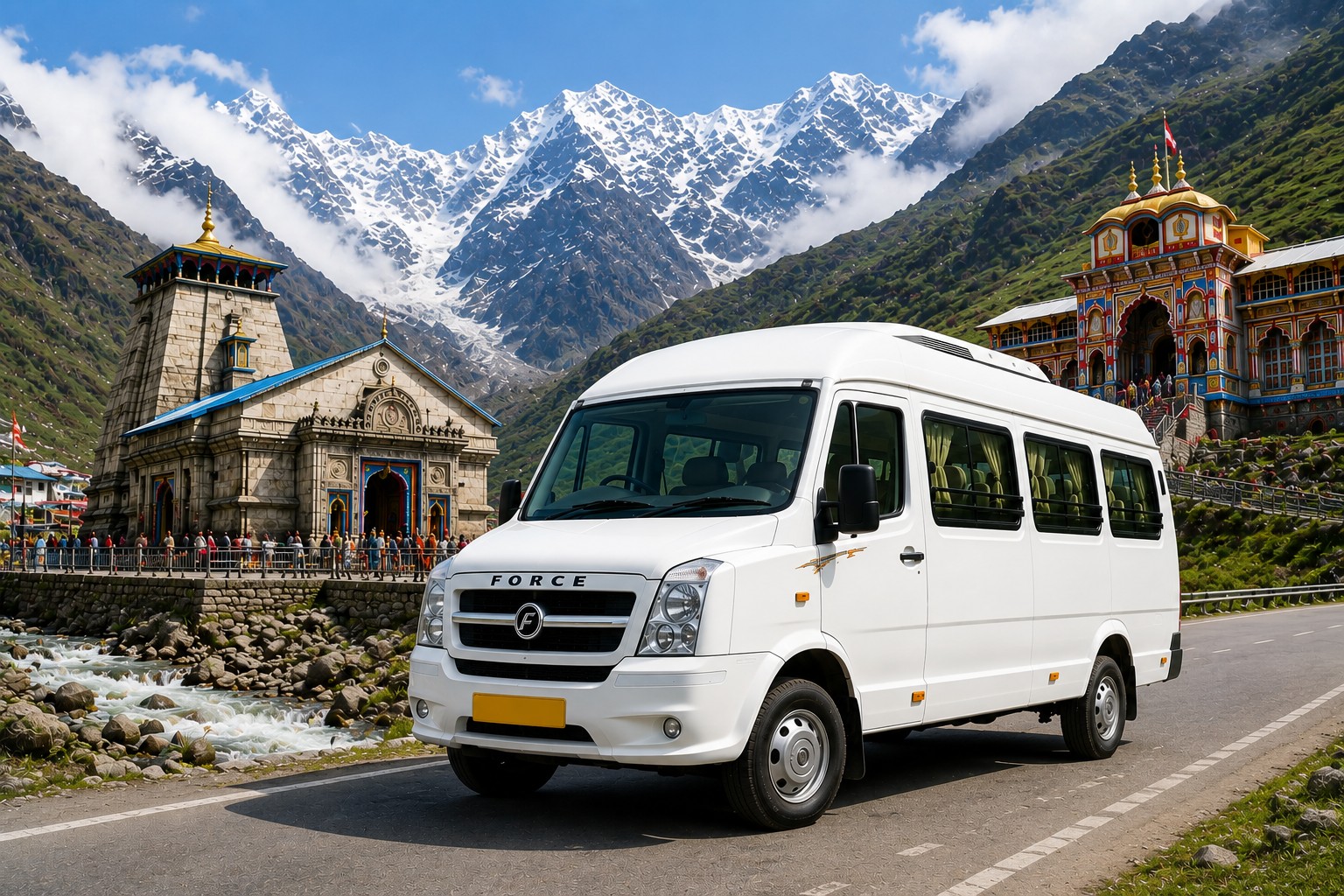
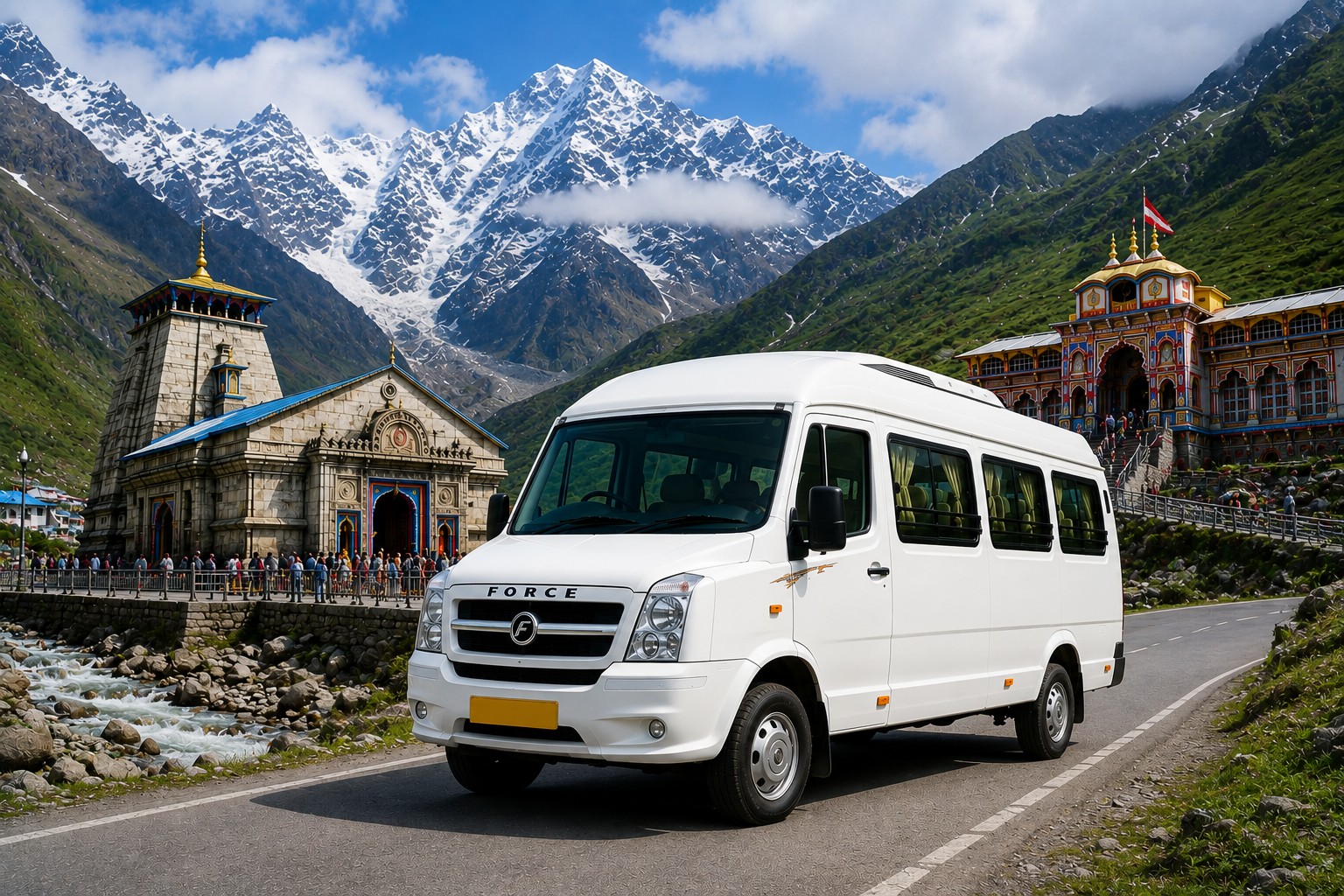
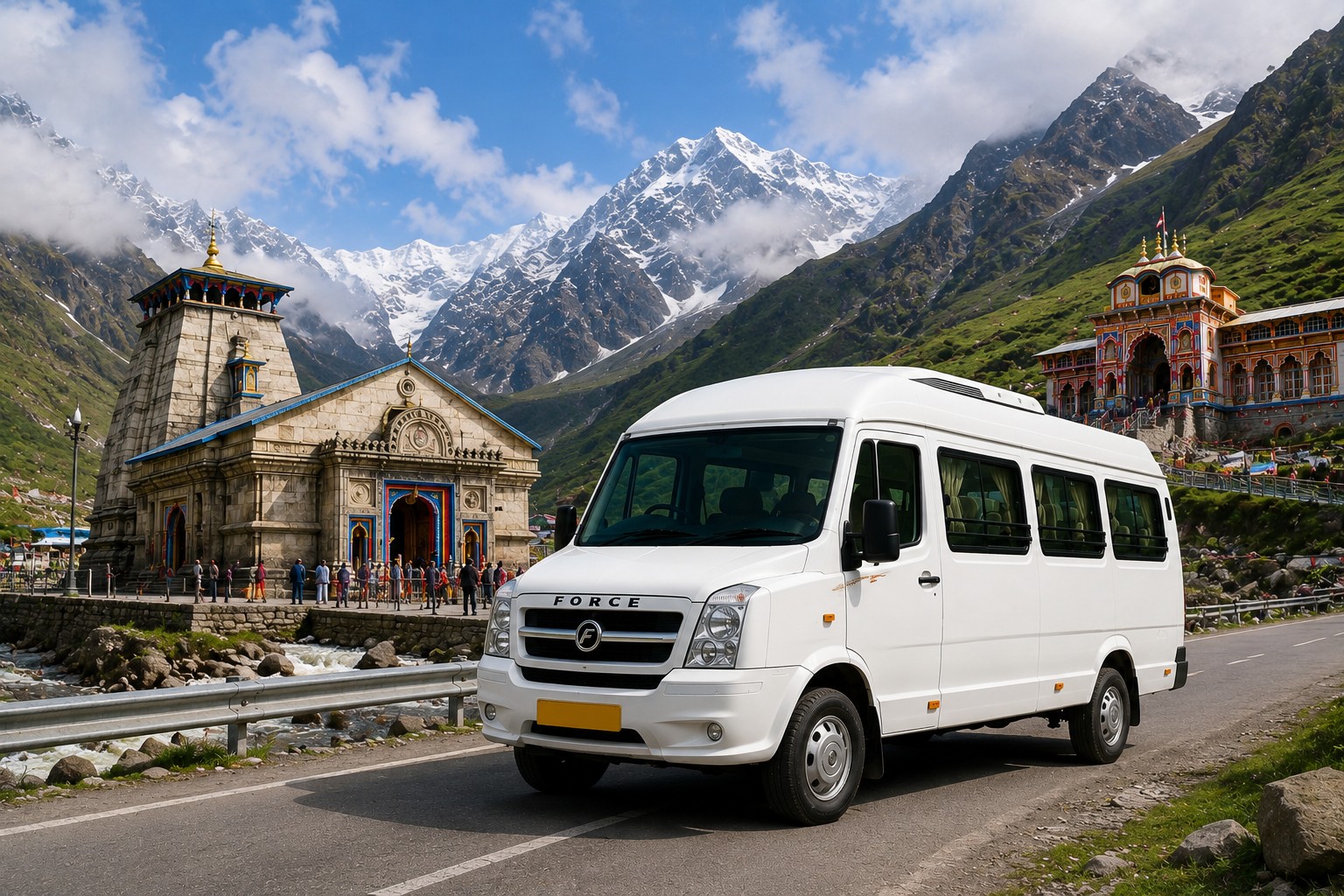
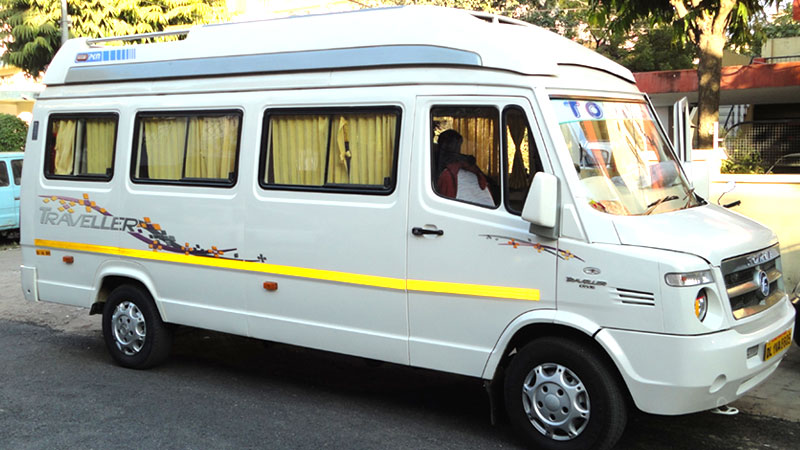
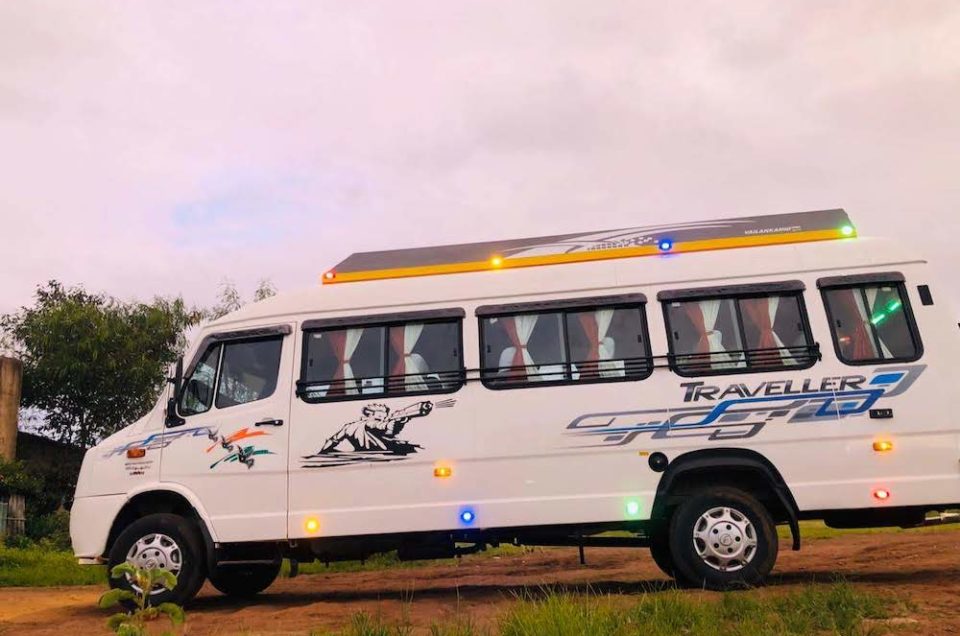
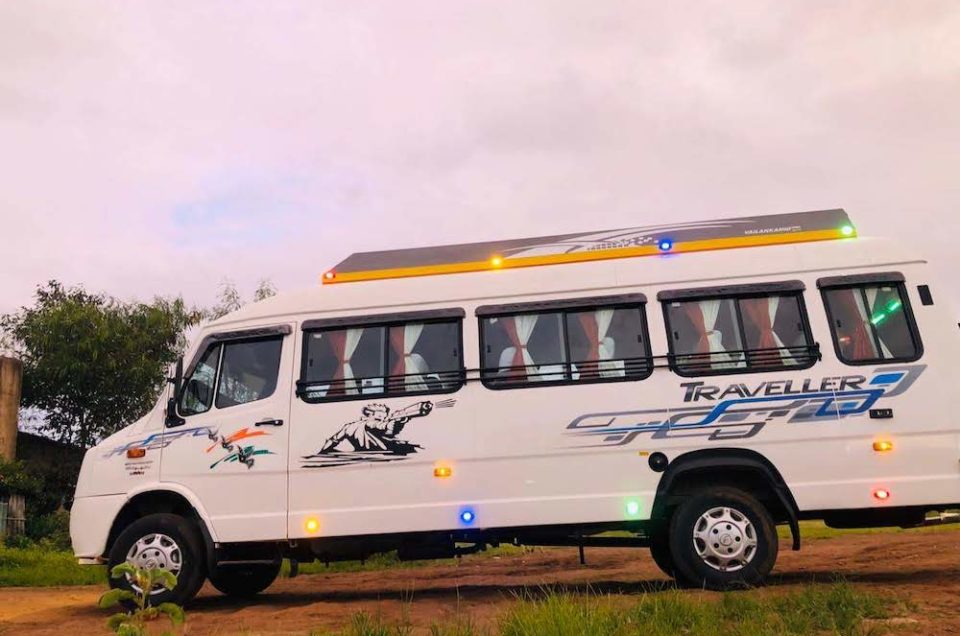
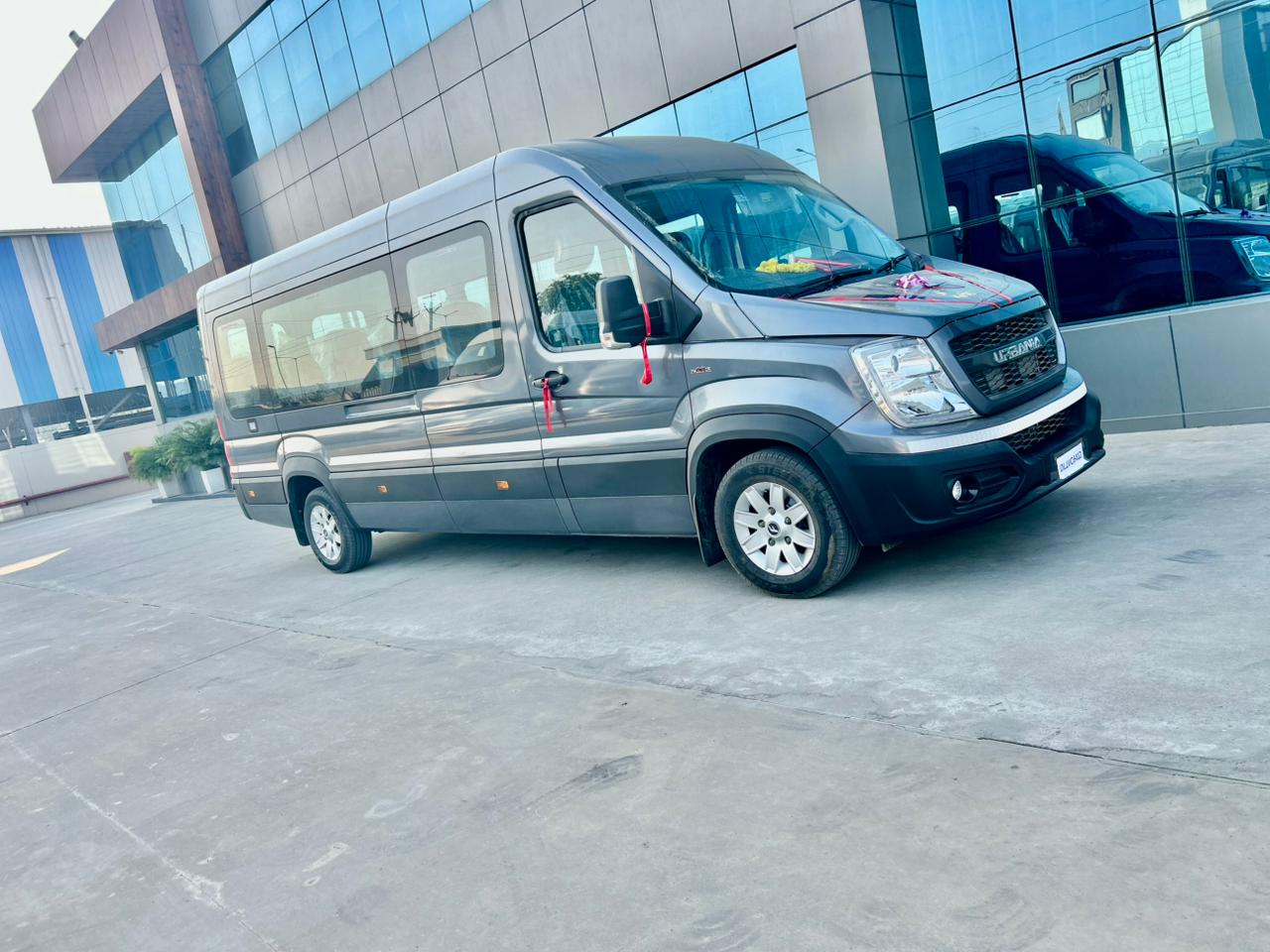
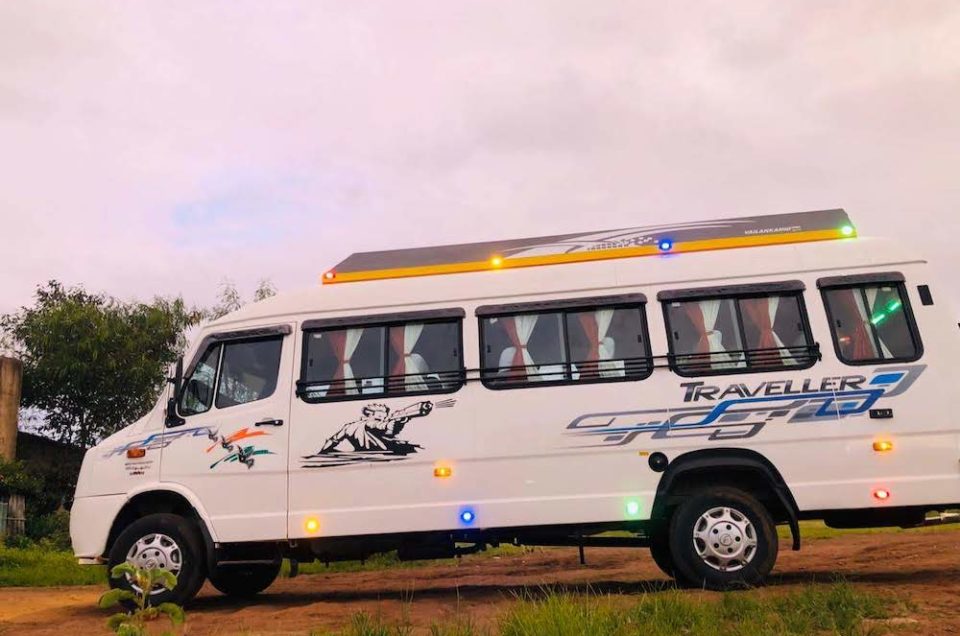
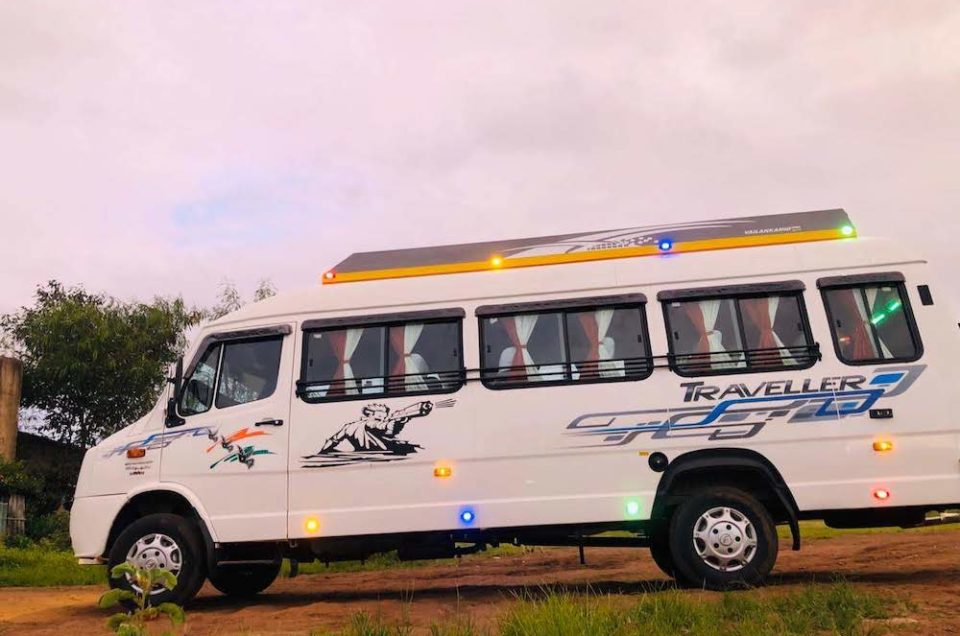
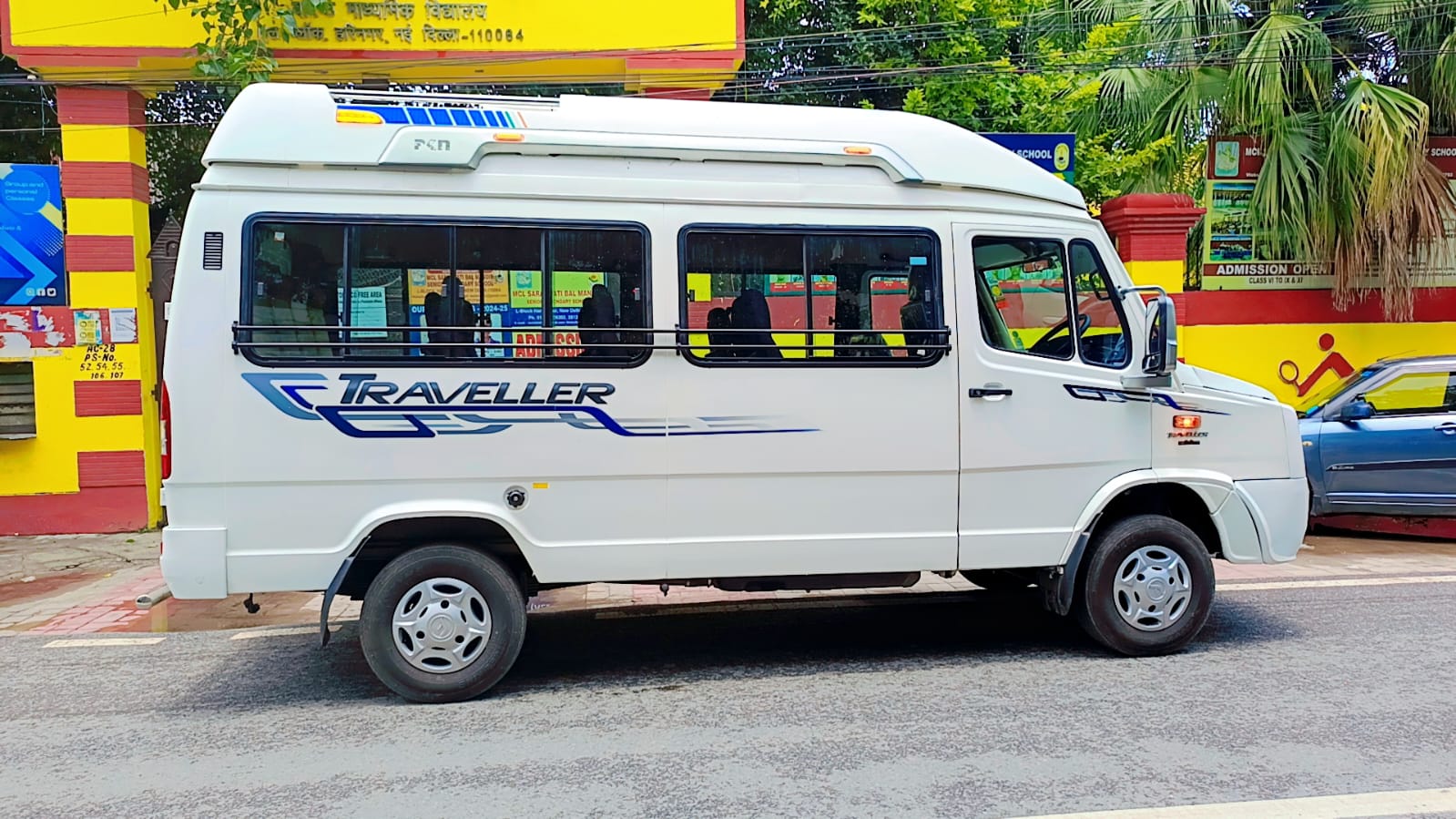
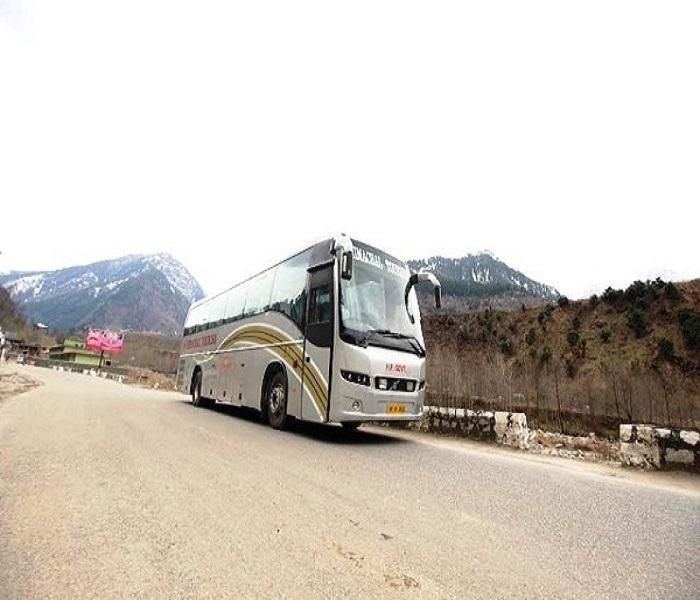
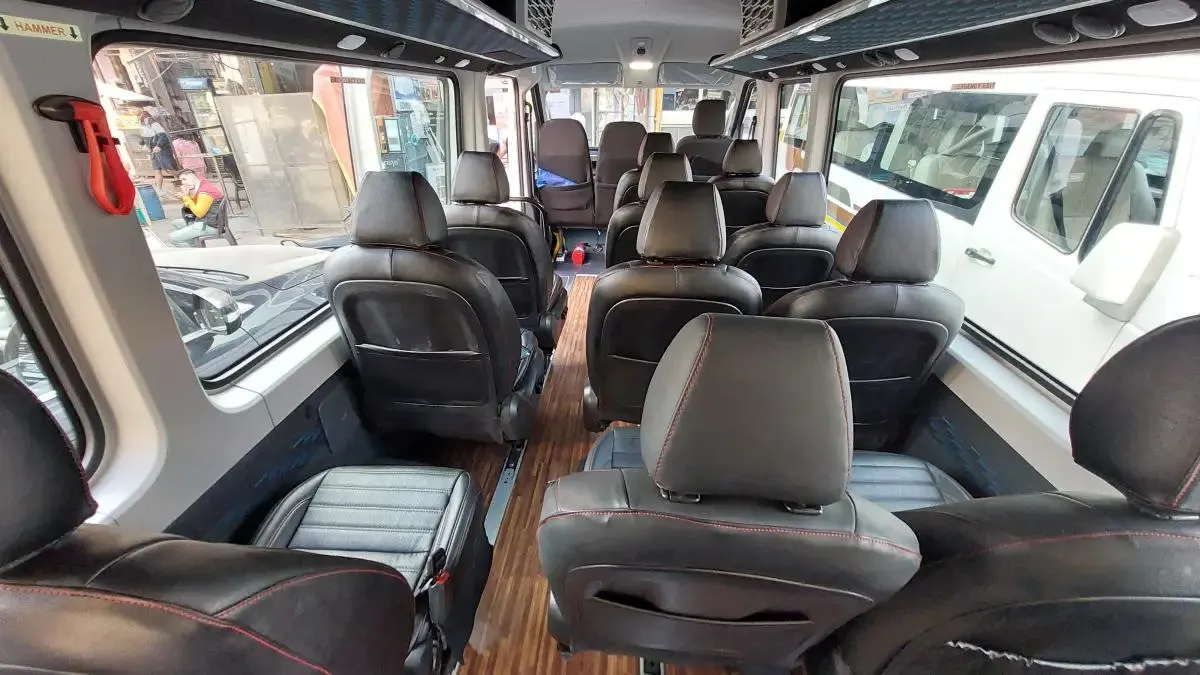
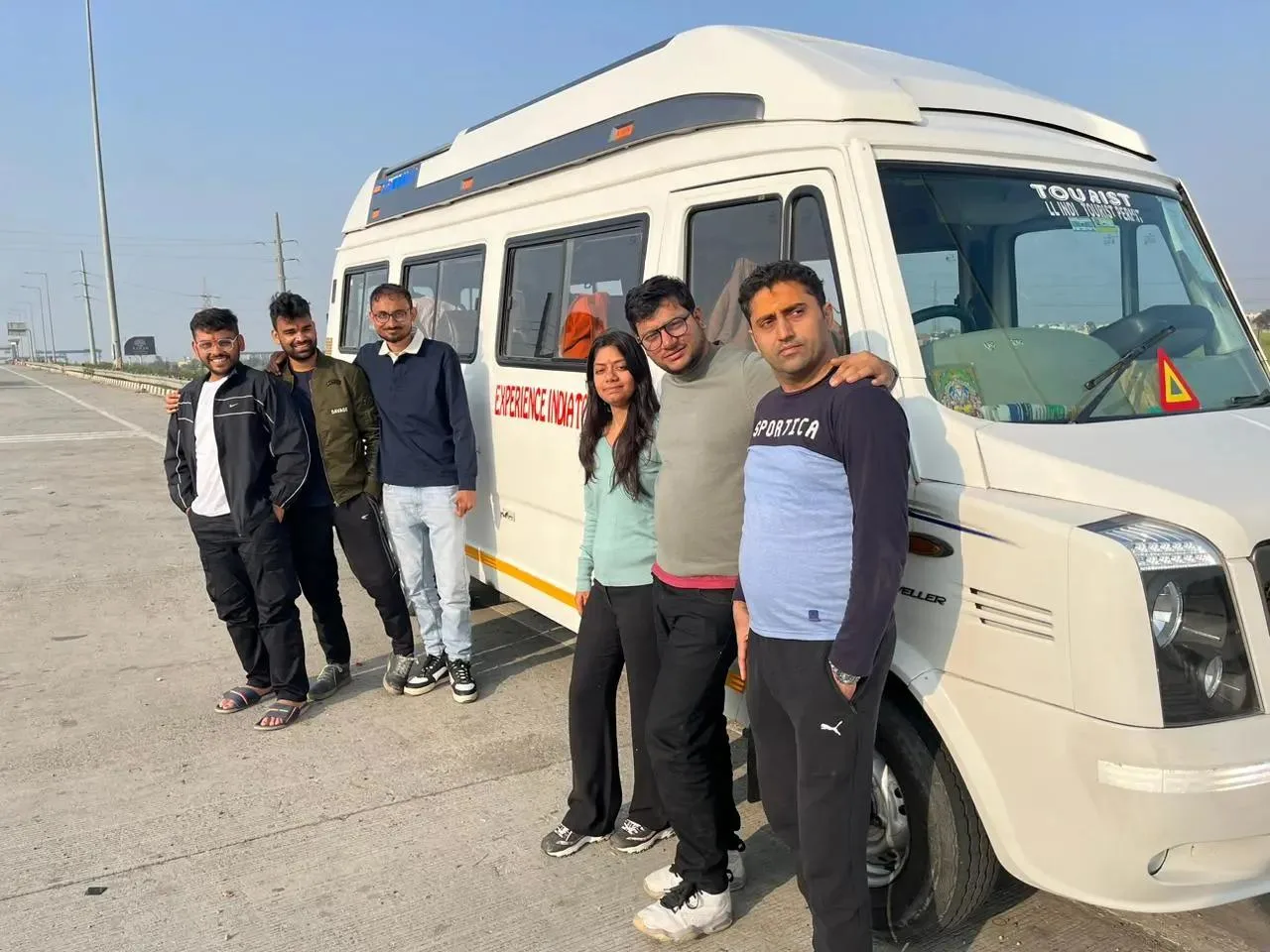
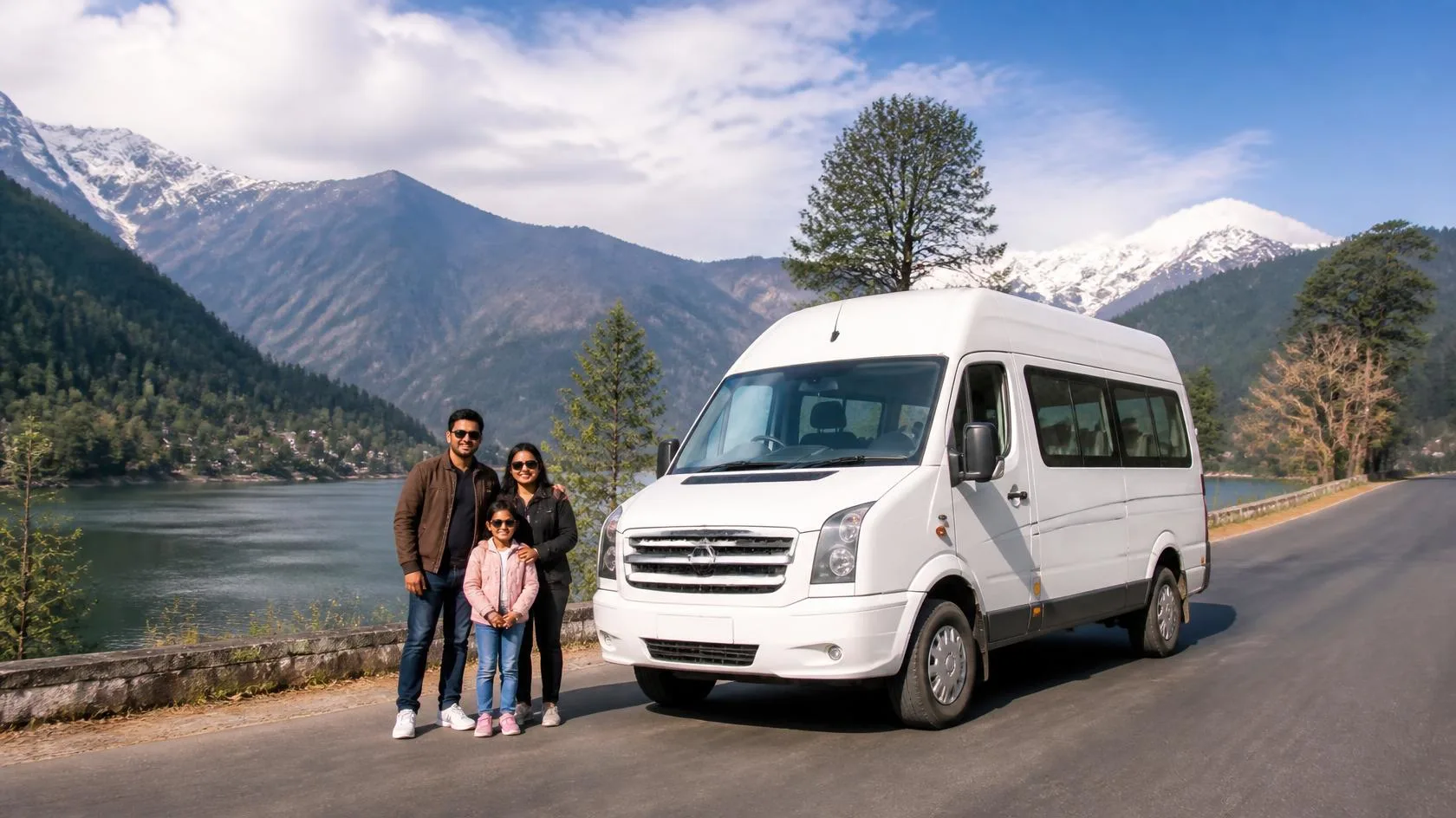
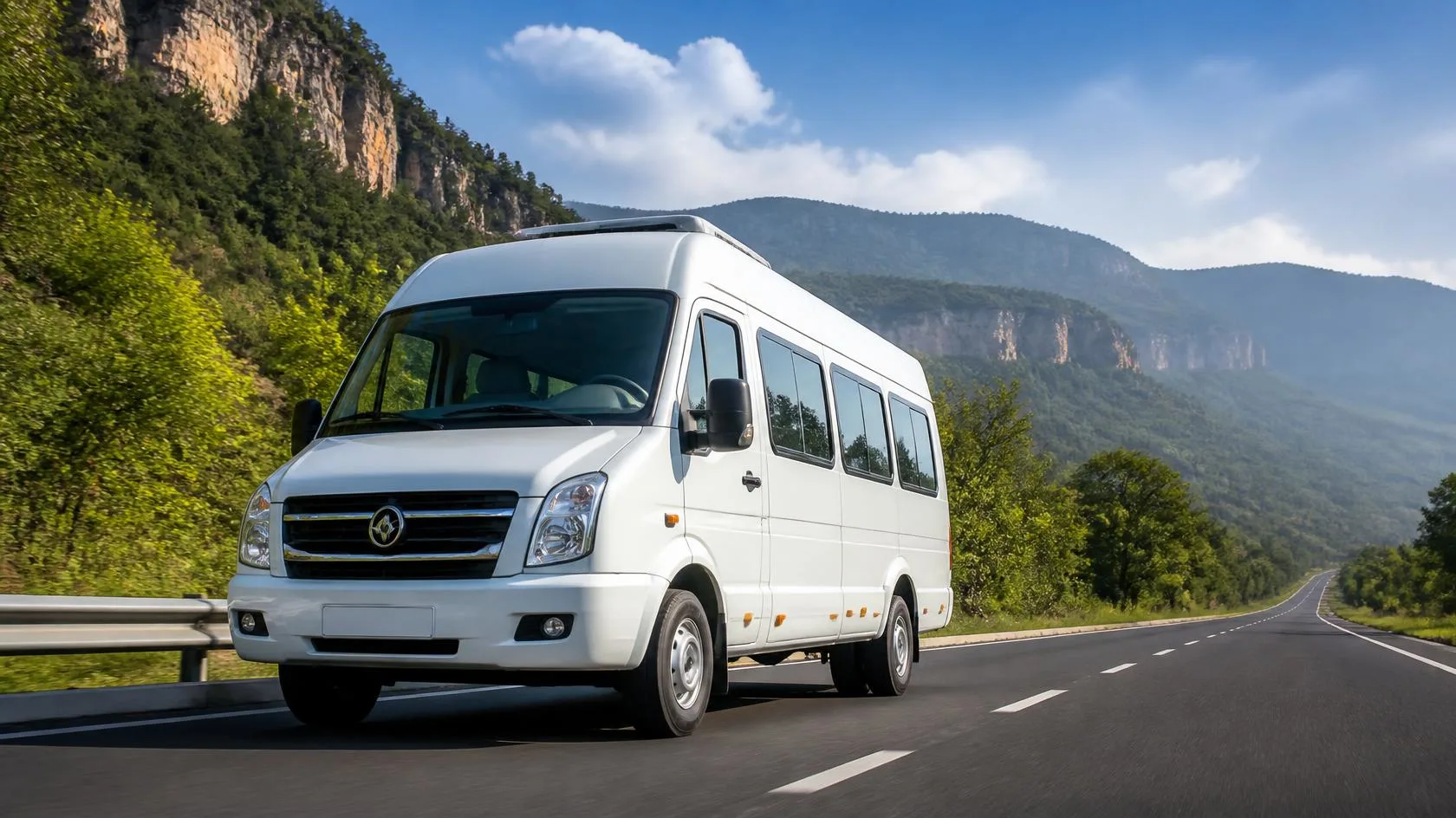
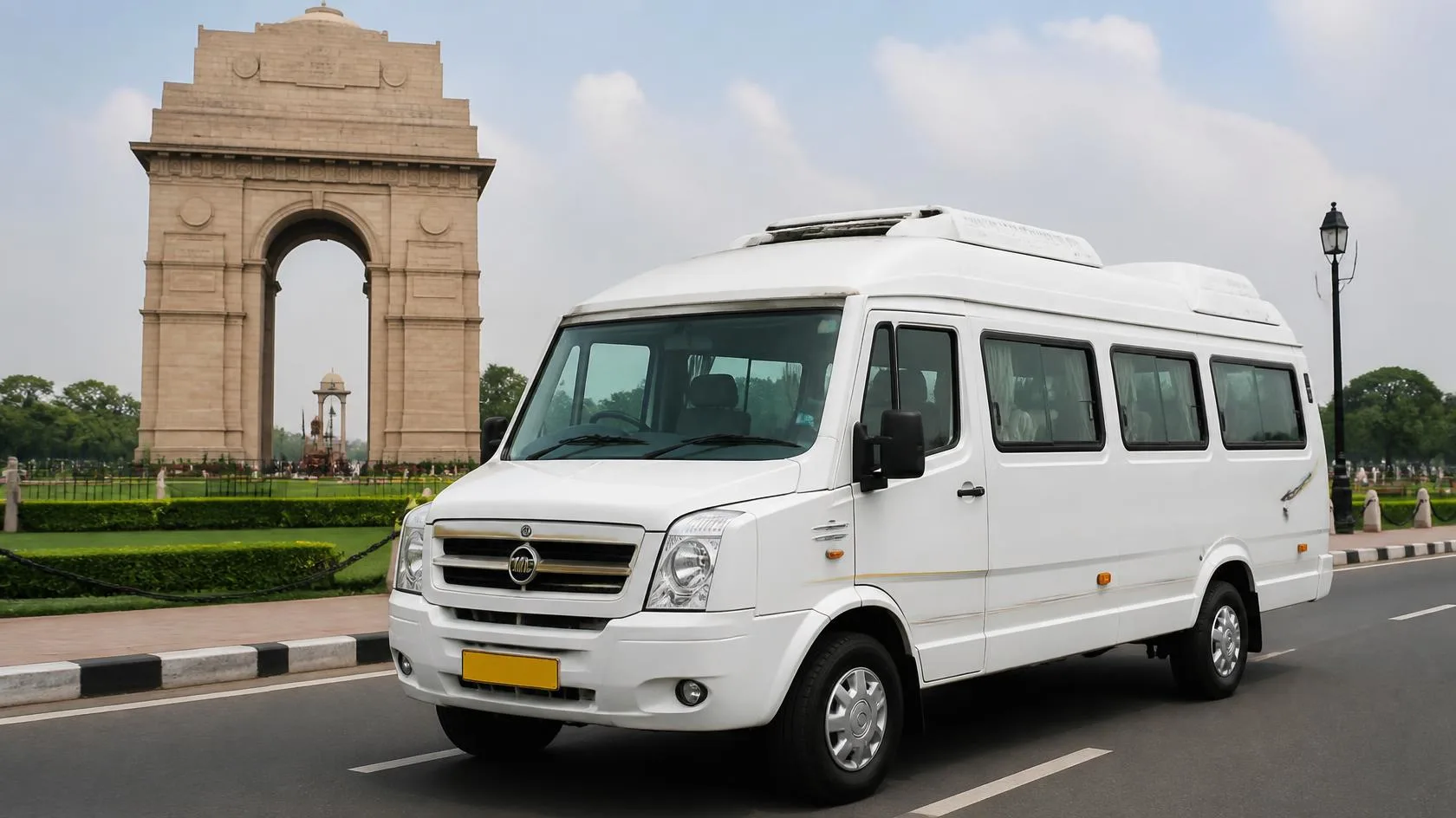
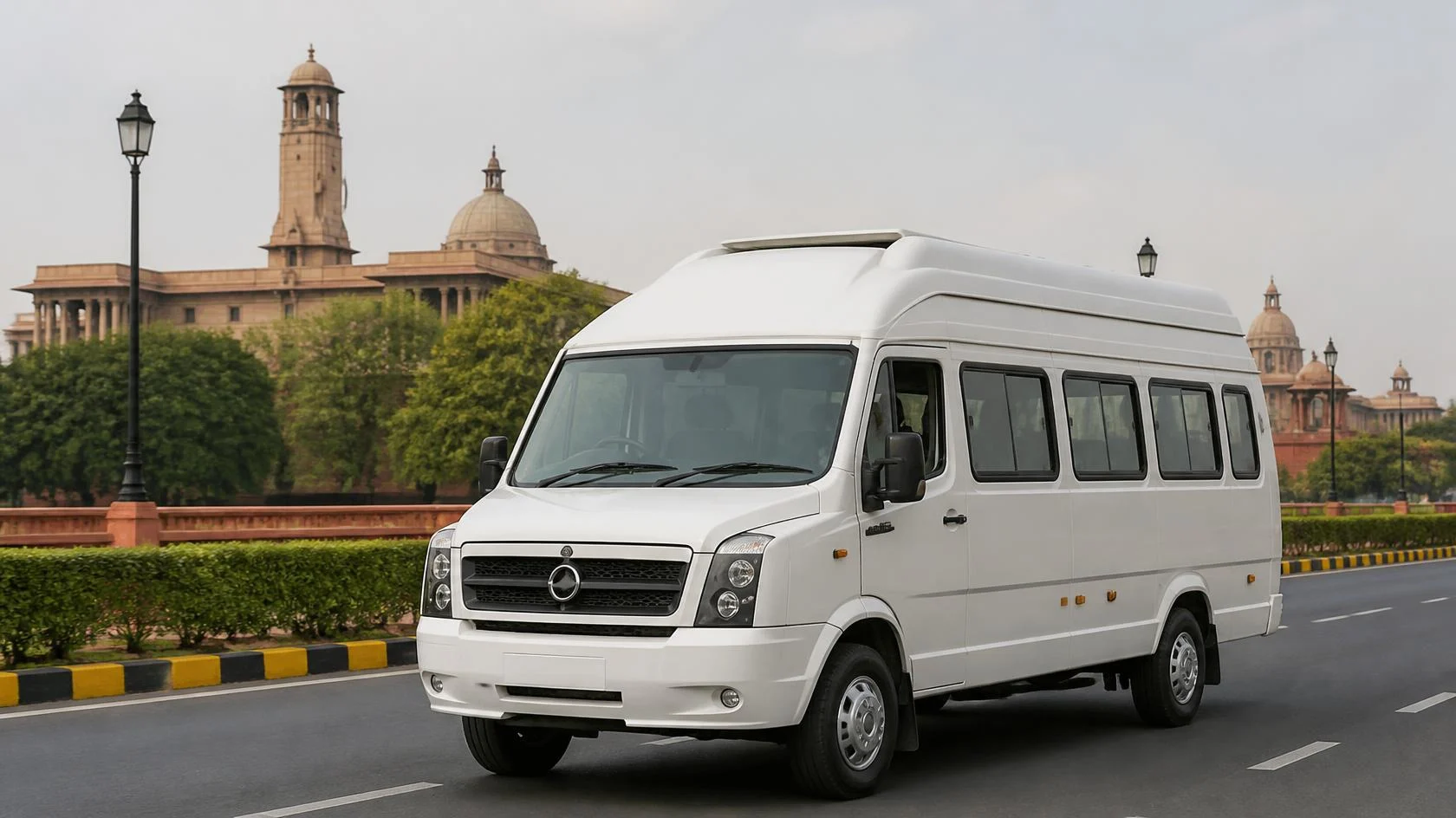
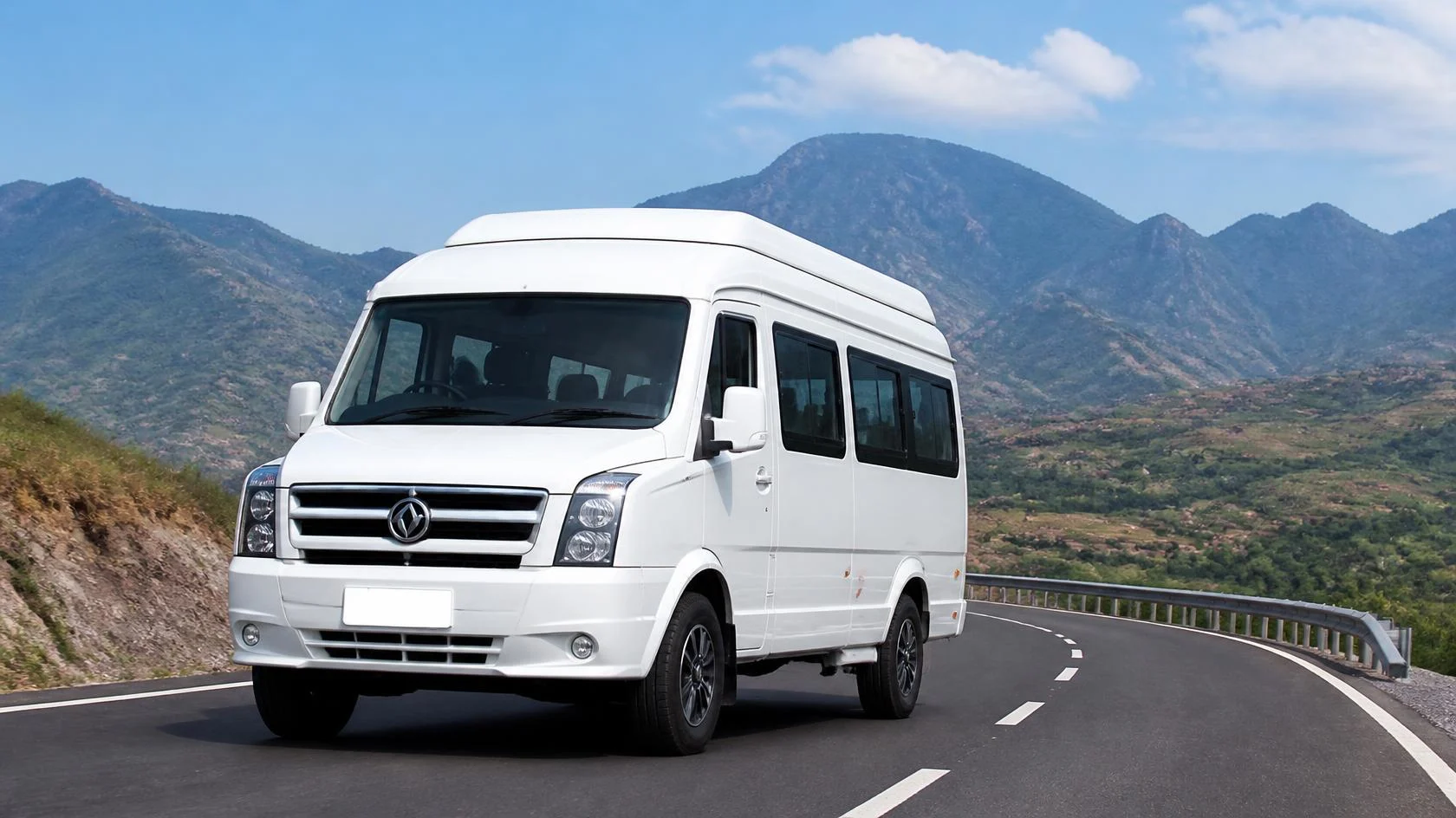
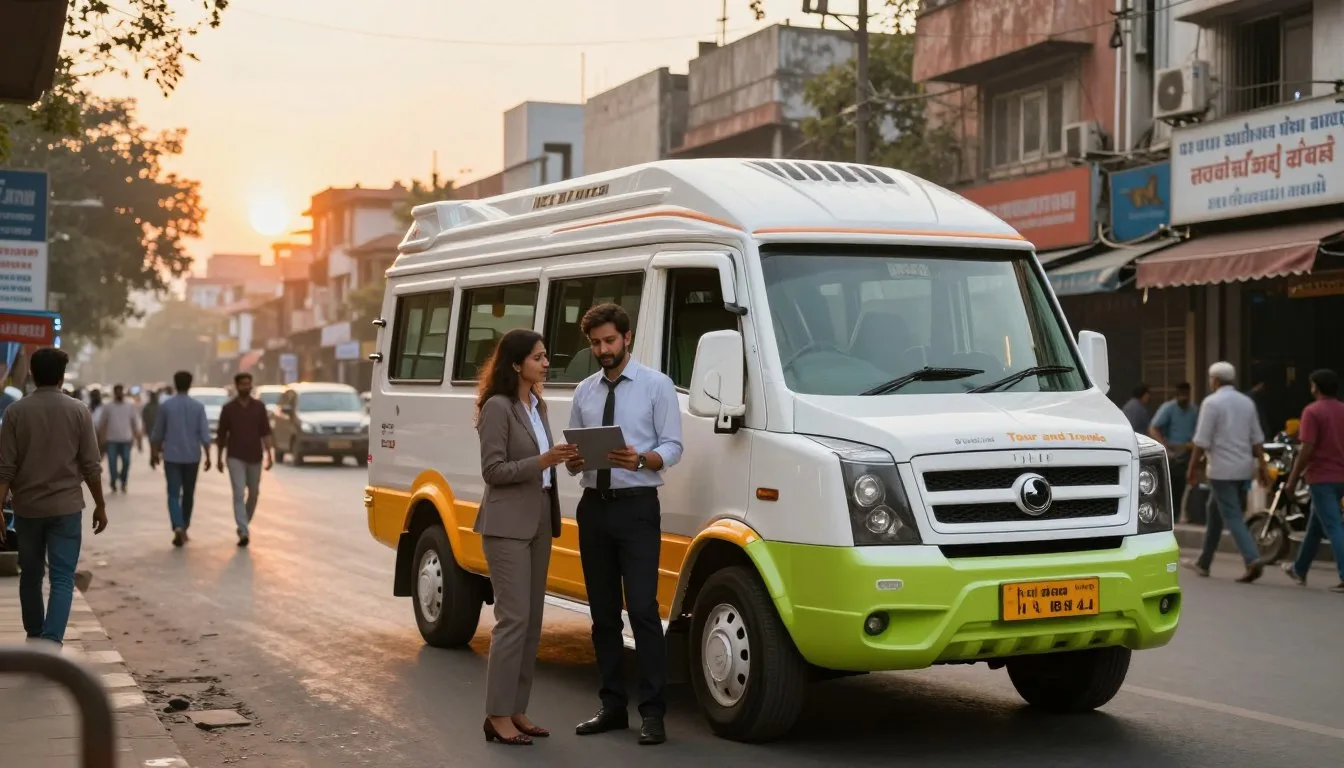
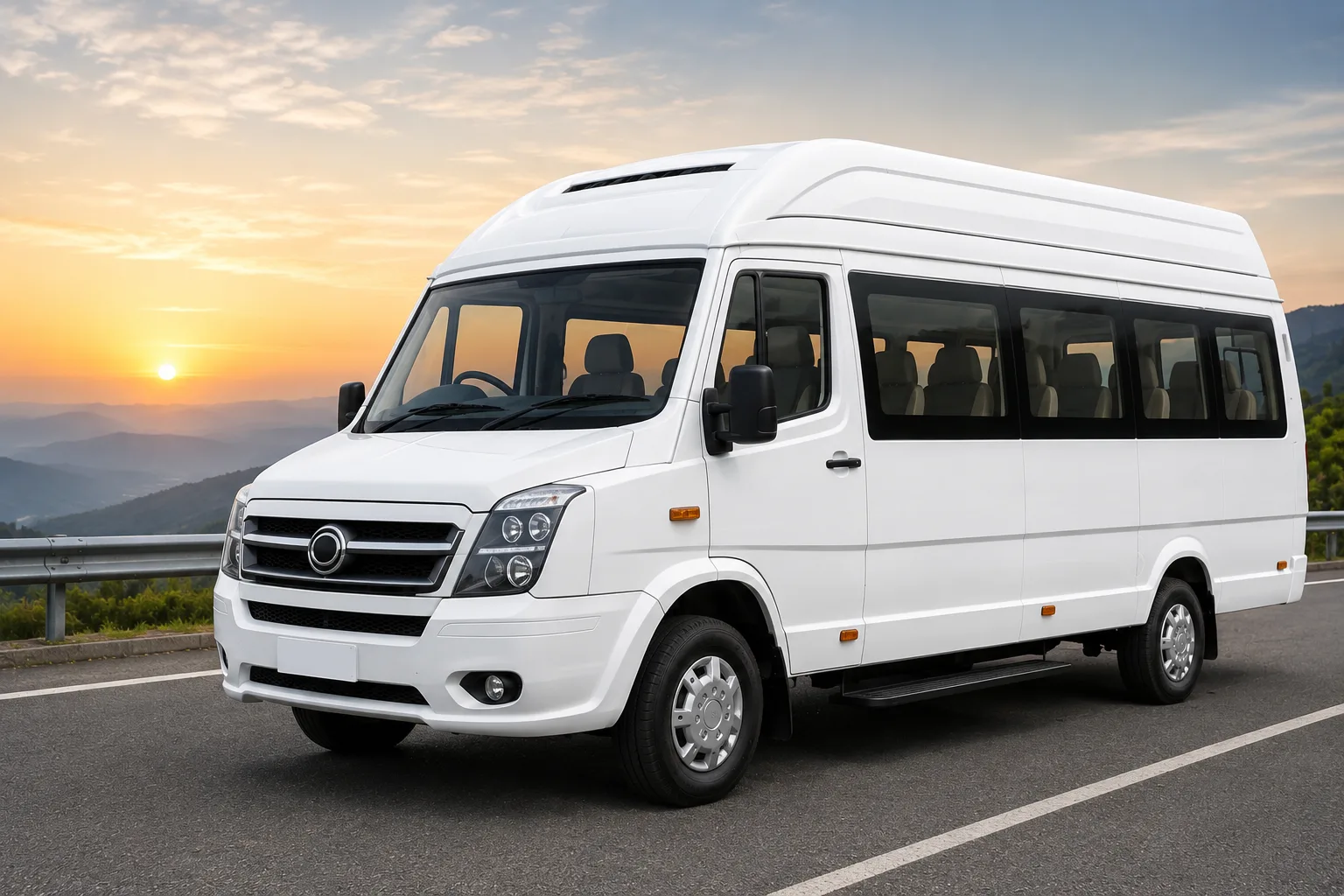
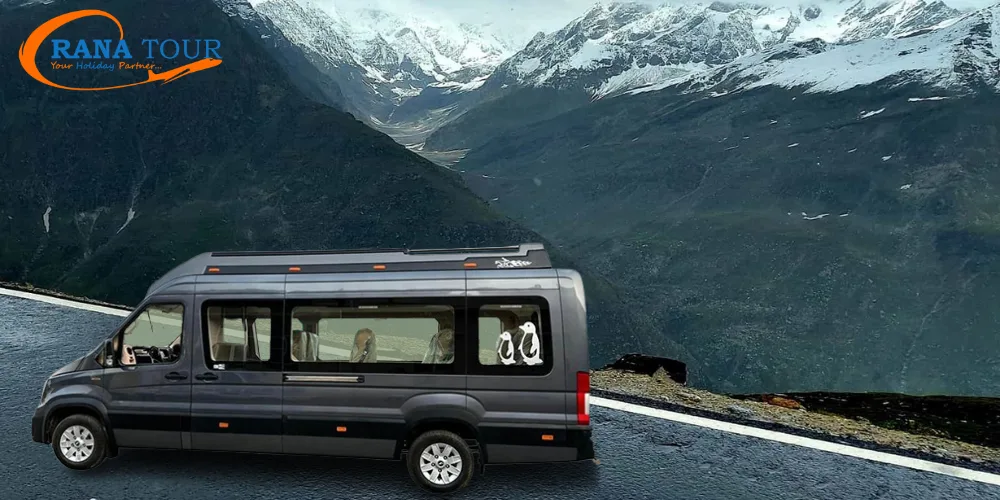
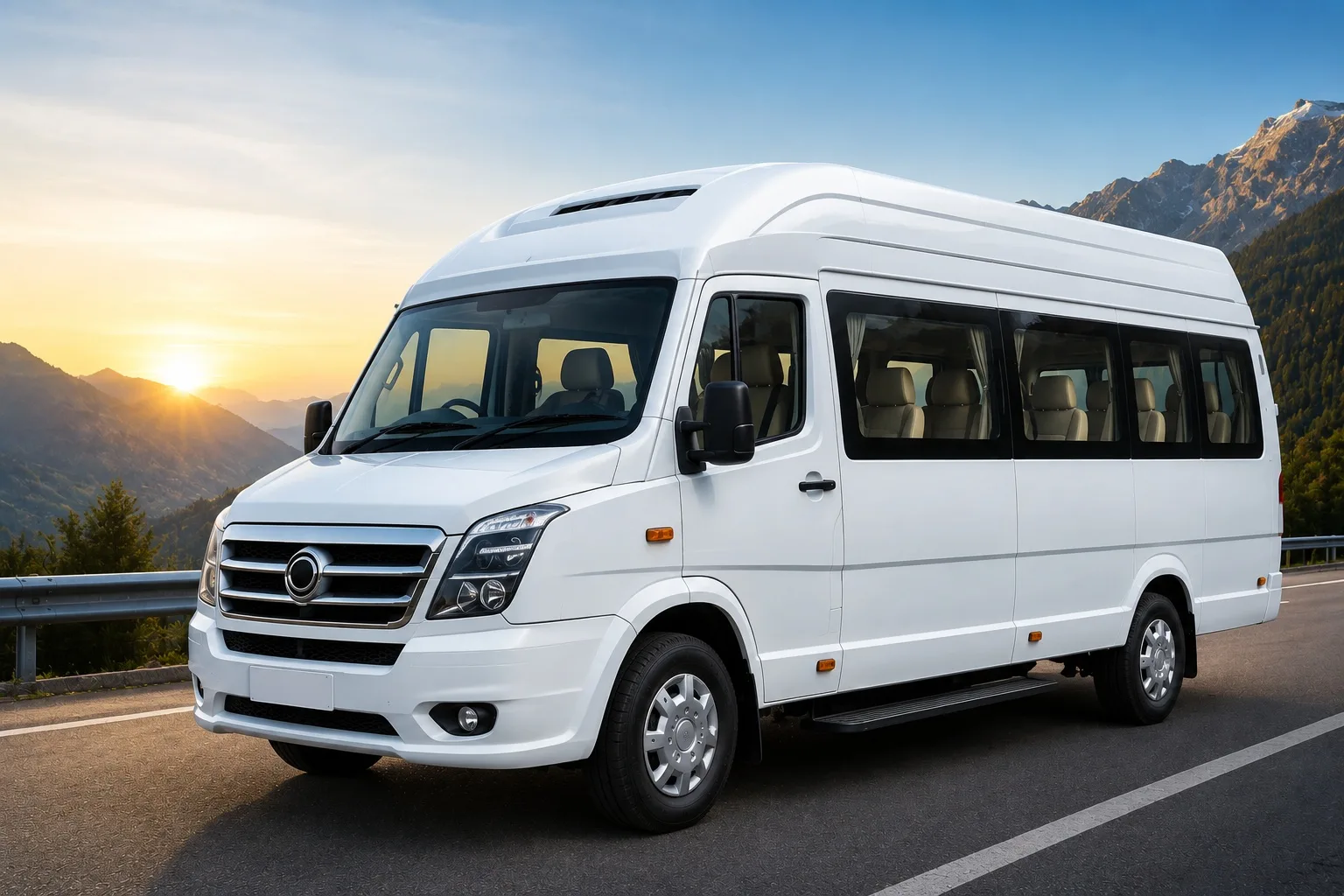
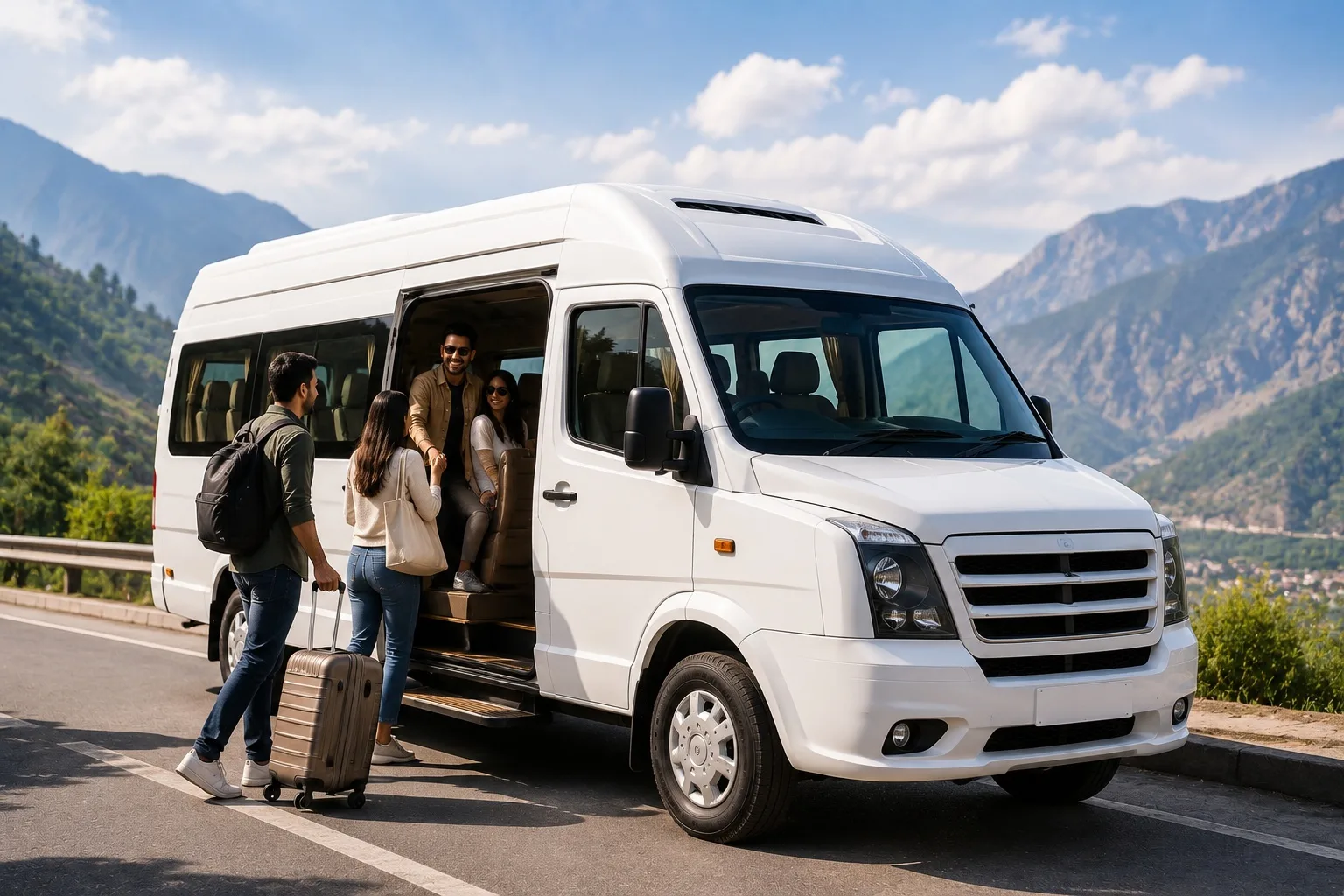
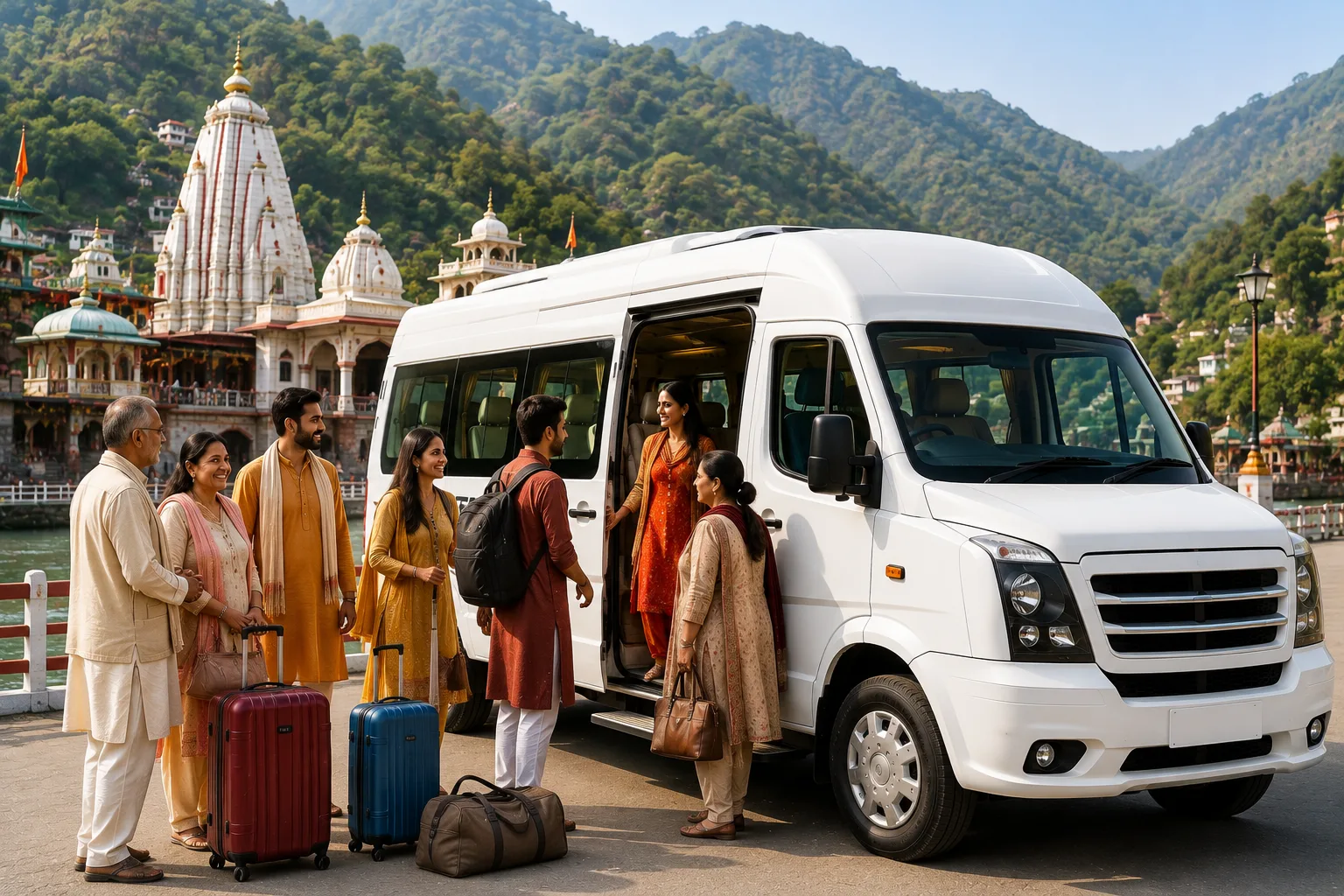
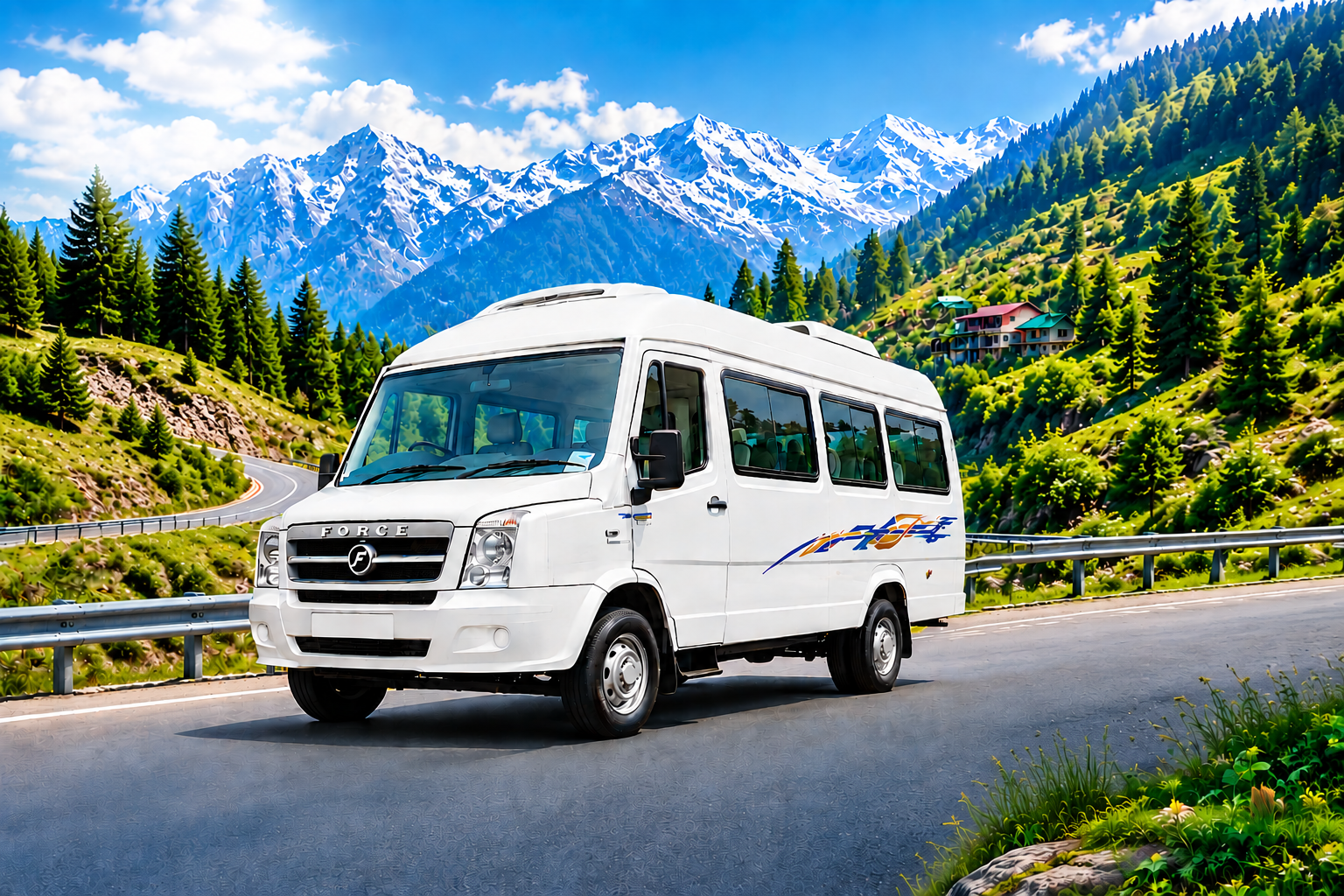
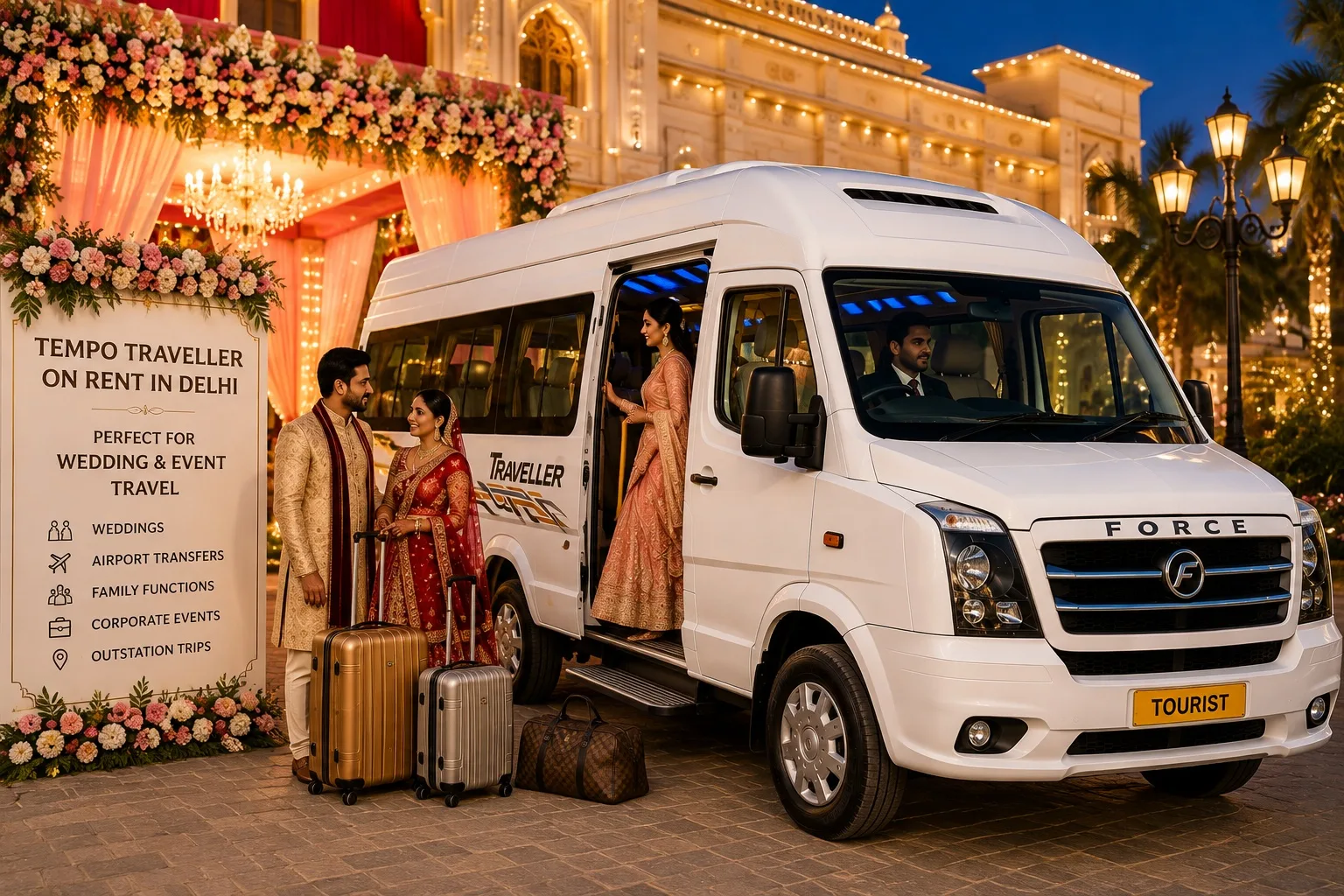
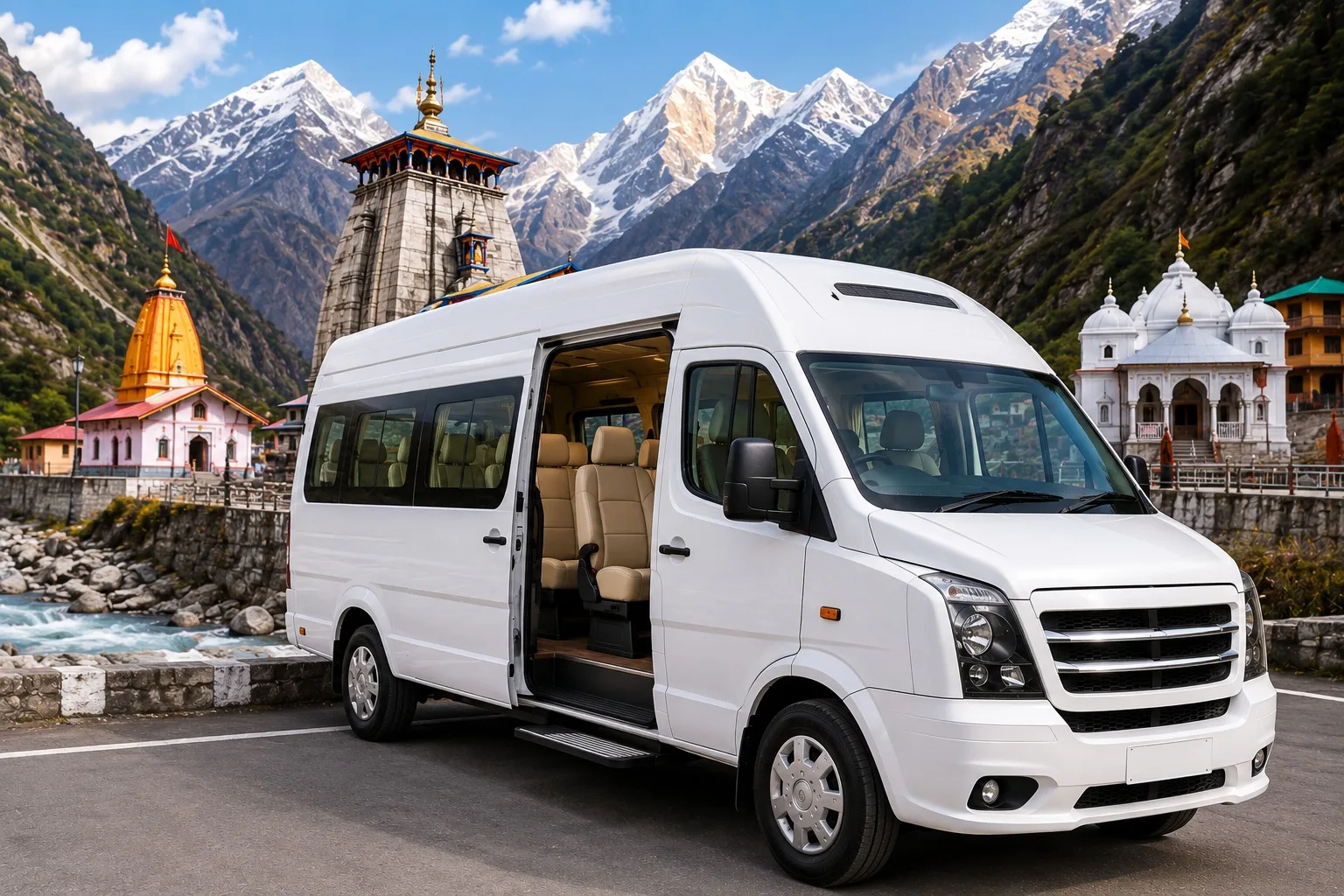
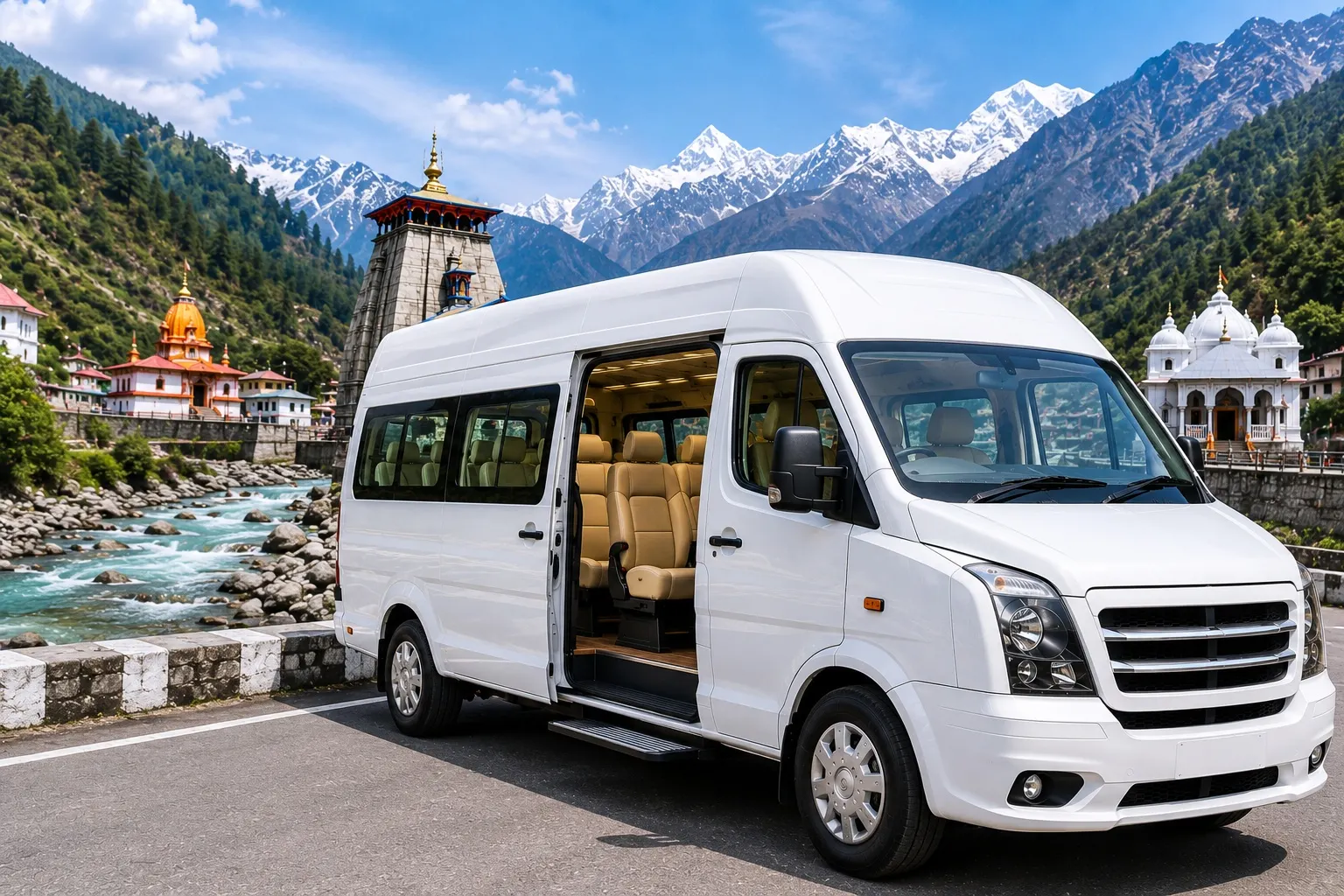
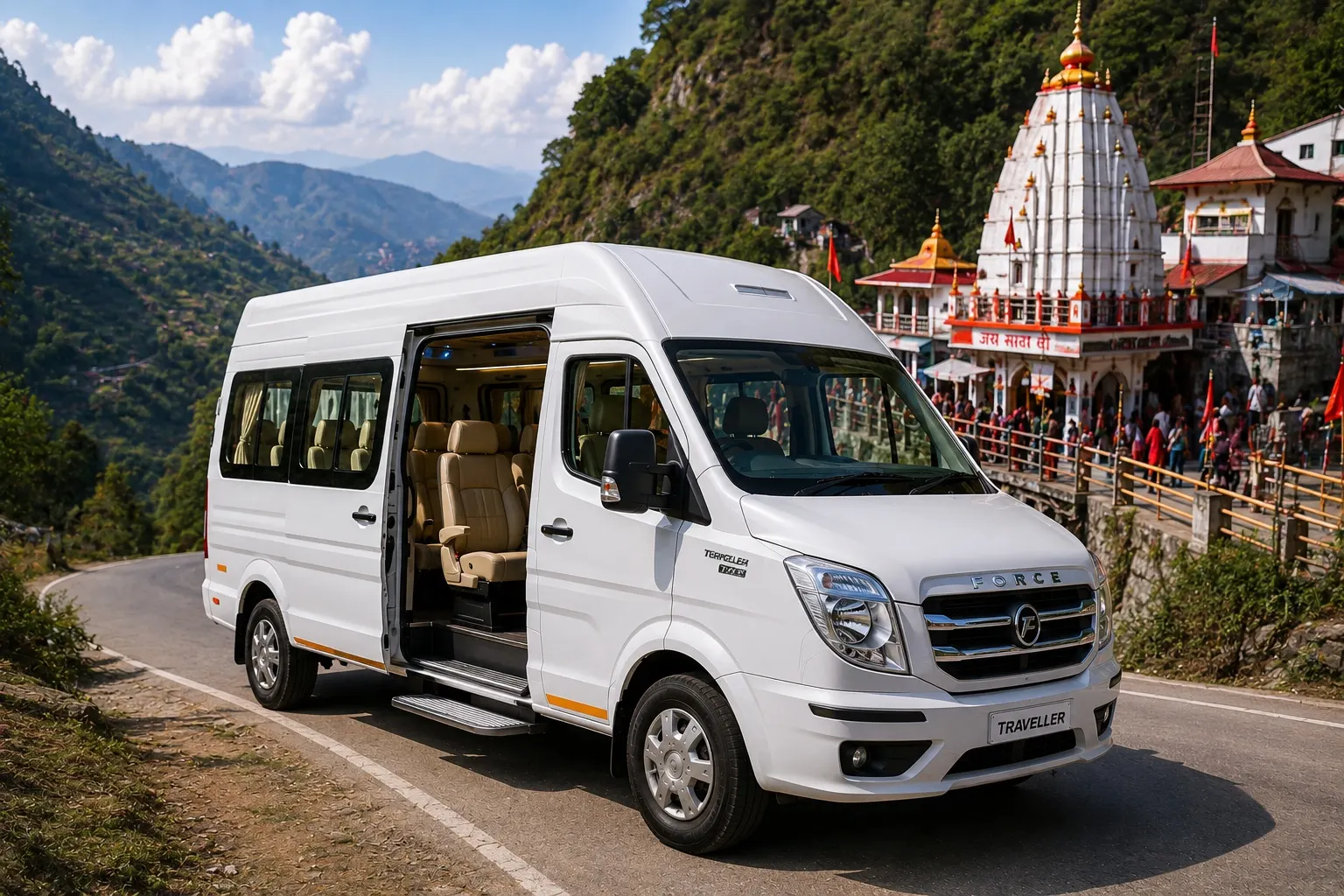
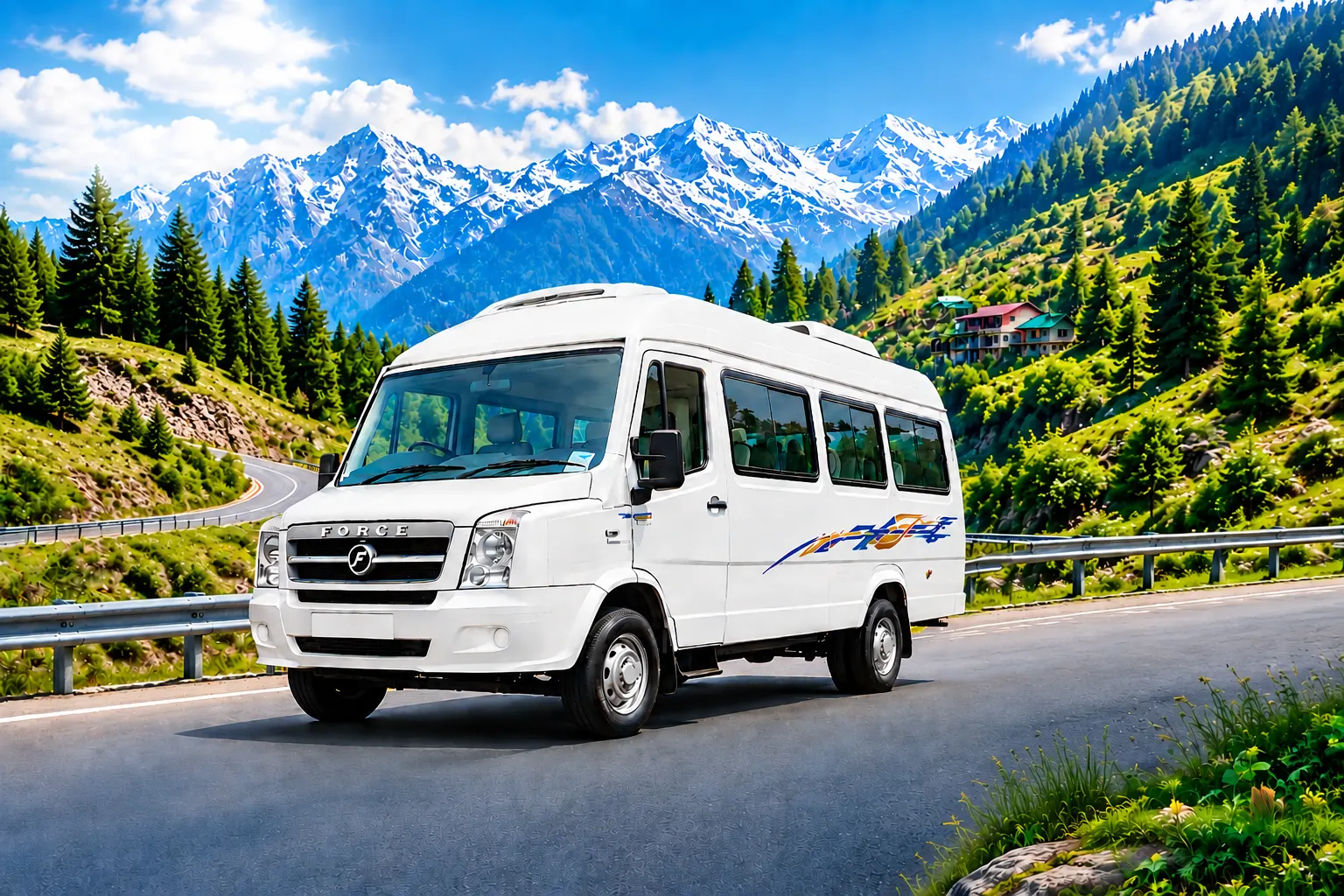
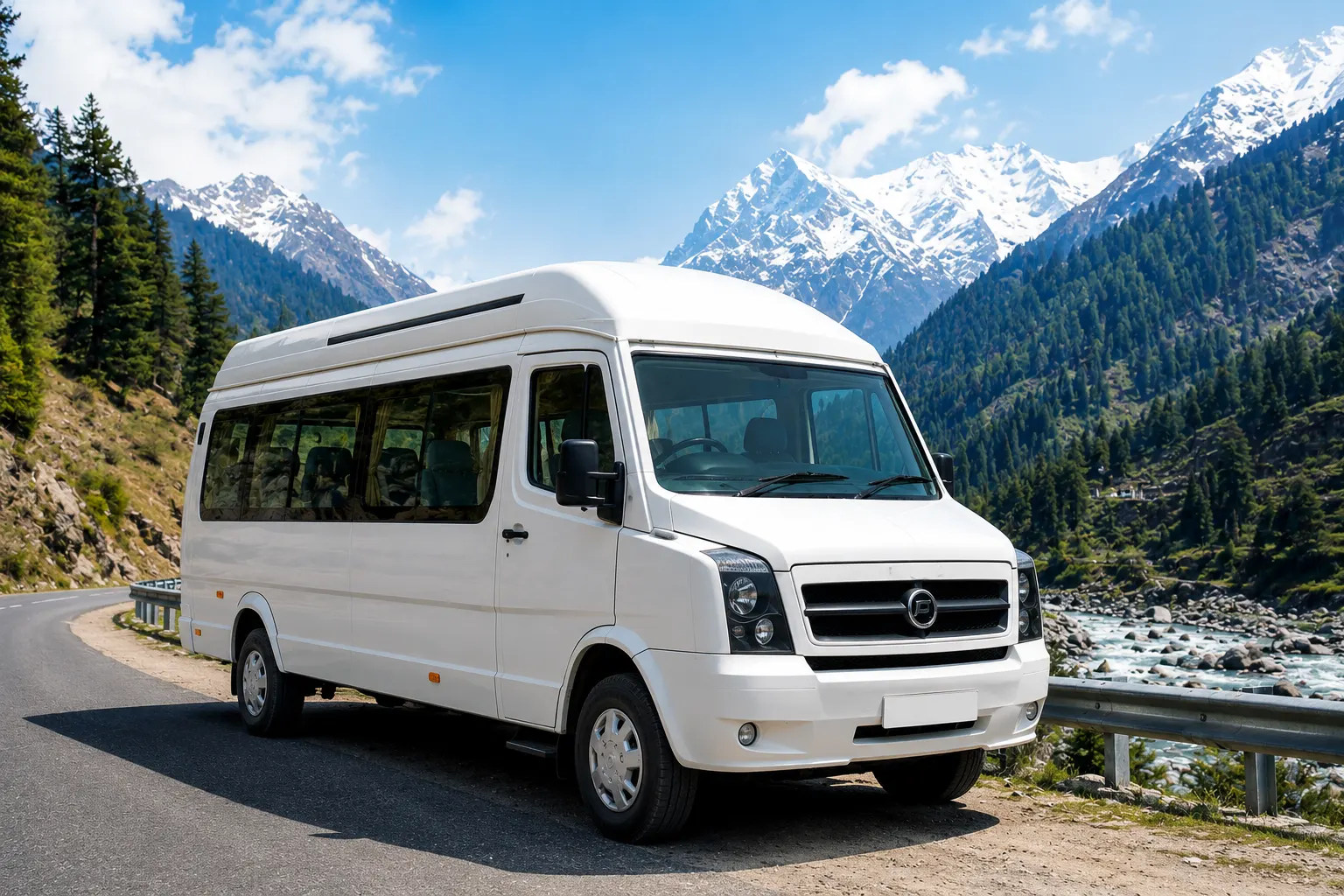
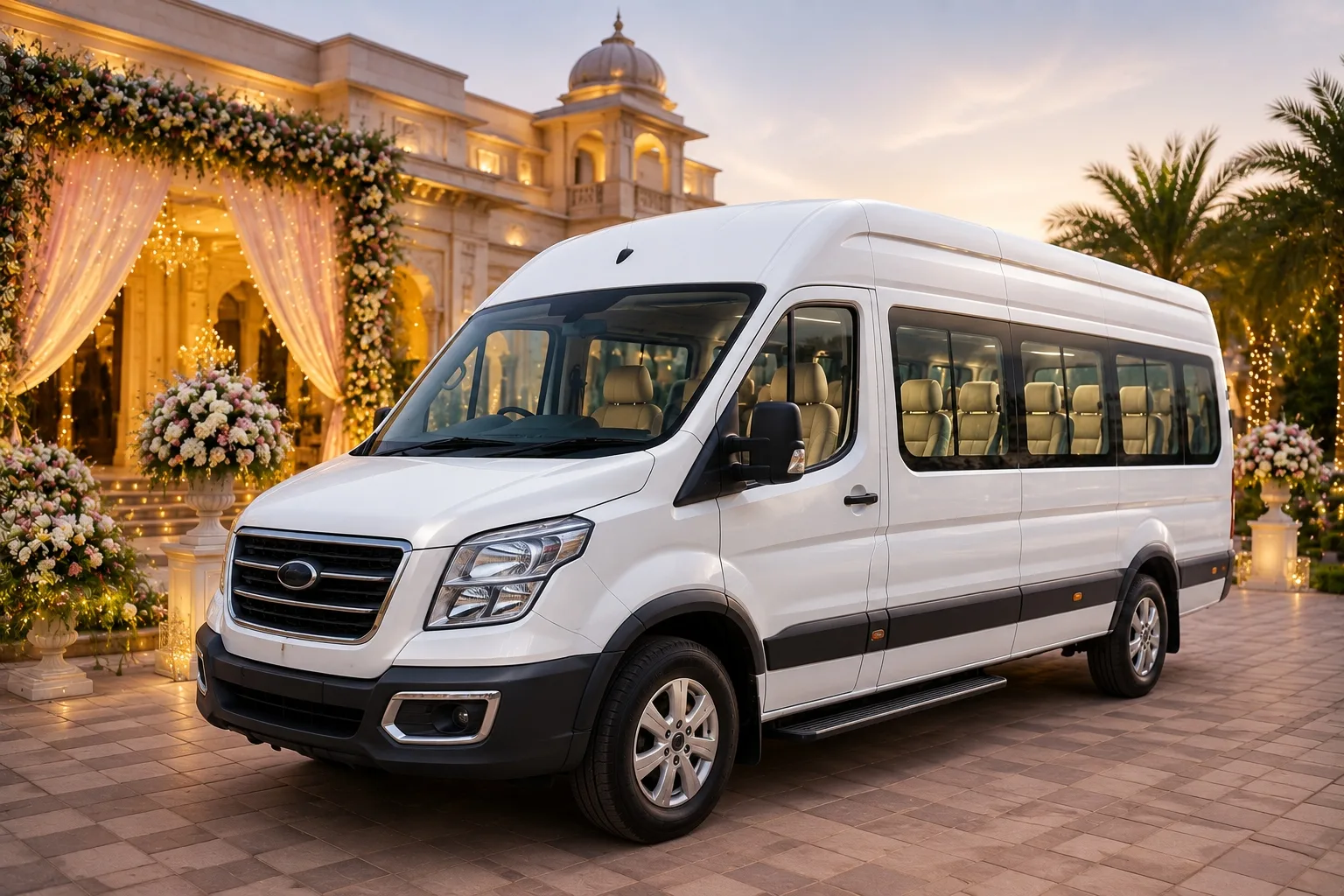
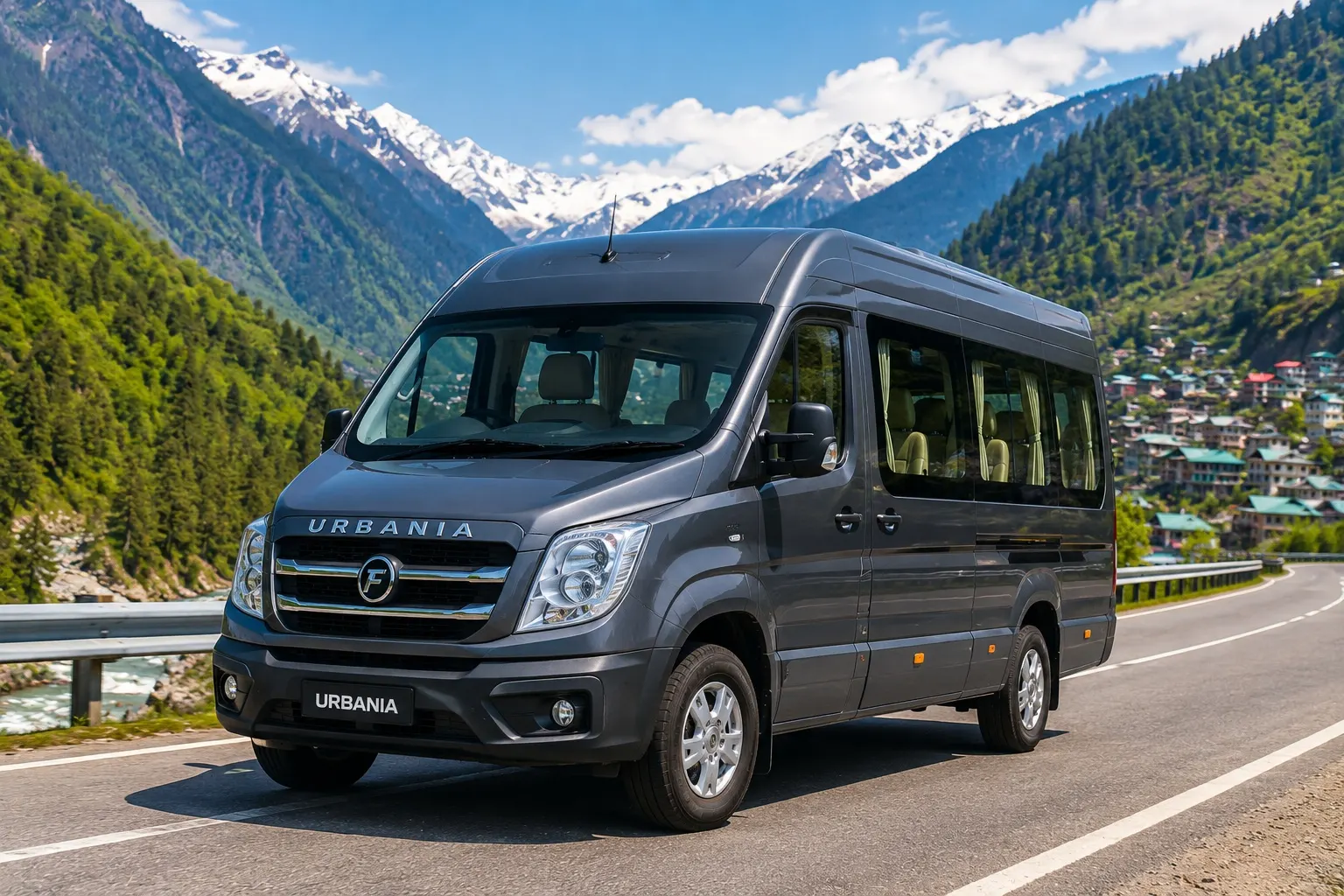
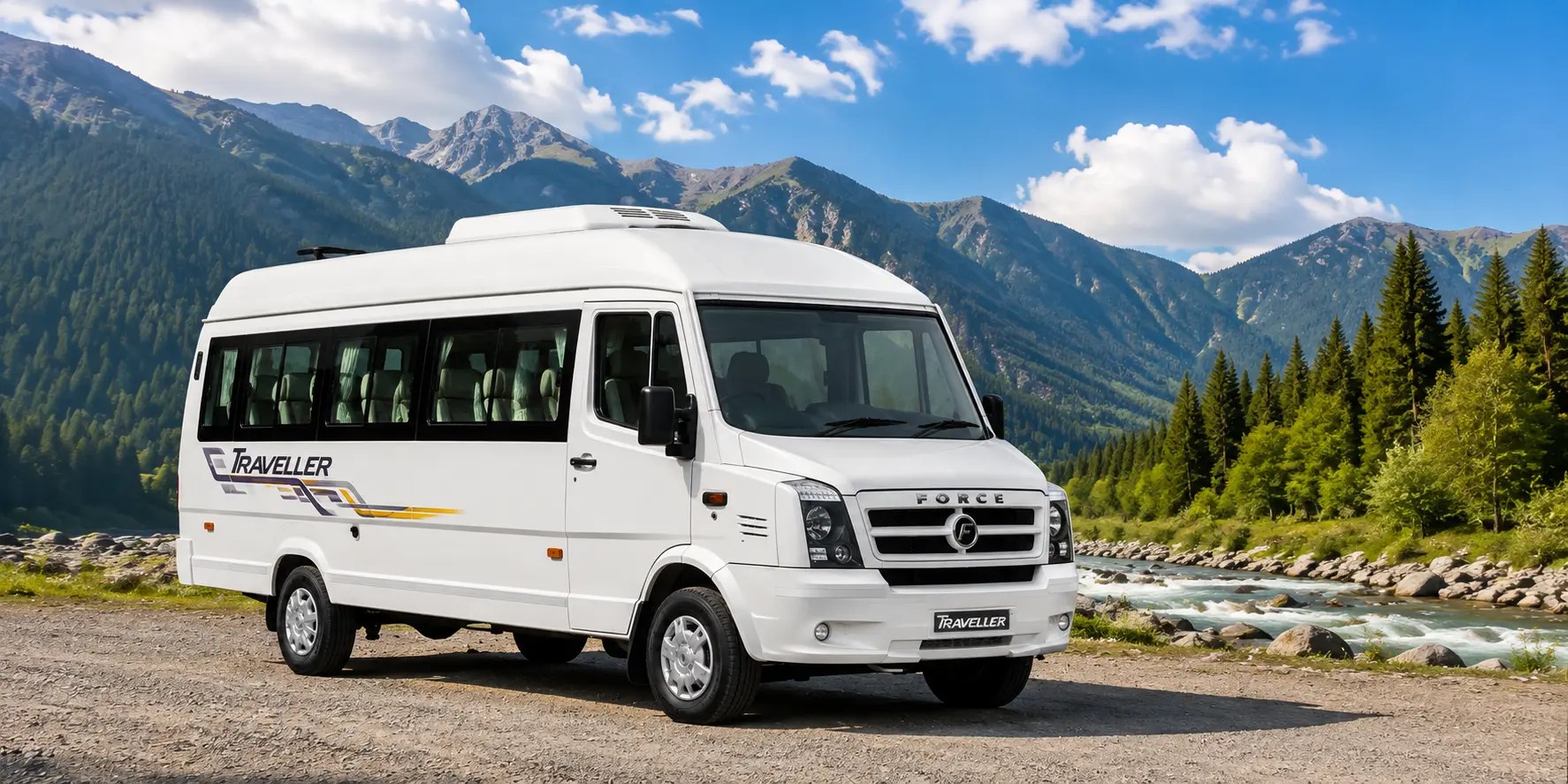
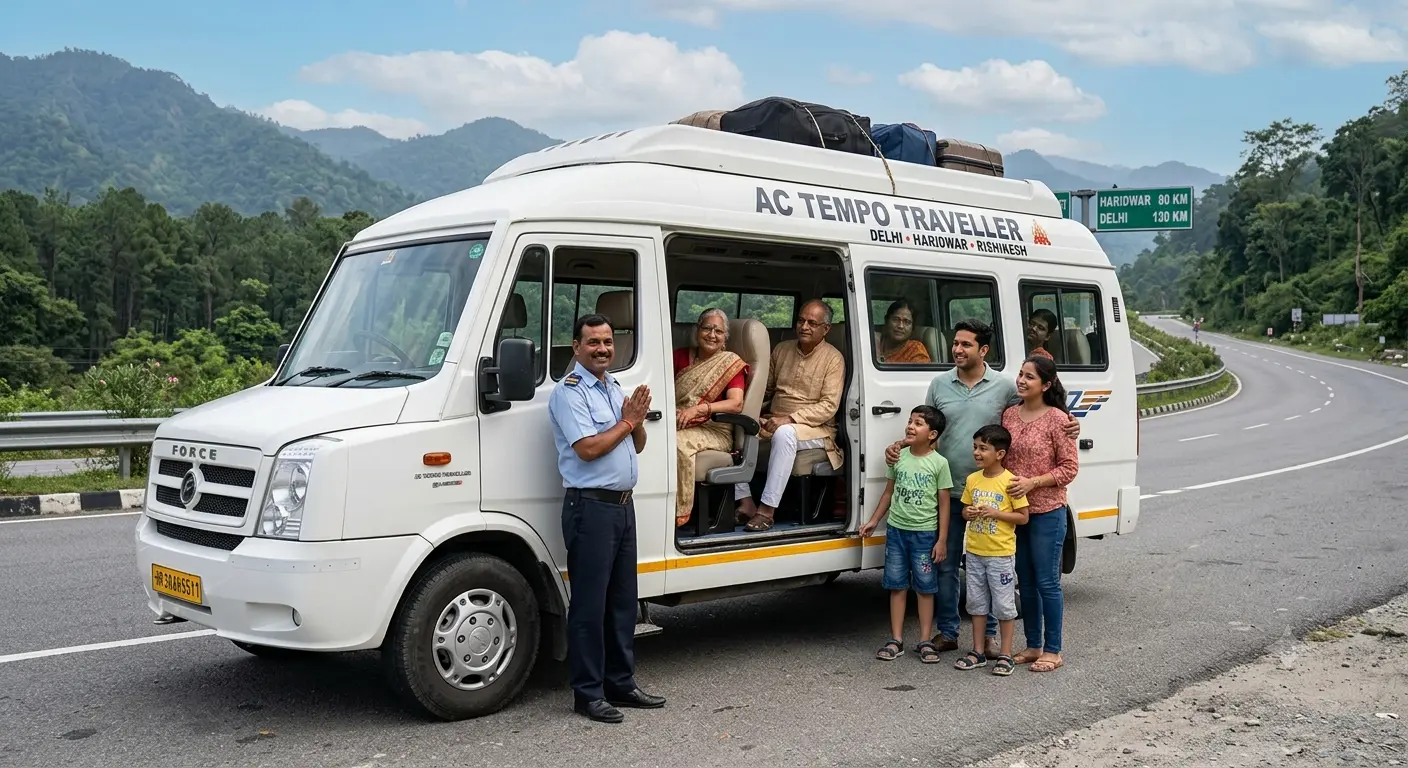
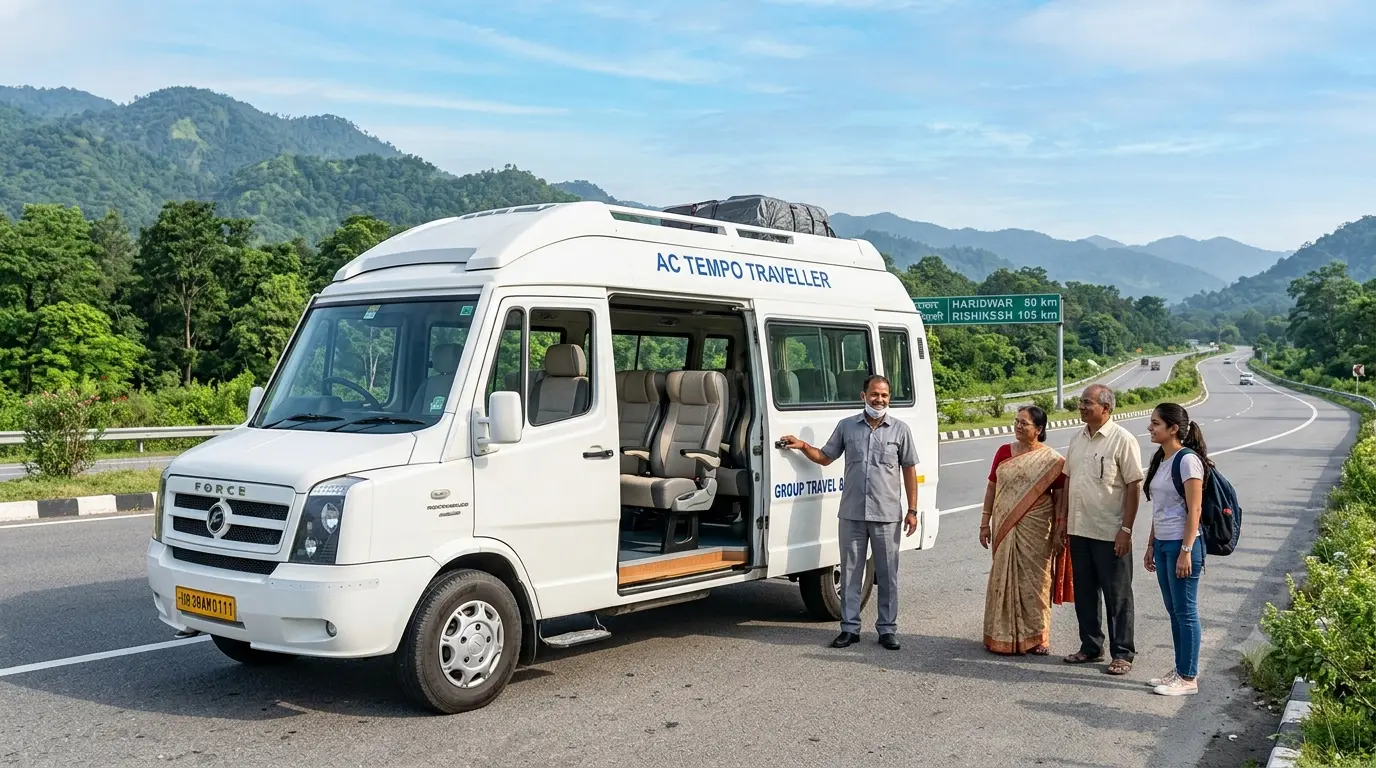
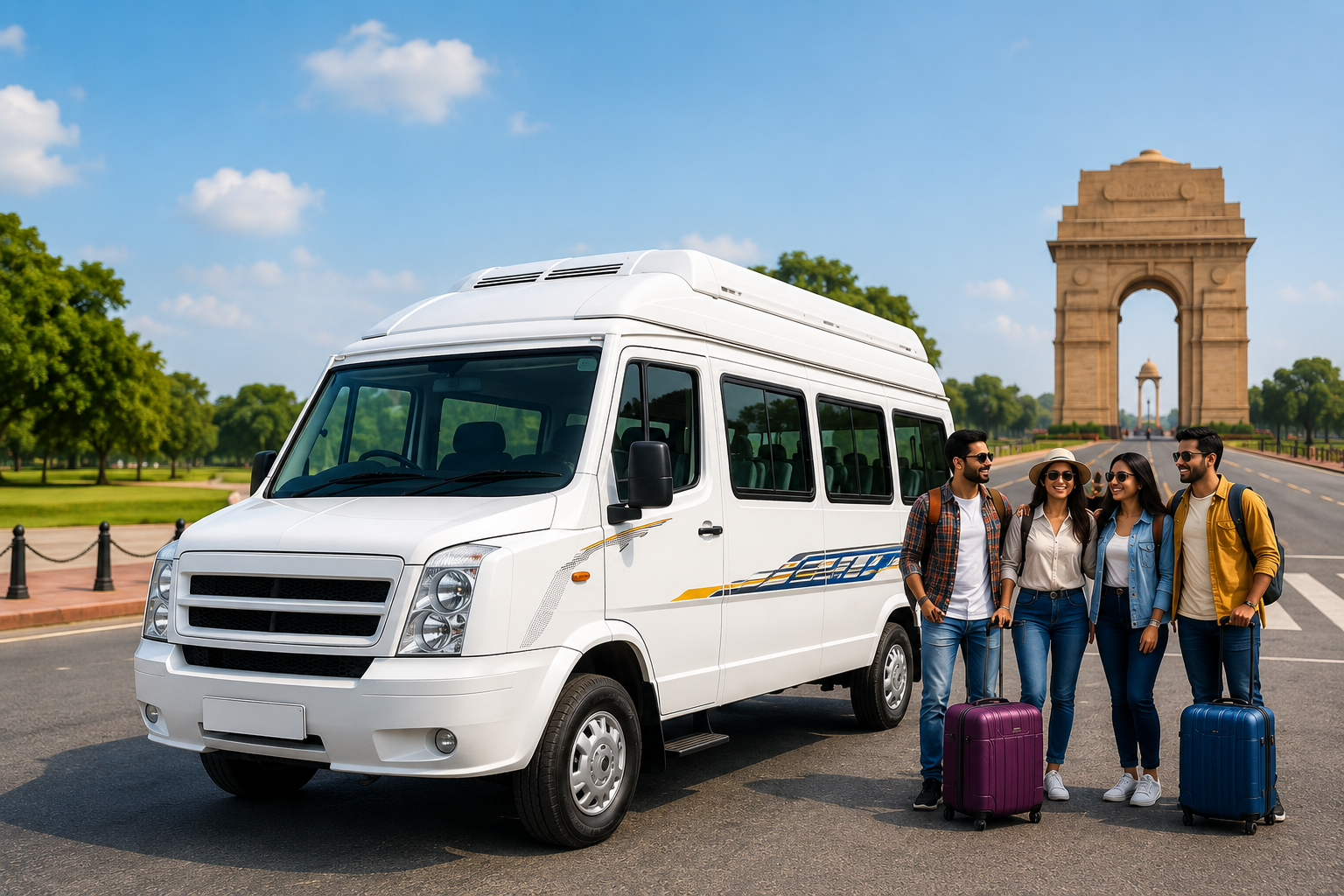
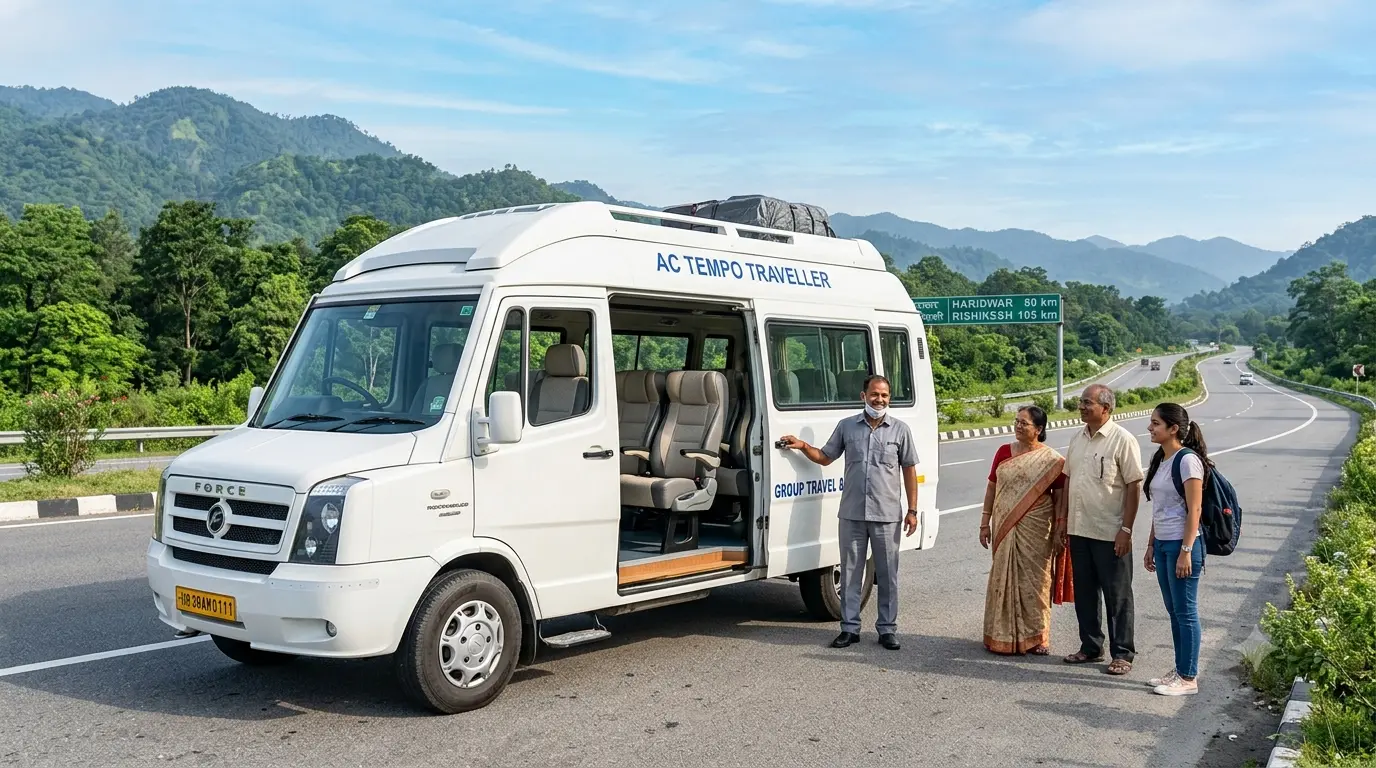
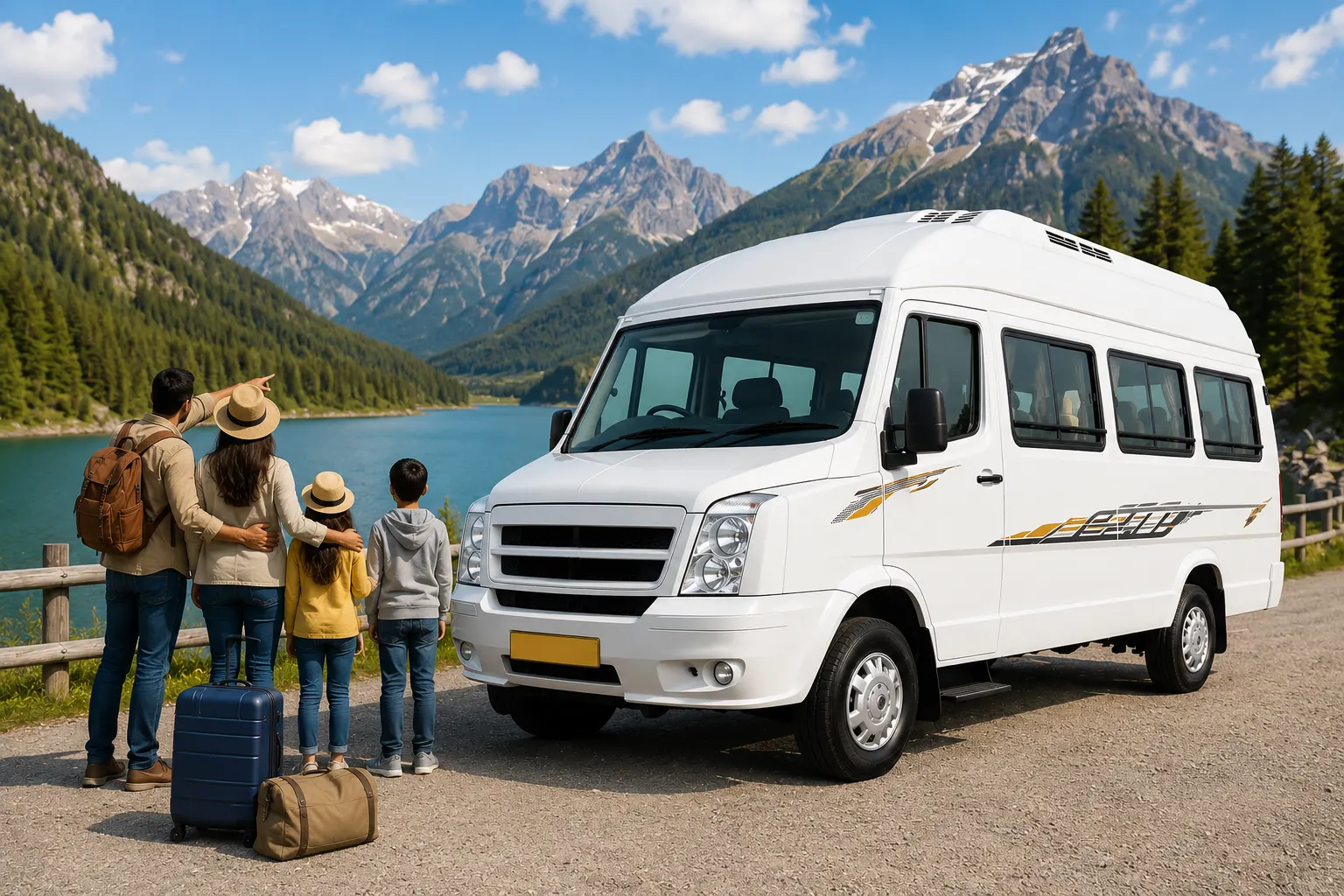
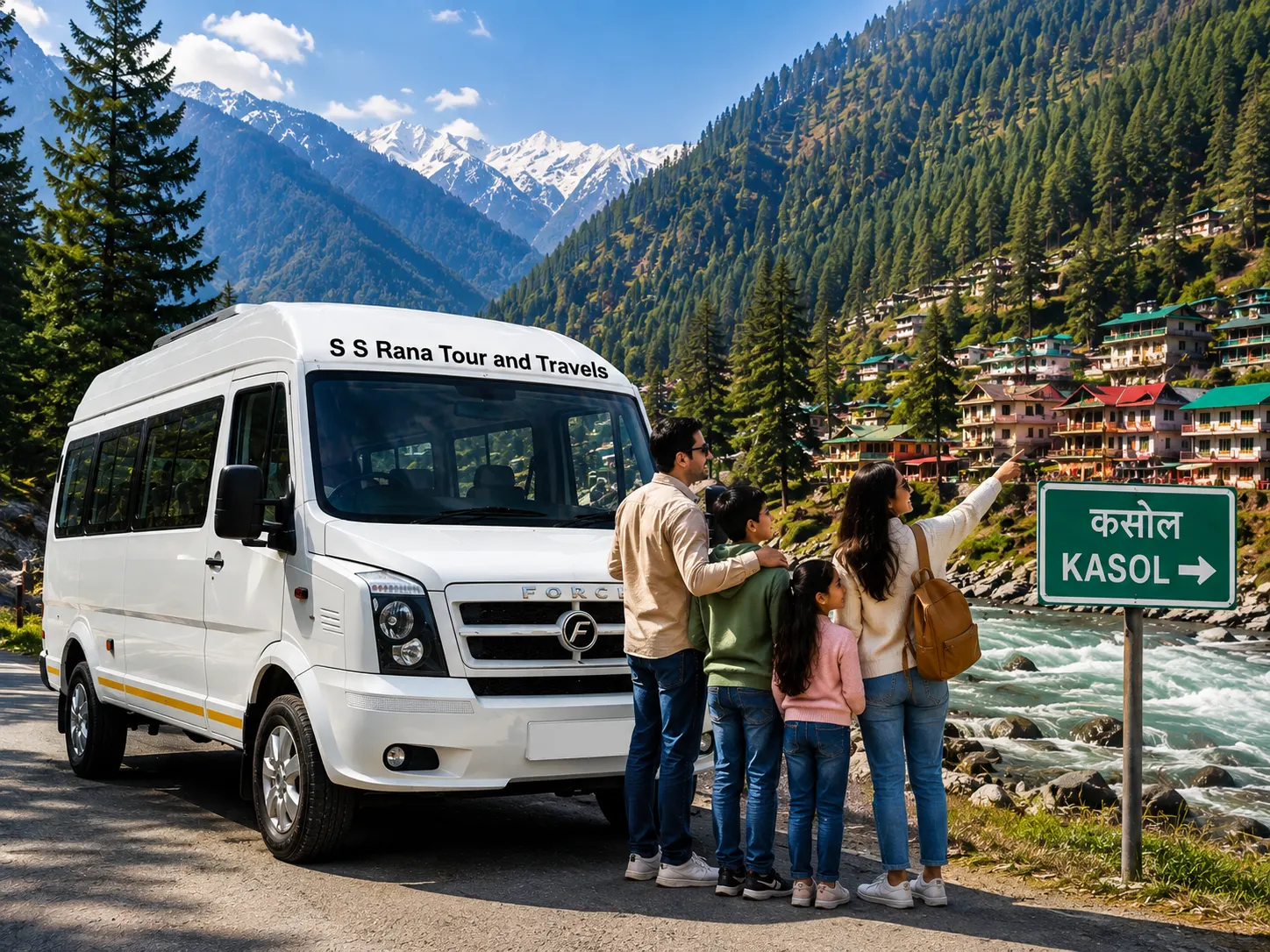
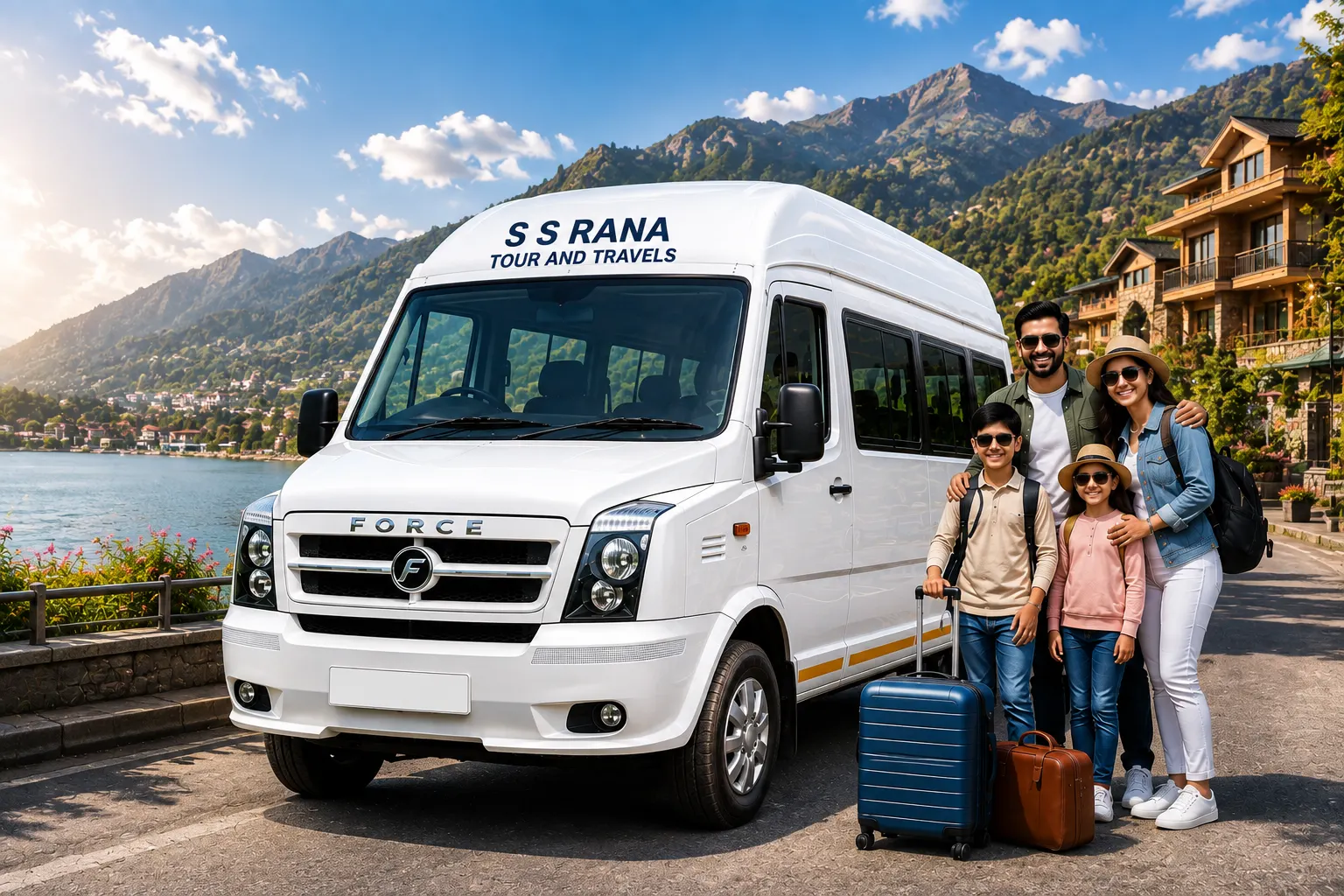
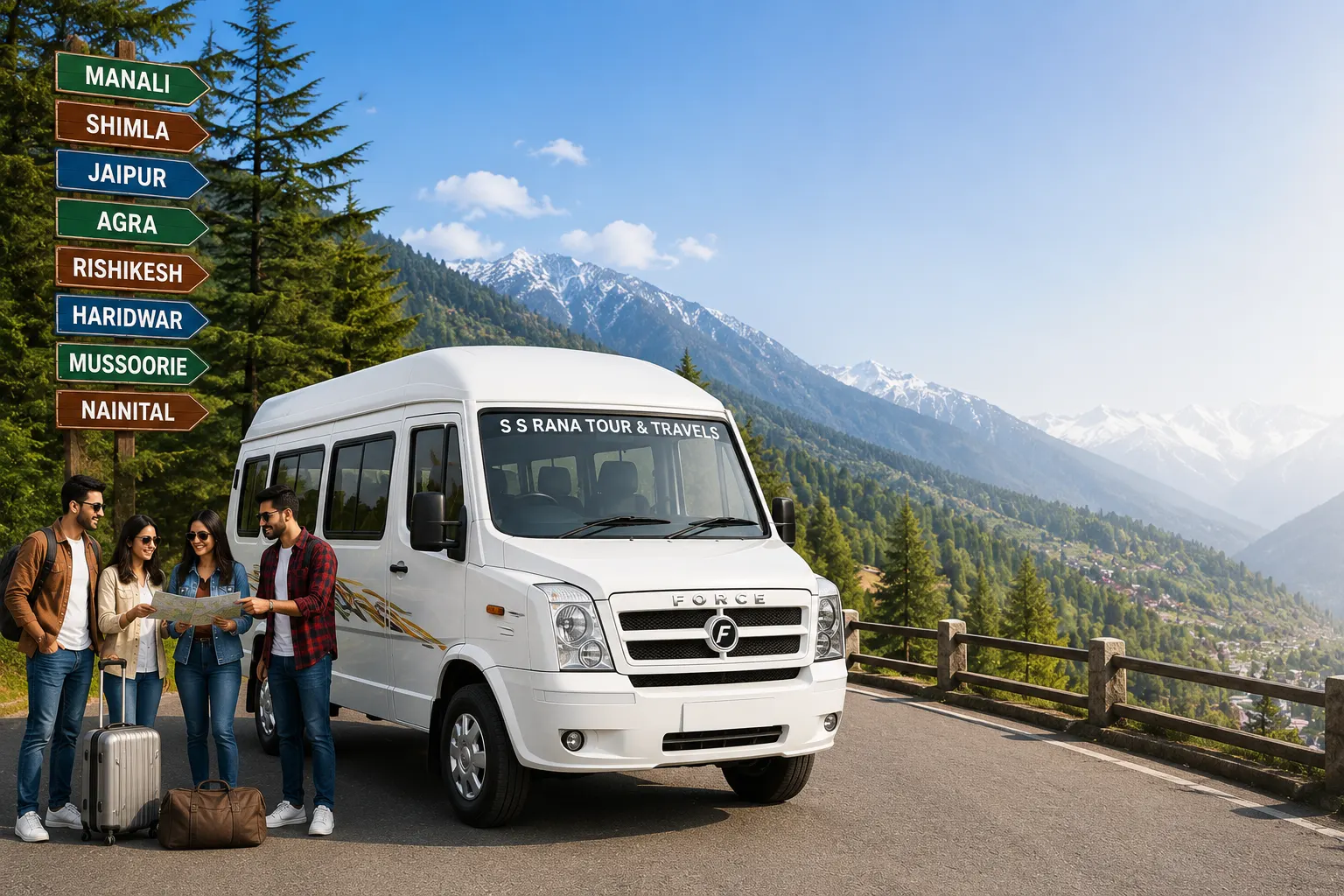
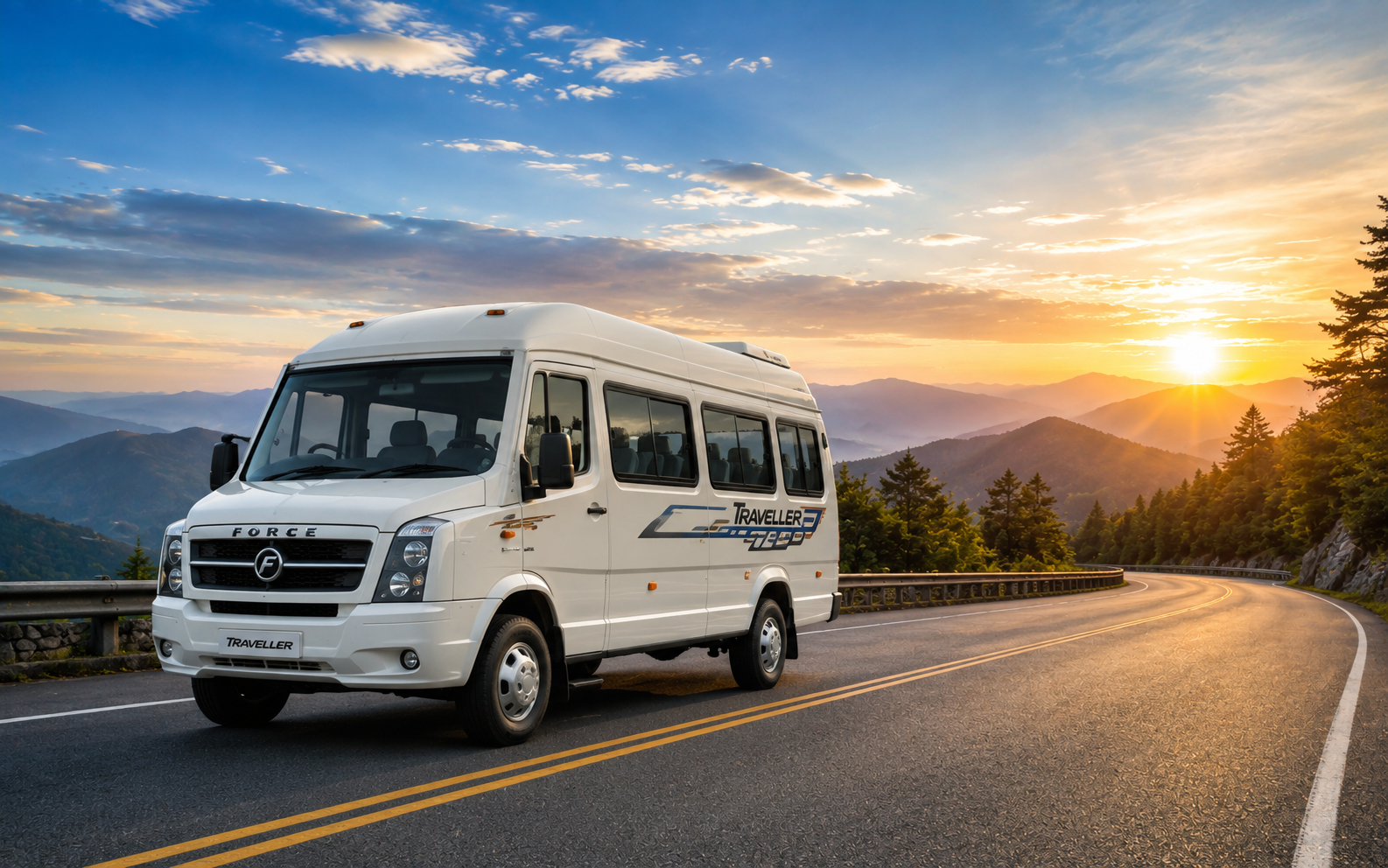
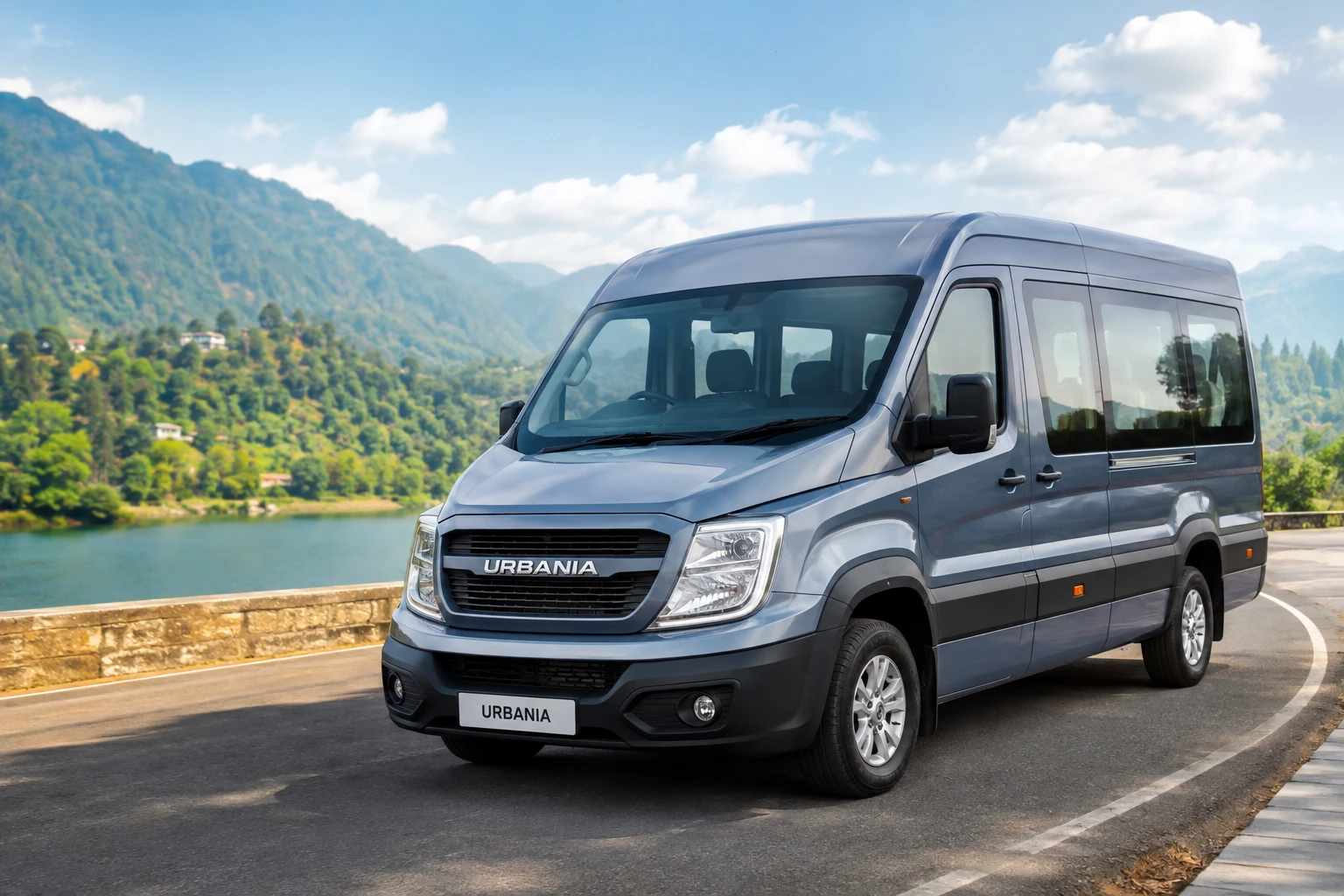
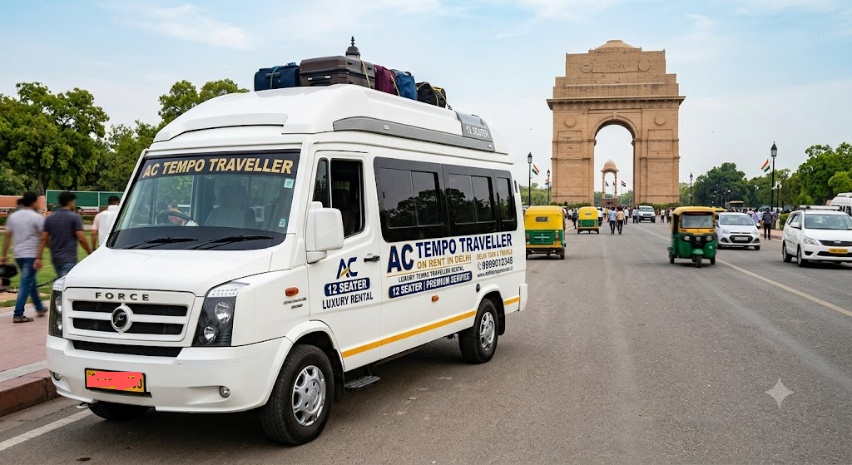
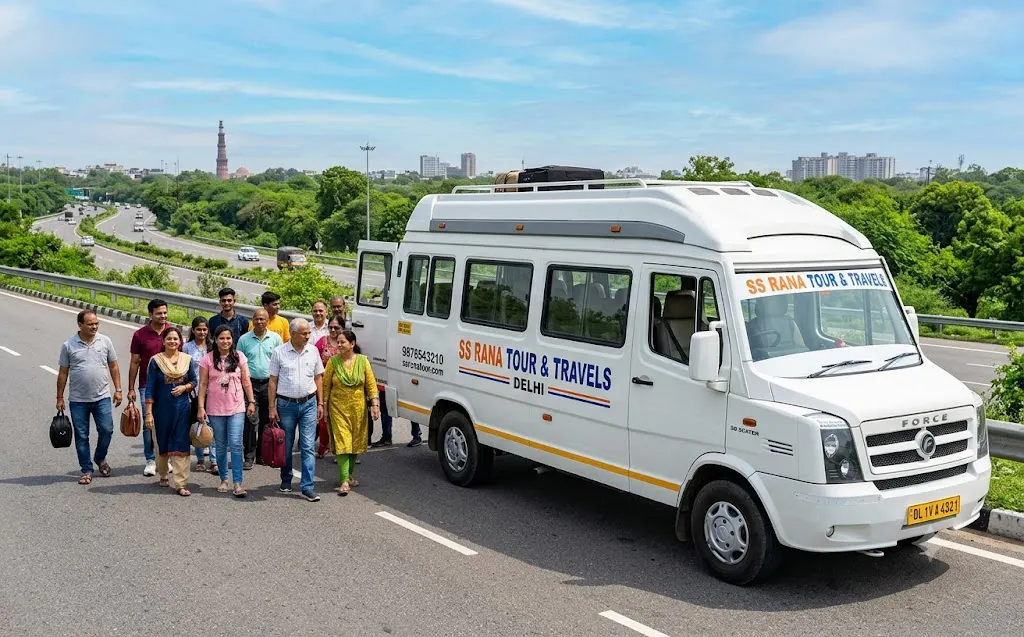
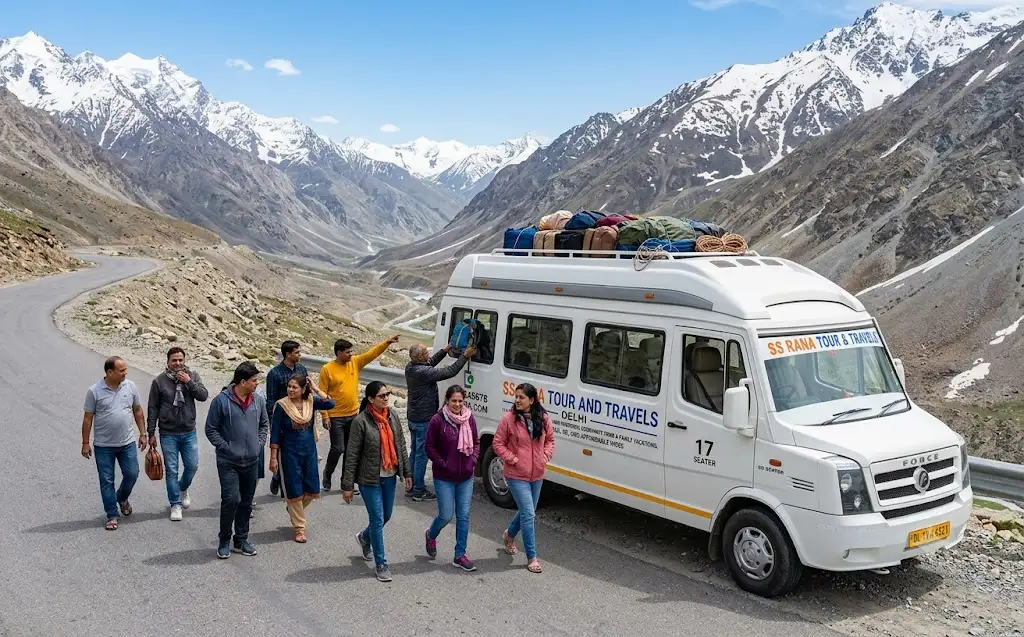
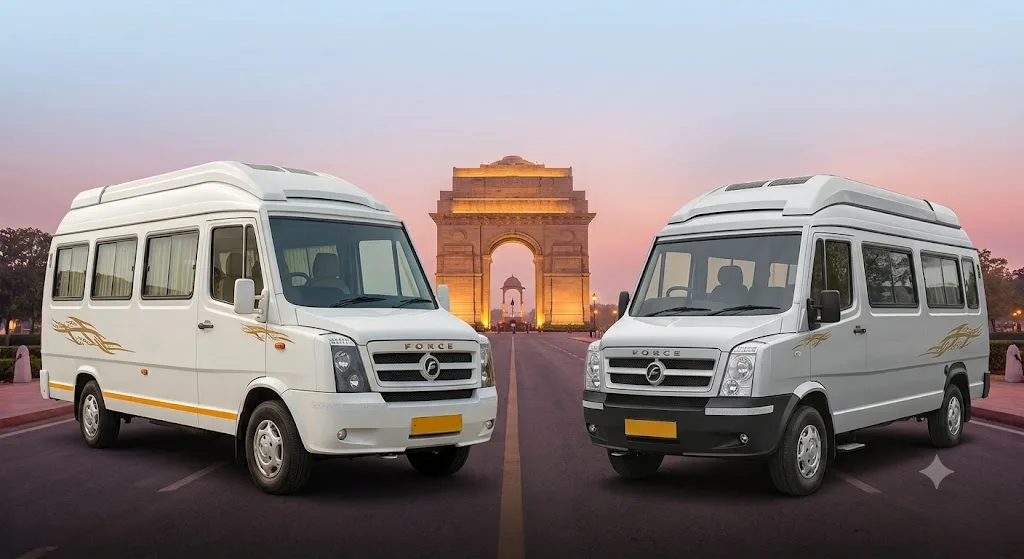
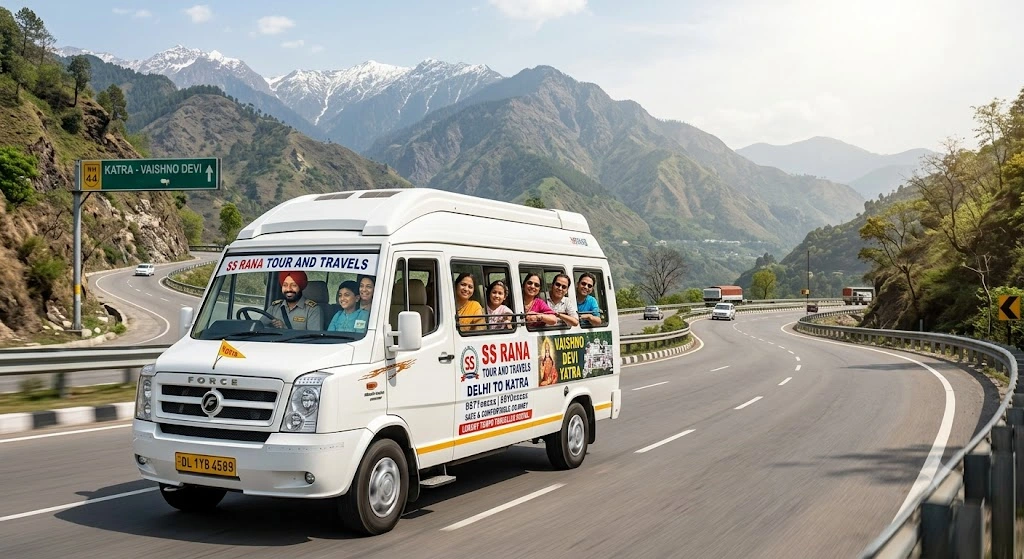
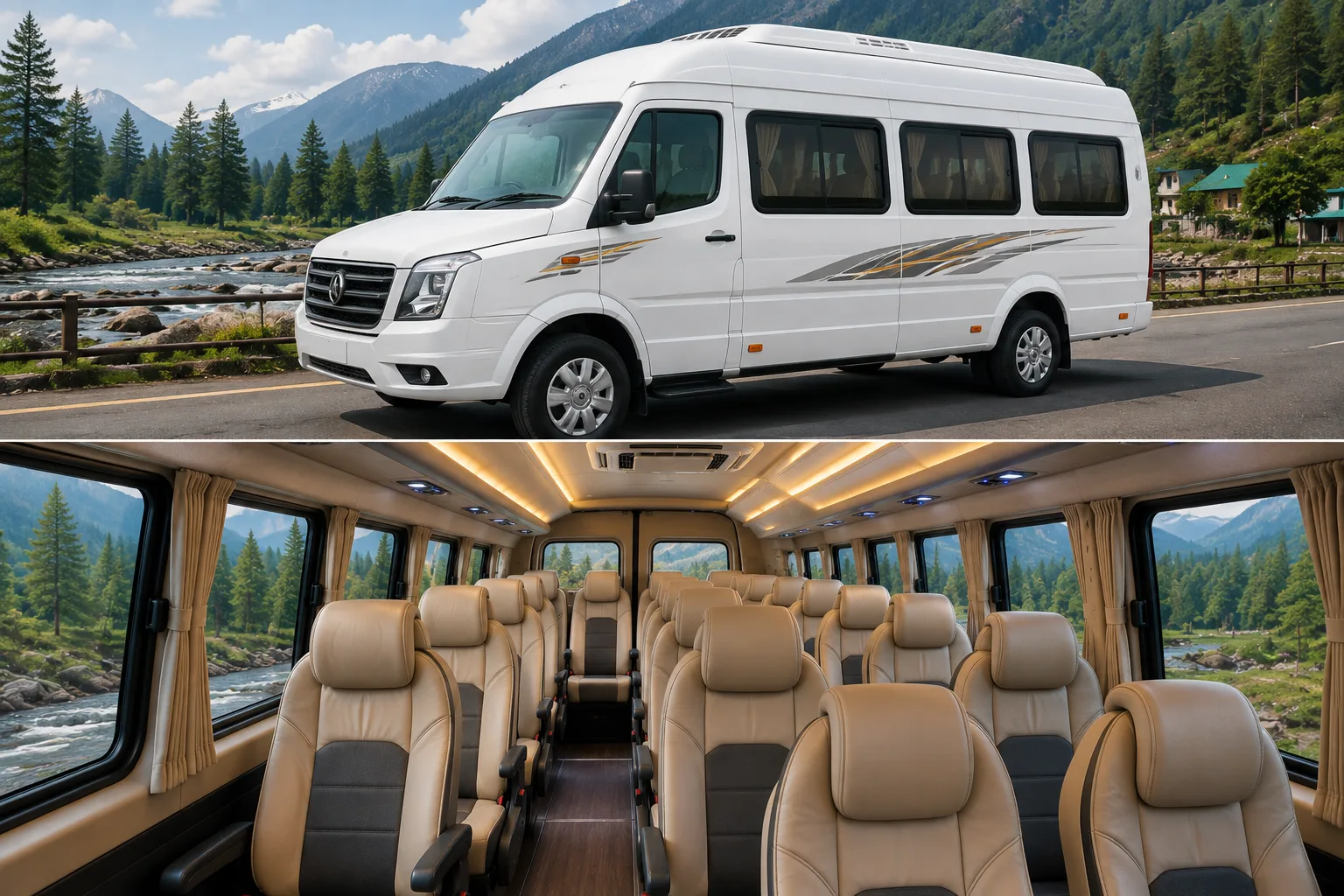
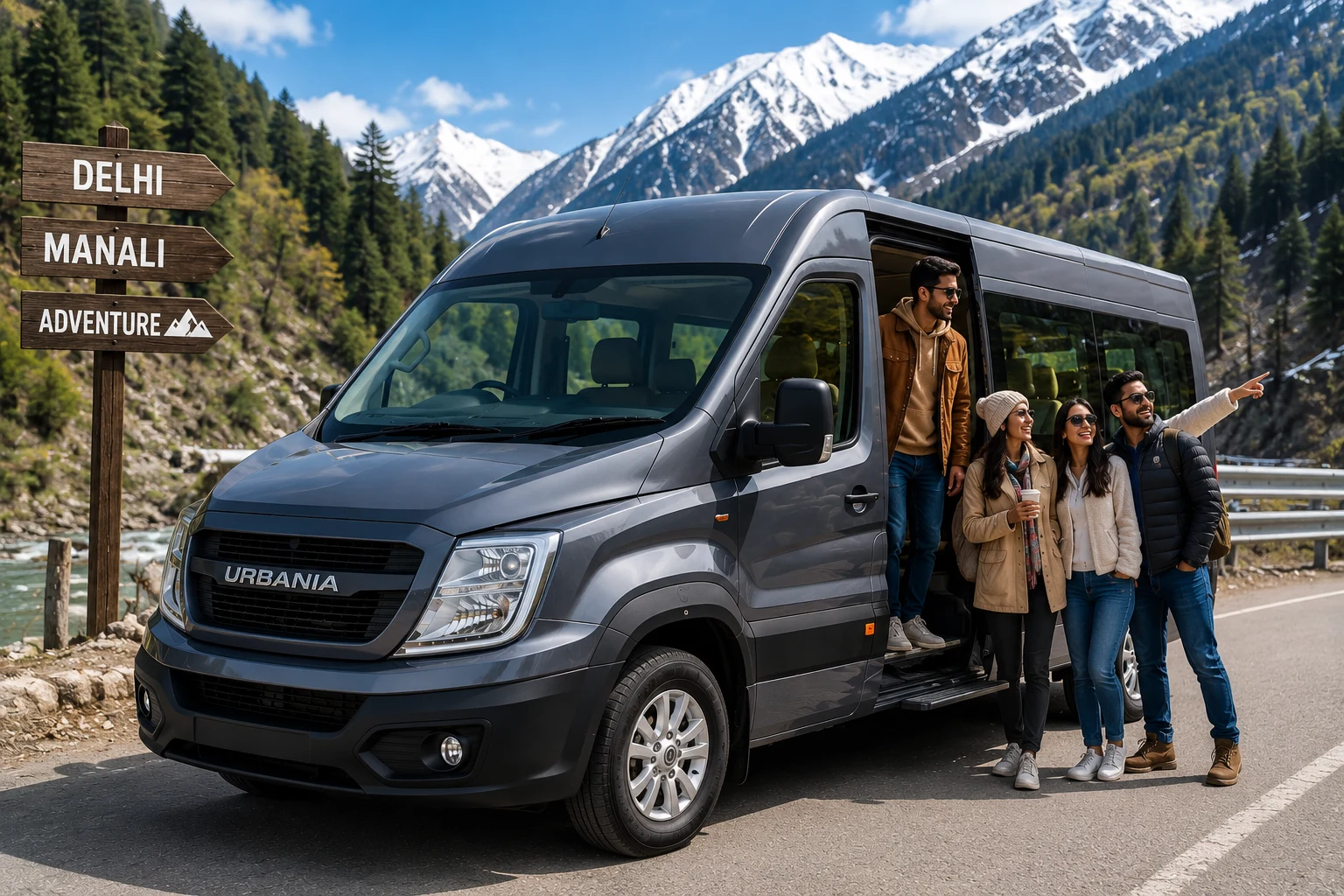
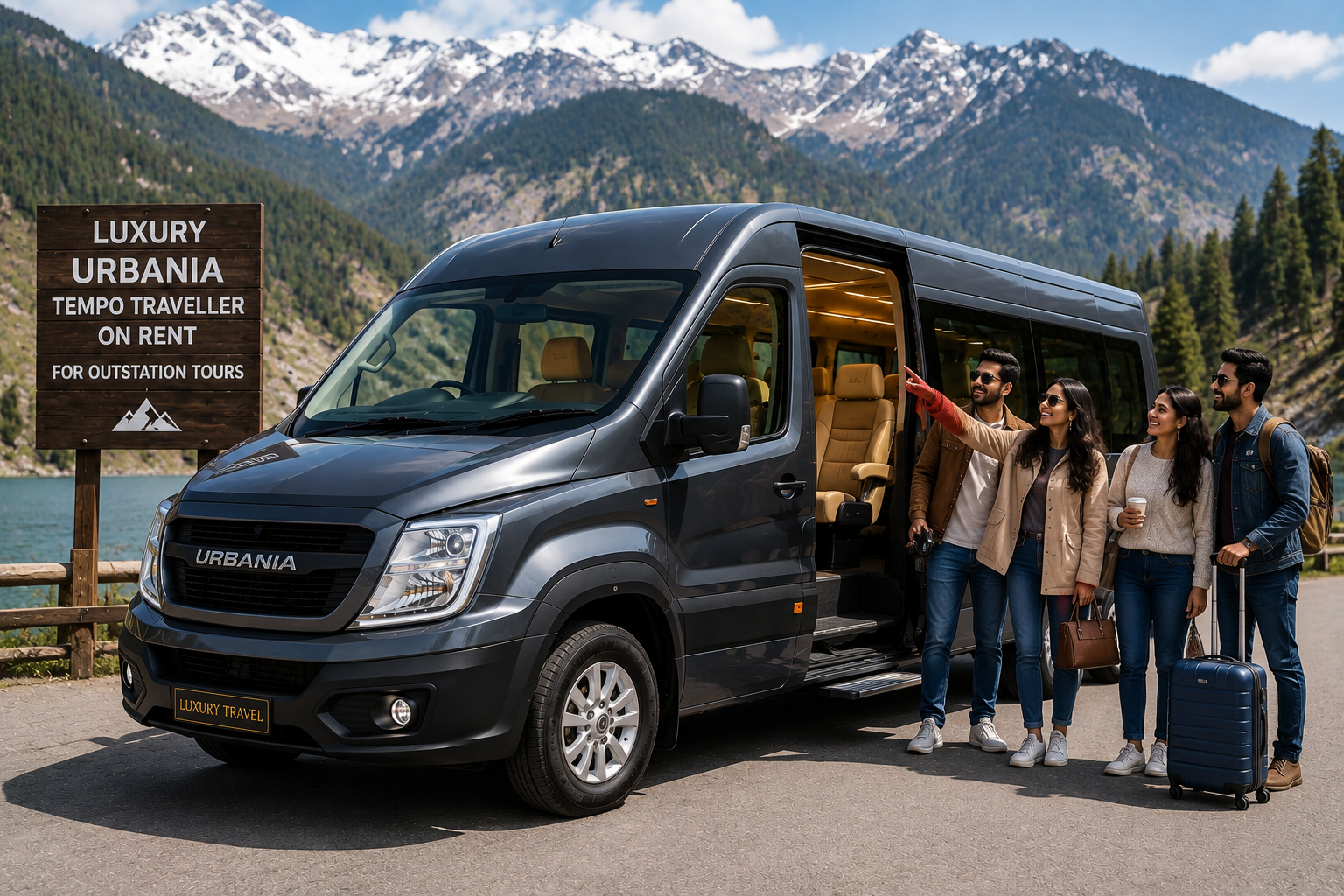
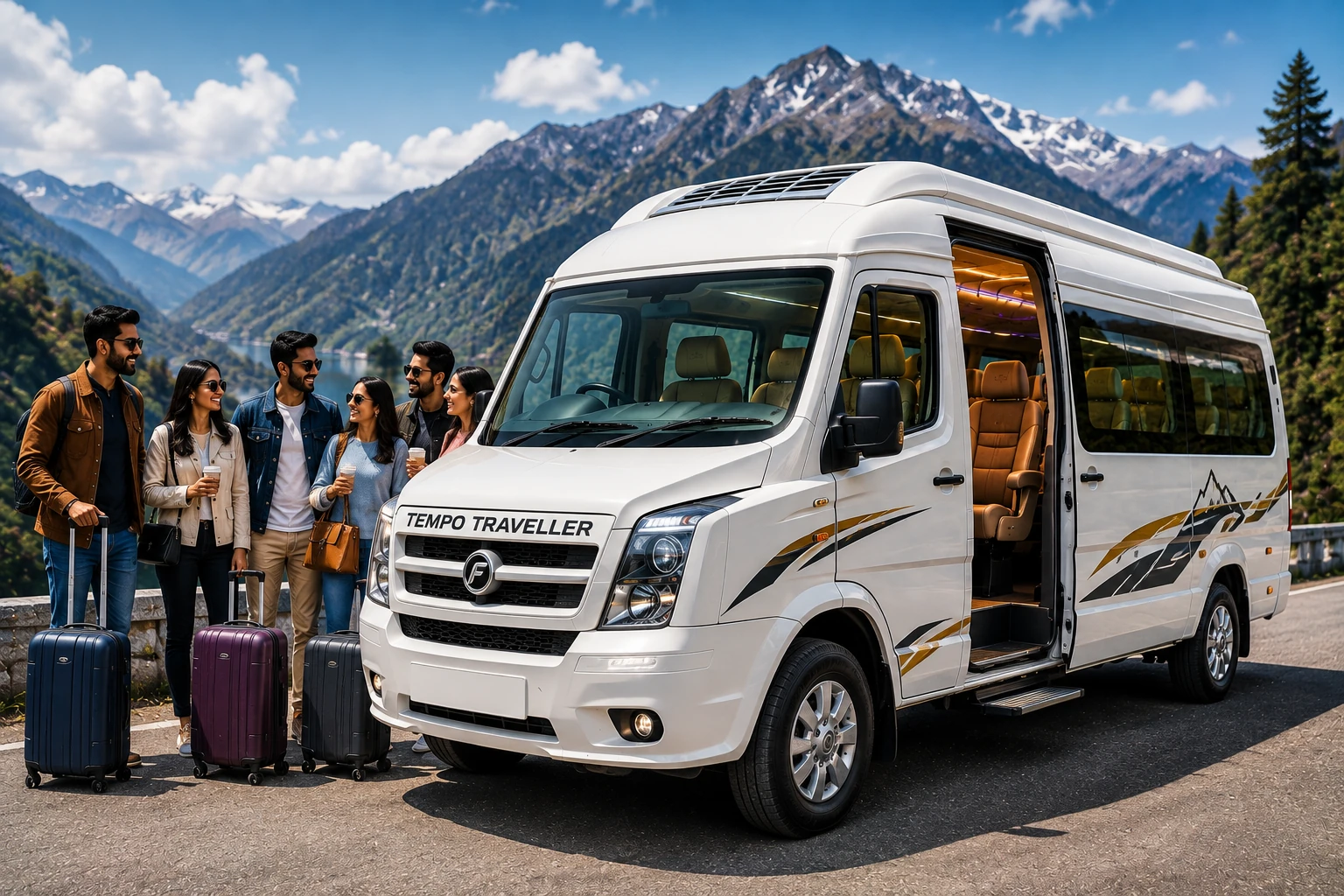
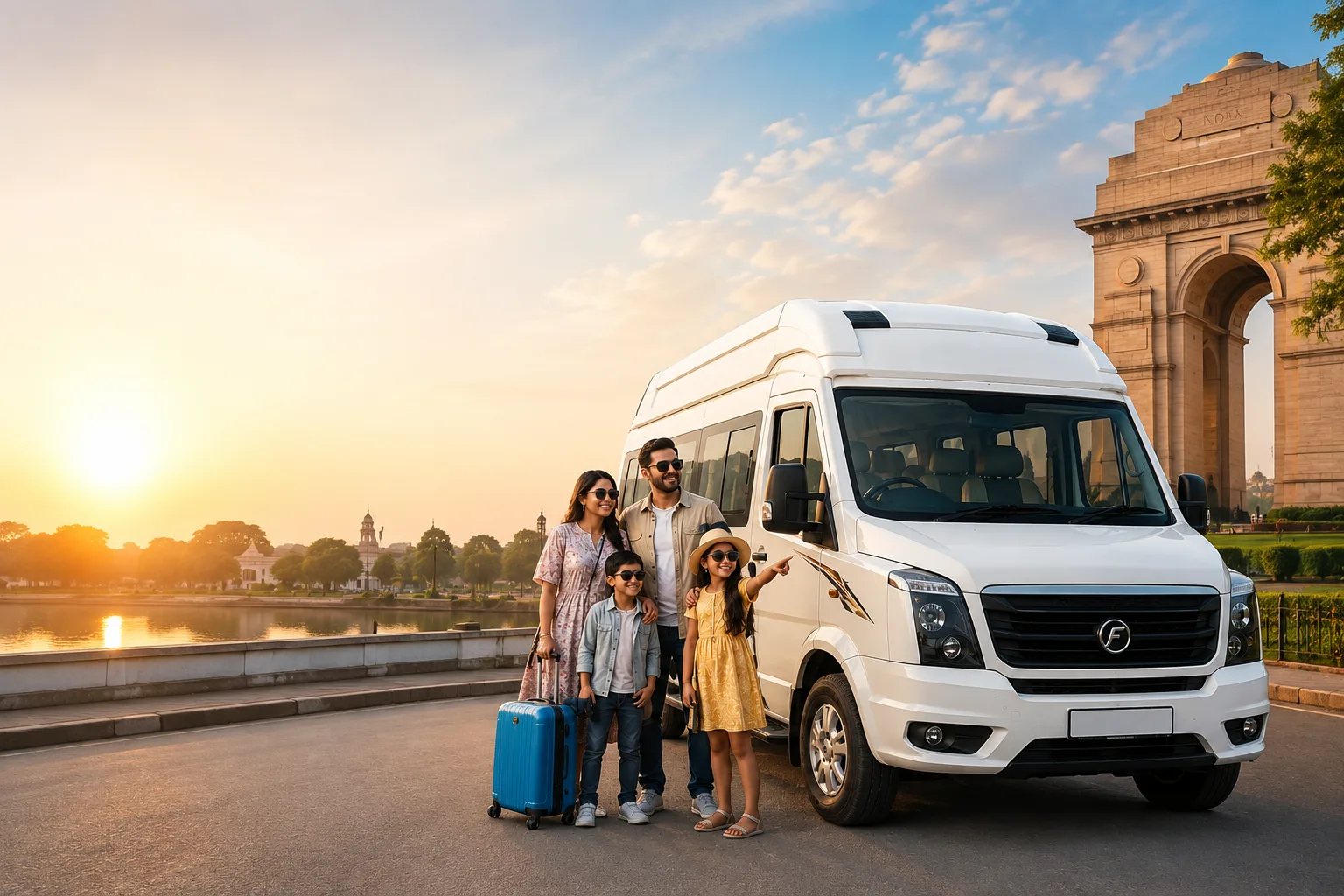
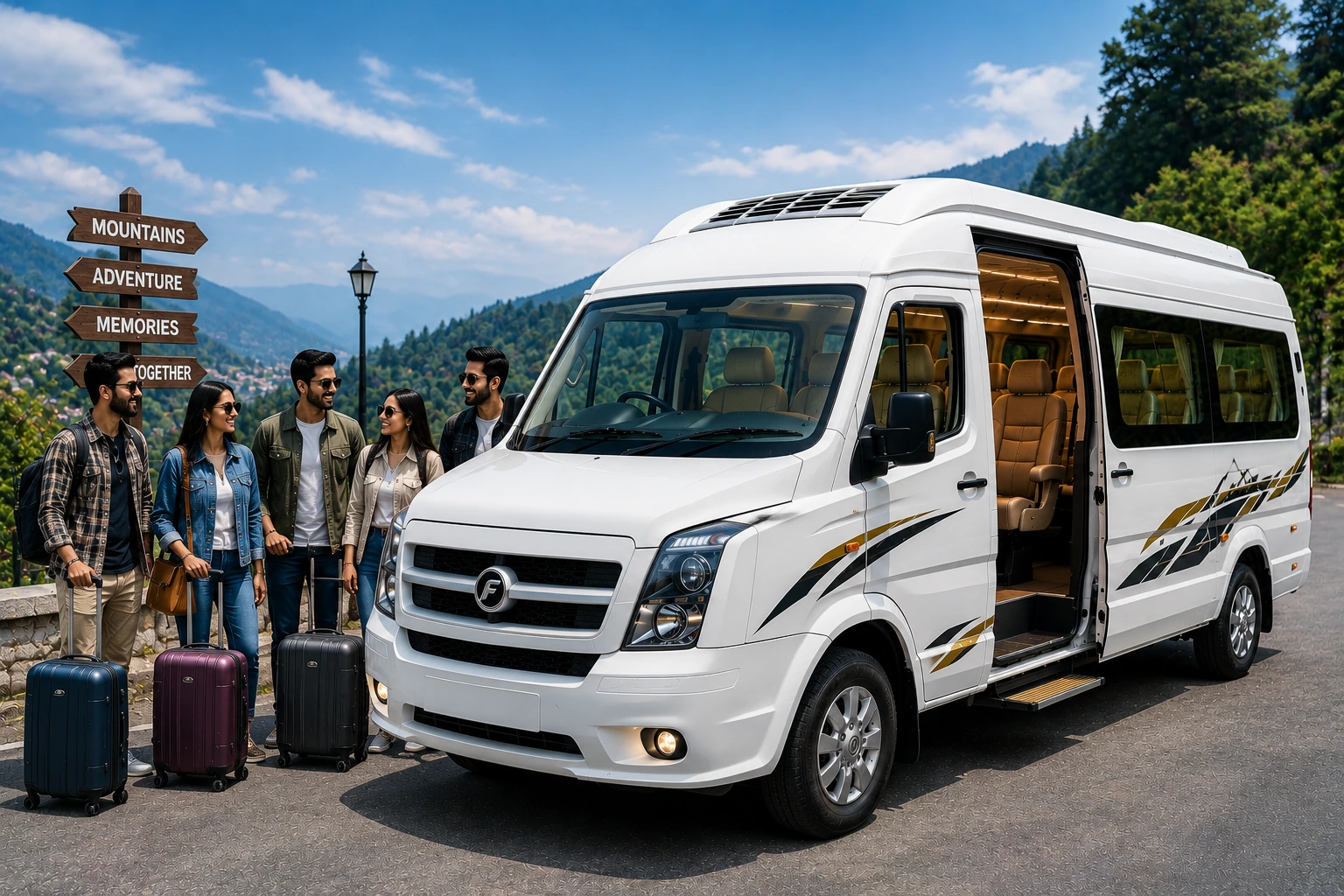
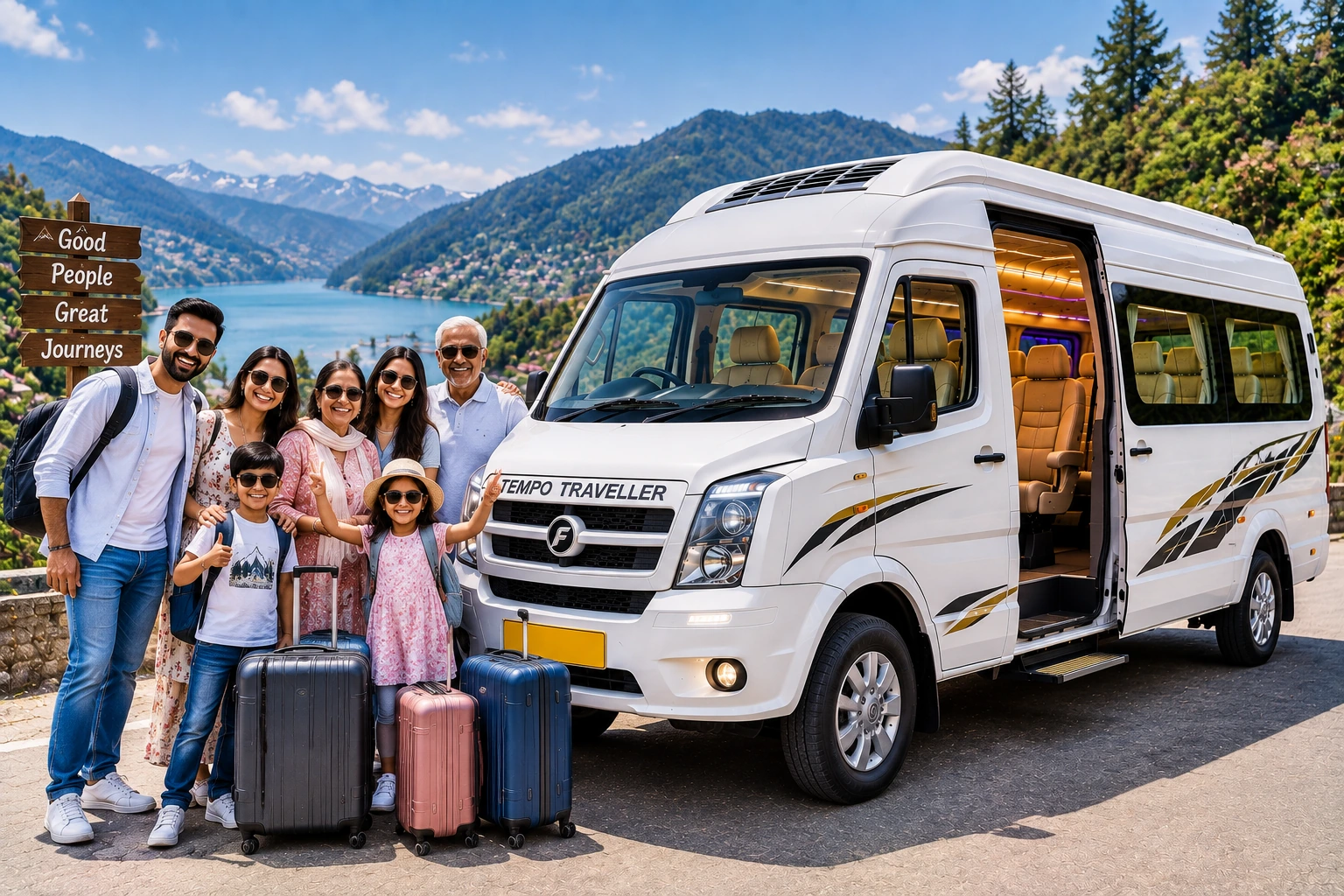
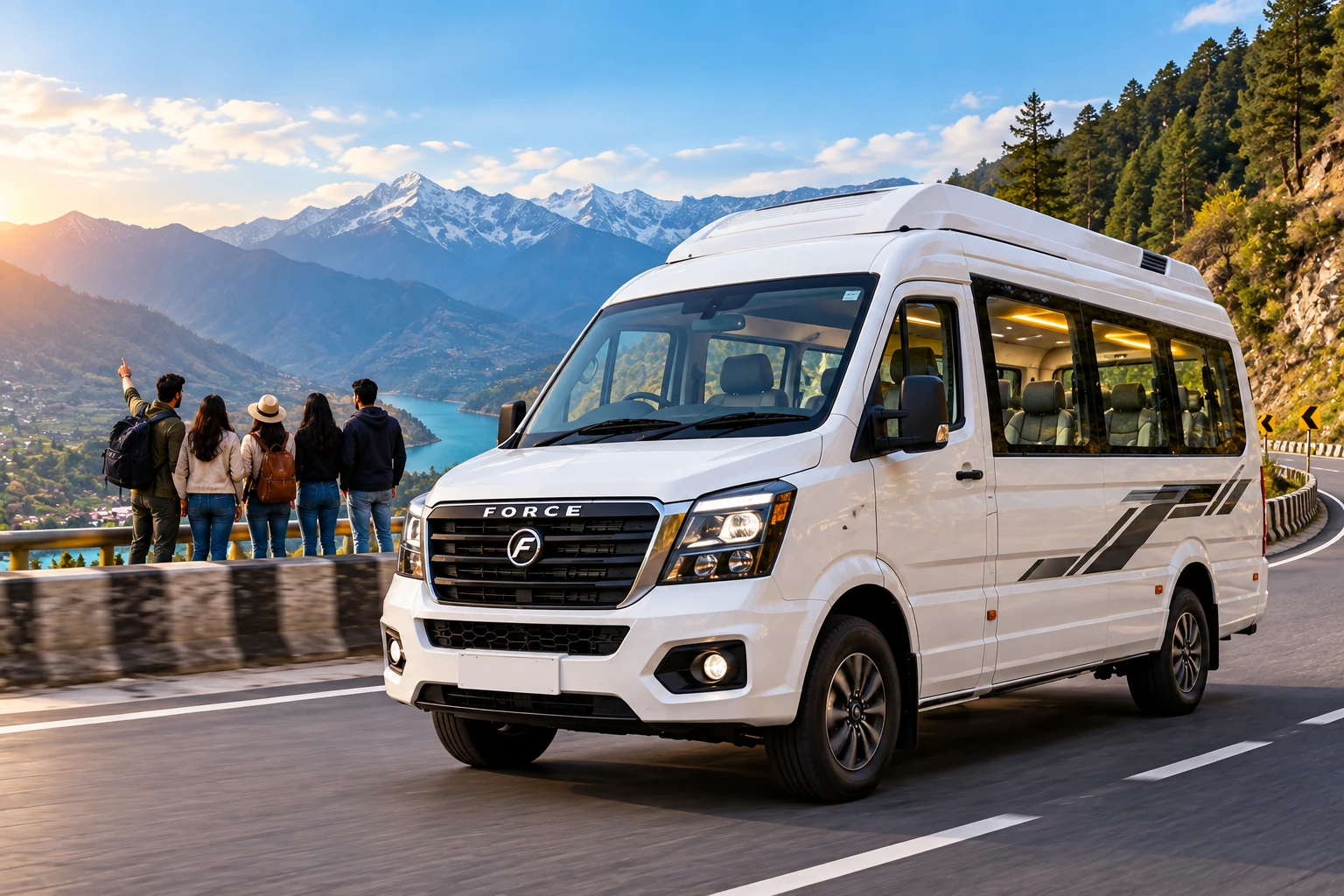
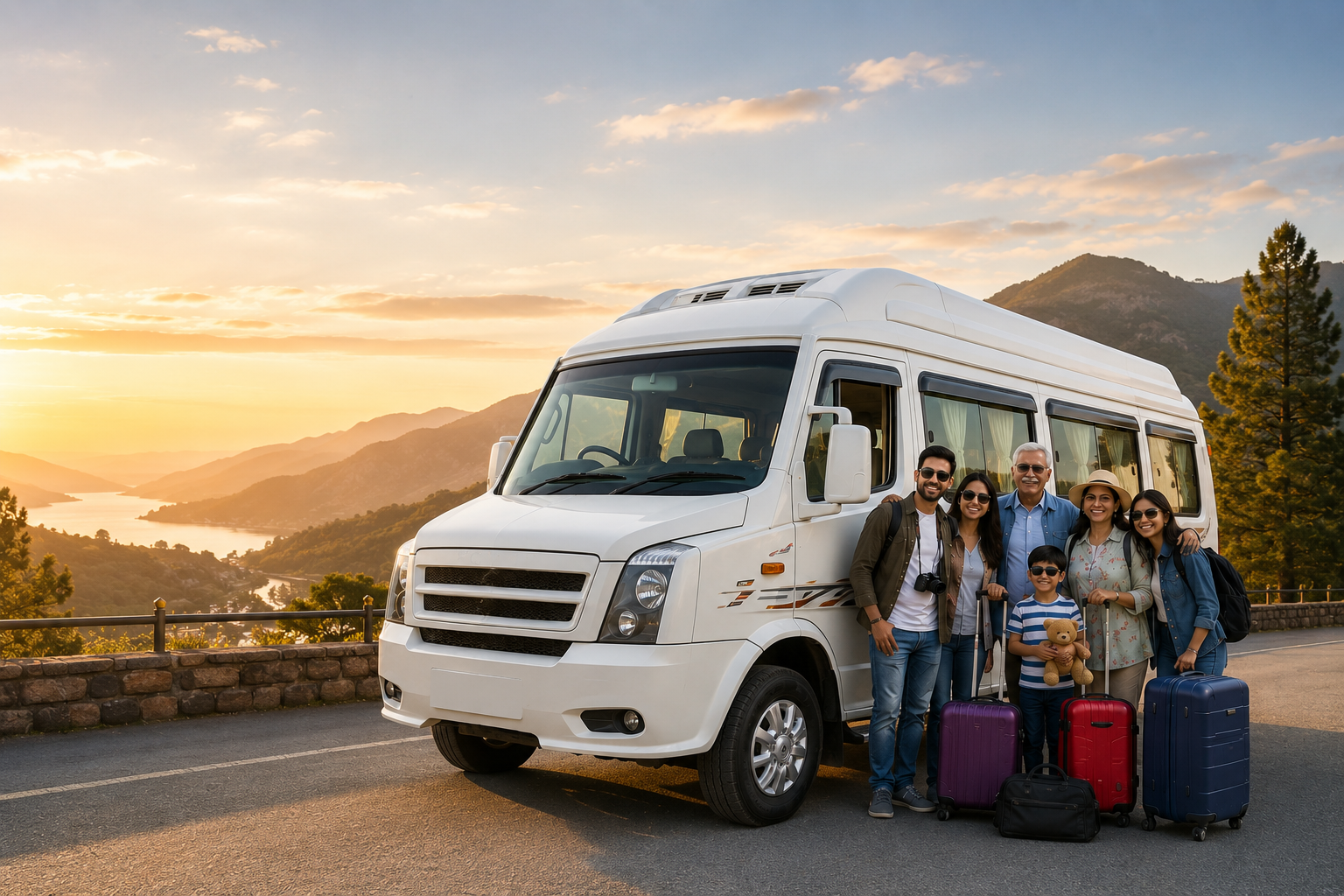
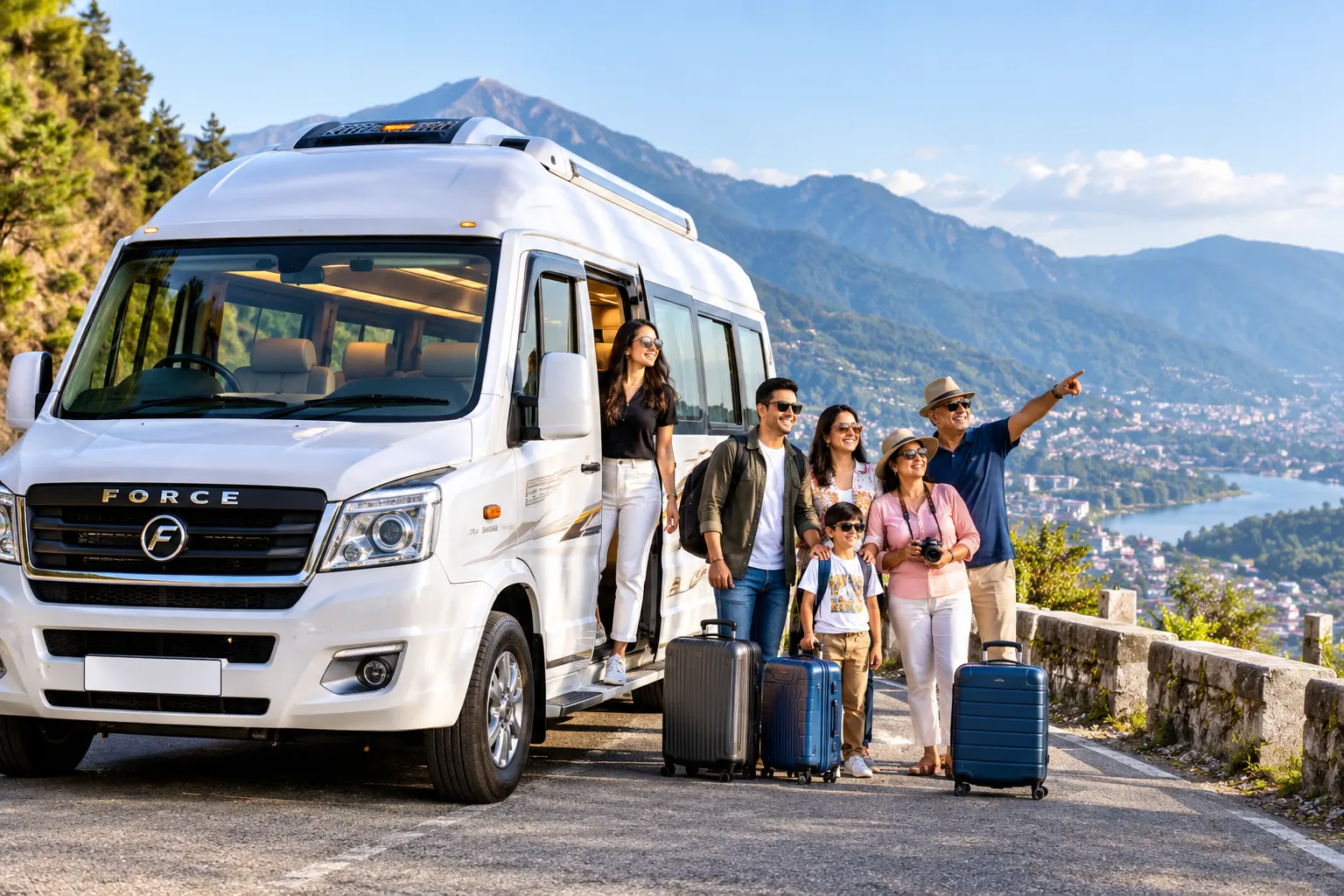
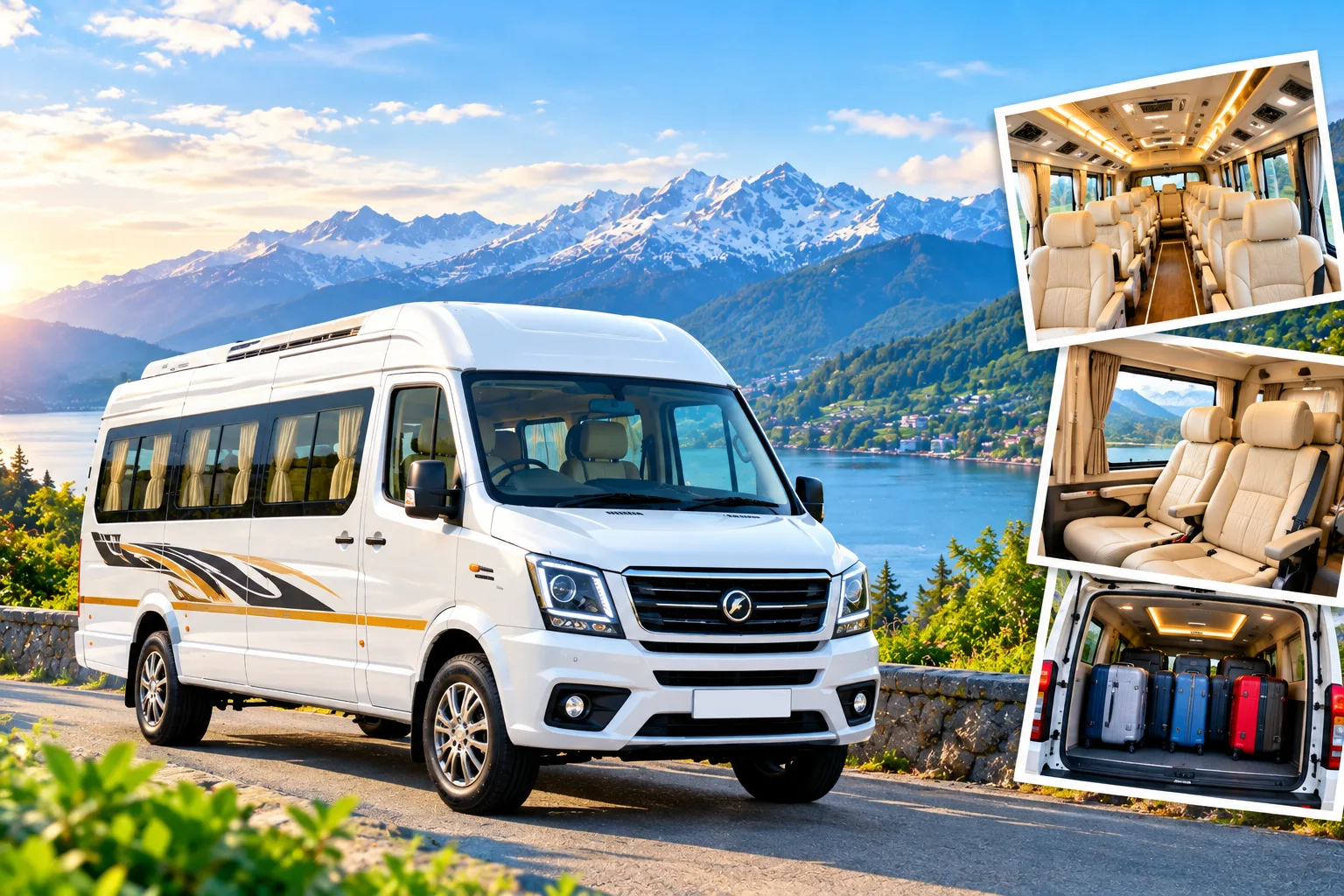
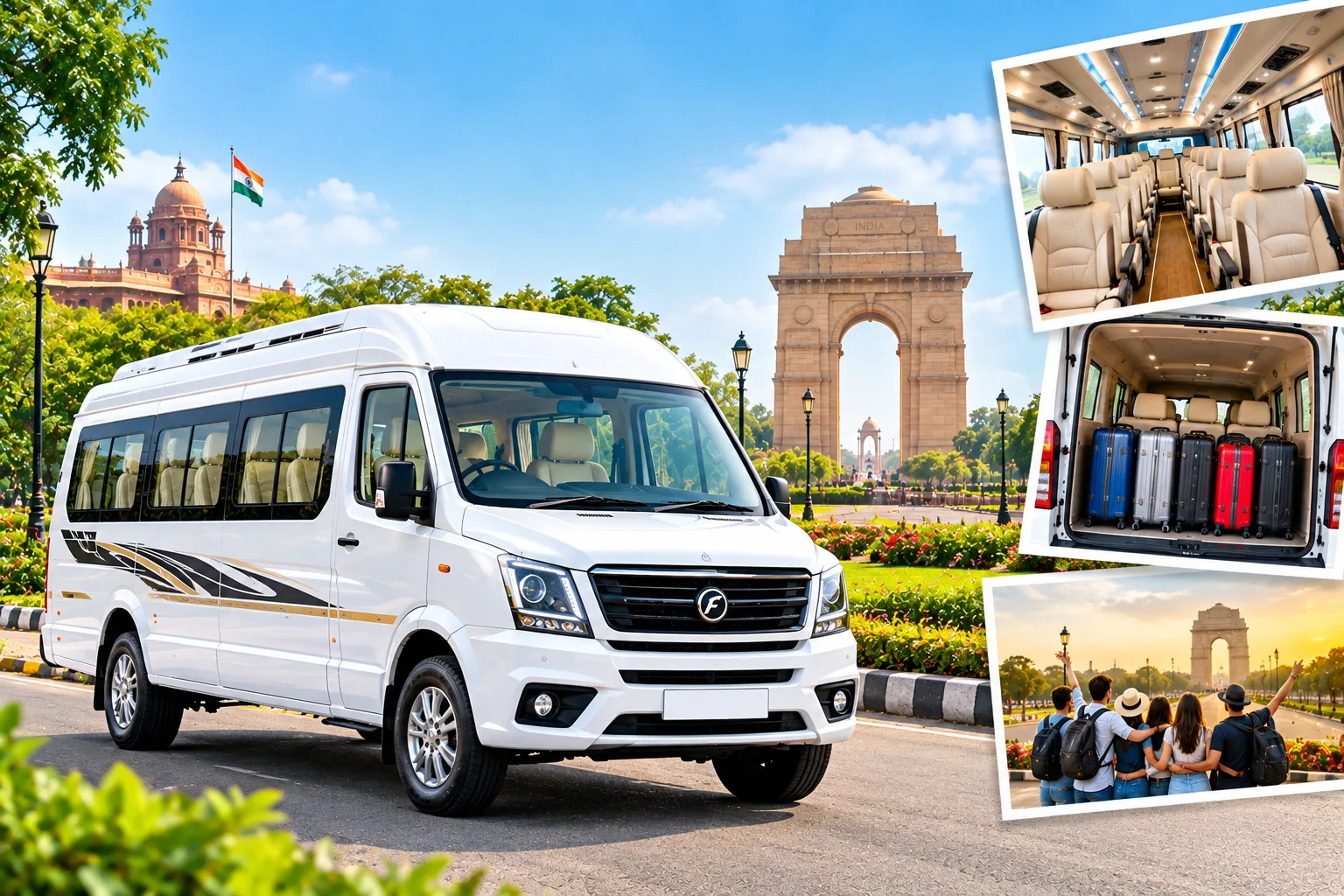
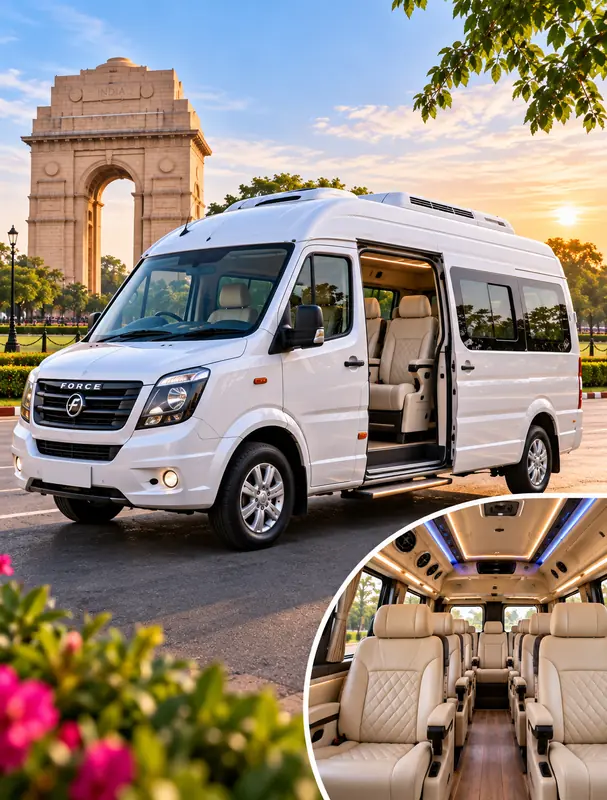
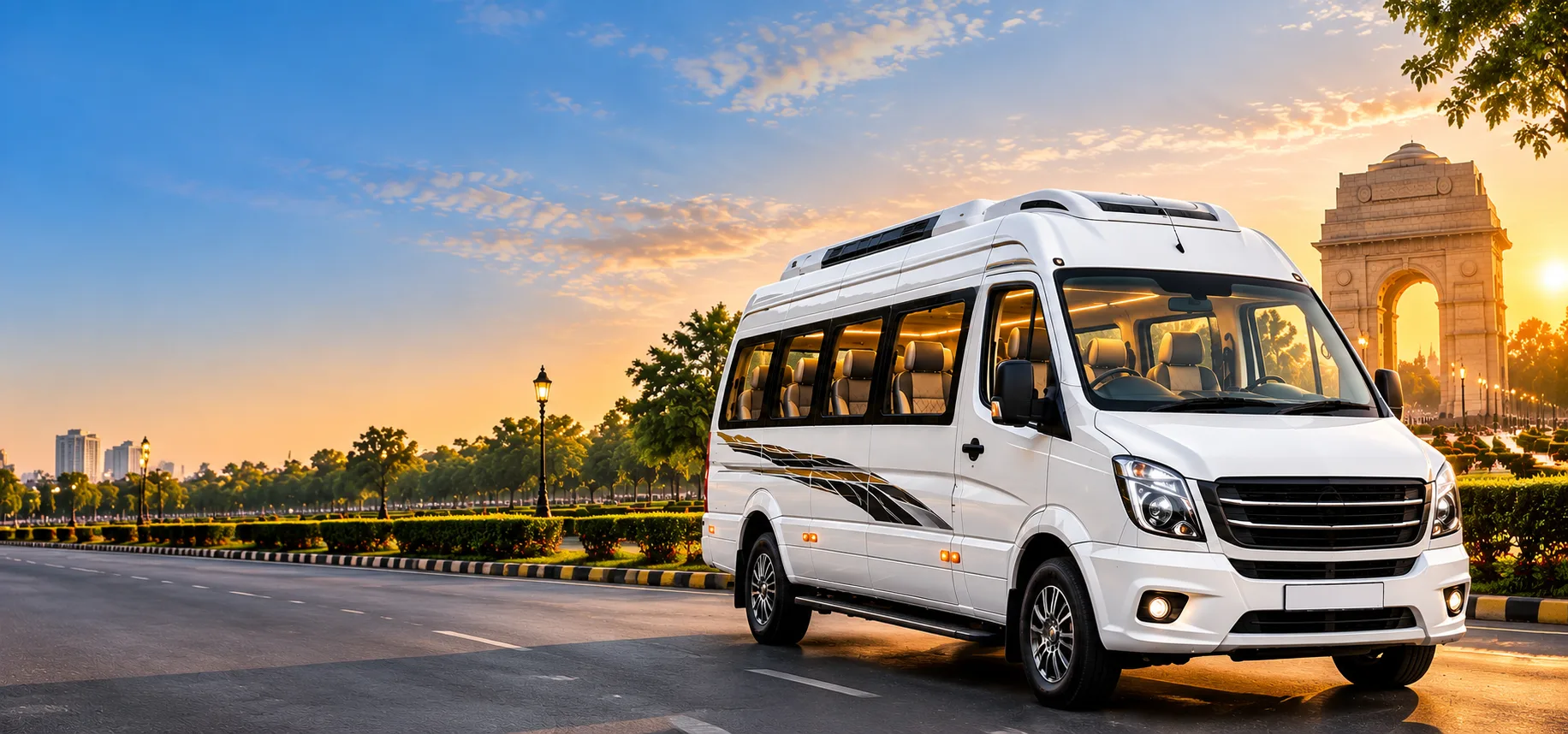
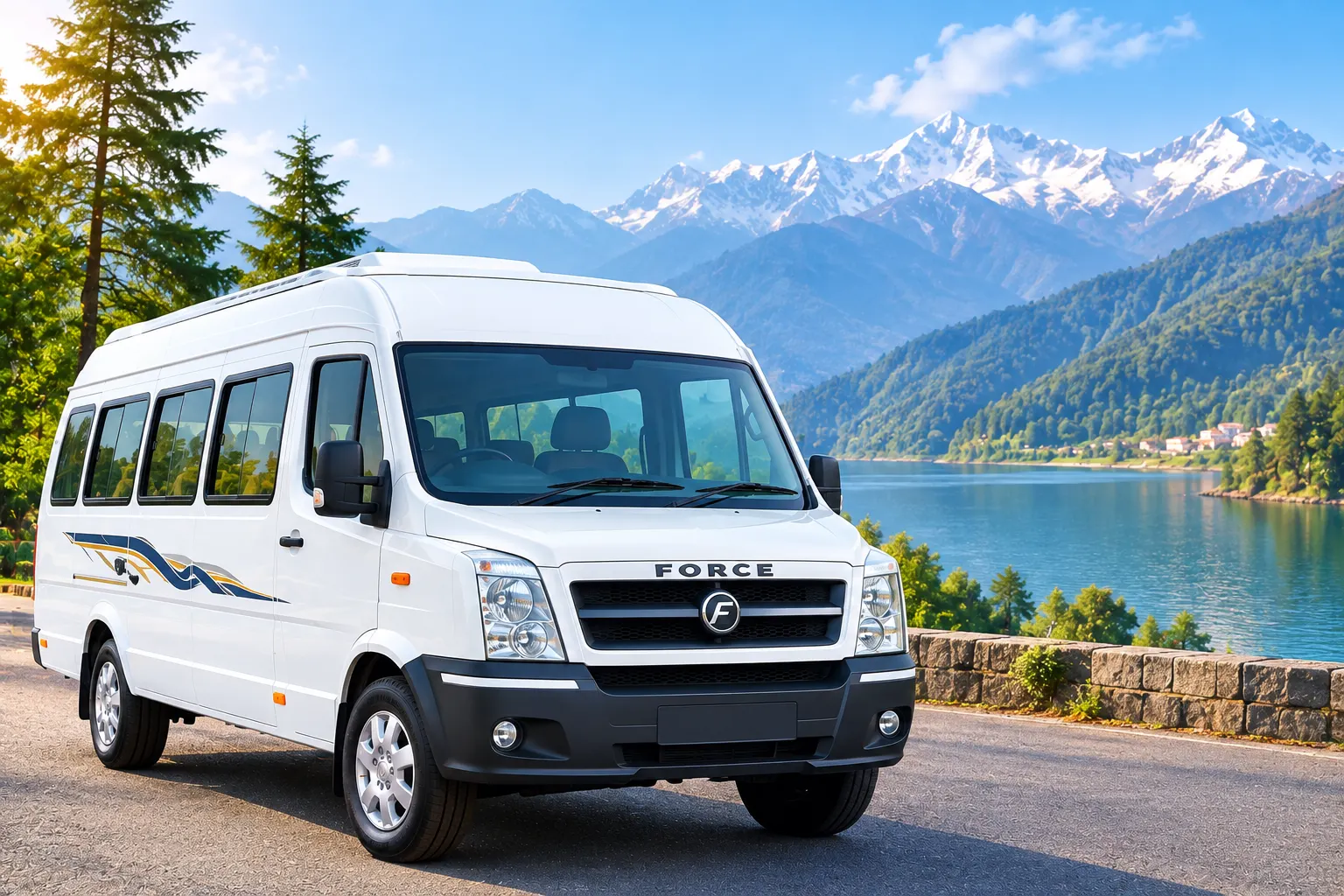
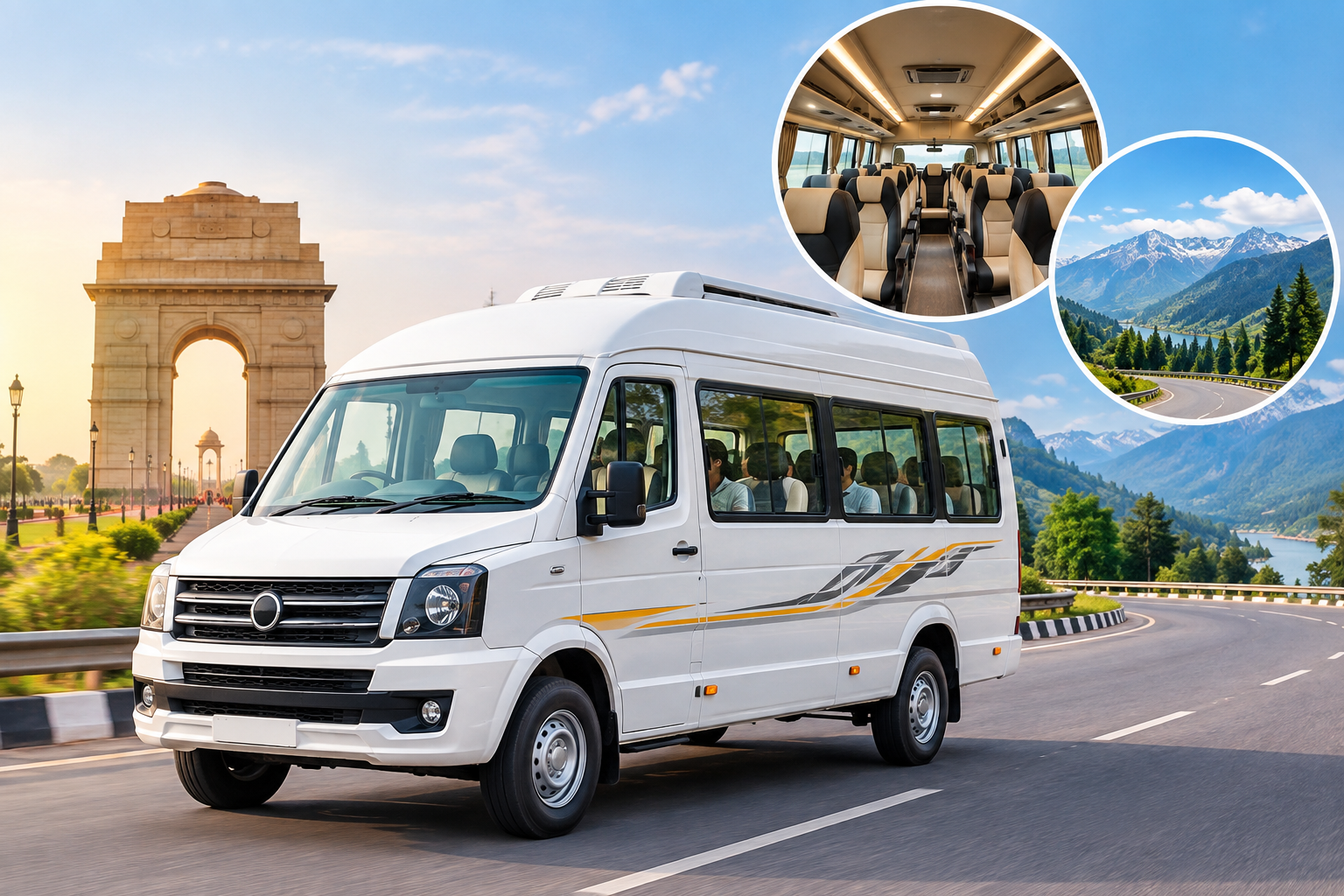
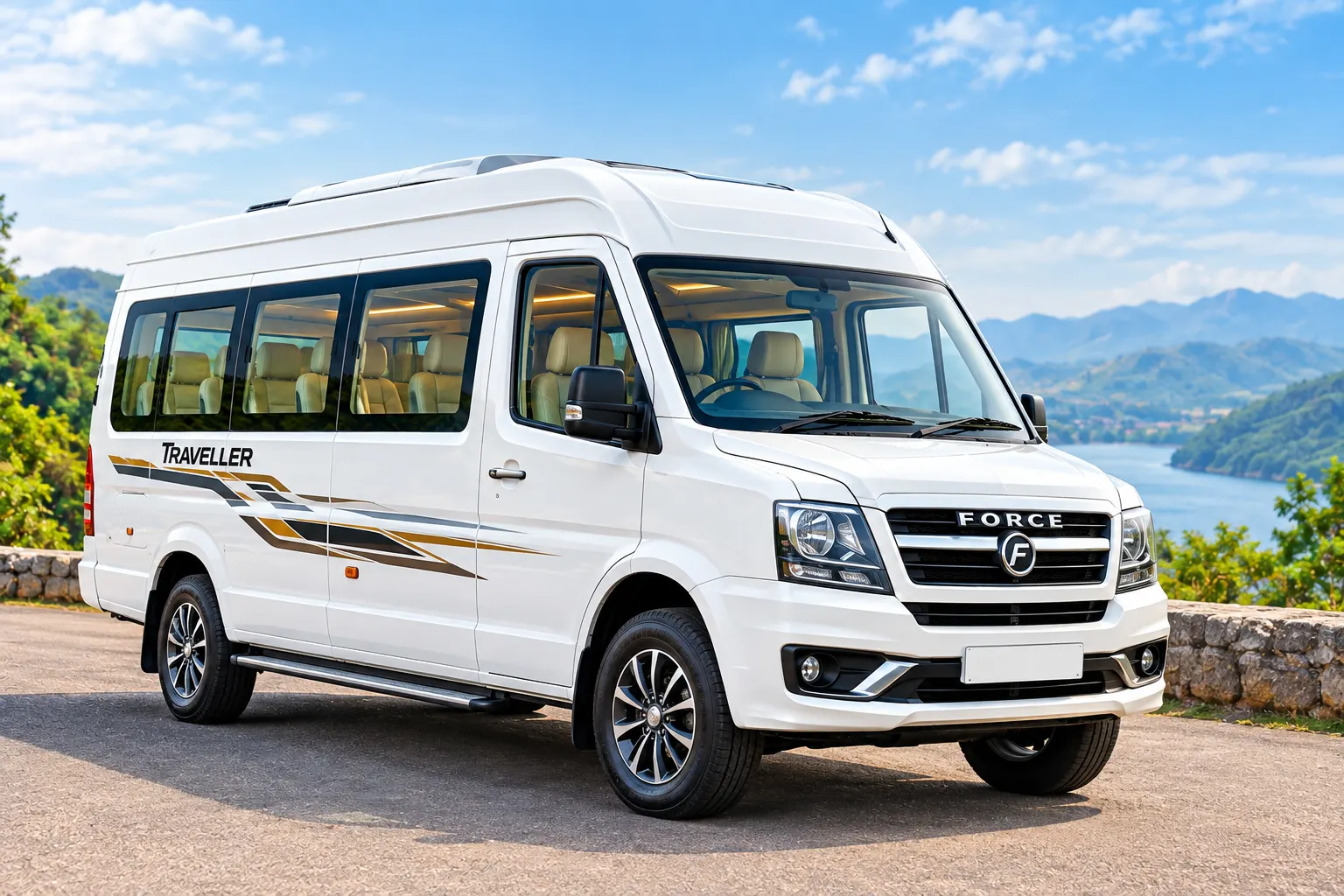
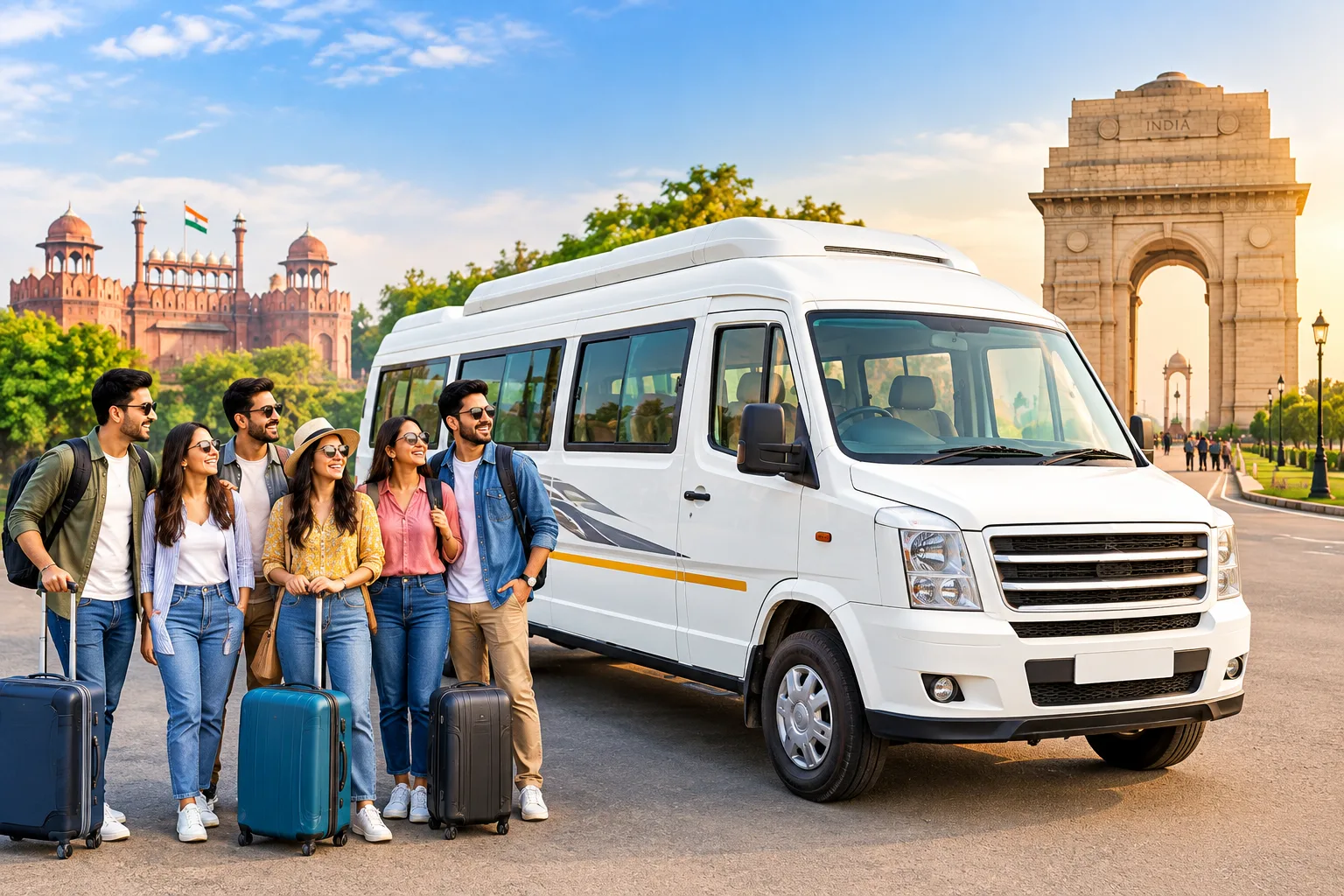
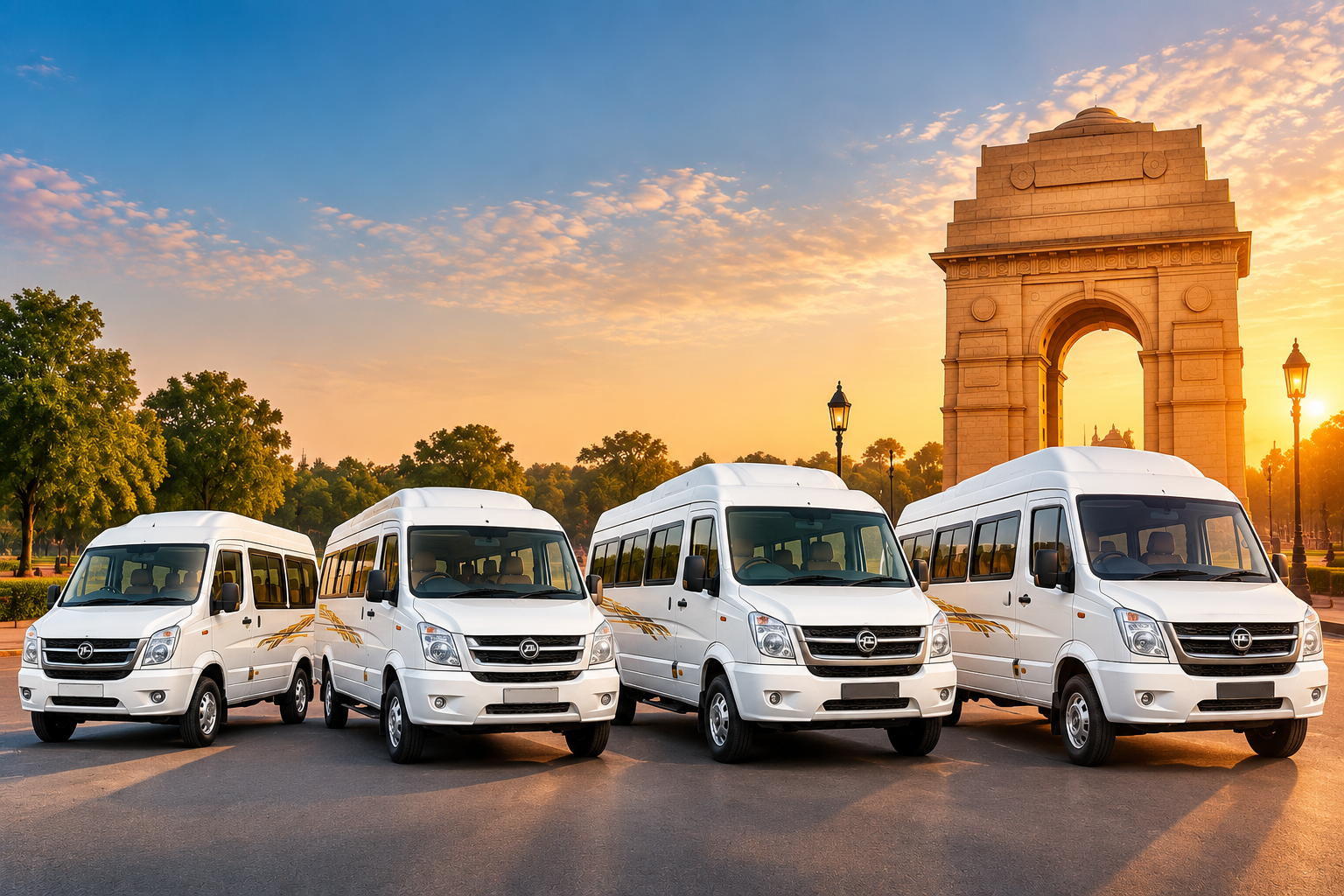
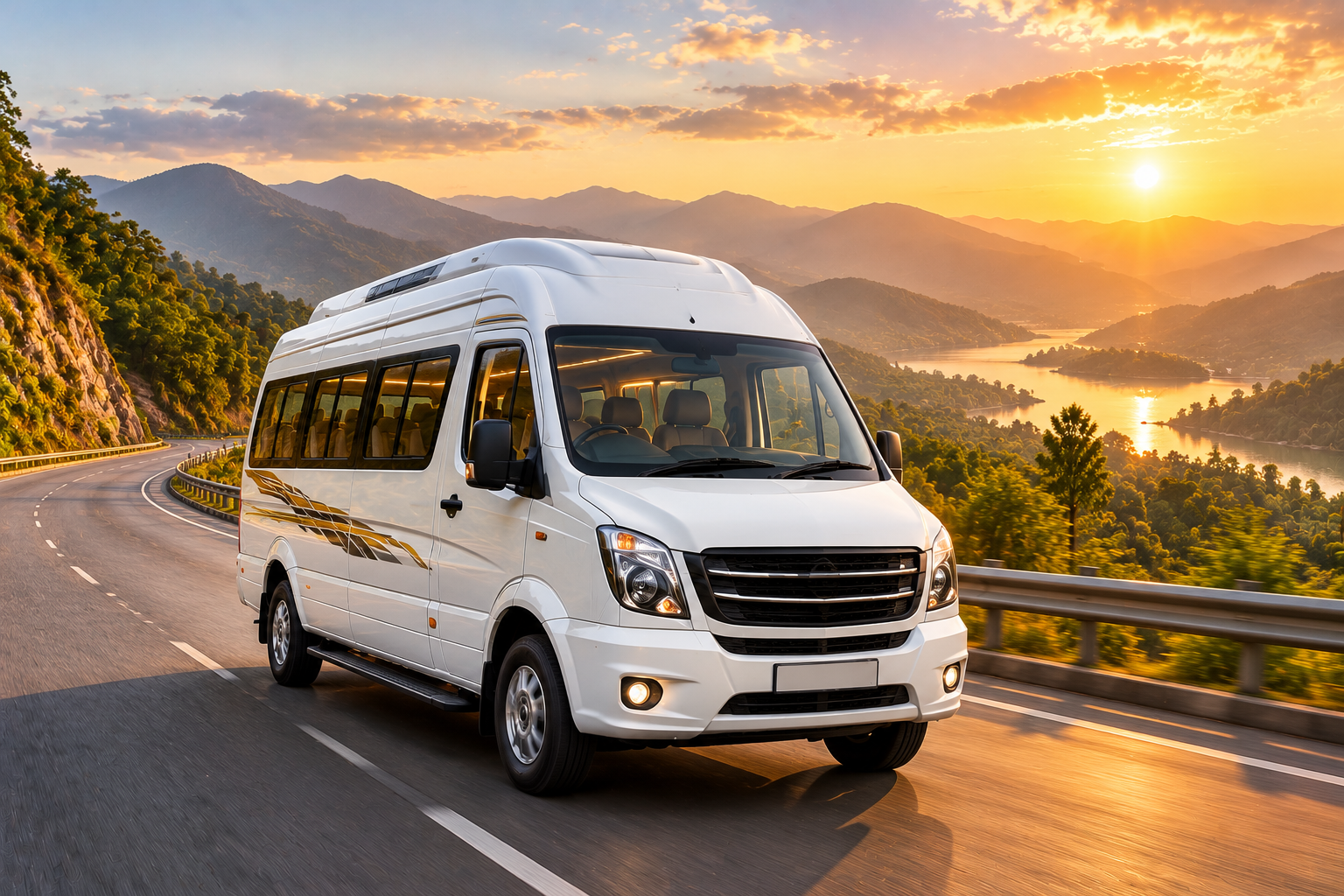
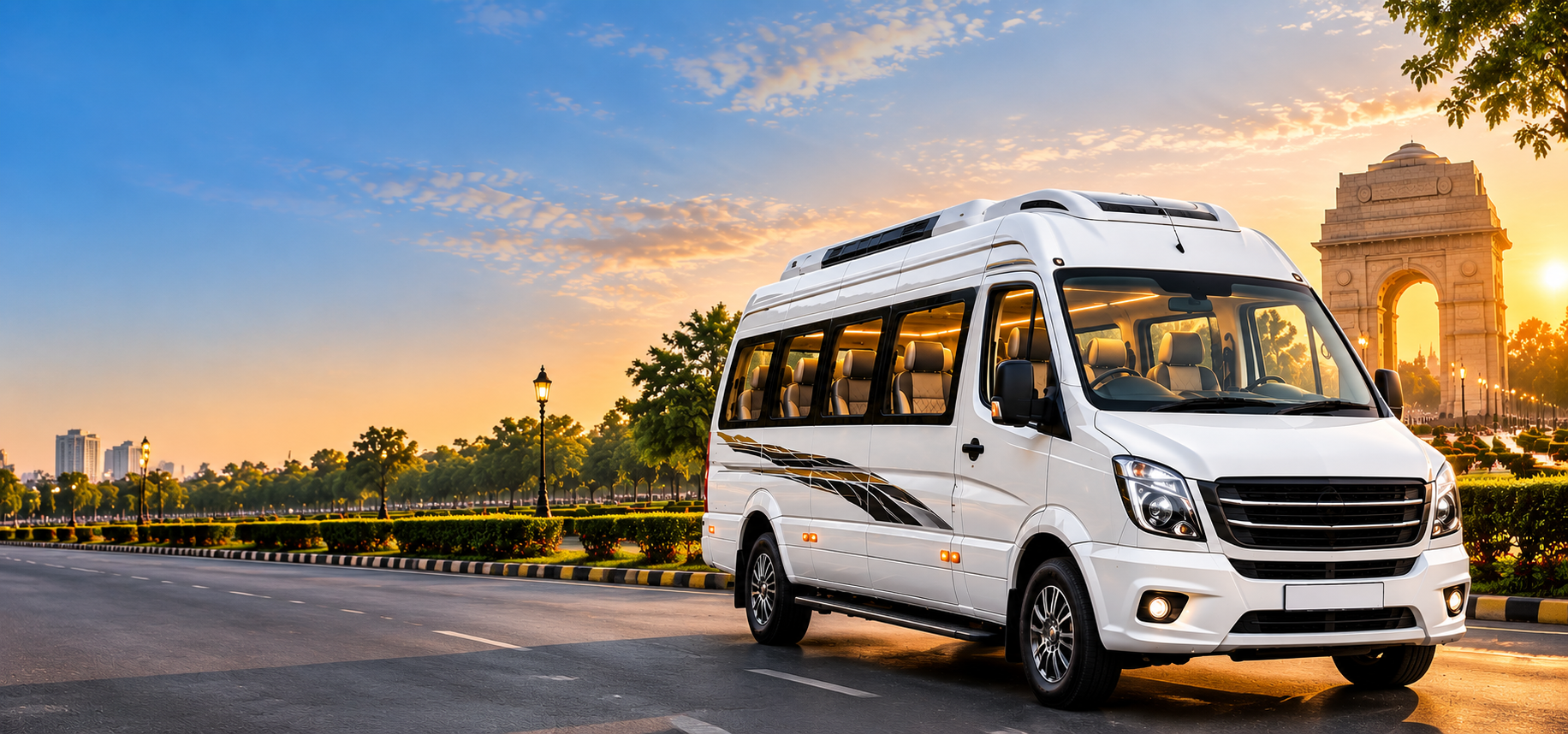
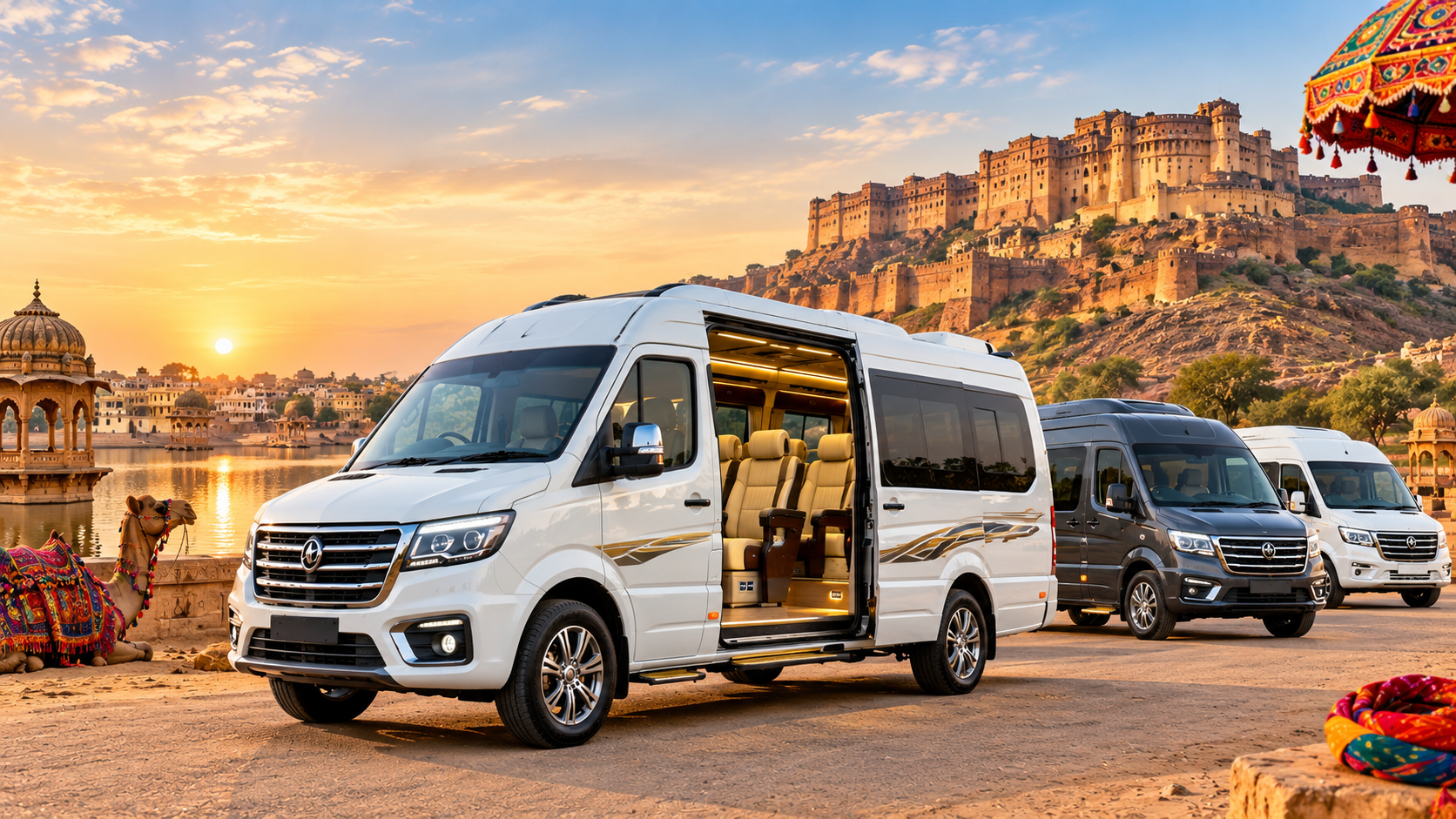
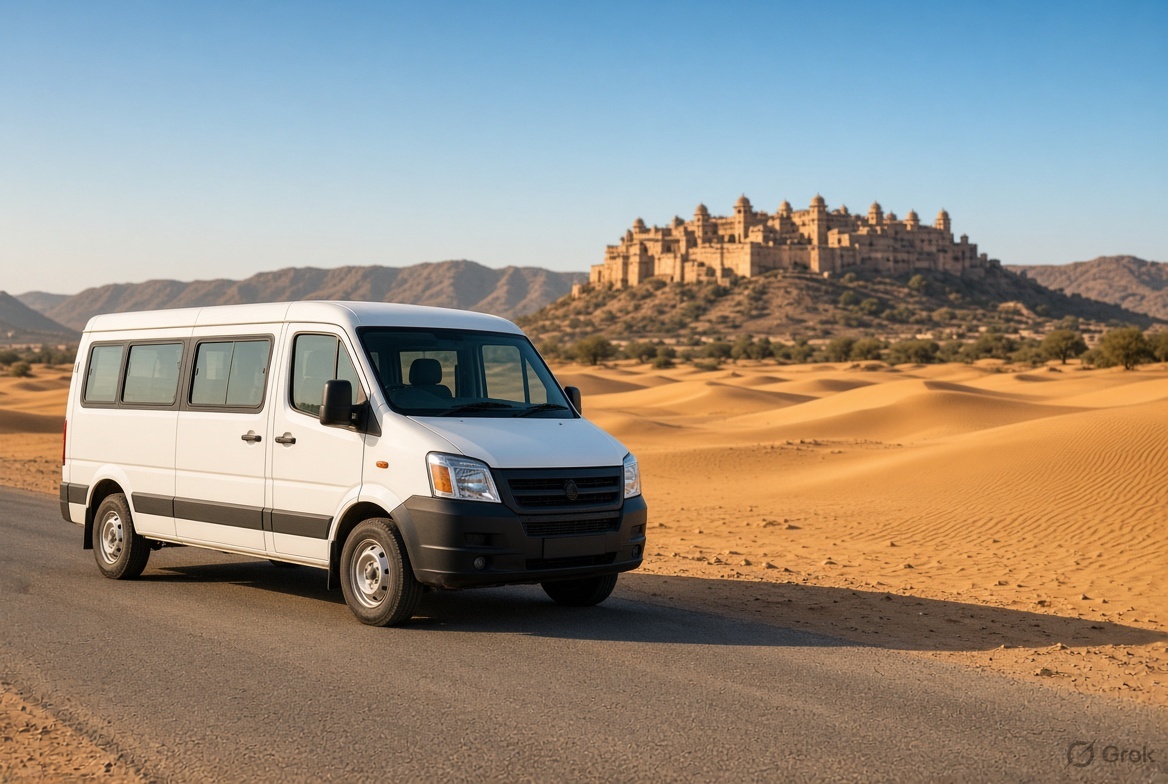
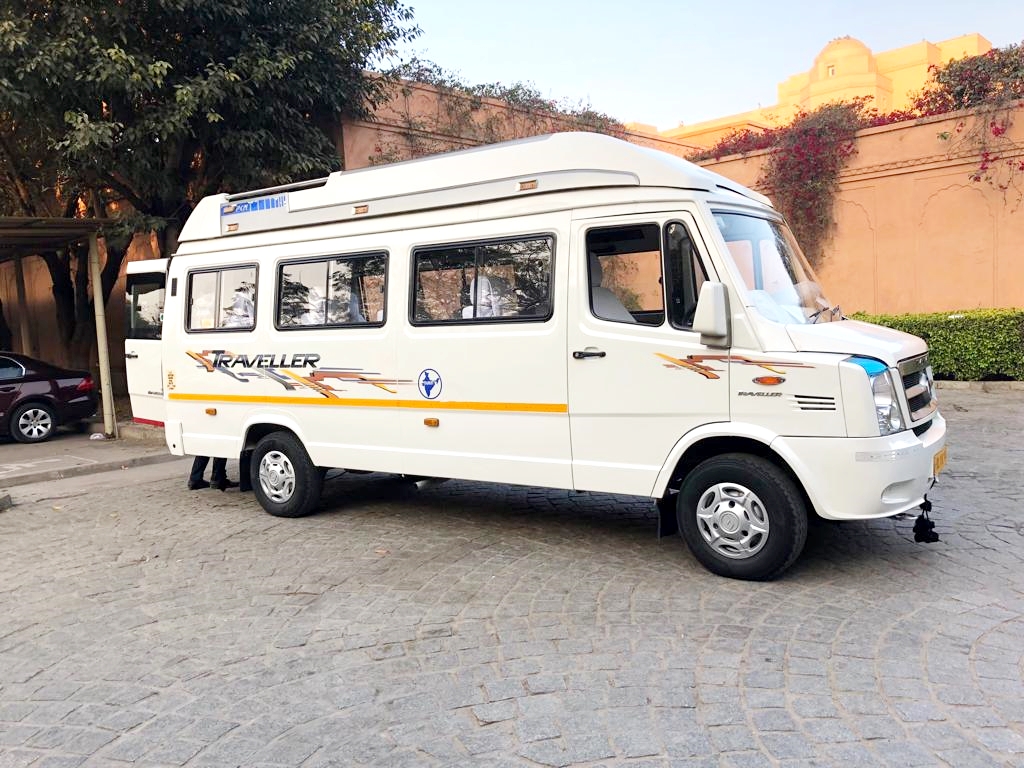
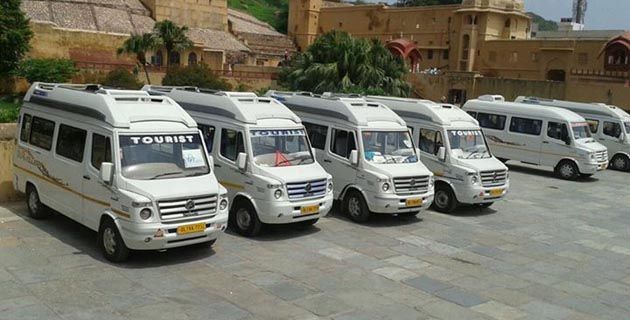
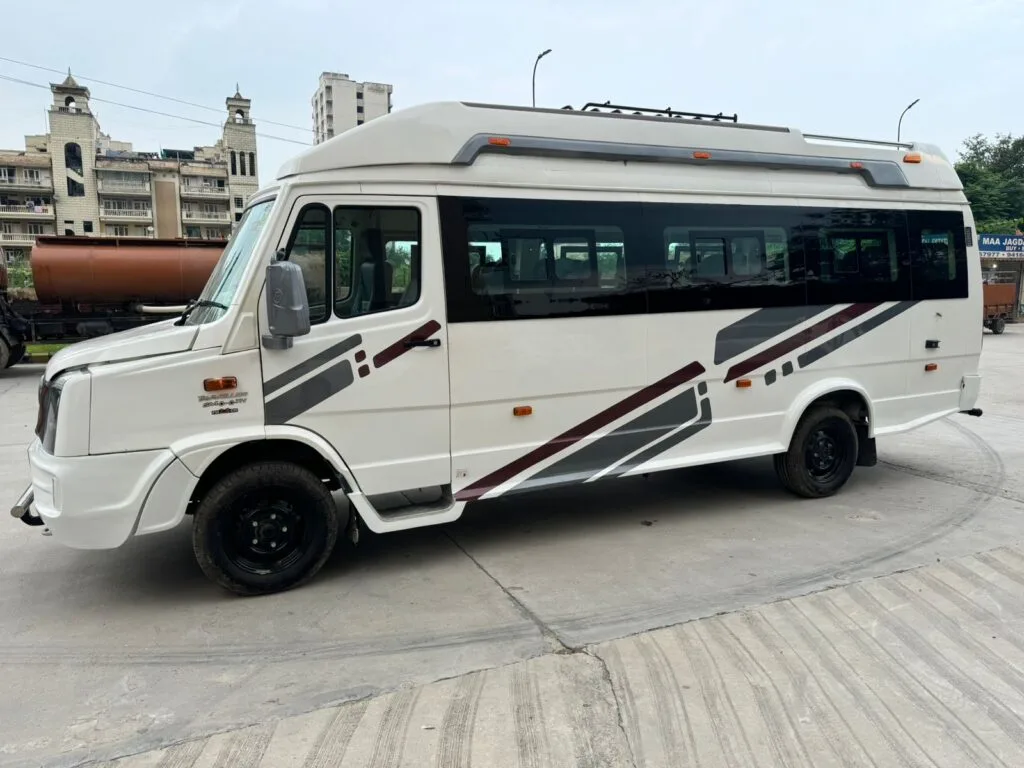
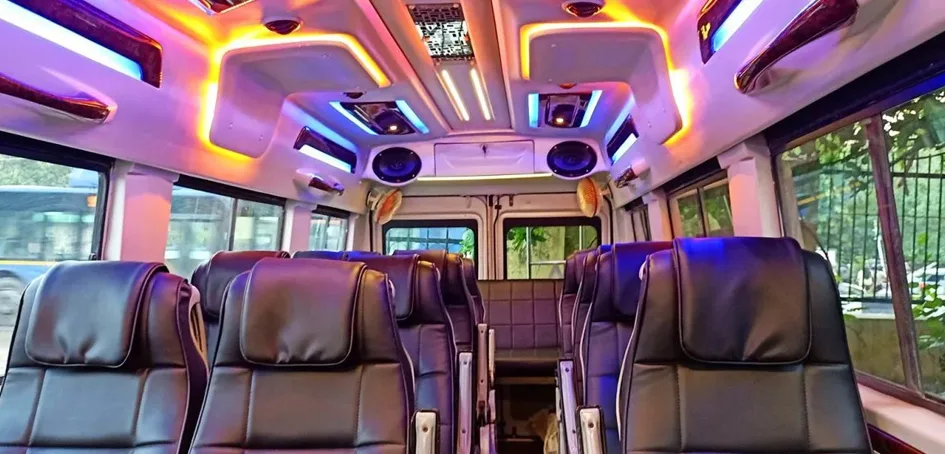
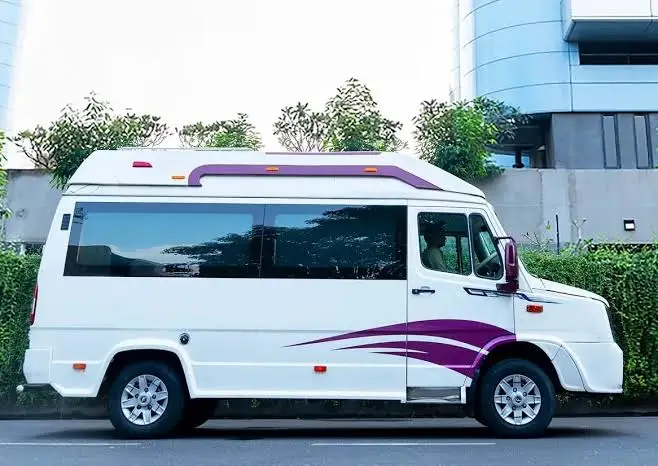
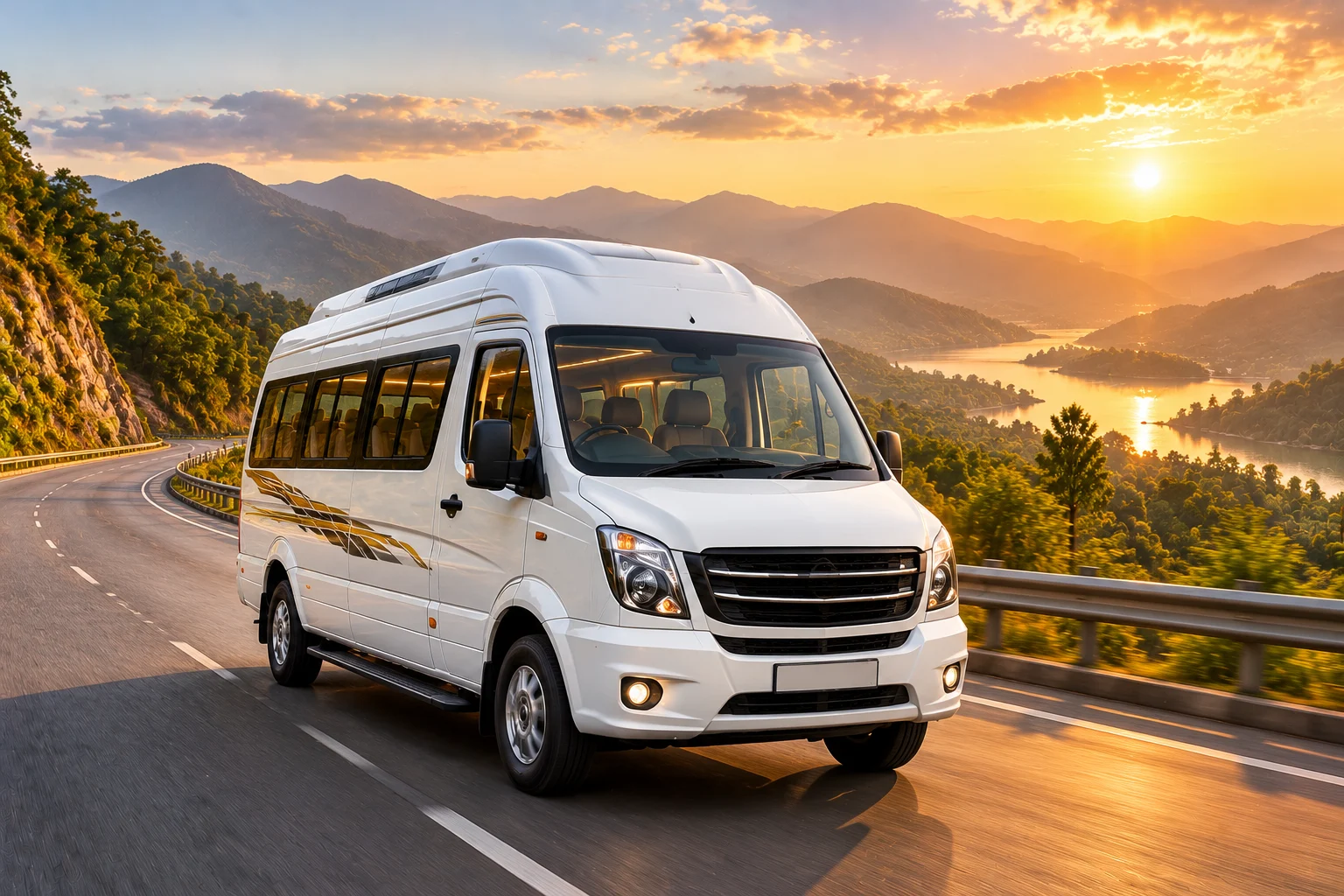
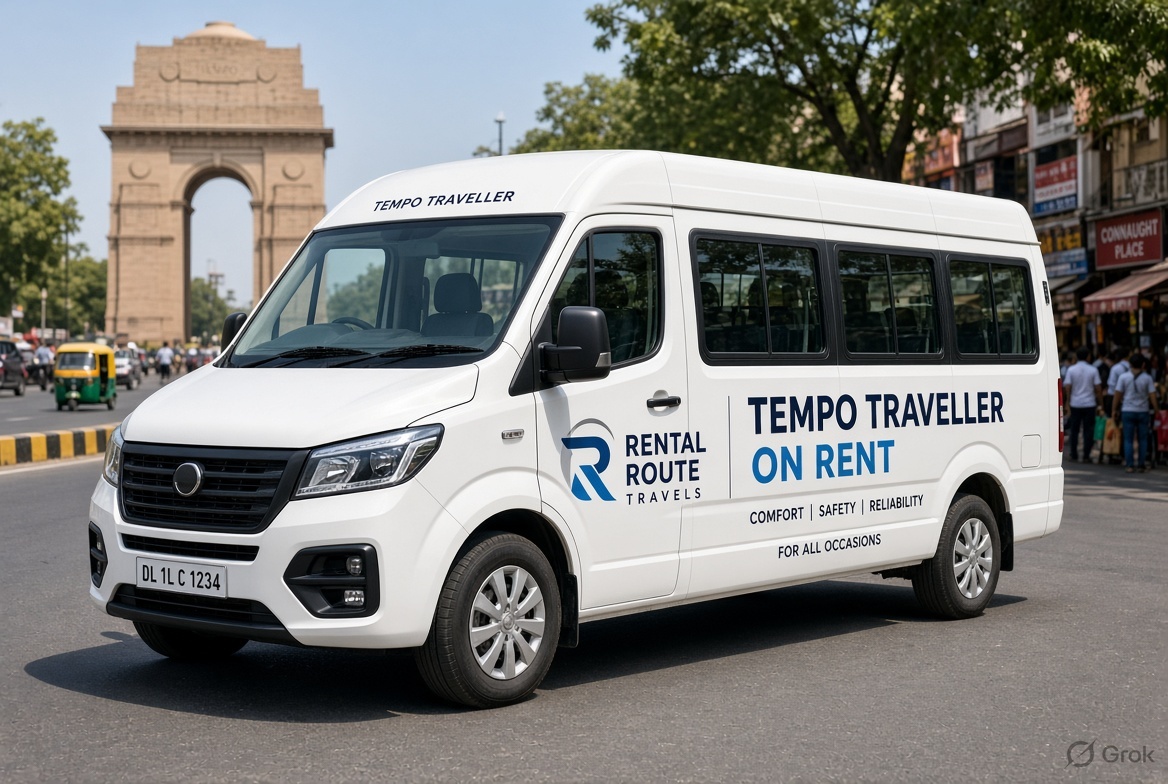
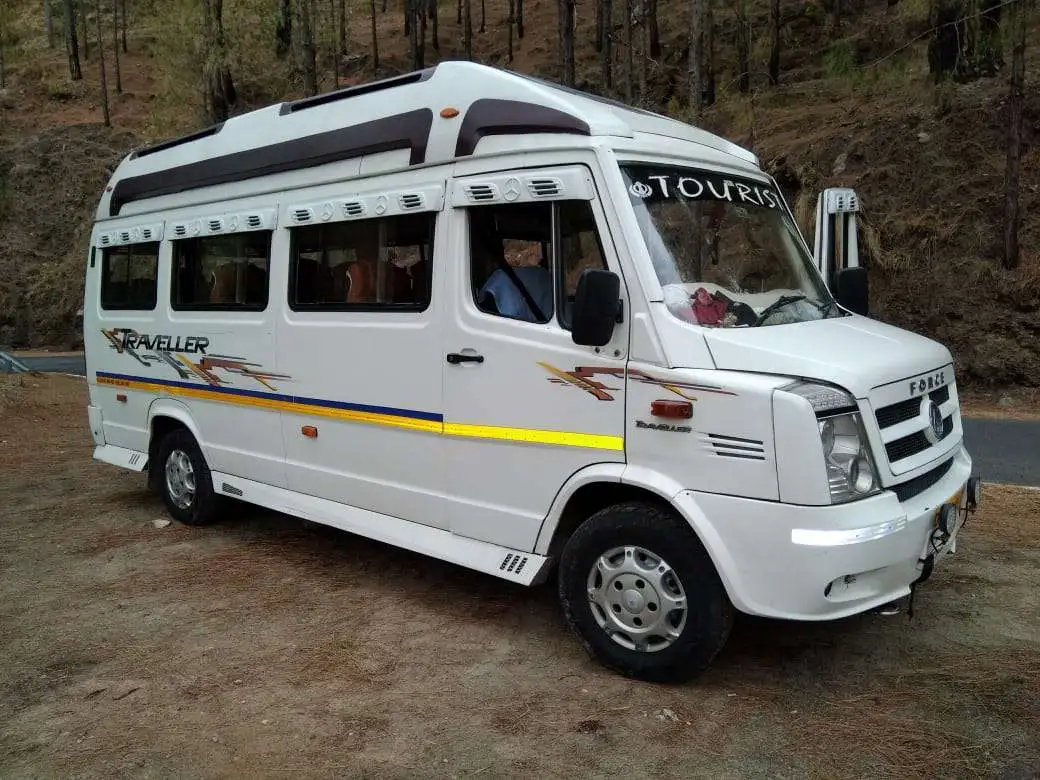
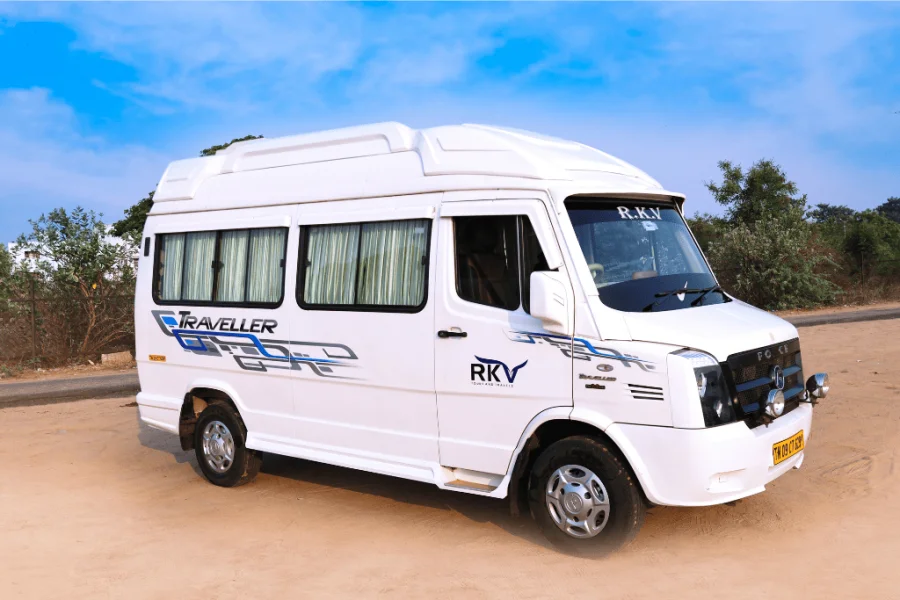
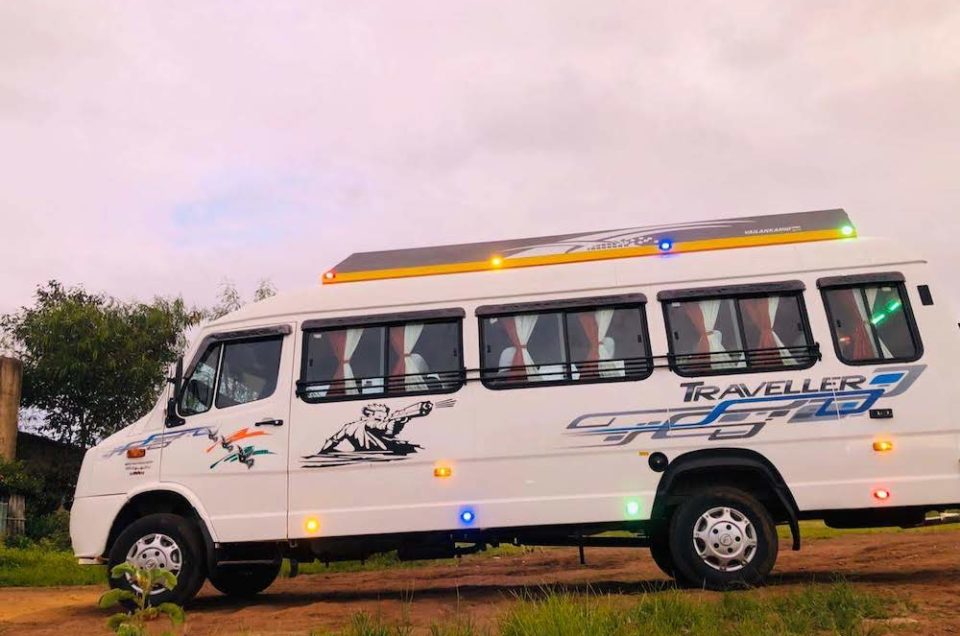
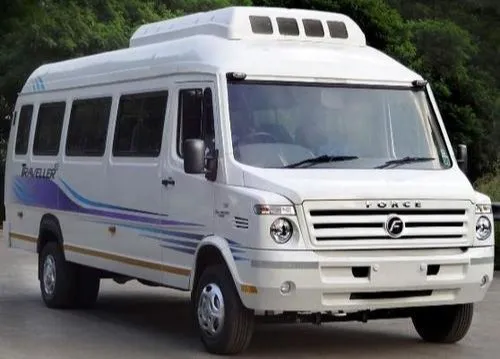
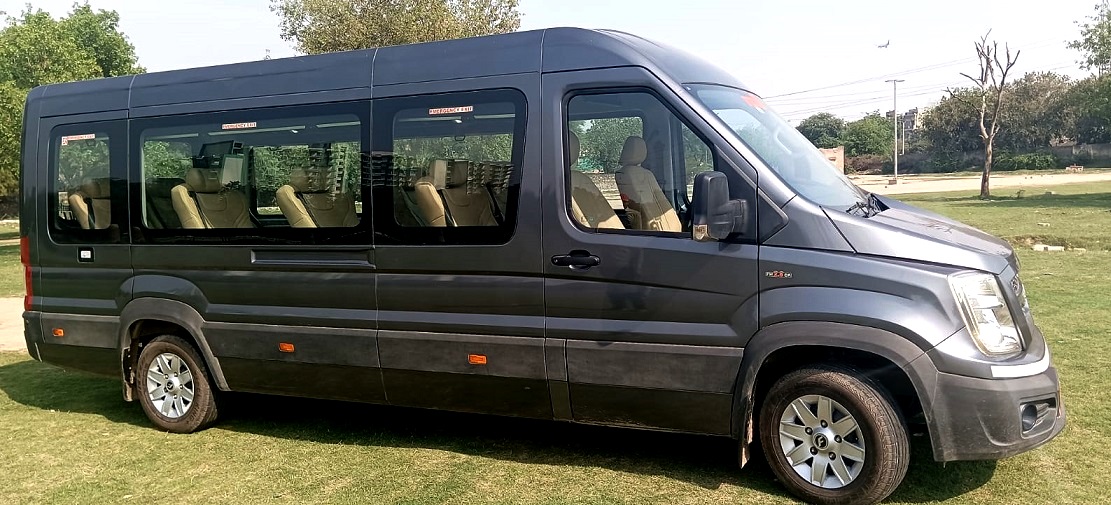
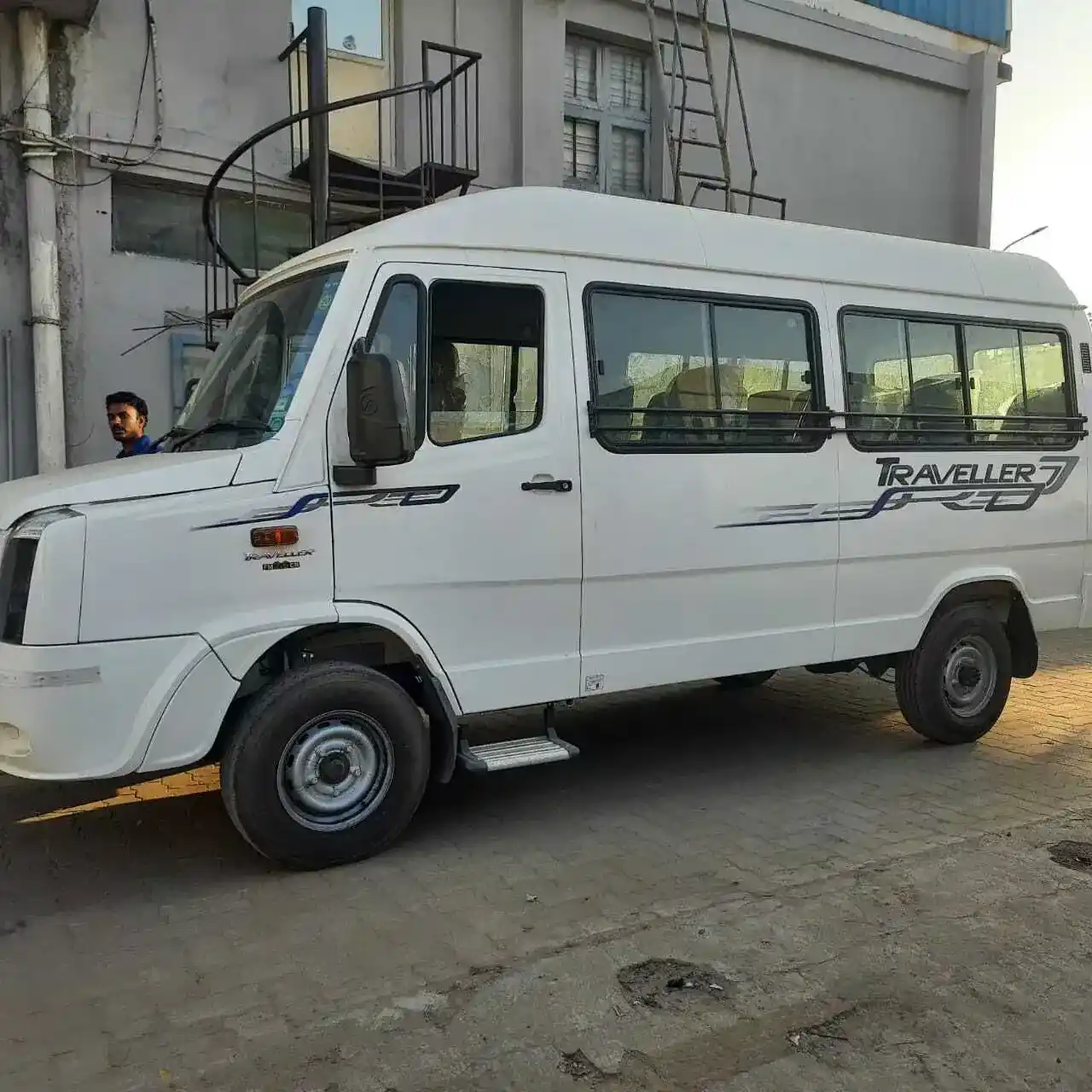
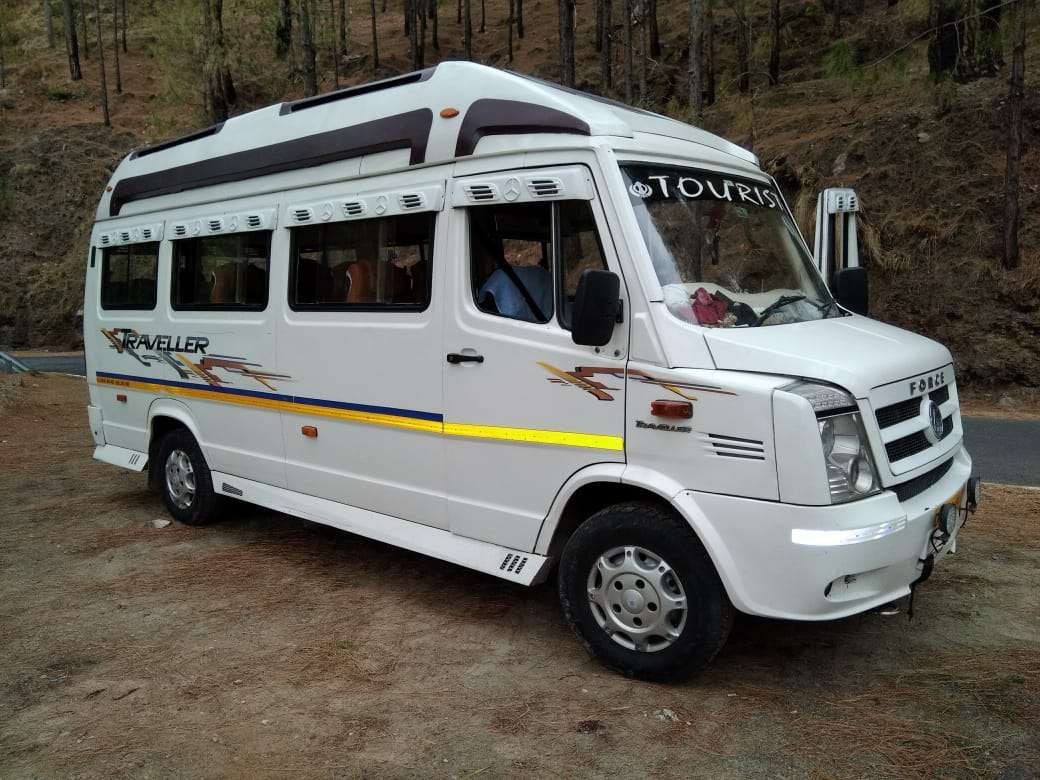
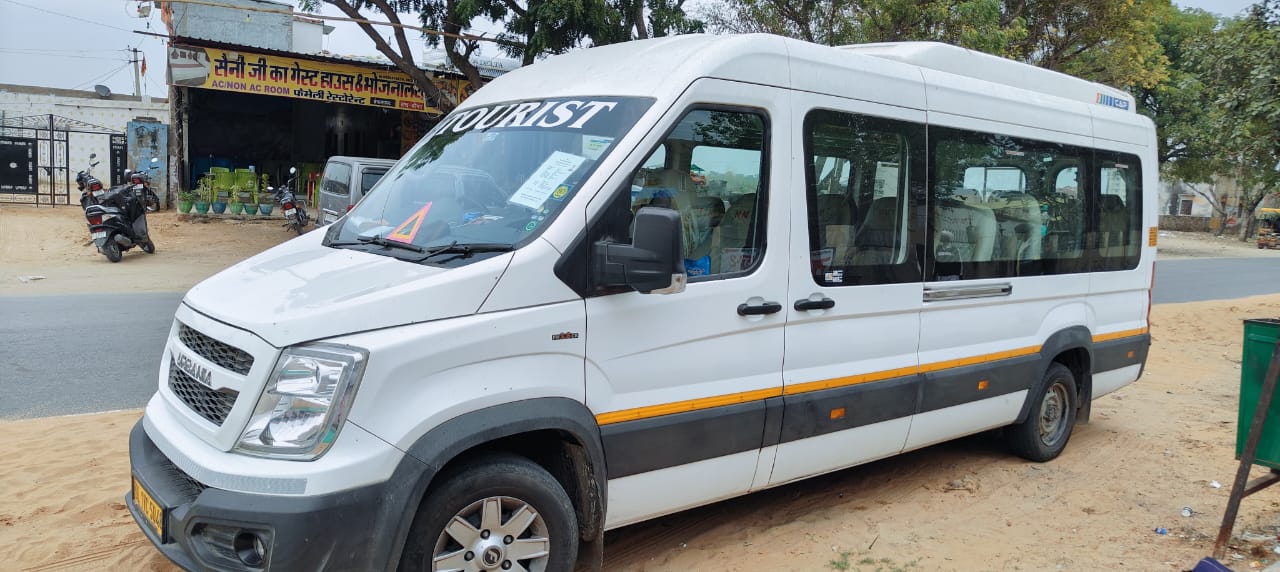
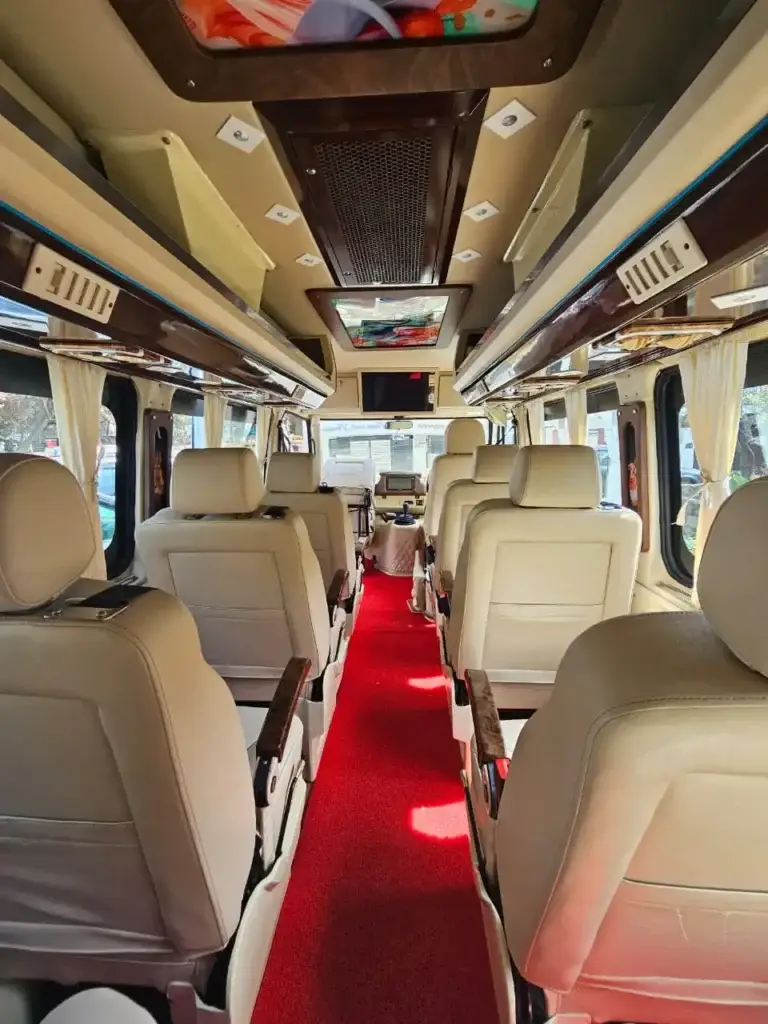
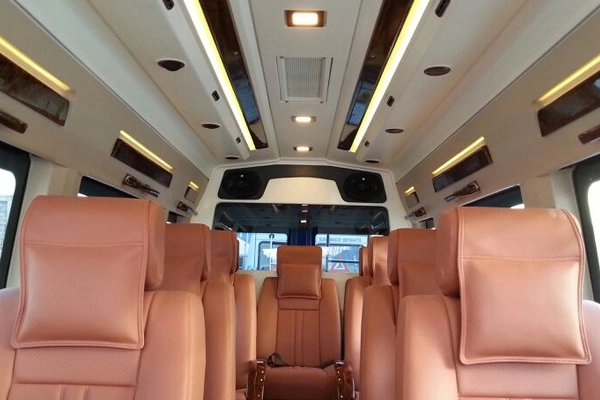
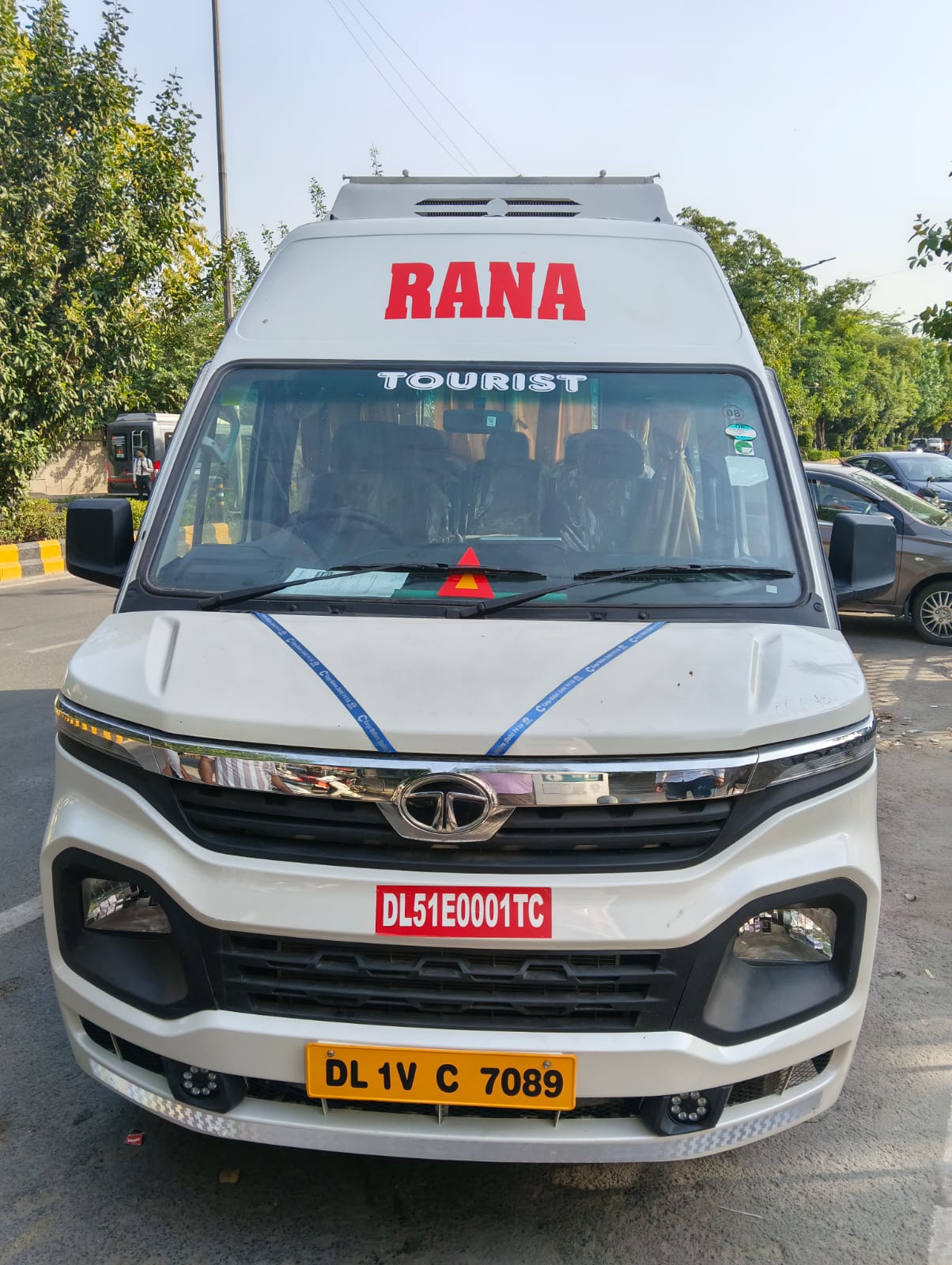
Chardham Yatra by Tempo Traveller — Why It's the Preferred Transport Choice
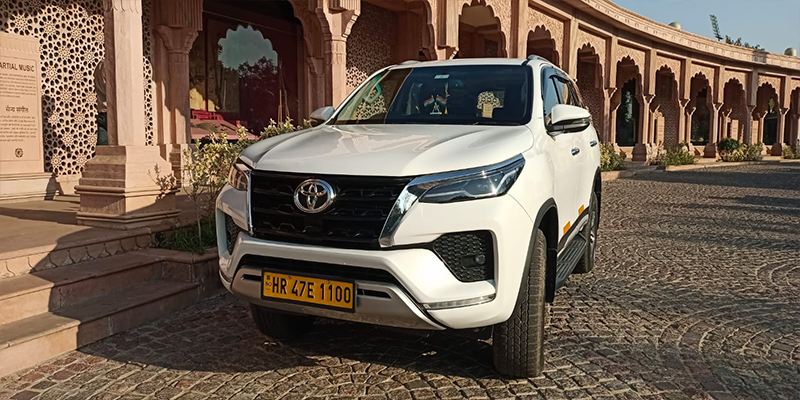
Given the hill roads, altitude changes, and multi-day nature of this yatra, a tempo traveller is generally the most practical choice for groups and families:
Keeps the group together across all four sites without re-coordinating multiple vehicles
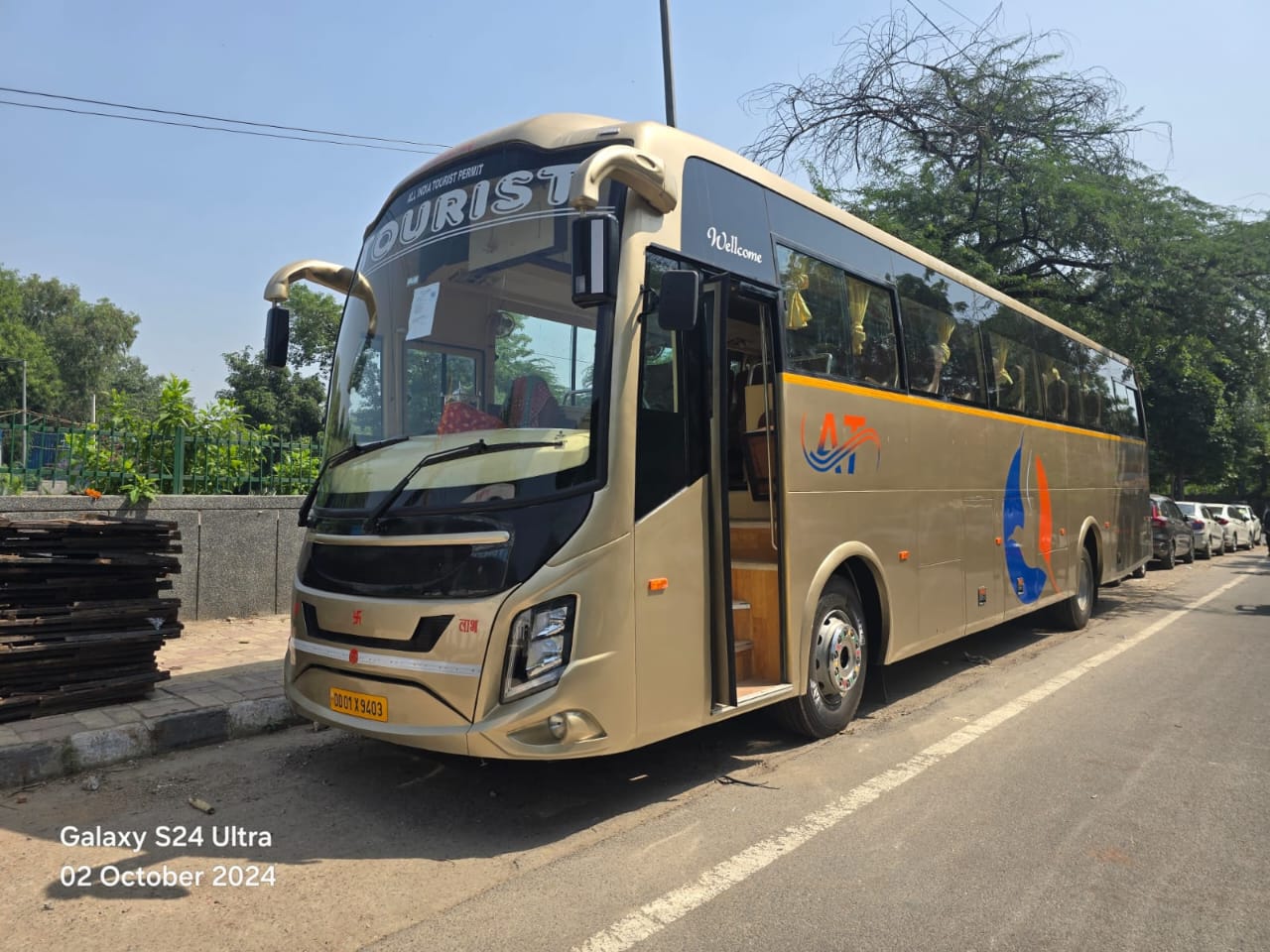
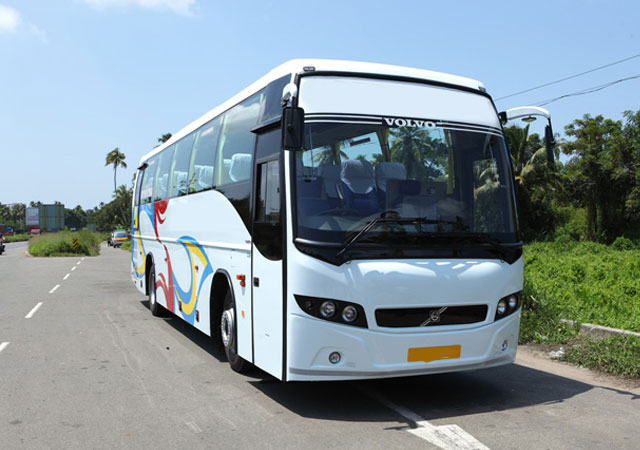
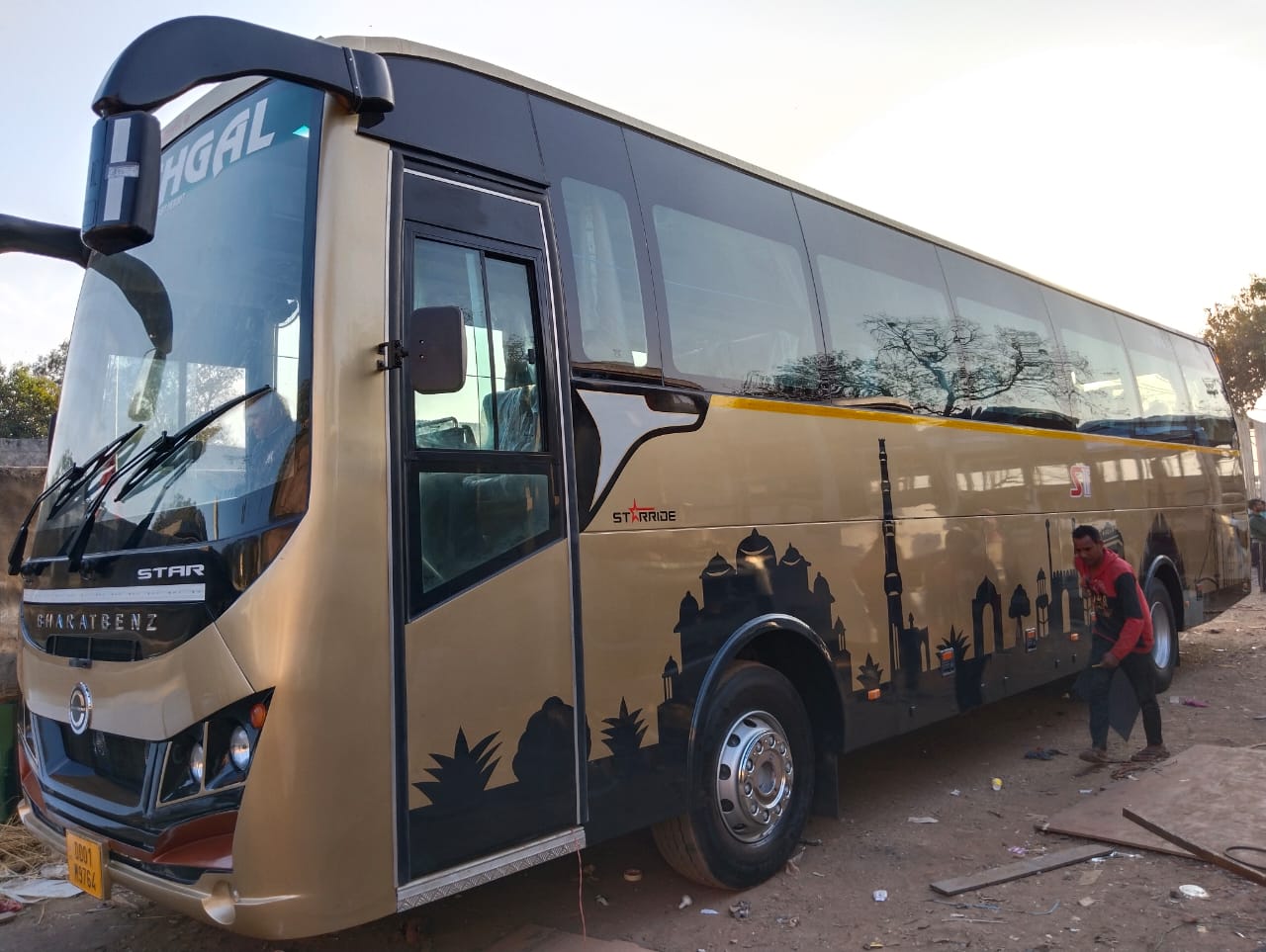
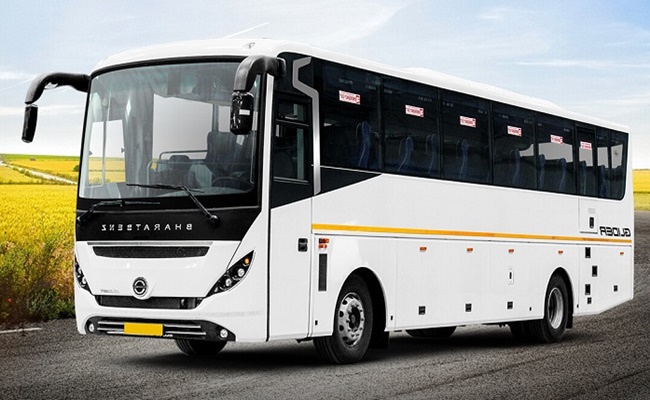
Better suited to hill roads than larger buses, particularly on the Yamunotri and Gangotri approach roads
Allows flexible stops for rest, altitude adjustment, and unplanned darshan queue delays
More cost-effective per person than multiple private cars for groups of 6 or more
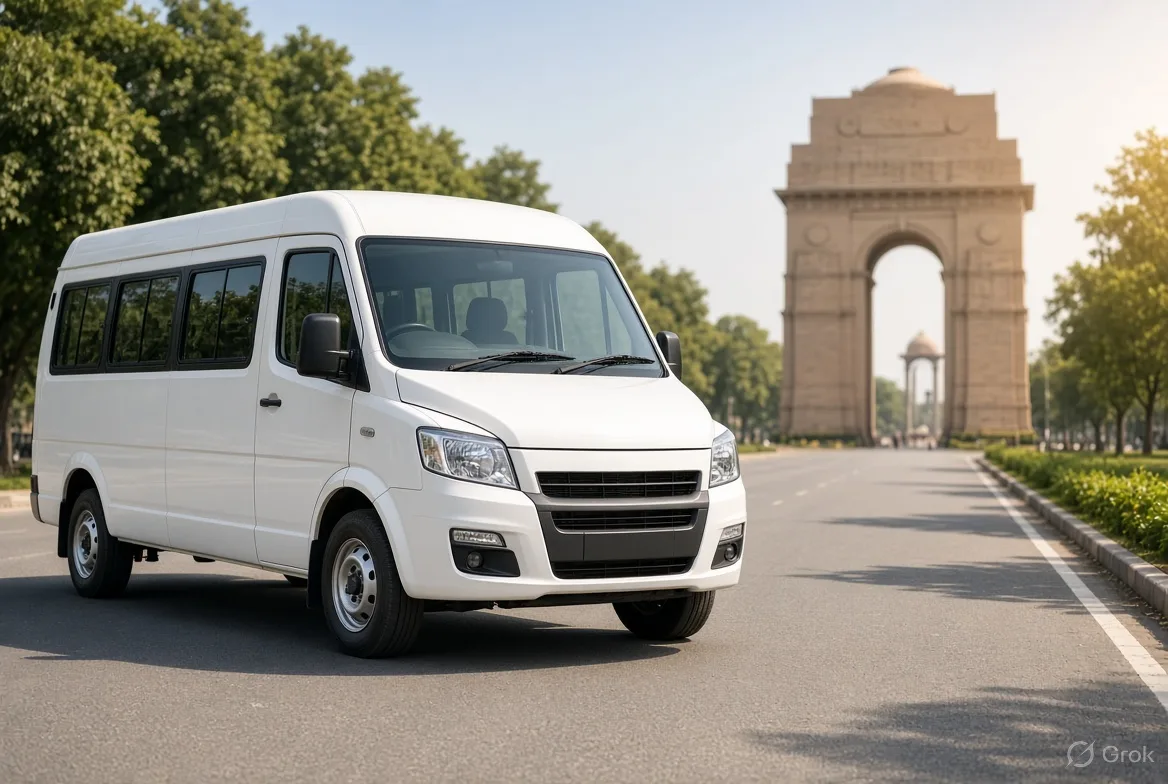
See our dedicated page on tempo traveller on rent in Delhi if you're arranging transport separately from your package.
Chardham Yatra Registration — What You Need to Know
Online registration through the official Uttarakhand government portal (or the Tourist Care Uttarakhand app) is mandatory for all four dhams before you travel. Most package operators handle this registration as part of the booking process, but it's worth confirming this explicitly and keeping a copy of your registration confirmation and biometric ID (where applicable) with you throughout the yatra.
Carry any personal medication and a basic first-aid kit
Warm layers are necessary even outside peak winter, especially at Kedarnath and Badrinath
Elderly travellers or those with cardiac/respiratory conditions should consult a doctor before the trip and consider the helicopter option for Kedarnath
Build in rest days rather than a fully packed schedule — altitude fatigue is common and not something to push through
Best Time for Chardham Yatra
The yatra season typically runs from late April/early May to early November, aligned with the opening and closing of the temple portals (specific dates are announced annually and vary by year). May-June and September-October are generally considered the most comfortable weather windows, while July-August coincides with monsoon and higher landslide risk on hill roads.
Frequently Asked Questions
How many days does the Chardham Yatra take?
A complete circuit typically takes 11-12 days from Delhi, including travel time, though it can be compressed to 9-10 days with a more demanding pace or extended for a more relaxed schedule.
Is registration mandatory for Chardham Yatra?
Yes, online registration through the official Uttarakhand portal is mandatory for all pilgrims visiting any of the four dhams, and should be completed well before your travel dates.
Is a helicopter option available for the full Chardham Yatra?
Helicopter services are primarily available for Kedarnath due to its trekking-only road access; the other three dhams are generally reached by road, though combined helicopter packages covering multiple dhams do exist through select operators.
What is the best time to do Chardham Yatra?
May-June and September-October are generally considered the most favourable months, offering clearer weather and lower landslide risk compared to the monsoon period.
Is Chardham Yatra suitable for elderly travellers?
Yes, with proper planning — building in rest days, considering the helicopter option for Kedarnath, and consulting a doctor beforehand for anyone with existing health conditions.
Ready to Book Your Chardham Yatra?
Get a complete Chardham Yatra package with tempo traveller transport, hotel stays, and registration support — planned around a realistic, comfortable pace.



















.jpeg)



.jpeg)
.webp)
.jpeg)
.jpeg)
.jpeg)


.jpeg)
.jpeg)
.jpeg)
.jpeg)
.jpeg)


.jpeg)
.webp)
.jpeg)
.jpeg)

.jpeg)

.jpeg)
.jpeg)
.jpeg)
.jpeg)

.jpeg)

.webp)
.jpeg)
.jpeg)
.jpeg)

.jpeg)









.webp)


.webp)









































































































.webp)






















.webp)



































.webp)





.webp)



.webp)


.webp)
.webp)
.webp)

.webp)
.webp)
.webp)
.webp)

.webp)
.webp)

.webp)







.webp)
.webp)

.webp)
.webp)













.webp)