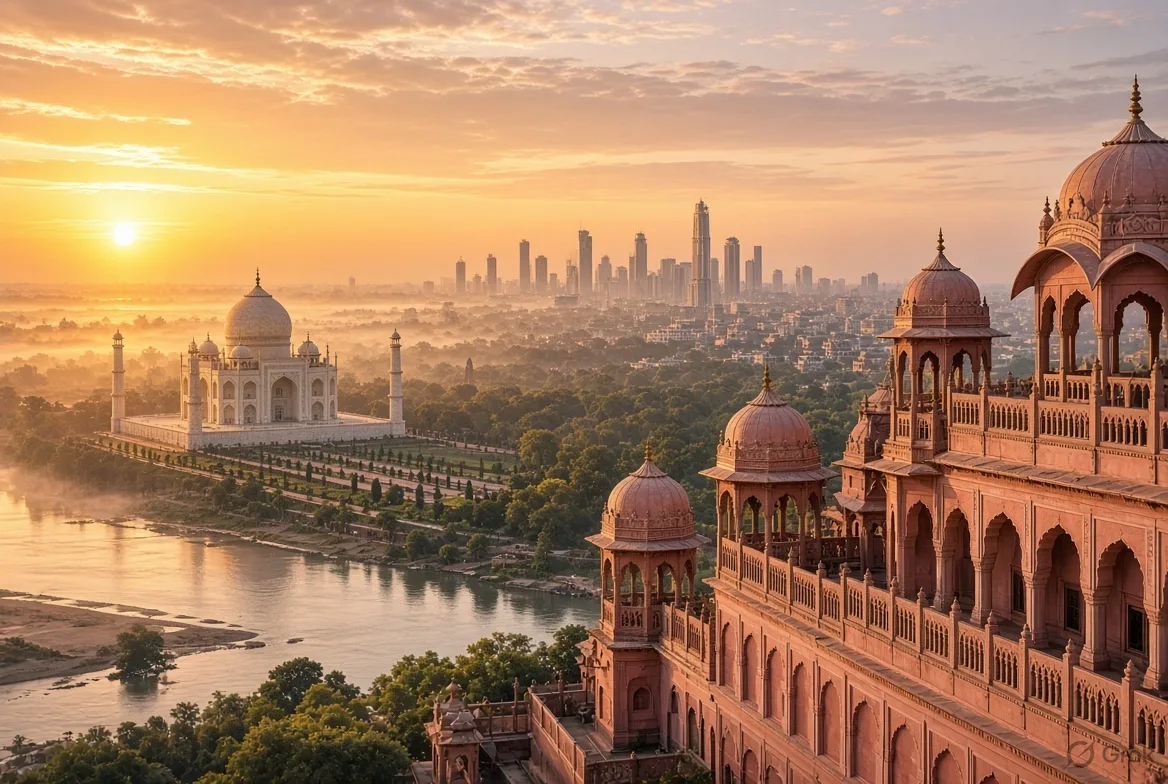
Planning a Golden Triangle tour package from Delhi? Here is a simple guide to the route, the cost, the best time to visit and what to check before you book your Delhi, Agra and Jaipur trip.
Published on 09 Oct, 2026
Updated on 12 Oct, 2026
986 Views
Golden Triangle Tour from Delhi: Full Itinerary & Cost
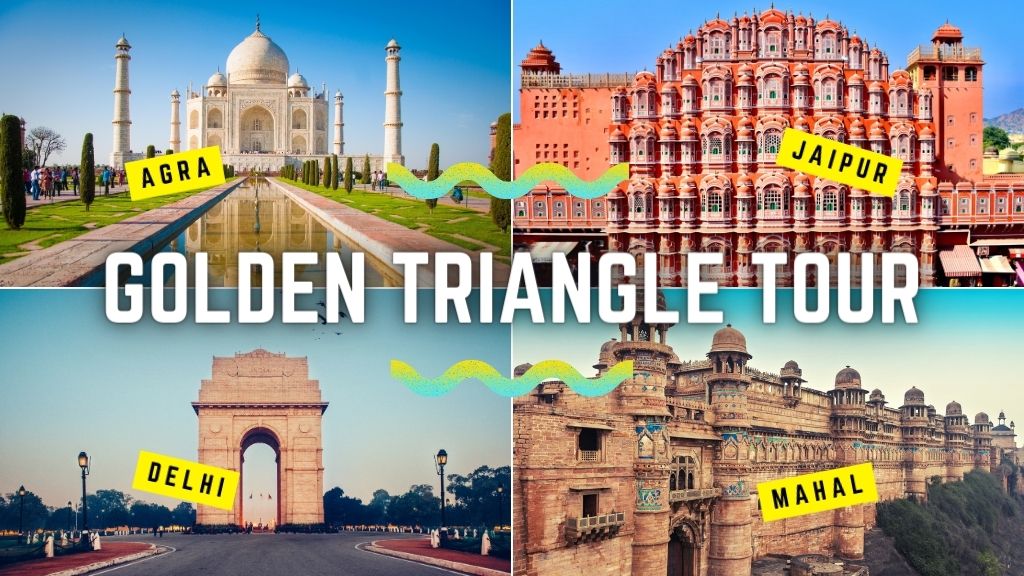
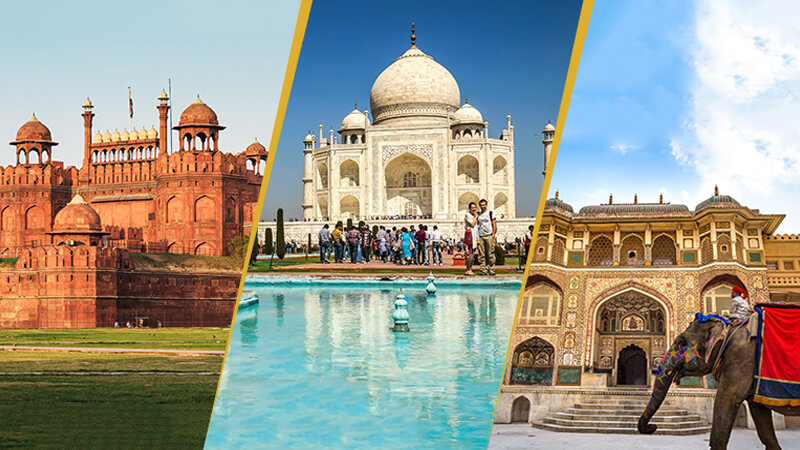
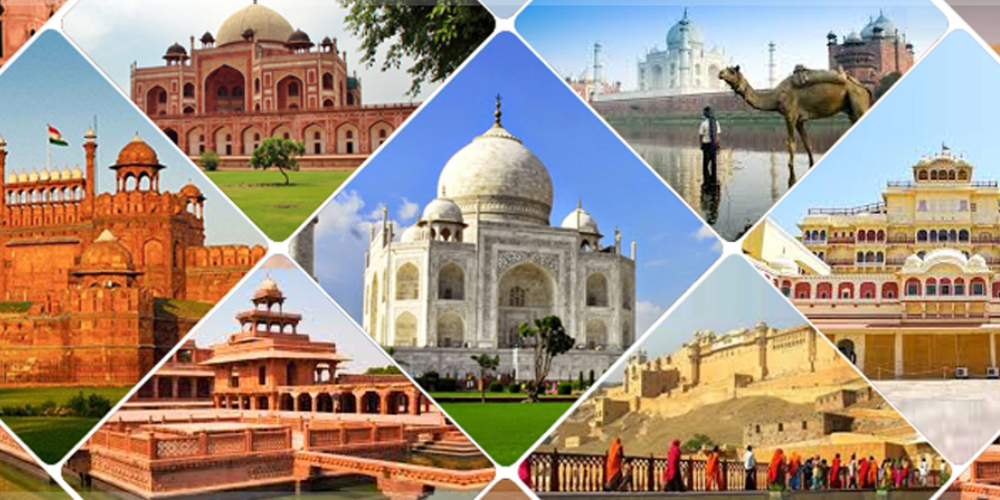
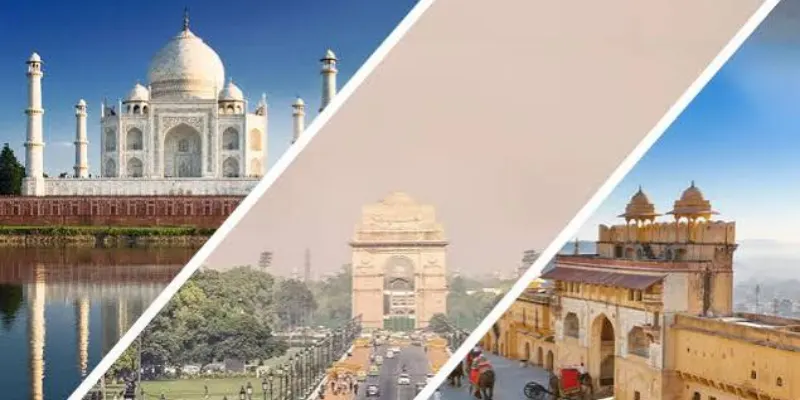
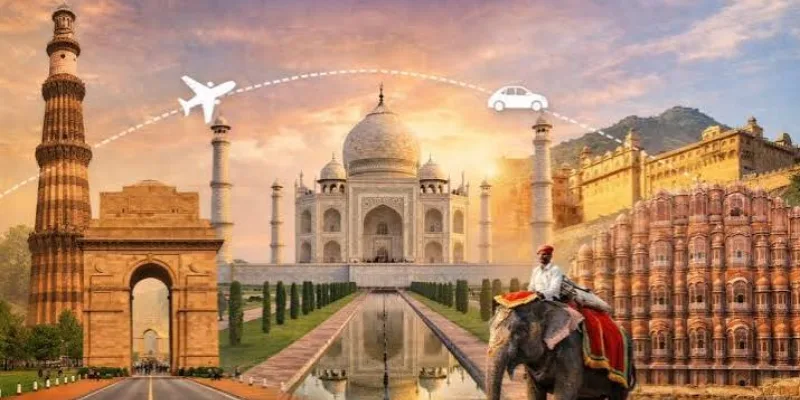
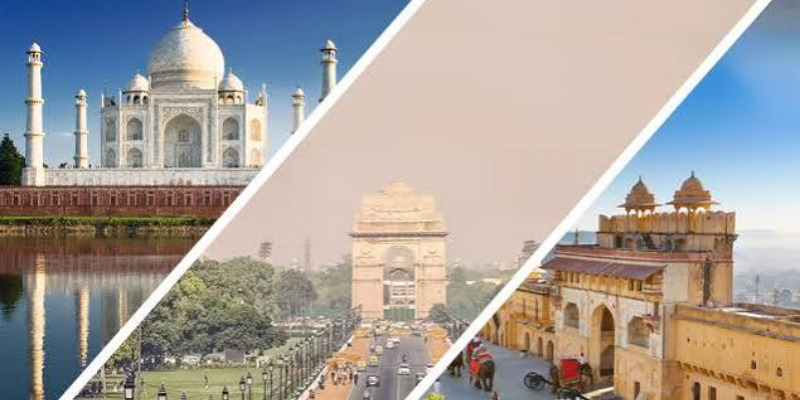
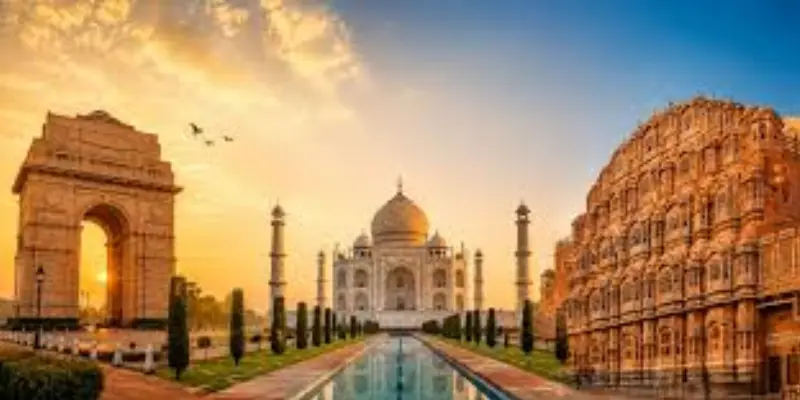
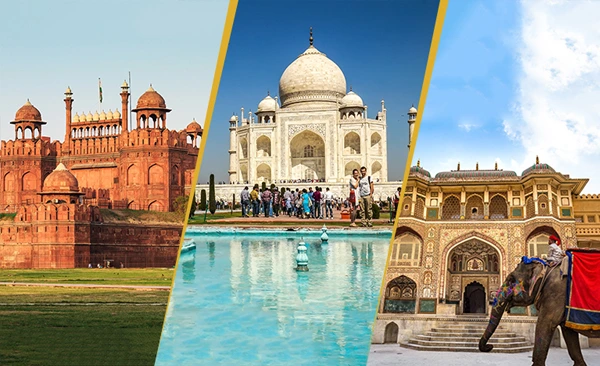
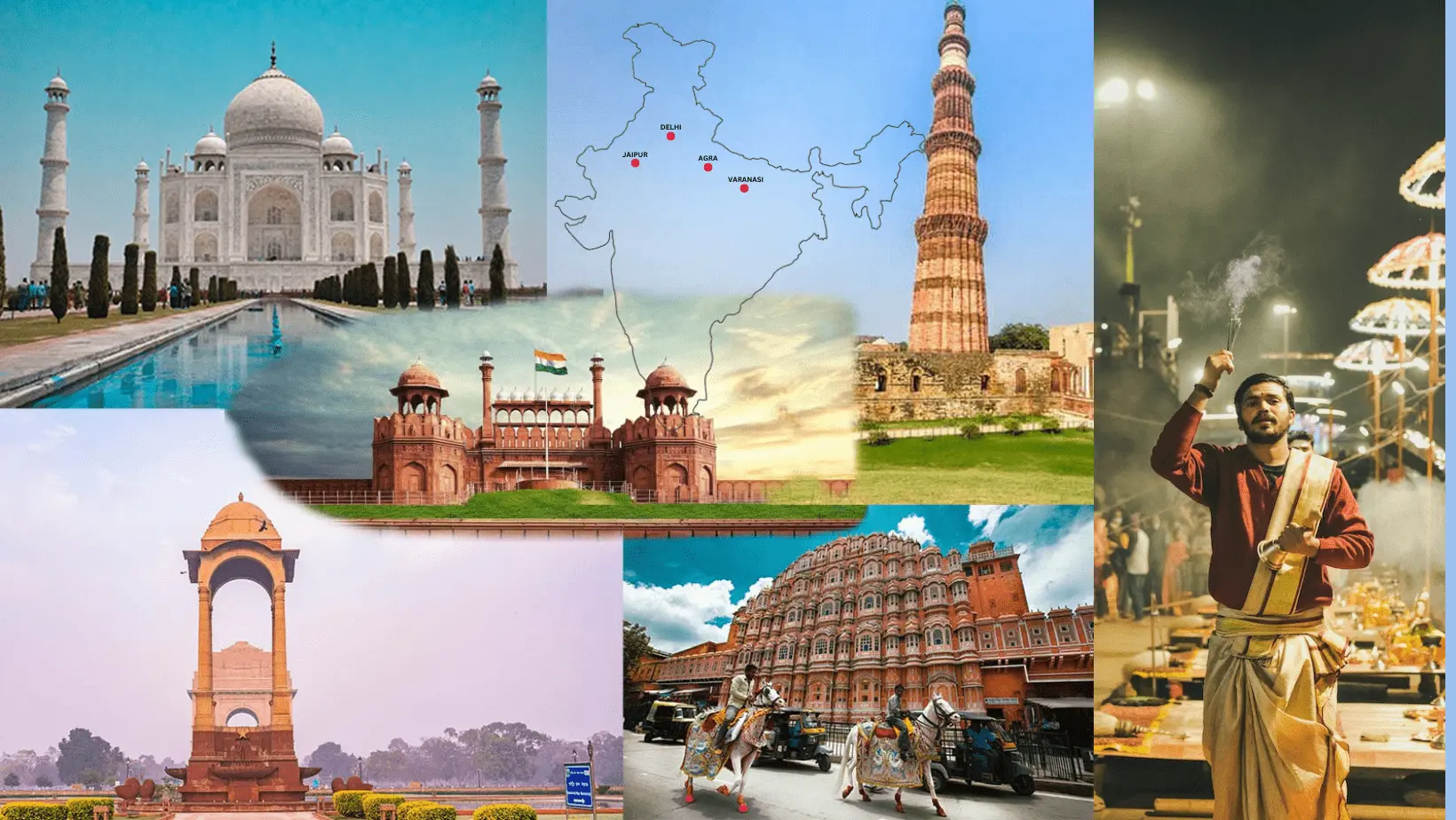
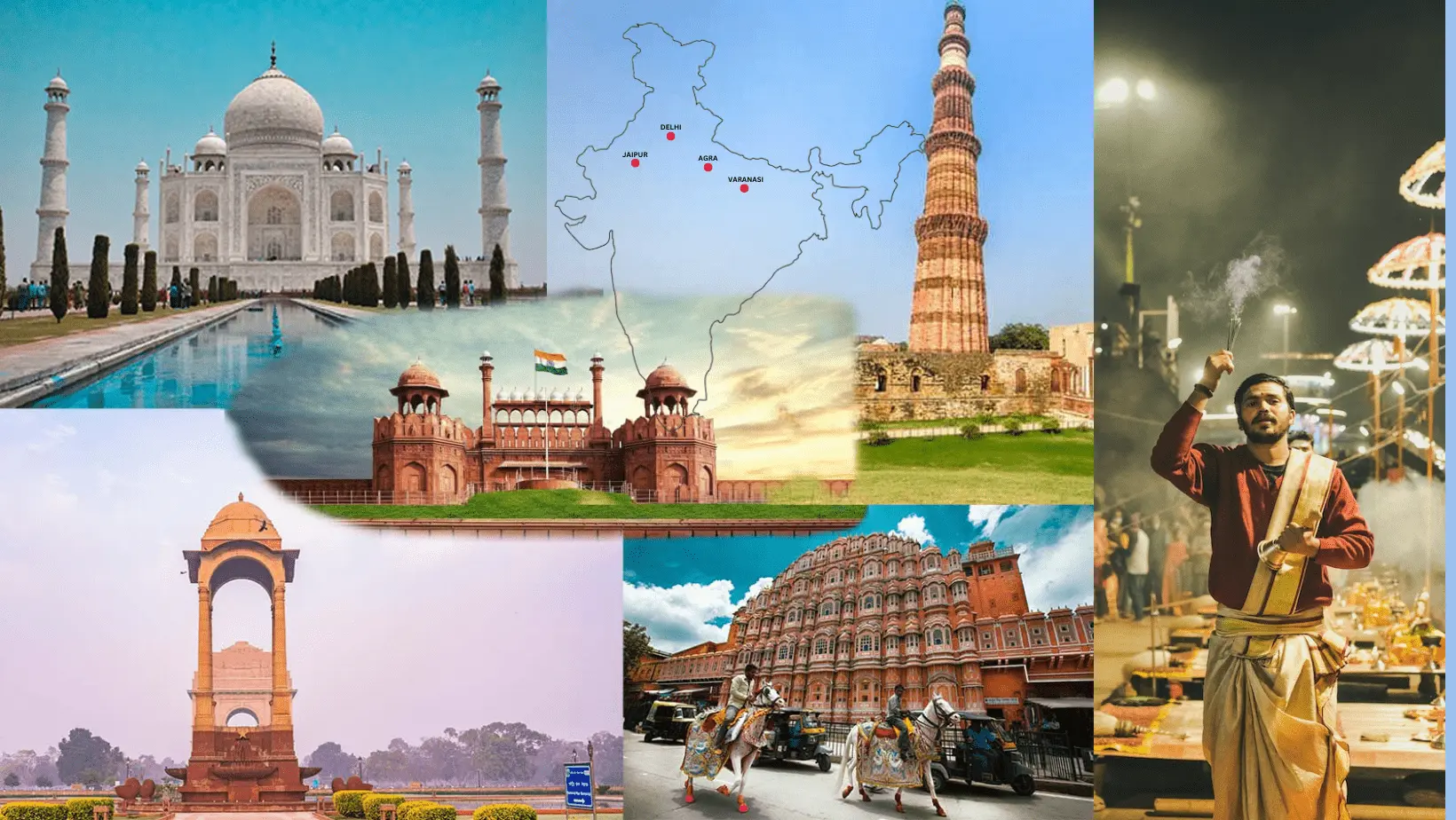
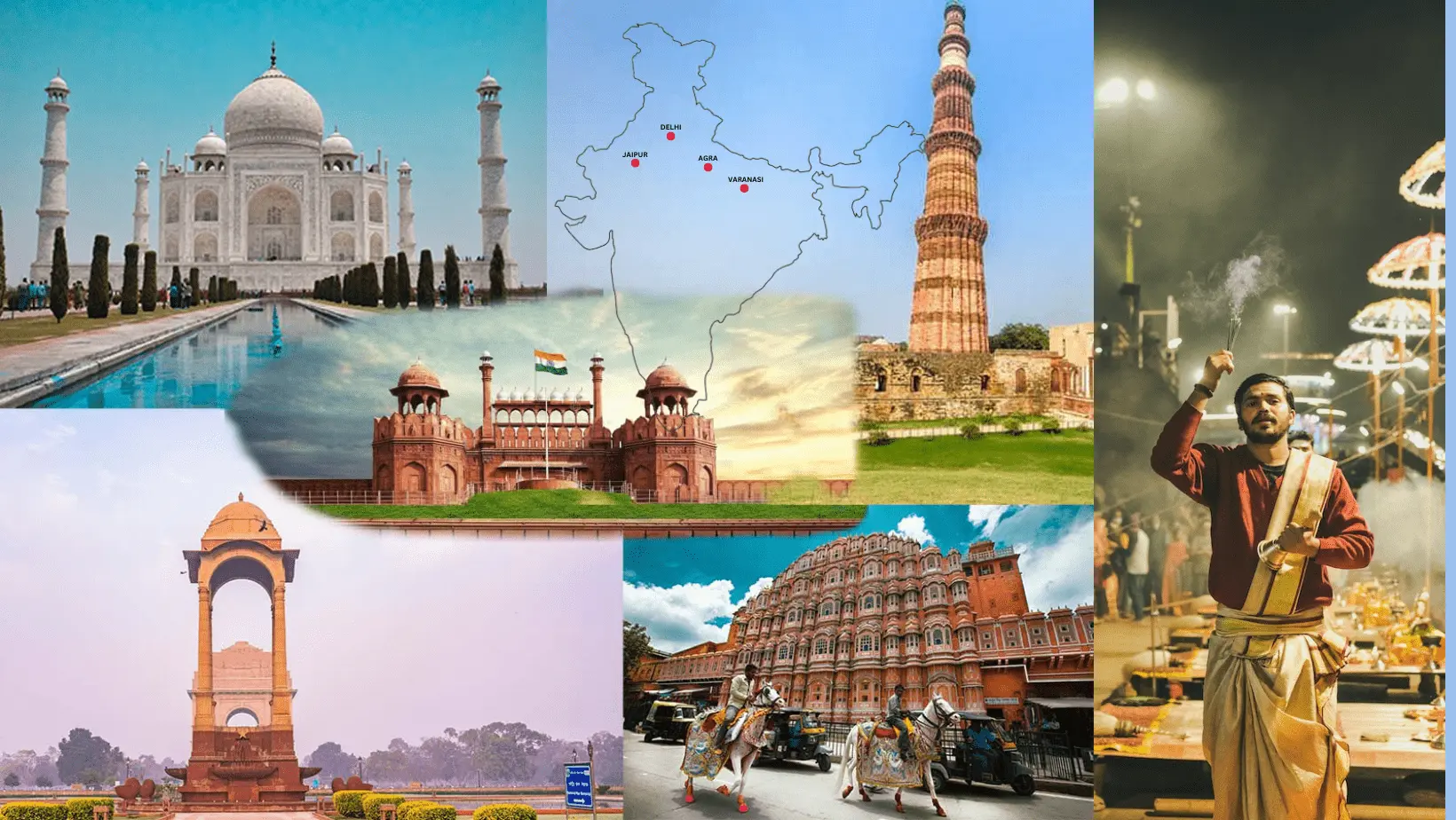
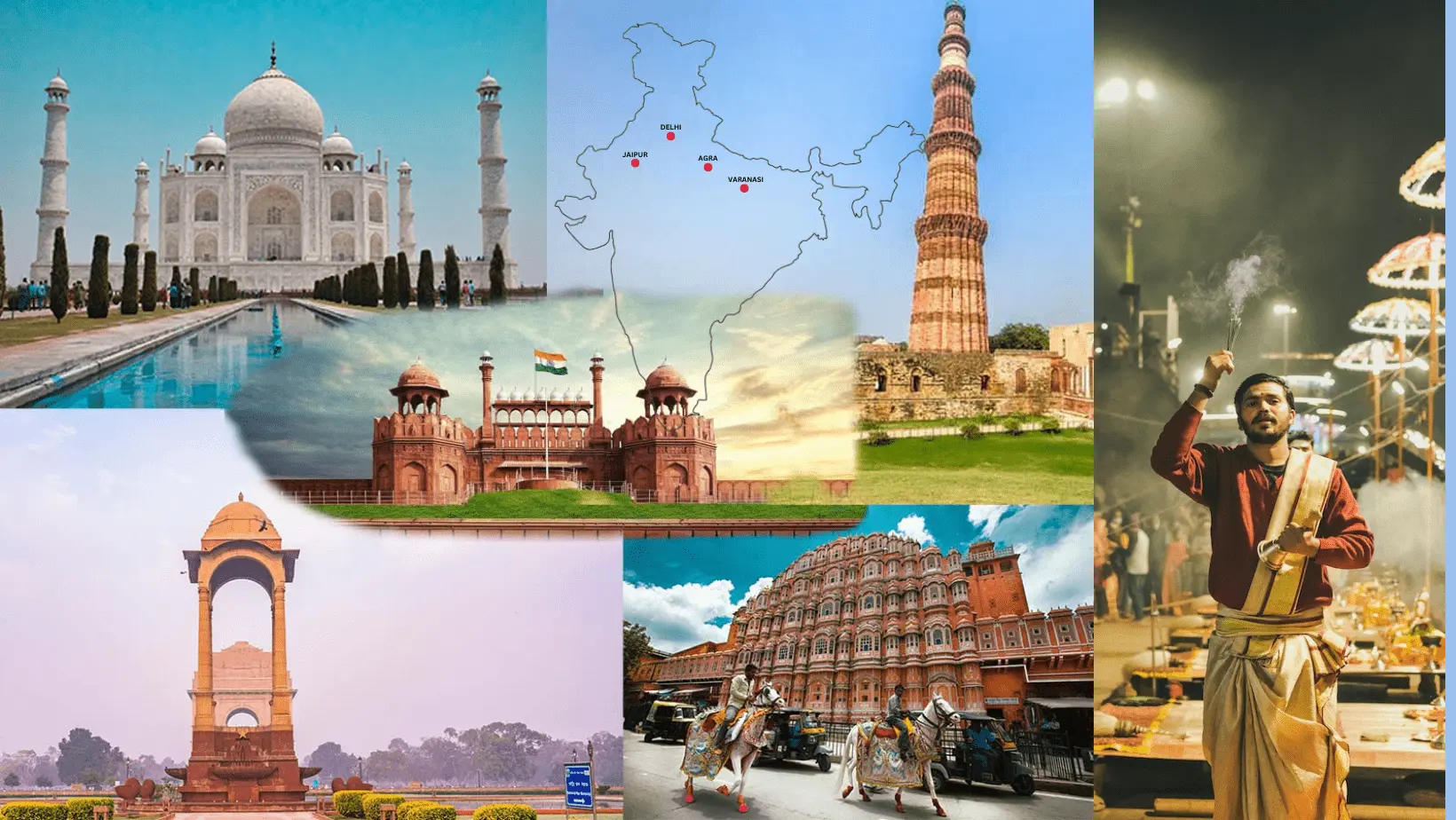
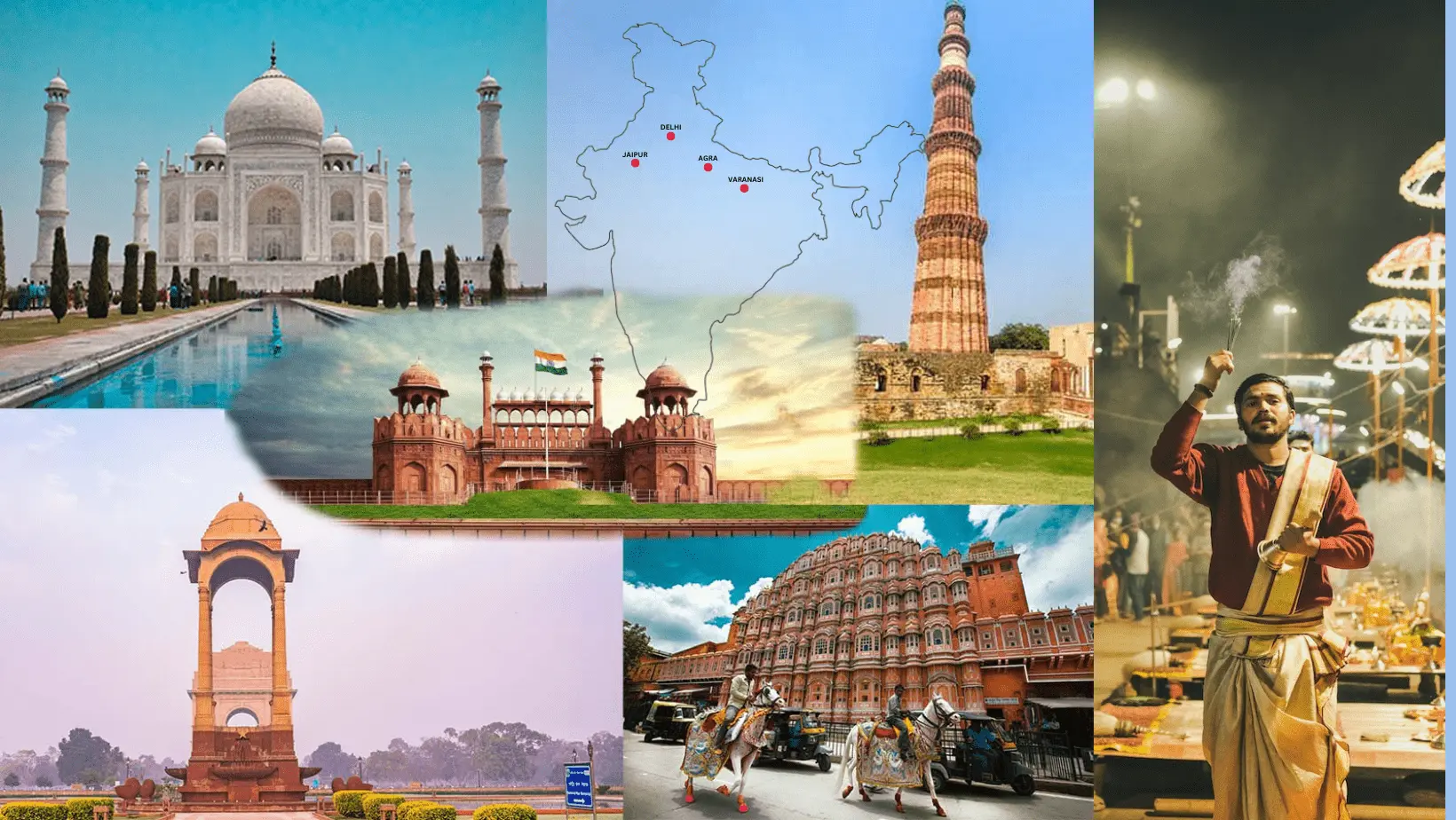
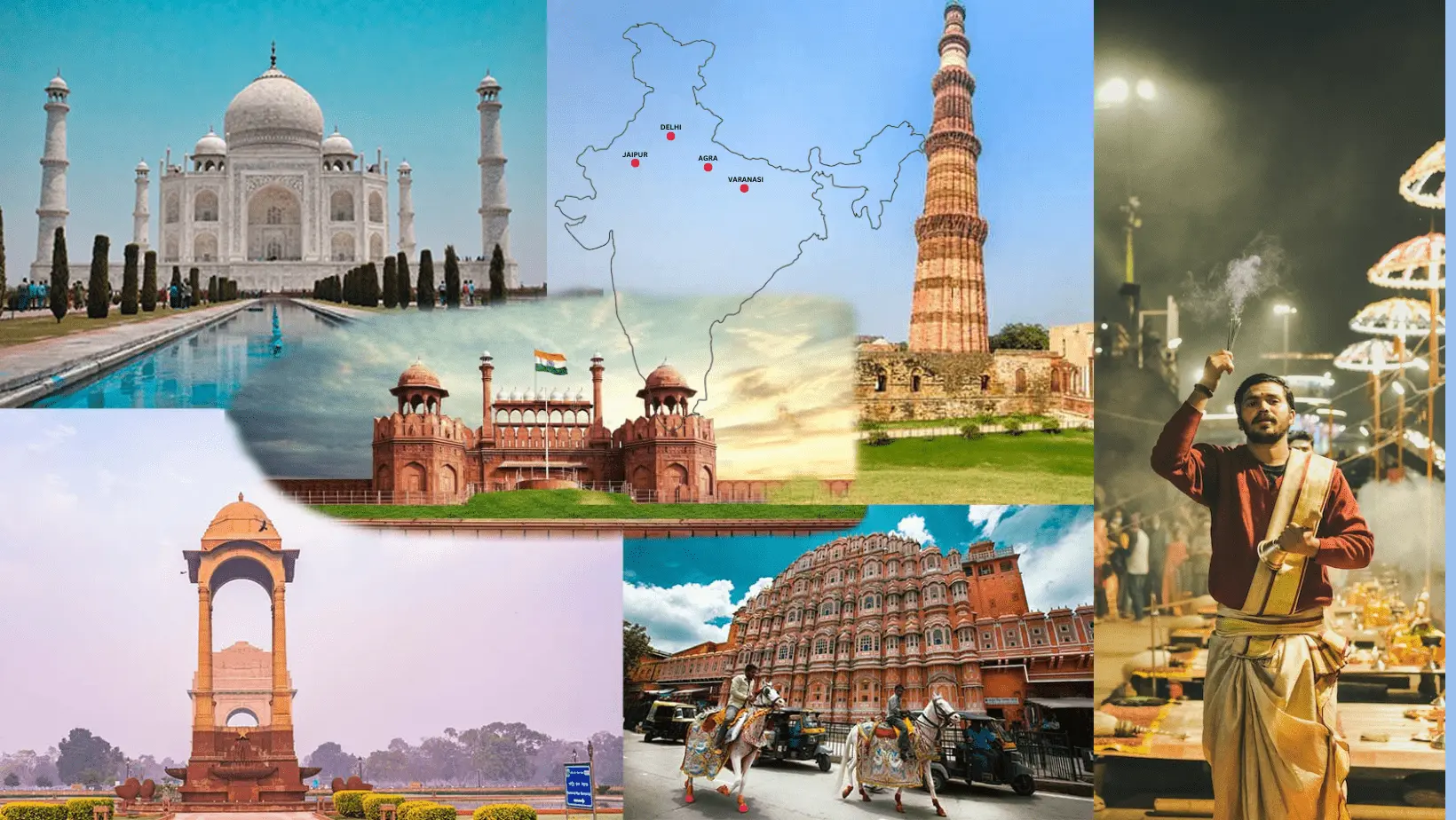
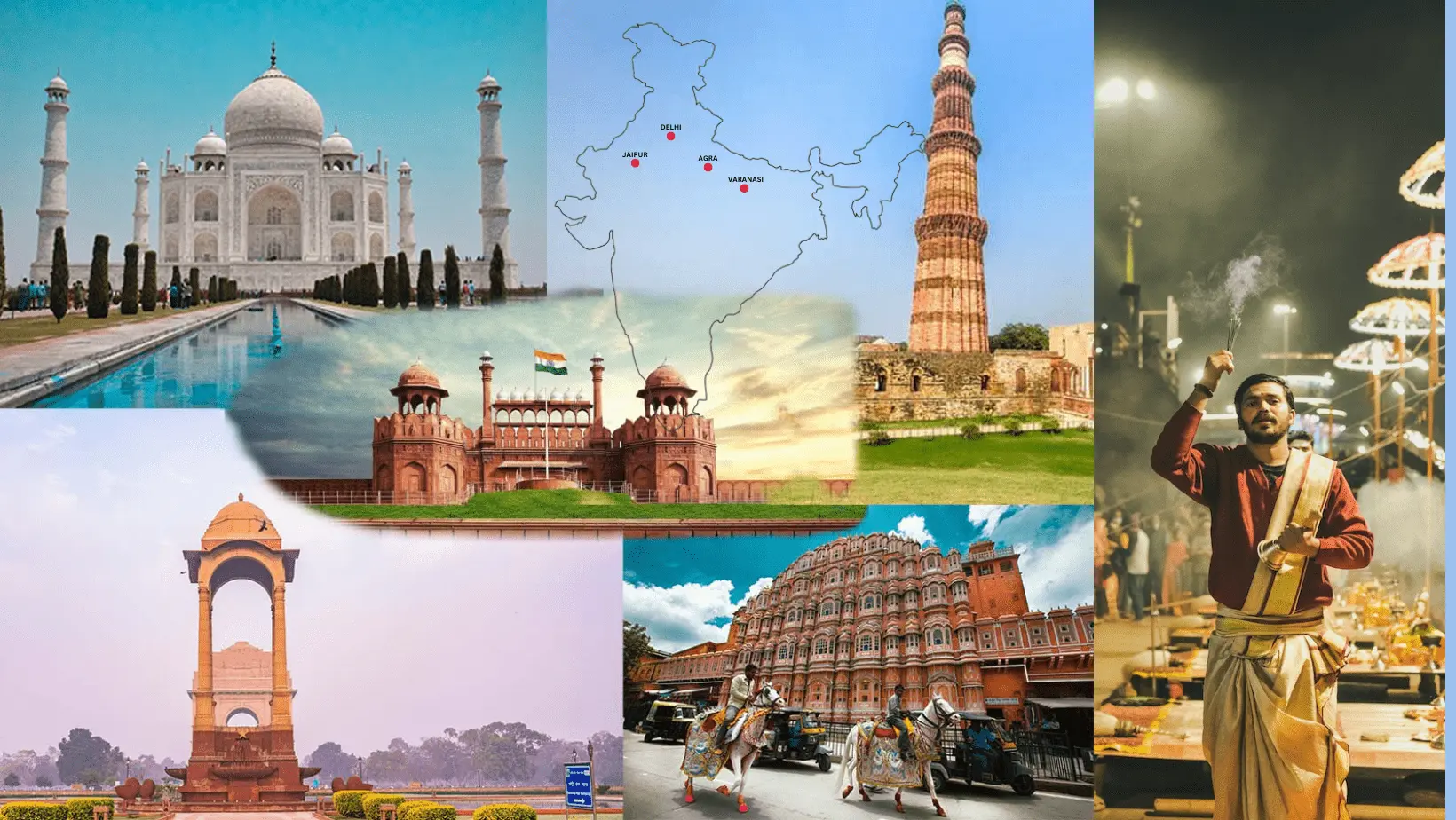
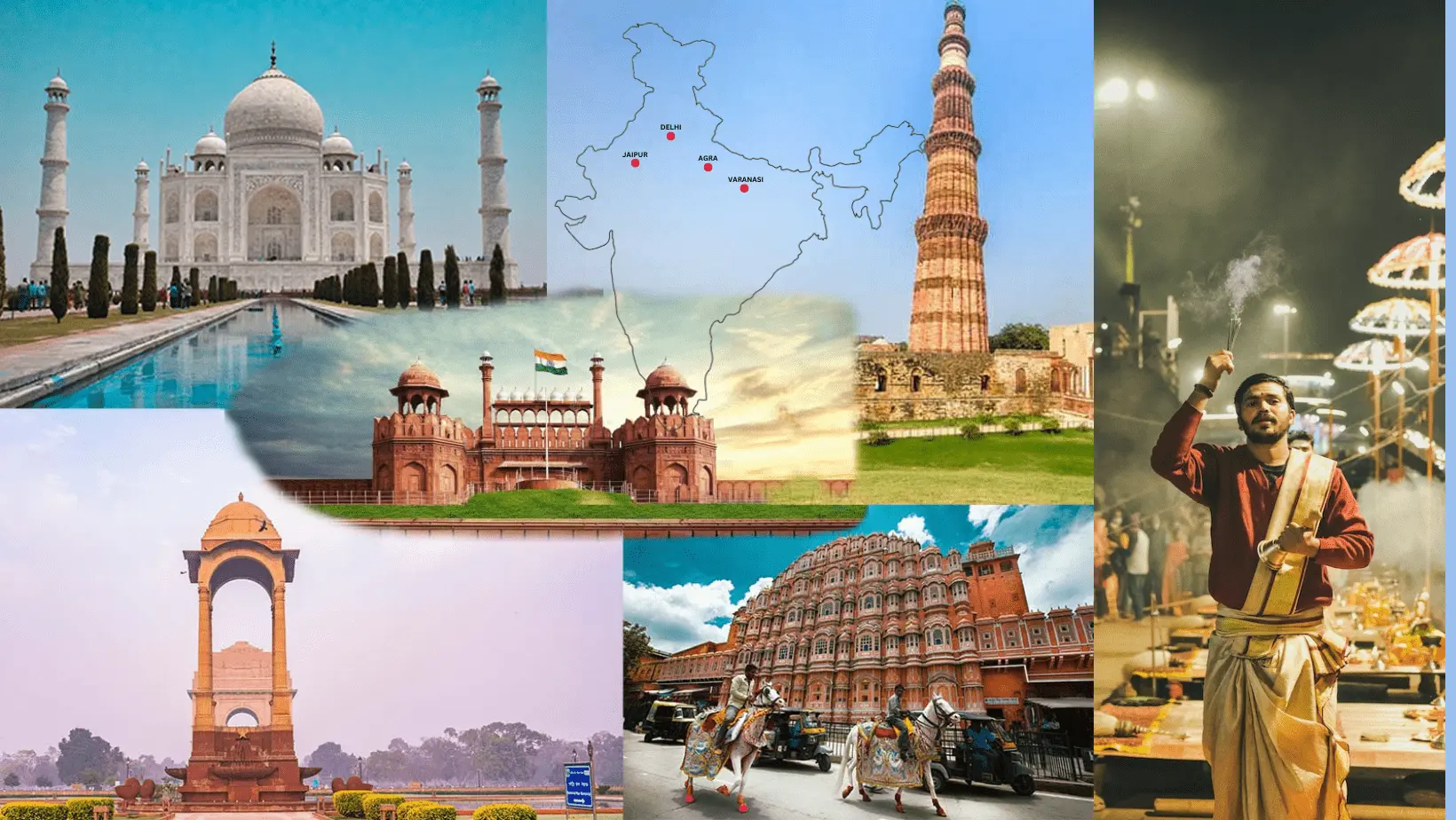
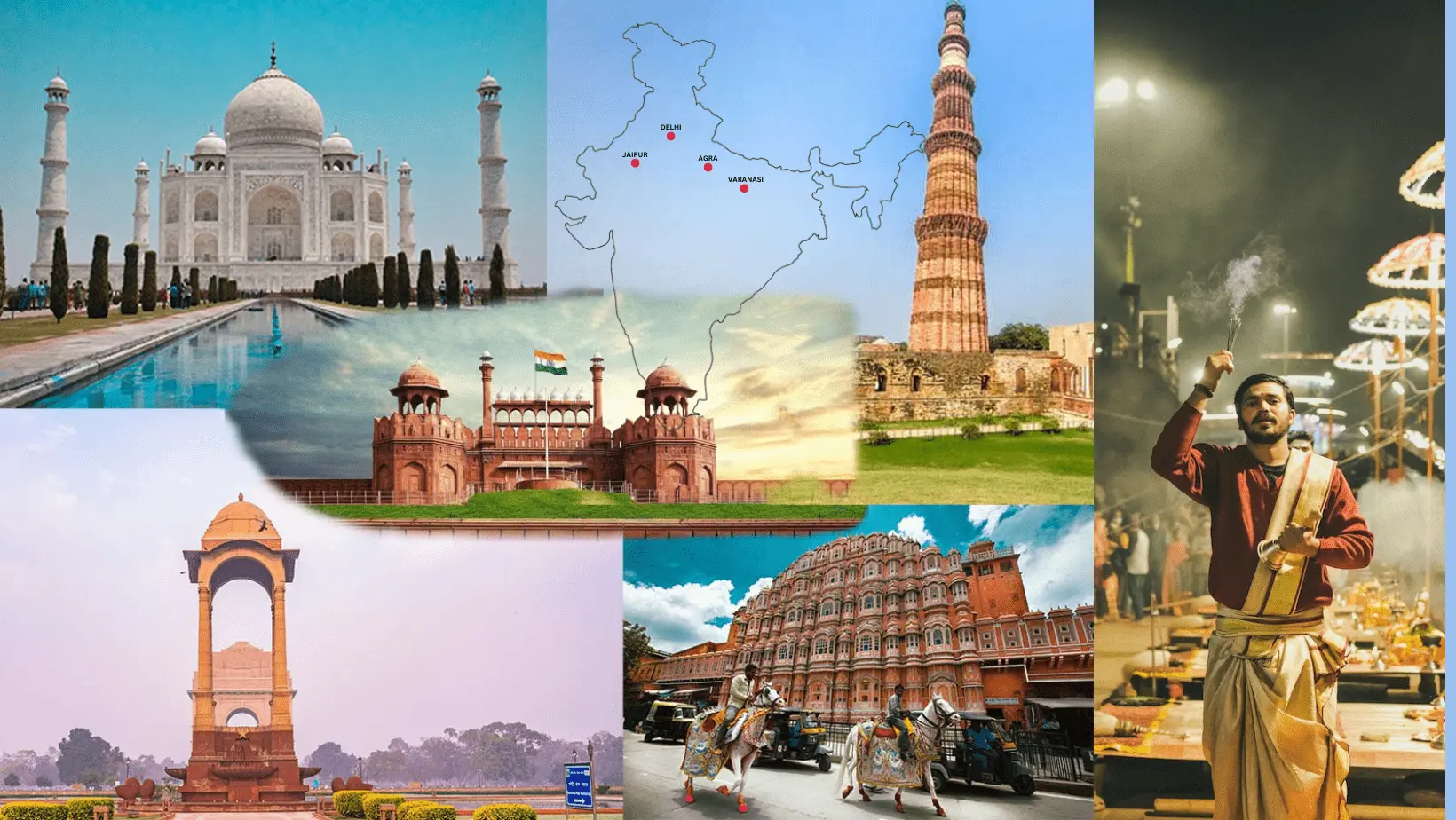
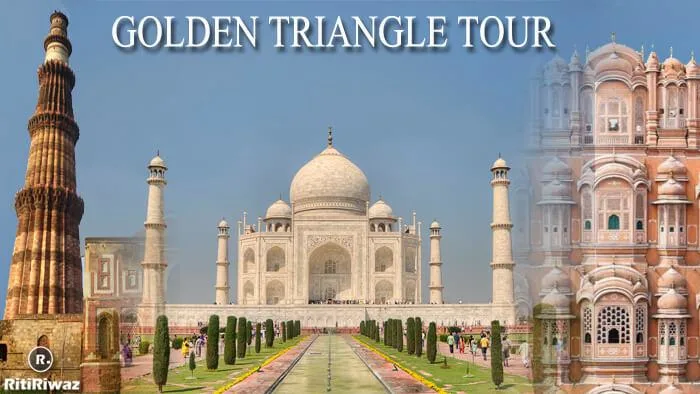
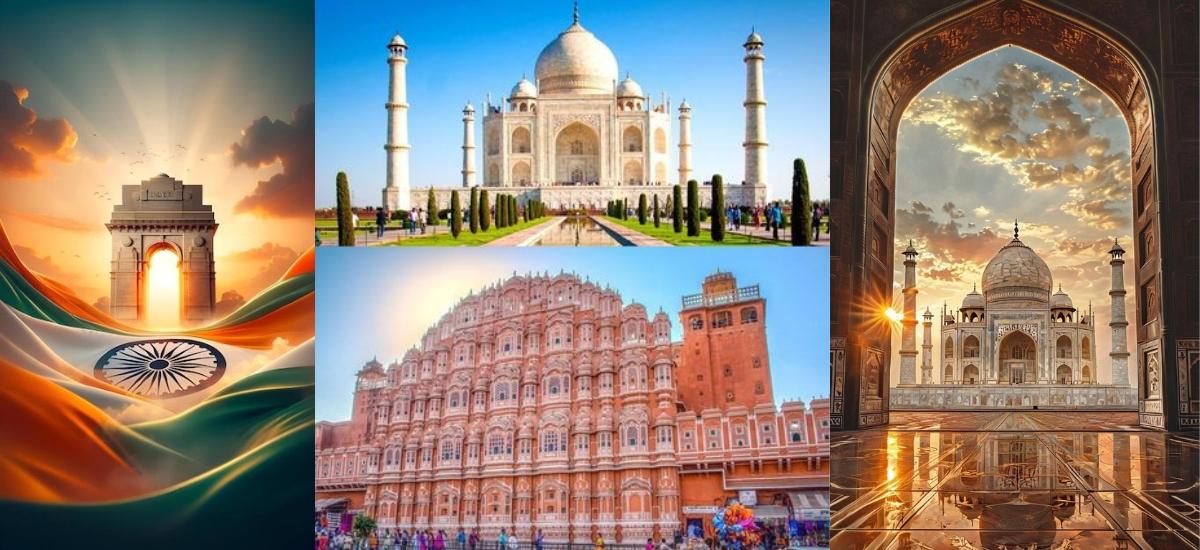
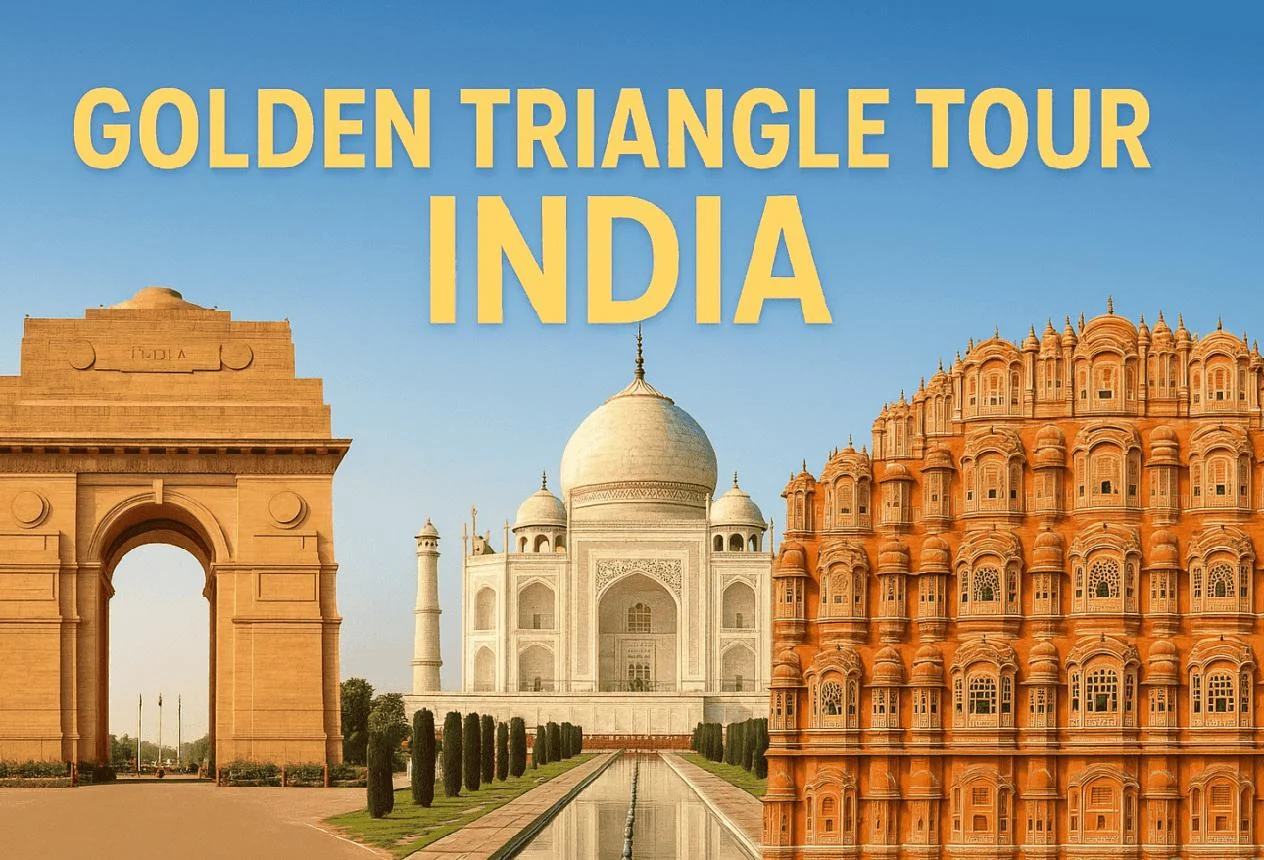
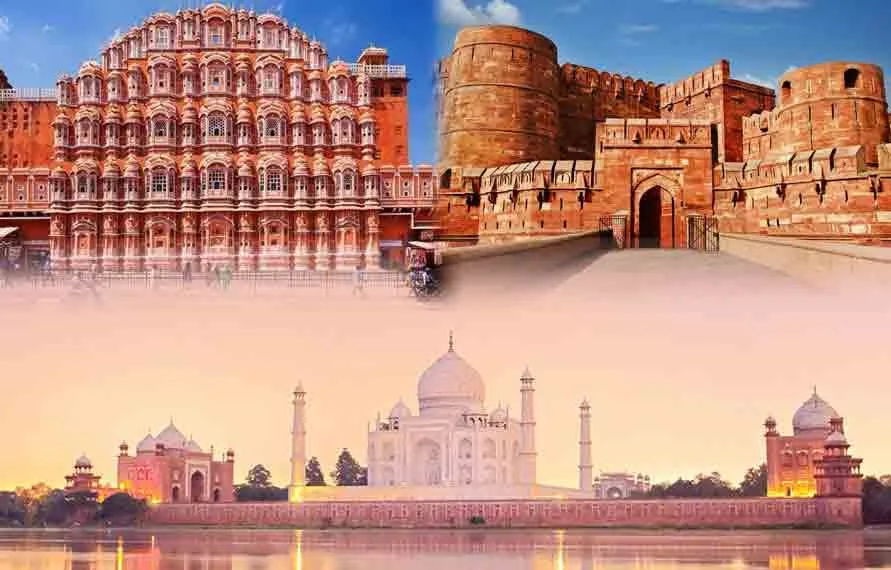
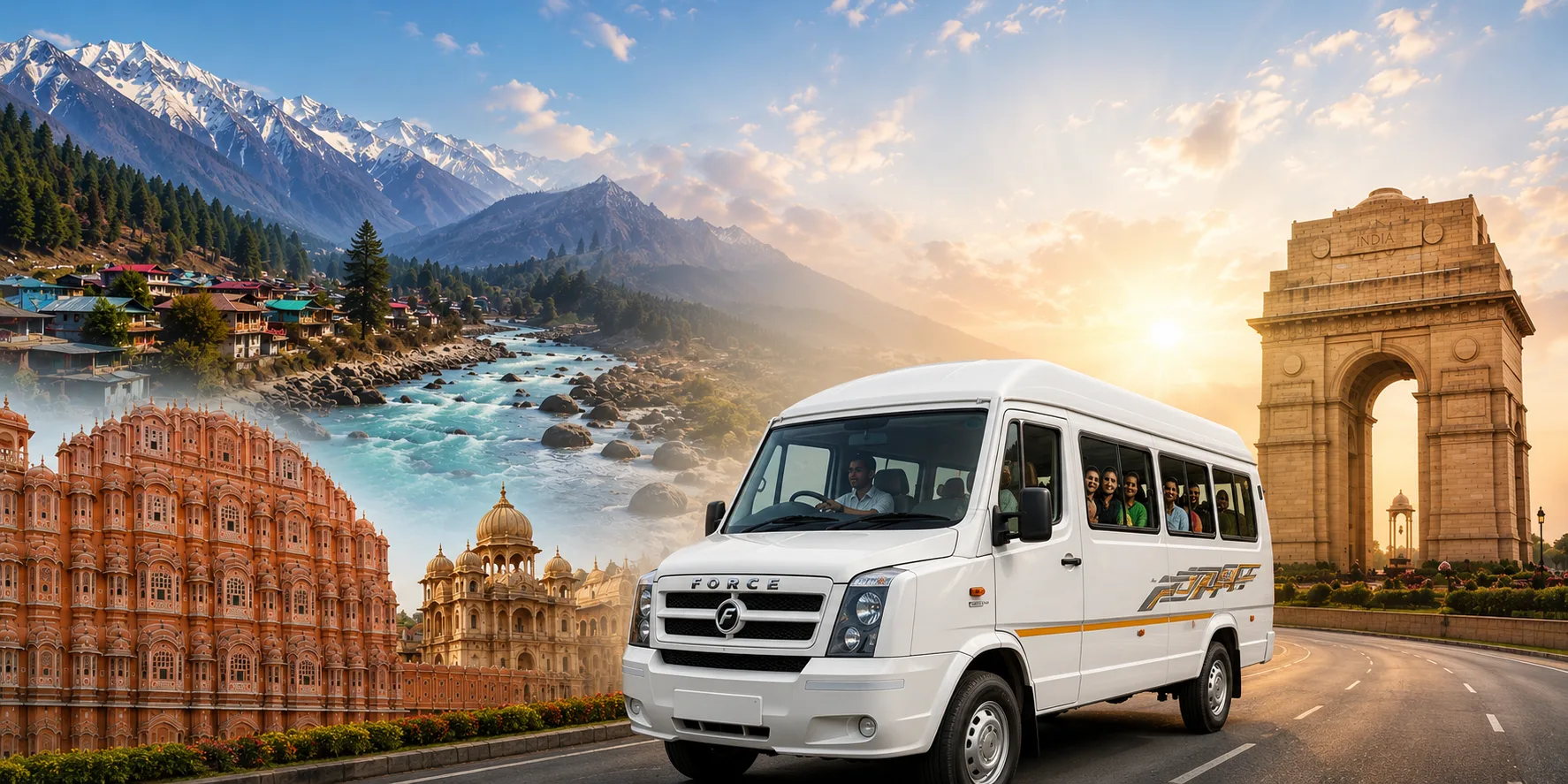
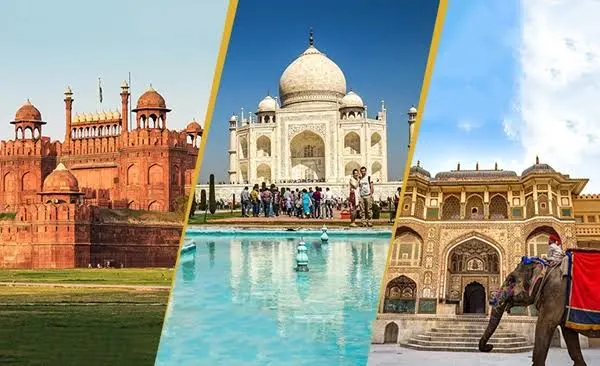
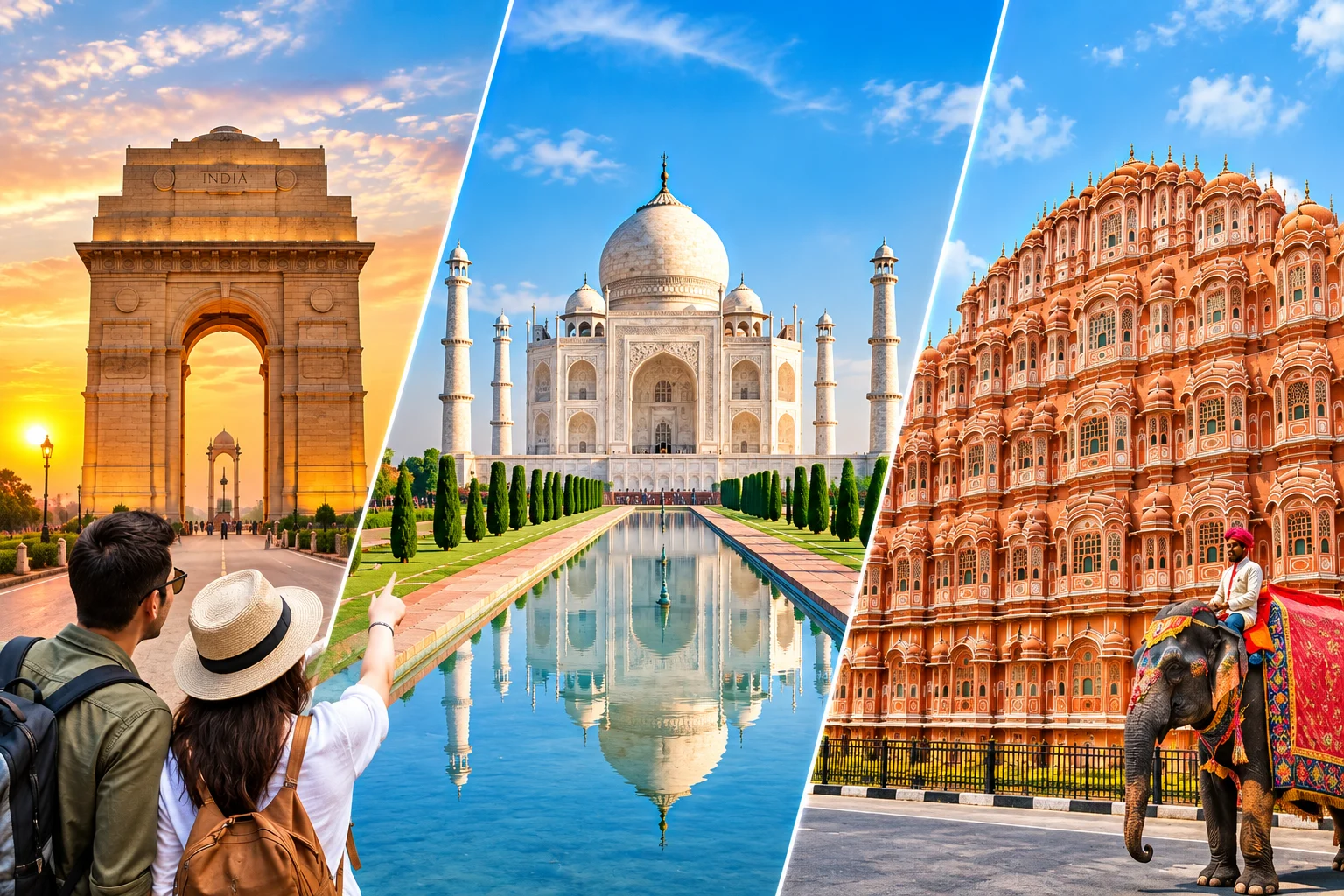
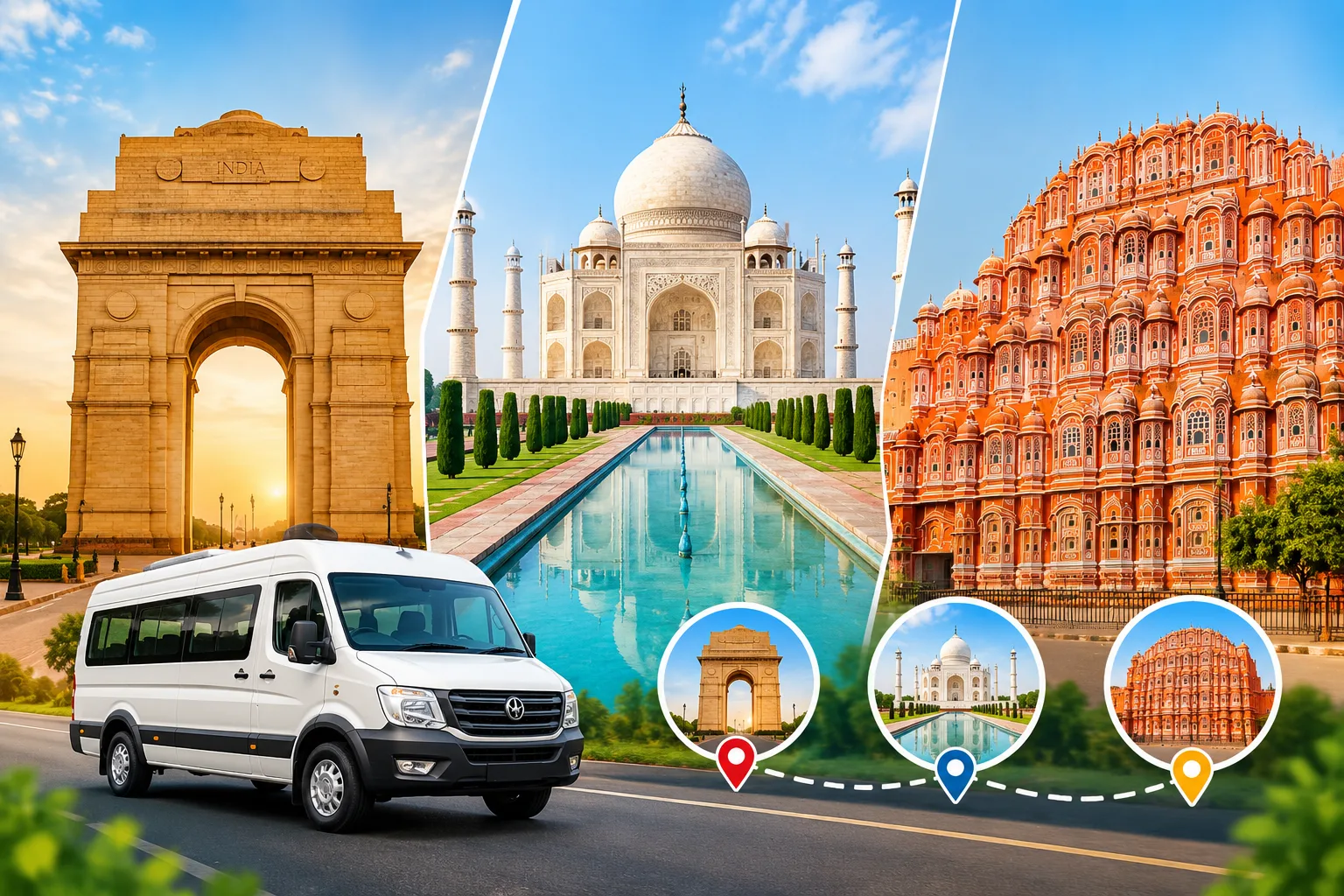
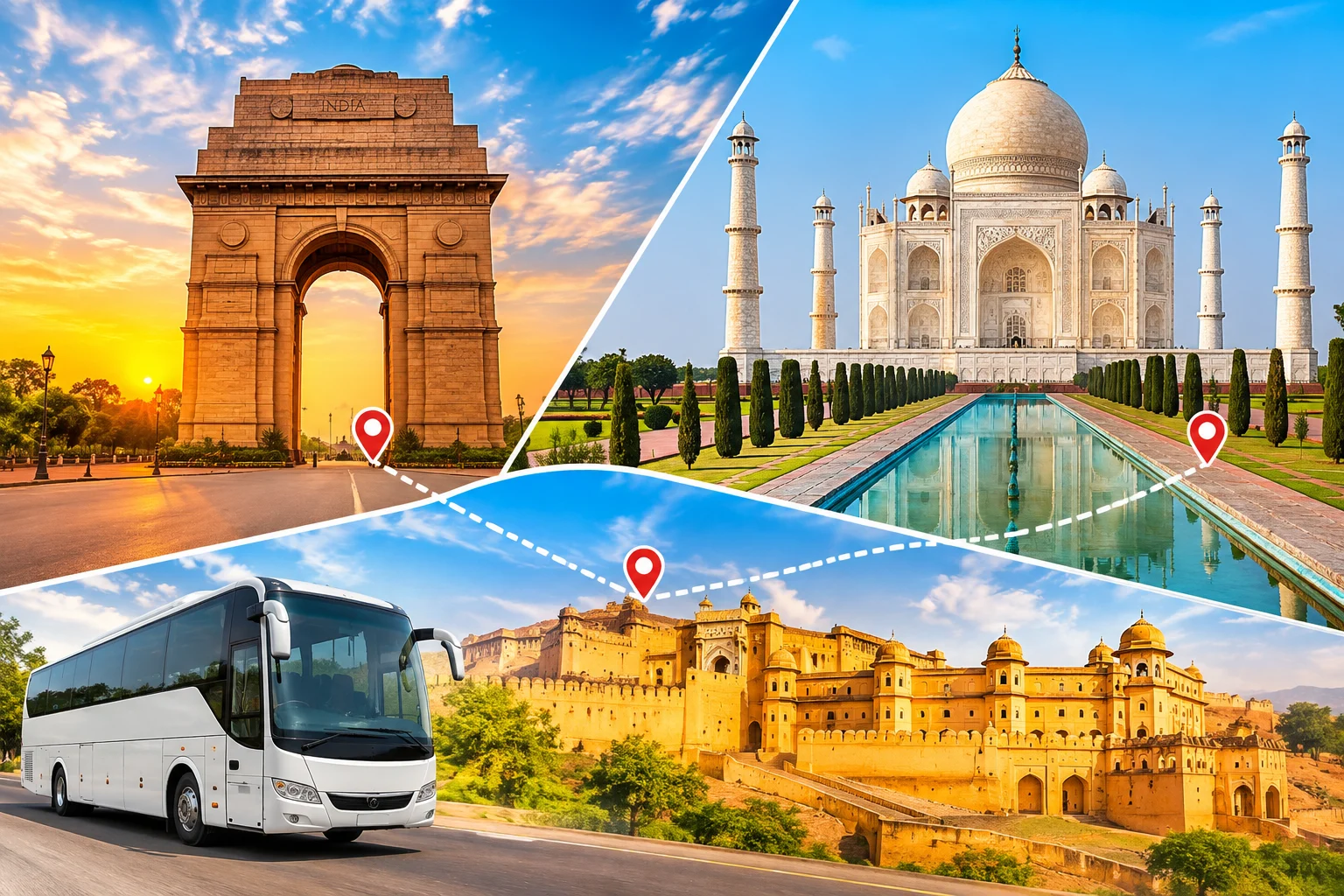
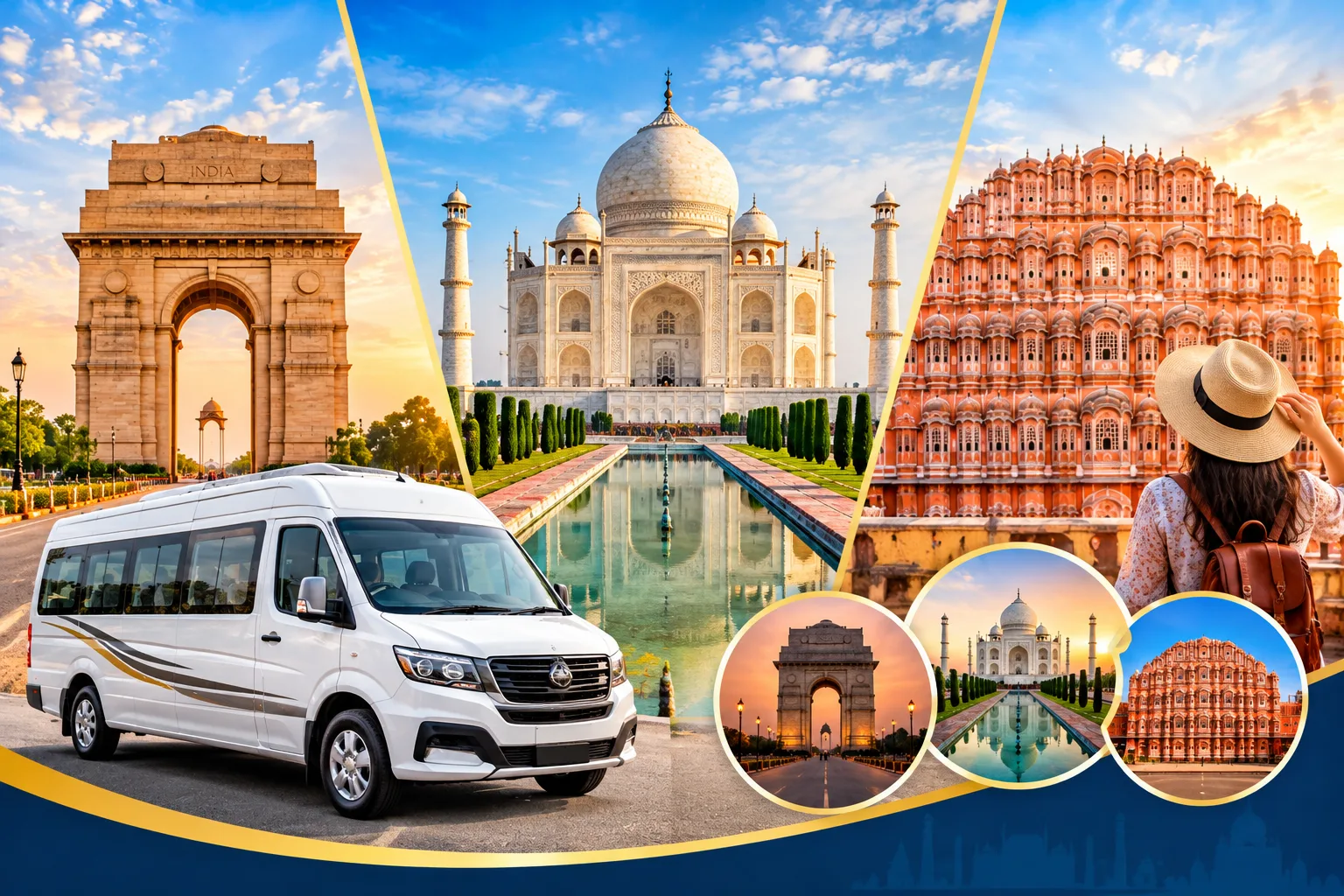
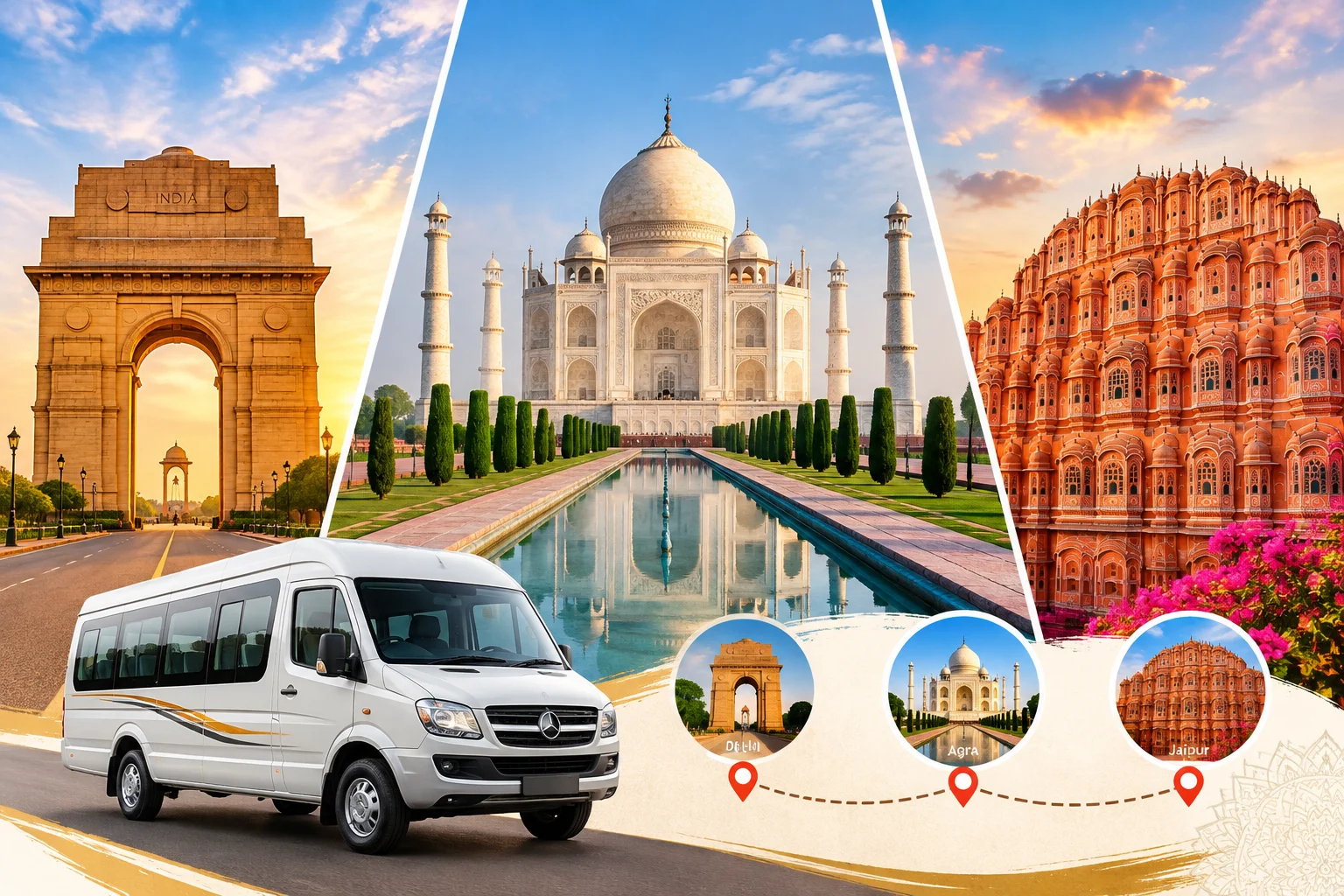
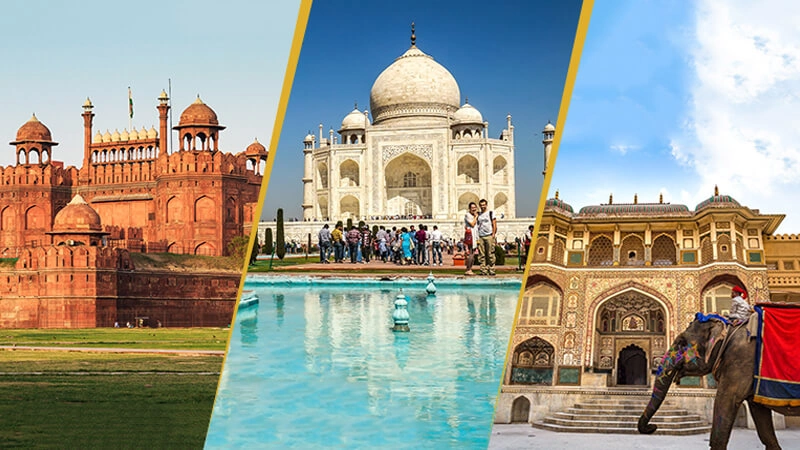
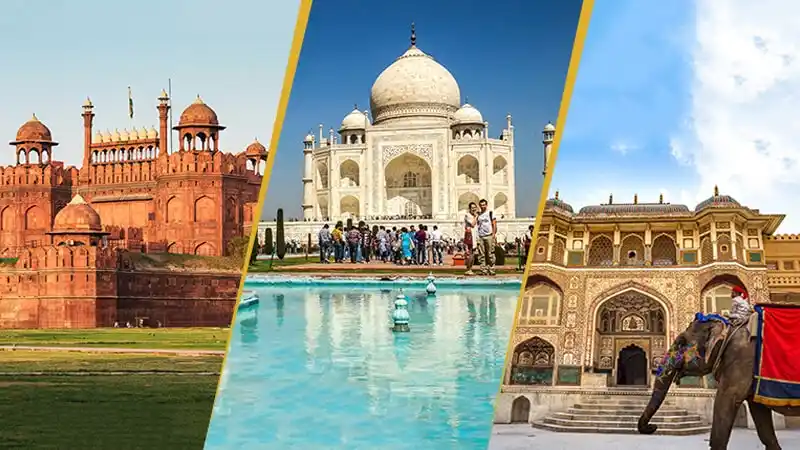
A Golden Triangle tour package is a 4 to 6 day trip that connects Delhi, Agra and Jaipur, three of India’s most loved cities. You see the Red Fort, the Taj Mahal and the Amber Fort in one smooth loop, and you start and end in Delhi.
The route is popular because it is easy. The cities are close, the roads are good, and each one shows a different side of India. If you are planning your first trip, this guide explains what the route covers, what it costs, the best time to go and what to check before you book.
What Is the Golden Triangle Tour?
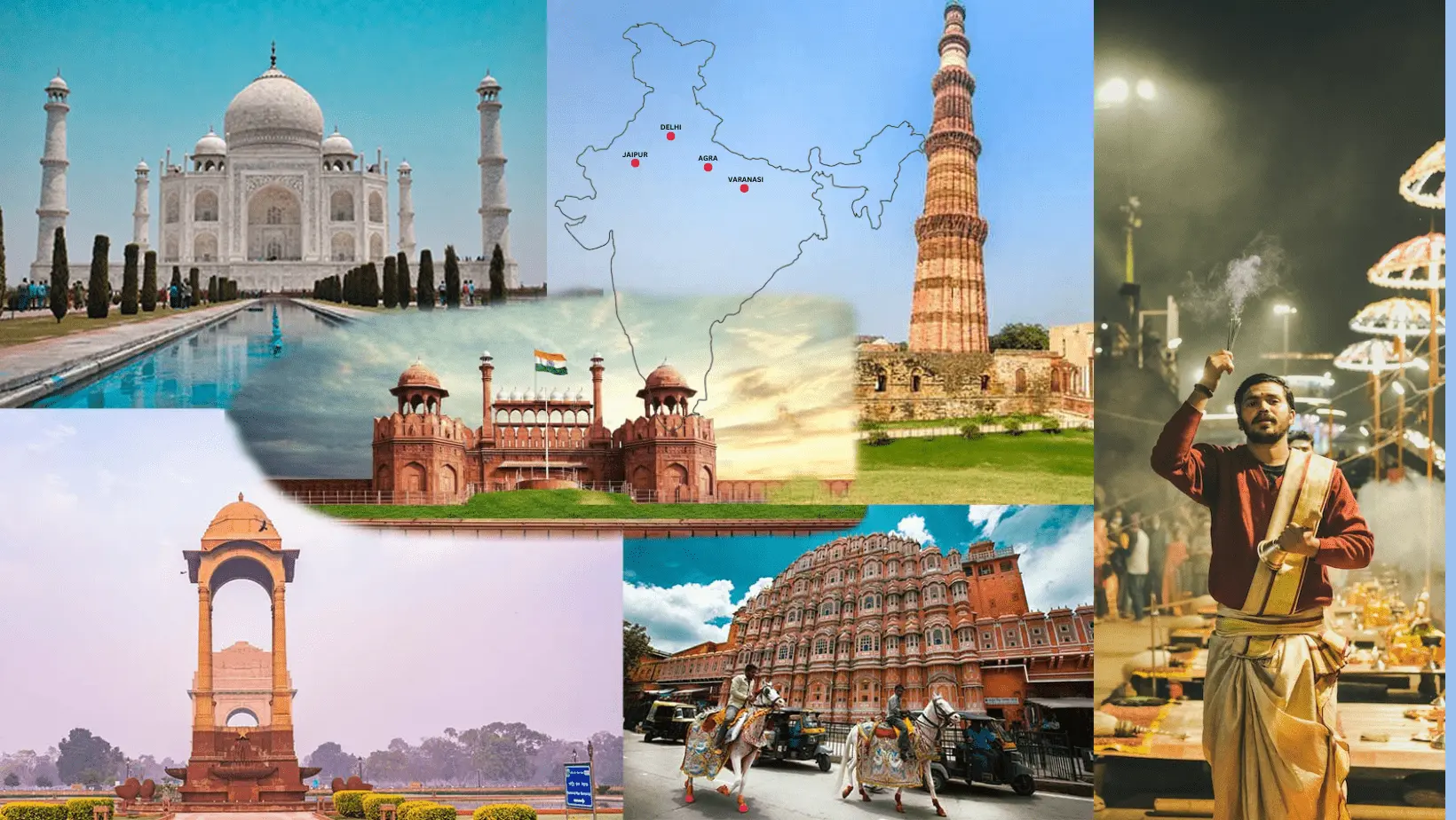
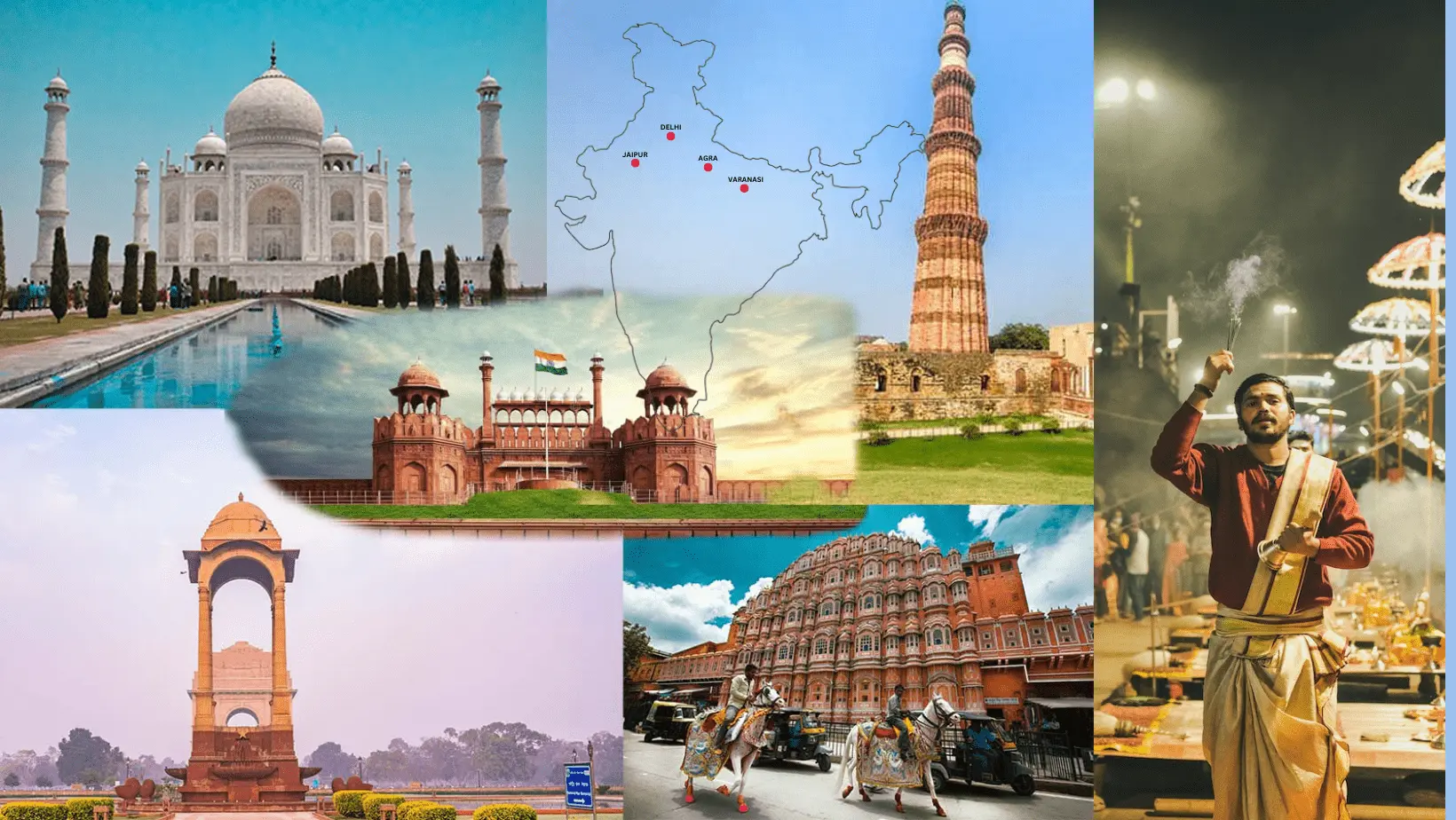
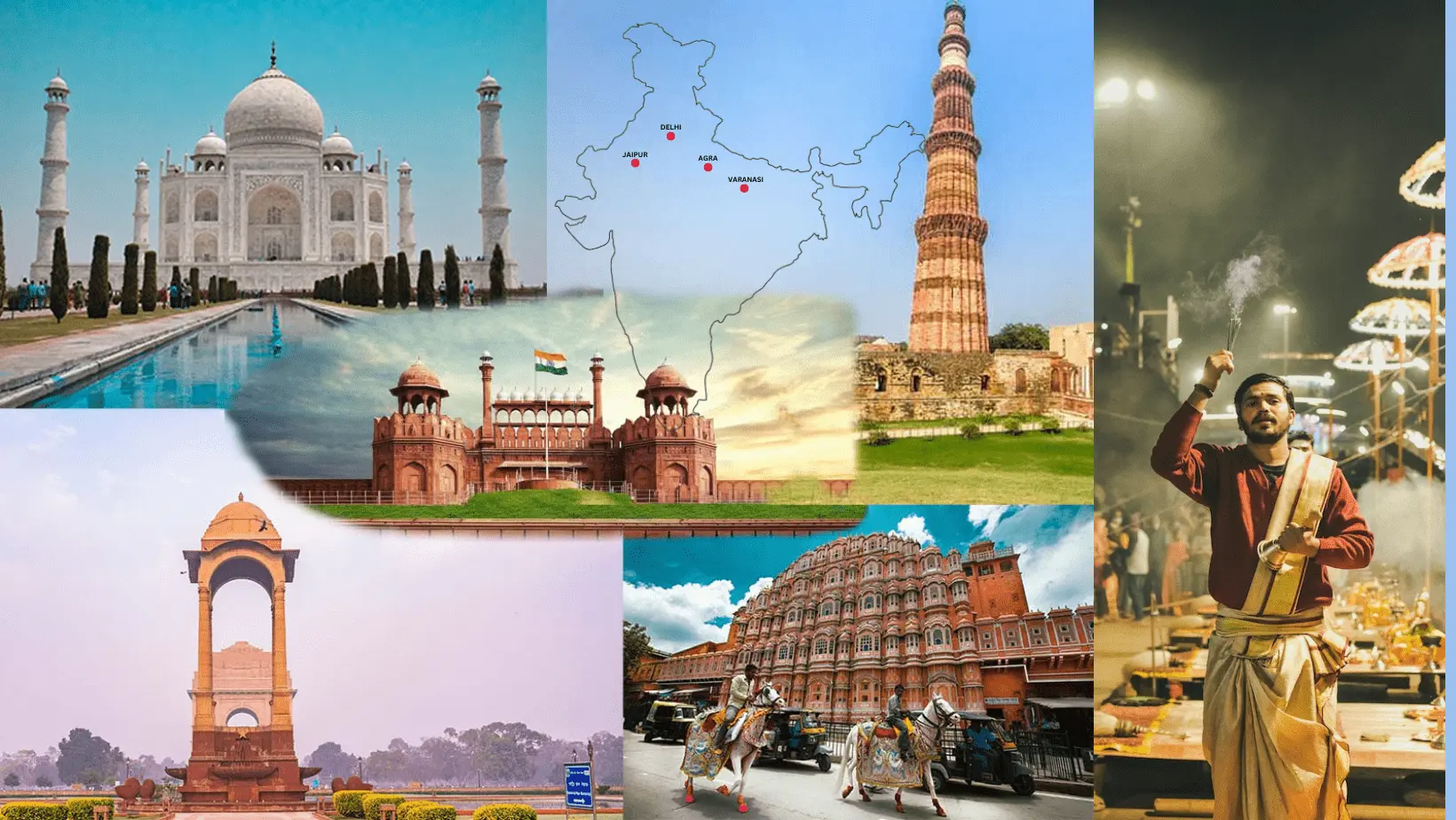
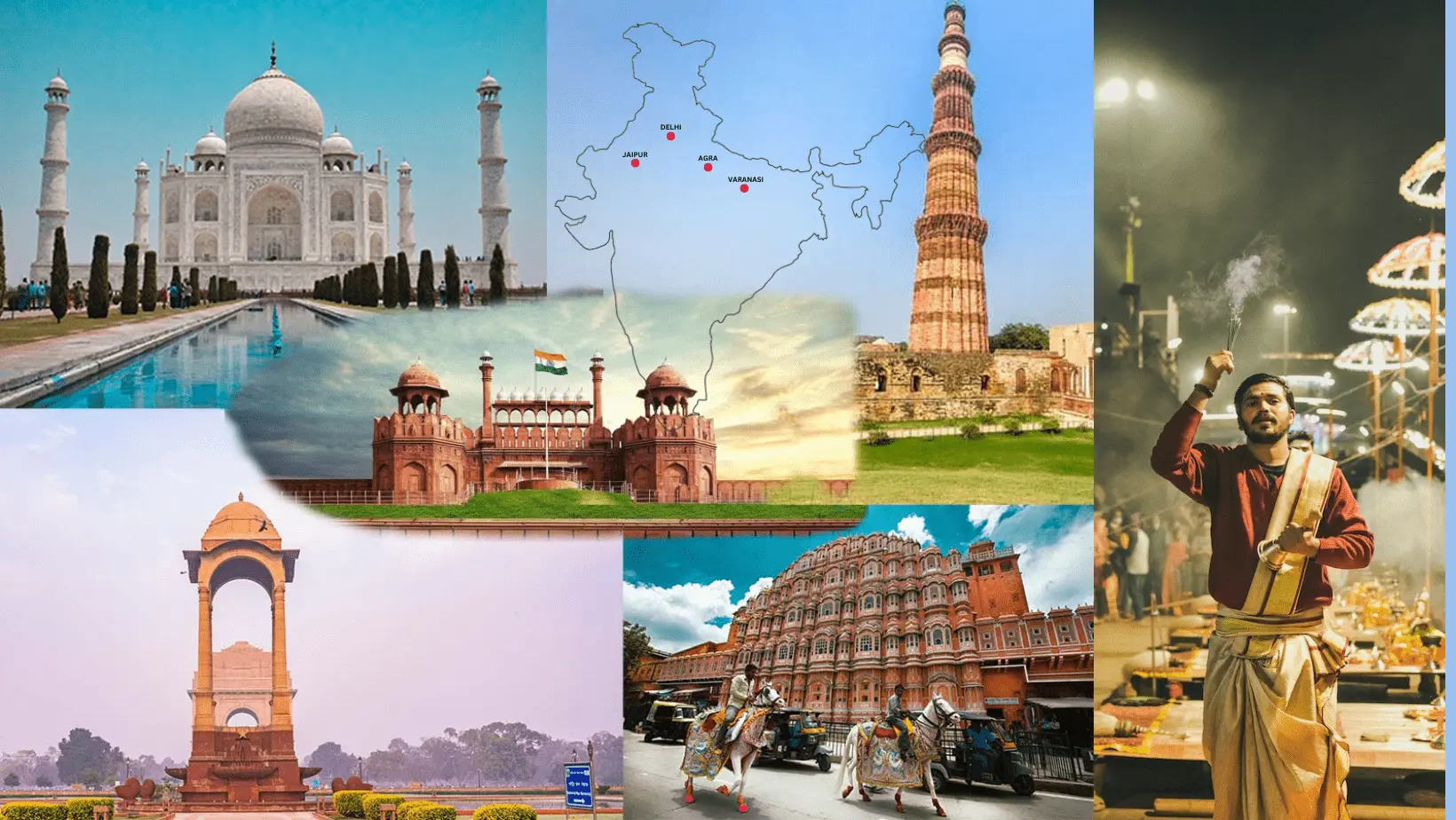
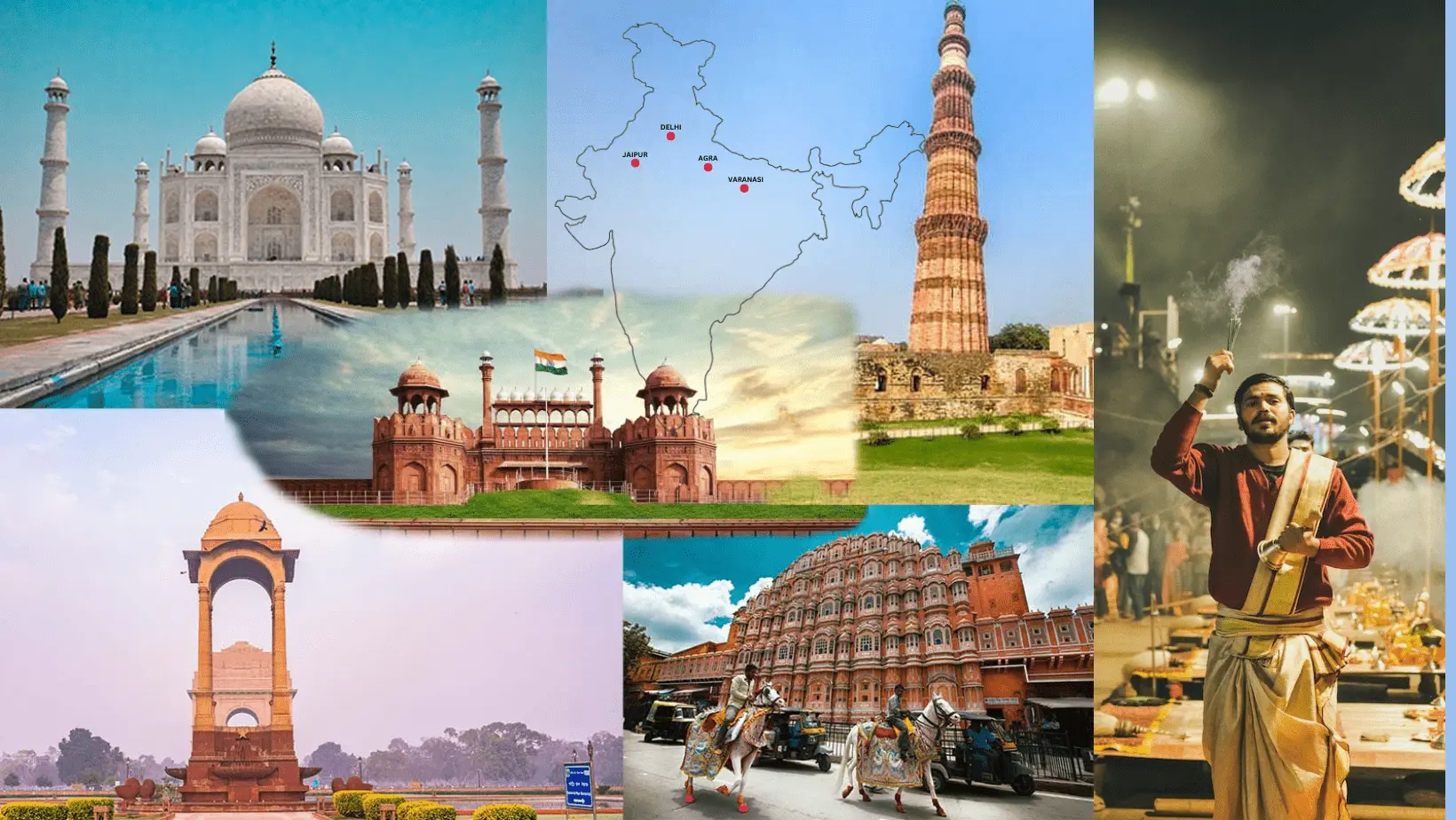
The name comes from the shape the three cities make on a map. Delhi is the capital and the usual starting point. Agra is home to the Taj Mahal. Jaipur, the “Pink City”, is the gateway to Rajasthan’s palaces and forts.
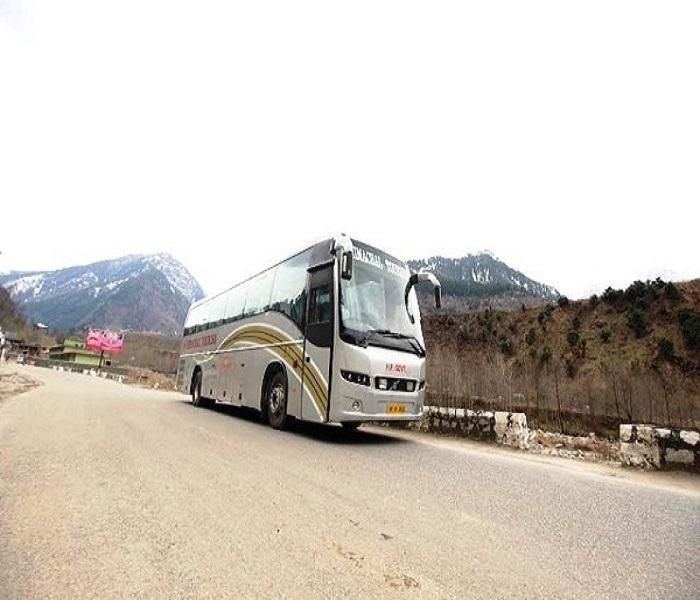
The full loop is roughly 720 km. Most travellers do it by private car with a driver, which gives you the freedom to stop where you like.
How many days do you need for the Golden Triangle tour? Four nights and five days is the most comfortable plan. A three-night version works if you are short on time, and a six-day trip lets you add Fatehpur Sikri or Ranthambore.
Golden Triangle Tour from Delhi: What You Will See and Do
Instead of a fixed schedule, here is what each city offers. A good operator will arrange the order and timing around your pace.
Delhi: Where the Journey Begins
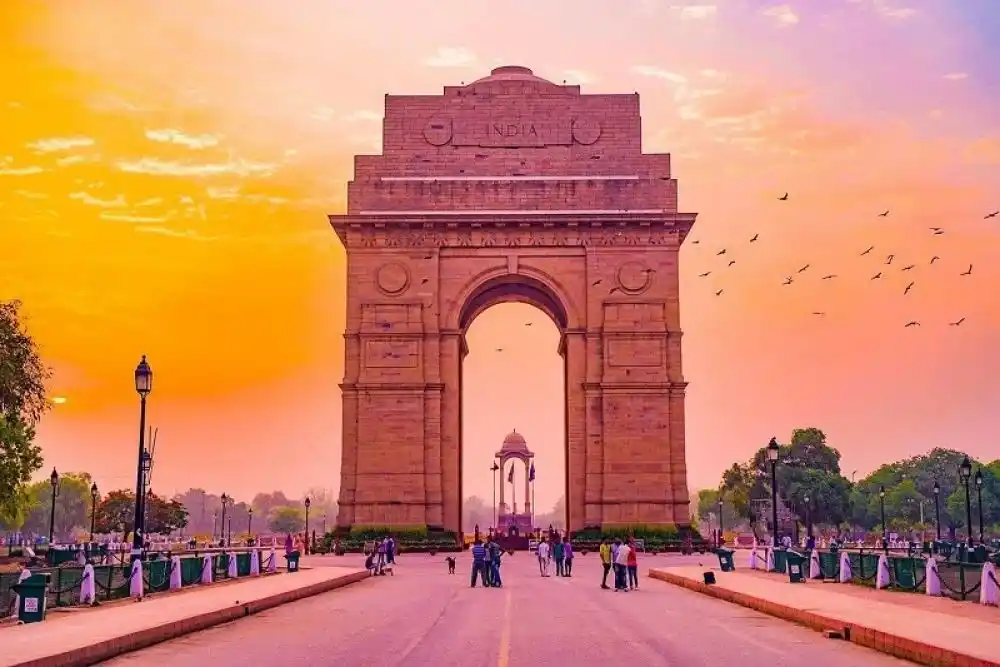
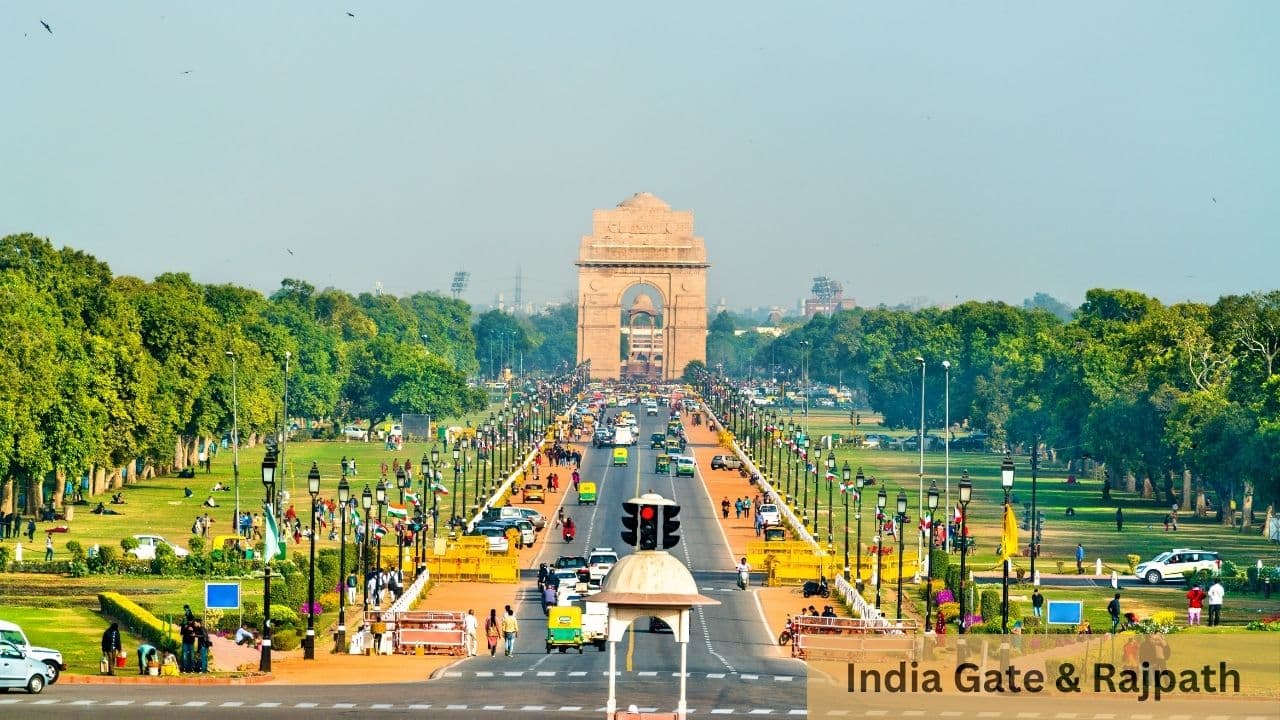
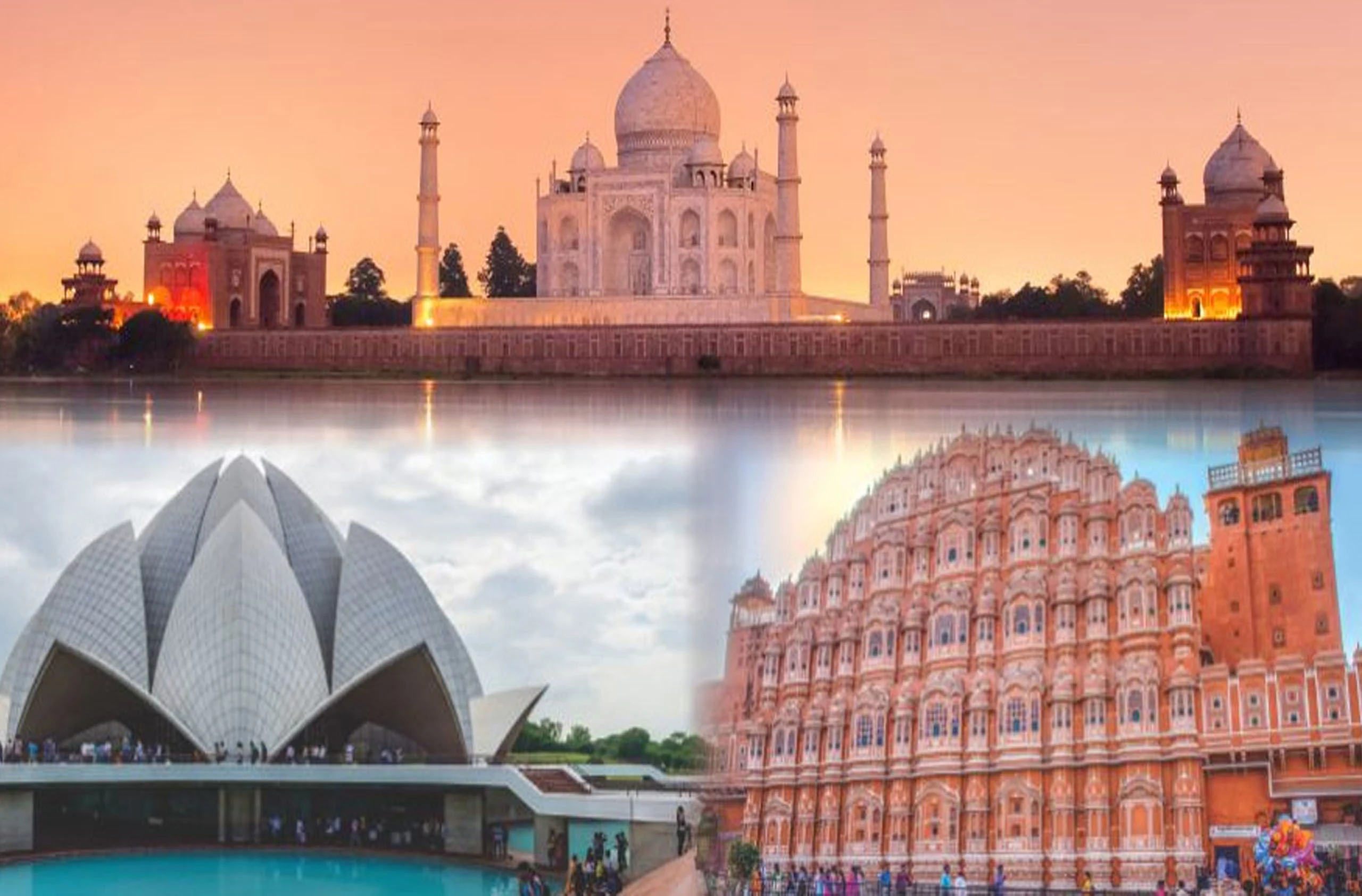
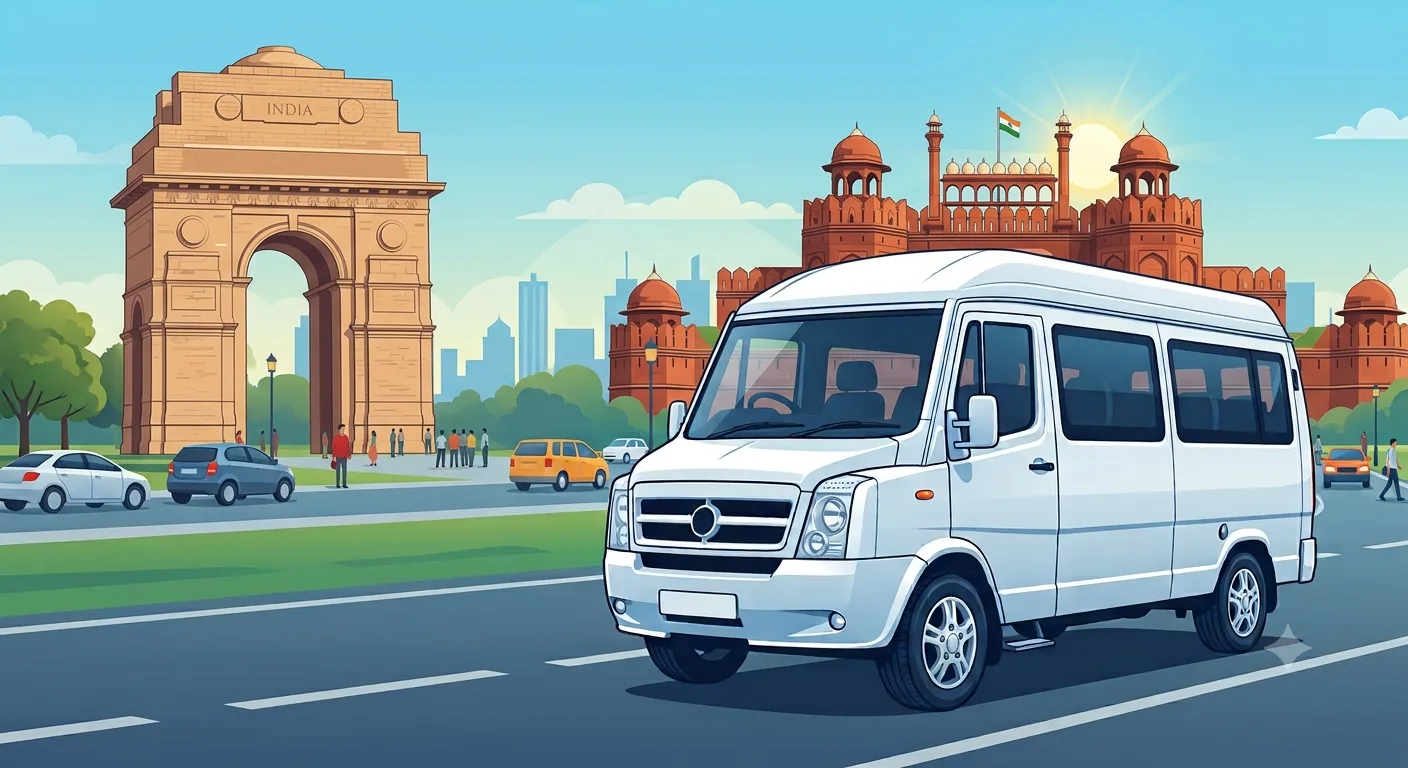
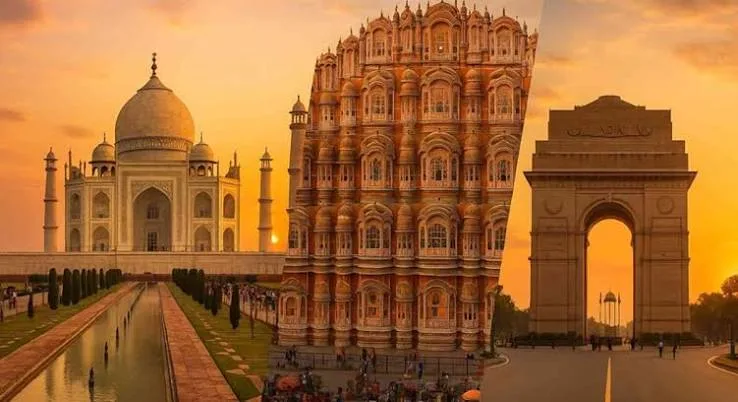
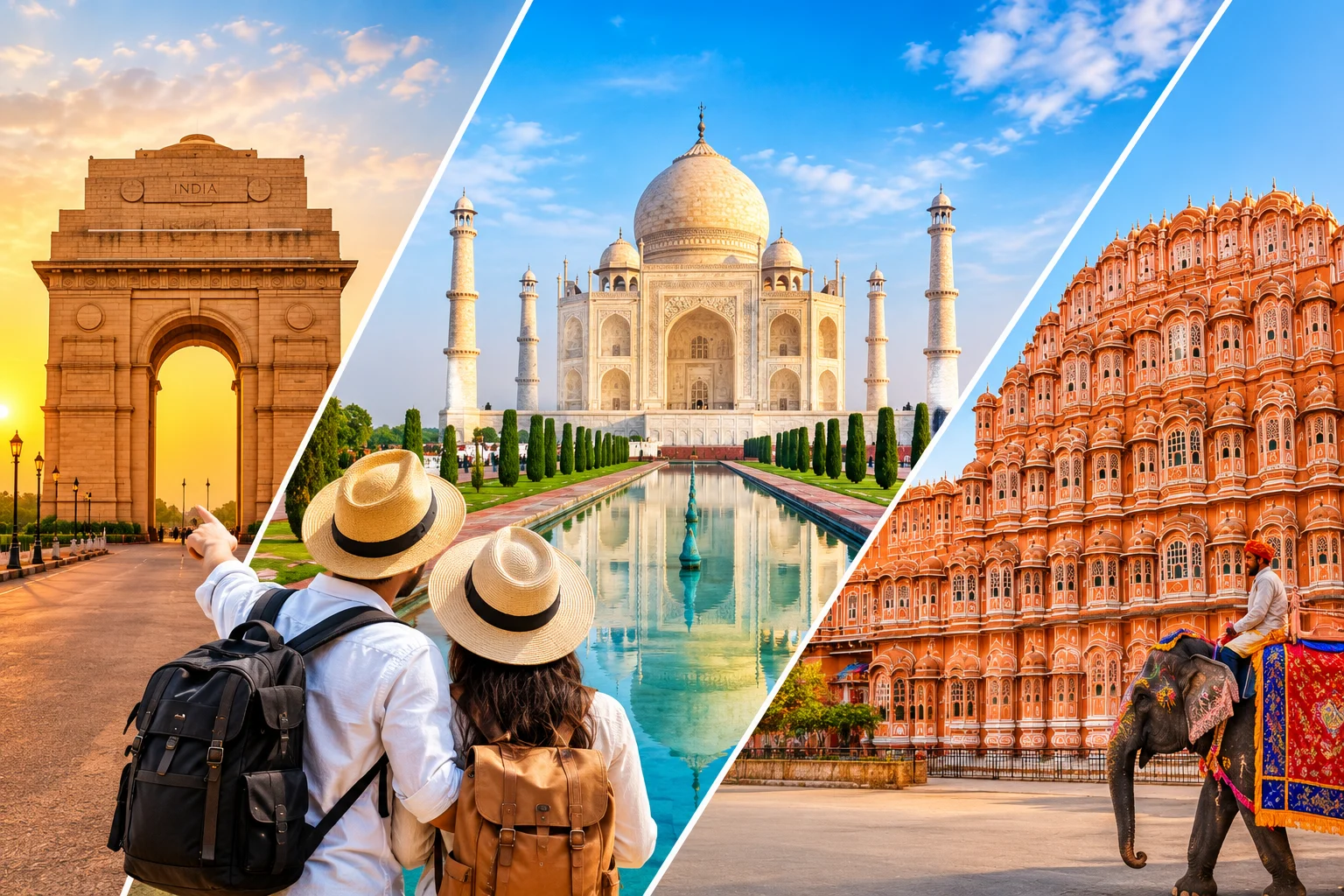
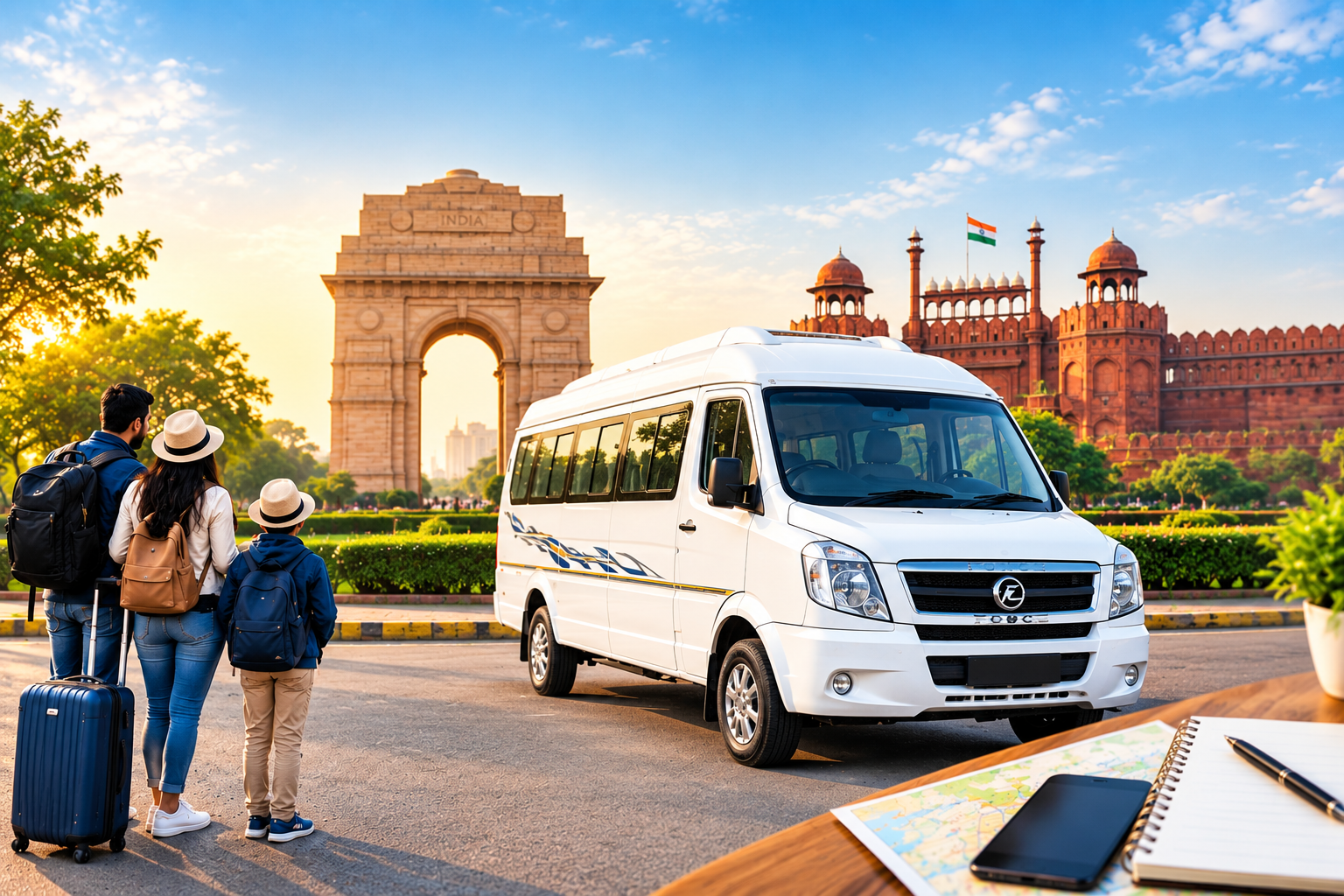
Delhi mixes old and new in a way few cities do. Old Delhi has the 17th-century Red Fort, the grand Jama Masjid and the busy lanes of Chandni Chowk, which are great for street food. New Delhi has wide, green avenues, India Gate and Rashtrapati Bhavan. Humayun’s Tomb is a calm garden tomb that inspired the Taj Mahal itself.
Most travellers spend a day here, which is enough to cover the main sights without rushing.
Agra: Home of the Taj Mahal
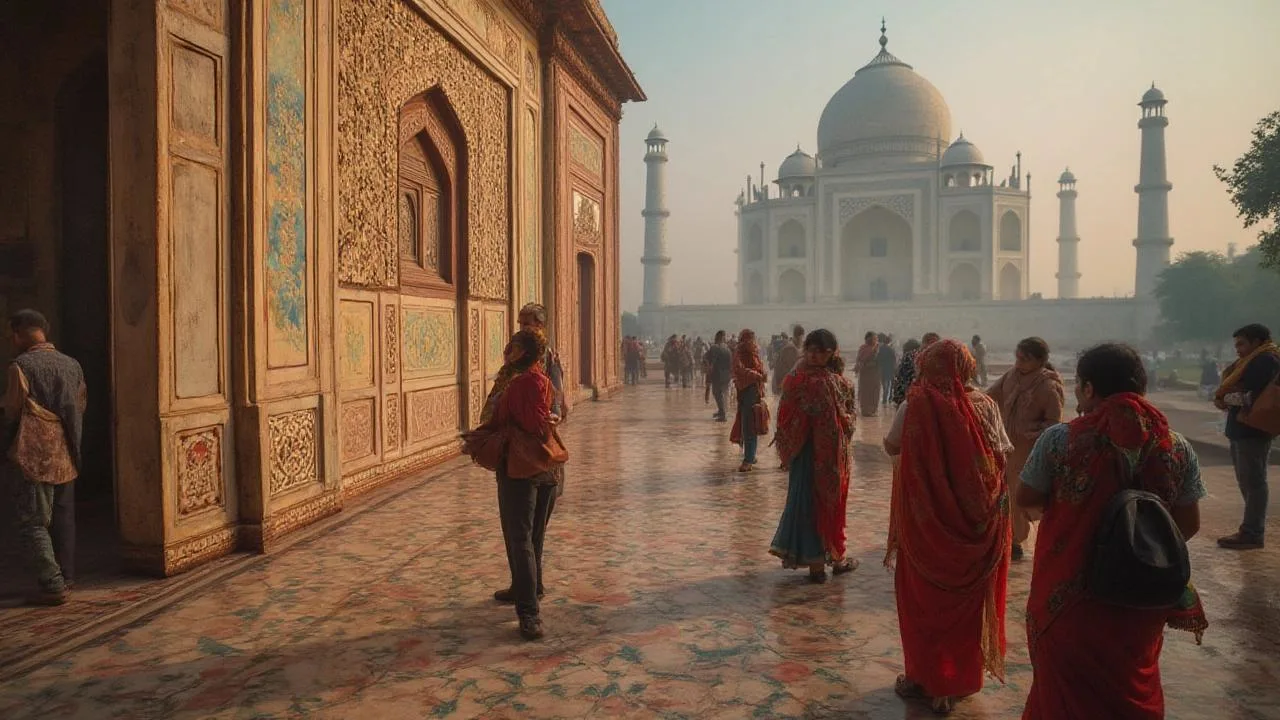
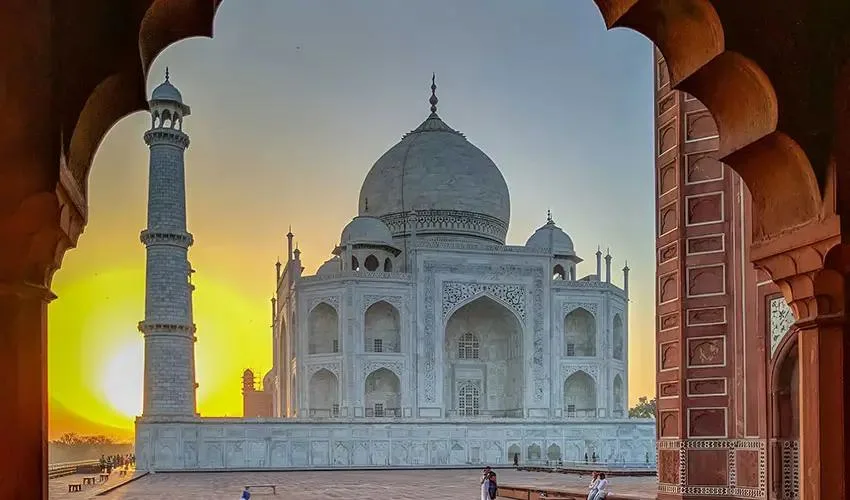
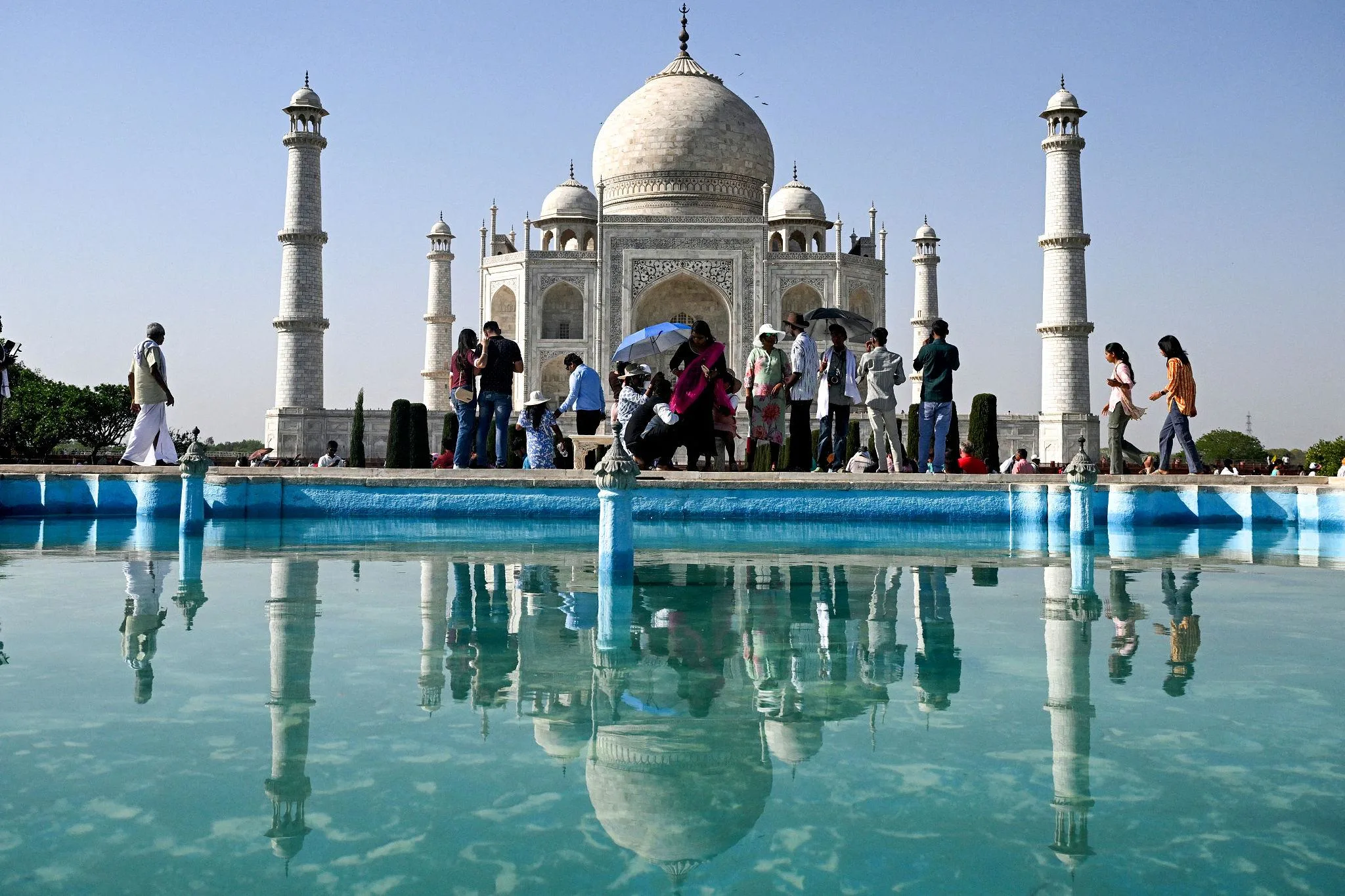
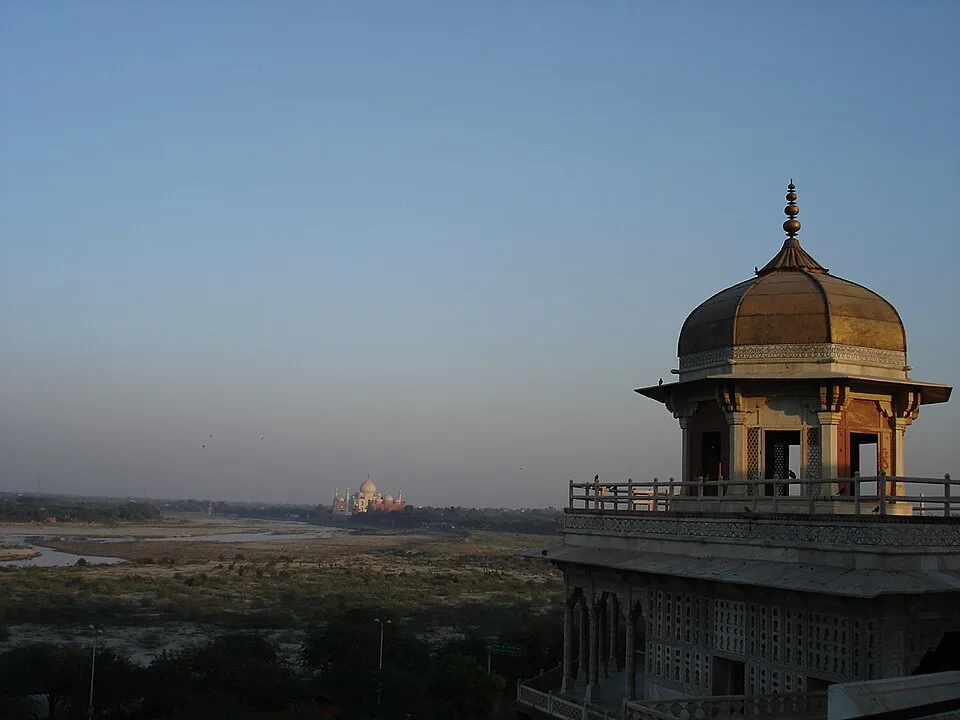
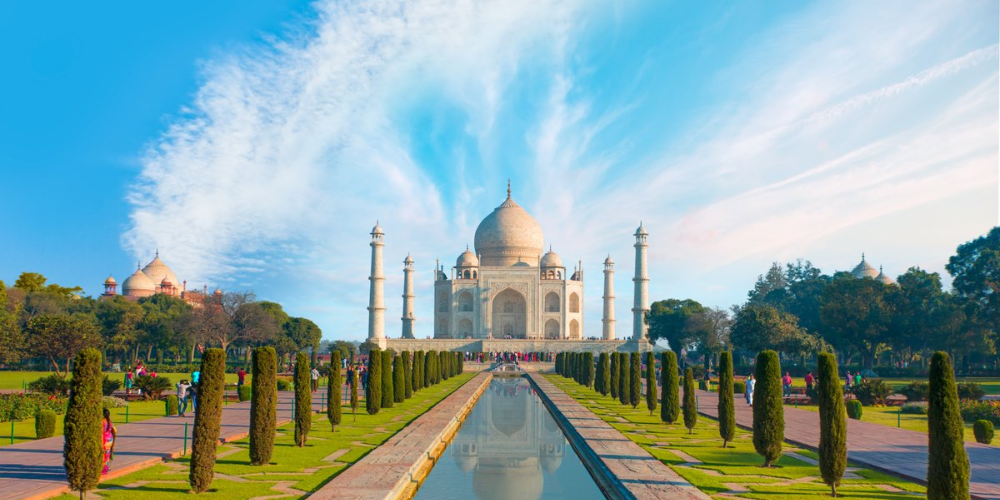
Agra is the emotional high point of the trip. The Taj Mahal is best seen at sunrise, when the crowds are thinner and the marble glows softly. Agra Fort, a short drive away, shows the power of the Mughal emperors. Mehtab Bagh, a garden across the river, gives a quiet view of the Taj at sunset.
How far is Agra from Delhi? Agra is about 230 km from Delhi. By car, the trip takes roughly three to four hours on the Yamuna Expressway.
Which day is the Taj Mahal closed? The Taj Mahal is closed every Friday. Plan your Agra visit around this, or you will miss it.
On the way to Jaipur, many travellers stop at Fatehpur Sikri, an abandoned Mughal city about 40 km from Agra. It is worth an hour or two.
Jaipur: Rajasthan’s Pink City
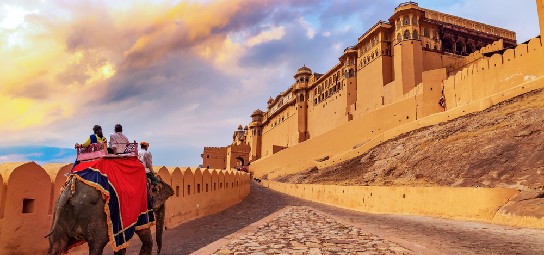
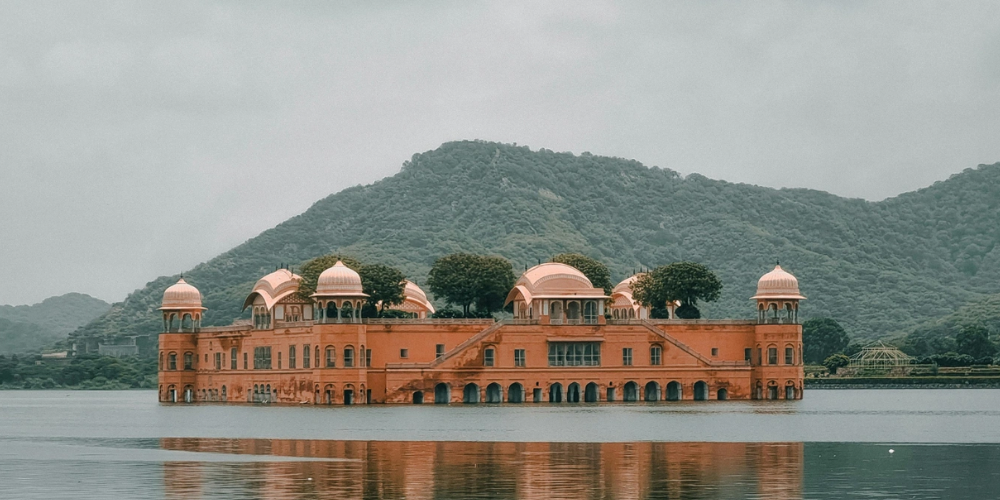
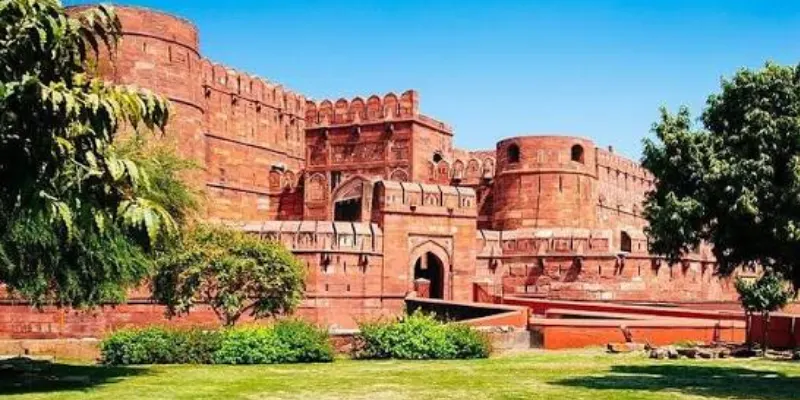
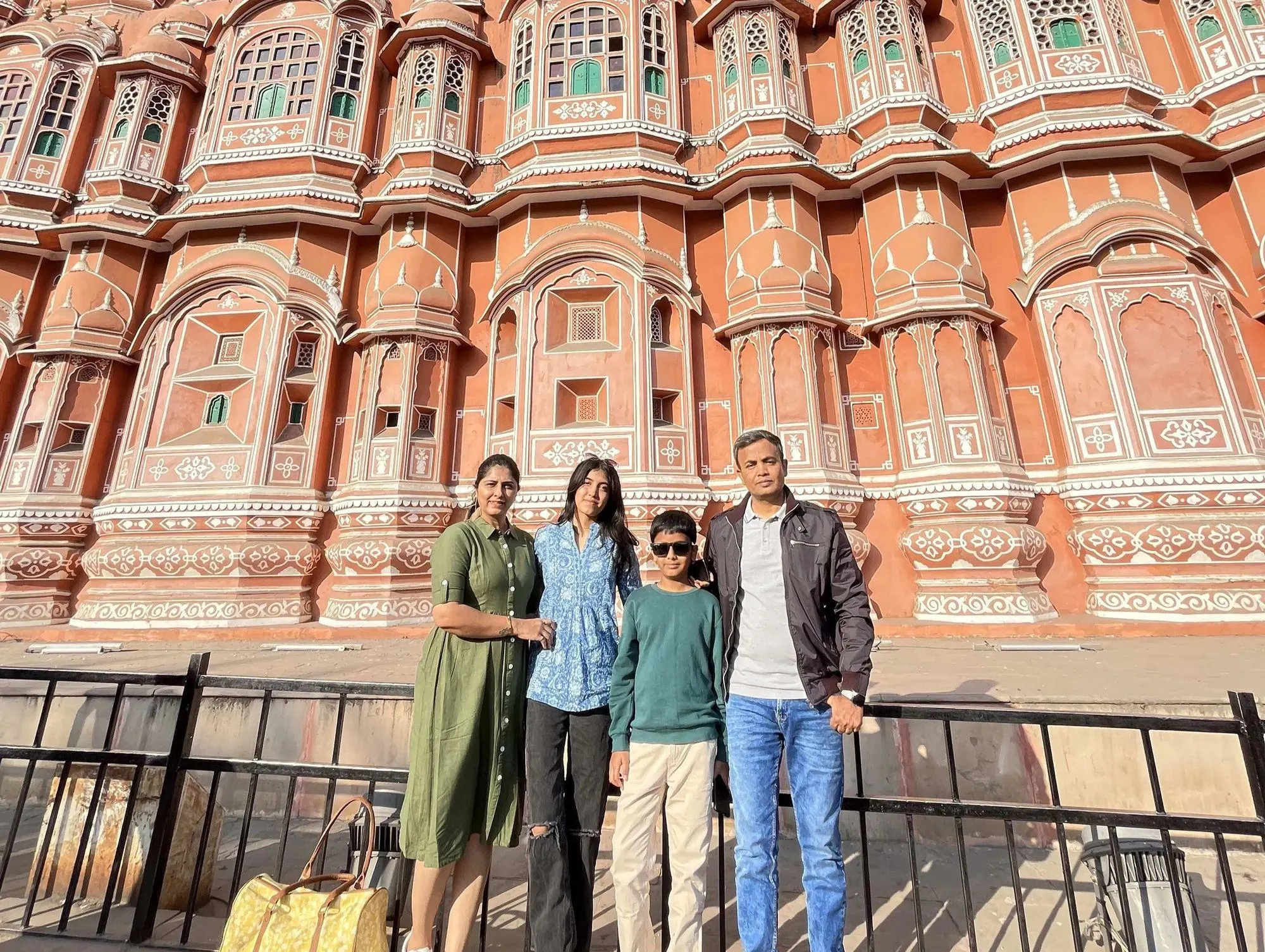
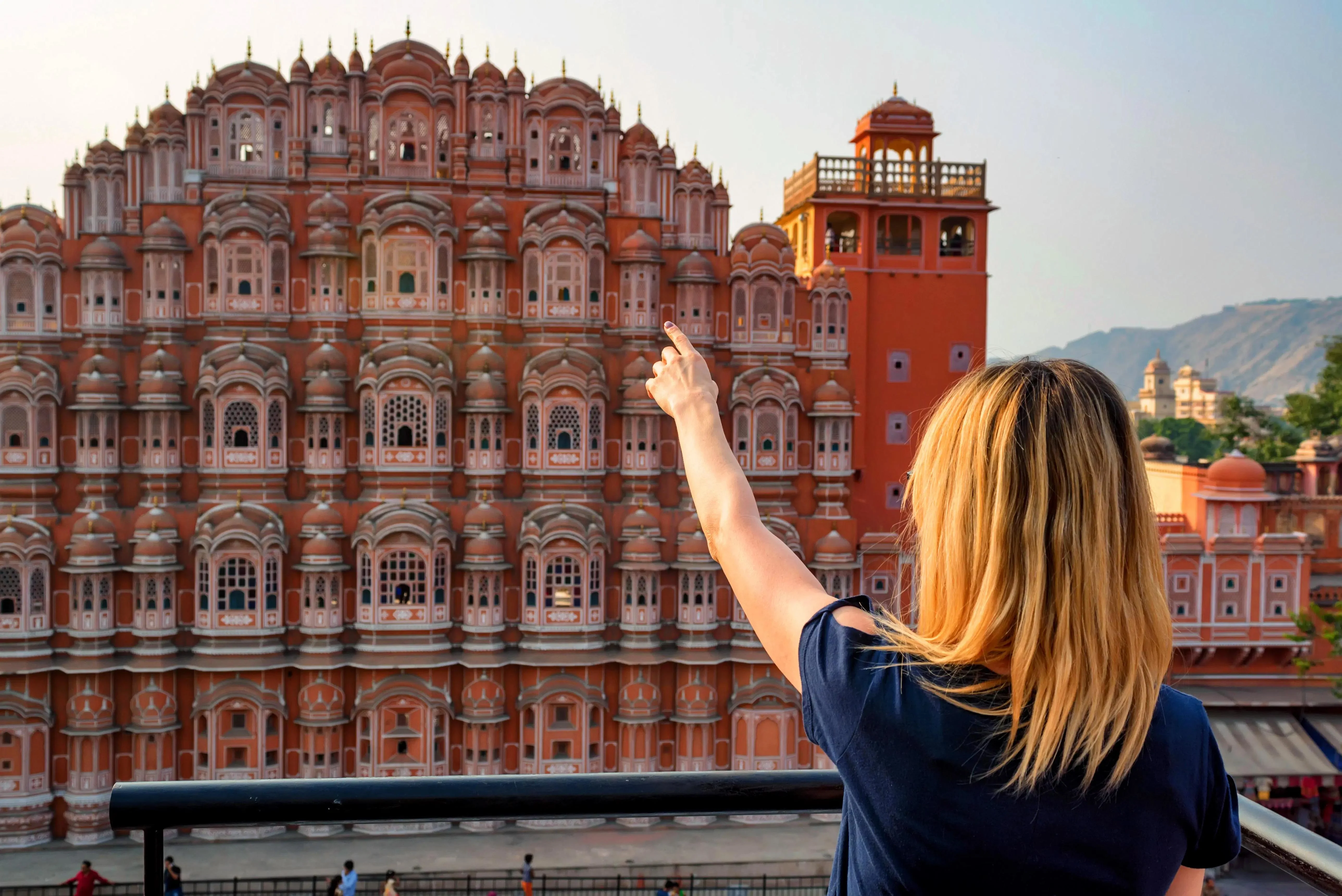
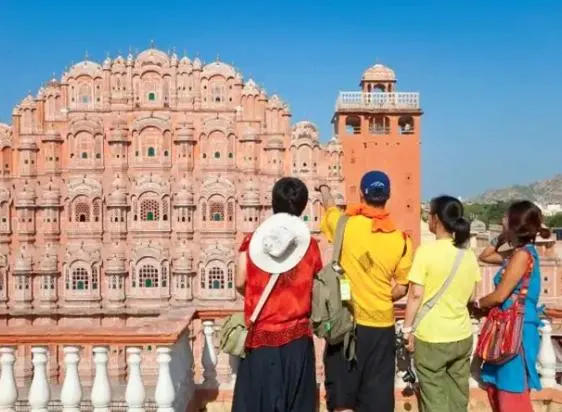
Jaipur is where the trip changes mood, from Mughal grandeur to Rajput colour. Amber Fort sits on a hilltop and has beautiful mirror-work halls. The City Palace is still home to the royal family, with part of it open as a museum. Jantar Mantar is an 18th-century observatory, and Hawa Mahal is the famous honeycomb palace facade.
Jaipur is also a shopper’s city. Its bazaars are good for block-print textiles, jewellery and blue pottery. The drive from Agra is about 240 km, and the return to Delhi is about 280 km, taking five to six hours.
Golden Triangle Tour Package Cost: What Will You Pay?
The price depends on how you travel. As a rough guide, a 4 night, 5 day package by private car with 3-star hotels often falls between ₹15,000 and ₹25,000 per person when two or more people share. Premium and luxury options cost more.
How much does a Golden Triangle tour cost per person? A standard 5-day Golden Triangle tour package from Delhi usually costs between ₹15,000 and ₹25,000 per person with 3-star hotels. Prices rise with hotel category, group size and season.
These prices are only a starting point. Always ask for a written quote.
What Affects the Price
Hotel category: 3-star, 4-star, 5-star or heritage palaces make the biggest difference.
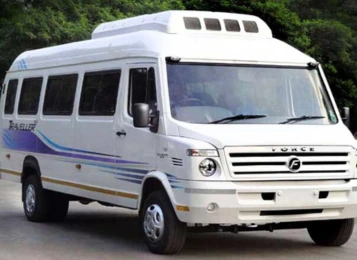
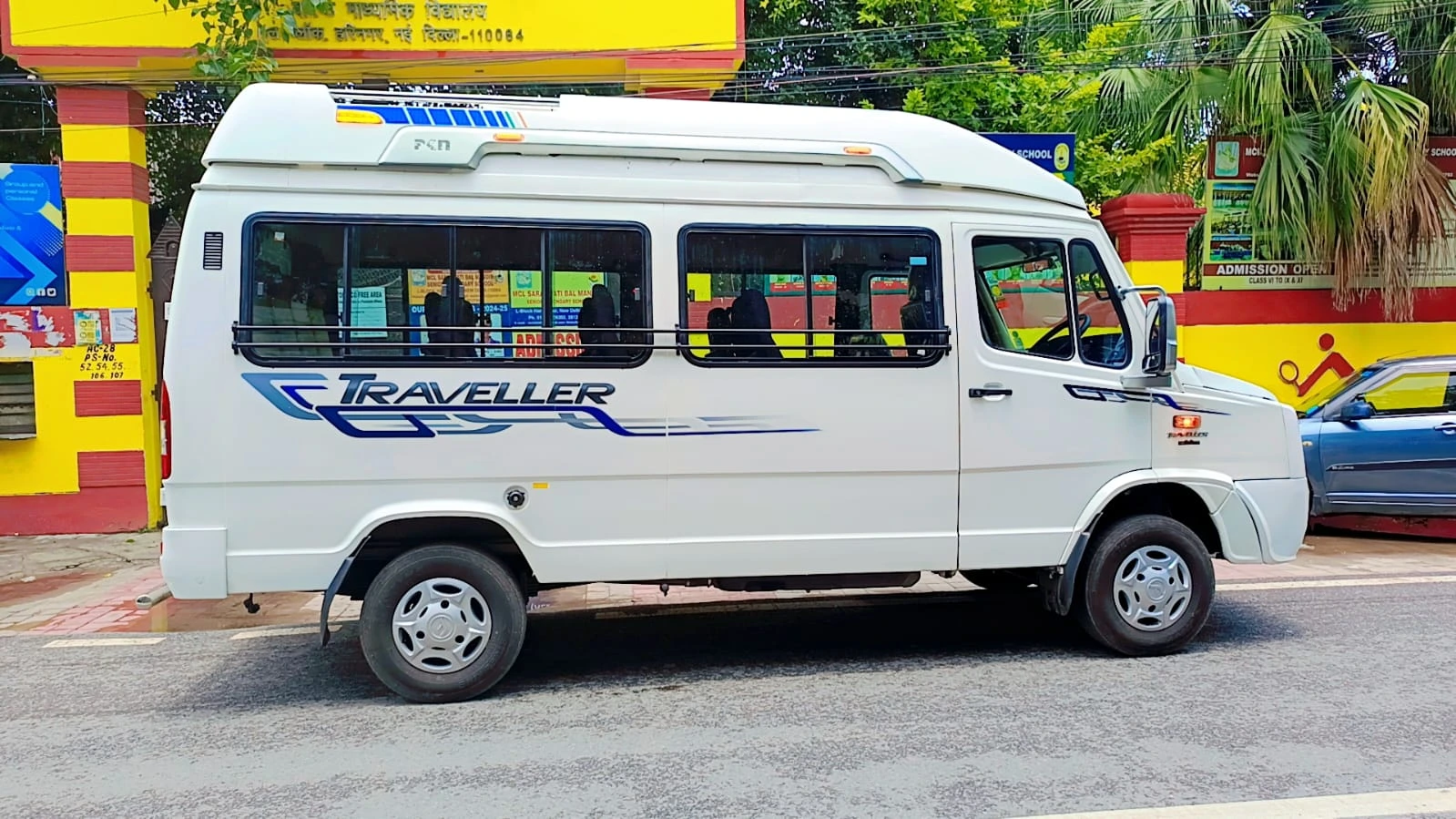
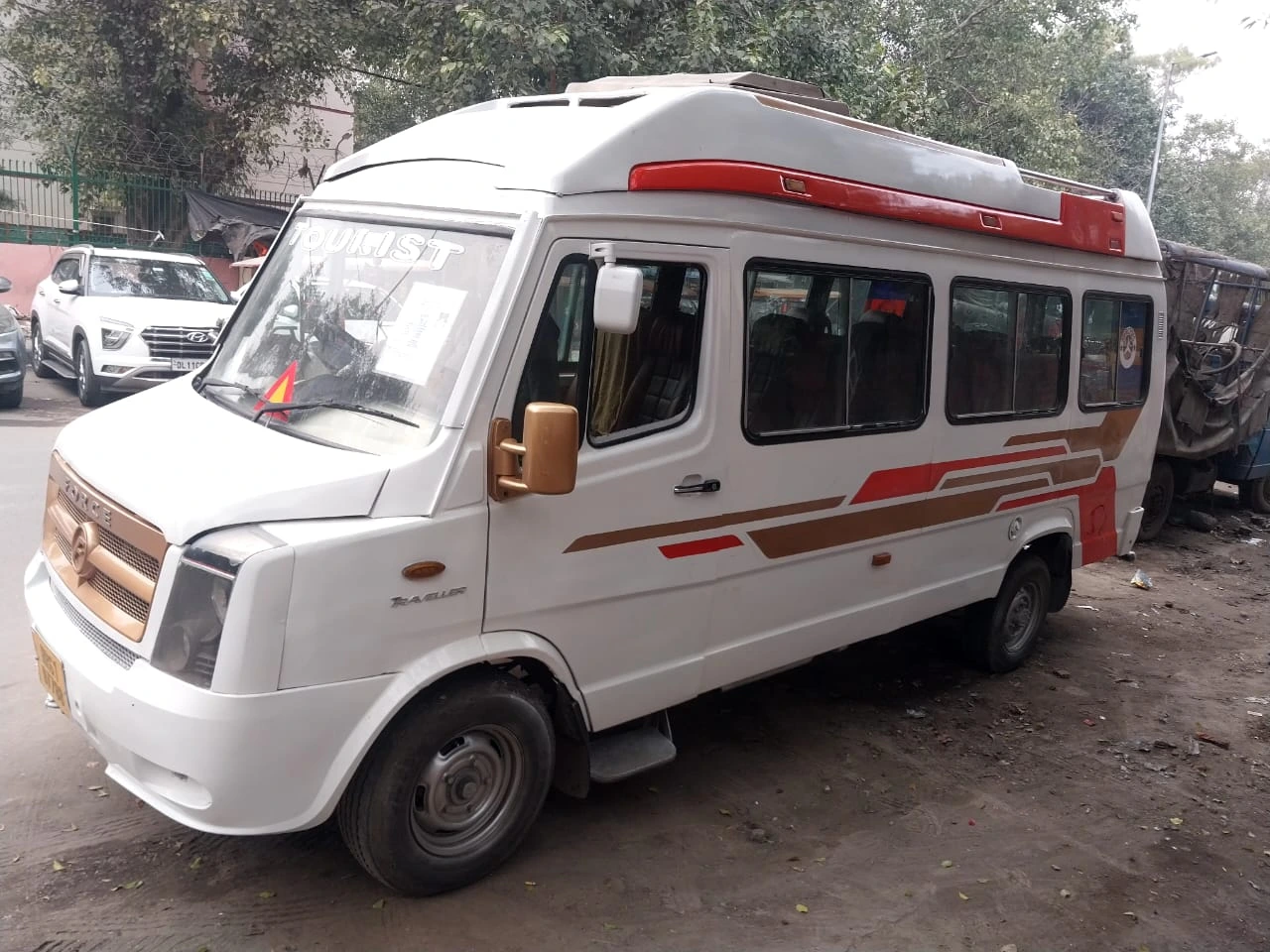
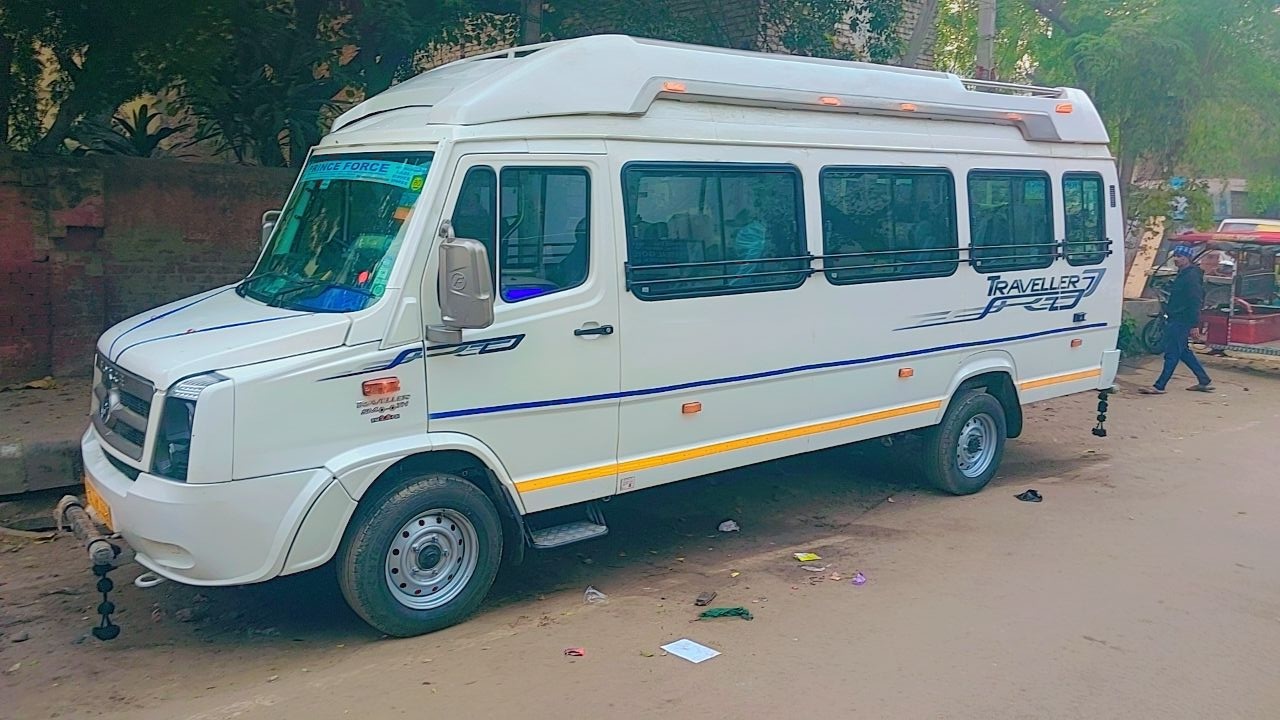
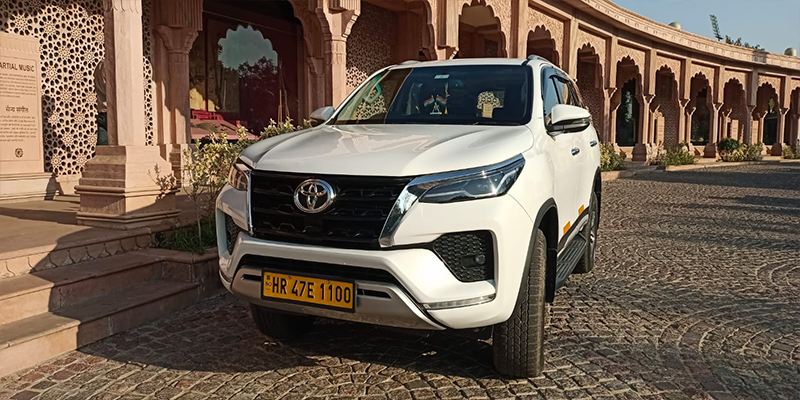
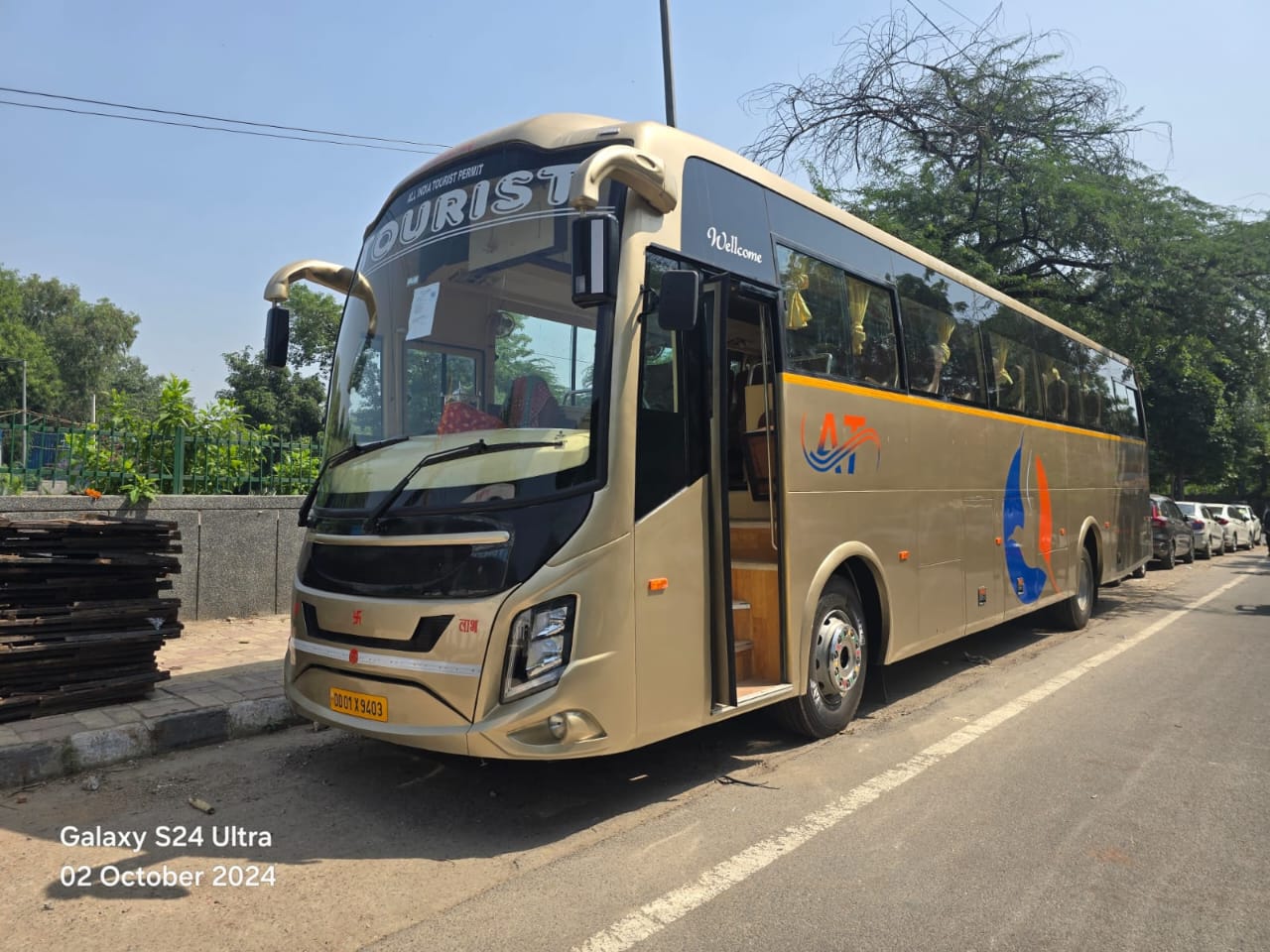
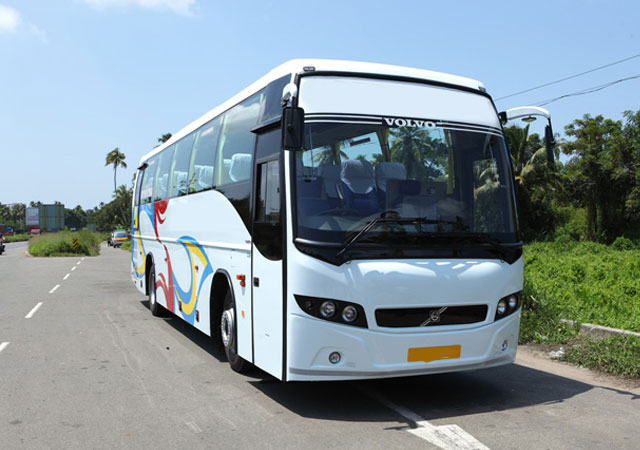
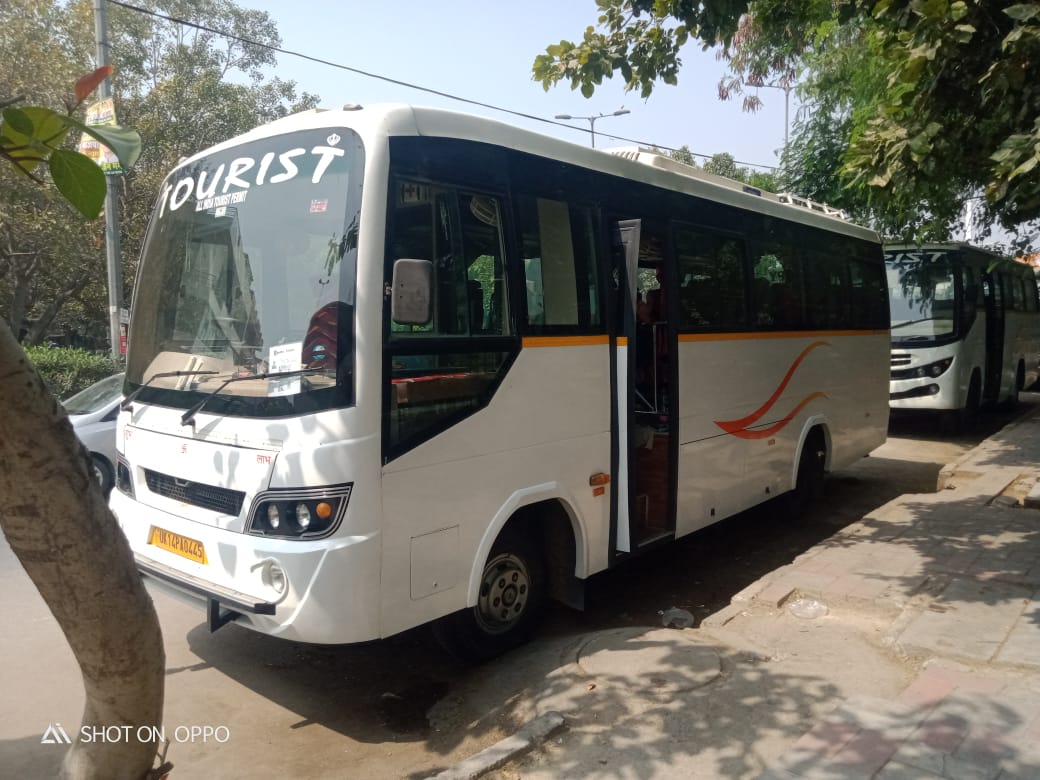
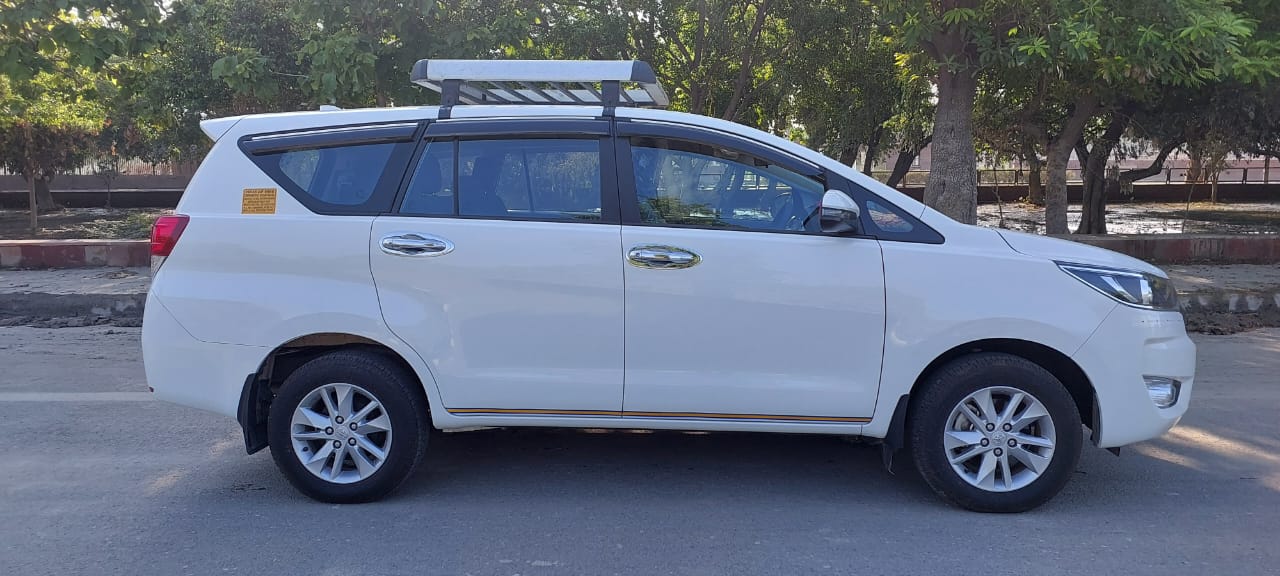
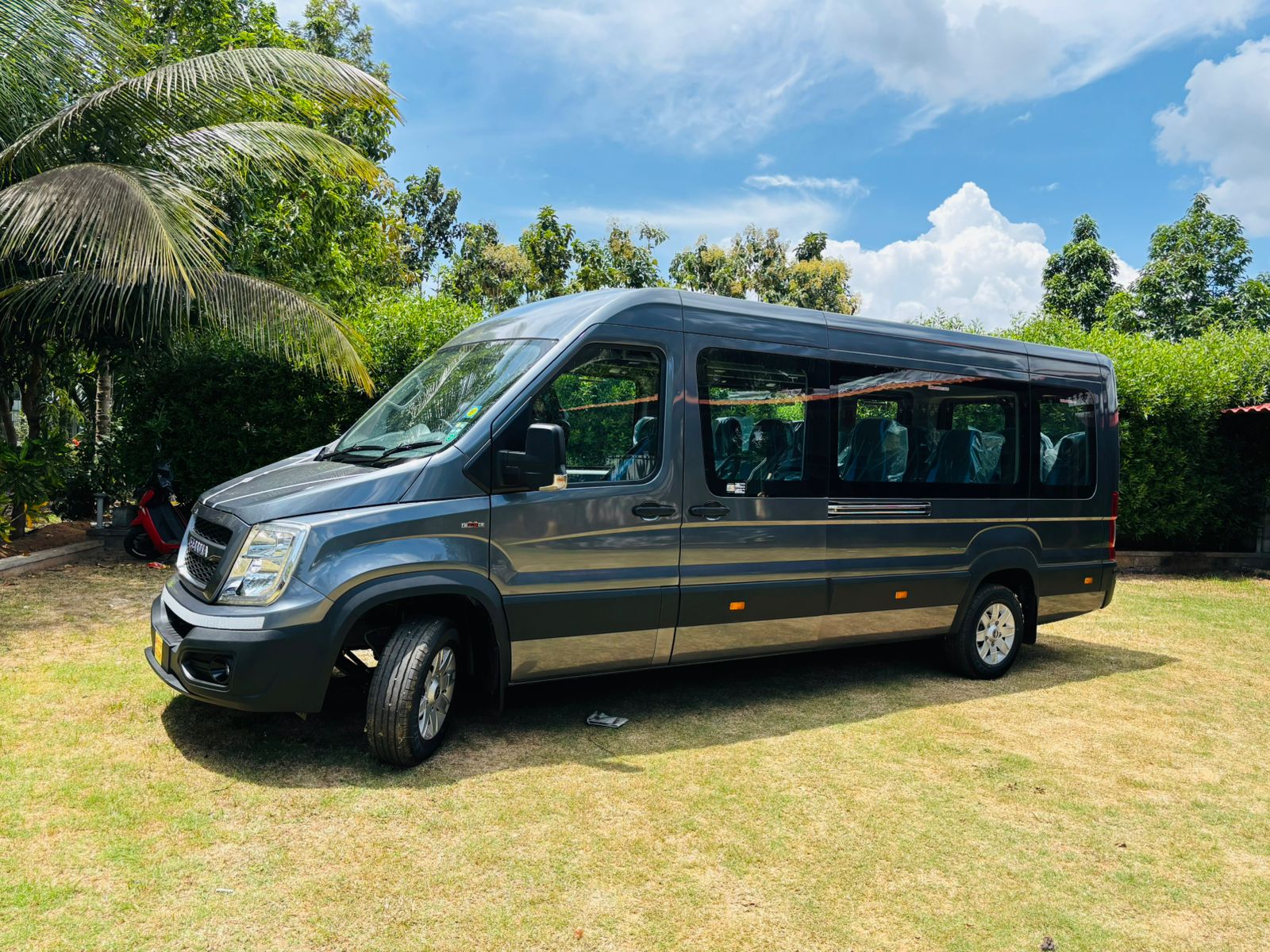
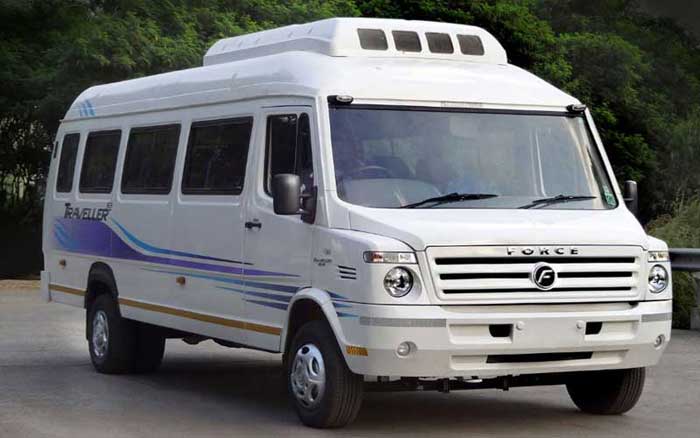
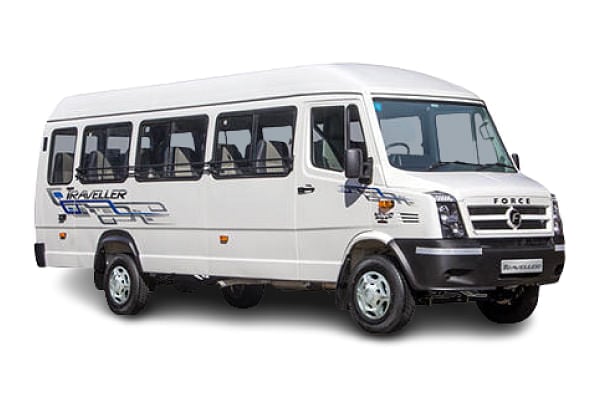
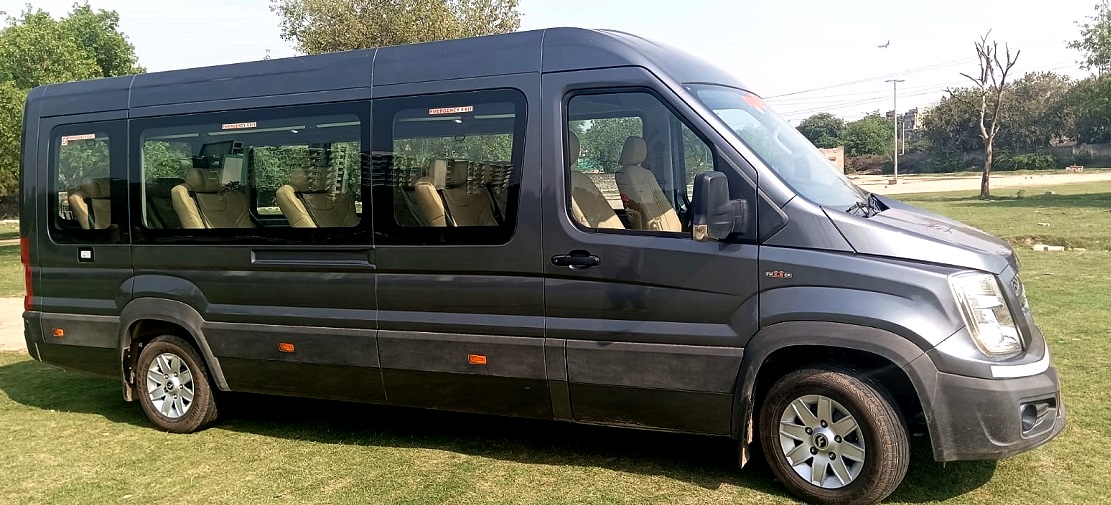
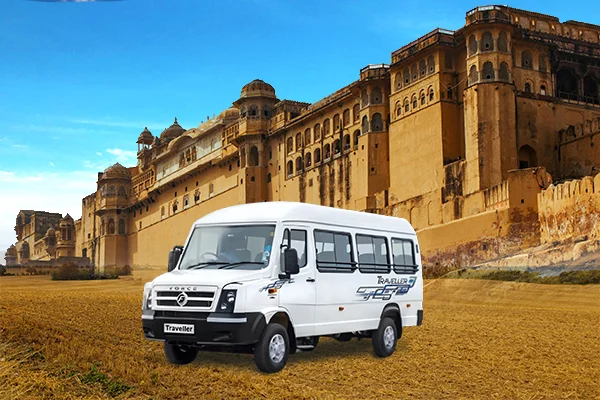
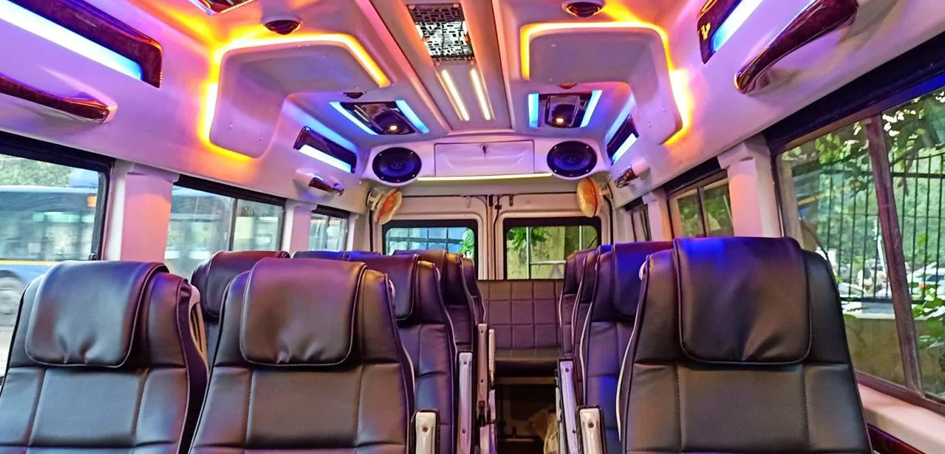
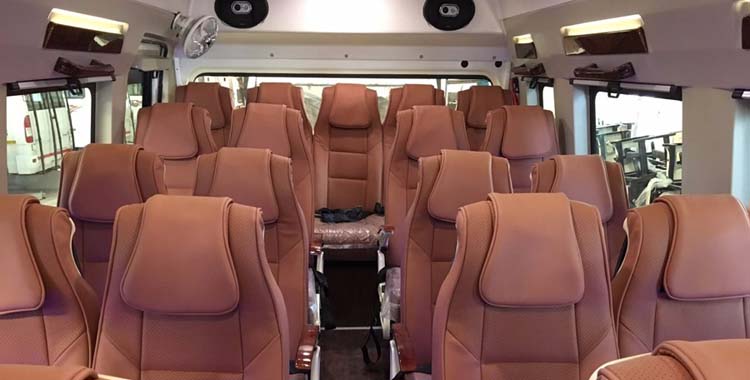
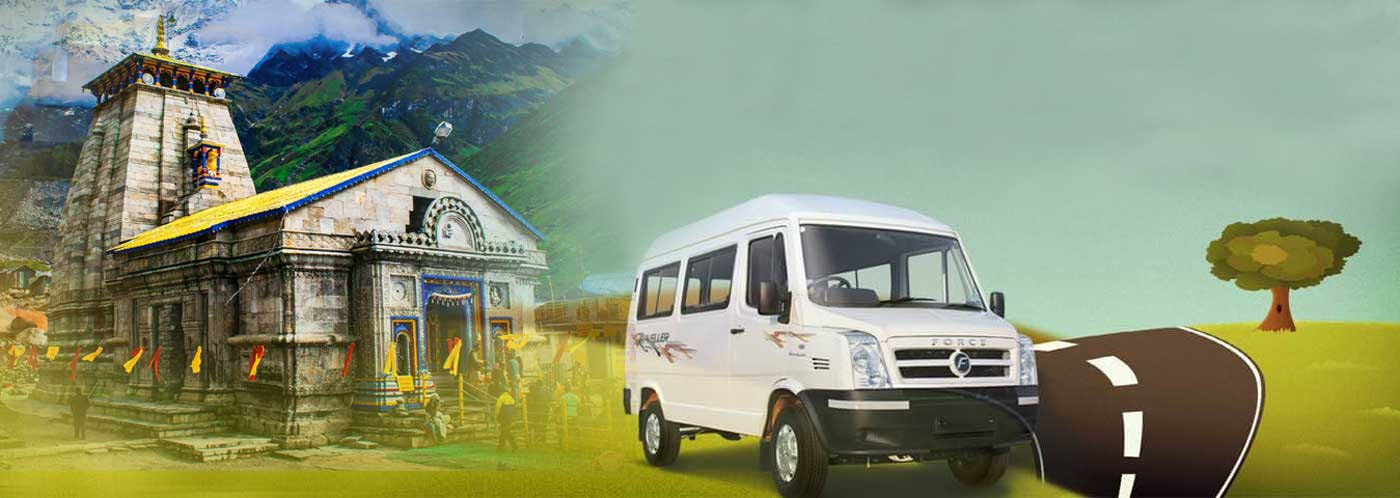
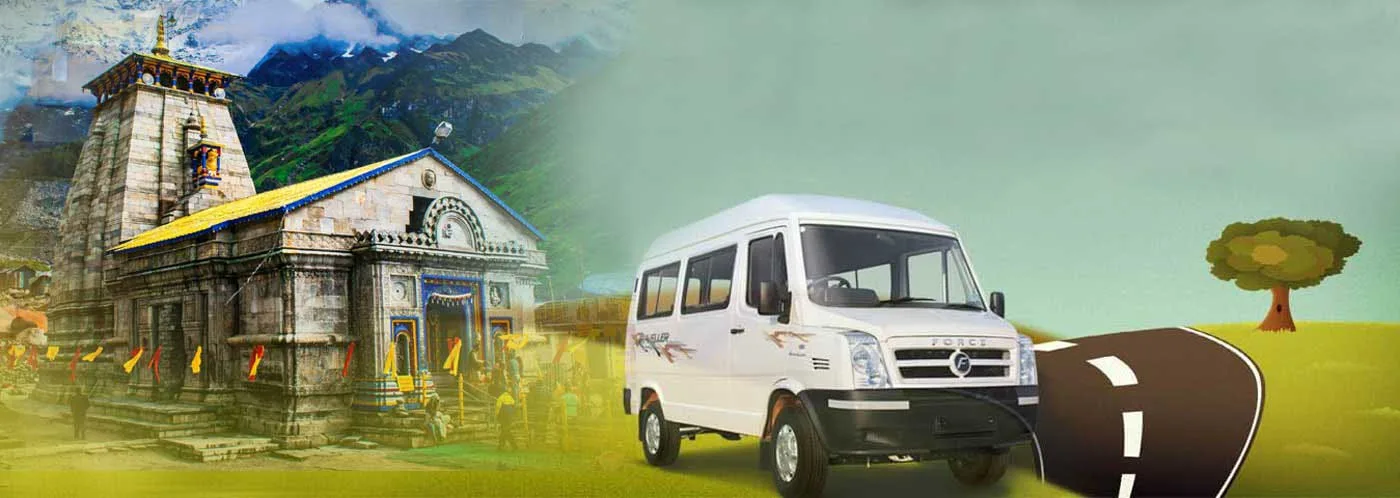
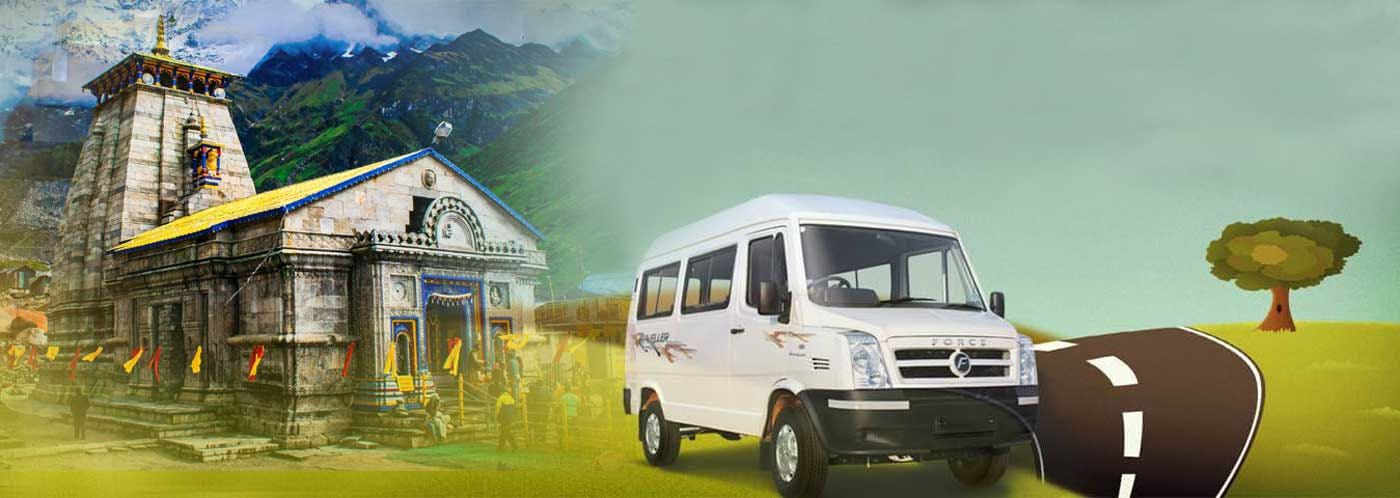
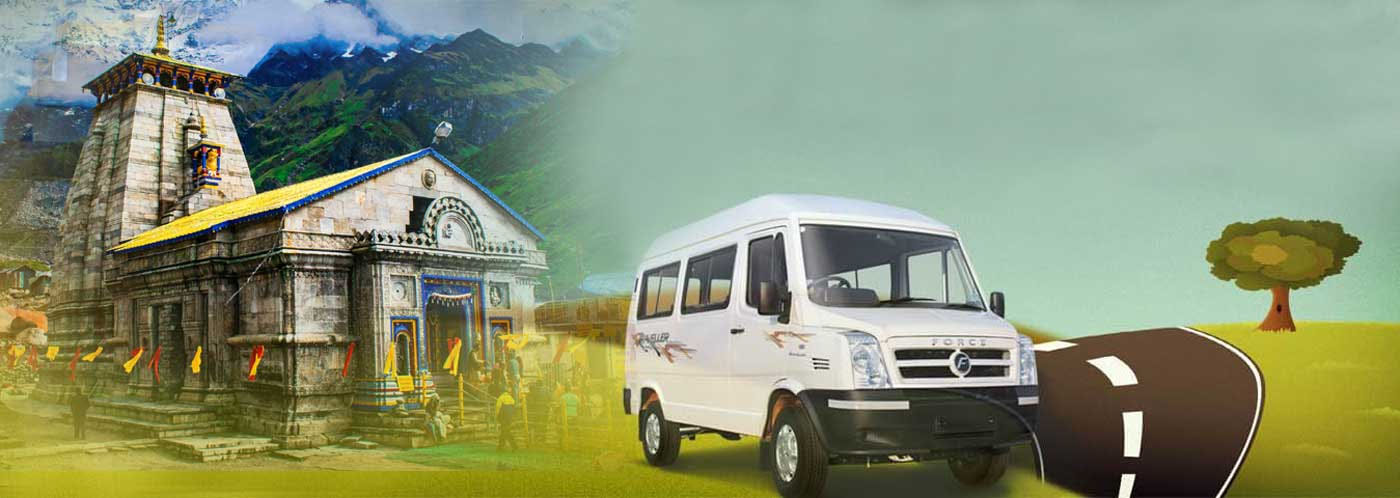
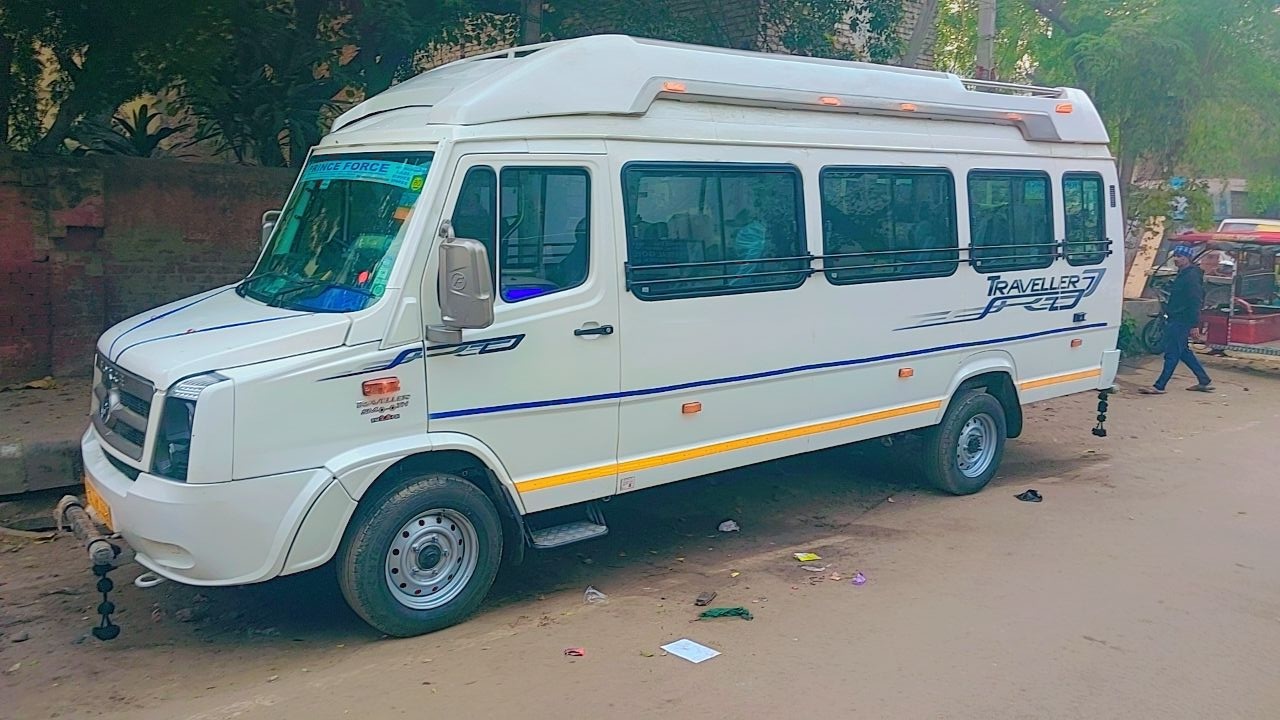
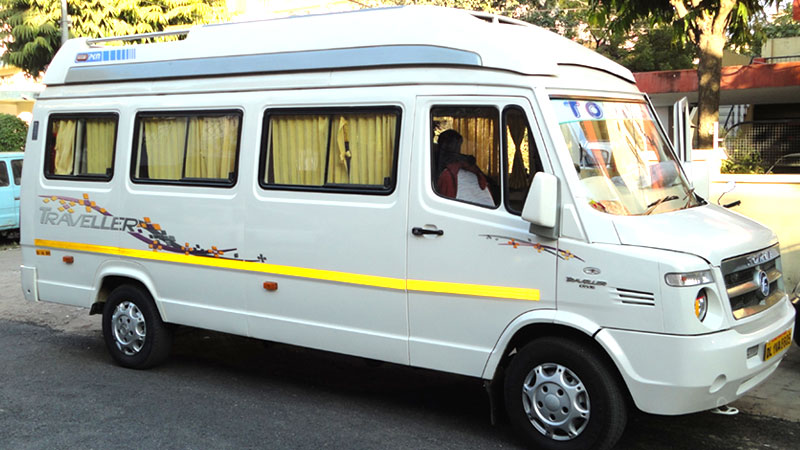
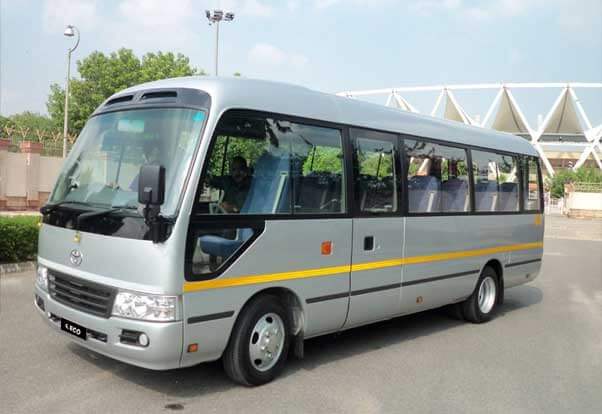
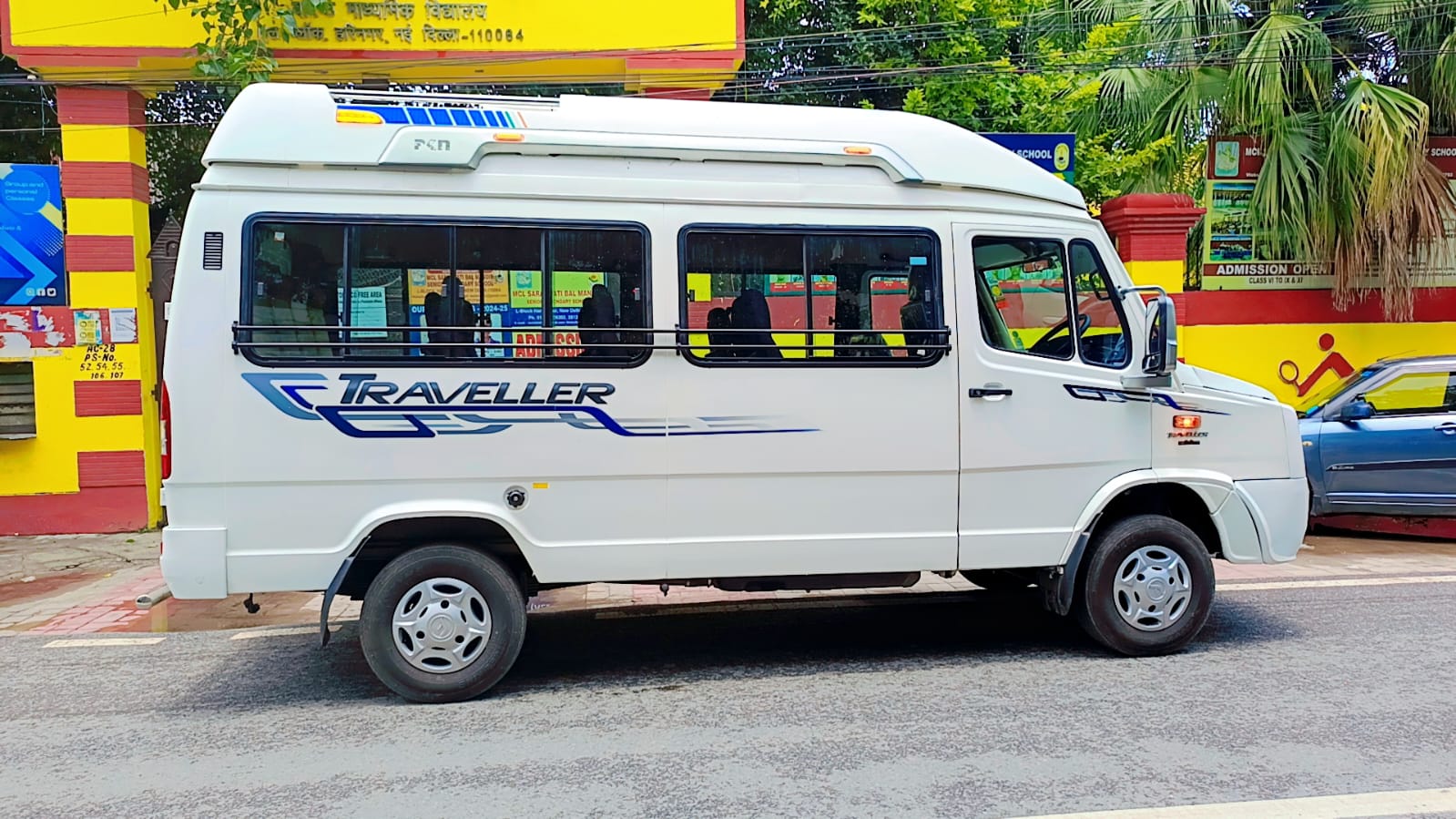
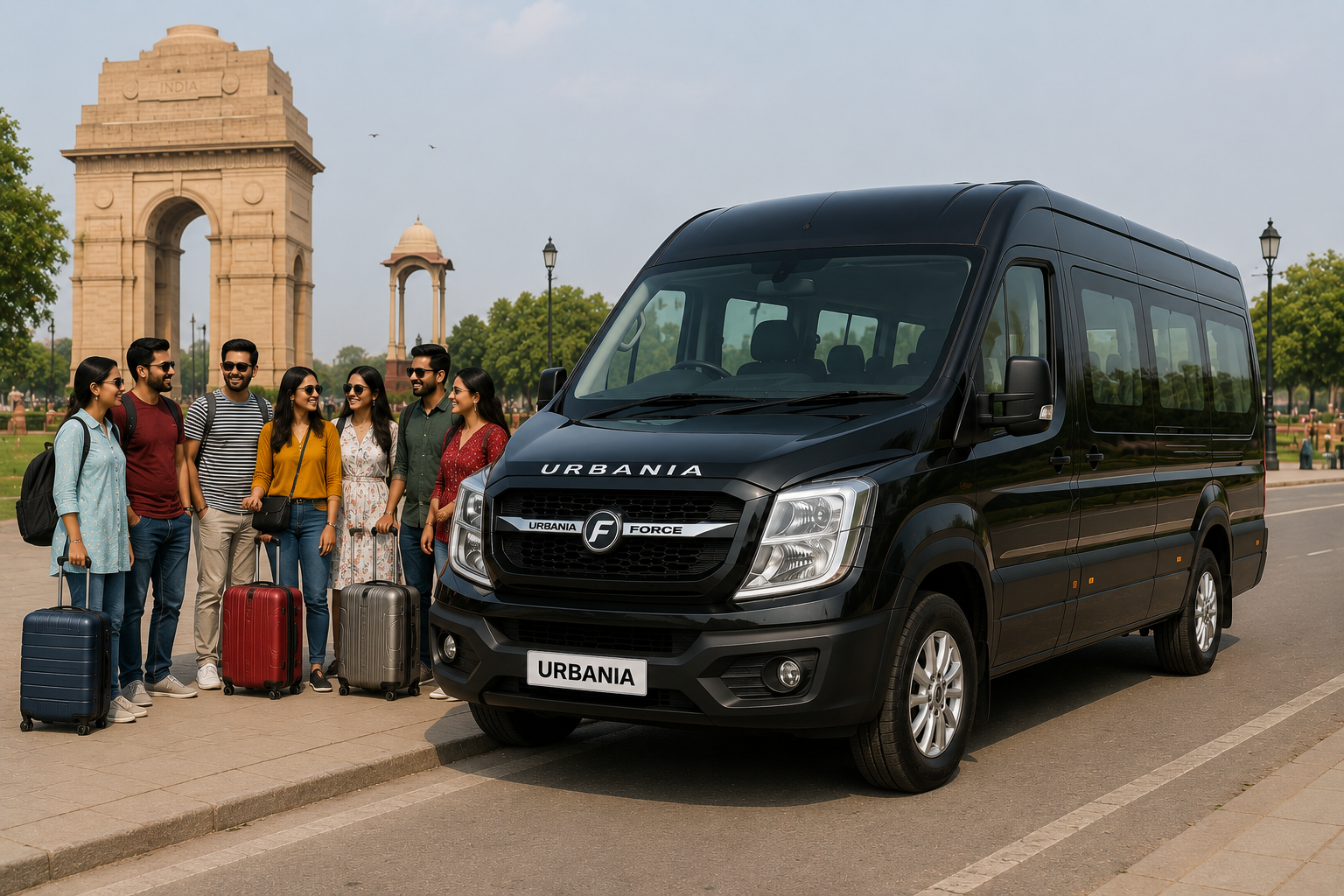
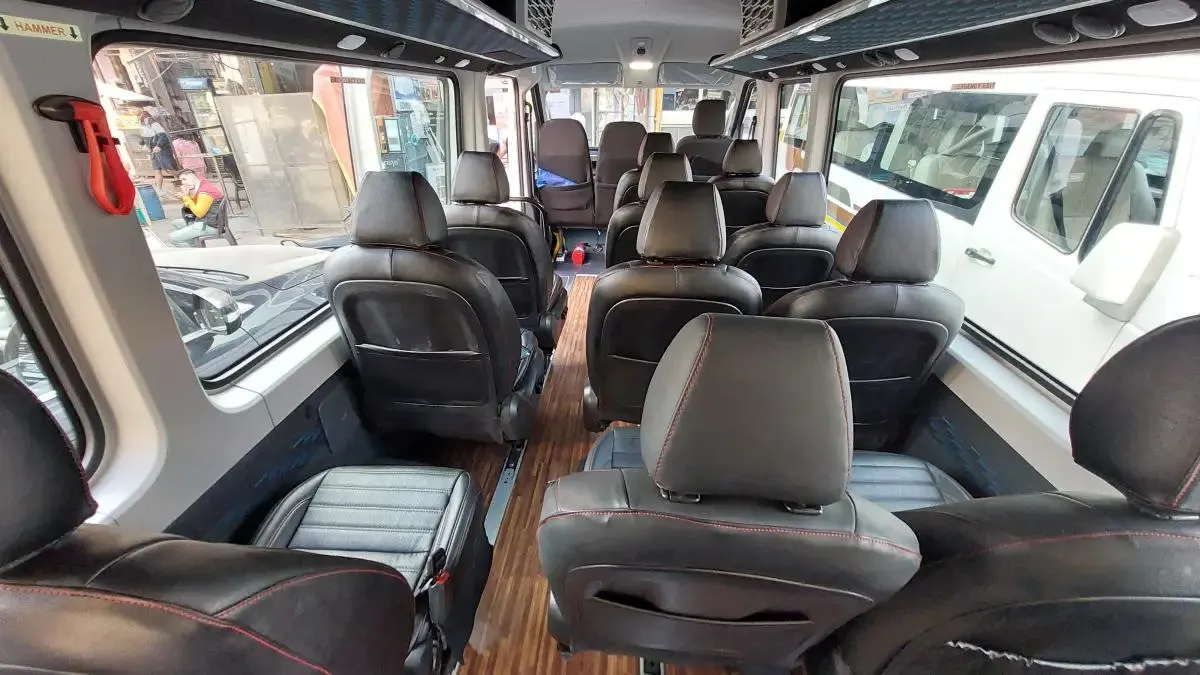
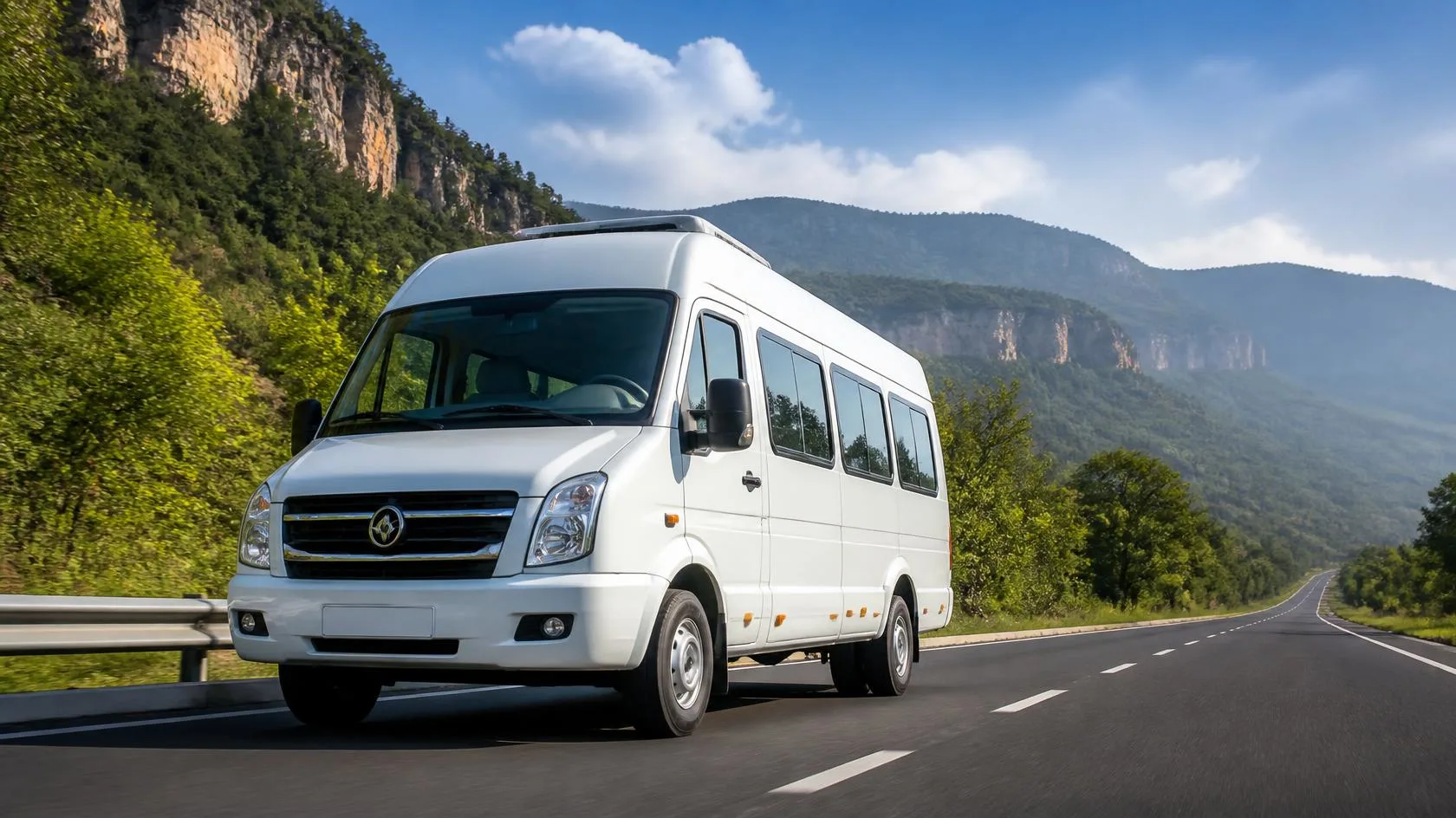
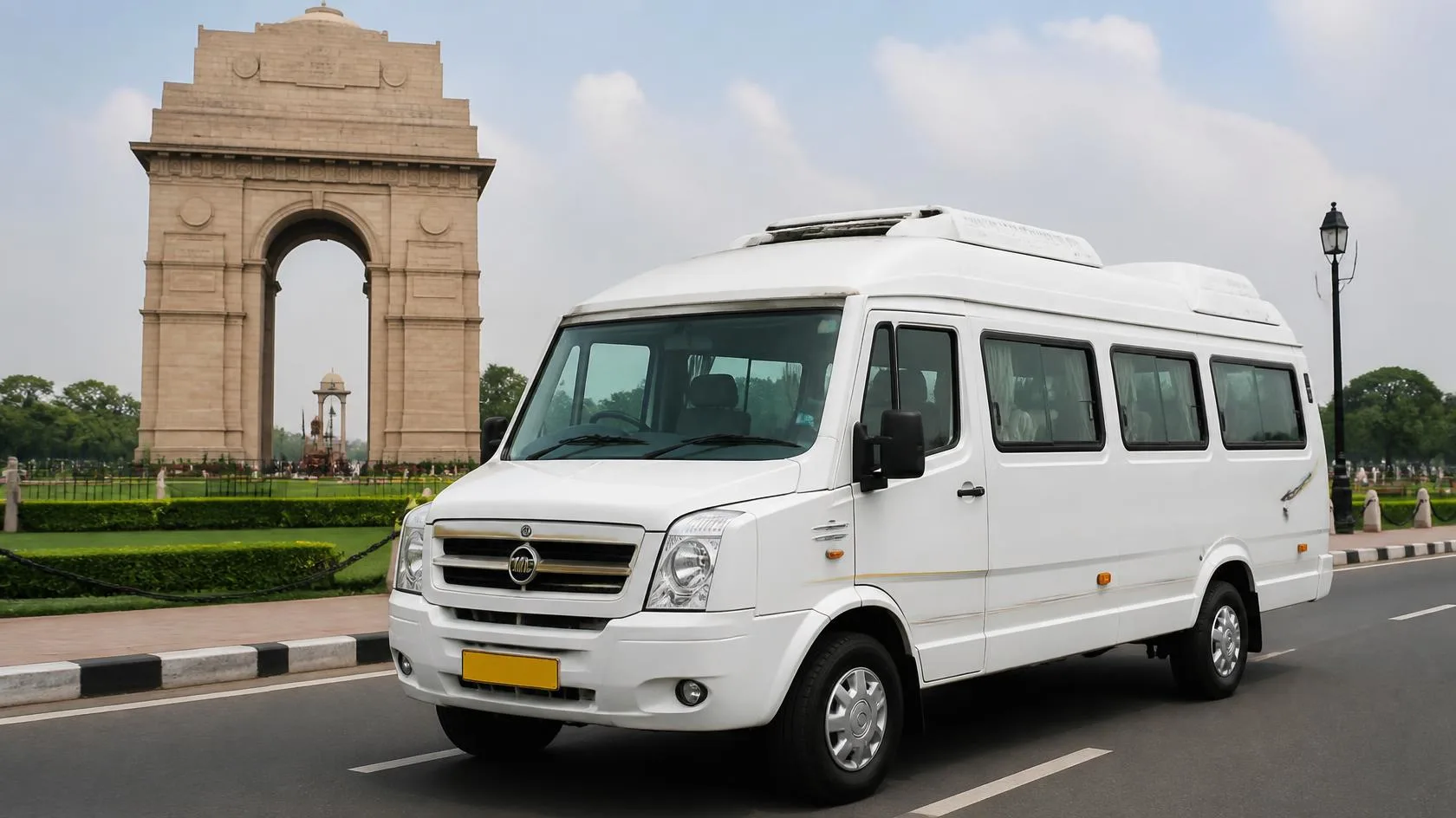
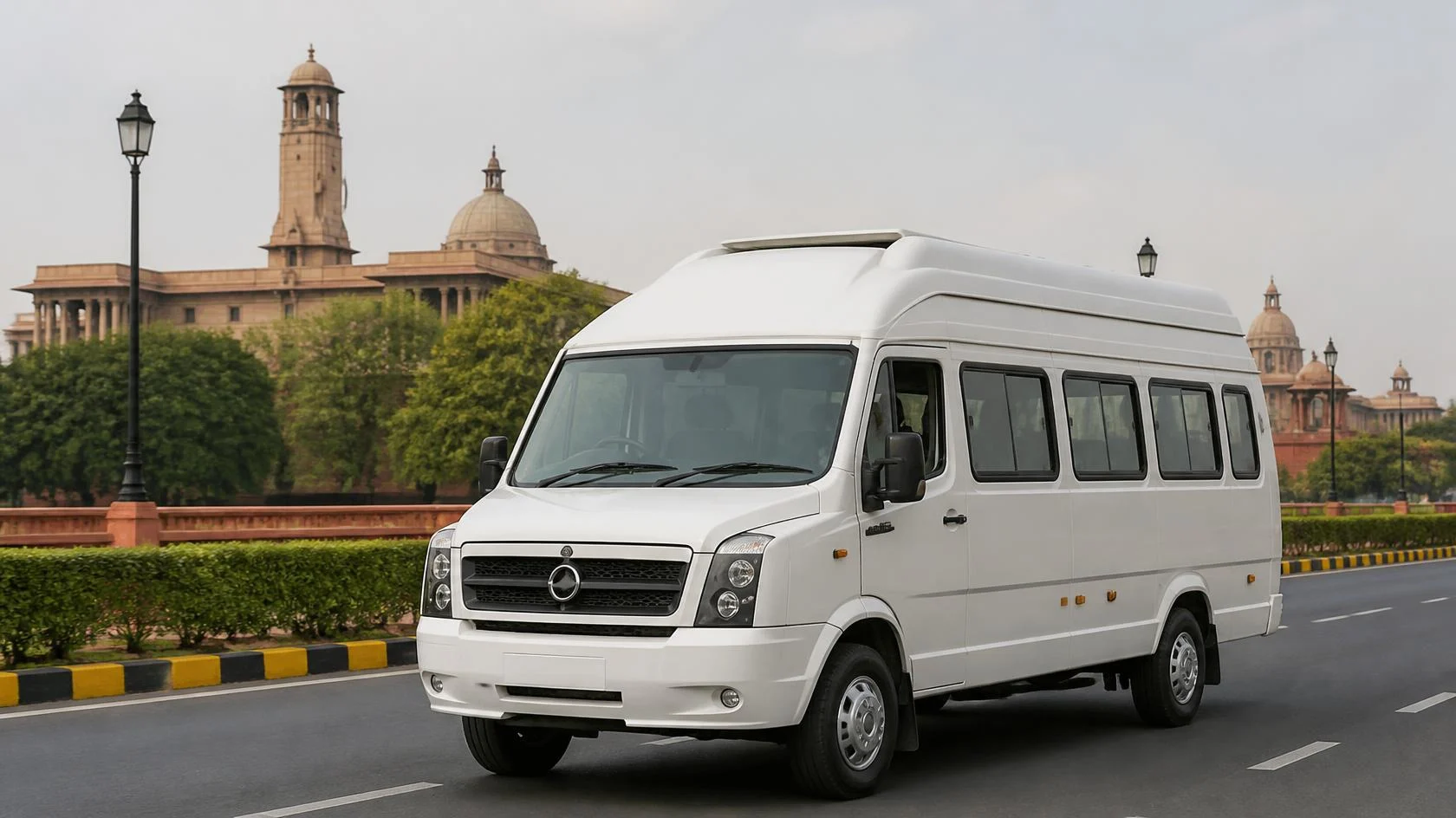
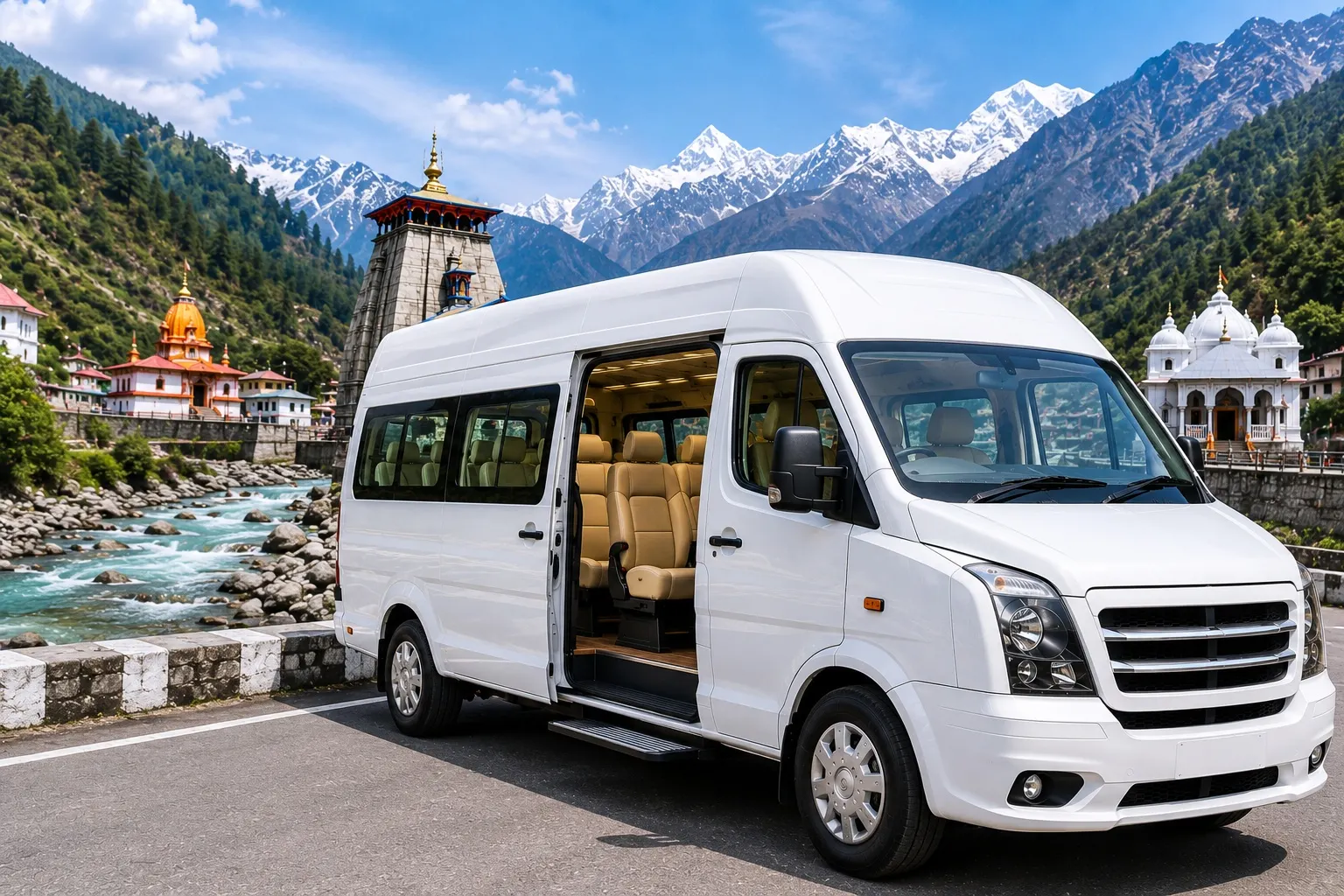
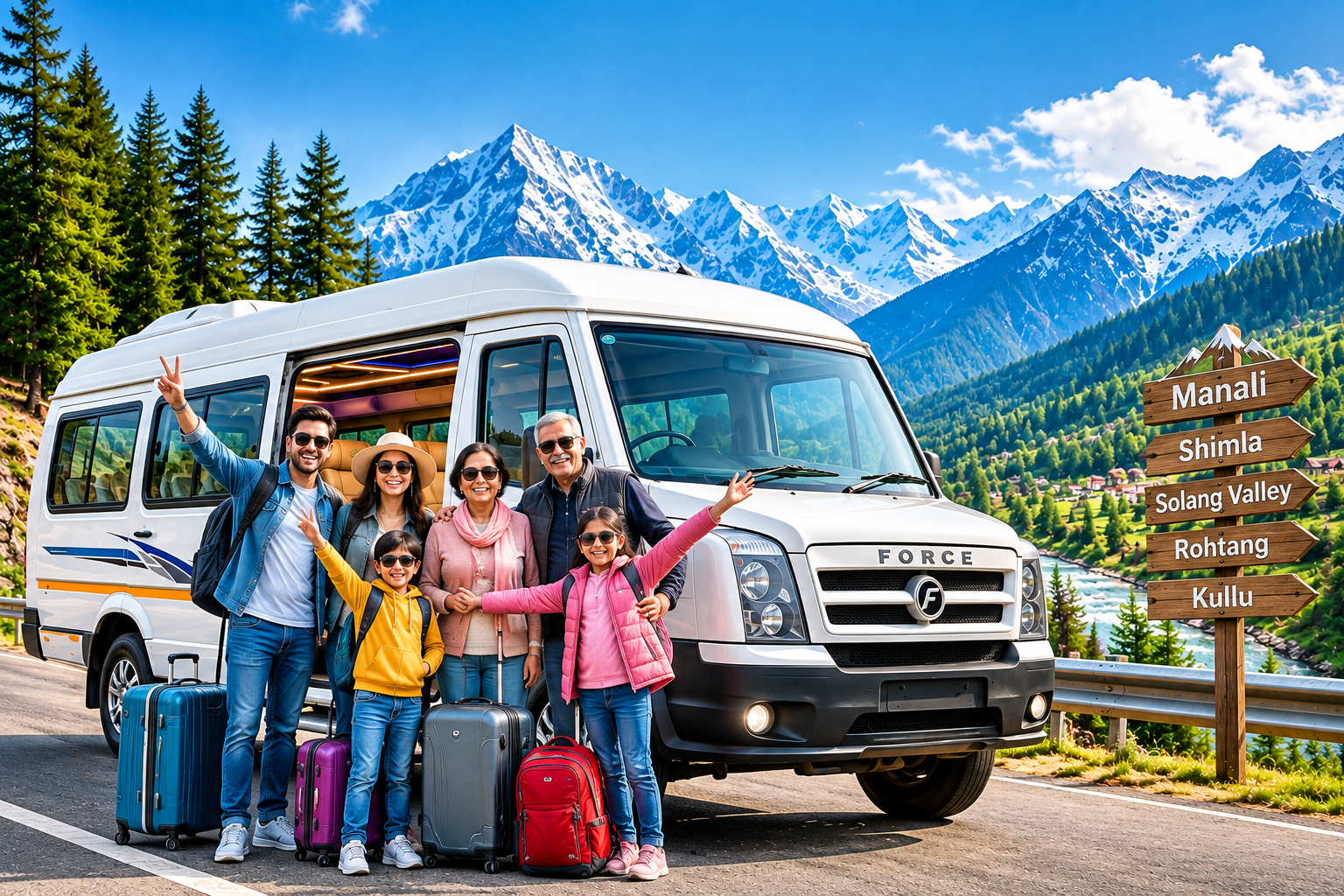
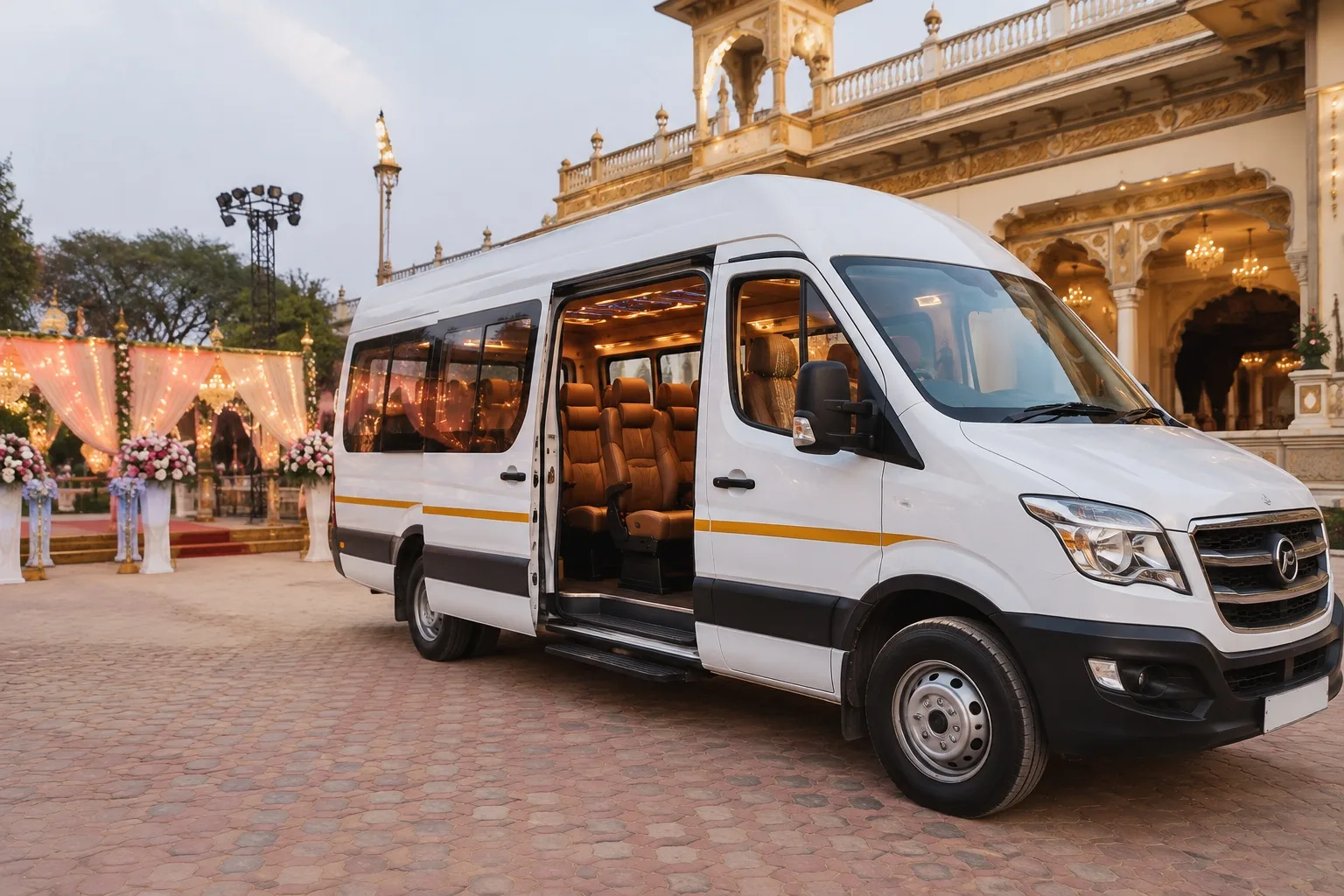
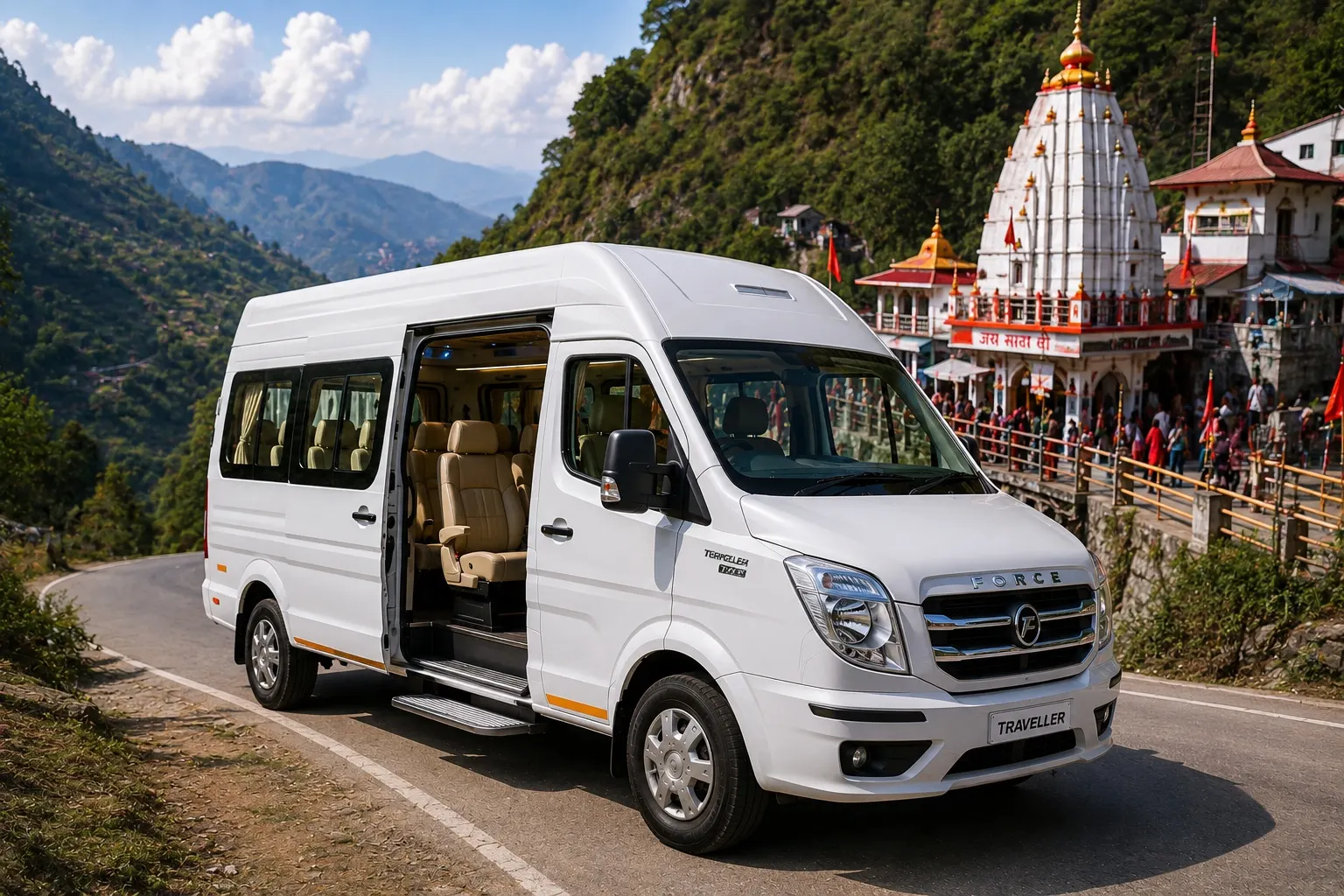
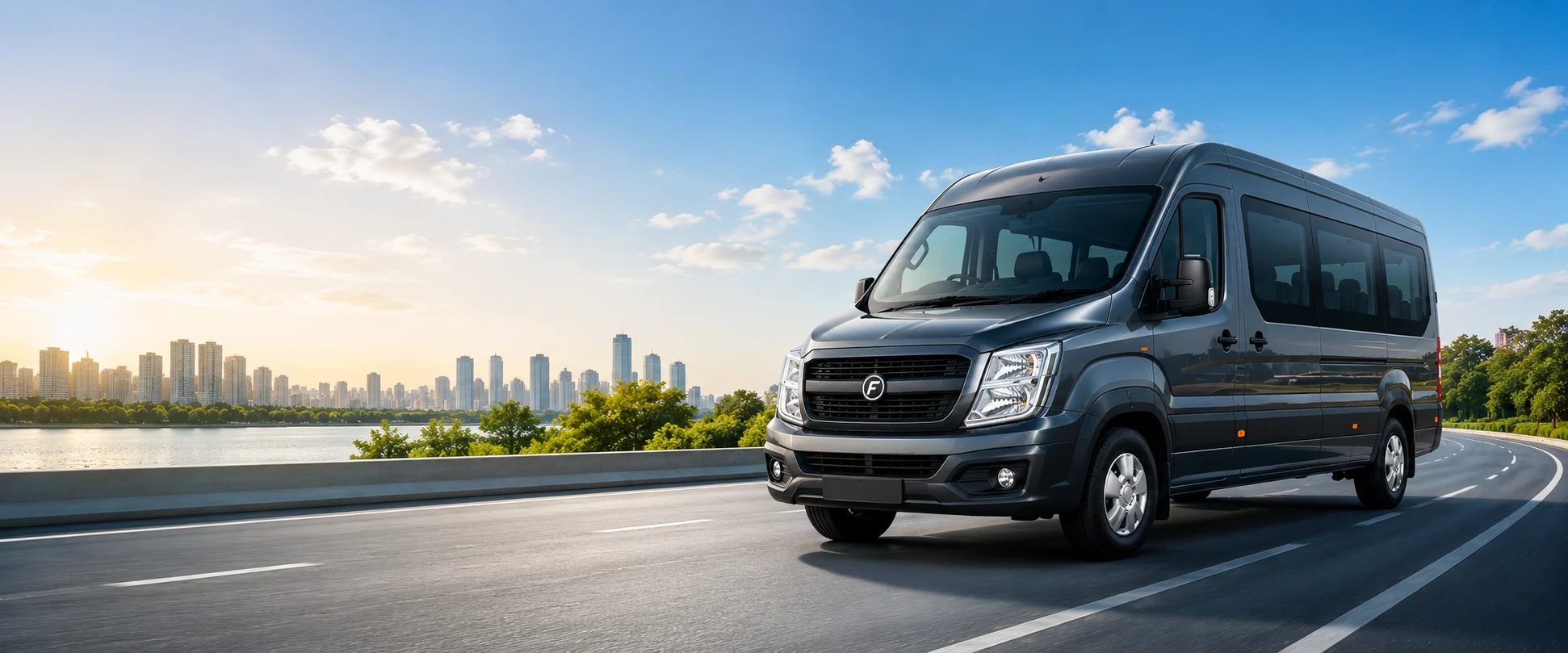
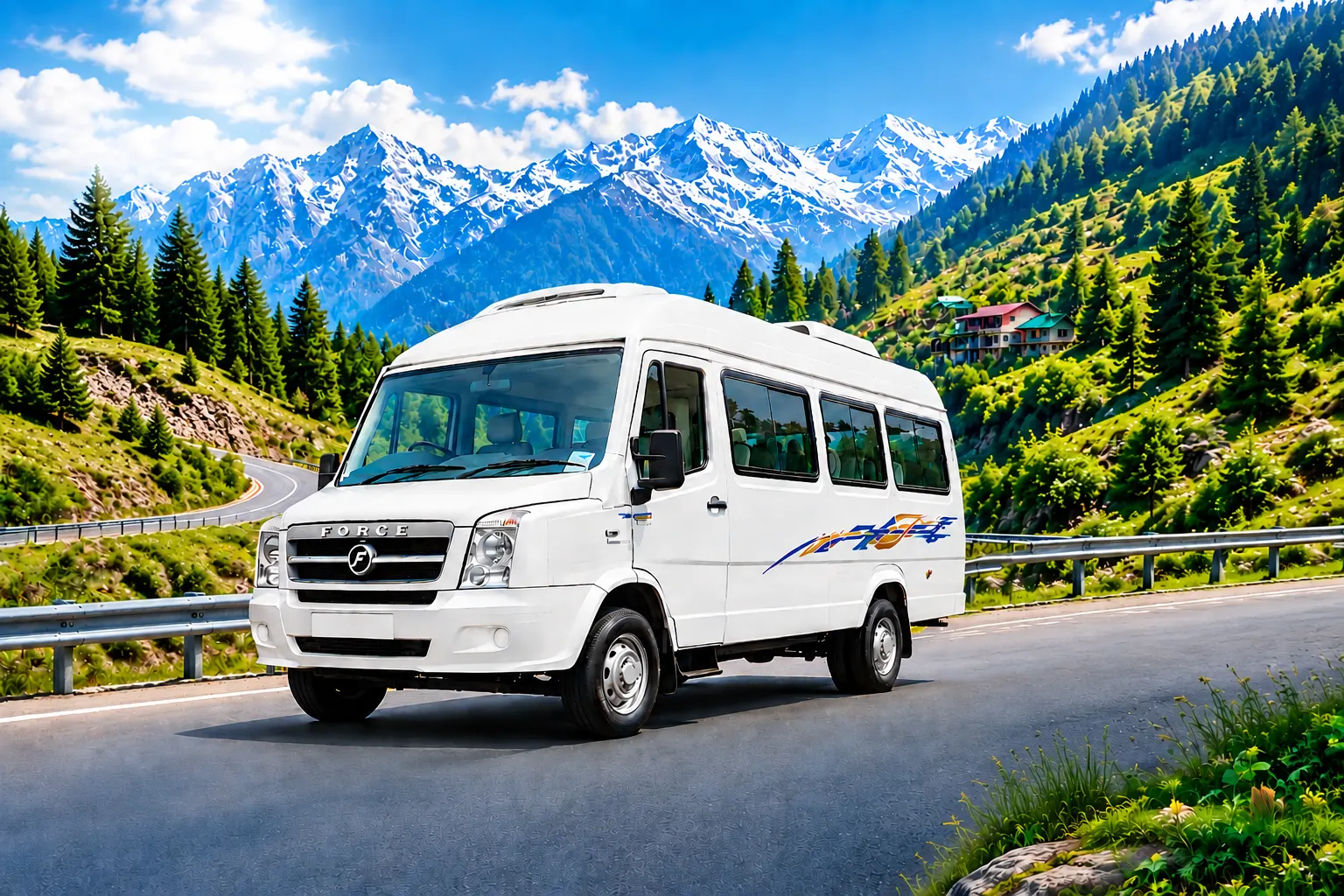
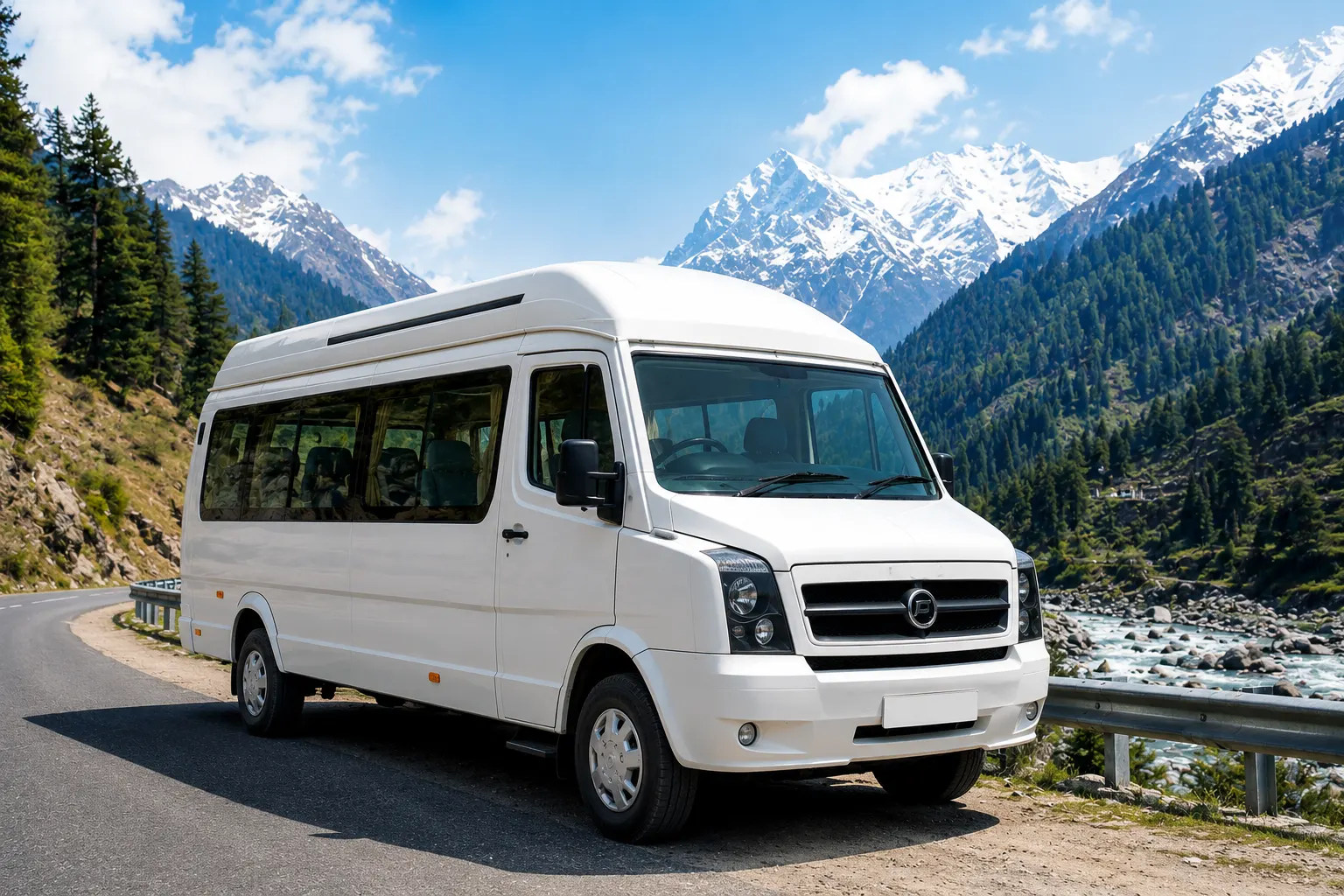
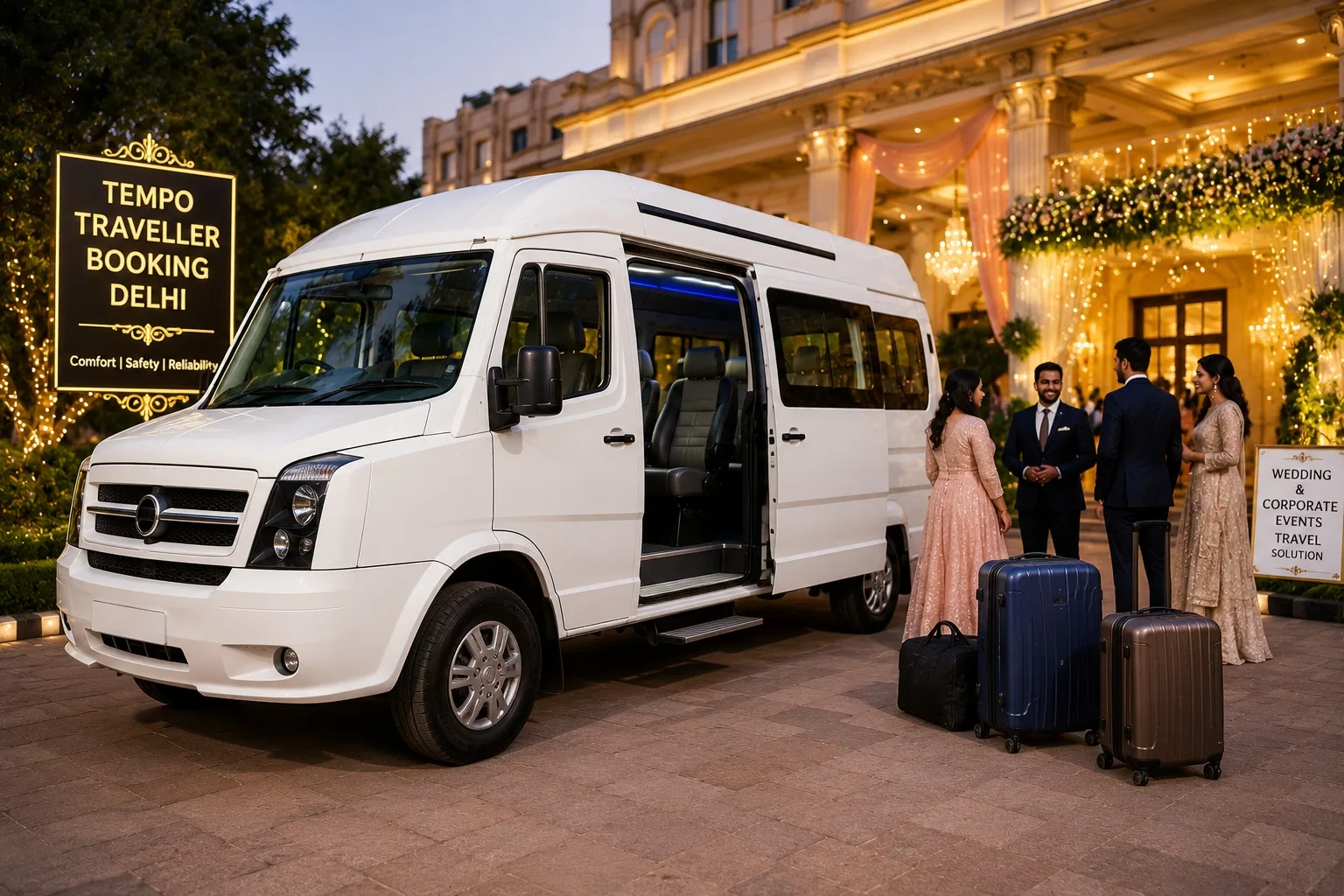
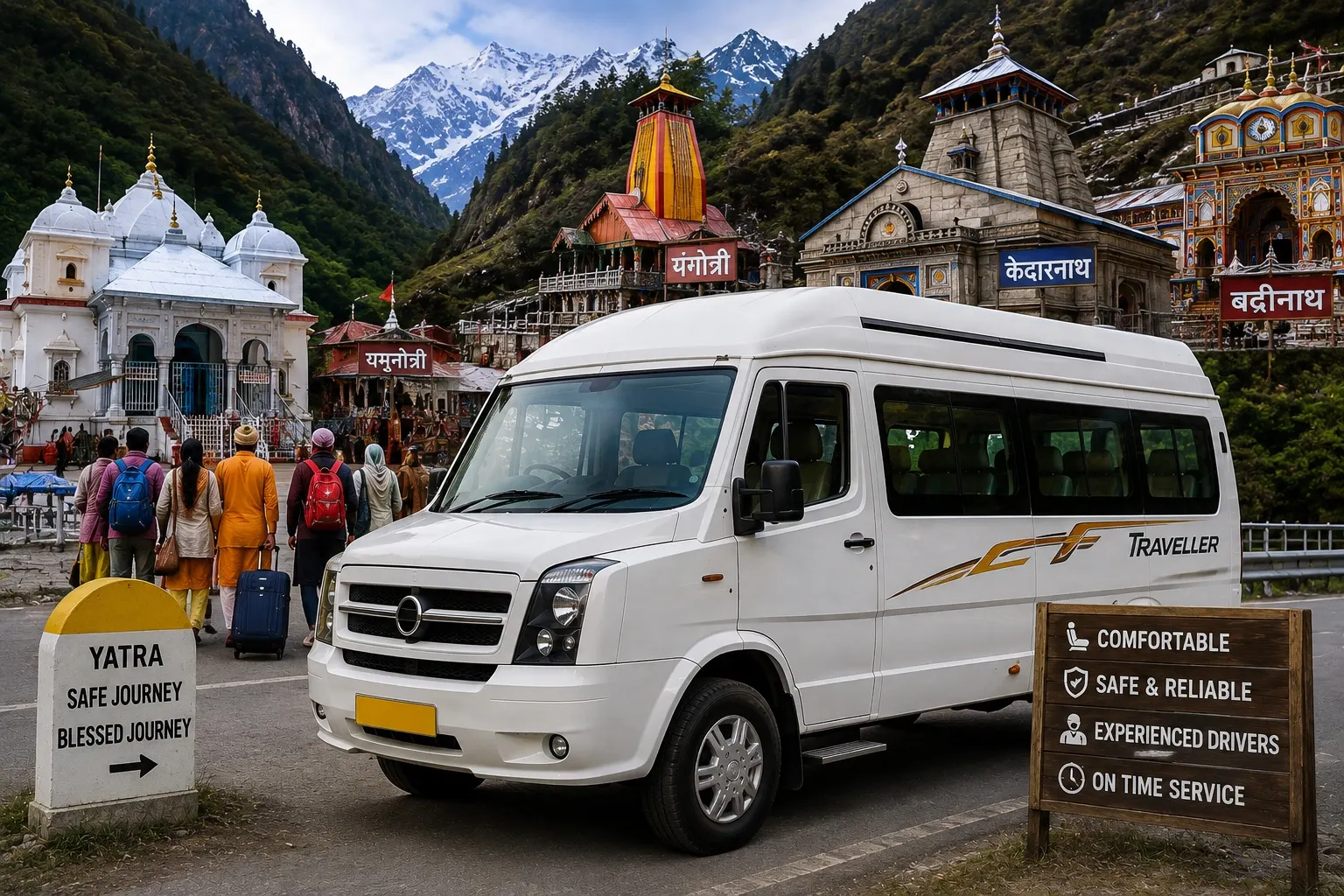
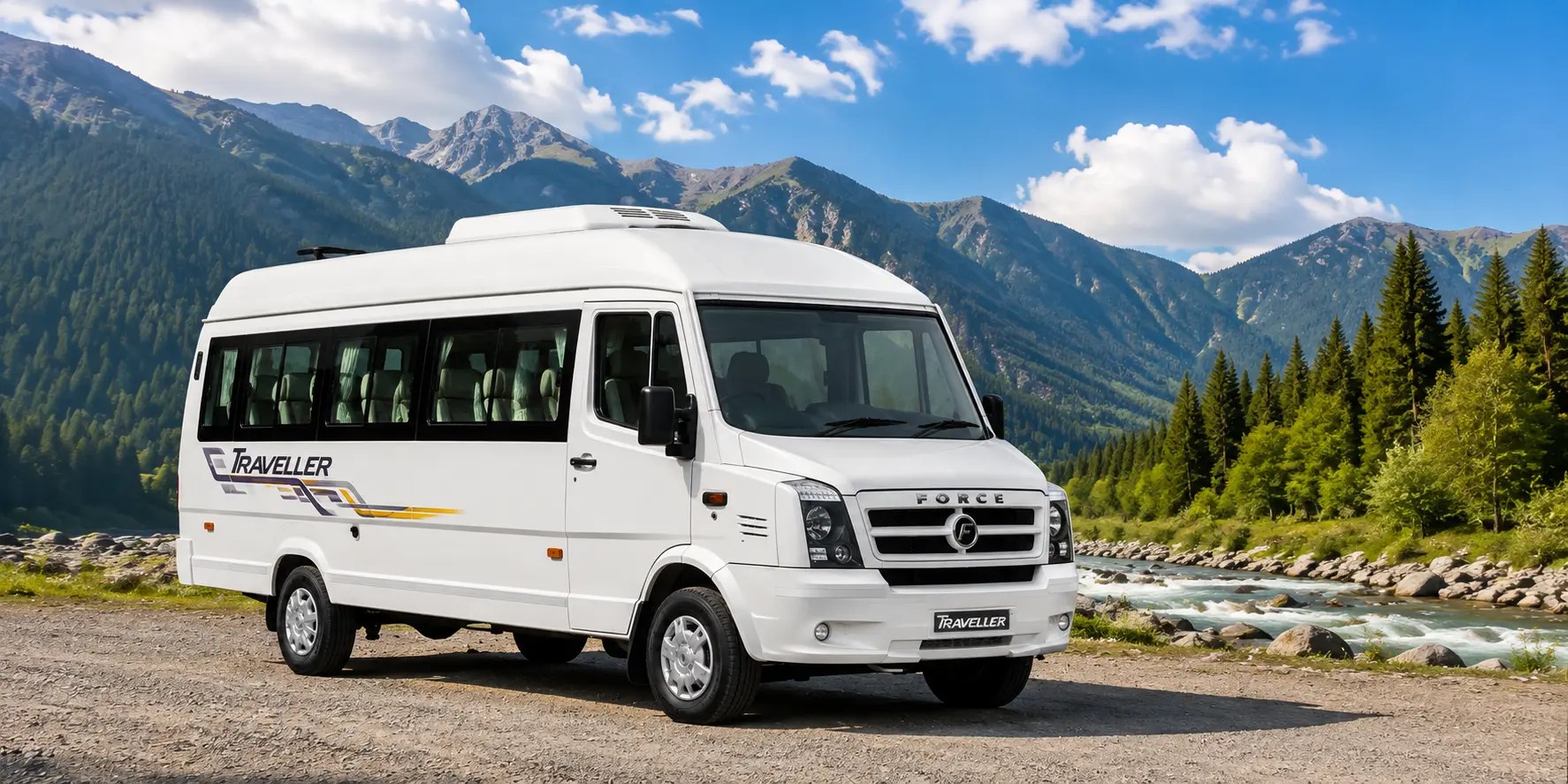
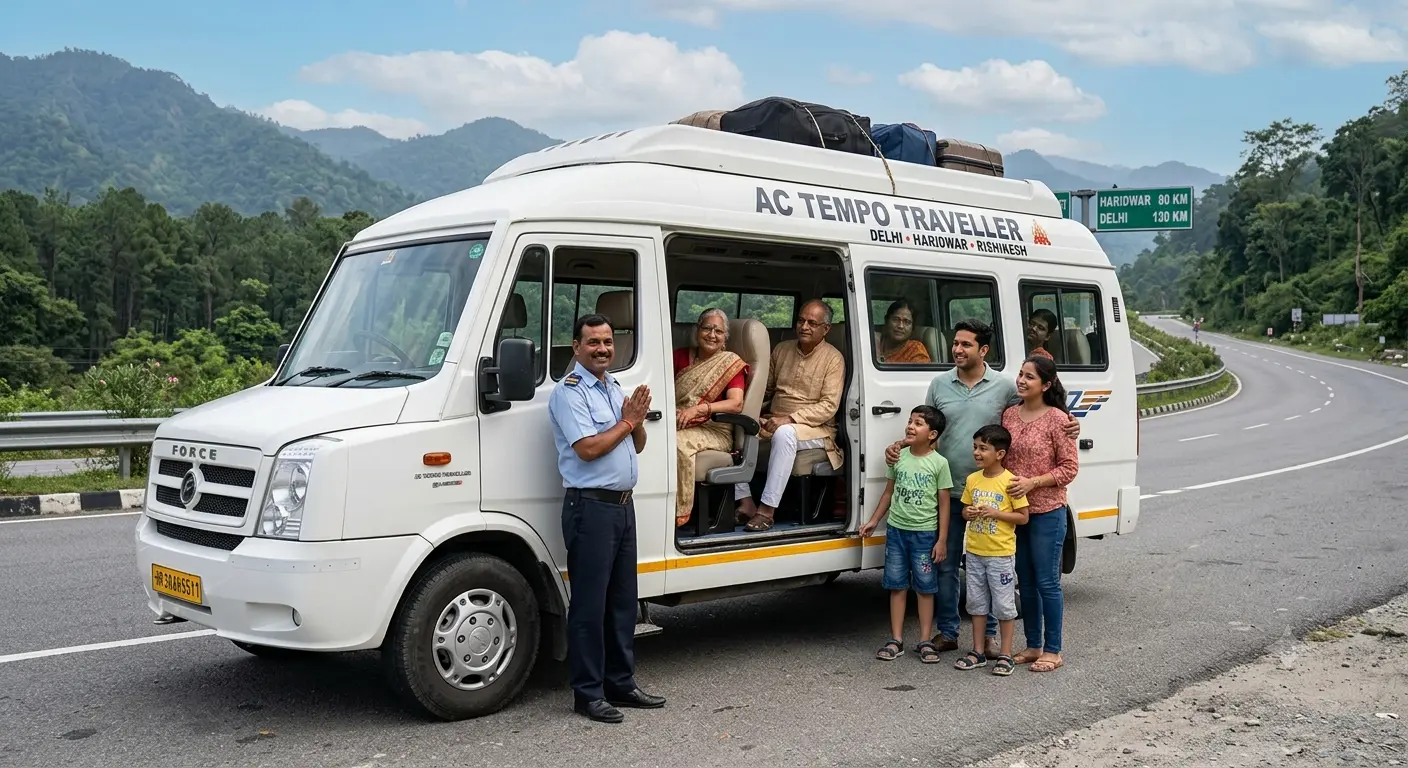
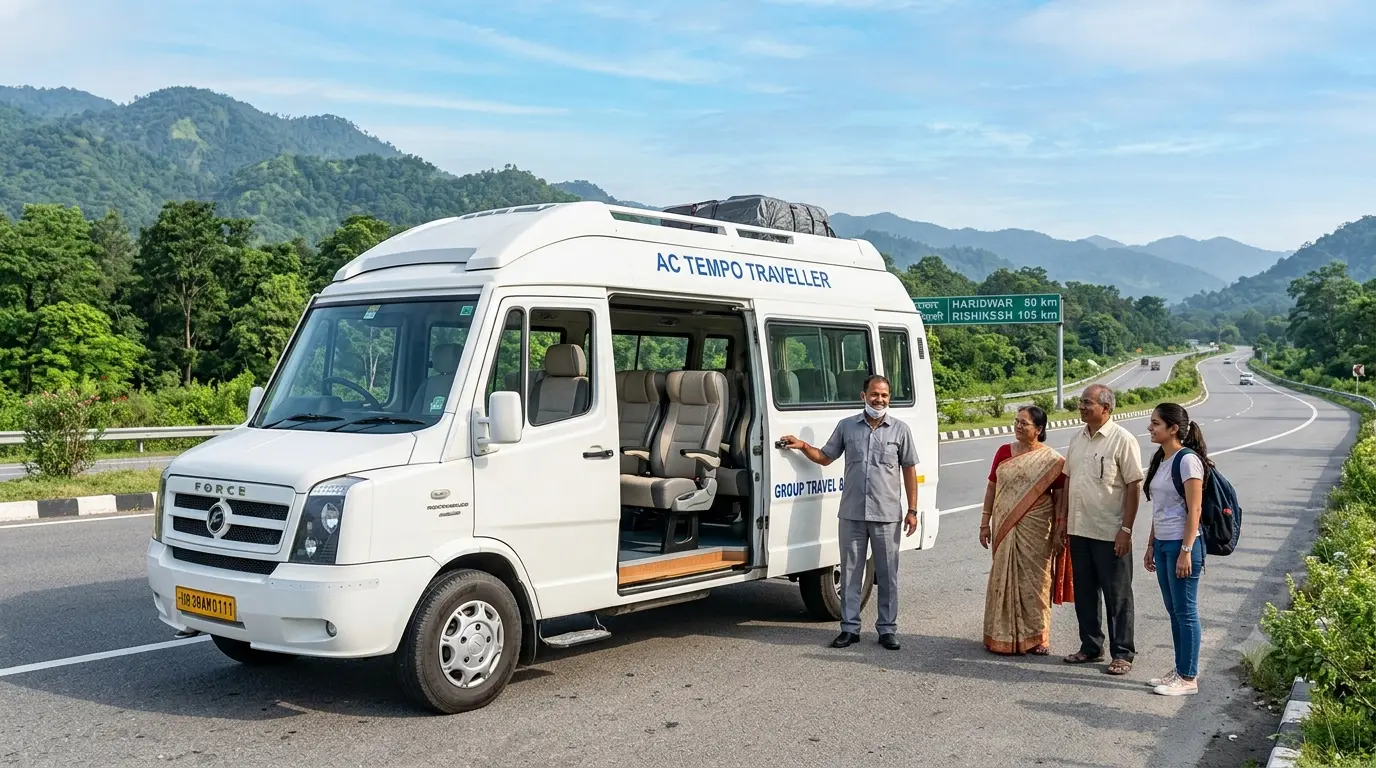
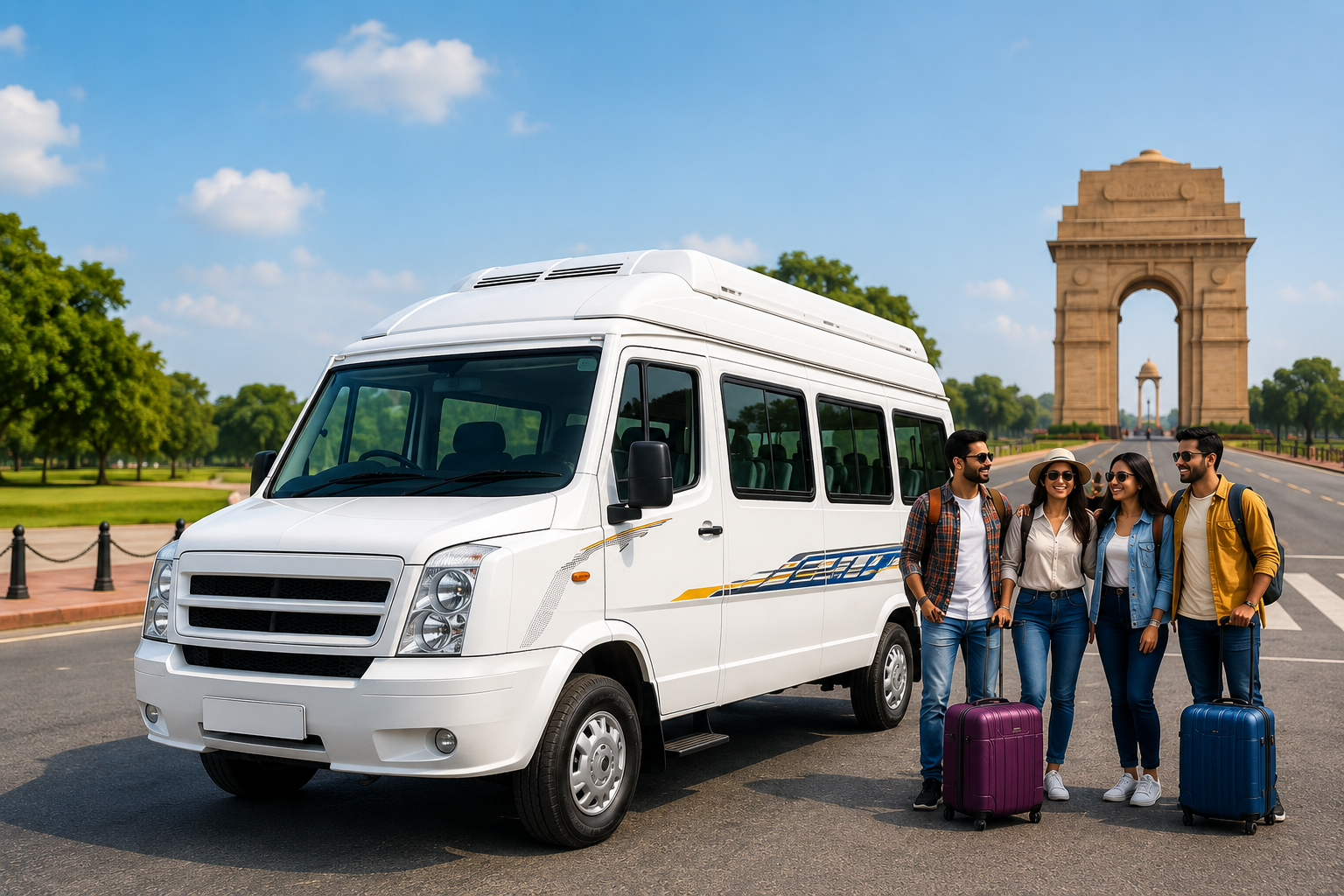
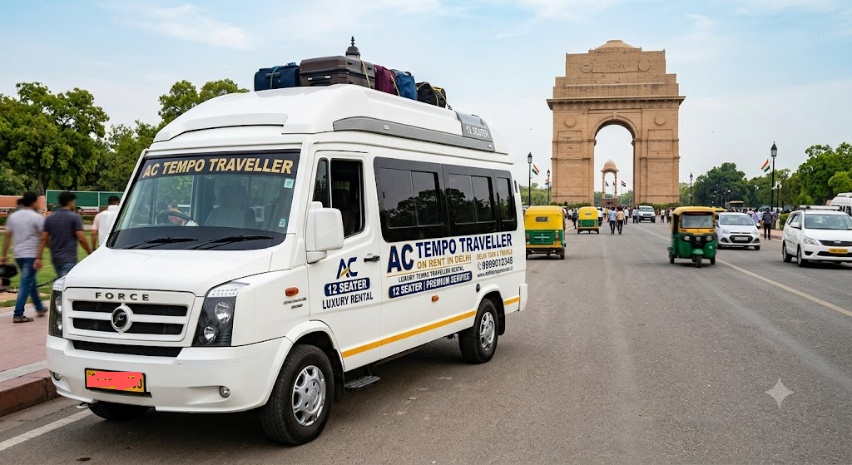
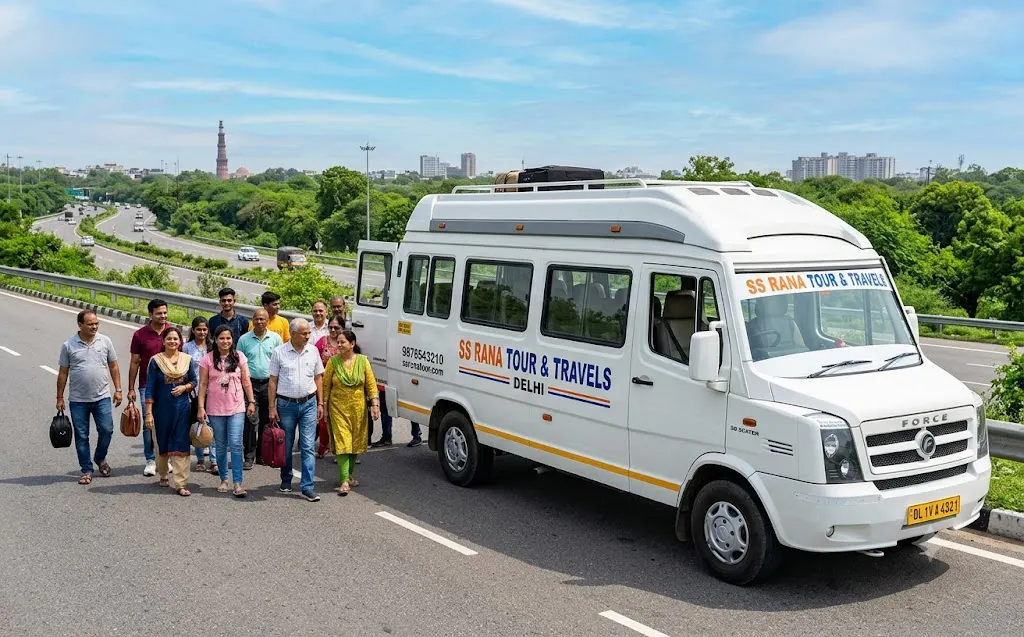
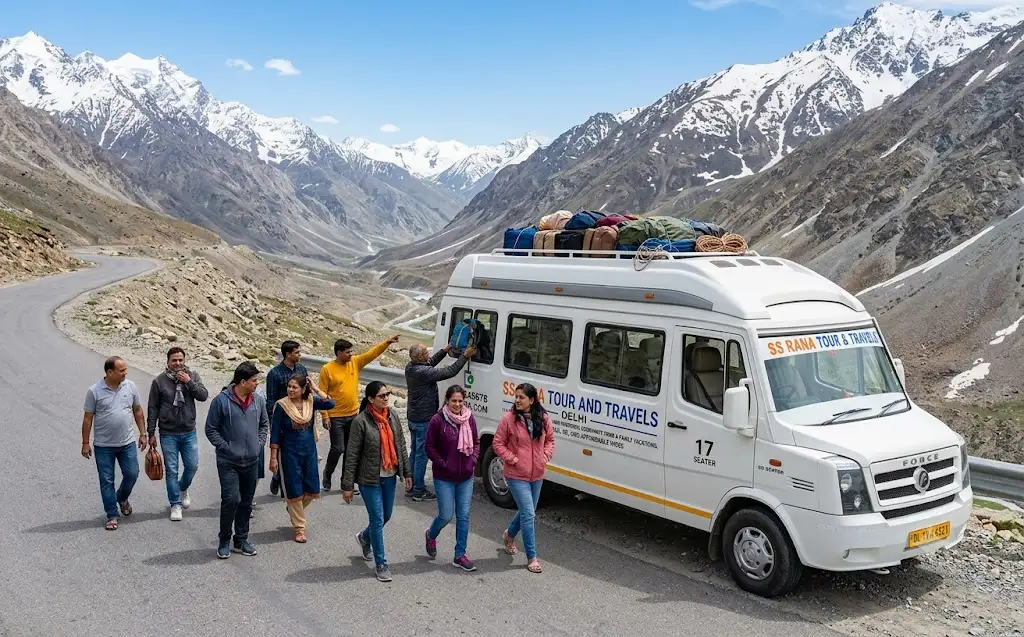
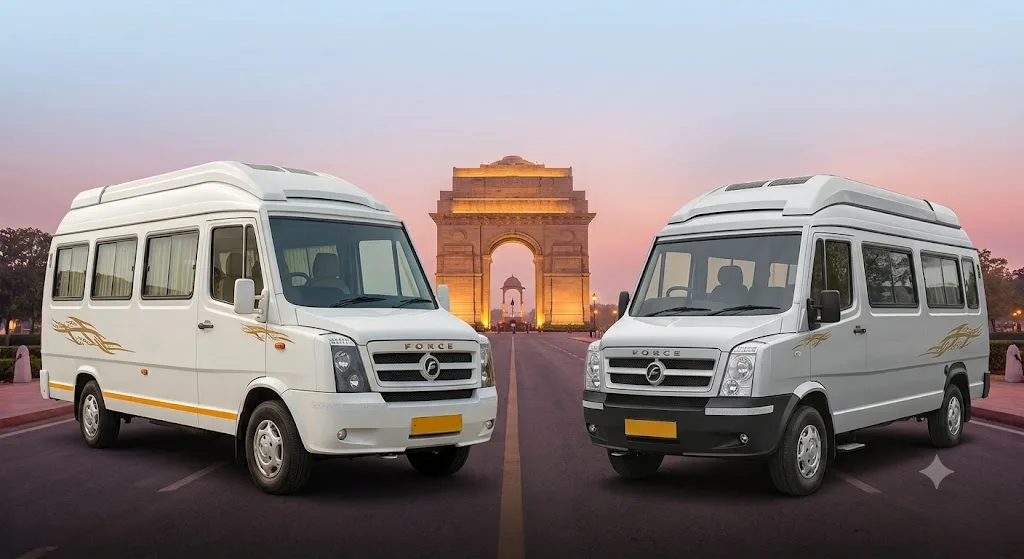
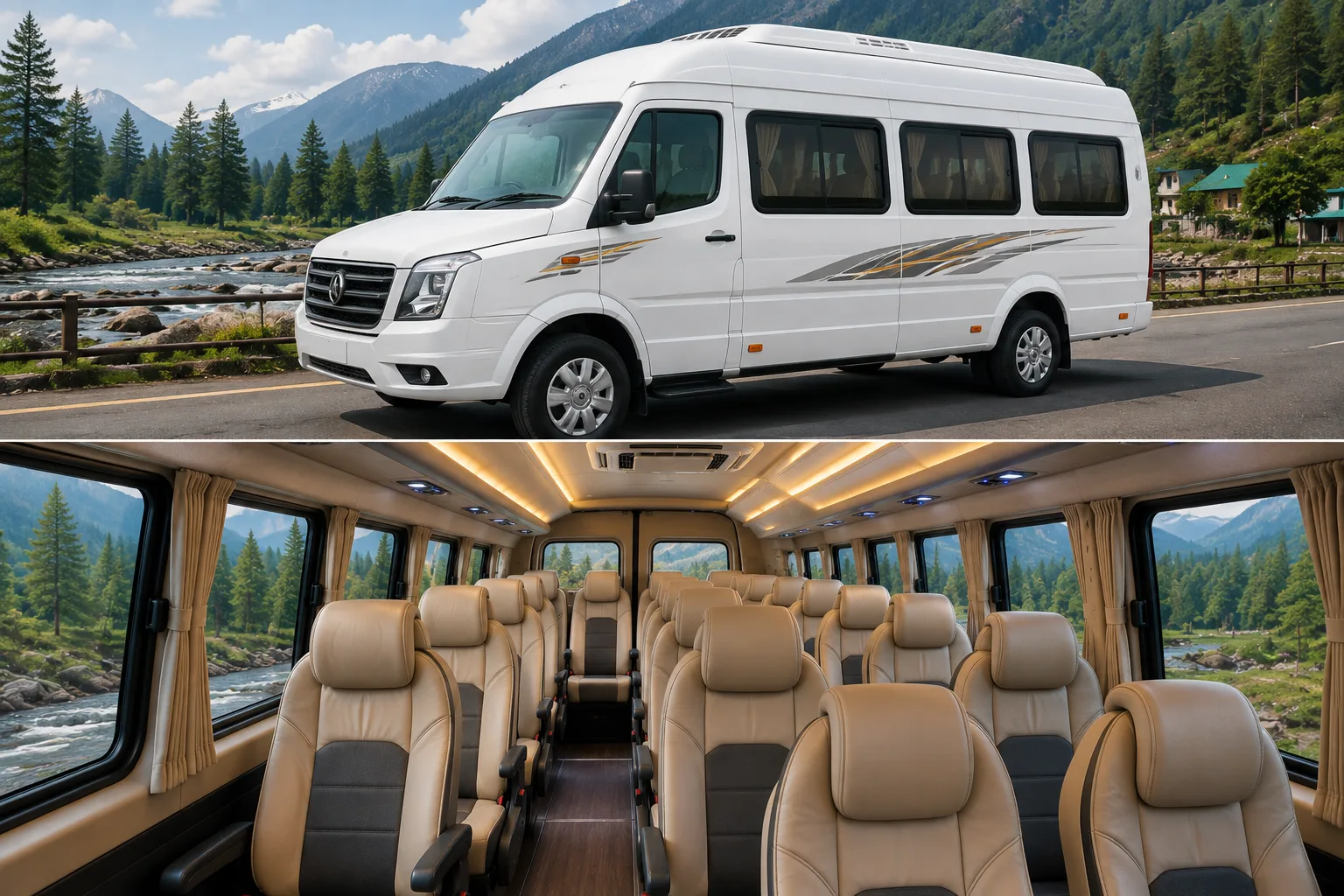
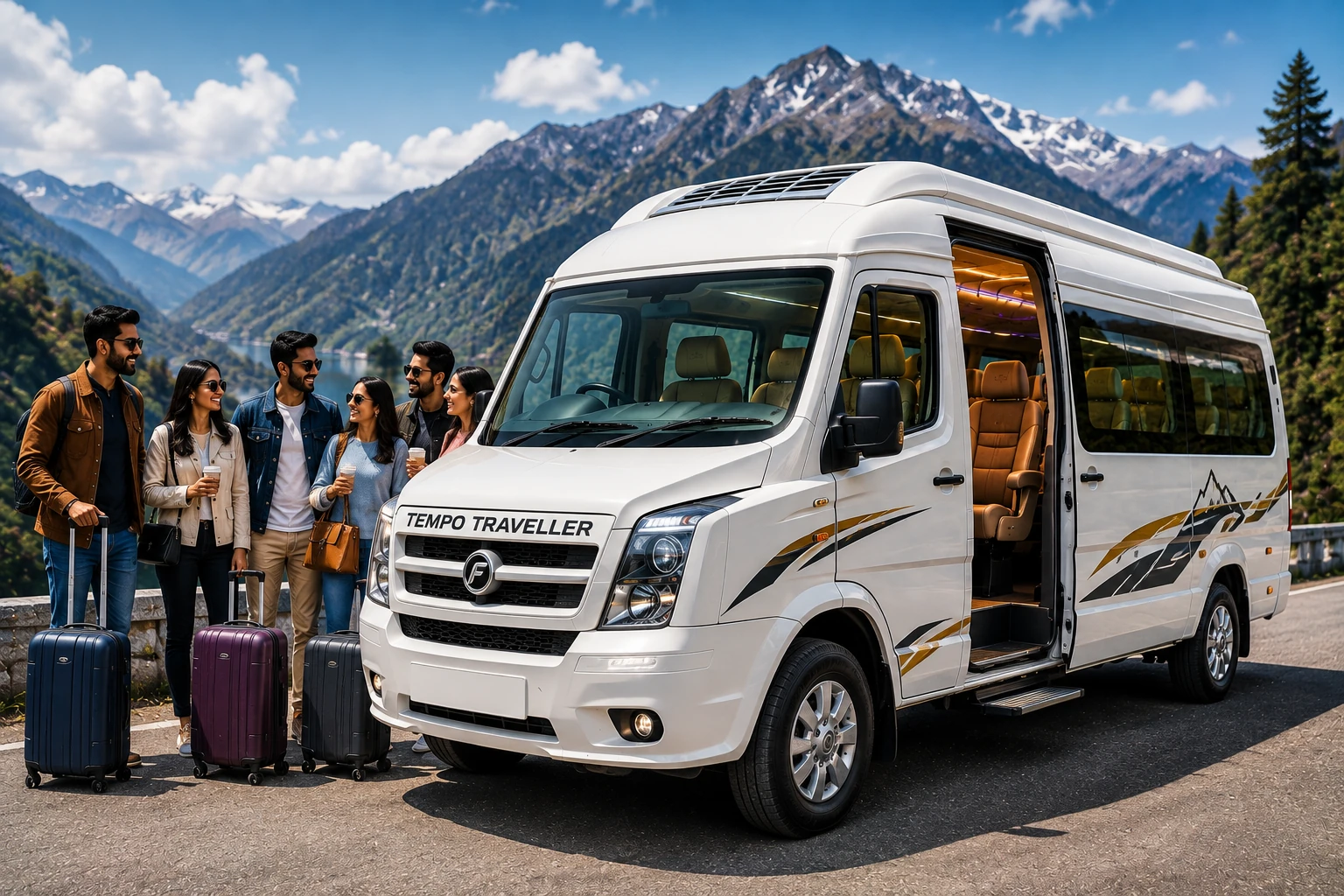
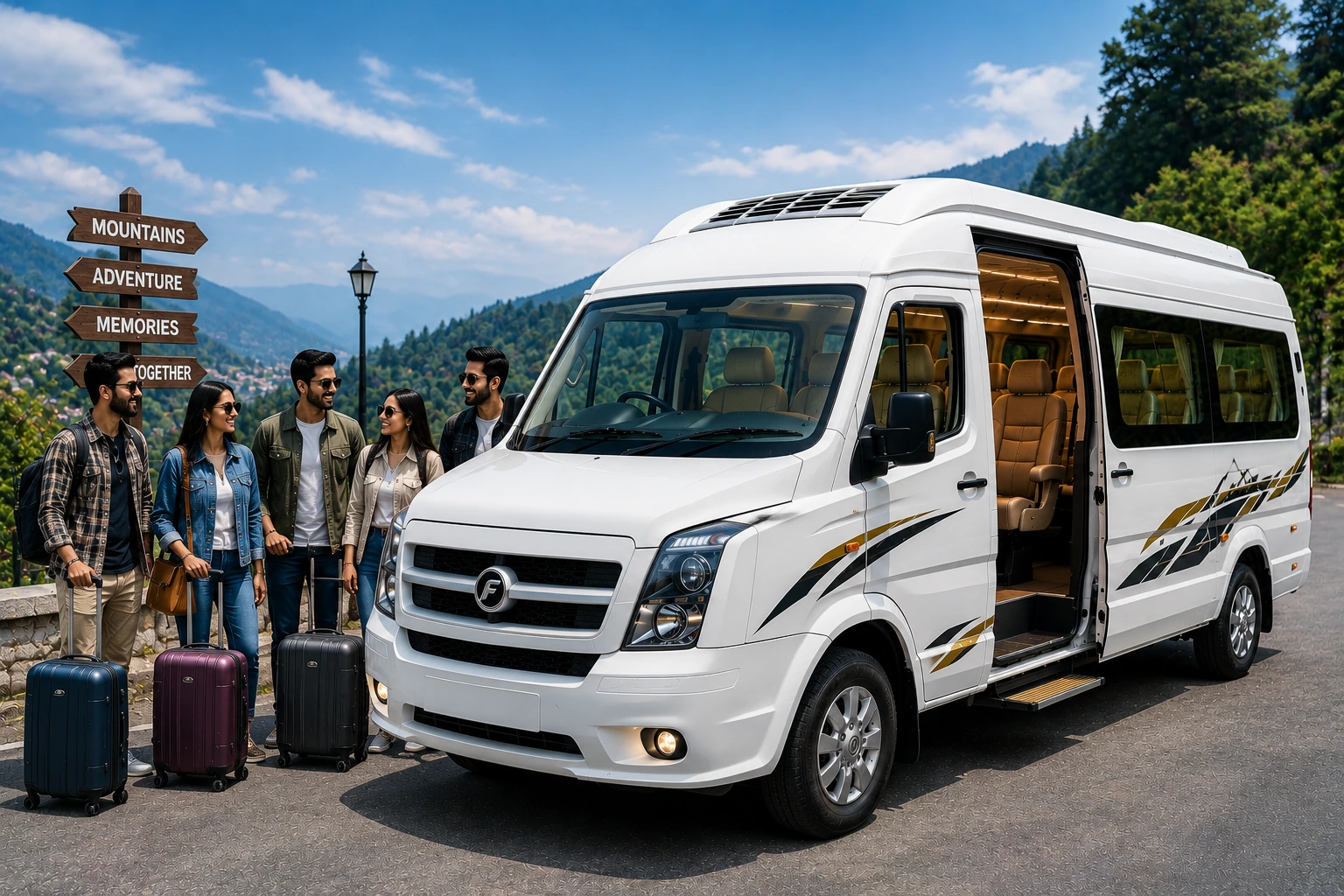
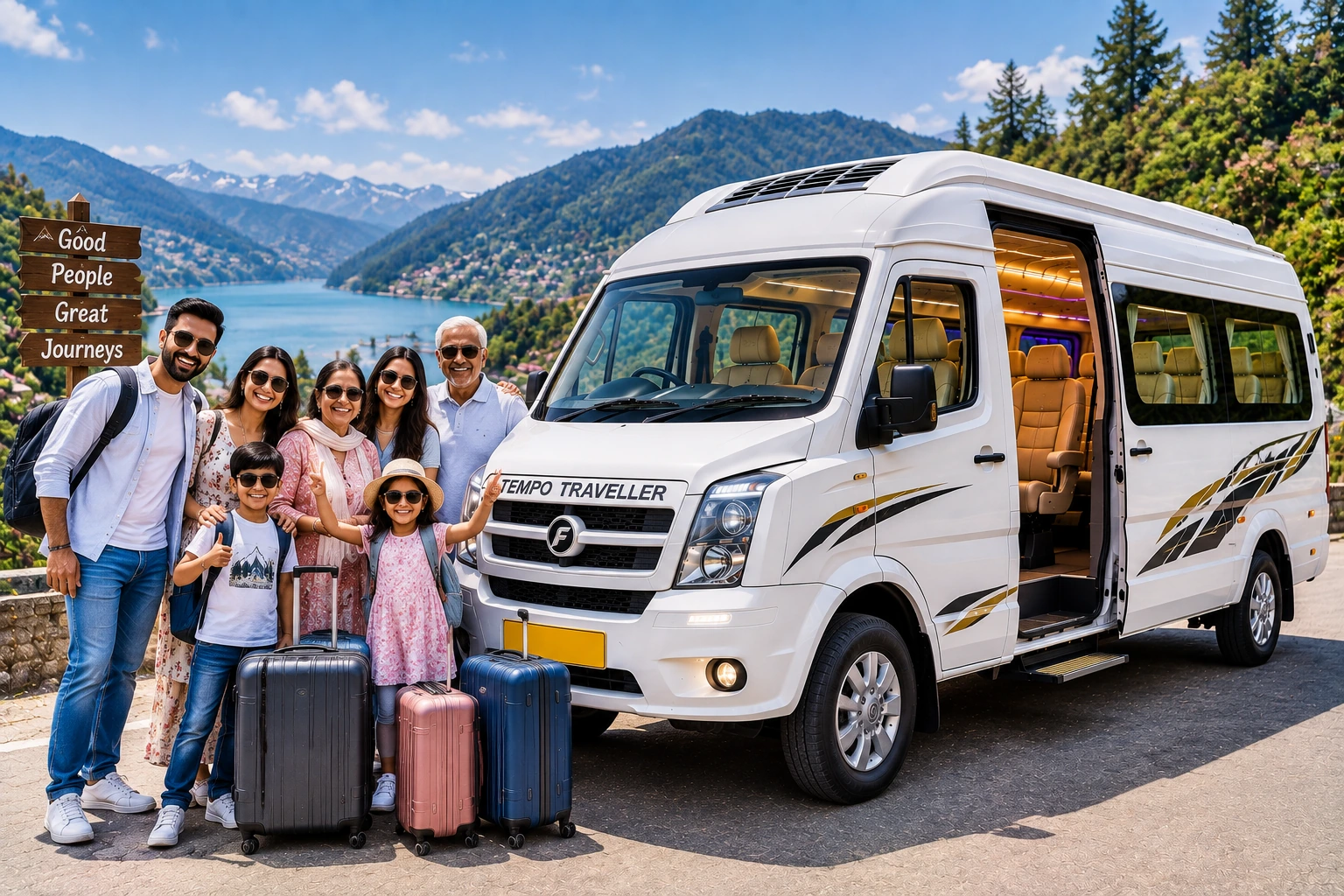
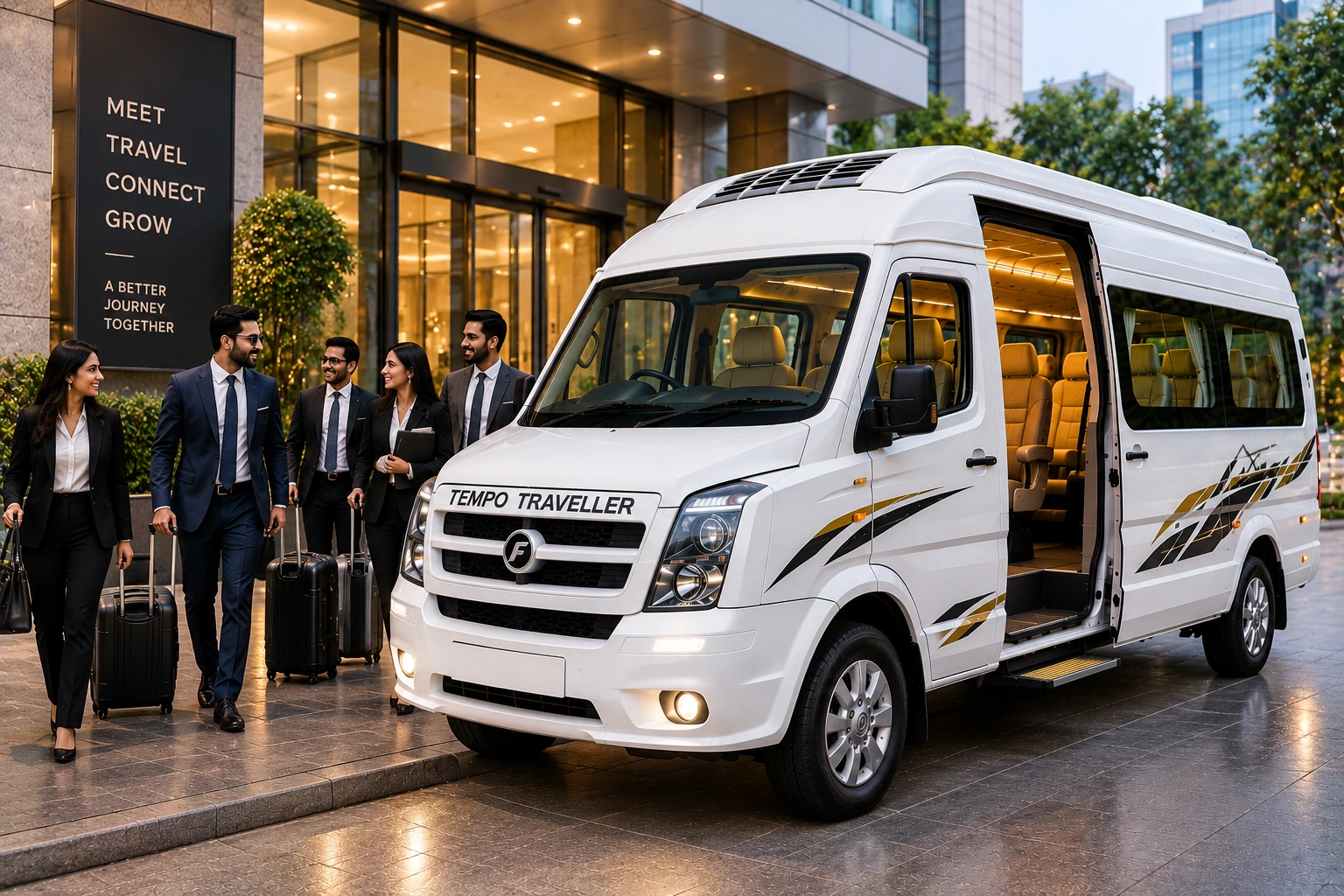
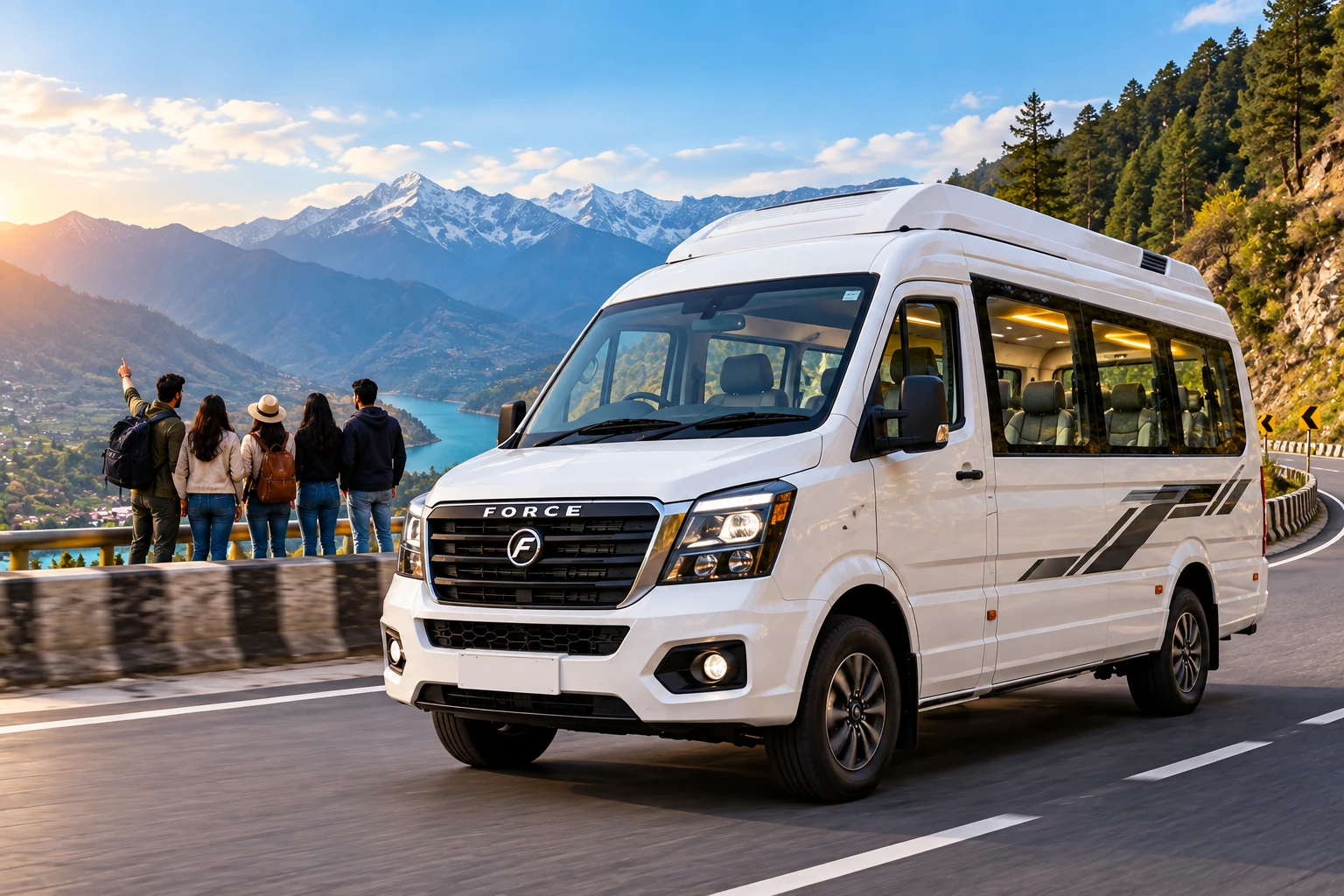
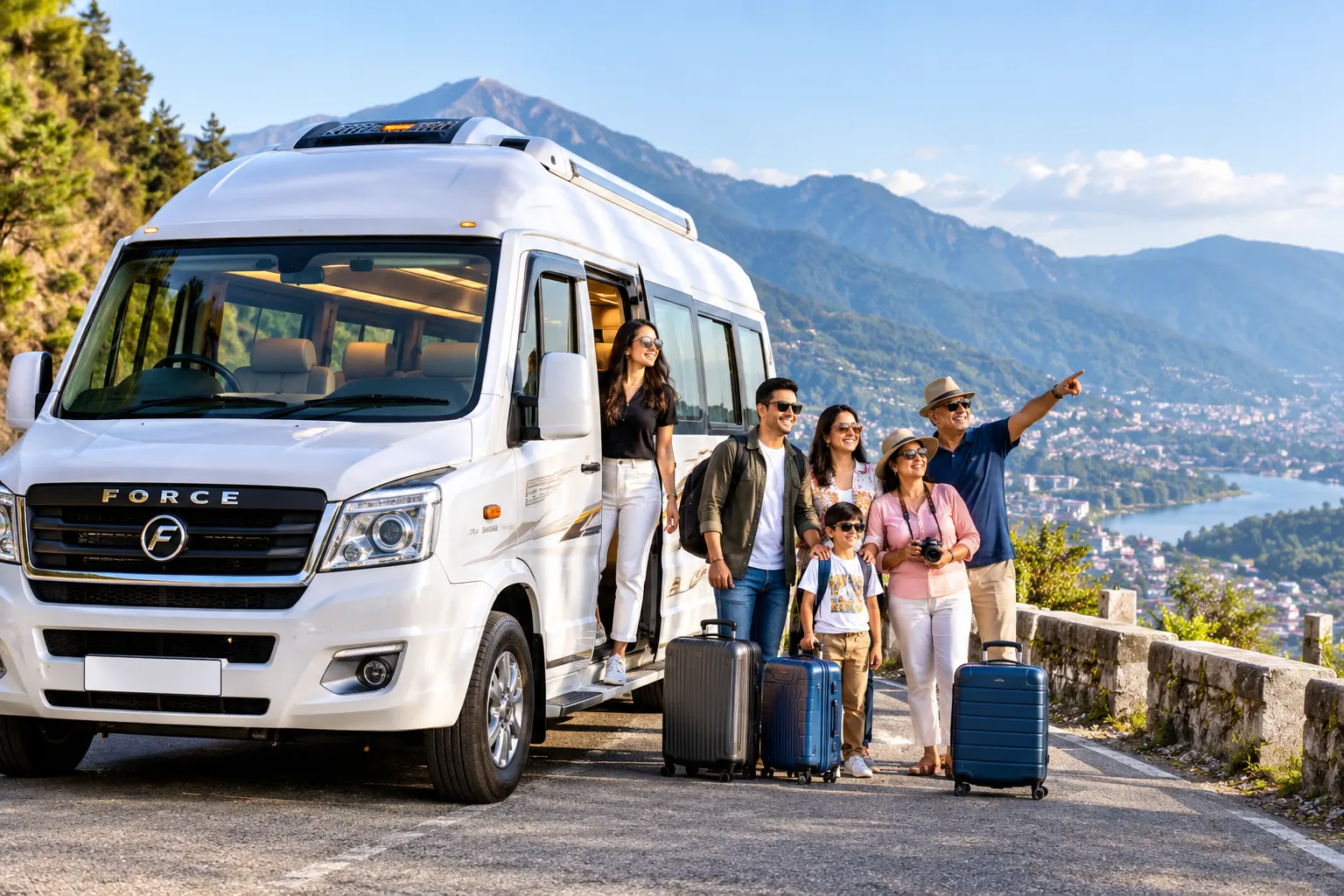
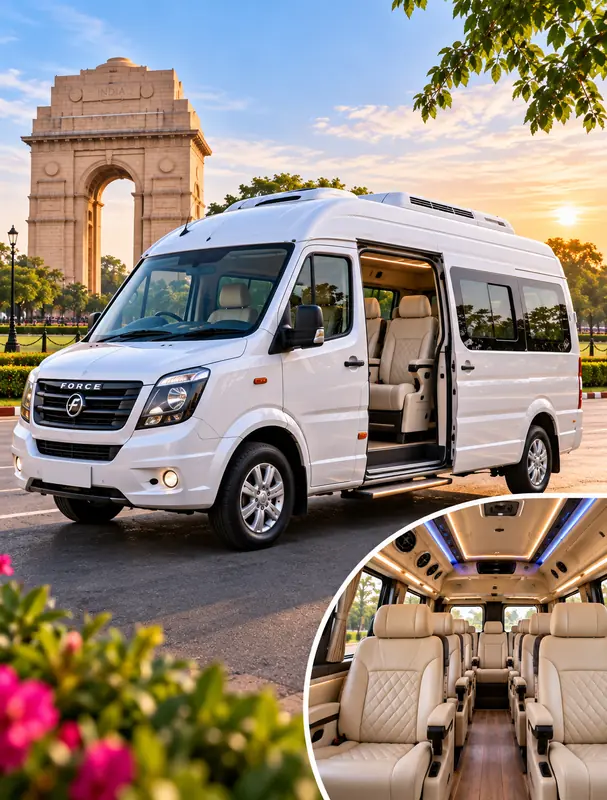
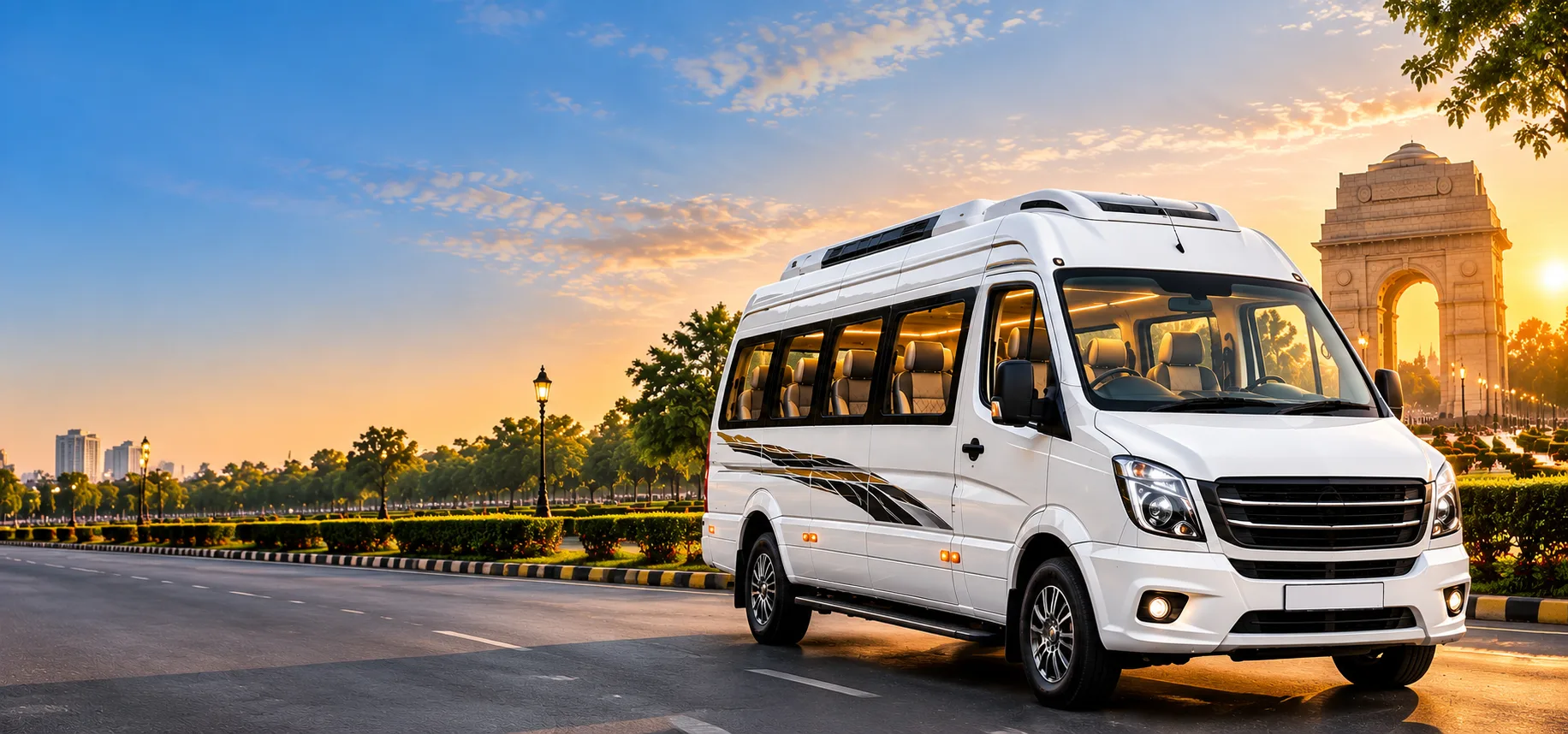
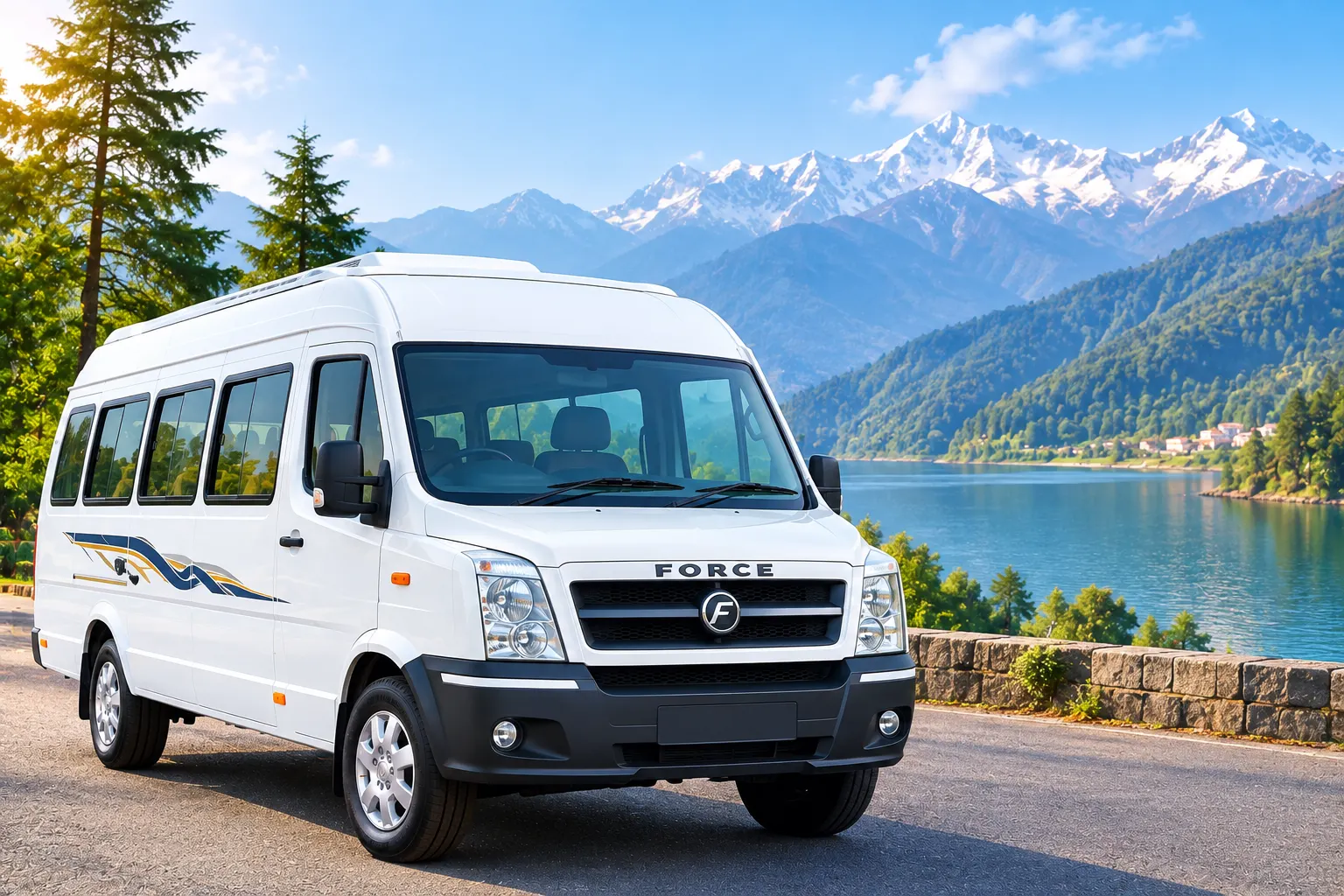
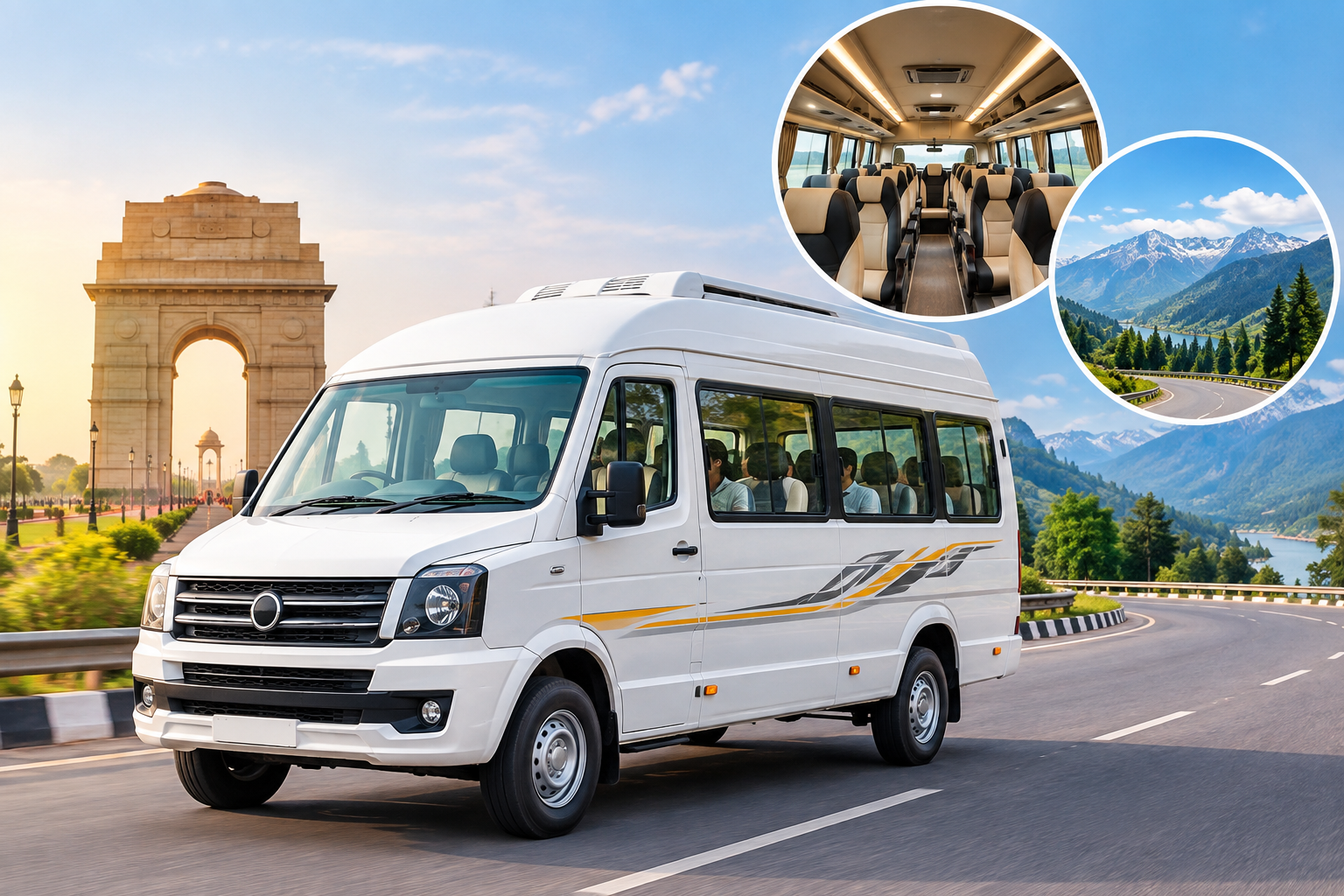
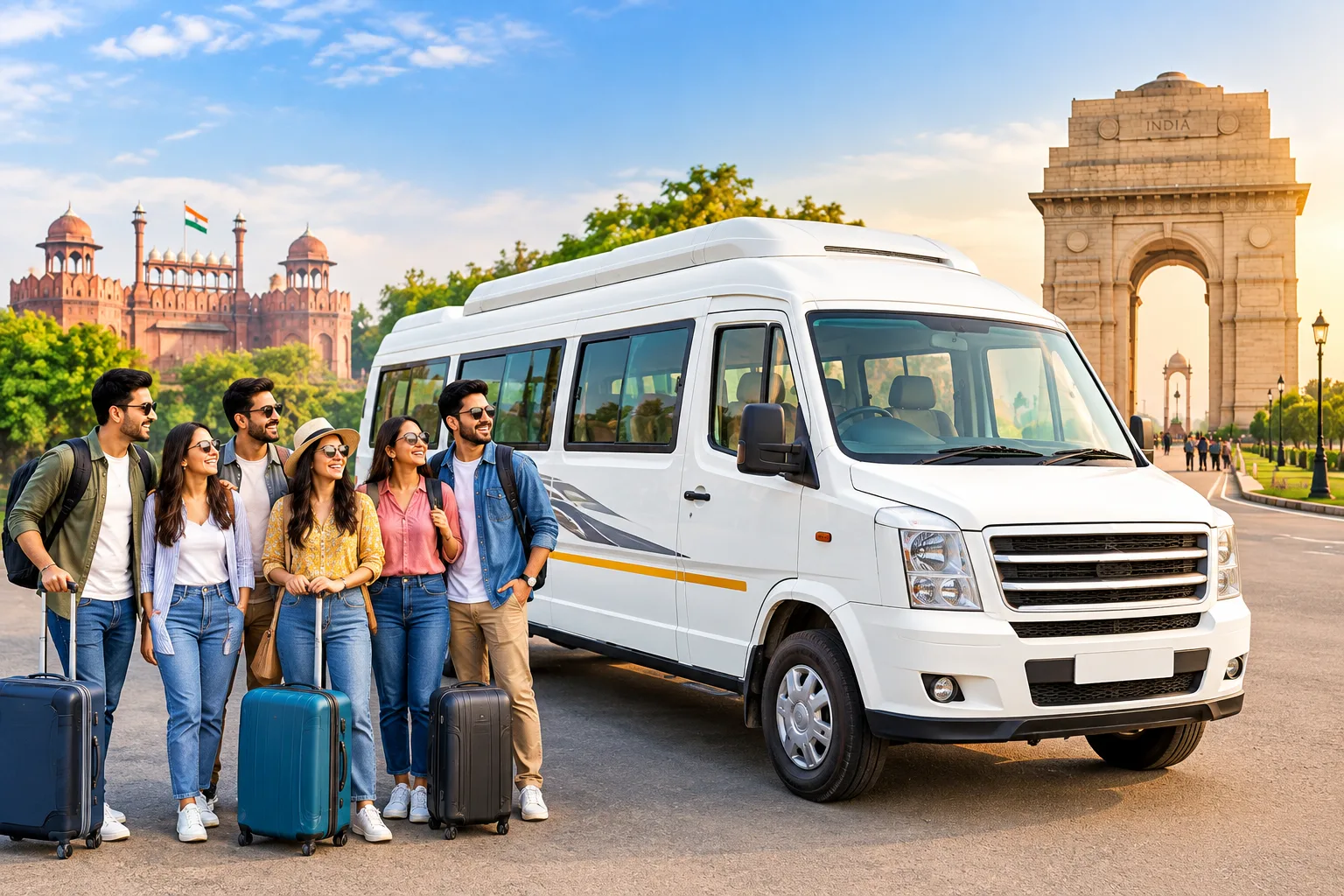
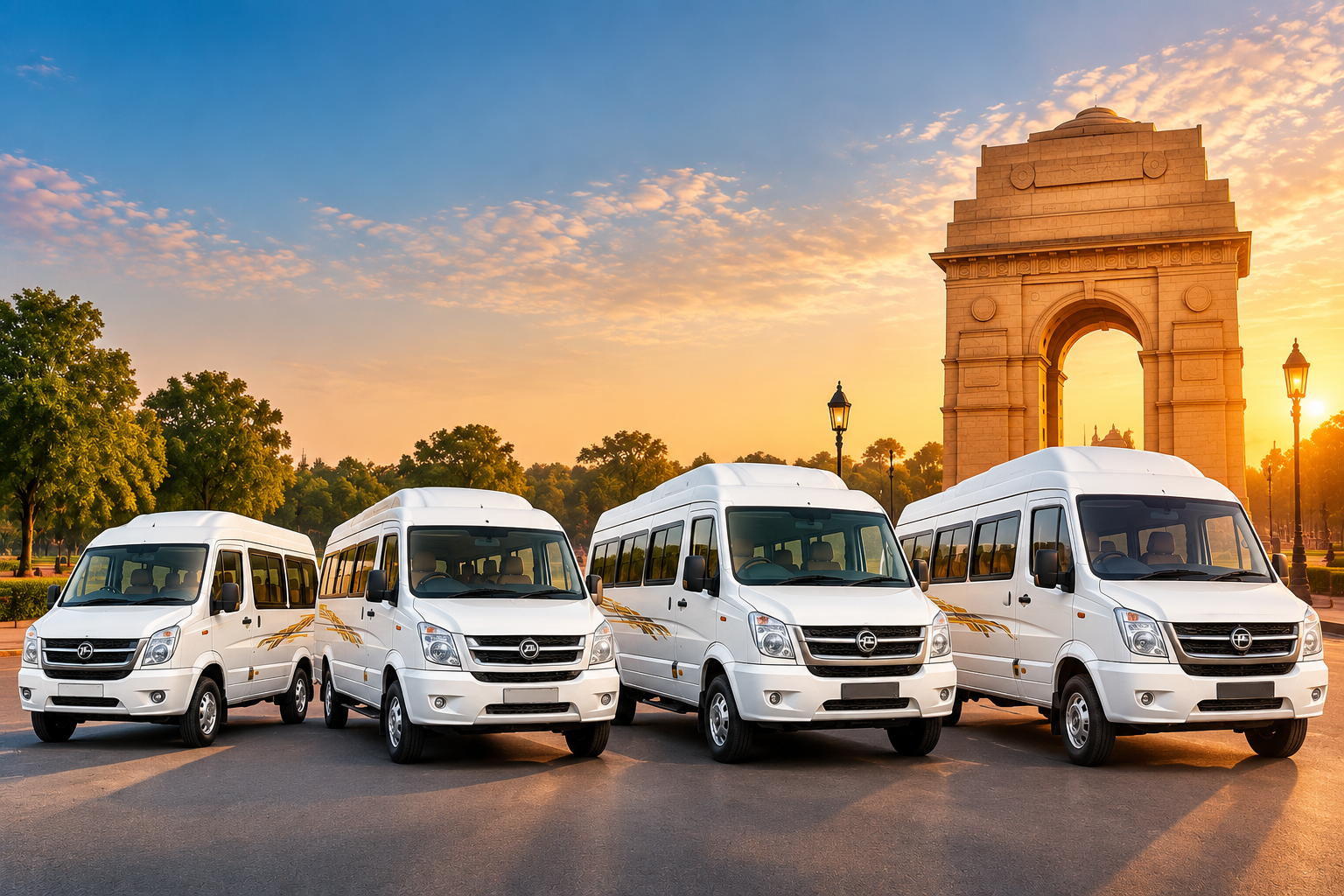
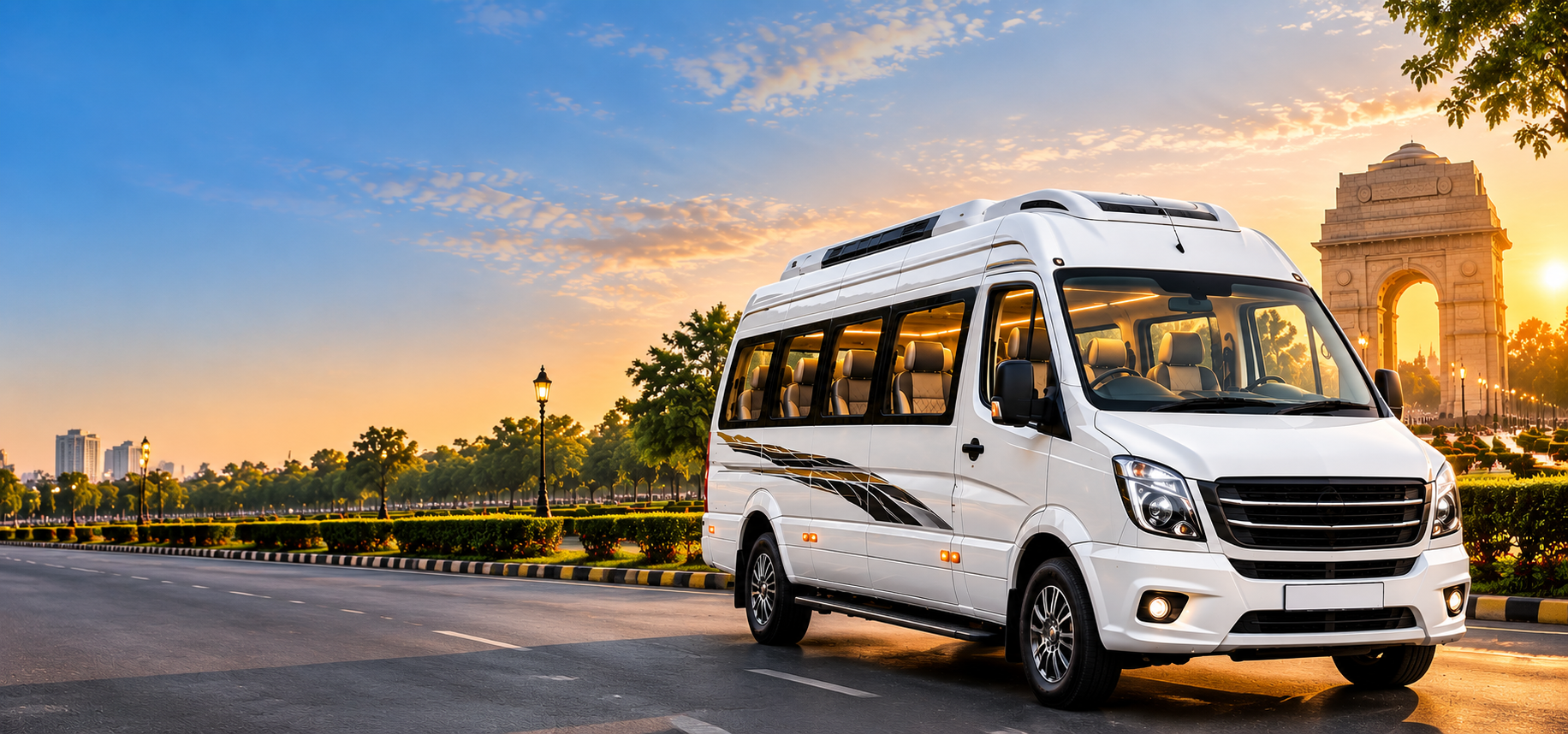
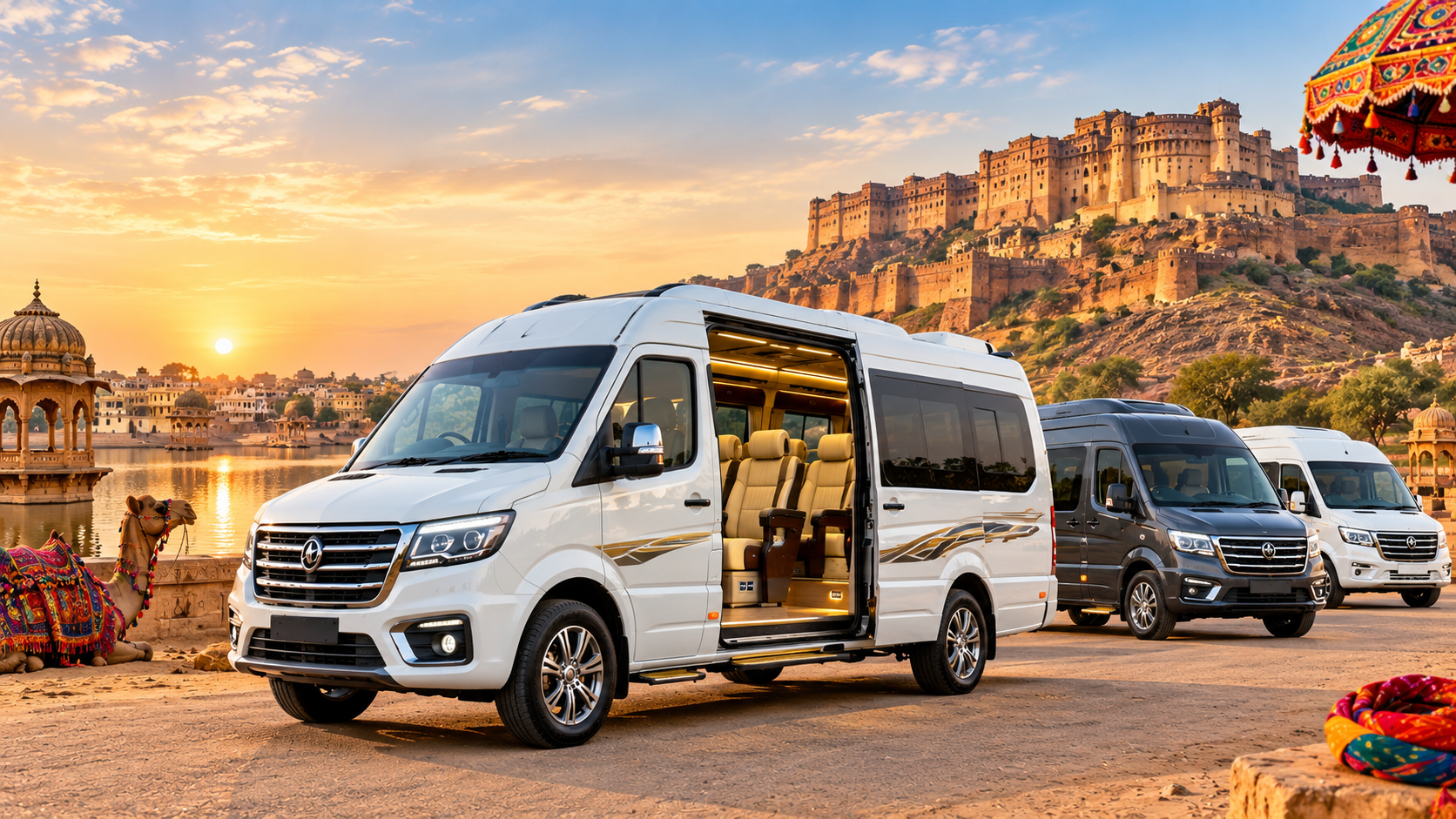
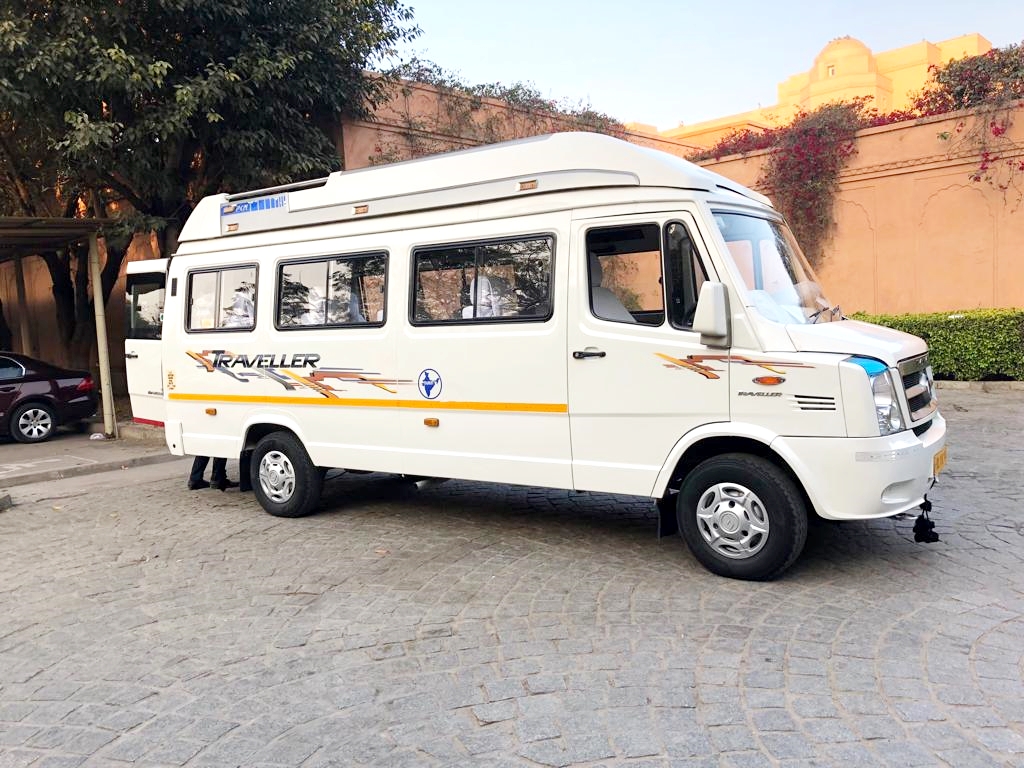
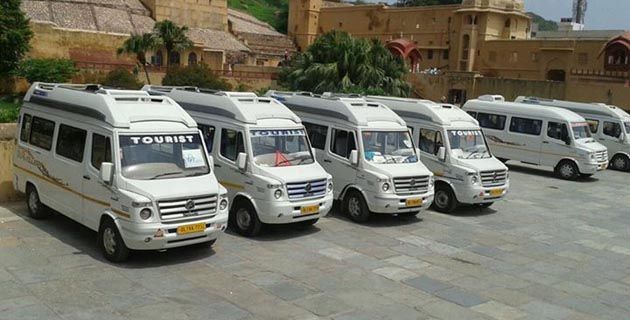
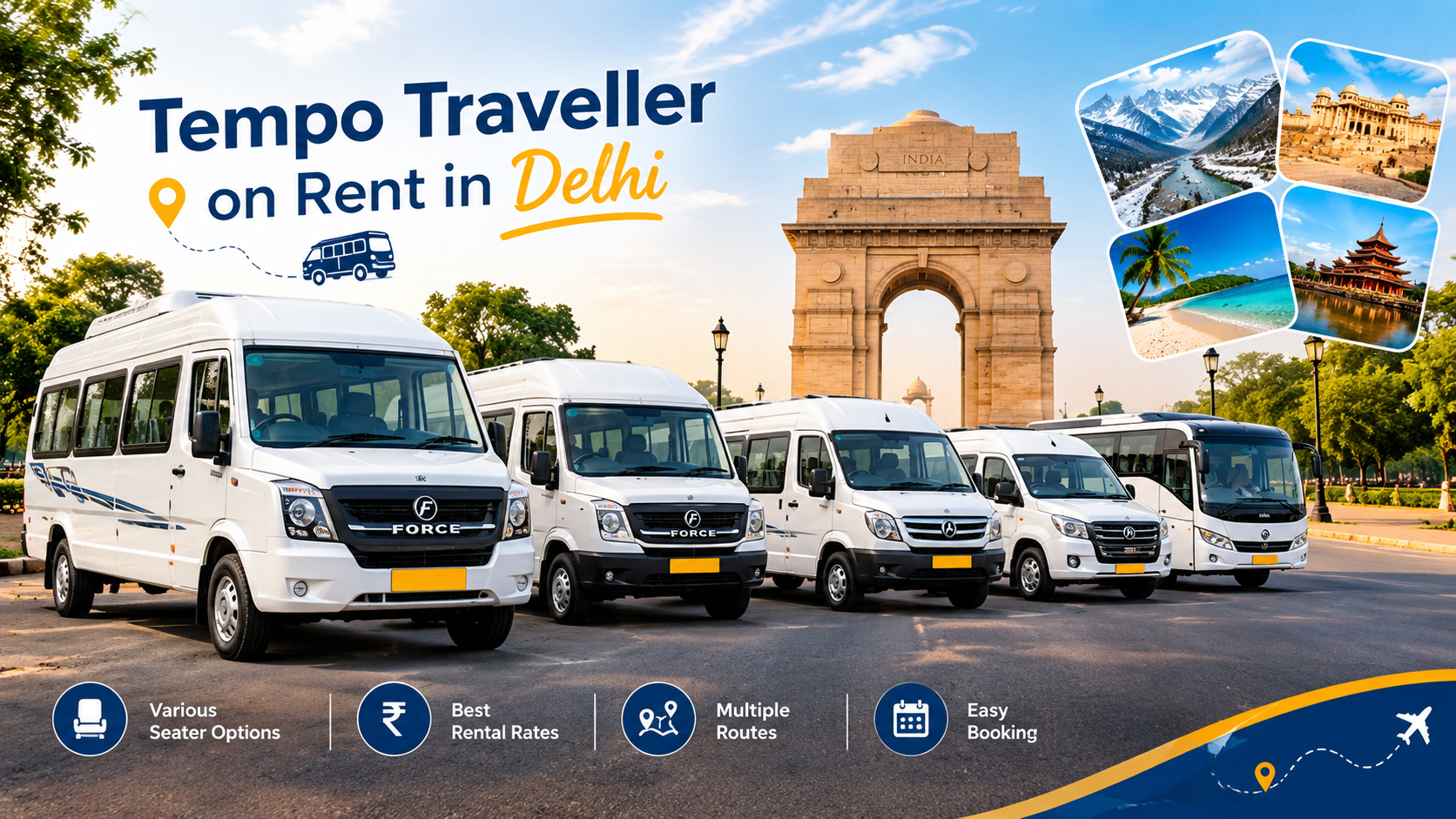
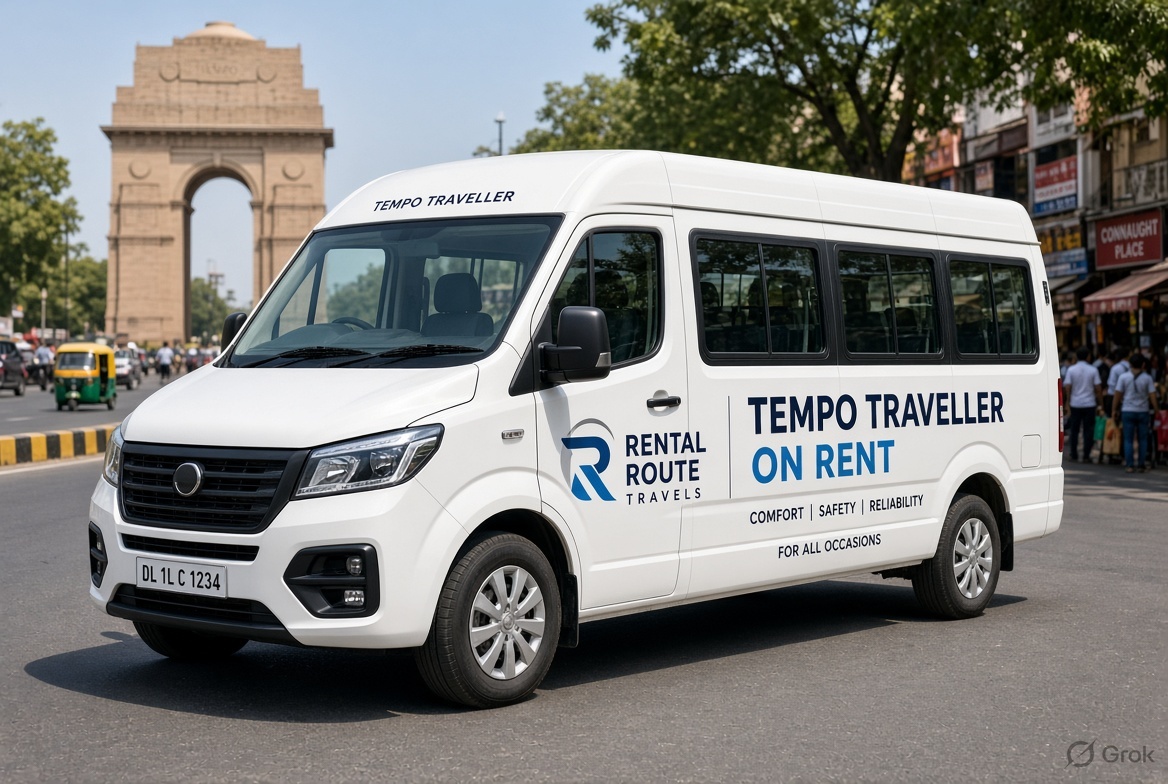
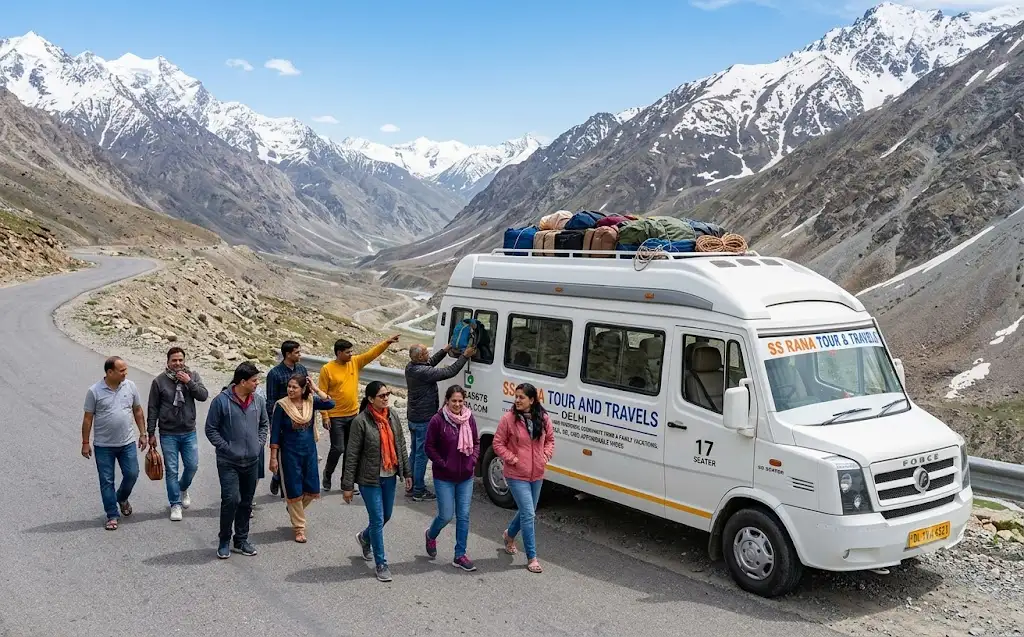
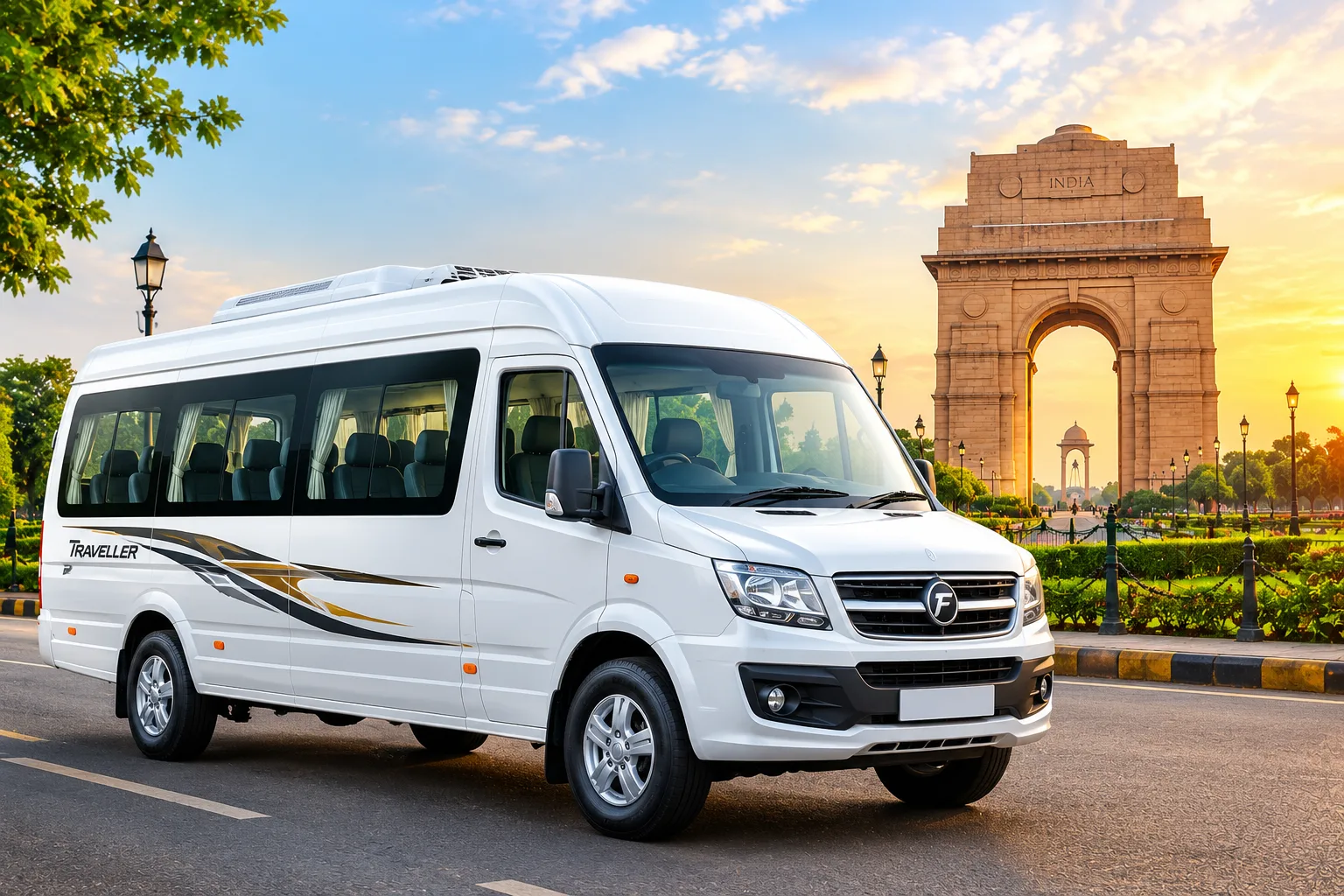
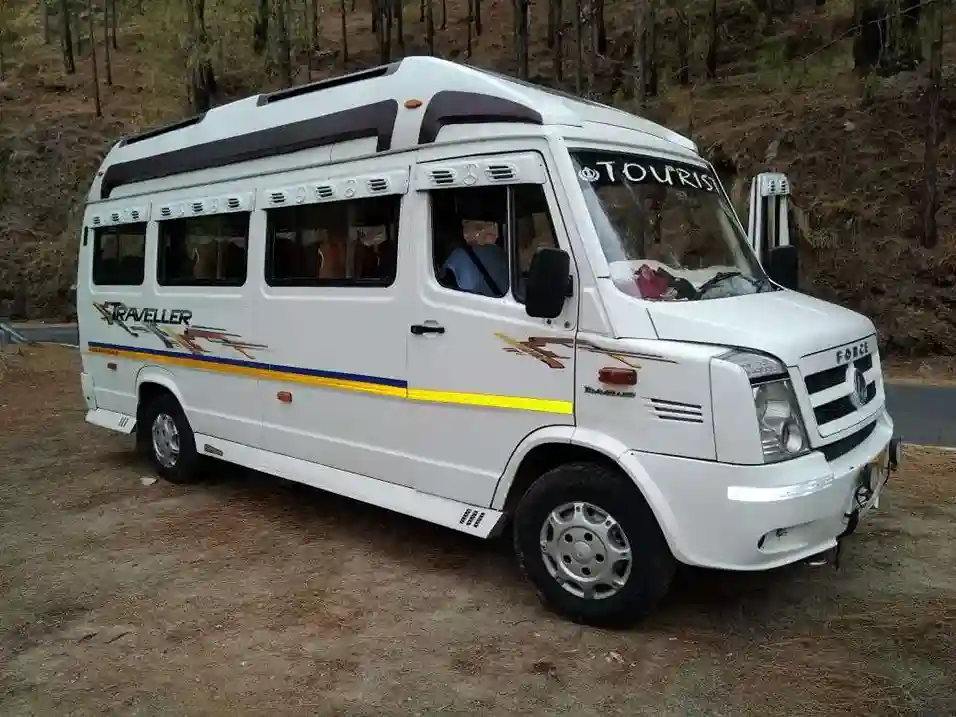
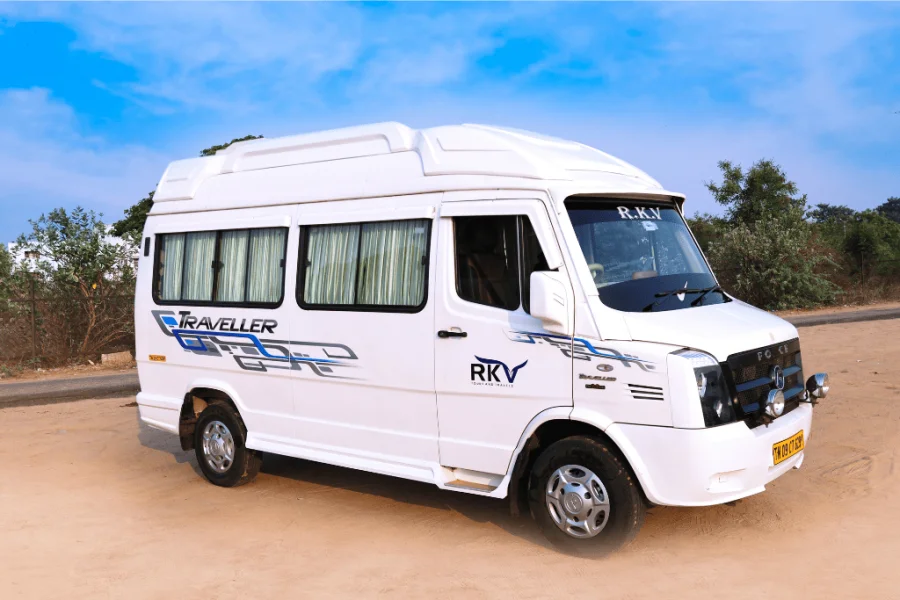
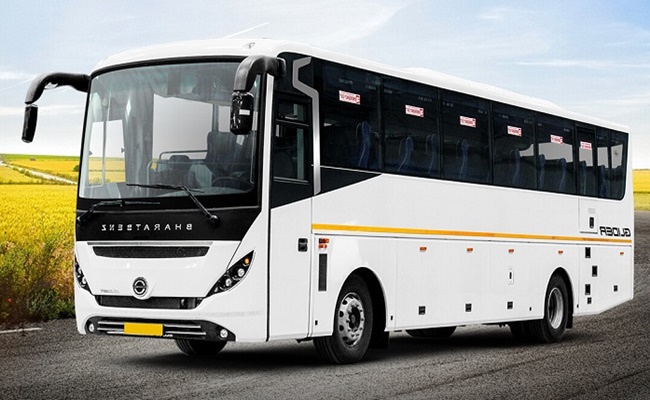
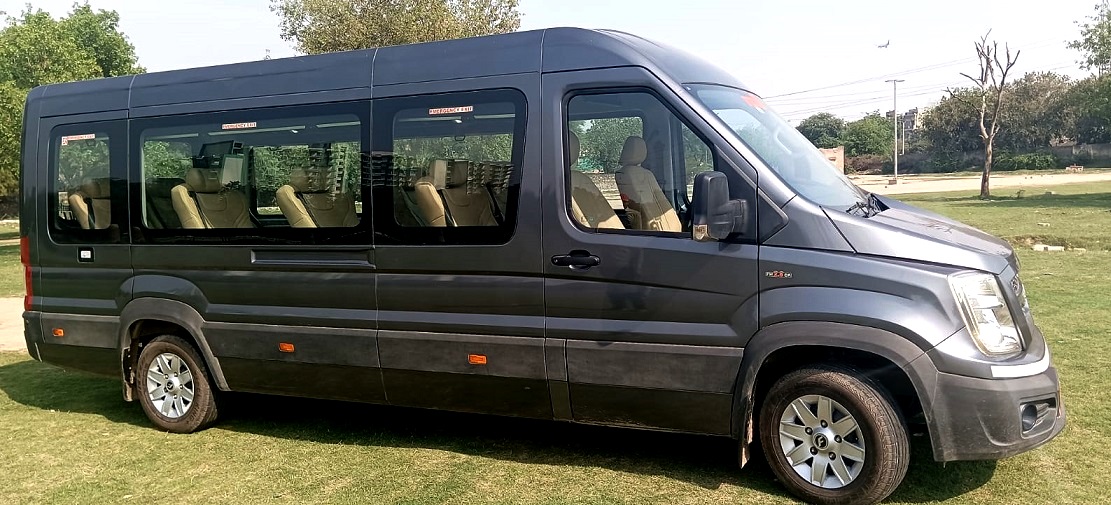
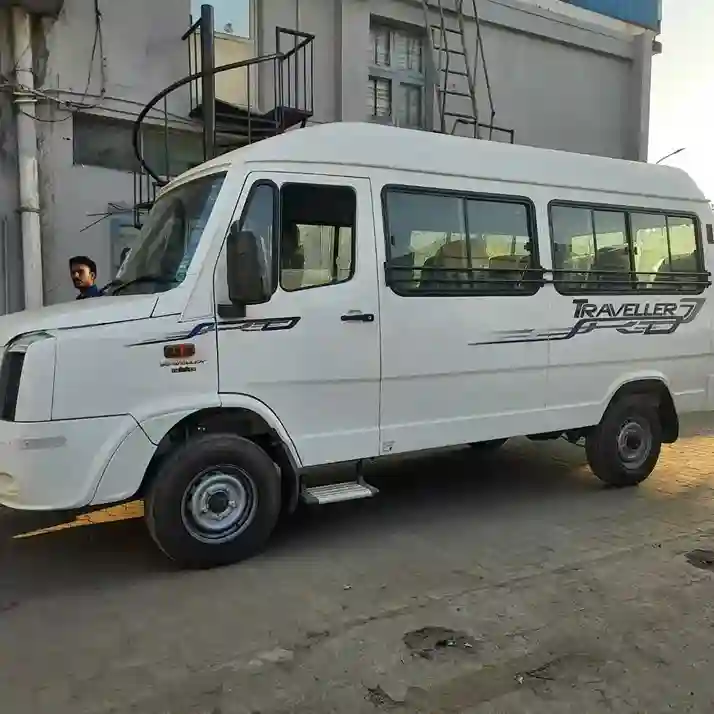
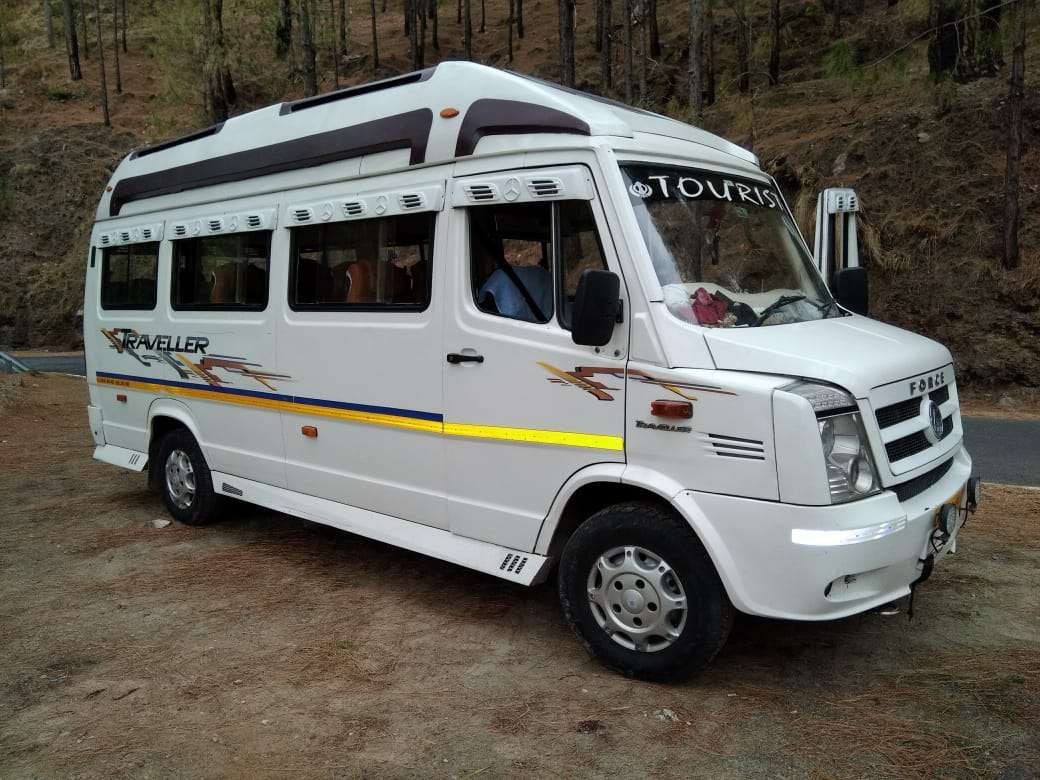
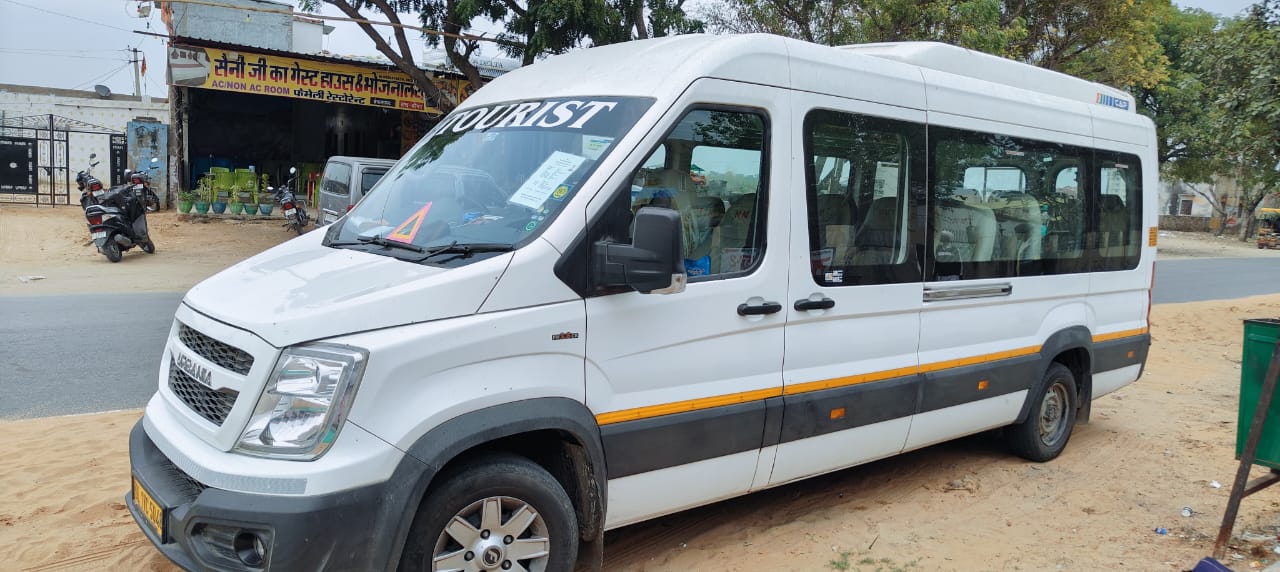
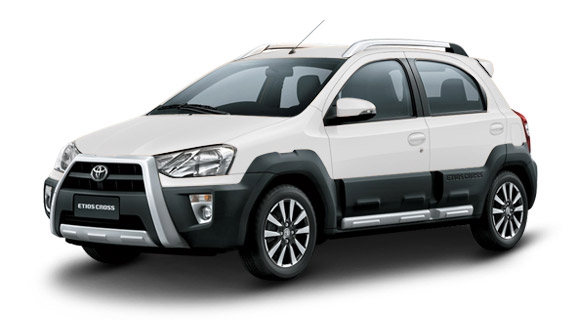
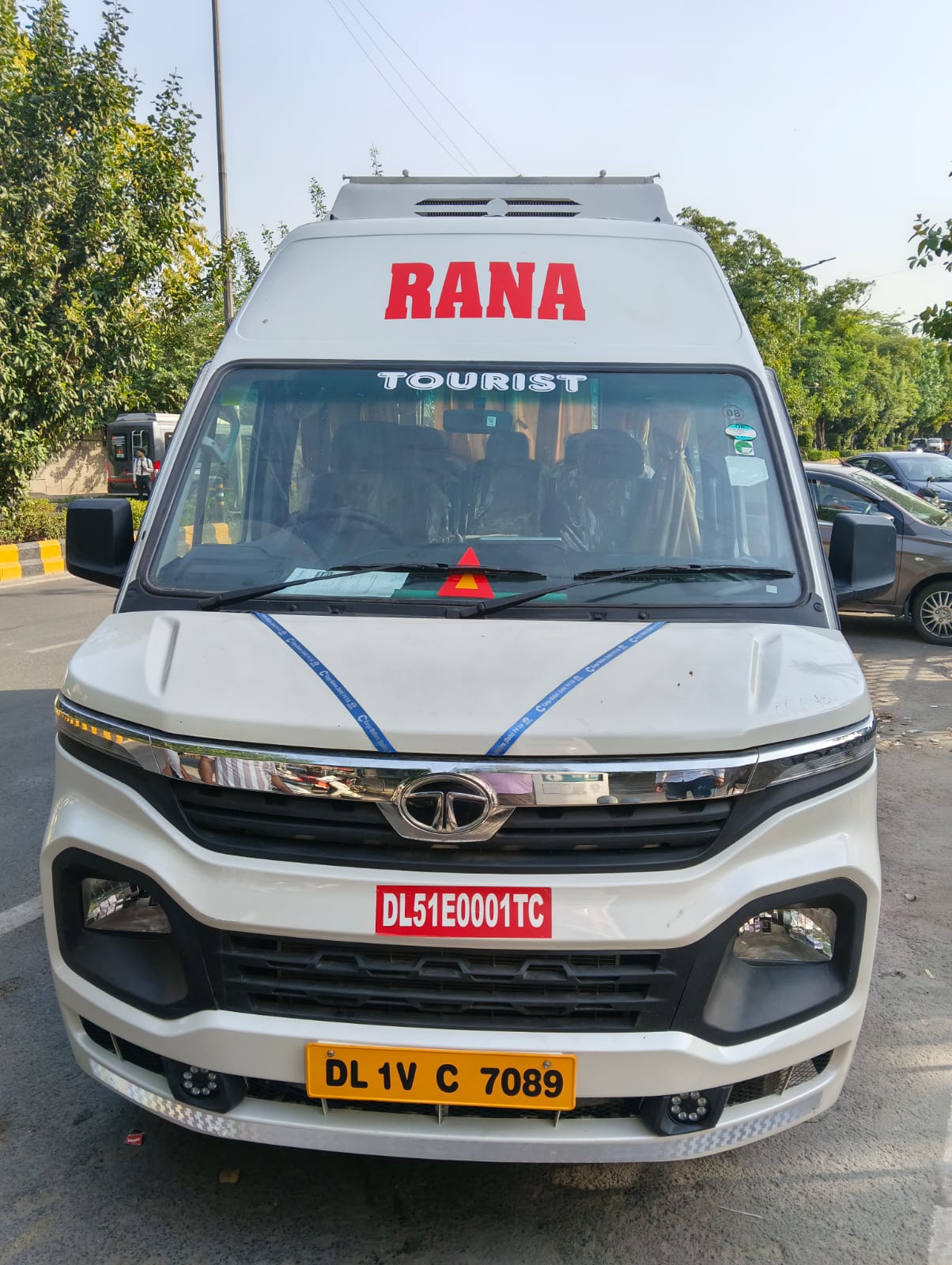
Vehicle type: A sedan costs less than an SUV or a tempo traveller. The tempo traveller works out cheaper per head for larger groups.
Group size: The car and driver cost is shared, so more travellers means a lower cost per person.
Season: October to February is peak season, so prices and hotel demand are higher.
Trip length: Adding days or side trips raises the cost.
Add-ons: Guides, elephant or jeep rides, cultural shows and special dinners are usually extra.
Best Time to Book and Visit
The weather matters a lot on this route, because summers in North India are very hot.
What is the best time for a Golden Triangle tour? The best time is October to March, when days are pleasant and good for sightseeing. Summer, from April to June, is very hot, and the monsoon months can be humid and wet.
October to February: The best weather, but also the busiest. Book 4 to 6 weeks ahead, and earlier for Diwali or Christmas.
March: Warm but still comfortable. Prices begin to soften.
April to June: Hot, often above 40°C. Fewer tourists and lower prices, but exhausting by midday.
July to September: The monsoon brings greenery and lower rates. Expect some rain and humidity.
Practical Tips Before You Go
Small details can make the trip smoother. These are the ones travellers mention most.
Check the Taj Mahal closing day. It is closed on Fridays, so plan around that.
Start early. Sunrise at the Taj and early starts at Amber Fort mean fewer crowds and cooler air.
Dress for the weather and the sites. Light cotton clothes and comfortable shoes work well. Carry a scarf or shawl for mosques and temples.
Carry water and small change. You will need both at monuments and roadside stops.
Agree prices before you buy. This applies to markets, rickshaws and any add-on activity.
Keep your ID handy. You may need it for monument entry and hotel check-in.
Book a licensed guide for the big sites. The Taj, Agra Fort and Amber Fort come alive with good stories.
Is a Self-Drive or Group Tour Better Than a Private Car?
A private car with a driver suits most visitors. You control the timing and the stops, and you avoid parking and navigation stress in busy cities. Group tours cost less but follow a fixed schedule. Self-drive is possible, but city traffic and unclear signage make it tiring for first-time visitors.
Is it safe to travel the Golden Triangle route by car? Yes. It is one of India’s most travelled tourist routes and the highways are good. Using a licensed operator with a professional driver adds a further layer of safety.
Customising Your Golden Triangle Tour Package
You do not have to take the standard route. Many travellers add a little more.
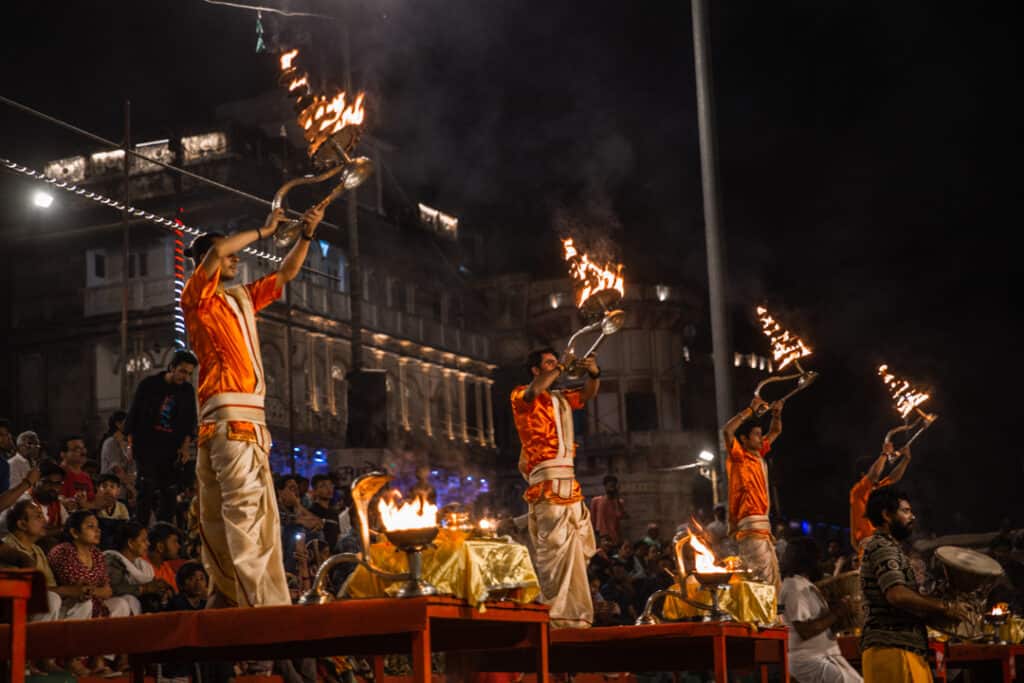
Varanasi for the Ganga aarti, by a short flight from Delhi
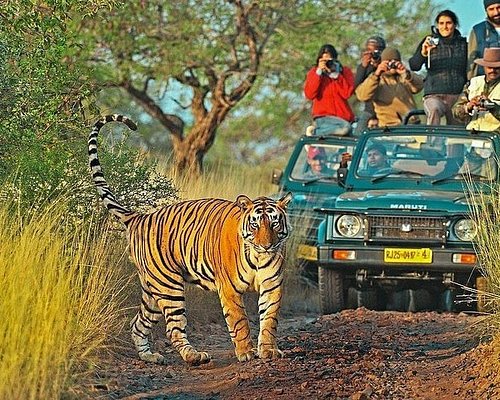
Ranthambore for a tiger safari near Jaipur
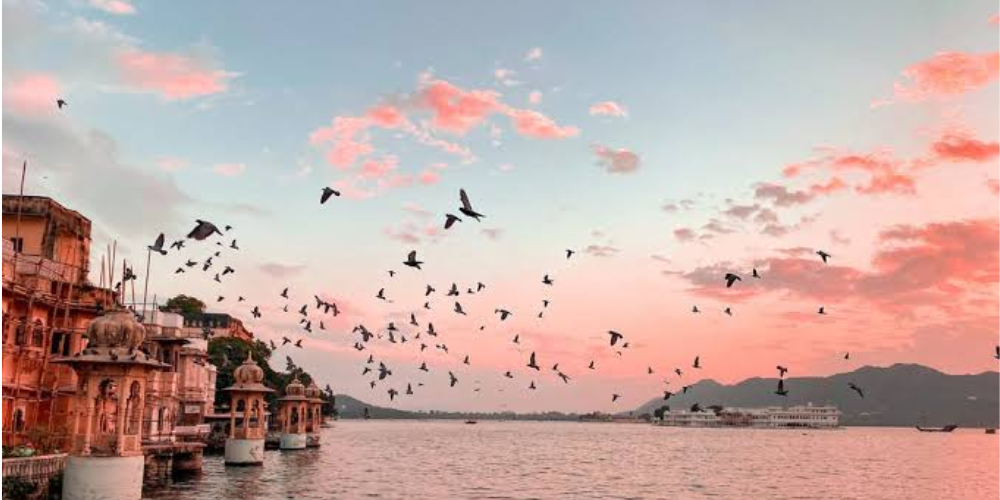
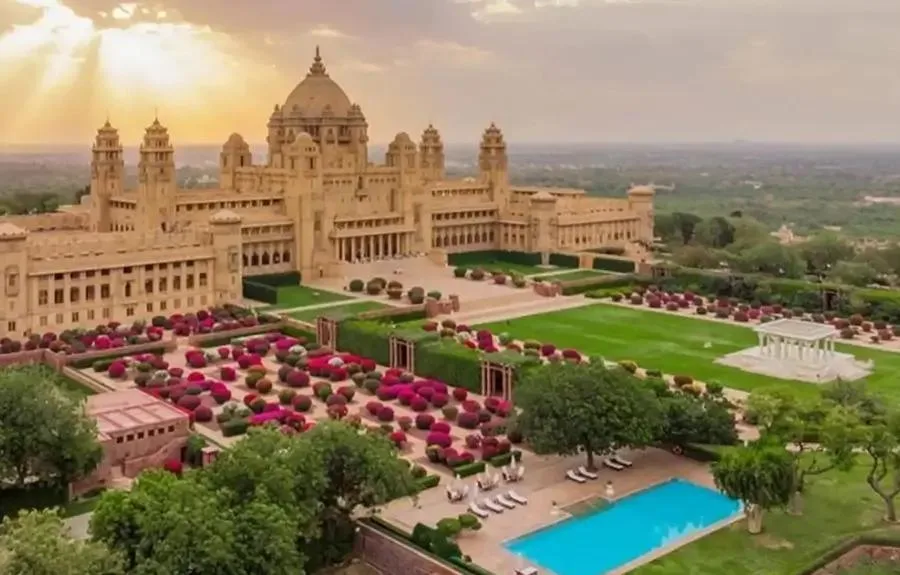
Pushkar or Udaipur for lakes and desert culture
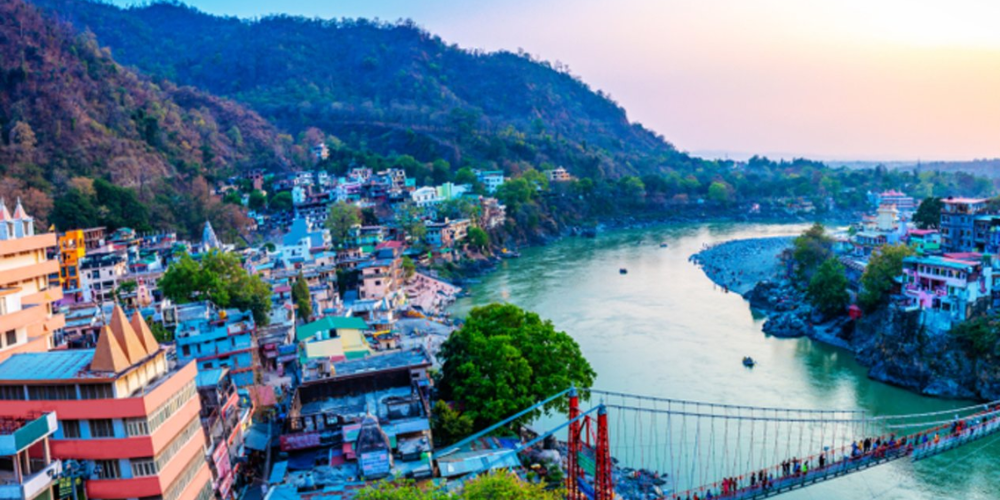
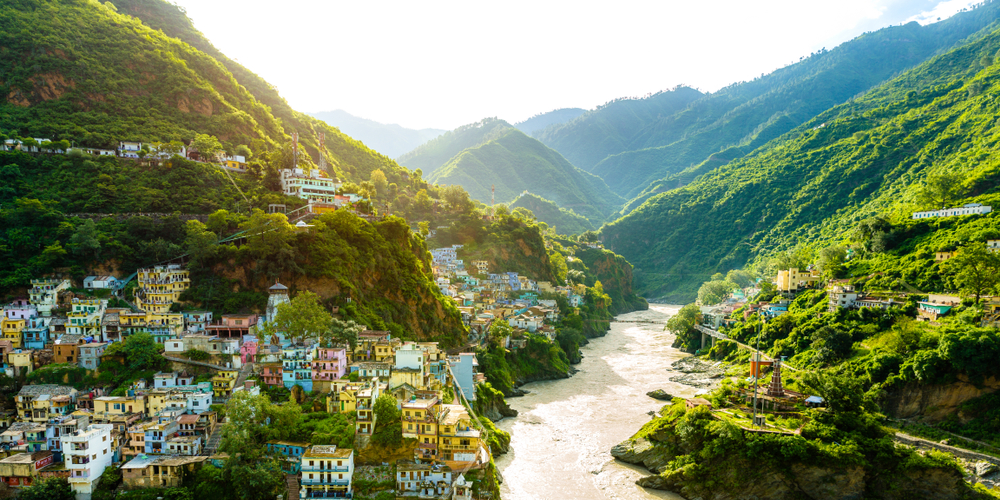
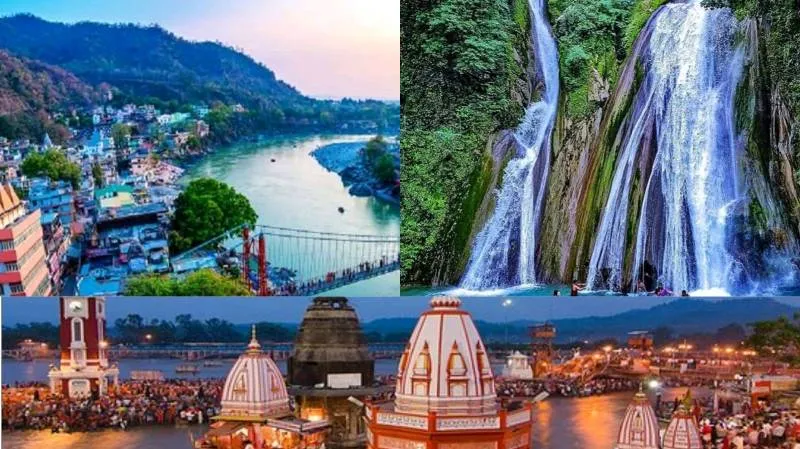
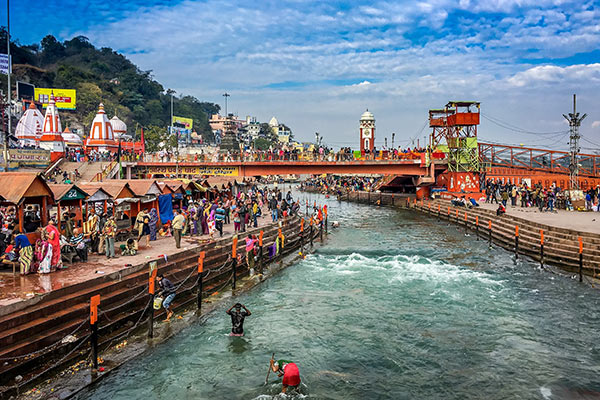
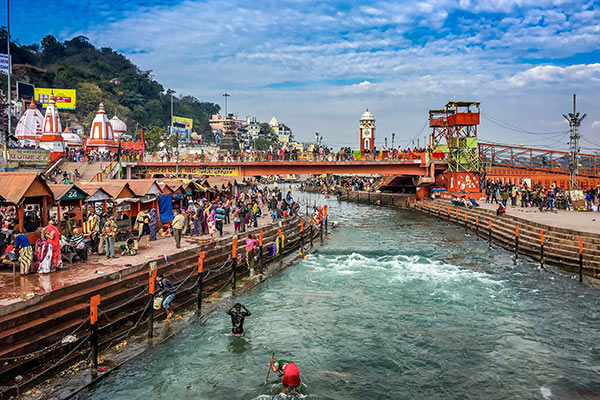
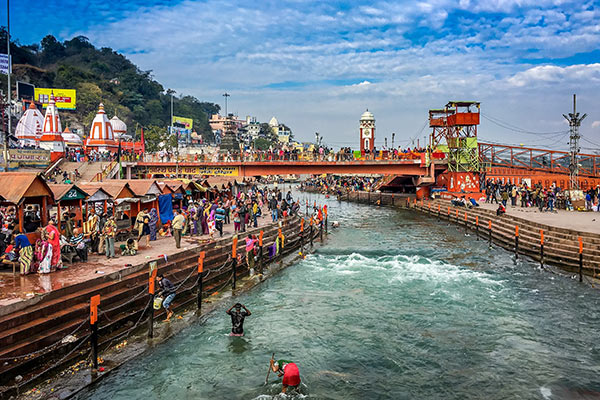
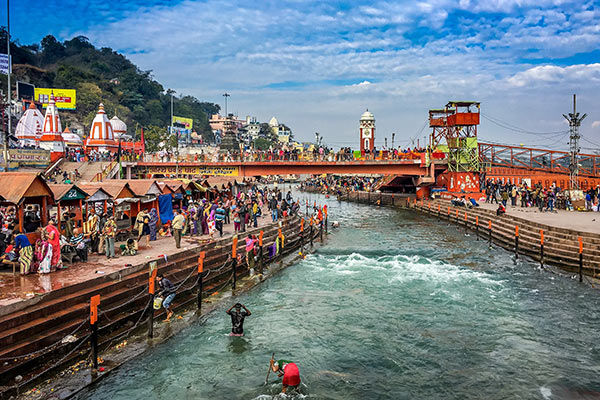
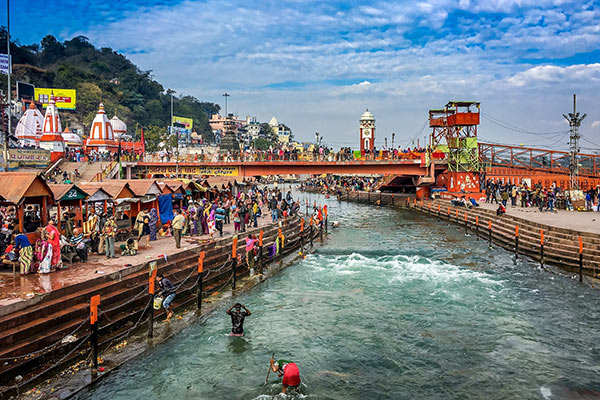
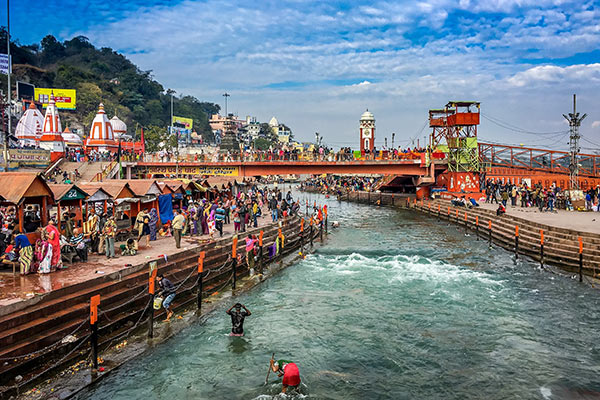
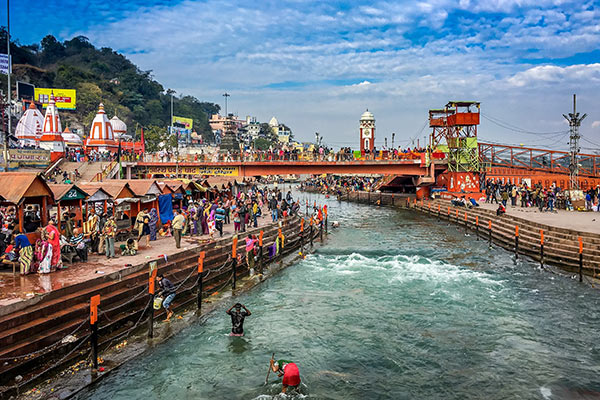
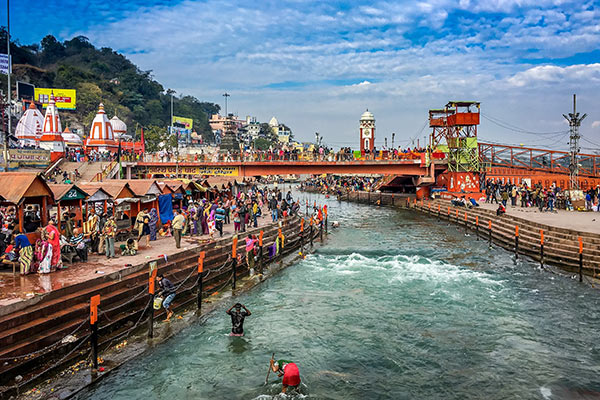
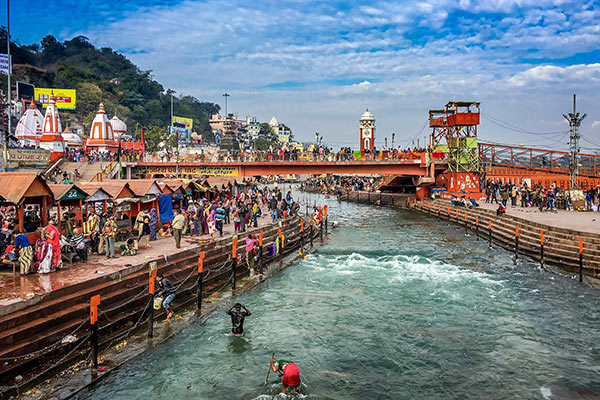
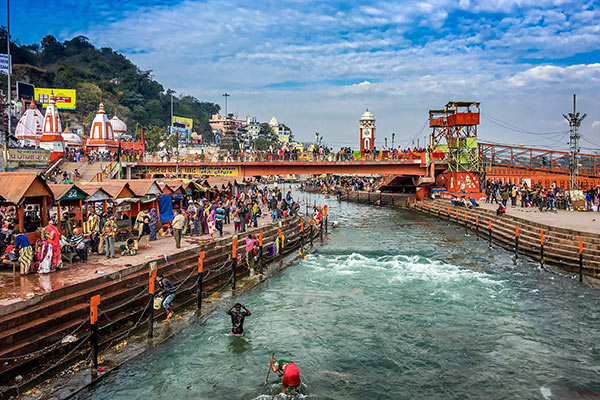
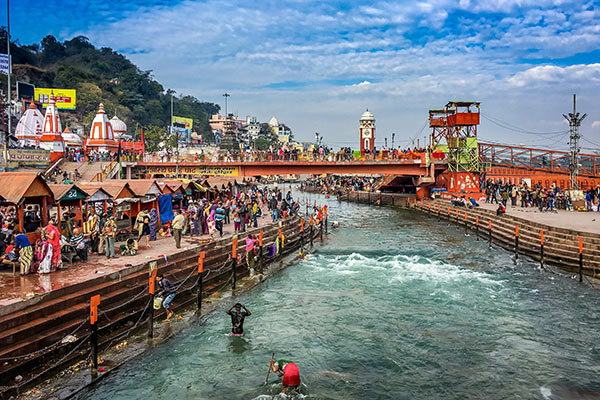
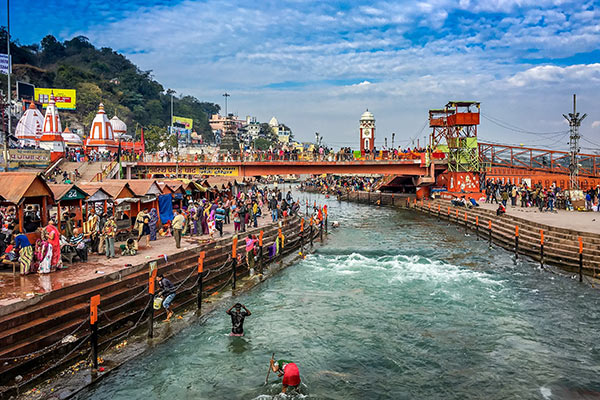
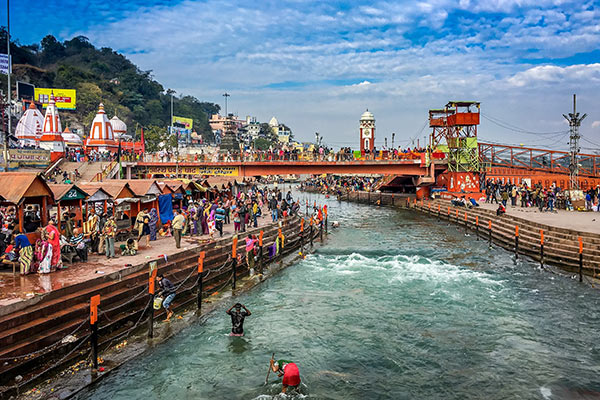
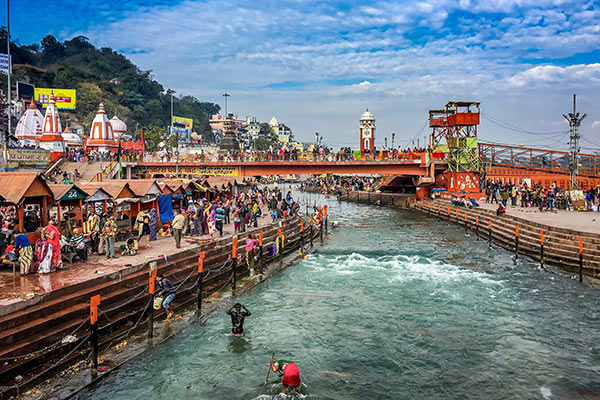
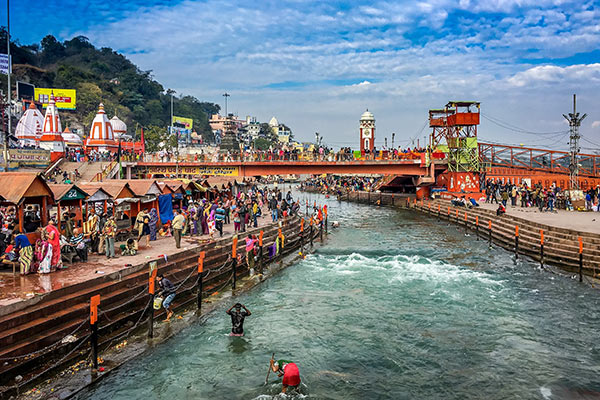
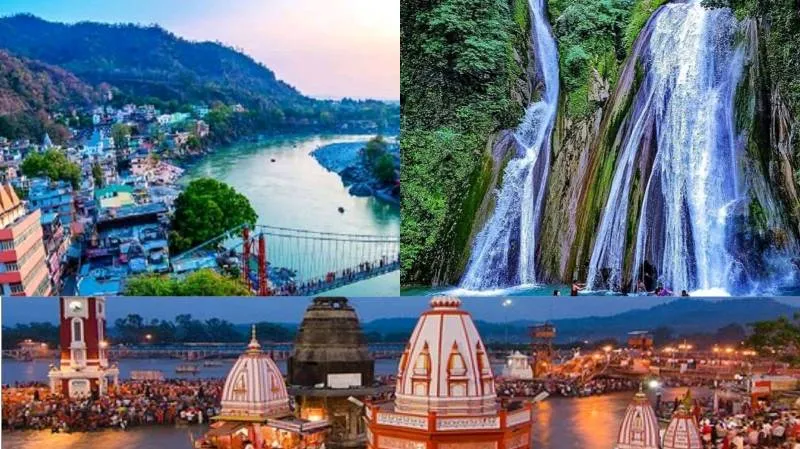
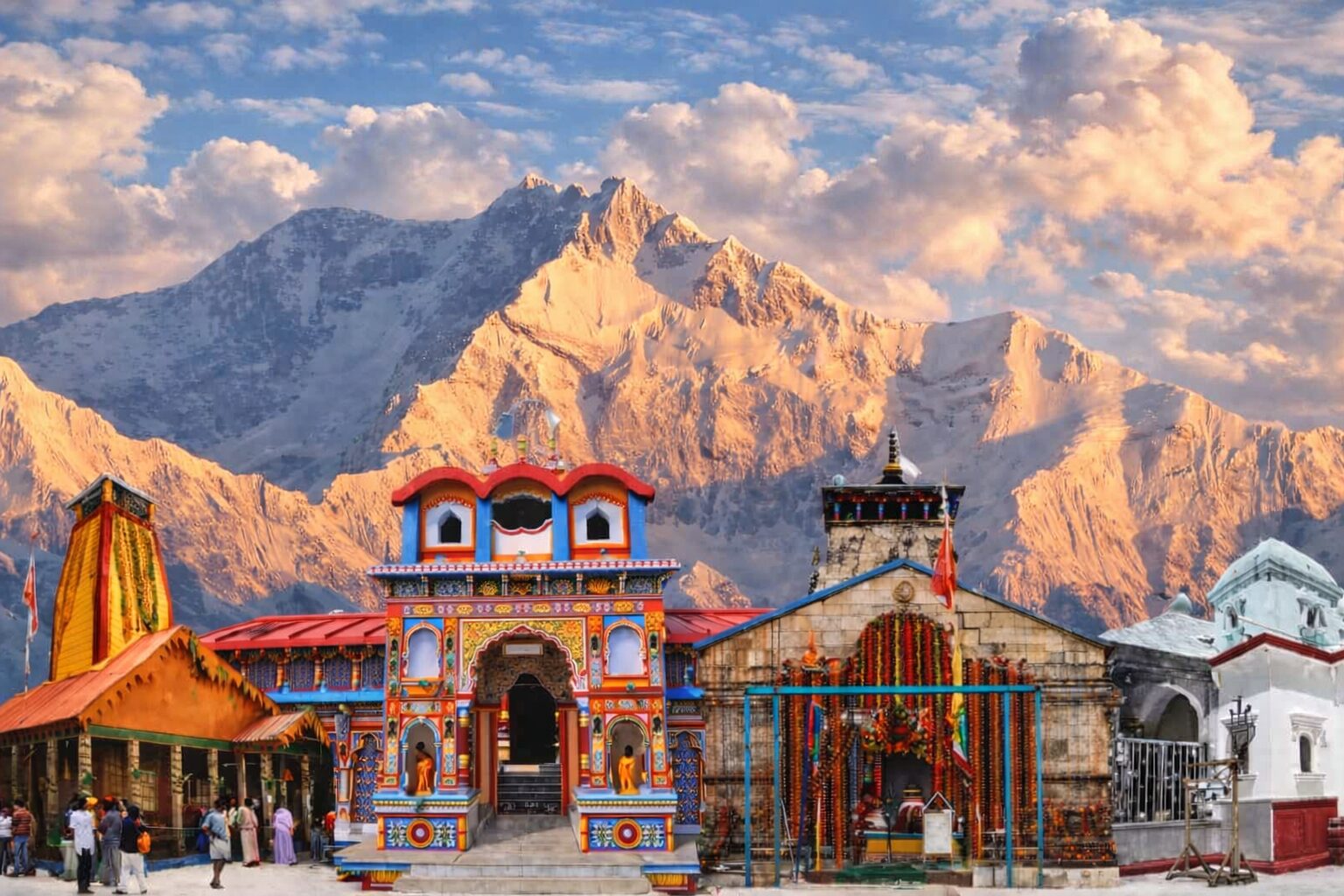
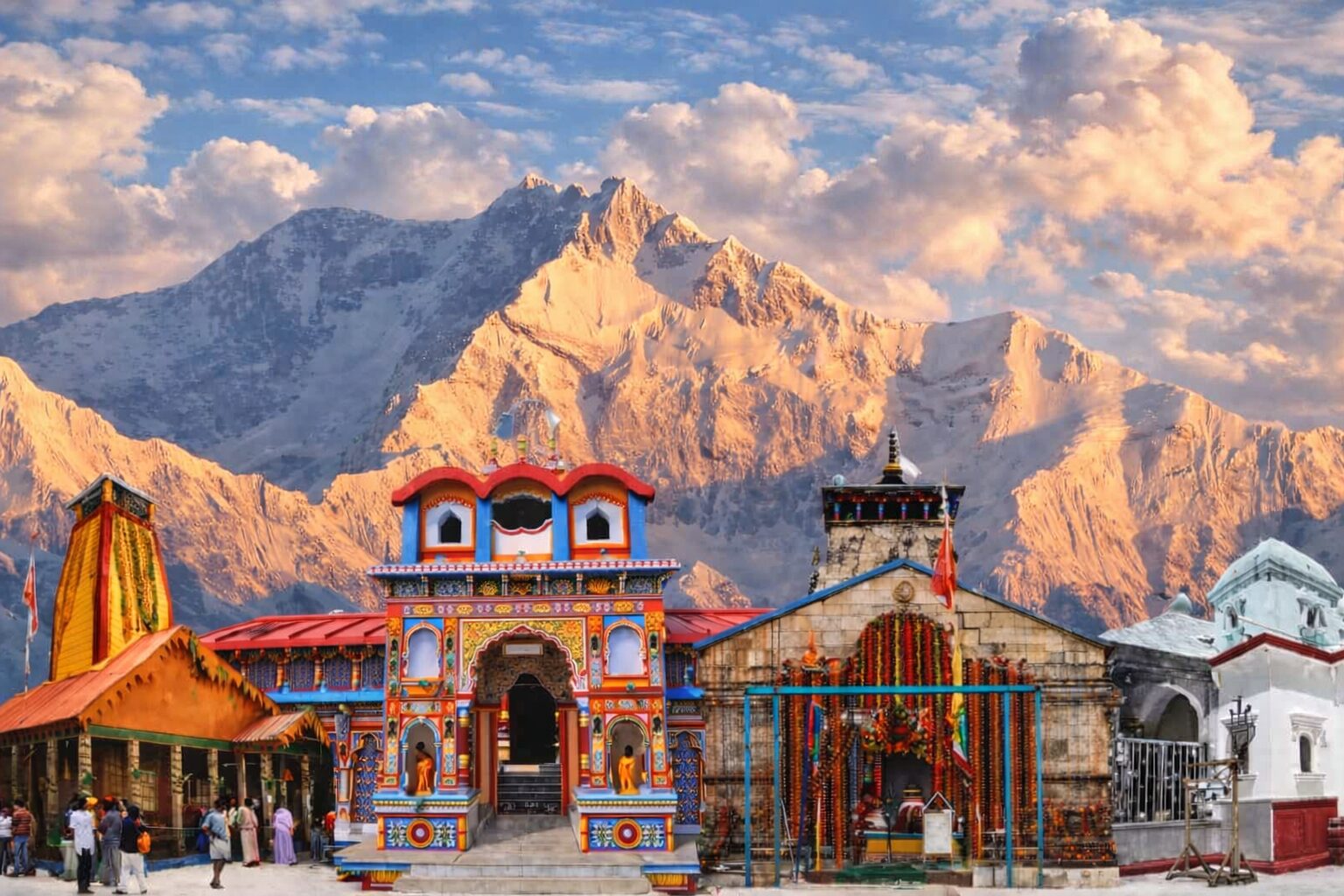
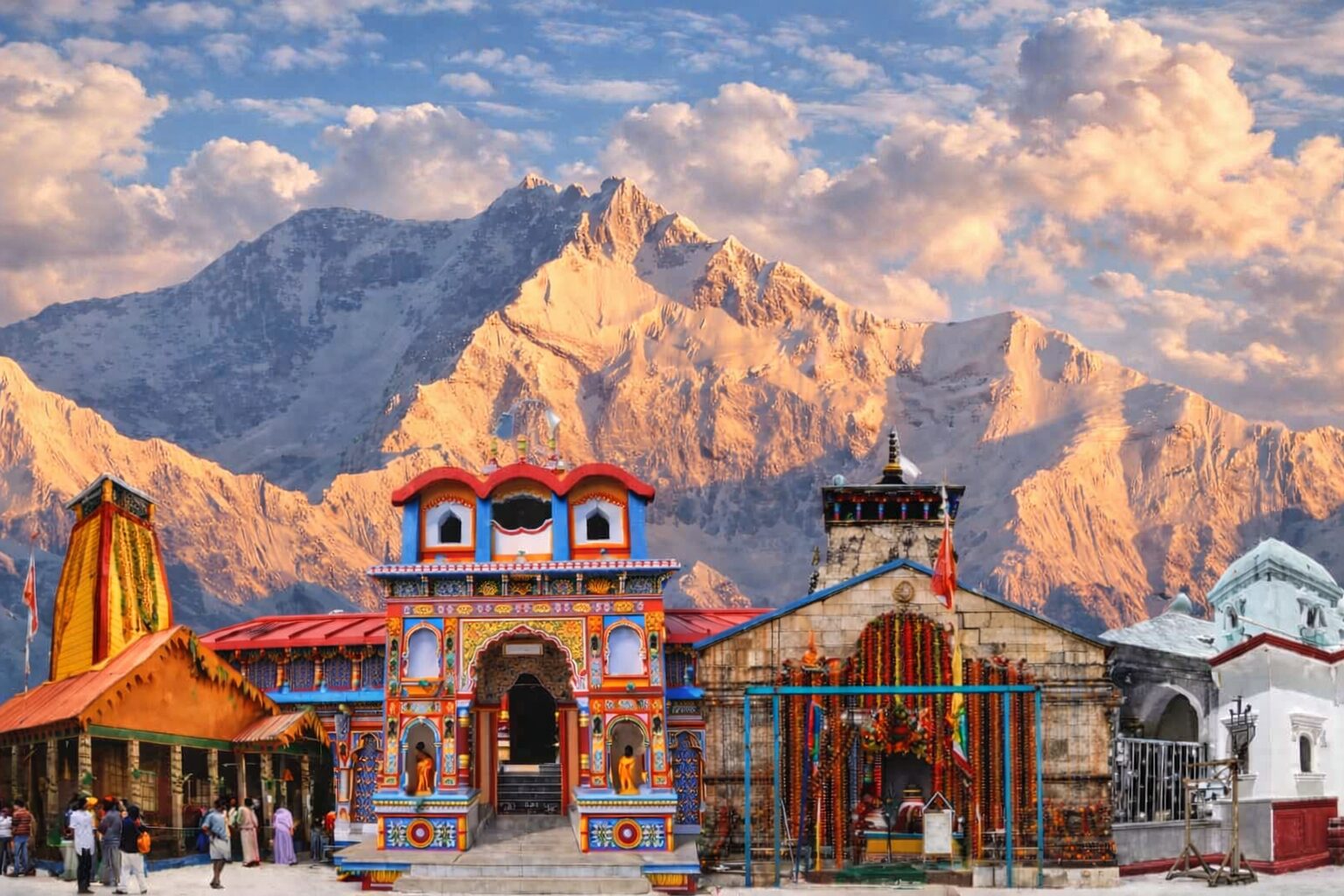
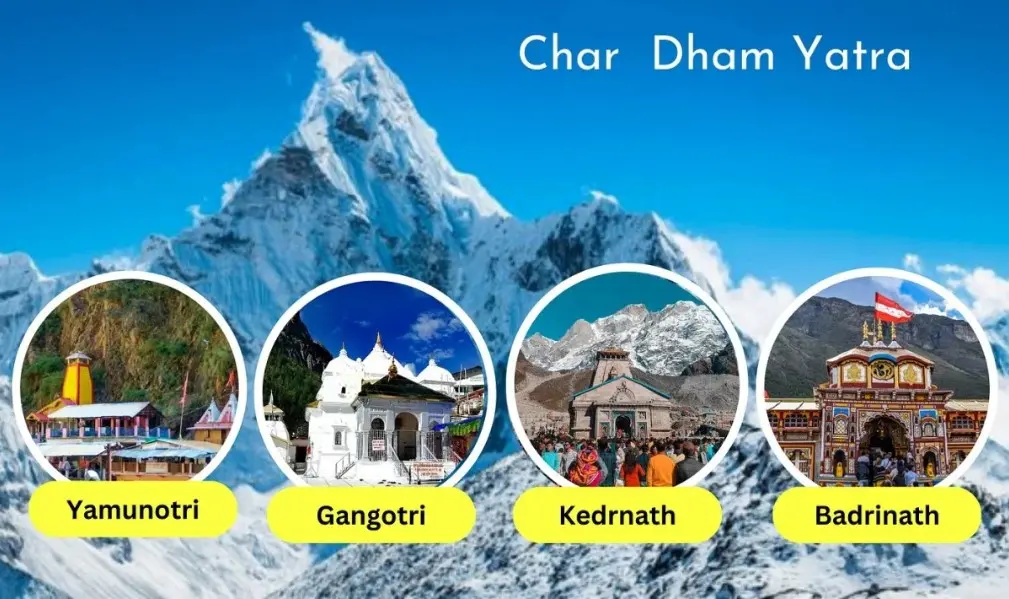
Rishikesh or Haridwar for a spiritual stop after Delhi
If you want something specific, ask your operator to build it around your dates and budget. You can also read more about our Golden Triangle with Udaipur extension or browse our Rajasthan tour packages from Delhi.
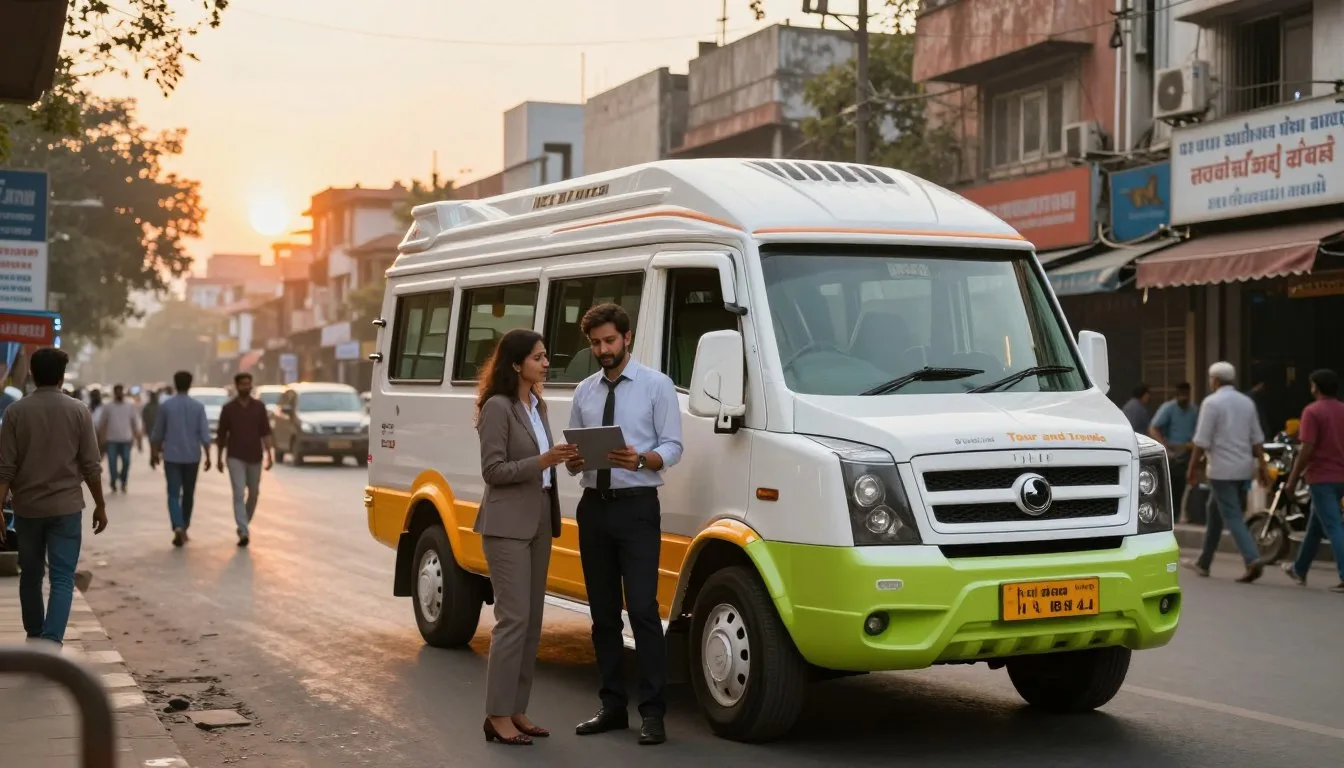
Choosing the right operator matters as much as choosing the route. Here is what you can expect from SS Rana Tour and Travels.
Local Delhi expertise: We know the roads, the timings and the shortcuts that save hours.
Clear, written pricing: You see what is included before you pay.
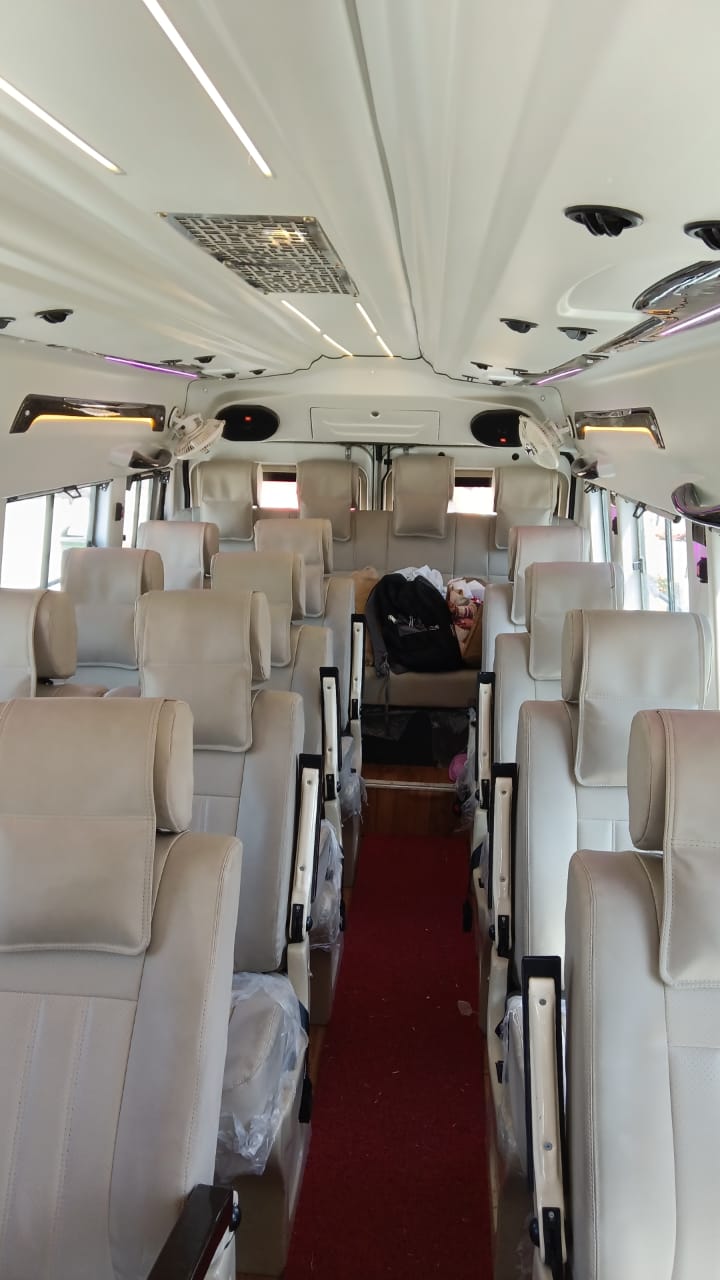
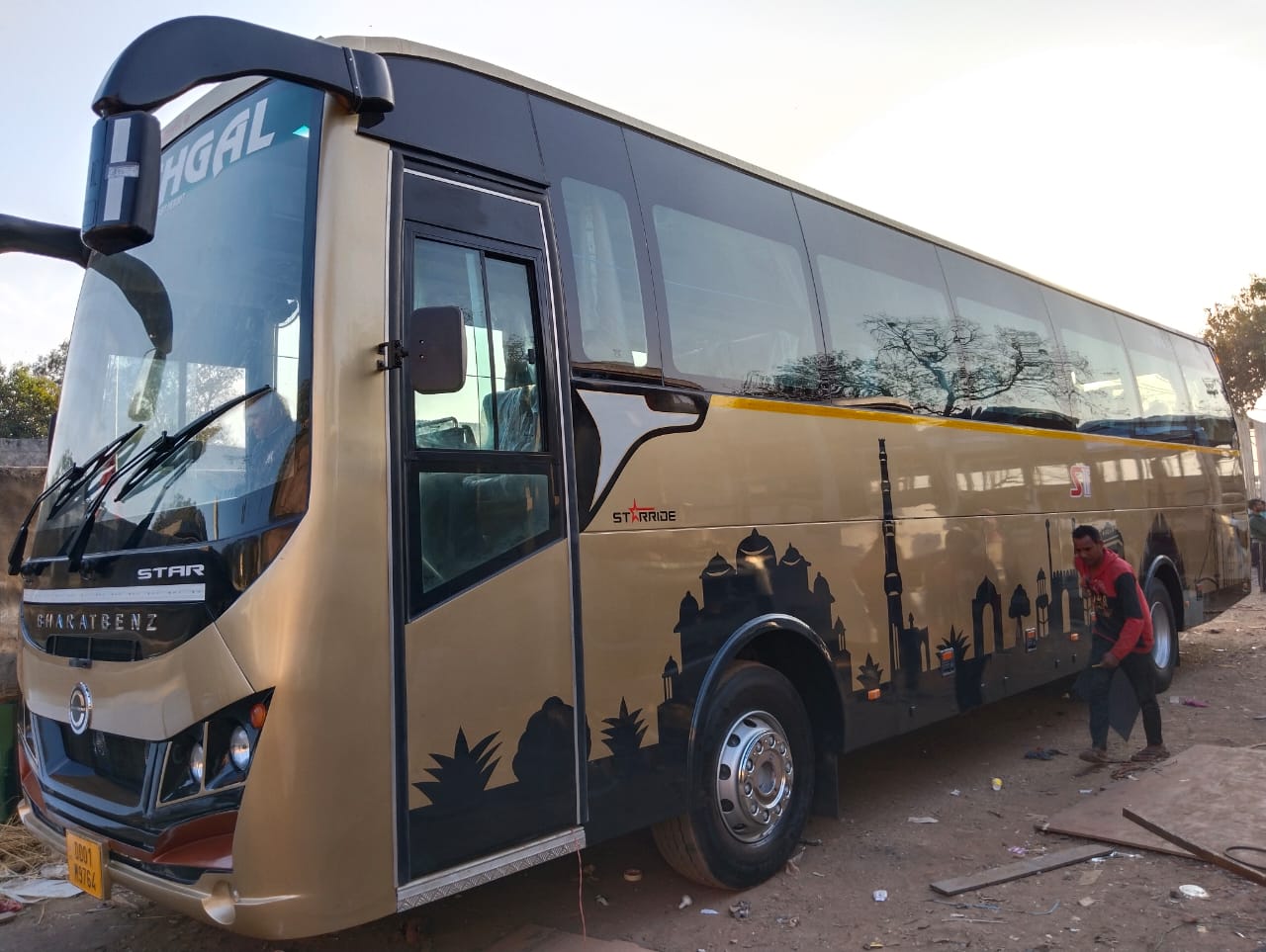
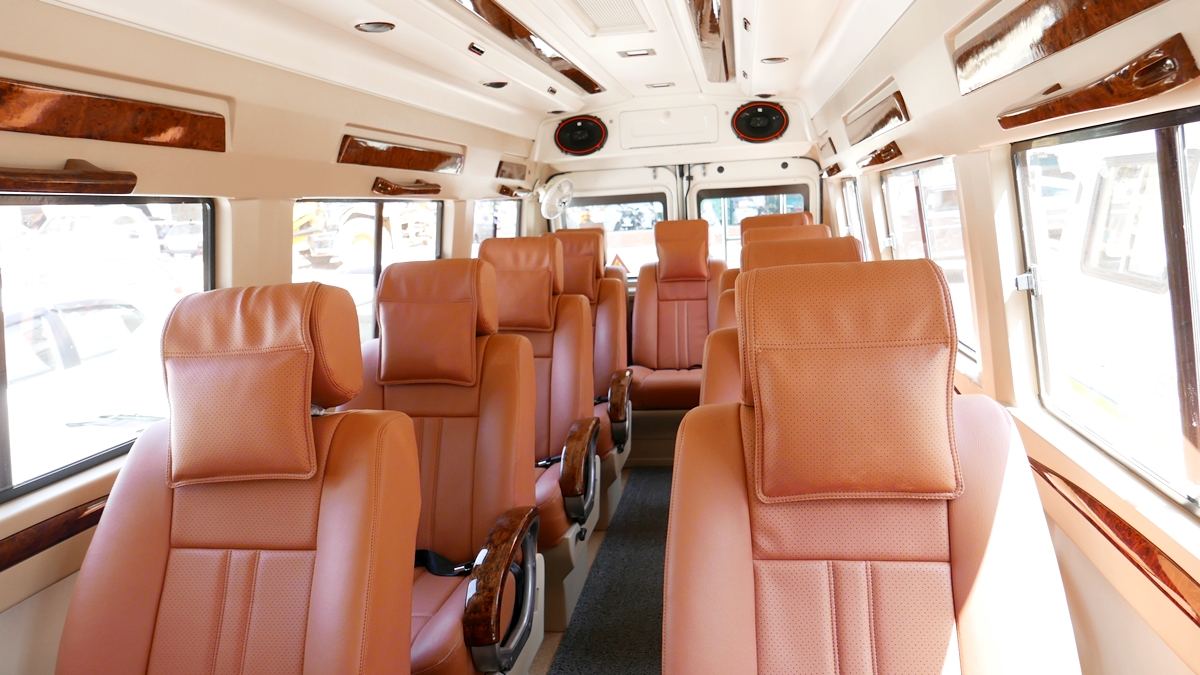
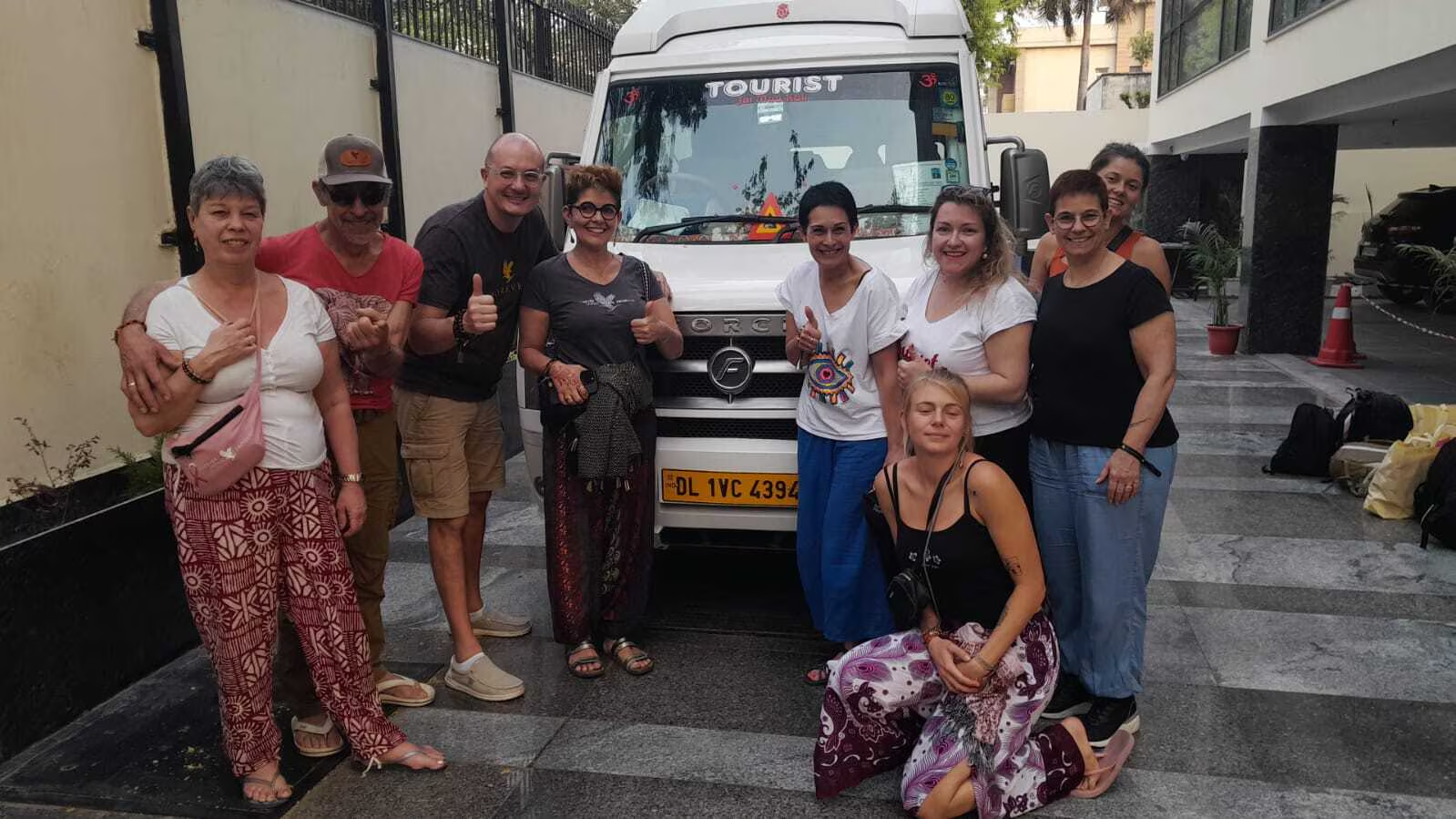
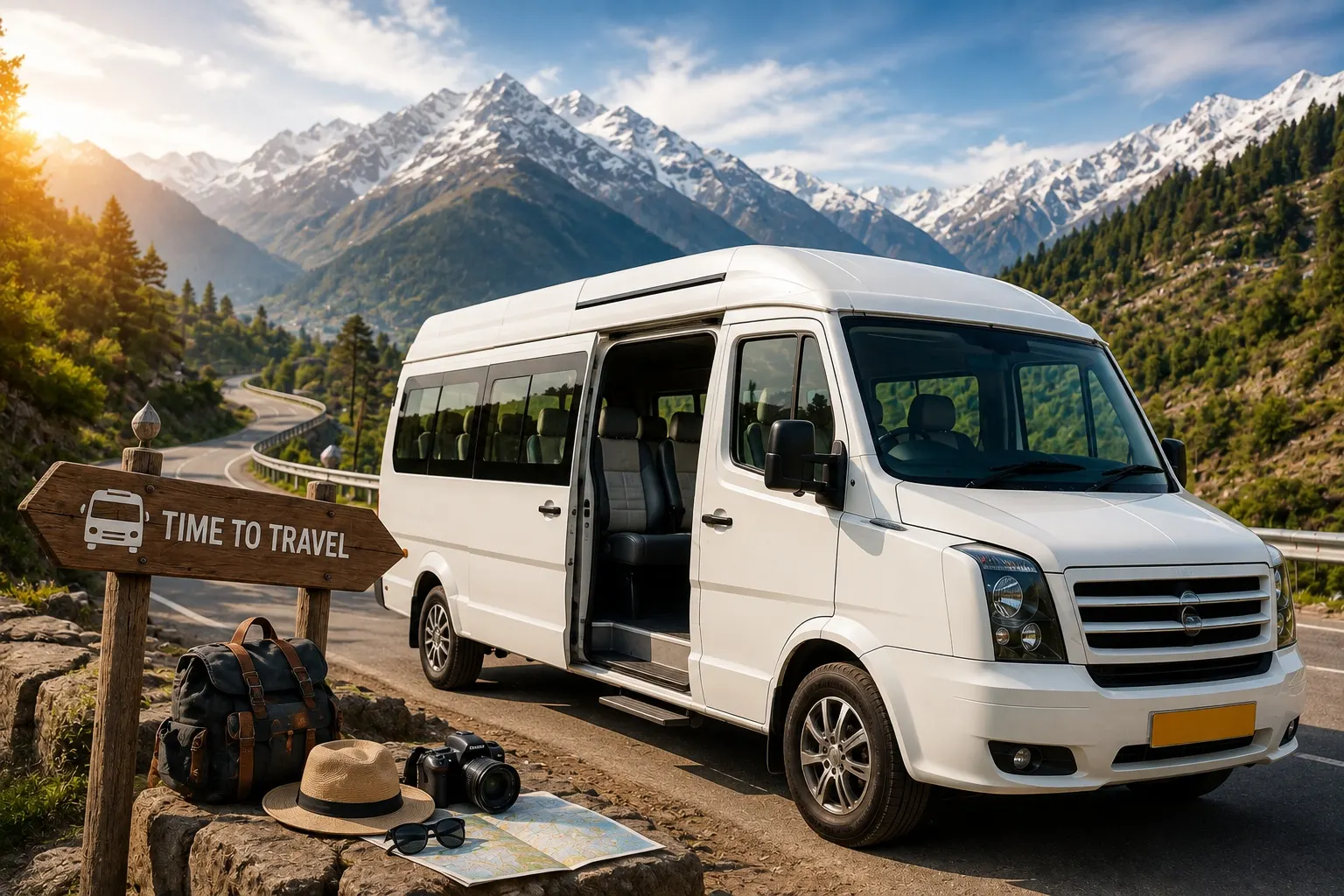
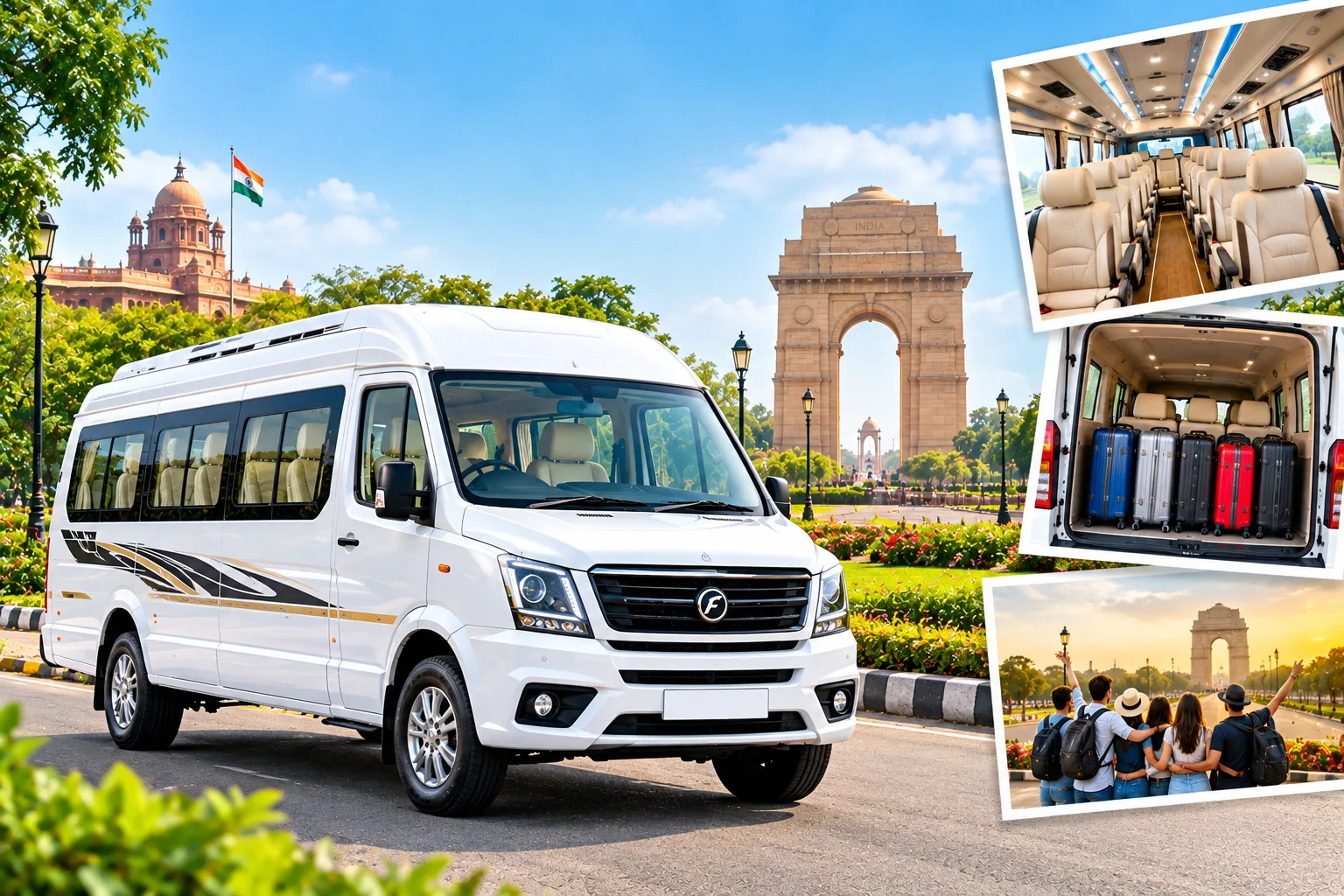
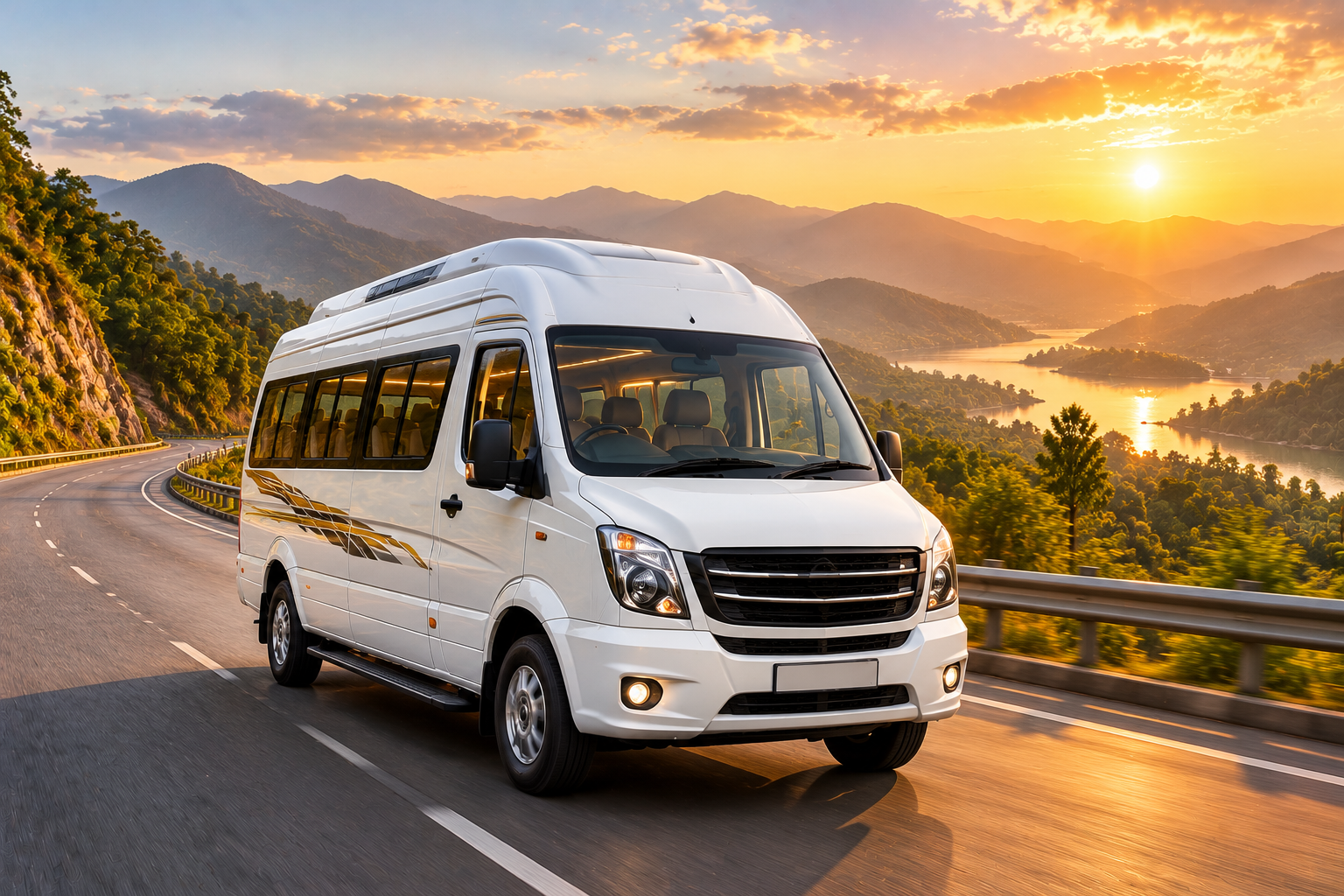
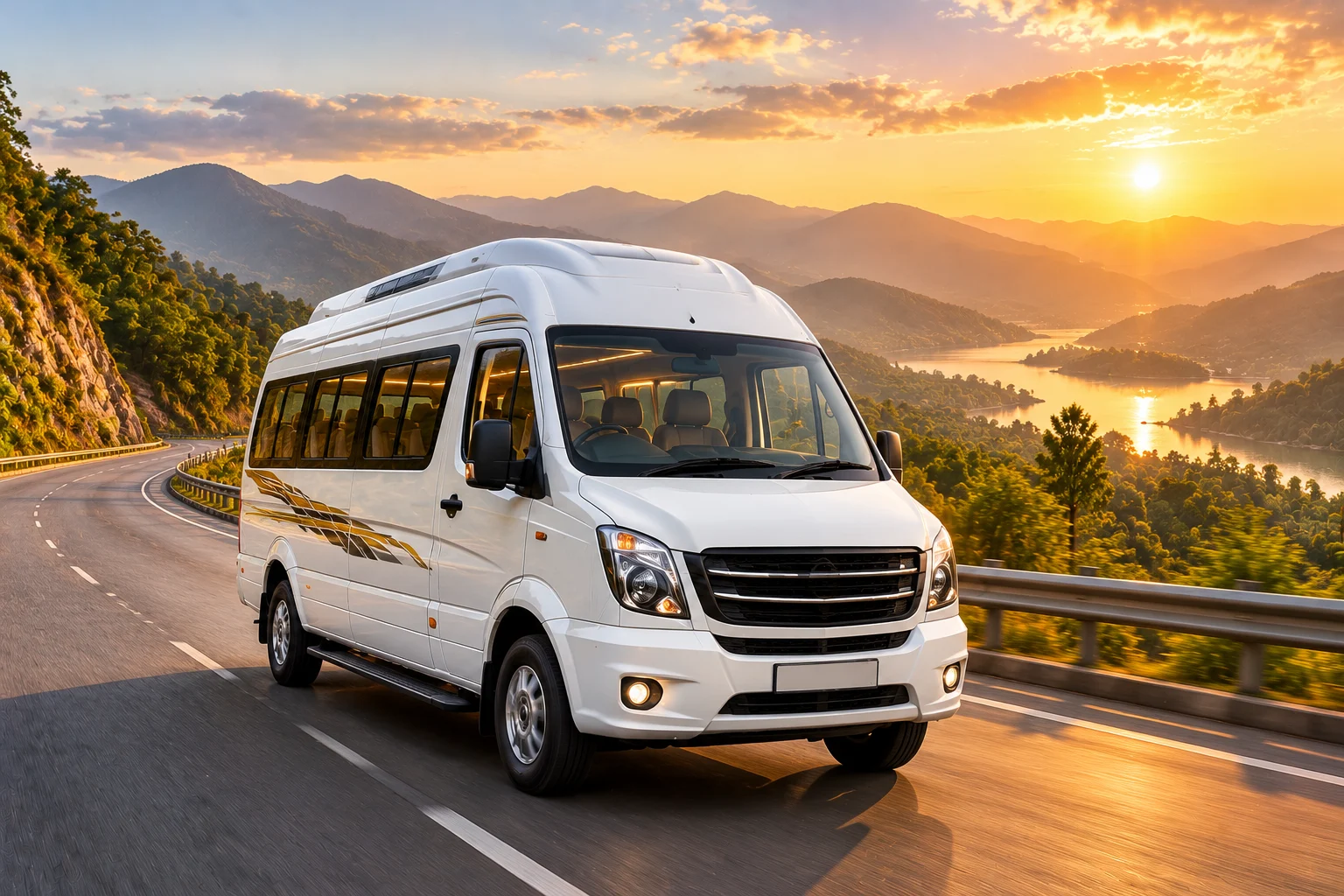
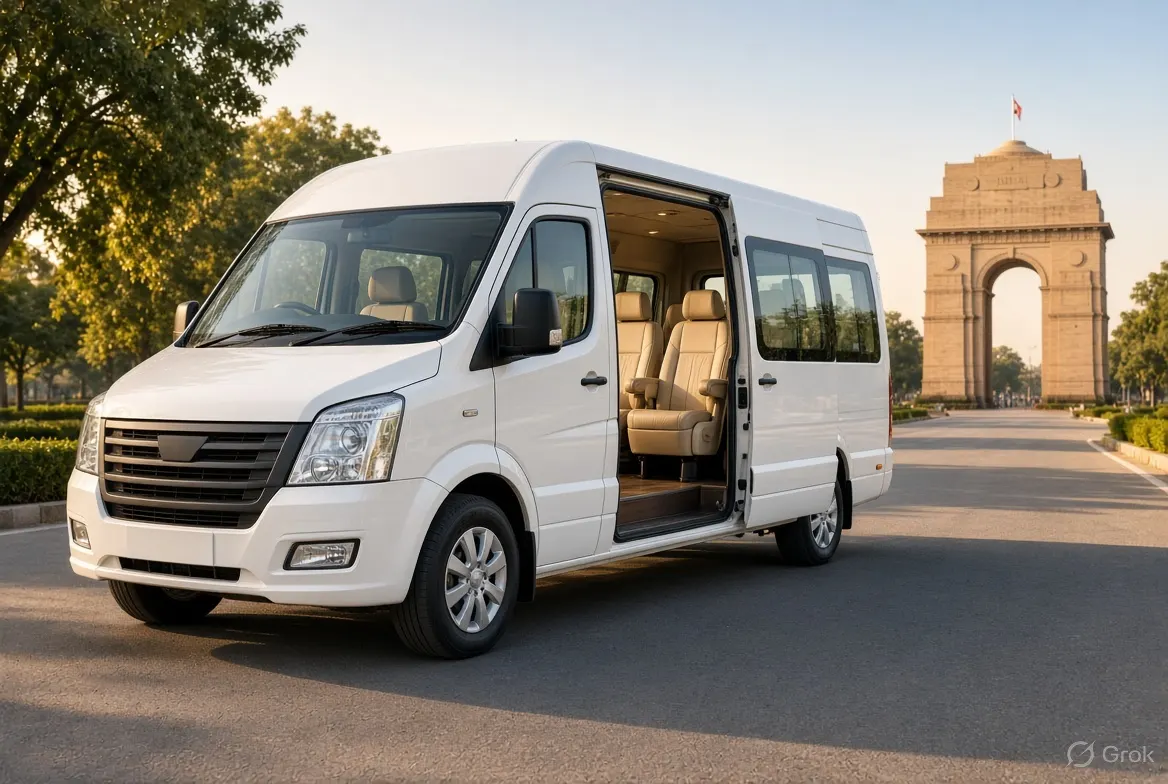
Clean, comfortable vehicles: Well-maintained cars and tempo travellers with experienced drivers.
Flexible itineraries: Add days, change hotels or swap stops to suit your plan.
Support throughout the trip: A real person is available if anything changes on the road.
Whether you are travelling solo, as a couple, with family or in a group, we can match the right vehicle and hotels to your budget. See our Delhi to Agra same-day tour if you are short on time, or our tempo traveller on rent in Delhi for group travel.
A Golden Triangle tour package is a guided trip that connects Delhi, Agra and Jaipur in one loop. You start and end in Delhi. On the way, you visit famous places like the Red Fort, the Taj Mahal and Amber Fort. Most packages include a private car with a driver, hotel stays and daily breakfast. It is popular because the cities are close to each other, the roads are good, and you see three very different sides of India in just a few days.
Four nights and five days is the most comfortable plan for a Golden Triangle tour from Delhi. This gives you enough time to see Delhi, Agra and Jaipur without rushing, and to enjoy each place properly. If you are short on time, a three-night trip also works, though it feels faster. If you want to add Fatehpur Sikri, Ranthambore or Pushkar, plan for six or seven days. Most first-time visitors prefer the five-day option because the drives are long and a little rest helps.
A standard 4 night, 5 day Golden Triangle tour package usually costs between ₹15,000 and ₹25,000 per person. This is for travel by private car with 3-star hotels when two or more people share. The price goes up with 4-star, 5-star or heritage hotels, and it comes down when more people share the car. Peak season from October to February also costs more. Treat this as a rough guide only. Entry tickets, guides and meals are often extra, so always ask for a written quote.
The best time for the Golden Triangle tour is October to March. During these months, the weather is mild and pleasant, which is ideal for walking around forts, palaces and monuments. October to February is the busiest period, so book hotels and cars at least four to six weeks ahead. Summer, from April to June, is very hot and often crosses 40°C. The monsoon months, July to September, bring lower prices and green views, but you should expect some rain and humidity.
Yes, the Golden Triangle is one of the most travelled tourist routes in India, and the highways are in good condition. Travelling with a licensed operator and a professional driver adds more safety and peace of mind. Solo travellers, women travellers and families with children all do this trip regularly. Stay in well-reviewed hotels, keep your ID and valuables safe, drink bottled water and agree on prices before shopping or taking add-on activities. In crowded markets, simply stay alert, as you would in any big city.



















.jpeg)




.jpeg)
.webp)
.jpeg)
.jpeg)
.jpeg)


.jpeg)
.jpeg)
.jpeg)
.jpeg)
.jpeg)



.jpeg)
.webp)
.jpeg)
.jpeg)

.jpeg)

.jpeg)
.jpeg)
.jpeg)
.jpeg)


.jpeg)

.webp)
.jpeg)
.jpeg)
.jpeg)

.jpeg)









.webp)


.webp)
















































































































.webp)


























.webp)












































.webp)



.webp)


.webp)
.webp)
.webp)
.webp)

.webp)
.webp)
.webp)
.webp)
.webp)

.webp)

.webp)






.webp)

.webp)

.webp)

.webp)



















.webp)