A complete 2026 travel guide to planning a Delhi to Manali tour package — covering the best time to visit, travel options, top attractions, food, stay recommendations, and common mistakes to avoid.
Published on 08 Sep, 2026
Updated on 26 Oct, 2026
2371 Views
Delhi to Manali Tour Package: Complete Travel Guide (2026)
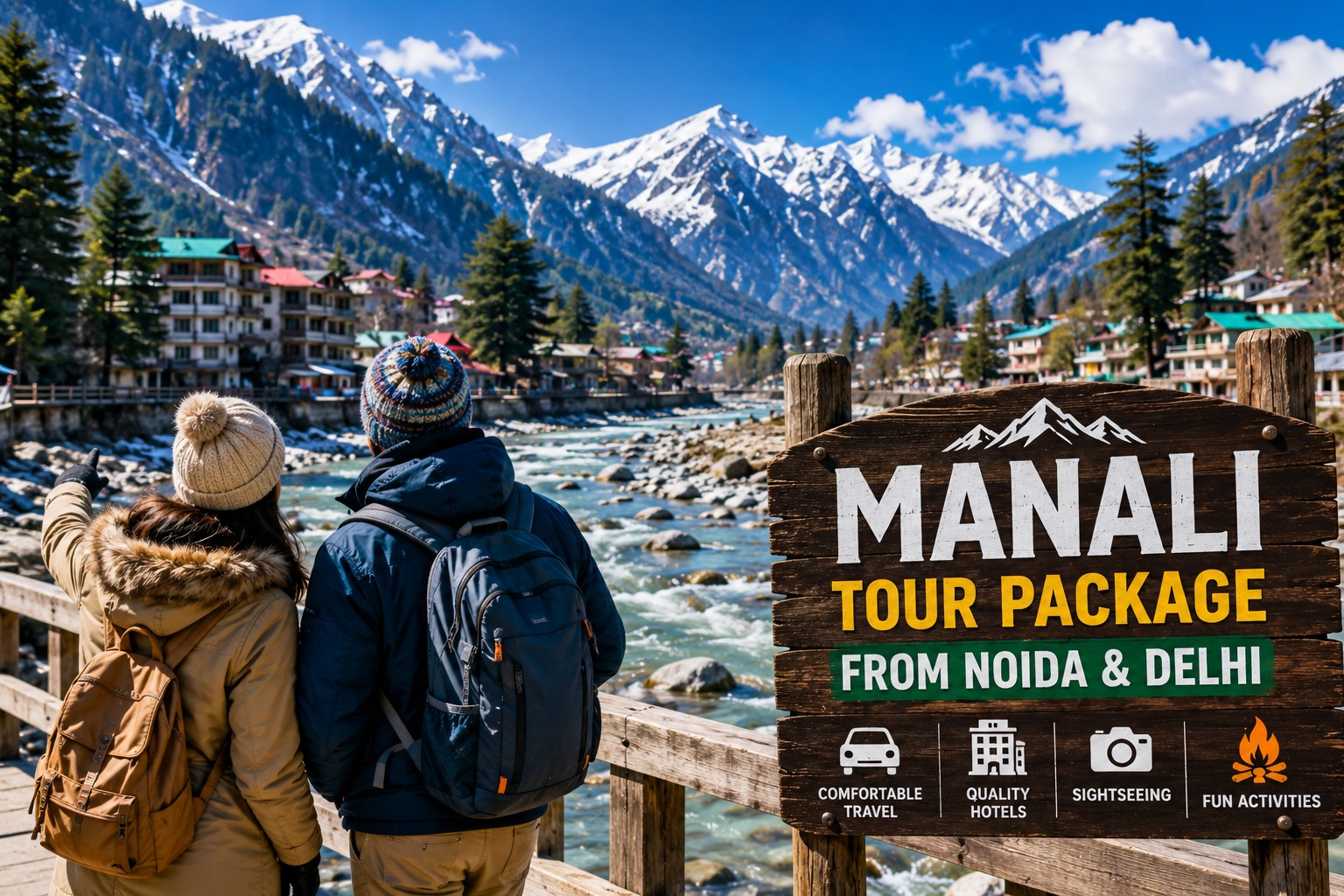
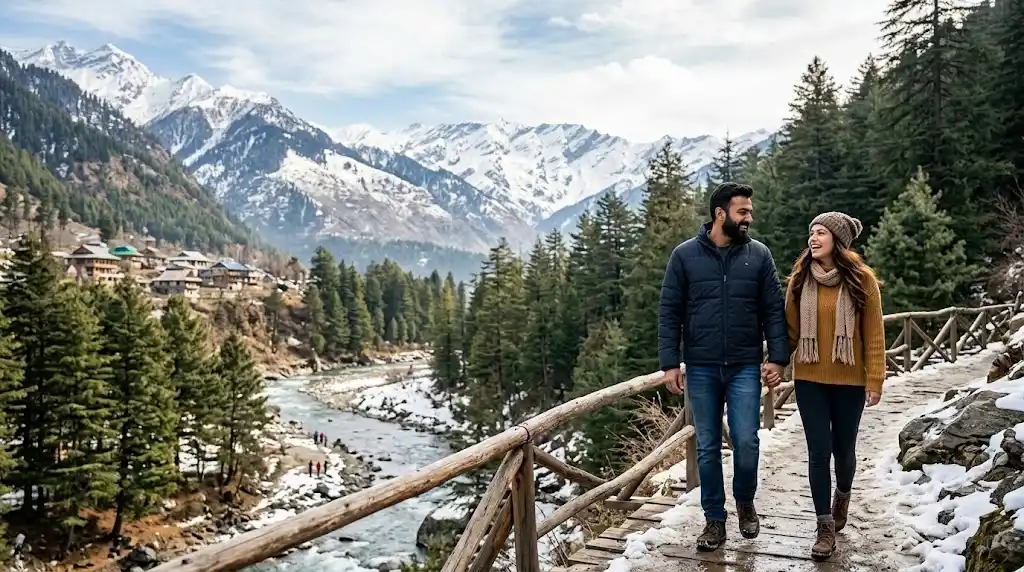
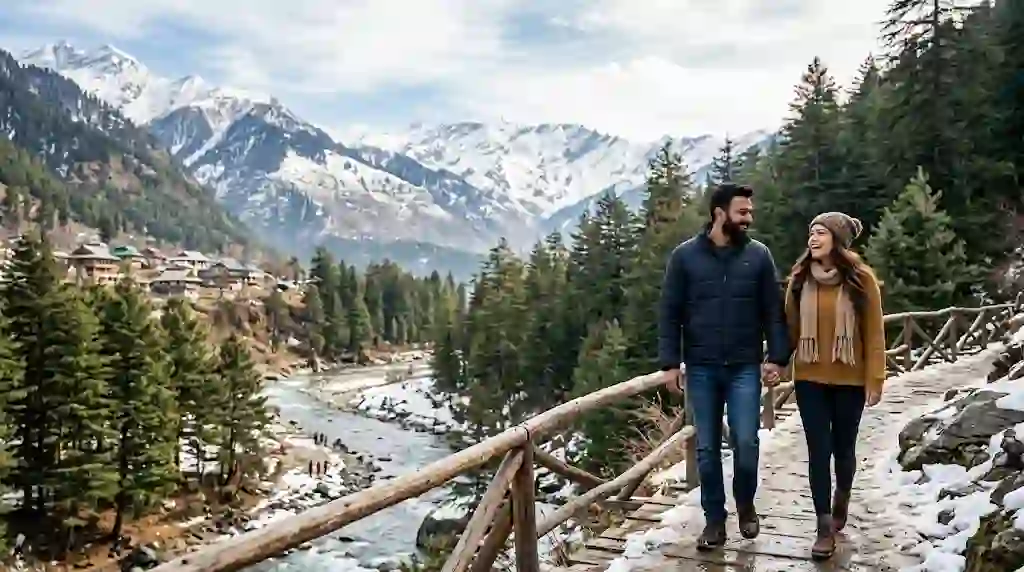
A Manali tour package remains one of the most popular short getaways for travelers based in Delhi, offering snow-capped mountains, quiet river valleys, and a manageable travel distance that doesn't require using up too many vacation days. Whether you're planning a family trip, a group outing with friends, or a quick solo escape from the city, Manali continues to deliver a good mix of adventure and relaxation without the long-haul planning that other hill destinations often demand. This complete 2026 guide walks through everything worth knowing before booking a delhi to manali tour package, from the best time to travel to the mistakes most first-time visitors end up making along the way.
Why a Delhi to Manali Tour Package Still Works So Well
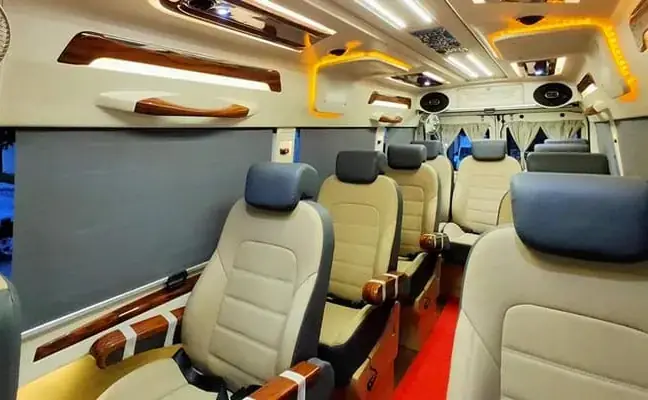
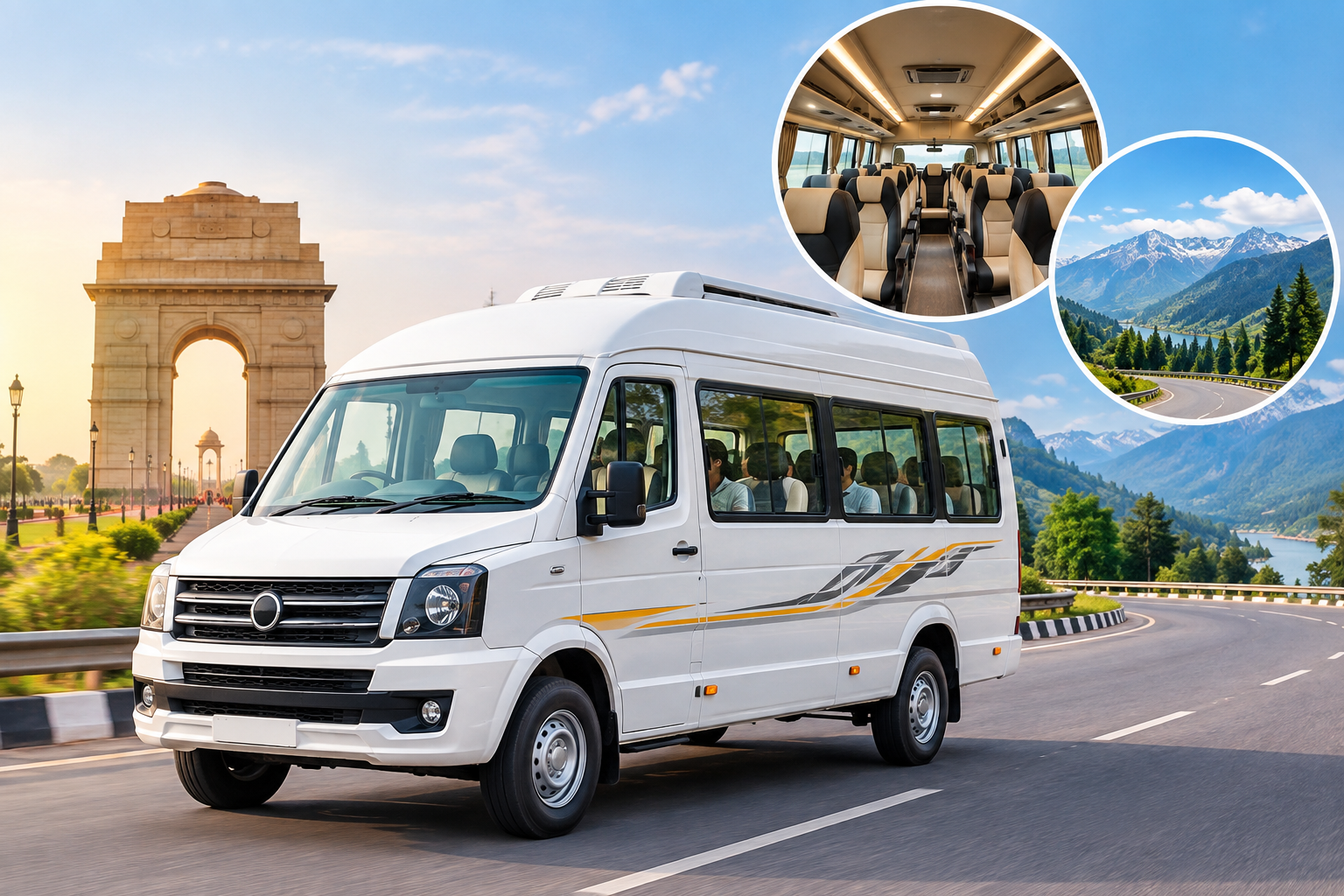
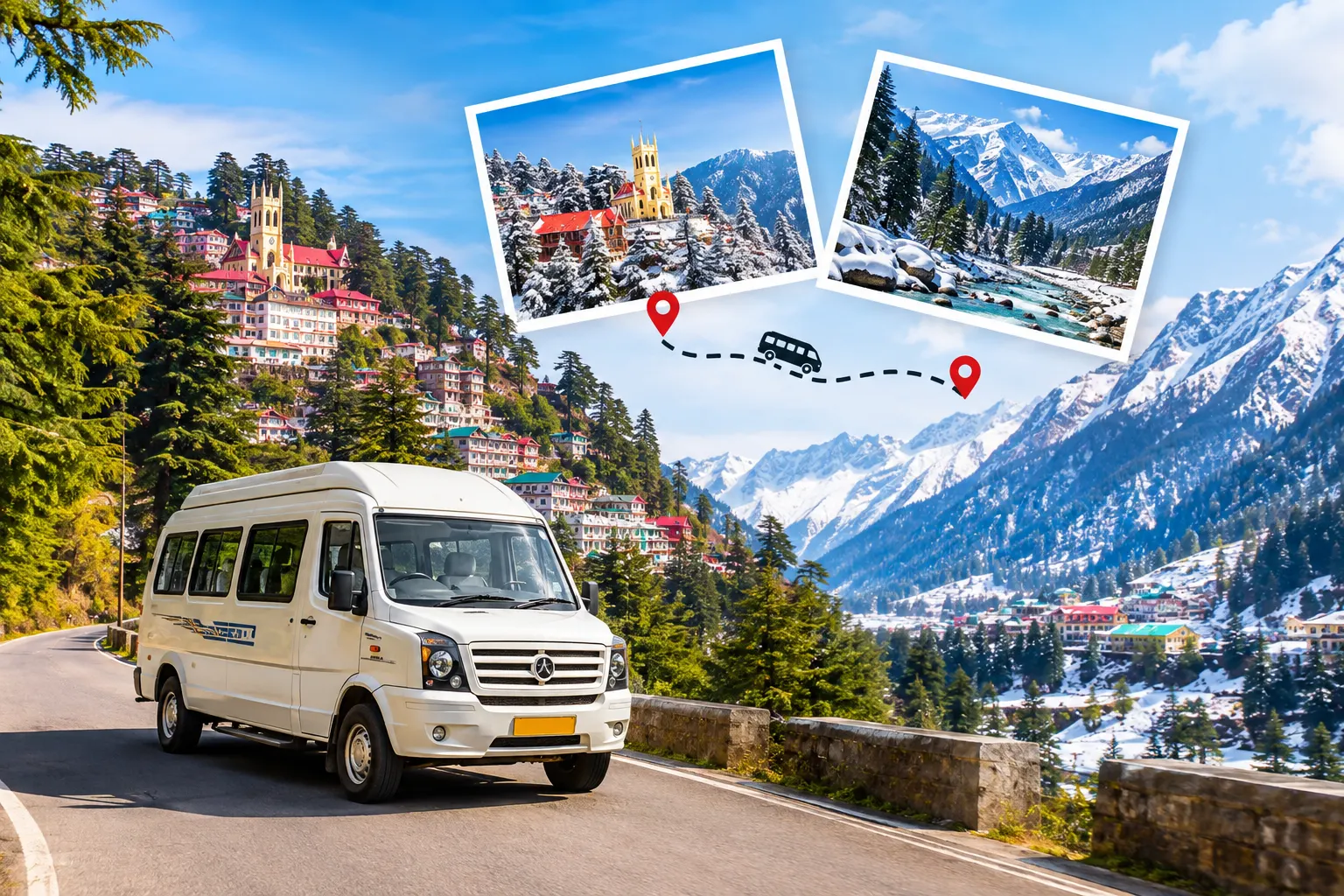
Delhi to Manali covers roughly 540 kilometers, and while the distance itself isn't small, the route has become familiar enough over the years that most of the uncertainty has been ironed out of it. Overnight buses, well-marked highways, and a steady stream of dhabas along the way make the journey fairly predictable compared to more remote hill routes elsewhere in the country. For travelers who'd rather not spend time researching every leg of the trip individually, a delhi to manali tour package typically bundles transport, accommodation, and a basic sightseeing plan into one manageable itinerary, which removes a lot of the back-and-forth that comes with piecing a trip together on your own.
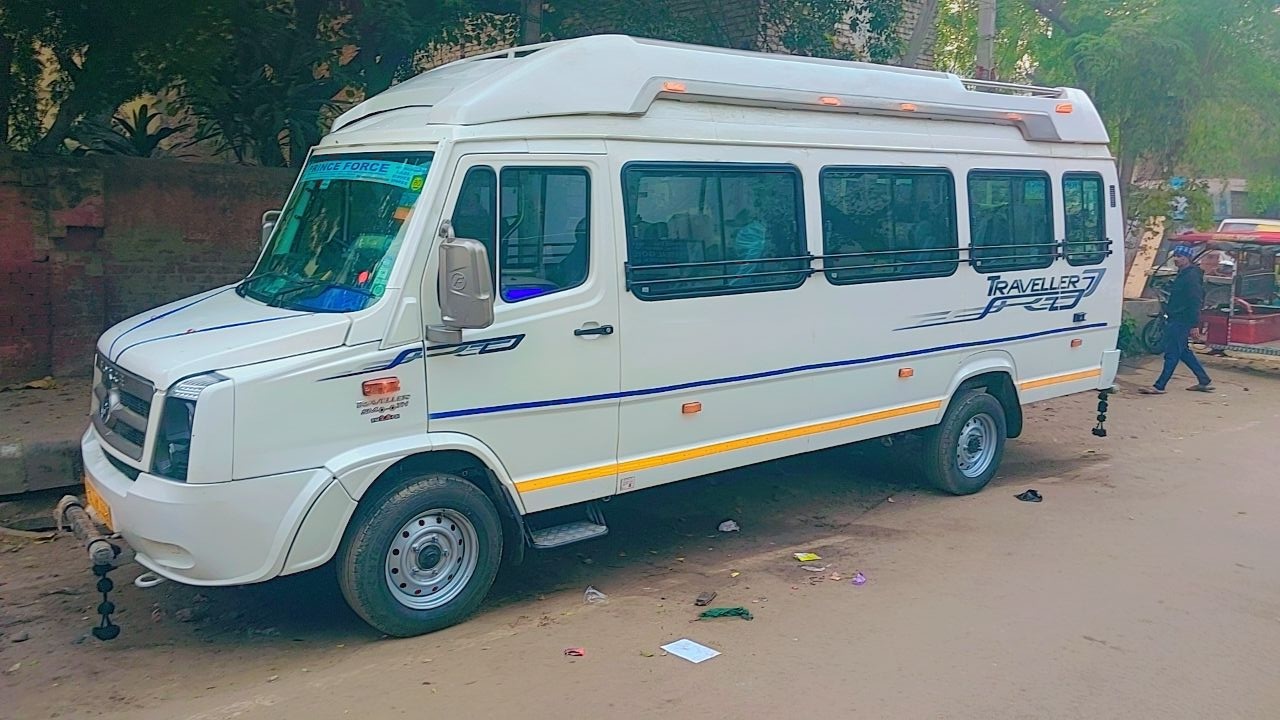
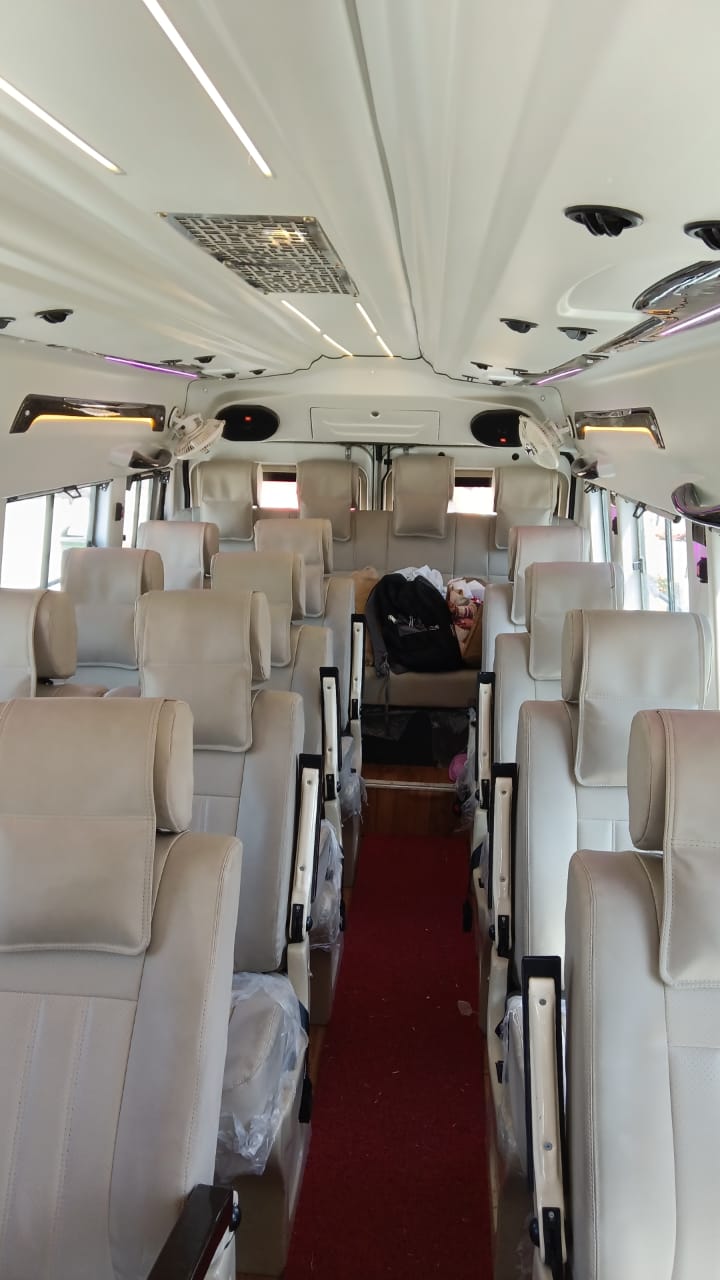
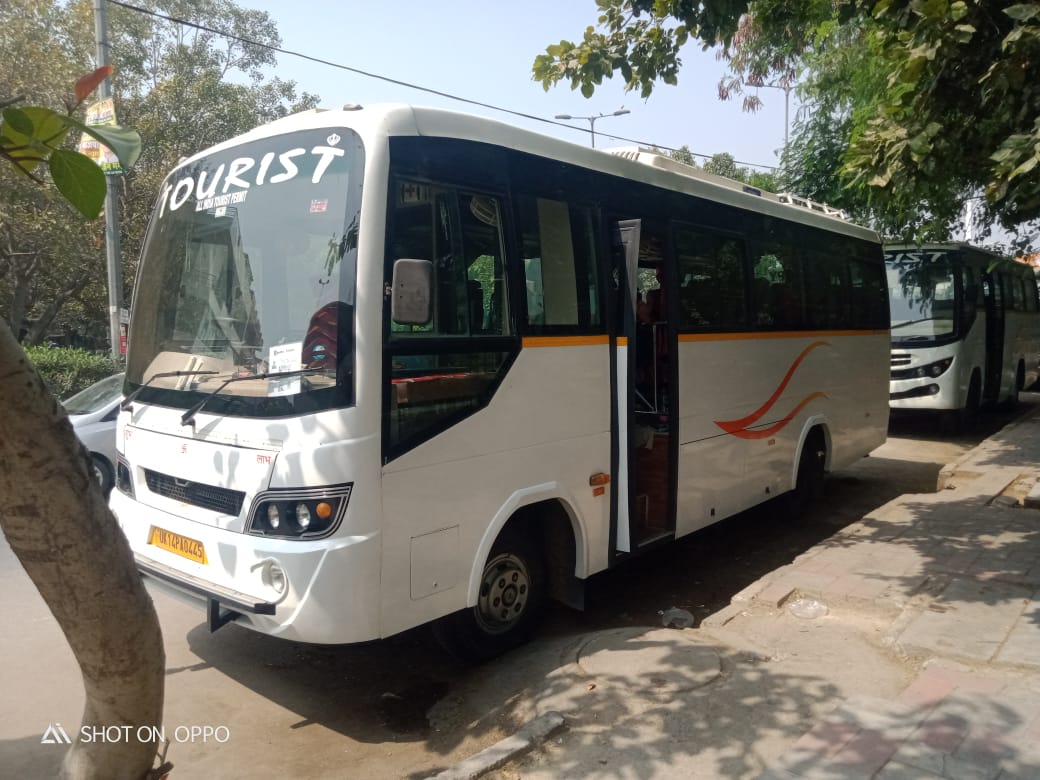
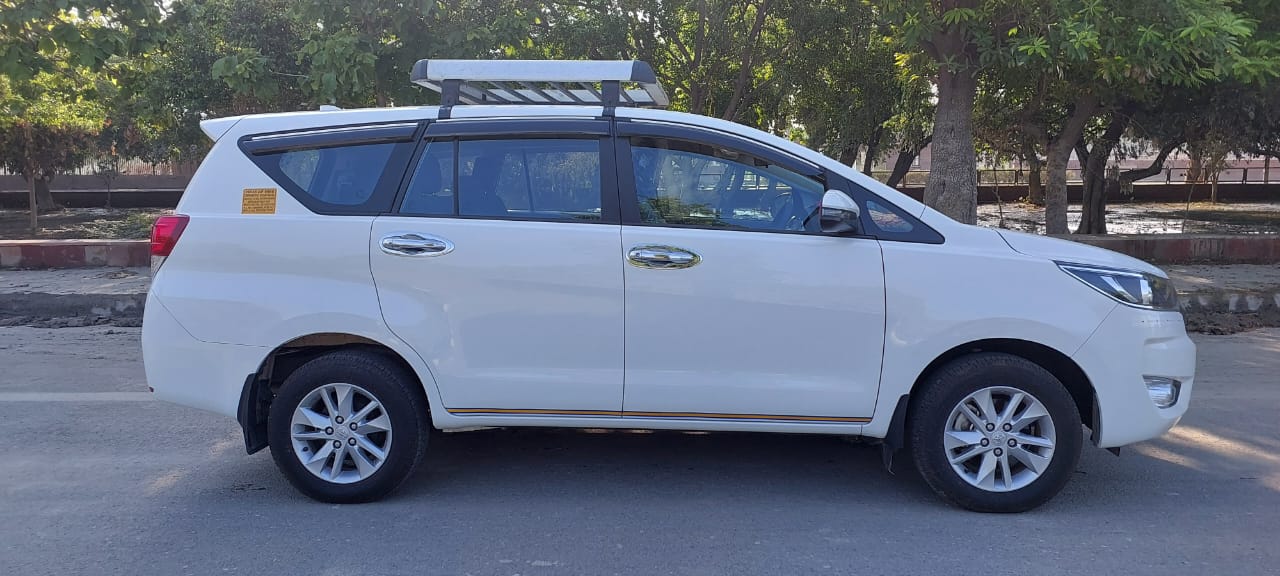
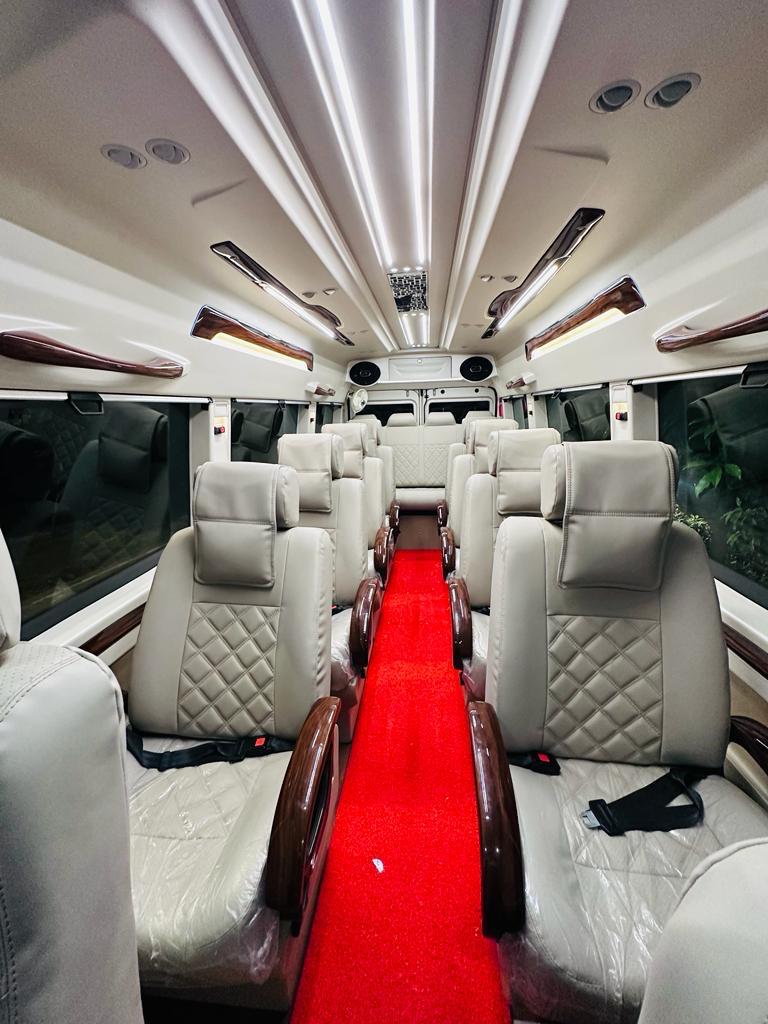
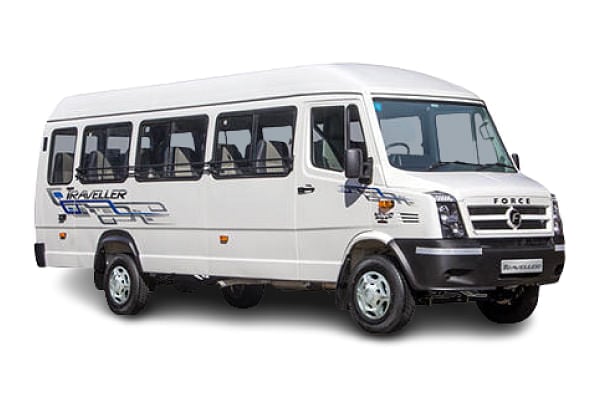
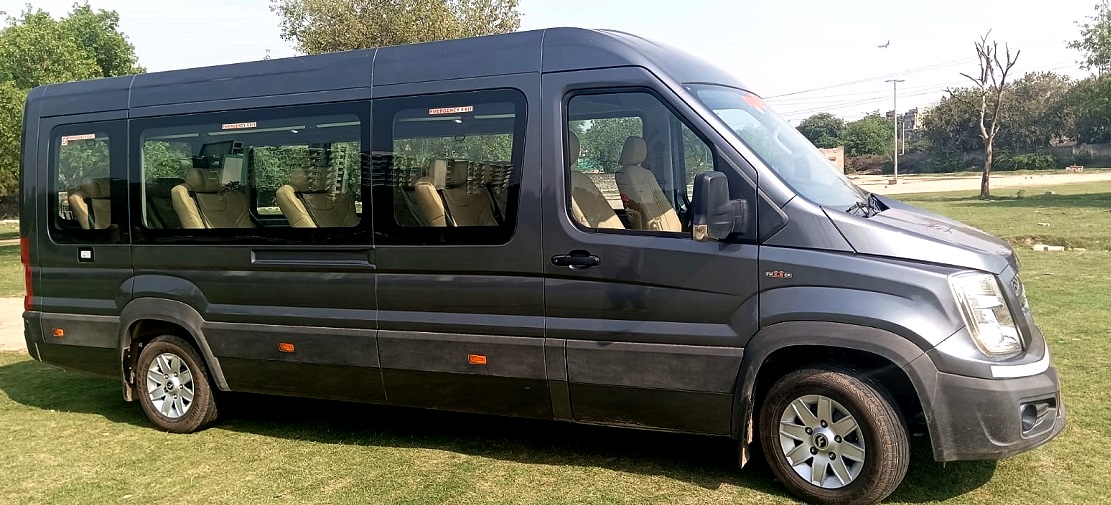
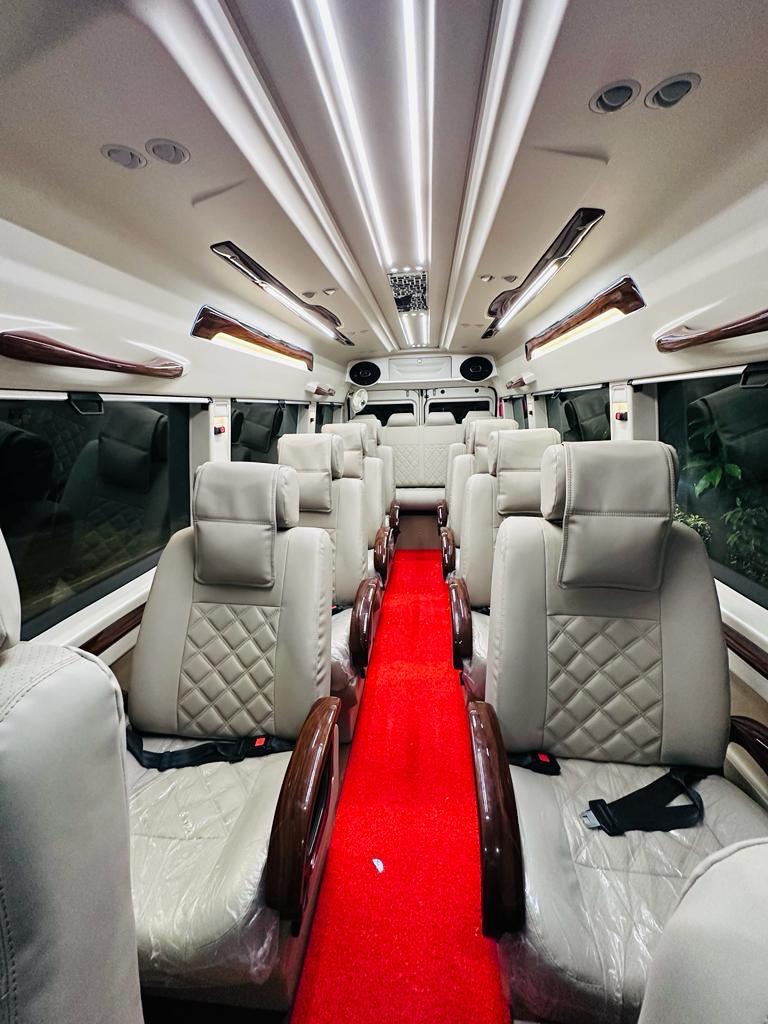
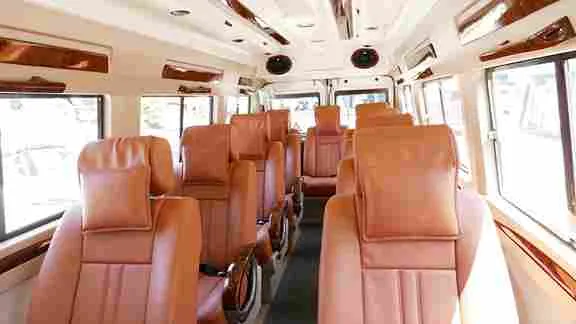
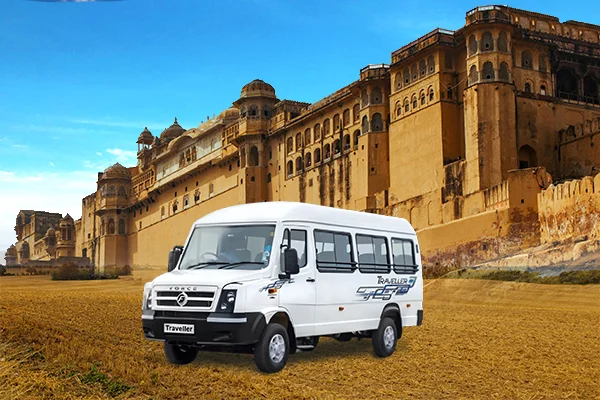
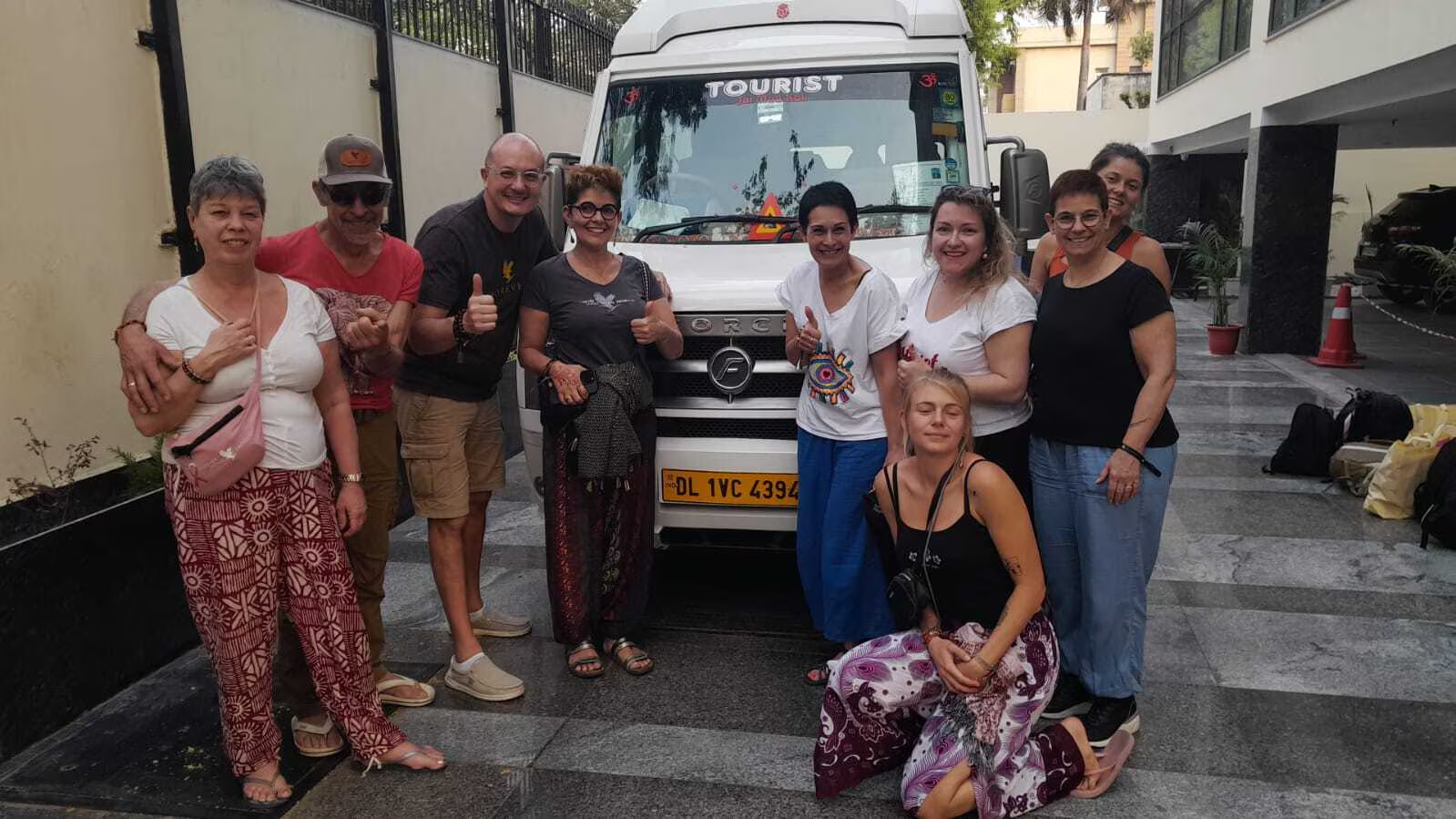
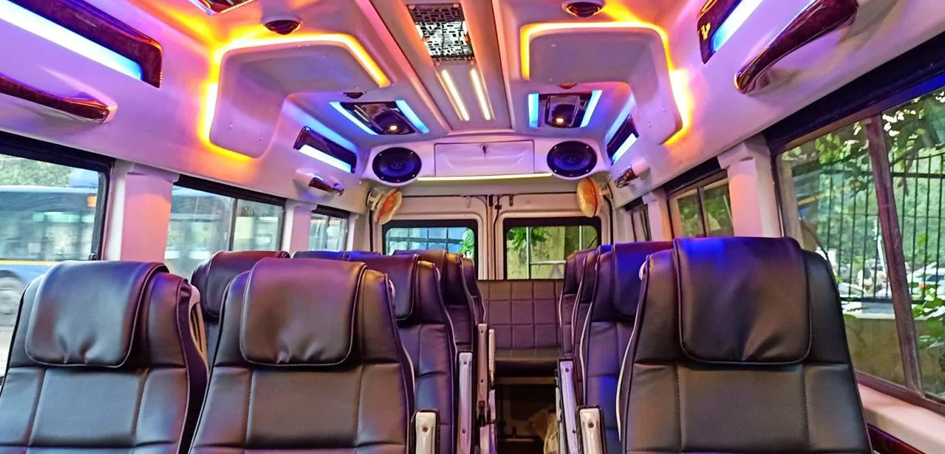
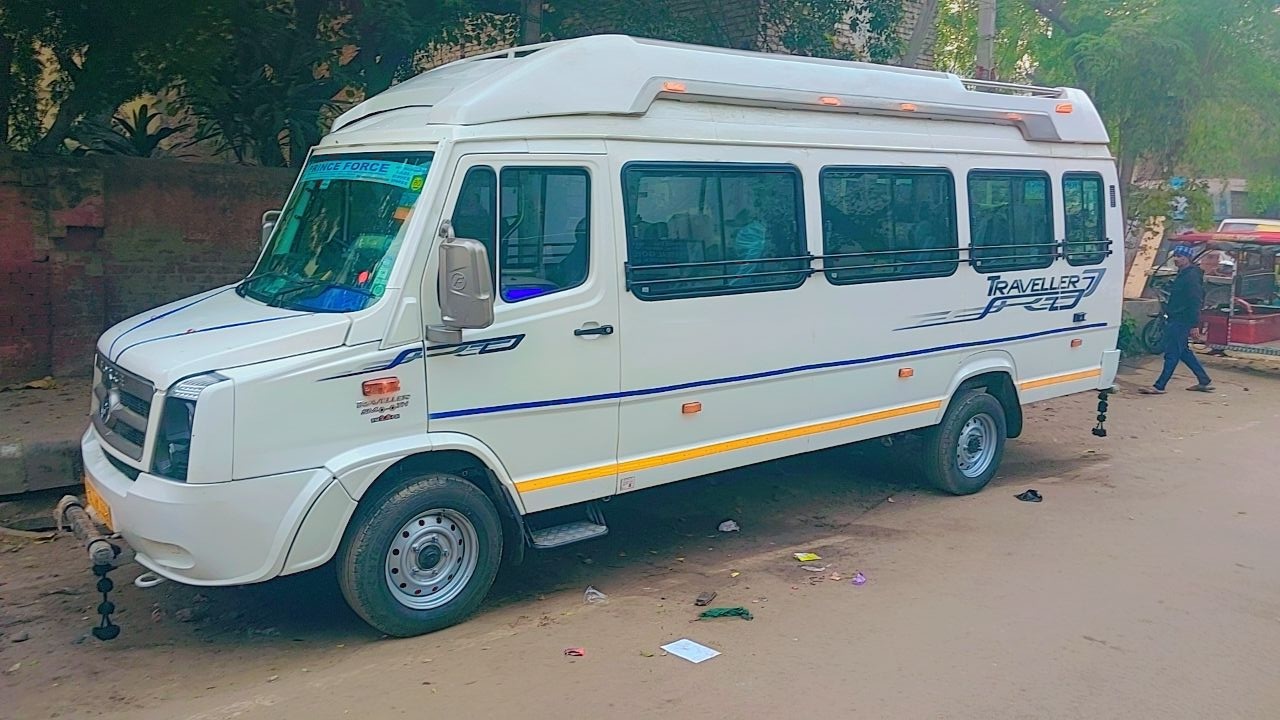
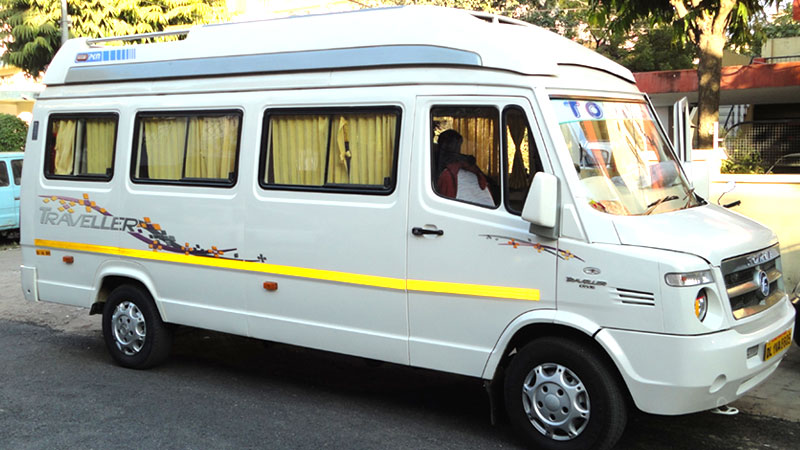
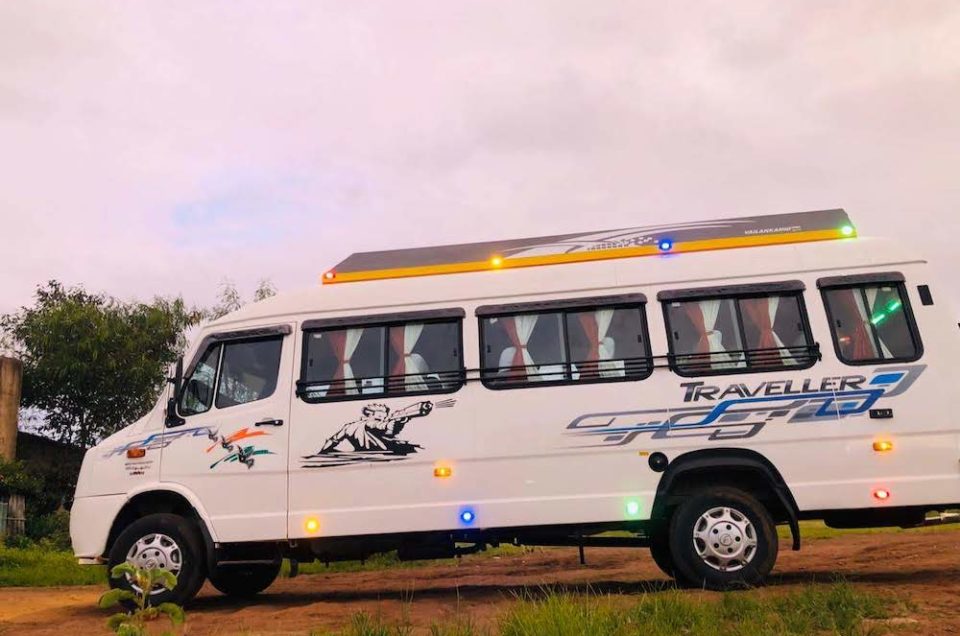
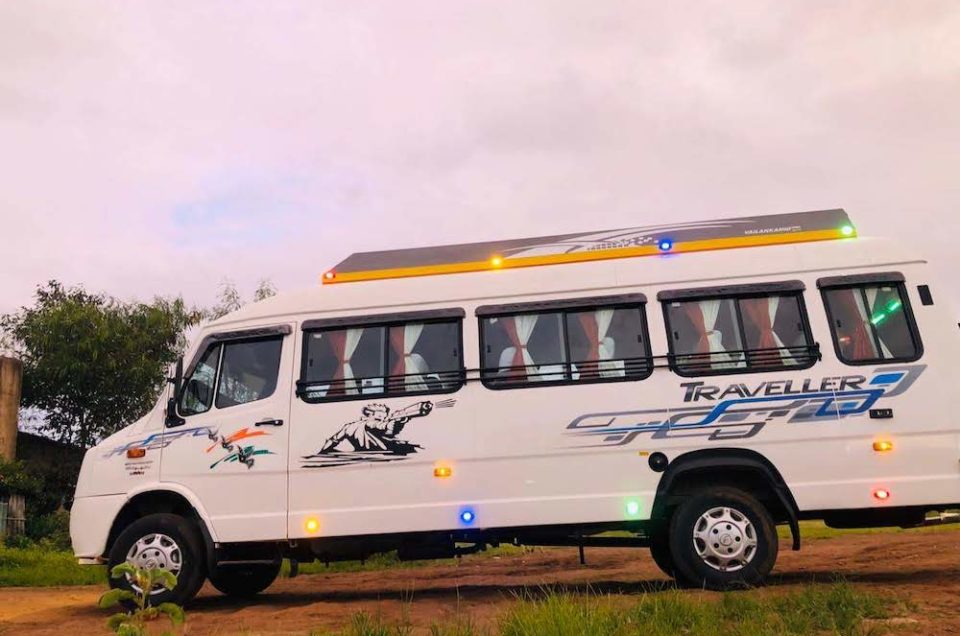
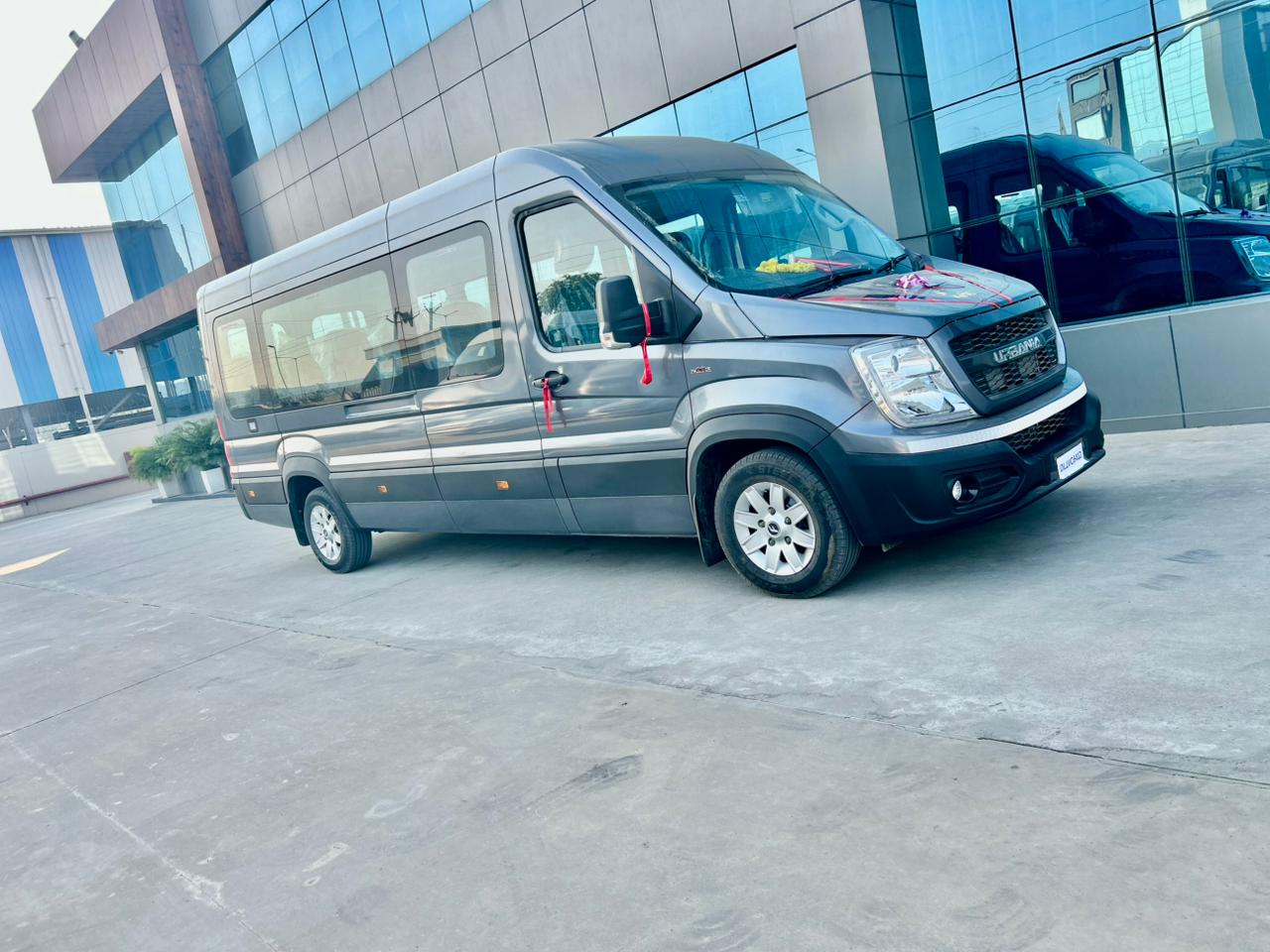
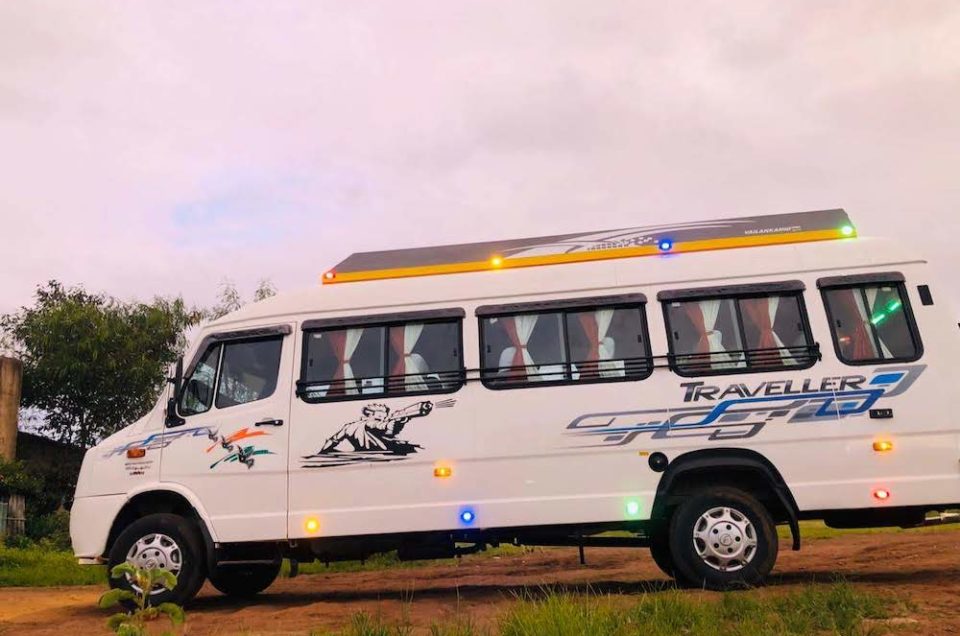
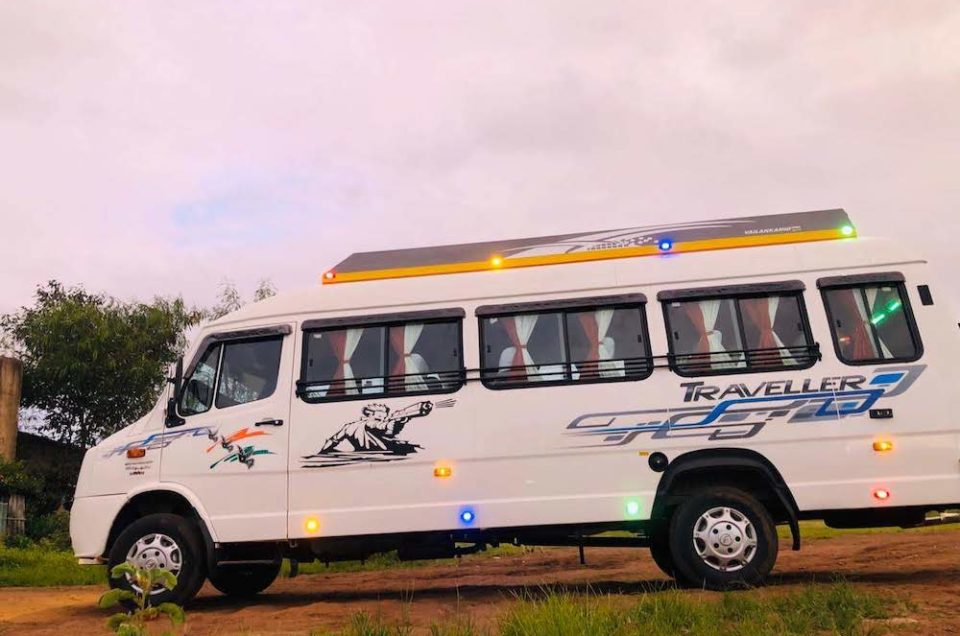
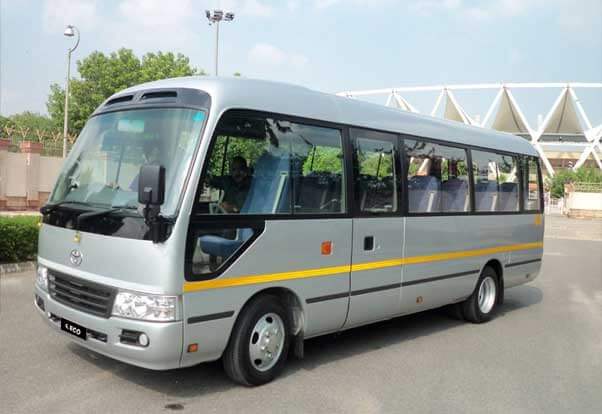
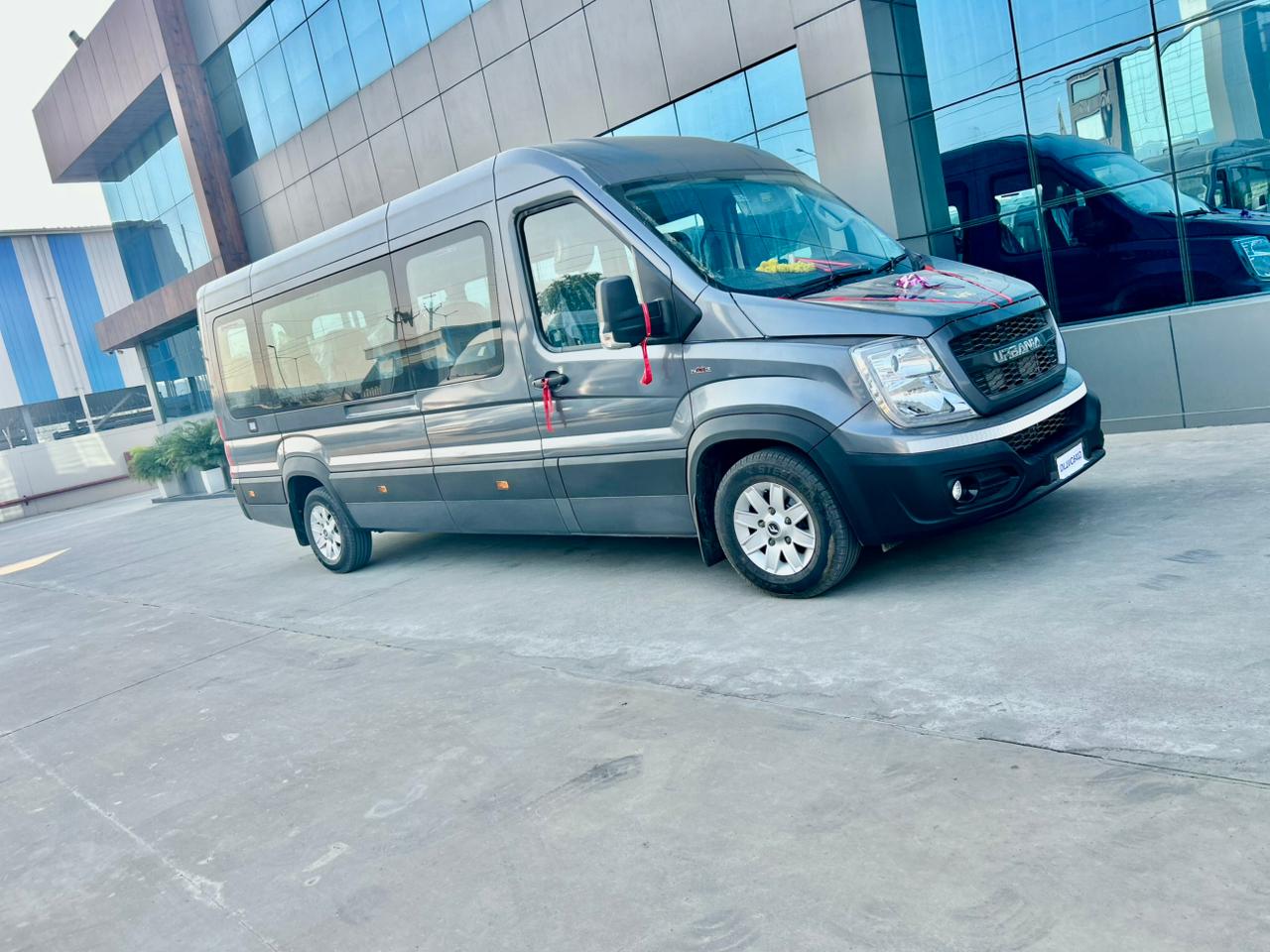
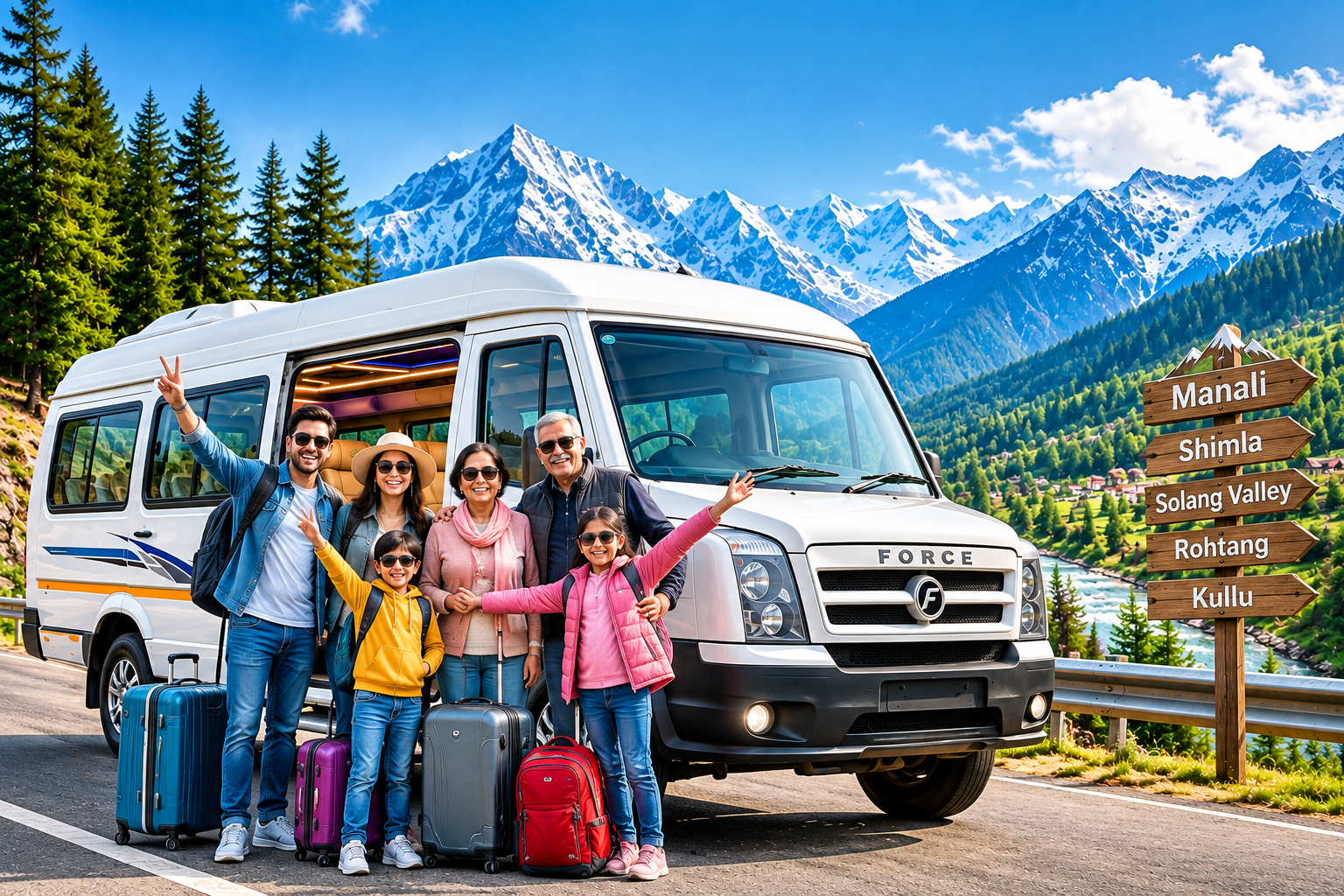
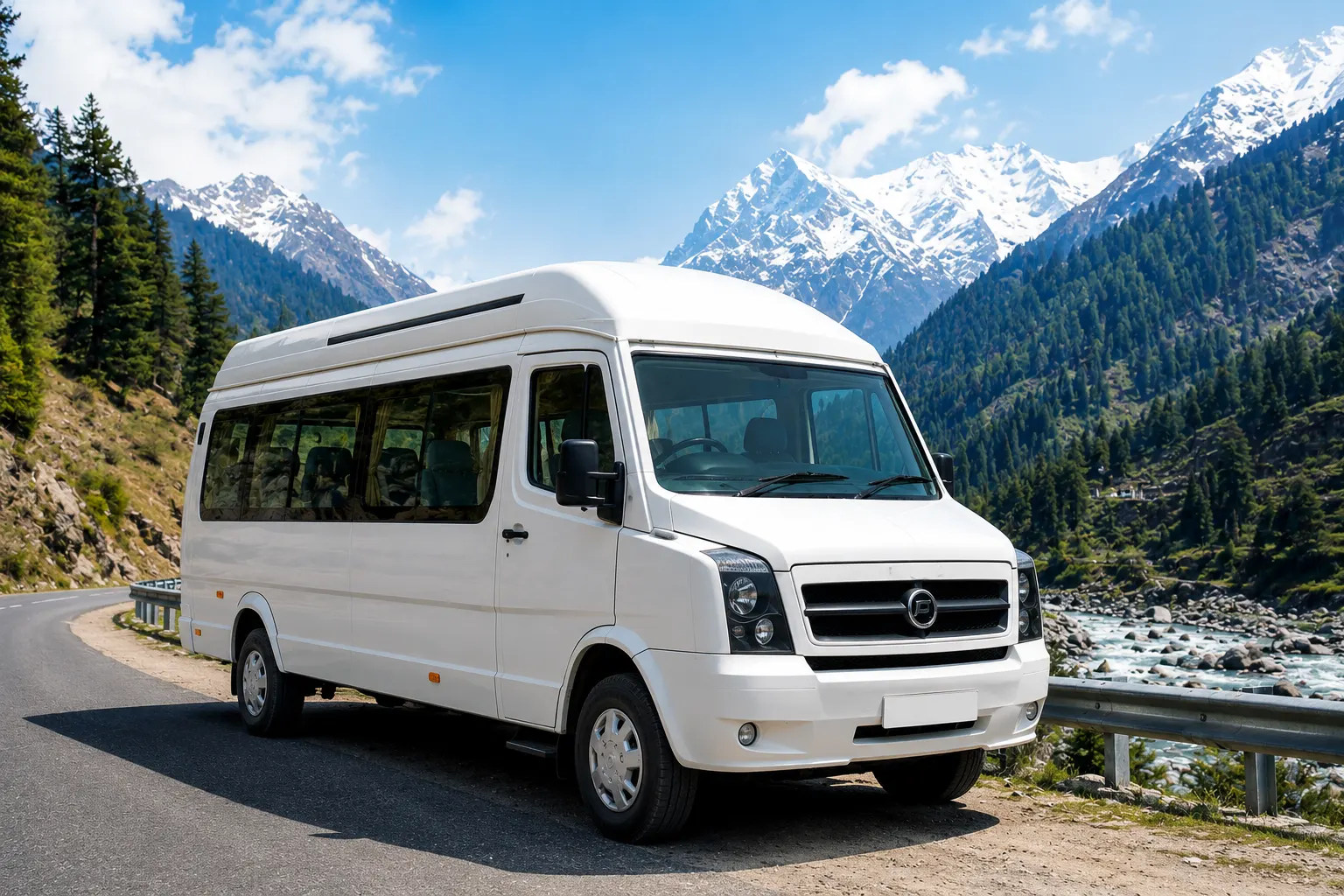
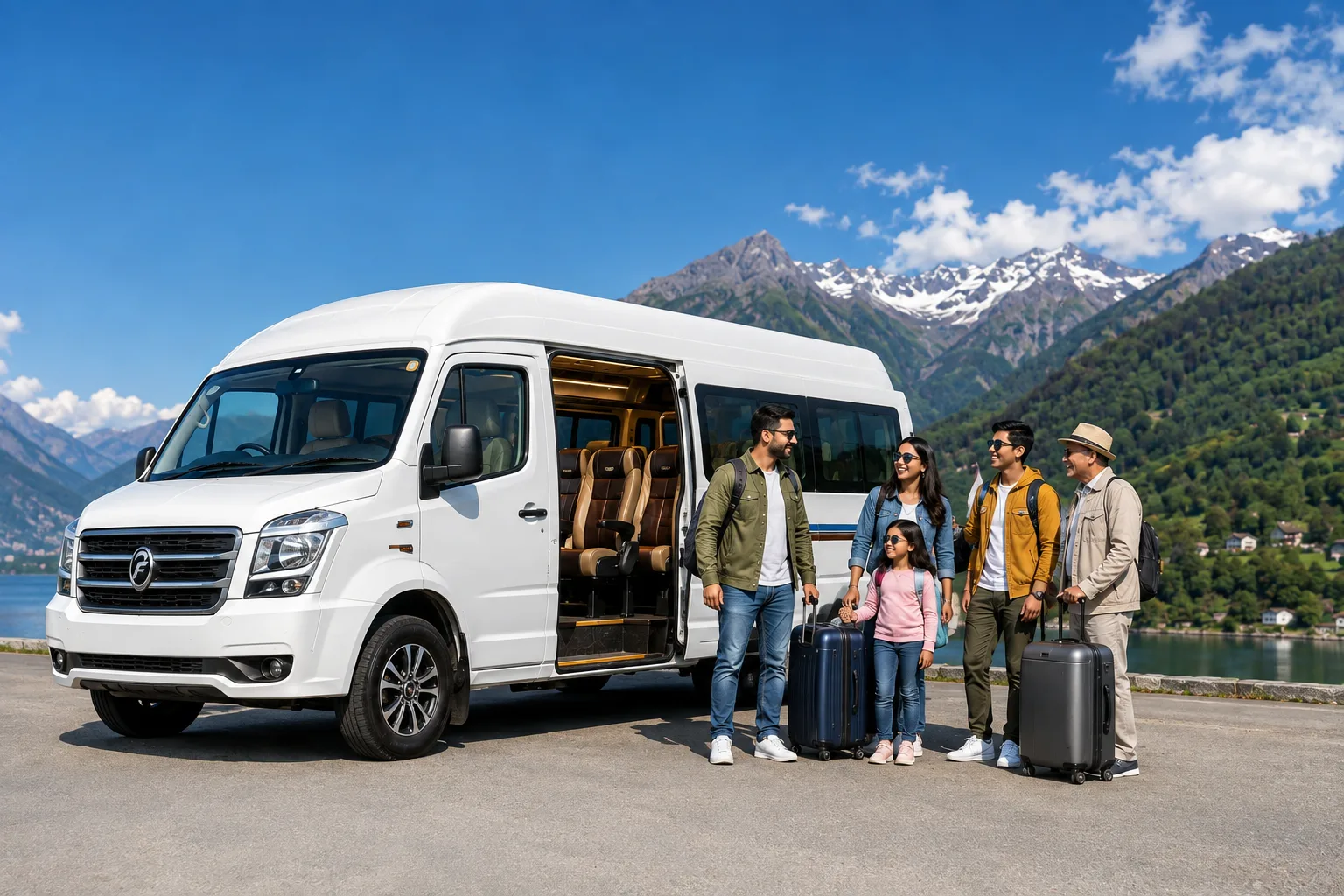
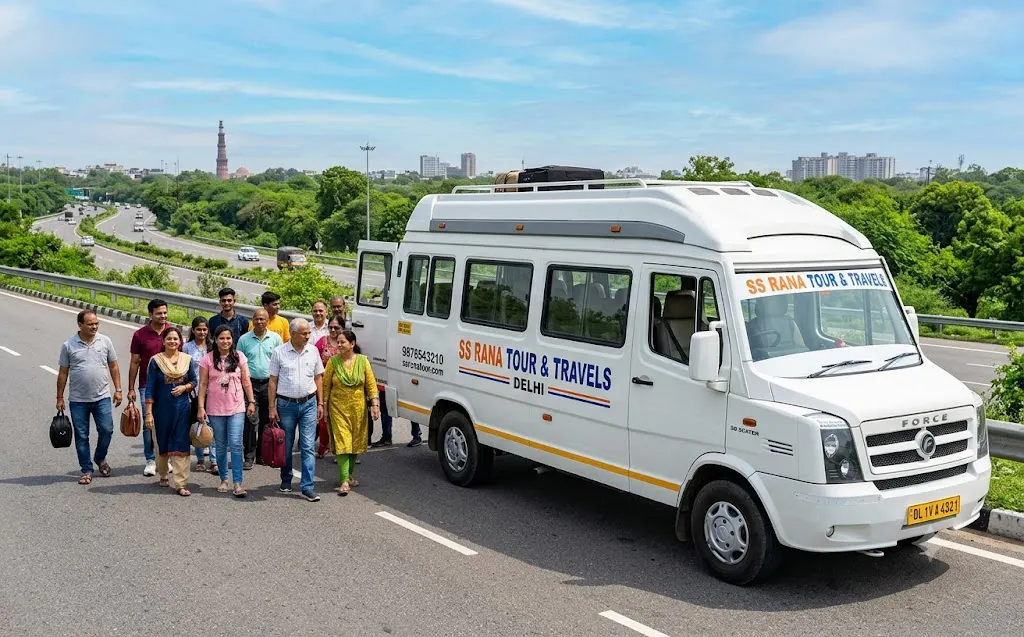
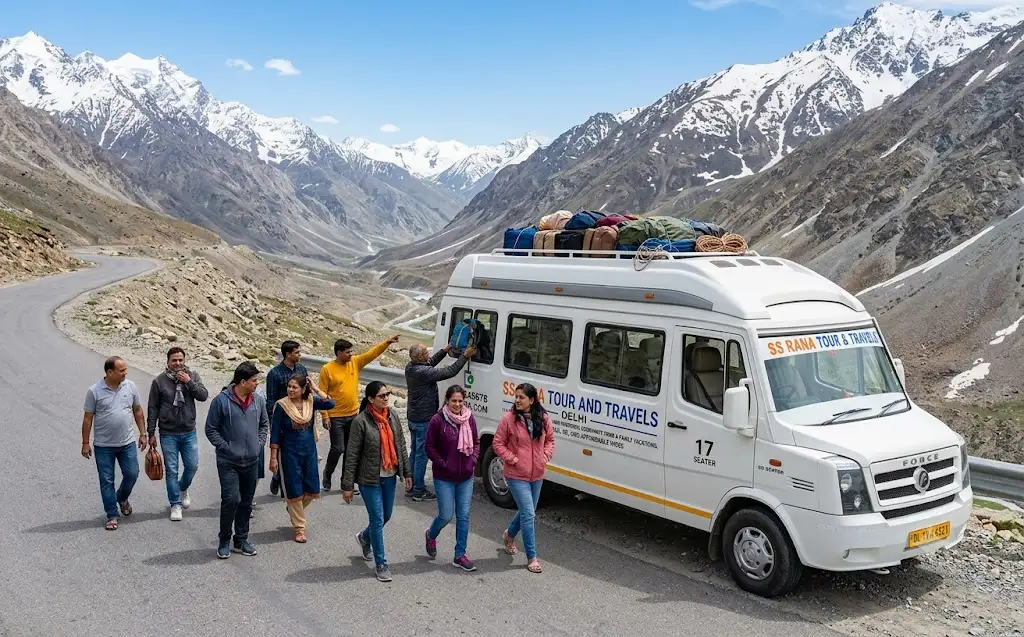
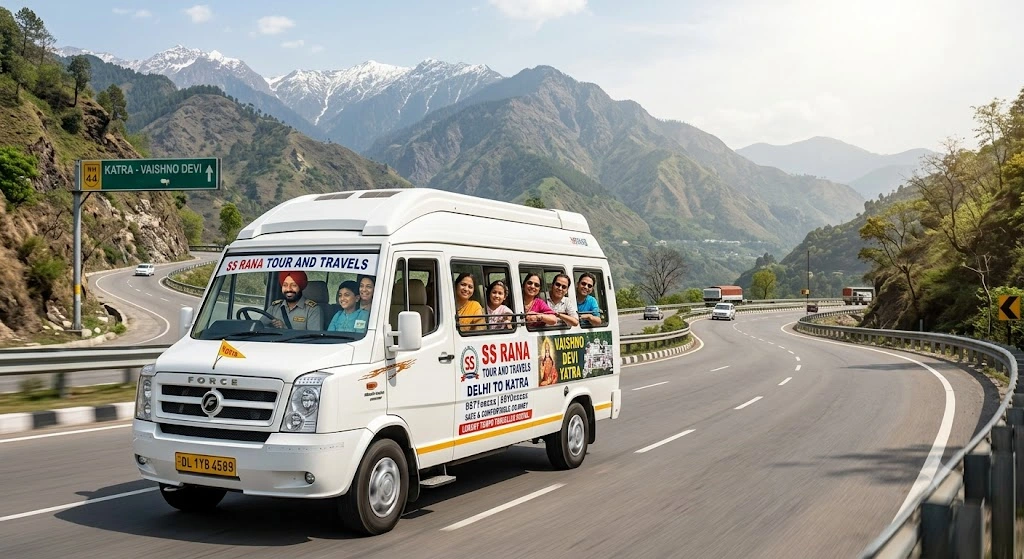
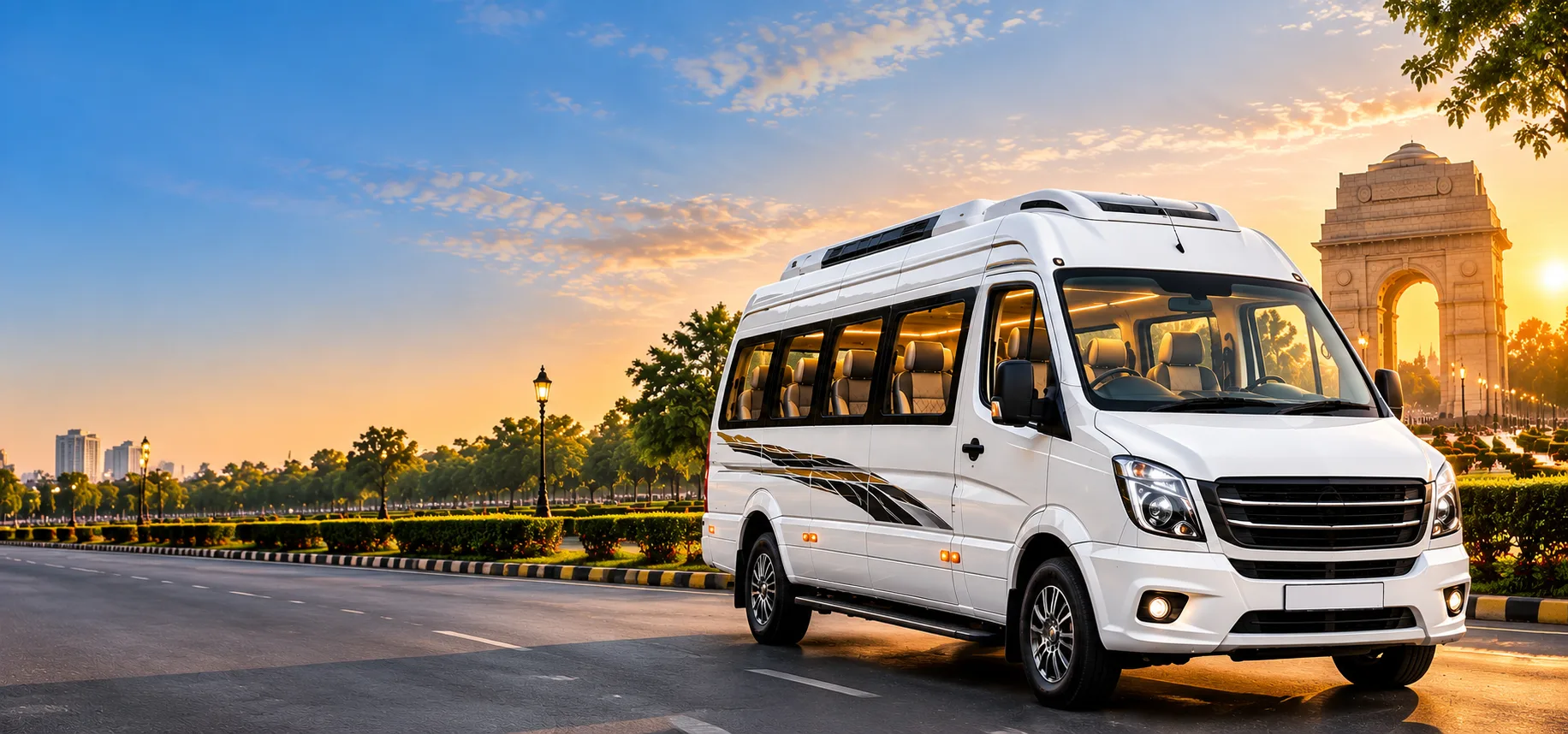
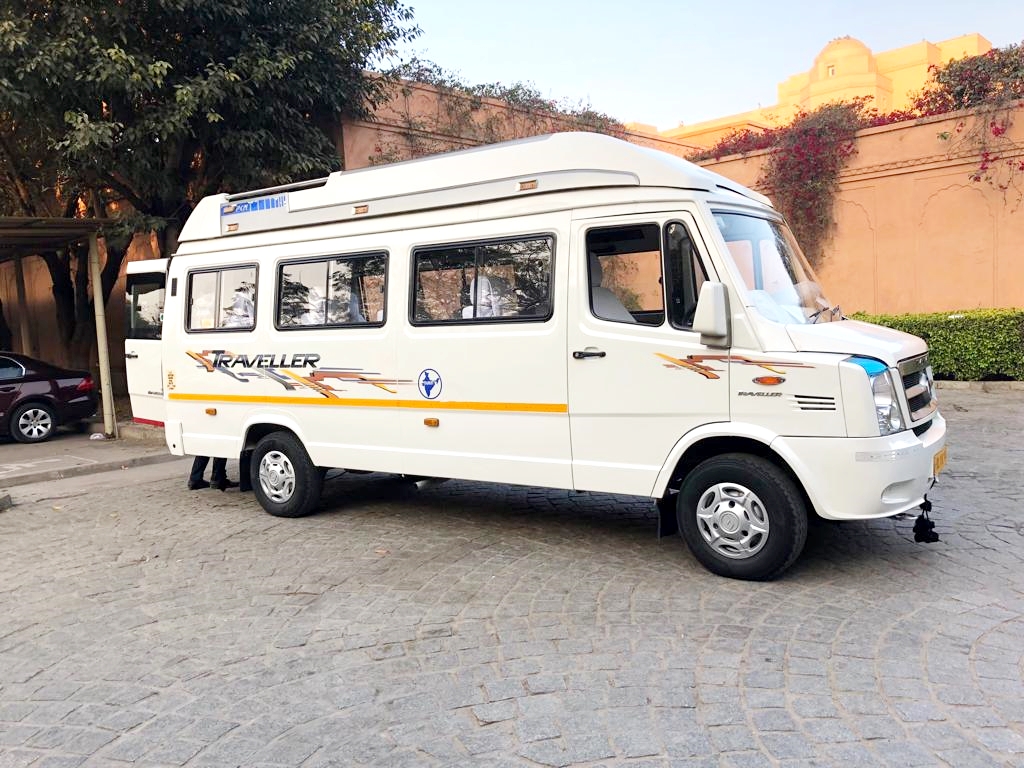
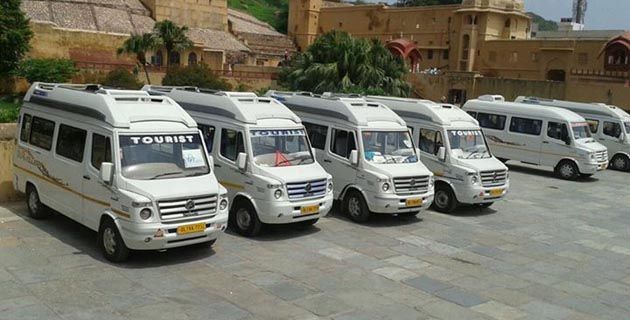
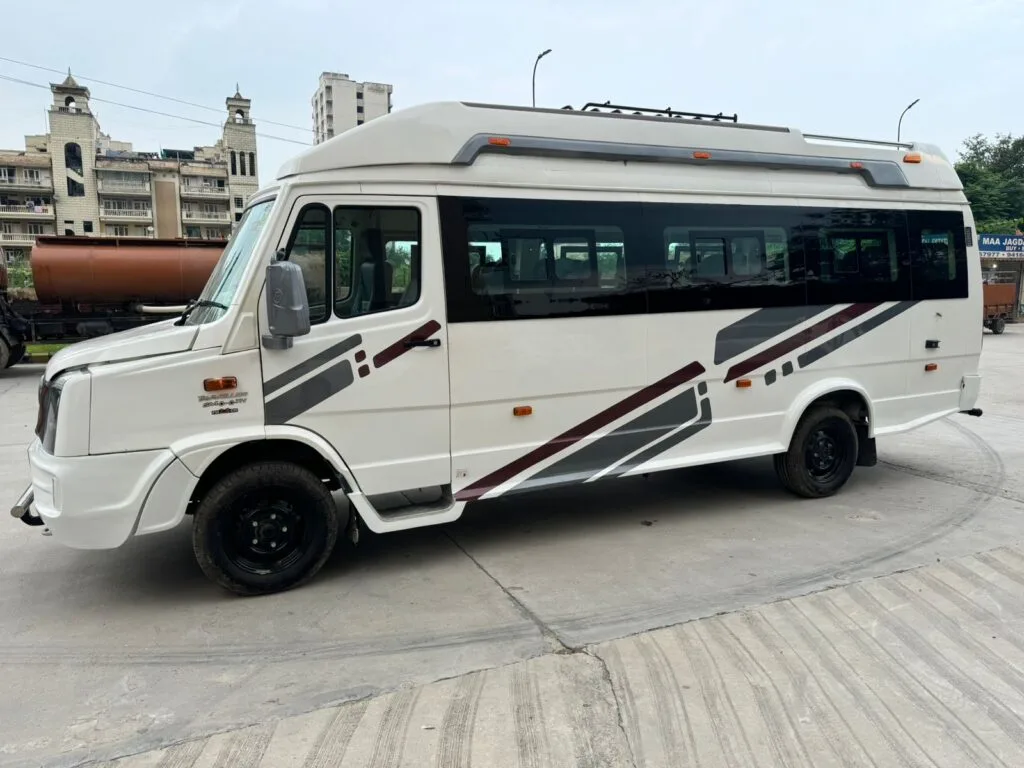
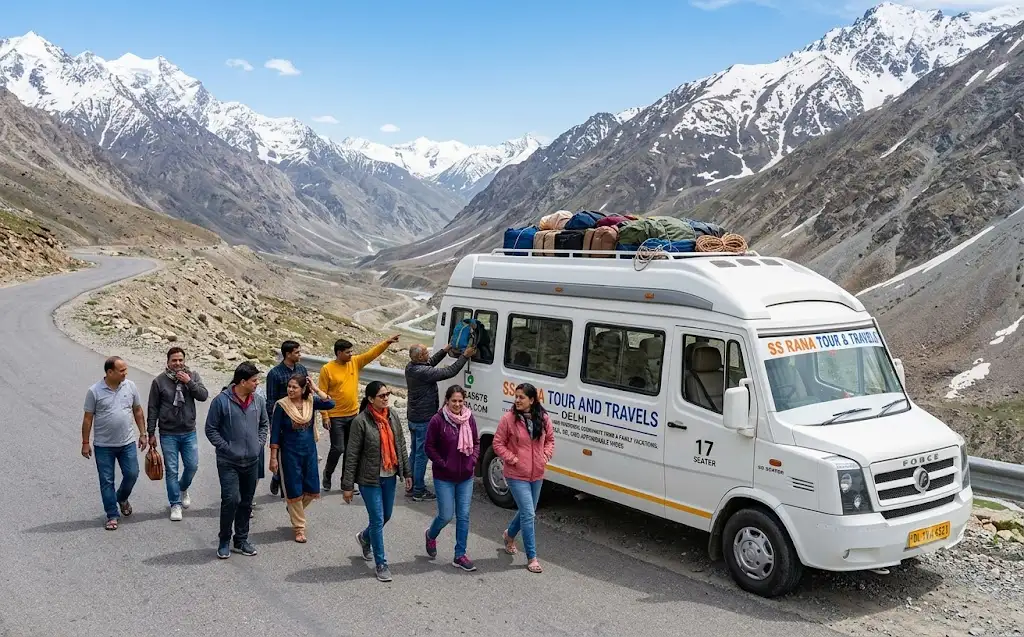
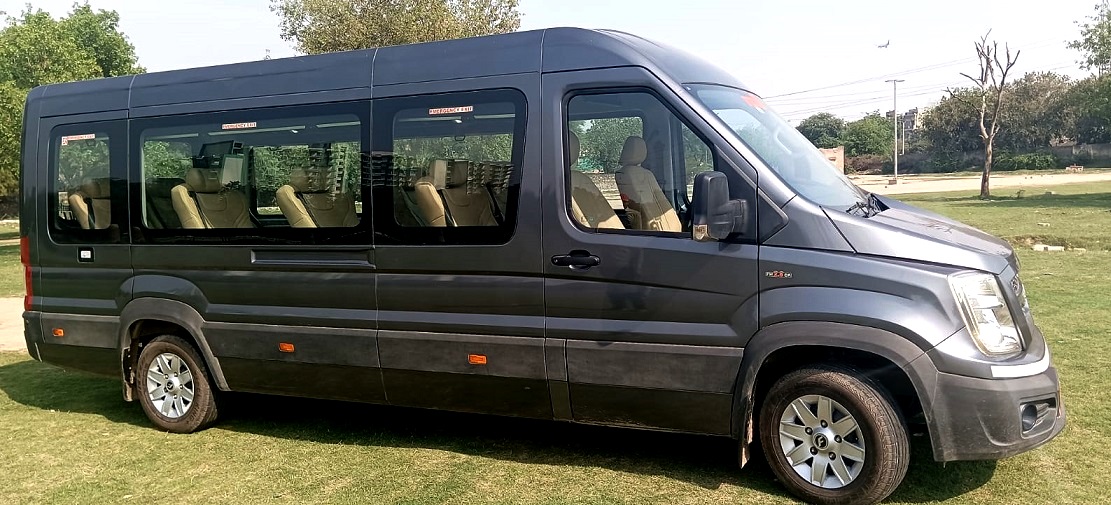
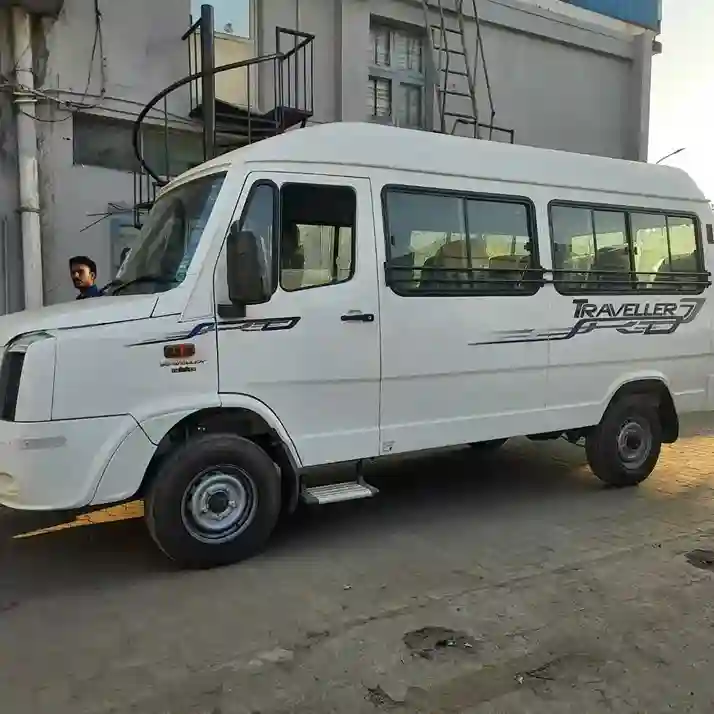
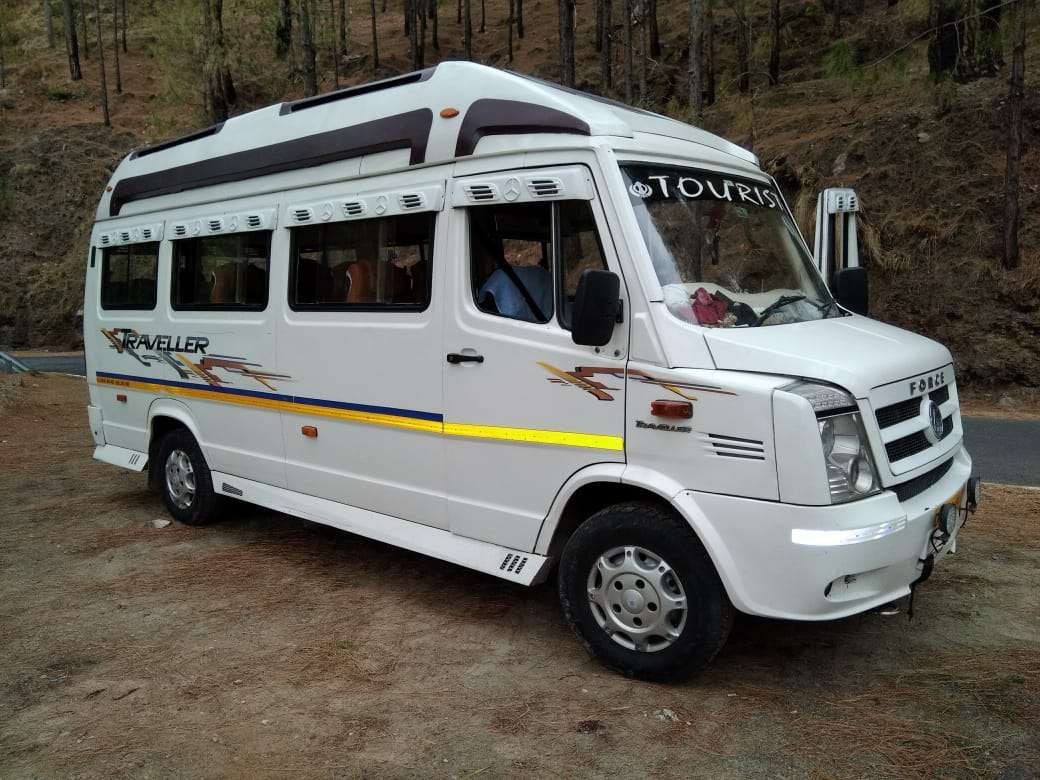
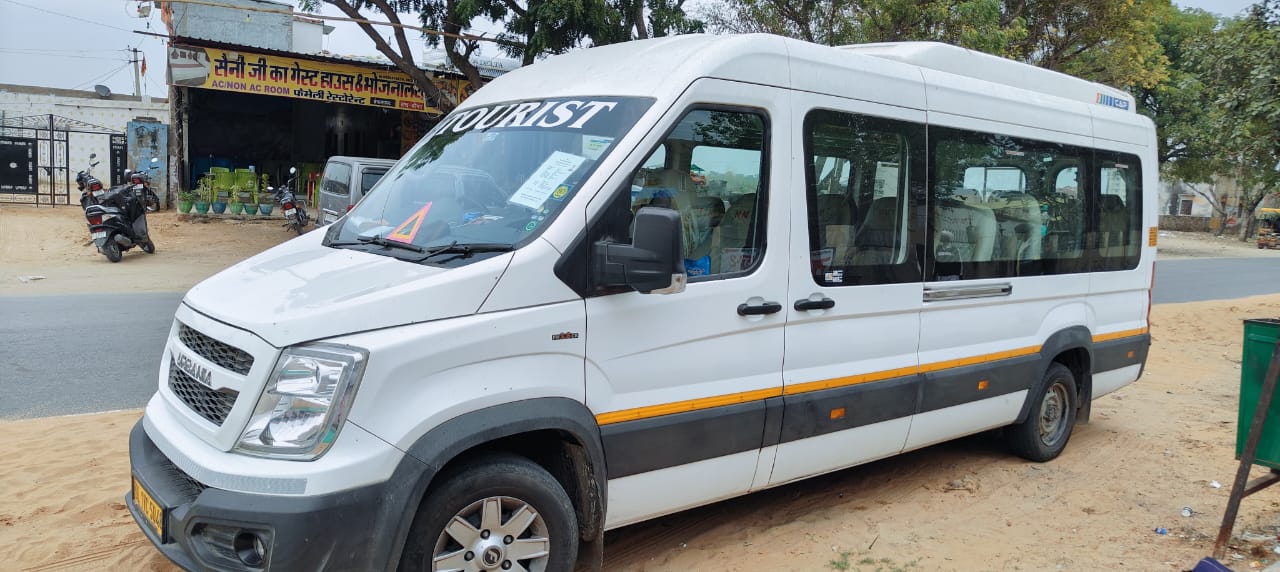
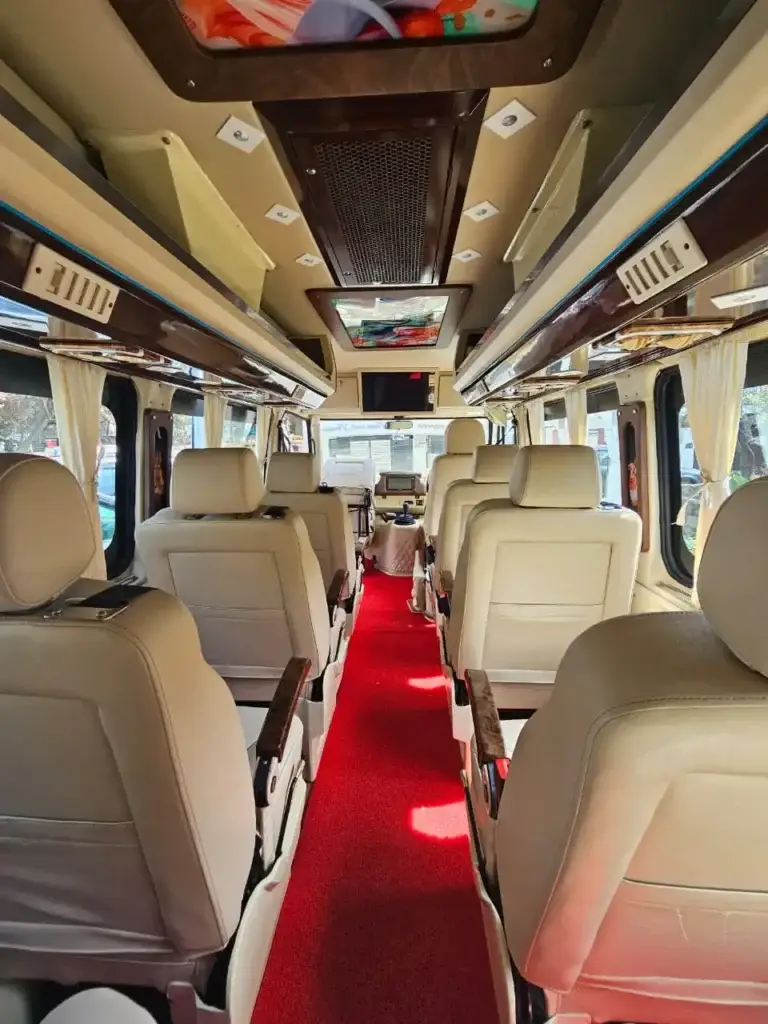
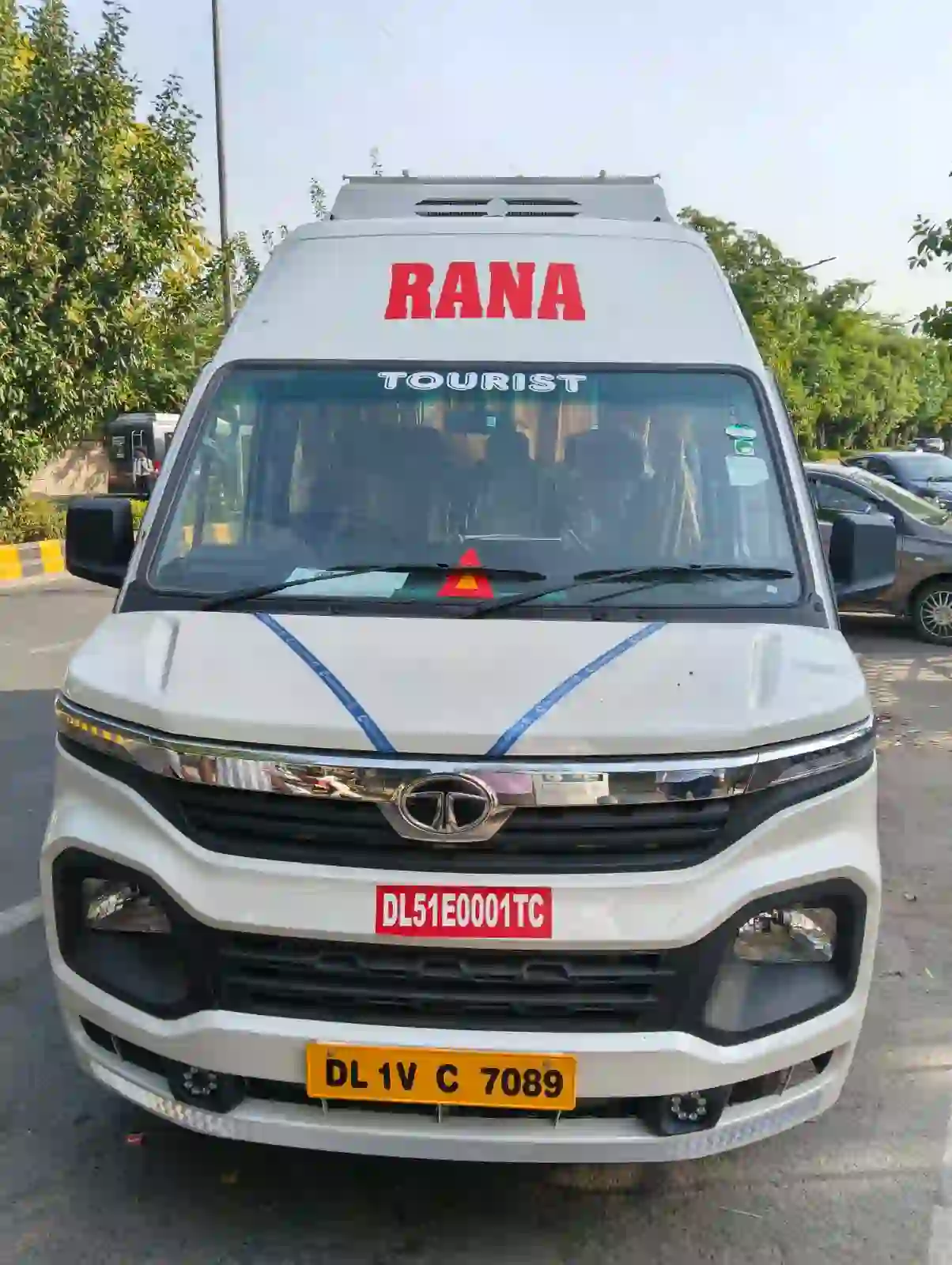
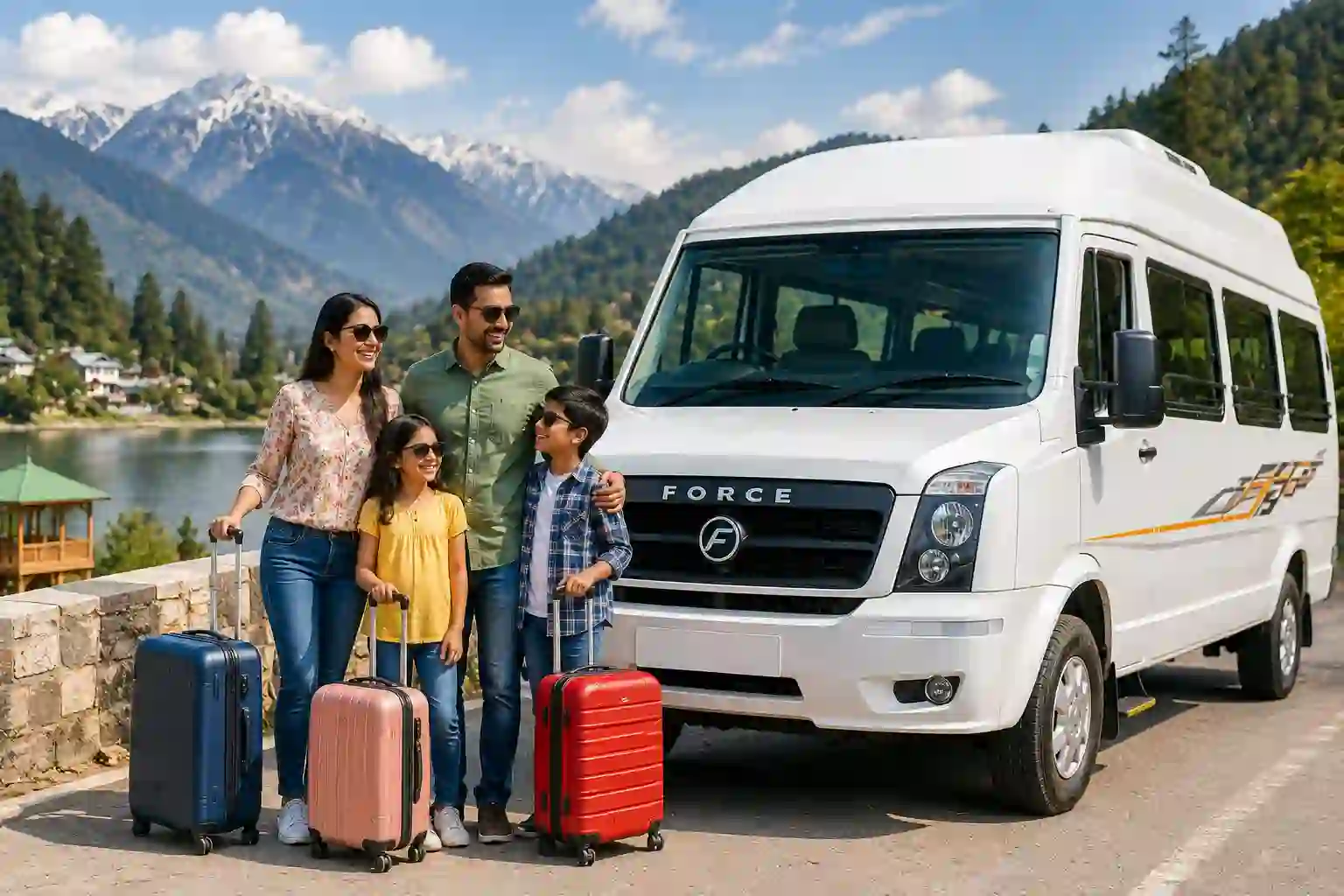
For families, first-time trekkers, and groups traveling together, this kind of bundled planning matters even more, since coordinating multiple people across mountain roads, altitude-related rest stops, and seasonal weather changes gets complicated fast when everyone is booking separately. Operators like SS Rana Tour and Travels are often preferred for group departures from Delhi specifically because they handle these logistics vehicle changes, timing around road conditions, and local coordination — as a single package rather than leaving travelers to manage each piece on their own.
Best Time to Visit Manali
The right season for your trip depends almost entirely on what kind of experience you're hoping for, since Manali genuinely feels like a different destination depending on when you visit.
Summer (March to June)
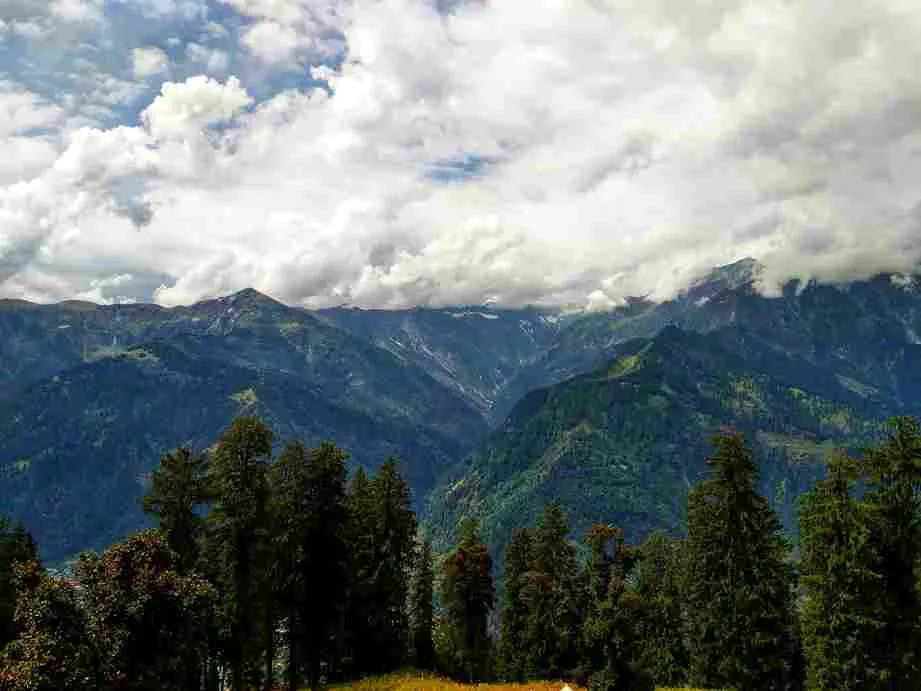
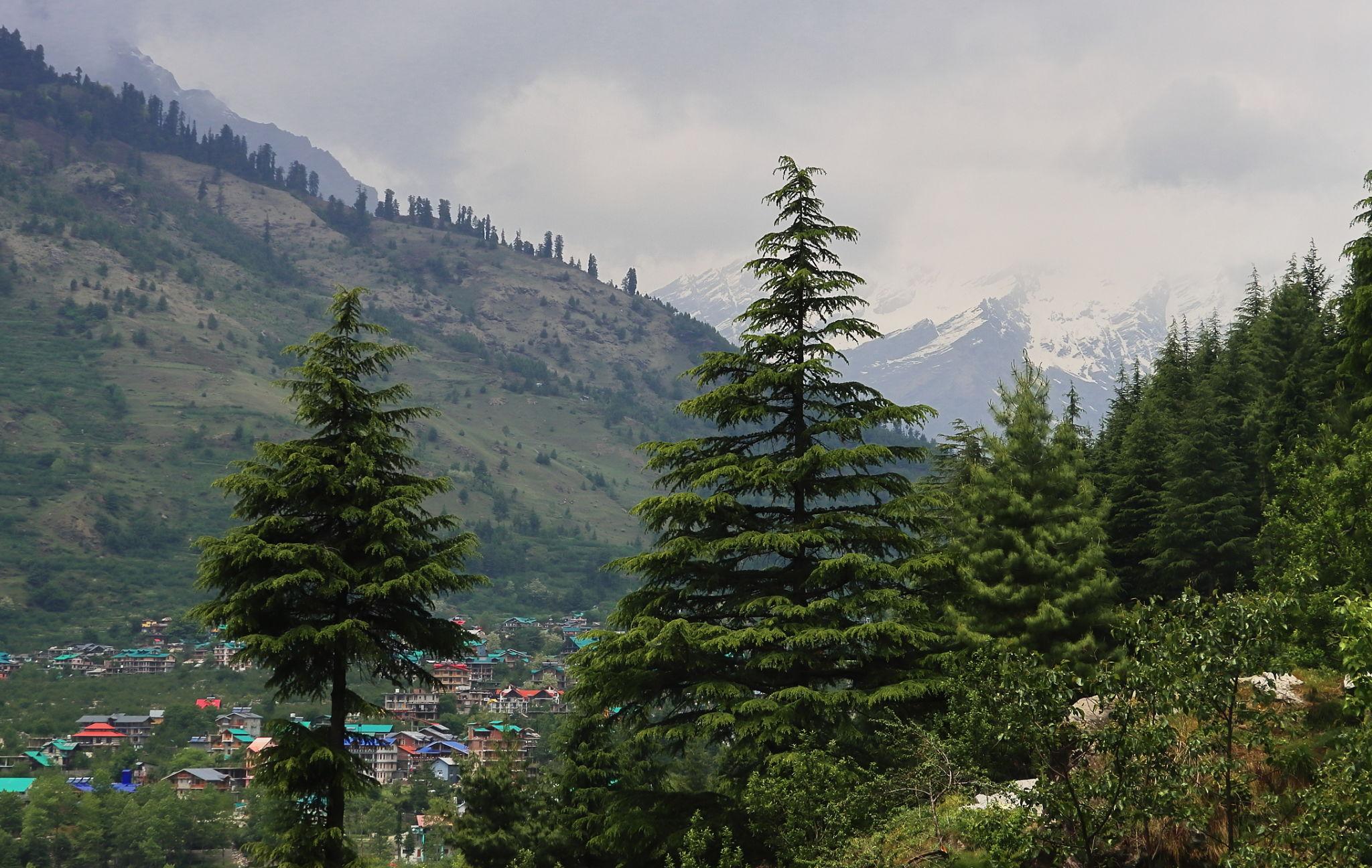
This remains the most popular window to visit, with pleasant daytime temperatures, cool evenings, and most of the higher-altitude passes generally accessible for sightseeing. If you're traveling with young kids or older family members who might struggle with extreme cold, this is usually the safest and most comfortable stretch of the year to plan around.
Monsoon (July to September)
Manali does see moderate rainfall during these months, and the Delhi-Manali highway can occasionally face disruptions from landslides in the hill sections. That said, it's a noticeably quieter time to visit with lower hotel prices across the board, so travelers with flexible itineraries who don't mind occasional rain delays can still have a good trip during this period.
Winter (October to February)
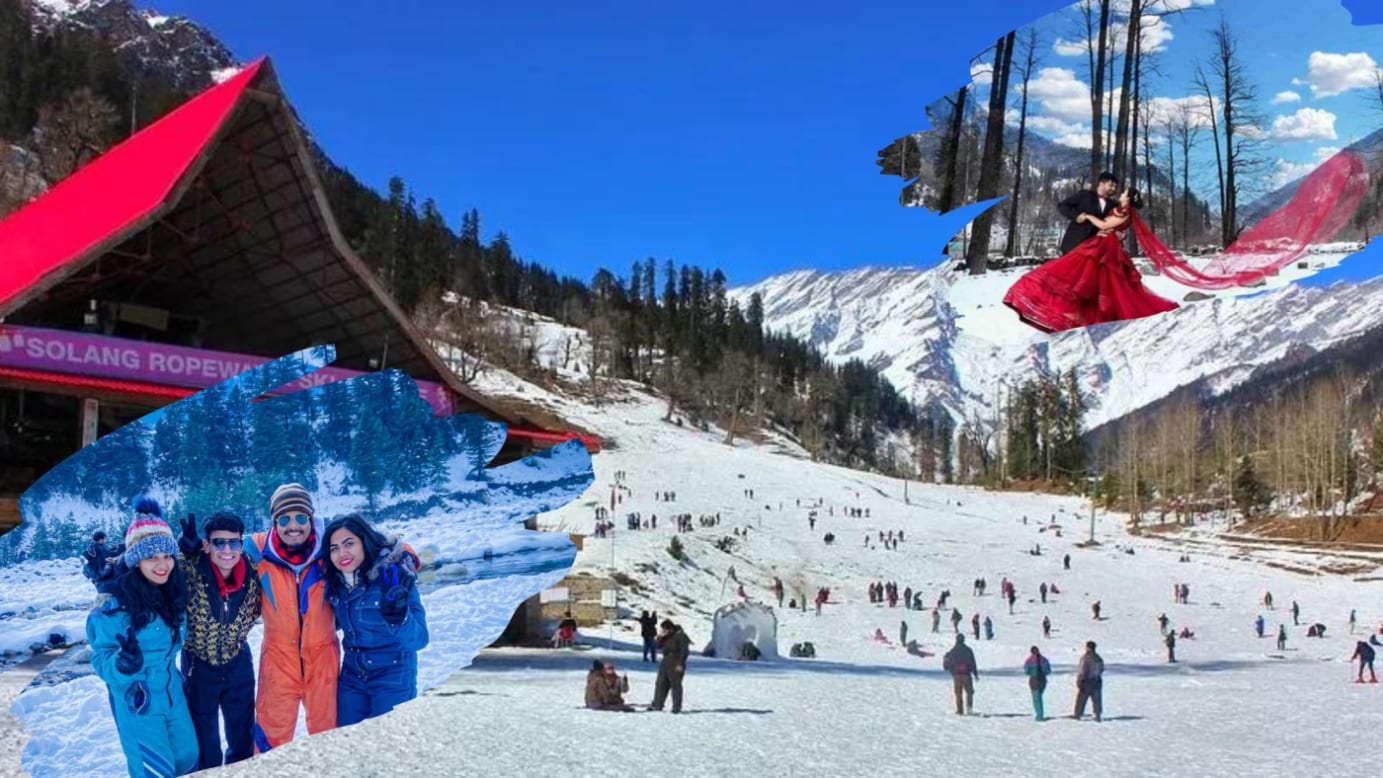
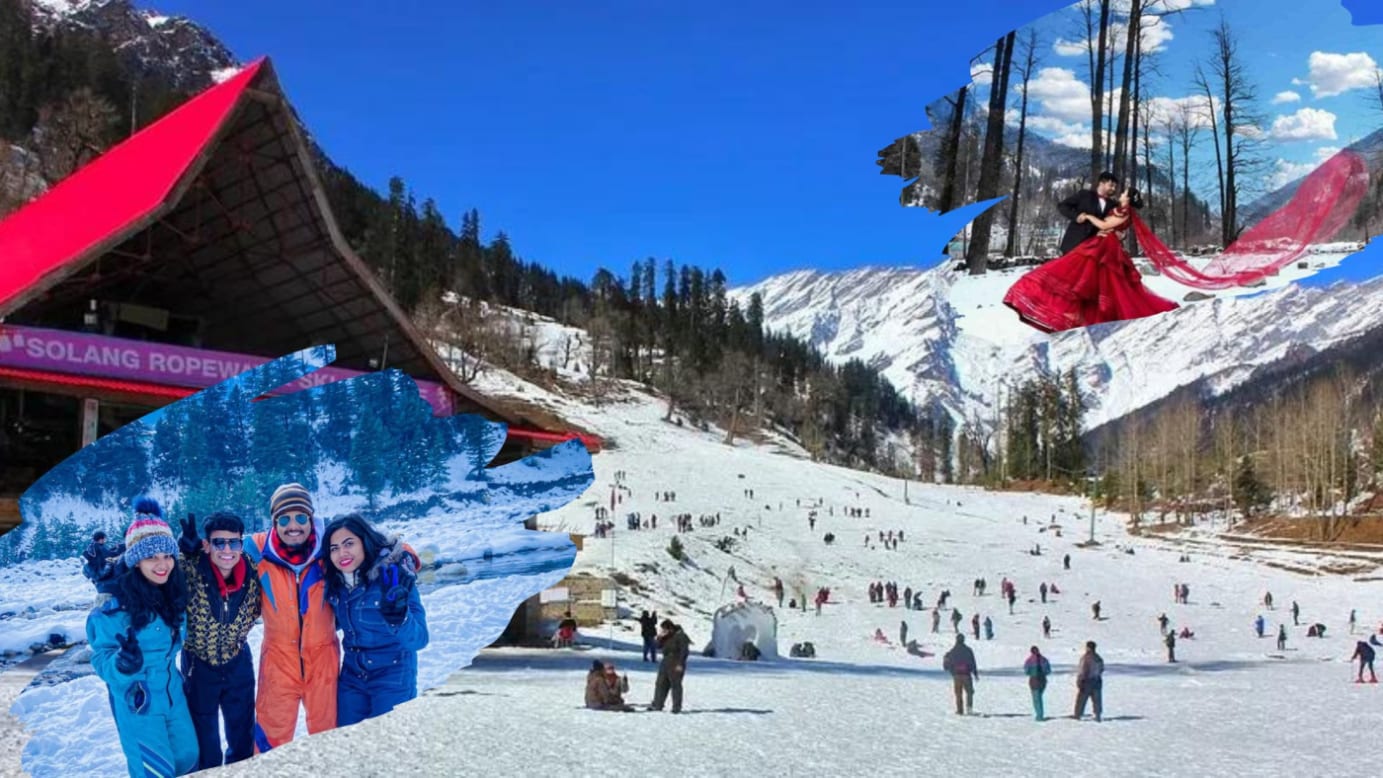
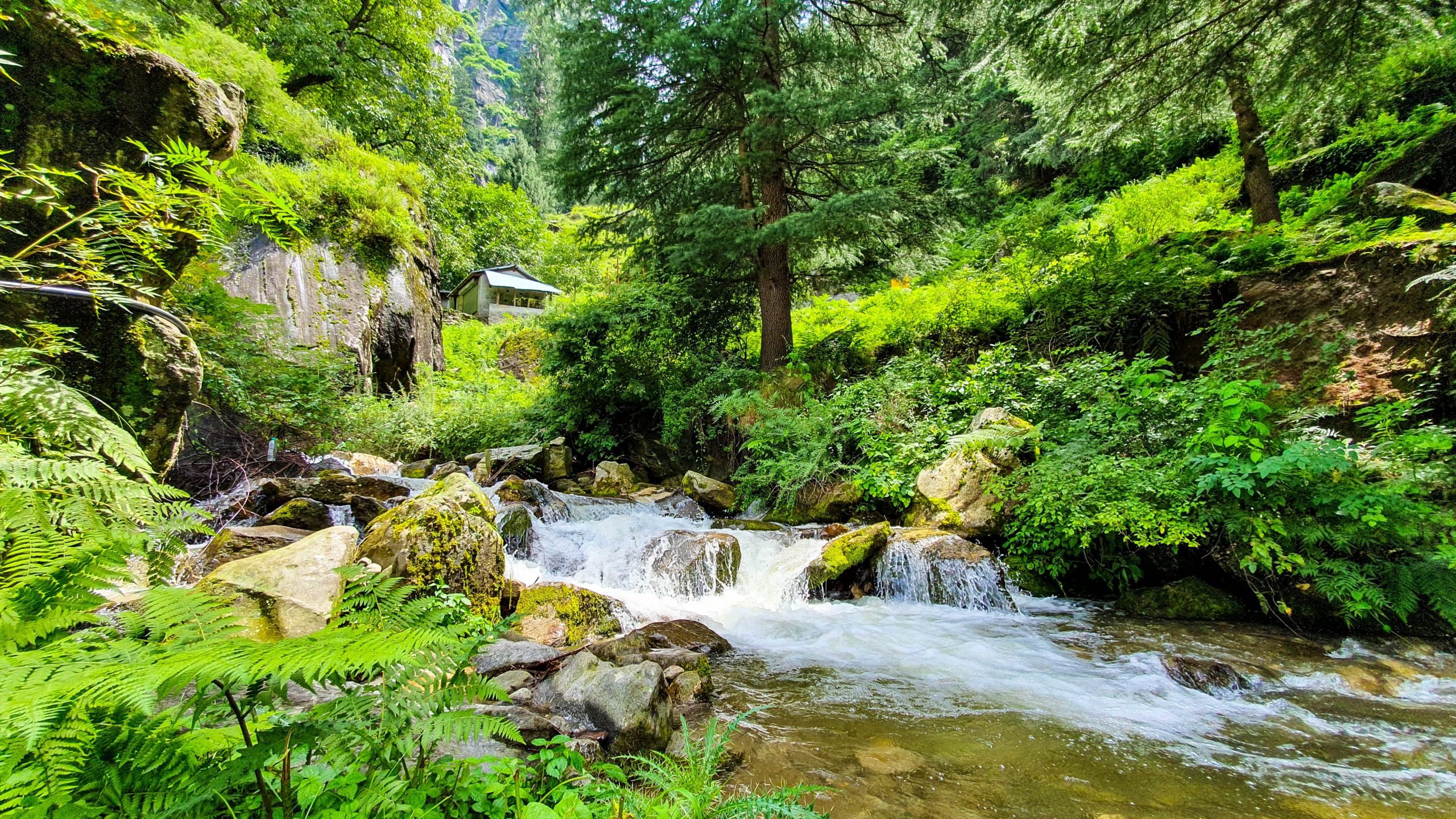
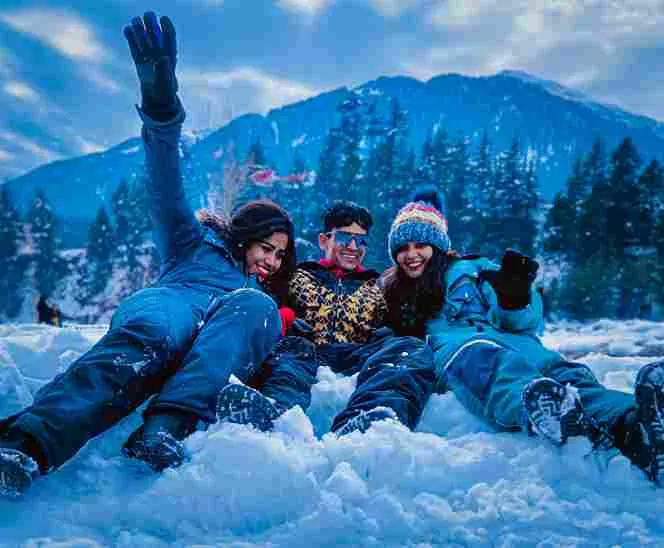
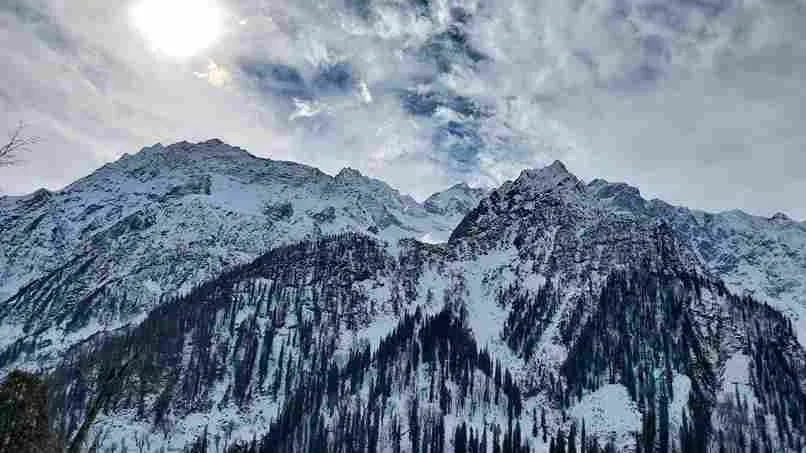
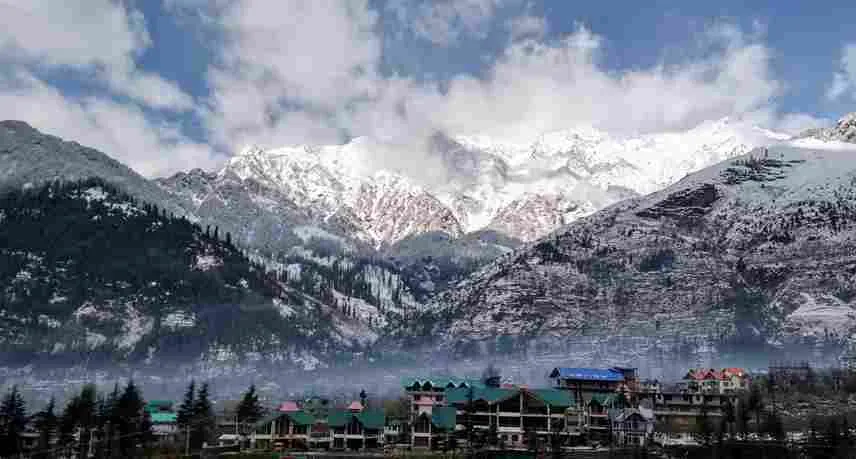
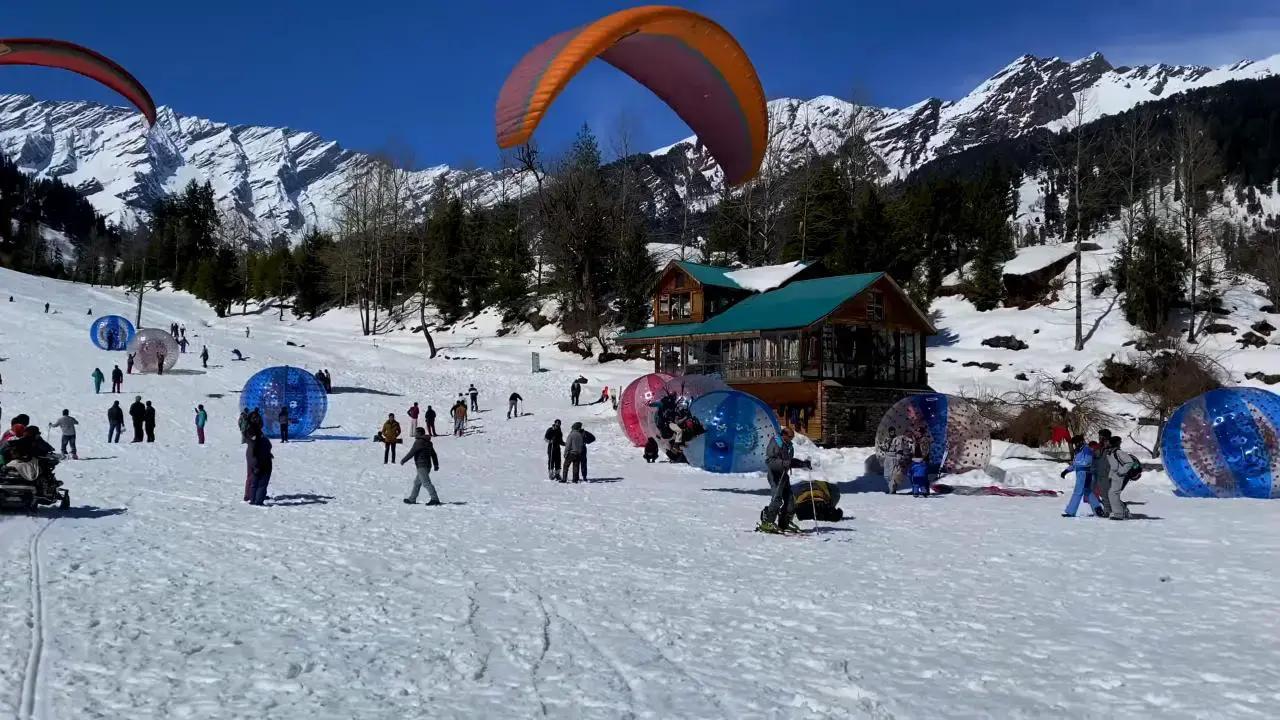
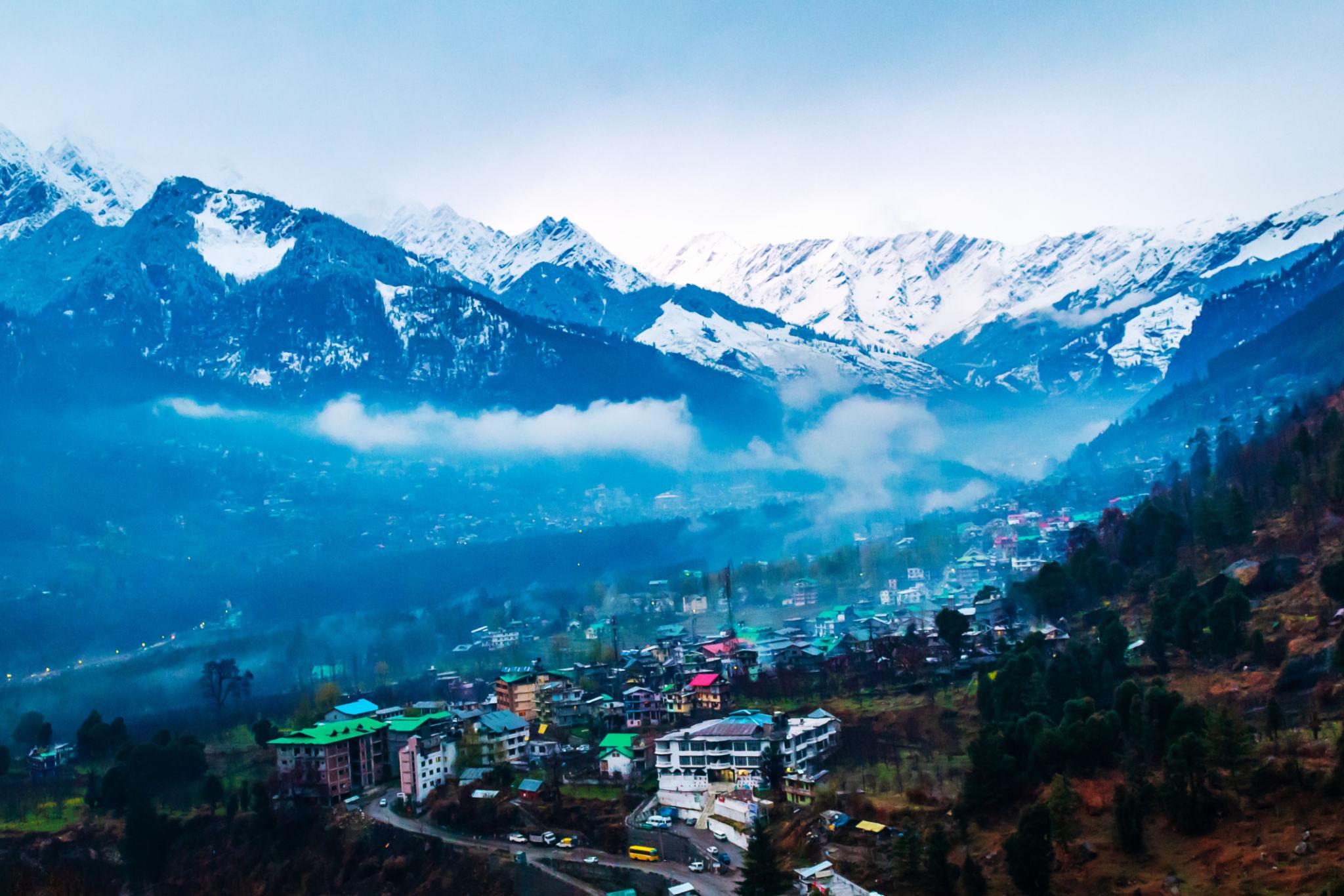
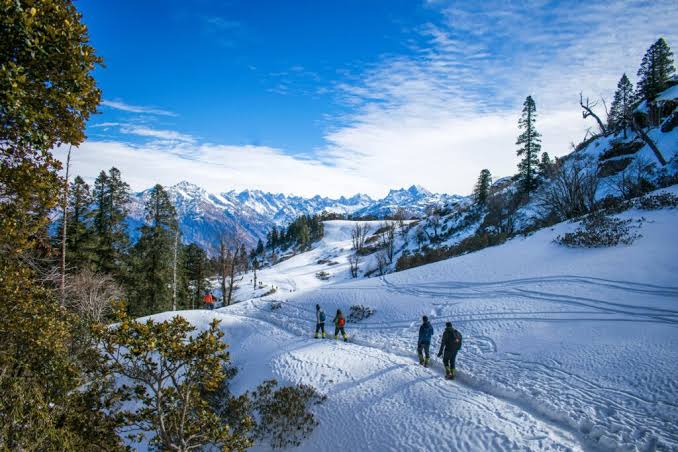
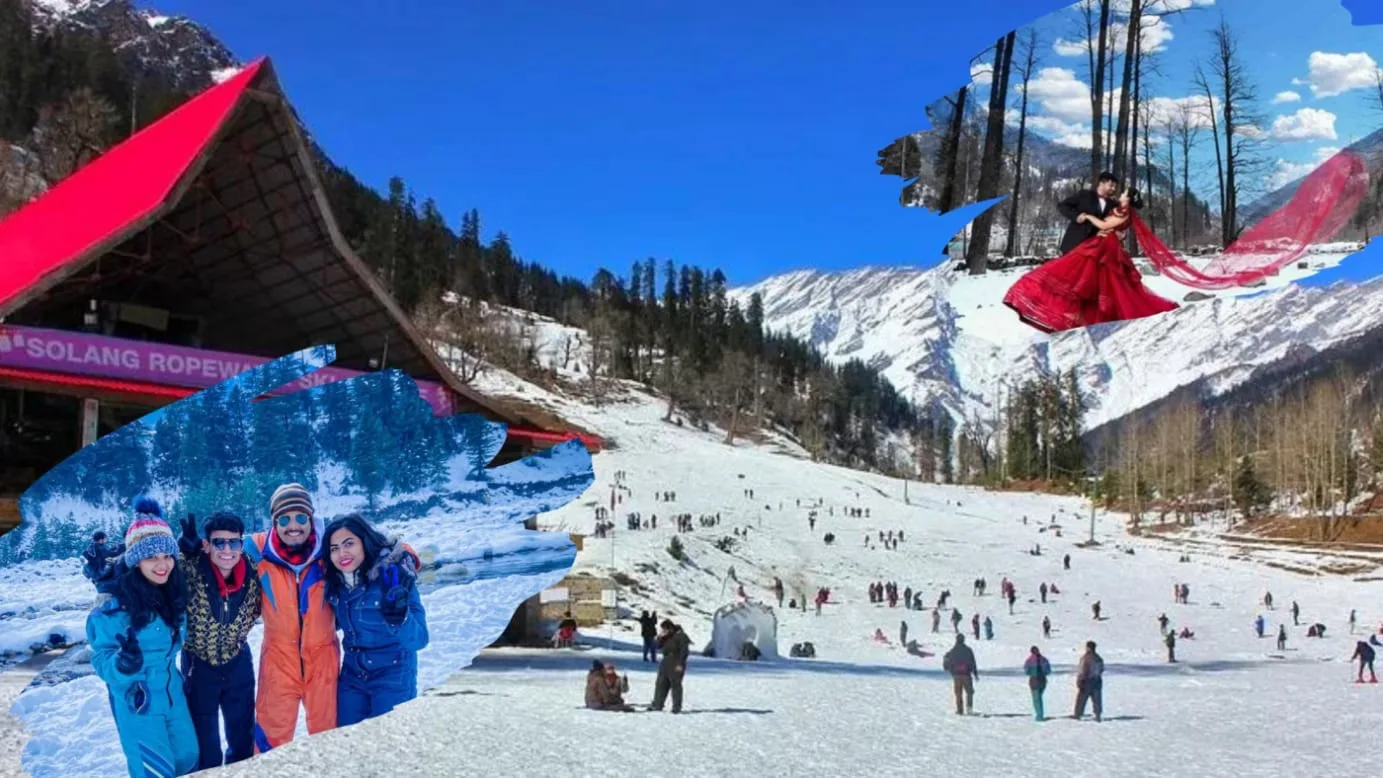
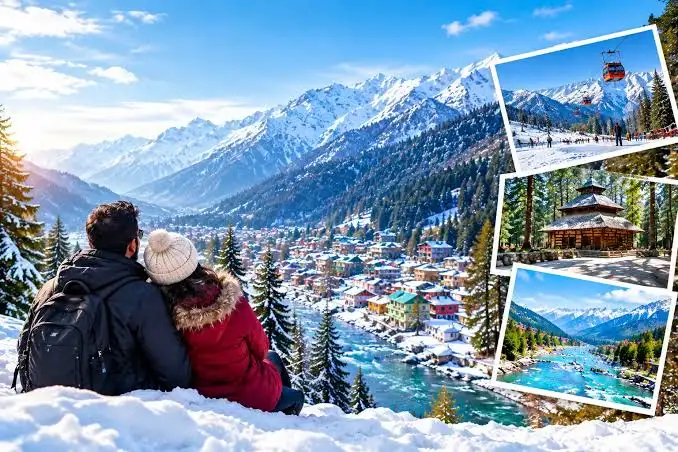
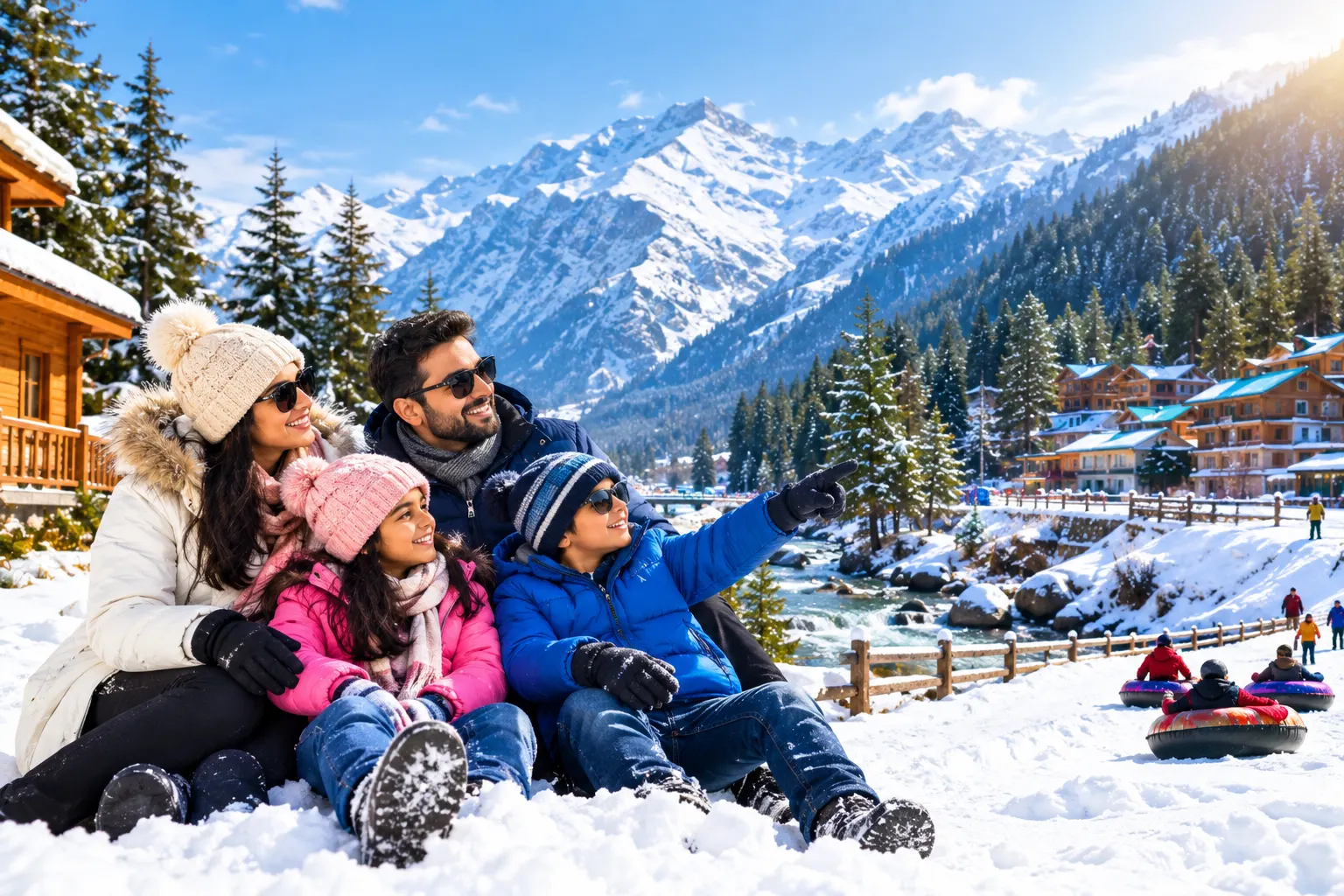
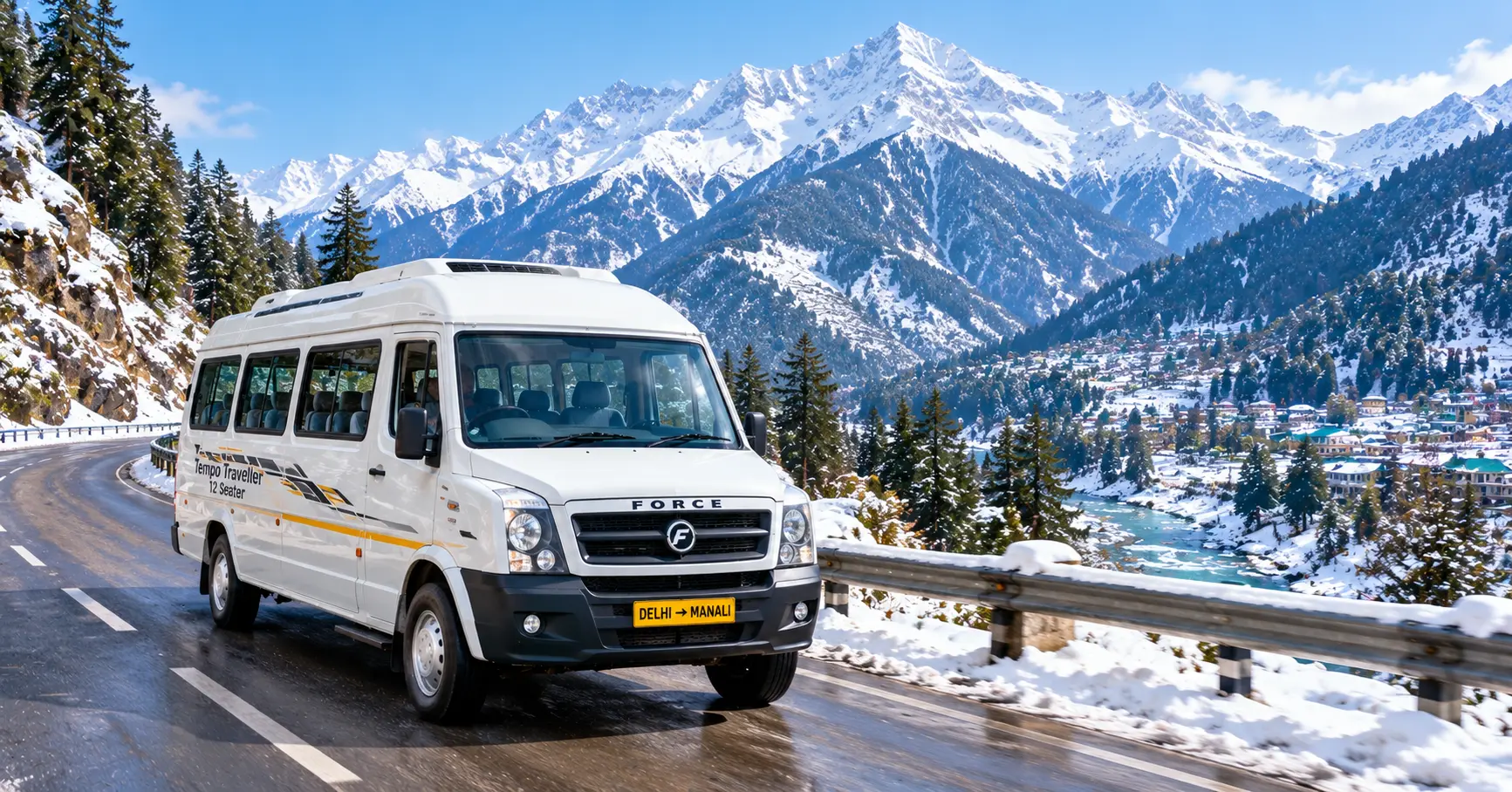
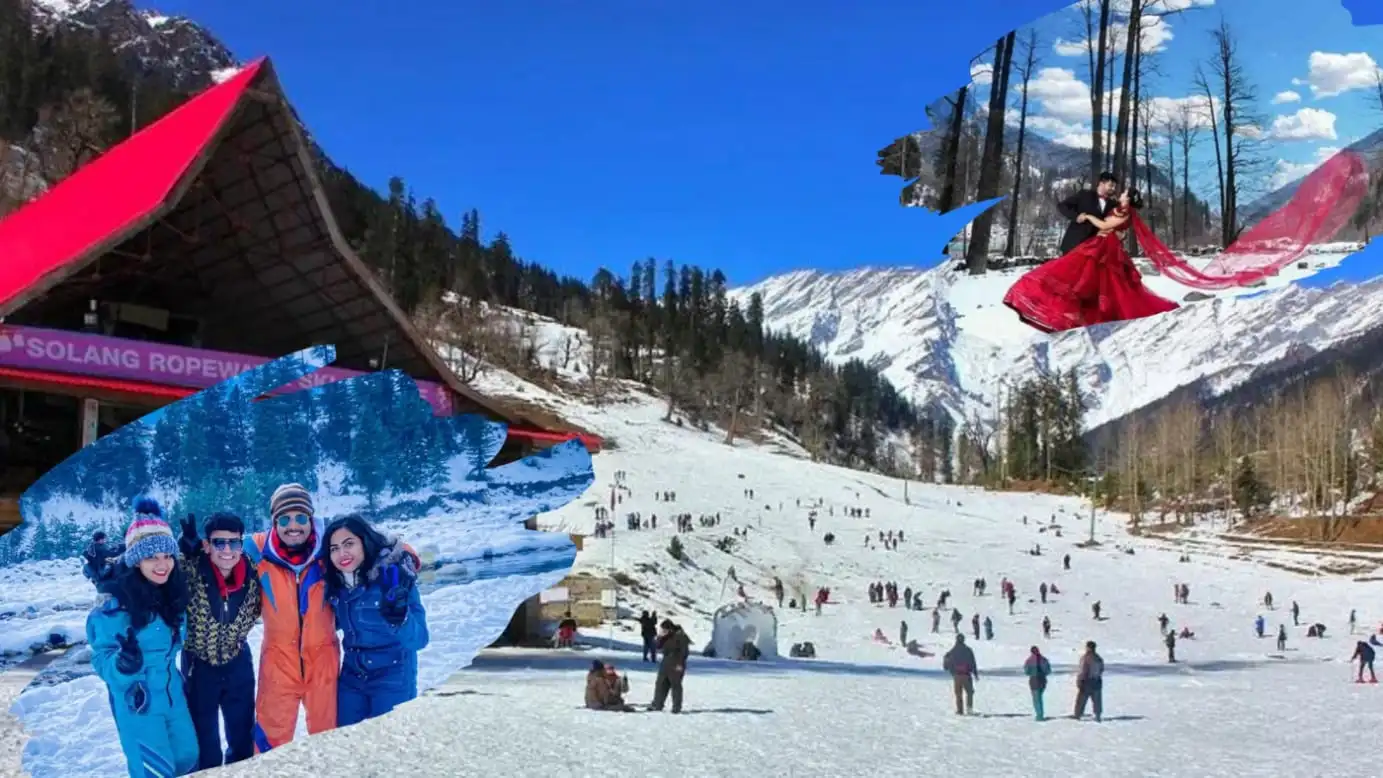
This is when Manali genuinely turns into a snow destination, with December through February usually bringing consistent snowfall in and around the main town. Areas like Solang Valley and the Atal Tunnel become major draws during this stretch, though roads can get slippery, so this season suits travelers who are comfortable with cold weather and slower-paced travel days.
Quick answer: The best time for a Manali tour package is between March and June for pleasant, predictable weather, or December to February specifically if snow is the priority for your trip.
How to Reach Manali from Delhi
There are three realistic ways to make the journey, and each one suits a different combination of budget, comfort, and time available.
By Road
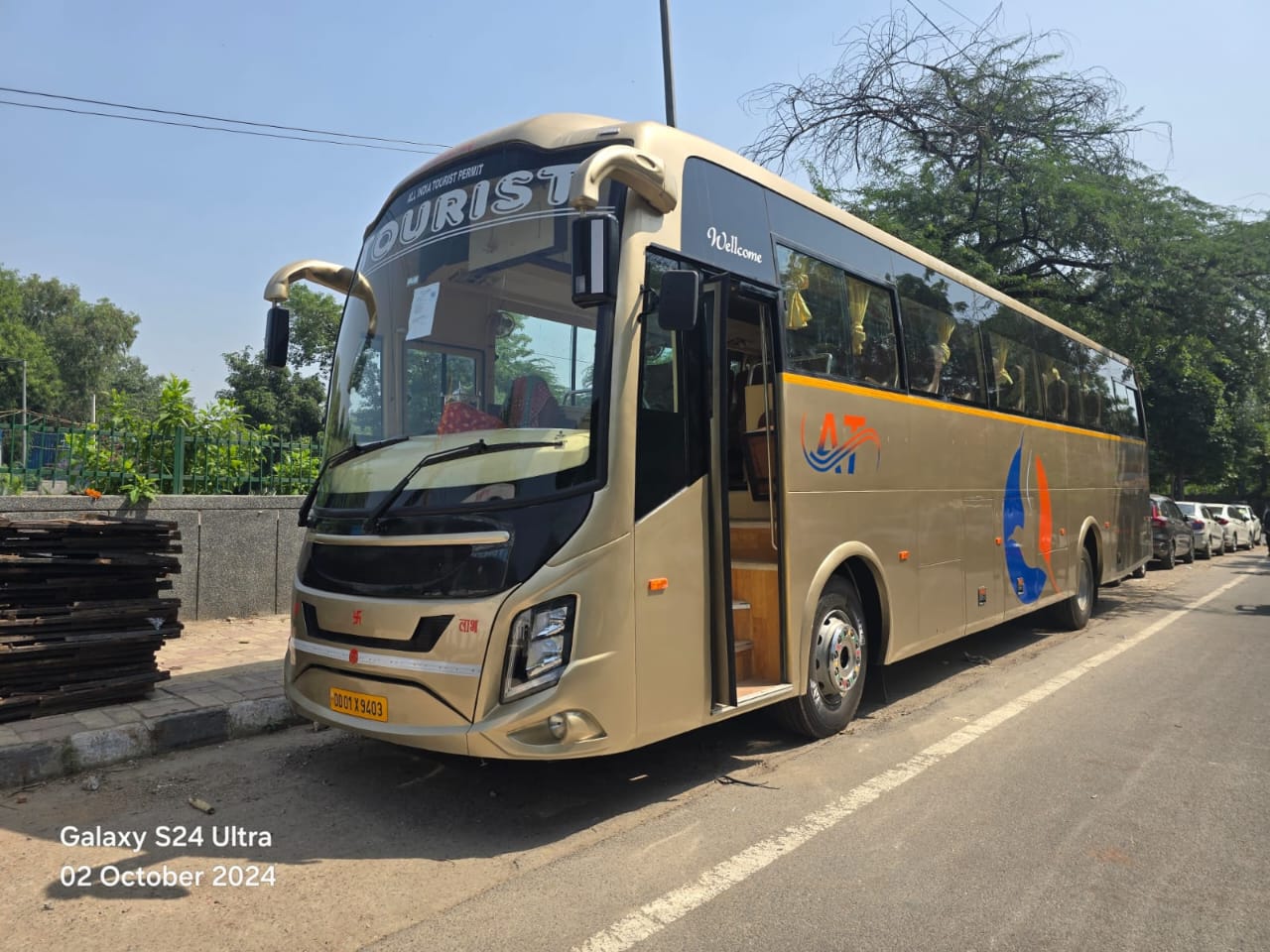
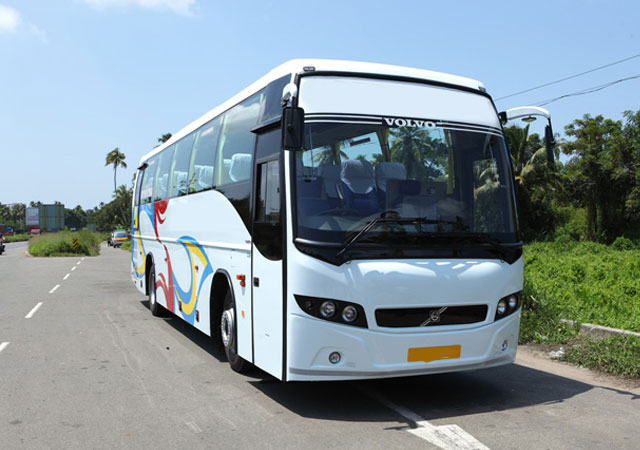
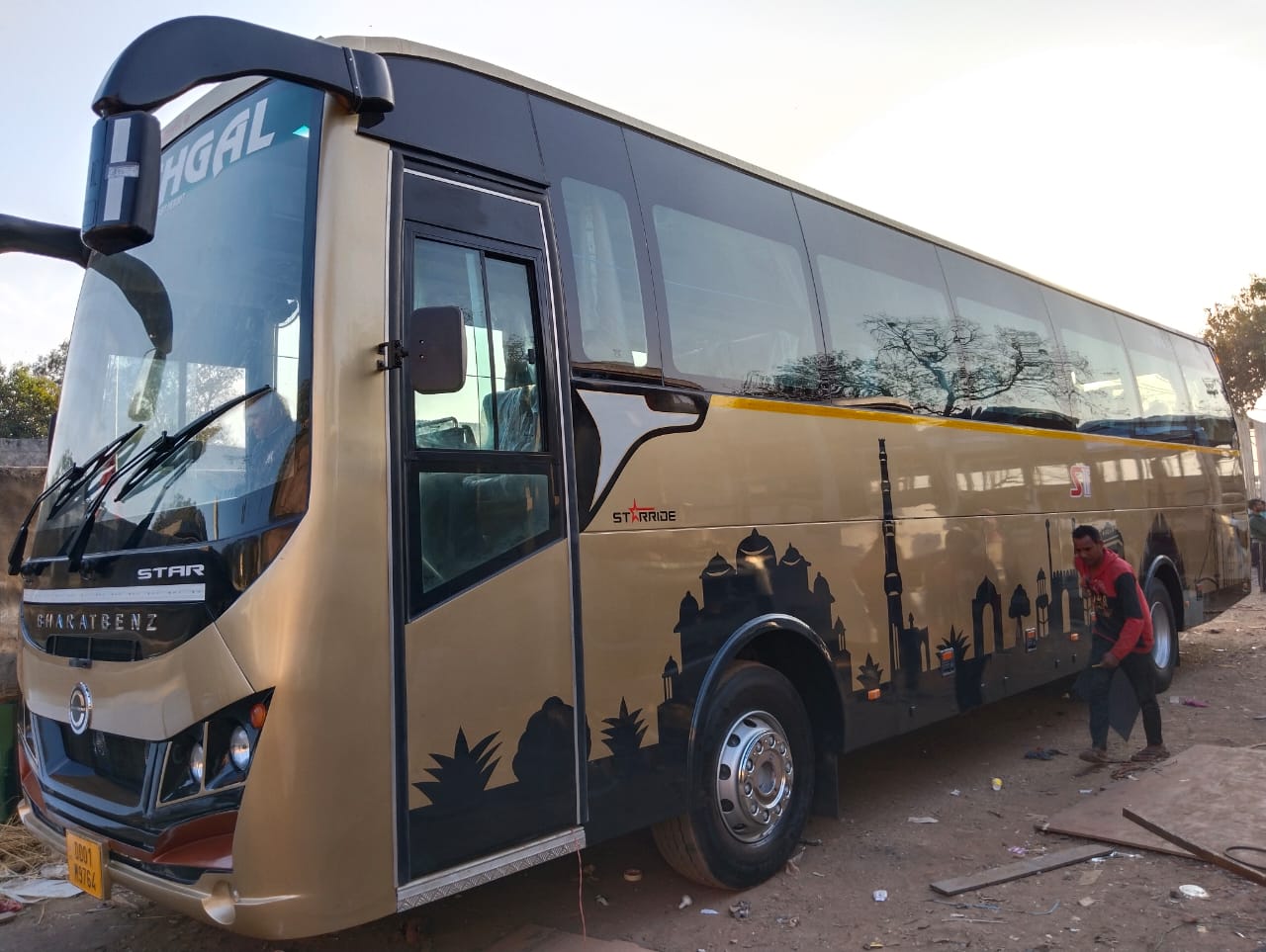
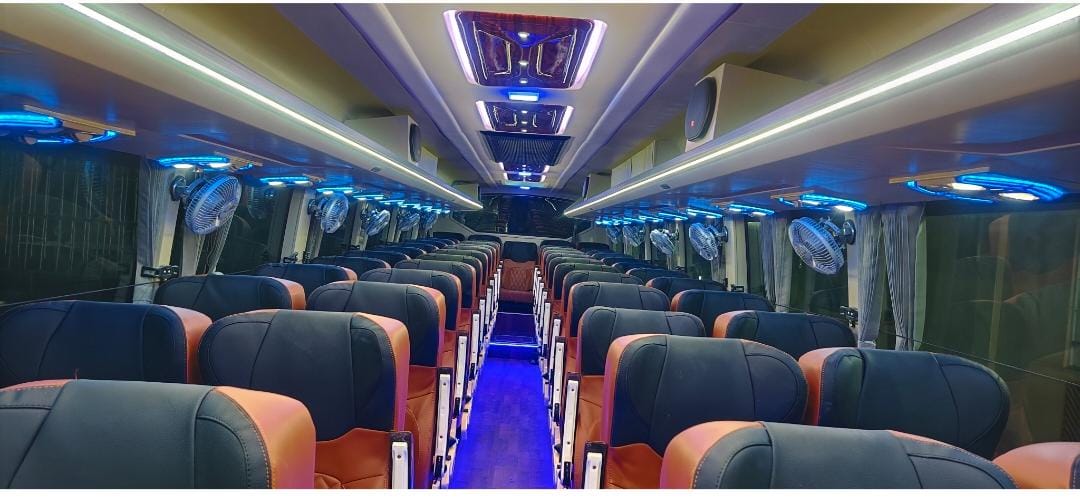
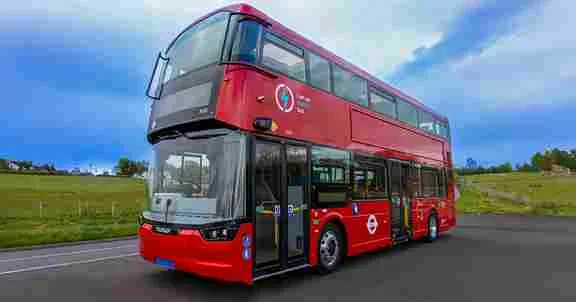
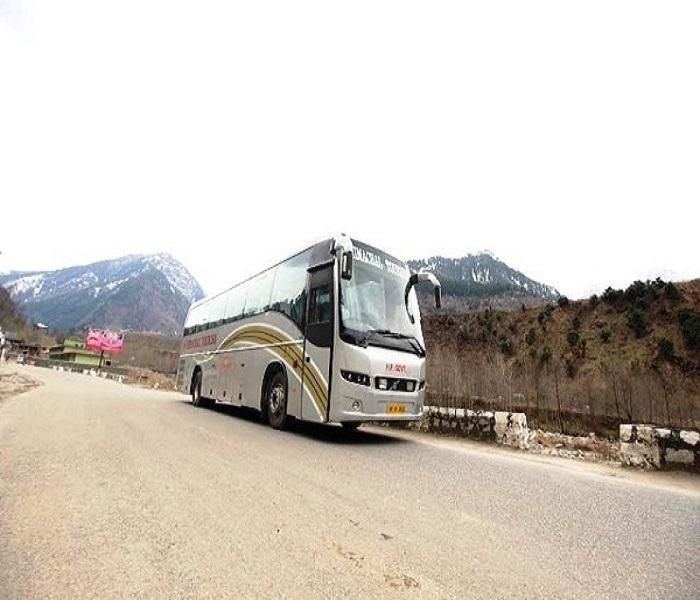
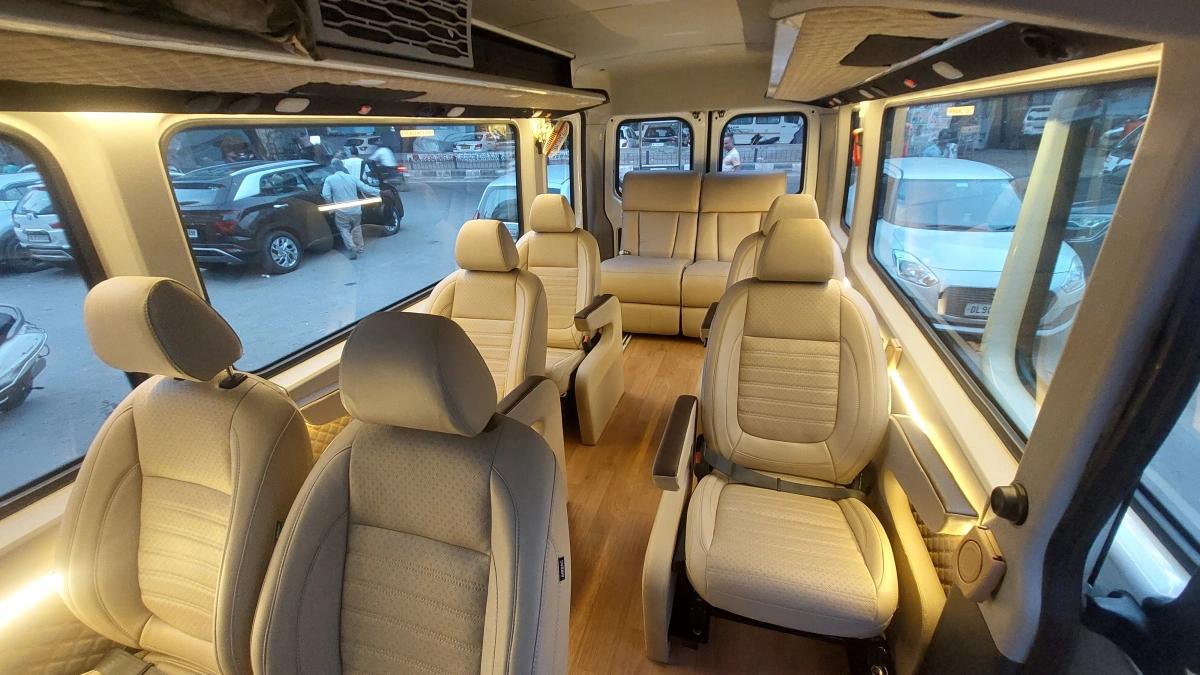
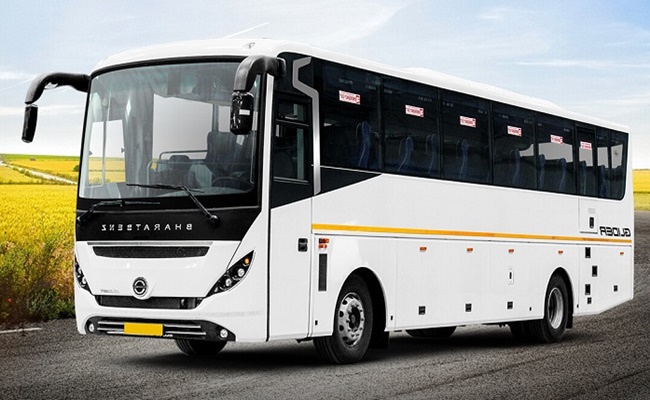
This remains the most commonly used option, and for good reason. Overnight Volvo buses typically take around 12-14 hours and form the backbone of most delhi to manali tour package itineraries, since traveling overnight means you wake up already in the mountains without losing a full day to the drive or paying for an extra night's hotel stay along the way. Self-driving is also fairly popular during summer months, though the route does involve long stretches through Punjab followed by Himachal's winding hill roads, which can be tiring for a single driver without breaks.
By Rail + Road
There's currently no direct train connection to Manali itself. The nearest railheads are Chandigarh or Ambala, from where travelers typically continue by road for another 8-10 hours to reach Manali. This option works reasonably well for those who'd rather break the journey into two more manageable segments instead of one long overnight stretch.
By Air
The nearest airport is Bhuntar, officially known as Kullu-Manali Airport, located about 50 kilometers from Manali town. Flight options here remain limited and mostly connect from Delhi and Chandigarh, and flying is genuinely weather-dependent, especially during the winter months when fog and snow can cause delays or cancellations without much notice.
Quick answer: Overnight Volvo buses remain the most commonly used option for a Manali tour package, typically taking about 12-14 hours from Delhi and forming the default choice in most standard itineraries.
Top Places to Visit in Kullu Manali
Solang Valley
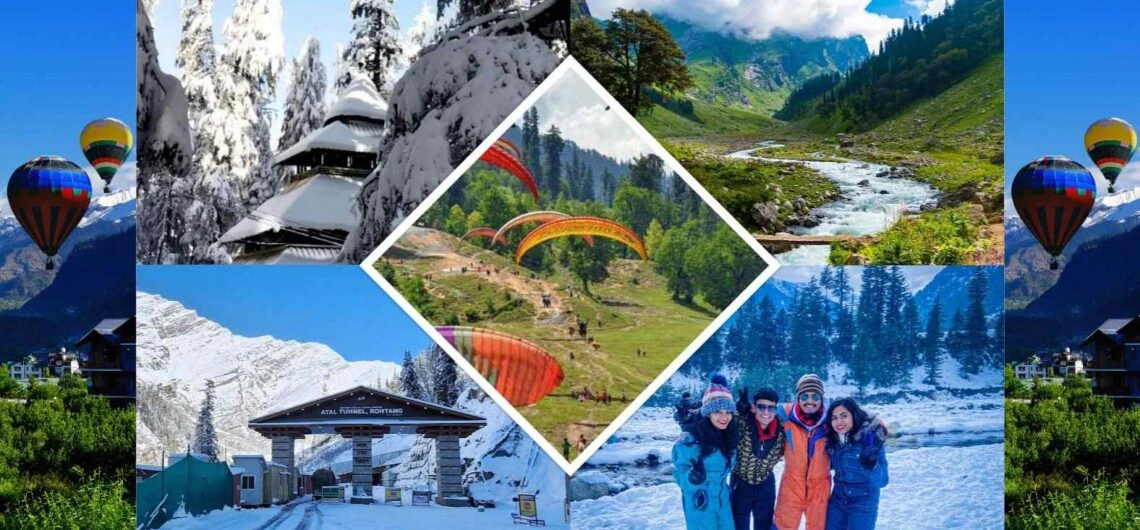
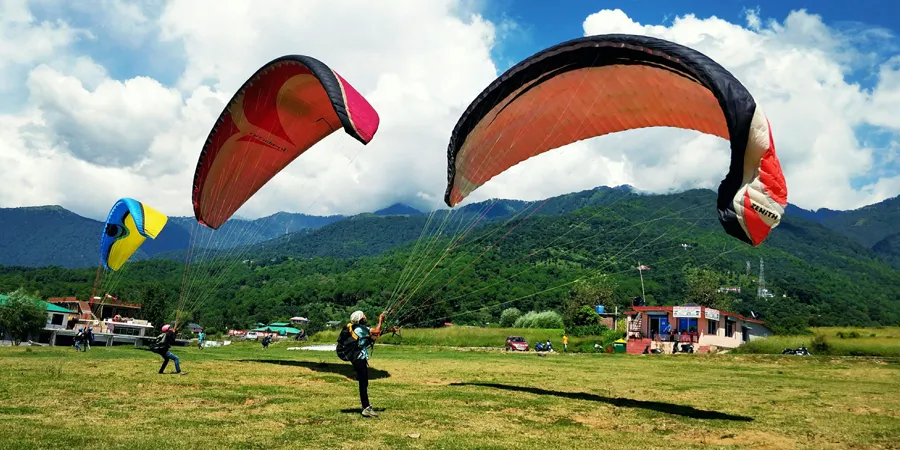
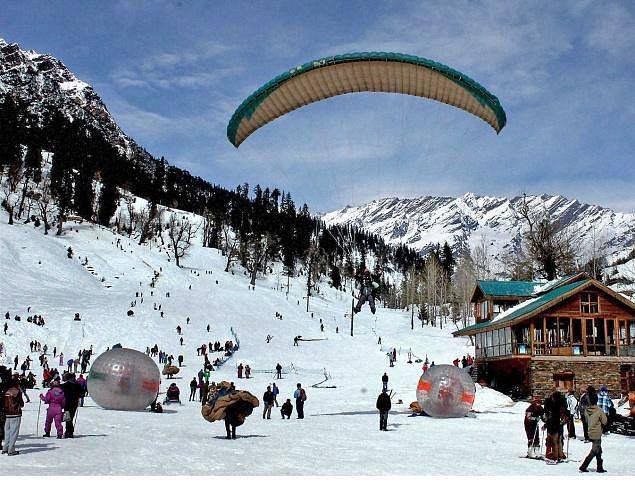
This is typically one of the first stops on most itineraries and is well known for adventure sports like paragliding, zorbing, and skiing during the winter months. It works well as a half-day trip from Manali town, and the valley itself offers wide, open mountain views that make it a popular photo stop even for travelers who skip the adventure activities altogether.
Rohtang Pass and the Atal Tunnel
Rohtang Pass has historically required permits and faces seasonal closures, which has led many travelers to visit the Atal Tunnel instead, offering broadly similar snow views with far easier year-round access. The tunnel itself is an engineering landmark worth seeing on its own, cutting travel time to Lahaul significantly compared to the older mountain route.
Old Manali
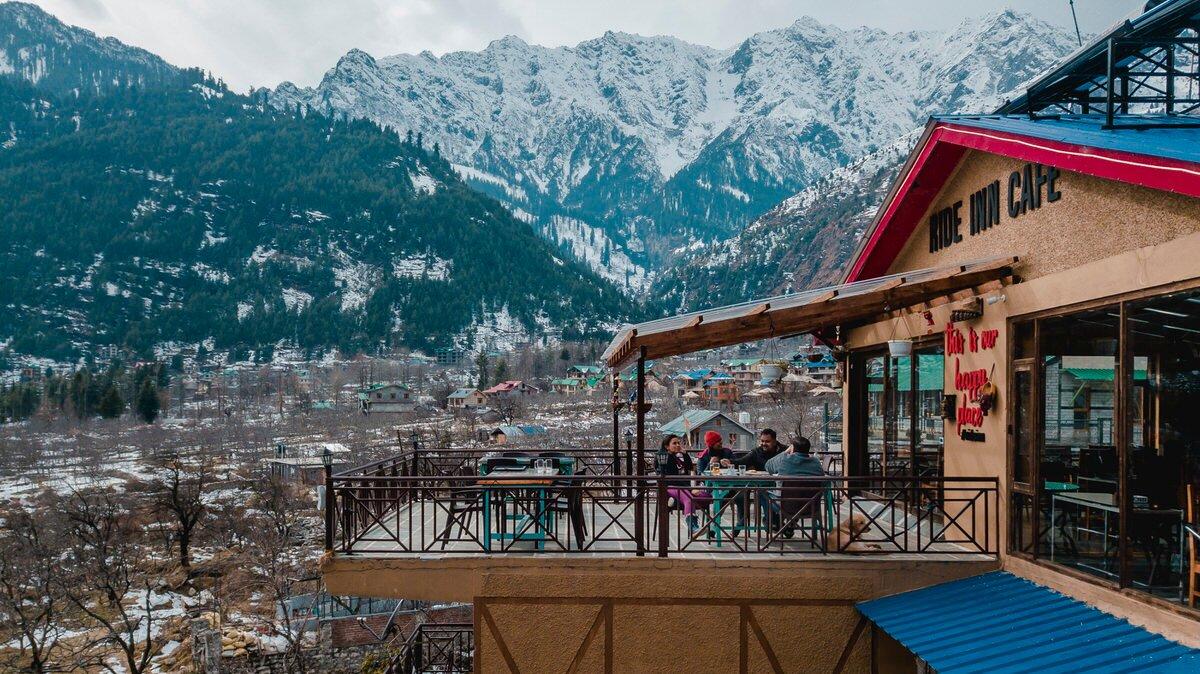
This area has a distinctly laid-back atmosphere, with small cafes, local shops, and a noticeably slower pace compared to the main town center. It's traditionally popular with backpackers, but it works just as well for anyone who wants a quiet morning walk away from the more commercial parts of Manali.
Hadimba Temple
Set inside a dense deodar forest, this wooden temple is dedicated to Hidimba Devi and stands out as one of the more culturally significant stops in the area. It doesn't take more than an hour to explore fully, making it an easy addition to a half-day sightseeing plan alongside Old Manali or Mall Road.
Manikaran
Located roughly three hours from Manali, Manikaran is known for its natural hot springs along with important Sikh and Hindu pilgrimage sites in the same area. It's best added to your trip if your manali tour package includes an extra day specifically set aside for exploring the wider Kullu Valley region.
Kullu Valley
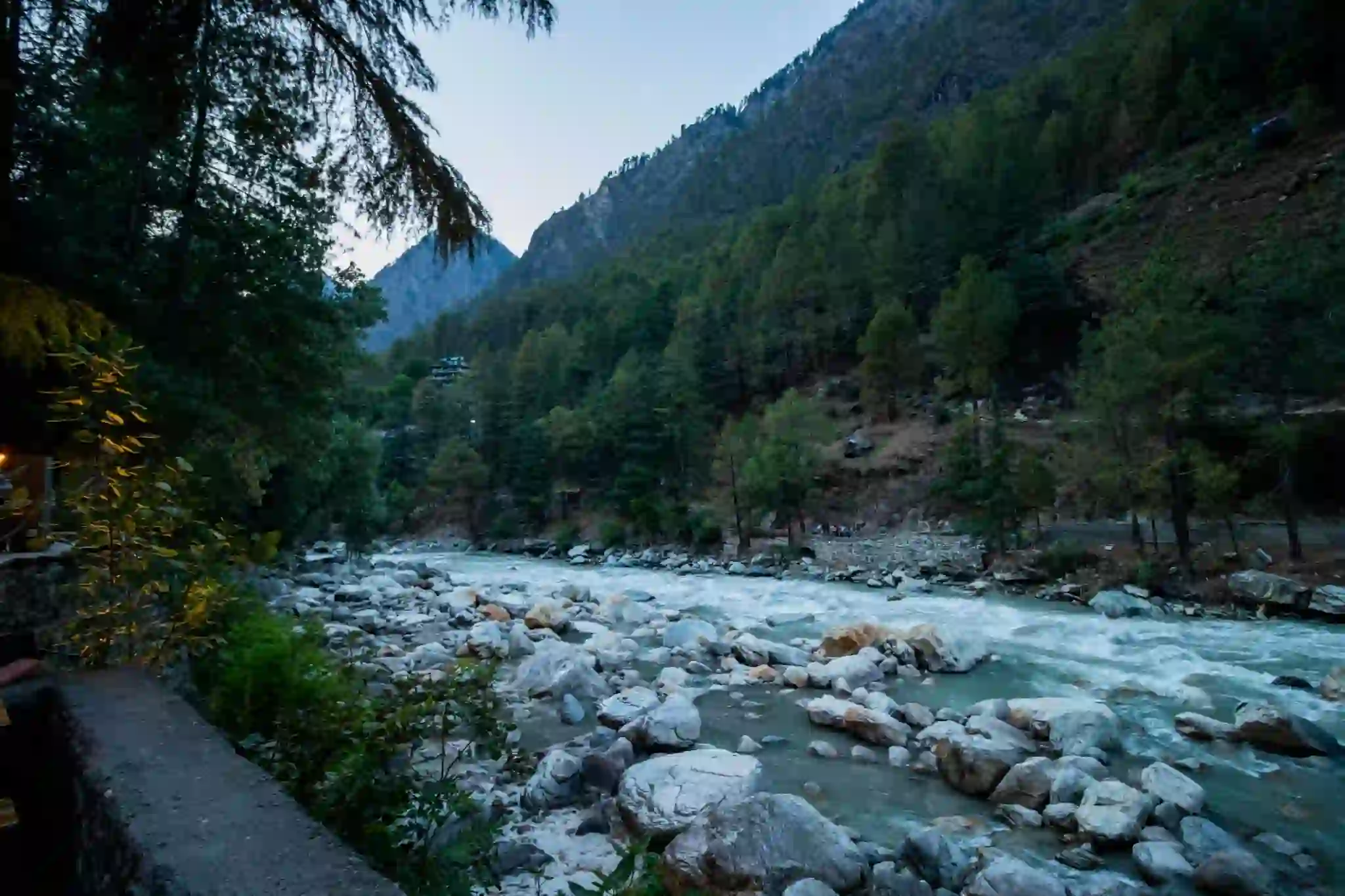
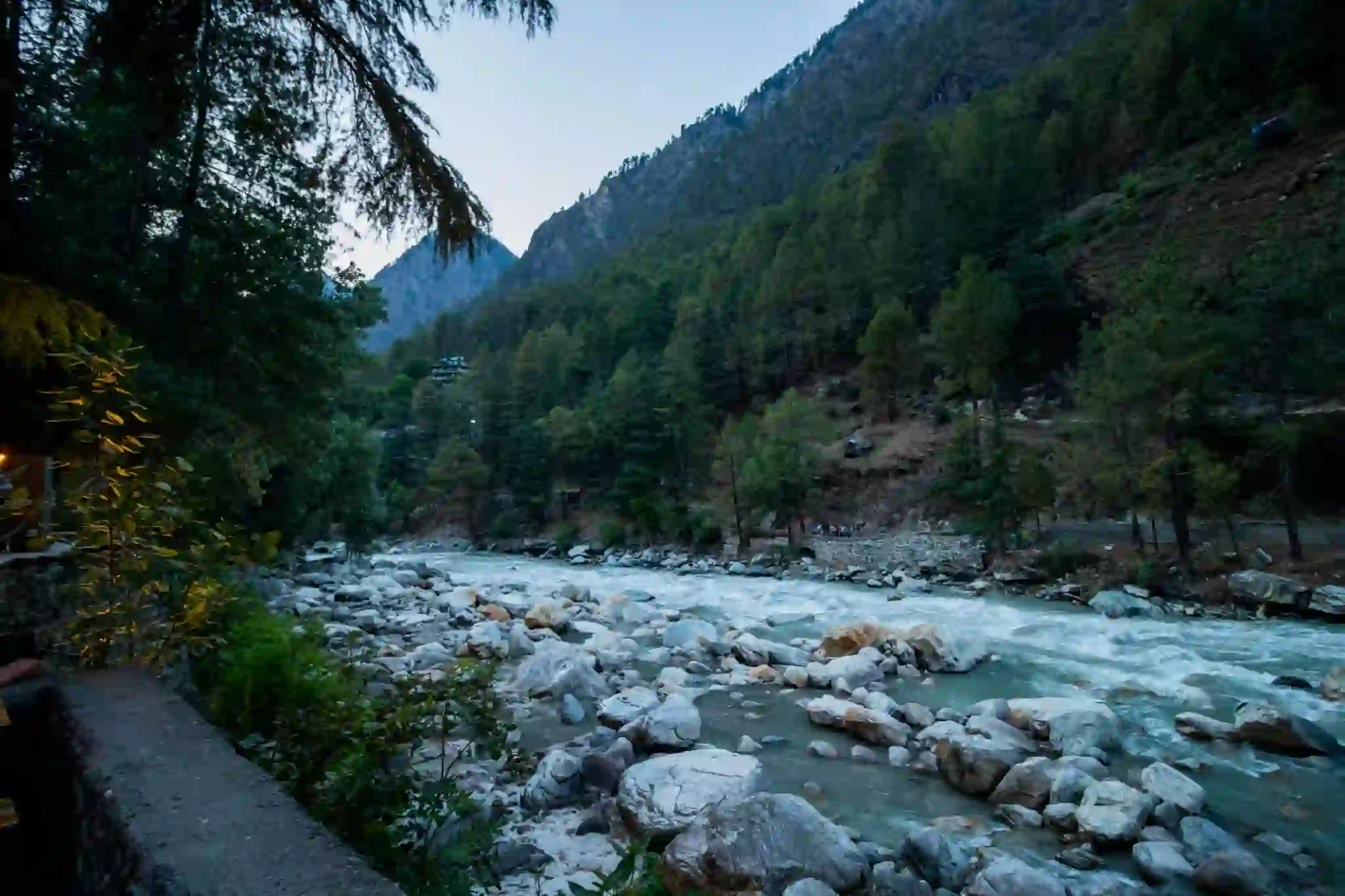
Often paired with Manali sightseeing given its proximity, Kullu Valley is particularly known for river rafting along the Beas River and its local markets, which are worth visiting for shawls, dry fruits, and other regional produce.
Jogini Waterfall
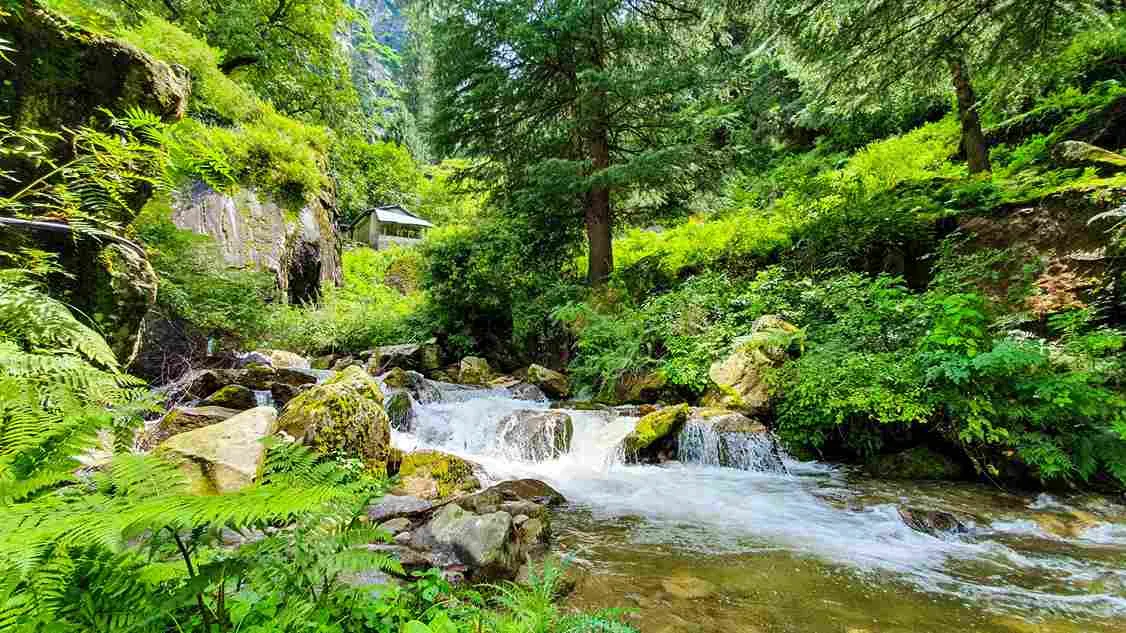
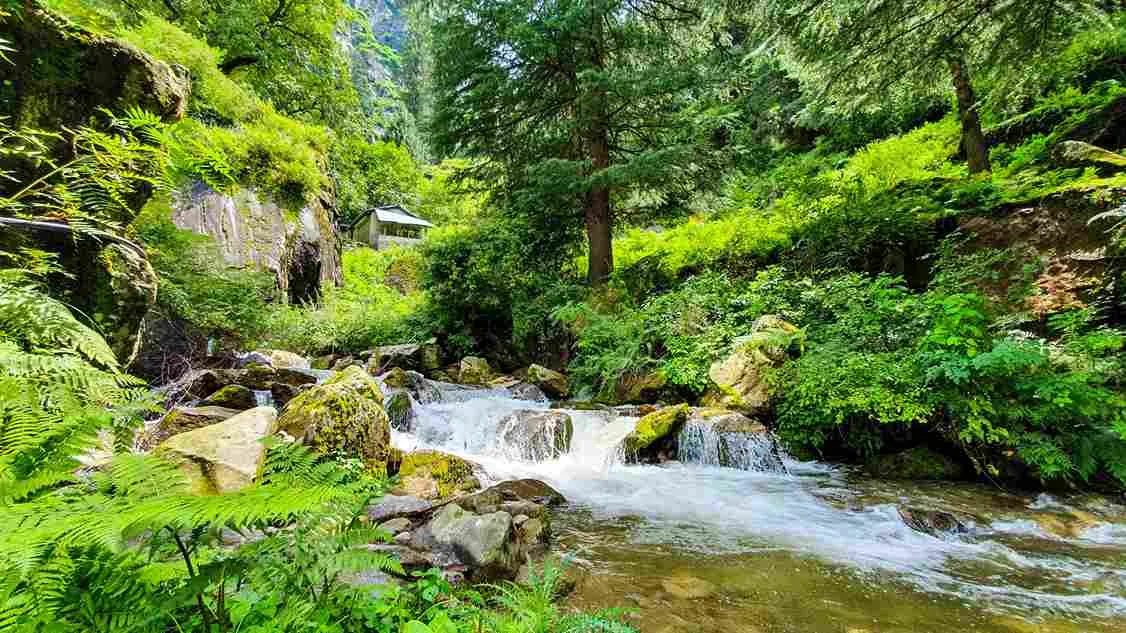
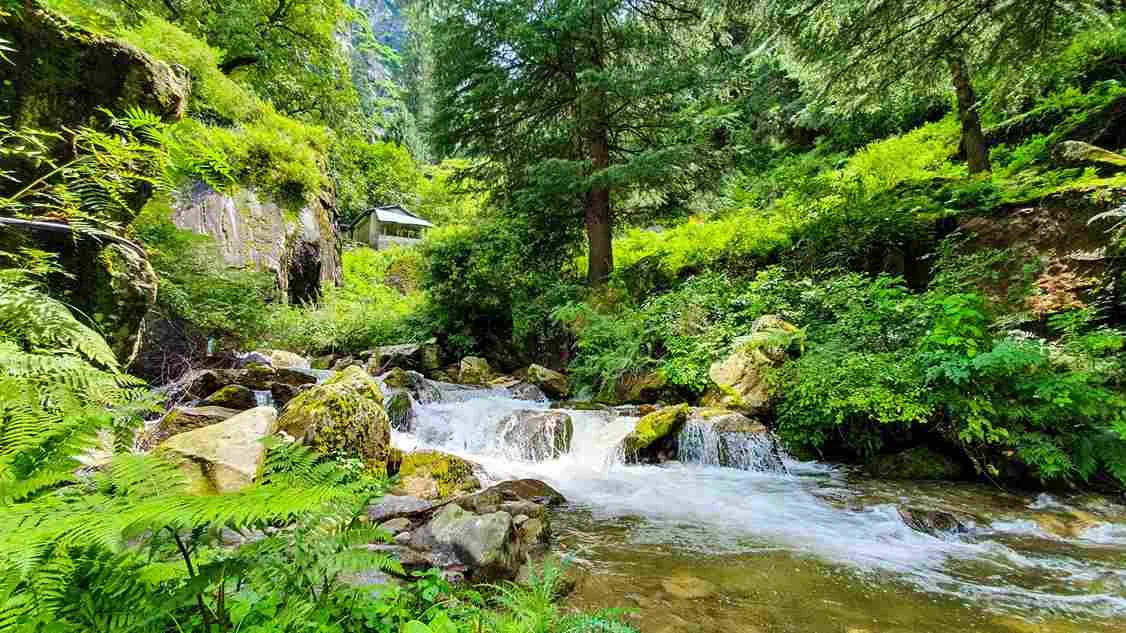
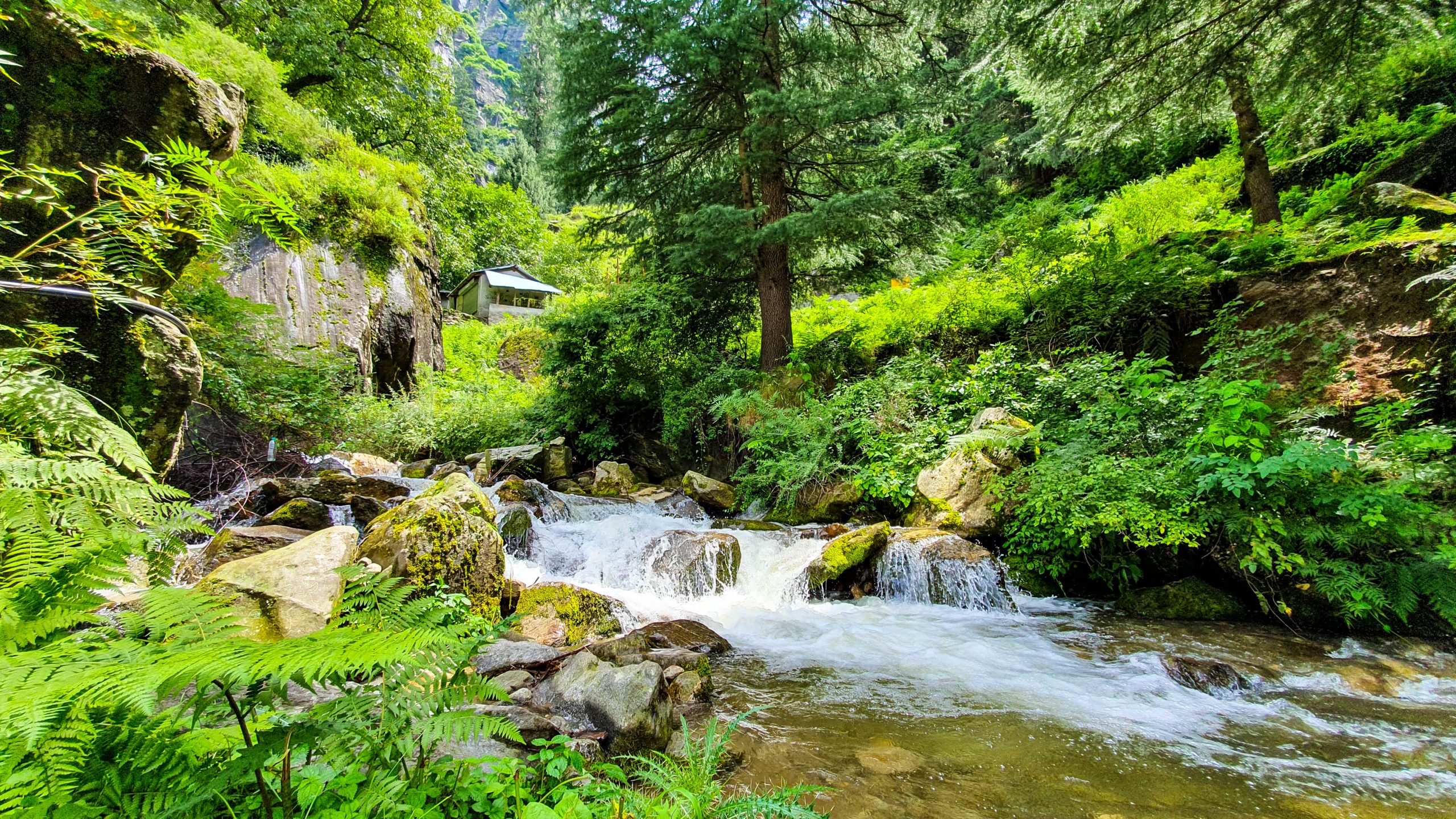
Reachable via a moderate hike from Vashisht village, this waterfall is a good option for travelers who want a short trek experience without needing any technical climbing skill or specialized gear.
Things to Do in Manali
River rafting along the Beas River near Kullu is one of the more popular adventure activities, generally available from March to June and again from September to November depending on water levels. Paragliding at Solang Valley is another common draw, though it remains weather-dependent and can get cancelled on short notice if conditions aren't favorable on a given day.
Short treks around Old Manali and toward Jogini Falls work well for travelers who want some physical activity without committing to a full multi-day trekking expedition. Local market walks along Mall Road are worth setting aside time for as well, particularly for shawls, caps, and other Himachali handicrafts that make for practical souvenirs. Hot spring baths at Manikaran or Vashisht round out the more relaxing side of things, offering a good contrast to a day spent on adventure activities.
None of these particularly require advance booking through your tour operator, but checking availability ahead of time especially for paragliding and rafting slots during peak season can save a fair amount of time standing around on the actual day.
Food and Local Experiences
Himachali food tends to be simple, hearty, and genuinely built for cold mountain weather, which becomes obvious the first time you try it after a chilly day of sightseeing. Siddu is a steamed, stuffed bread usually served with a generous amount of ghee, and it's more commonly found in local eateries than in restaurants catering specifically to tourists, so it's worth actively seeking out rather than expecting it on every menu.
Fresh trout, sourced from local streams, is something of a specialty in a handful of Manali restaurants and tends to be prepared quite simply, letting the fish itself be the highlight. Chha Gosht, a curd-based mutton curry typical to the region, is another dish worth trying if you're comfortable with meat, and it tastes noticeably different from the North Indian curries most Delhi travelers are used to.
Old Manali also has a strong presence of Tibetan-run cafes, a reflection of the area's Tibetan refugee community, serving dishes like thukpa and momos that have become genuinely popular across the whole town rather than staying niche. If you're on a group Manali tour package, meals are often pre-arranged at set restaurants for convenience, but it's worth setting aside at least one evening to explore a smaller, non-touristy spot on your own for a more local flavor.
Where to Stay in Manali
Manali Town
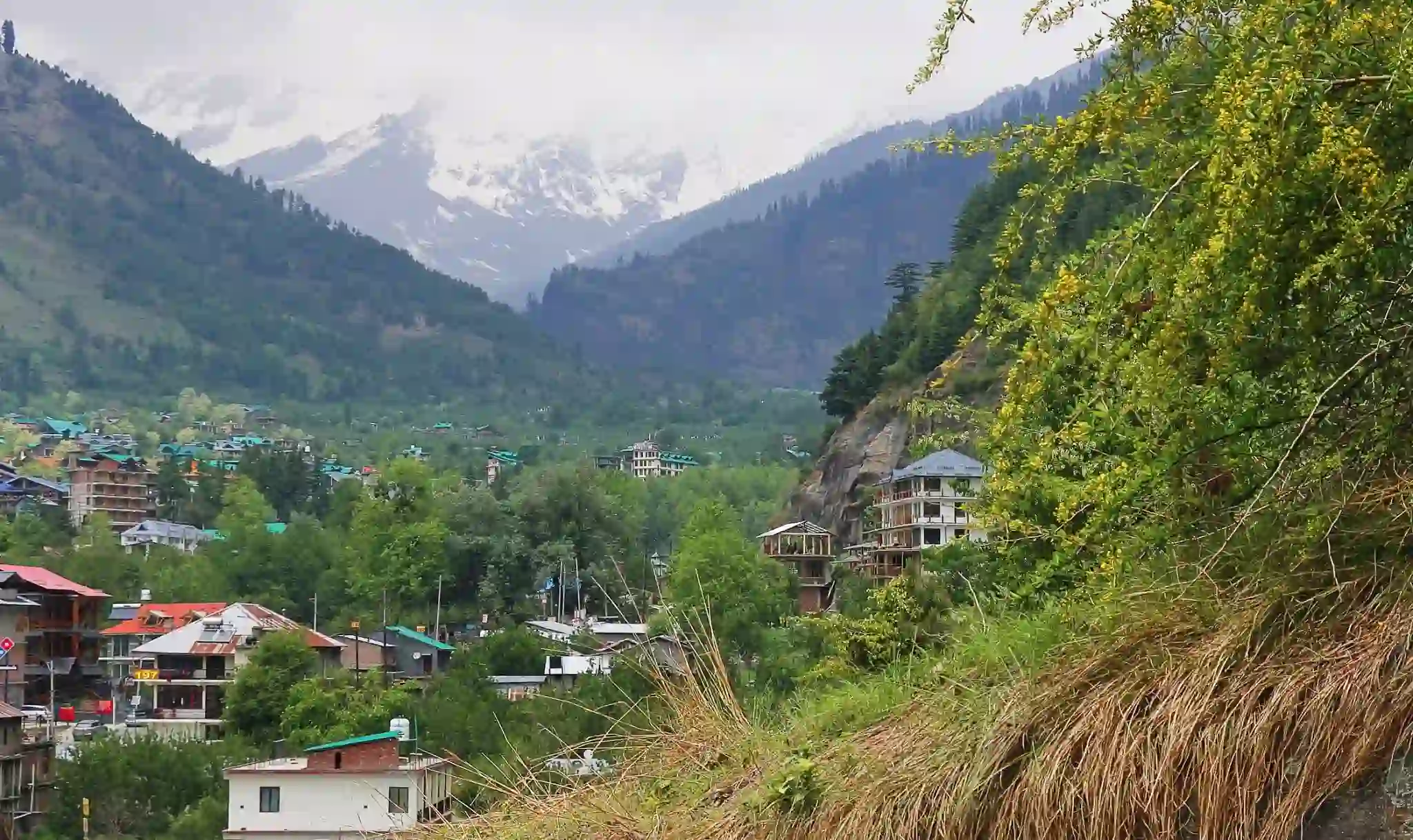
This area is the most convenient option for sightseeing, given how close it sits to Mall Road and the general transport hub of the region. It suits first-time visitors well, since everything from shopping to onward transport tends to be within easy walking or short driving distance. Most mid-range and budget hotels are concentrated here, which also makes it easier to compare options in person if you haven't booked in advance. The trade-off is that this part of town gets noticeably busier during peak season, so rooms with a quieter, away-from-the-main-road view are worth specifically asking for.
Old Manali
This is a quieter alternative, with a mix of guesthouses and cafes that lean toward a relaxed, unhurried atmosphere rather than convenience. This area suits travelers who'd rather trade a bit of proximity for a calmer overall stay, since it sits a short walk or drive away from the main town center. Many of the guesthouses here are smaller, family-run properties rather than larger hotel chains, which can mean more personalized service but occasionally fewer standard amenities. It's a good fit for longer stays or for travelers who want their mornings to feel less like a tourist itinerary and more like an actual break.
Vashisht
Sitting slightly outside the main town, Vashisht is known primarily for its natural hot springs and generally offers a more local, less commercialized feel compared to the busier parts of Manali. Accommodation here tends to be simpler, with fewer large hotels and more modest guesthouses catering to travelers who prioritize the hot springs and a quieter setting over nightlife or shopping access. It works well as a base if you're planning to spend a day or two focused on relaxation rather than constant sightseeing. The narrower village roads here also mean it's worth confirming vehicle access with your hotel in advance, especially if you're arriving with a larger group.
Most delhi to manali tour package deals default to hotel stays in or near Manali town, largely because it simplifies daily sightseeing logistics for groups. If you're booking independently instead, it's worth specifically checking whether the property offers heating during winter months, since not every budget hotel in the area does, and this can make a noticeable difference to comfort during a December or January stay.
Packing Tips for a Manali Trip
Layered clothing genuinely works better than relying on one heavy jacket, since temperatures can shift quite a bit between early morning, midday, and evening even within the same day. Comfortable walking shoes with decent grip matter more than people expect, especially if you're visiting during winter or attempting any of the shorter treks mentioned earlier in this guide.
Carrying basic medication for altitude-related headaches or motion sickness is a sensible precaution, since the drive itself involves several hairpin bends that can affect travelers unused to mountain roads. A power bank is worth packing as well, since network connectivity tends to get patchy in higher areas like Rohtang or Solang, and having backup charge on hand avoids being completely cut off during longer sightseeing days. It's also worth carrying reasonable cash, since smaller shops and local eateries in areas like Old Manali or Vashisht don't always accept card payments.
Common Mistakes to Avoid
Not checking road conditions before travel is one of the more avoidable mistakes, particularly during monsoon or winter months when landslides or heavy snow can delay road trips by several hours without much advance warning. A quick check with your operator or a recent traveler forum before departure can save a lot of frustration.
Overpacking the itinerary is another common issue, since trying to cover Solang, Rohtang, Manikaran, and Kullu all within one or two days often leads to rushed, exhausting days rather than an enjoyable trip. Spacing these out across a slightly longer itinerary, even by a day or two, tends to make a noticeable difference to how much you actually get to enjoy each place.
Ignoring altitude effects is worth taking seriously as well, since higher points like Rohtang Pass can cause mild discomfort for travelers unused to the elevation change. Pacing yourself through the day rather than rushing between multiple high-altitude stops matters more than most people initially assume.
Booking accommodation without checking for heating can turn an otherwise good winter trip uncomfortable rather quickly, since nights in Manali get genuinely cold and not every budget stay includes proper heating as standard. And finally, skipping permits for Rohtang Pass is a mistake worth avoiding if it's on your itinerary, since entry there is regulated and requires prior permission, something most established operators handle in advance as part of the package.
Sample 4-Day Itinerary from Delhi
Day 1: Depart Delhi in the evening by overnight Volvo bus toward Manali, settling in for the roughly 12-14 hour drive through Punjab and into the Himachal hills. Traveling overnight means you avoid losing a full day to the journey, and most buses make a couple of short stops along the way for food and rest breaks. This works especially well for travelers who want to wake up already surrounded by mountains rather than spending a full day watching highway scenery pass by.
Day 2: Arrive in Manali by mid-morning, check into your hotel, and spend a few hours resting before heading out in the afternoon. Use the rest of the day for lighter sightseeing around Hadimba Temple, tucked inside its deodar forest, followed by a relaxed walk down Mall Road for some early shopping and dinner. This slower first day helps the body adjust a little to the change in altitude before more active sightseeing begins.
Day 3: Set aside the full day for a trip covering Solang Valley and the Atal Tunnel, starting early to beat both the crowds and the midday traffic on the way up. Solang Valley is worth a couple of hours if you're trying any of the adventure activities on offer, while the Atal Tunnel makes for a shorter but genuinely impressive stop given its scale and the views along the drive. Carry warm layers for this day regardless of season, since temperatures at these altitudes tend to be noticeably lower than in Manali town itself.
Day 4: Spend the morning exploring Old Manali at a relaxed pace, followed by a short hike to Jogini Falls if the group is up for some light physical activity. Use the early afternoon for any last-minute shopping or a final meal at a local café before heading back toward the bus stand. Most overnight buses back to Delhi depart in the evening, so this final day can be paced comfortably without rushing to catch an early departure.
This itinerary can be extended to 5-6 days fairly easily if you'd like to include Kullu Valley or Manikaran without rushing through the core Manali sightseeing.
Conclusion
Manali continues to be one of the more accessible Himalayan getaways from Delhi, offering everything from adventure sports to quiet mountain walks depending entirely on how you choose to plan your days. Whether you're organizing the trip yourself or considering a ready-made delhi to manali tour package, the real key is matching your itinerary to the season and pace you actually want, rather than trying to cram in every possible stop. If you'd rather have the logistics transport, stays, and sightseeing planned out in advance, SS Rana Tour and Travels puts together group departures from Delhi that cover most of what's outlined in this guide, so you can focus on actually enjoying the trip rather than managing the planning around it.
A 4-5 day trip is usually enough to comfortably cover Manali town, Solang Valley, the Atal Tunnel, and Old Manali, including the travel time to and from Delhi. Extending to 6 days gives you room to add Kullu Valley or Manikaran without rushing through the itinerary. Shorter 2-3 day trips are possible but tend to feel rushed once you factor in the roughly 12-14 hour journey each way. Most travelers find that a 4-5 day window offers the best balance between seeing enough of the region and not spending too much of the trip just traveling.
No, Rohtang Pass typically remains closed during peak winter due to heavy snowfall and generally reopens around May, depending on that year's specific weather conditions. It also requires a permit for entry, which most established tour operators arrange in advance as part of the package. Because closure dates shift slightly from year to year based on snowfall, it's worth confirming current status closer to your travel dates rather than assuming a fixed calendar window. If it's closed during your visit, the Atal Tunnel makes a reasonable alternative for similar snow views.
Budgets vary quite a bit depending on the season, hotel category, and what's included in the package, but mid-range packages covering transport, stay, and sightseeing tend to be noticeably more economical during the off-season months of July through September. Peak season travel in May-June and around the December holidays generally pushes prices higher across both transport and accommodation. It's worth comparing a few quotes and checking exactly what's included — meals, sightseeing, and permits in particular — since these inclusions can vary significantly between operators even at similar price points.
Manali is generally considered a safe destination, given the steady flow of tourists it sees throughout the year and the fact that tourism forms a major part of the local economy. As with any hill destination, sticking to well-known areas after dark and keeping your hotel informed of your day plans remains a sensible precaution. Old Manali and the main town area are both well-trodden by travelers, so basic common-sense precautions tend to be sufficient rather than anything destination-specific. Choosing accommodation with good reviews and a central location also adds an extra layer of comfort.
Basic warm clothing is usually sufficient for the town itself, but if you're planning to visit Solang Valley or the Atal Tunnel area during peak winter, rented snow gear like jackets and boots is commonly available locally and generally recommended. Many shops near these tourist points rent out snow boots, jackets, and gloves by the hour or day, so it's not necessary to buy or pack specialized gear from home. Layering your regular winter clothing works well for the town itself, while the rented gear covers the colder, snow-heavy stretches. This approach tends to be more practical than carrying bulky winter wear for the entire trip.
No permit is required to enter Manali town itself, and general sightseeing within the town and surrounding areas like Old Manali or Vashisht doesn't involve any special paperwork. However, specific points like Rohtang Pass do require an online permit due to traffic regulation in that particular area, aimed at managing the volume of vehicles on a fairly narrow mountain road. Most tour packages that include Rohtang Pass handle this permit as part of the booking process. If you're traveling independently and plan to visit Rohtang, it's worth applying for the permit a few days in advance rather than expecting to arrange it on the spot.
Manali town tends to be more commercial, with easier access to markets, restaurants, and a wider range of hotels, making it convenient for first-time visitors who want everything within easy reach. Old Manali has a quieter, cafe-driven atmosphere that's traditionally more popular with long-stay travelers and backpackers looking for a slower pace away from the main tourist crowd. The two areas are only a short walk or drive apart, so it's entirely possible to stay in one and spend time exploring the other during your trip. Many travelers end up splitting their time between both, using Manali town for convenience and Old Manali for a change of pace.

















.jpeg)



.jpeg)
.webp)
.jpeg)
.jpeg)
.jpeg)


.jpeg)
.jpeg)
.jpeg)
.jpeg)
.jpeg)


.jpeg)
.webp)
.jpeg)
.jpeg)

.jpeg)

.jpeg)
.jpeg)
.jpeg)
.jpeg)

.jpeg)

.webp)
.jpeg)
.jpeg)
.jpeg)

.jpeg)










.webp)
.webp)









_15_11zon.webp)


































































.webp)











.webp)




.jfif)







.jfif)
.jfif)
.jpg)
.jfif)
.jfif)
.jfif)
.jfif)
.jfif)
.jfif)
.jfif)
.jfif)

.webp)
.webp)
.webp)
.webp)
.webp)
.webp)
.webp)
.webp)
.webp)
.webp)



.webp)
.webp)
.webp)
.webp)








.webp)
















@.webp)