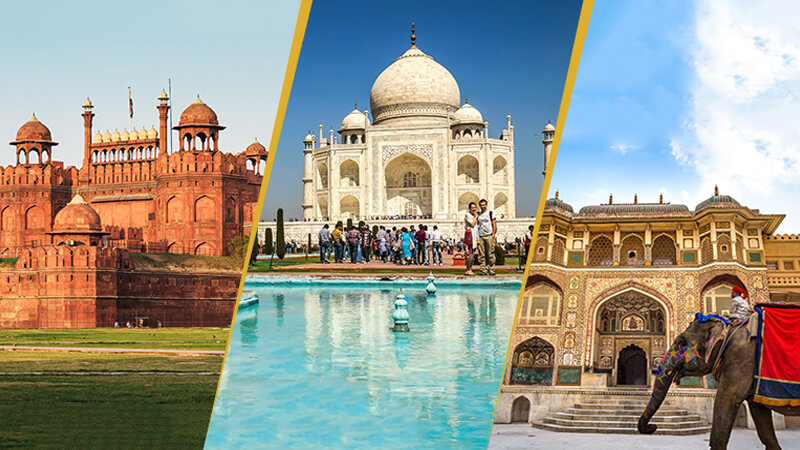
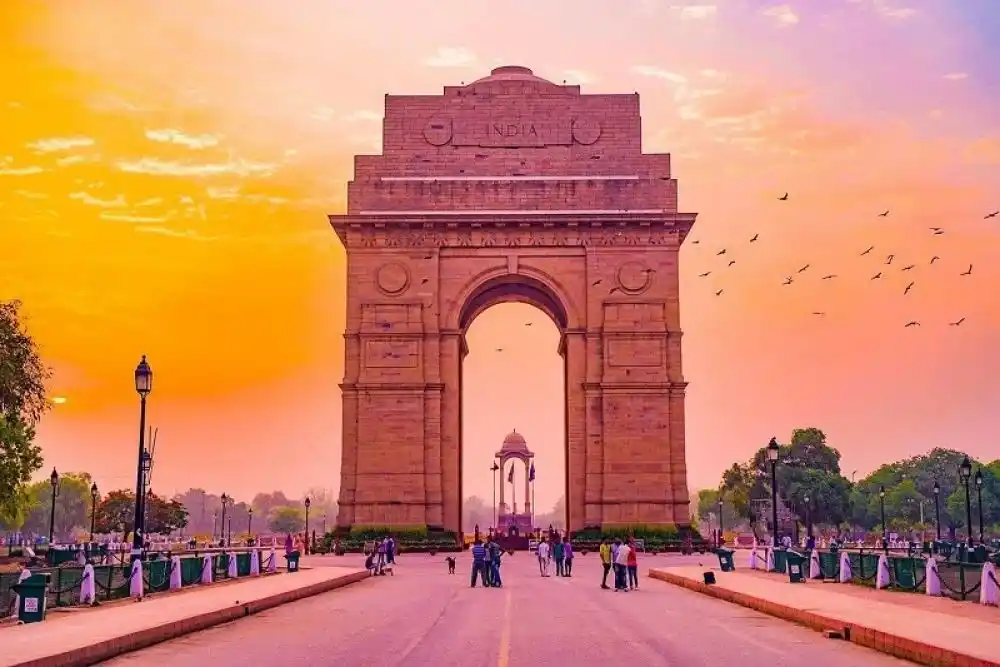
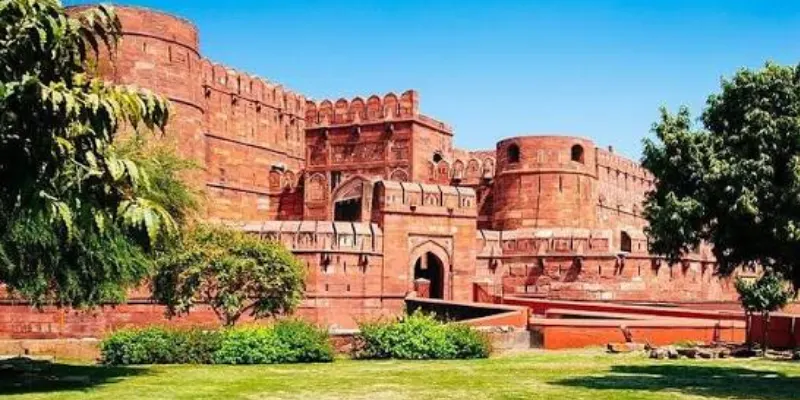
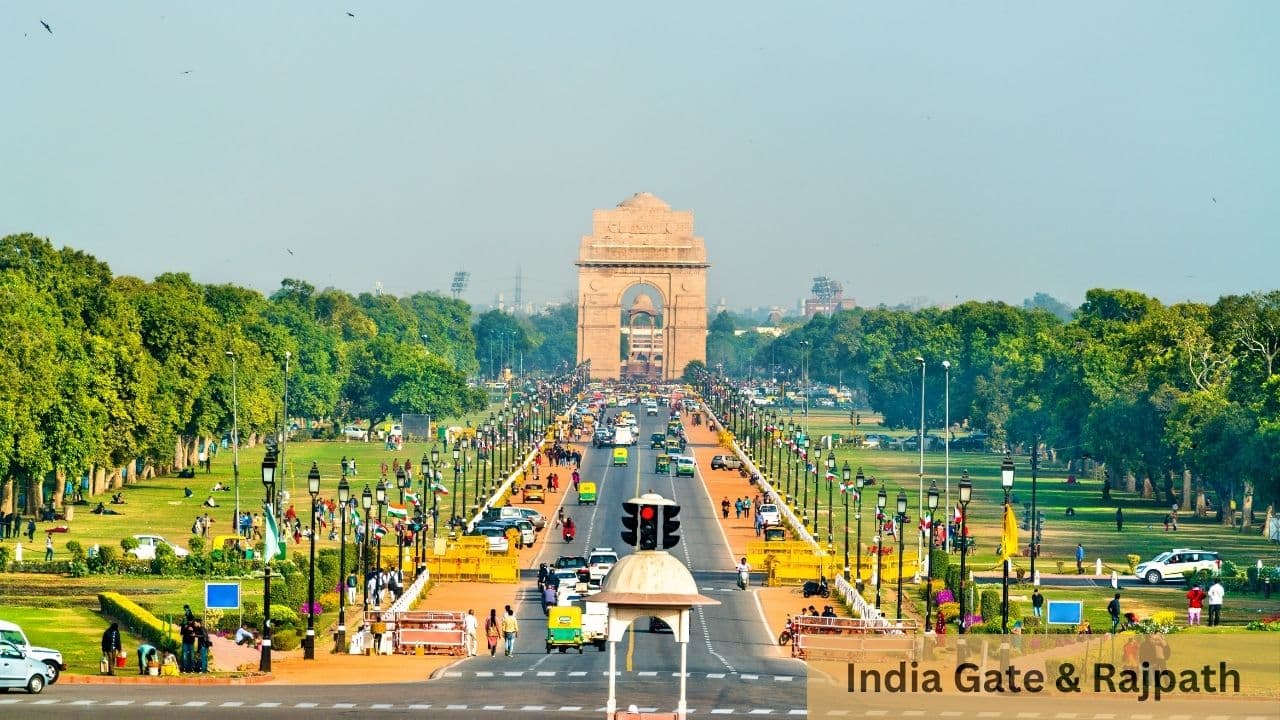
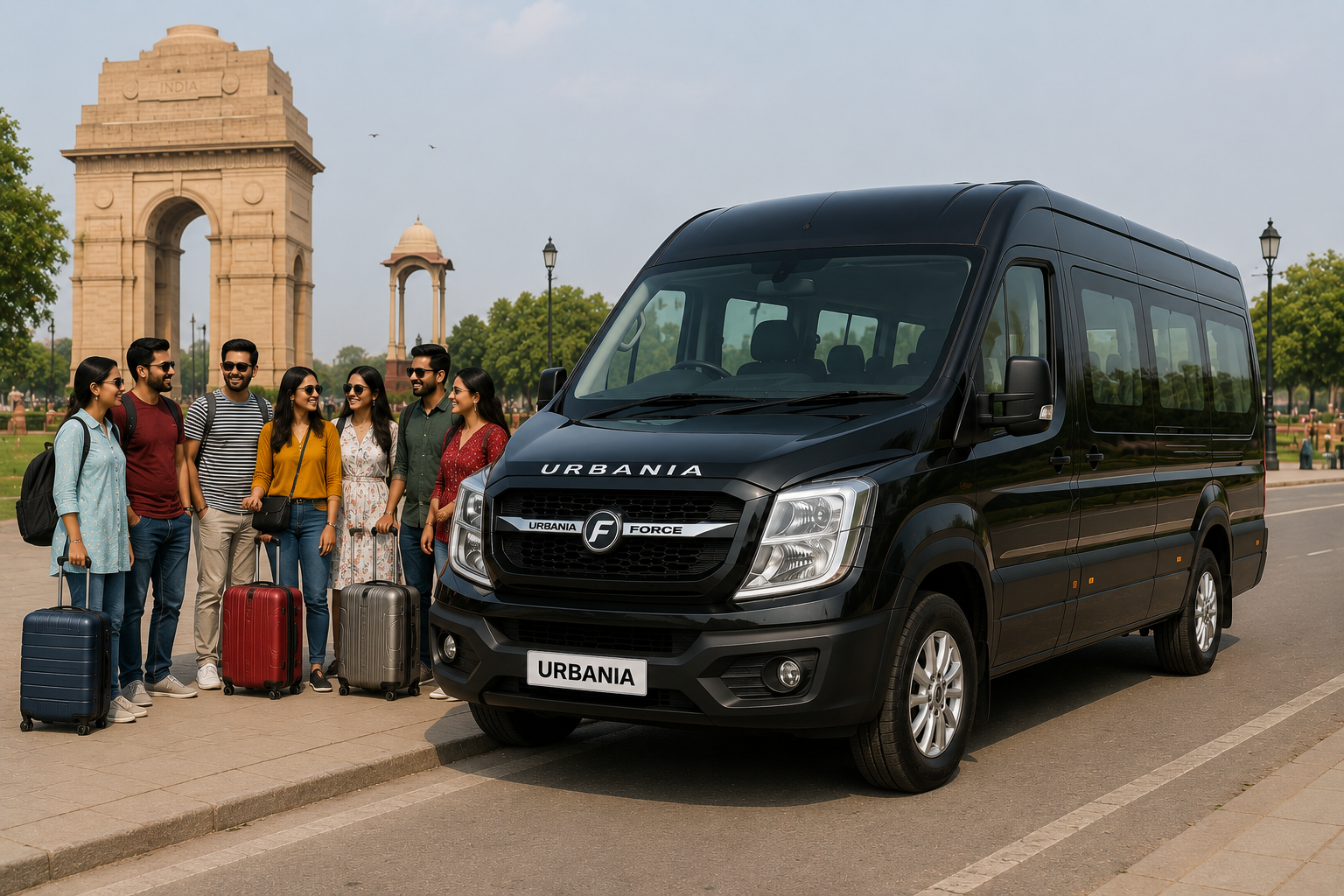
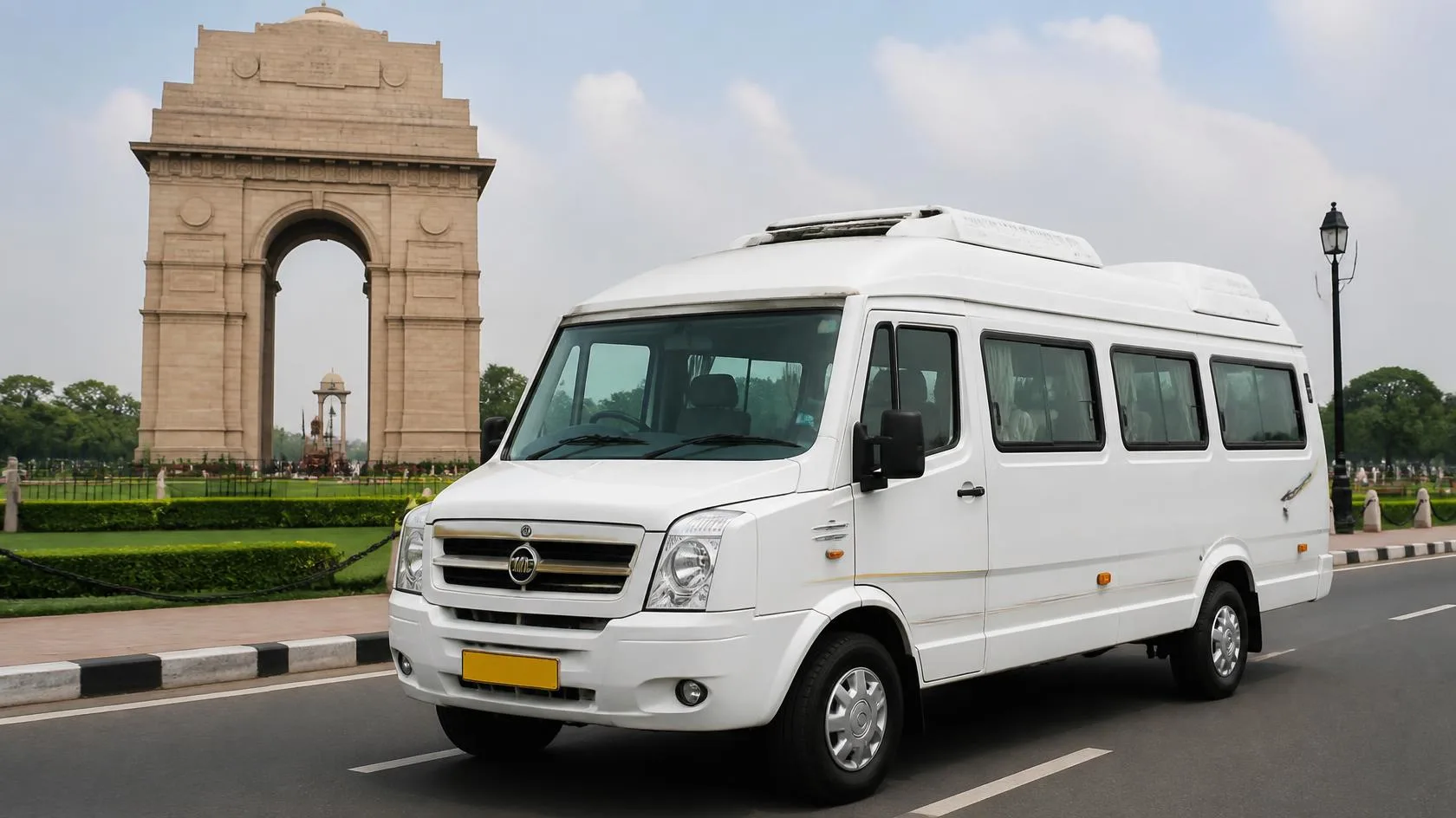
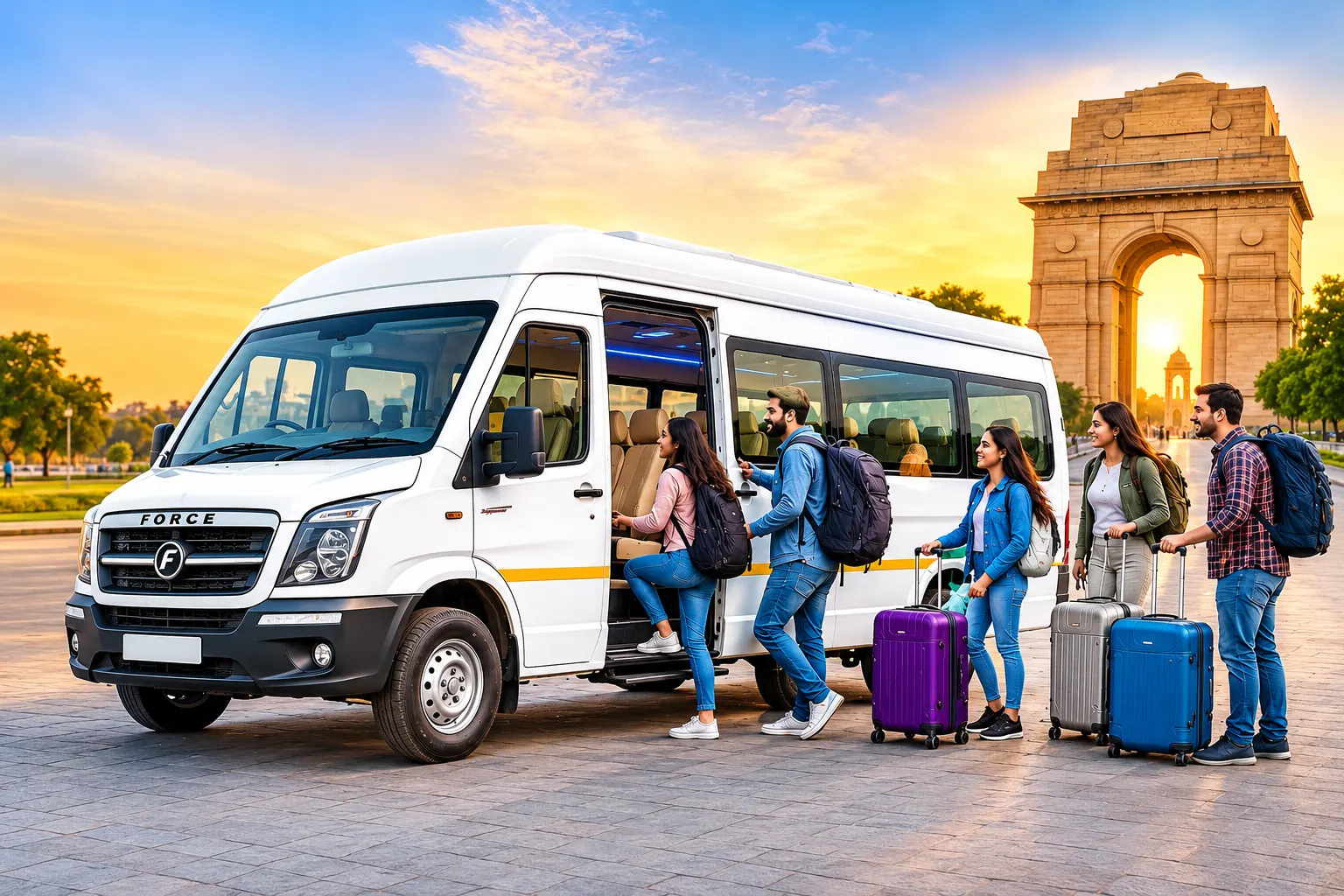
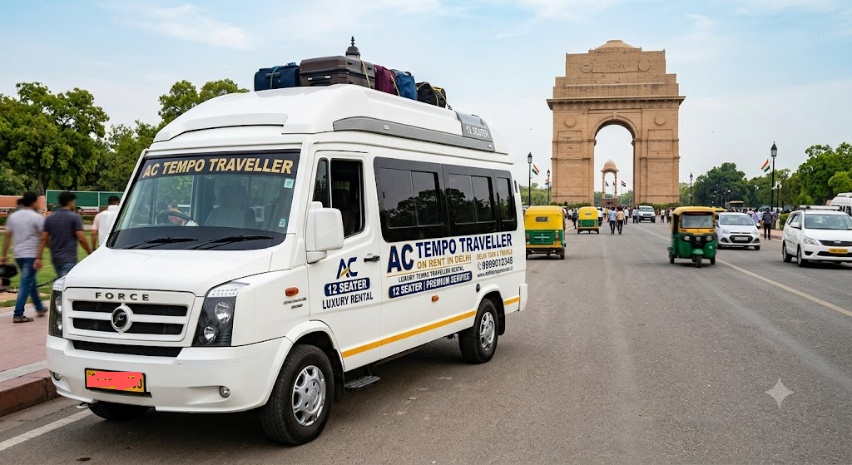
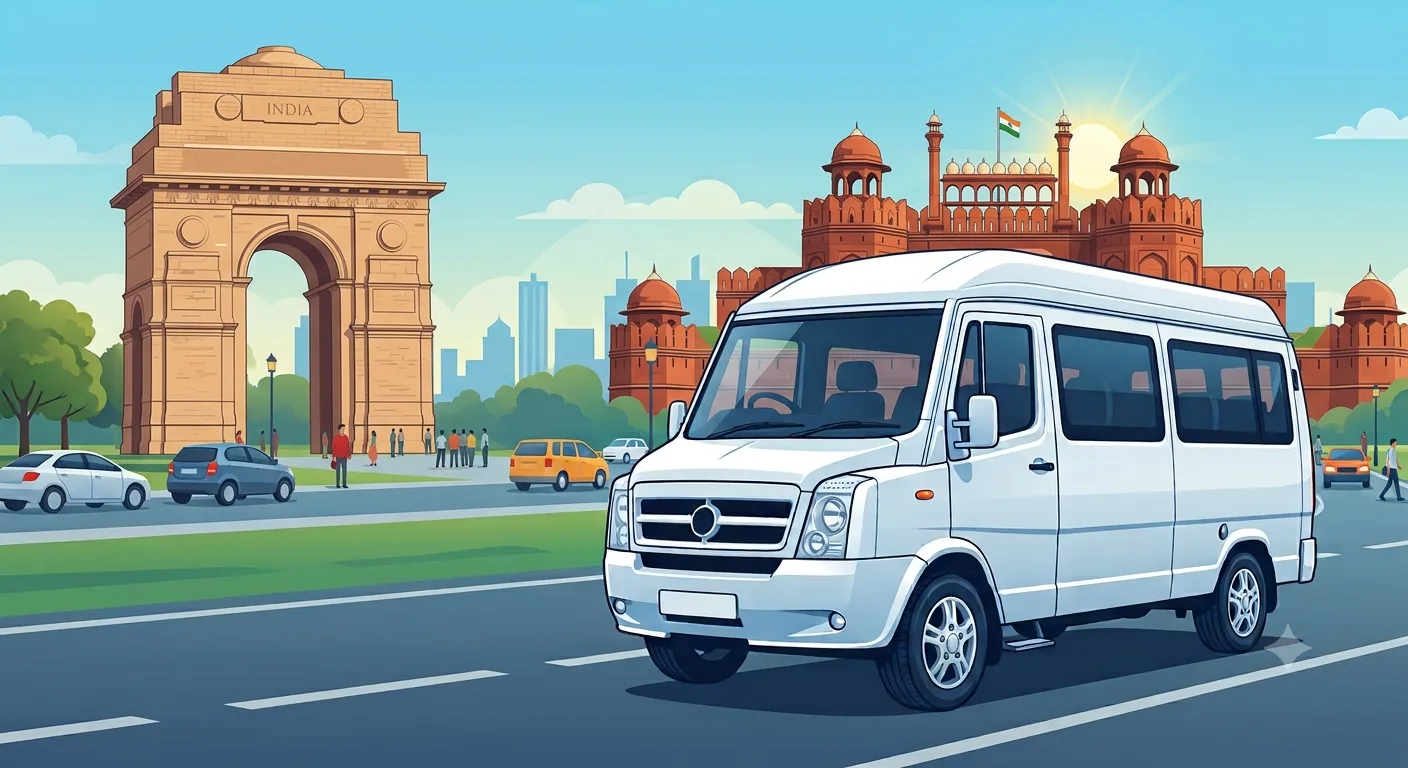
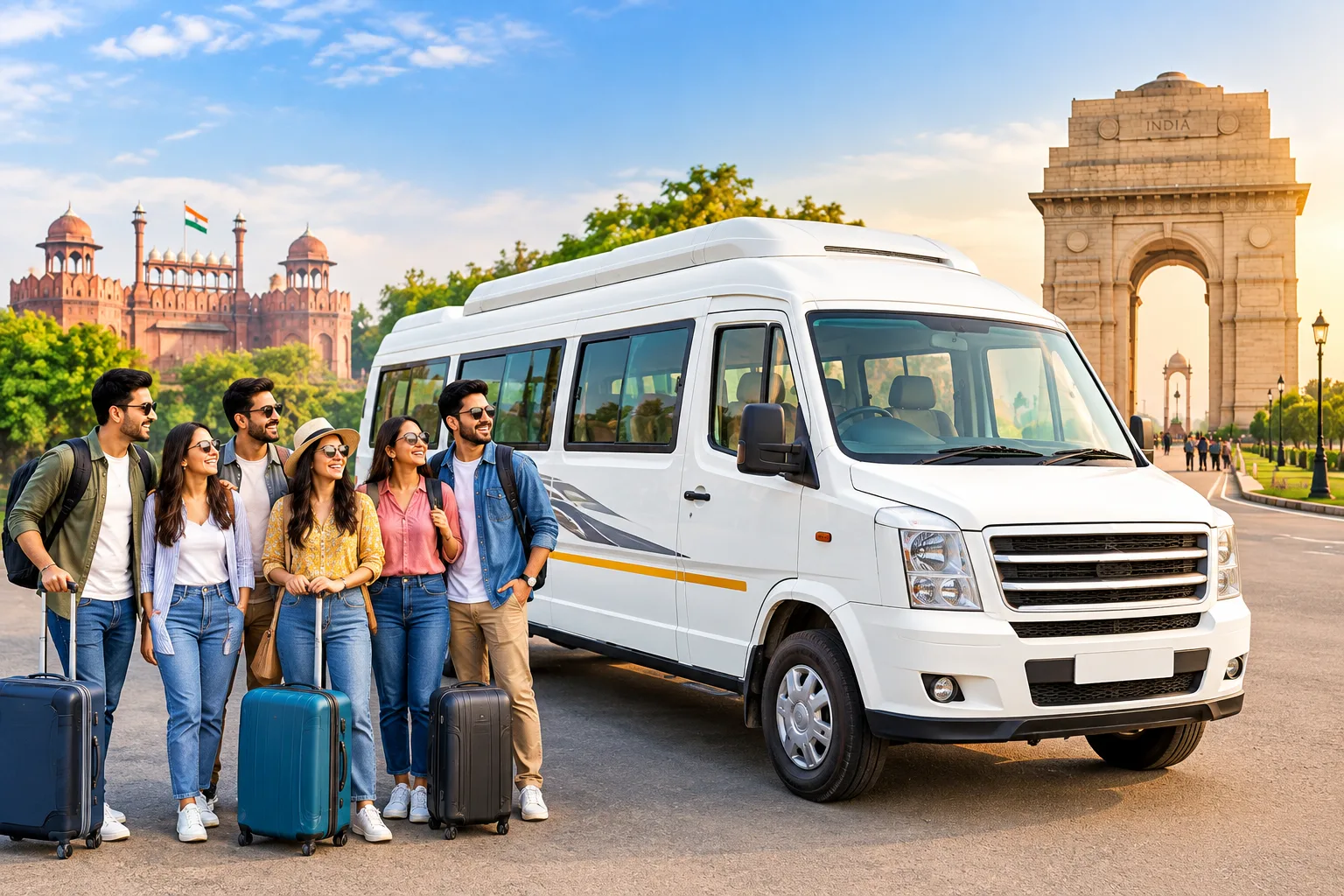
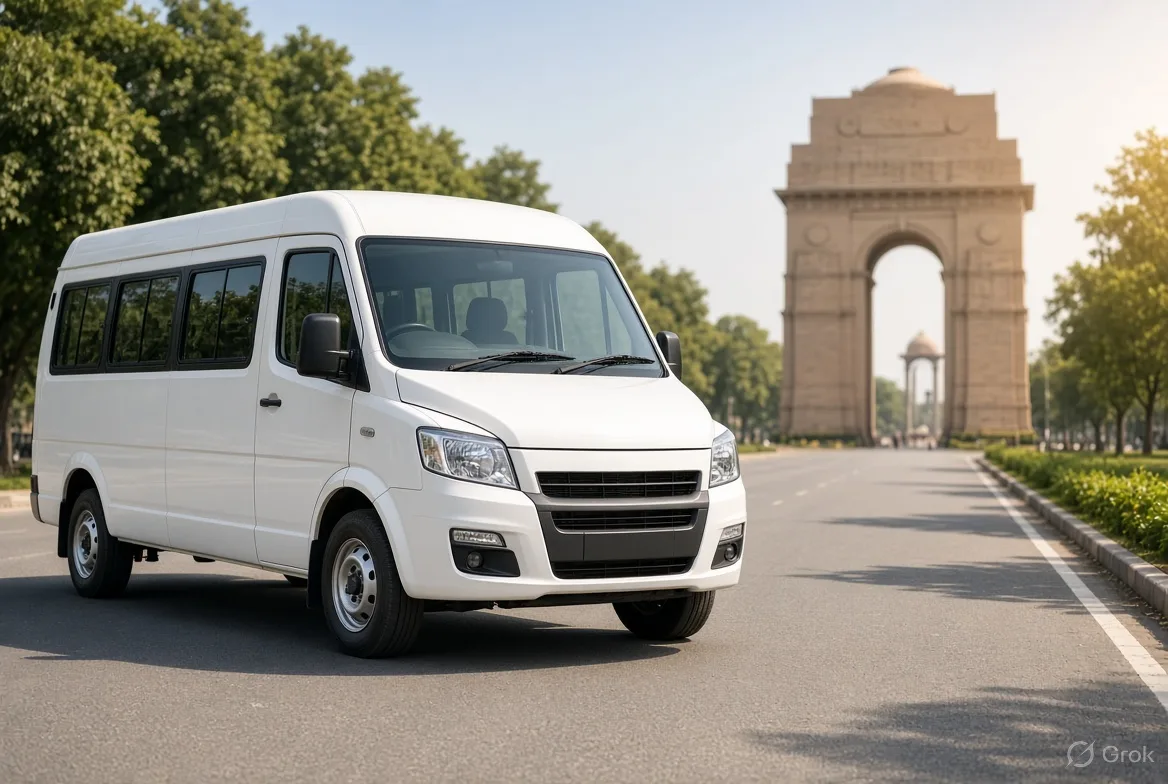
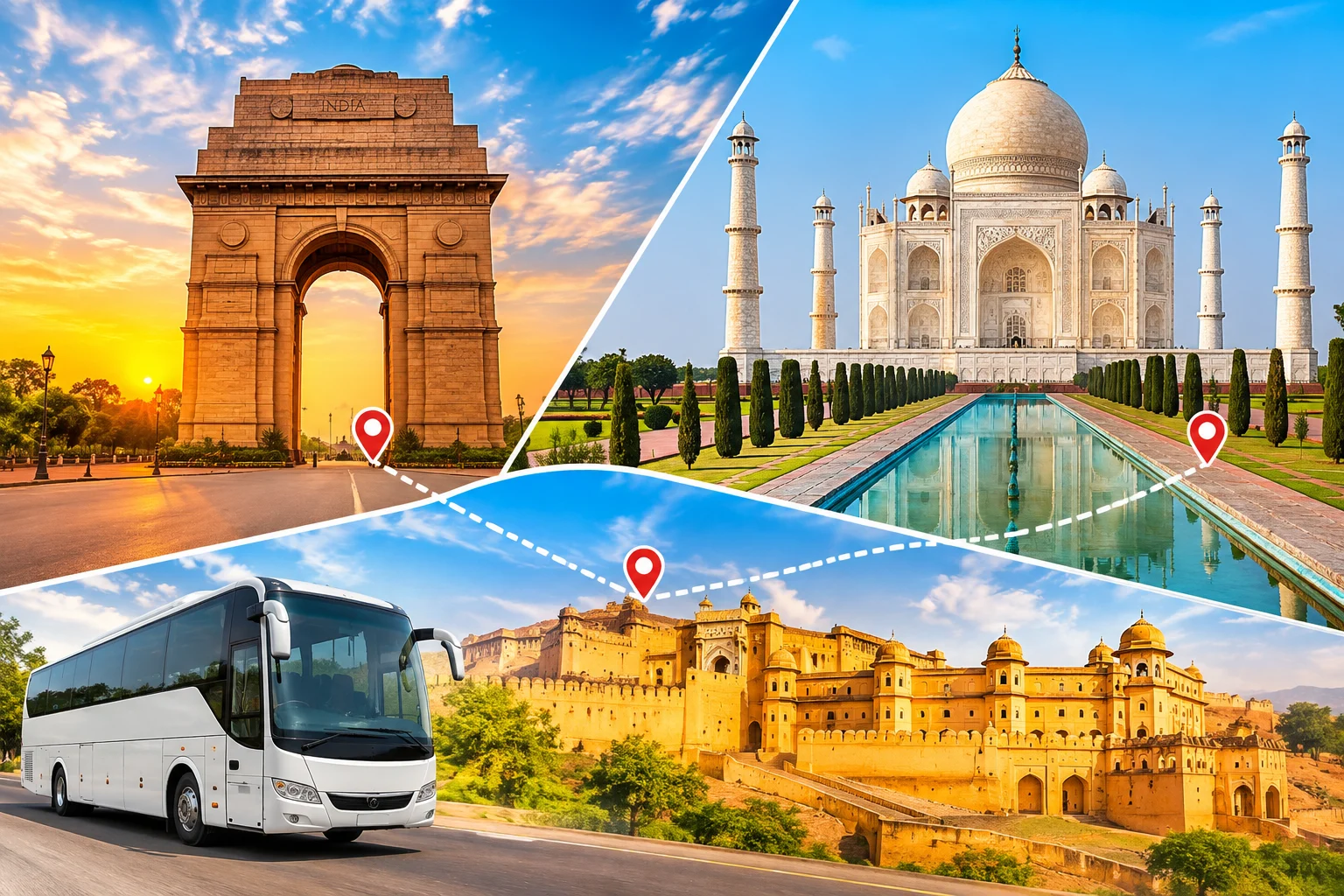
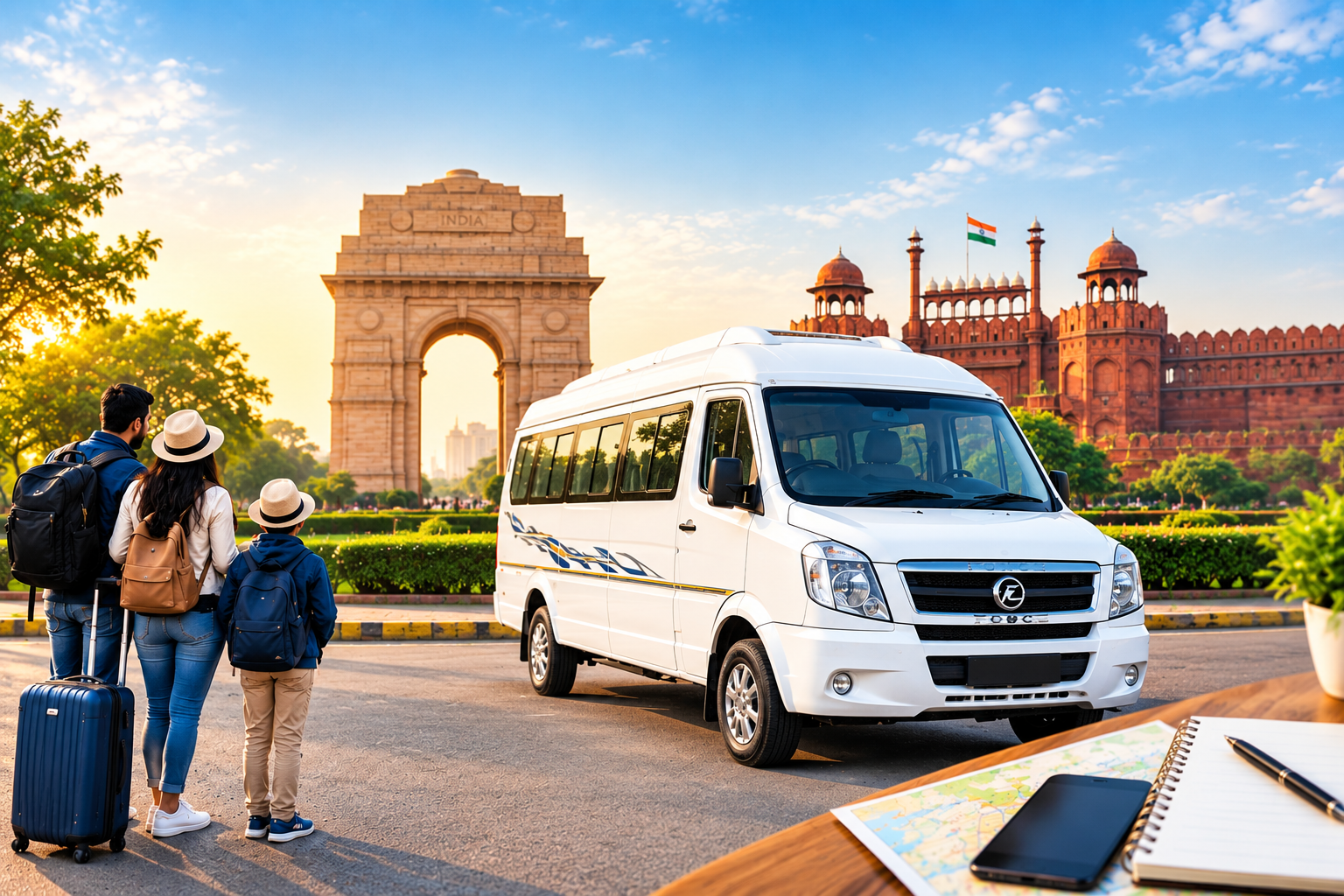
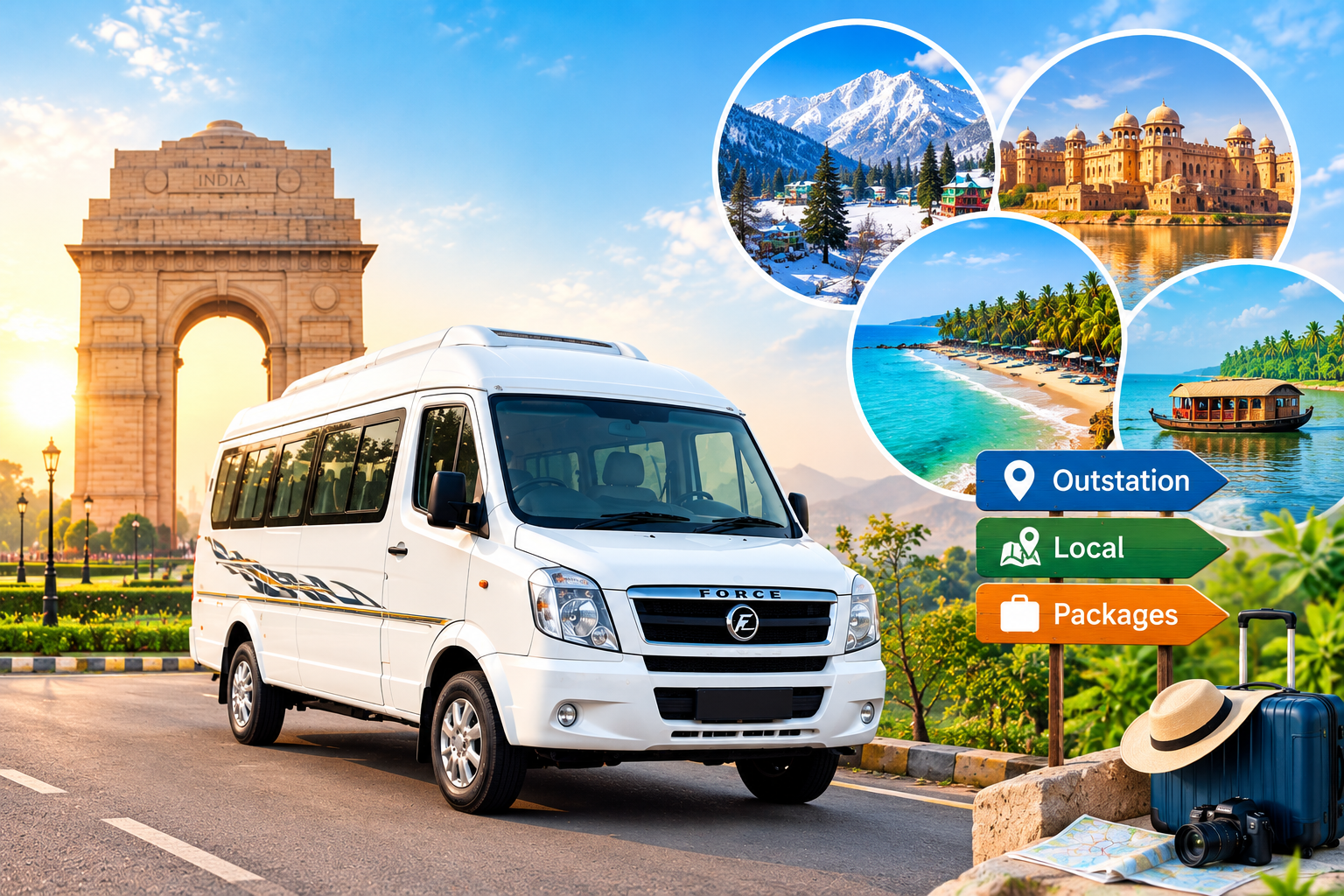
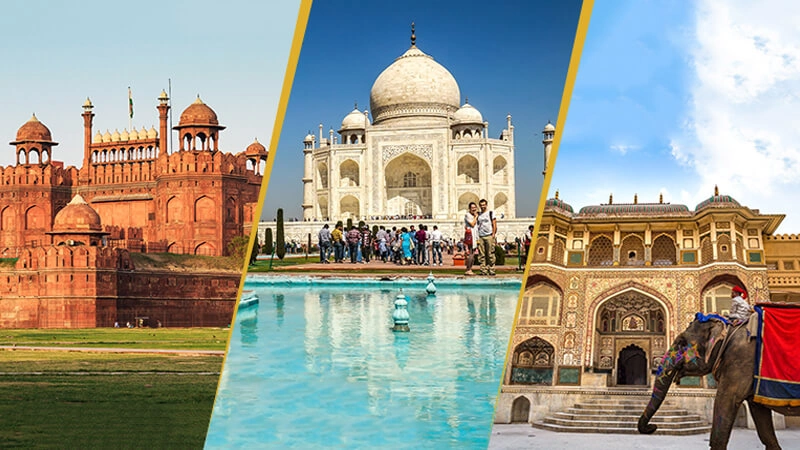
Delhi is one of the busiest travel hubs in India. Millions of tourists arrive every year to see the Red Fort, India Gate, and Qutub Minar. Delhi is also the starting point for trips to Agra, Jaipur, Haridwar, Rishikesh, Manali, Shimla, and Vaishno Devi. On top of that, there are corporate teams, wedding parties, school trips, and families who want to travel together.
Published on 08 Oct, 2026
Updated on 12 Oct, 2026
1038 Views
Tempo Traveller Business in Delhi: How to Earn Money Step by Step
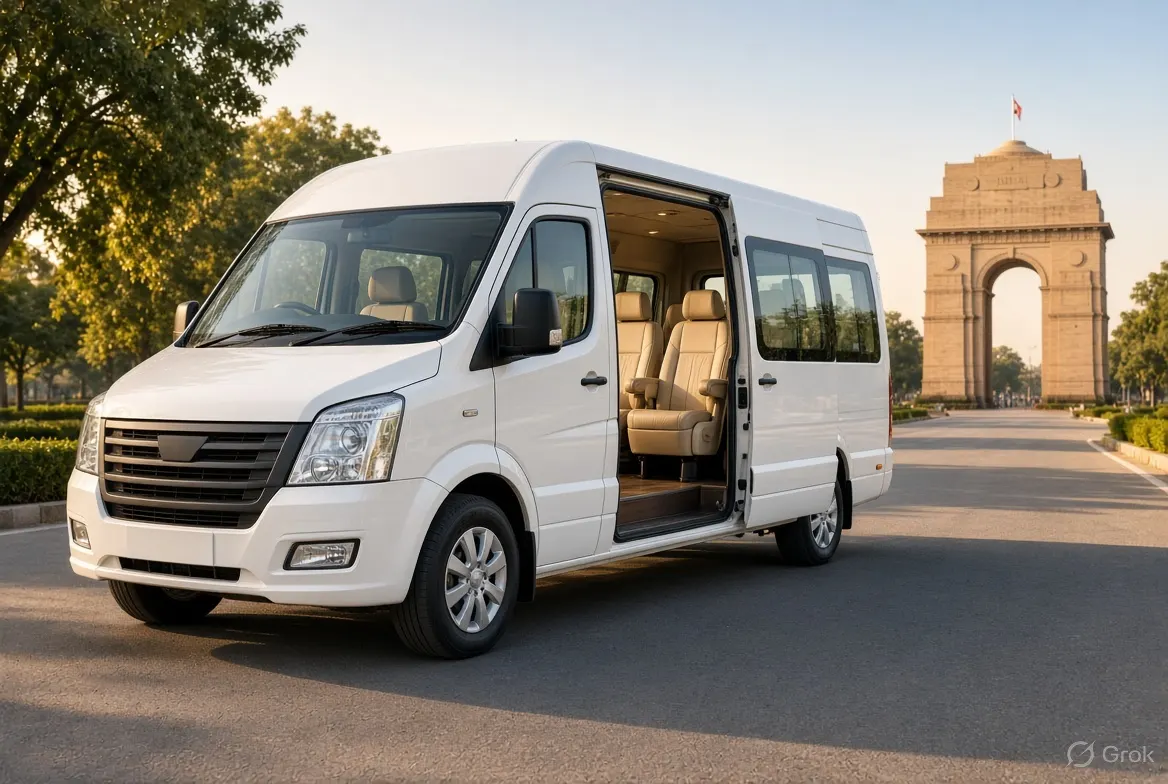
Delhi is one of the busiest travel hubs in India. Millions of tourists arrive every year to see the Red Fort, India Gate, and Qutub Minar. Delhi is also the starting point for trips to Agra, Jaipur, Haridwar, Rishikesh, Manali, Shimla, and Vaishno Devi. On top of that, there are corporate teams, wedding parties, school trips, and families who want to travel together.
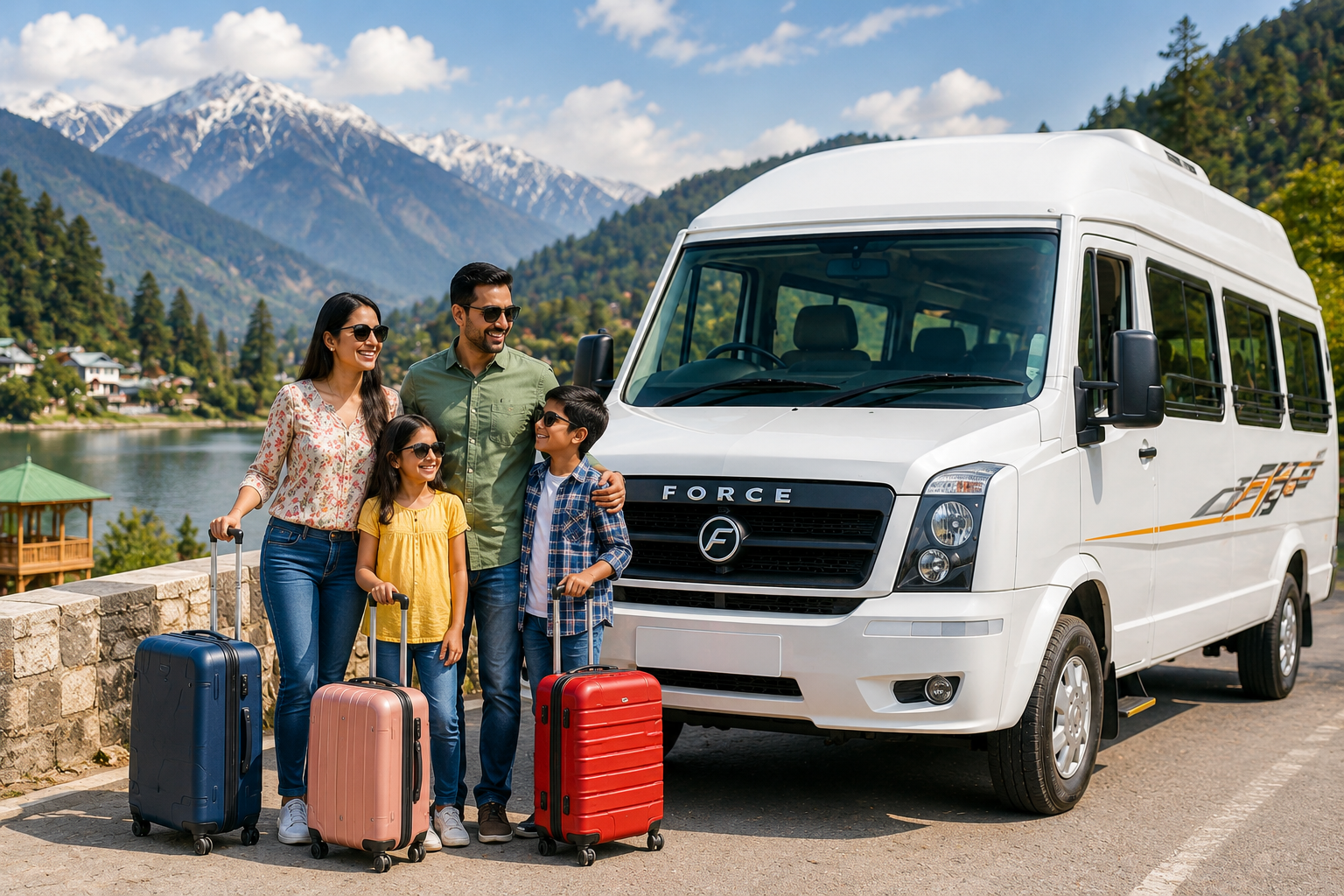
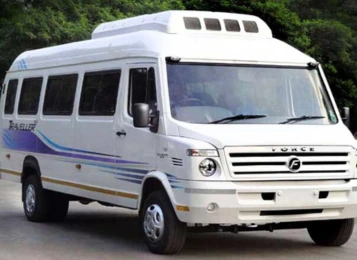
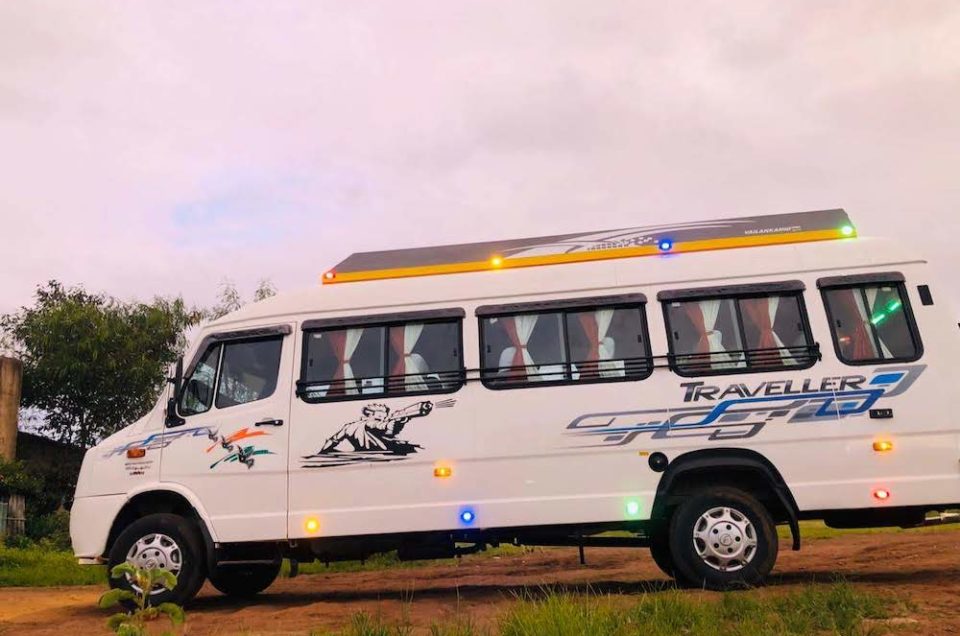
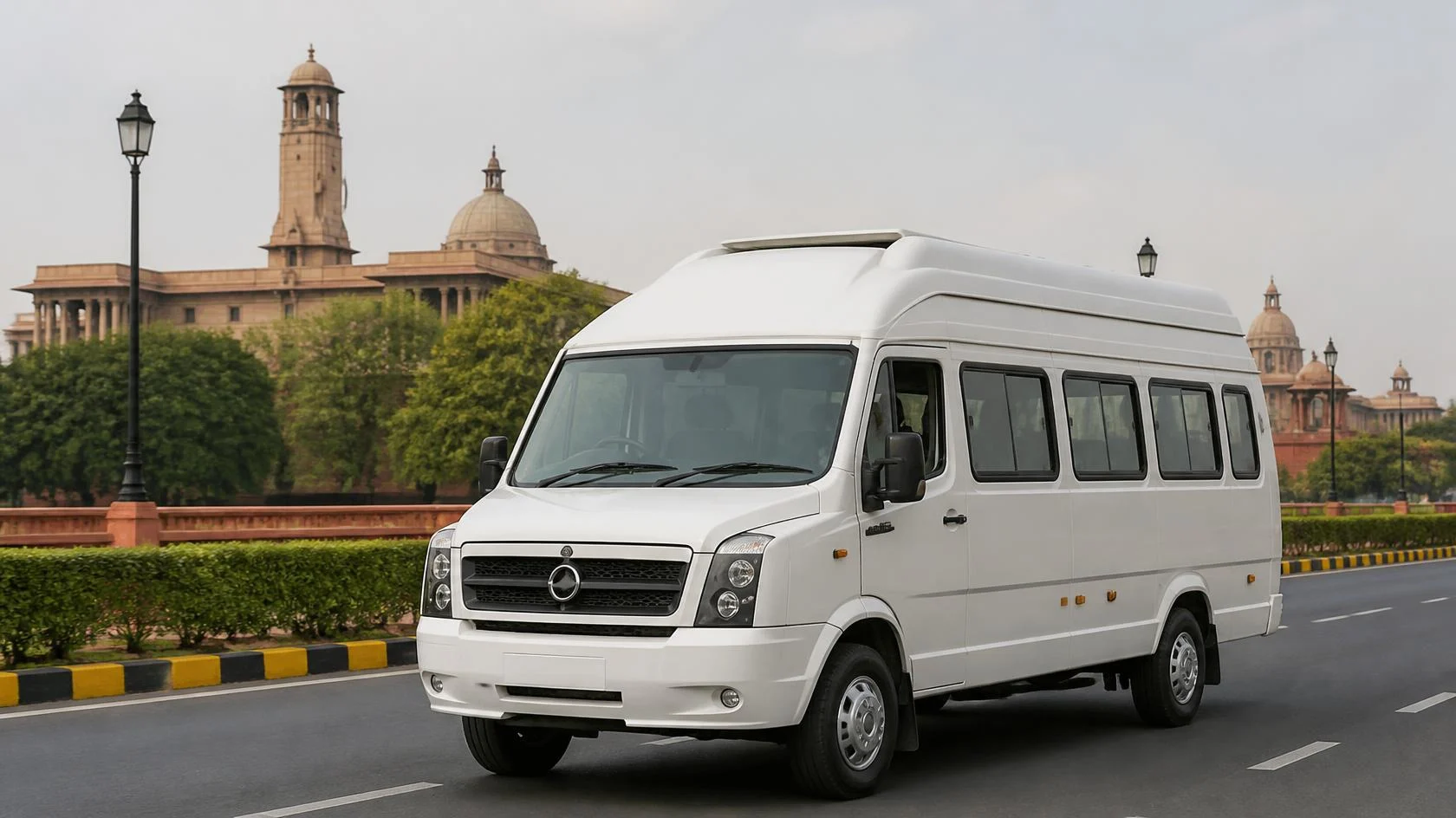
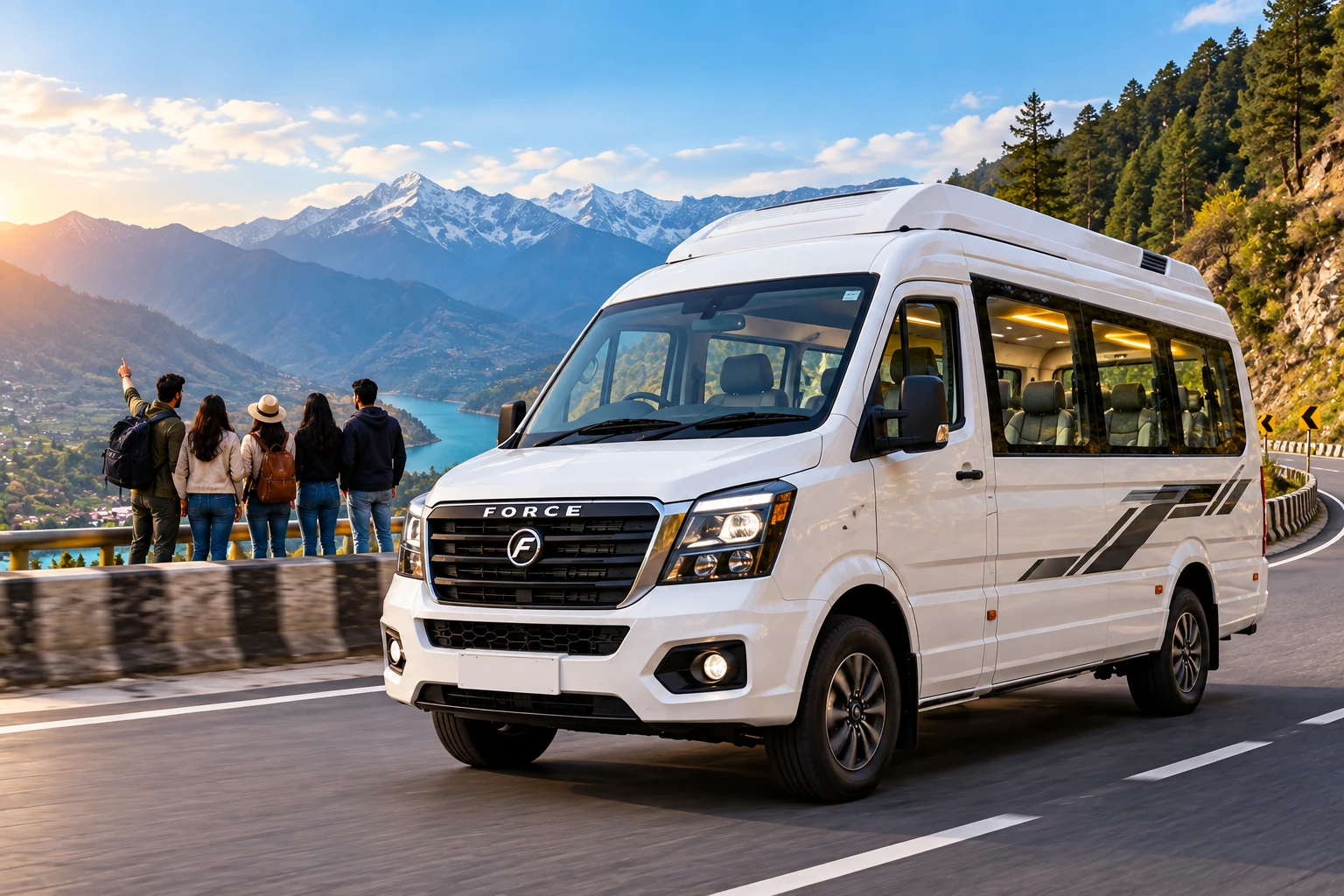
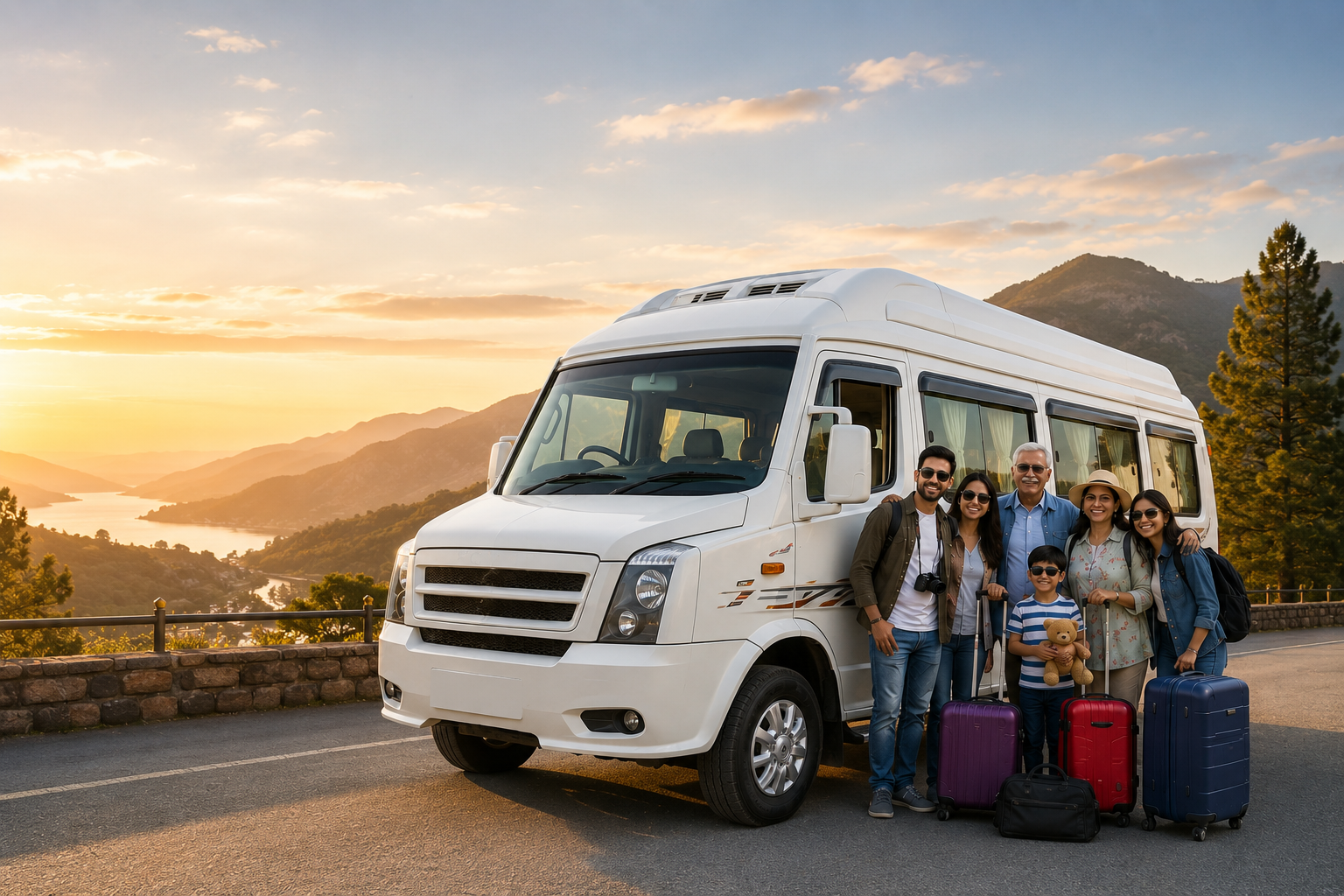
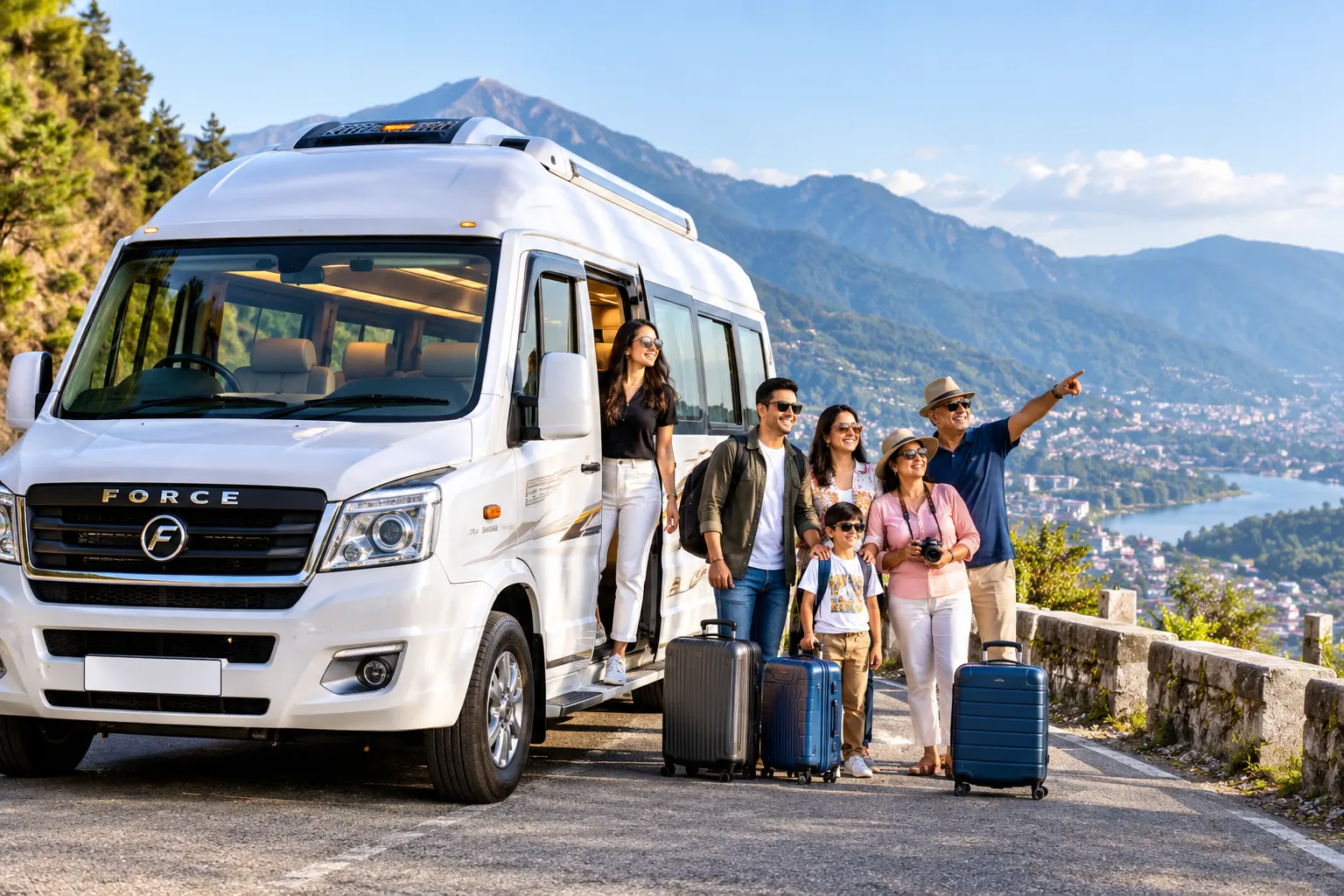
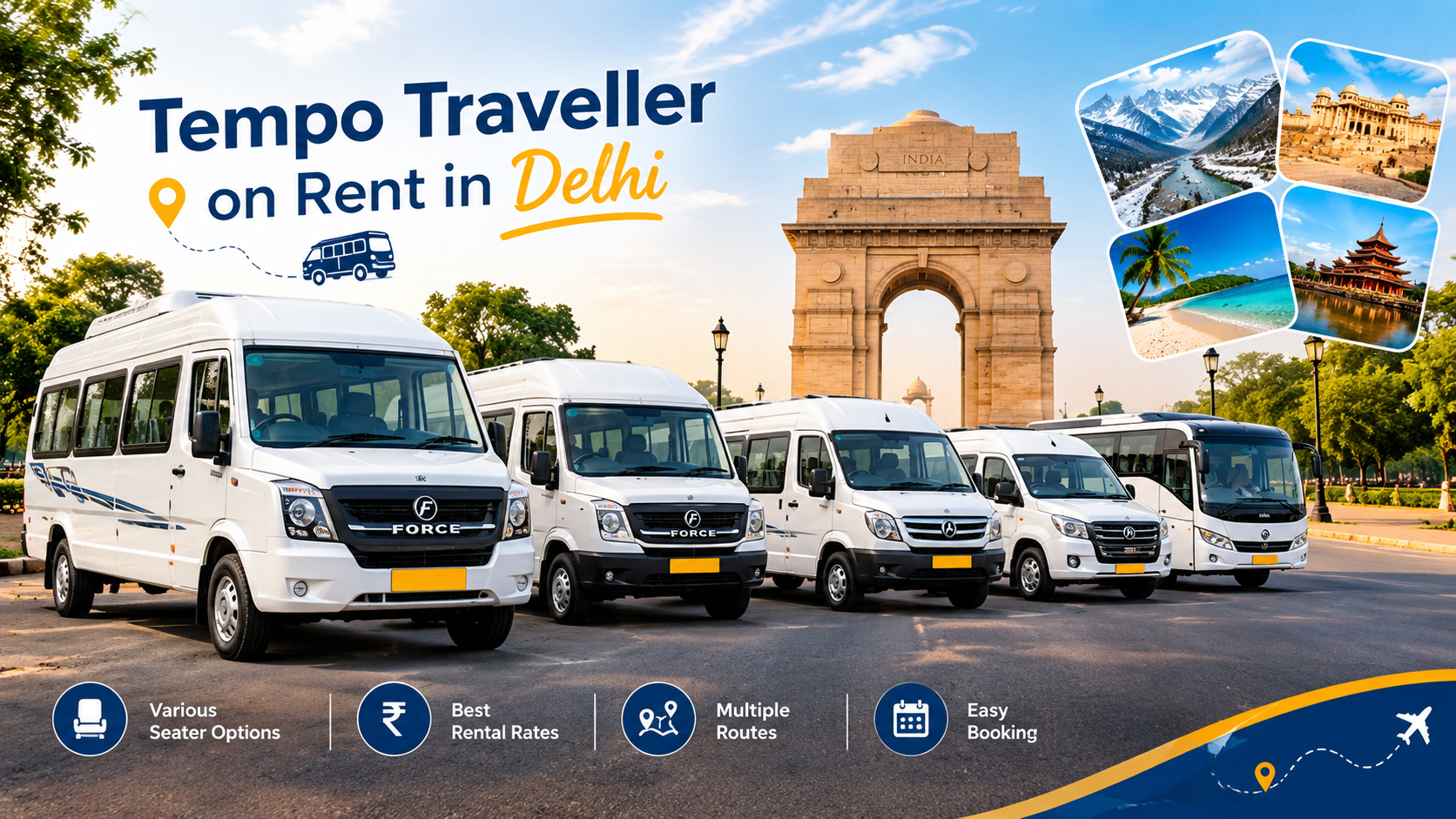
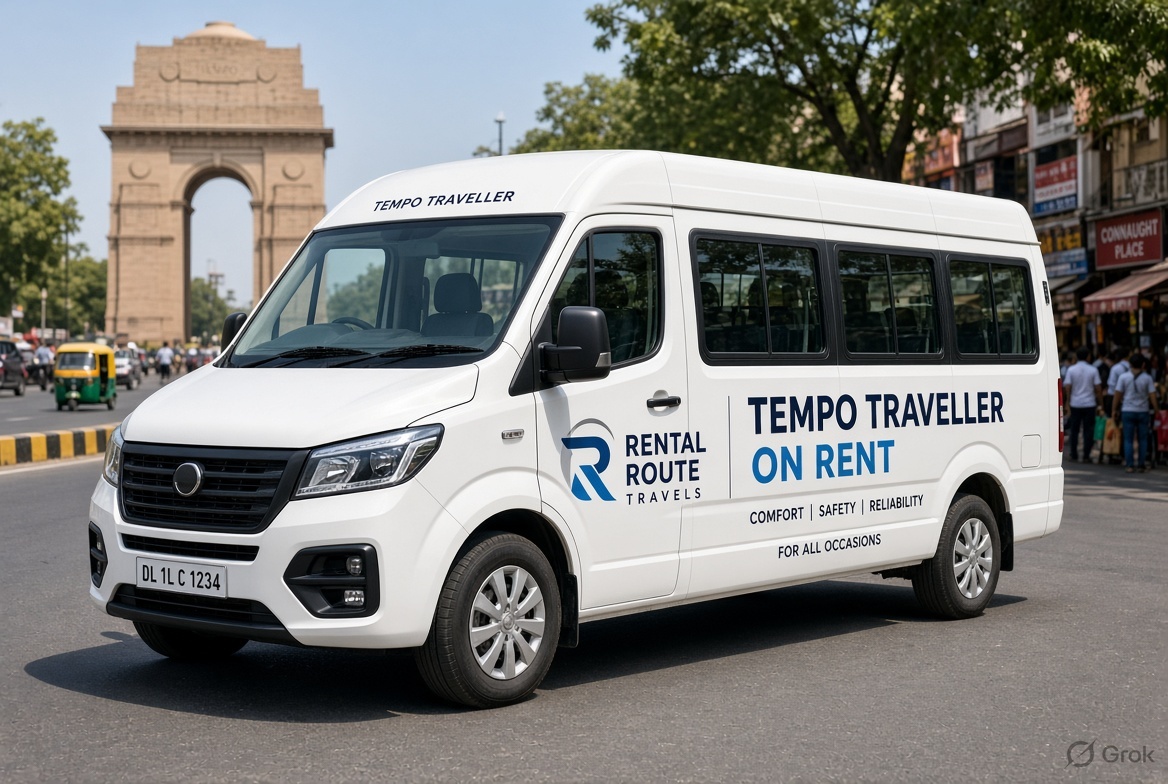
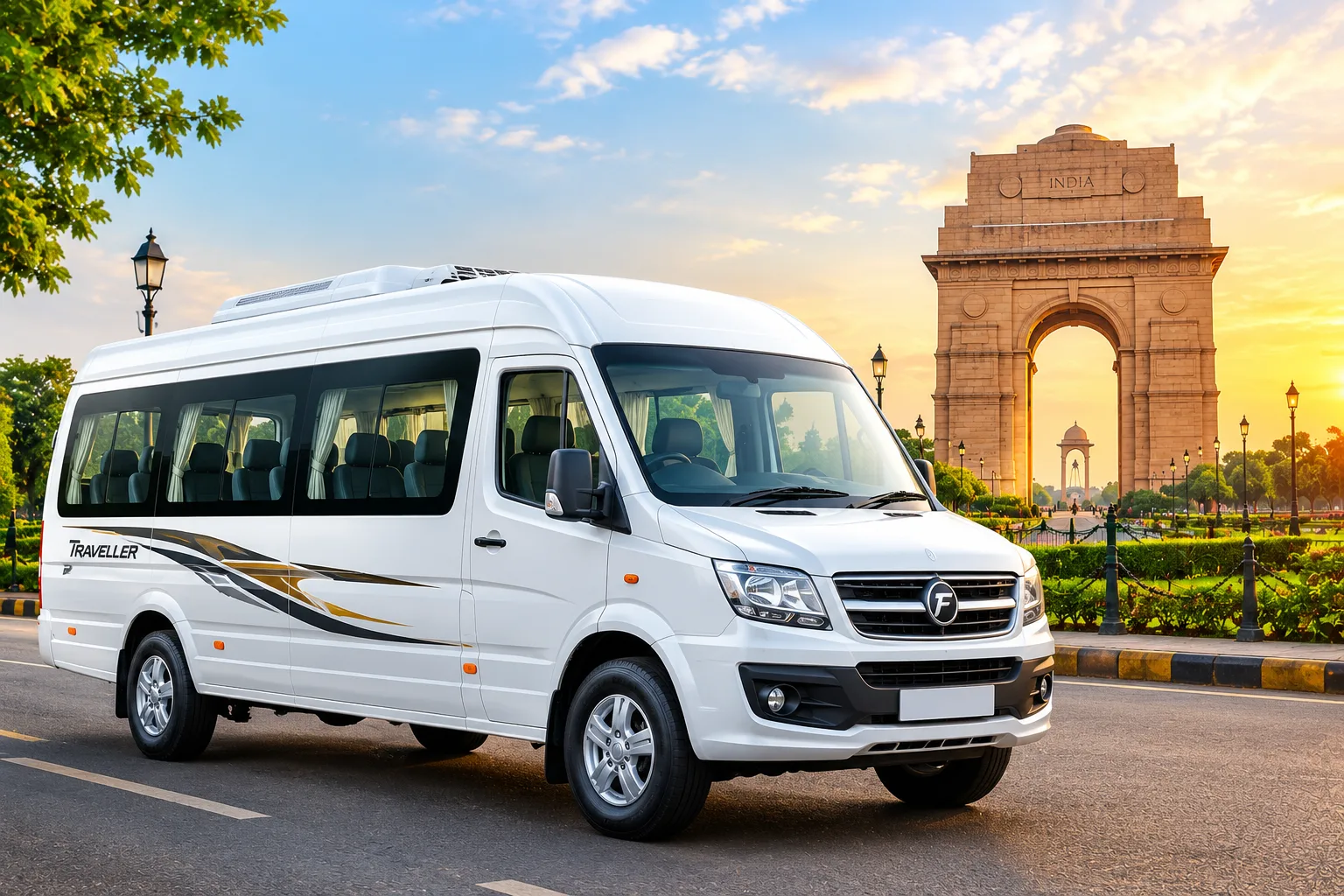
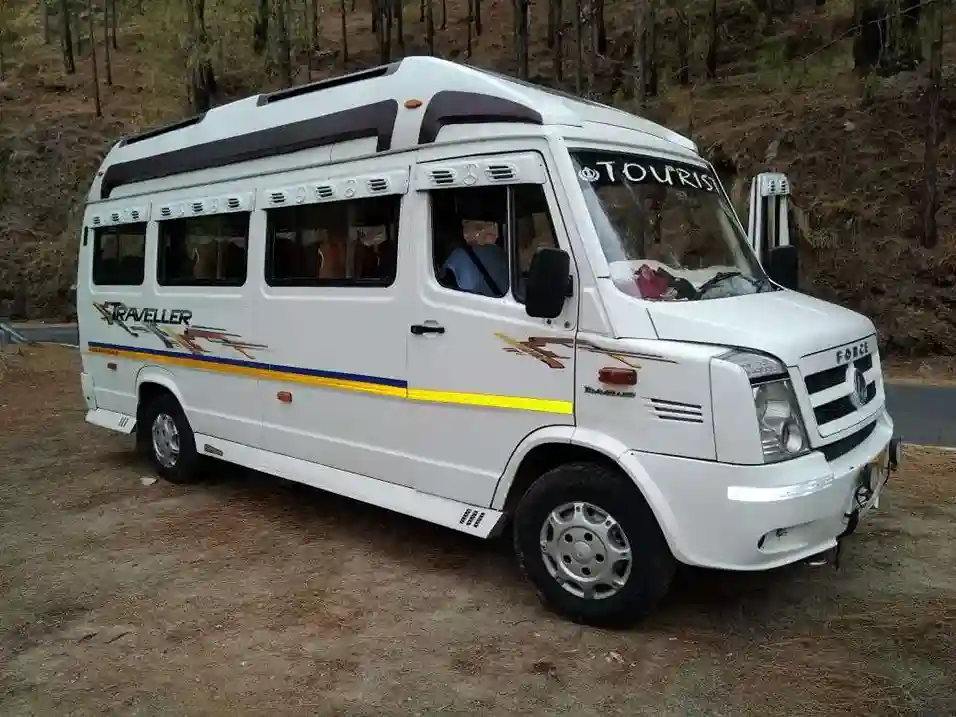
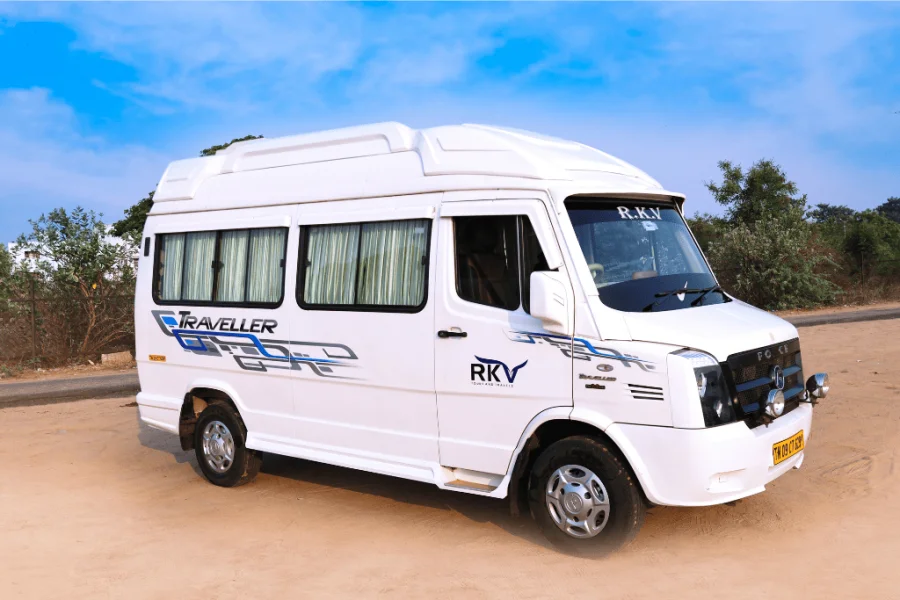
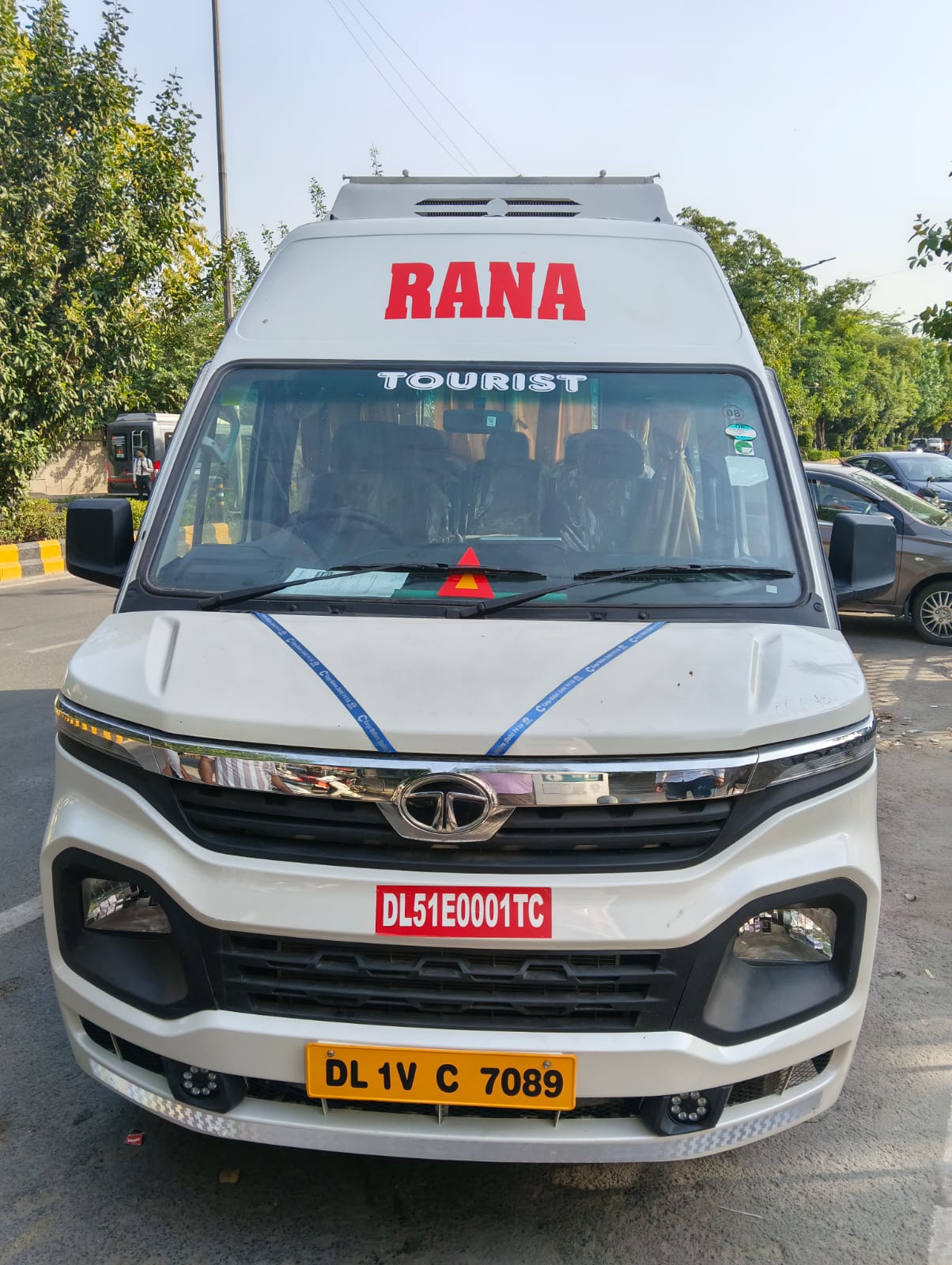
All of these groups have the same need: a comfortable vehicle that carries 9 to 17 people at a reasonable price. That is why the tempo traveller on rent in Delhi business has become one of the most reliable small-fleet transport businesses in North India.
If you have been wondering how to start and earn money from this business, this guide covers it: investment, permits, income sources, costs, marketing, and mistakes to avoid.
Why the Tempo Traveller Business Works in Delhi
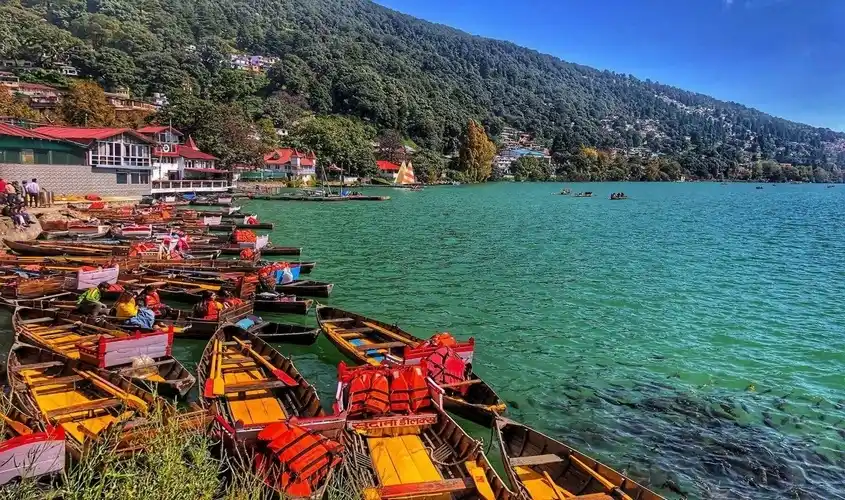
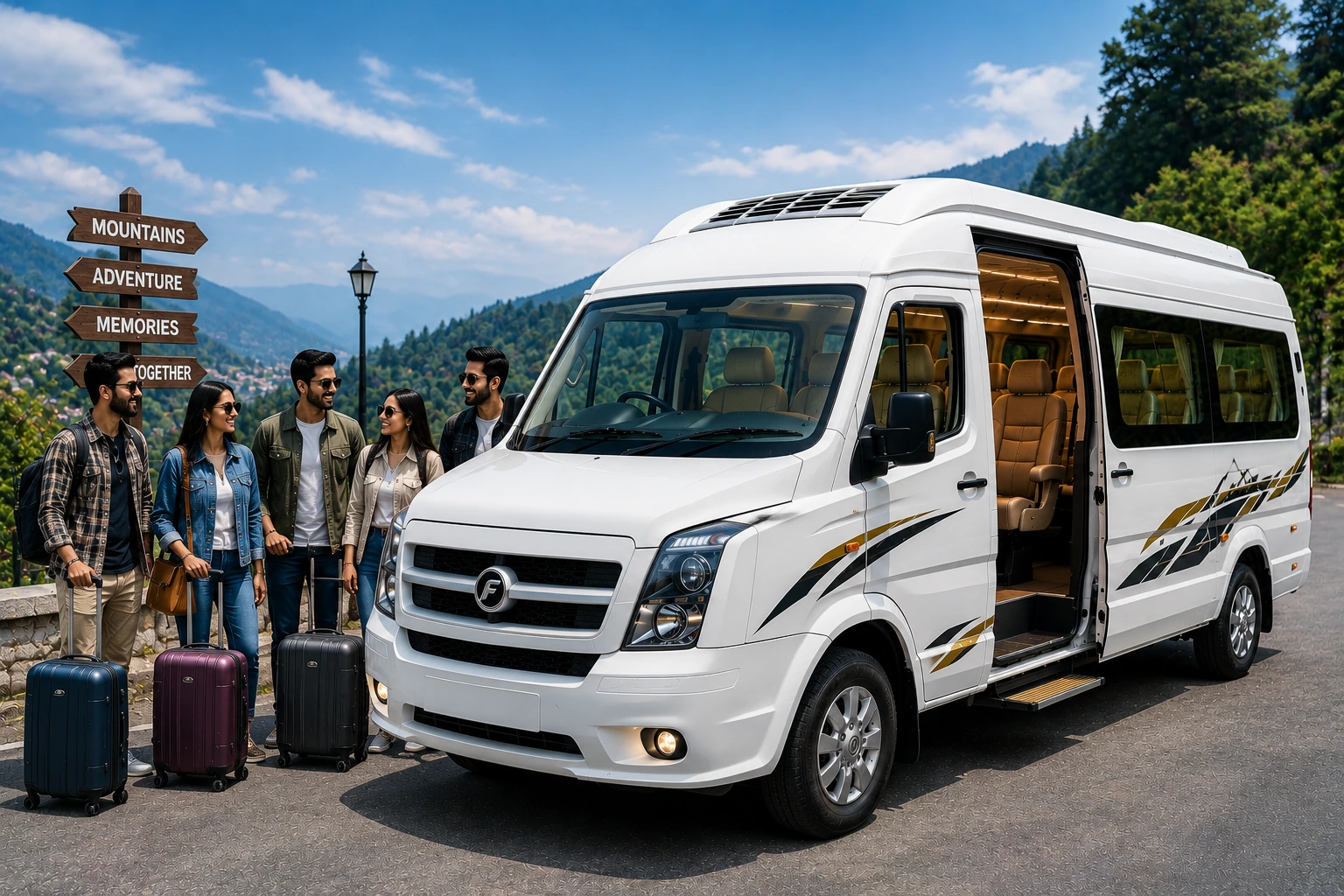
1. Constant demand. Tourism in Delhi never fully stops. Winter brings international and domestic tourists. Summer brings hill-station trips to Manali, Shimla, and Nainital. The monsoon and festive seasons bring religious tours and pilgrimages. Weddings add more demand through the year.
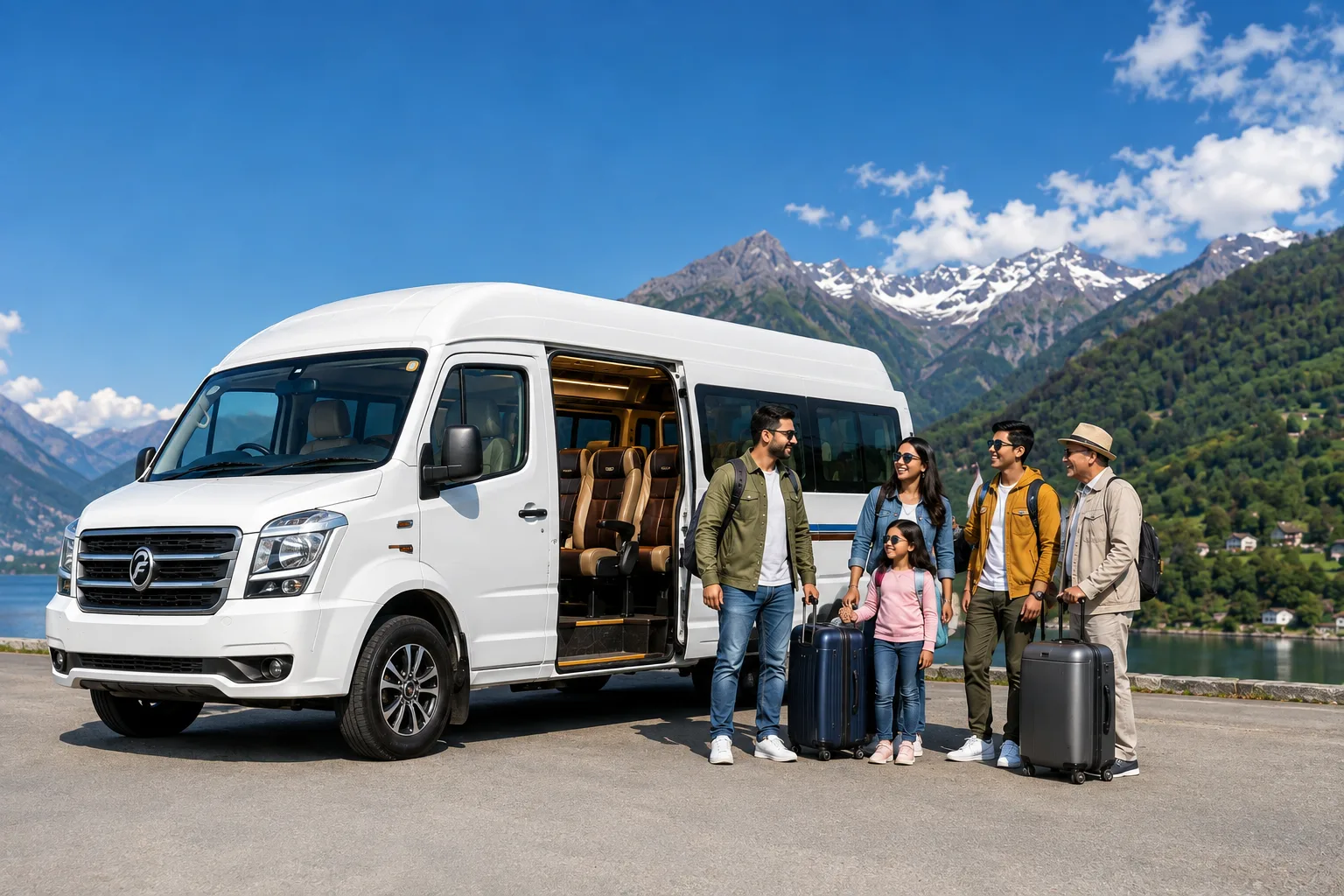
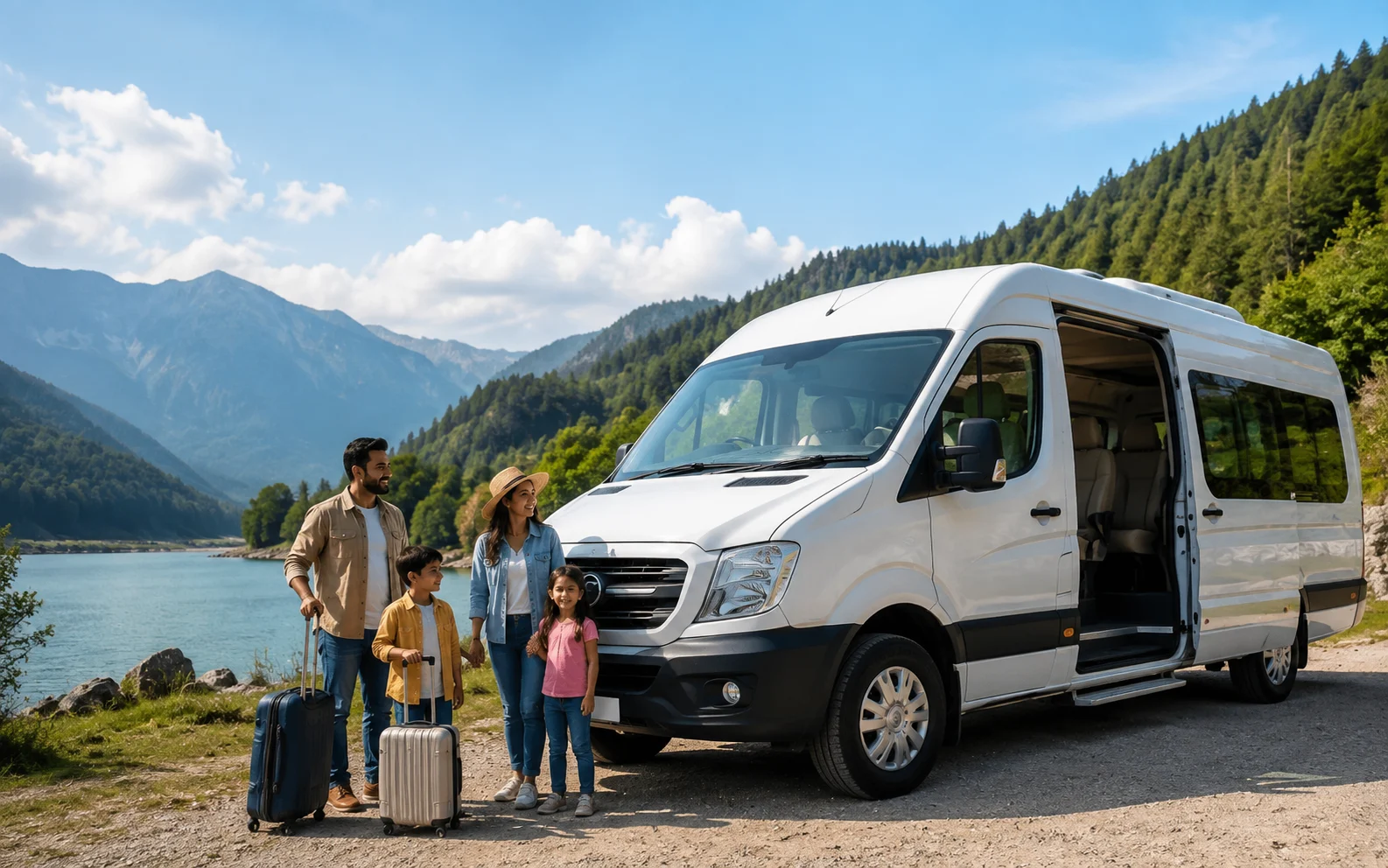
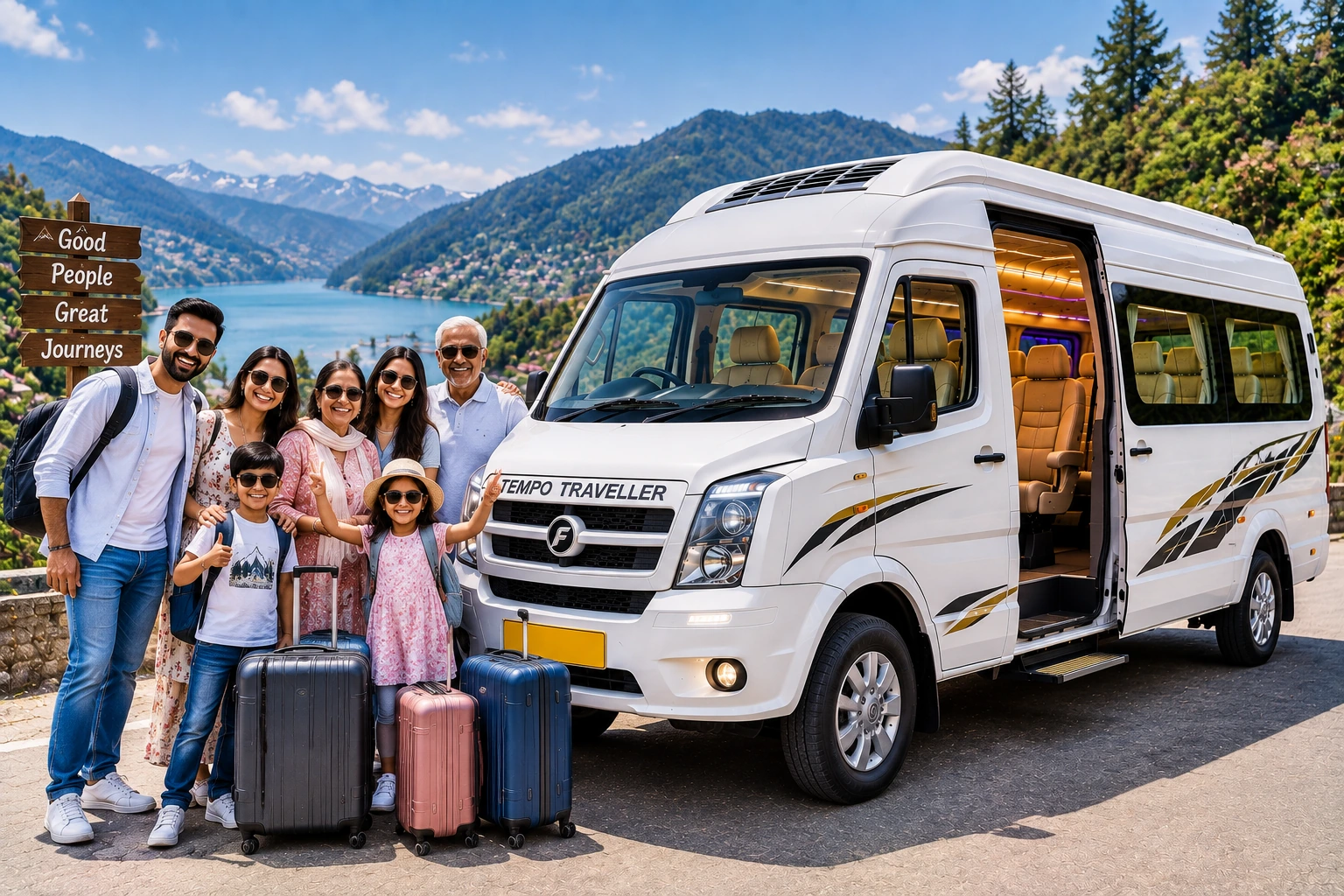
2. Group travel is growing. People prefer to travel together in one vehicle rather than book three or four cabs. A tempo traveller is cheaper per person, more social, and has room for luggage.
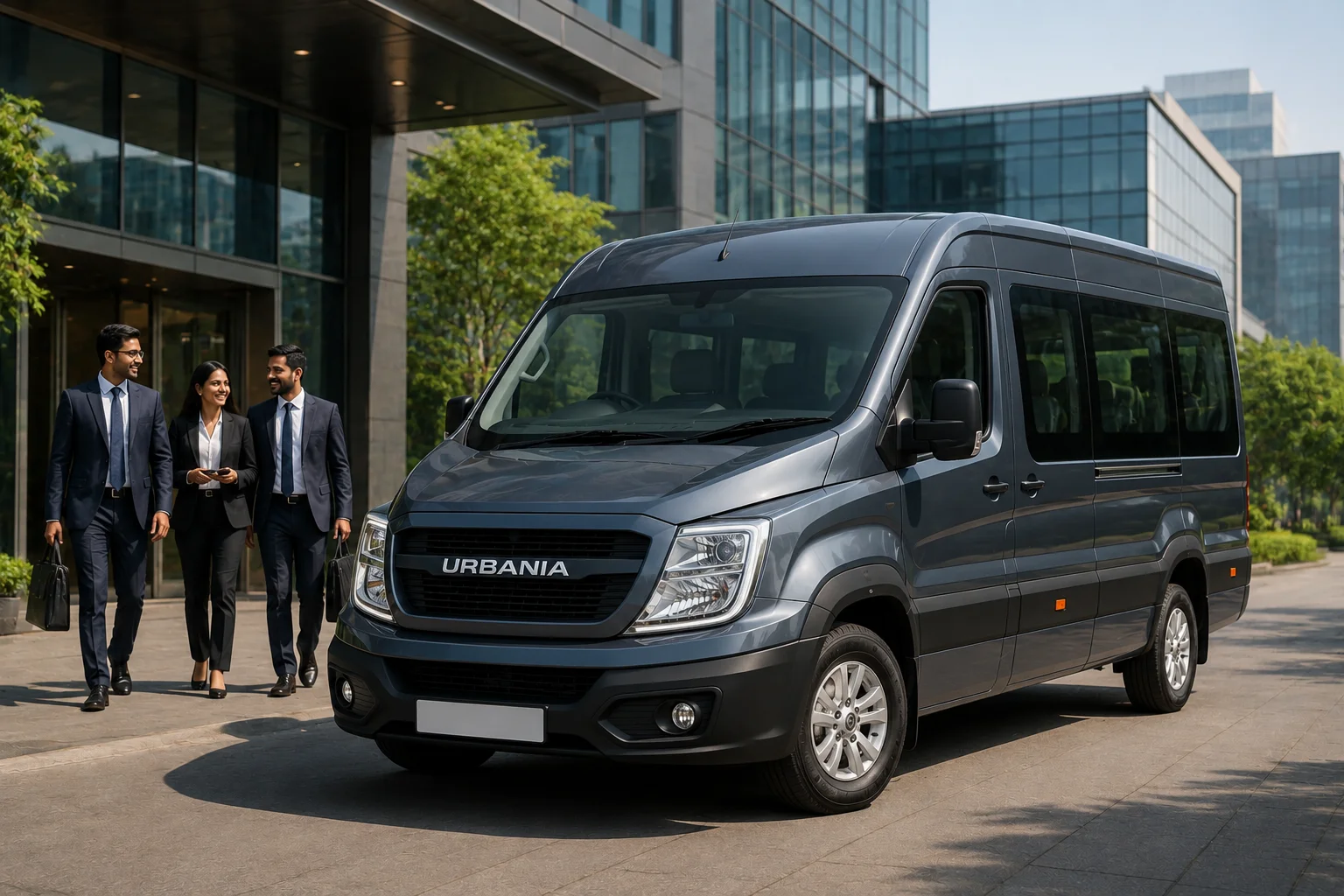
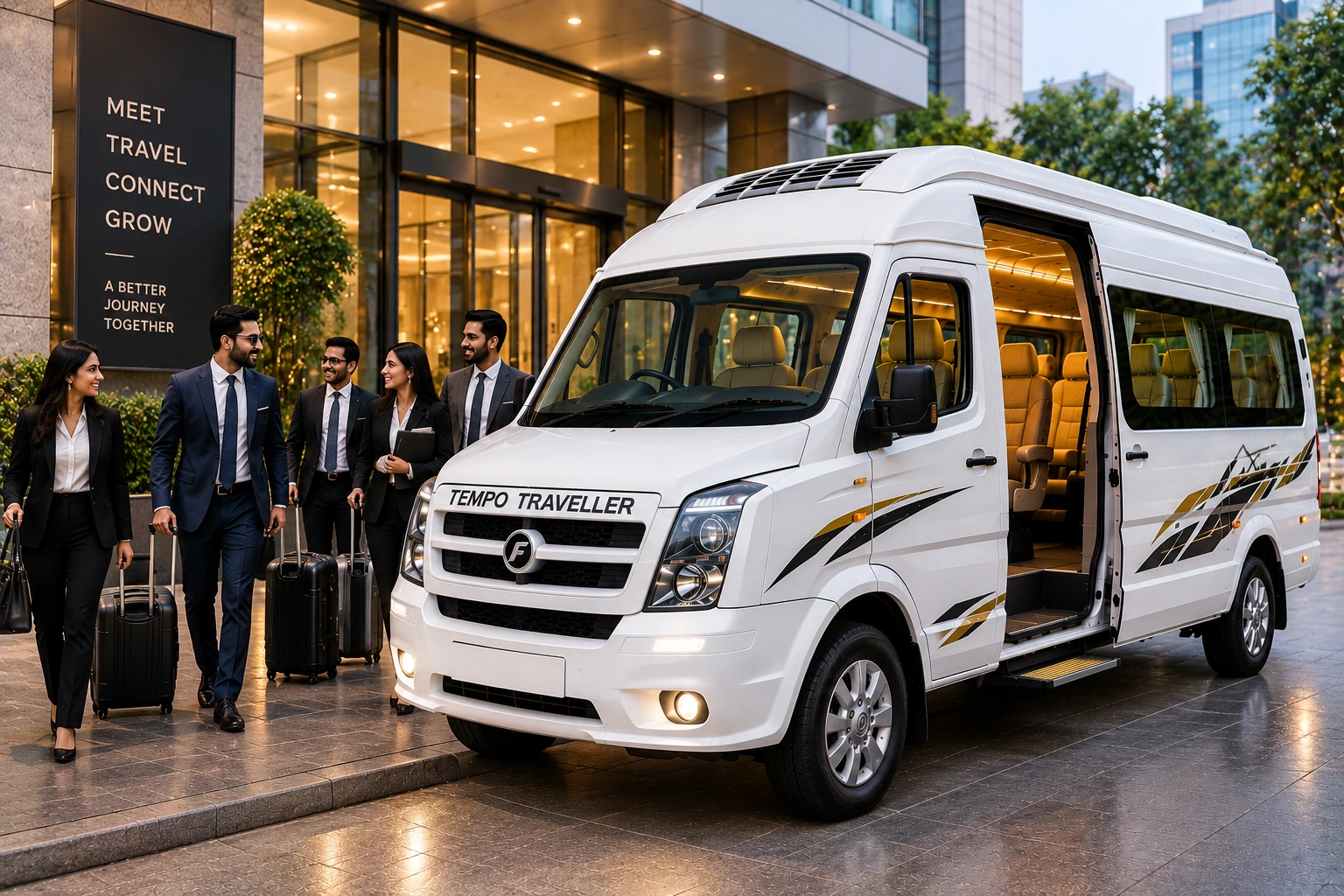
3. Corporate and event demand. Companies hire tempo travellers for staff transport, team outings, airport pickups, and events. These bookings are often repeat and long-term.
4. Higher margin than a regular cab. One tempo traveller earns more per trip than one sedan, and the driver, fuel, and maintenance costs do not rise proportionally.
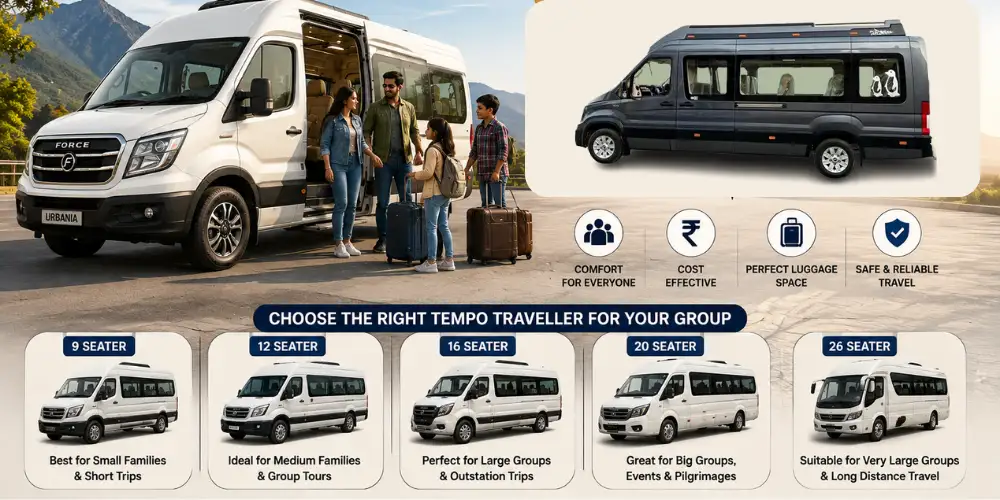
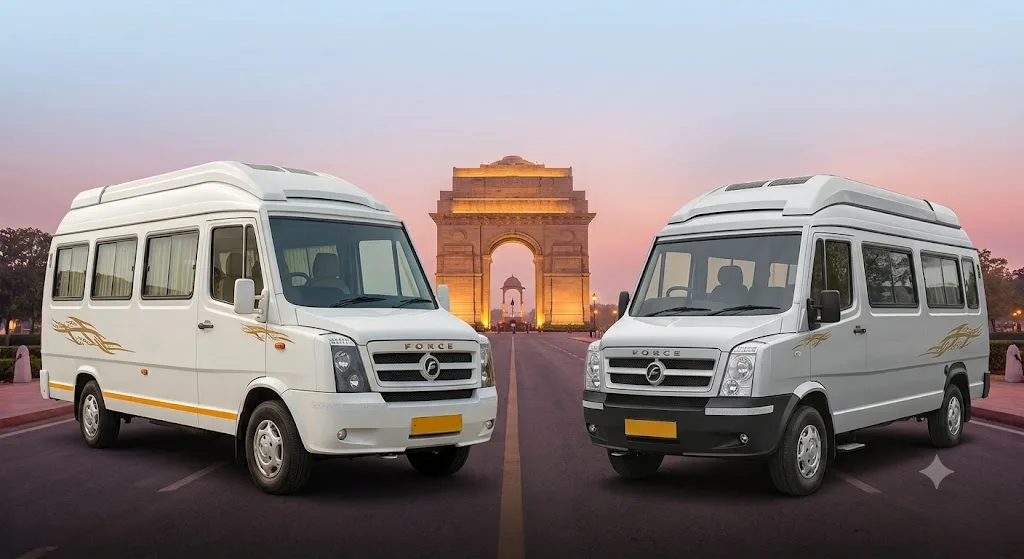
Types of Tempo Travellers You Can Run
Type
Seats
Best For
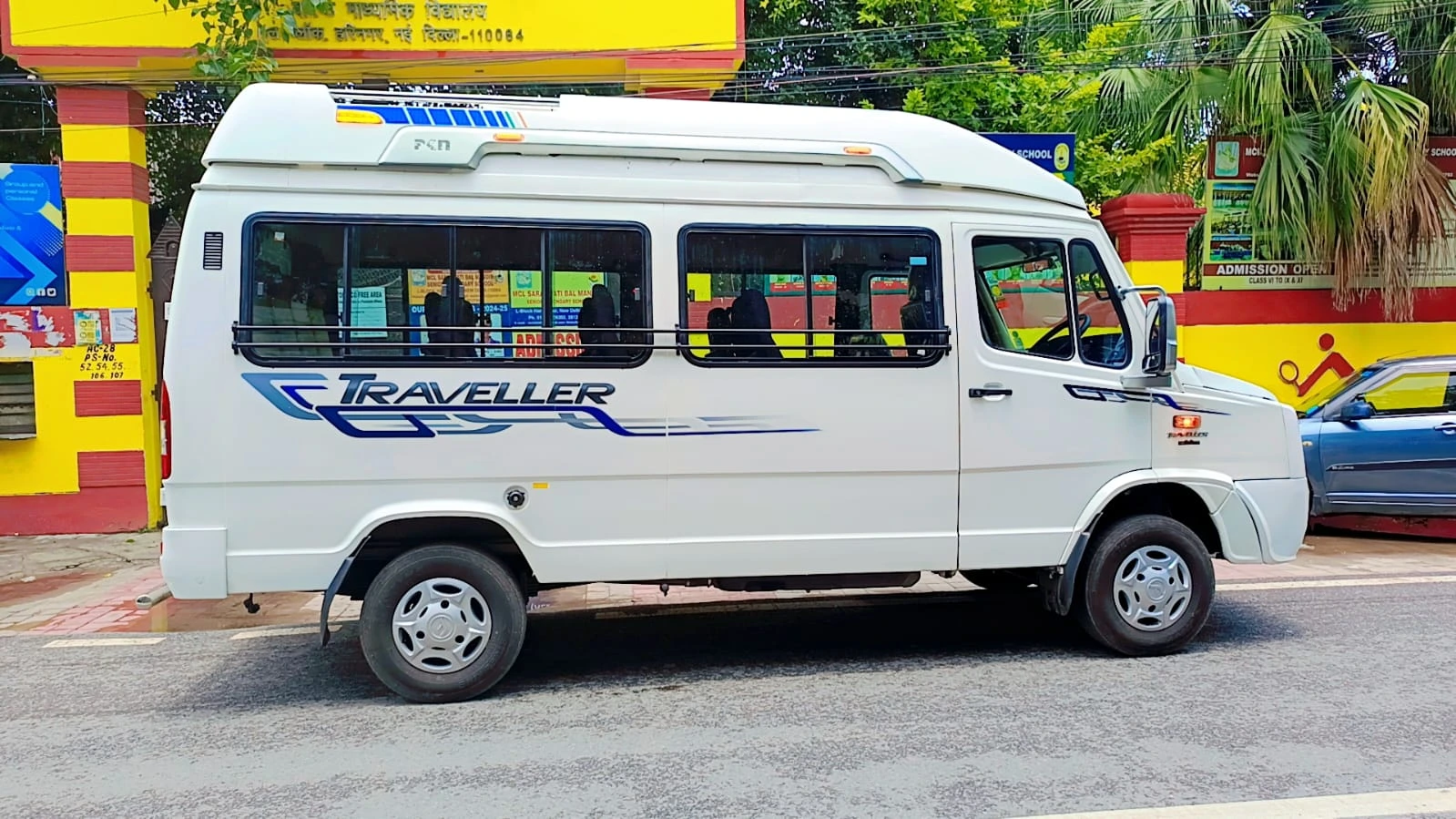
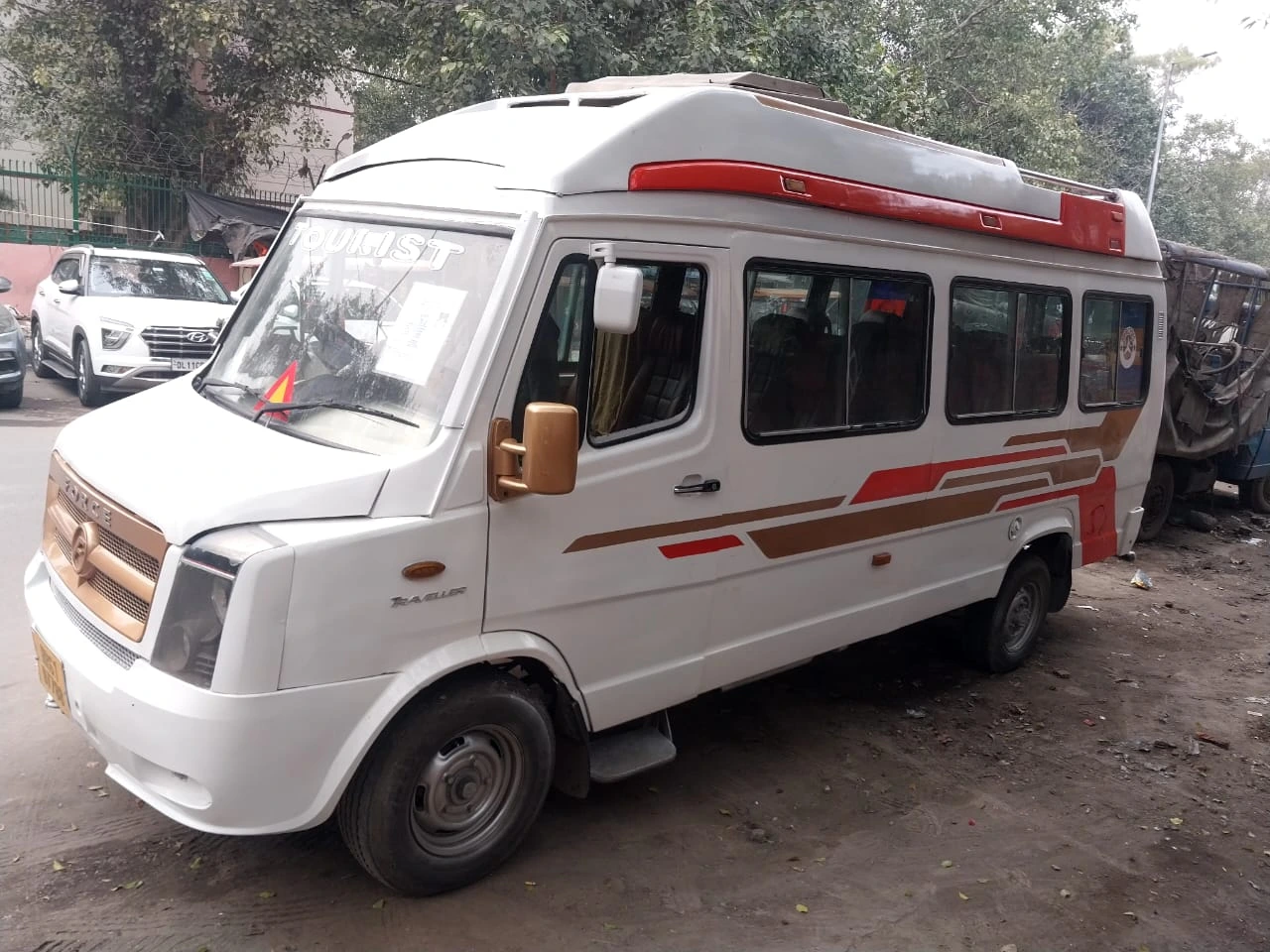
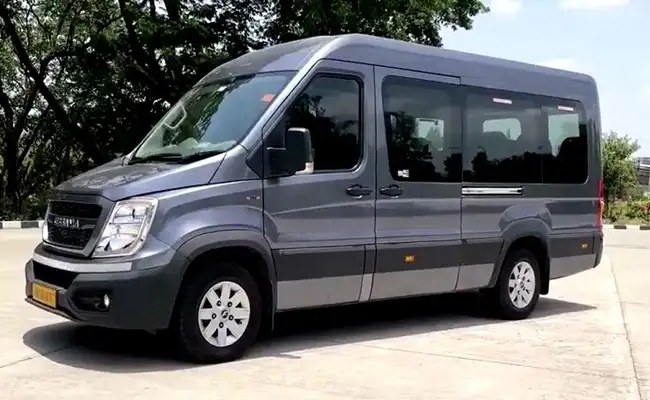
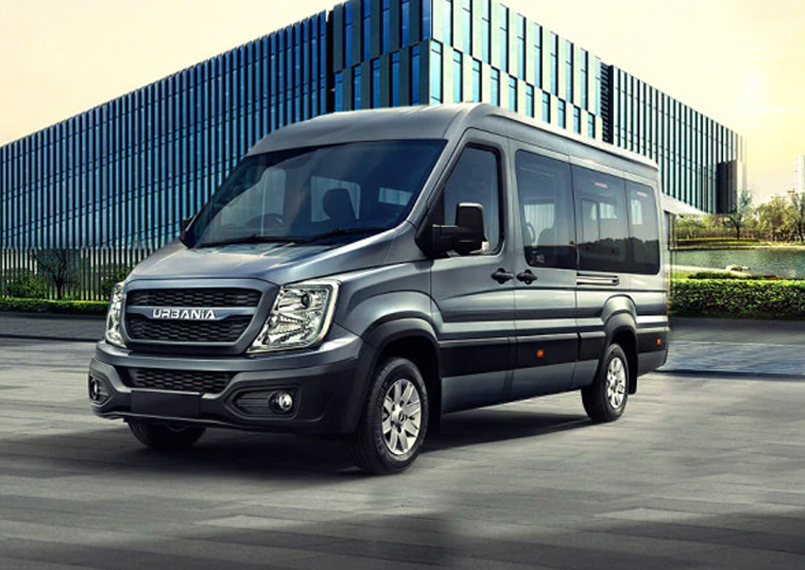
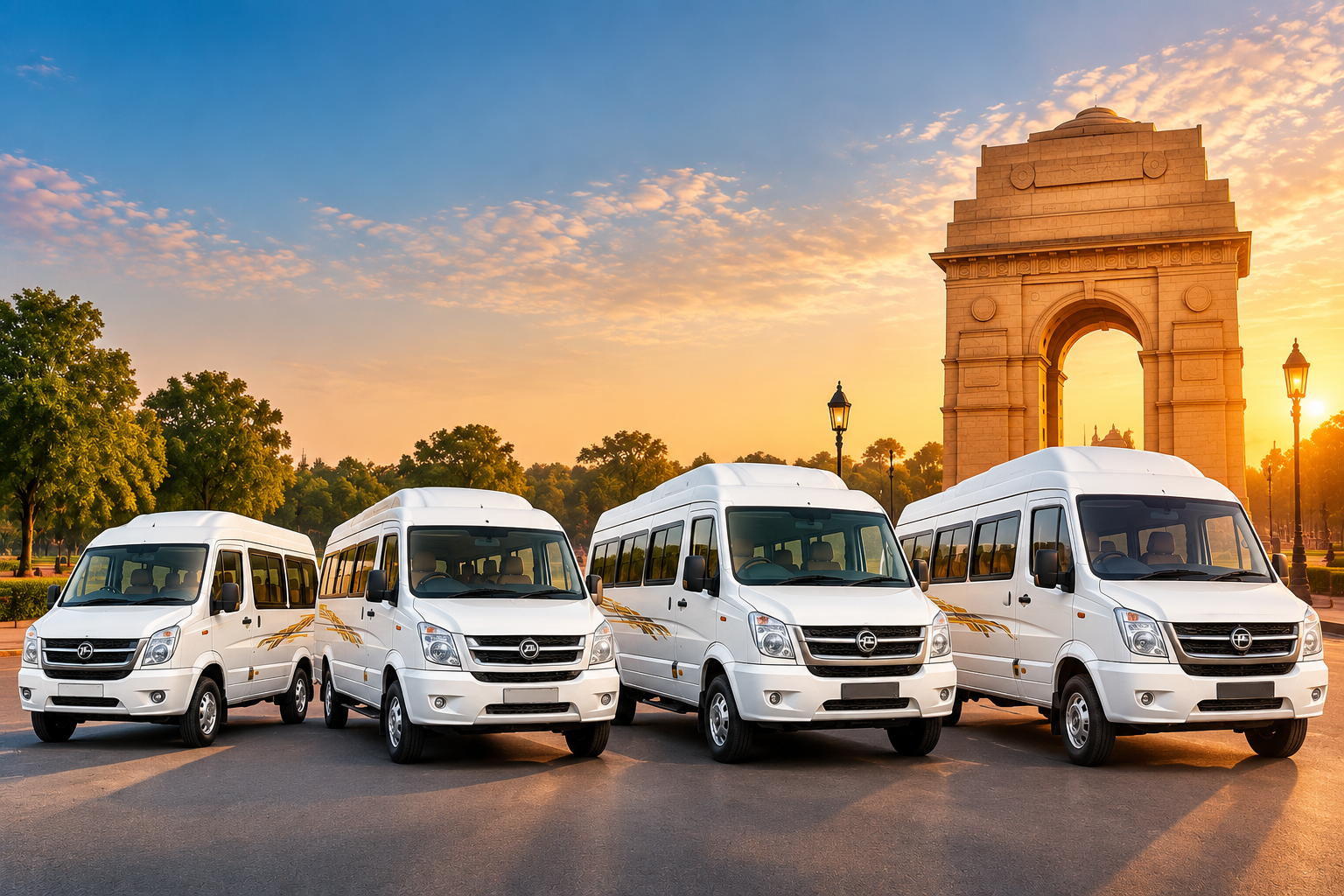
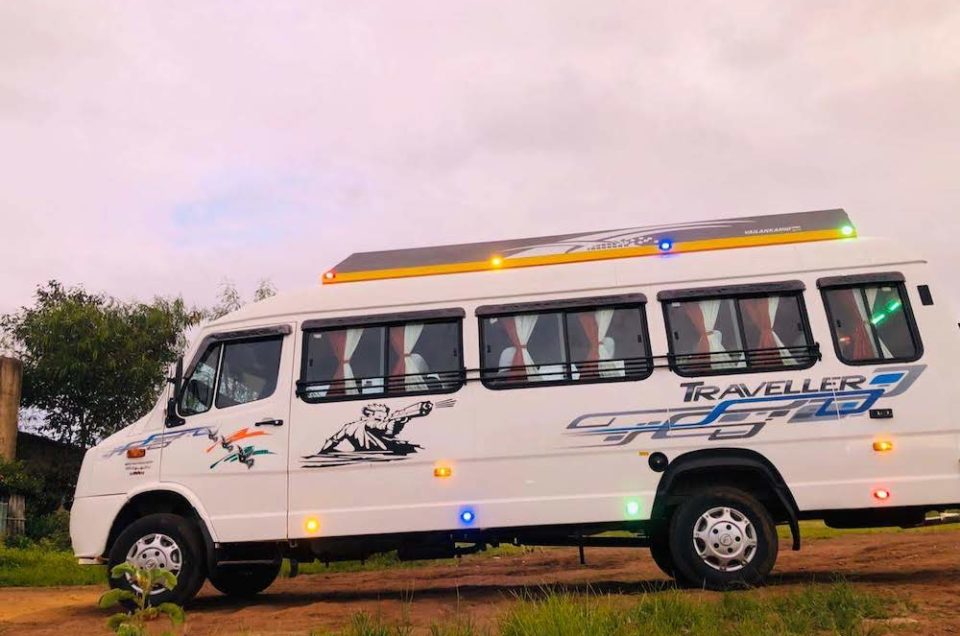
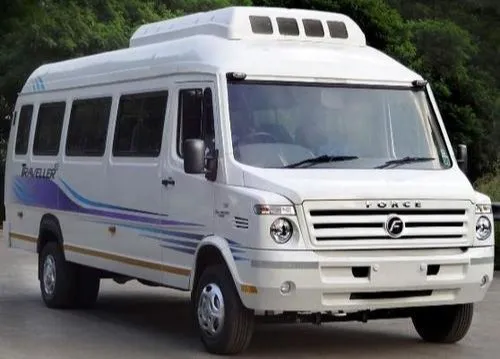
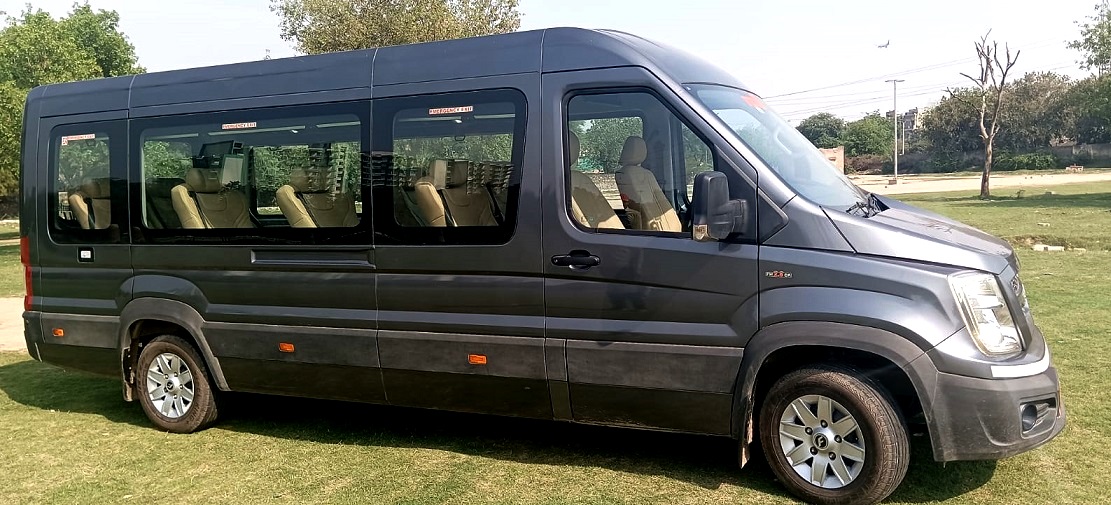
9 seater (Maharaja)
9
Small families, VIP travel
12 seater
12
Family trips, friends, small groups
14 seater
14
Mid-size groups, corporate teams
17 seater
17
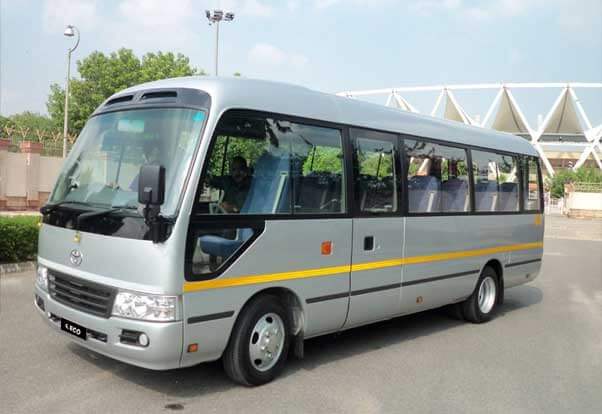
Large groups, pilgrimages, school trips
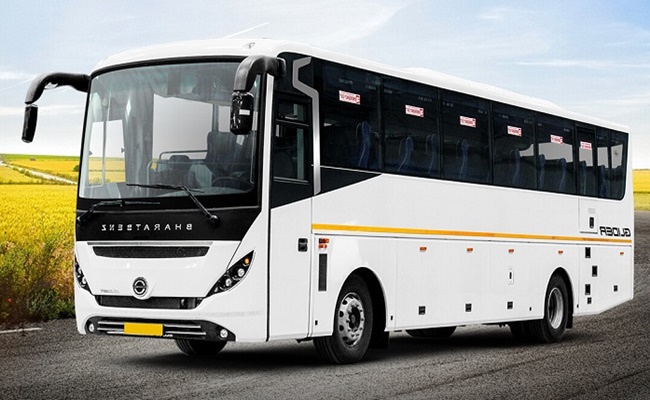
20+ seater (Mini bus)
20+
Weddings, big tours
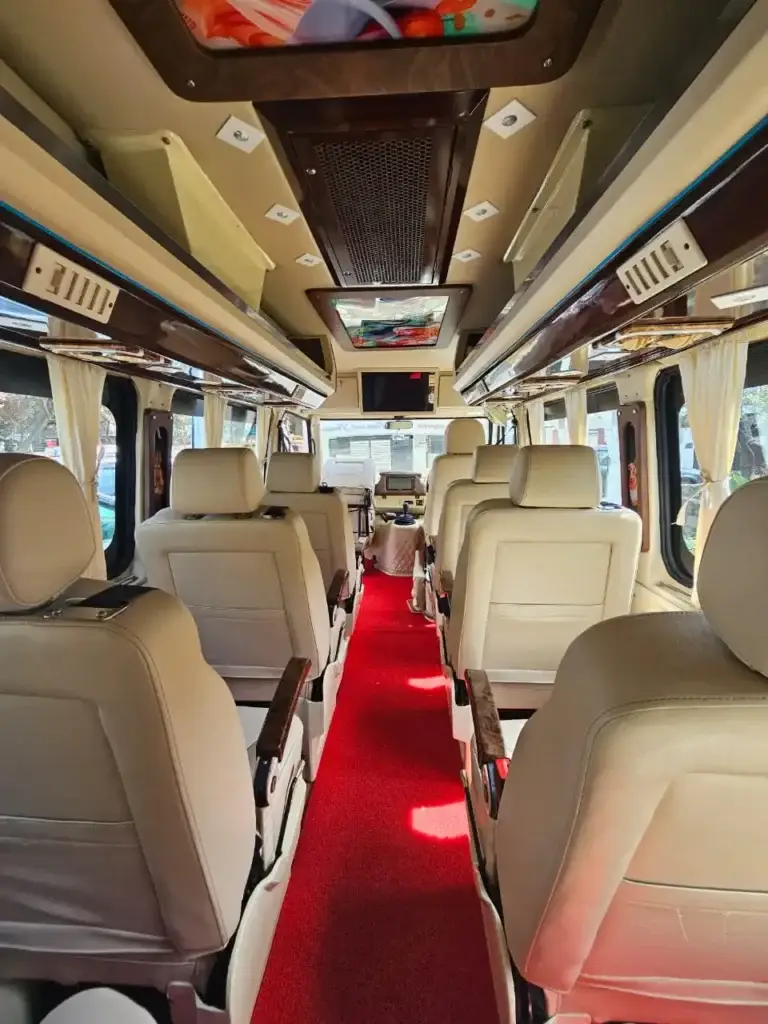
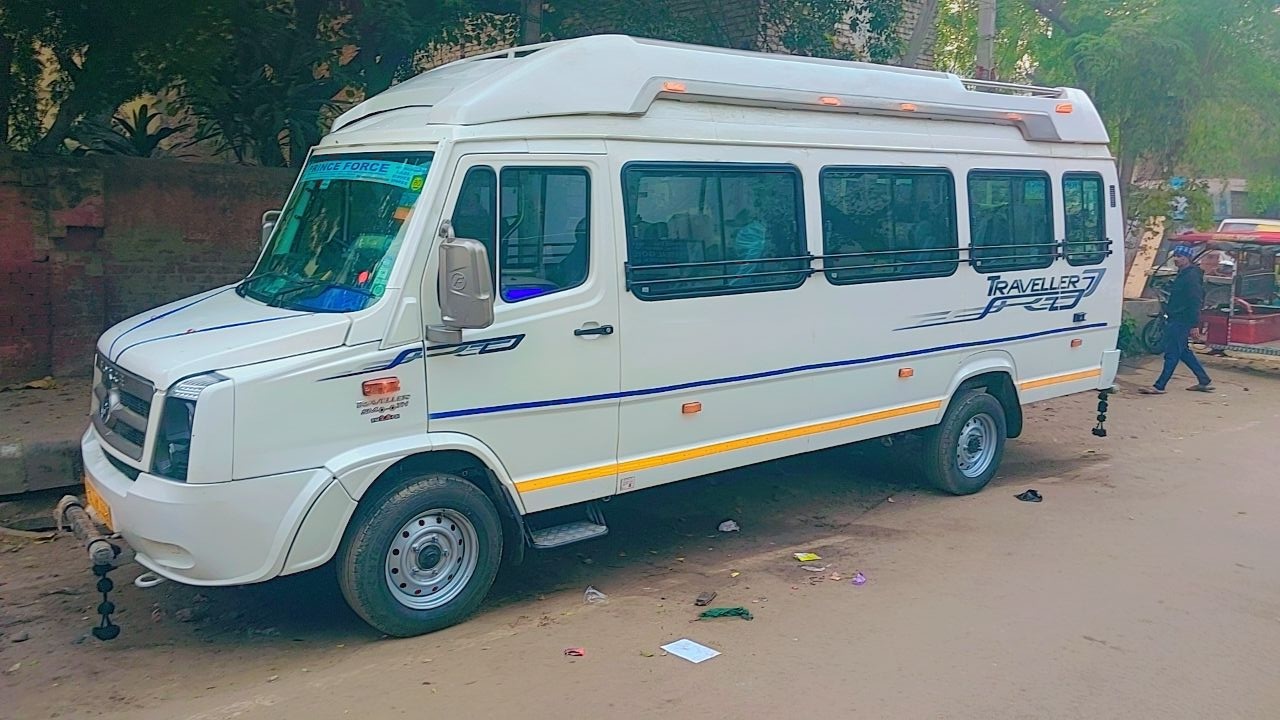
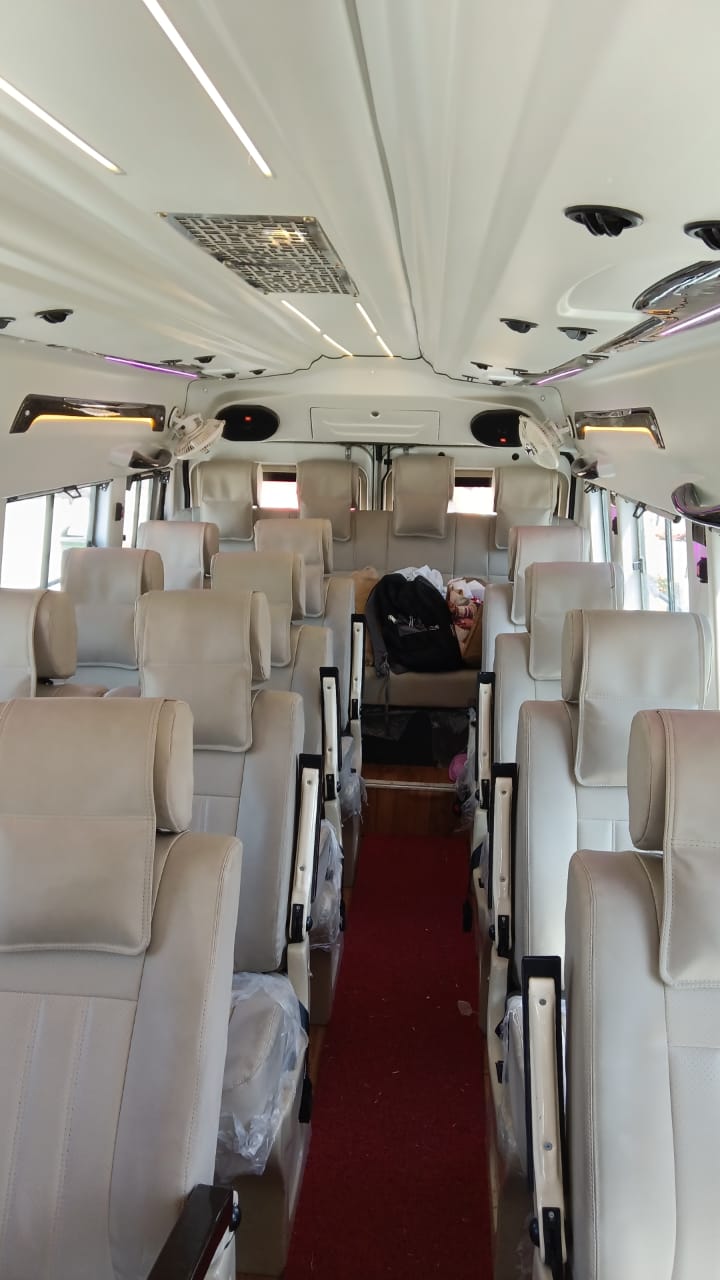
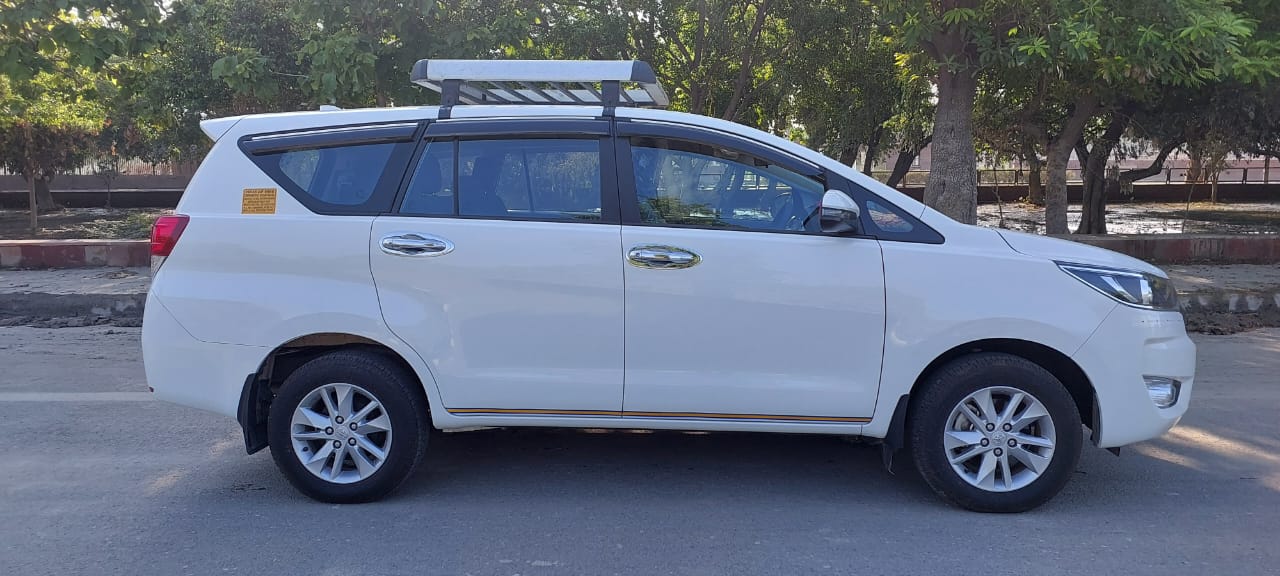
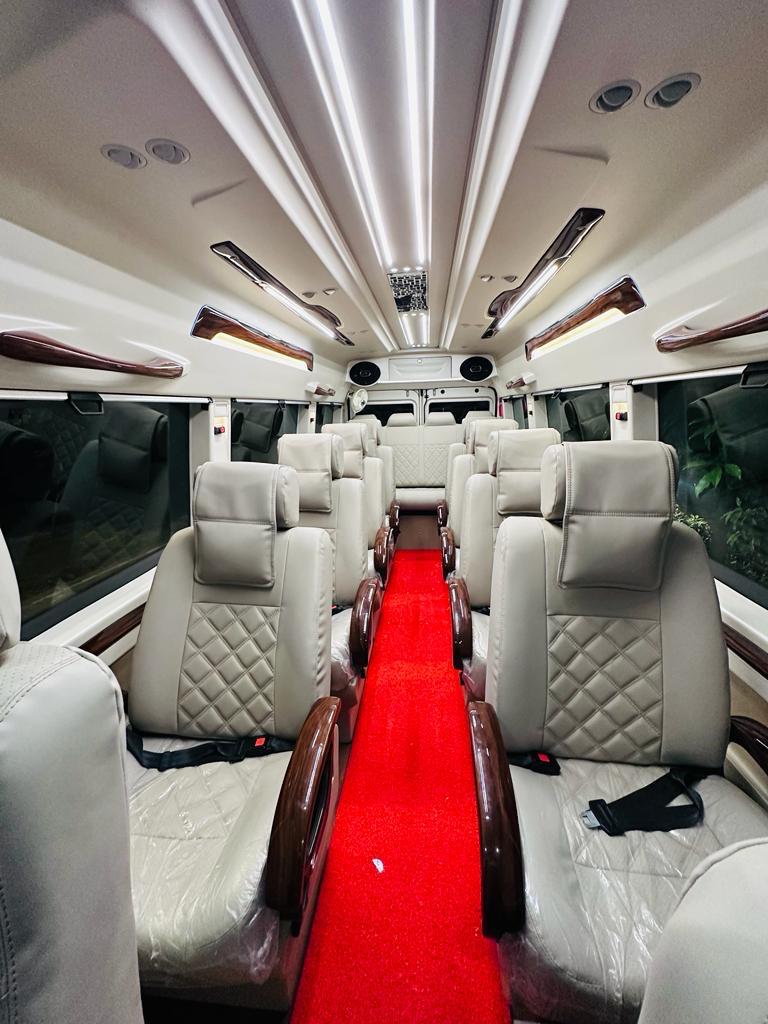
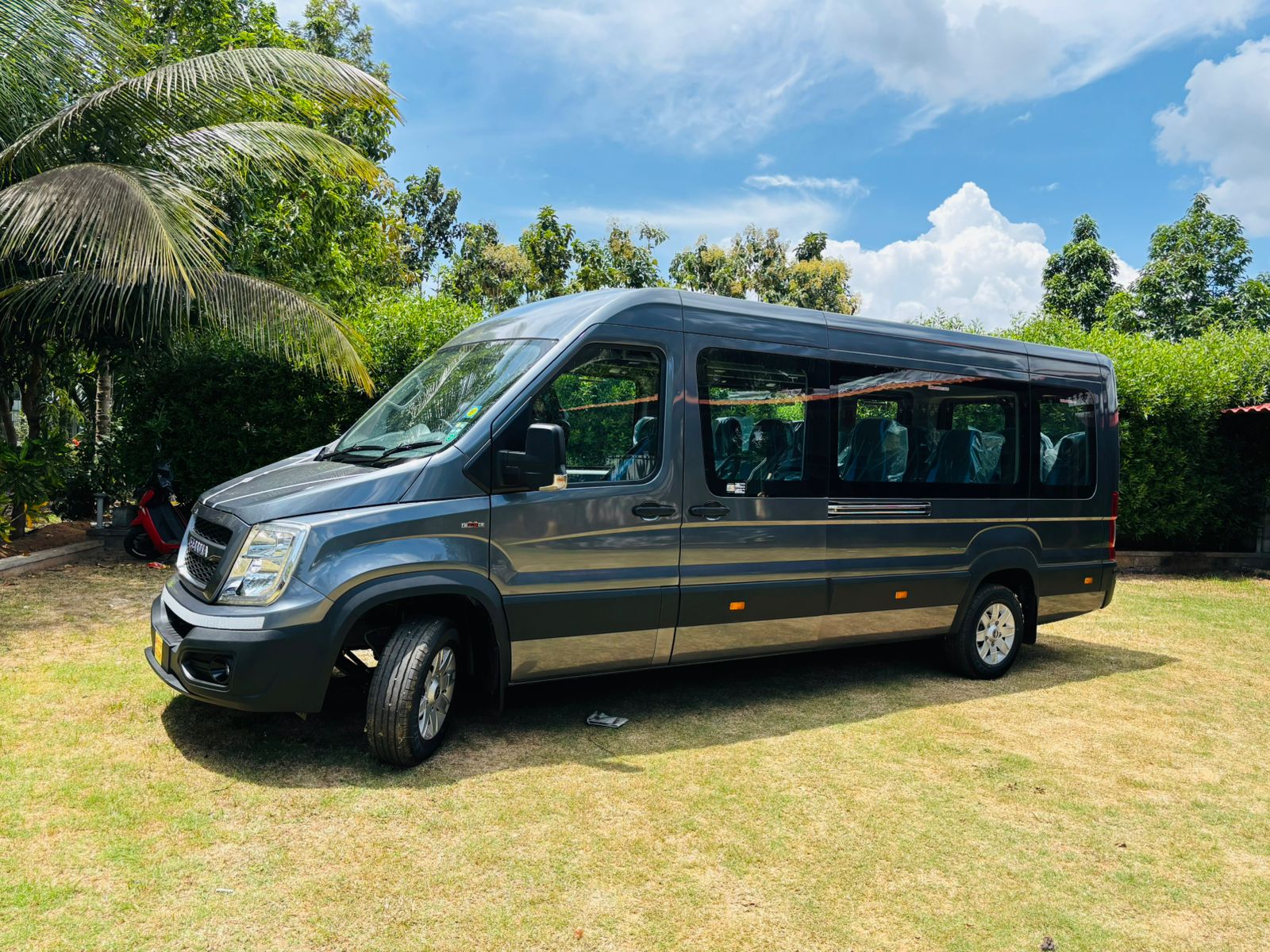
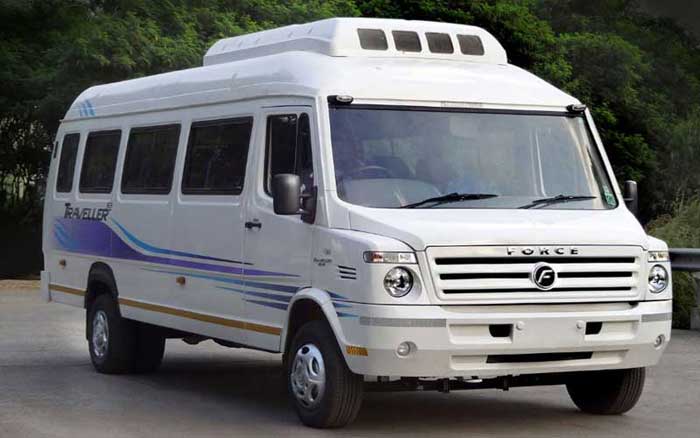
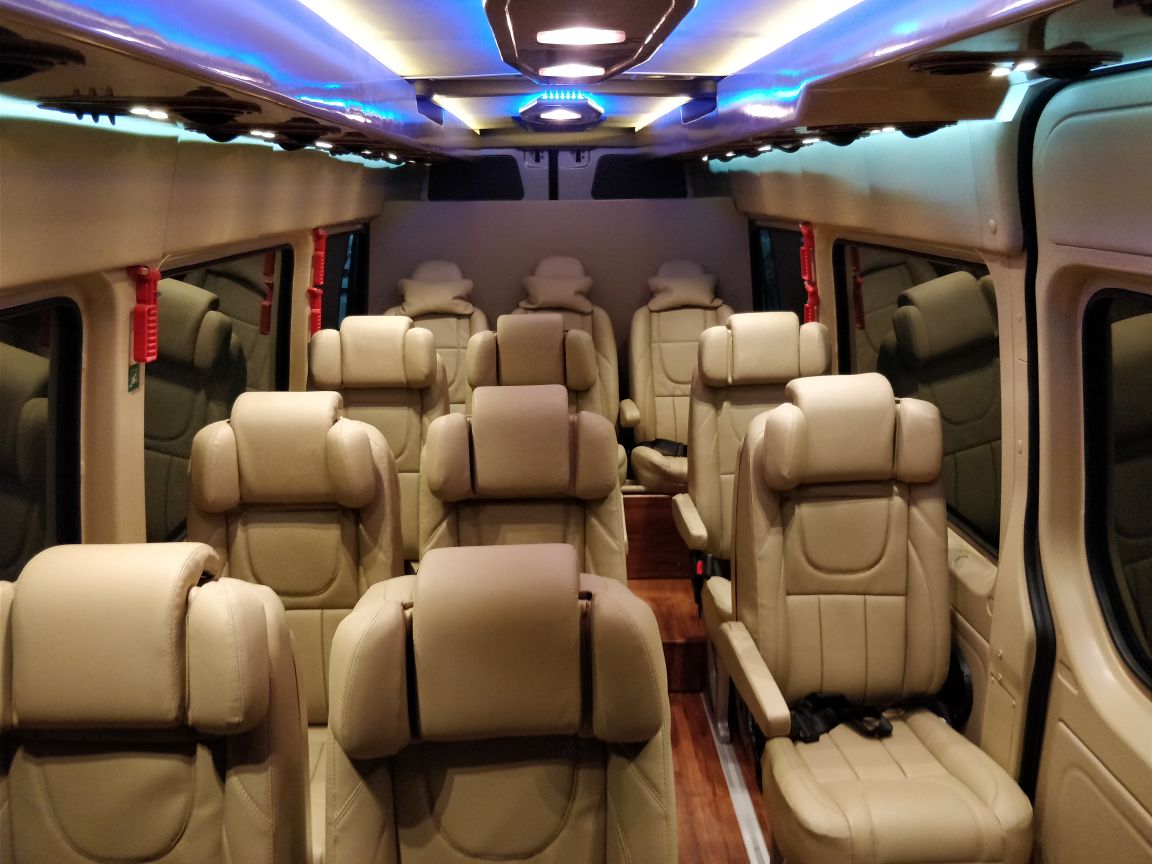
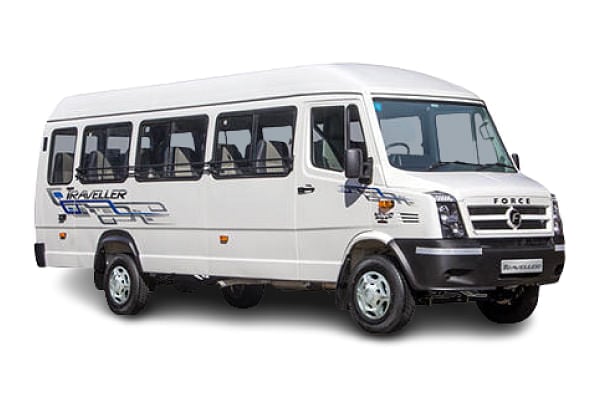
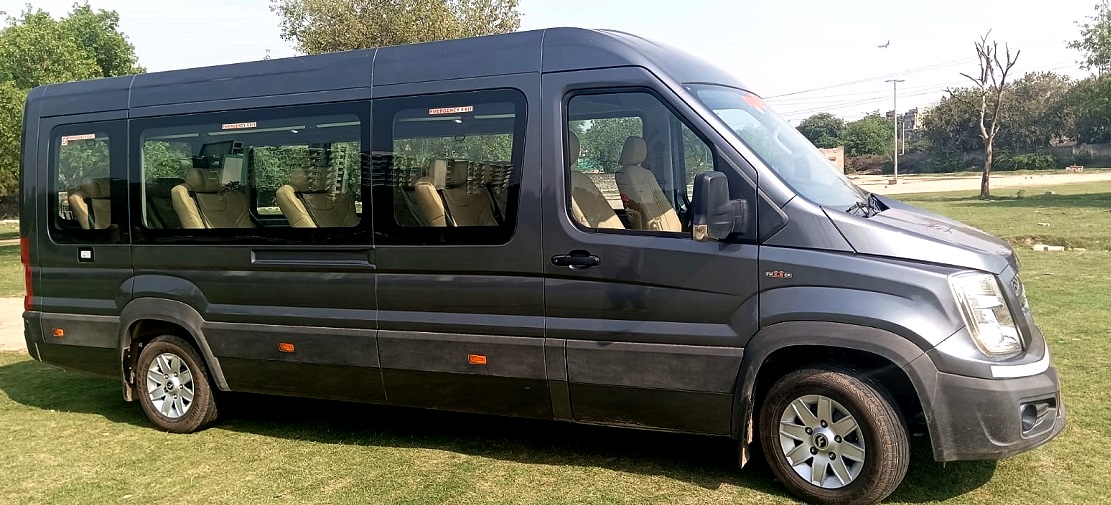
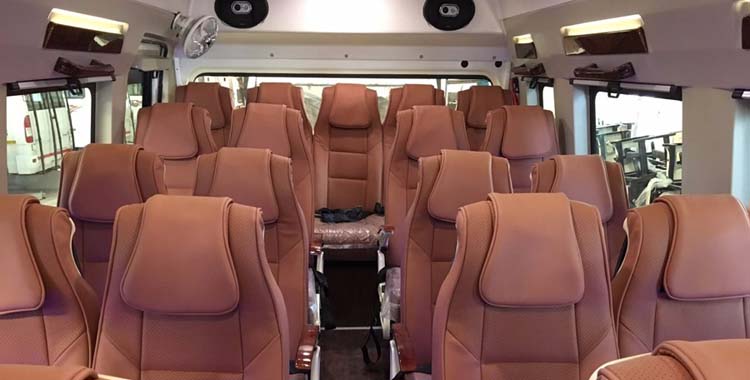
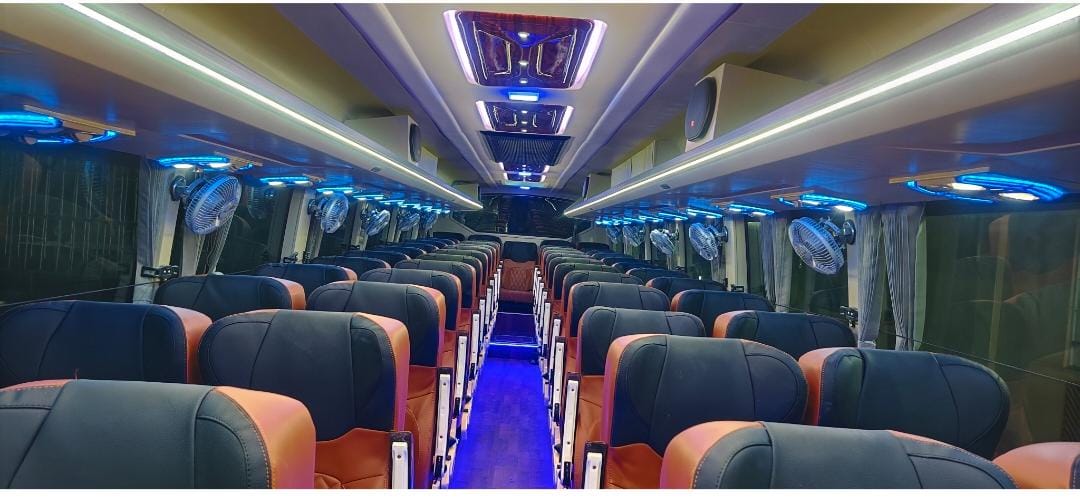
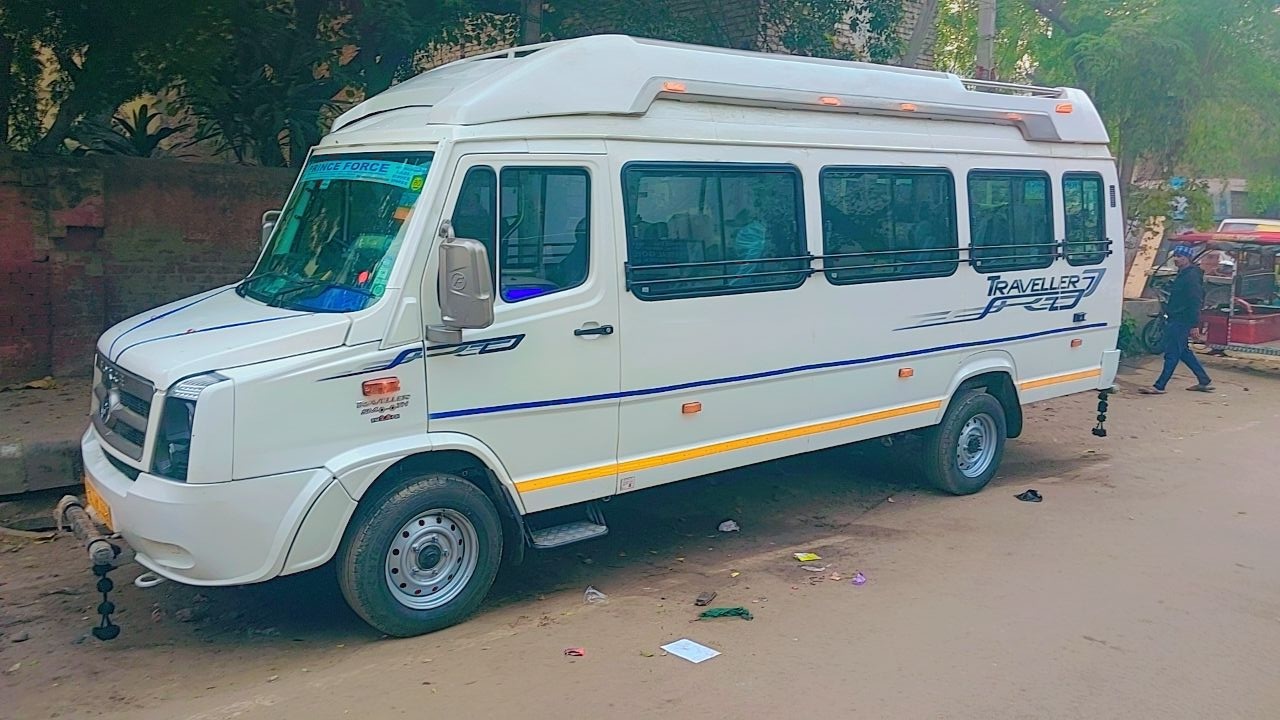
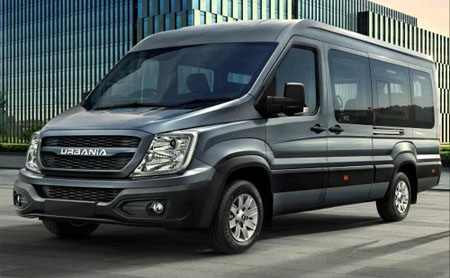
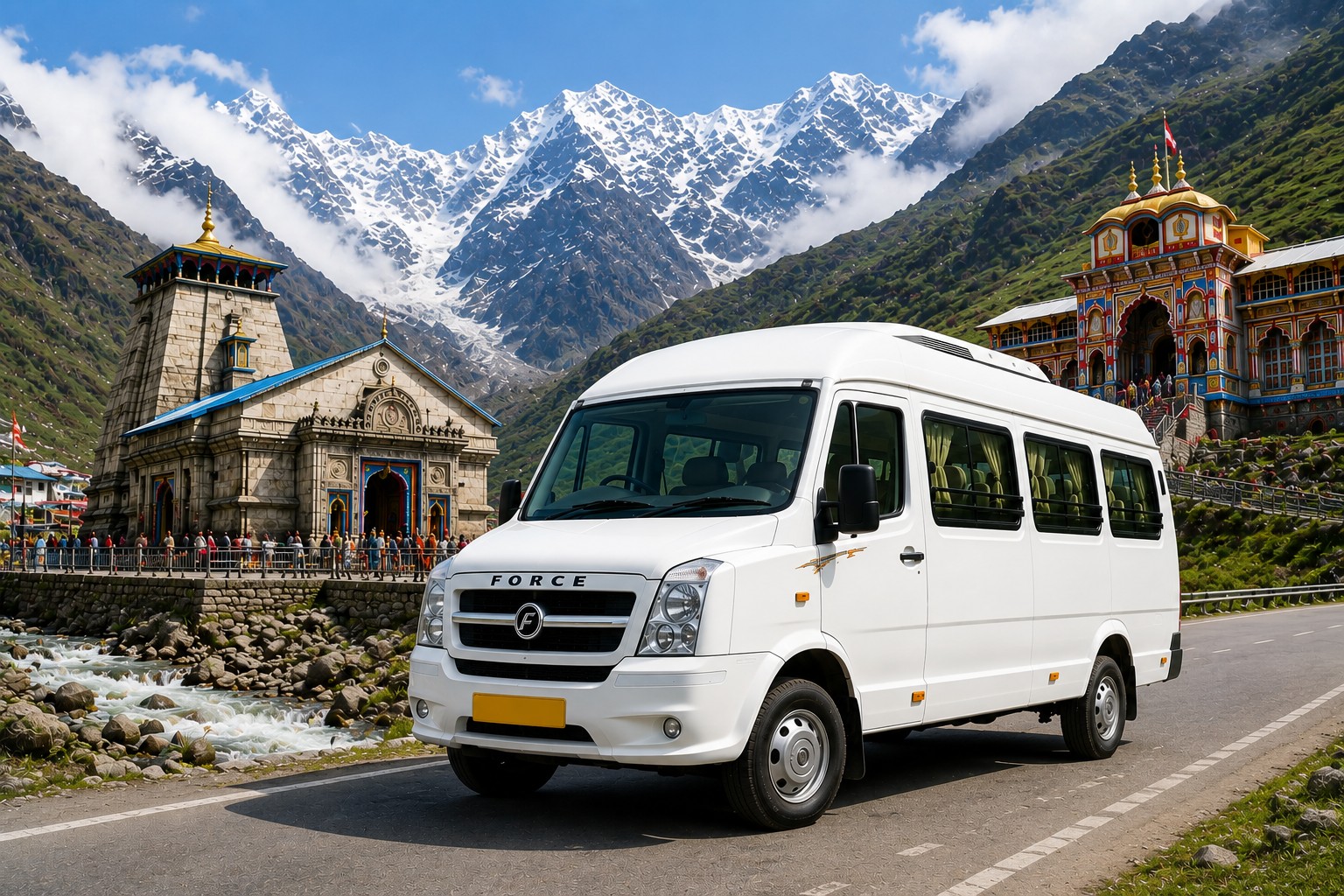
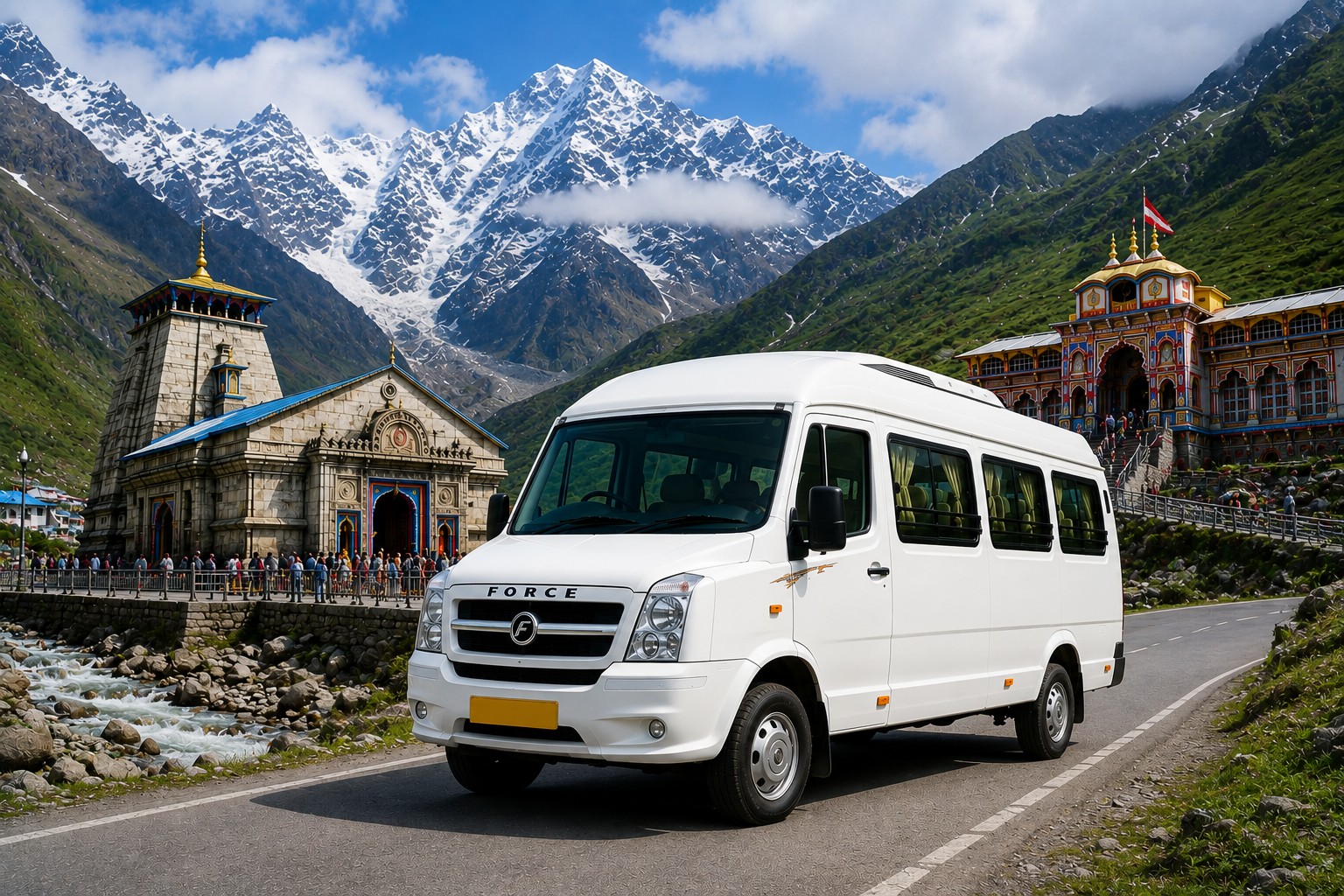
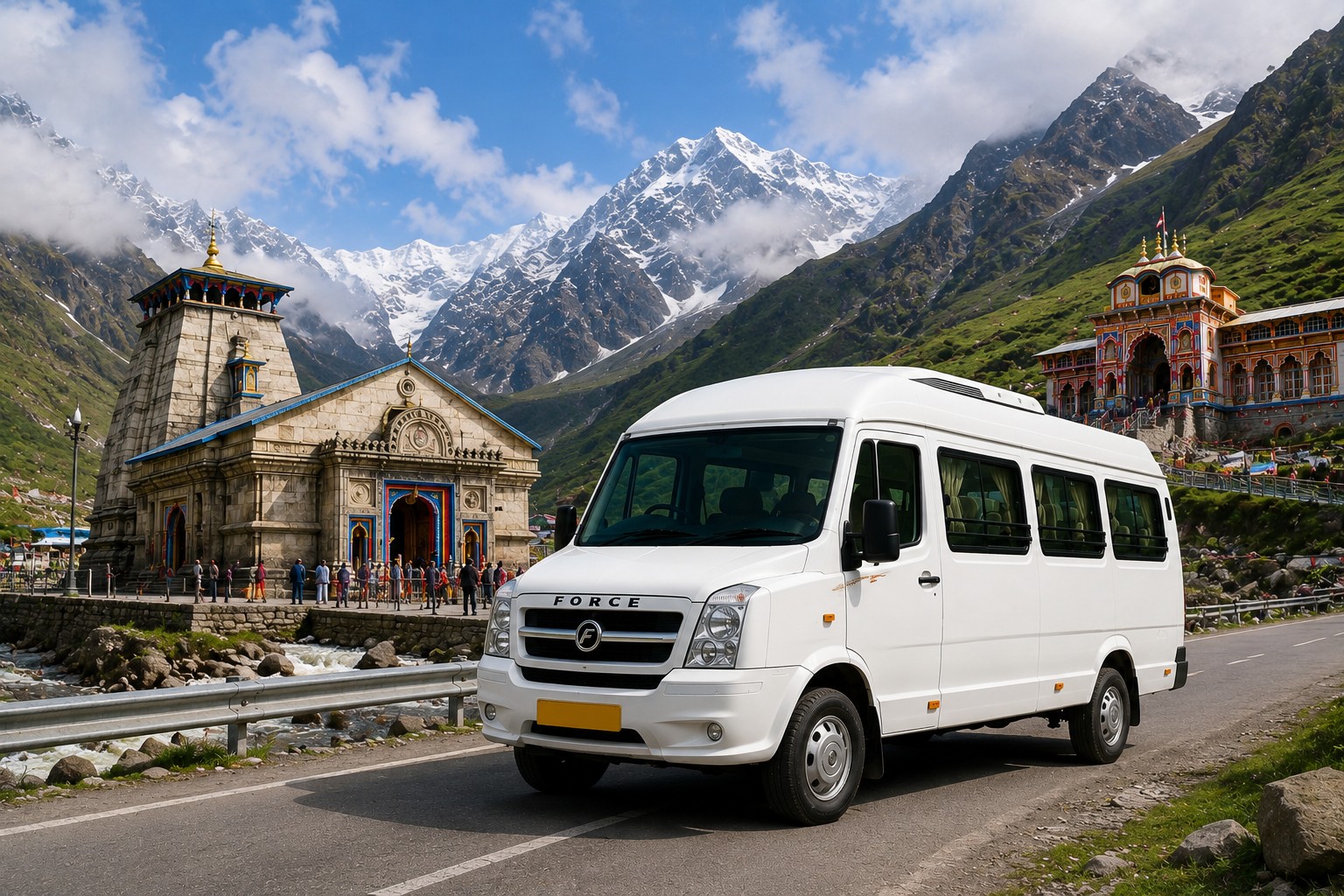
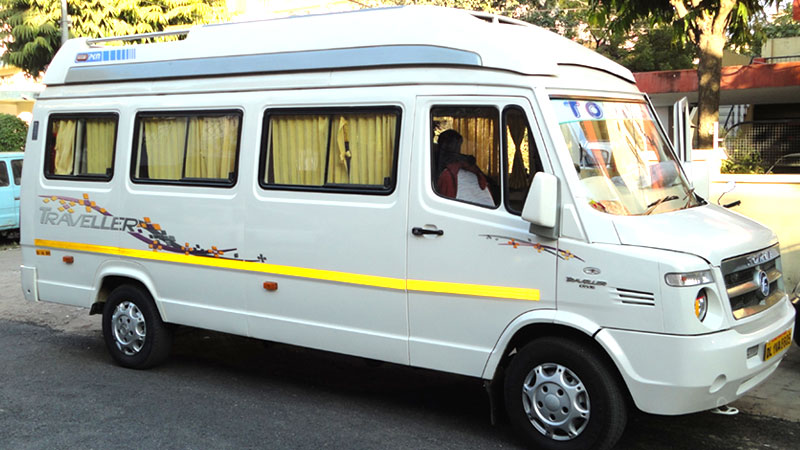
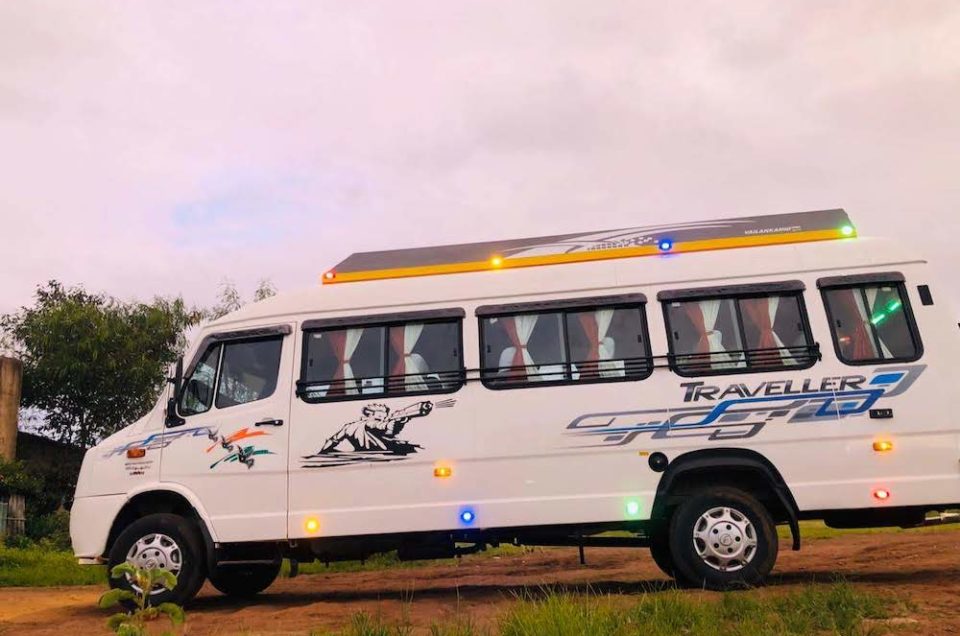
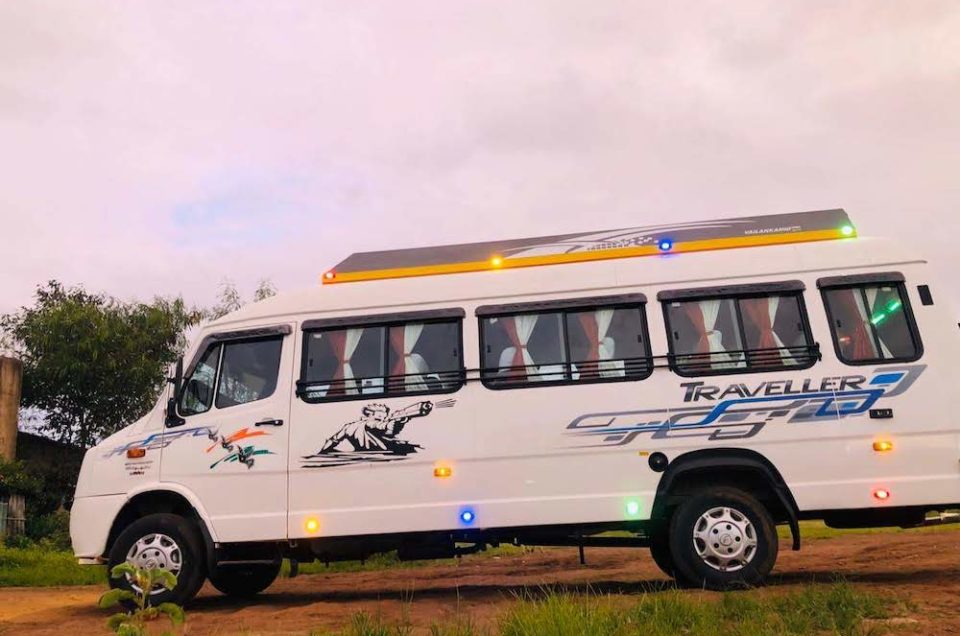
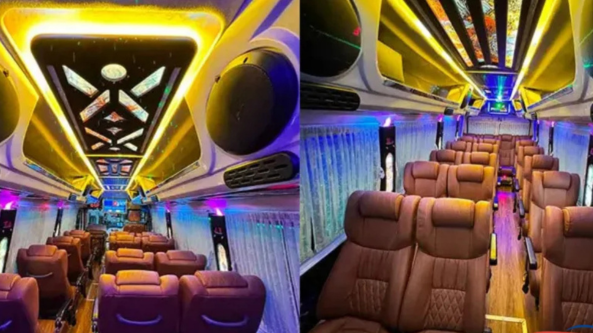
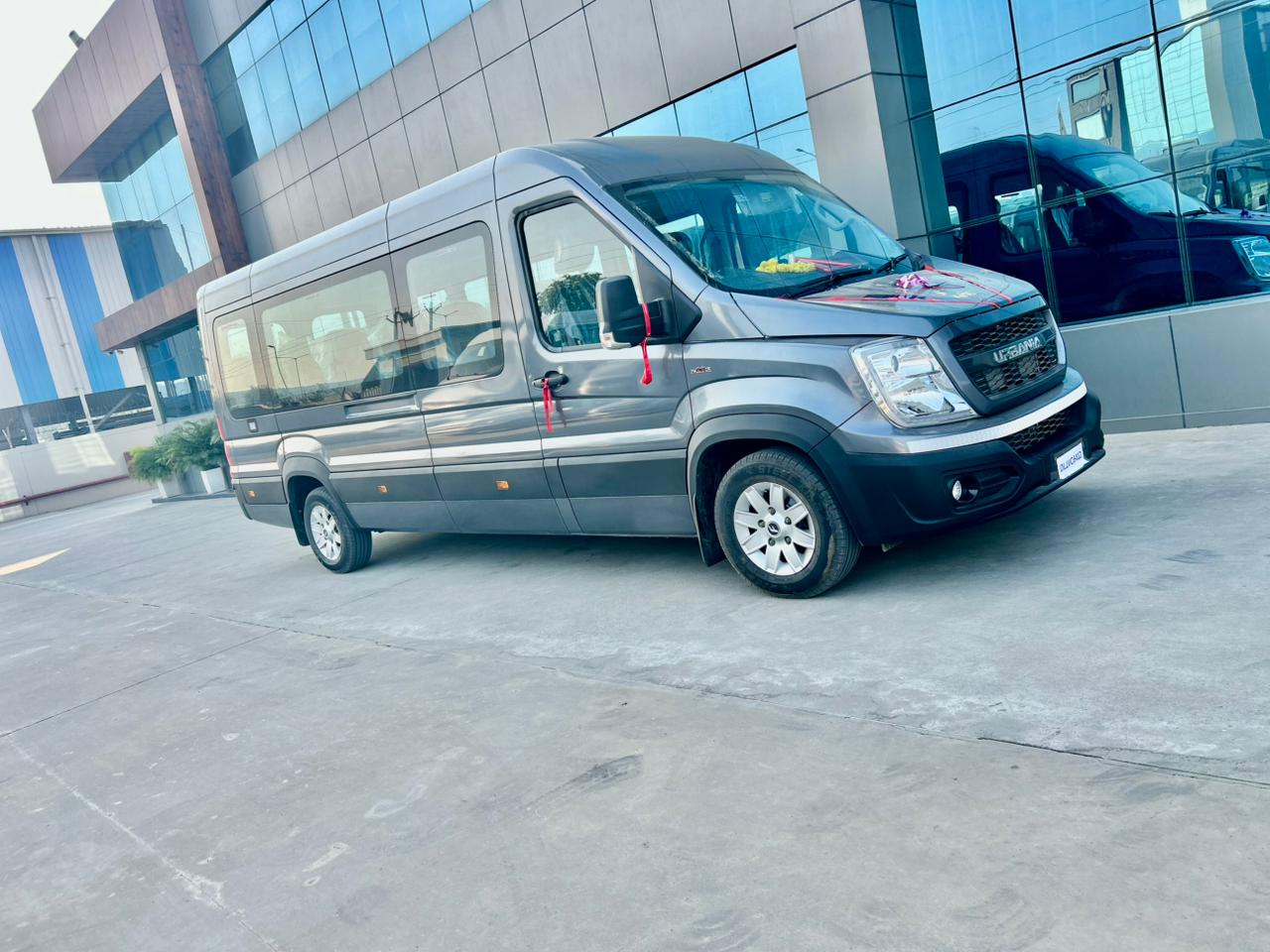
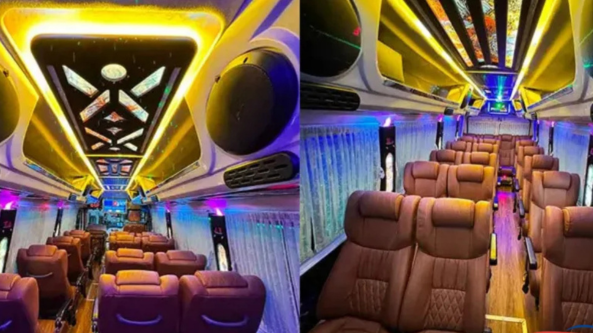
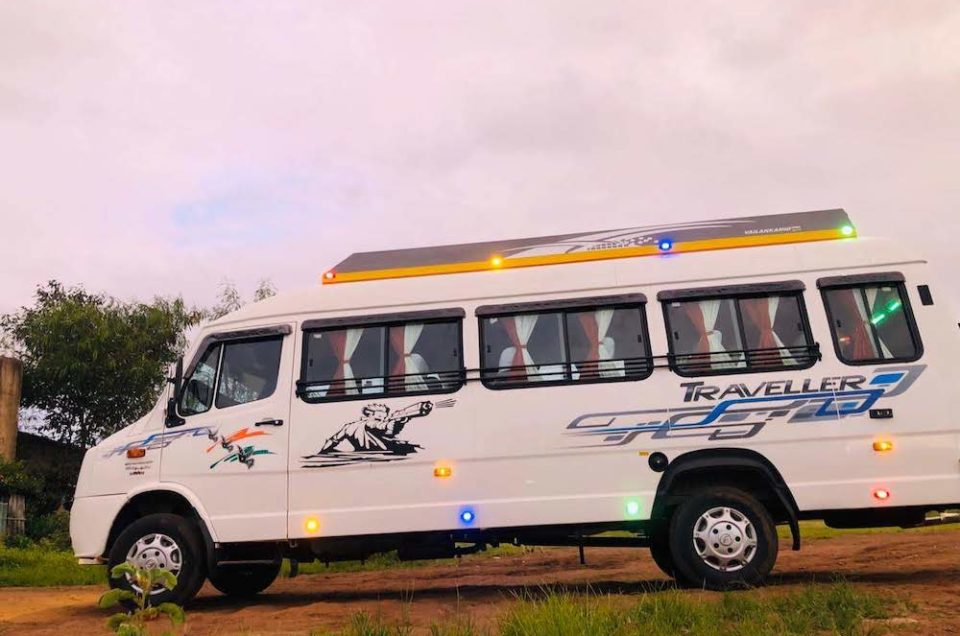
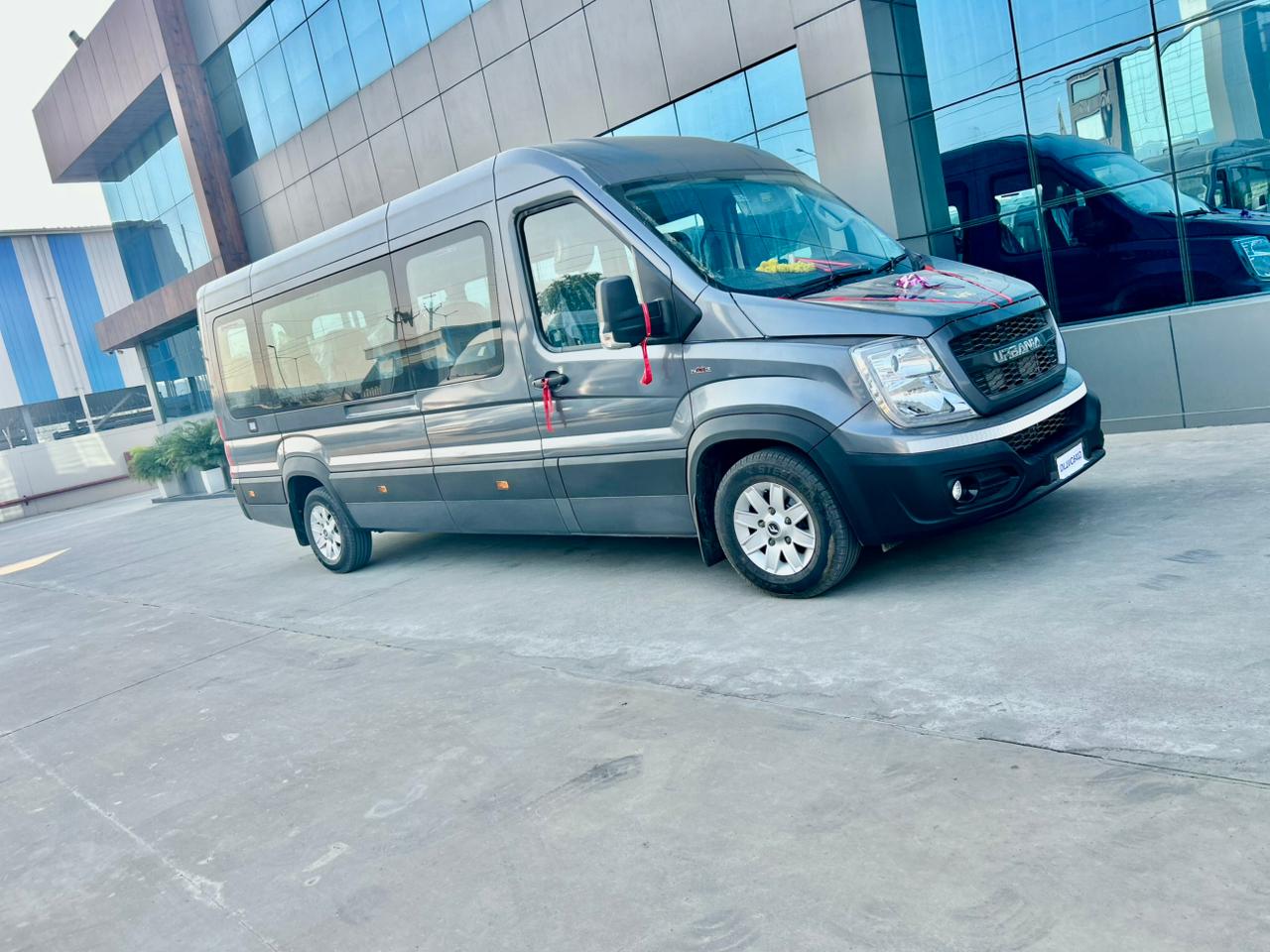
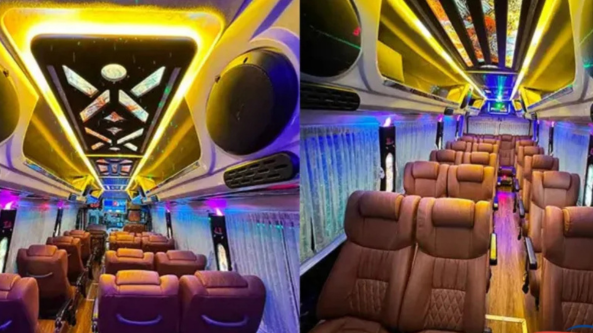
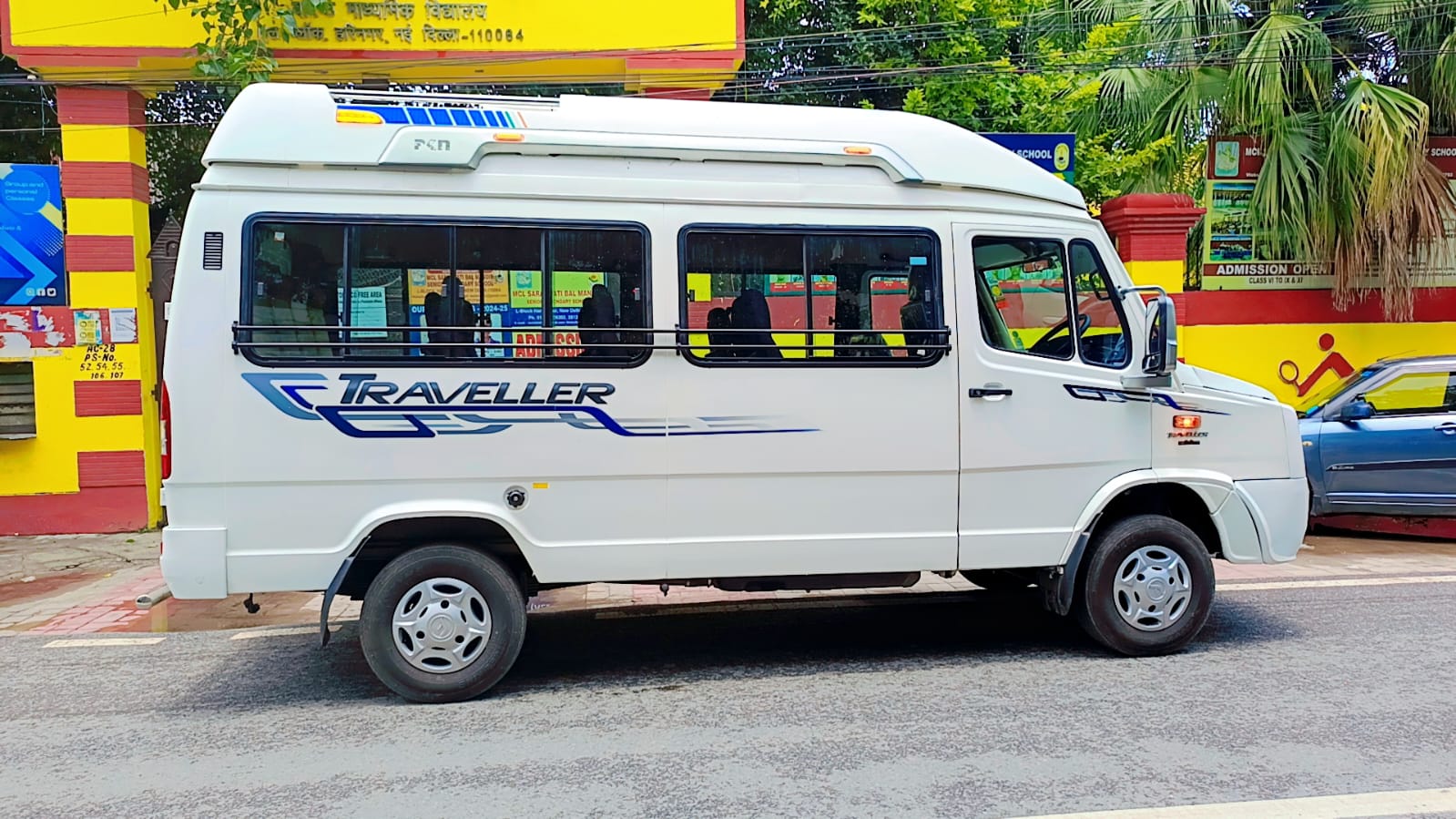
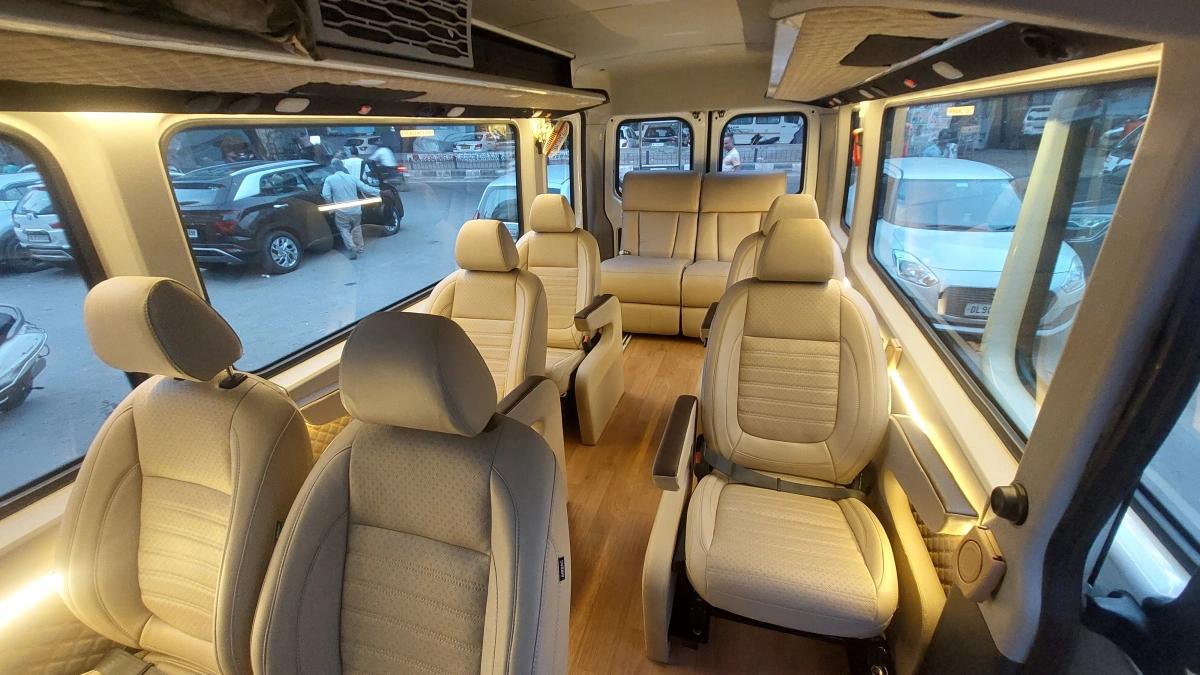
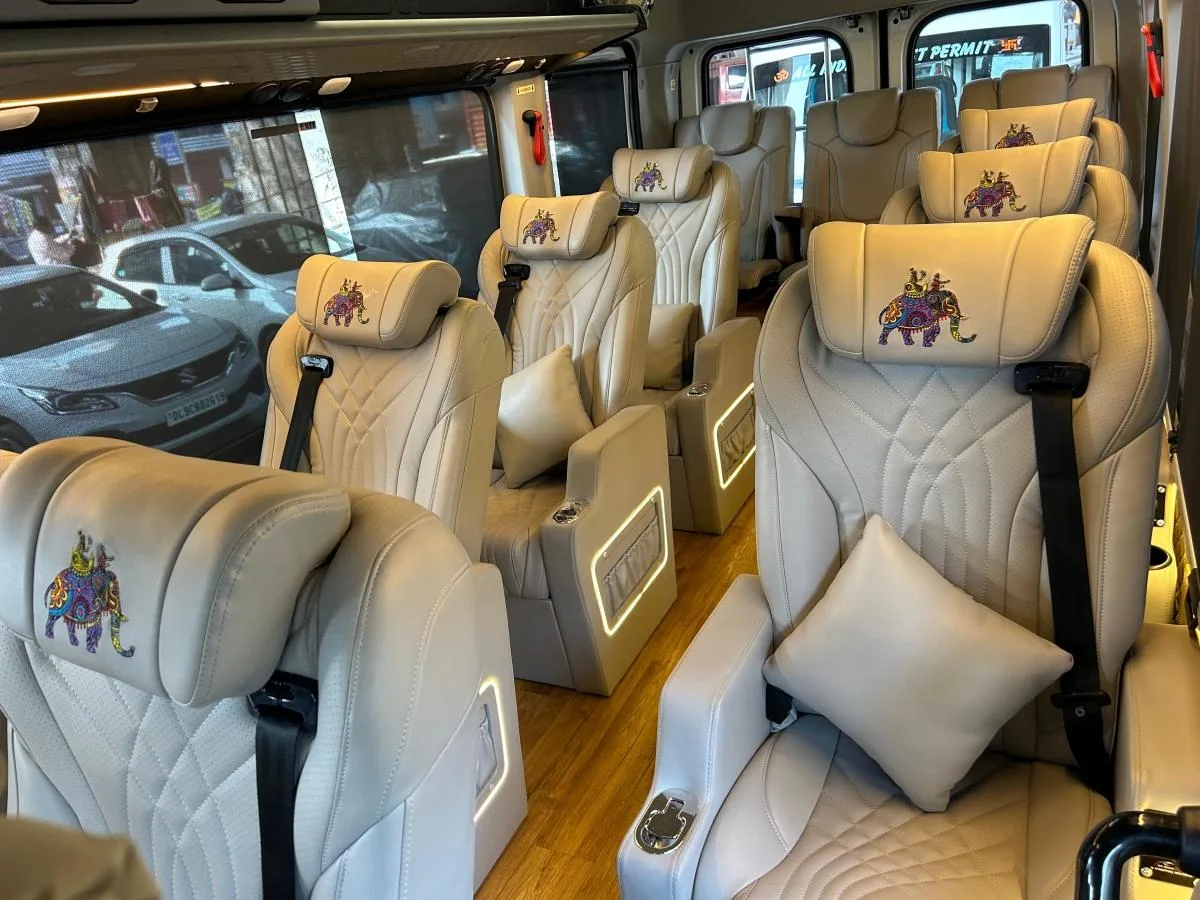
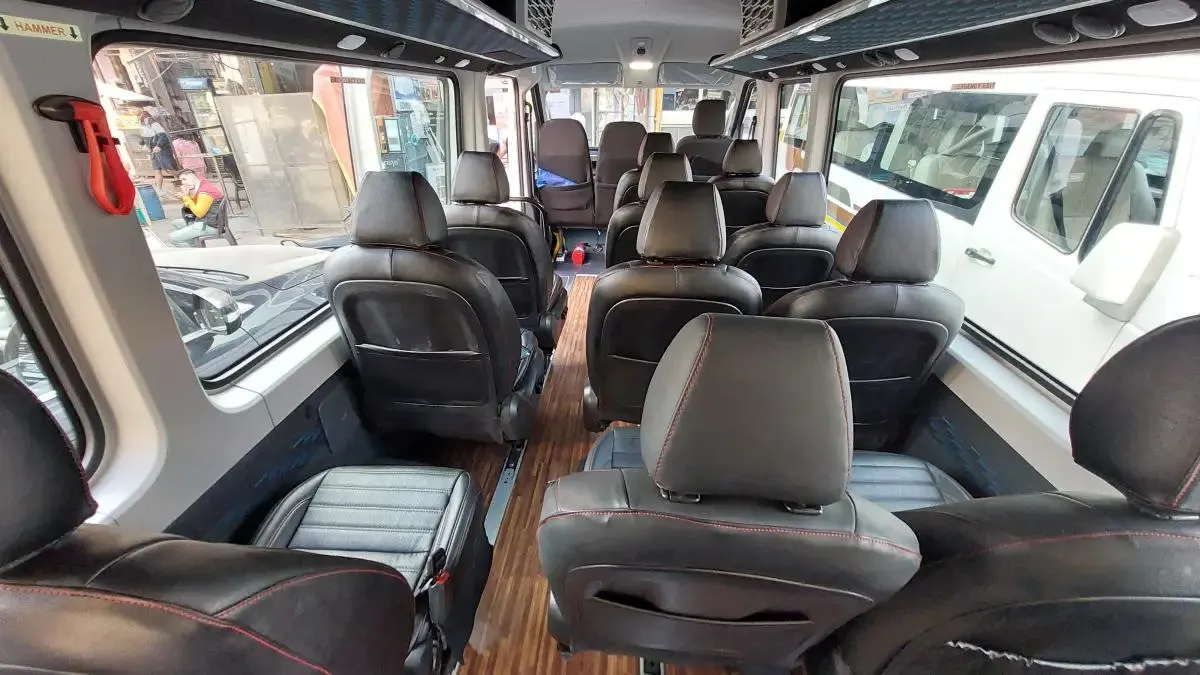
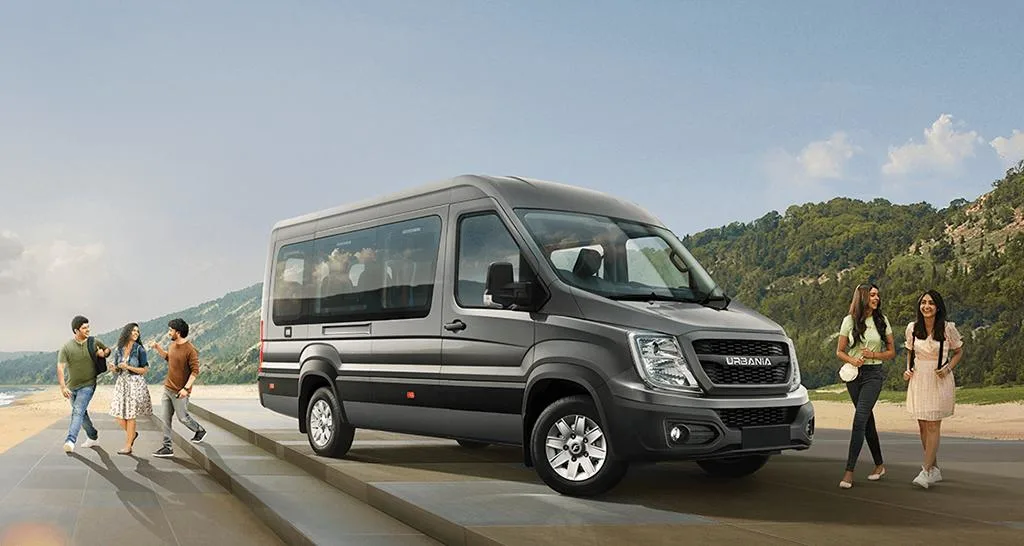
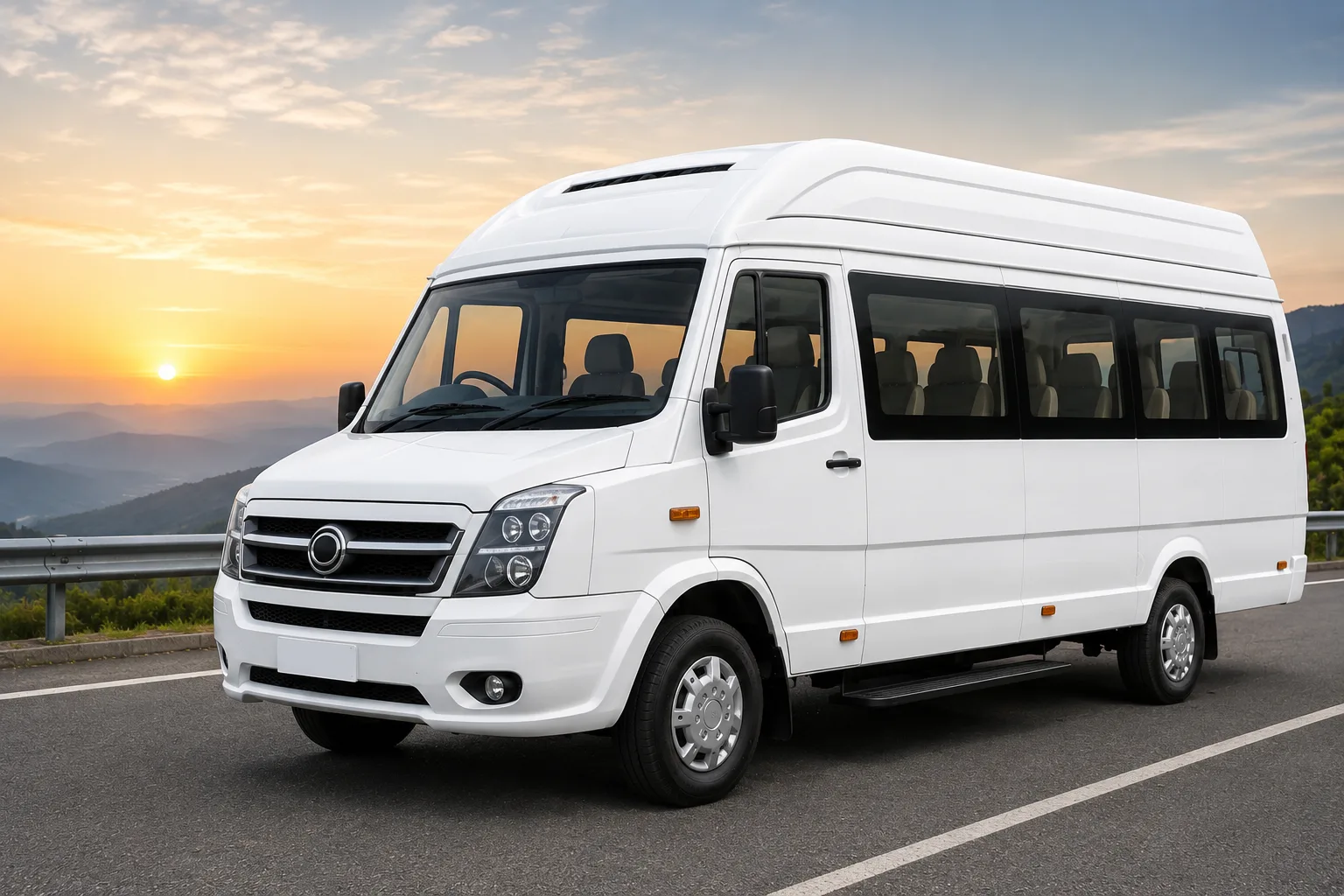
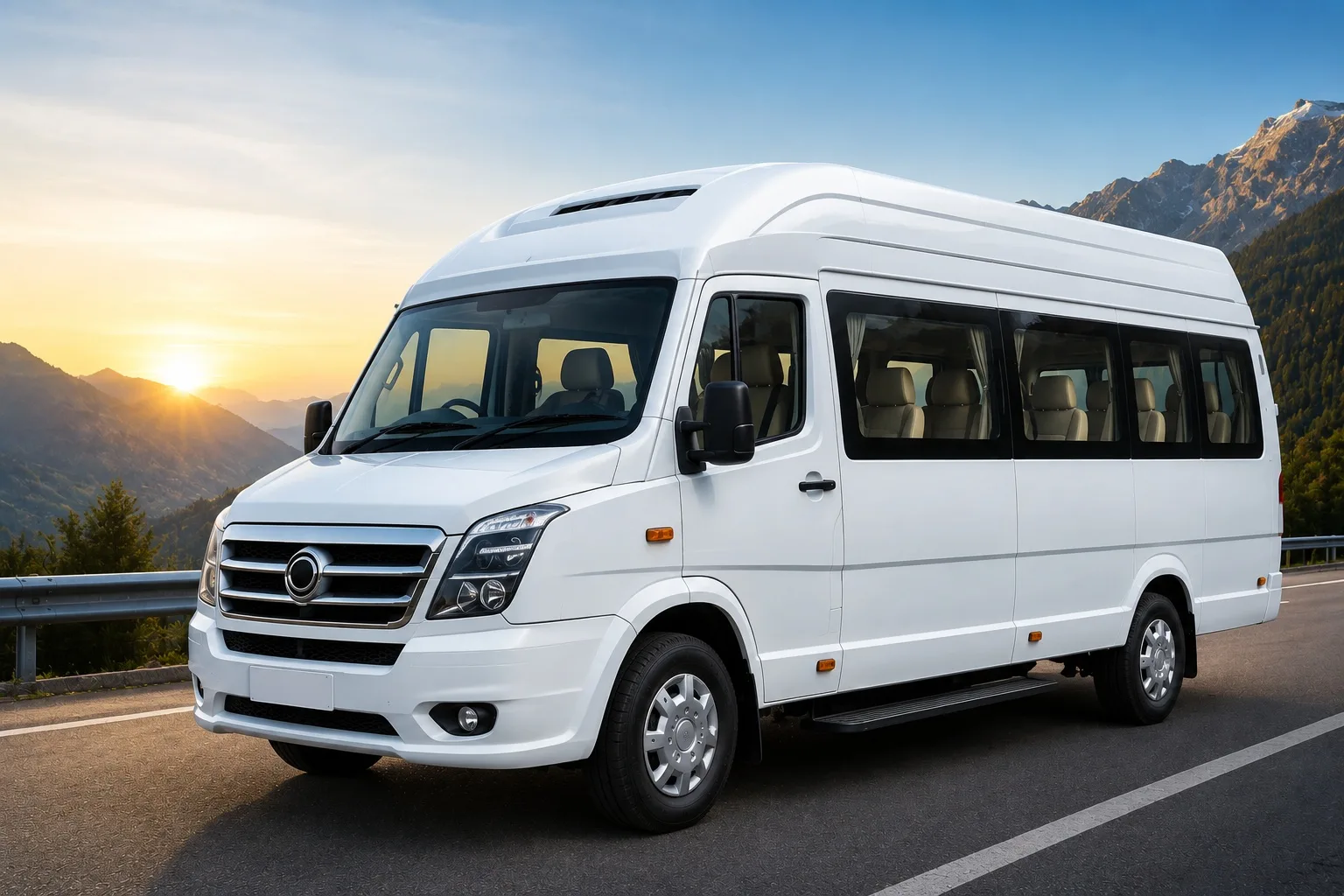
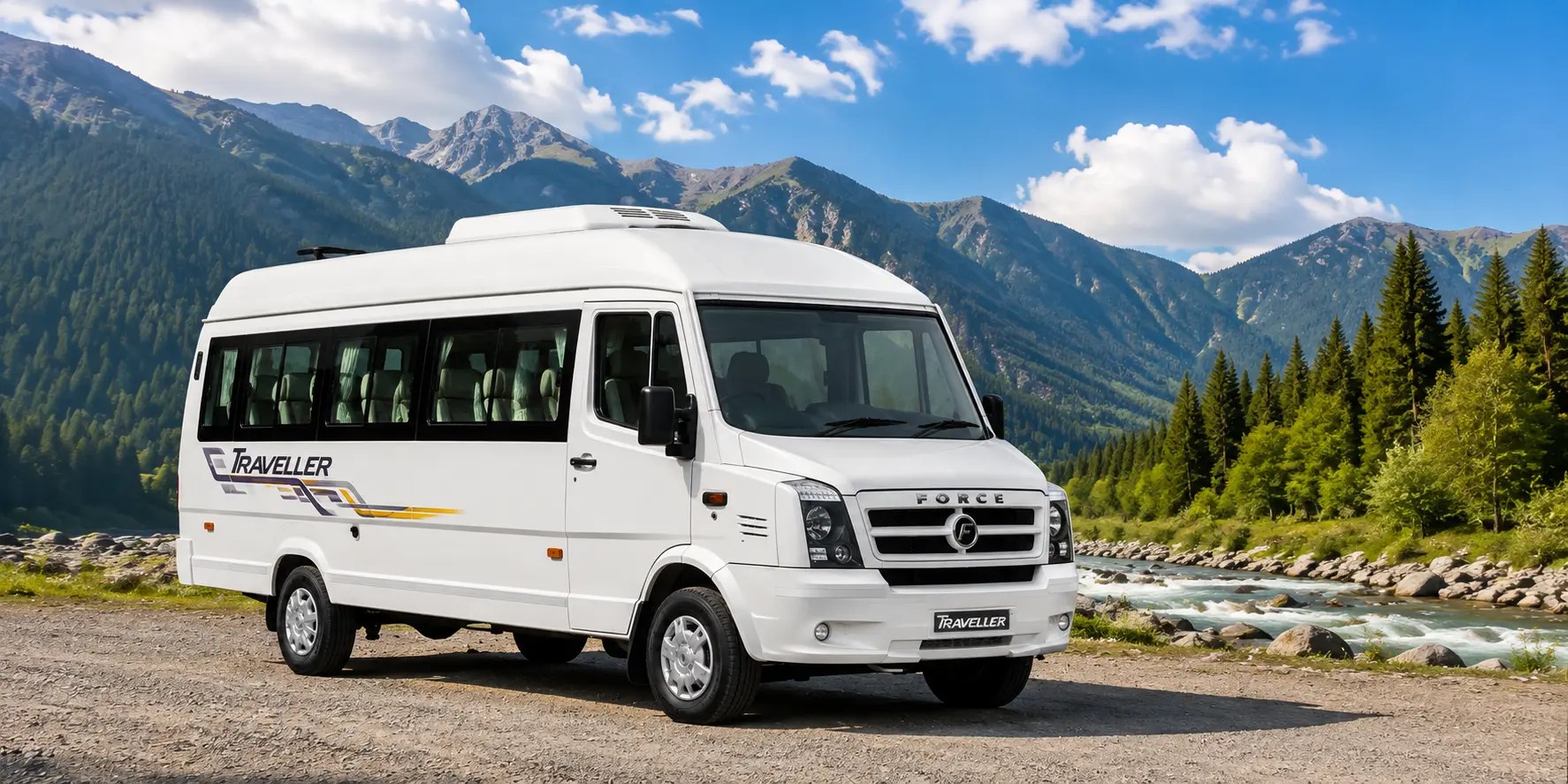
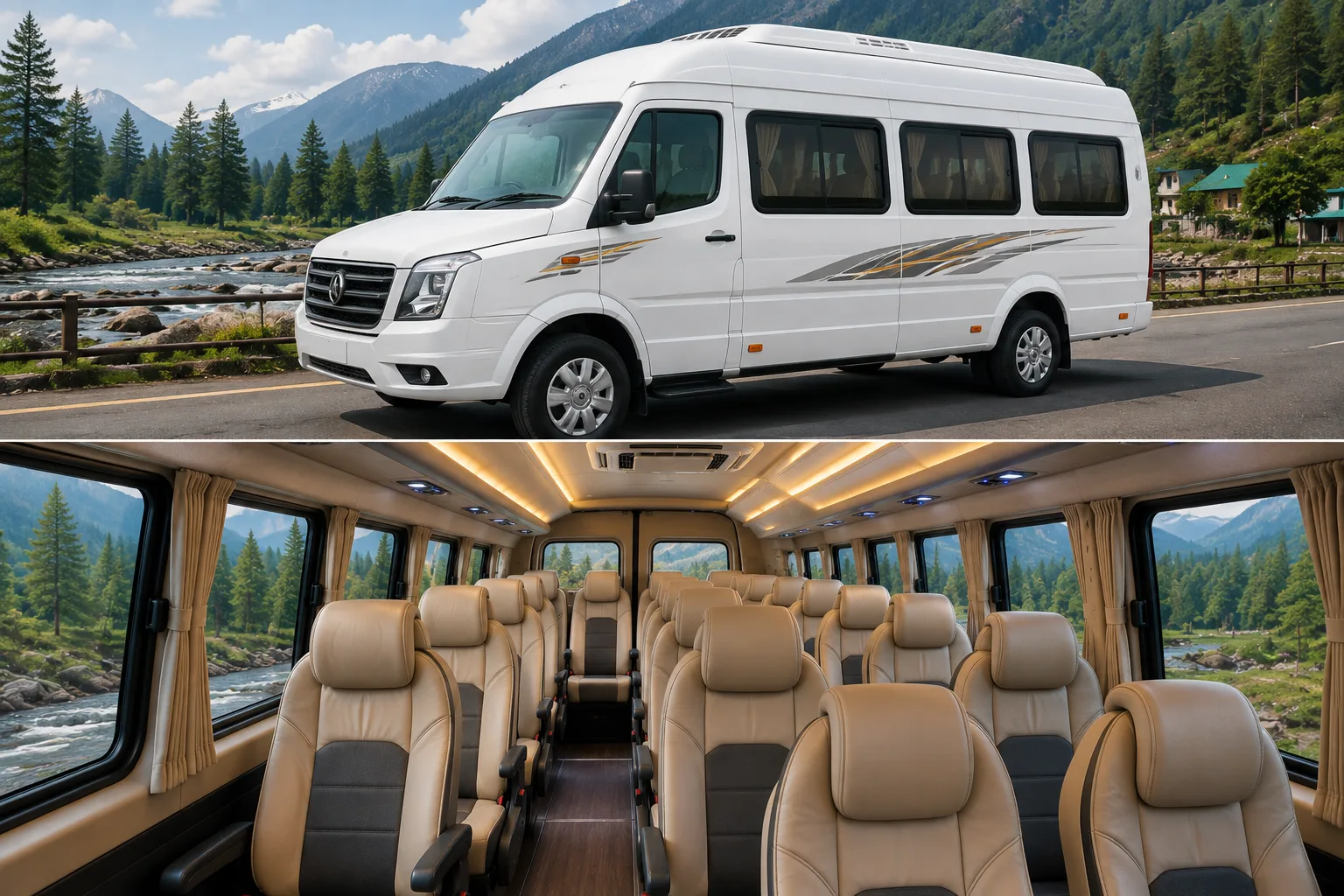
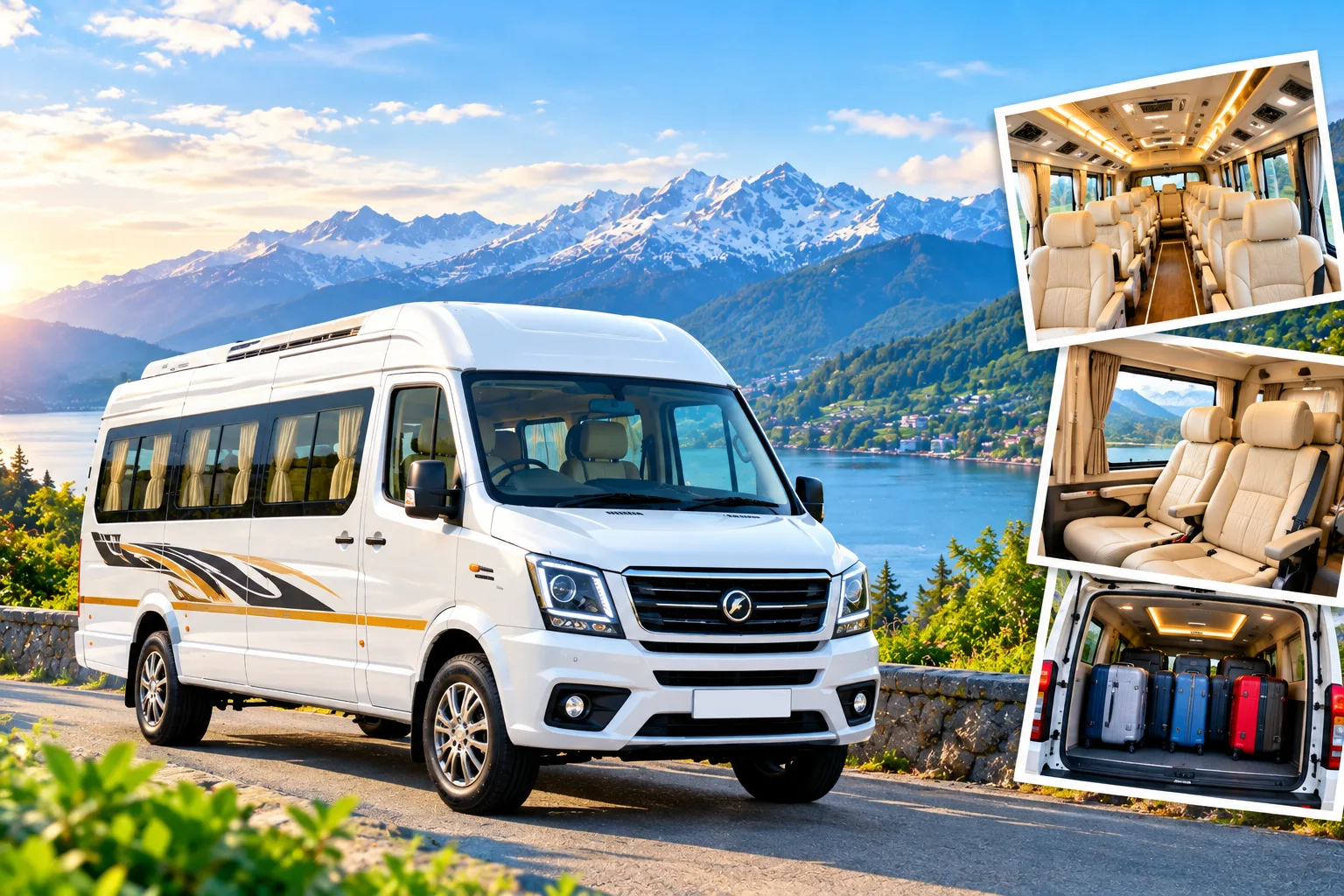
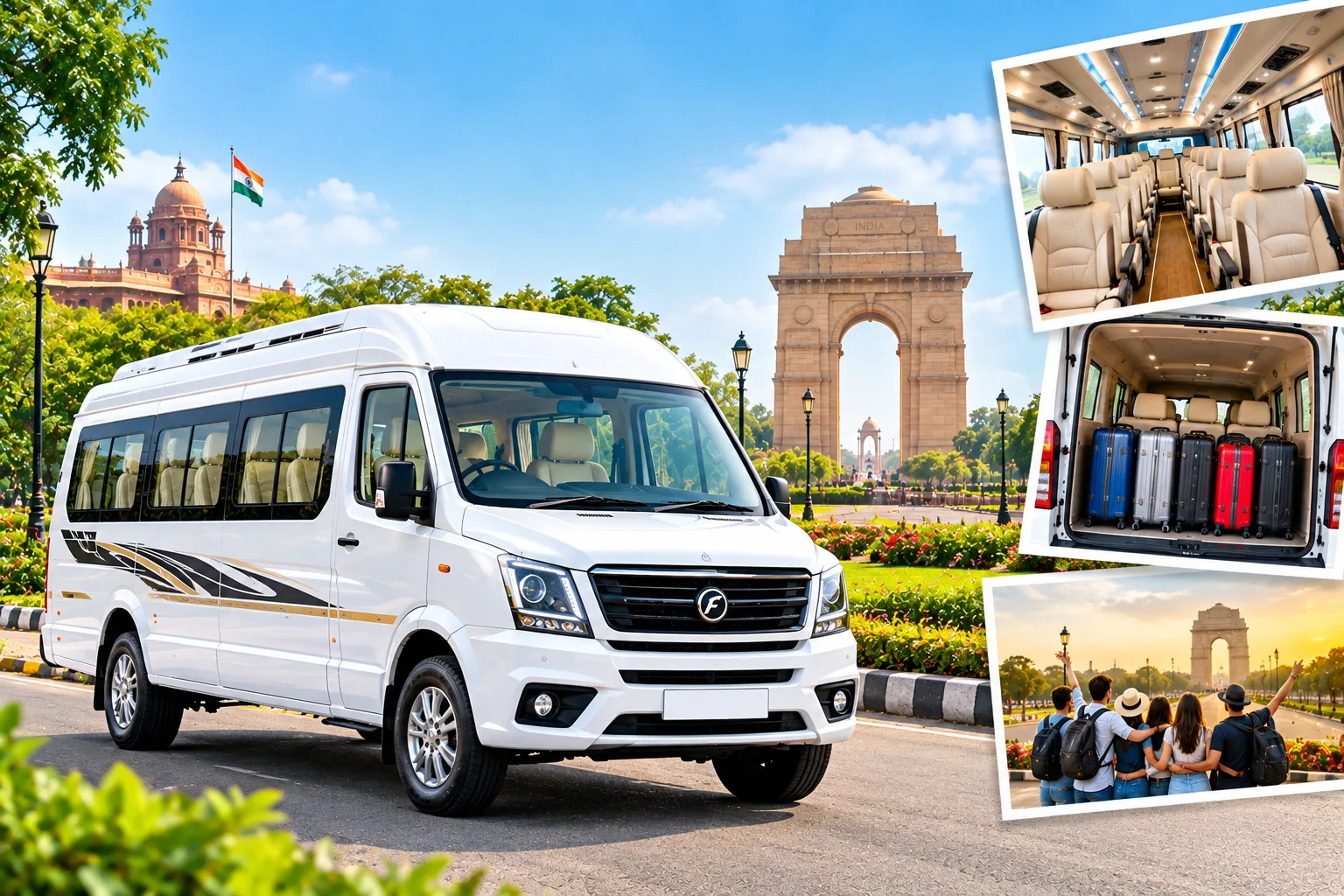
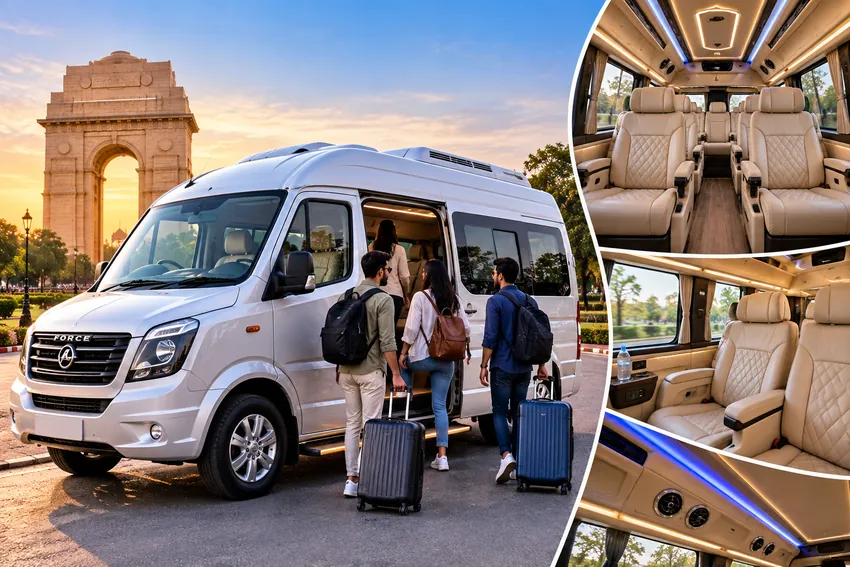
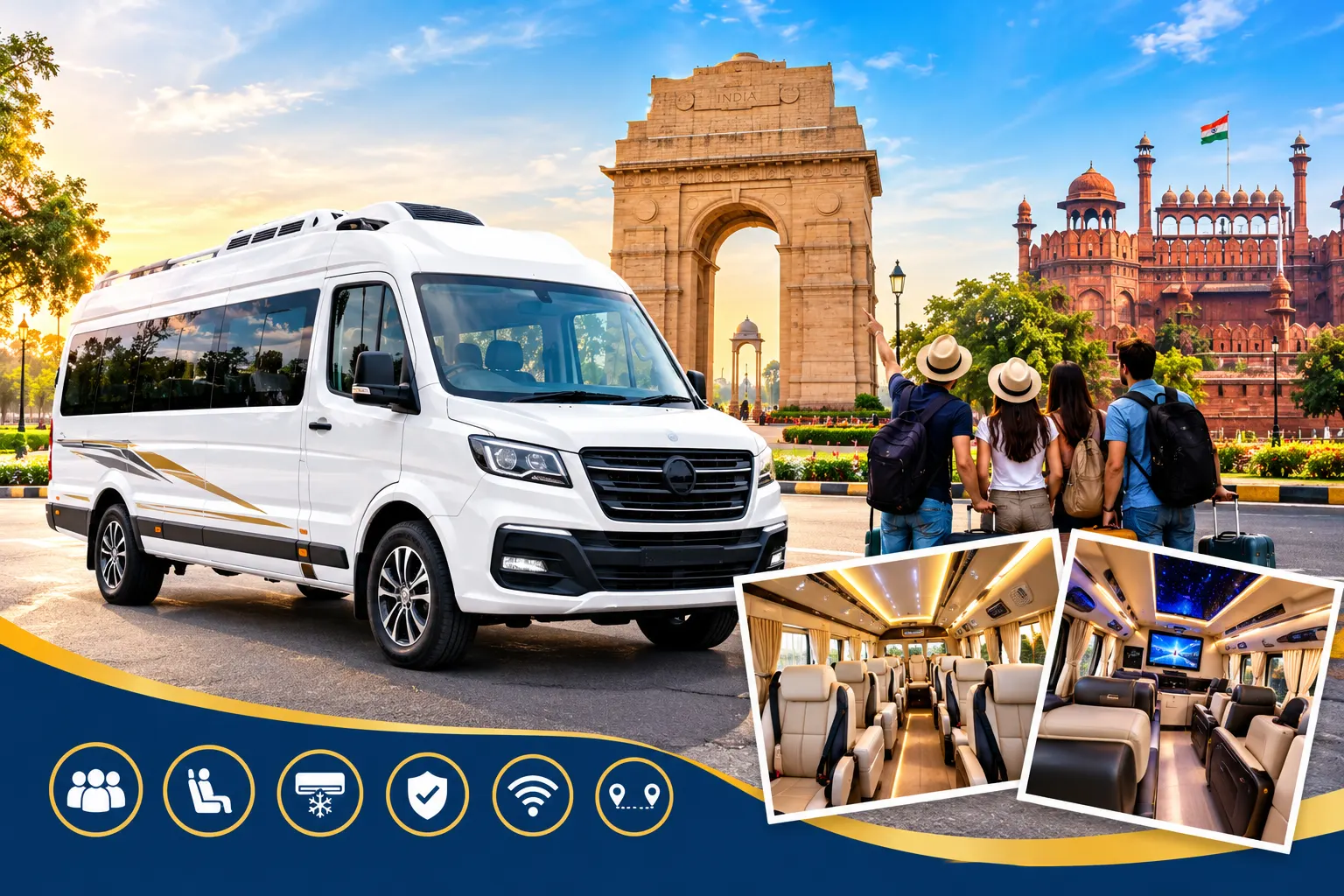
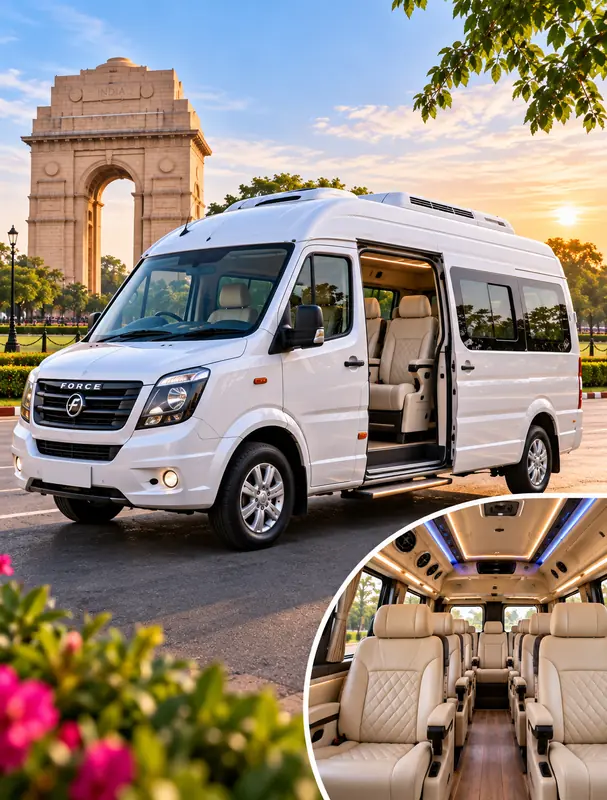
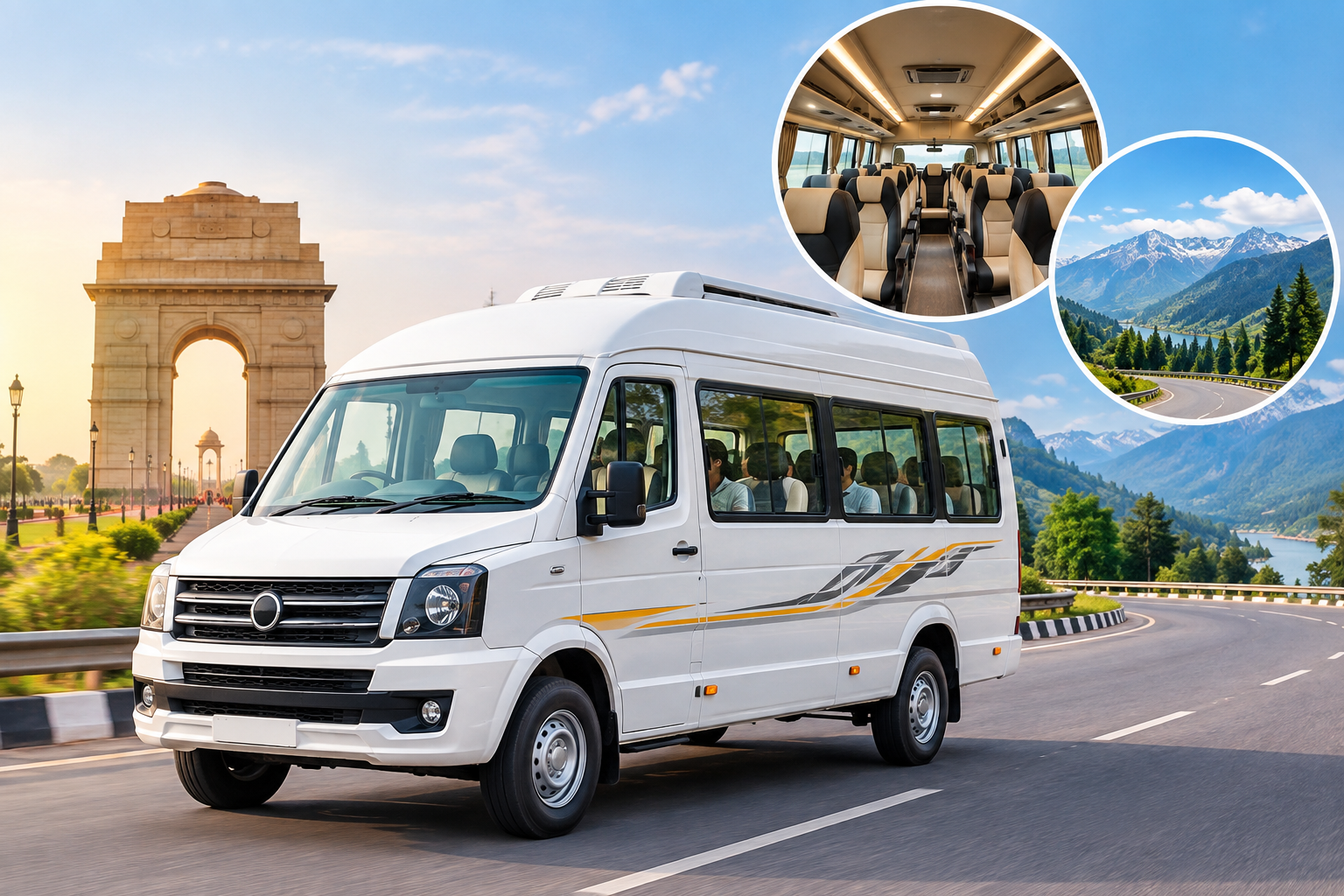
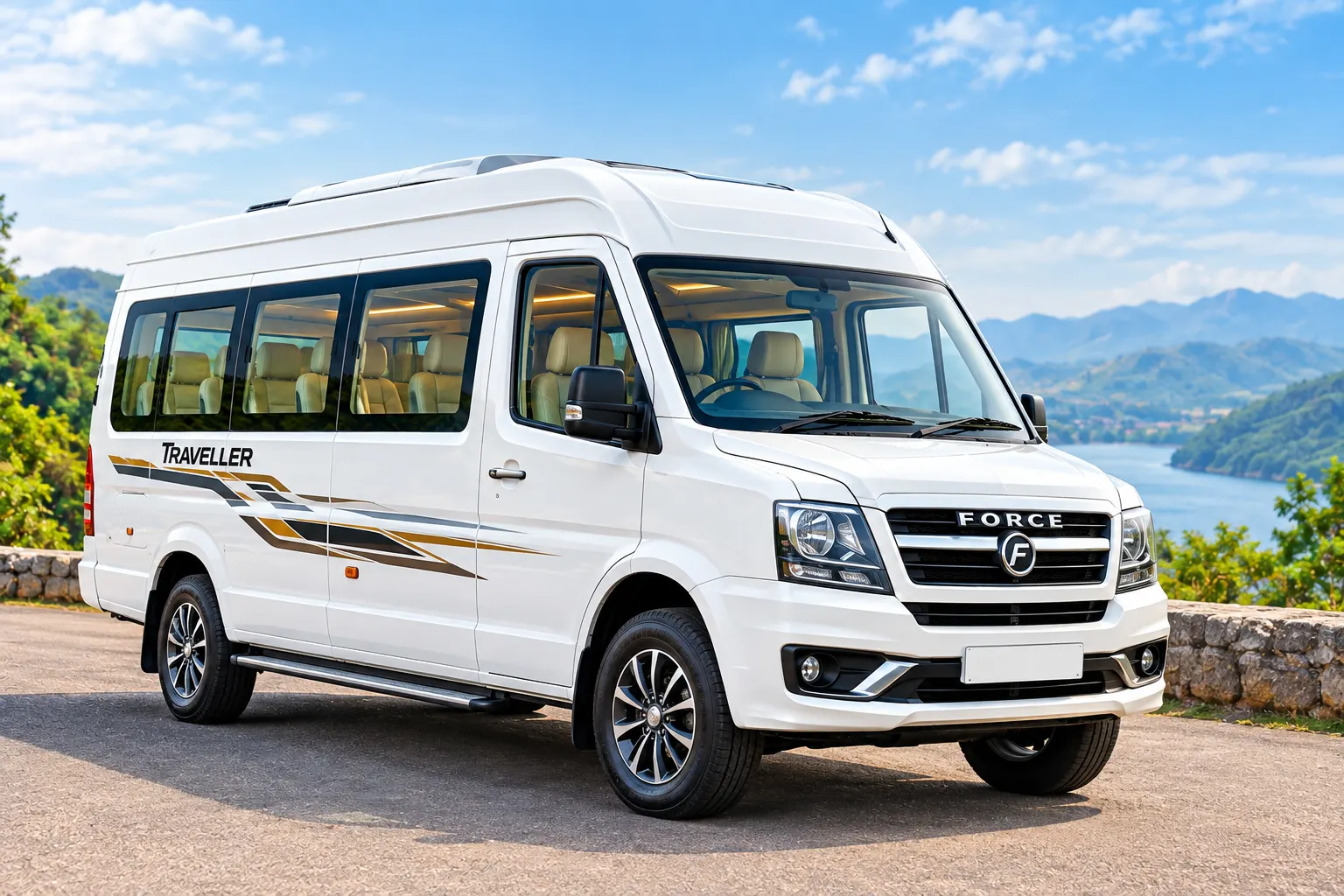
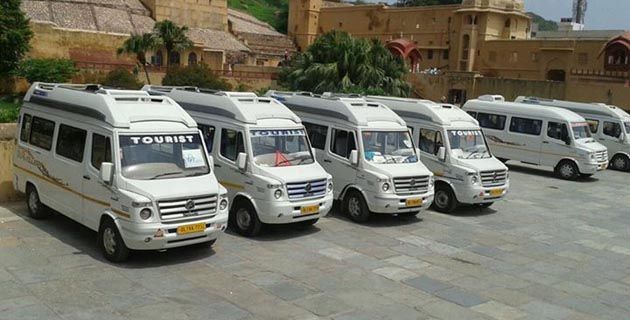
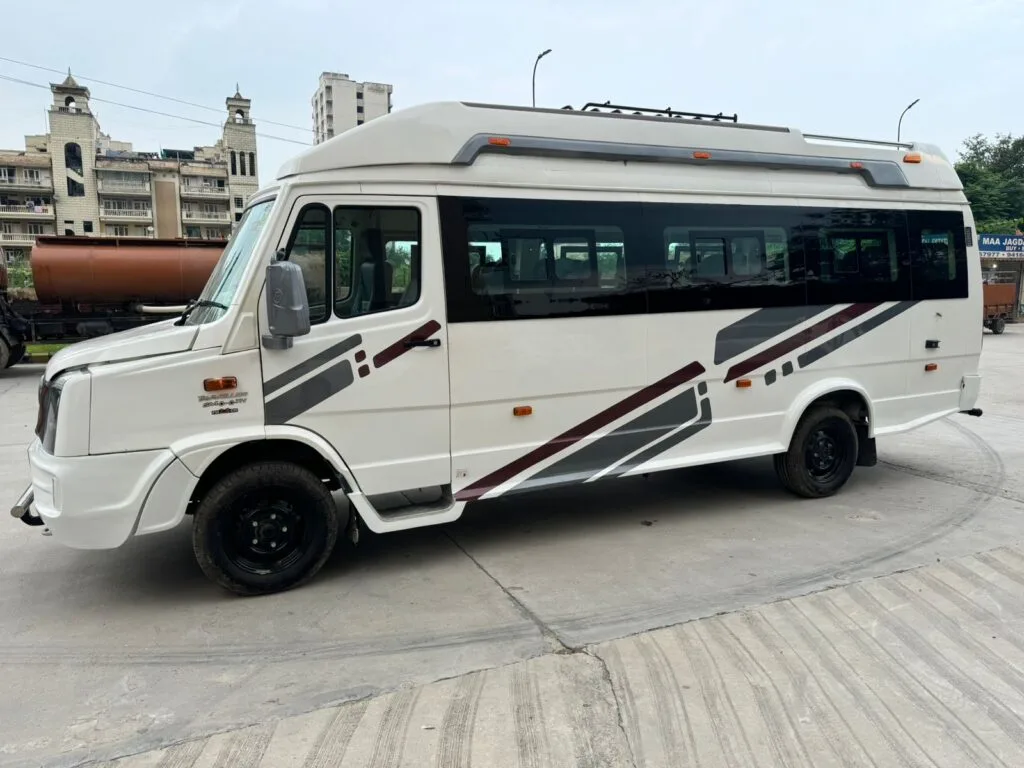
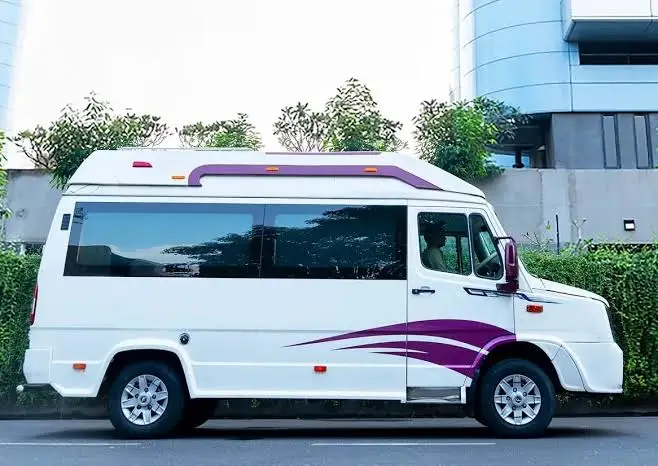
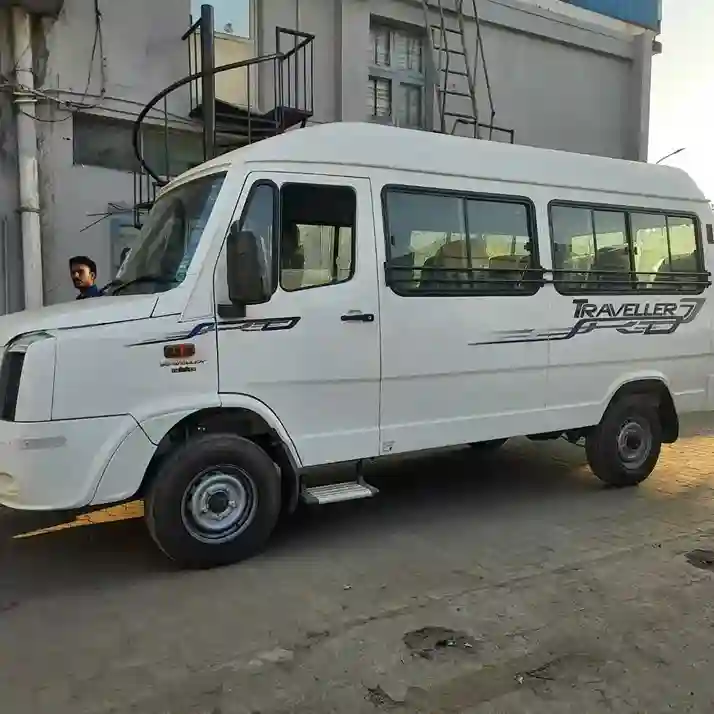
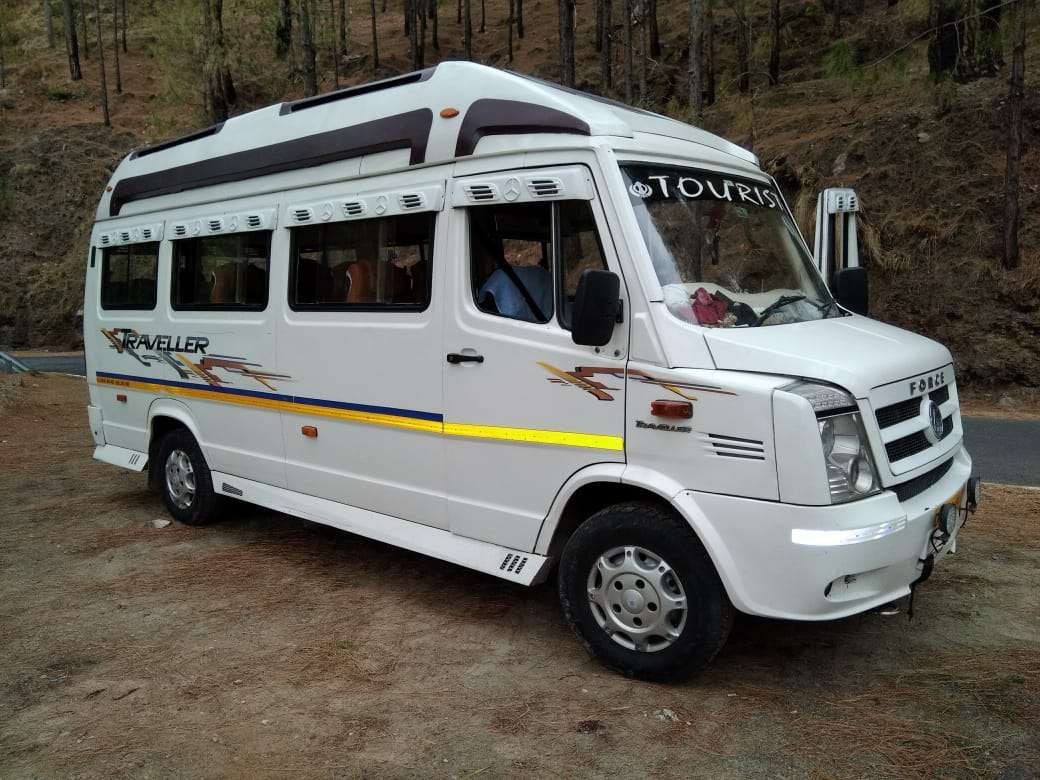
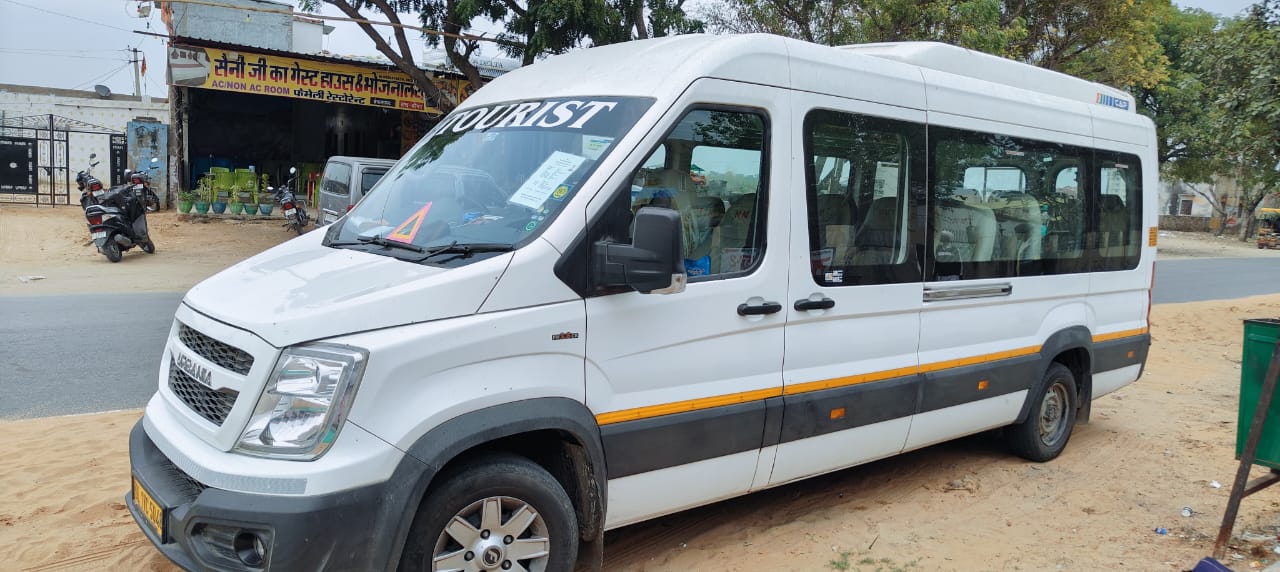
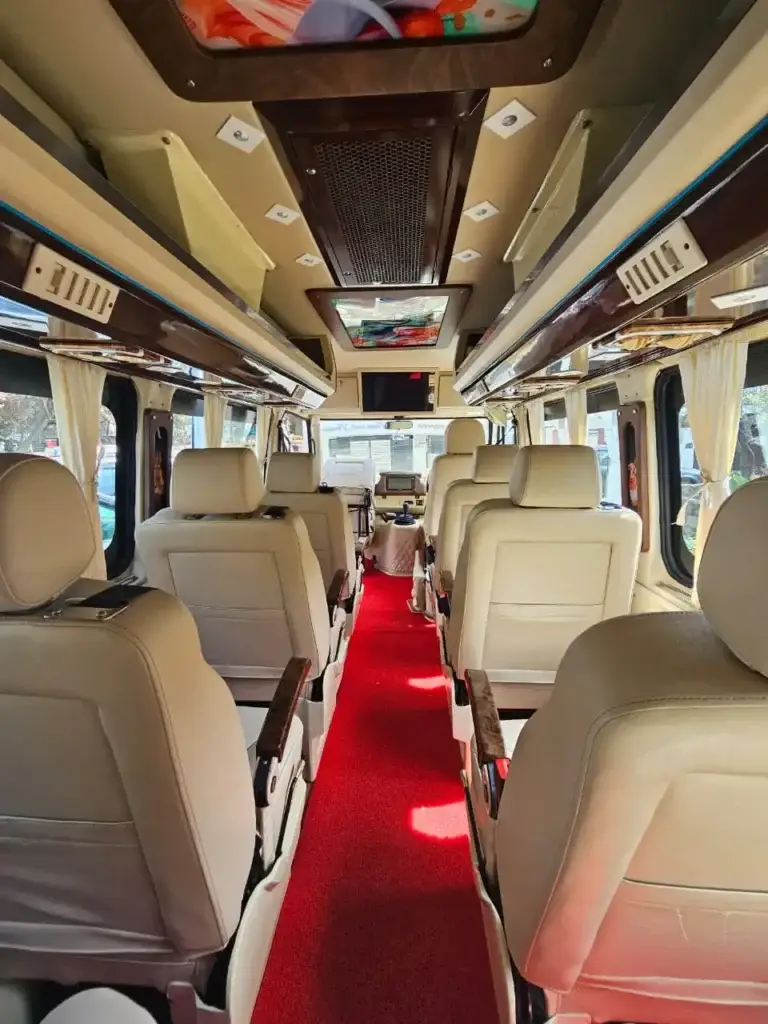
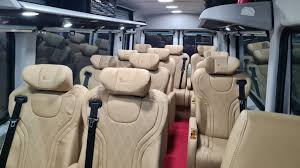
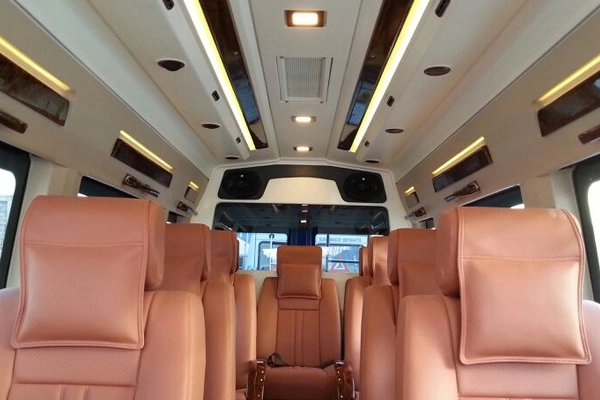
Most new operators begin with a 12-seater or 17-seater tempo traveller, since these see the highest demand. Many customers also ask for an AC, pushback seat model, which commands a higher rate than a basic model.
How Much Investment Do You Need?
Costs depend on whether you buy new or used, and the model you choose. As a rough guide:
New Tempo Traveller: typically in the range of ₹18 lakh to ₹30 lakh or more, depending on model, seating, and interior fit-out.
Used Tempo Traveller: can be significantly cheaper, but check age, condition, and permit eligibility carefully.
Registration, tourist permit, insurance, and fitness: budget a further amount for these.
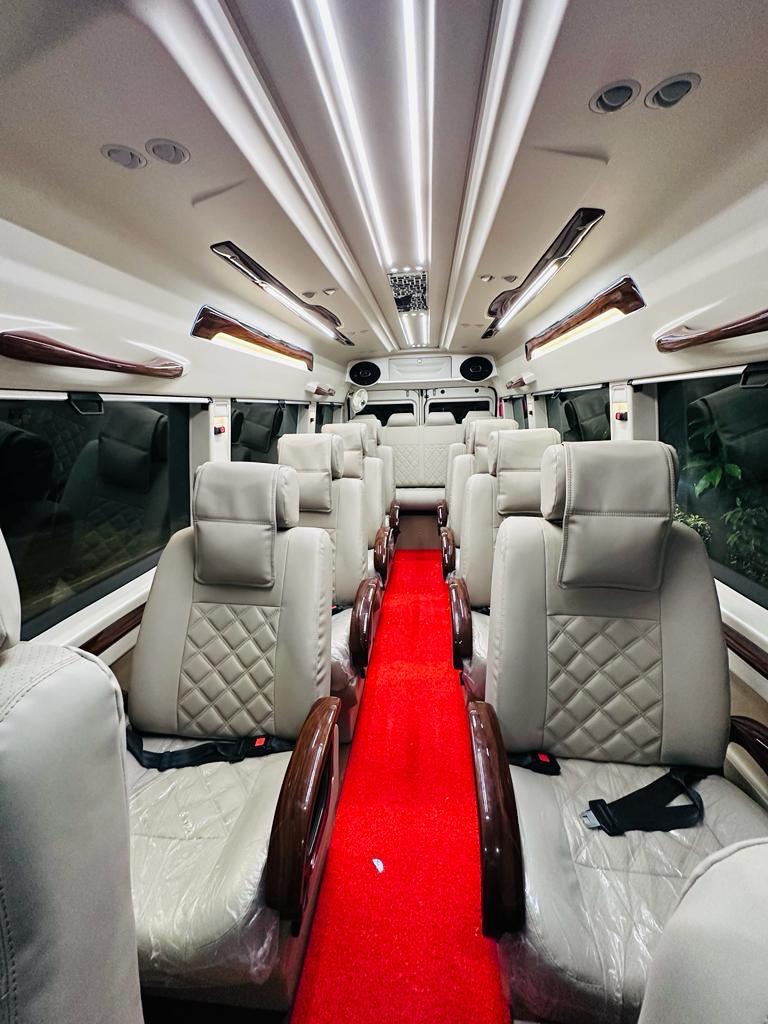
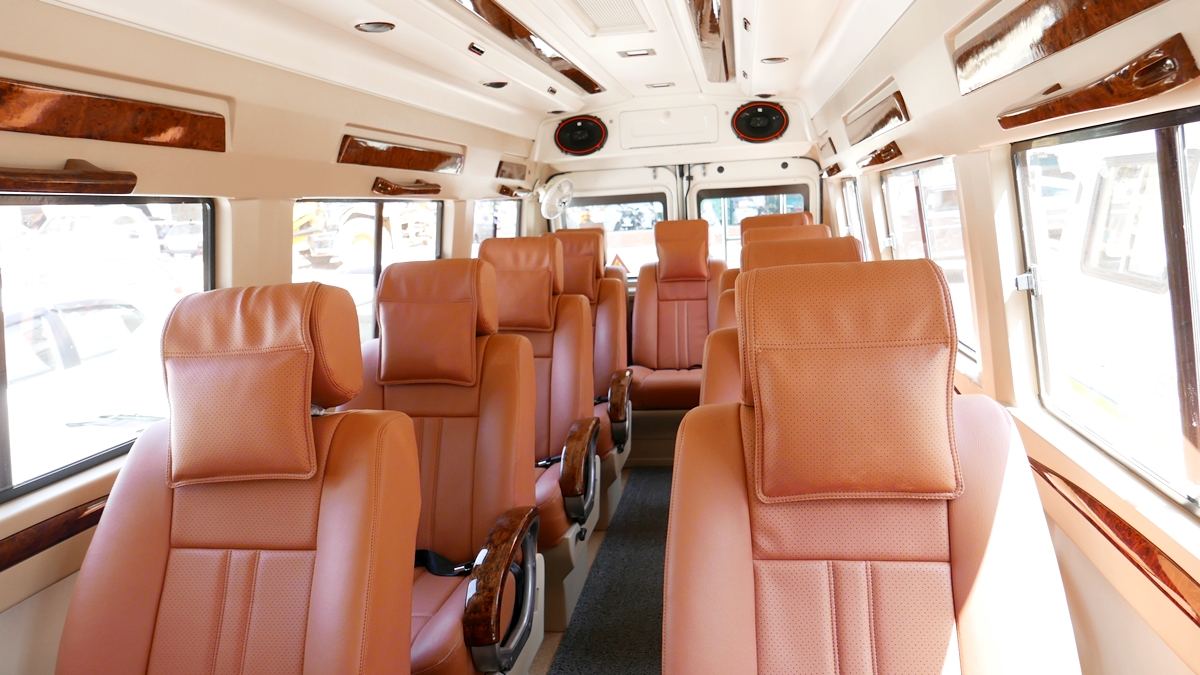
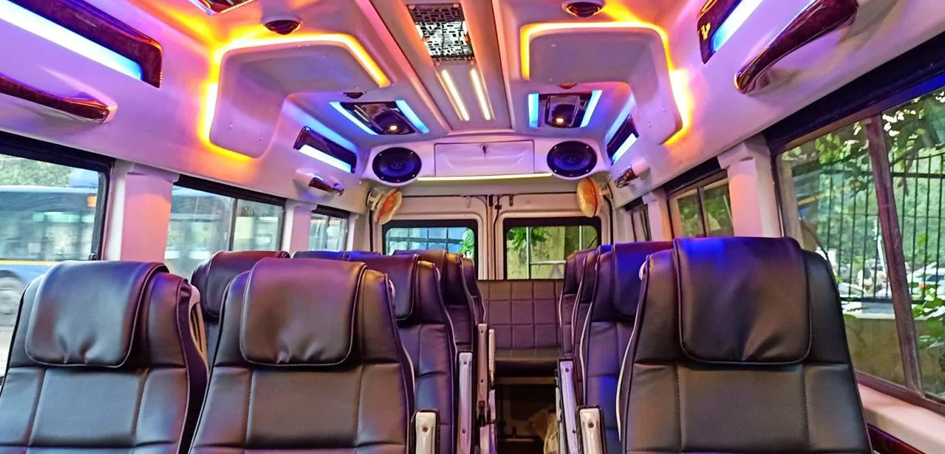
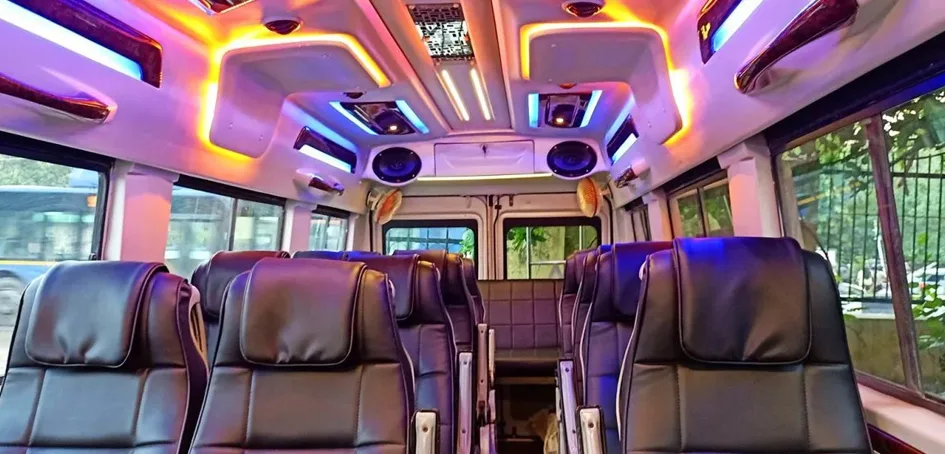
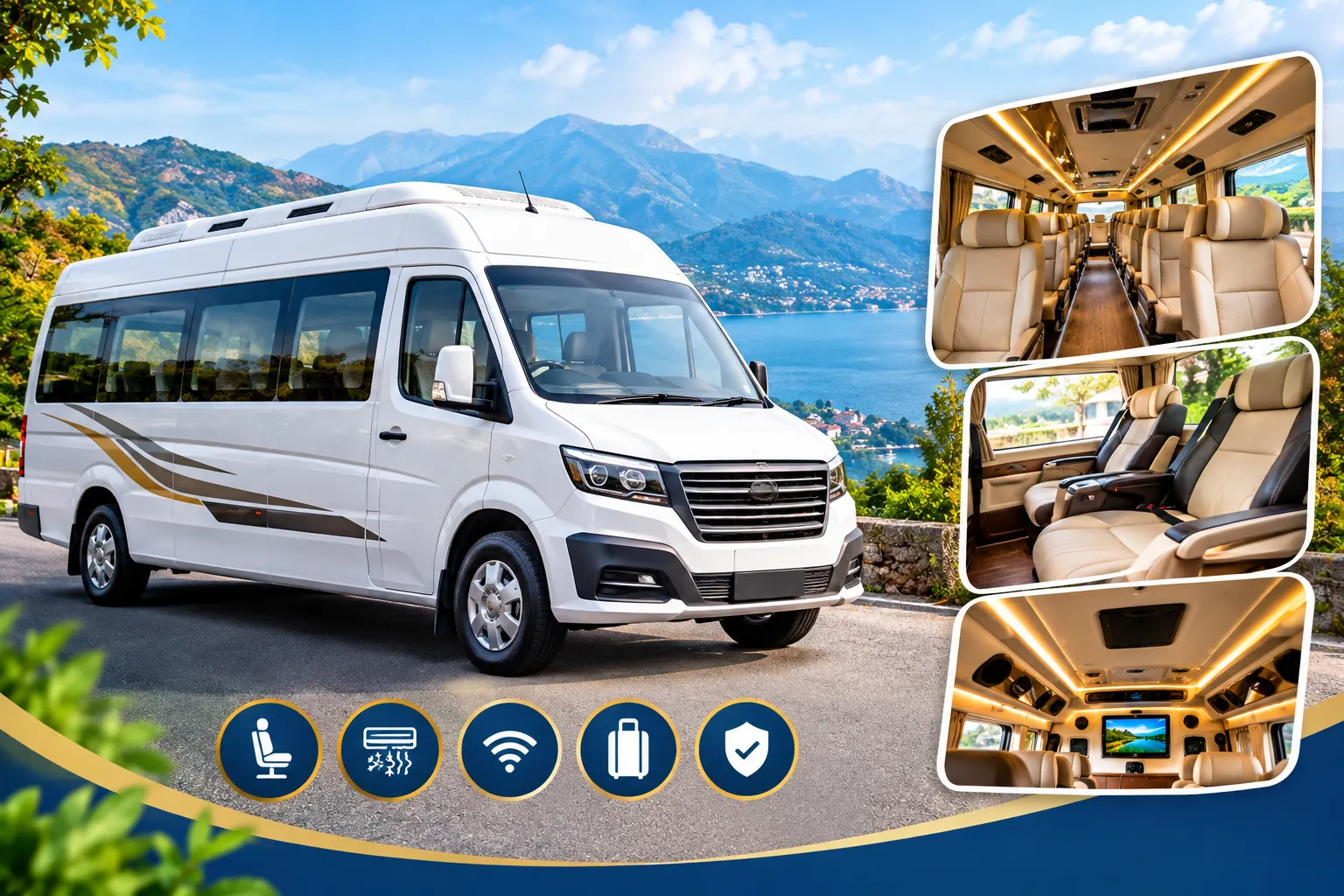
Interiors and branding: pushback seats, music system, LED lighting, and your logo add to cost but also raise your rental rate.
Working capital: keep reserves for fuel, driver advance, and maintenance until bookings start flowing.
Prices change often, so check current ex-showroom and on-road prices with authorised dealers before you decide. Many buyers finance the vehicle with a commercial vehicle loan and pay it off through monthly earnings.
Legal Requirements You Cannot Skip
Running a tempo traveller commercially in Delhi without the right papers leads to heavy fines and vehicle seizure. Typically, you will need:
Commercial (yellow plate) registration for the vehicle
Tourist permit or contract carriage permit (and an All India Tourist Permit if you plan to run outstation routes to other states)
Driver with a valid commercial driving licence and badge
GST registration if your turnover crosses the threshold, or if you work with corporate clients who need GST invoices
Business registration (proprietorship, partnership, or company) and a business bank account
Also keep in mind that Delhi-NCR has rules about older diesel vehicles and emission norms. Before buying any used vehicle, confirm it can legally operate in Delhi. Rules and permit fees are updated from time to time, so verify the latest requirements with the Delhi Transport Department or a licensed transport consultant.
How Much Can You Earn?
Income depends on your vehicle type, route mix, occupancy, and how many days a month your vehicle is actually running. Here are the typical earning models.
1. Local Sightseeing and Day Rentals
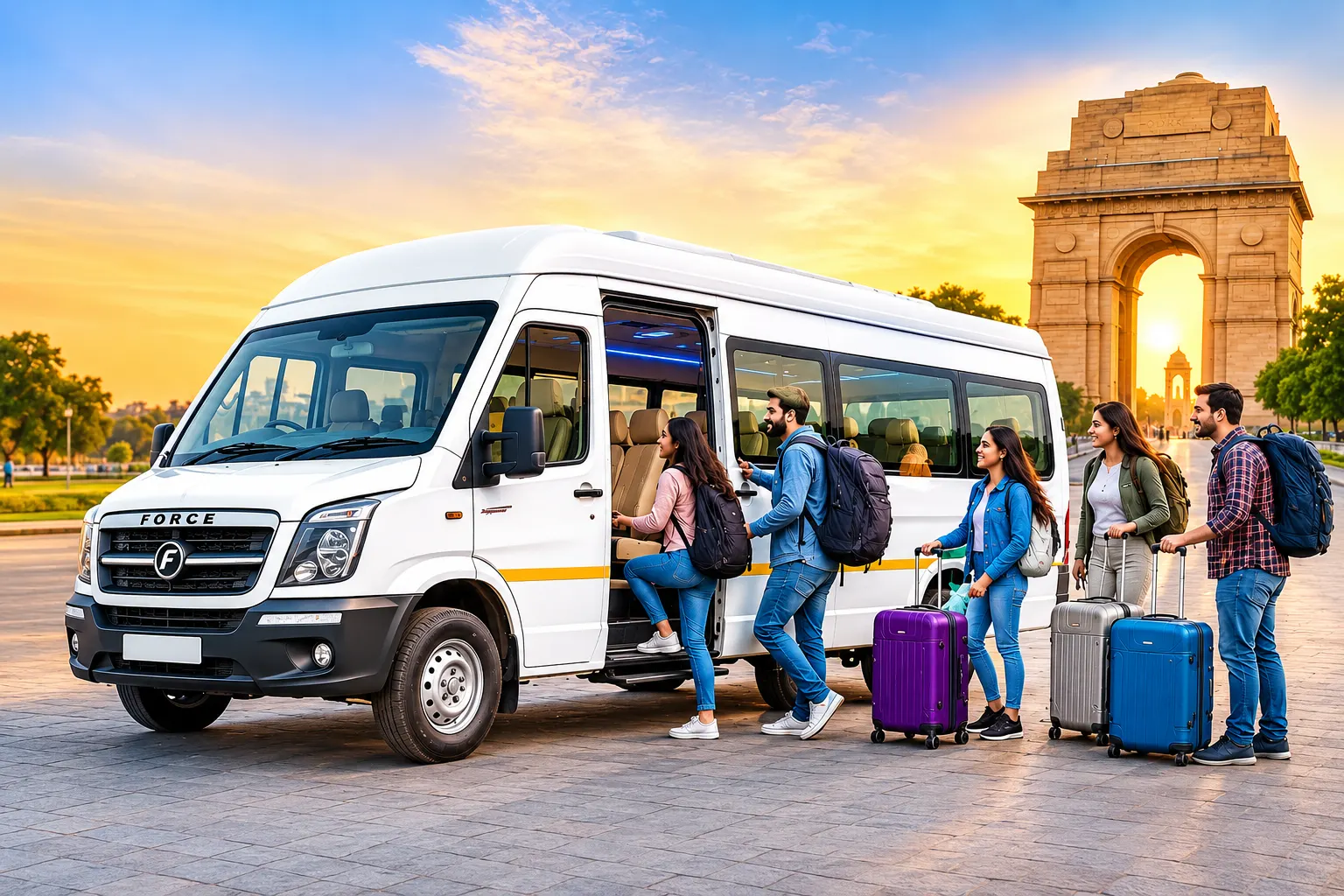
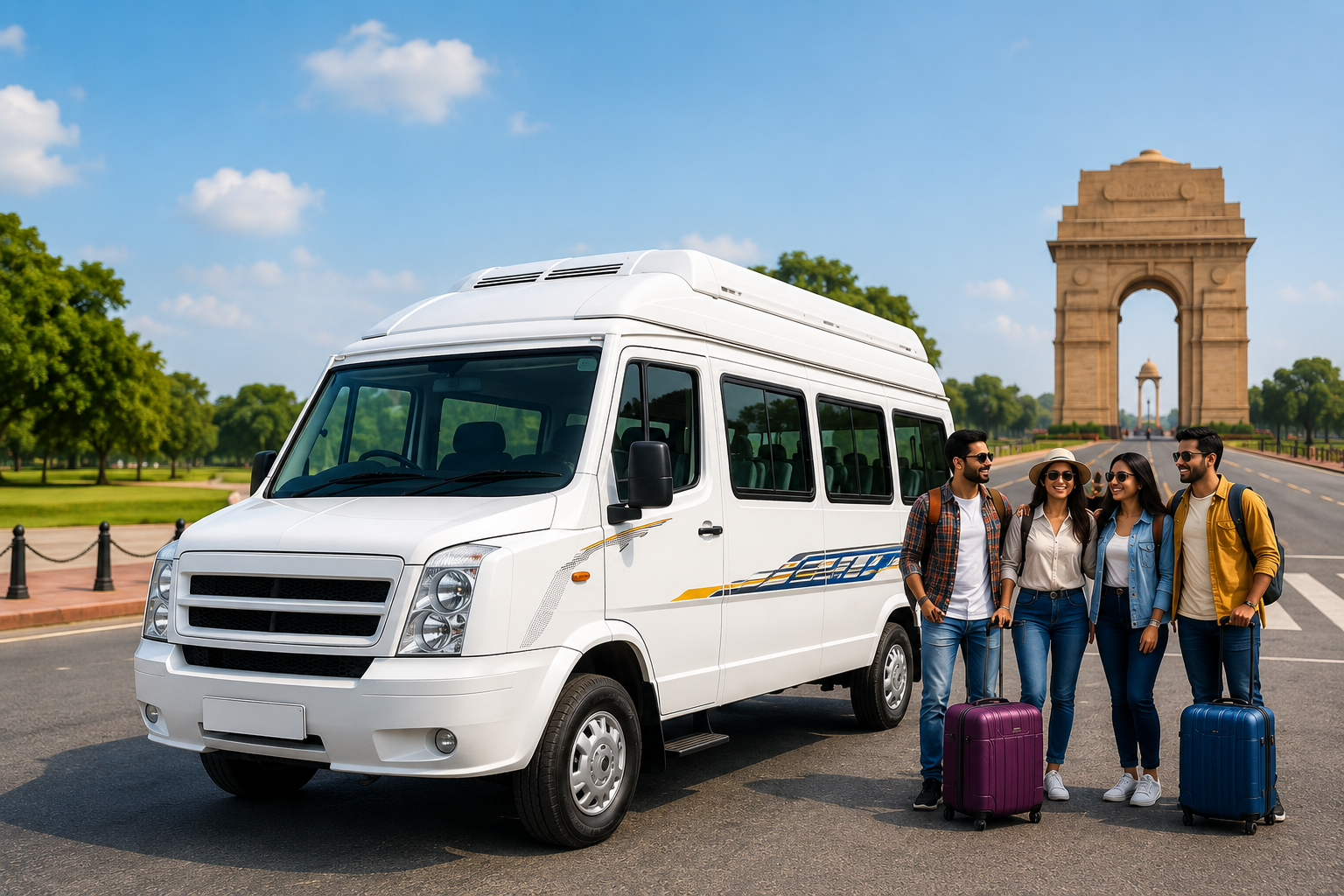
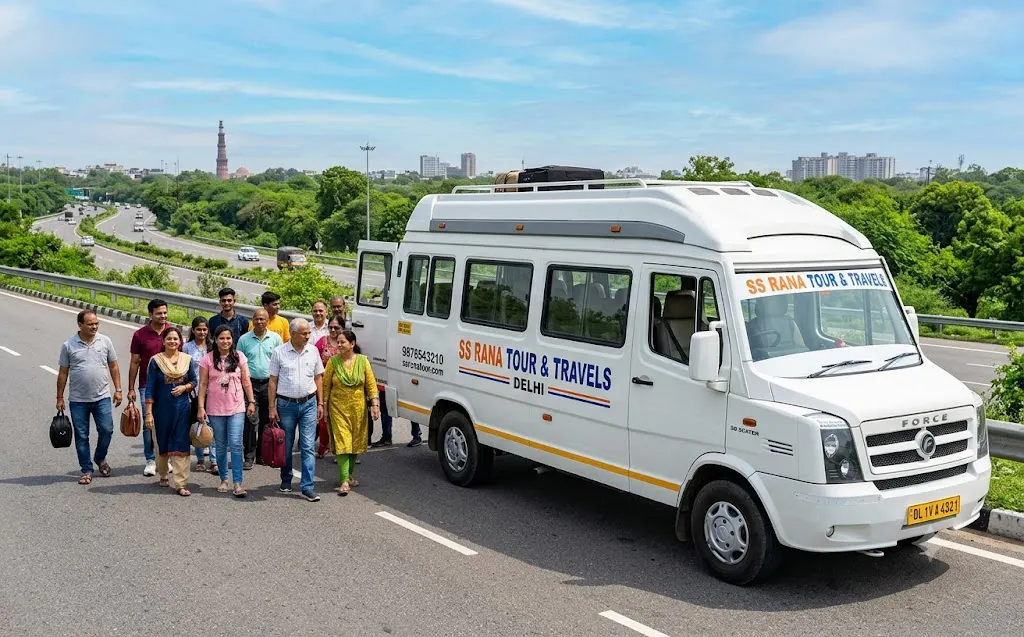
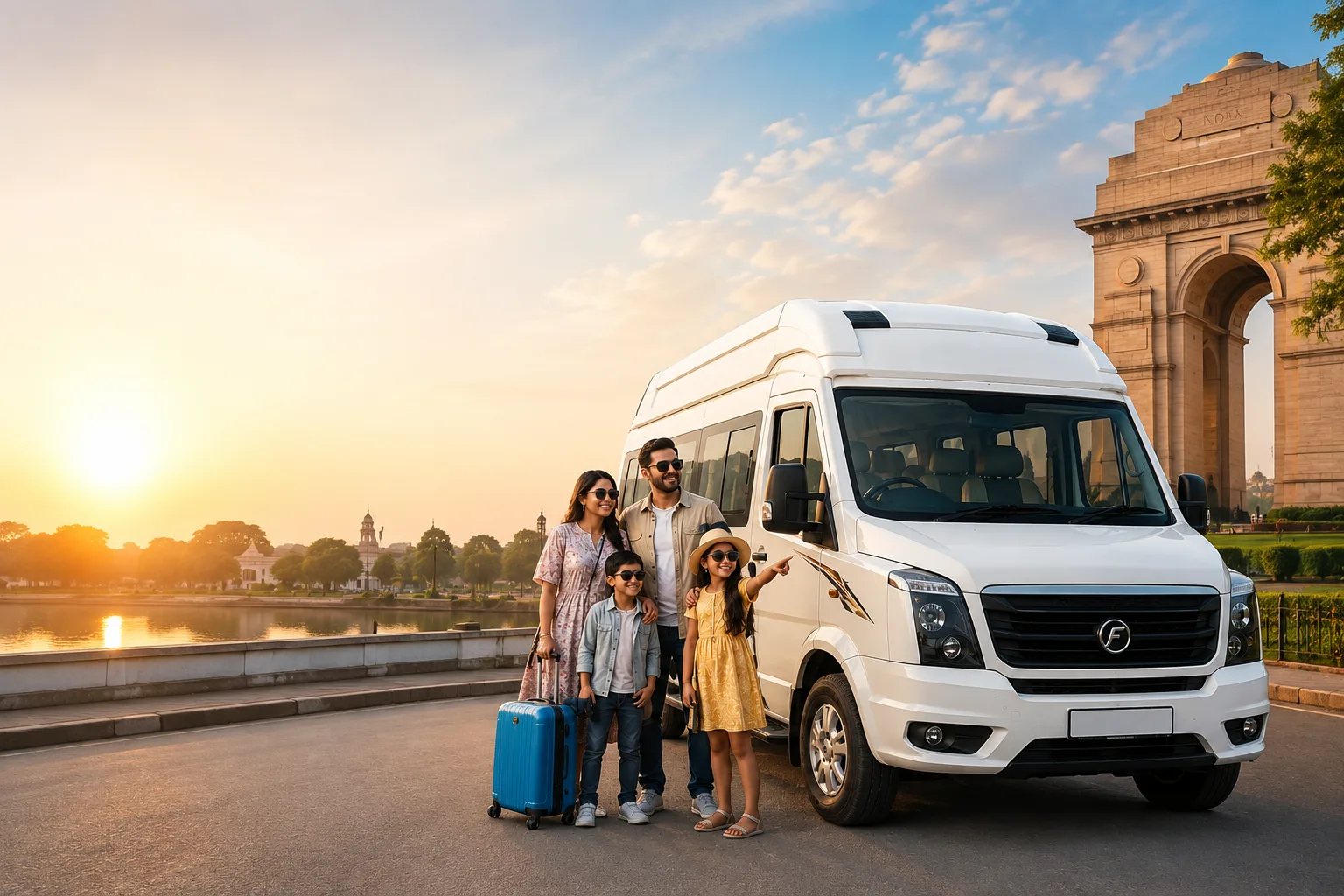
Delhi sightseeing, airport transfers, and 8-hour or 12-hour packages are the base of the business. A tempo traveller on rent in Delhi for local use is often priced per day, with a fixed number of hours and kilometres included. Extra hours and kilometres are charged separately.
2. Outstation Trips
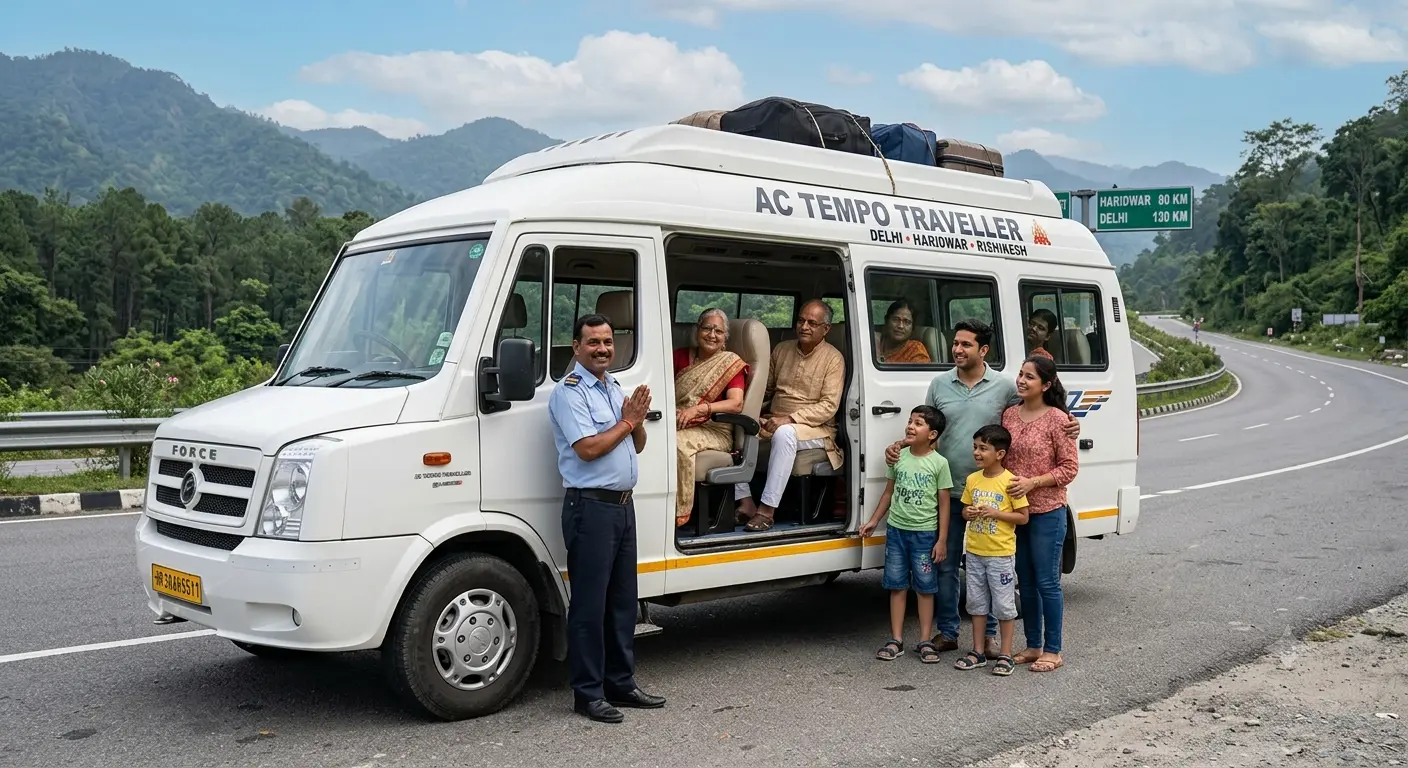
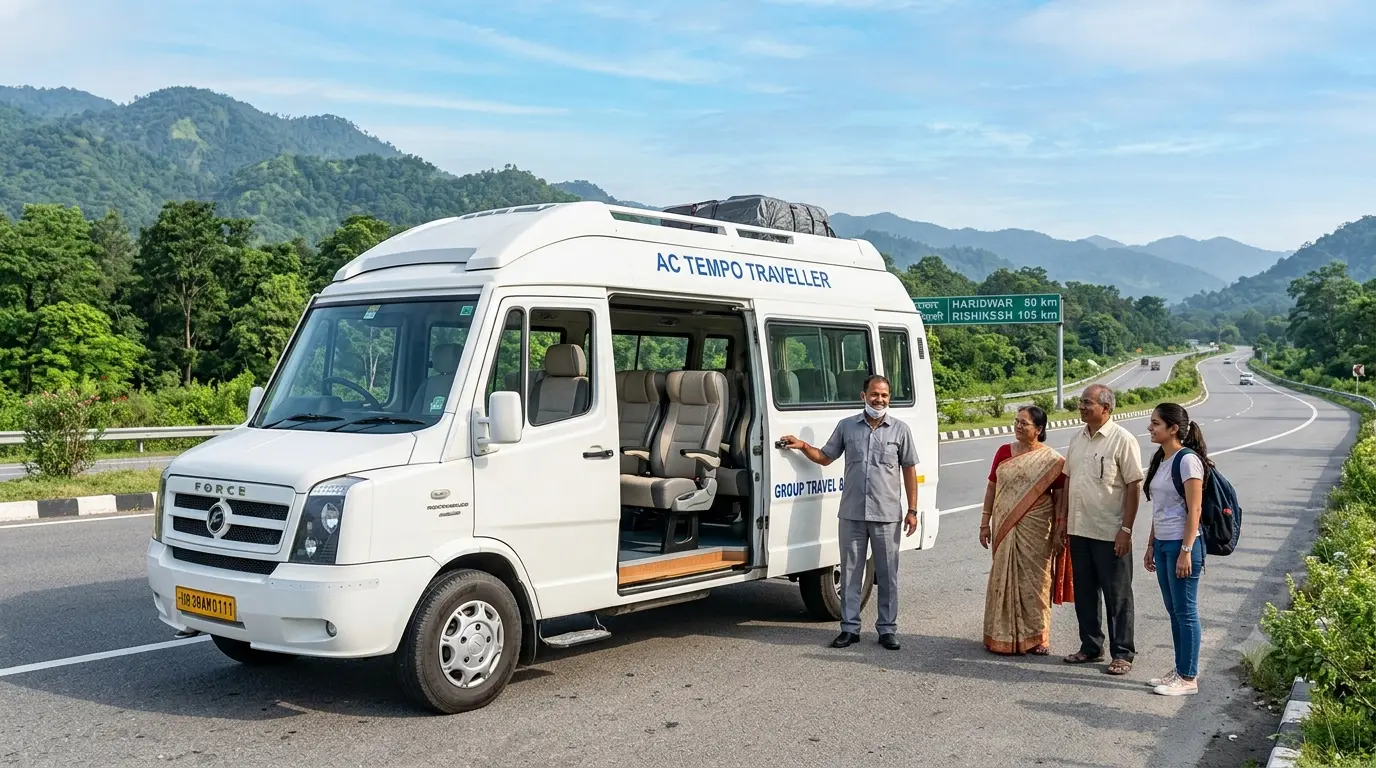
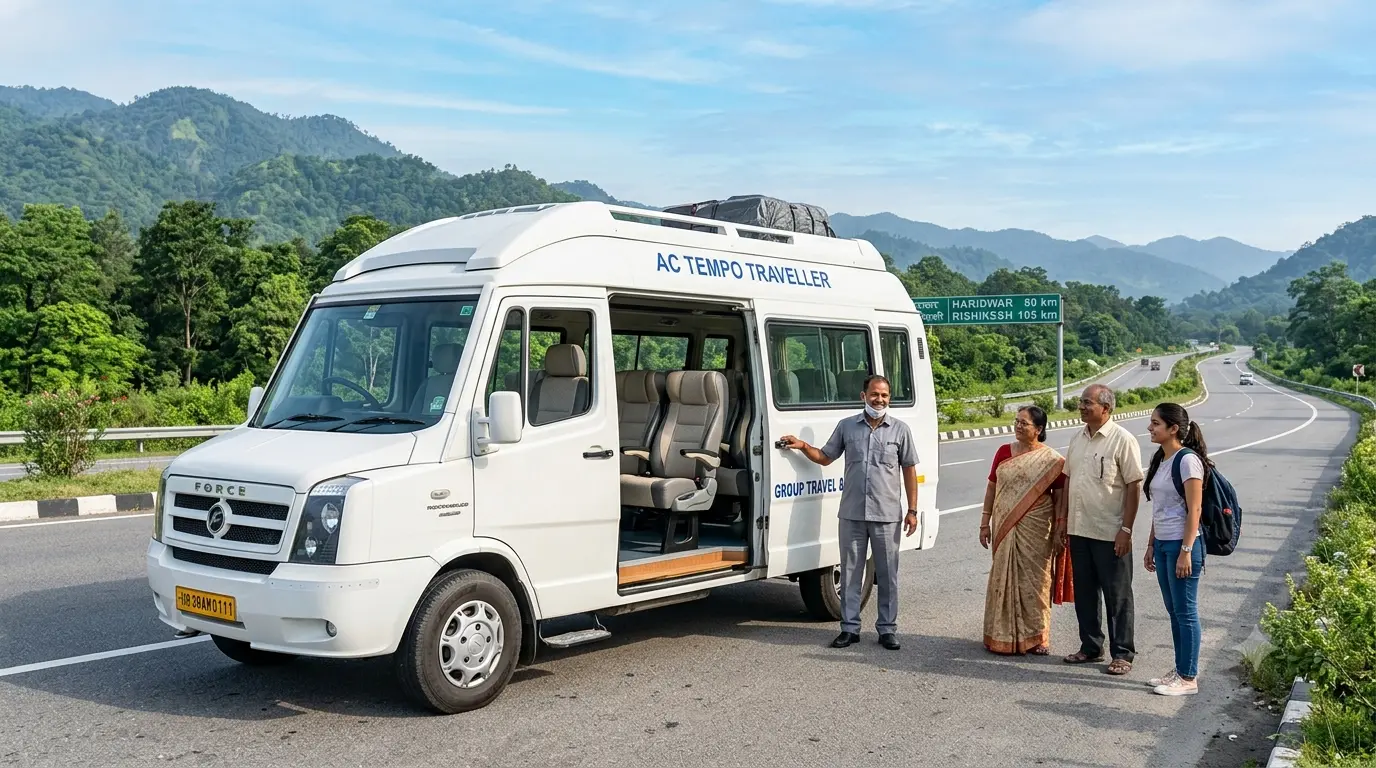
This is where the real money is. Popular routes include:
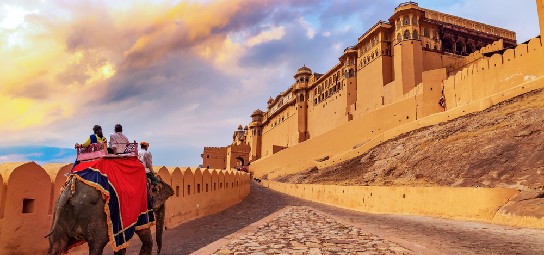
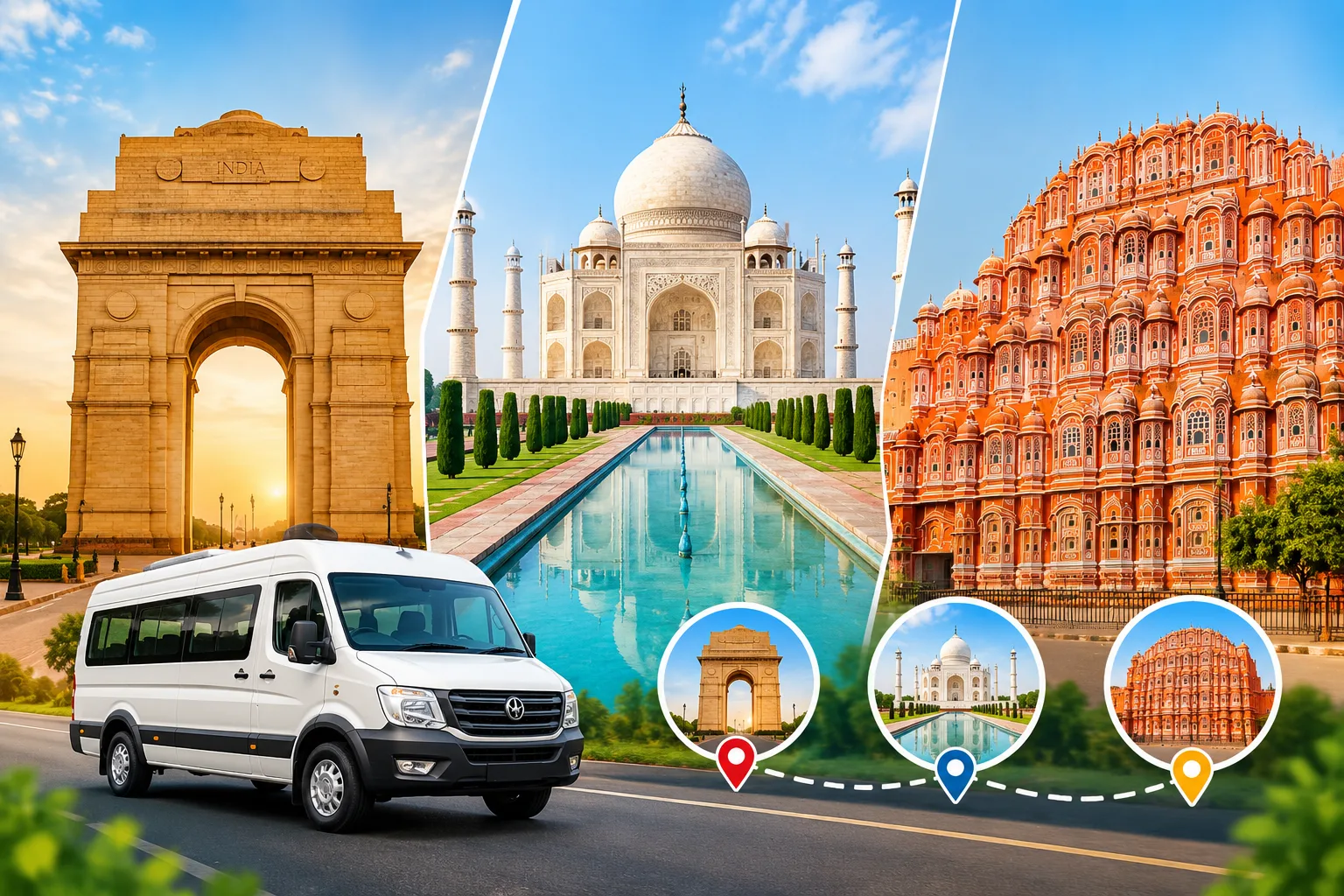
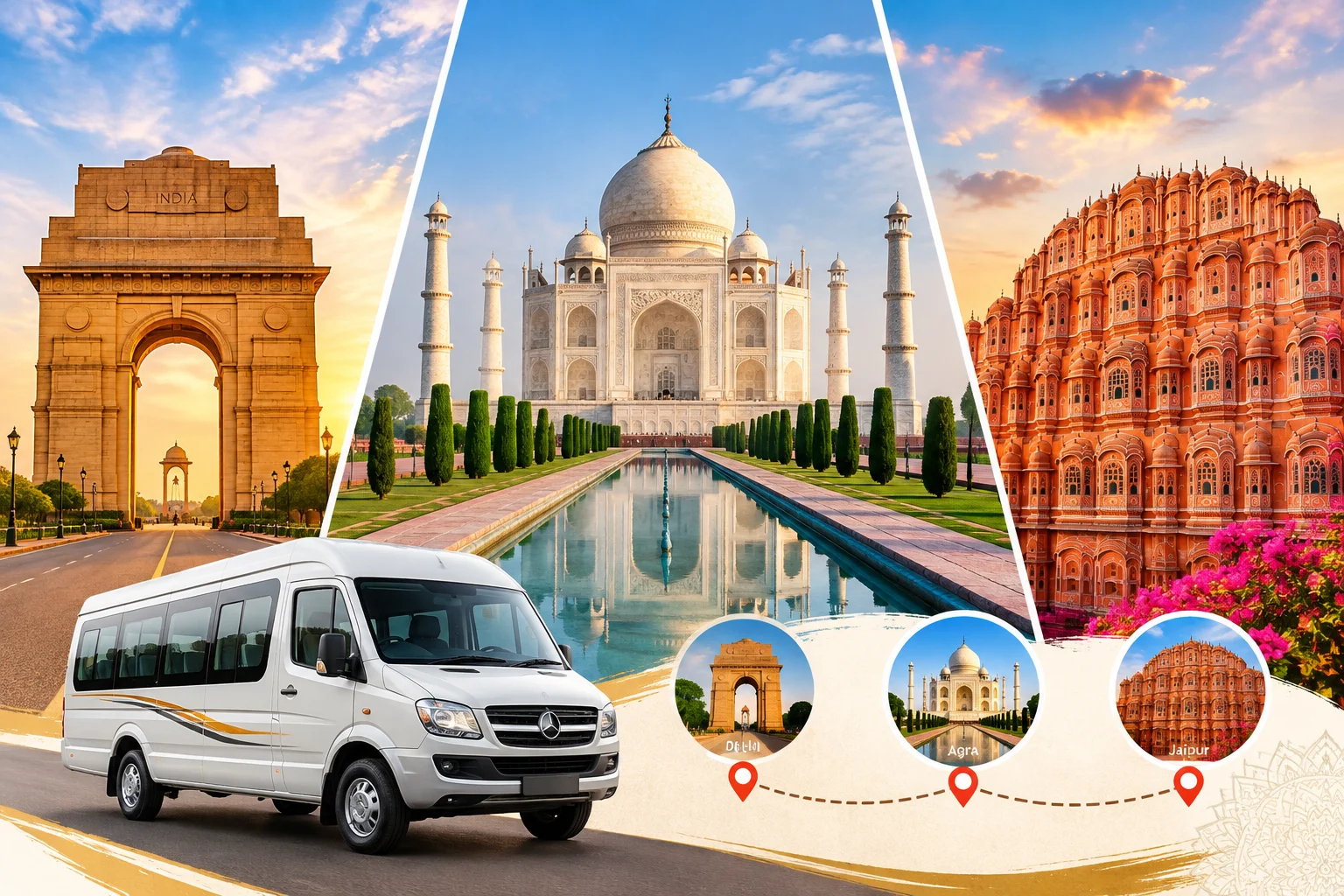
Delhi to Agra (Taj Mahal)
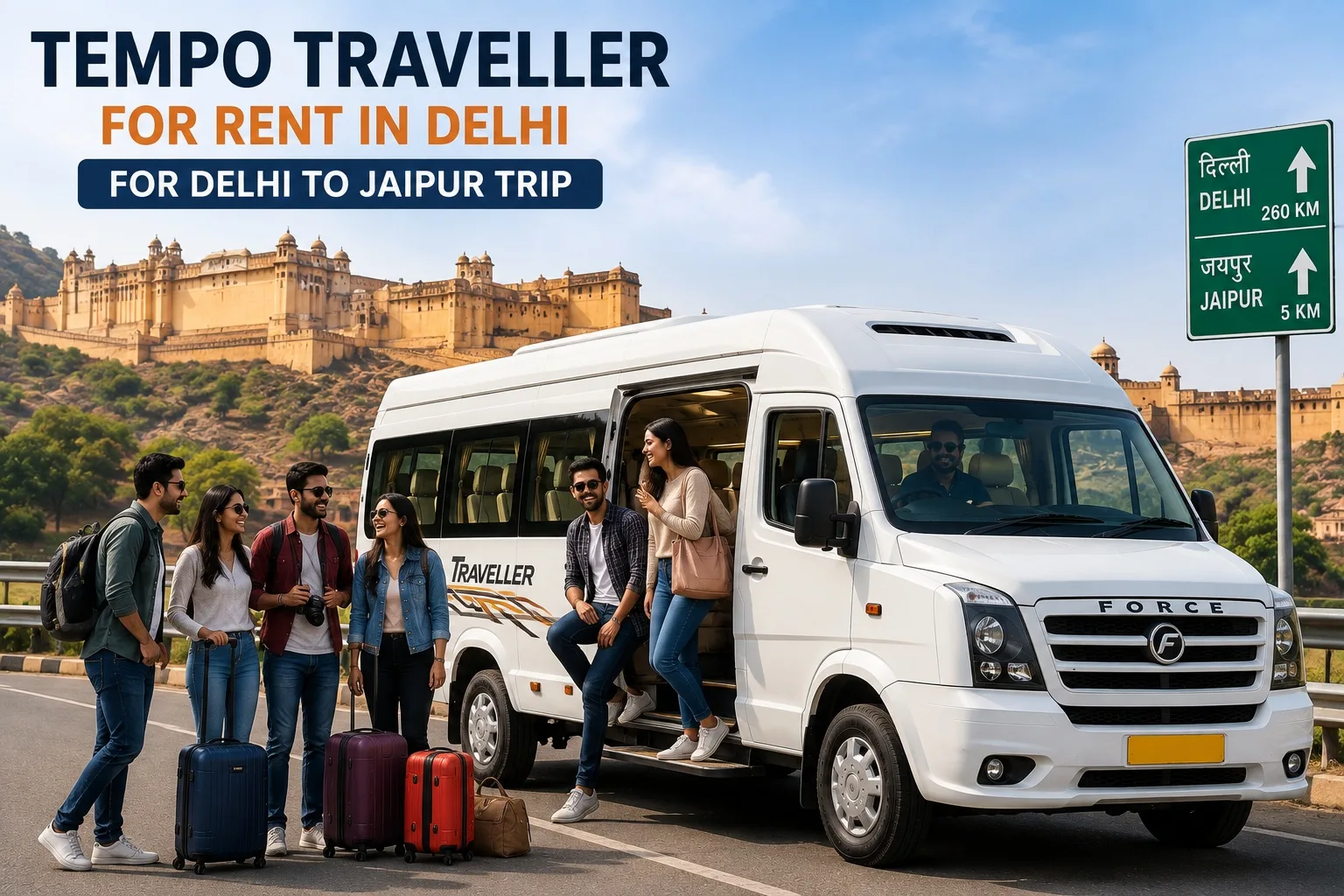
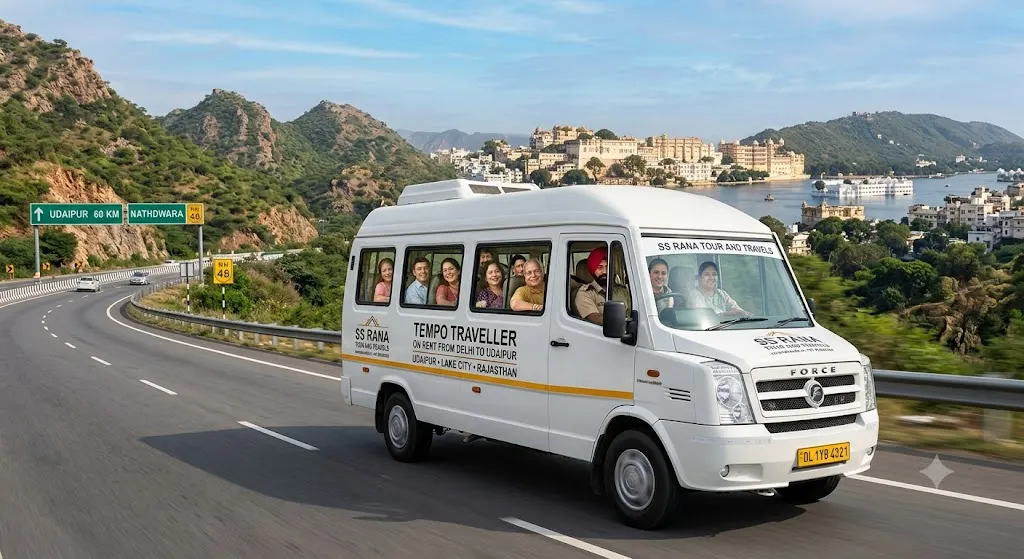
Delhi to Jaipur and Pushkar
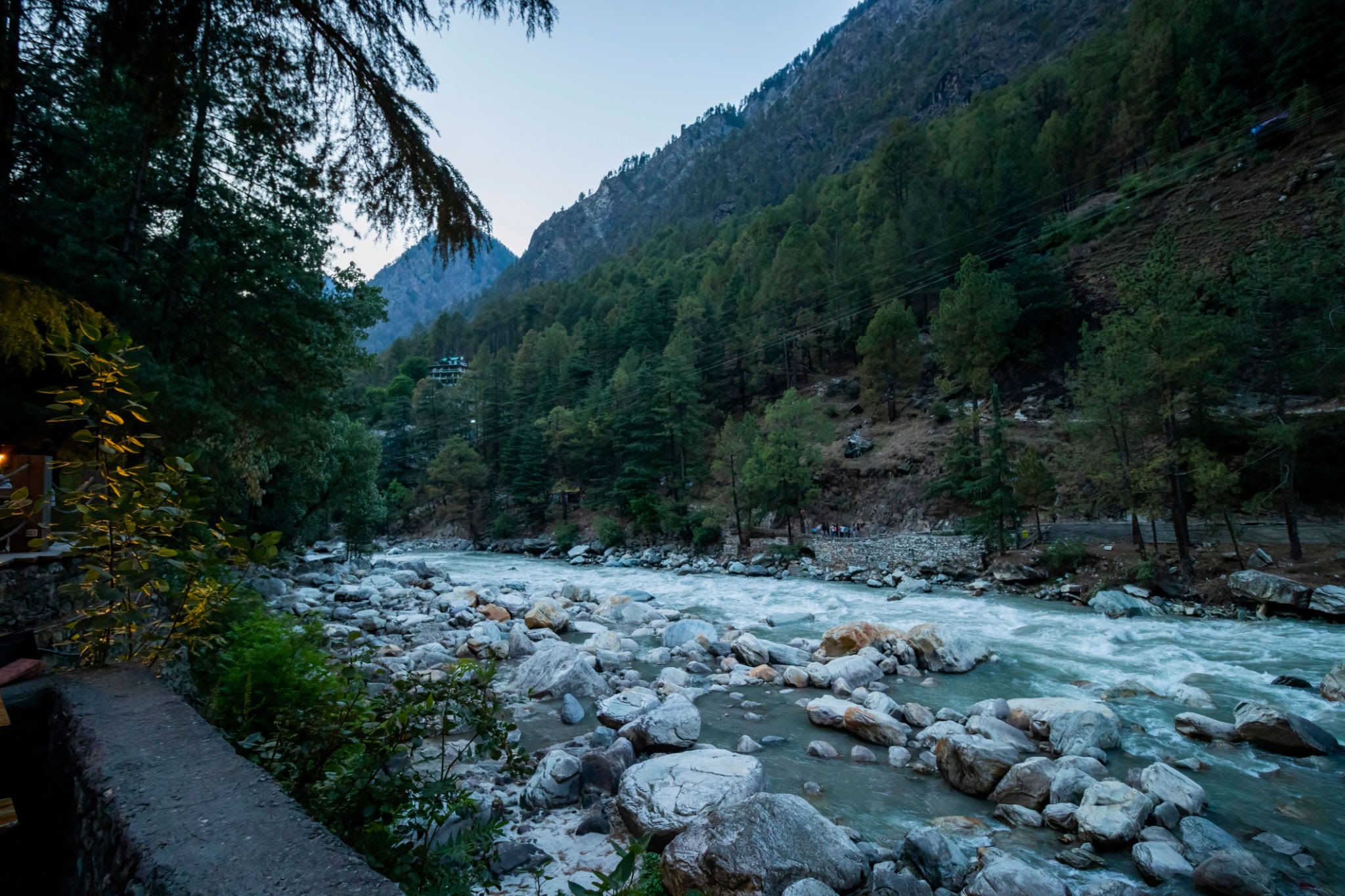
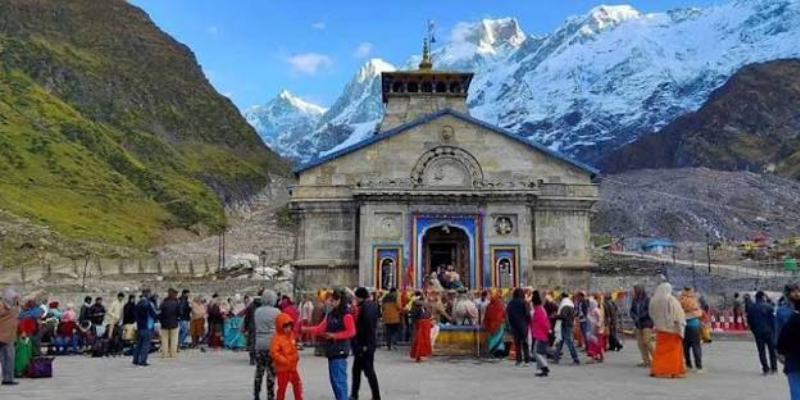
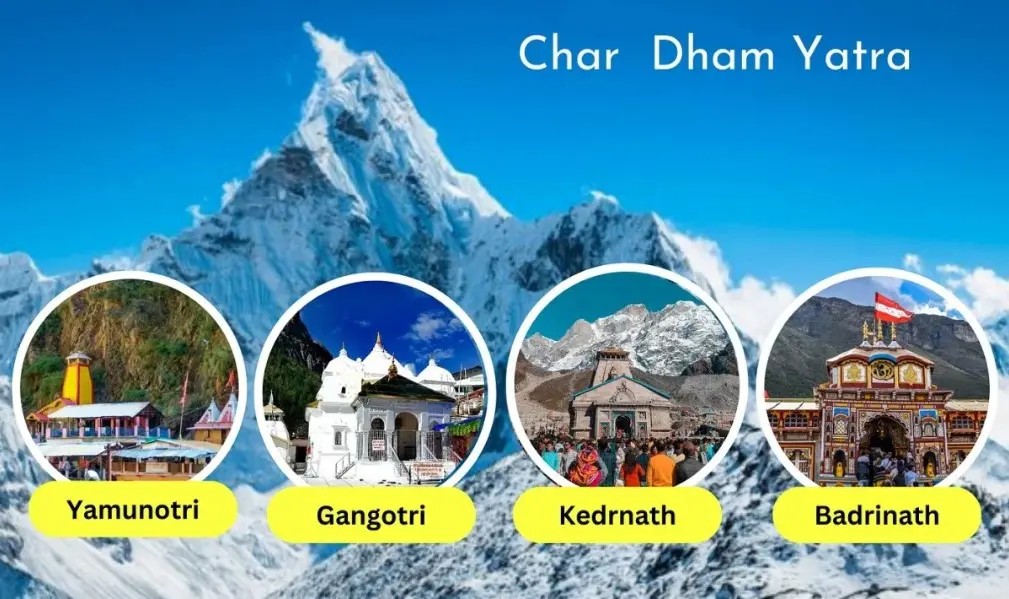
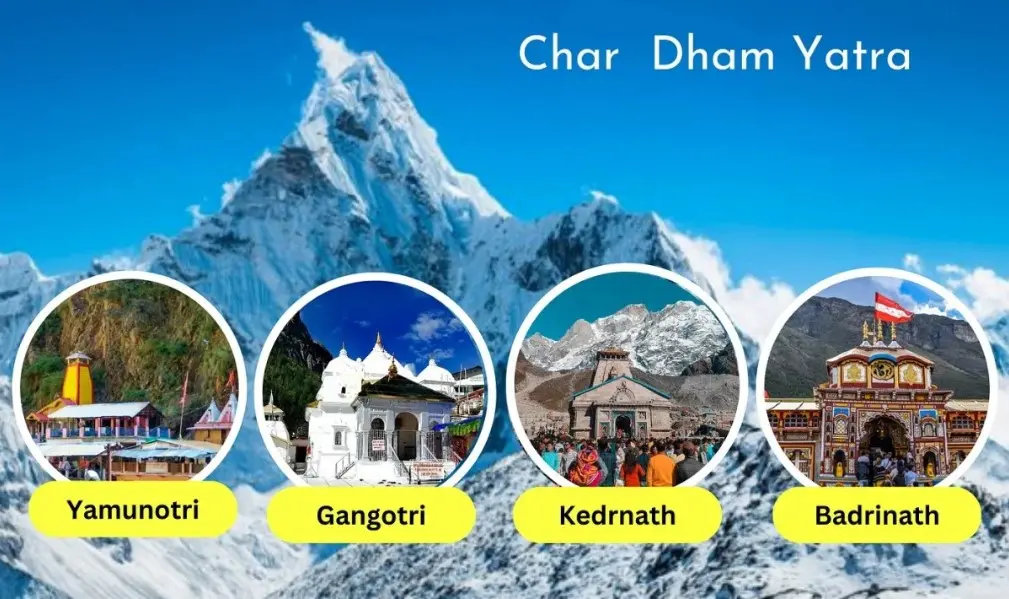
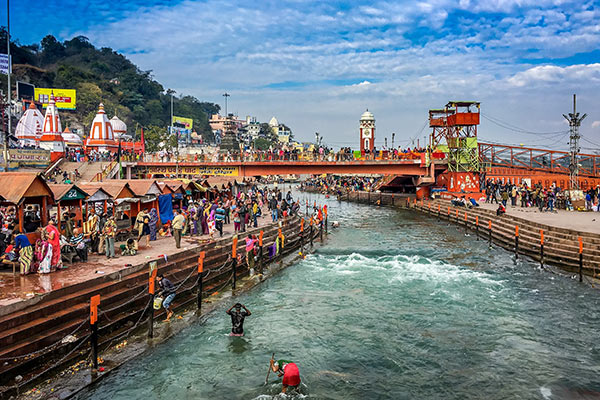
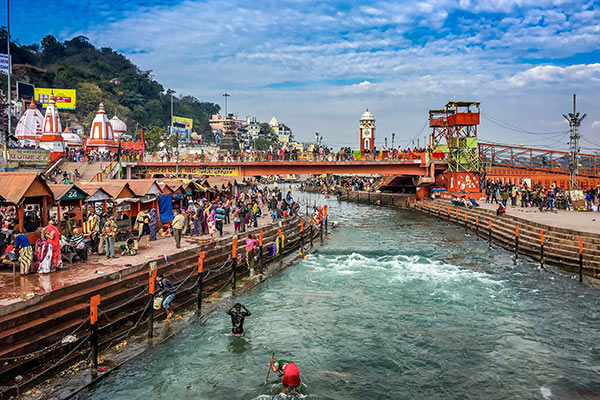
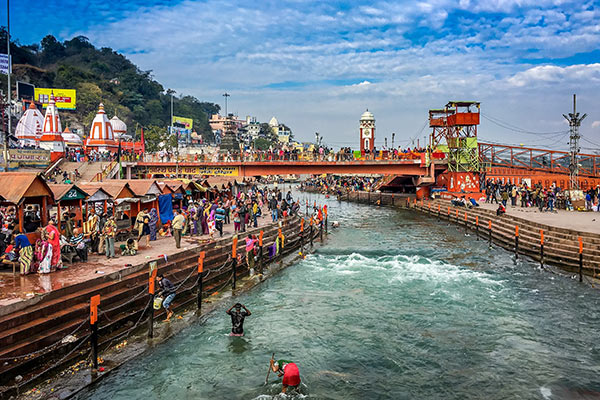
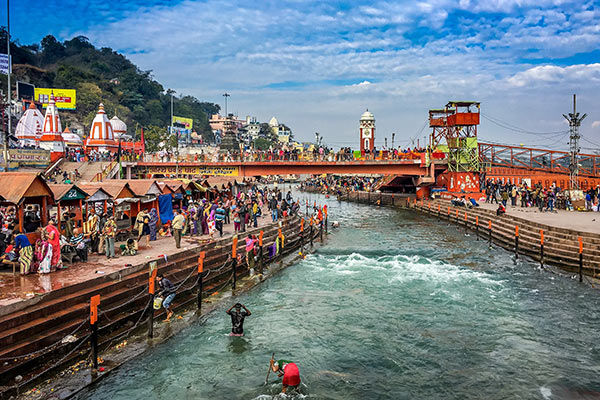
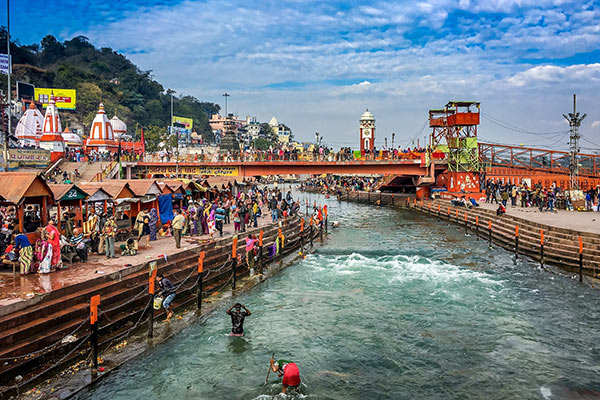
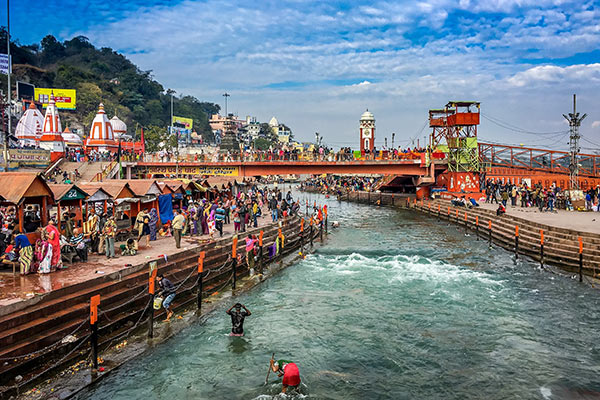
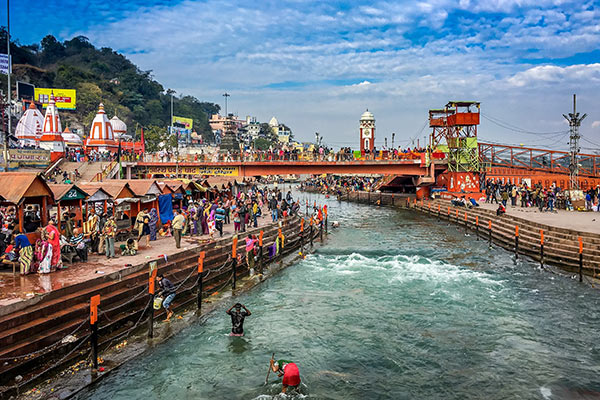
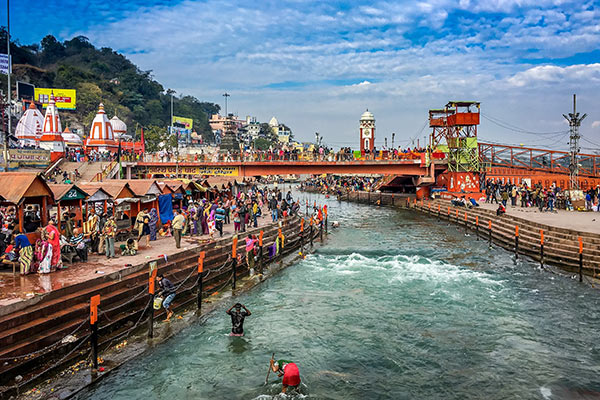
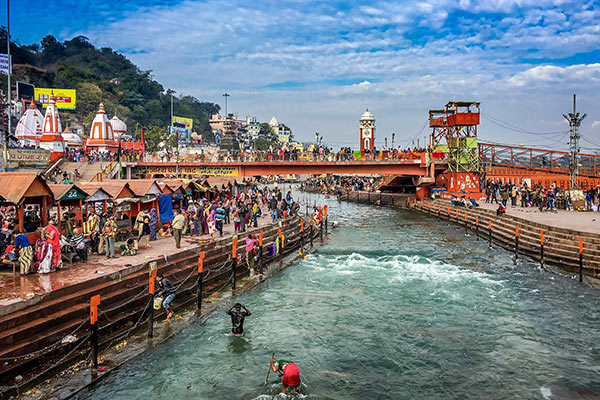
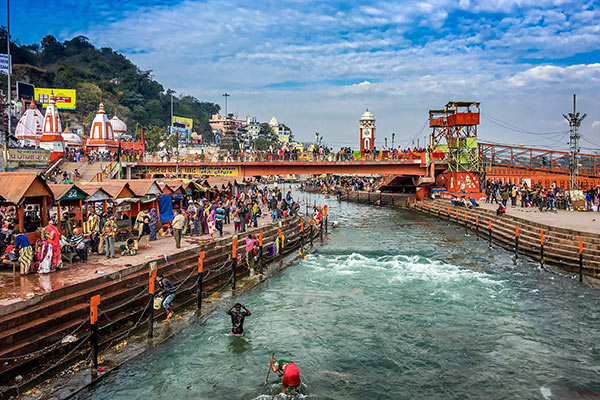
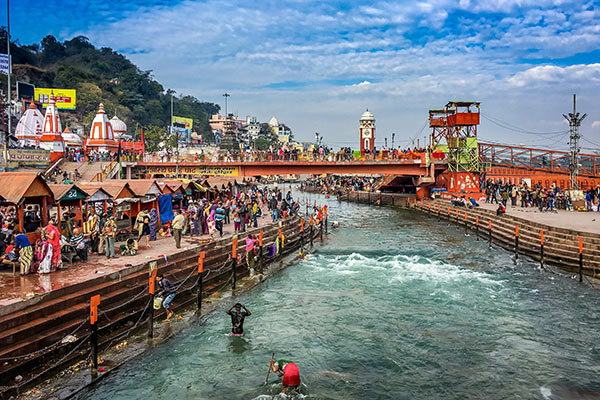
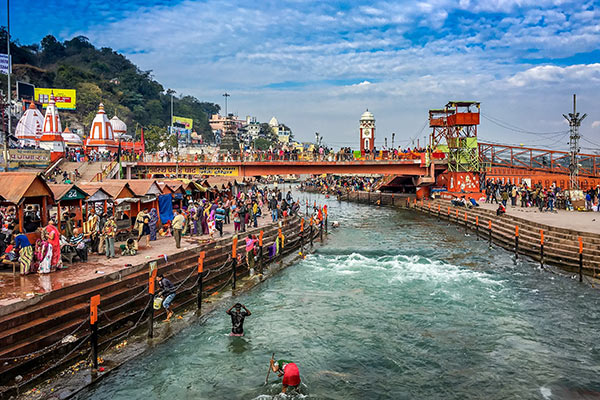
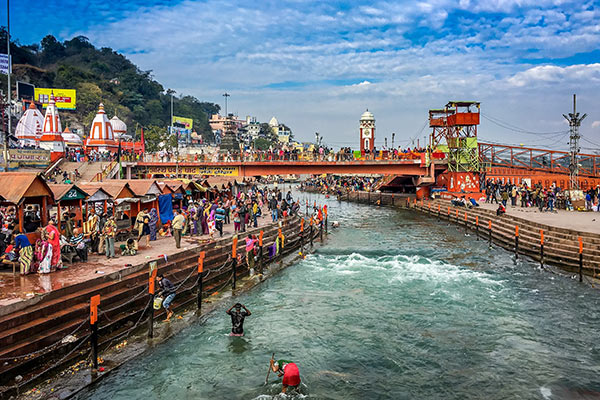
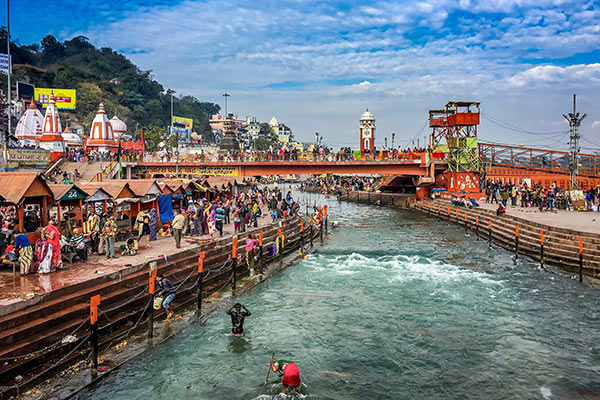
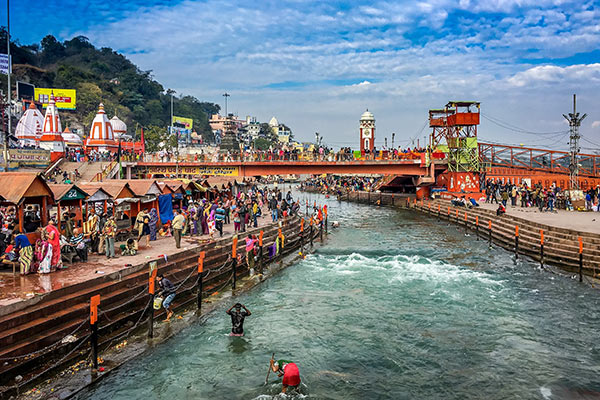
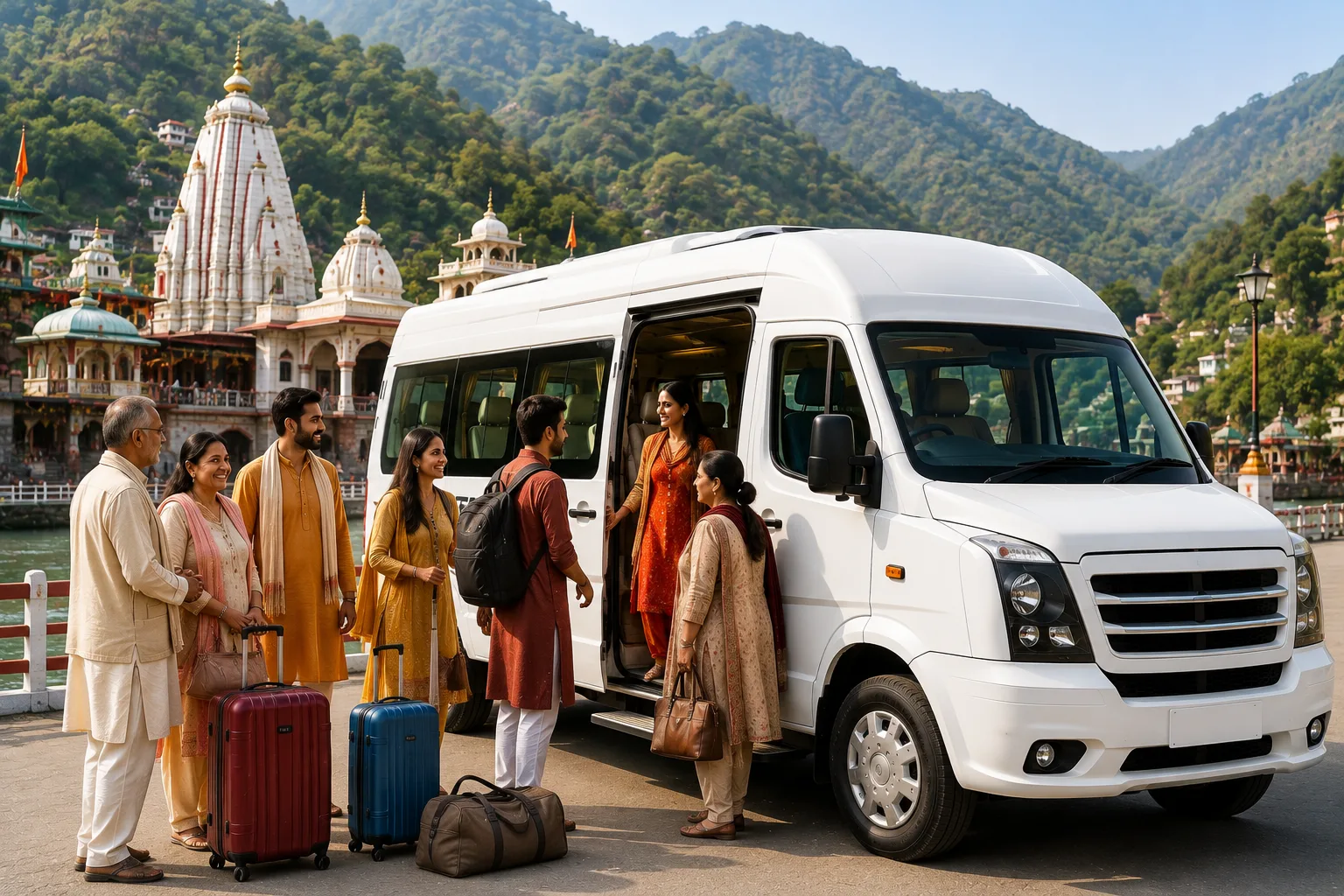
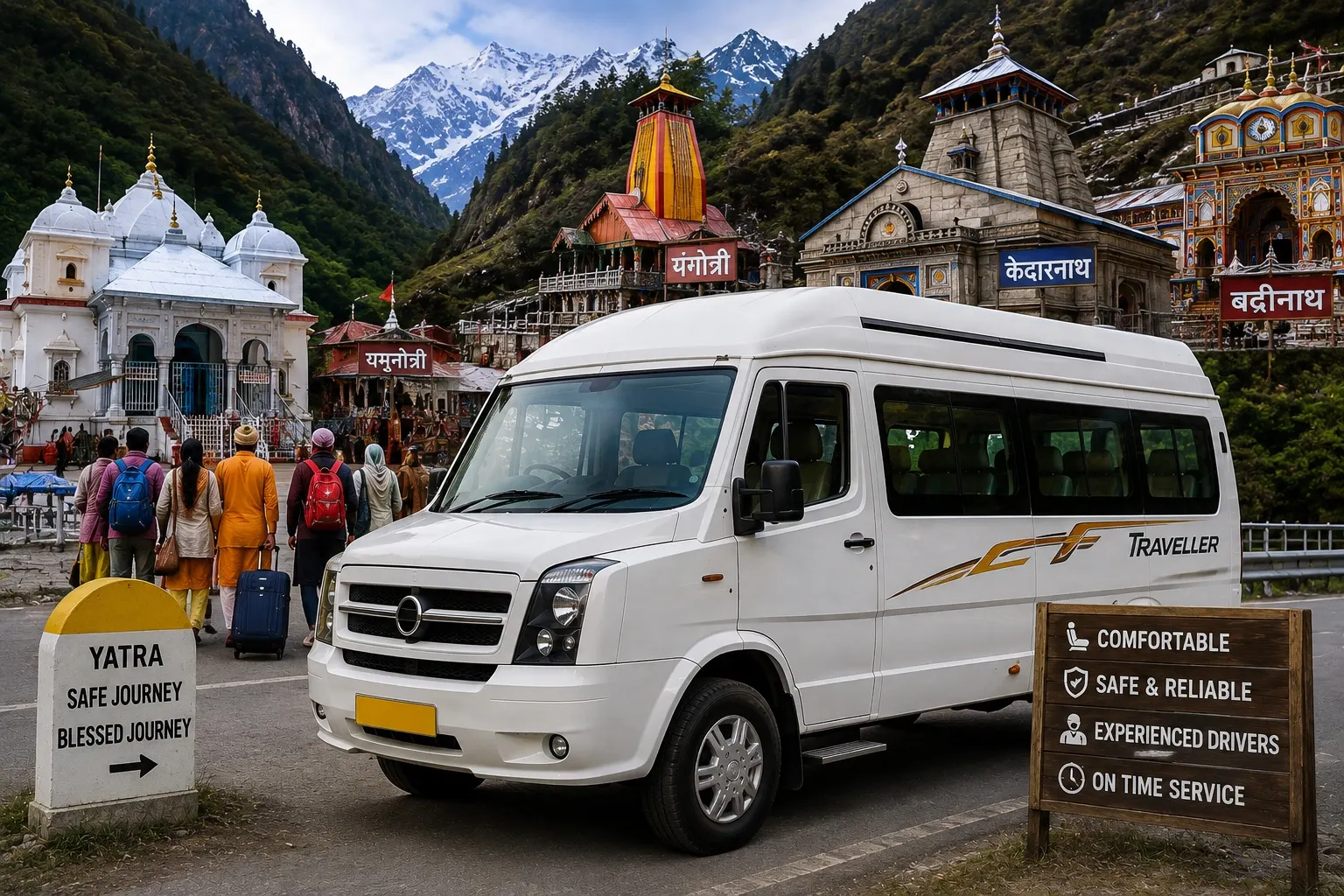
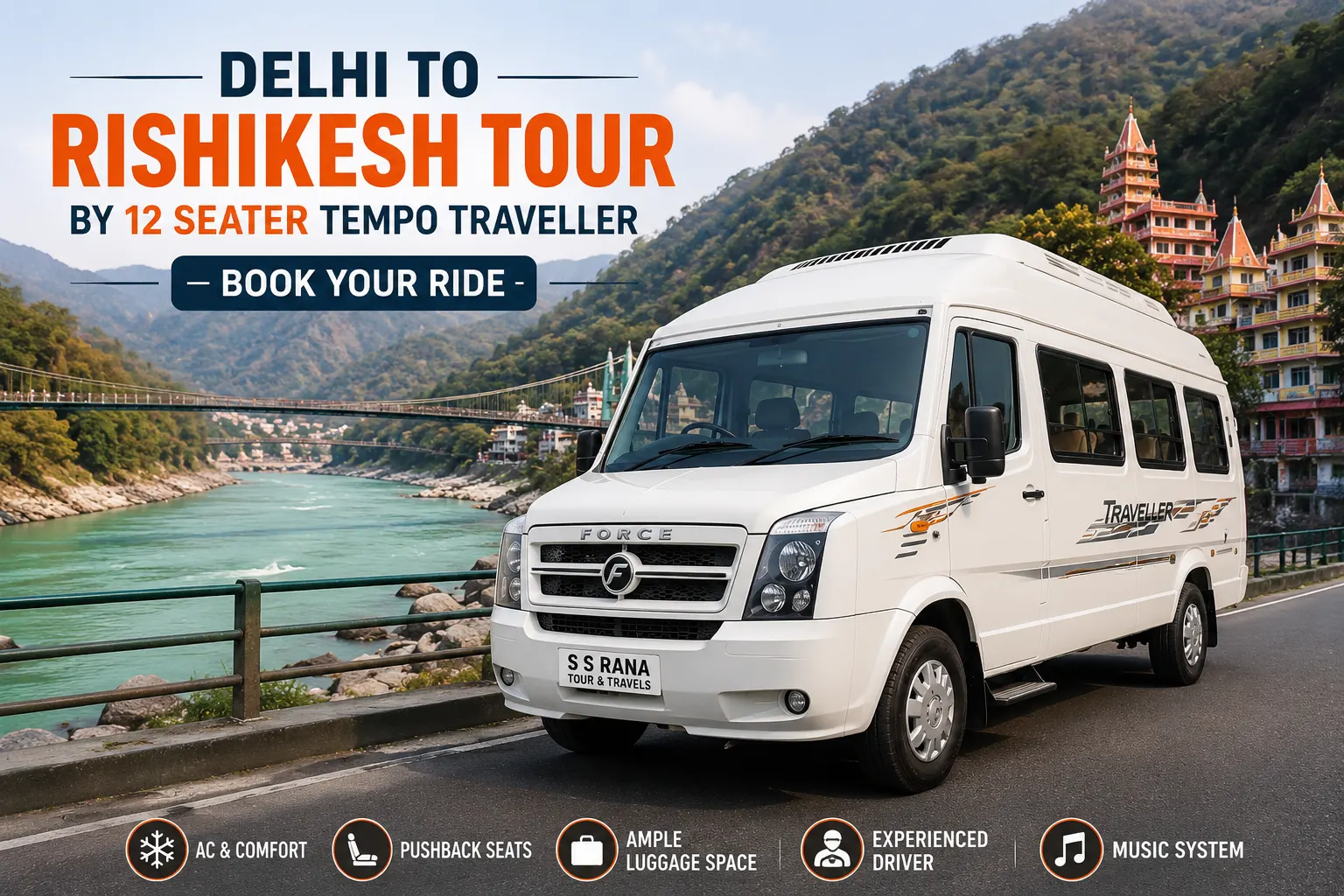
Delhi to Haridwar and Rishikesh
Delhi to Mussoorie and Dehradun
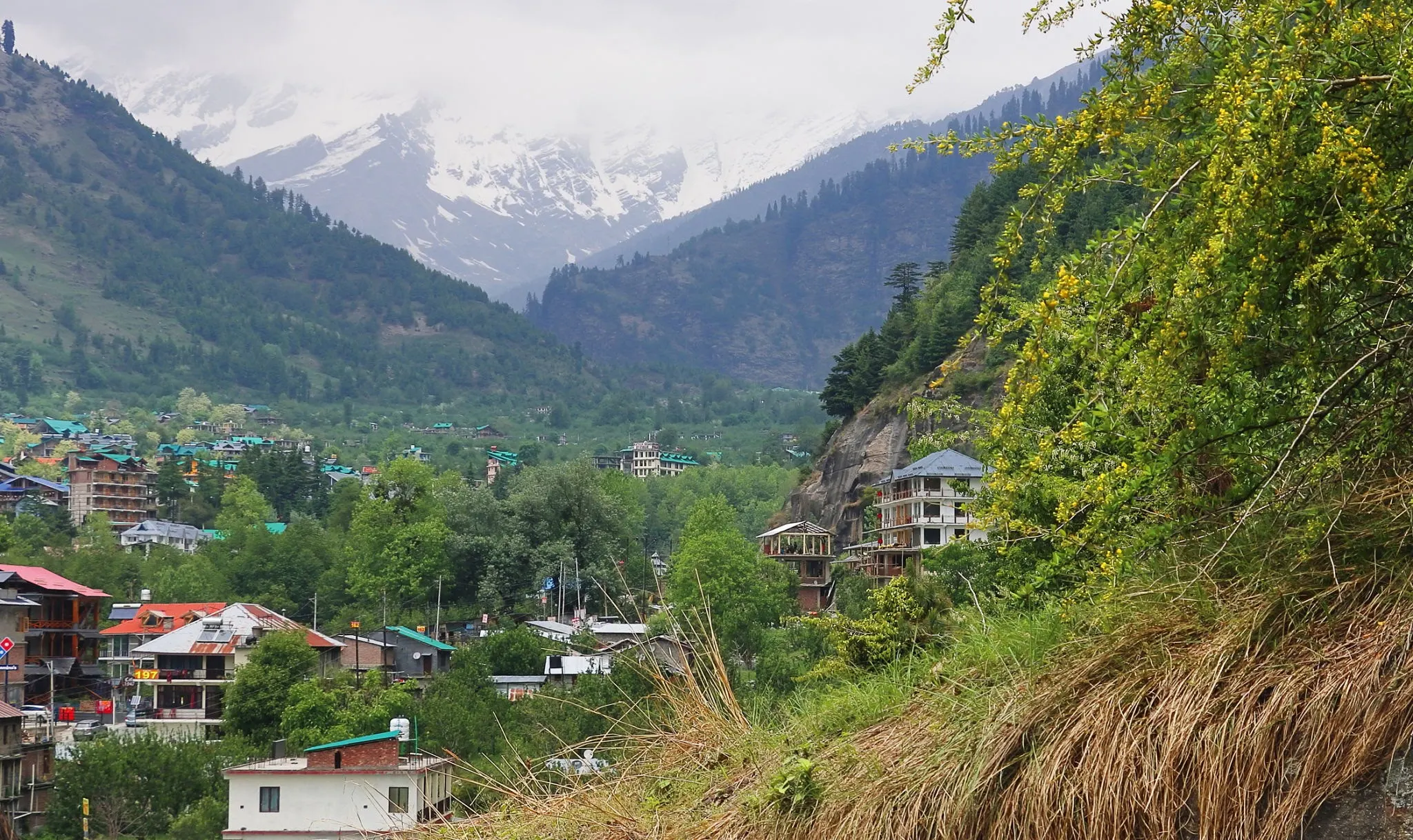
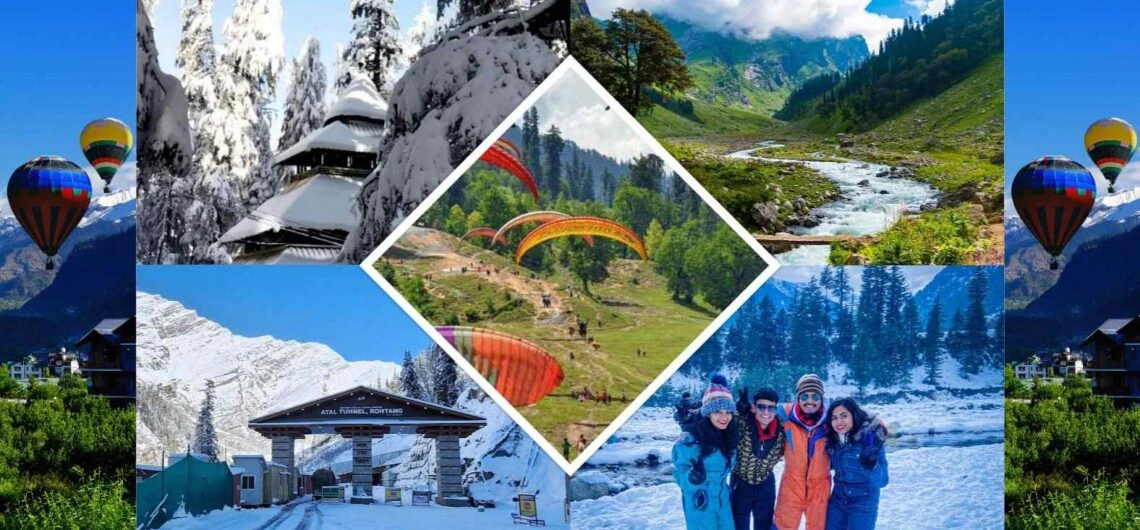
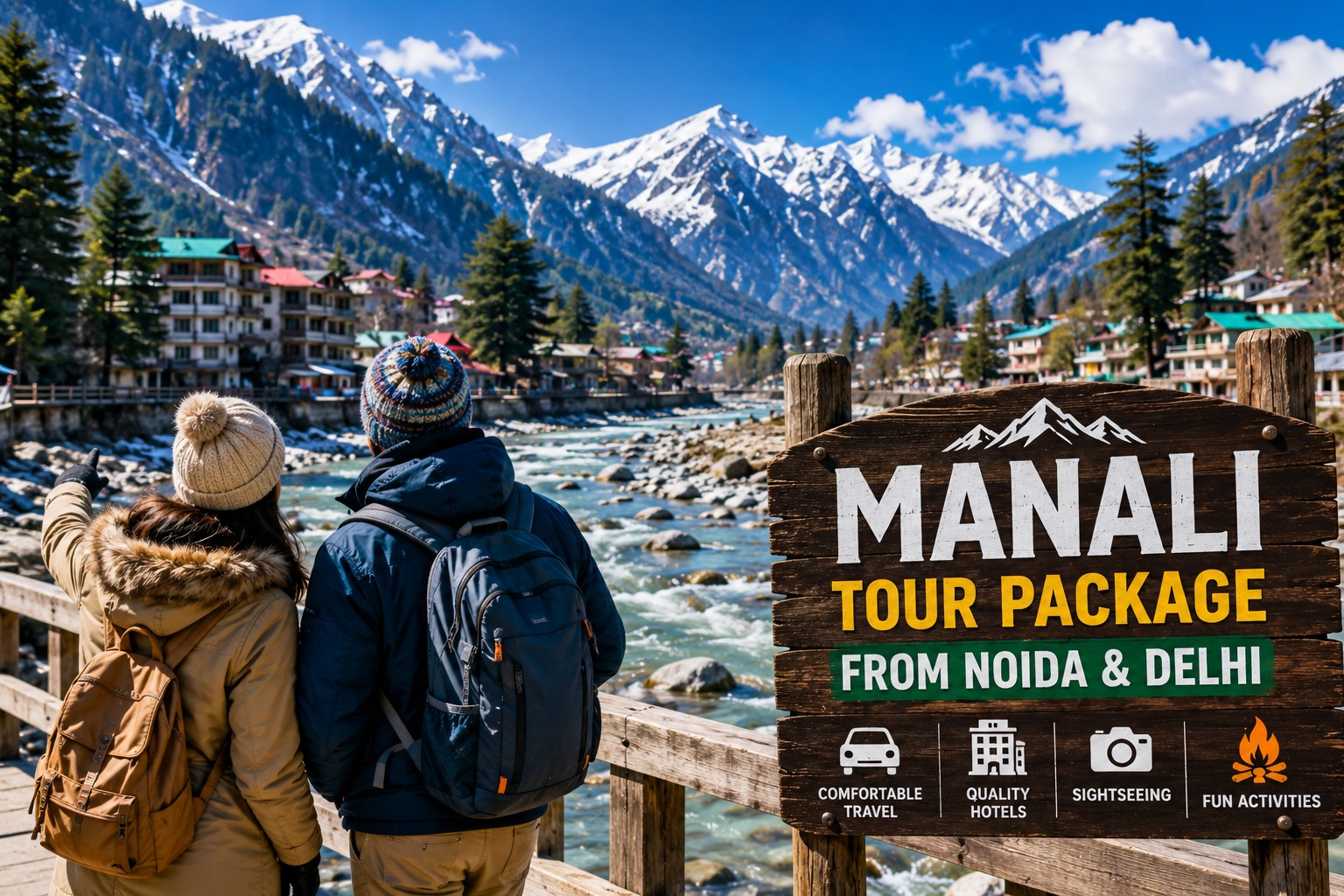
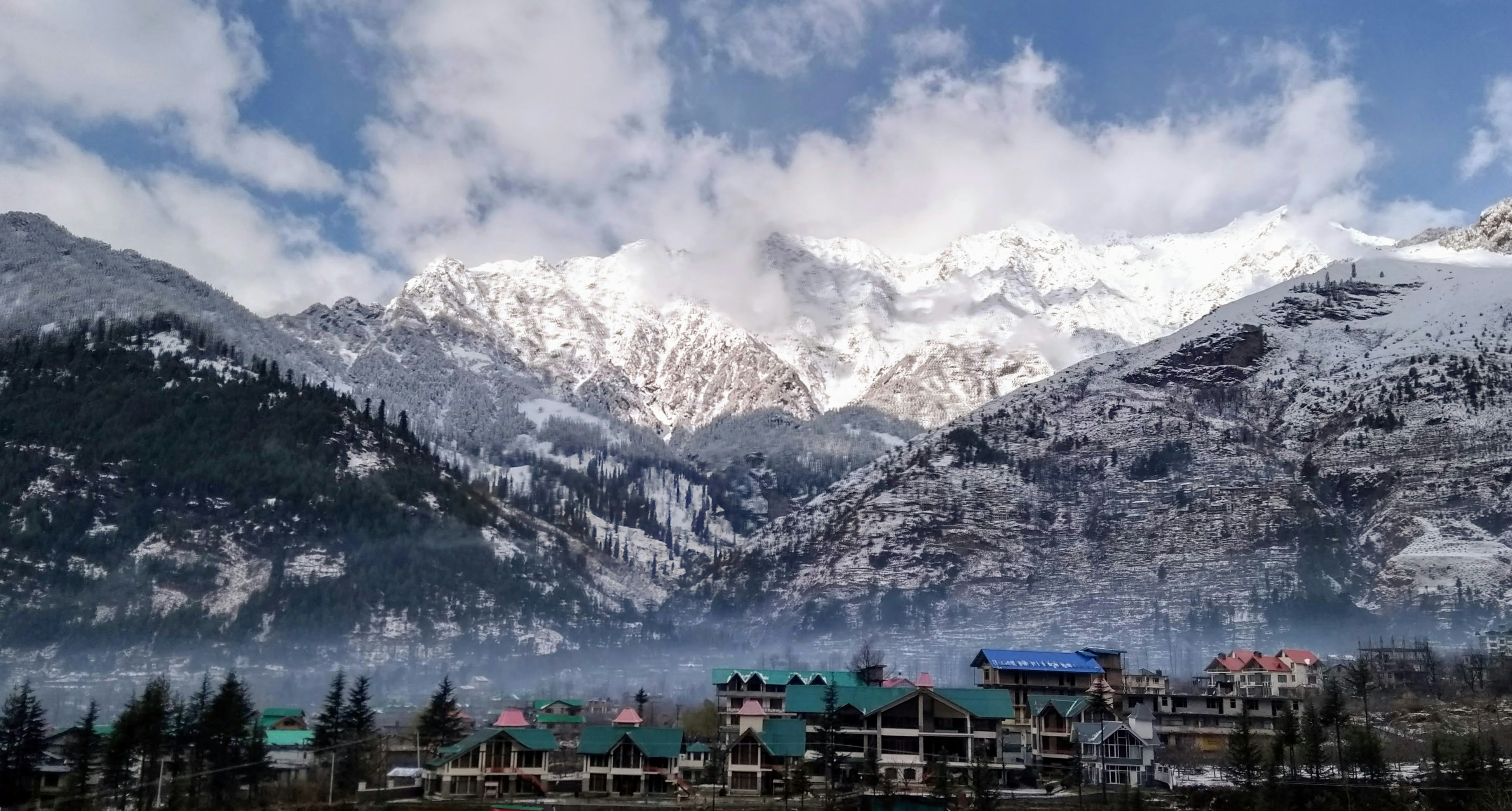
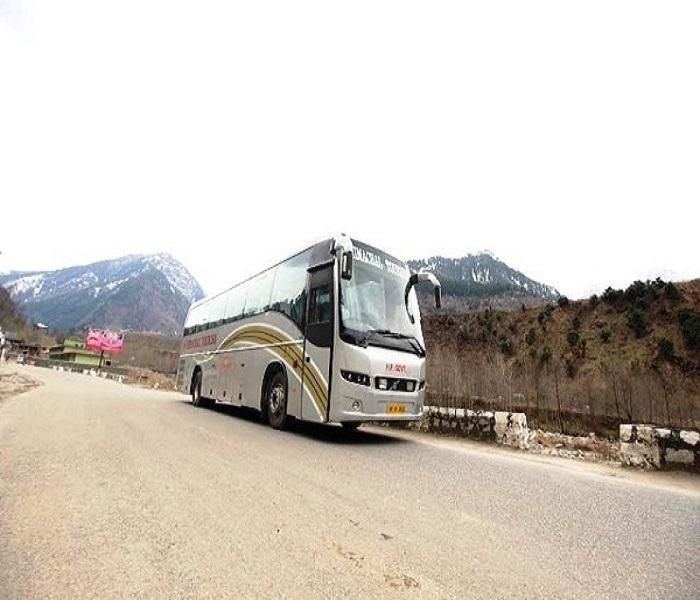
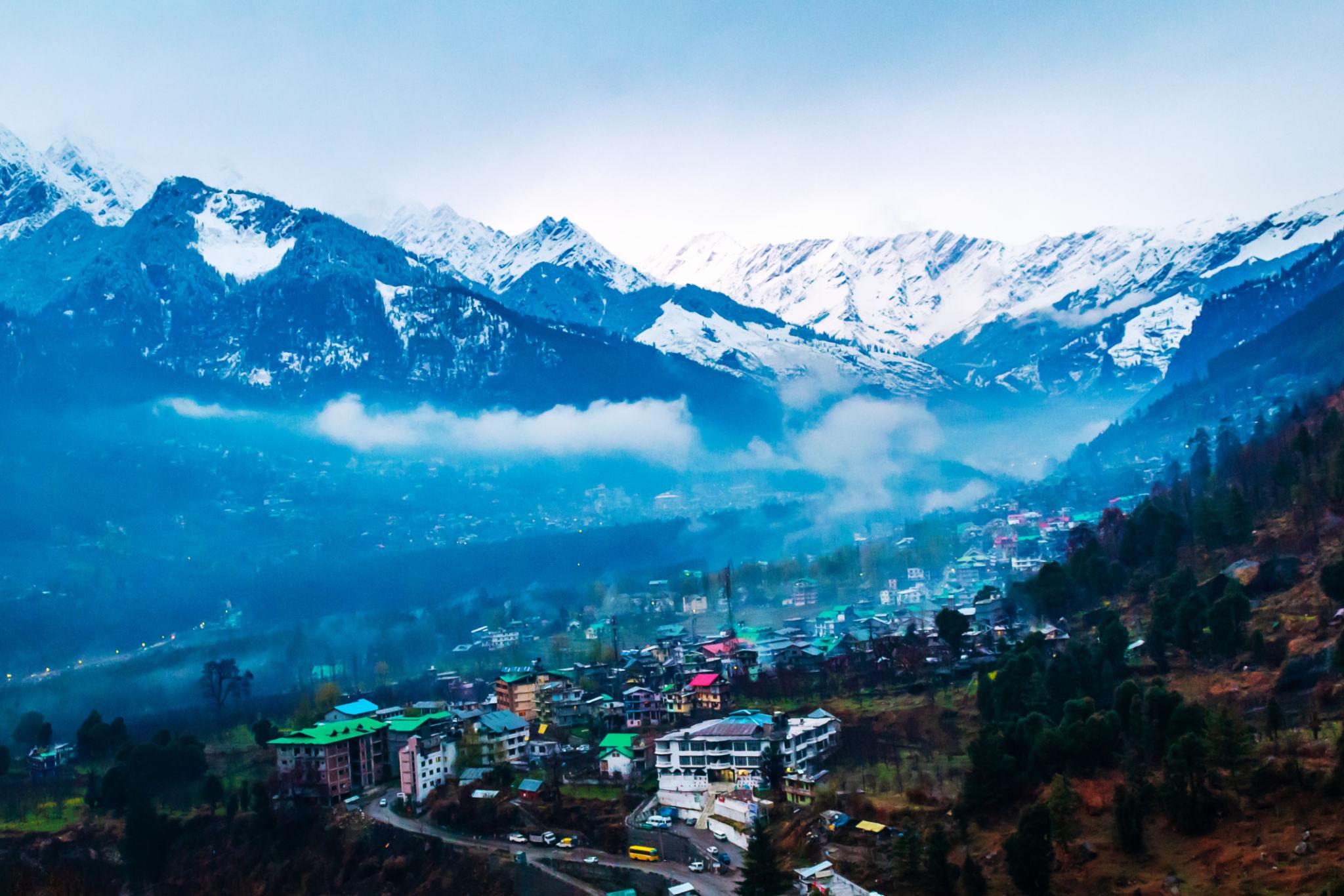
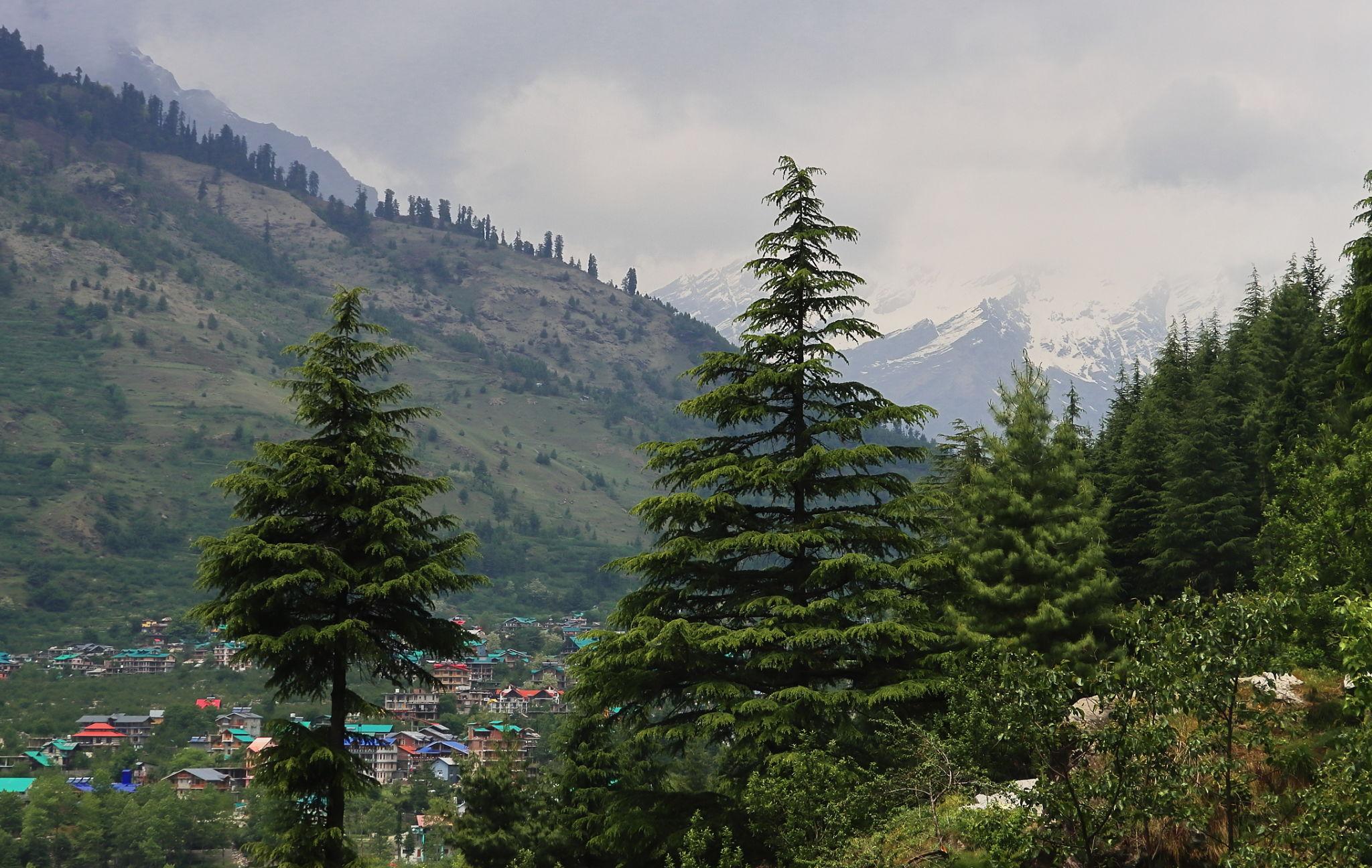
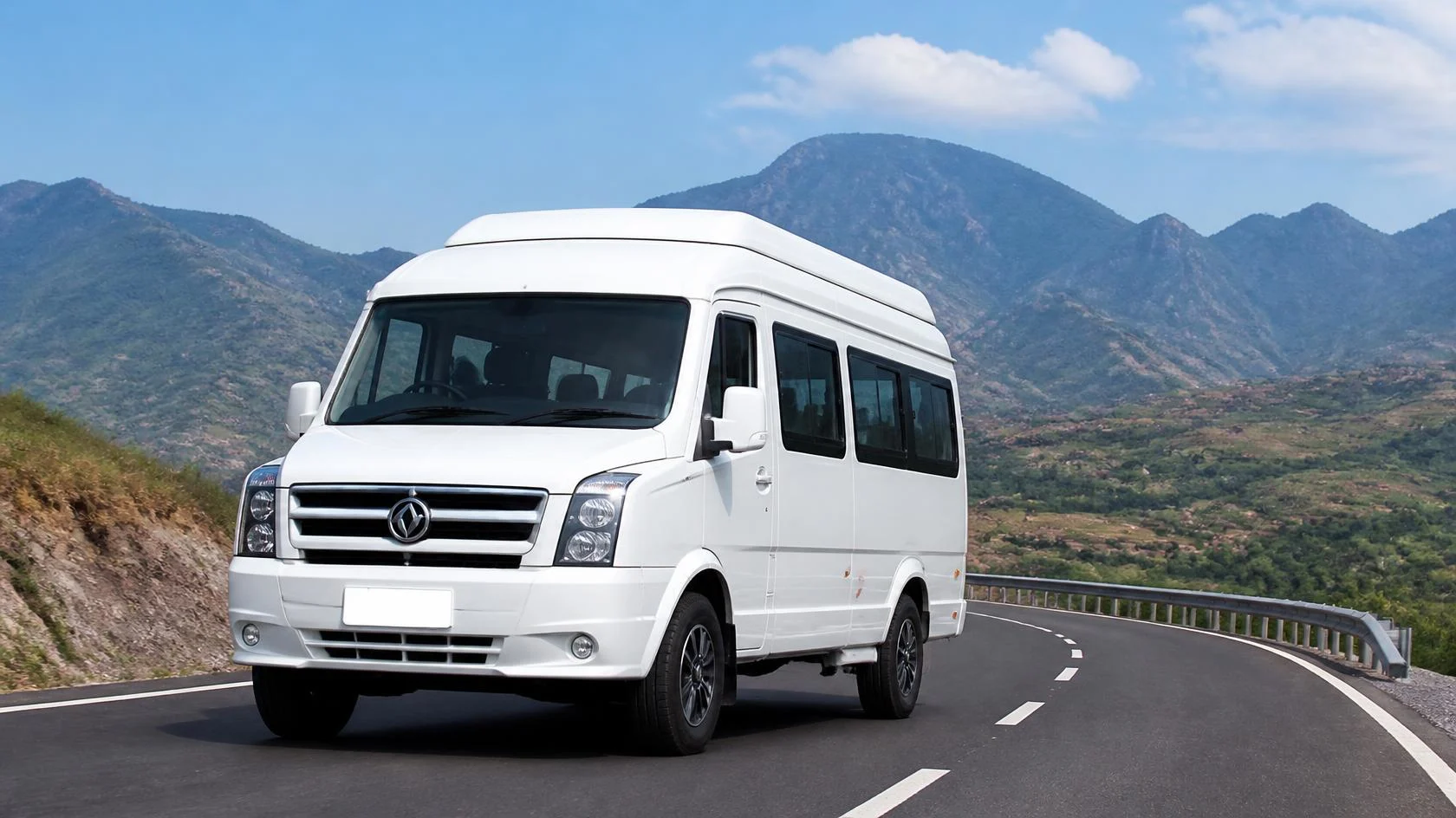
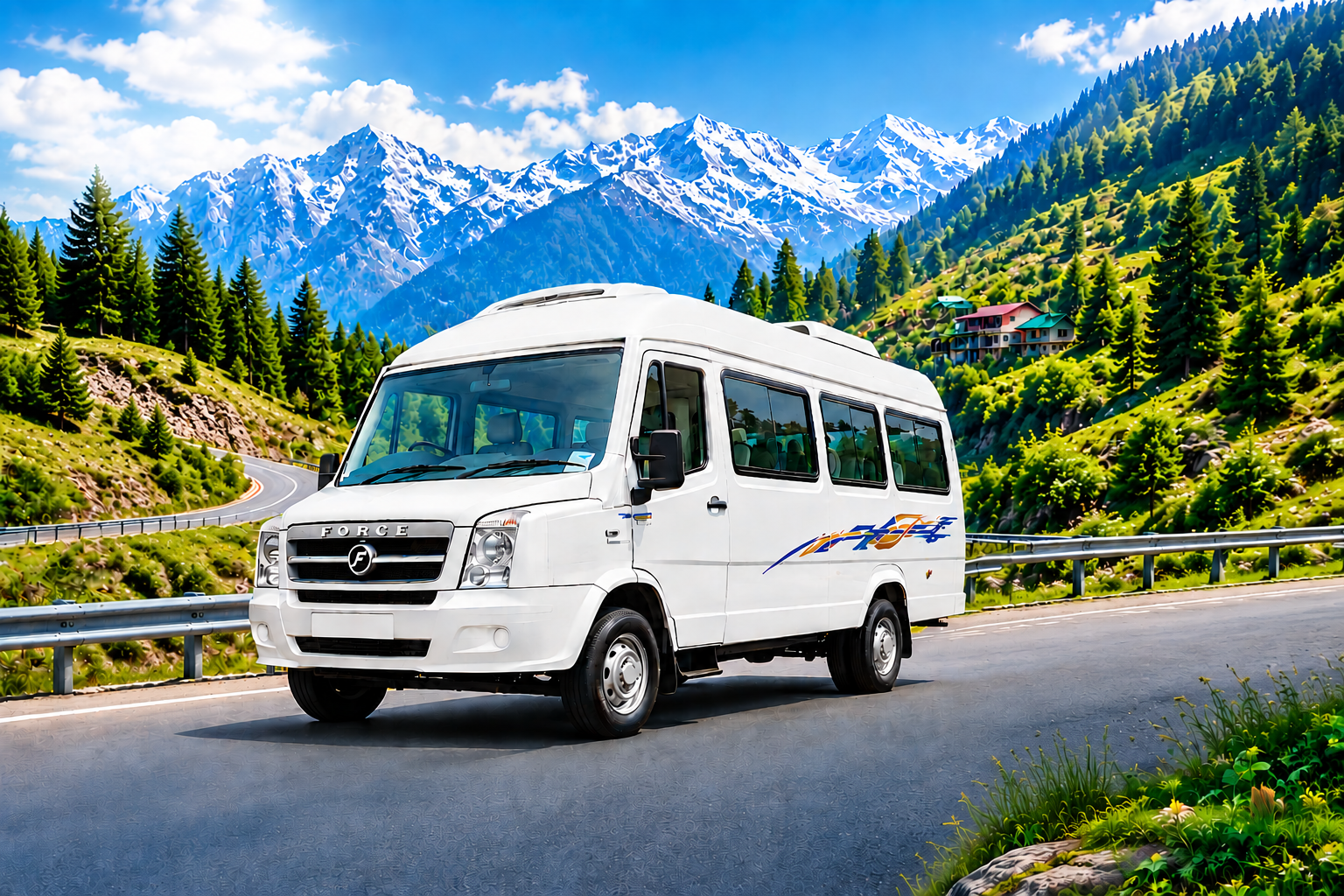
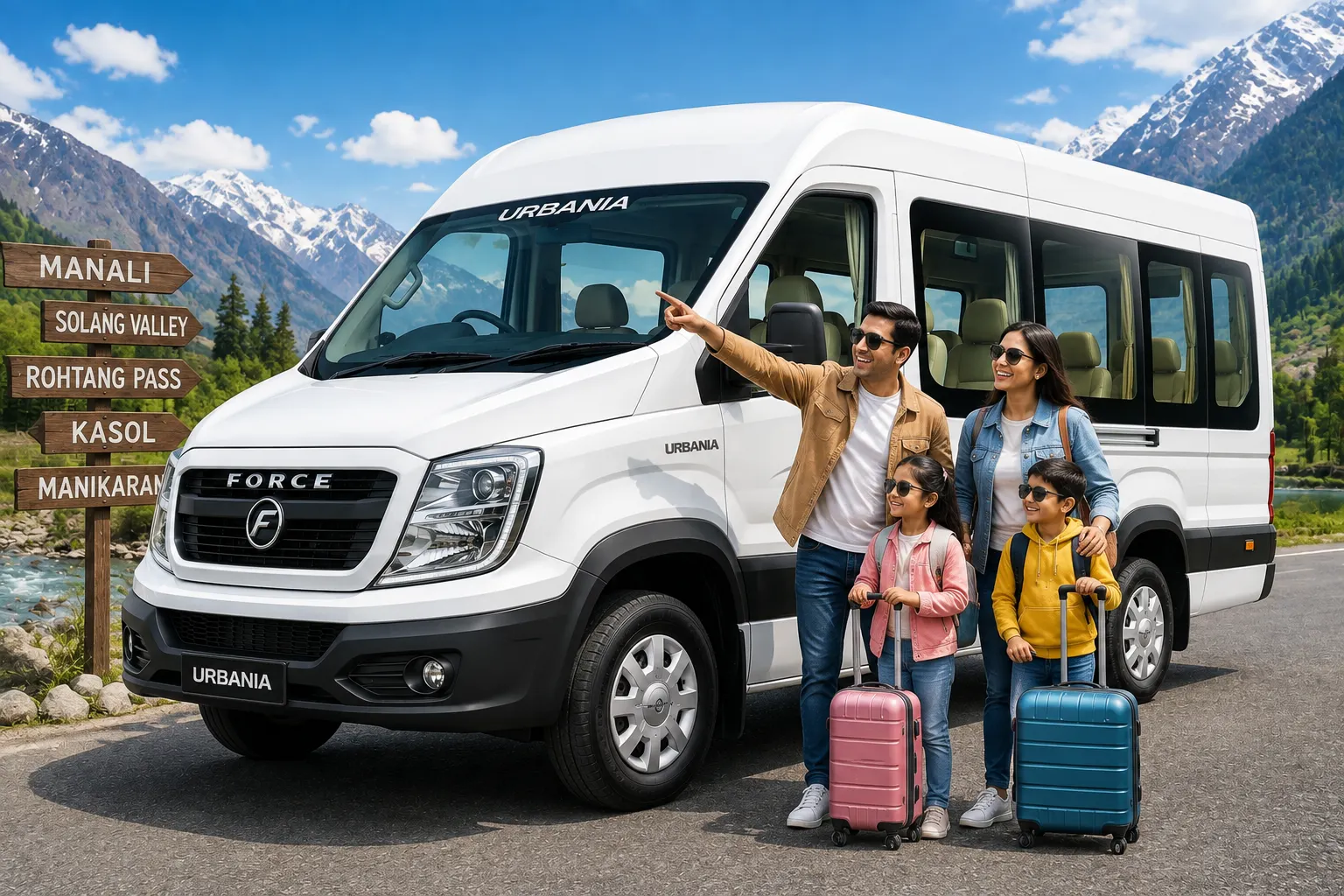
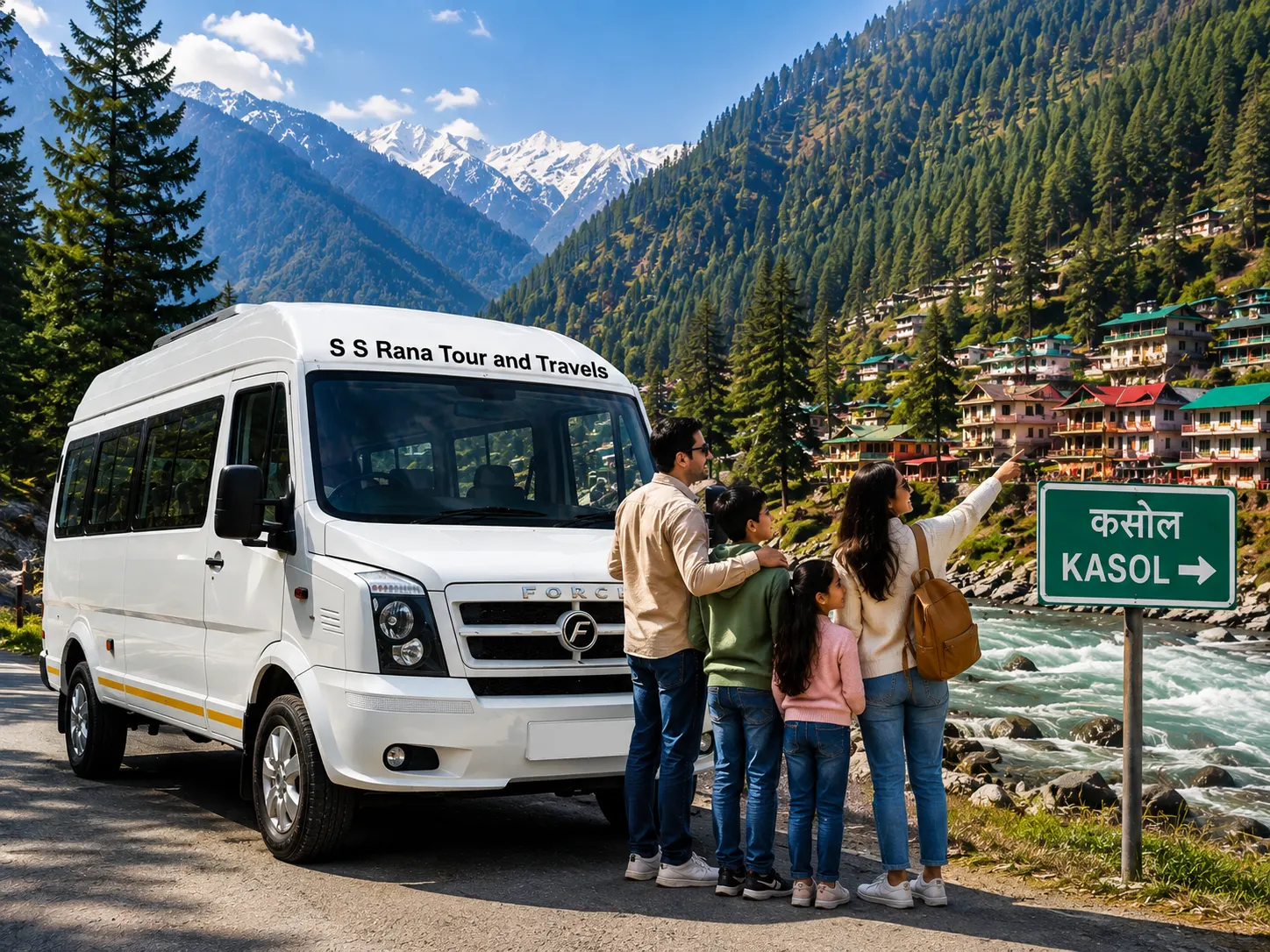
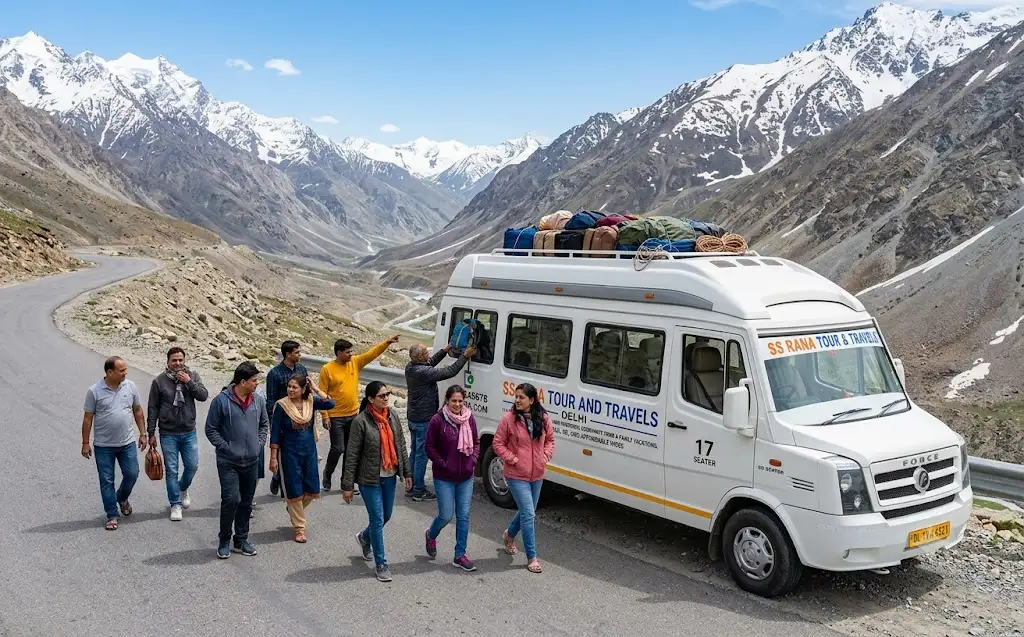
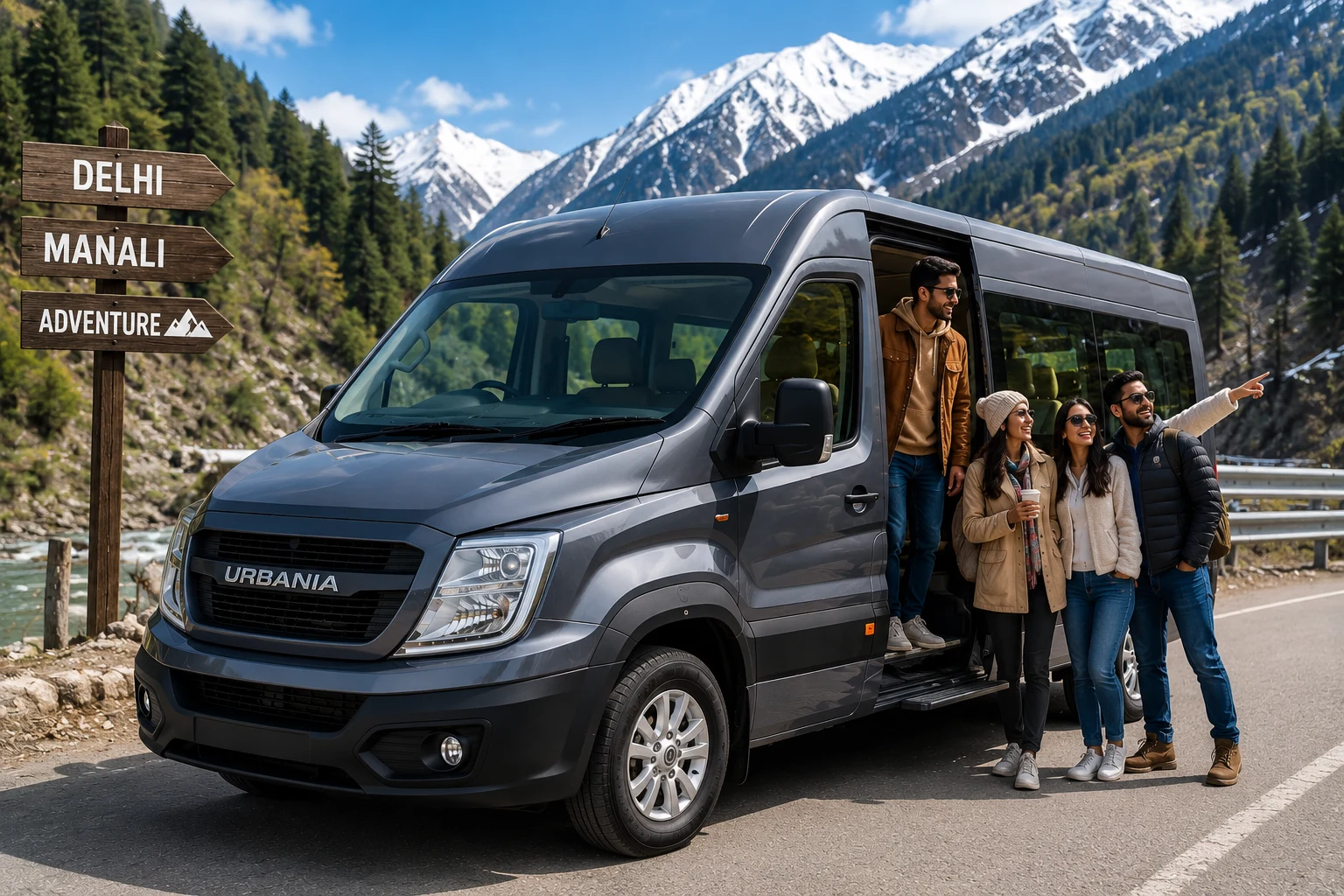
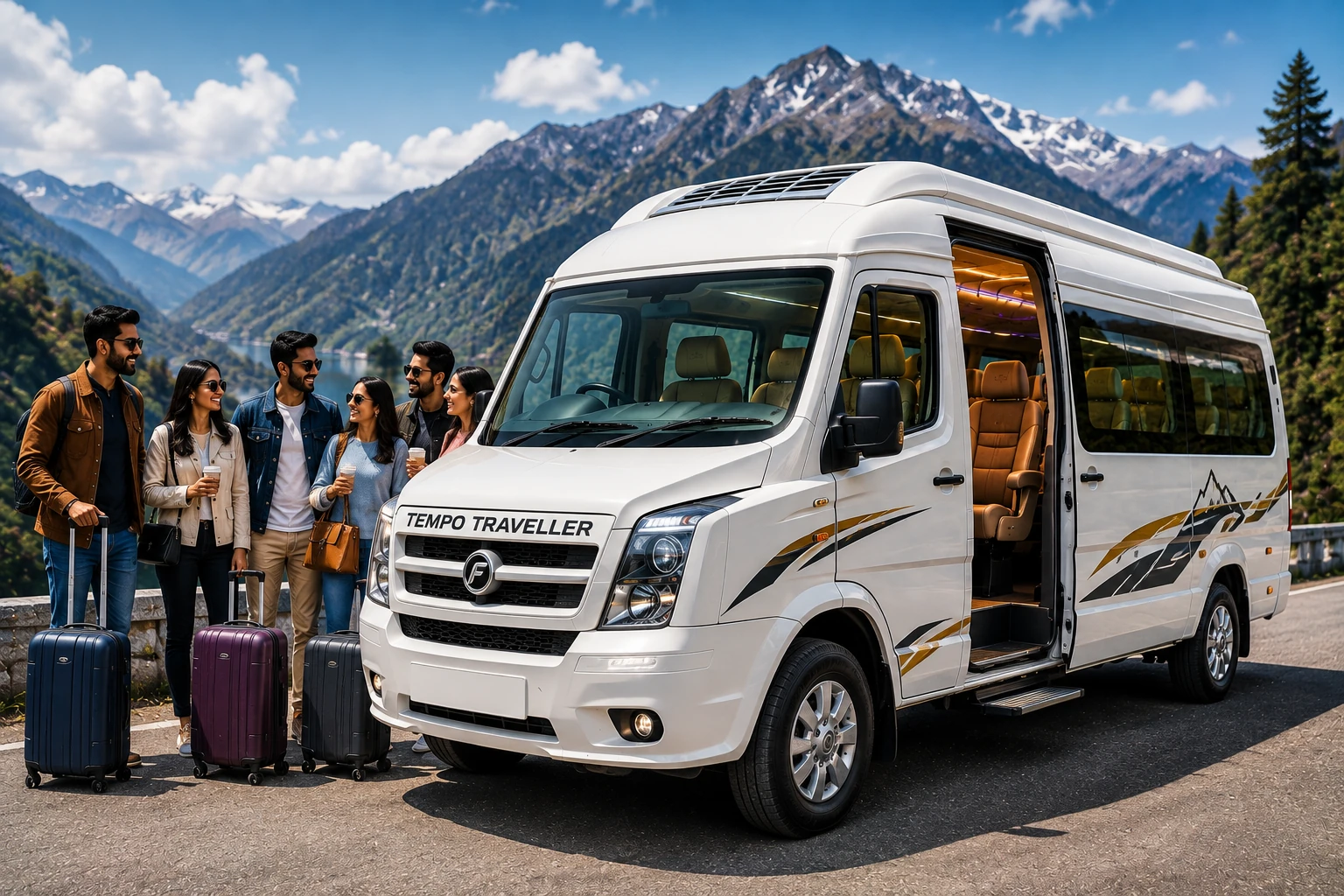
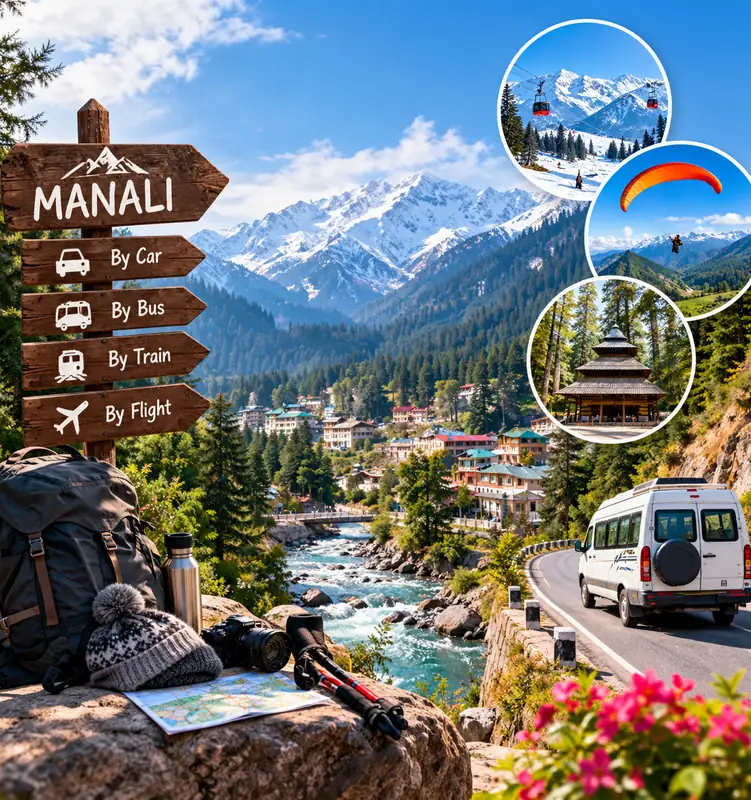
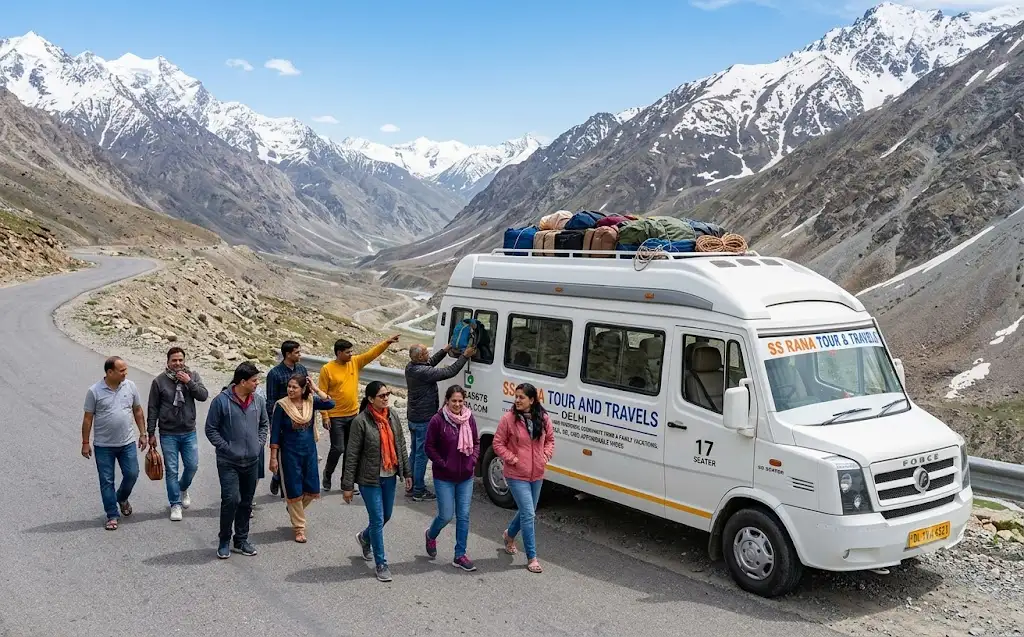
Delhi to Manali, Shimla, and Kullu
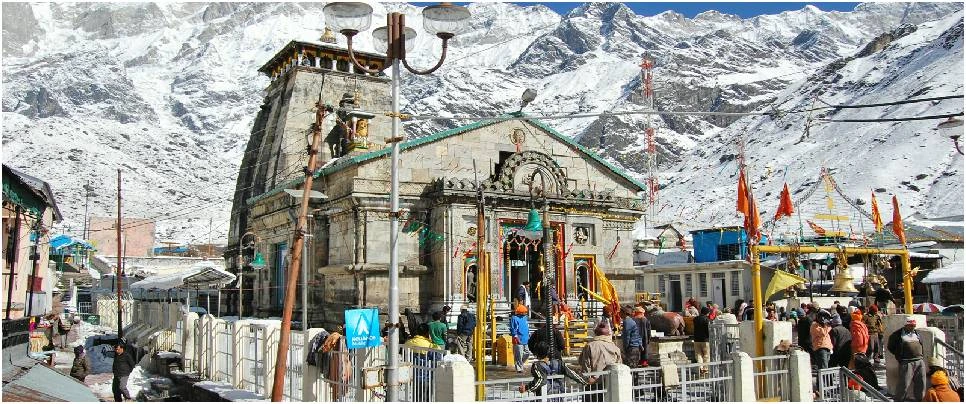
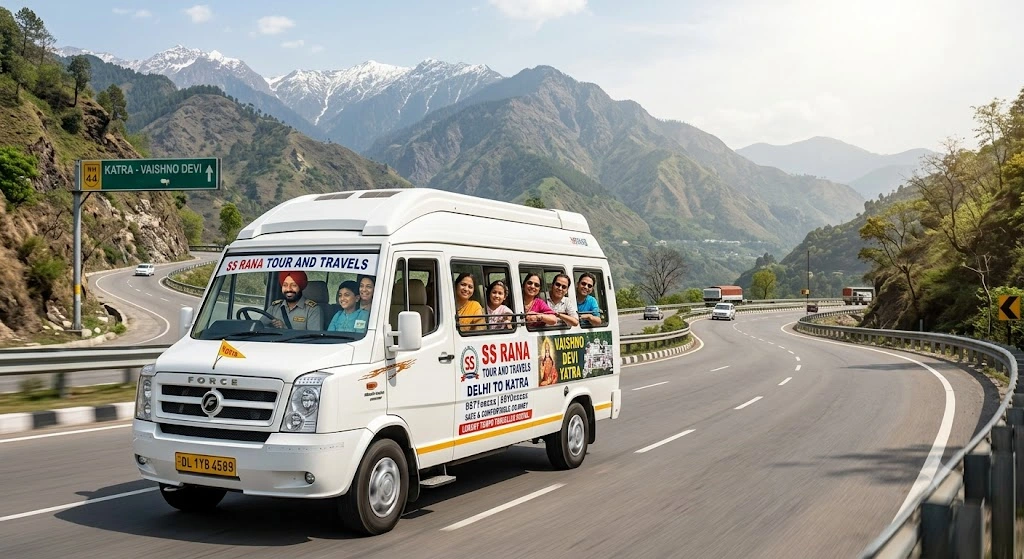
Delhi to Vaishno Devi, Amritsar, and Chandigarh
Delhi to Nainital and Jim Corbett
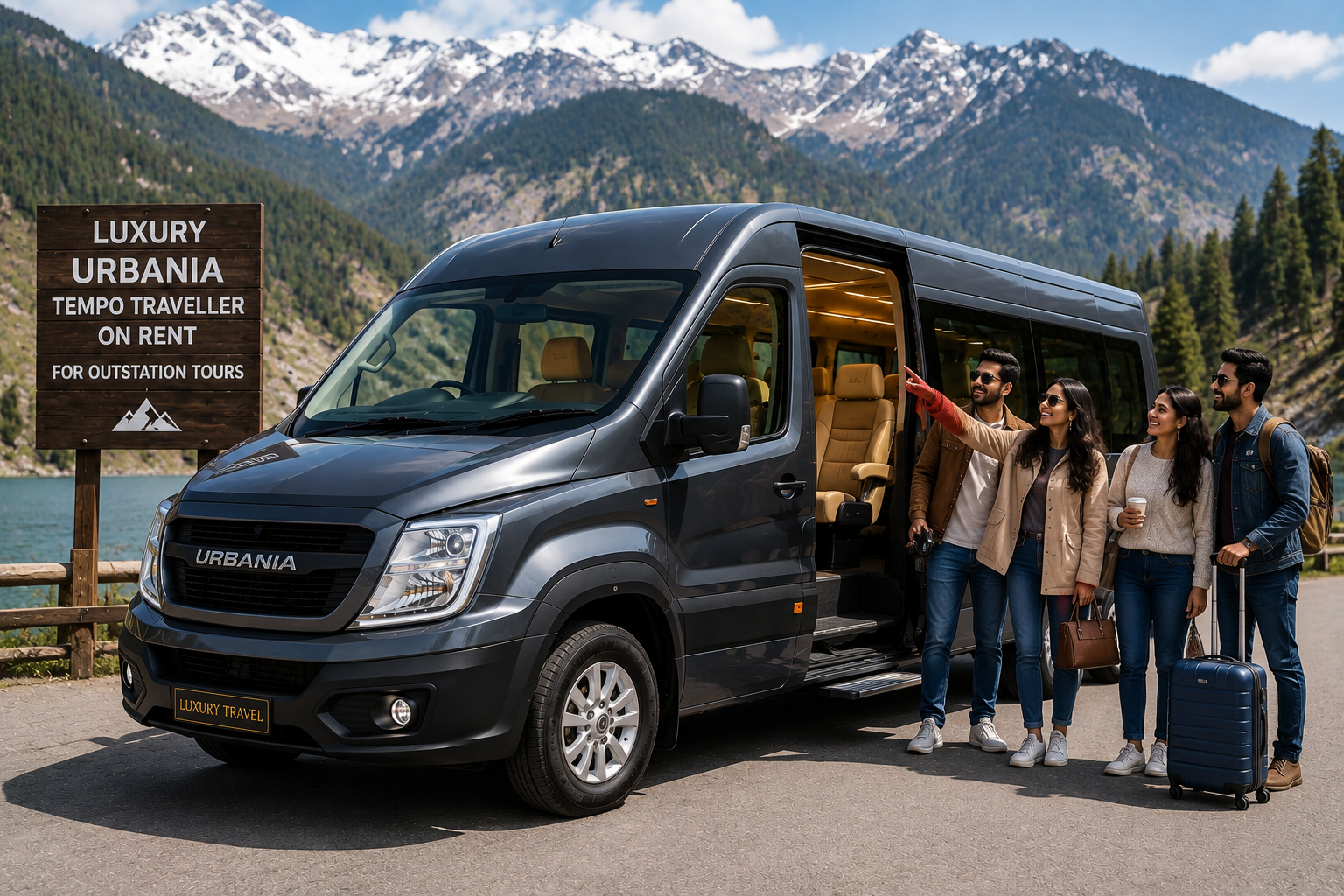
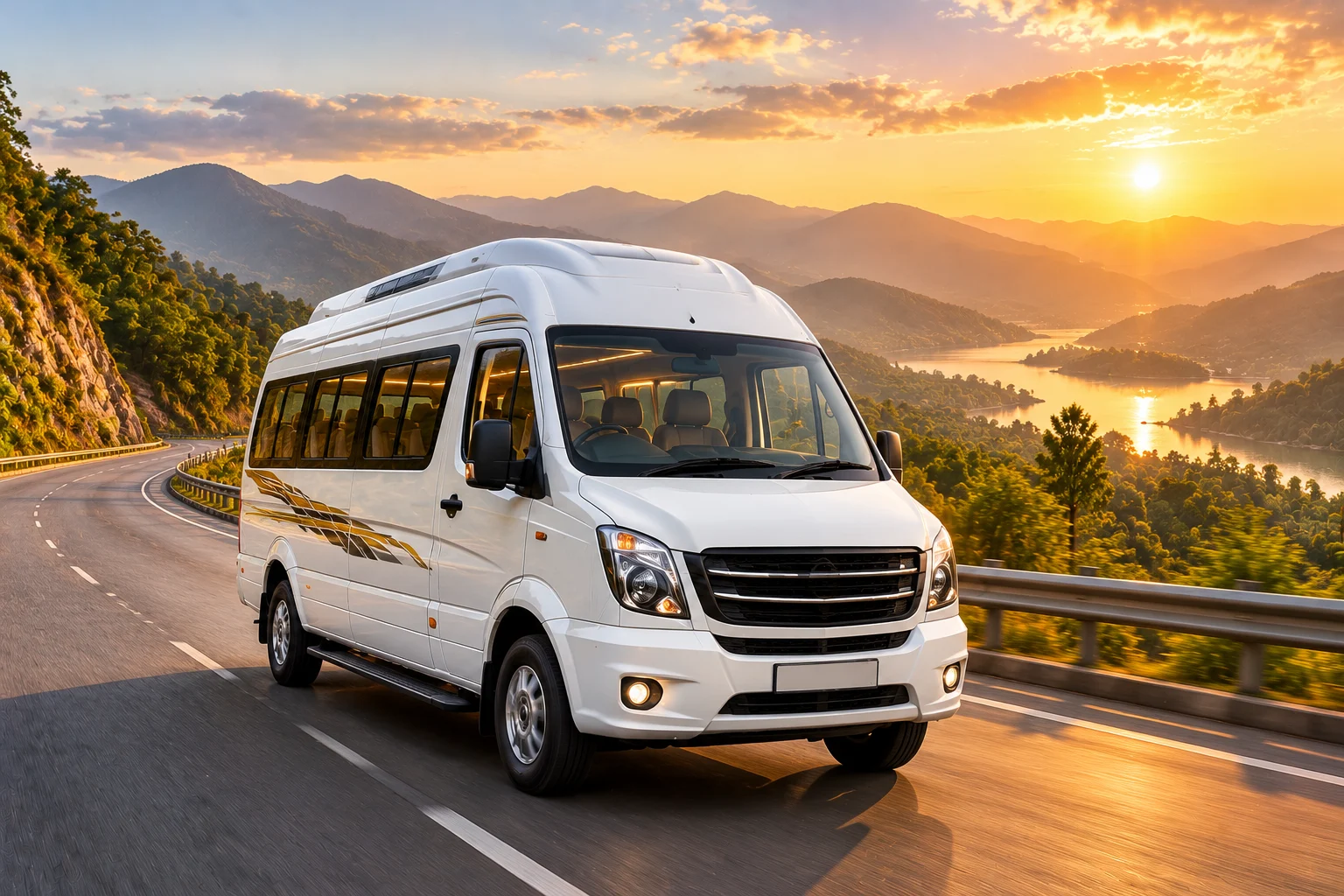
Outstation trips are usually priced per kilometre, with a minimum daily running charge. Add driver allowance, toll, parking, and state tax as extras. Multi-day tours are the most profitable since the vehicle stays booked for several consecutive days.
3. Wedding and Event Bookings
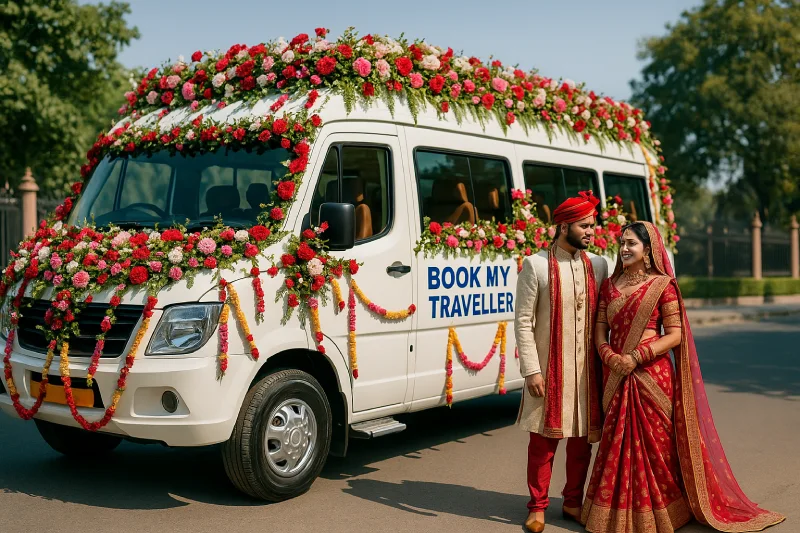
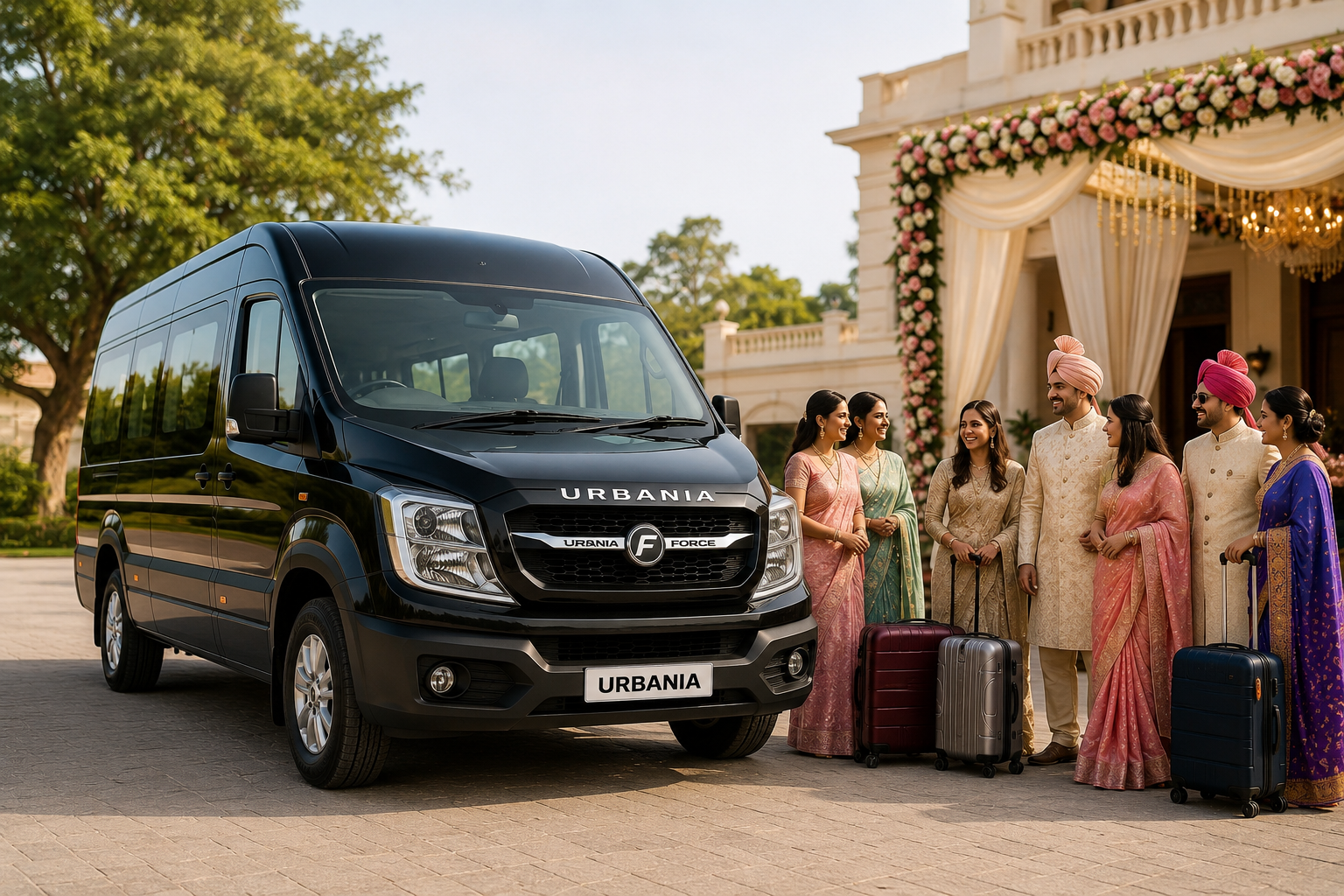
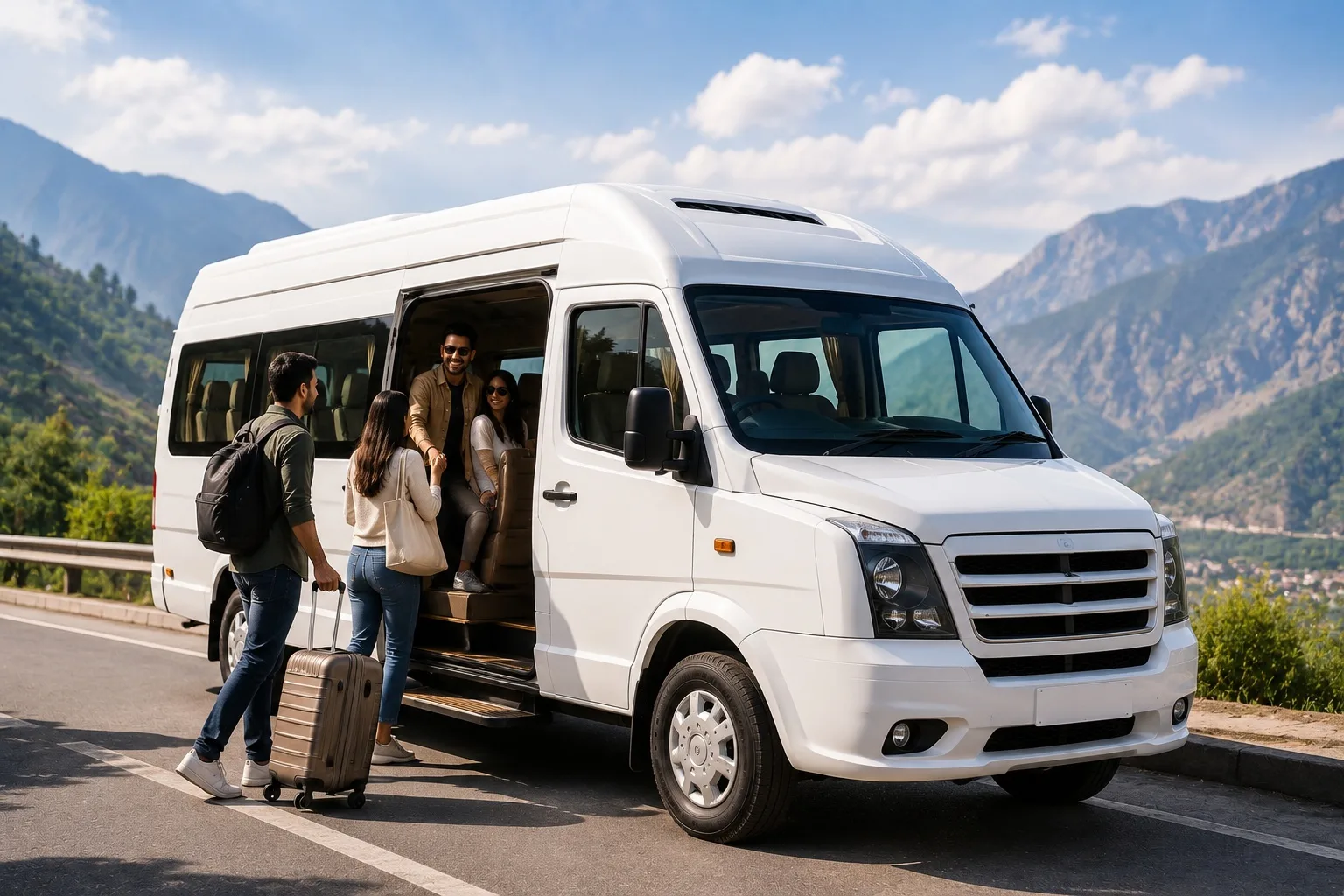
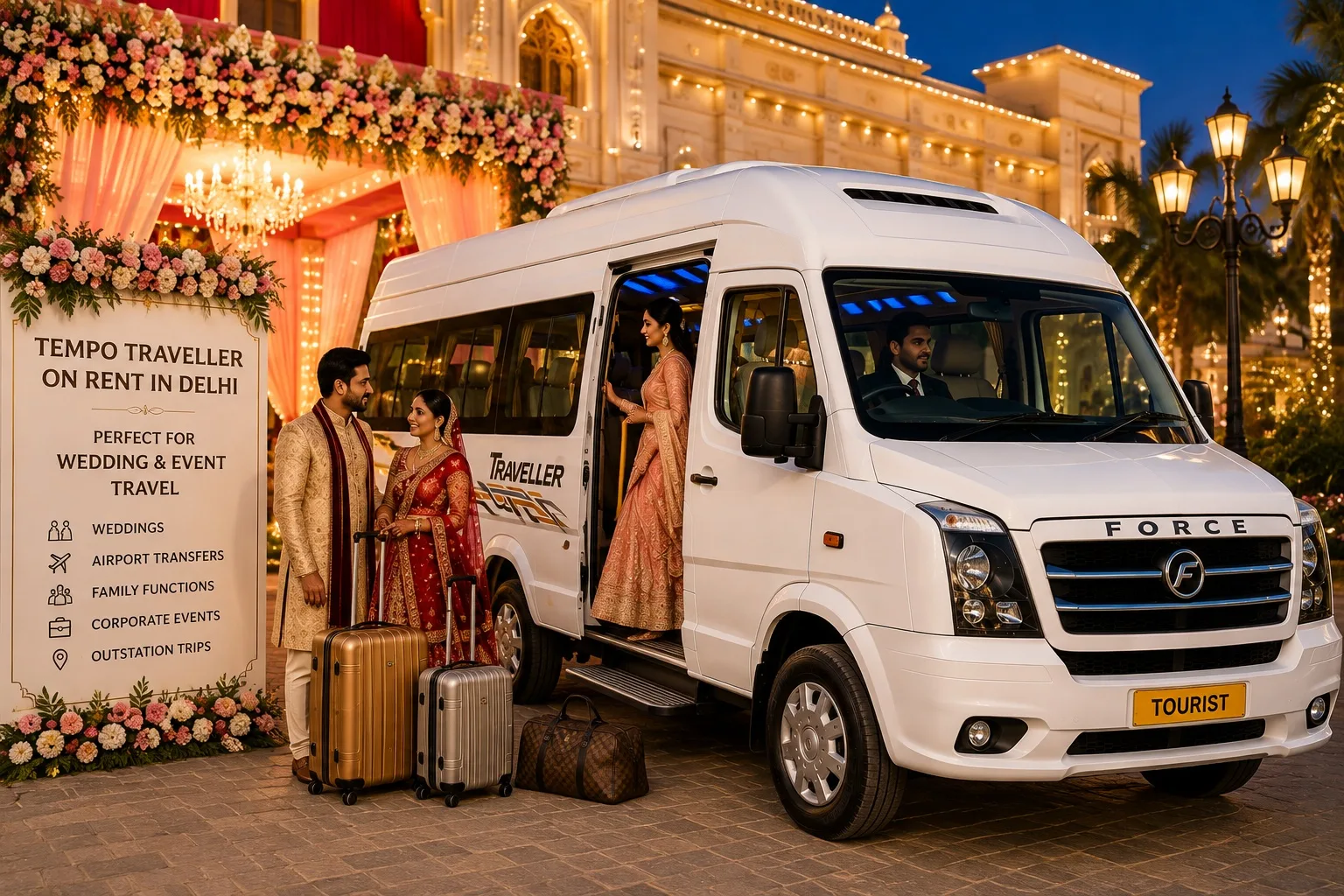
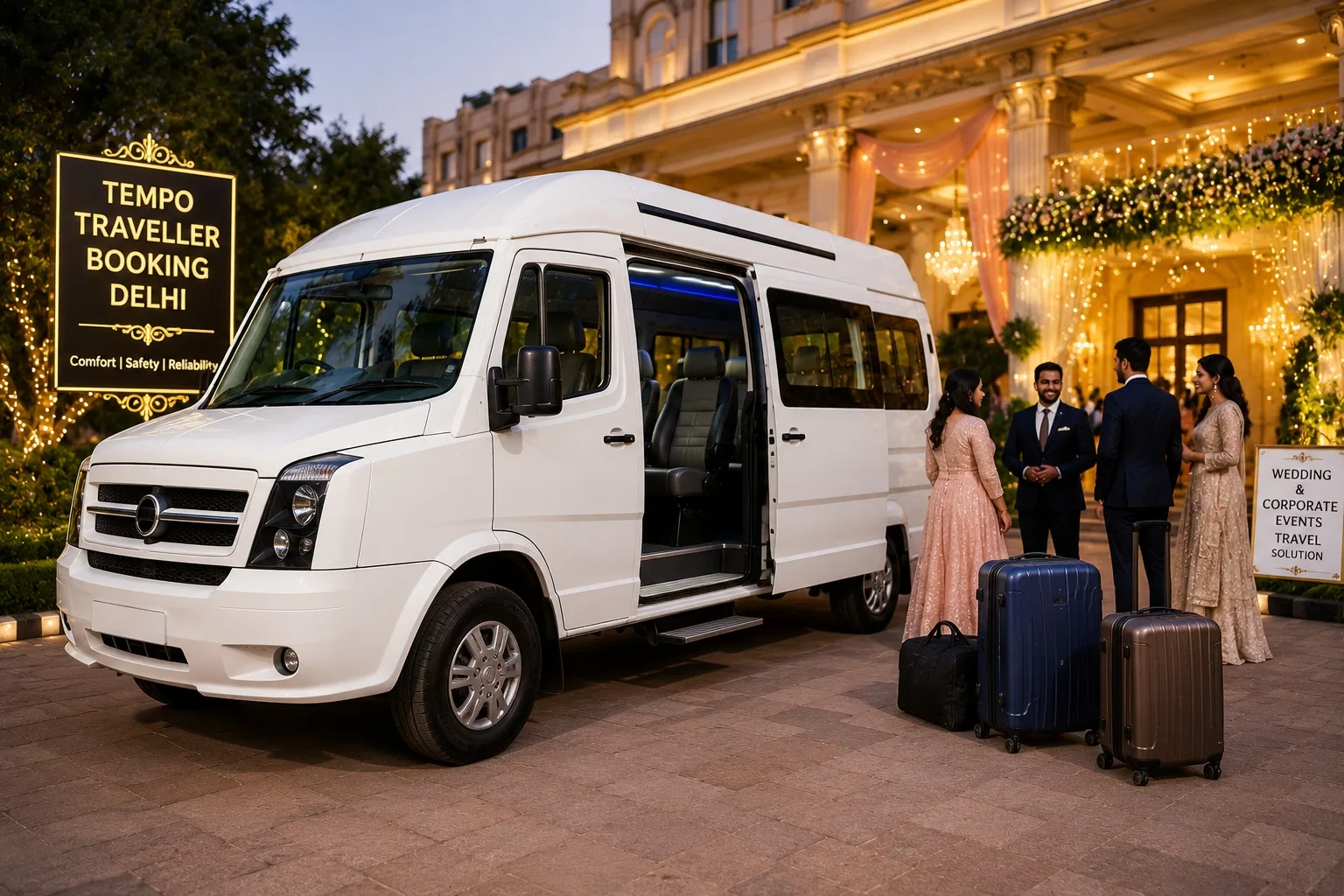
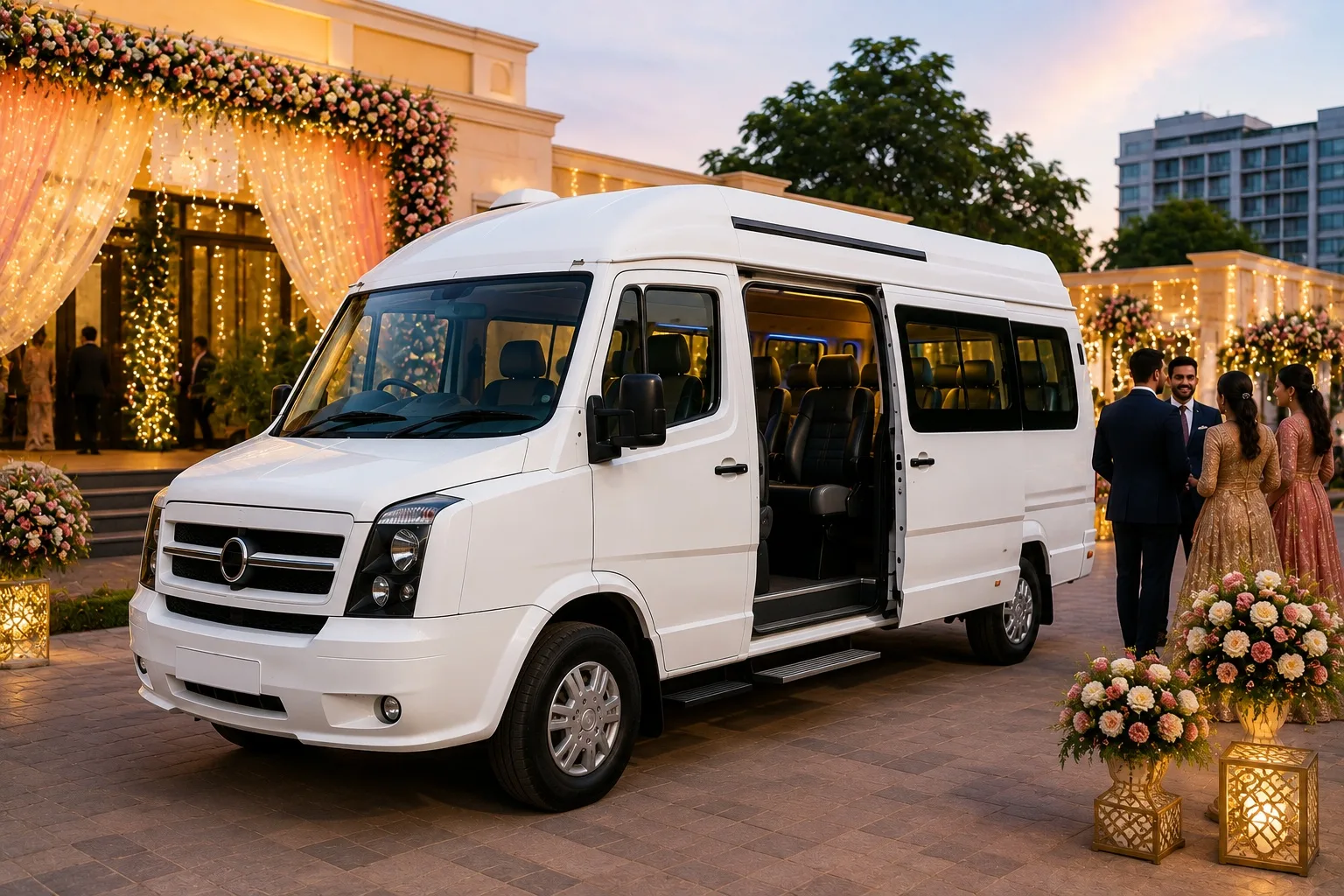
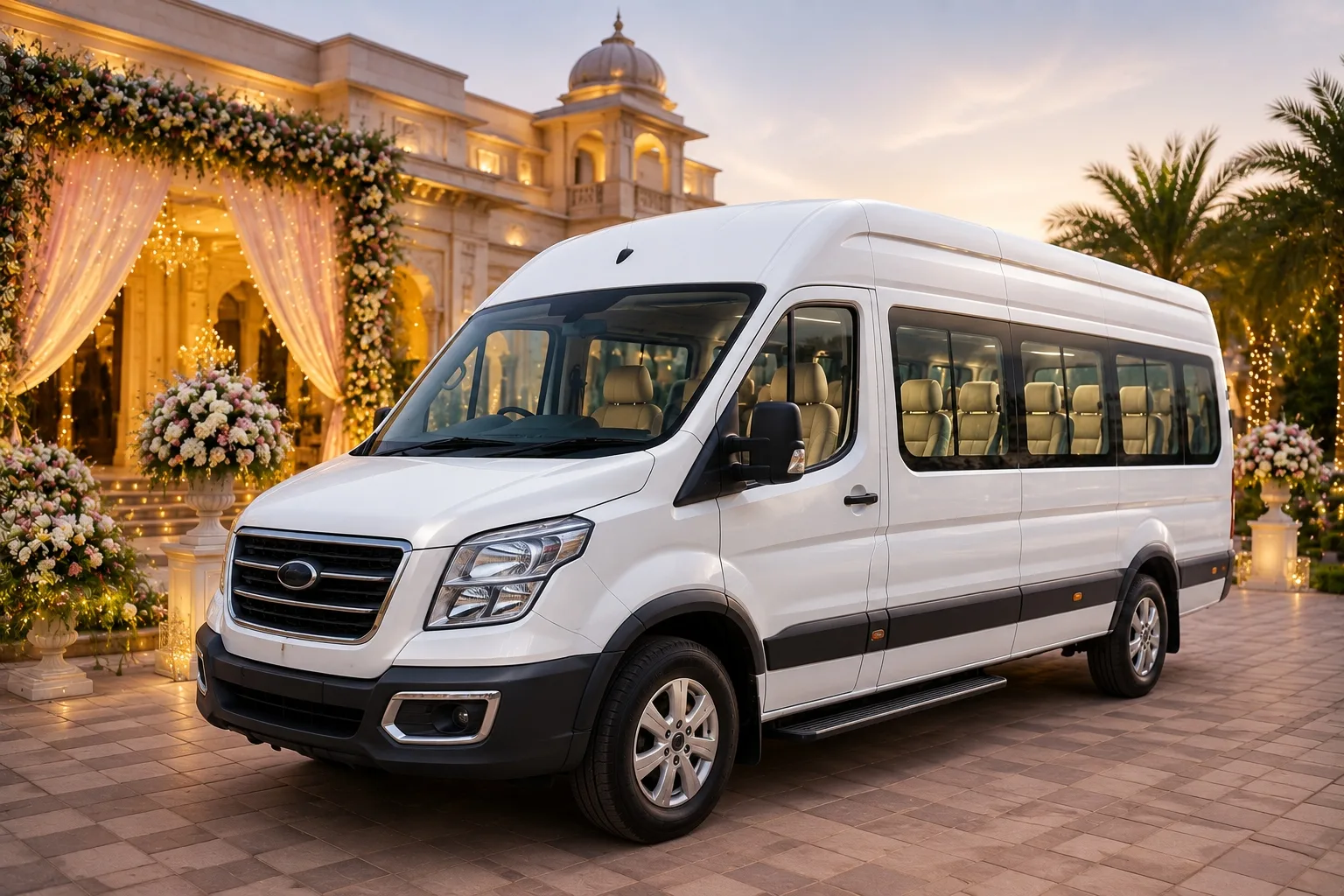
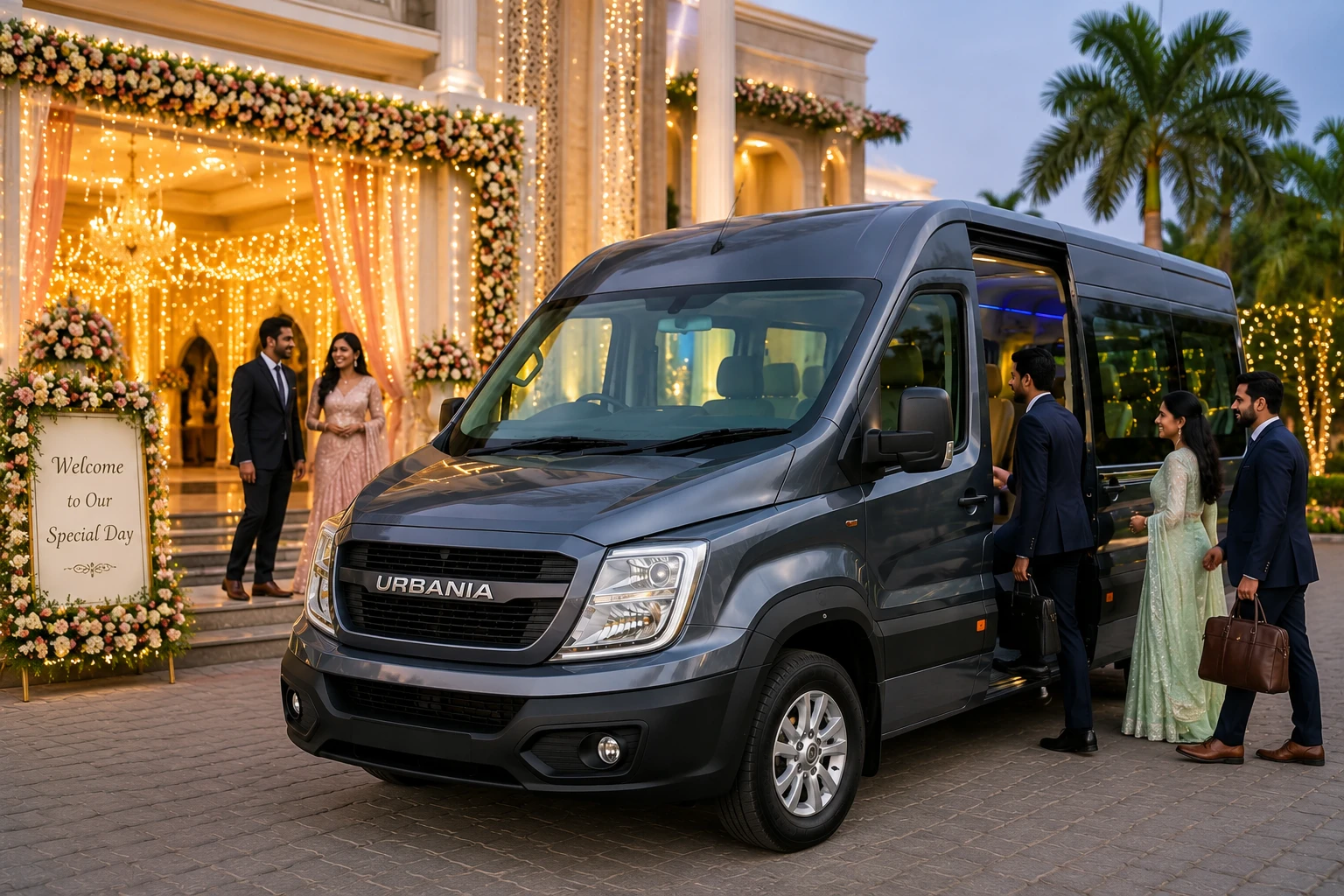
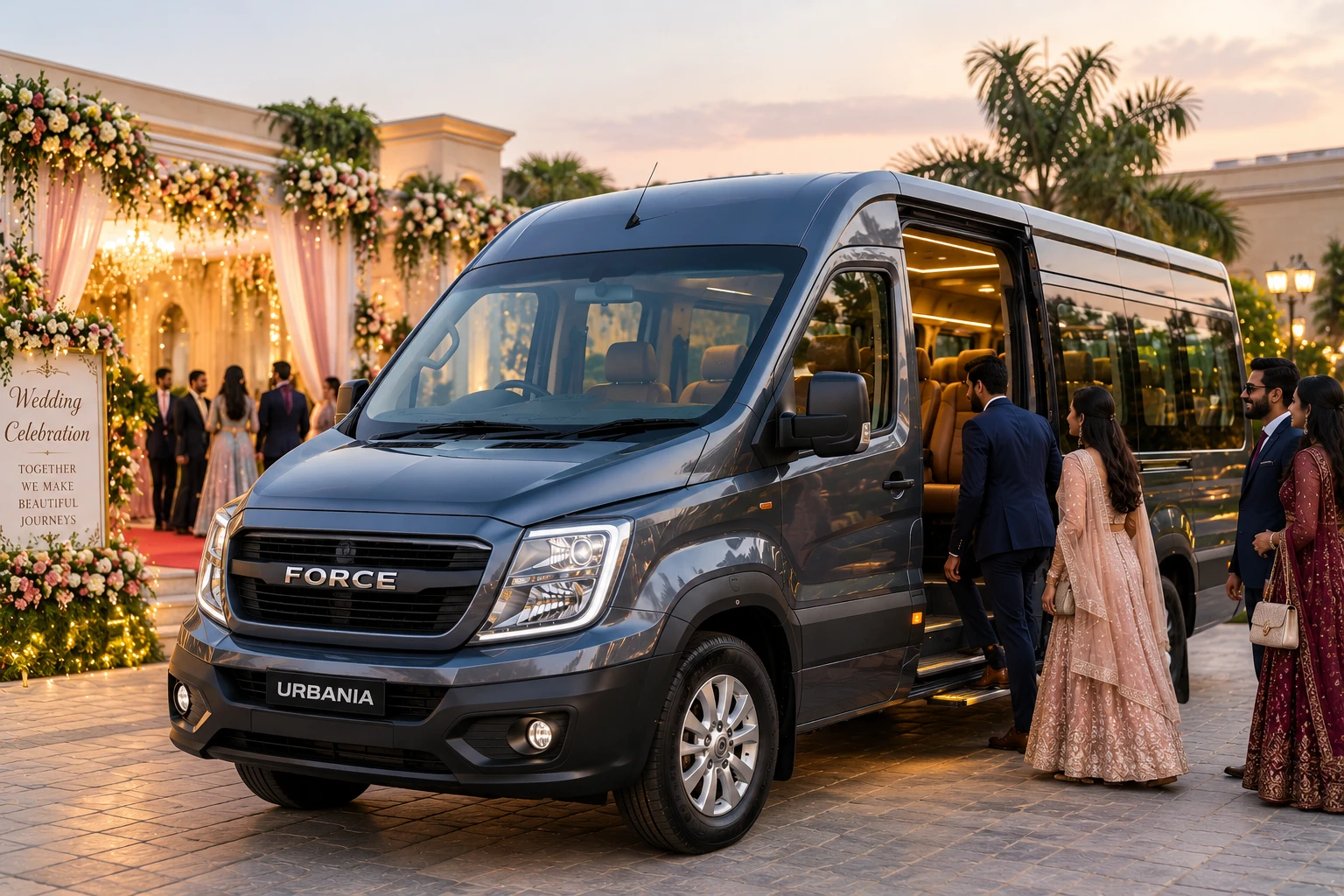
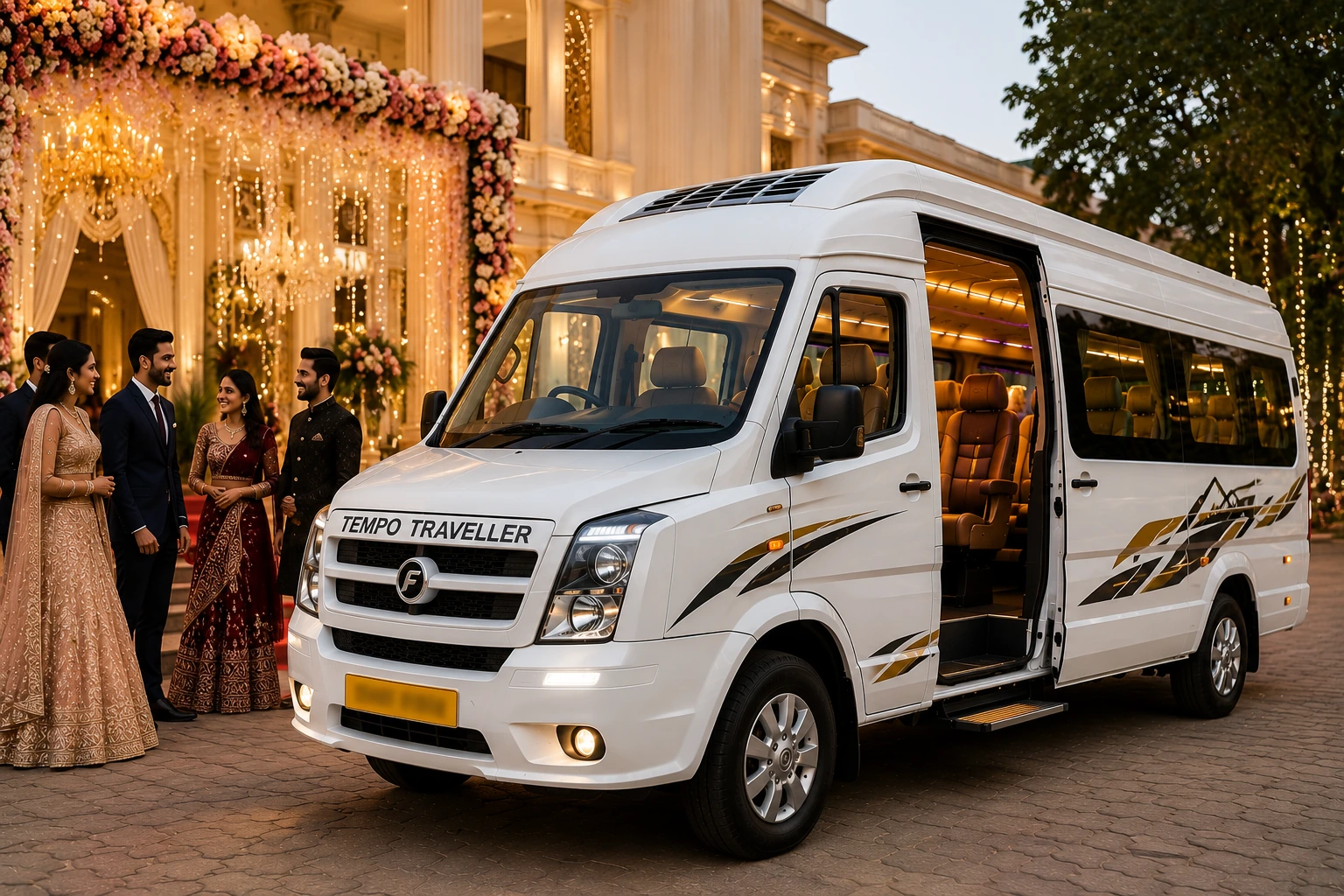
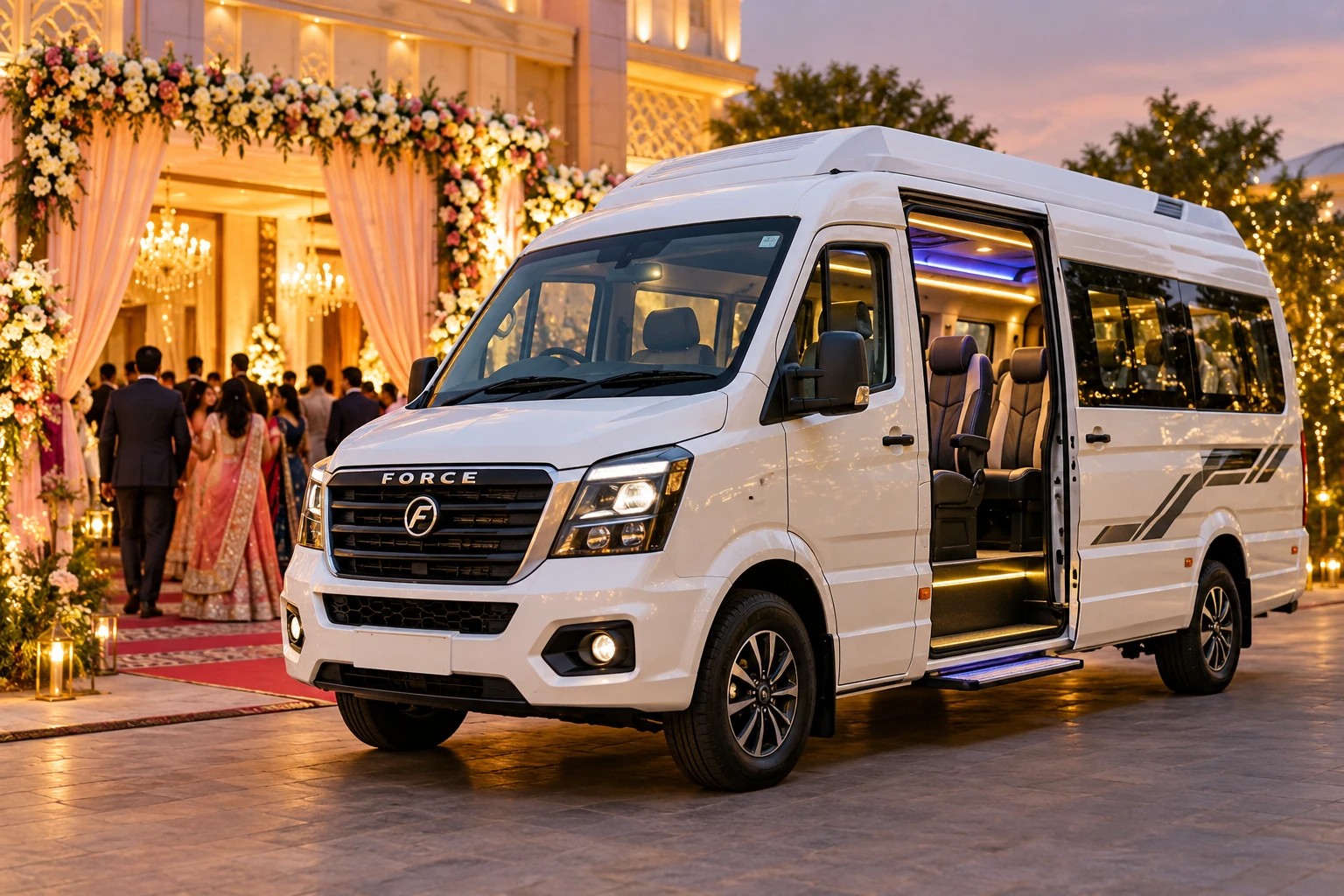
During wedding season, tempo travellers are booked for baraat guests, family transport, and guest pickups from the railway station or airport. Rates are often higher in peak season, and bookings help with cash flow.
4. Corporate and Employee Transport
Monthly contracts with companies, call centres, and schools give steady income even in the off-season. Rates per month are lower per day than tourist trips, but the vehicle is guaranteed work and payments are predictable.
5. Airport Transfers
Group airport pickups and drops are popular with families, tour groups, and delegations. Even a short airport run, done several times a day, adds up.
6. Tour Packages
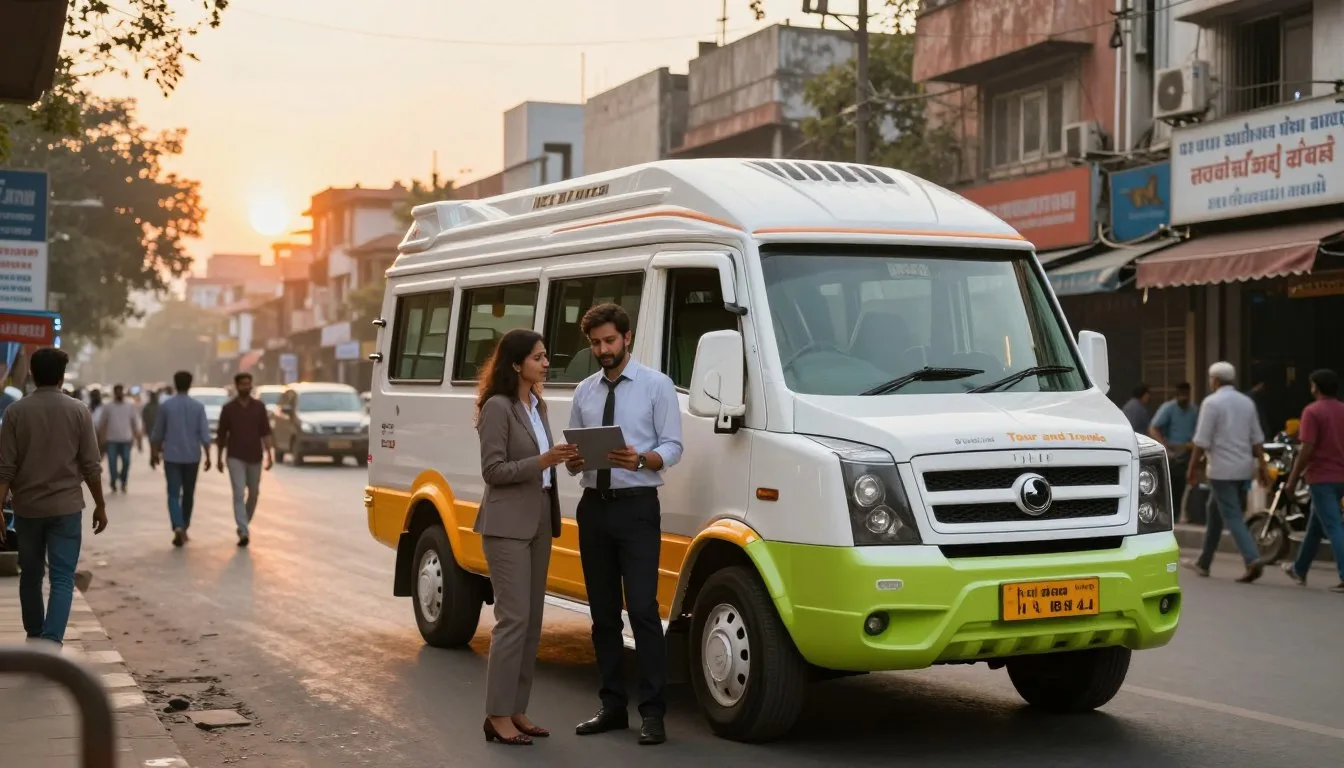
Instead of just renting the vehicle, create packages that combine transport with hotel, sightseeing, and guide support. Packages let you charge a higher margin and build customer loyalty.
A Simple Monthly Estimate
Let us use illustrative numbers only. Suppose your vehicle runs 20 days in a month at an average revenue of ₹6,000 to ₹10,000 per day, mixing local and outstation trips. That gives gross revenue of roughly ₹1.2 lakh to ₹2 lakh. From this, you subtract:
Fuel
Driver salary and allowances
Maintenance, servicing, and tyres
Insurance and permit costs spread over the year
Loan EMI (if any)
Parking, toll, and miscellaneous costs
Marketing and booking commissions
Your net profit might be a fraction of that gross figure, and it can swing widely depending on your utilisation. A well-run vehicle in a good season can earn comfortably. A poorly marketed one can sit idle for days. The key number to track is utilisation, meaning how many days per month the vehicle is earning.
These figures are examples, not guarantees. Track your own actual costs and revenue from the first month.
Costs You Should Plan For
Many new operators underestimate running costs. Plan for:
Fuel: the biggest daily expense, especially on long routes
Driver salary: a good, trustworthy driver is worth paying well
Servicing and repairs: regular maintenance prevents breakdowns that cost you bookings
Tyres: heavy vehicles with long-distance use need regular replacement
Insurance renewal and permit fees
Challans and fines: avoid them by following rules strictly
Cleaning and interior upkeep: a clean vehicle gets repeat customers
Depreciation: the vehicle loses value over time, so plan to replace it eventually
How to Get Bookings: Marketing That Works
A great vehicle earns nothing without customers. Here is how to build steady demand.
Many travel agents, hotels, and wedding planners need reliable vehicle partners. Offer a fair commission and dependable service, and they will send repeat business.
2. List on Online Platforms
Listing on travel marketplaces and local directories widens your reach. Compare the commission charged against the bookings you get.
3. Ask for Referrals
Satisfied customers are your best salespeople. Offer small discounts or perks for referrals.
Tips to Increase Your Profit
Keep the vehicle spotless. Clean seats, working AC, and a fresh interior justify a higher rate.
Hire a professional driver. Polite, punctual, and safe drivers earn five-star reviews.
Be transparent about pricing. Clearly state what is included (kilometres, driver allowance) and what is not (toll, parking, state tax). Hidden charges cause disputes and bad reviews.
Take advance payments. A booking amount confirms the customer and protects you from last-minute cancellations.
Reduce idle days. Offer discounted rates in the off-season rather than letting the vehicle sit unused.
Offer extras. Water bottles, a music system, charging points, and a first-aid kit add value cheaply.
Track everything. Keep records of every trip, fuel fill, and expense so you know your real profit per vehicle.
Maintain on schedule. Never skip servicing. A breakdown on a highway costs both money and reputation.
Expand gradually. Once your first vehicle is profitable and well booked, add a second one rather than rushing into a big fleet.
Common Mistakes to Avoid
Buying without a plan for bookings. Do not buy a vehicle first and think about customers later. Build your lead sources in advance.
Skipping permits. Running without the right permit risks heavy fines and seizure.
Underpricing to win bookings. Very low rates may fill the calendar but leave you with no profit after costs.
Ignoring driver quality. One rude or careless driver can destroy your online rating.
Mixing personal and business money. Keep separate accounts so you can see real profit.
Overlooking safety. Regular checks of brakes, tyres, and lights protect passengers and your business.
No written terms. Keep a simple booking confirmation with rates, inclusions, and cancellation terms.
Is the Tempo Traveller Business Worth It in Delhi?
For most people, yes, if it is run like a business and not like a side hobby. Delhi offers year-round demand, a large tourist base, and a wide choice of nearby destinations. The investment is significant, but a well-maintained vehicle with consistent bookings can repay itself and then keep earning for years.
The operators who do best share a few habits. They stay legal, deliver clean and punctual service, market consistently online, and treat every customer as a future repeat booking. Over time, a reputation for reliability becomes your strongest advertisement, and customers start searching for you by name instead of just typing "tempo traveller on rent in Delhi" into Google.
Final Thoughts
If you want to earn money from the tempo traveller business in Delhi, start with research. Understand your target customers, finalise your budget, get all permits in order, choose the right vehicle, and build your online presence from day one. Focus on service quality and steady bookings, and add vehicles only when your first one is consistently busy.
The business rewards patience, discipline, and good customer service. With the right approach, a tempo traveller on rent in Delhi business can become a stable and growing income source.




















.jpeg)



.jpeg)
.webp)
.jpeg)
.jpeg)
.jpeg)

.jpeg)
.jpeg)
.jpeg)
.jpeg)
.jpeg)


.jpeg)
.webp)
.jpeg)
.jpeg)

.jpeg)

.jpeg)
.jpeg)
.jpeg)
.jpeg)

.jpeg)

.webp)
.jpeg)
.jpeg)
.jpeg)

.jpeg)











.webp)


.webp)


































































































































































































.webp)



















































.webp)















.webp)









.webp)

.webp)



.webp)

.webp)
.webp)

.webp)
.webp)

.webp)


.webp)


.webp)



.webp)



.webp)


.webp)
.webp)


.webp)
.webp)






















.webp)