A complete guide to the Delhi Agra Jaipur Golden Triangle tour package covering the best travel time, itinerary, costs, top attractions, food, and practical travel tips.
Published on 11 Sep, 2026
Updated on 26 Oct, 2026
1752 Views
Delhi Agra Jaipur Tour Package: Complete Travel Guide
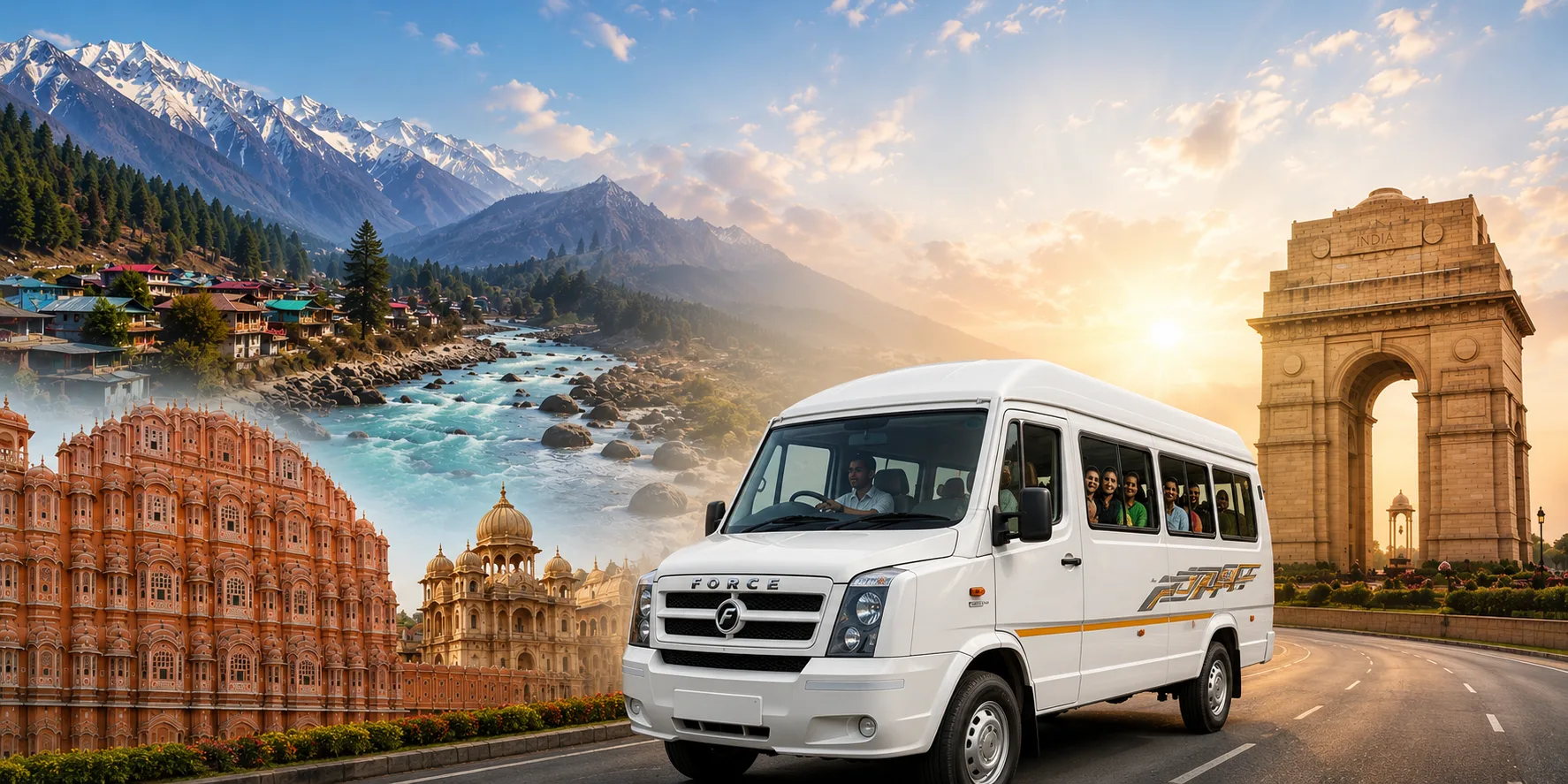
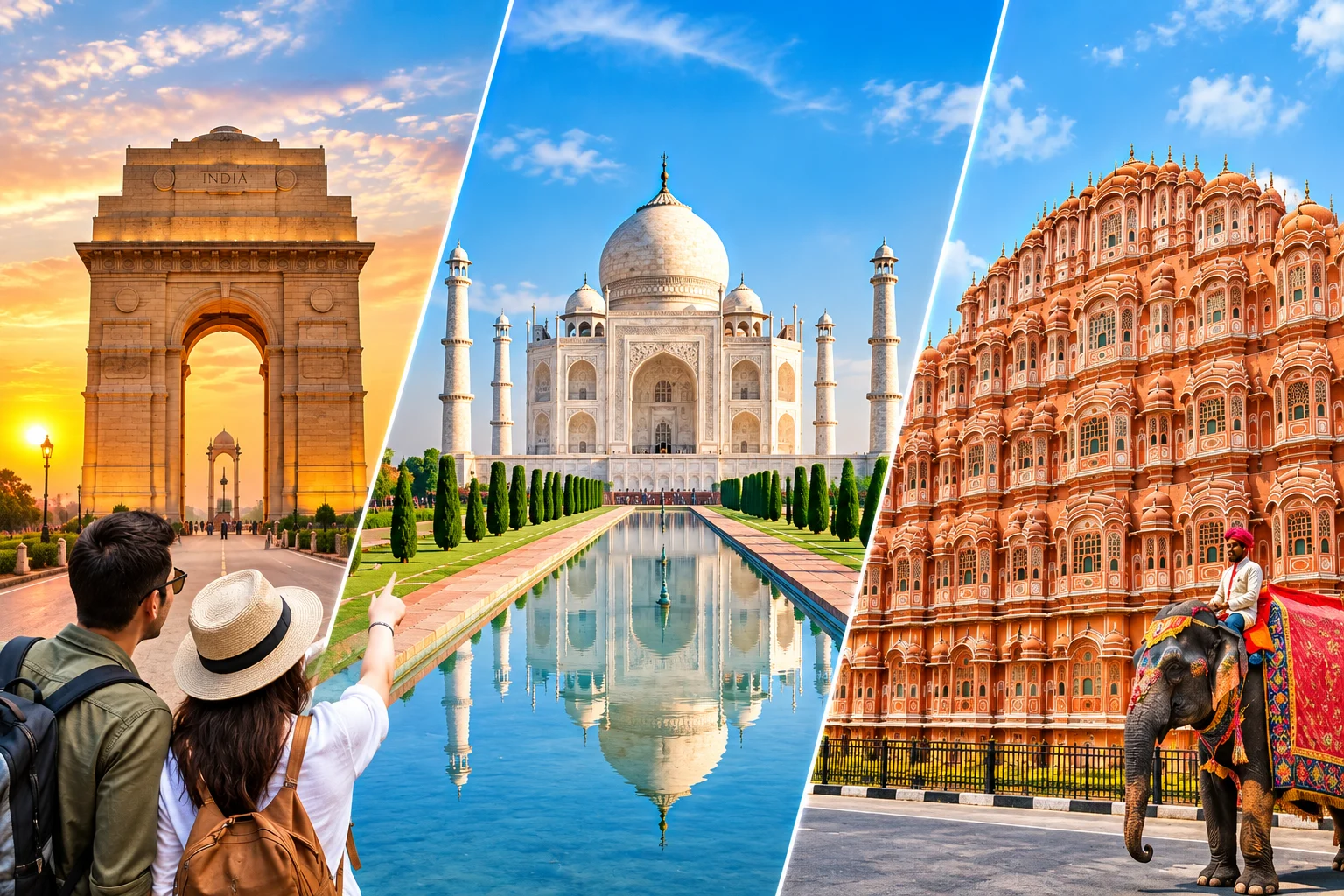
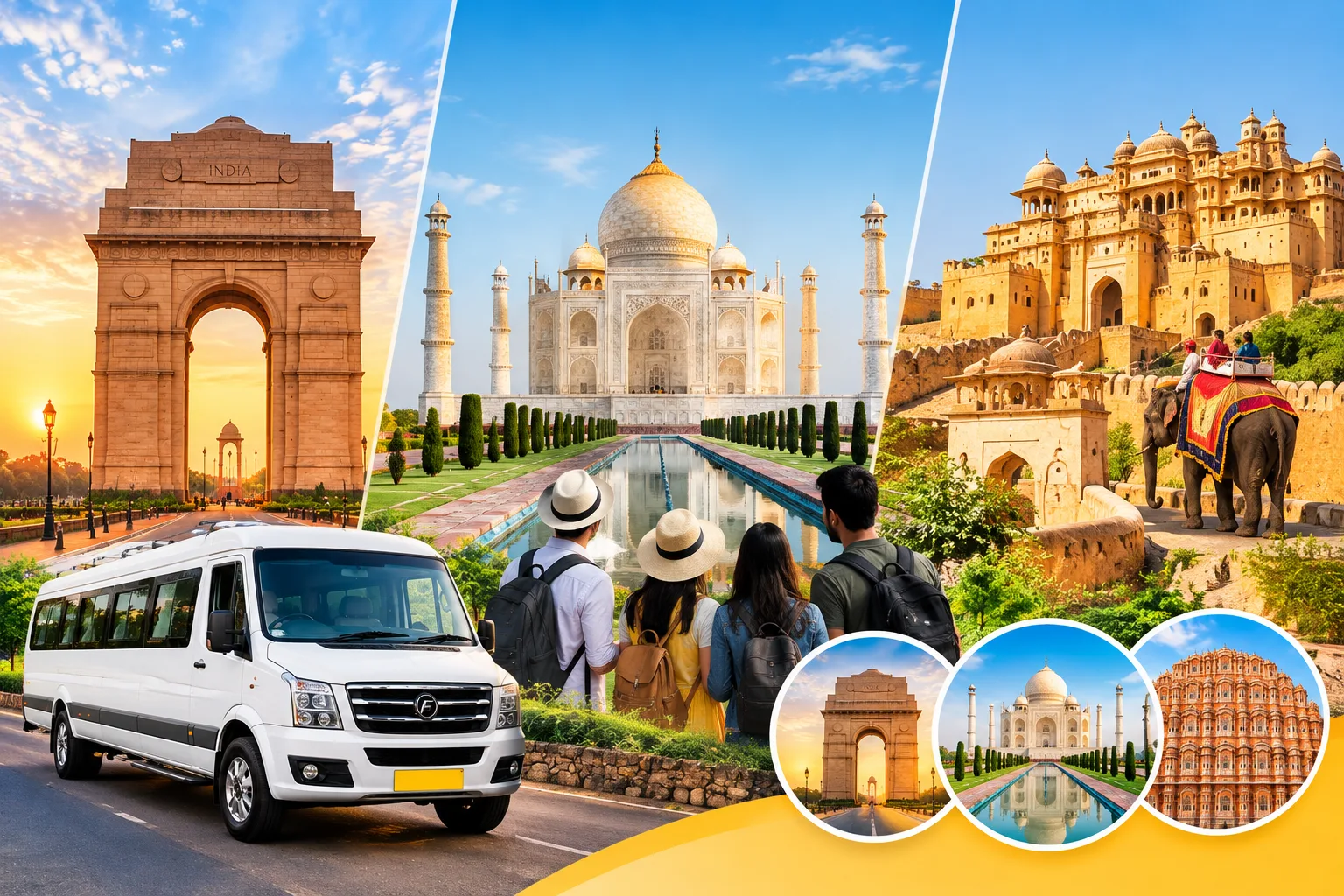
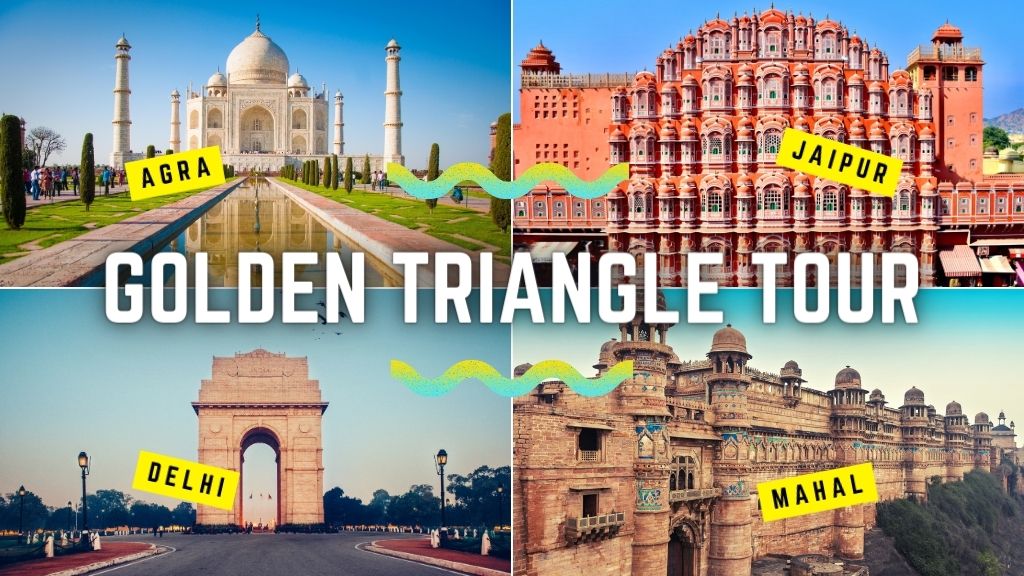
A Golden Triangle tour package remains one of the most popular ways for both domestic and international travelers to experience India's history and culture within a single, well-structured trip. Covering Delhi, Agra, and Jaipur, this circuit brings together Mughal-era monuments, royal Rajasthani palaces, and the everyday energy of India's capital, all within a travel radius short enough to comfortably cover in under a week. This complete guide walks through what a delhi agra jaipur tour package typically involves the best time to travel, how to move between the three cities, what to see, and the practical details that make the difference between a smooth trip and a rushed one.
Why the Golden Triangle Remains So Popular
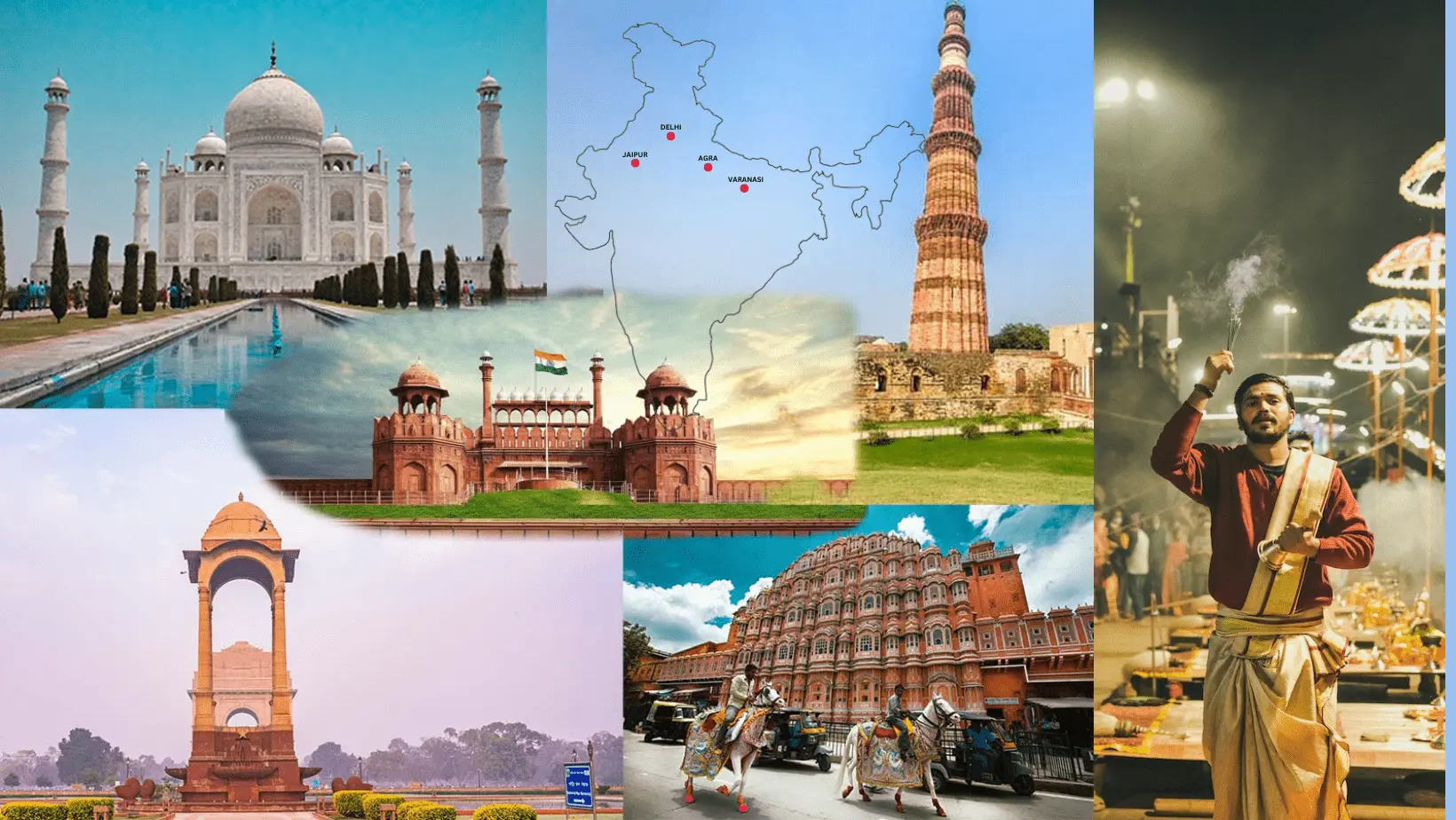
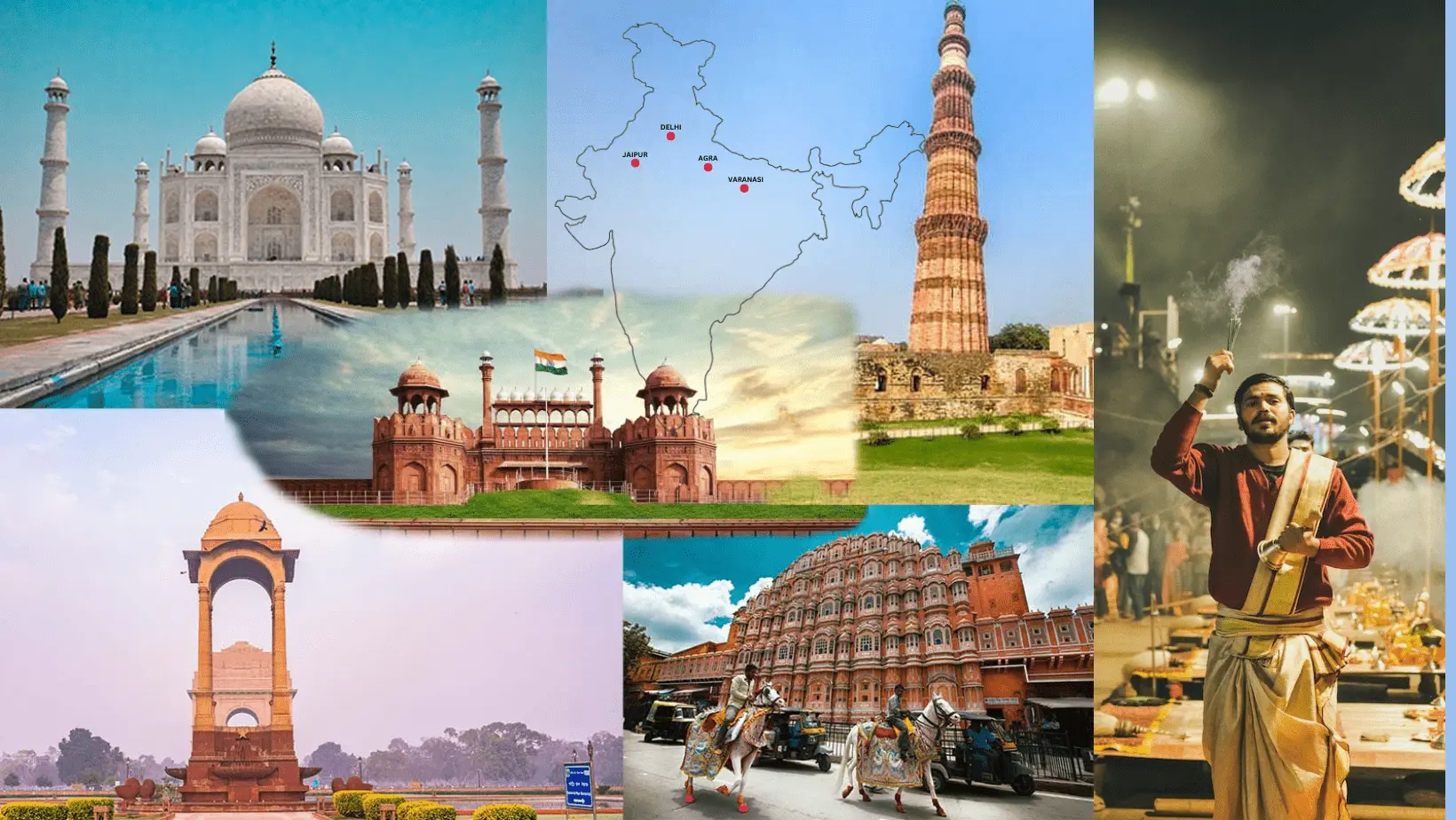
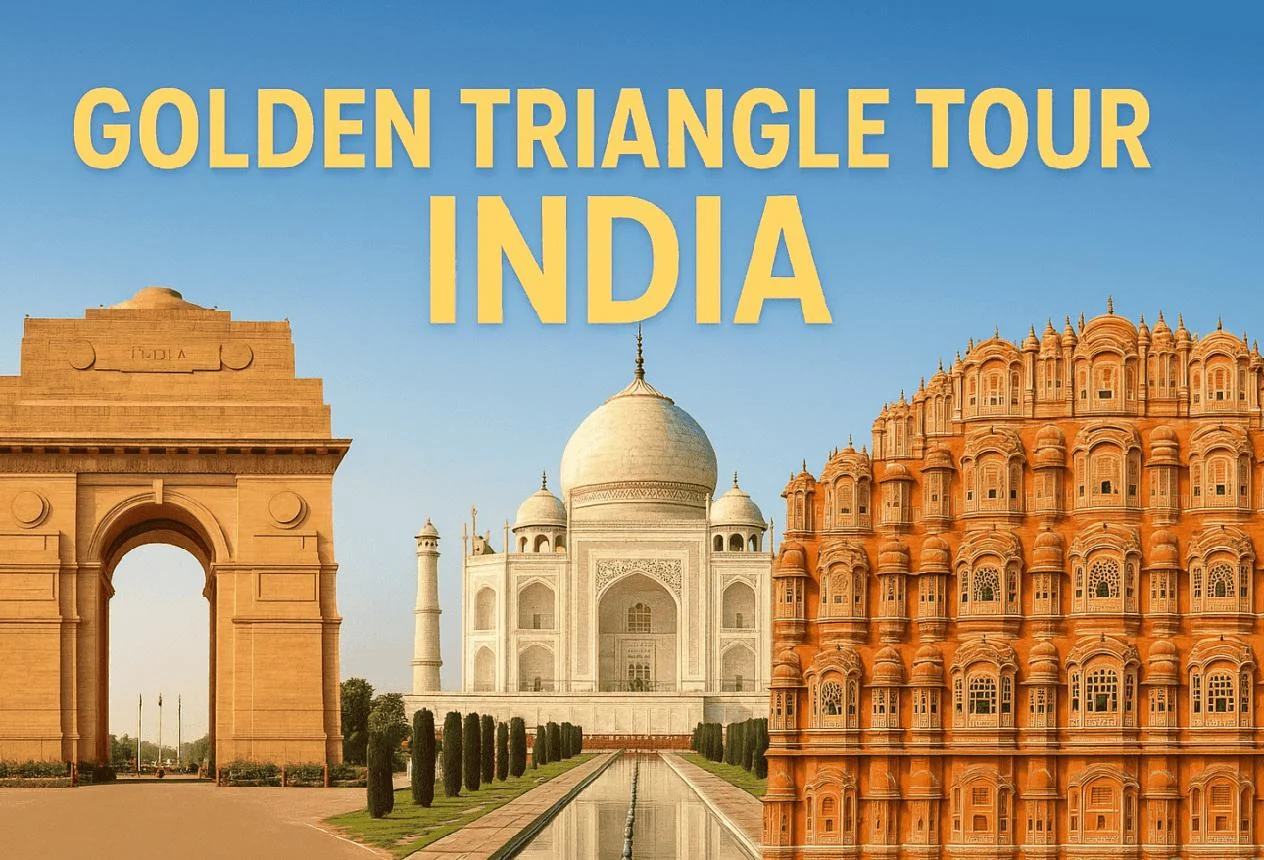
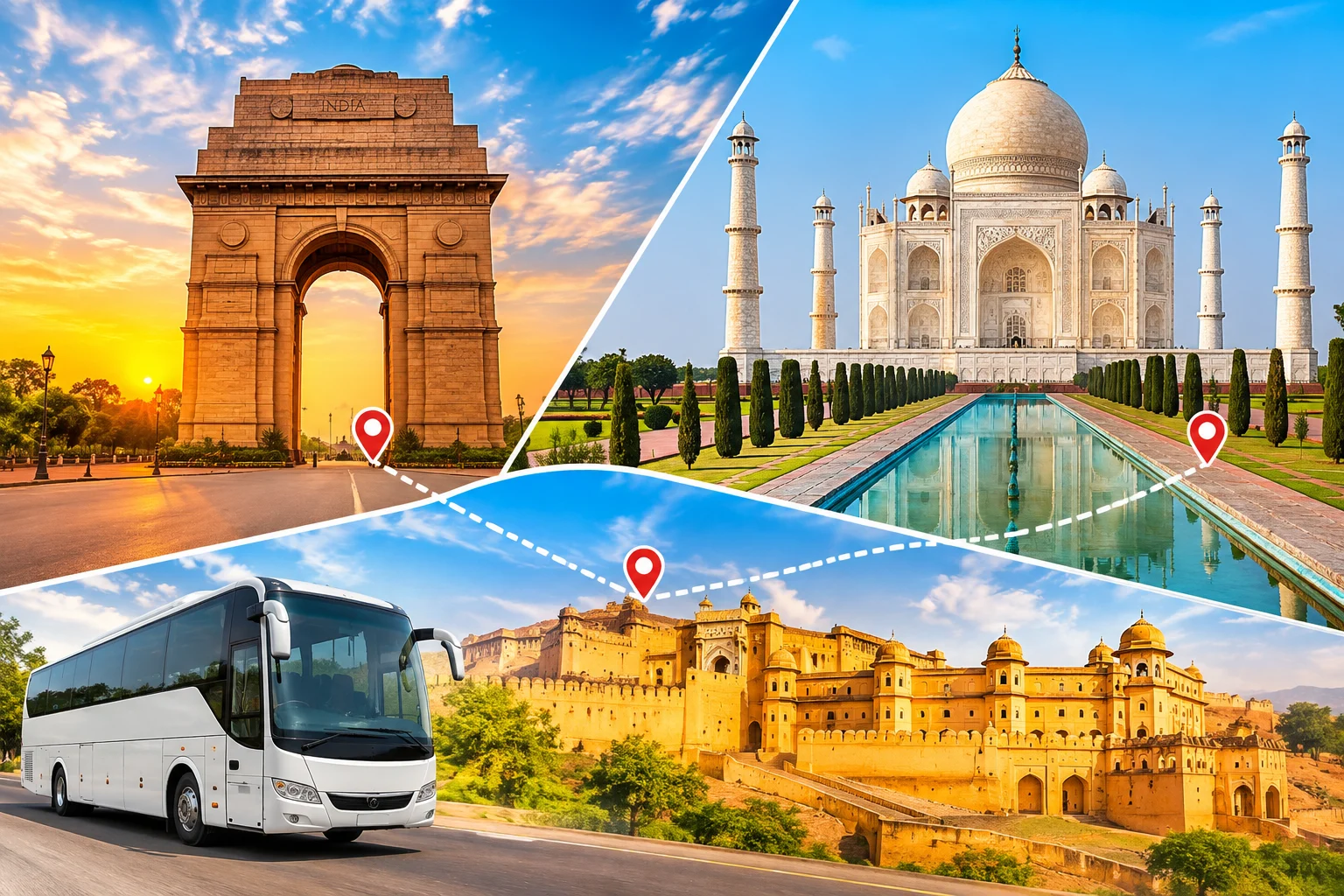
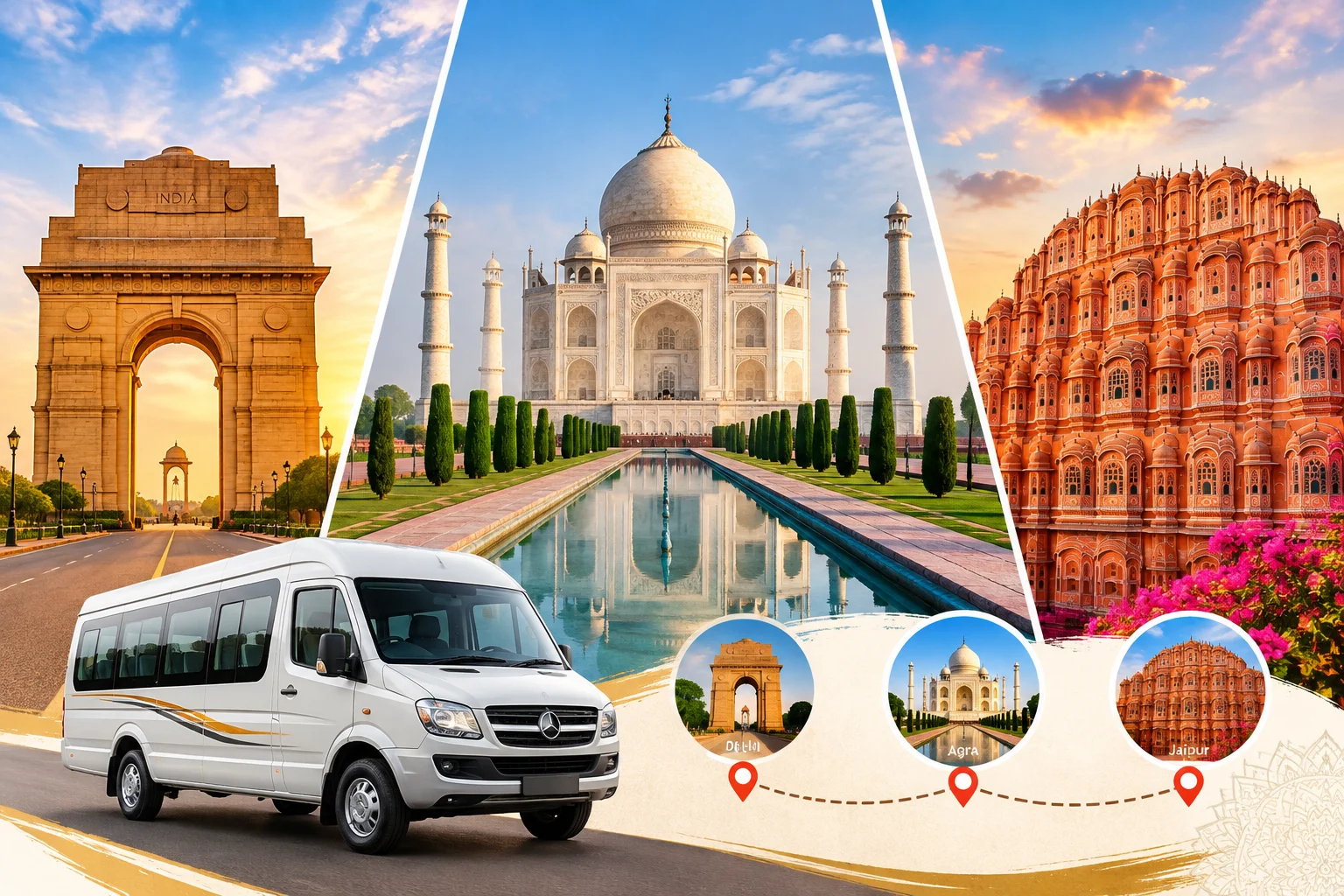
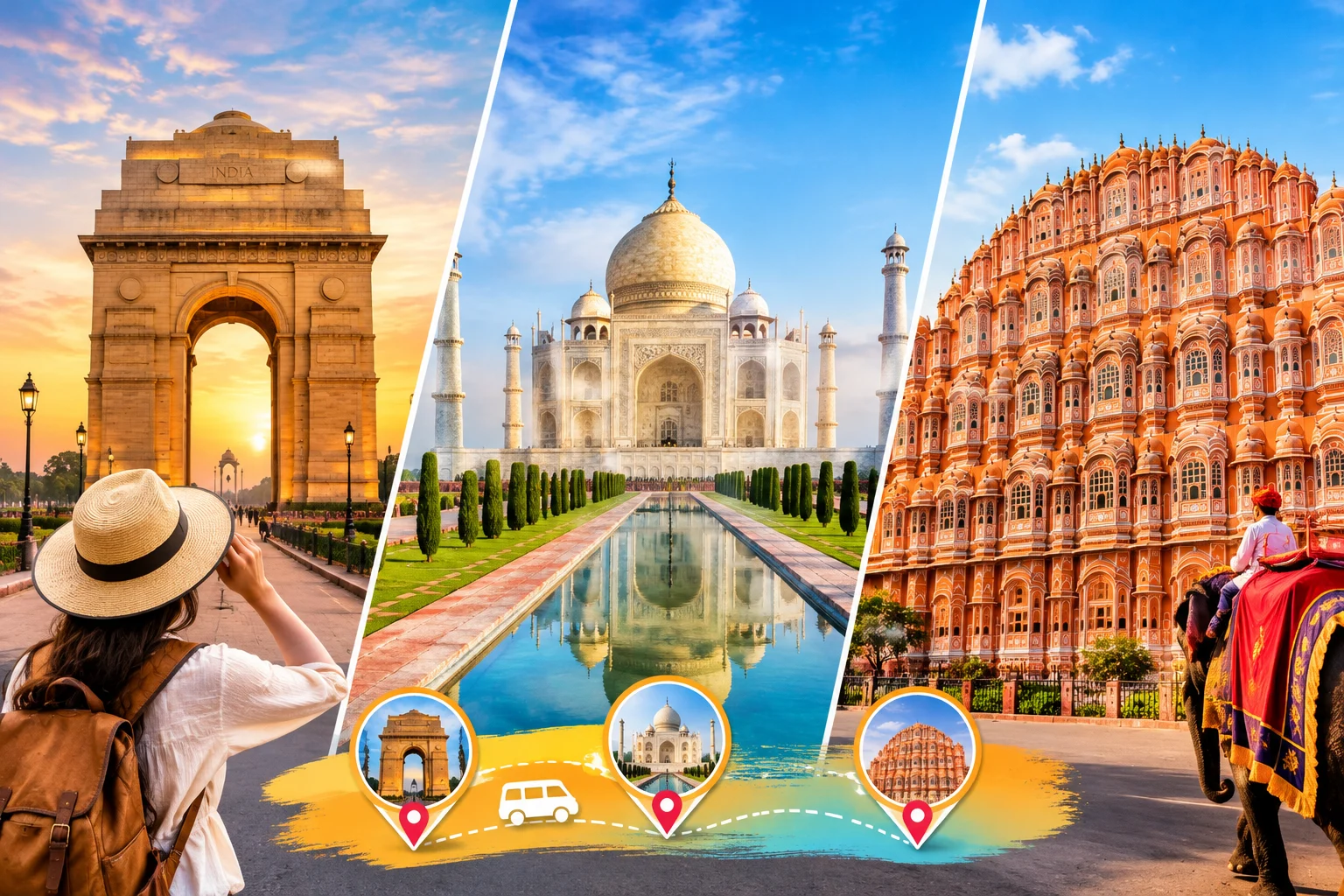
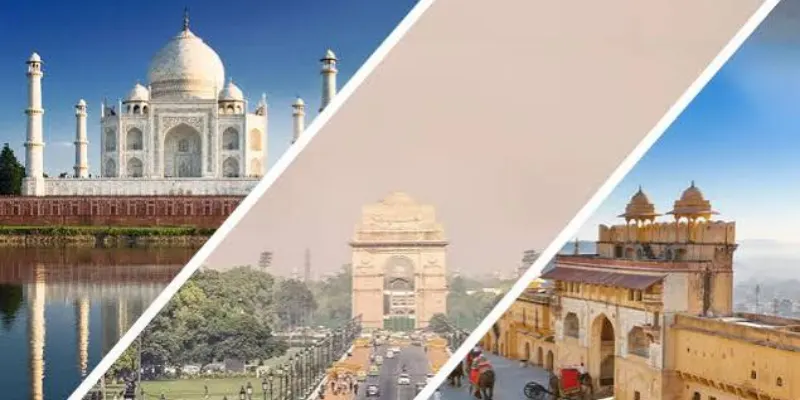
The Golden Triangle earns its name from the roughly triangular route connecting Delhi, Agra, and Jaipur, with each city sitting close enough to the others that road travel between them rarely exceeds a few hours. This geographic convenience is a big part of why a Golden Triangle tour package continues to be one of the most frequently booked circuits in India, since travelers can experience three genuinely distinct destinations a bustling capital, a city built around one of the world's most recognized monuments, and a walled pink city known for its palaces without the logistical complexity of a longer, more spread-out itinerary.
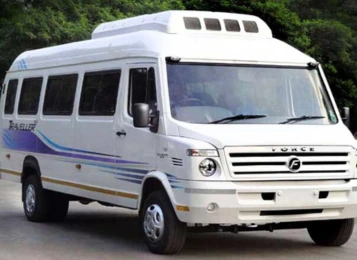
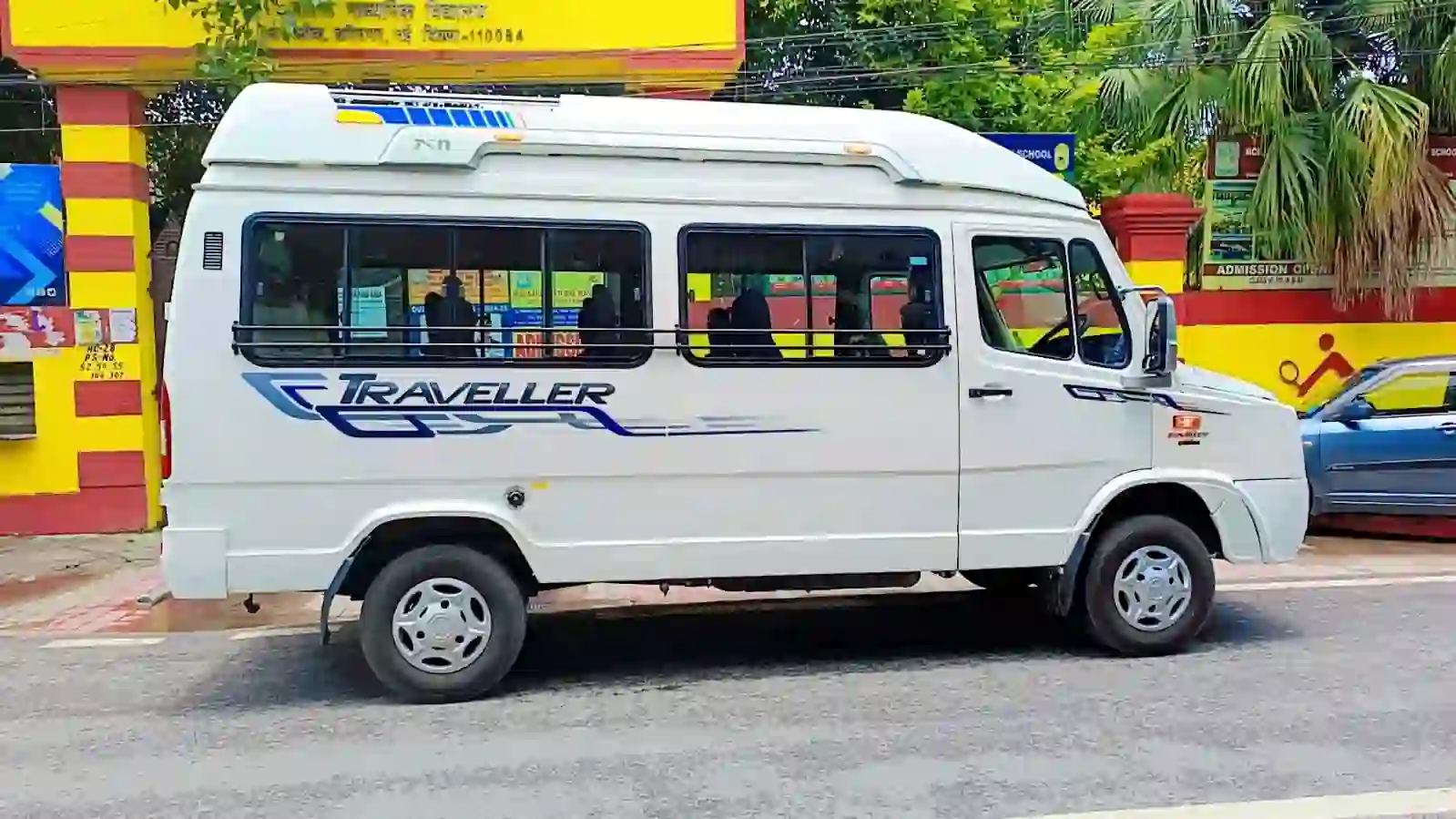
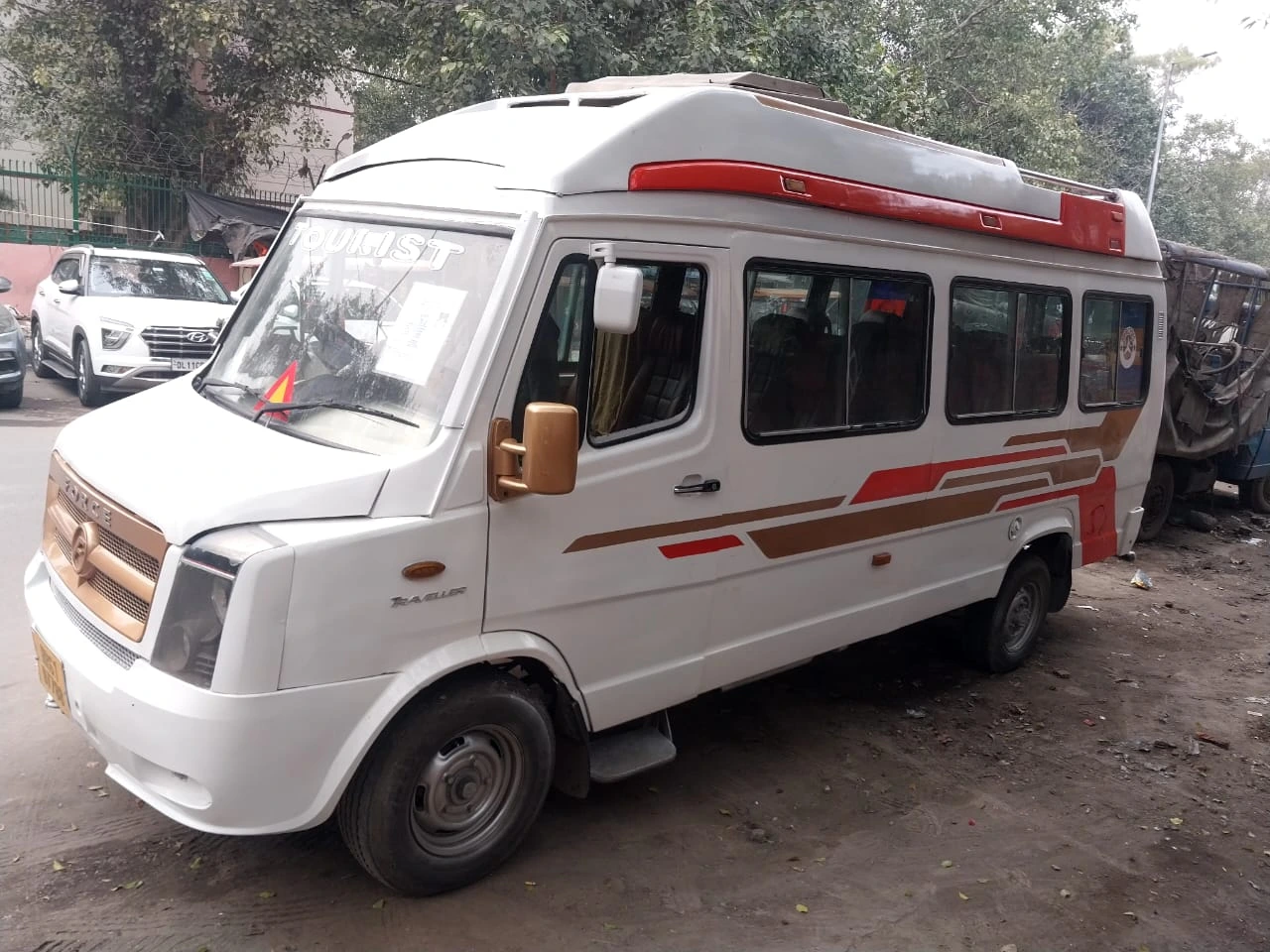
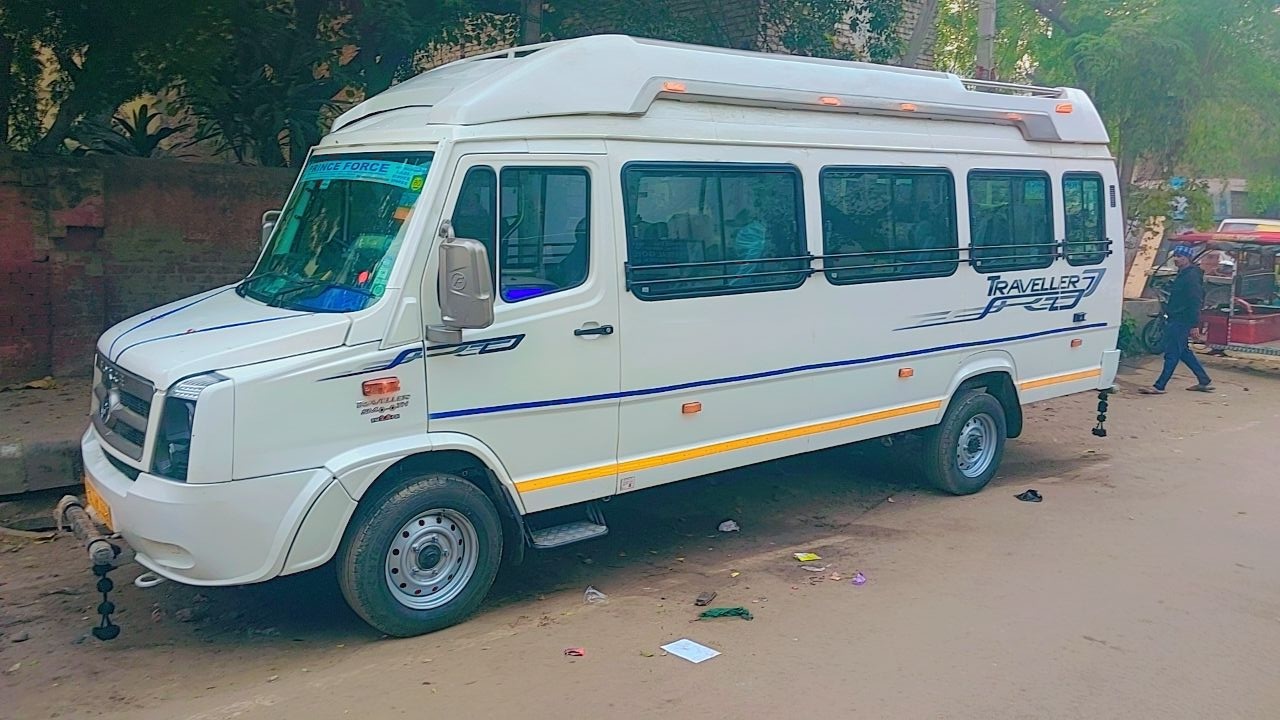
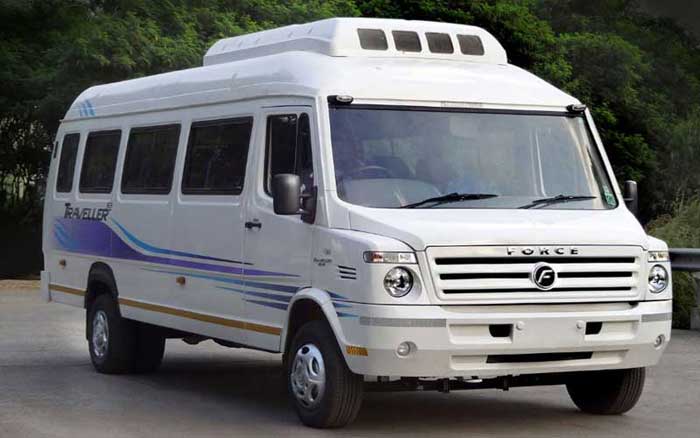
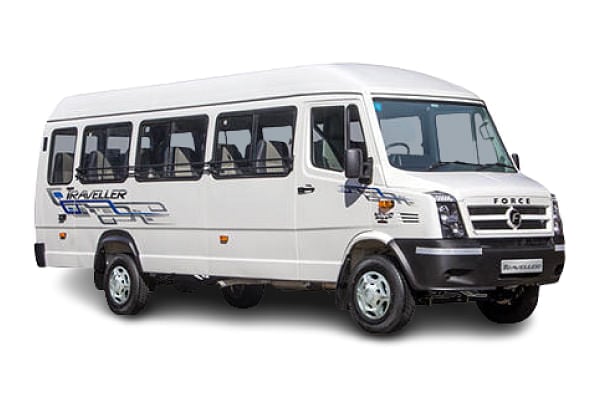
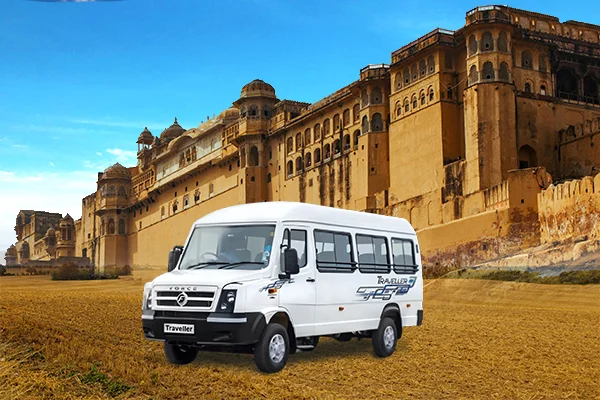
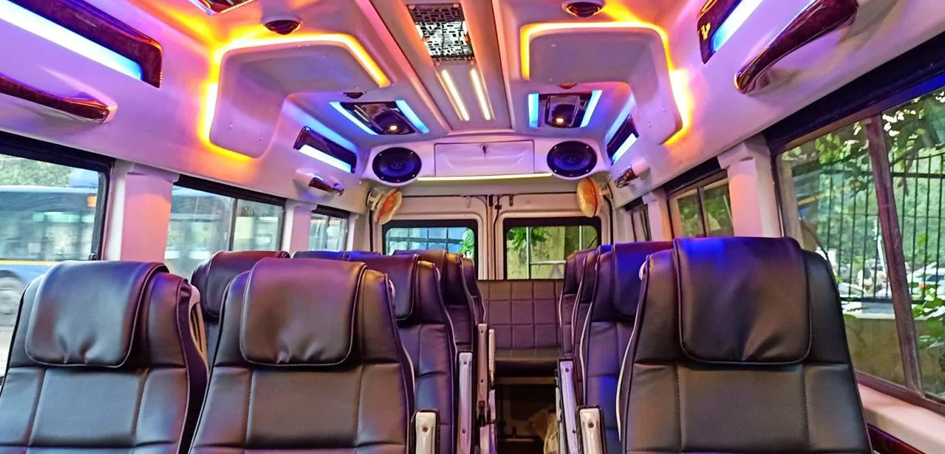
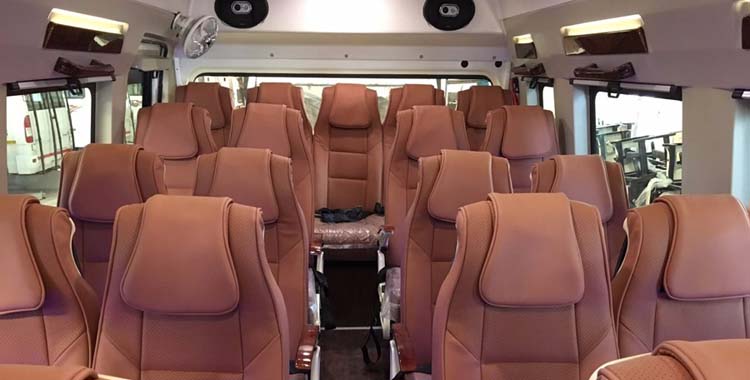
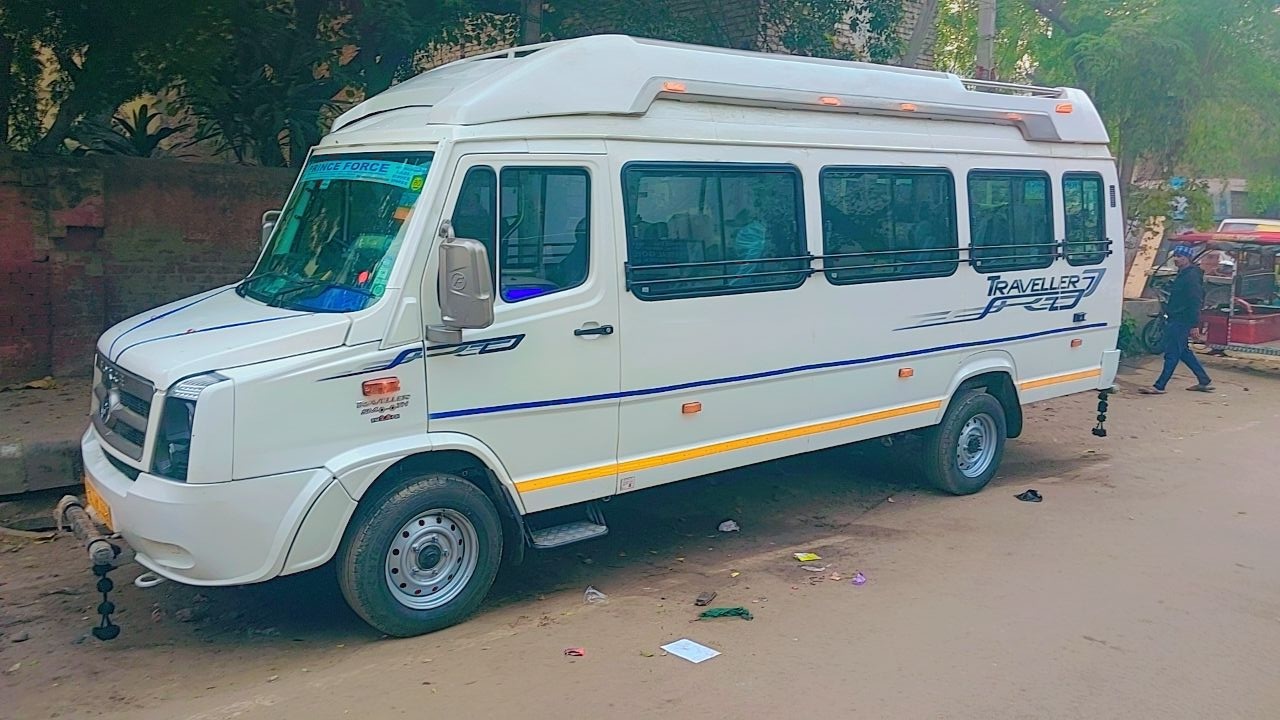
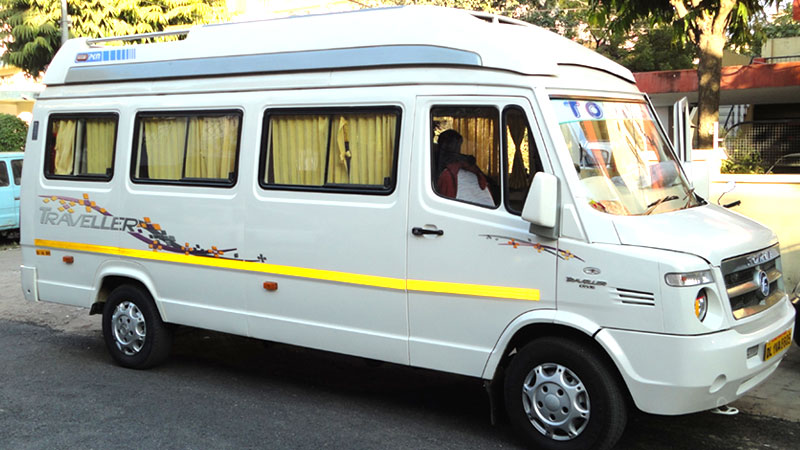
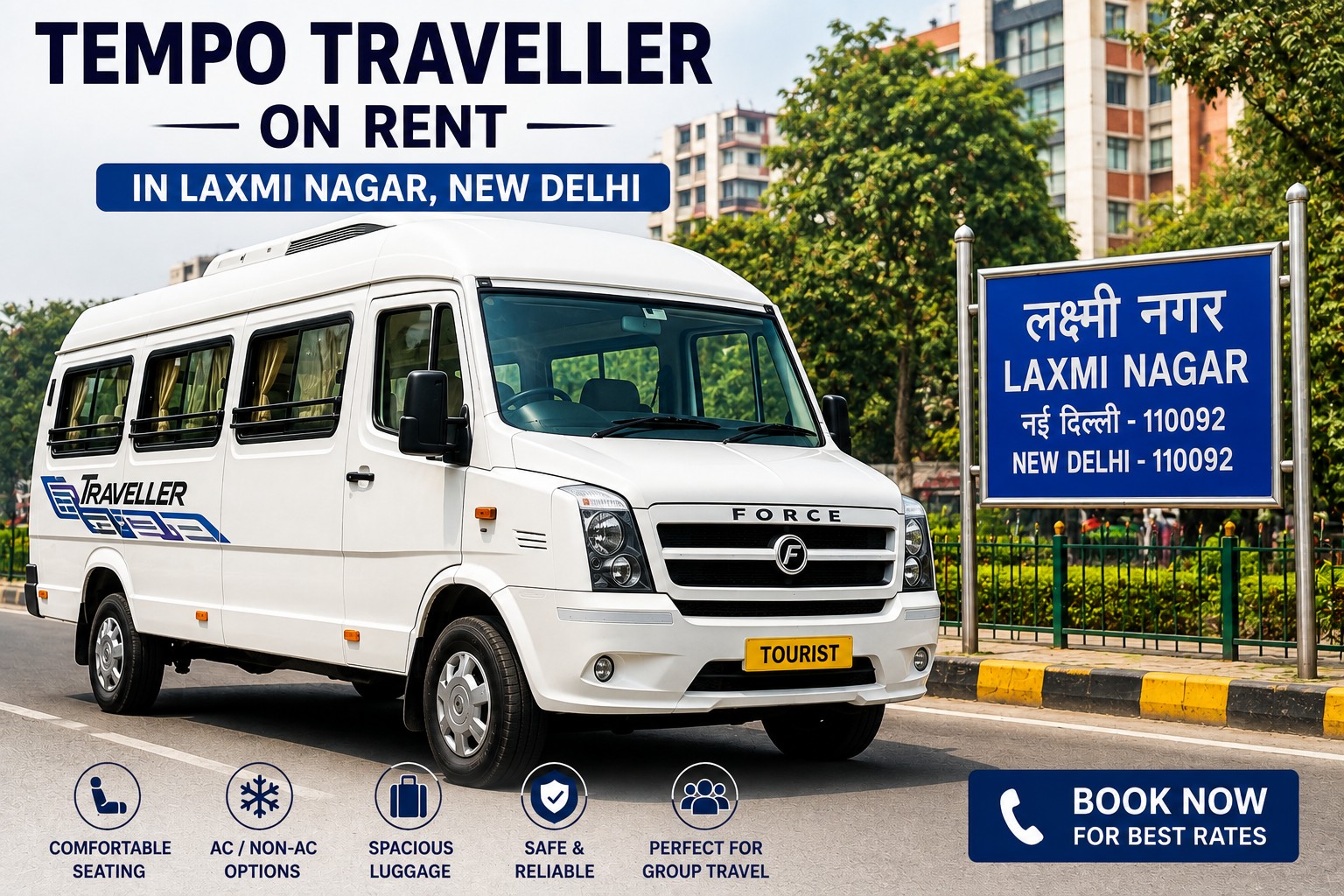
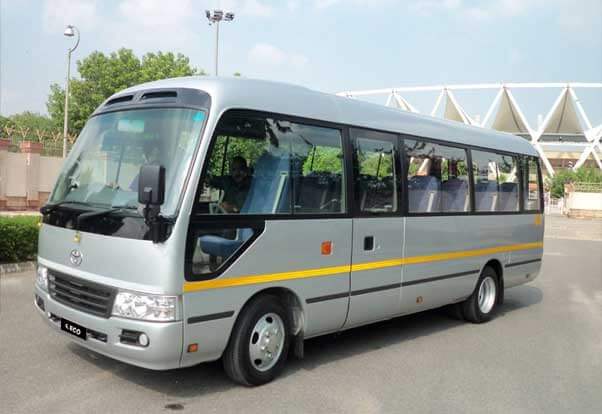
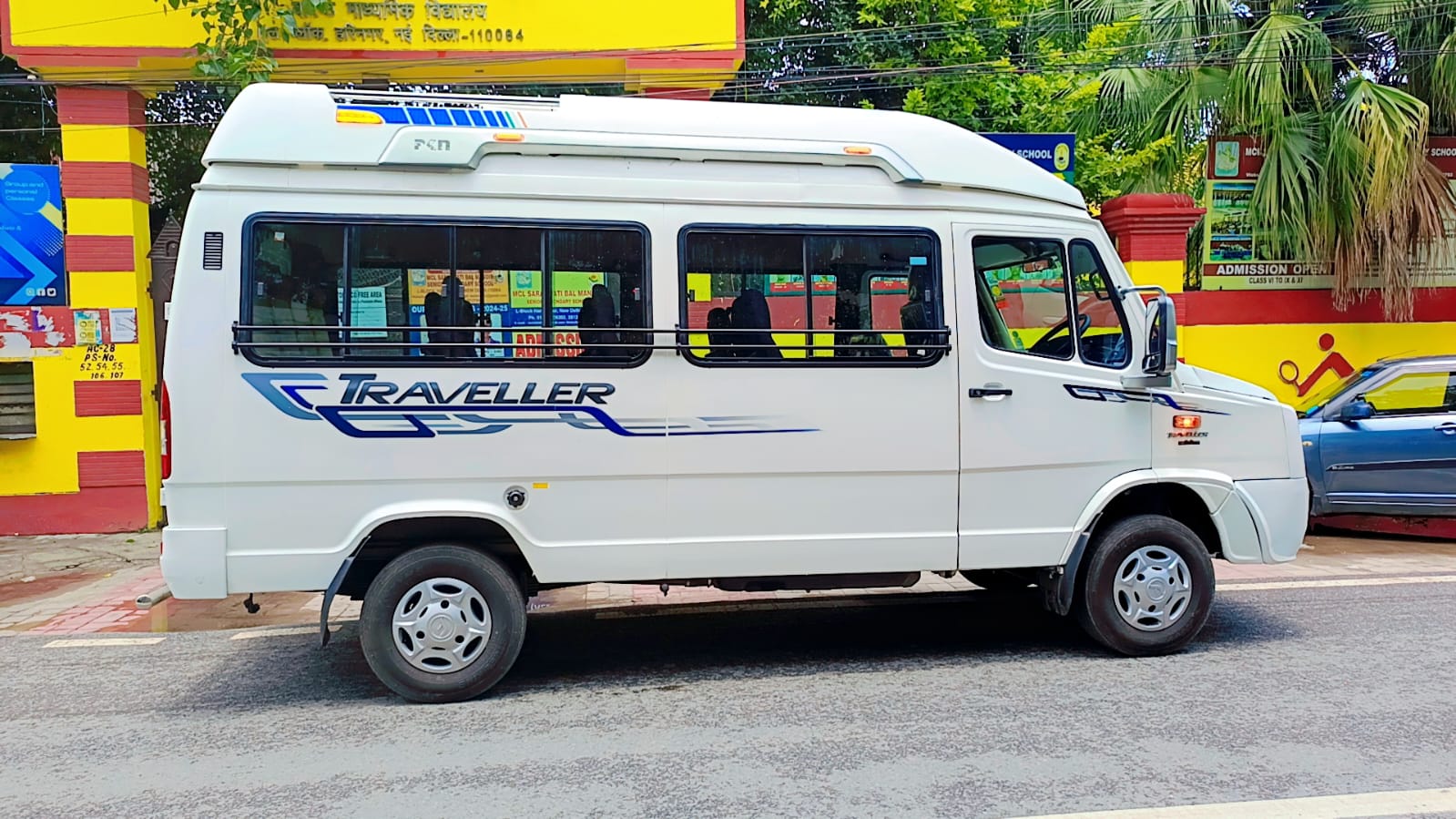
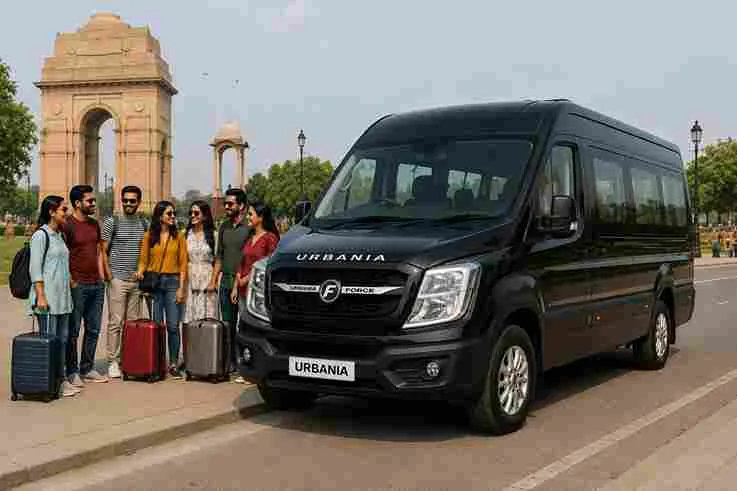
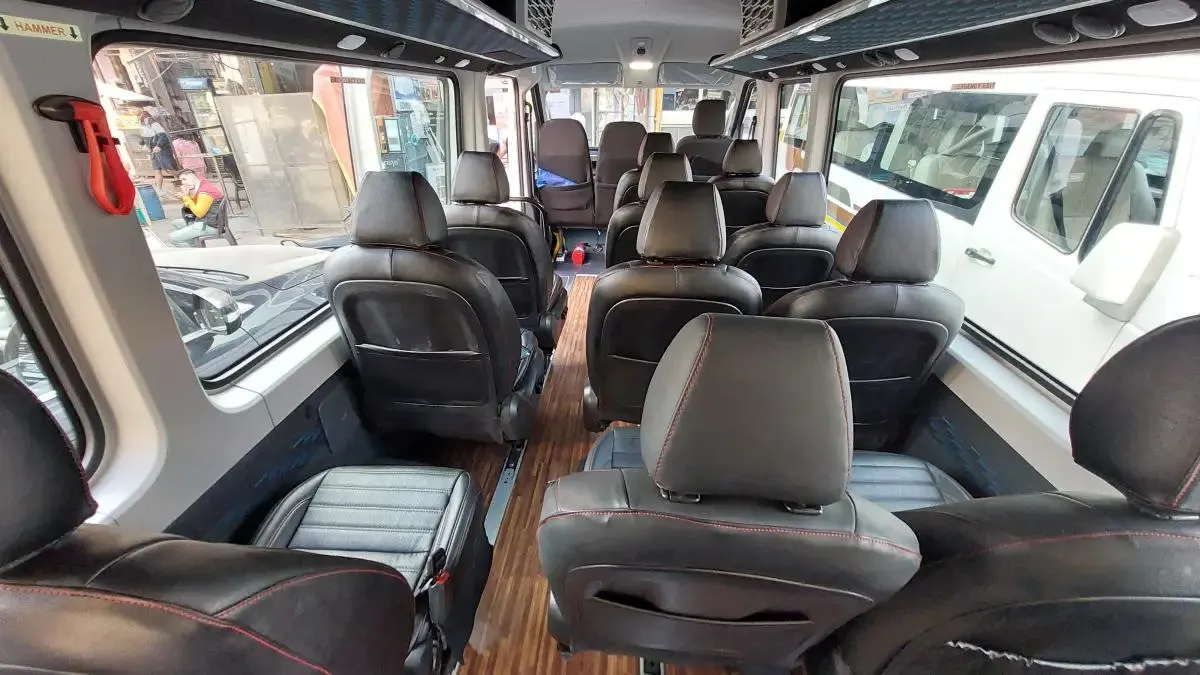
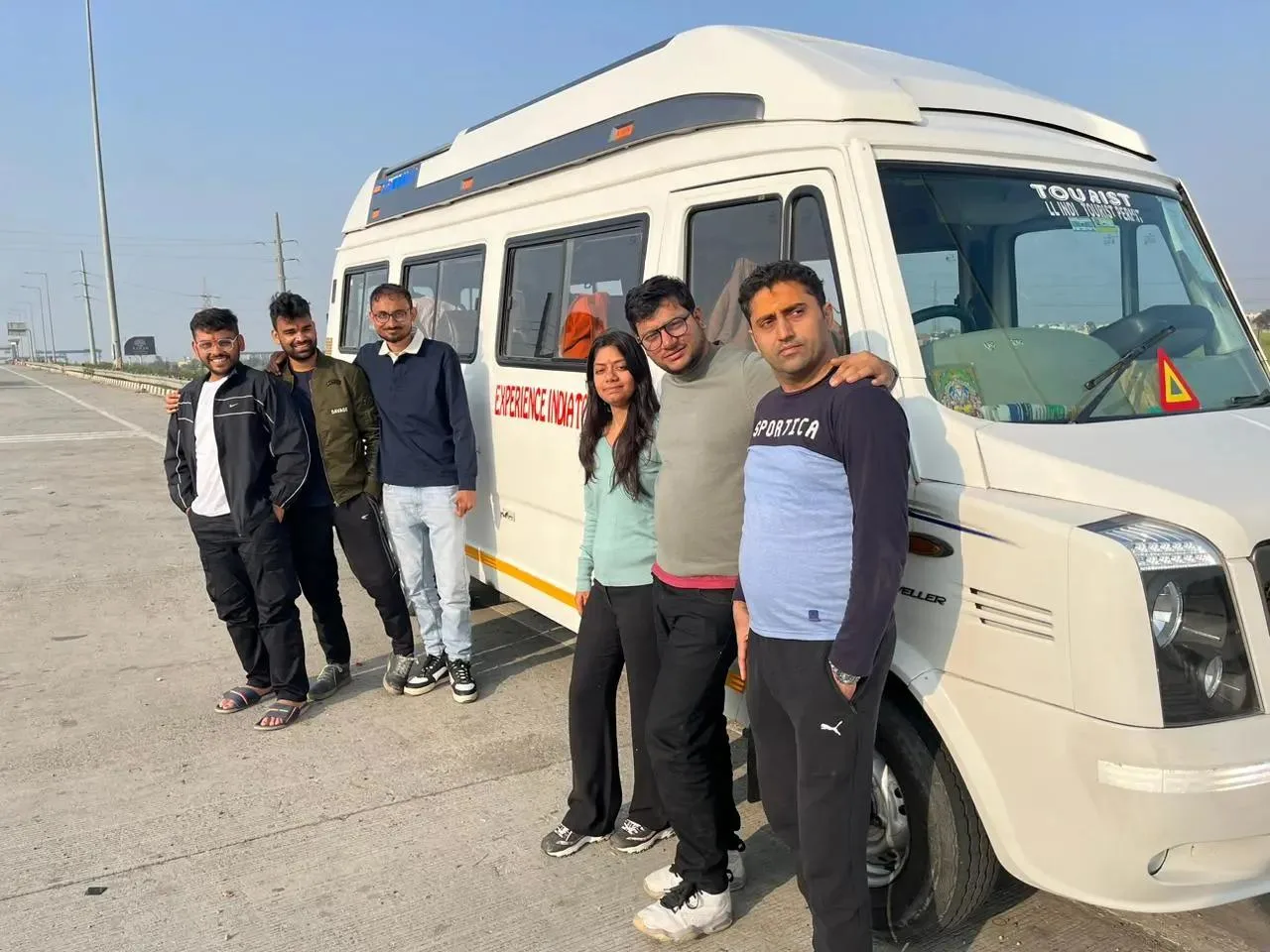
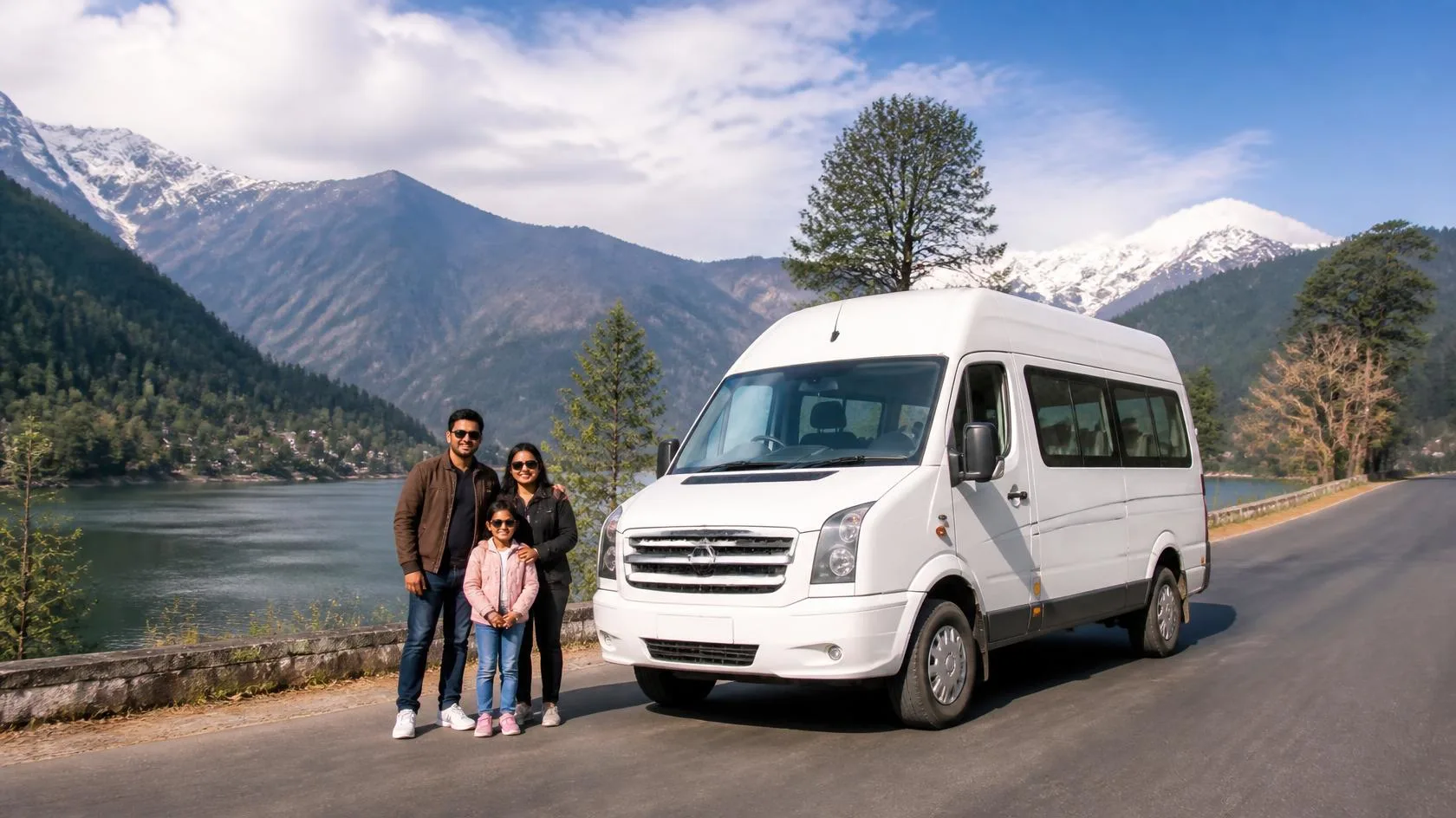
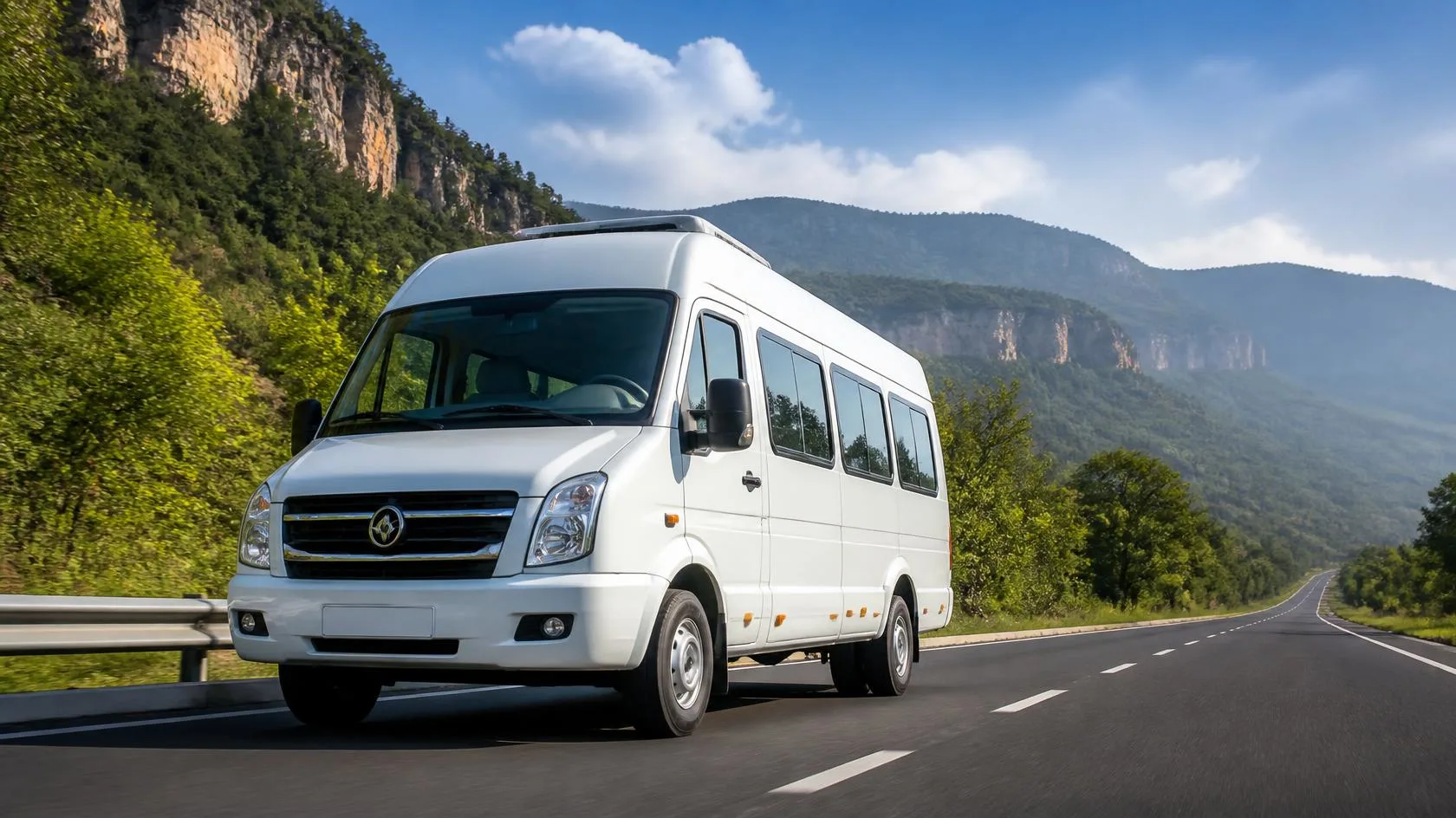
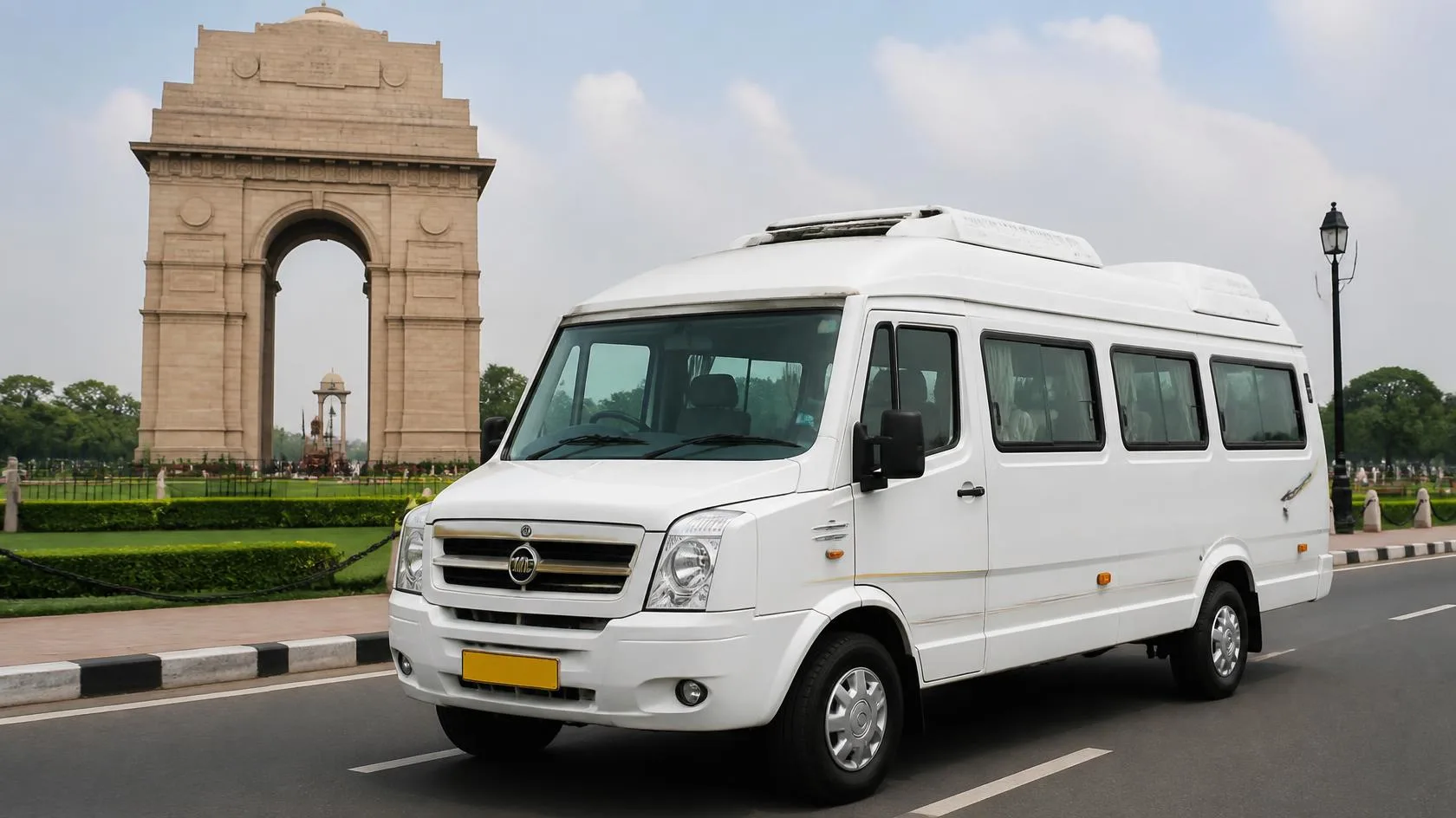
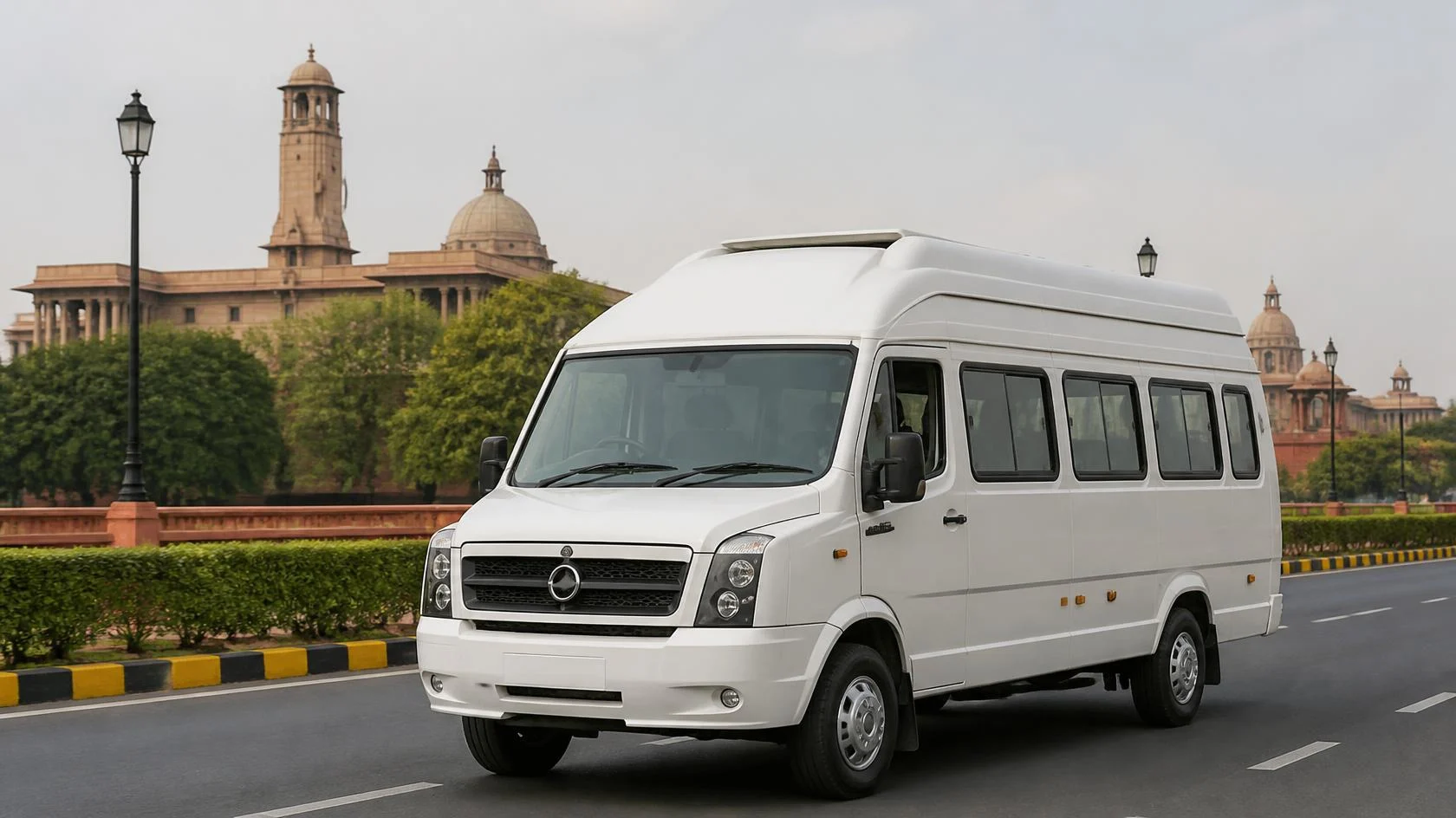
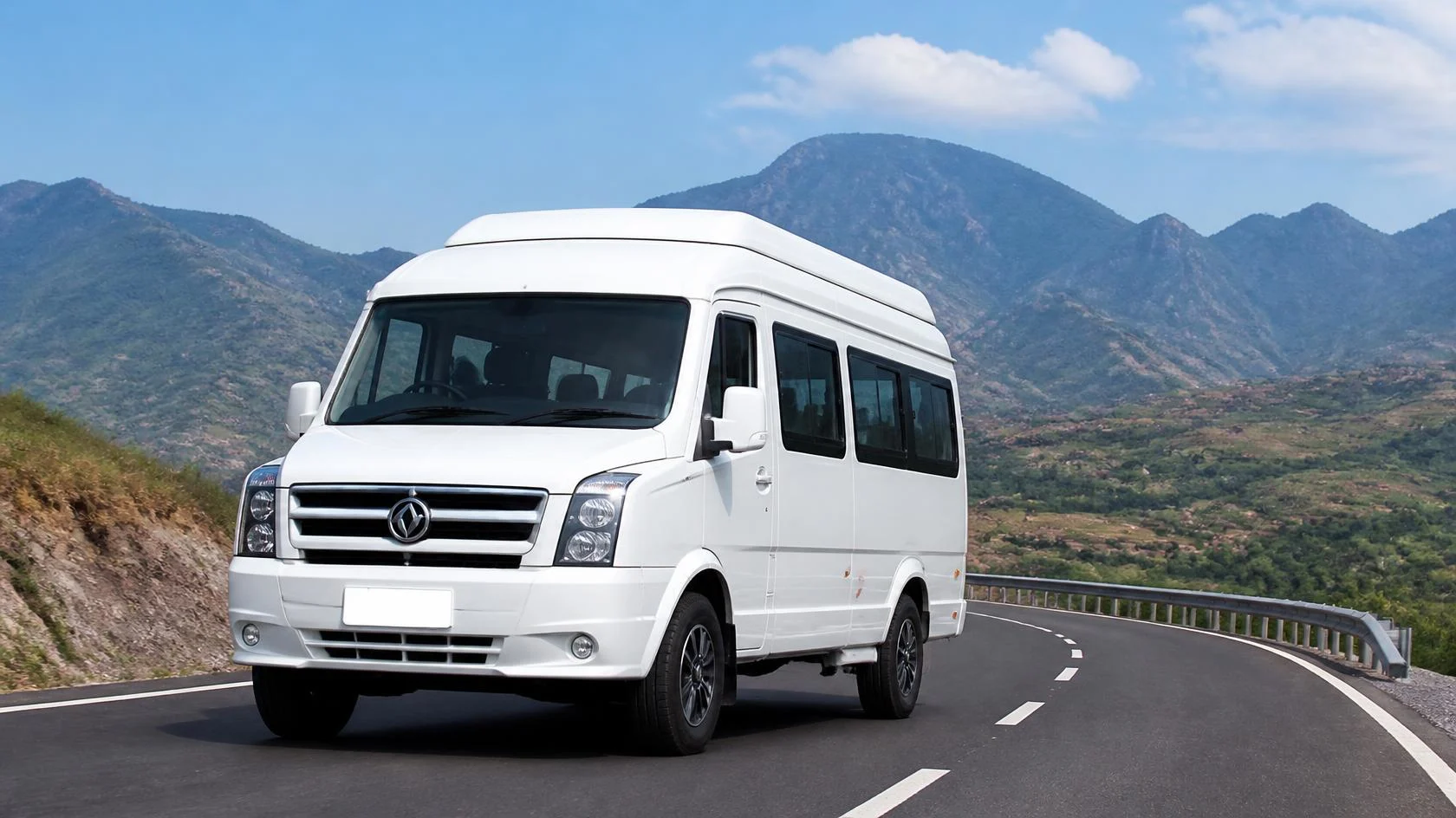
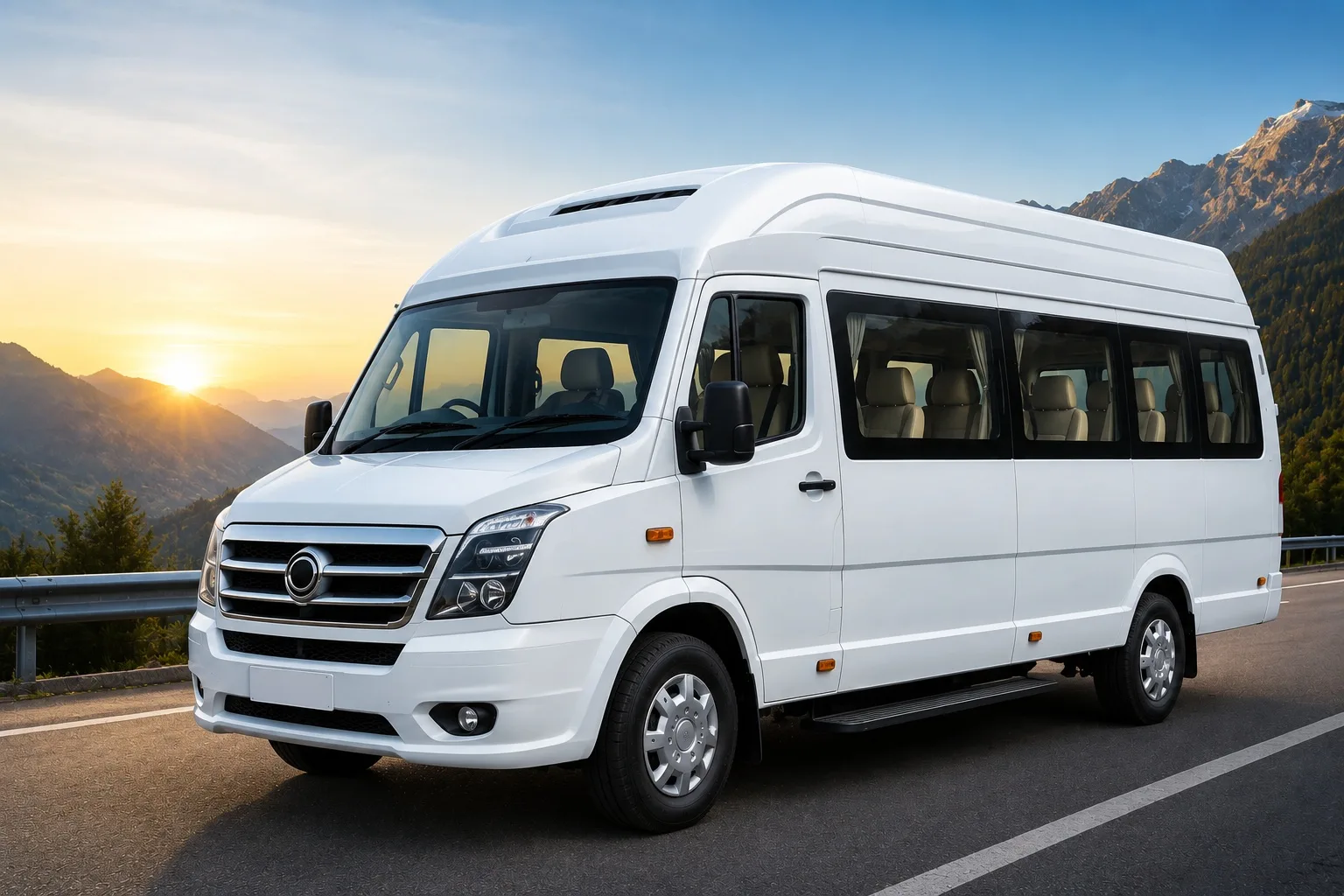
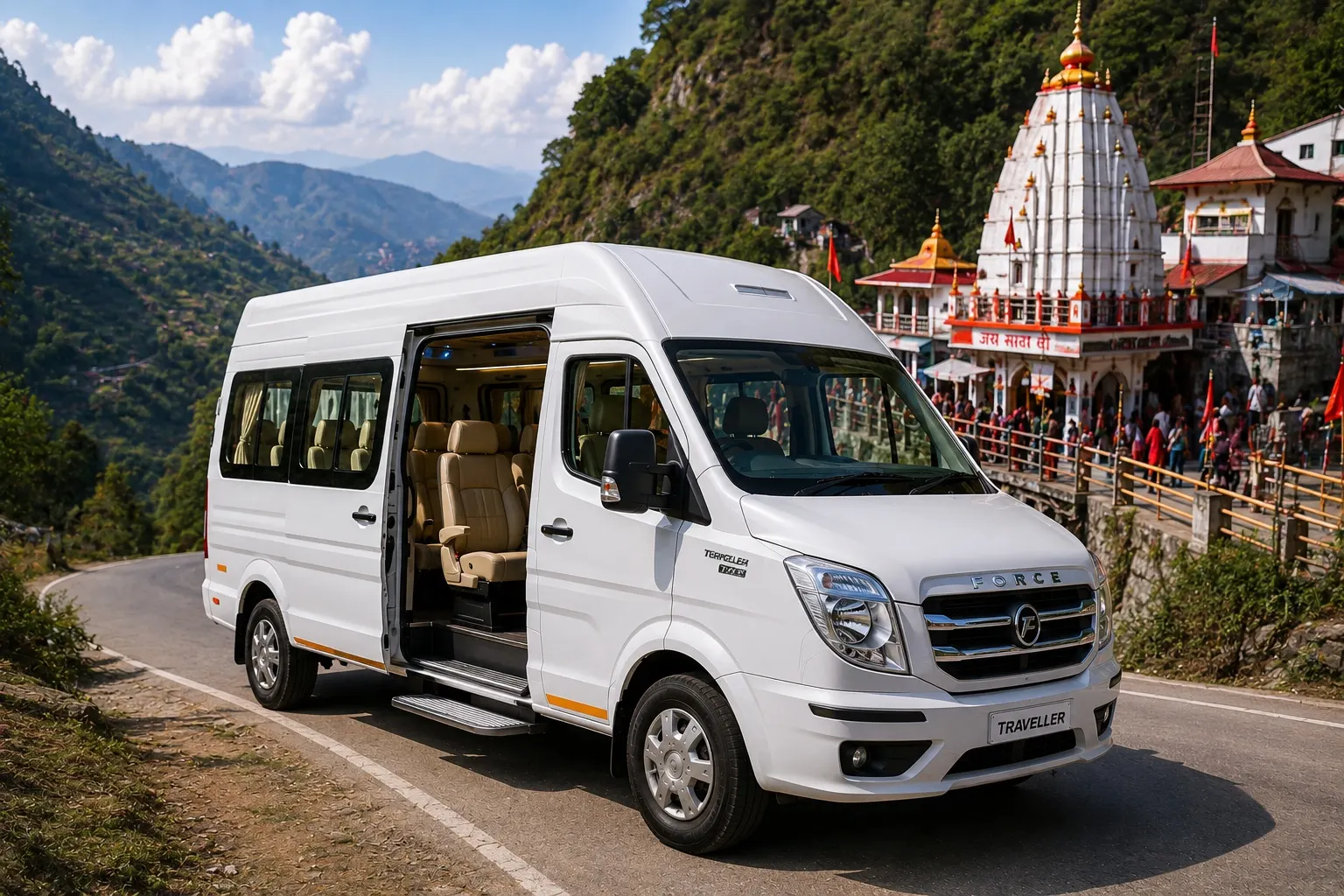
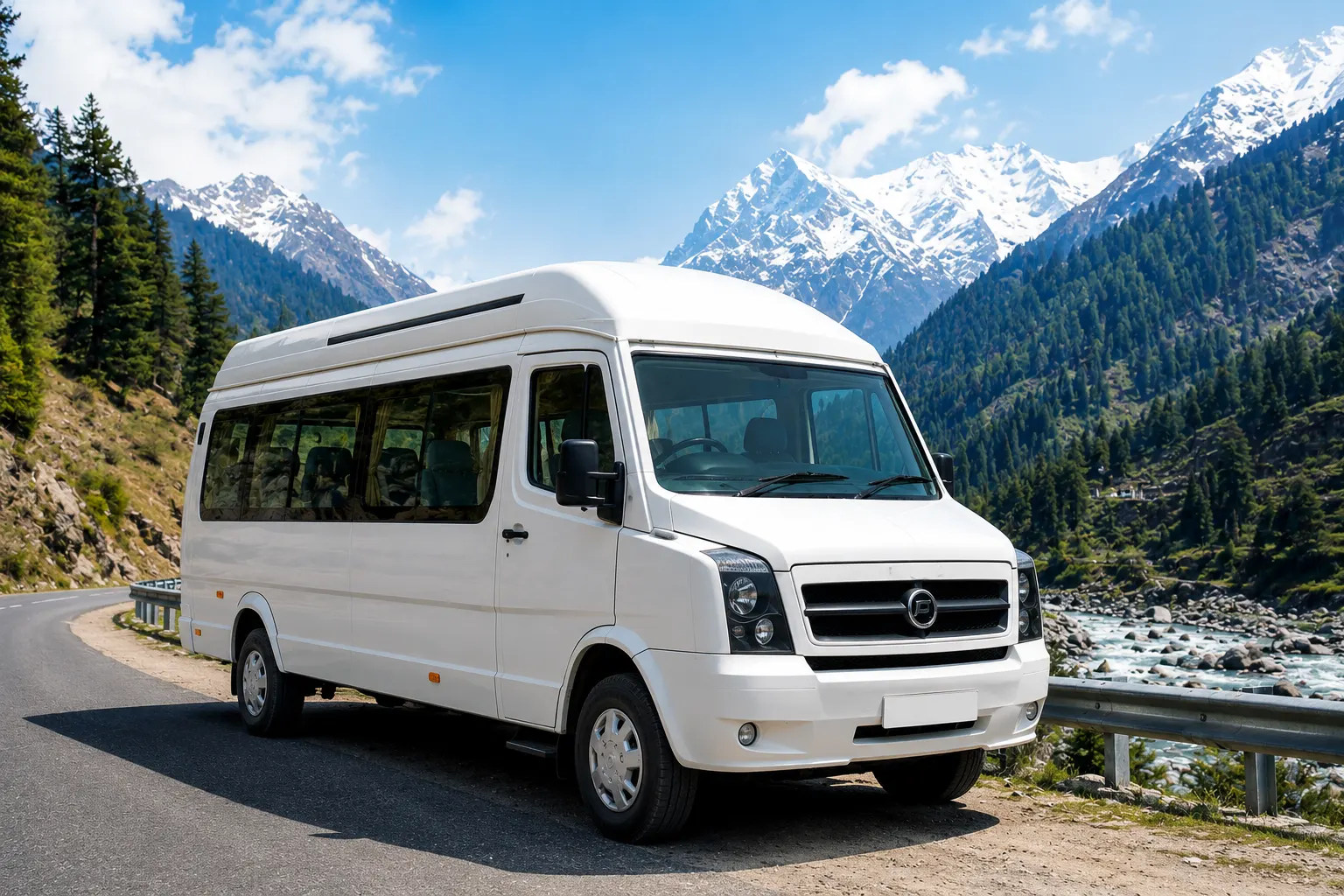
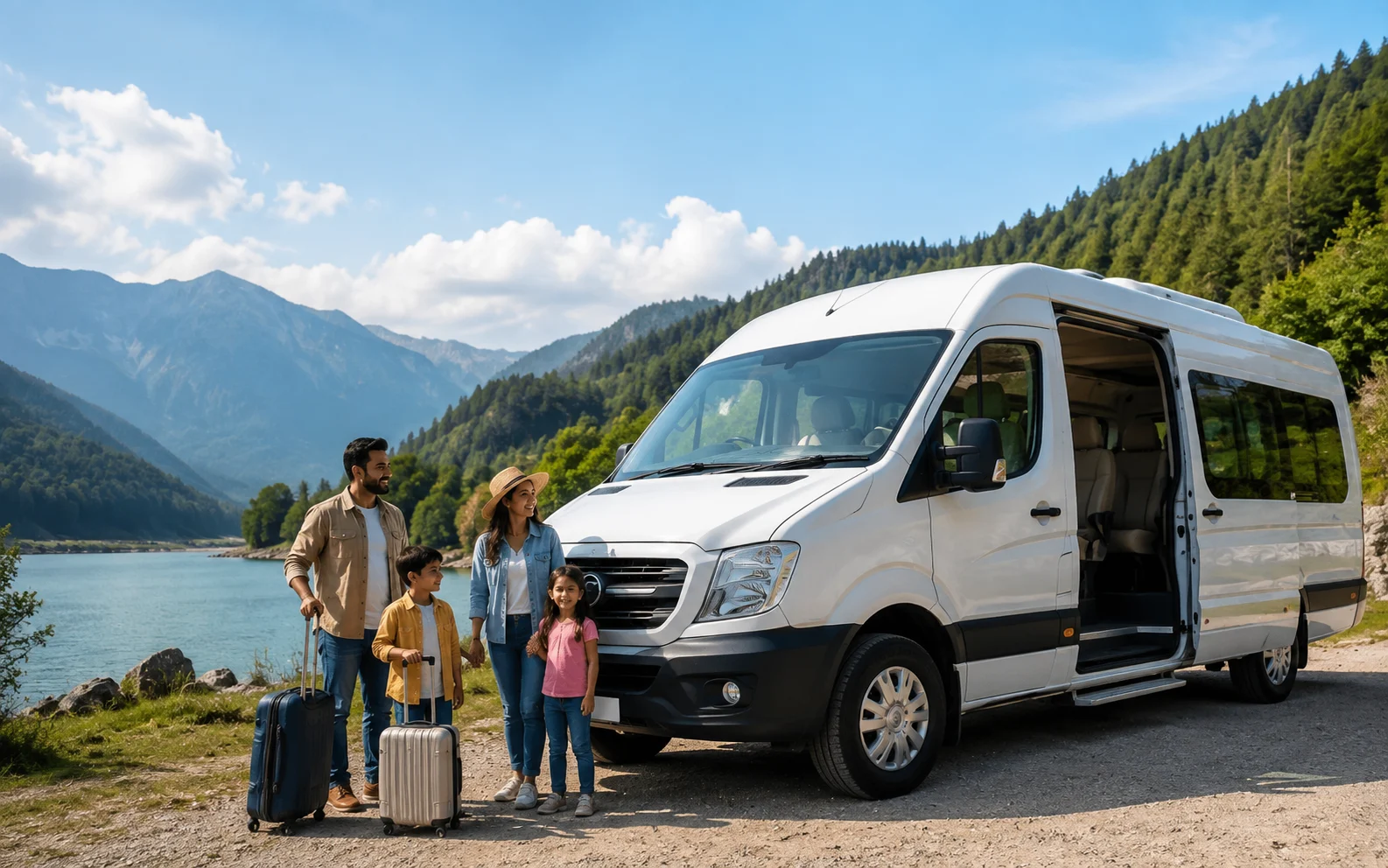
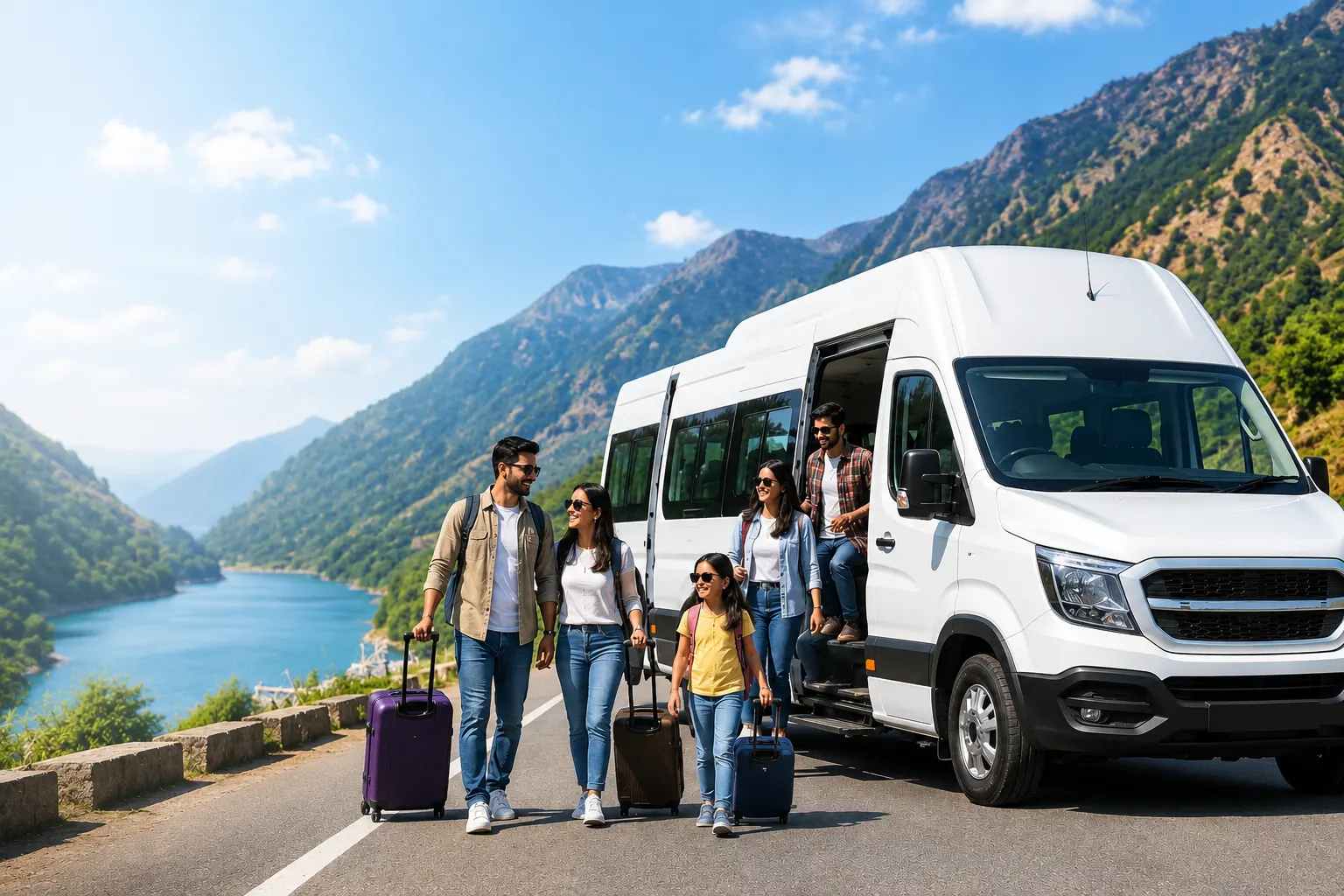
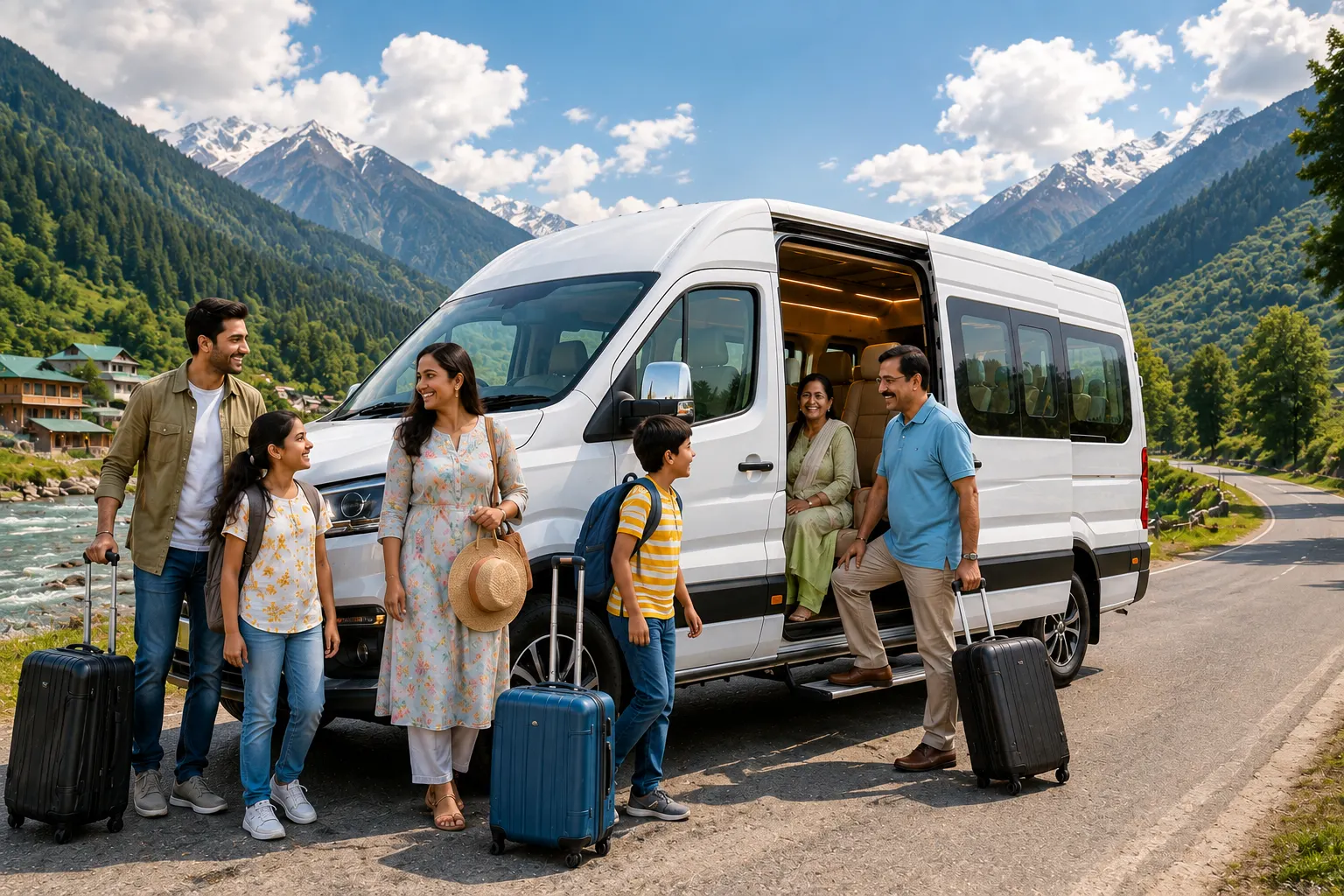
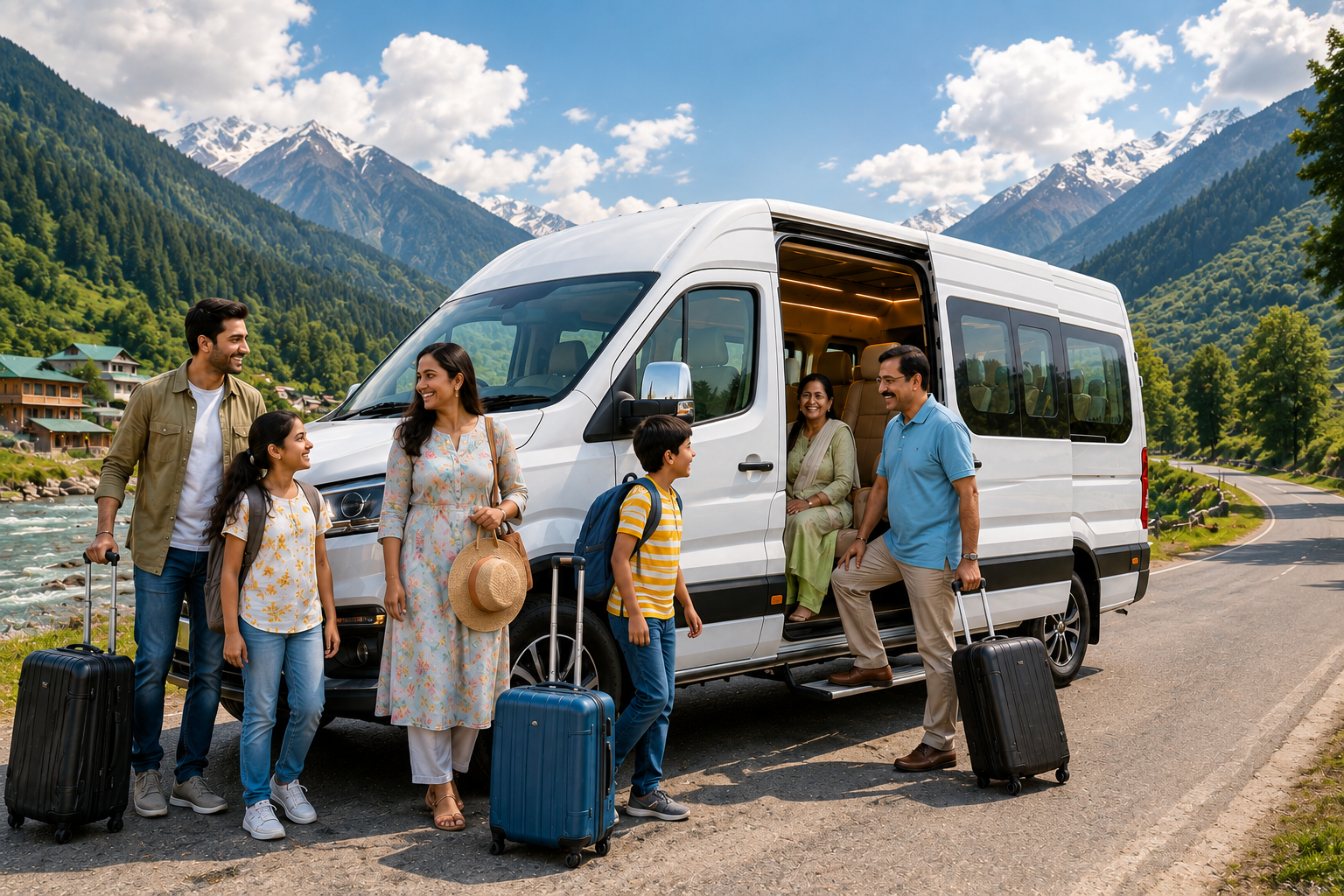
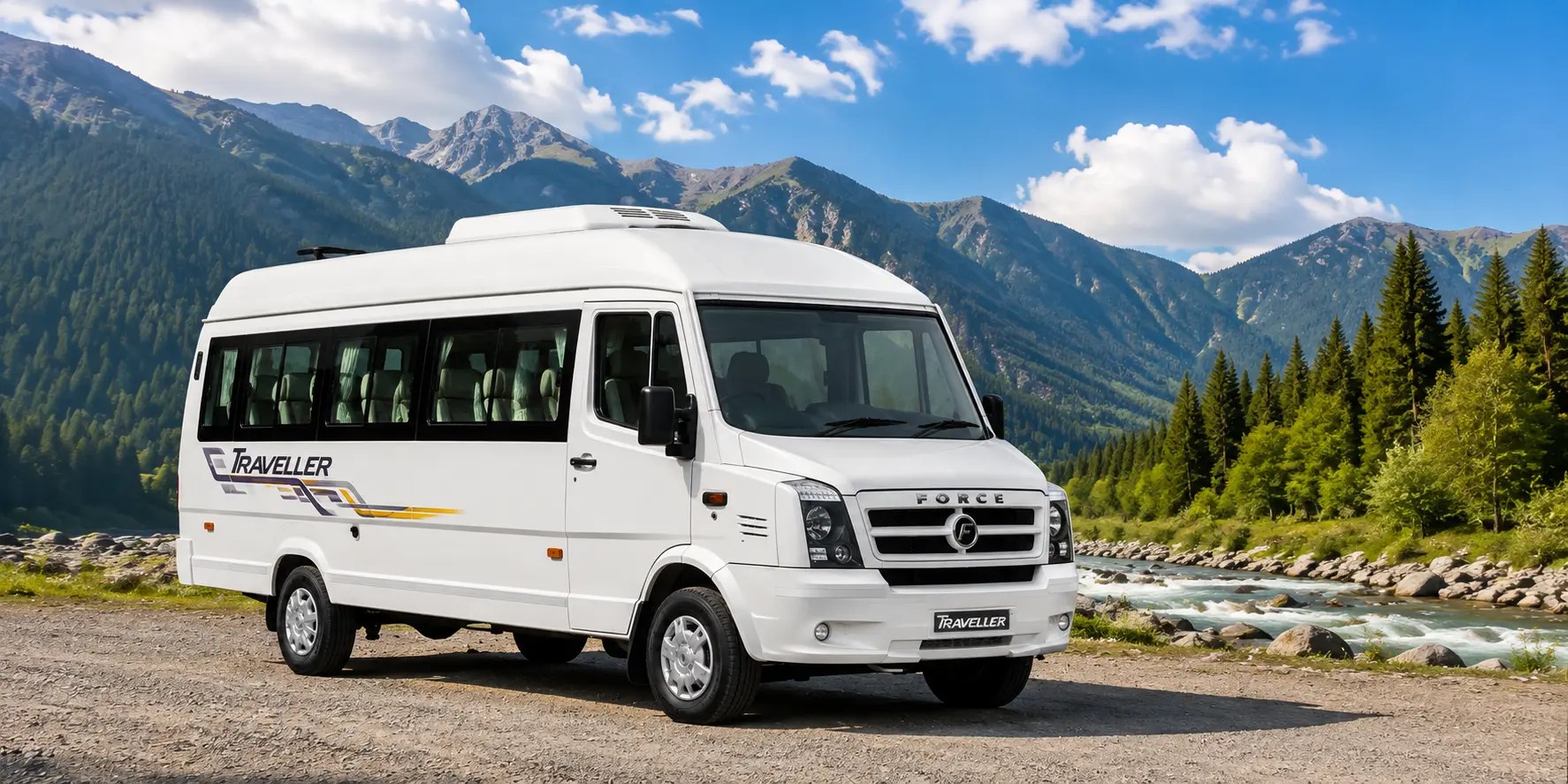
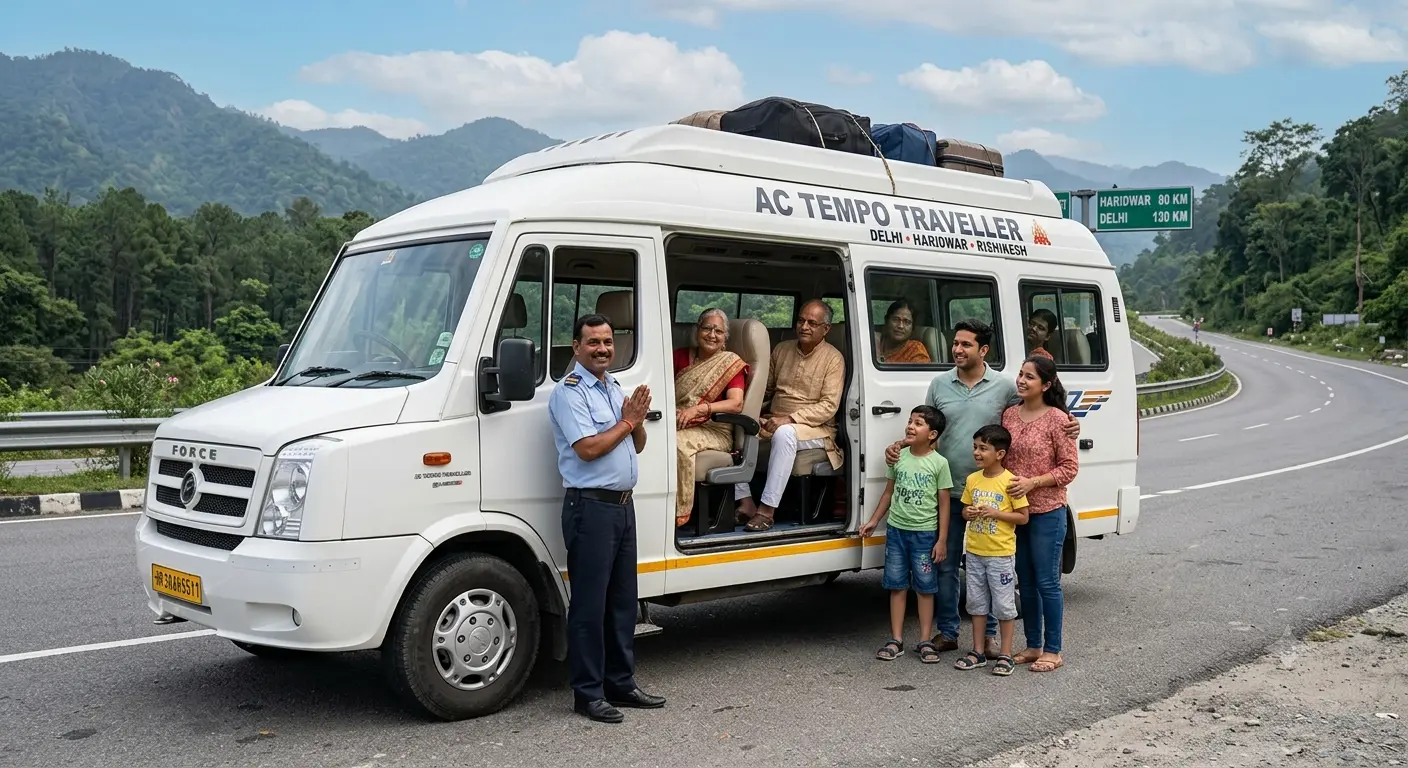
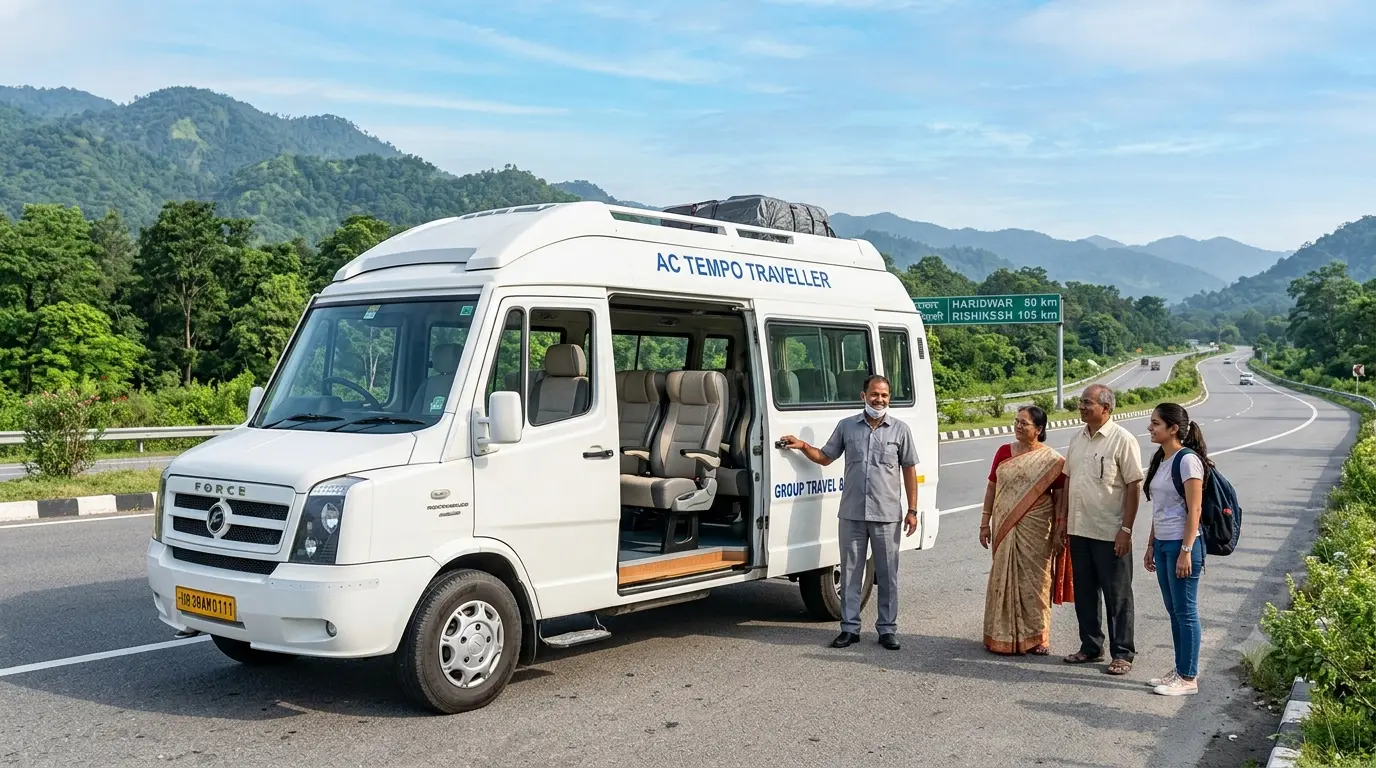
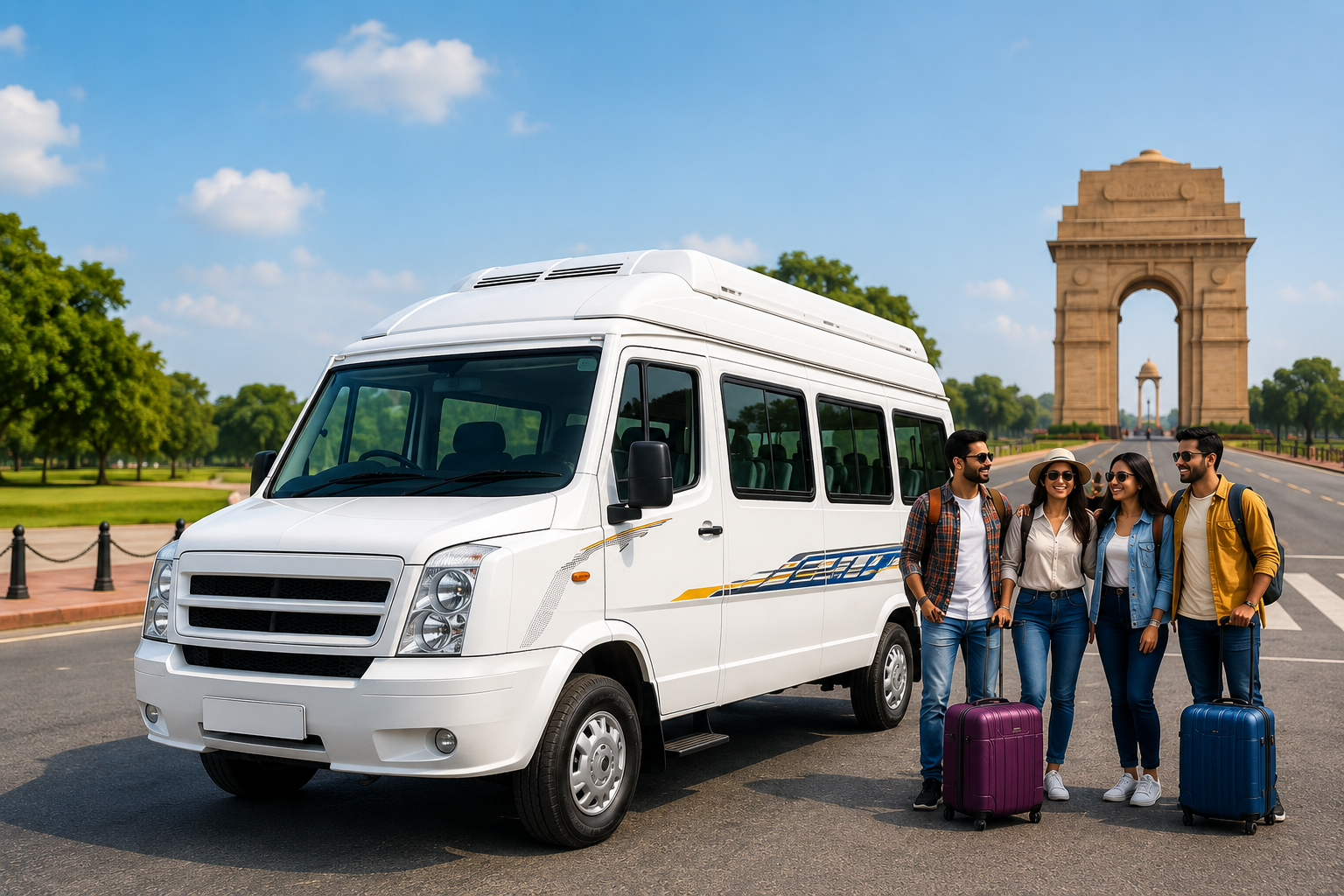
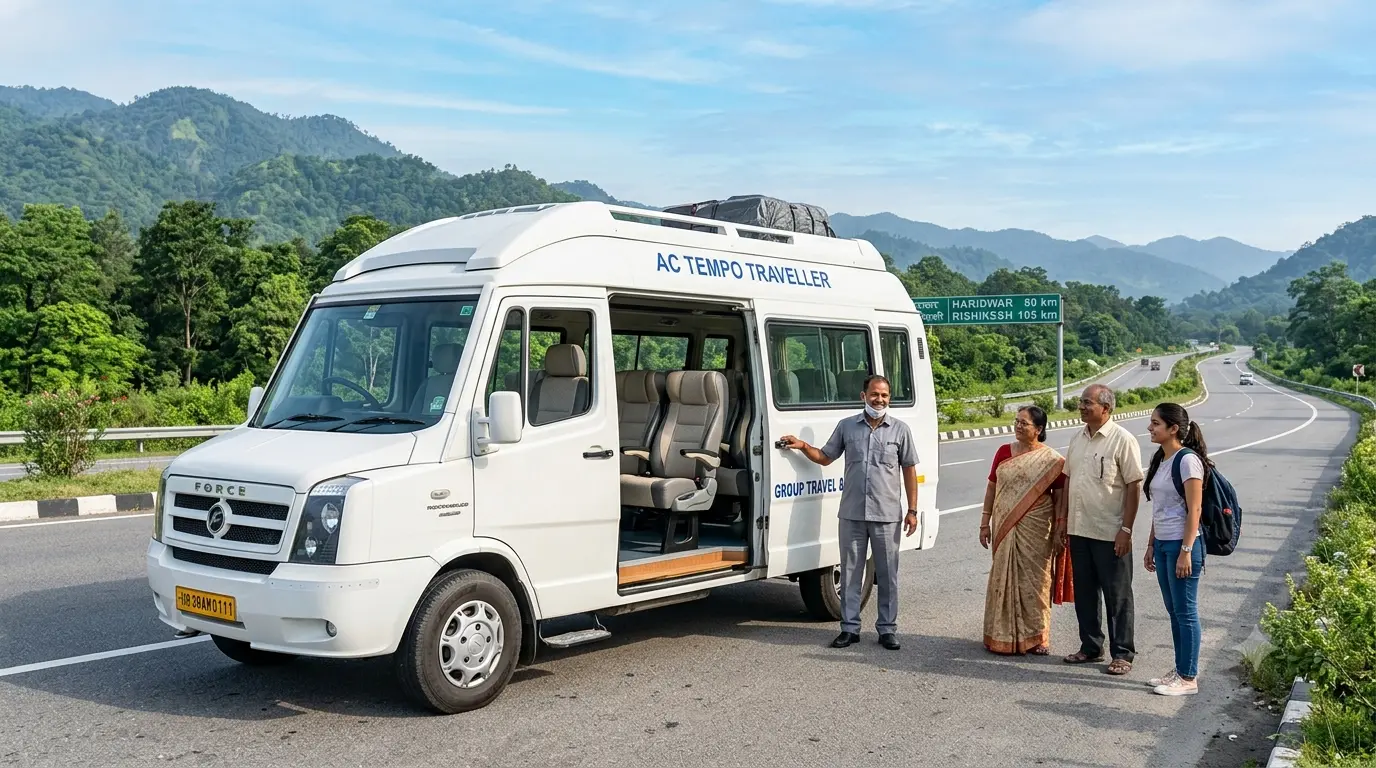
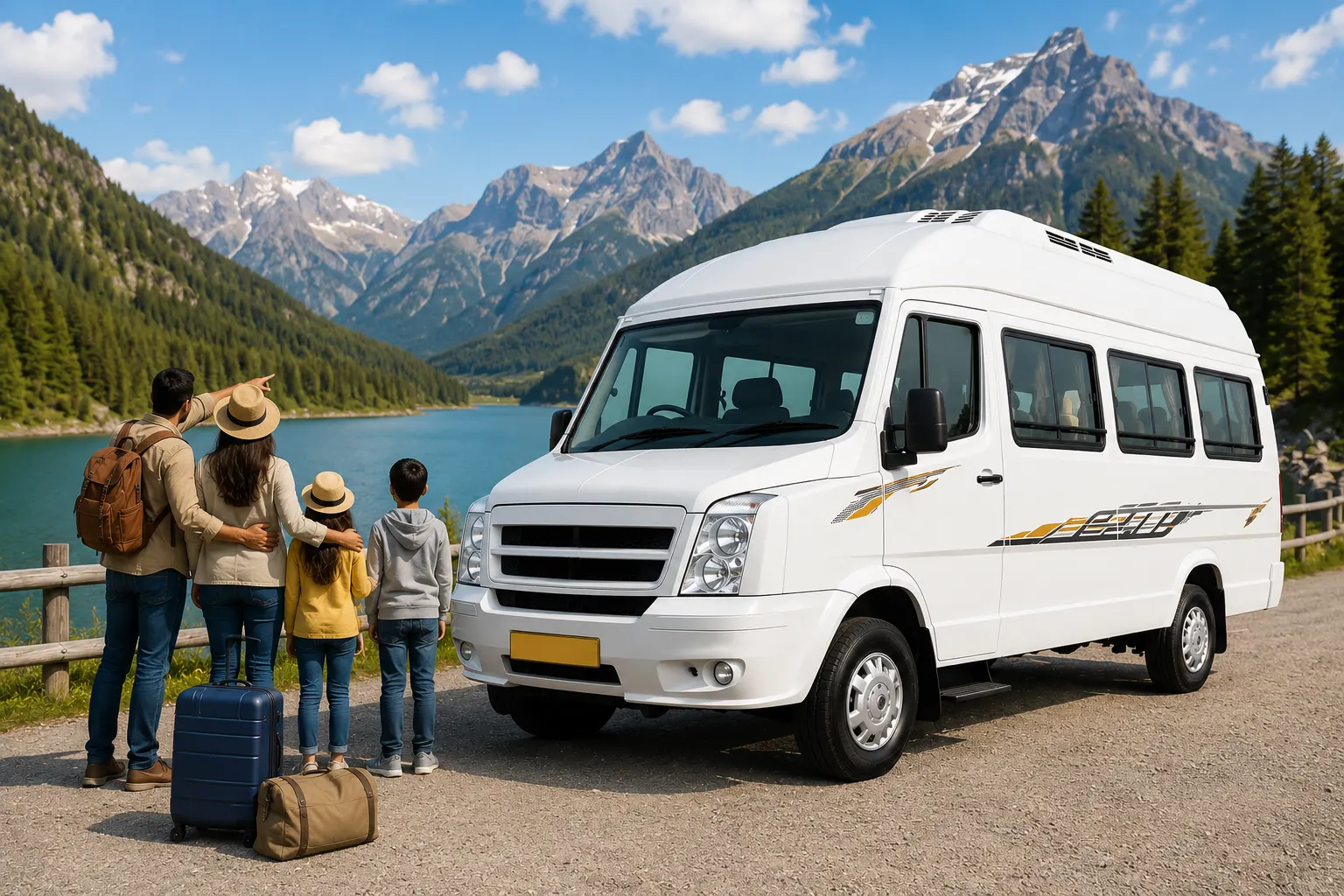
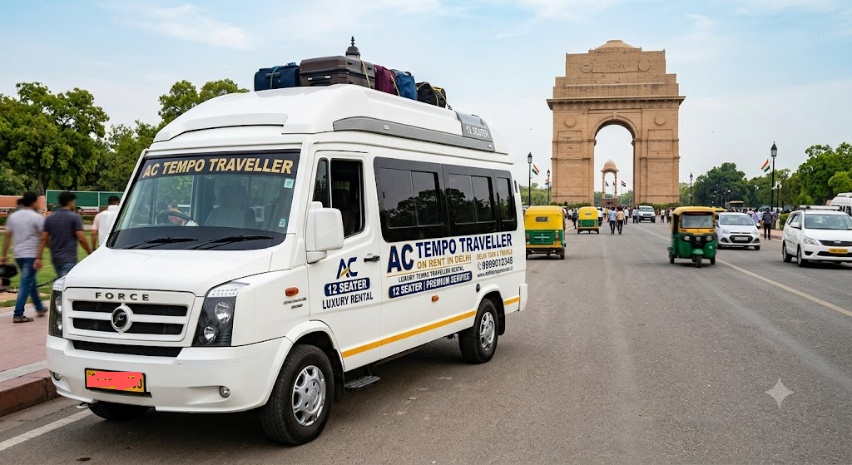
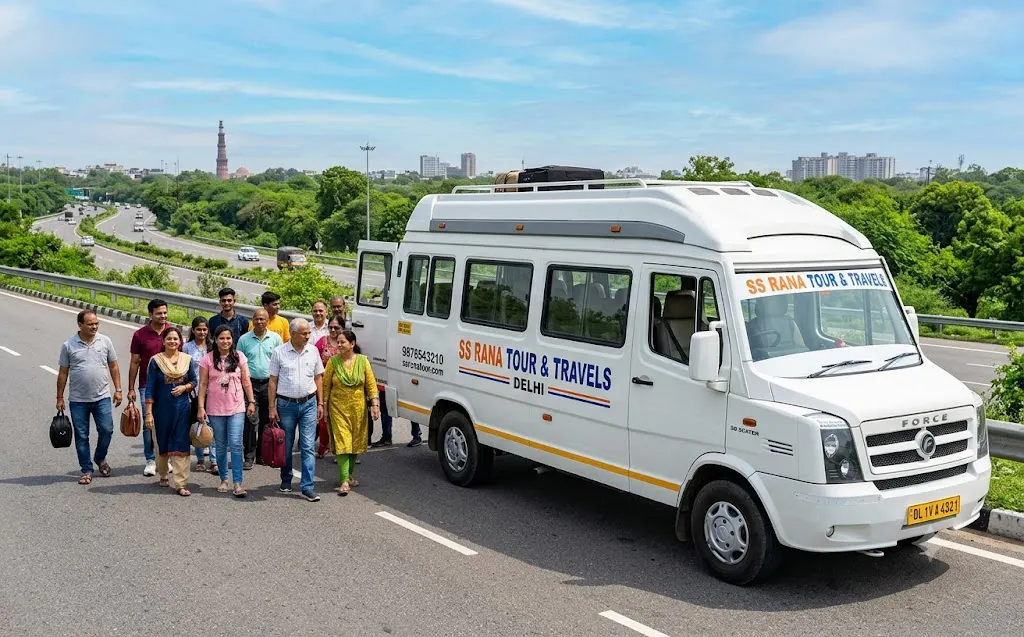
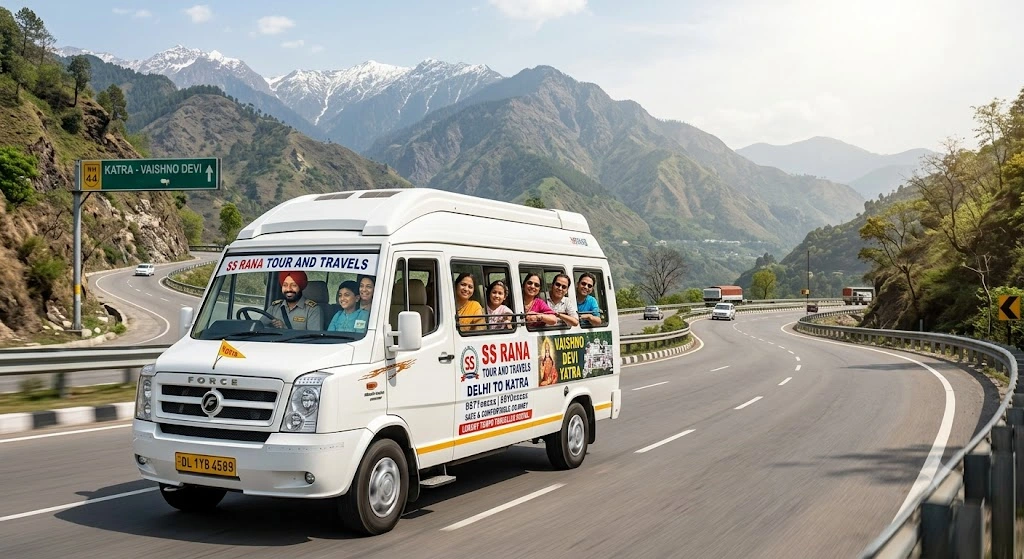
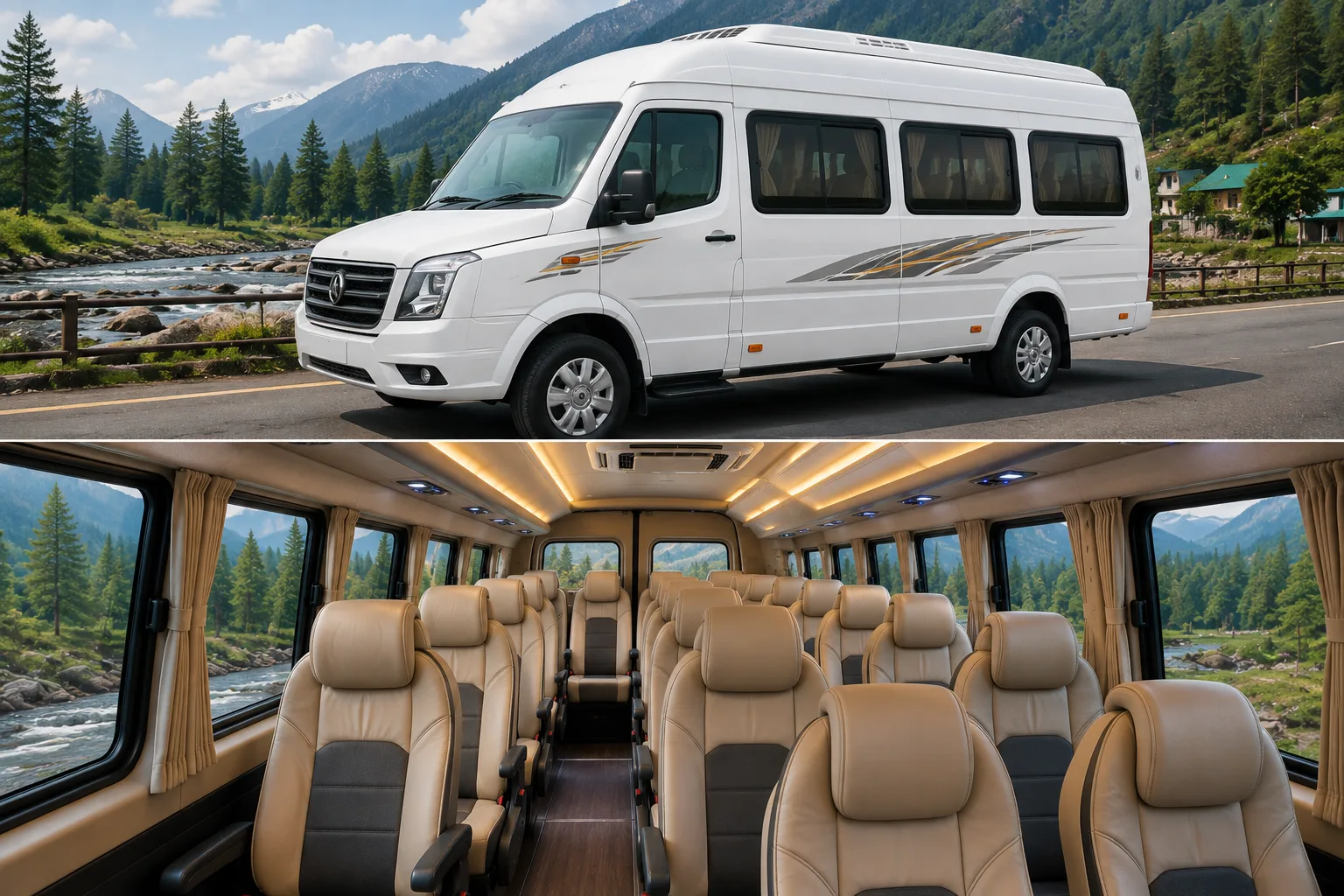
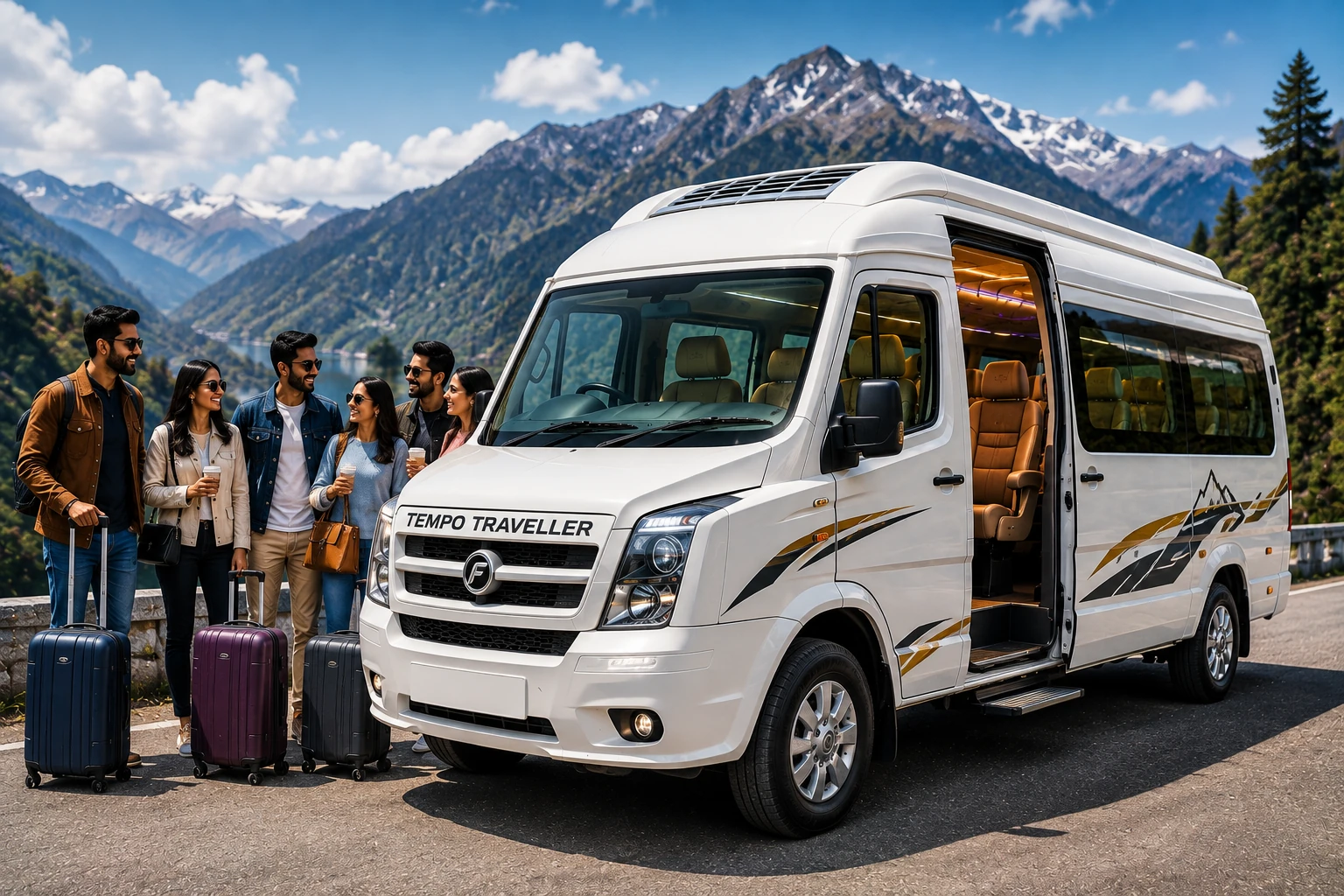
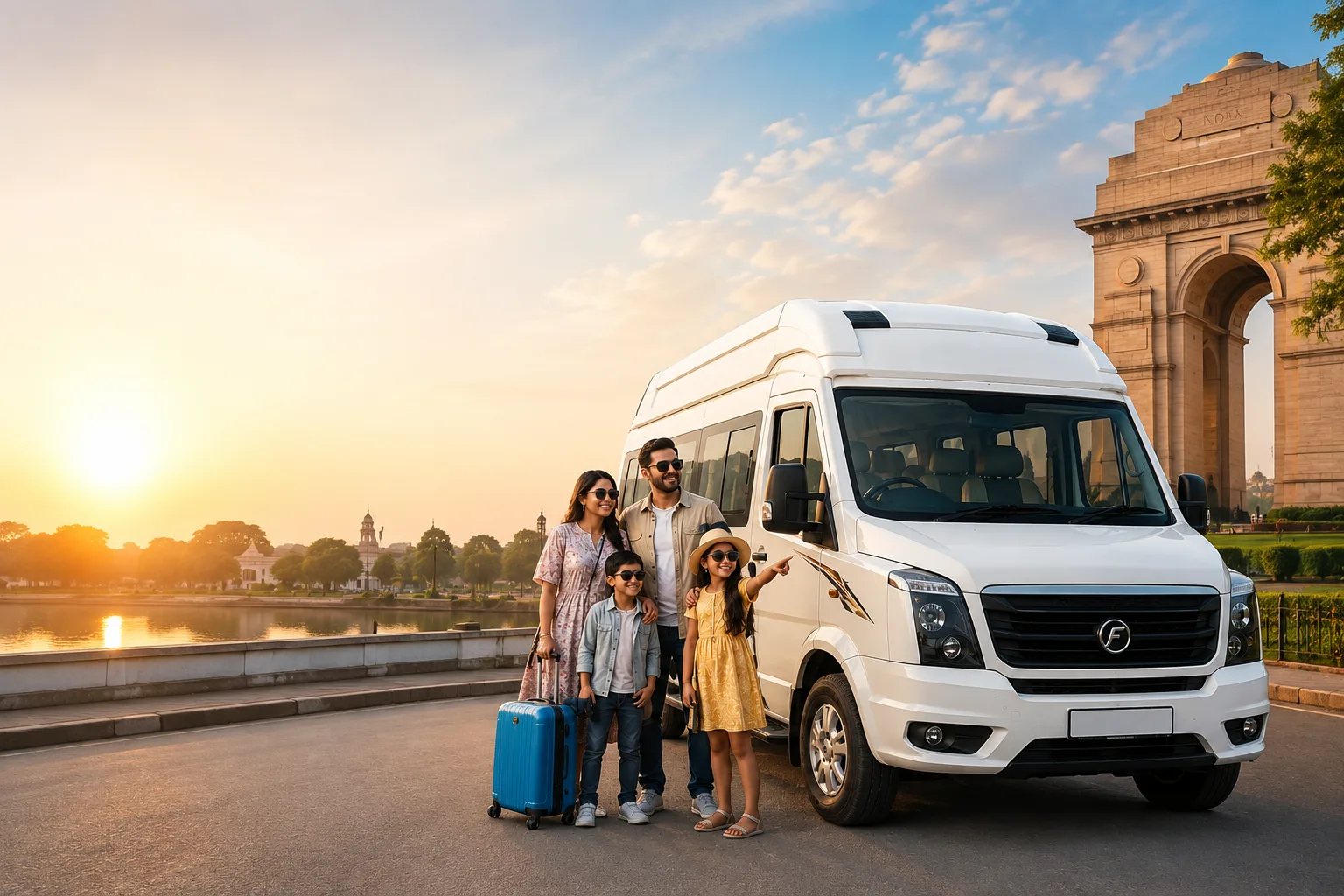
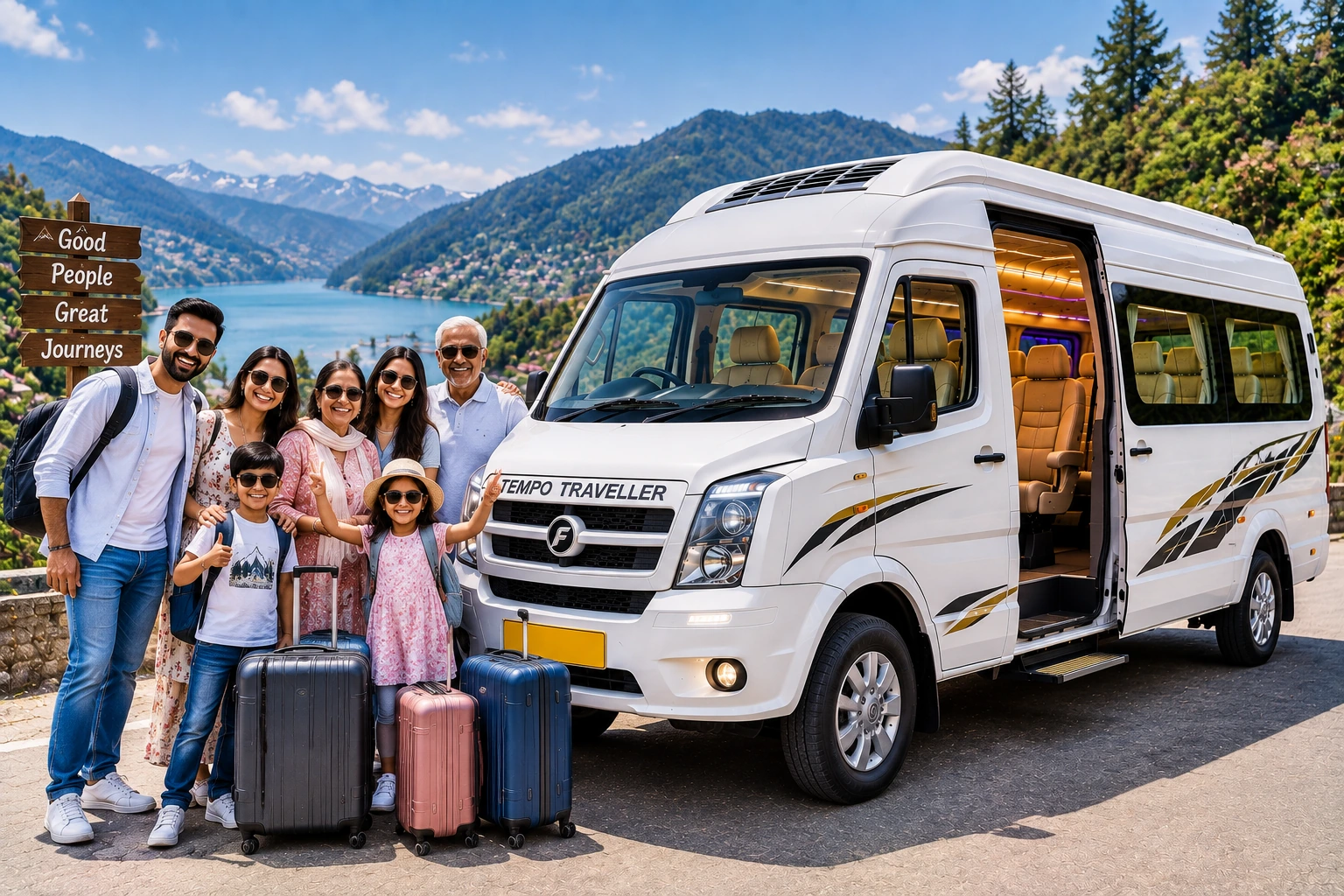
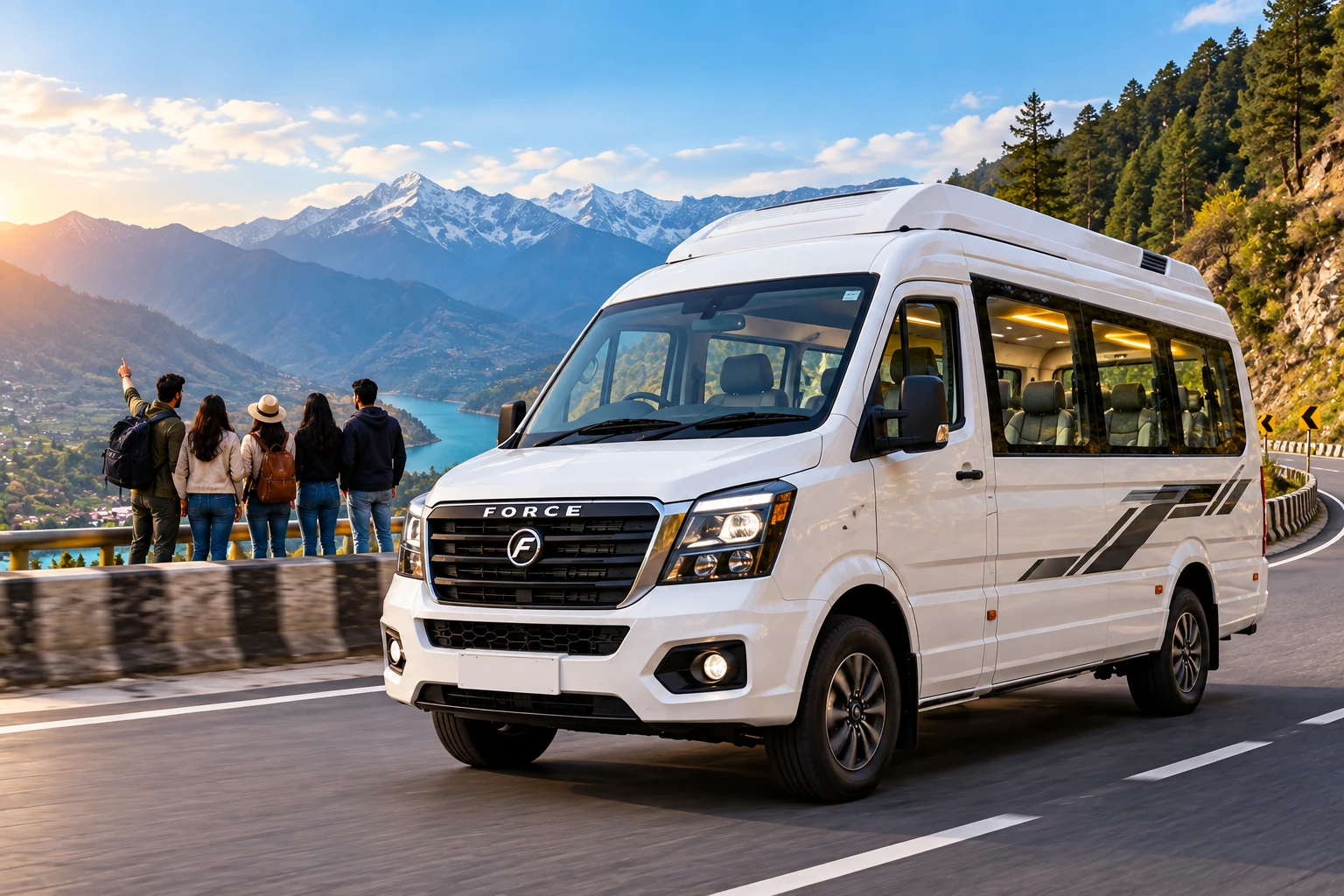
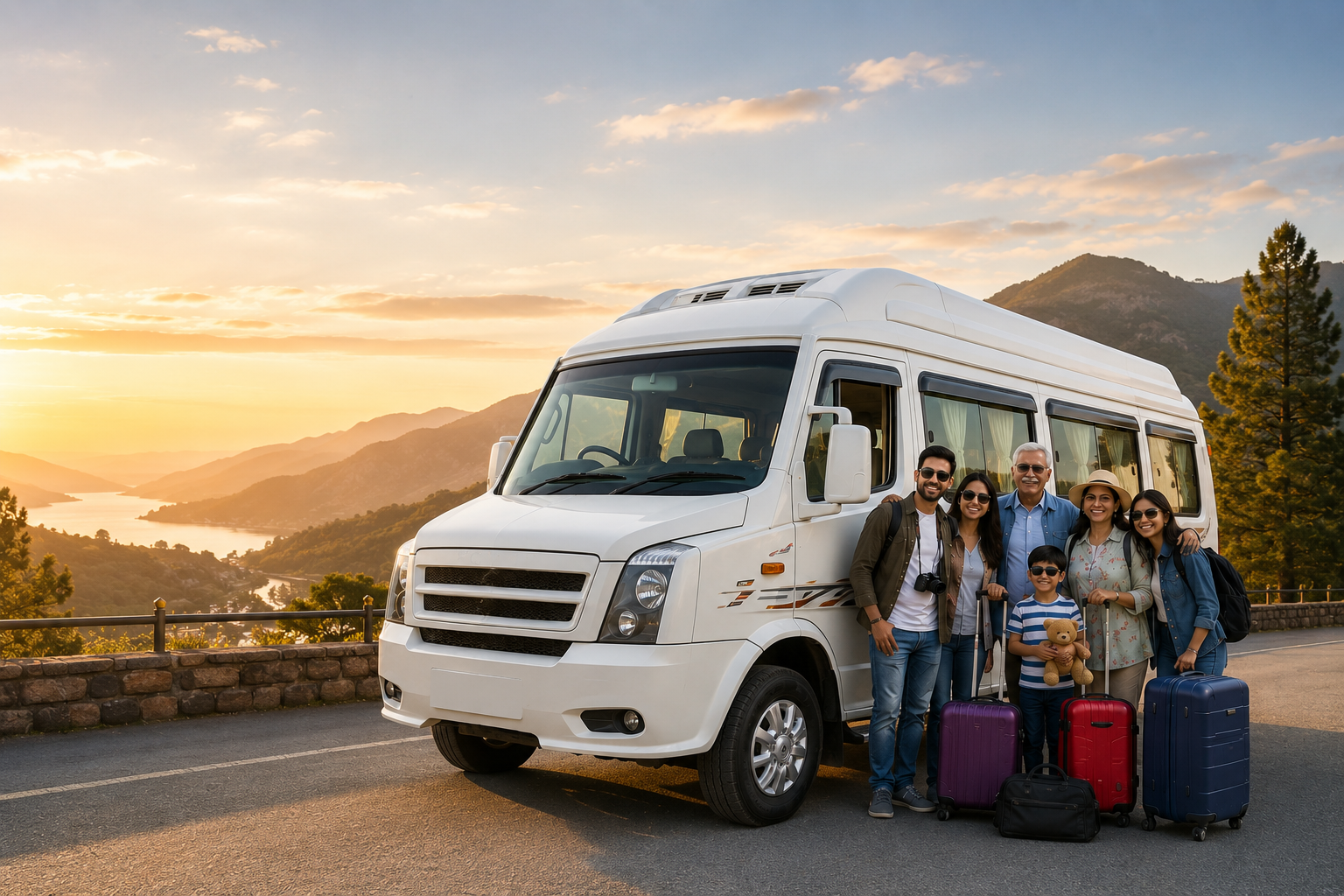
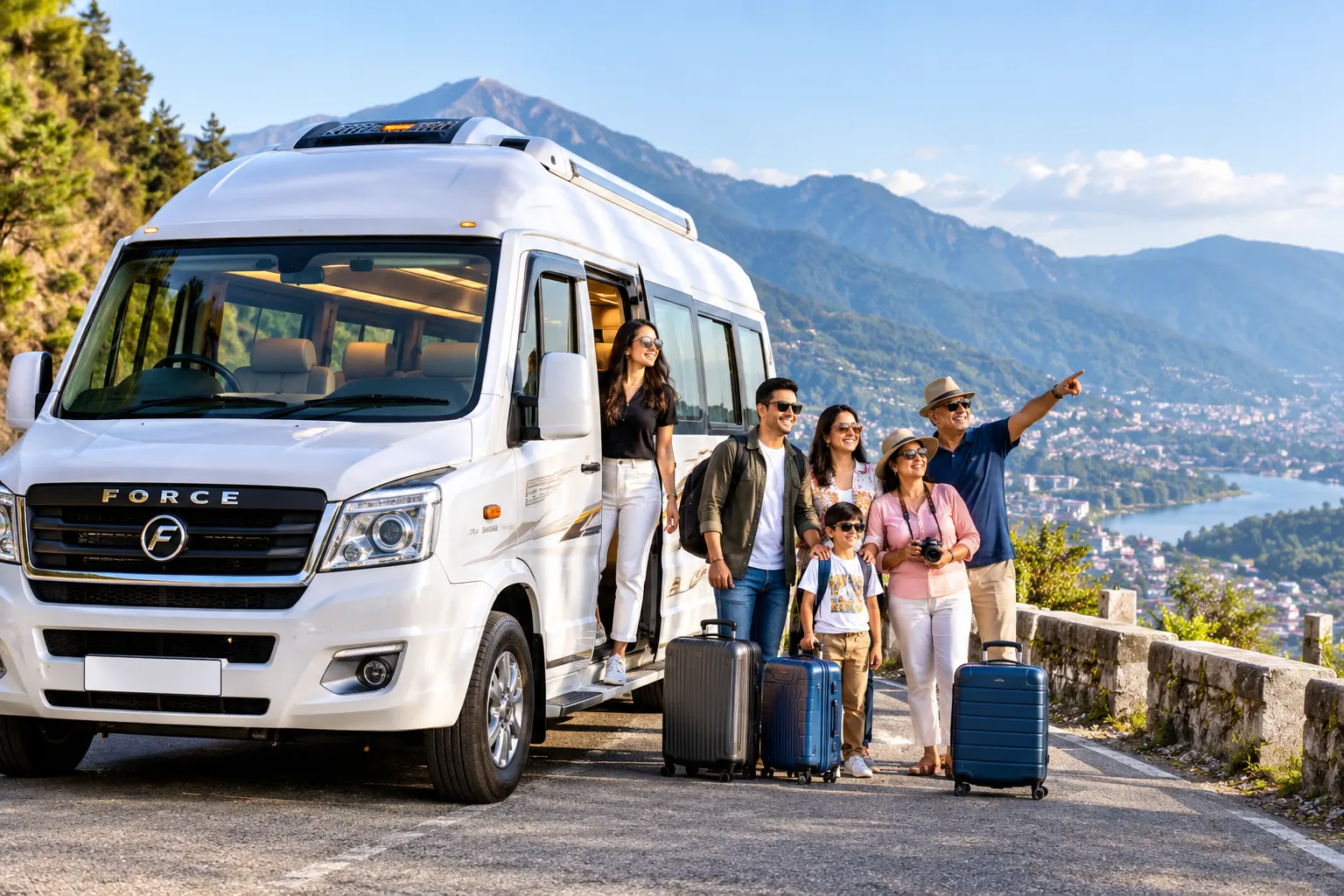
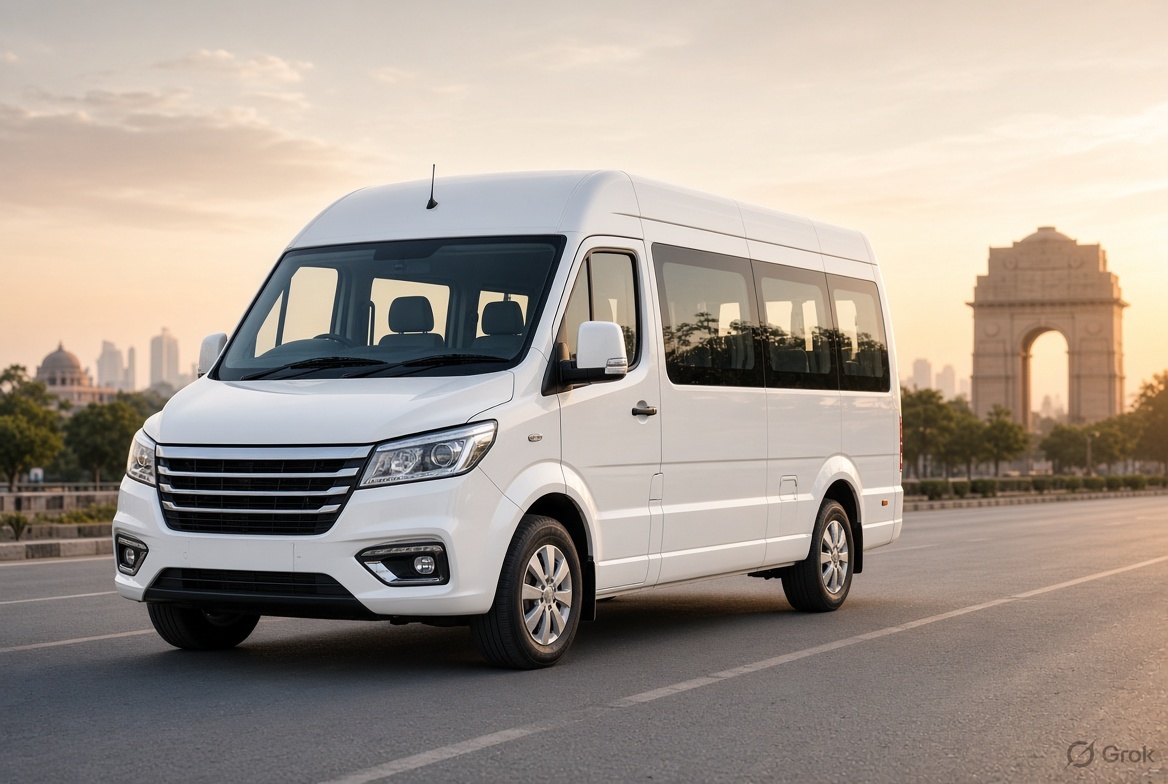
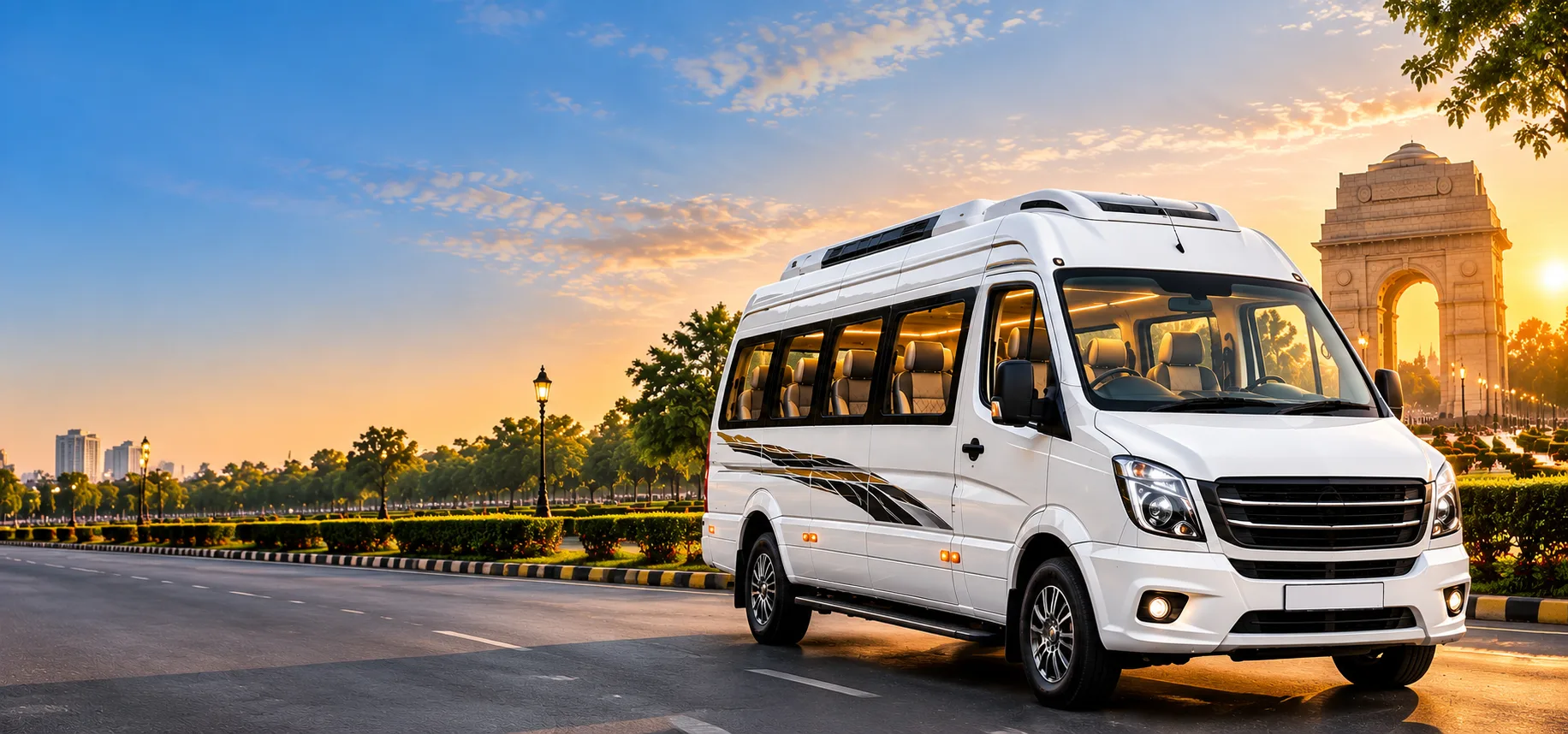
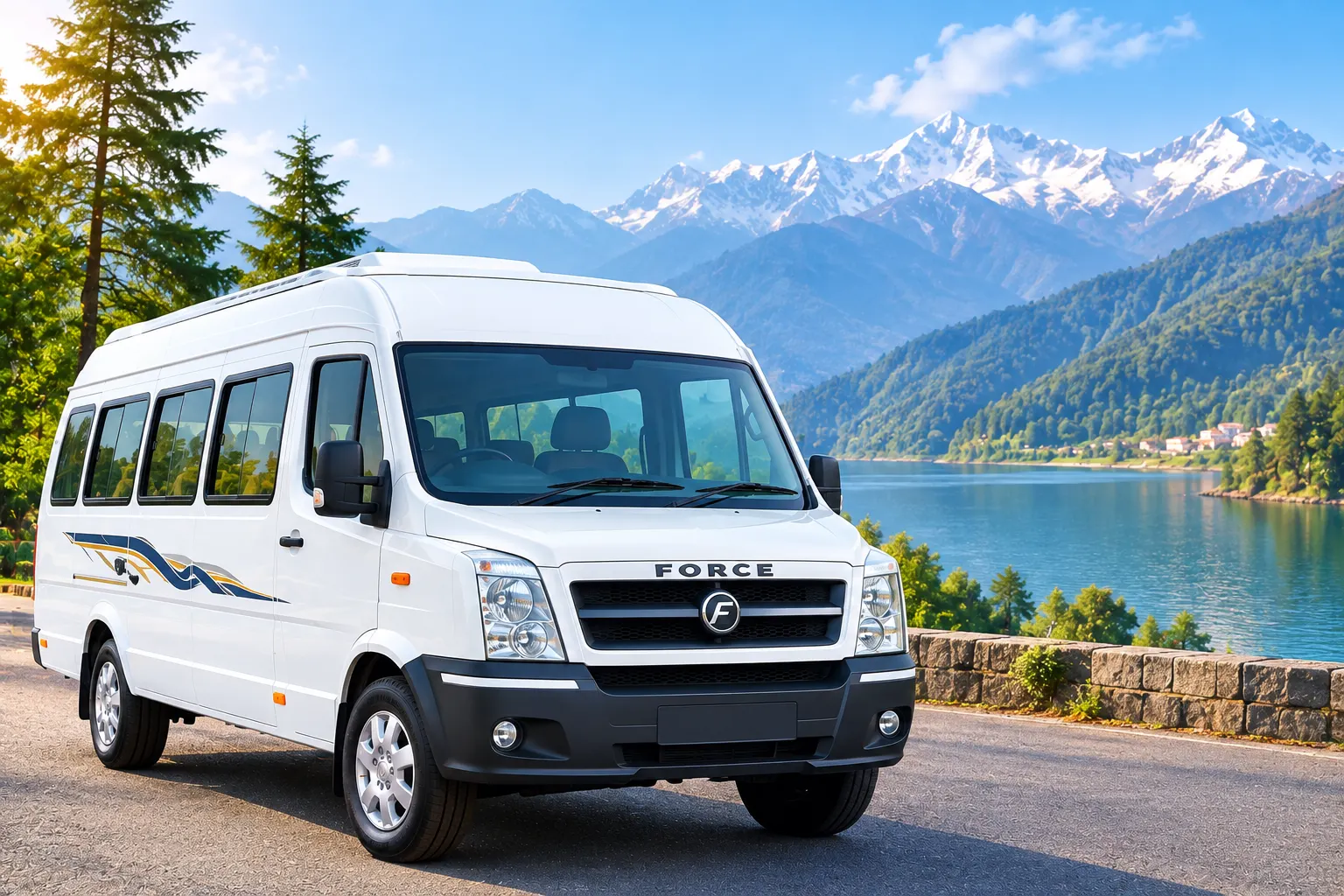
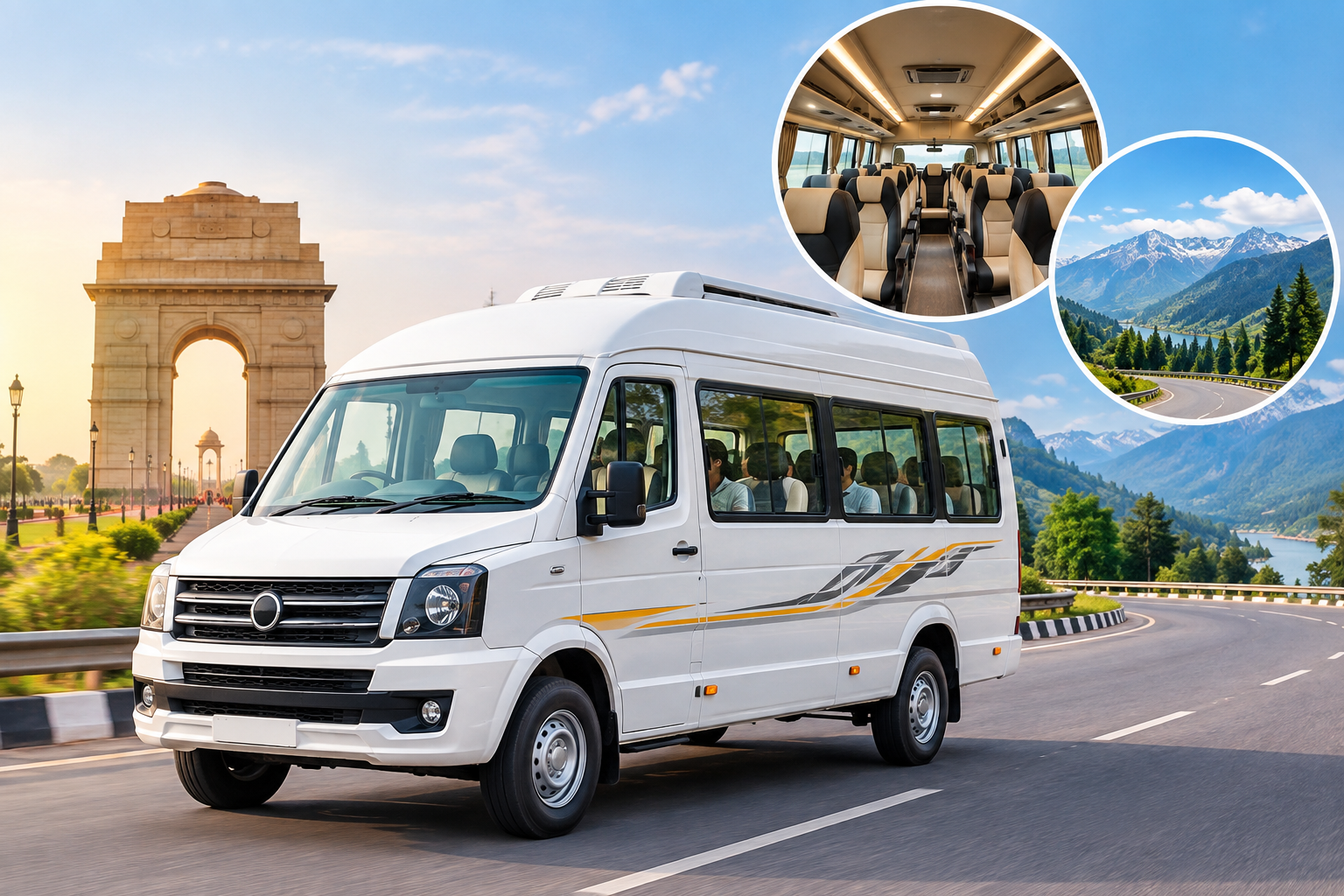
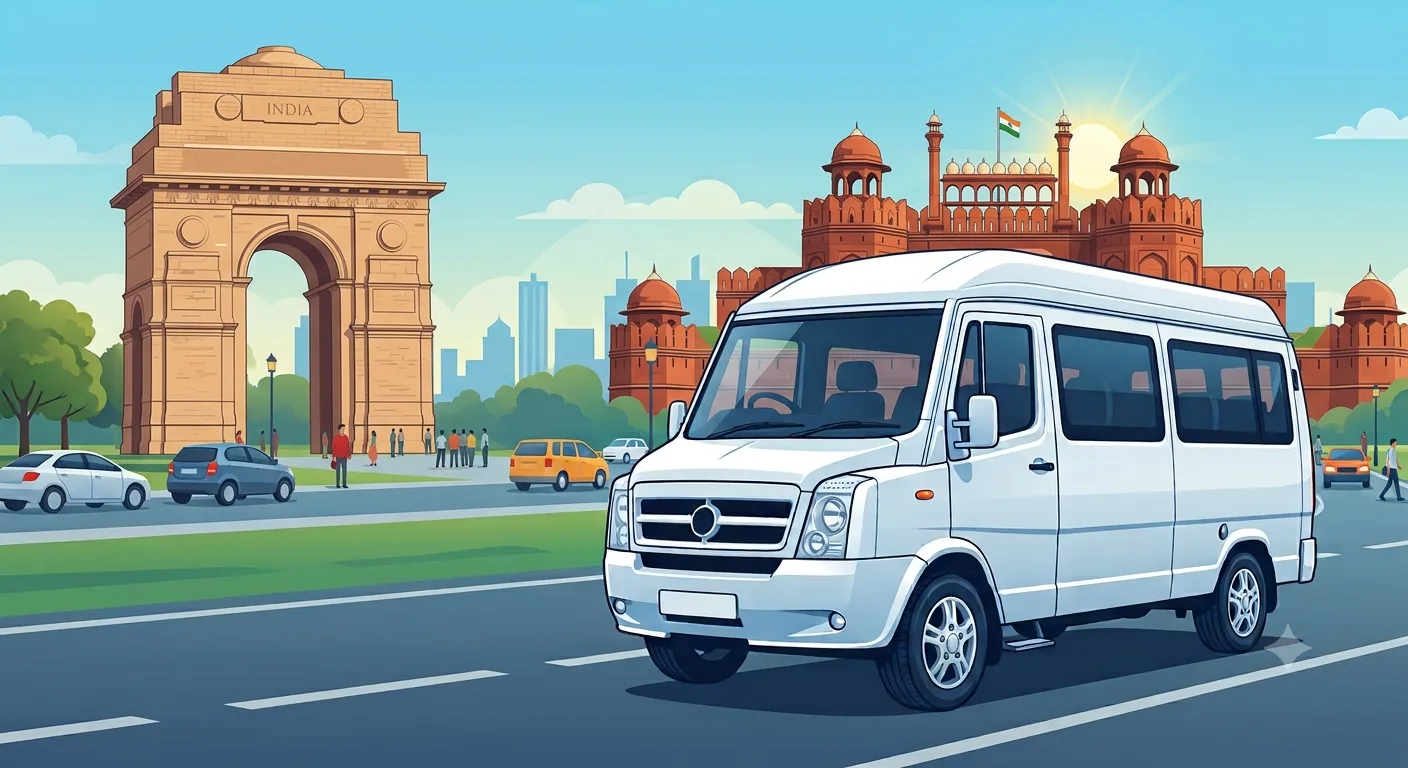
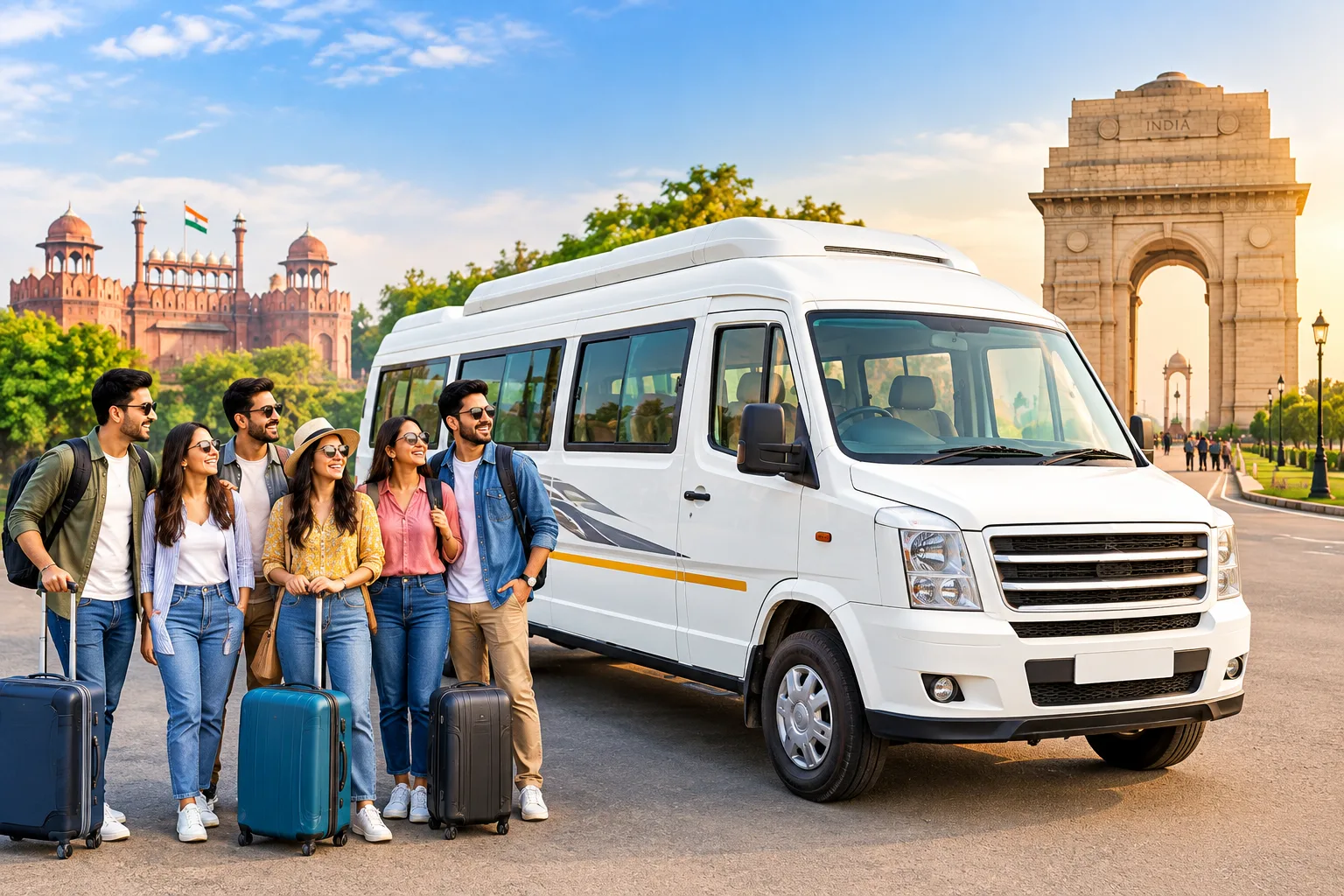
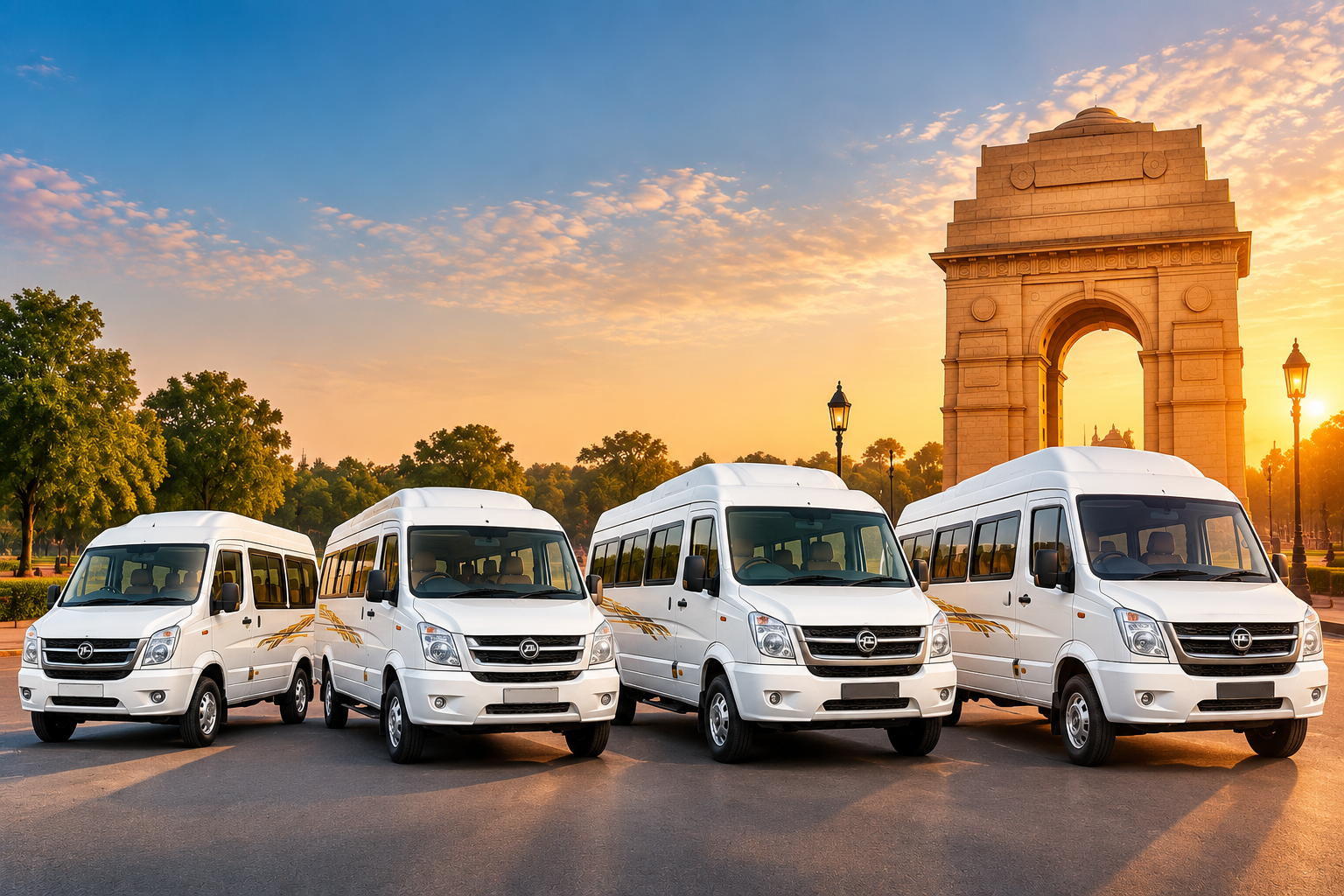
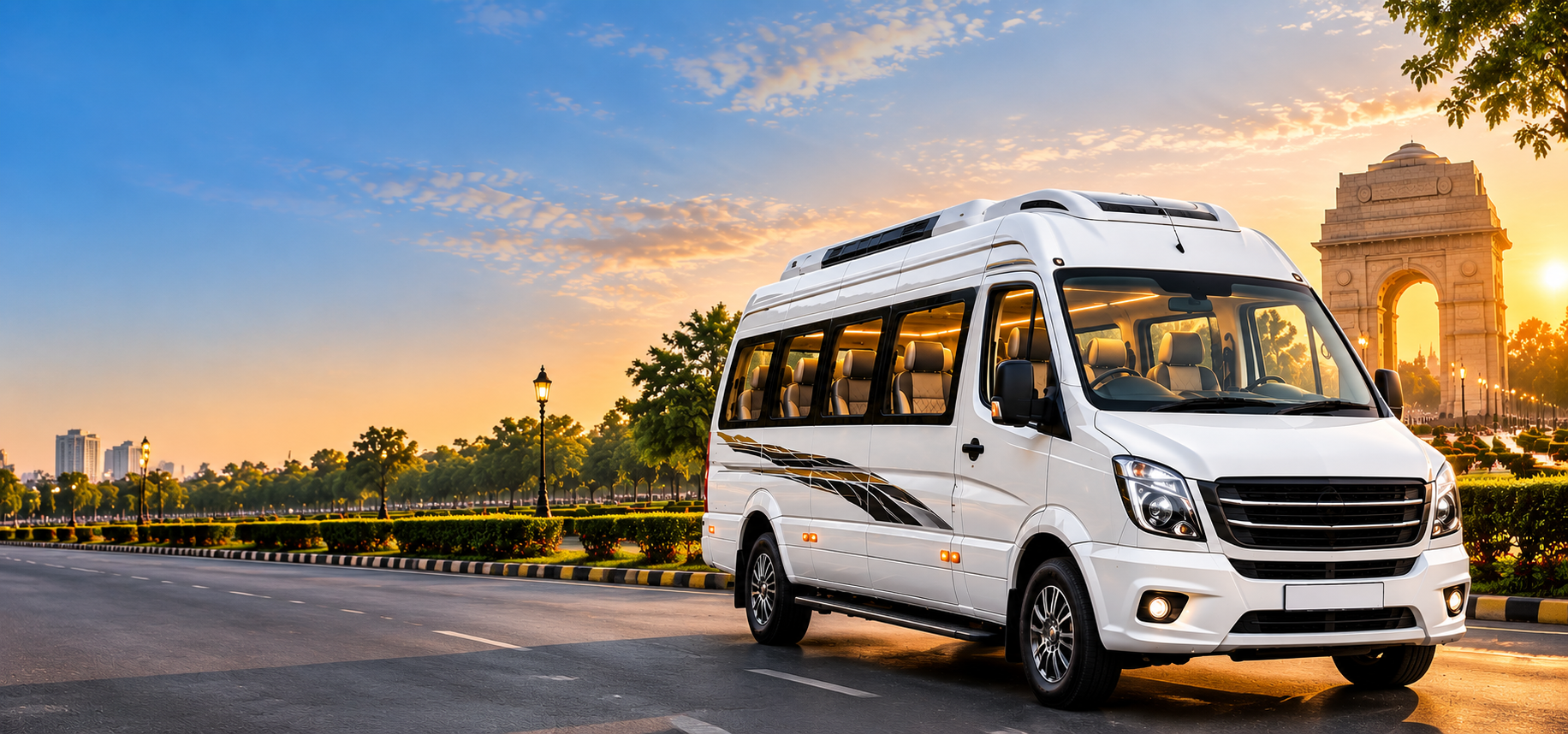
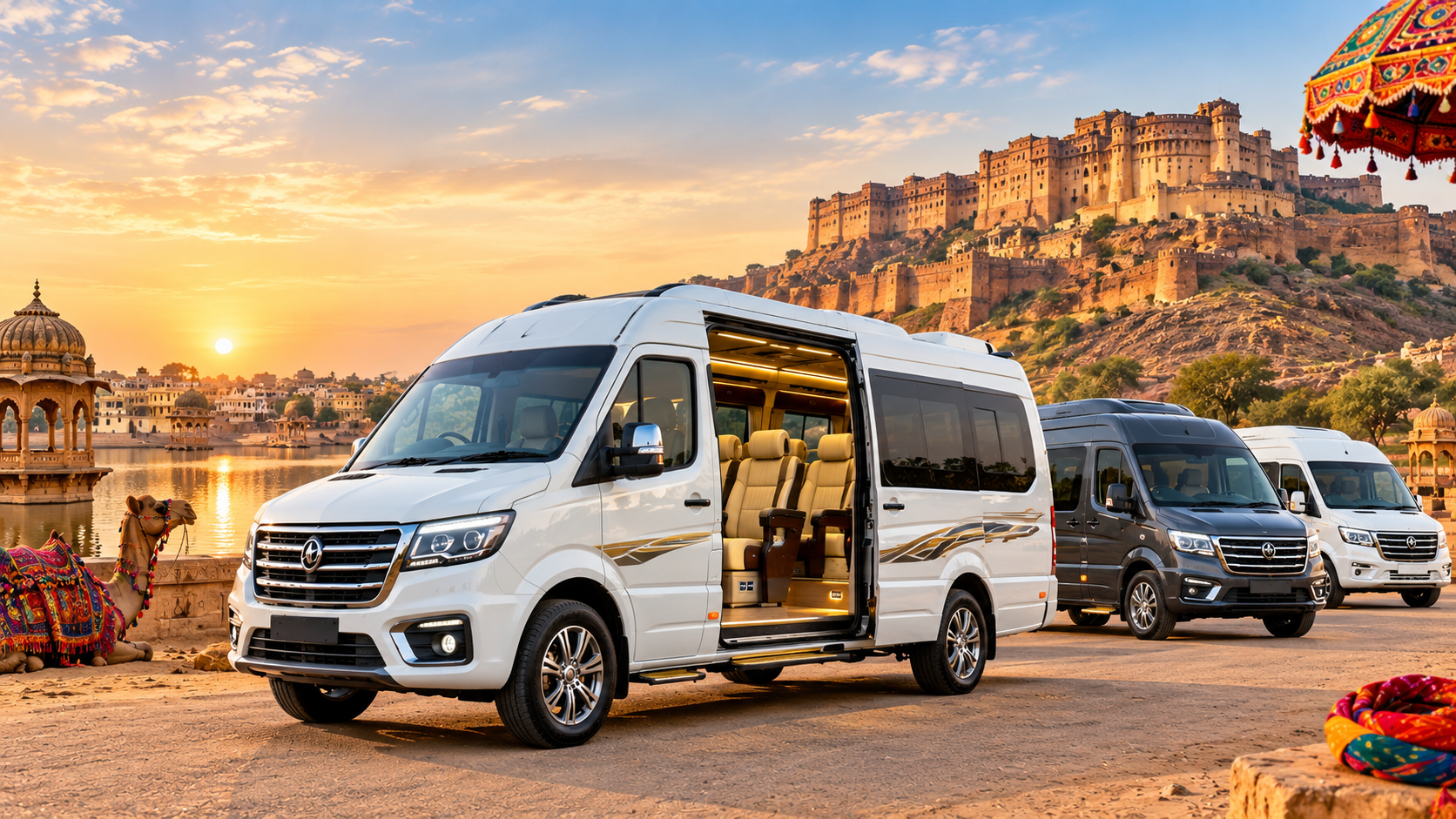
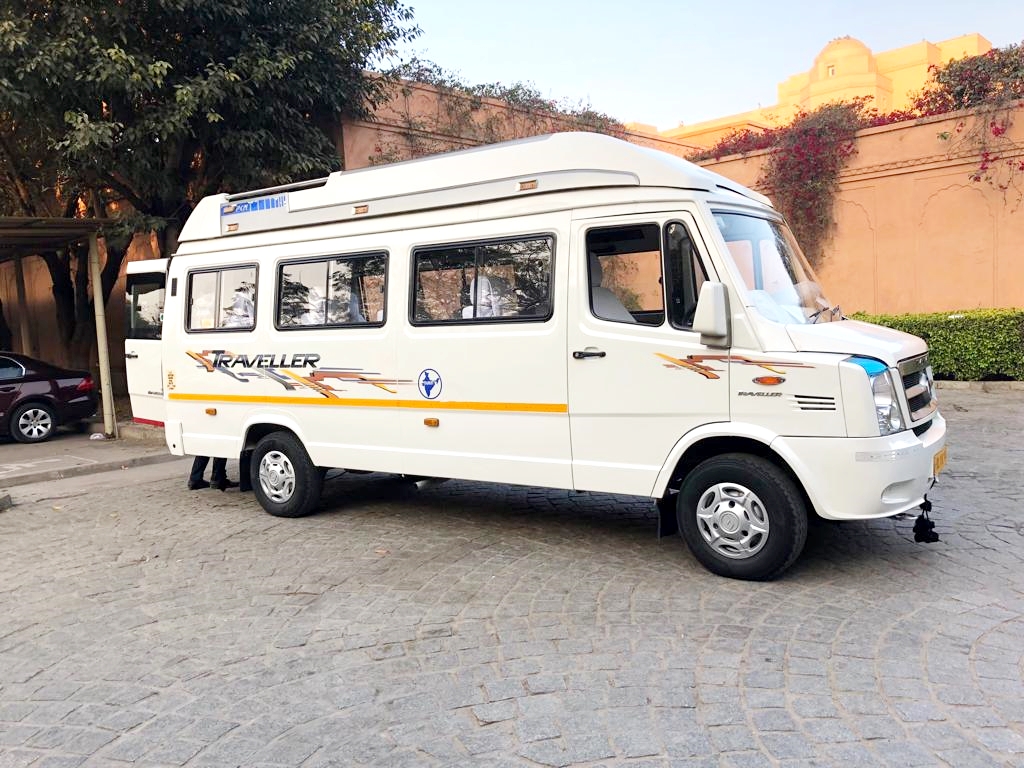
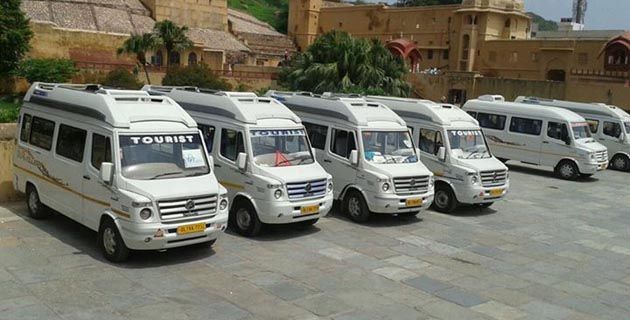
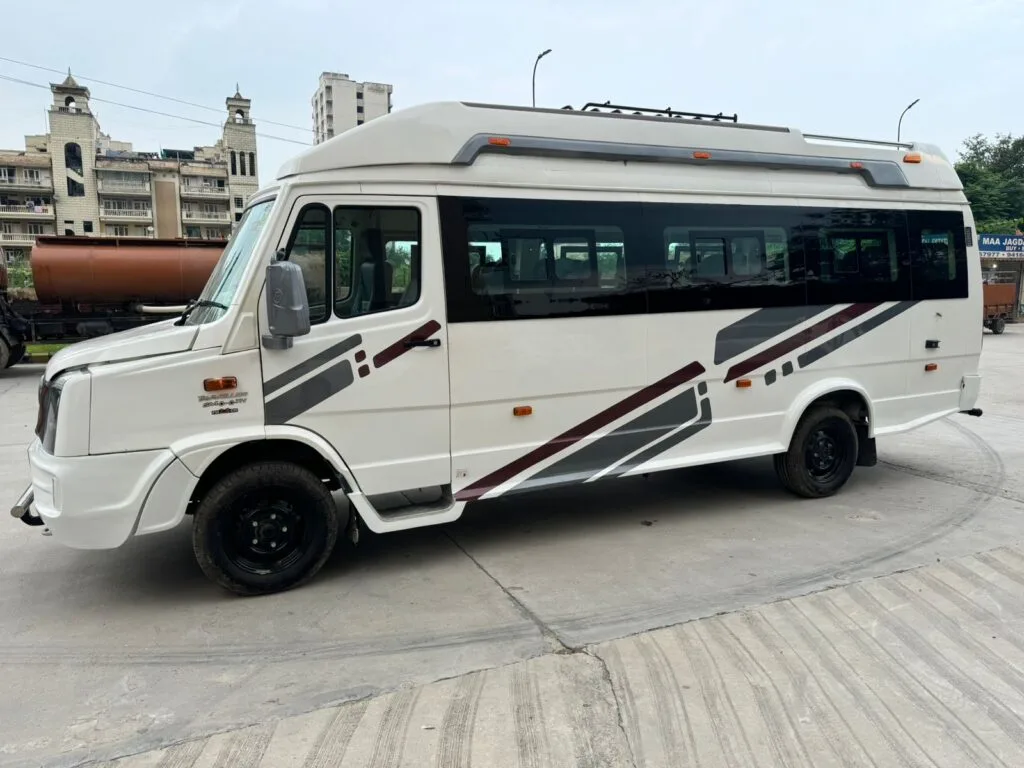
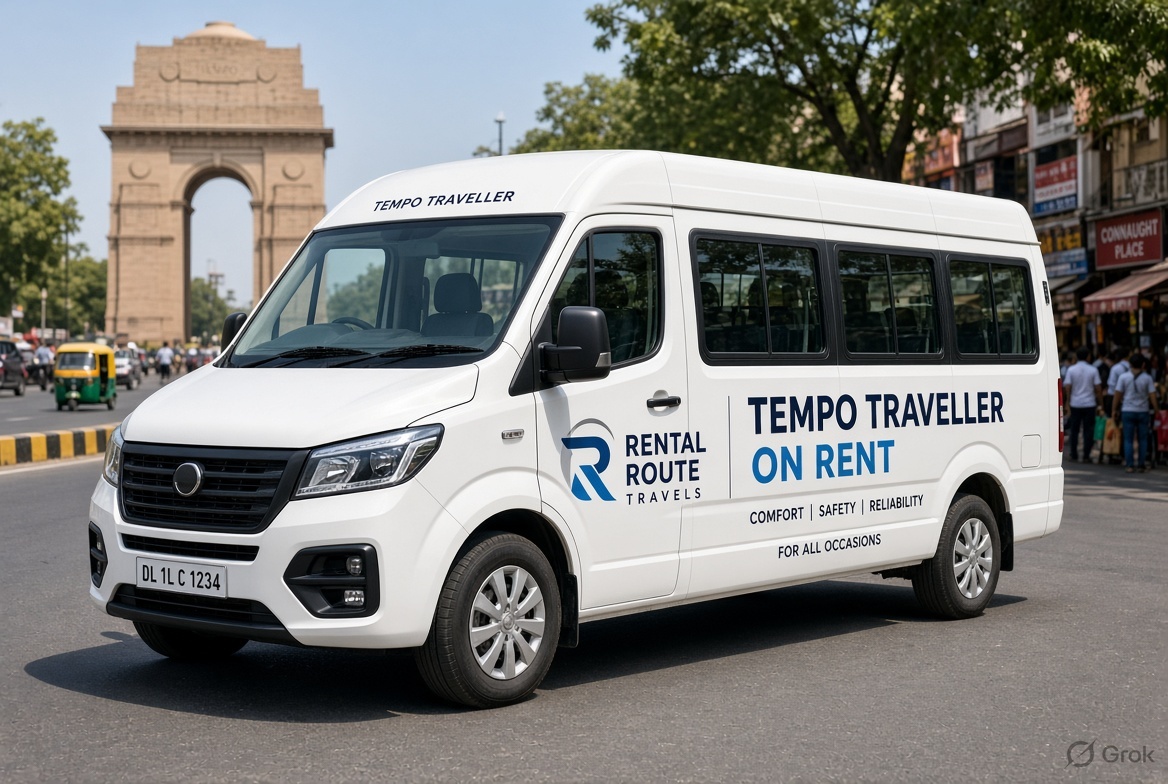
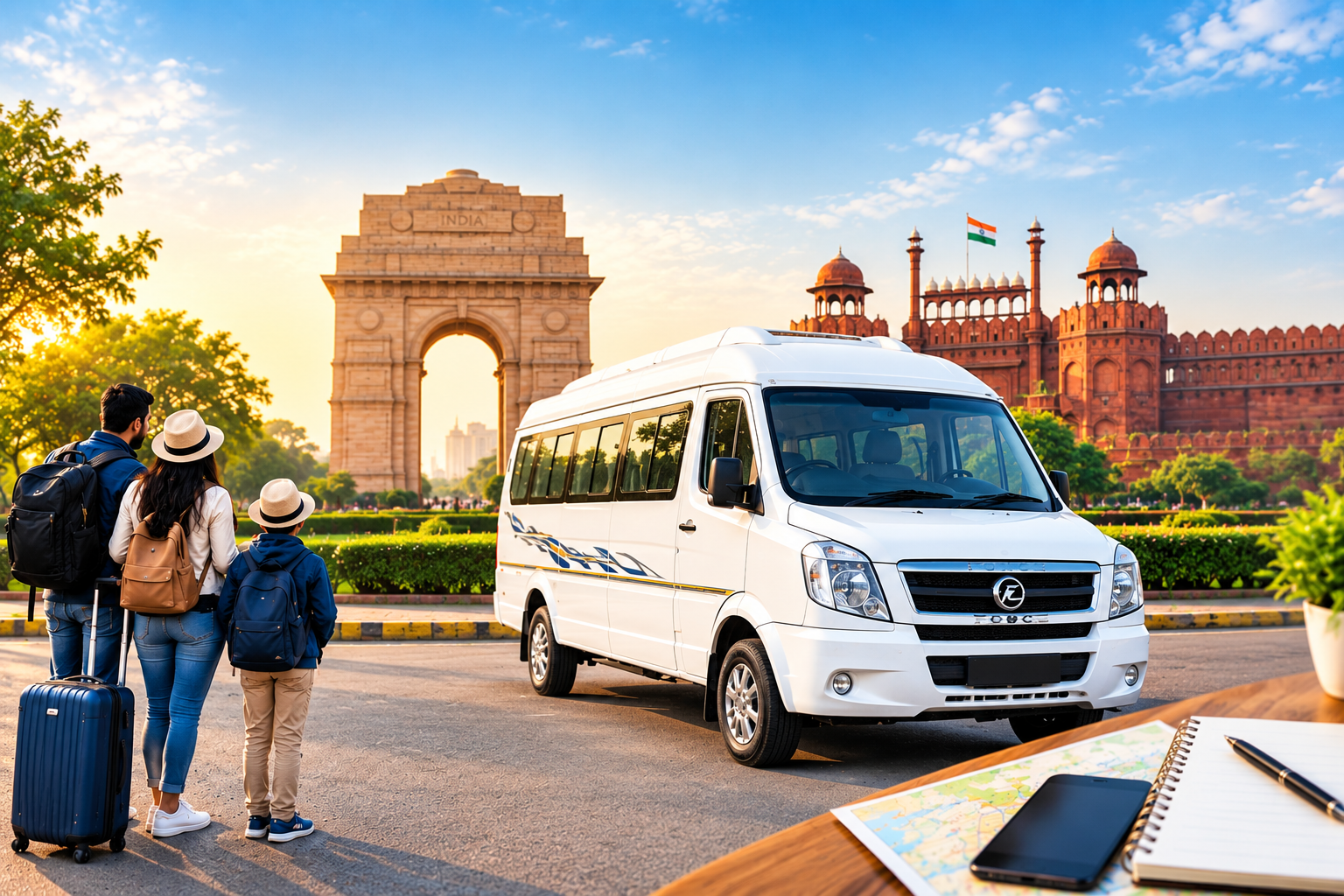
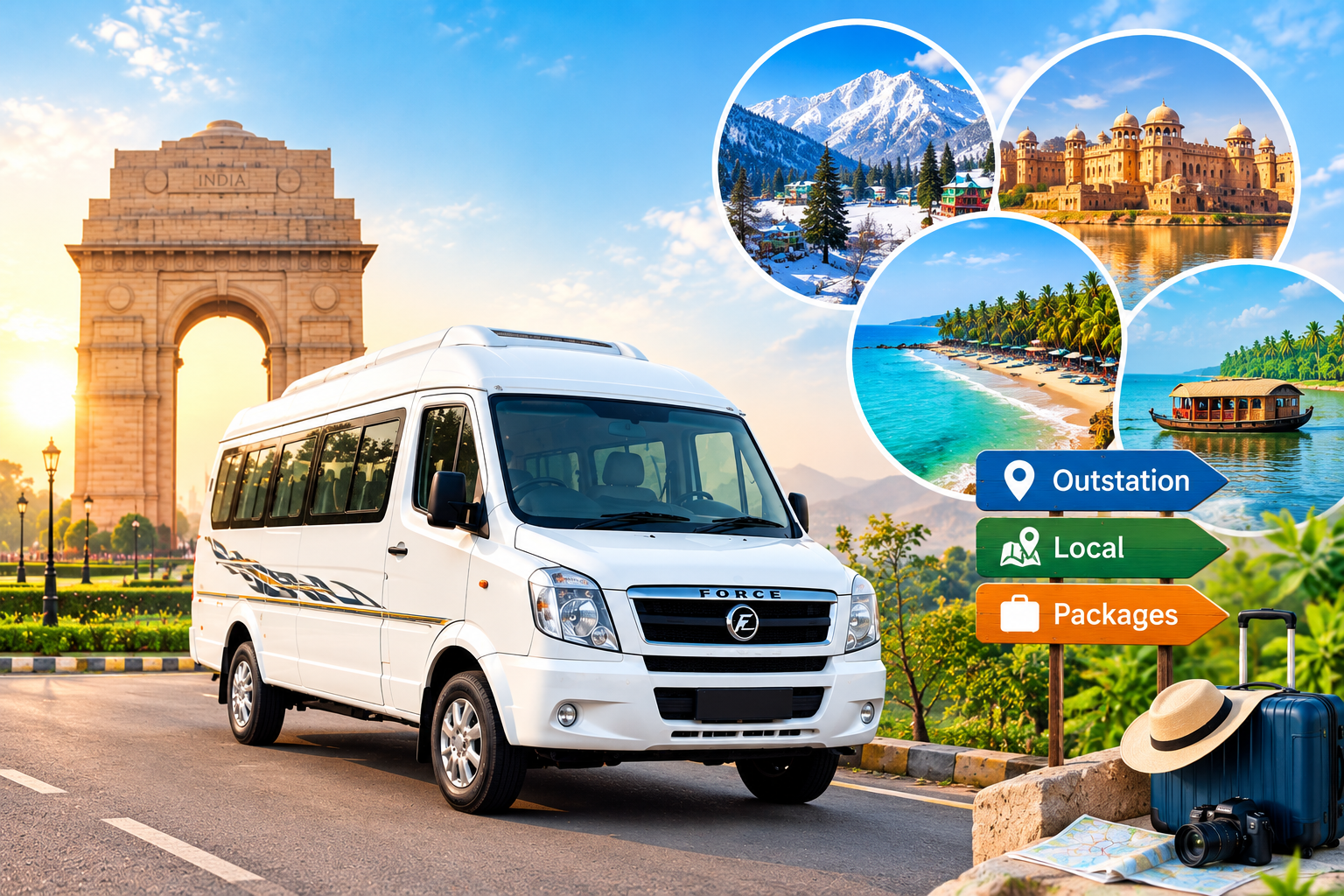
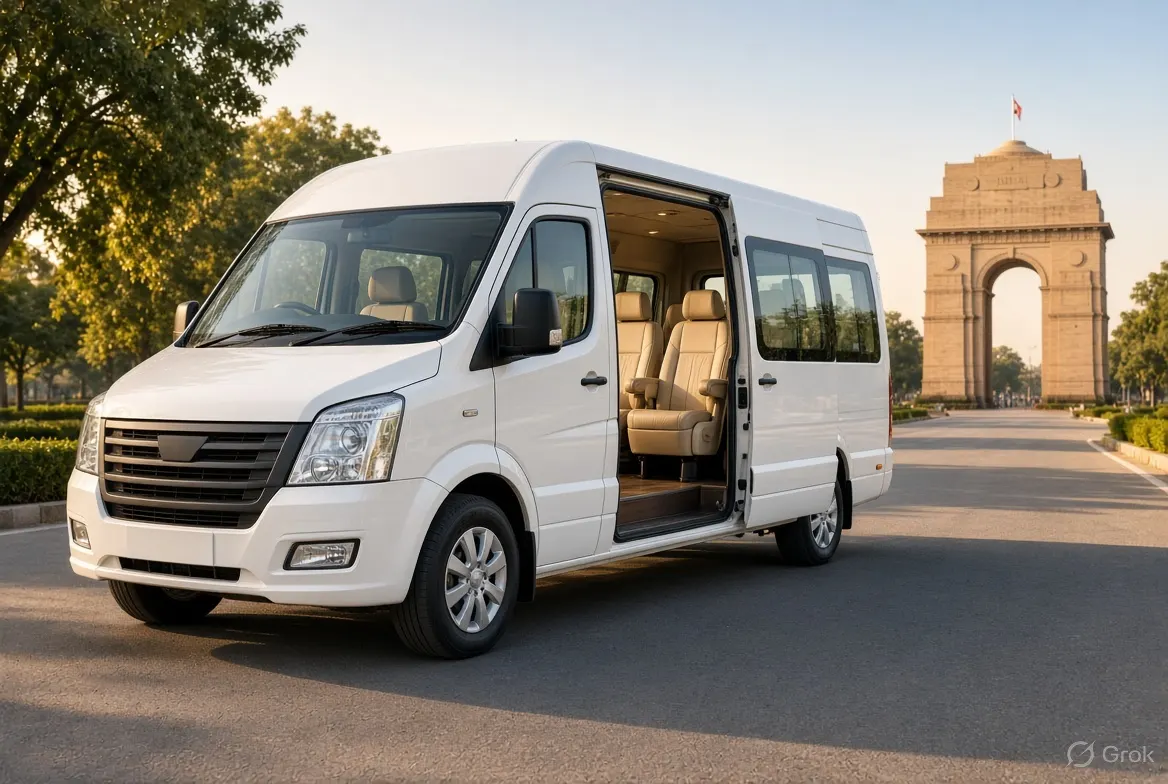
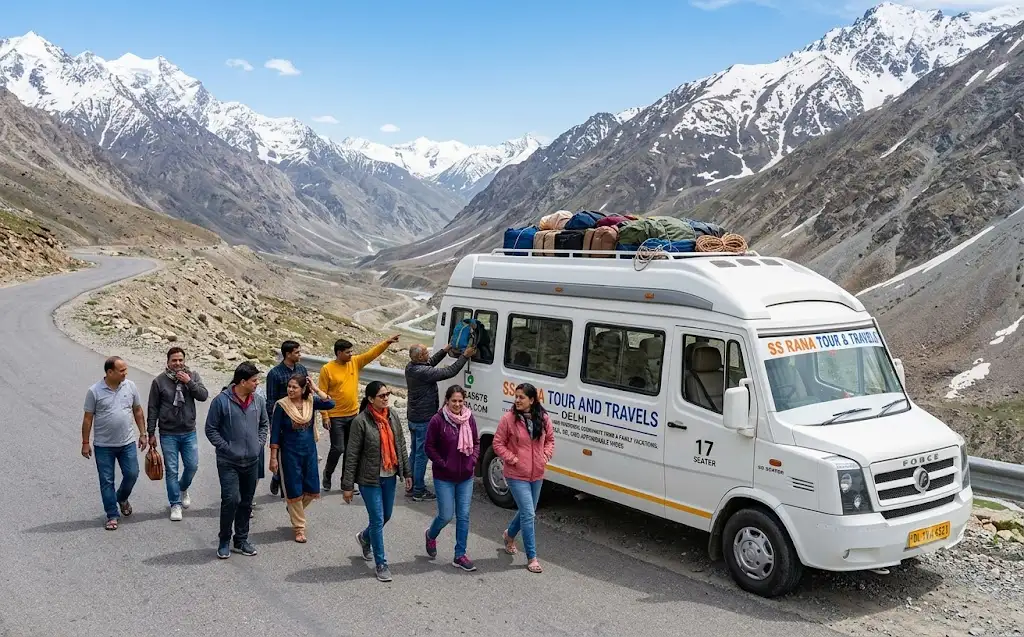
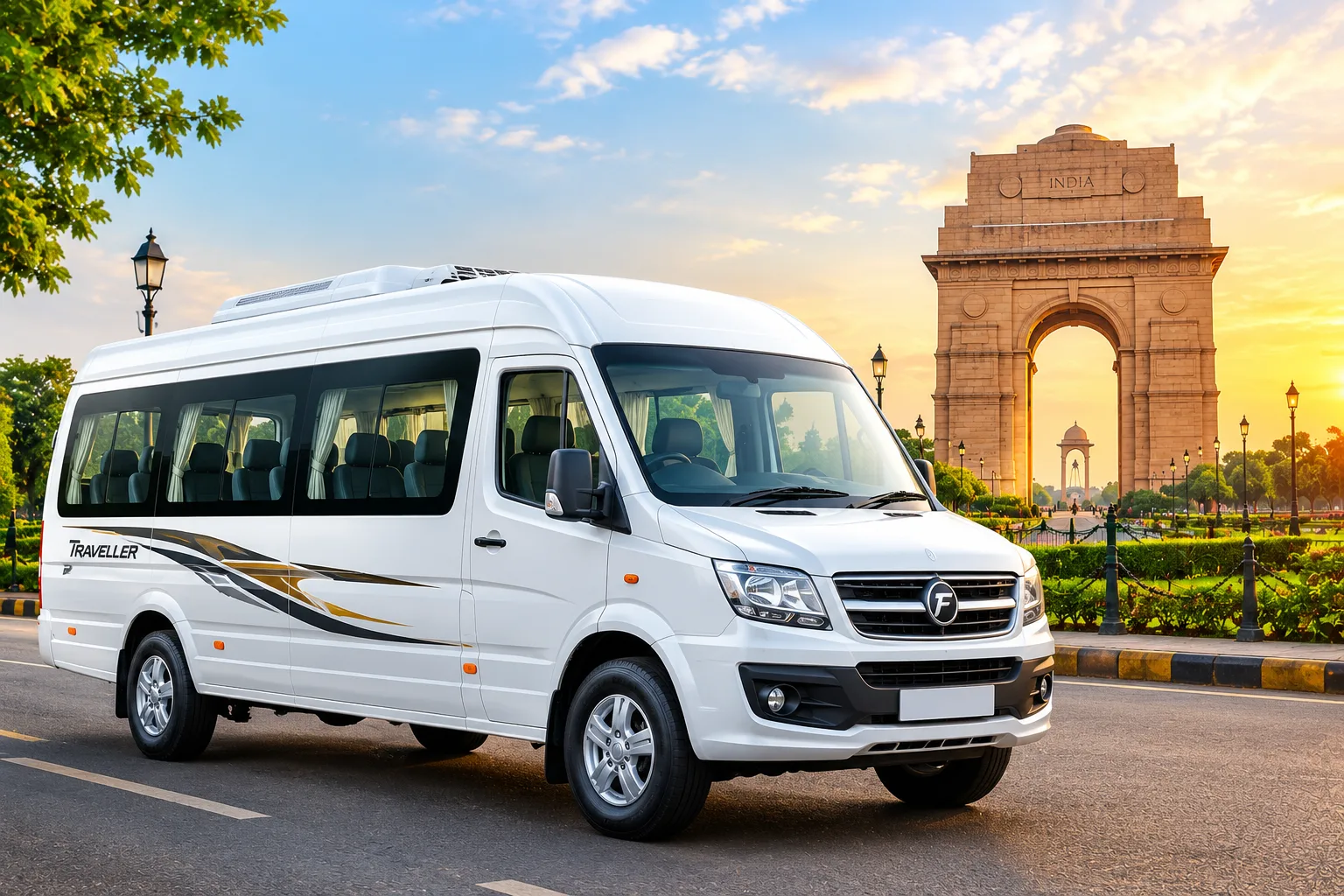
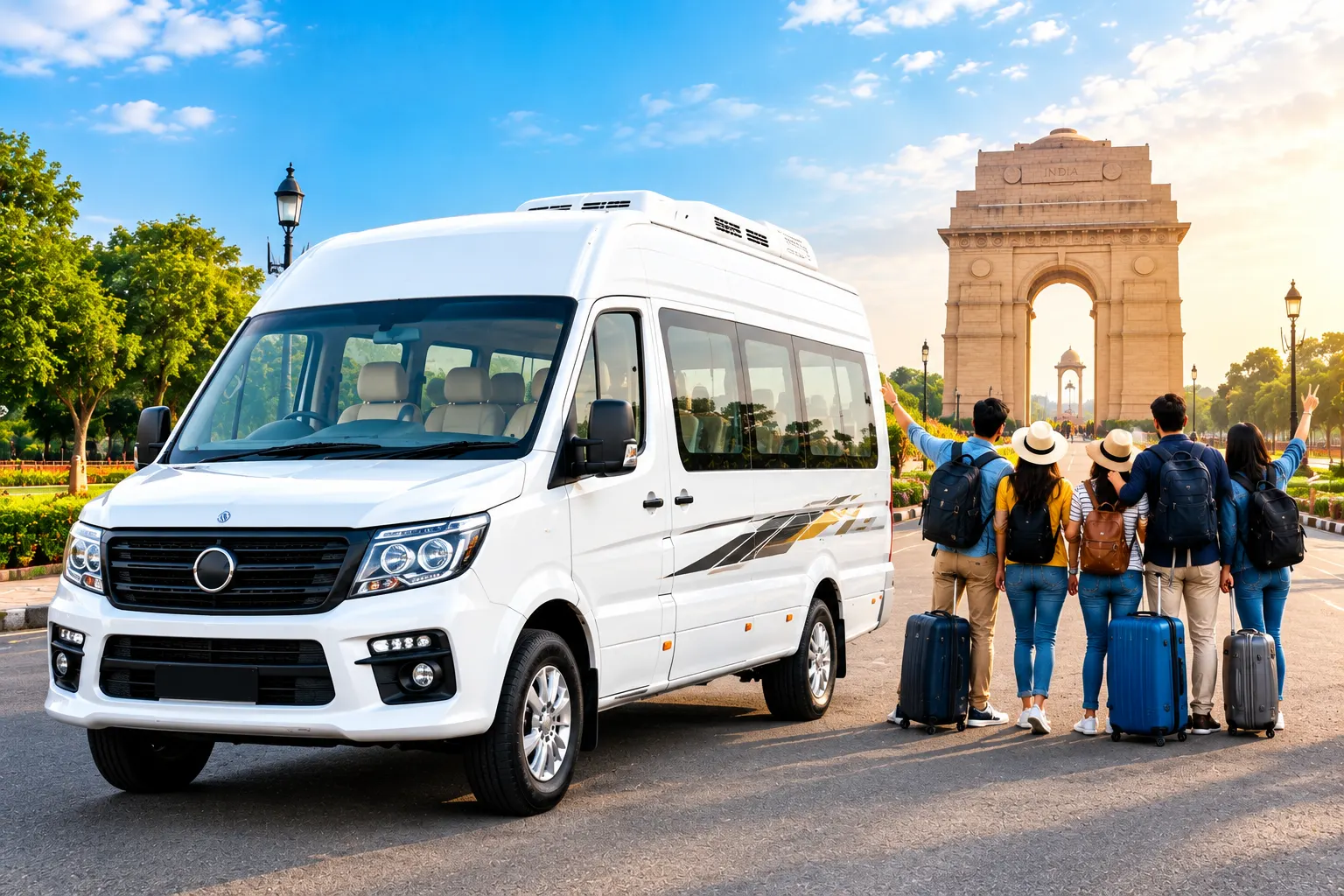
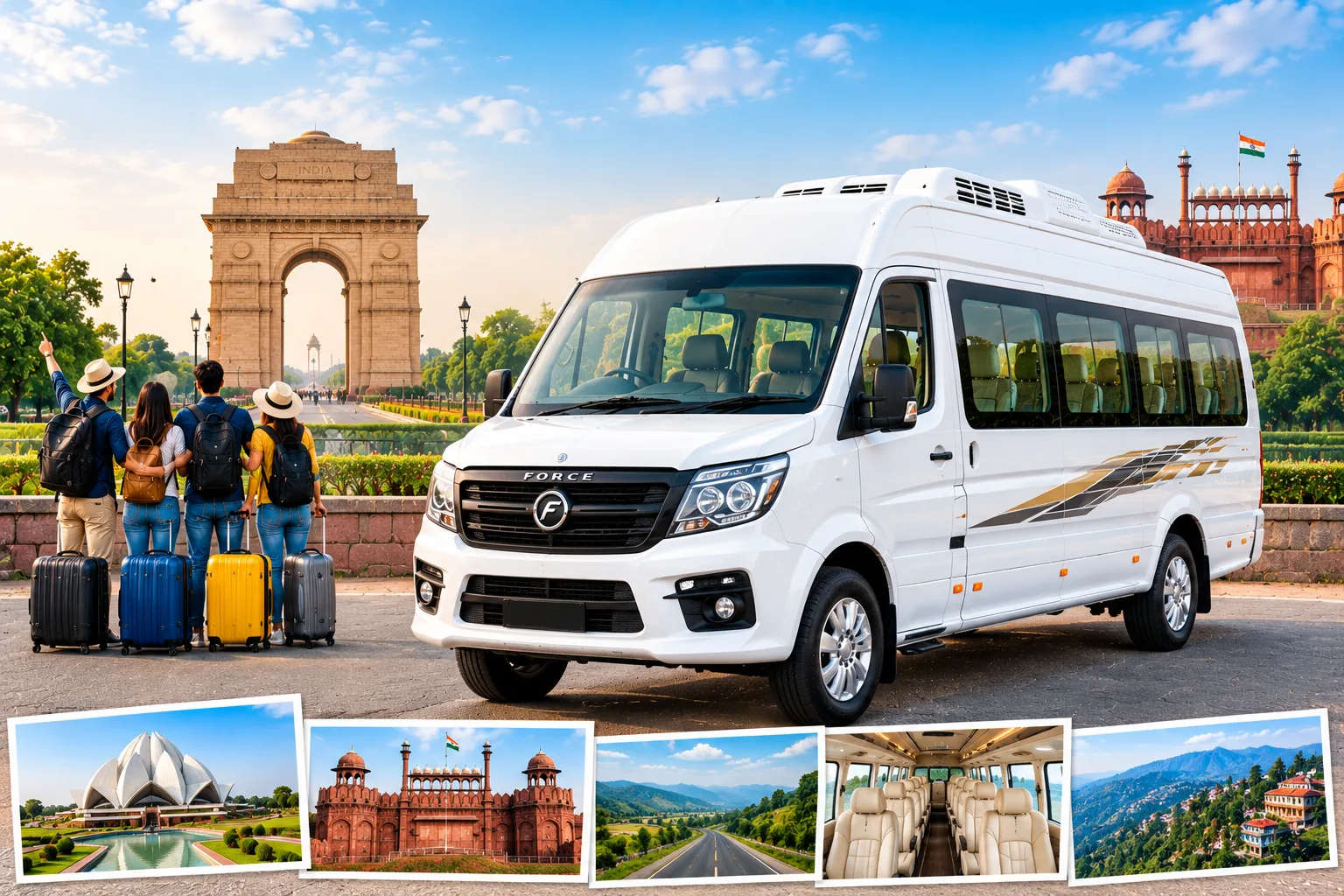
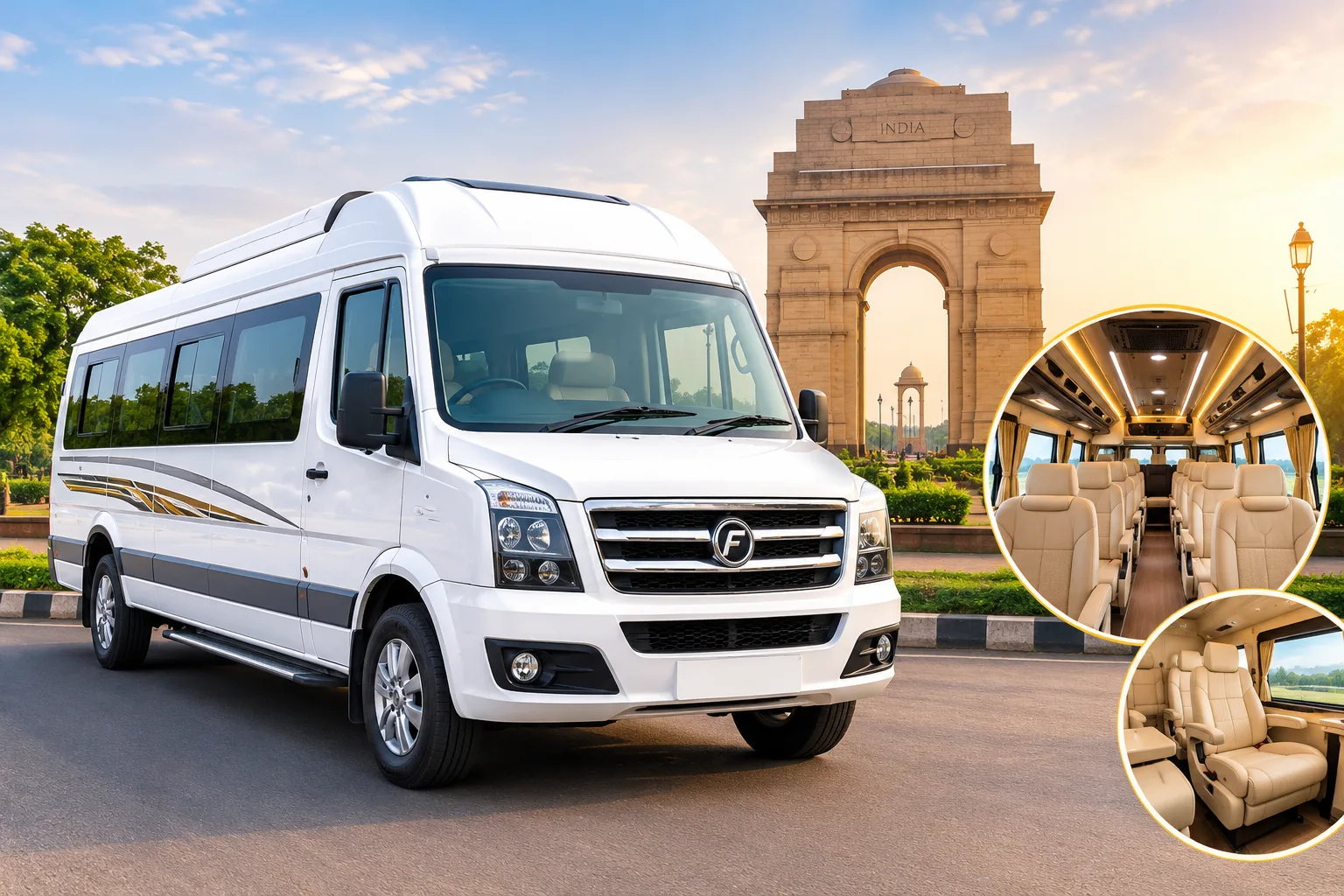
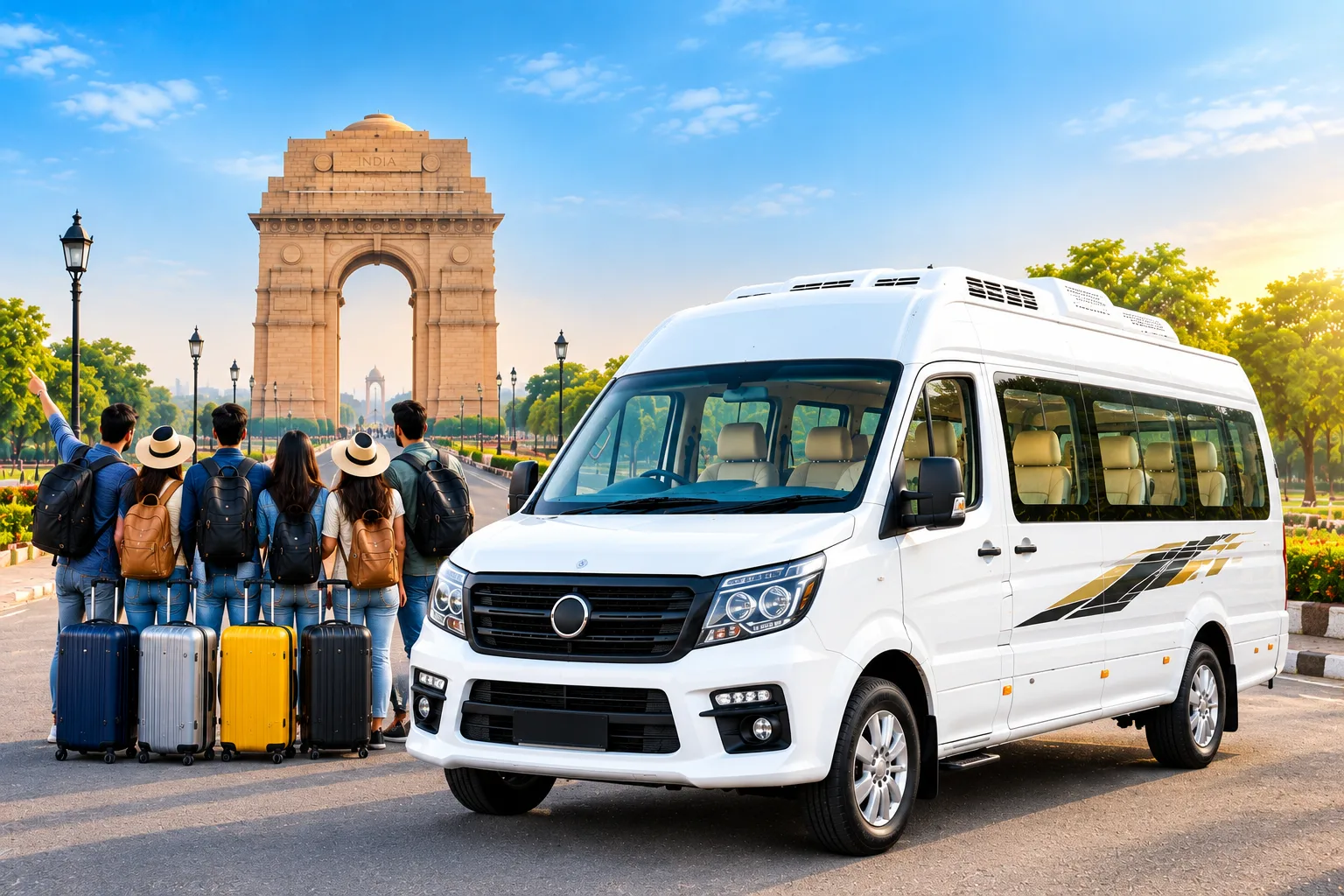
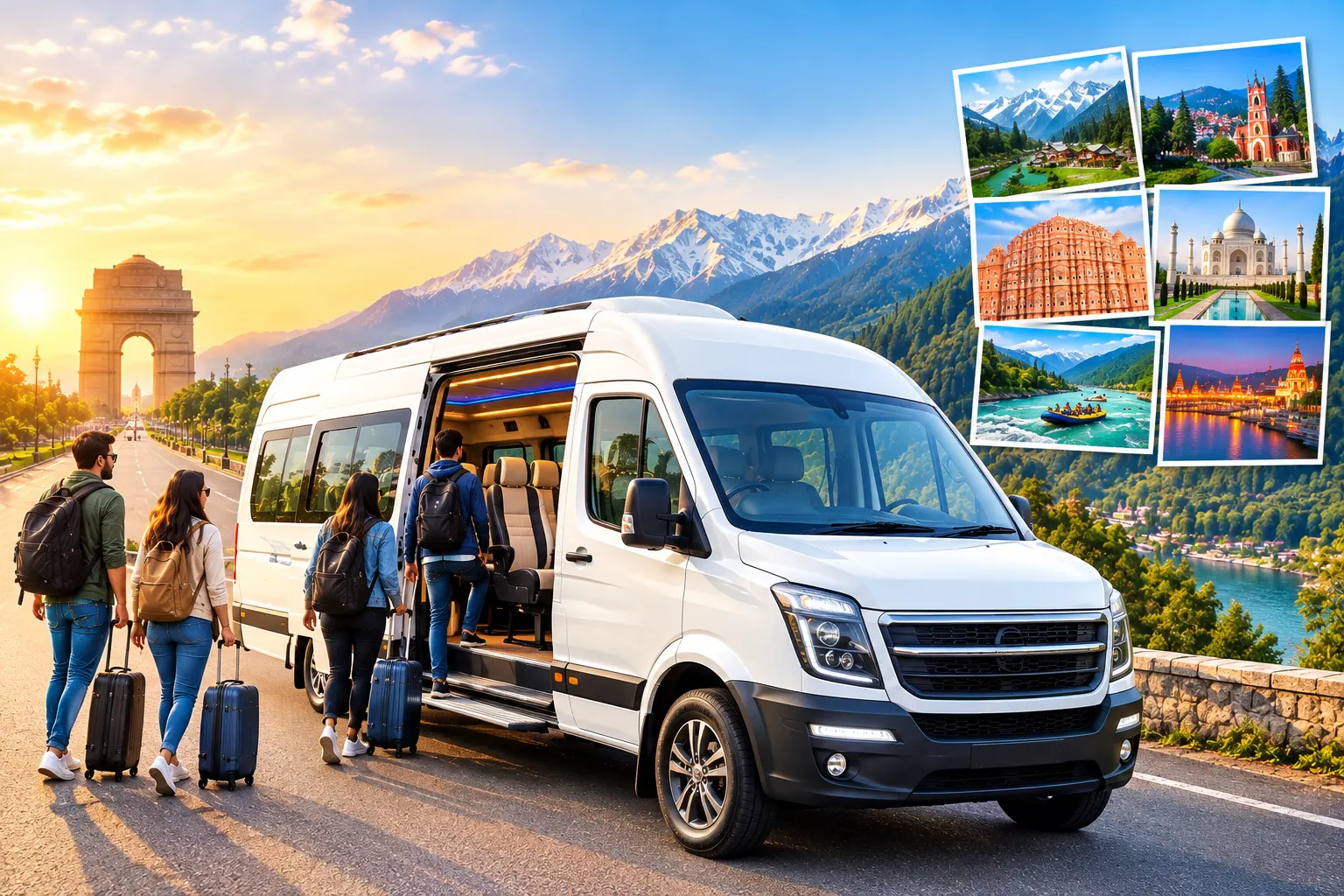
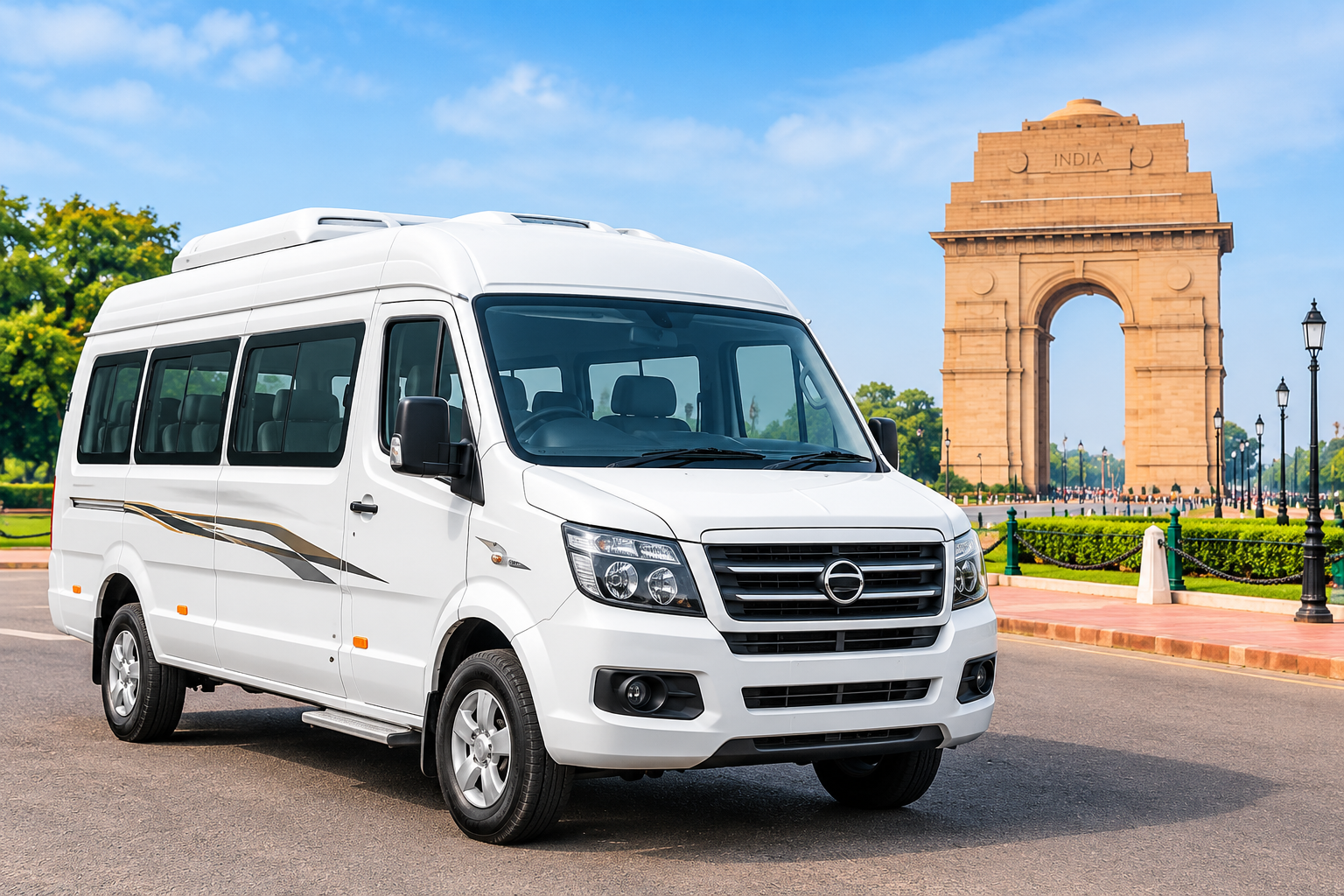
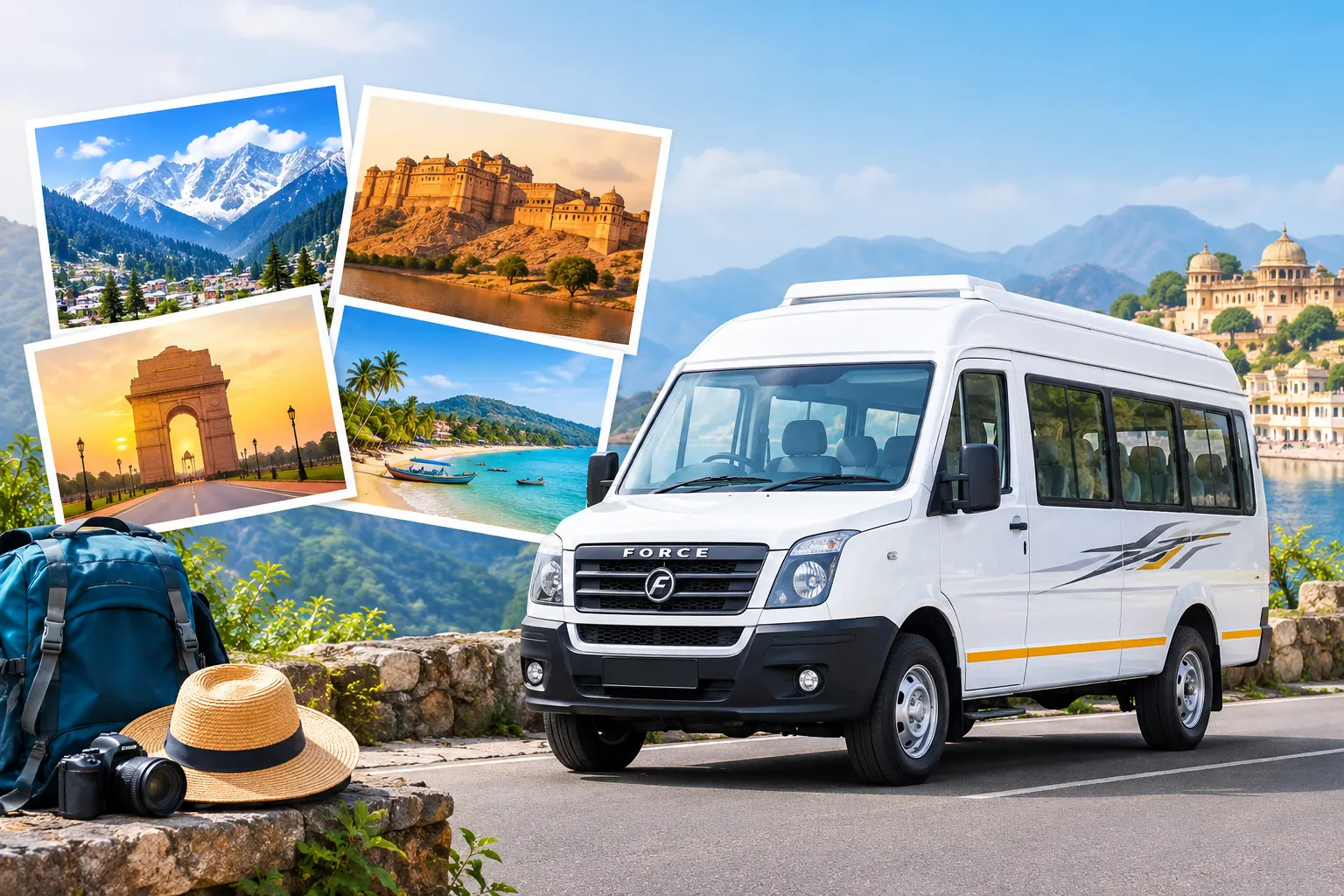
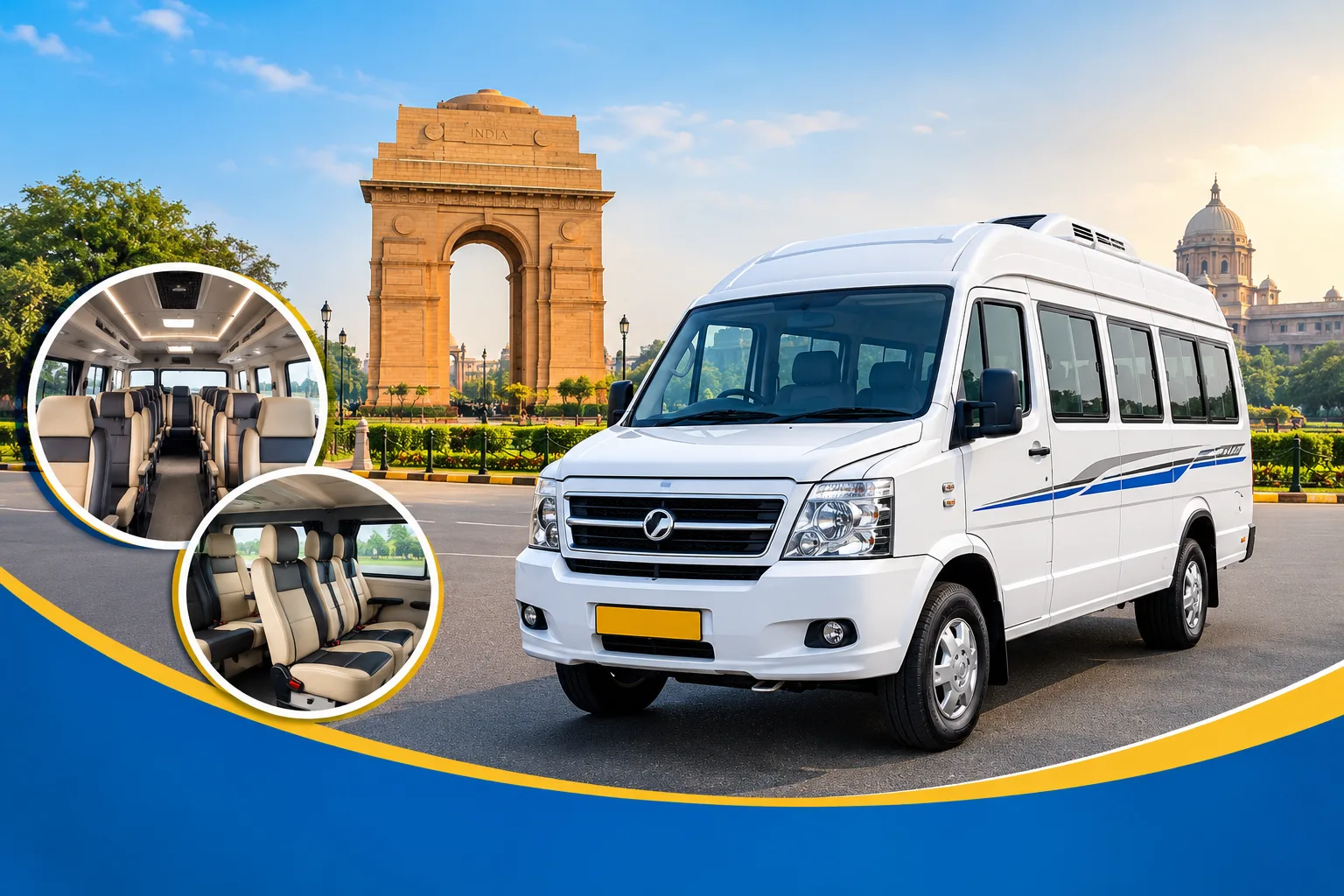
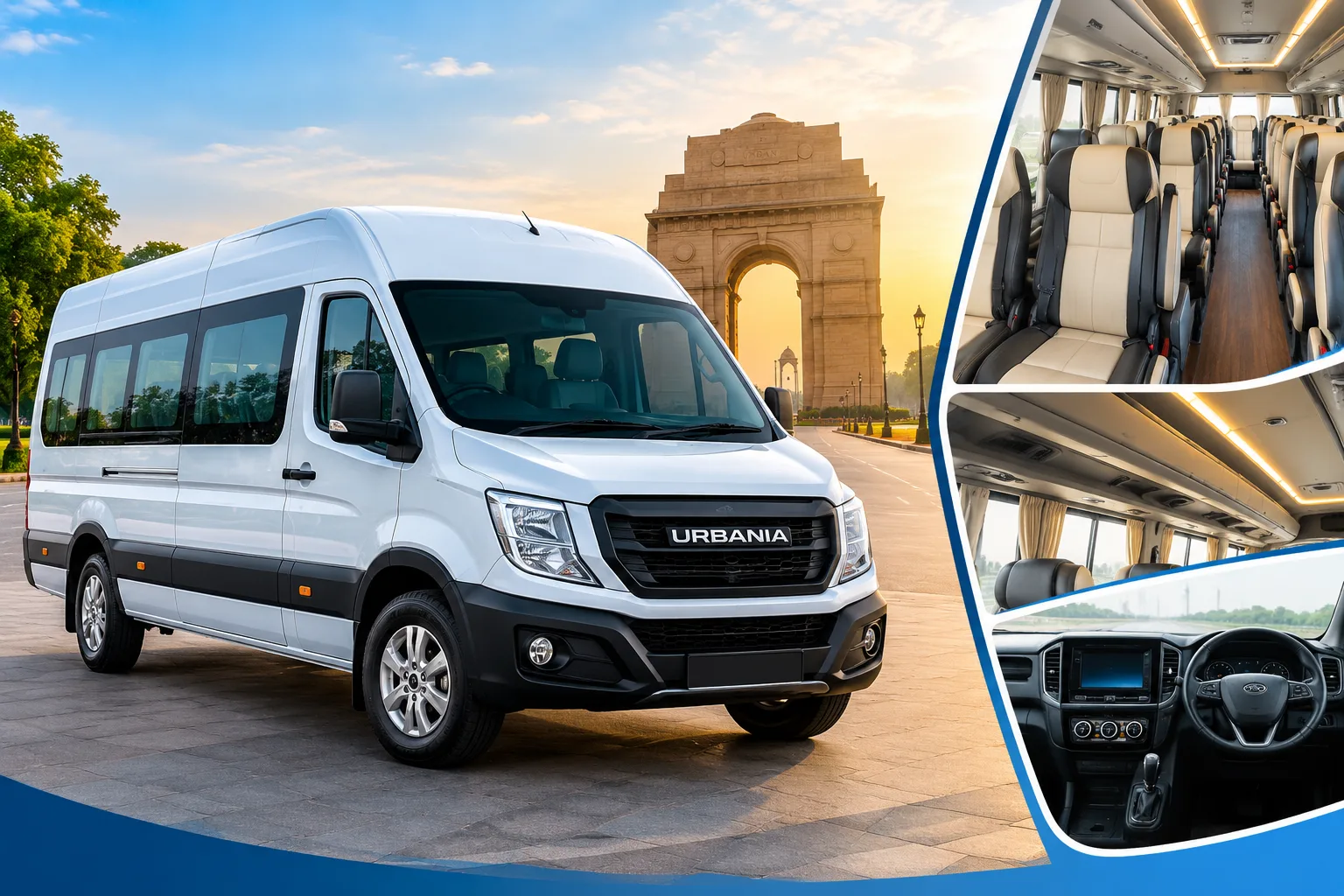
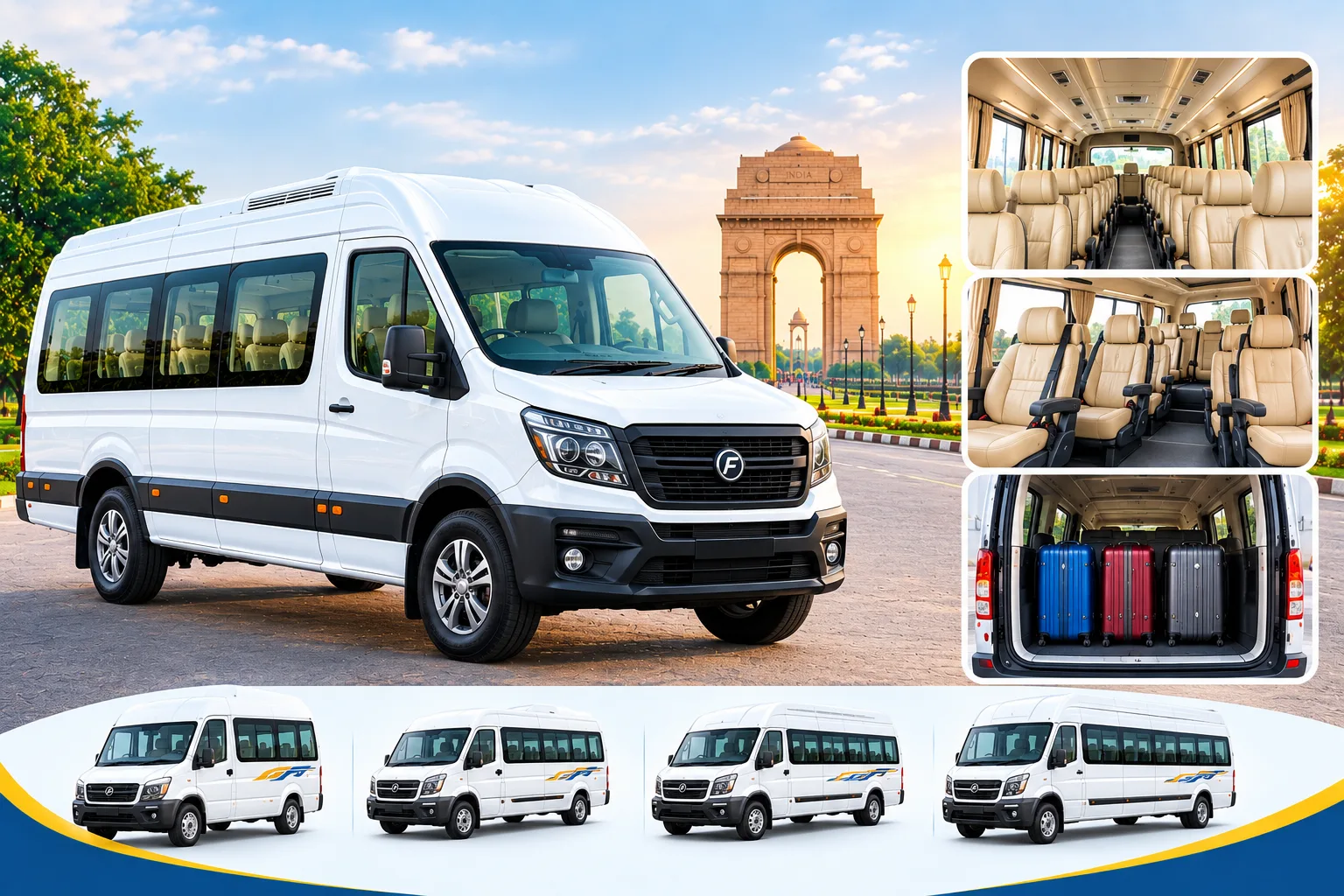
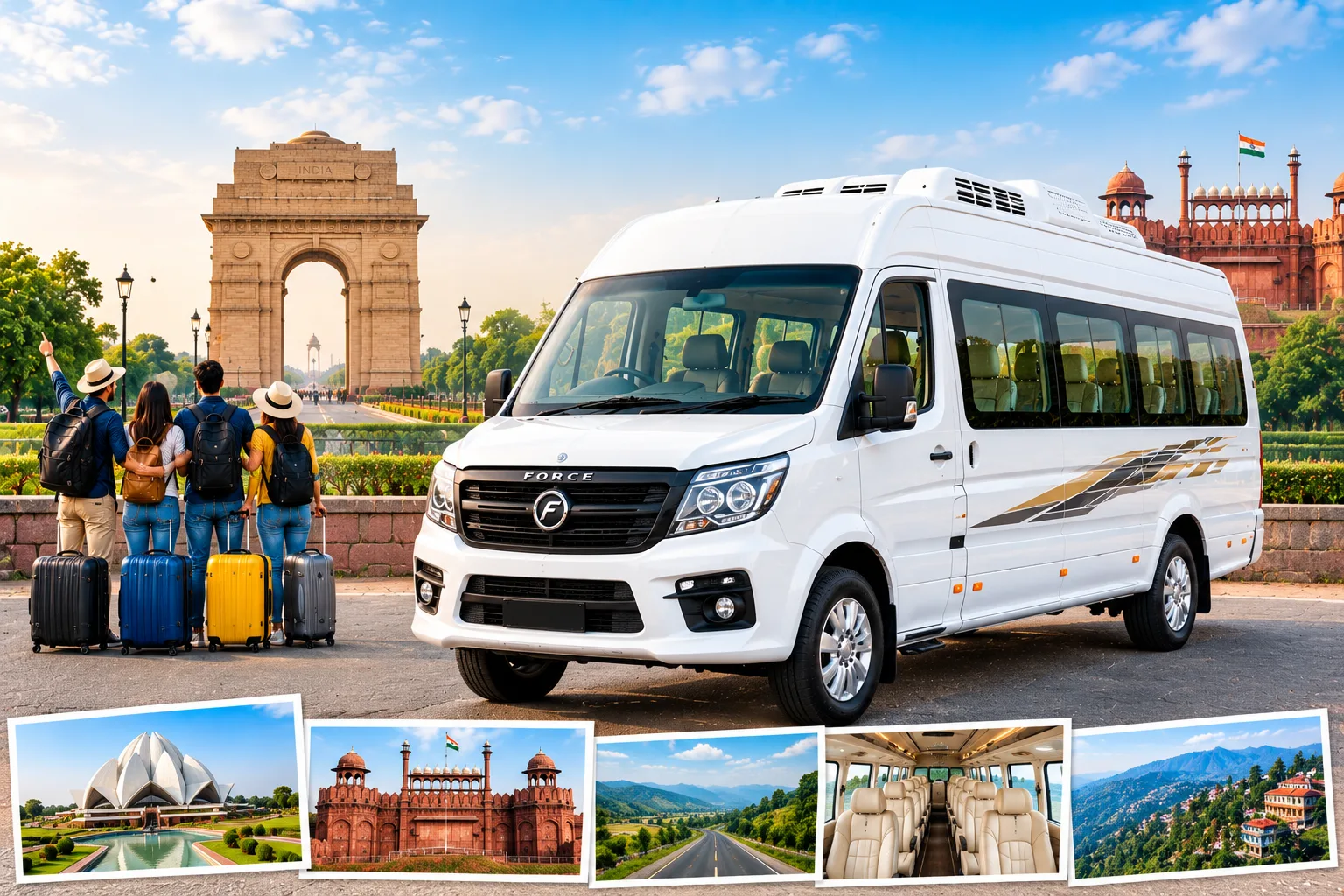
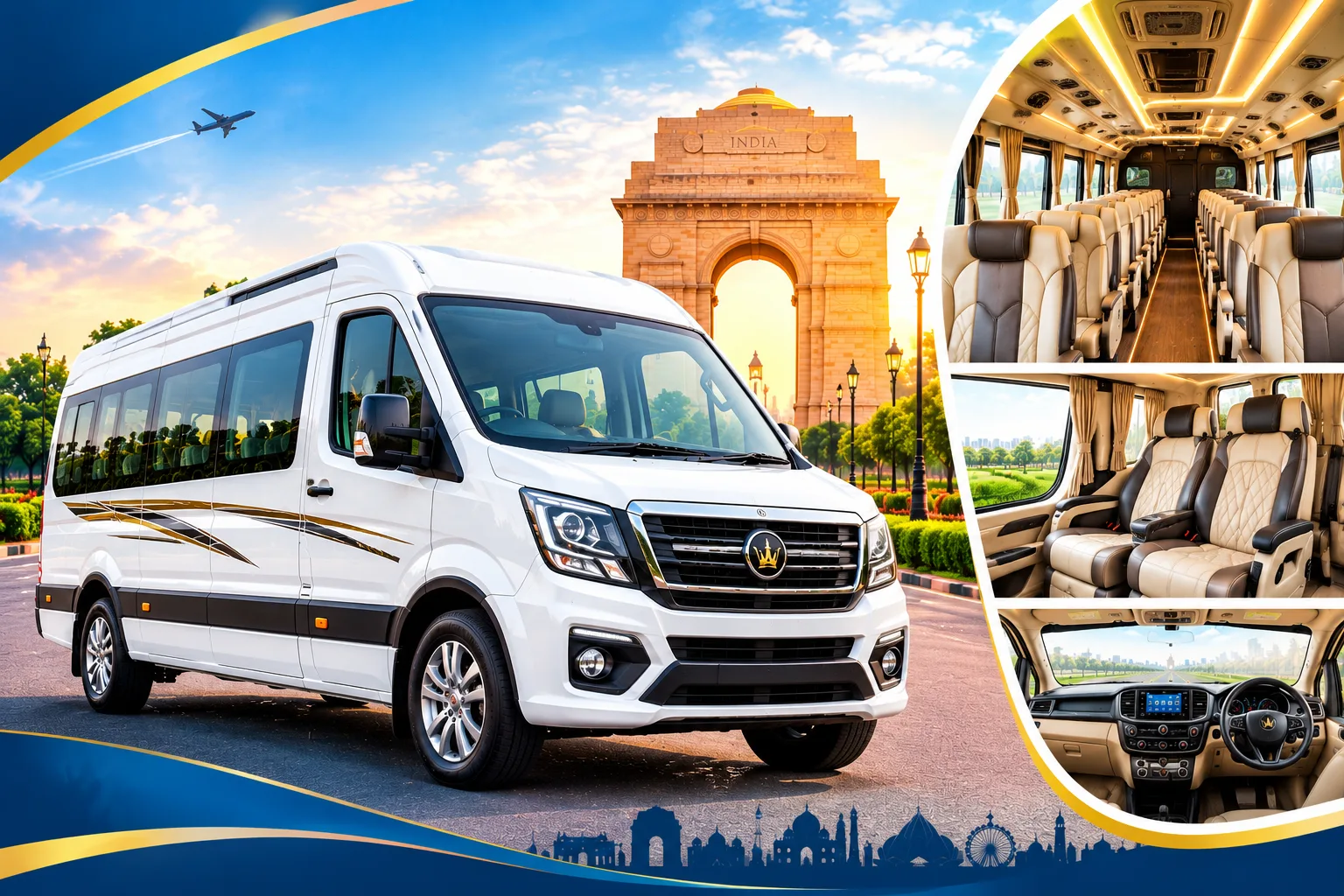
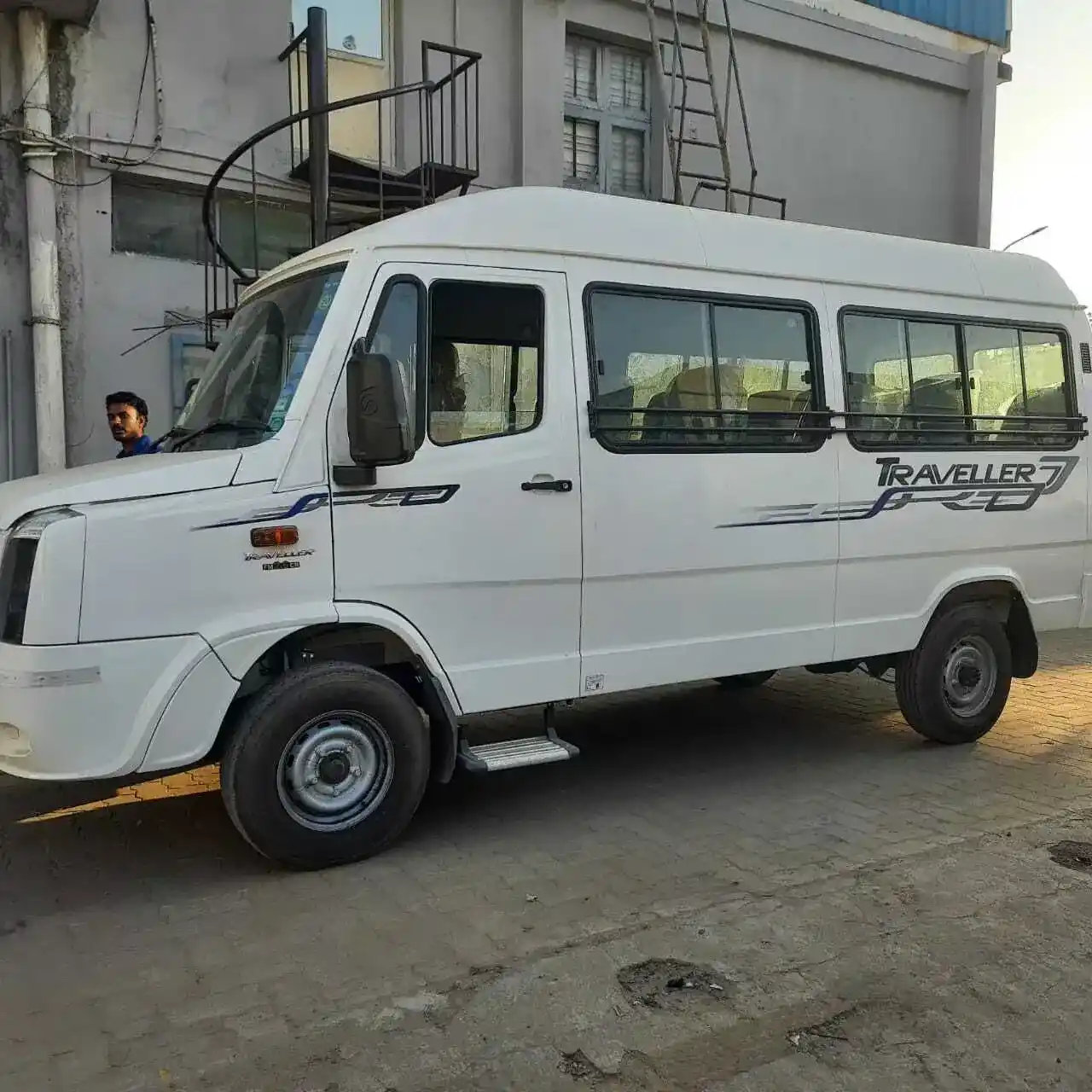
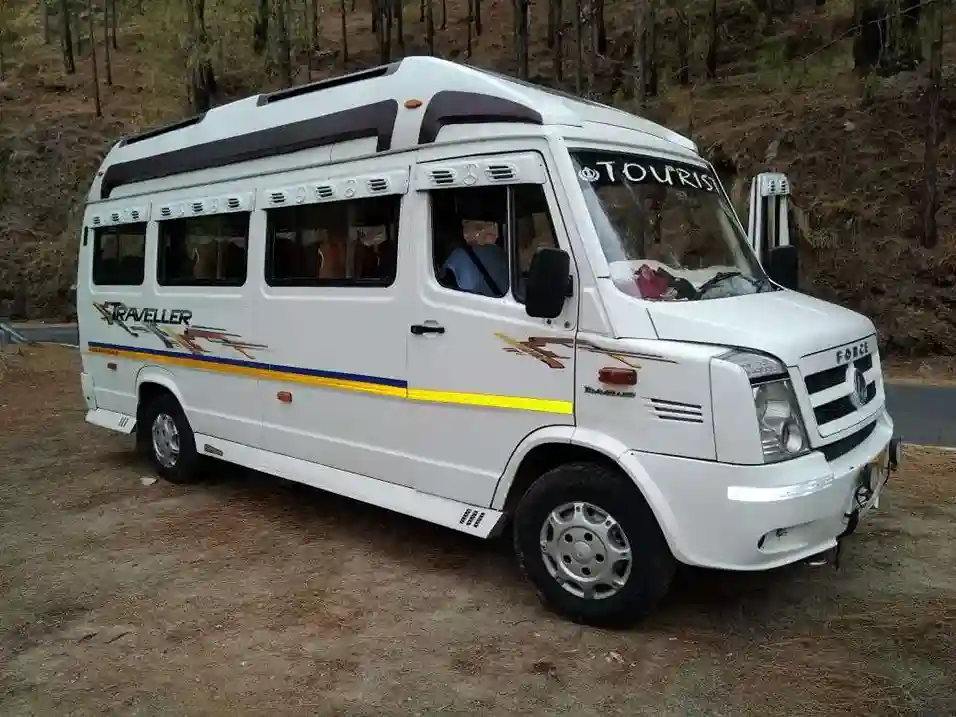
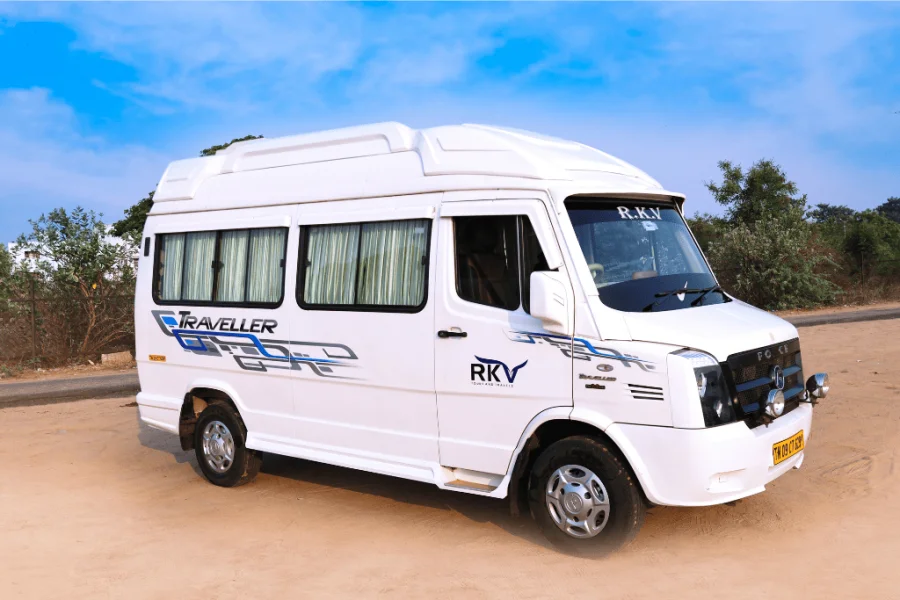
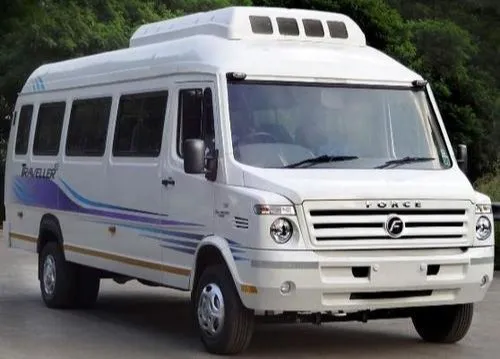
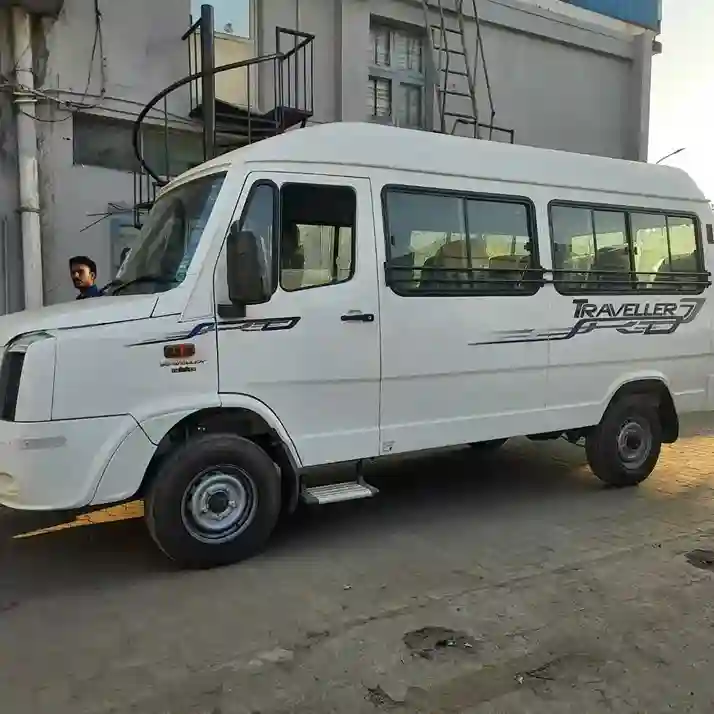
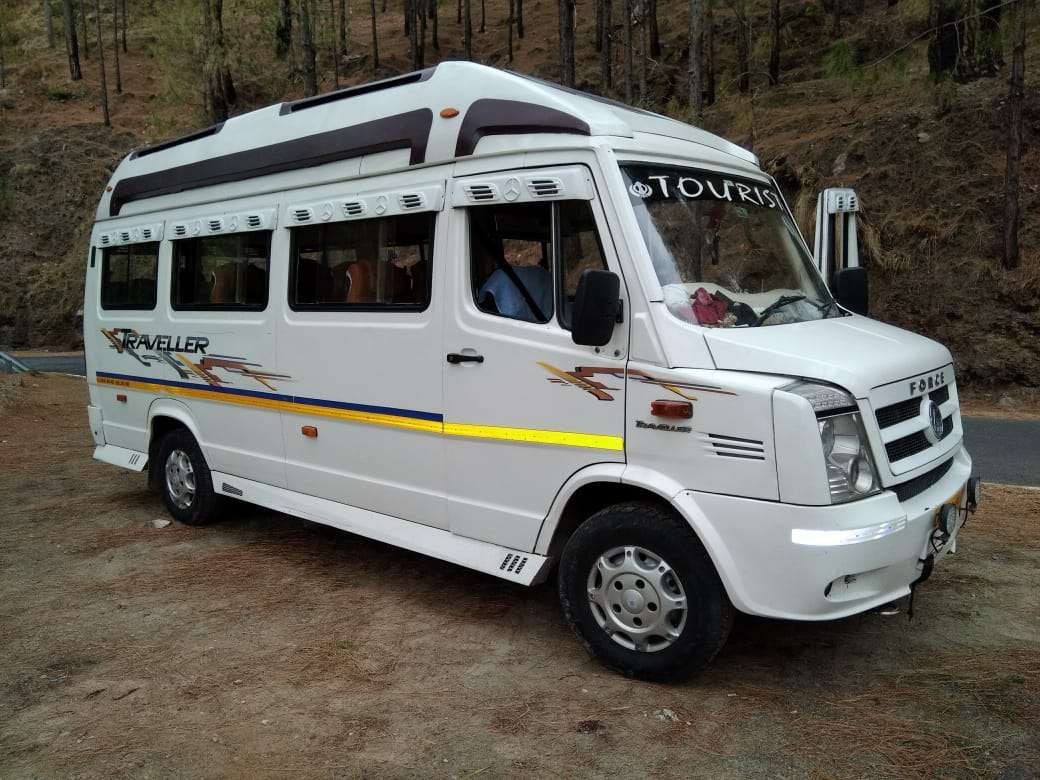
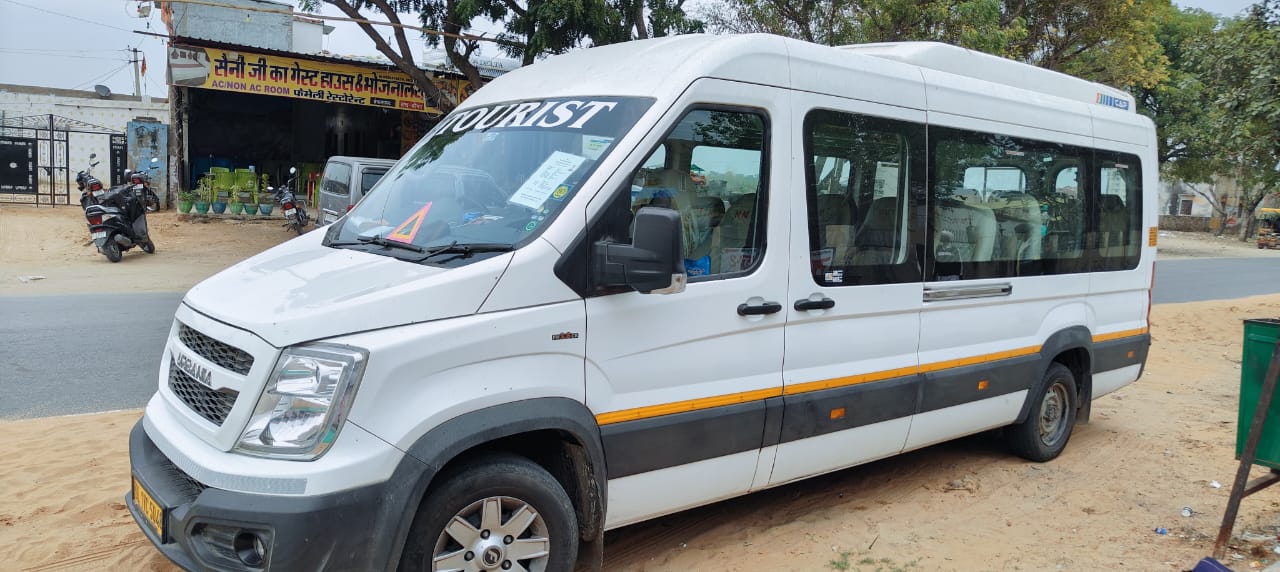
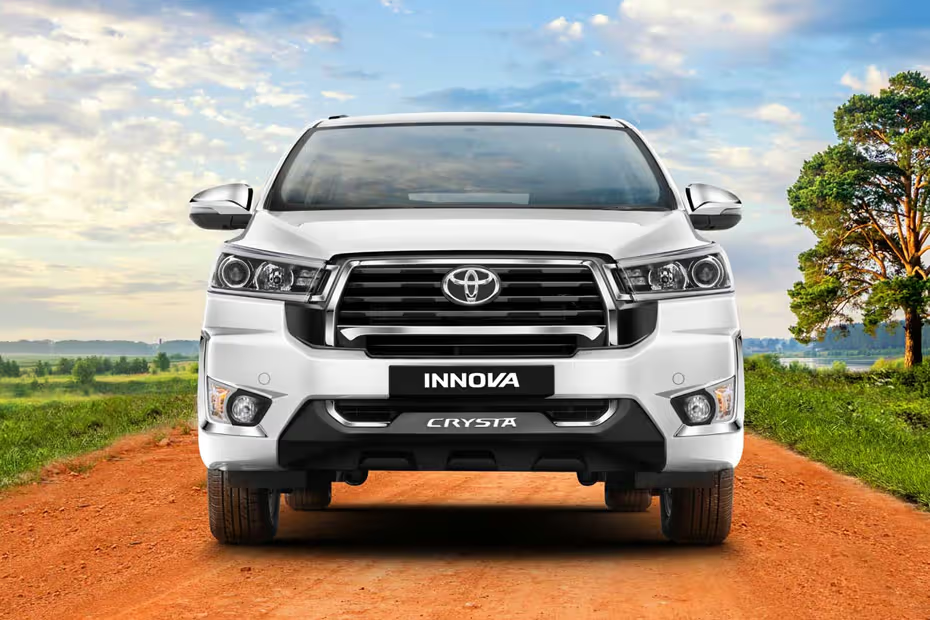
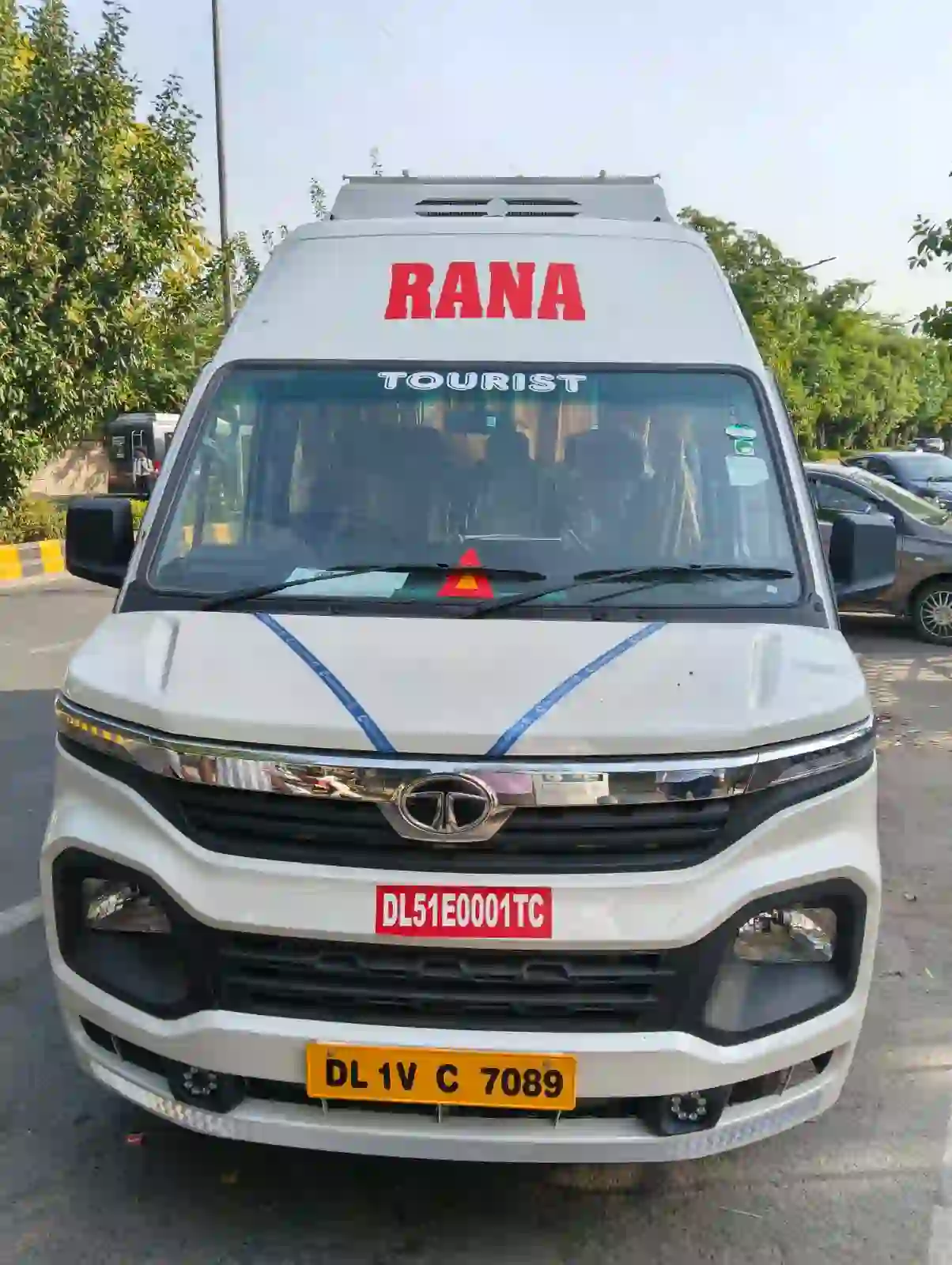
For families and groups planning this trip together, coordinating transport, hotel bookings, and a sightseeing schedule across three cities can get complicated fast if everything is arranged separately. Operators like SS Rana Tour and Travels put together fixed-departure Delhi Agra Jaipur packages that bundle transport, hotel stays, and a day-by-day sightseeing plan into a single itinerary, which removes a lot of the back-and-forth that comes with piecing together a multi-city trip independently, particularly for first-time visitors to India unfamiliar with the distances and logistics involved. Smaller families or couples doing this circuit sometimes look at a 9 Seater Tempo Traveller on Rent in Delhi specifically for the road legs between cities, since it offers more comfort than a standard sedan without the cost of a larger vehicle meant for bigger groups.
Best Time to Visit Delhi, Agra, and Jaipur
Winter (October to March)
This remains the most comfortable window for a delhi agra jaipur tour package, with pleasant daytime temperatures across all three cities and considerably more manageable conditions for extended outdoor sightseeing at monuments like the Taj Mahal or Amber Fort. This period also happens to be the busiest travel season, so booking hotels and monument tickets a few weeks in advance is worth doing during these months.
Summer (April to June)
Temperatures climb sharply across North India during these months, particularly in Rajasthan, where daytime heat can make extended outdoor sightseeing genuinely uncomfortable. Travelers who do visit during this period generally plan sightseeing for early mornings and evenings, using the hottest midday hours for indoor breaks or travel between cities.
Monsoon (July to September)
Rainfall during these months brings some relief from the summer heat, along with a greener, more atmospheric backdrop for monuments like the Taj Mahal, though humidity remains high throughout. This period sees noticeably fewer tourists, which can be an advantage for travelers who'd rather avoid the peak-season crowds at major sites.
Quick answer: The best time for a Golden Triangle tour package is October to March for the most comfortable weather across Delhi, Agra, and Jaipur, though shoulder-season travel in September or early April can offer a reasonable balance between weather and crowd levels.
How to Travel Between Delhi, Agra, and Jaipur
Delhi to Agra
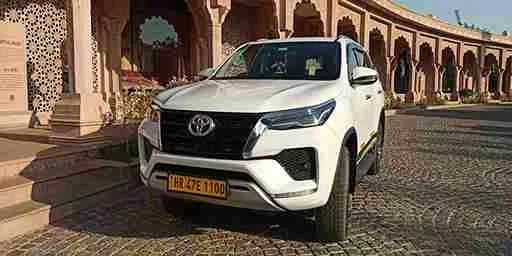
This is the shortest leg of the circuit, covering roughly 230 kilometers, and is most commonly covered by road via the Yamuna Expressway, taking around 3-4 hours depending on traffic. The Gatimaan Express, one of India's faster trains, also connects Delhi to Agra in under two hours, making it a popular option for travelers who'd rather skip the road journey for this particular leg.
Agra to Jaipur
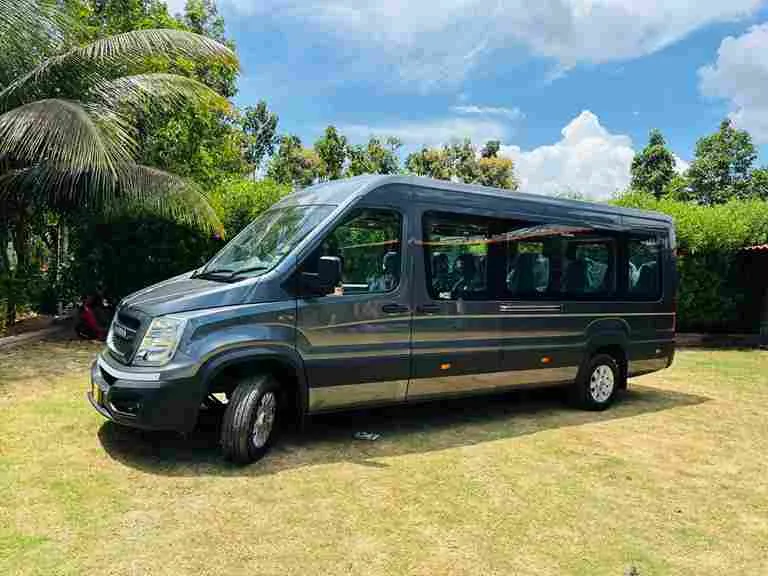
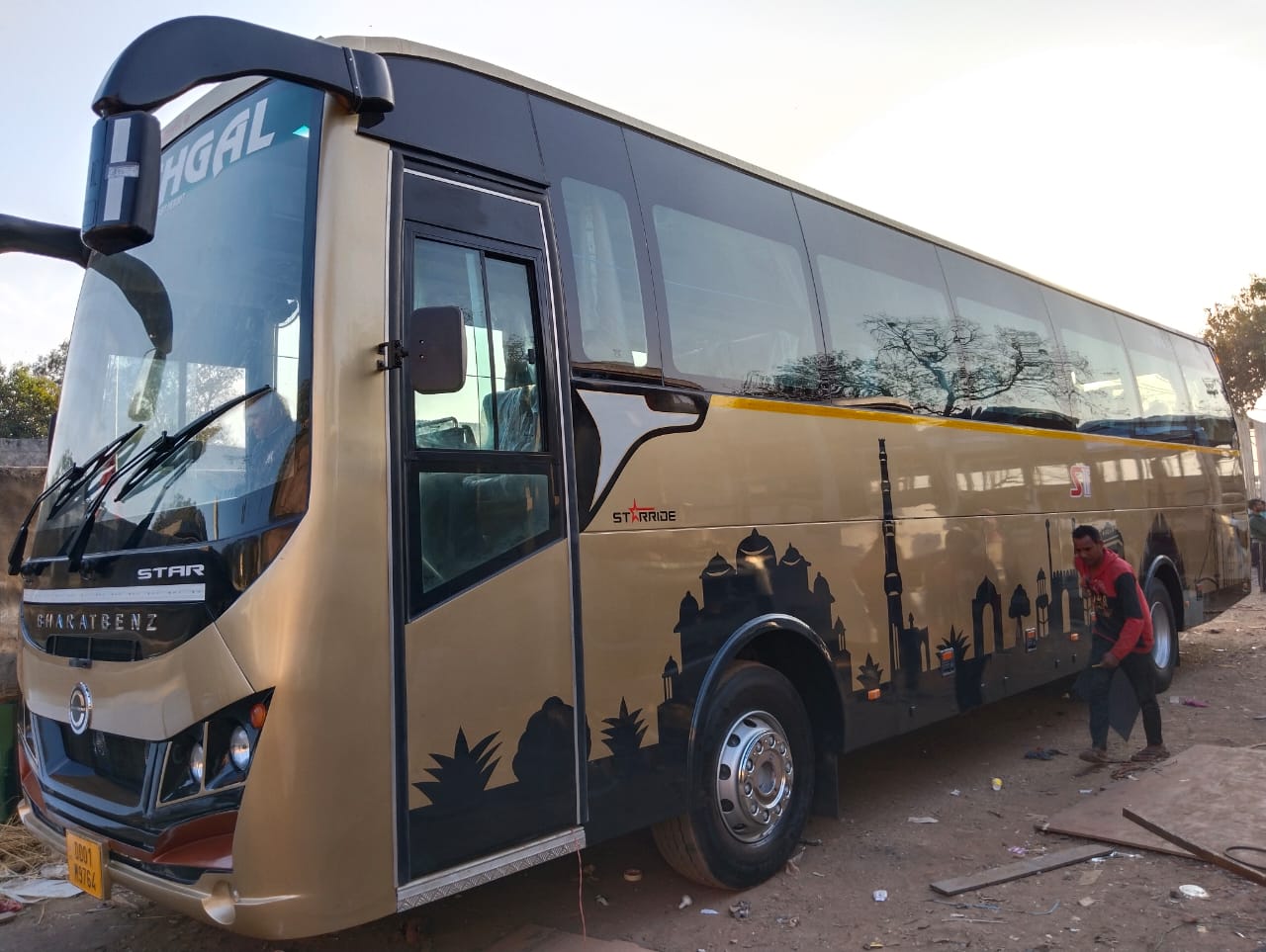
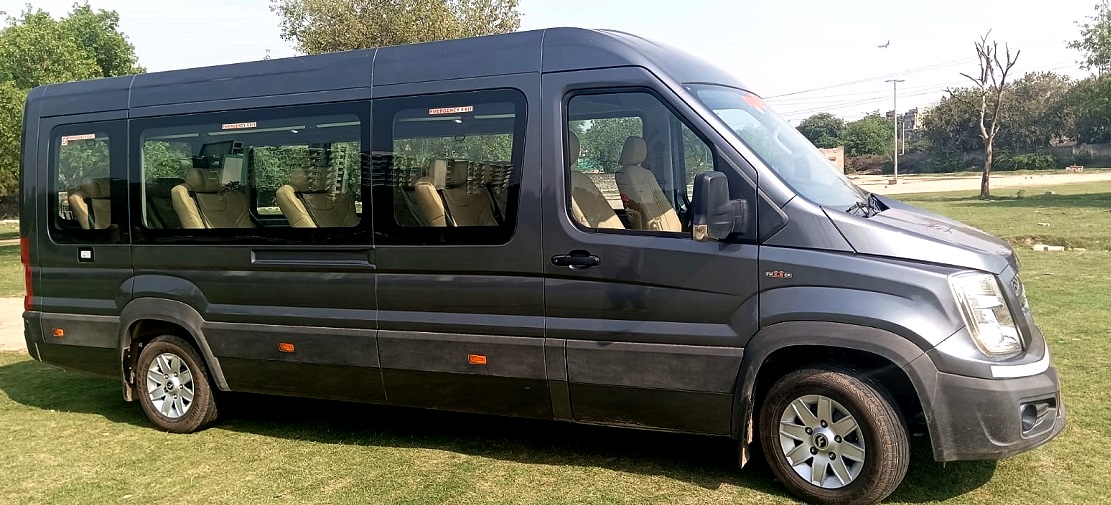
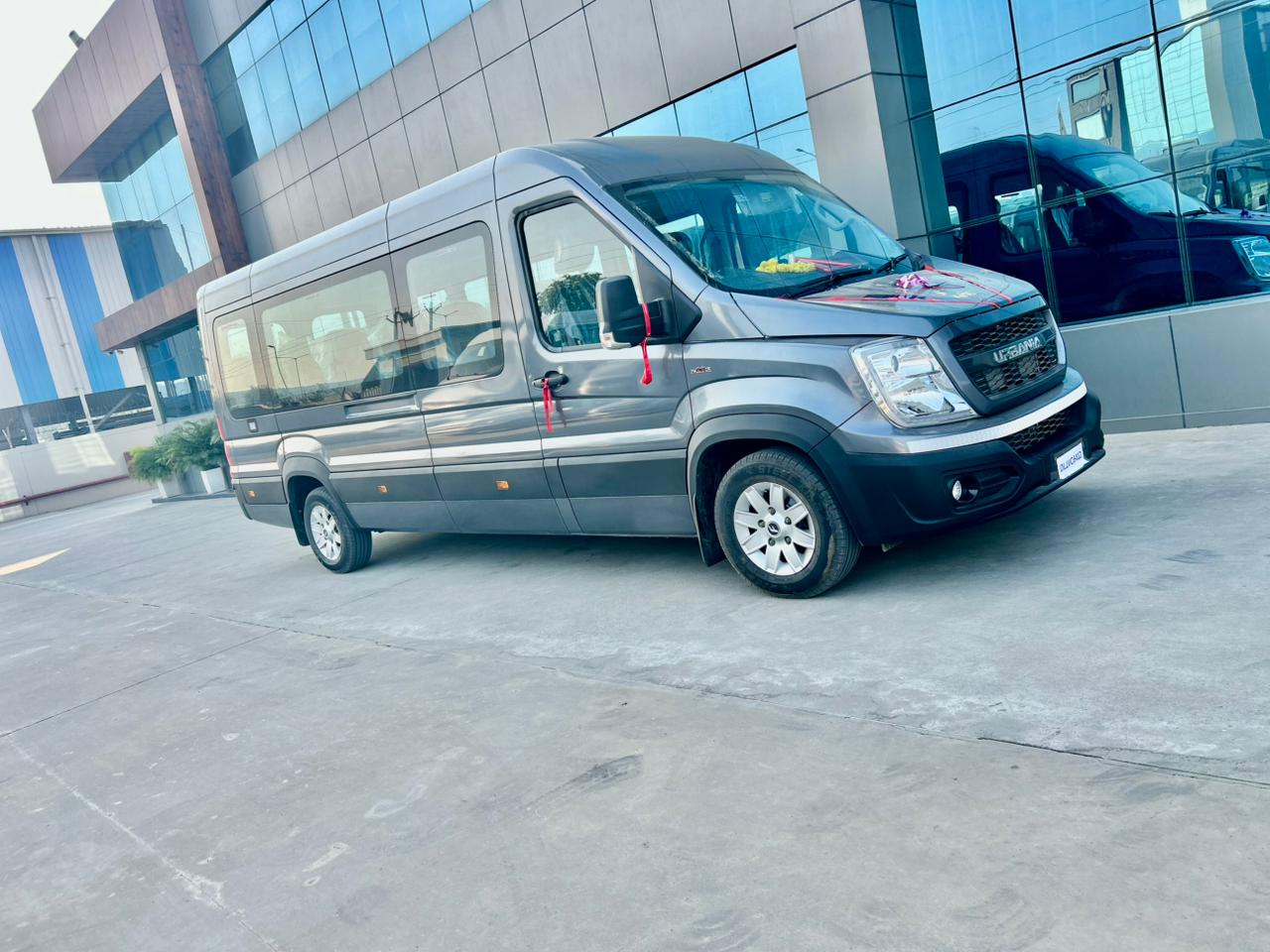
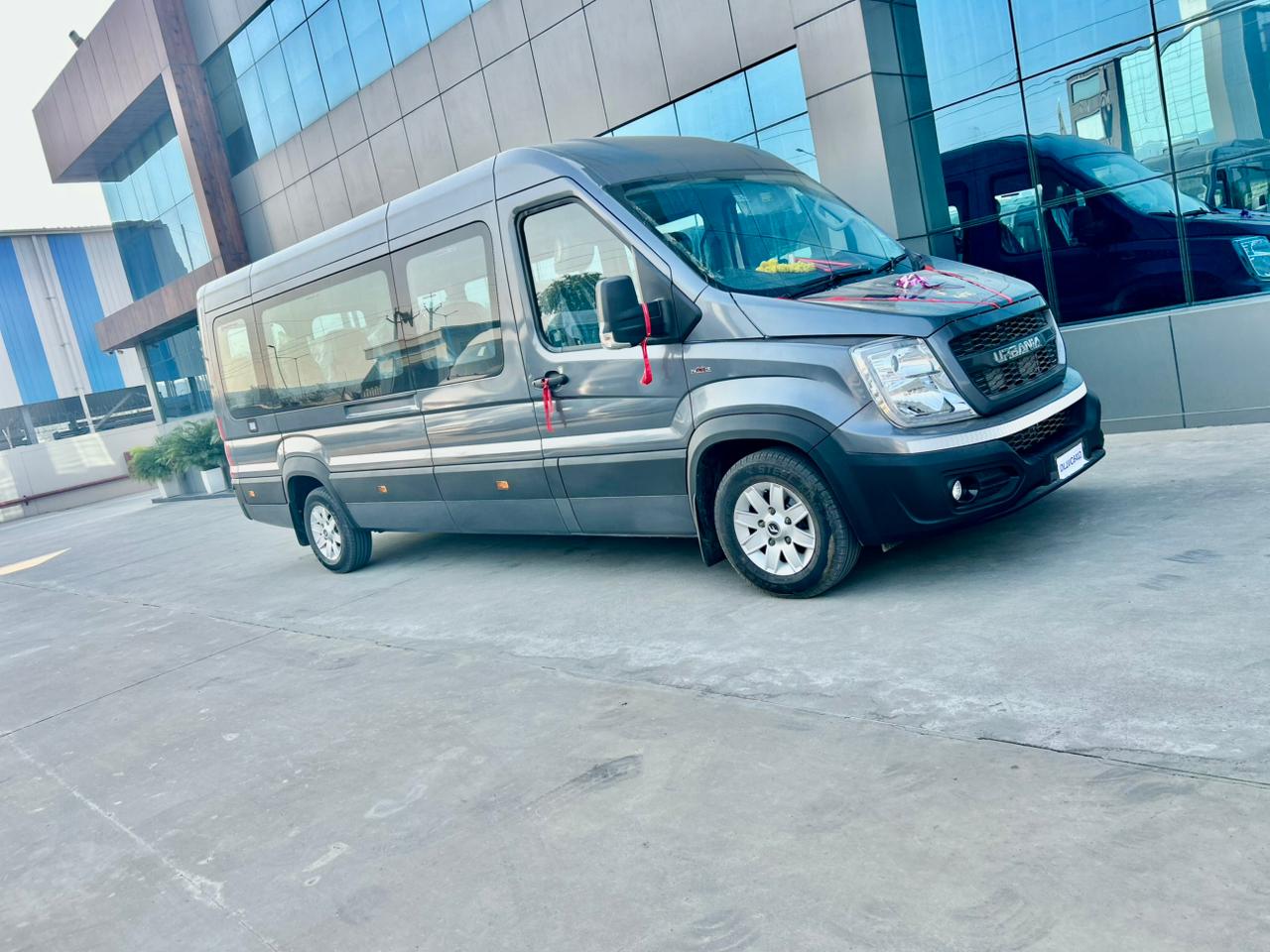
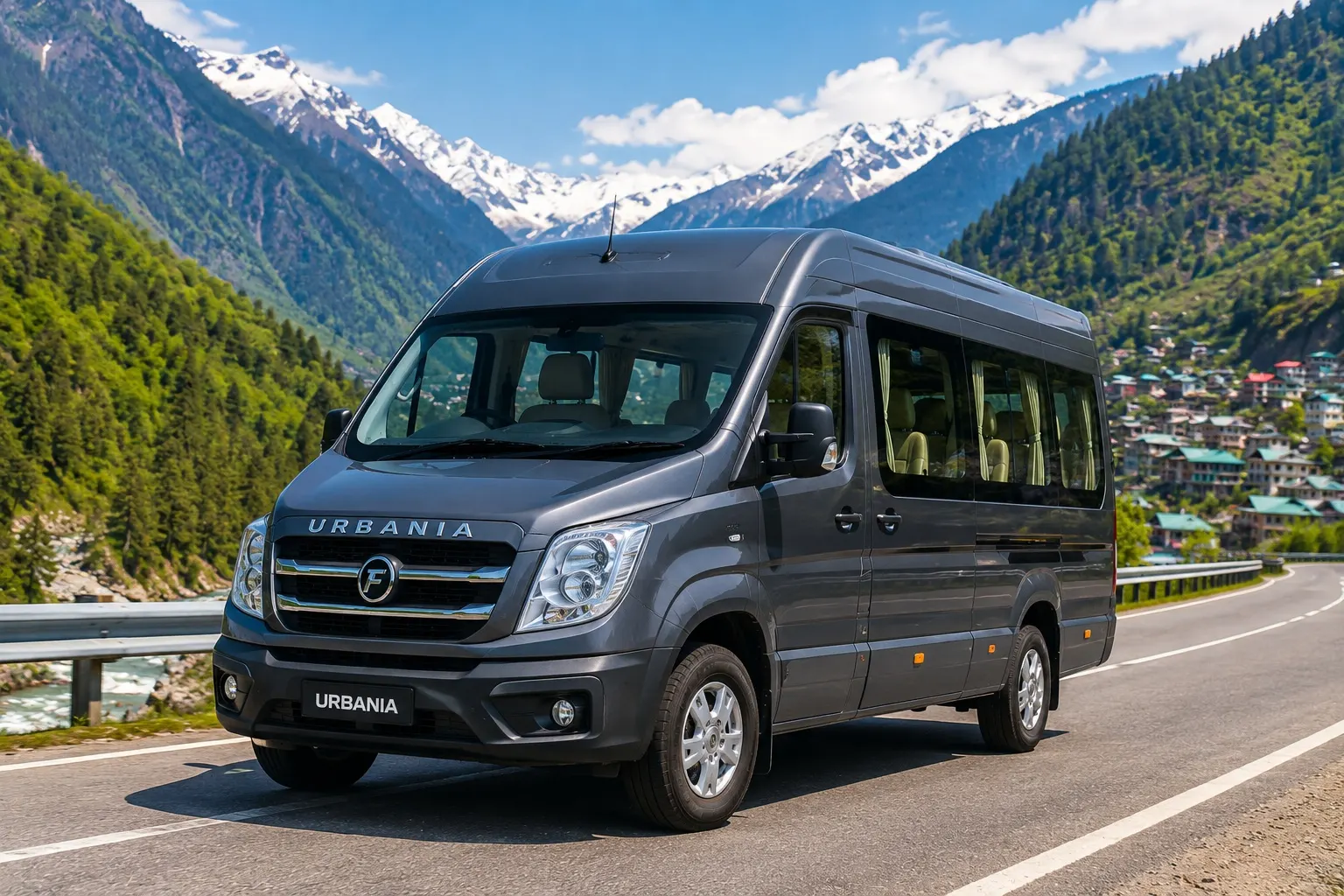
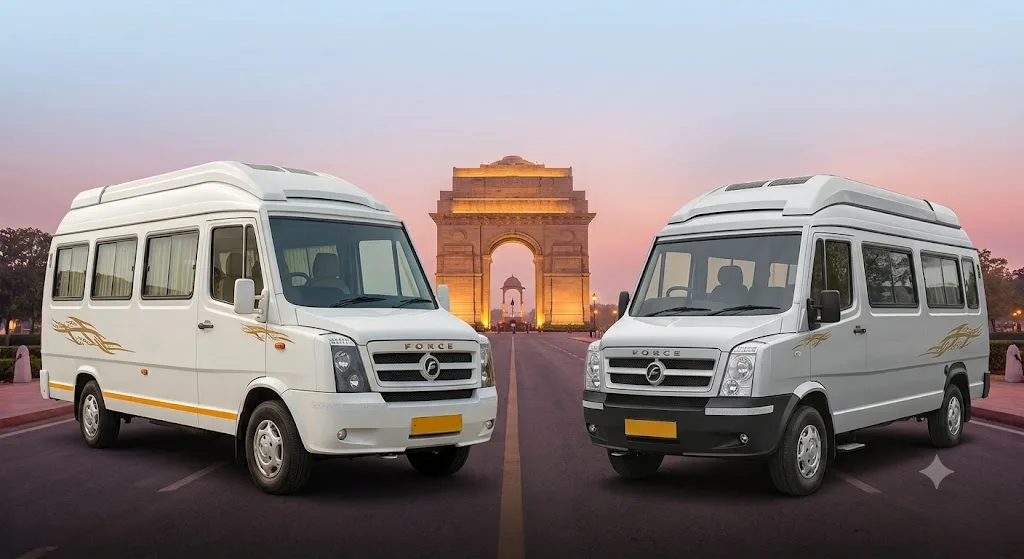
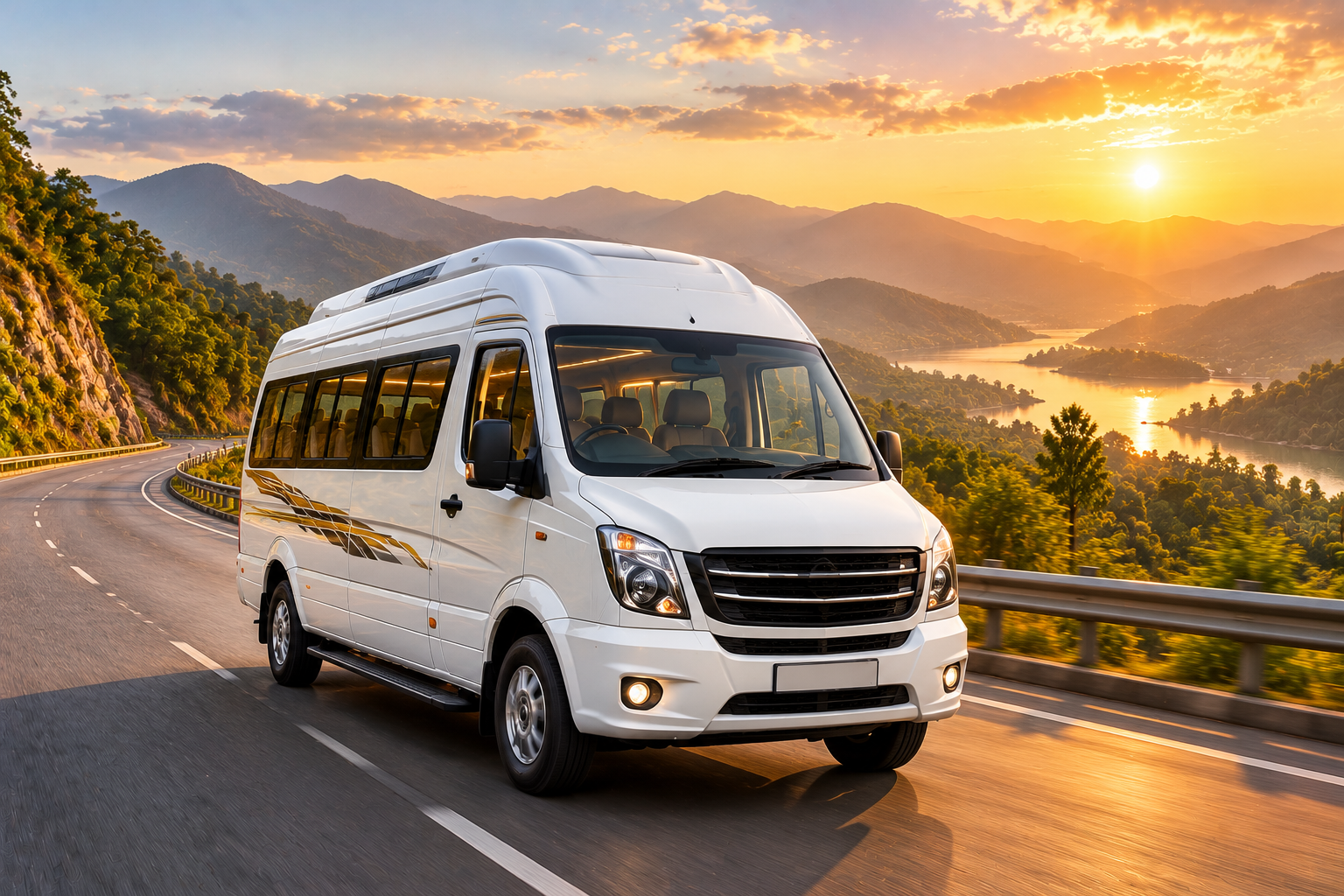
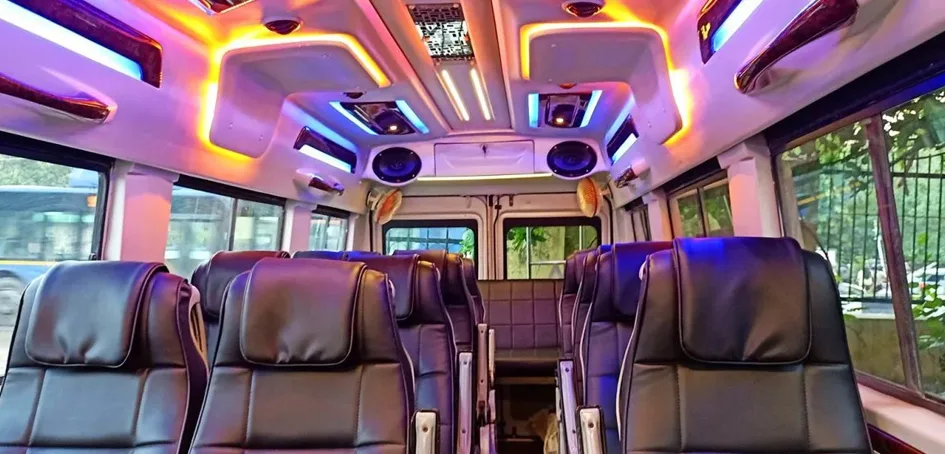
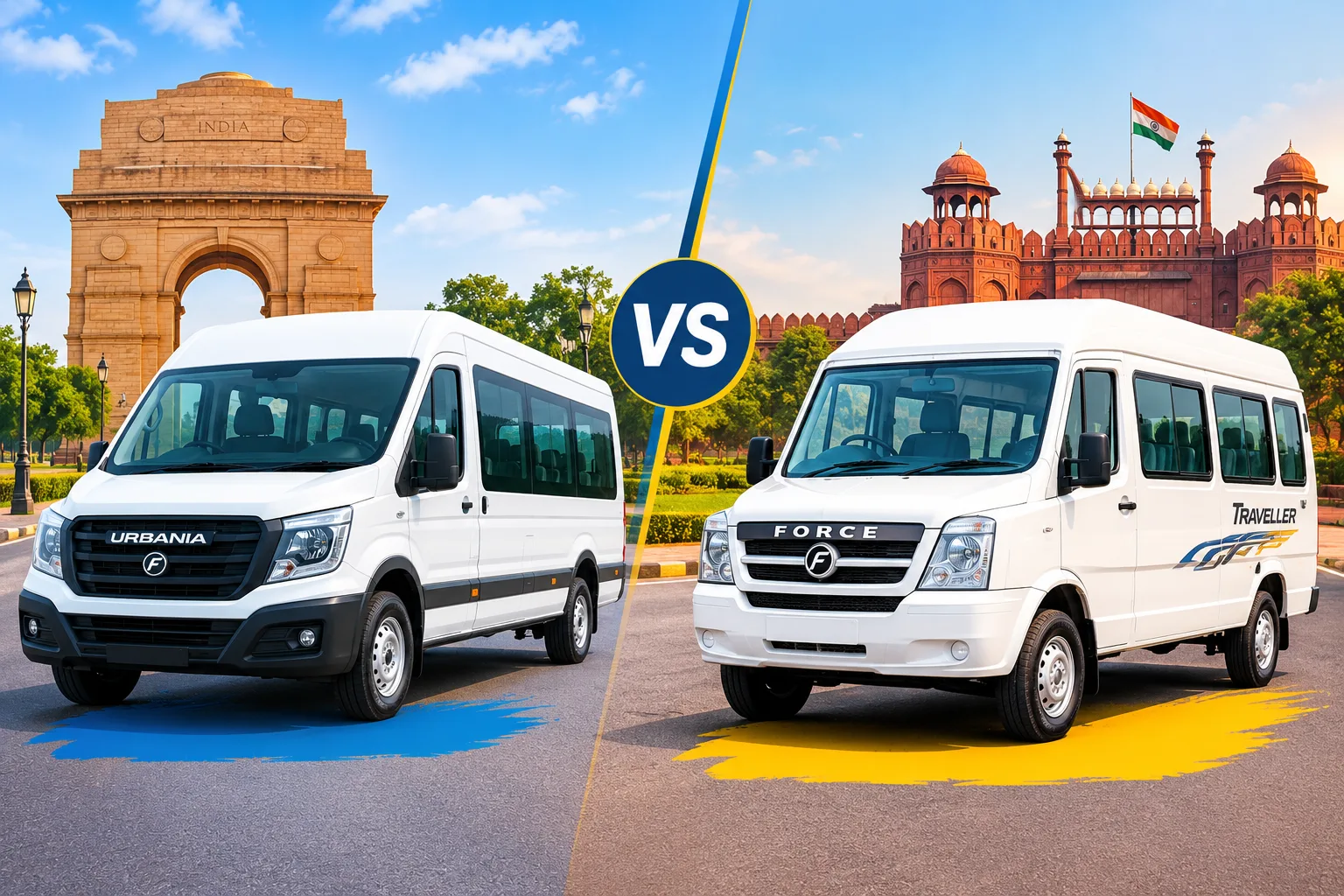
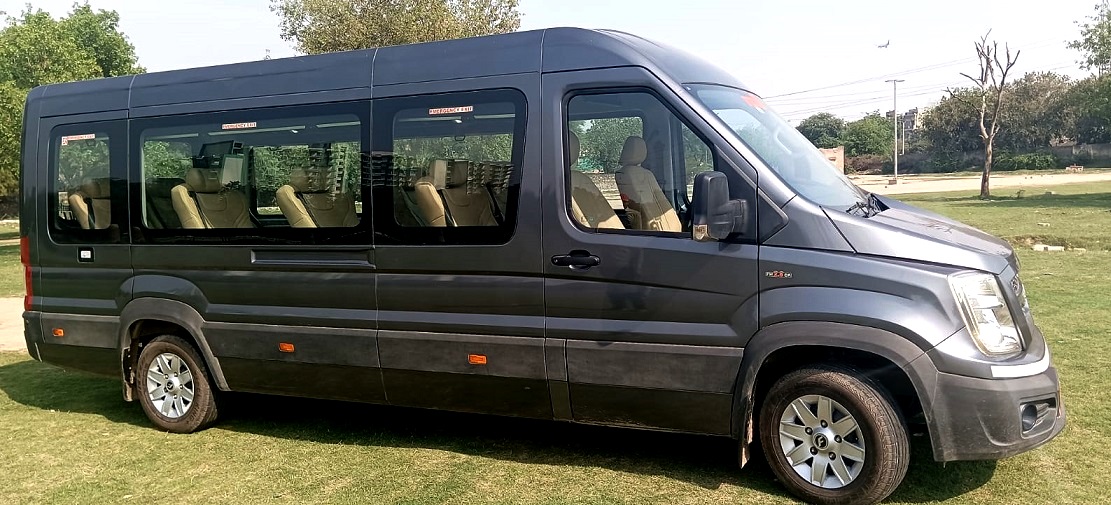
This stretch covers approximately 240 kilometers and typically takes 5-6 hours by road, passing through Fatehpur Sikri along the way, which many itineraries build in as a stop rather than a separate day trip. There's no particularly fast train connection for this specific leg, which is why most delhi agra jaipur tour package itineraries rely on road travel for this segment, often with a private vehicle arranged as part of the package. Larger family groups covering this circuit together sometimes upgrade to a 12-seater Urbania Maharaja Tempo Traveller for this stretch, given the extra comfort it offers over a longer multi-hour drive.
Jaipur back to Delhi
Completing the triangle, this final leg covers roughly 280 kilometers and takes around 5-6 hours by road, or a comparable duration by train depending on the specific service. Most standard circuits end here, dropping travelers back in Delhi for onward travel or departure.
Quick answer: Most travelers cover the Golden Triangle by road using a private vehicle arranged through their tour operator, with the Delhi-Agra leg sometimes covered by the faster Gatimaan Express train instead.
Delhi Agra Jaipur Tour Package Cost: What to Expect
Costs for a Golden Triangle tour package vary depending on season, hotel category, and trip duration, but understanding the general cost structure helps when comparing quotes from different operators.
What's Usually Included
Most standard packages cover private transport between the three cities, hotel stays for the duration of the trip, daily breakfast, and a fixed sightseeing itinerary covering the major monuments in each city. A well-structured package typically includes a local guide at key sites like the Taj Mahal and Amber Fort, since historical context adds considerably to the experience at these locations.
What's Usually Extra
Monument entry tickets are sometimes bundled into the package and sometimes priced separately, so it's worth checking this specifically when comparing quotes, particularly for sites like the Taj Mahal that charge a noticeably higher fee for foreign nationals. Meals beyond breakfast, elephant or jeep rides at forts, and any optional add-on experiences are typically priced as extras rather than included in the base cost.
Quick answer: A Delhi Agra Jaipur tour package generally includes transport, hotels, breakfast, and a guided sightseeing itinerary, while monument tickets, additional meals, and optional experiences are often priced separately depending on the operator.
Top Places to Visit on the Golden Triangle Circuit
Delhi
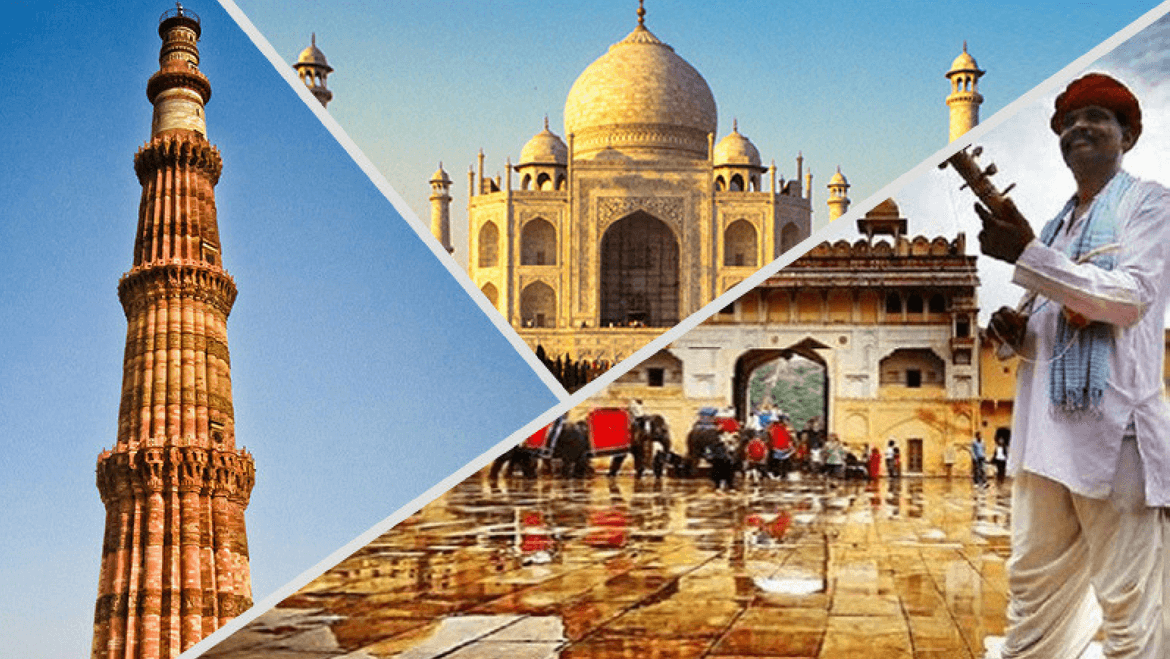
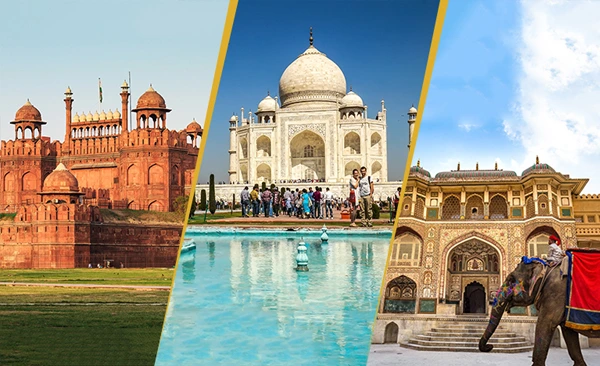
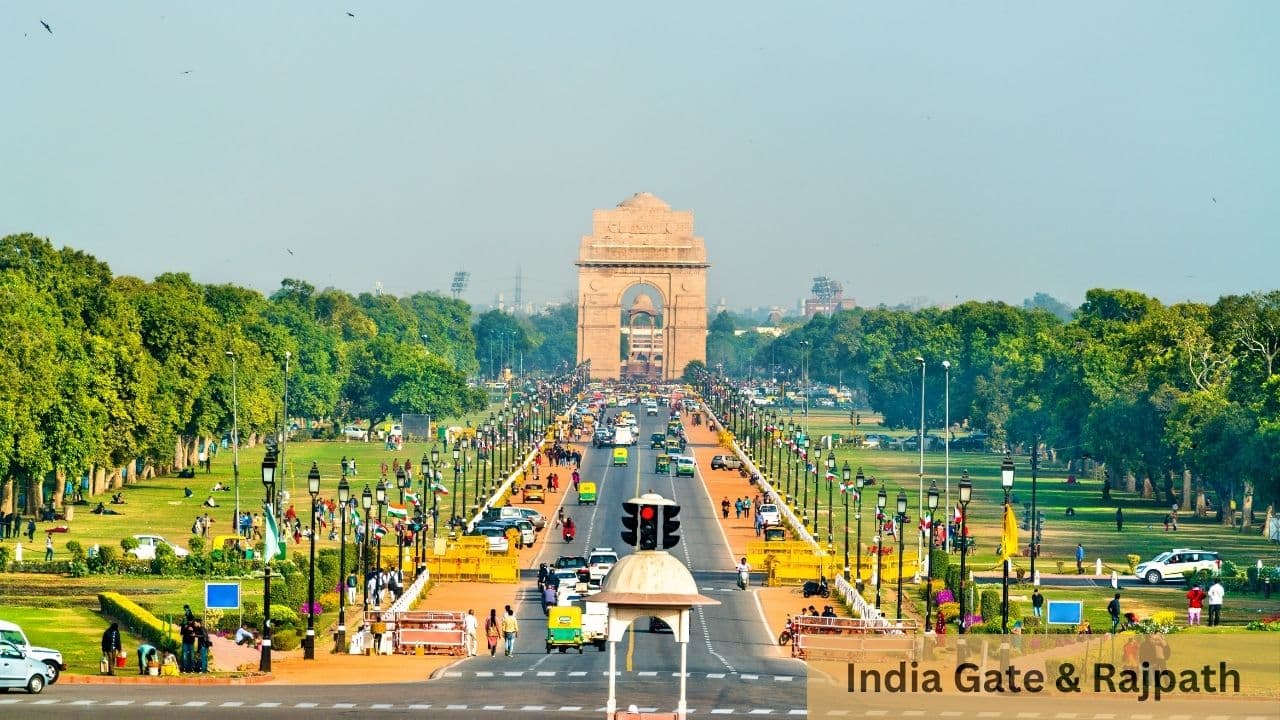
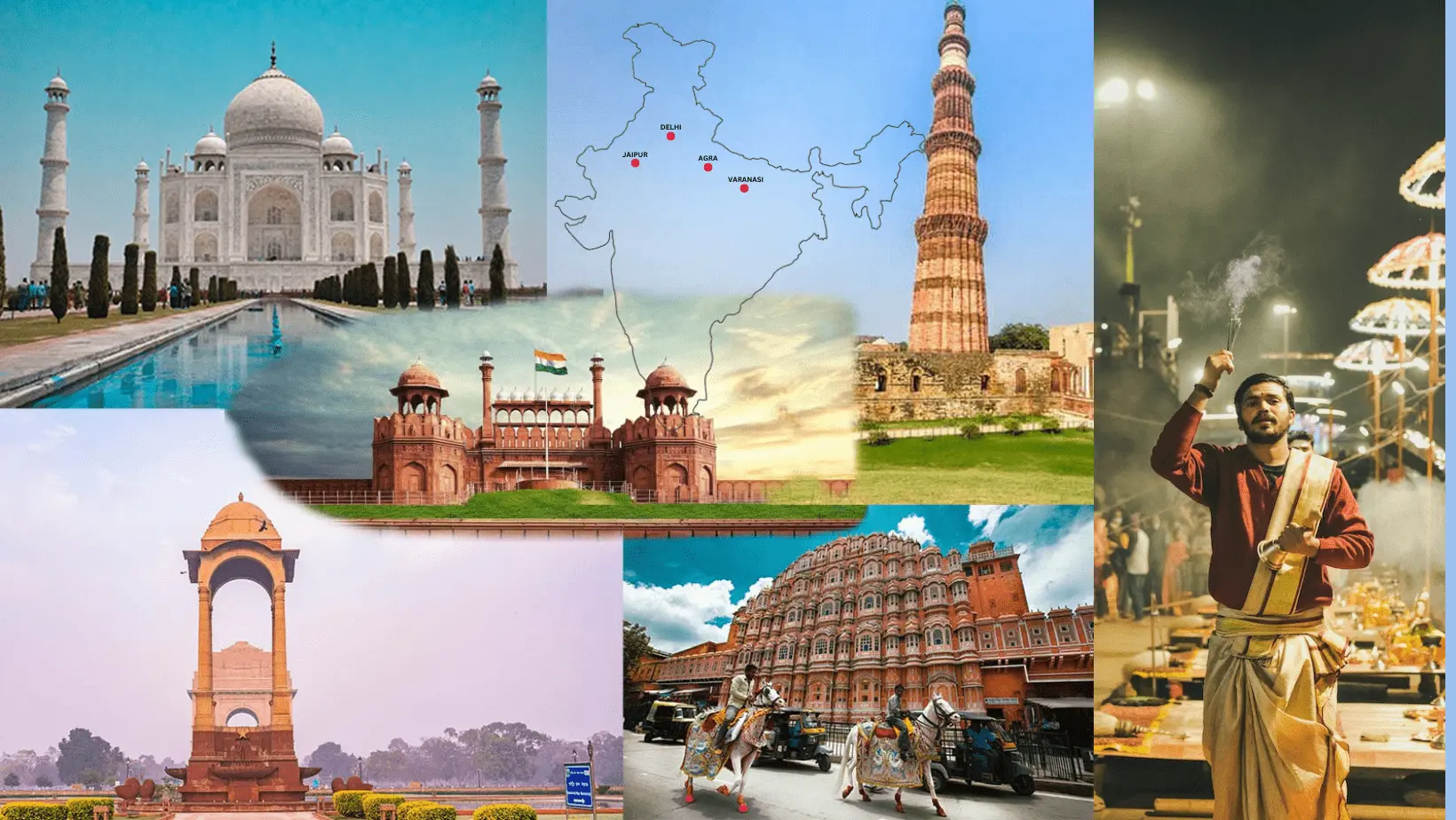
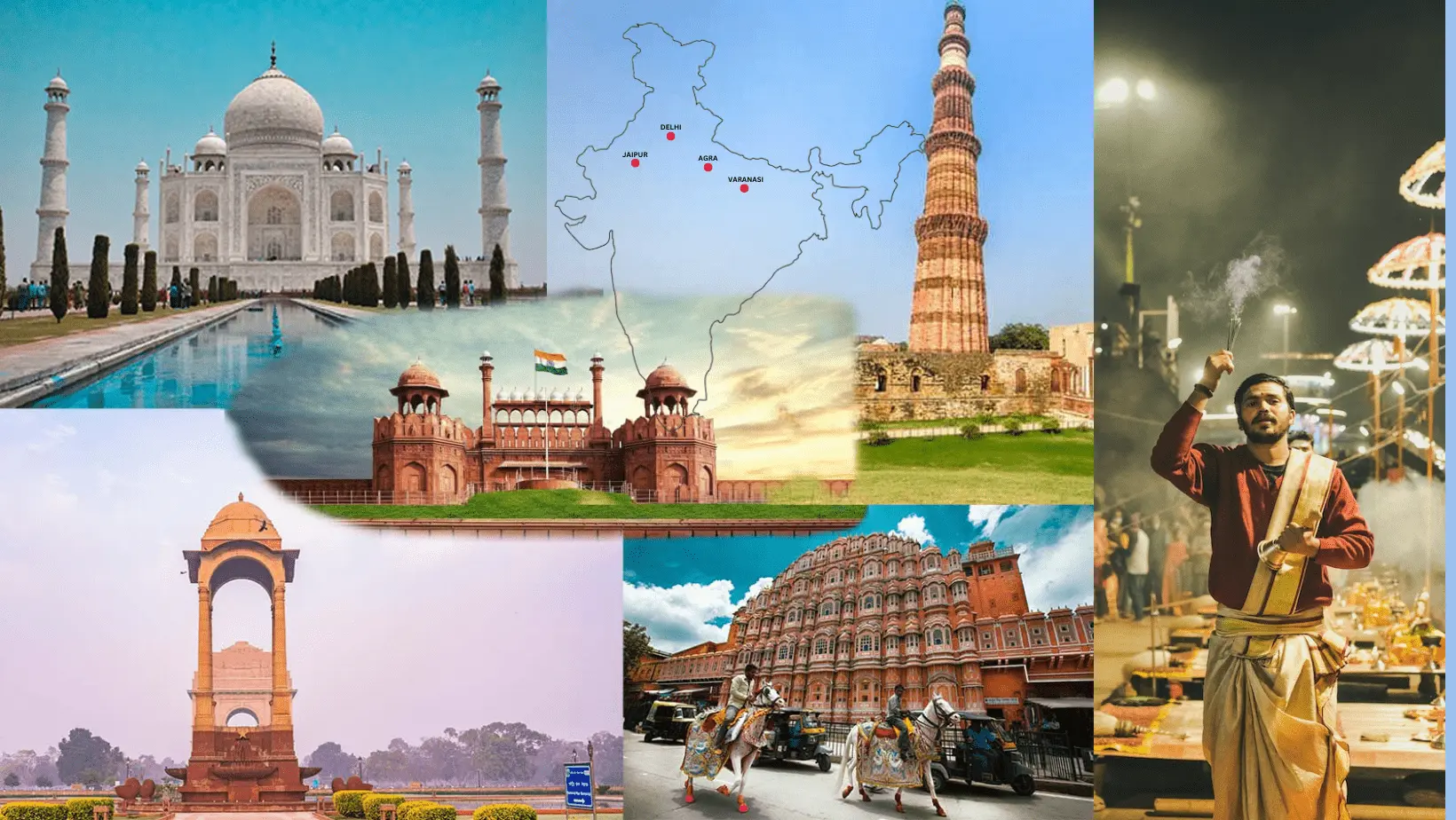
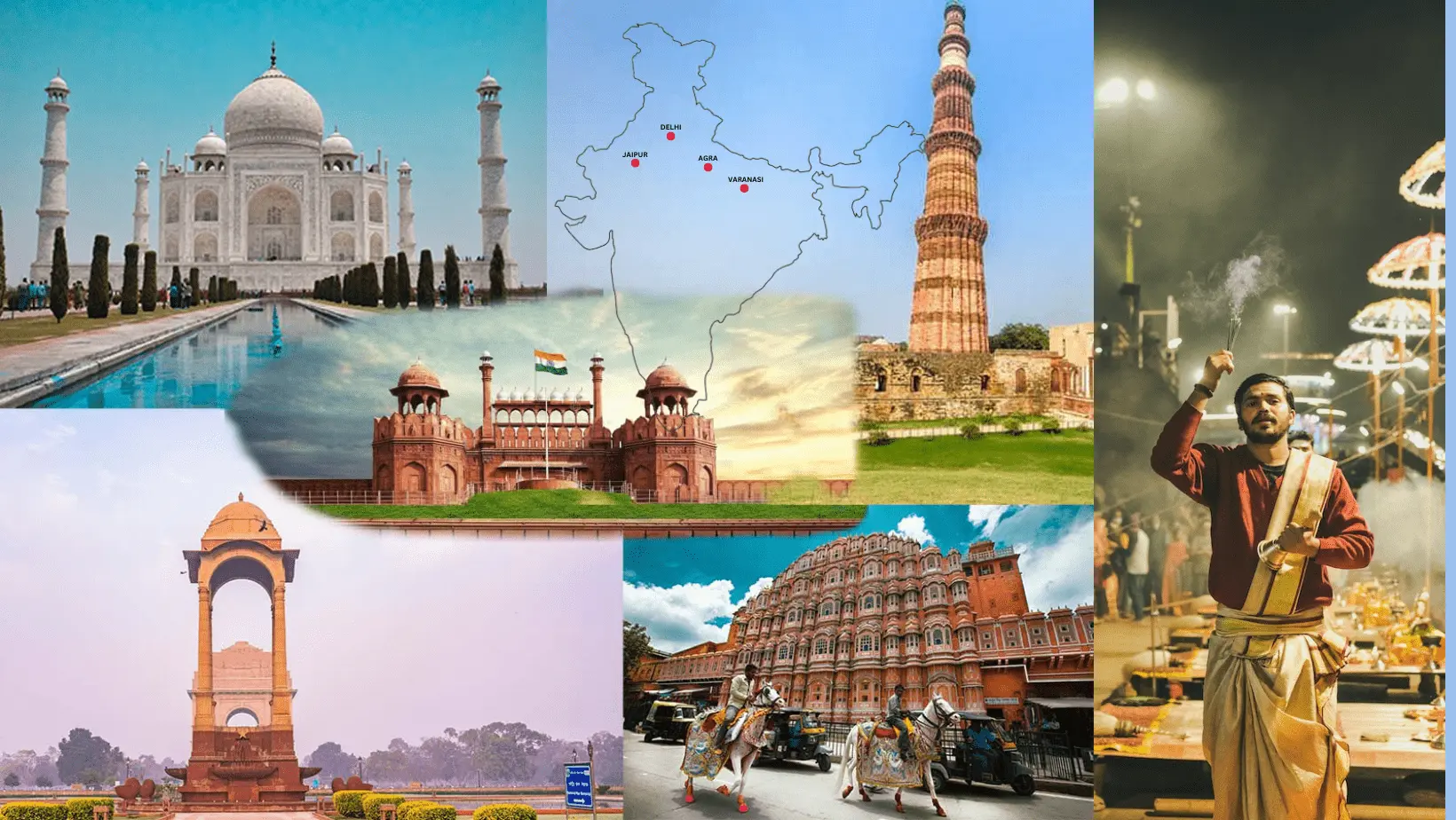
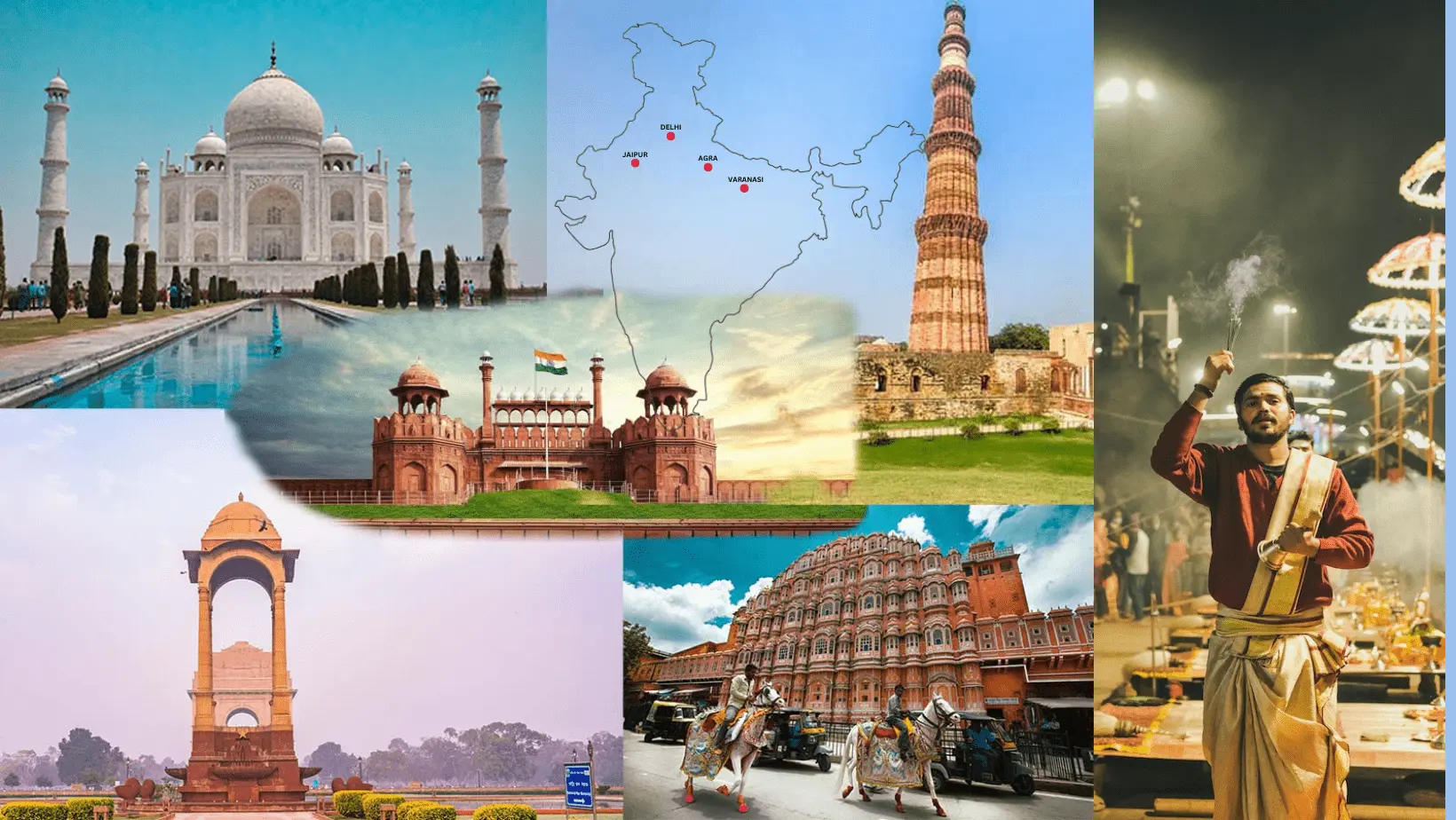
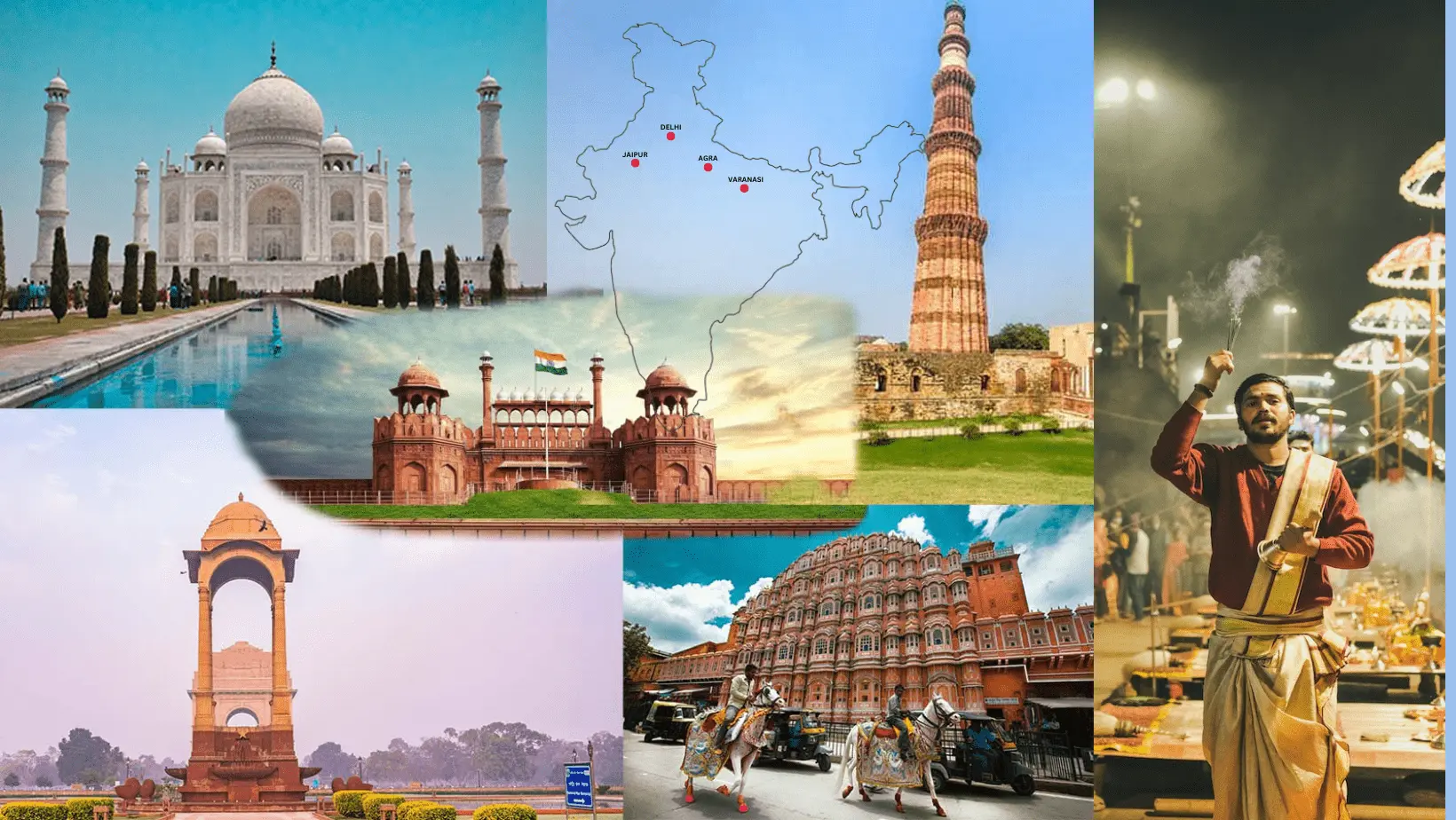
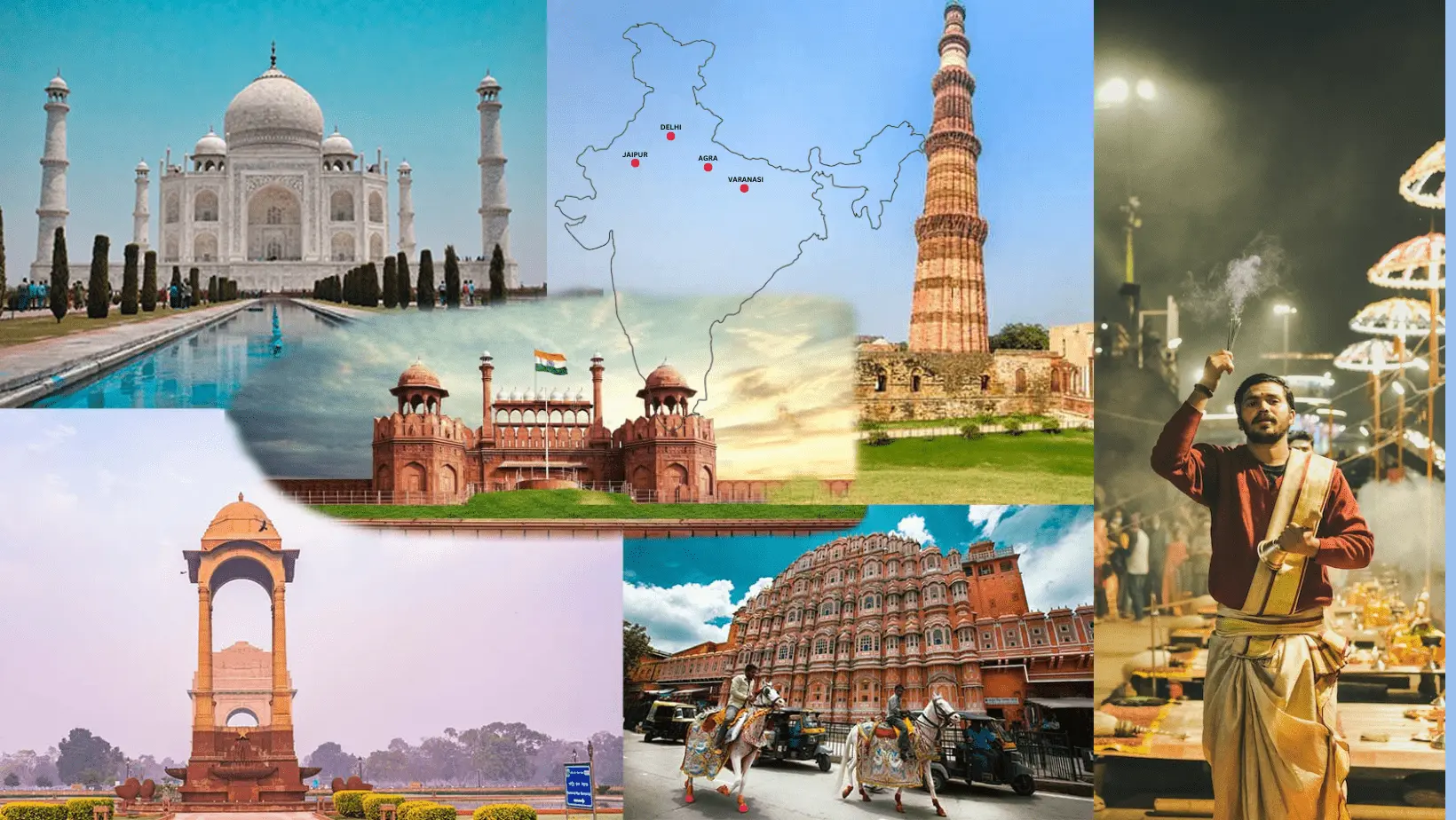
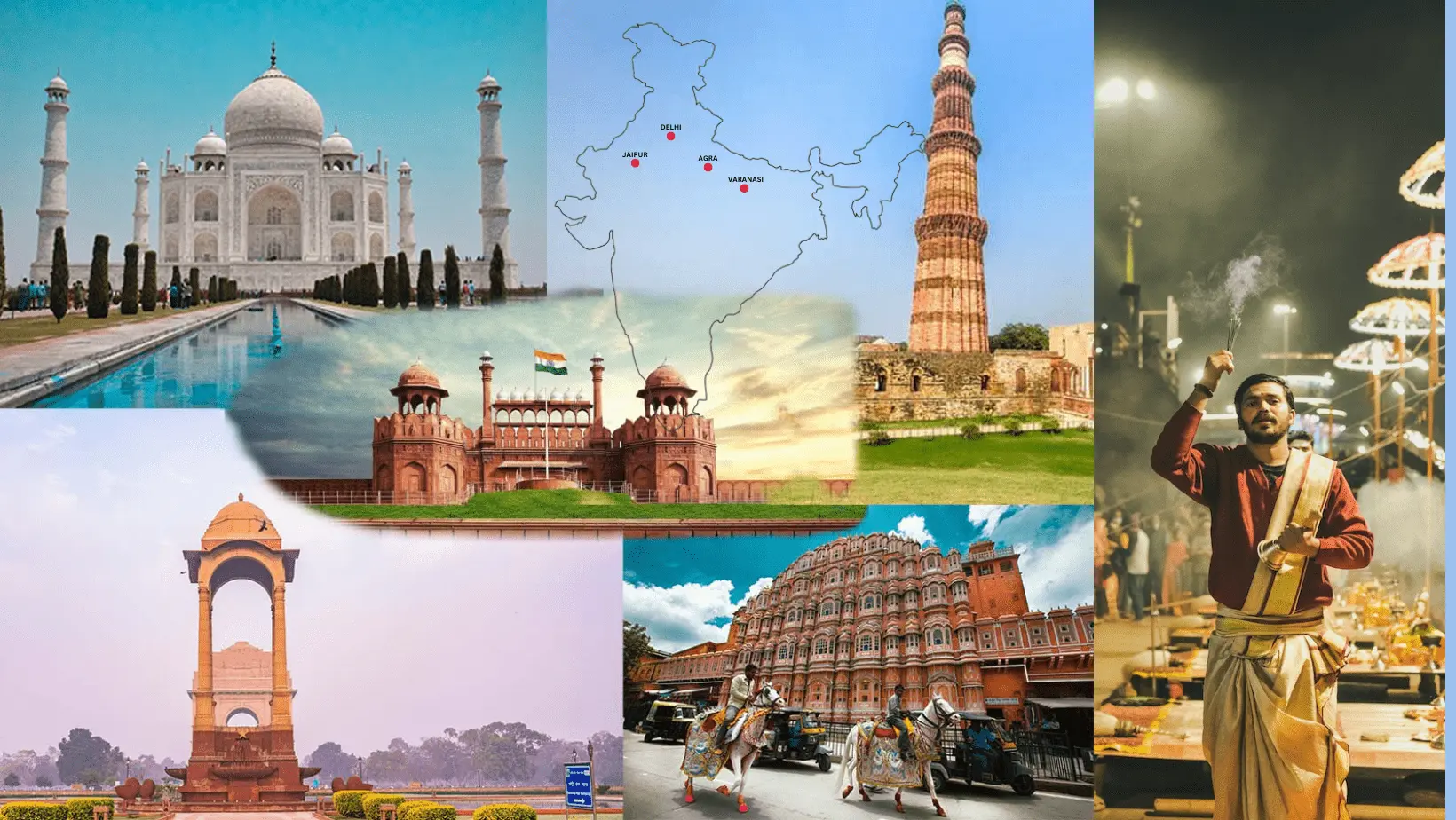
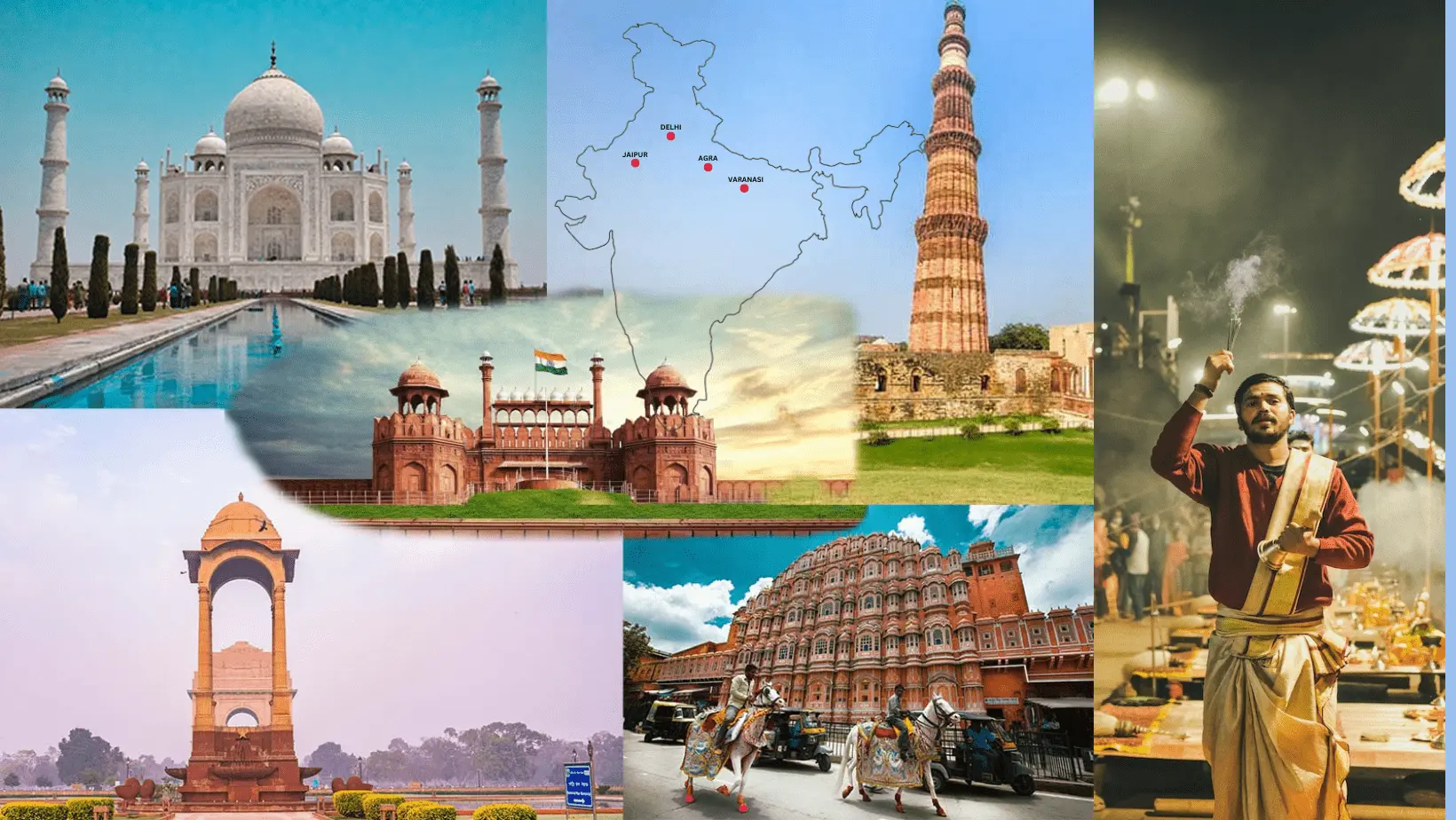
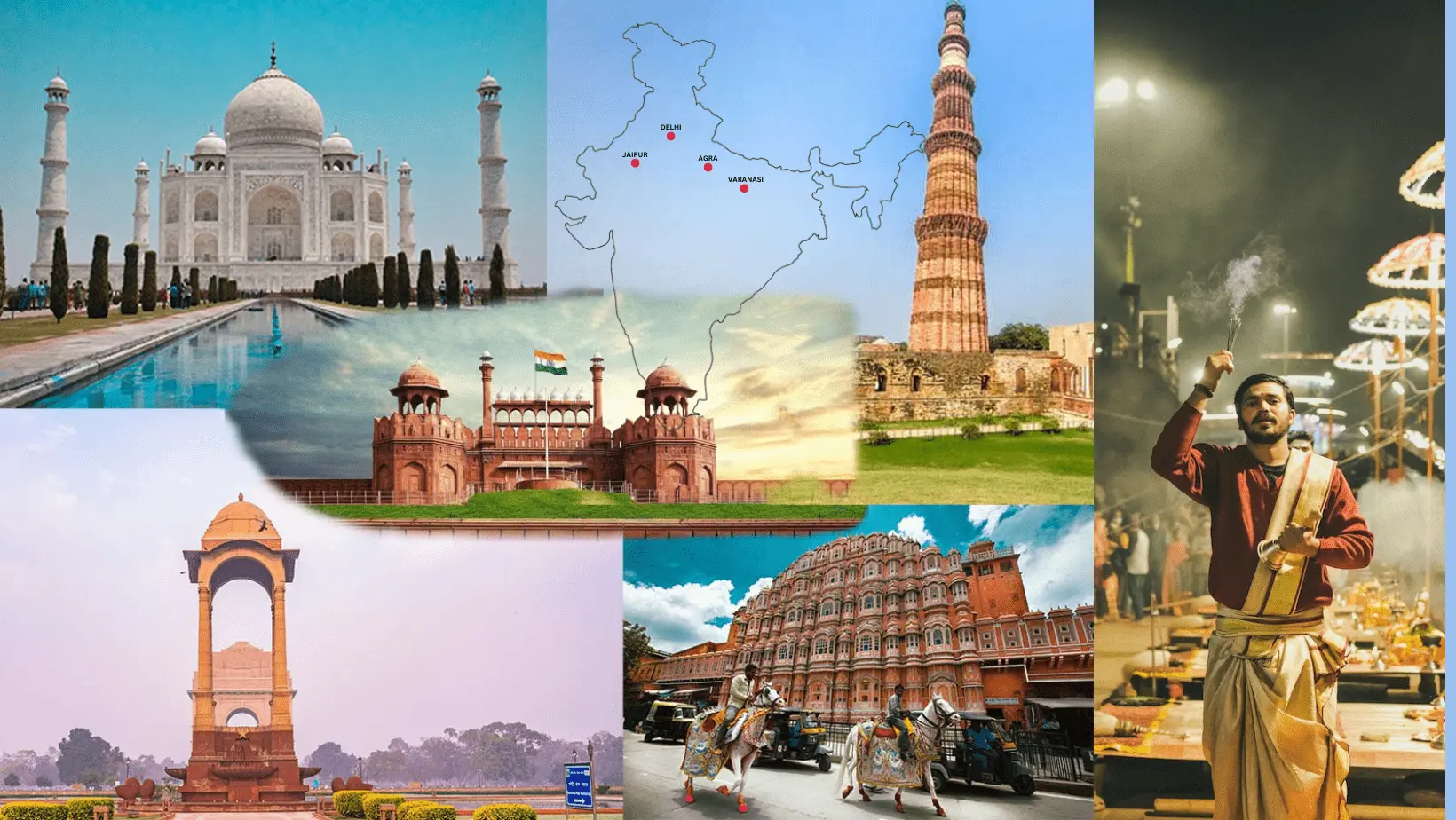
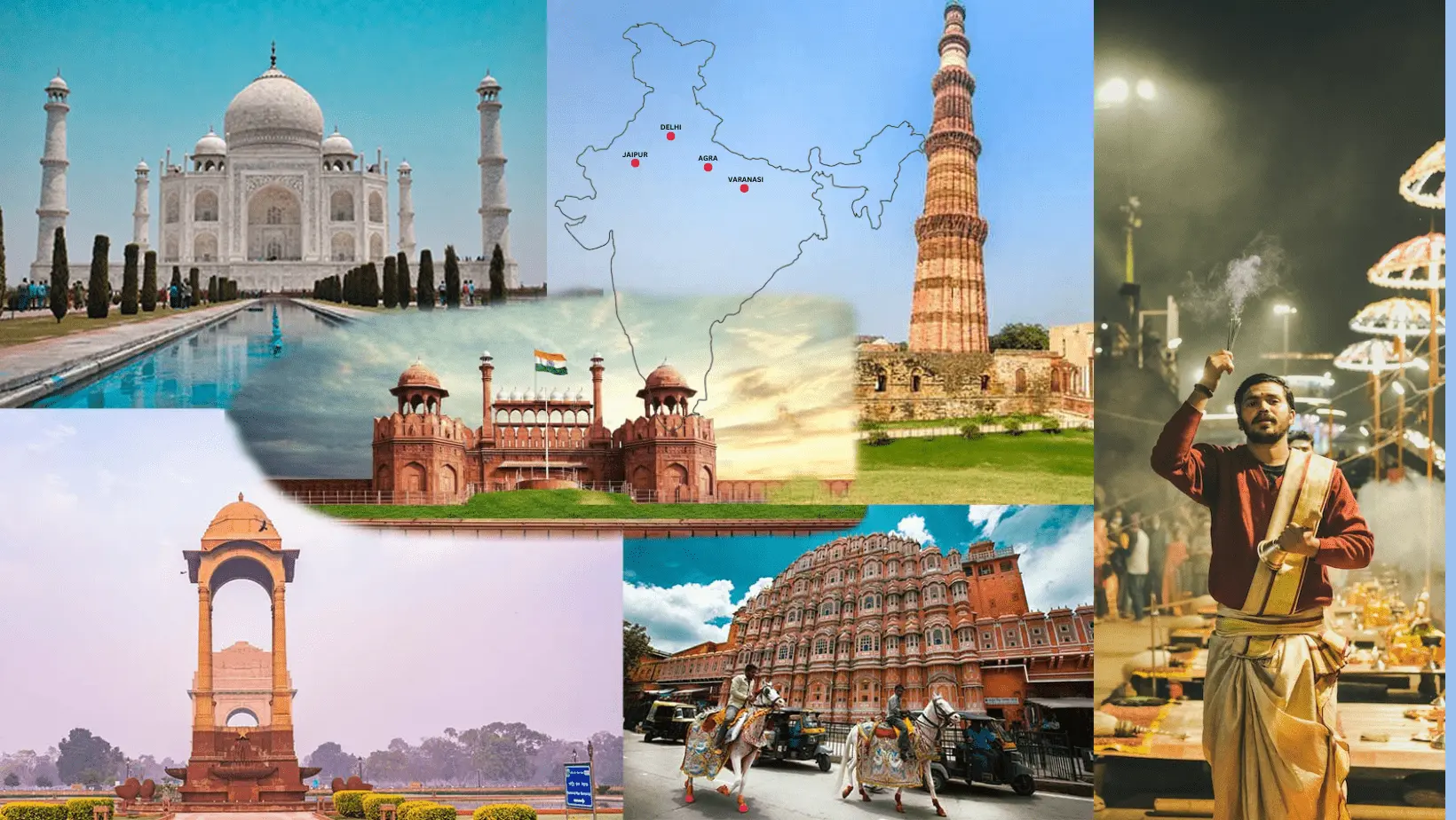
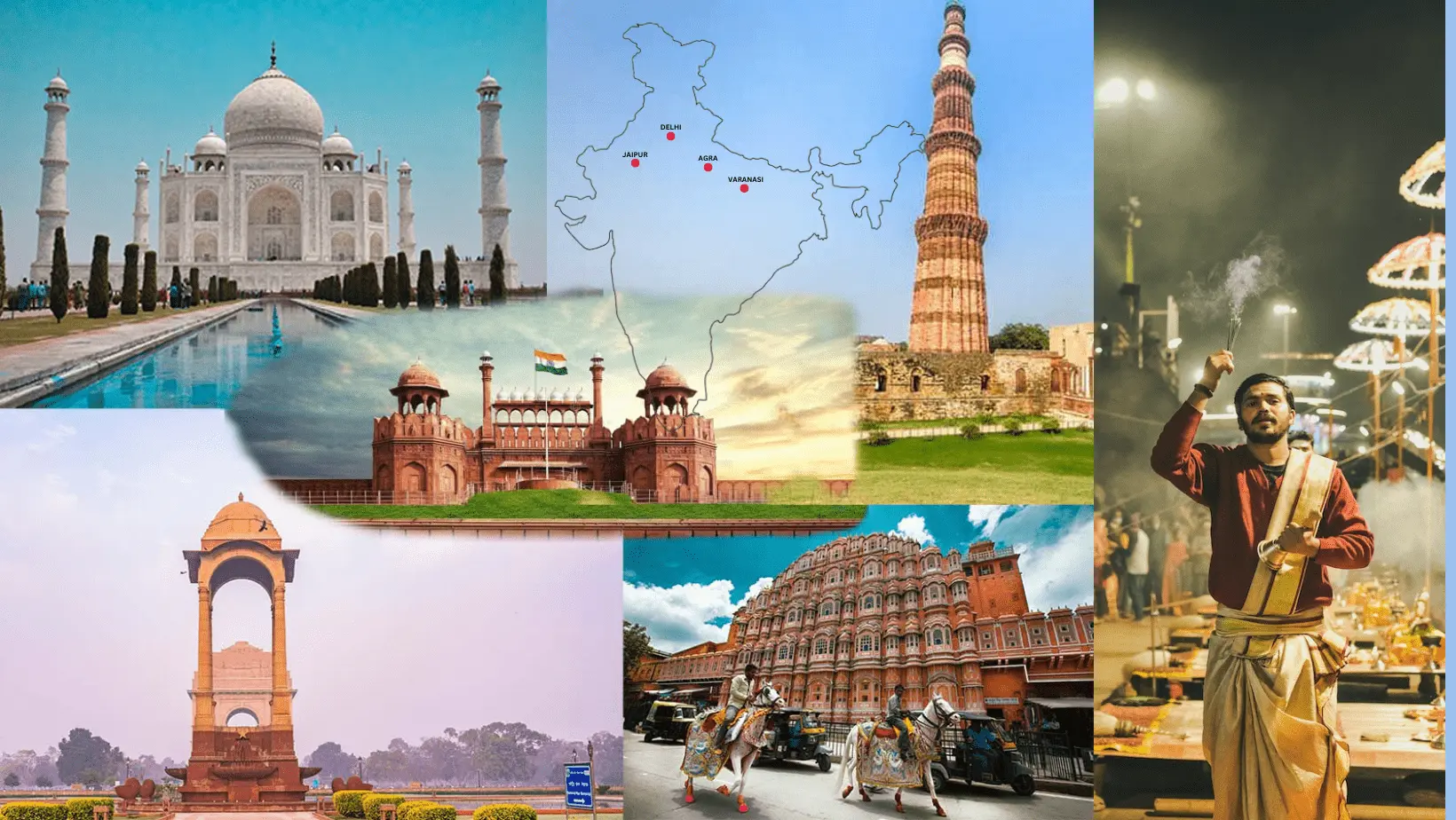
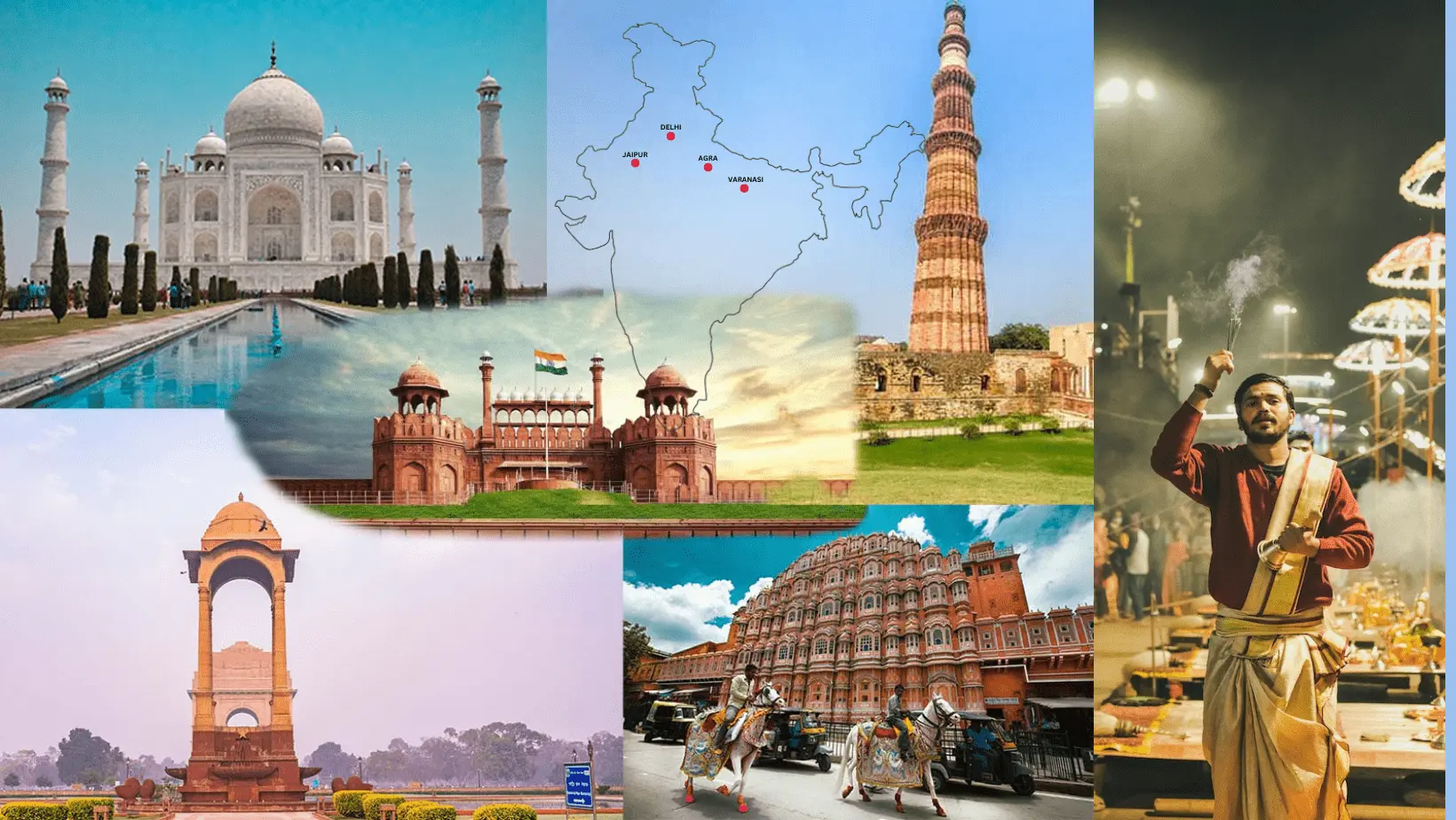
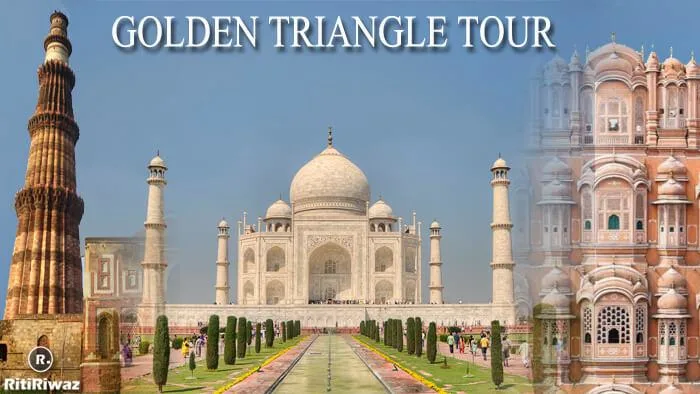
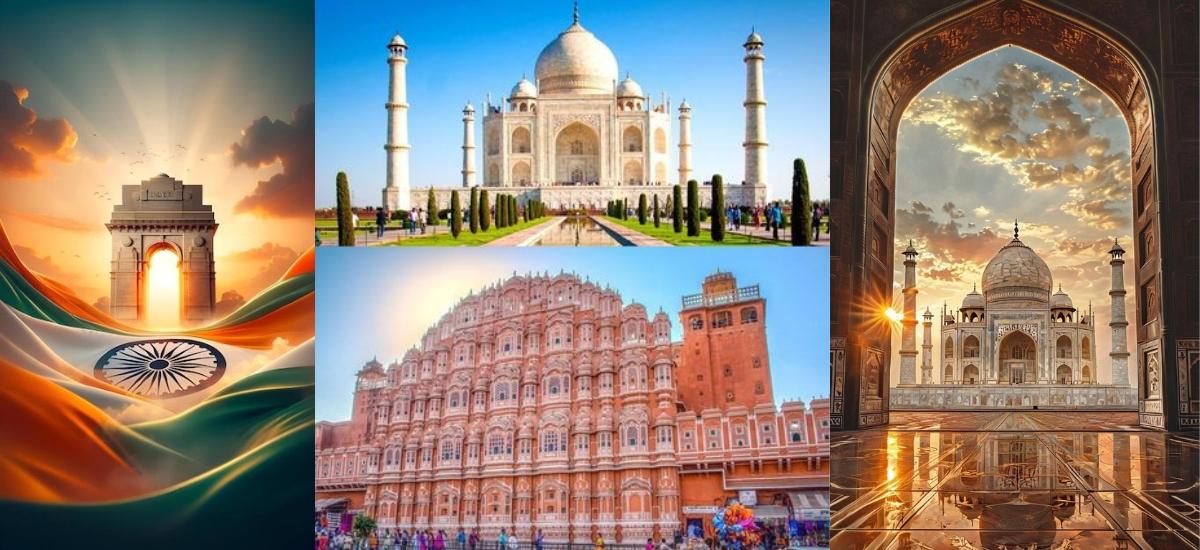
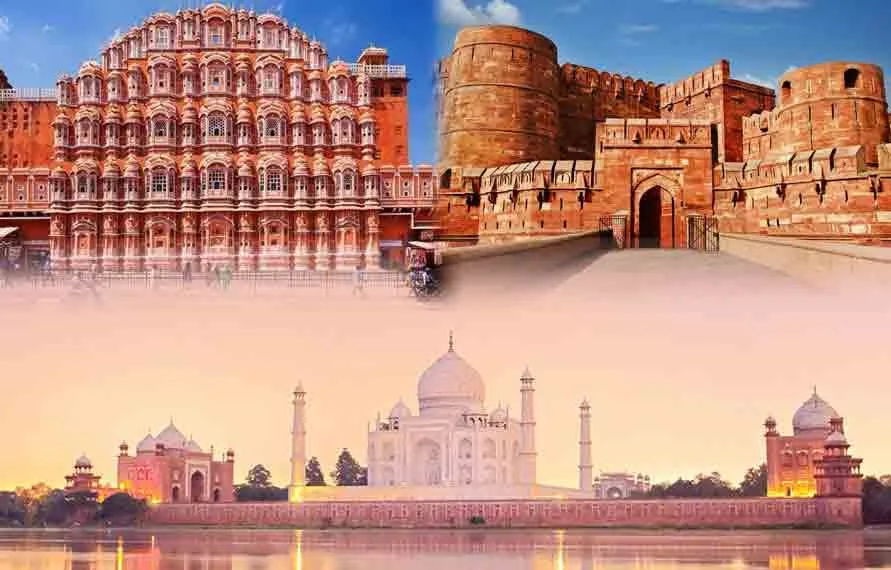
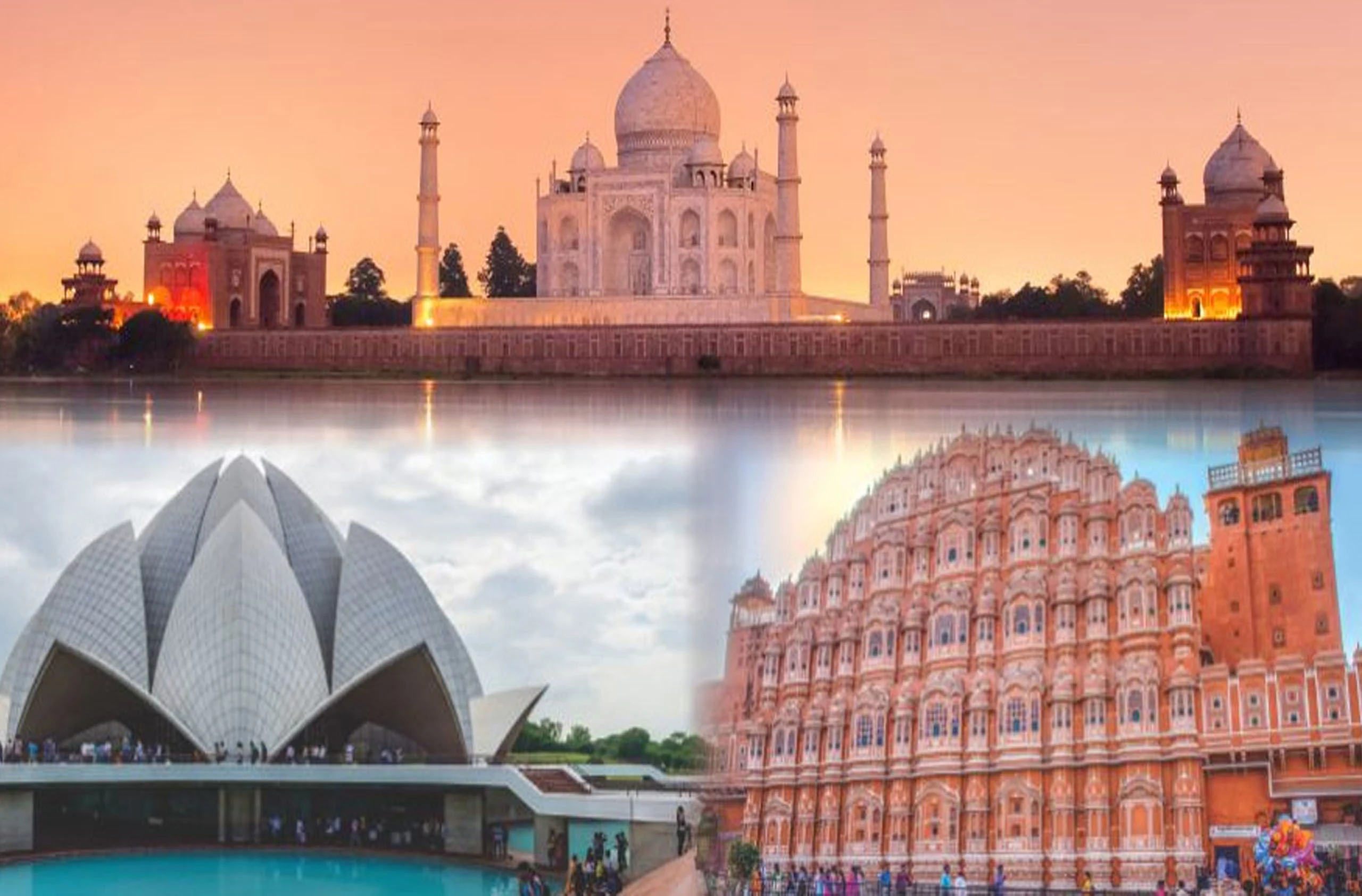
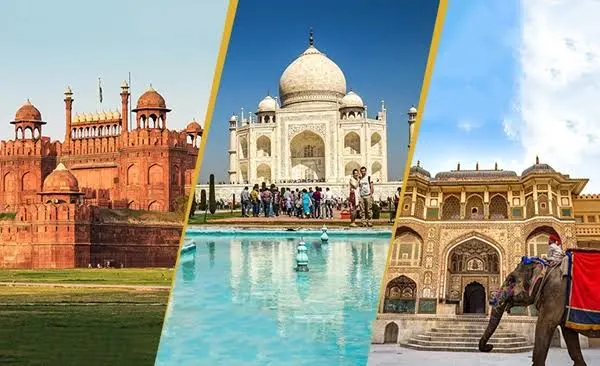
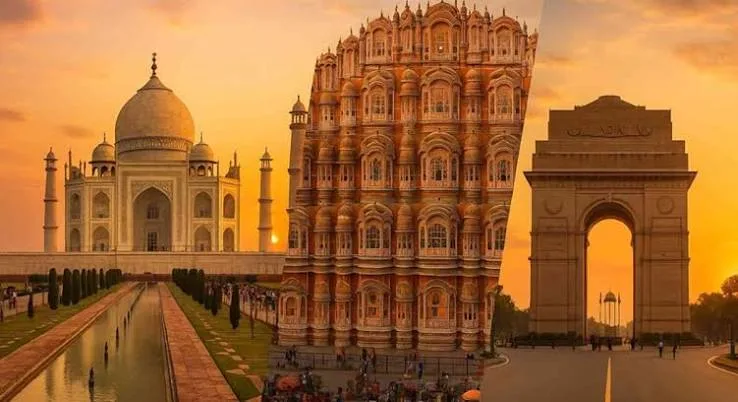
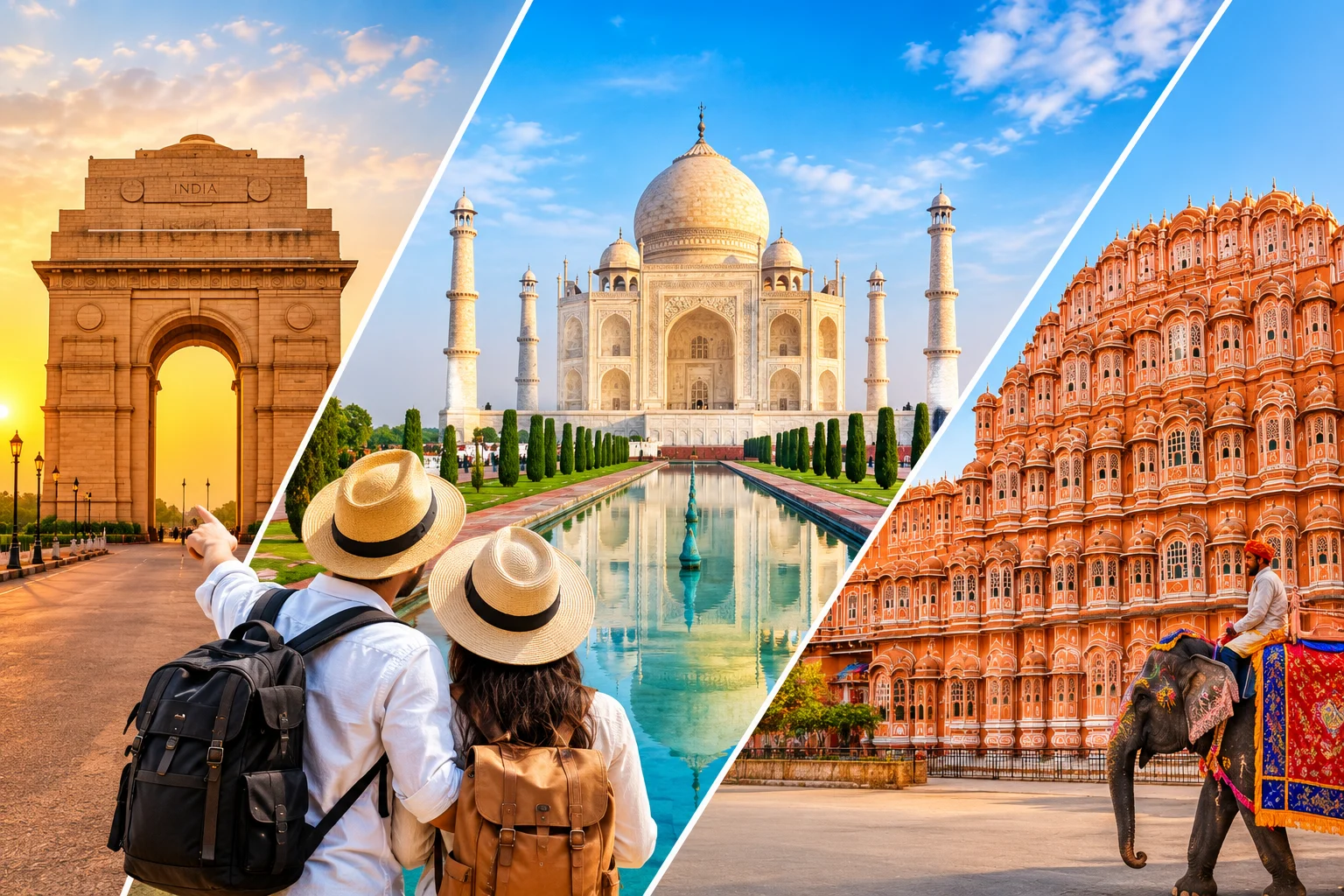
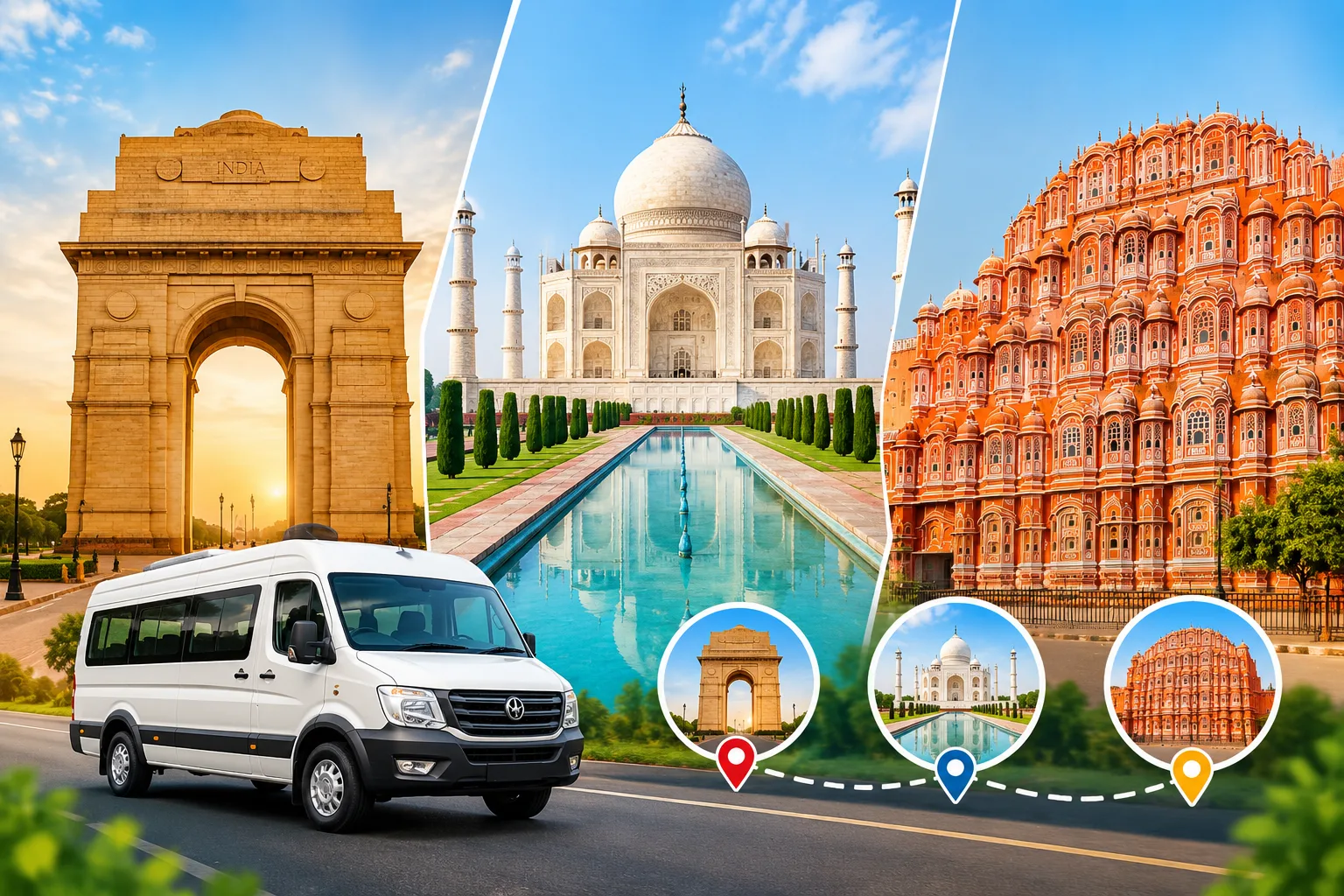
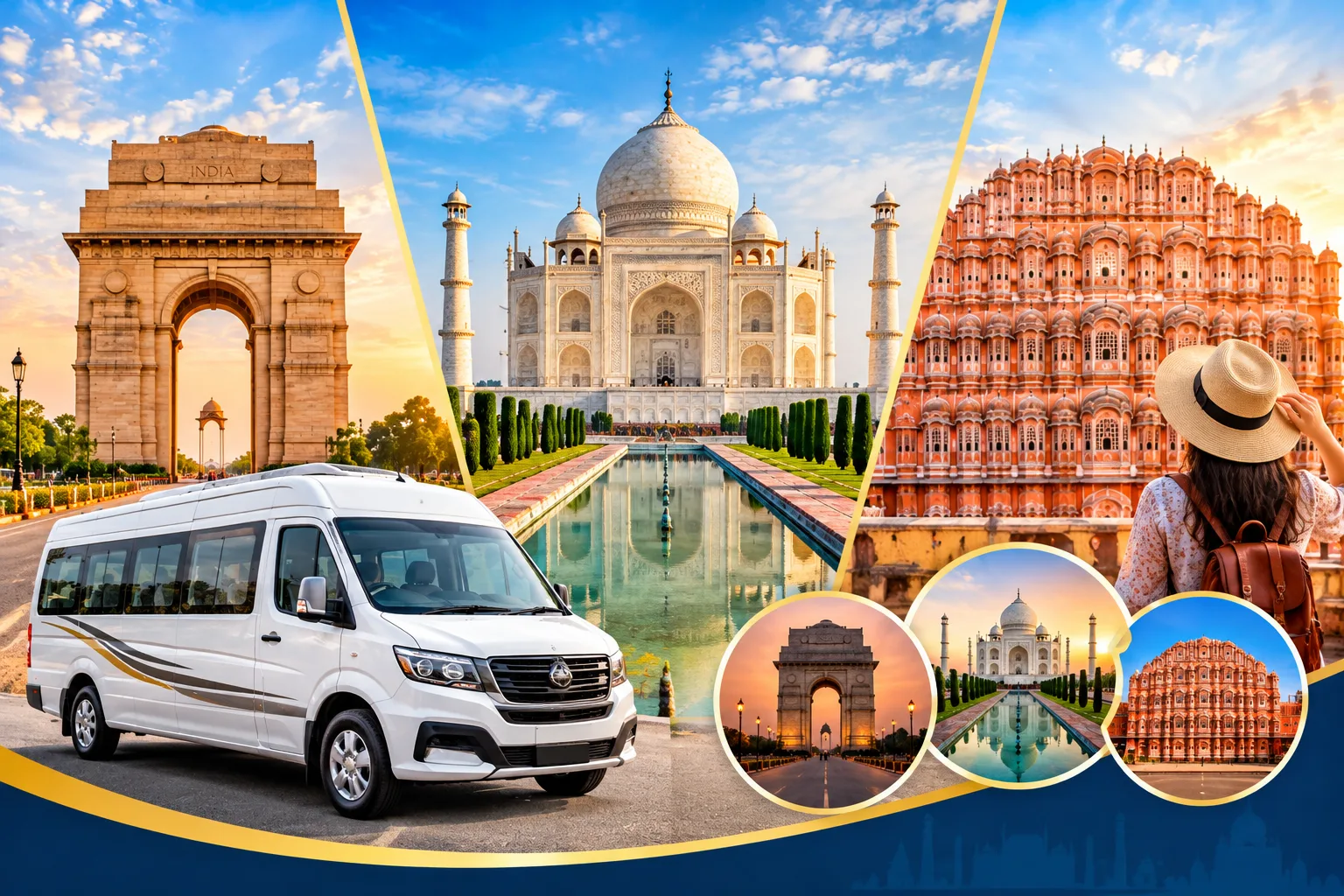
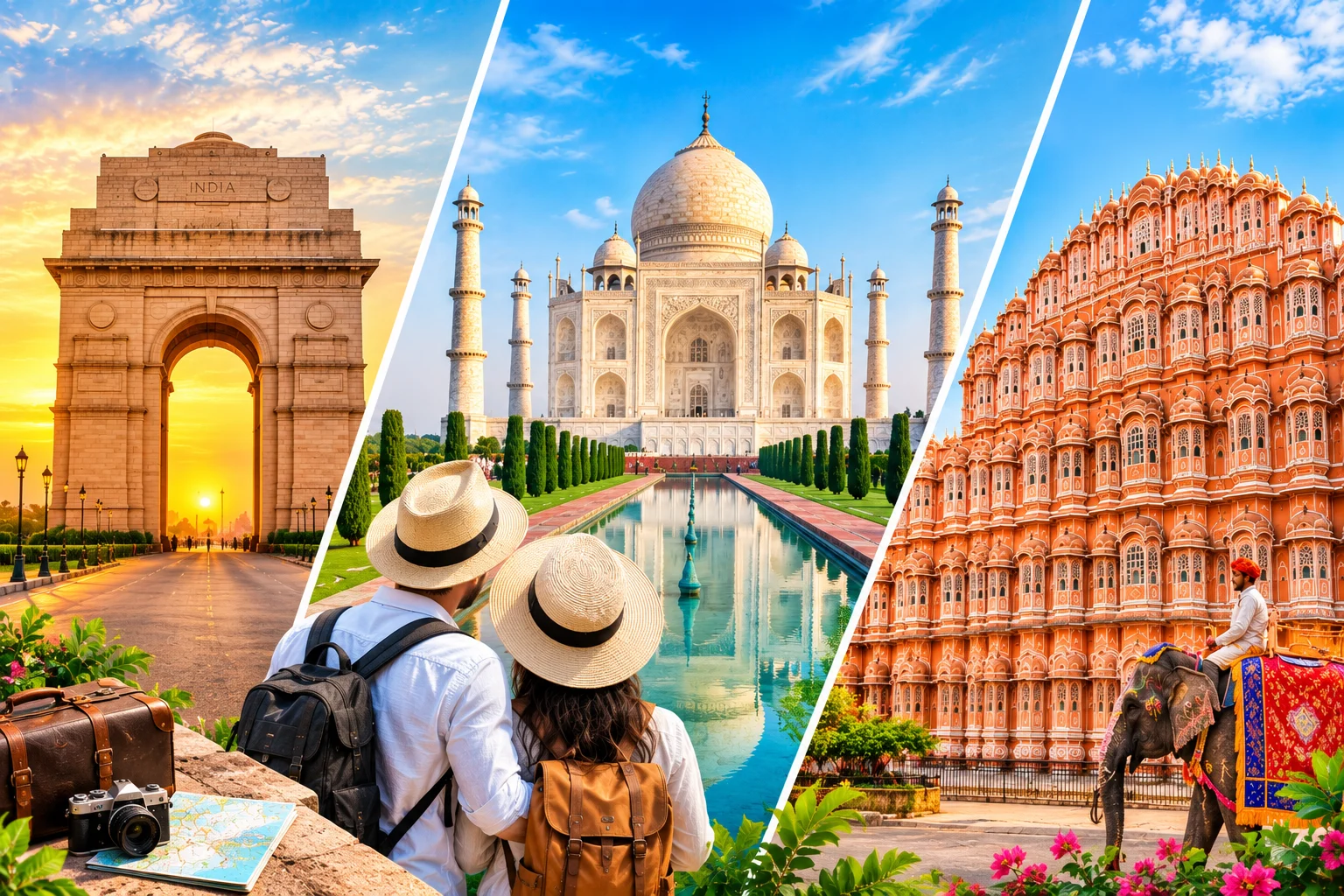
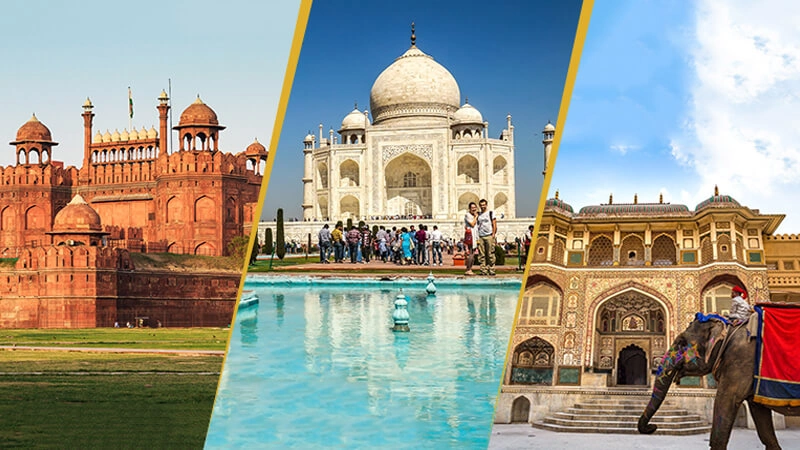
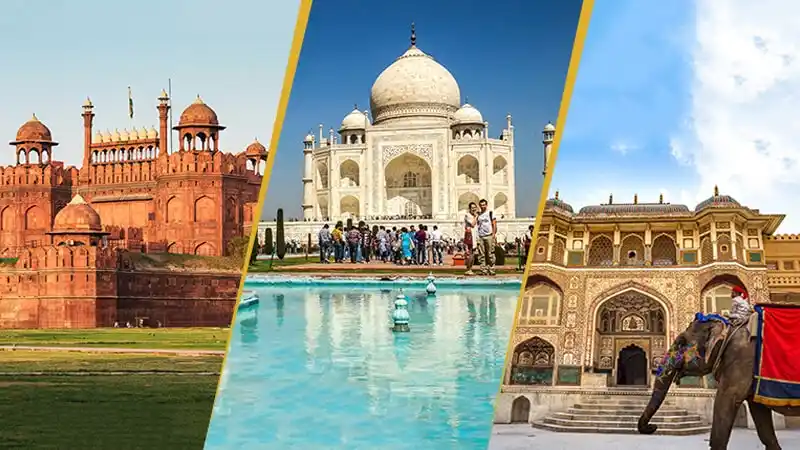
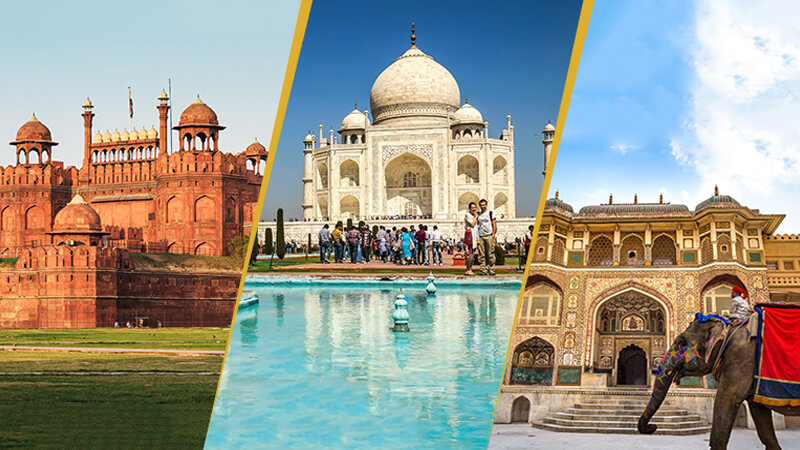
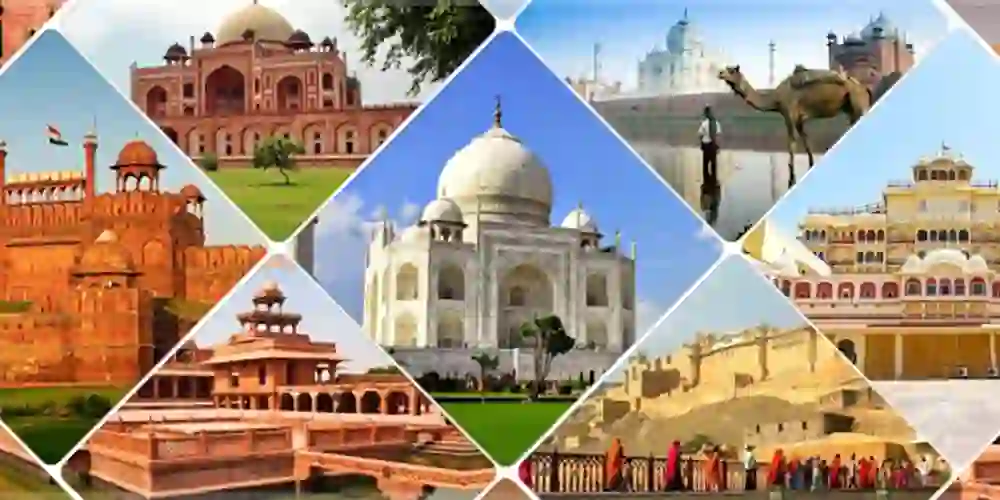
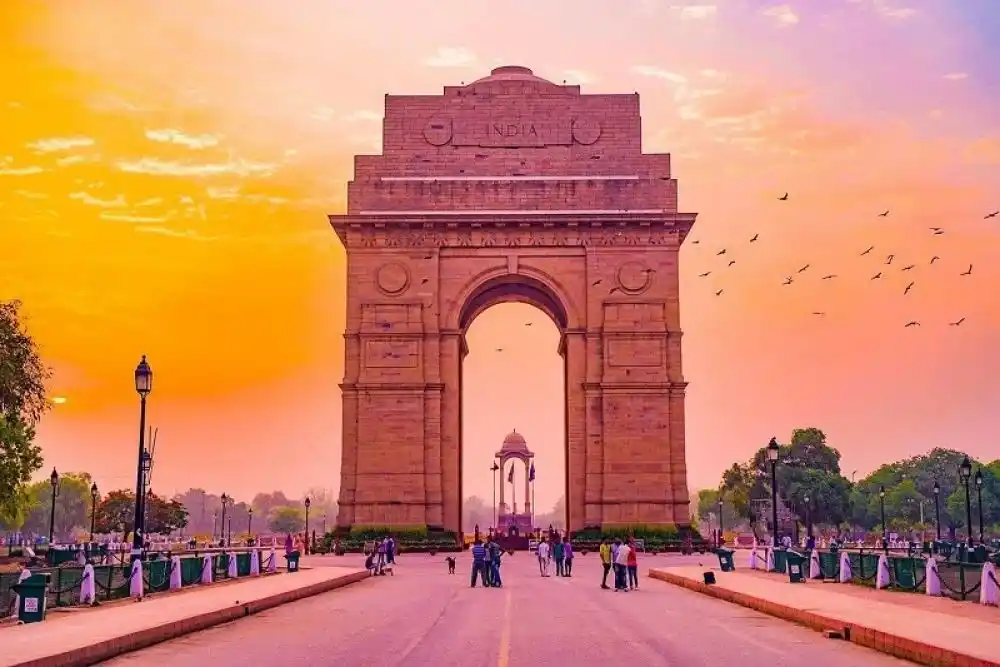
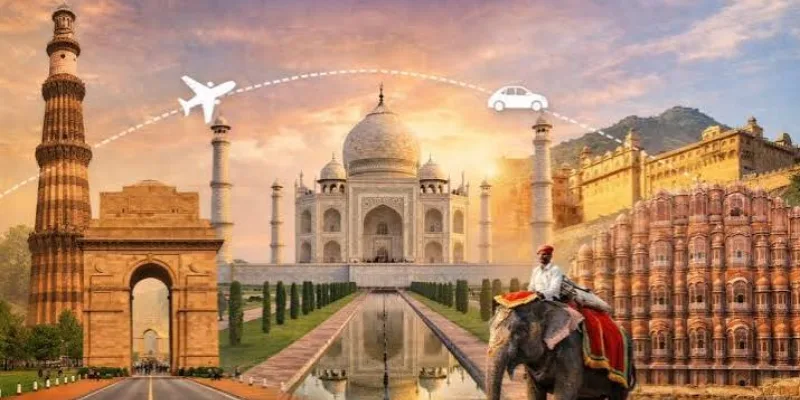
Delhi typically serves as both the starting and ending point of a delhi agra jaipur tour package, and it's worth budgeting at least a day here for sightseeing rather than treating it purely as a transit city. Humayun's Tomb, an early example of Mughal garden-tomb architecture that later influenced the Taj Mahal's design, pairs well with a visit to the Red Fort, the former residence of Mughal emperors. Qutub Minar, one of the tallest brick minarets in the world, and India Gate, a war memorial in the heart of the city, round out the most commonly visited sites for a single day of Delhi sightseeing.
Agra
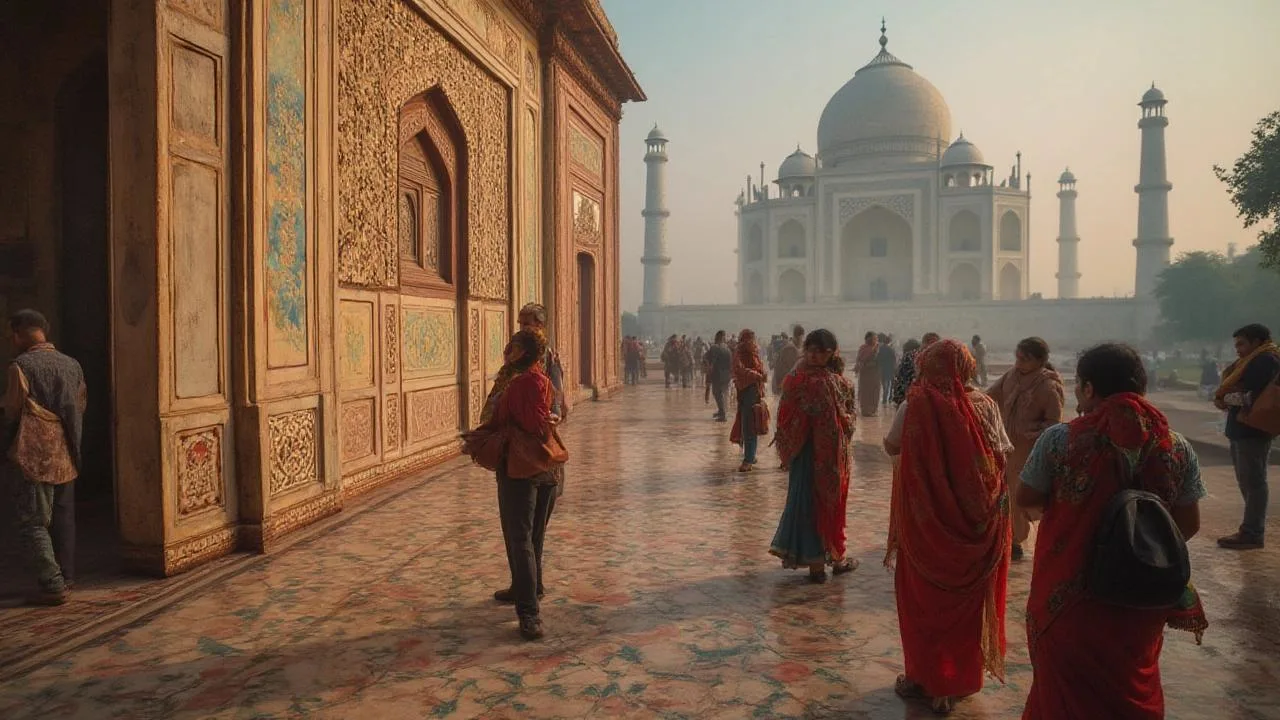
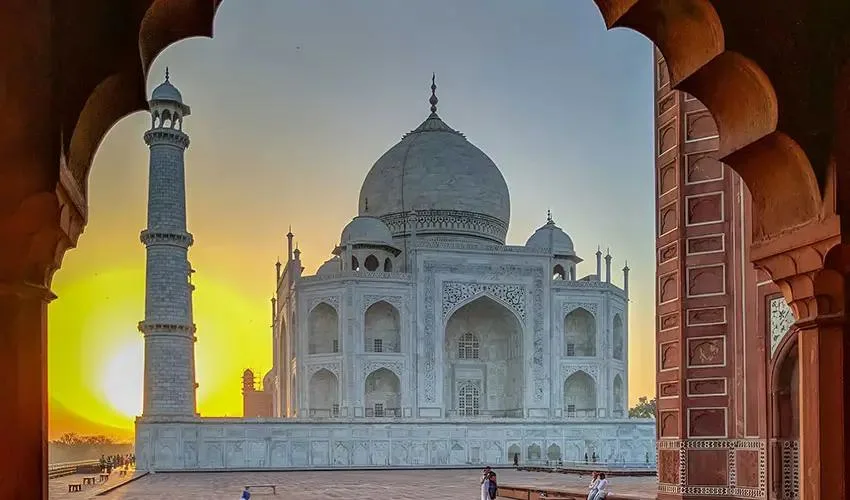
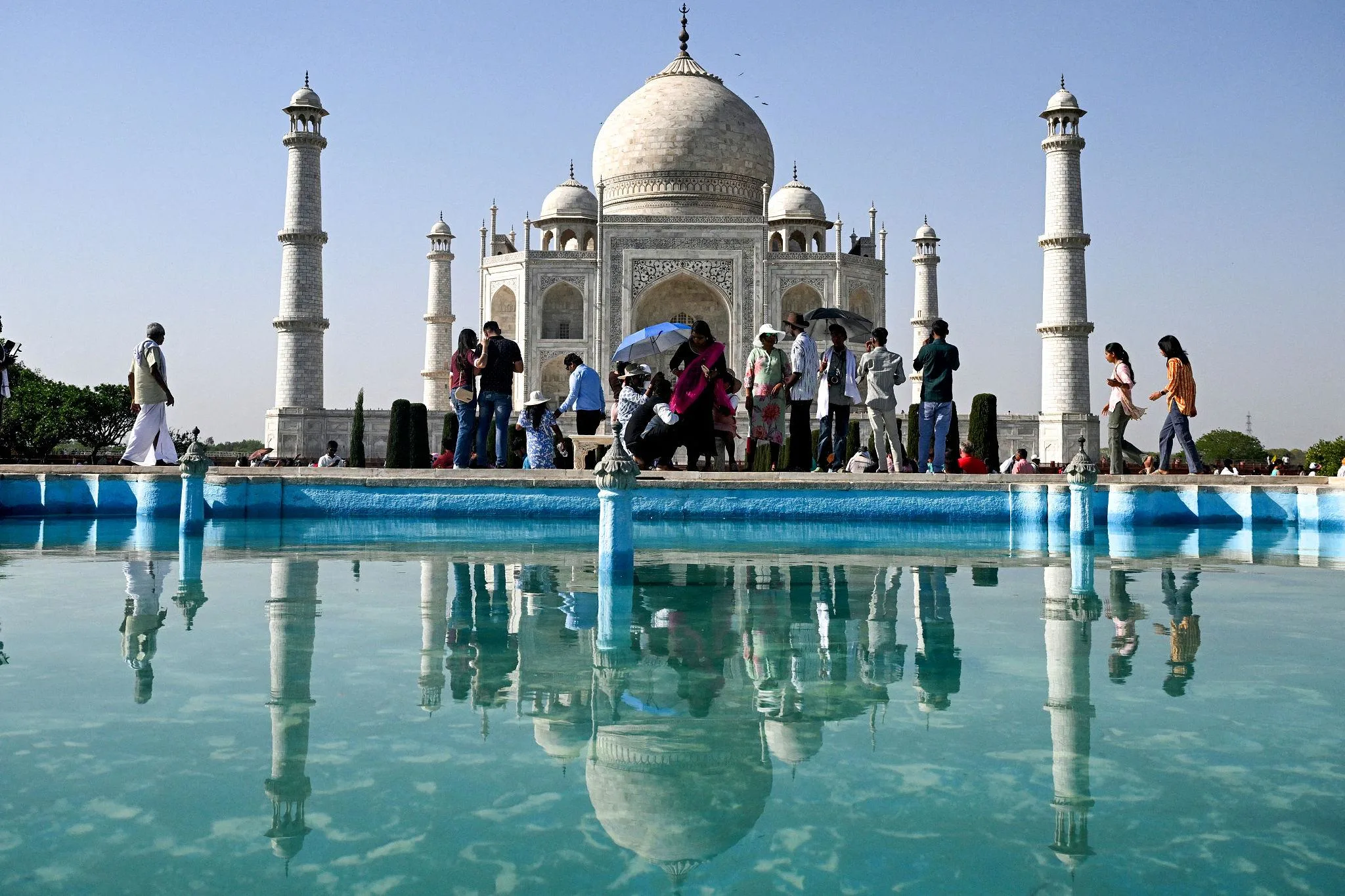
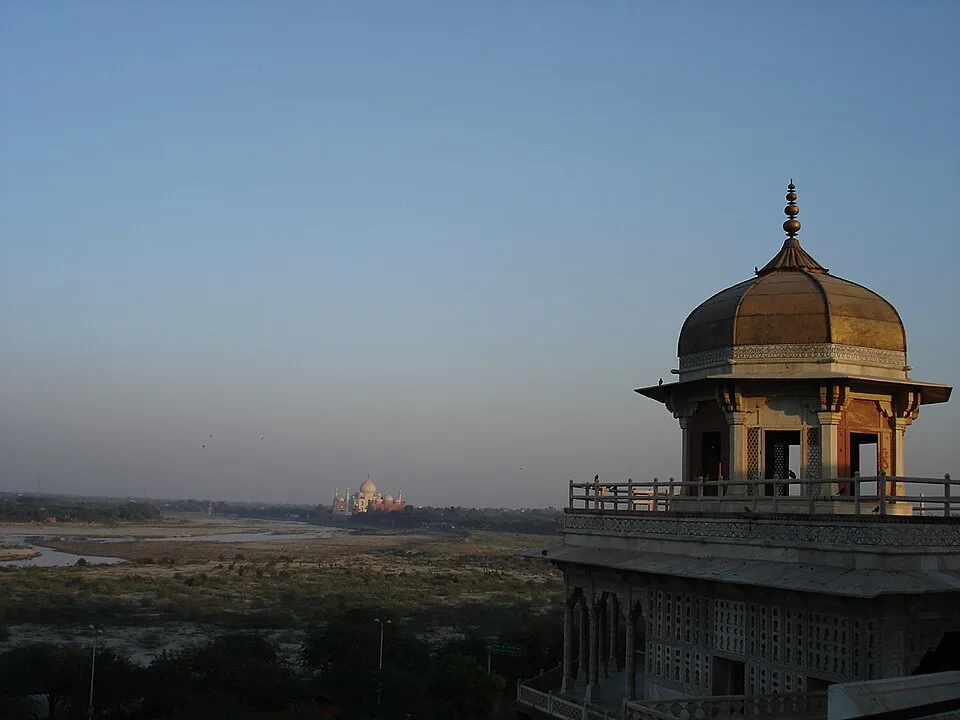
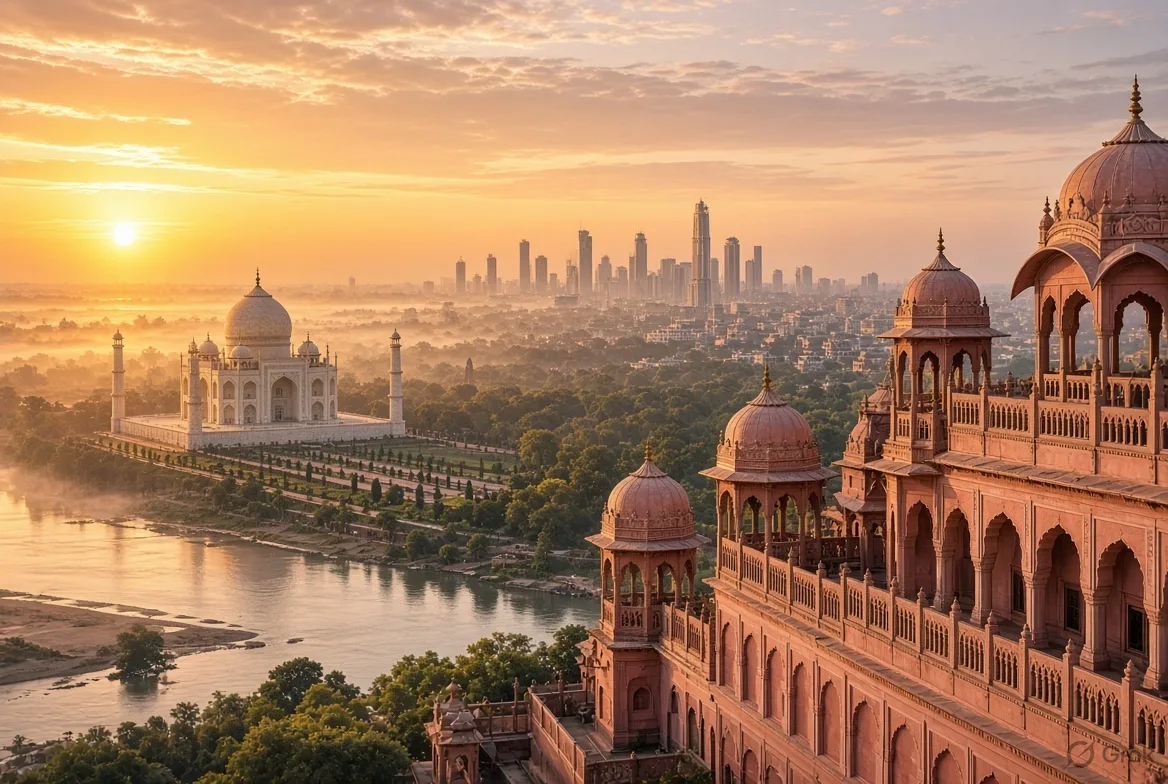
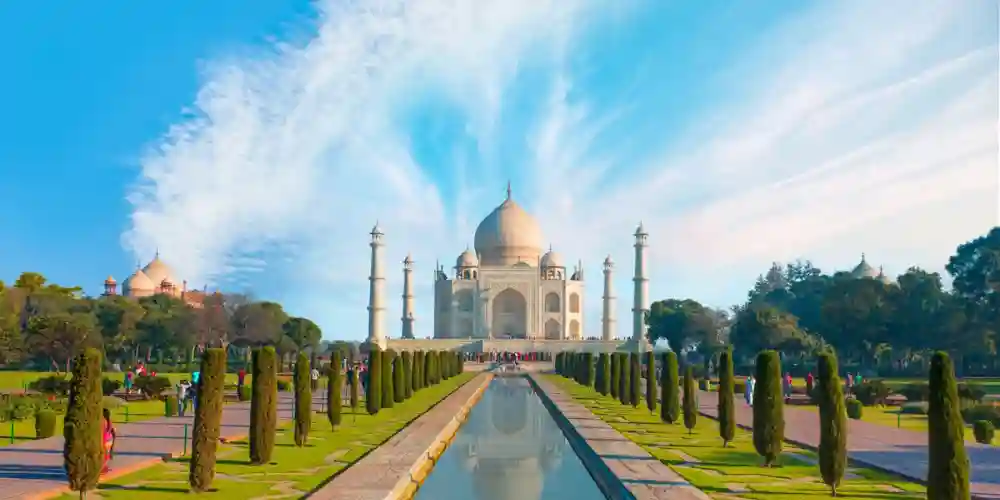
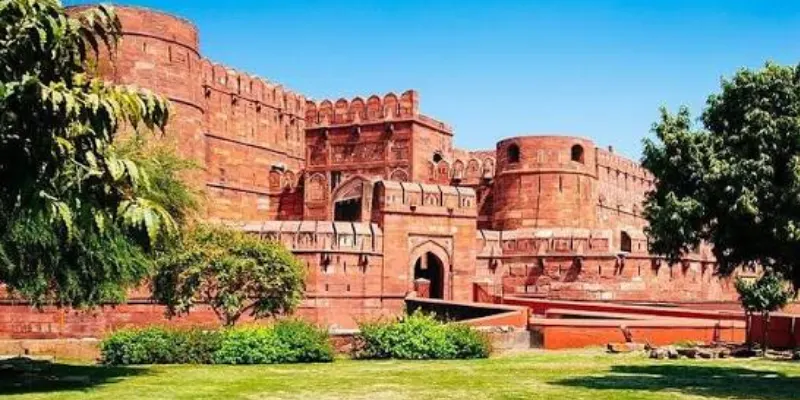
Agra is built almost entirely around its Mughal-era monuments, with the Taj Mahal standing as the undisputed highlight of any Golden Triangle itinerary. Visiting early morning, ideally at sunrise, offers both softer light for photographs and noticeably thinner crowds compared to later in the day. Agra Fort, a red sandstone fortress that served as the main residence of Mughal emperors before the capital moved to Delhi, is a worthwhile second stop, and Fatehpur Sikri, a well-preserved former Mughal capital located about an hour outside Agra, is often included as a stop on the way to or from Jaipur.
Jaipur
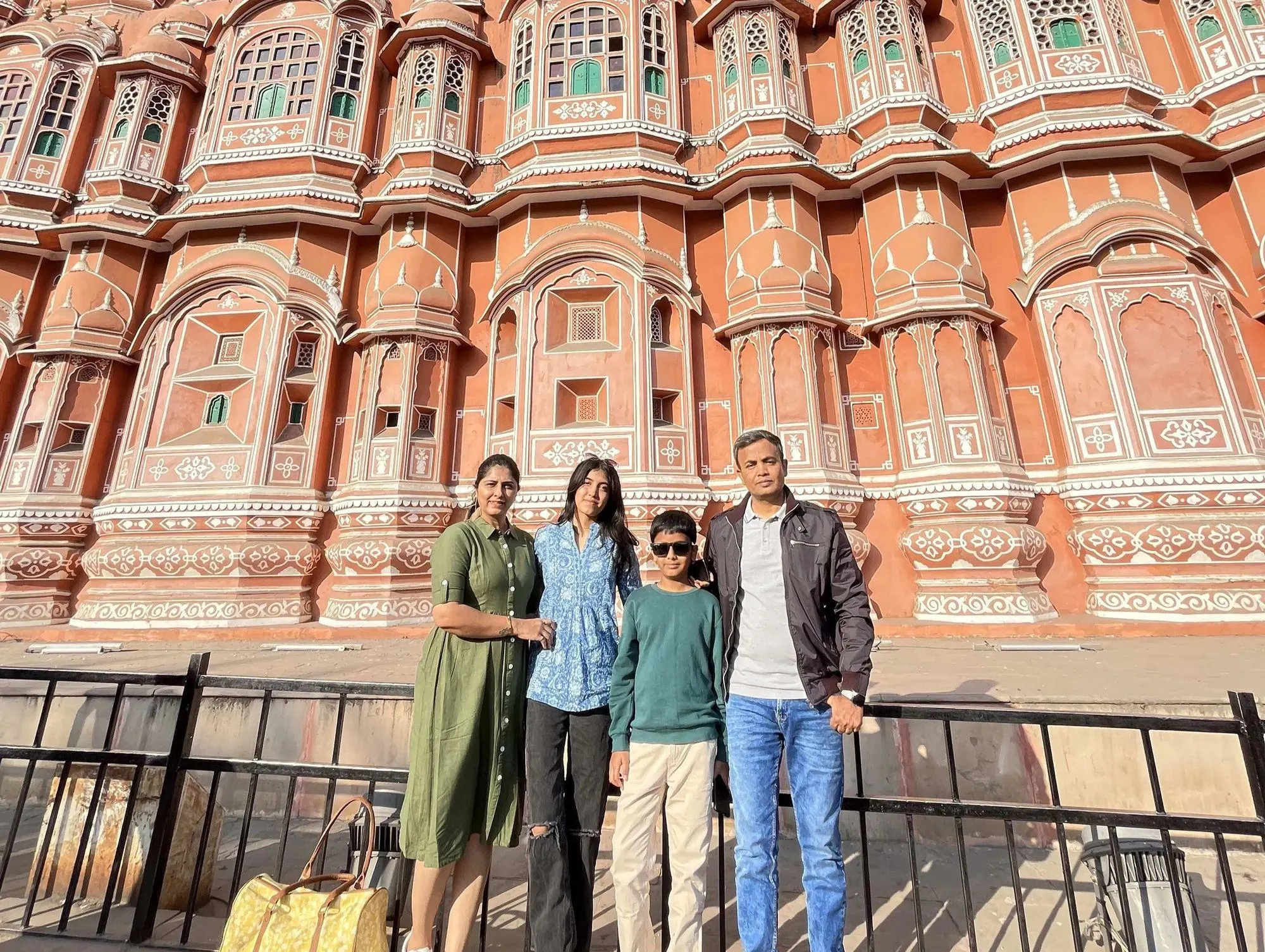
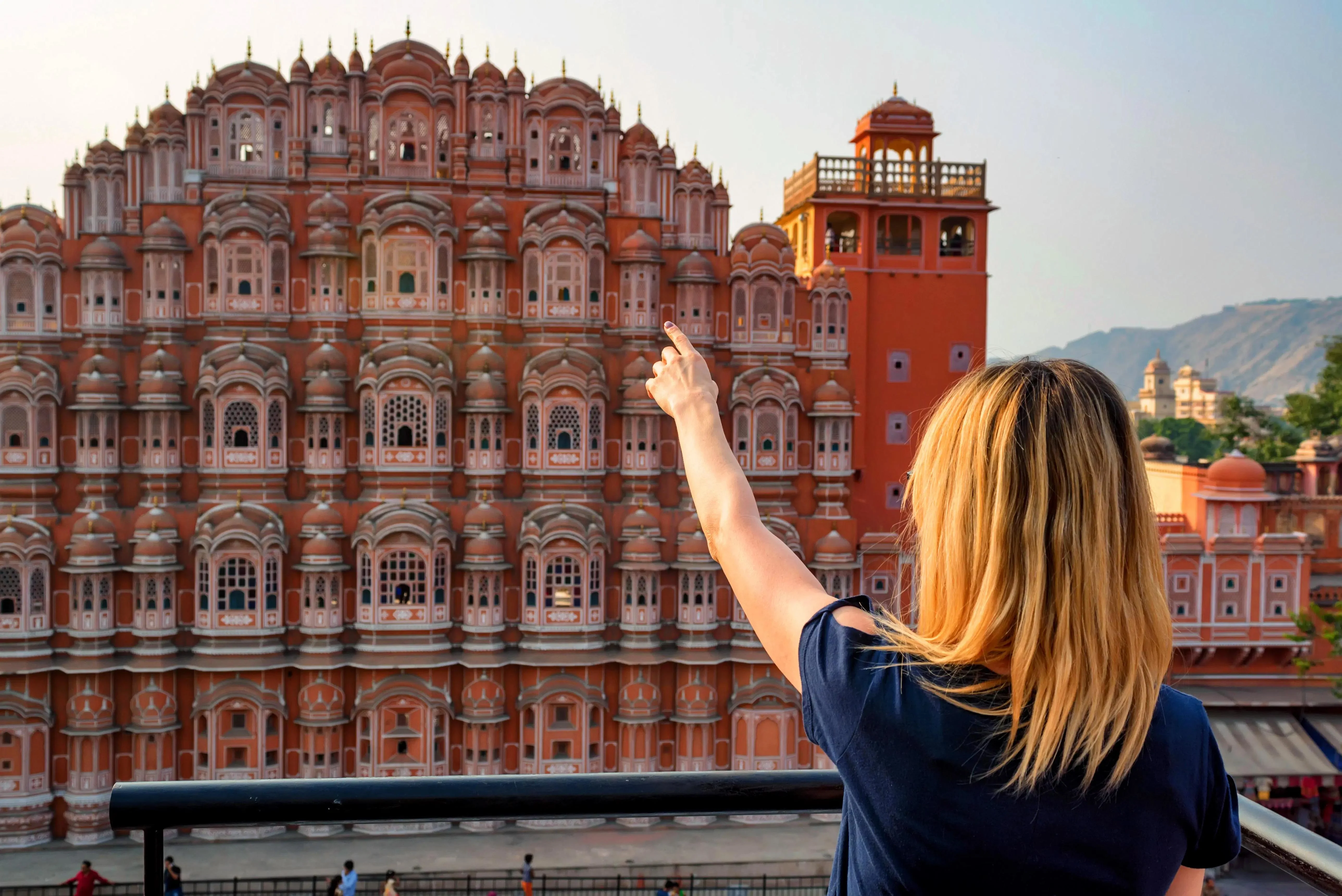
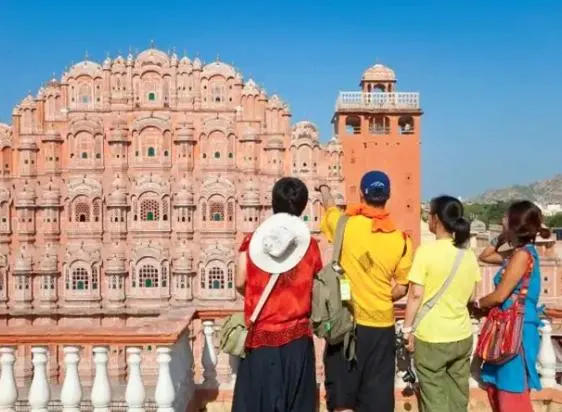
Known as the Pink City for the distinctive terracotta-colored buildings across its old quarter, Jaipur offers a genuinely different character compared to Delhi and Agra, built around Rajput royal history rather than Mughal architecture. Amber Fort, perched on a hillside outside the city, is typically the highlight here, with its mirrored Sheesh Mahal and expansive courtyards making for a half-day visit on its own. The City Palace, still partly occupied by Jaipur's former royal family, and Hawa Mahal, the honeycomb-fronted "Palace of Winds," are both worth visiting within the old city itself, along with Jantar Mantar, an 18th-century astronomical observatory that's genuinely fascinating even for visitors without a particular interest in astronomy.
Things to Do on a Golden Triangle Trip
Visiting the Taj Mahal at sunrise remains the single most recommended activity across the entire circuit, given how dramatically the monument's appearance shifts with the early morning light and how much thinner the crowds are at that hour. An evening spent exploring Jaipur's local bazaars, particularly Johari Bazaar for jewelry and Bapu Bazaar for textiles, offers a good sense of the city's living commercial culture alongside its historical monuments.
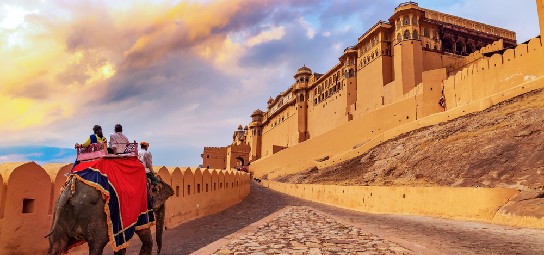
A short elephant or jeep ride up to Amber Fort, while optional and priced separately in most packages, is a popular activity for travelers wanting a slightly different way to approach the fort's entrance. Trying a traditional Rajasthani thali in Jaipur, typically a multi-course vegetarian meal served across small bowls, offers a genuinely memorable food experience distinct from what's available in Delhi or Agra. For travelers with an extra afternoon in Delhi, a rickshaw ride through the narrow lanes of Old Delhi's Chandni Chowk area offers a completely different pace and atmosphere compared to the city's more modern districts.
Food and Local Experiences
Each of the three cities on this circuit offers a genuinely distinct food identity worth exploring separately. Delhi's street food scene, particularly around Chandni Chowk, includes well-known specialties like parathas stuffed with various fillings, chaat in its many regional variations, and kebabs from some of the city's older, established eateries. Agra is specifically known for its petha, a translucent sweet made from ash gourd, which makes for both a good snack during sightseeing and a popular souvenir to carry back.
Jaipur's food culture leans heavily toward Rajasthani cuisine, with dishes like Dal Baati Churma, a combination of lentils, baked wheat balls, and a sweet crumbled dessert, offering a genuinely regional experience distinct from what's typically available further north. Ghewar, a disc-shaped sweet particularly associated with Rajasthan, is also worth trying during your stay in Jaipur, especially if your visit coincides with a local festival when it's traditionally prepared fresh. Across all three cities, it's worth balancing hotel dining with at least a few meals at well-regarded local restaurants to get a fuller sense of each city's distinct culinary character.
Where to Stay Across the Golden Triangle
Delhi
Areas like Connaught Place or South Delhi offer convenient, centrally located options with easy access to both the airport and the city's major sightseeing points. Most standard Golden Triangle tour package itineraries default to a hotel in one of these central areas for the Delhi leg of the trip.
Agra
Staying near the Taj Mahal's eastern or western gates puts you within easy walking or short driving distance of the monument, which matters considerably if you're planning an early sunrise visit. Several hotels in this area also offer rooms with direct Taj Mahal views, which can be worth the slightly higher cost for a more memorable stay.
Jaipur
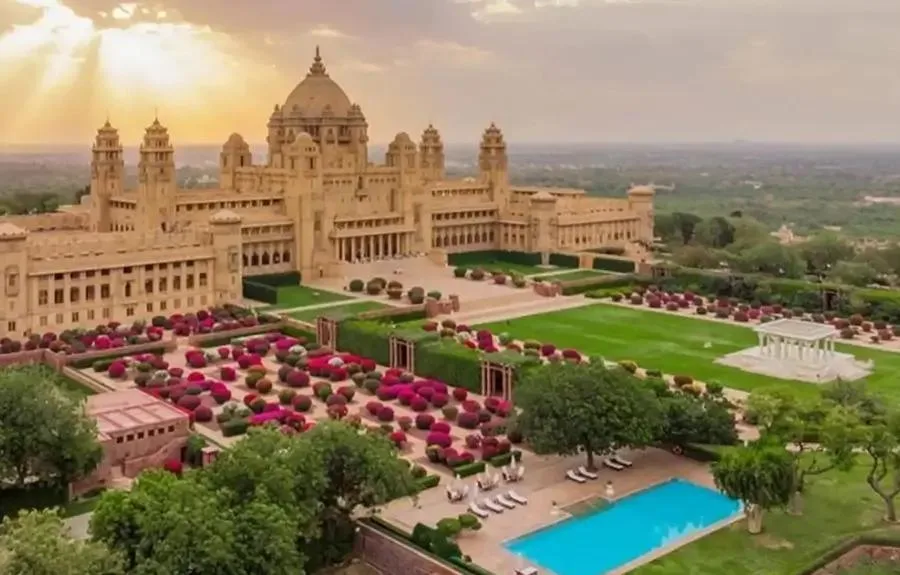
The area around the old walled city offers proximity to major sights like the City Palace and Hawa Mahal, while areas further out, closer to Amber Fort, work well for travelers prioritizing that specific attraction. Jaipur also has a strong presence of heritage hotels, some converted from actual former palaces, which can add a genuinely distinct experience to this leg of the trip if your budget allows for it.
Most delhi agra jaipur tour package itineraries book 3-4 star hotels in centrally located areas across all three cities for convenience, but it's worth asking your operator about heritage hotel options in Jaipur specifically if that kind of stay appeals to you.
Packing Tips for a Golden Triangle Trip
Lightweight, breathable clothing works well for most of the year given the warm climate across North India, though a light jacket is worth packing for the winter months, particularly for early morning visits to the Taj Mahal when temperatures can dip noticeably. Comfortable walking shoes matter considerably here, given how much walking is involved across large complexes like Amber Fort and Fatehpur Sikri.
A hat and sunscreen are worth carrying regardless of season, since a significant portion of sightseeing across all three cities happens outdoors with limited shade. It's also worth carrying a printed or digital copy of any pre-booked monument tickets, since some sites, particularly the Taj Mahal, have specific entry procedures that go more smoothly with tickets readily accessible rather than searching through emails at the gate.
Common Mistakes to Avoid
Not booking Taj Mahal tickets in advance is one of the more avoidable mistakes, particularly during peak season, when long queues at the ticket counter can eat significantly into your available sightseeing time. Underestimating travel time between cities is another common issue, since road conditions and traffic, particularly around Delhi and Agra, can extend journey times beyond what a simple distance calculation might suggest.
Rushing through Jaipur in a single day trips up a fair number of travelers, since the city genuinely has enough to see Amber Fort alone can take half a day that a rushed one-day visit often means skipping sites that would otherwise be highlights of the trip. Not carrying enough cash for smaller local purchases is worth avoiding as well, since while major hotels and larger shops accept cards, smaller bazaars and street food vendors across all three cities still often prefer cash. Skipping a local guide at major monuments rounds out the list of common issues, since the historical context a good guide provides genuinely changes the experience at sites like the Taj Mahal or Amber Fort compared to walking through without any background information.
Sample 5-Day Delhi Agra Jaipur Itinerary
Day 1: Spend the day sightseeing in Delhi, covering Humayun's Tomb, the Red Fort, and India Gate, before an evening at leisure to rest ahead of the journey to Agra. This gives the trip a solid start without immediately jumping into a long travel day.
Day 2: Travel to Agra by road or the Gatimaan Express, check into your hotel, and spend the afternoon visiting Agra Fort, saving the Taj Mahal itself for an early sunrise visit the following morning. This sequencing tends to work better than trying to fit both major sites into a single rushed day.
Day 3: Visit the Taj Mahal at sunrise, then continue on to Jaipur by road, stopping at Fatehpur Sikri along the way for a couple of hours. This is generally the longest travel day of the trip, so building in rest stops matters.
Day 4: Spend the full day in Jaipur, covering Amber Fort in the morning and the City Palace, Hawa Mahal, and Jantar Mantar in the afternoon. This combination of a half-day fort visit and a half-day city tour tends to fit comfortably into a single full day.
Day 5: Use the morning for some local bazaar shopping in Jaipur before the return journey to Delhi, arriving with enough time for onward travel or departure. Building in a comfortable buffer avoids any unnecessary rush on this final day.
This itinerary can be shortened to a focused 4-day trip by trimming Delhi sightseeing to a half-day, or extended to 6-7 days for a more relaxed pace across all three cities.
Conclusion
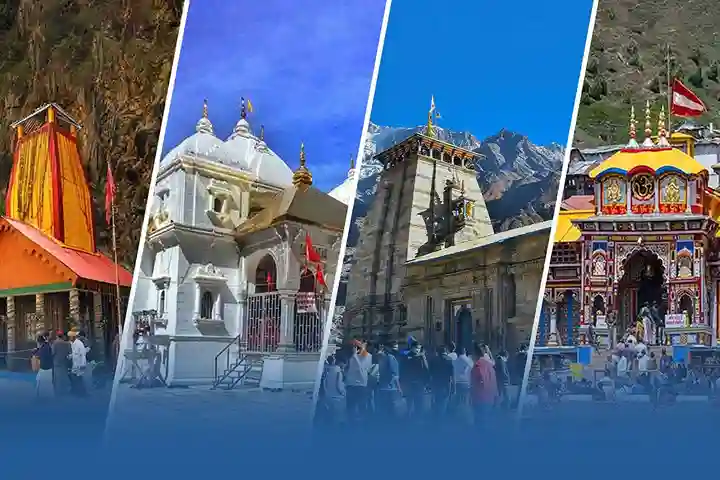
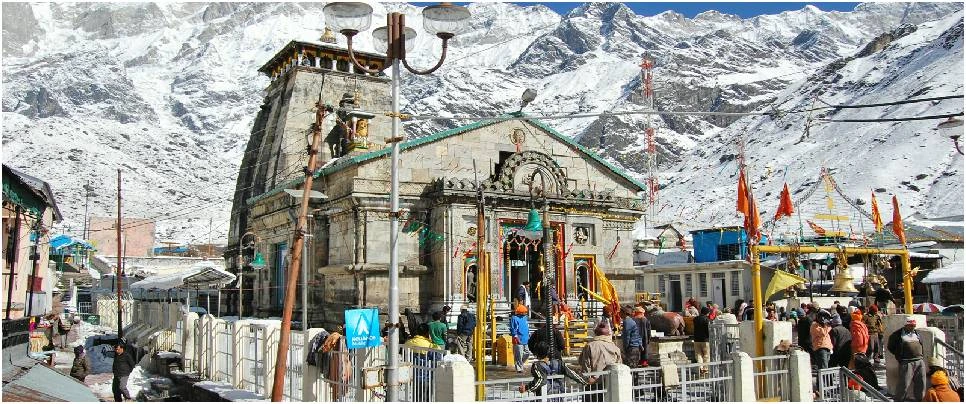
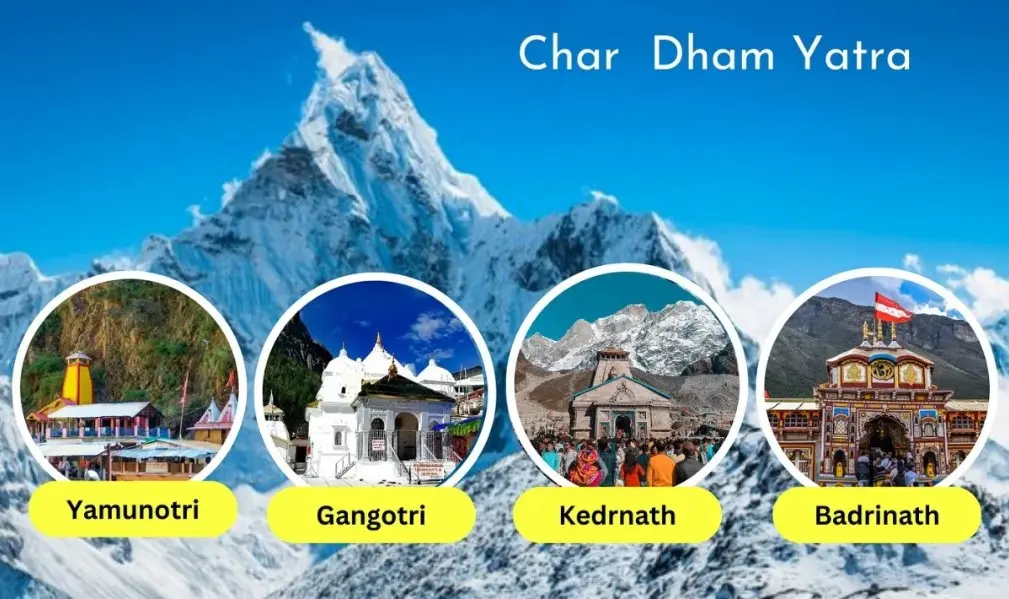
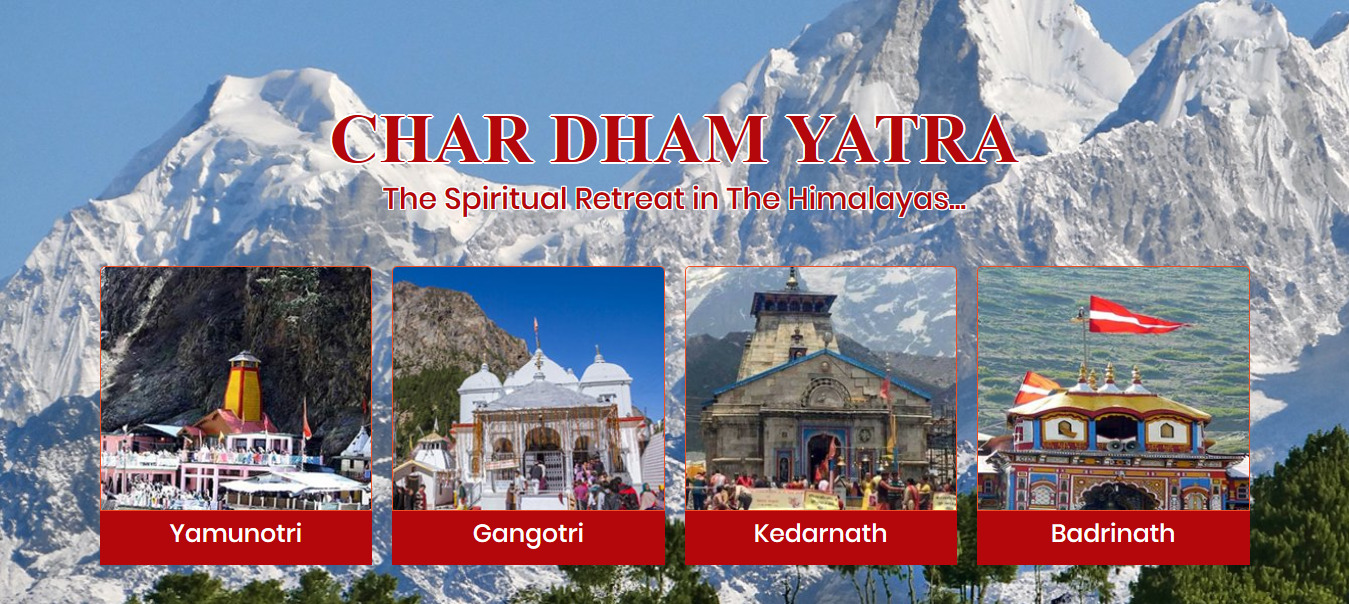
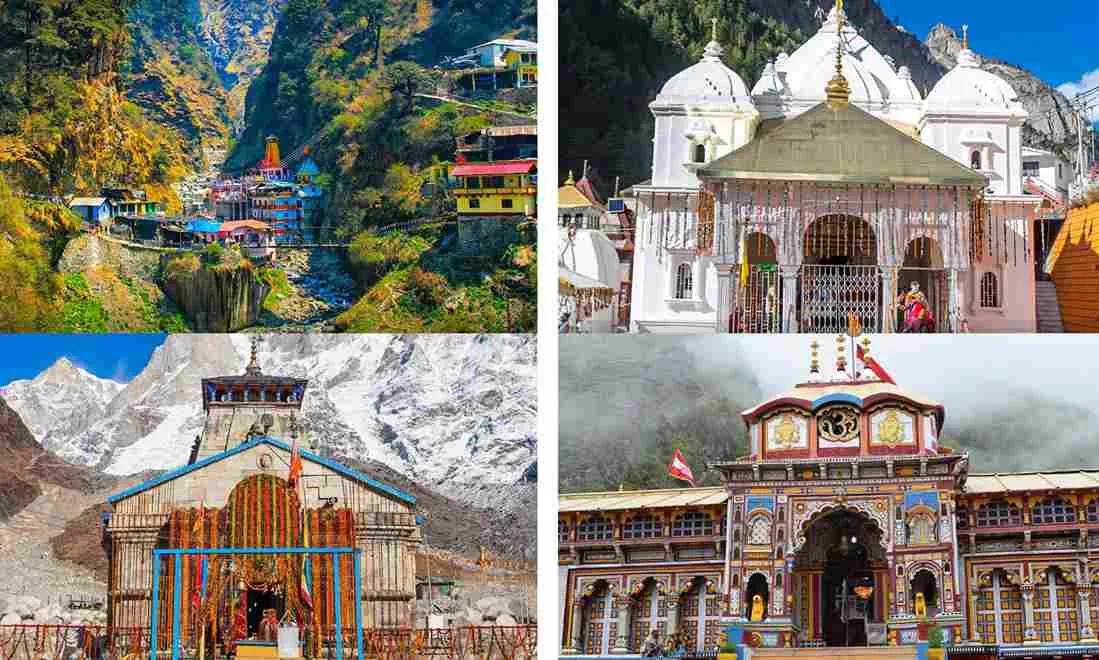
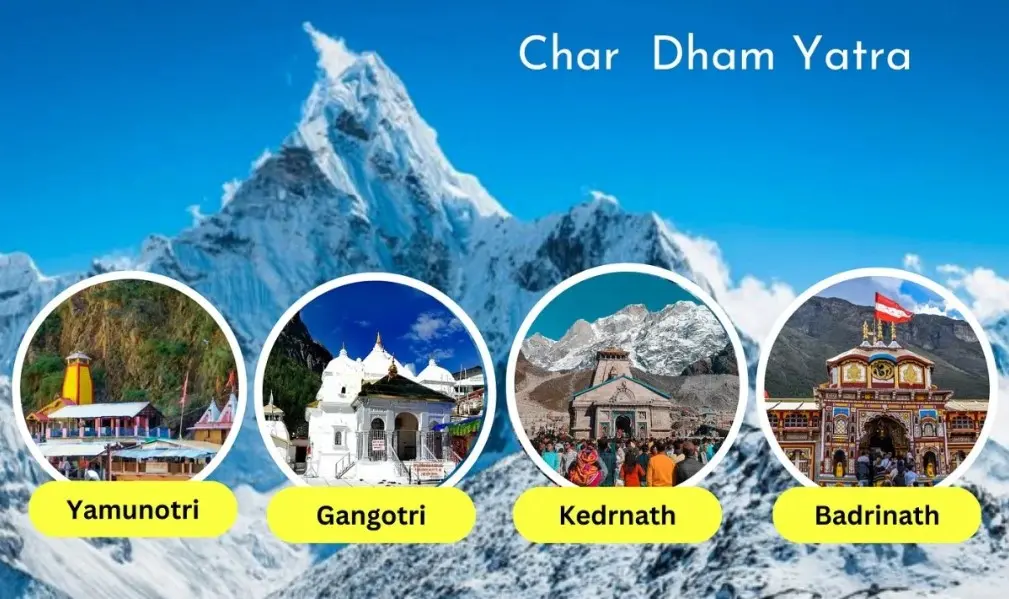
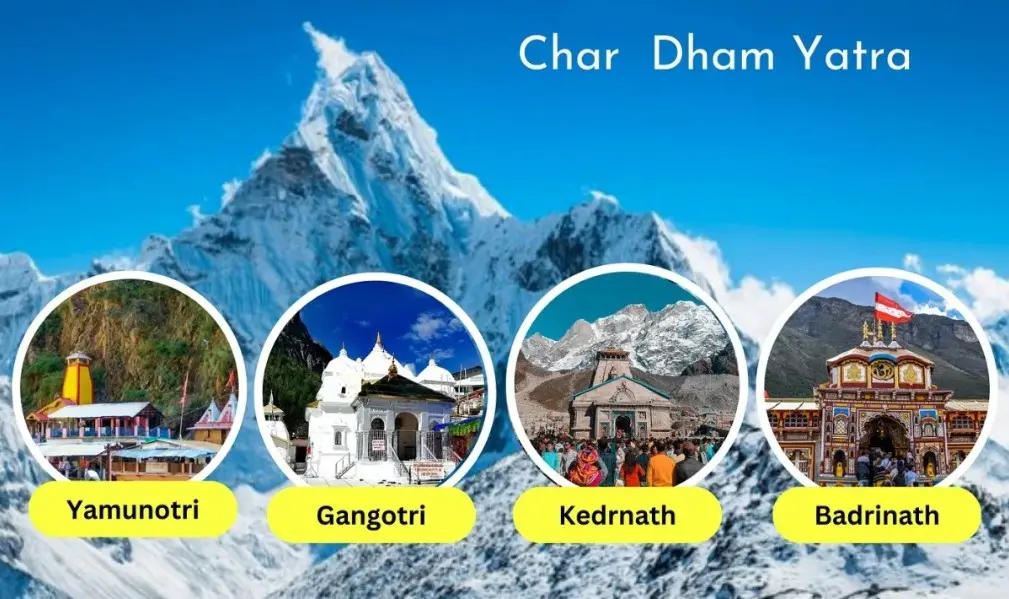
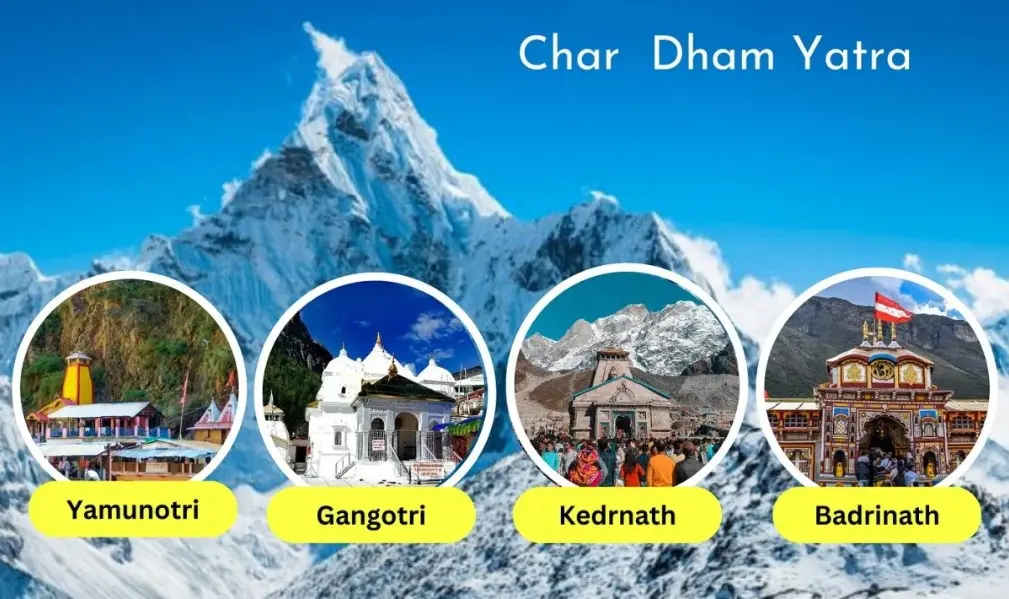
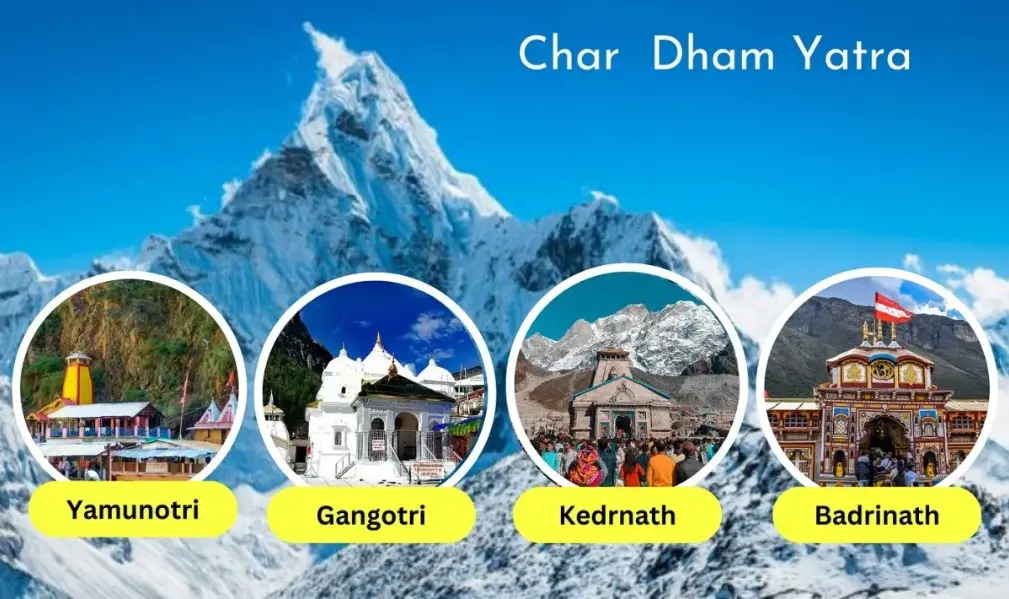
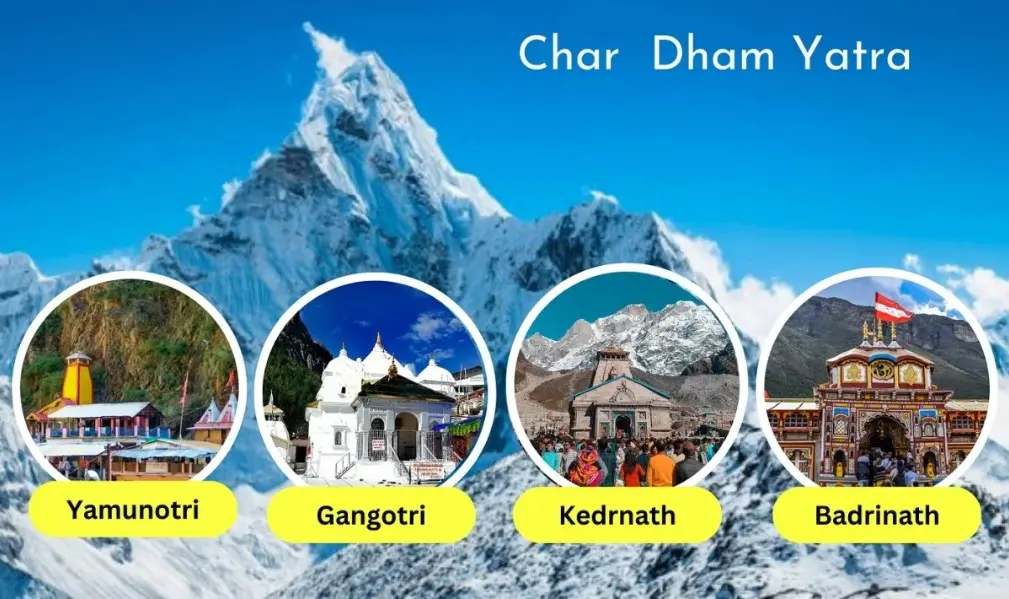
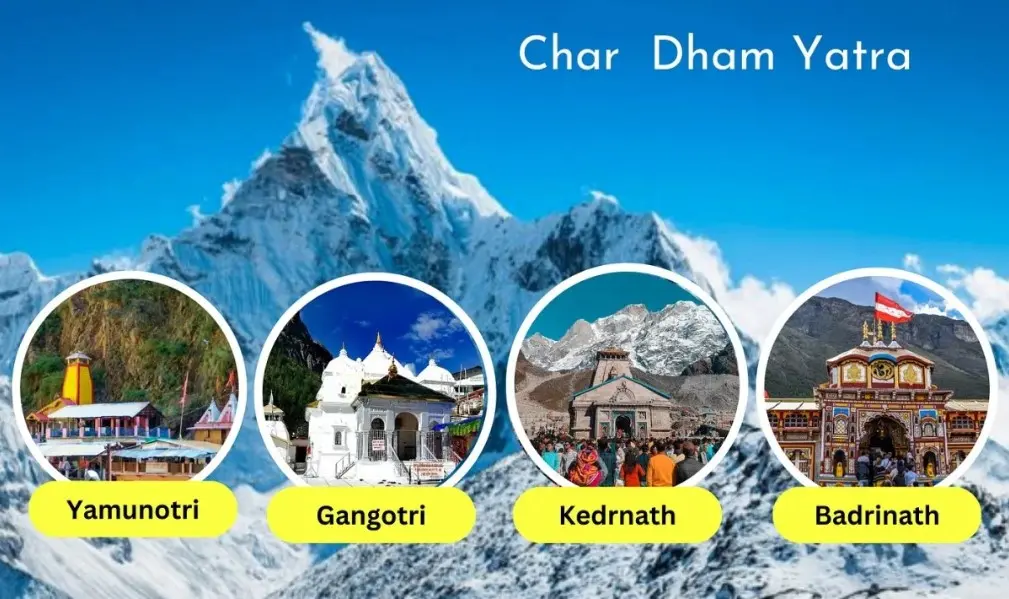
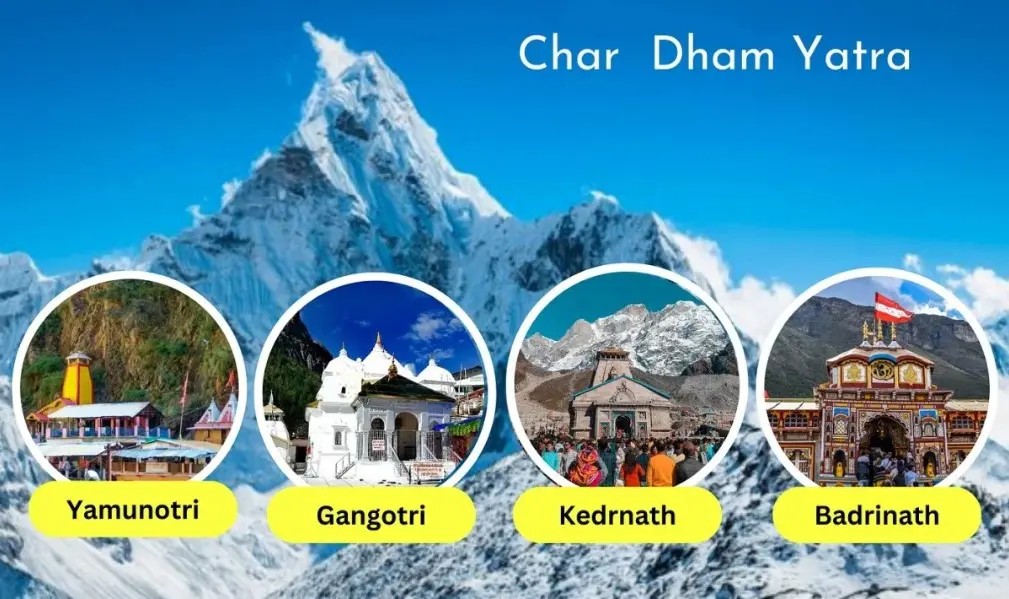
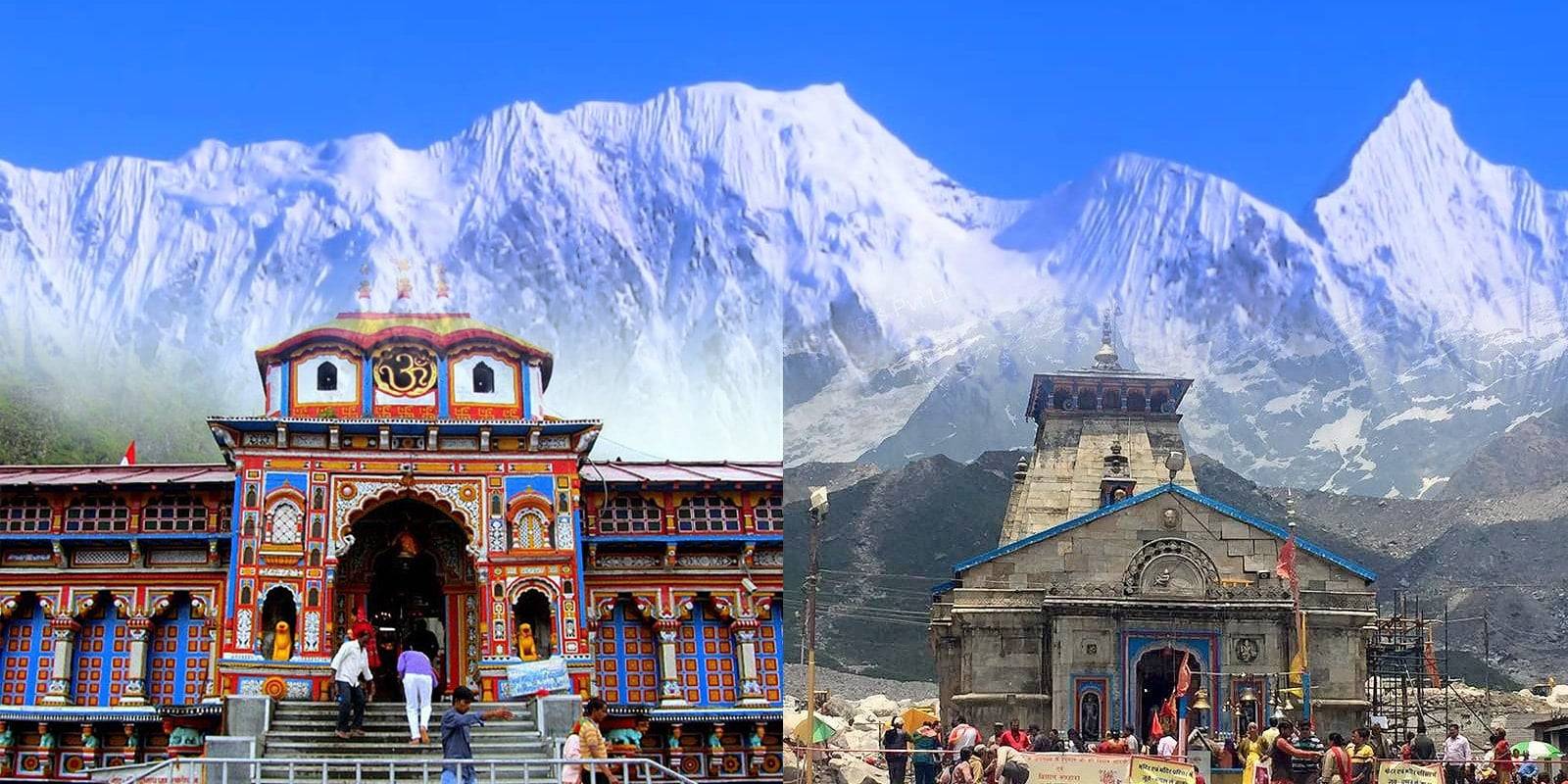
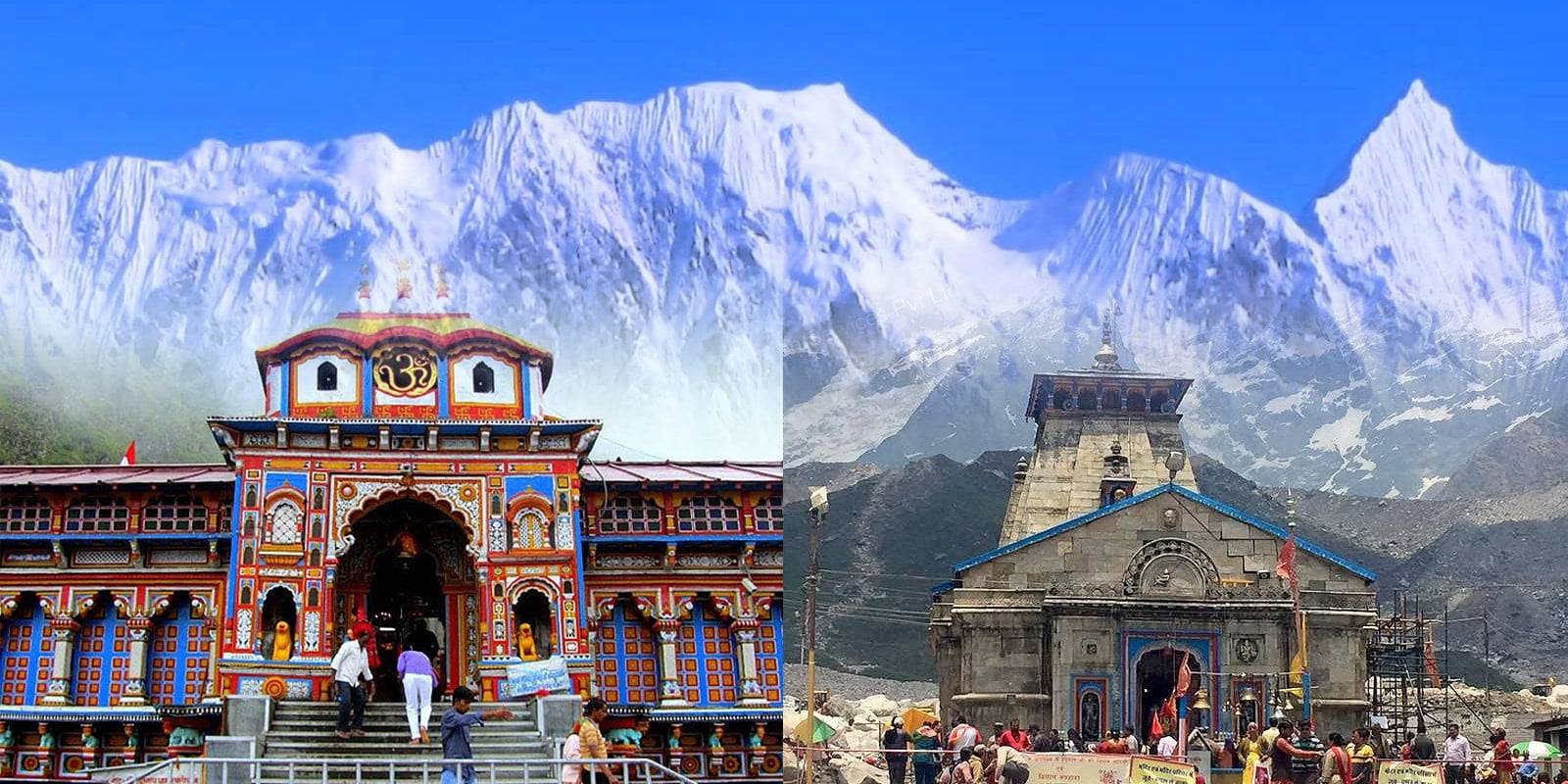
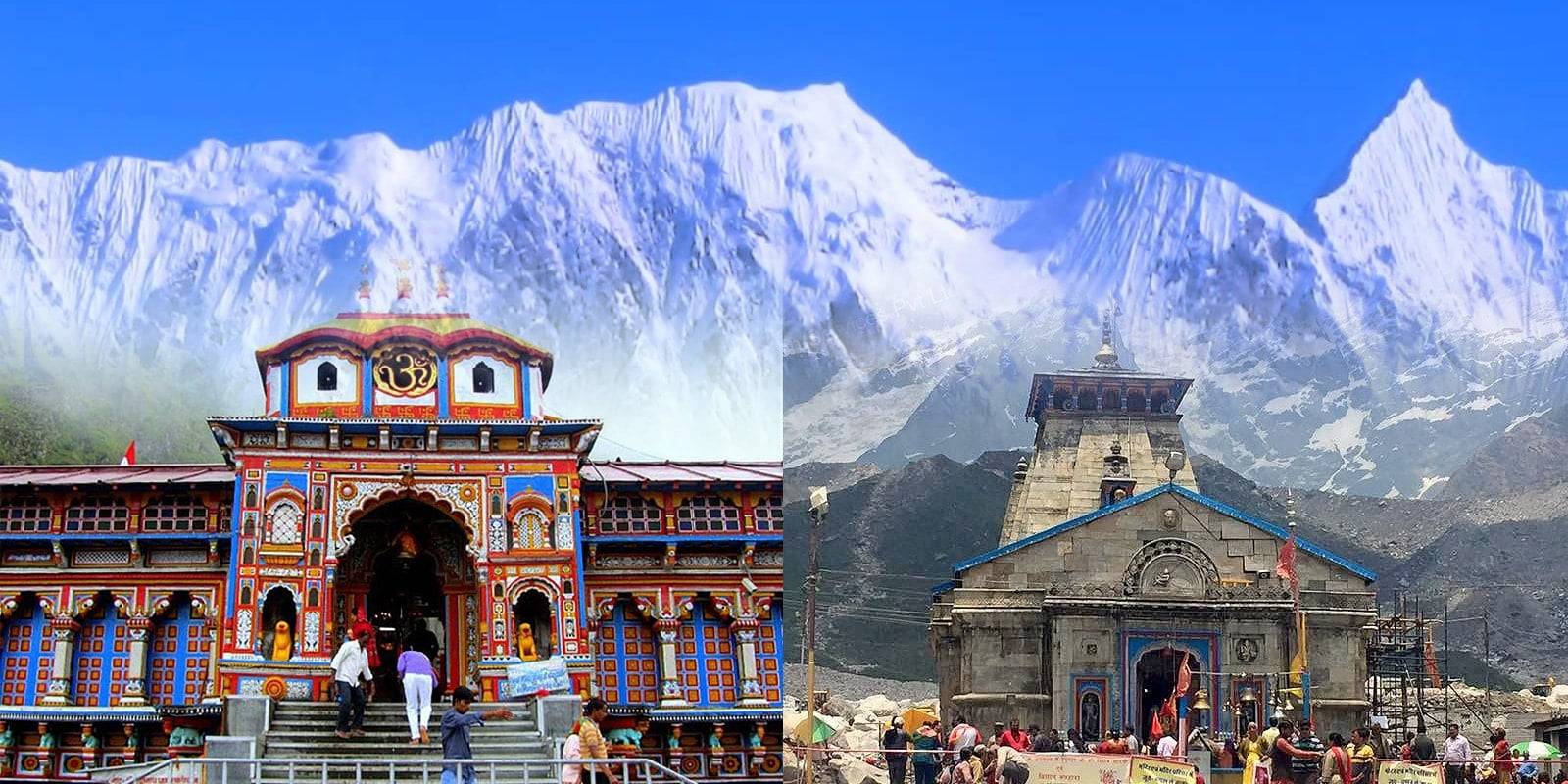
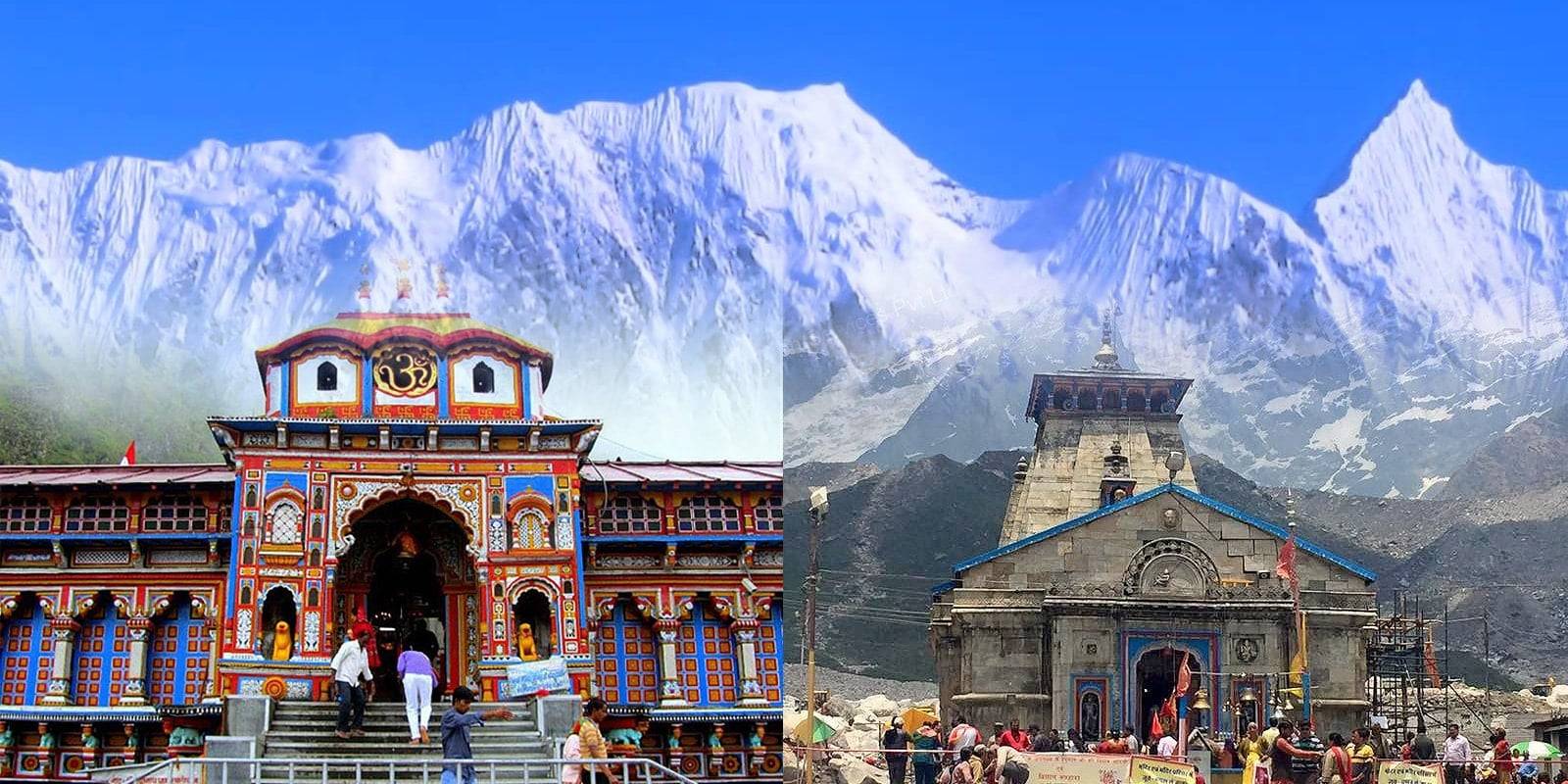
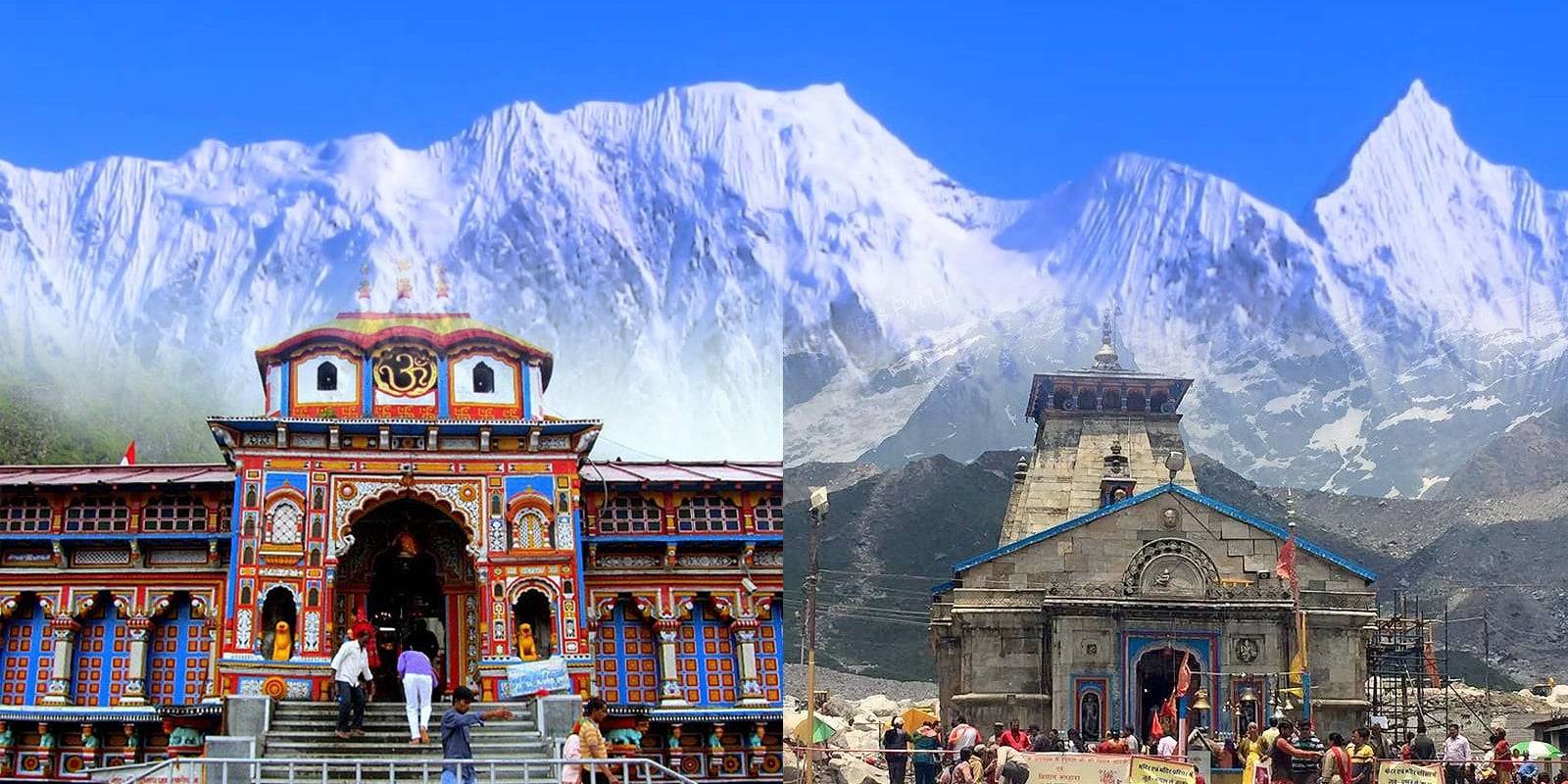
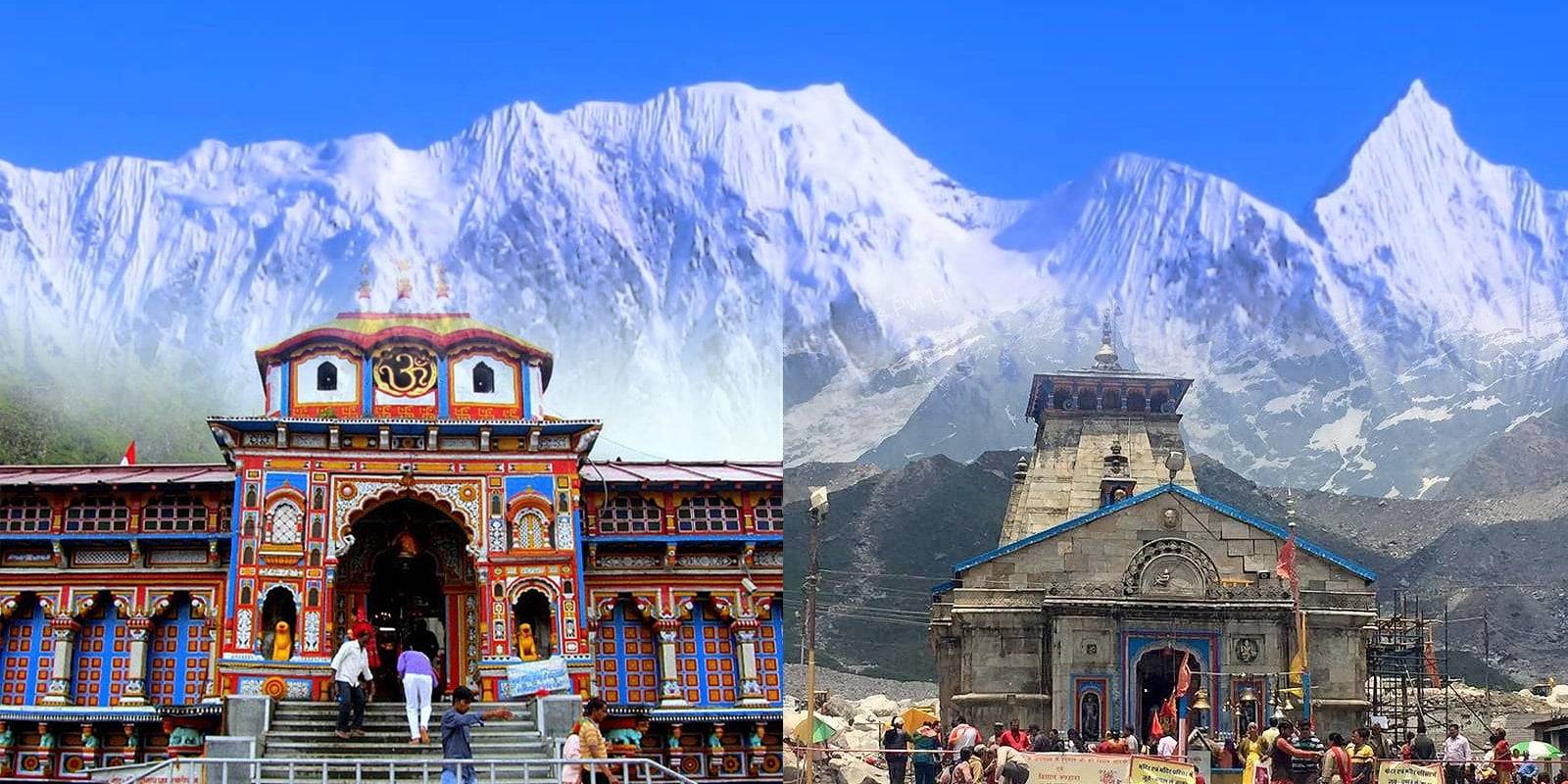
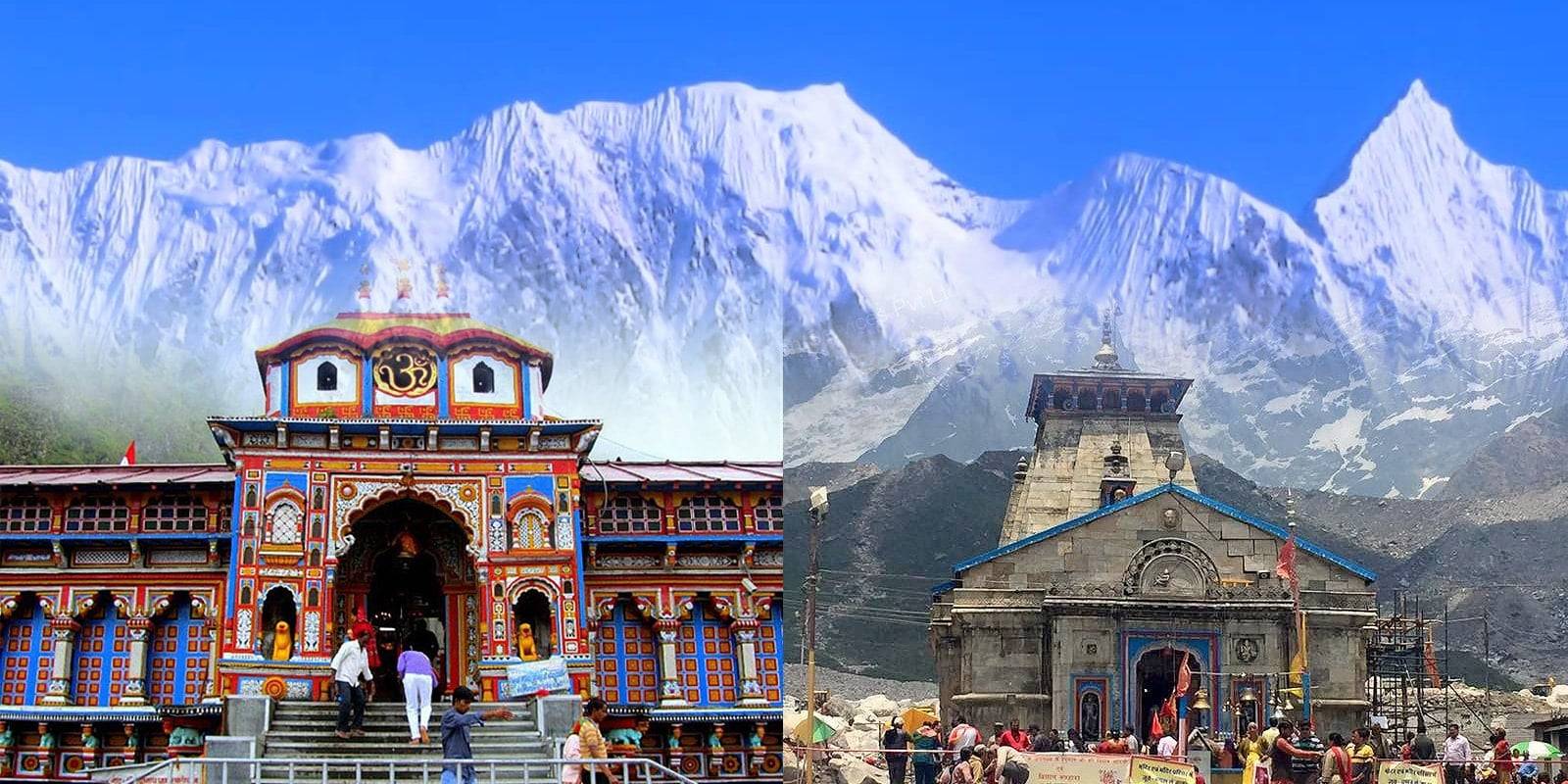
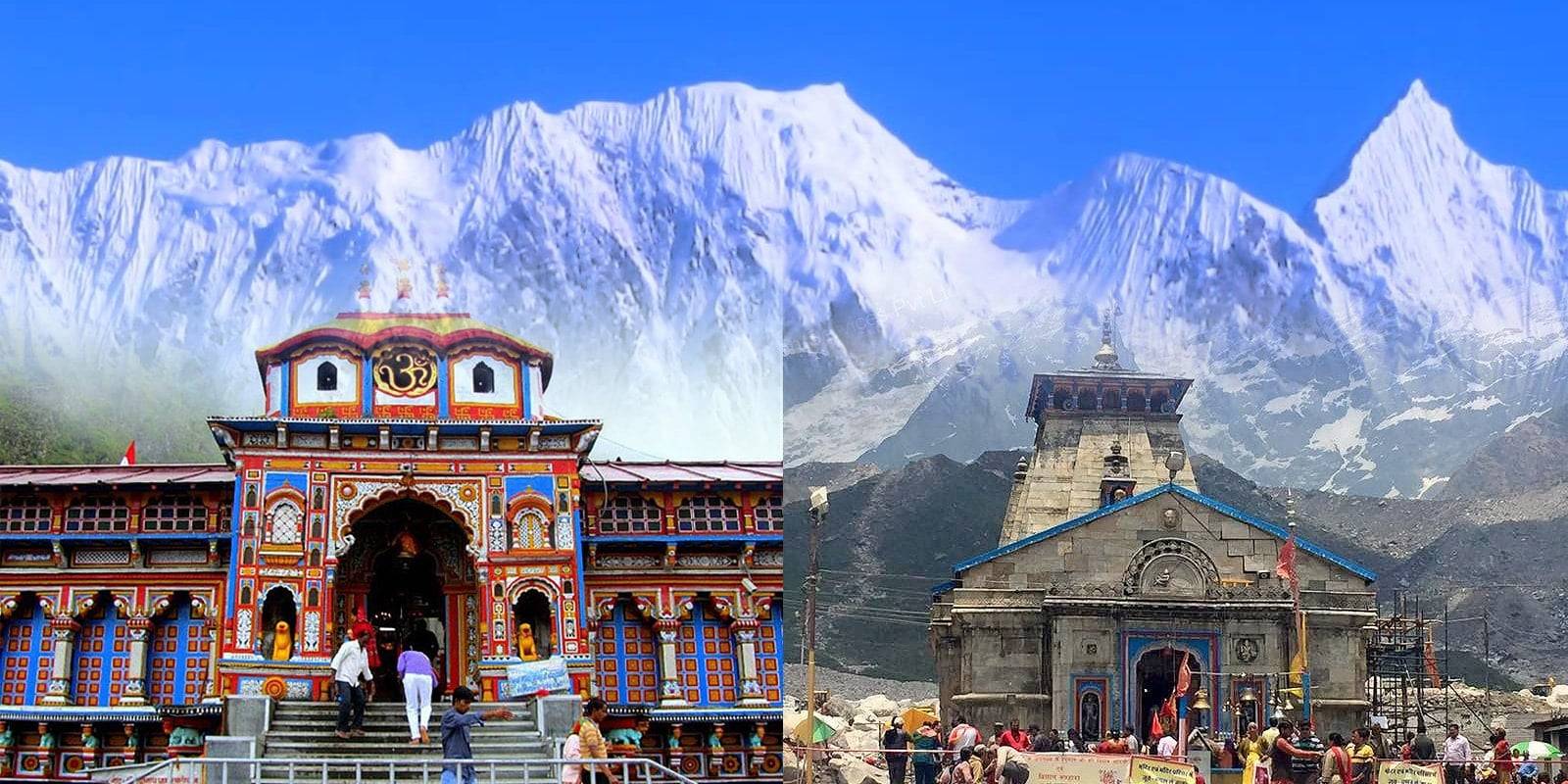
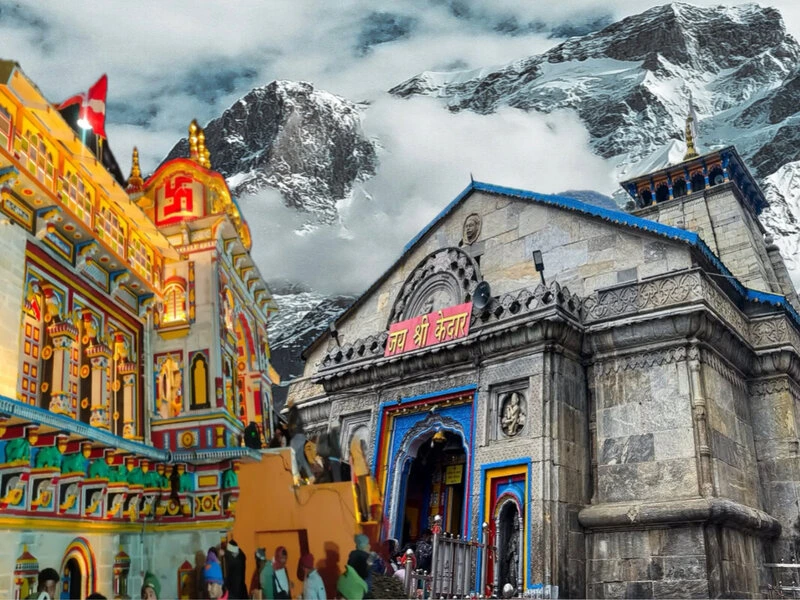
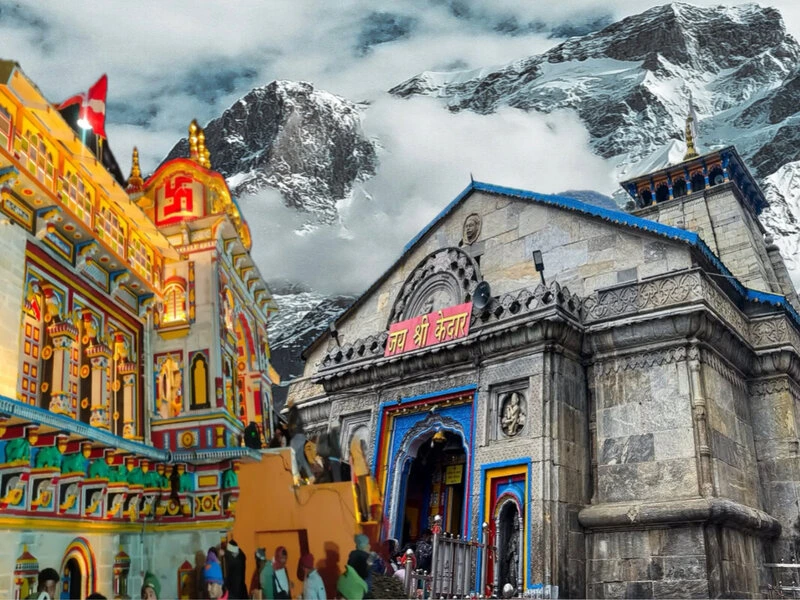
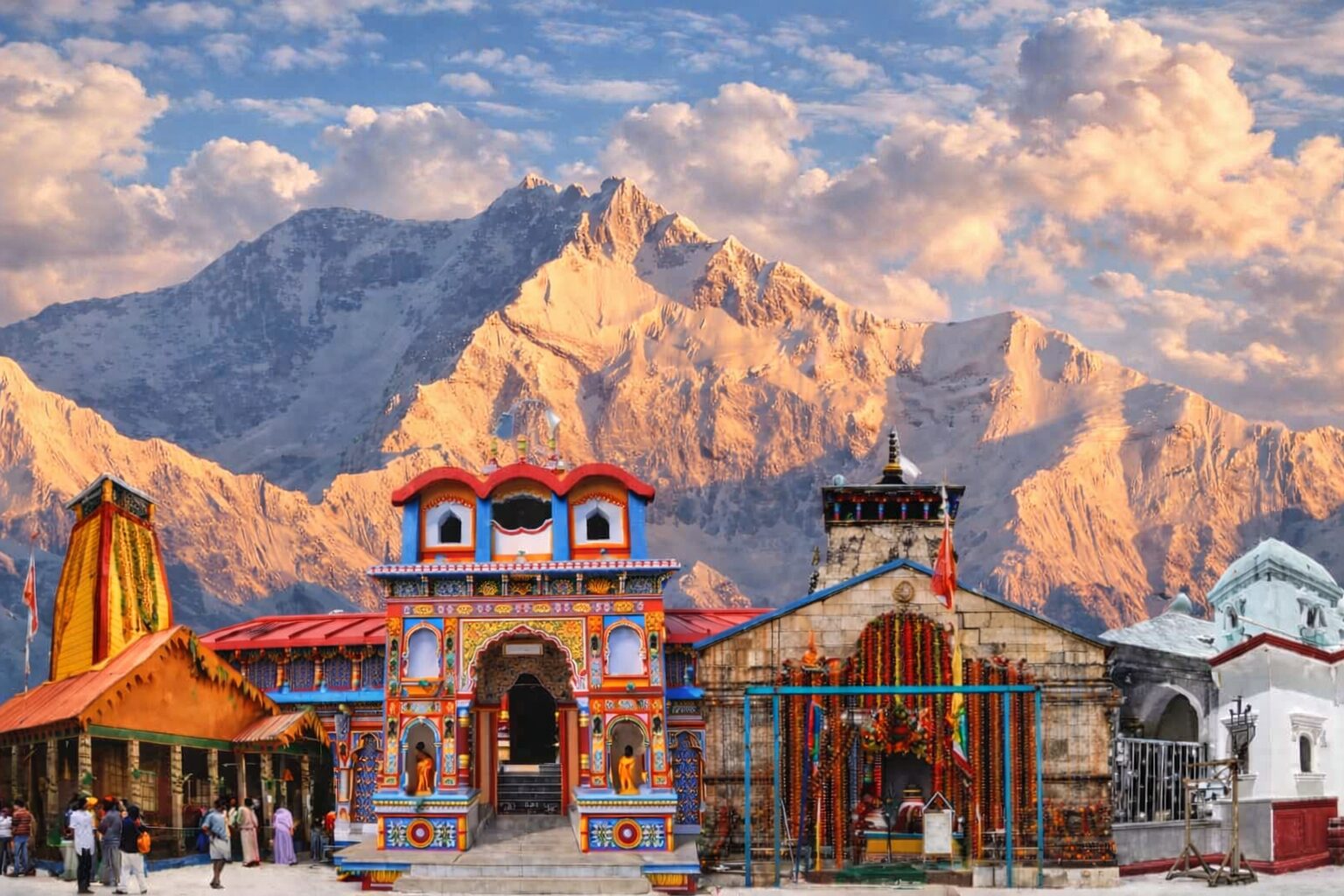
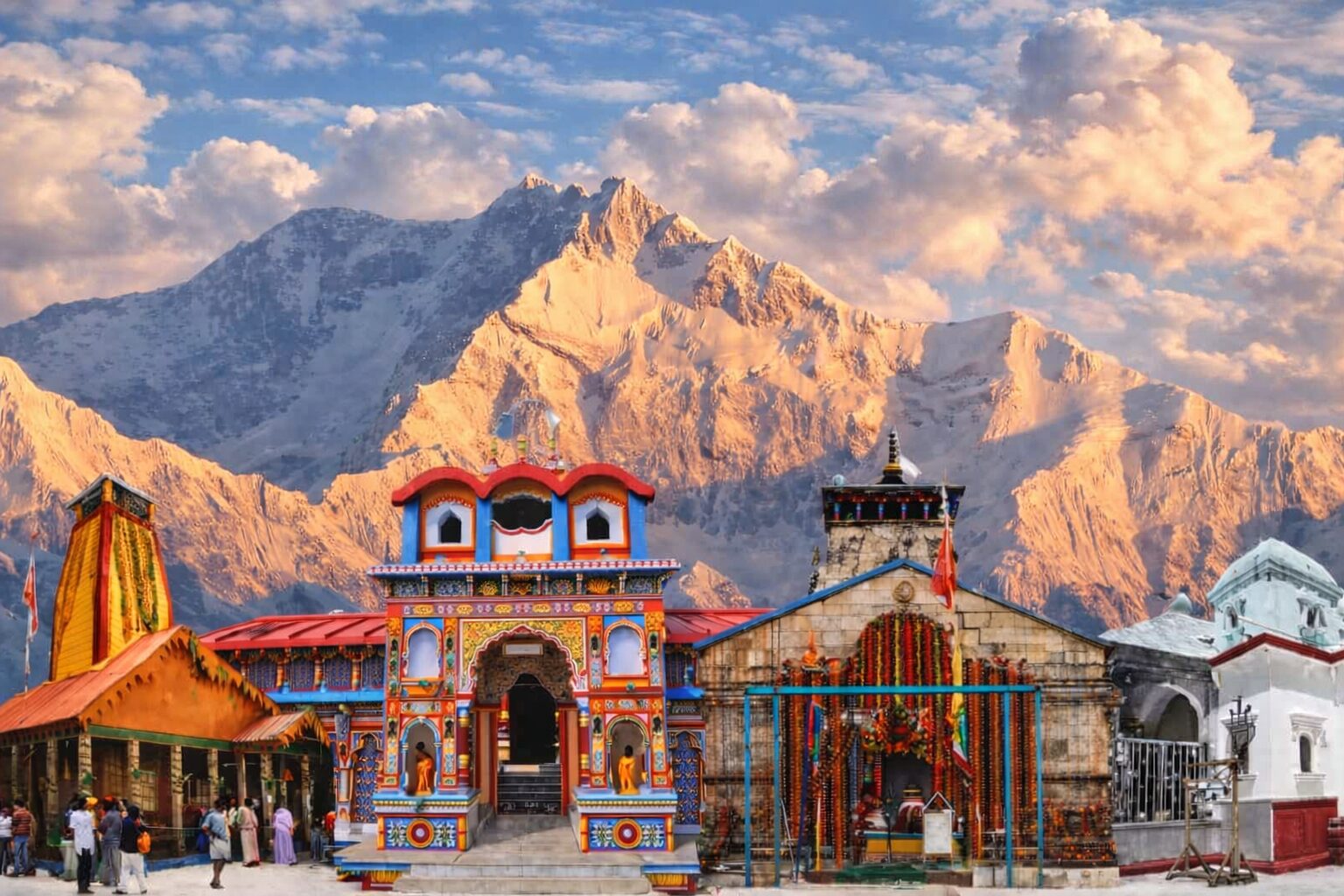
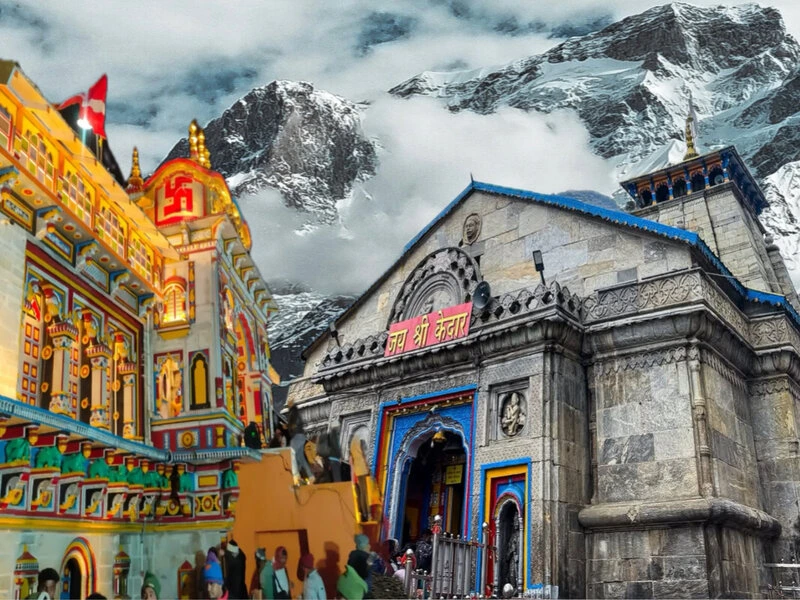
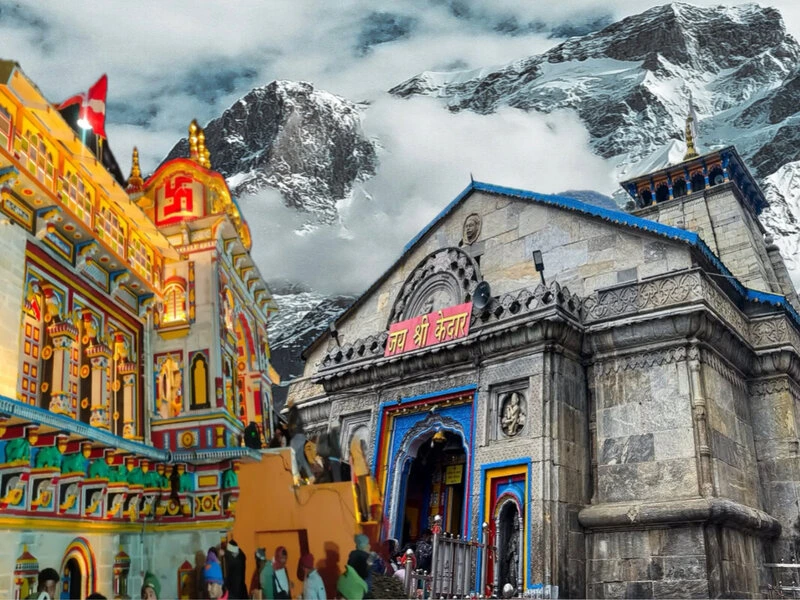
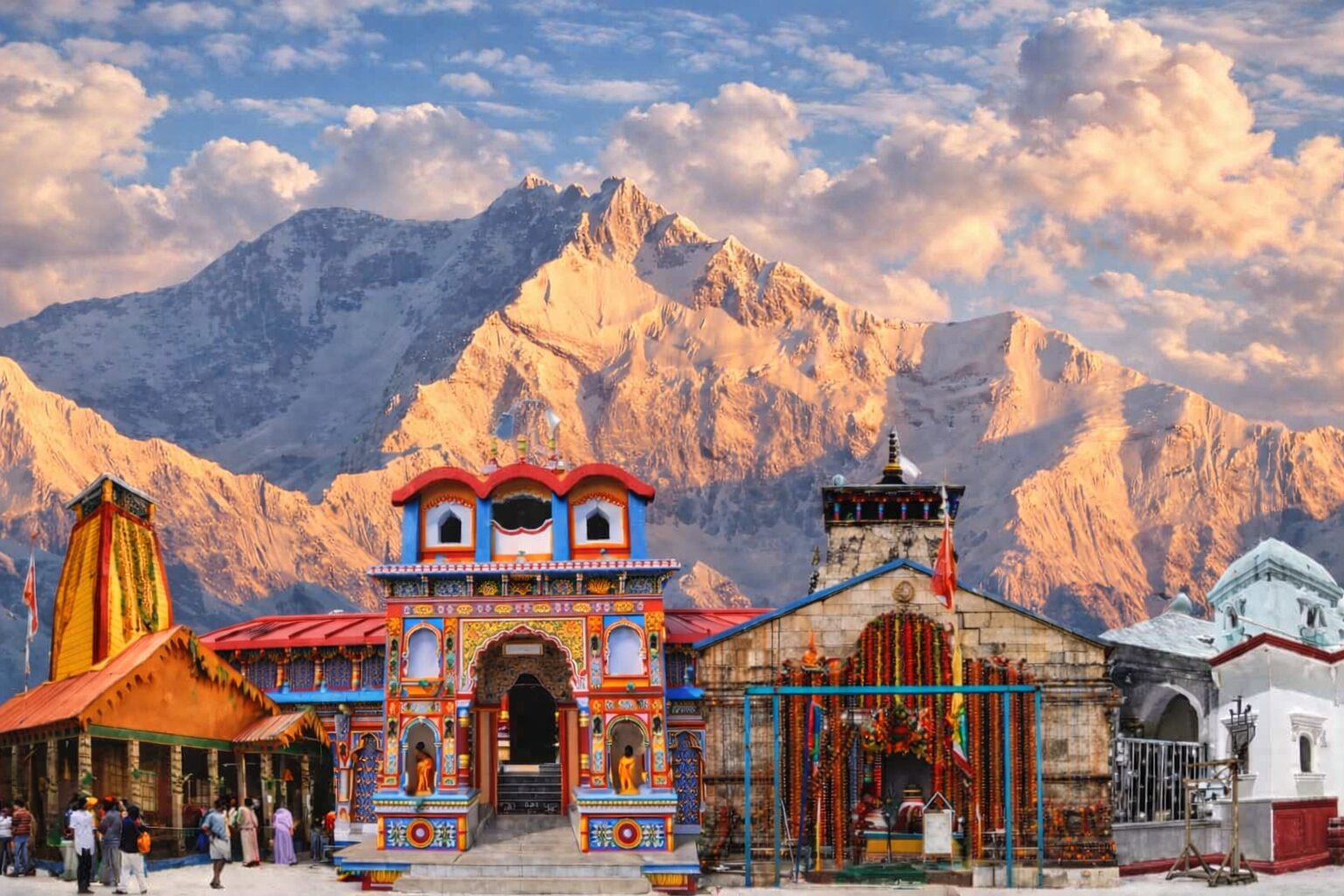
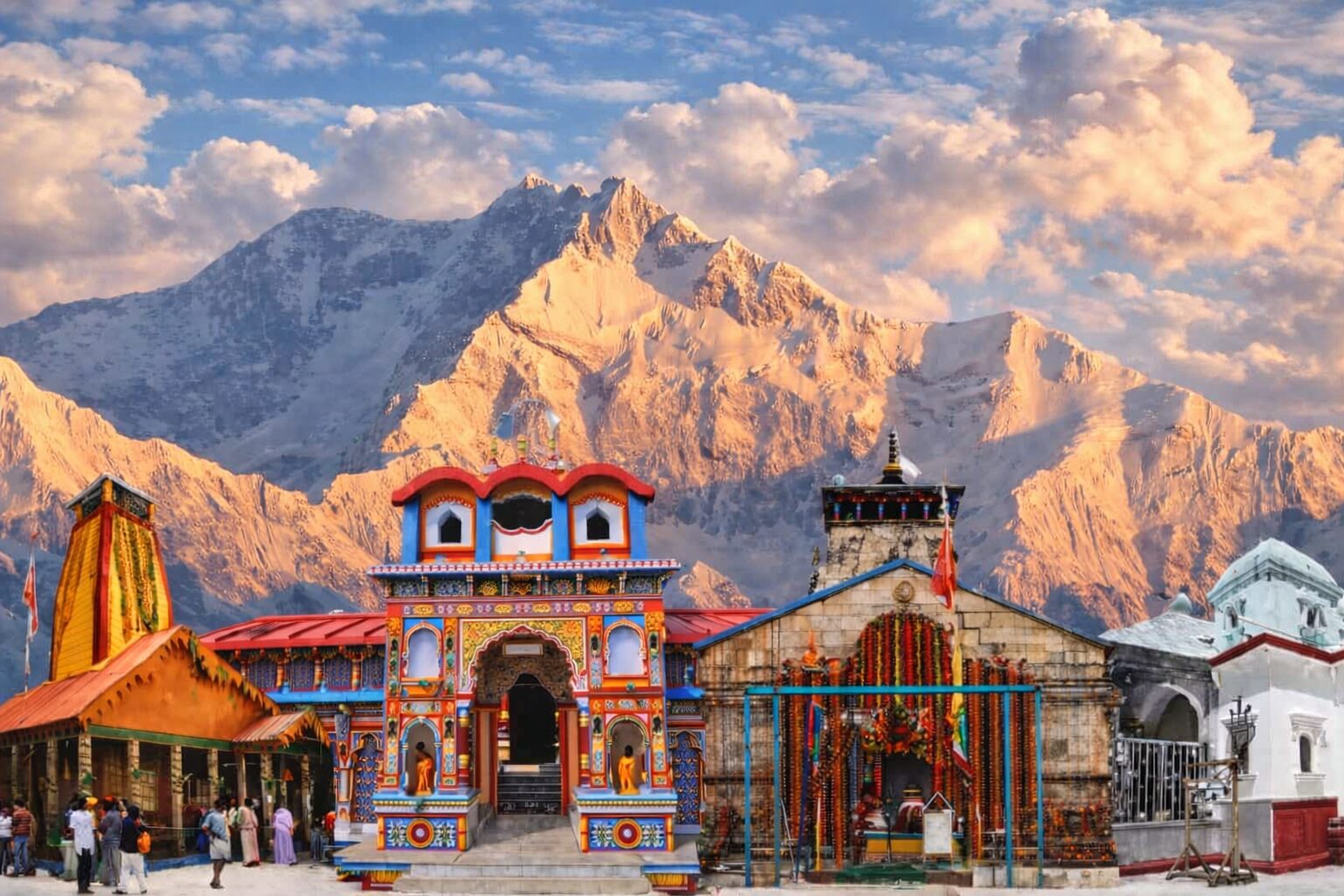
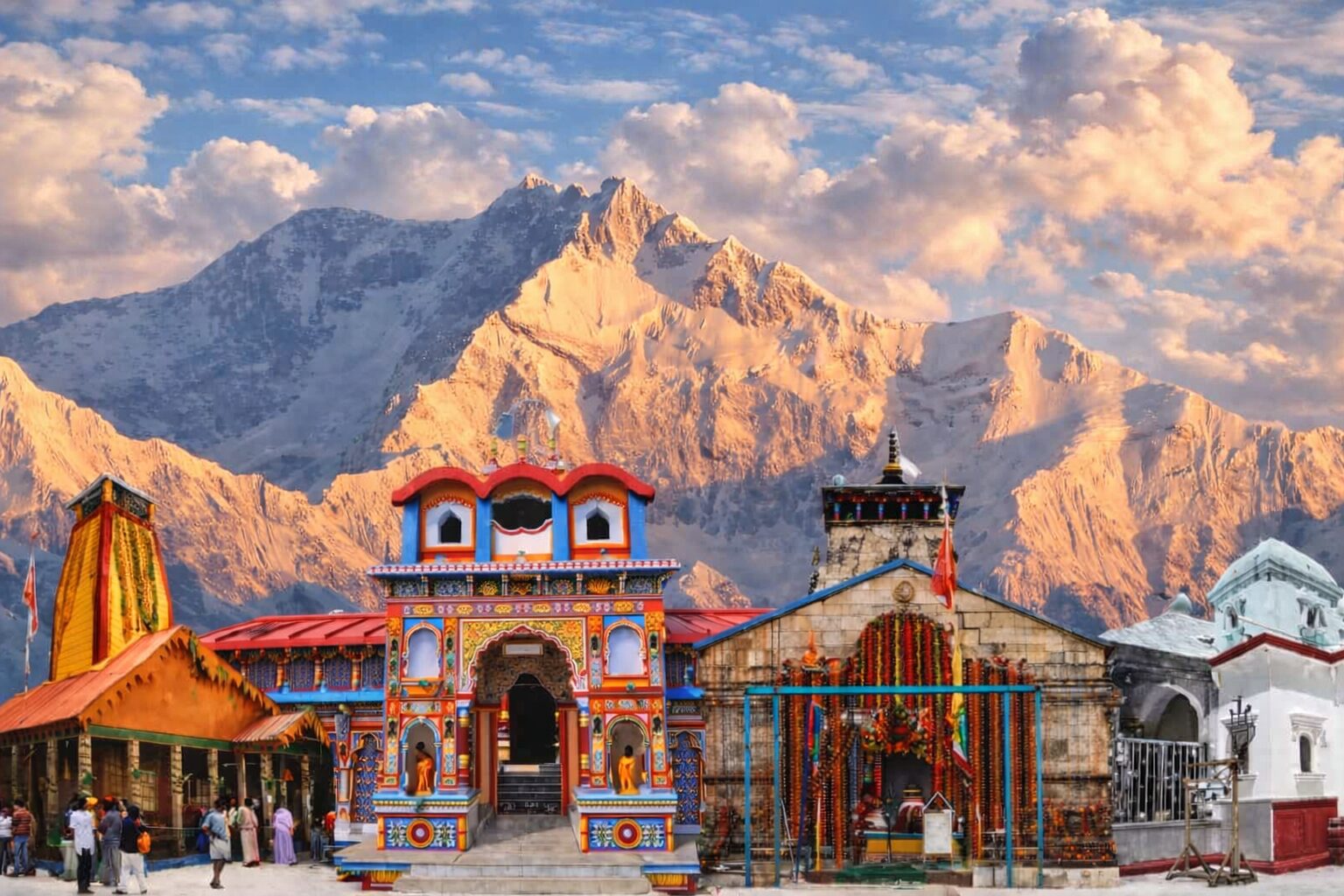
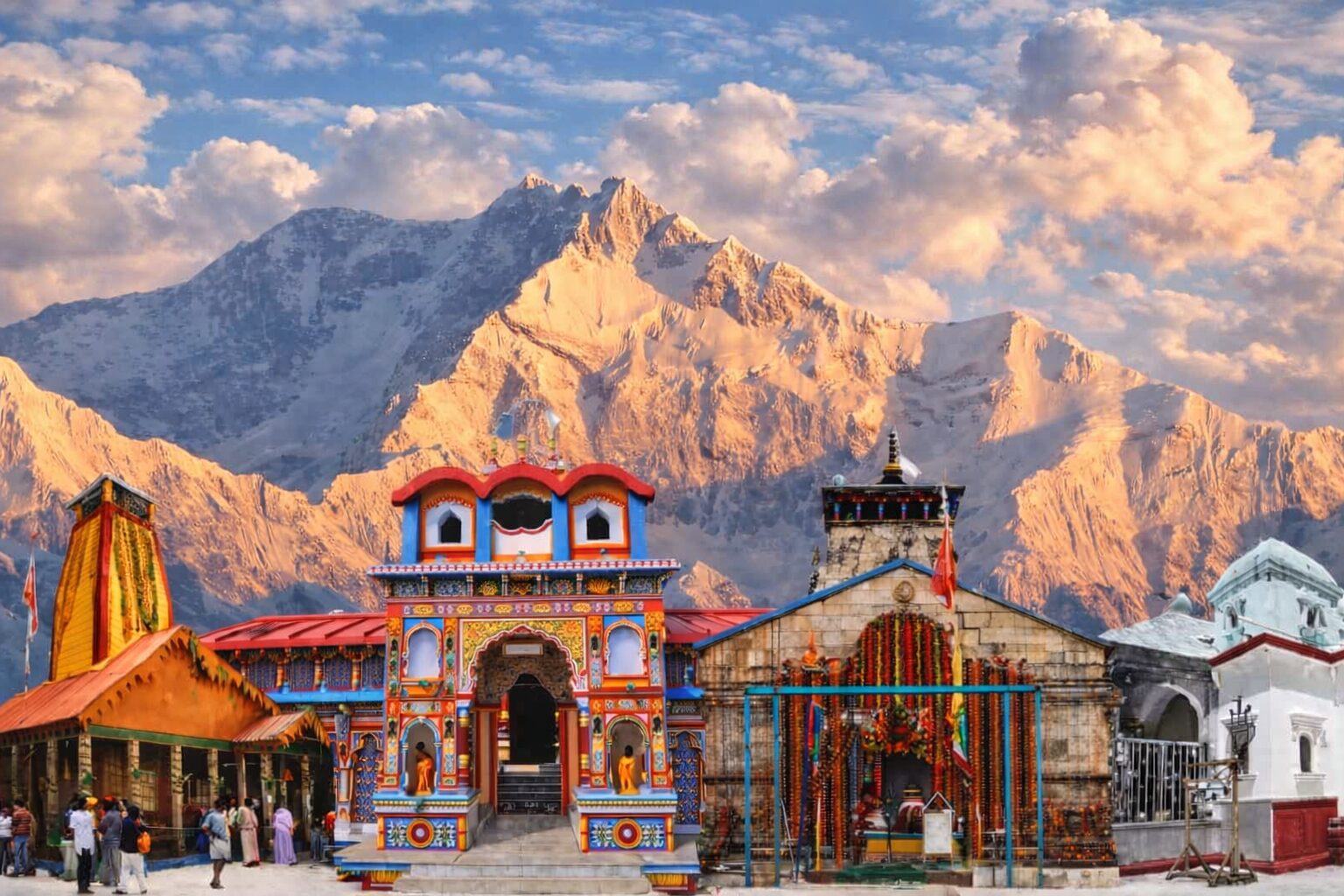
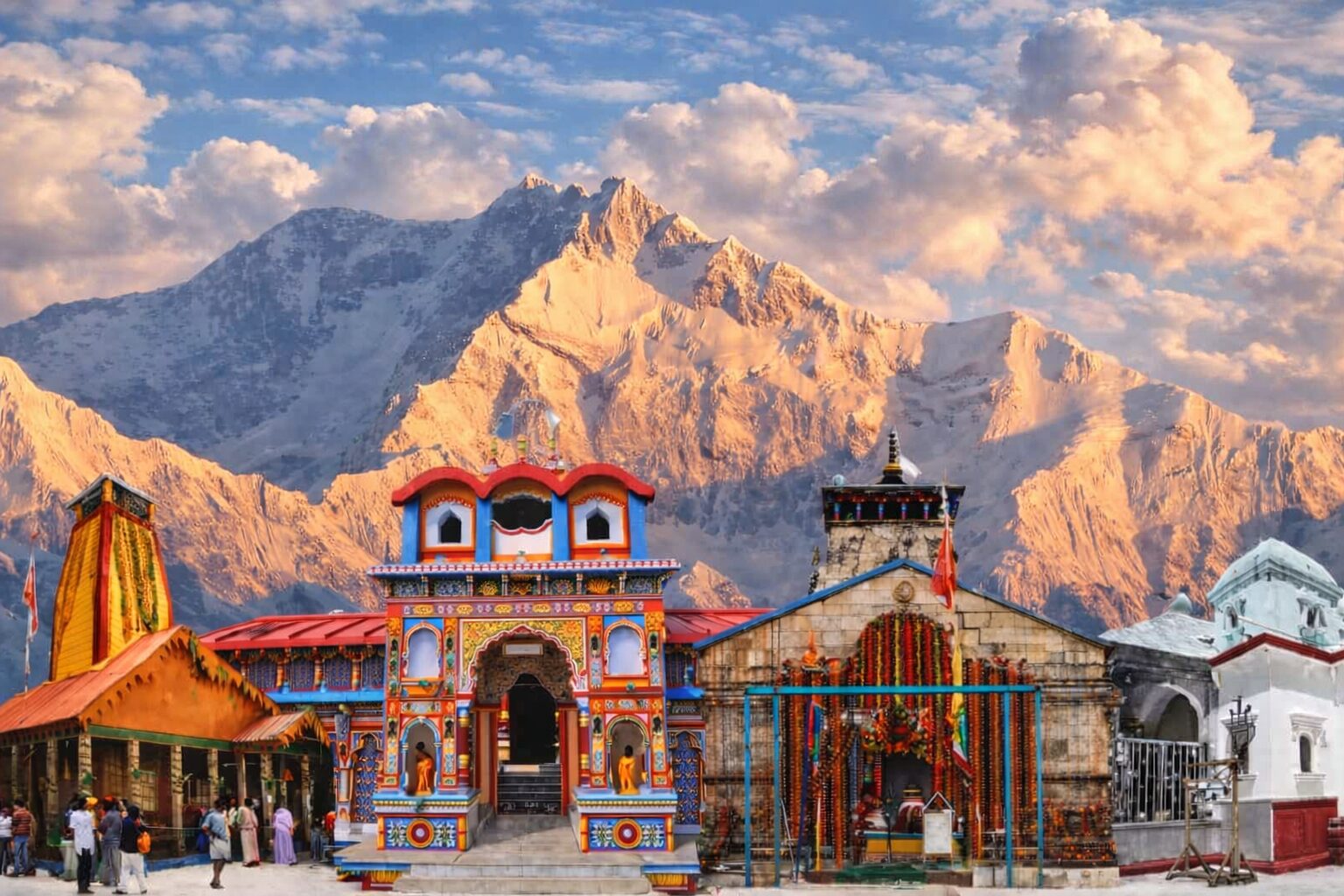
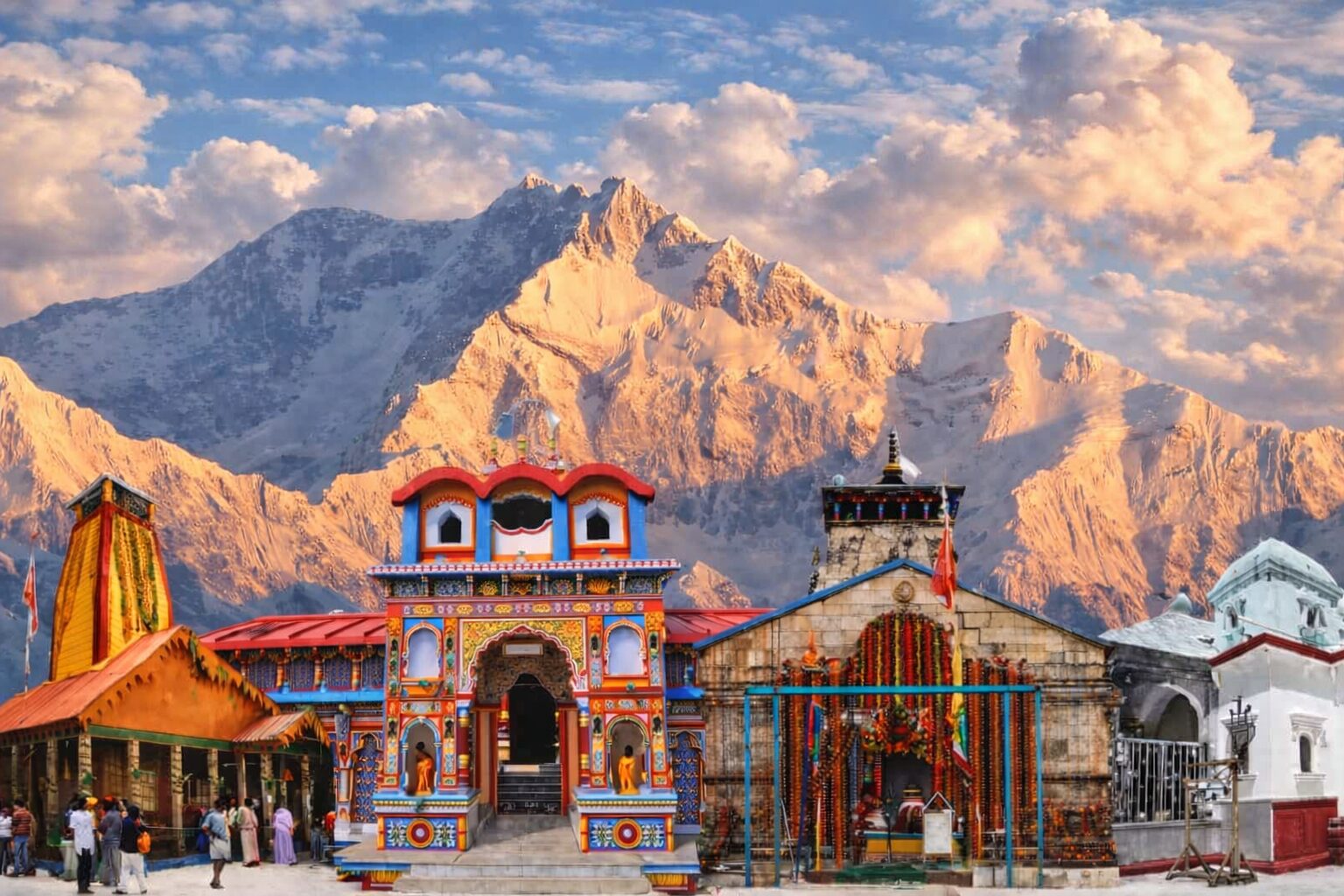
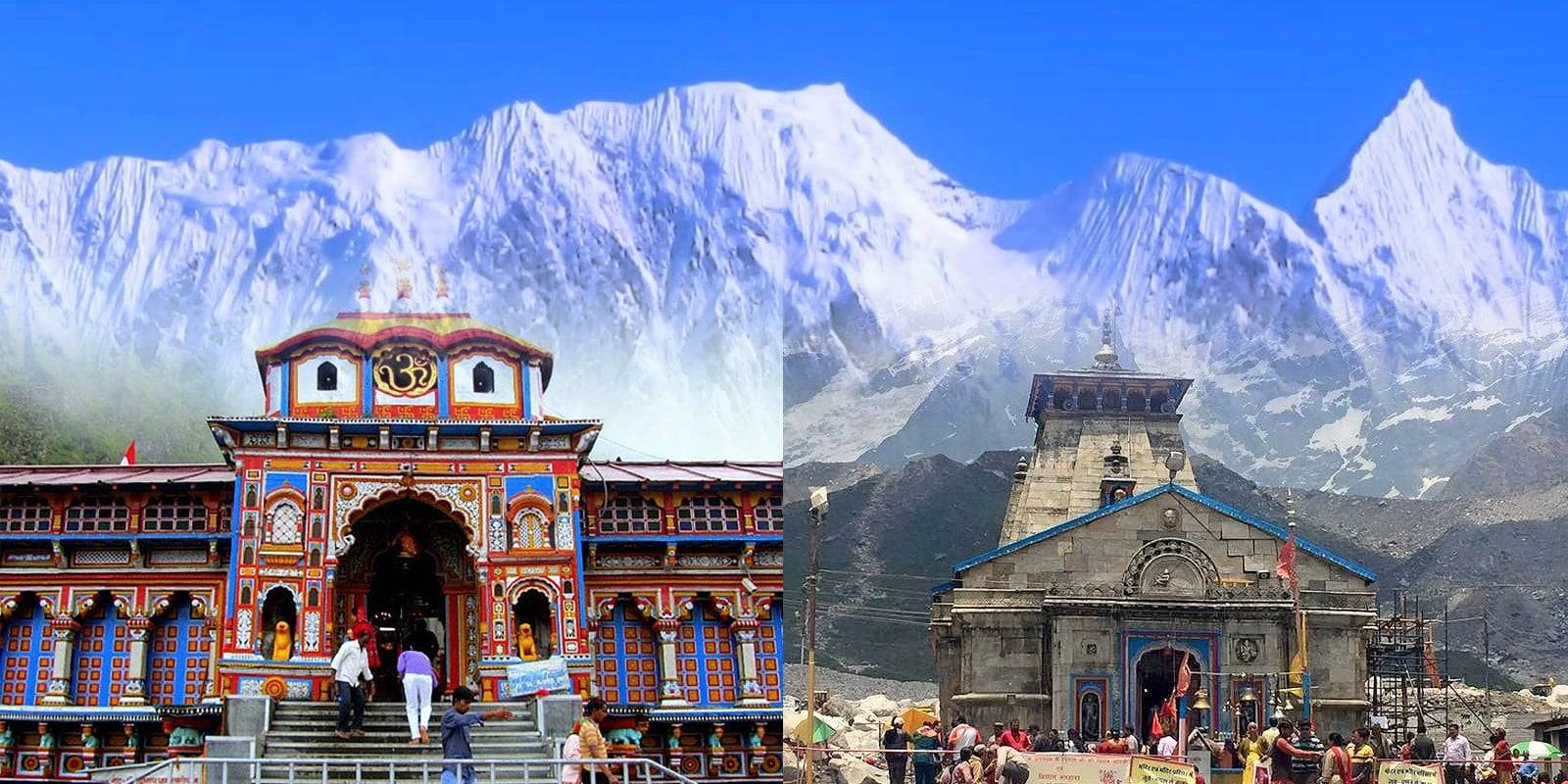
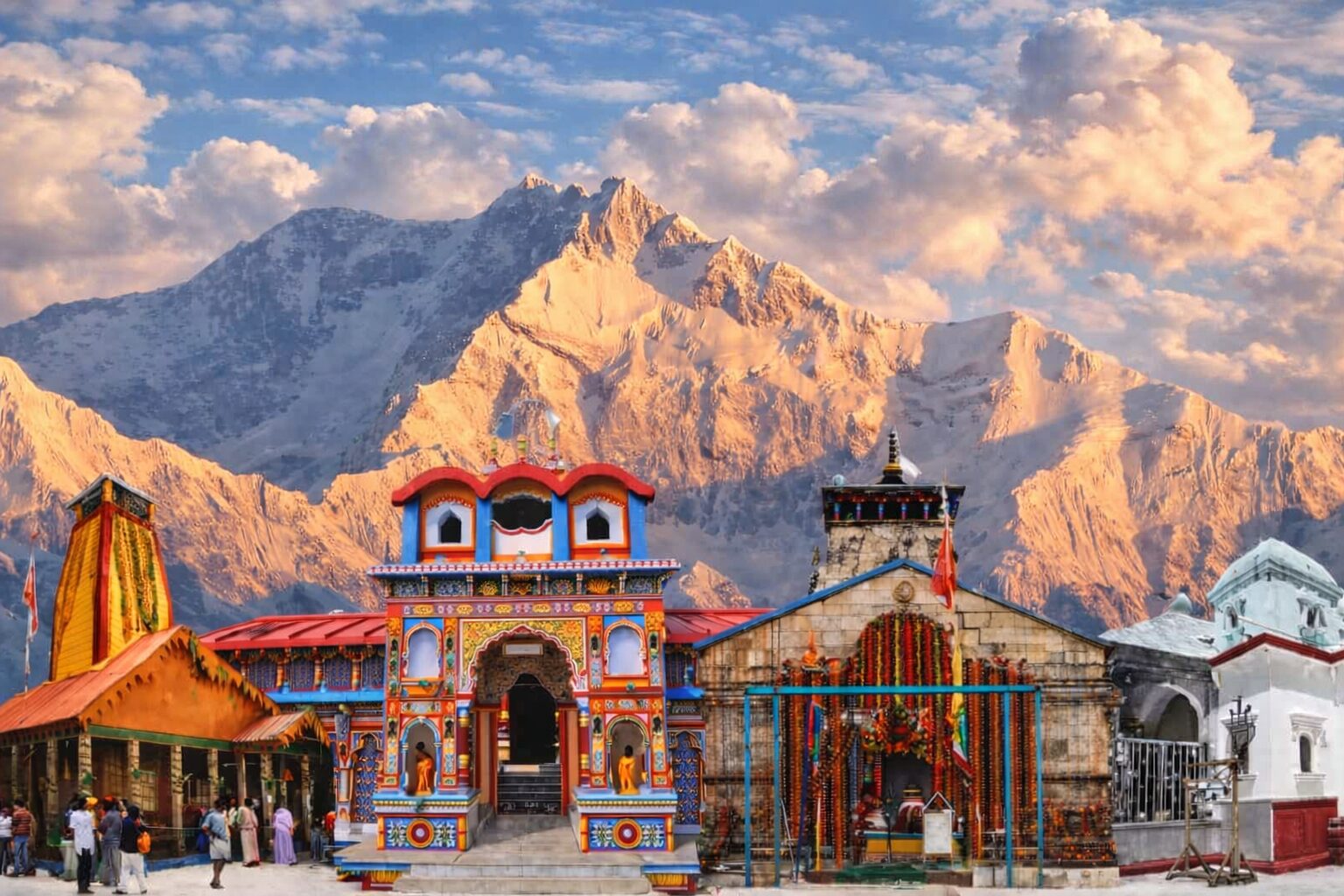
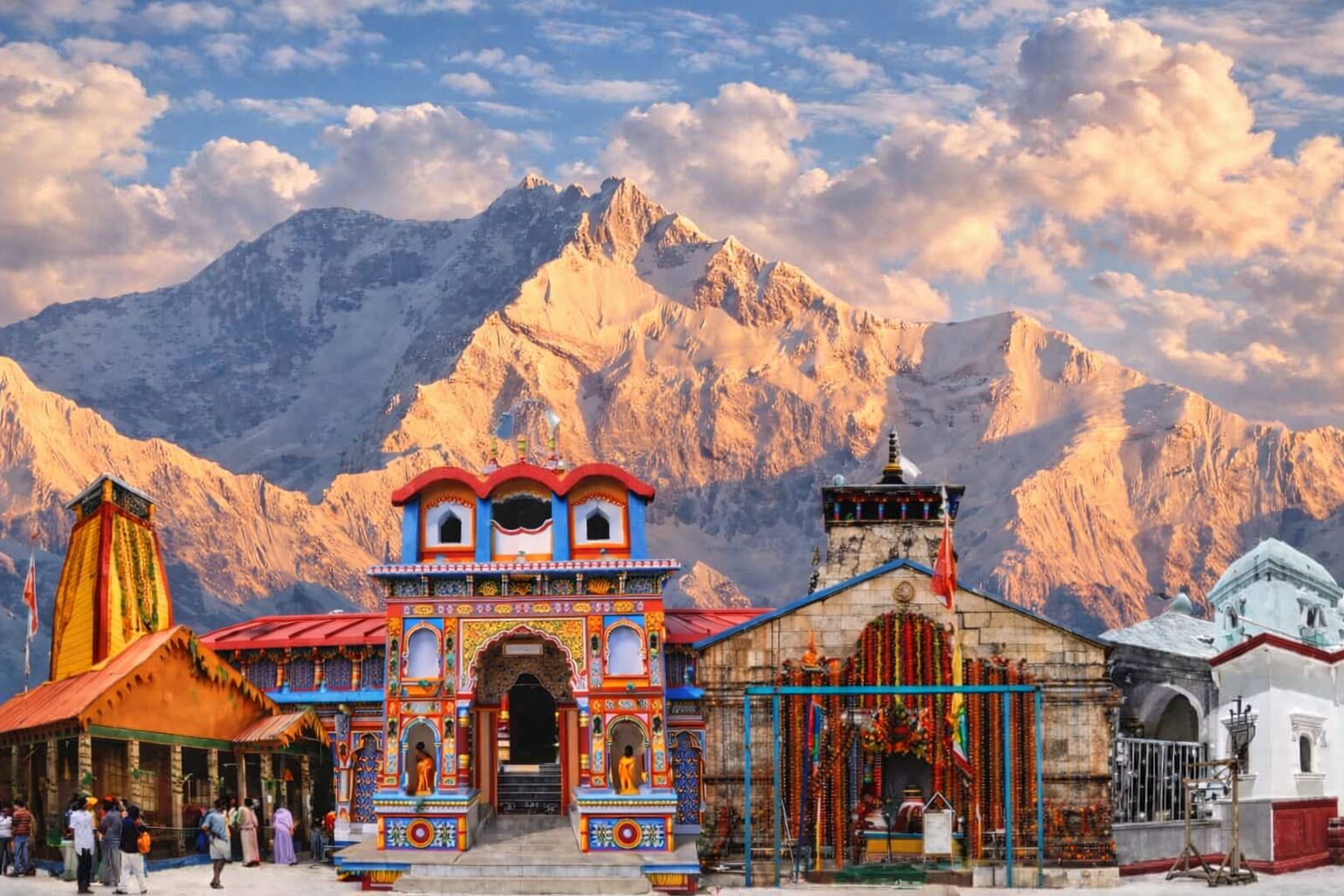
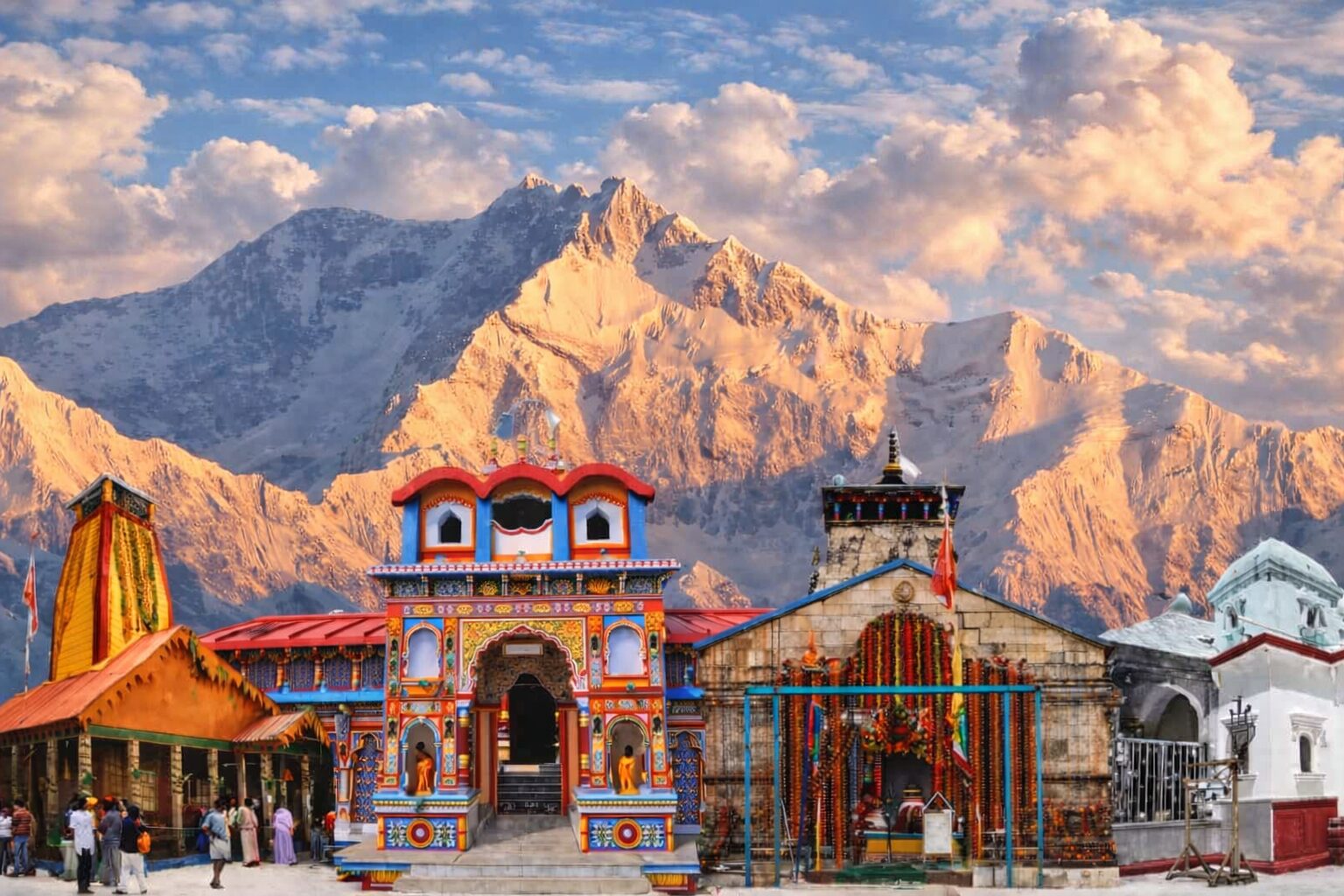
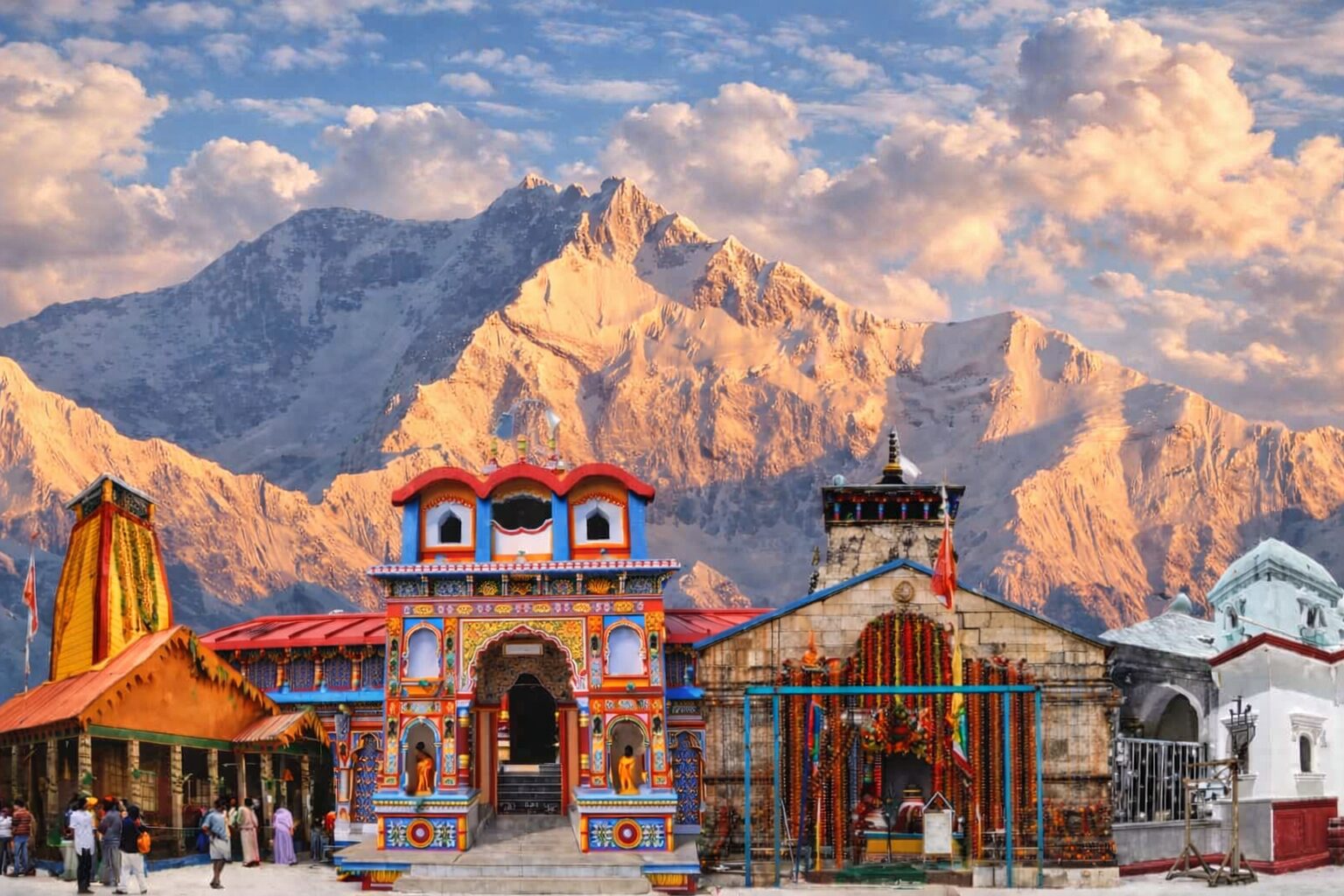
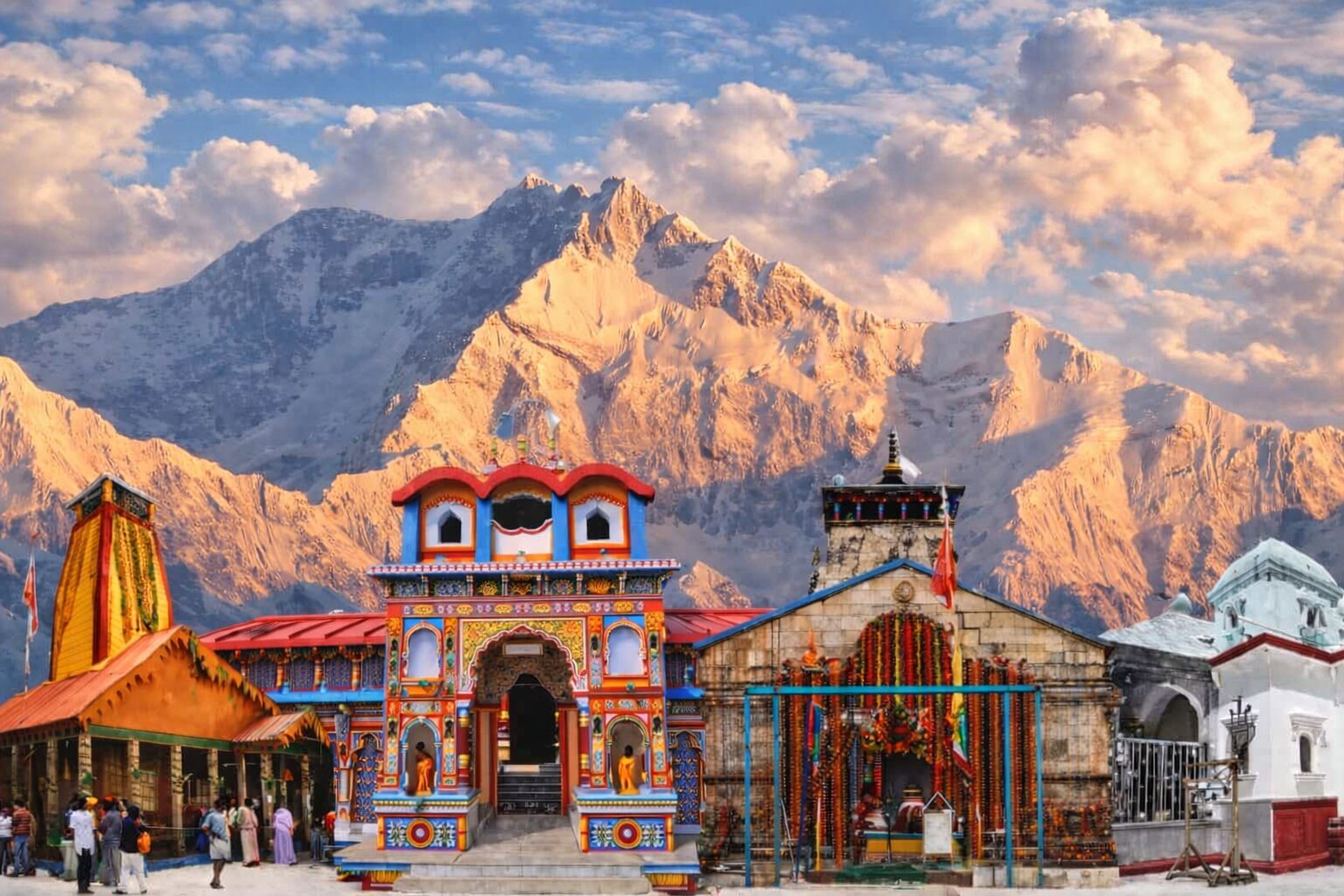
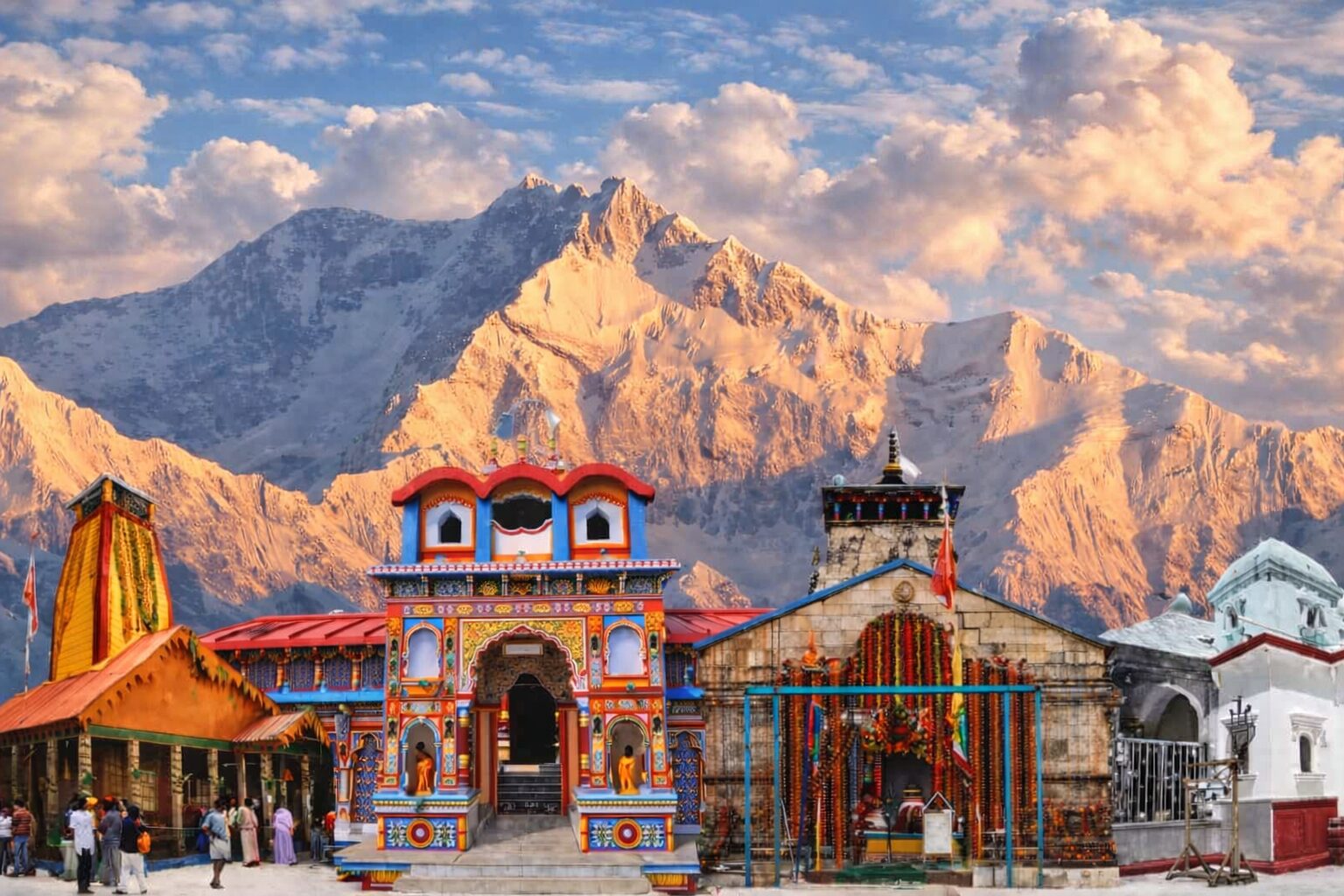
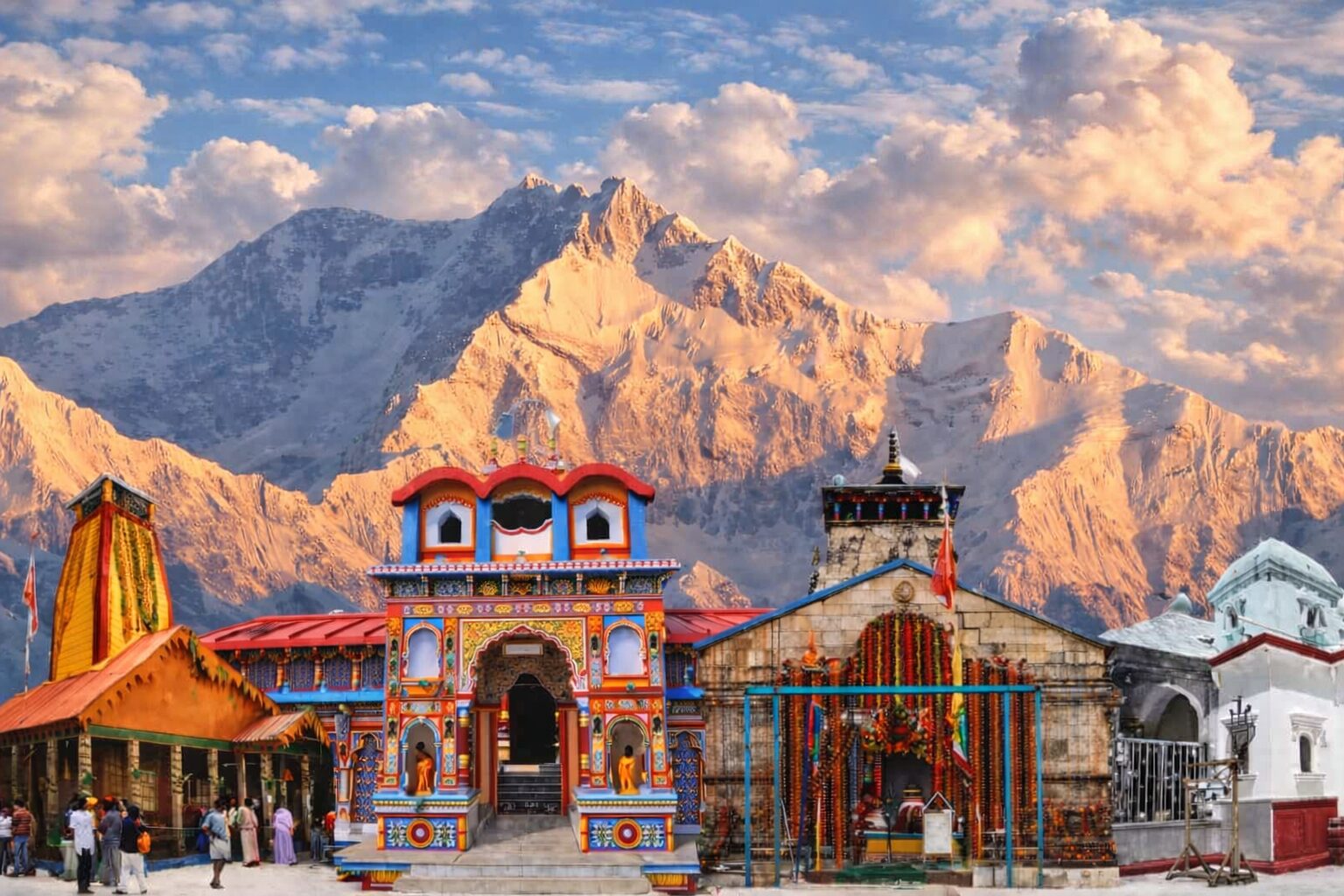
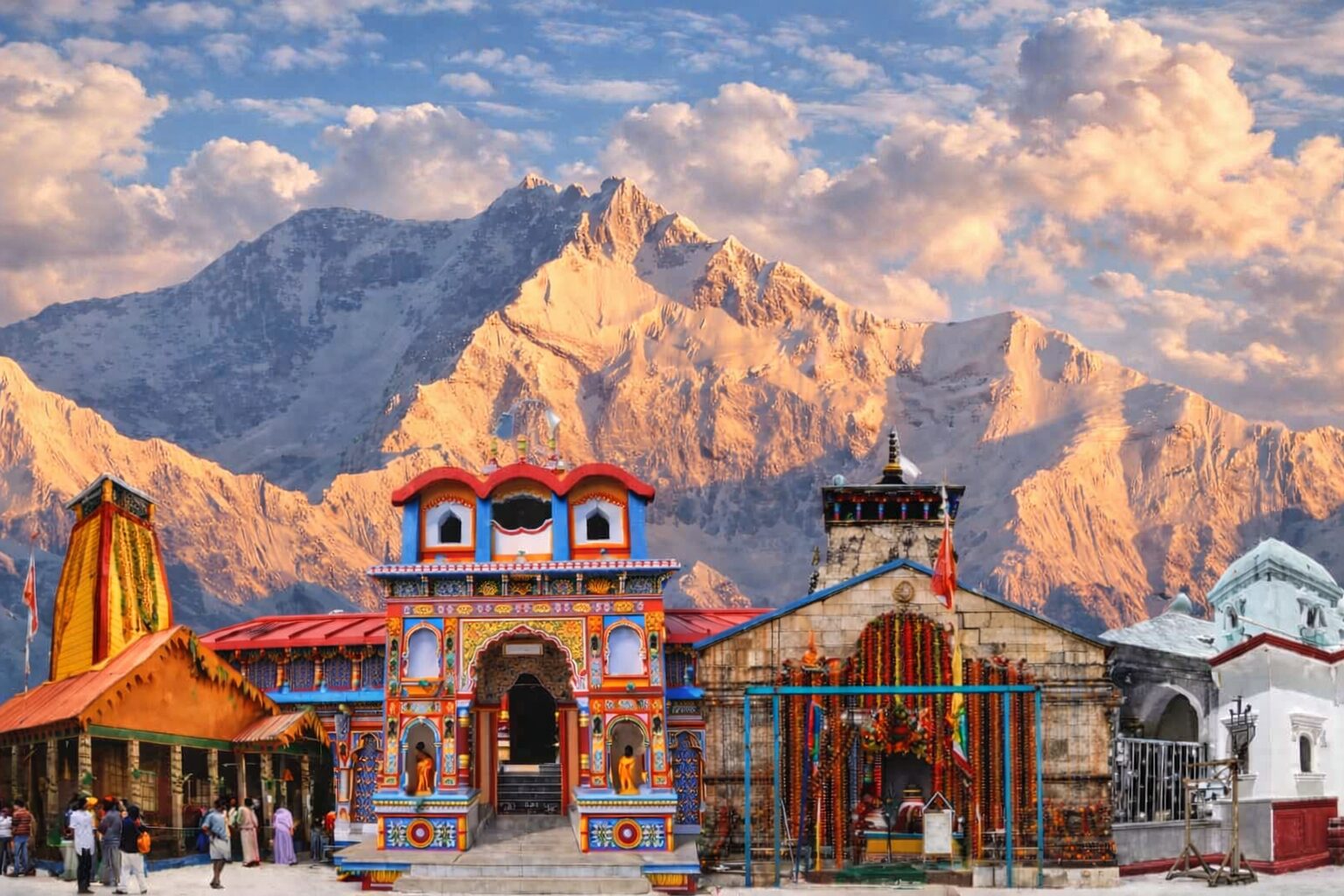
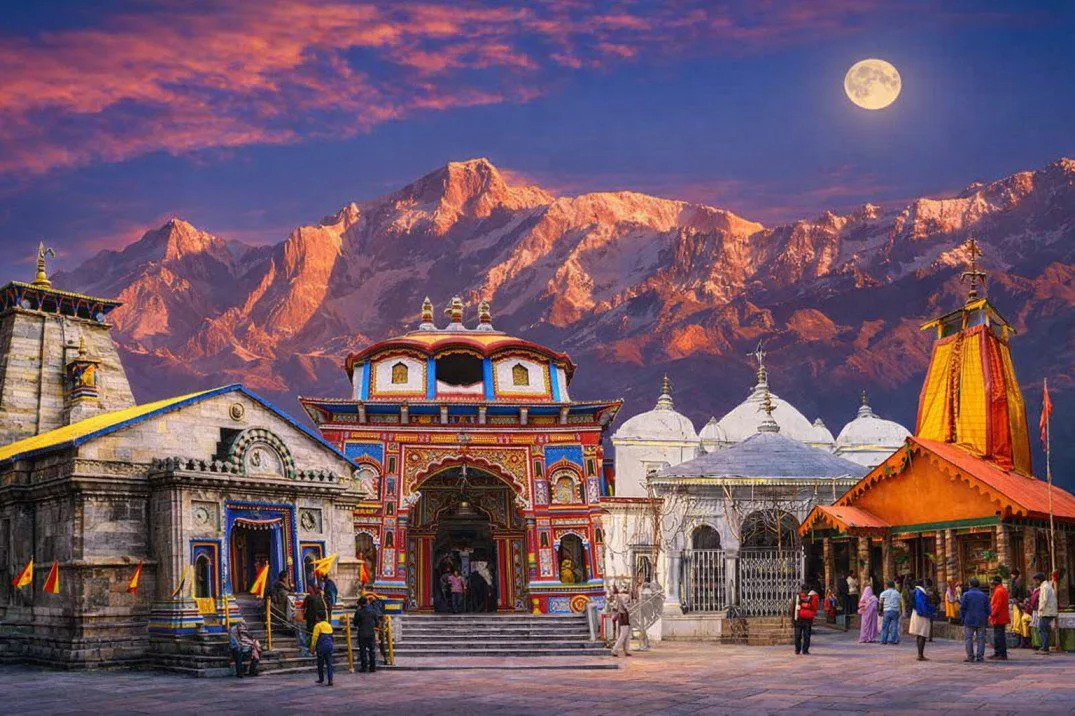
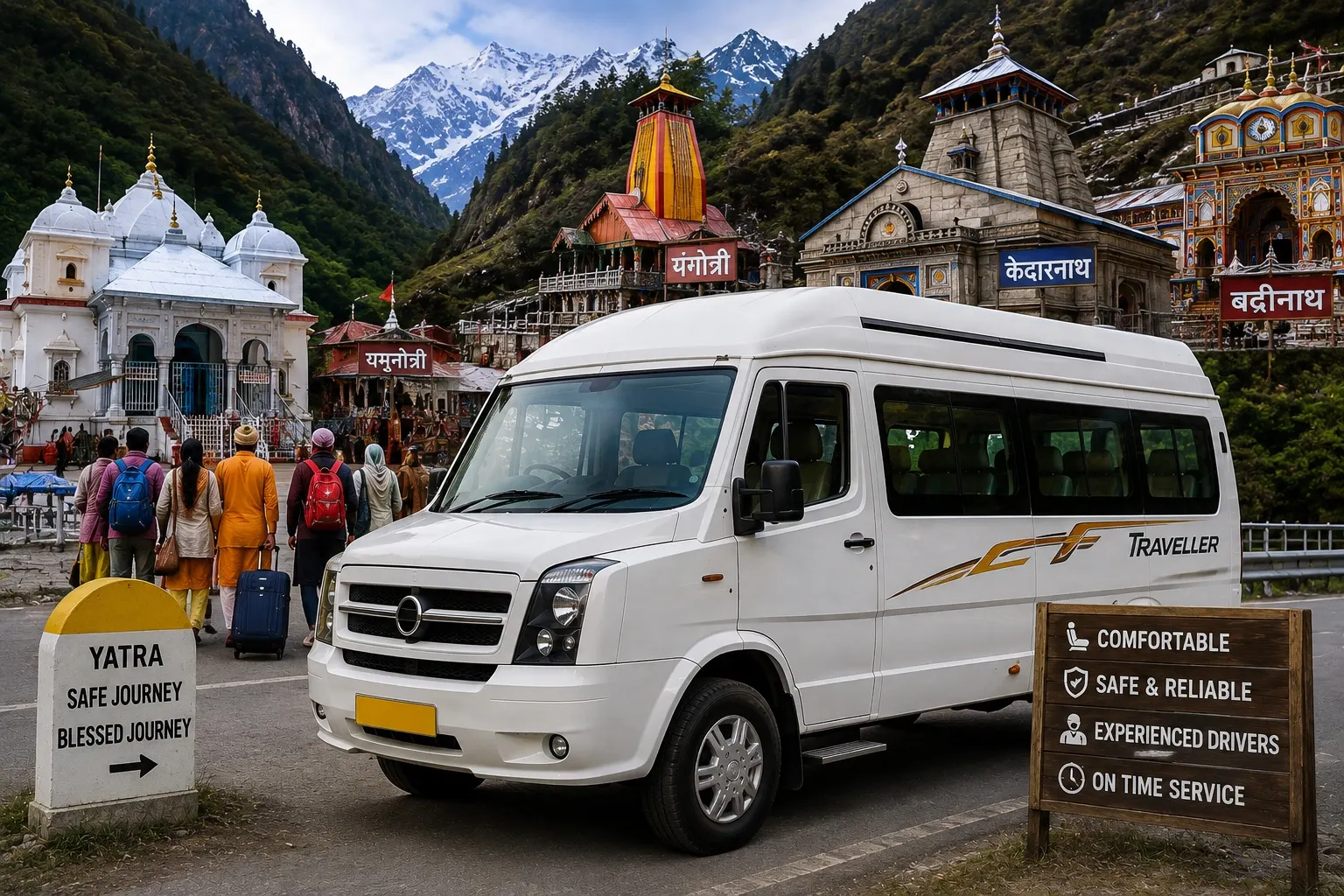
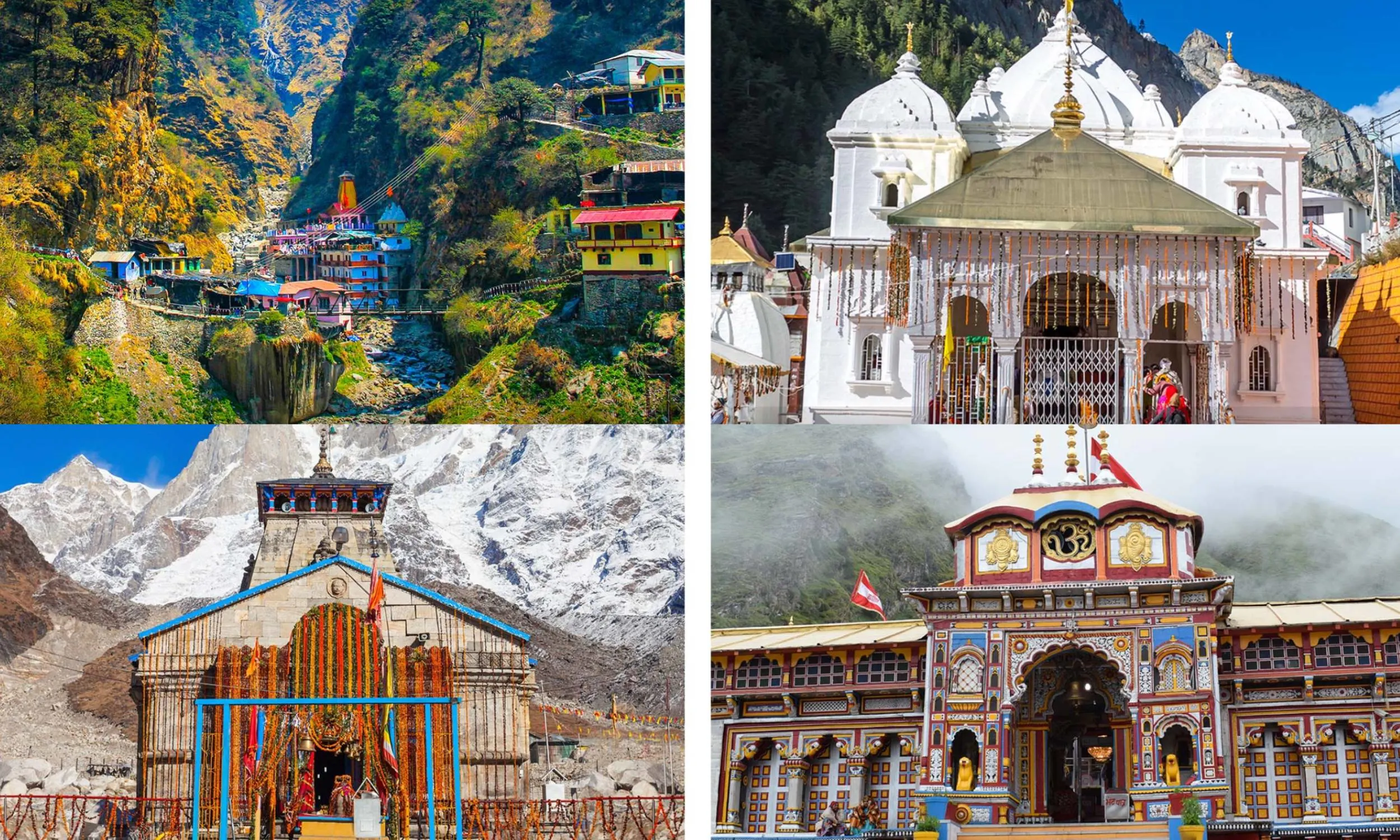
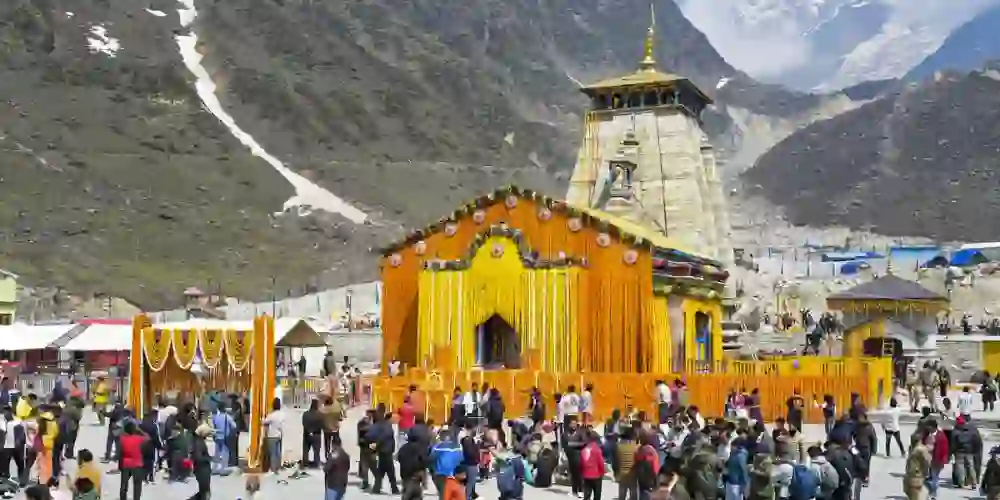
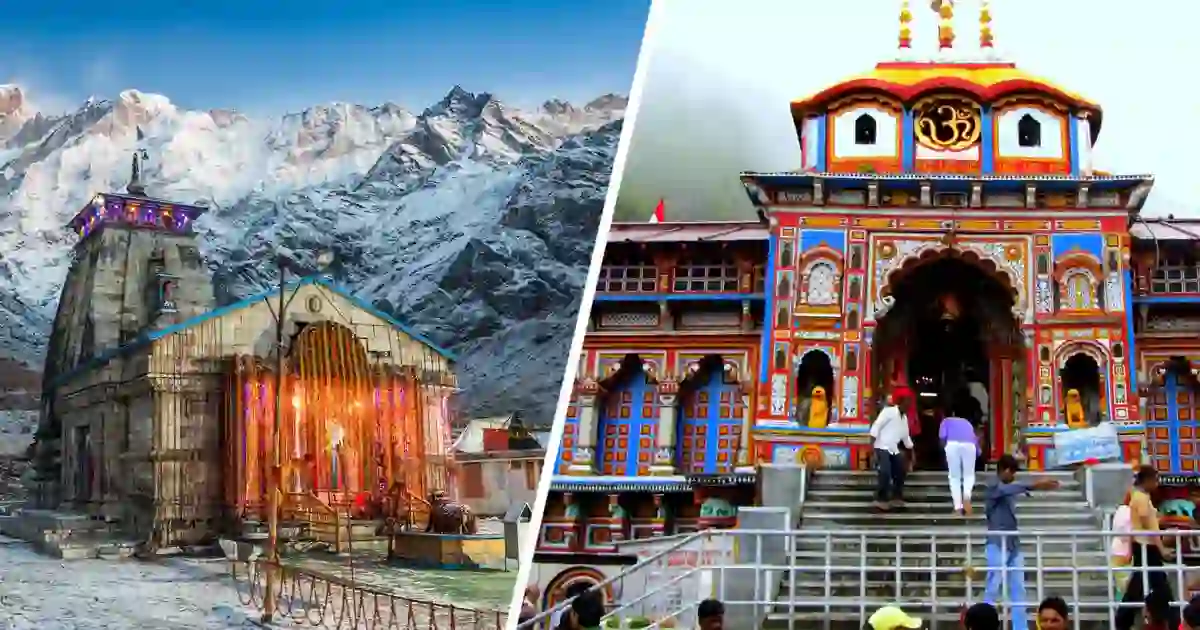
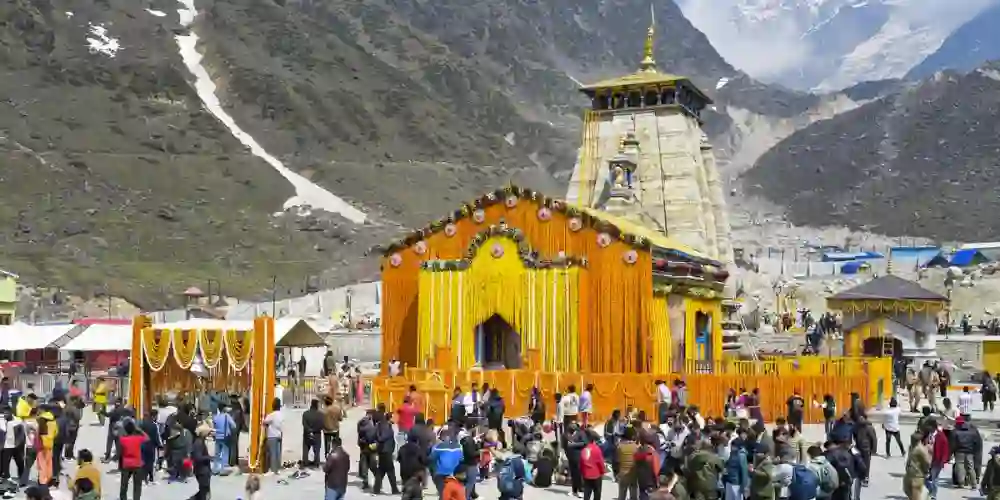
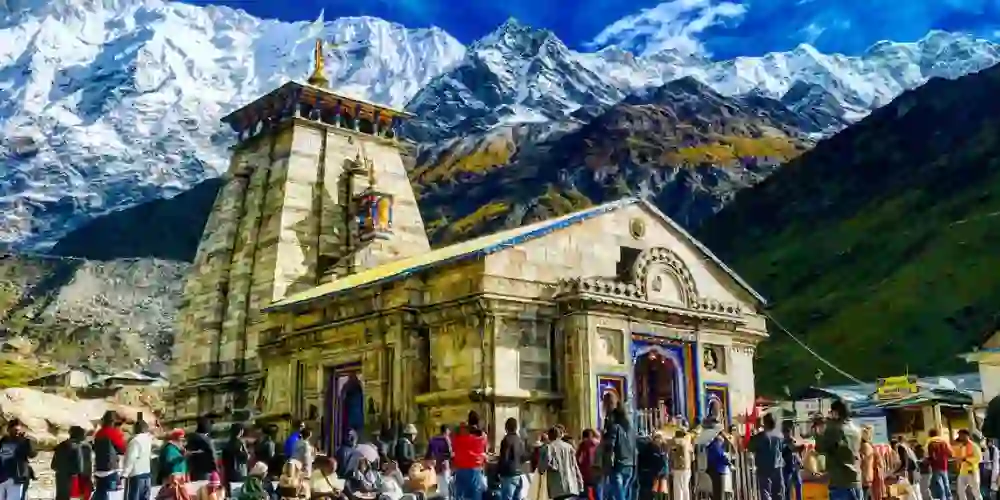
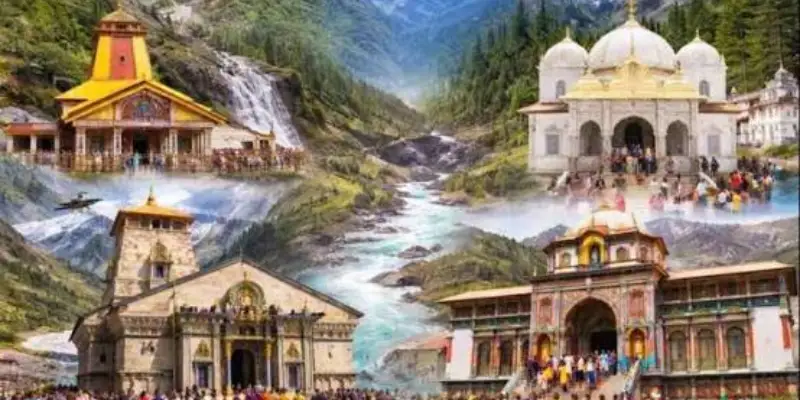
The Golden Triangle circuit remains one of the more efficient and genuinely rewarding ways to experience India's history within a single trip, bringing together Delhi's modern energy, Agra's Mughal monuments, and Jaipur's royal Rajasthani heritage within a manageable travel radius. Whether you're comparing costs across a Golden Triangle tour package or working out the right balance of time across each city, the key is avoiding an overly rushed itinerary that doesn't leave room to actually appreciate what each destination has to offer. Travelers drawn more toward a pilgrimage-focused trip sometimes look at a Do Dham Yatra Package 7 Nights 8 Days Ex Delhi covering Kedarnath and Badrinath instead, though the Golden Triangle remains the more common choice for a first trip focused on heritage and architecture rather than religious sites. If you'd prefer to have transport, hotels, and sightseeing planned out in advance, SS Rana Tour and Travels puts together Delhi Agra Jaipur packages covering most of what's outlined in this guide, so the planning is handled while you focus on the trip itself.
A 5-day trip comfortably covers the main sights in all three cities without feeling too rushed, including reasonable time to actually enjoy major sites like the Taj Mahal and Amber Fort. Extending to 6-7 days allows for a more relaxed pace or additional stops like Fatehpur Sikri without compressing the schedule.
Early morning, ideally at sunrise, offers both the best light for photographs and noticeably thinner crowds compared to later in the day. October to March also remains the most comfortable season overall for visiting, given the more manageable daytime temperatures.
Most travelers use a private vehicle arranged through their tour operator to cover all three legs by road, though the Delhi-Agra segment can also be covered by the Gatimaan Express train in under two hours. Road travel remains the most common choice for the Agra-Jaipur and Jaipur-Delhi legs, given the lack of a comparably fast train connection.
Yes, the Golden Triangle circuit is widely considered one of the most accessible introductions to India for first-time visitors, given its manageable distances, well-established tourism infrastructure, and the concentration of major historical sites within a relatively small area. A guided package can be particularly helpful for first-time visitors unfamiliar with local logistics.
Costs depend on season, hotel category, and whether monument tickets are bundled into the package, with peak winter season generally commanding higher rates than the quieter monsoon months. Comparing quotes carefully for exactly what's included helps avoid confusion around additional costs once you're already on the trip.
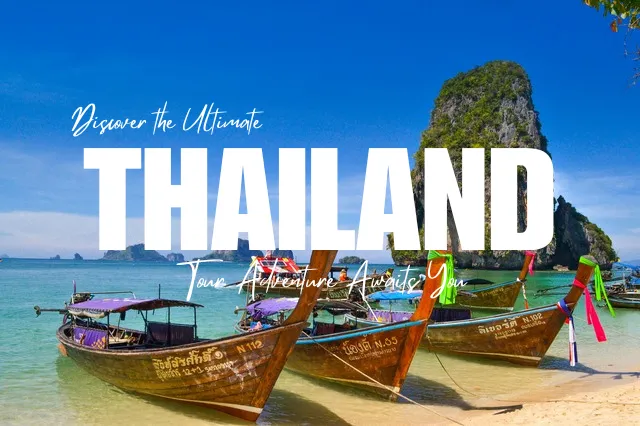
SS Rana Tour and Travels offers customized Delhi Agra Jaipu tour packages from Delhi for couples, families, friends, honeymooners, and groups. We provide flexible packages based on your travel dates, budget, preferred destinations, and hotel requirements. Our packages can include popular destinations such as Bangkok, Pattaya, Phuket, Krabi, Phi Phi Island, and Coral Island. Depending on the selected package, we can arrange hotels, sightseeing, airport transfers, local transportation, and other travel services. Whether you want an affordable holiday or a premium Delhi Agra Jaipu vacation, our team can help create a suitable itinerary. Contact SS Rana Tour and Travels to get a customized Thailand tour package and quotation according to your requirements.



















.jpeg)




.jpeg)
.webp)
.jpeg)
.jpeg)
.jpeg)


.jpeg)
.jpeg)
.jpeg)
.jpeg)
.jpeg)



.jpeg)
.webp)
.jpeg)
.jpeg)

.jpeg)

.jpeg)
.jpeg)
.jpeg)
.jpeg)


.jpeg)

.webp)
.jpeg)
.jpeg)
.jpeg)

.jpeg)













.webp)


.webp)











_15_11zon.webp)




































































































.webp)






















.webp)





















.jfif)










.jfif)
.jfif)
.jpg)
.jfif)
.jfif)
.jfif)

.jfif)
.jfif)
.jfif)

.jfif)

.jfif)



.webp)
.webp)
.webp)

.webp)
.webp)
.webp)
.webp)
.webp)

.webp)
.webp)





.webp)
.webp)

.webp)

.webp)








.webp)




















@.webp)