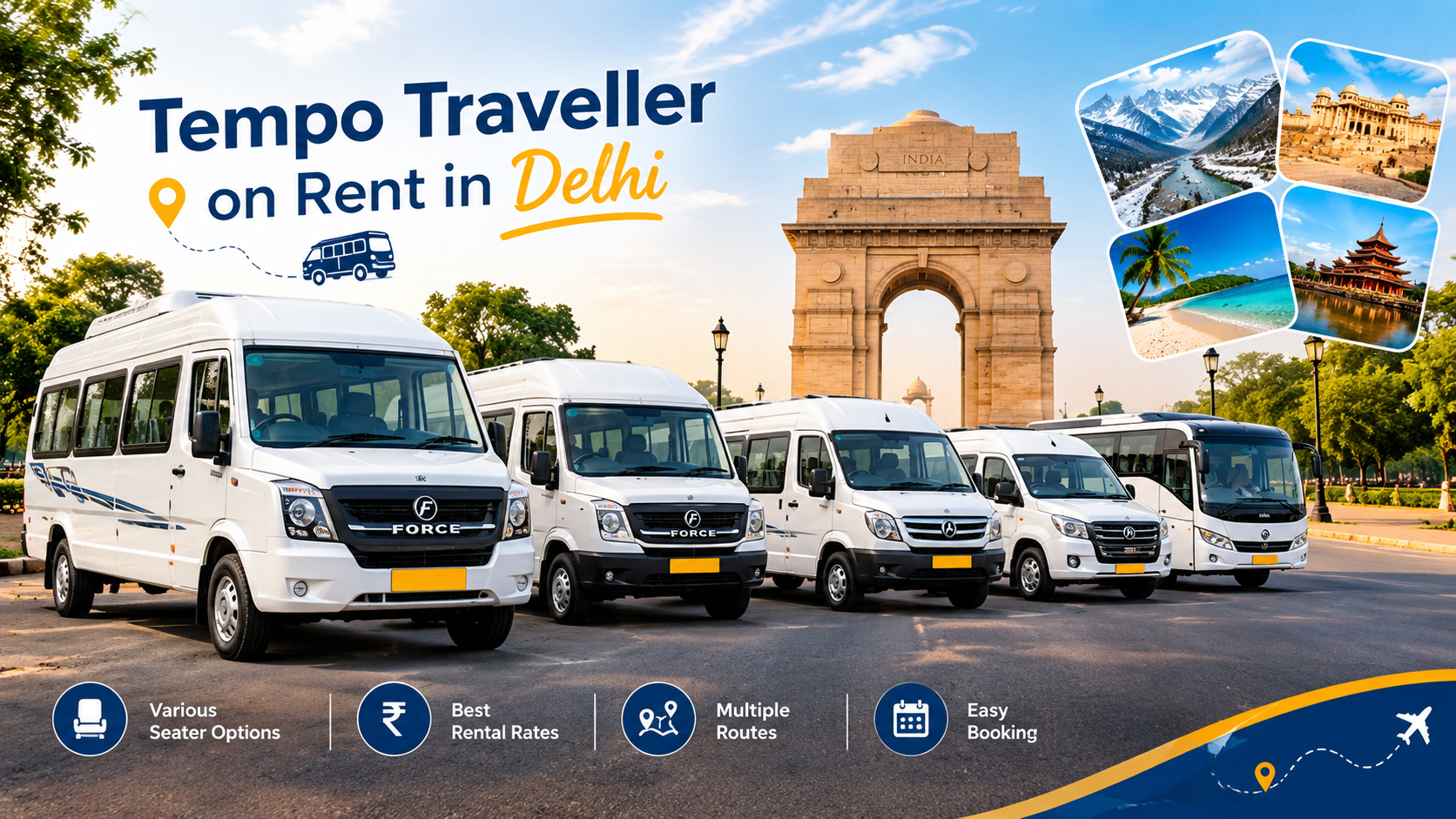
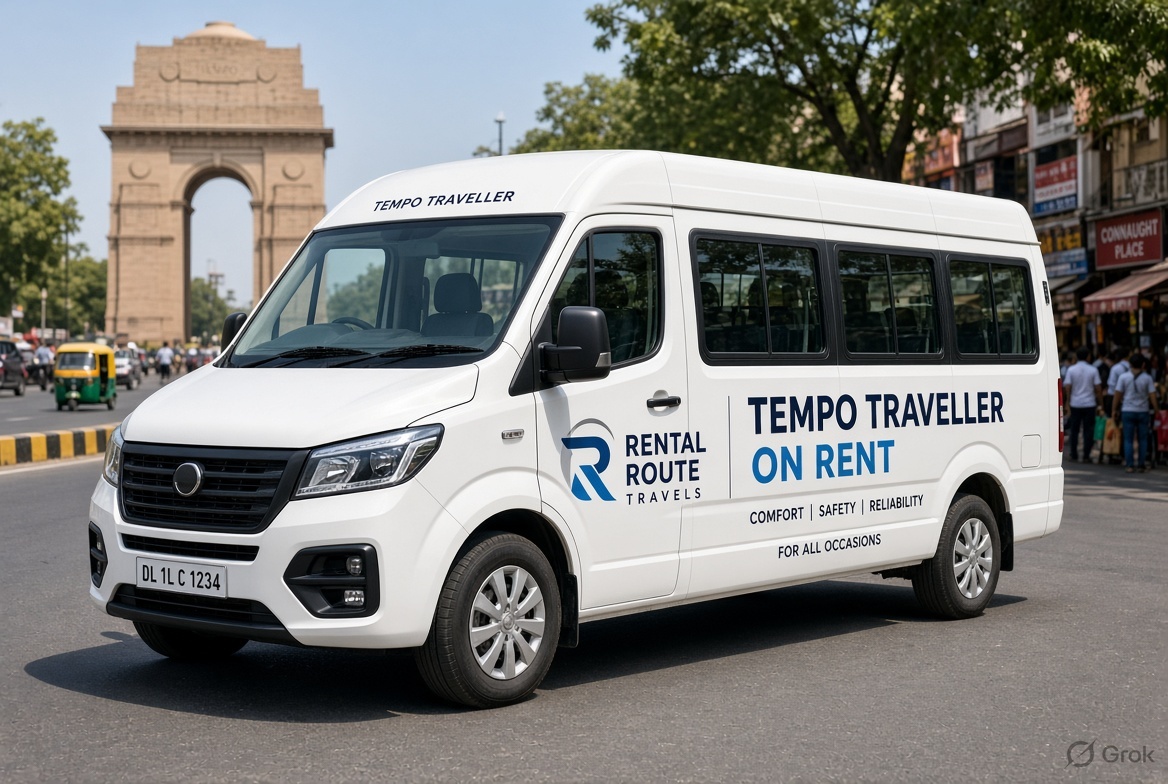
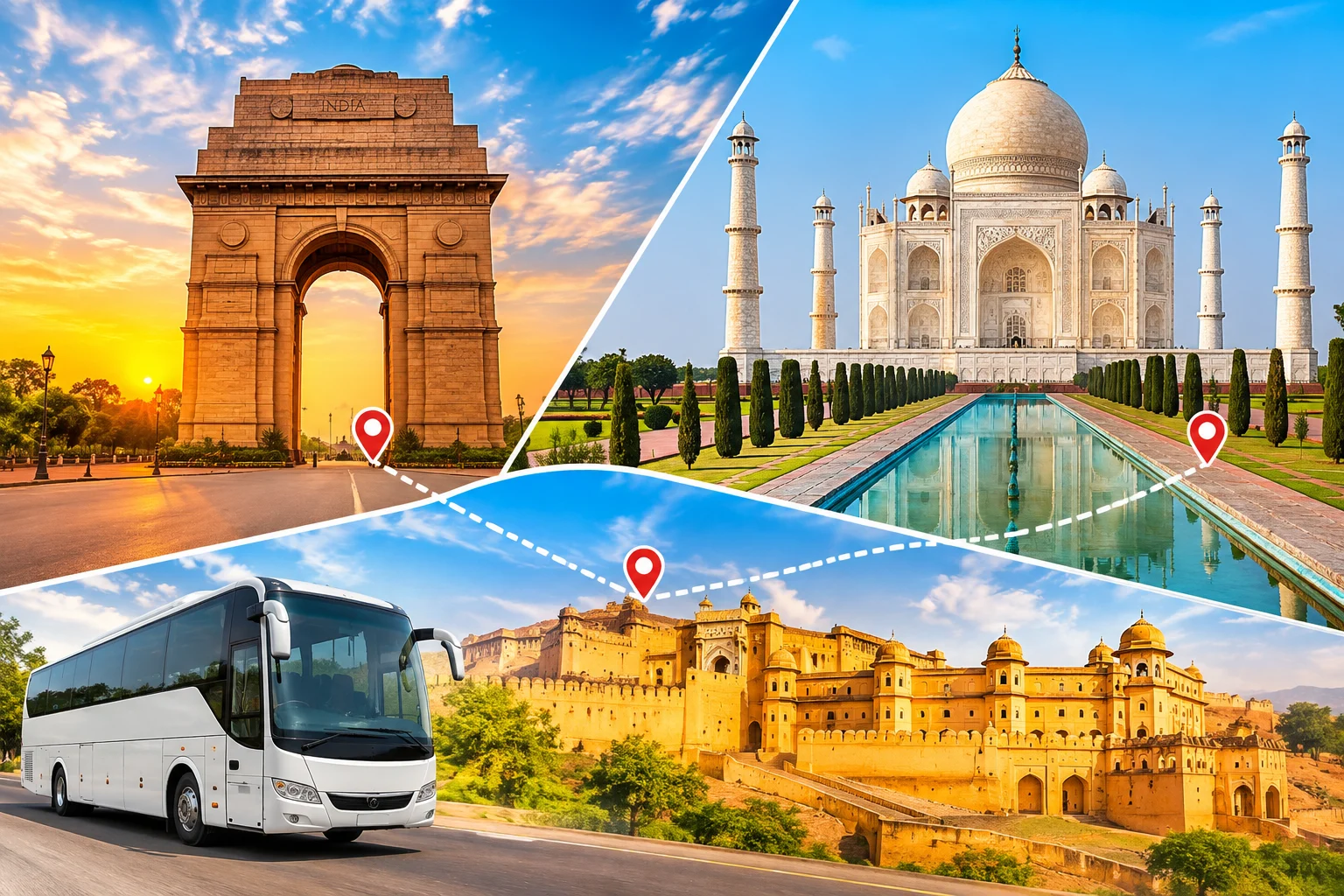
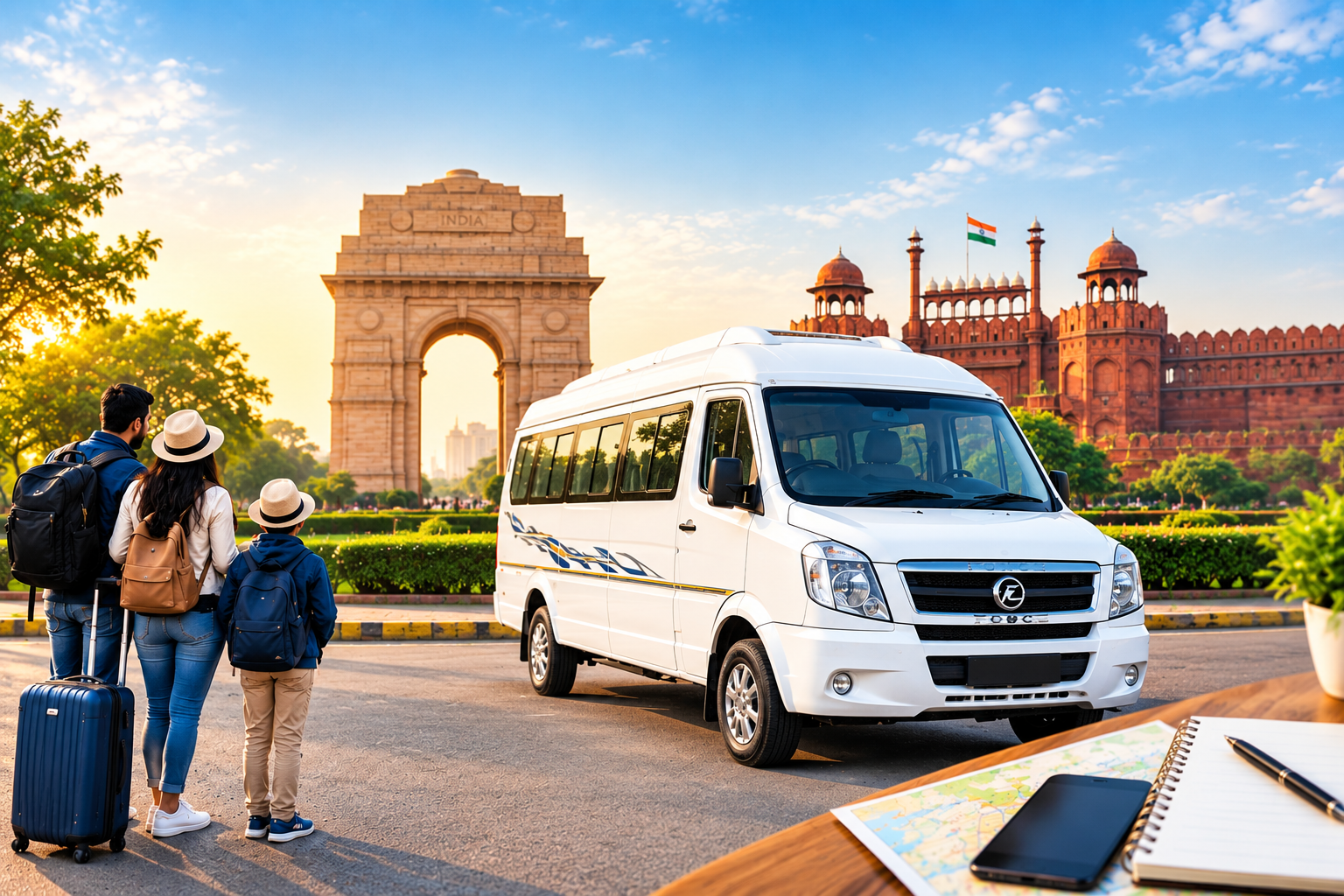
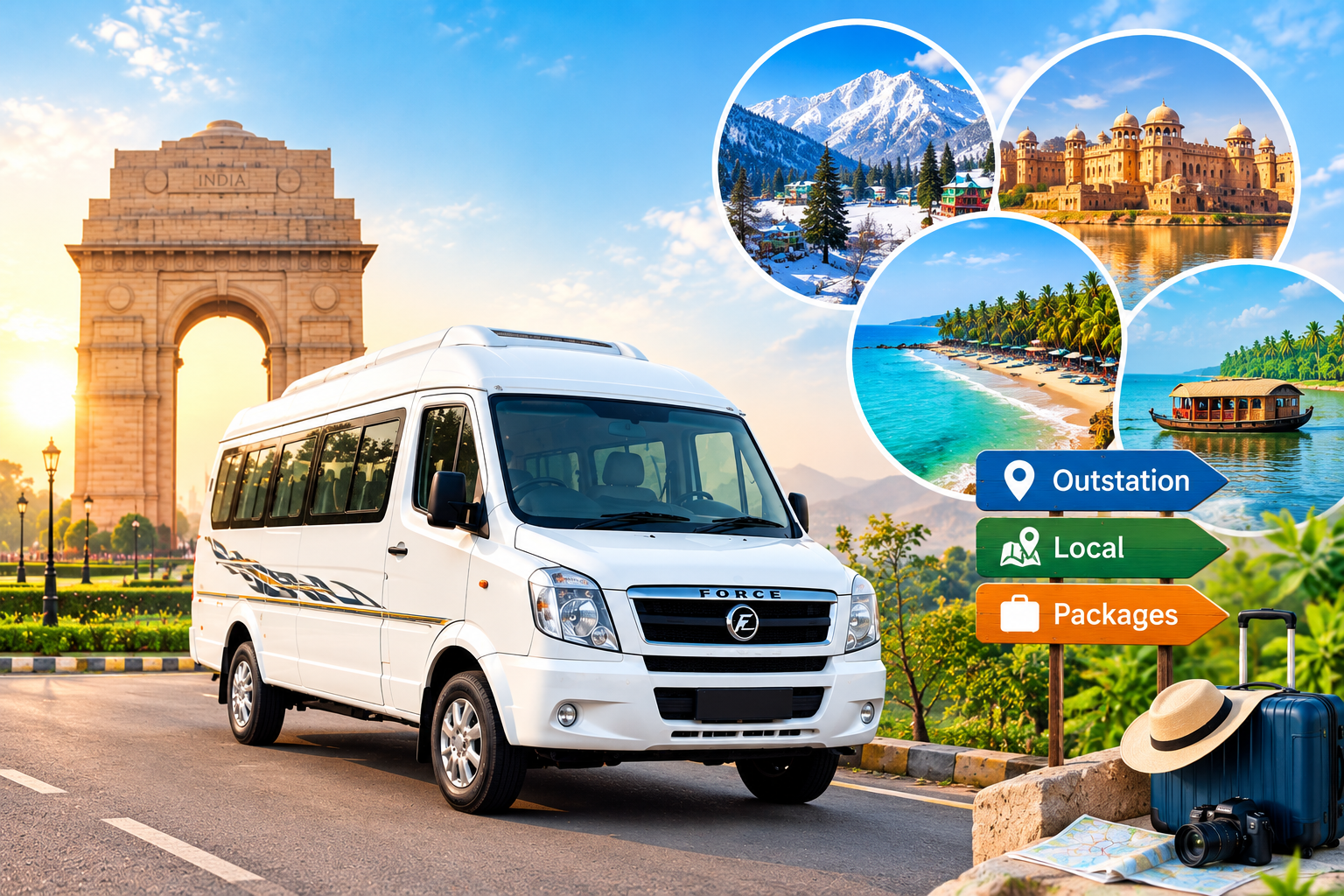
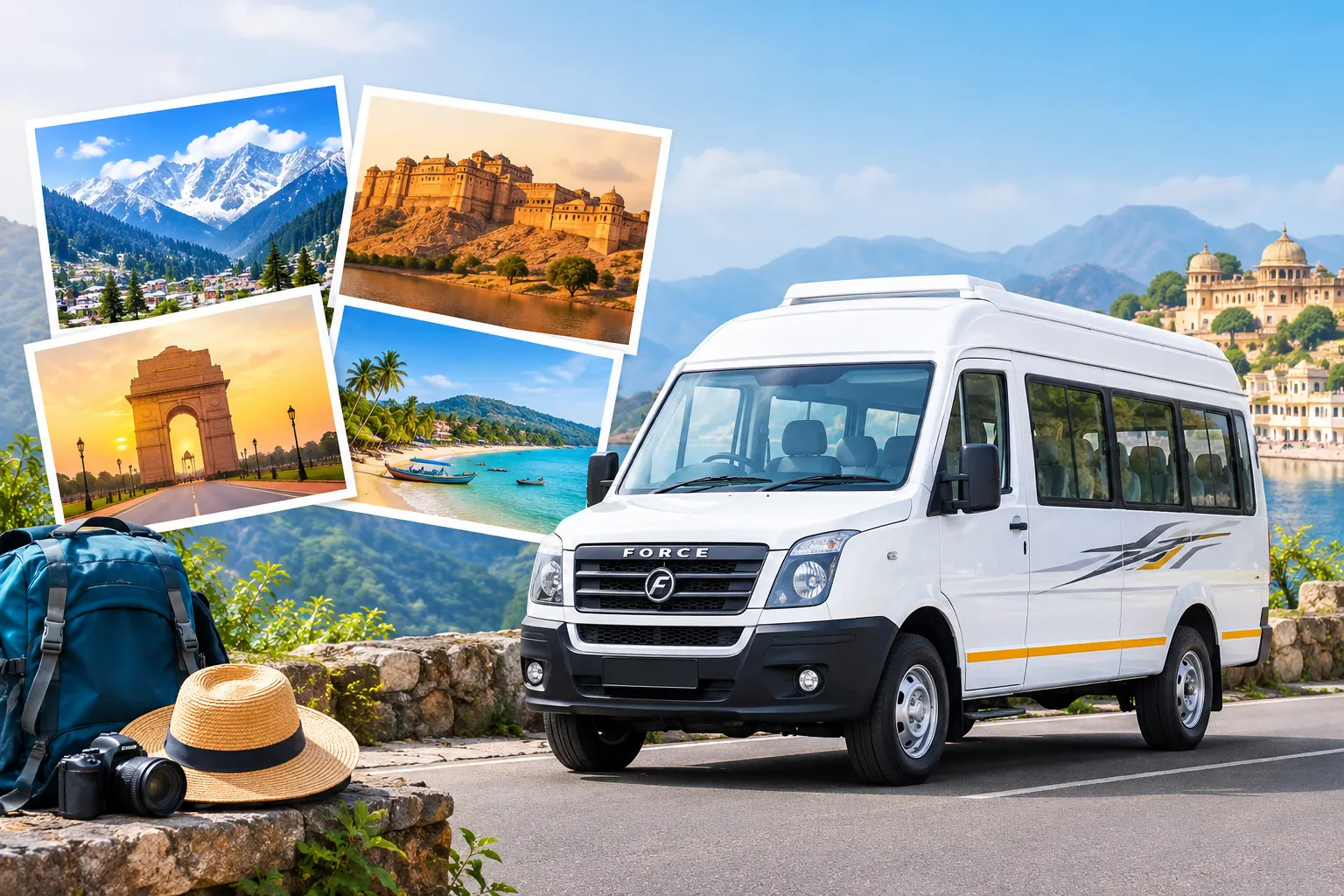
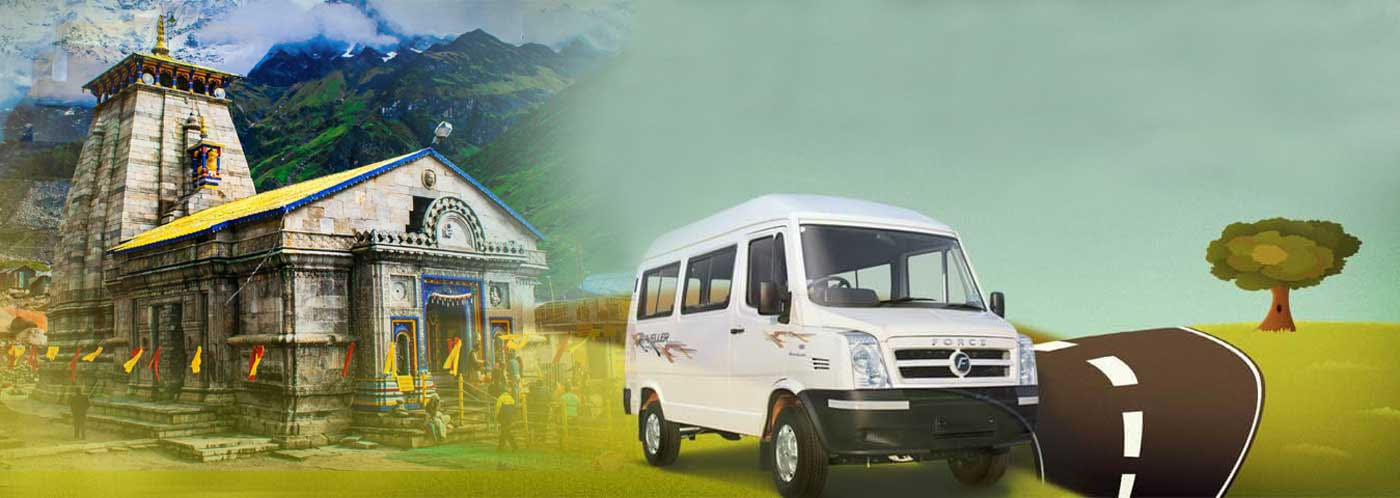
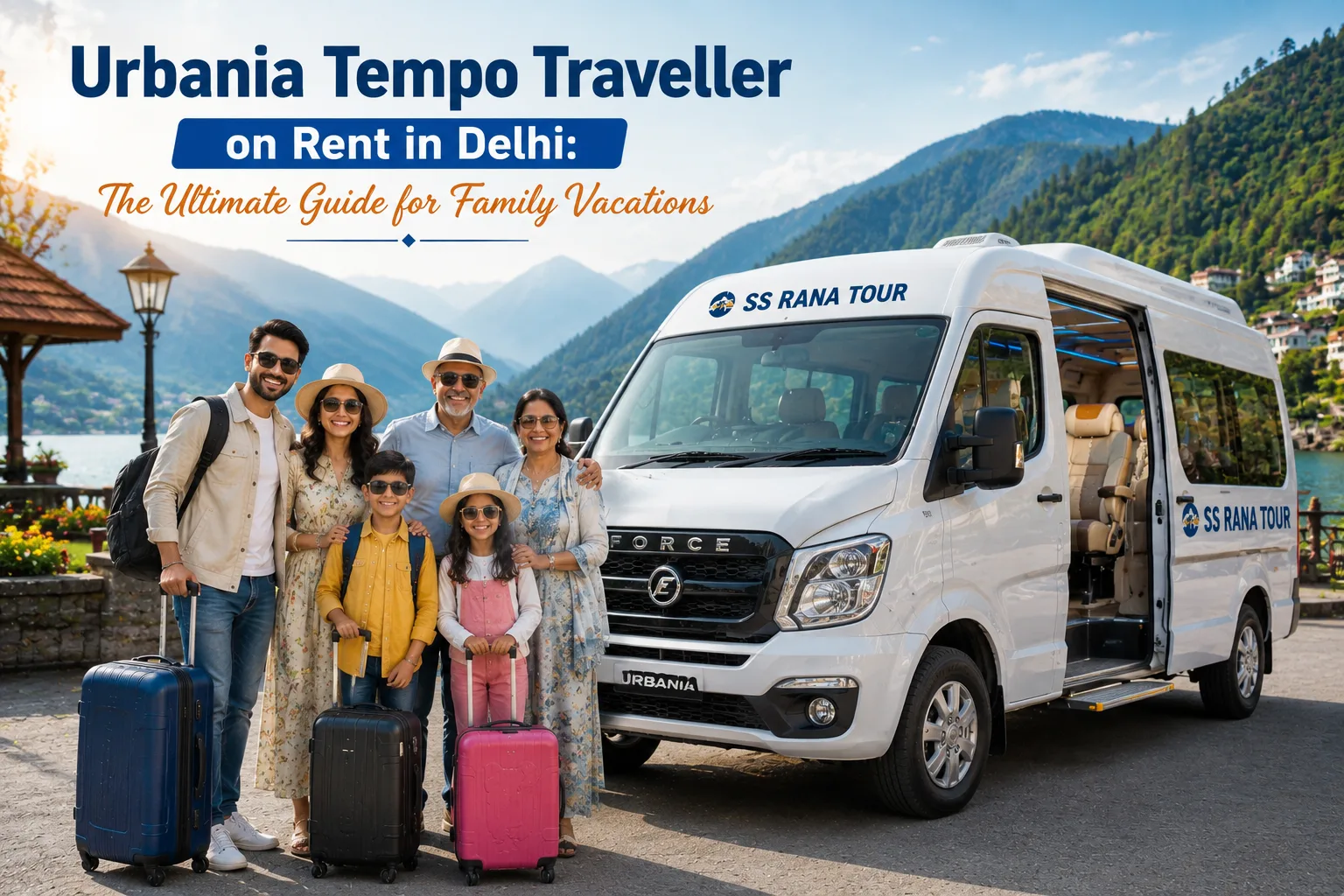
Travelling with a big group can be messy when you have to manage several cars. A tempo traveller keeps everyone together, with comfortable seats, AC, plenty of luggage space and an experienced driver. This guide explains the seating options, price factors, inclusions, booking steps and simple tips for tempo traveller hire in Delhi, whether you plan a hill trip, a pilgrimage or a family outing.
Published on 16 Oct, 2026
Updated on 16 Oct, 2026
976 Views
Tempo Traveller for Hire in Delhi:Complete Booking Guide
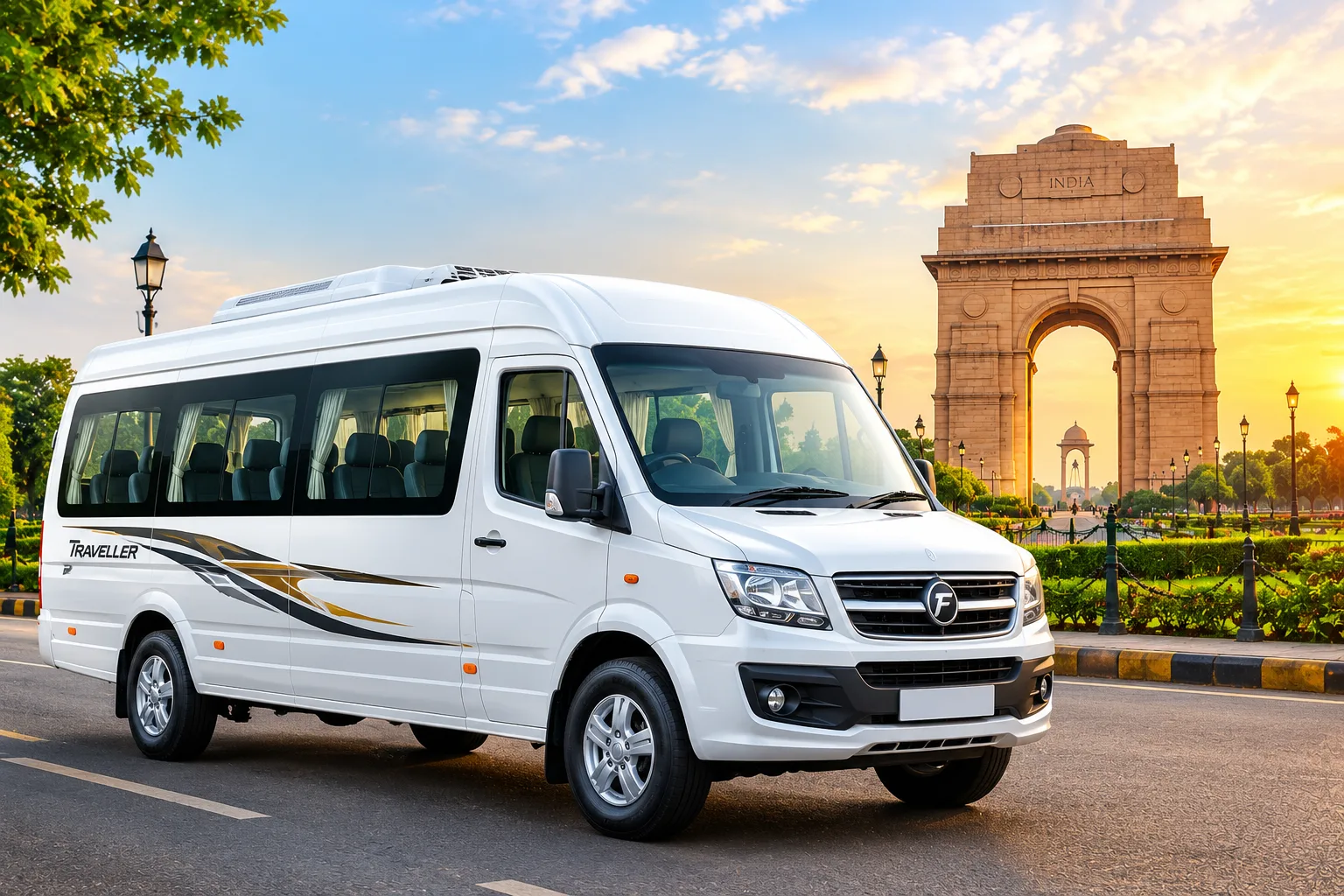
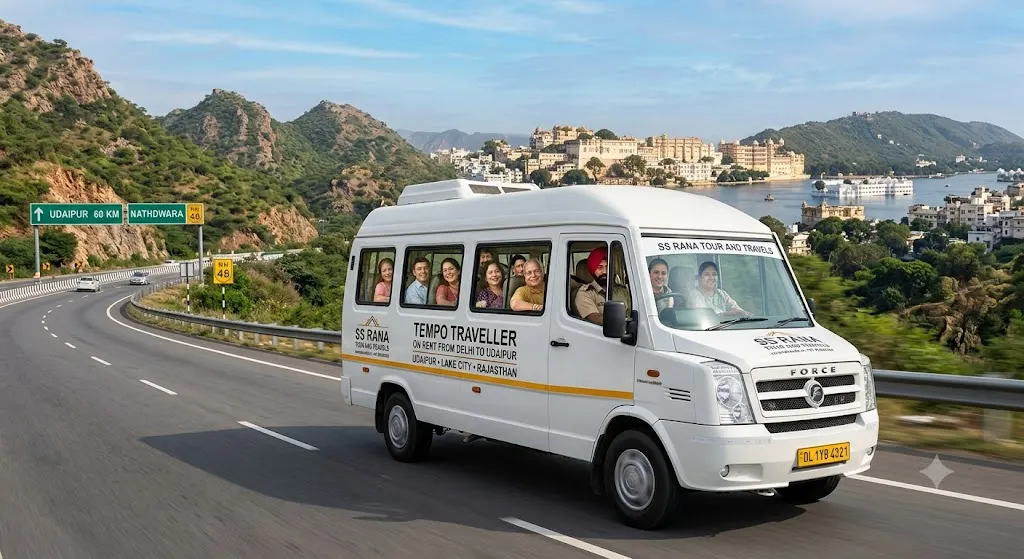
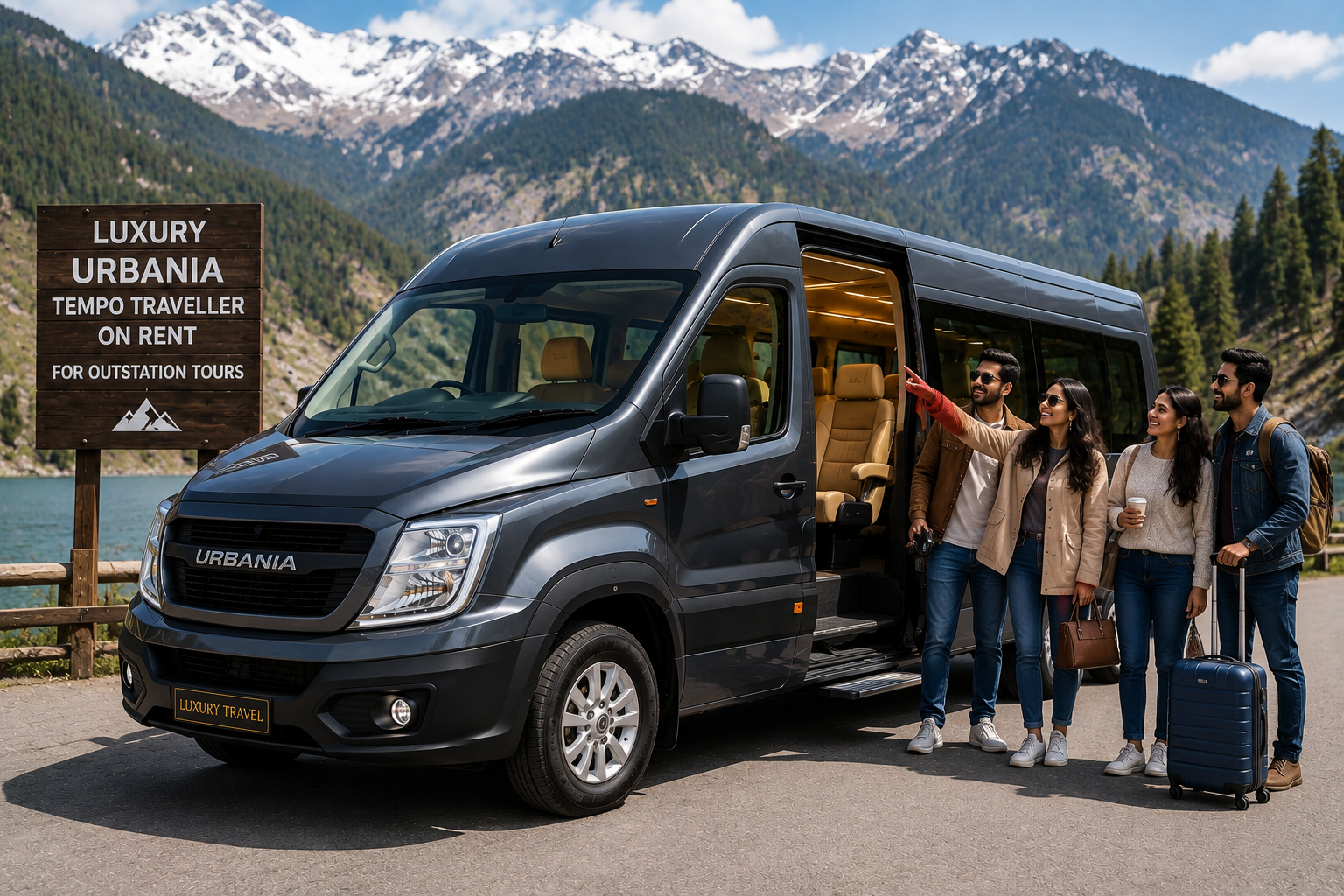
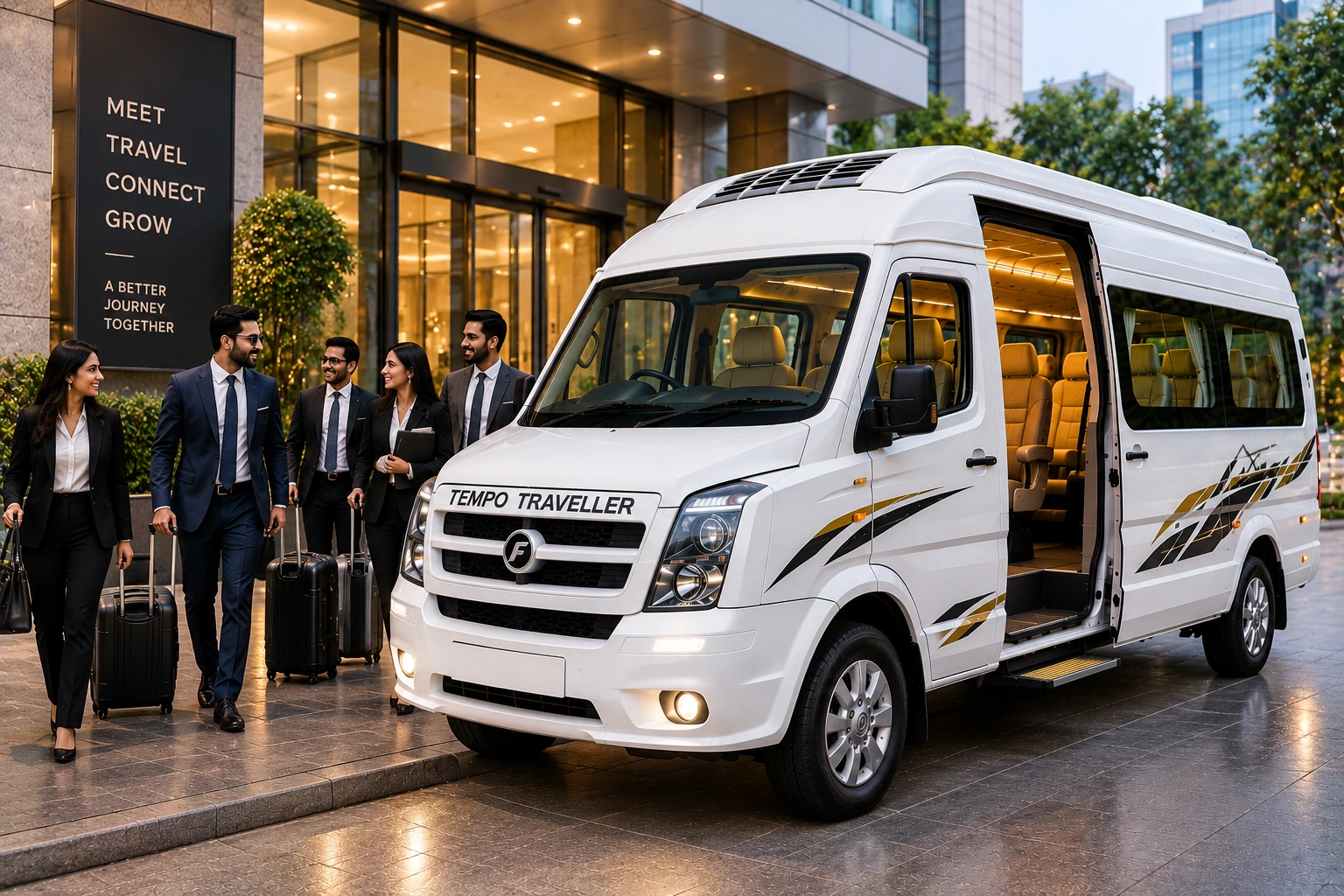
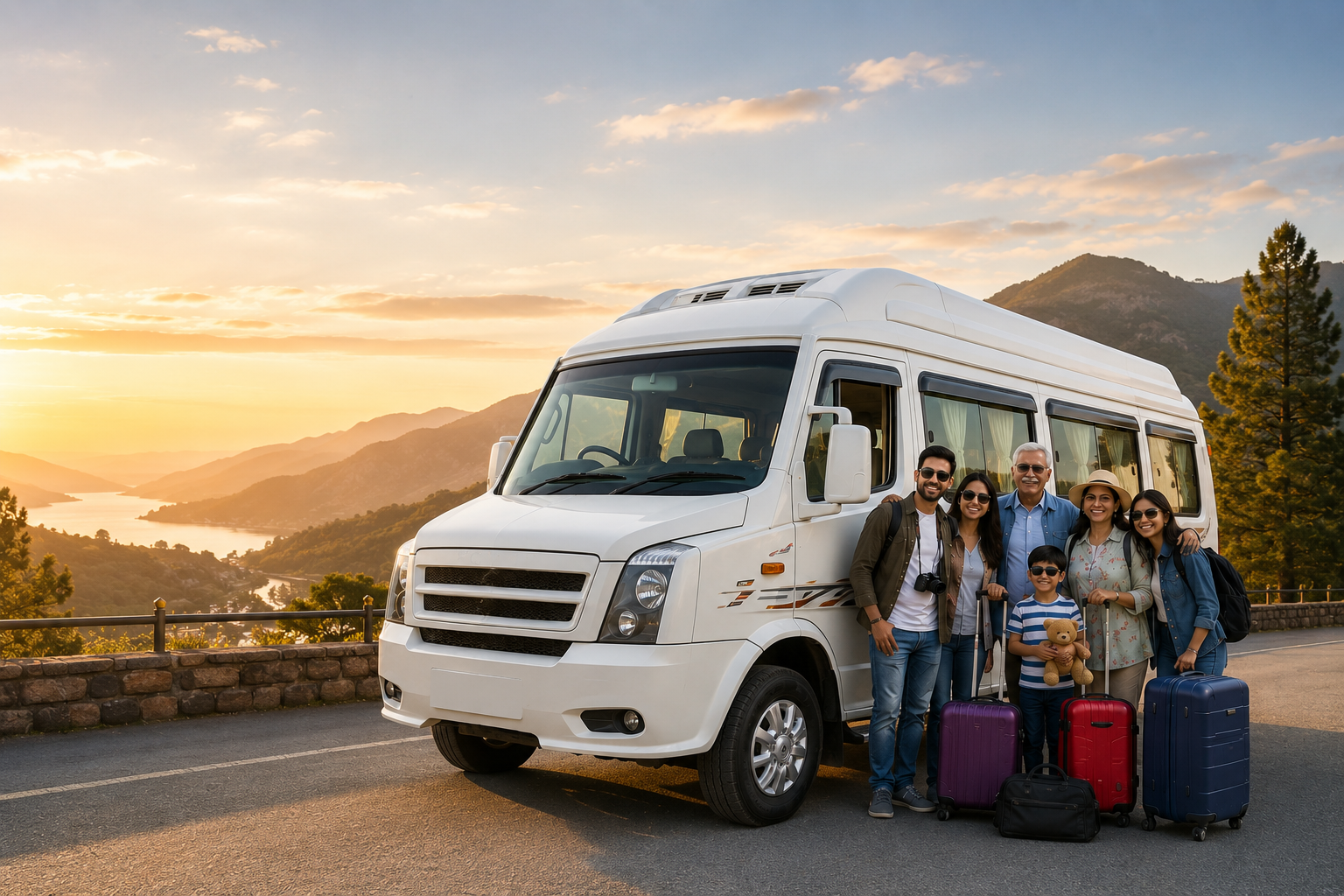
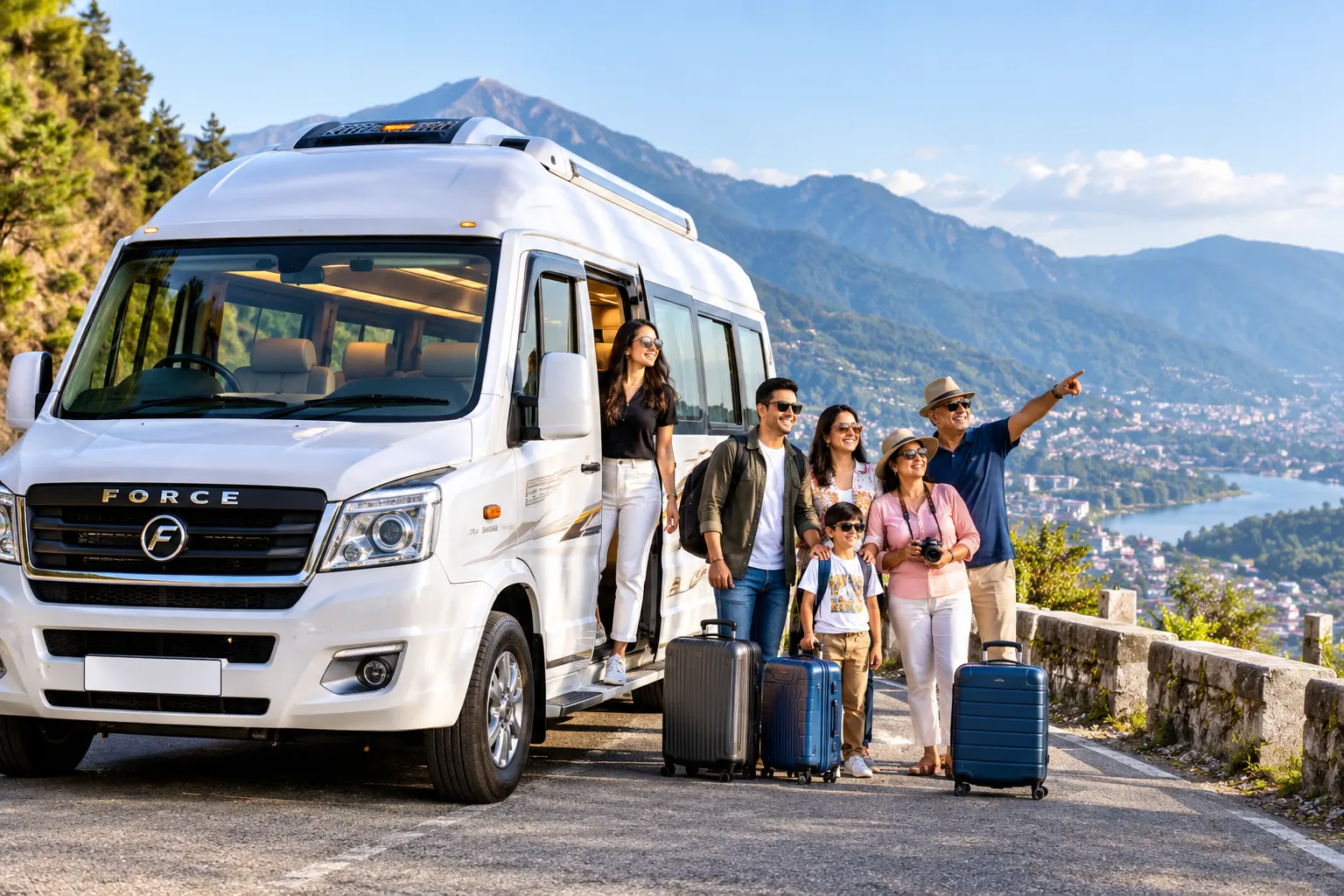
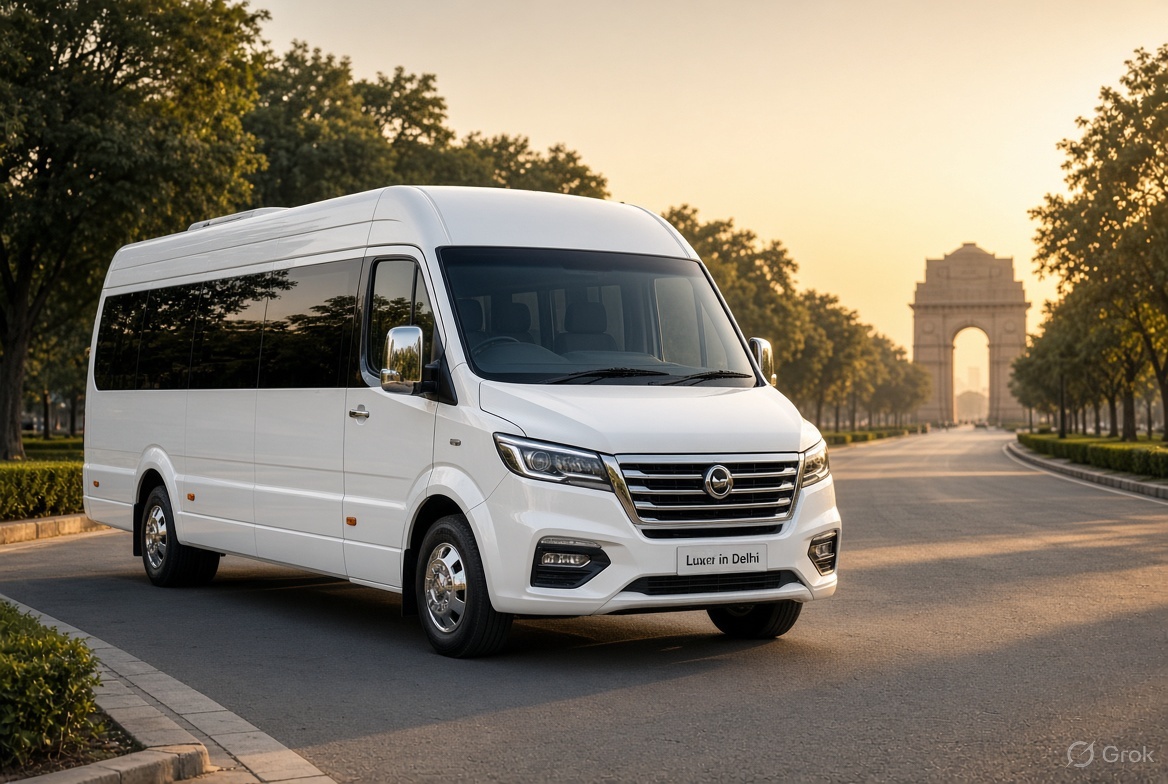
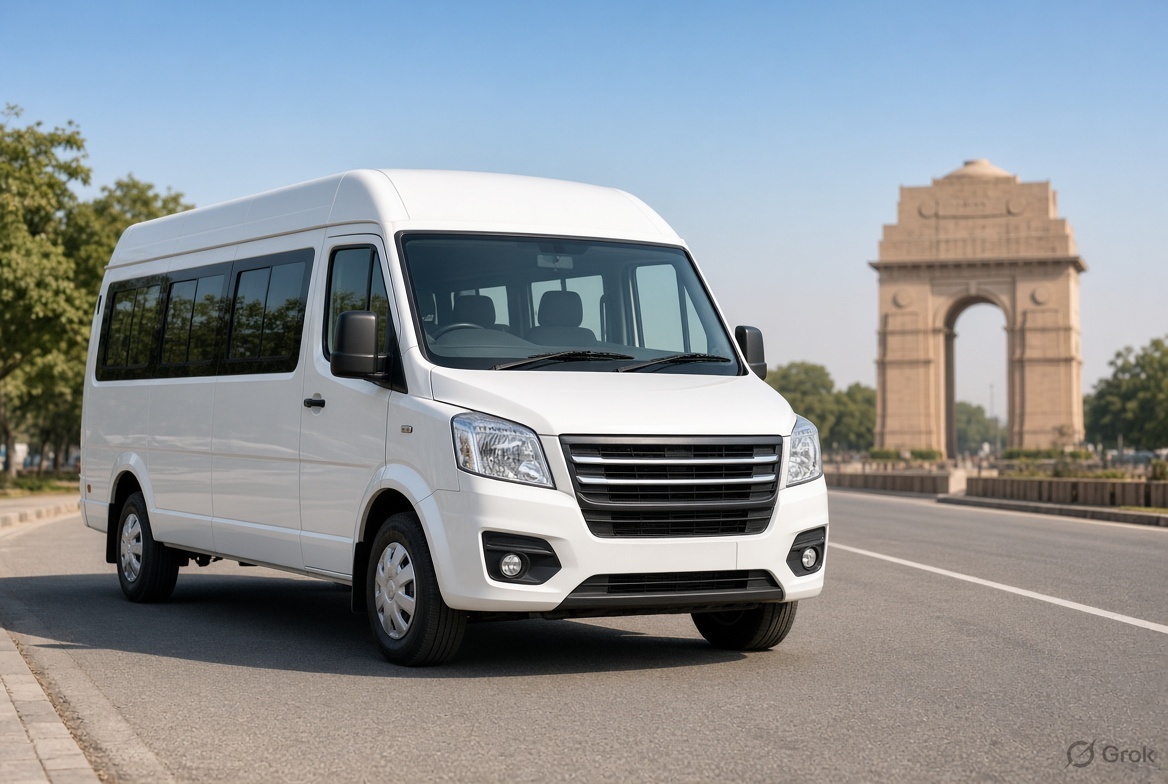
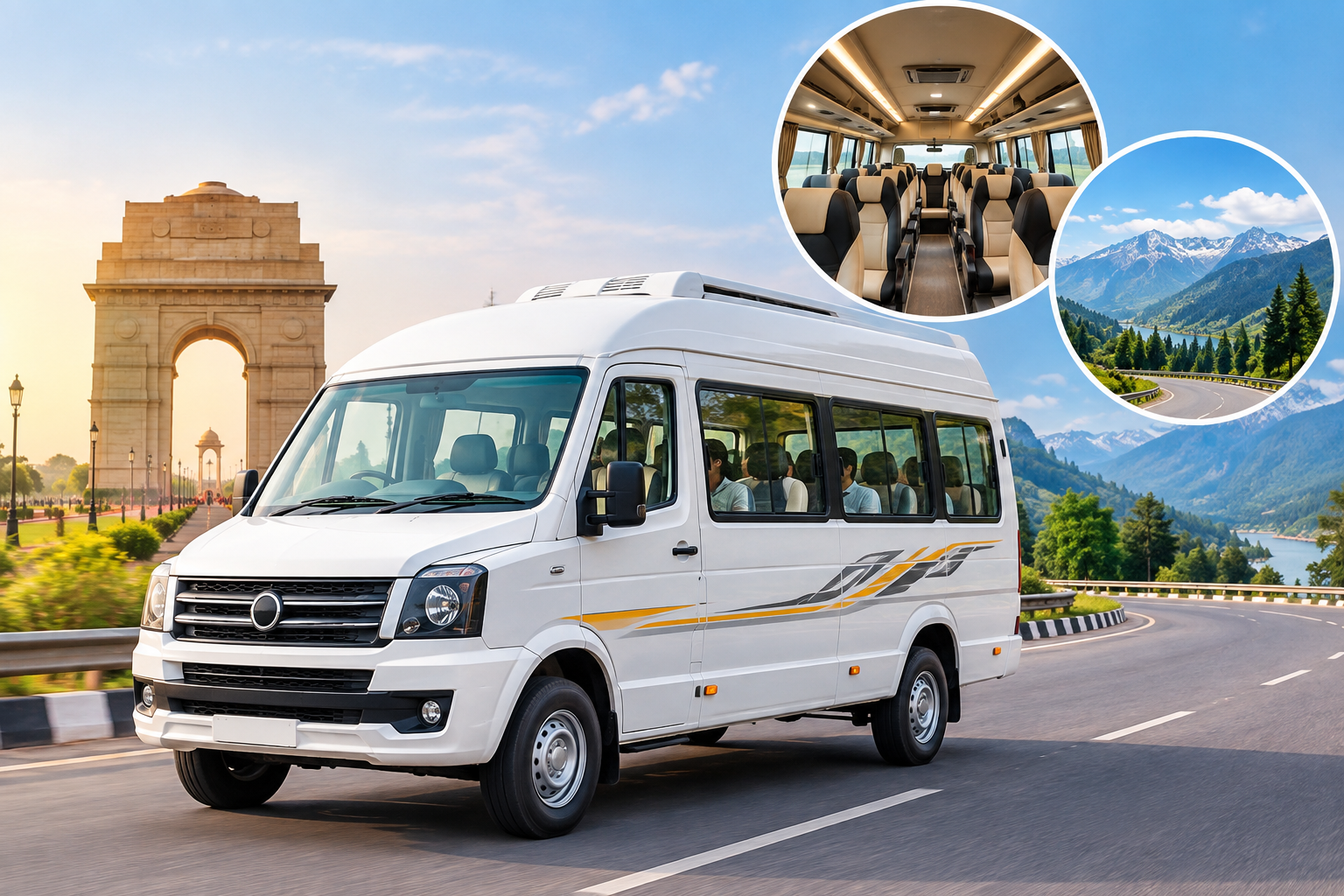
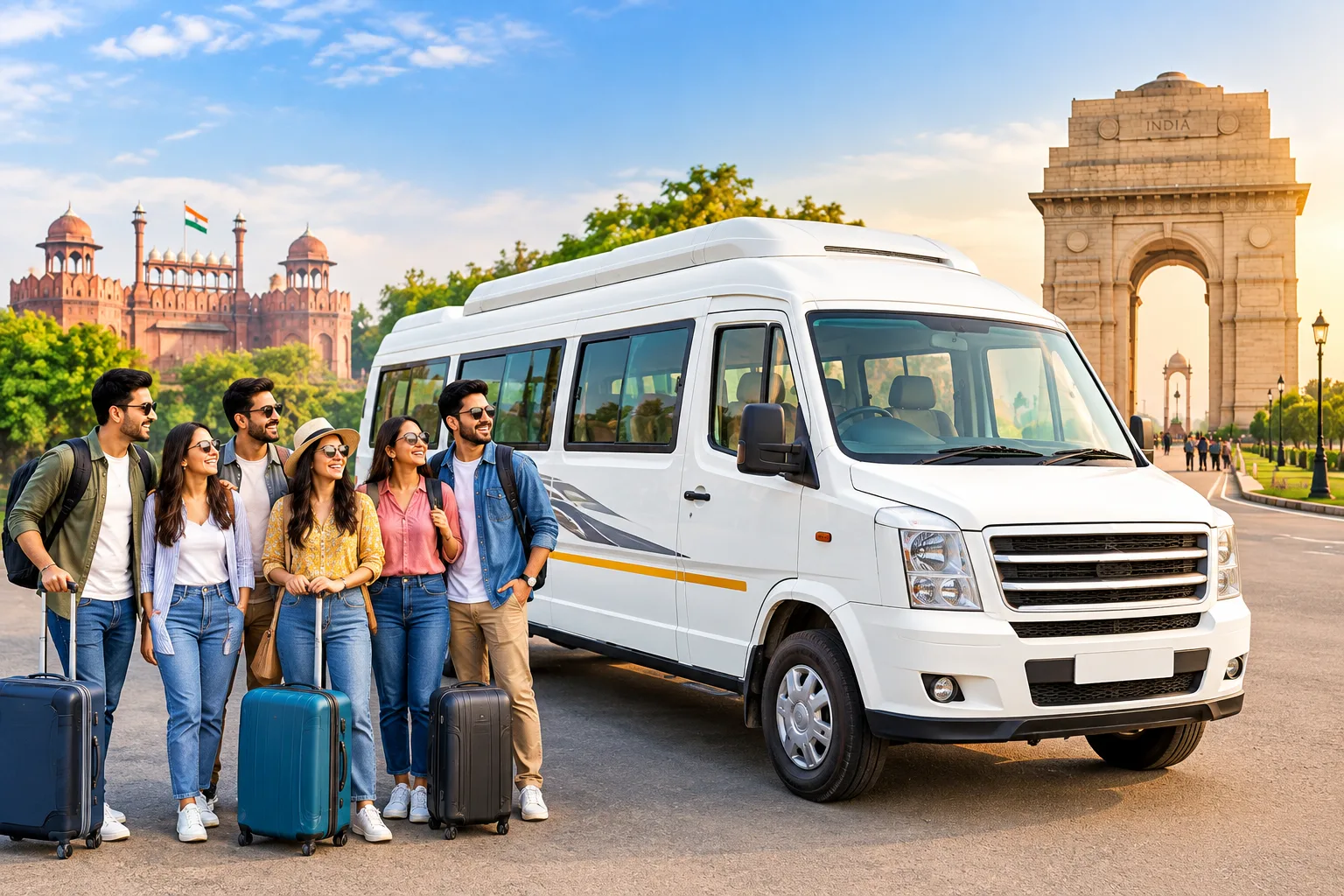
Need atempo traveller hire in Delhifor a family trip, office outing or pilgrimage? A tempo traveller is a comfortable, spacious van that seats 9 to 26 people, and you can book it with a driver for local sightseeing, outstation trips or airport transfers. It is the easiest way to travel together without managing several cars.
This guide explains the types of vehicles, pricing factors, best time to book, inclusions and simple tips, so you can book with confidence.
What is a tempo traveller and why do people choose it?
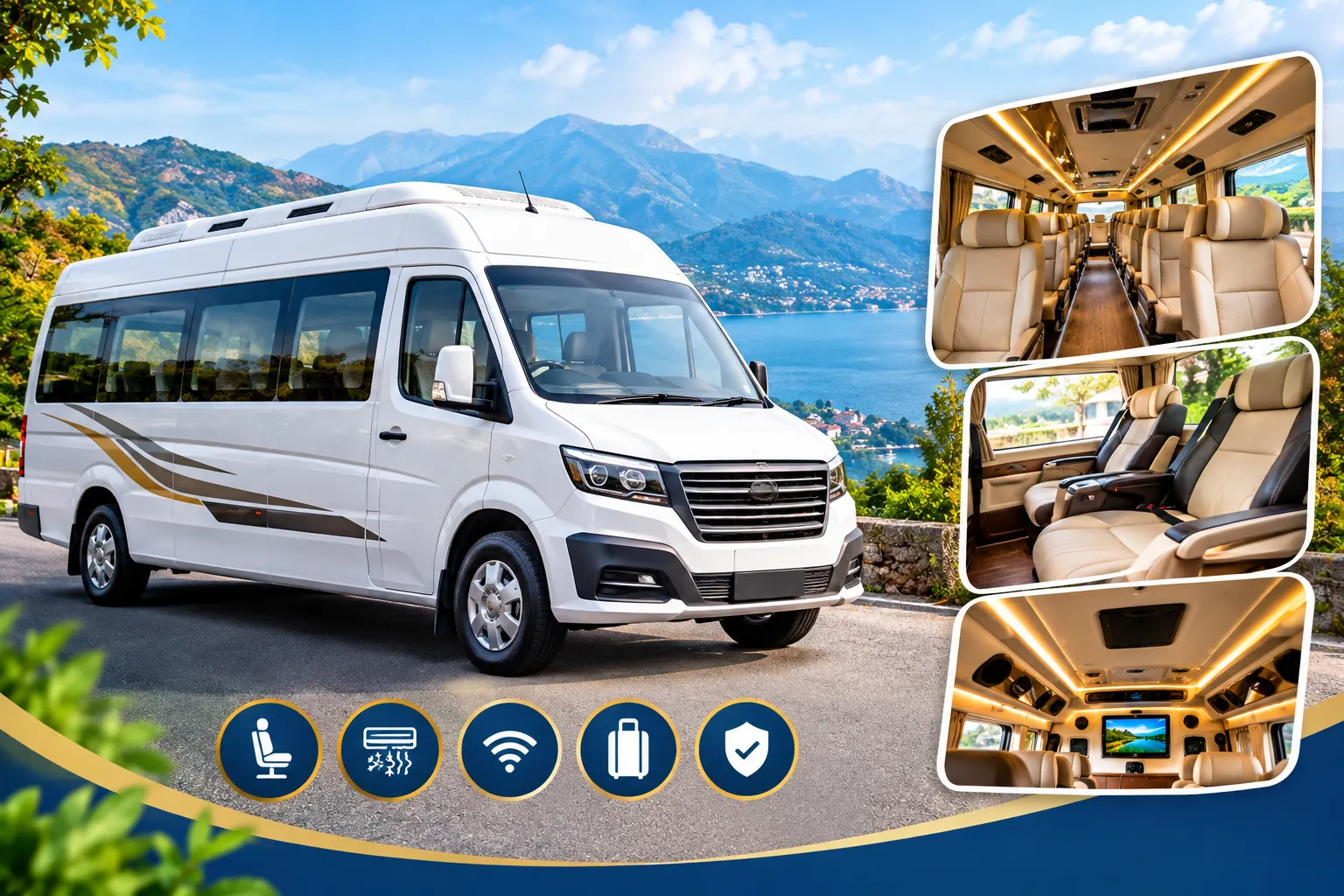
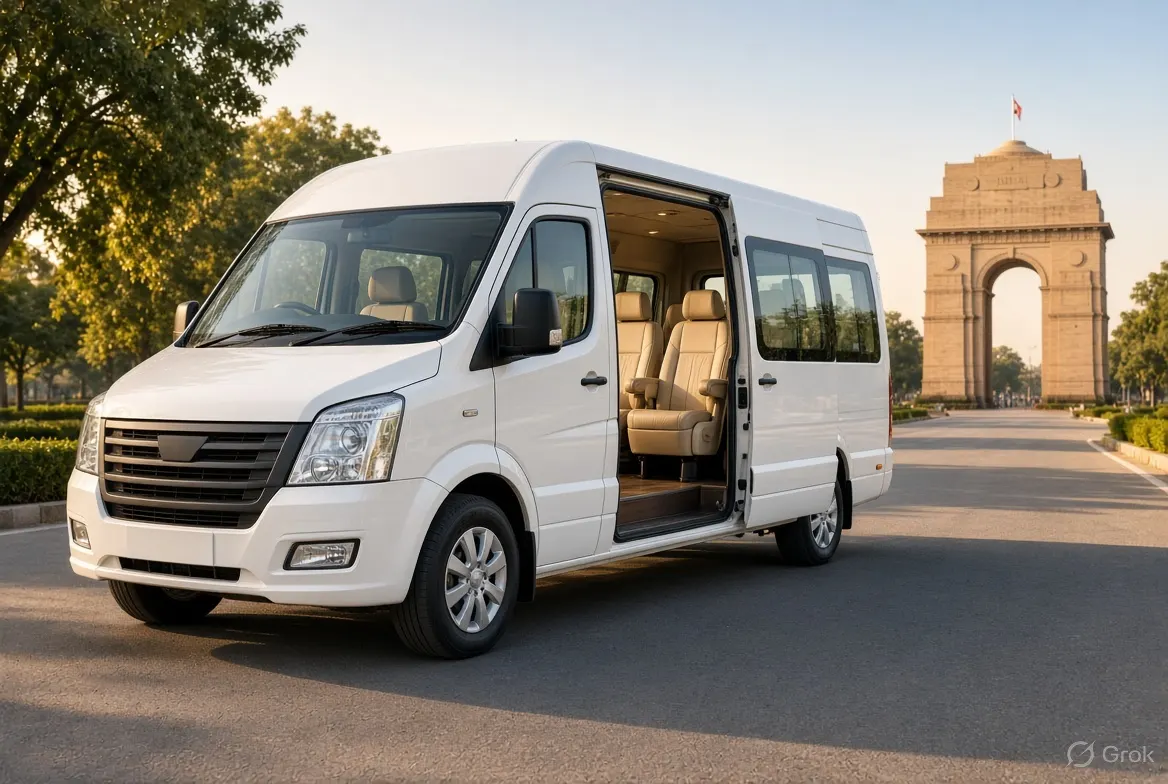
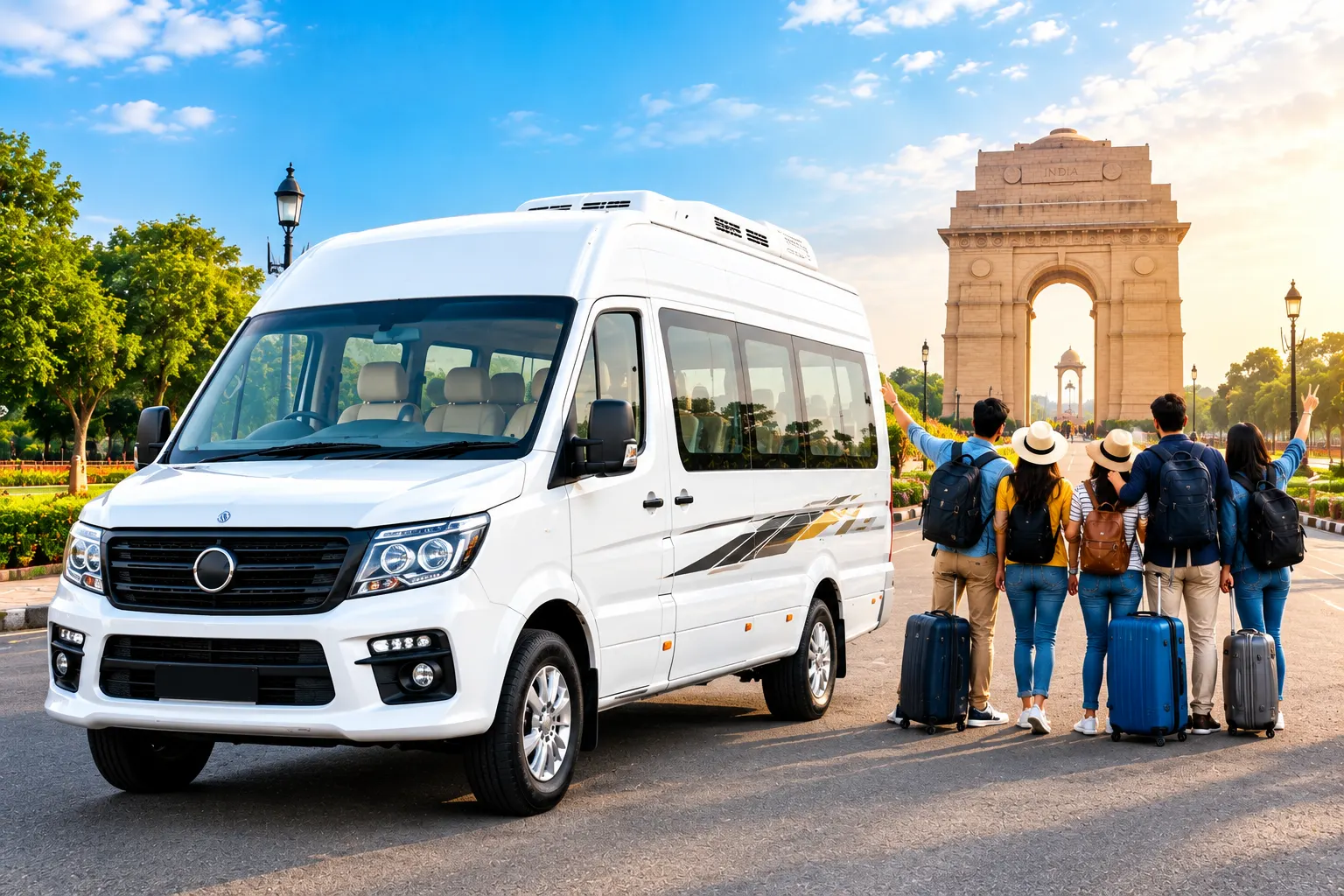
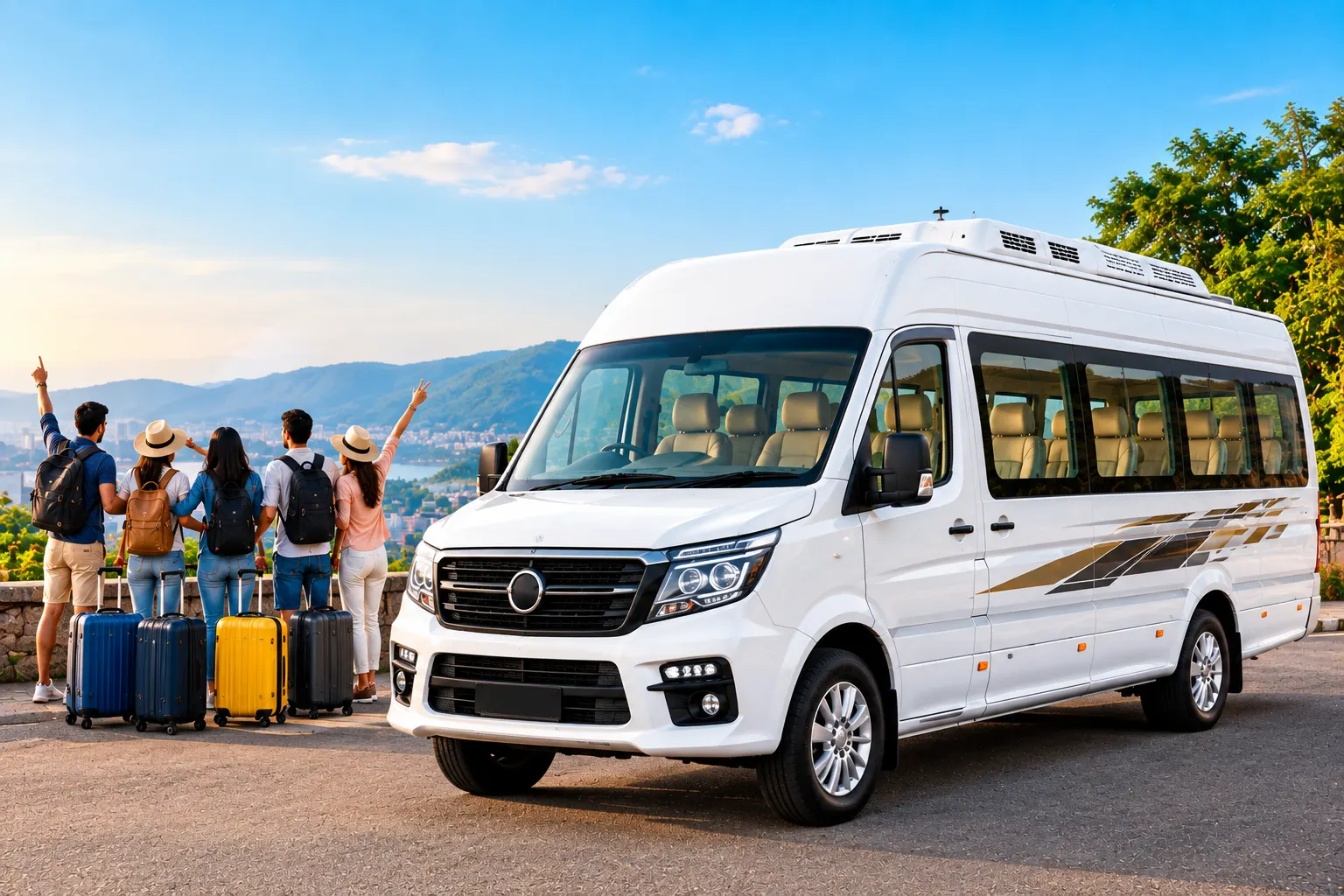
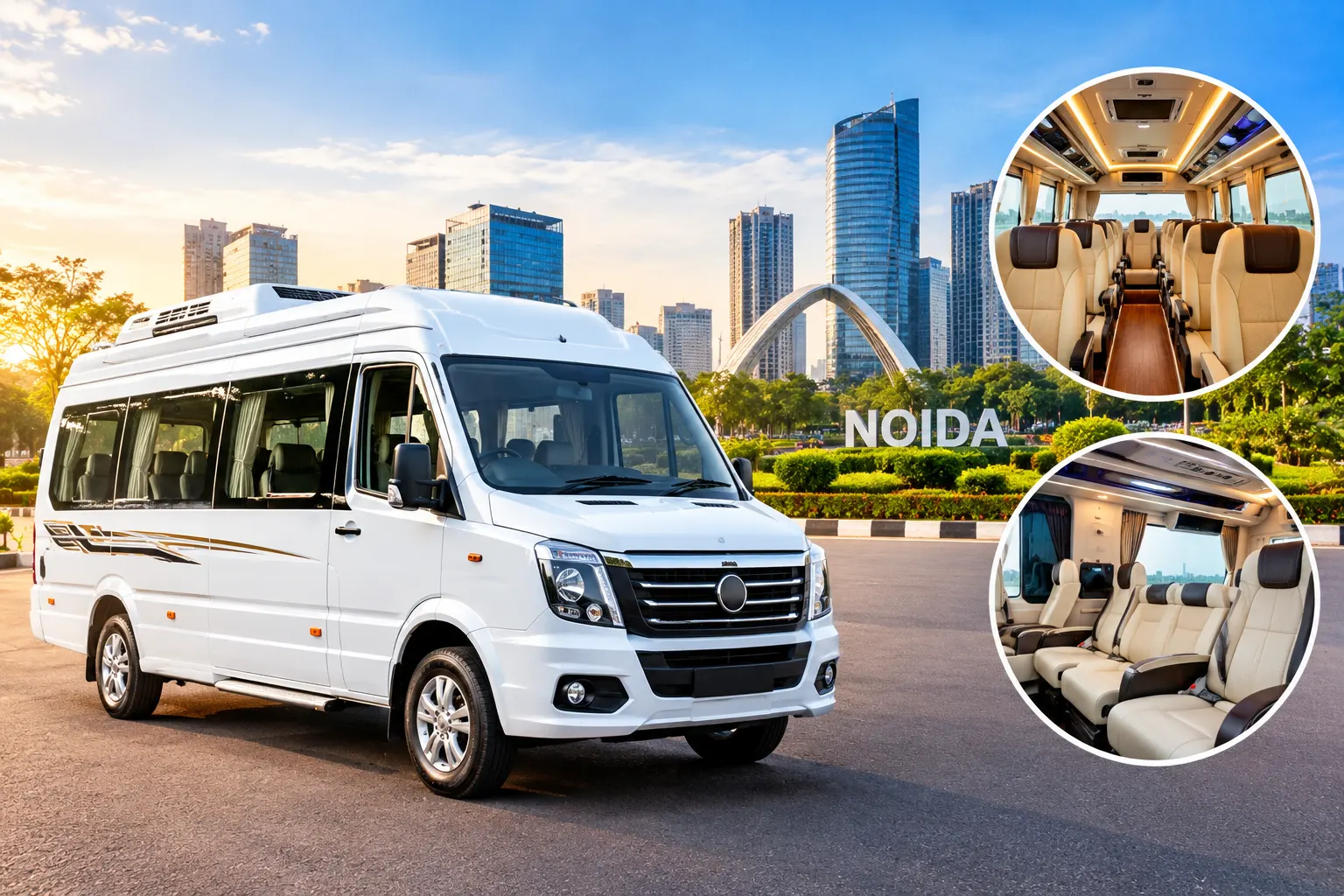
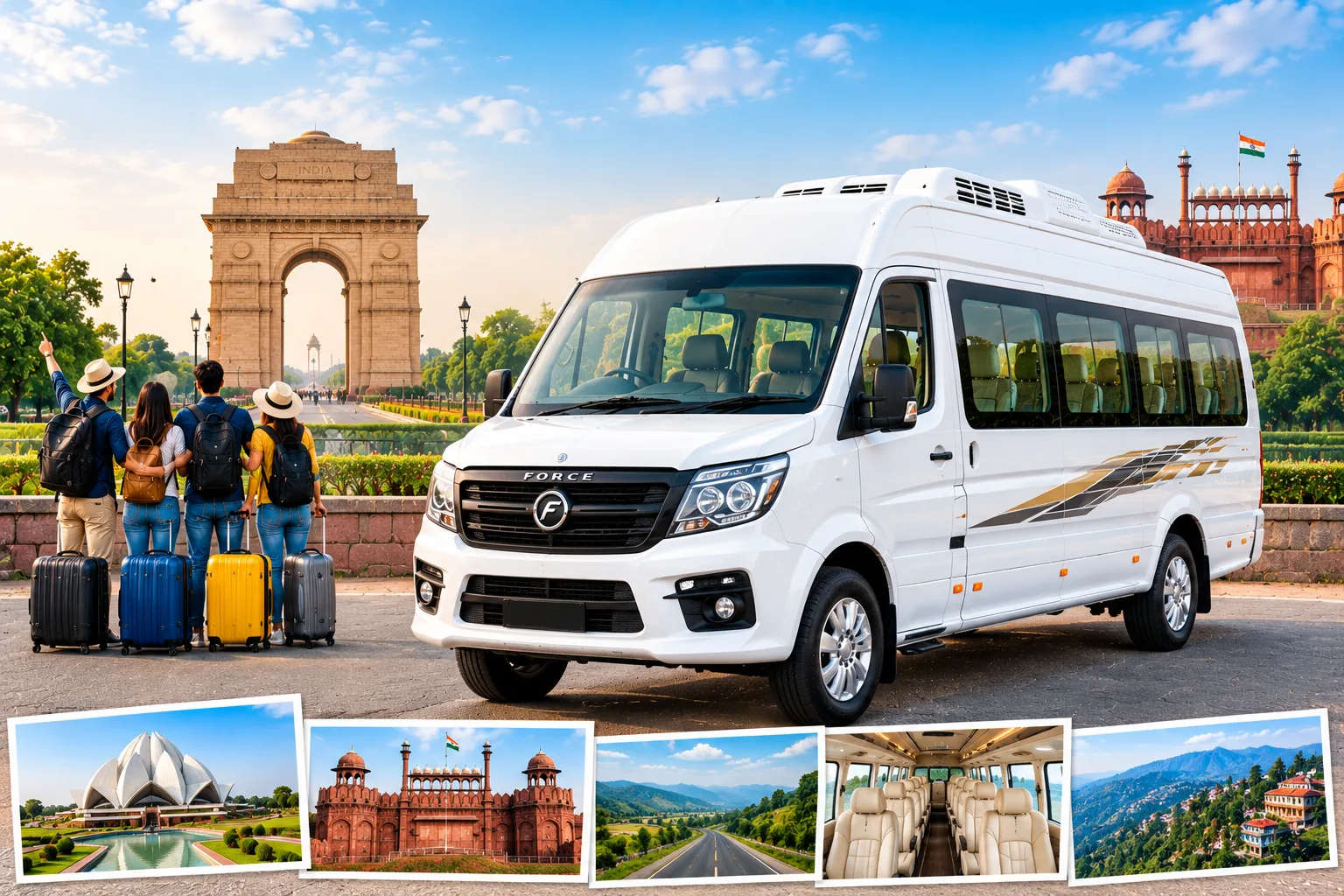
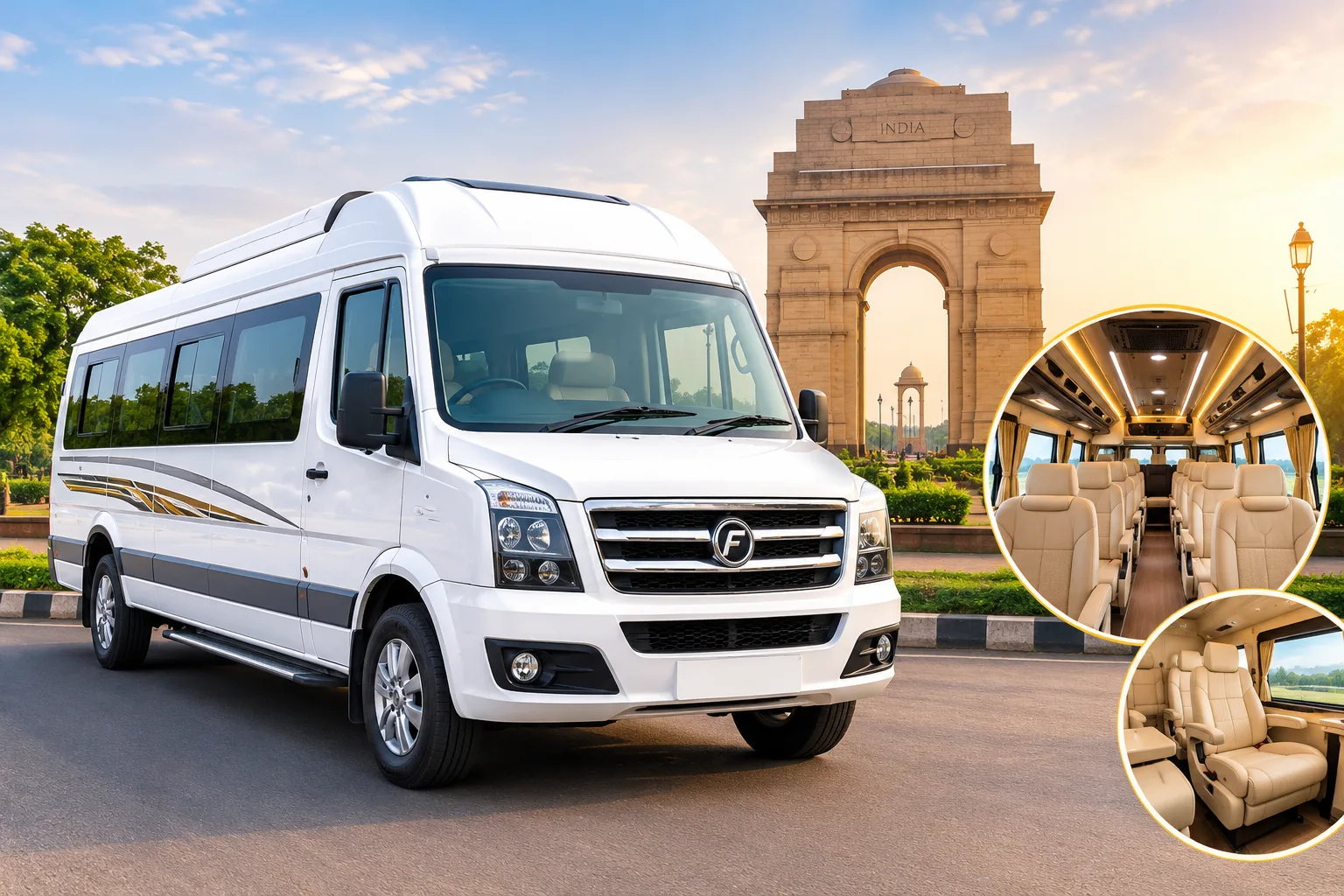
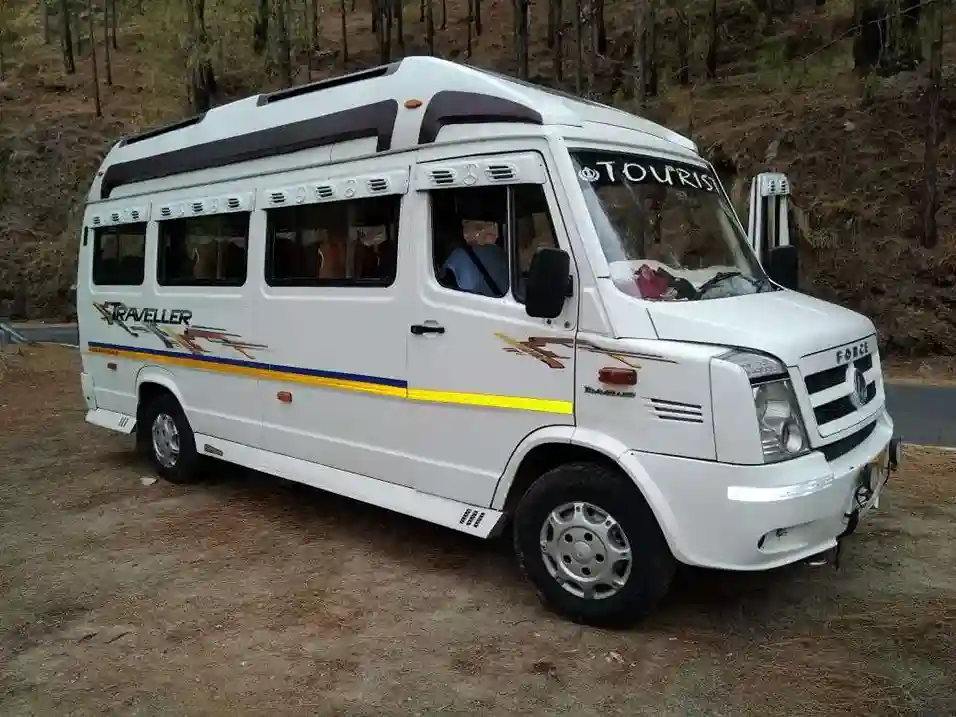
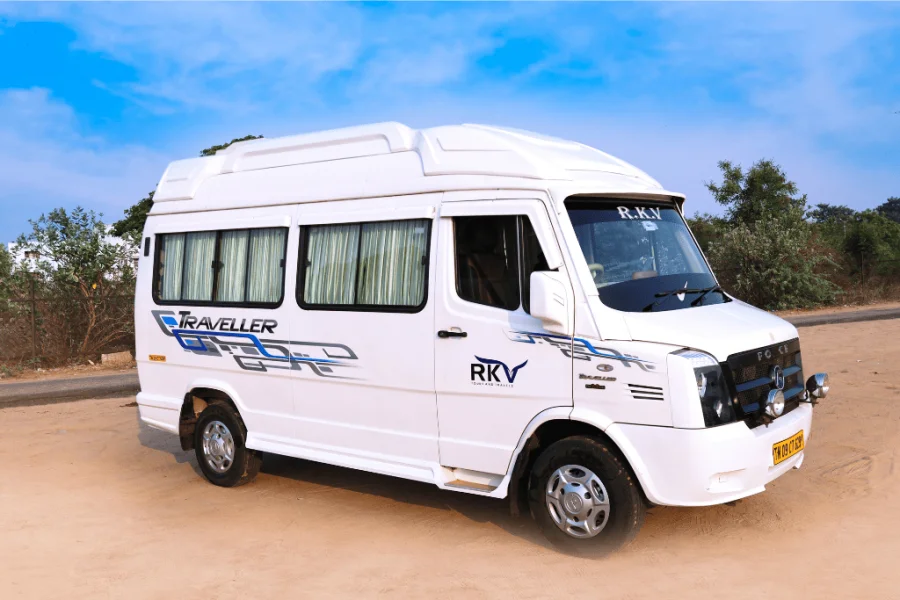
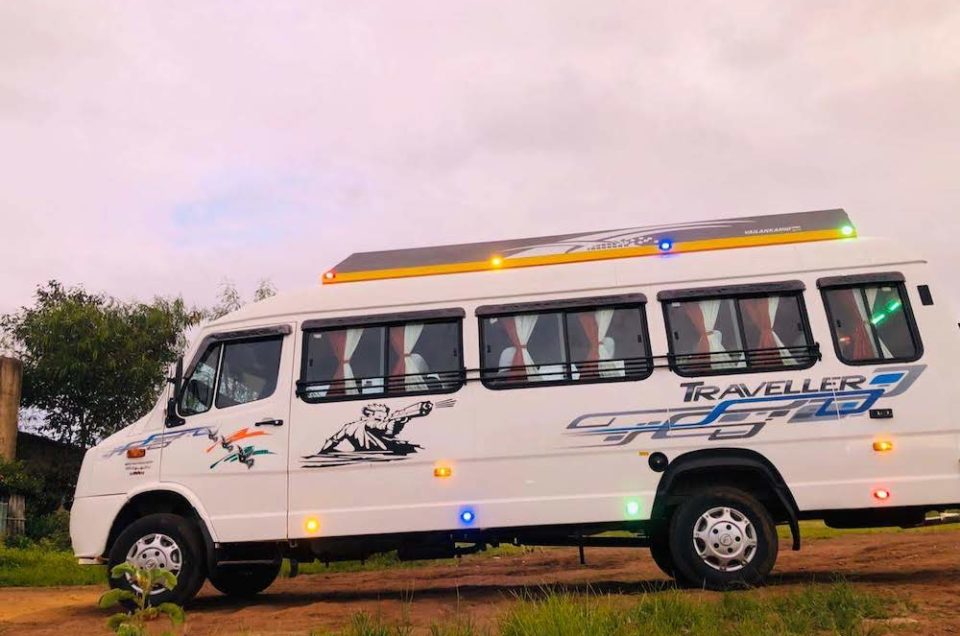
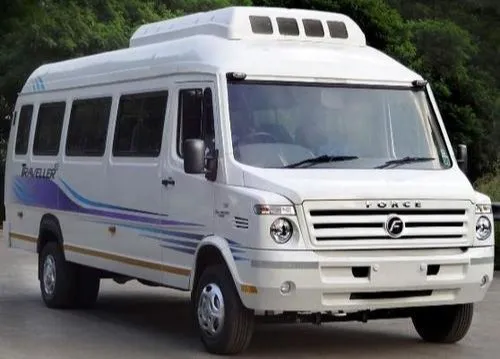
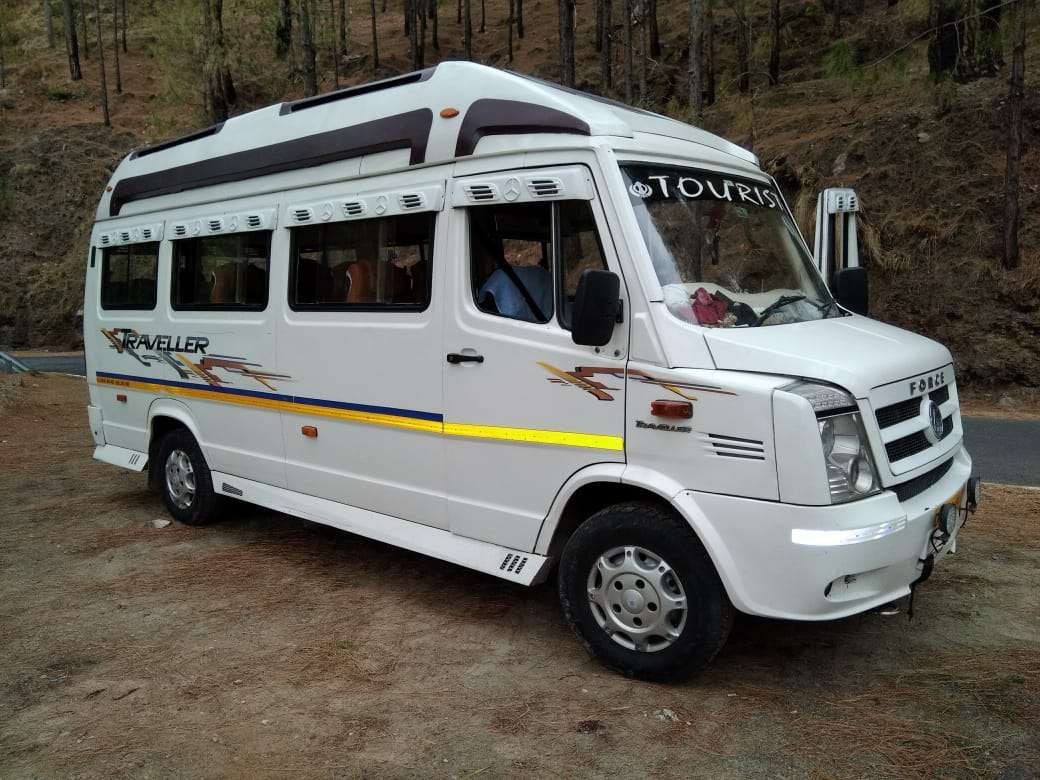
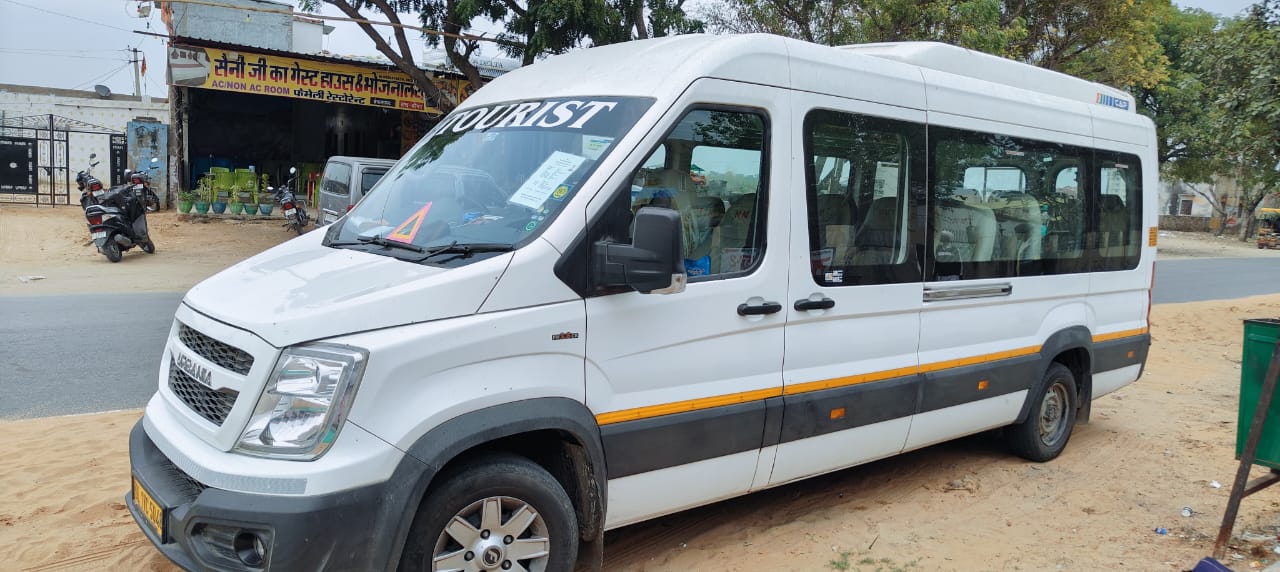
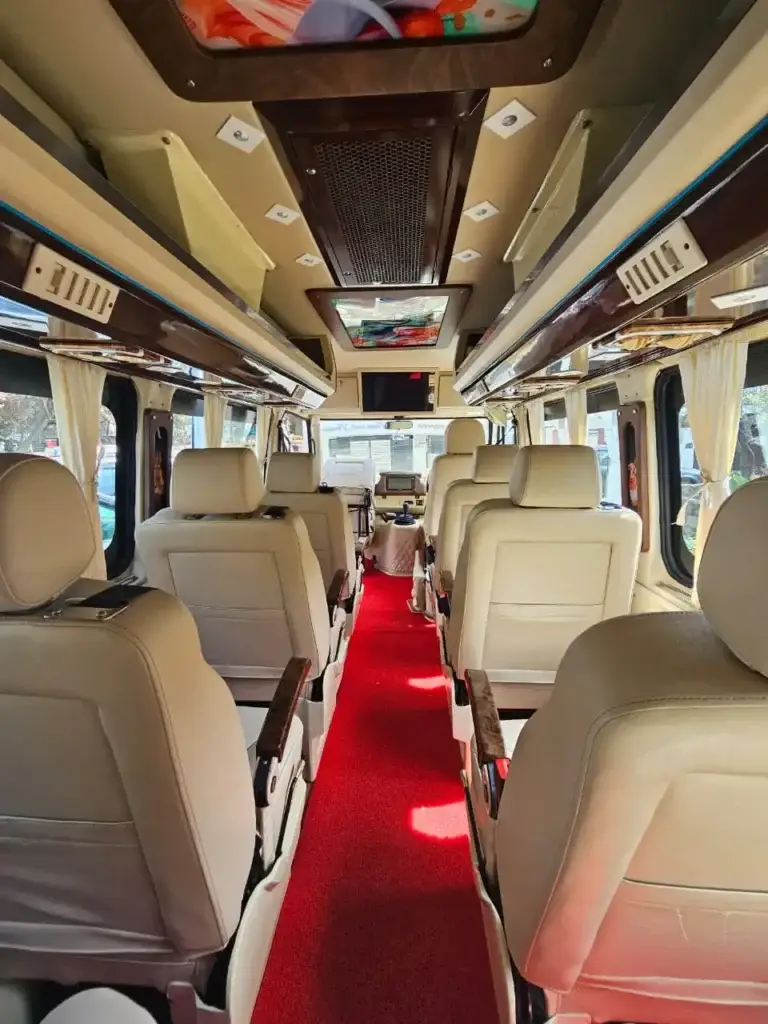
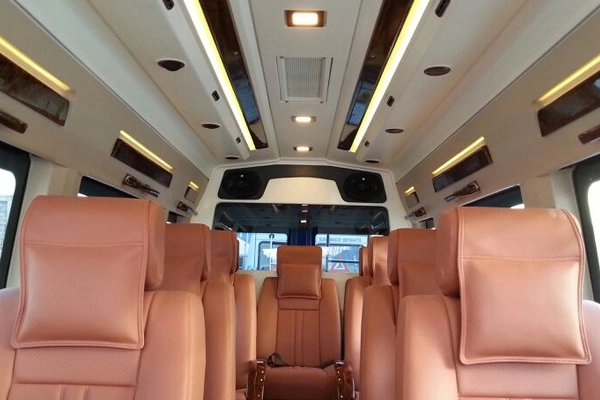
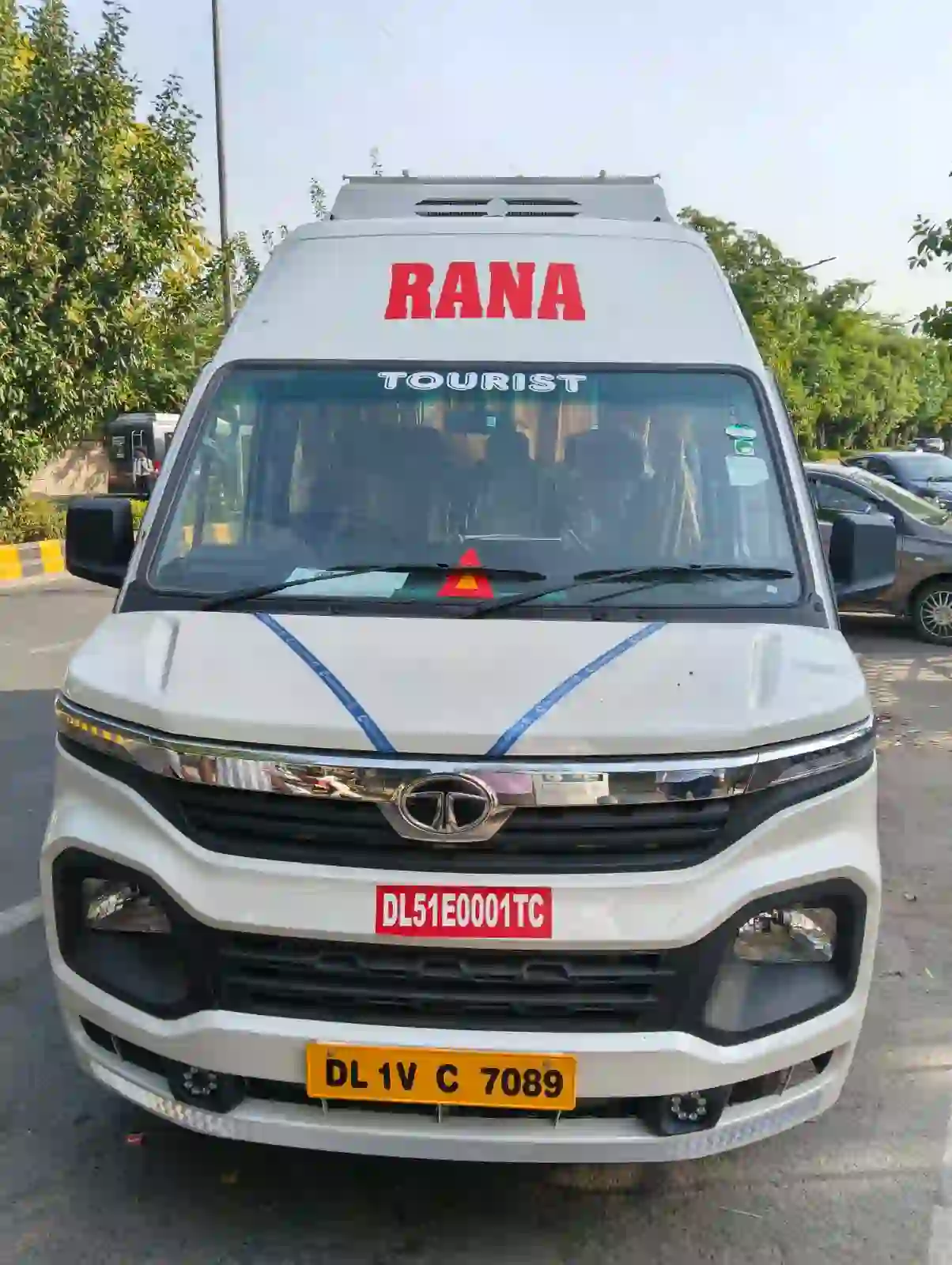
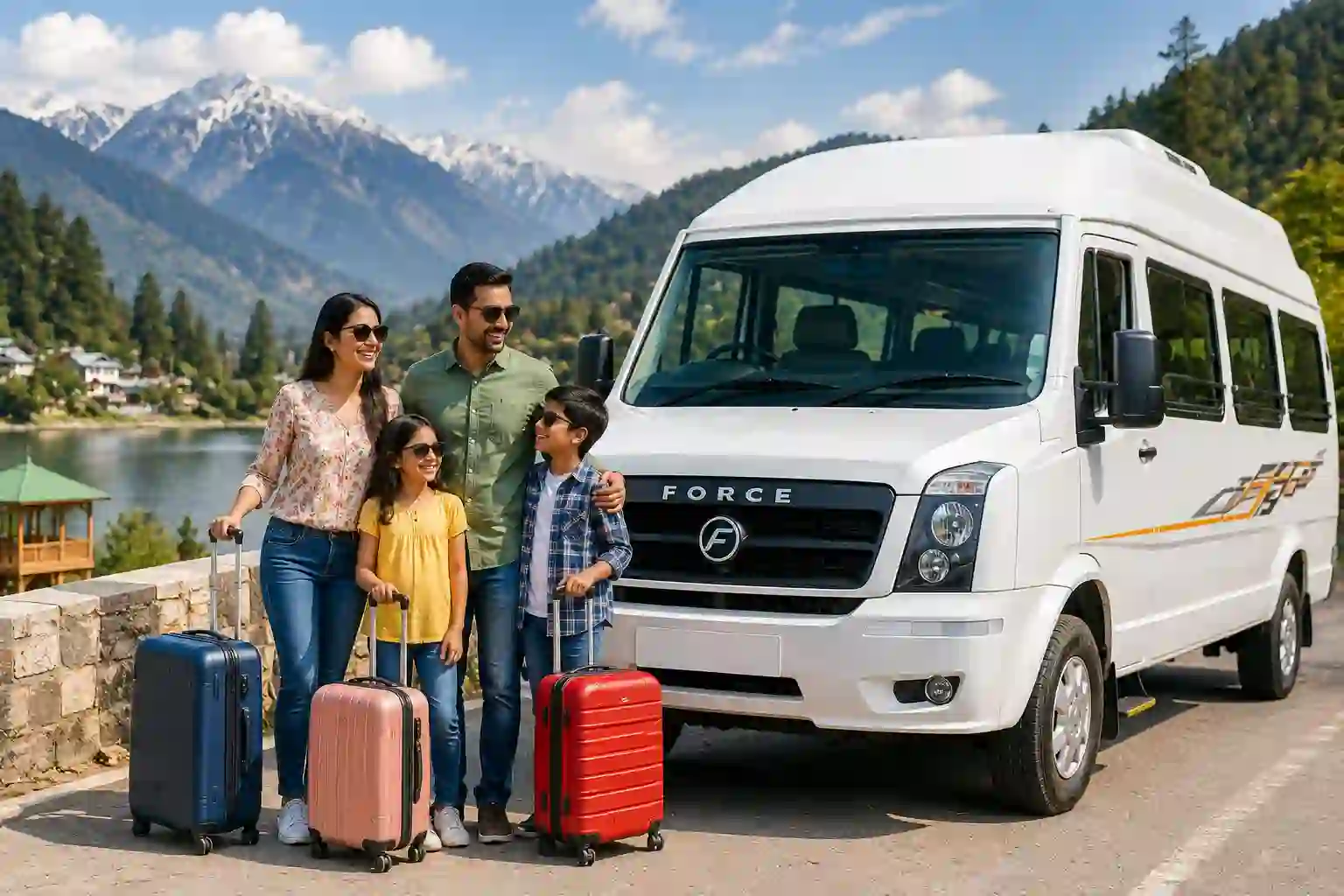
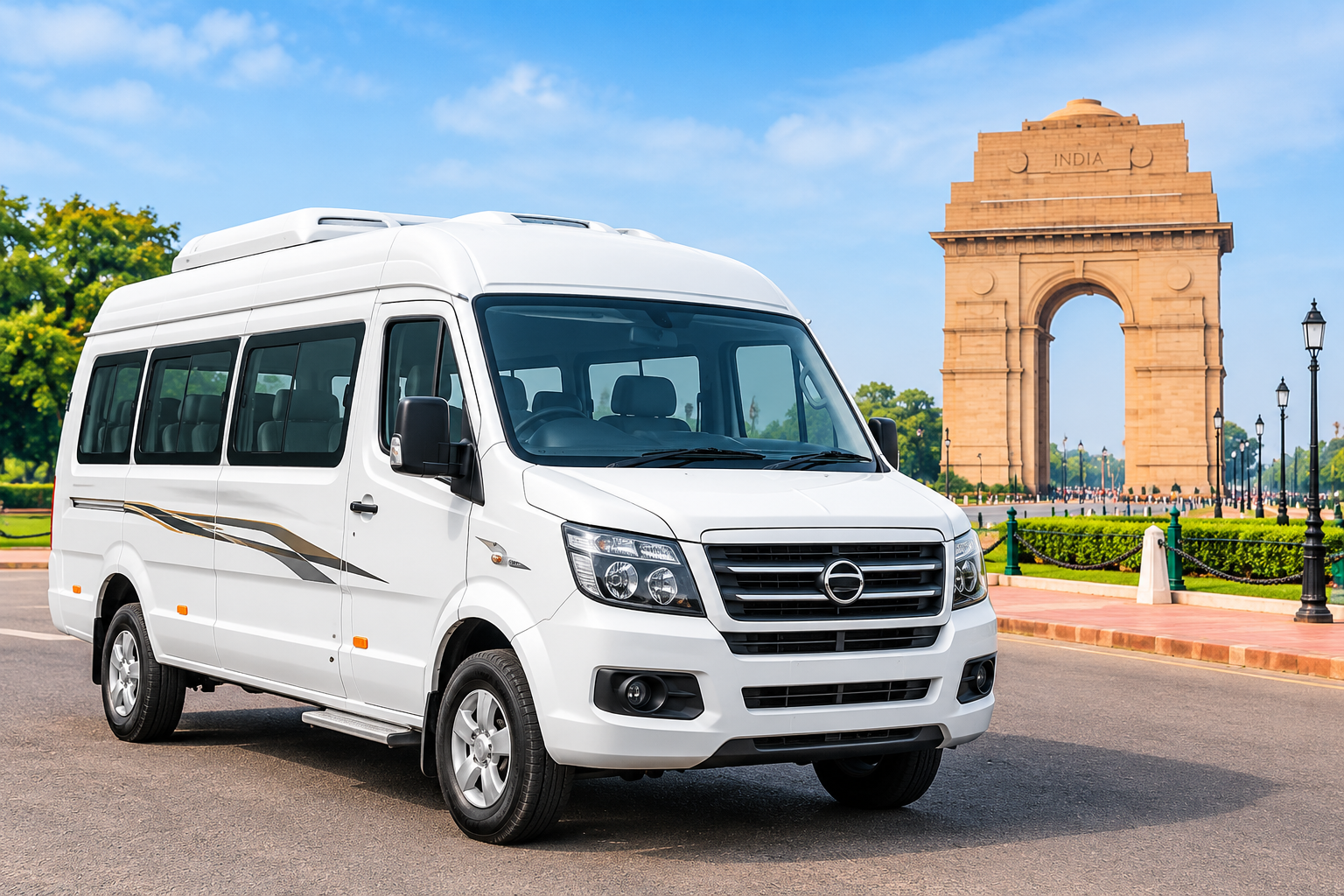
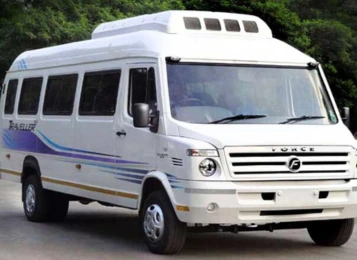
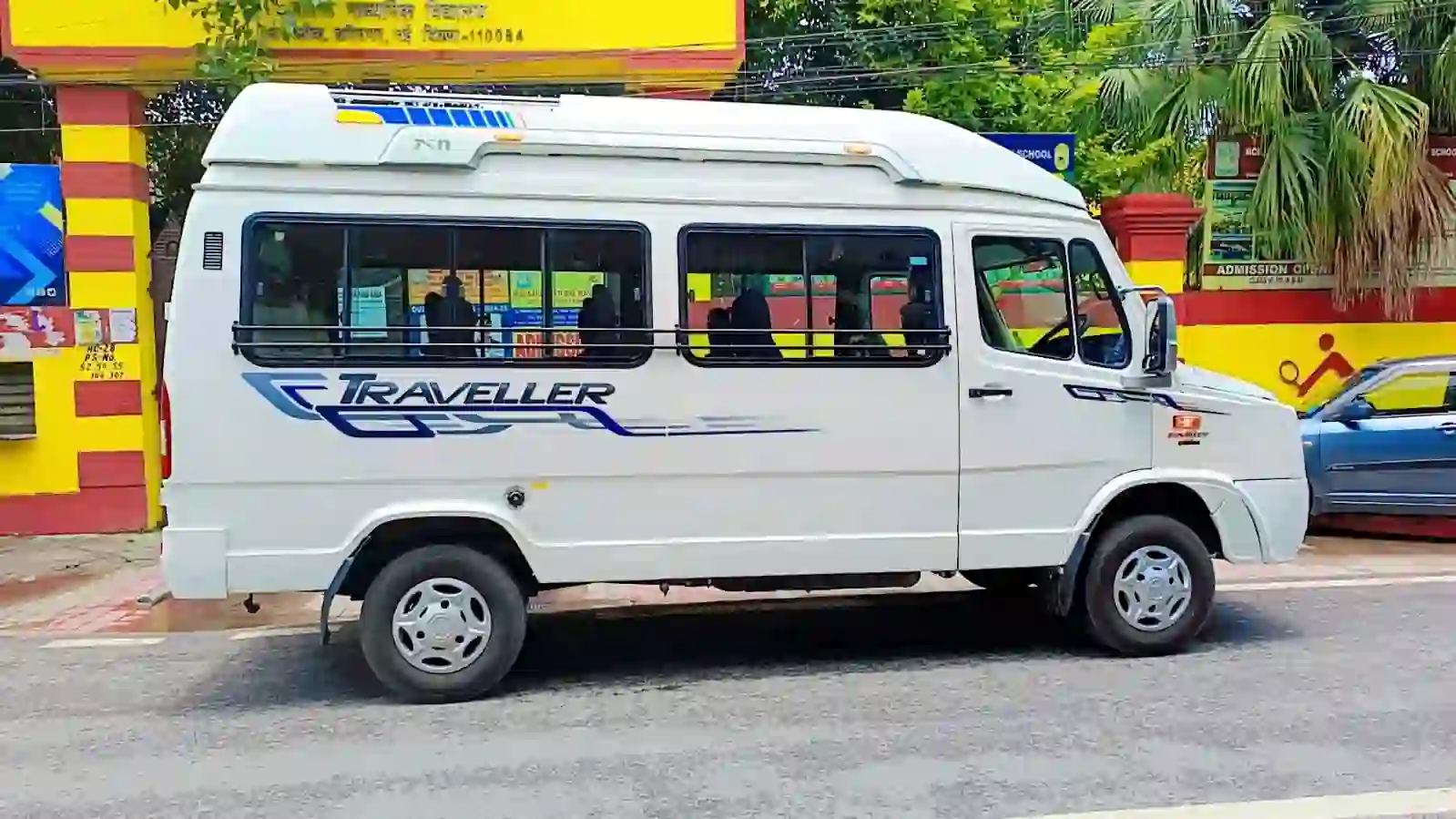
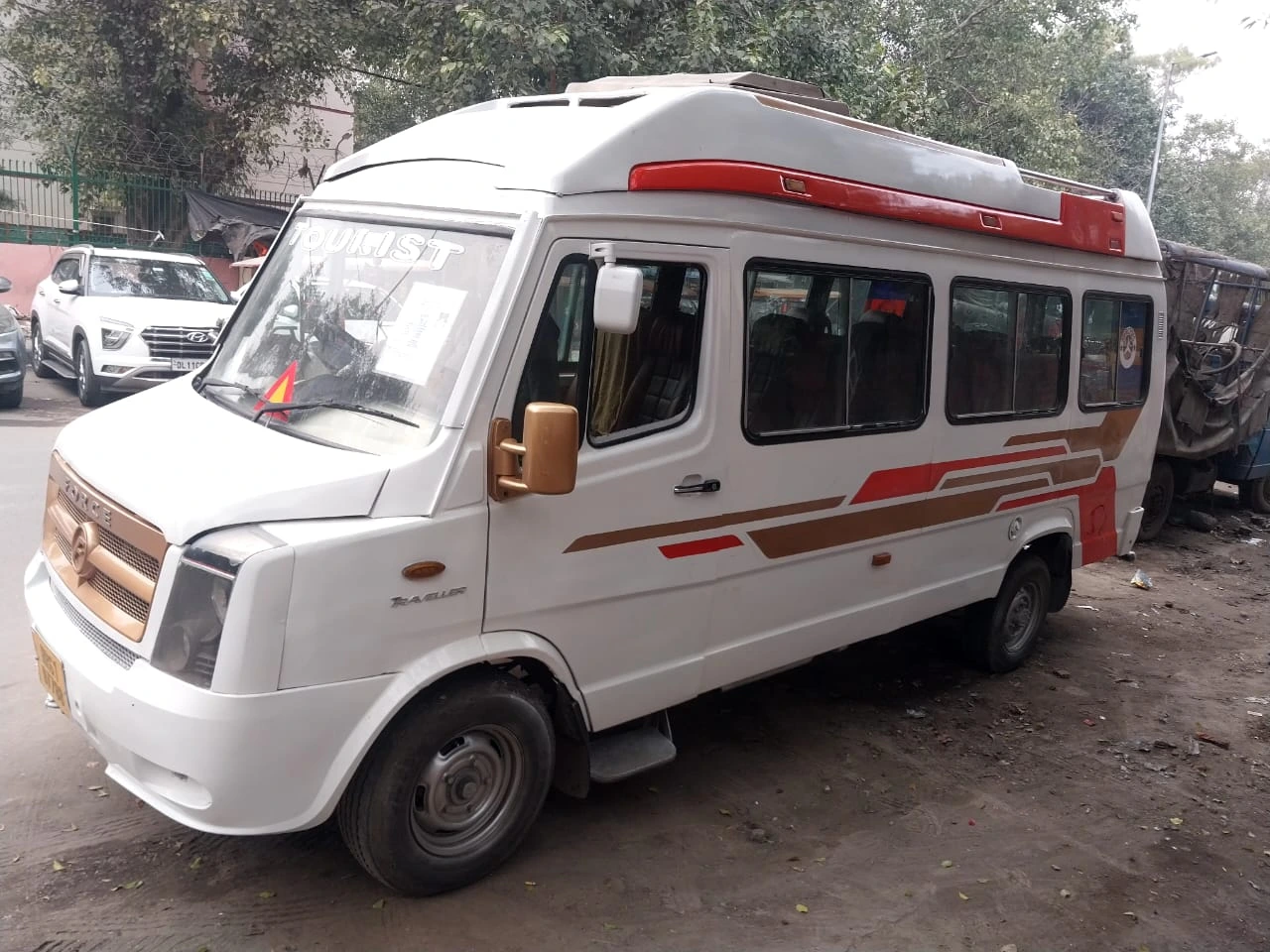
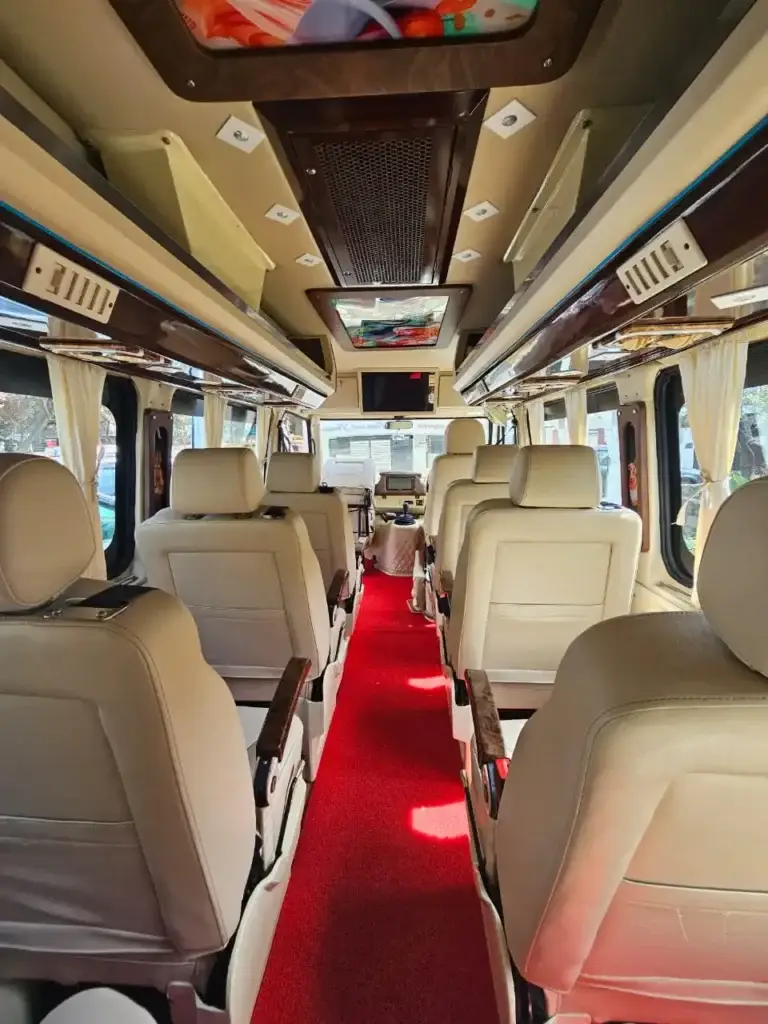
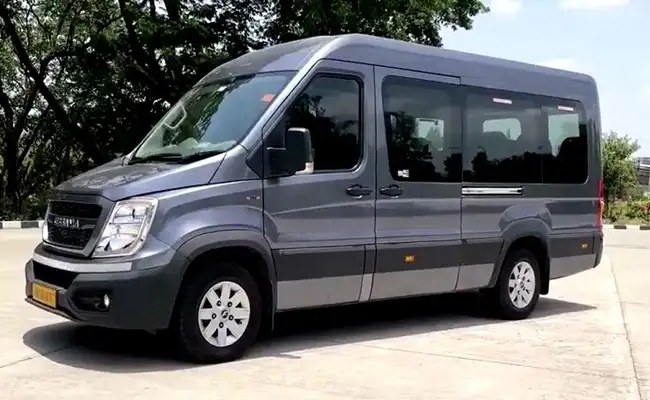
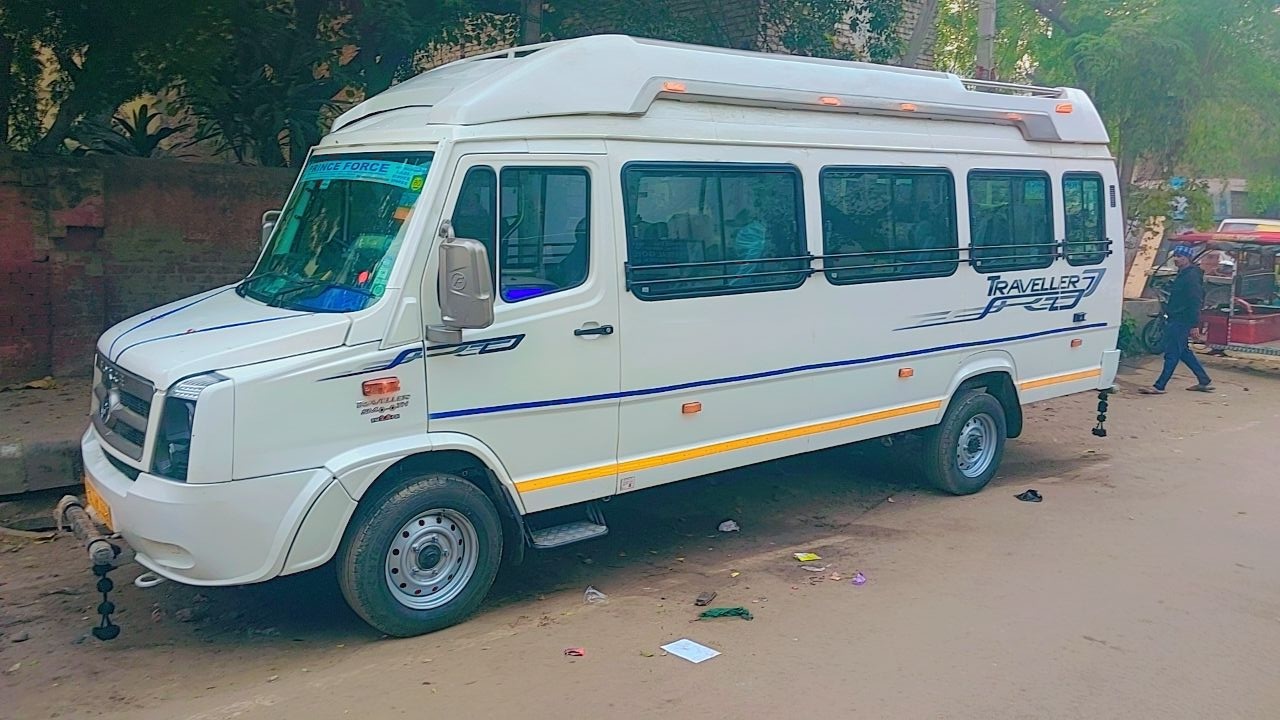
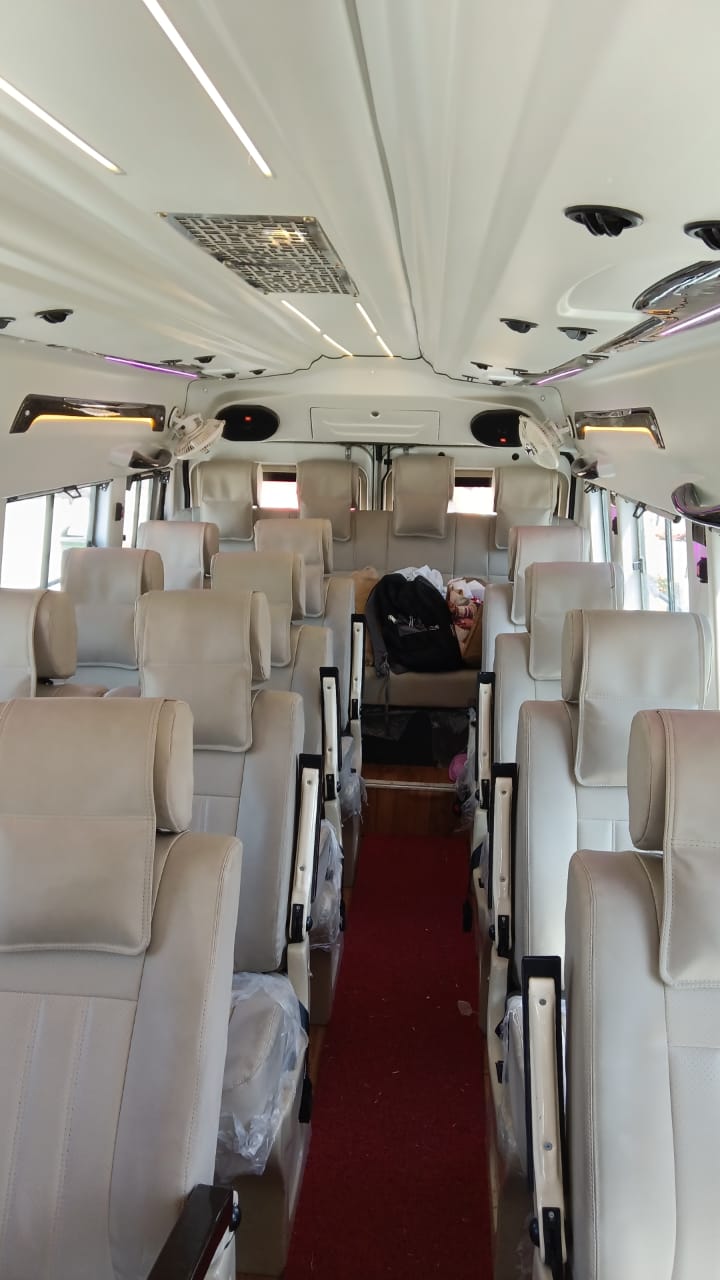
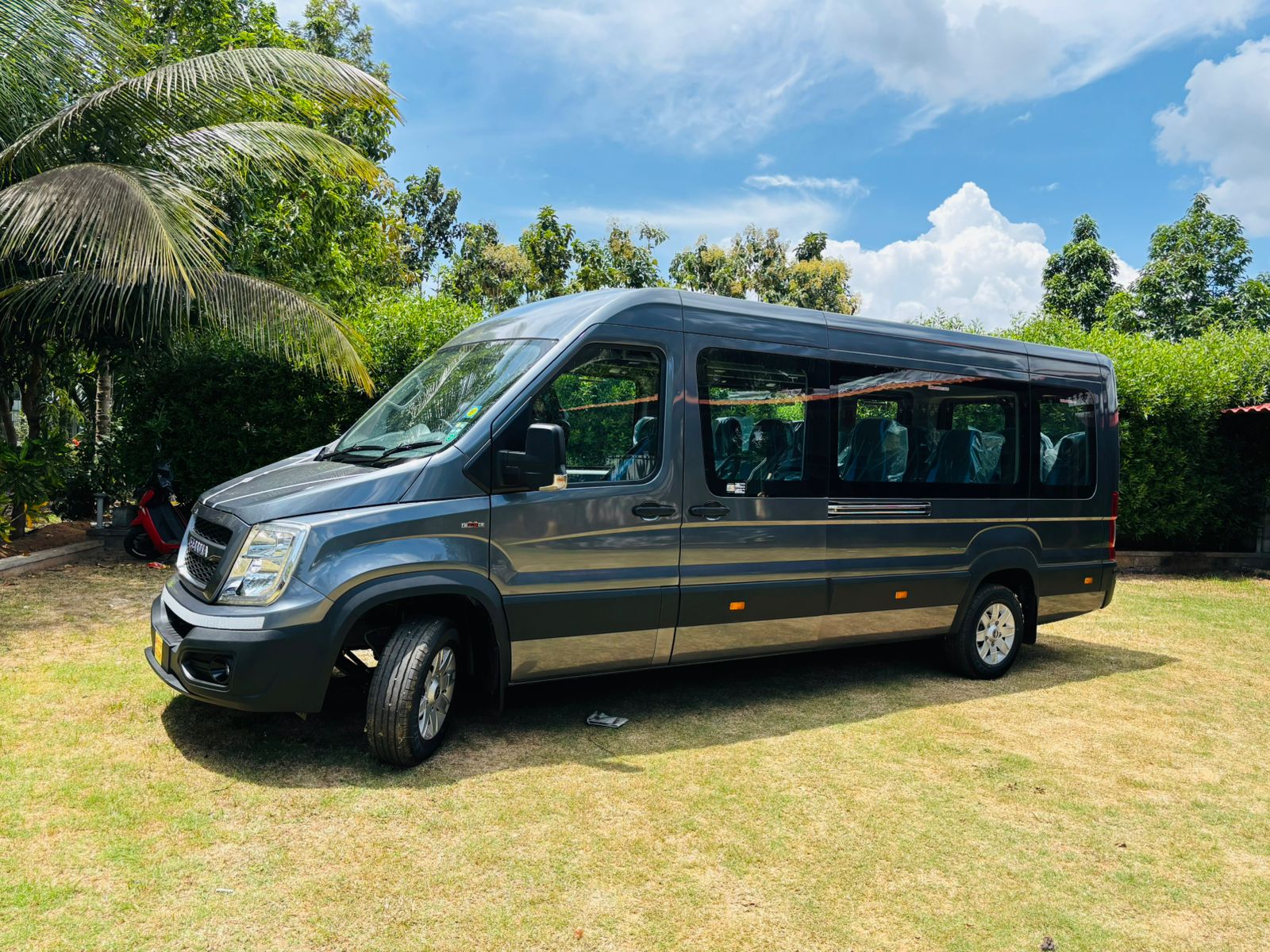
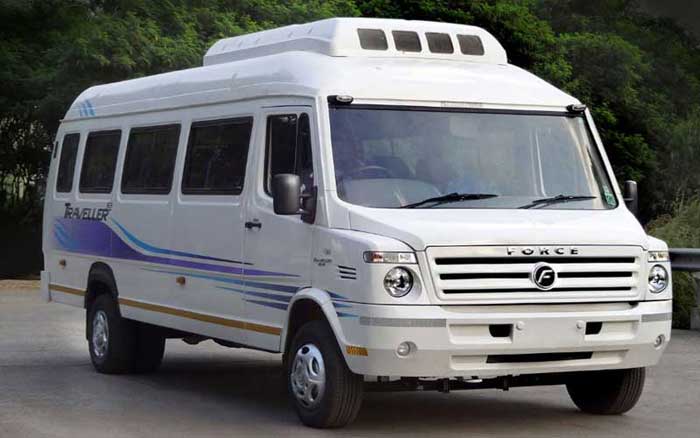
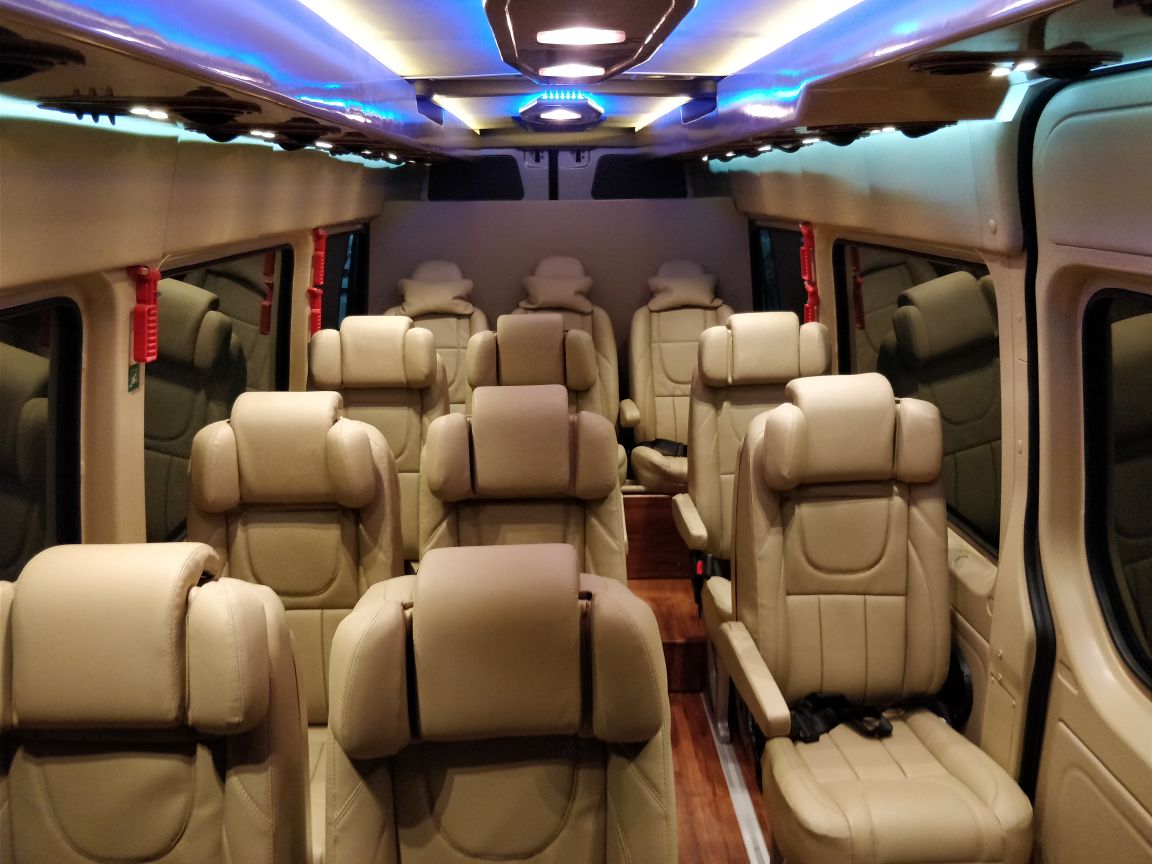
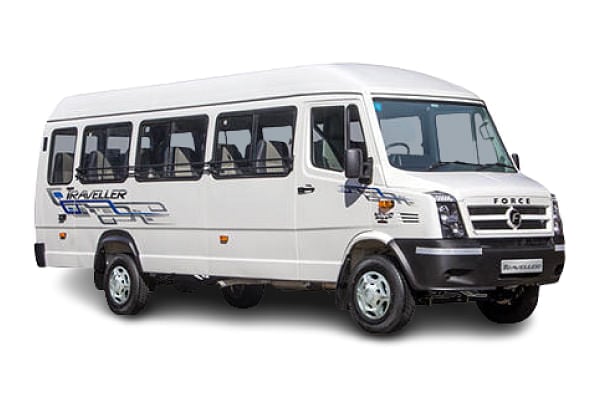
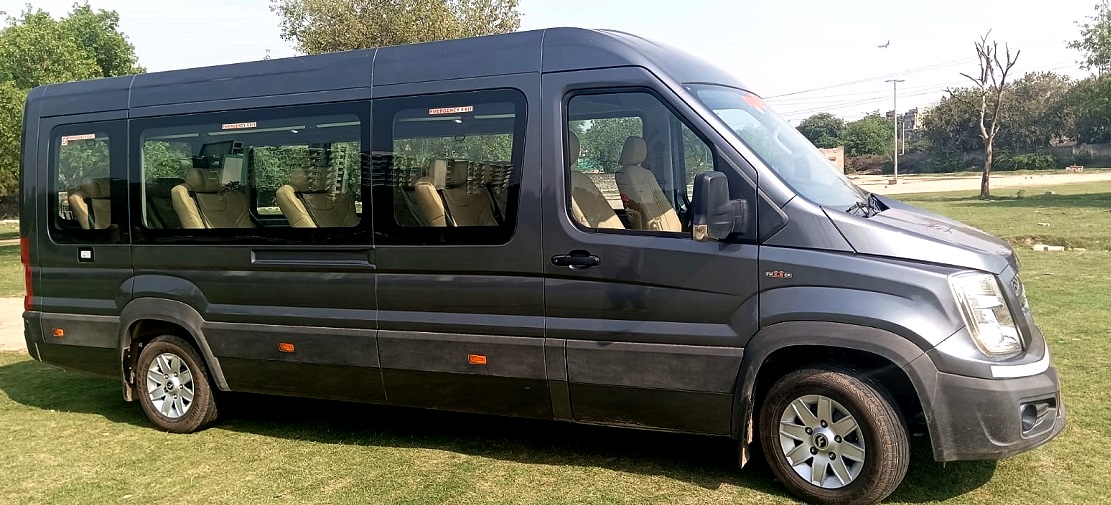
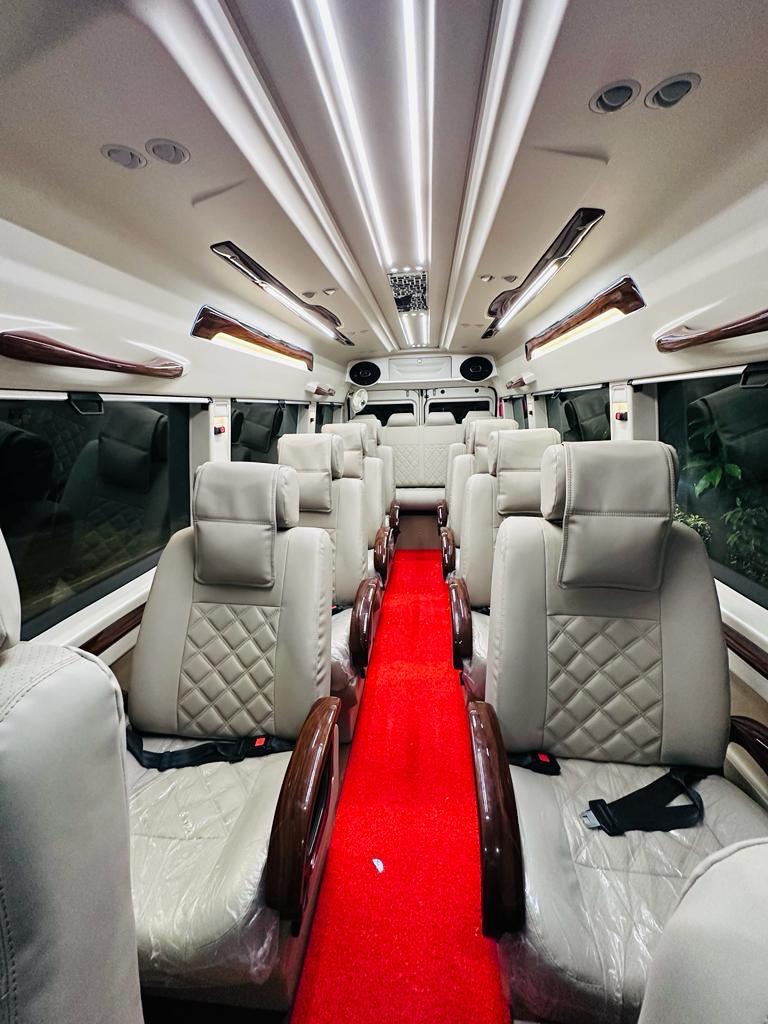
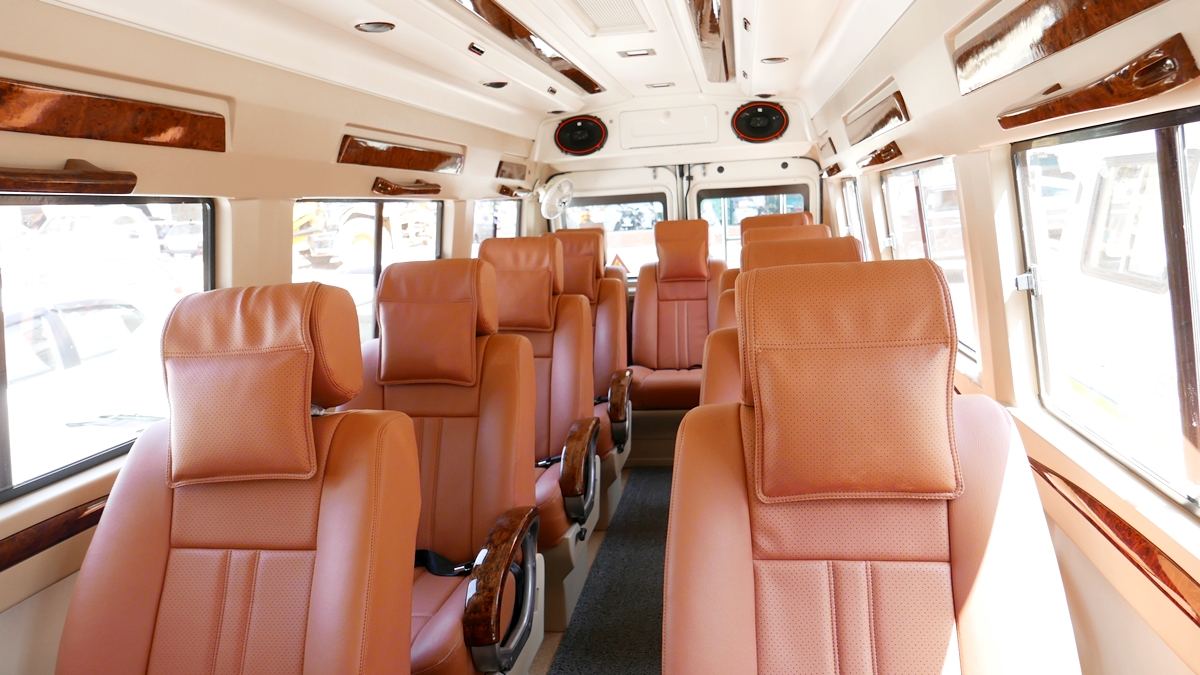
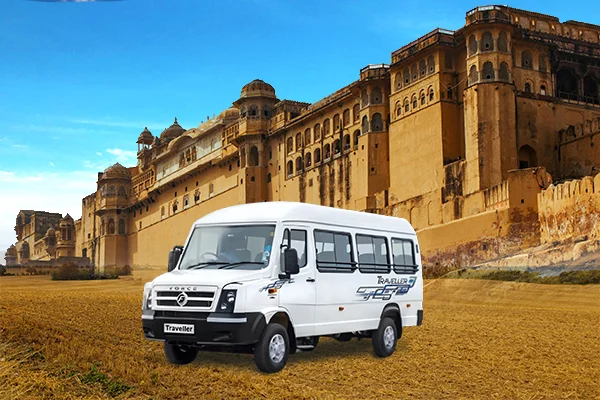
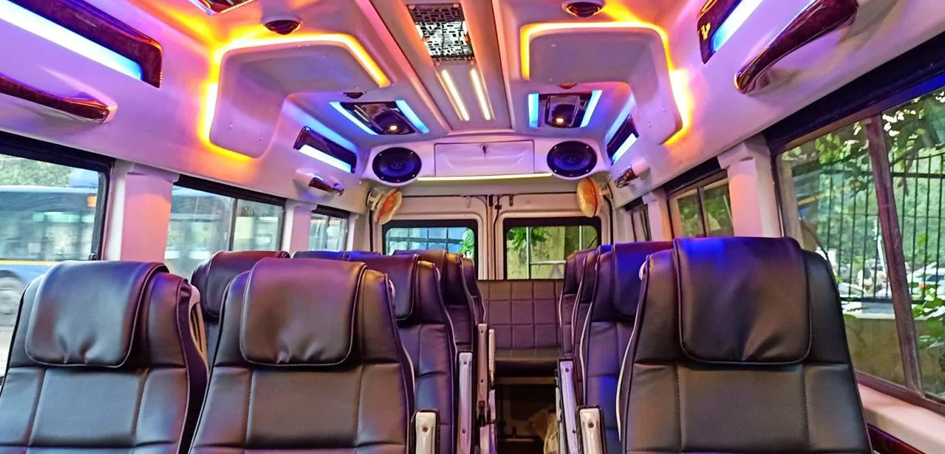
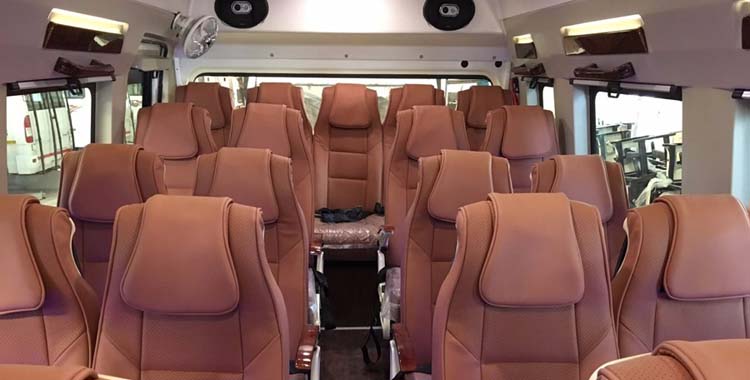
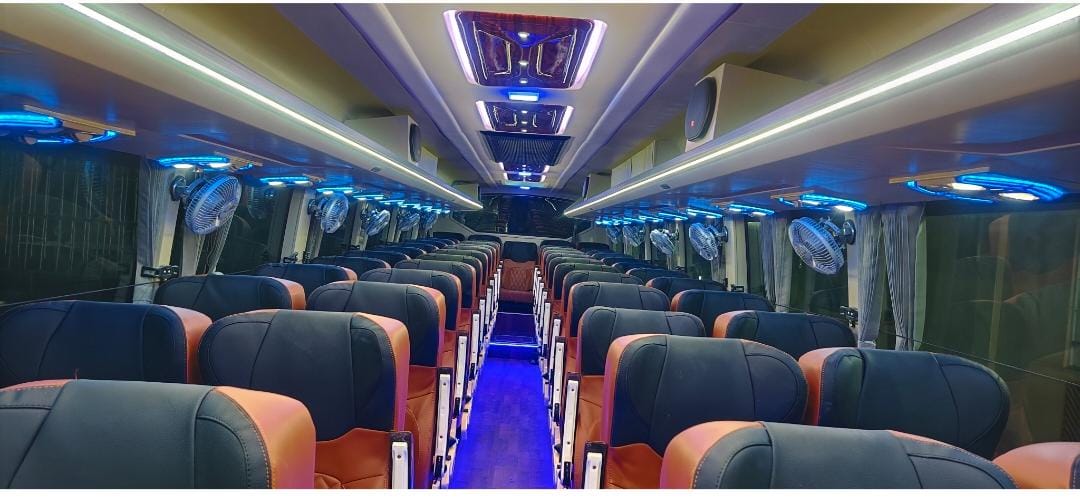
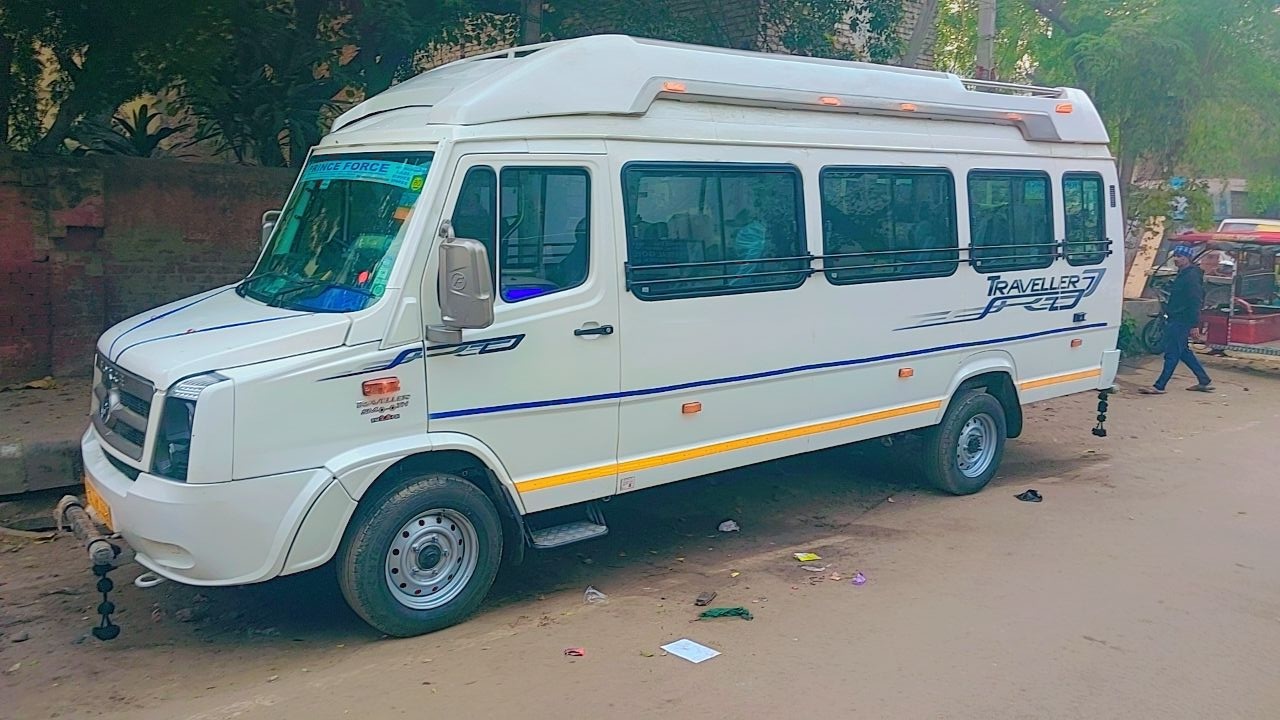
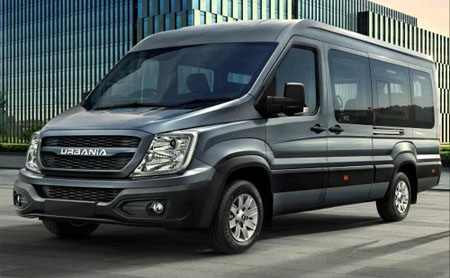
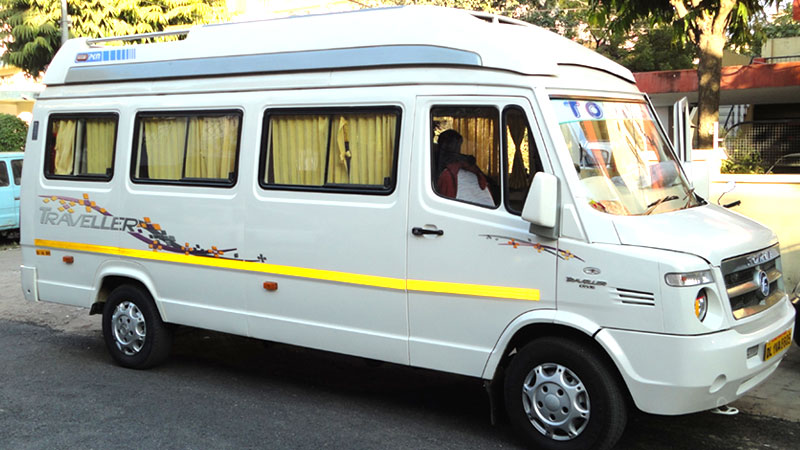
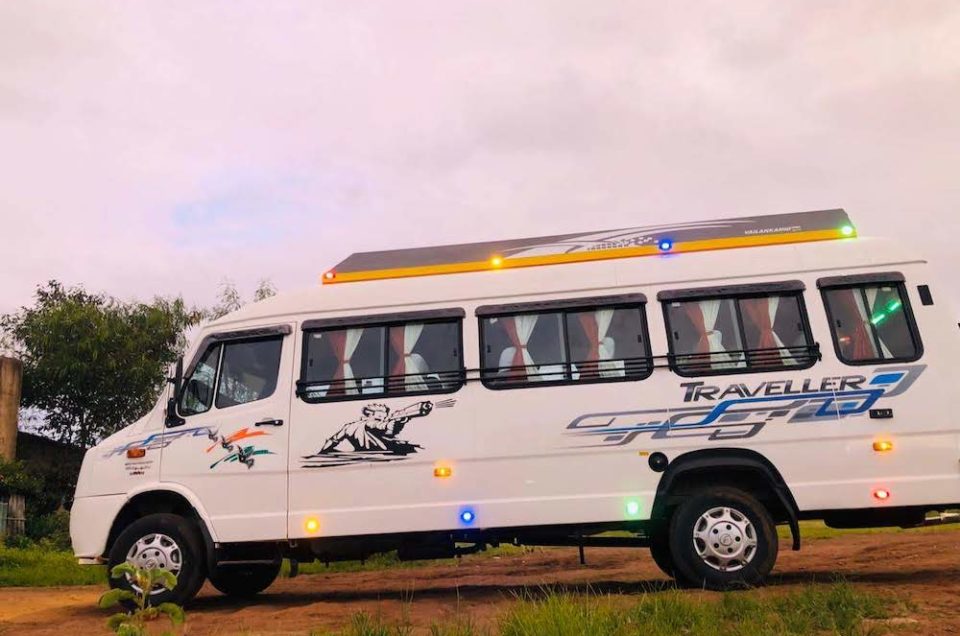
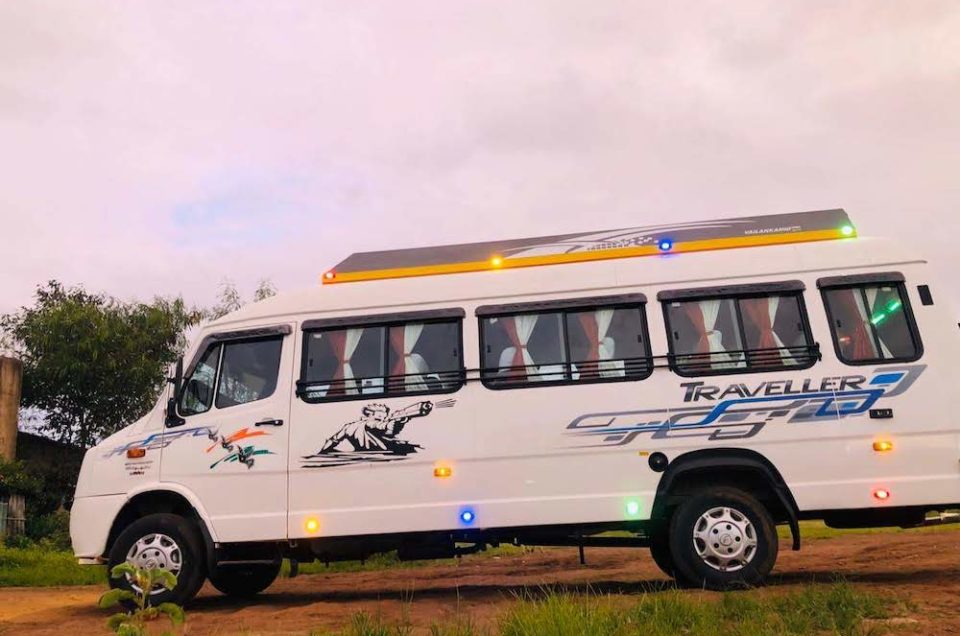
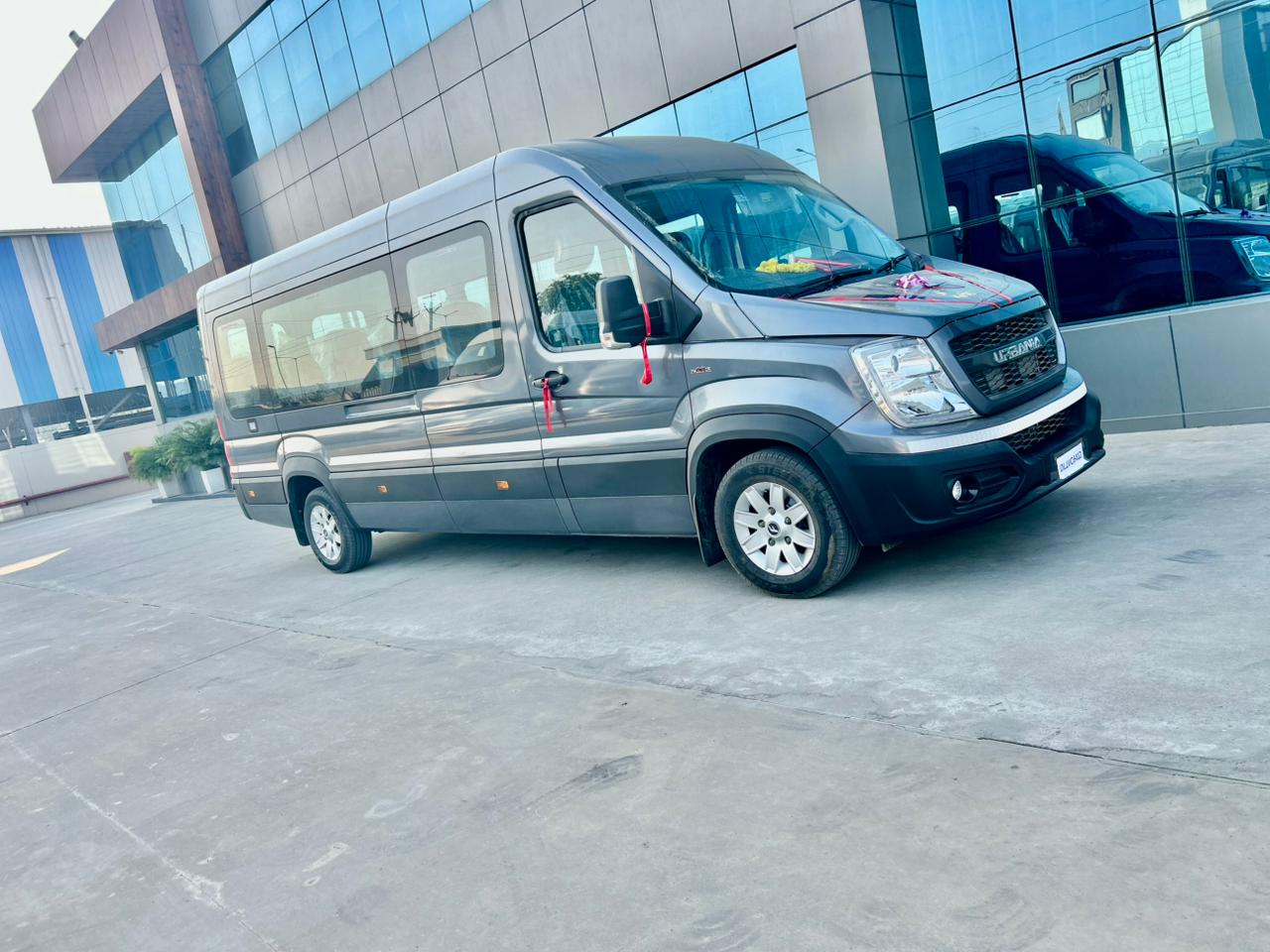
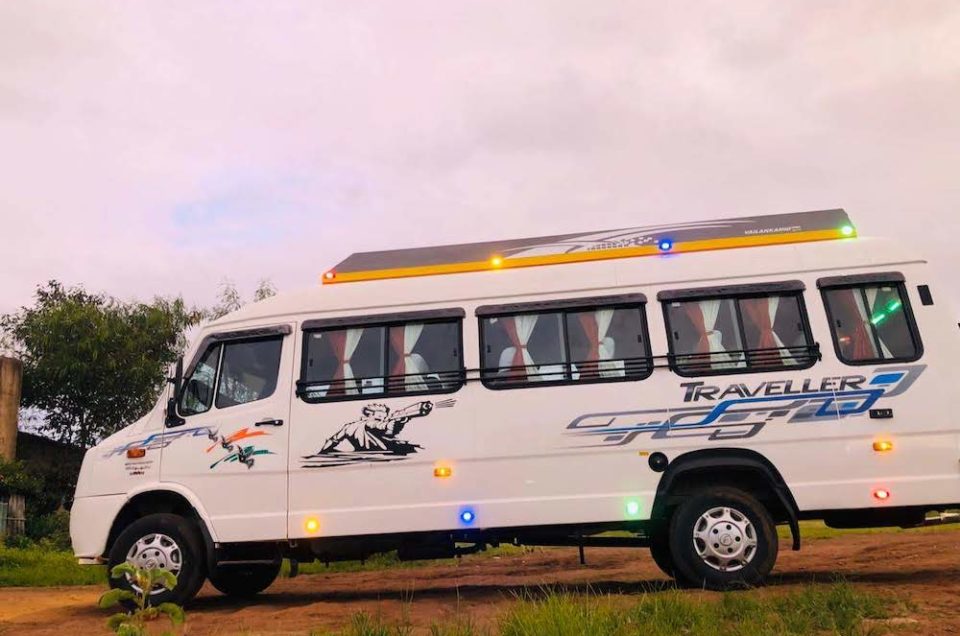
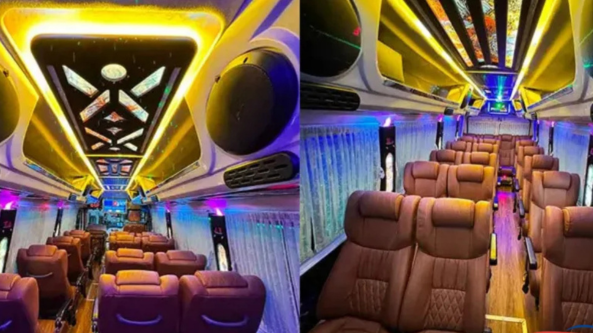
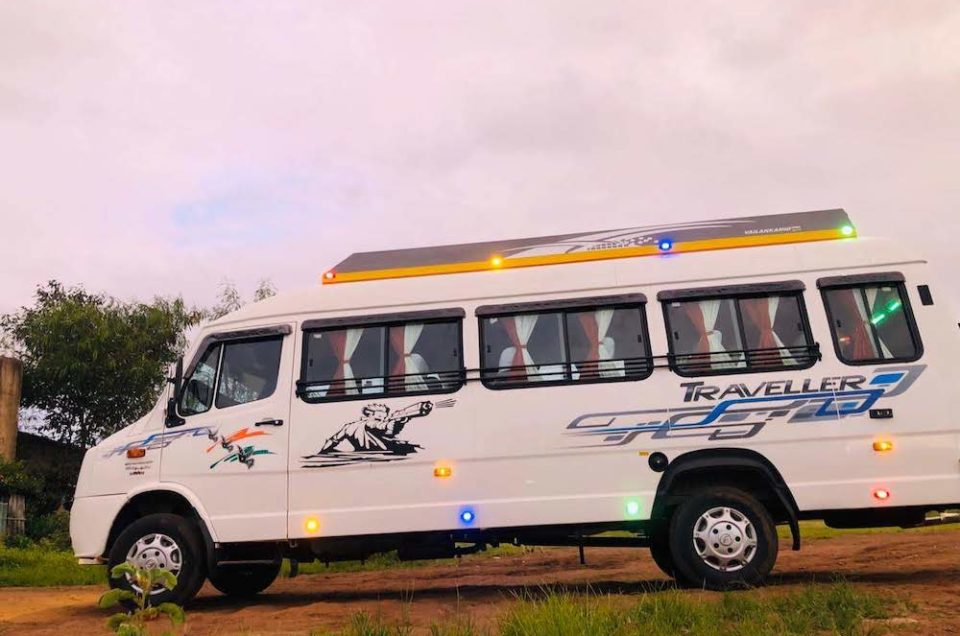
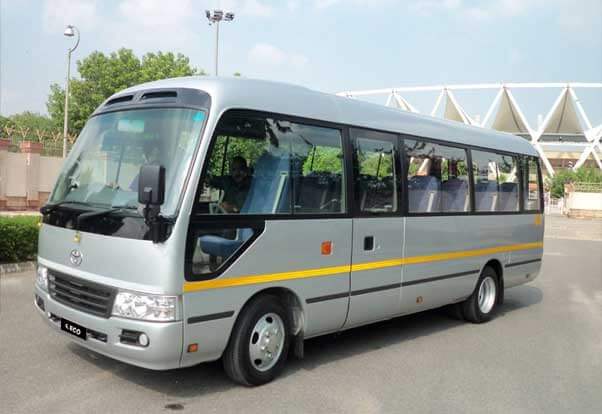
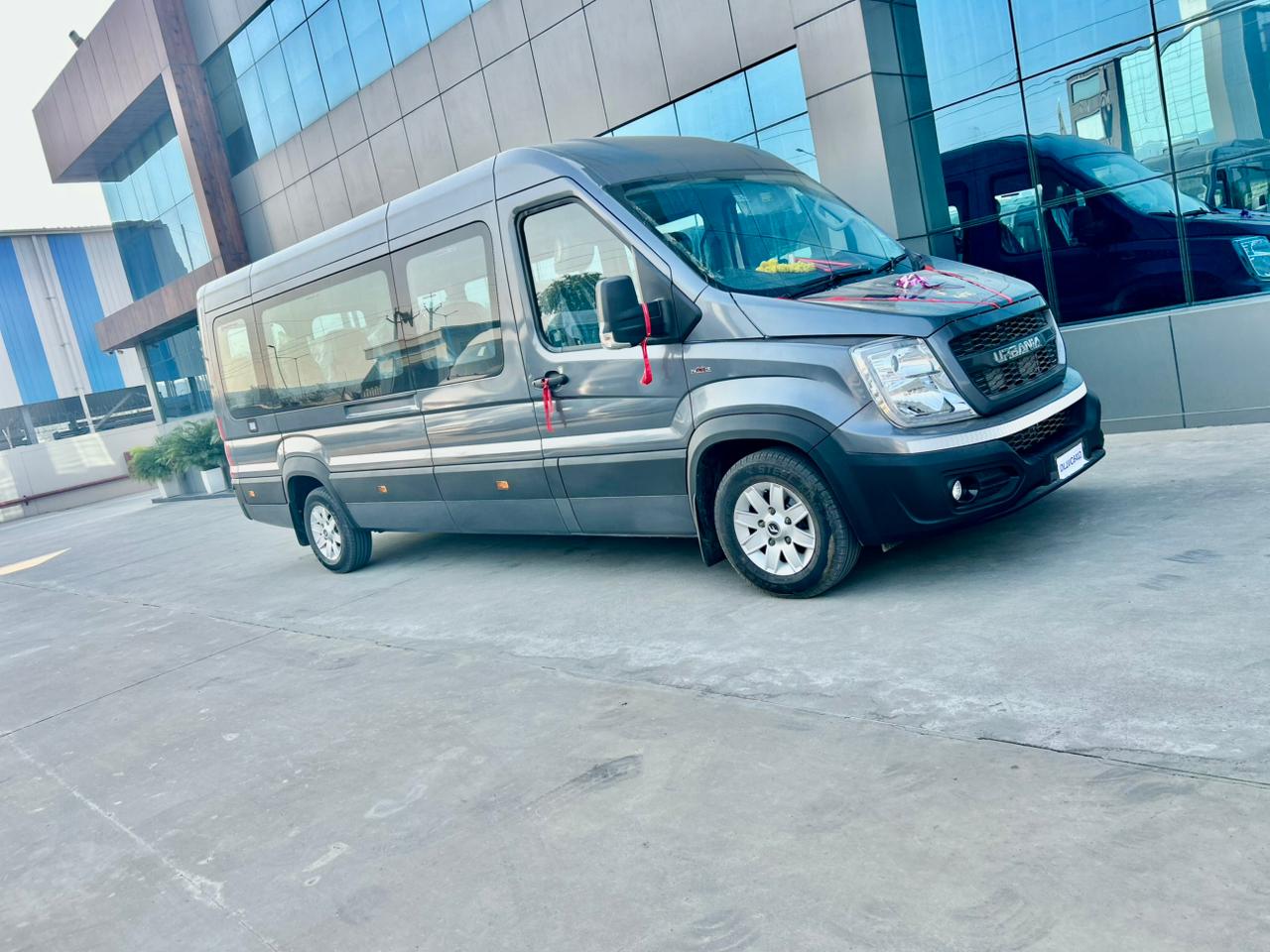
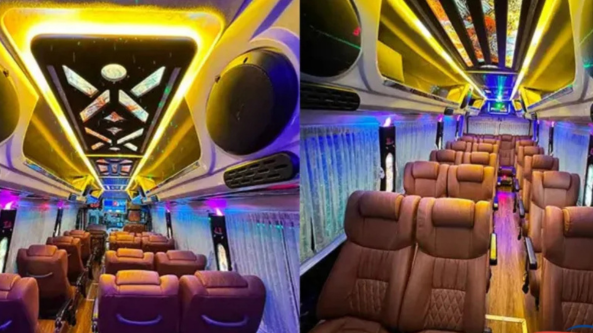
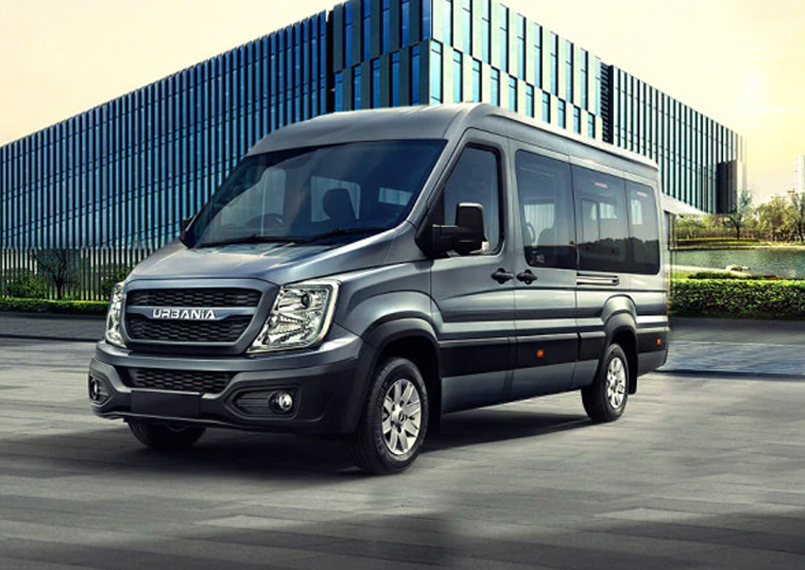
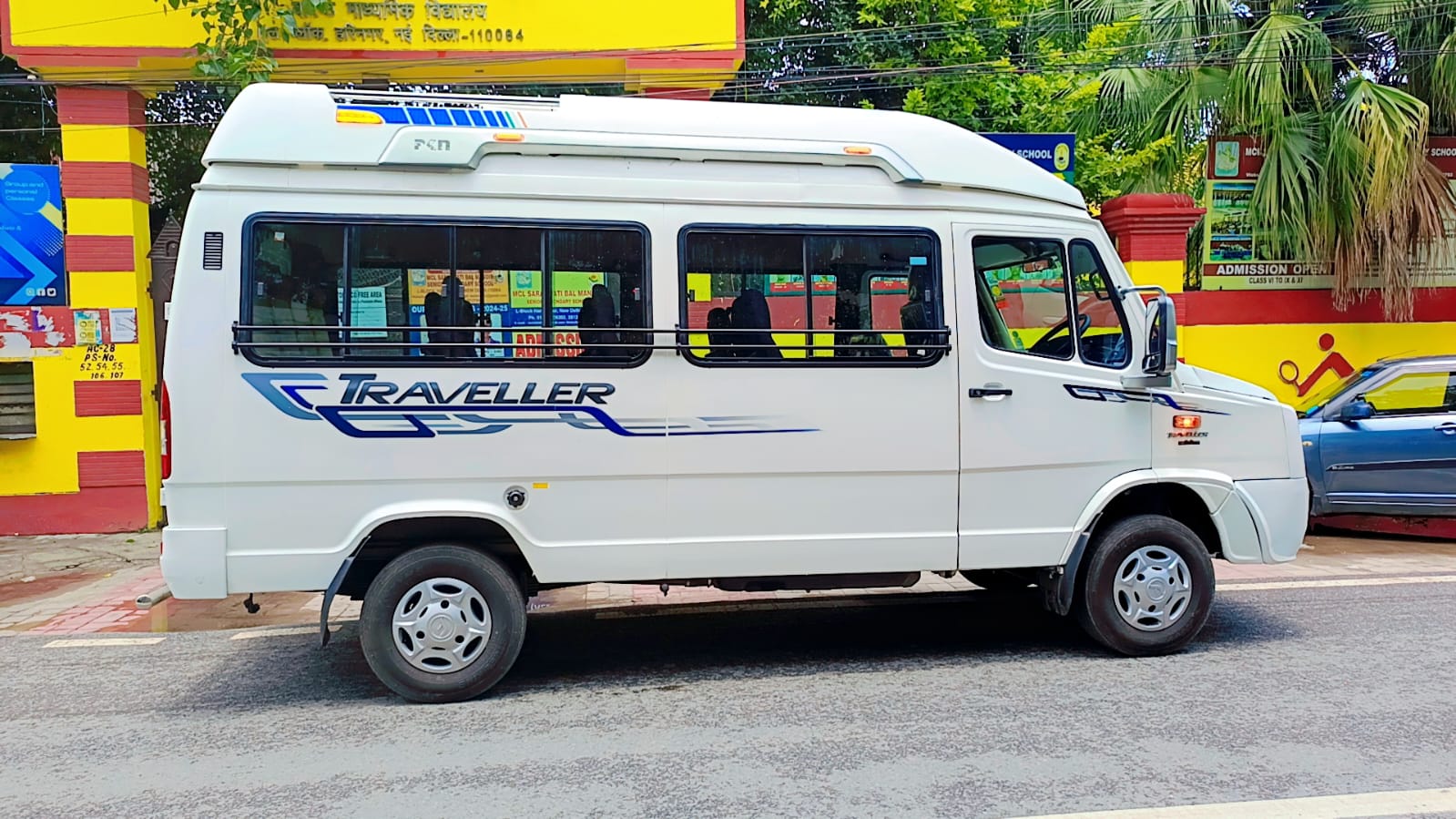
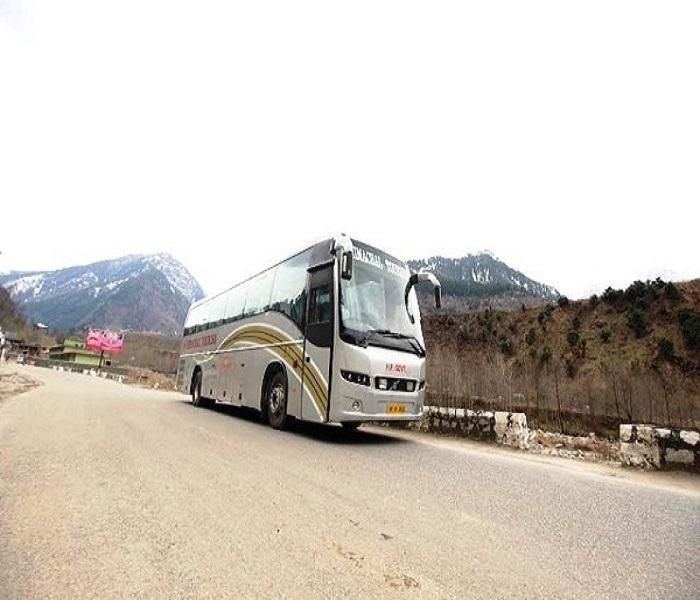
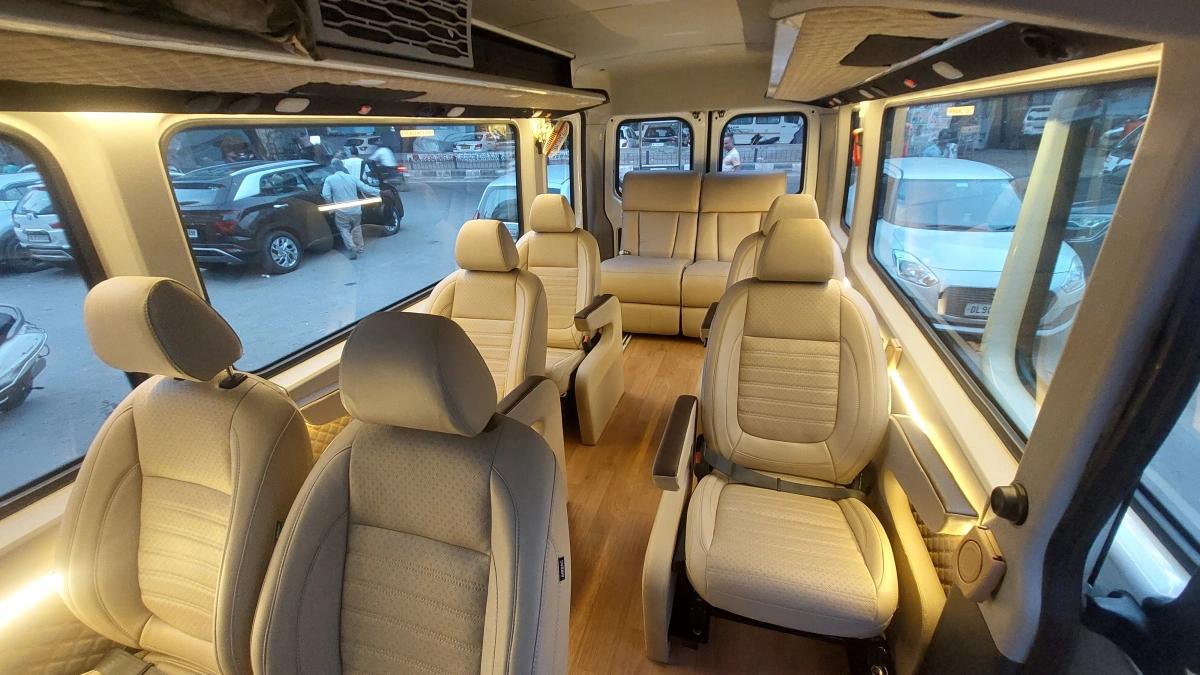
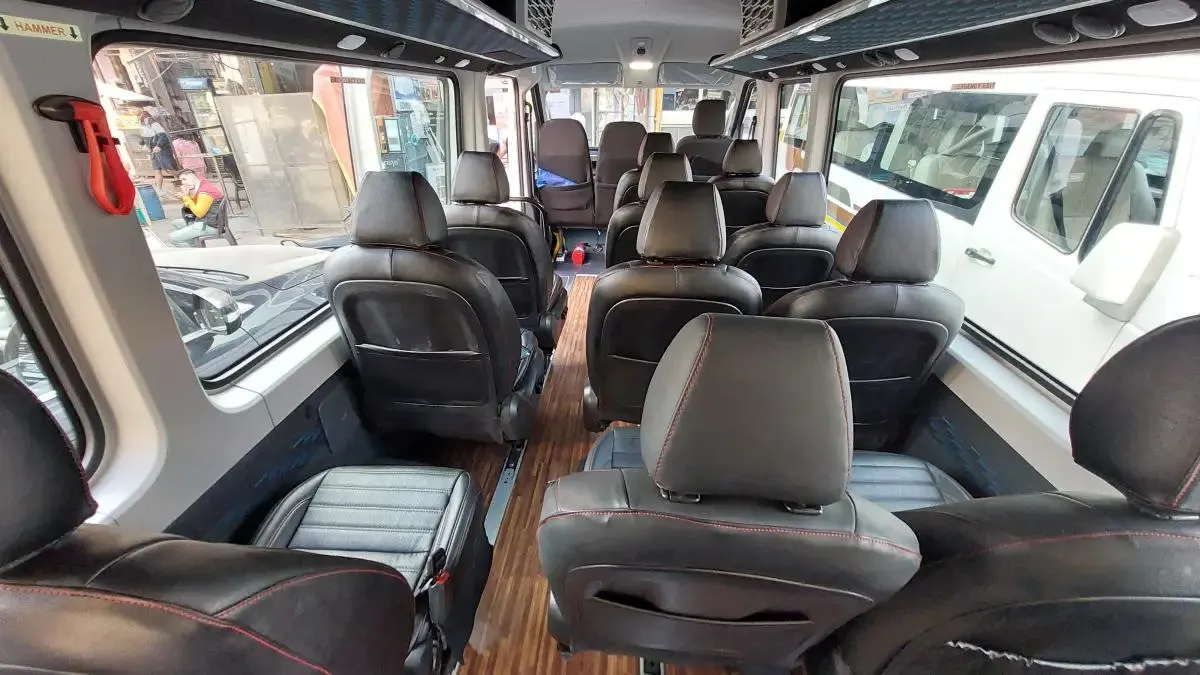
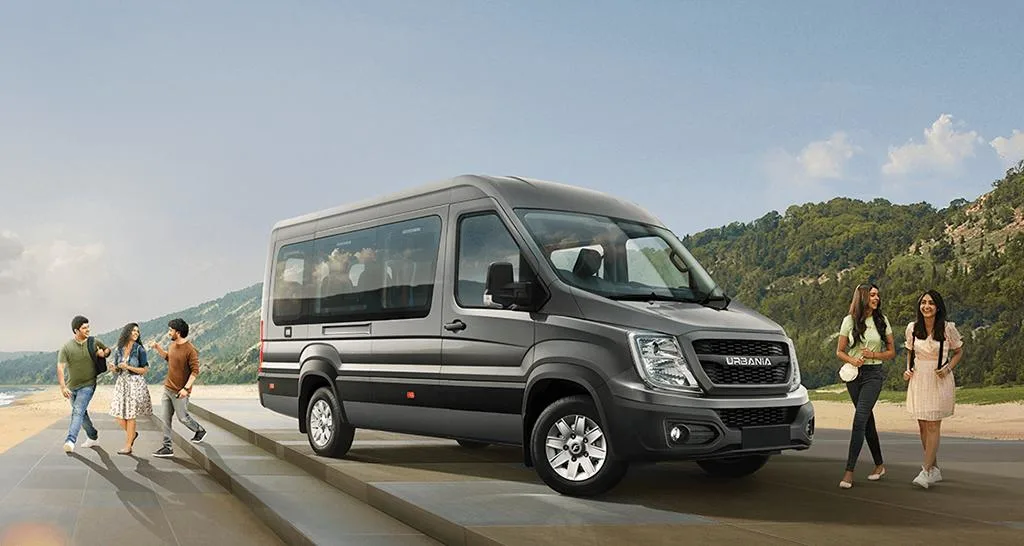
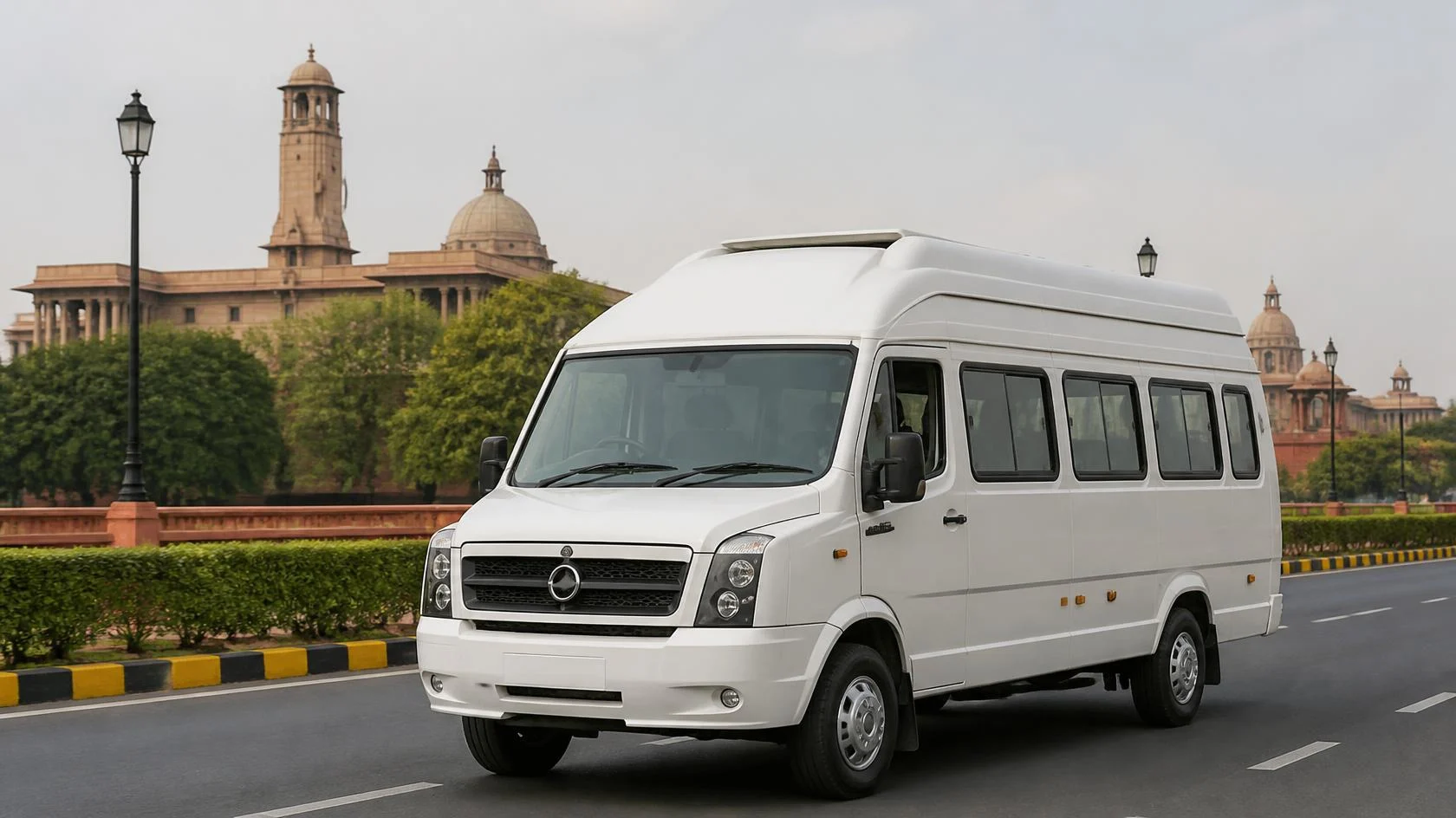
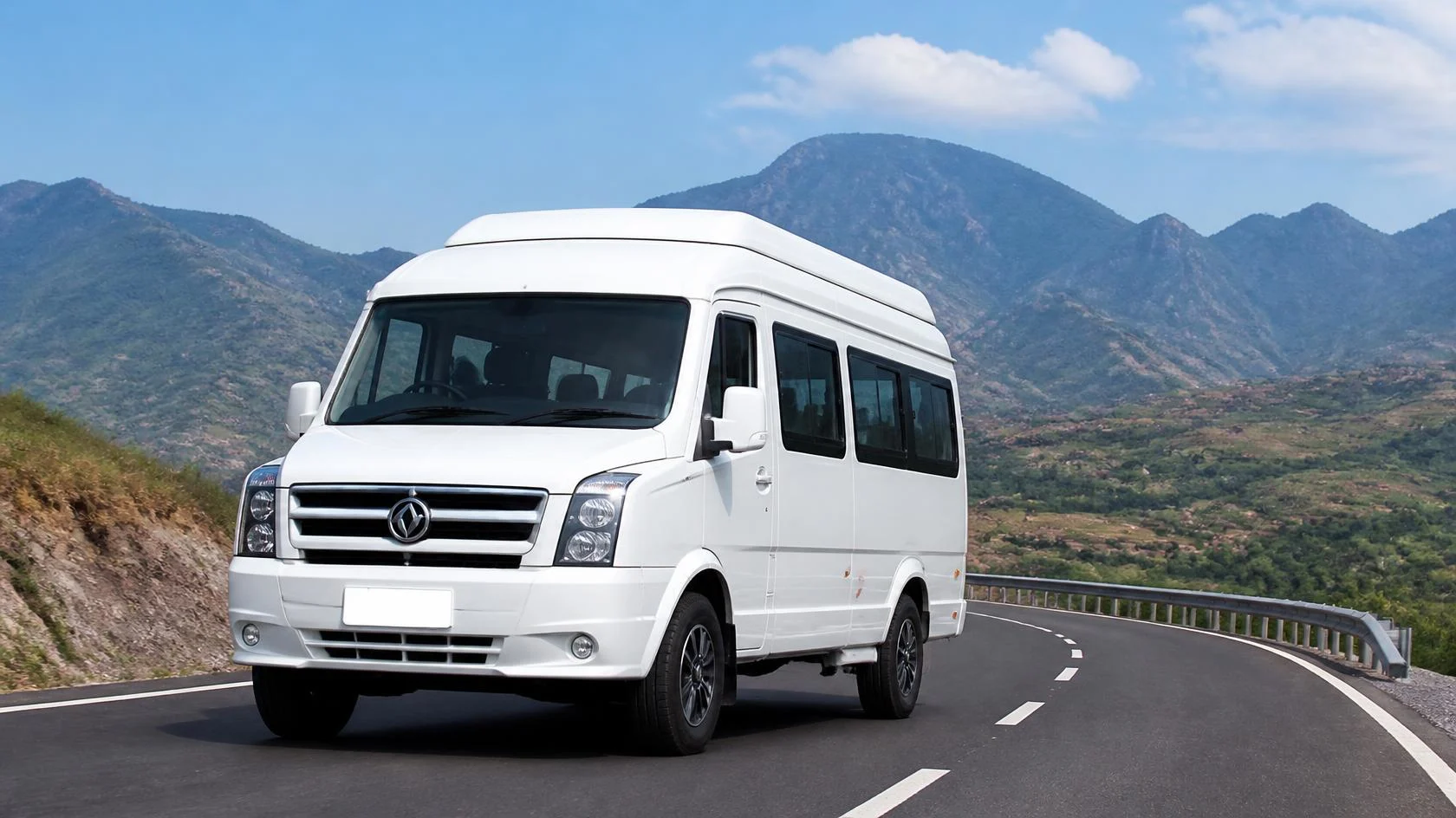
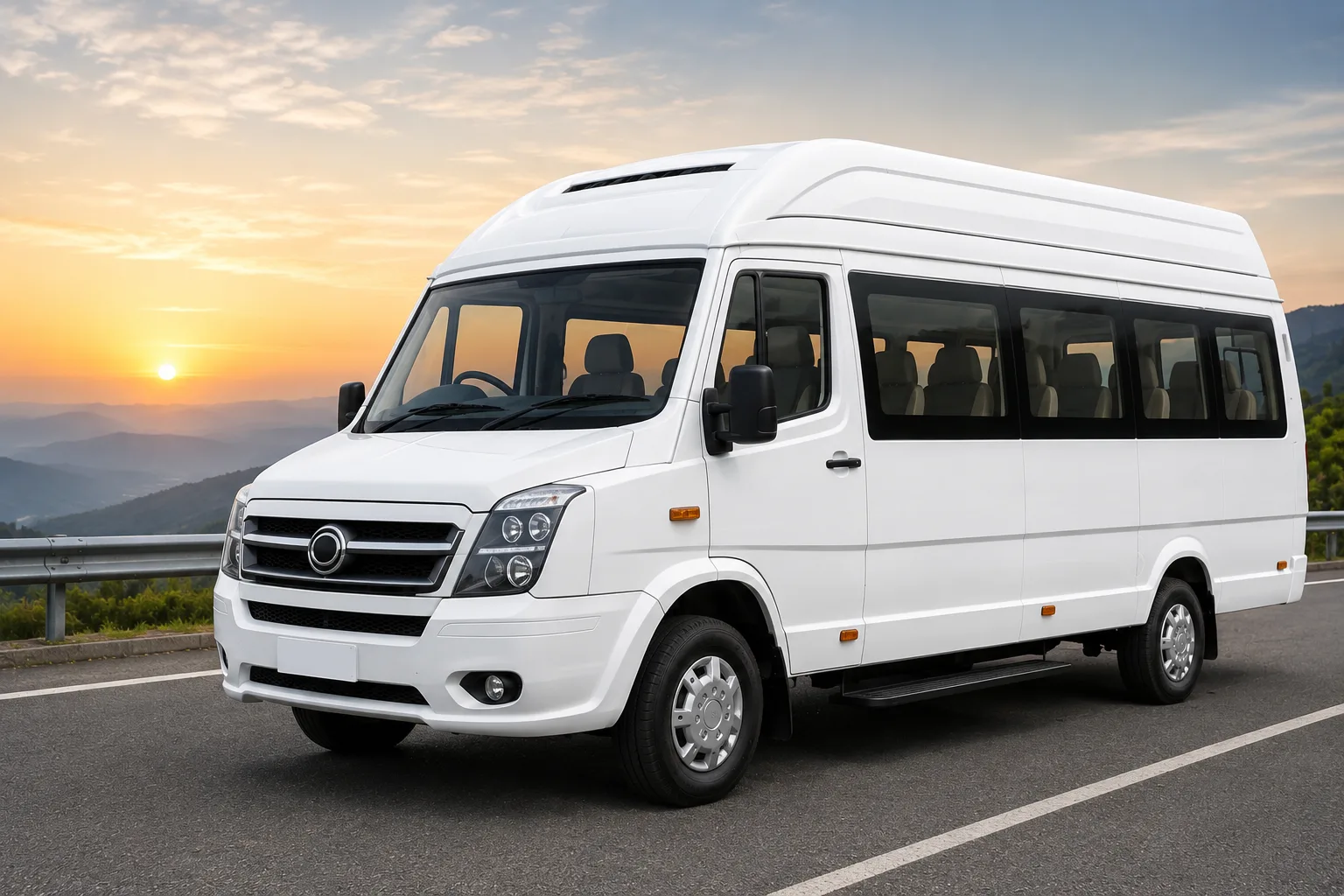
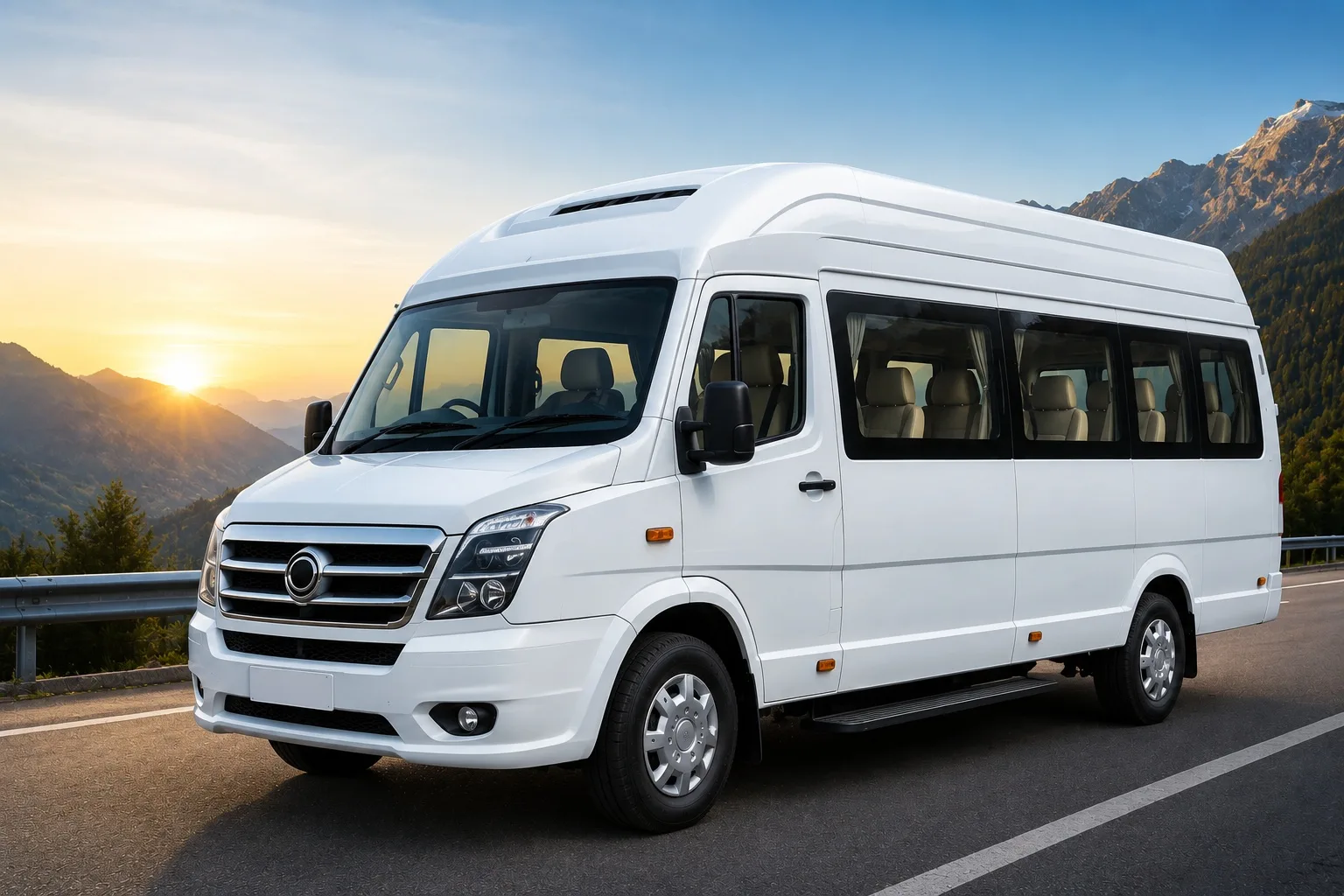
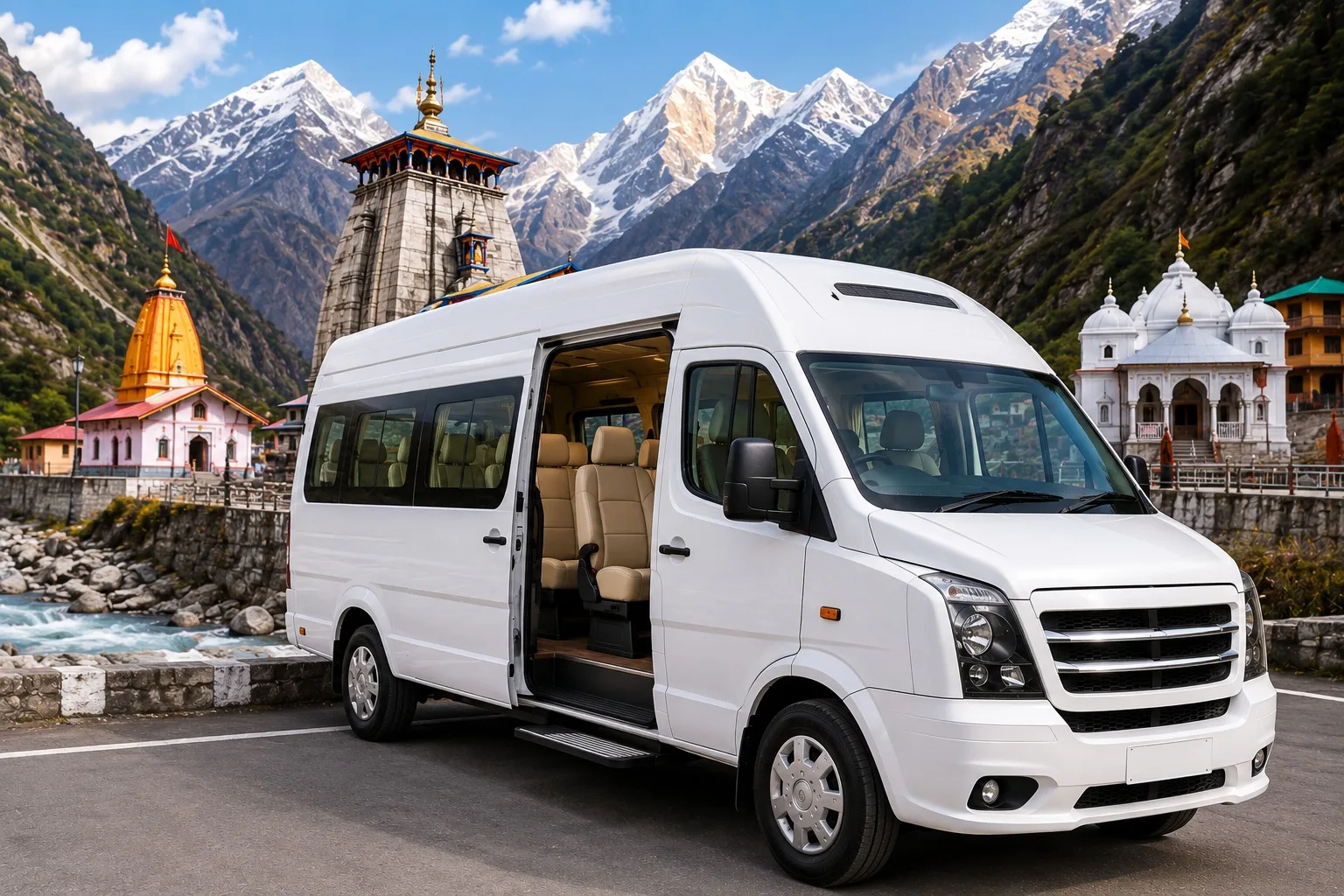
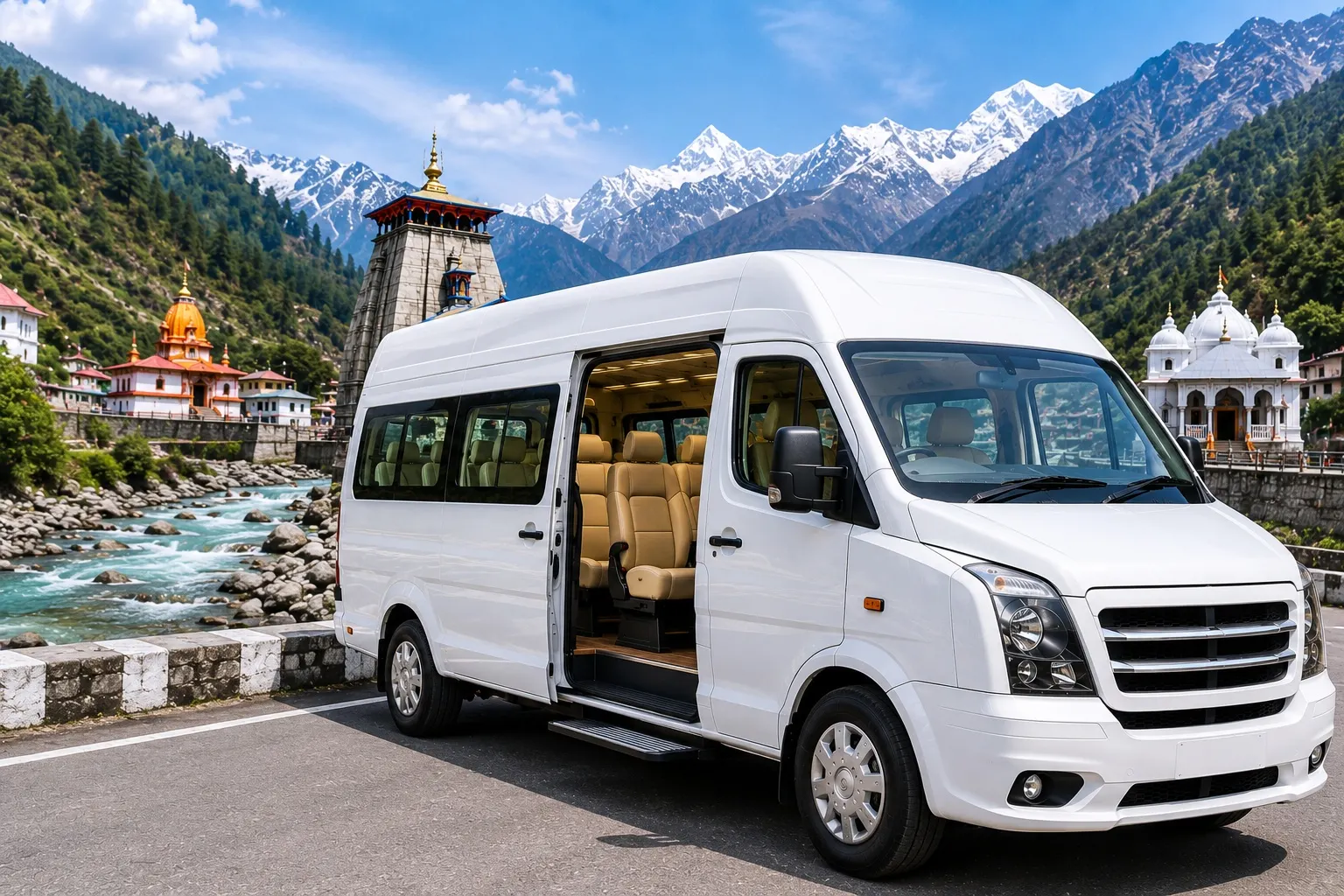
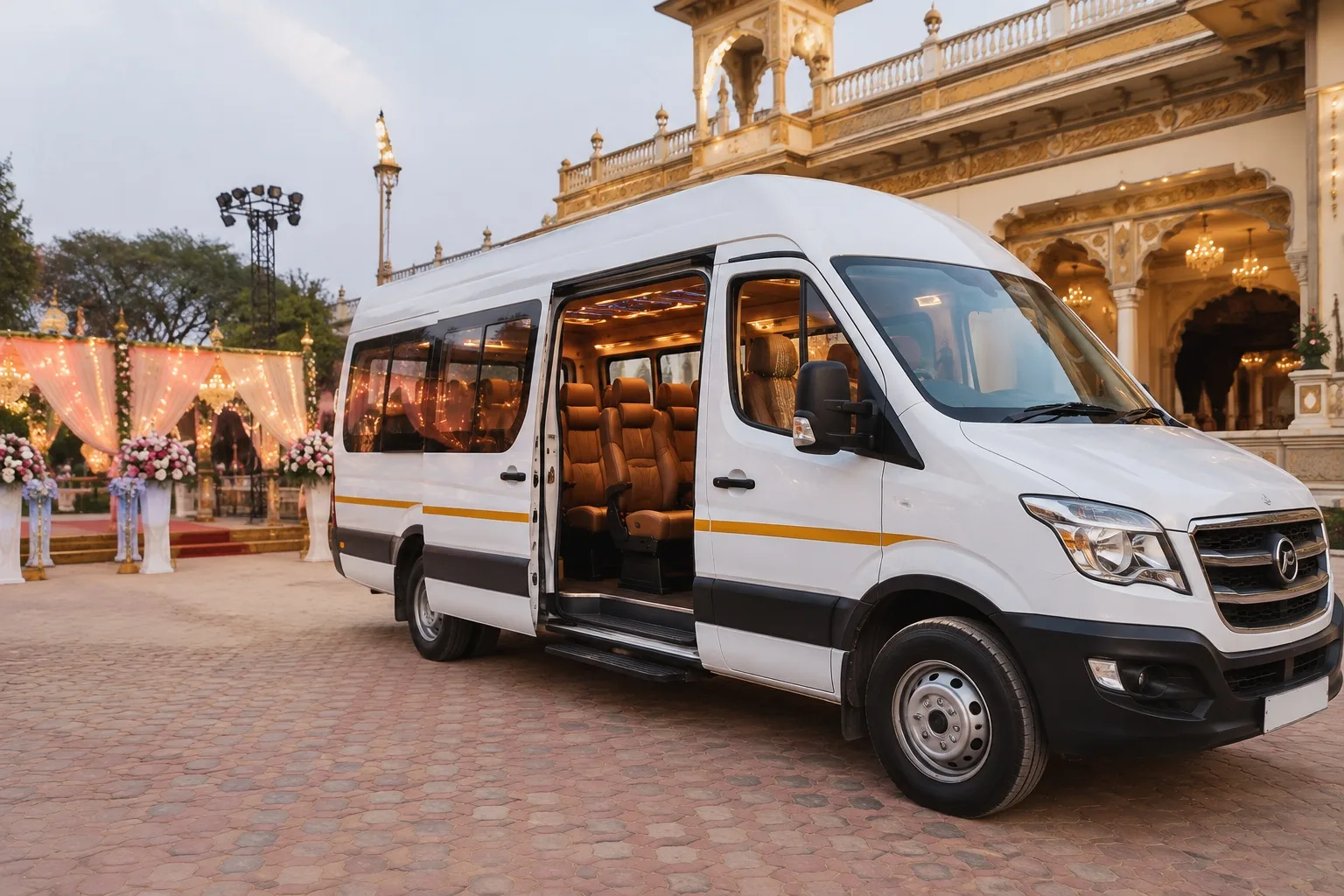
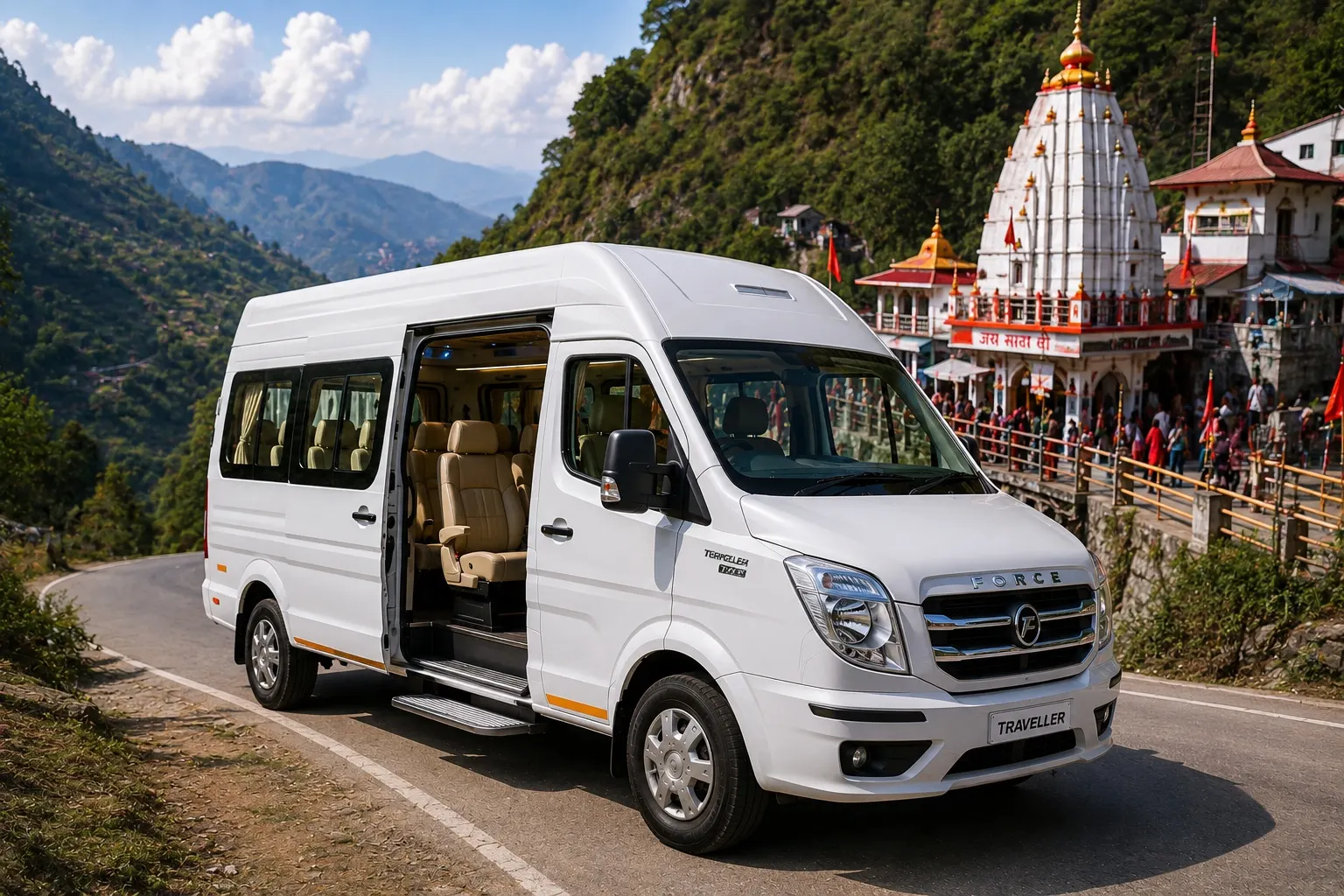
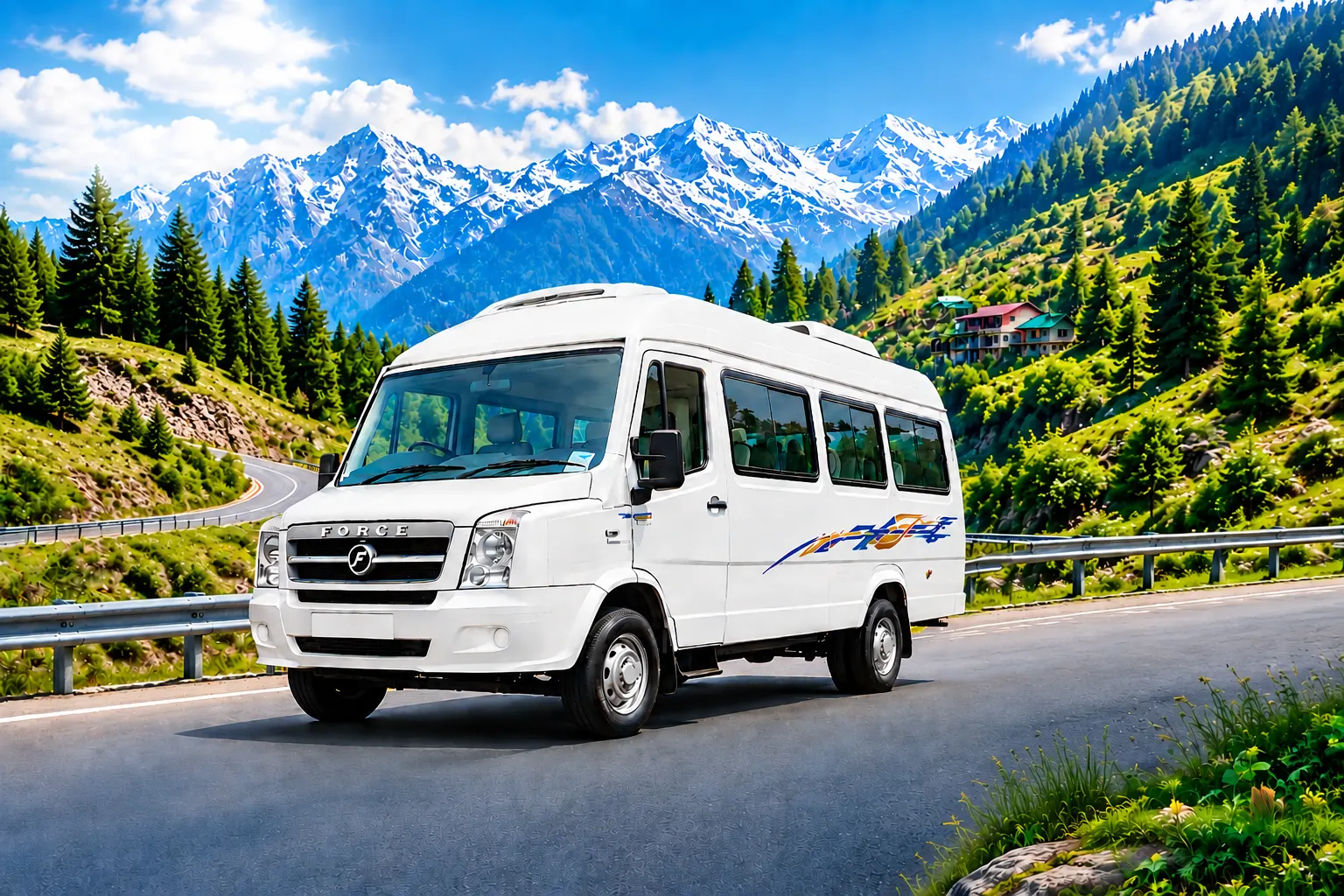
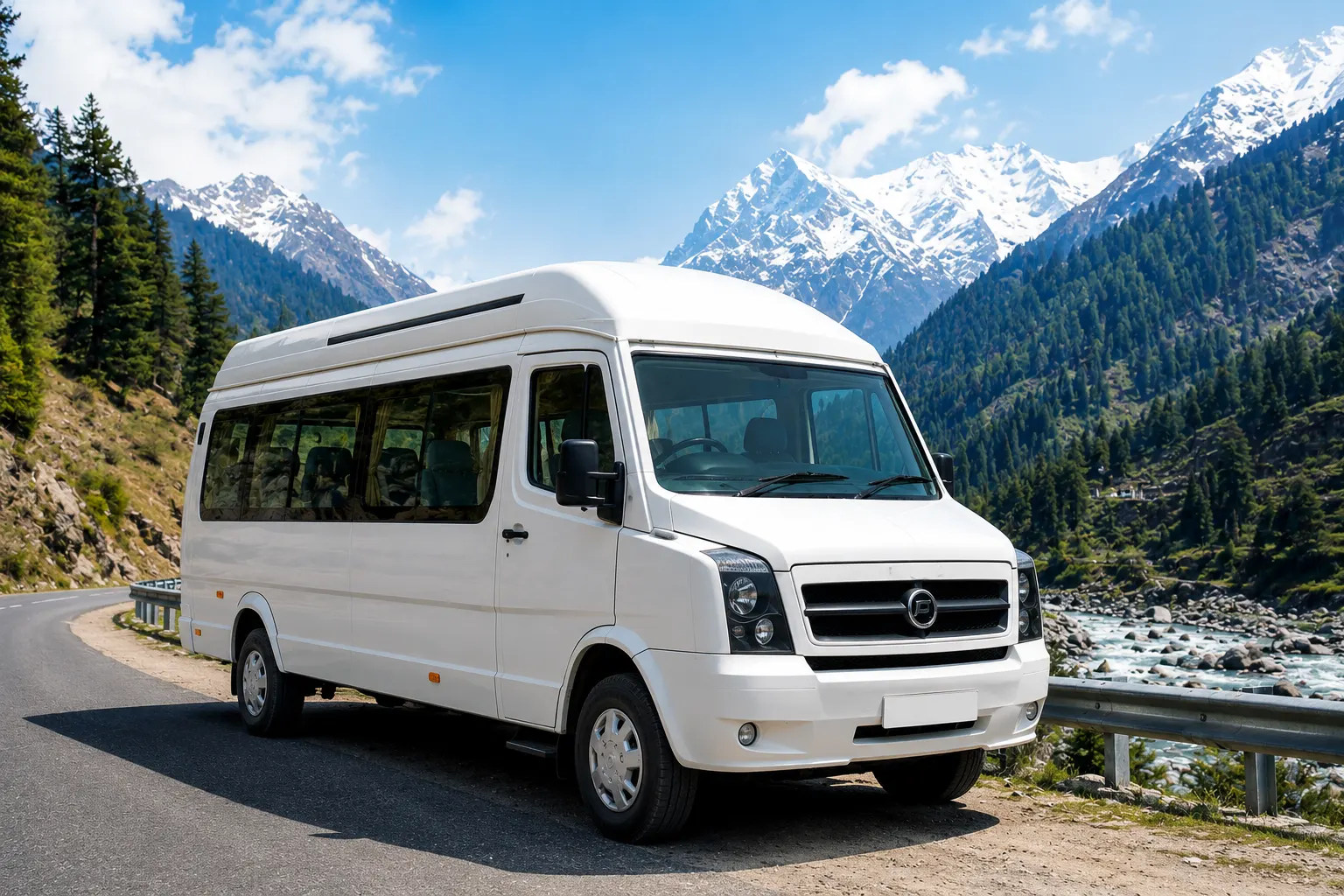
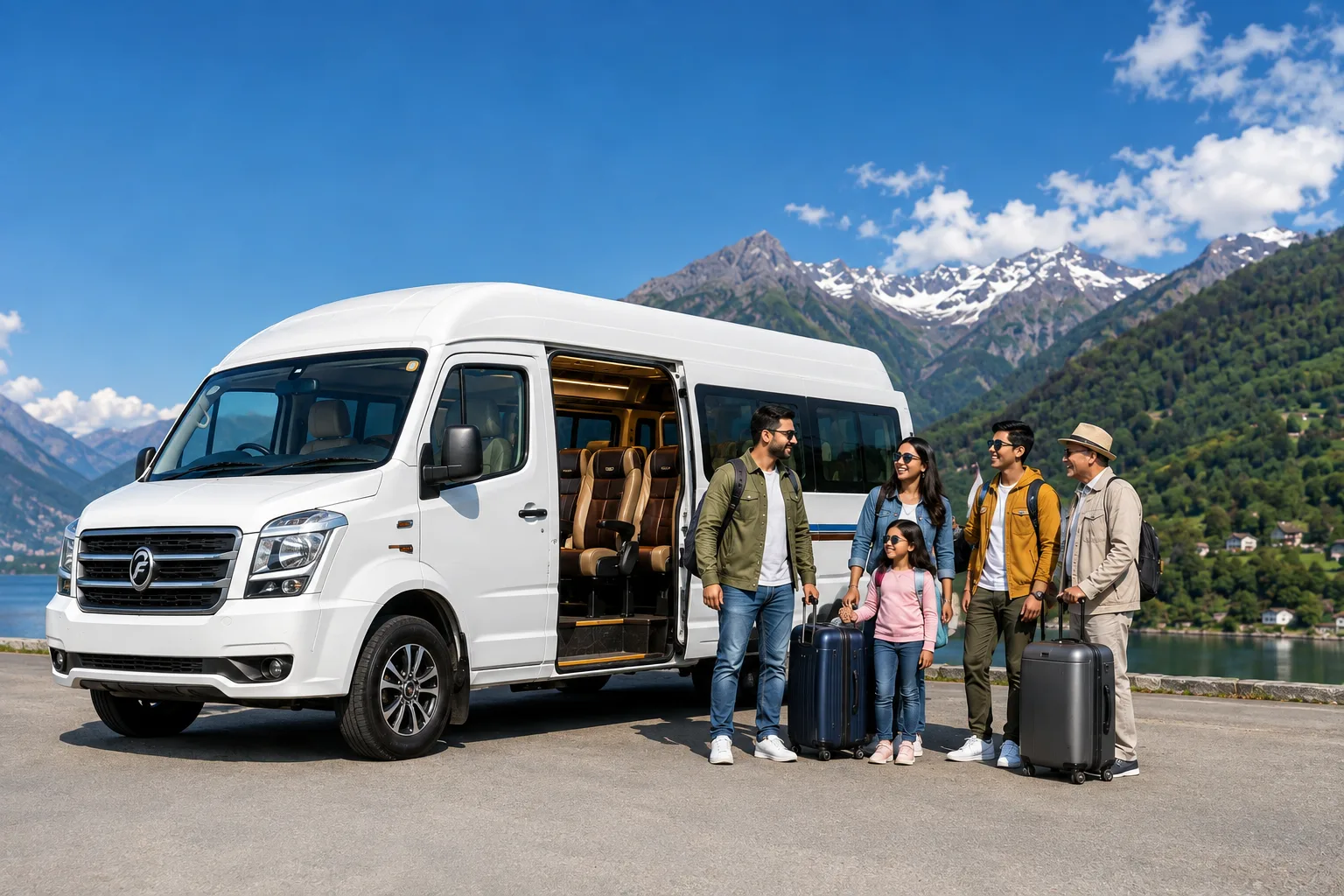
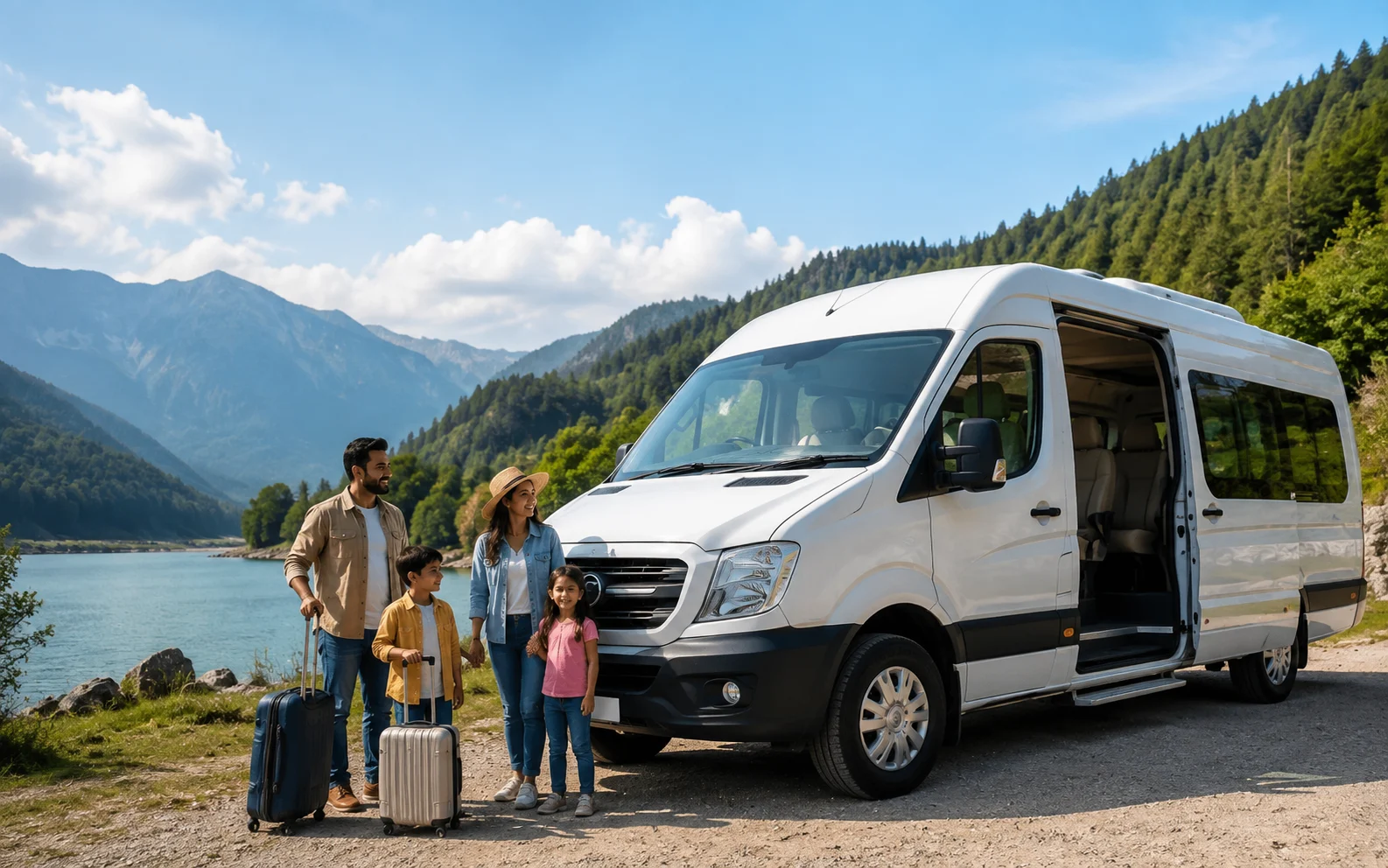
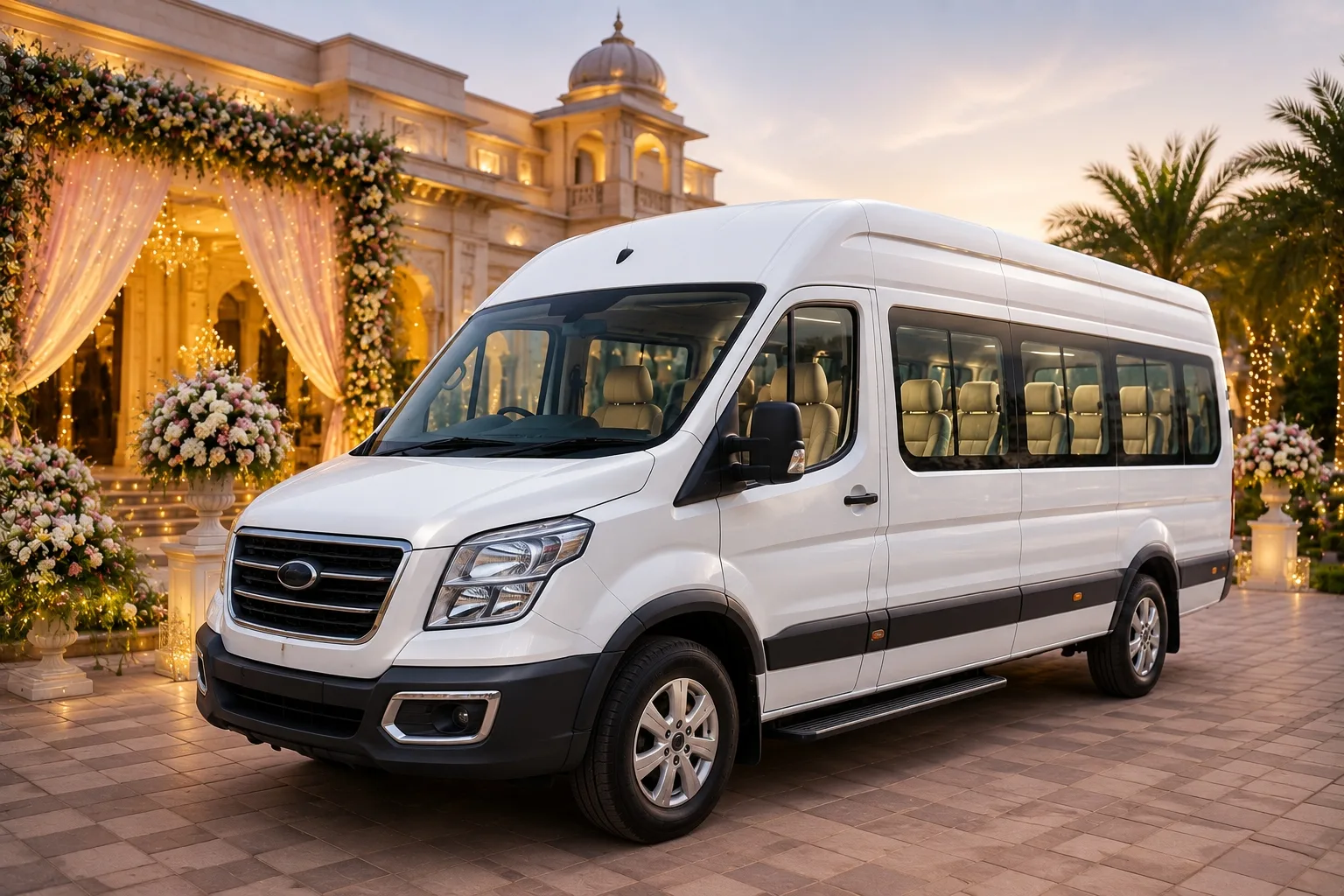
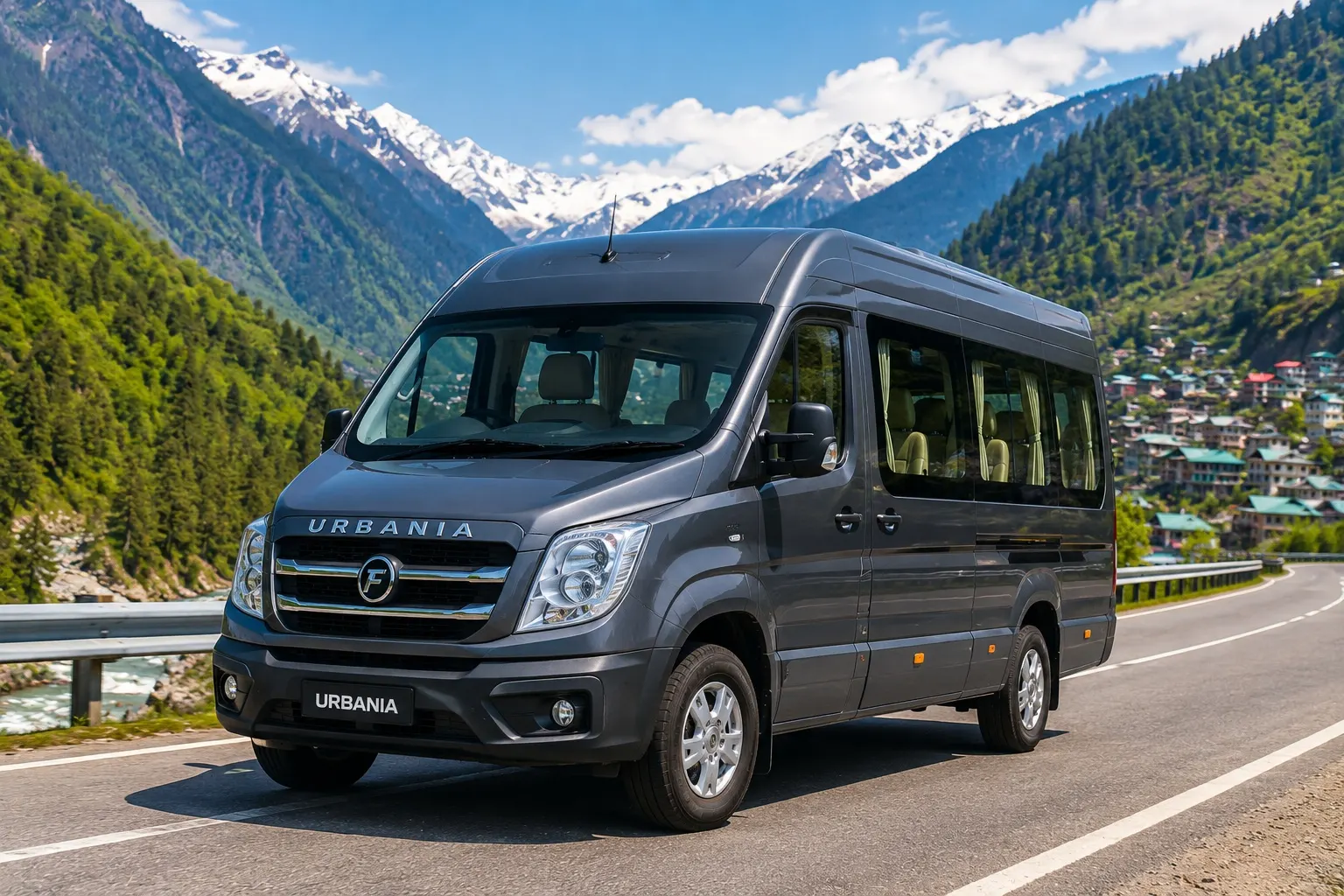
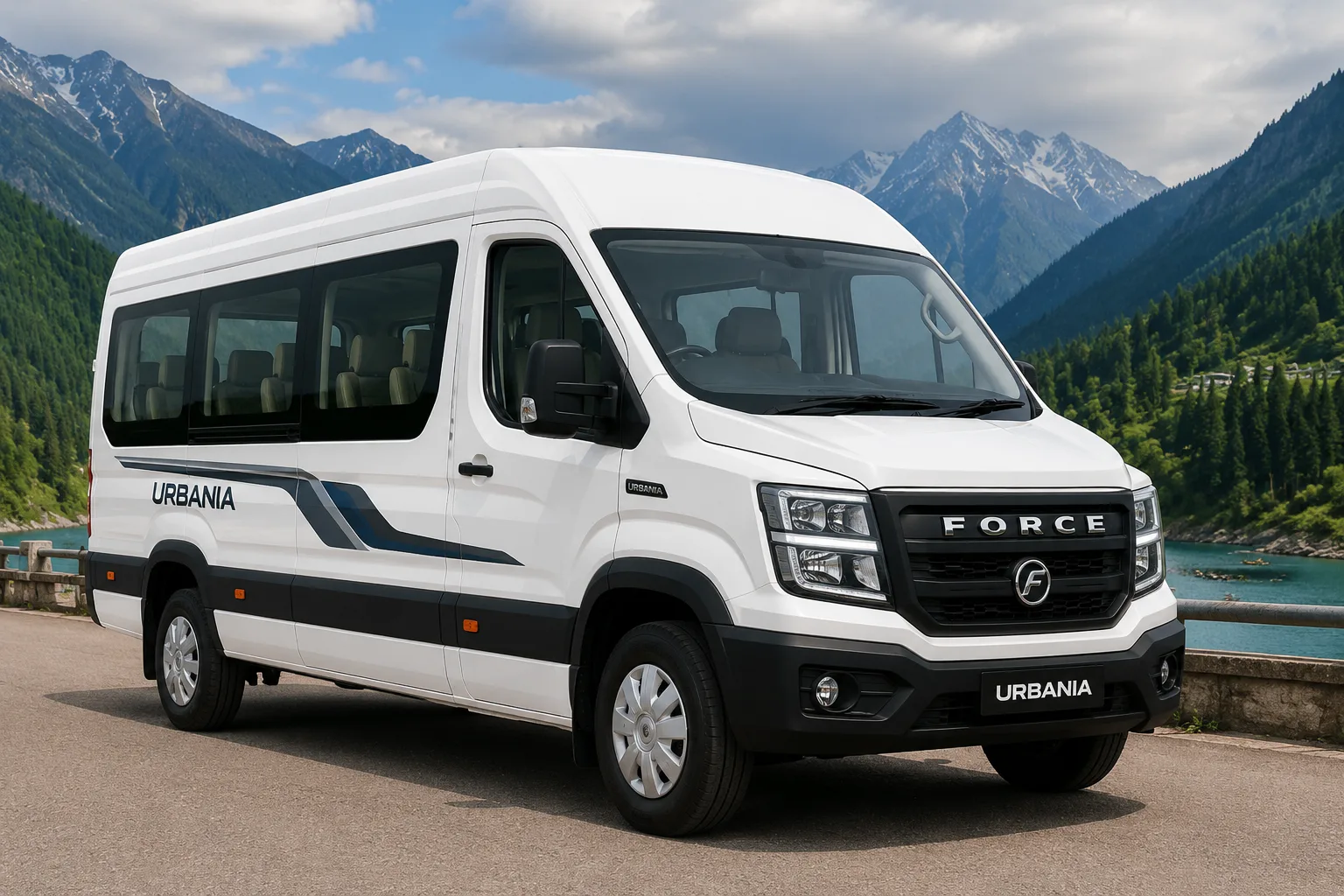
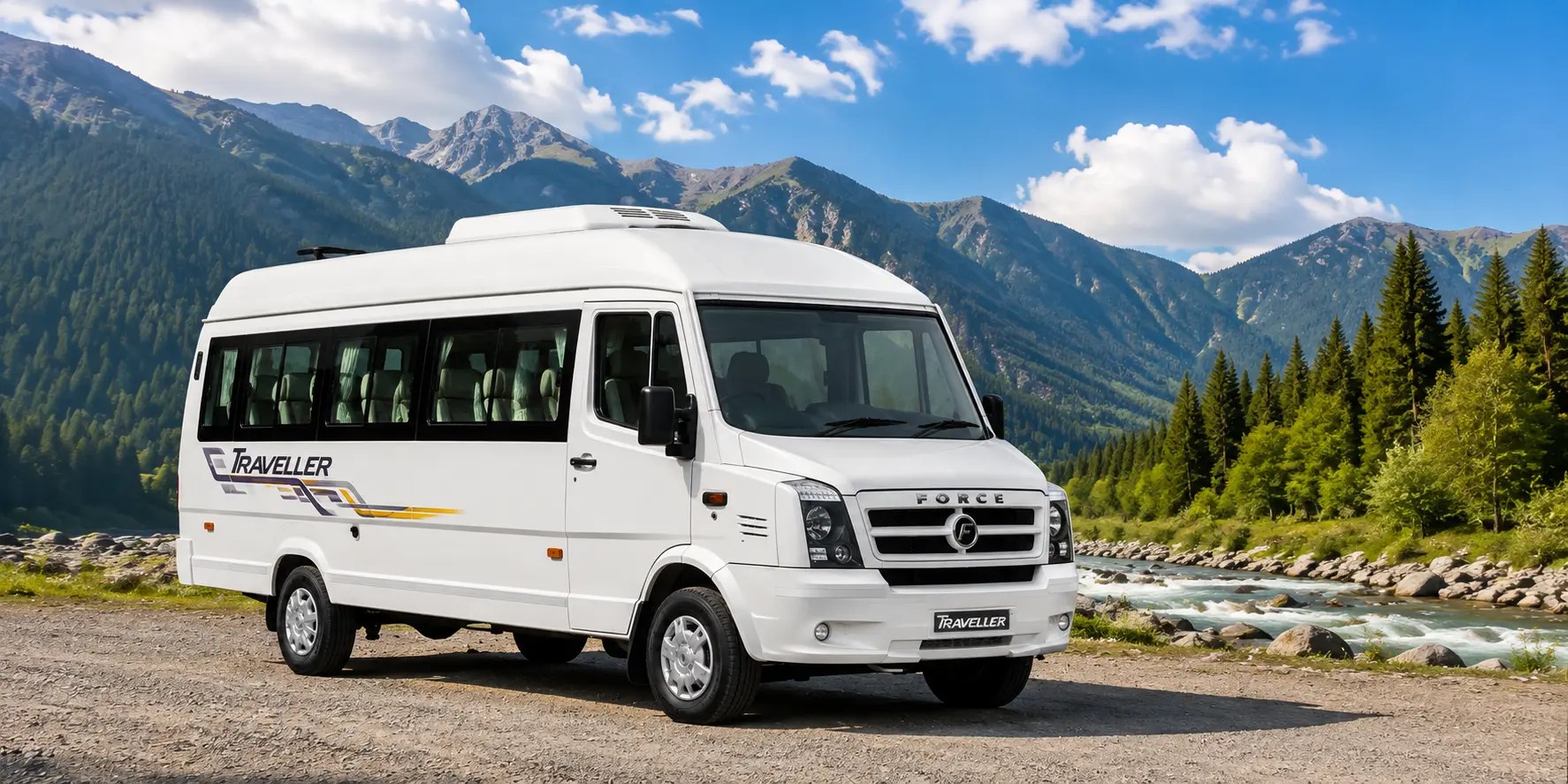
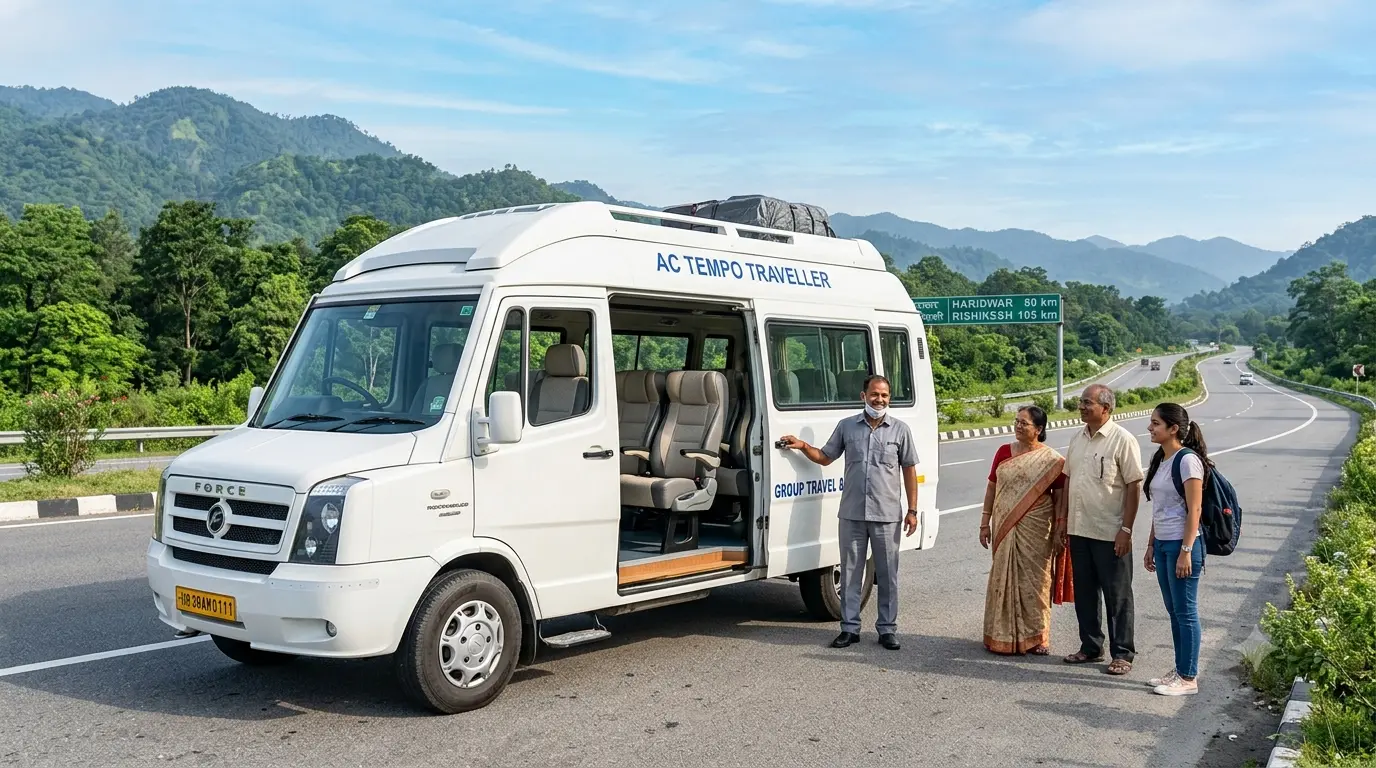
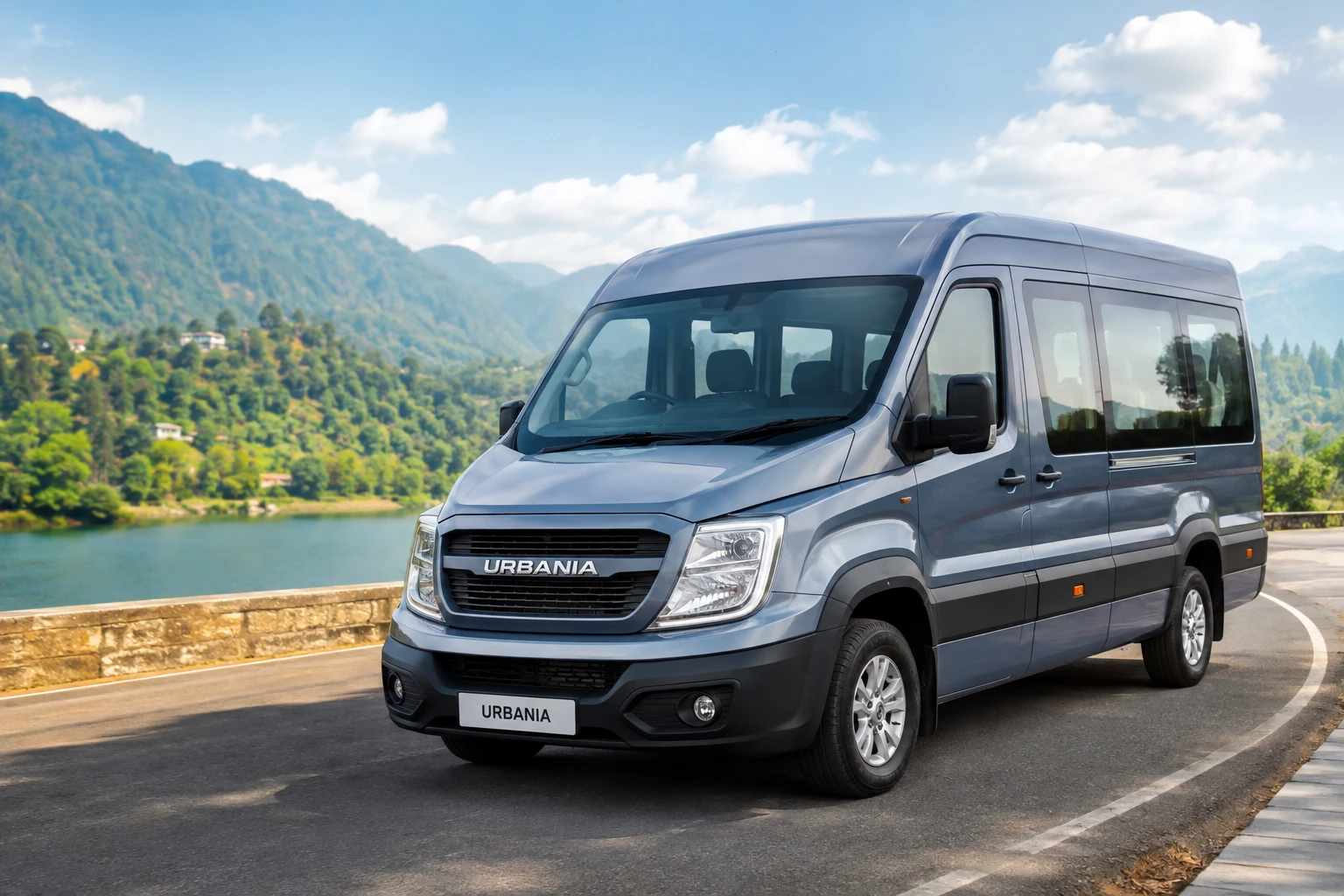
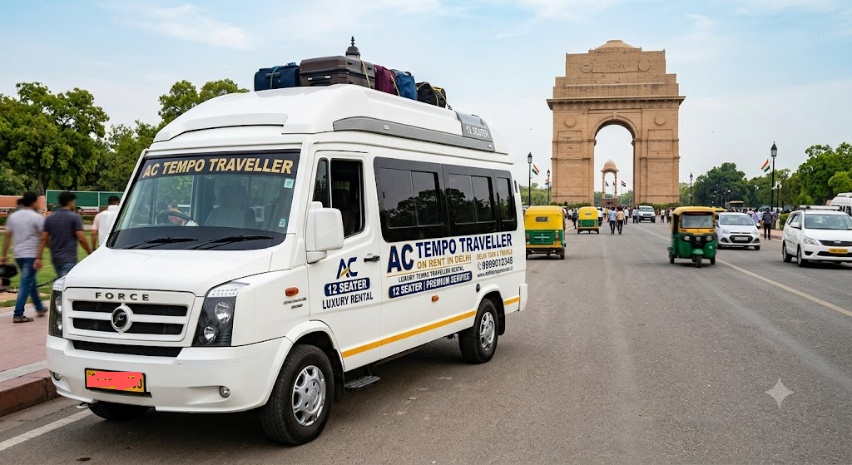
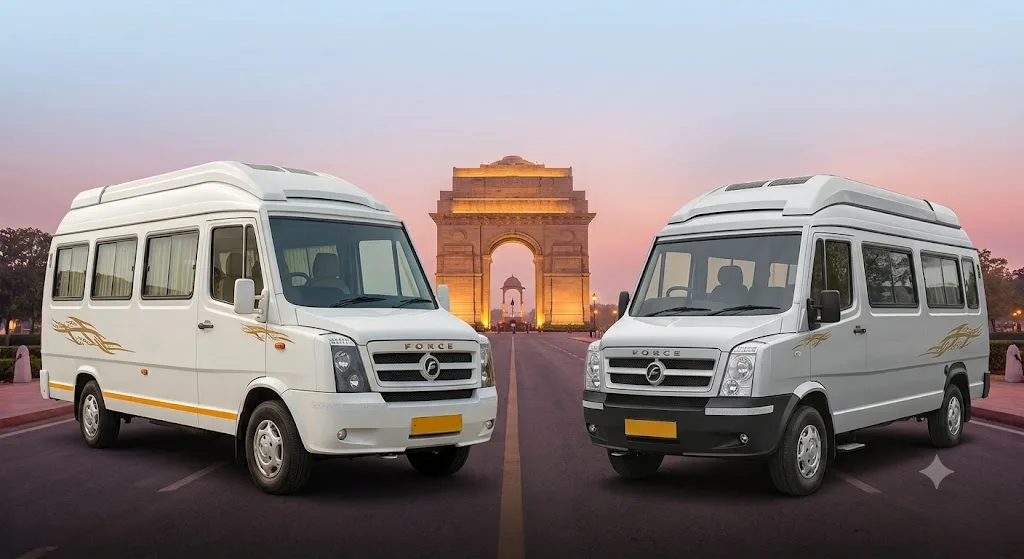
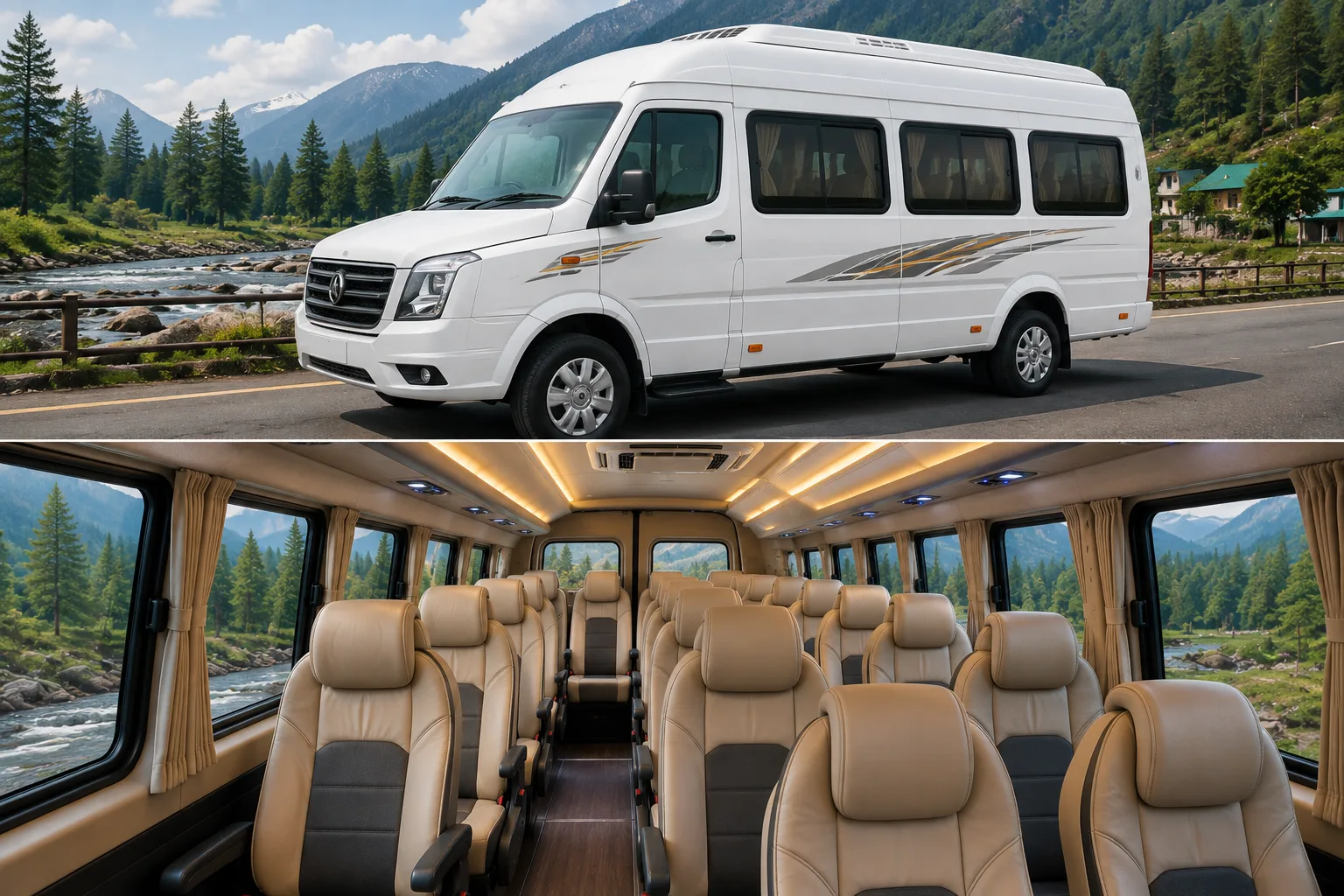
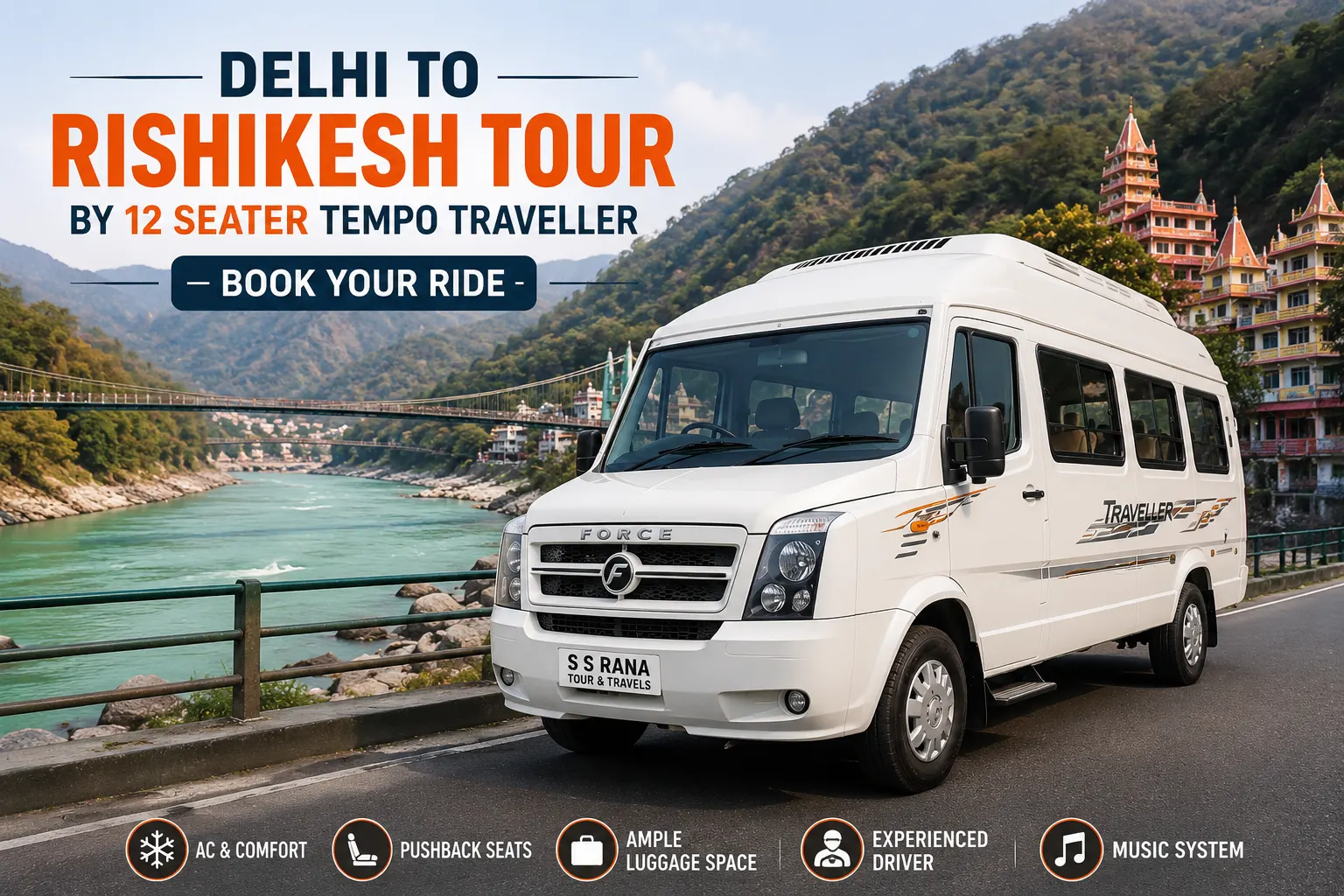
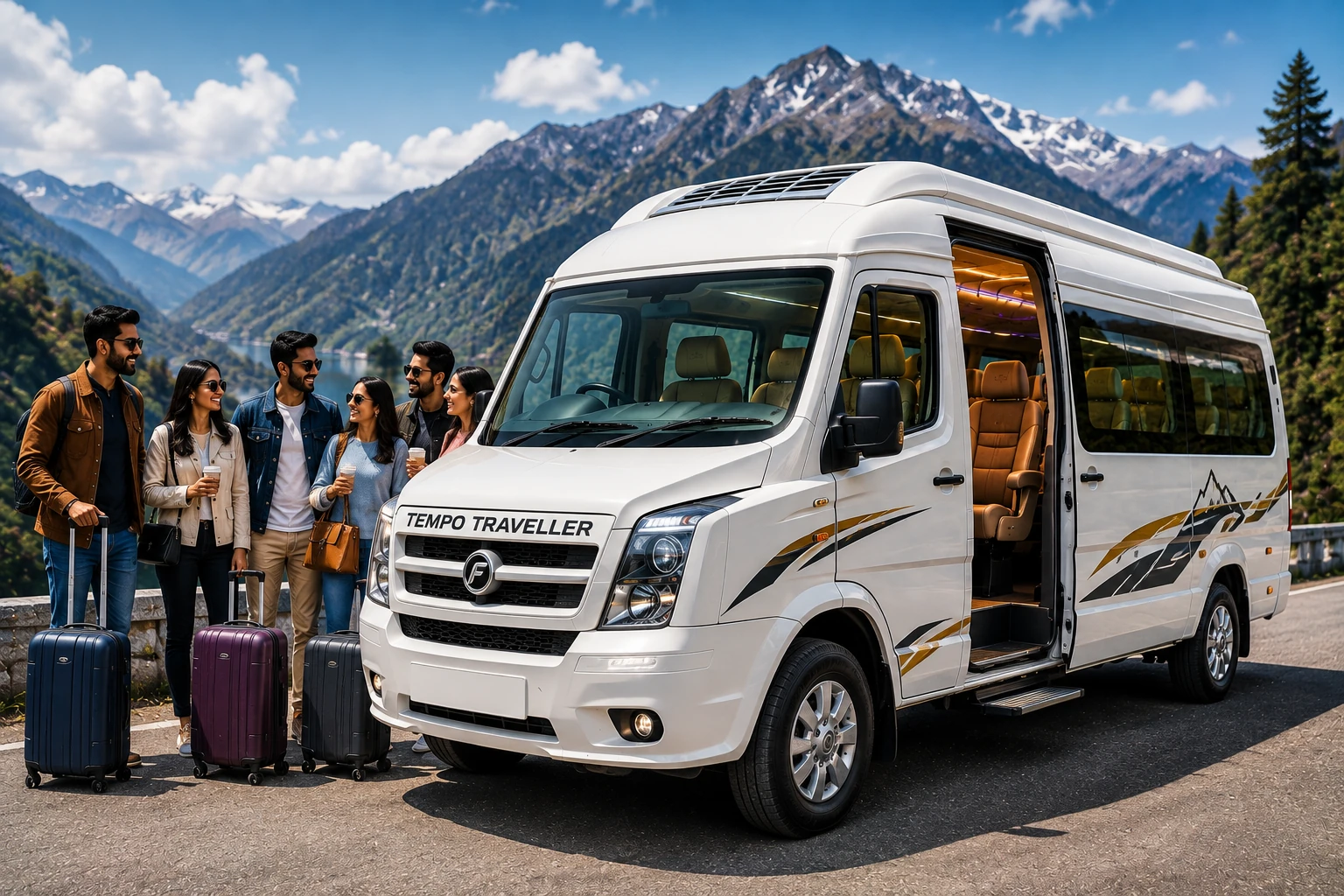
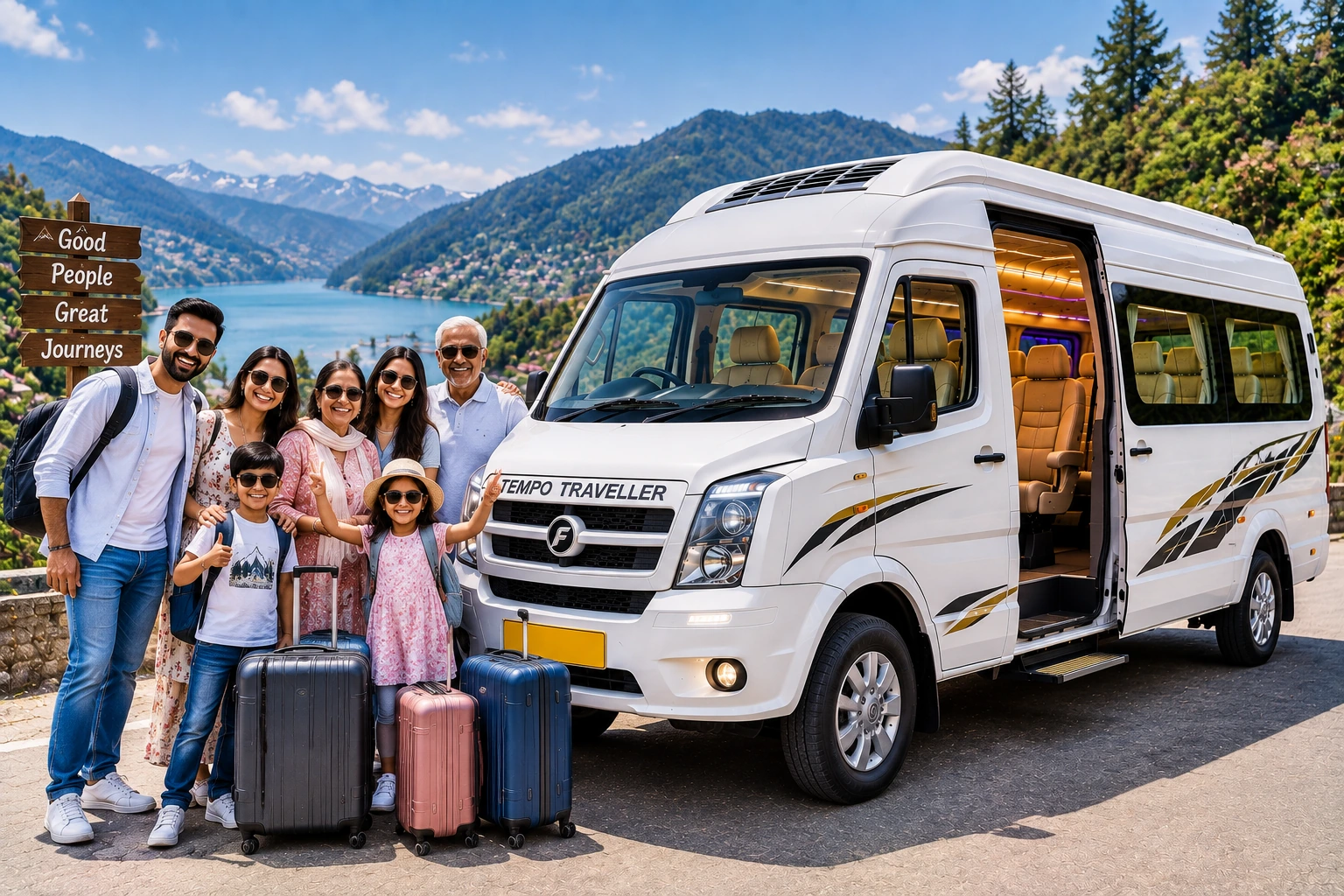
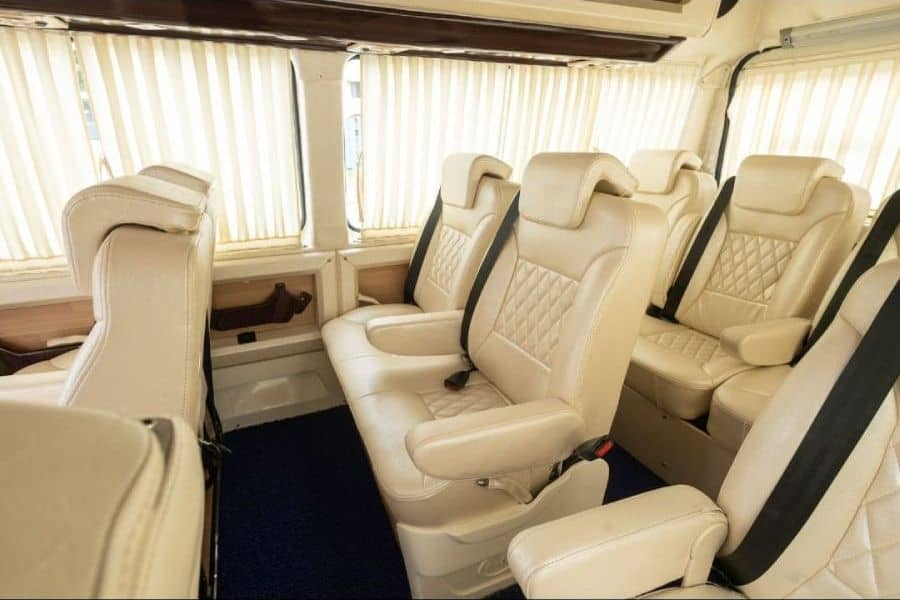
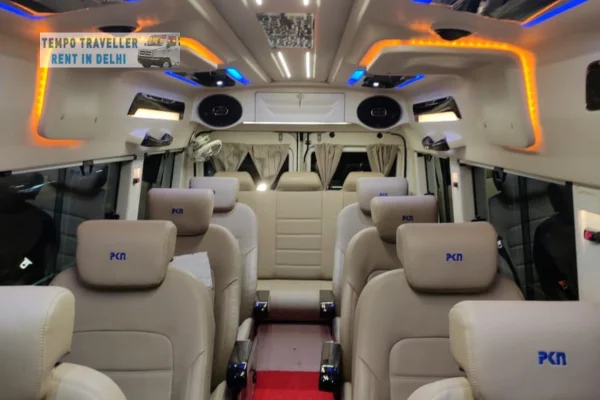
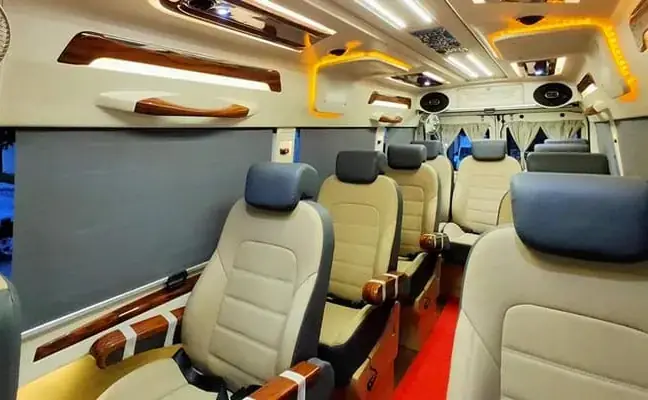
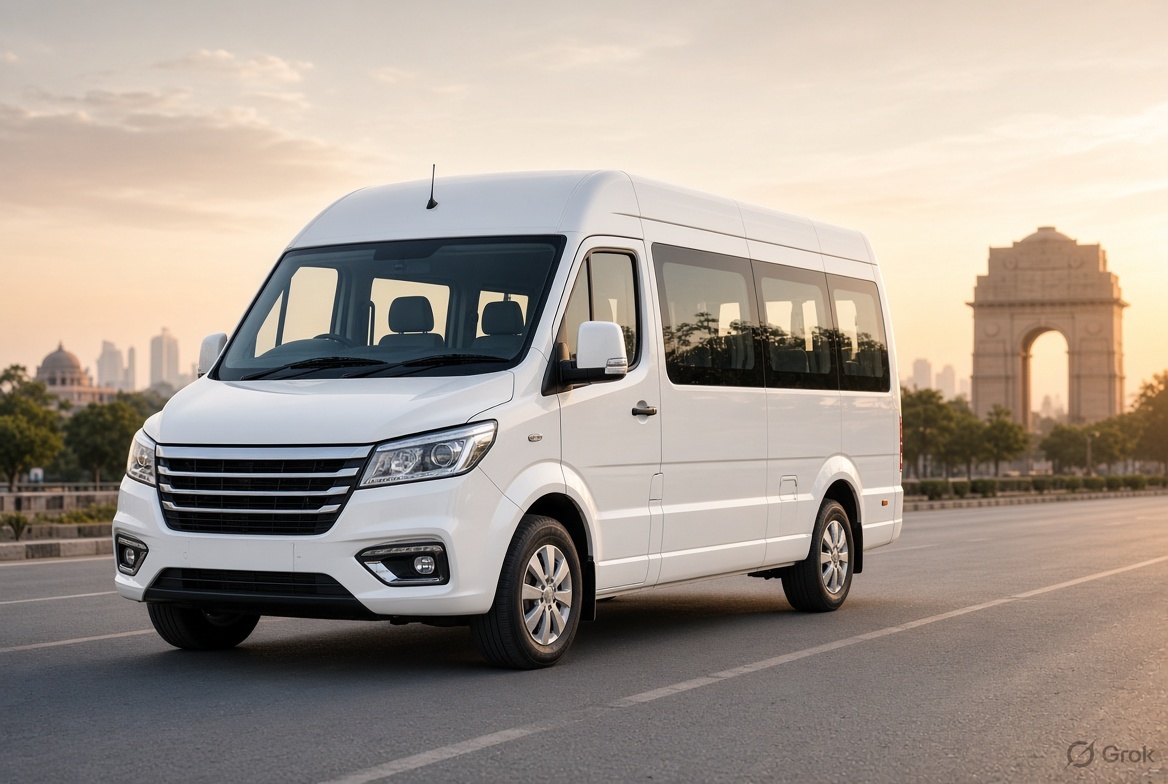
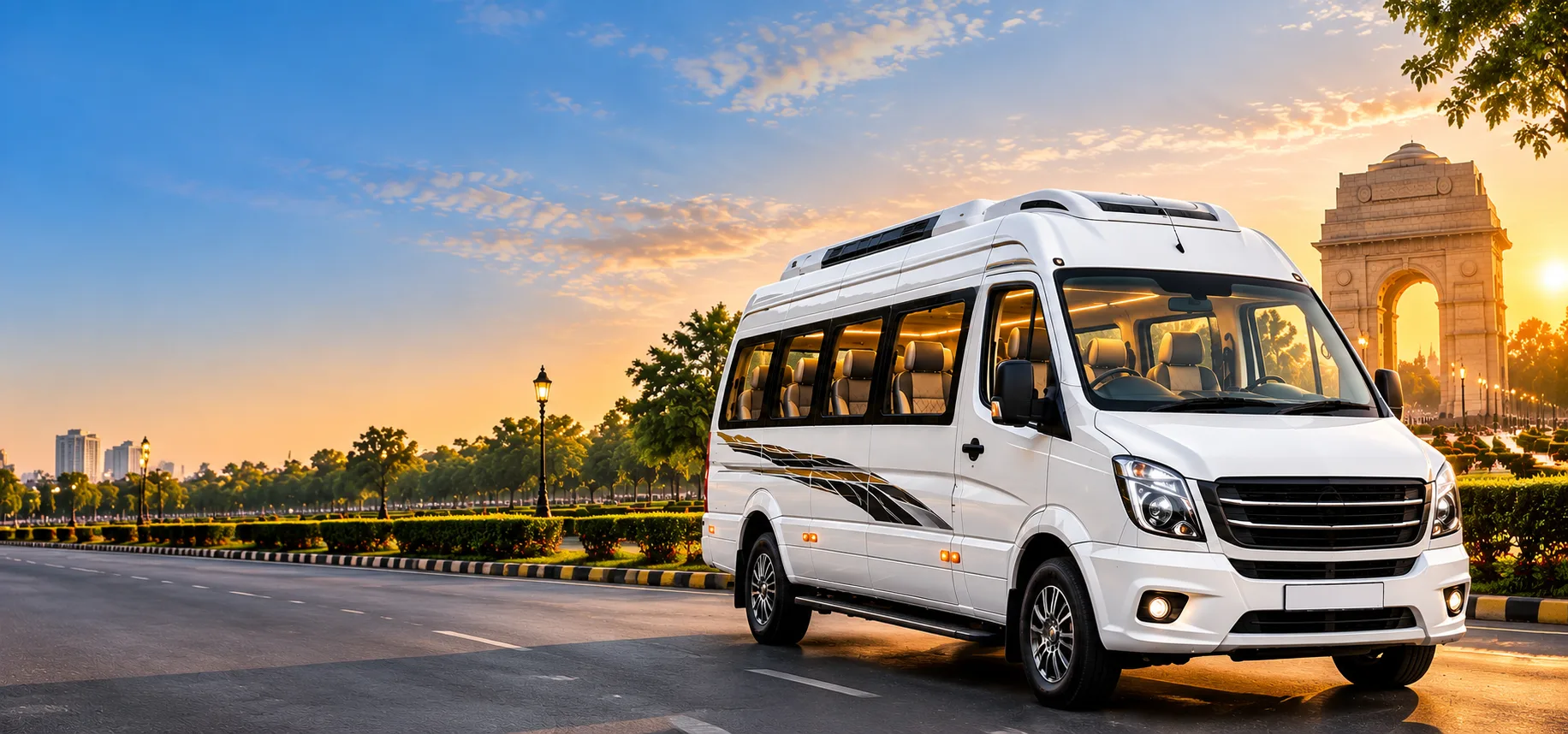
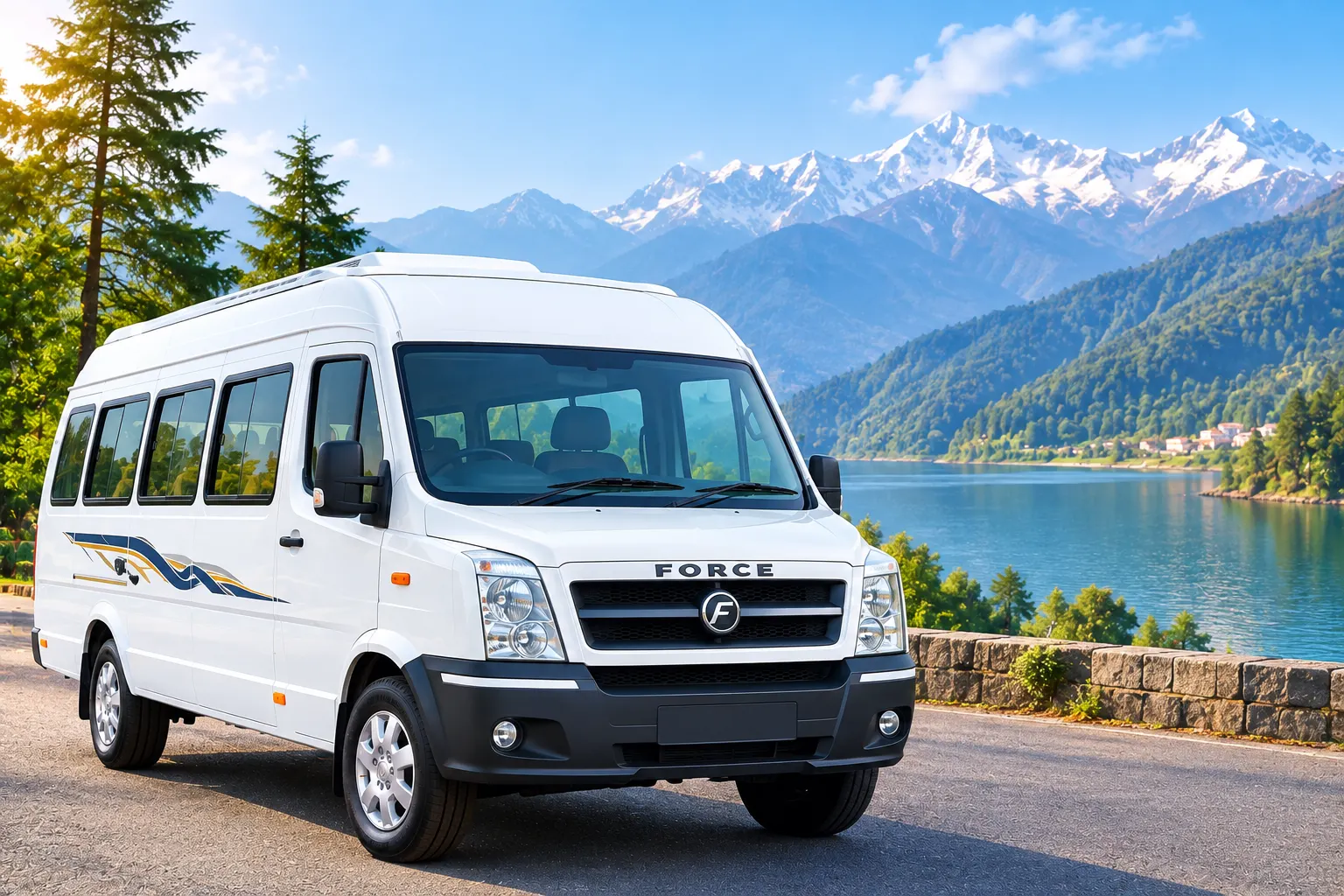
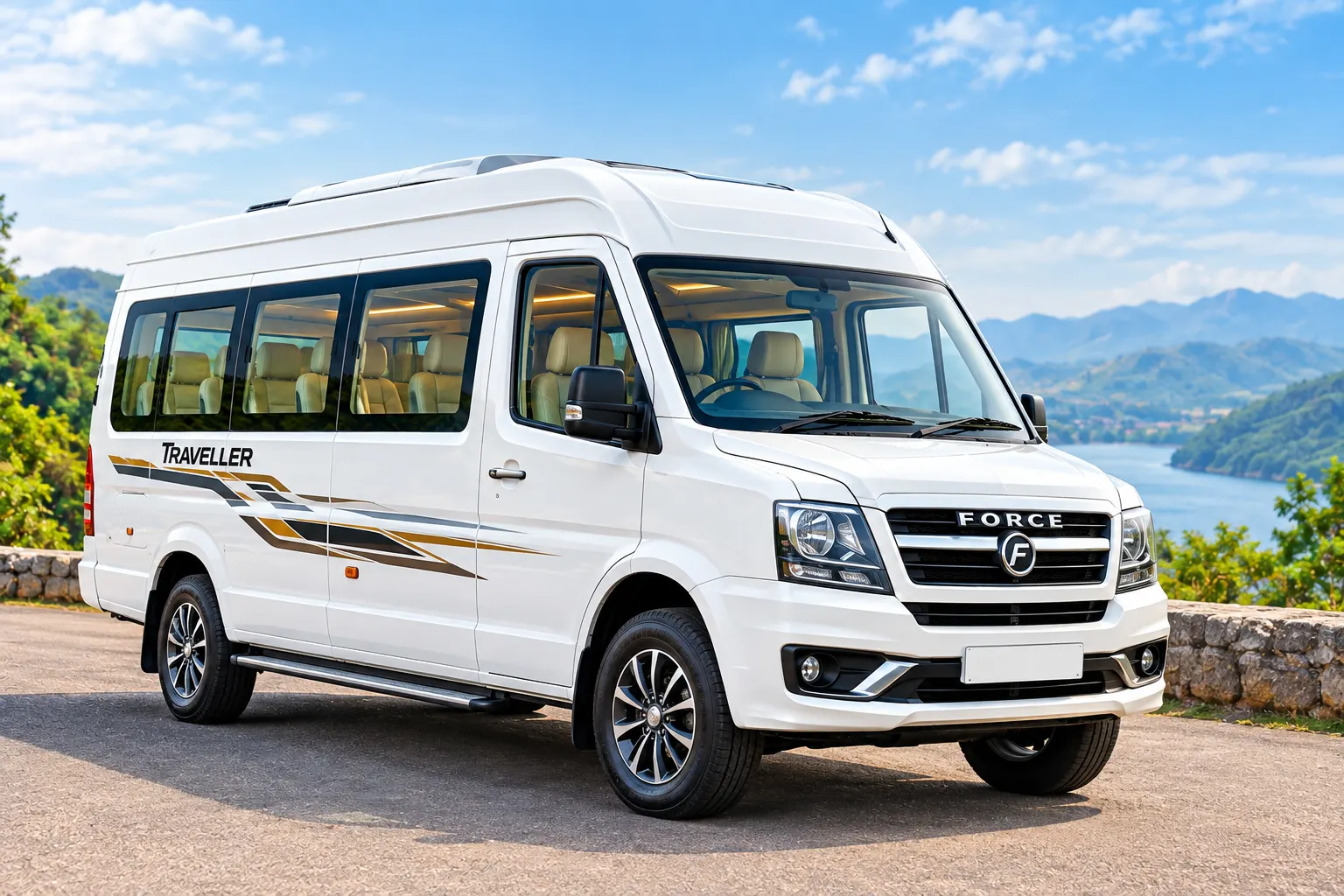
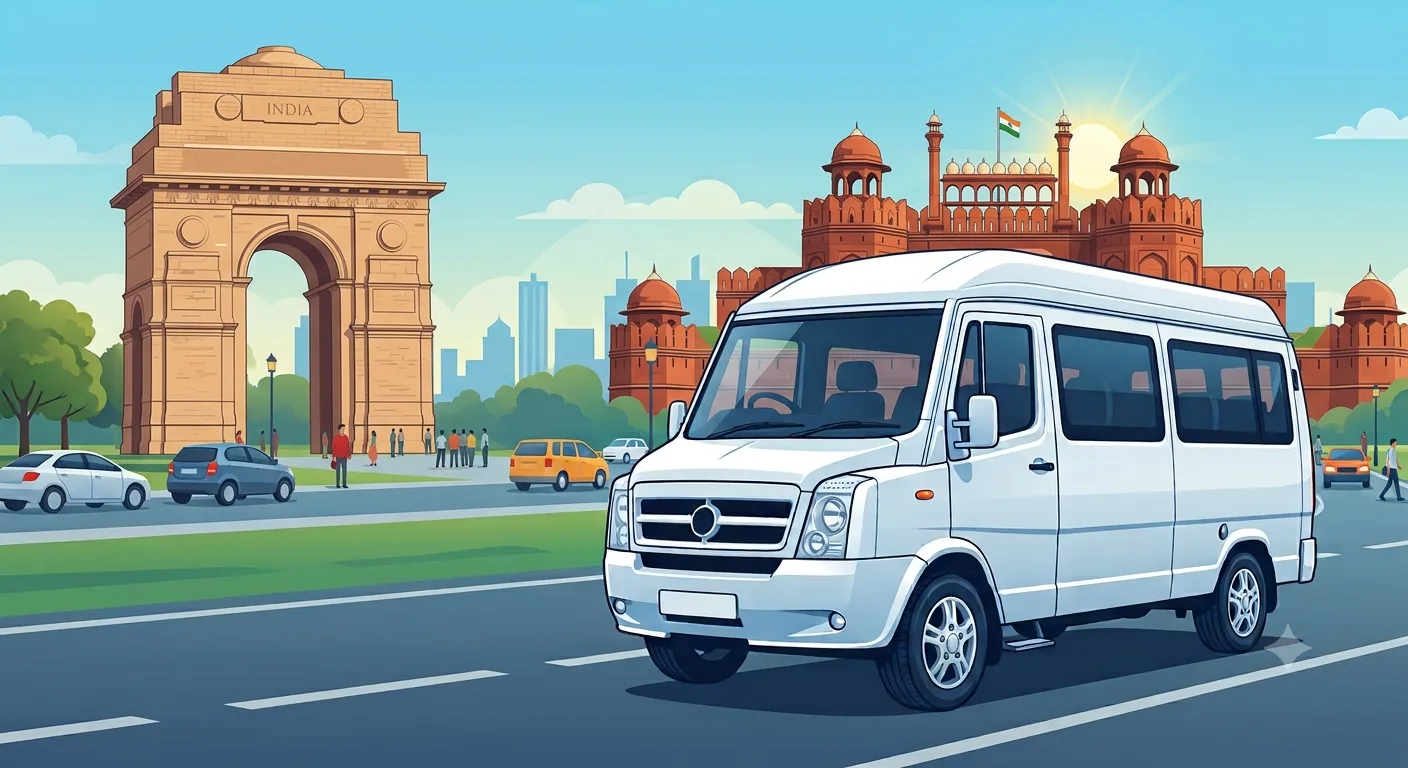
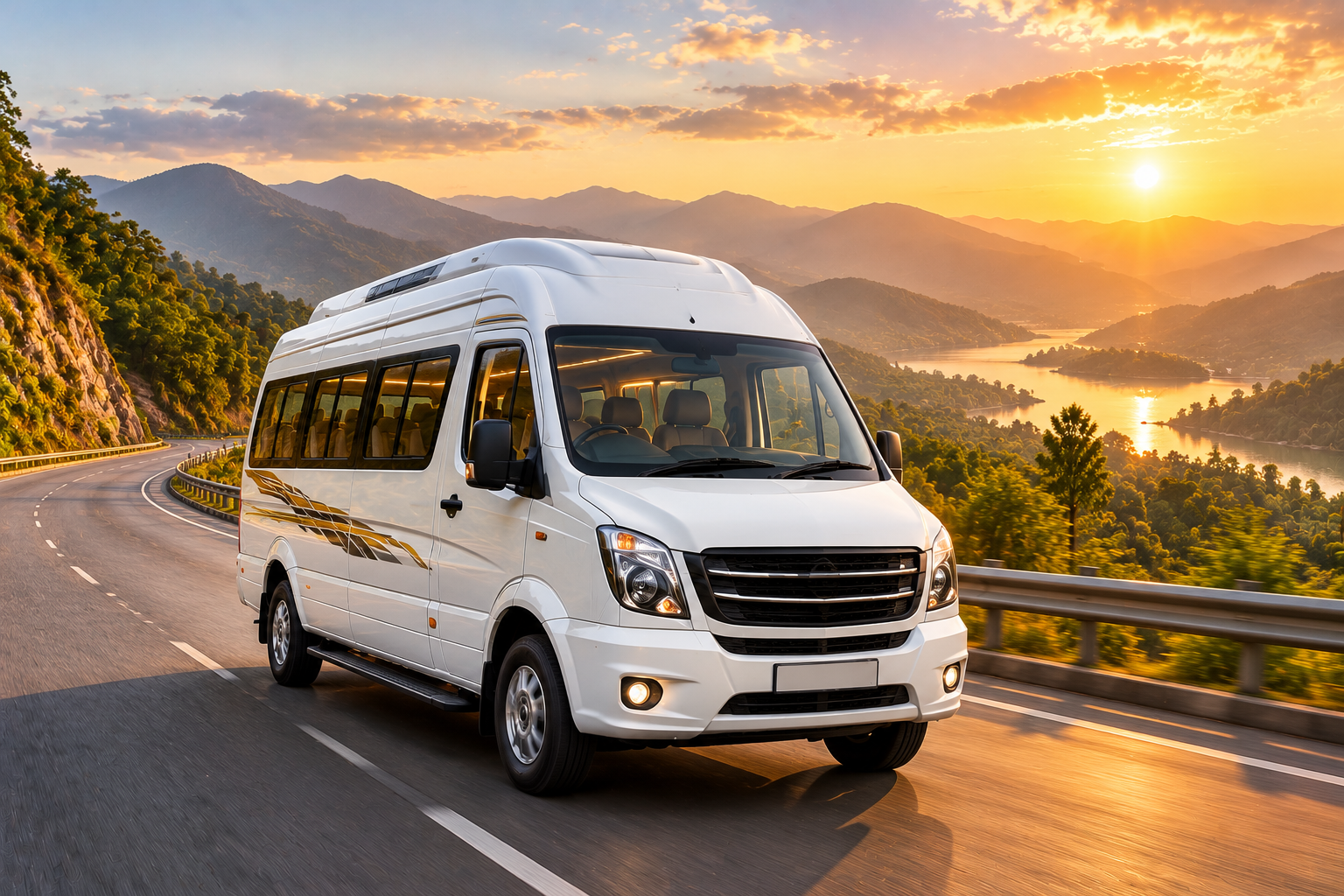
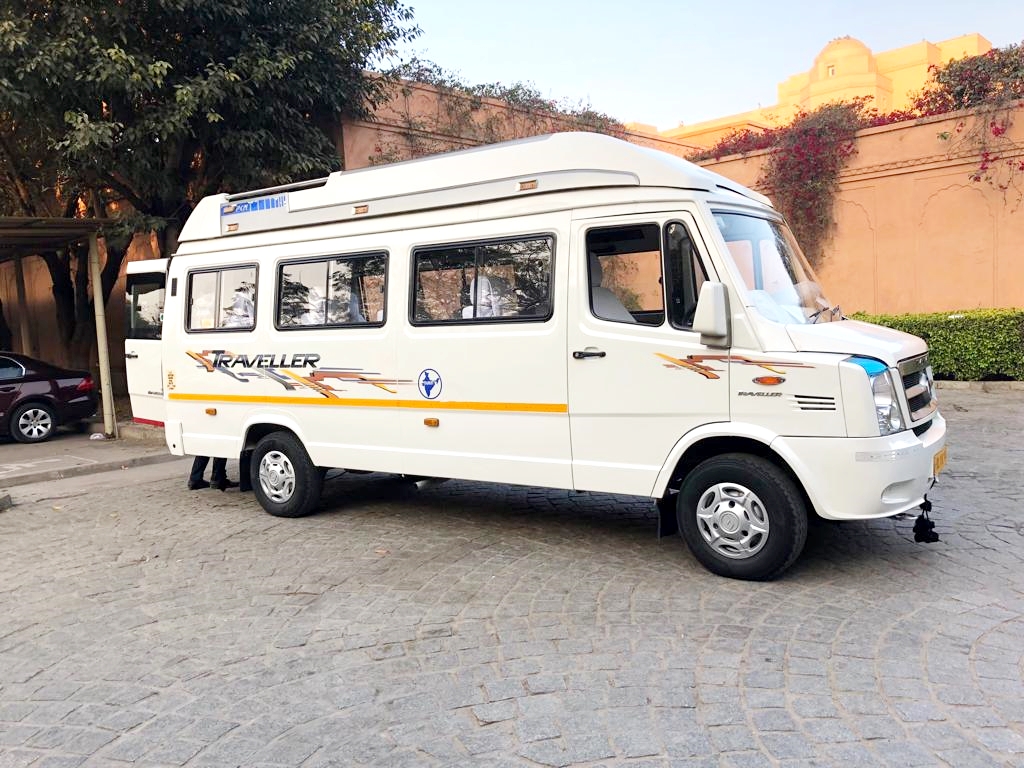
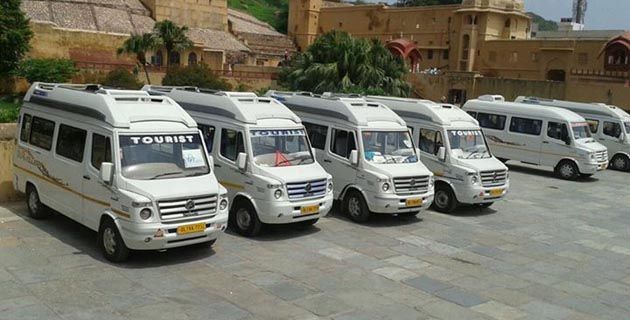
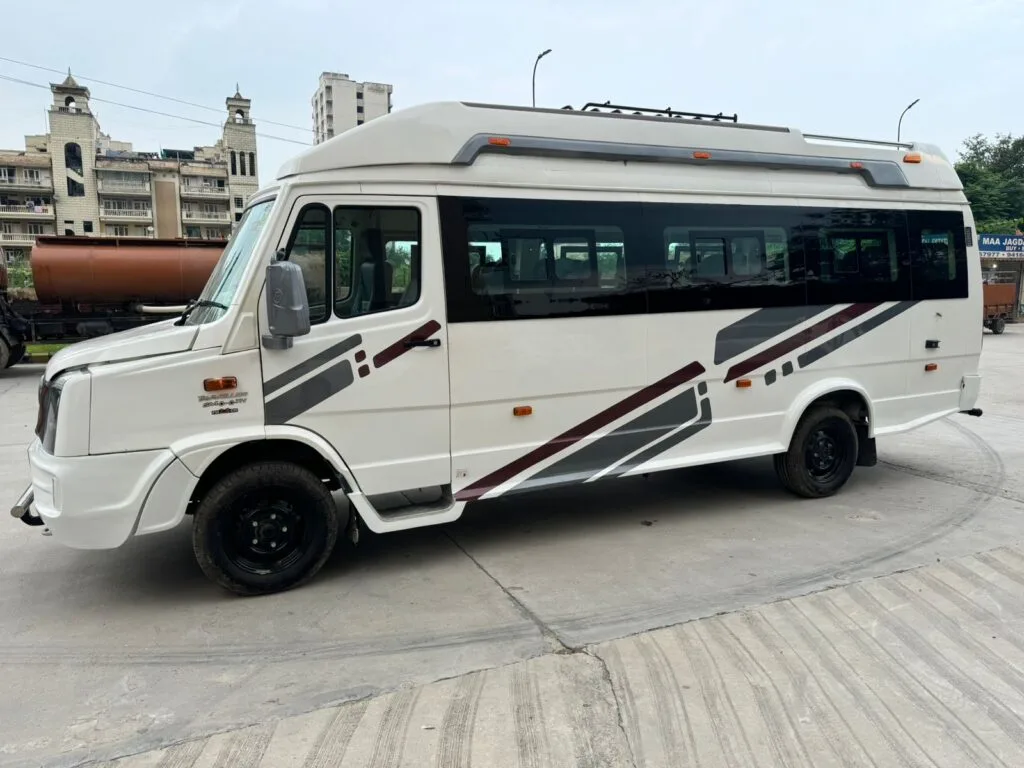
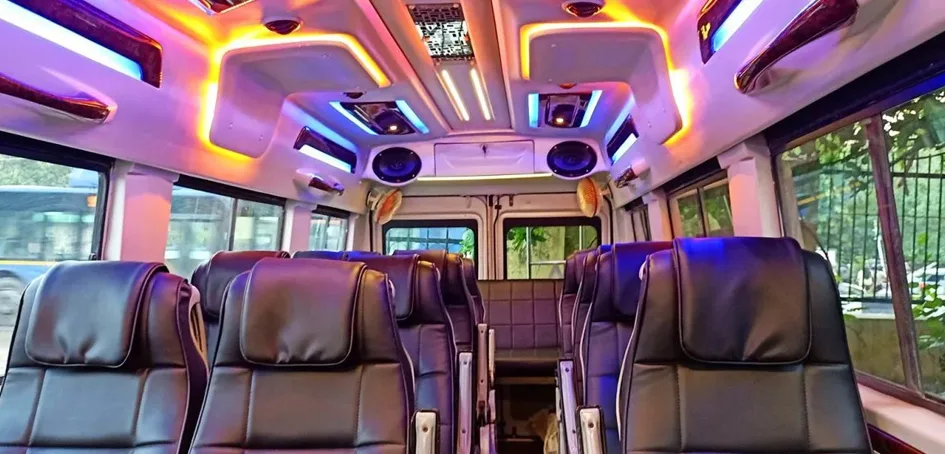
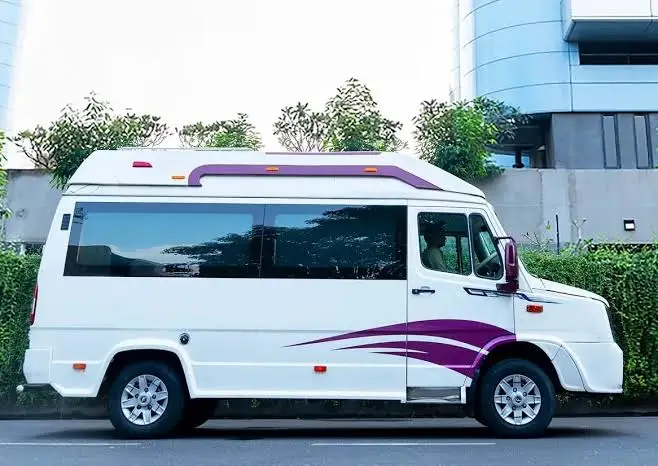
A tempo traveller is a mini van built for group travel. It has push-back seats, air conditioning, luggage space and a large windscreen for views. Most come with an experienced driver who knows the routes well.
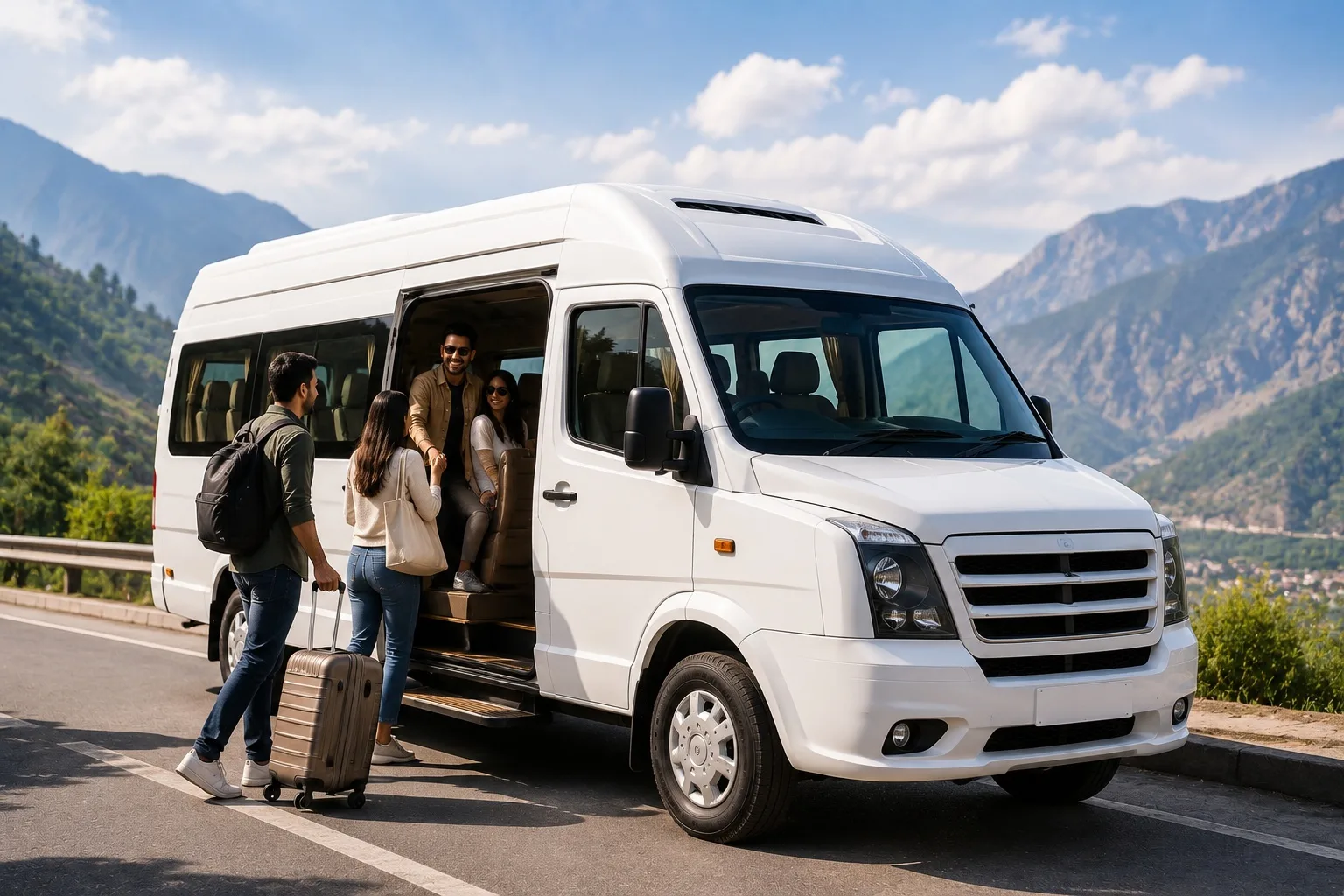
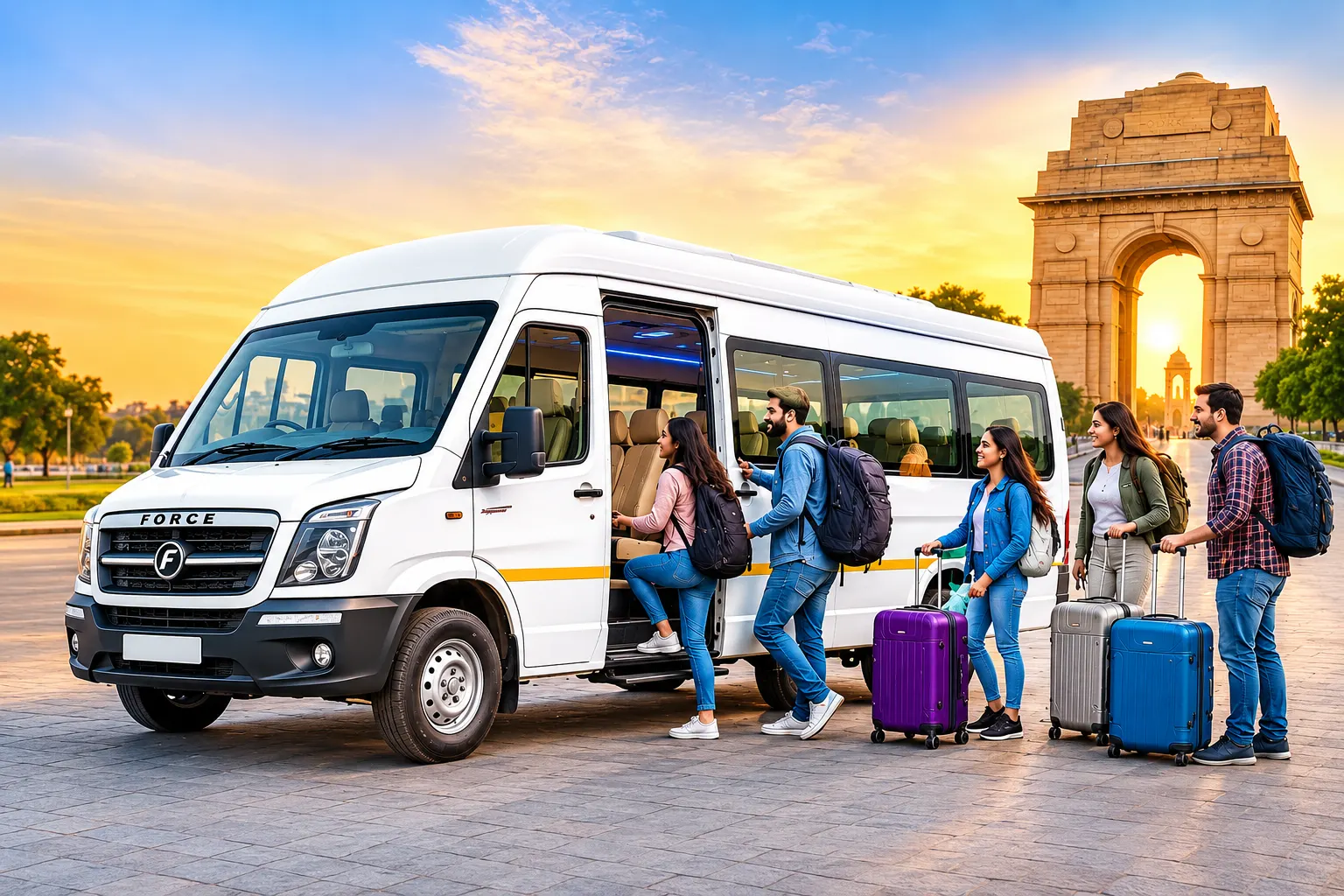
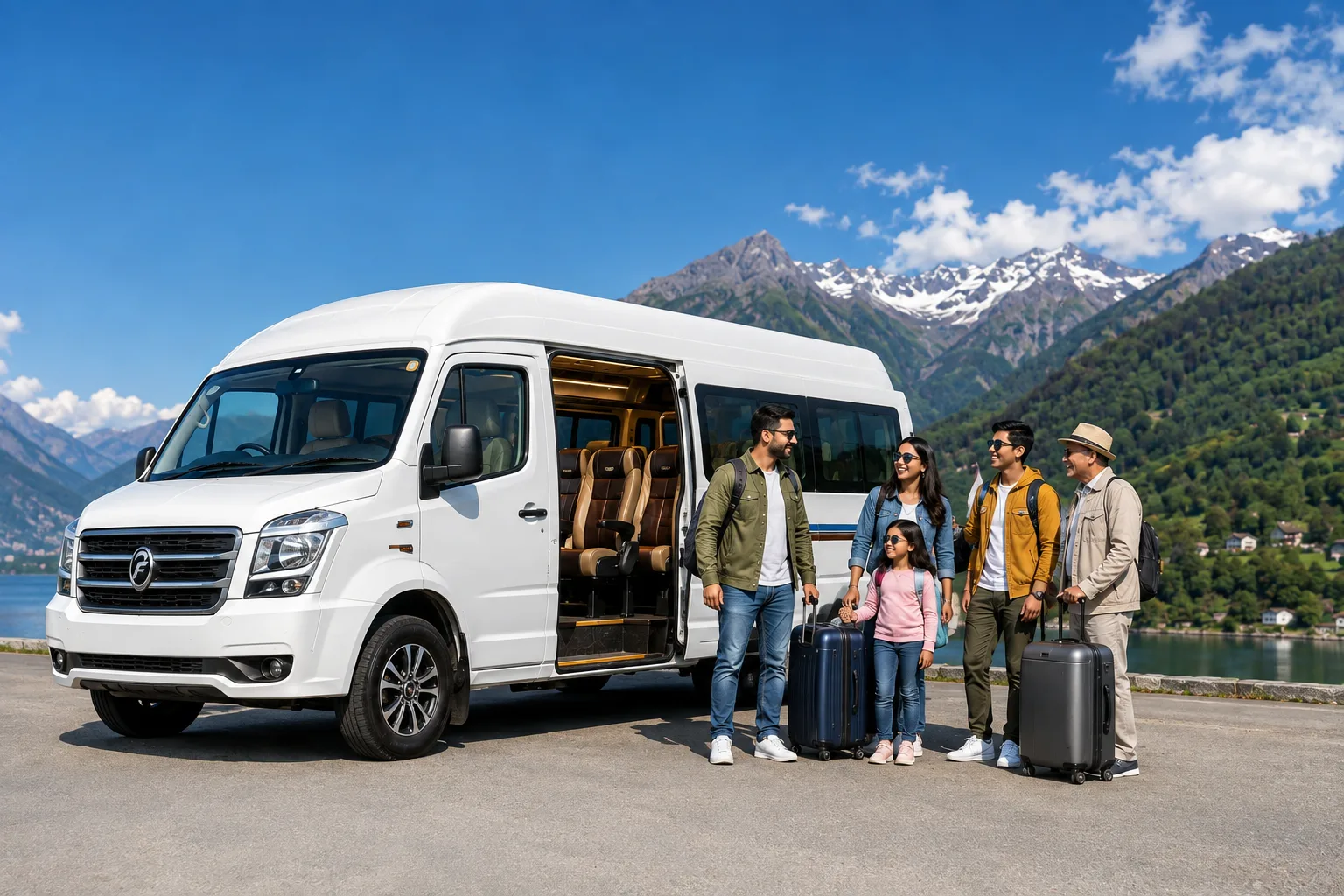
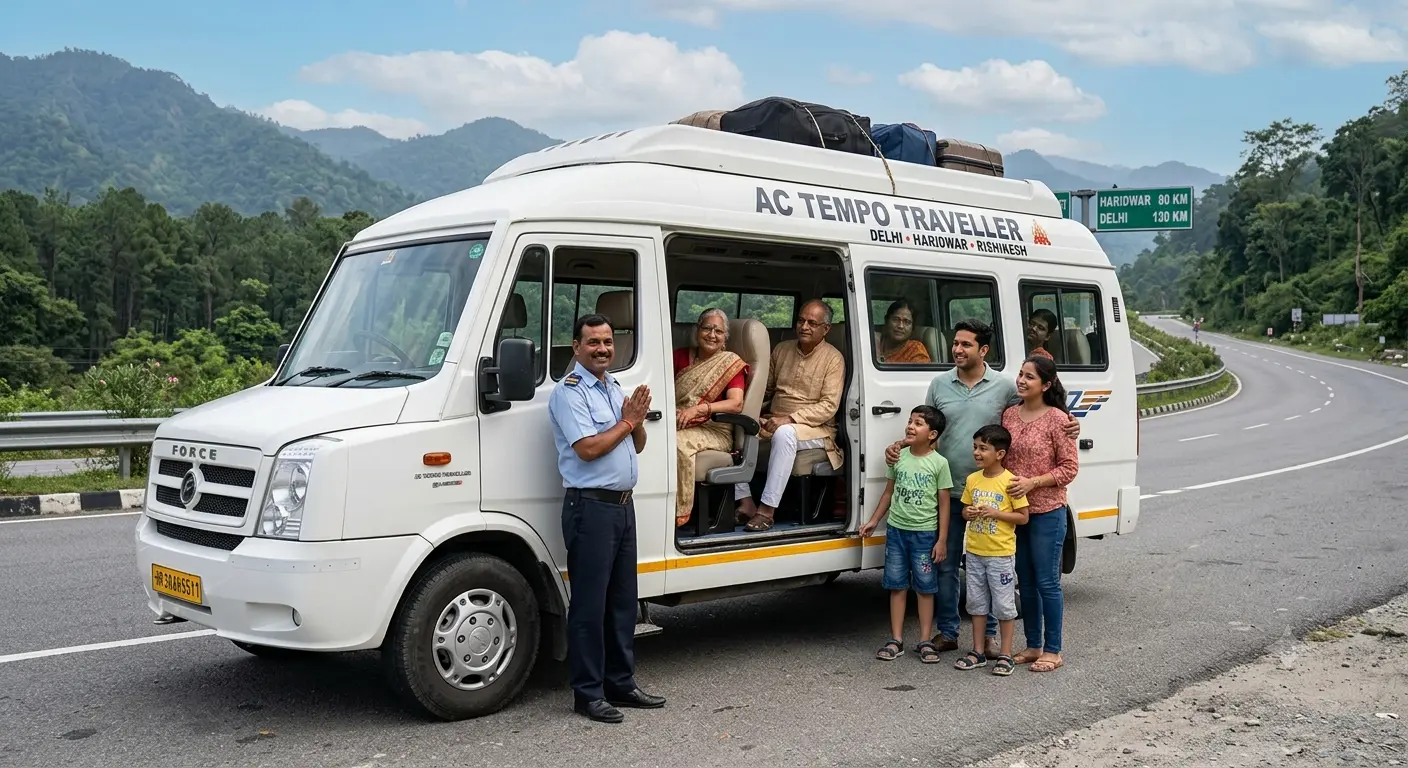
People choose it because the whole group travels together. Nobody gets lost, nobody waits for another car, and the cost per person is usually lower than booking several taxis. It also suits long hill journeys, where comfort really matters.
Tempo traveller for hire in Delhi: types and seating
The right vehicle depends on your group size and luggage. Here are the common options.
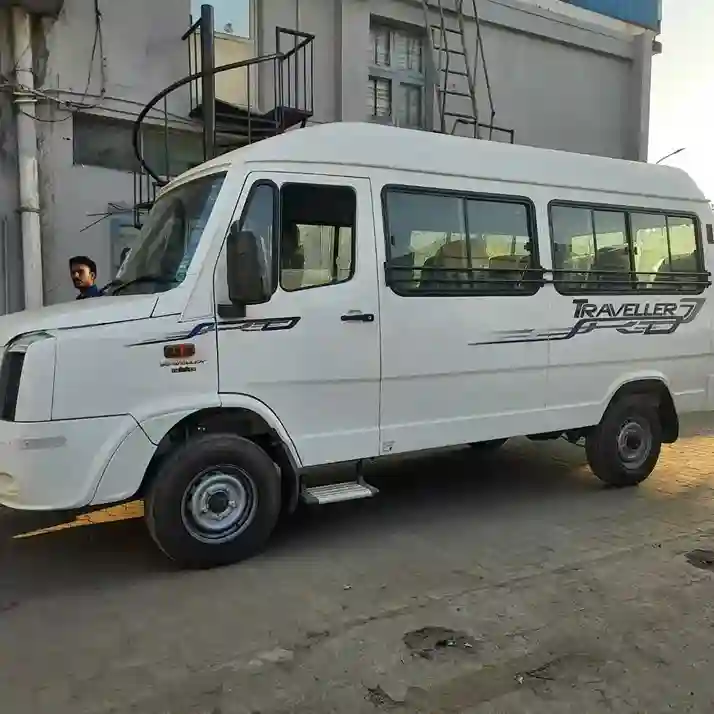
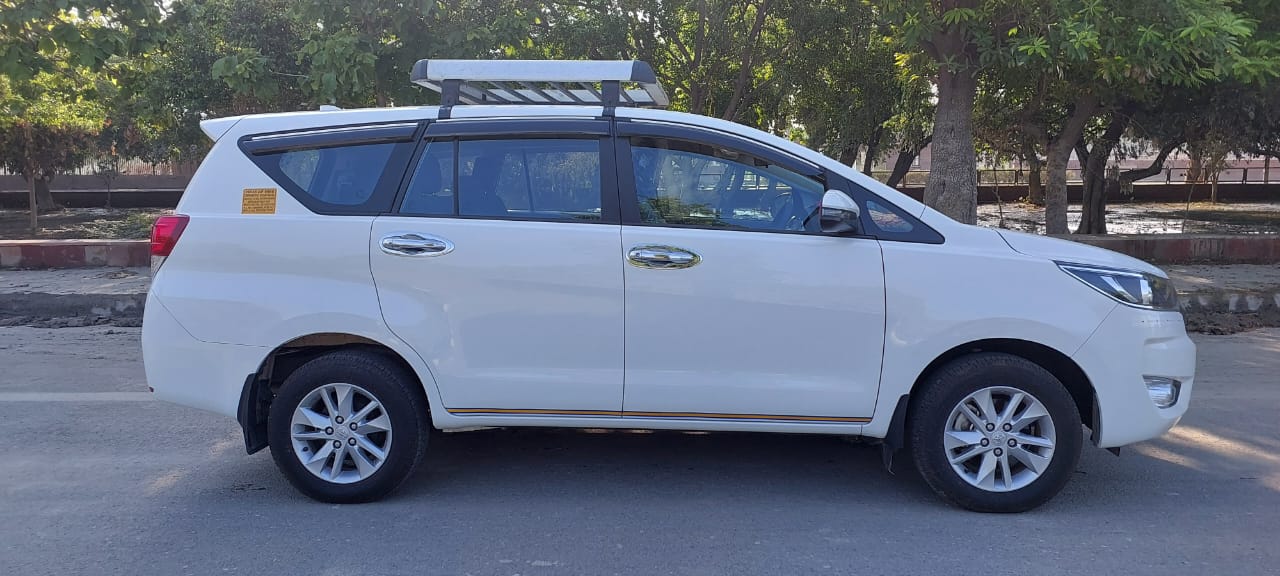
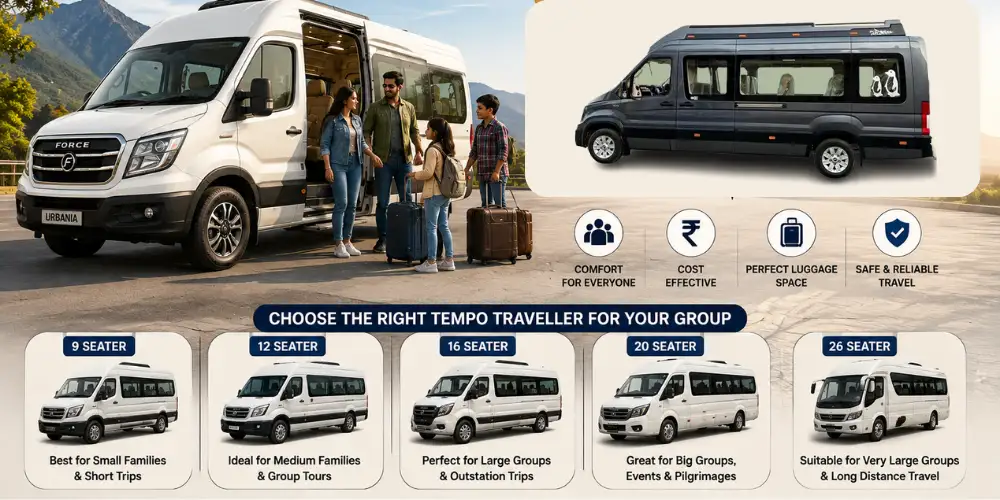
9-seater: Best for small families or a group of friends. Comfortable even with luggage.
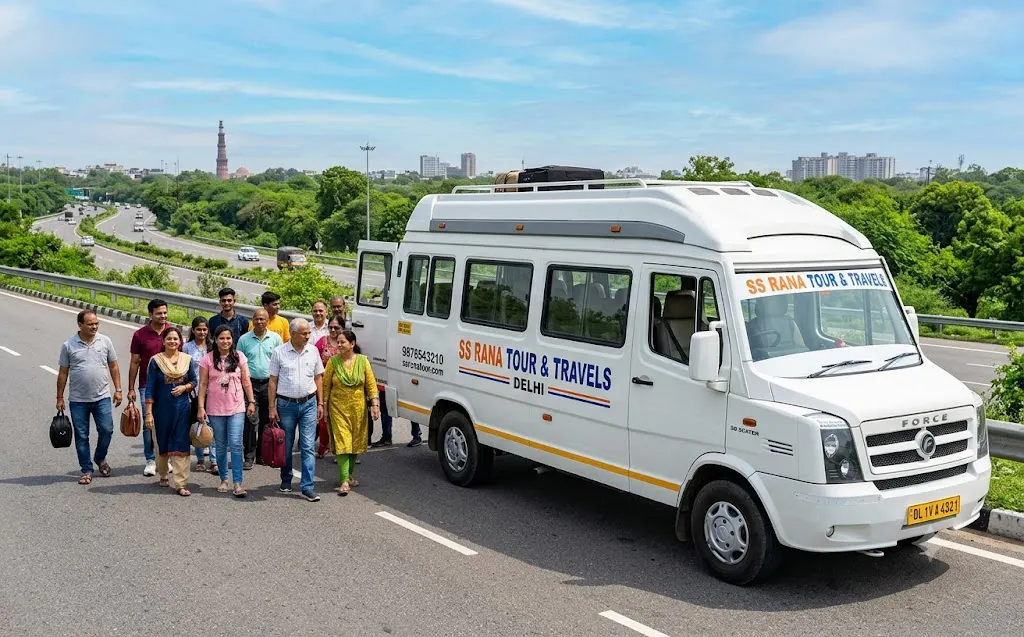
12-seater: The most popular choice. Good for family trips and short outstation journeys.
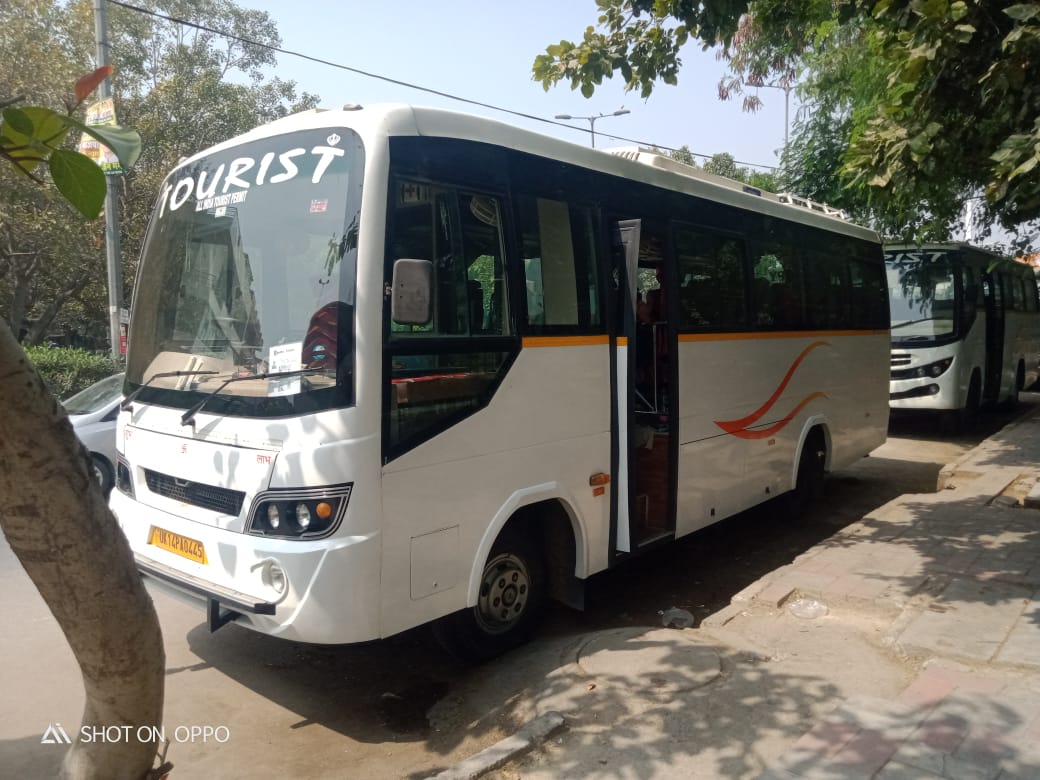
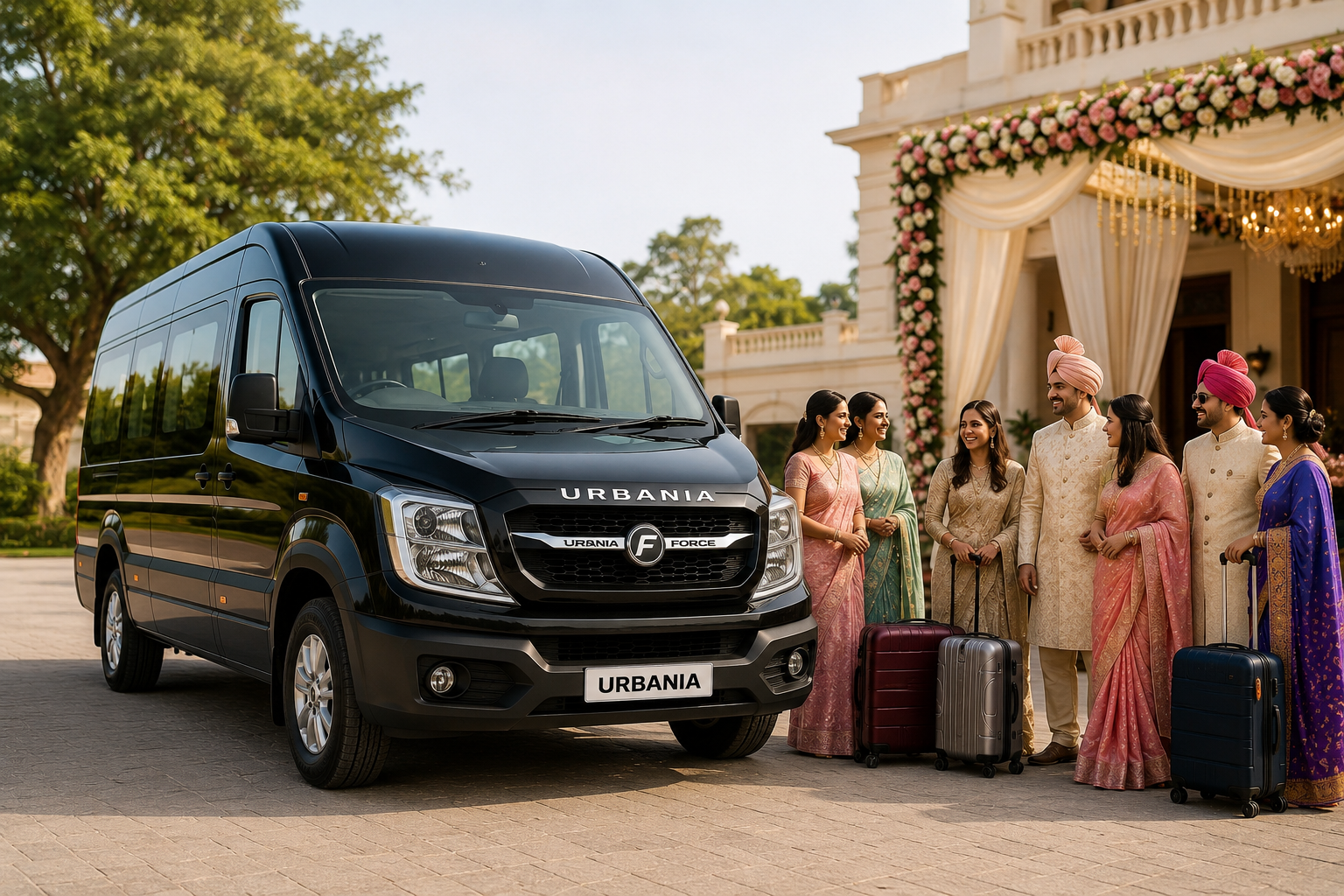
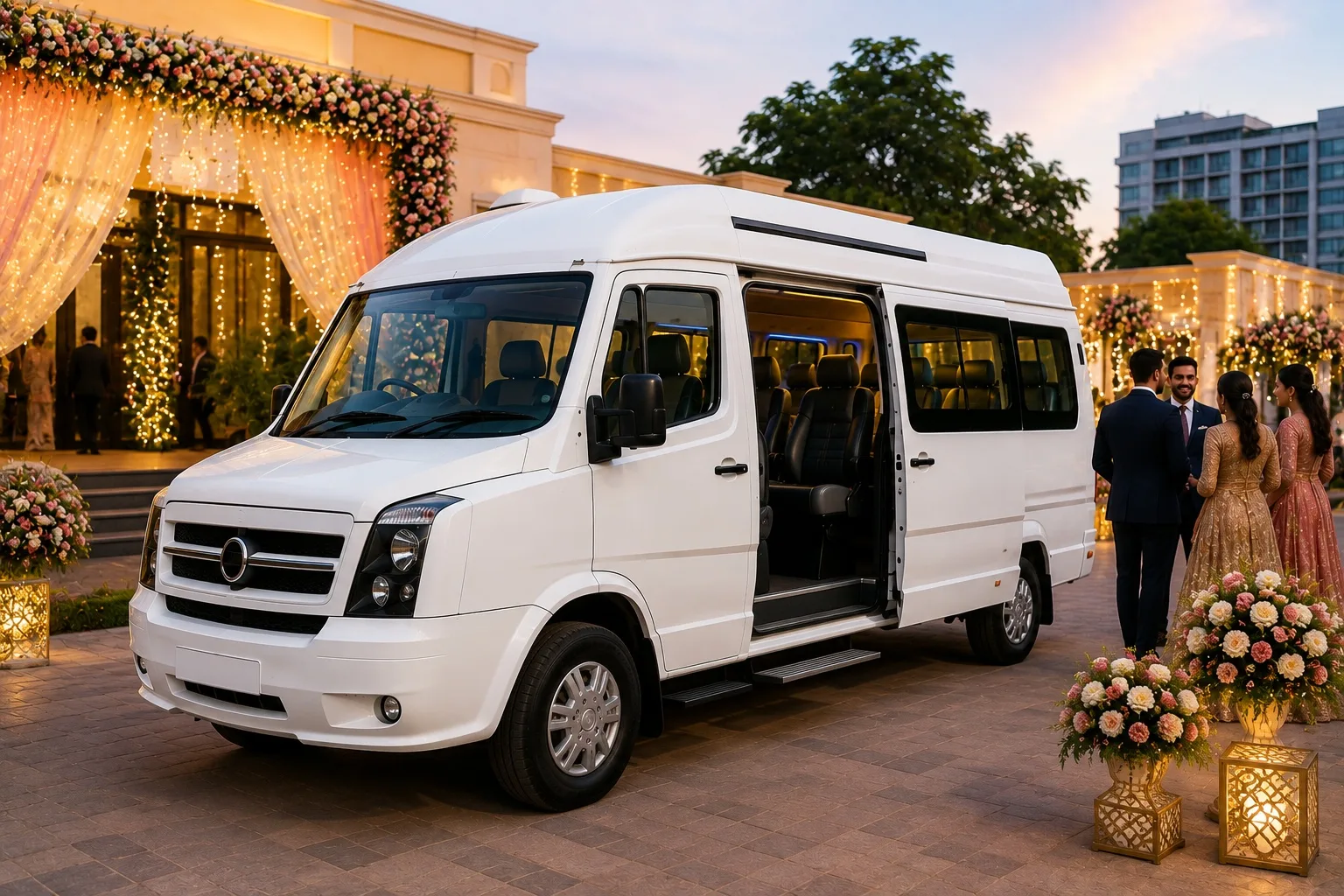
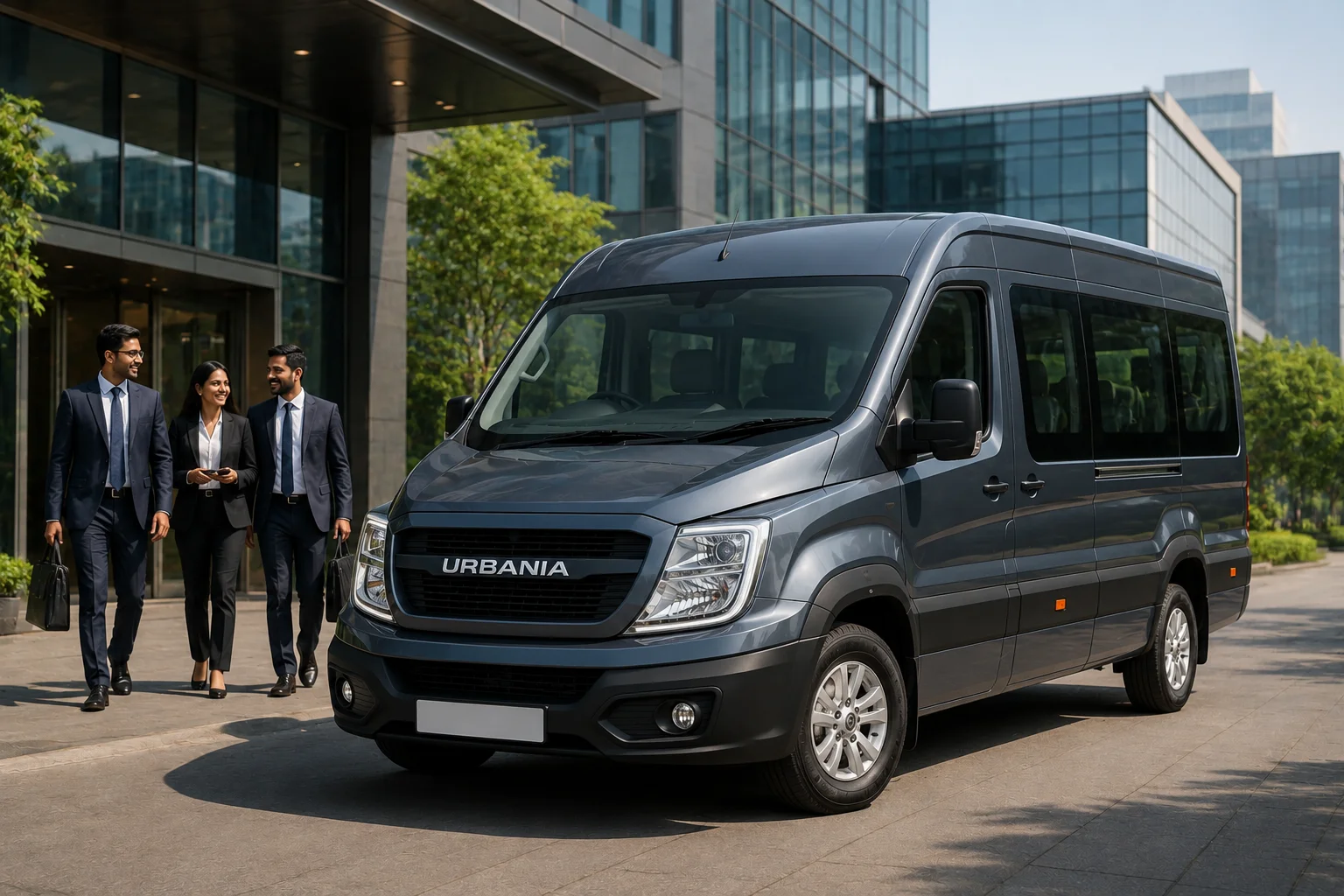
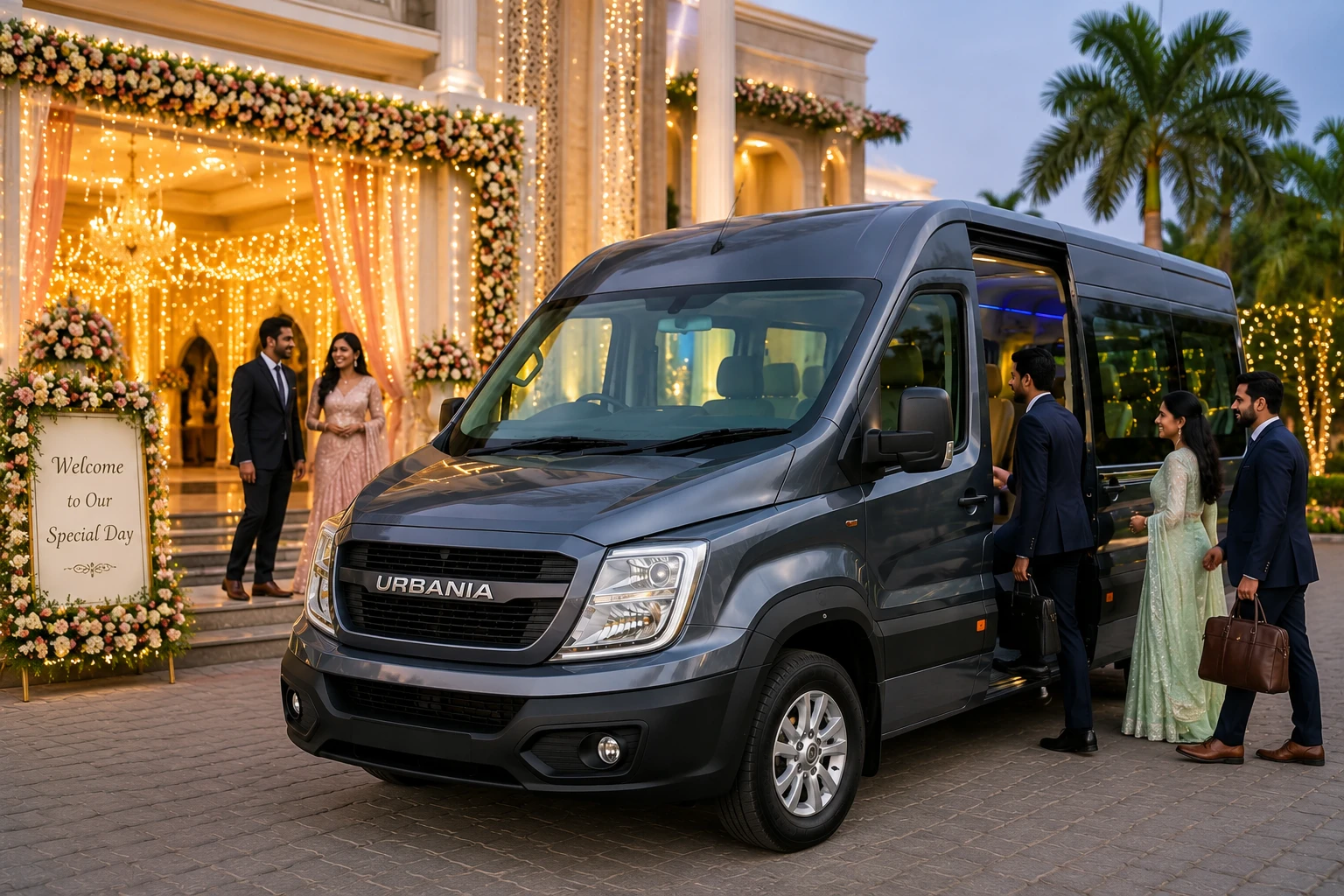
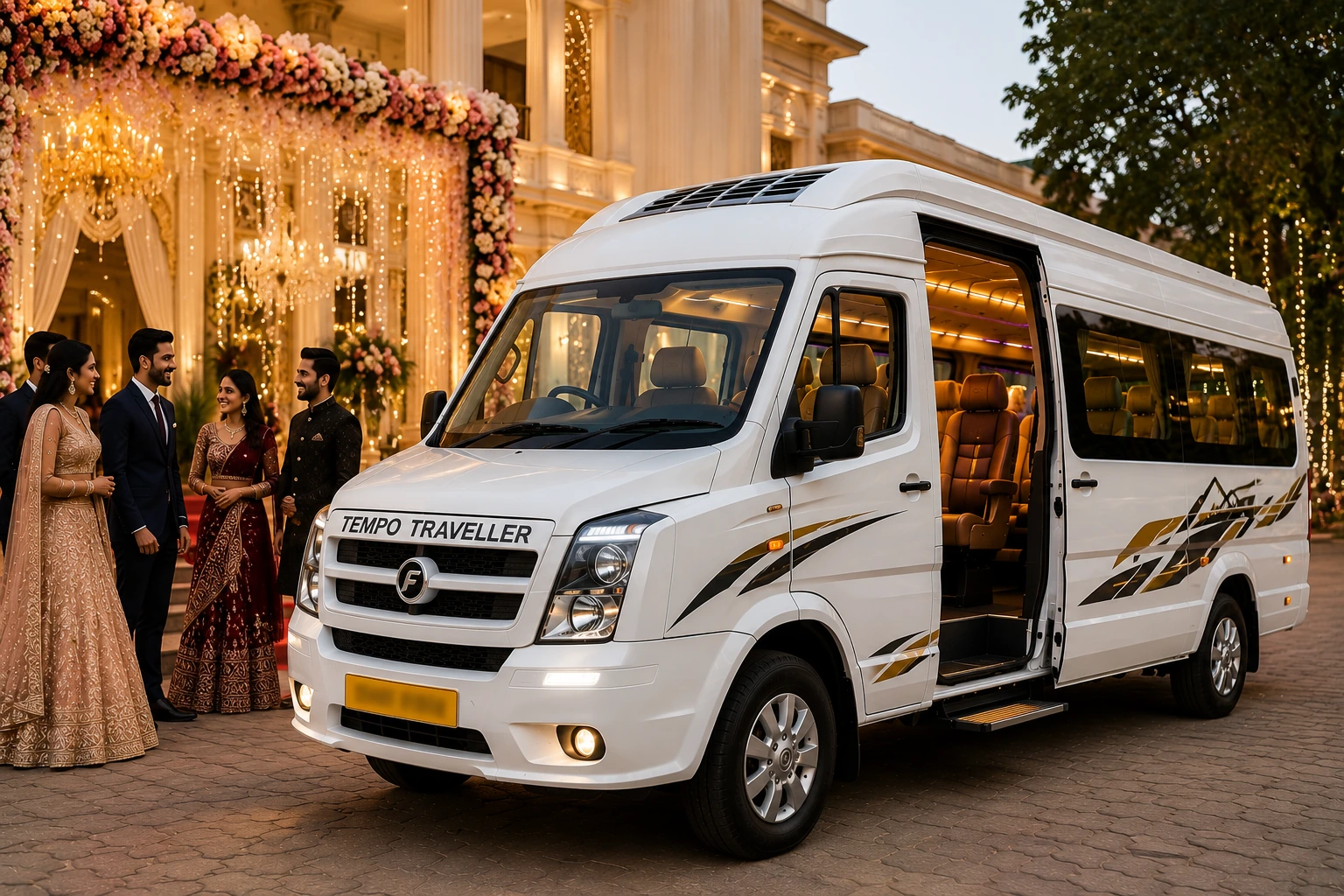
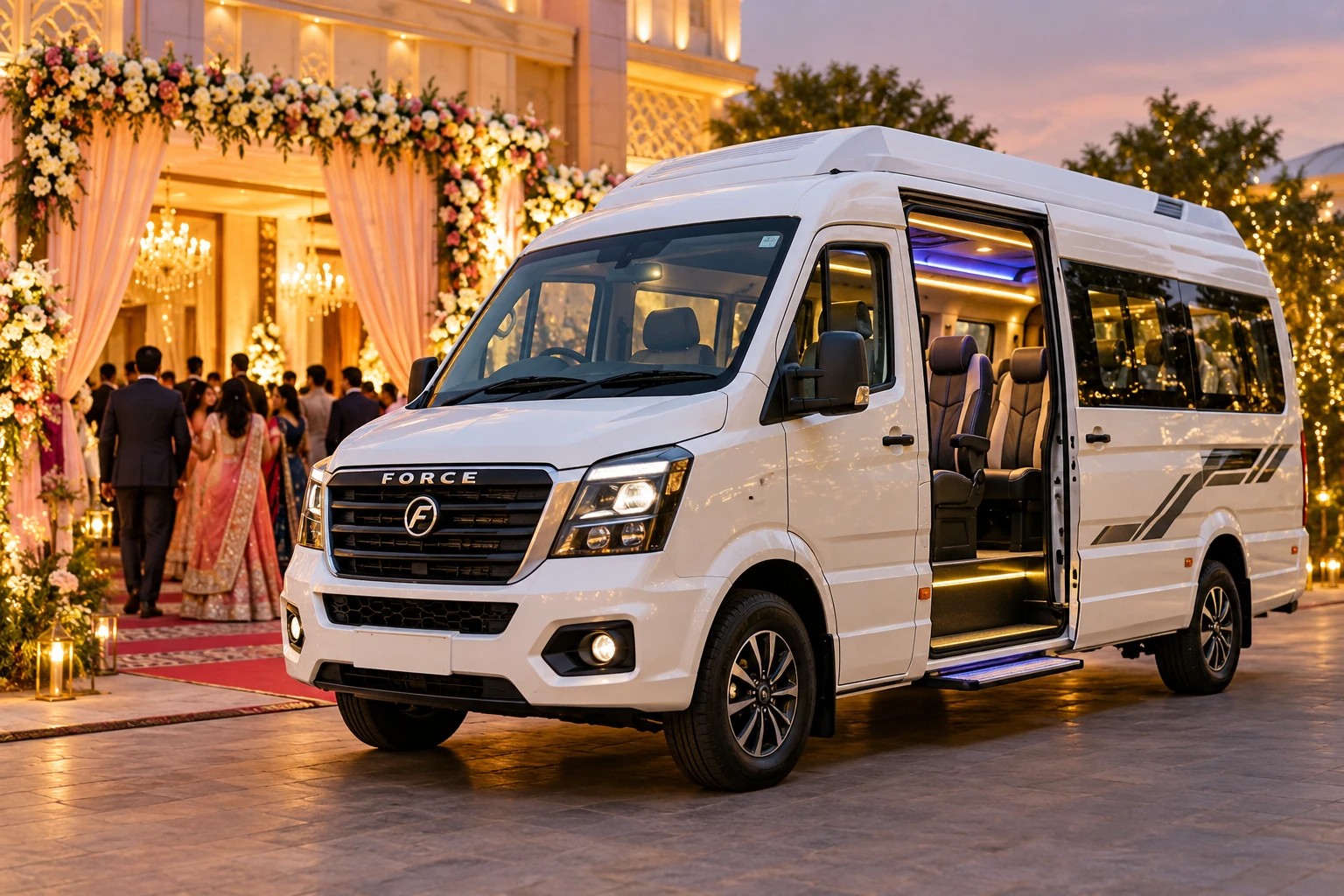
14 to 17-seater: Suits larger families, wedding guests and office groups.
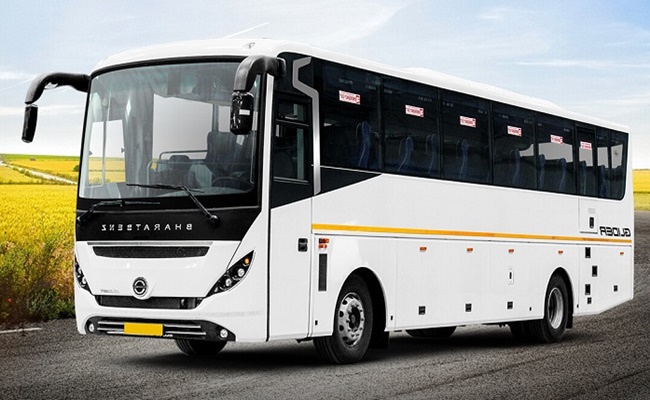
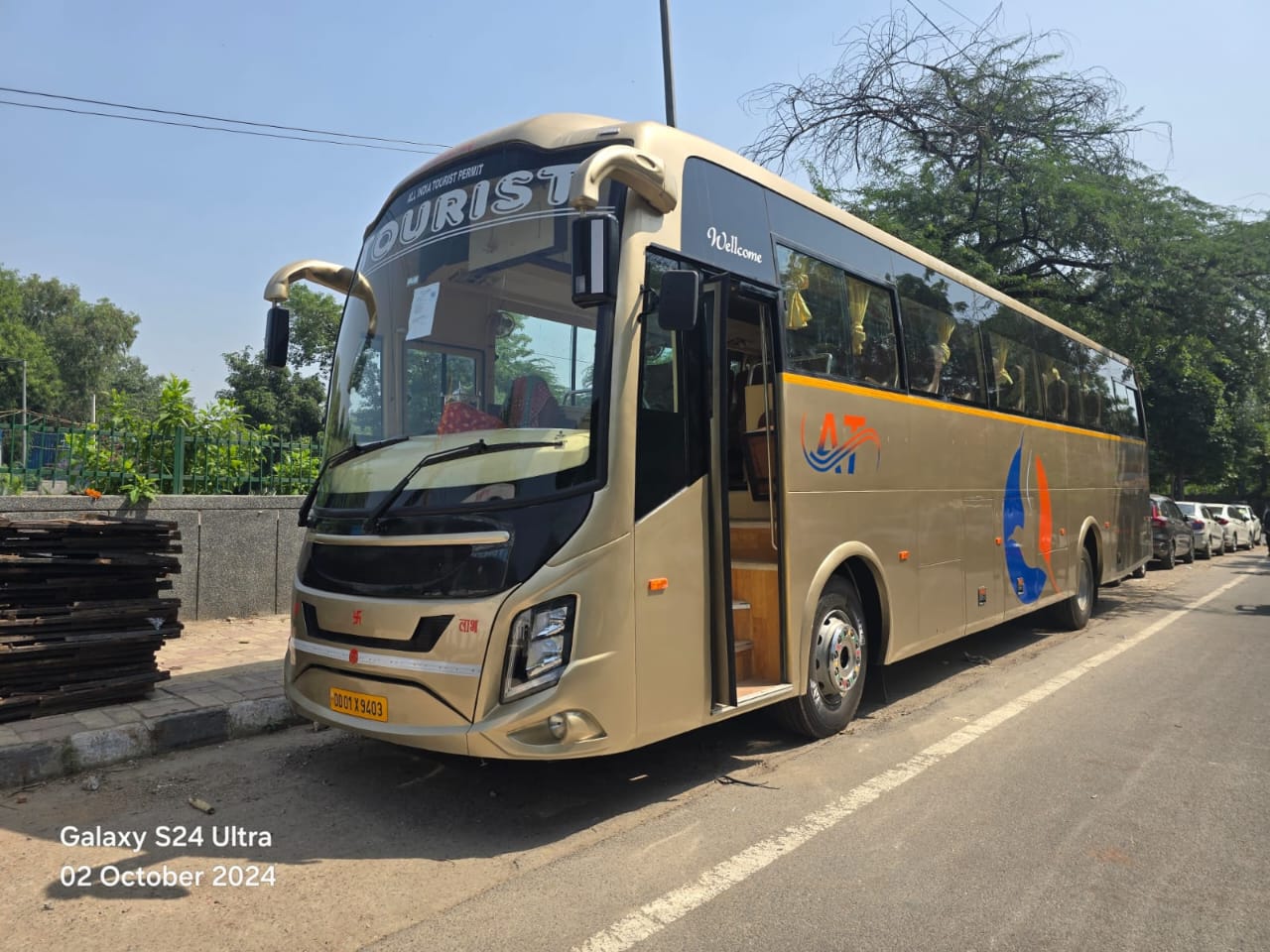
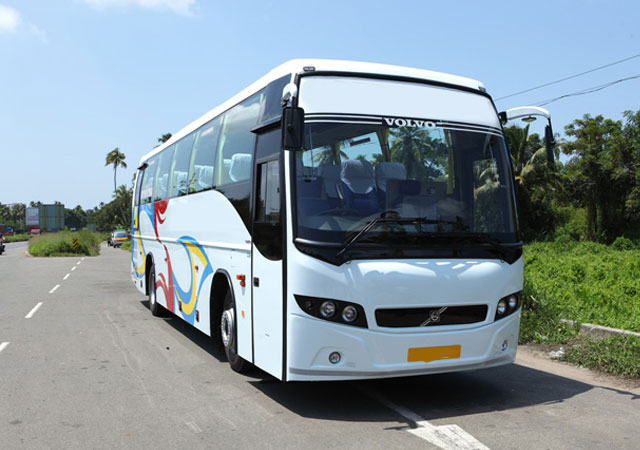
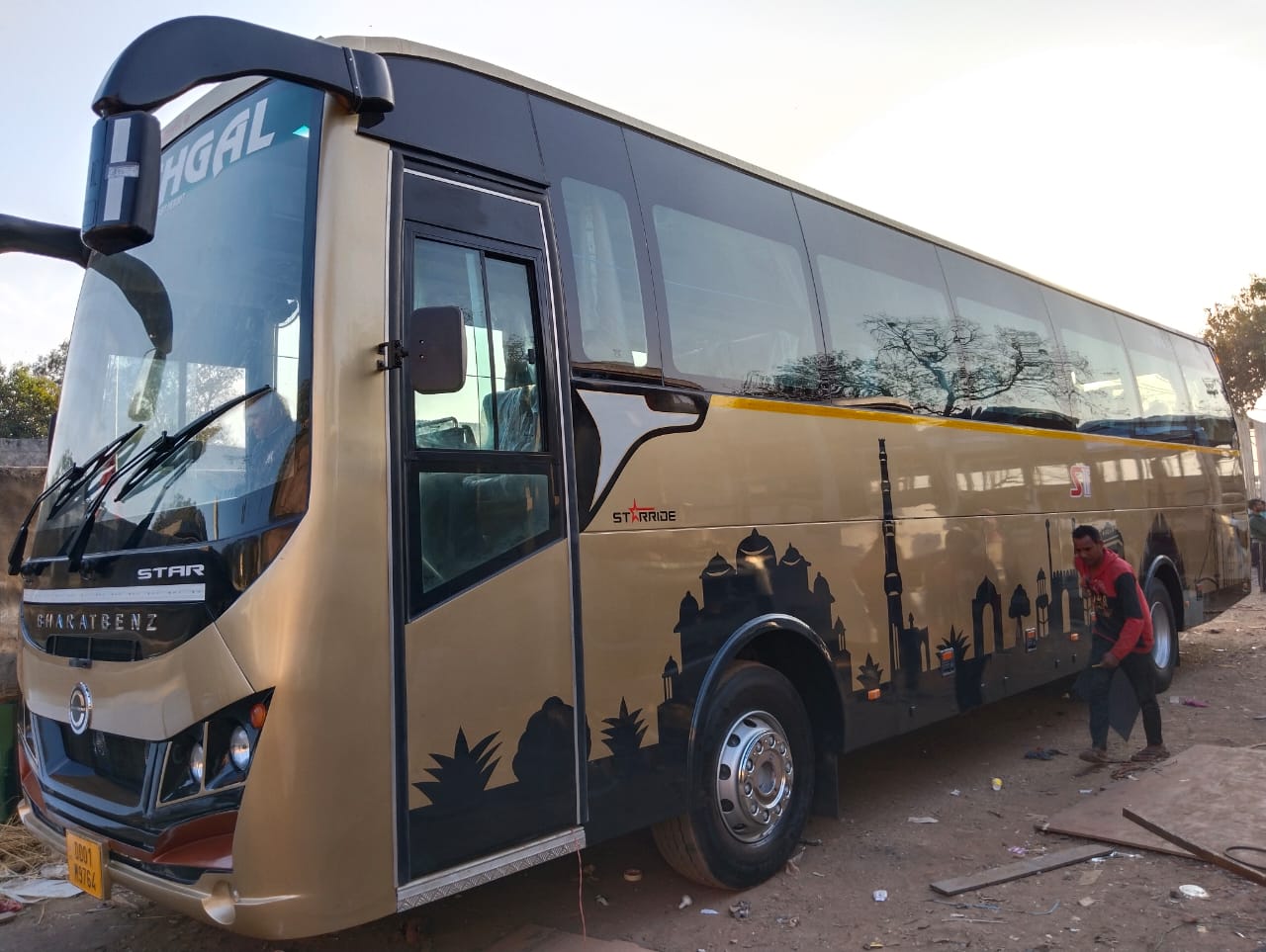
26-seater: A mini coach for big groups, school trips and corporate events.
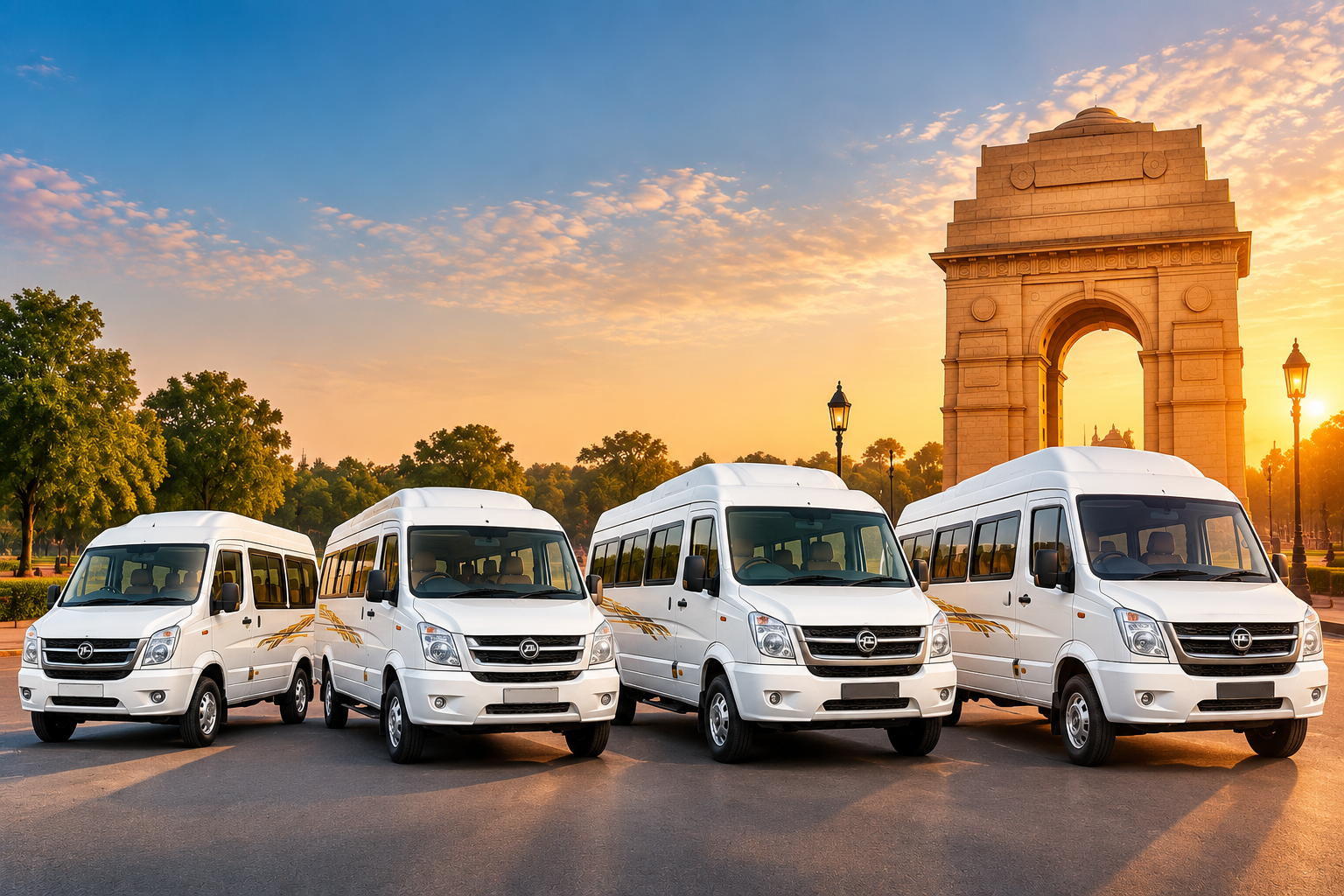
What are the seating options in a tempo traveller? Tempo travellers usually come in 9, 12, 14, 17 and 26-seater versions. Choose the one that leaves room for your luggage.
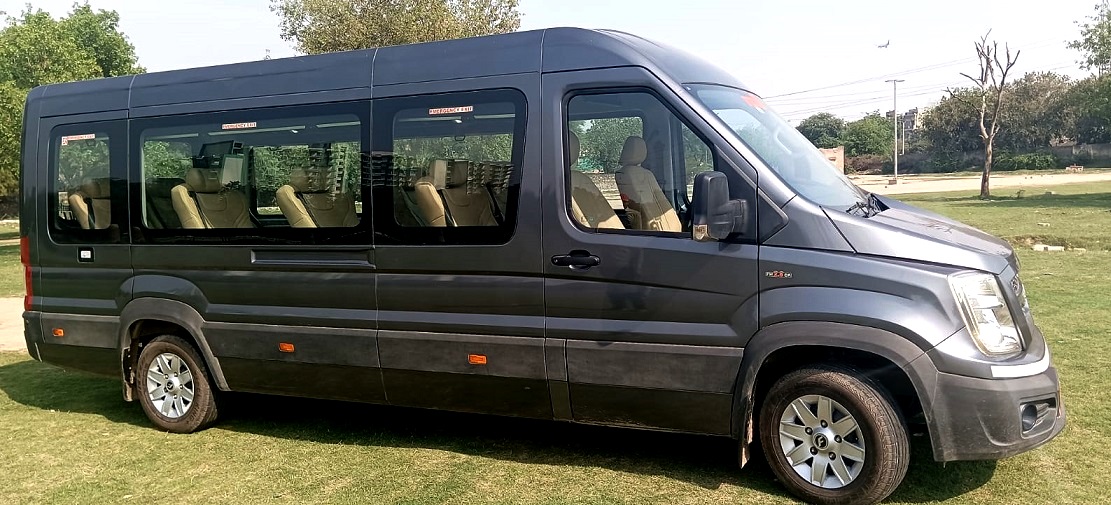
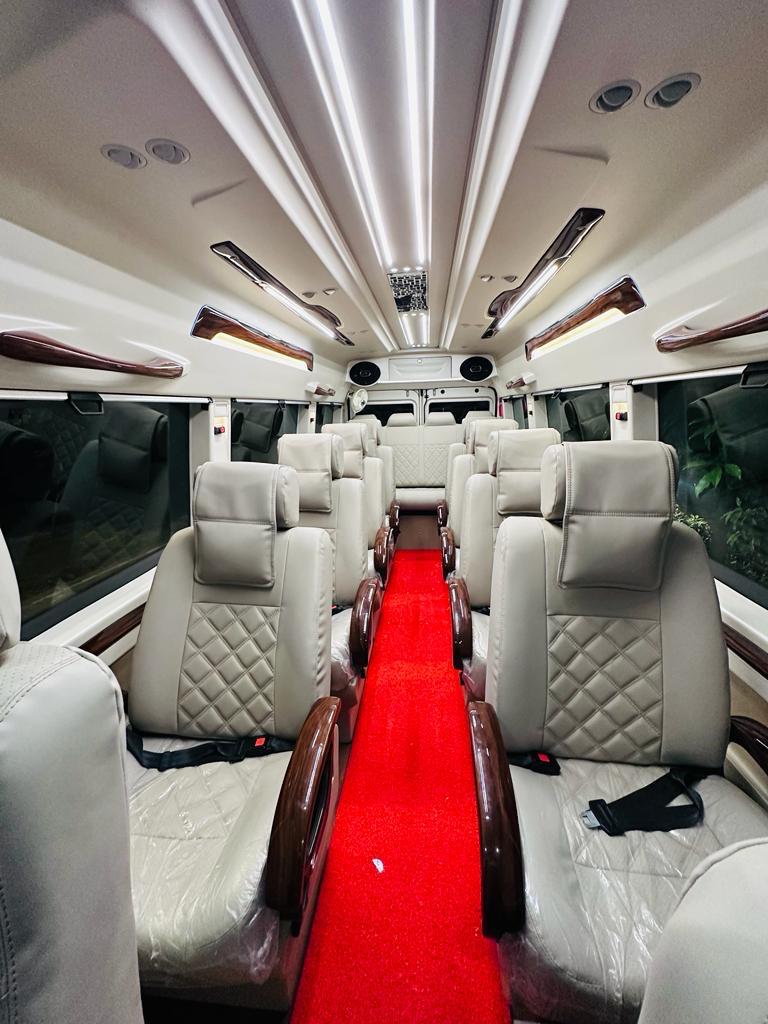
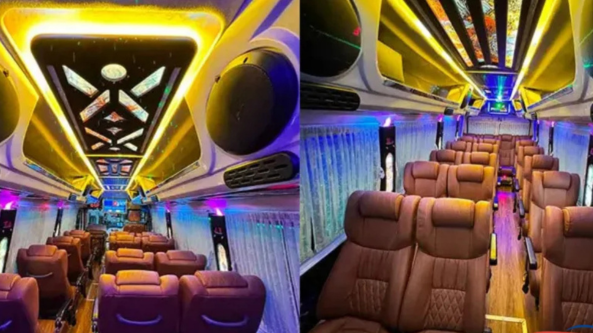
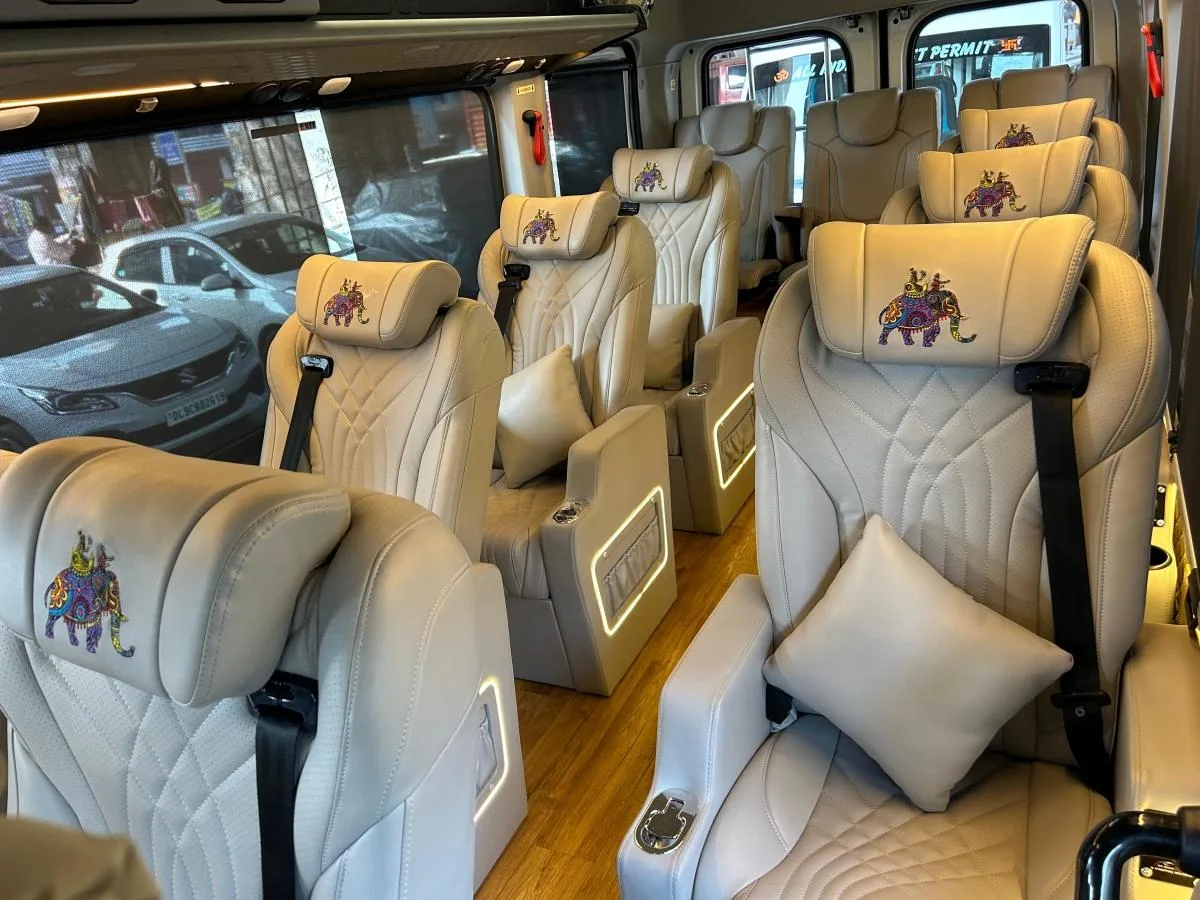
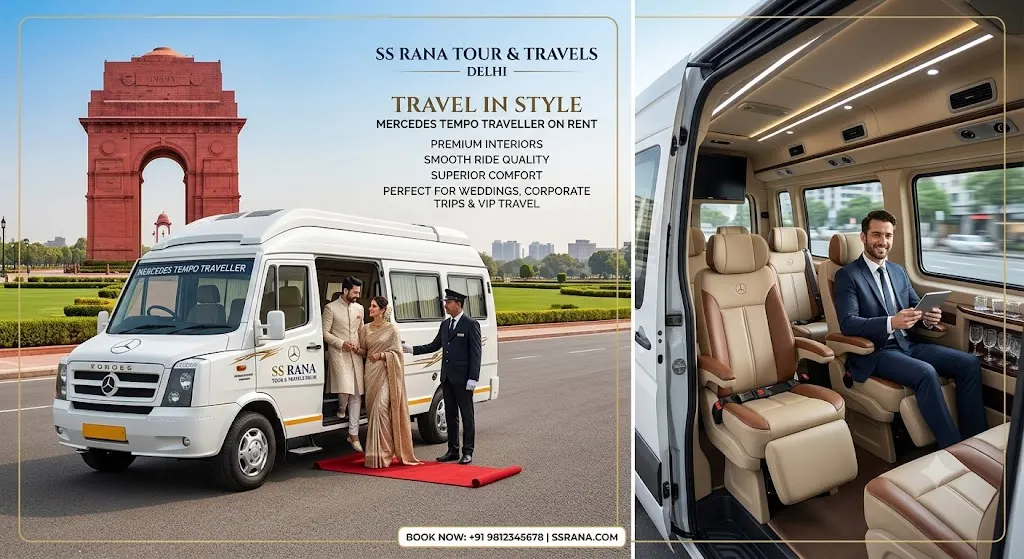
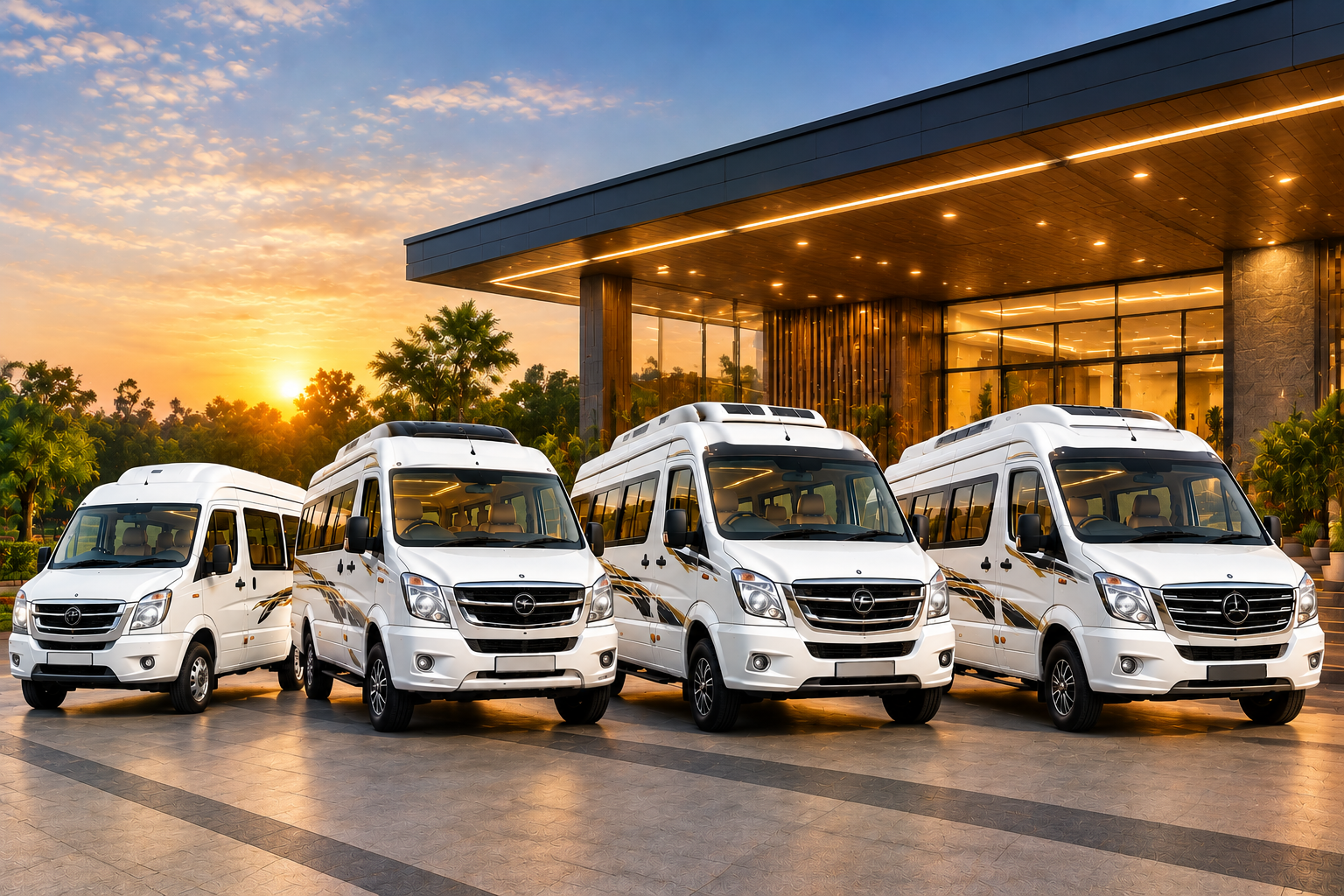
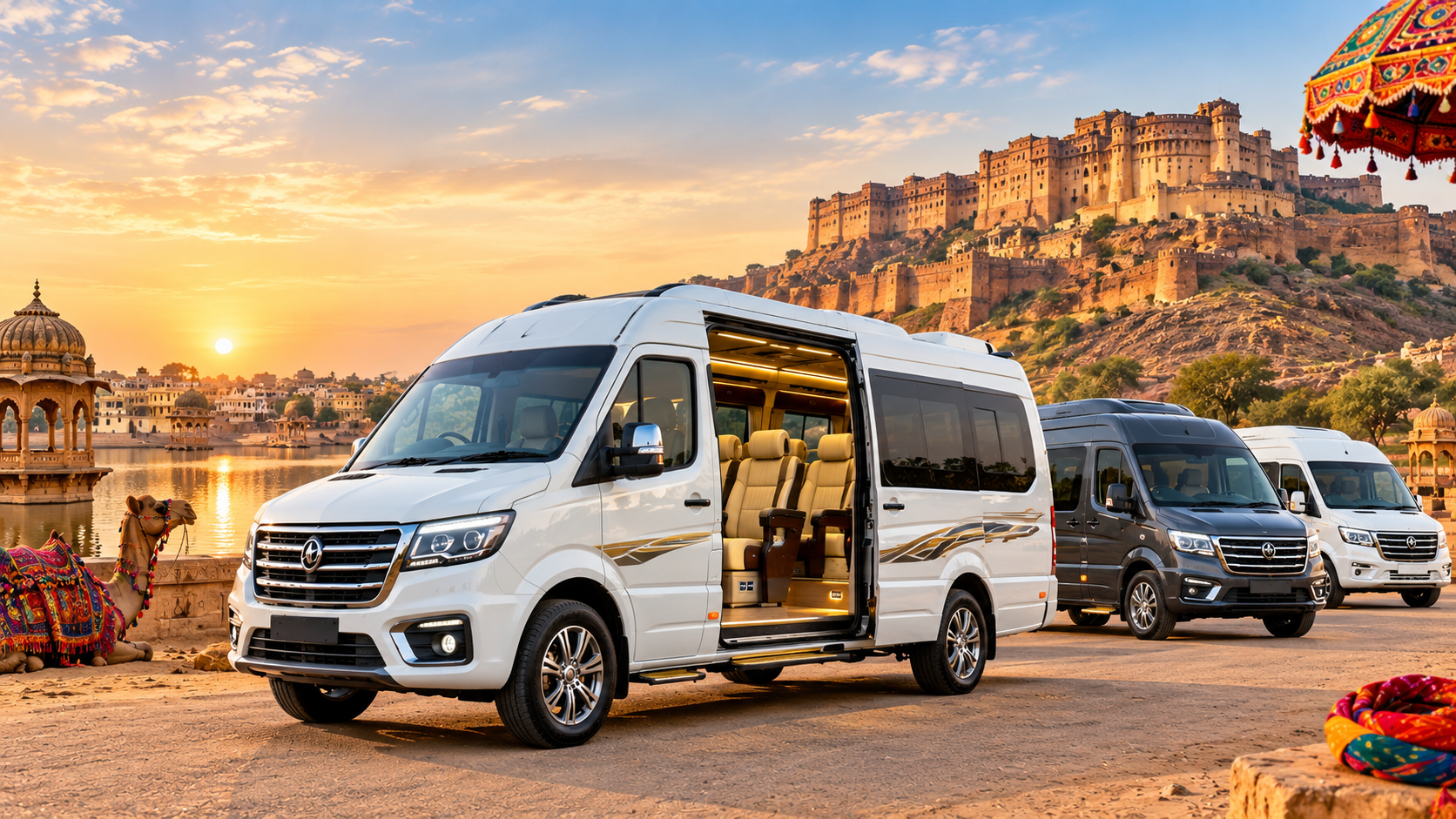
You can also choose between a standard AC model, a push-back seat model for long trips, and a luxury version with reclining seats and extra legroom.
Where can you go in a tempo traveller from Delhi?
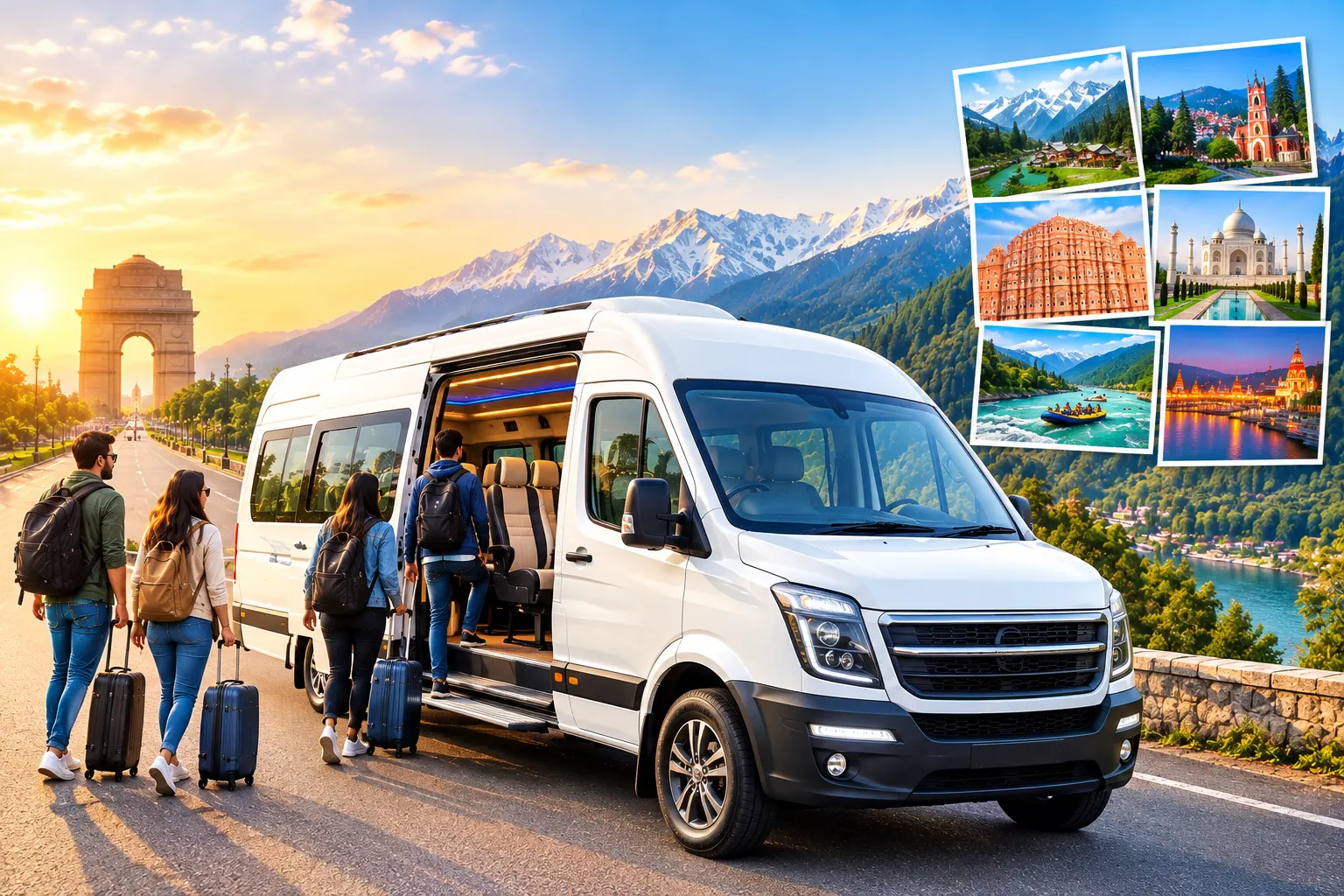
A tempo traveller works for almost any kind of trip. These are the most common uses.
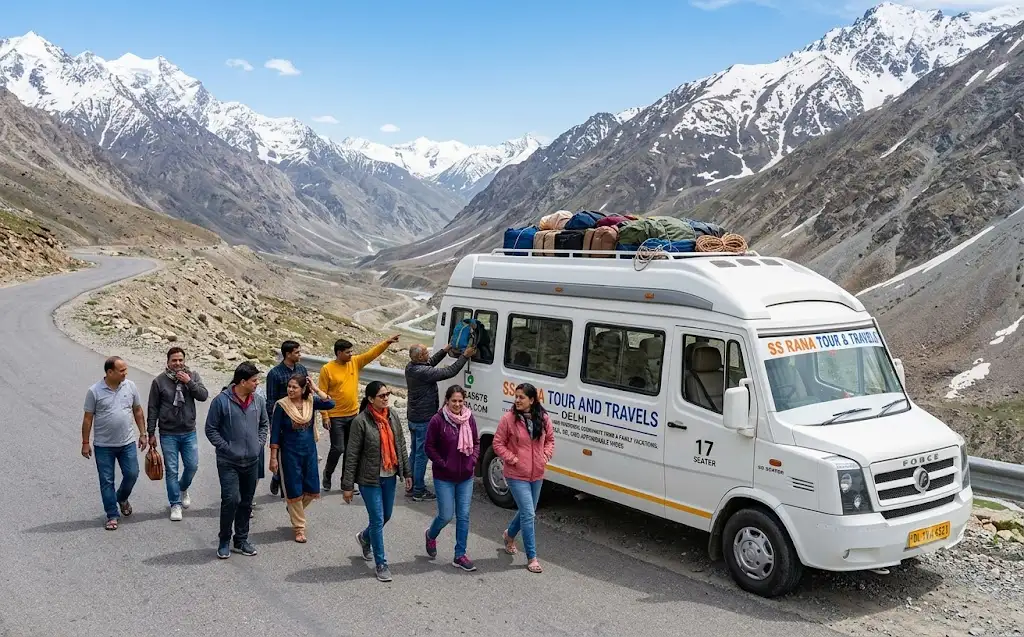
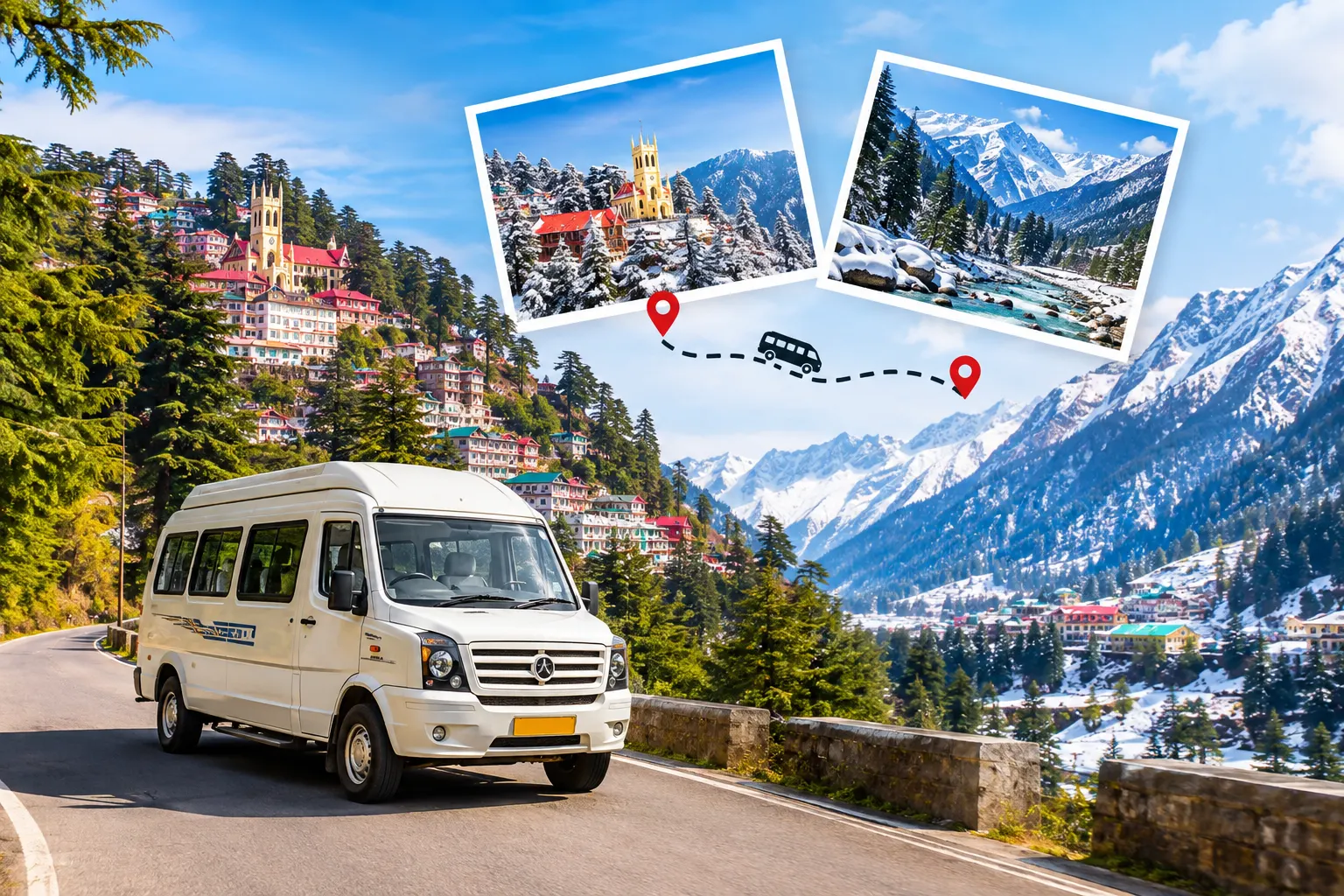
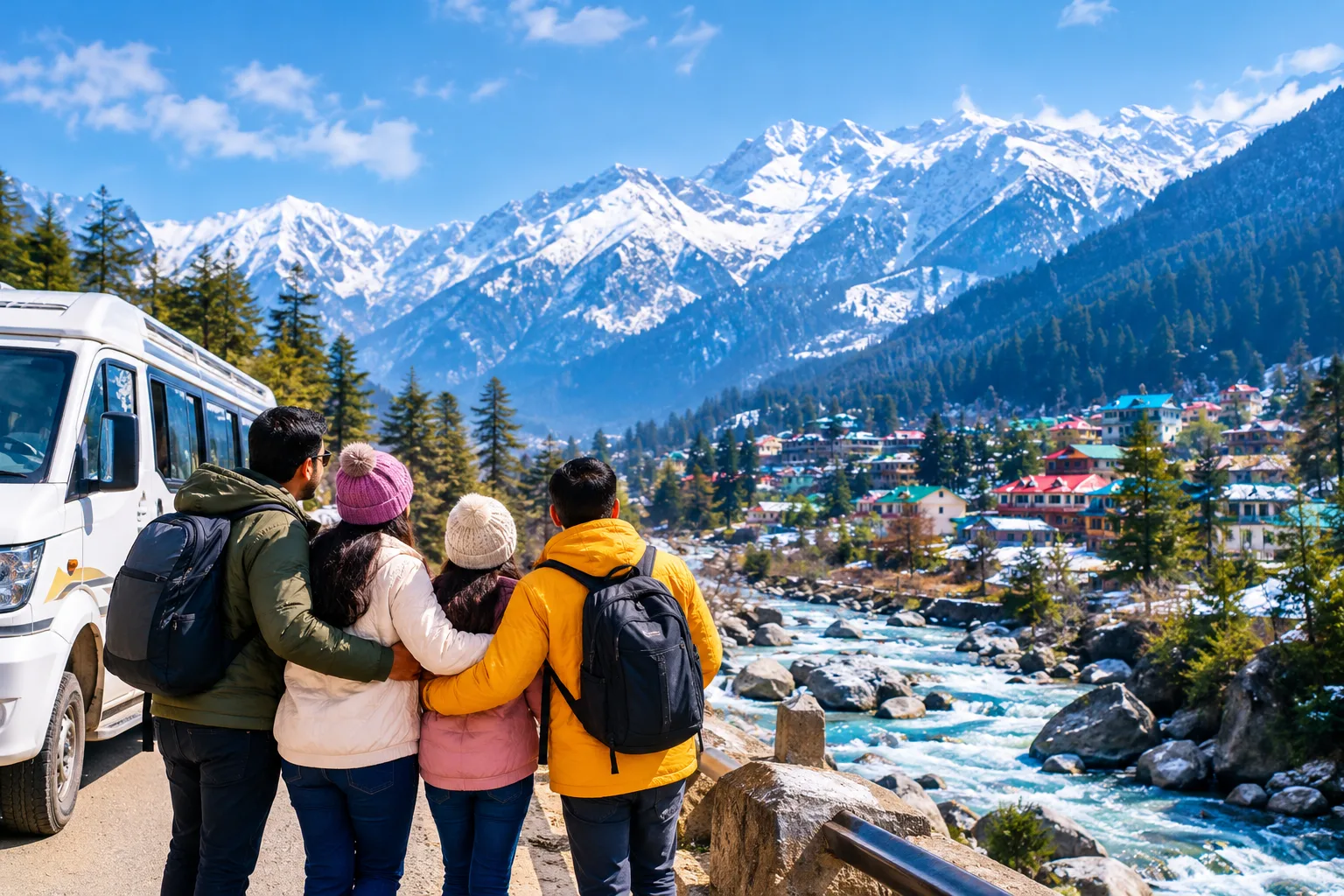
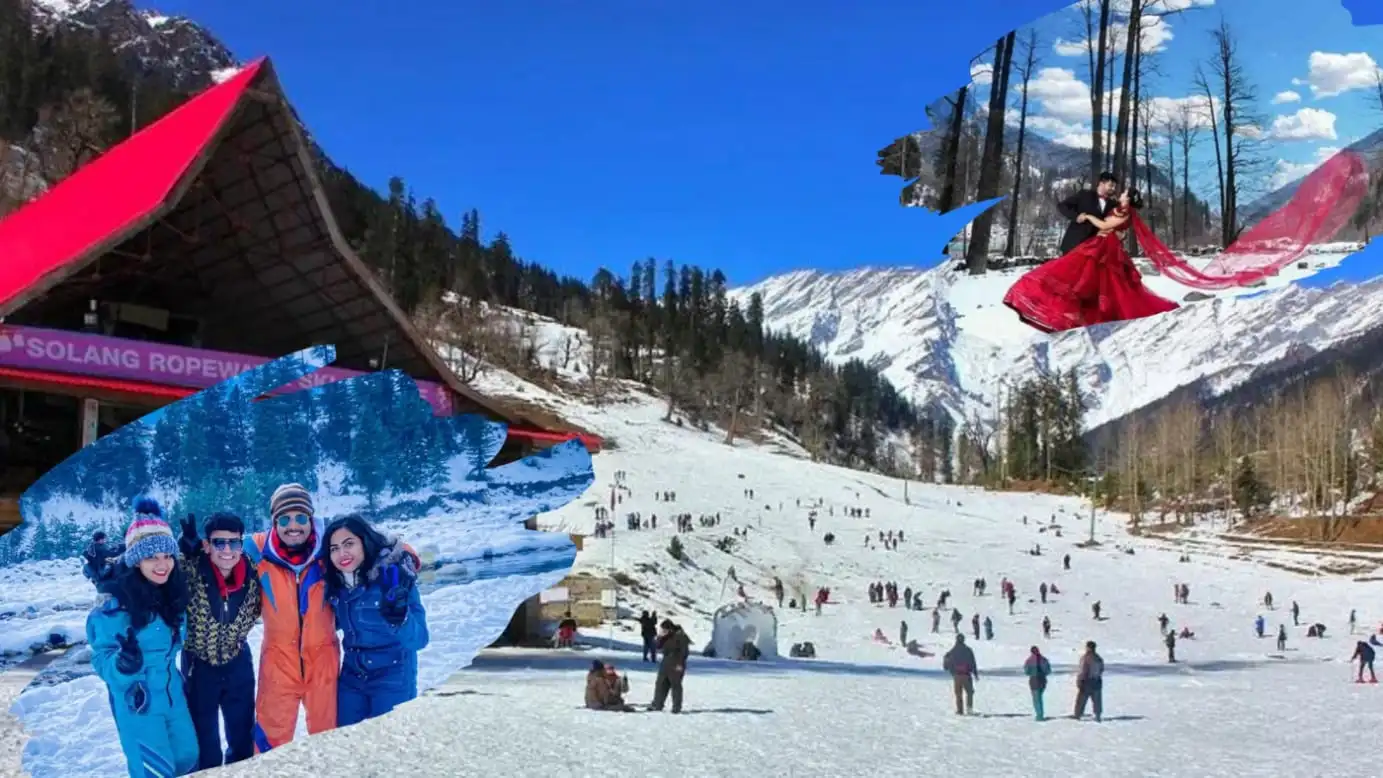
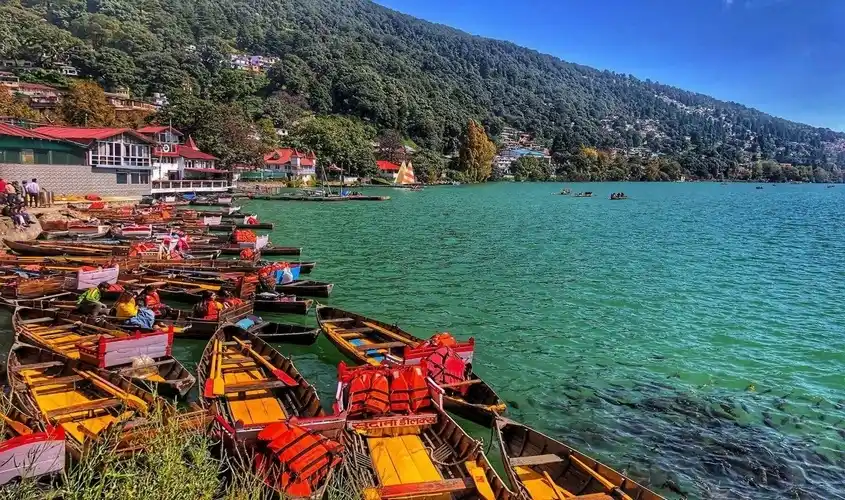
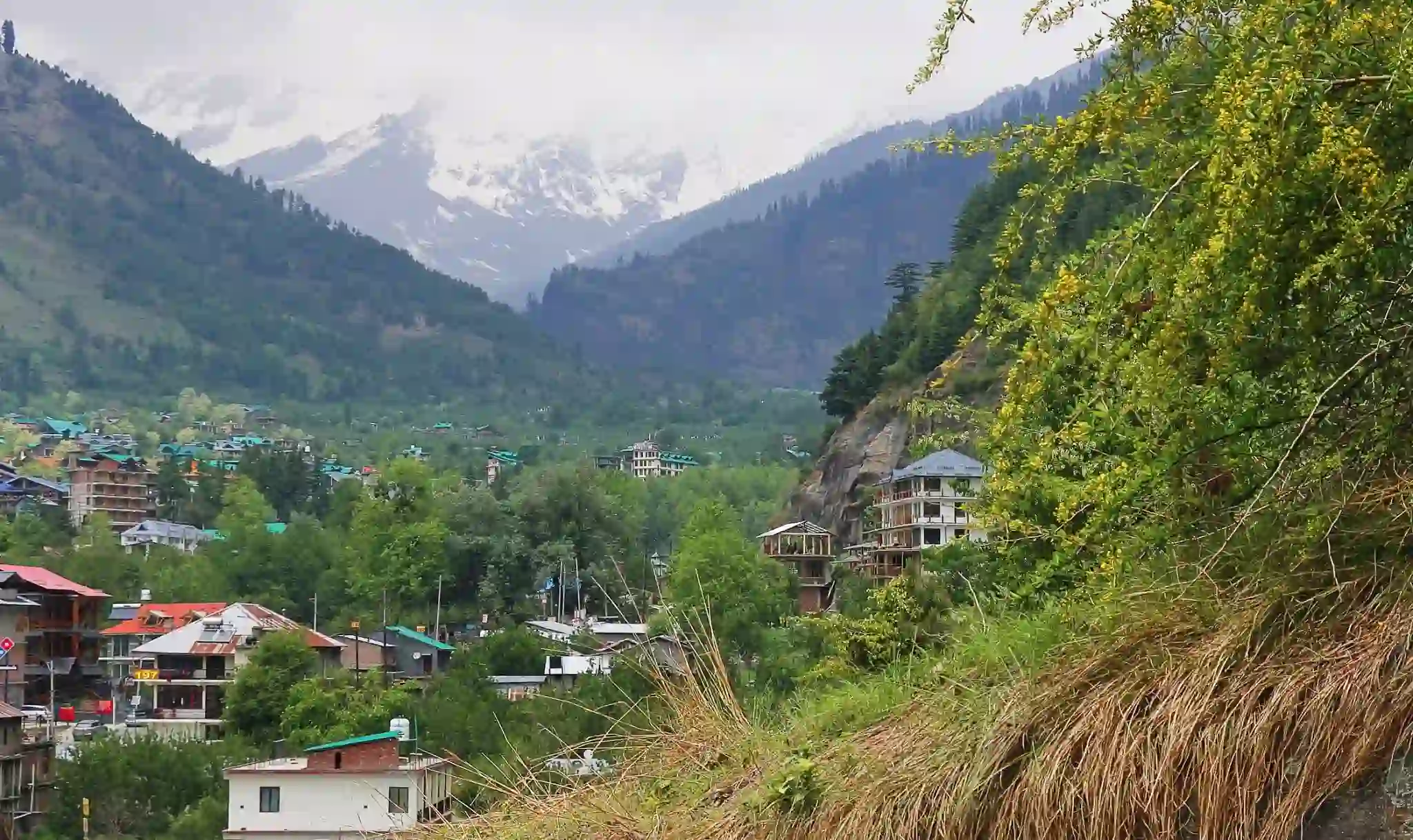
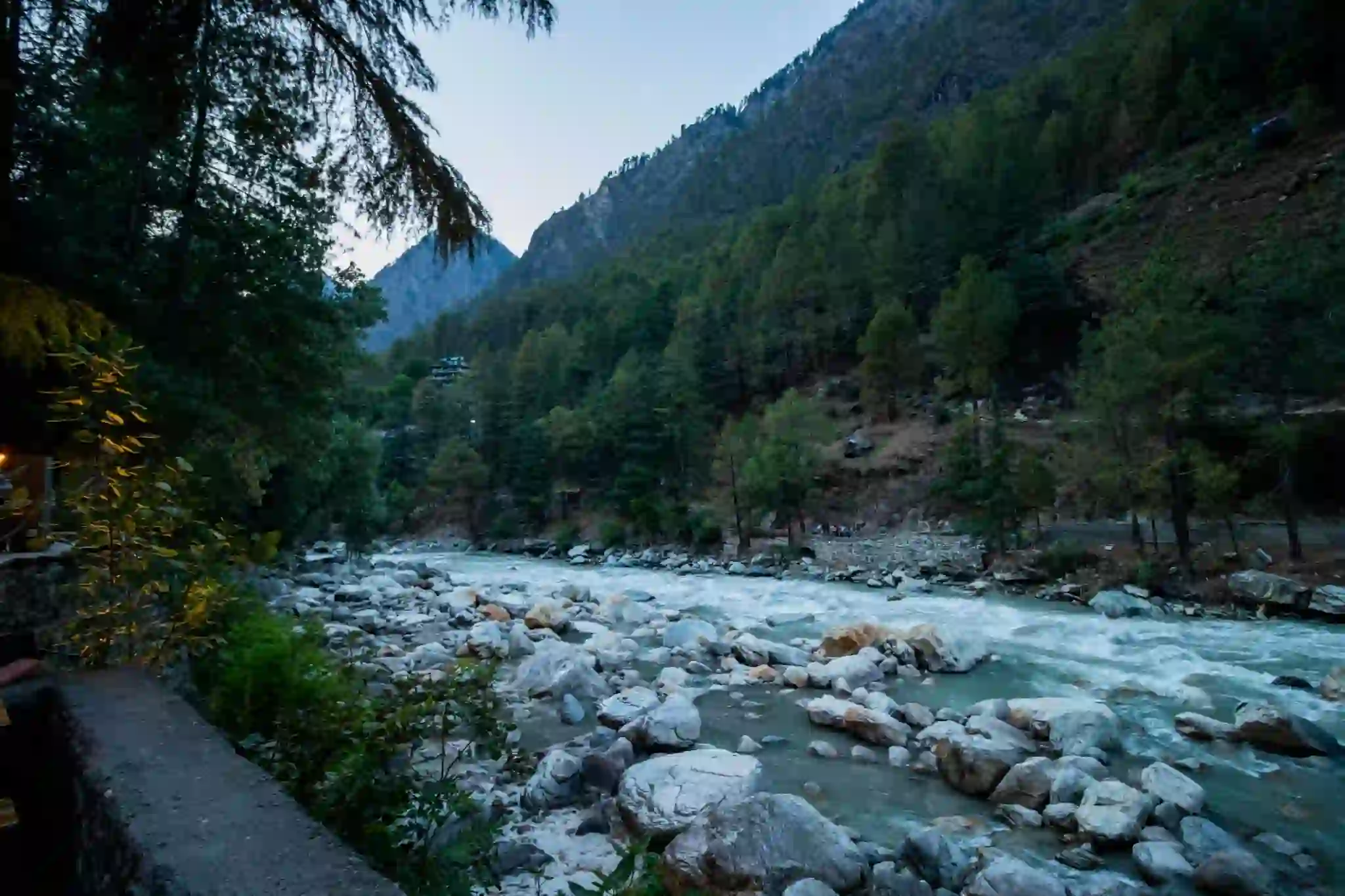
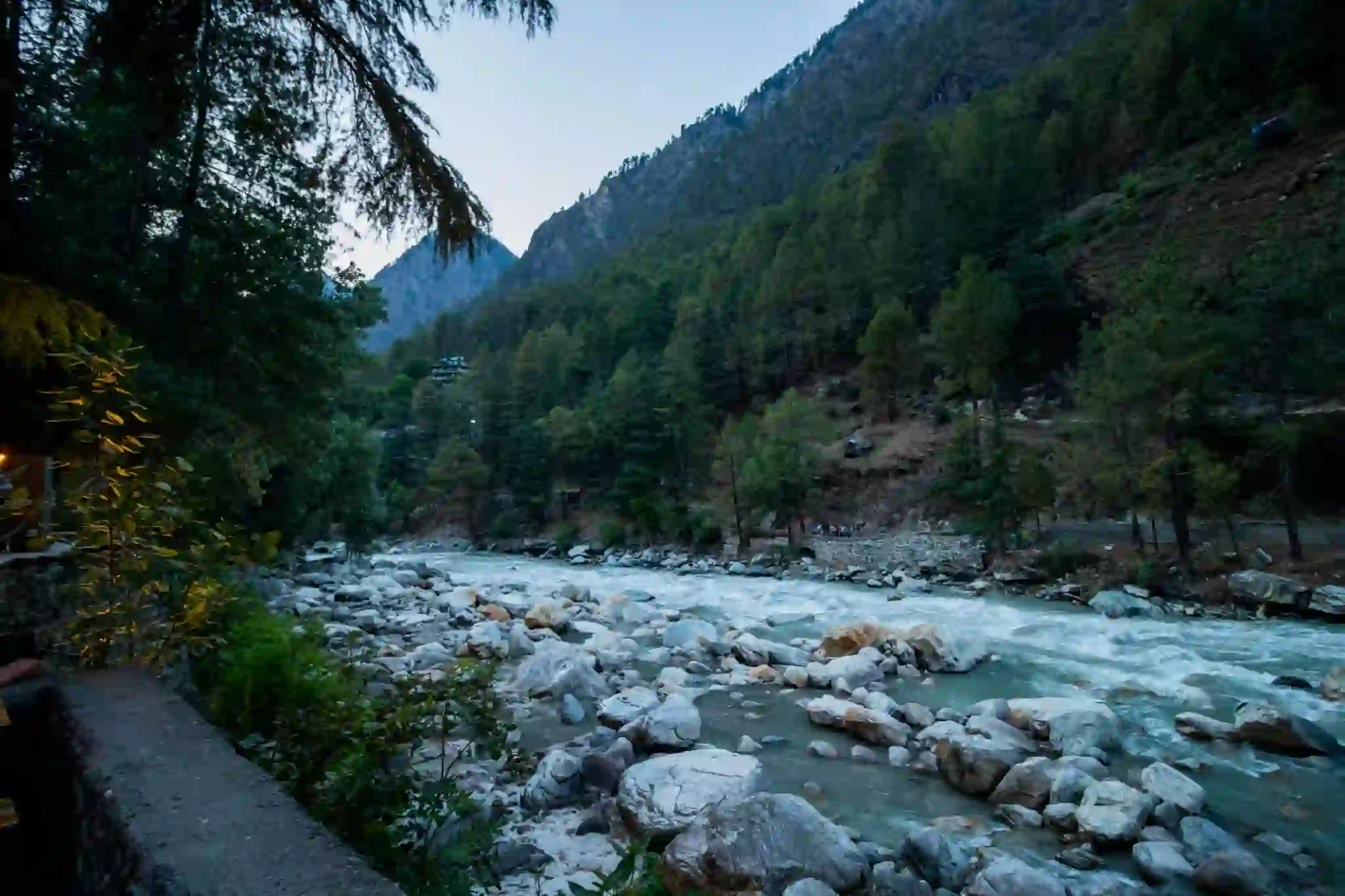
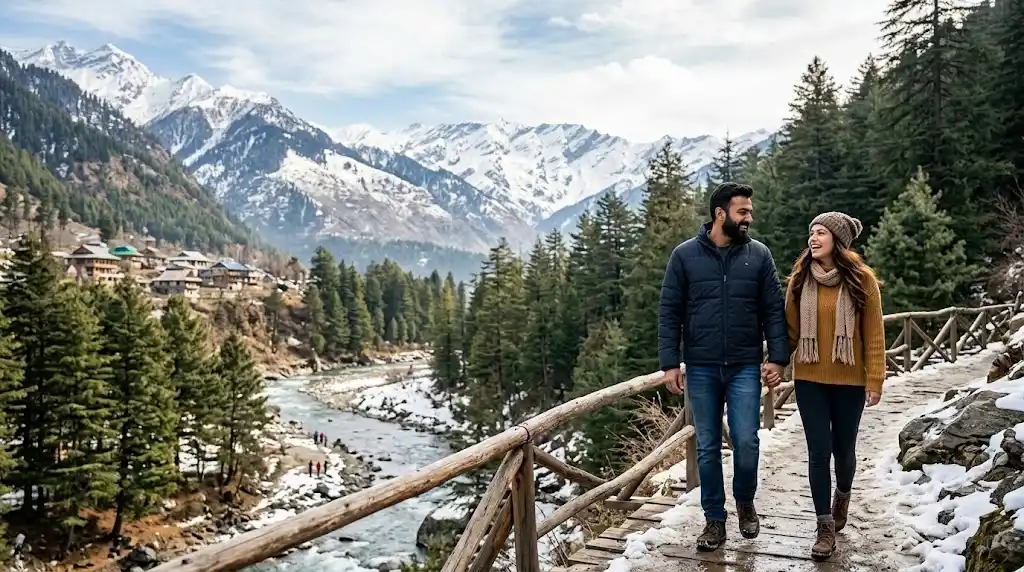
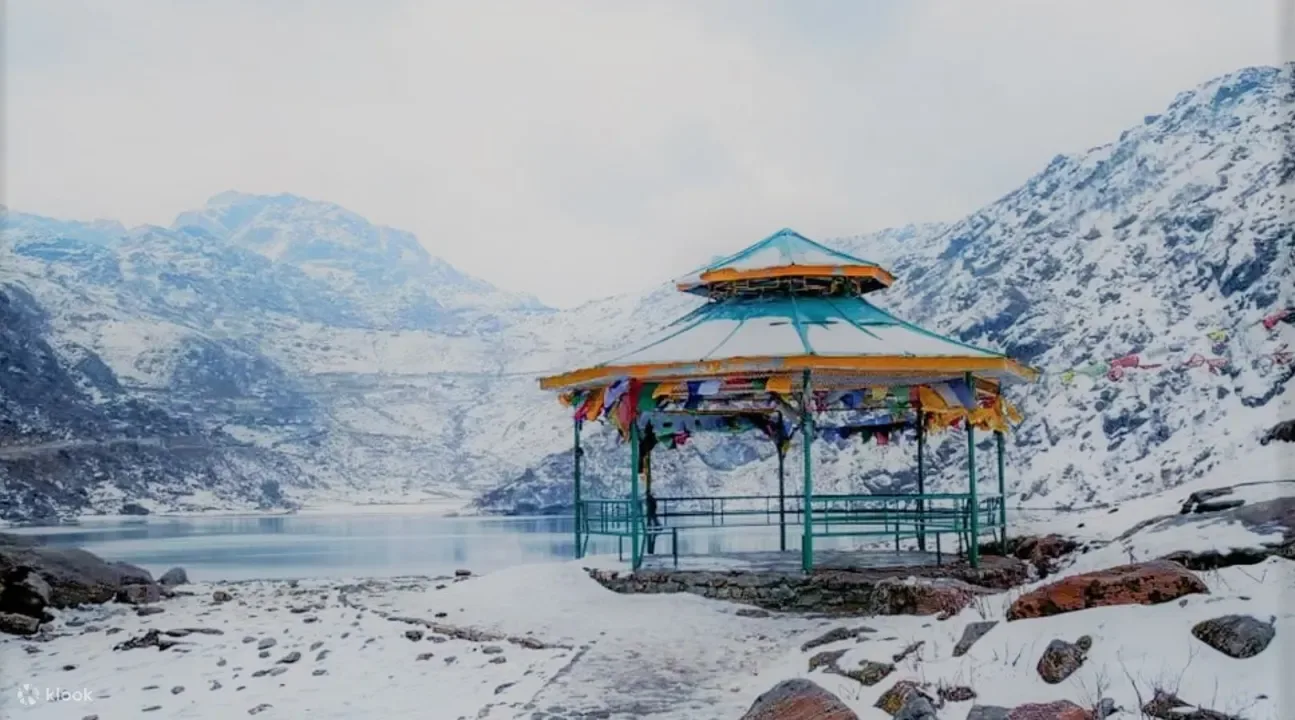
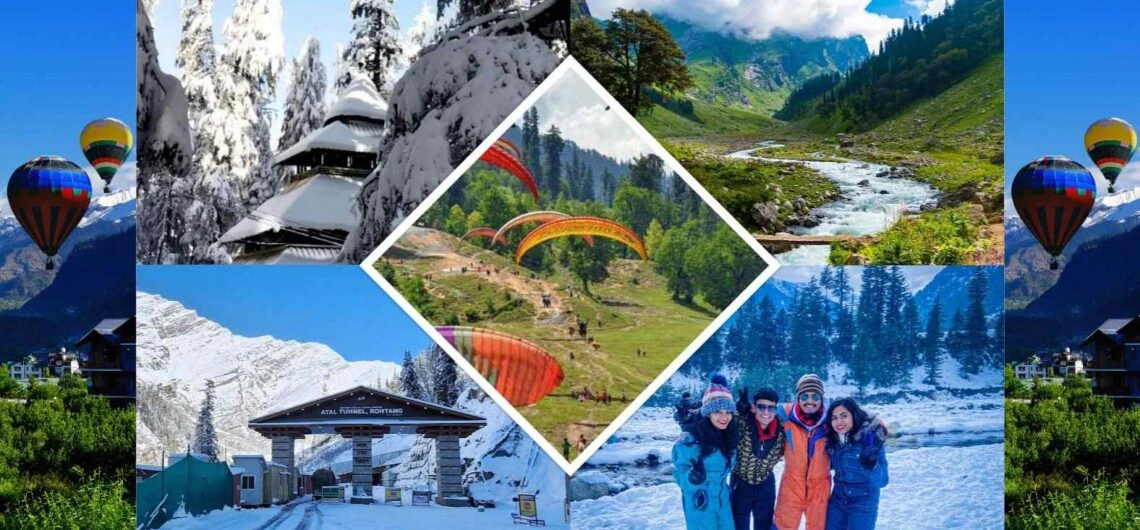
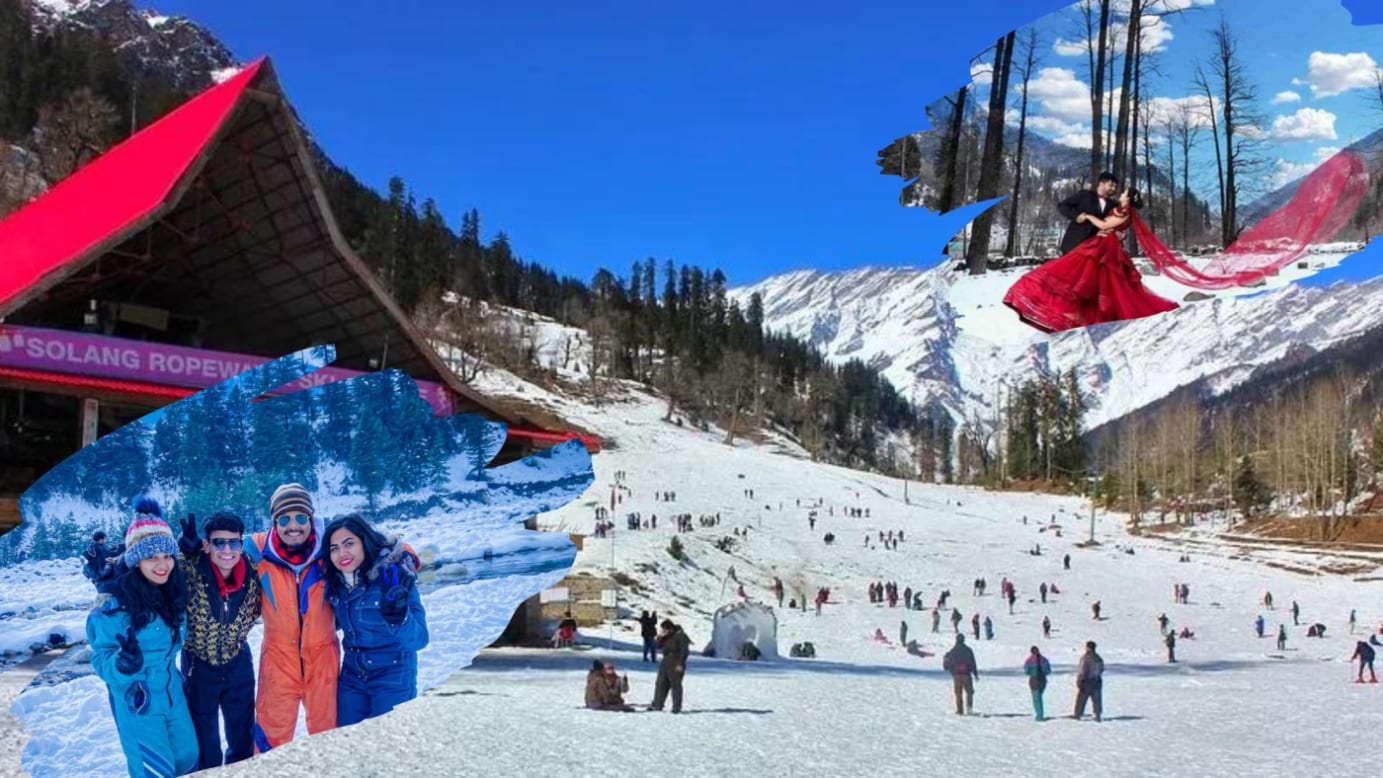
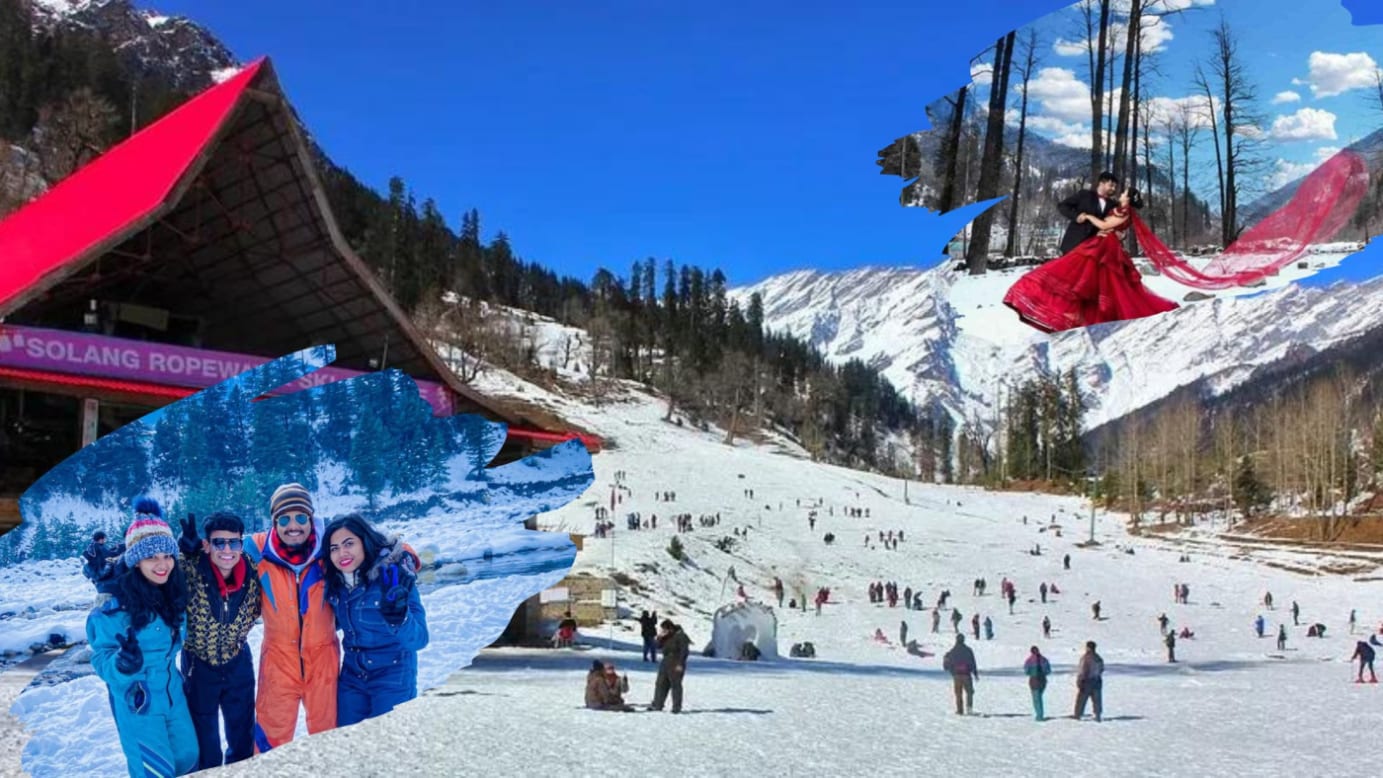
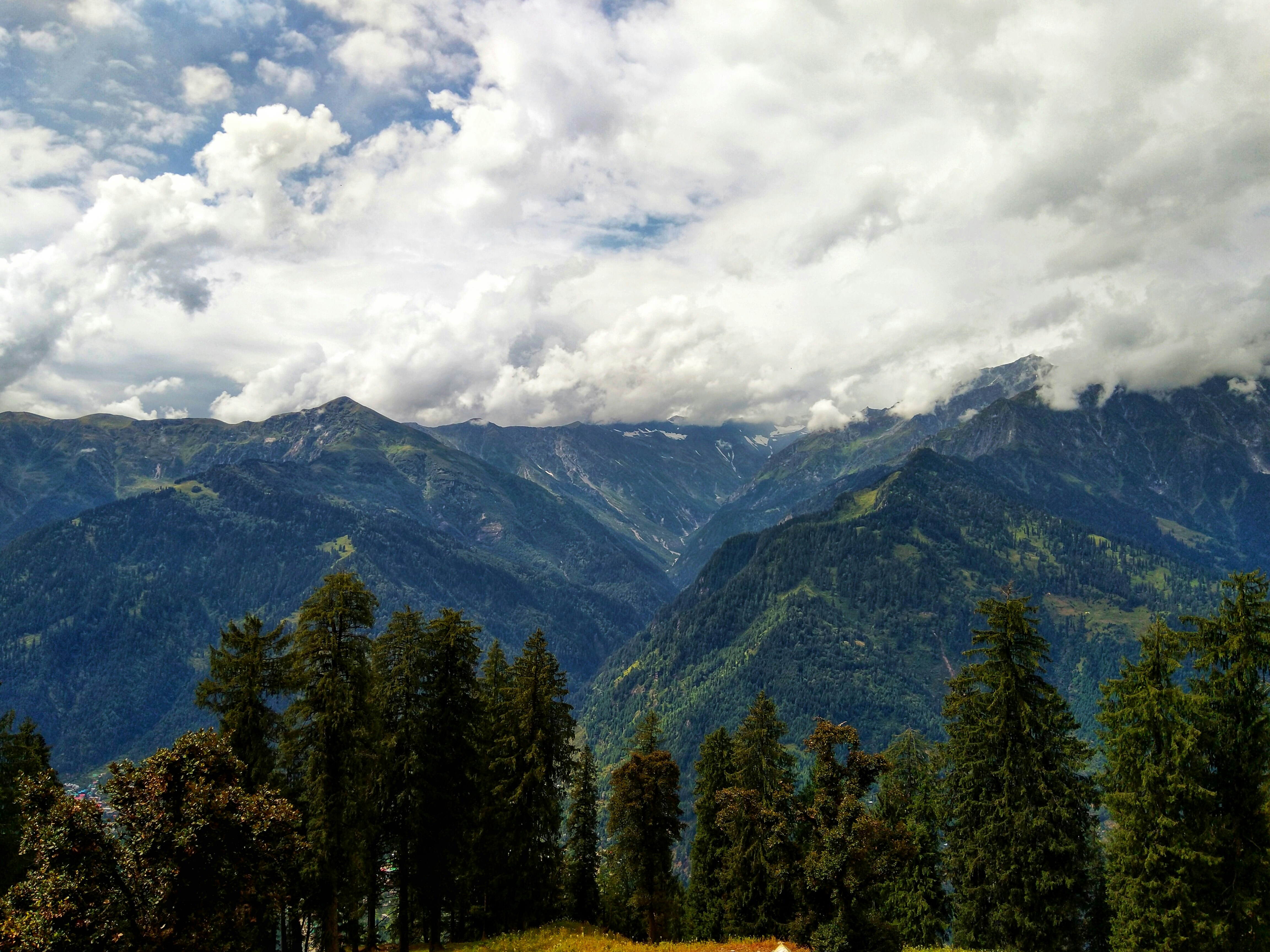
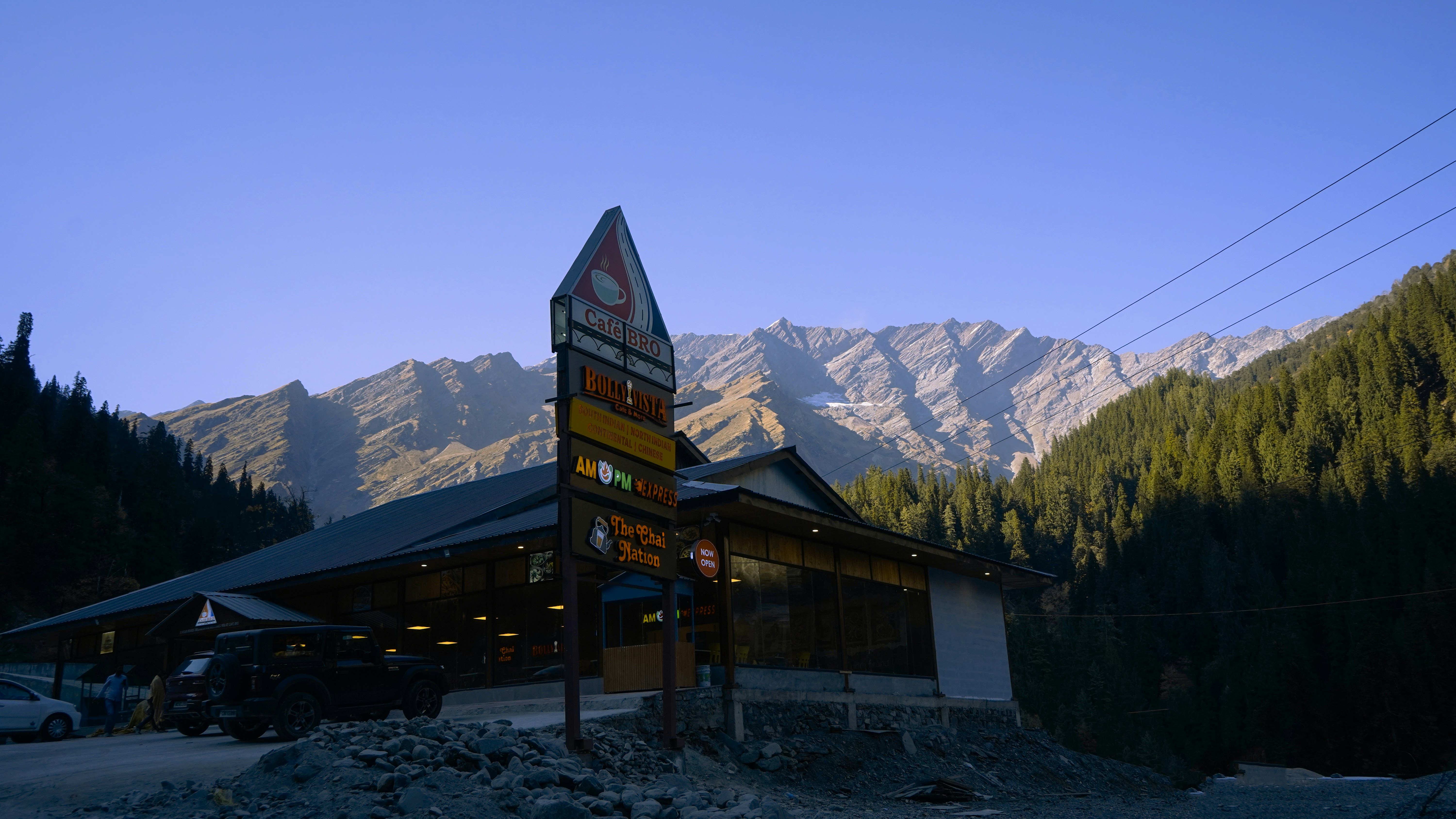
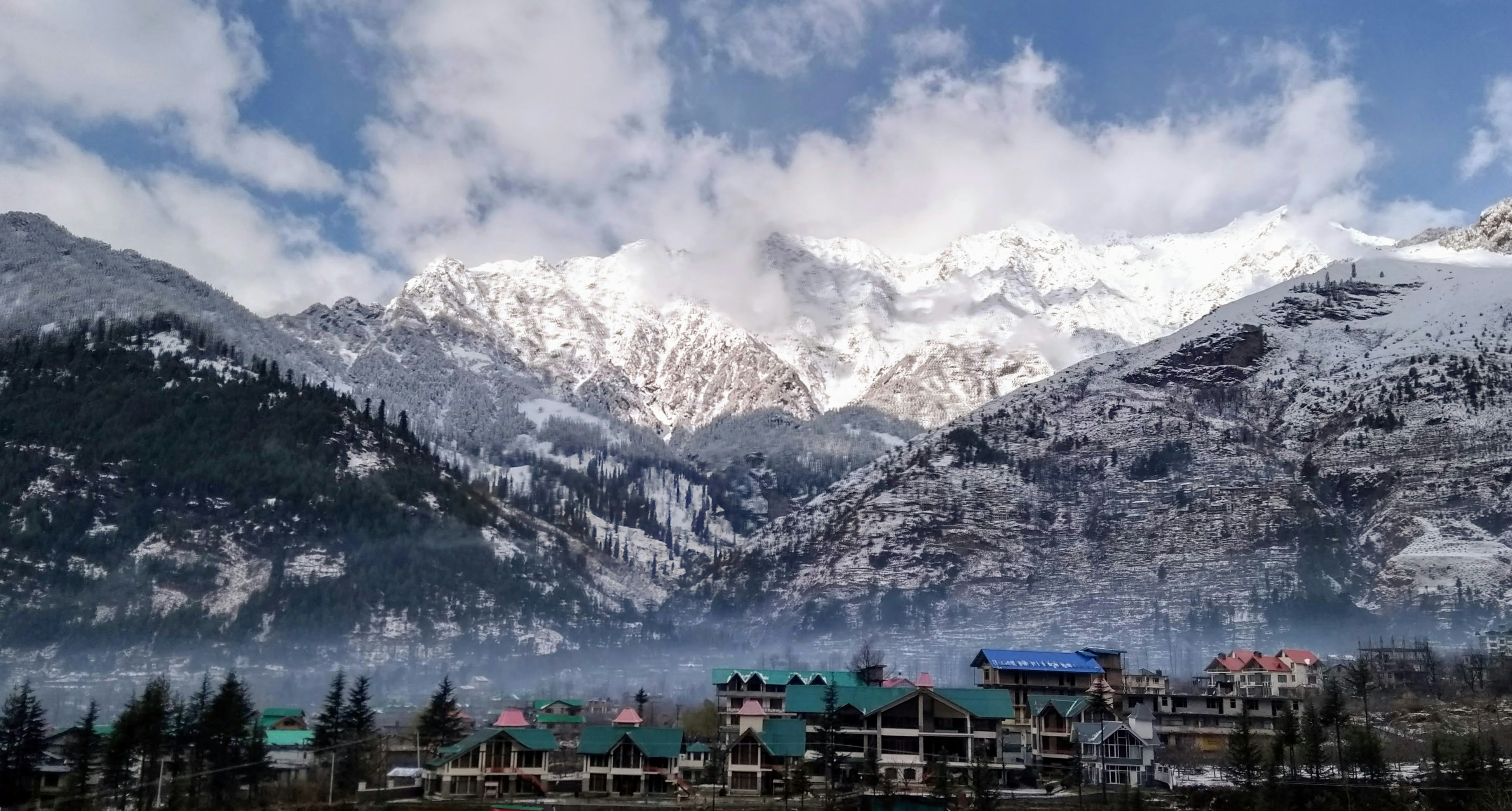
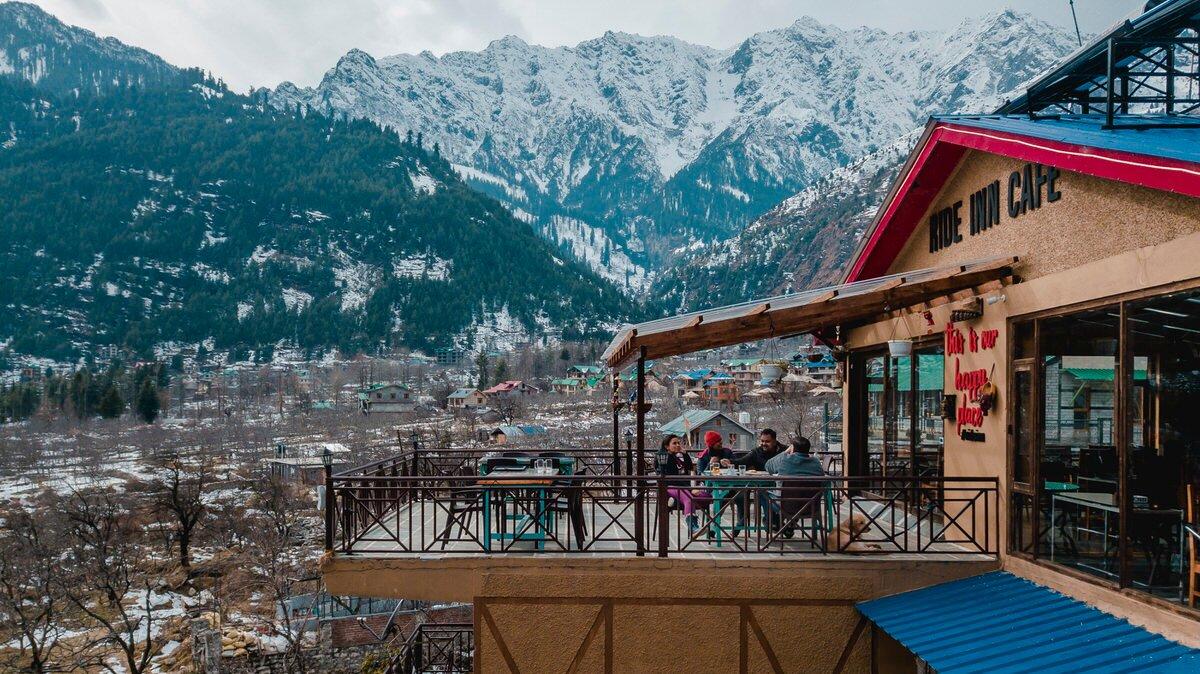
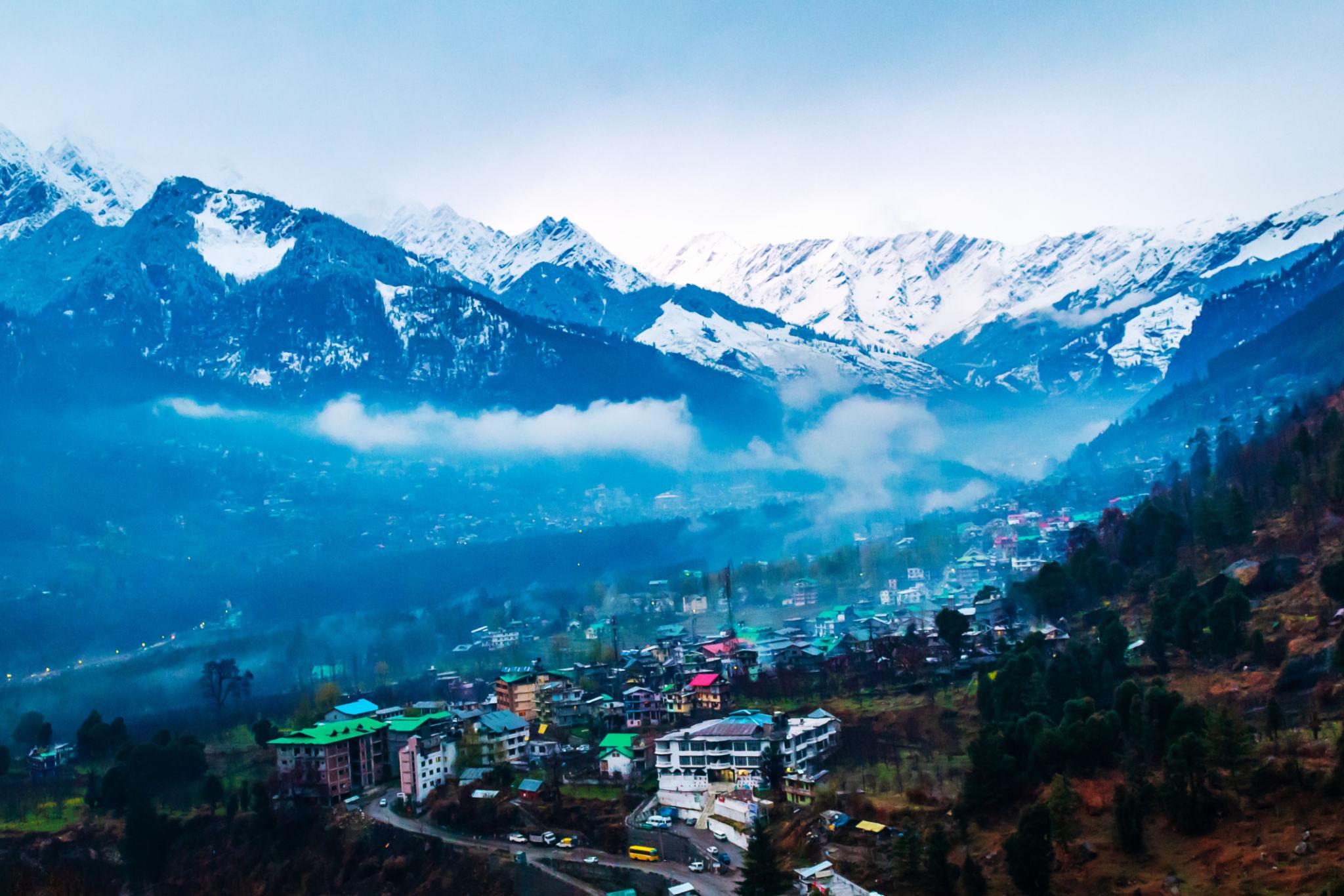
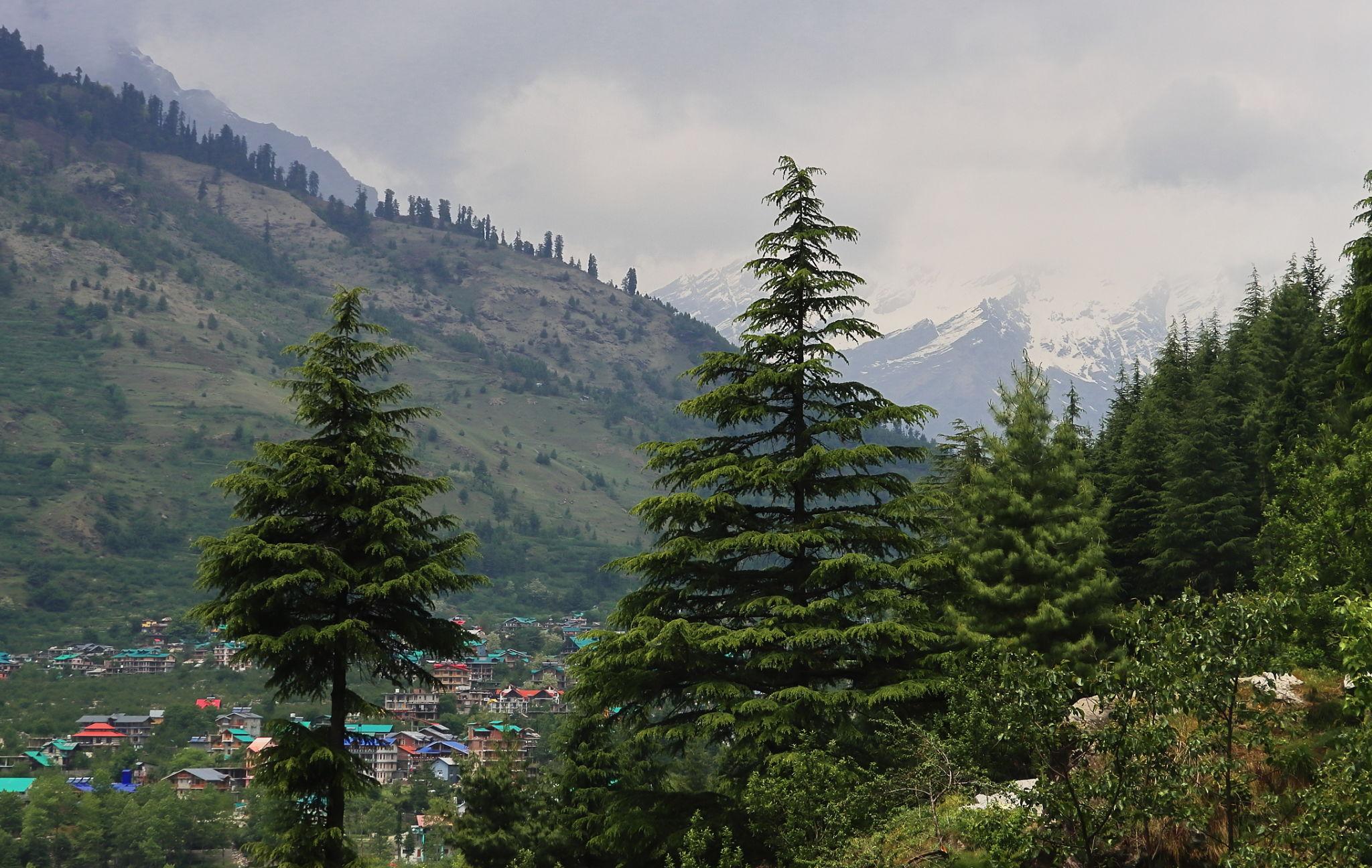
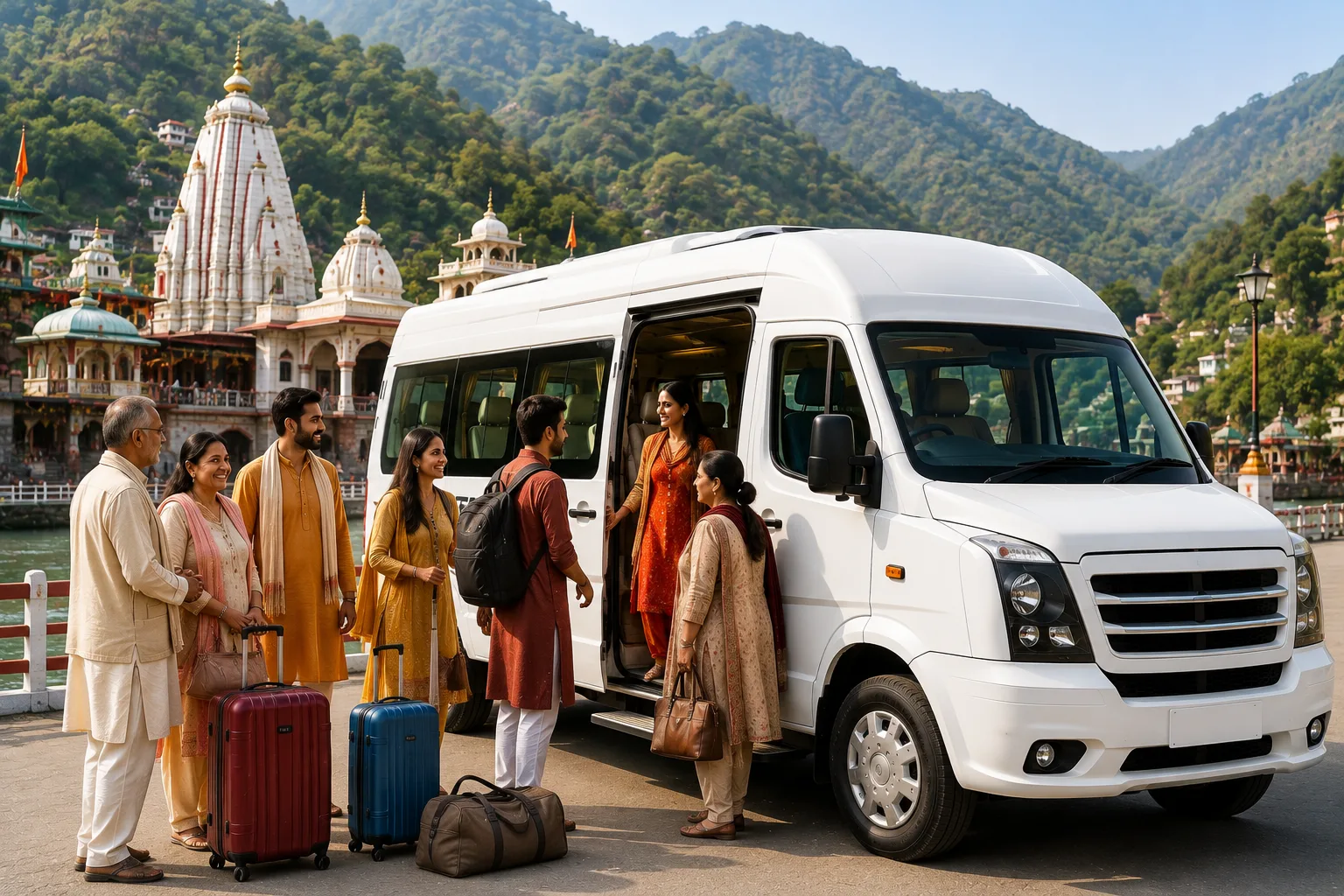
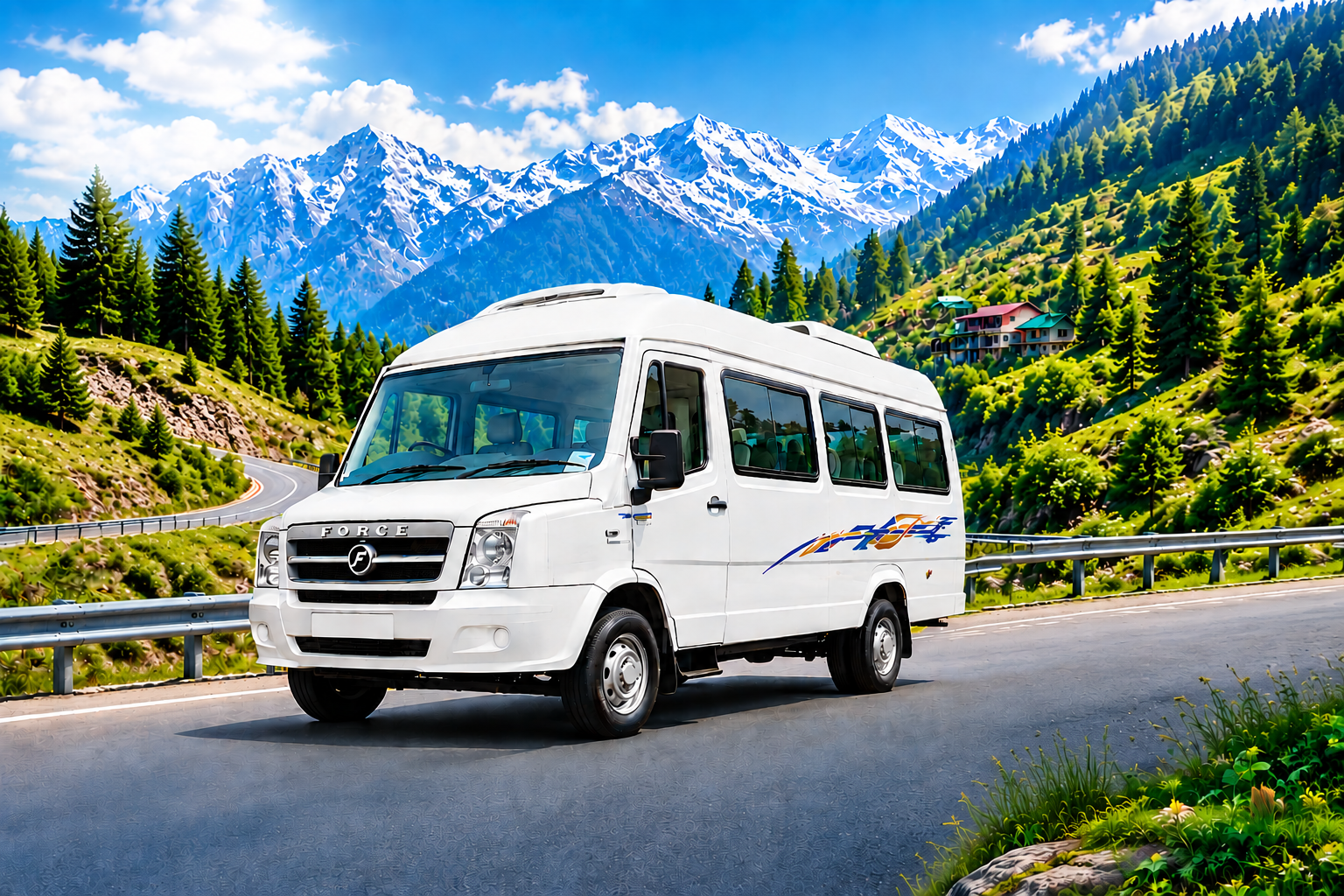
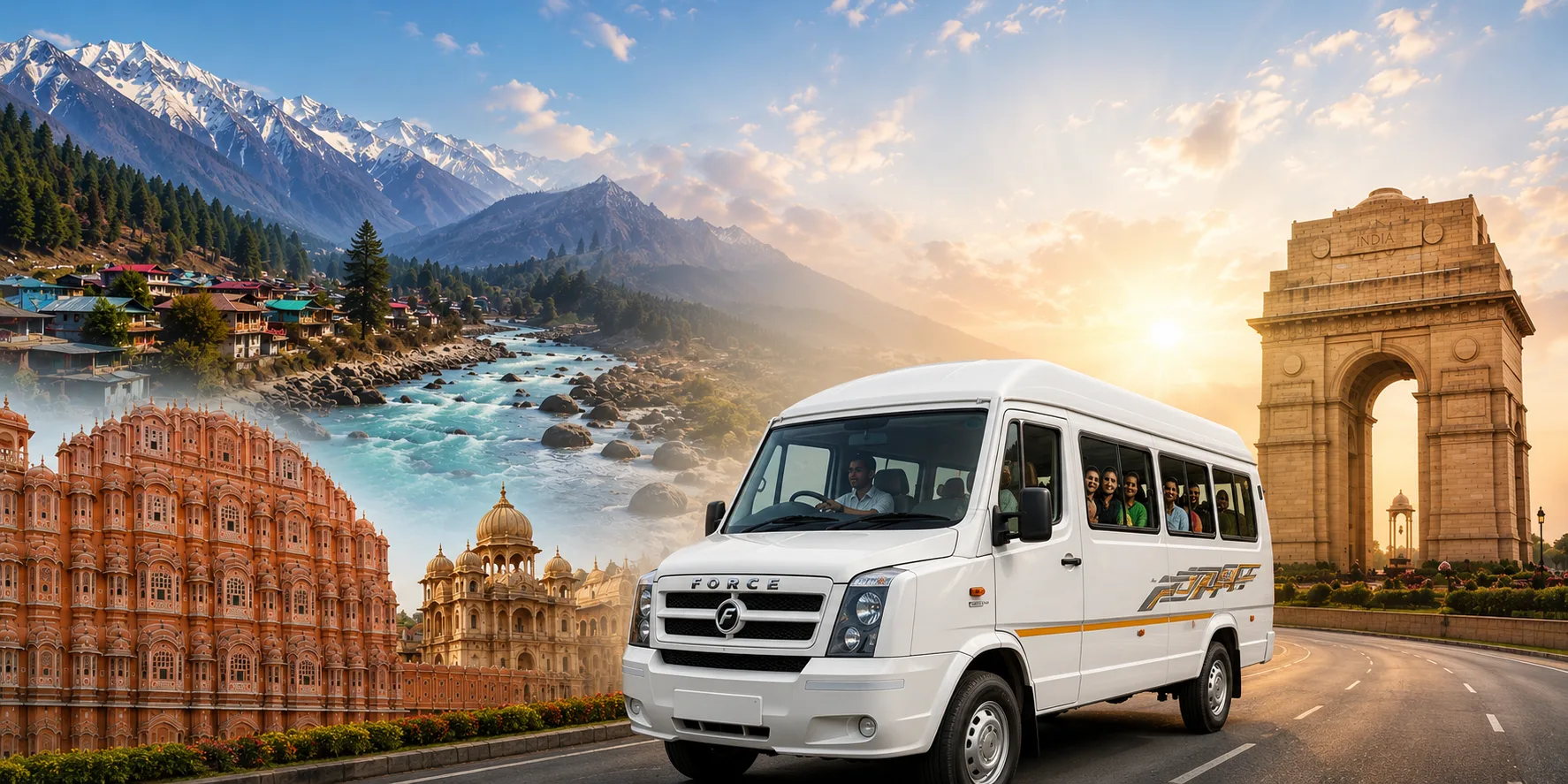
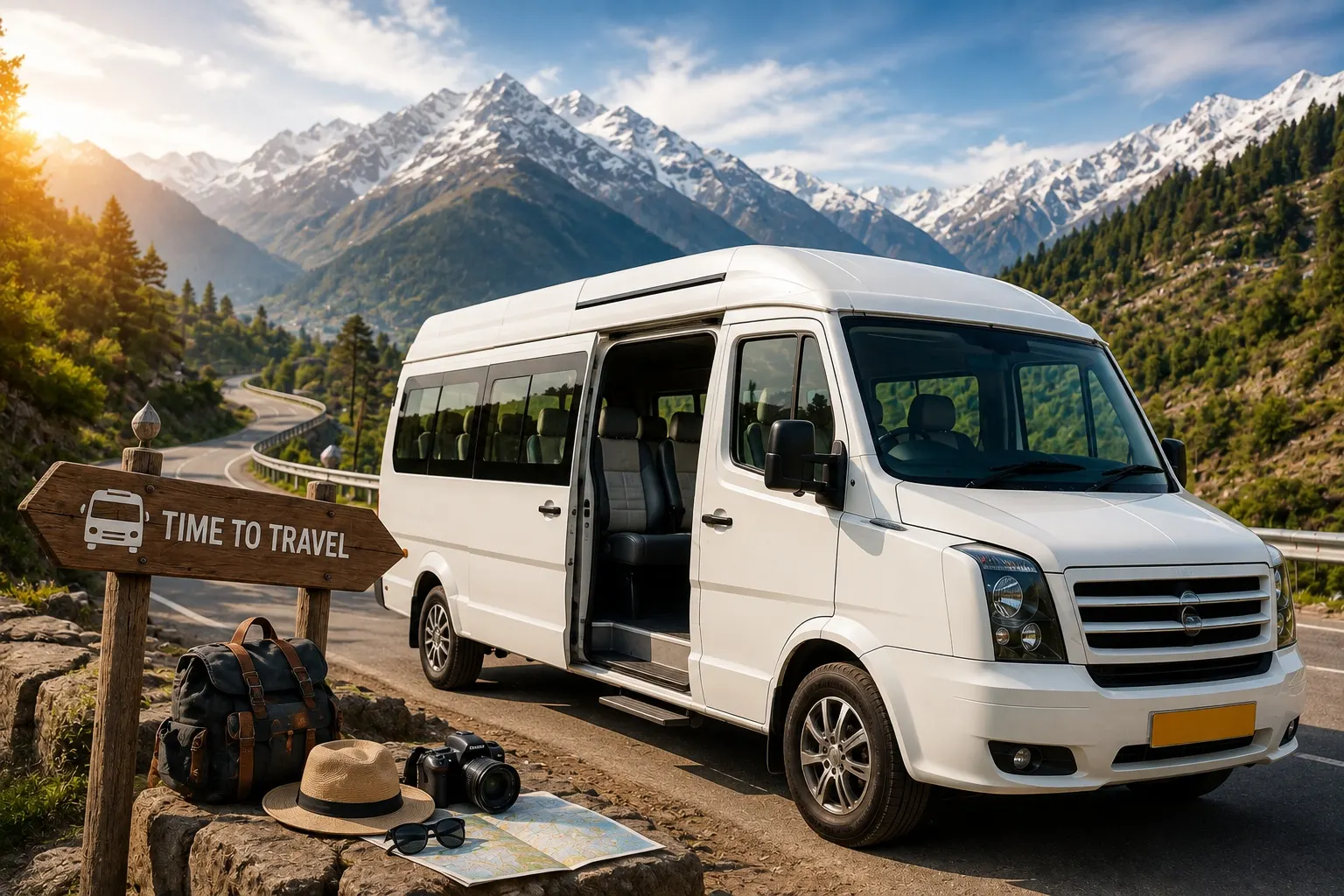
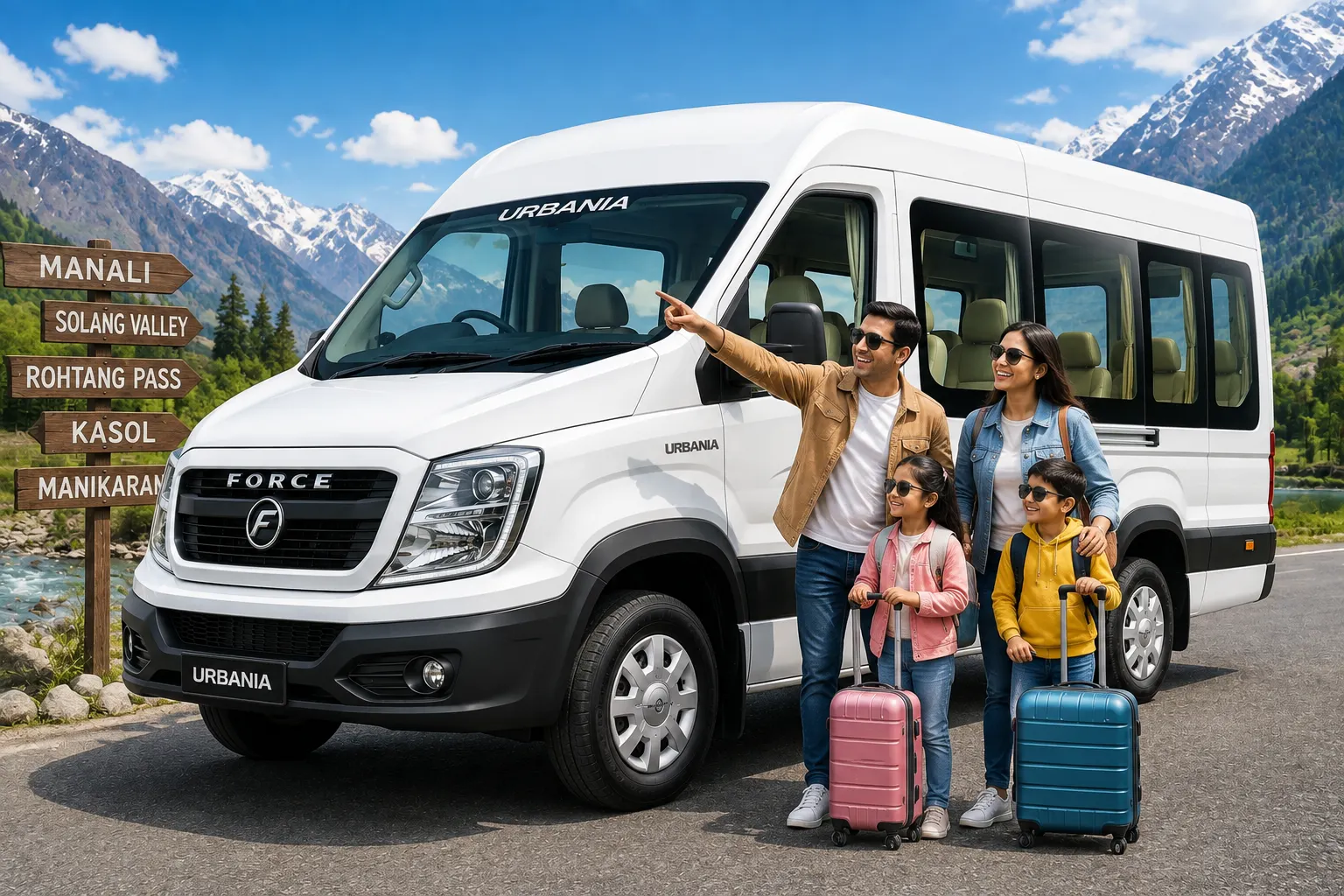
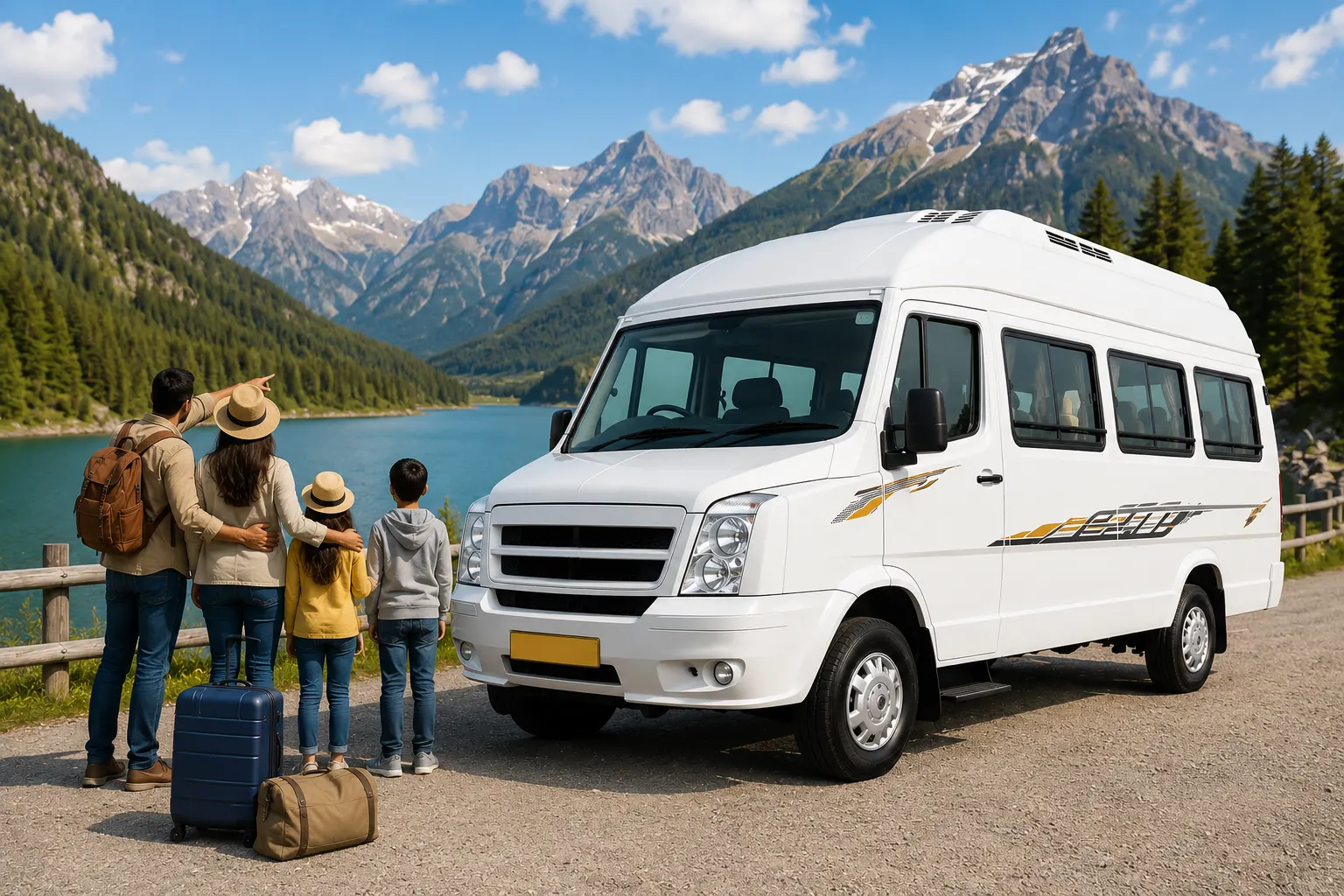
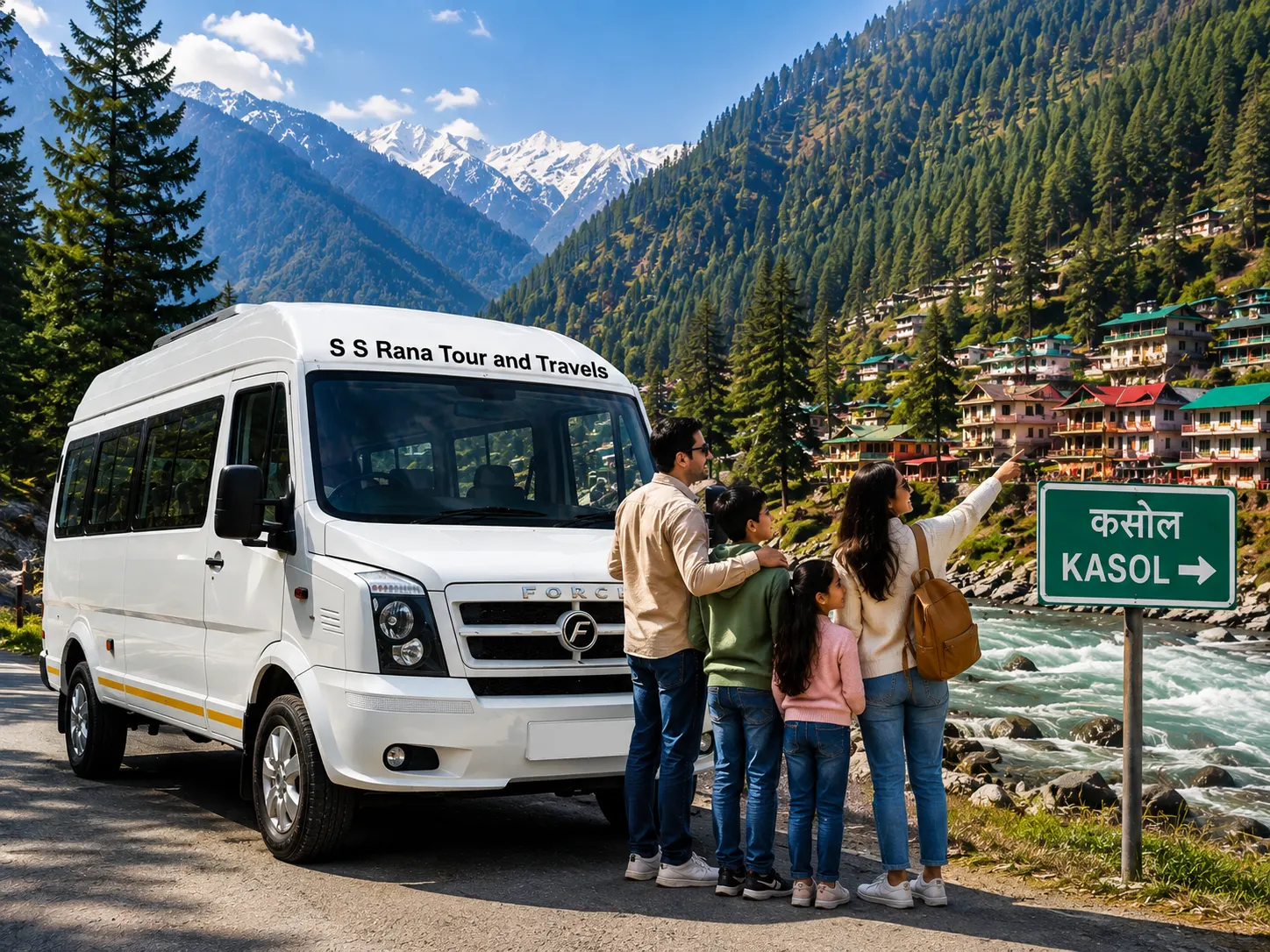
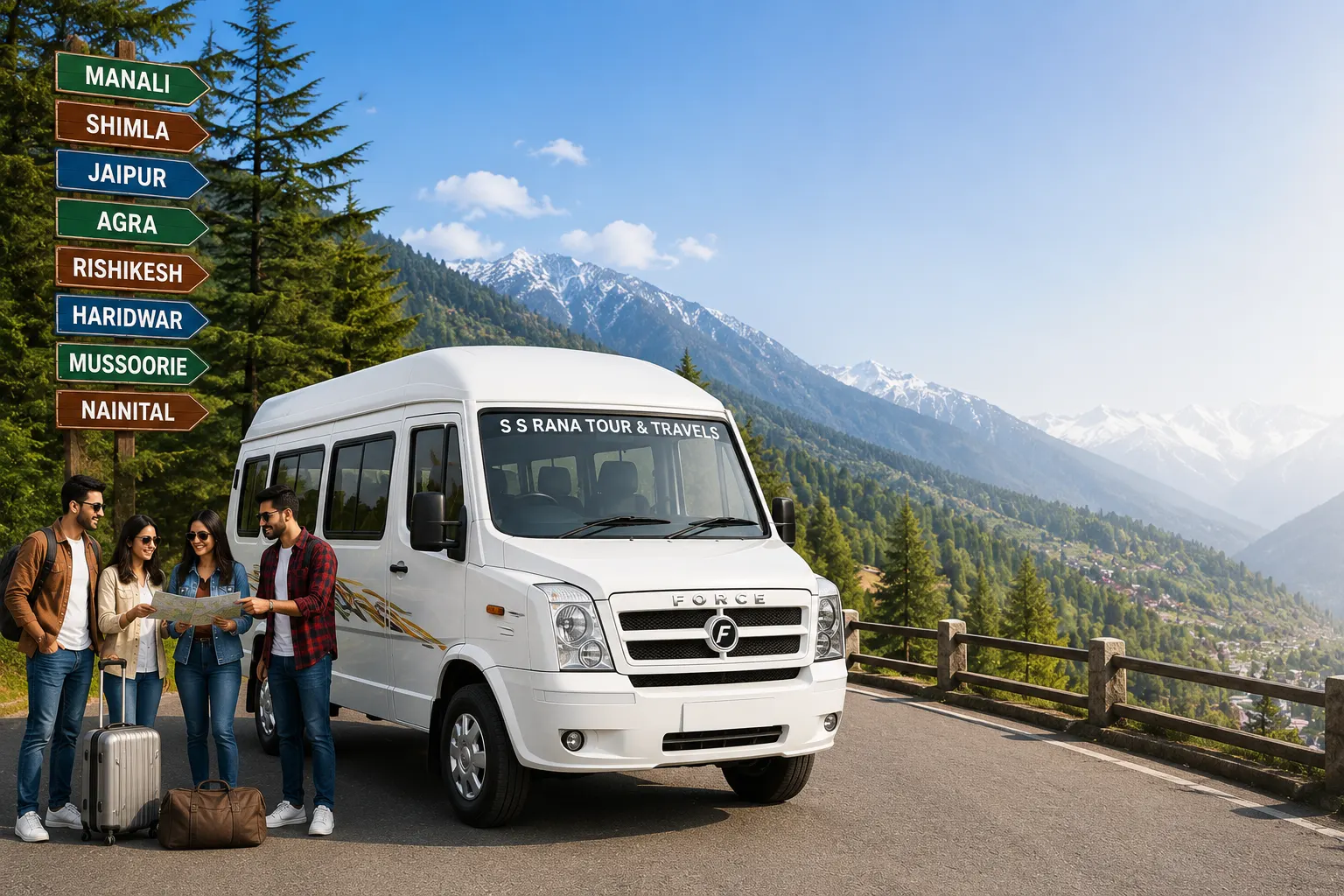
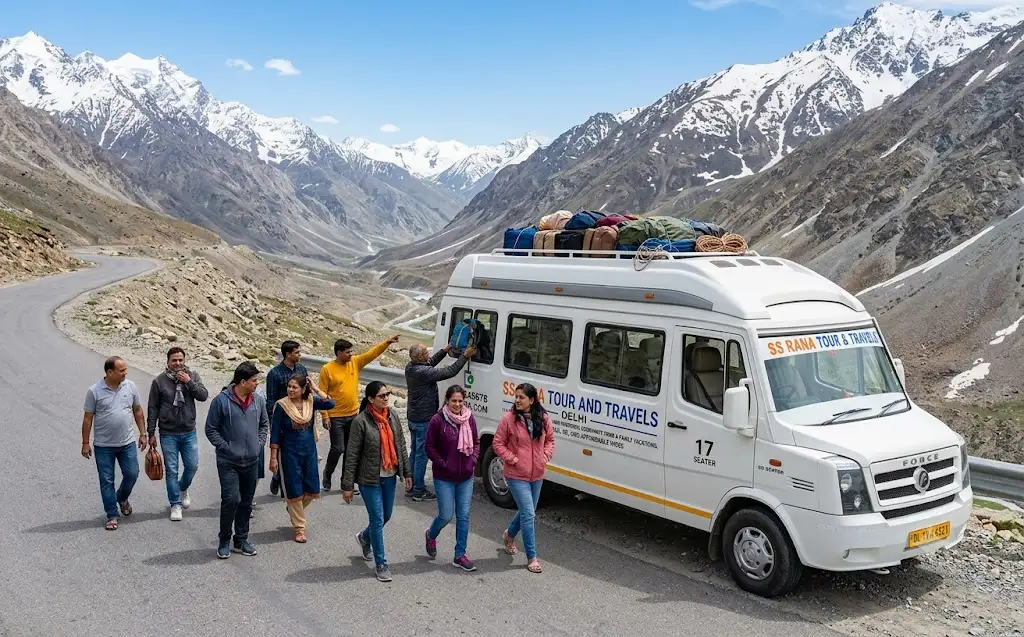
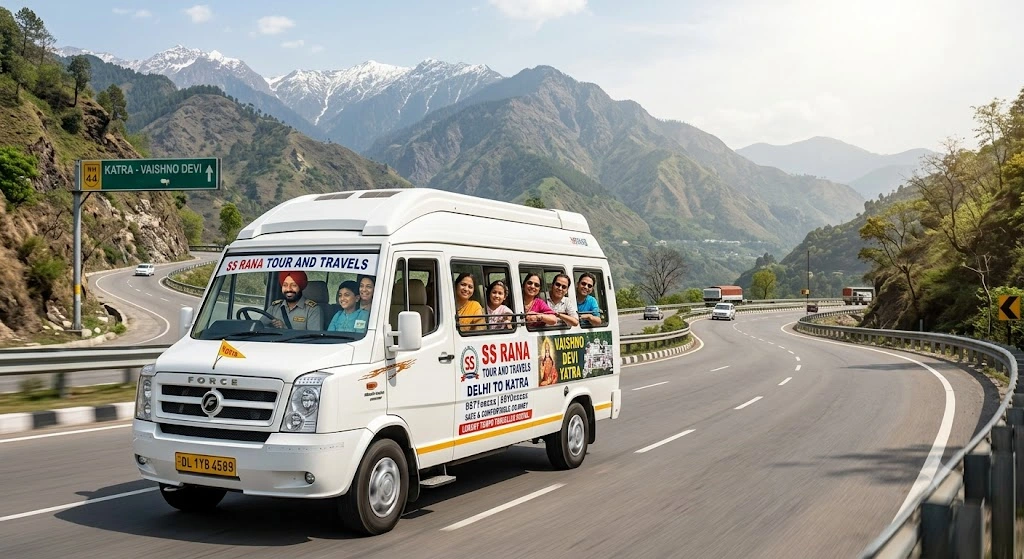
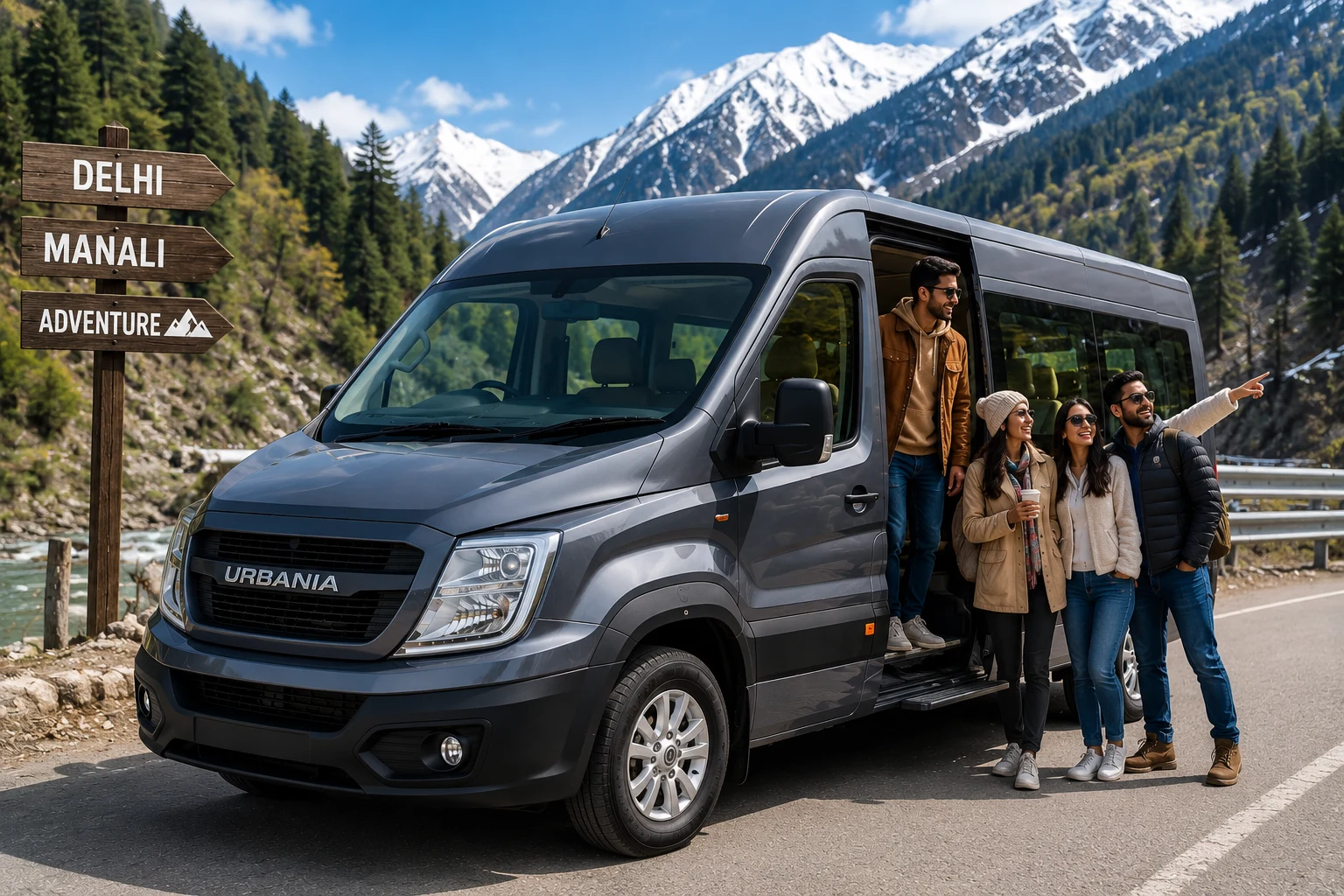
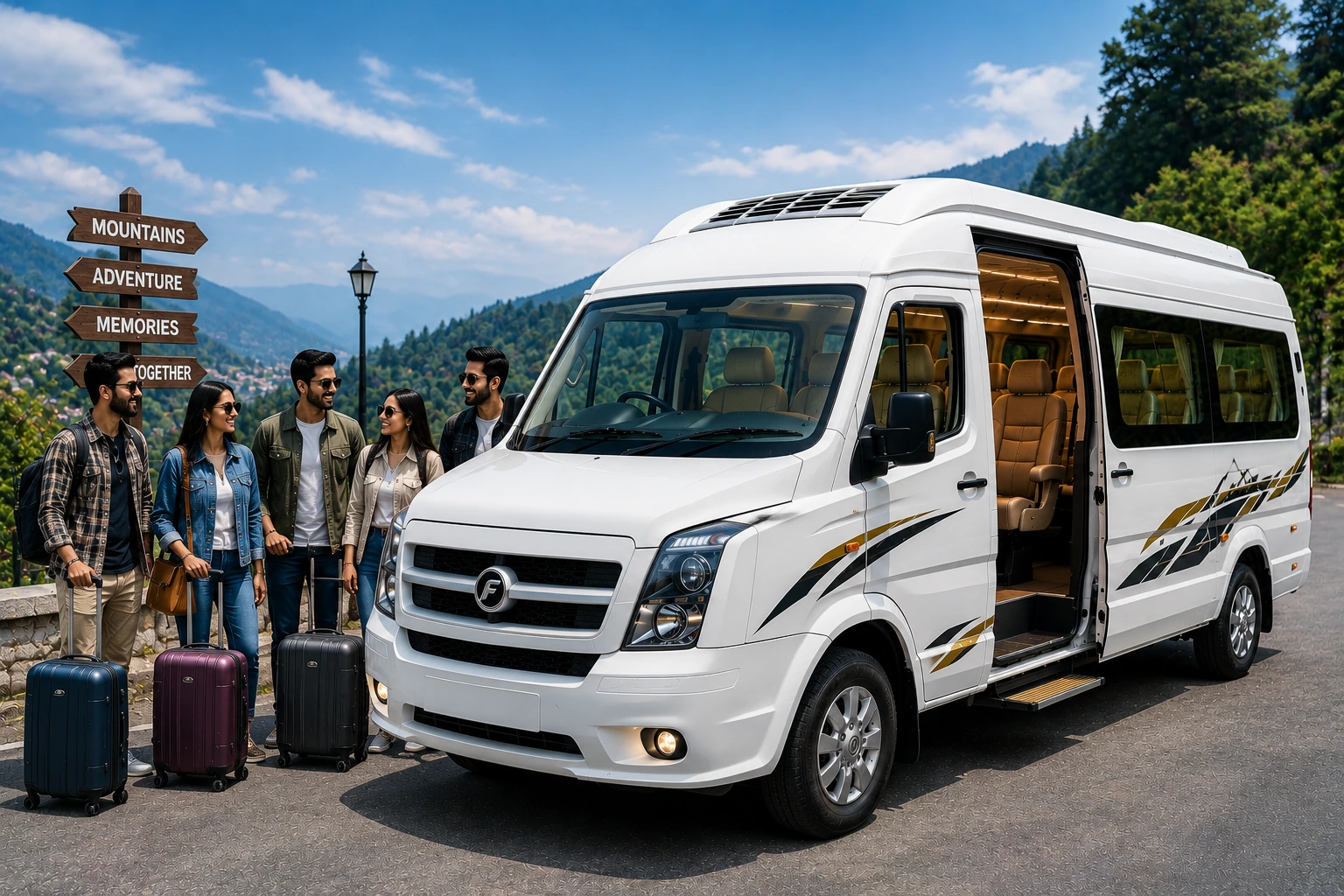
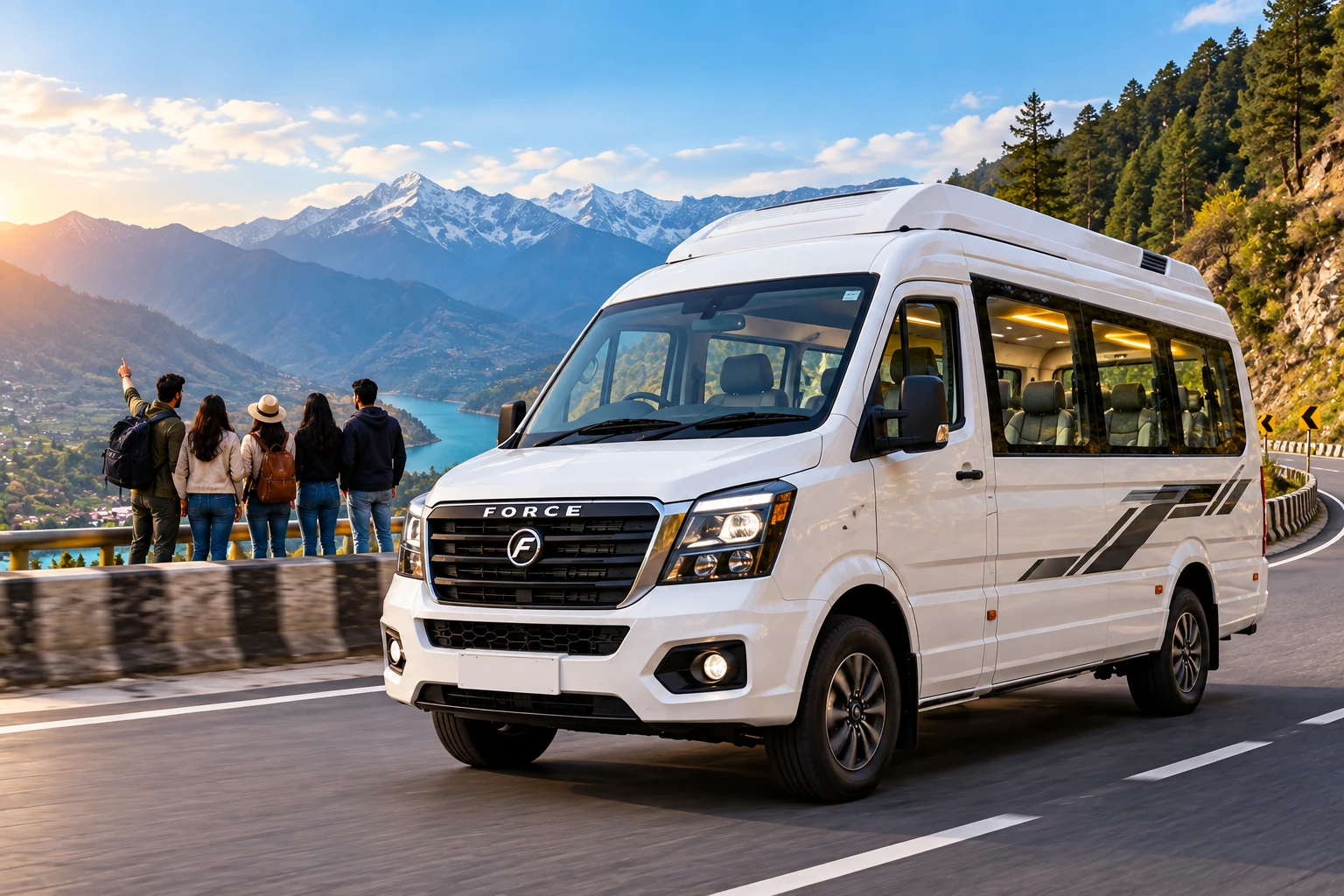
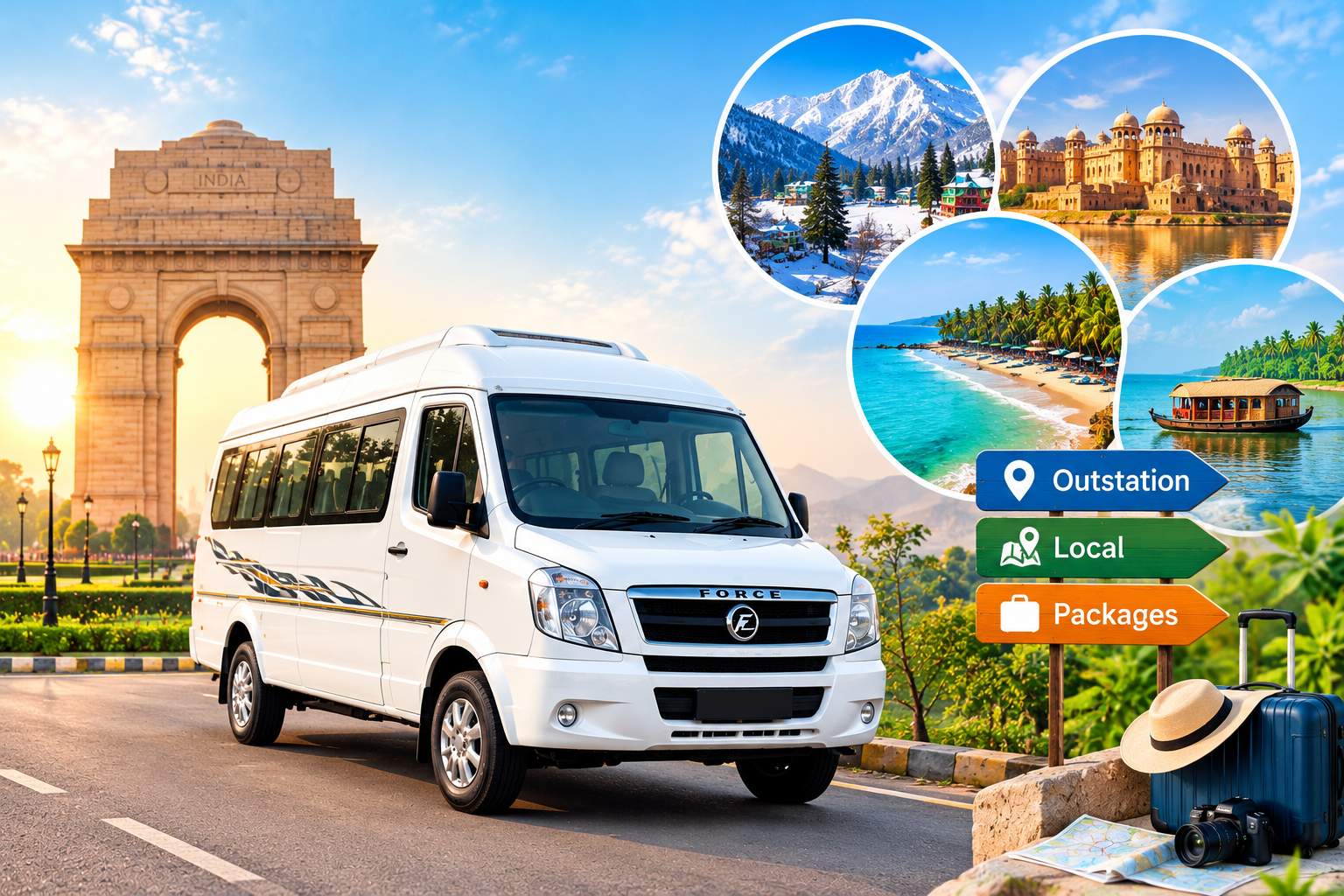
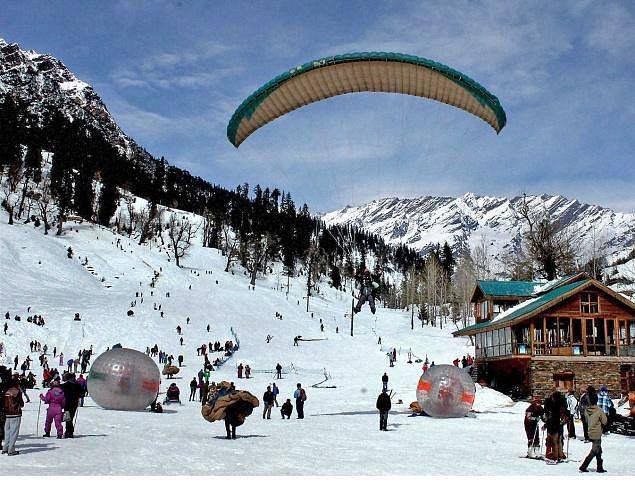
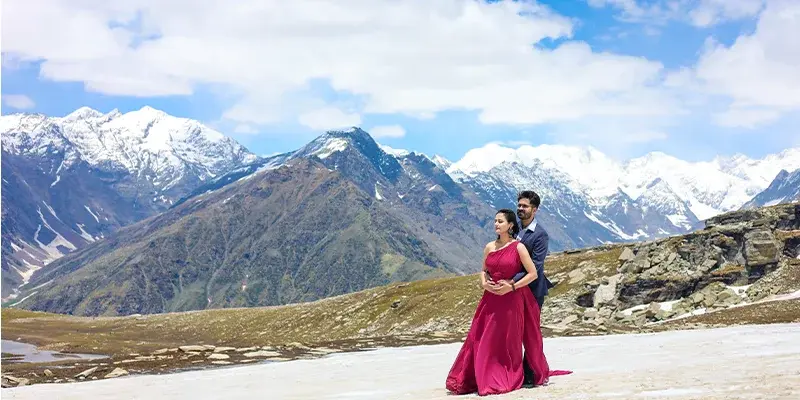
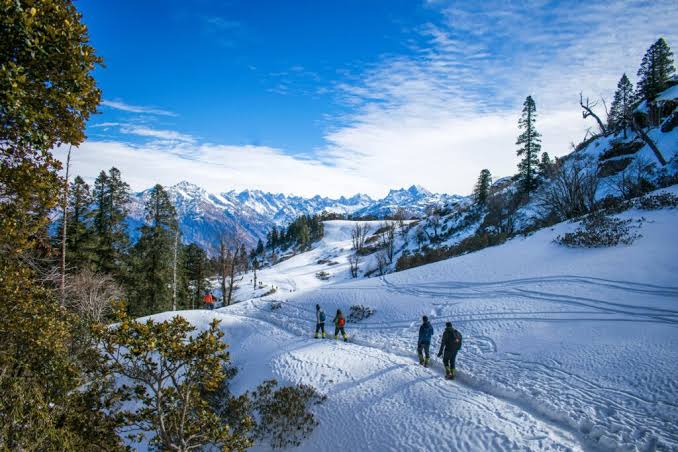
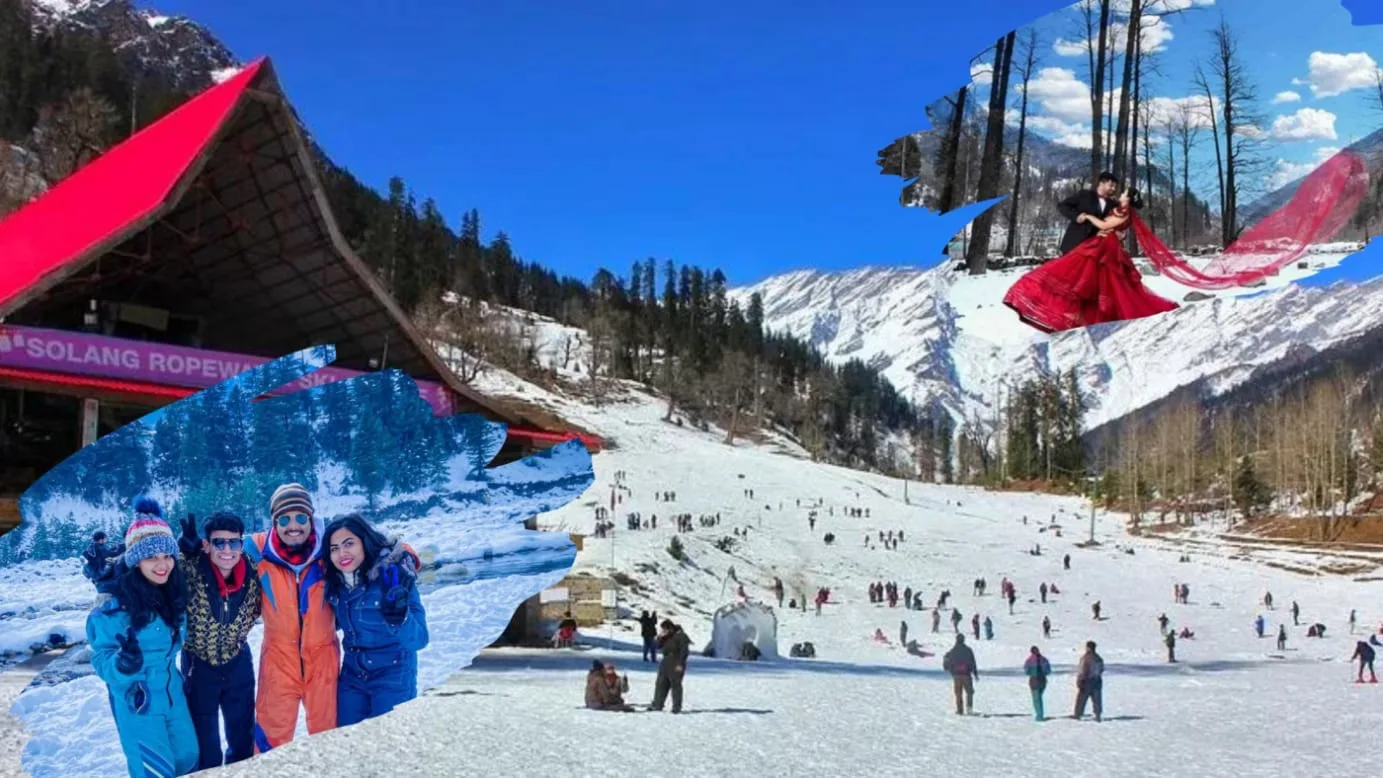
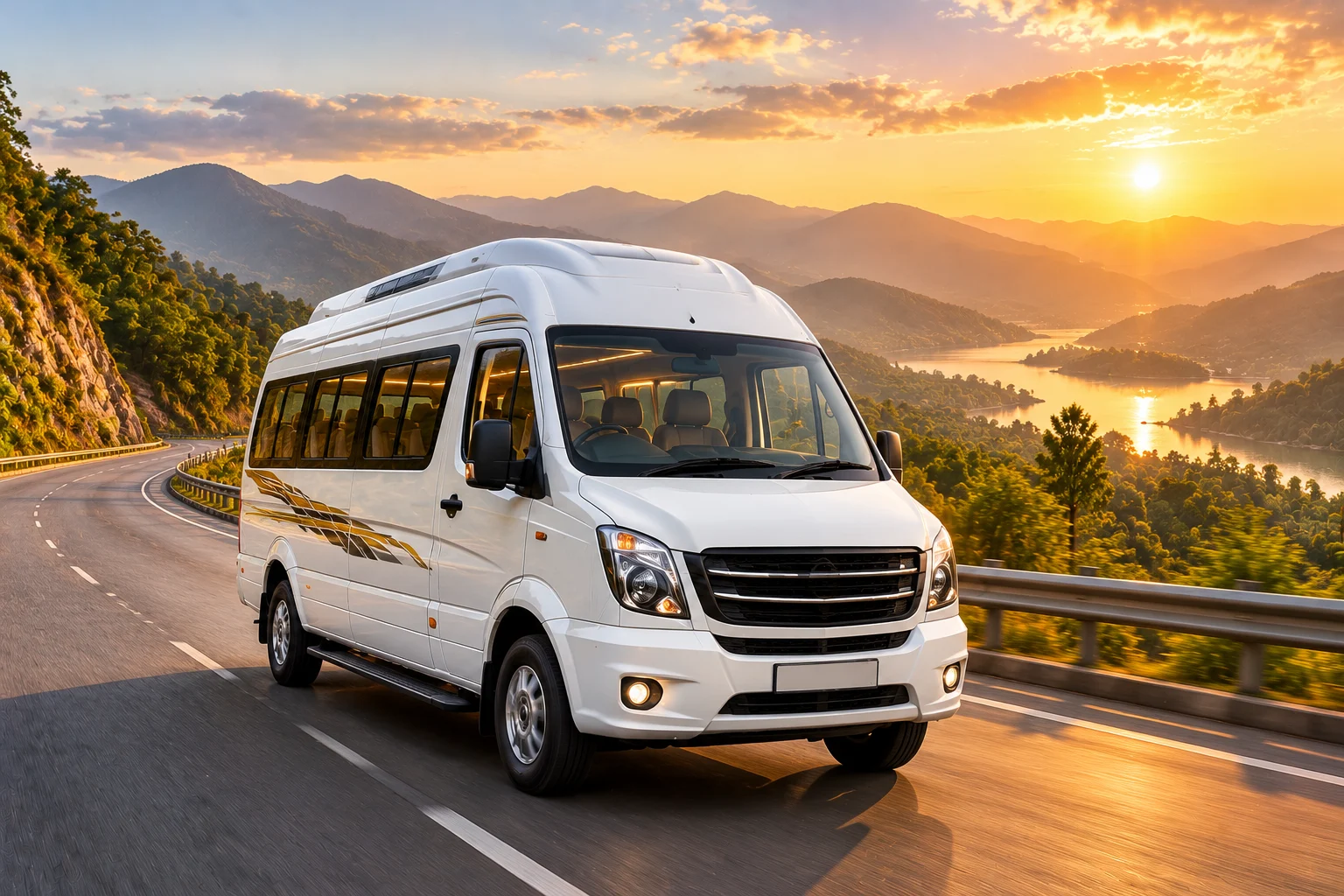
Hill stations: Manali, Shimla, Mussoorie, Nainital and Dehradun.
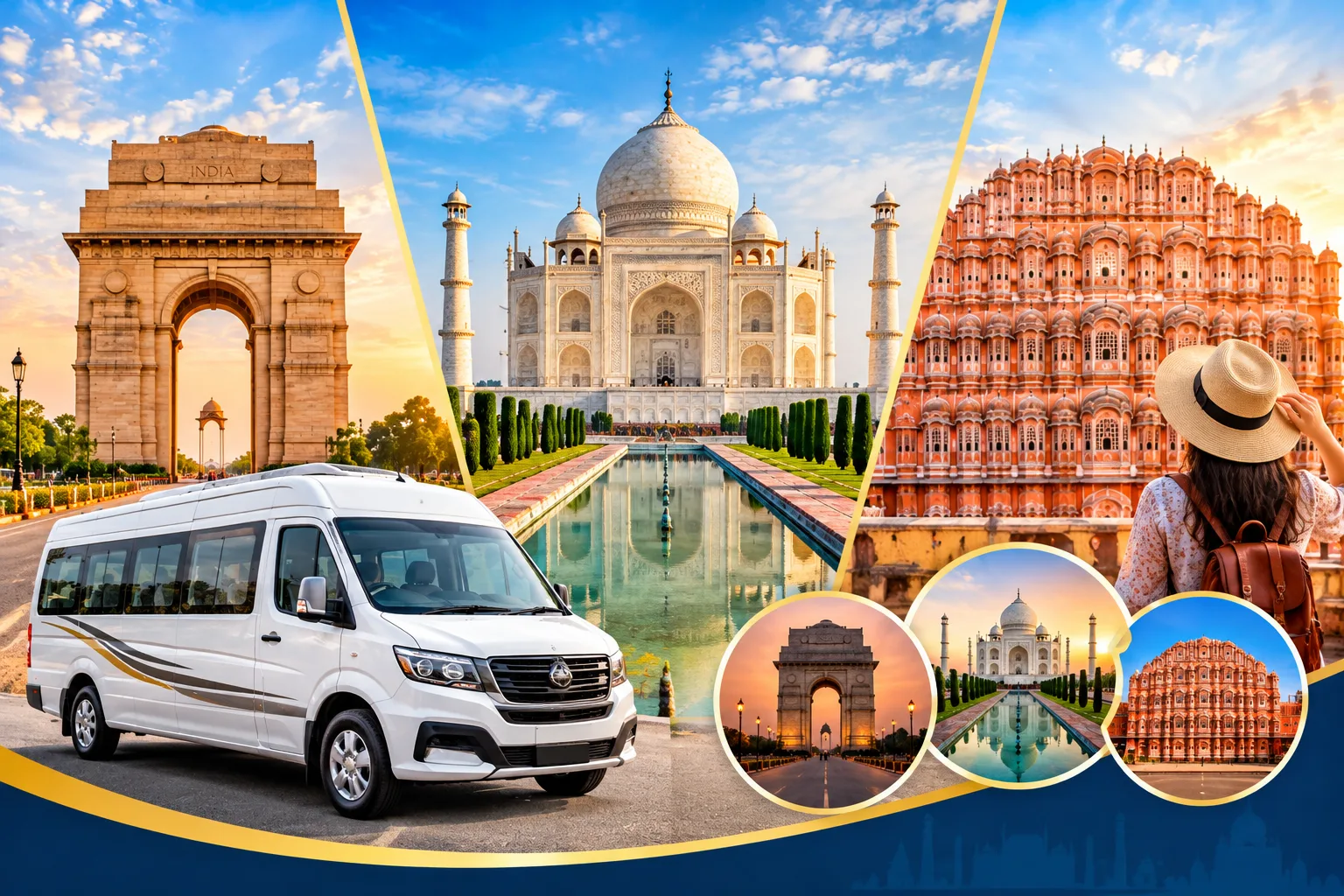
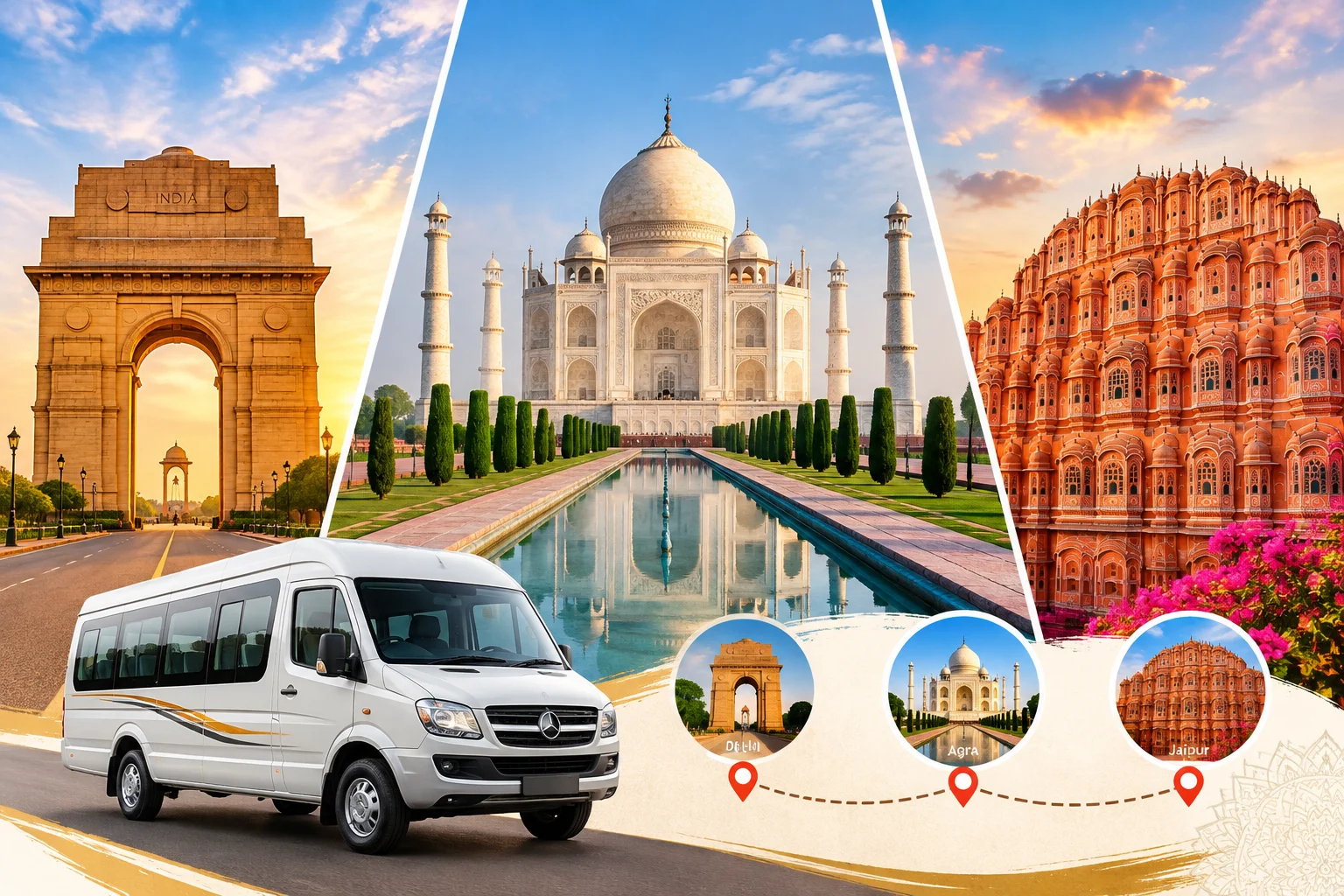
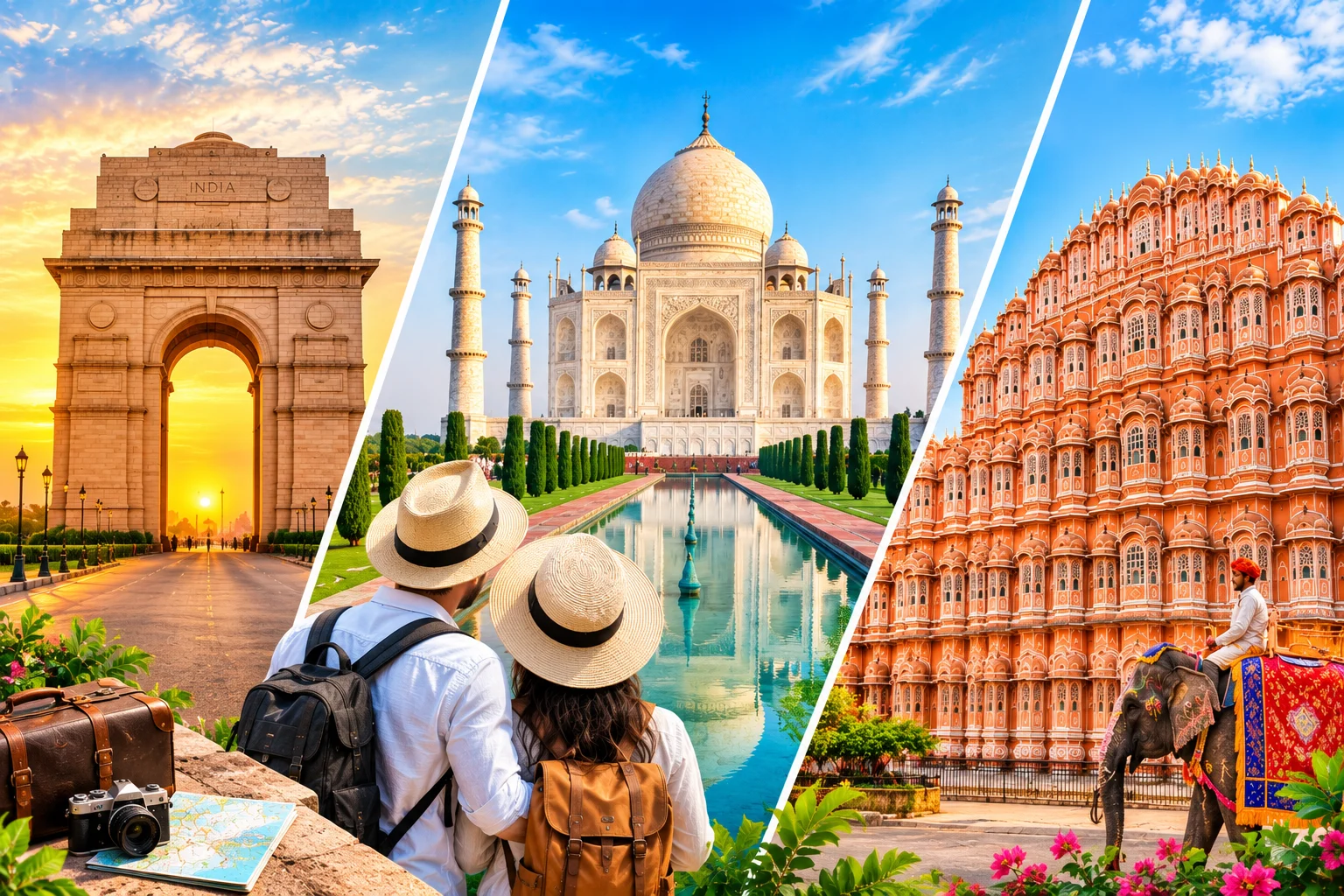
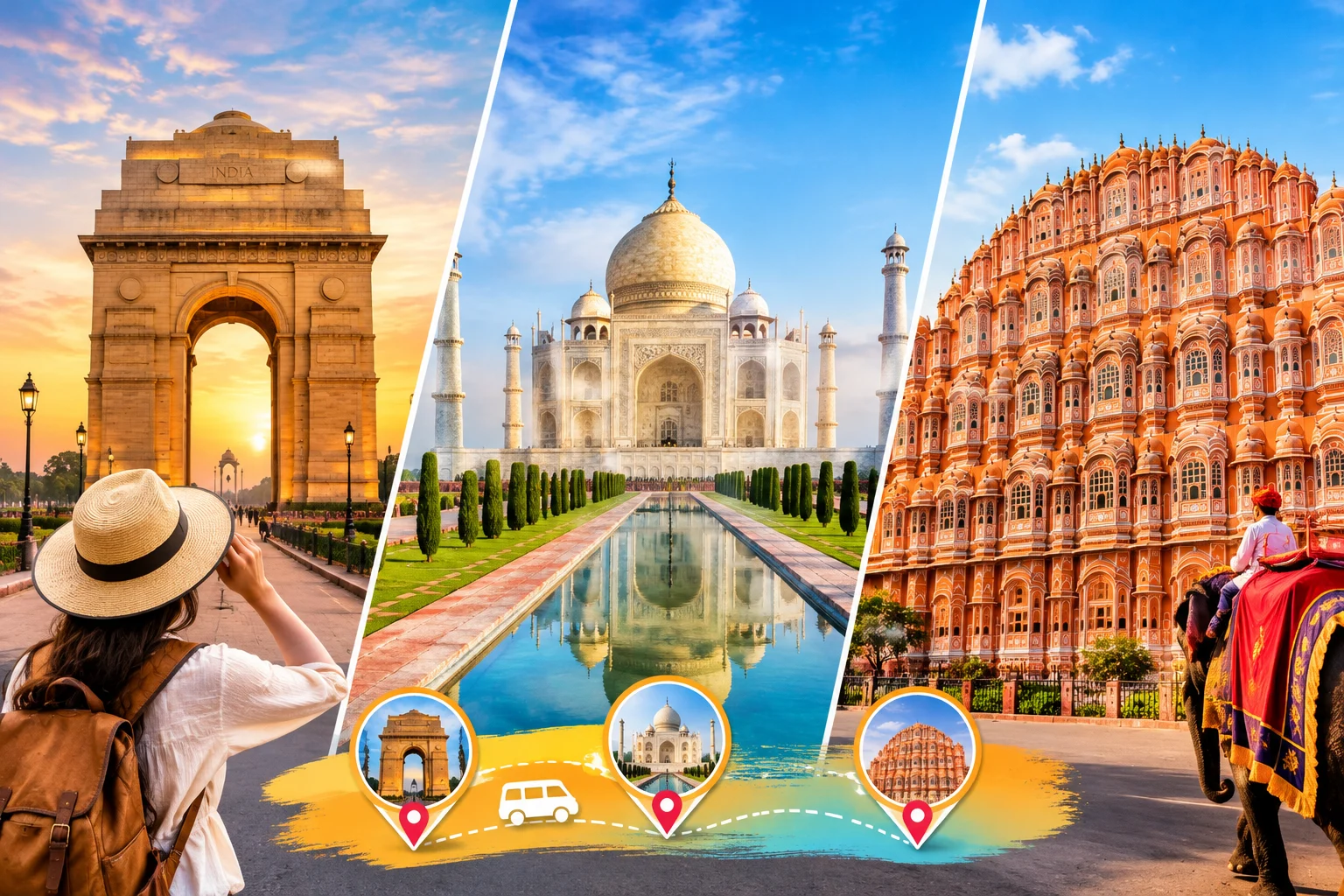
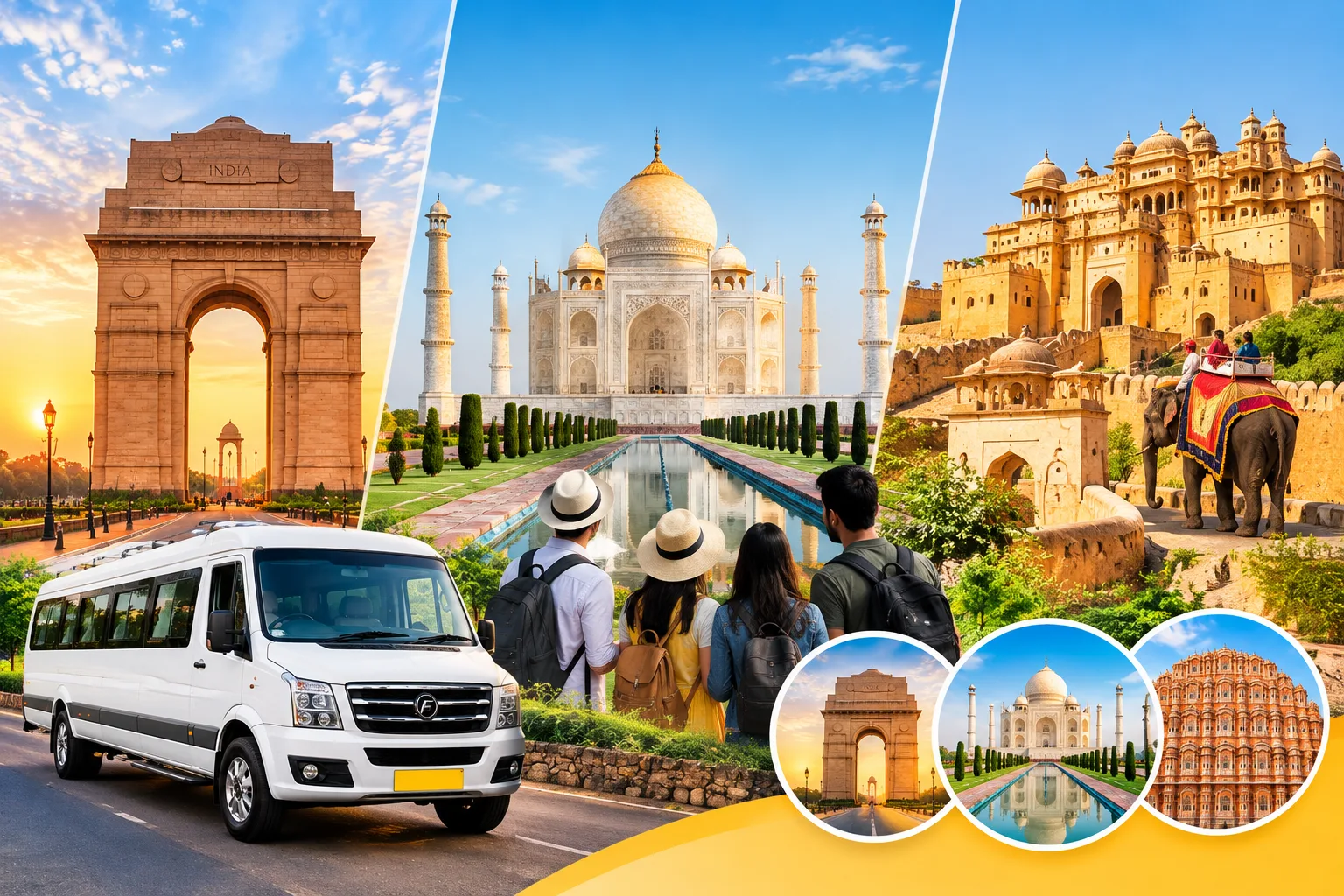
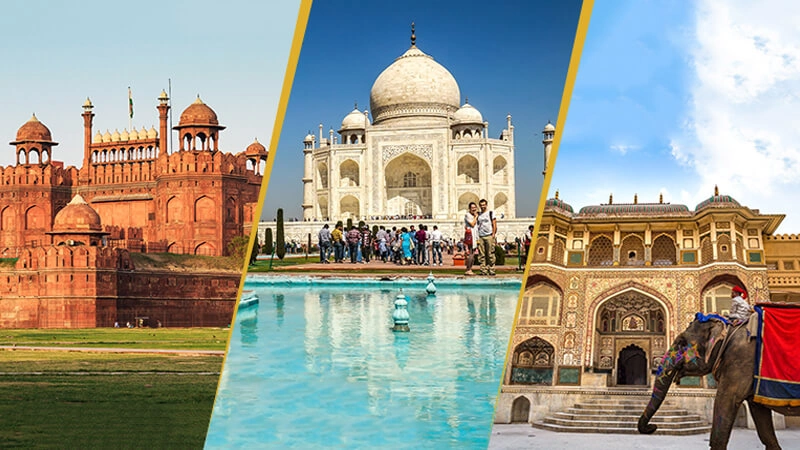
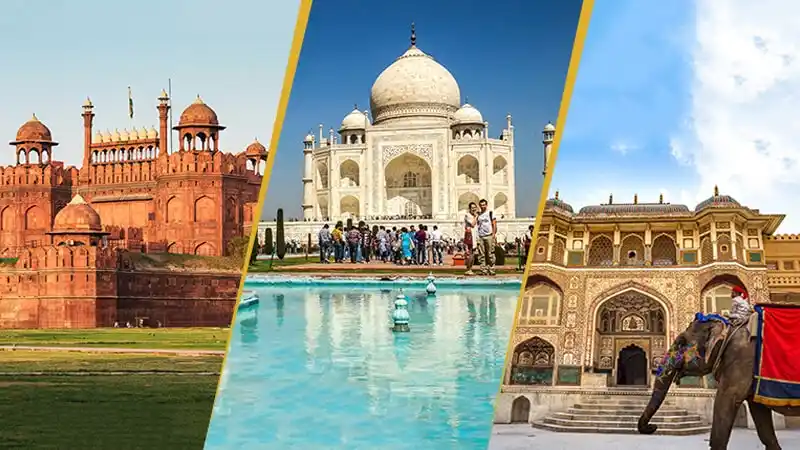
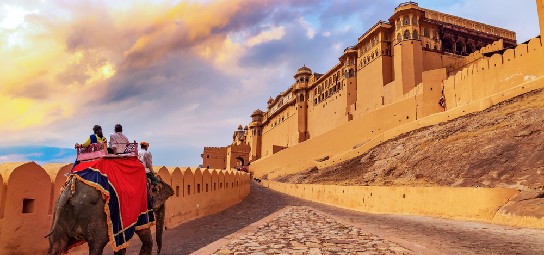
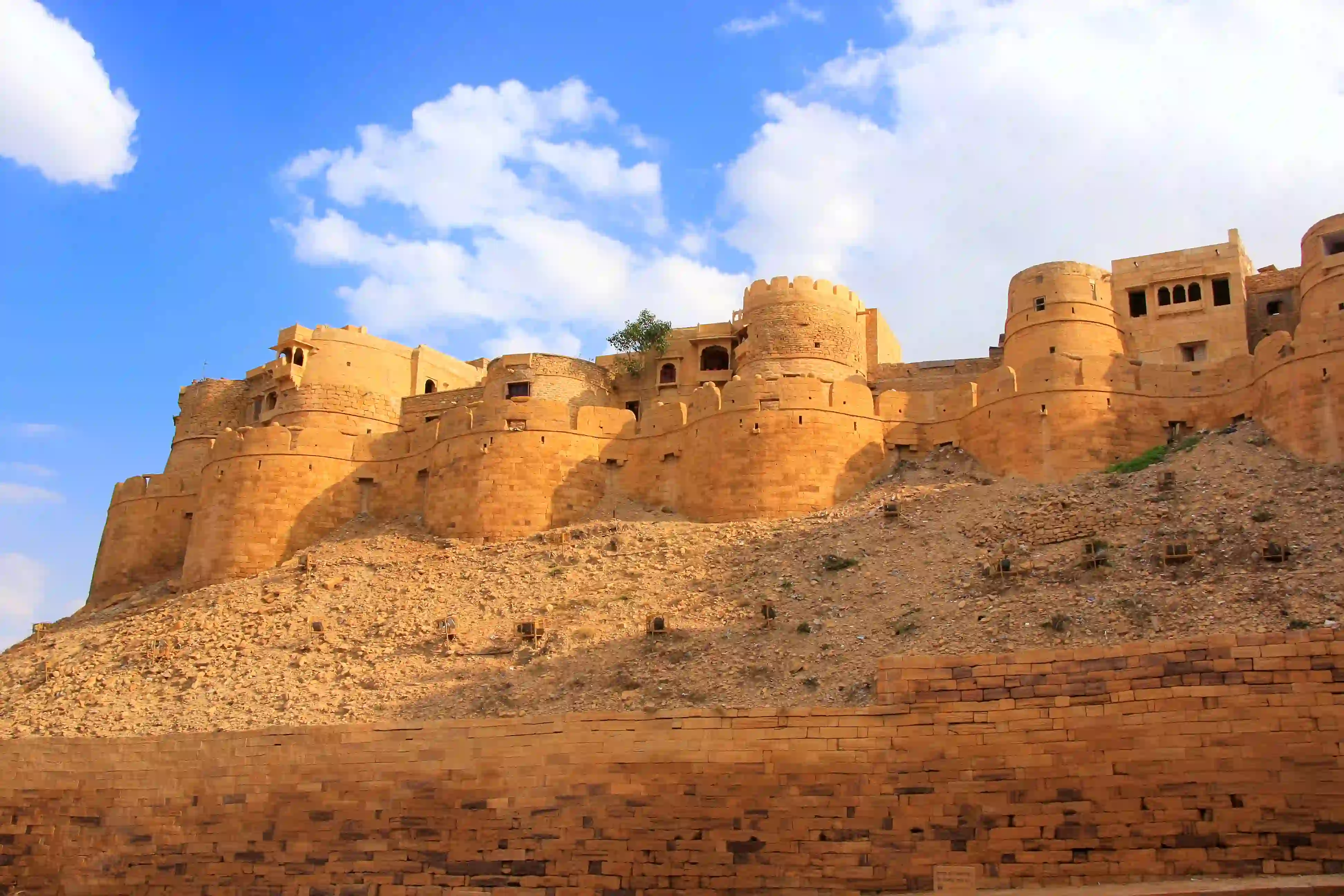
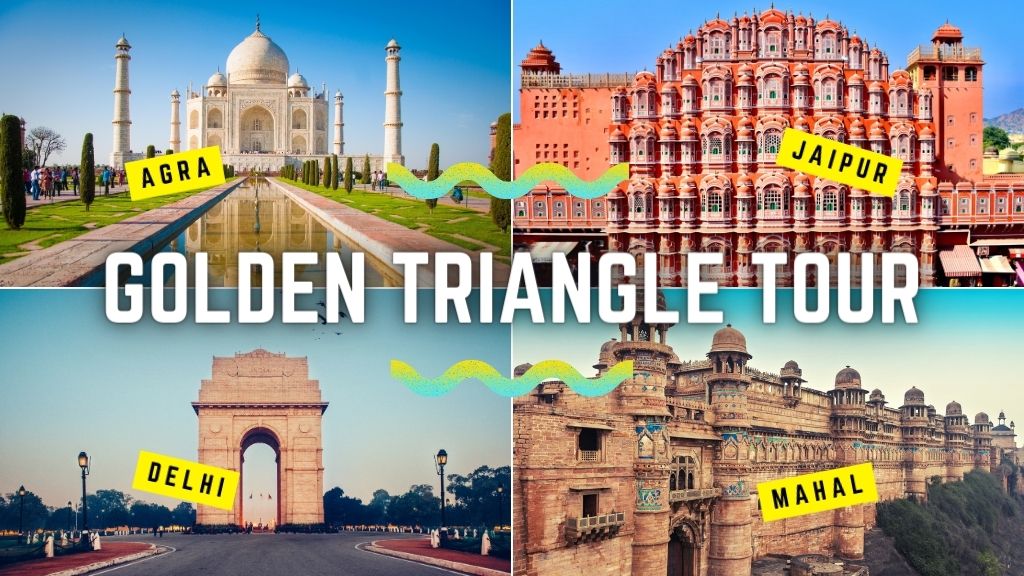
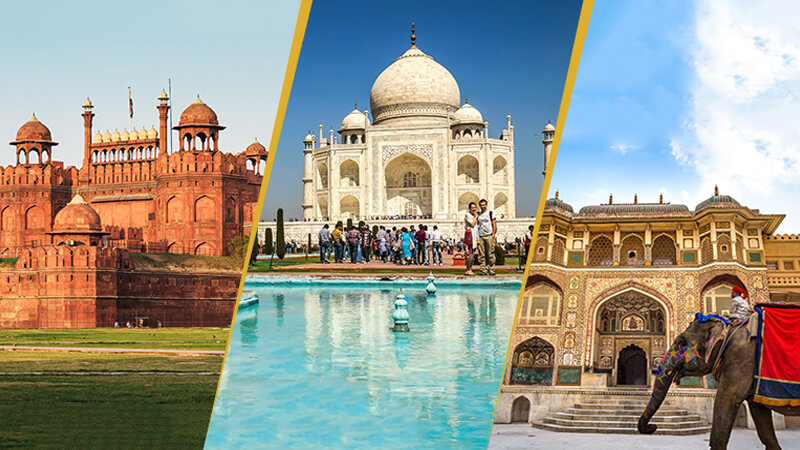
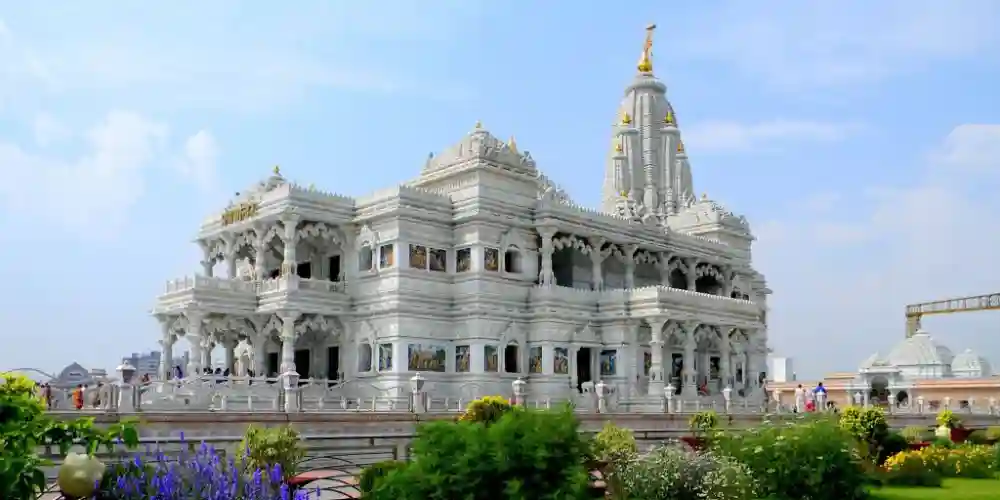
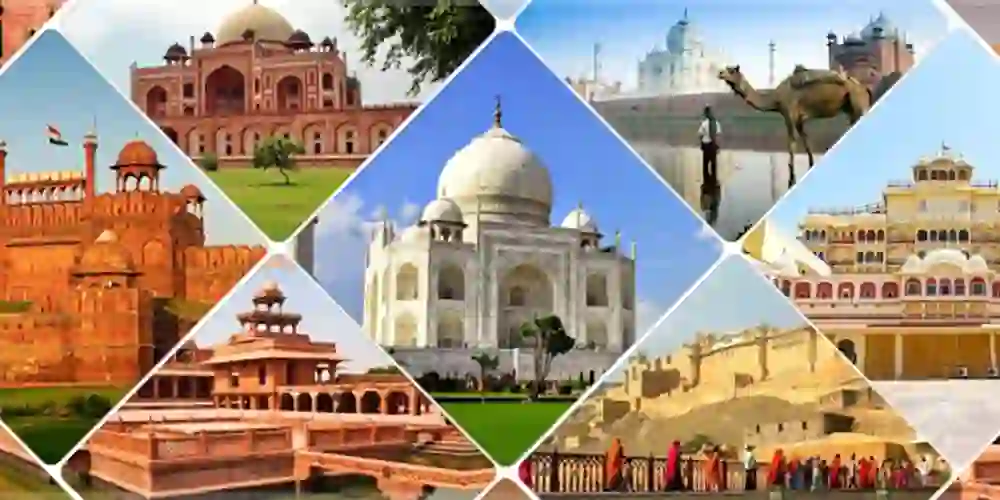
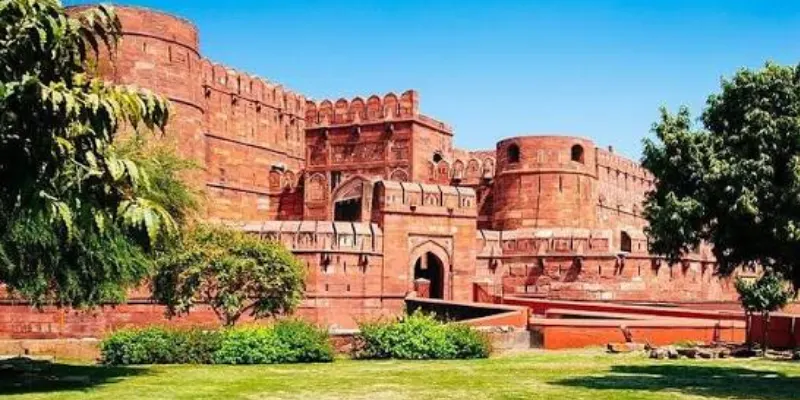
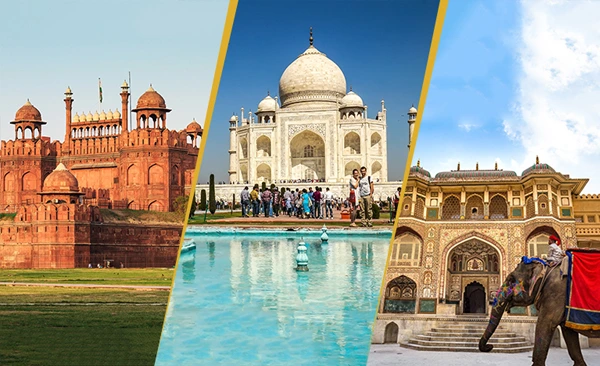
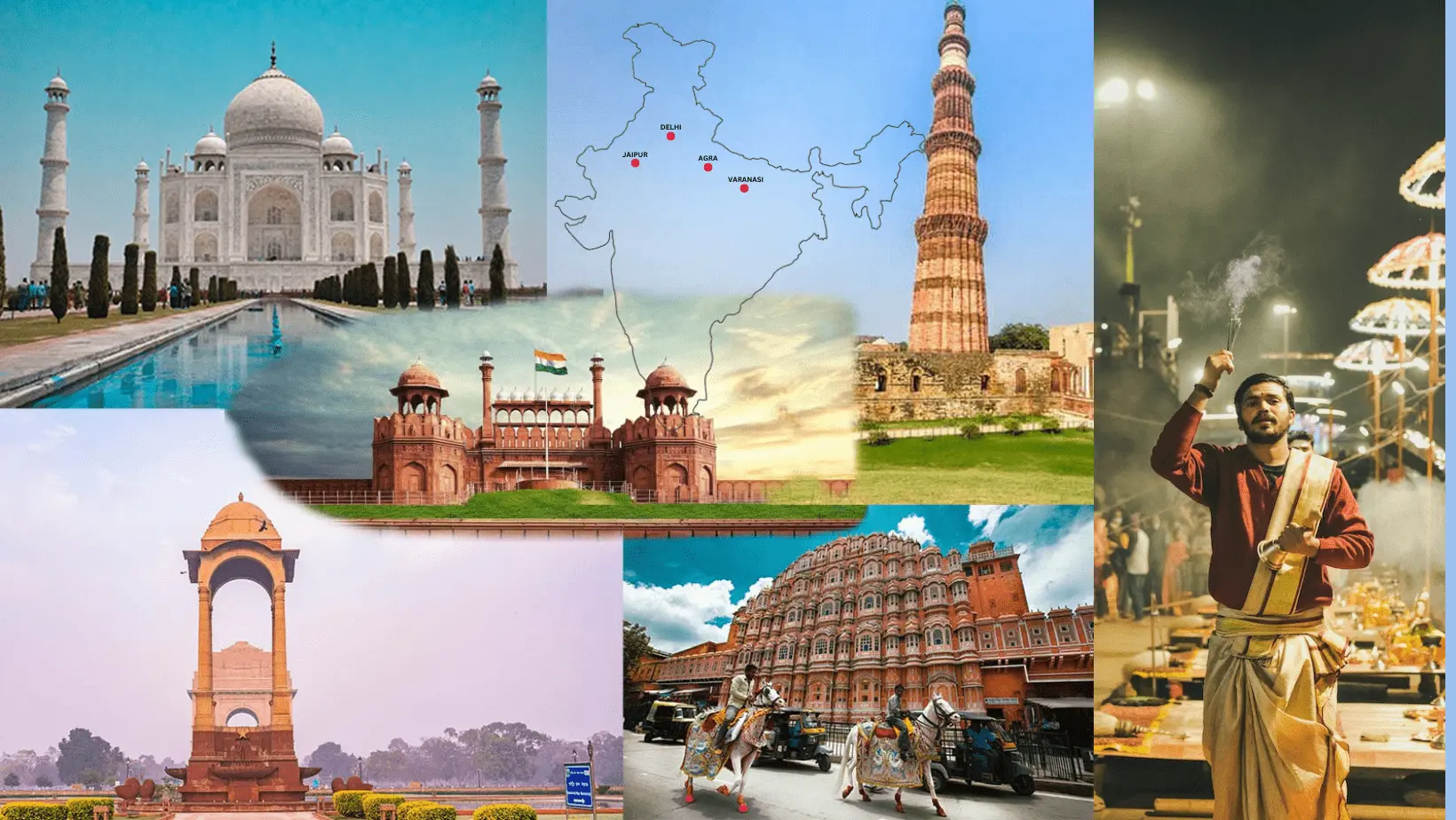
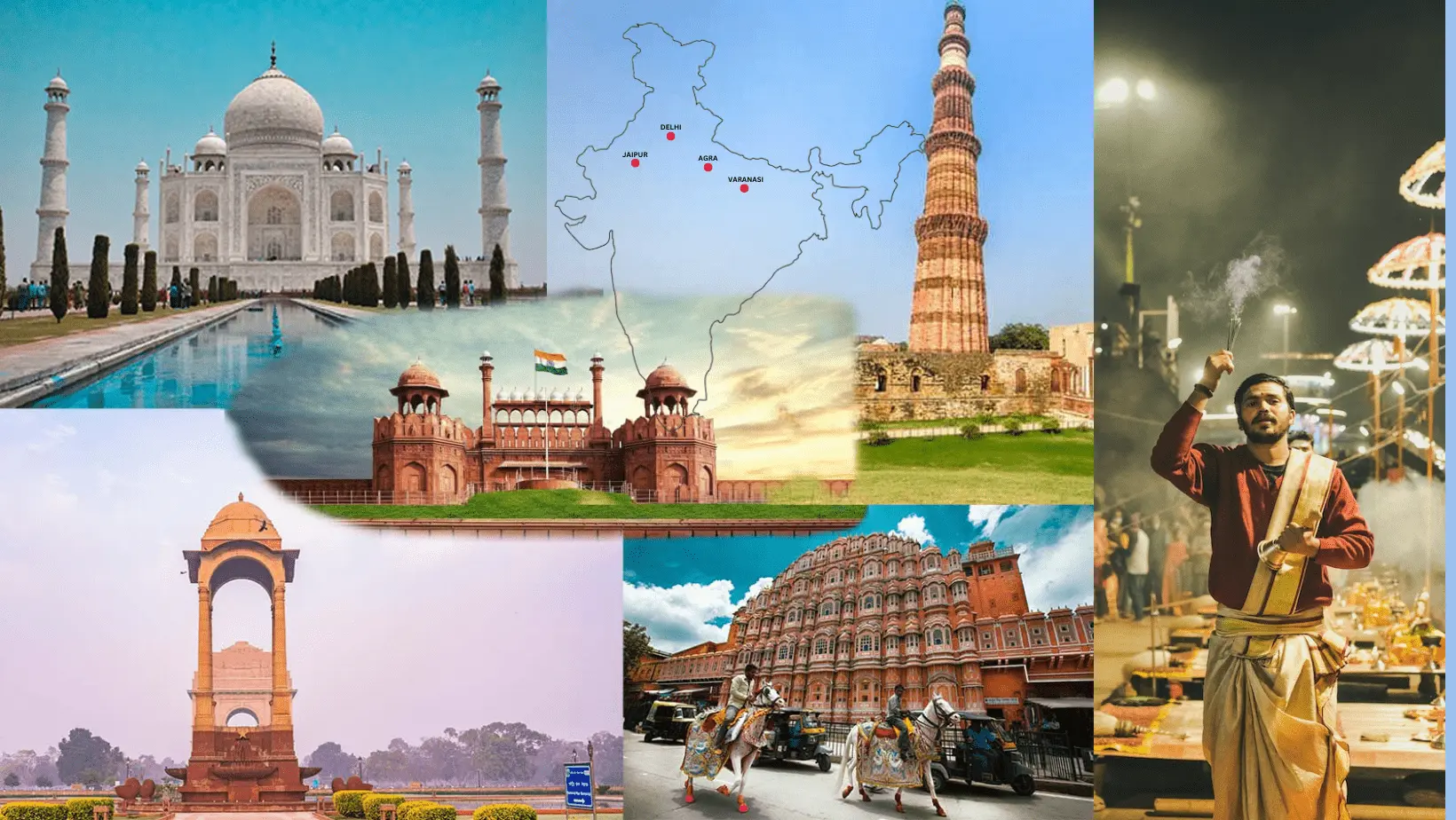
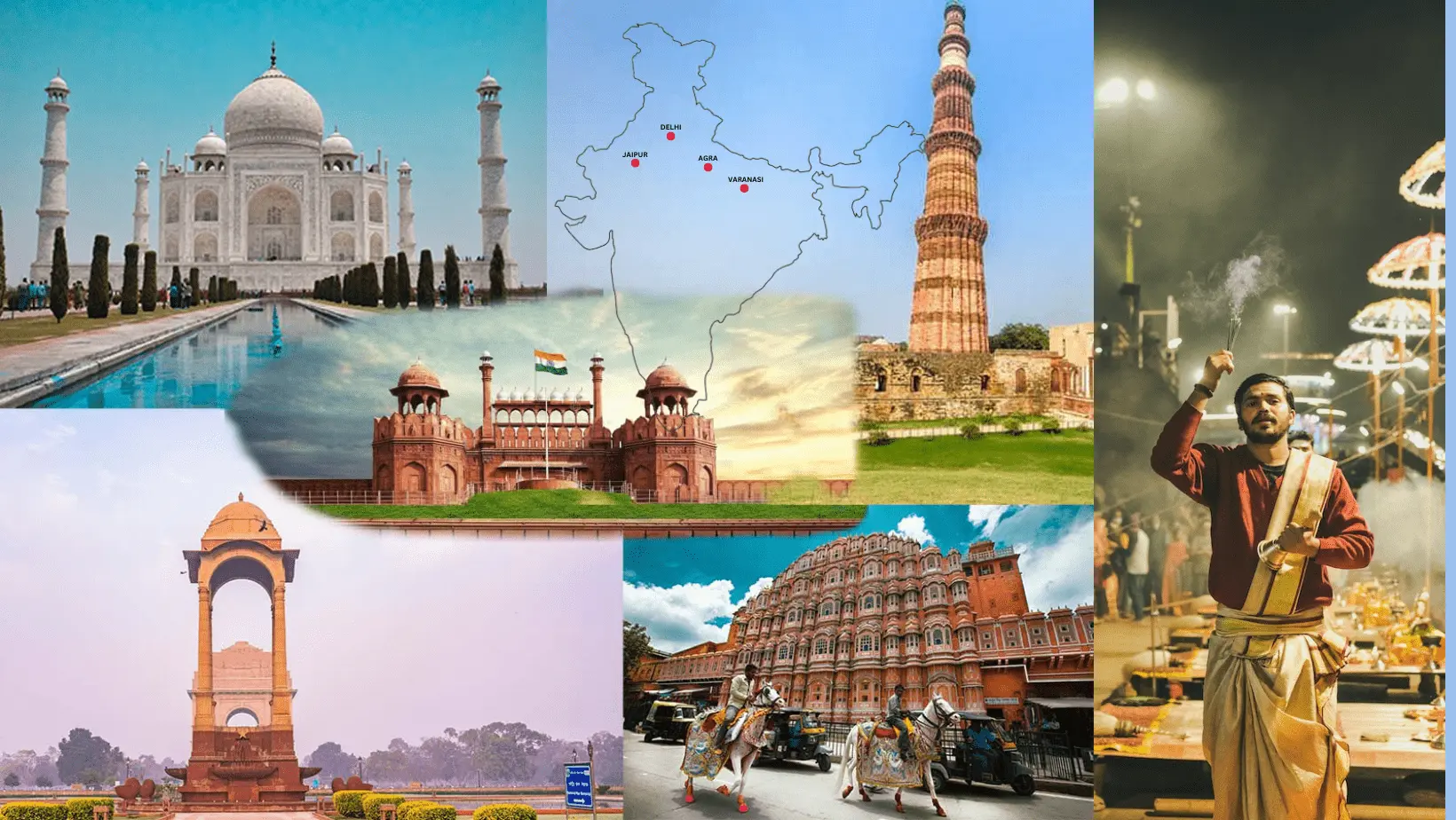
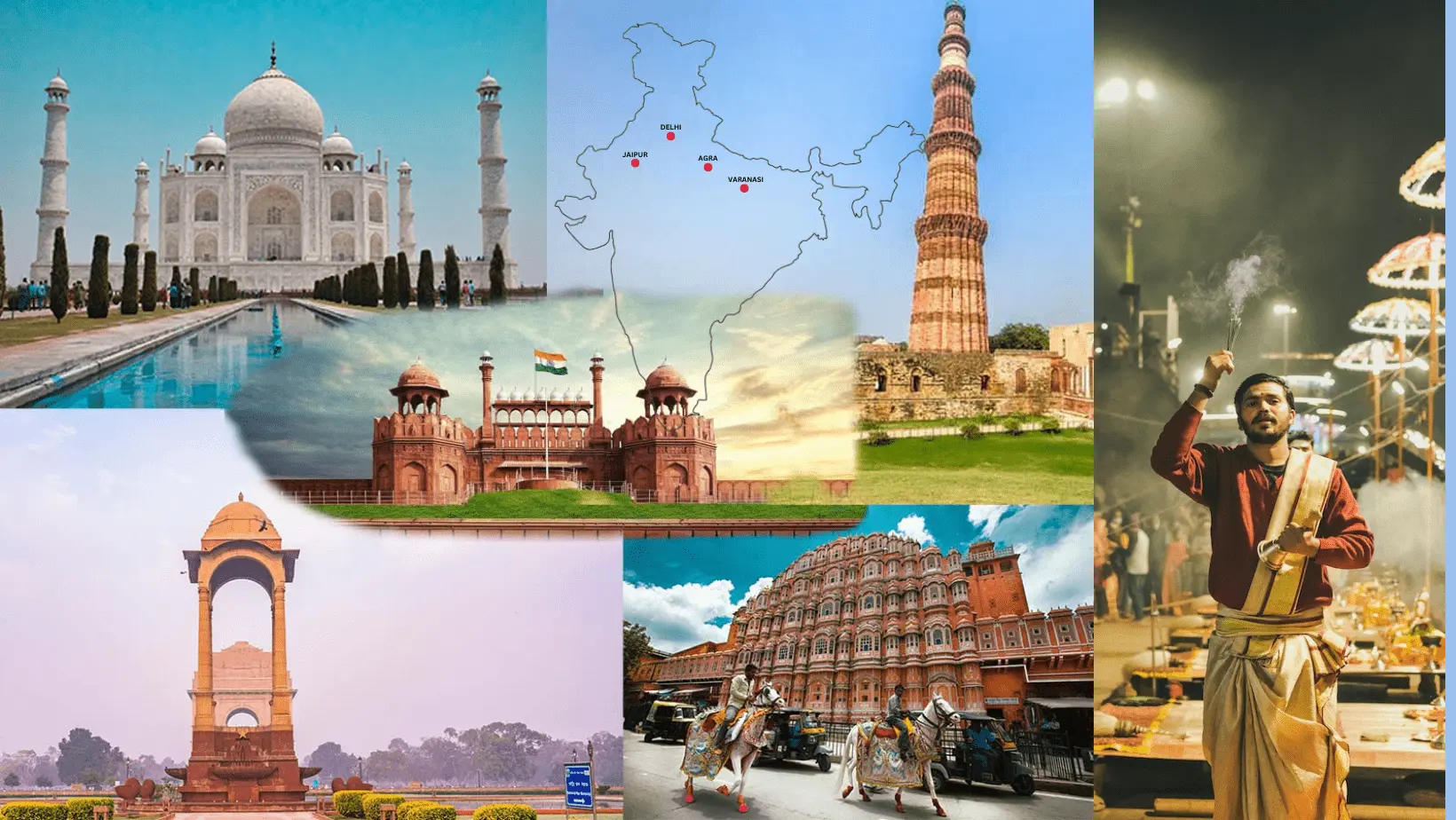
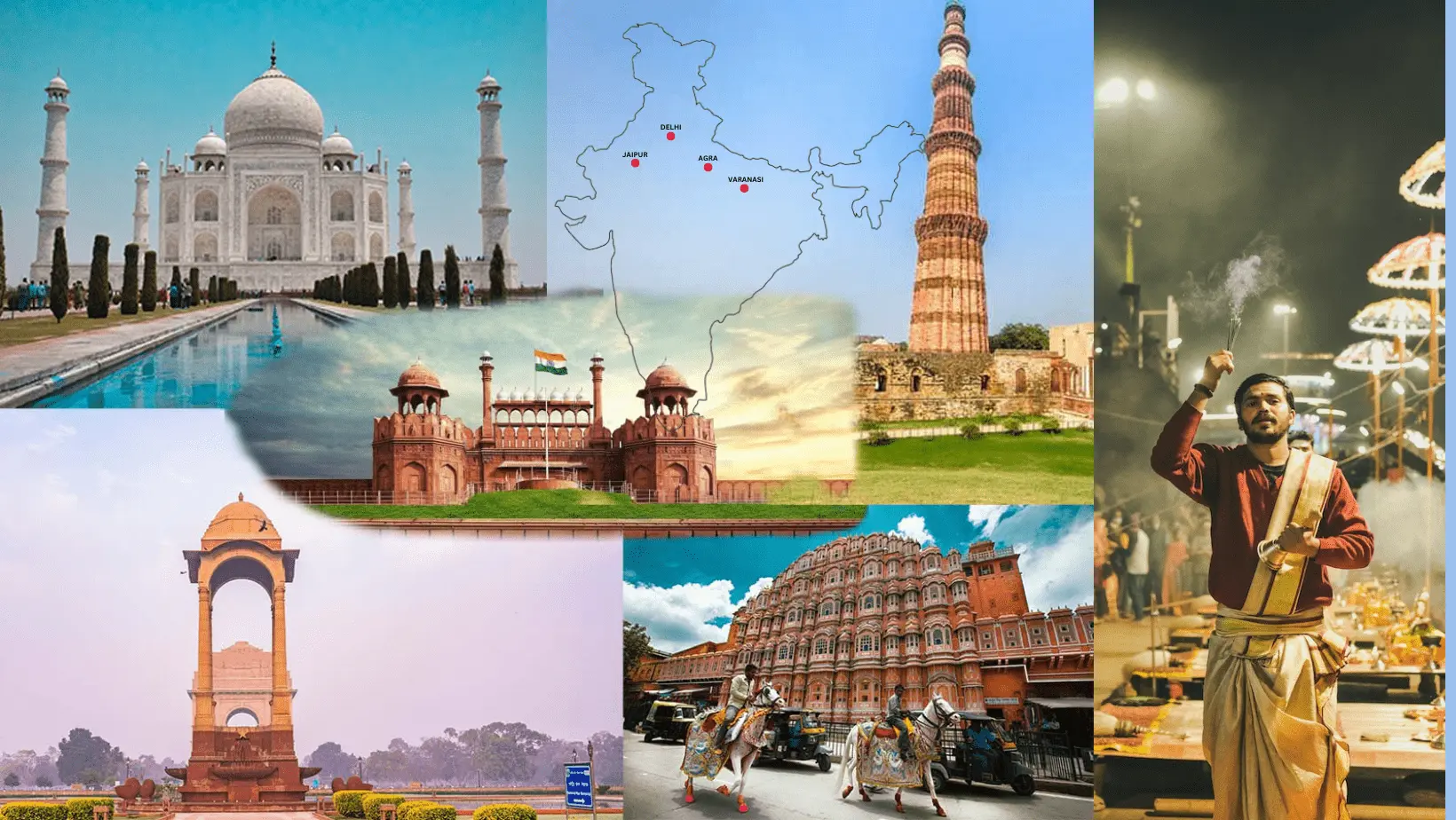
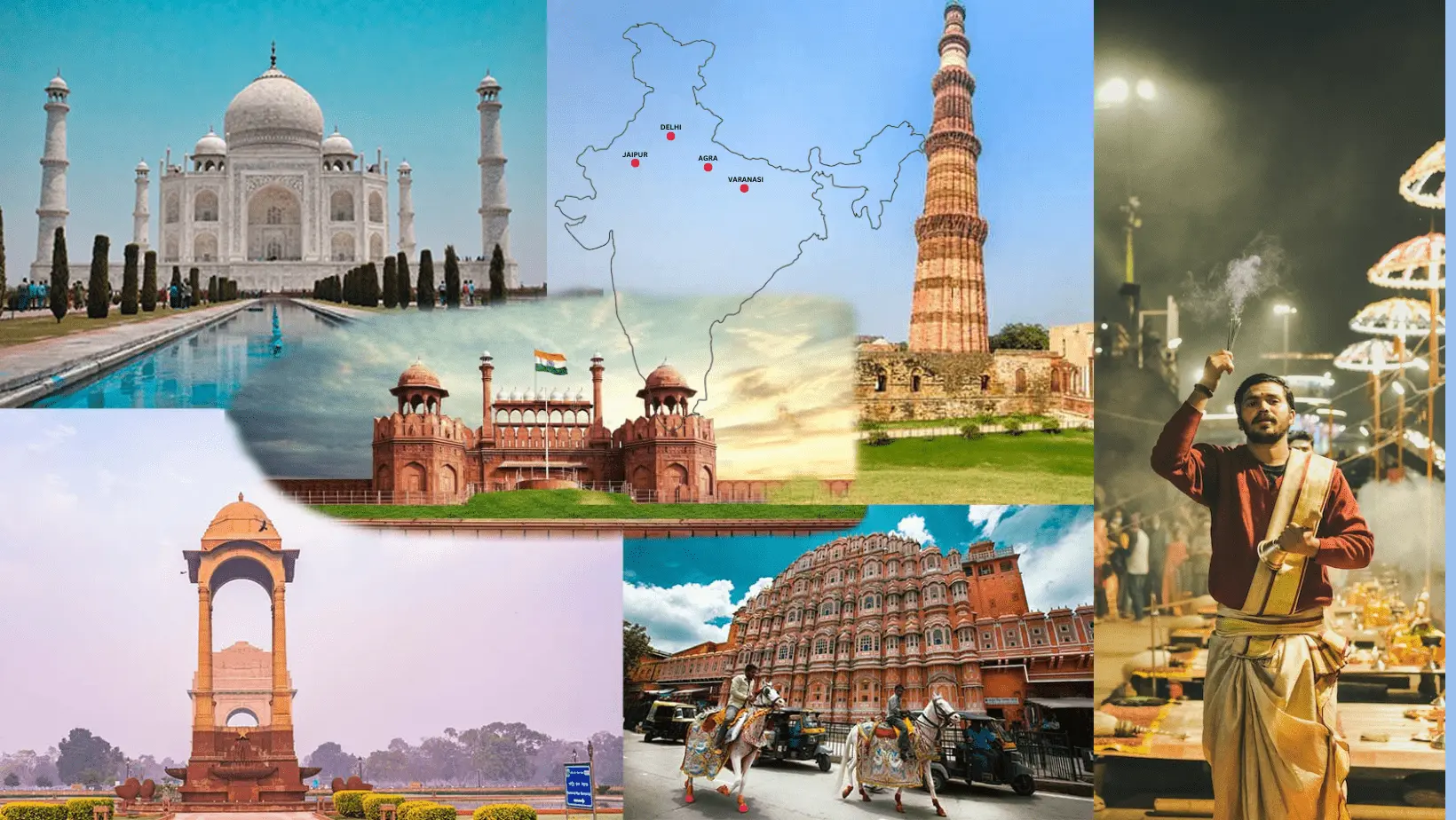
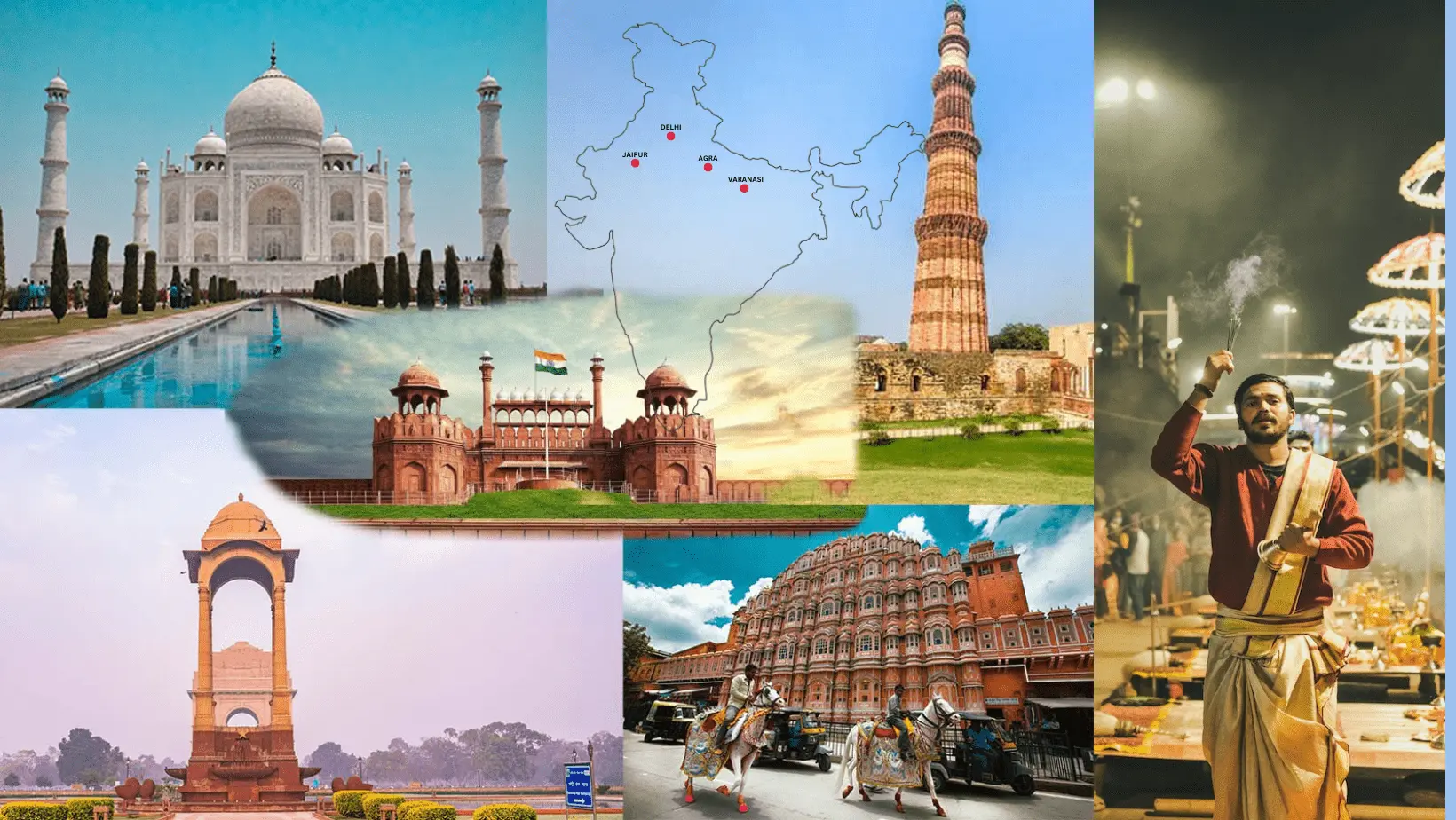
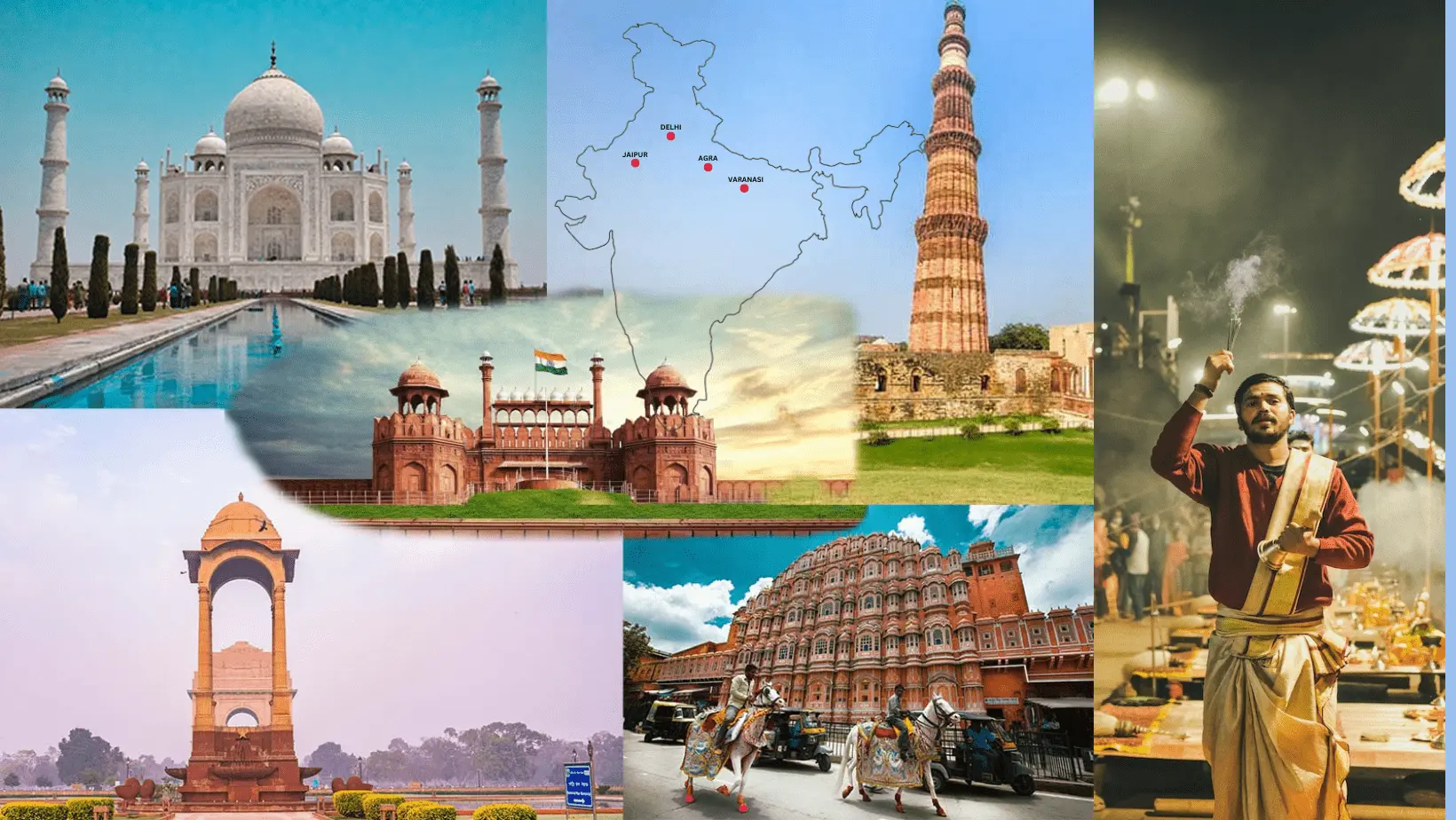
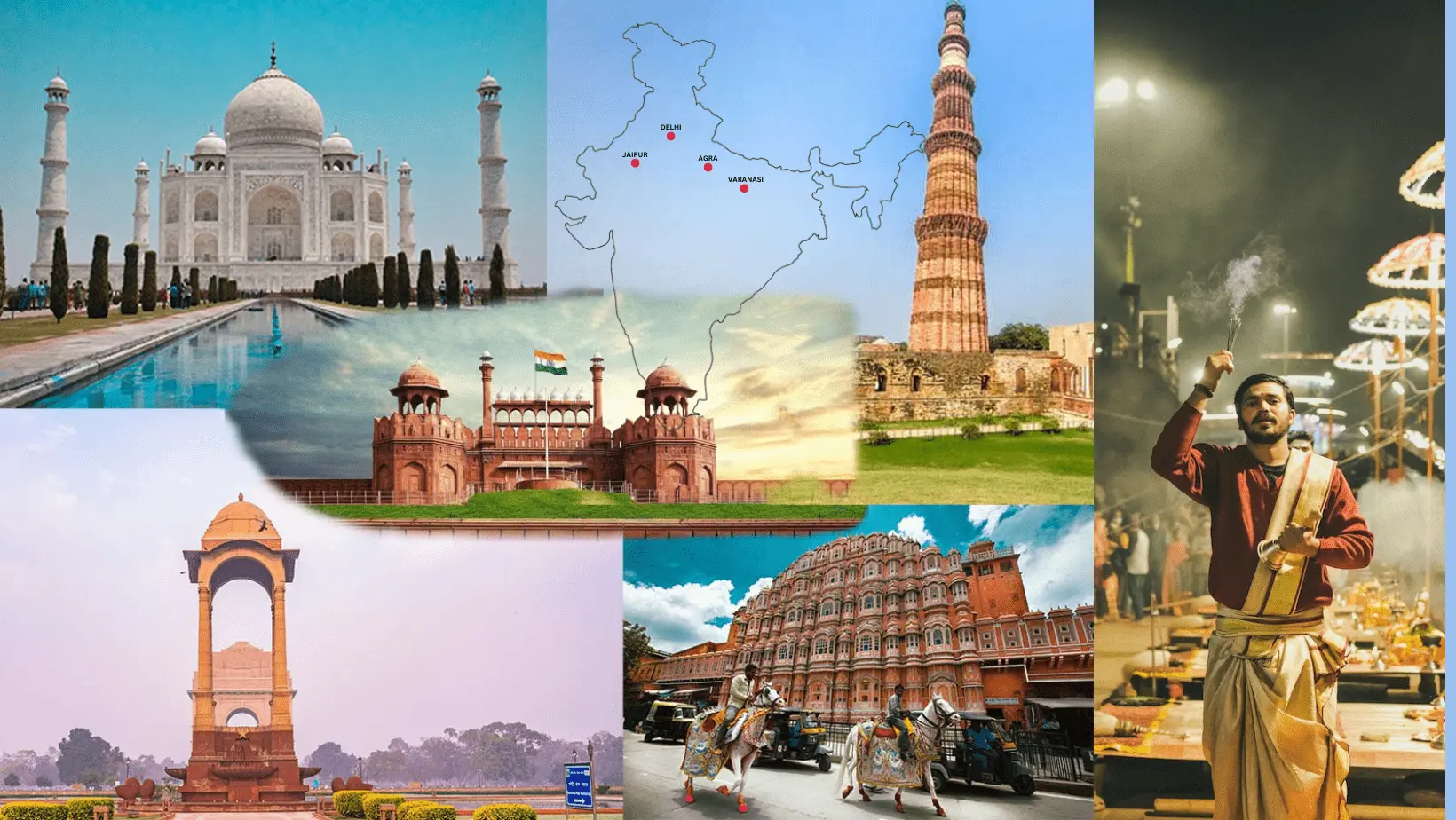
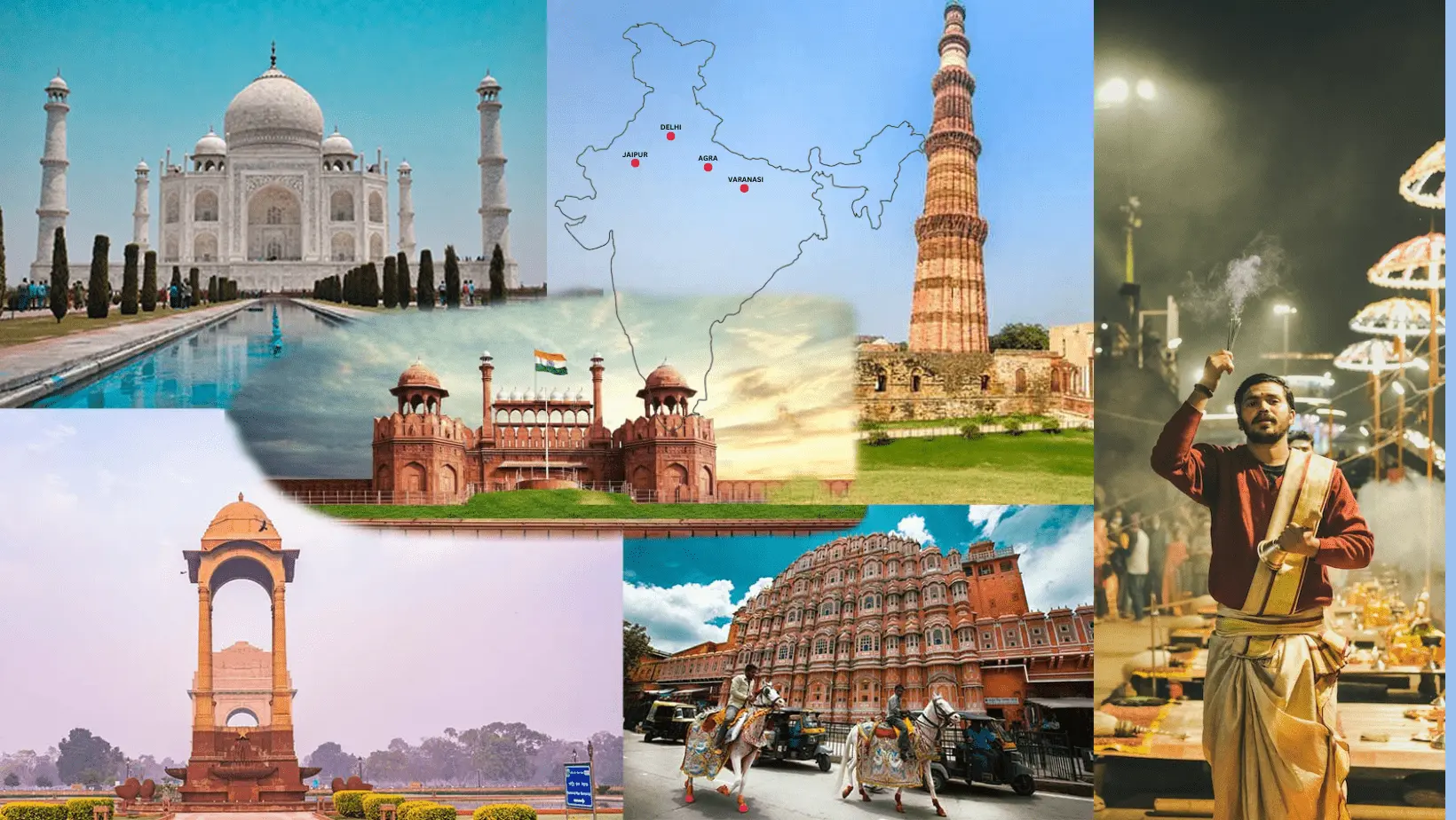
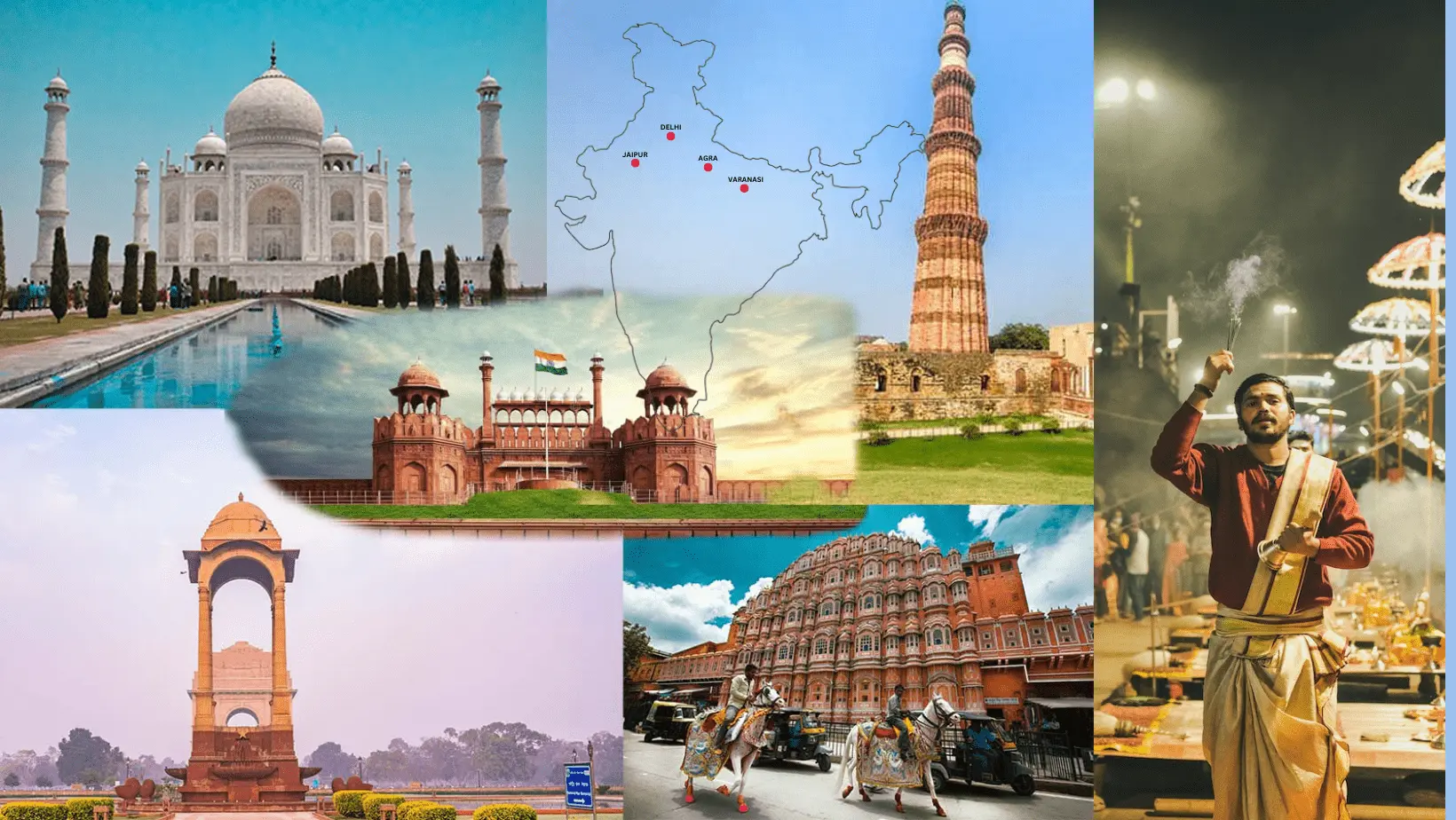
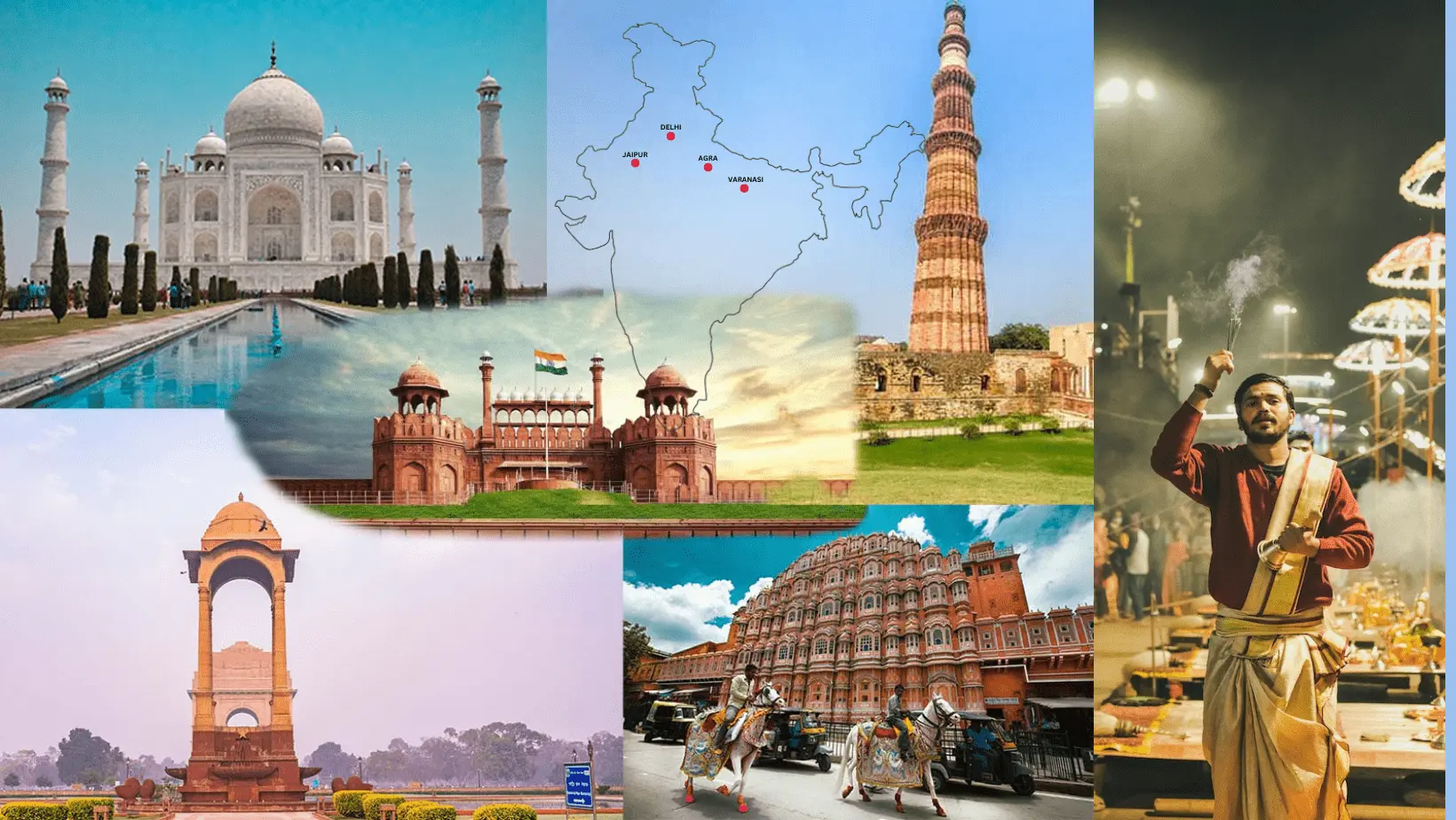
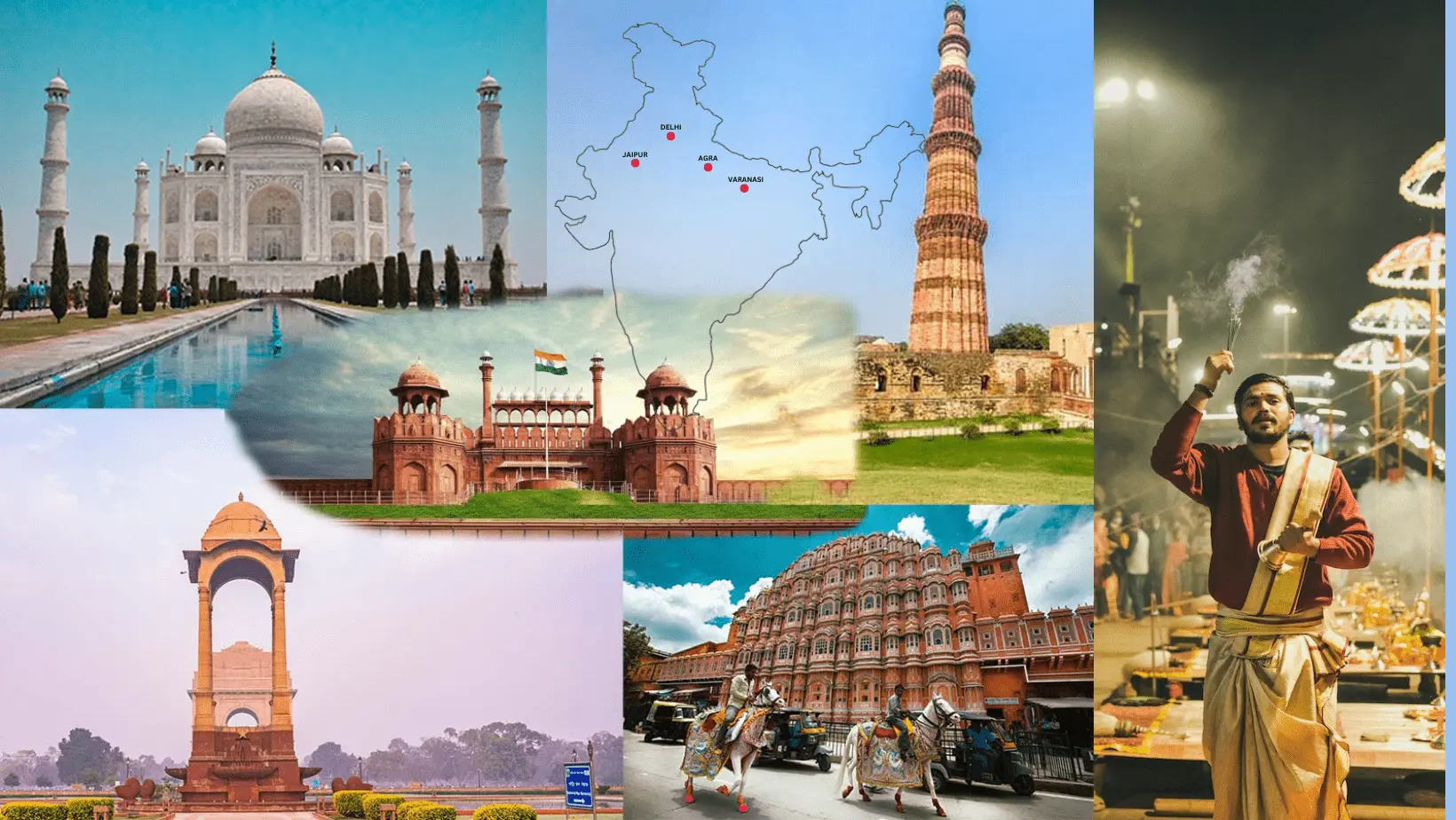
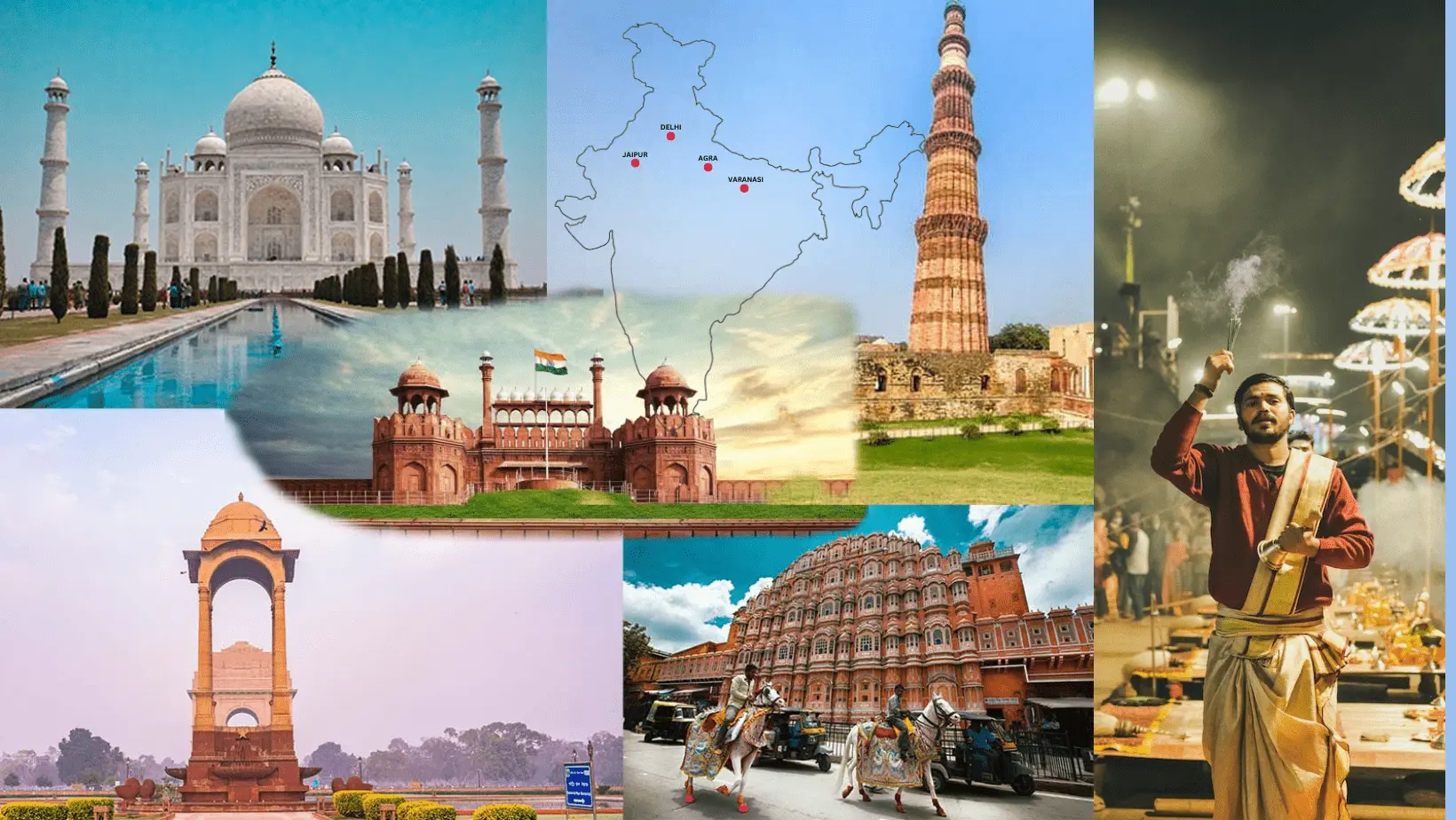
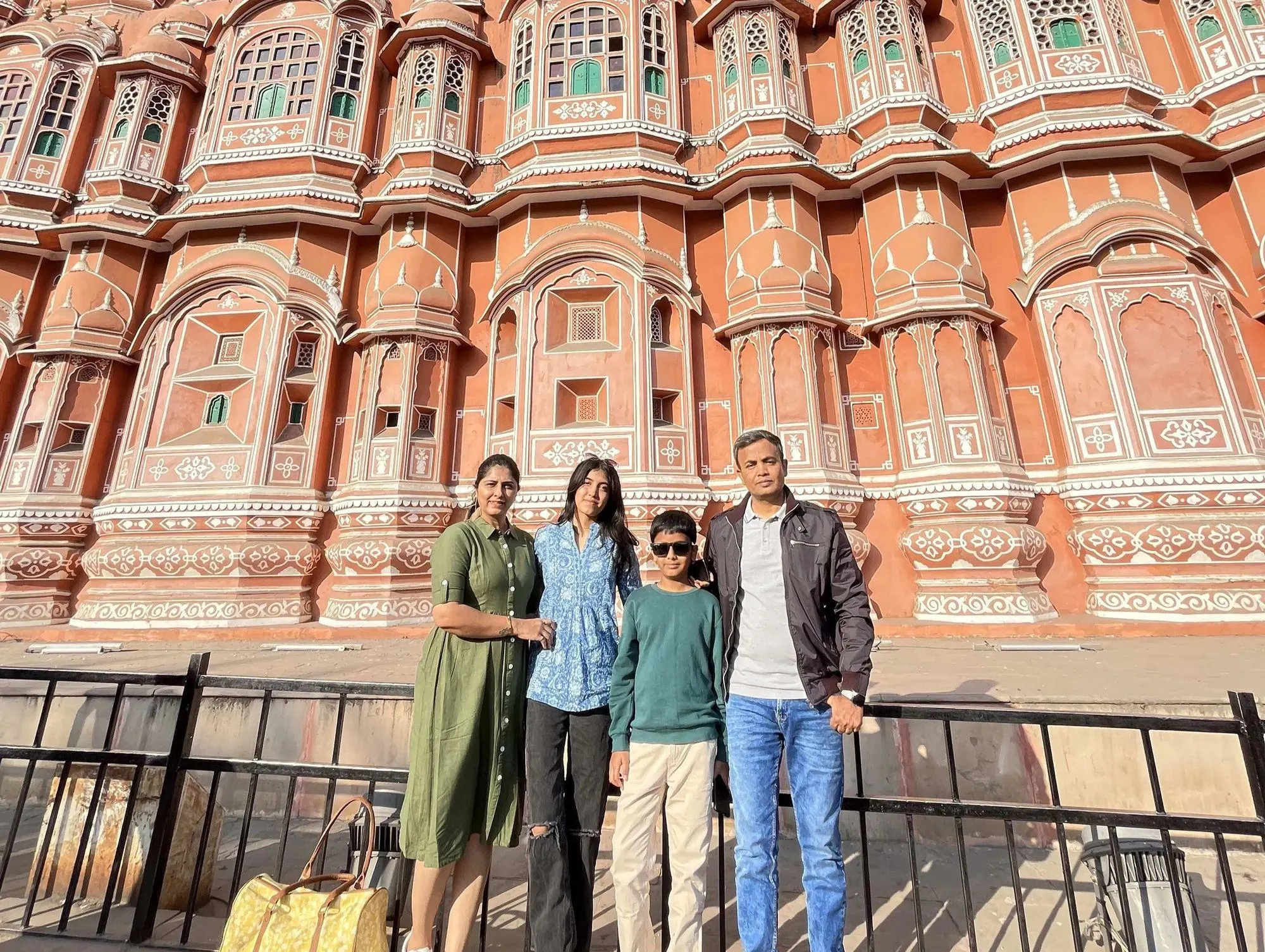
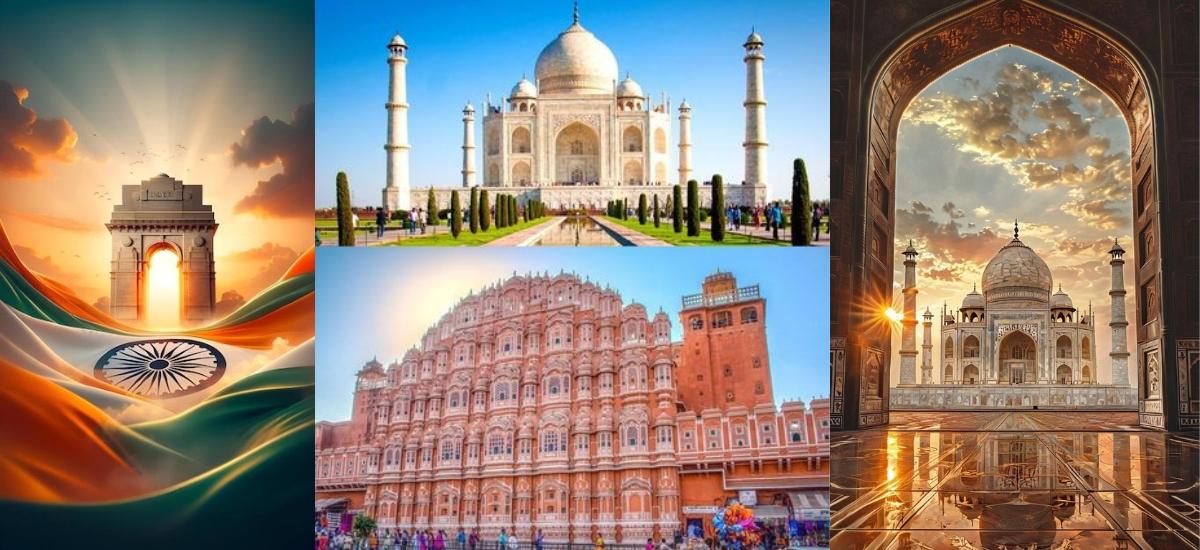
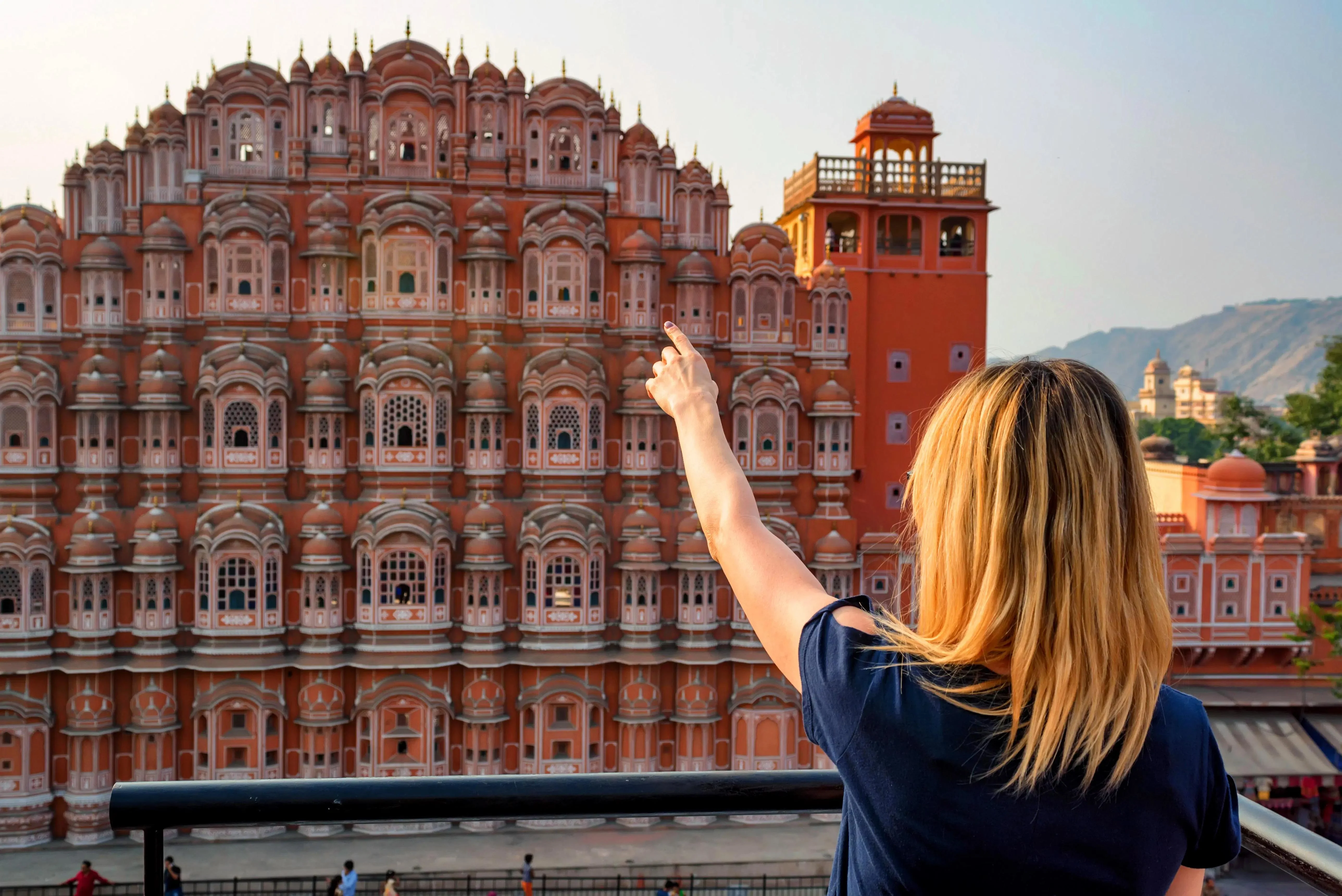
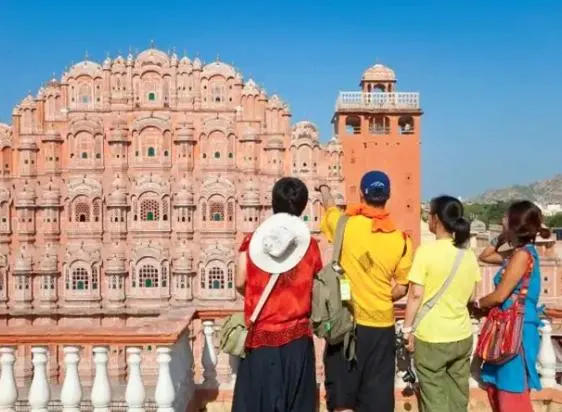
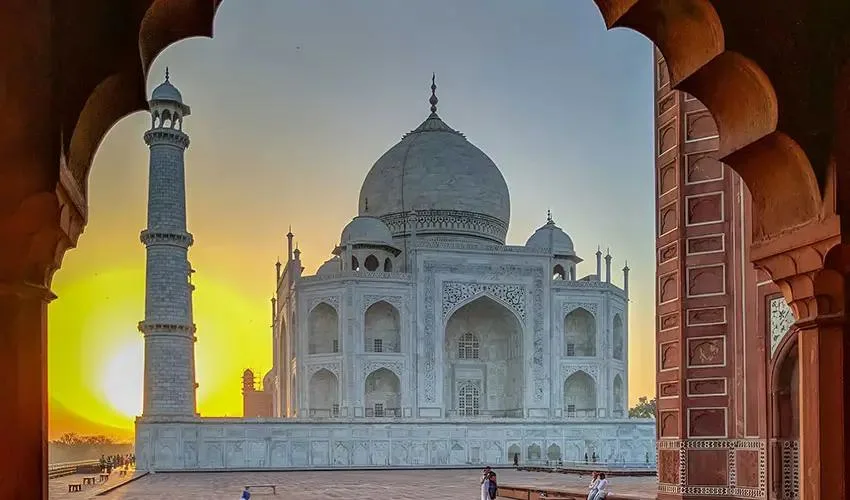
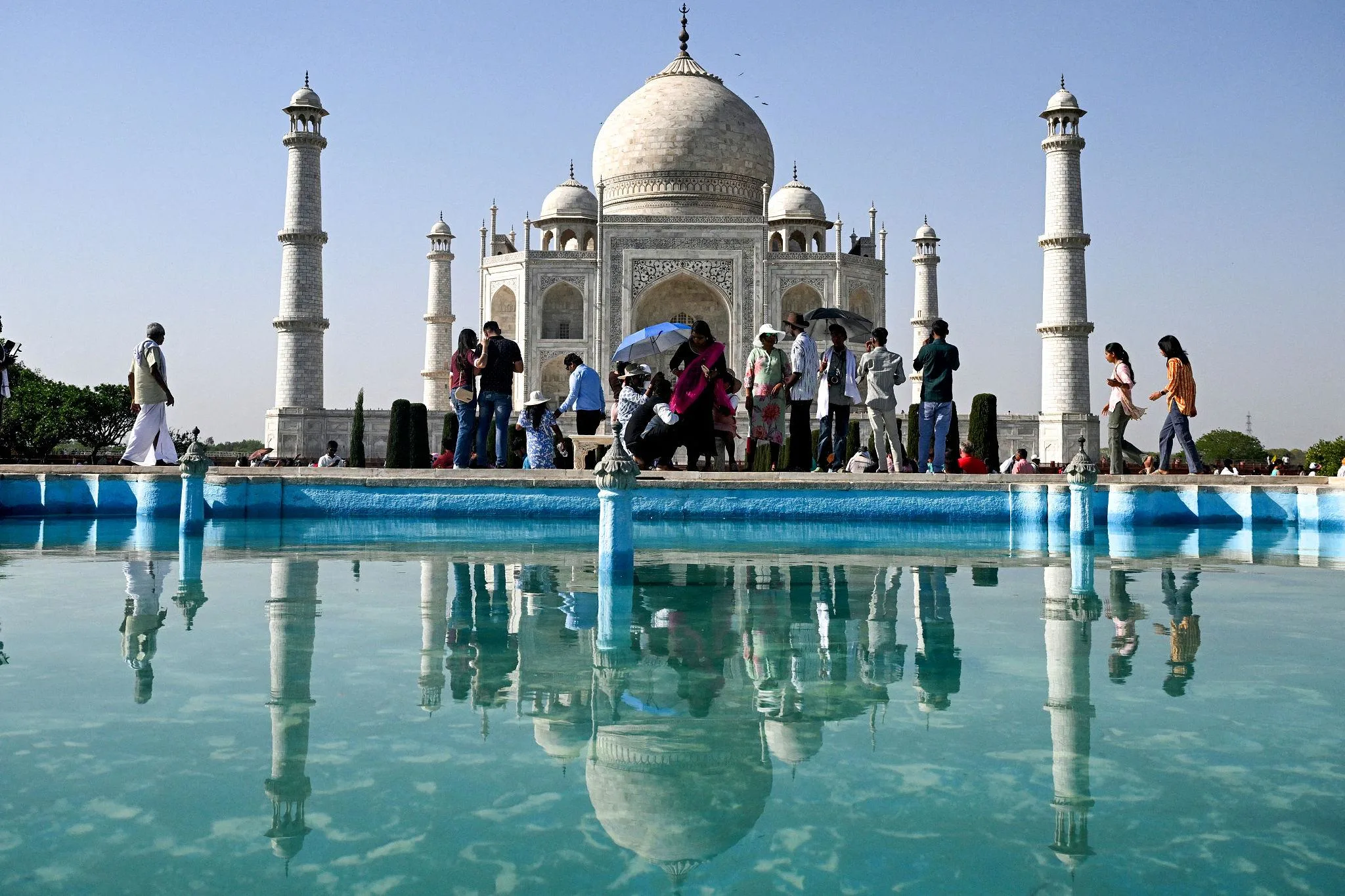
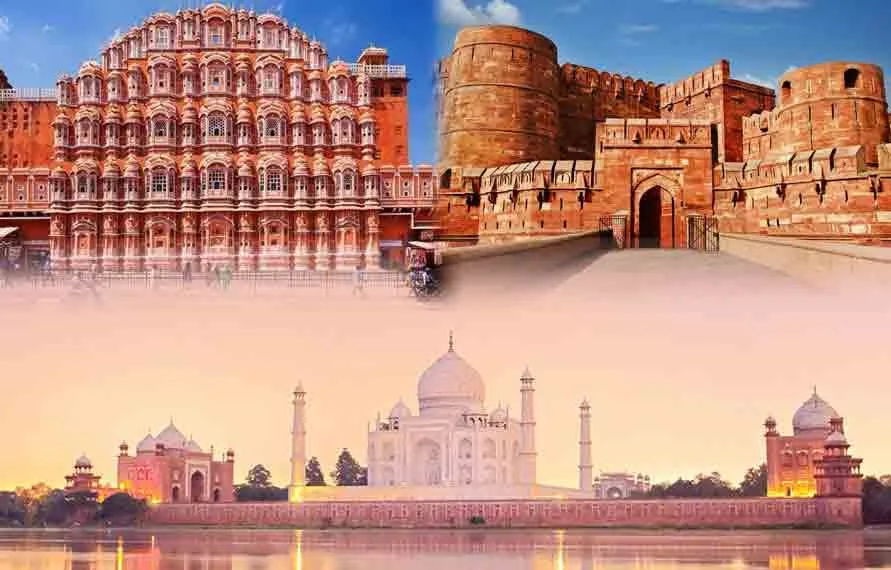
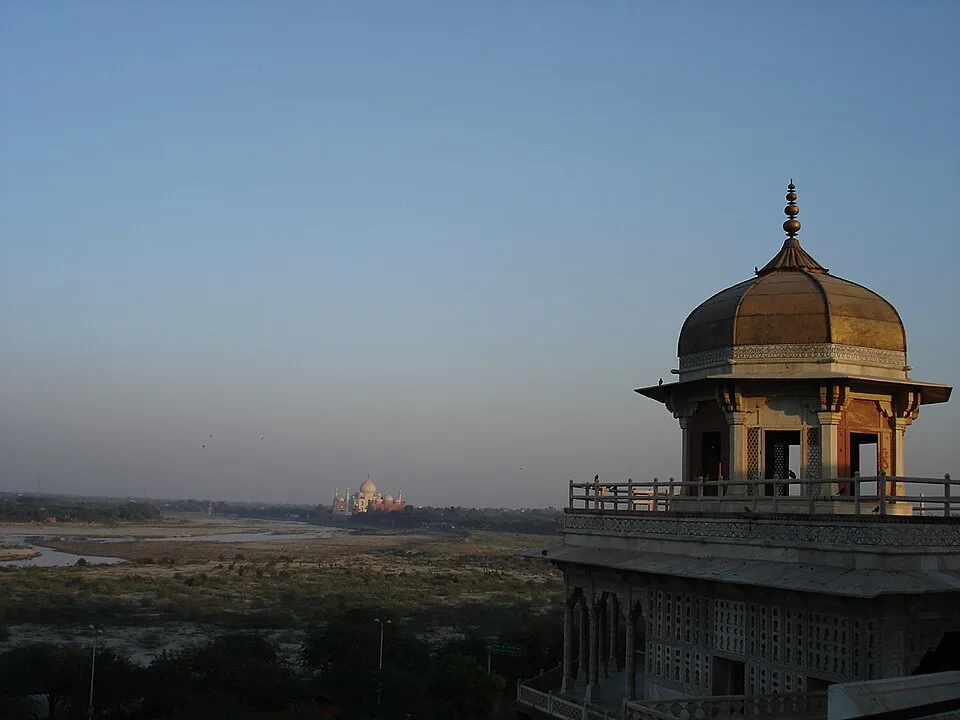
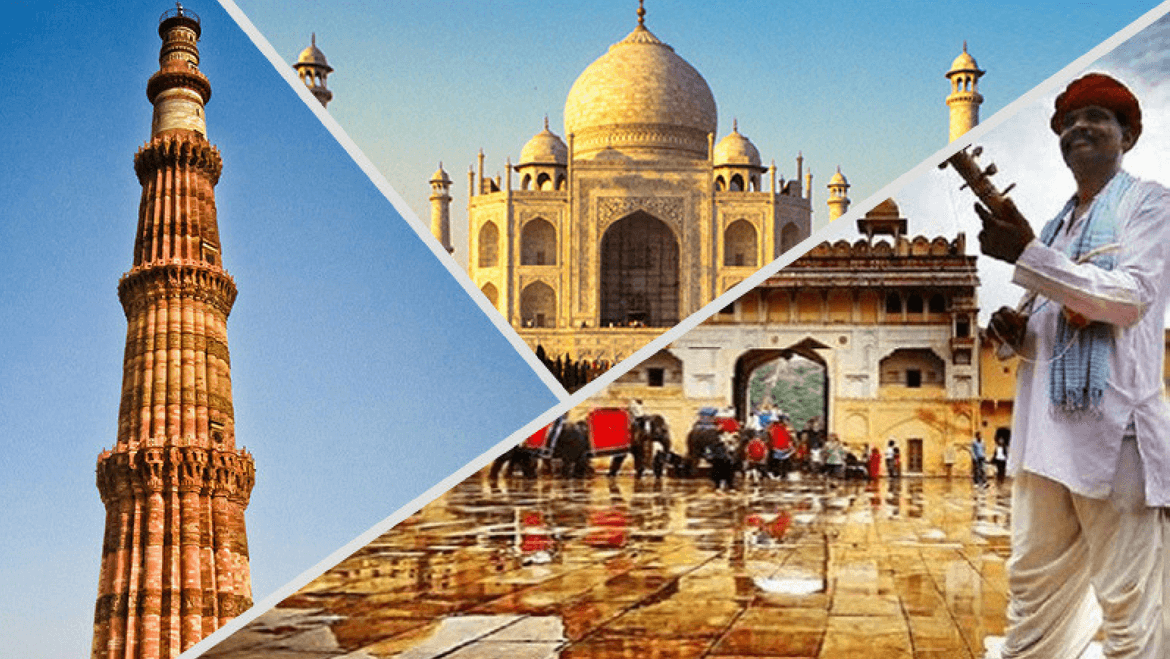
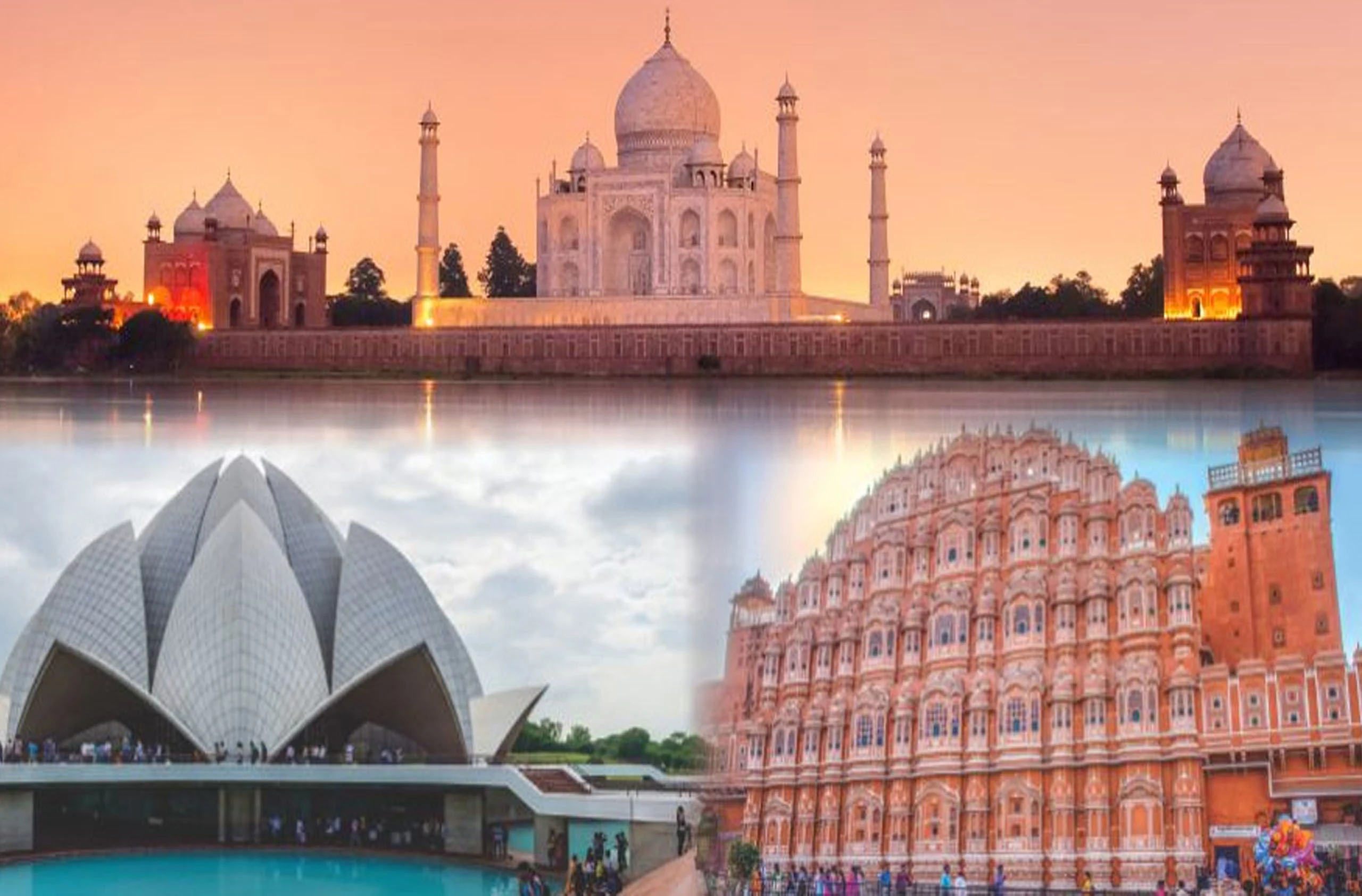
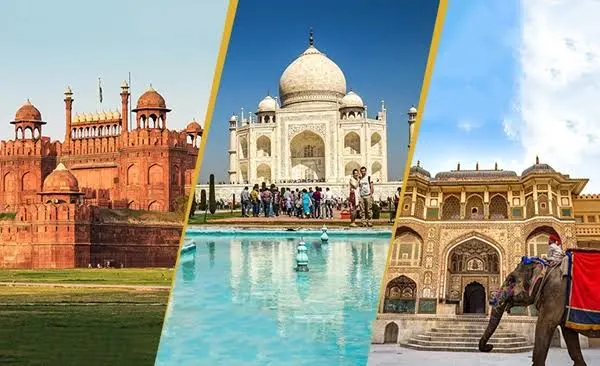
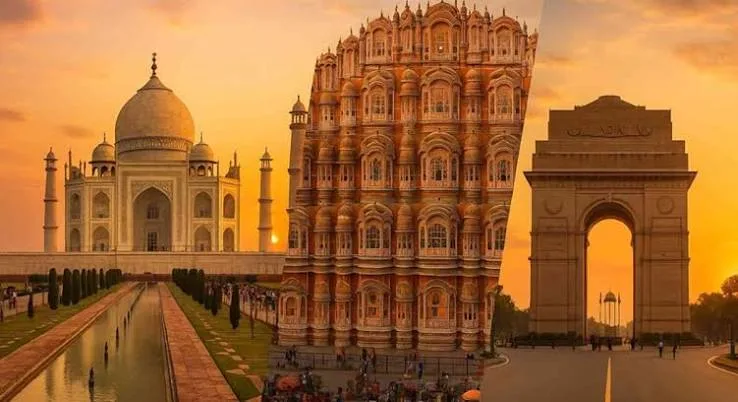
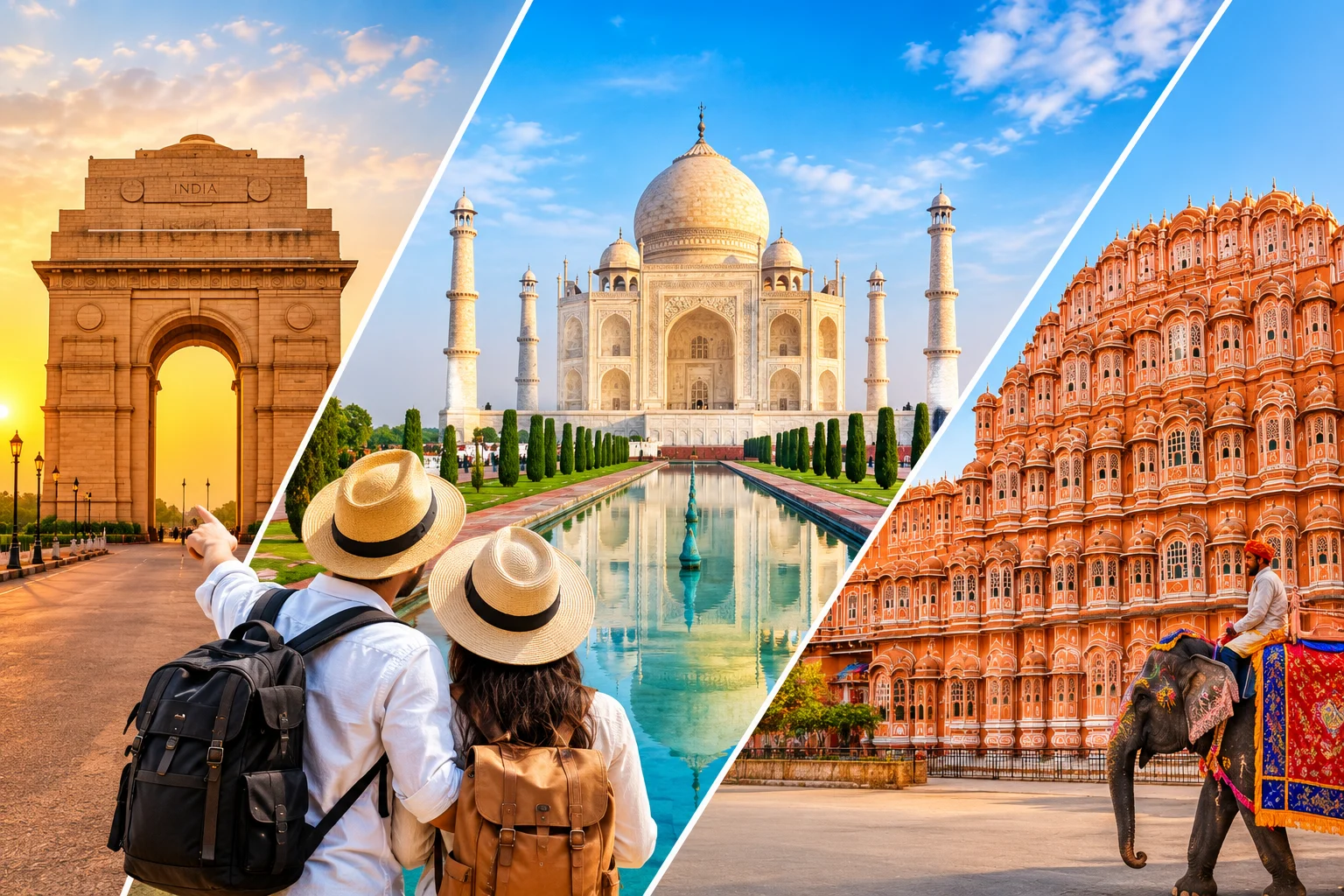
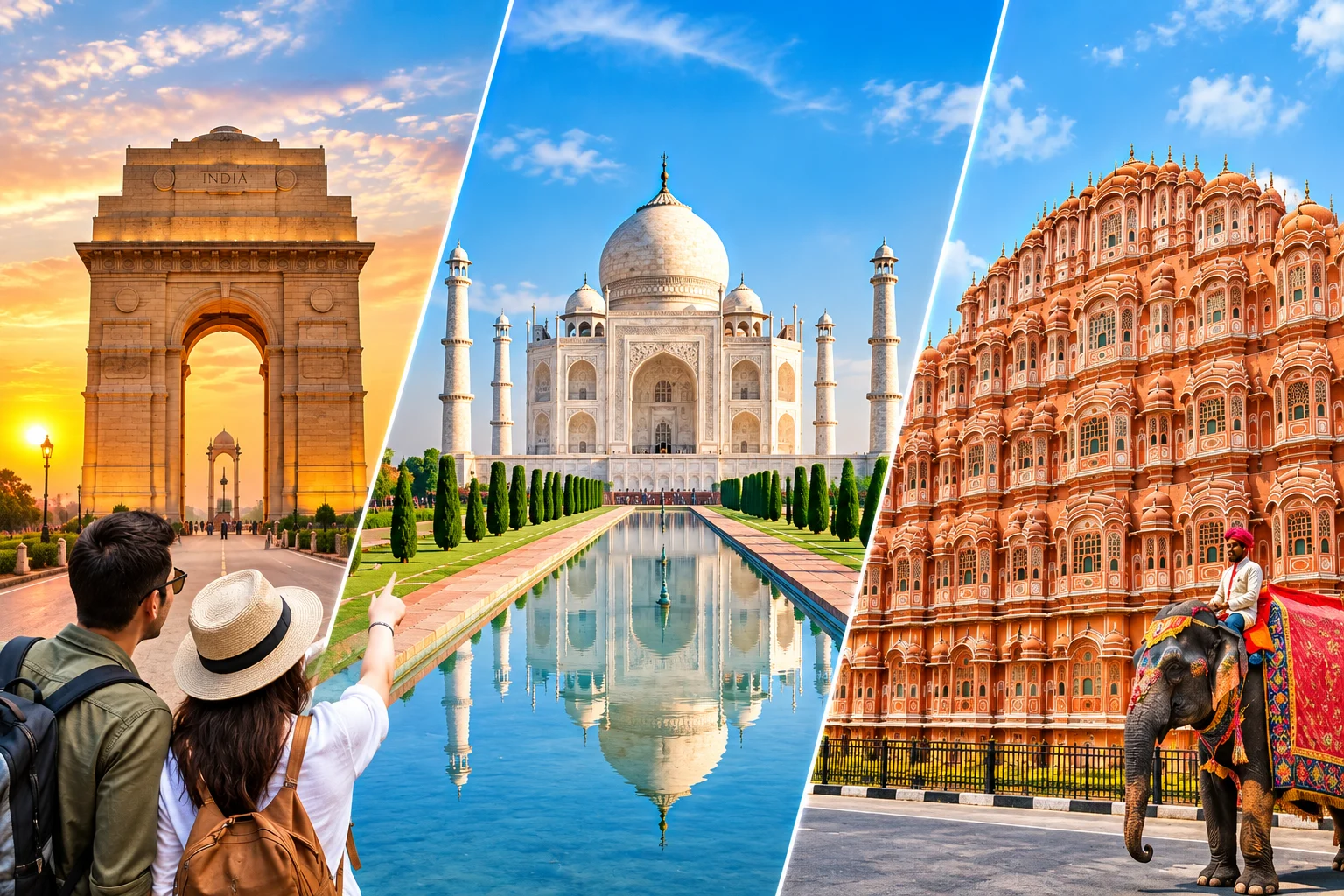
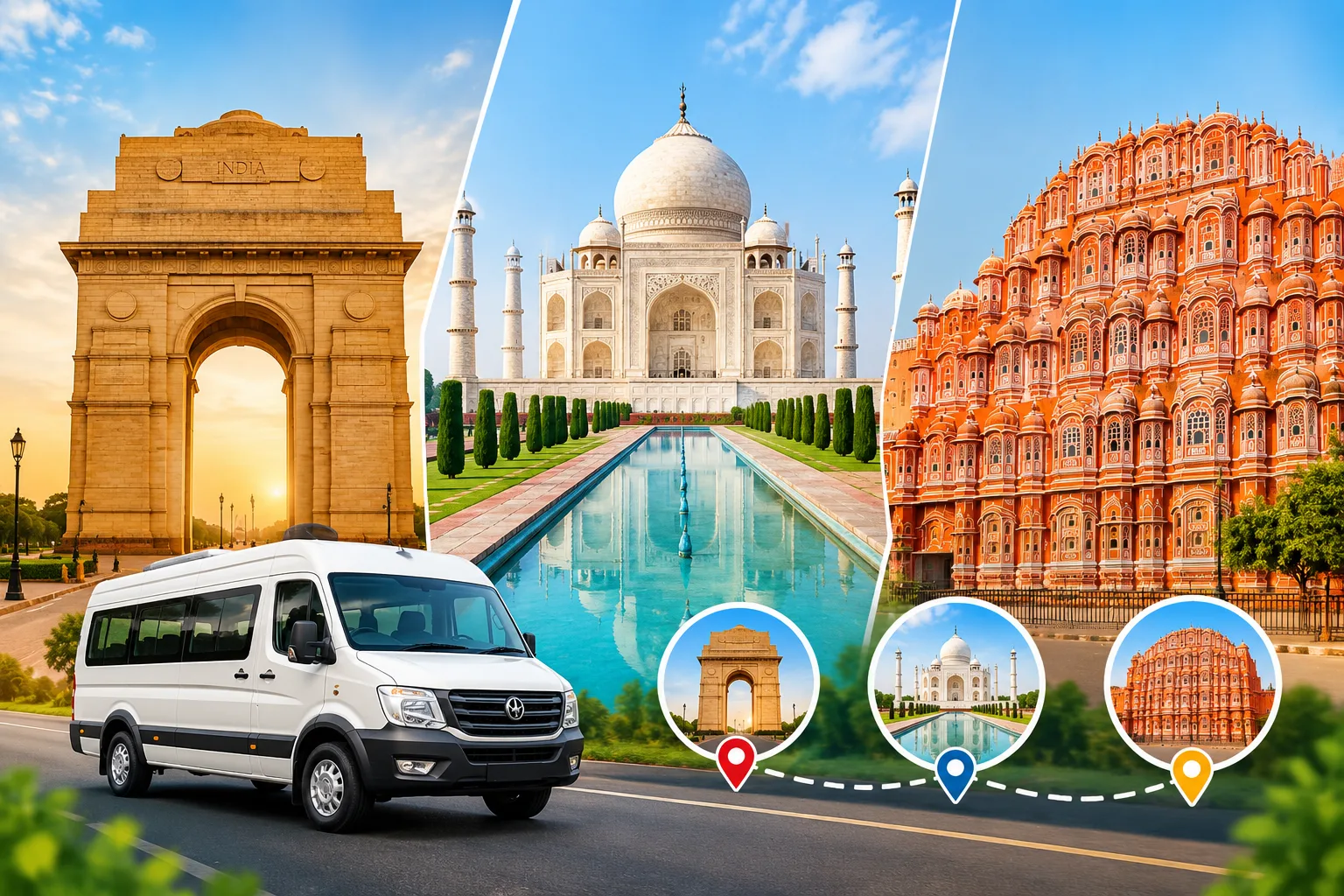
Heritage trips: Agra, Jaipur, Mathura and Vrindavan.
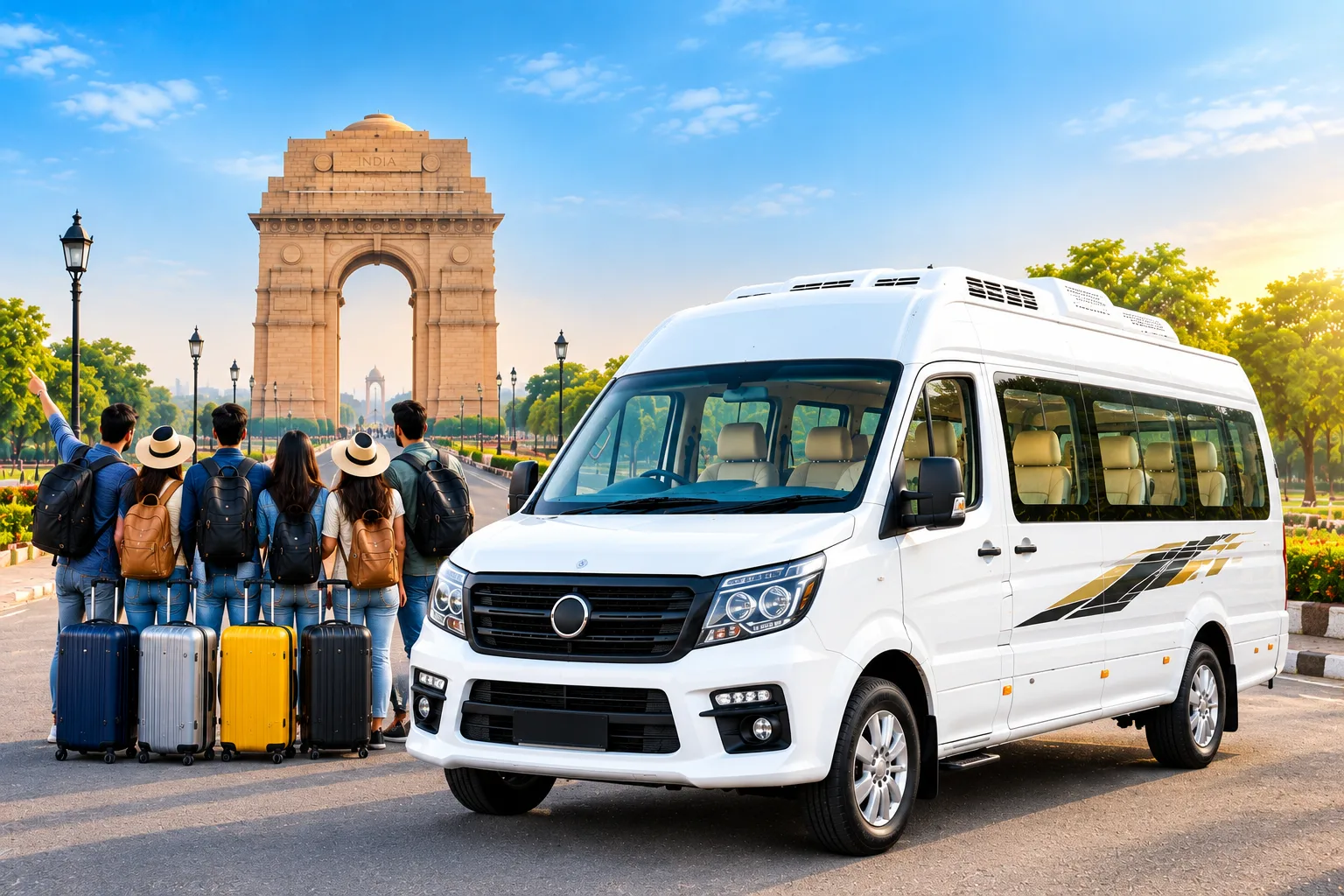
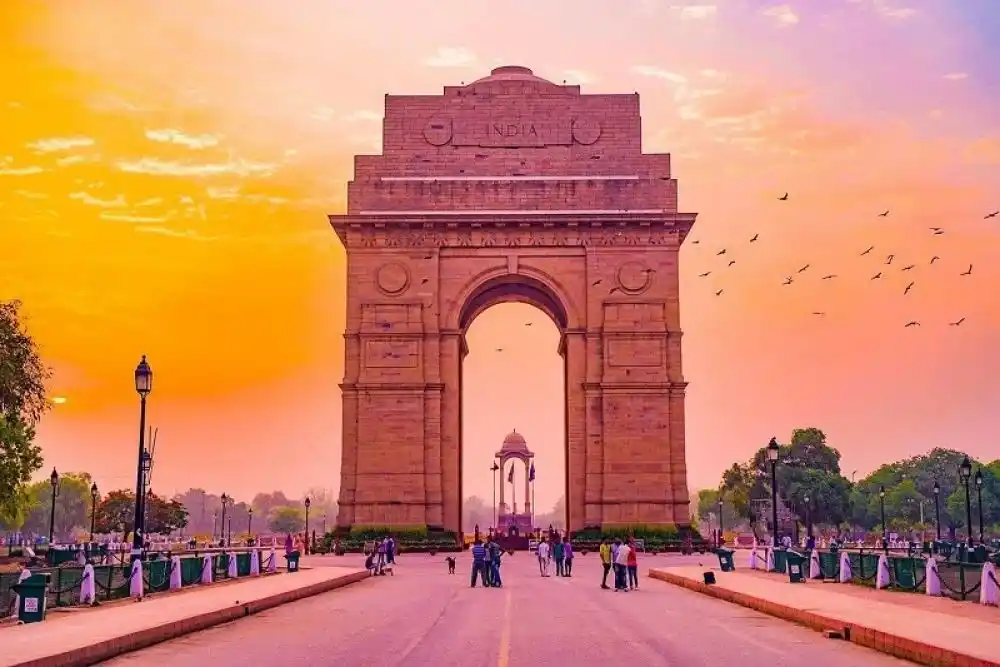
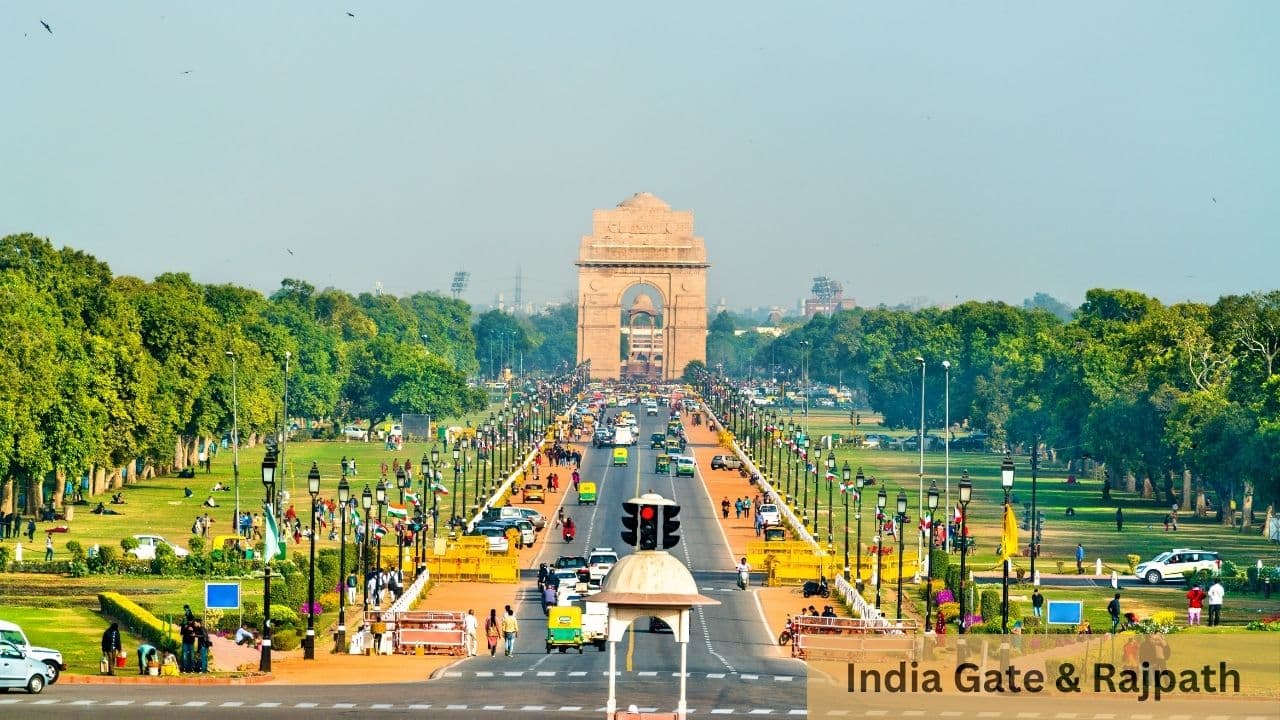
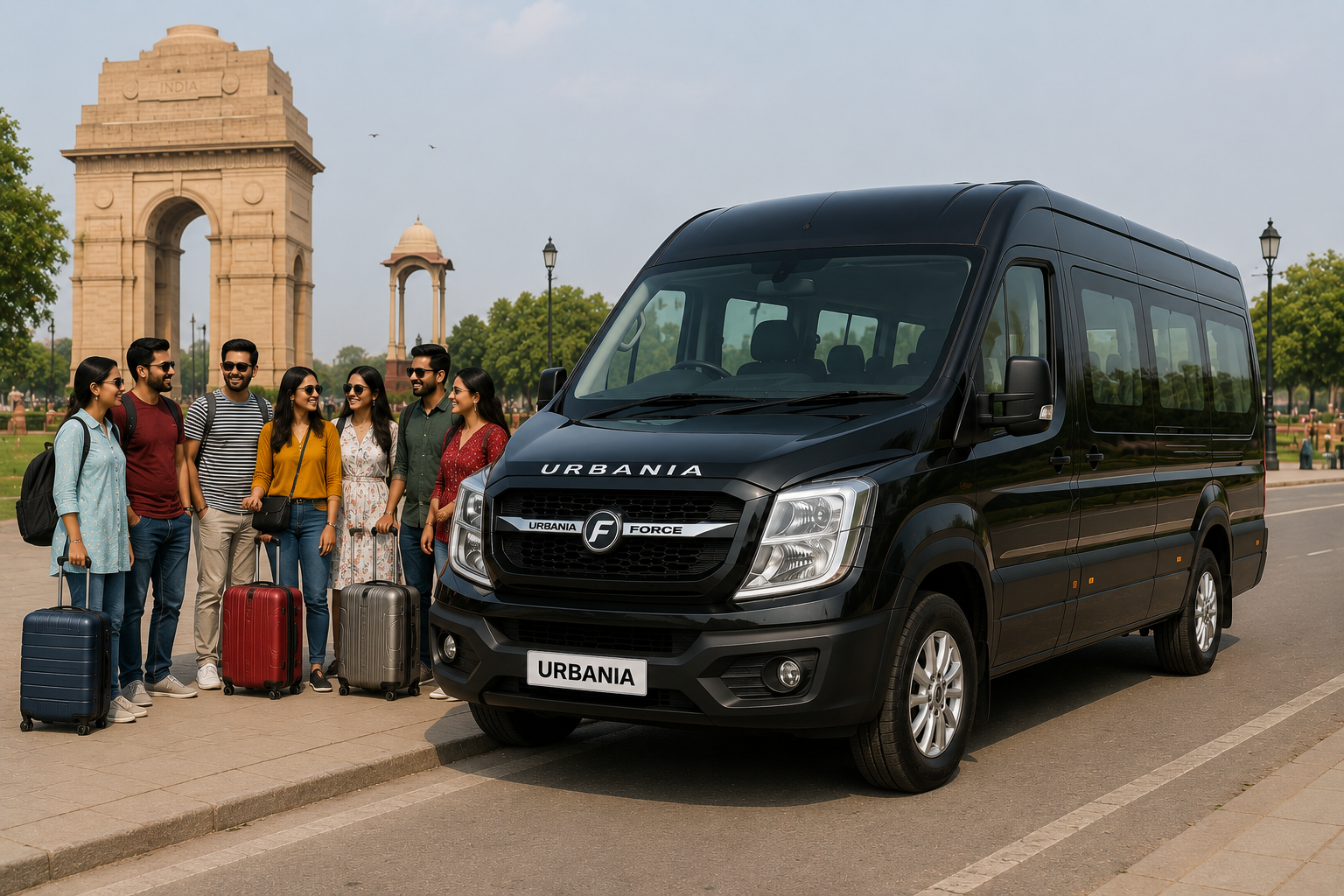
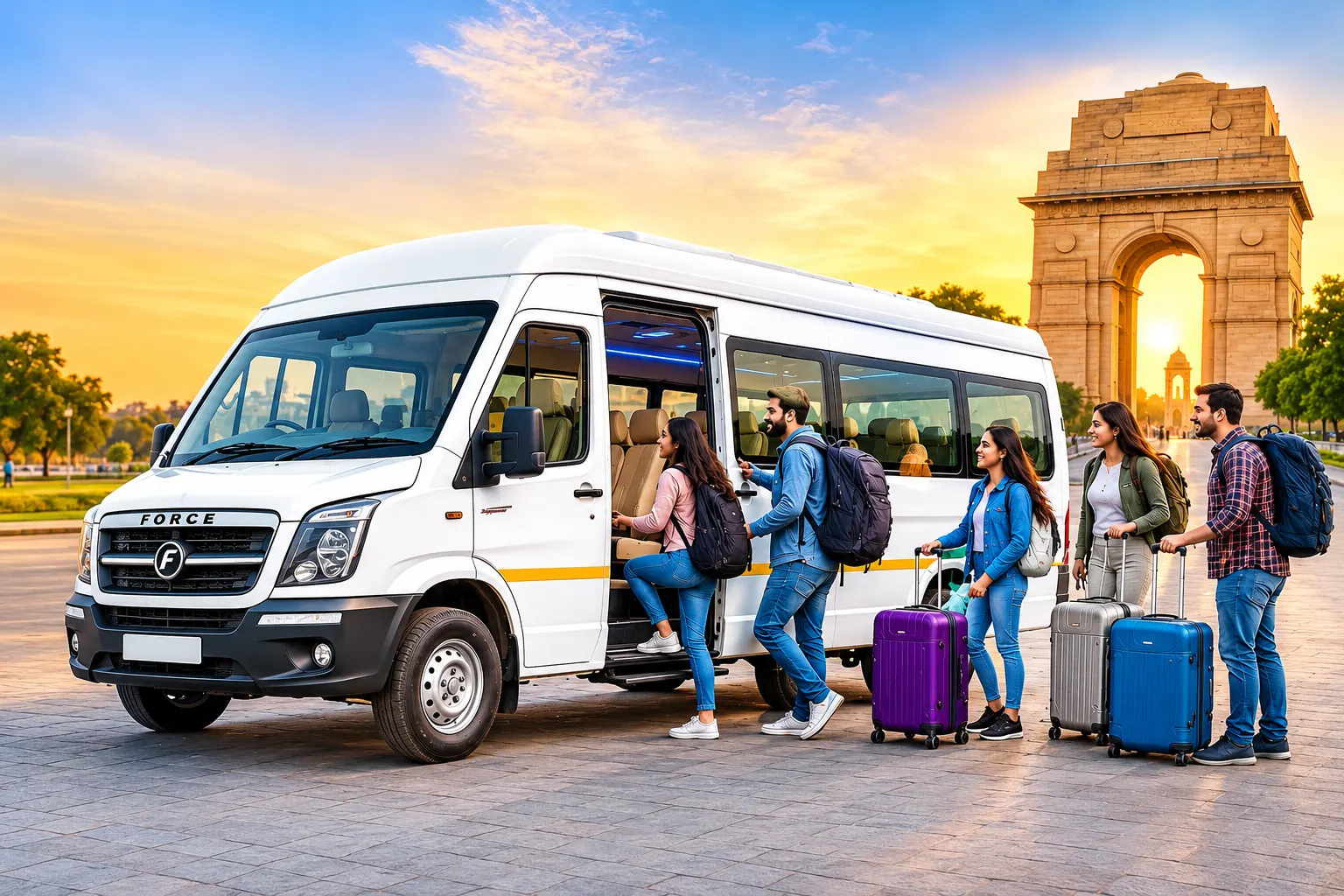
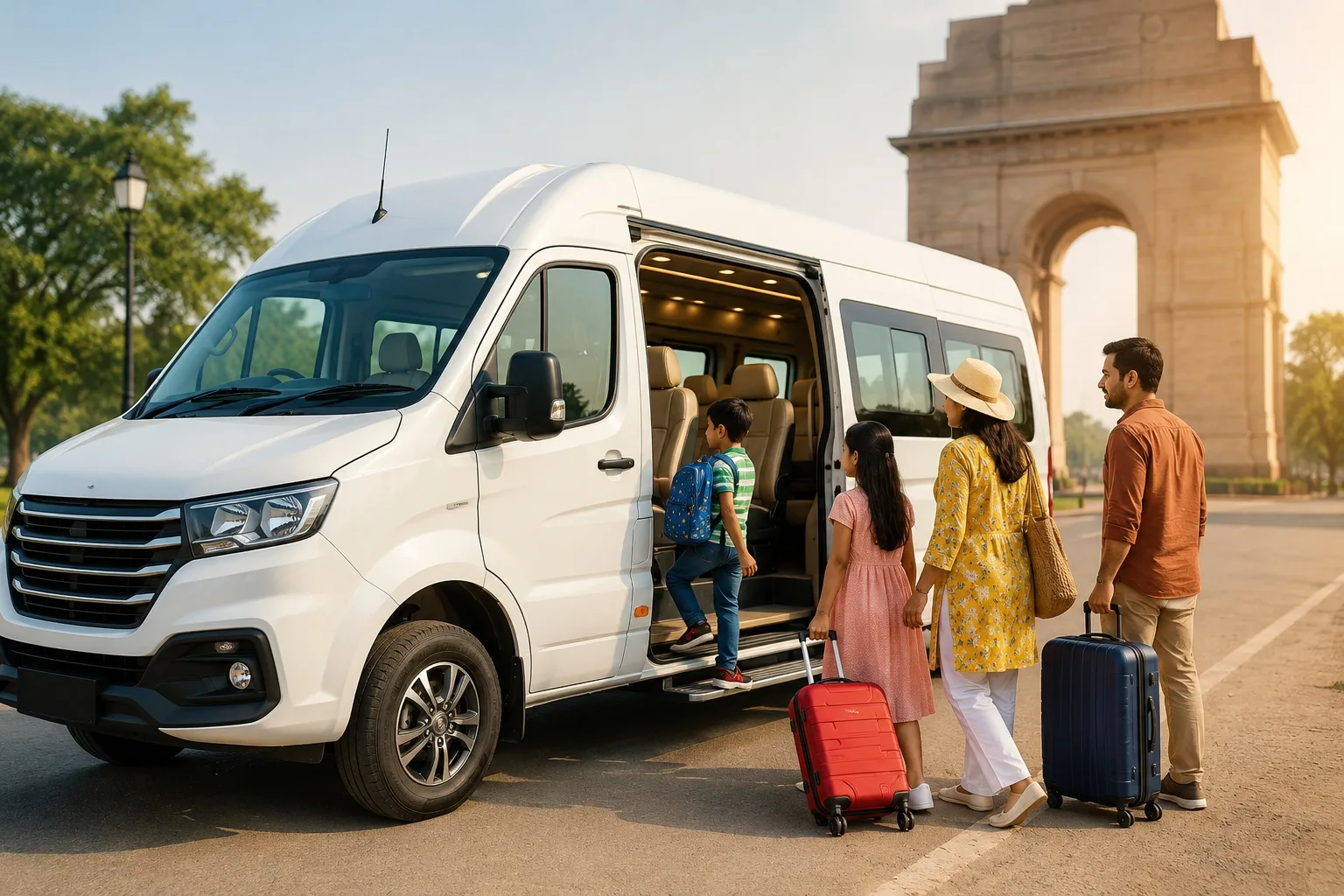
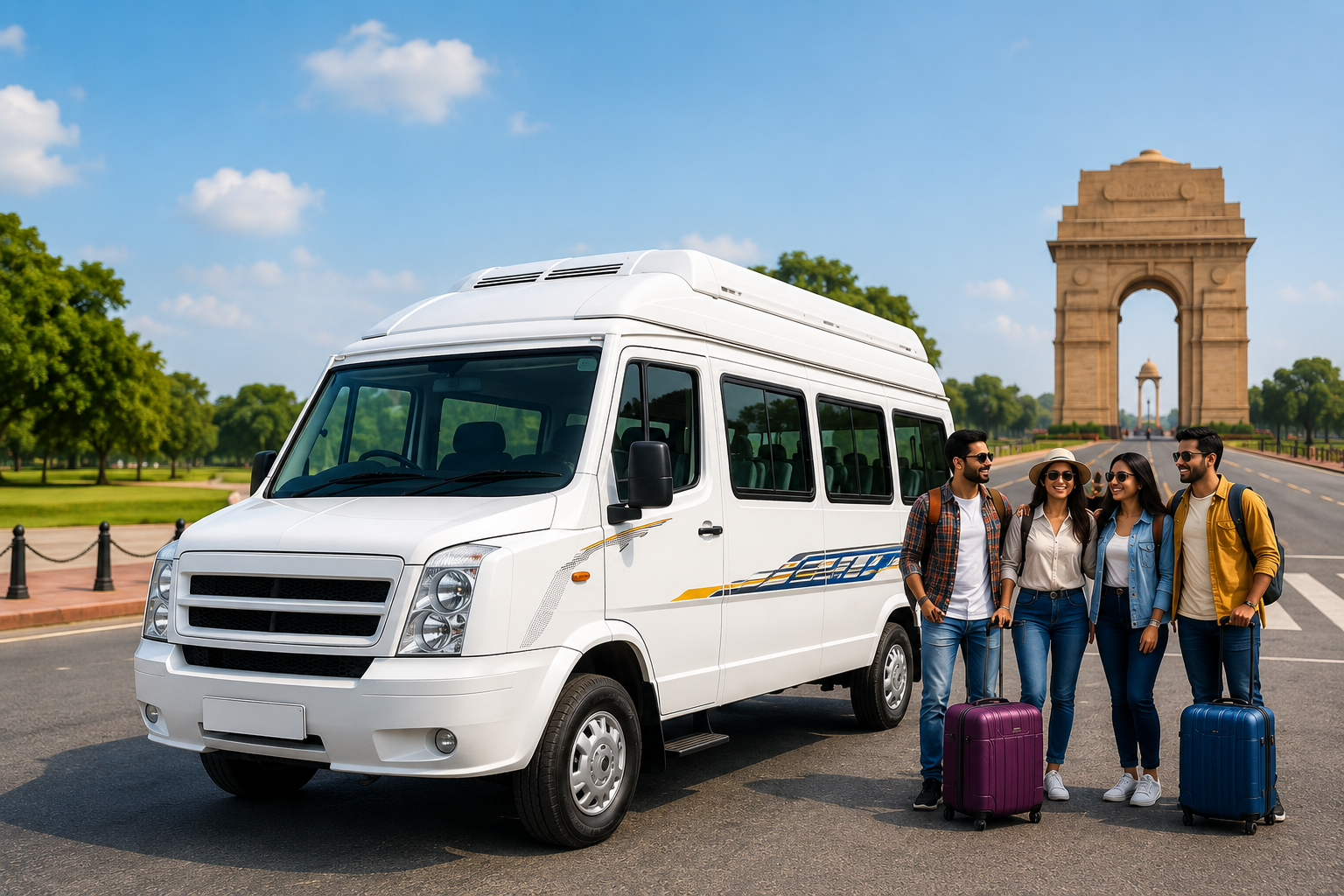
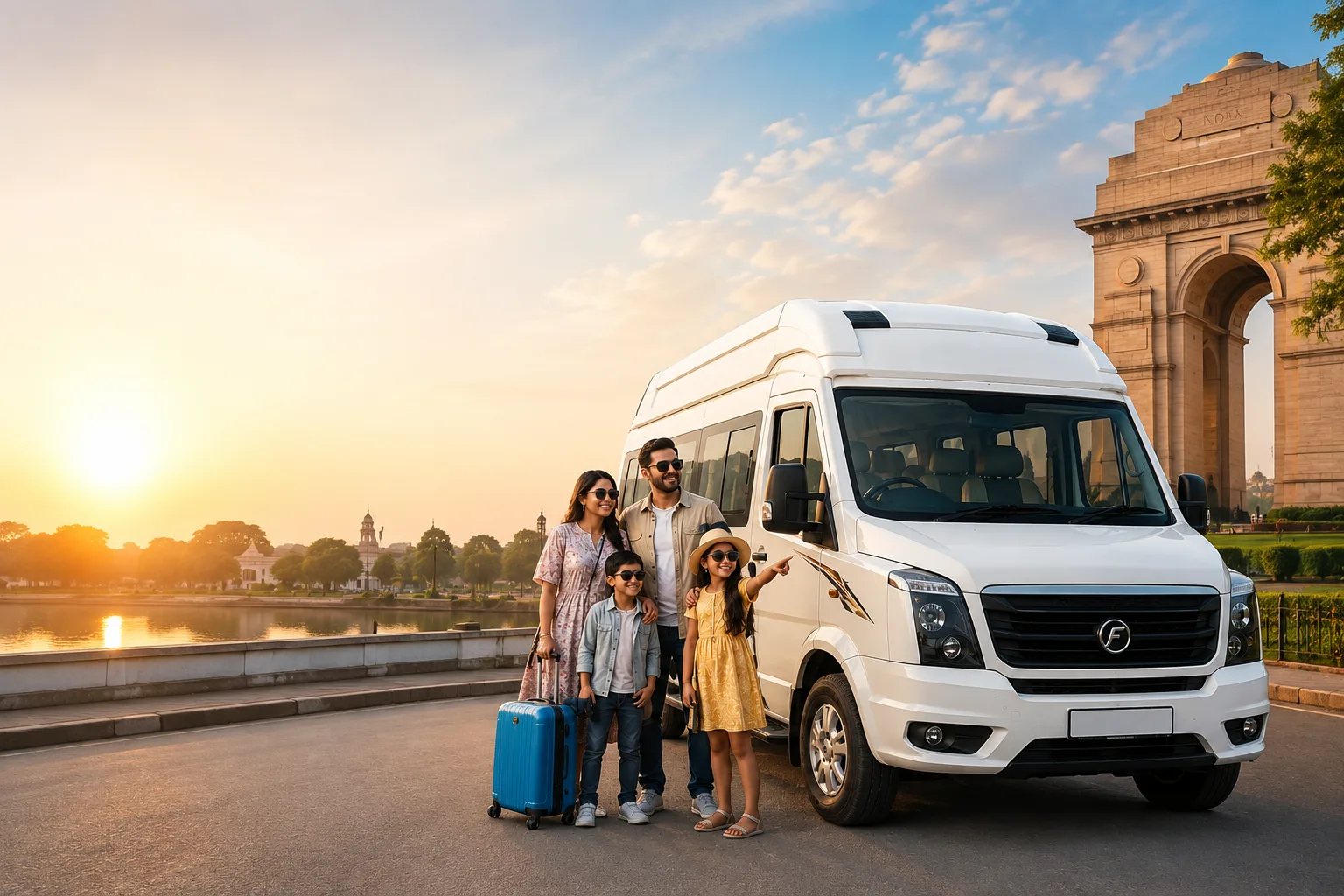
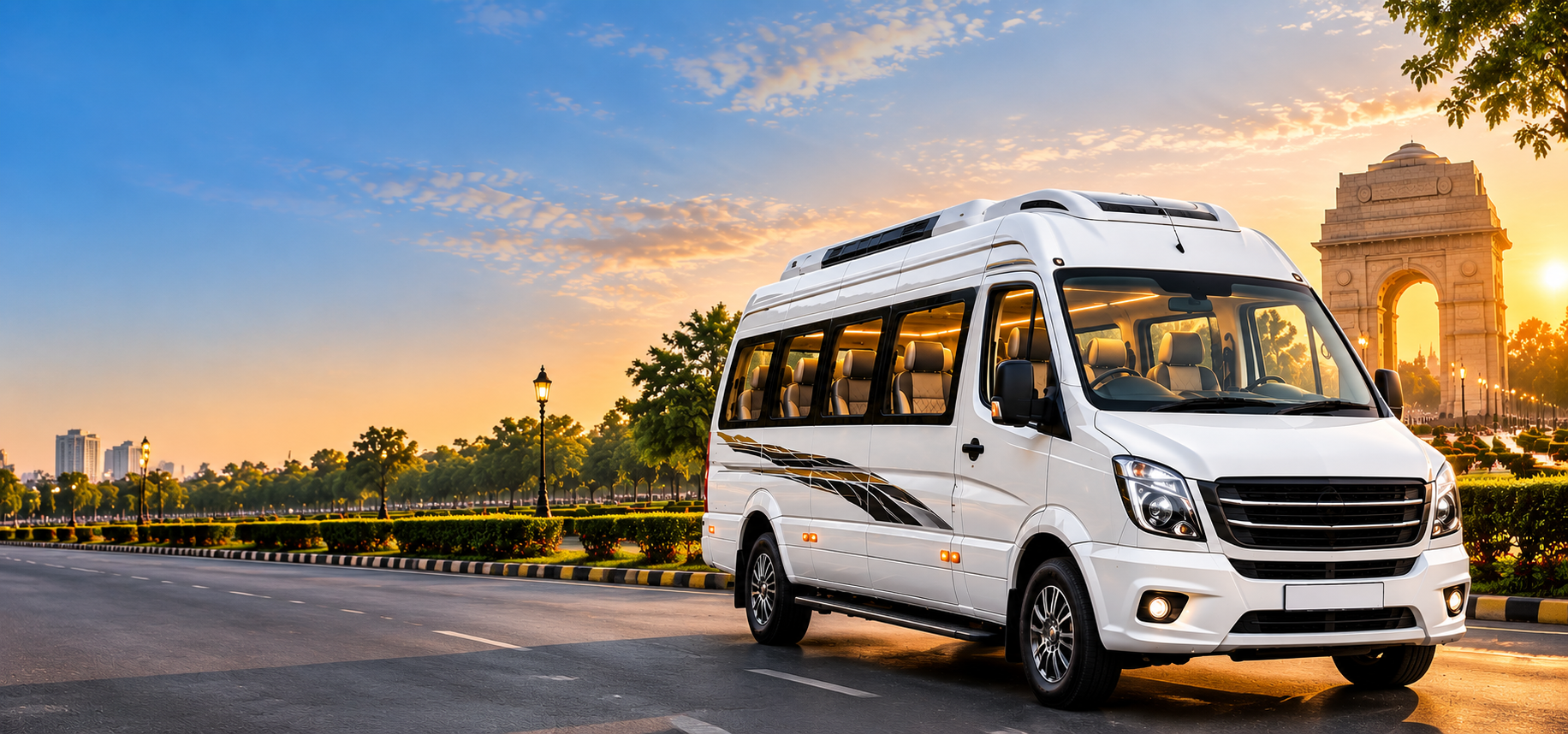
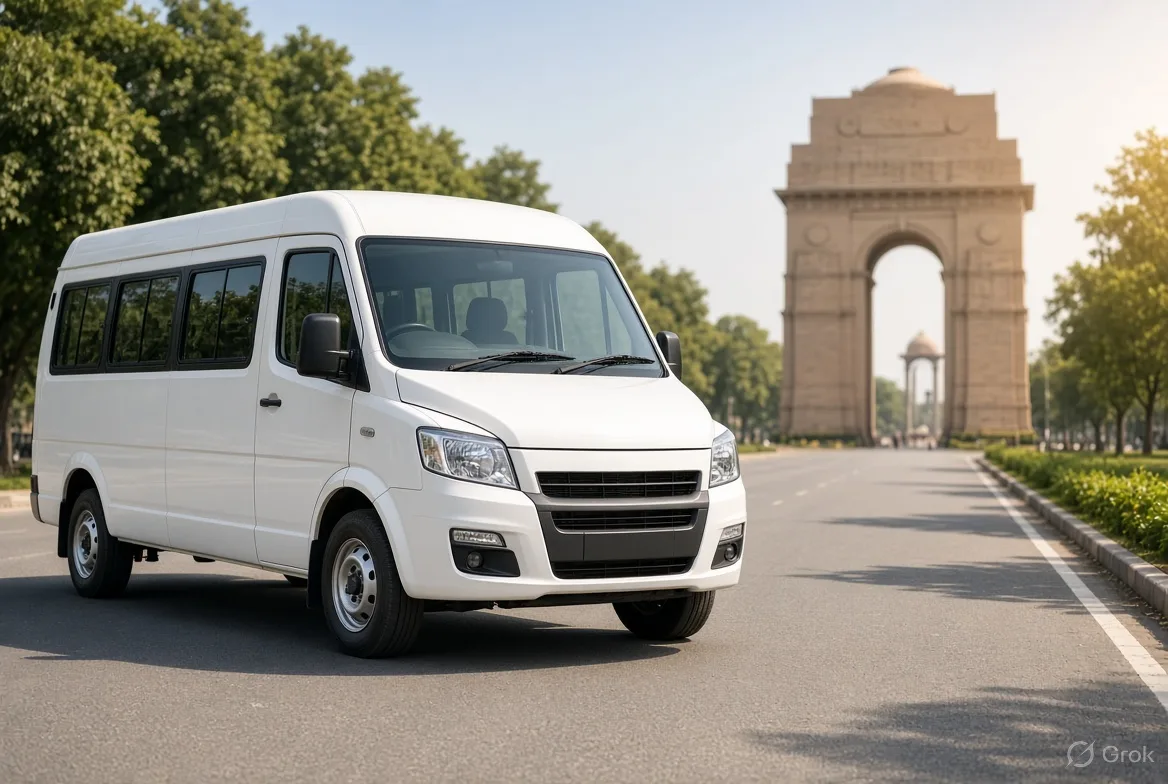
Local Delhi sightseeing: Red Fort, India Gate, temples and markets.
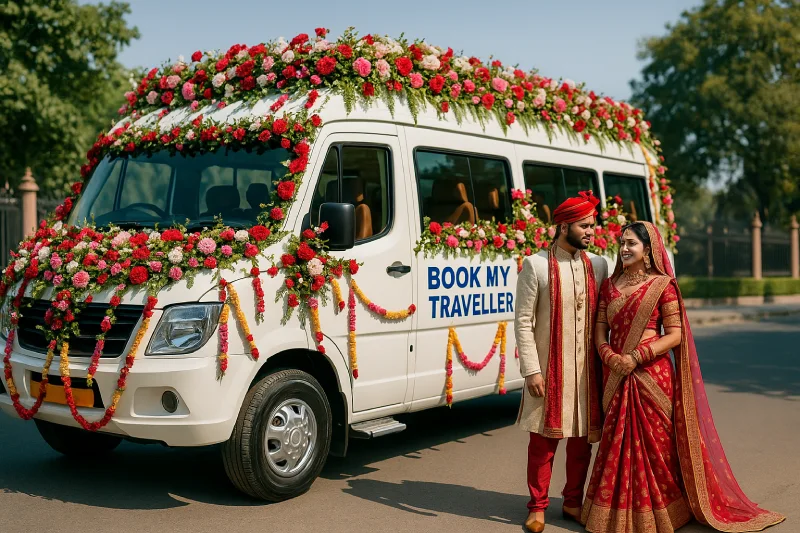
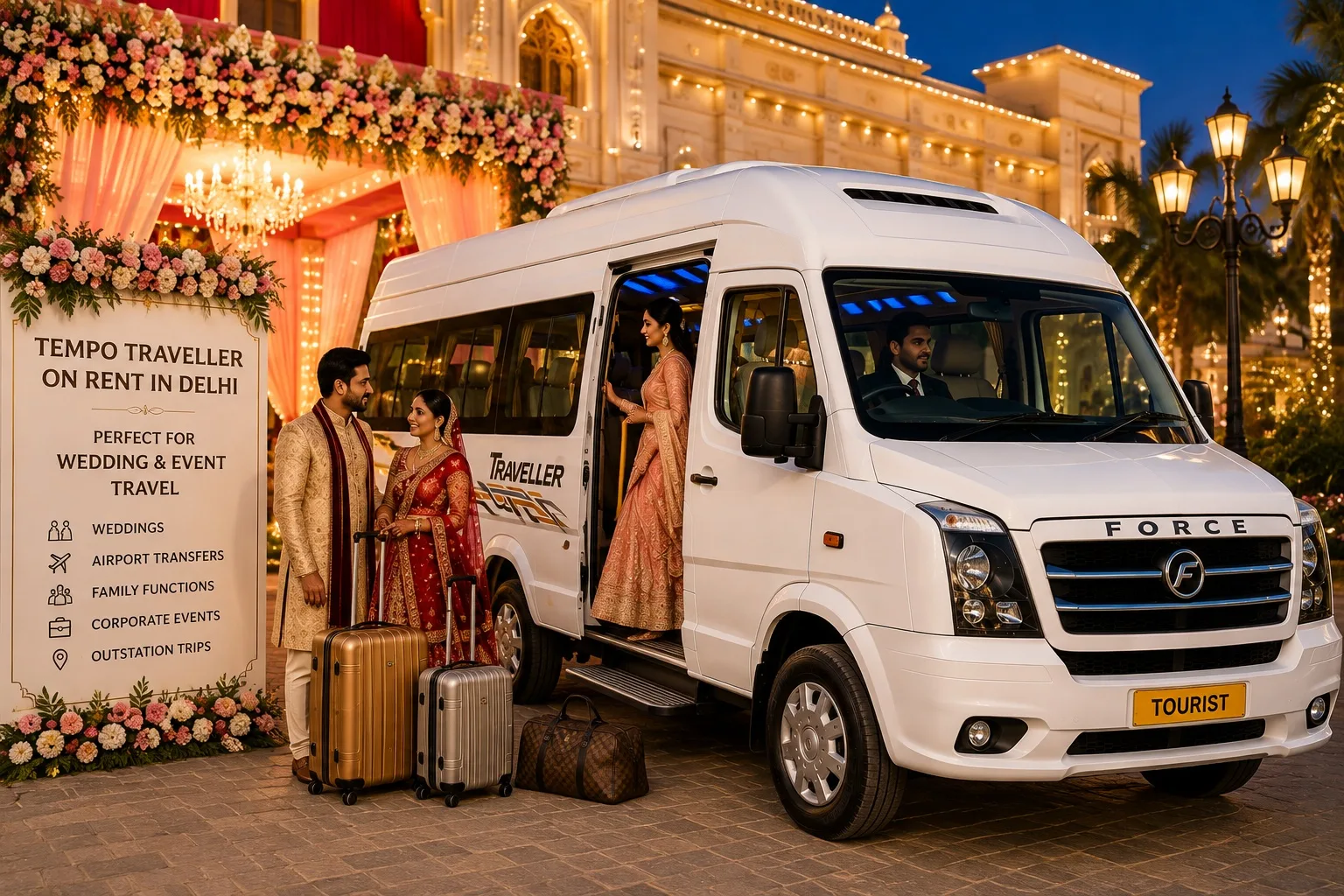
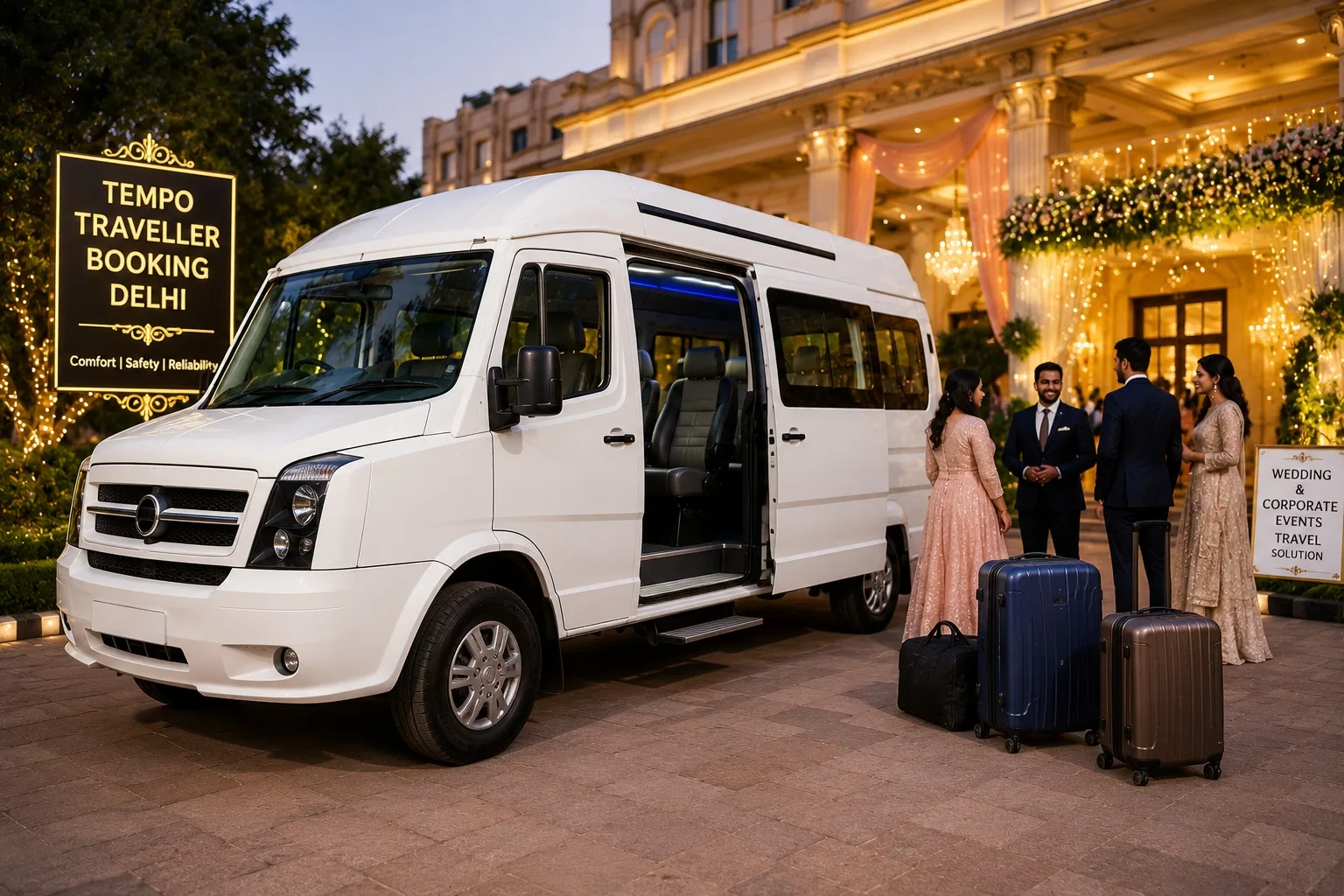
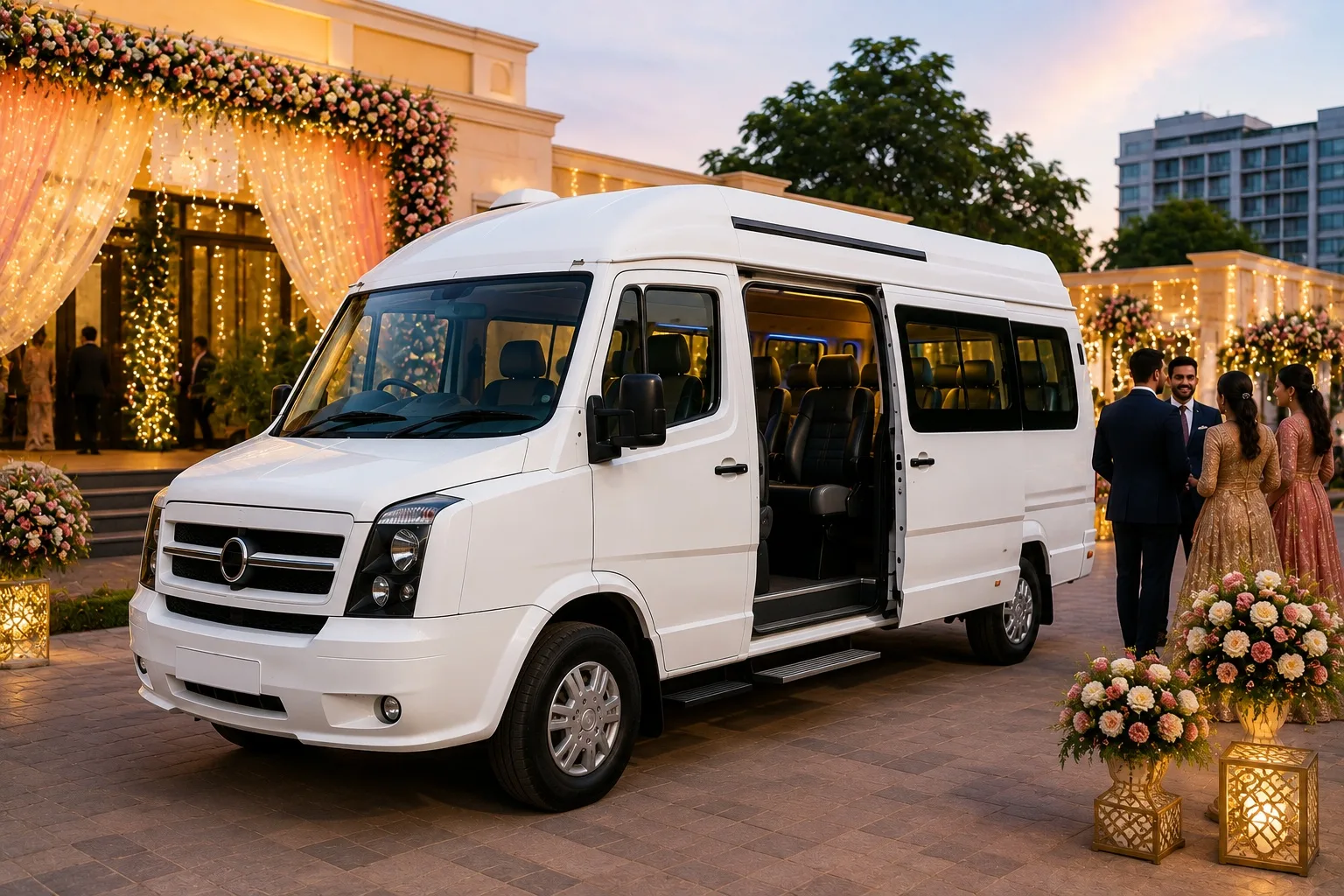
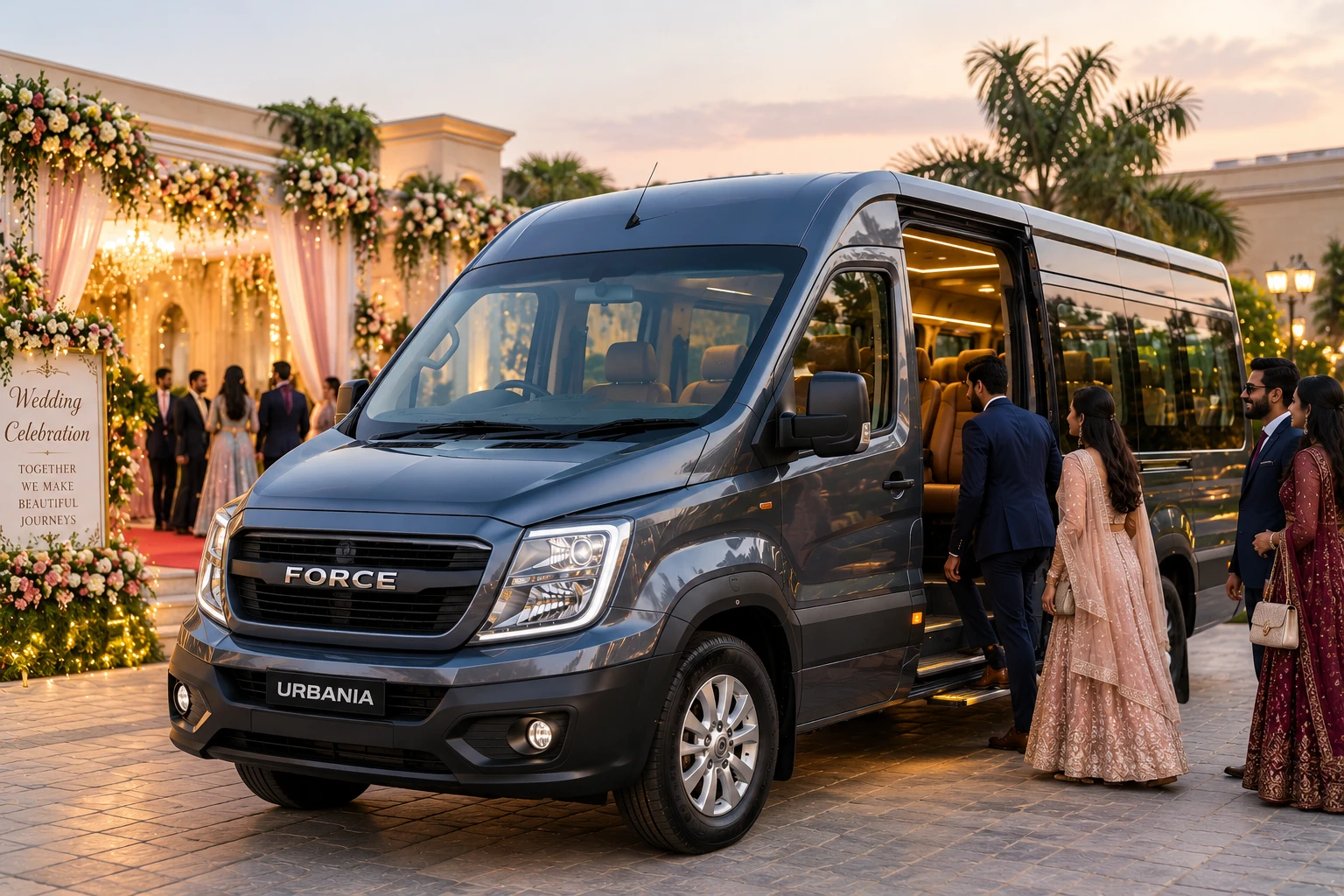
Events: Weddings, corporate outings, school trips and airport transfers.
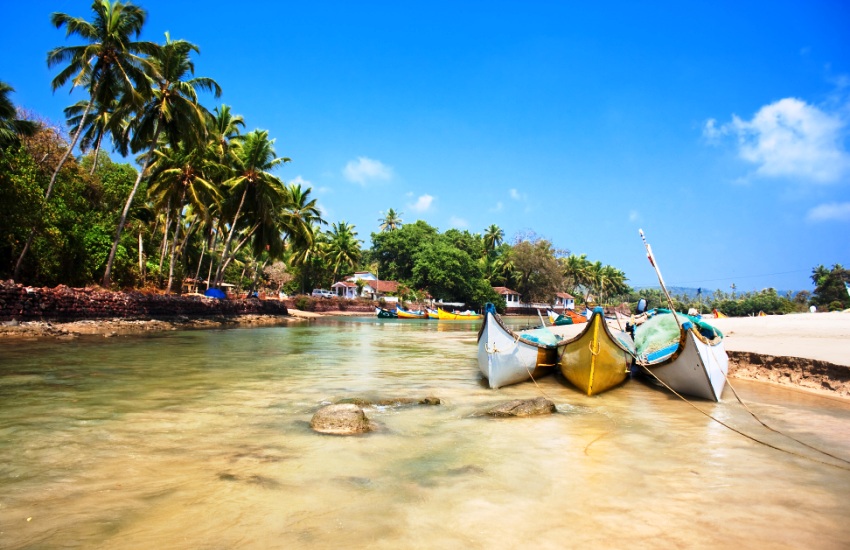
Because the vehicle is private, you can plan stops for meals, photos and rest. That flexibility is hard to get with buses or trains.
How much does a tempo traveller cost in Delhi?
How much does a tempo traveller cost in Delhi? The cost depends on the seating, distance, number of days and season. Local trips are charged per hour or per day, while outstation trips are charged per kilometre with a daily minimum.
Prices change often, so treat any number you see online as a starting point. These factors decide your final quote.
Vehicle type. A 12-seater costs less than a 17-seater or a luxury model.
Distance. Longer routes cost more, and most operators set a daily kilometre limit.
Number of days. Multi-day trips include driver stay charges.
Season. Peak months, weekends and festivals raise prices.
Route type. Hill roads and long overnight drives can cost more.
Extras. Night halt, toll, parking and state tax may be charged separately.
Always ask for an itemised quote, so you can compare different operators fairly.
What is the difference between local and outstation tempo traveller hire? Local hire is for sightseeing inside Delhi within a fixed number of hours and kilometres. Outstation hire is for trips to other cities, usually with a daily kilometre limit.
How to book a tempo traveller in Delhi: step by step
Booking is simple if you share the right details. Follow these steps.
Decide your group size. Count adults, children and luggage.
Fix your dates and route. Share pick-up point, destinations and drop-off.
Ask for a written quote. It should list rates, kilometre limit and extra charges.
Check the vehicle. Ask for photos, the model year and whether it is AC.
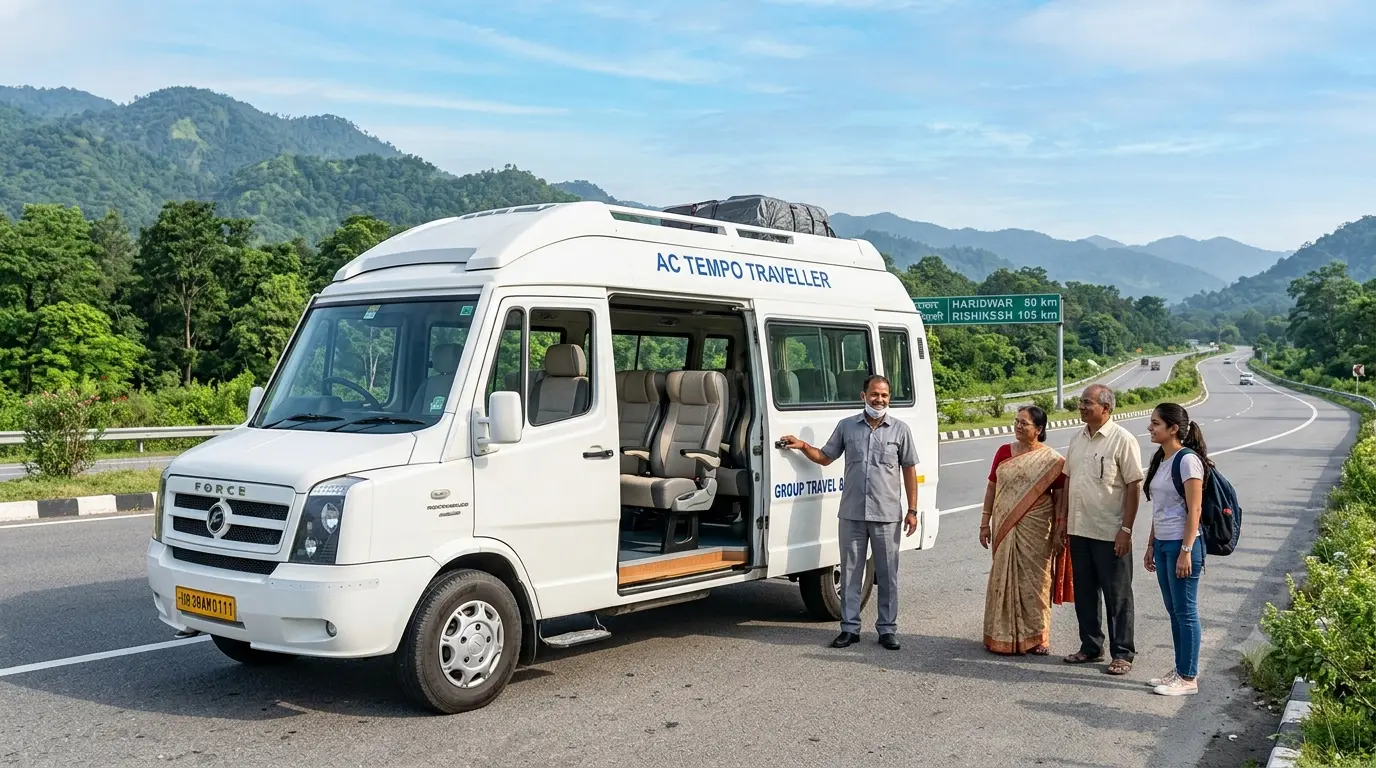
Confirm driver details. A good operator shares the driver’s name and number before the trip.
Pay a small advance. Keep the receipt and confirm cancellation rules.
How early should you book a tempo traveller? Book at least one to two weeks ahead. For peak months, weddings and Char Dham season, book three to four weeks early.
What is the best time to book?
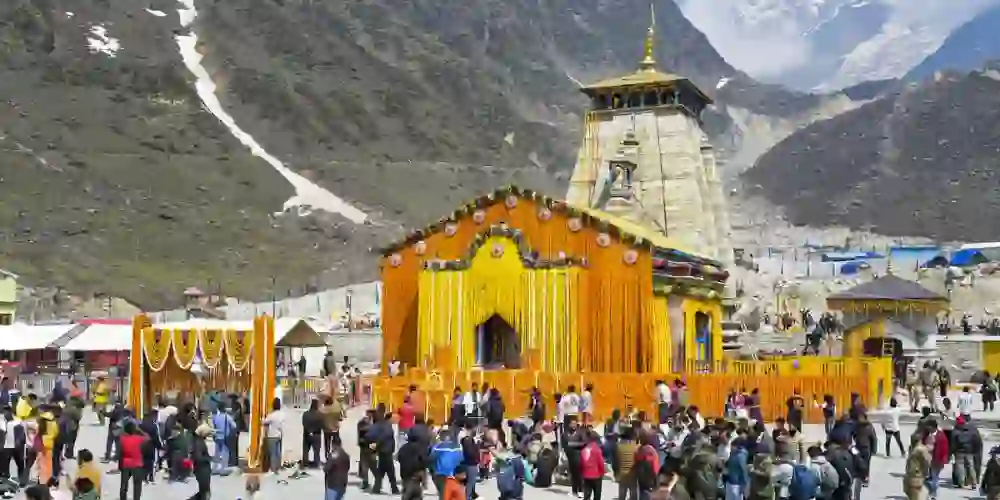
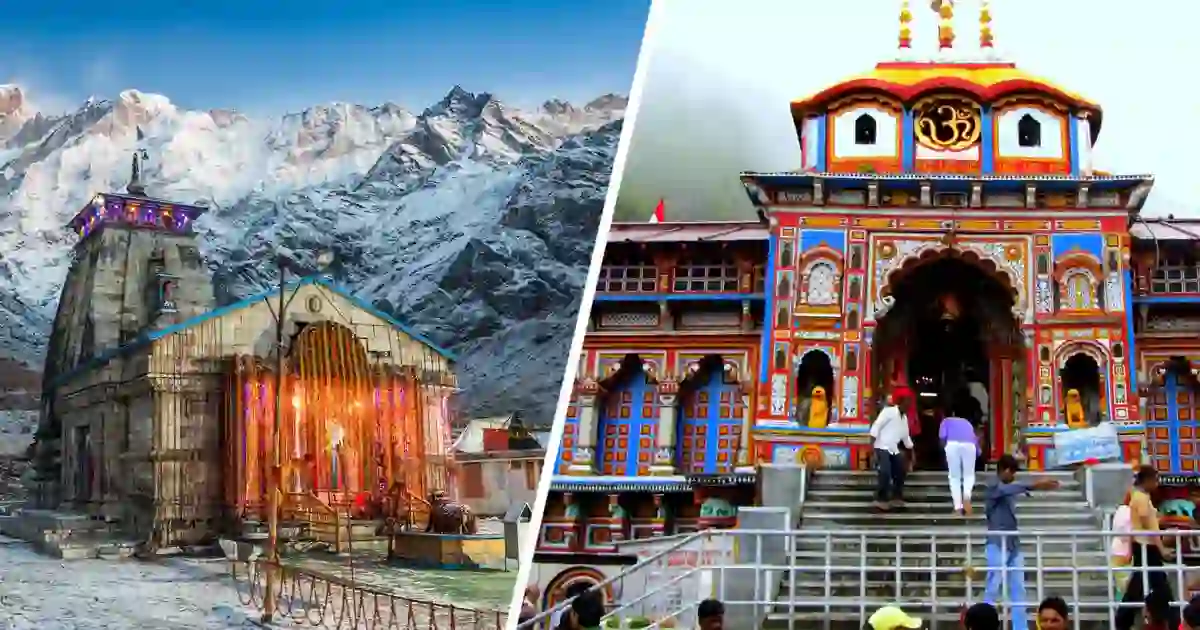
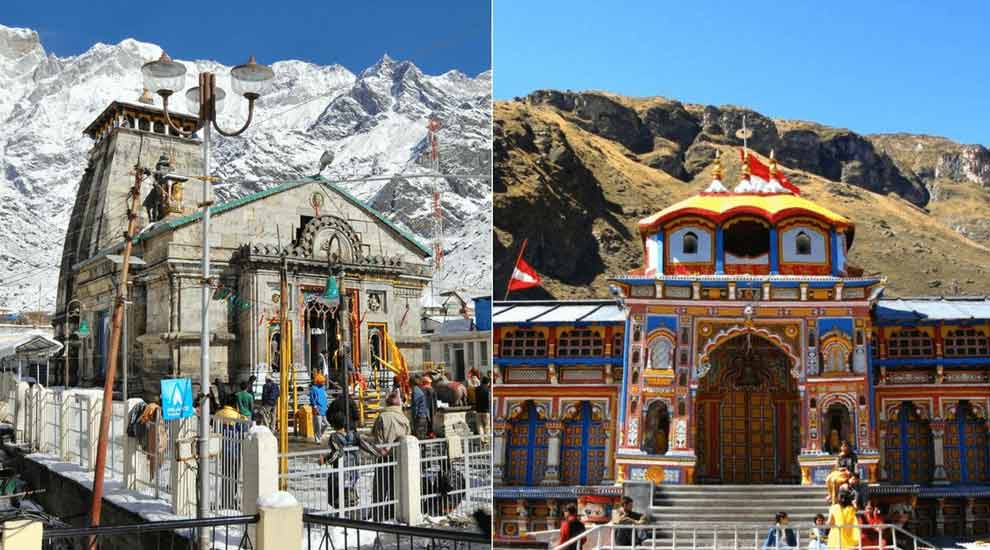
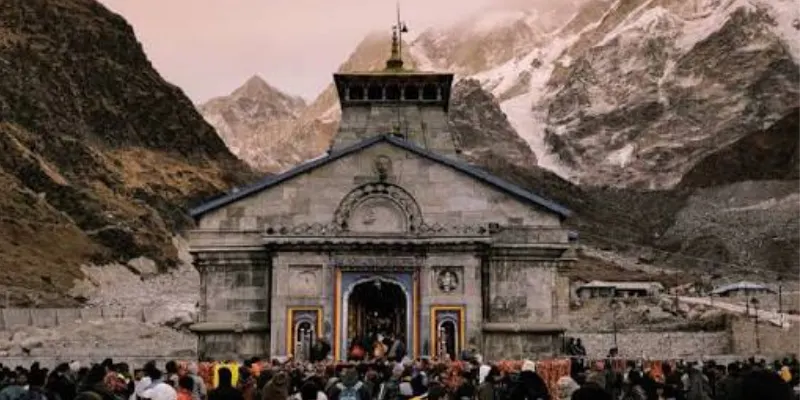
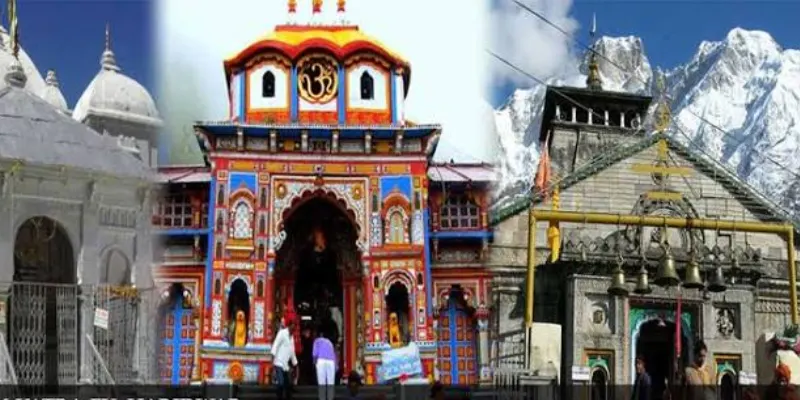
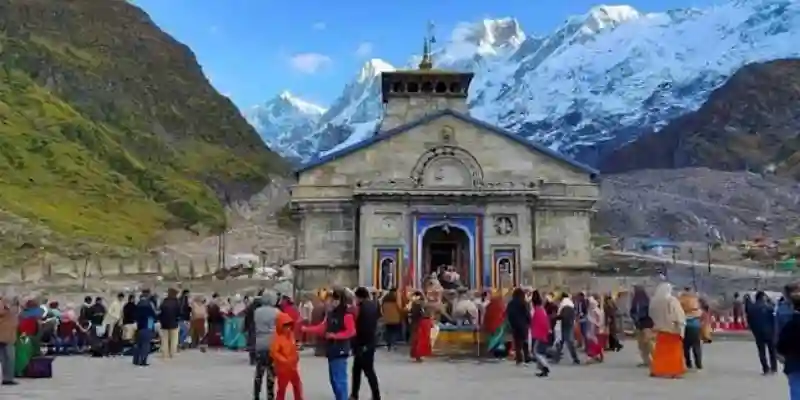
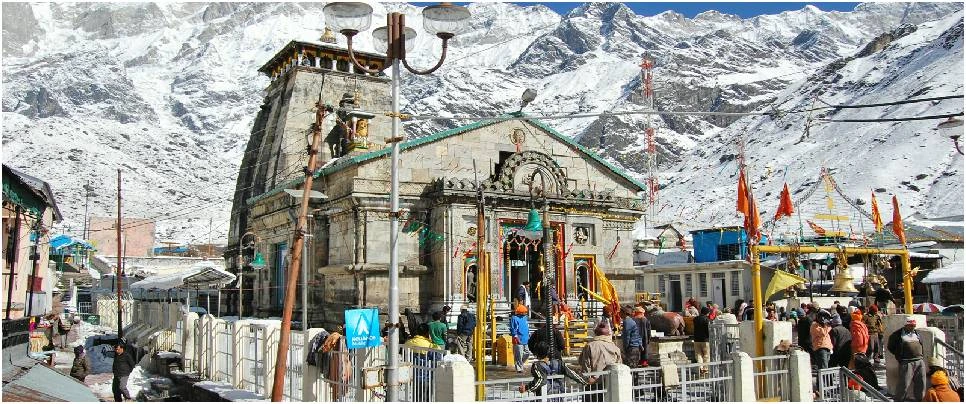
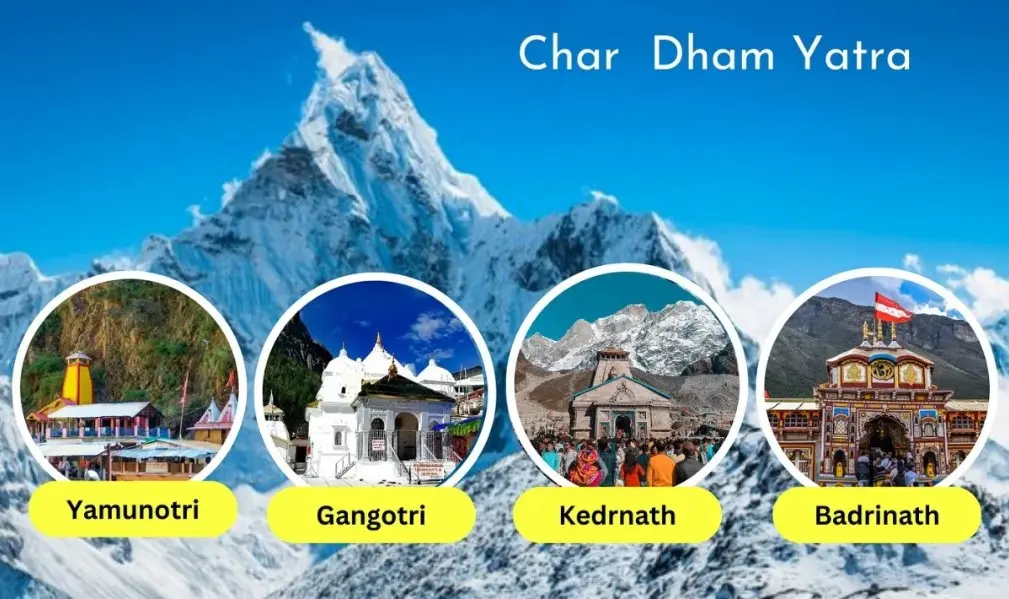
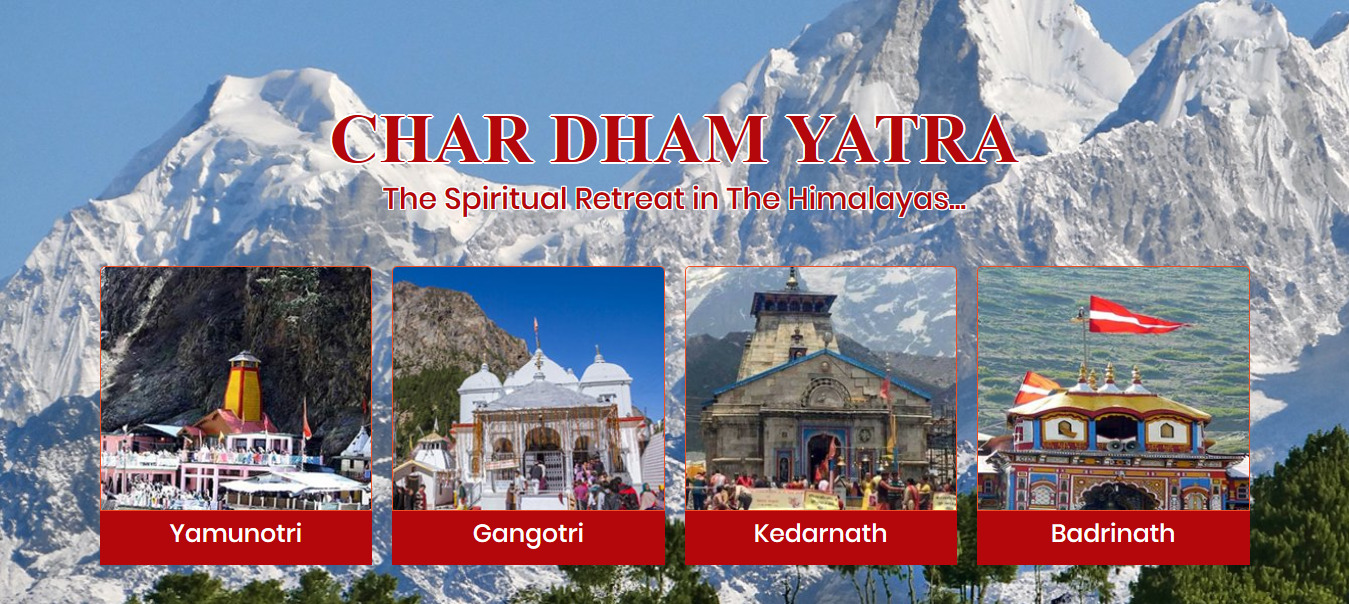
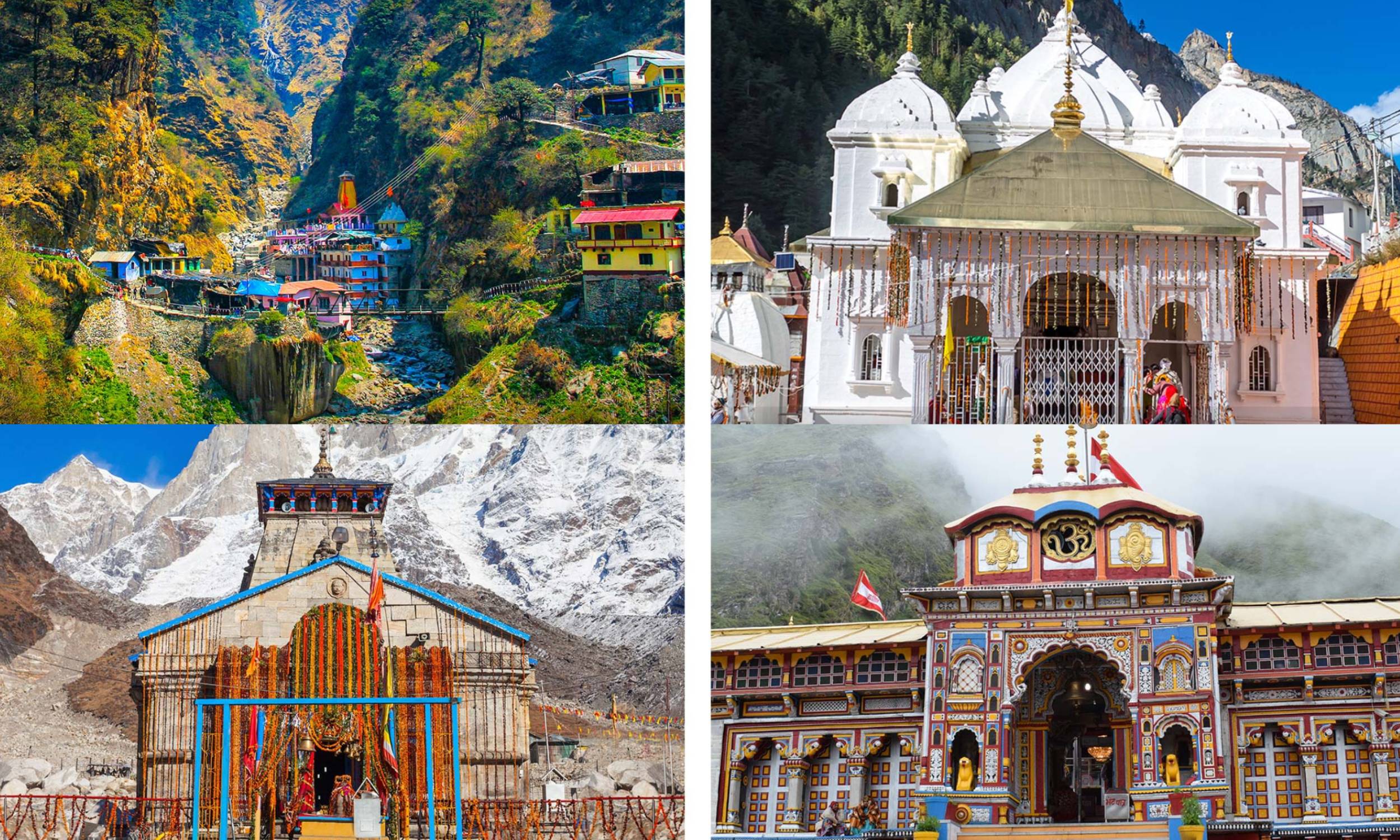
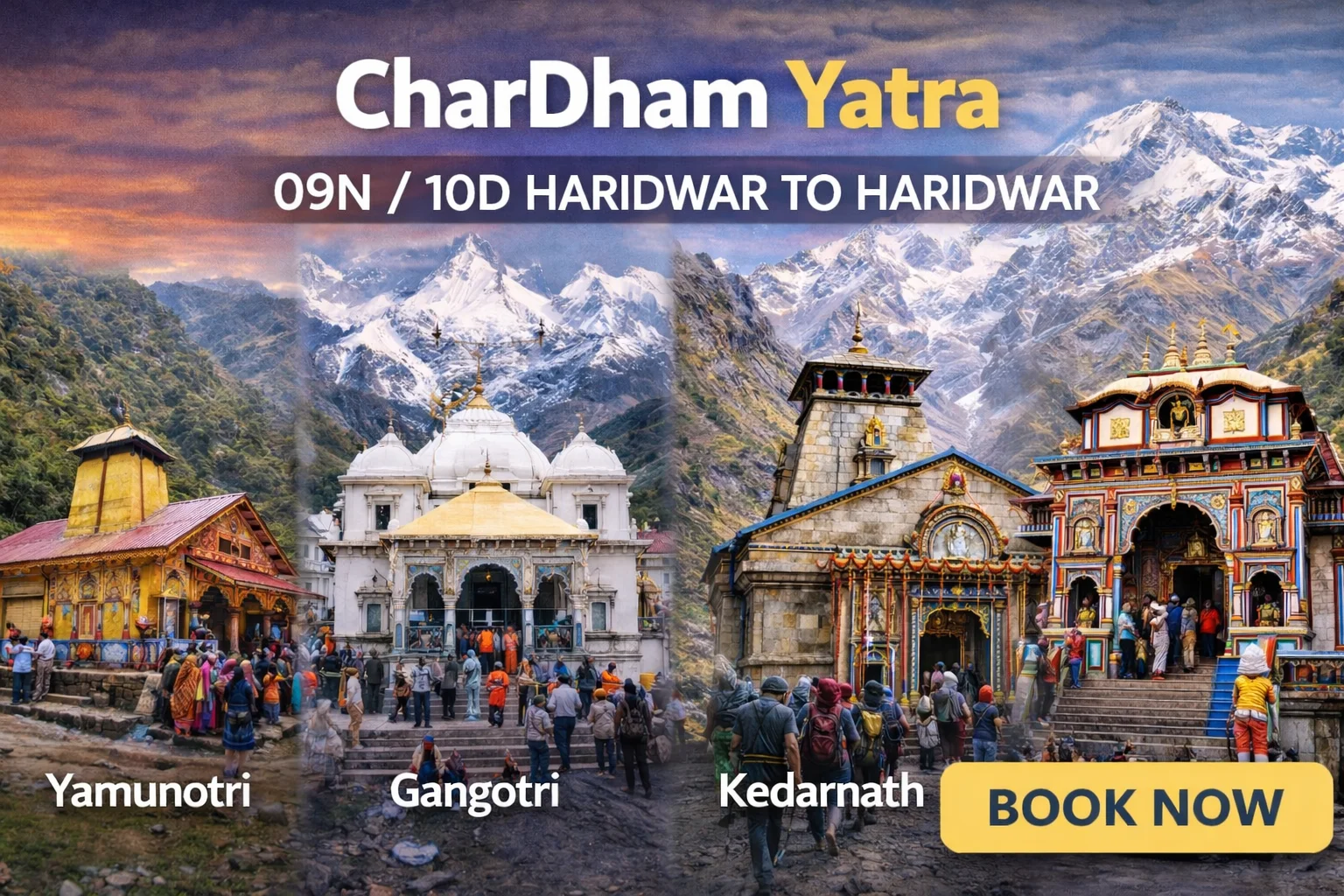
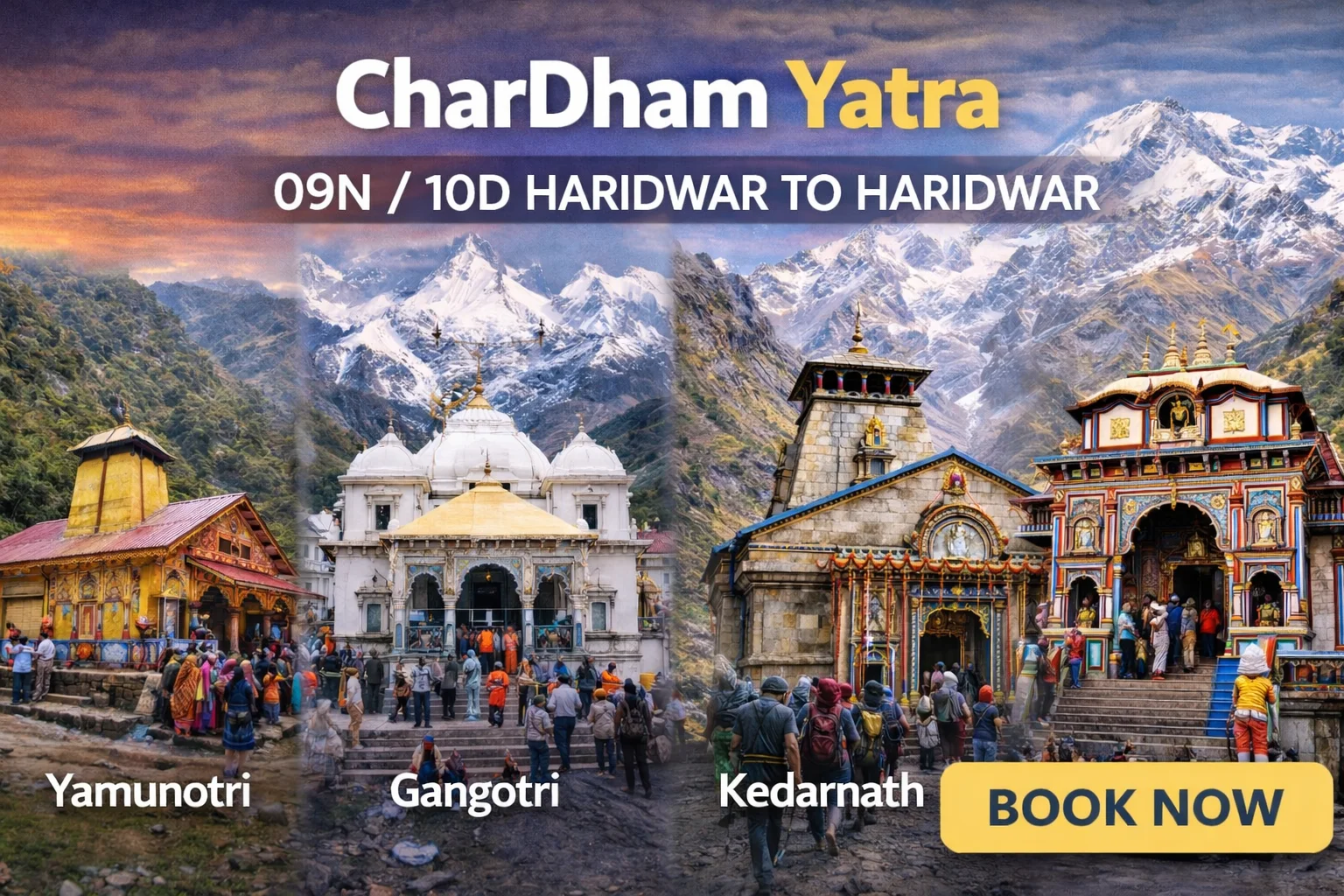
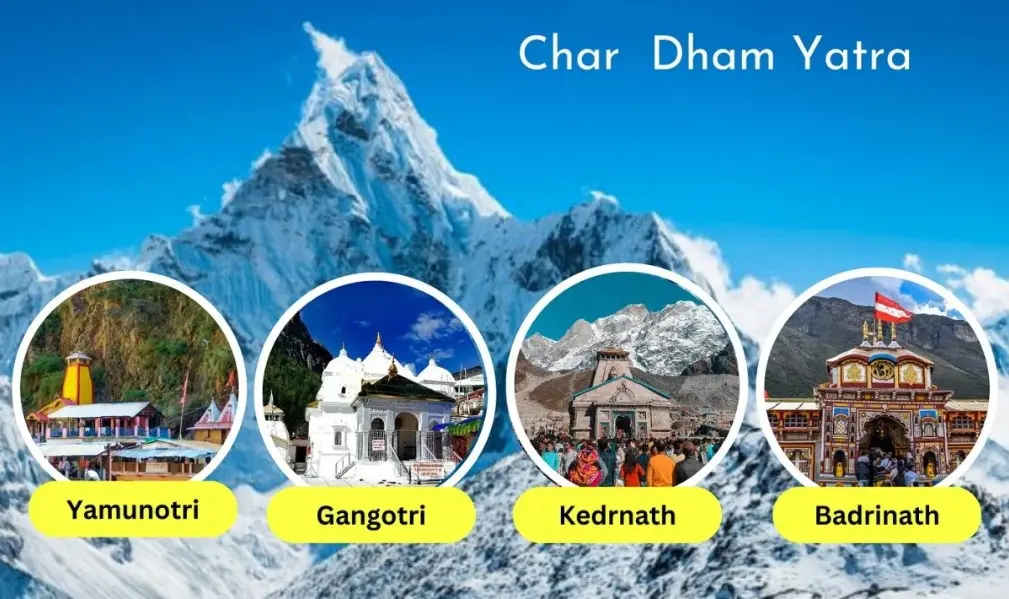
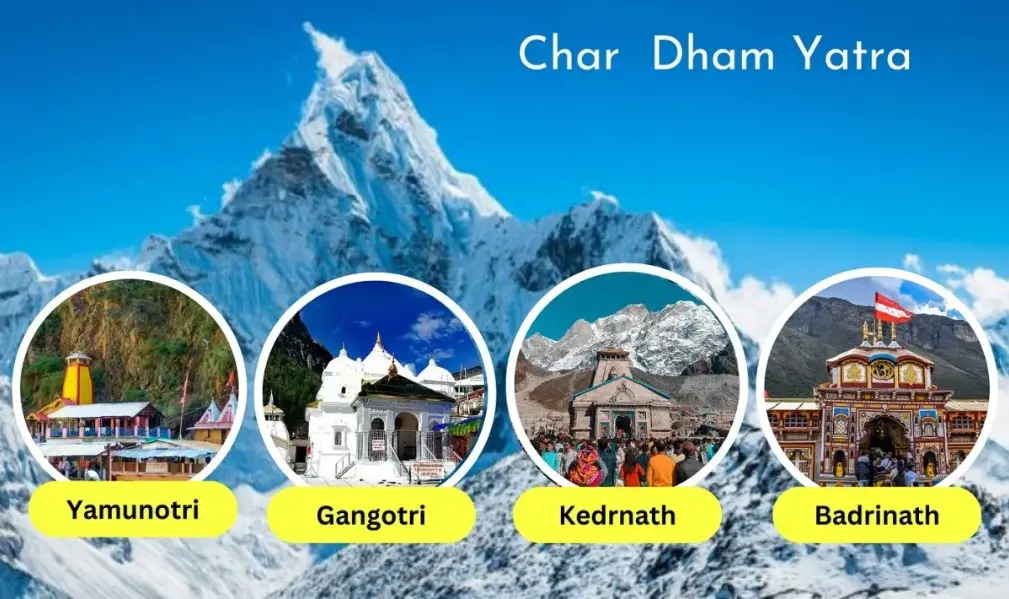
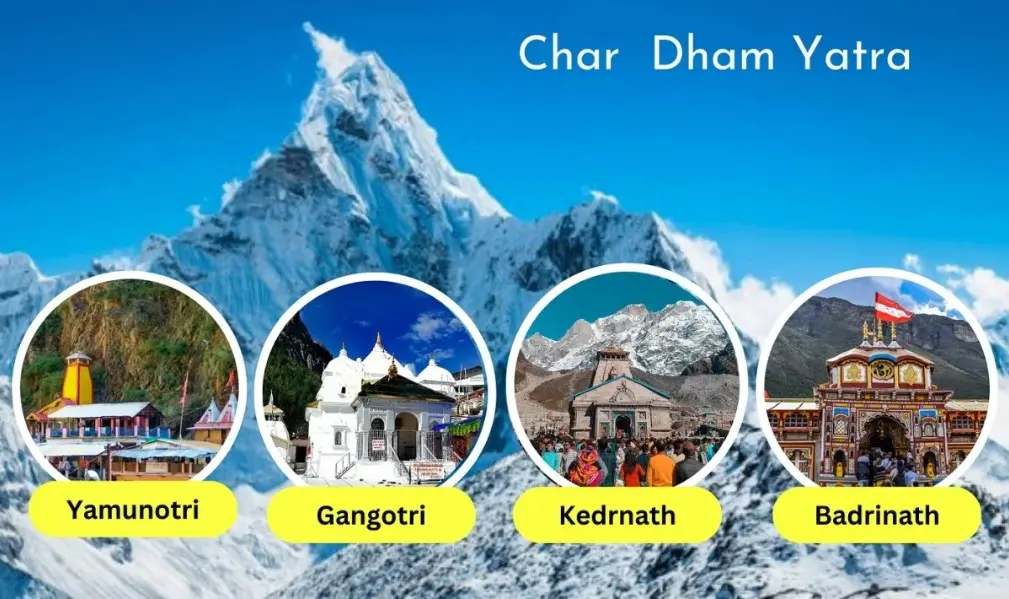
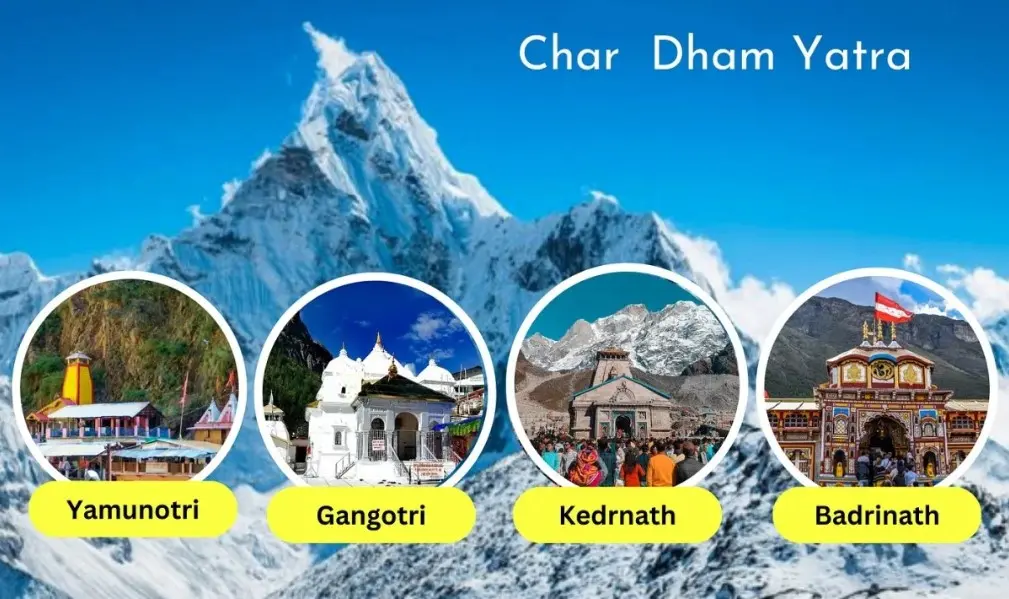
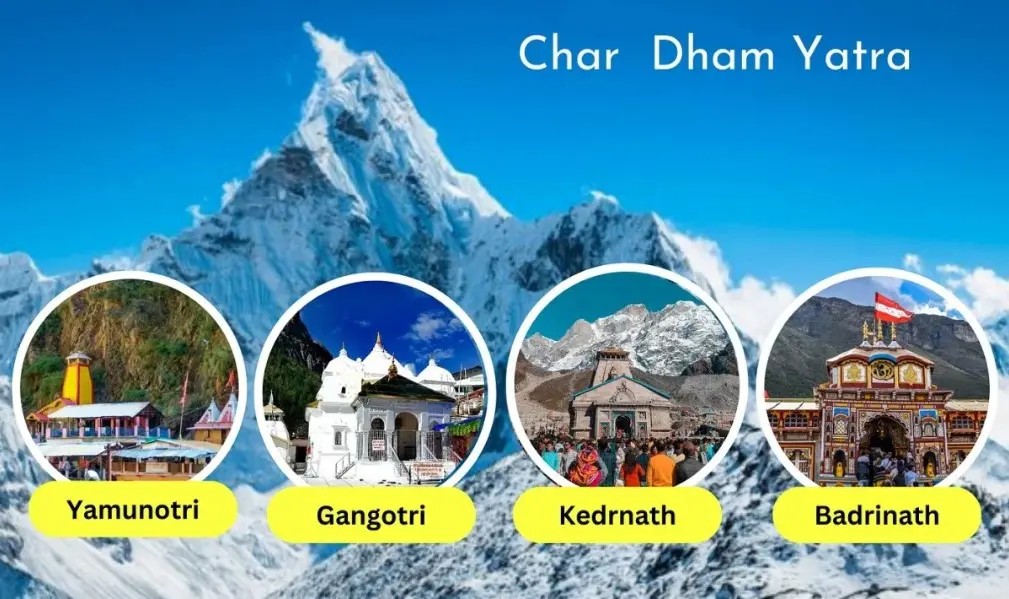
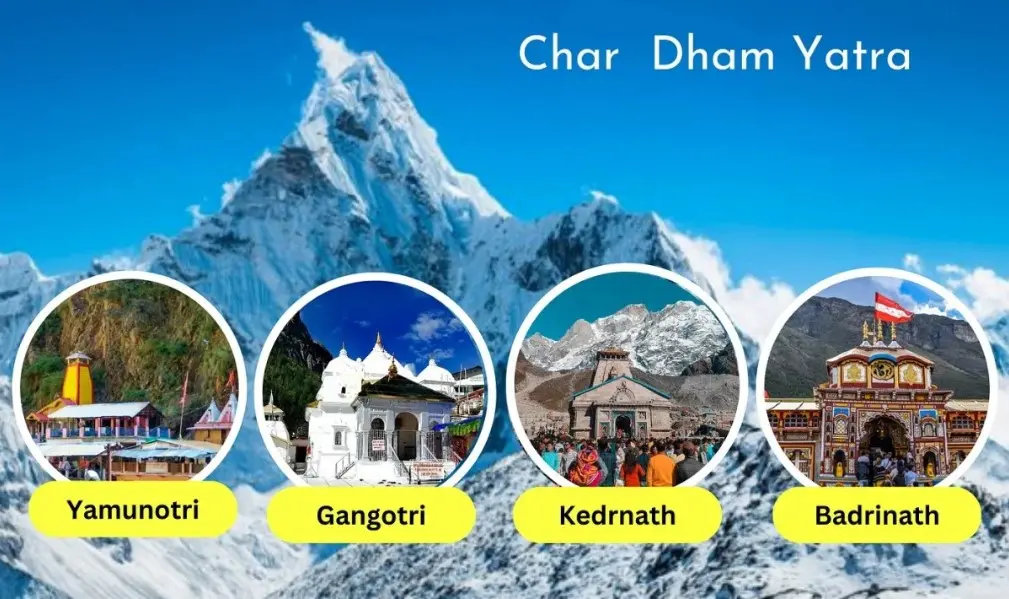
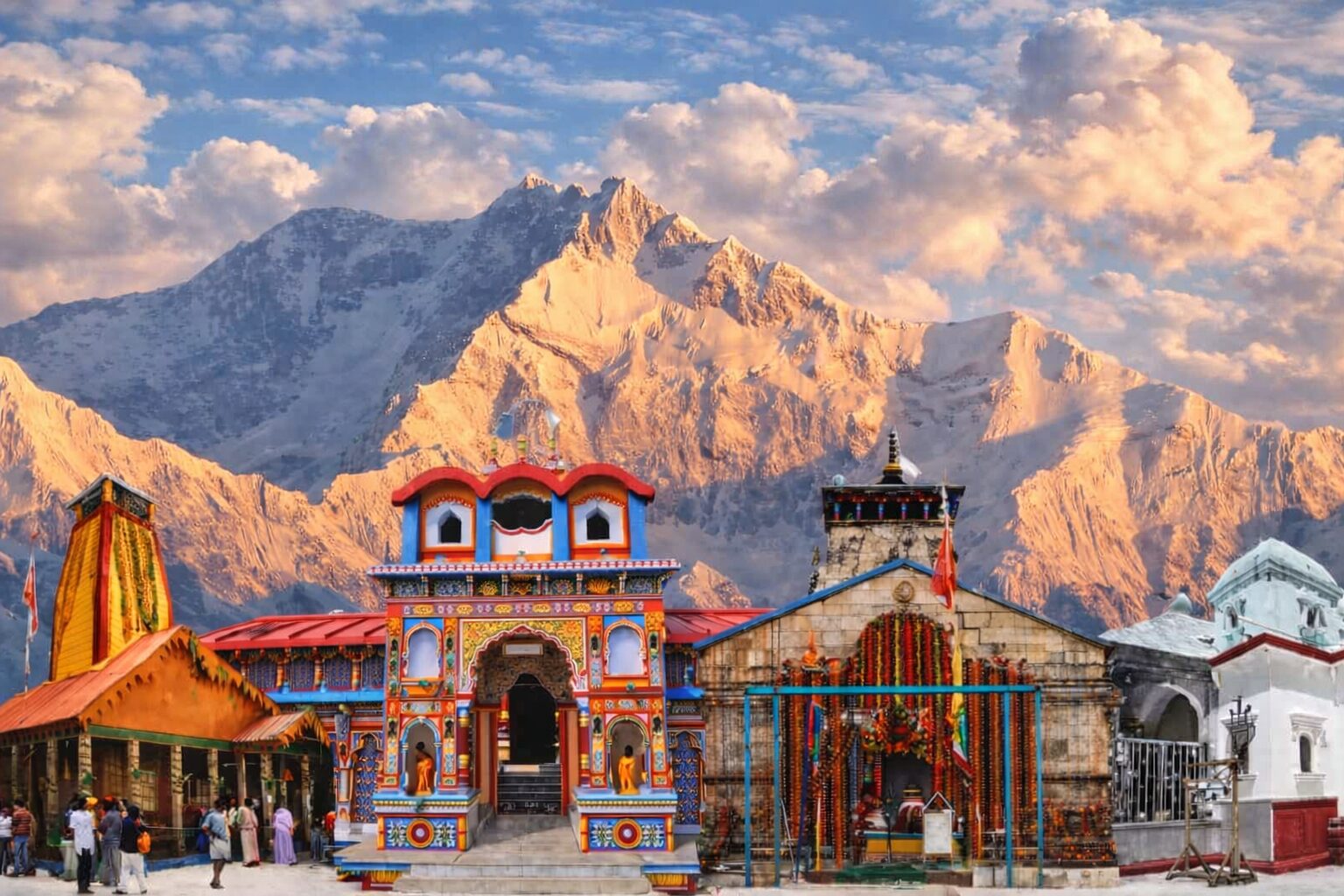
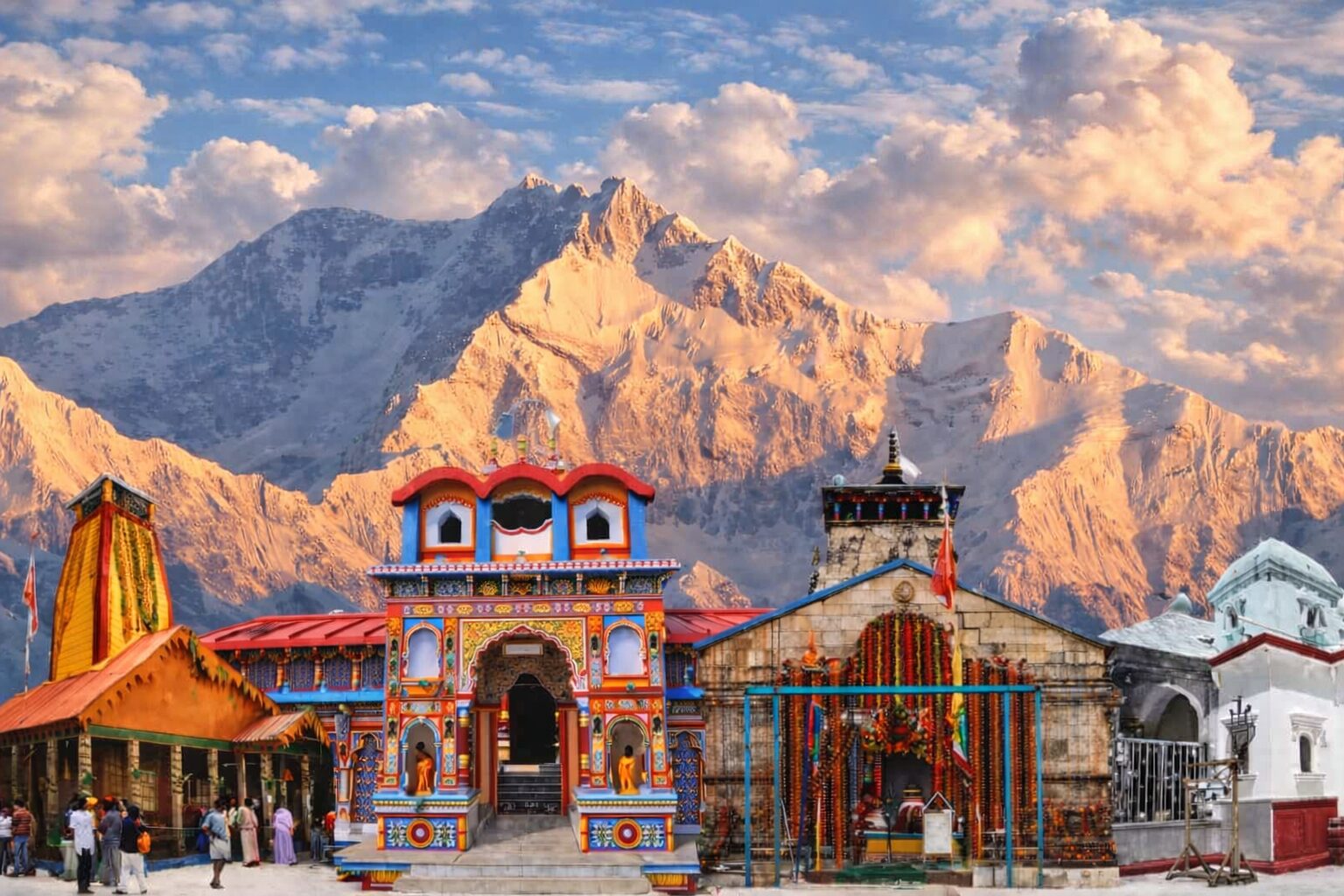
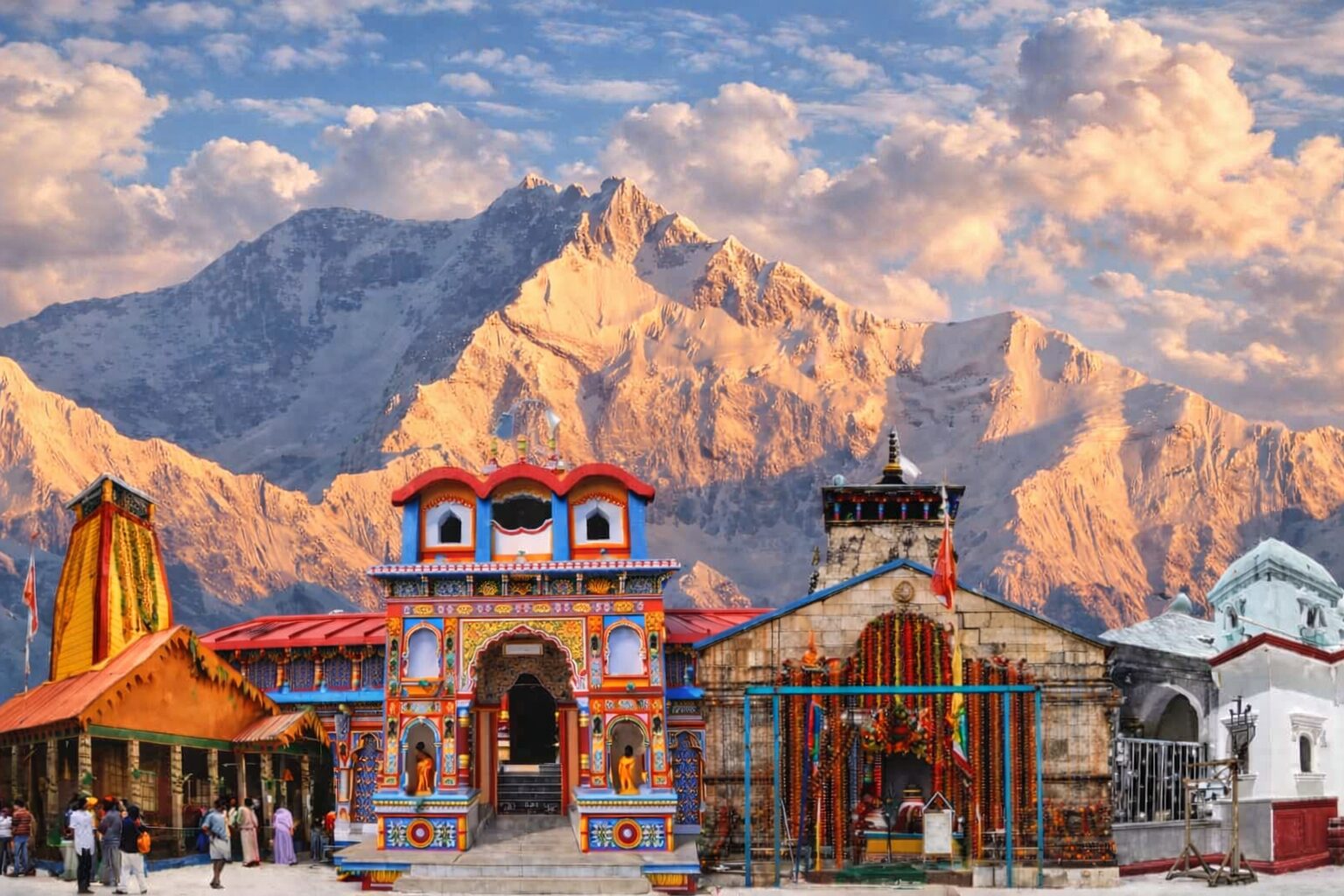
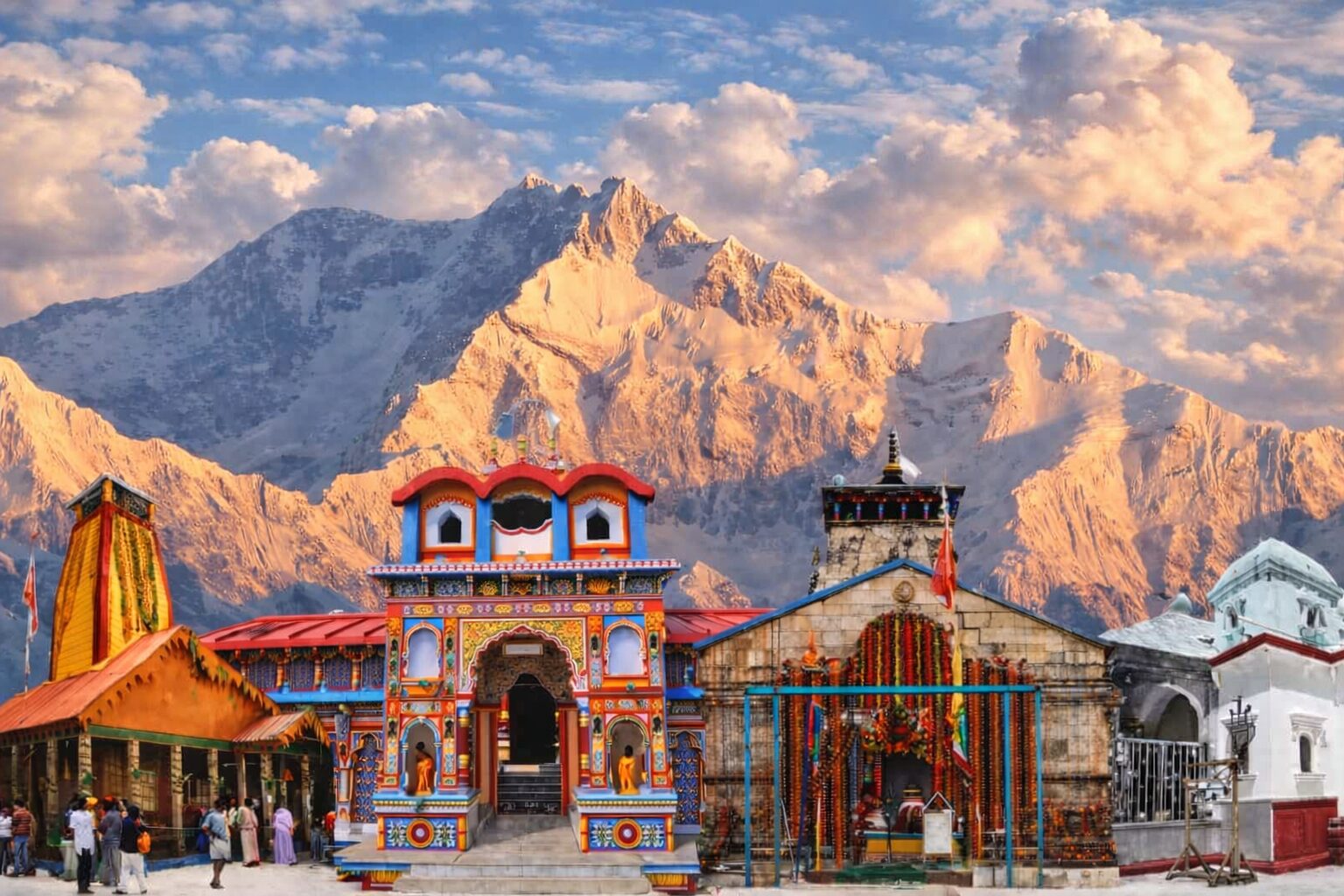
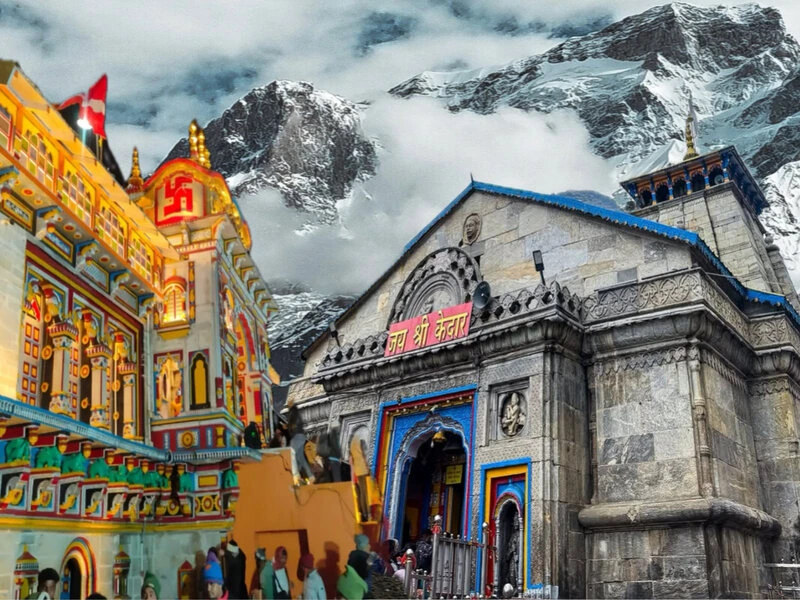
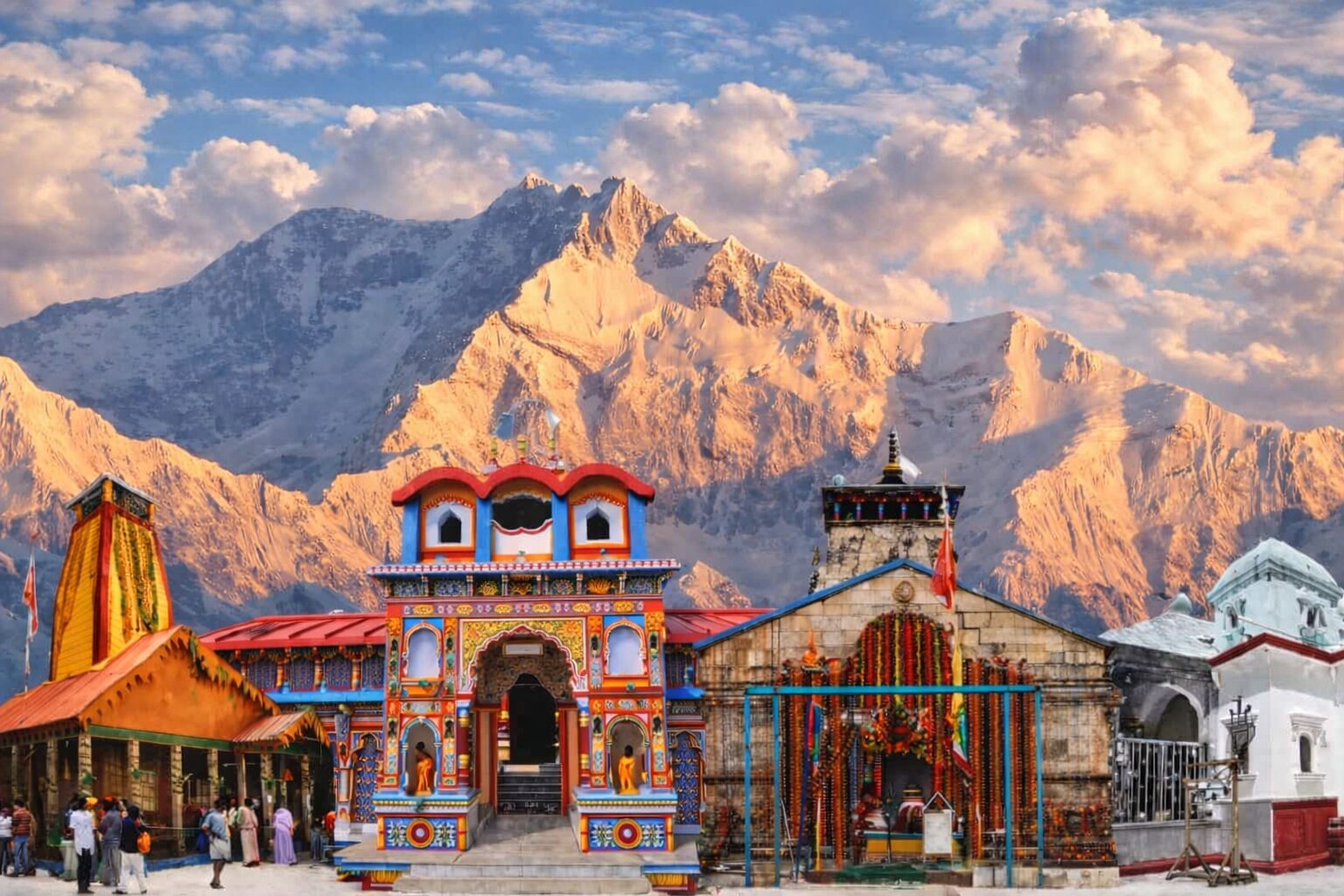
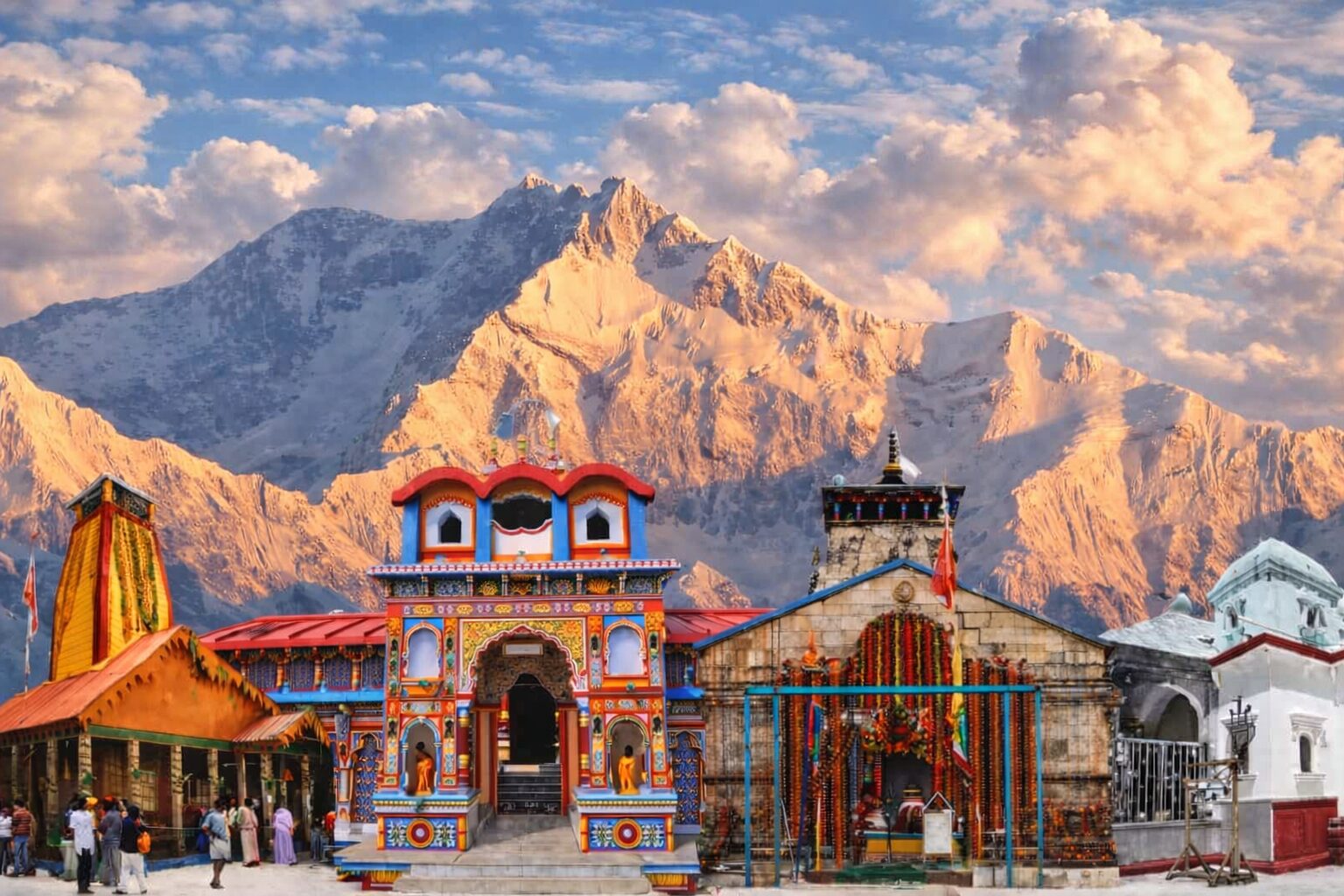
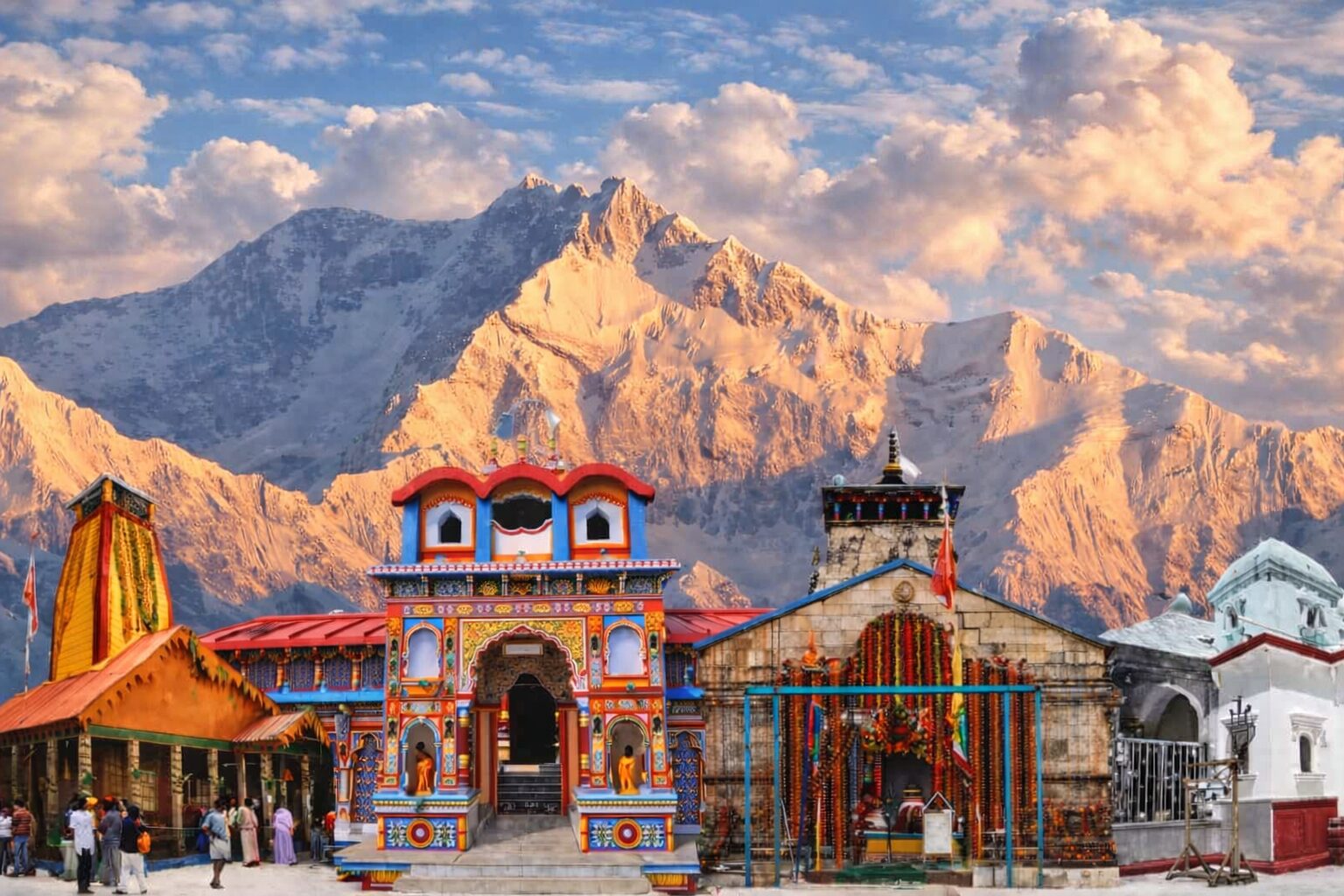
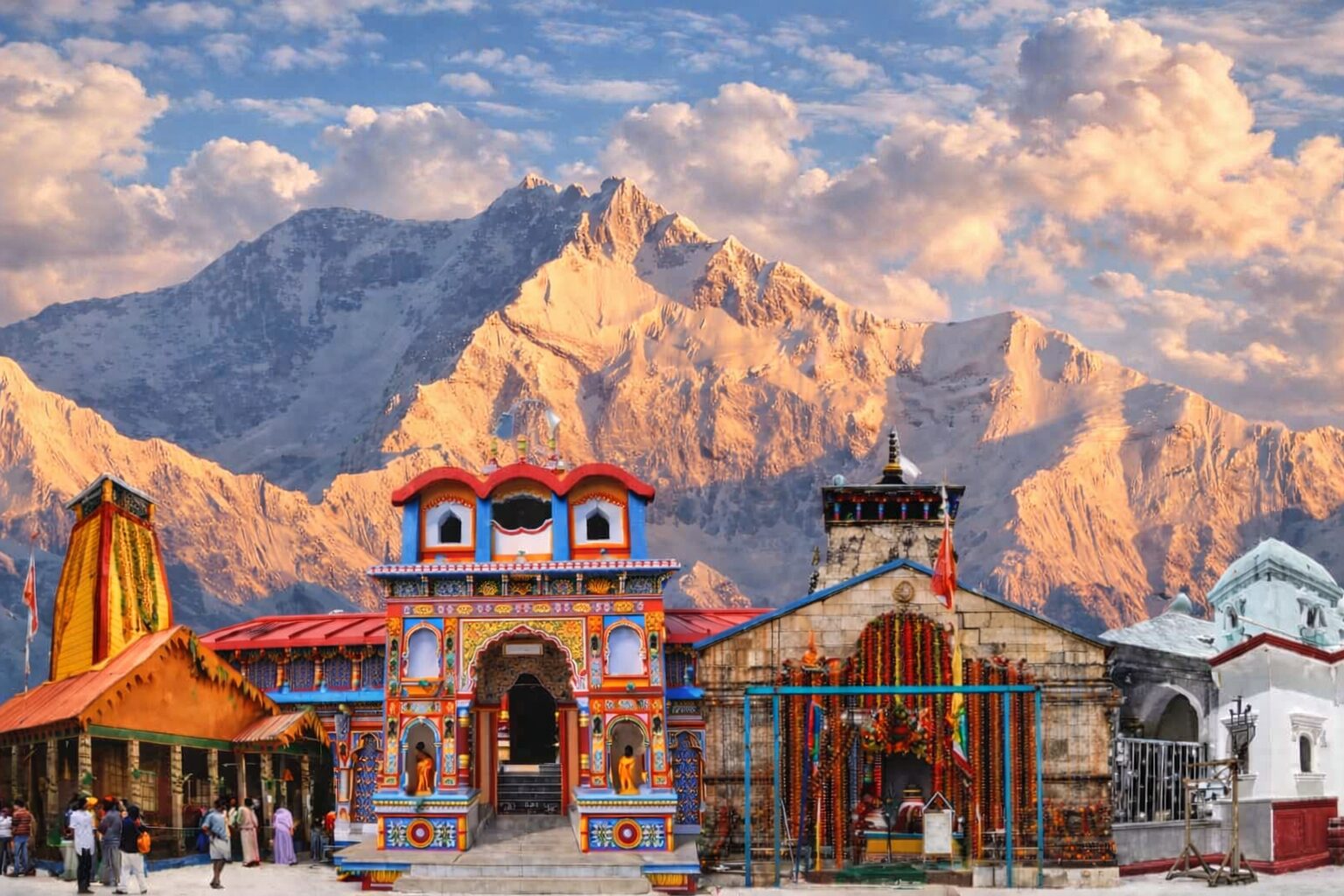
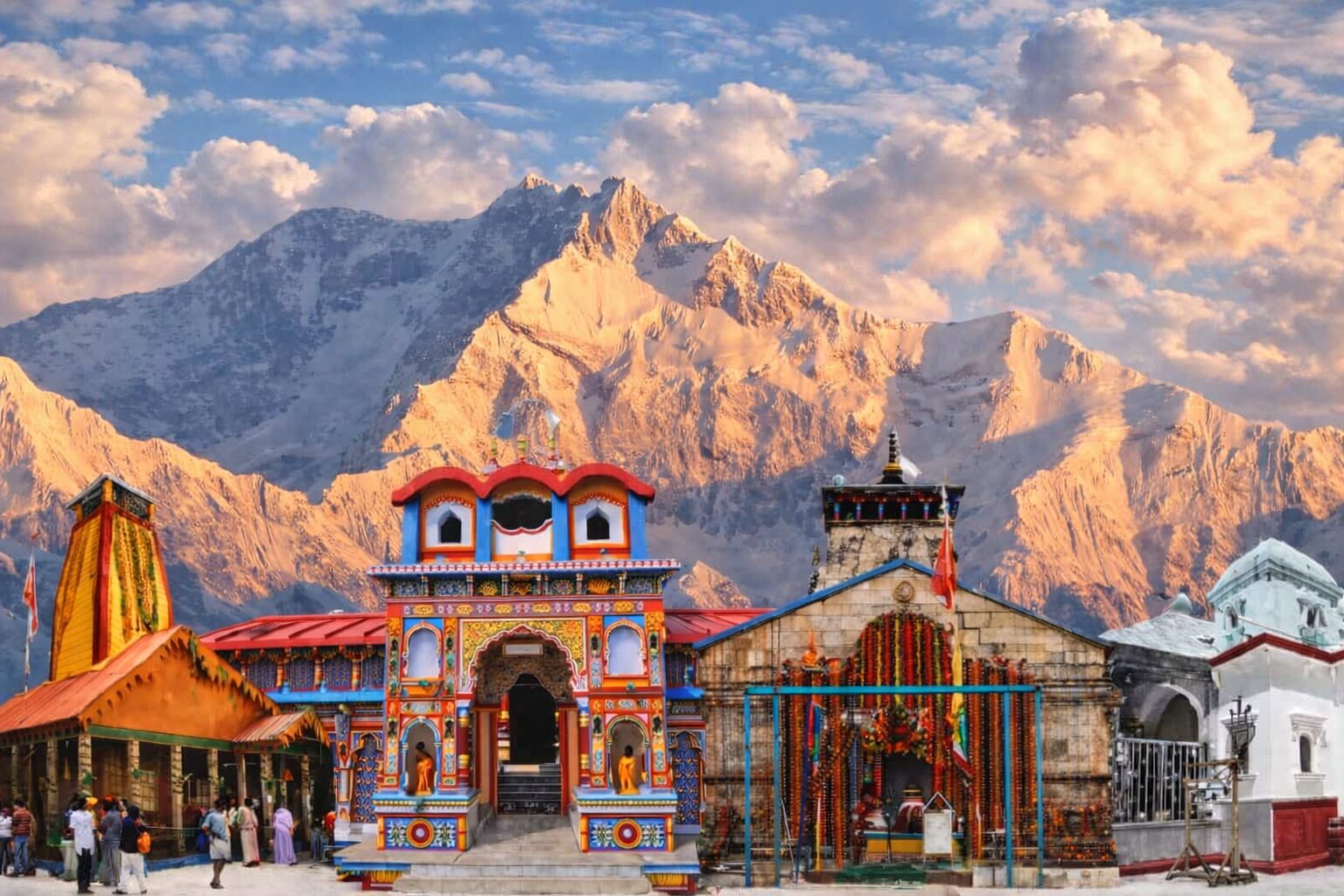
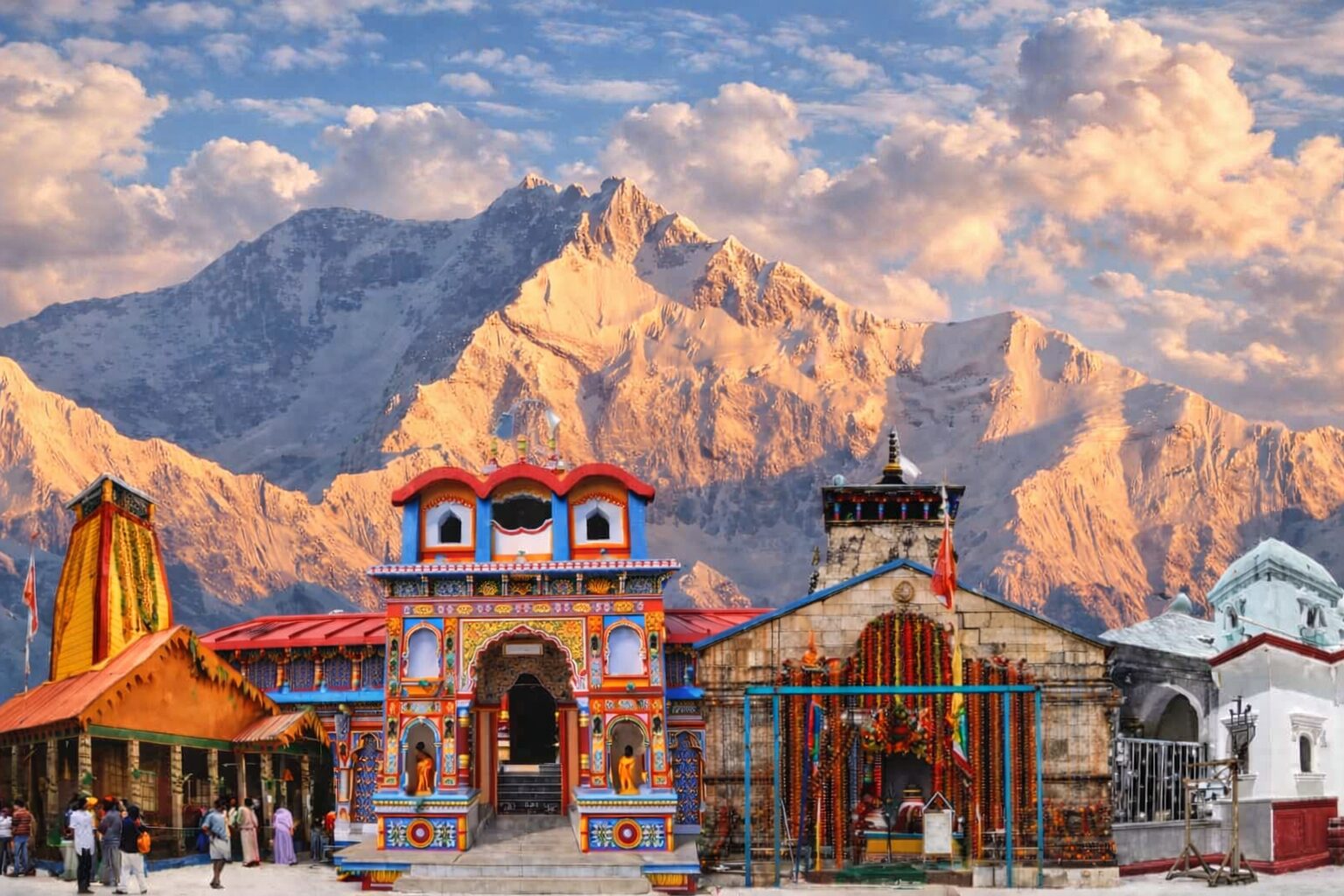
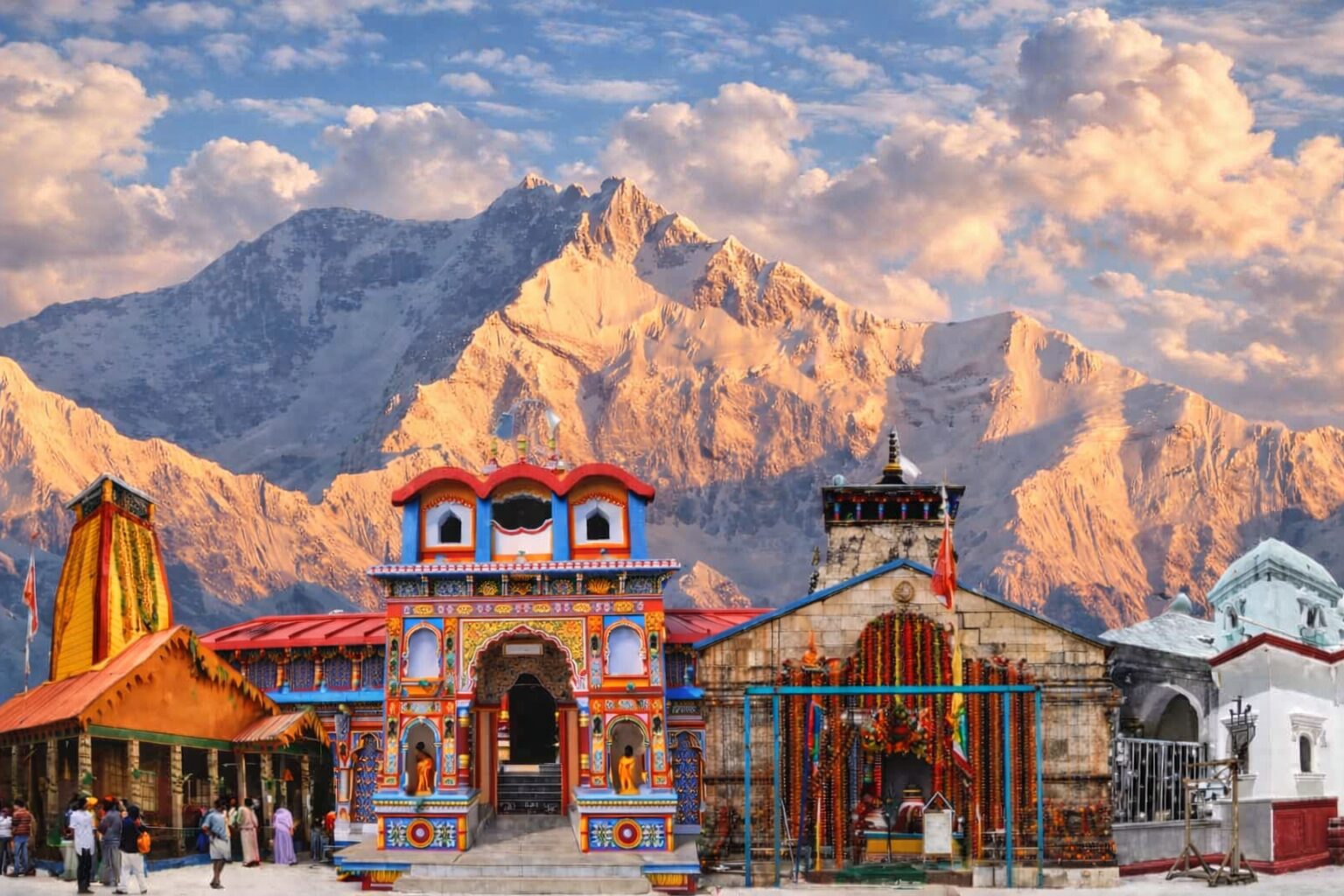
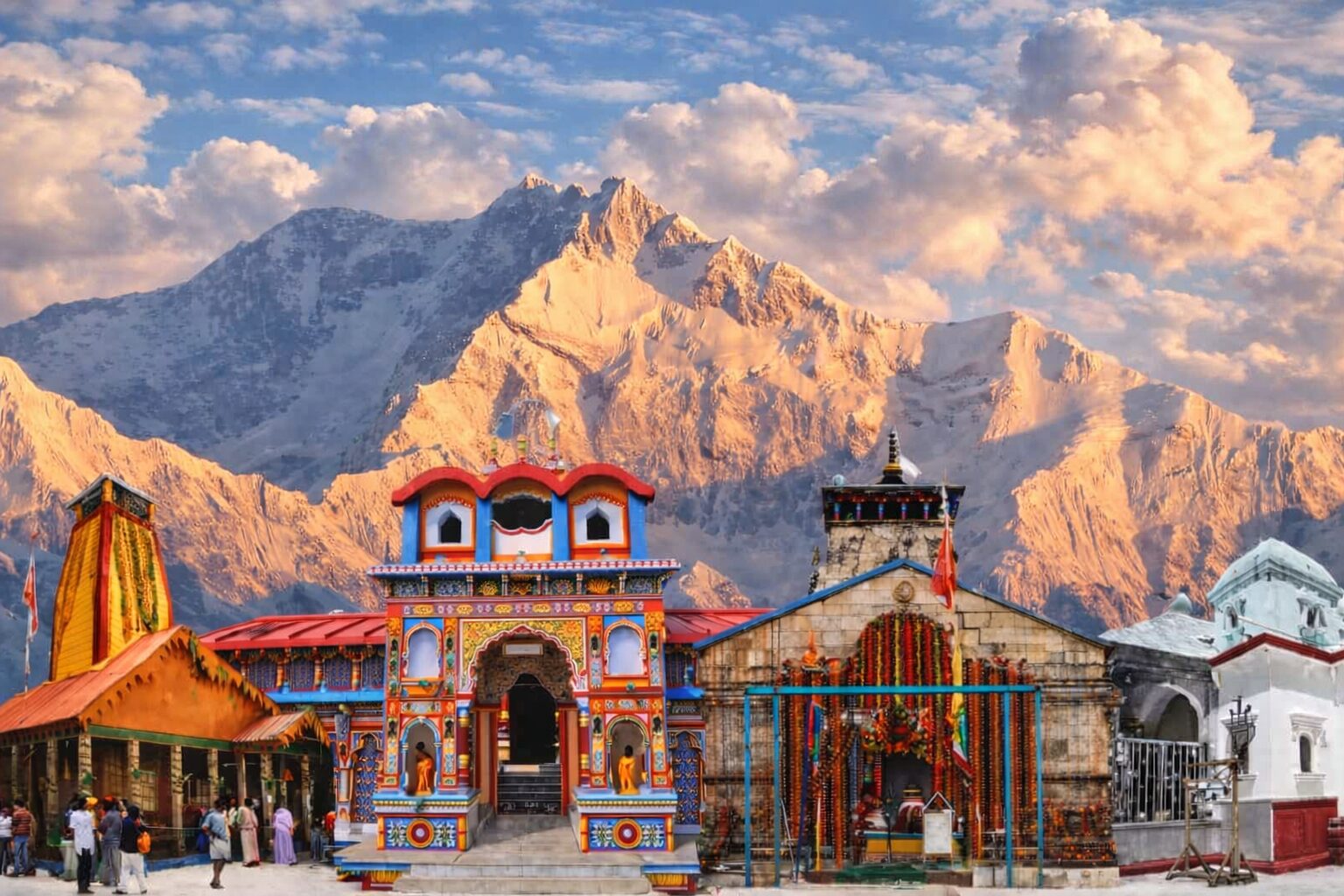
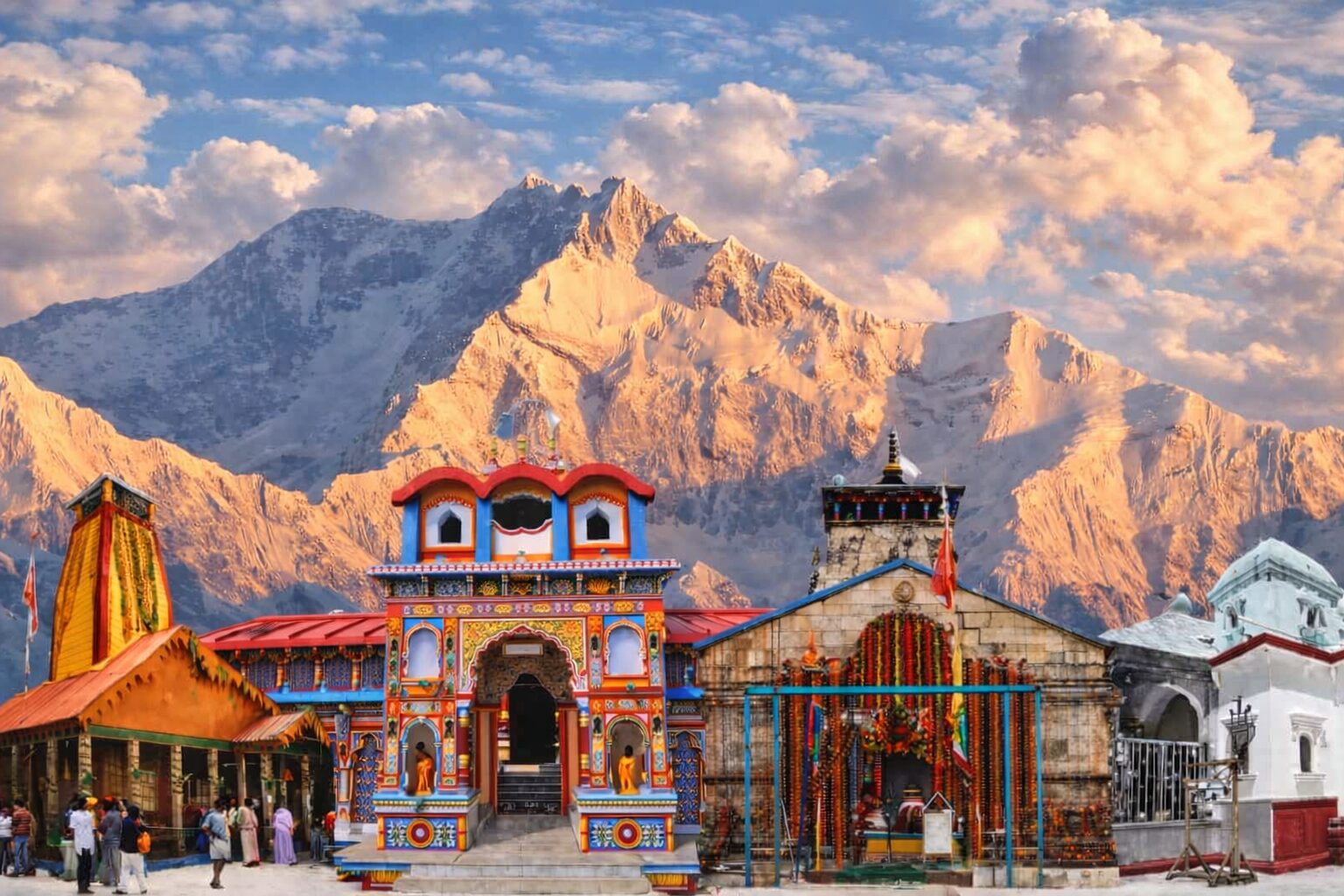
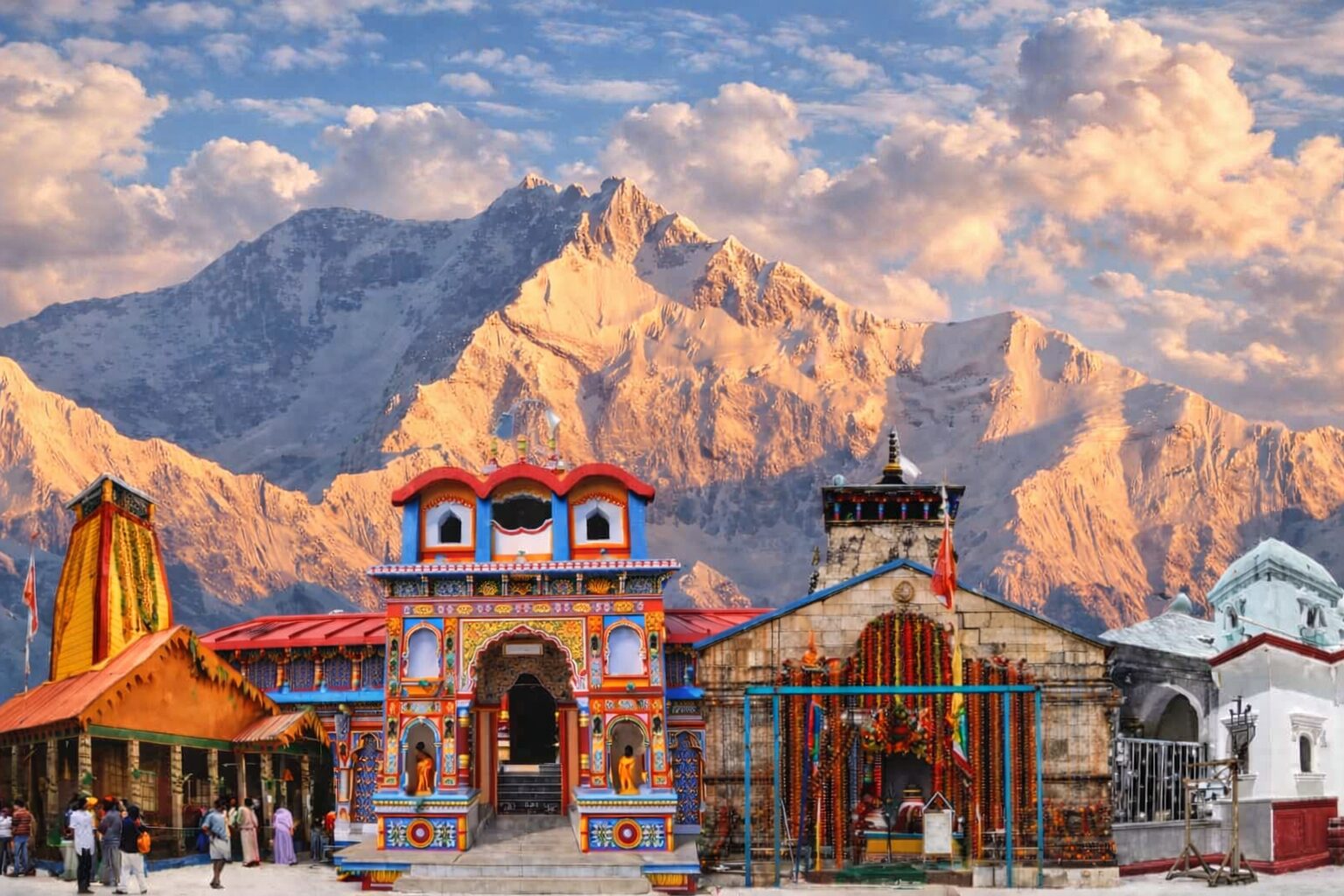
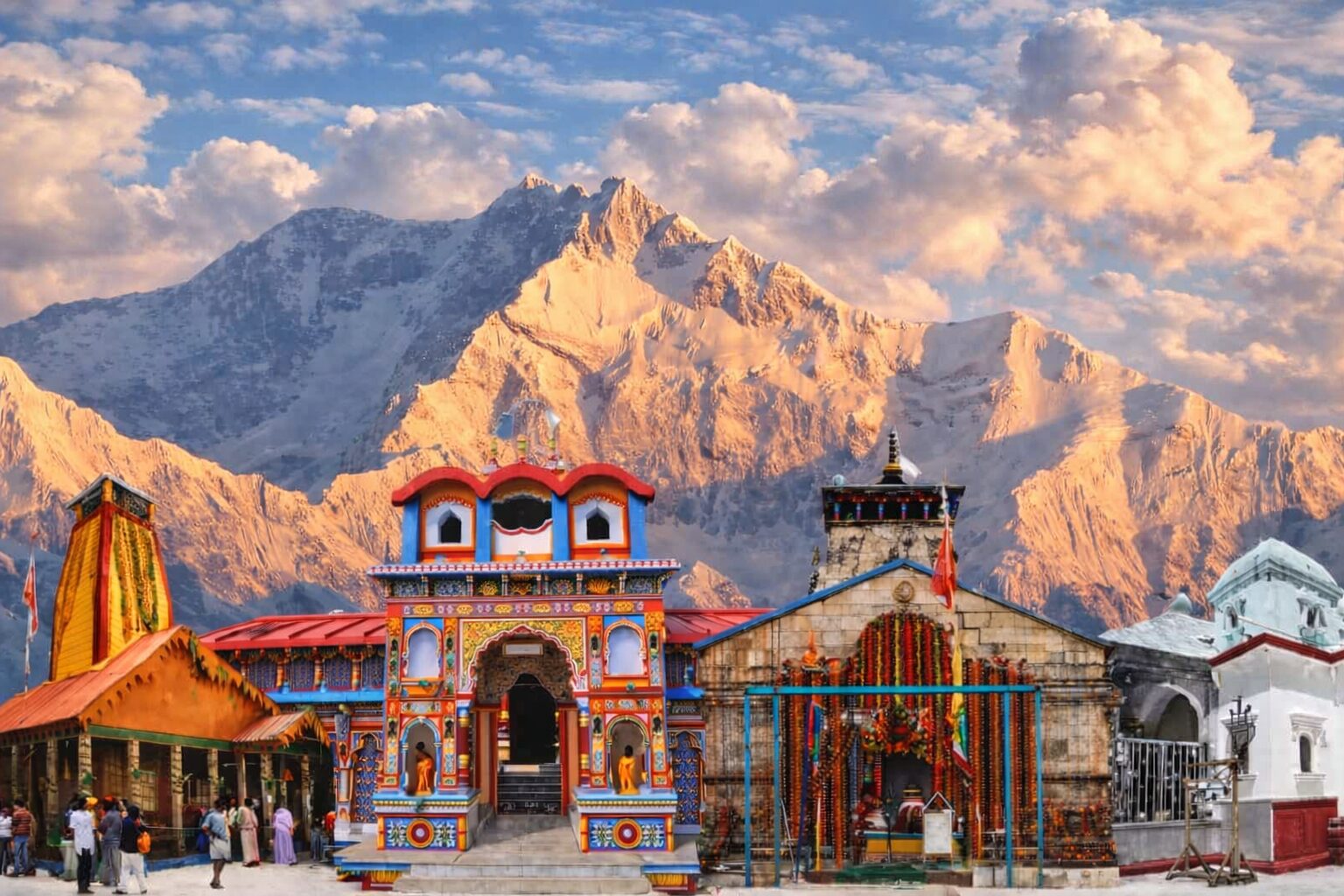
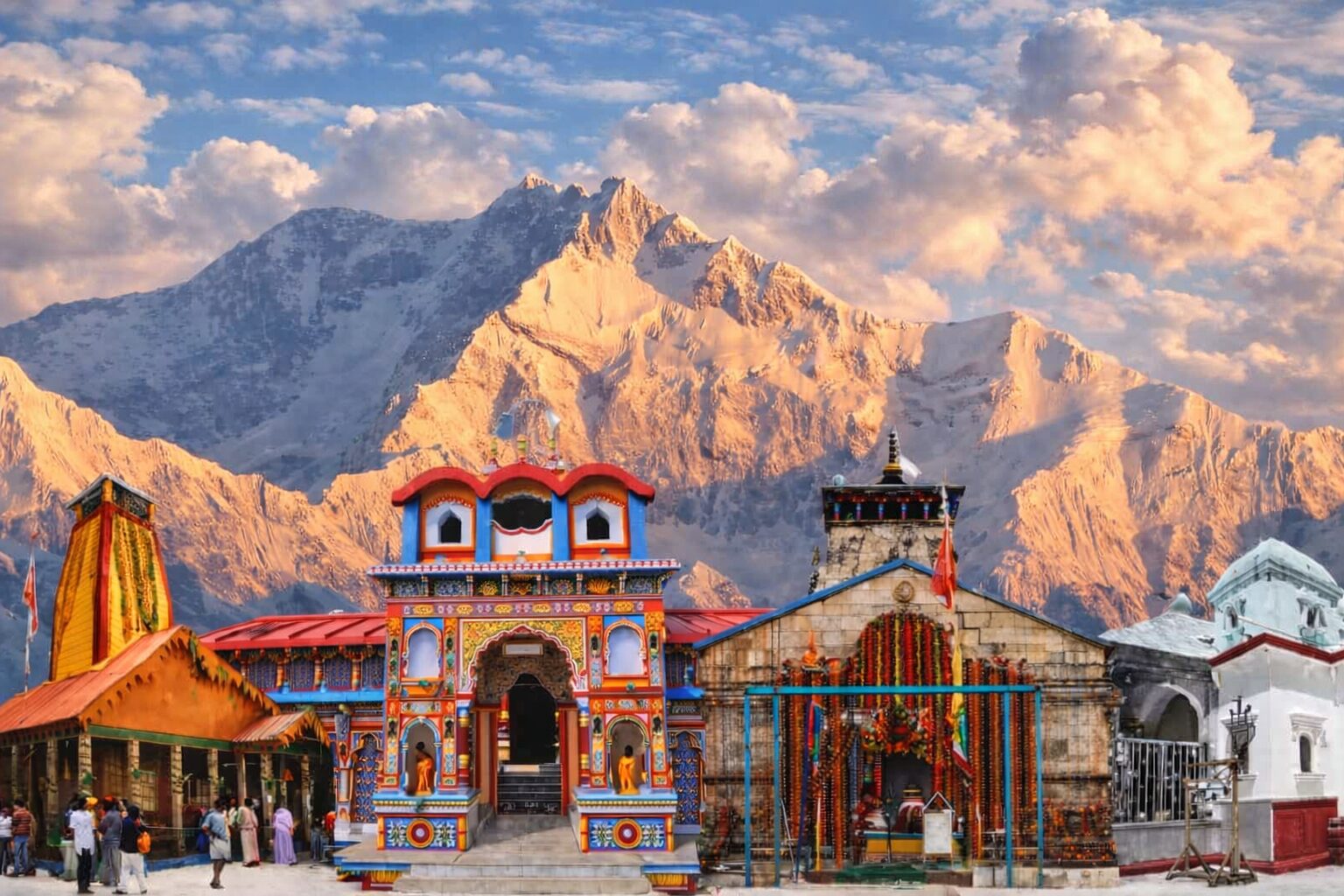
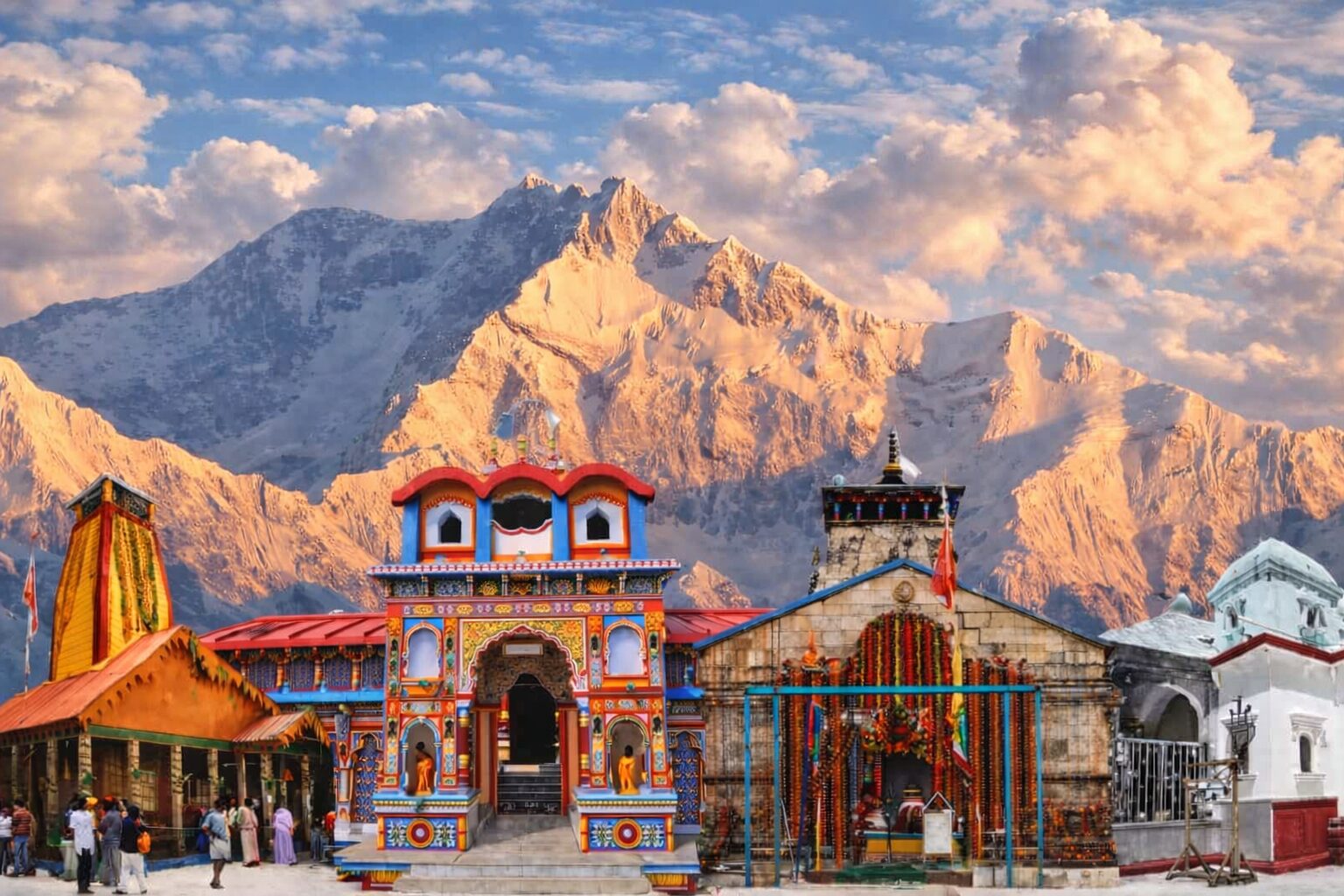
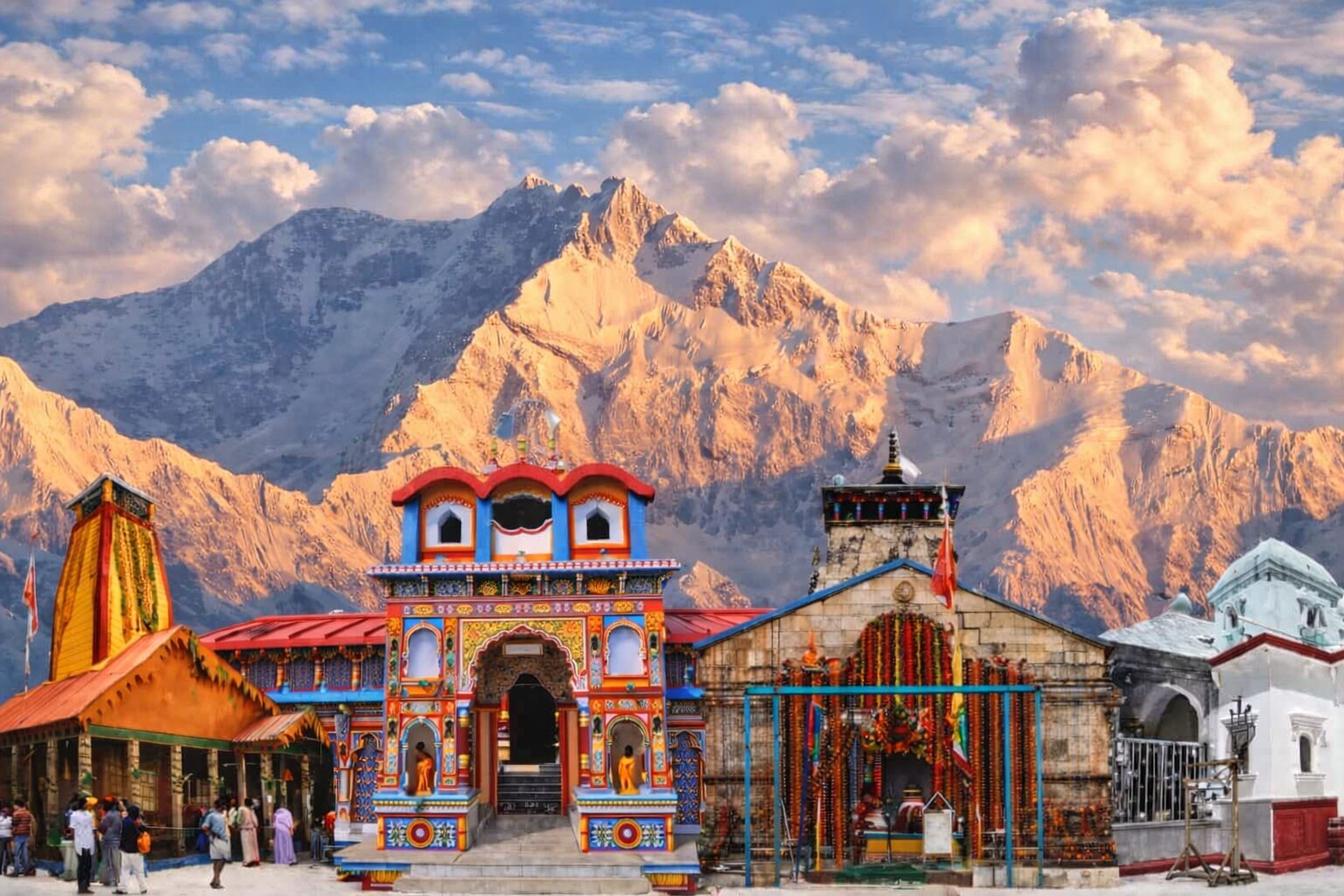
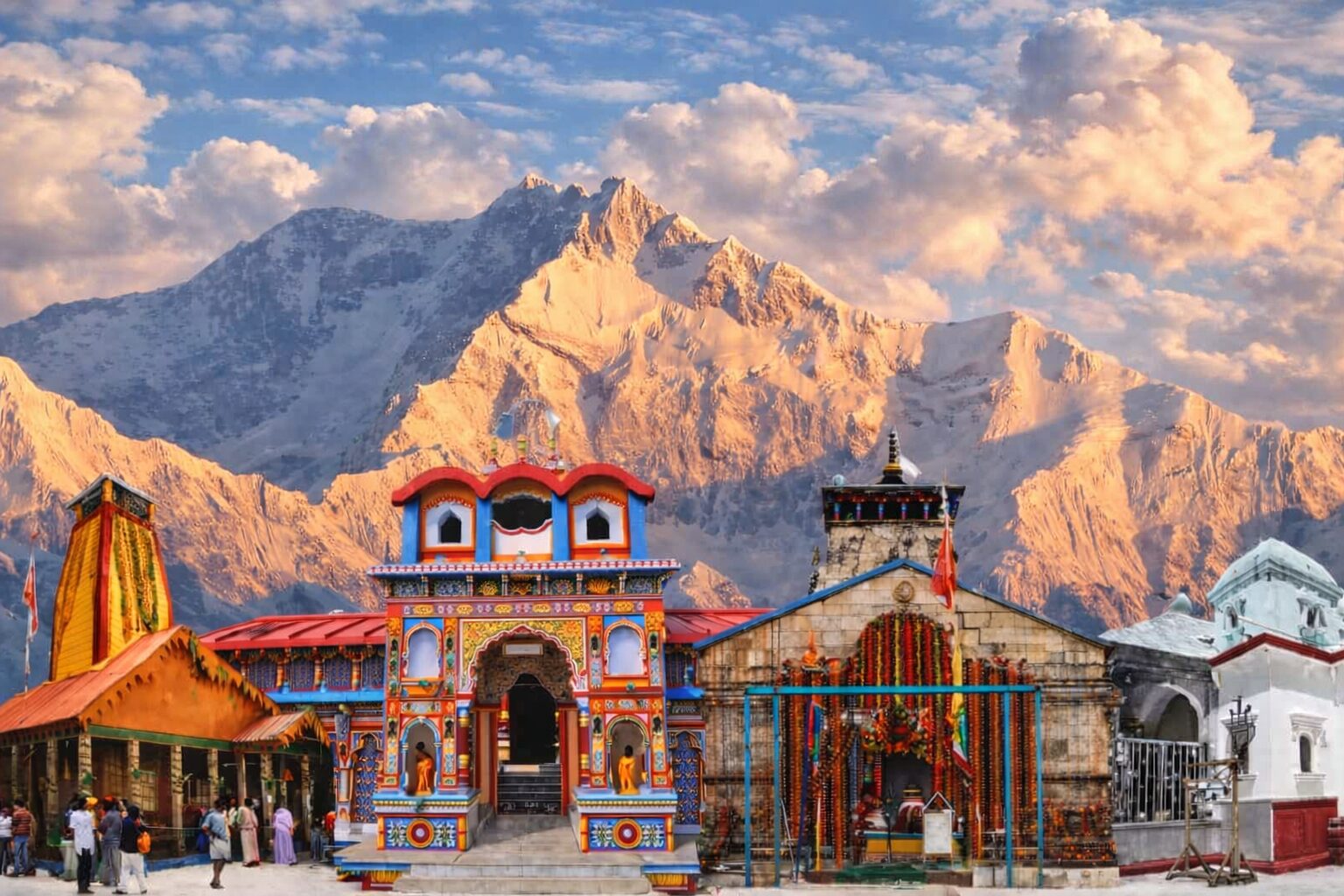
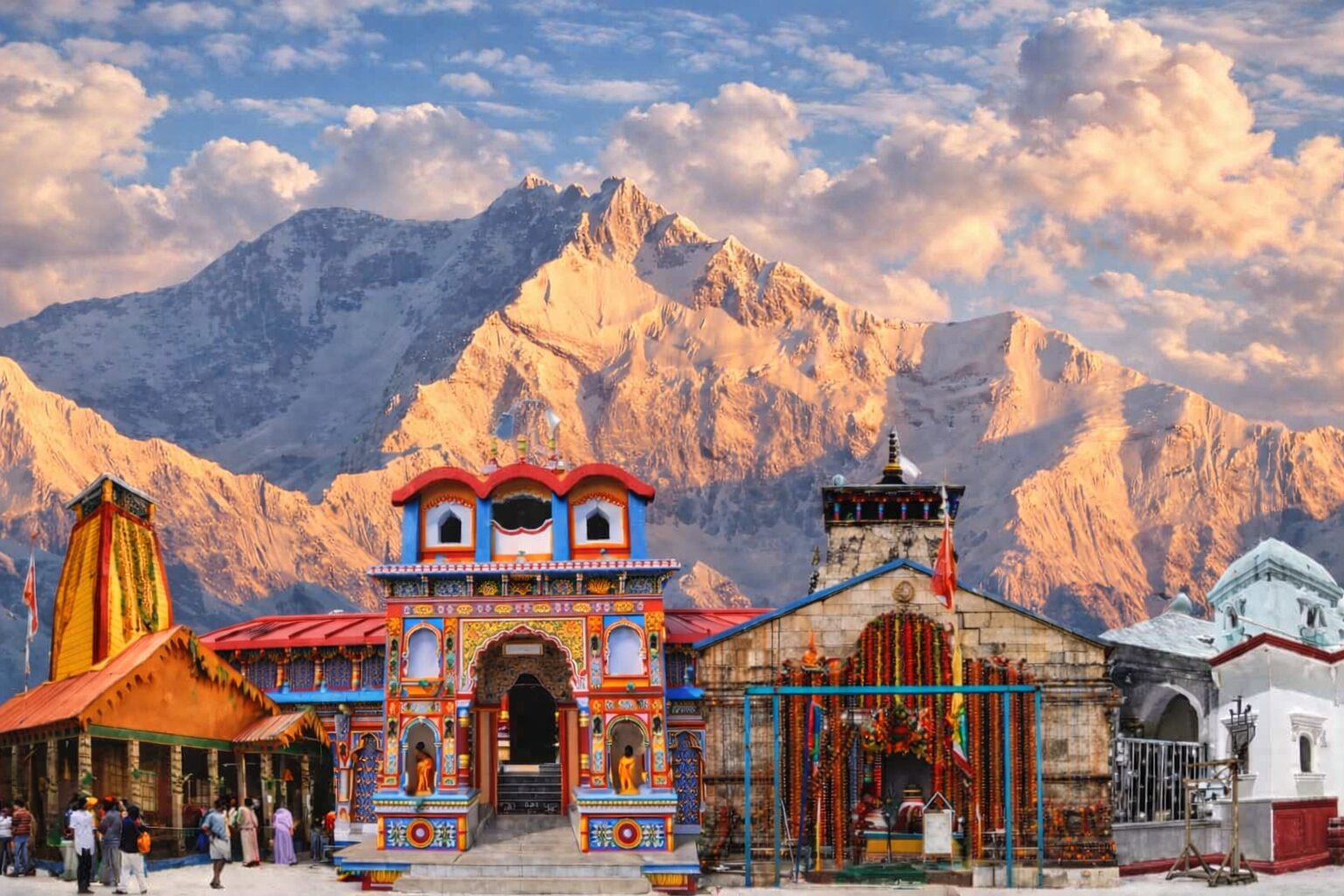
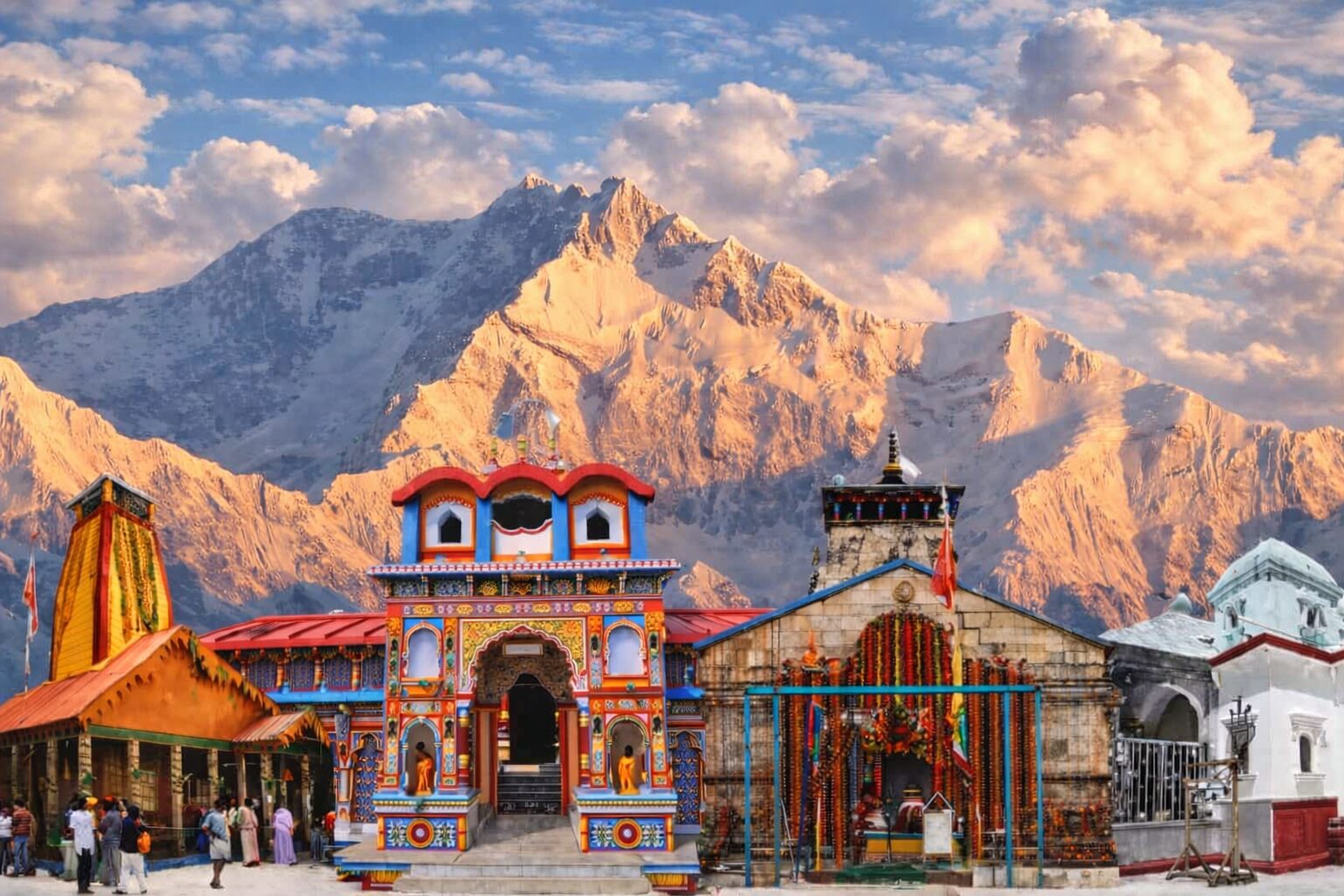
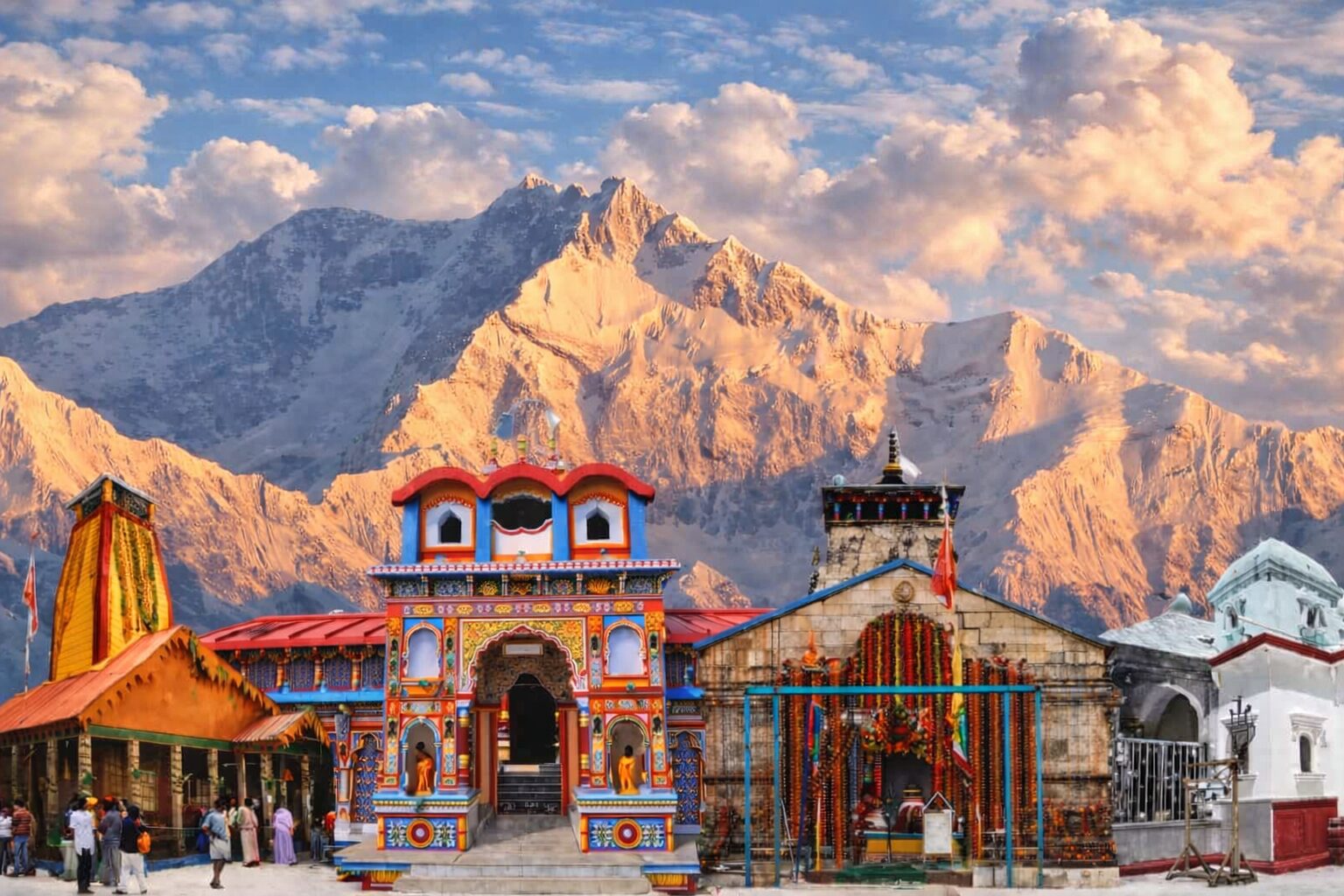
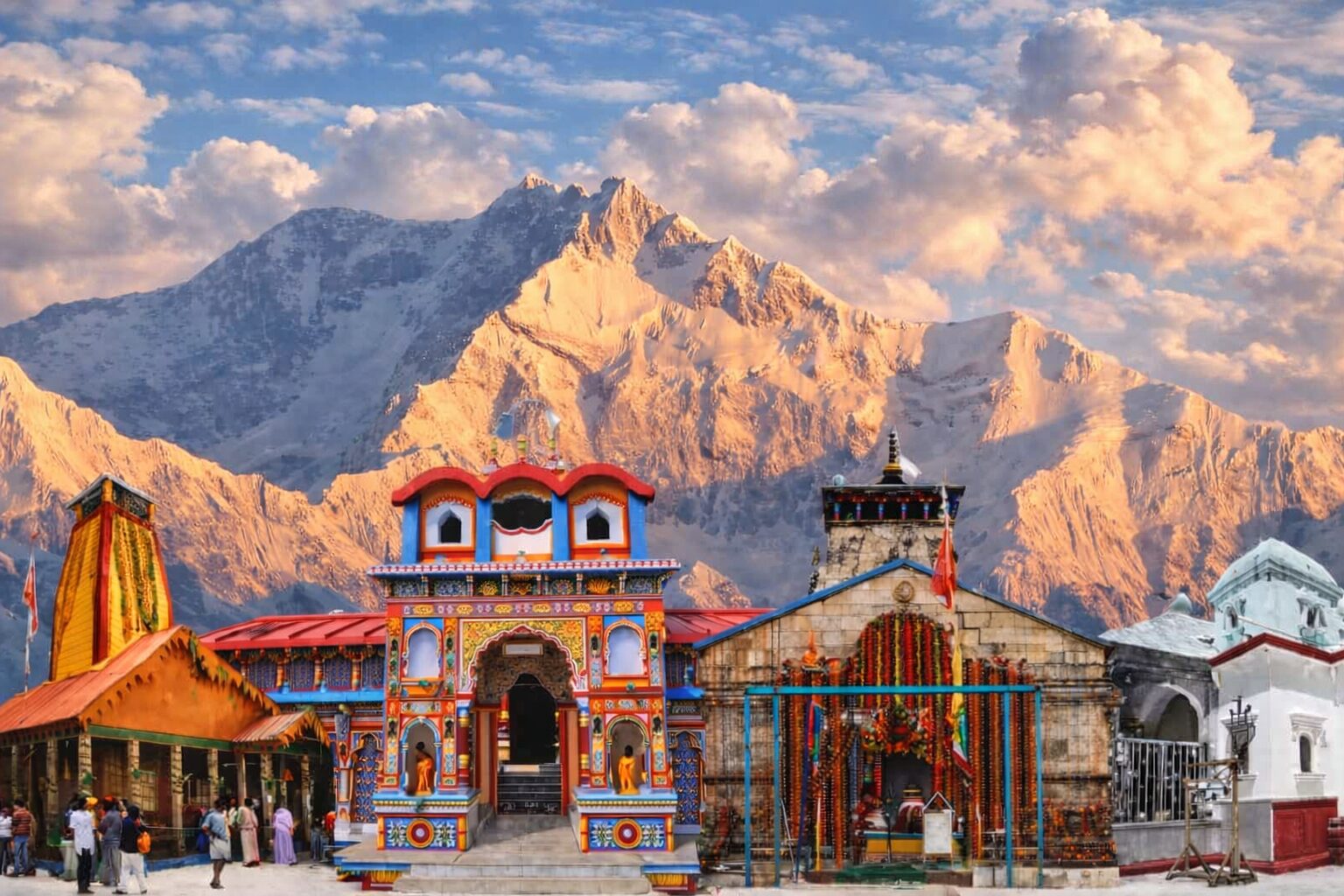
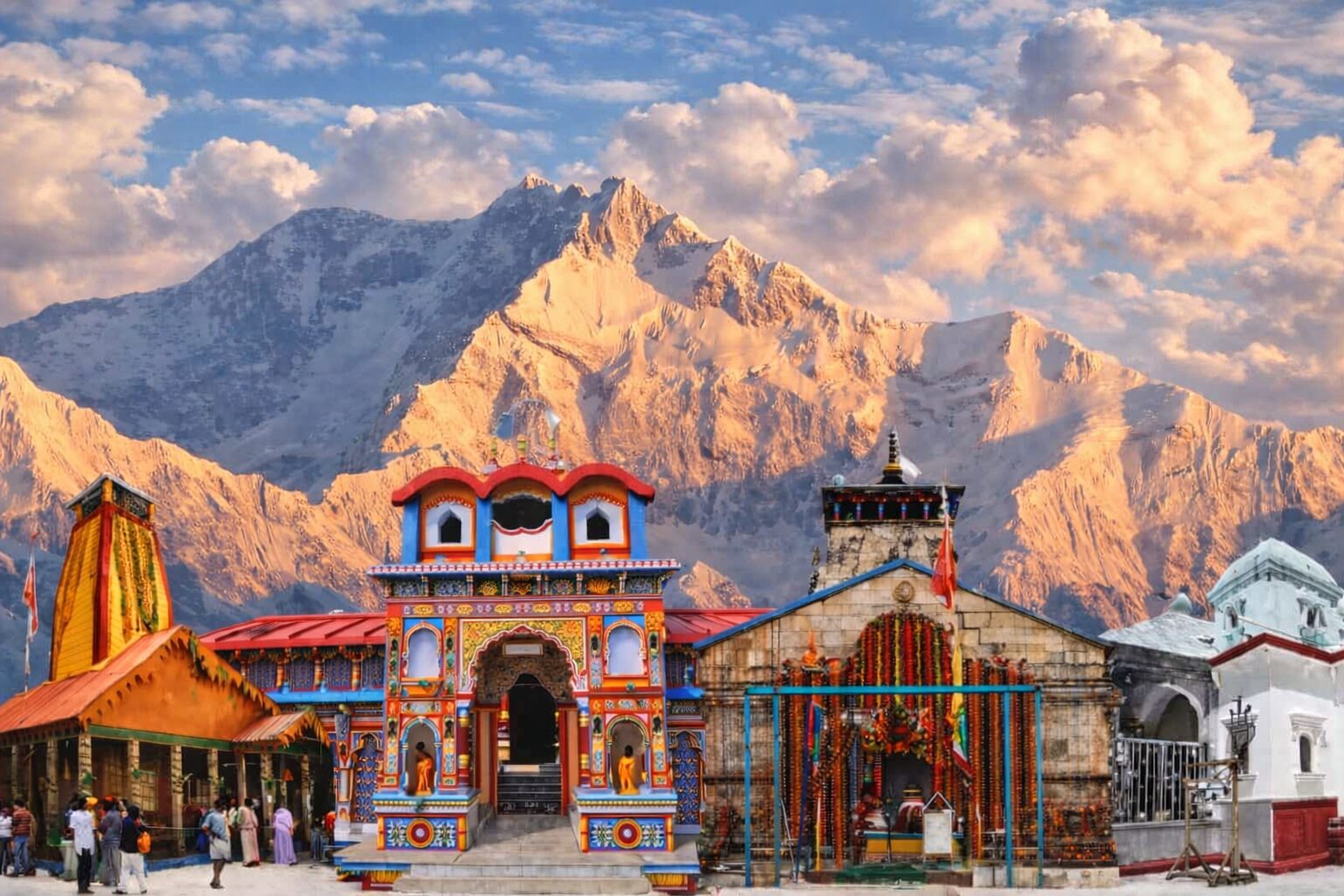
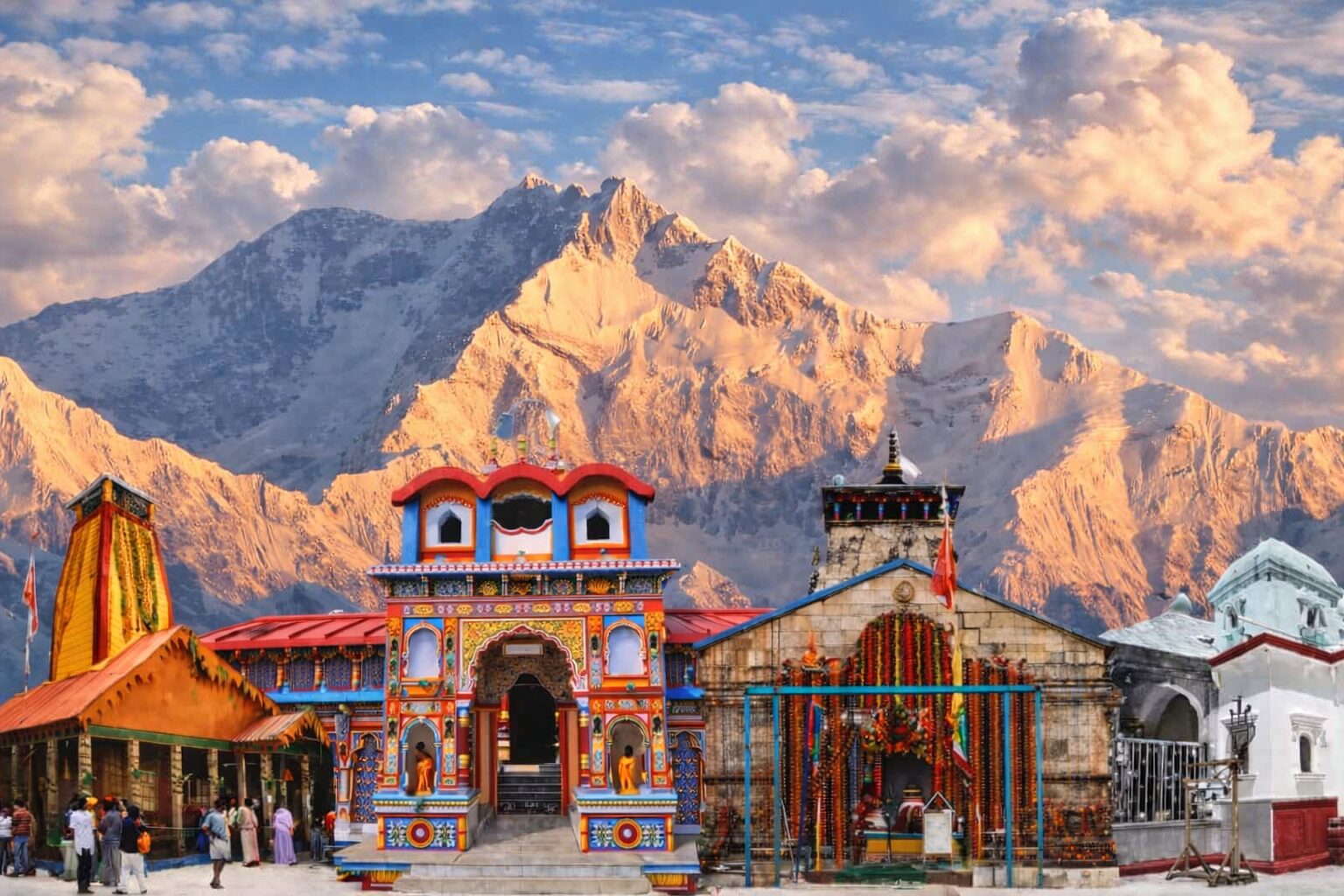
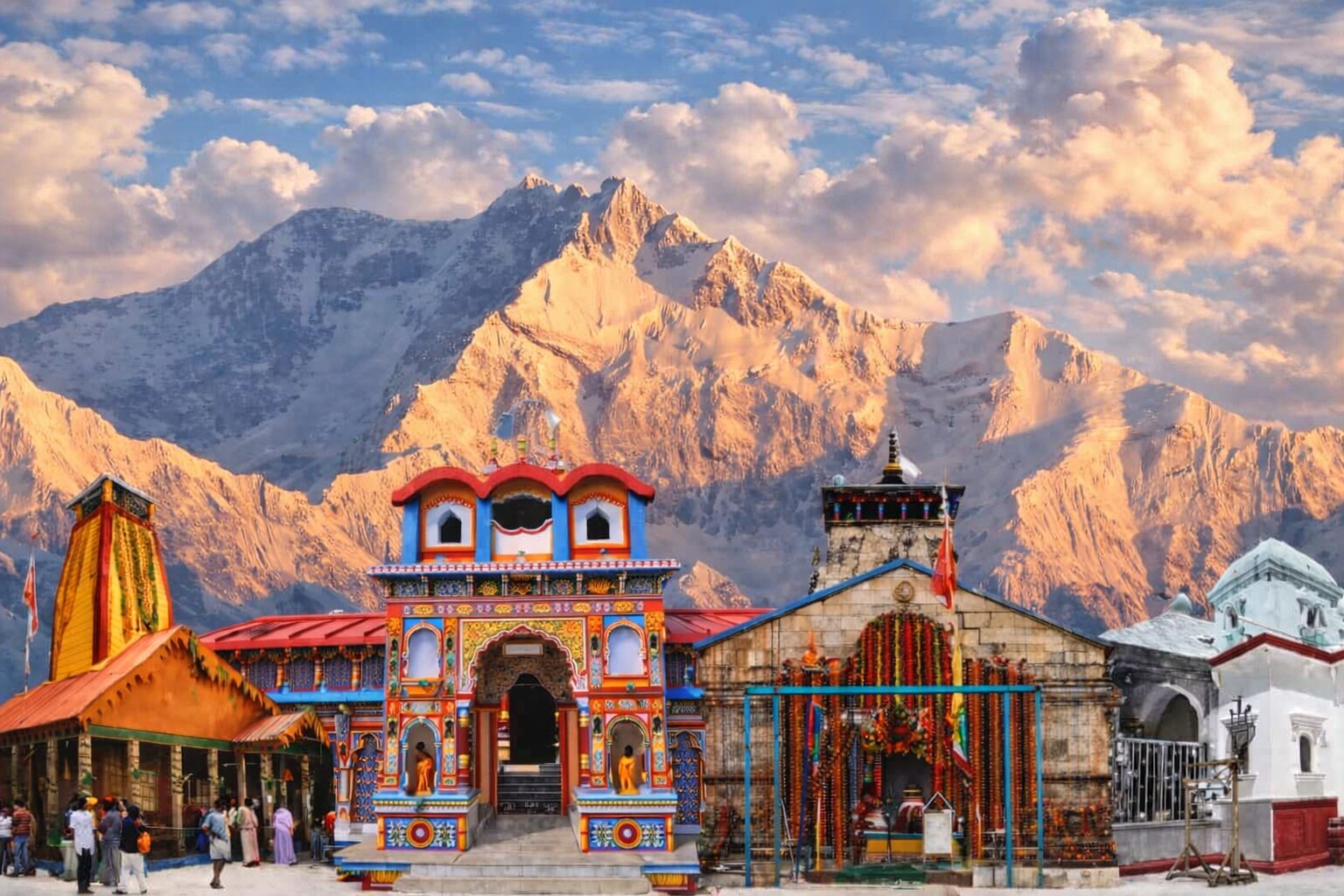
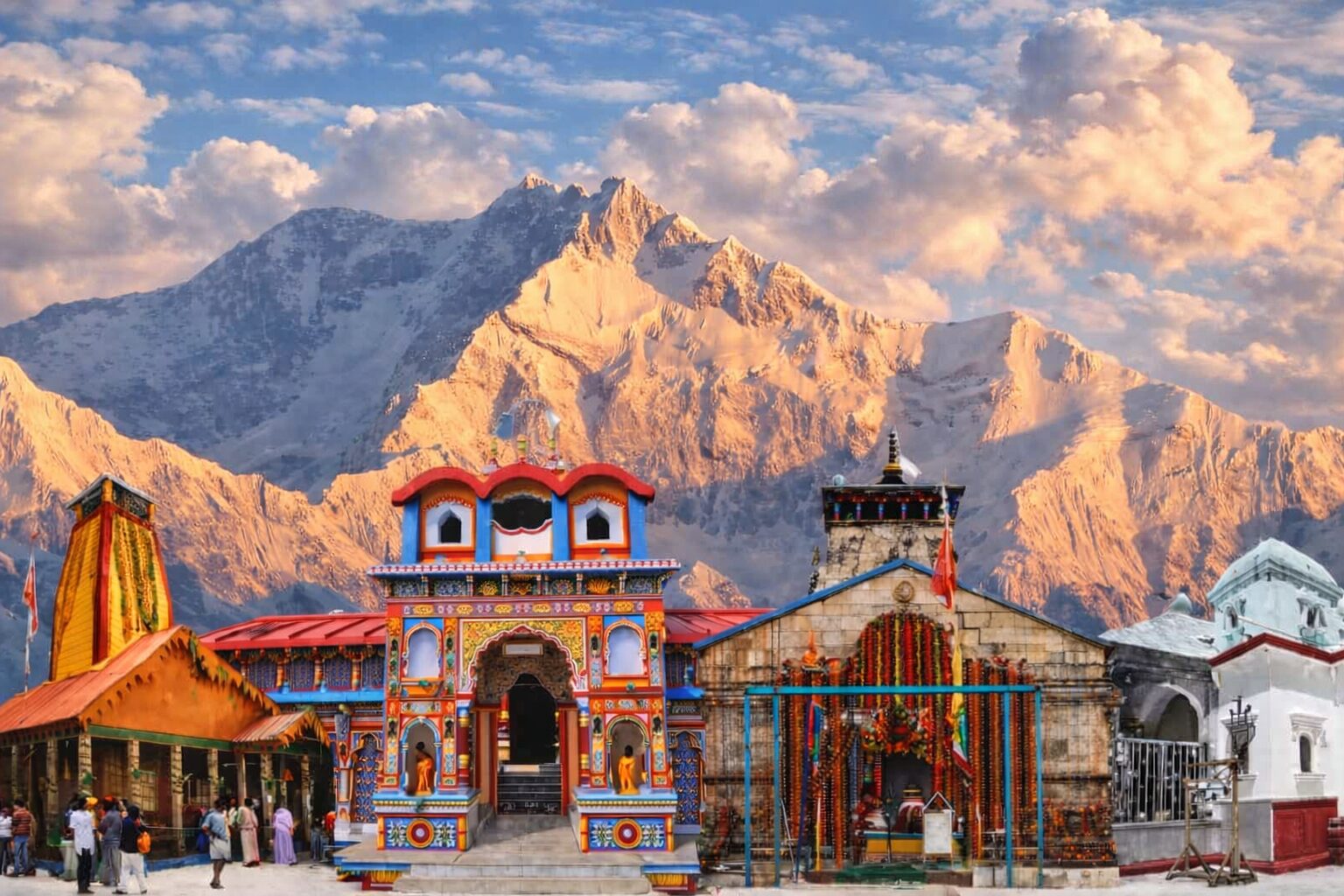
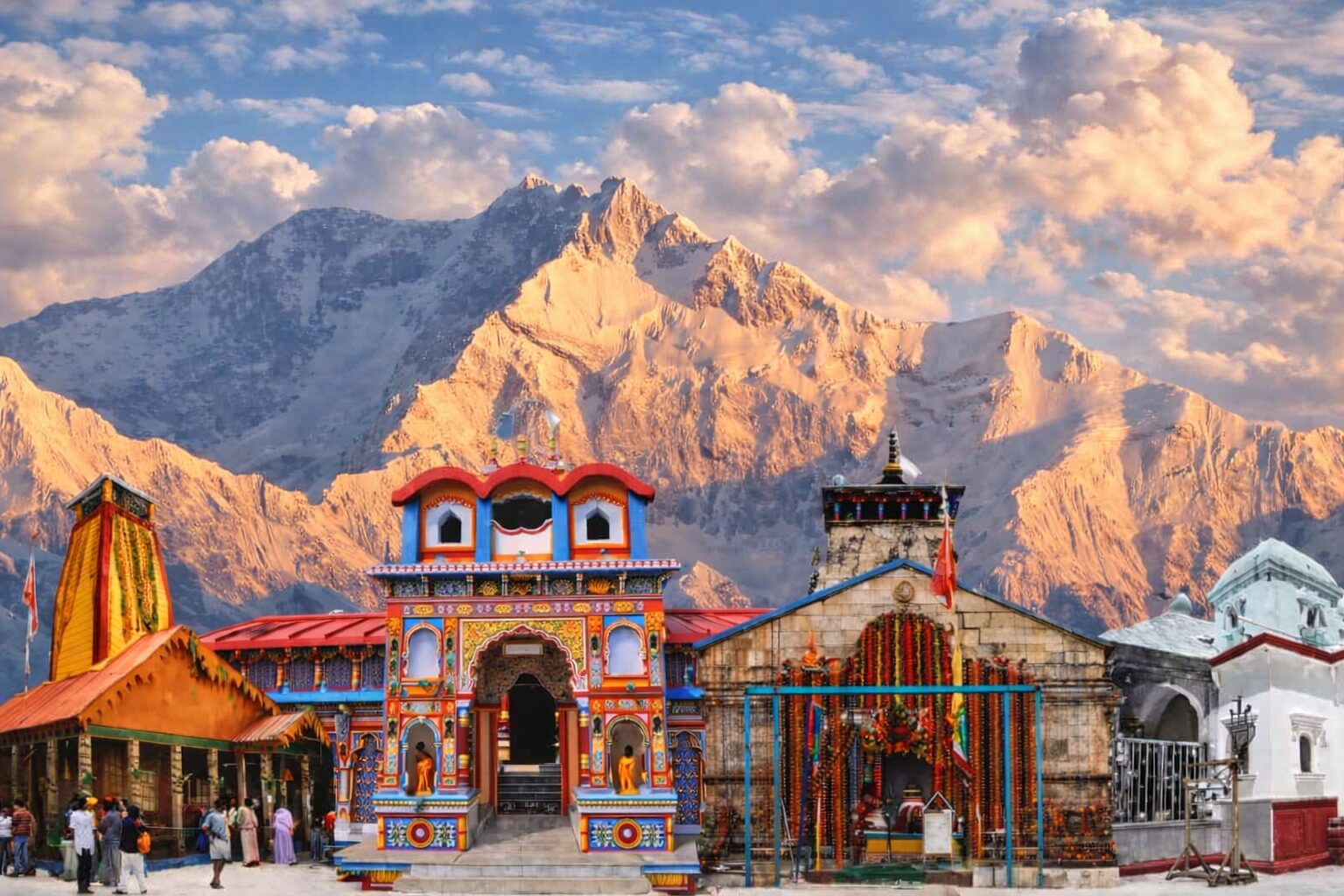
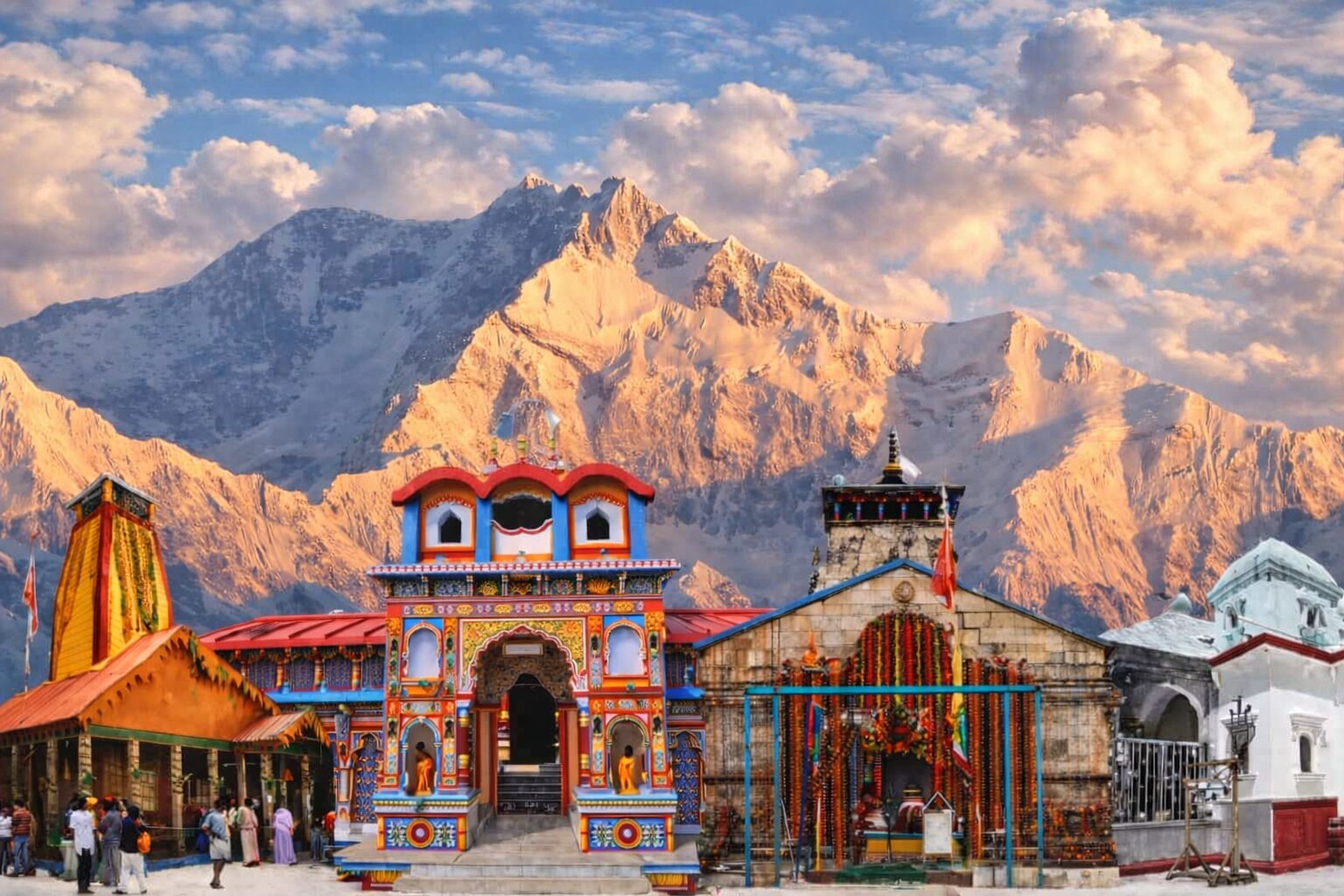
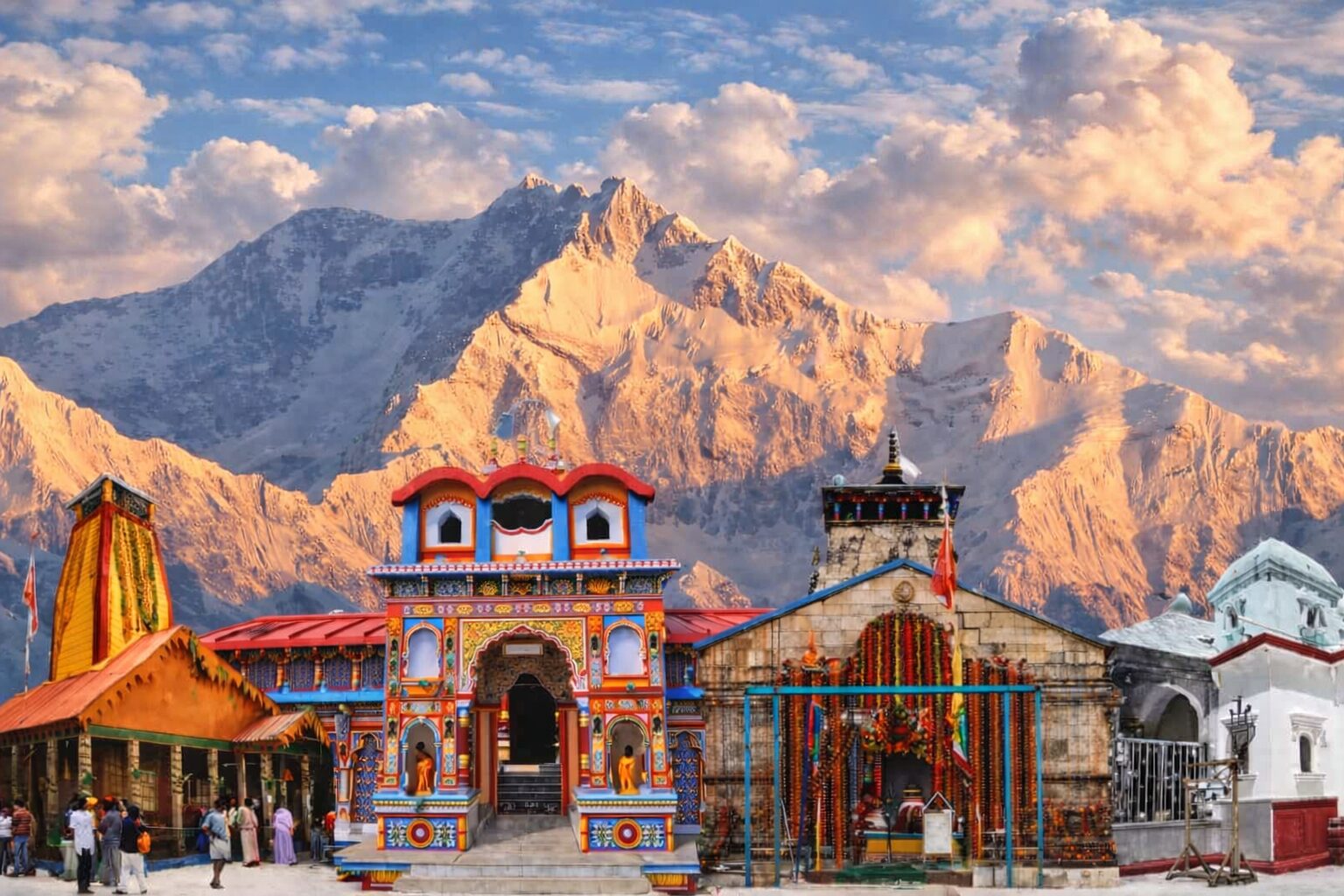
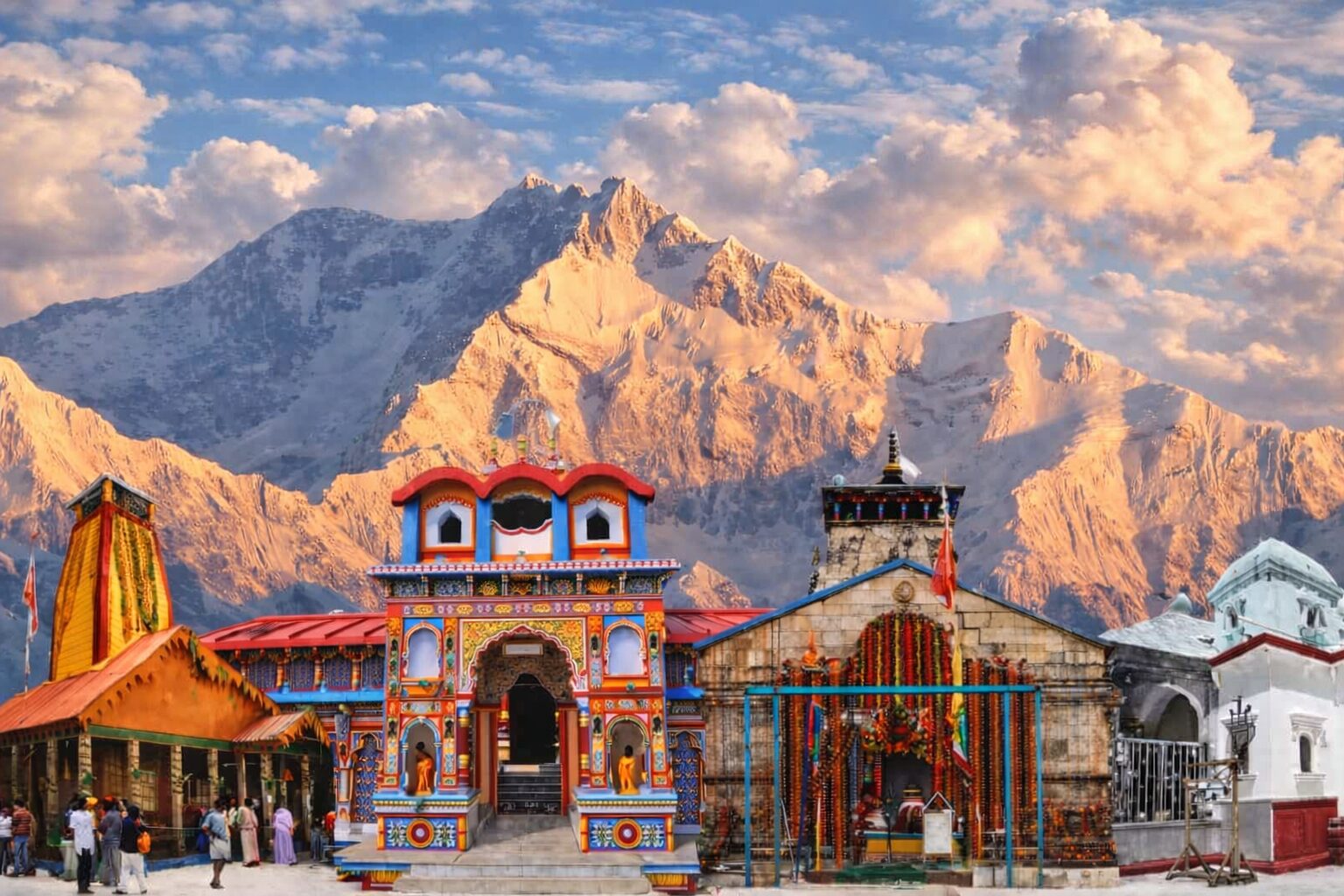
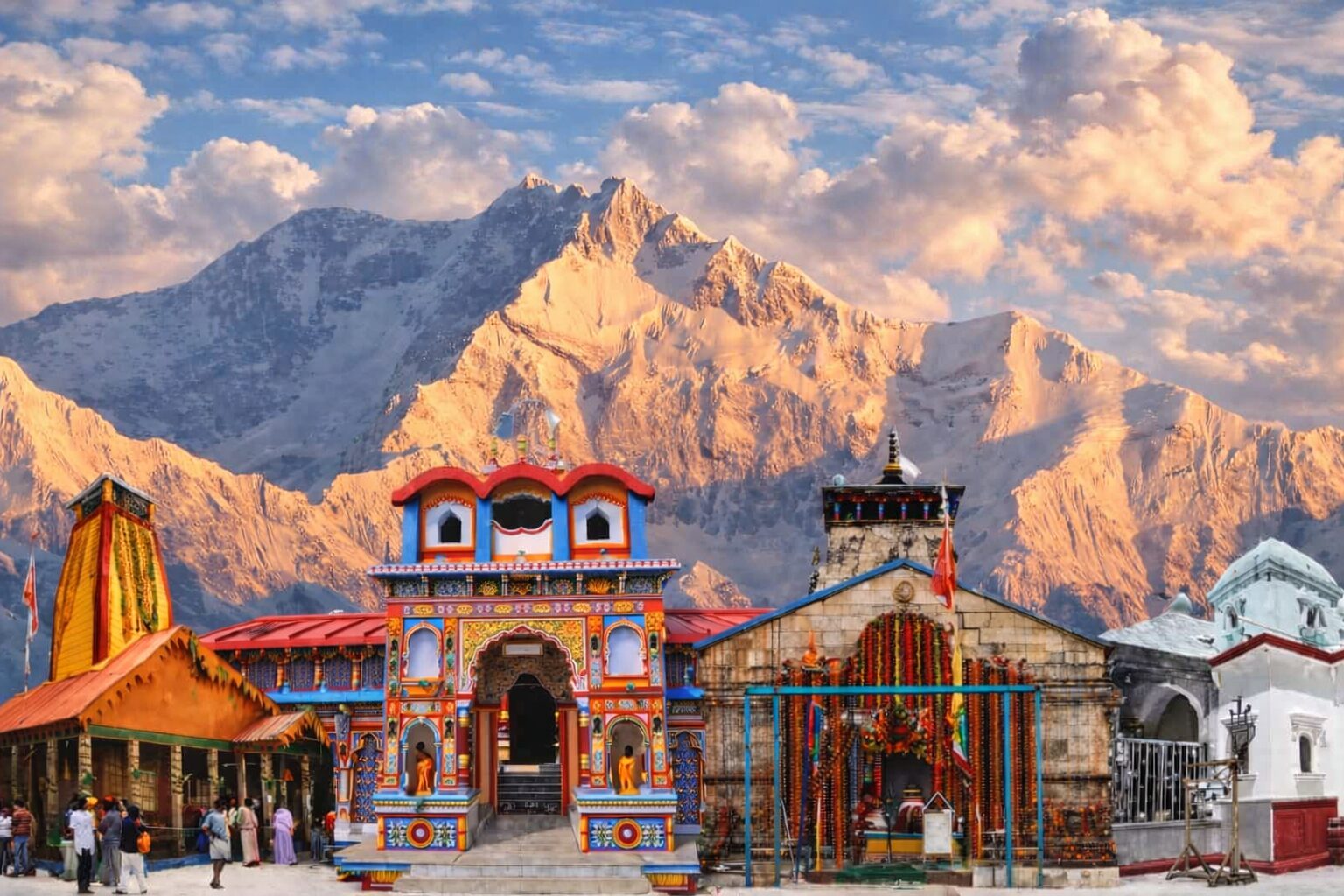
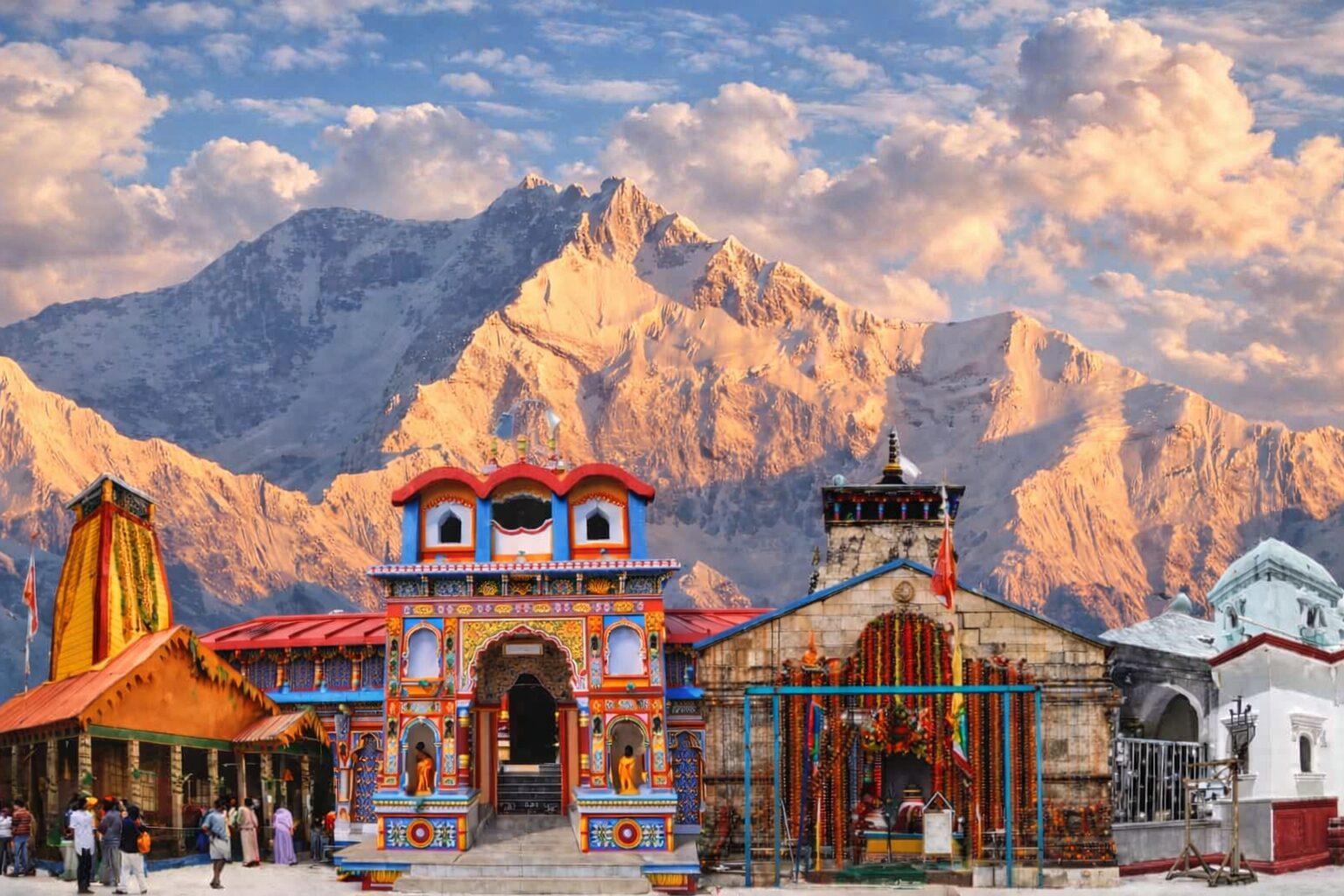
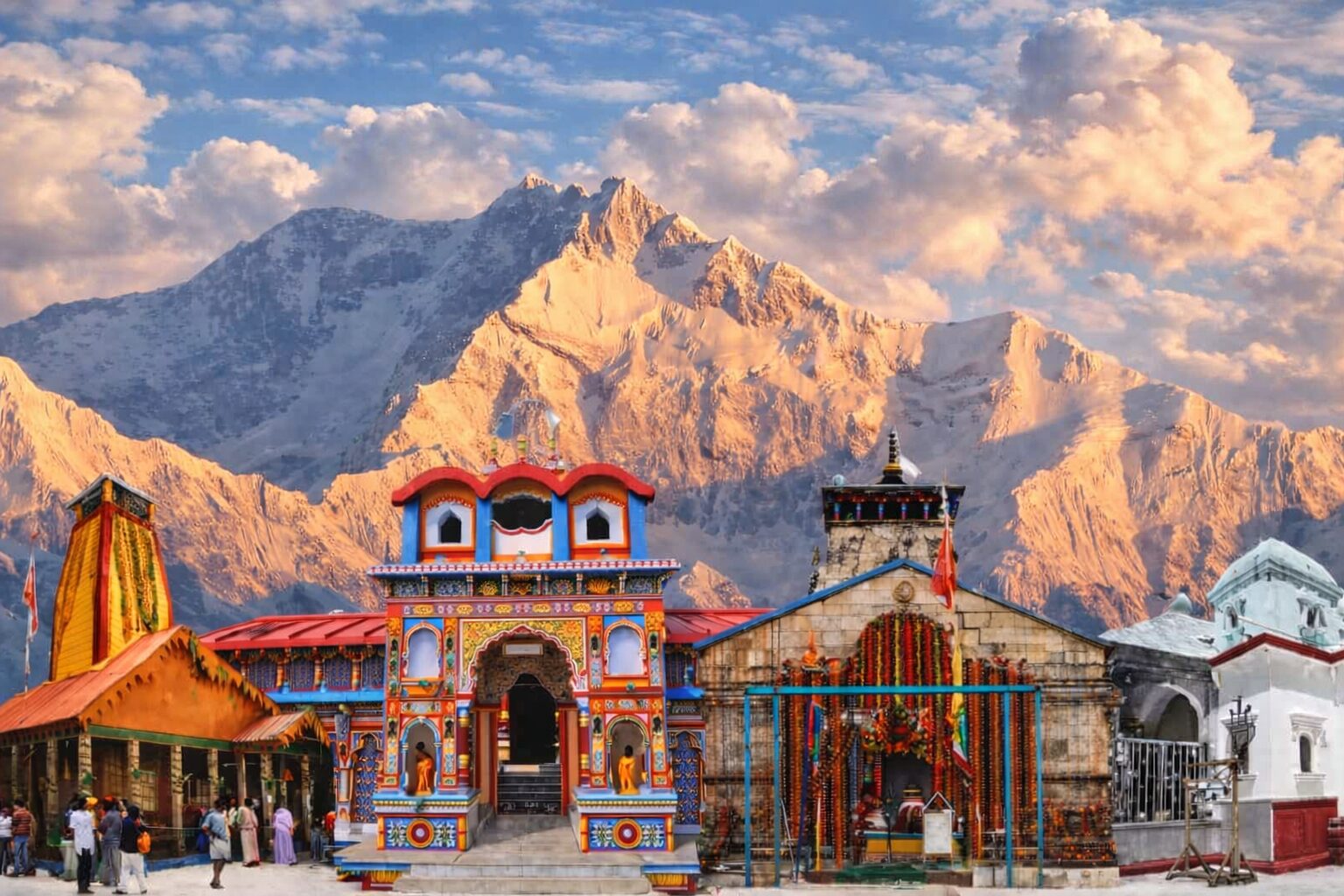
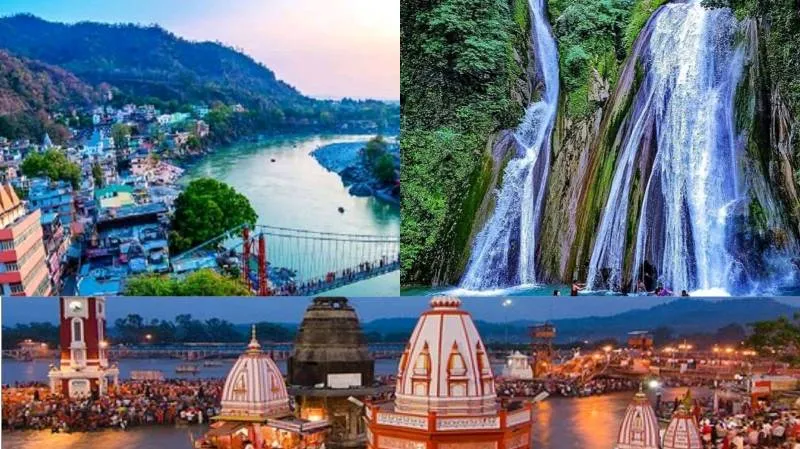
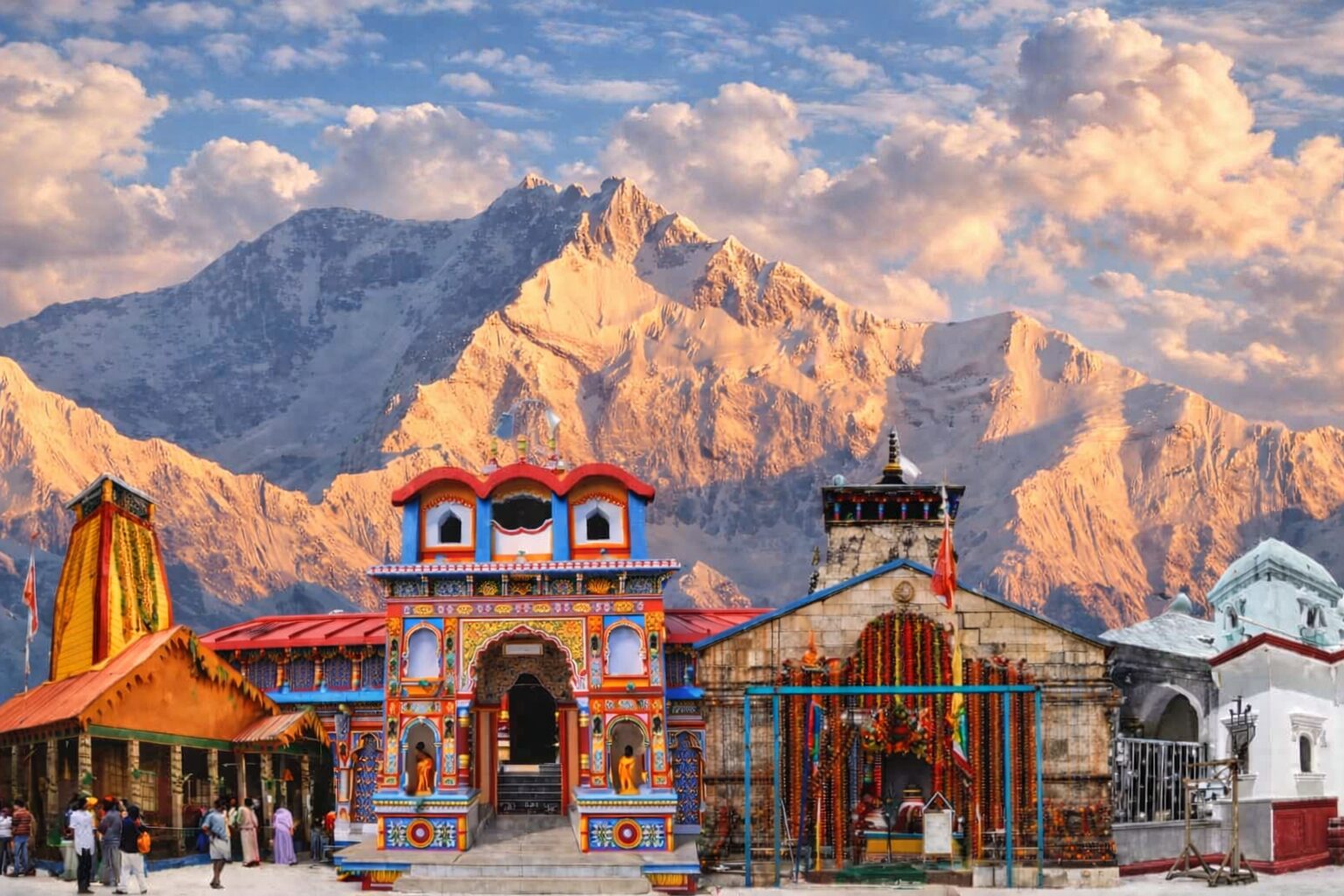
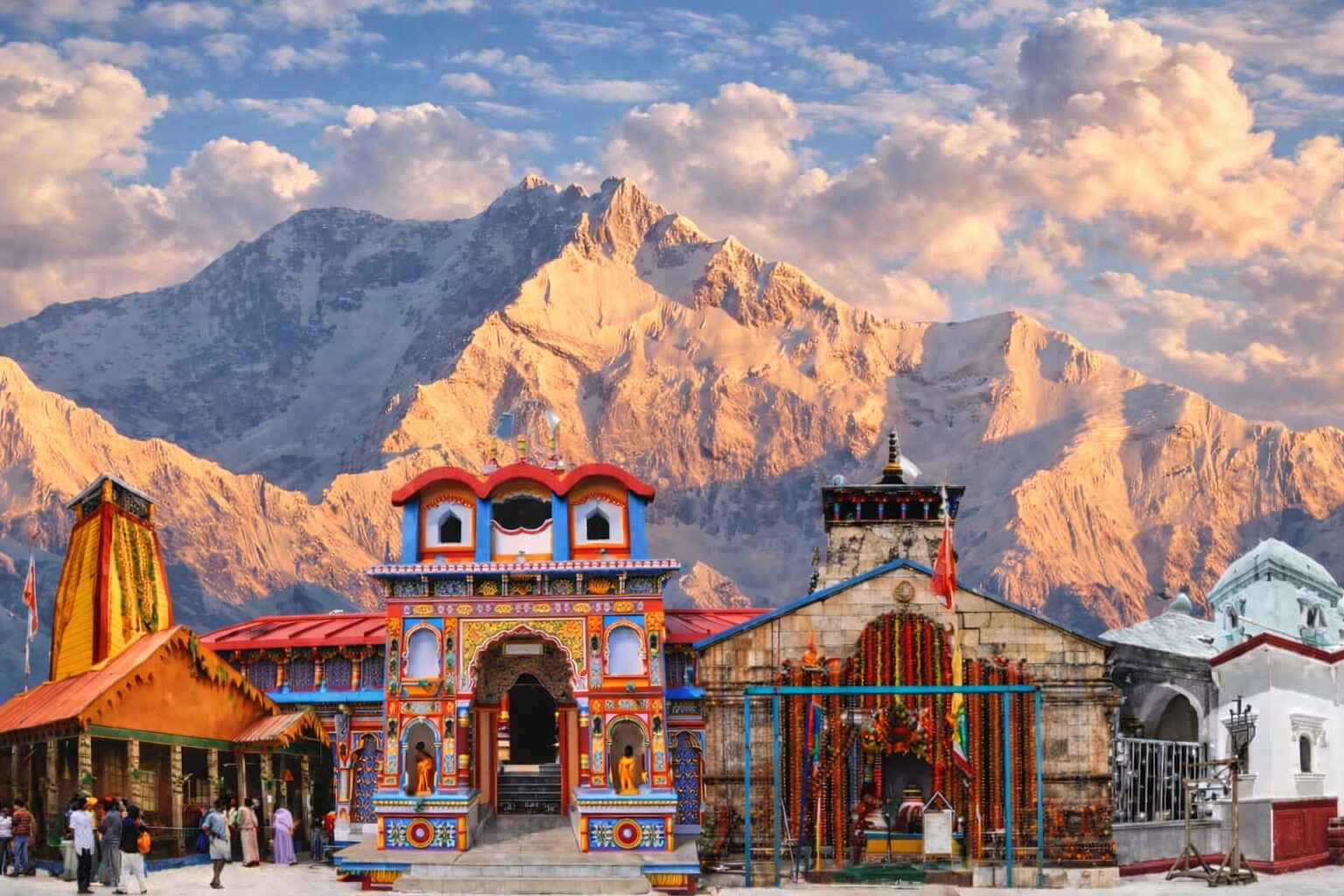
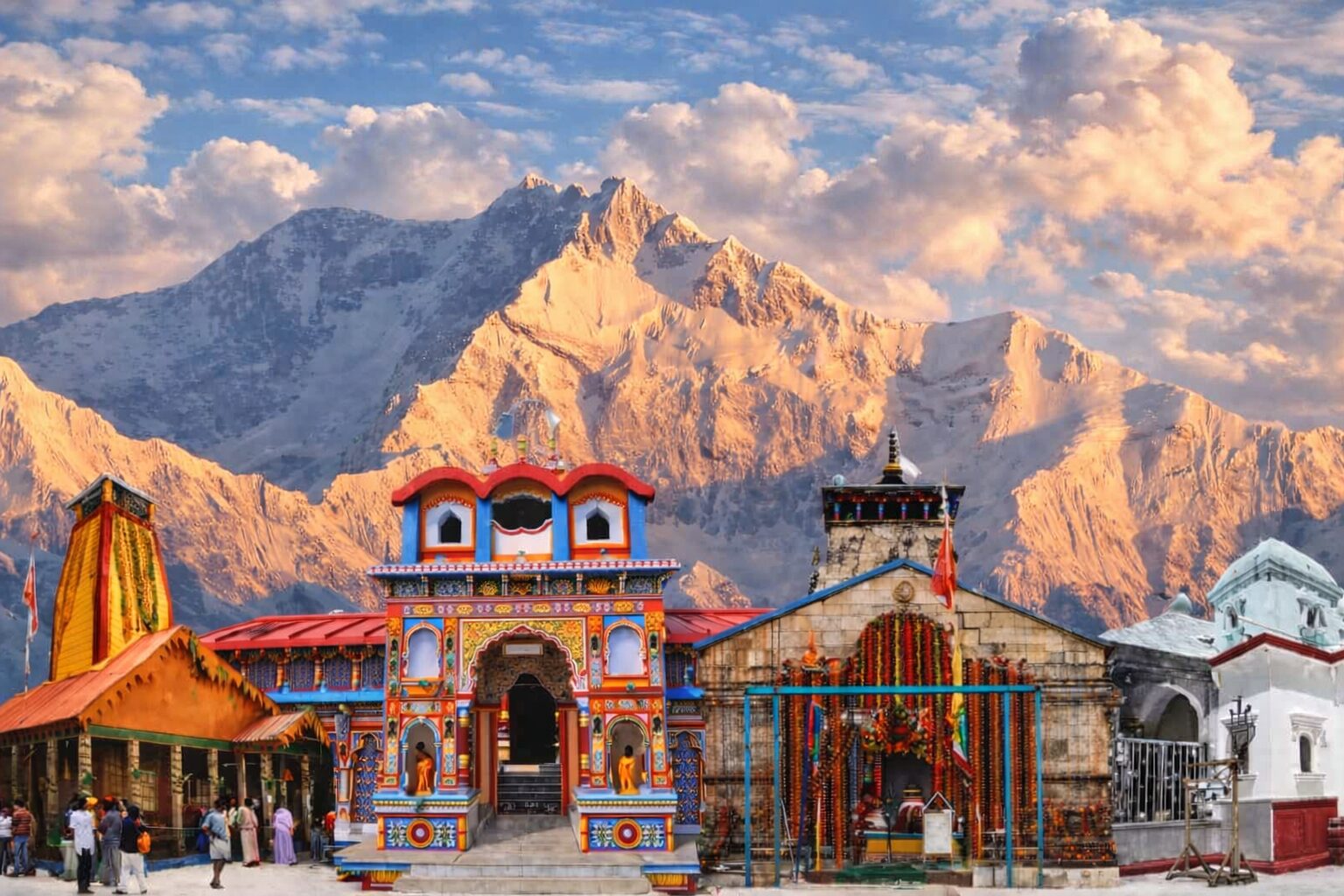
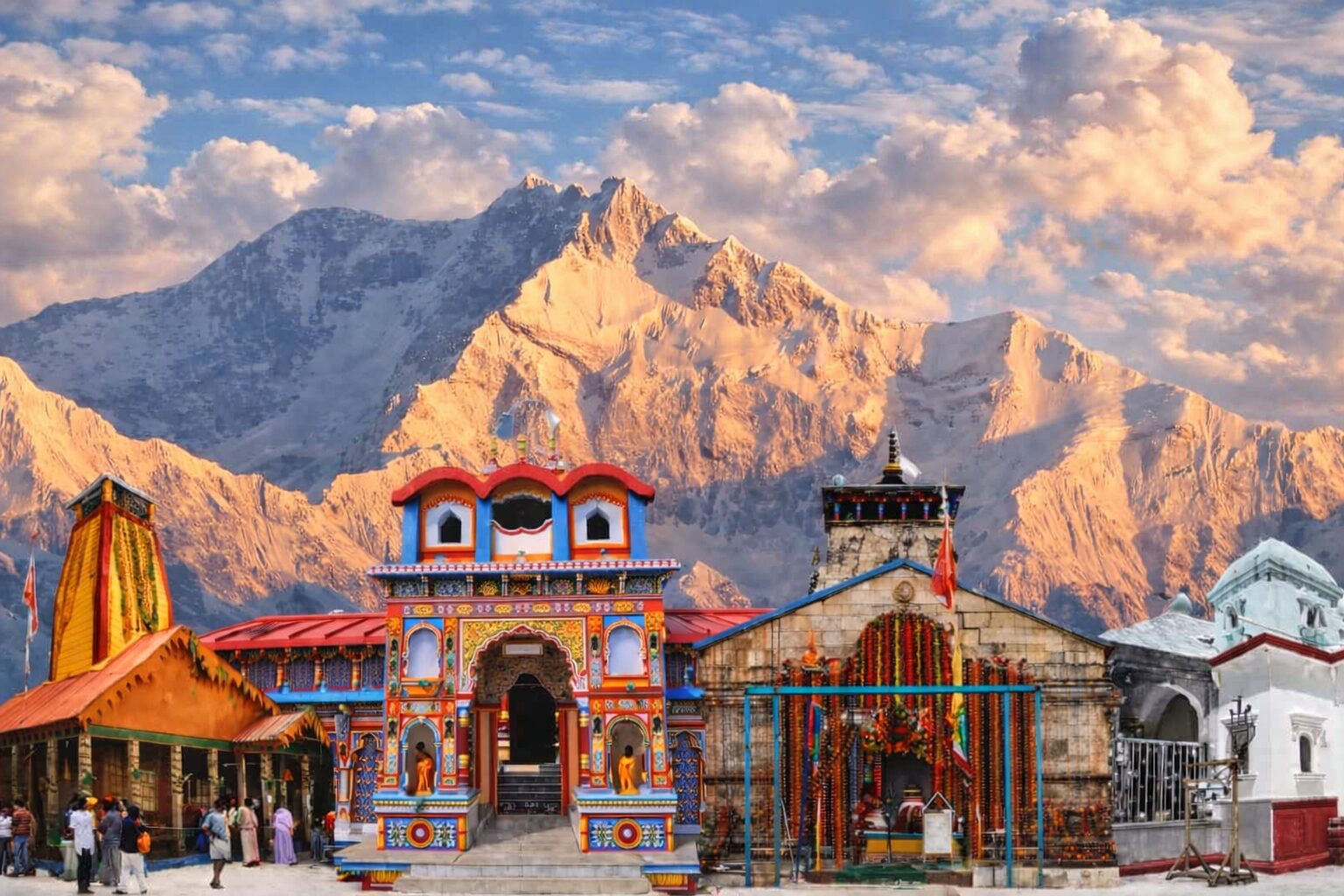
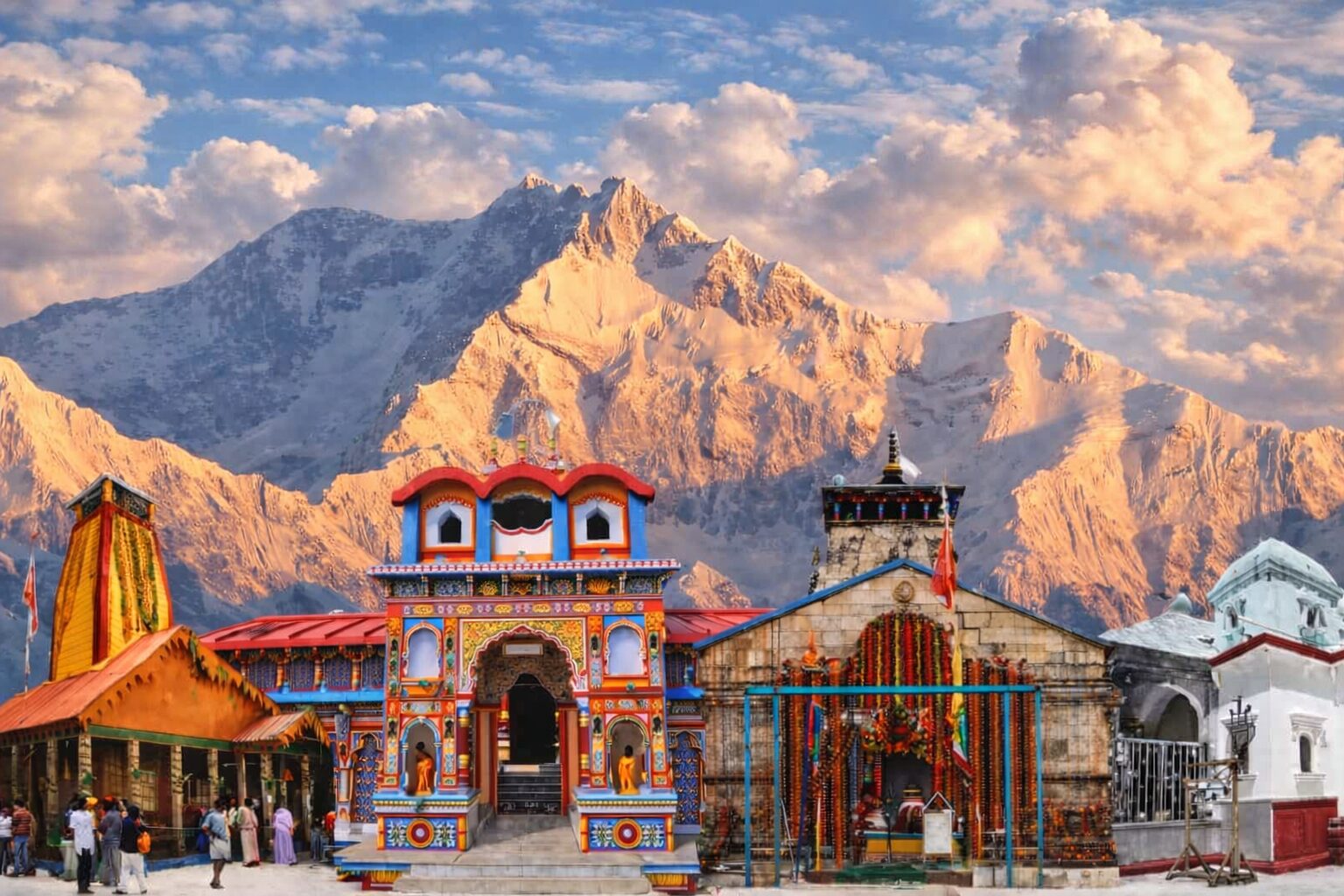
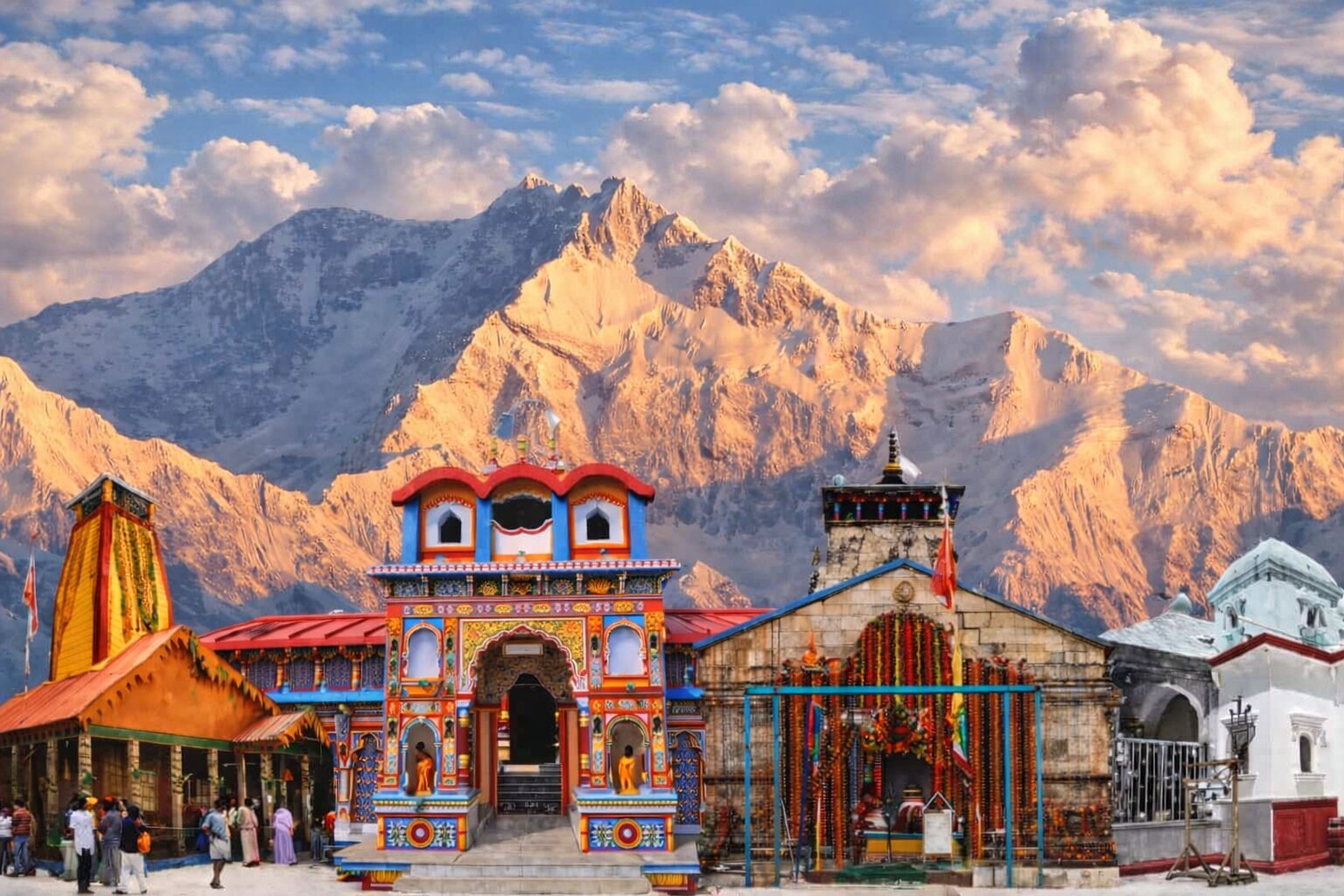
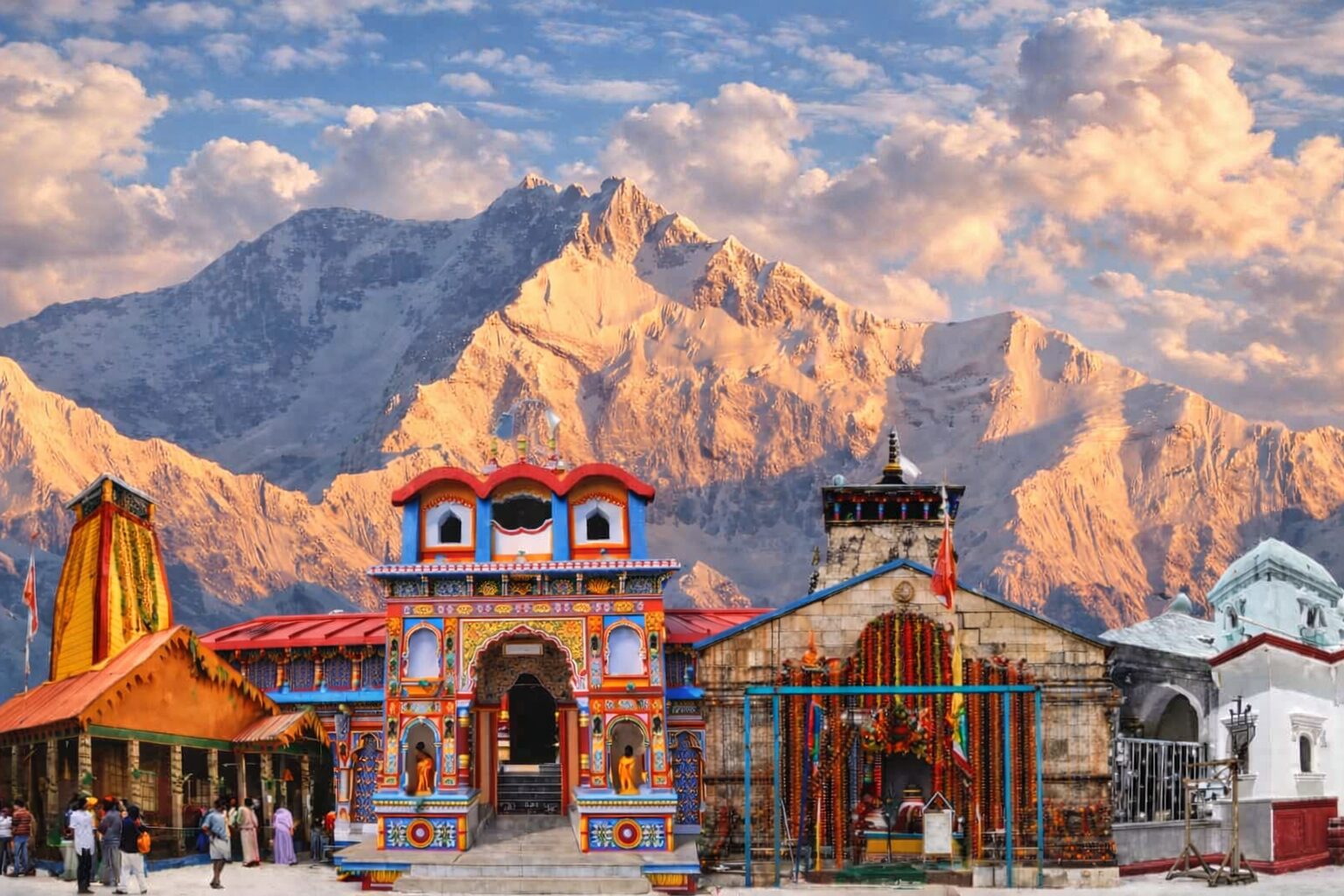
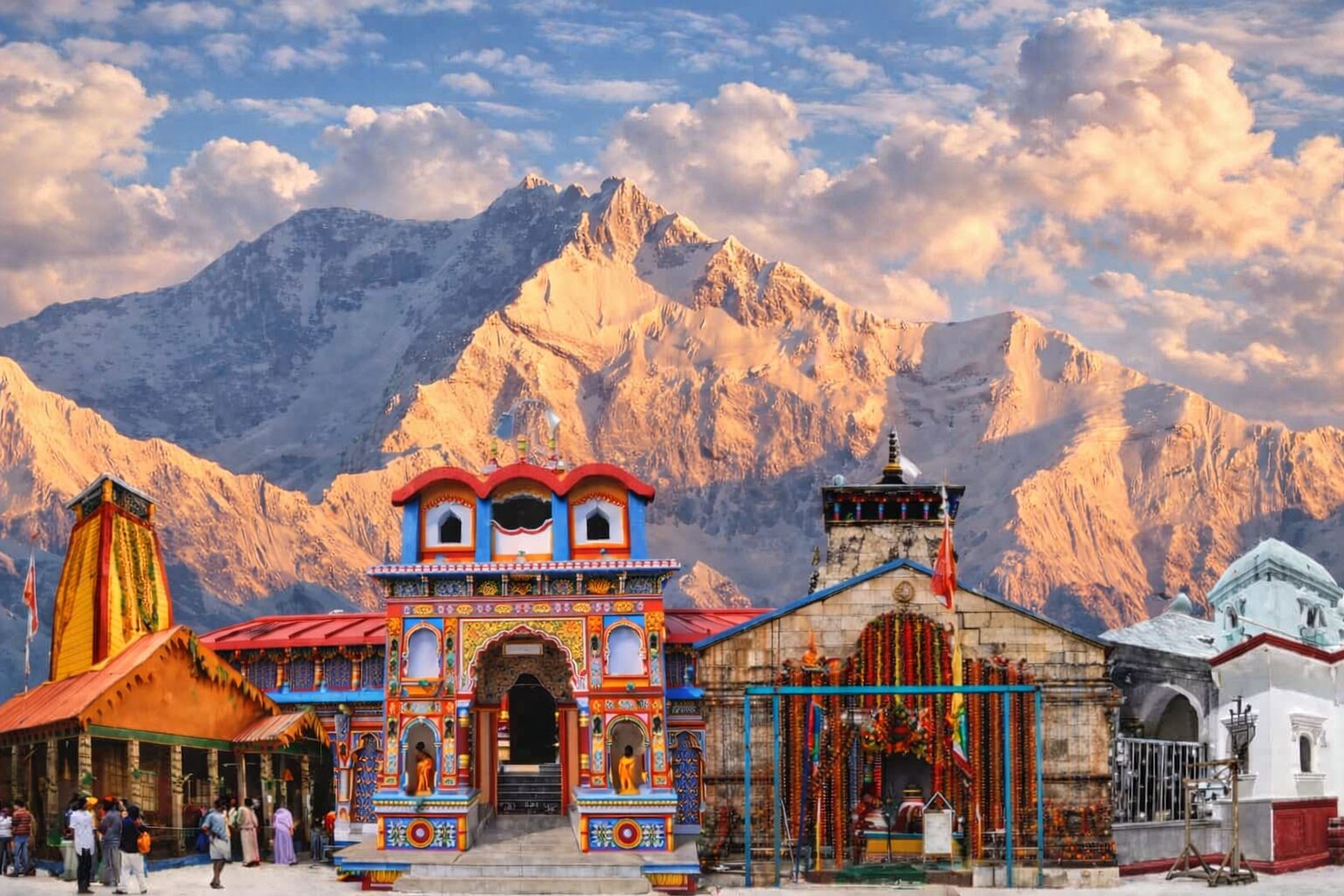
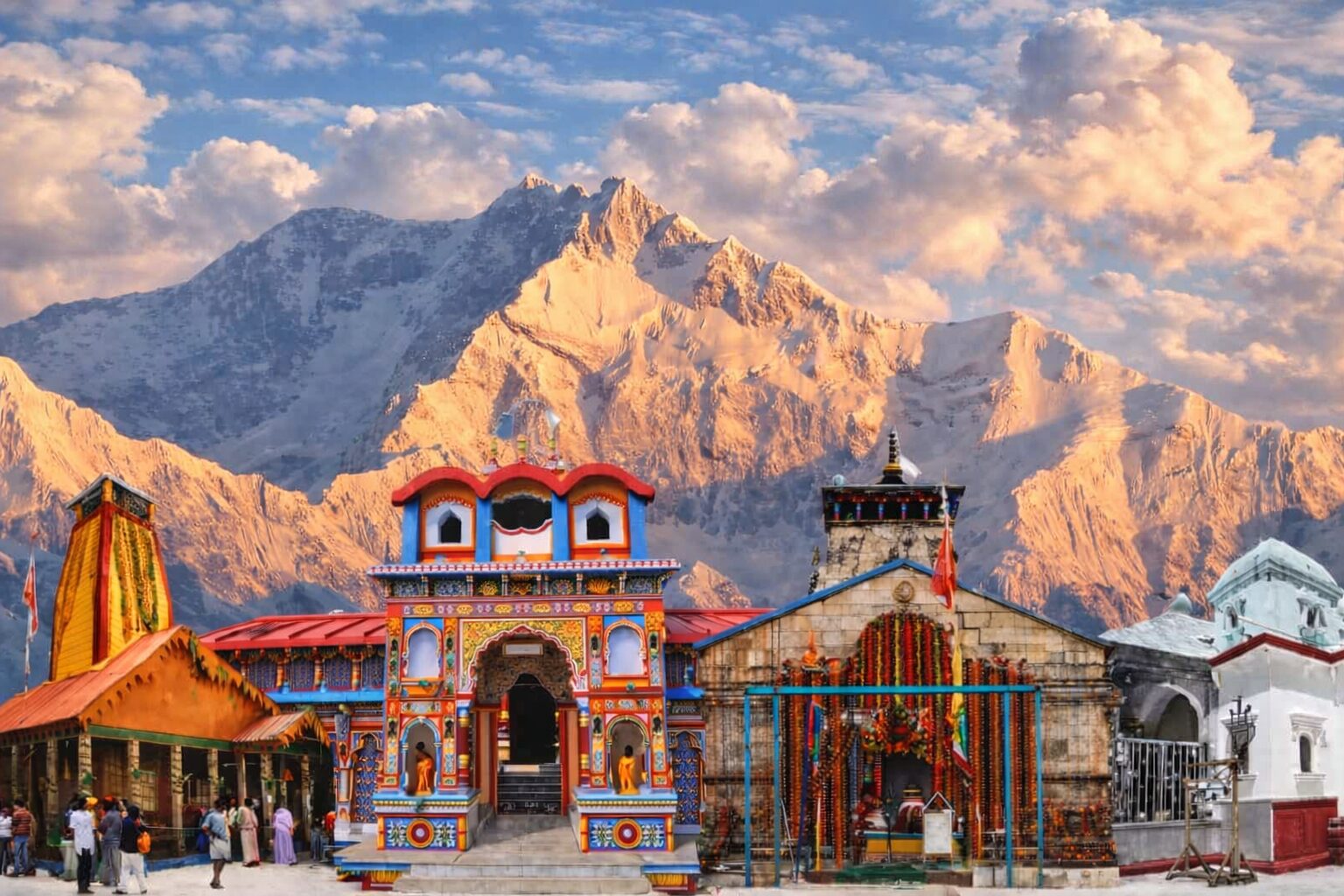
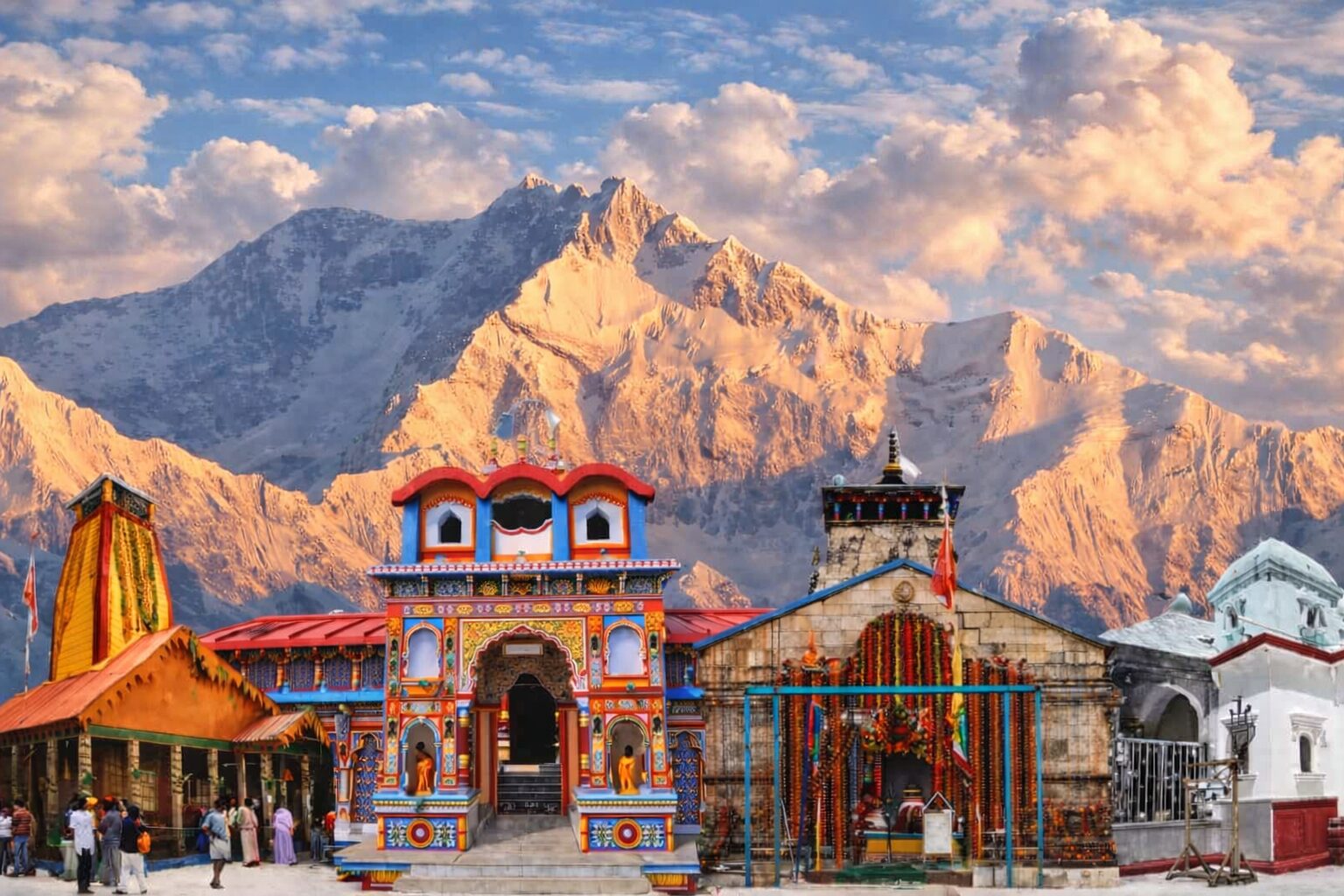
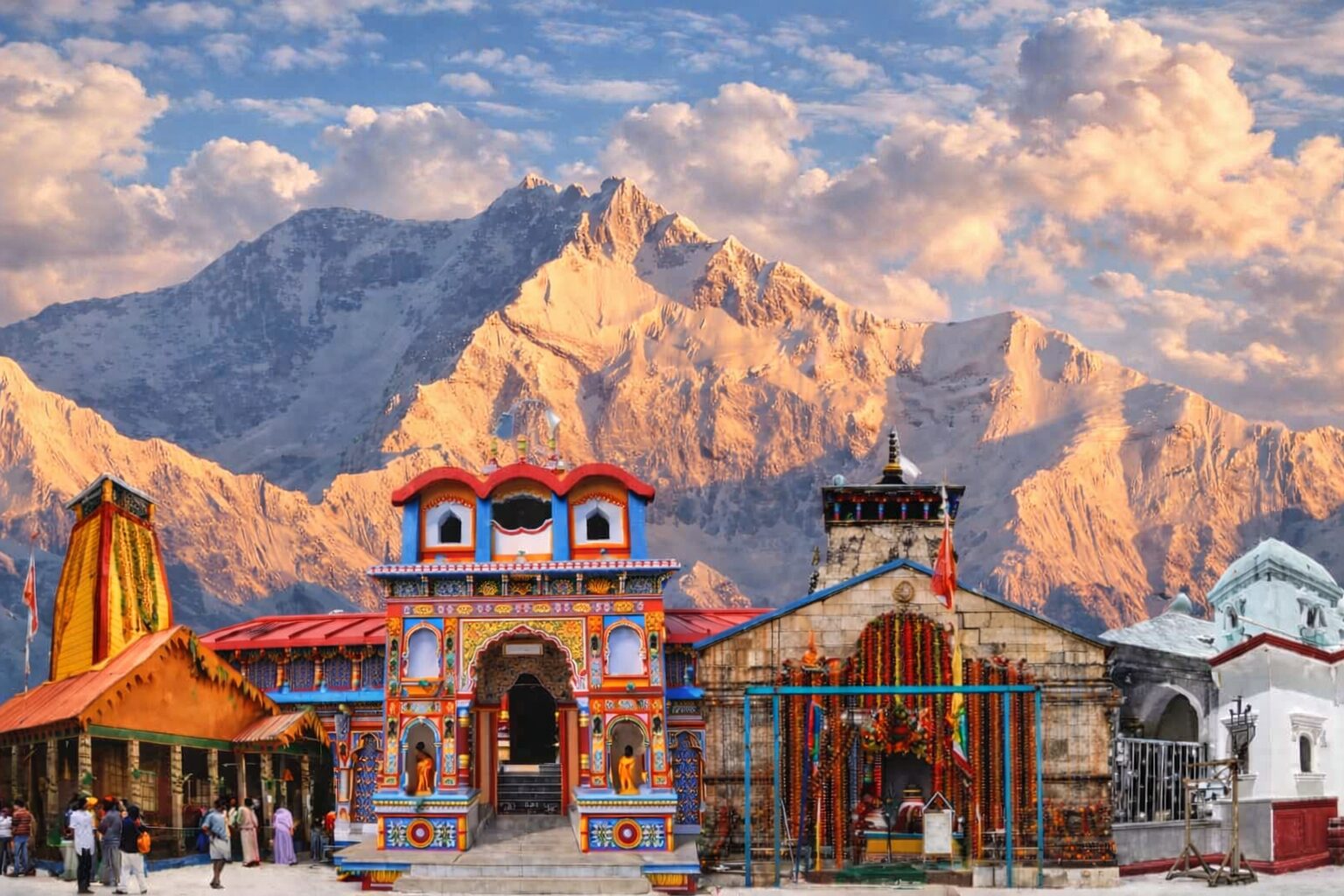
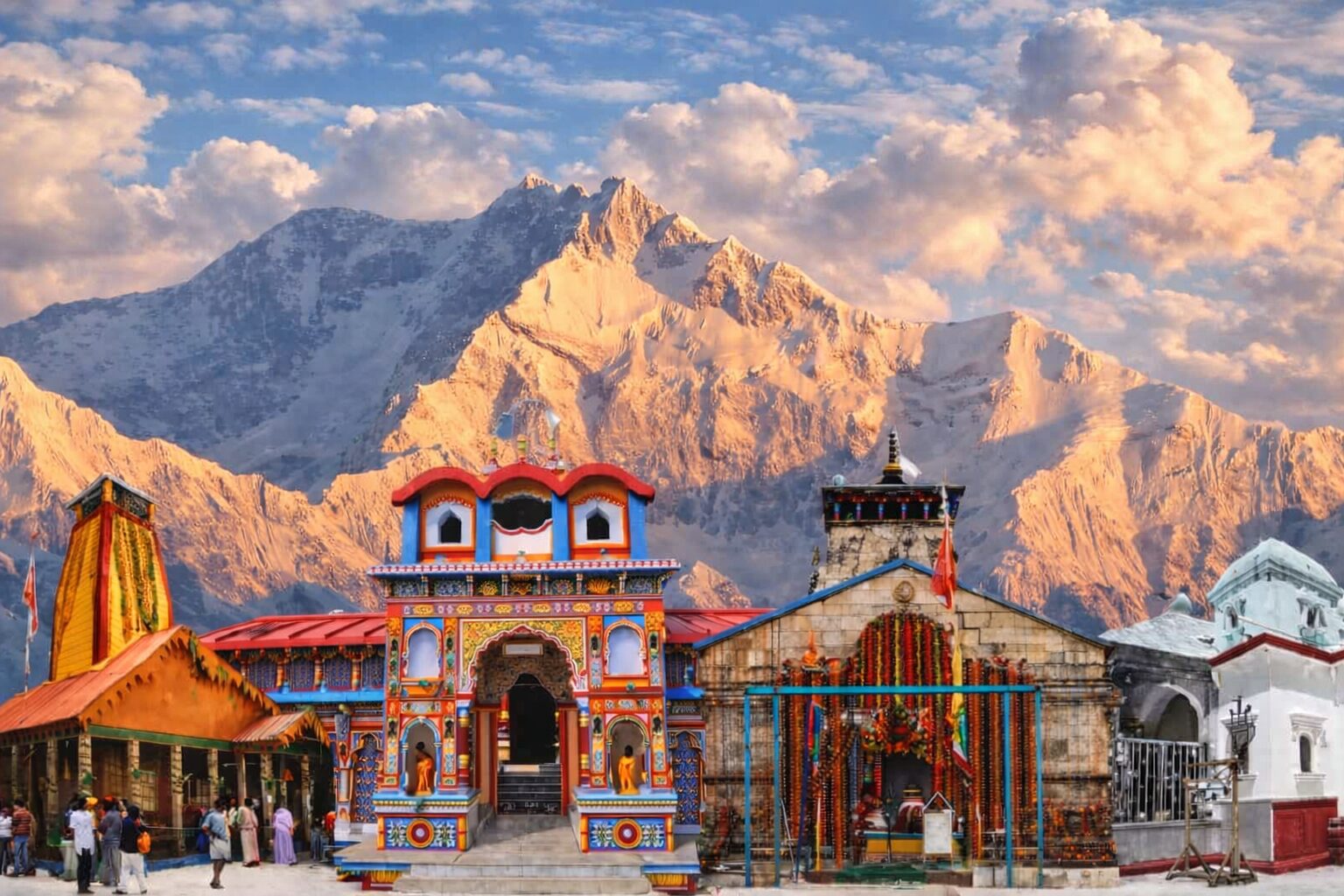
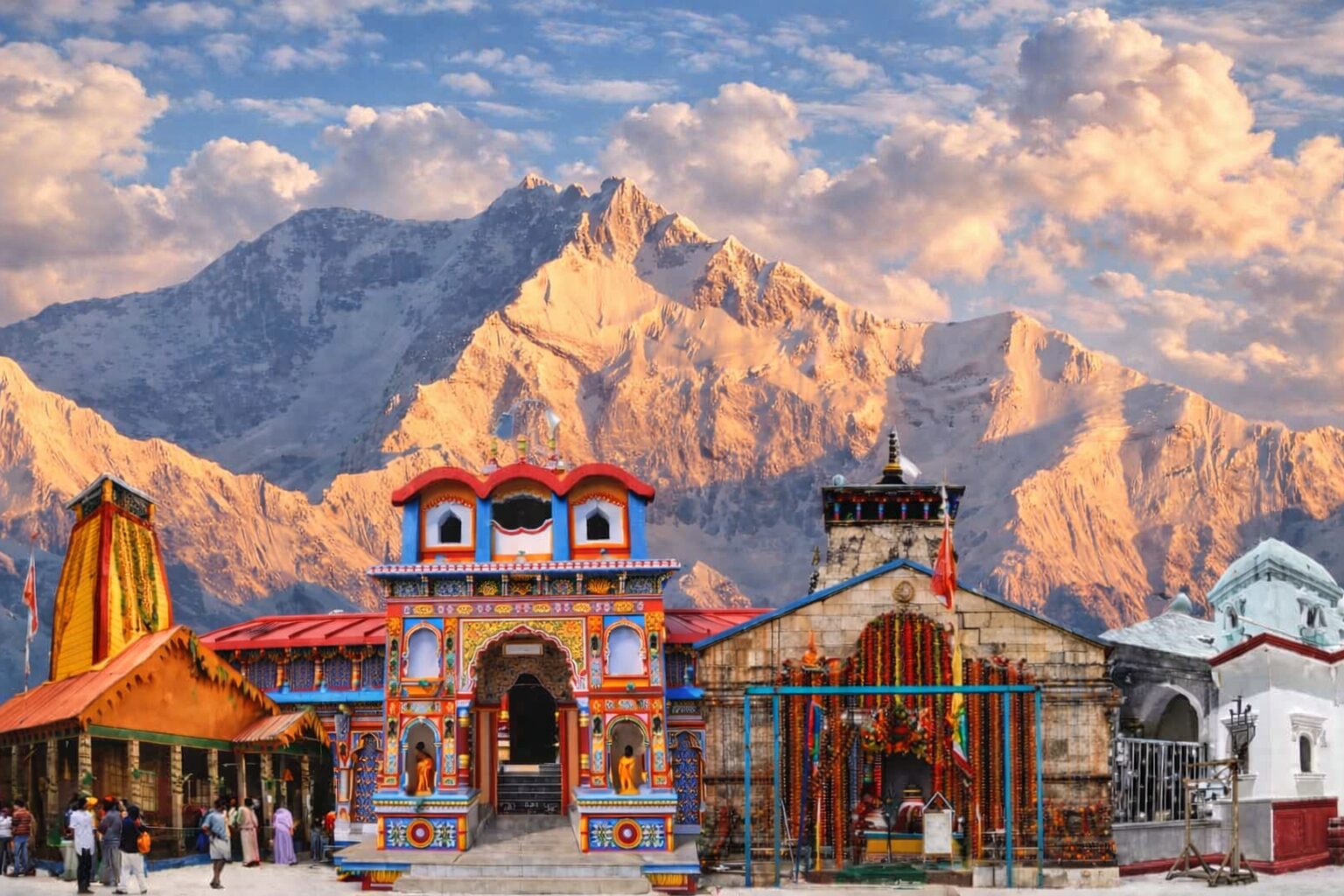
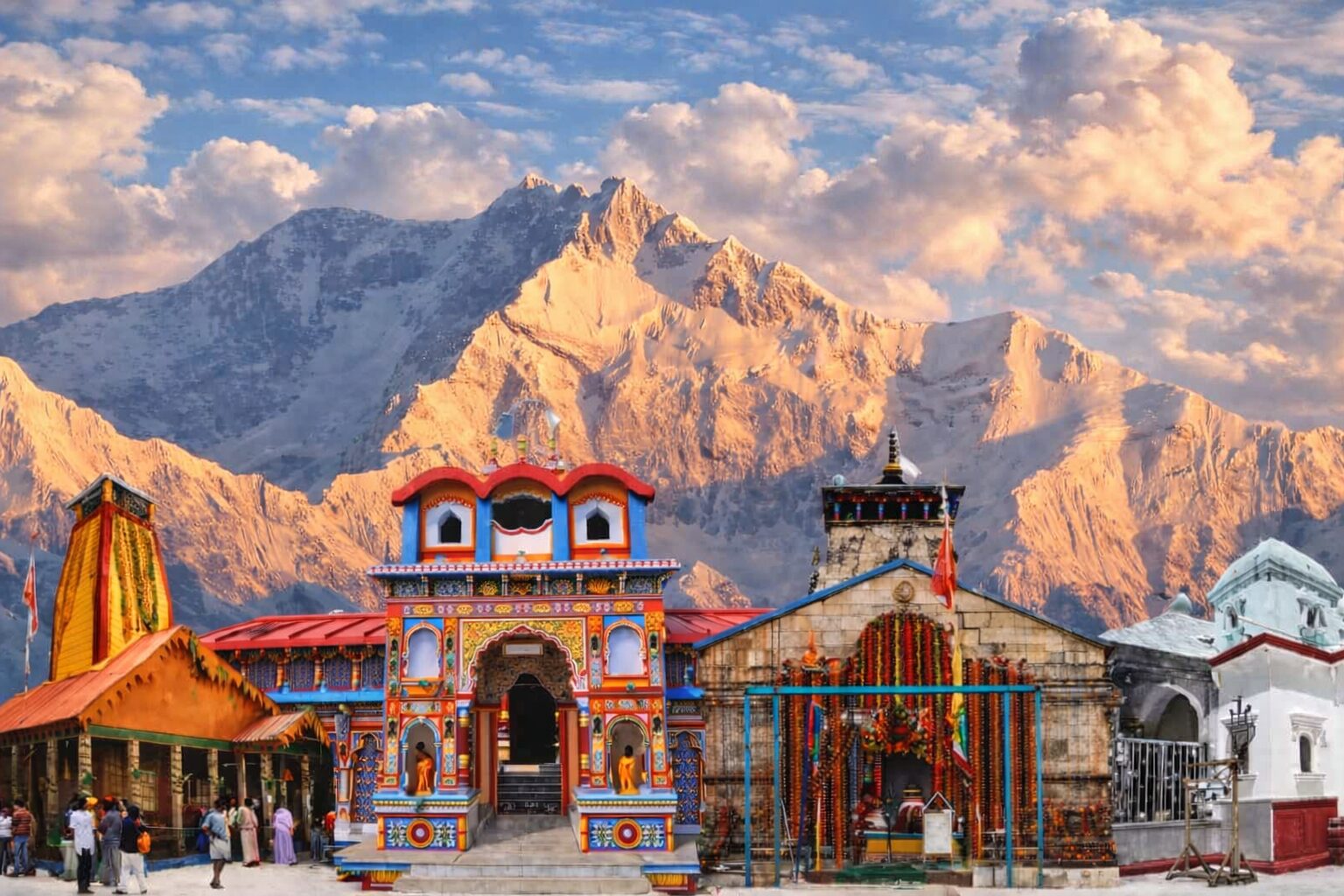
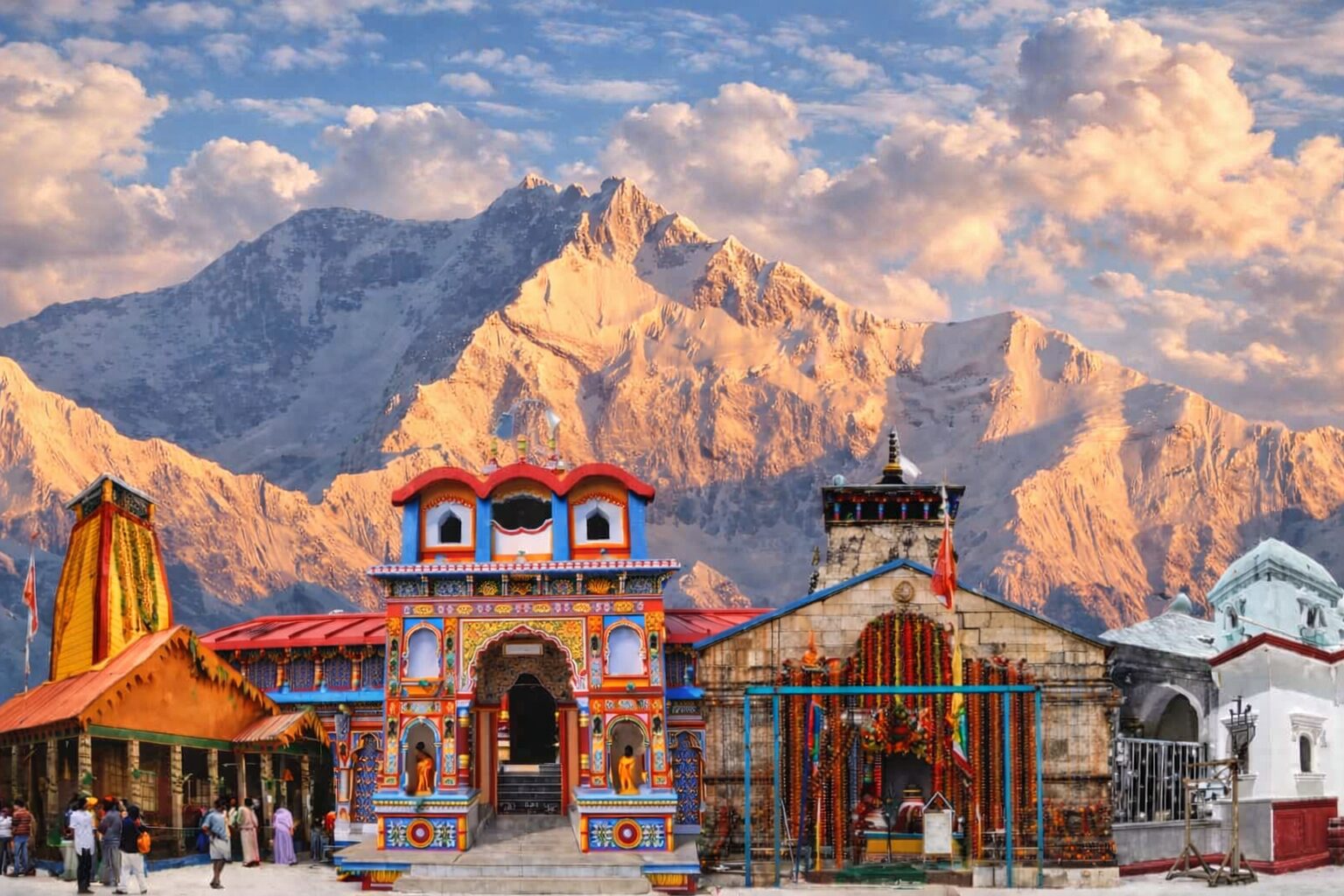
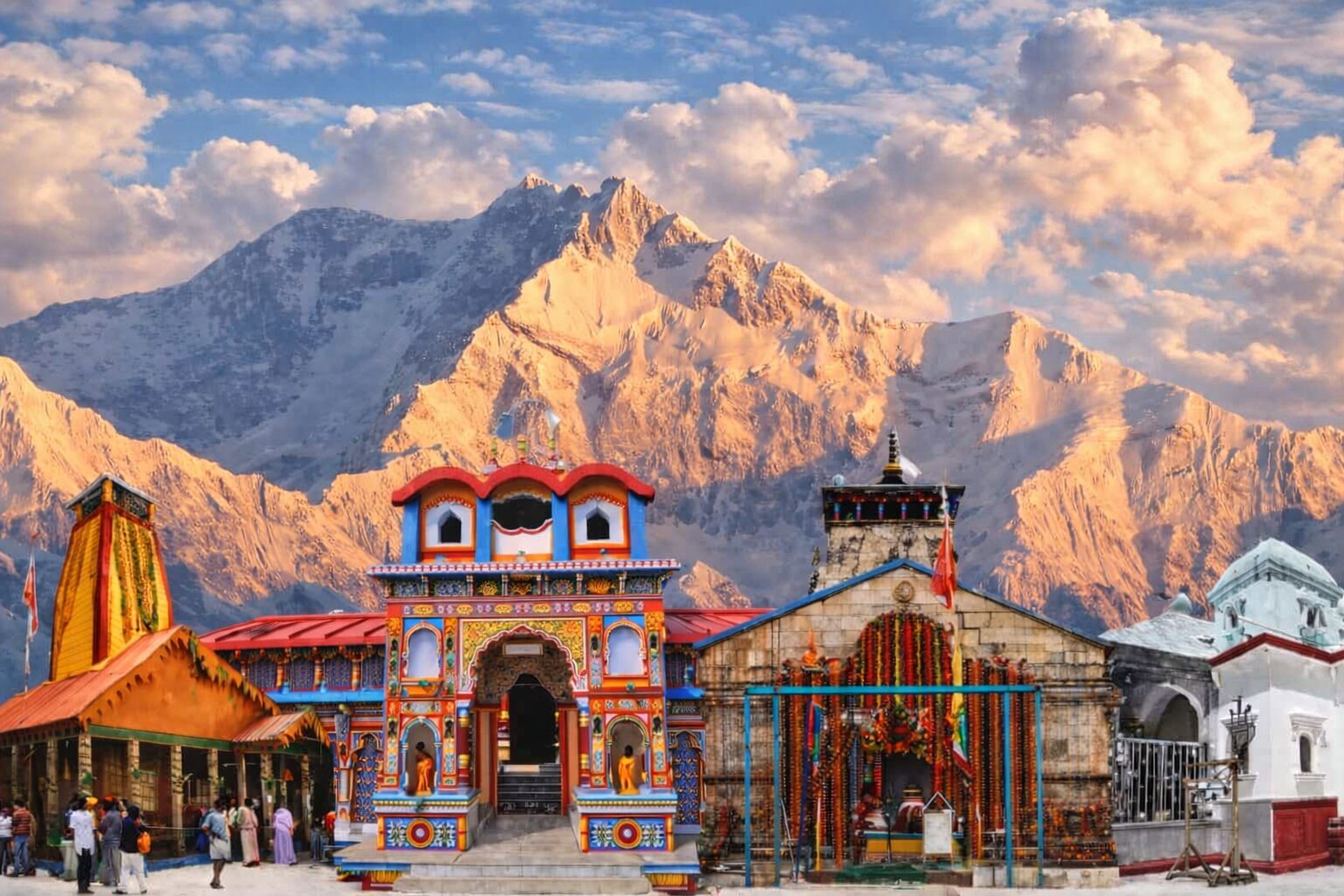
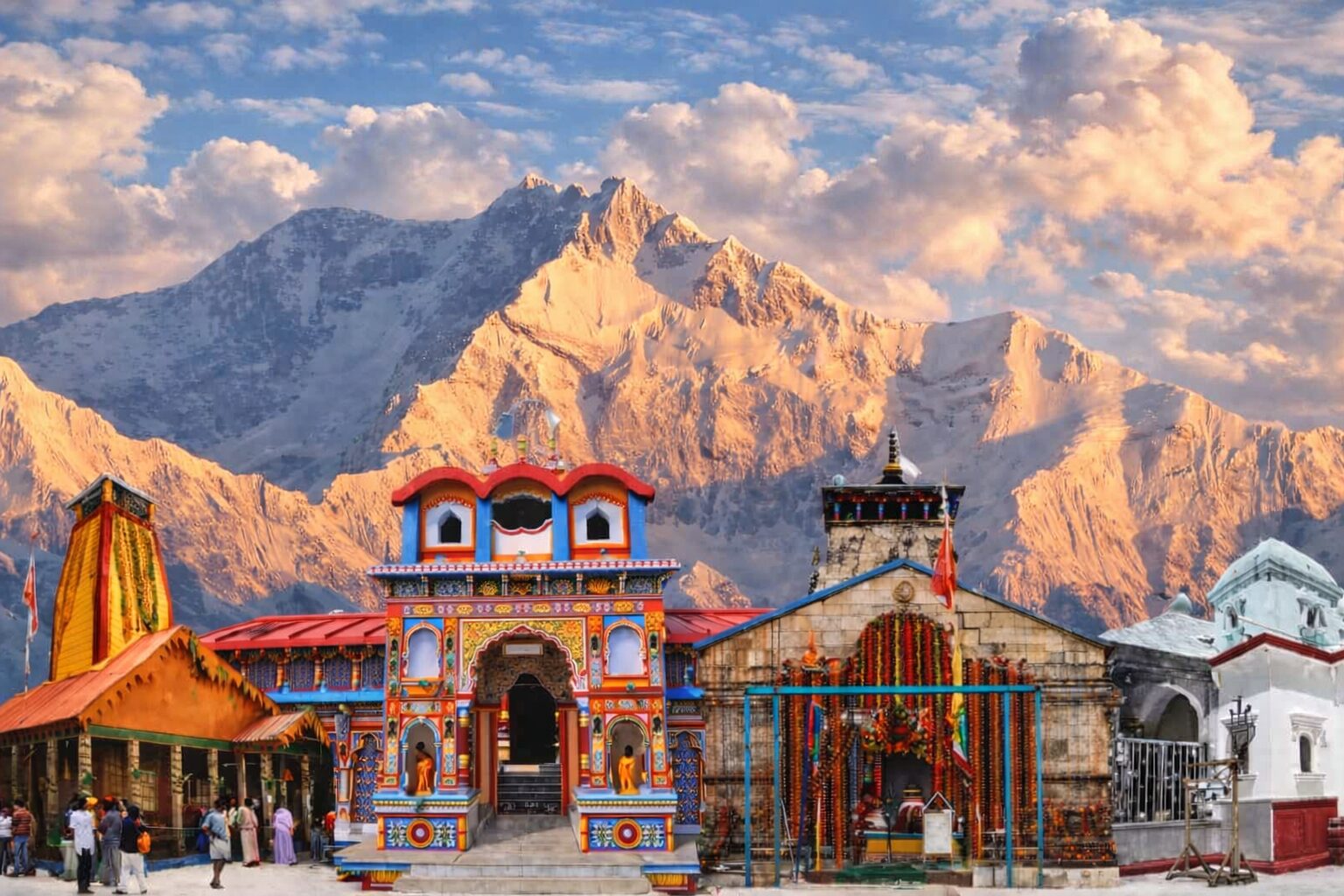
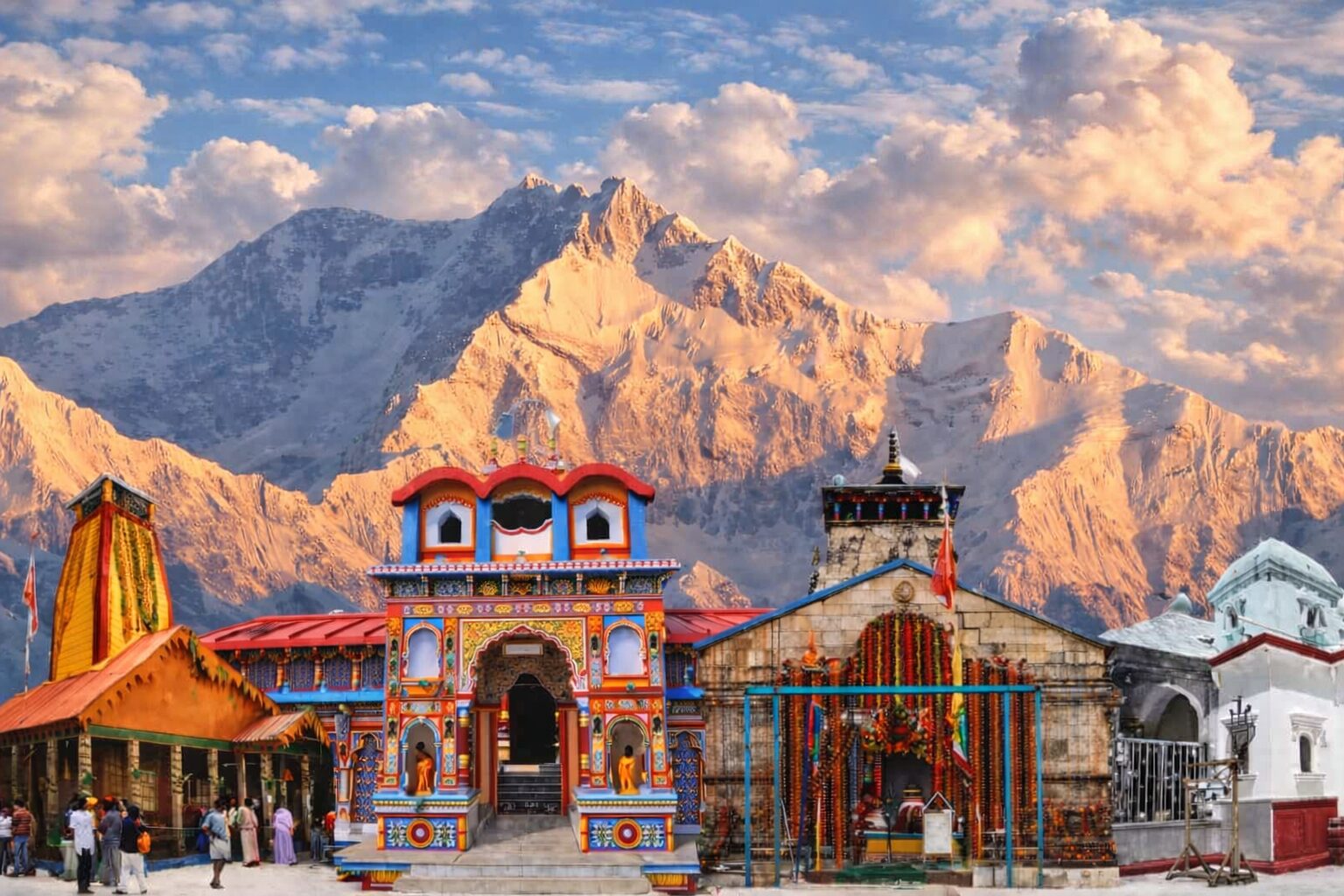
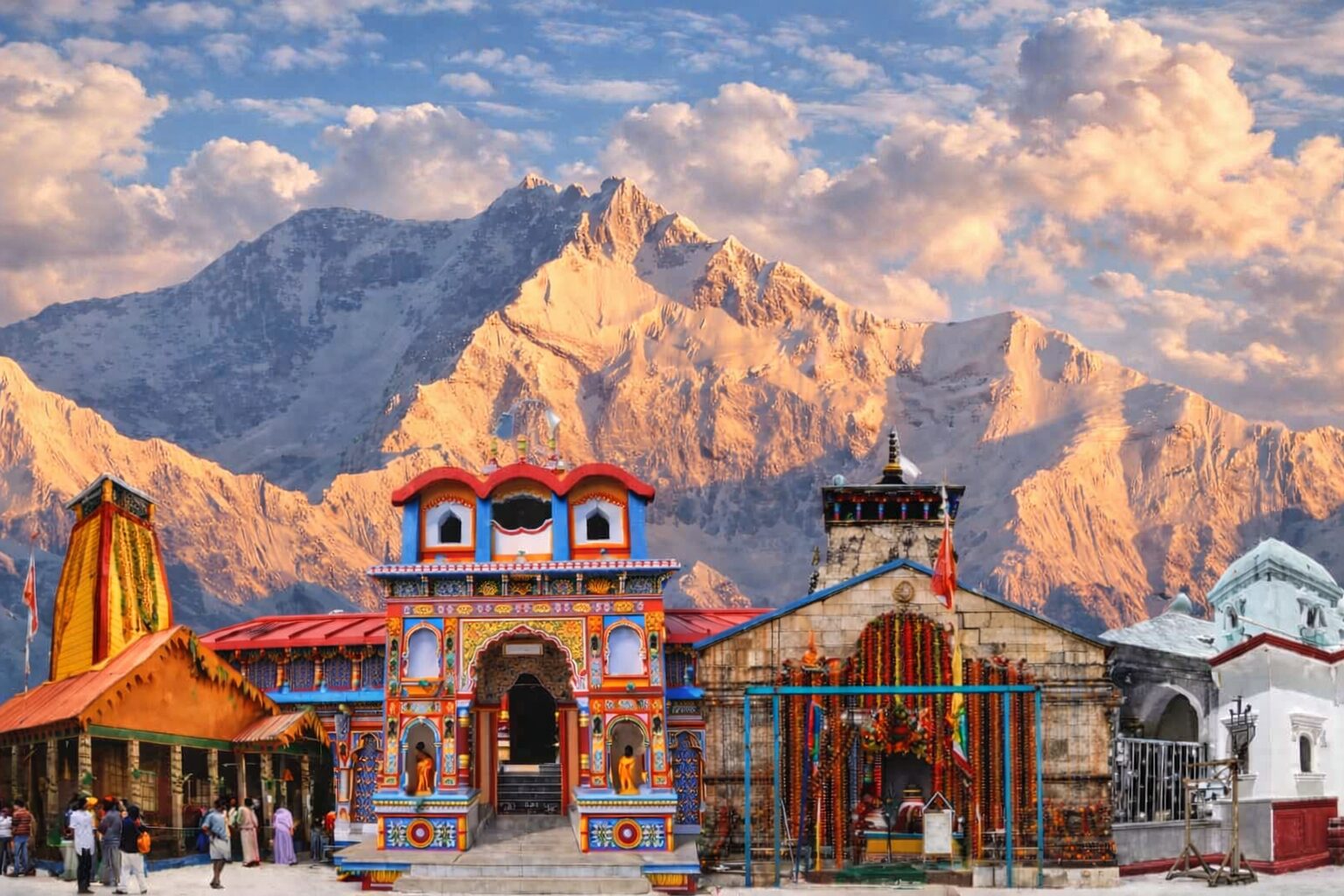
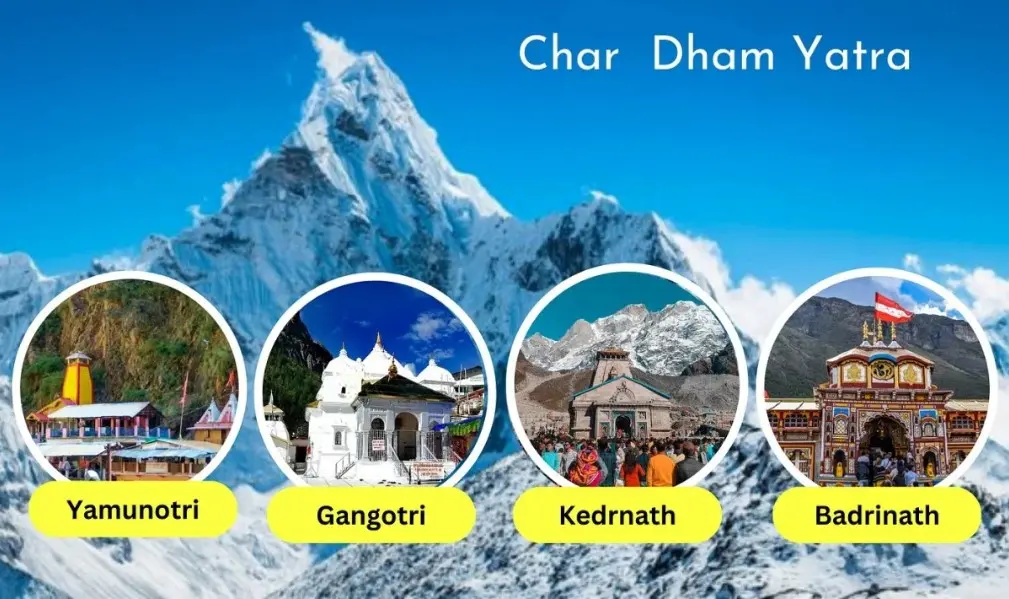
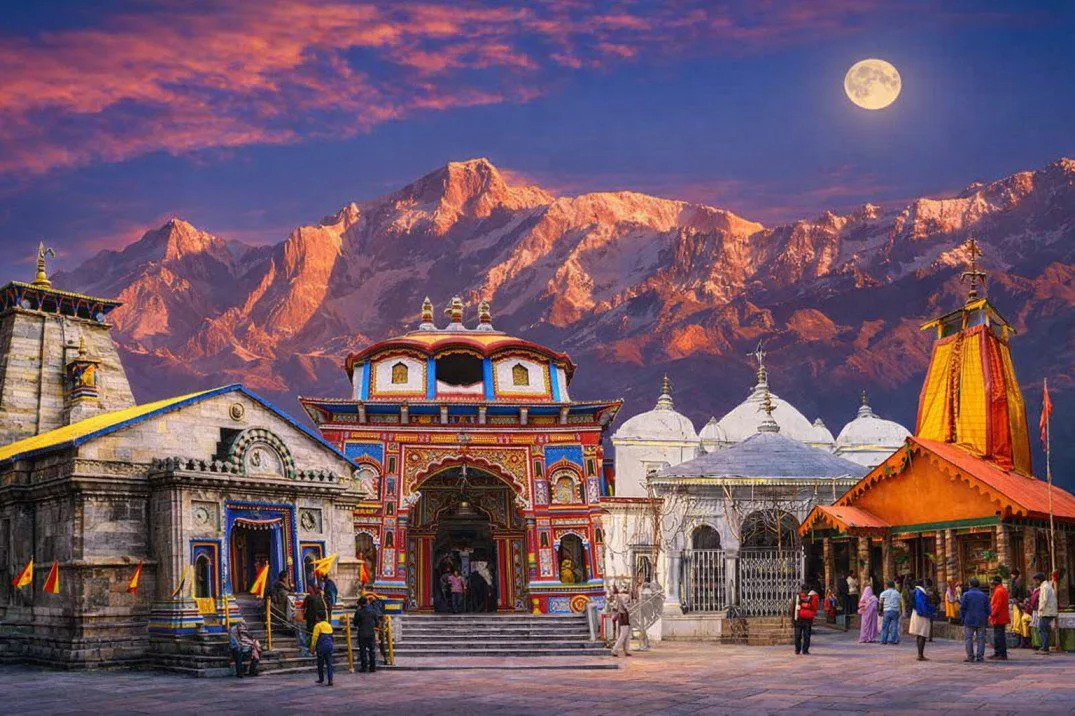
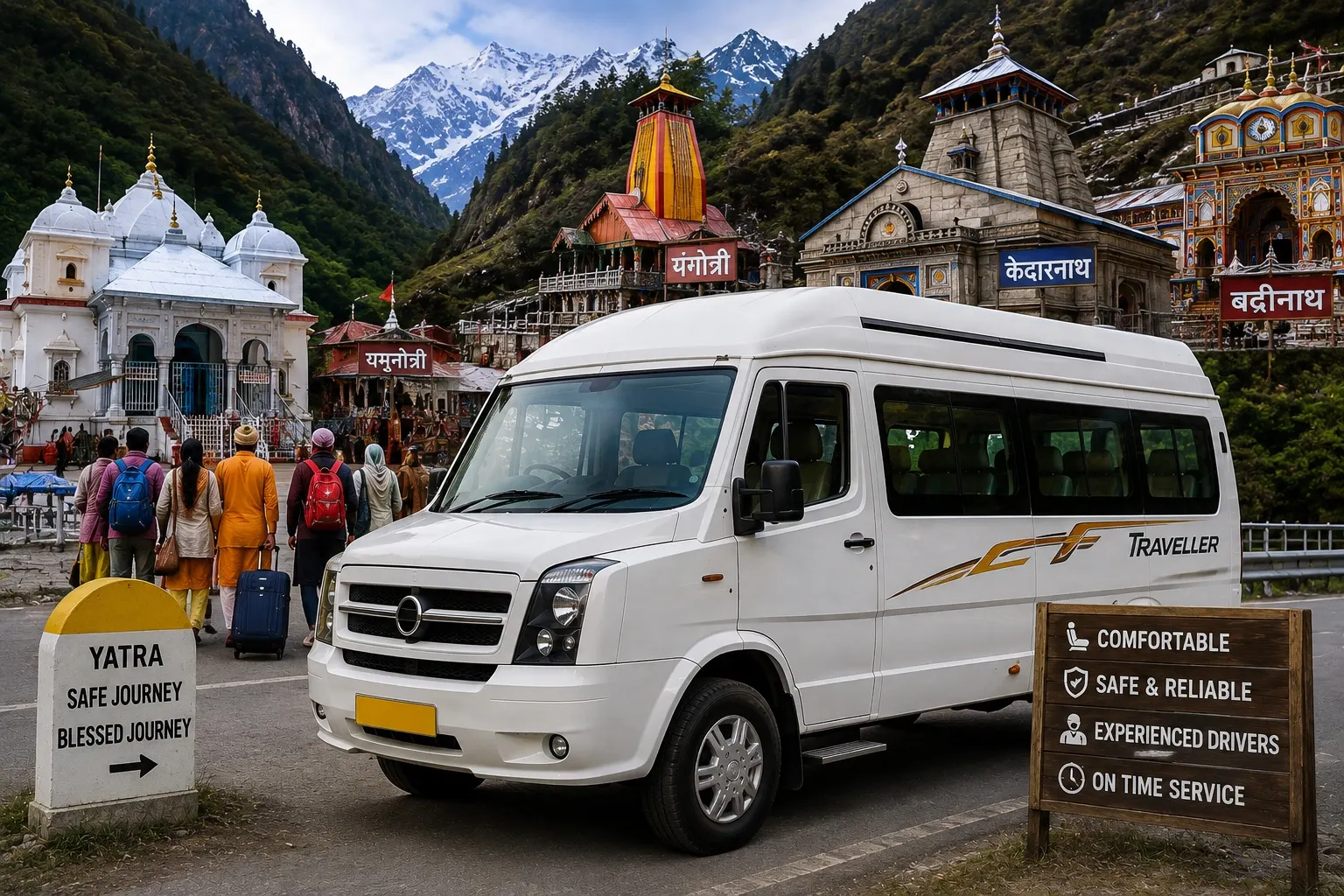
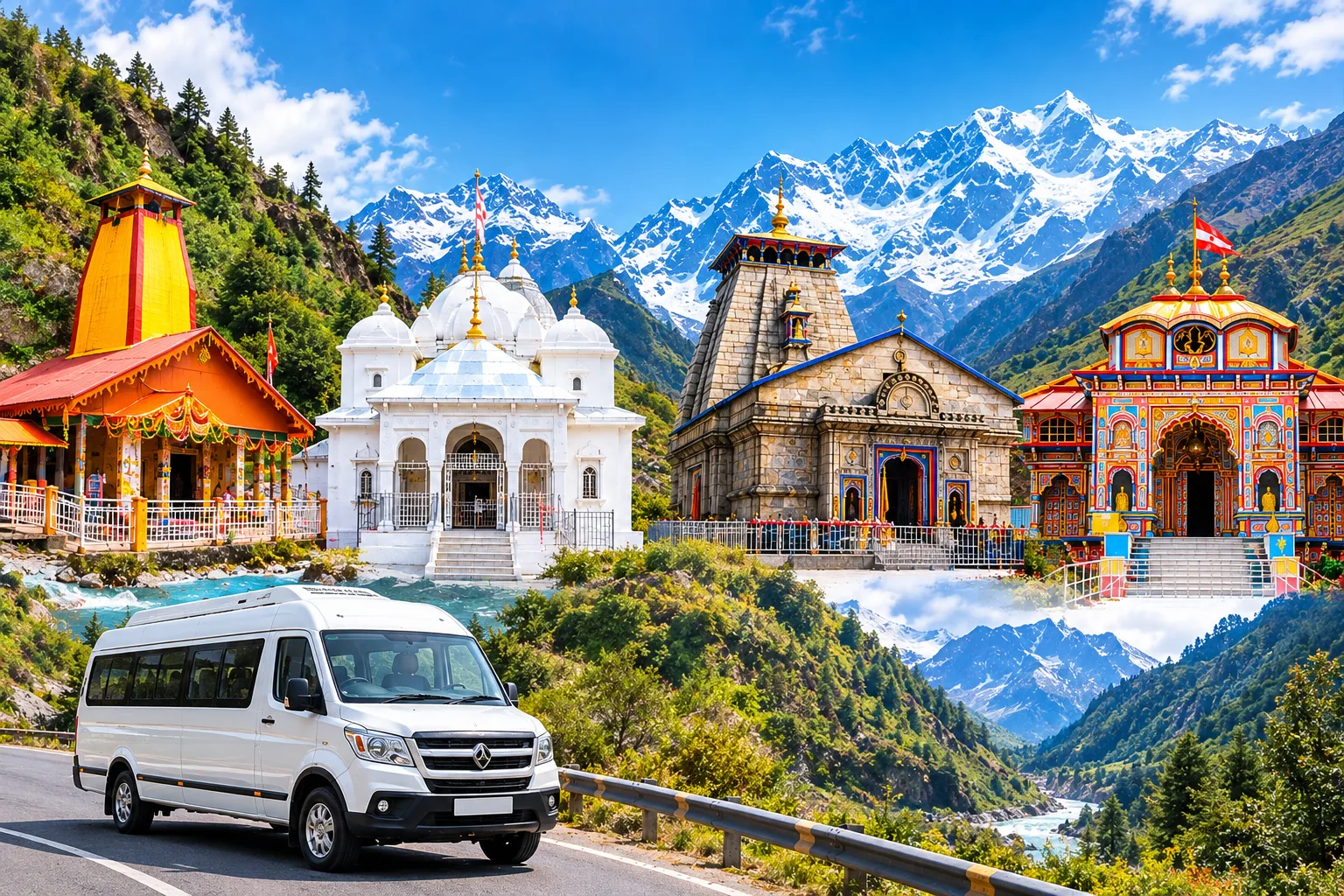
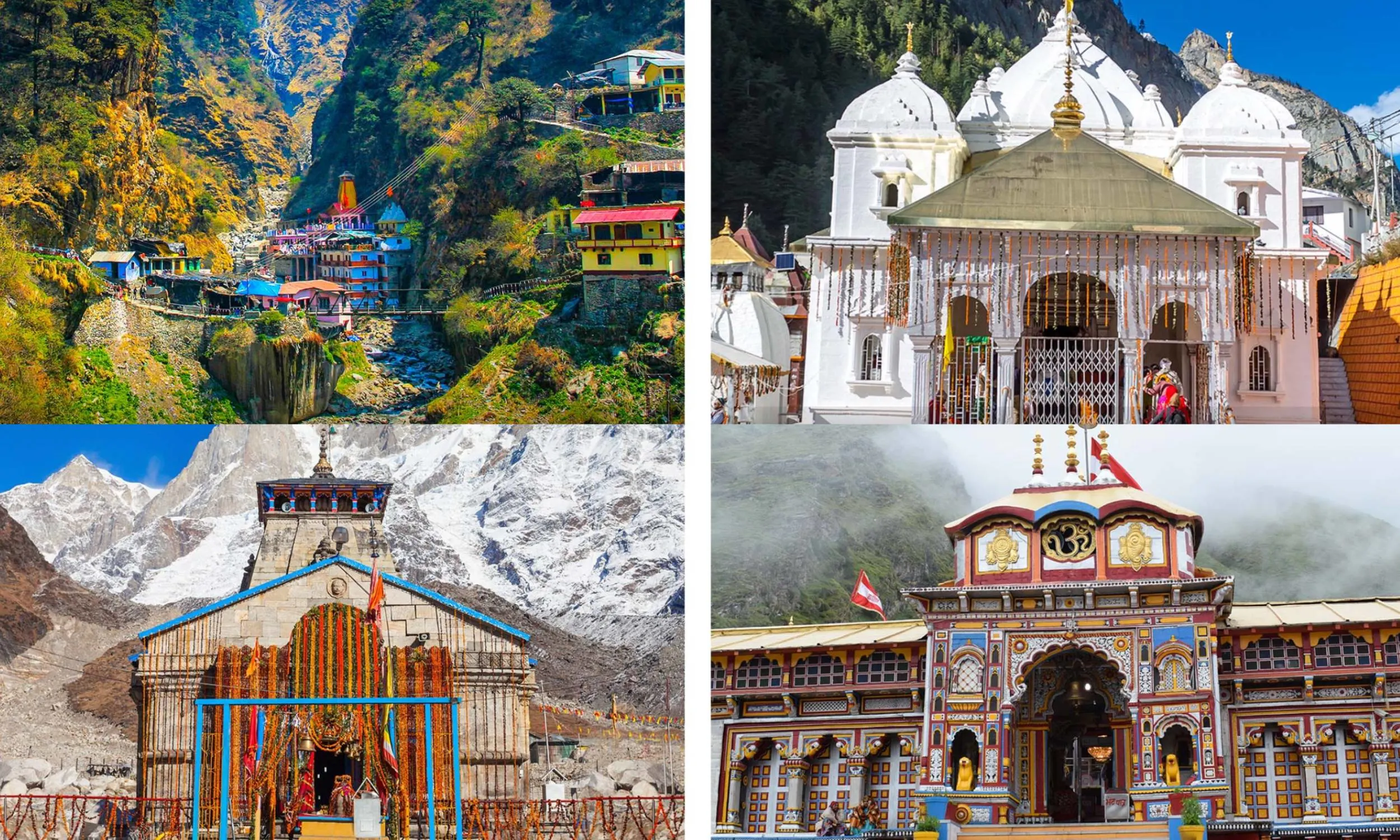
Demand is highest in summer, from April to June, when families travel to the hills. It also rises during festivals, wedding season and the Char Dham Yatra, which usually opens in spring.
If you want better rates and more choice, book early or travel on weekdays. Off-season months such as July to September can be cheaper, though hill roads need extra caution because of rain.
Practical tips for a smooth trip
A little planning makes group travel easier. Here is what experienced travellers suggest.
Check the vehicle condition. Look at the tyres, seats, AC and first-aid kit before you start.
Confirm the permit and documents. The vehicle should have valid registration, insurance and a commercial permit.
Plan rest stops. For long trips, stop every two to three hours.
Keep luggage light. Soft bags fit better than large hard suitcases.
Start early. Leaving Delhi before sunrise helps you avoid traffic.
Share a clear route. Tell the driver about planned stops, so there are no surprises.
Carry cash for tolls. Some parking and entry fees are paid on the spot.
Respect the driver’s rest time. On long journeys, a rested driver is a safer driver.
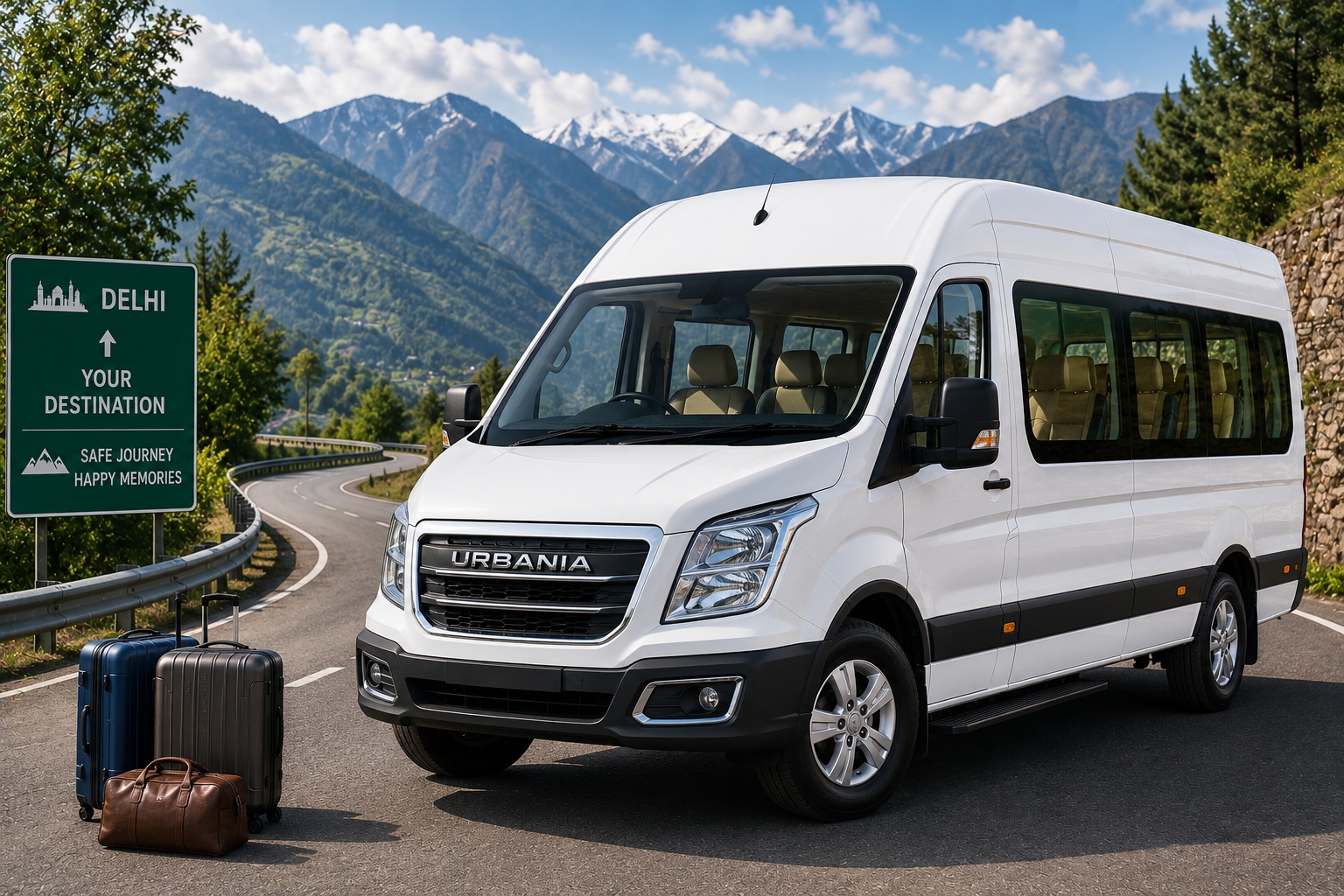
Is a tempo traveller safe for hill trips? Yes, when the vehicle is well maintained and the driver is experienced in mountain roads. Always choose a trusted operator.
Planning a longer trip?
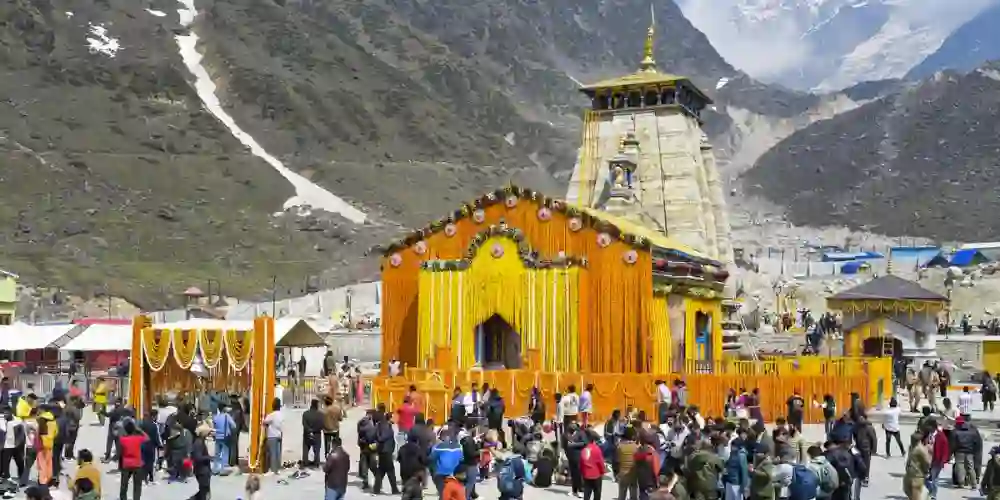
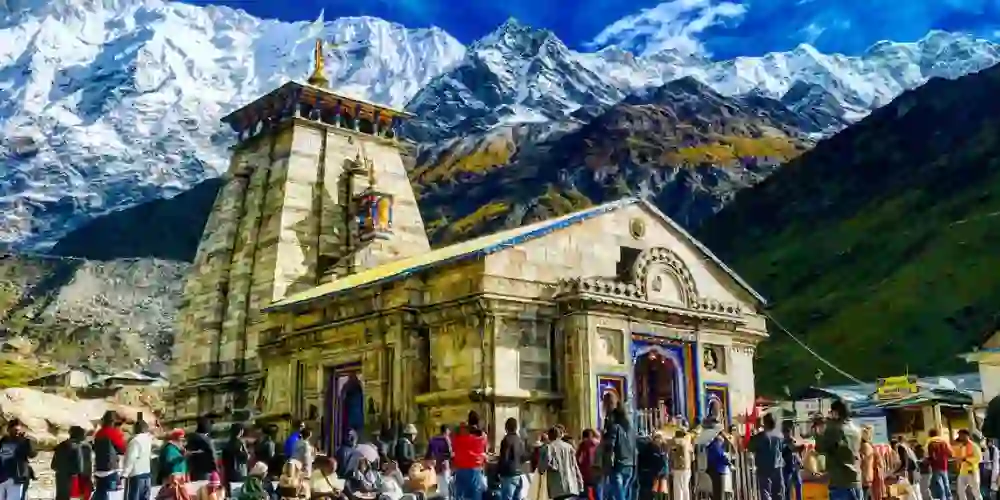
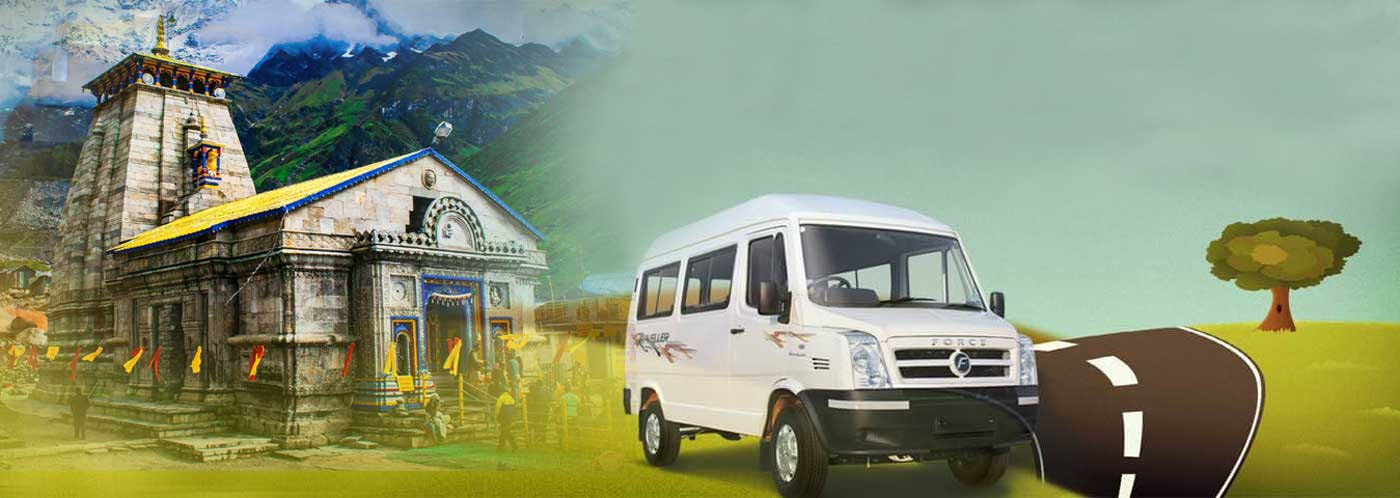
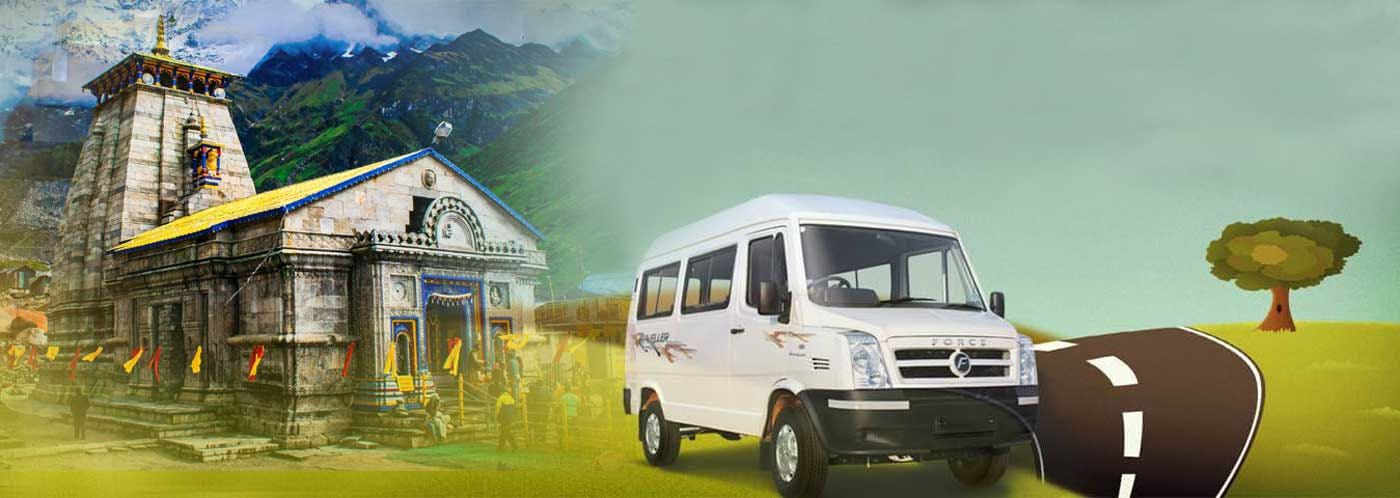
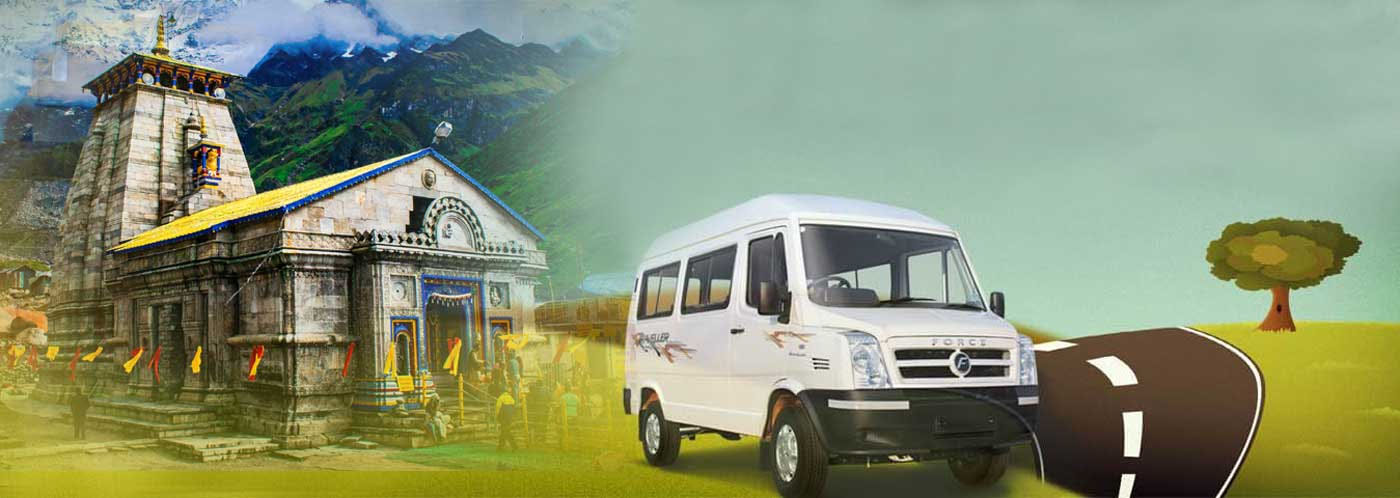
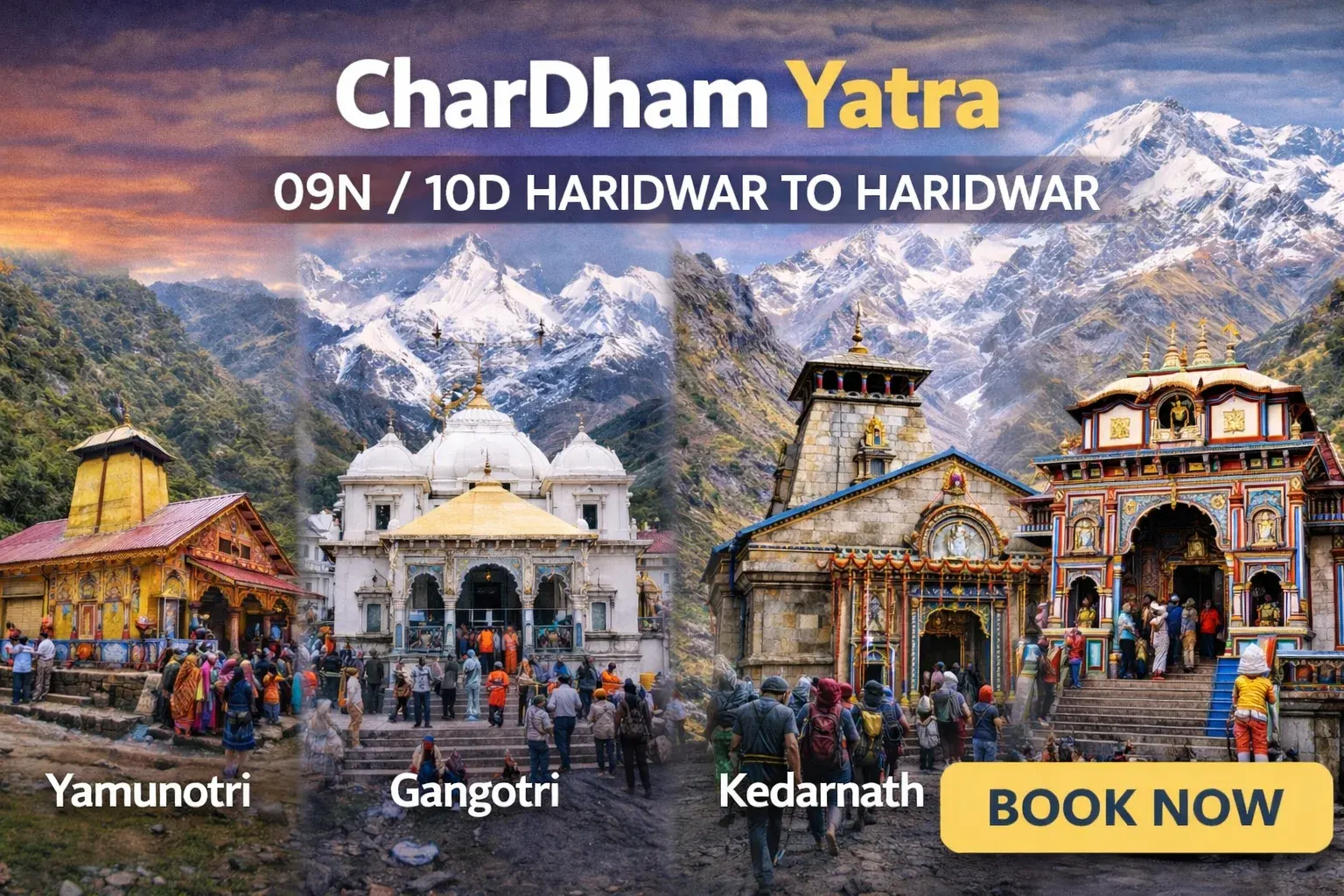
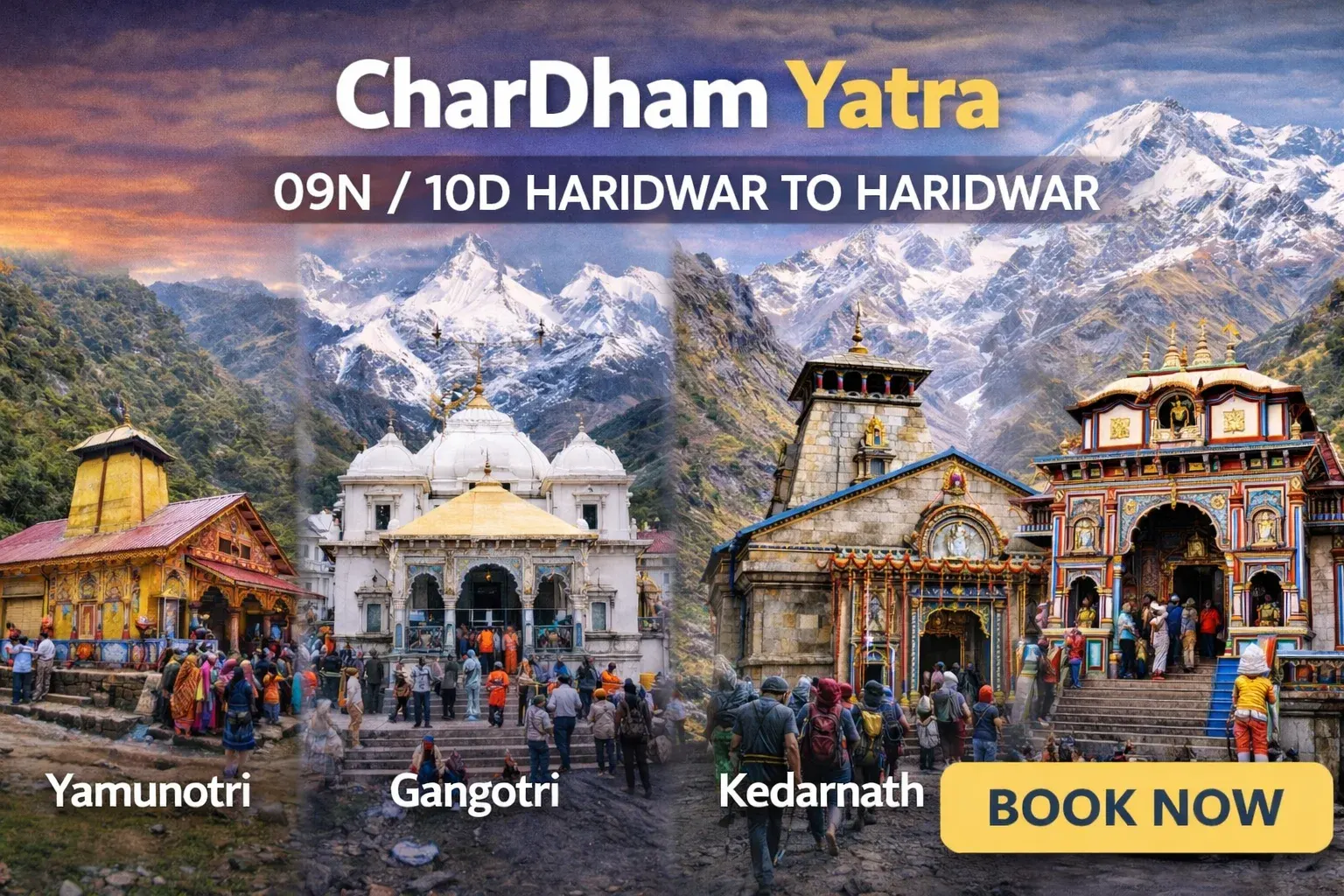
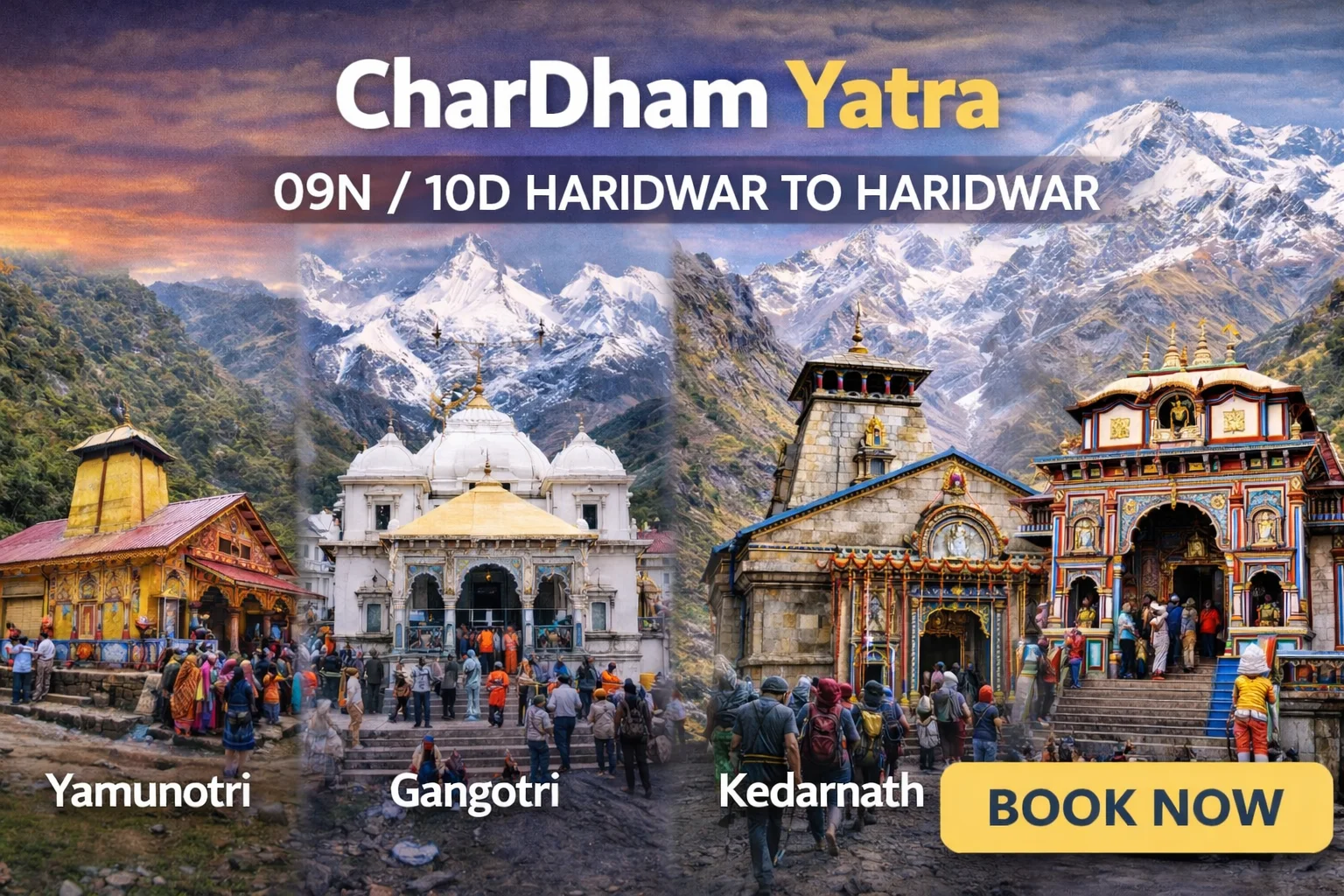
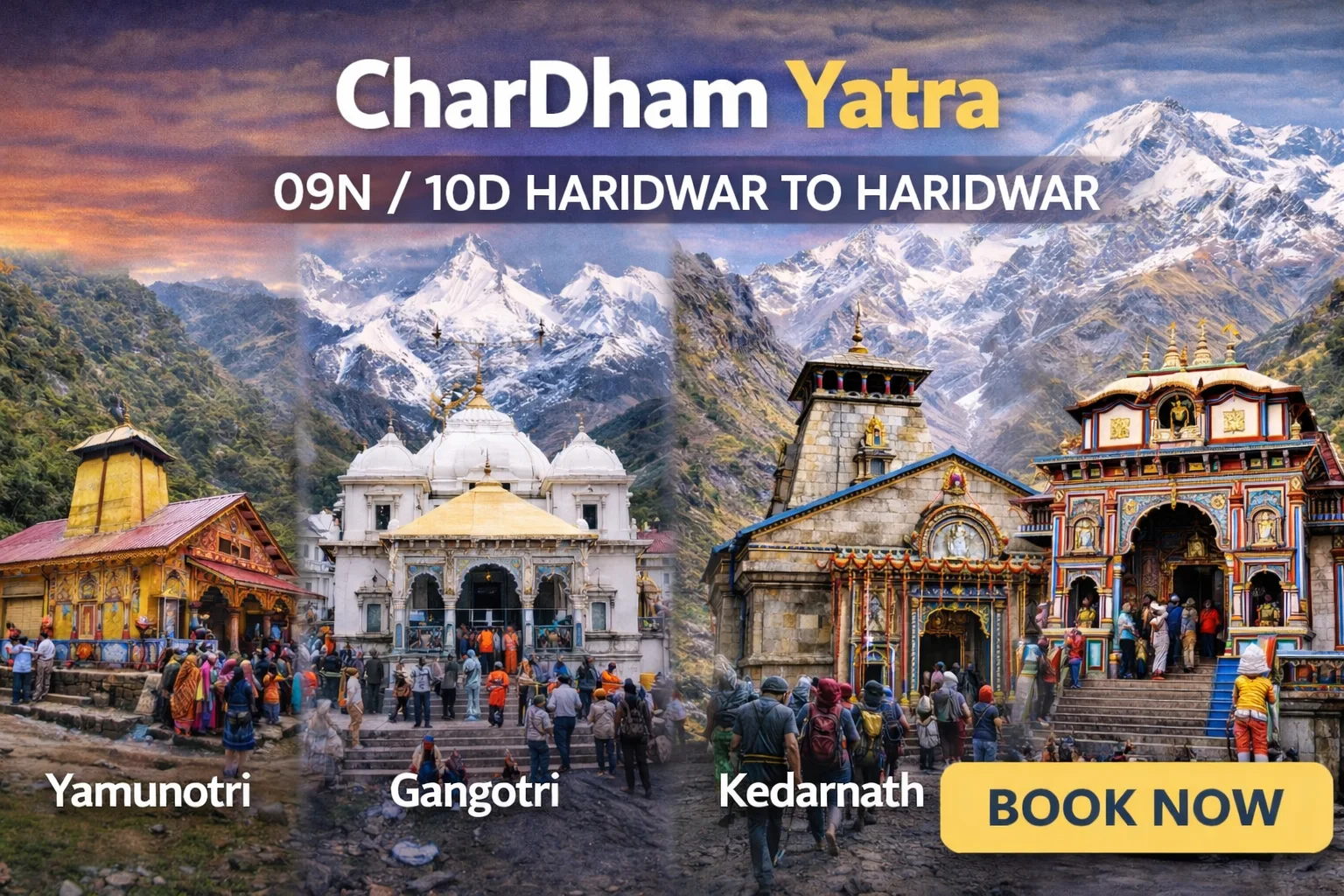
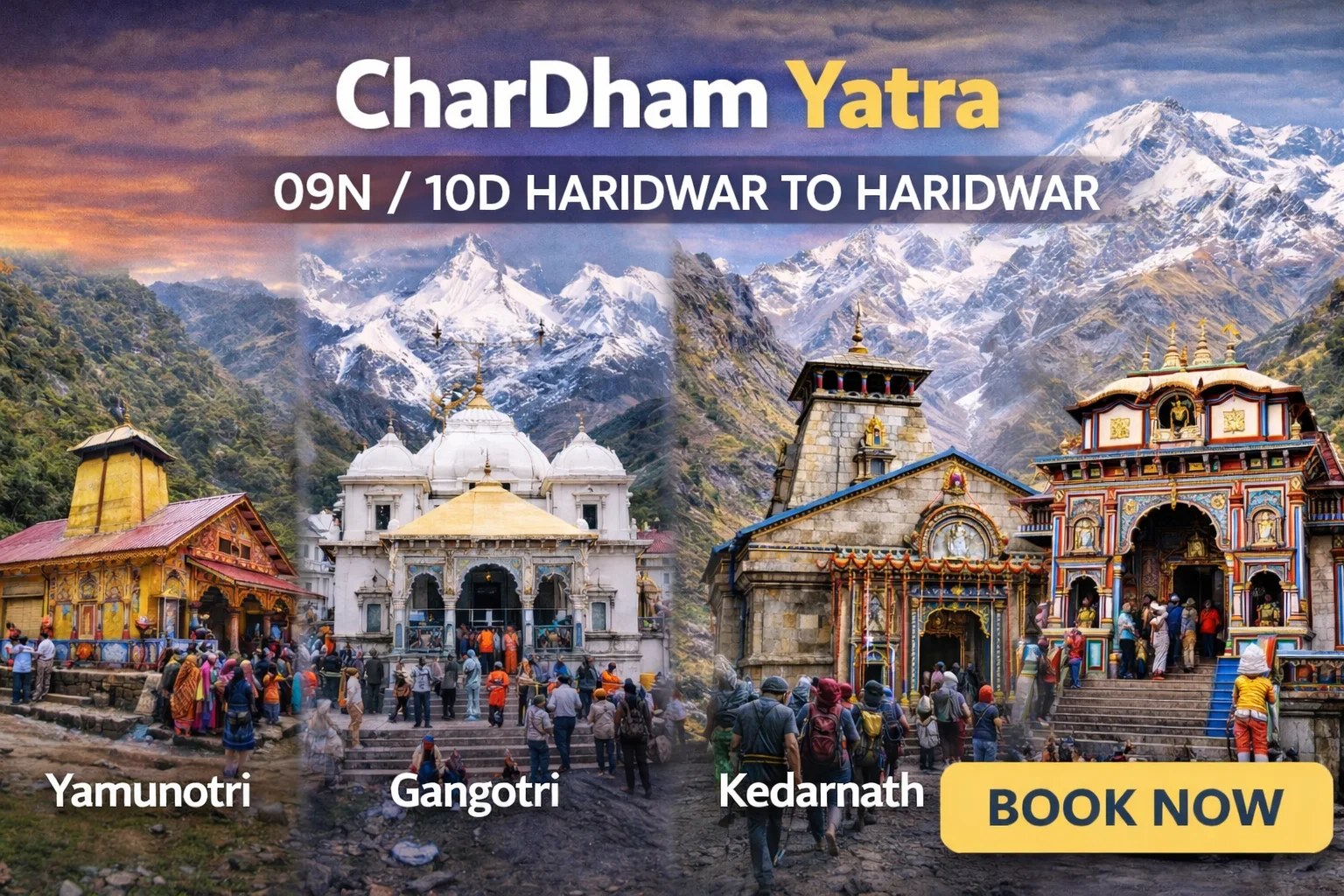
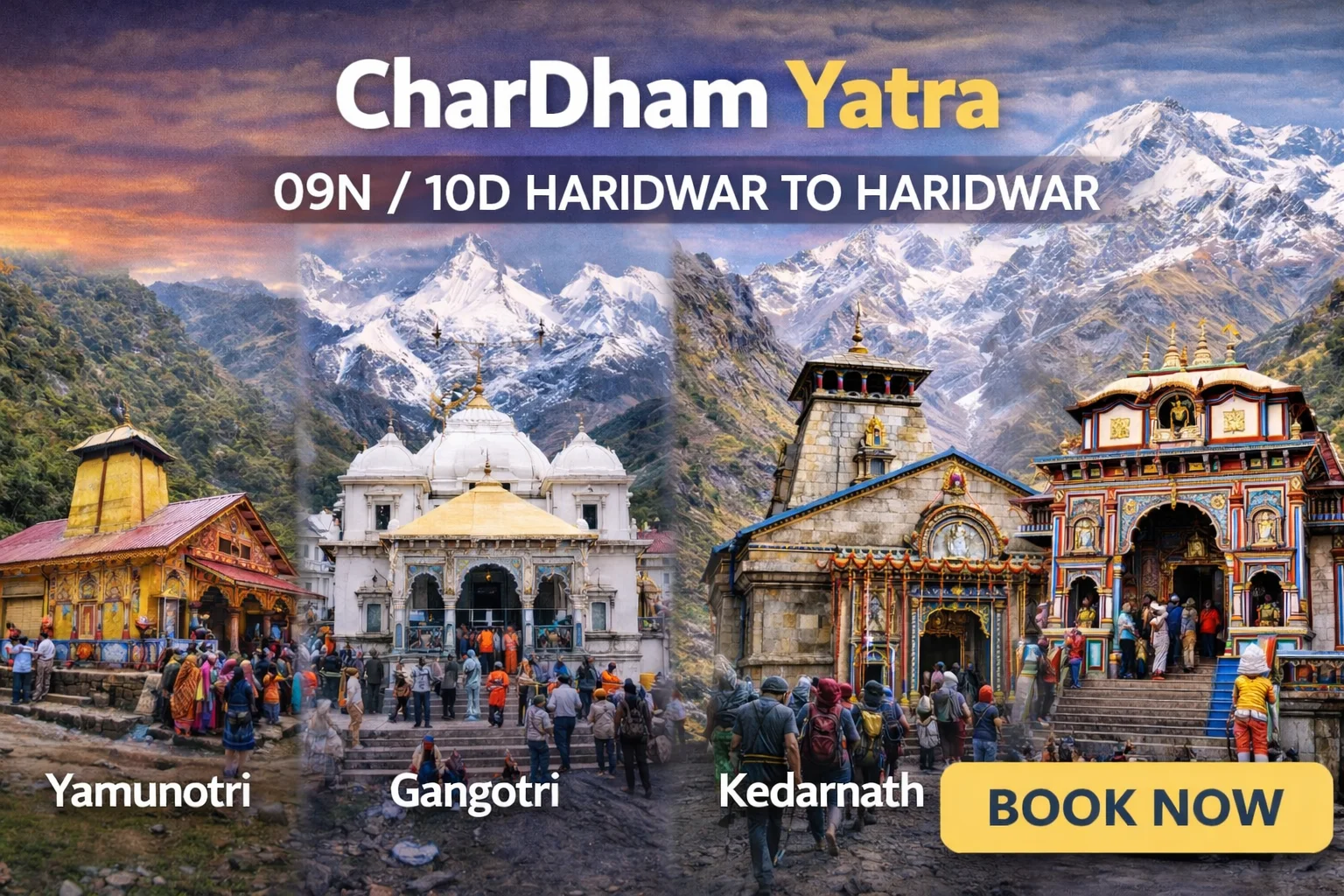
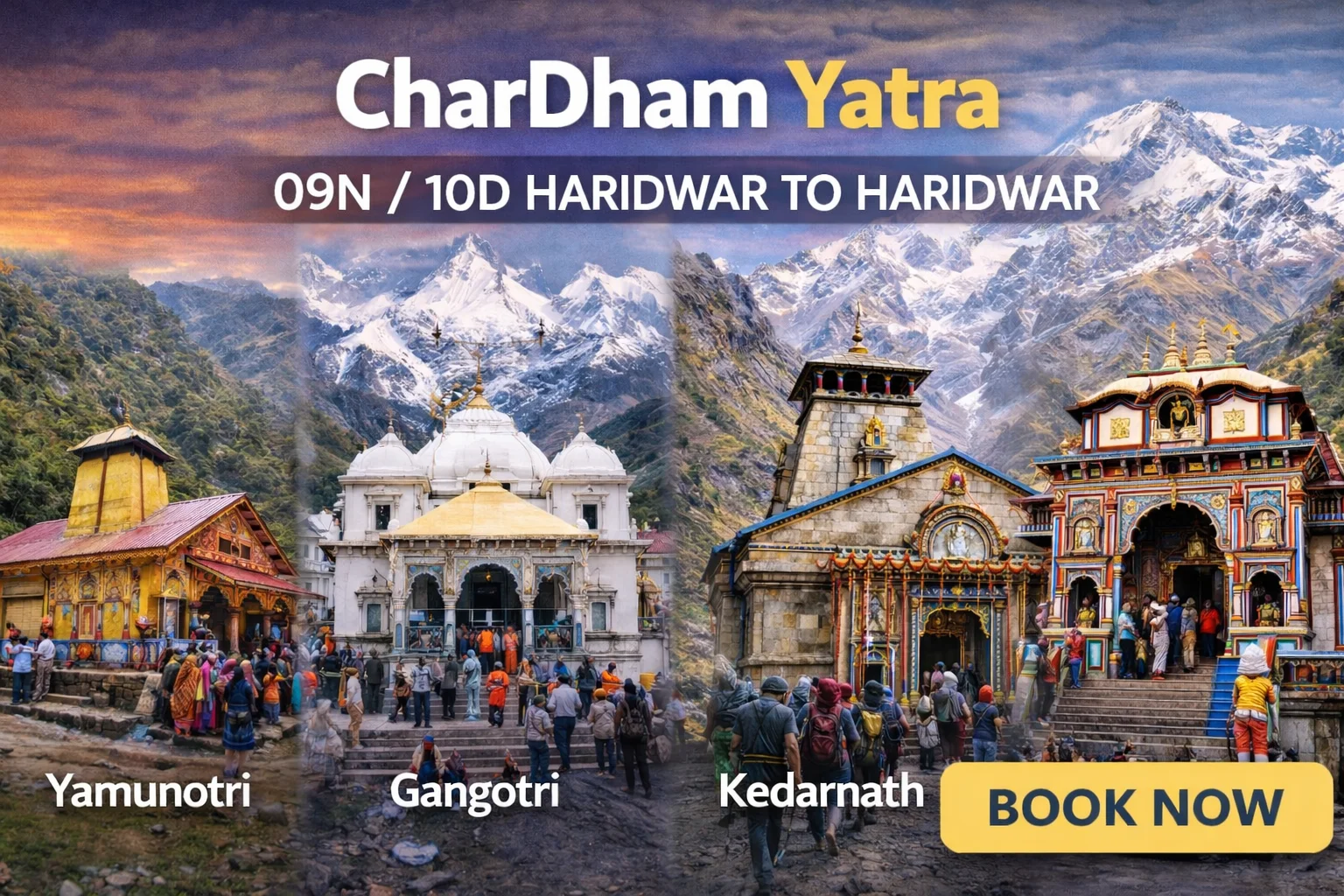
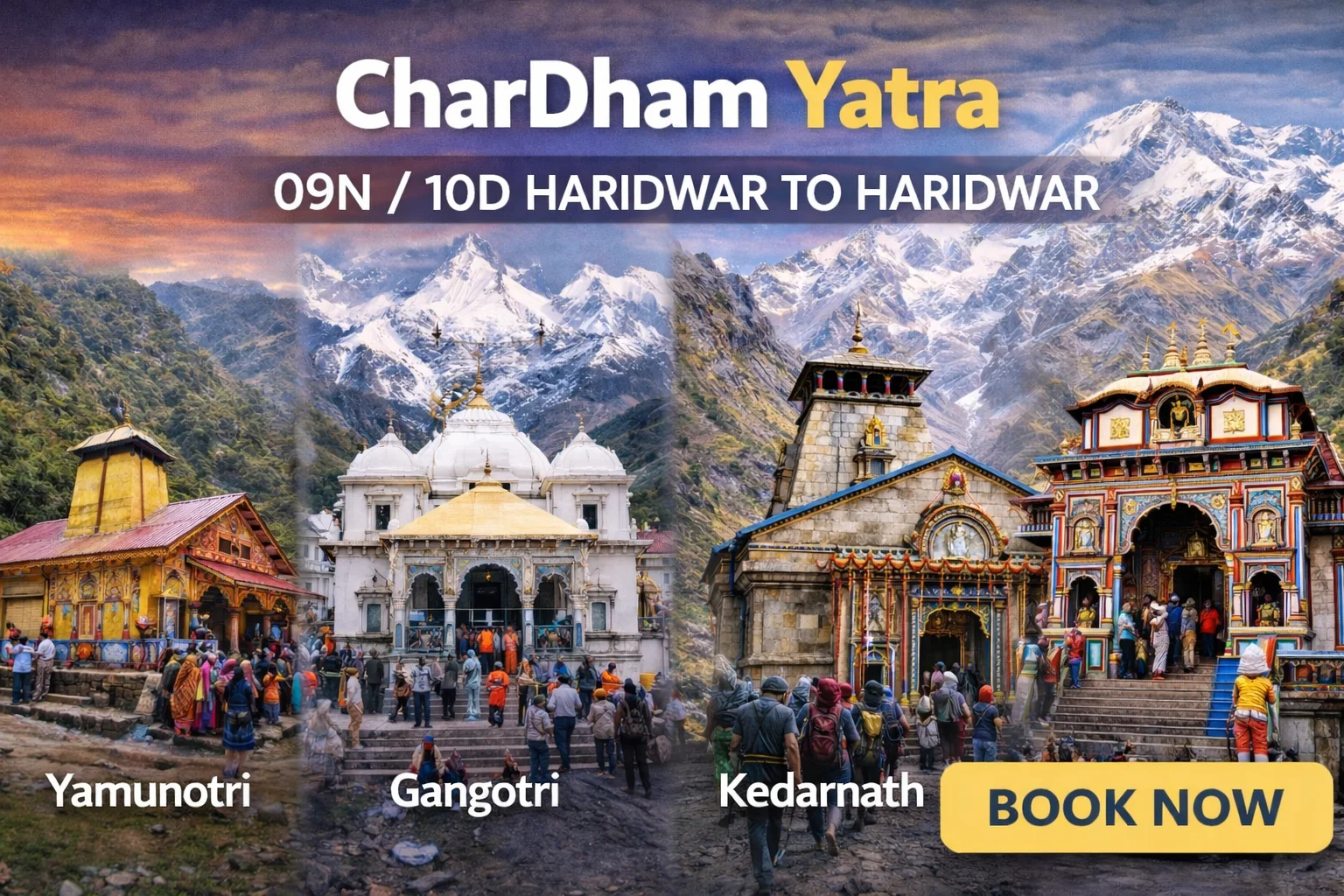
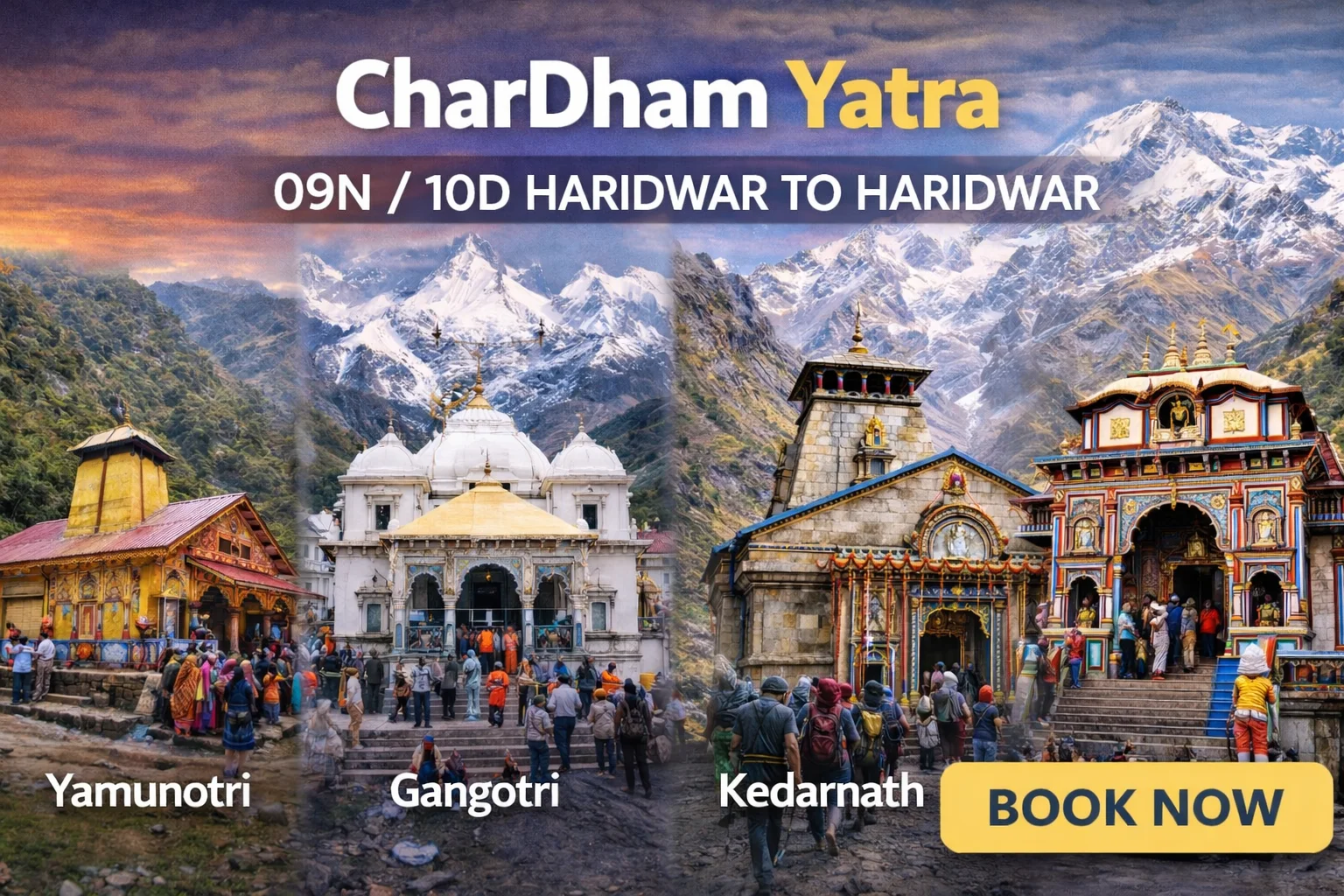
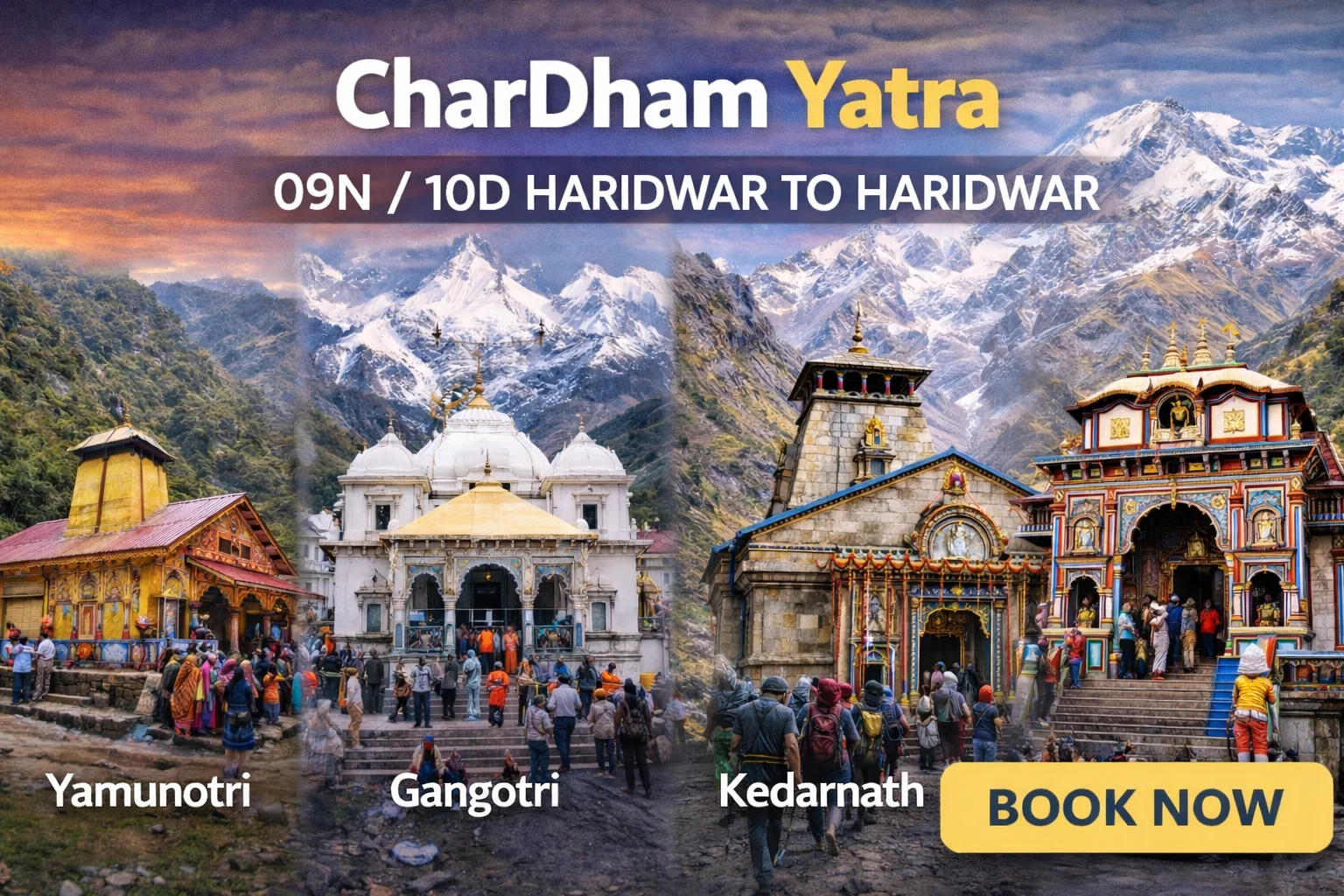
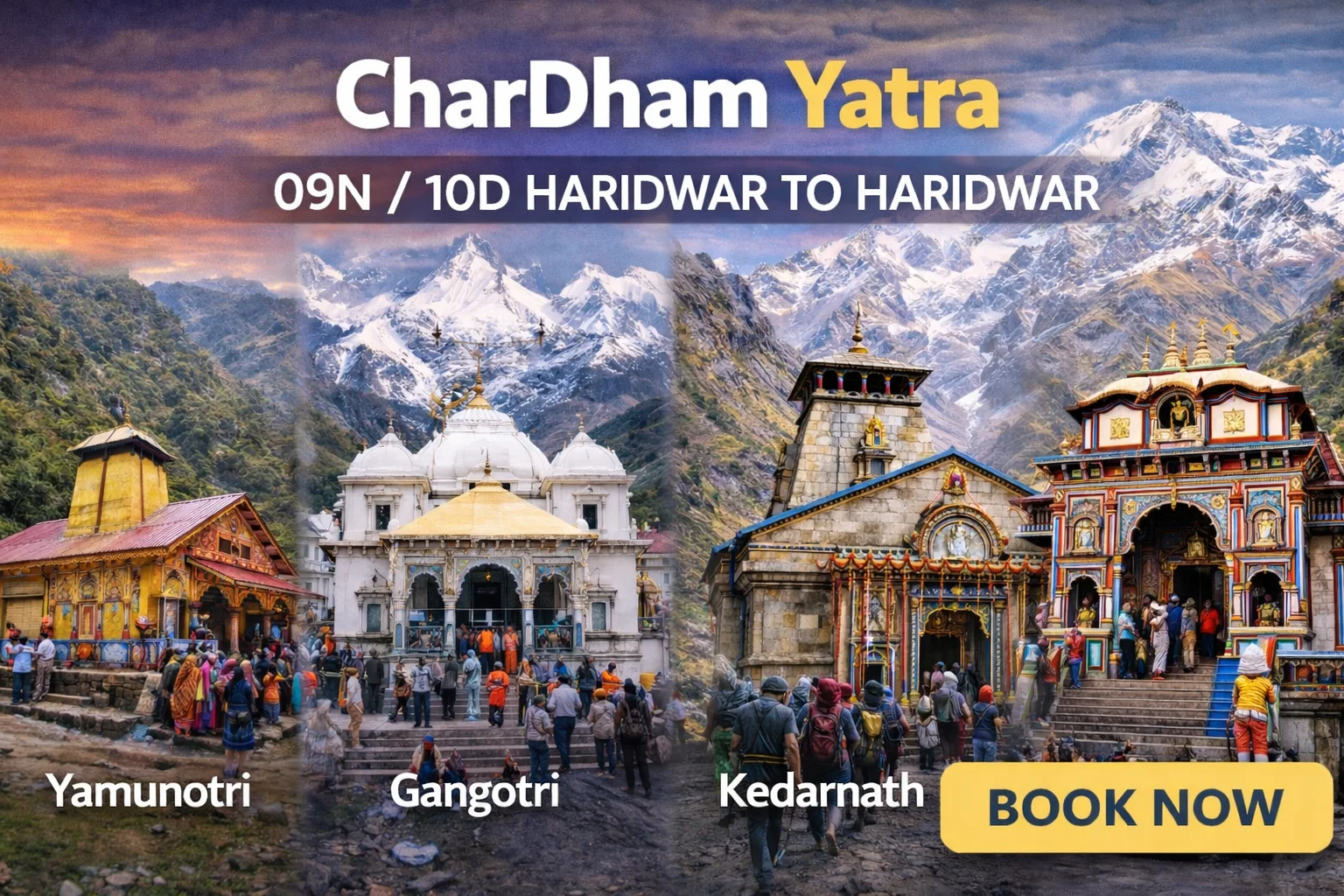
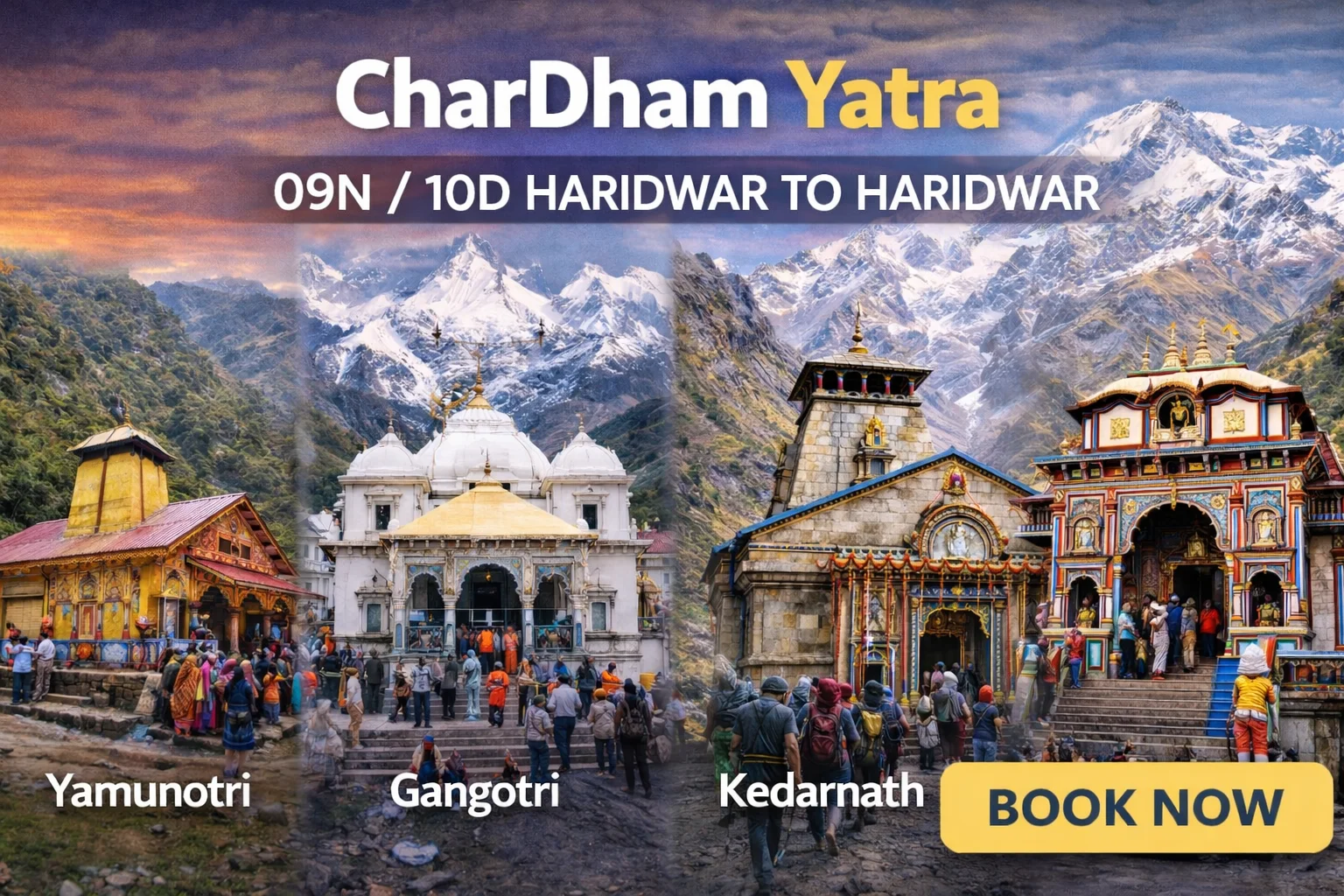
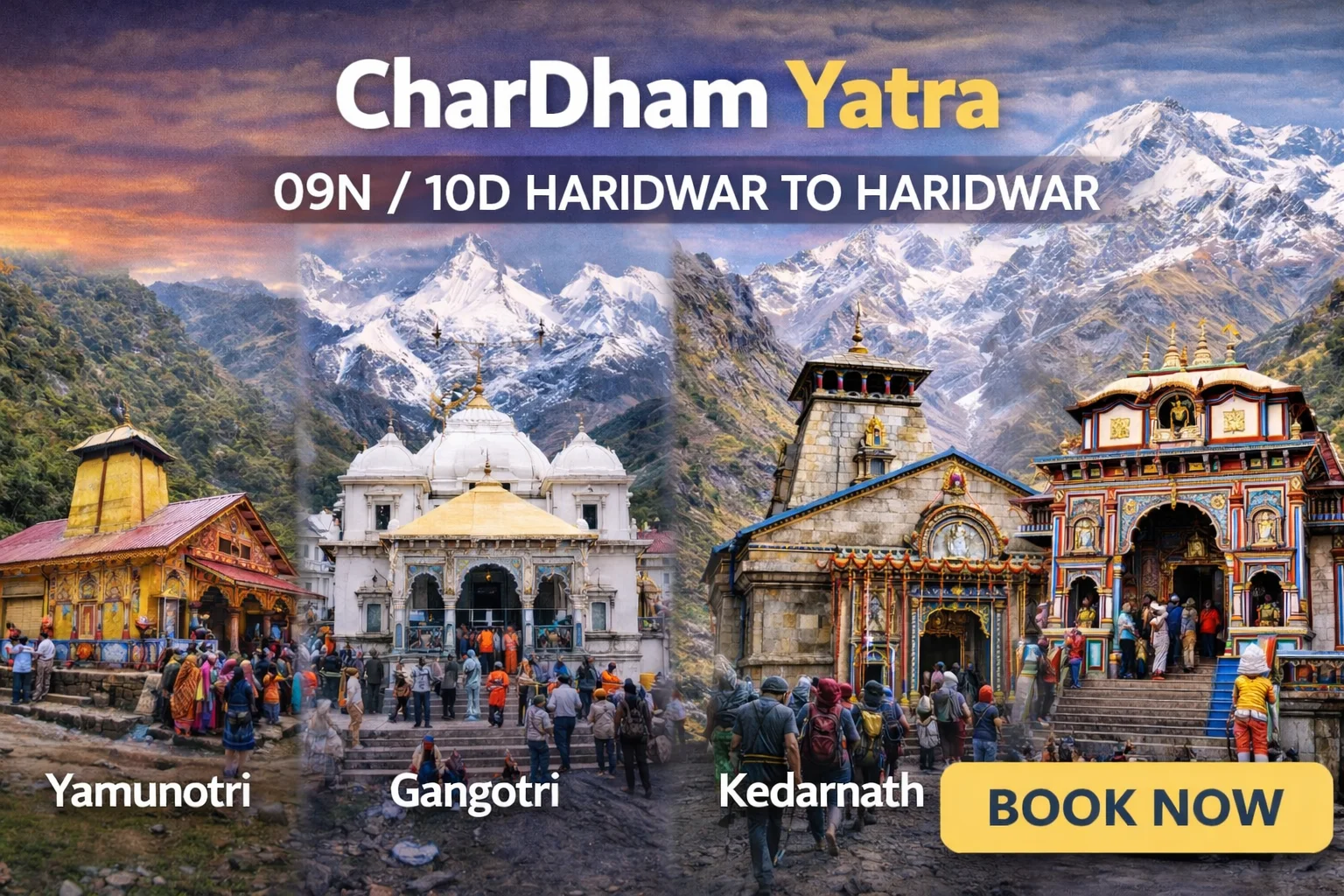
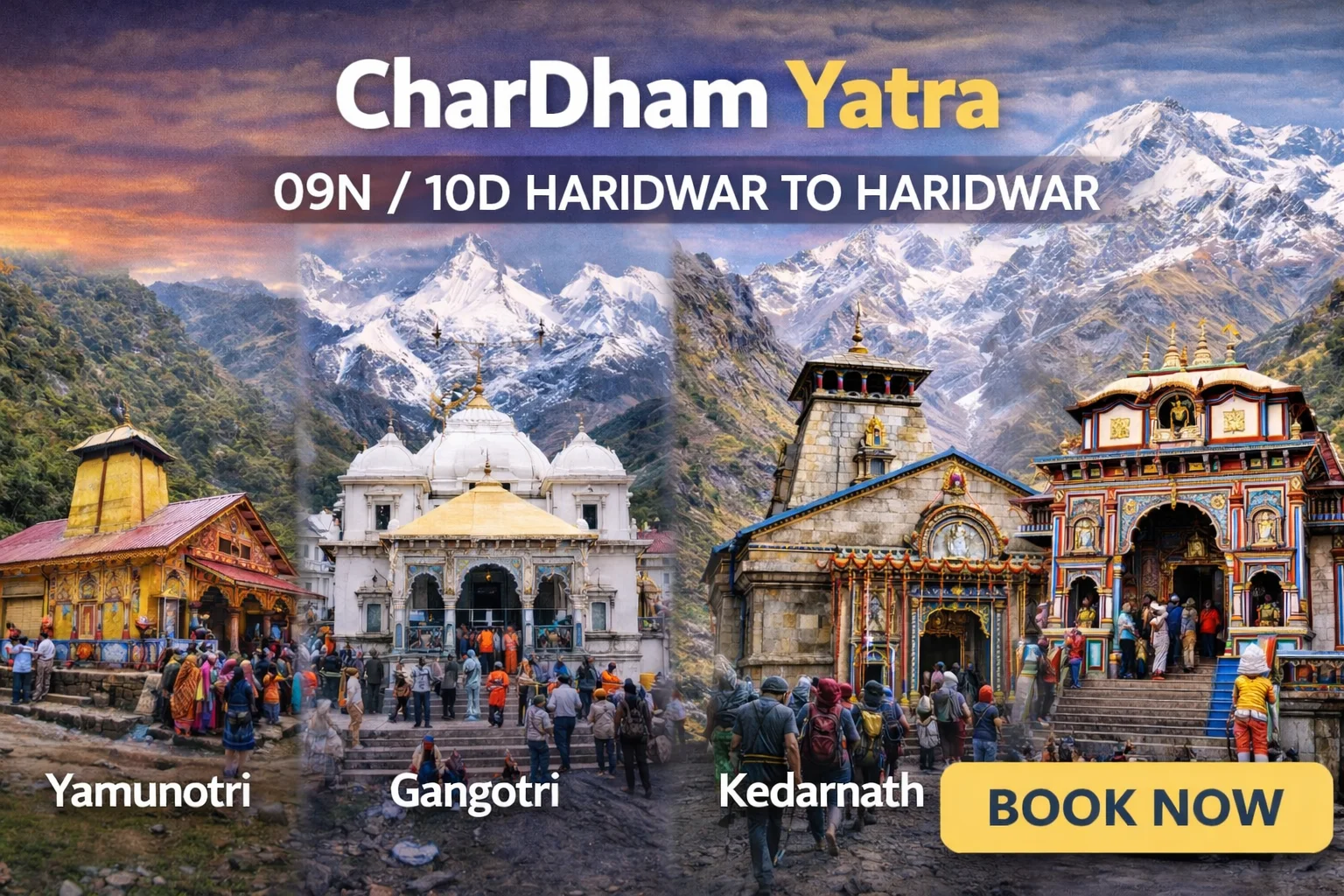
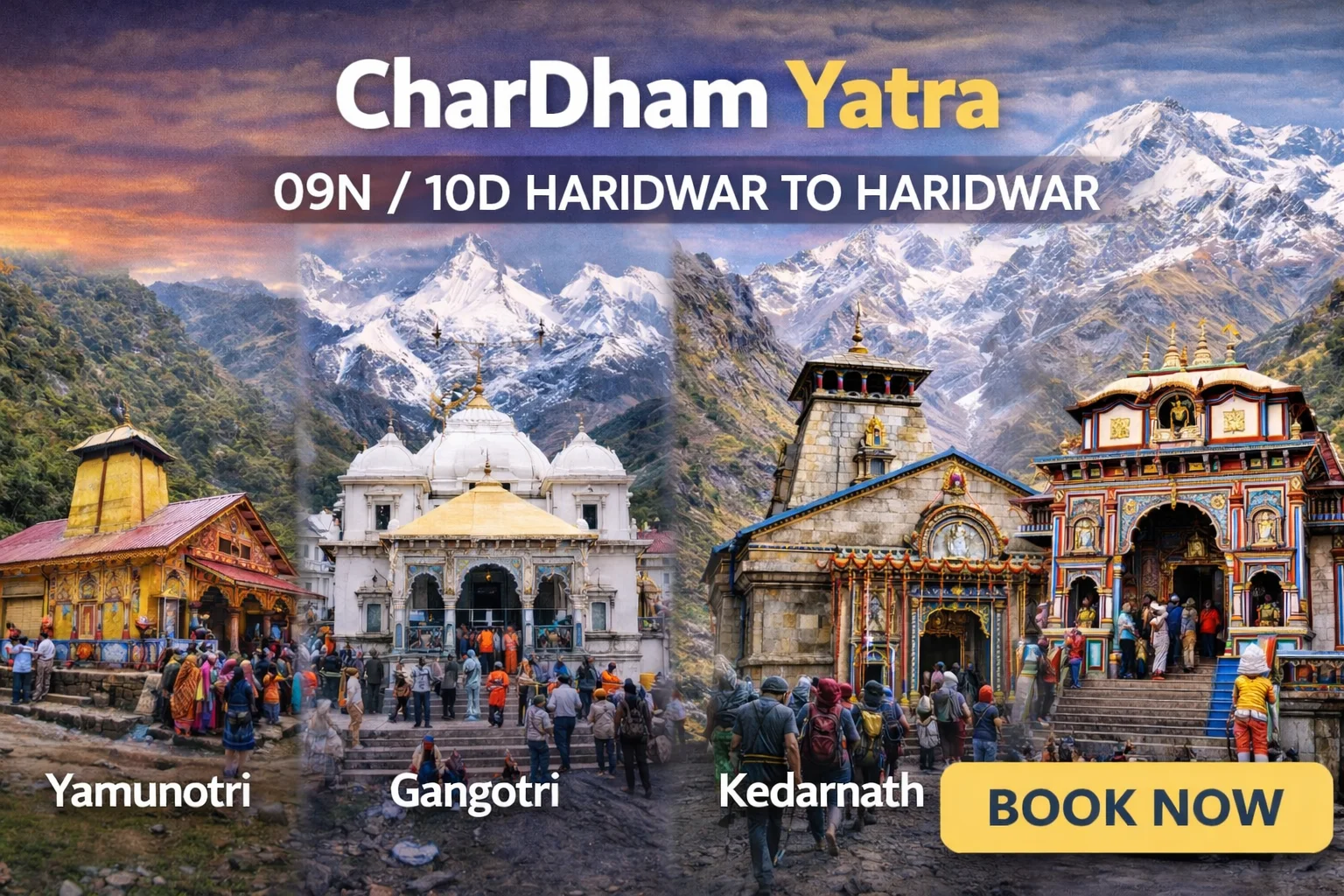
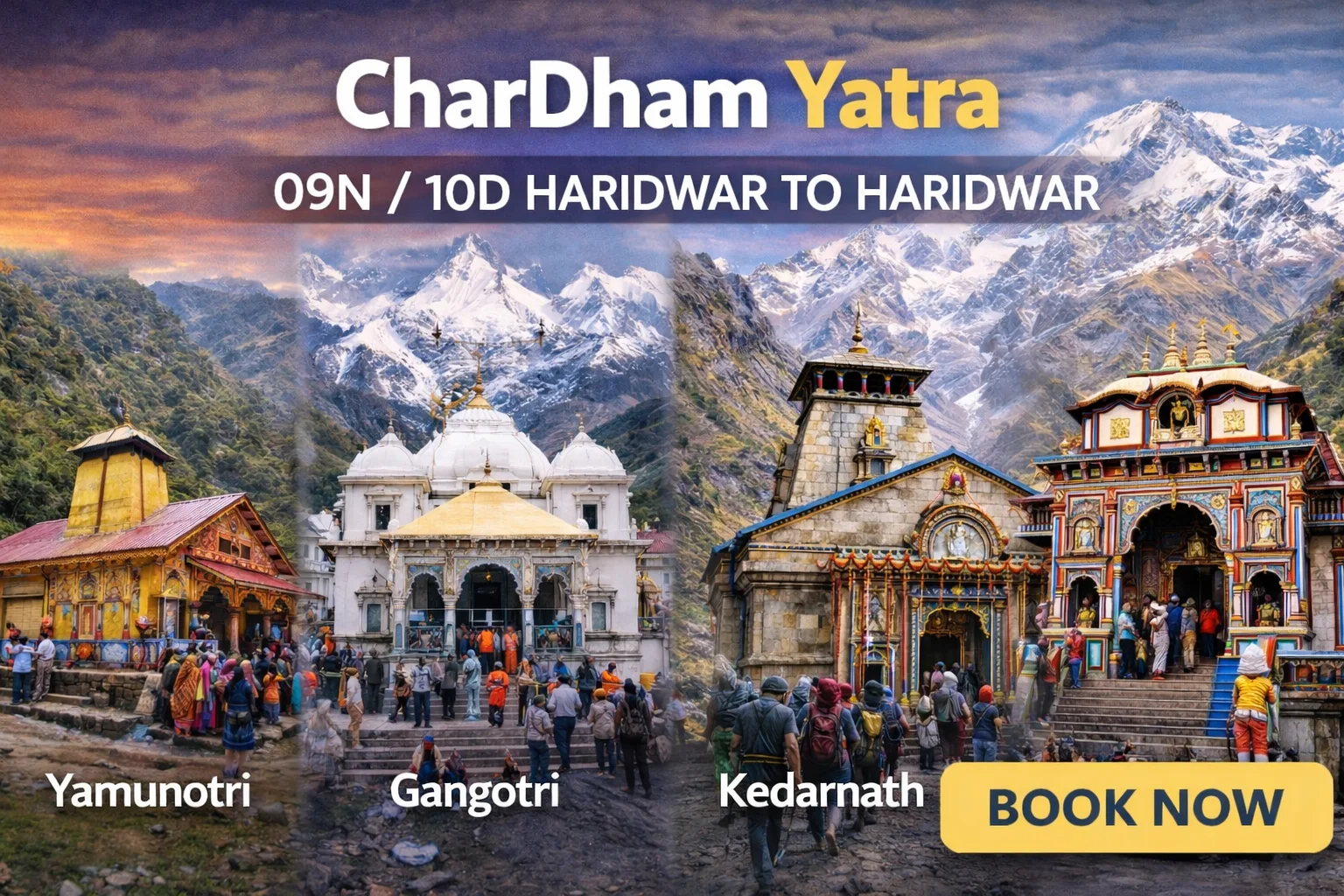
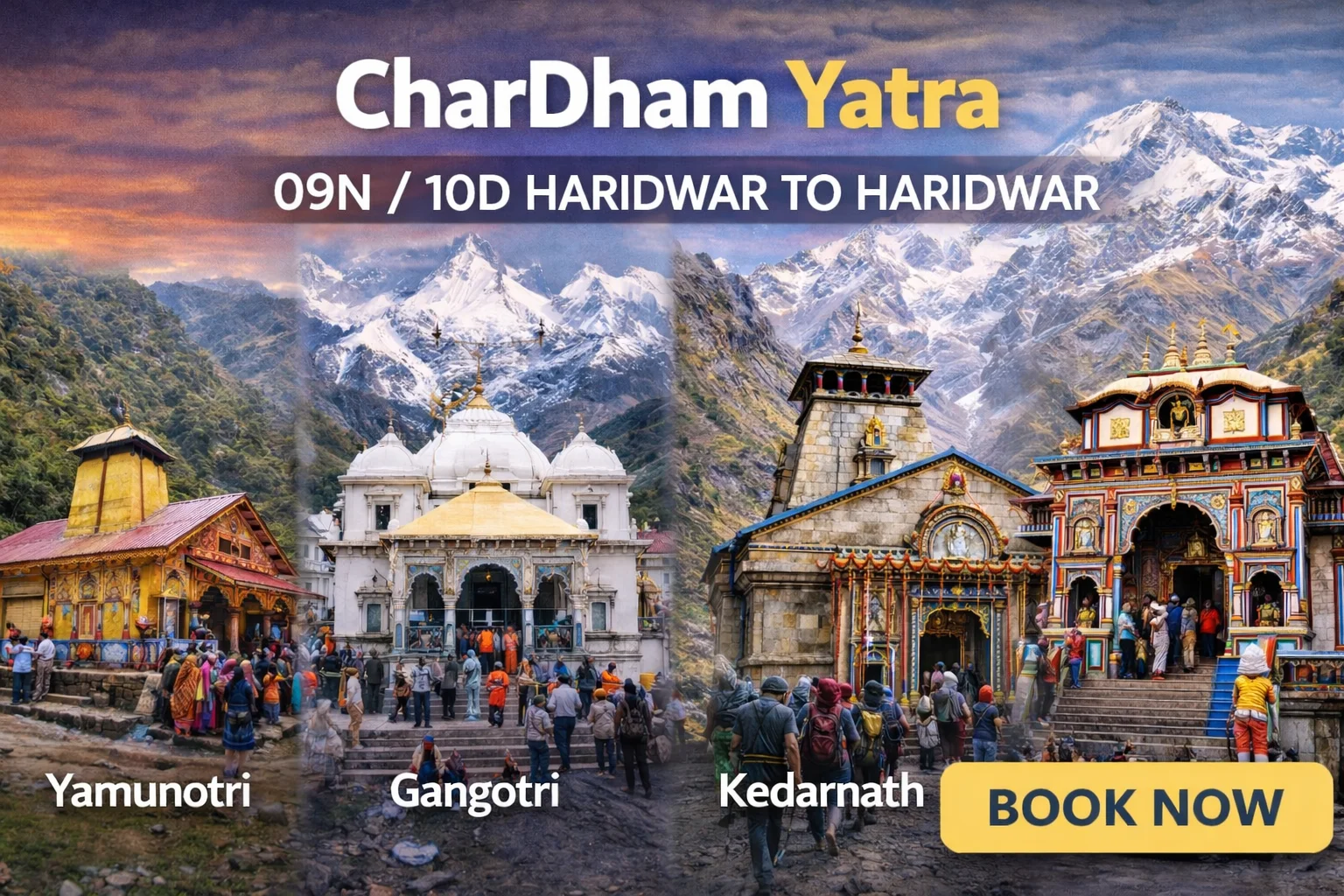
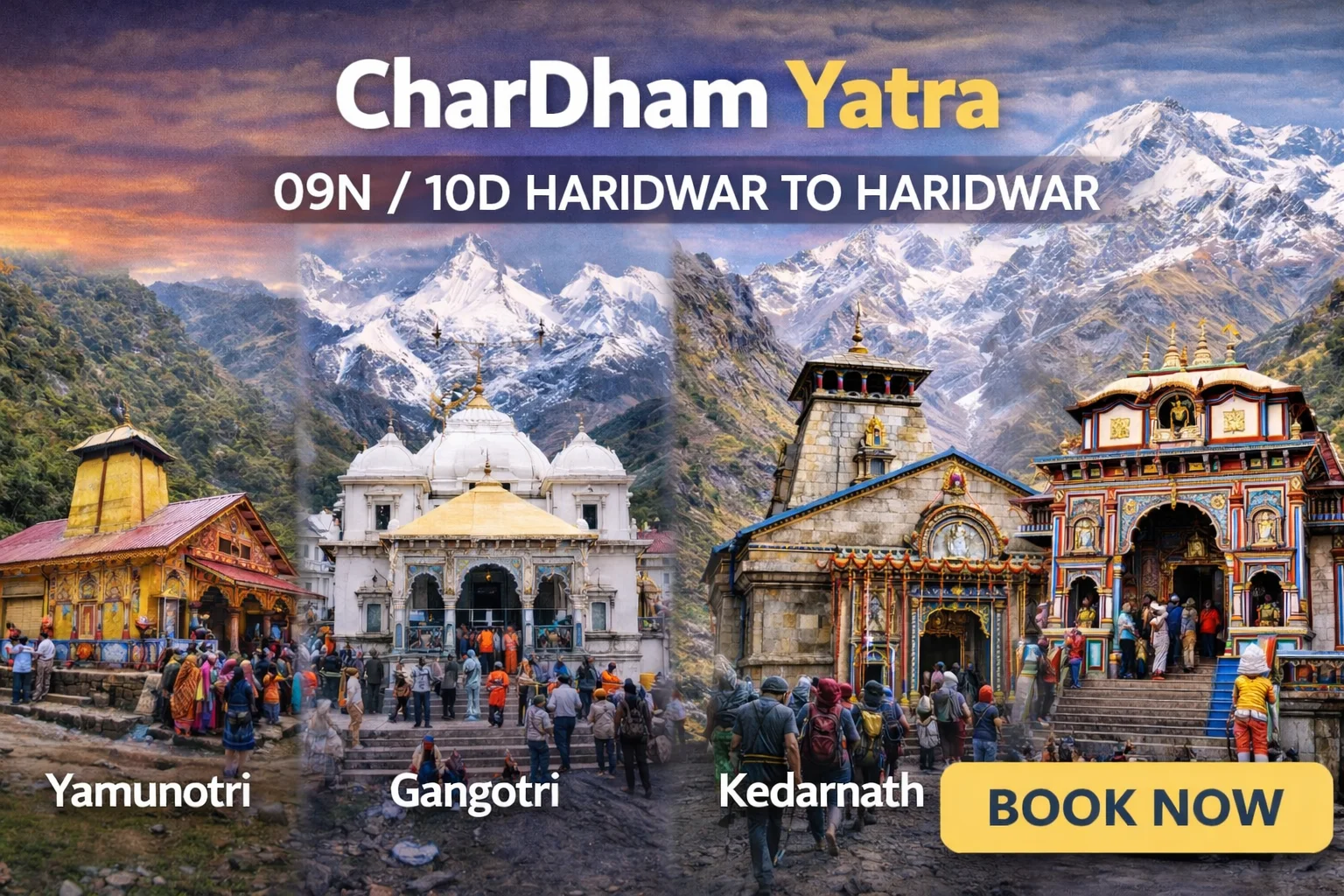
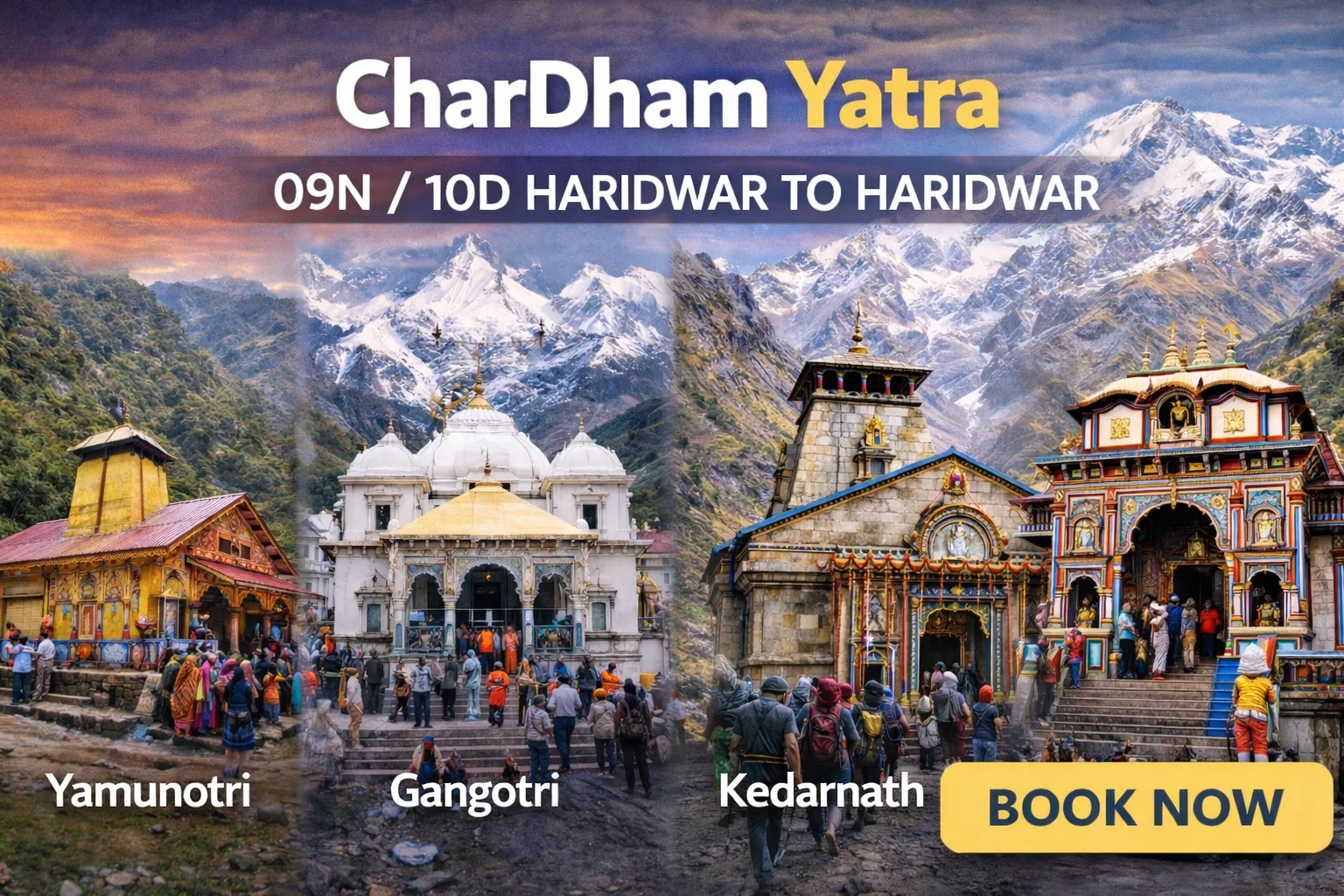
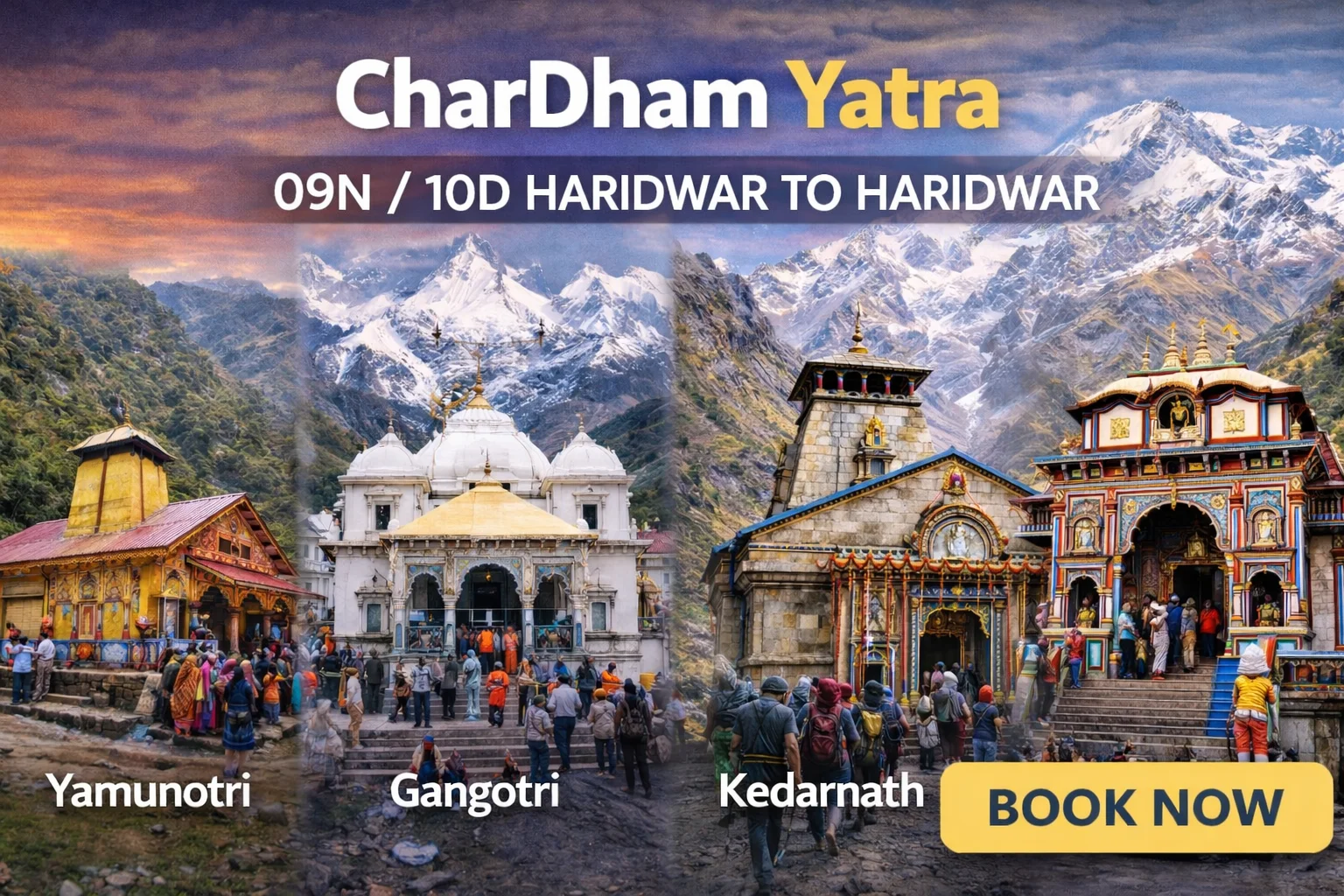
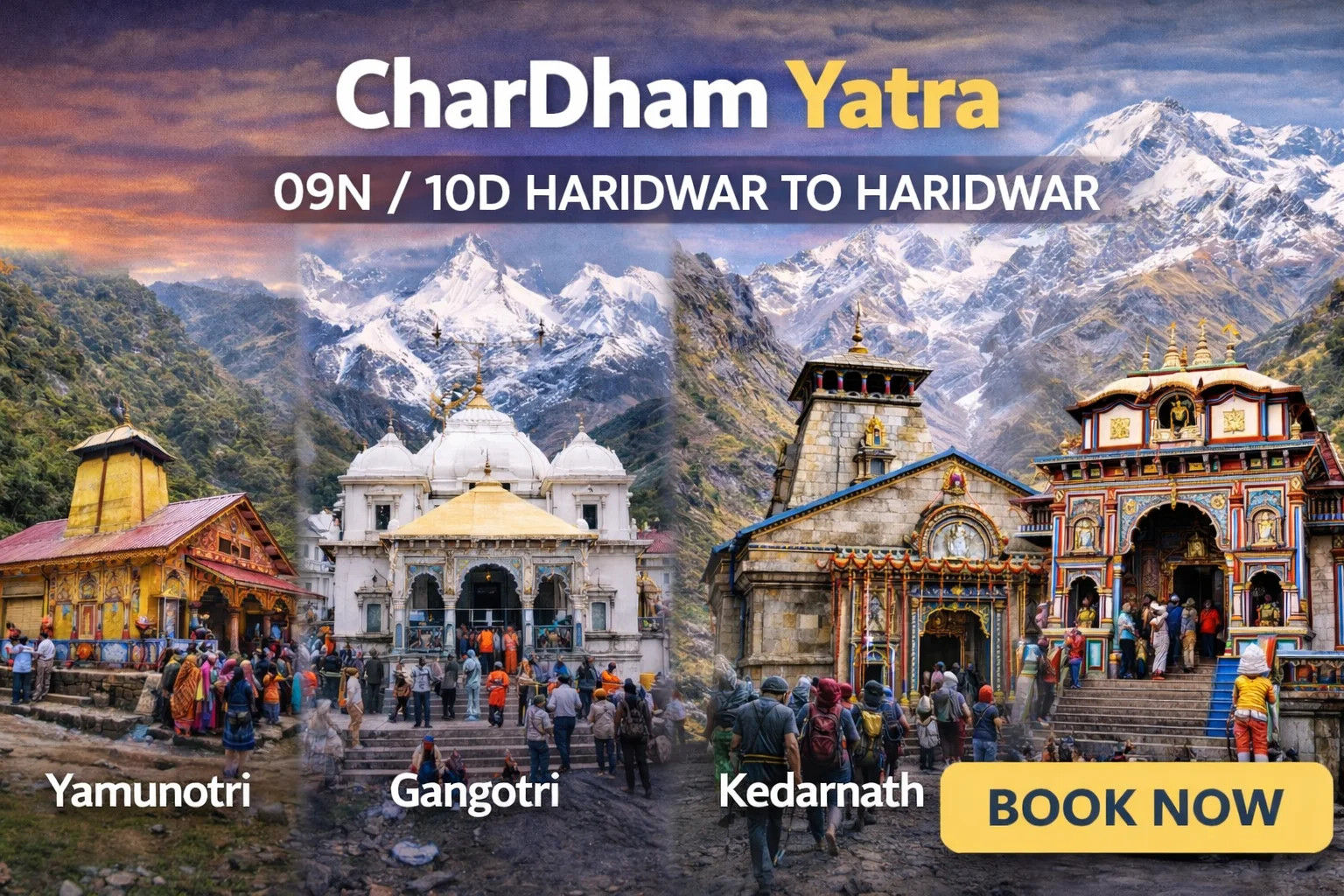
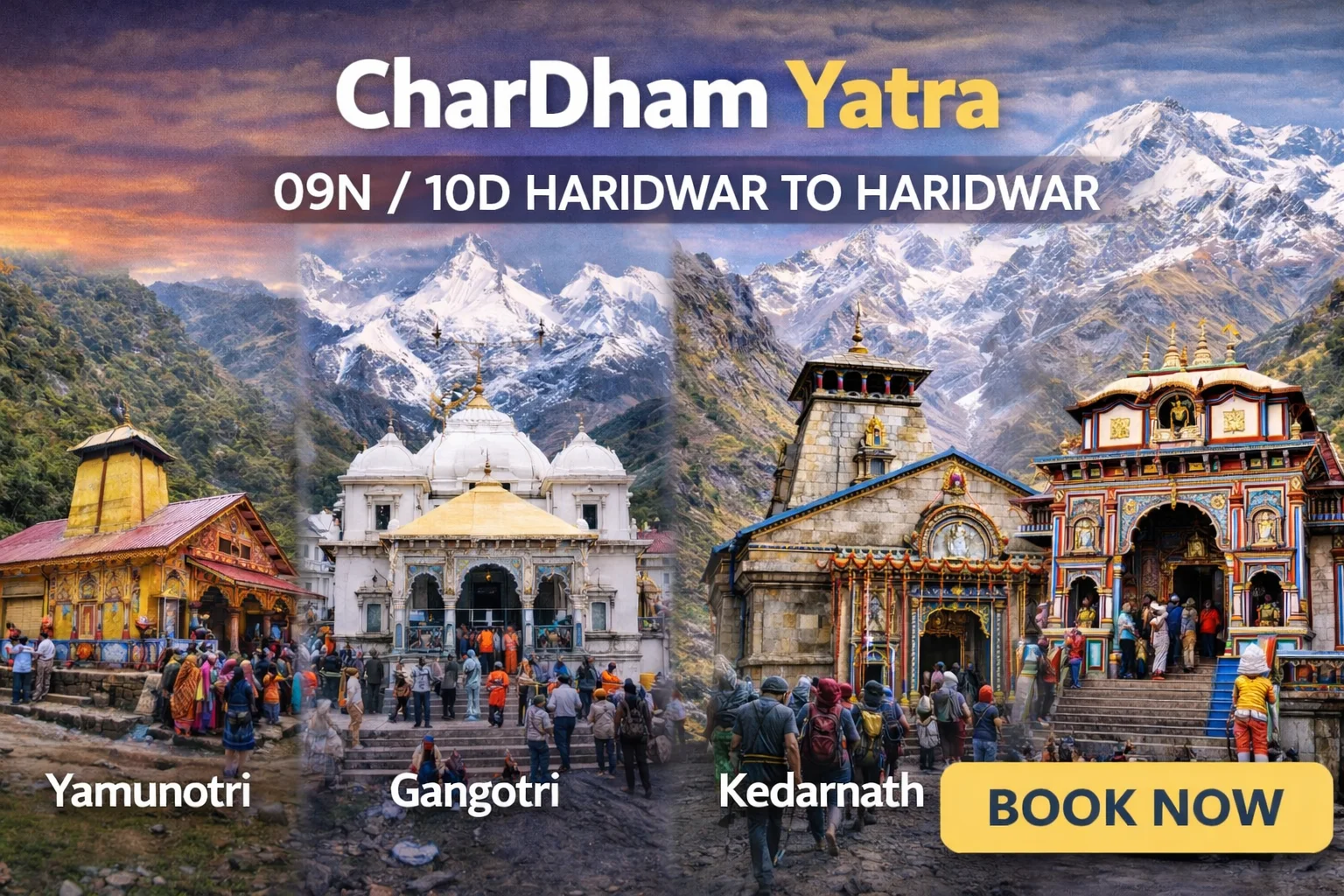
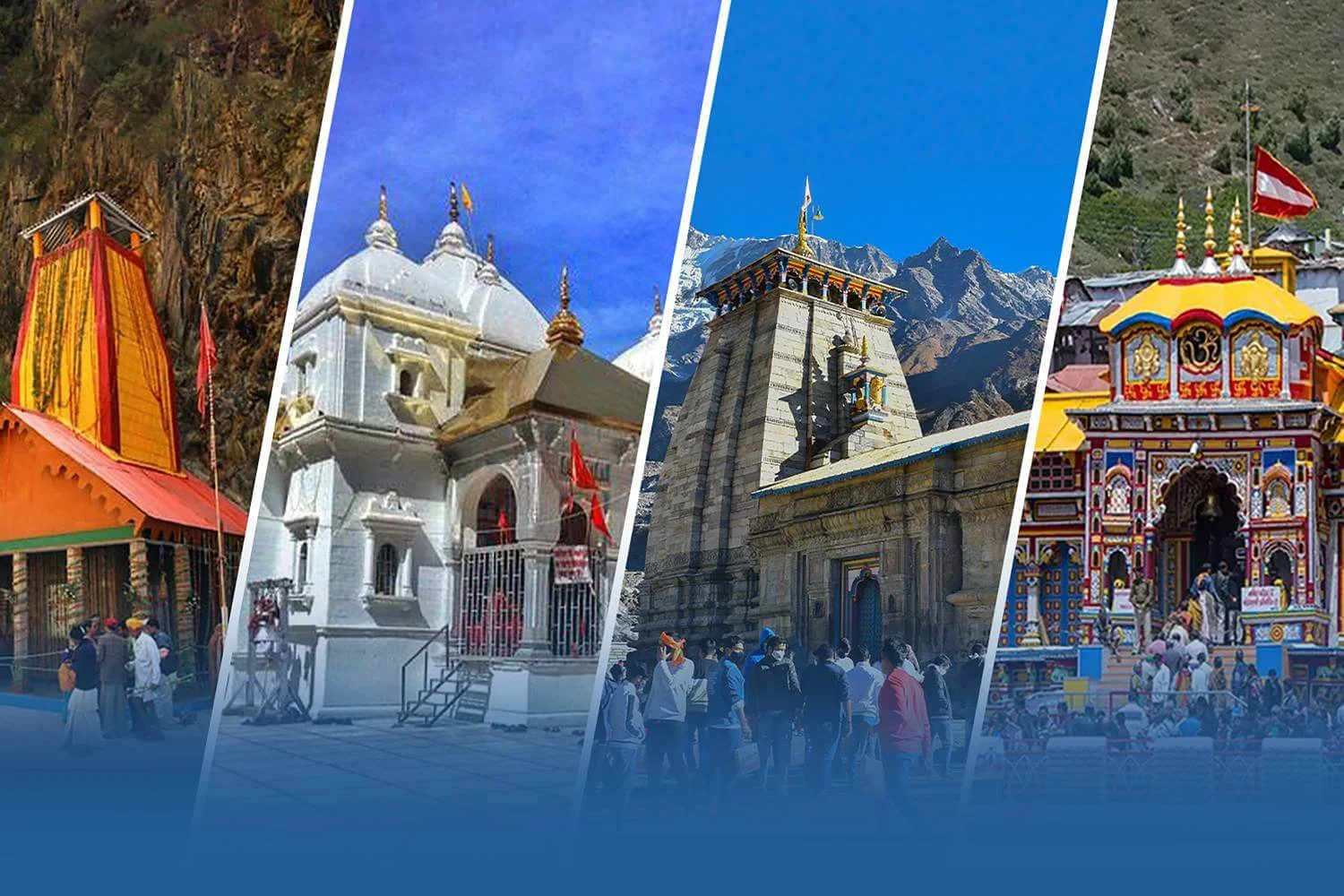
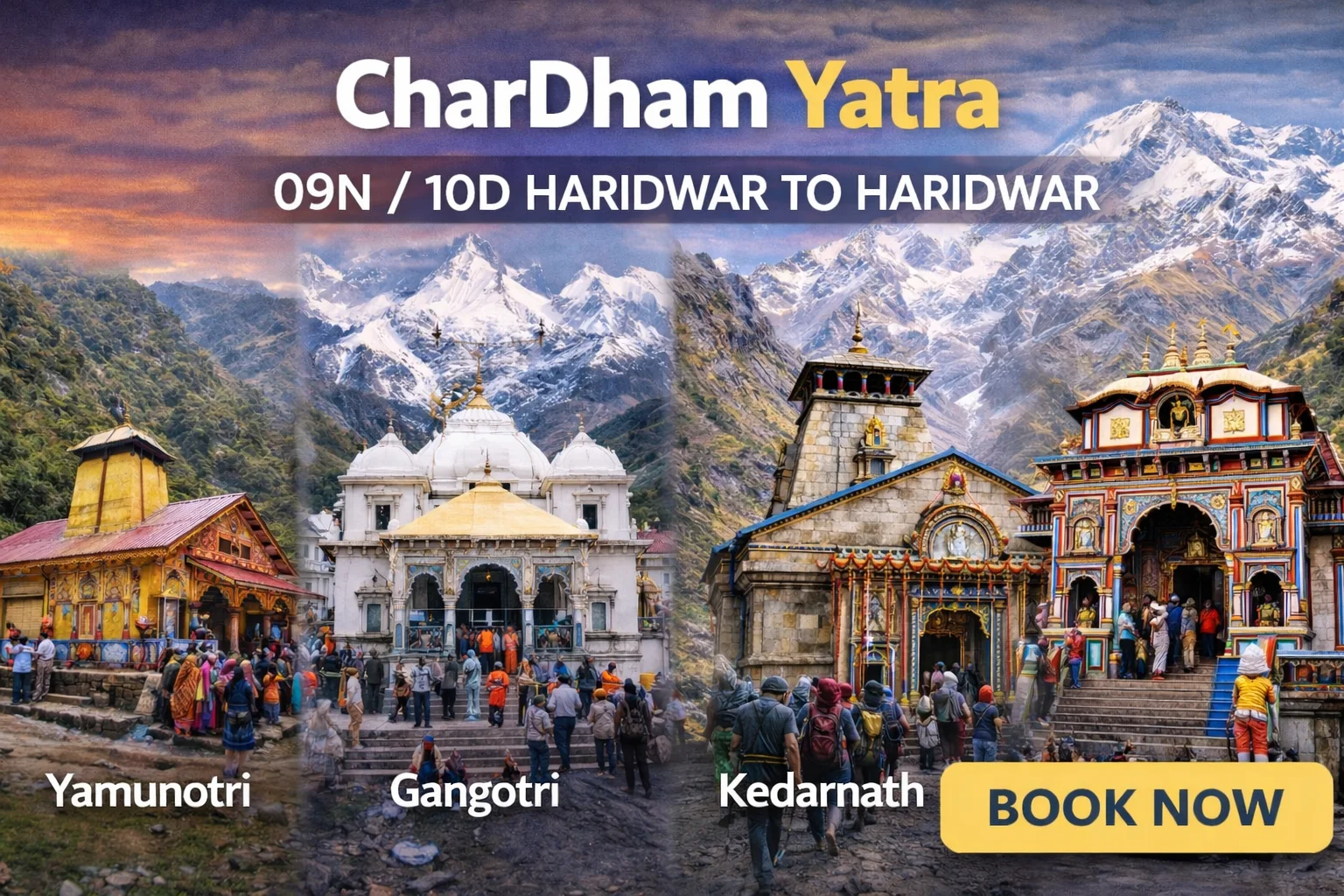
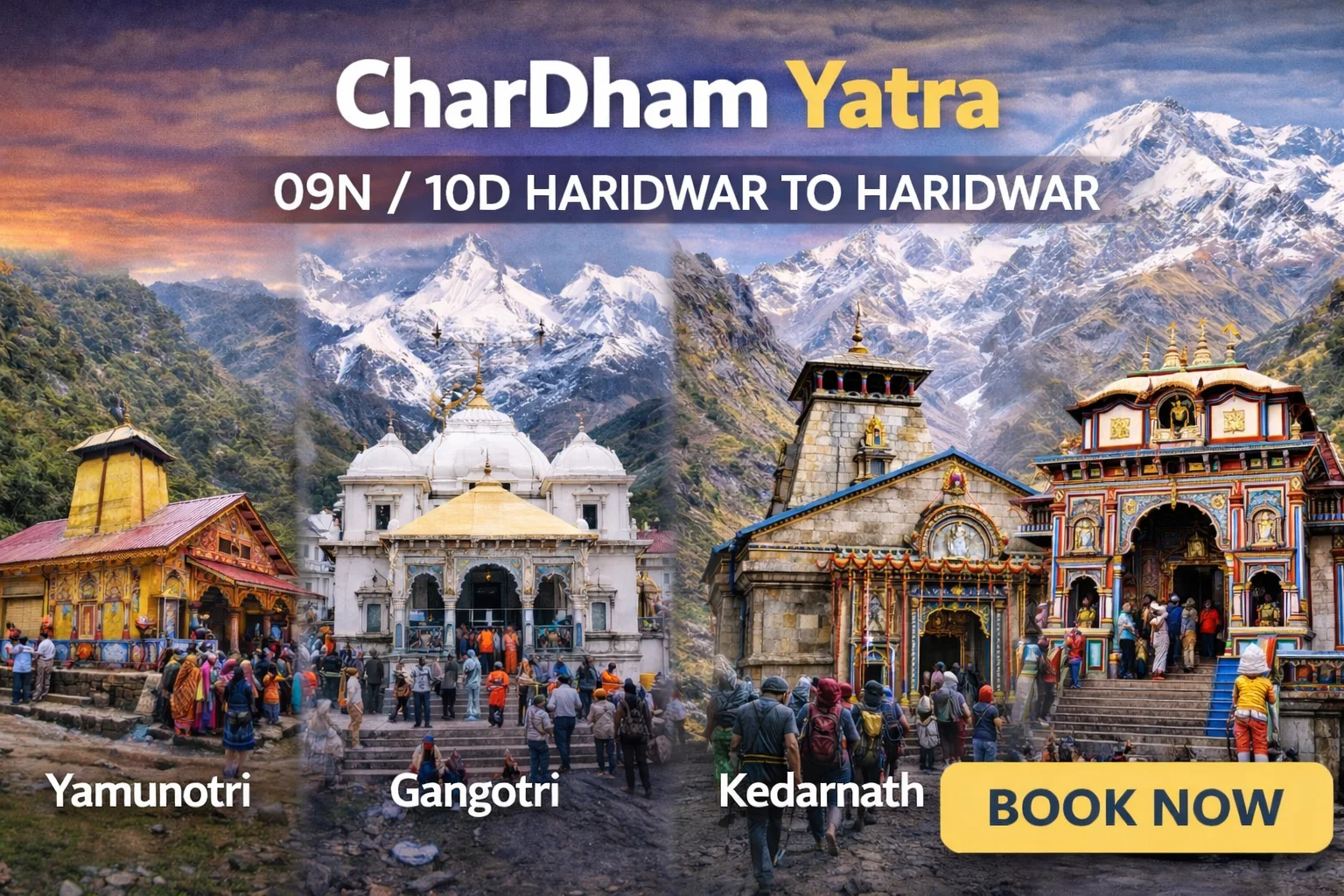
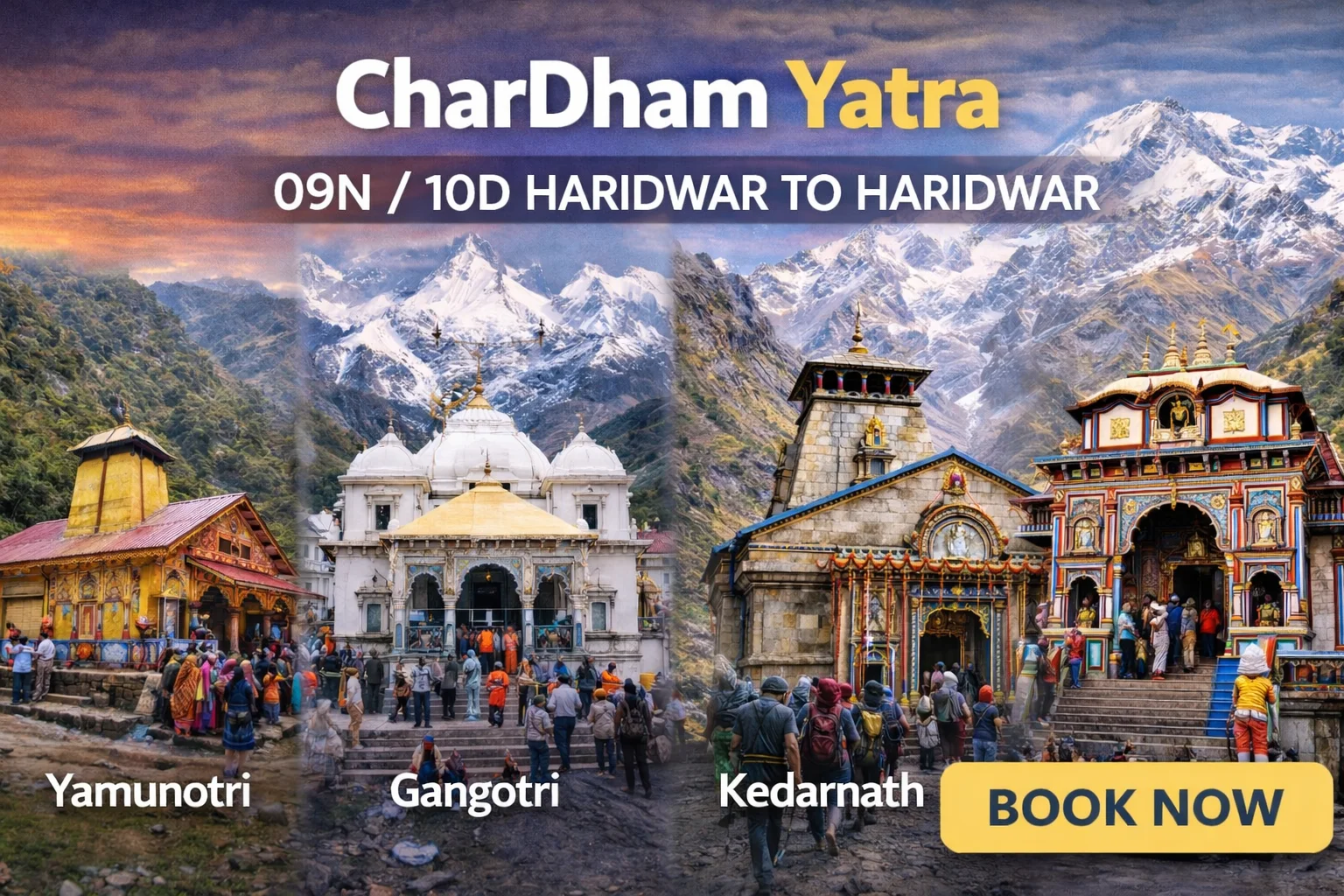
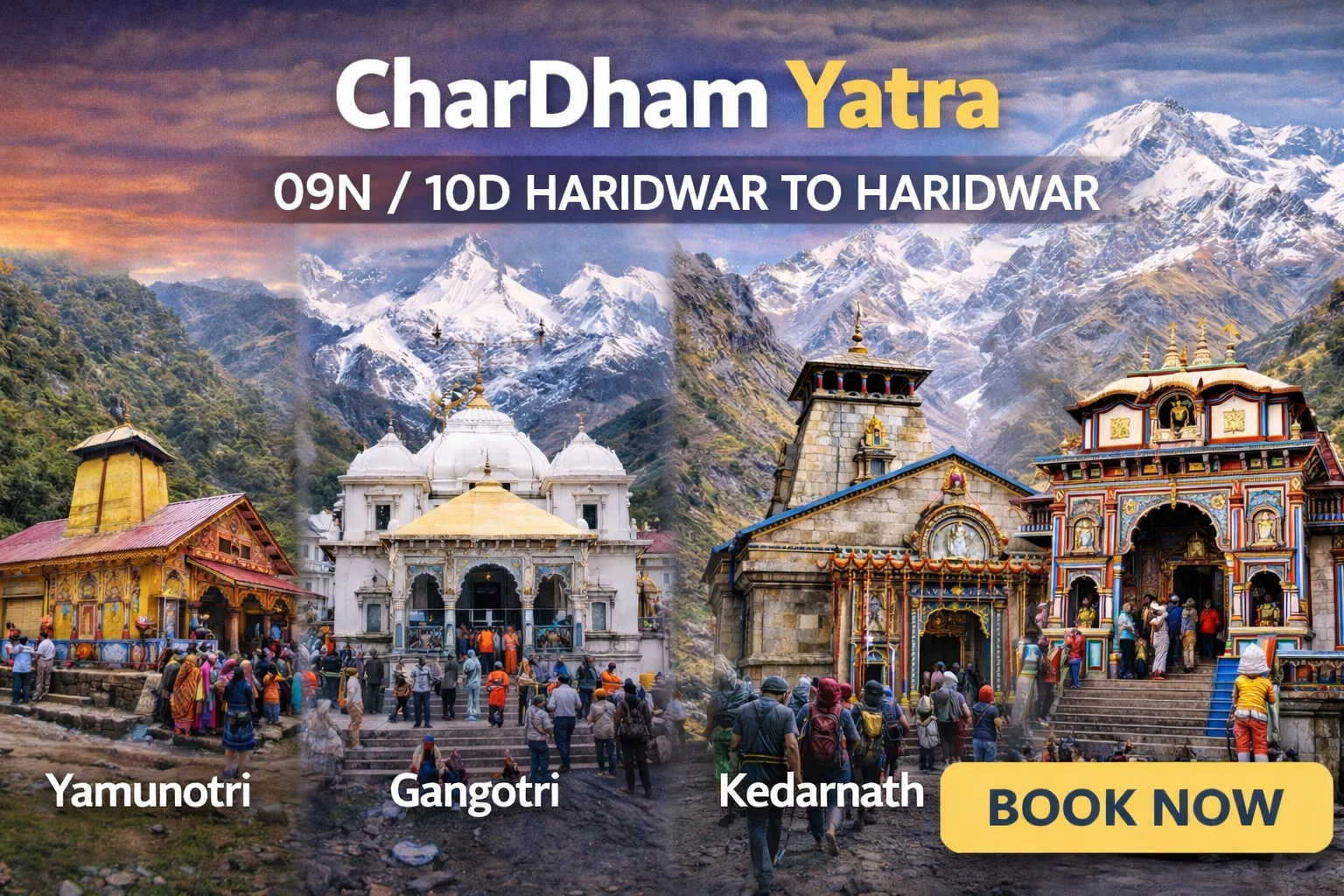
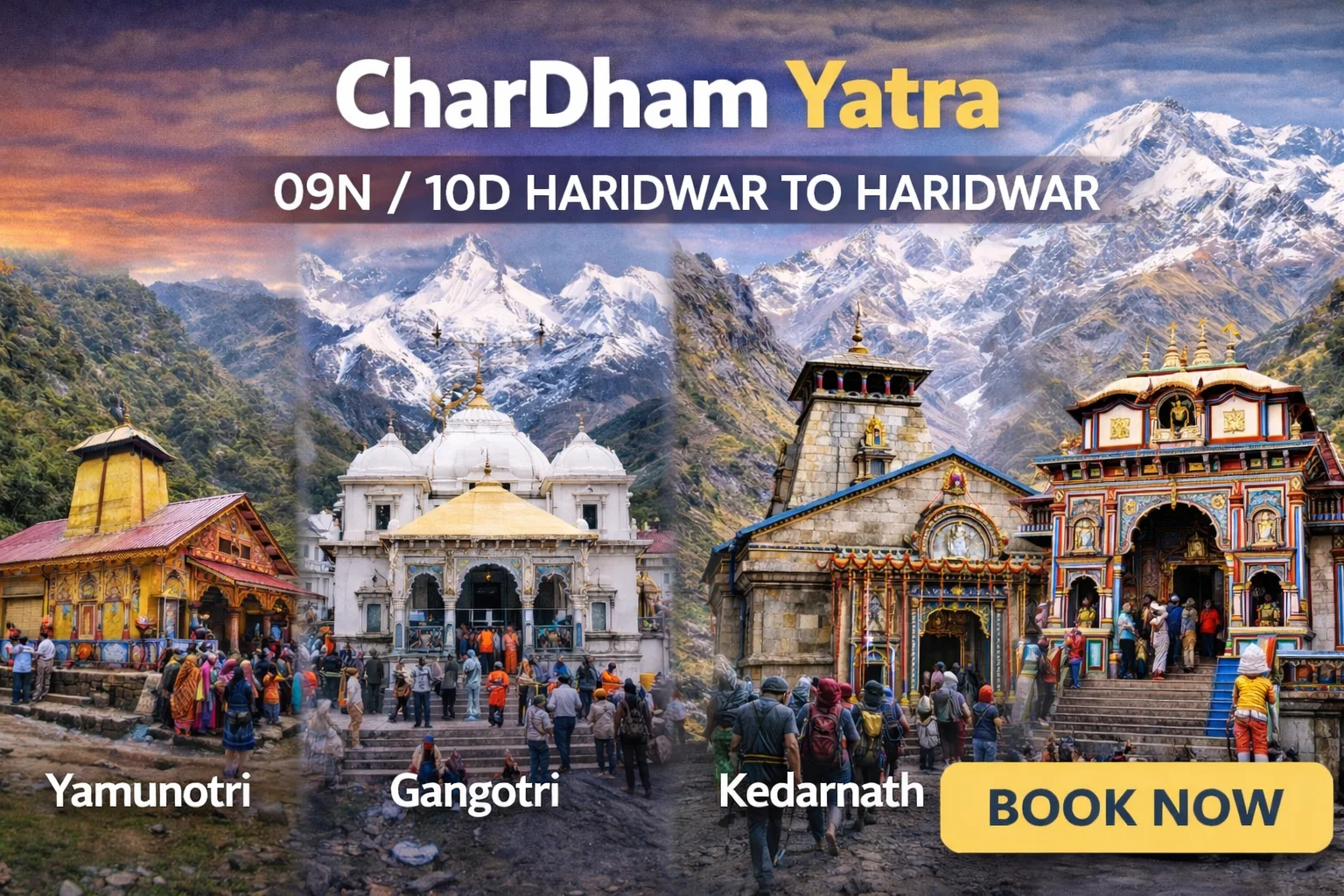
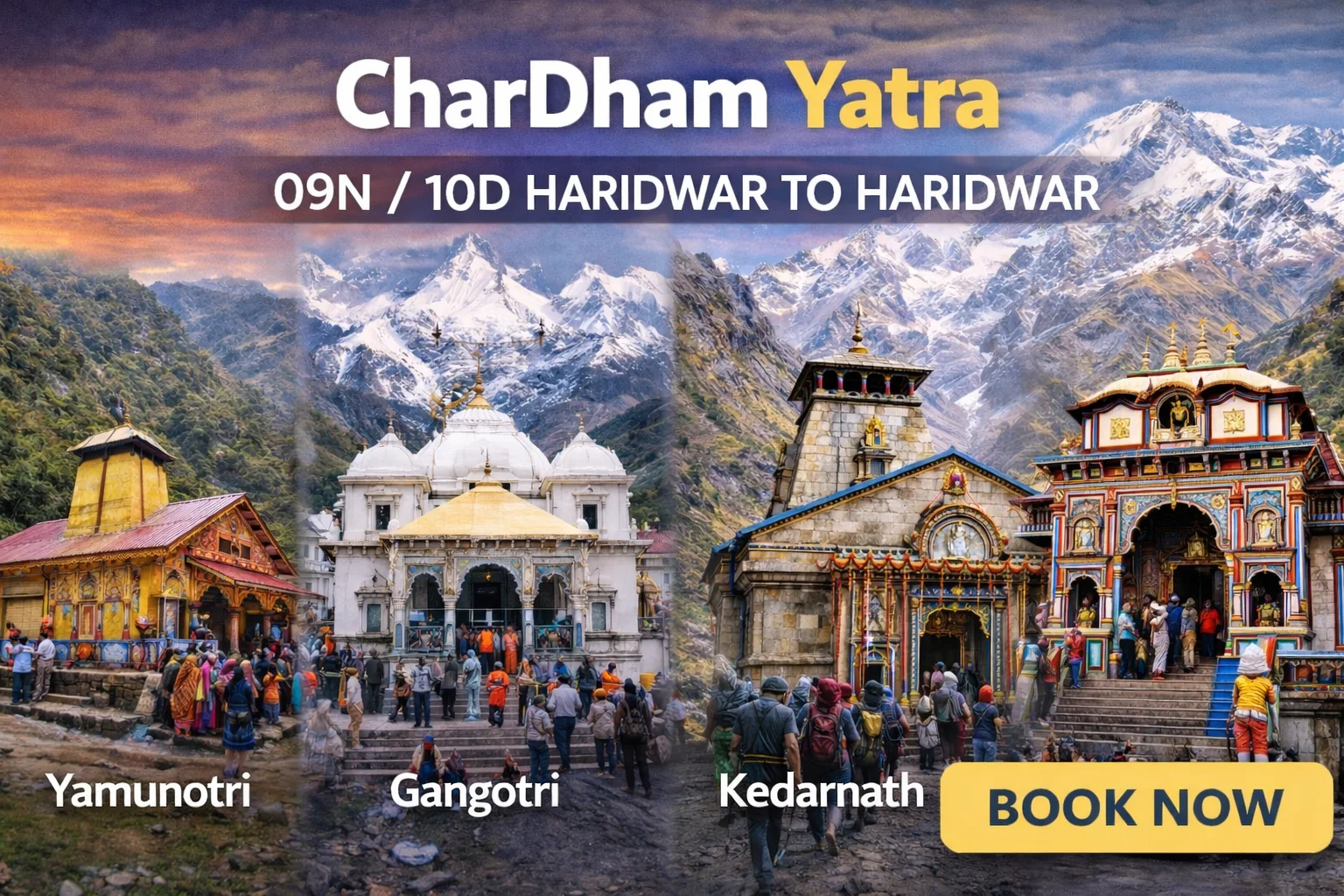
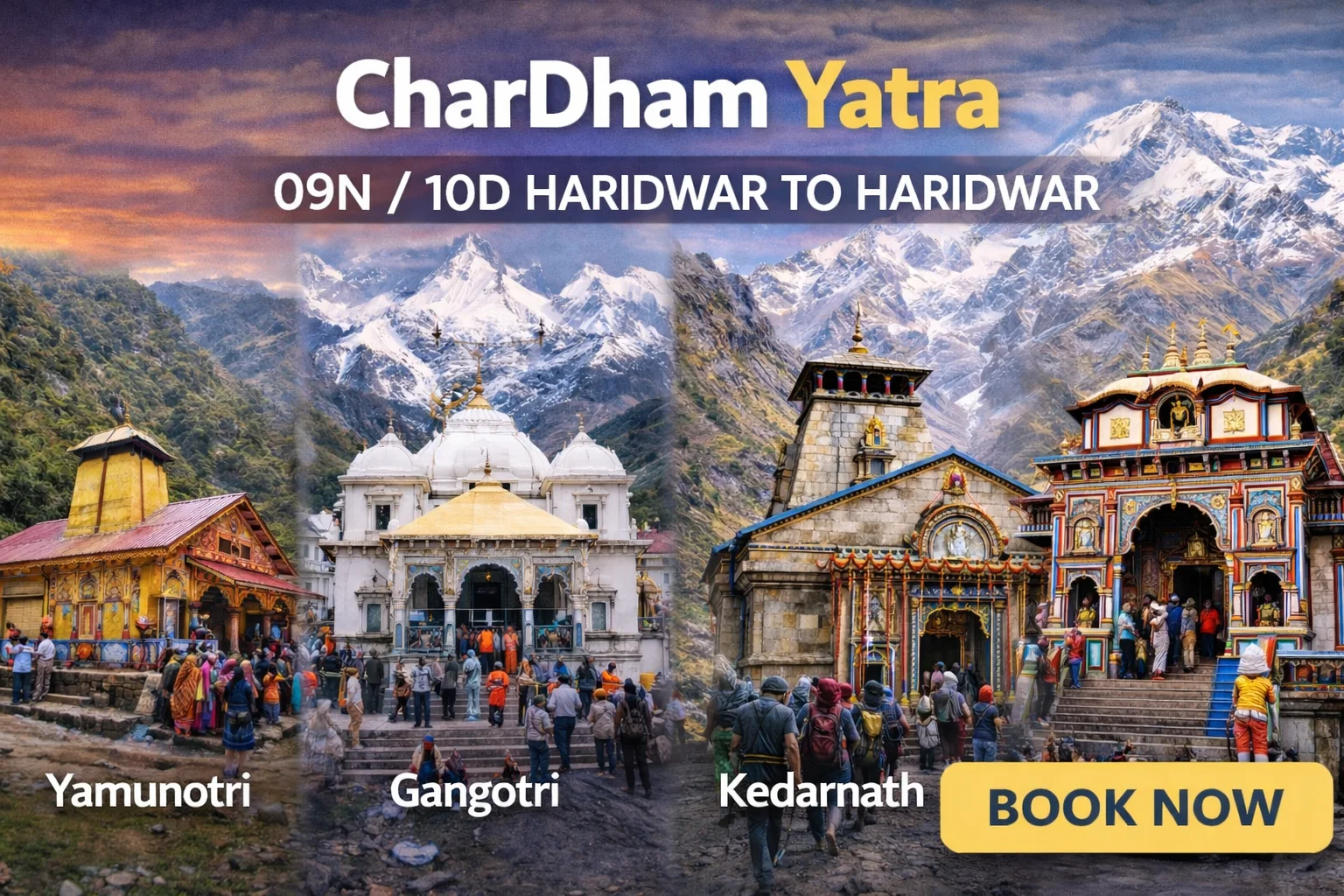
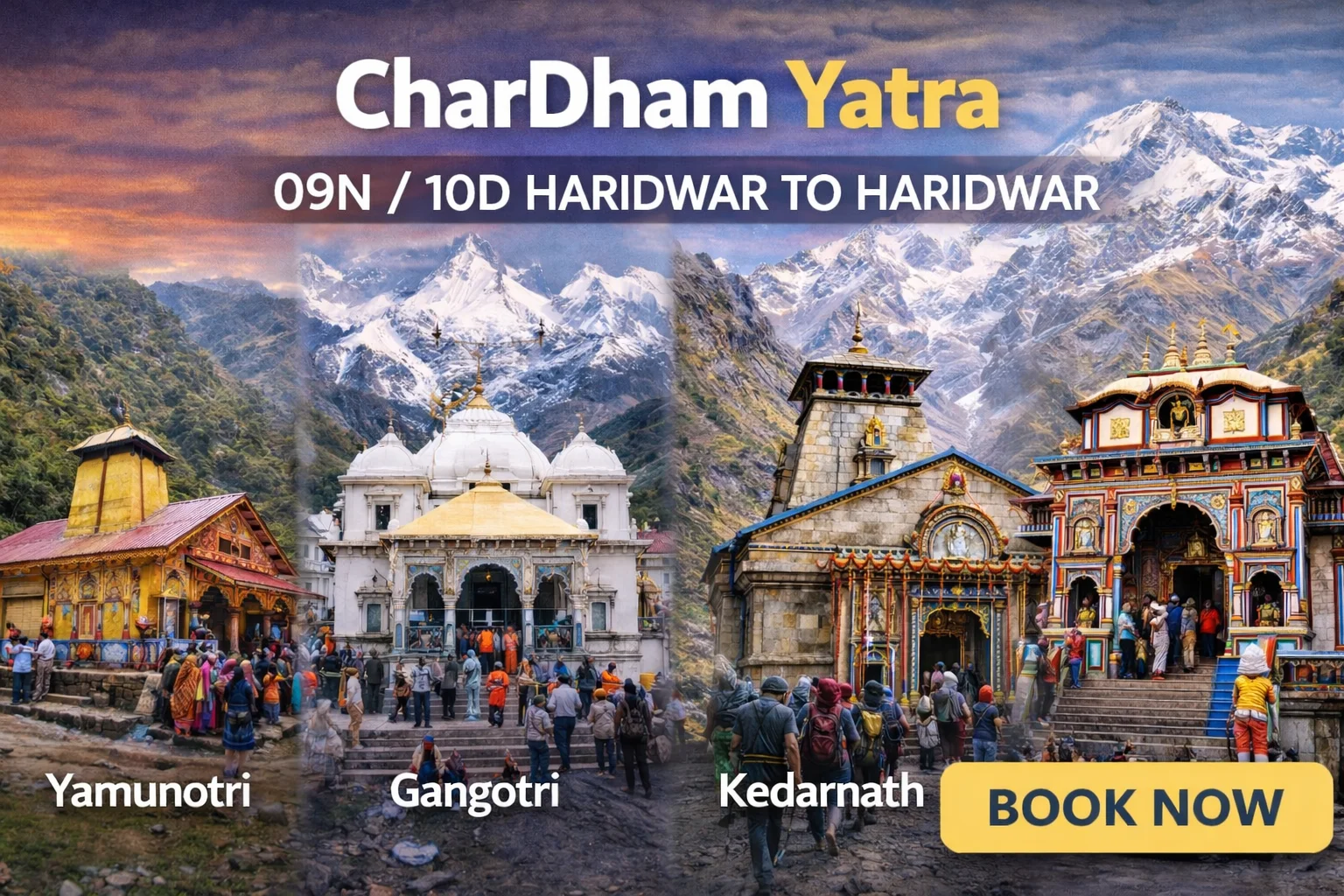
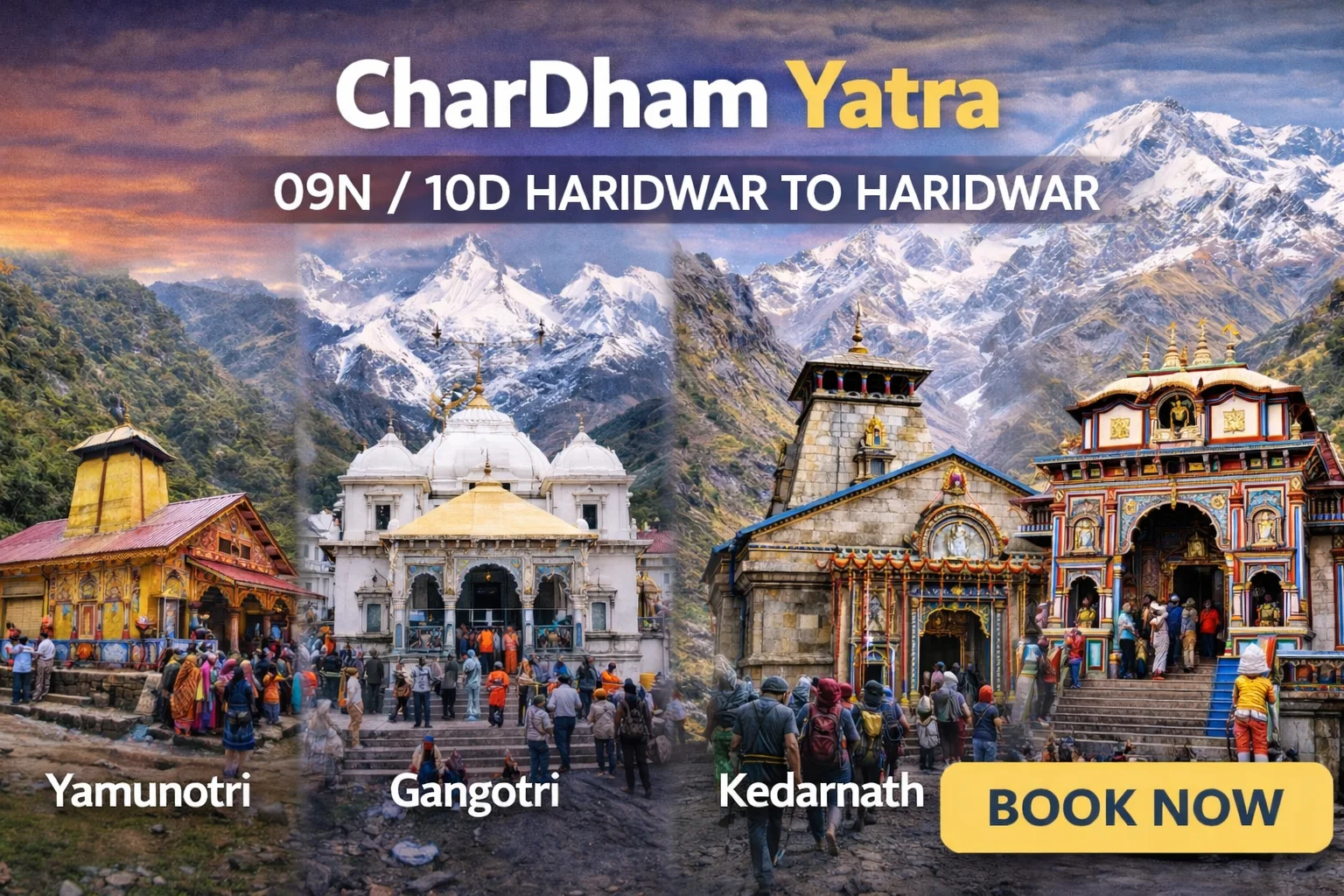
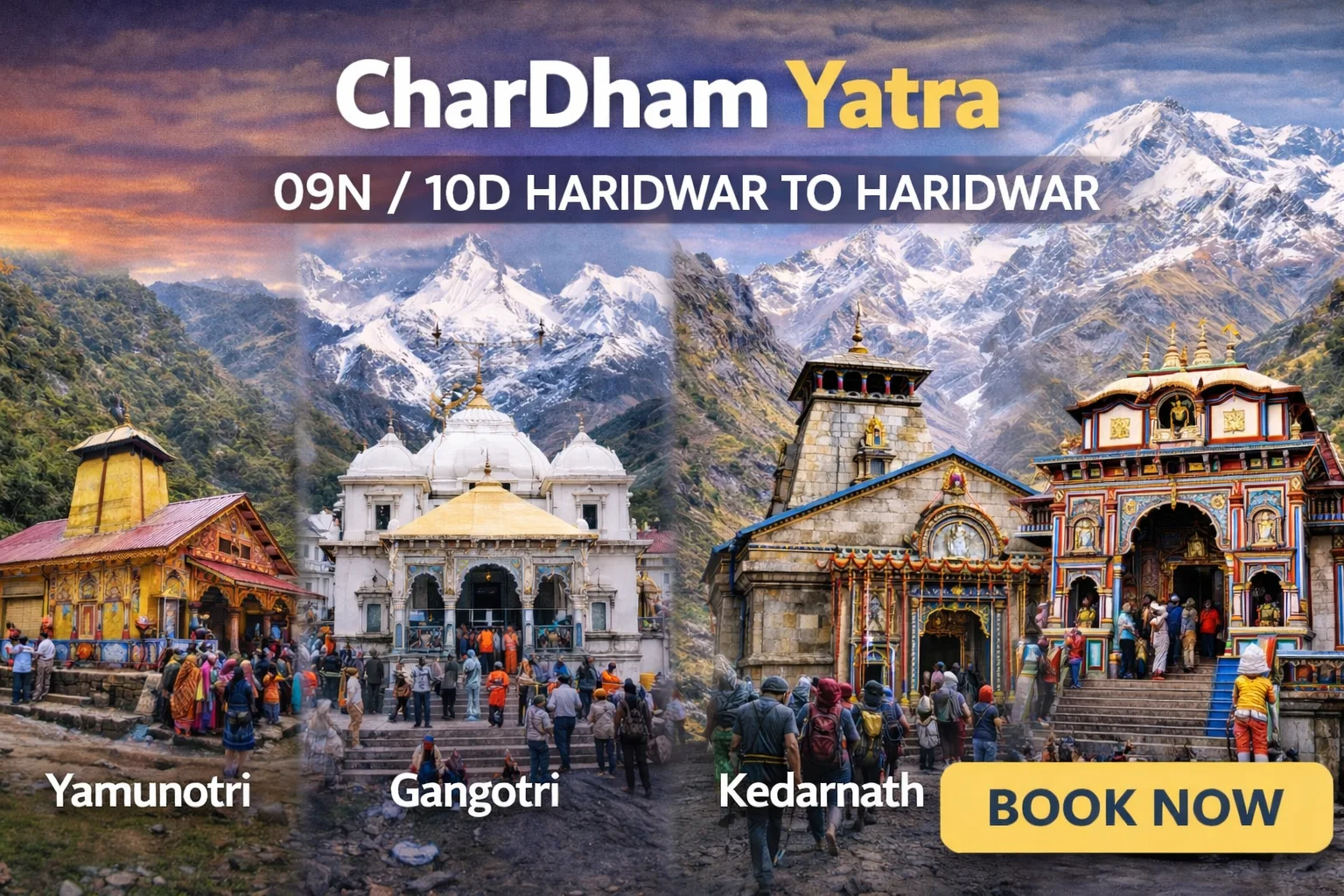
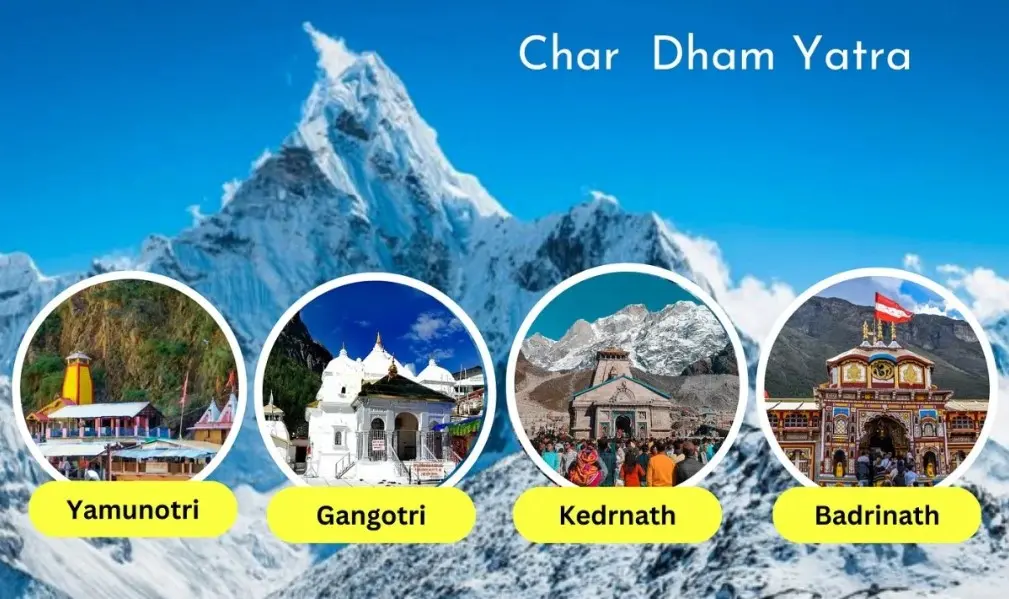
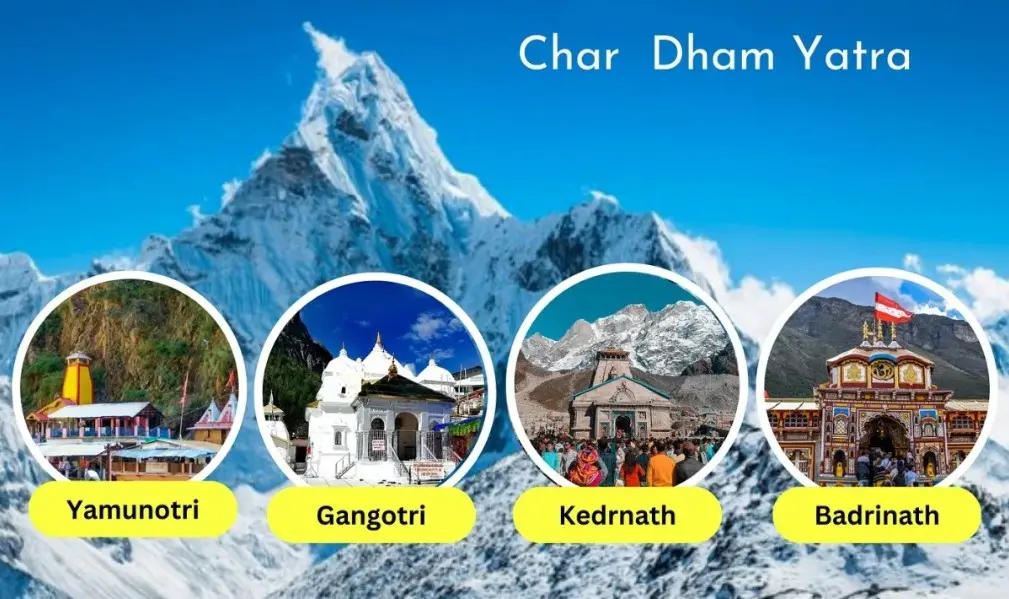
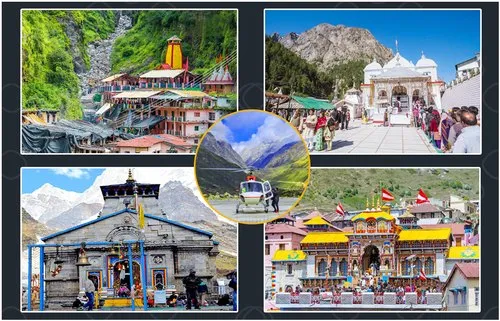
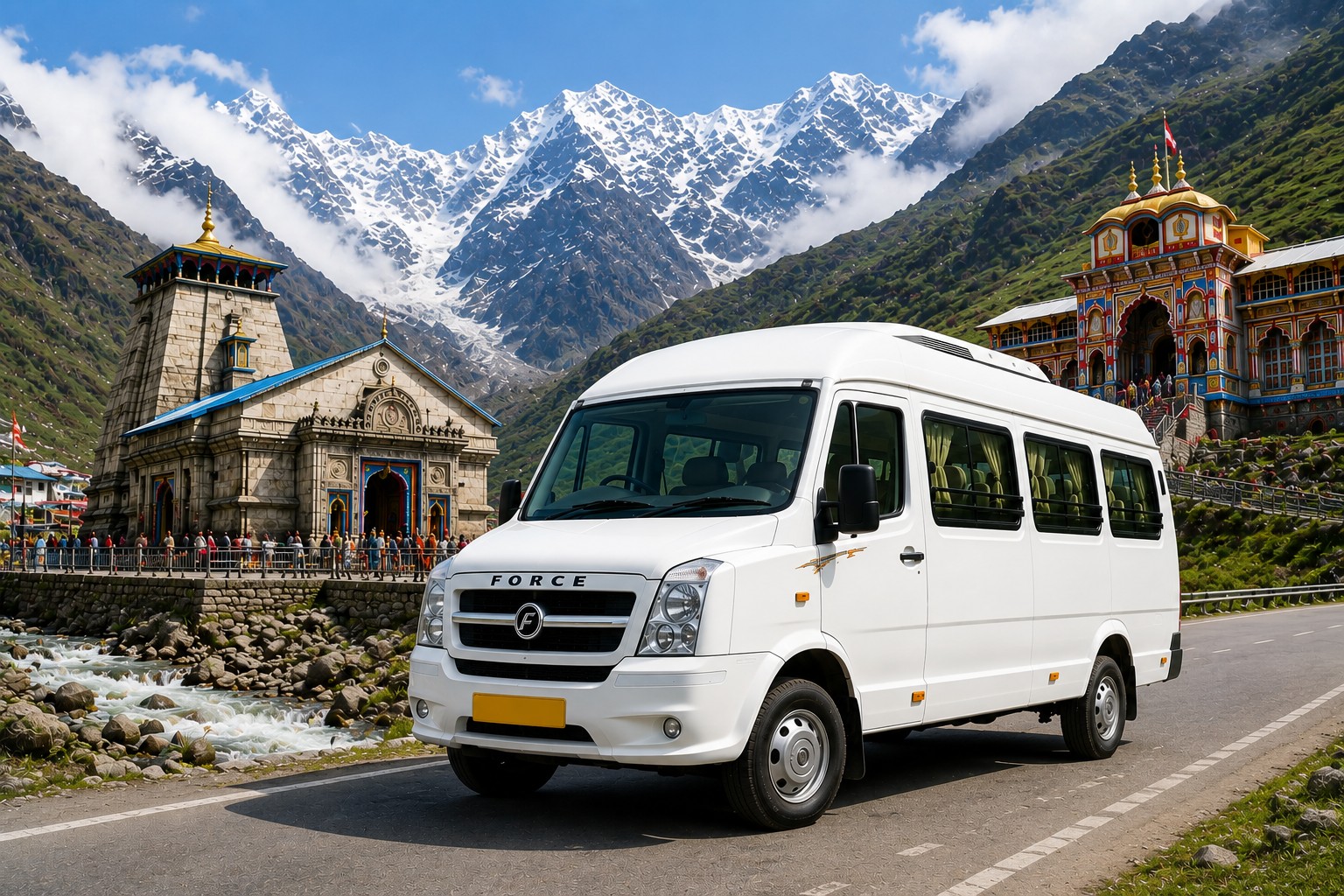
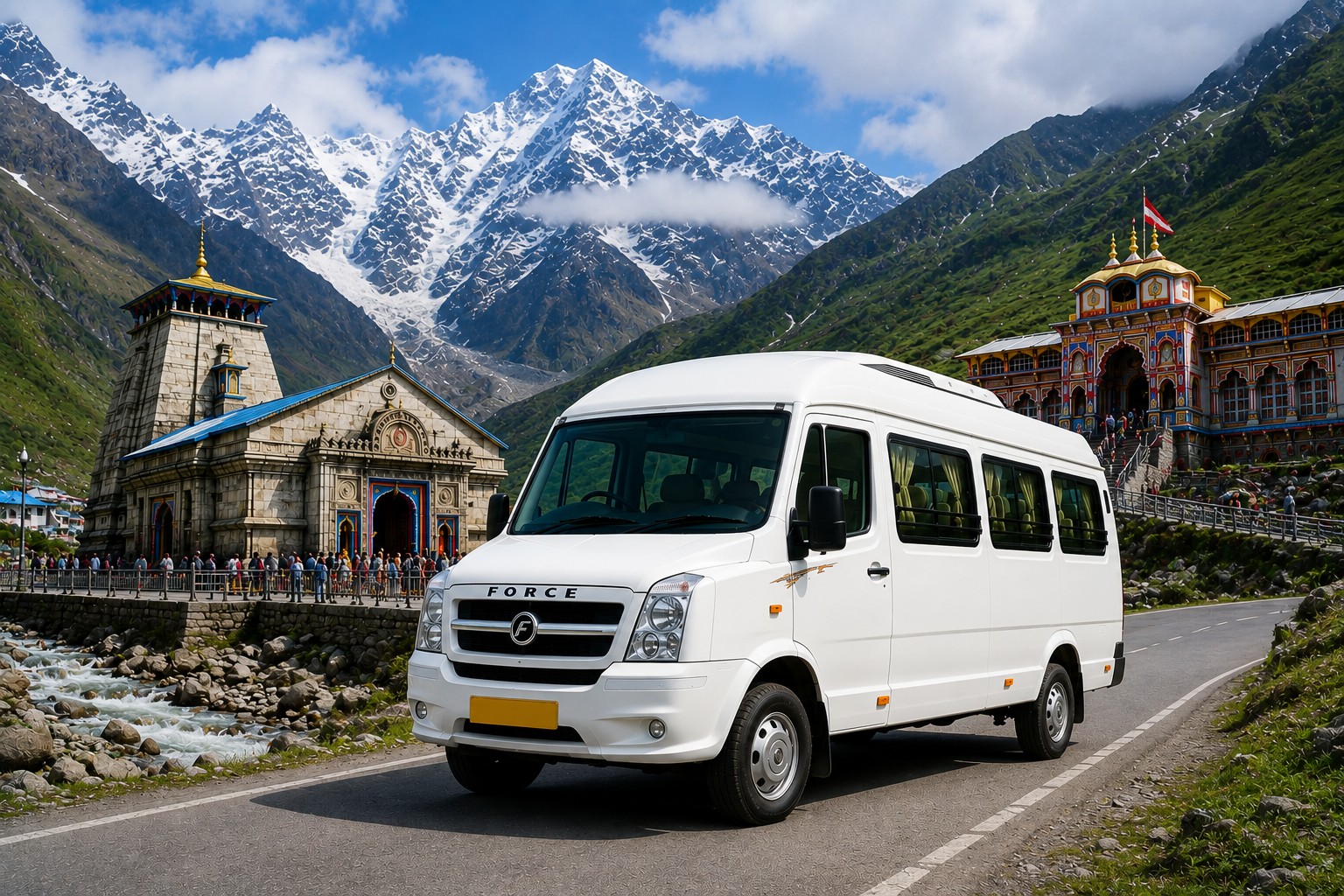
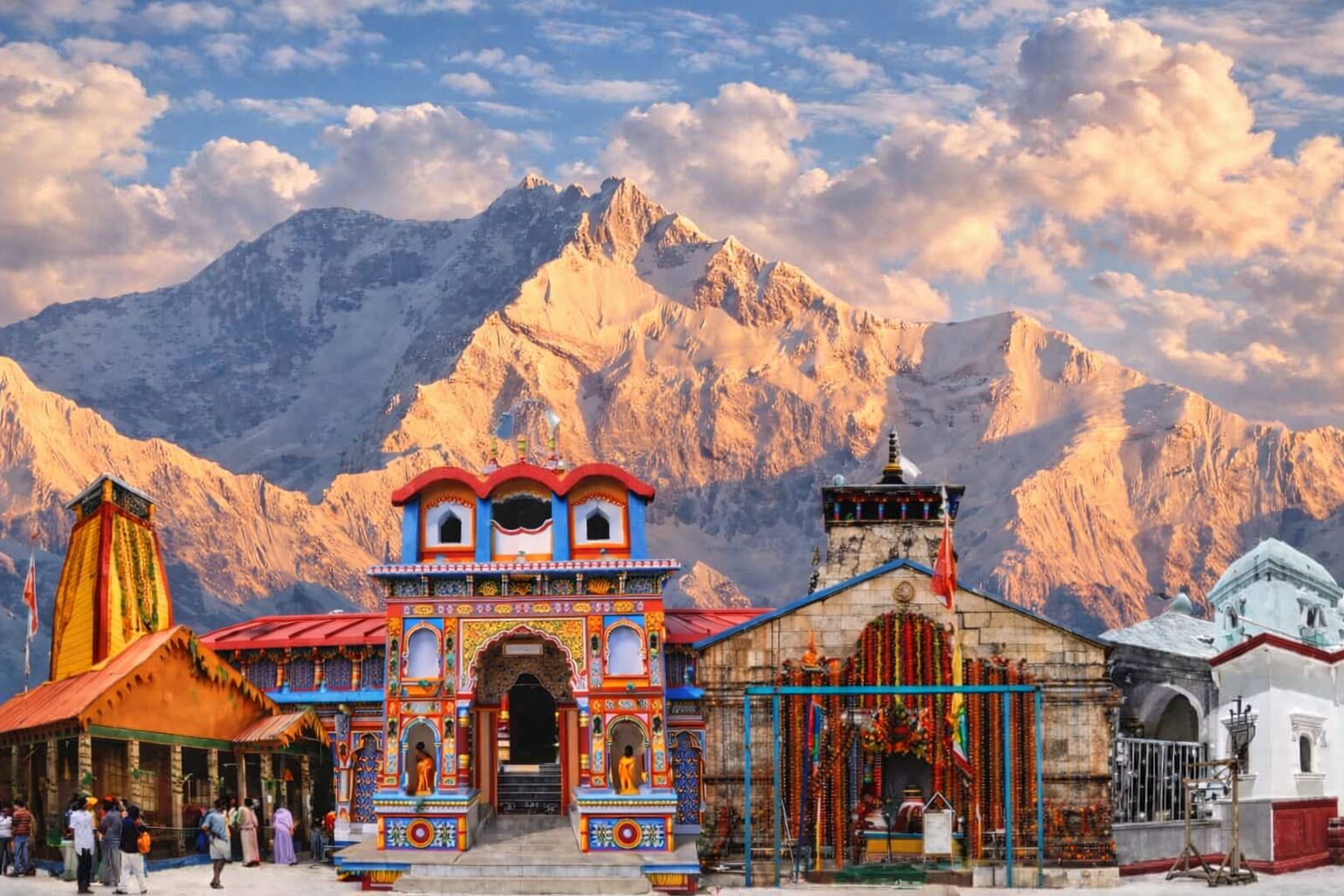
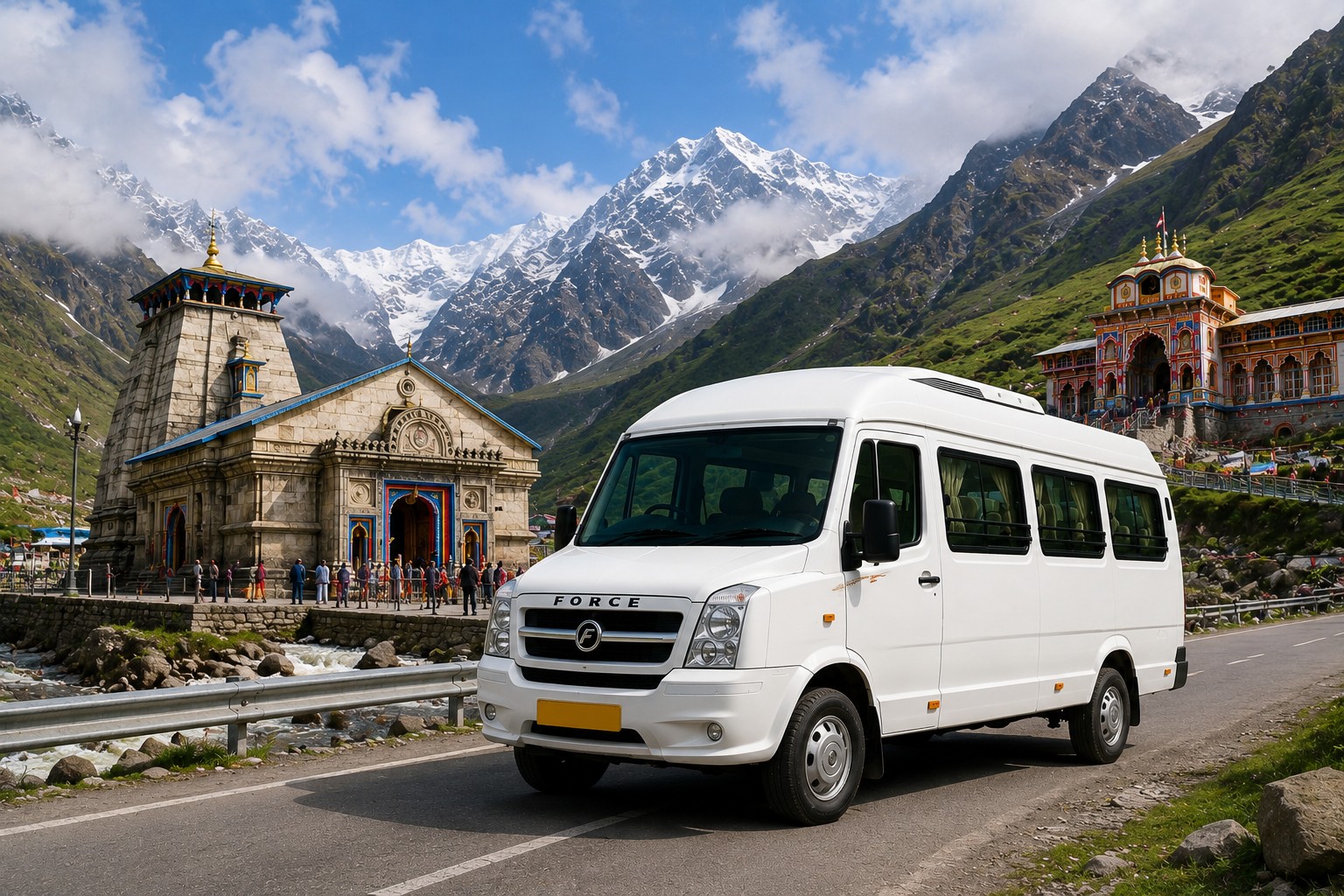
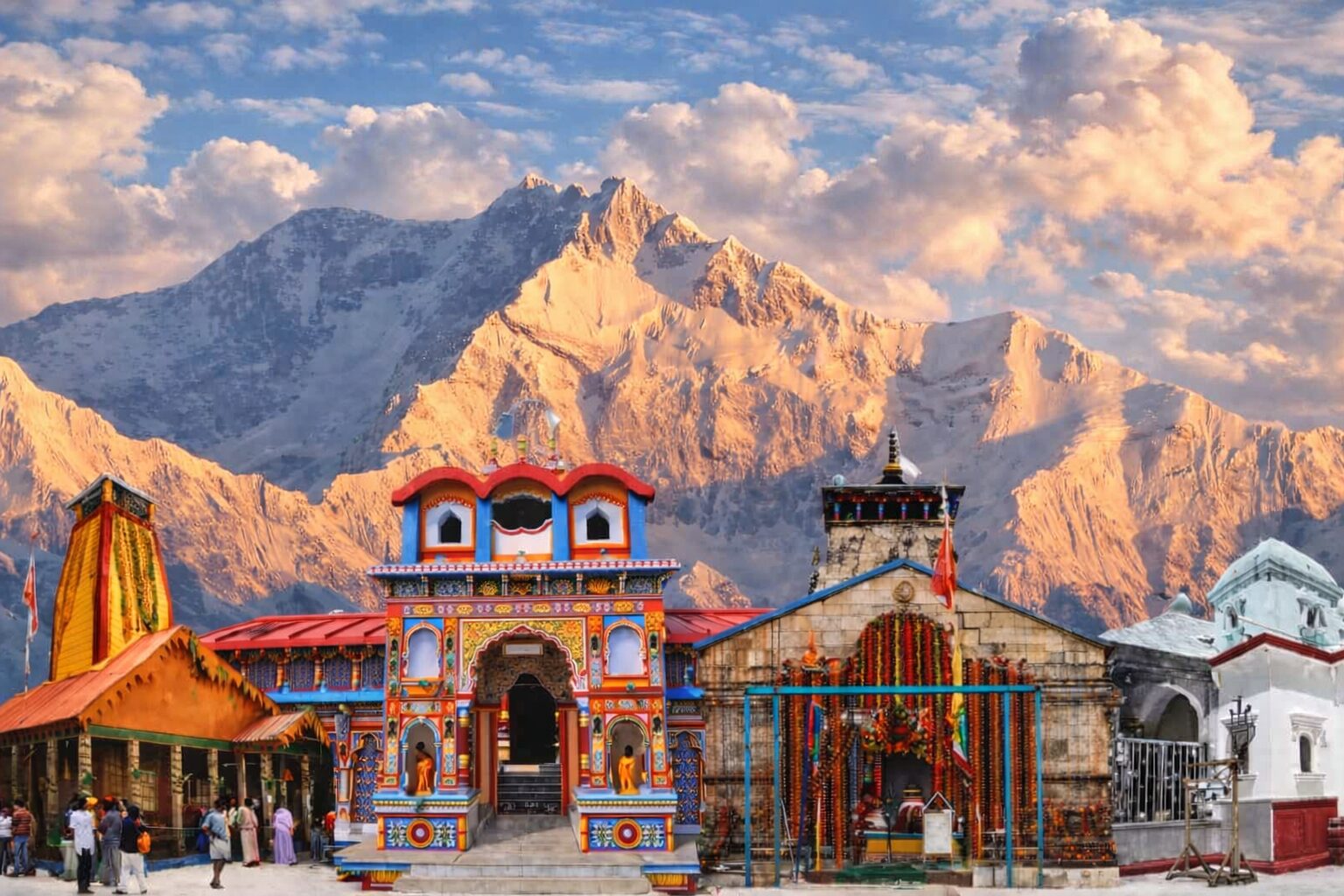
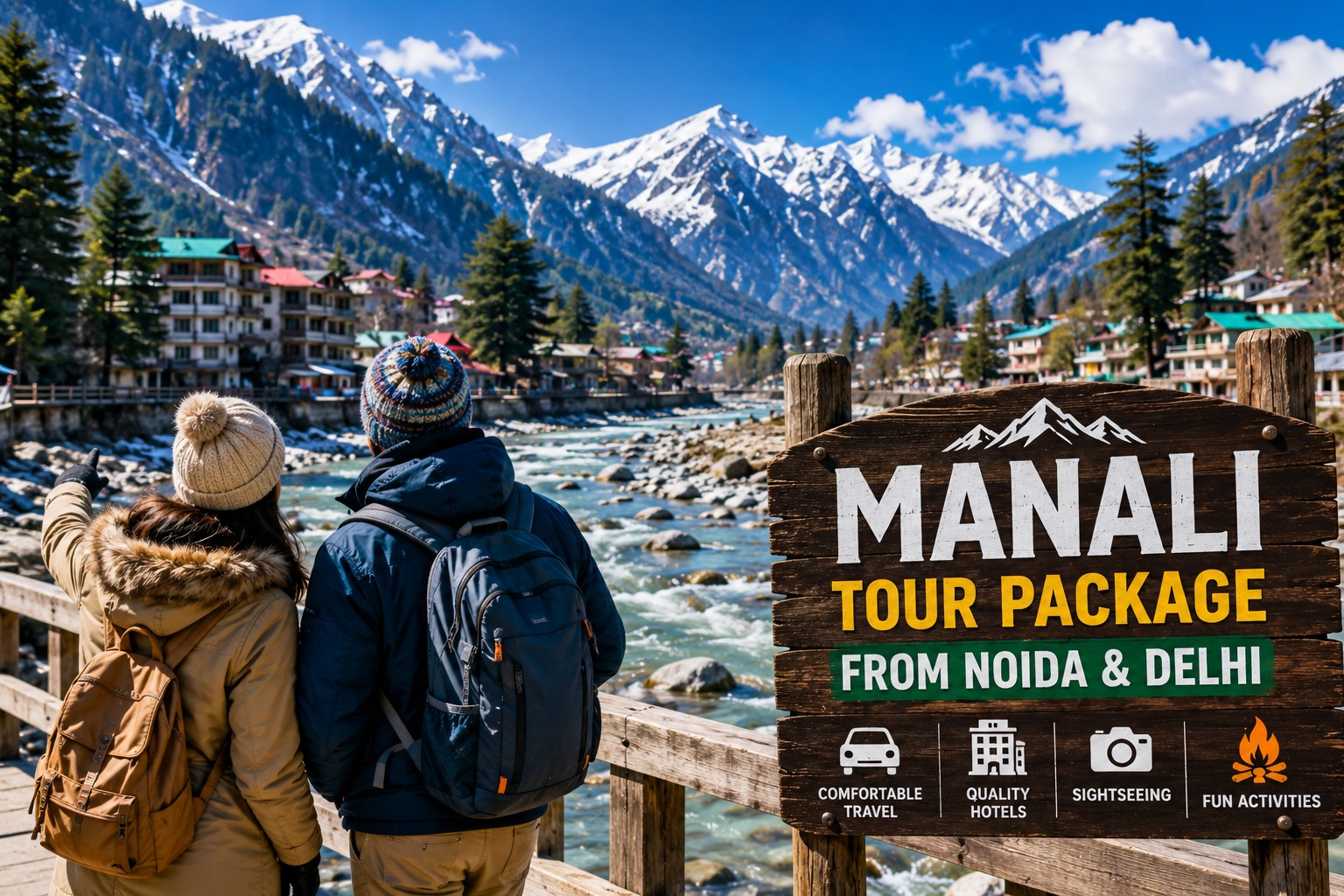
If you are travelling to the hills, take a look at our Manali tour package from Delhi for a complete plan with stays and sightseeing. For a spiritual journey, our Char Dham Yatra tempo traveller packages are designed for comfort and easy pacing. For a quick getaway, read our Delhi to Jaipur tour guide for routes and timings.
The cost of a tempo traveller in Delhi depends on the seating, distance, number of days and season. Local trips are usually charged per hour or per day, while outstation trips are charged per kilometre with a daily minimum. Peak months, weekends and festivals cost more. Toll, parking and state tax are often charged separately. The best way to know the exact price is to ask for an itemised quote that lists the rate, kilometre limit and extra charges clearly.
Tempo travellers usually come in 9, 12, 14, 17 and 26-seater versions. A 9-seater suits small families, while the 12-seater is the most popular choice for family trips and short outstation journeys. The 17-seater works for larger families, wedding guests and office groups, and the 26-seater is a mini coach for big events. Always choose a vehicle with some spare seats, so your group and luggage fit comfortably, especially on long hill journeys.
Book at least one to two weeks ahead for regular trips. During peak times, such as summer holidays from April to June, wedding season, festivals and the Char Dham Yatra, it is better to book three to four weeks early. Early booking gives you a wider choice of vehicles and better rates. Last-minute bookings are sometimes possible, but you may get fewer options and higher prices. Always confirm your booking in writing to avoid confusion later.
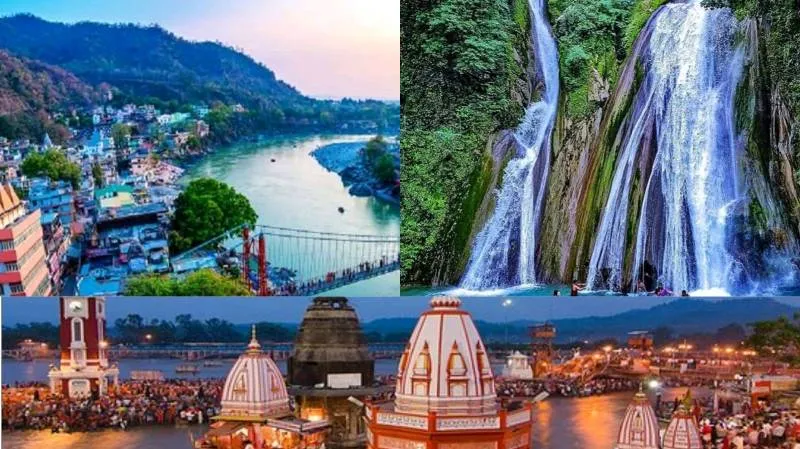
Local hire is for sightseeing or events inside Delhi, usually within a fixed number of hours and kilometres. Outstation hire is for trips to other cities, such as Manali, Agra or Haridwar, and is normally charged per kilometre with a daily kilometre limit. Outstation trips may also include driver night halt charges. Before booking, ask your operator how extra hours or extra kilometres are charged, so you know the final cost in advance.
Most rental quotes include the vehicle, an experienced driver, fuel charges and driver allowance. The vehicle usually comes with air conditioning and a music system. Toll tax, parking, state entry tax, driver night halt charges, hotel stays, meals and sightseeing tickets are often not included. Charges for extra kilometres or extra waiting time may also be added later. Because every operator is different, ask for a written list of inclusions and exclusions before paying any advance.


















.jpeg)



.jpeg)
.webp)
.jpeg)
.jpeg)
.jpeg)

.jpeg)
.jpeg)
.jpeg)
.jpeg)
.jpeg)


.jpeg)
.webp)
.jpeg)
.jpeg)

.jpeg)

.jpeg)
.jpeg)
.jpeg)
.jpeg)

.jpeg)

.webp)
.jpeg)
.jpeg)
.jpeg)

.jpeg)








.webp)
.webp)






















































































.webp)



































.webp)













.jfif)



.jfif)
.jfif)

.jpg)

.jfif)
.jfif)
.jfif)
.jfif)
.jfif)
.jfif)
.jfif)

.jfif)



.webp)
.webp)
.webp)

.webp)
.webp)

.webp)


.webp)

.webp)

.webp)

.webp)
.webp)
.webp)


.webp)
.webp)