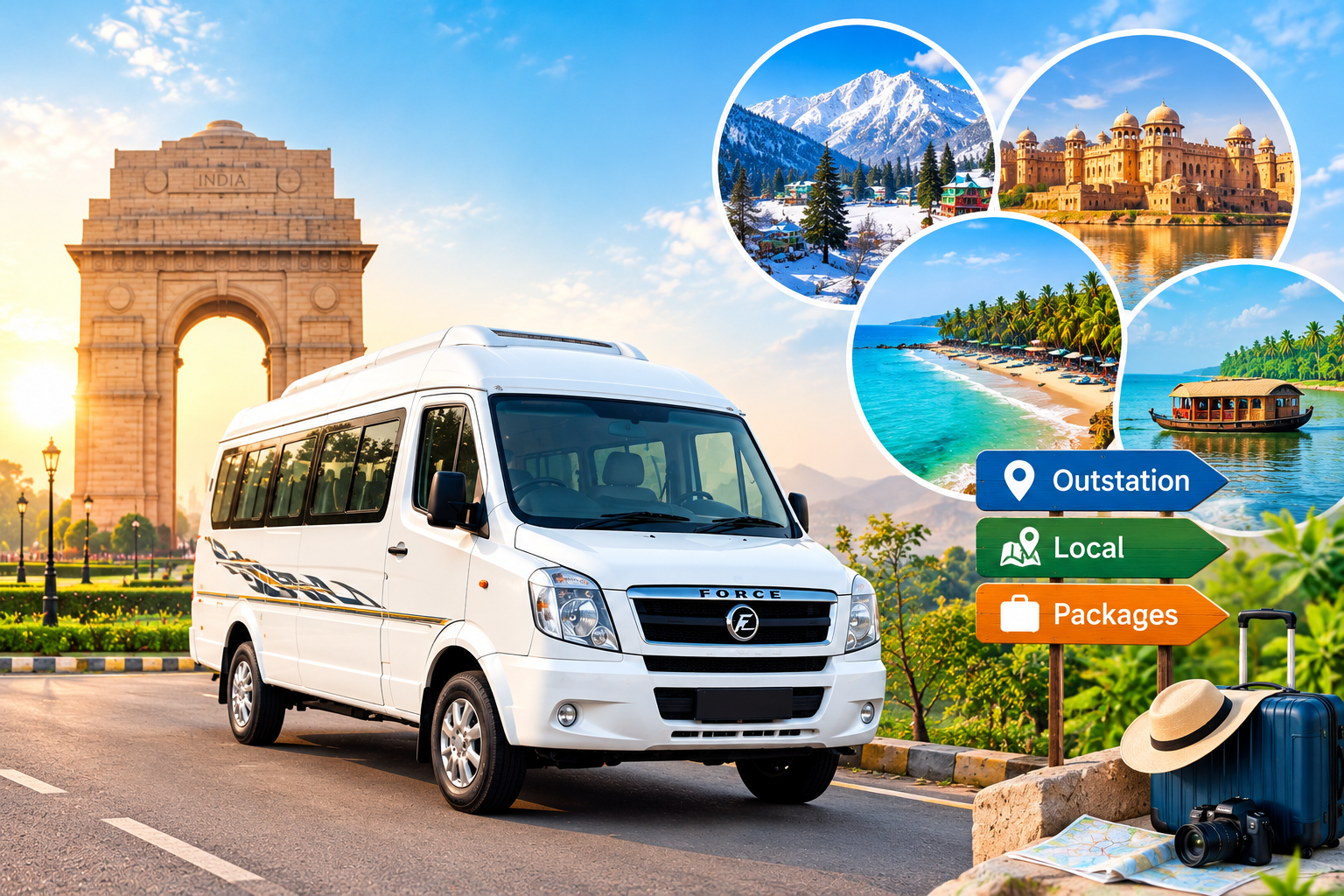
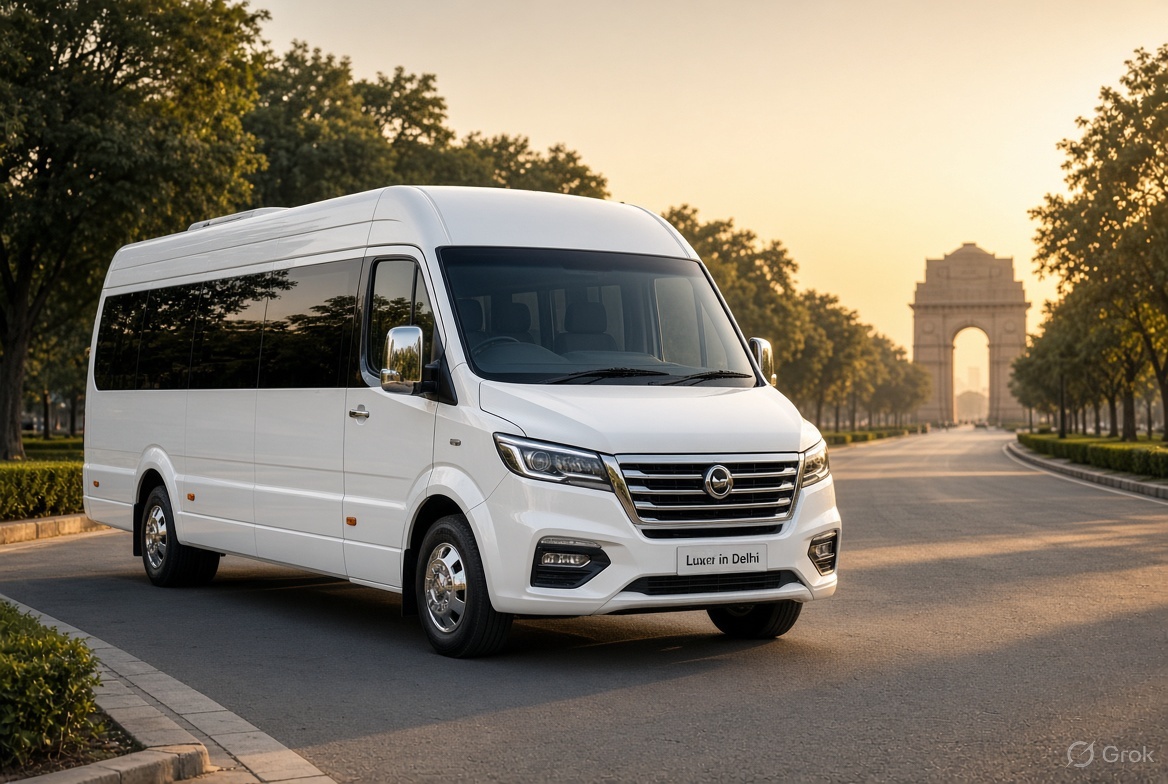
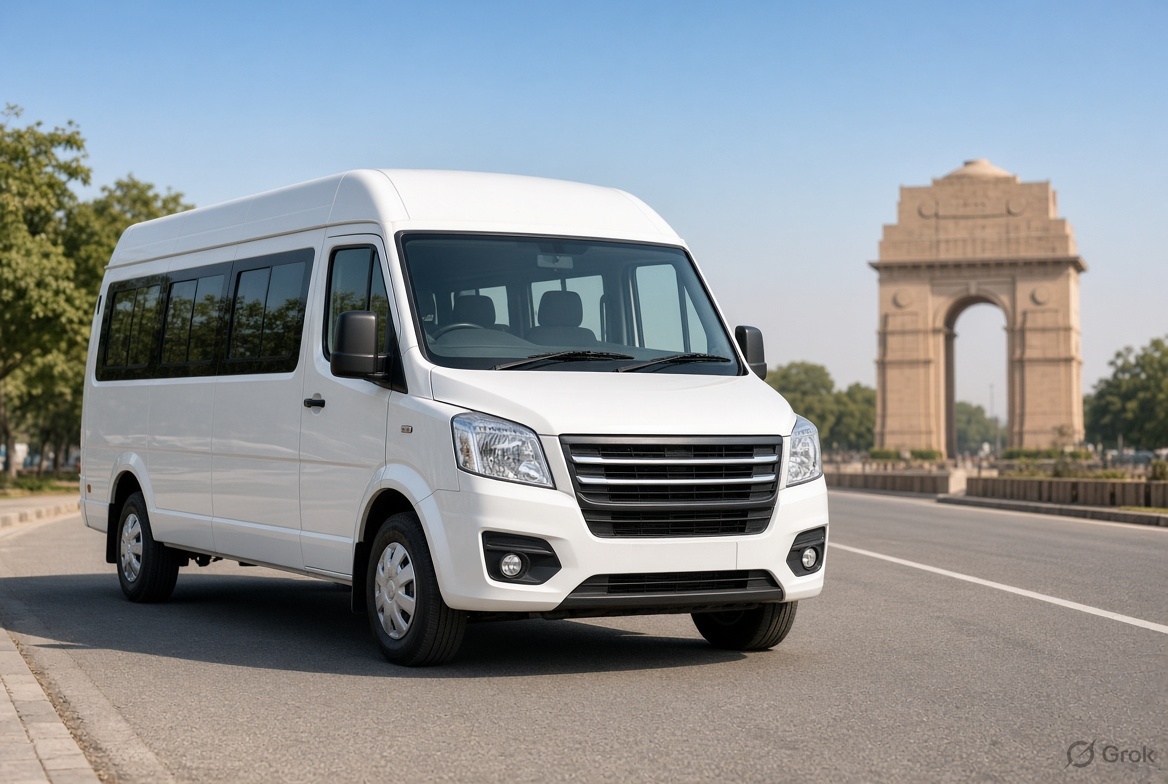
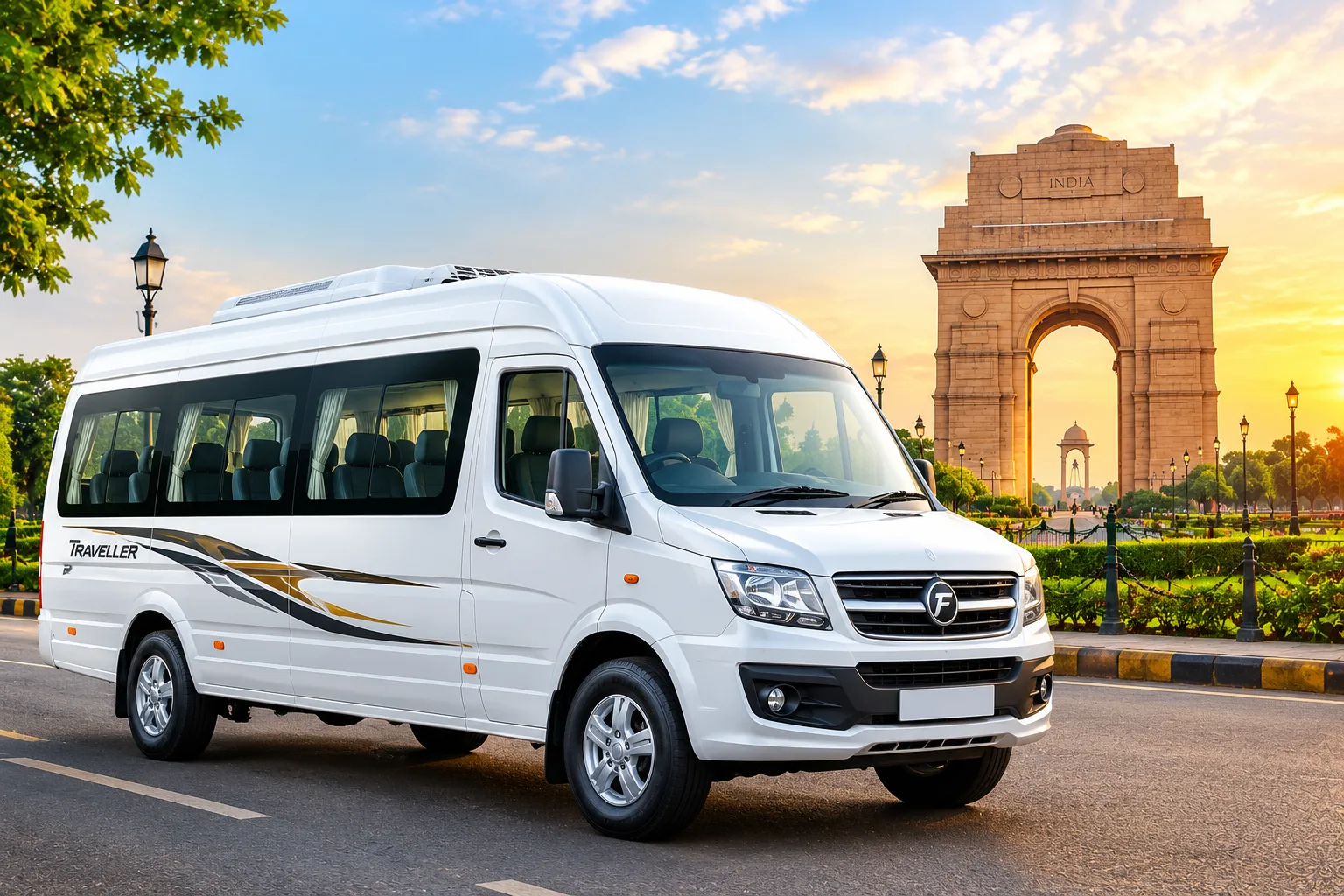
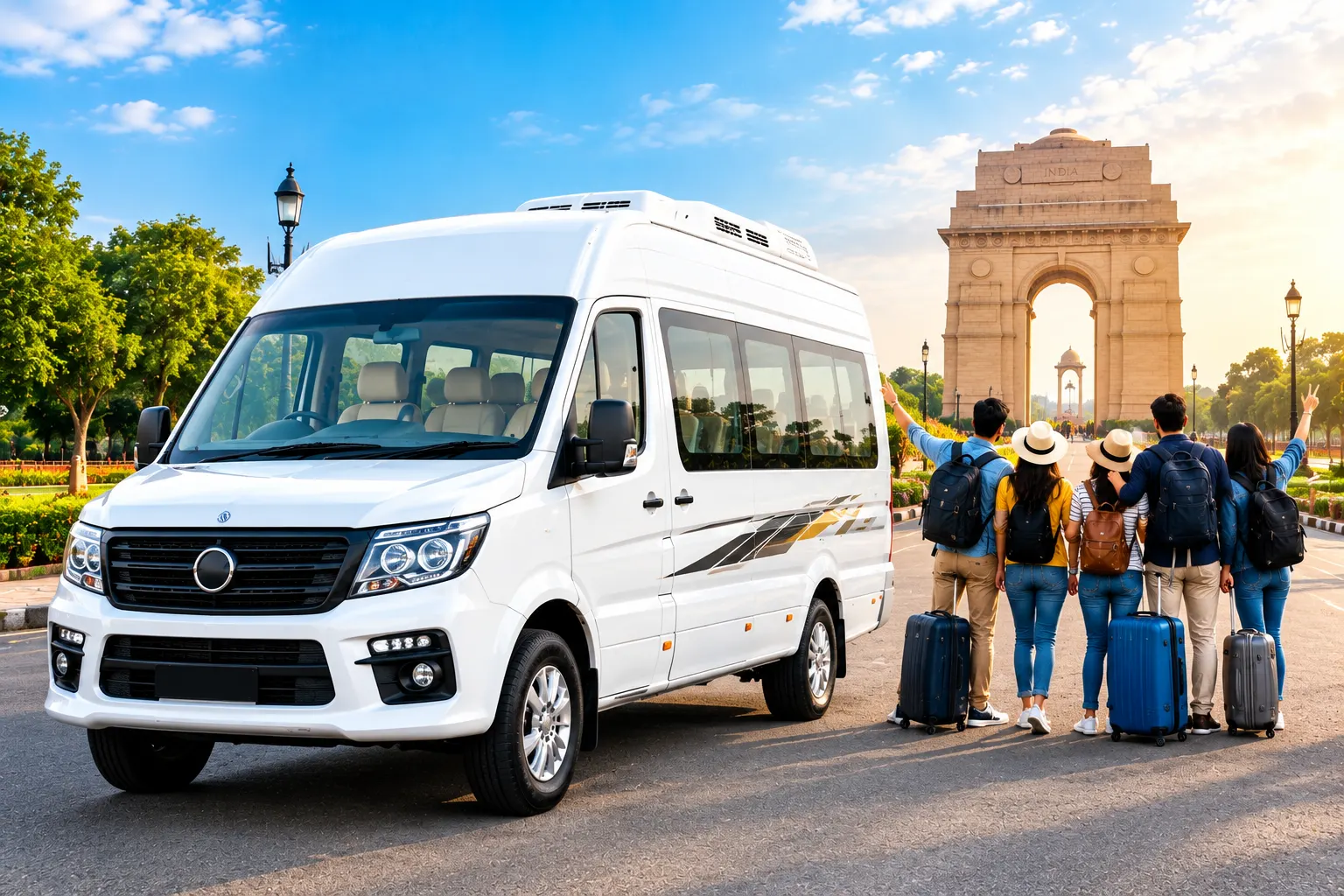
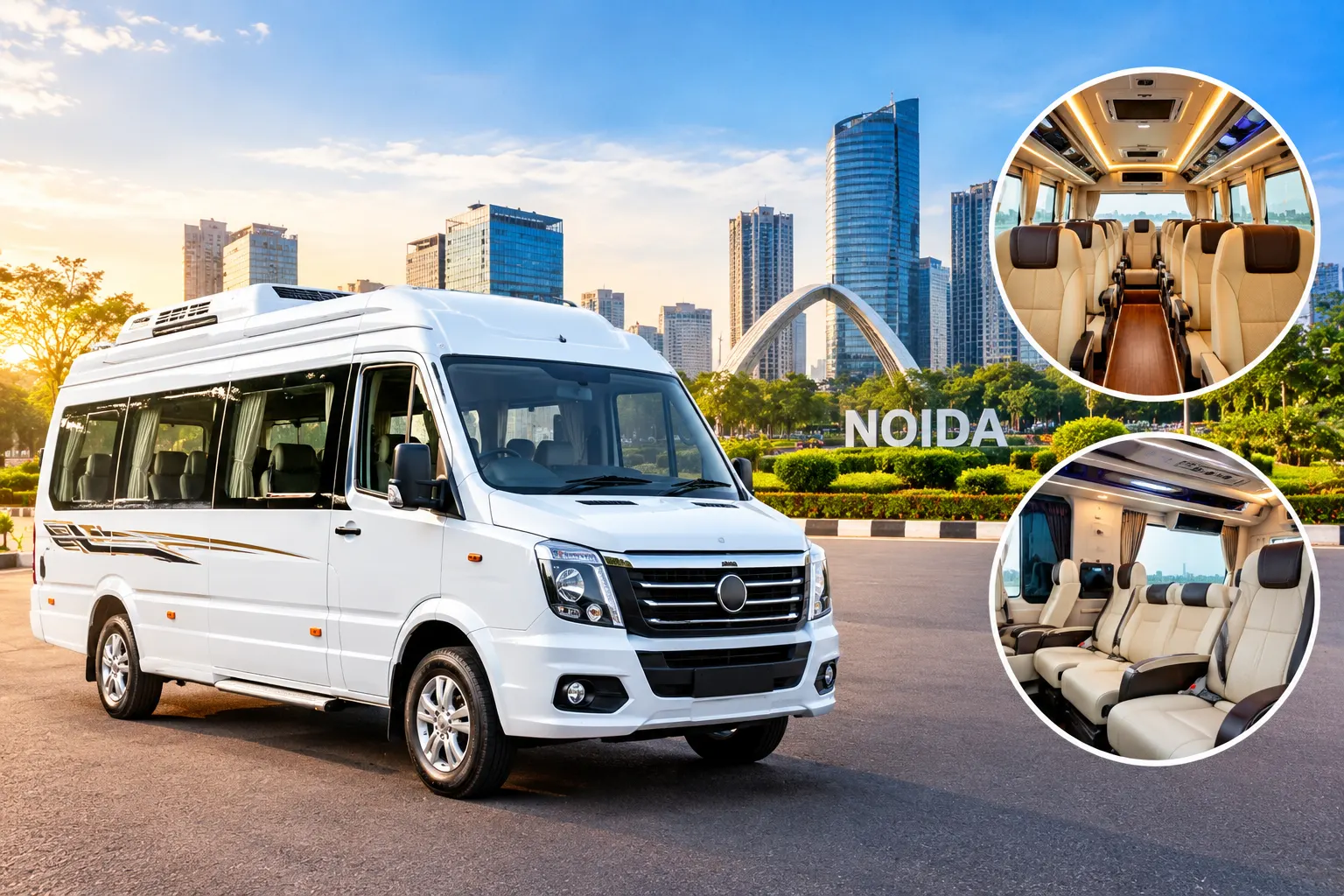
Planning a group trip? Compare local sightseeing and outstation packages with Tempo Traveller Hire in Delhi. Choose comfortable transportation for city tours, family outings, weekend getaways, and long-distance journeys with SS Rana Tour & Travels.
Published on 28 Oct, 2026
Updated on 28 Oct, 2026
959 Views
Tempo Traveller Hire in Delhi: Local Sightseeing vs Outstation Packages Explained
Every week, travellers call us with the same question: “We are a group of twelve. Should we book a local package or an outstation one?” The confusion is fair Book Tempo traveller hire in delhi. Both packages use the same vehicle, but the pricing, driver rules, timing and planning are quite different.
If you are planning tempo traveller hire in Delhi, understanding this difference can save you money, stress and a lot of last-minute arguments with the group. This guide explains how local sightseeing and outstation packages work, what each one includes, who should choose which, and how to book without surprises.
Quick Answer: Local vs Outstation Tempo Traveller Packages
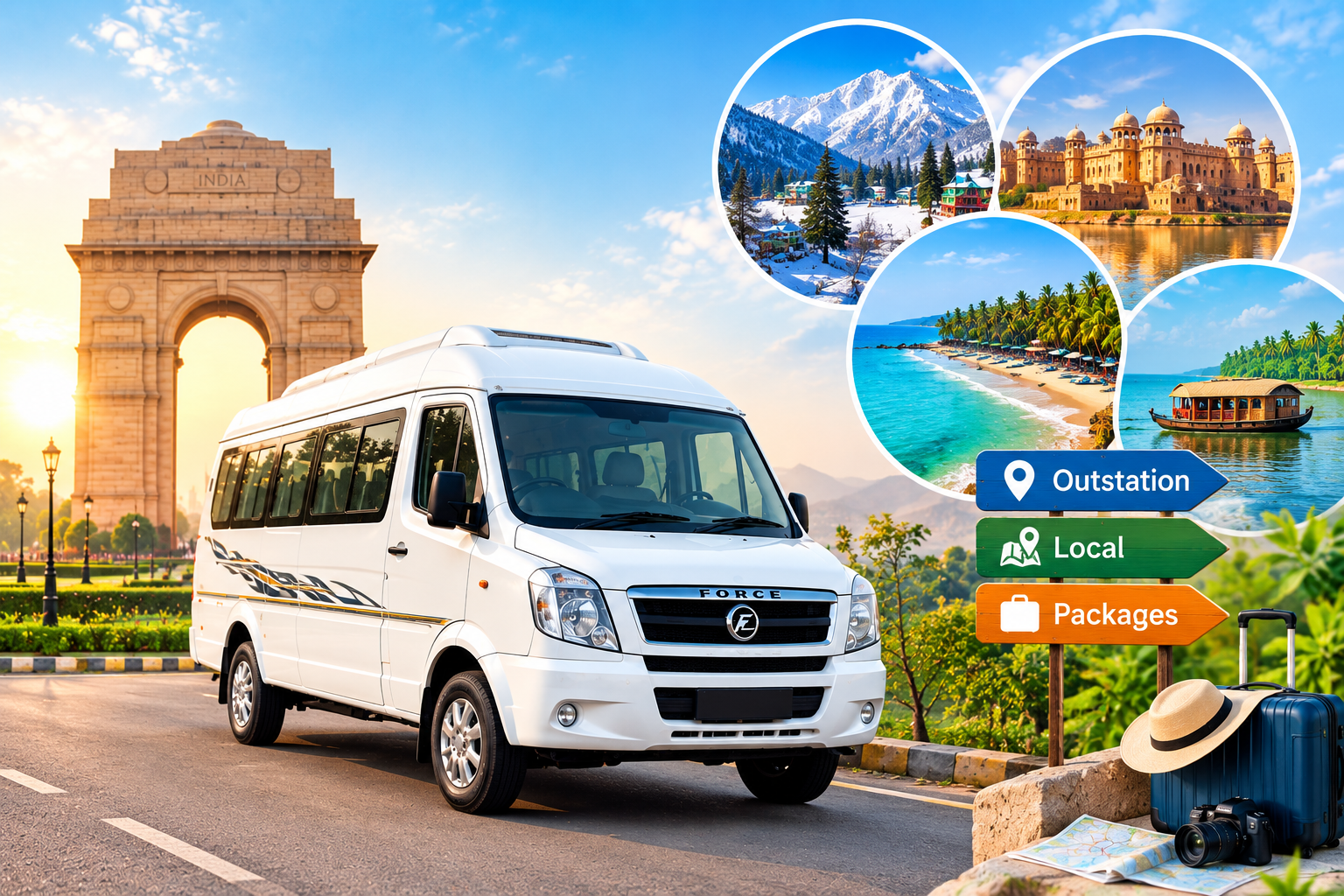
A local sightseeing package covers travel inside Delhi (and usually Delhi NCR) for a fixed number of hours and kilometres, commonly 8 hours and 80 km or 12 hours and 120 km. An outstation package covers travel to another city, such as Jaipur, Agra, Manali or Haridwar, and is charged per kilometre or per day with a minimum daily running limit, plus driver allowance and tolls.
In short: local is for a single day within the city, and outstation is for trips that cross city or state borders and often last more than a day.
What Is a Local Sightseeing Package?
A local package is designed for groups who want to explore Delhi without worrying about parking, navigation or booking multiple cabs. You hire the tempo traveller for a fixed block of time, and the driver stays with your group the entire day.
Typical Local Package Structure
Most operators in Delhi, including us, structure local hire in two common slabs:
8 hours / 80 km for a half-to-full day of city touring
12 hours / 120 km for a longer day covering more spots
Anything beyond the included hours or kilometres is billed as extra, usually at a stated hourly and per-km rate. Always confirm these rates before you pay the advance.
Popular Local Sightseeing Routes in Delhi
A well-planned day in the capital might look like this:
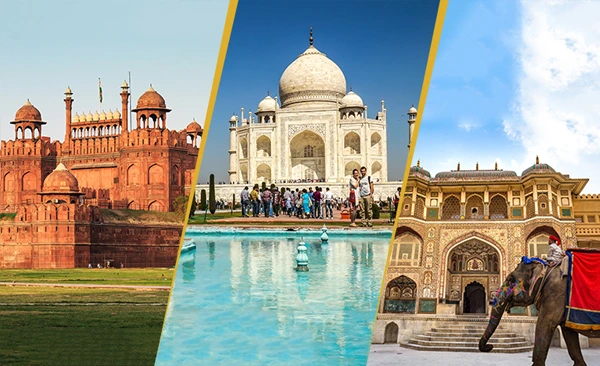
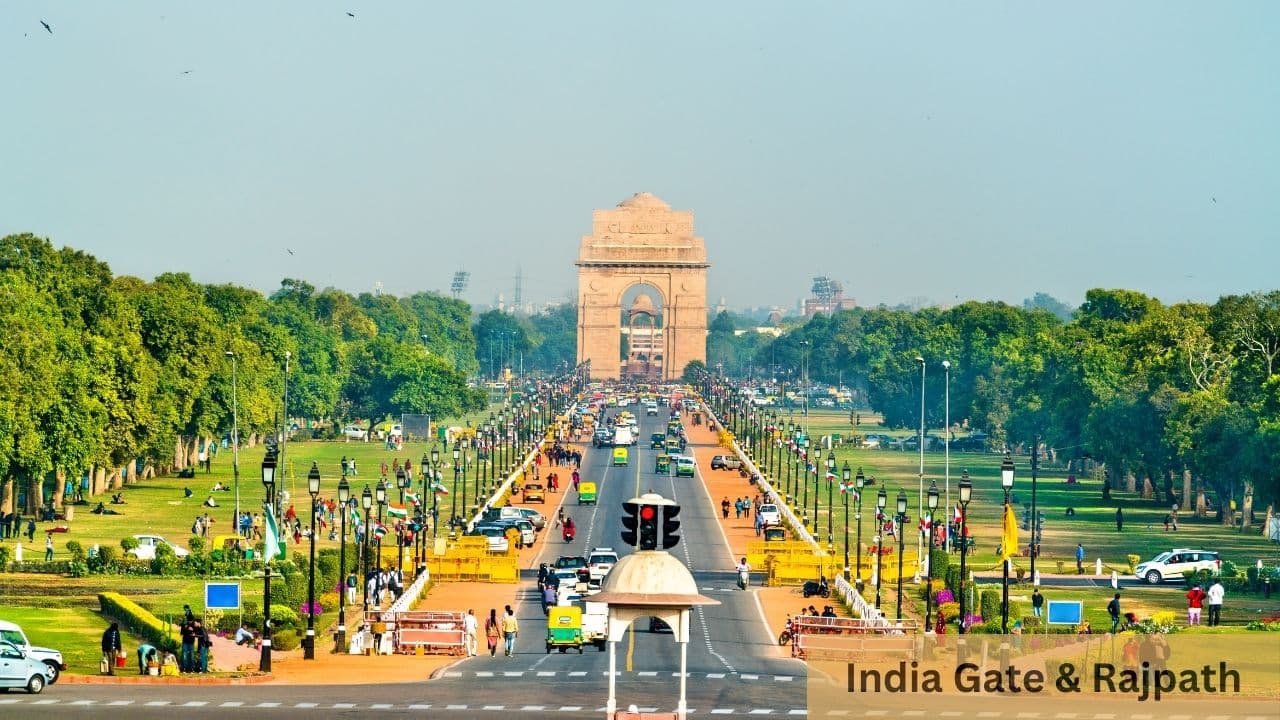
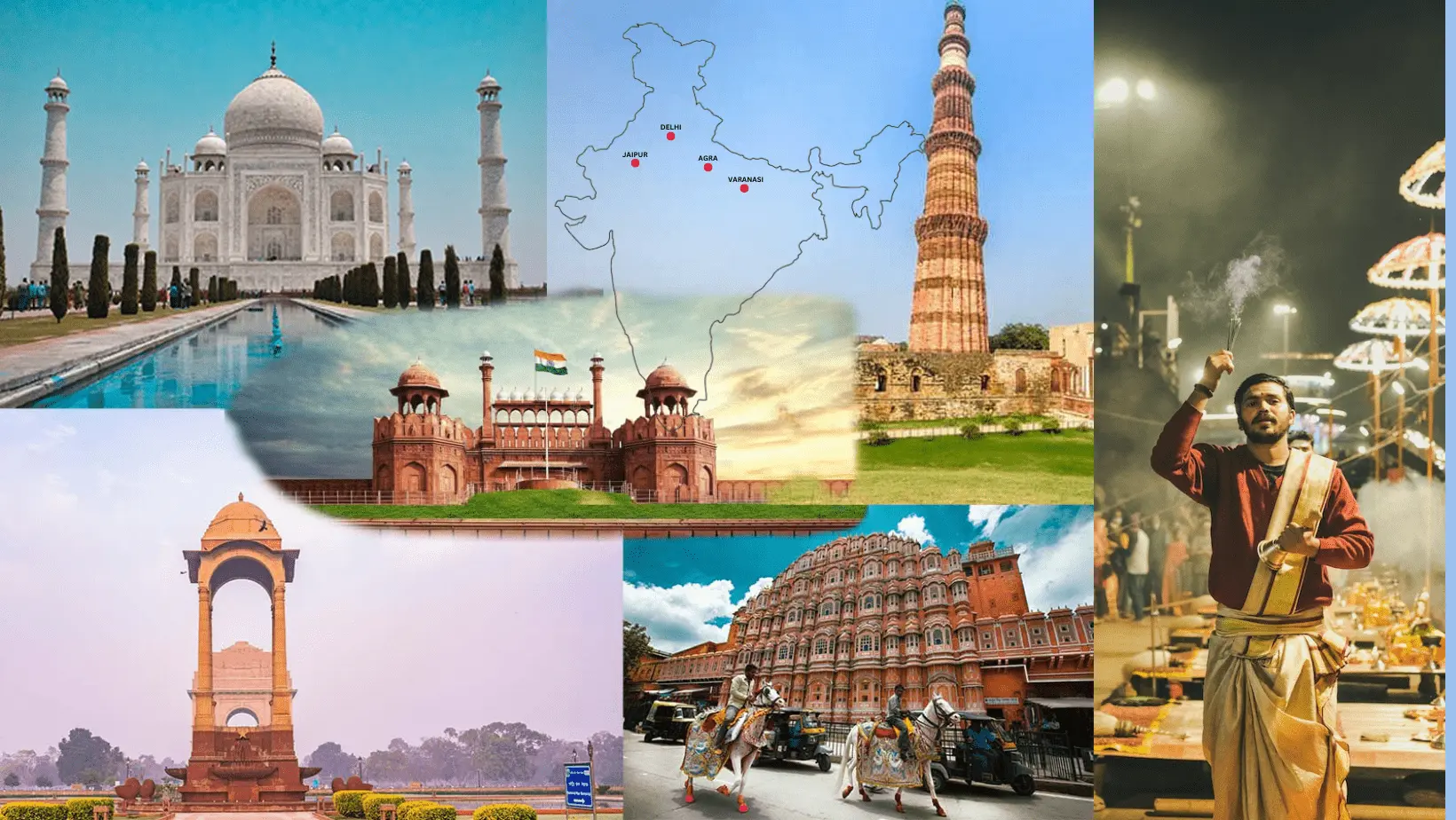
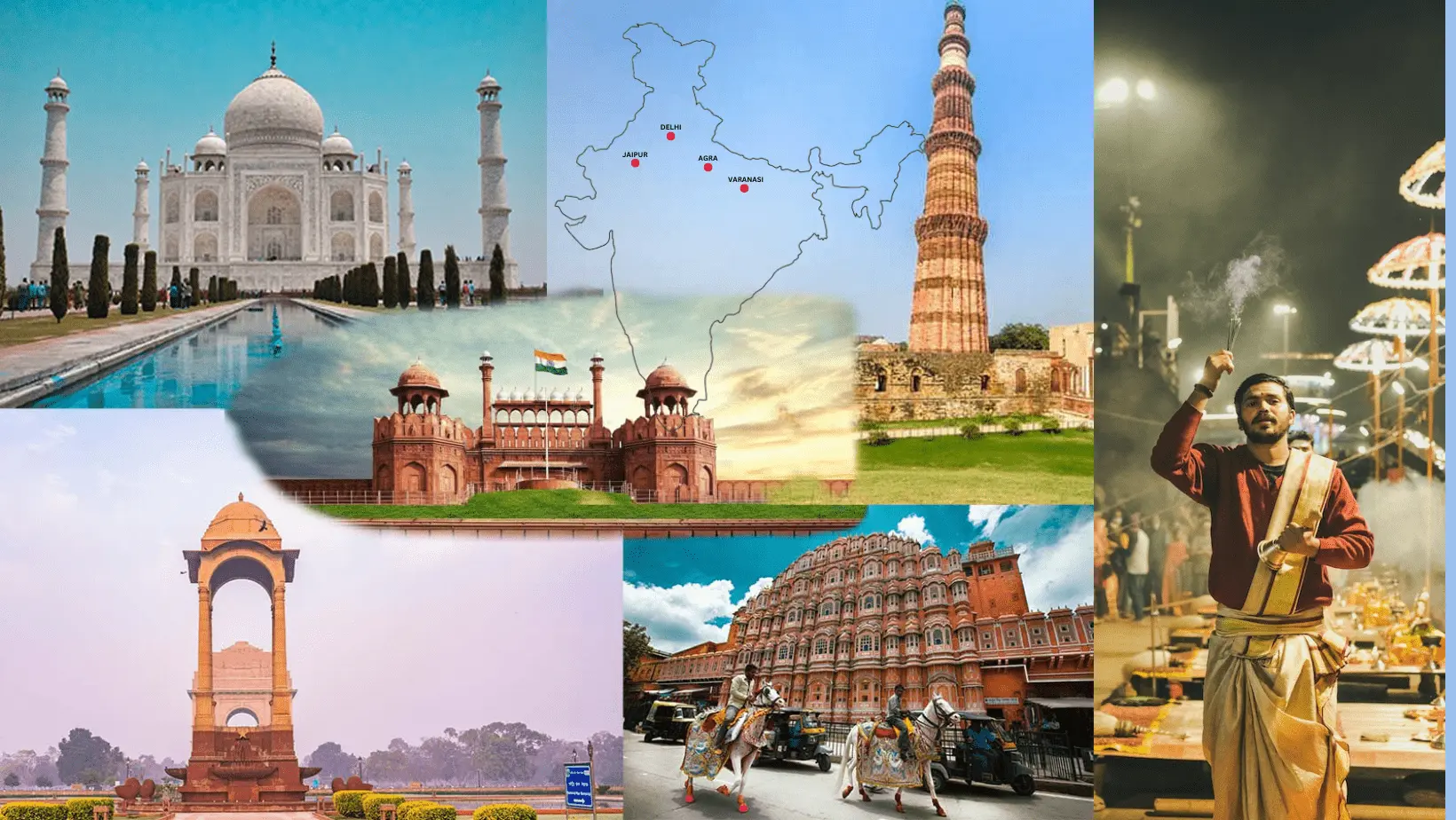
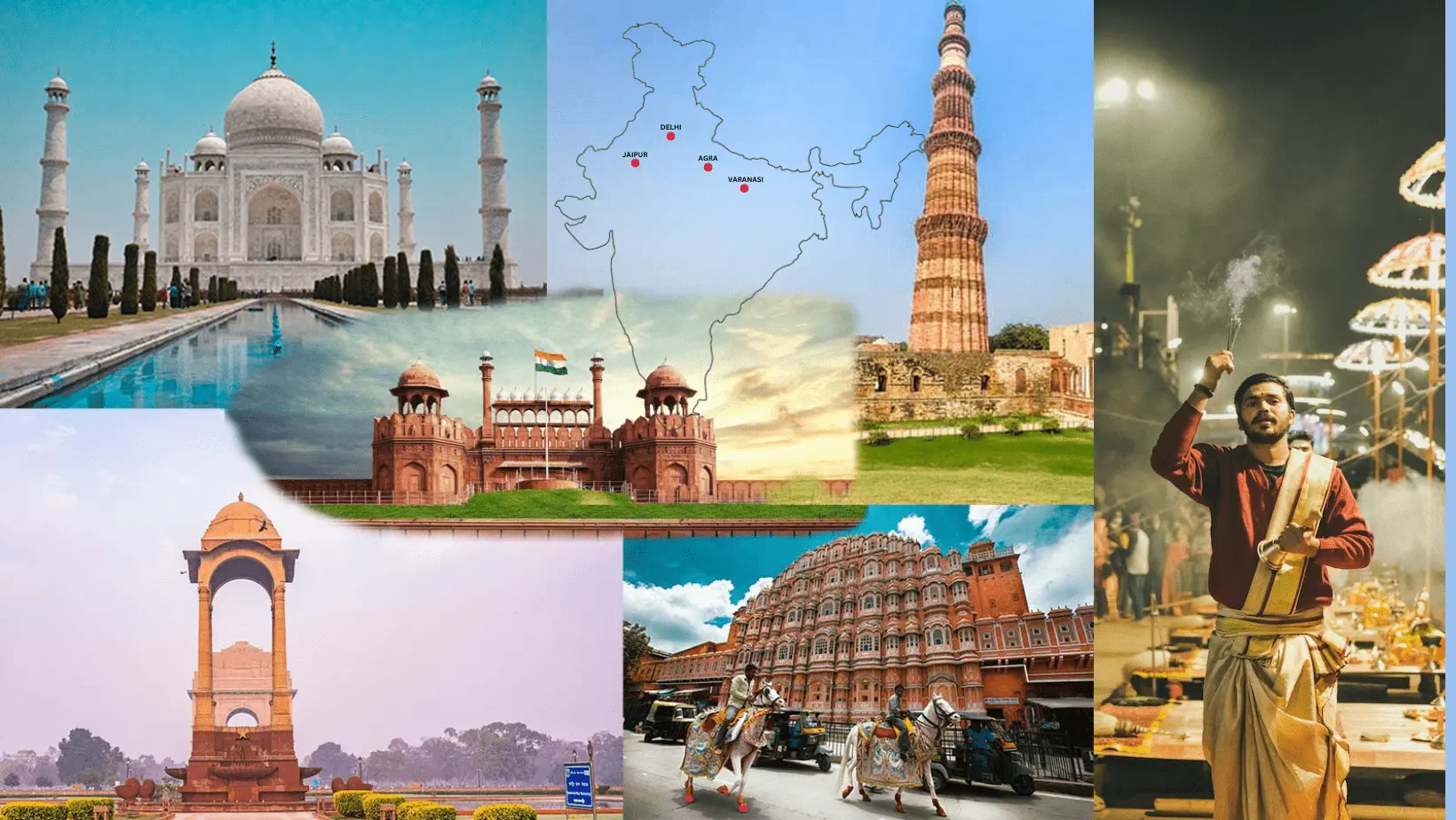
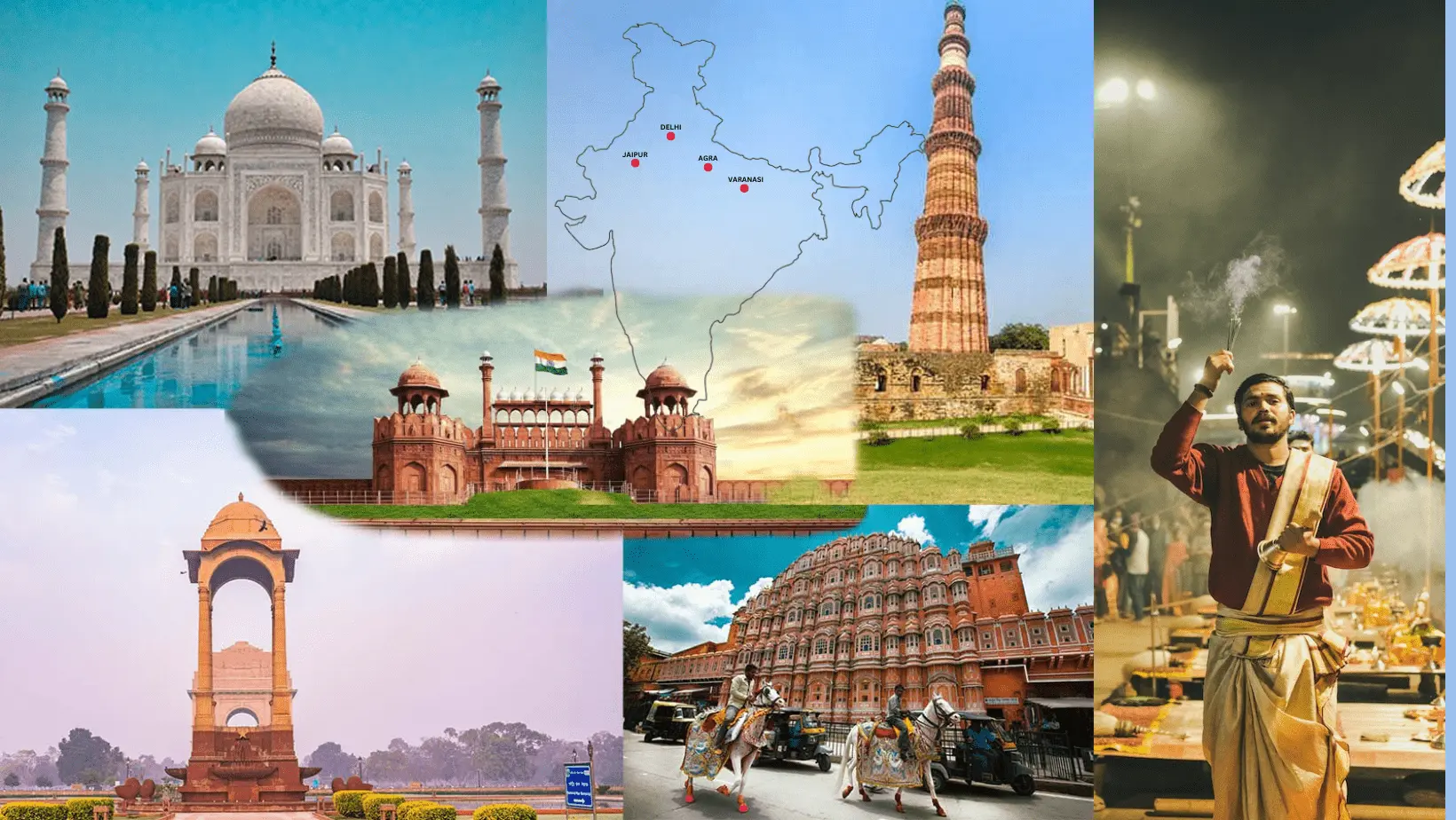
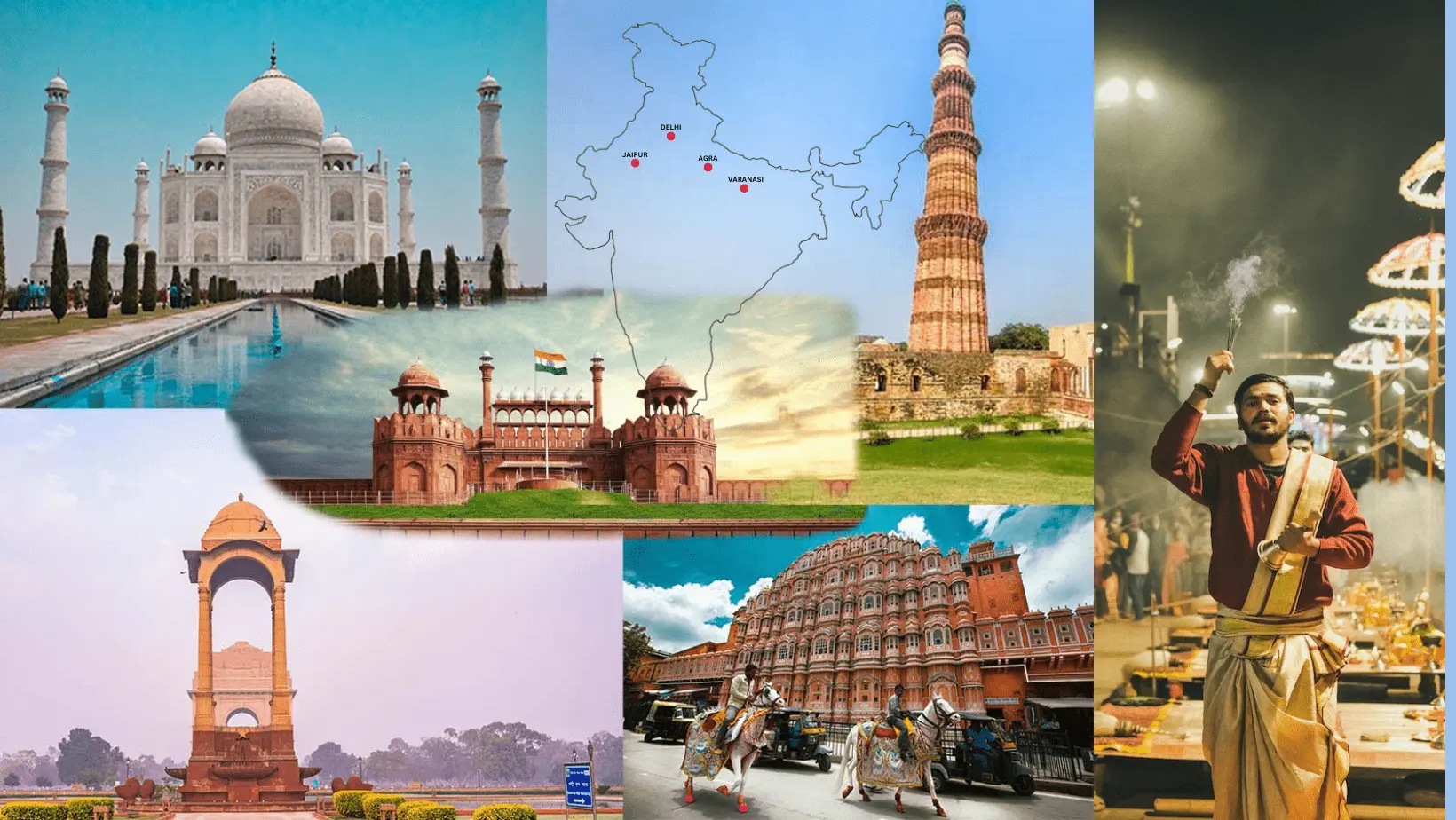
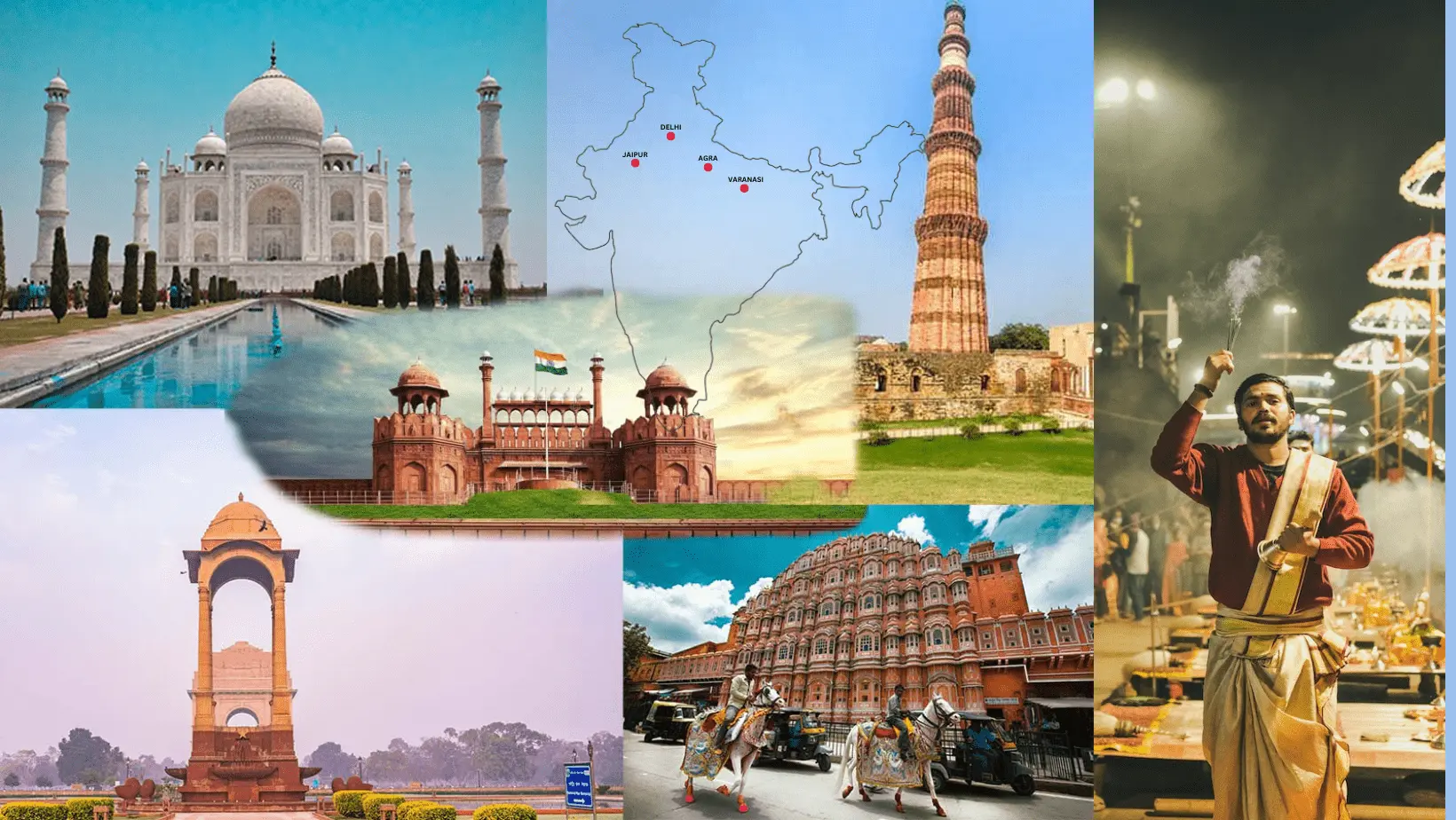
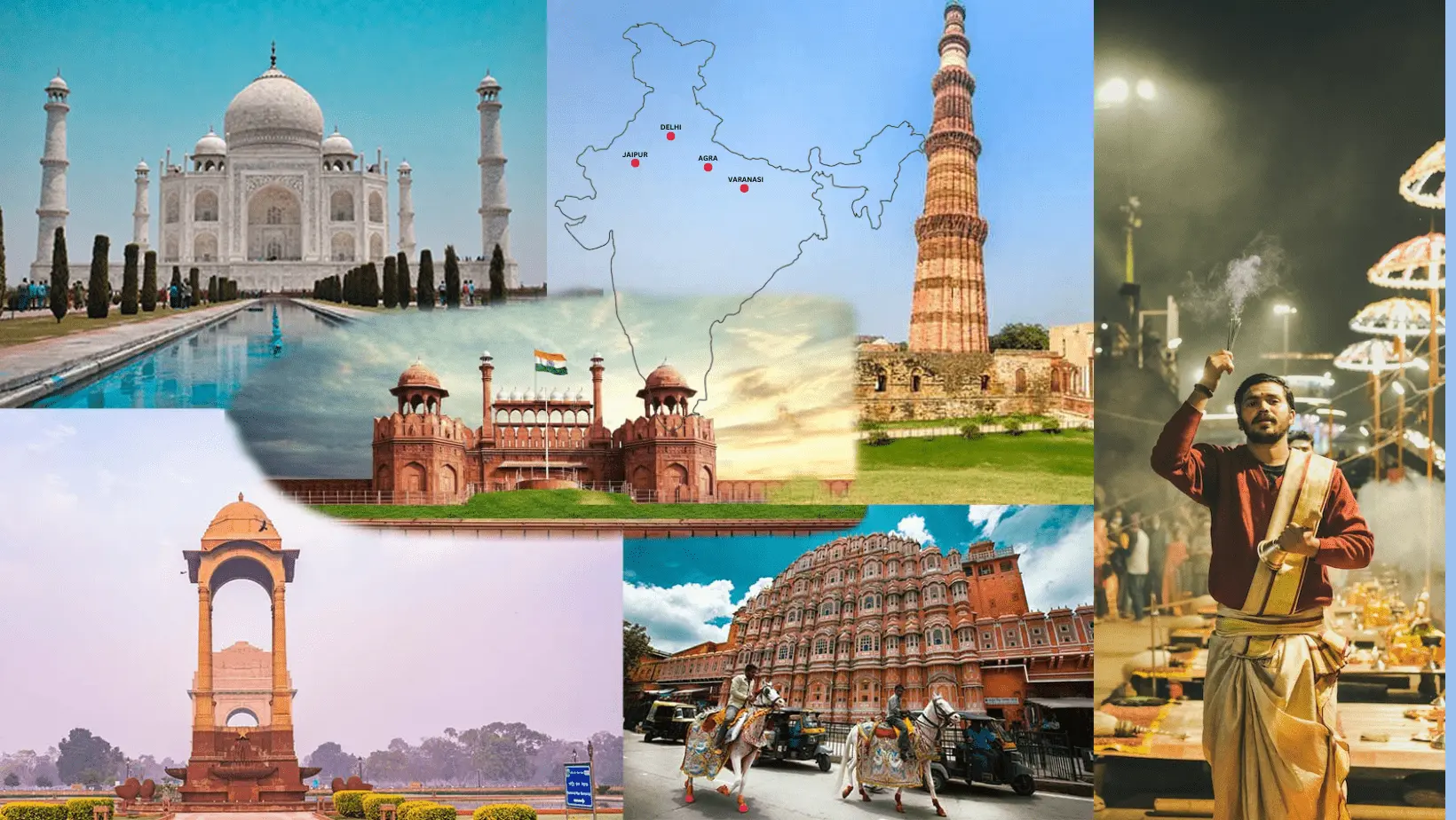
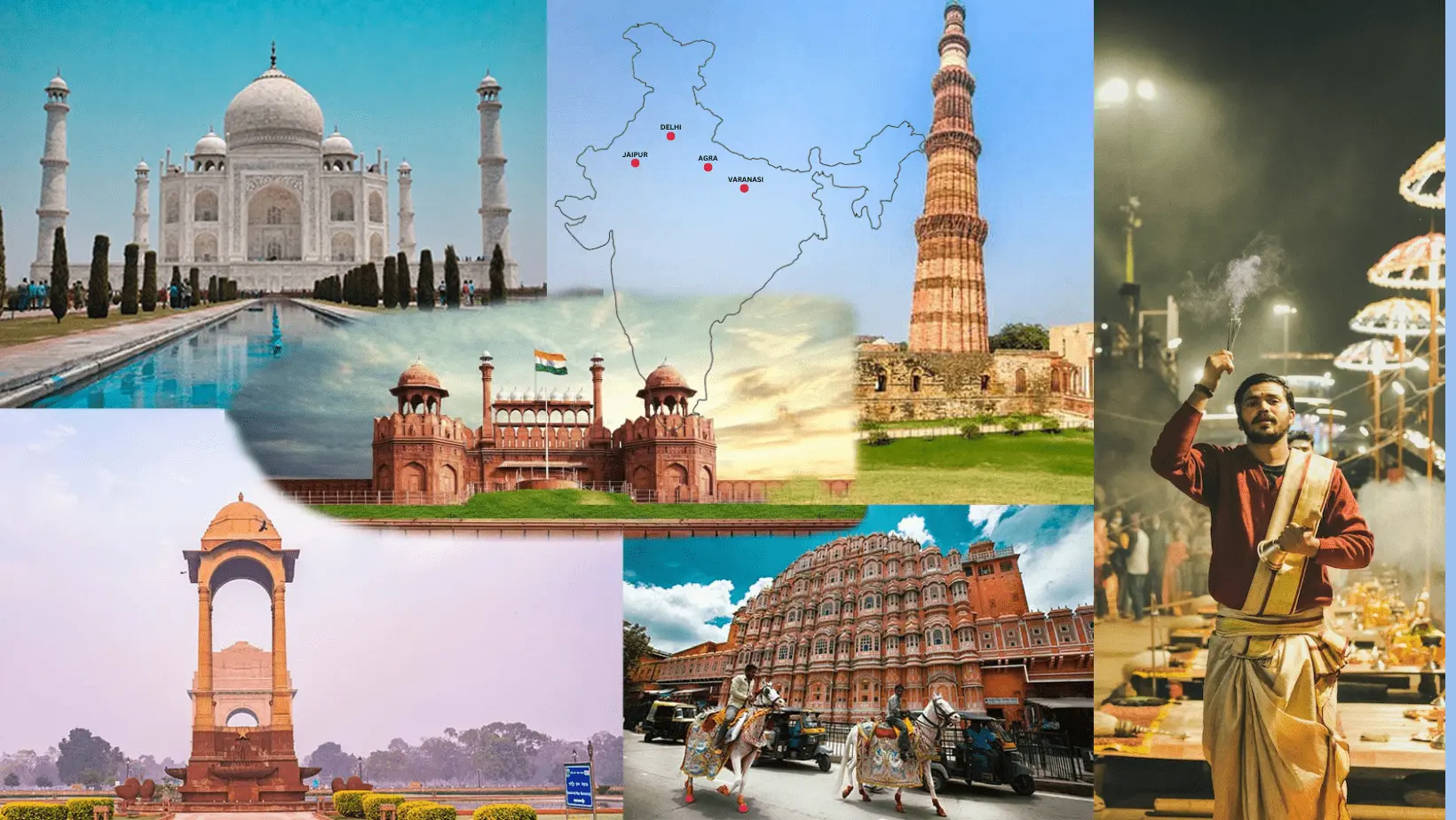
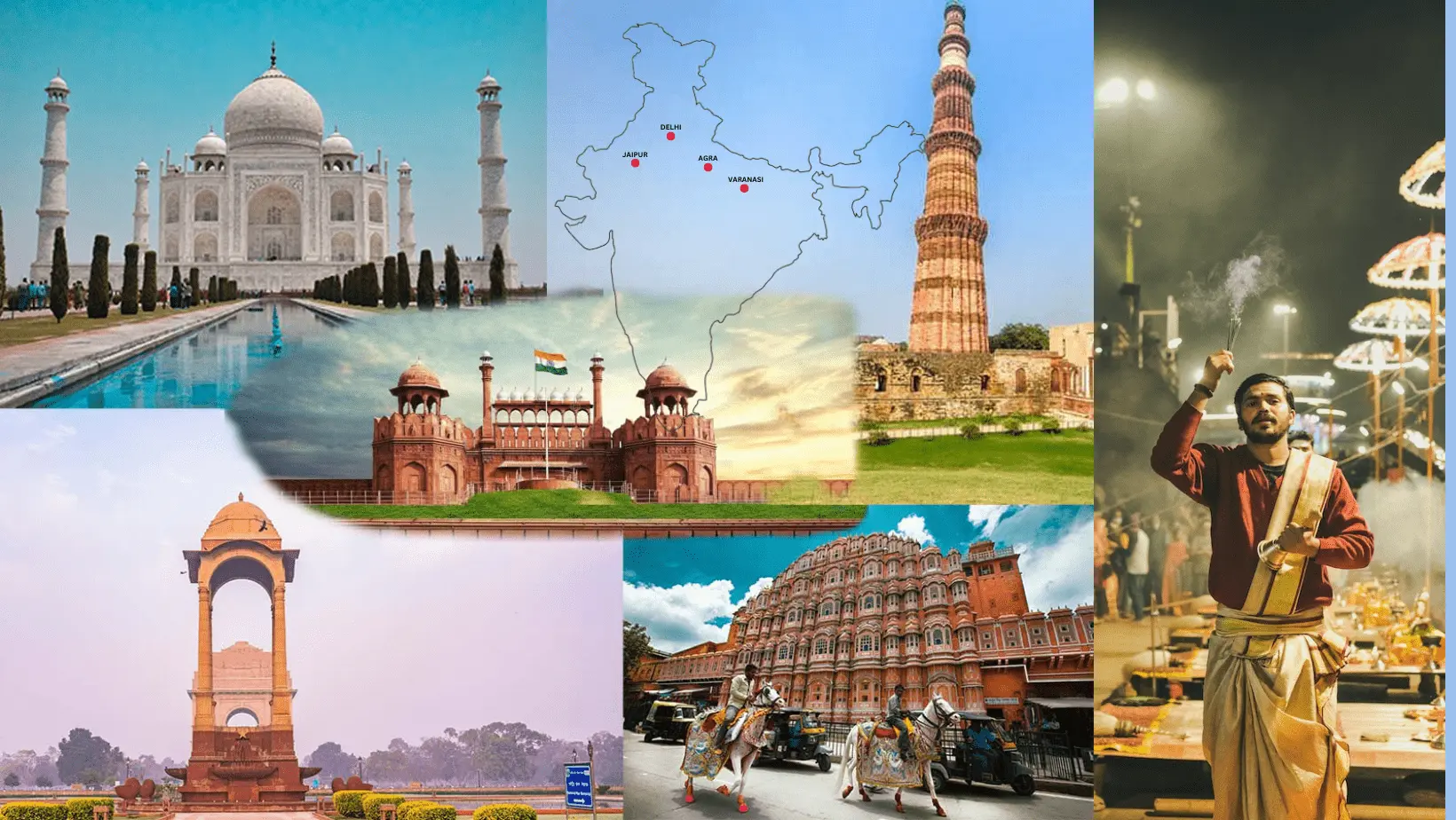
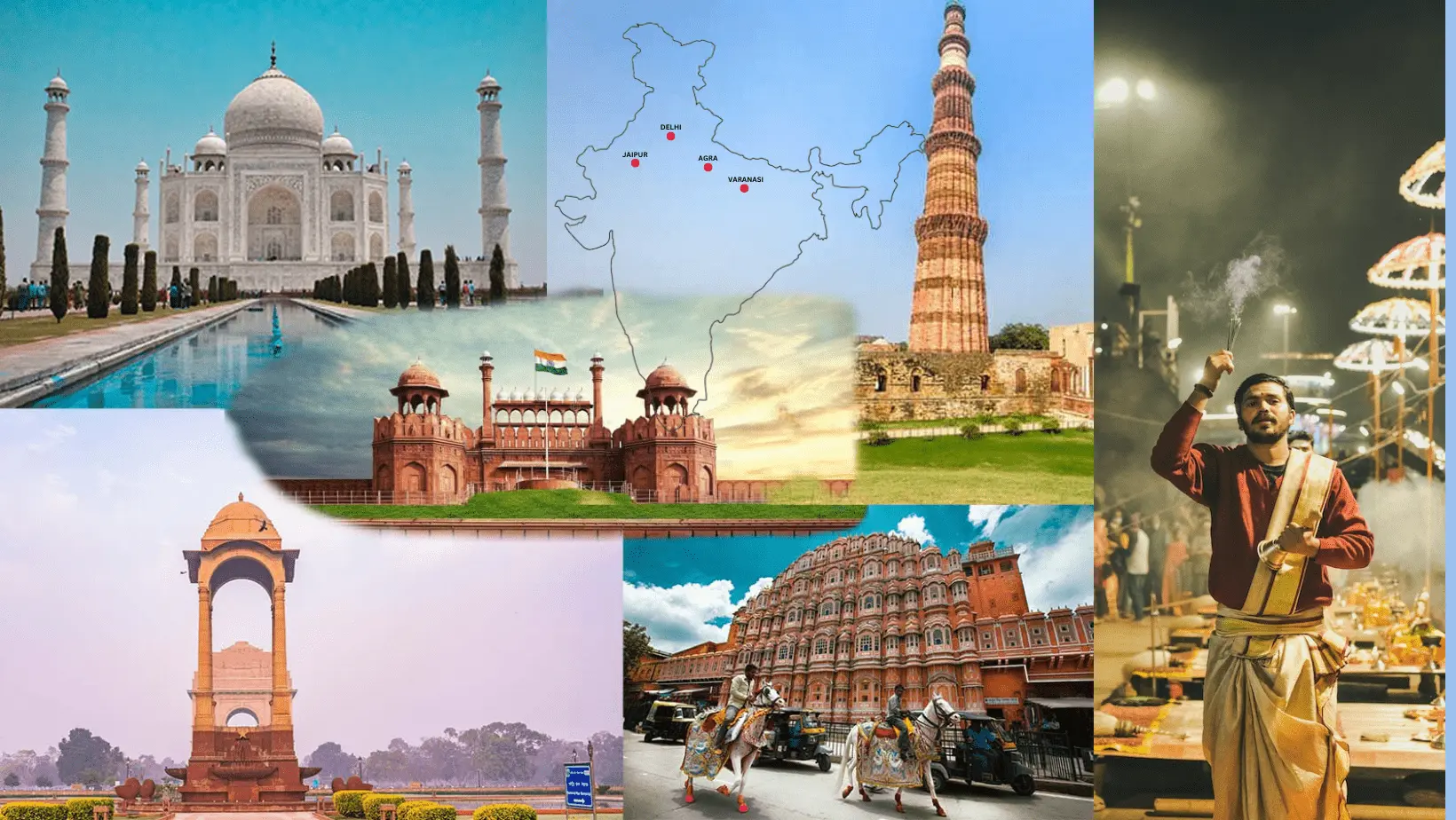
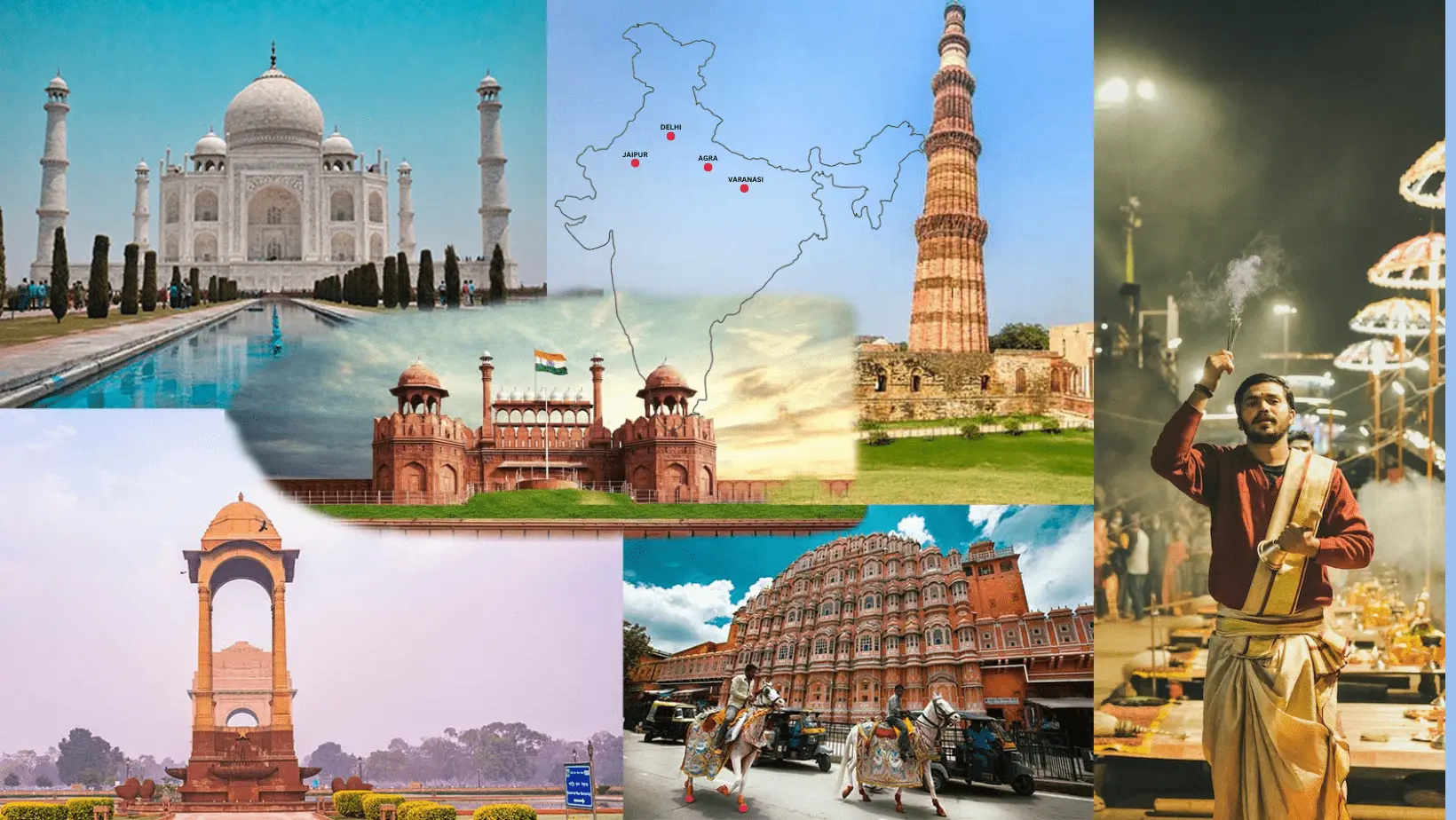
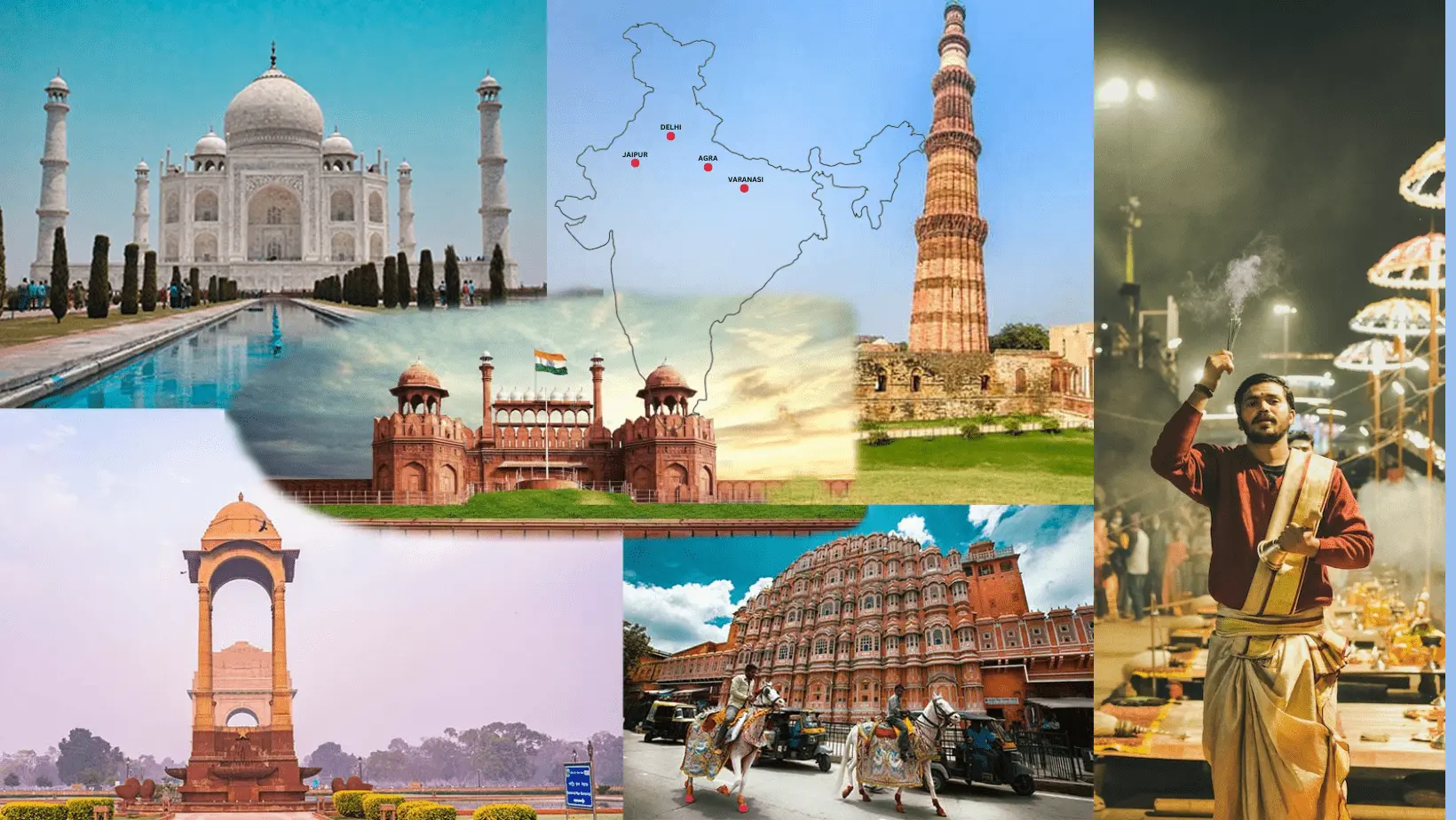
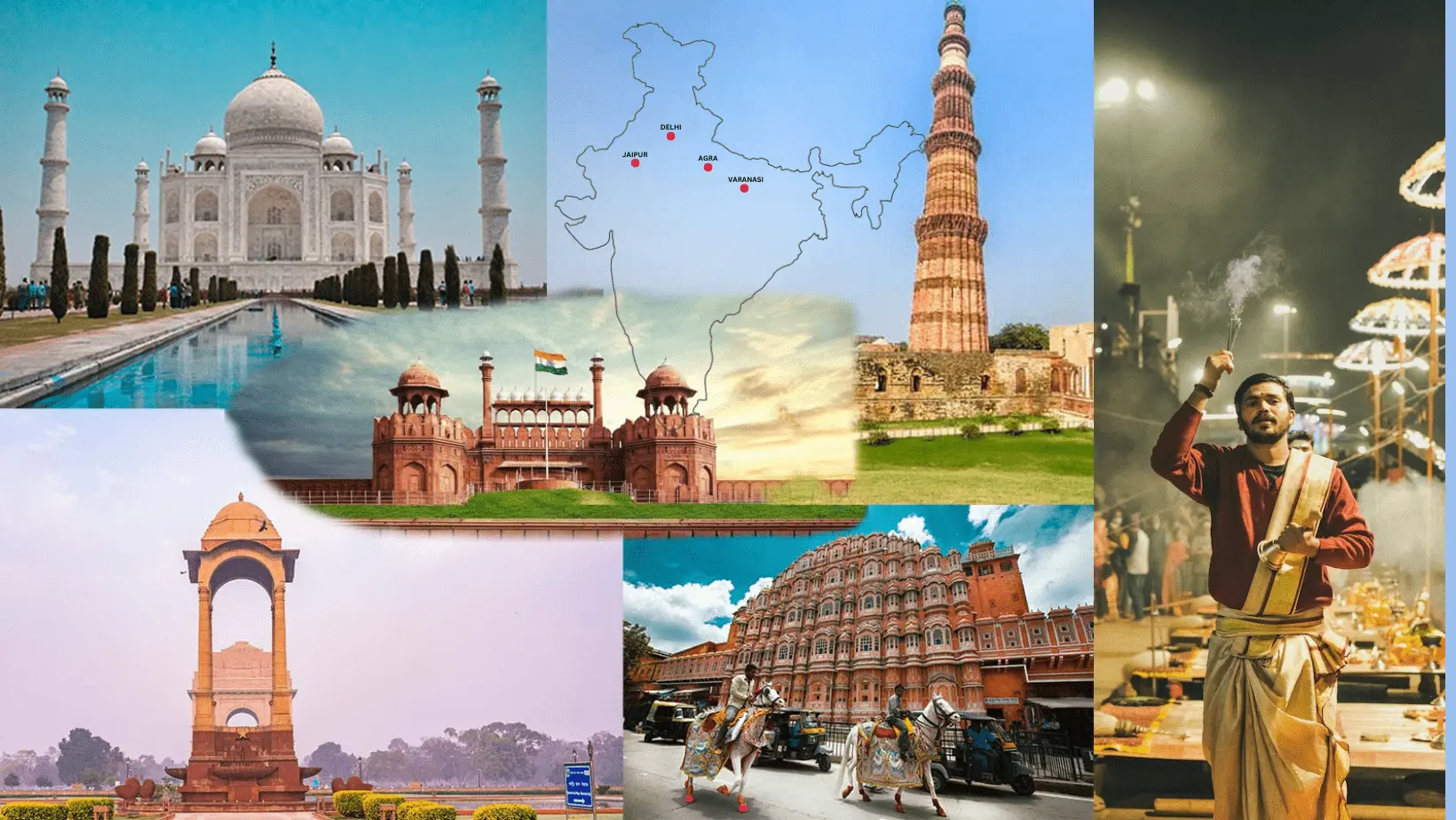
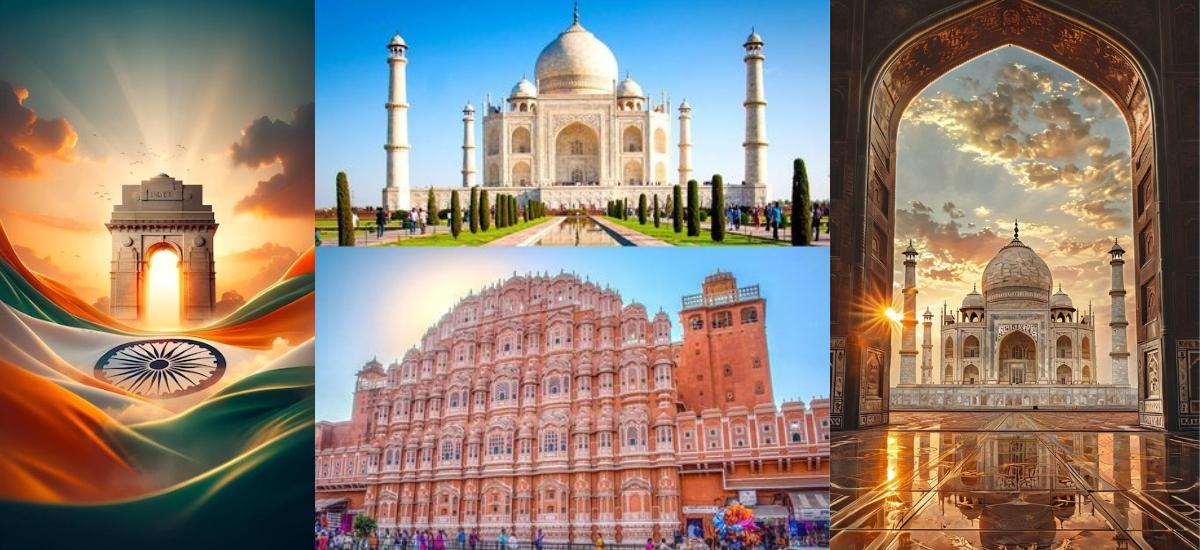
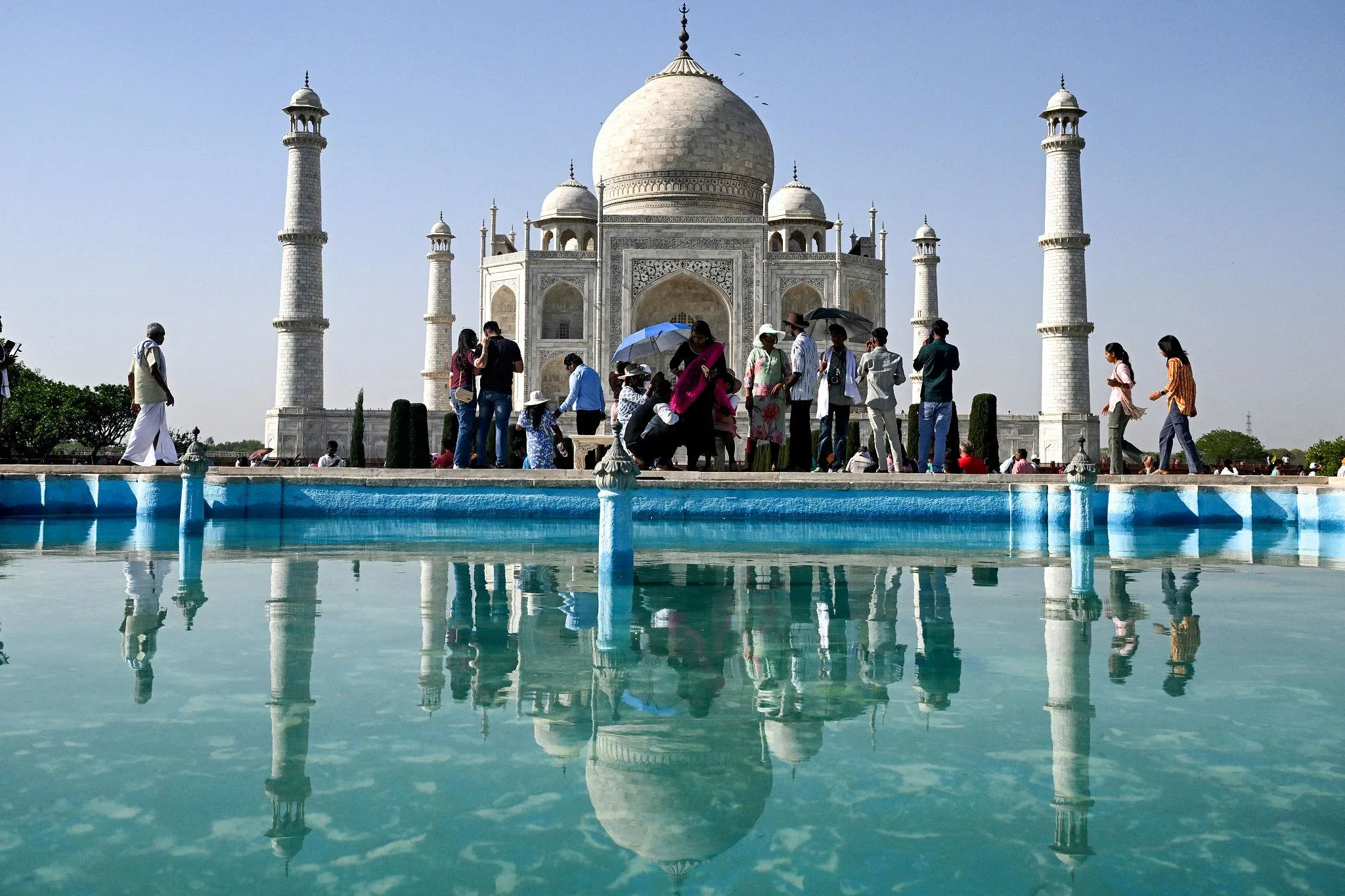
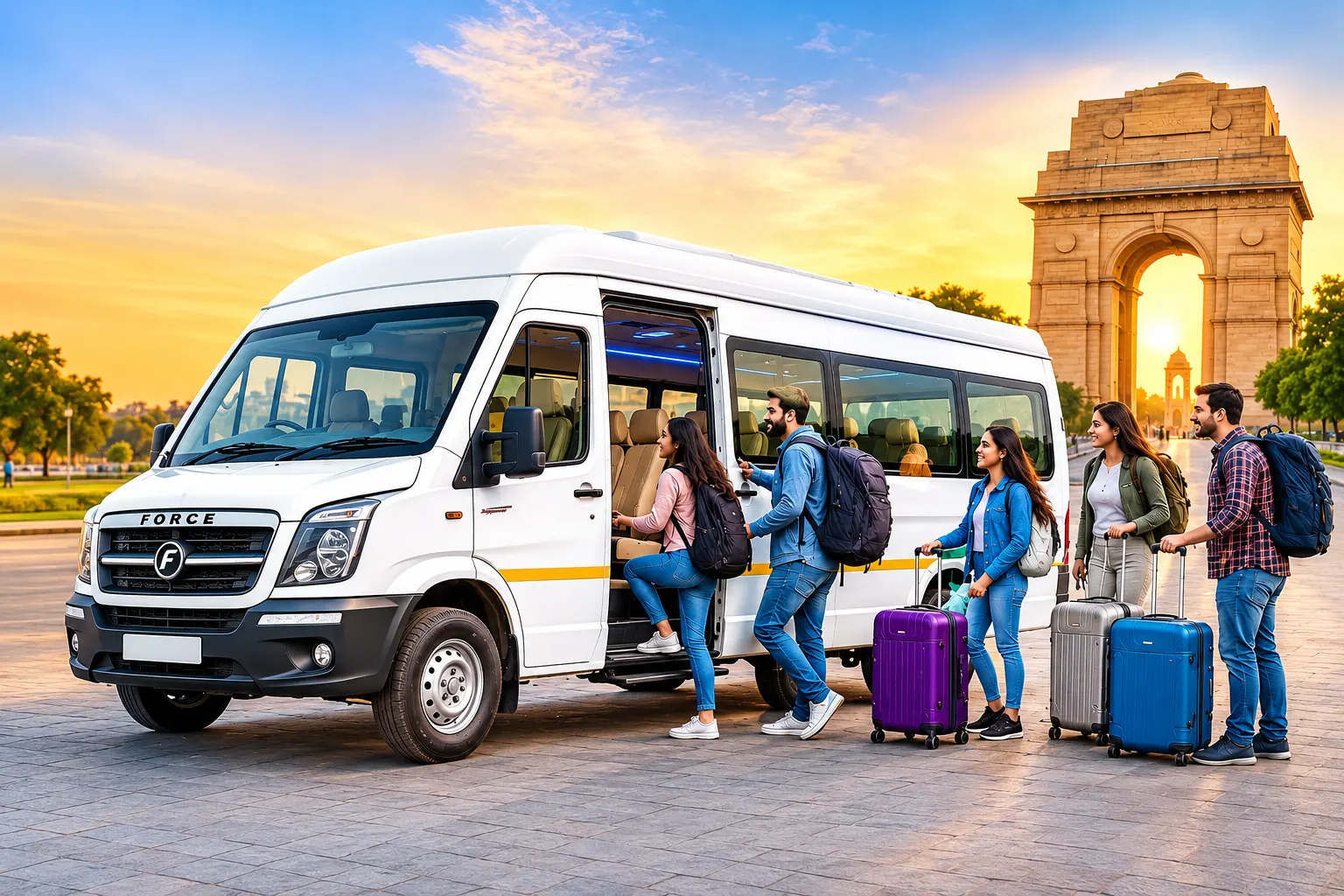
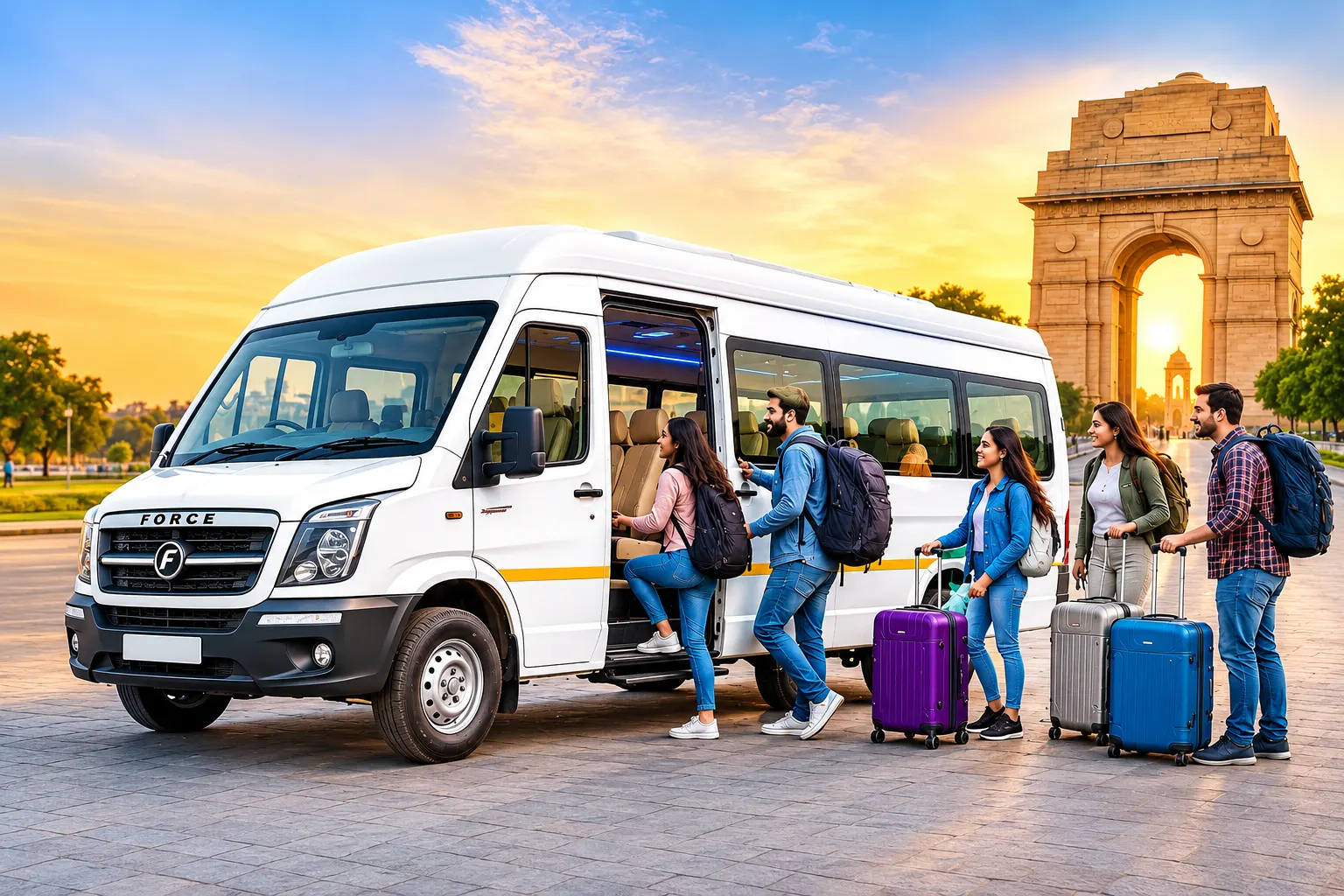
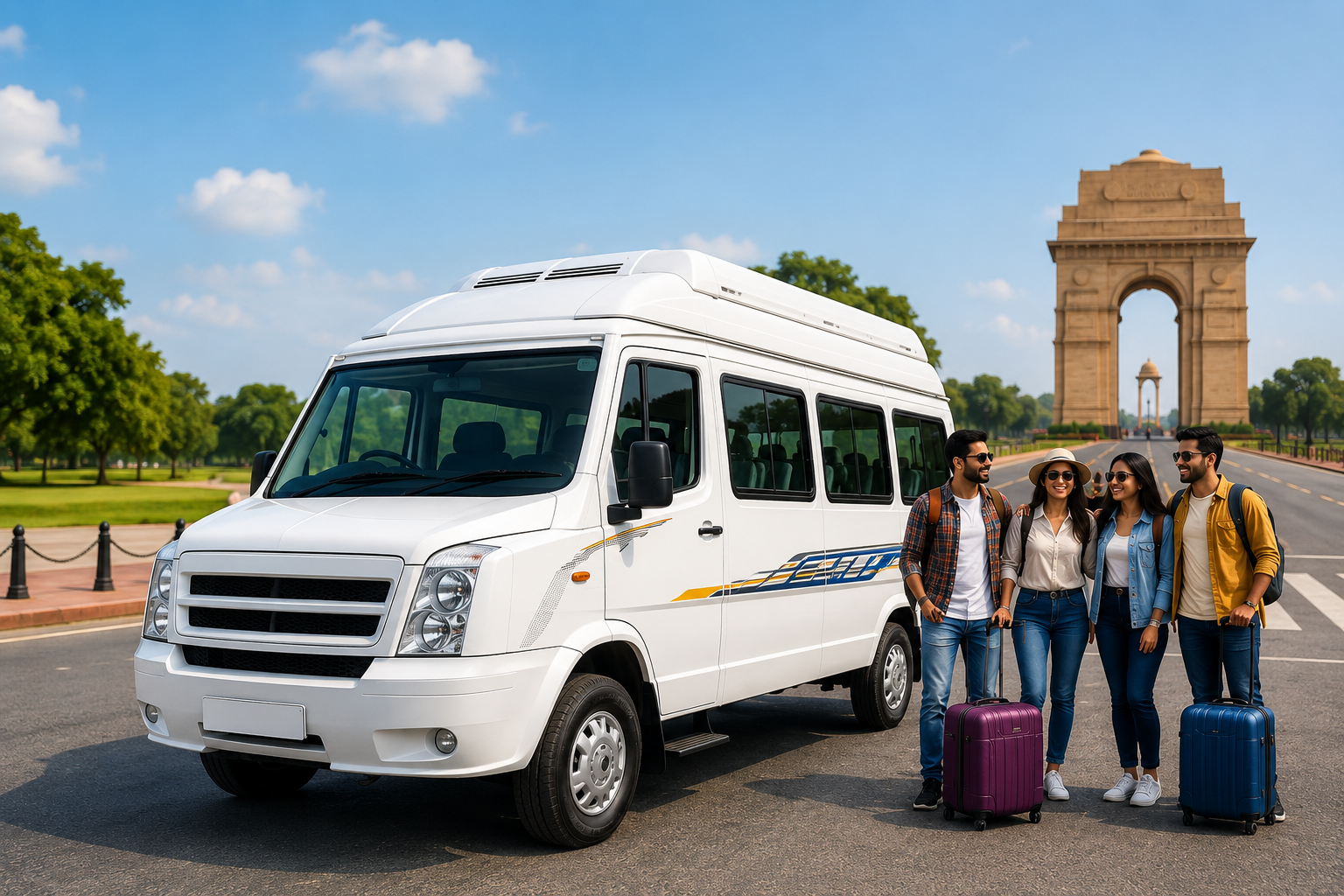
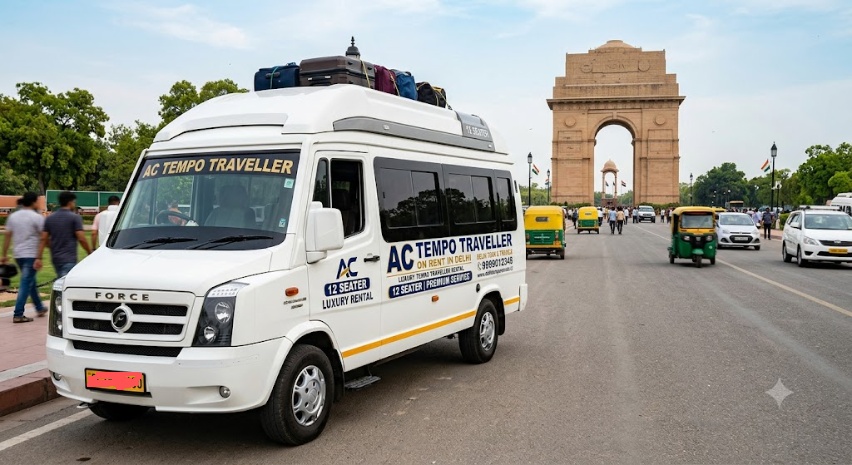
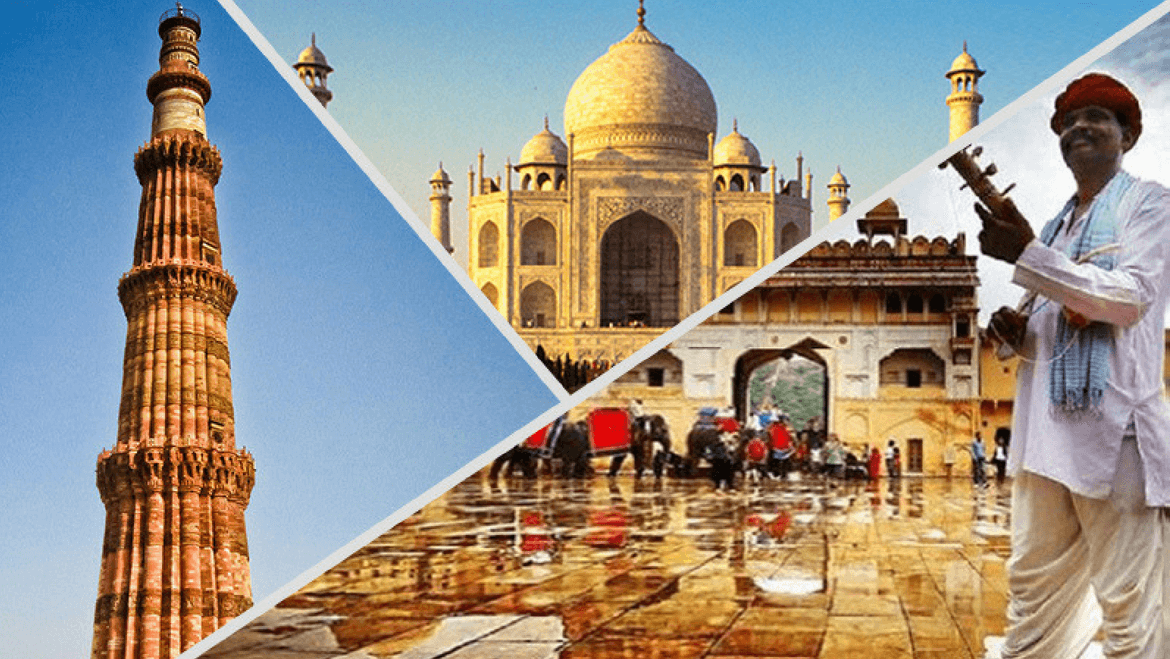
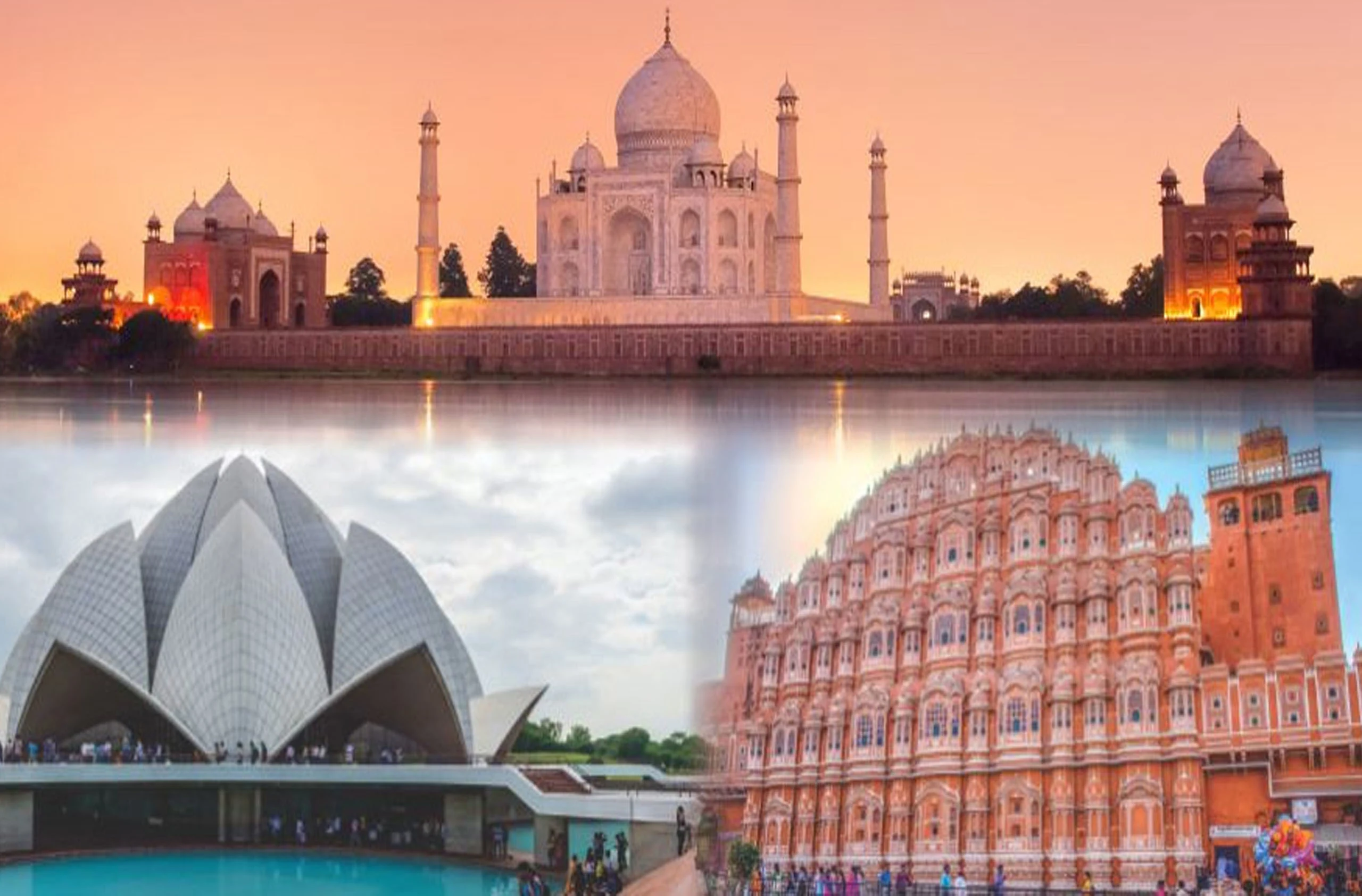
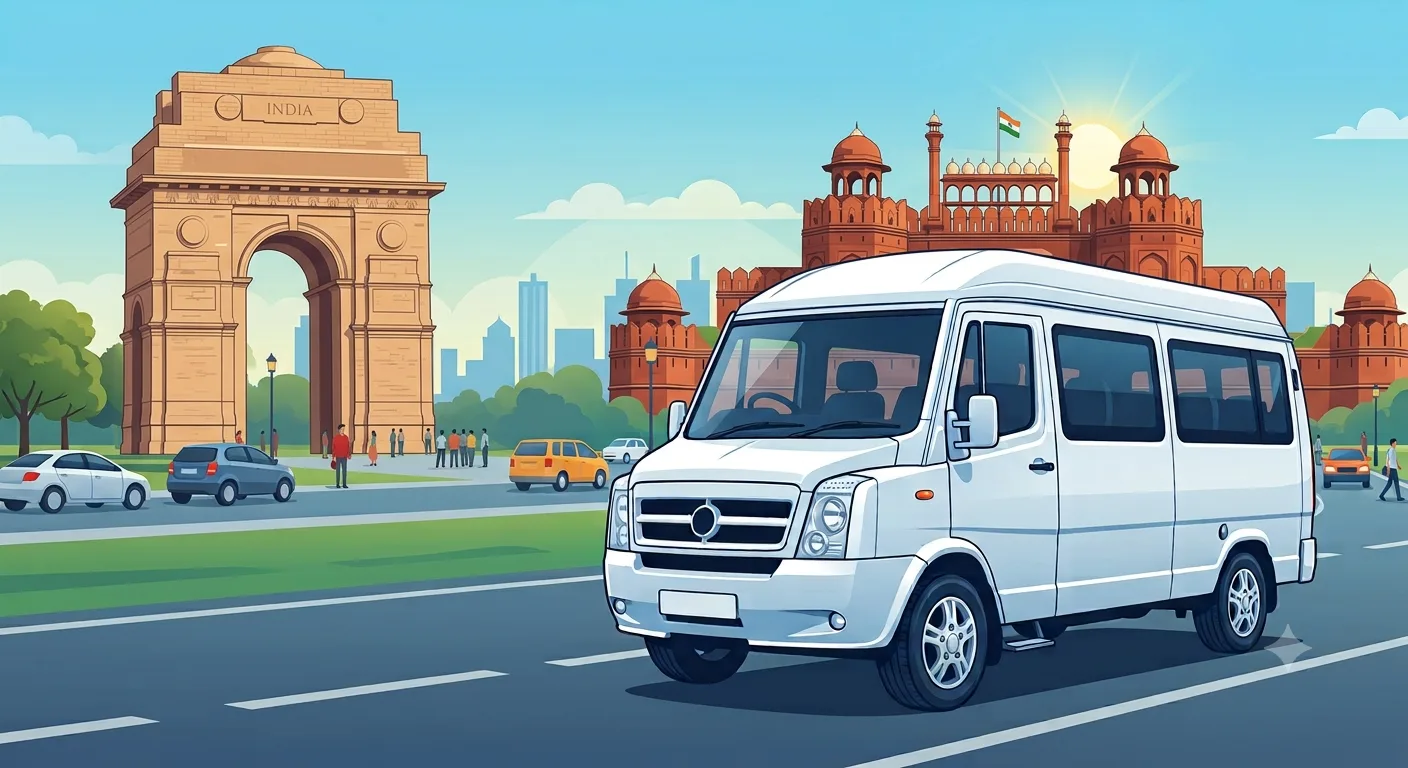
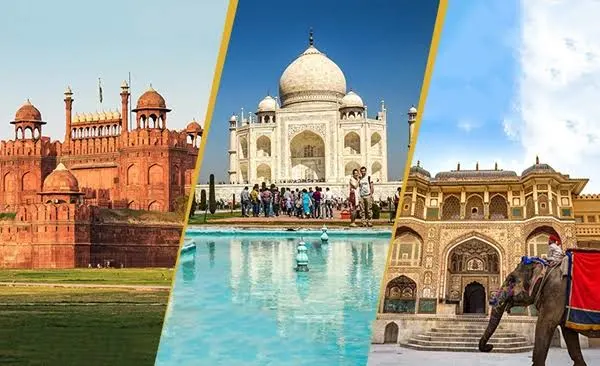
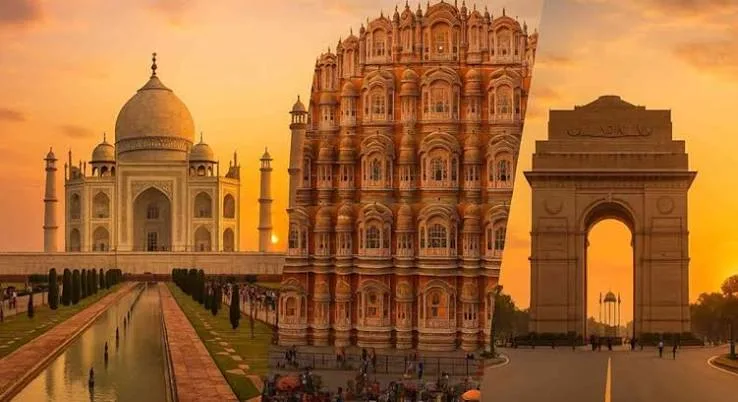
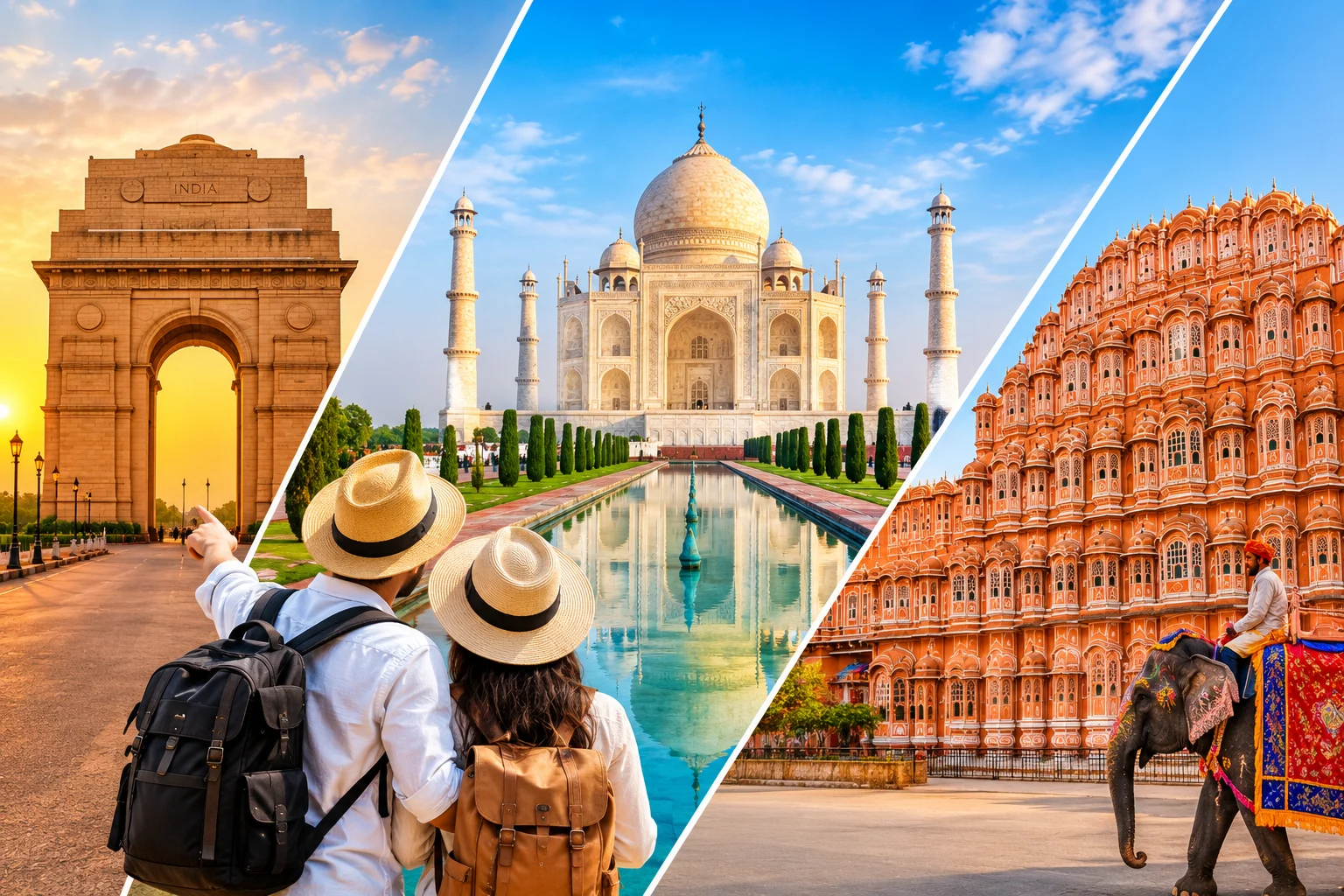
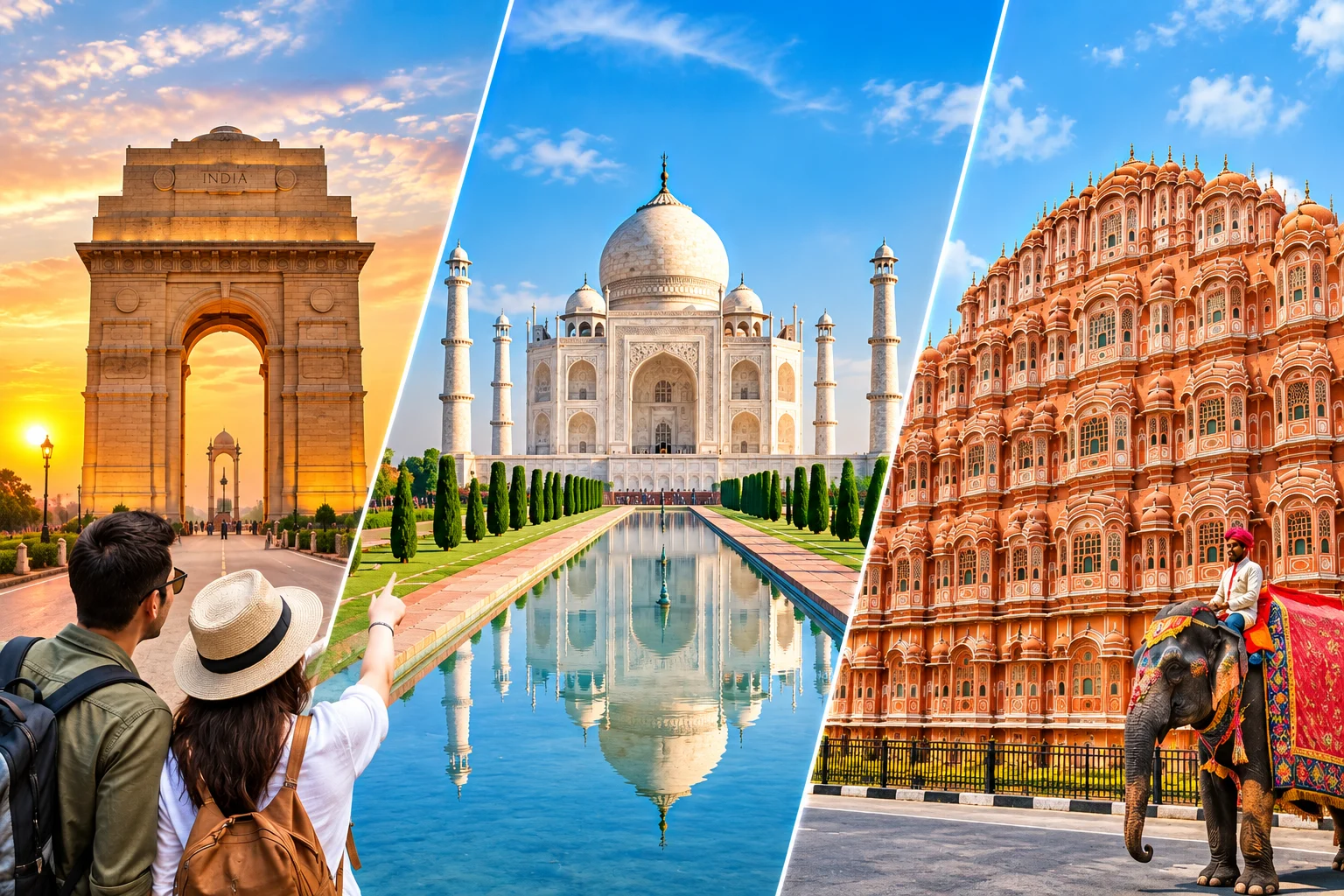
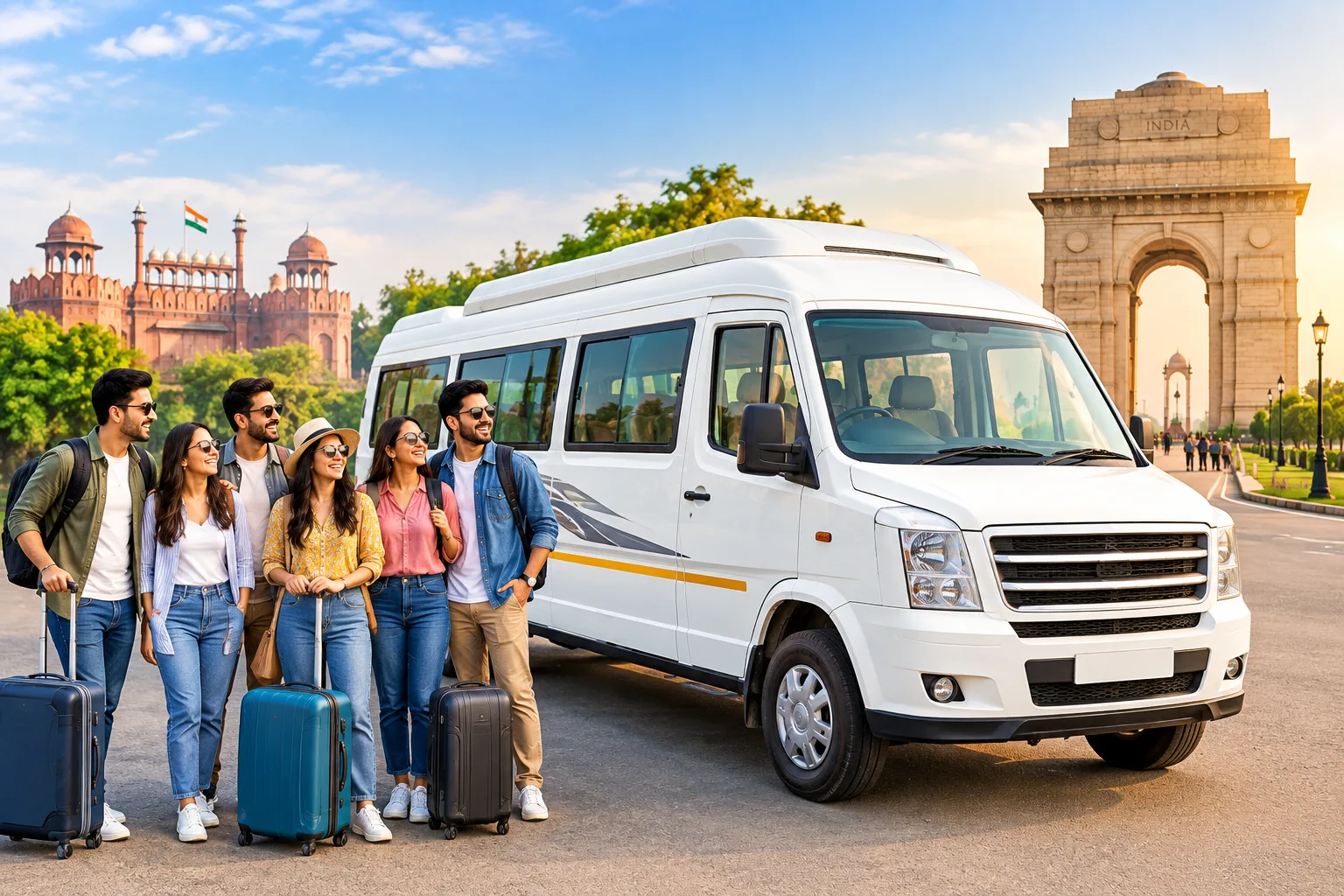
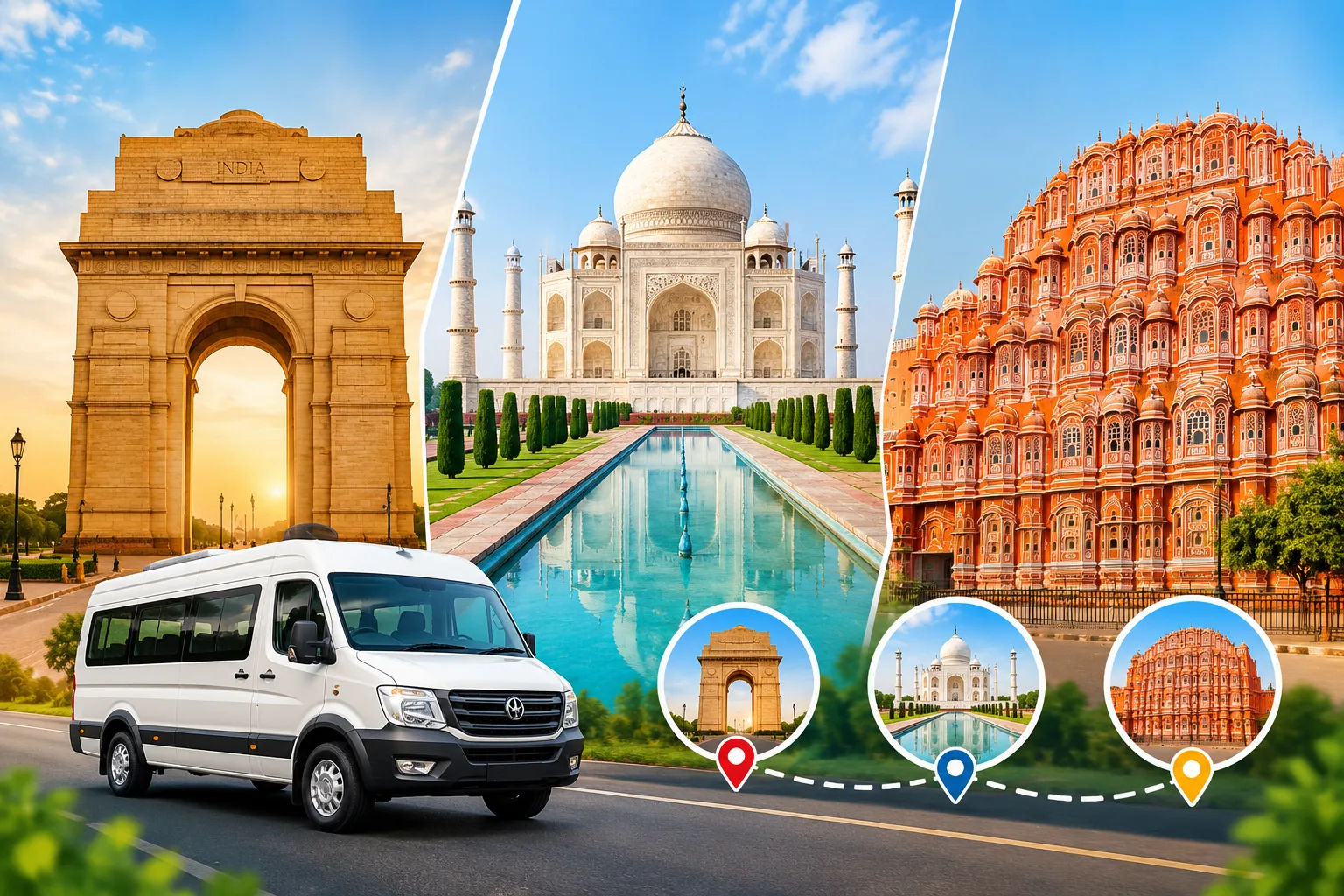
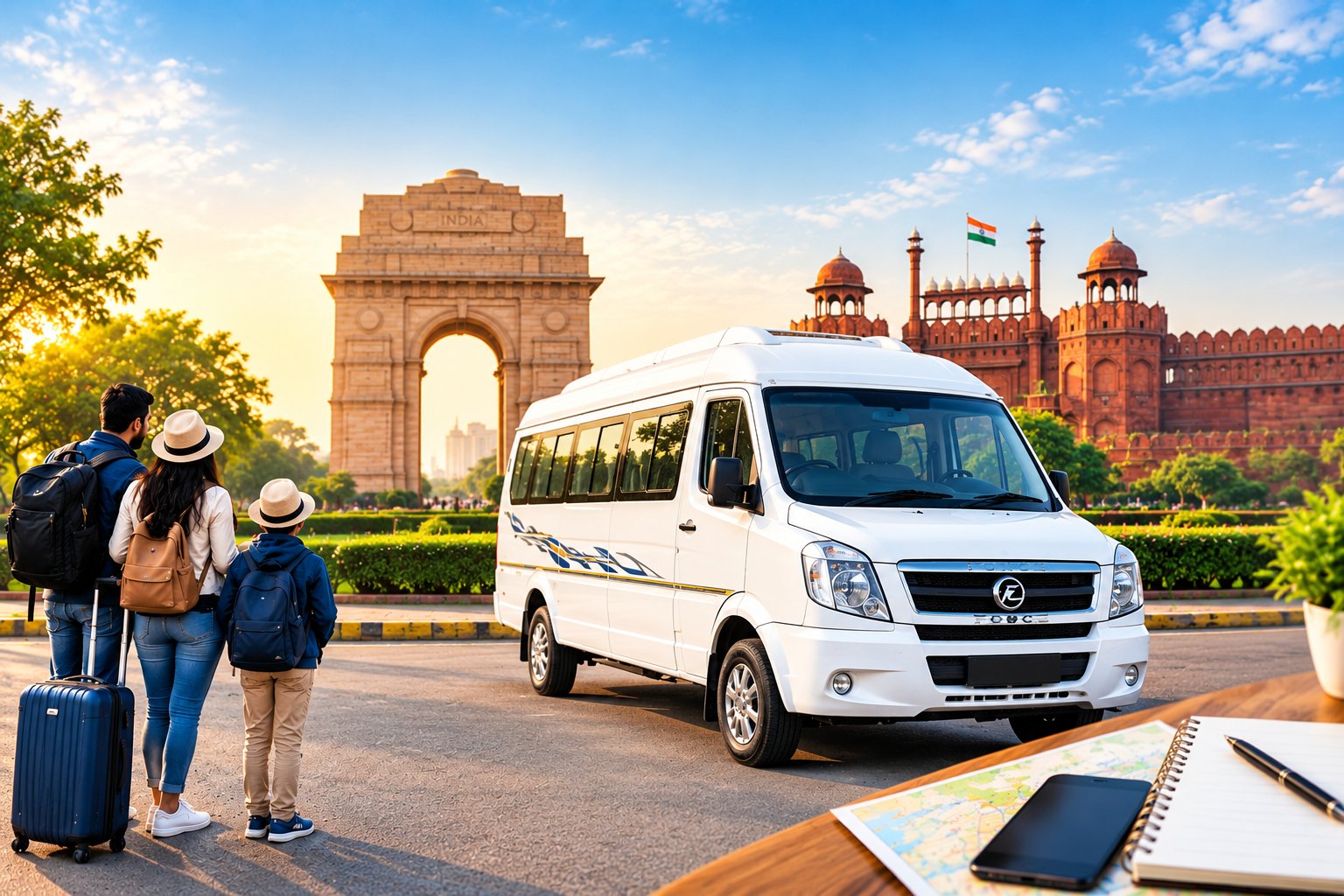
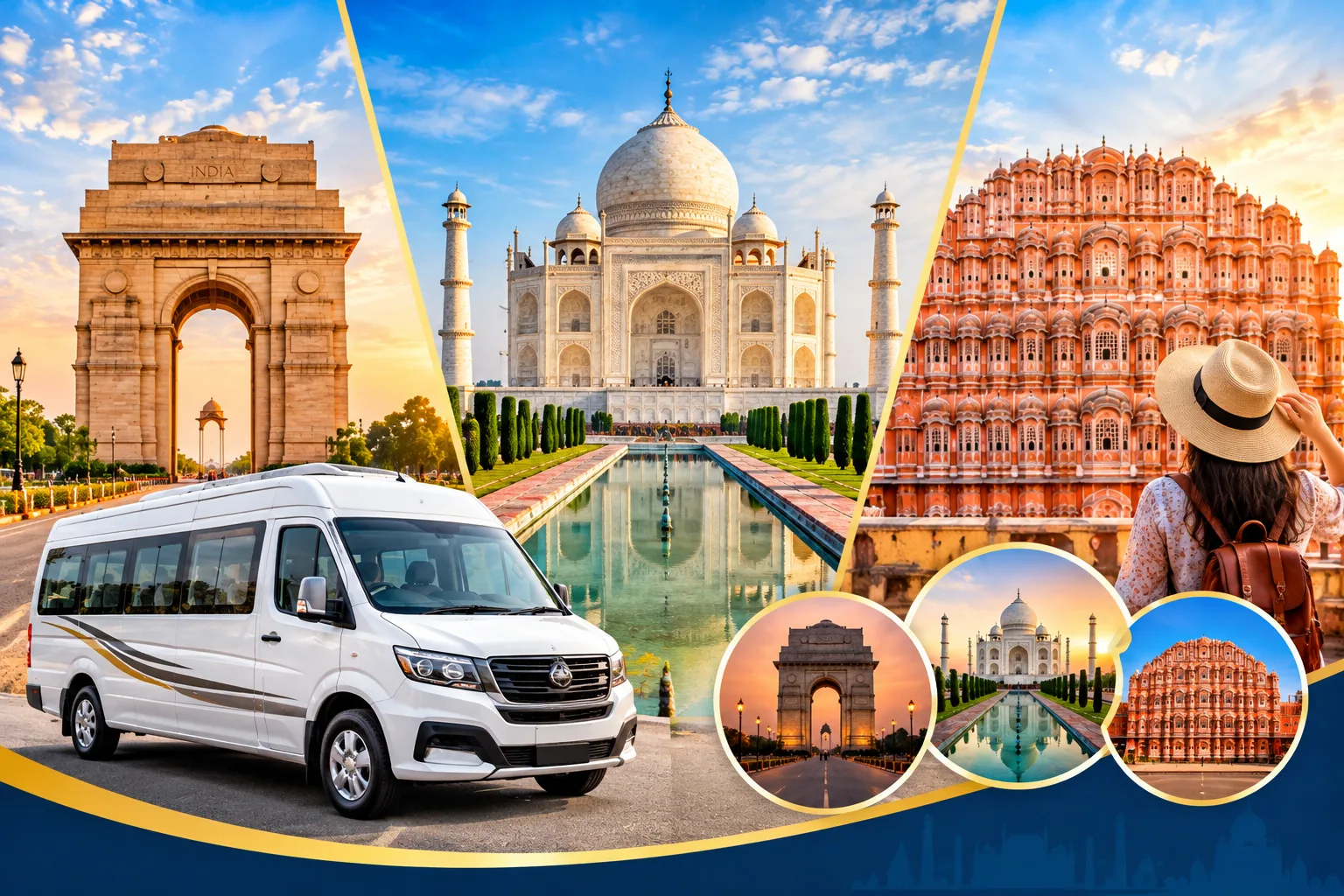
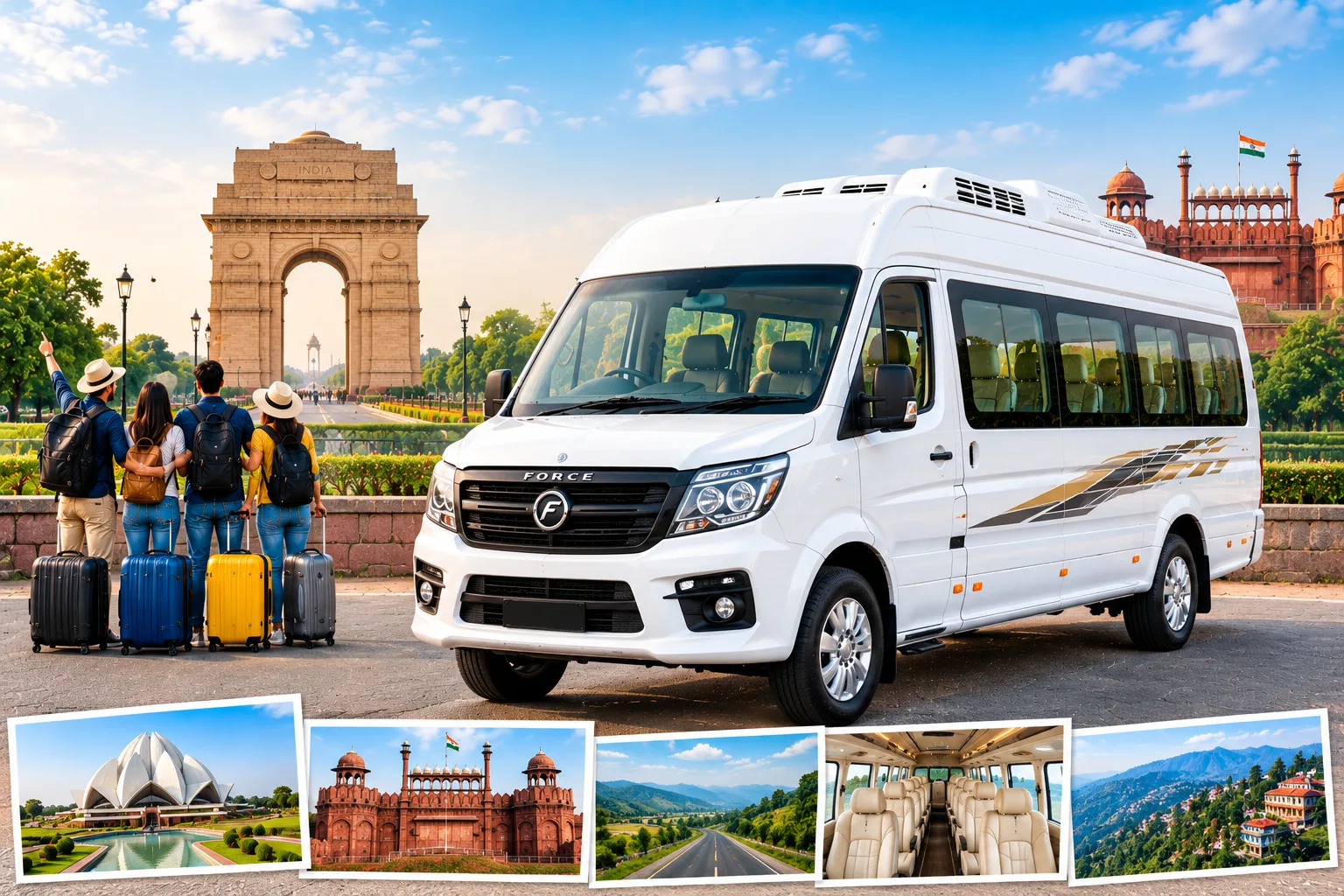
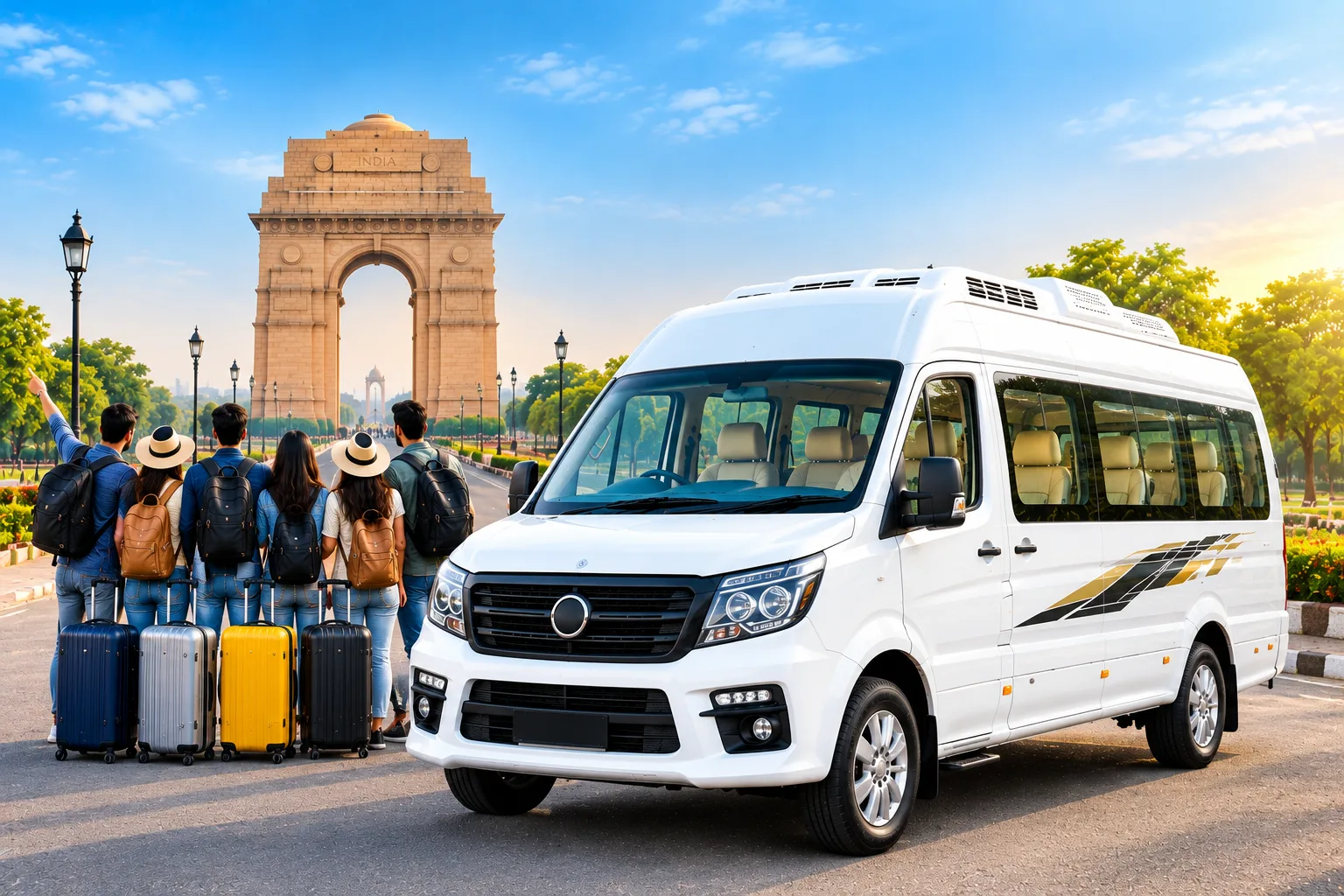
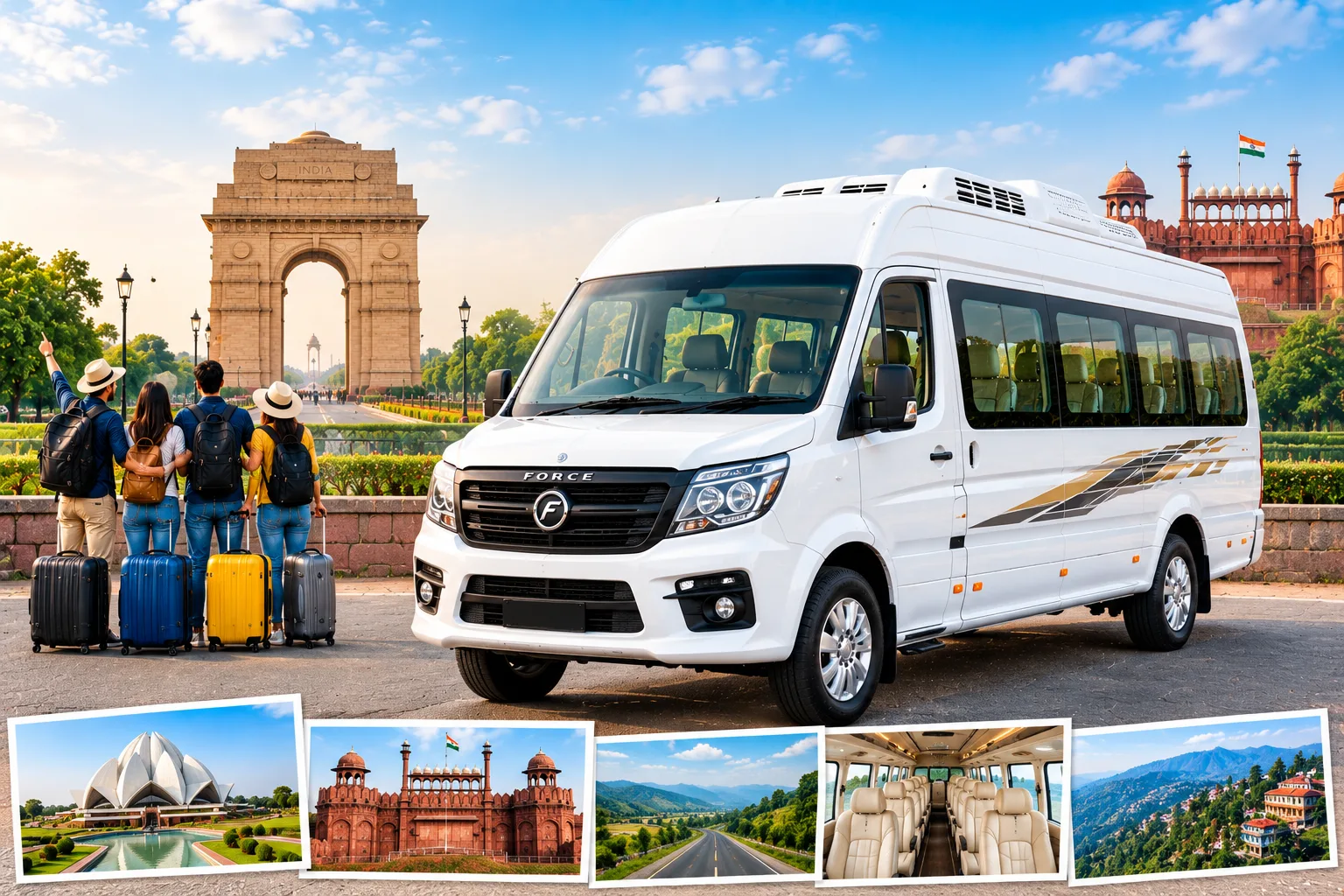
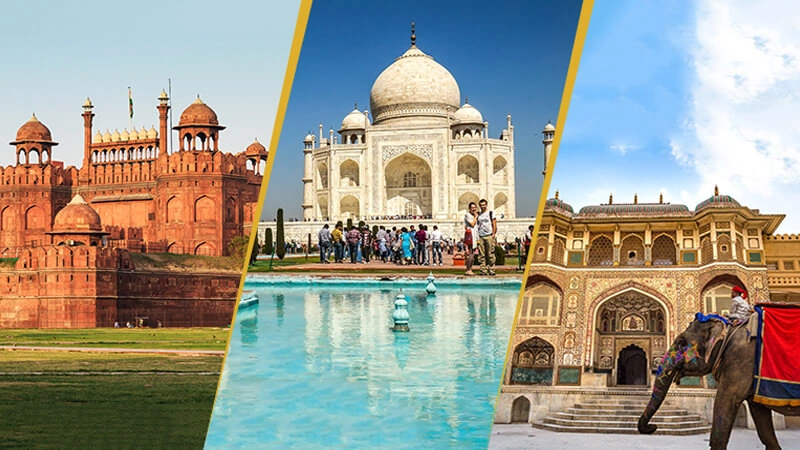
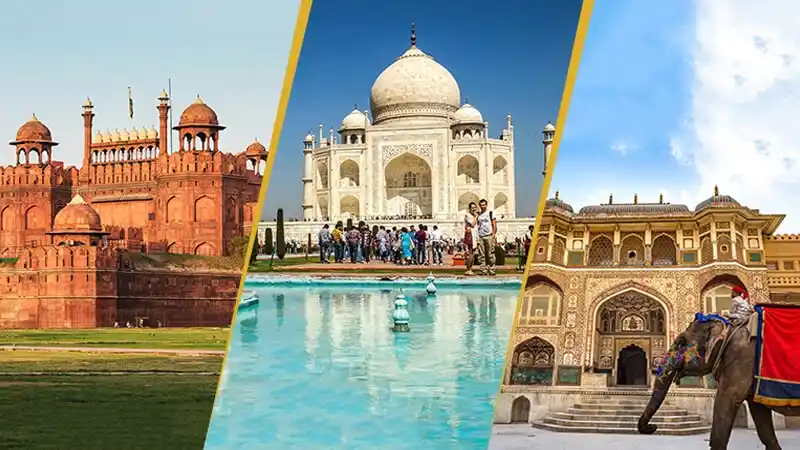
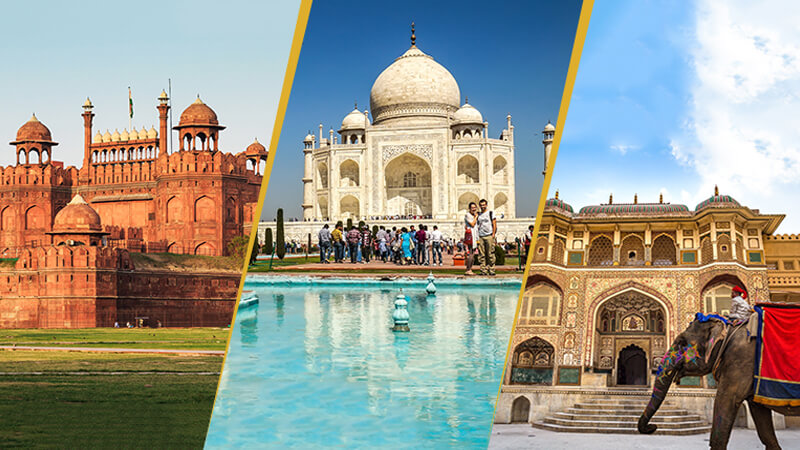
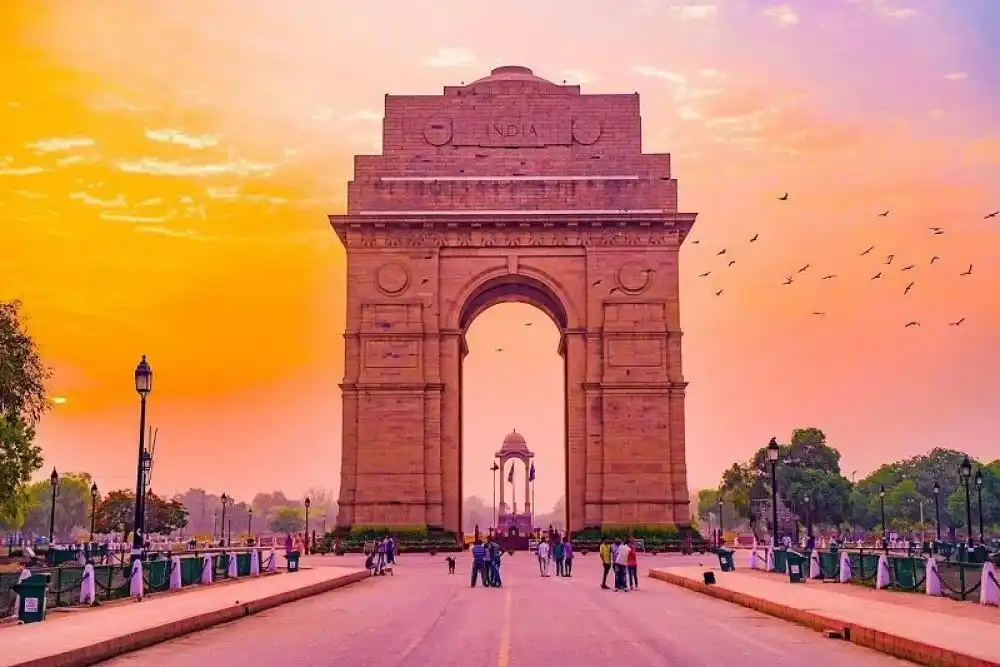
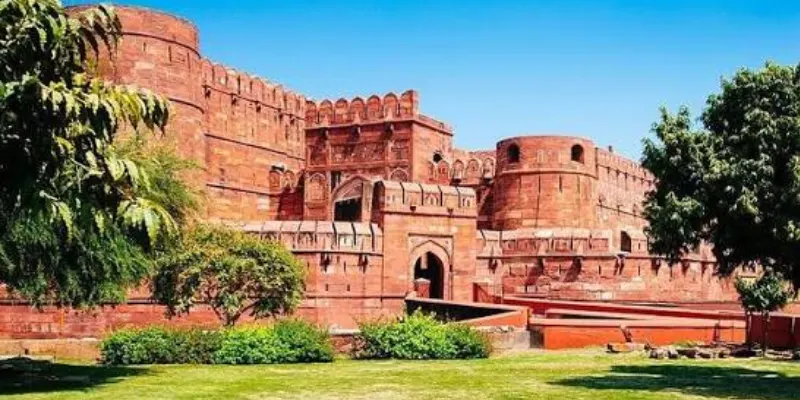
Old Delhi and Lutyens’ Delhi circuit: Red Fort, Jama Masjid, Raj Ghat, India Gate, Rashtrapati Bhavan exterior and Parliament House exterior.
Heritage and temples circuit: Humayun’s Tomb, Lotus Temple, Akshardham, Qutub Minar and Hauz Khas Village.
Family and shopping circuit: Dilli Haat, Connaught Place, Sarojini Nagar or Chandni Chowk for street food and bazaars.
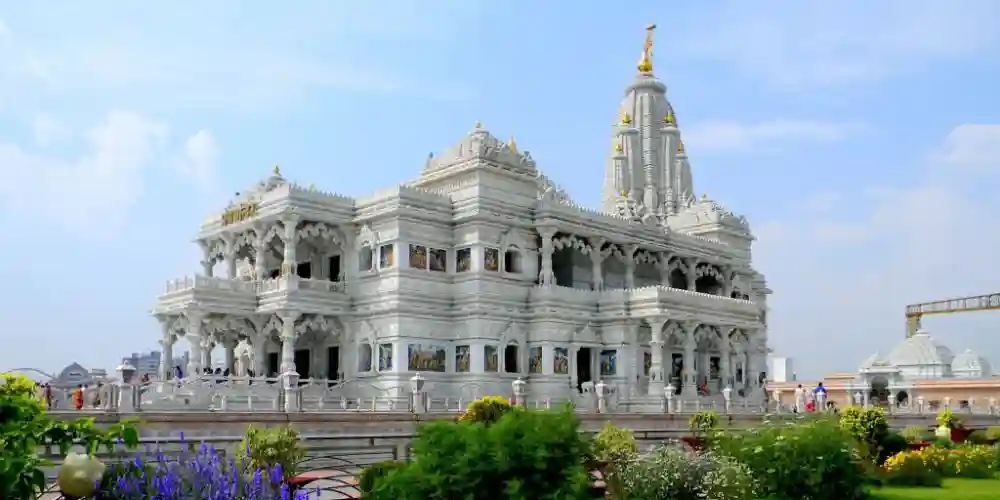
Spiritual circuit: Birla Mandir, ISKCON Temple, Chhatarpur Mandir and Gurudwara Bangla Sahib.
A practical tip from experience: Delhi’s traffic can change a plan completely. Visiting Old Delhi early in the morning and leaving shopping areas for late afternoon usually works best.
Who Should Choose a Local Package?
A local package suits you if you are:
A family visiting Delhi for two or three days
A school, college or corporate group on a city tour
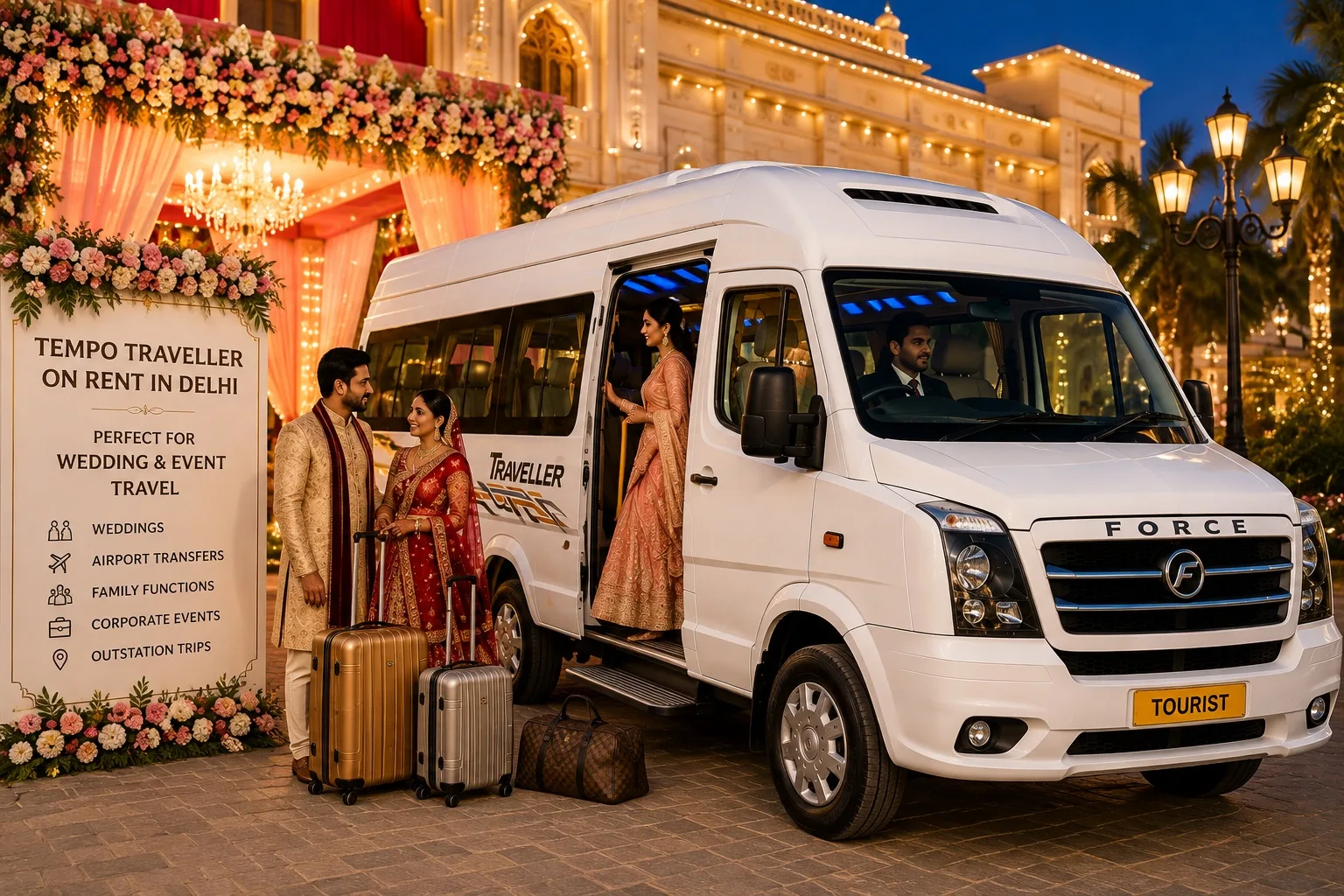
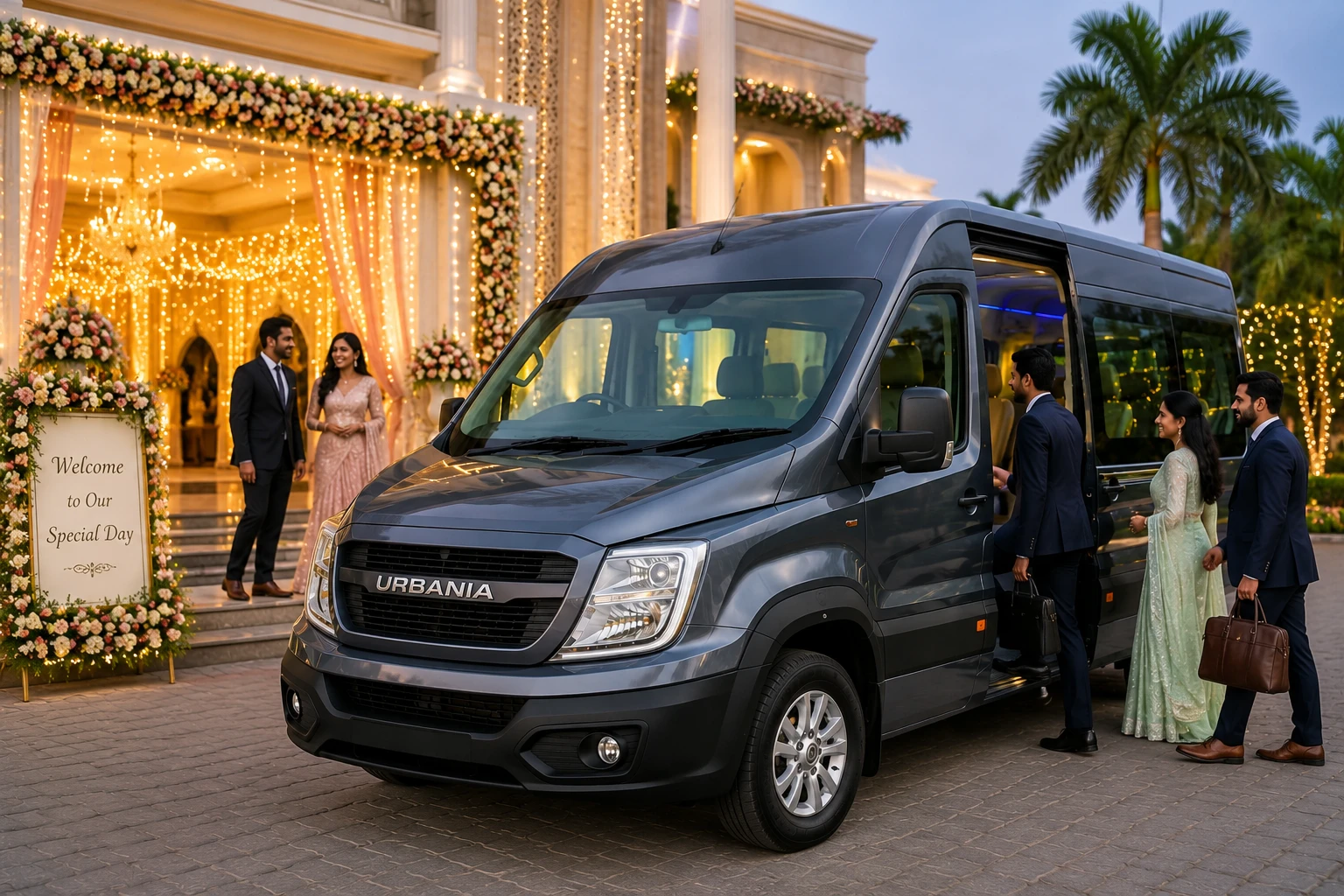
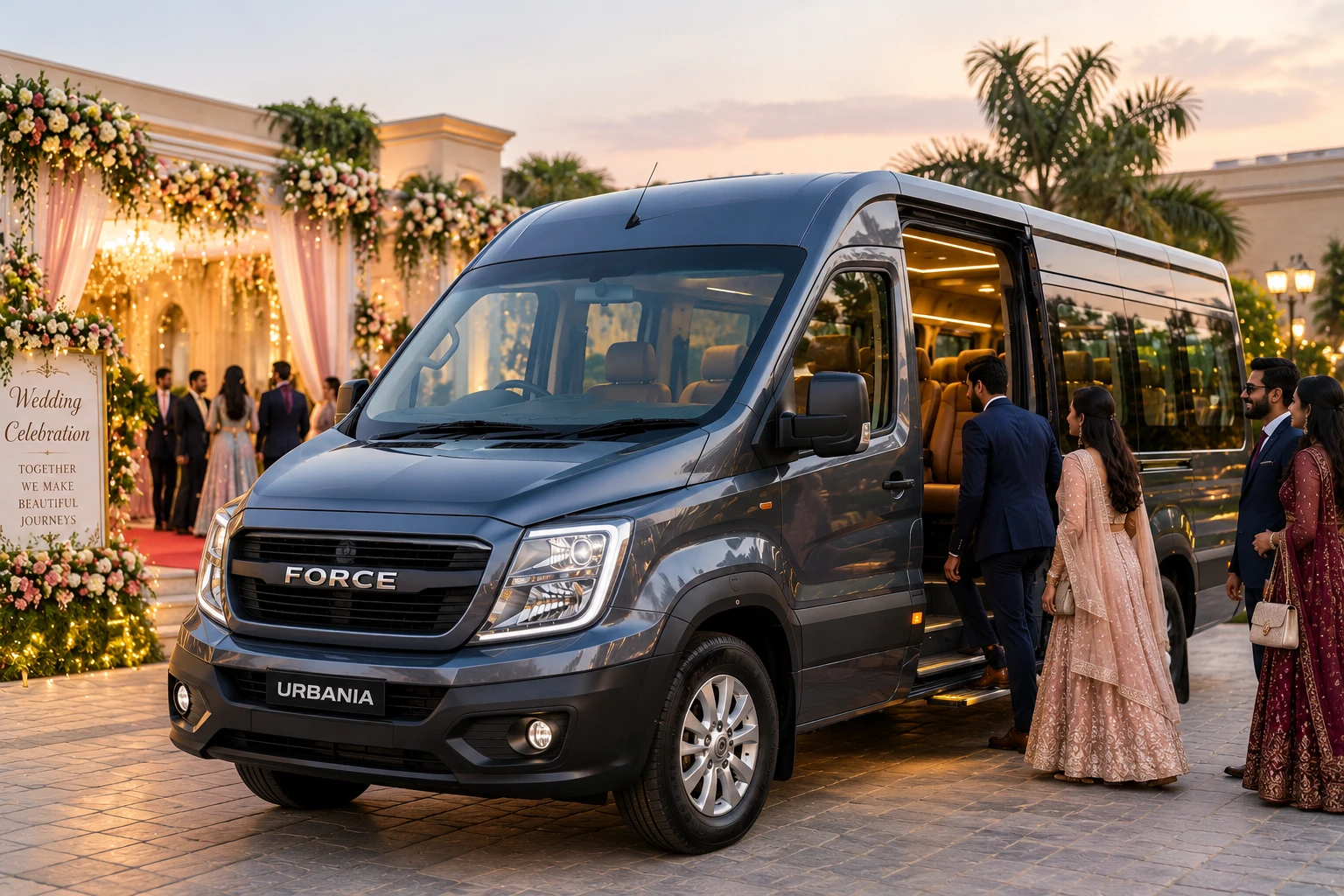
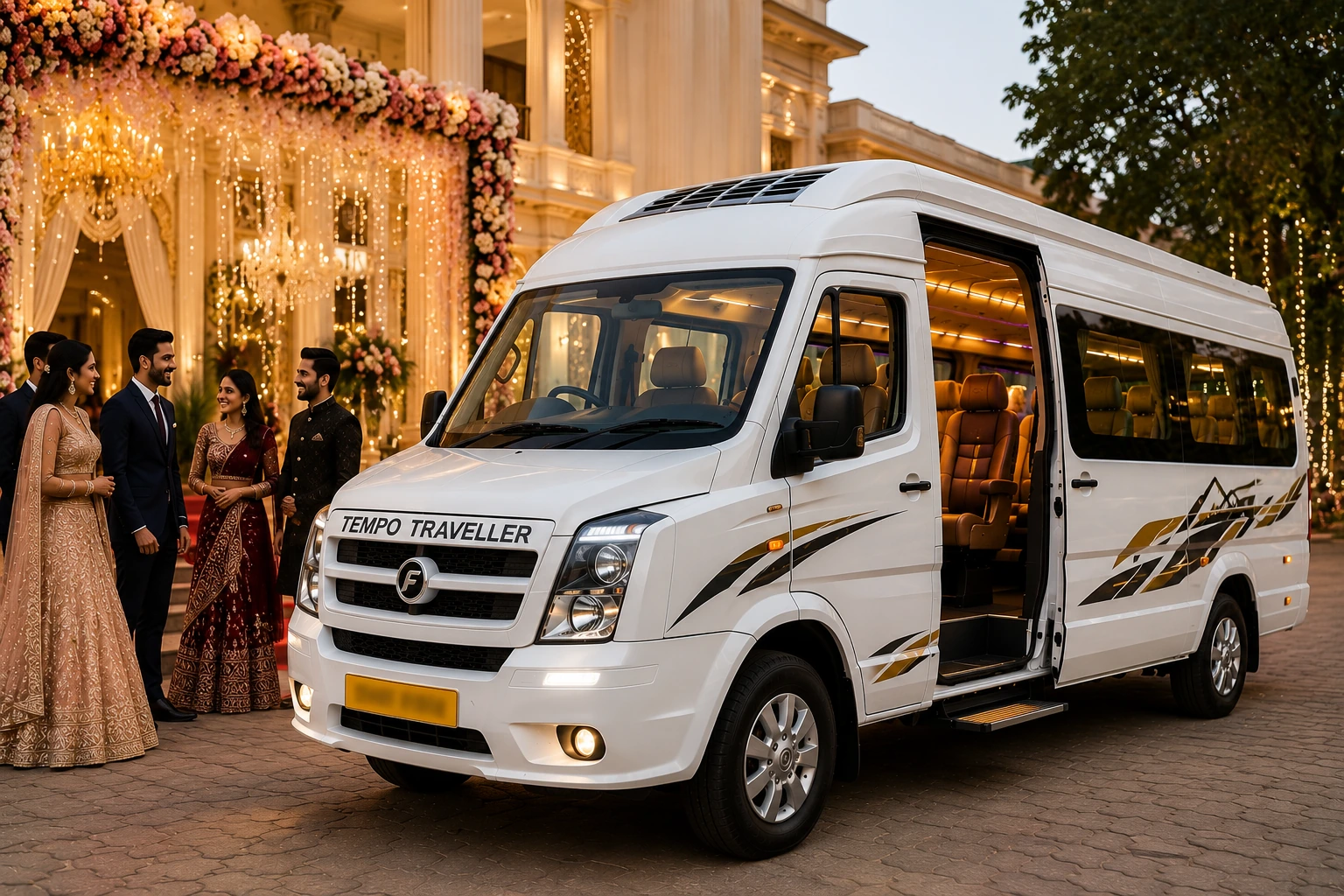
A wedding party needing guest transfers between hotel, venue and railway station
Foreign tourists with a tight sightseeing list
A group attending an event in Delhi NCR, such as Noida, Gurugram or Ghaziabad
What Is an Outstation Package?
An outstation package is for trips outside Delhi. Here, the vehicle travels long distances, often over multiple days, and the pricing logic changes.
How Outstation Pricing Usually Works
Instead of fixed hours, outstation hire typically follows one of two models:
Per-kilometre billing: You pay for the total kilometres travelled, with a minimum daily limit (for example, 250 to 300 km per day).
Day-based package: A fixed rate per day covering a set distance, with extra km charged separately.
On top of the base rate, outstation trips usually involve:
Driver allowance (batta) for each night the driver stays away
Toll taxes and state entry or border taxes
Parking charges at hotels and tourist spots
Night driving charges, where applicable
Because these items vary by route, ask for a written breakdown before confirming. A trustworthy operator will never hesitate to share it.
Popular Outstation Routes from Delhi
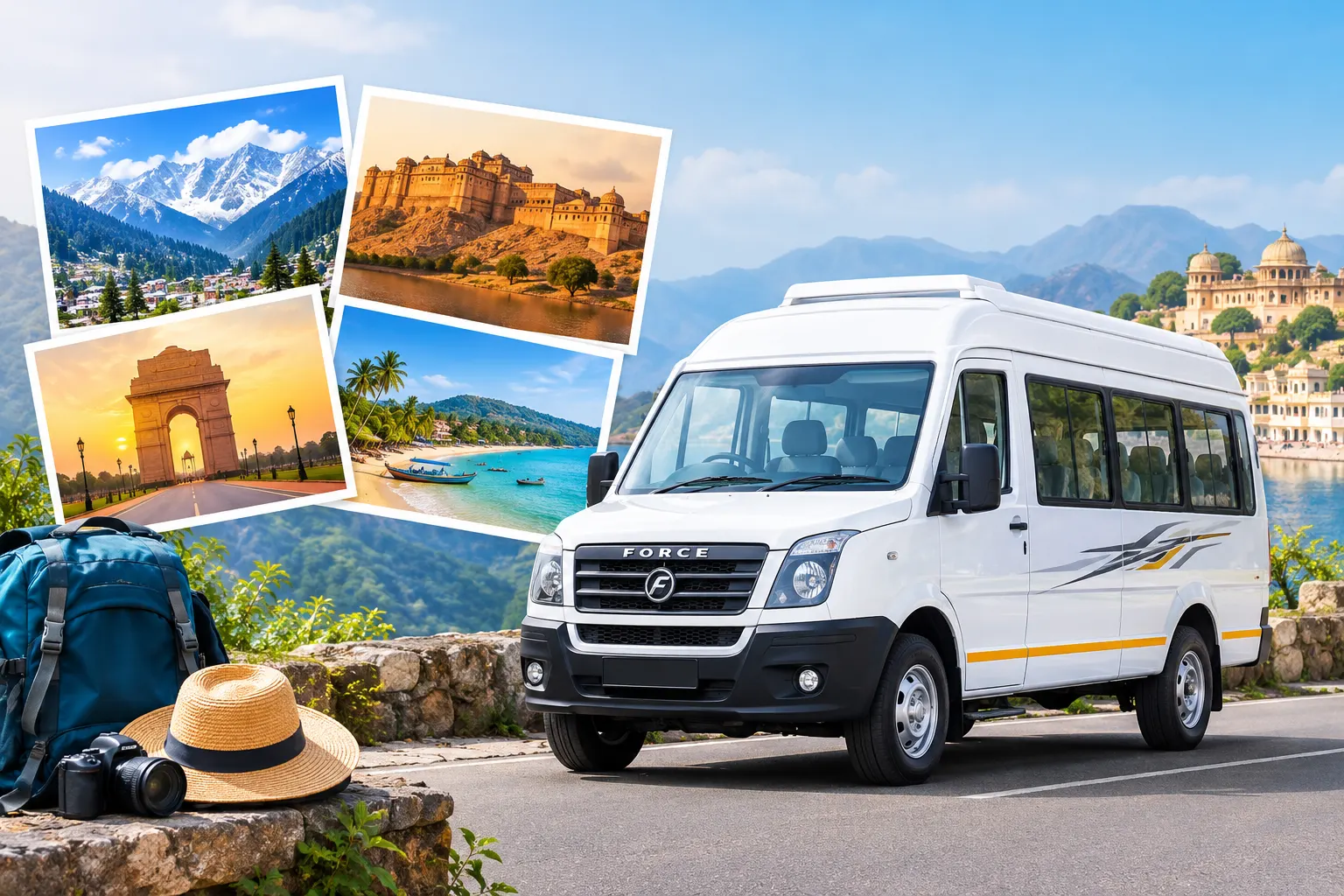
Delhi is a great starting point for road trips. Some of the most booked routes include:
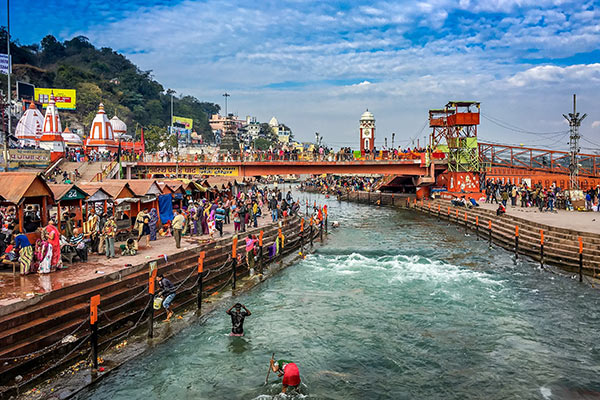
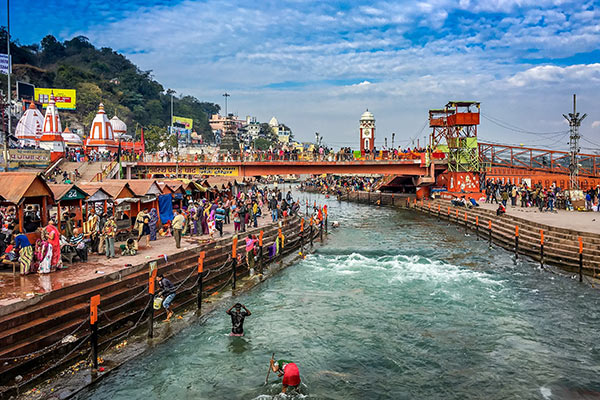
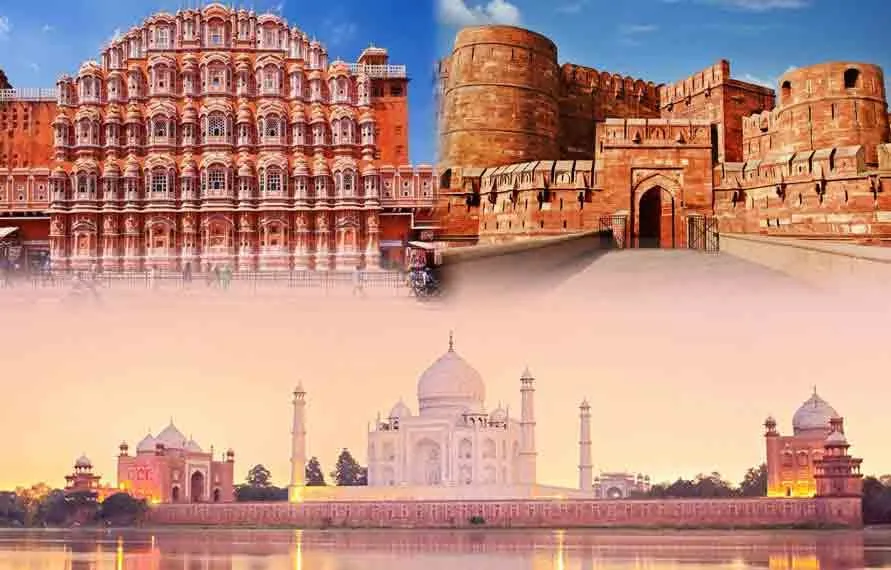
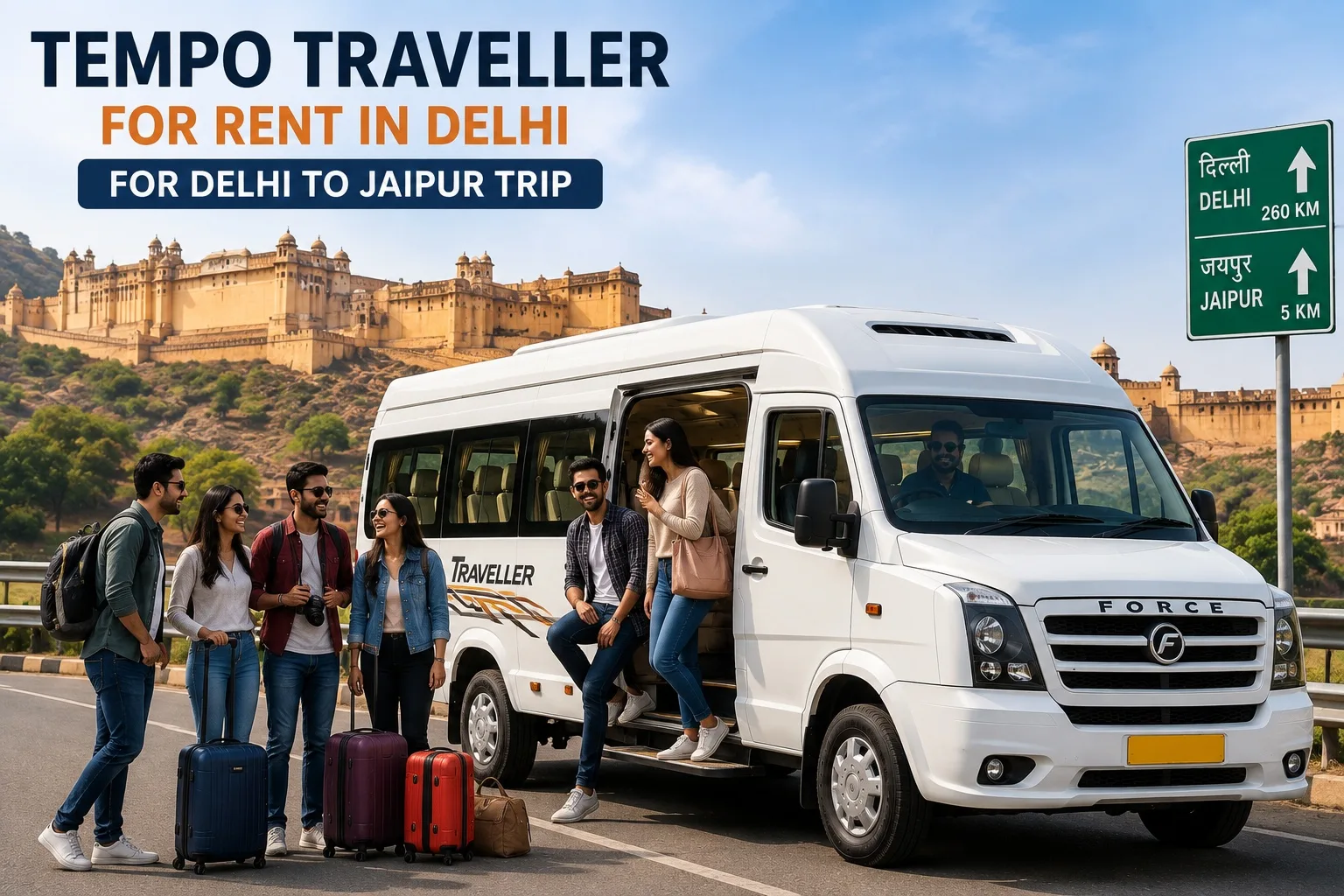
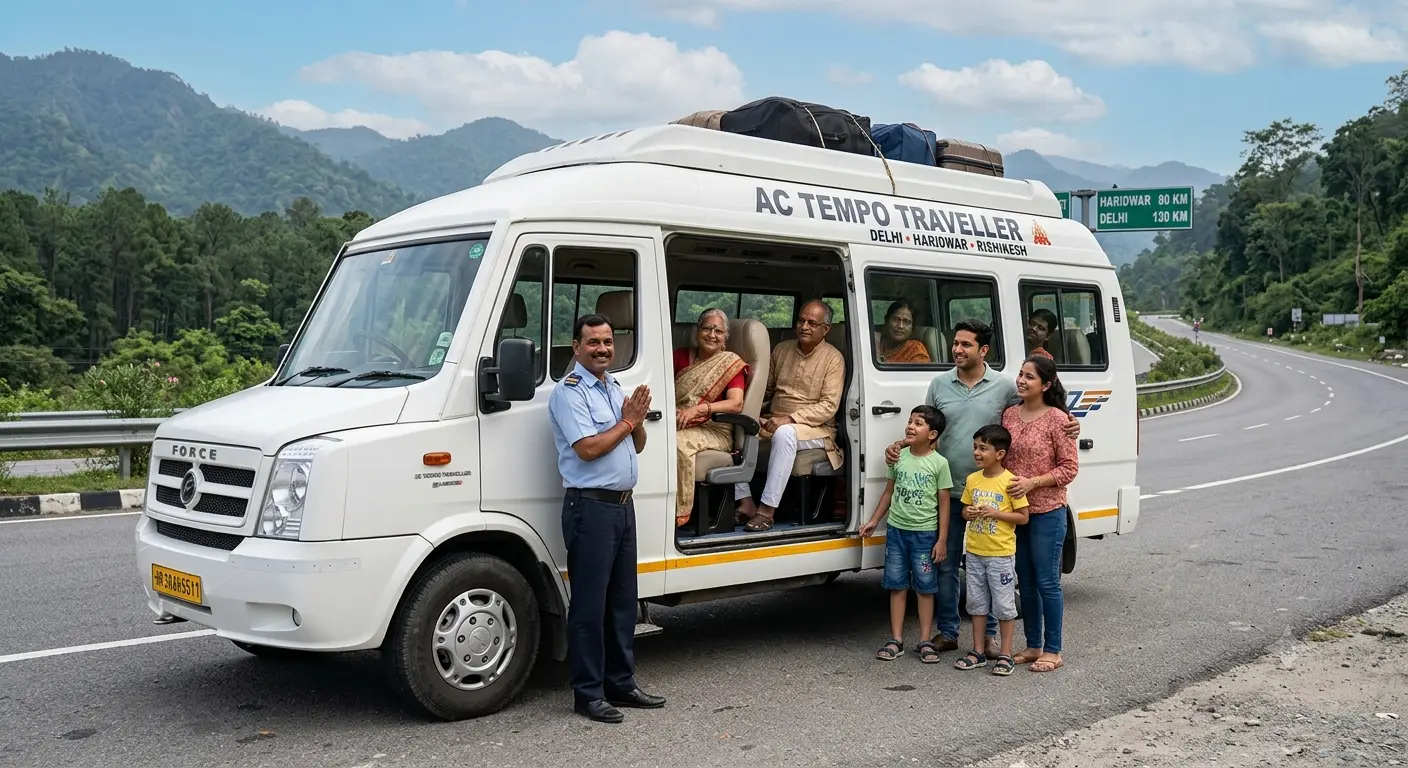
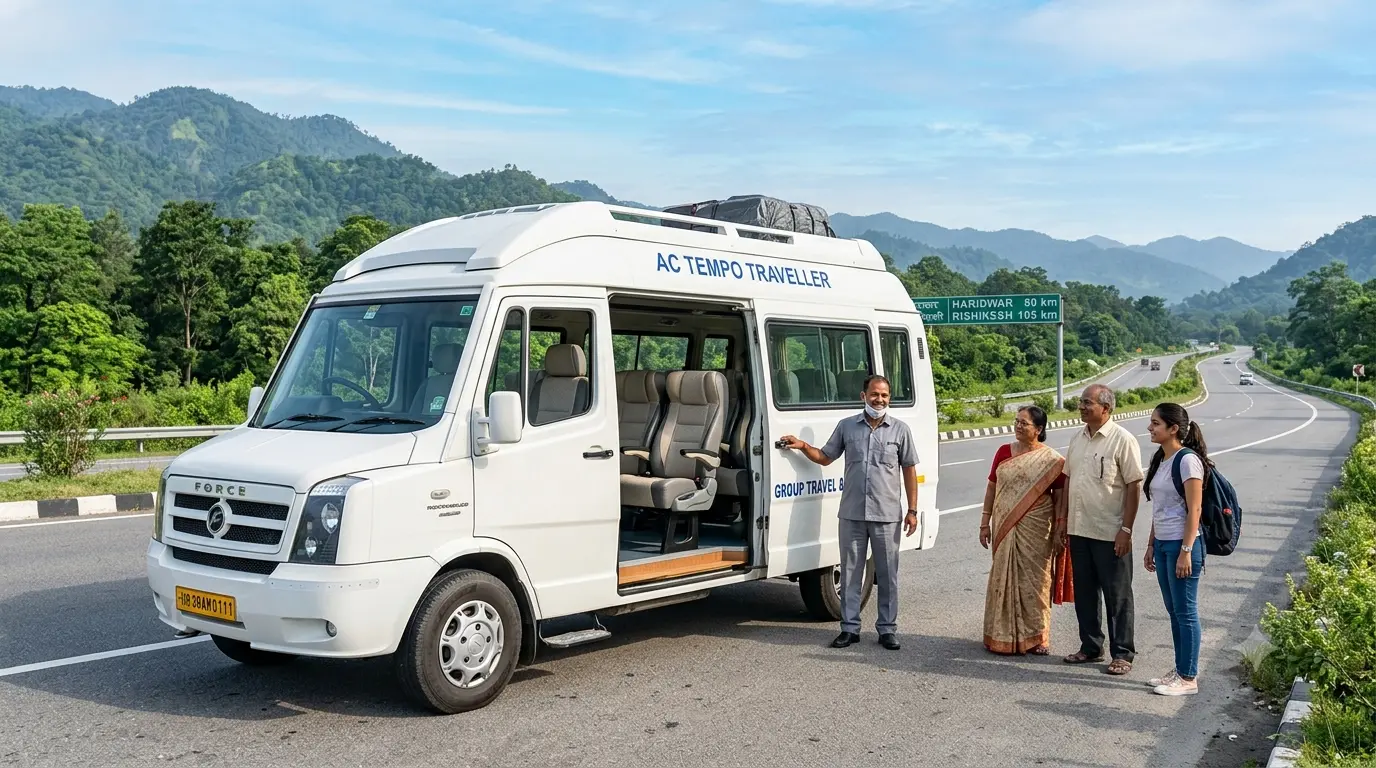
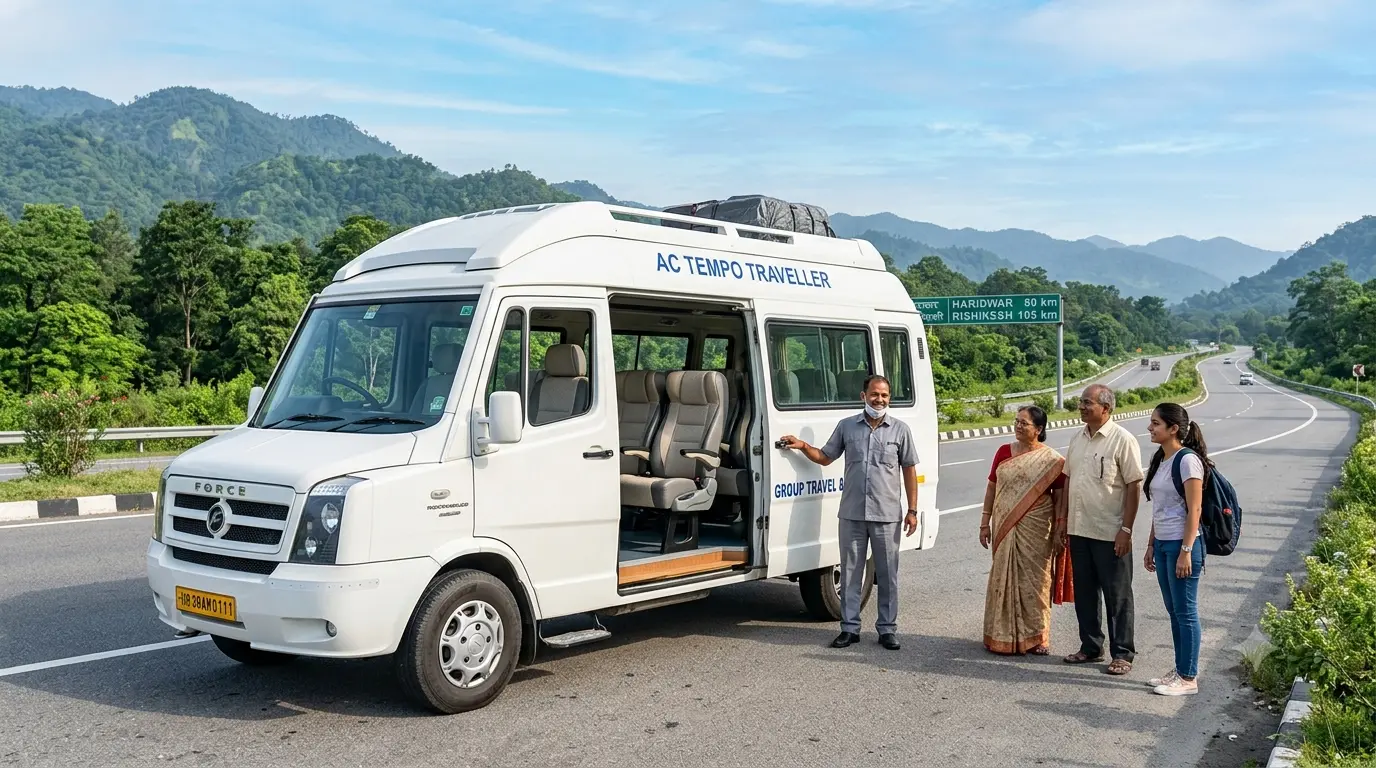
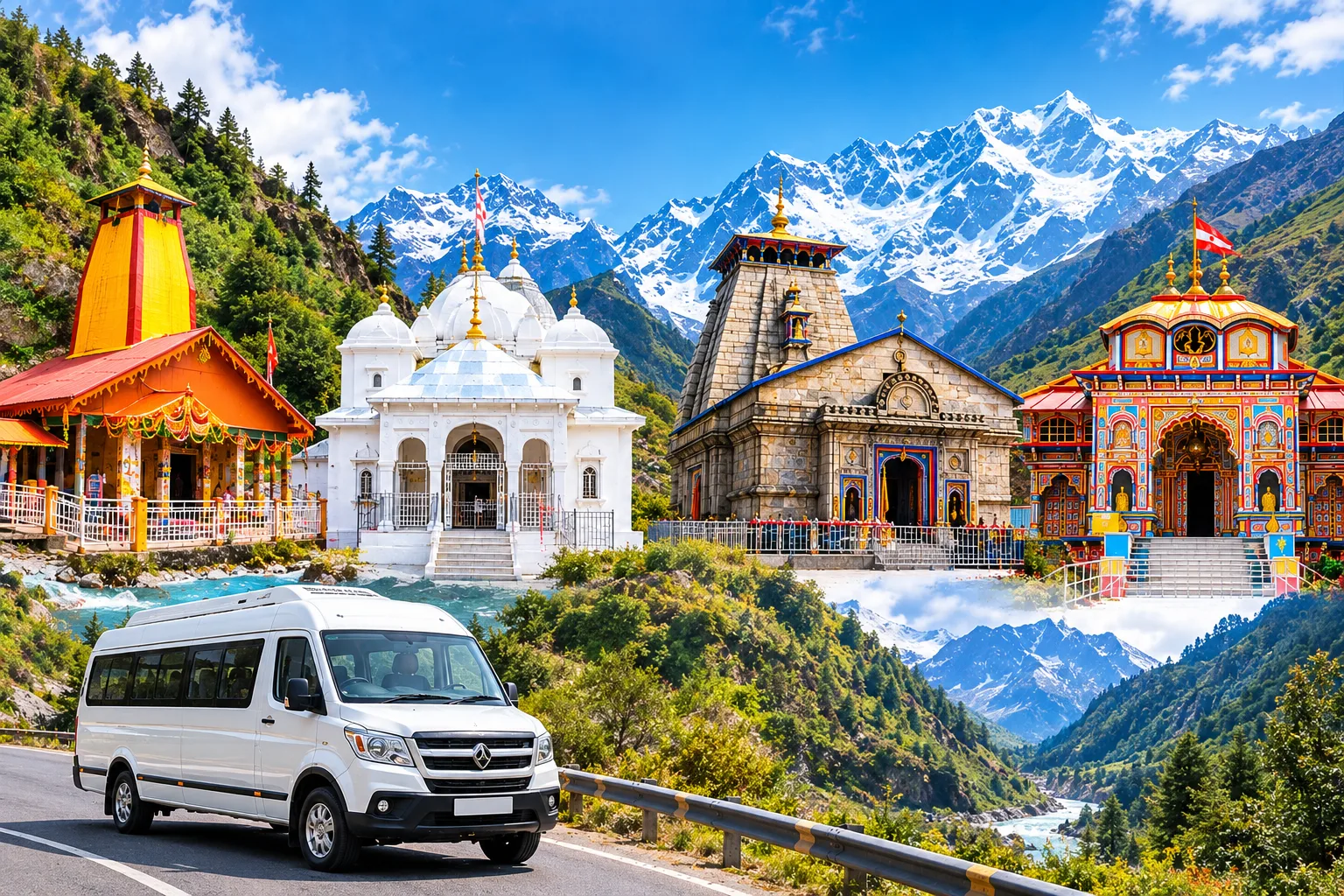
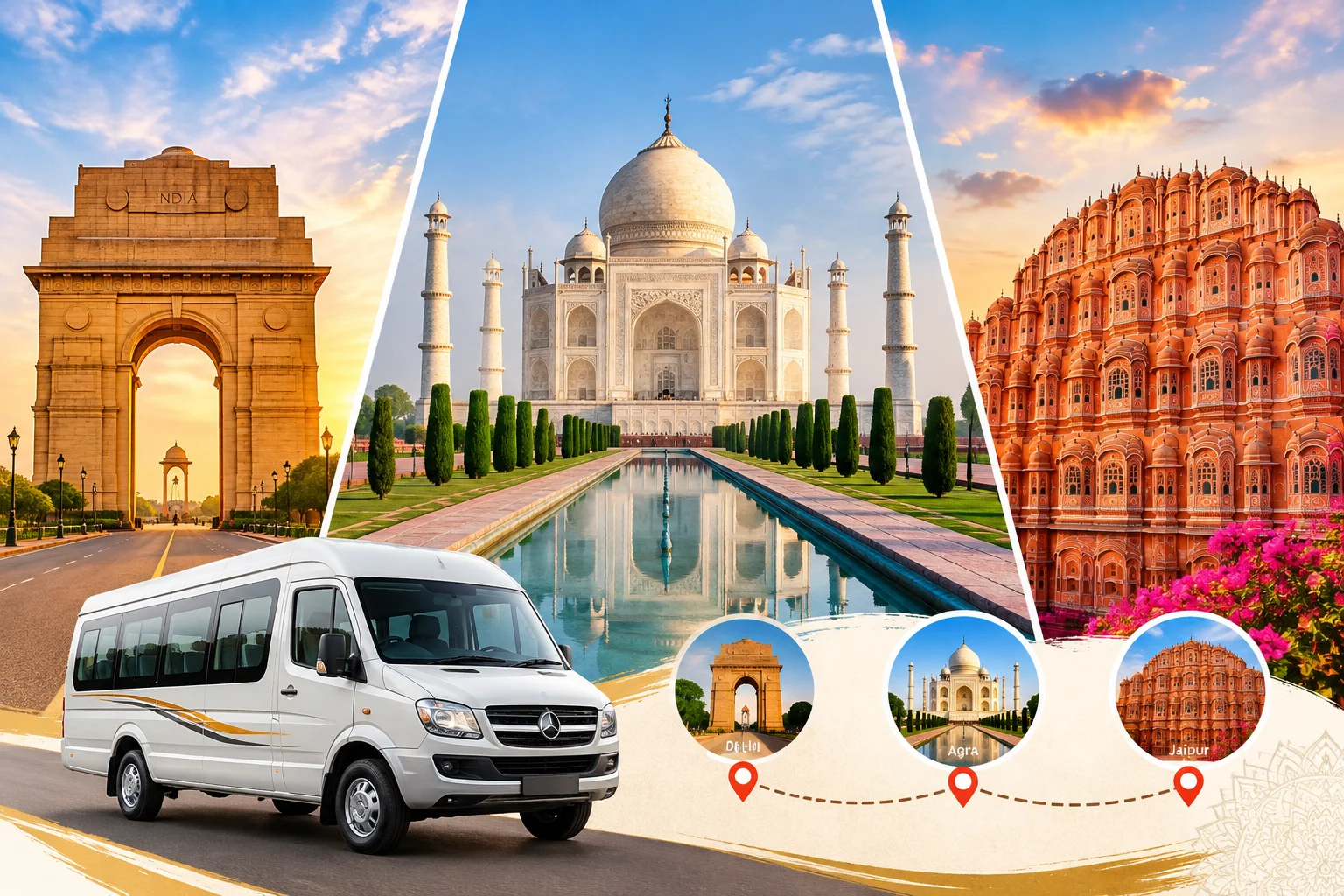
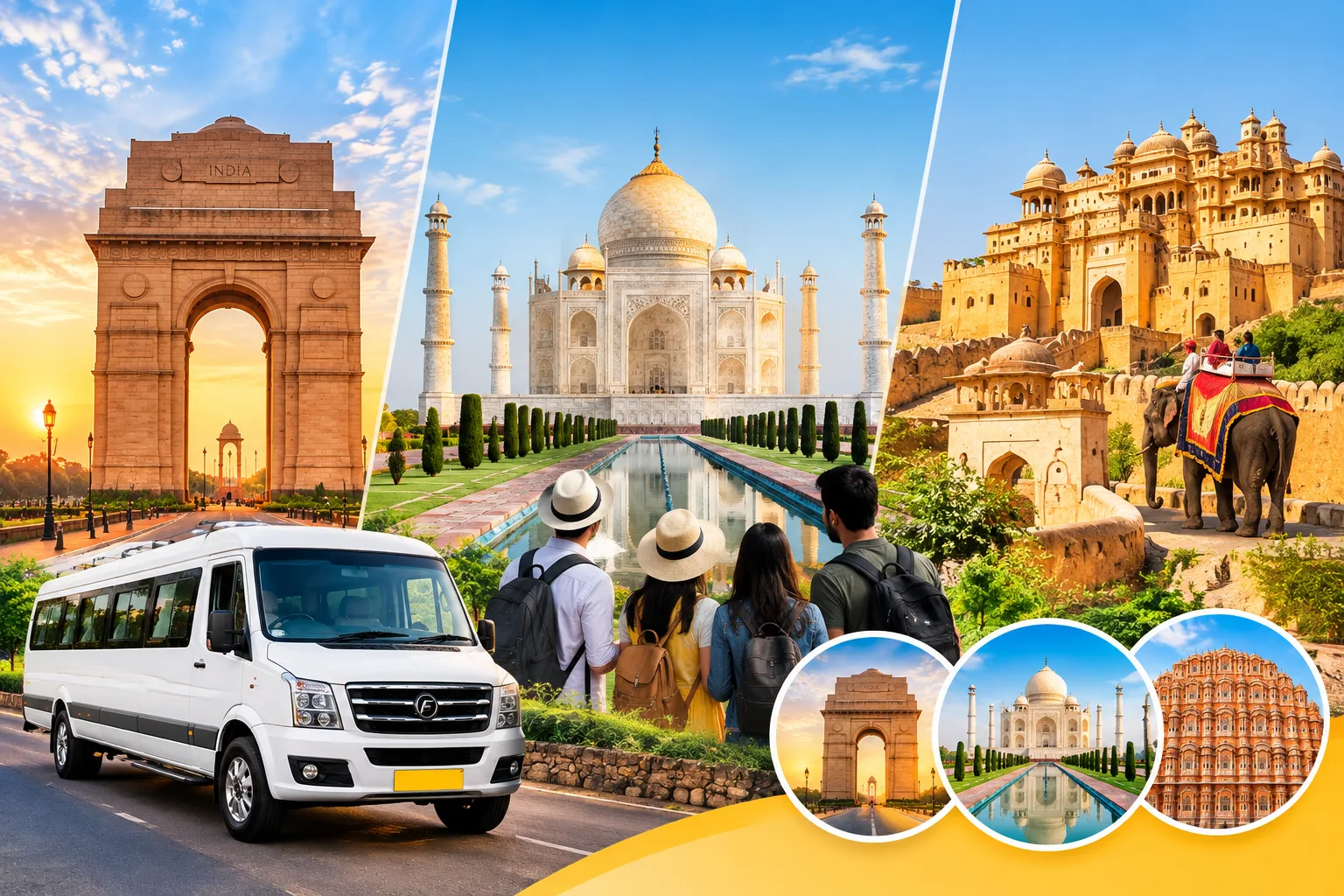
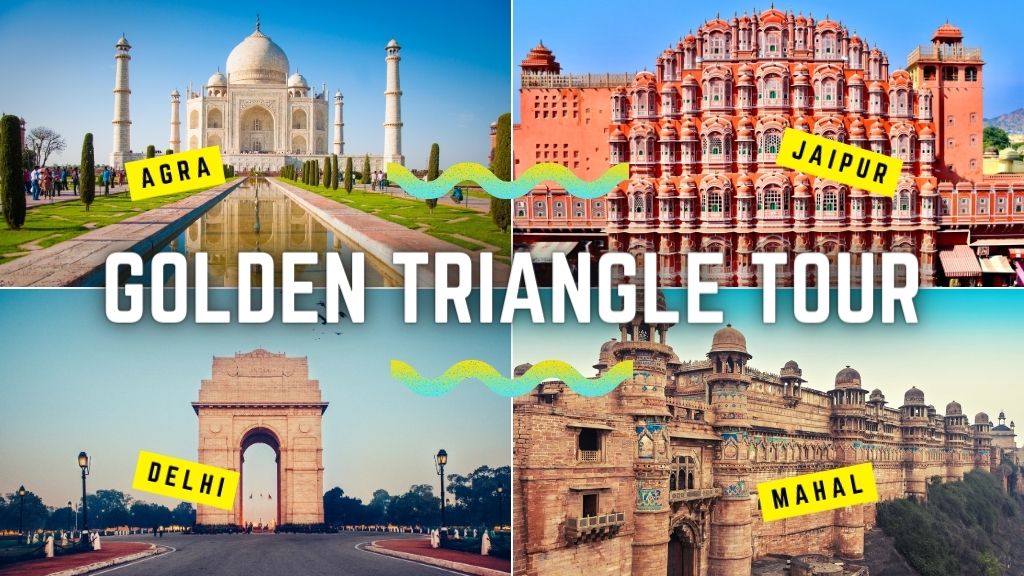
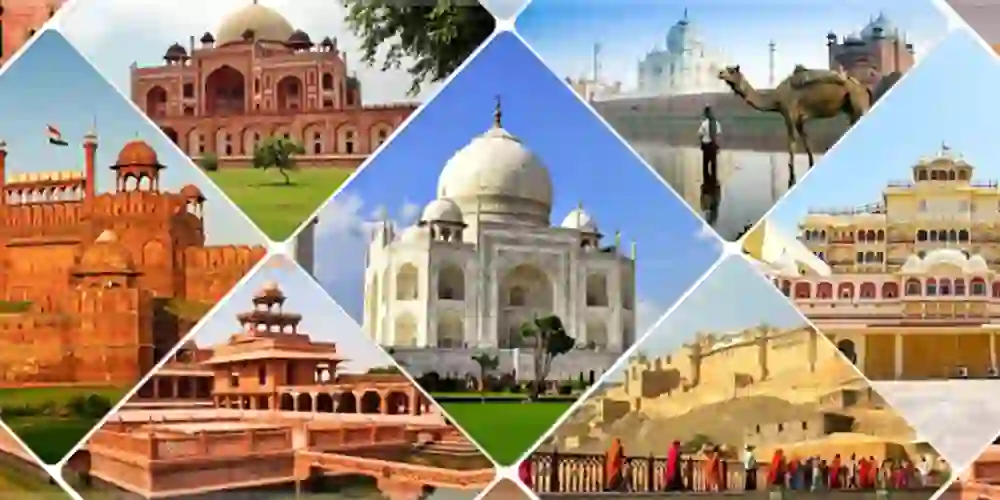
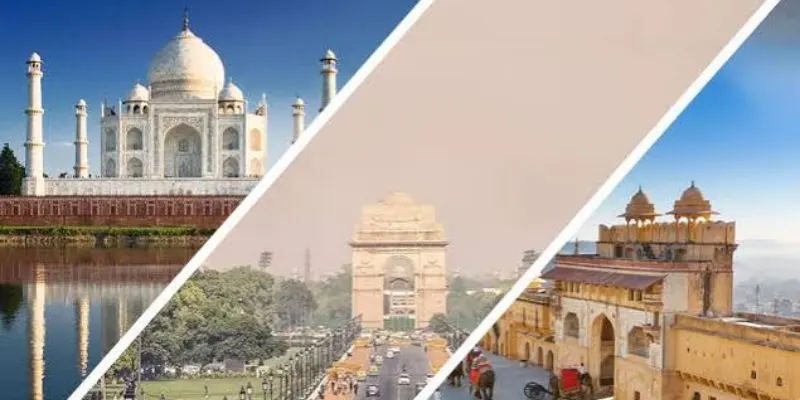
Weekend getaways (1 to 2 days): Agra, Mathura-Vrindavan, Jaipur, Neemrana, Chandigarh and Rishikesh.
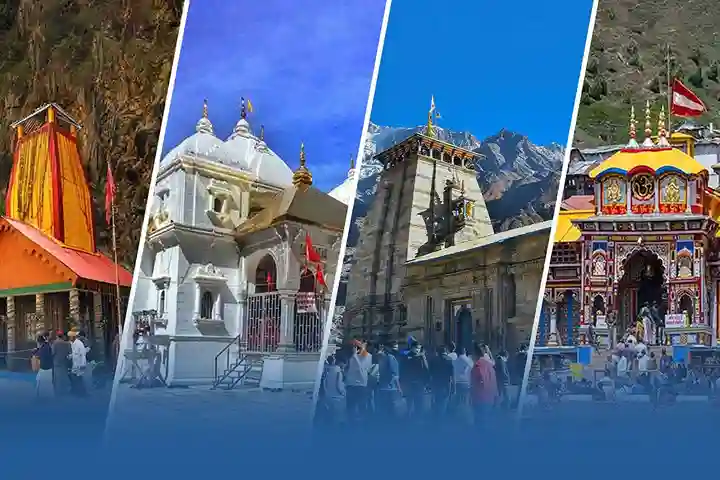
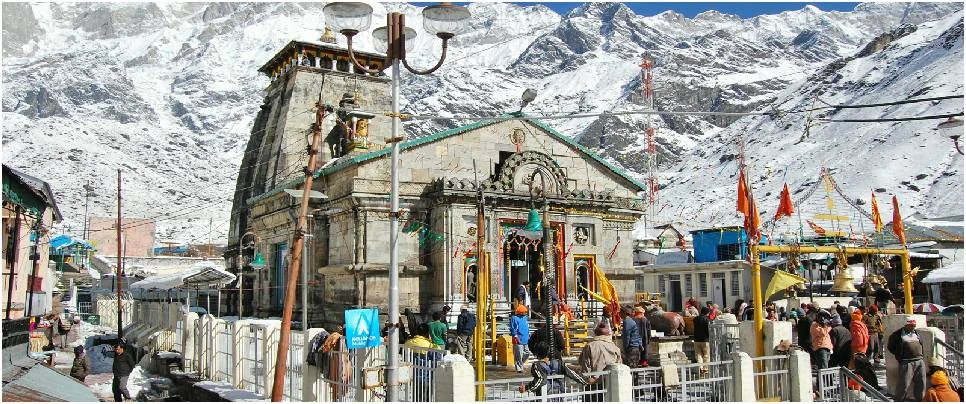
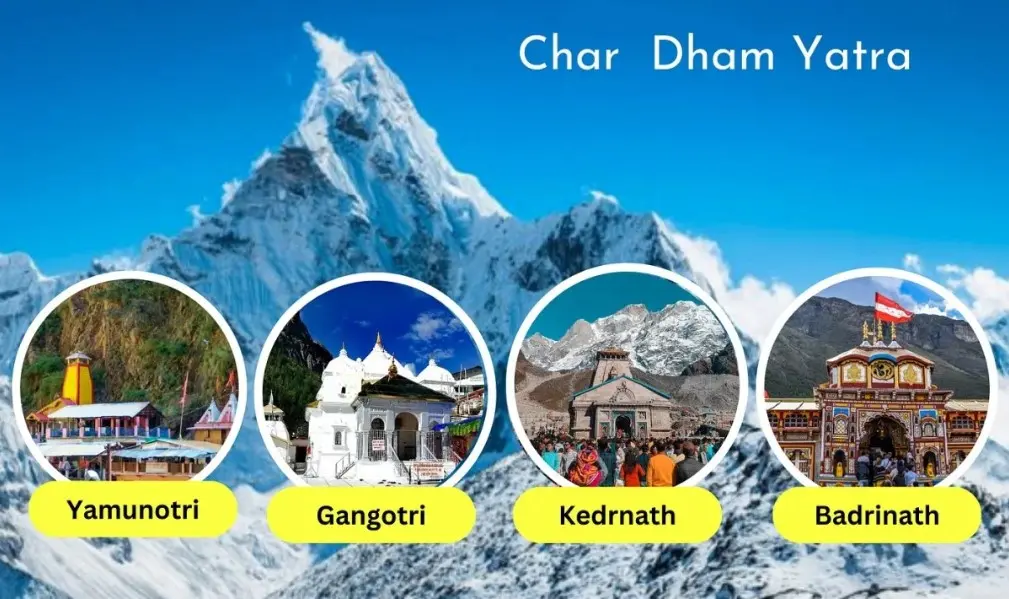
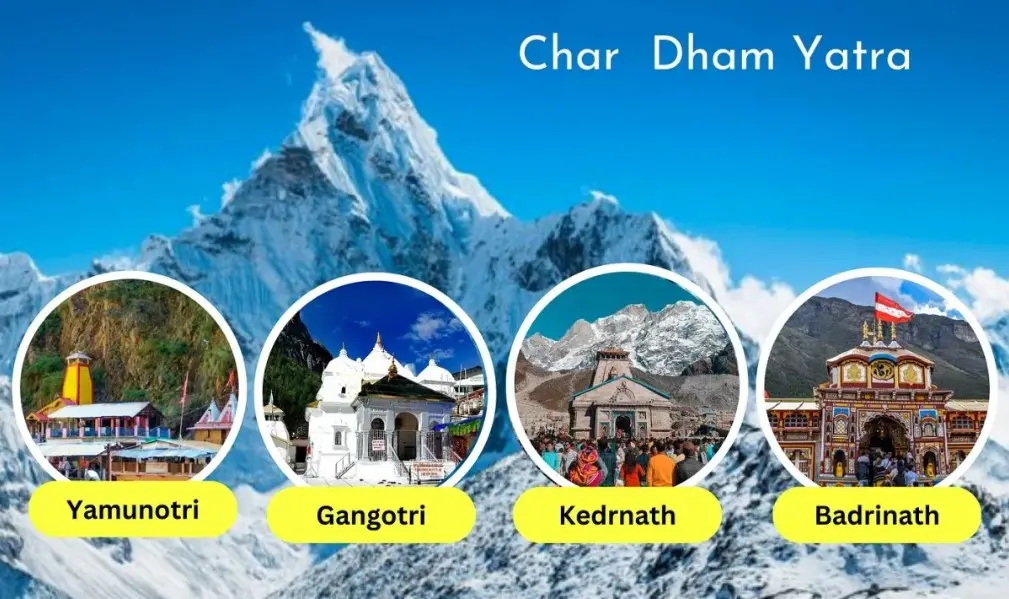
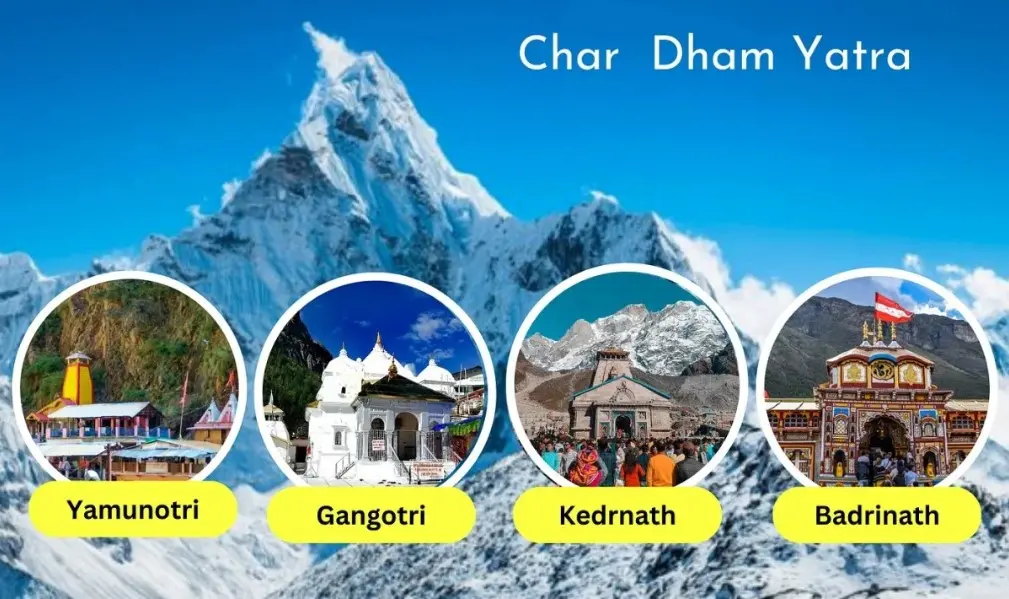
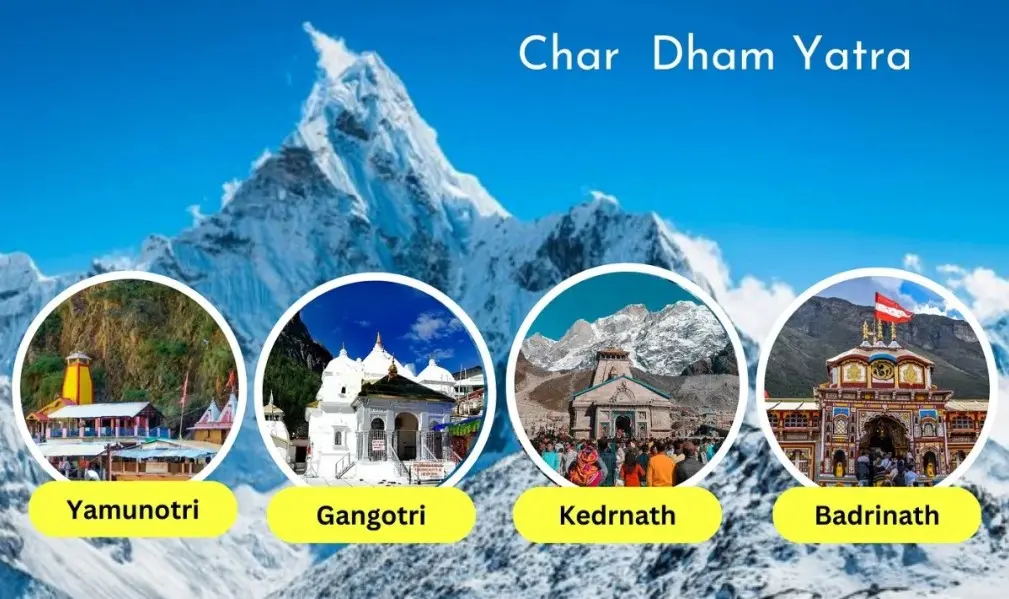
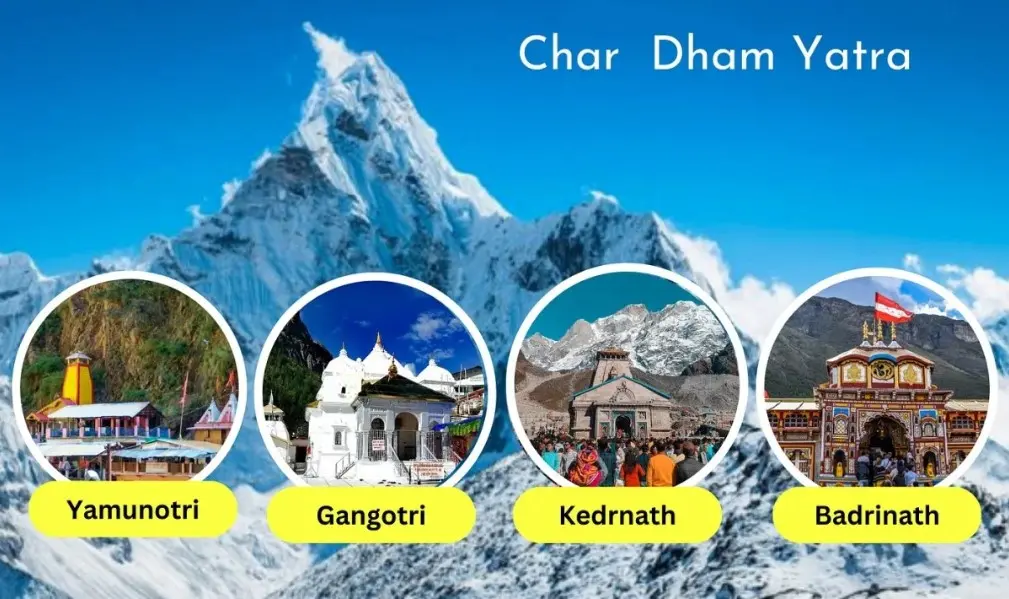
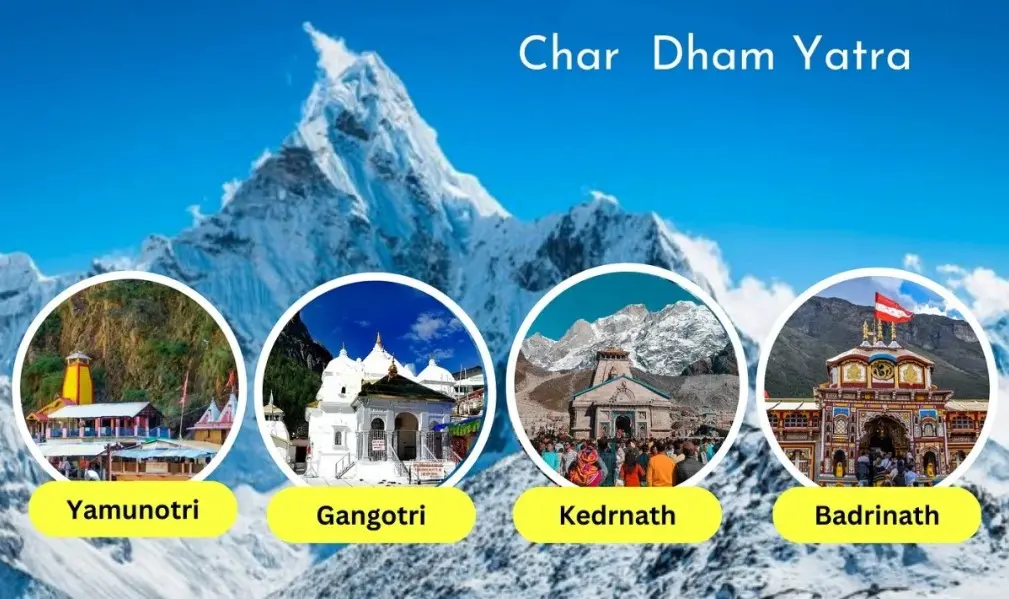
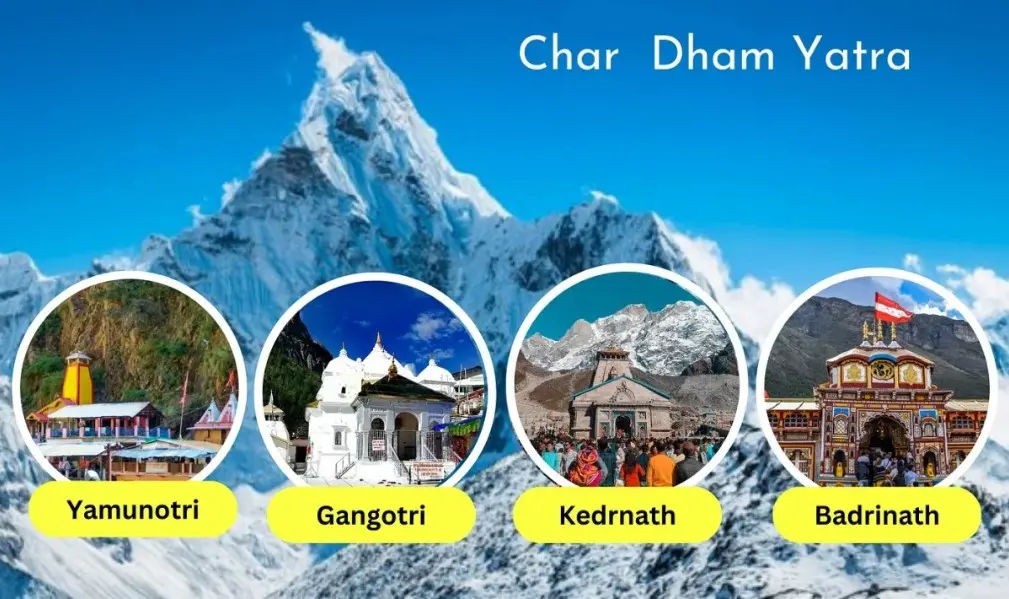
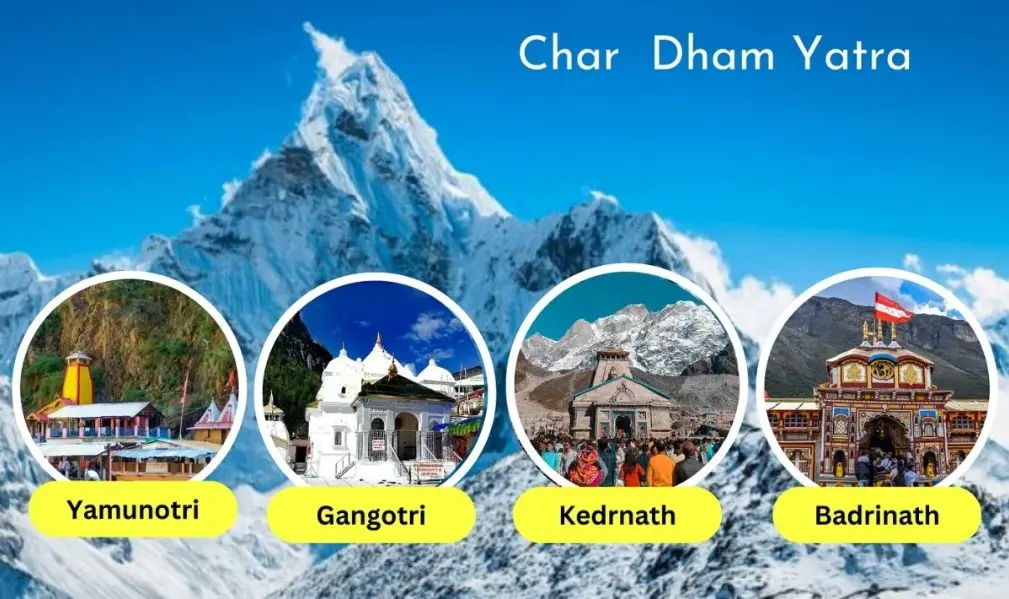
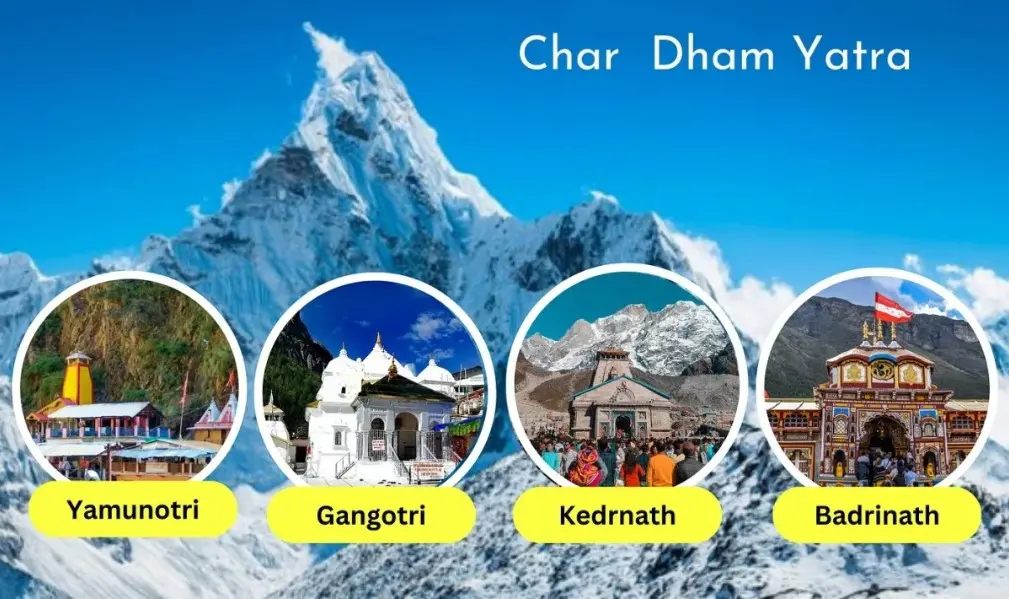
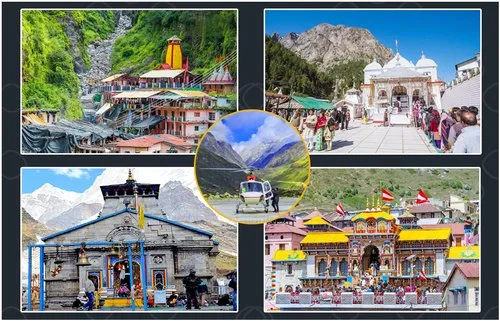
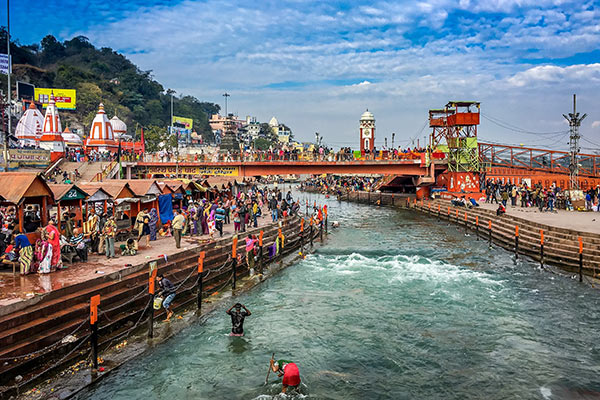
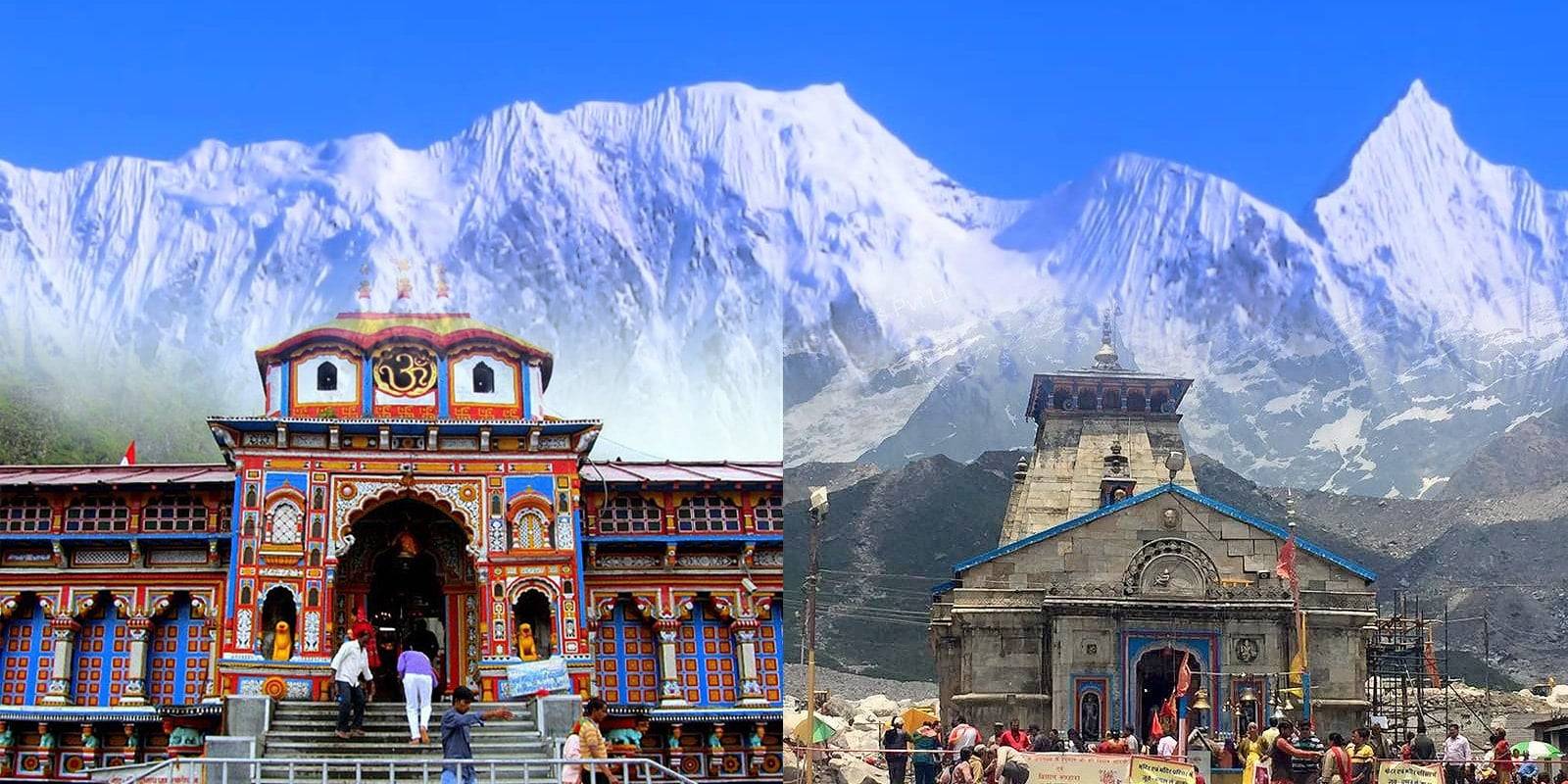
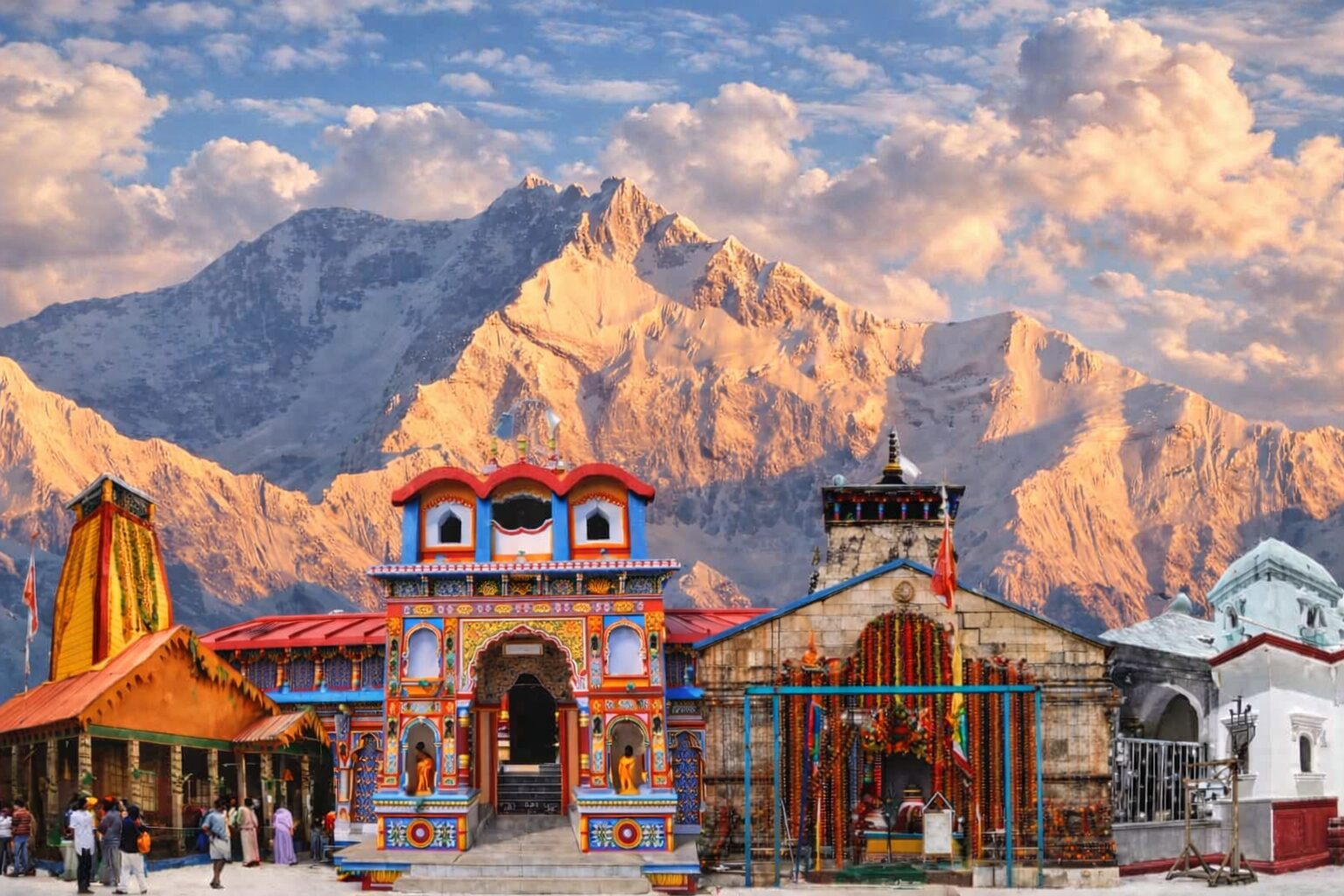
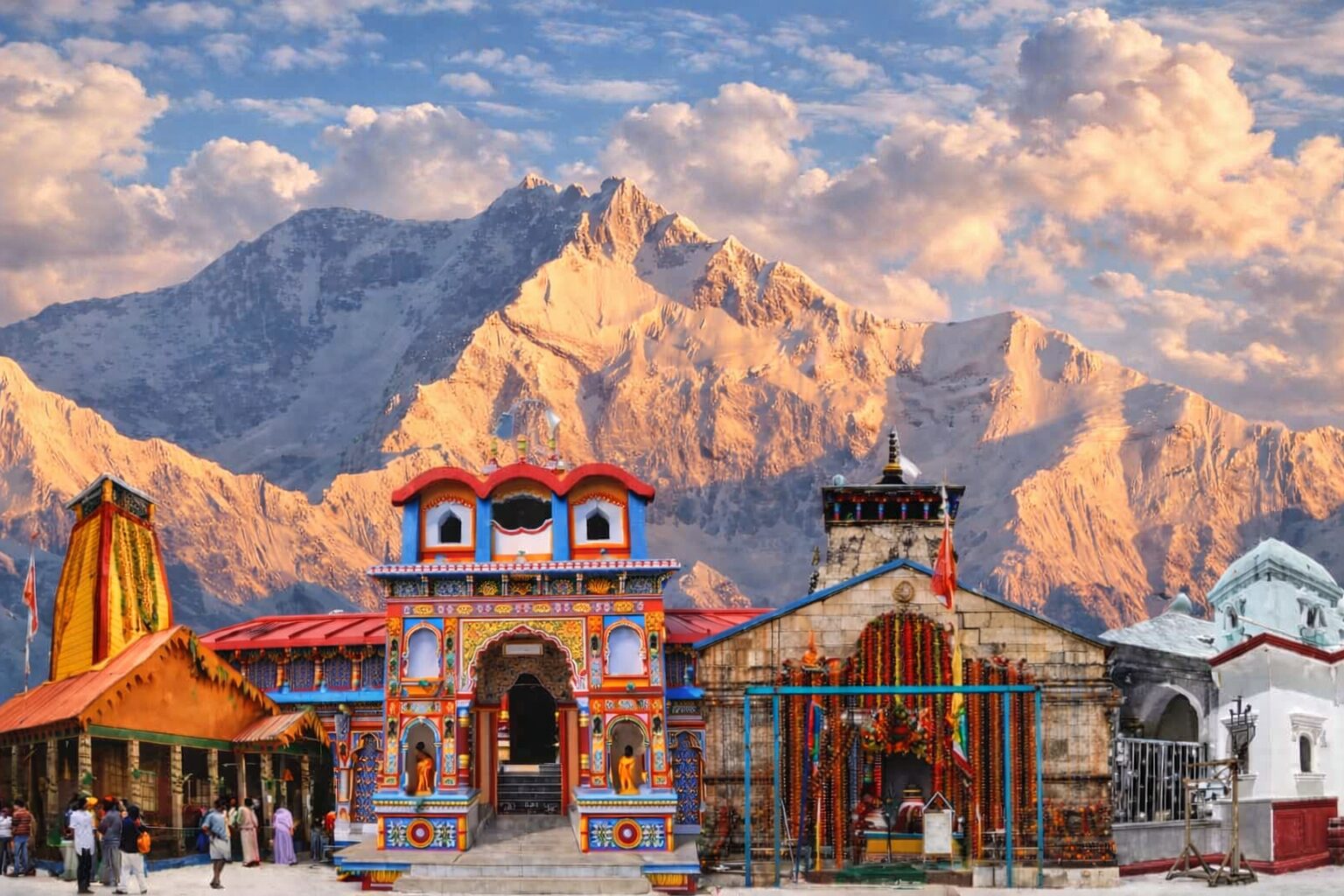
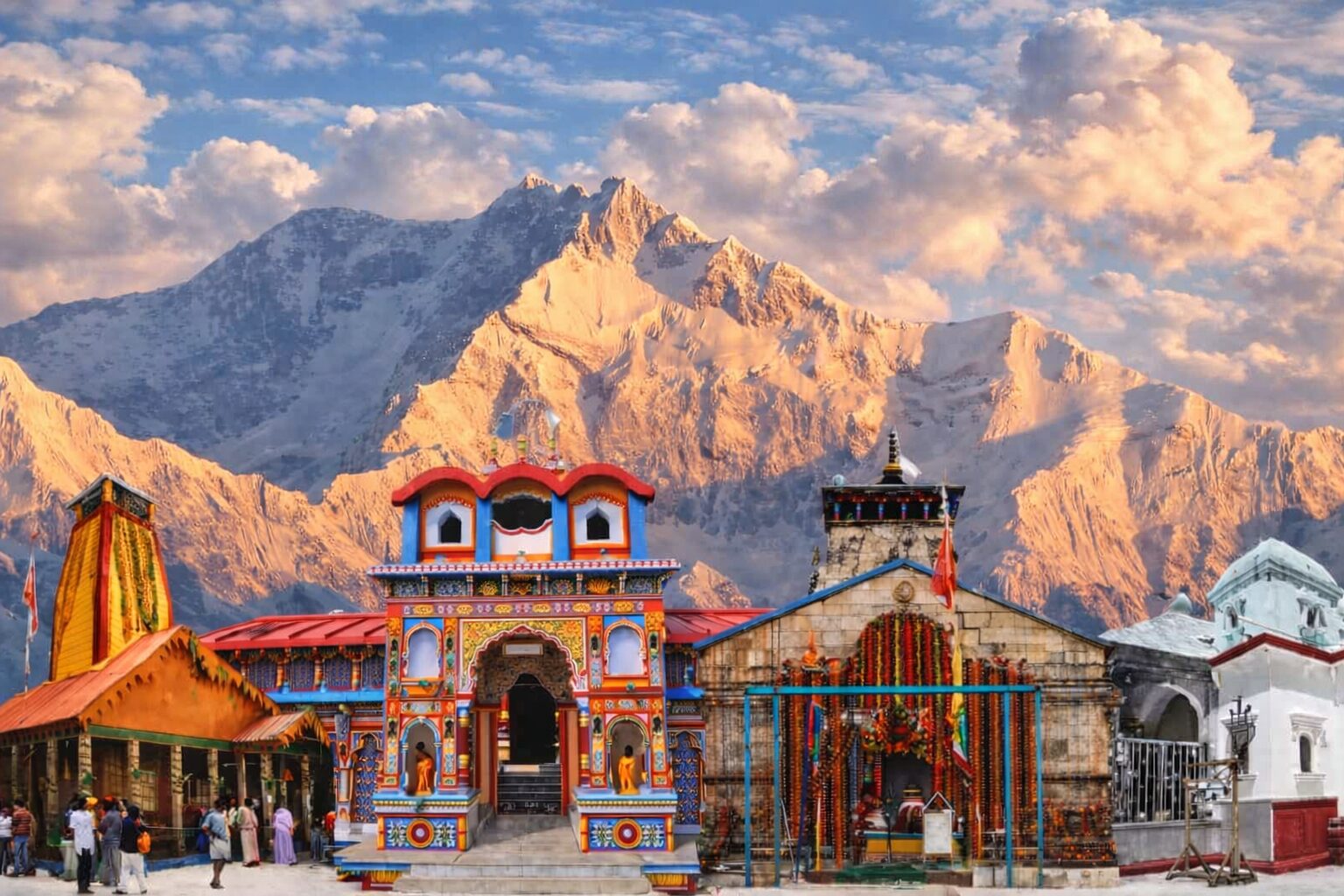
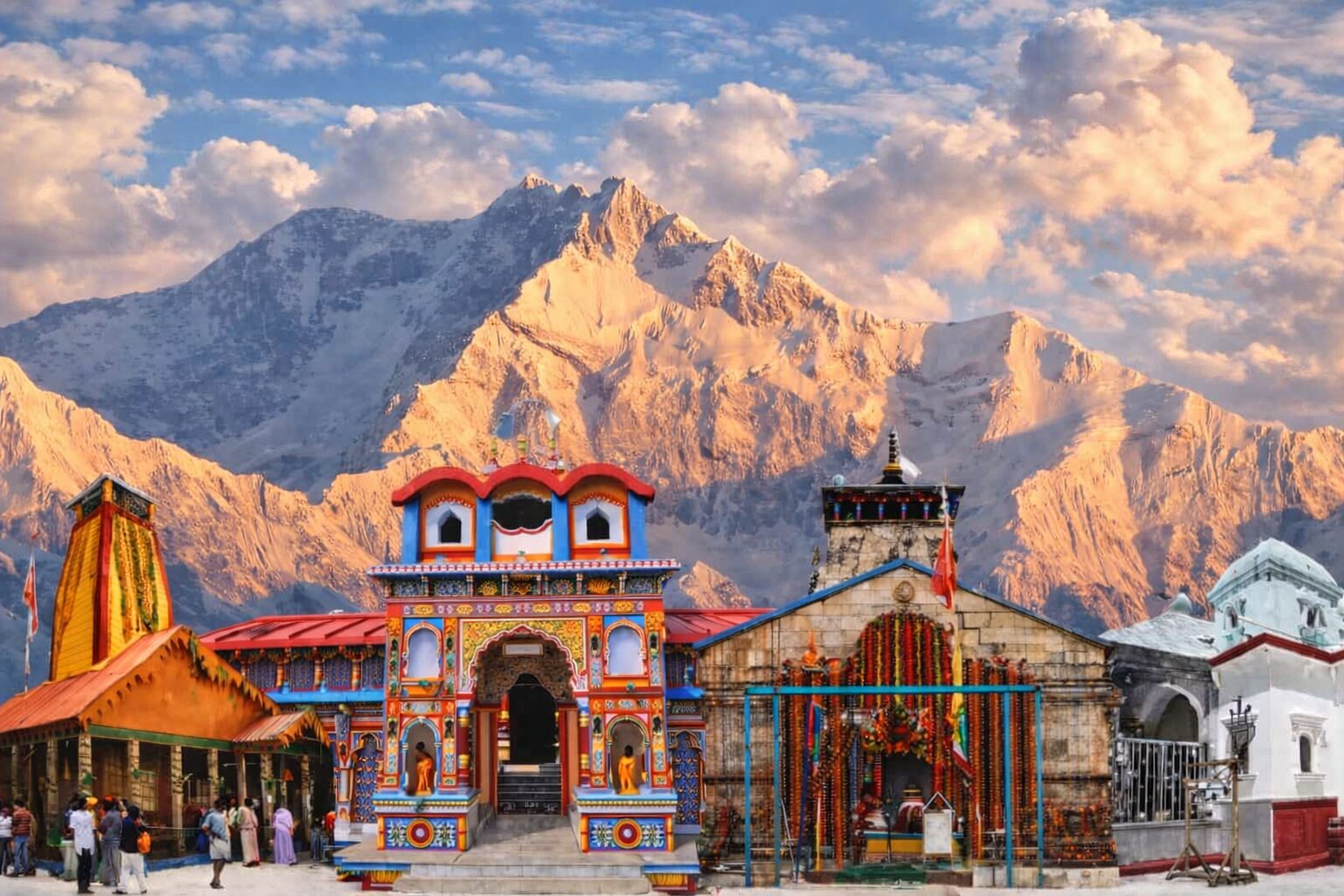
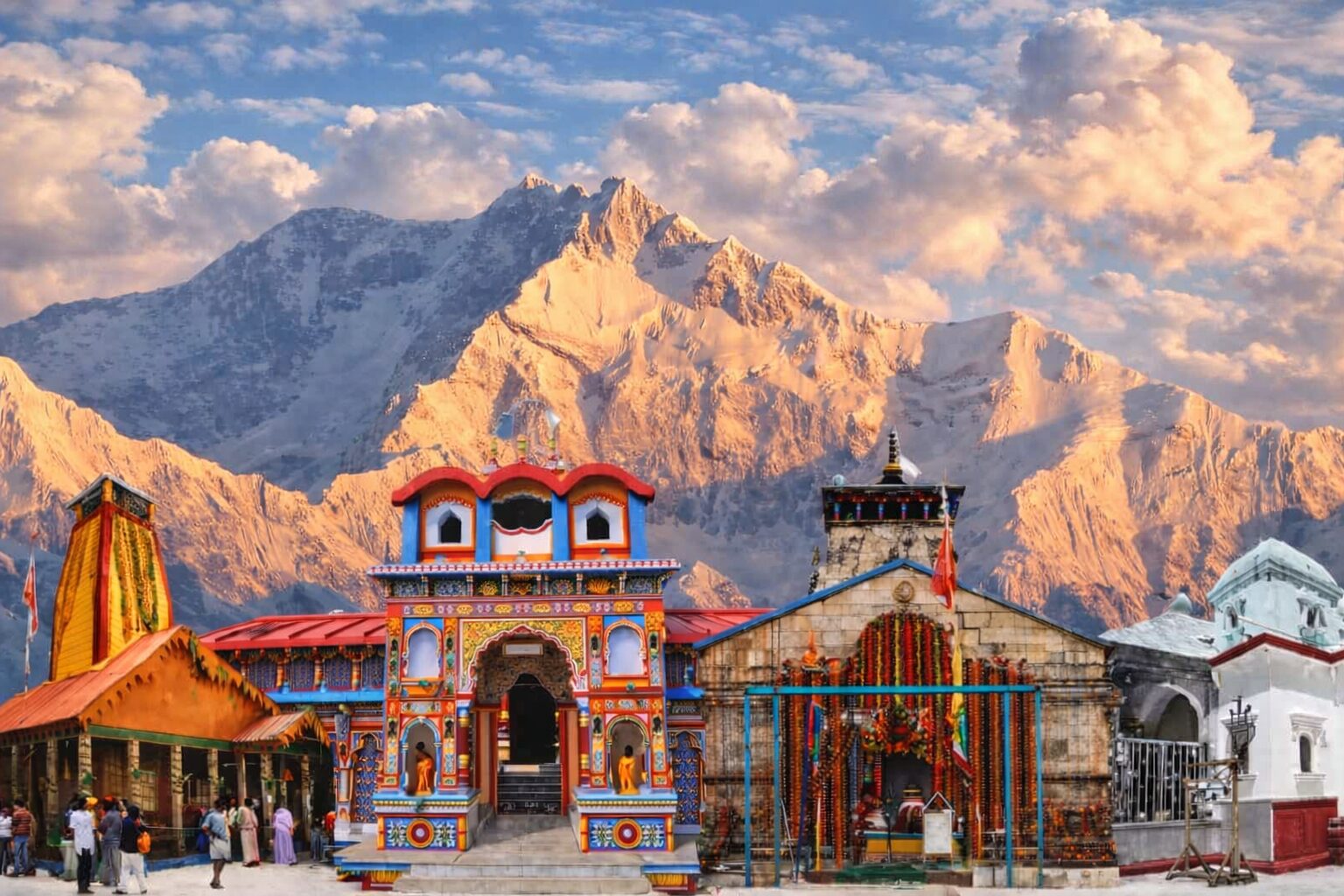
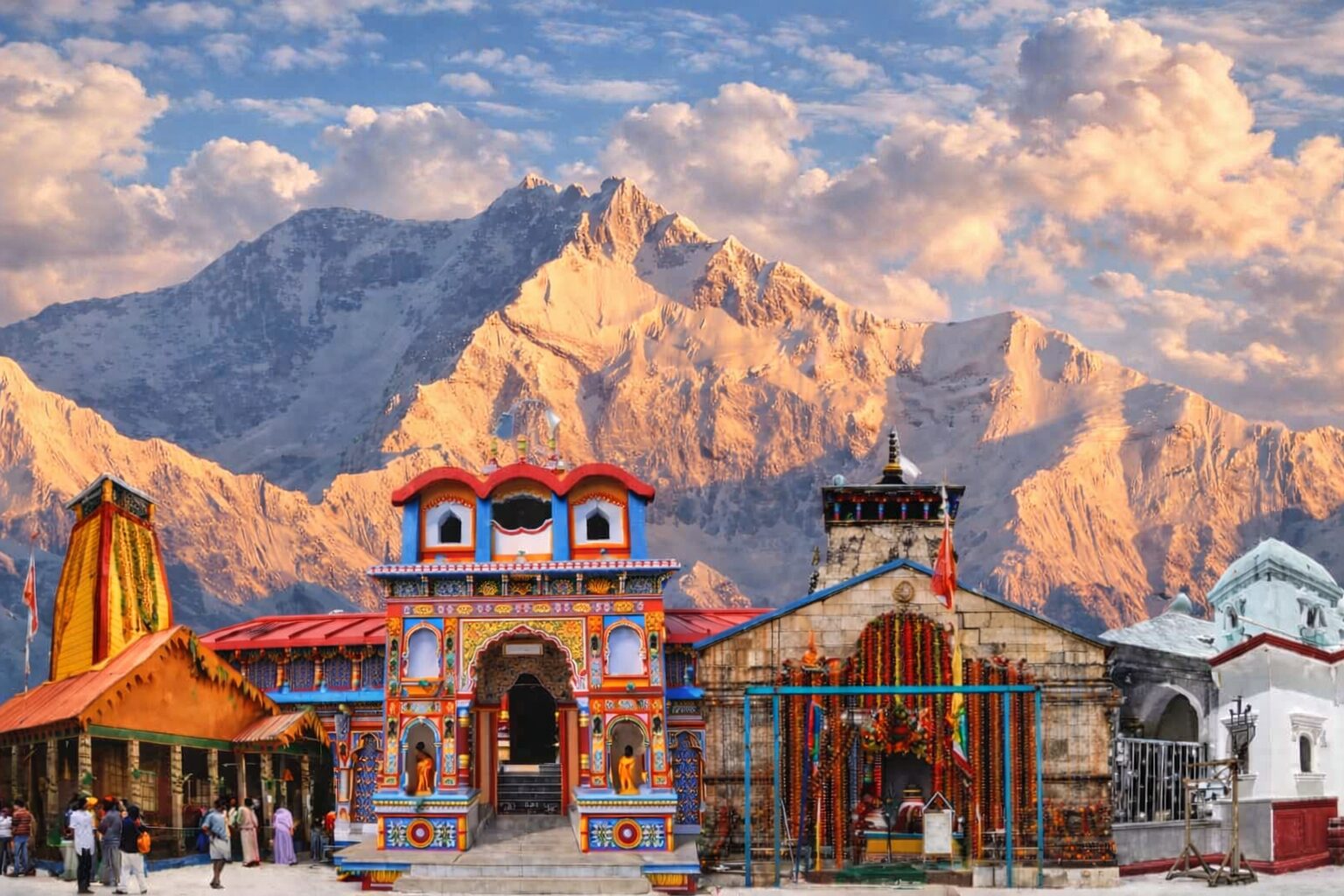
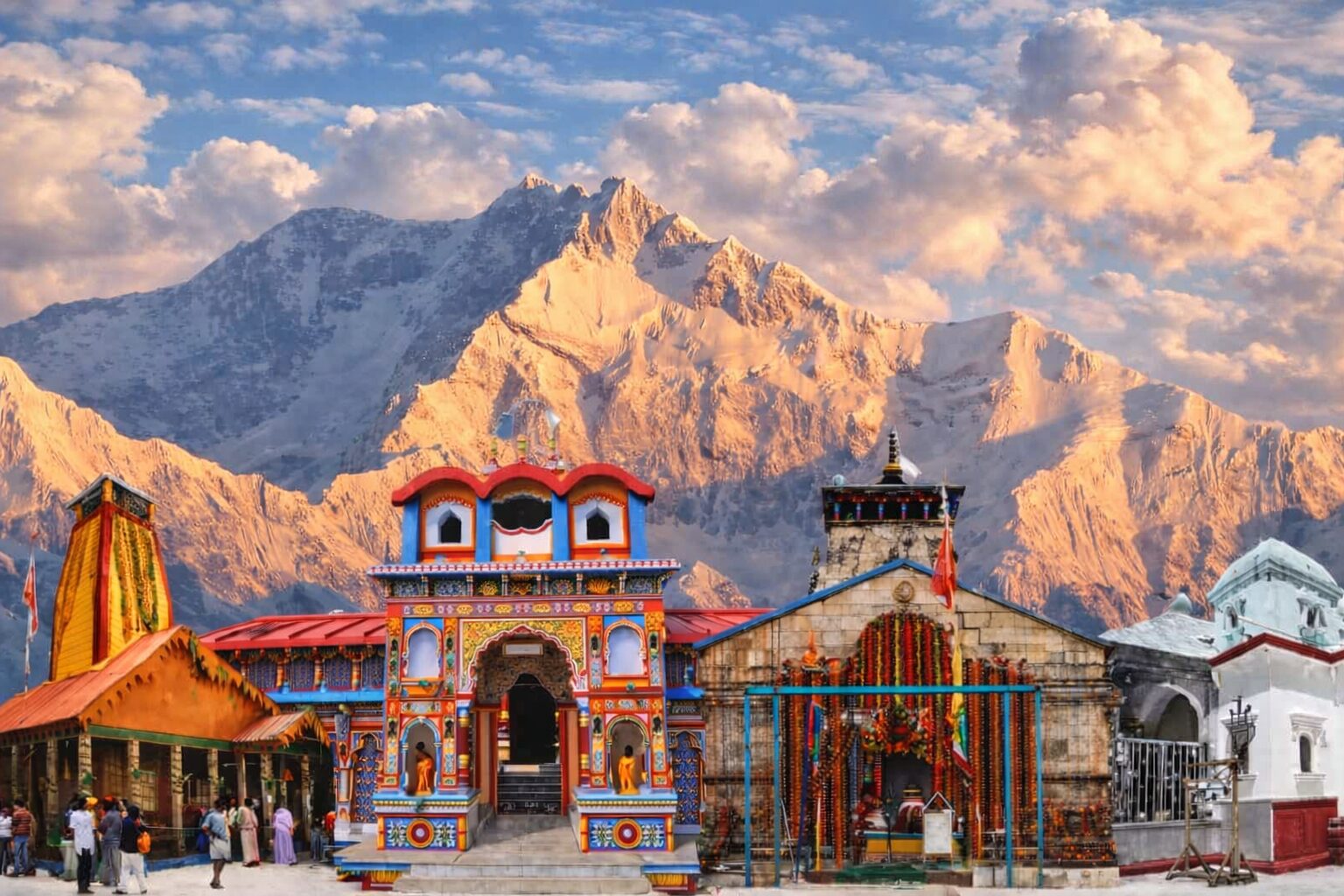
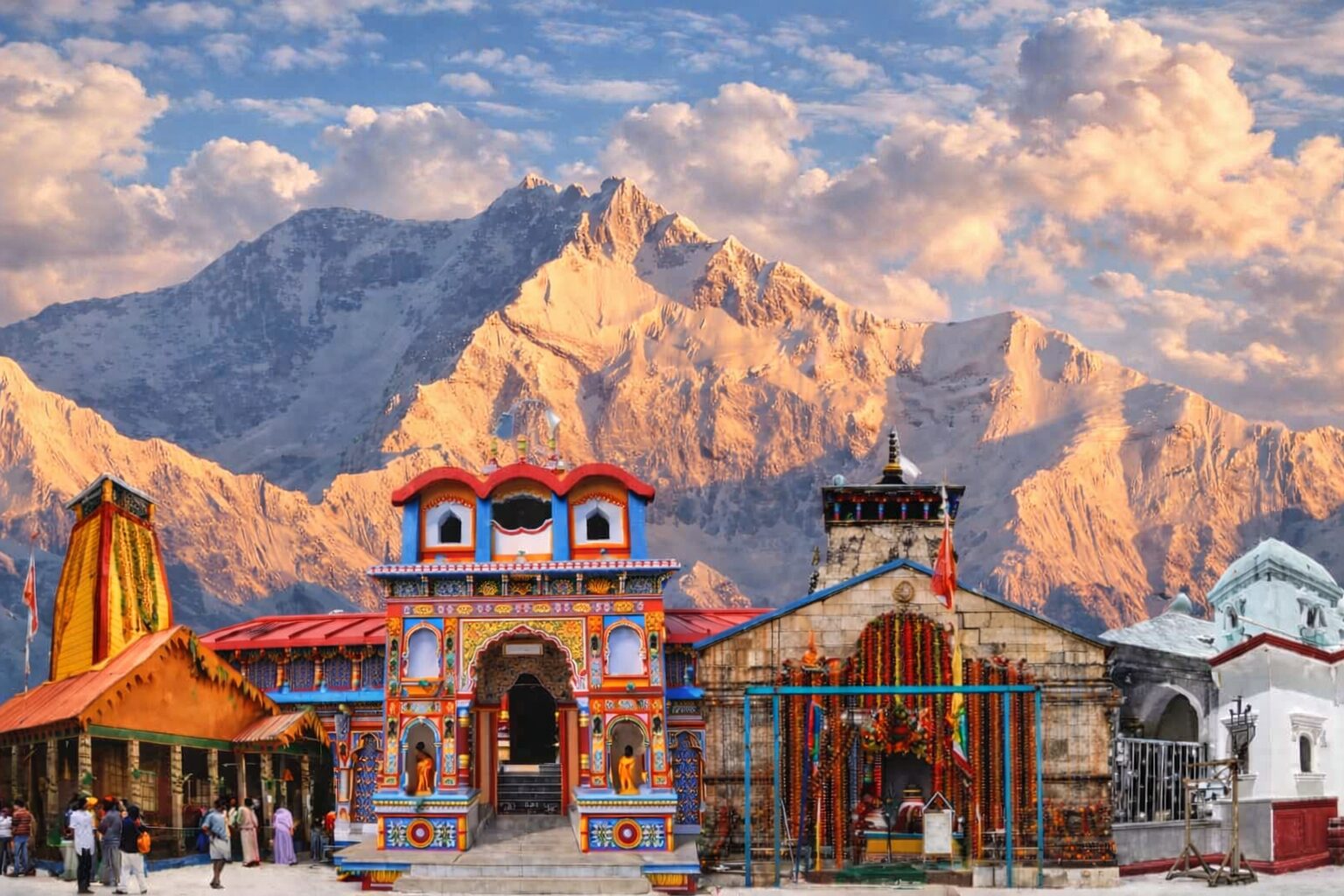
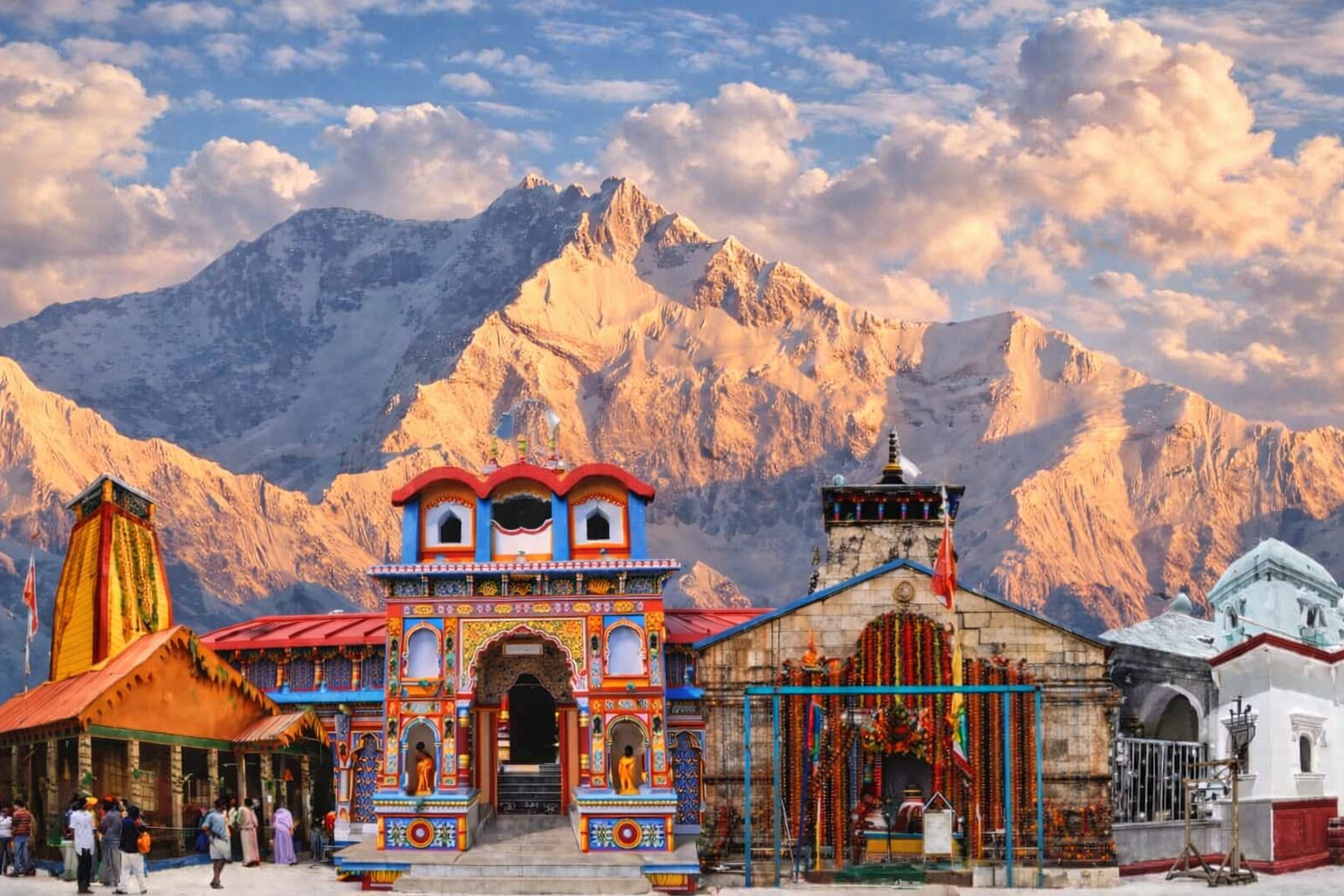
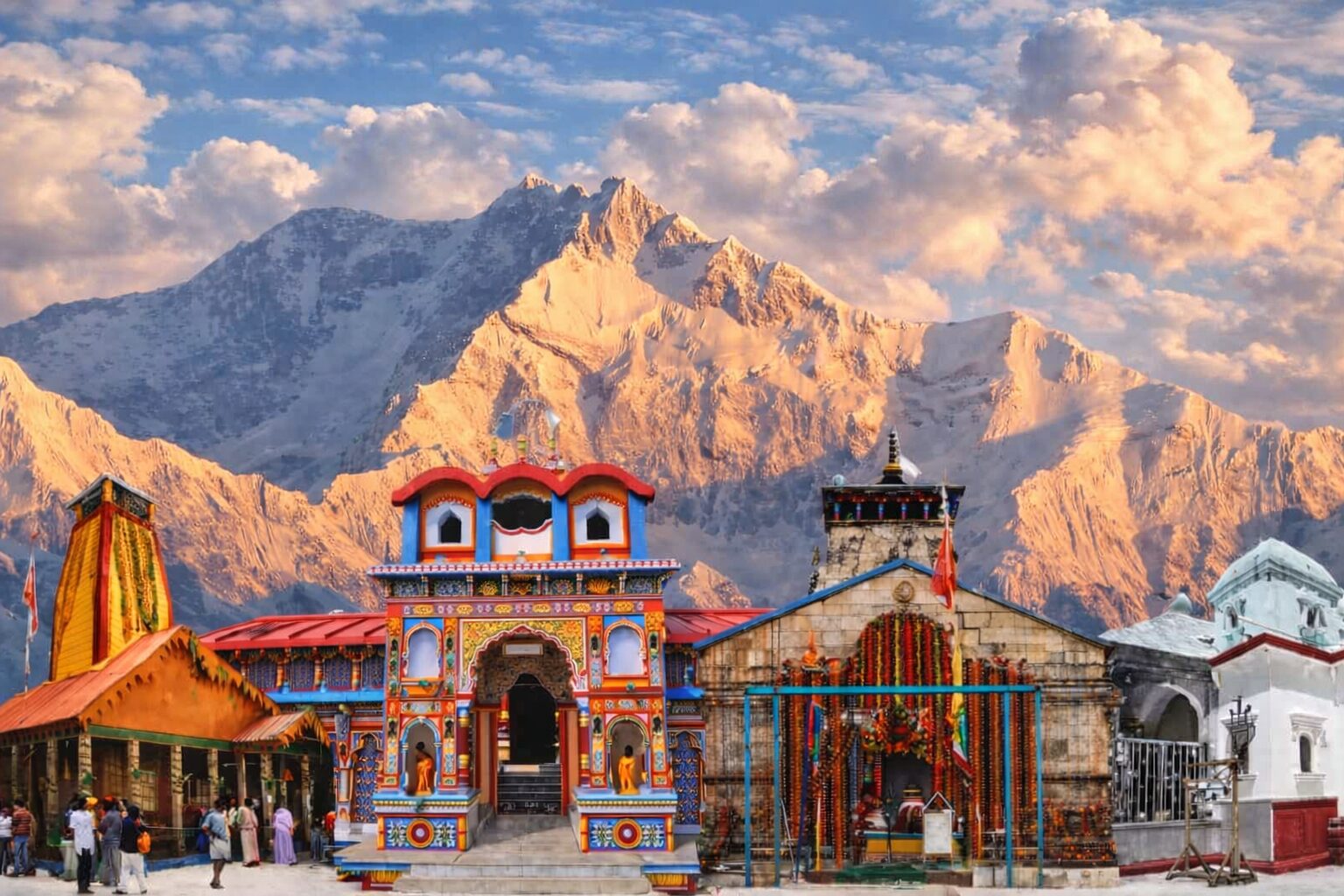
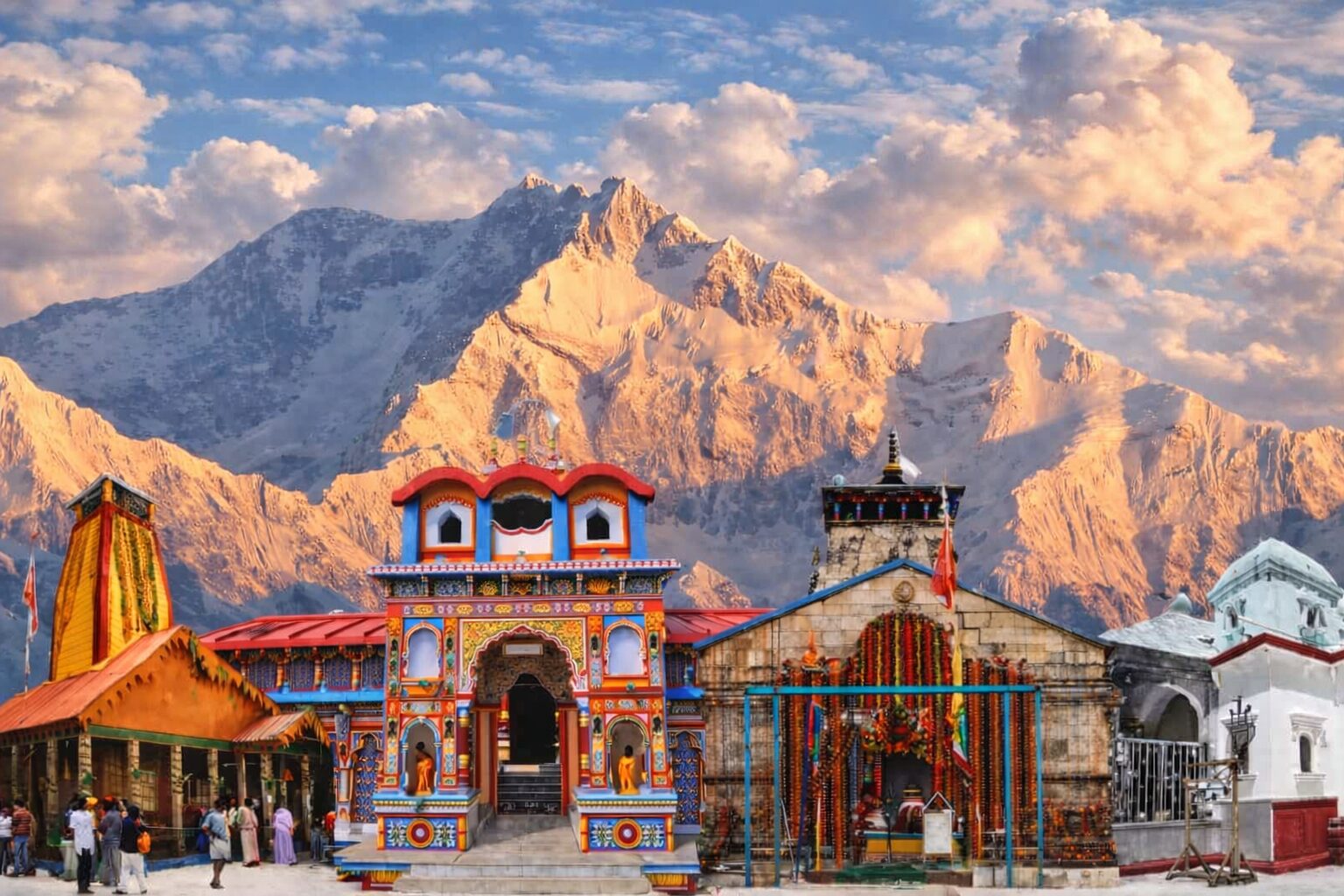
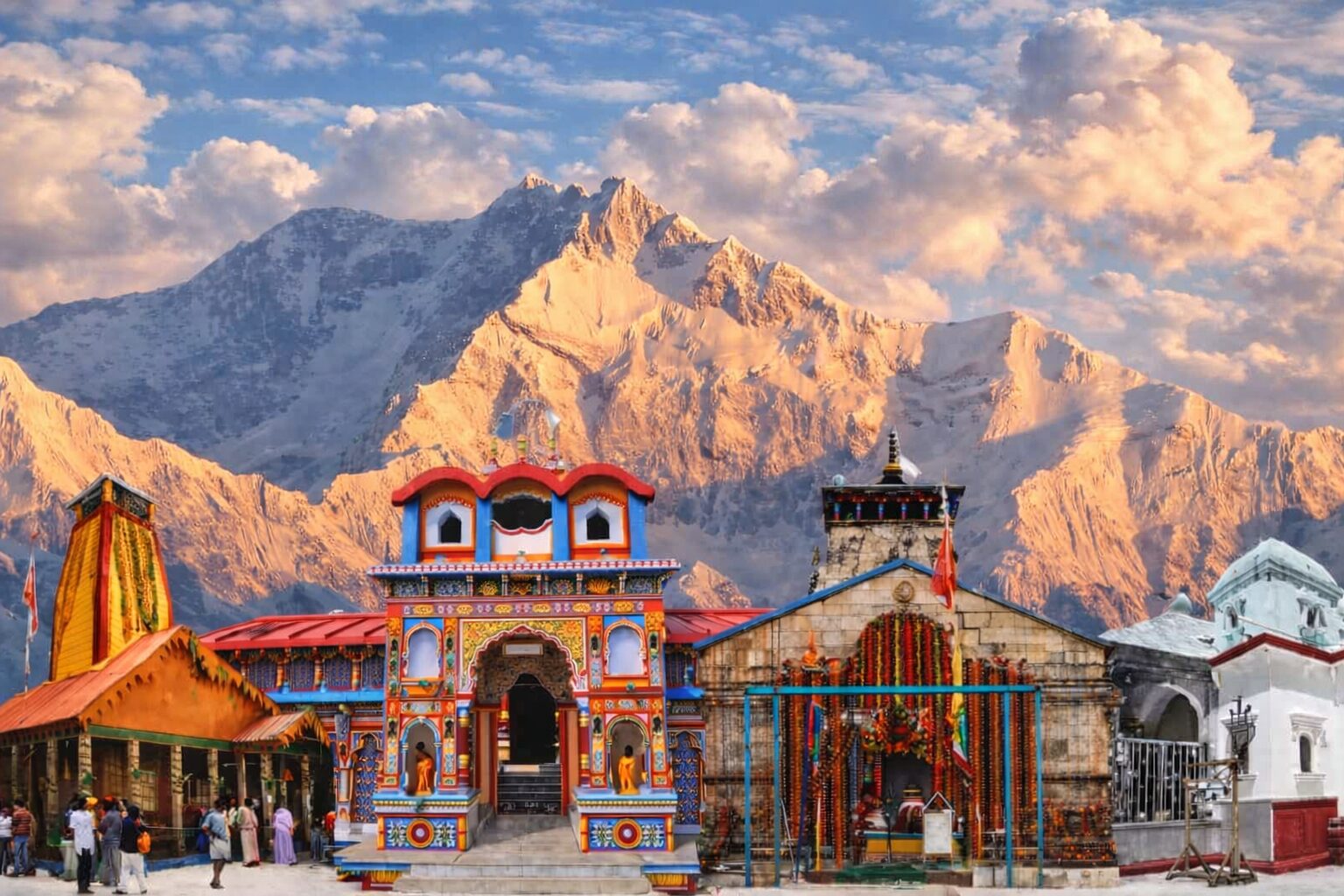
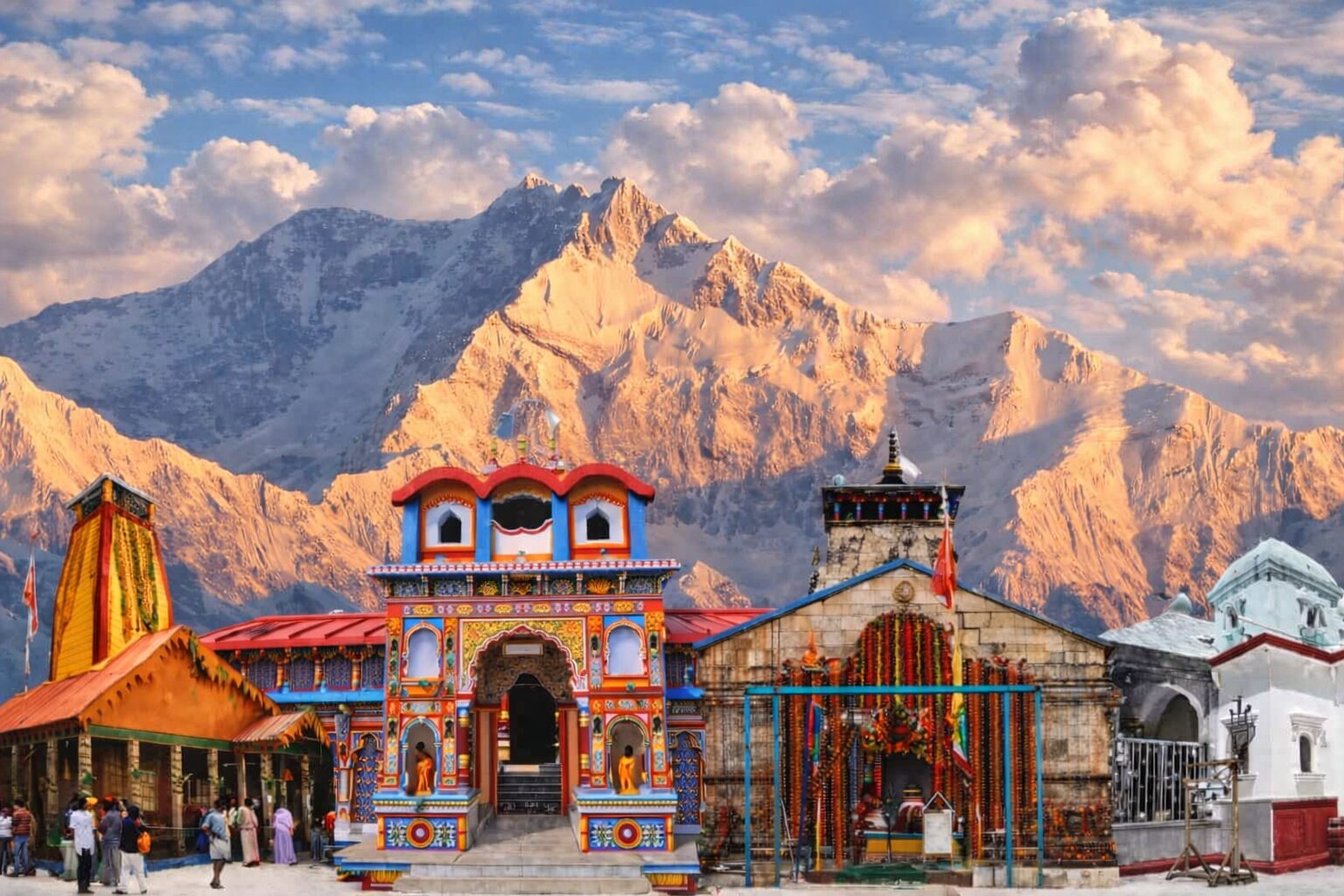
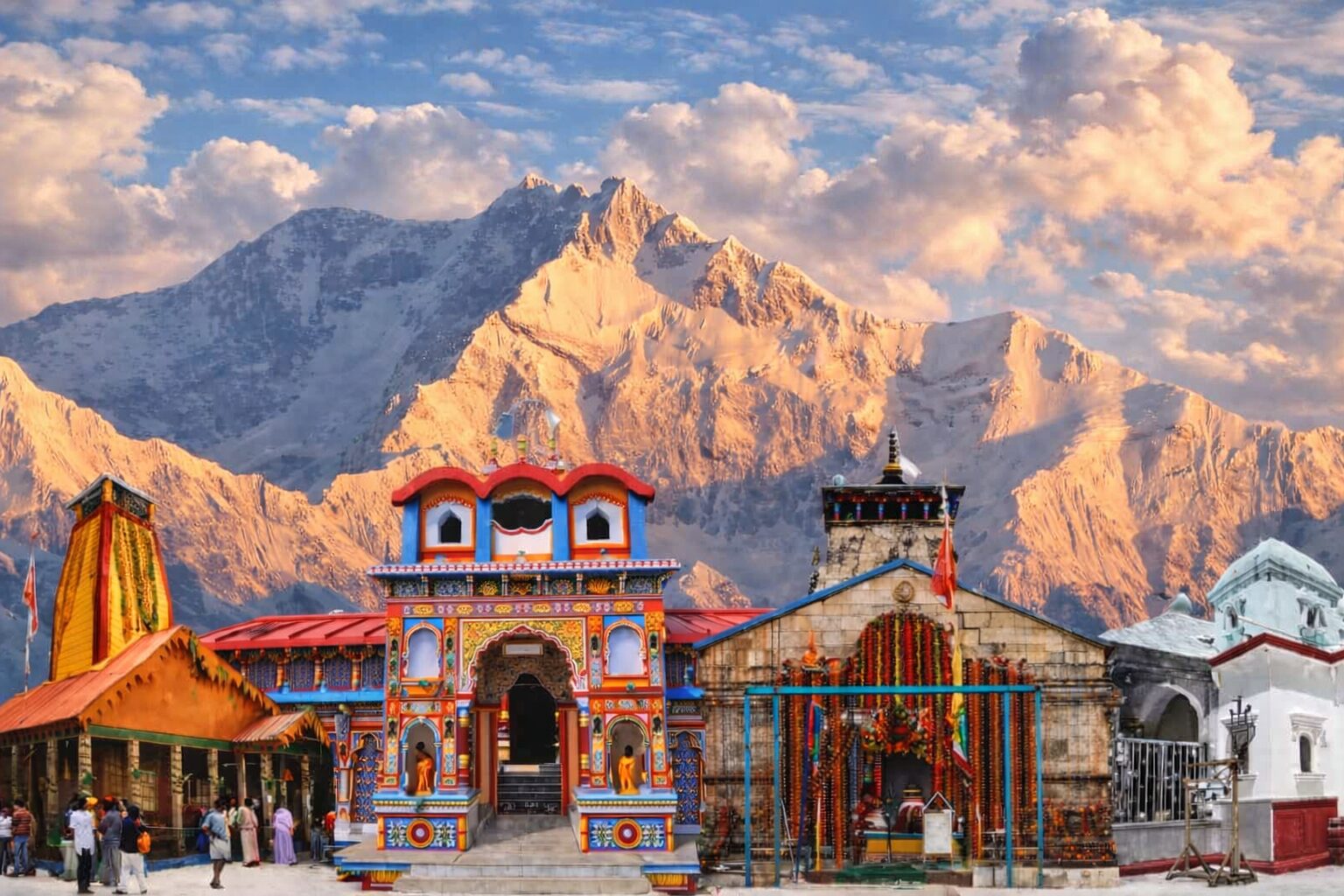
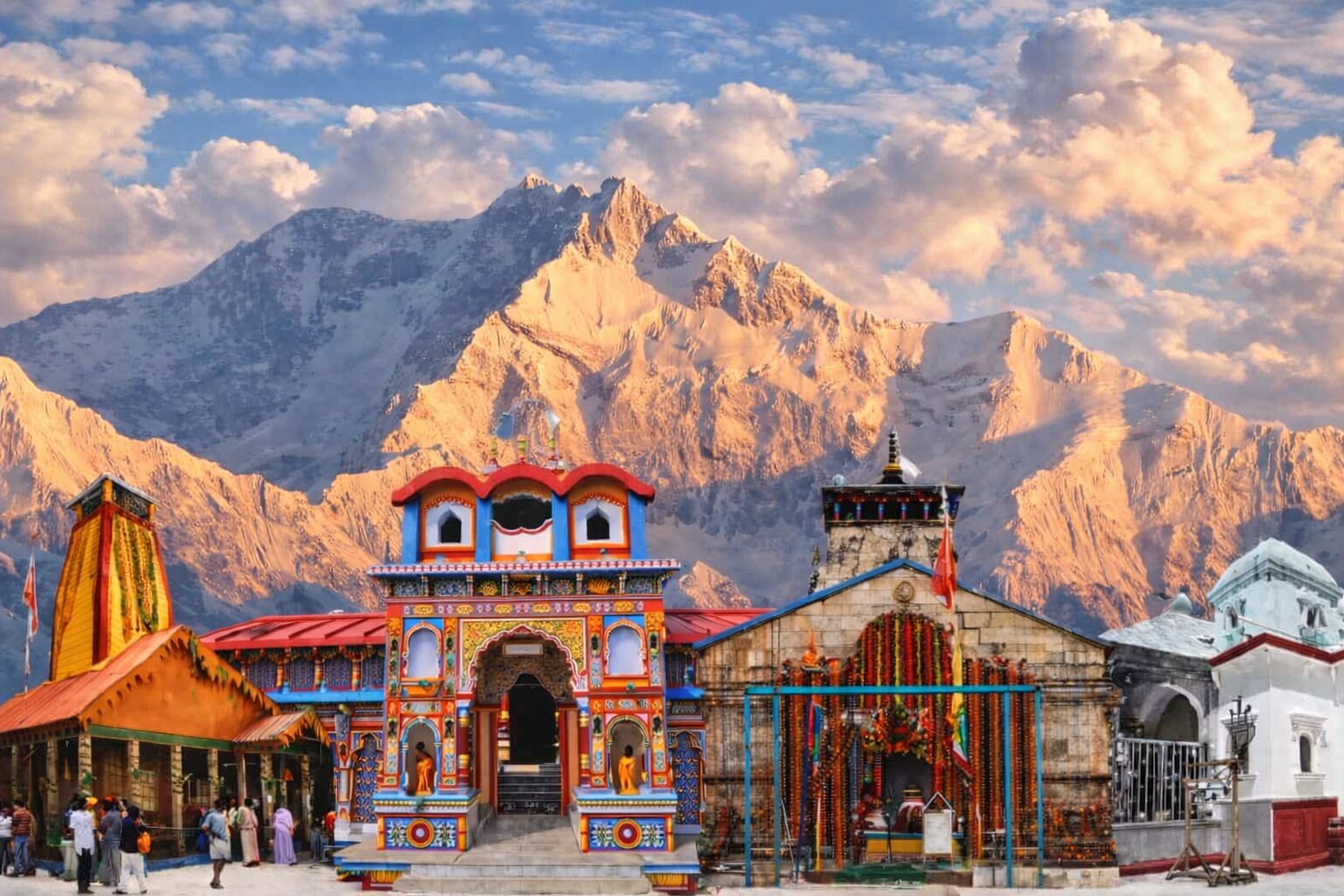
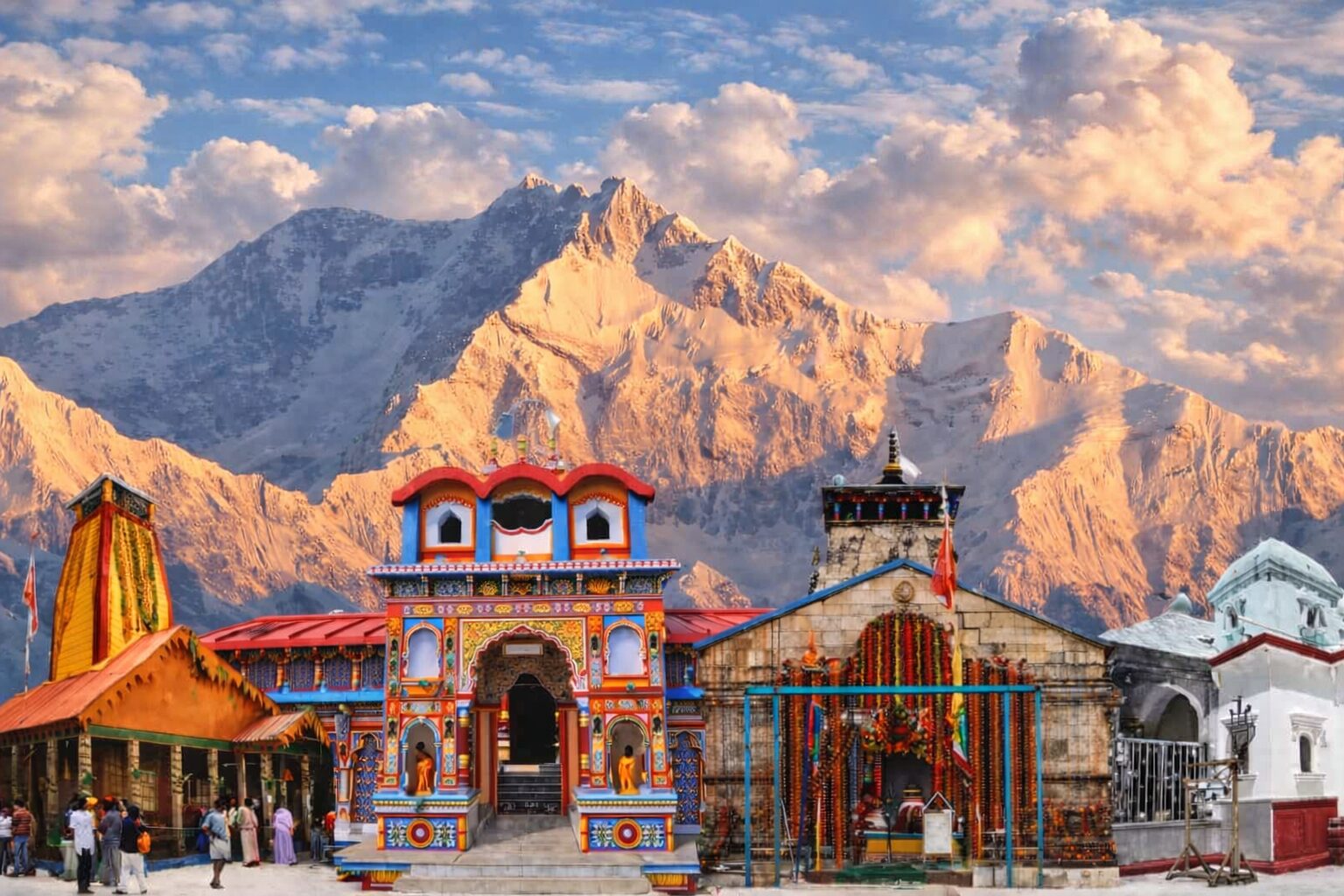
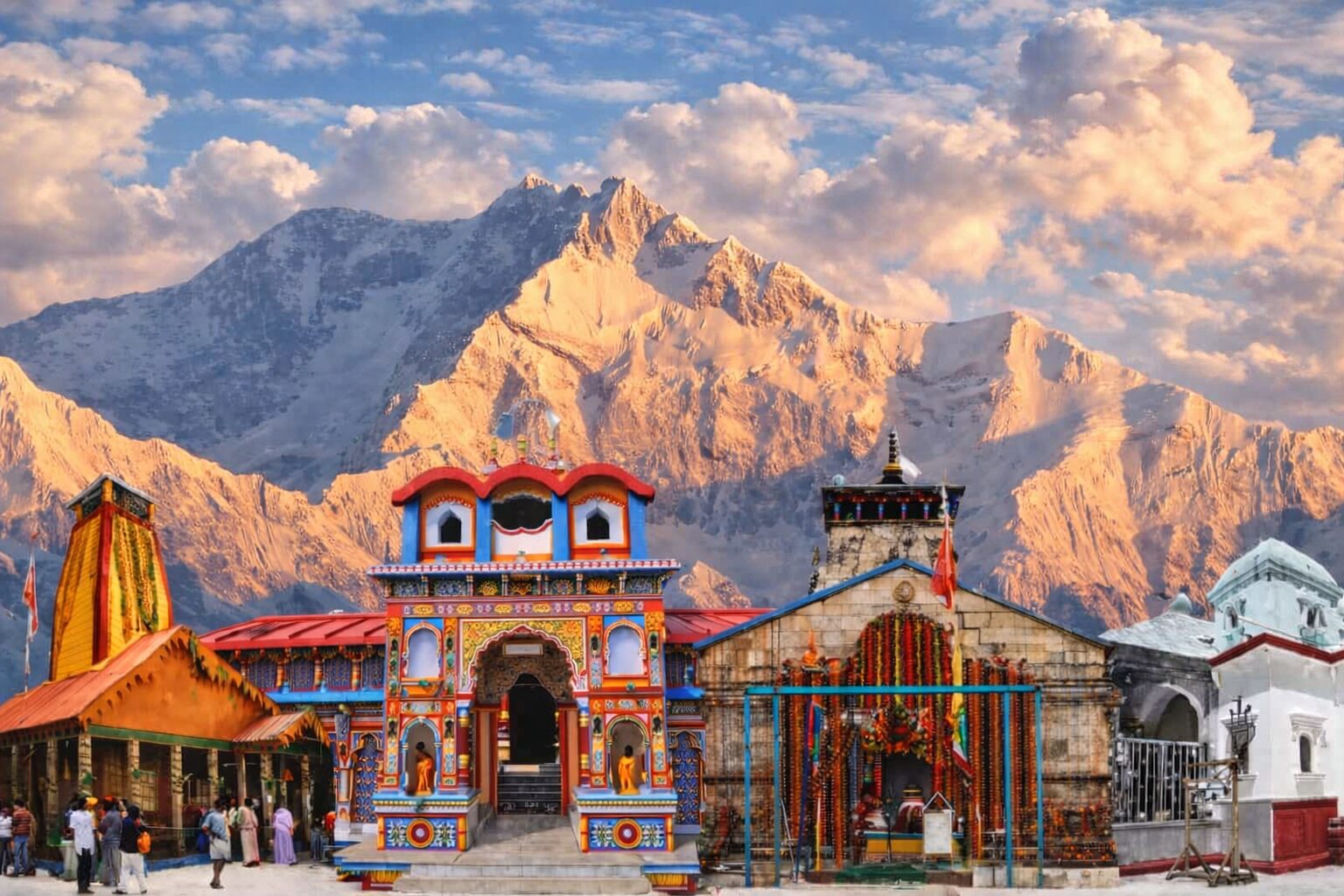
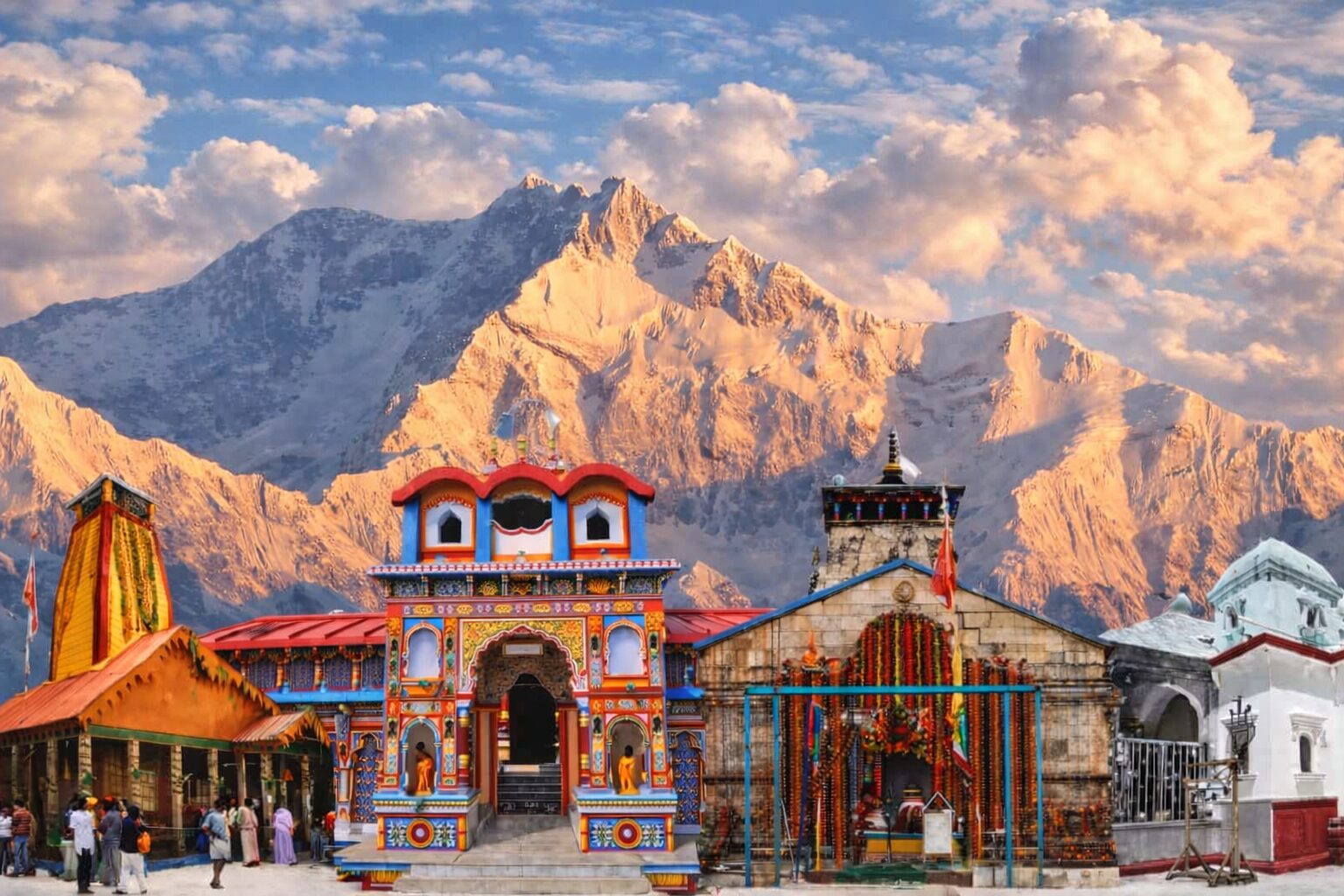
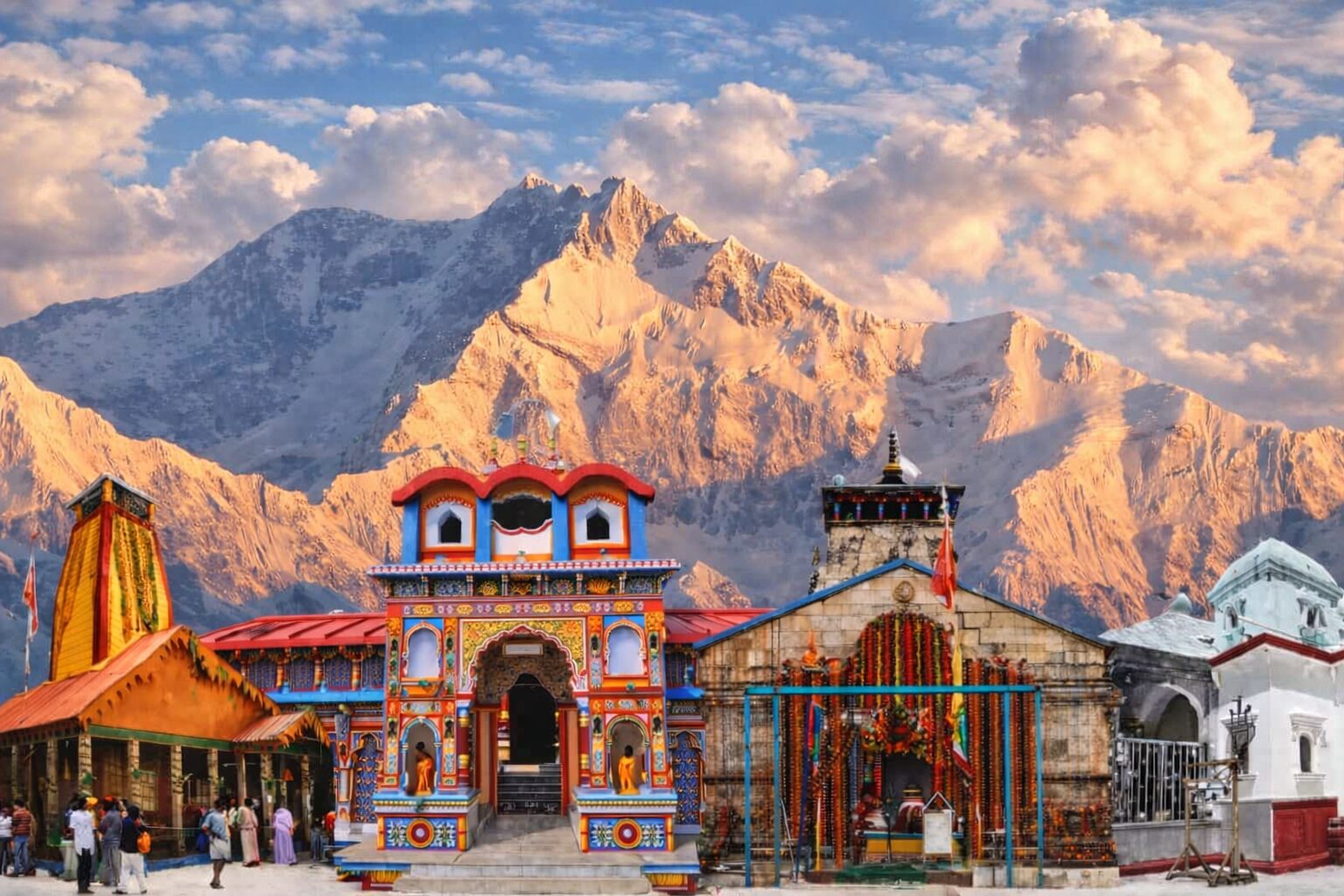
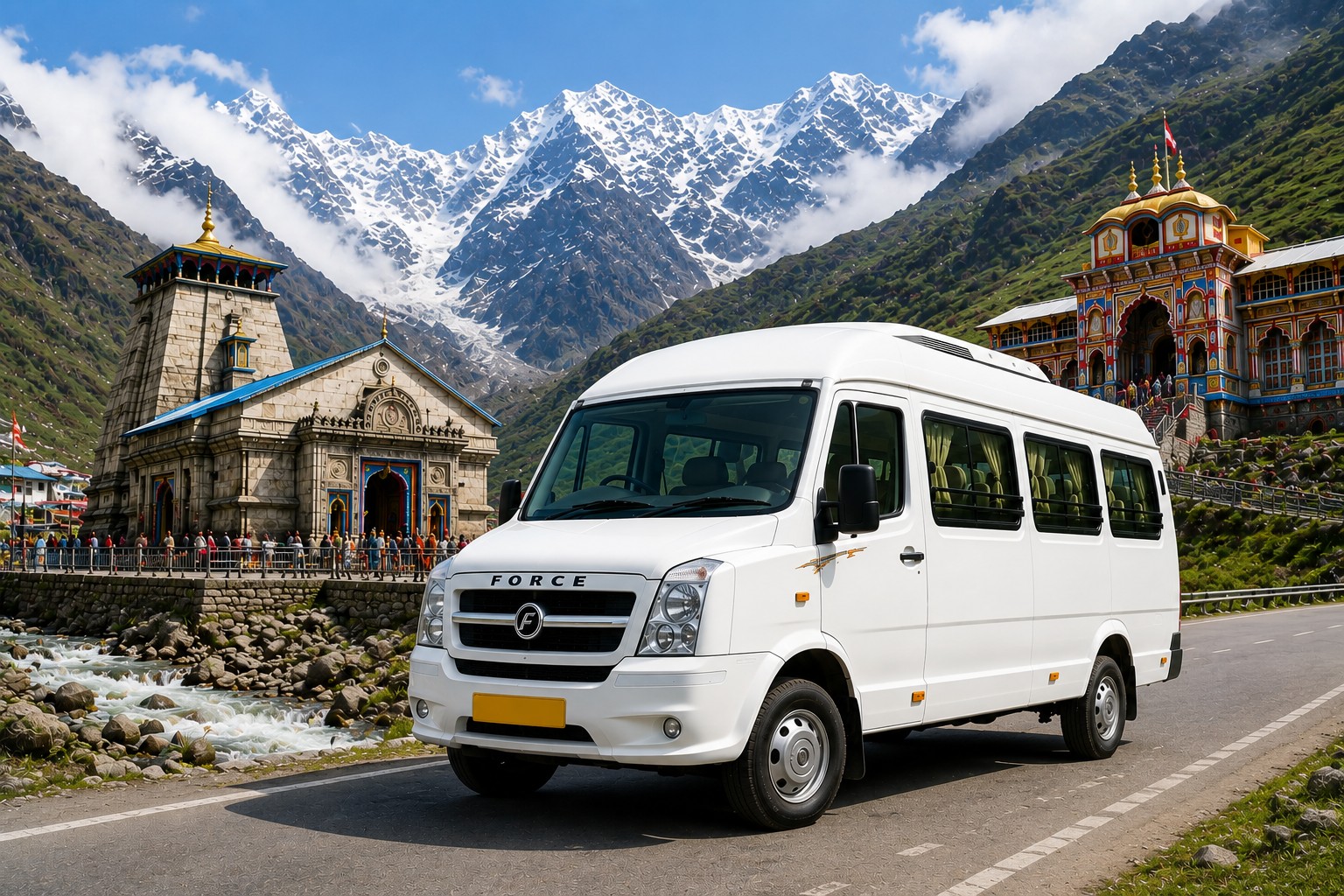
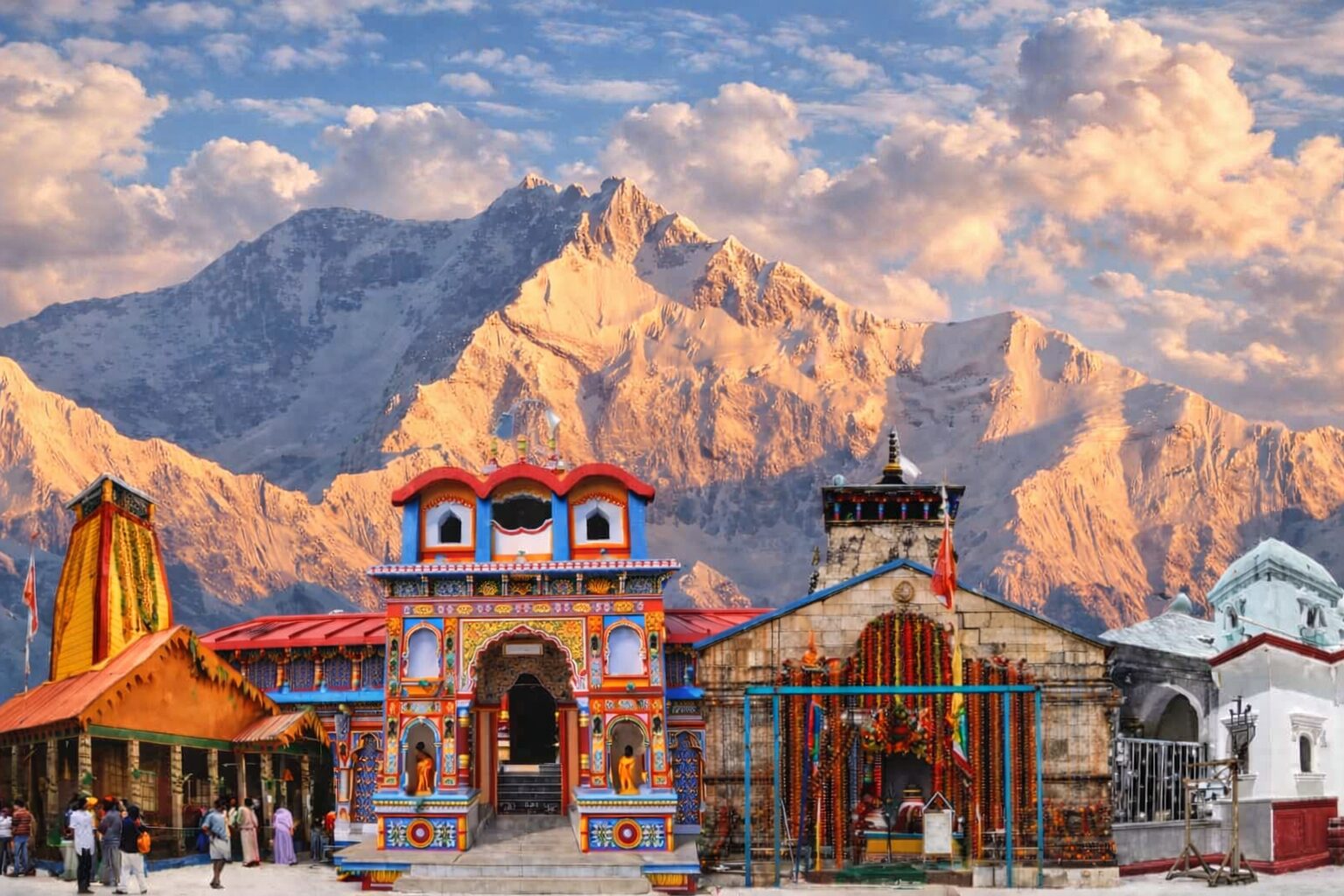
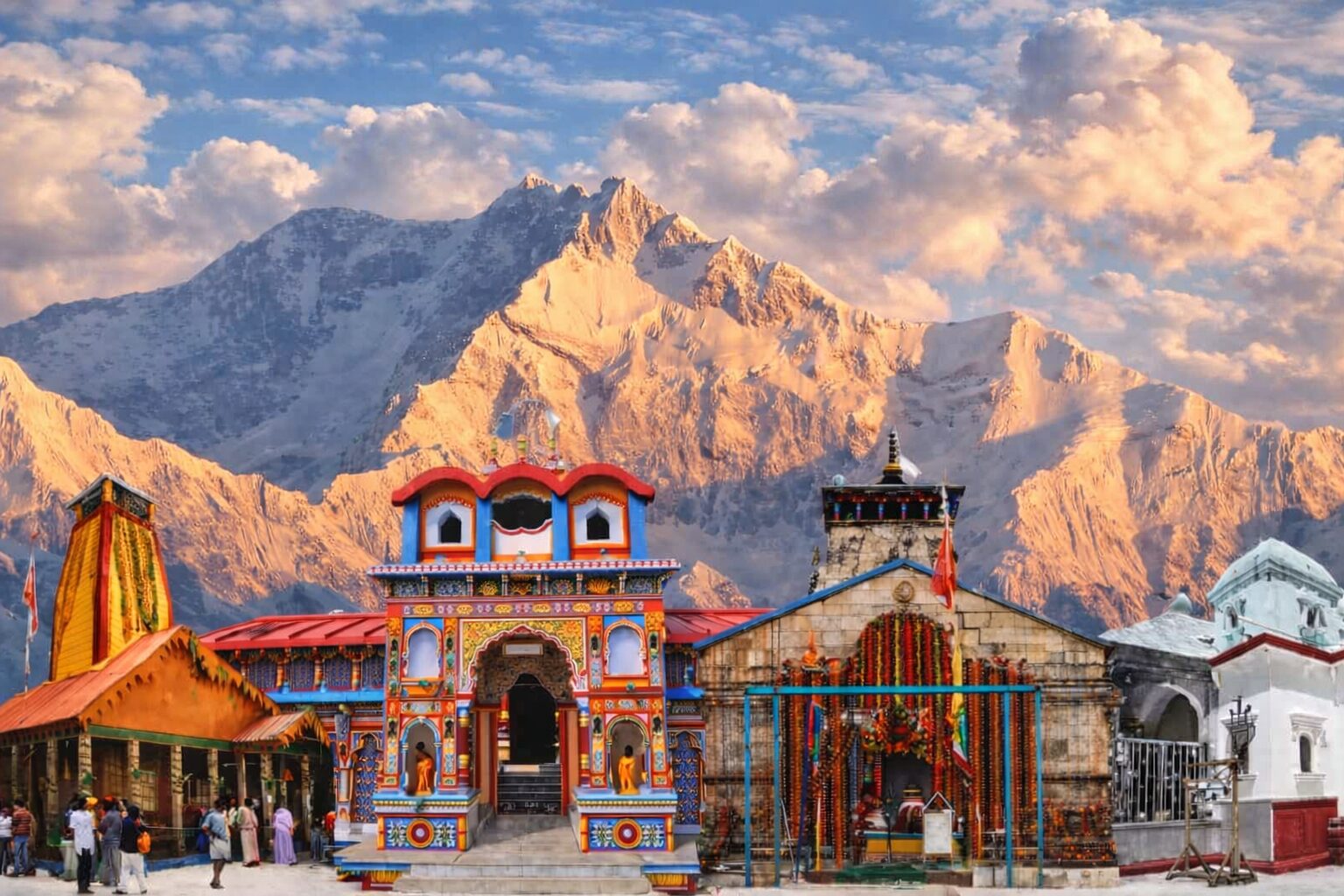
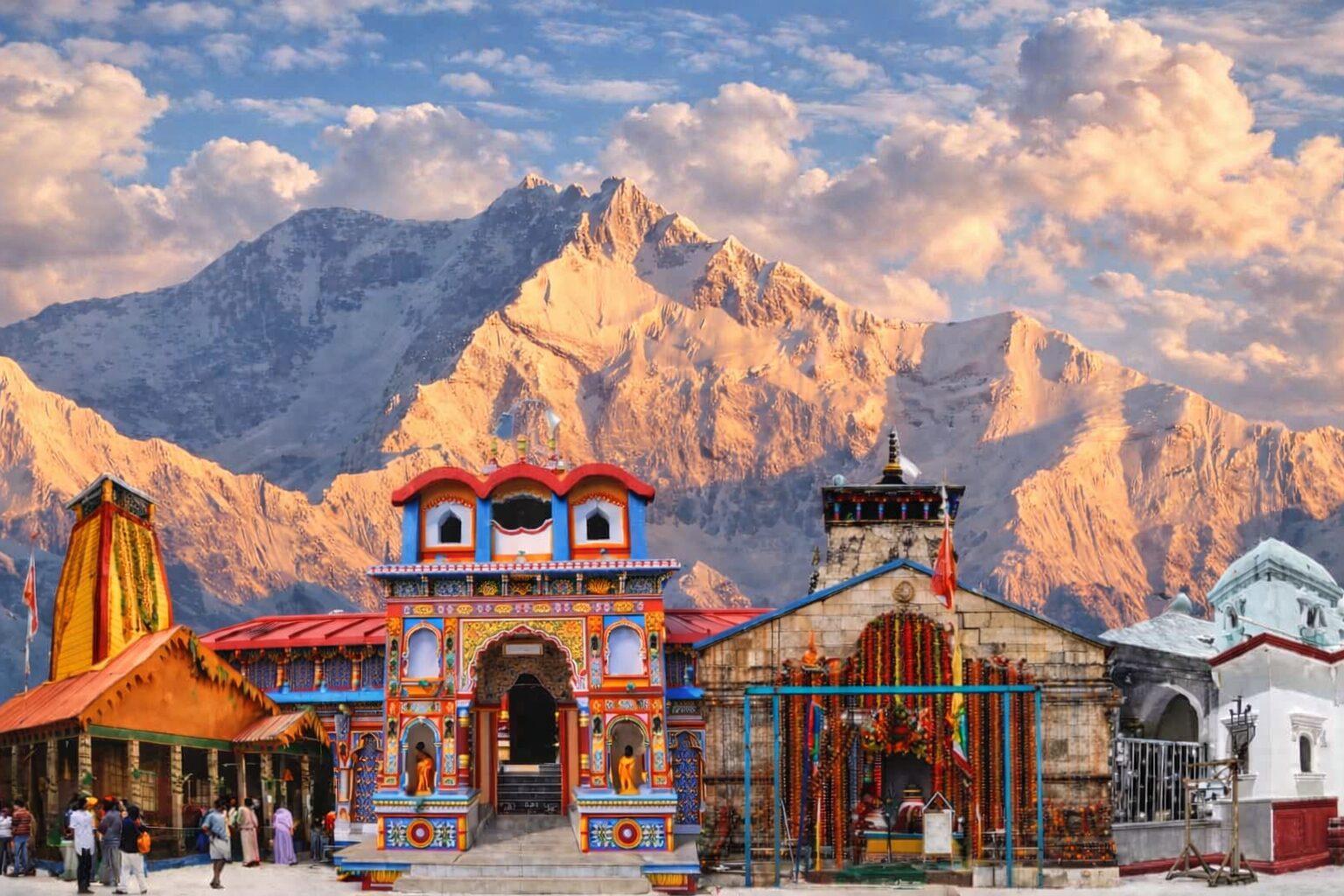
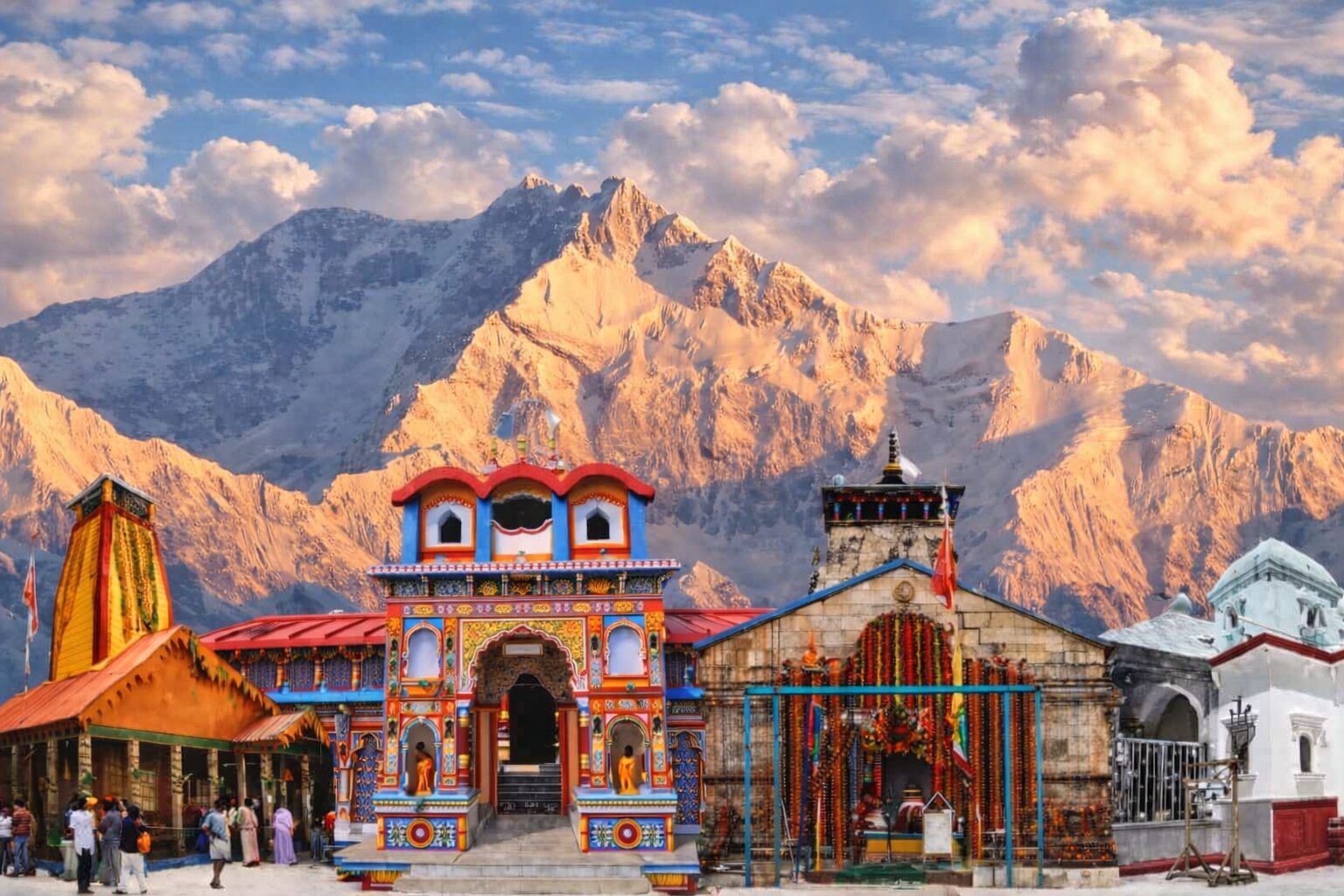
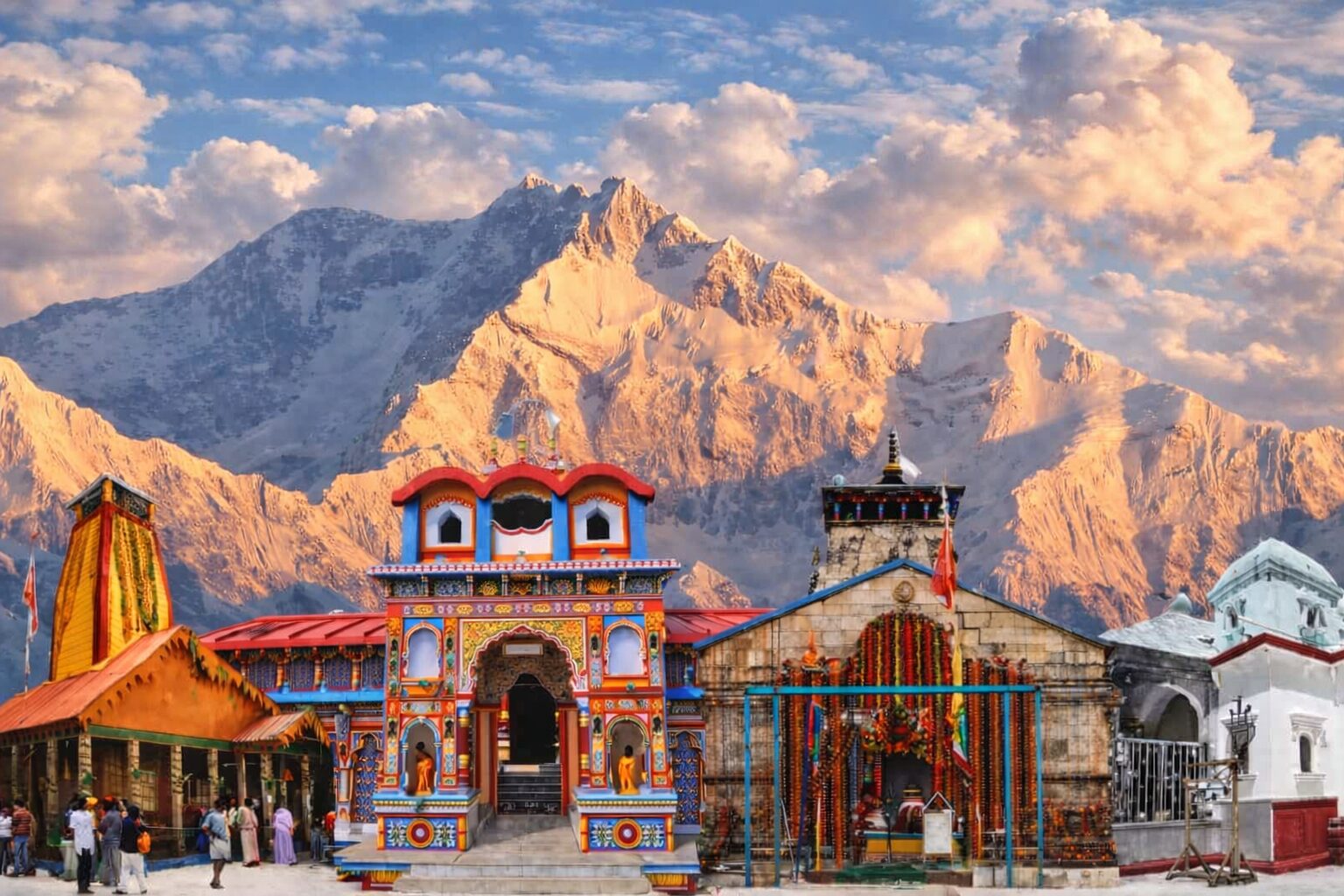
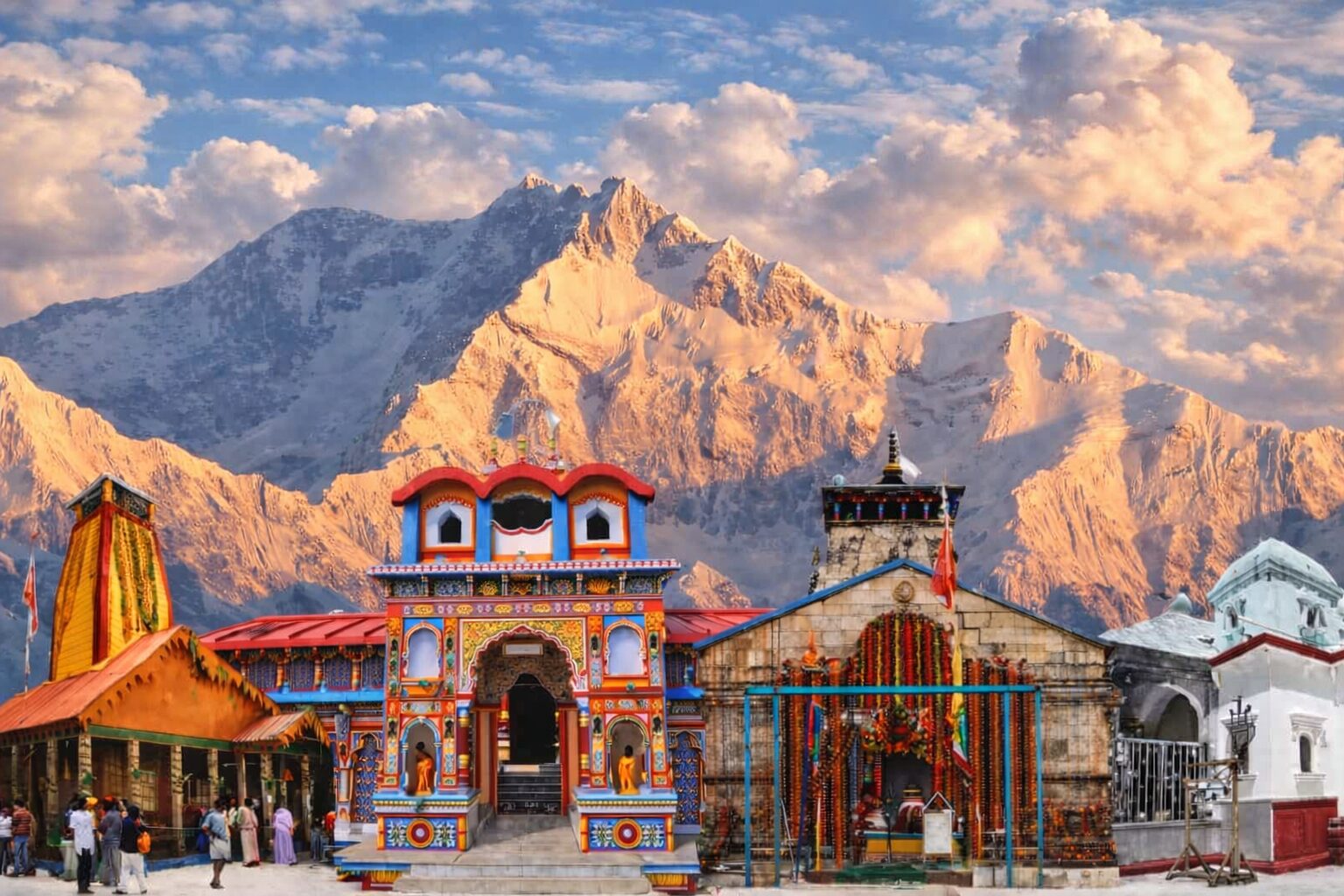
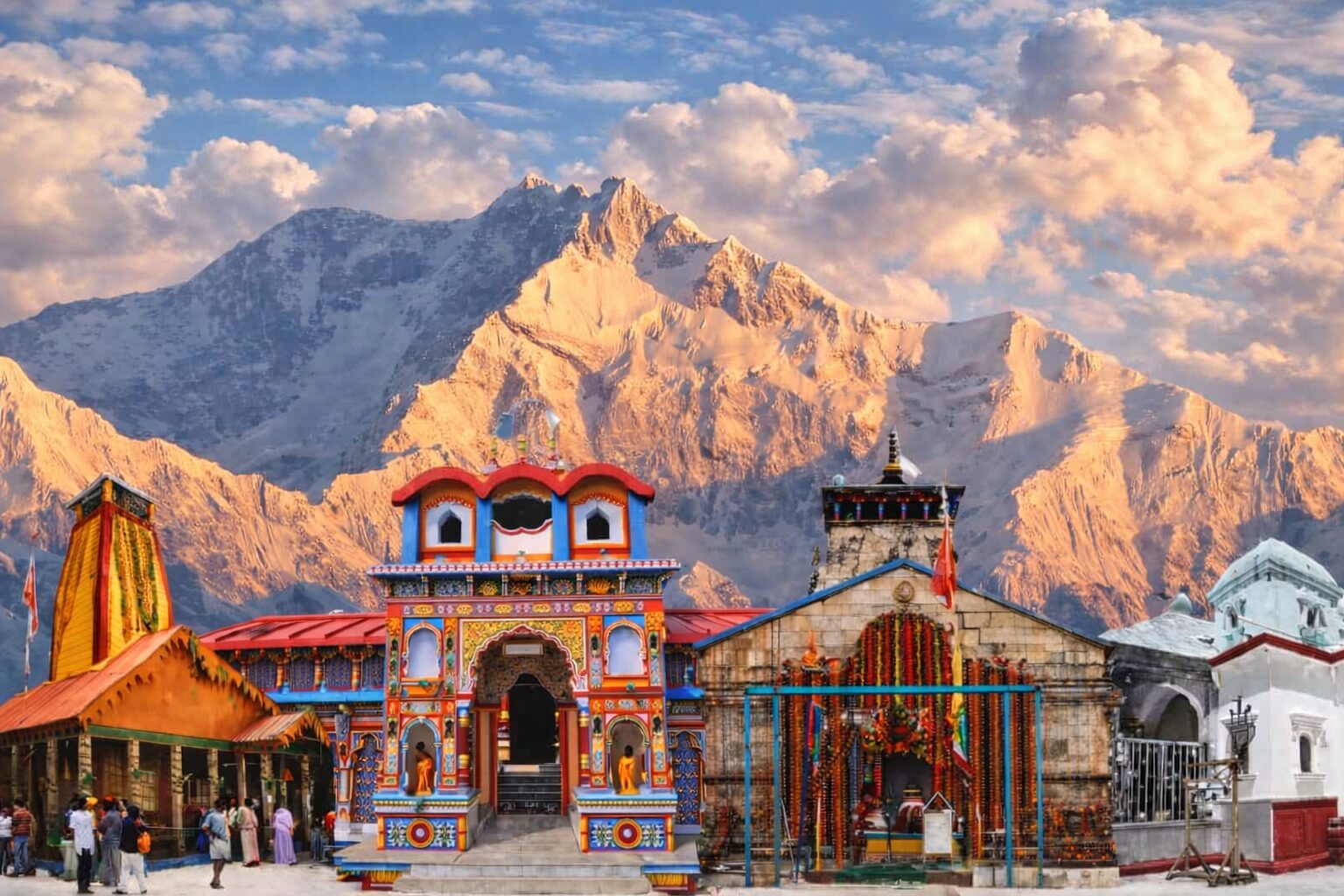
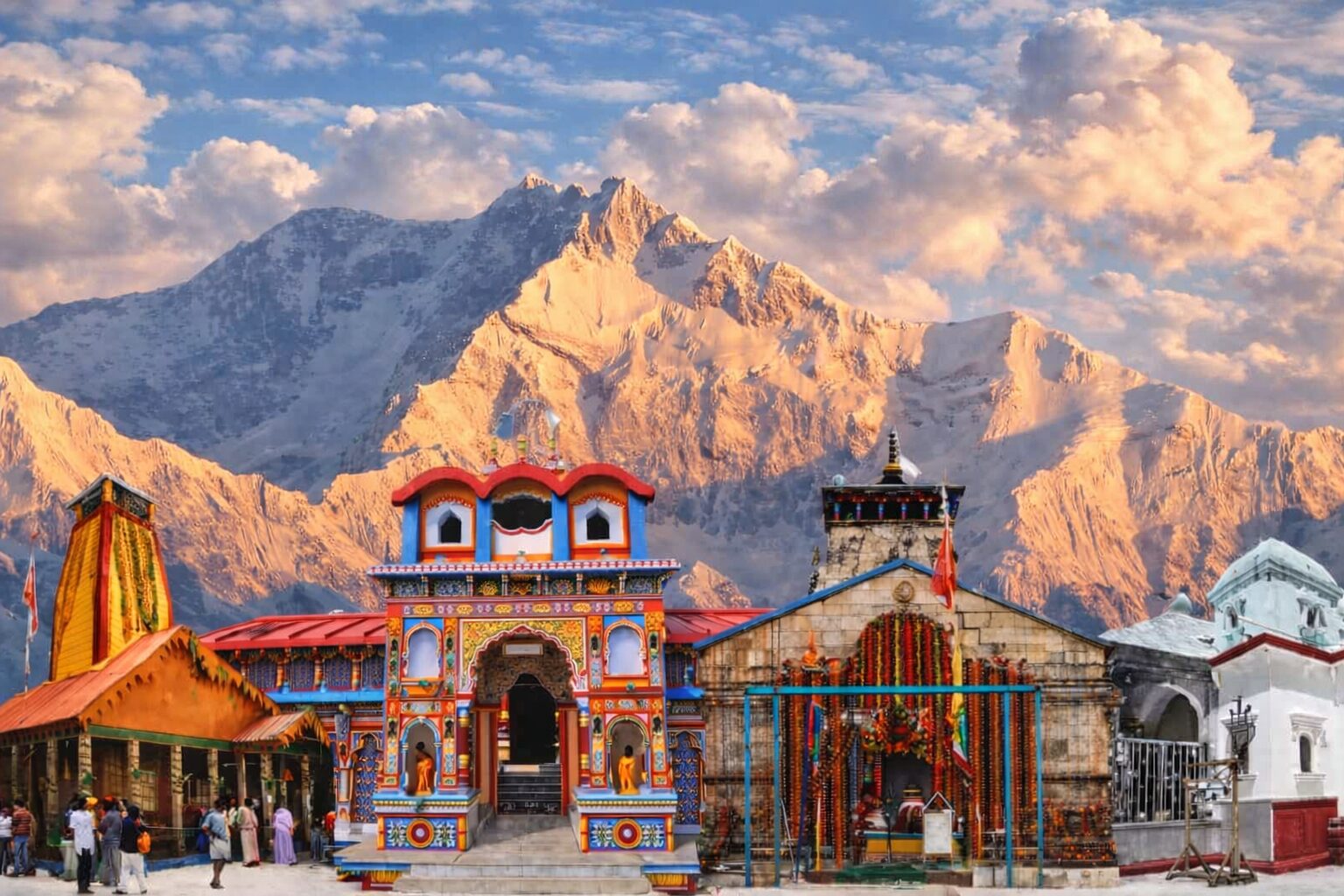
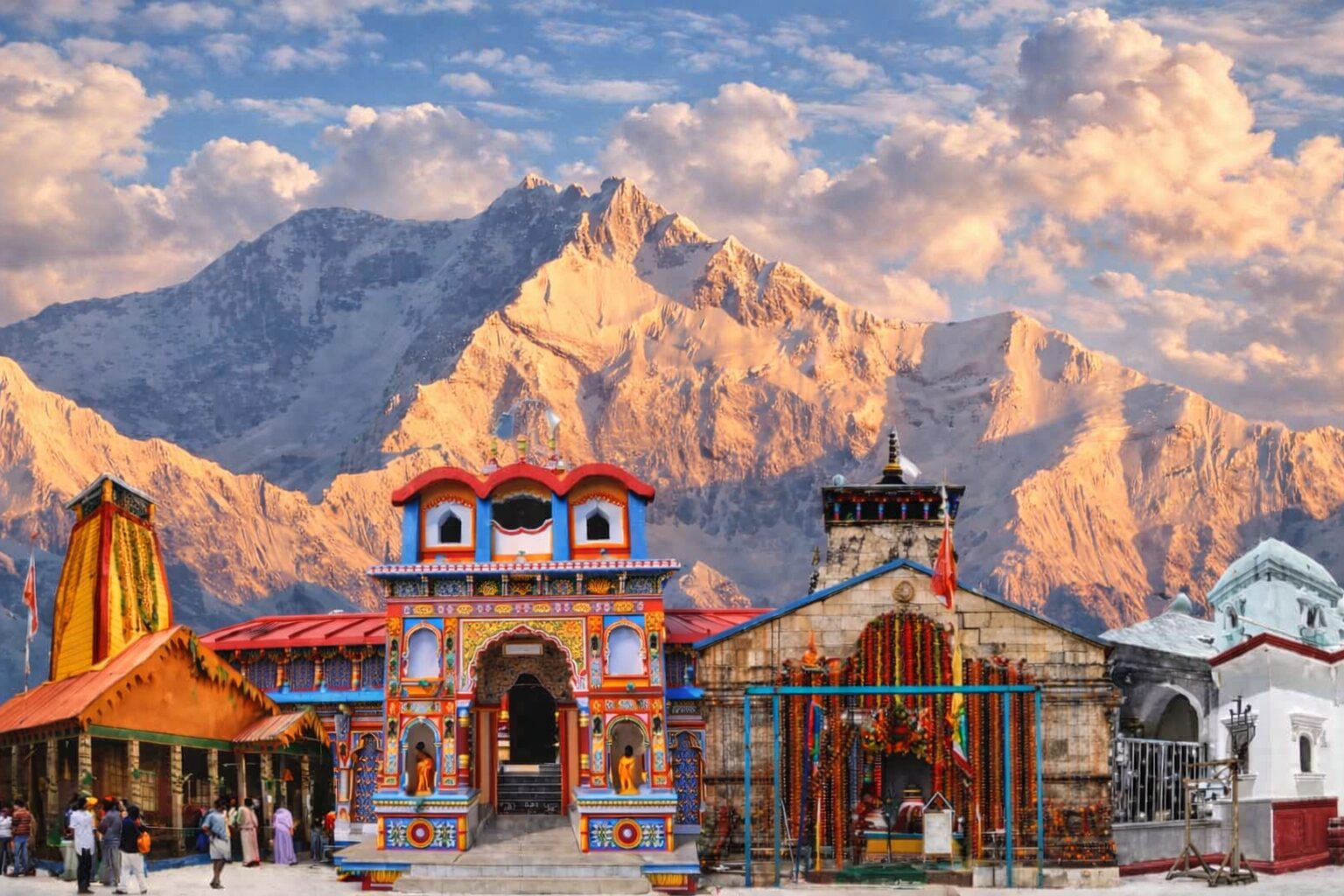
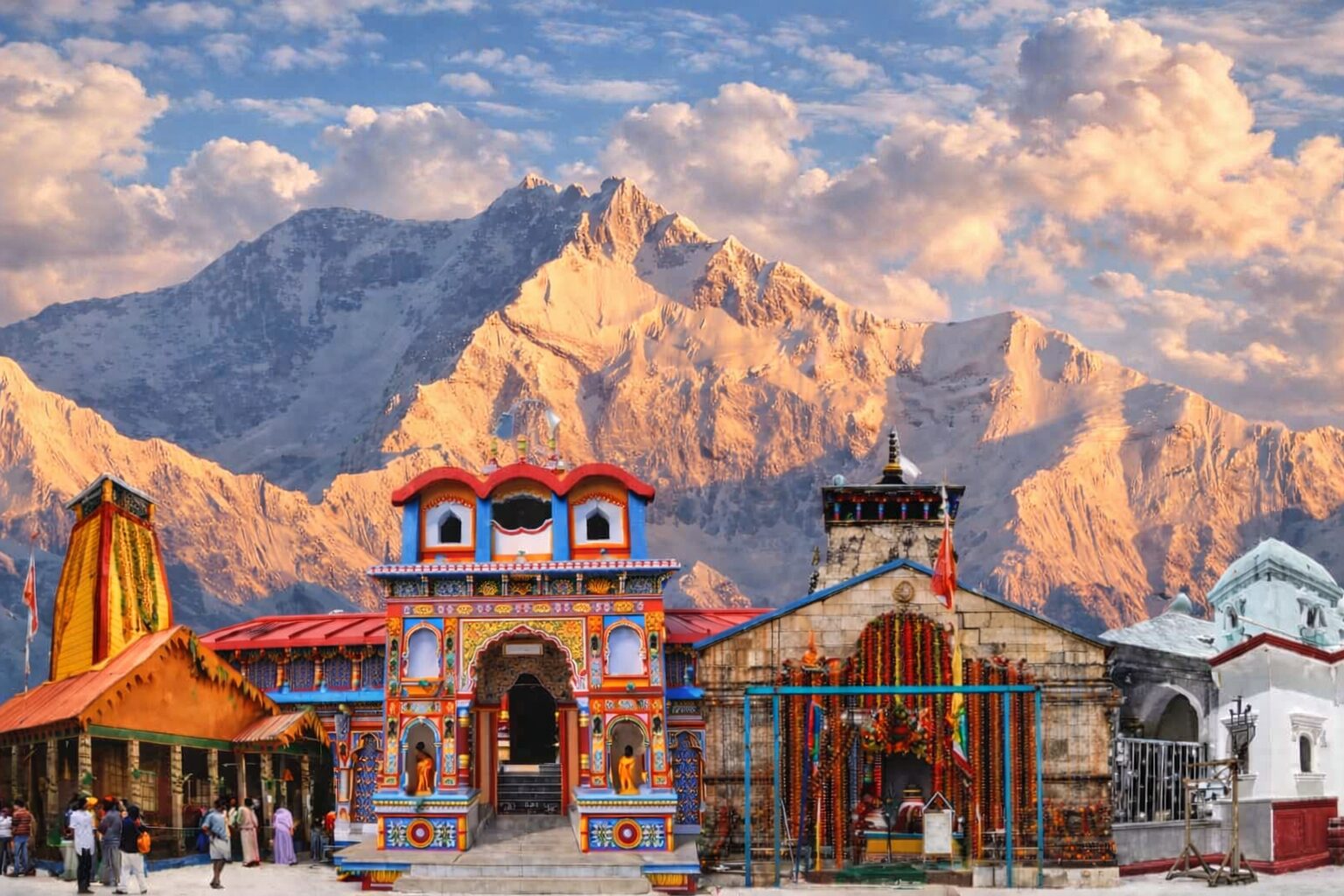
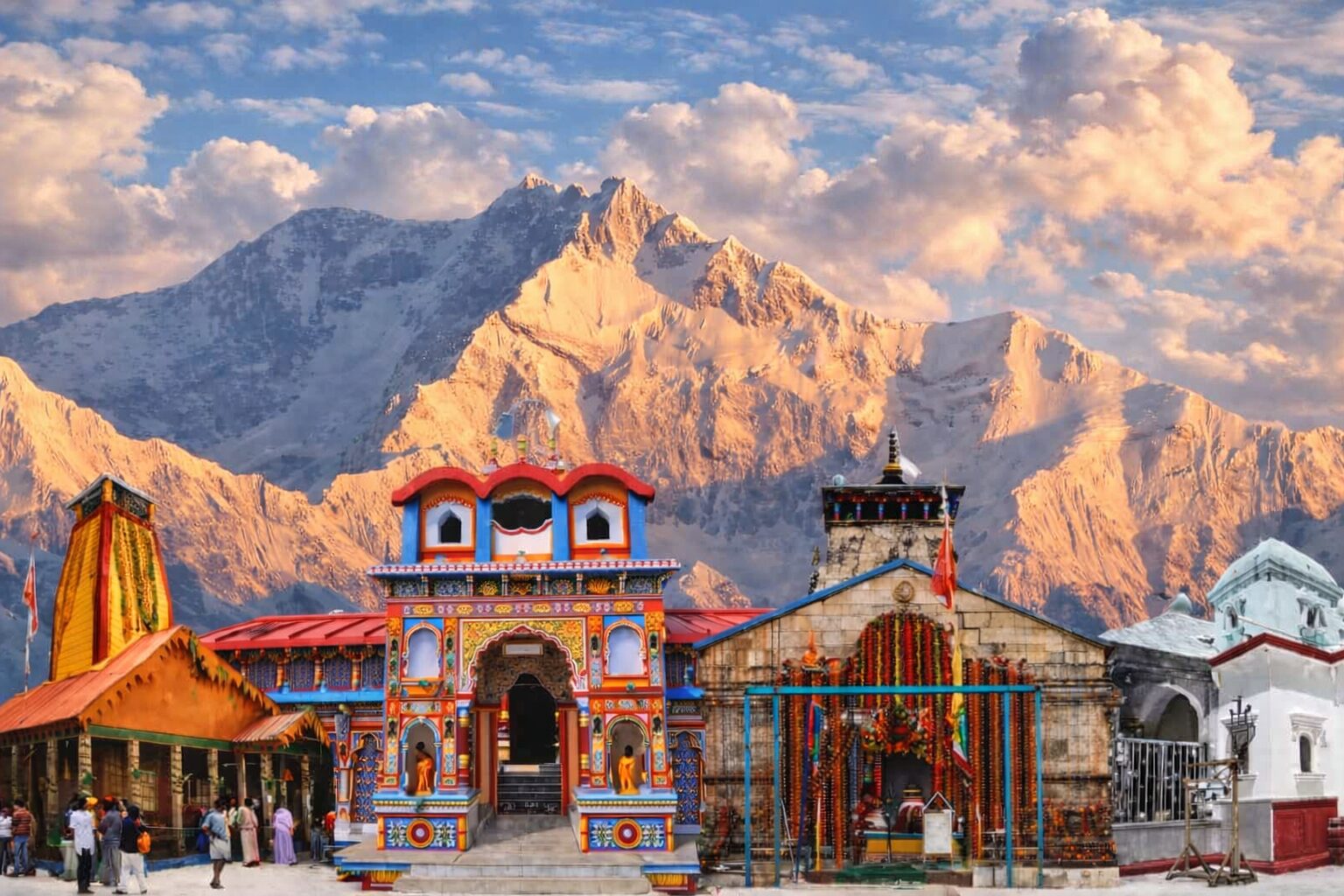
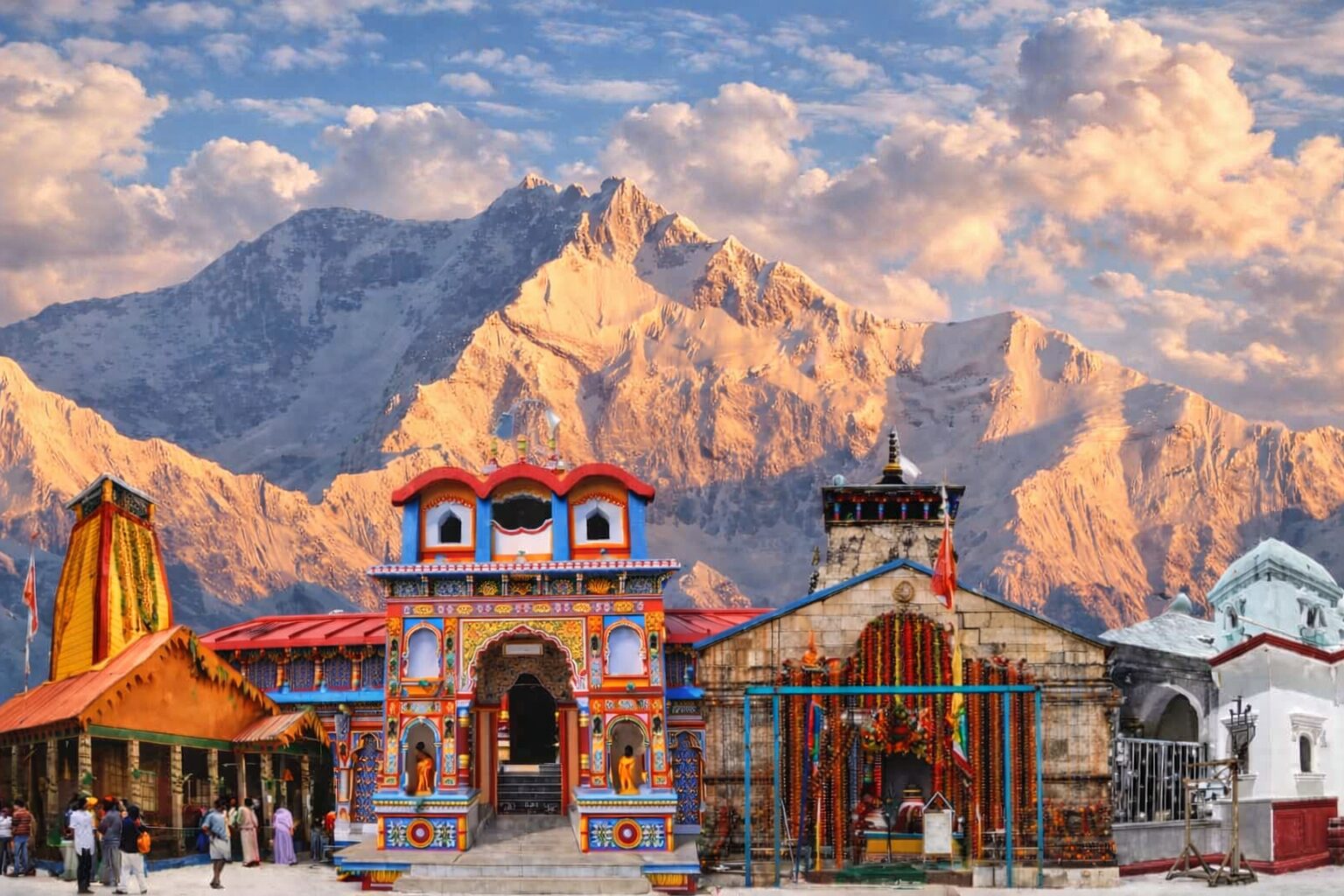
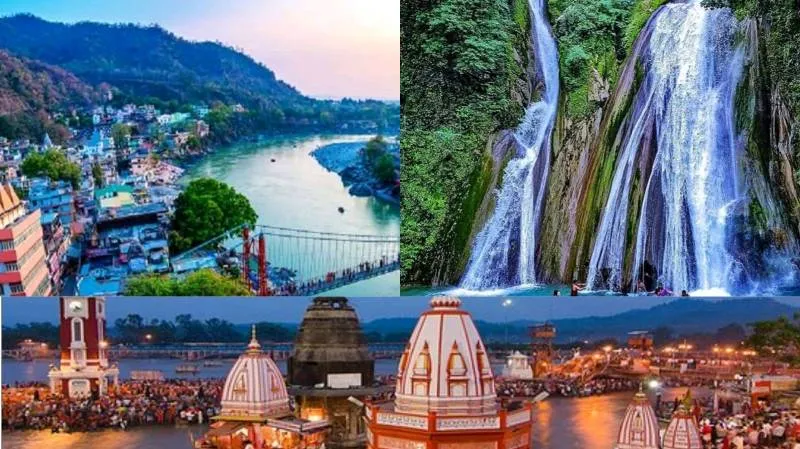
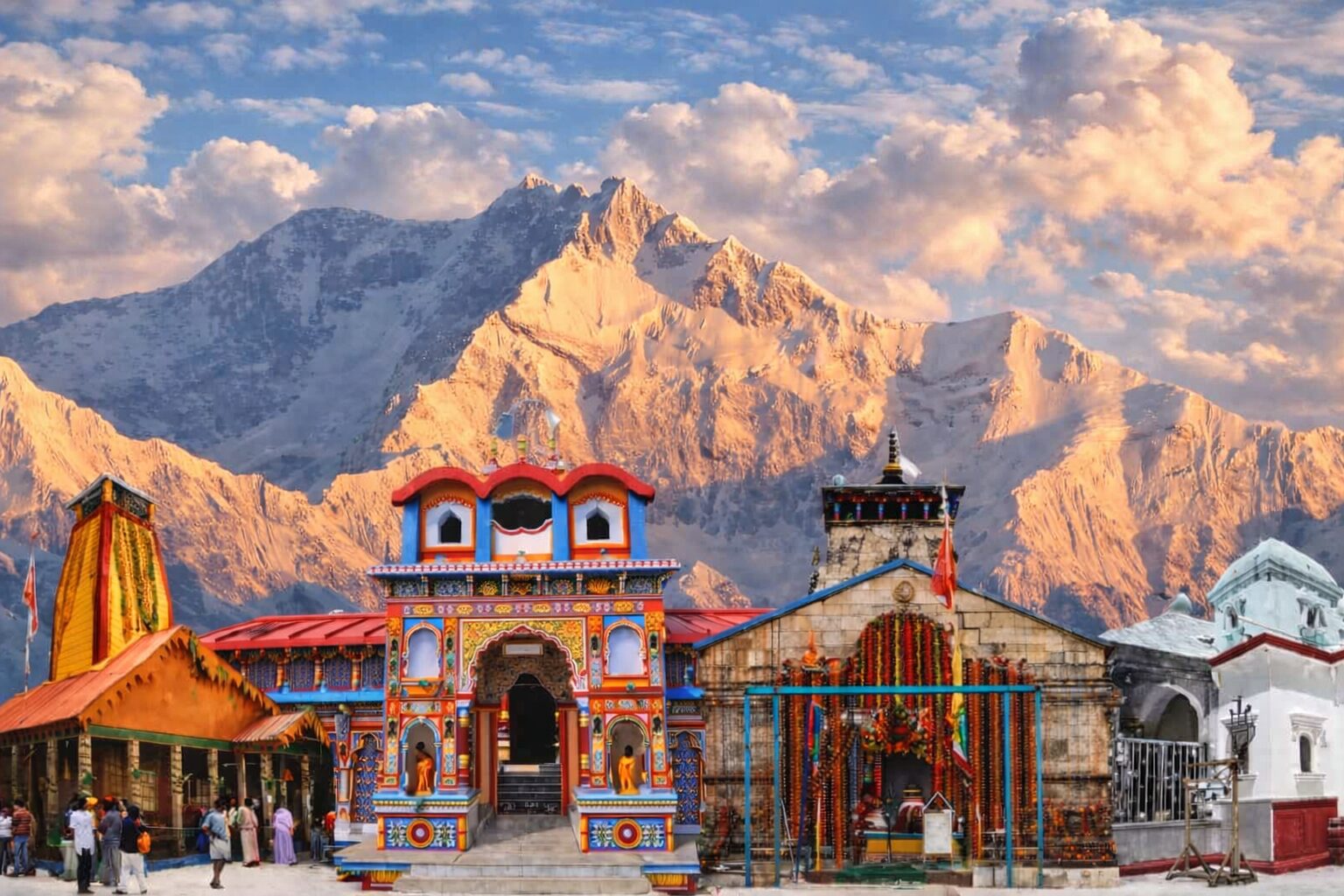
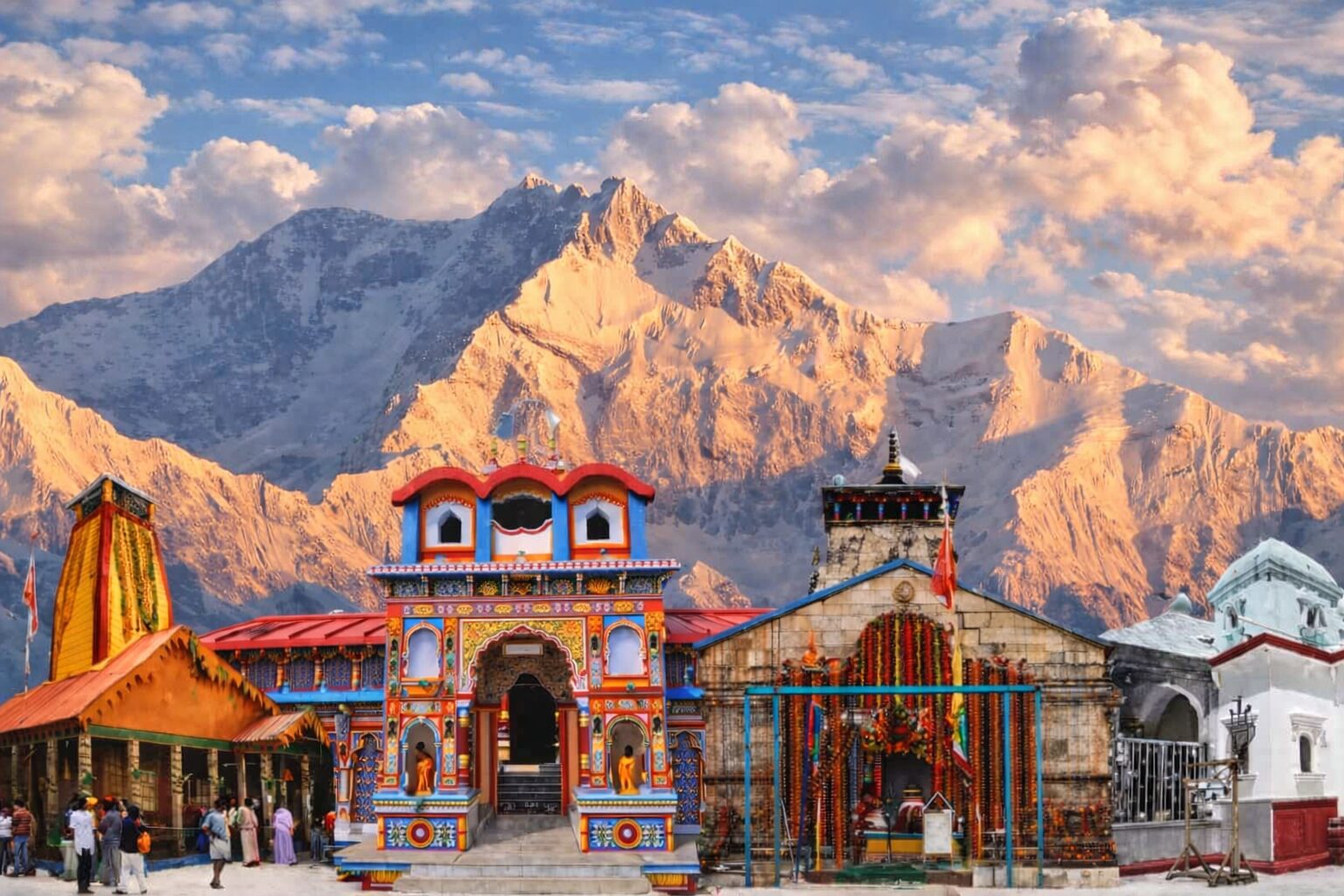
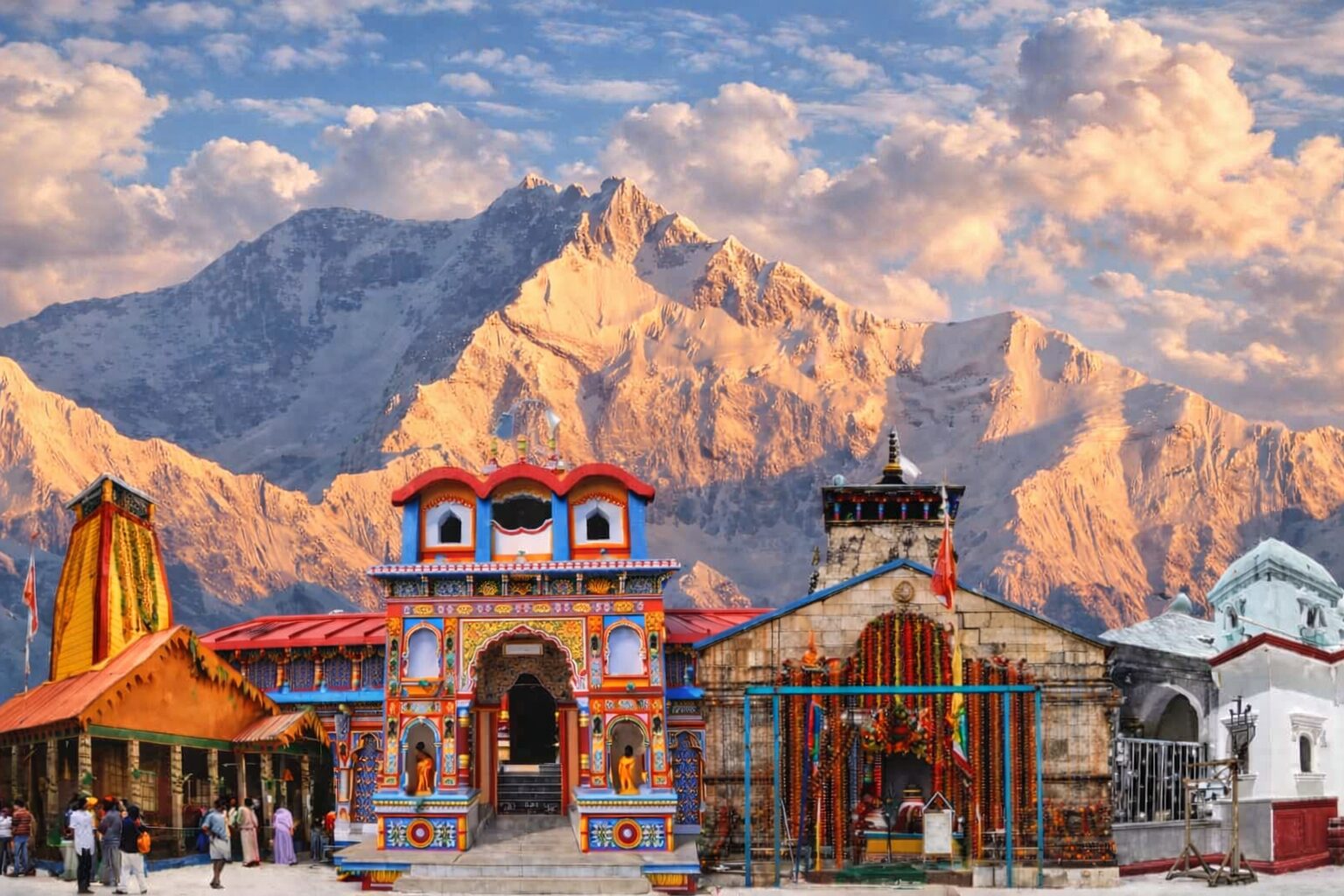
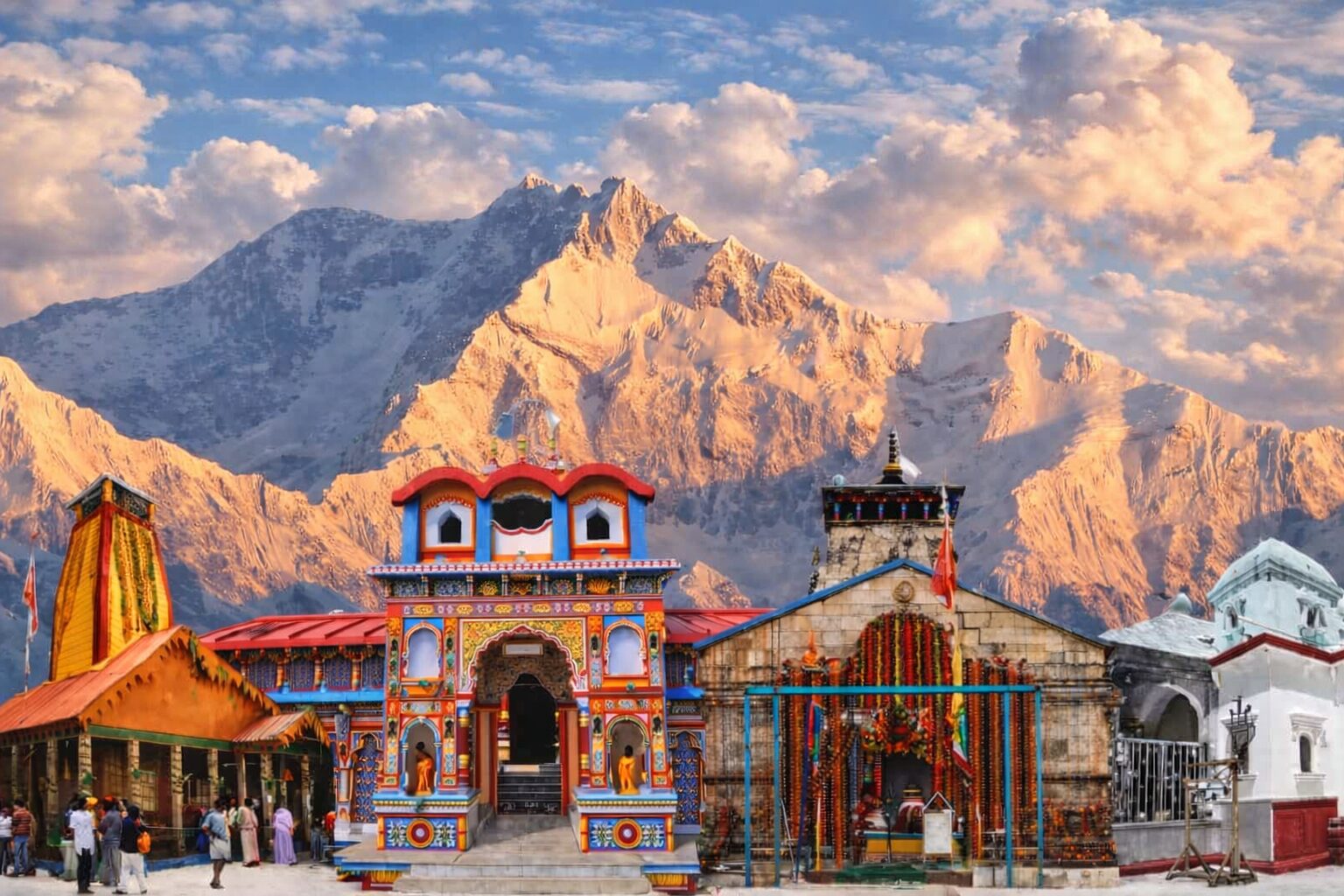
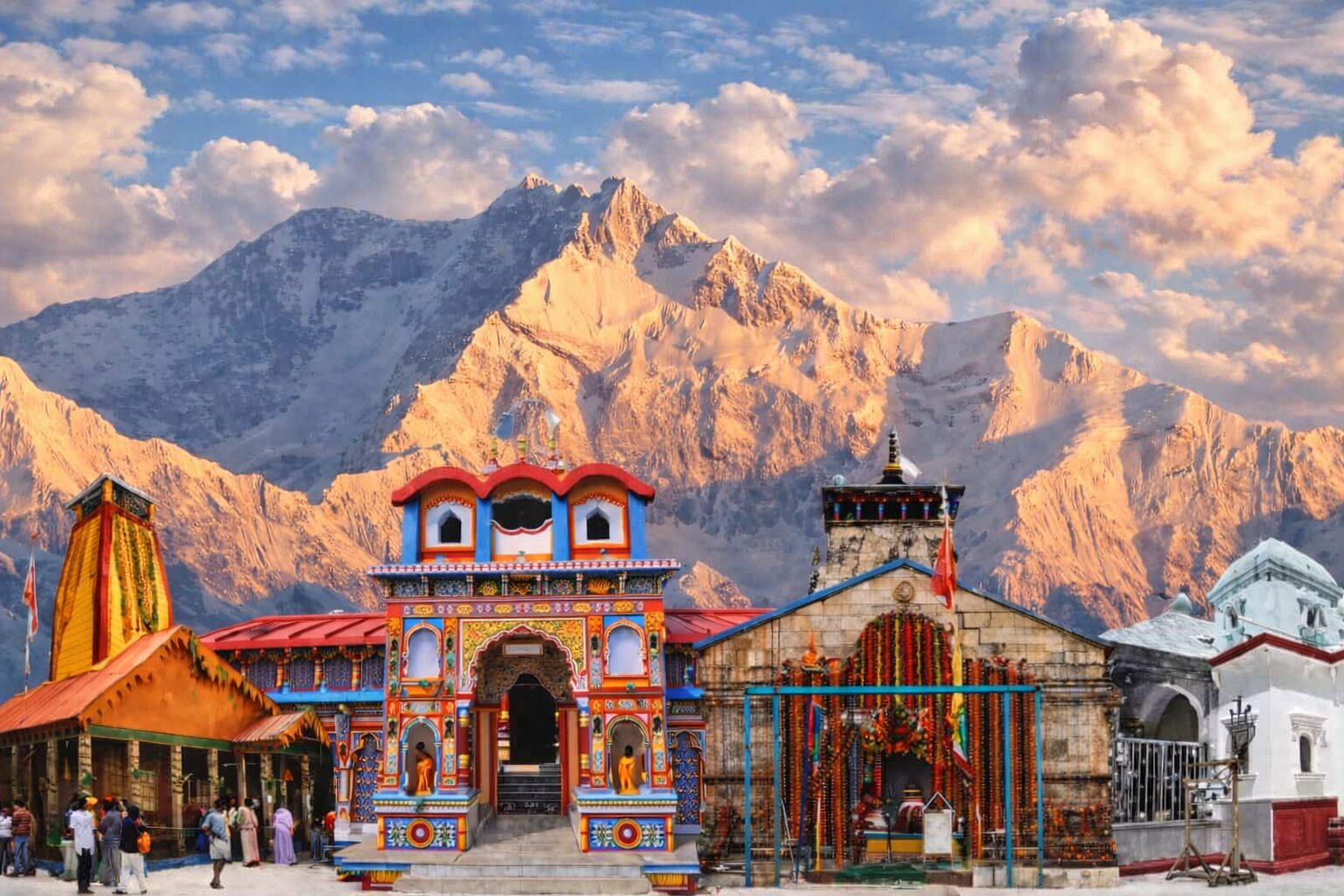
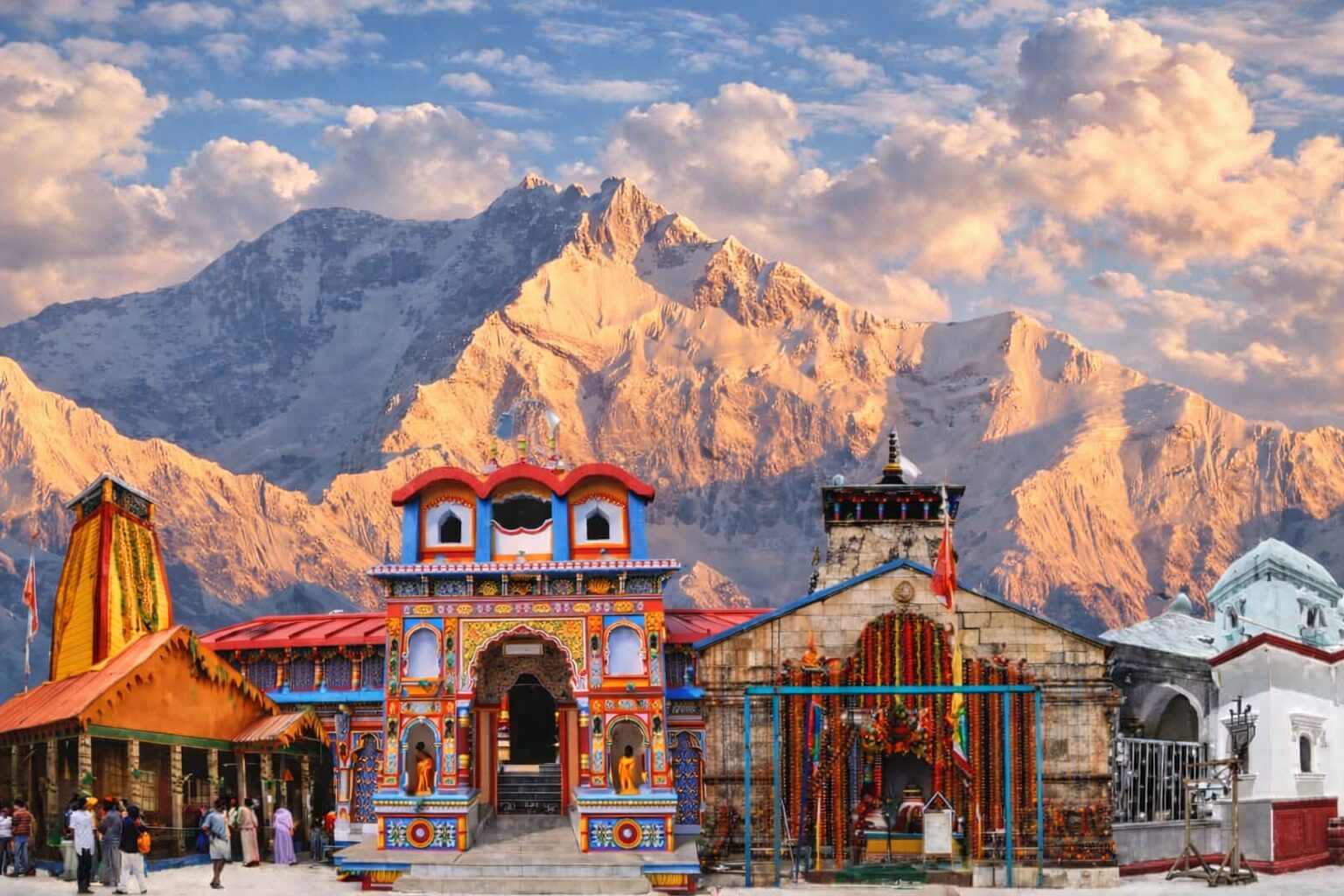
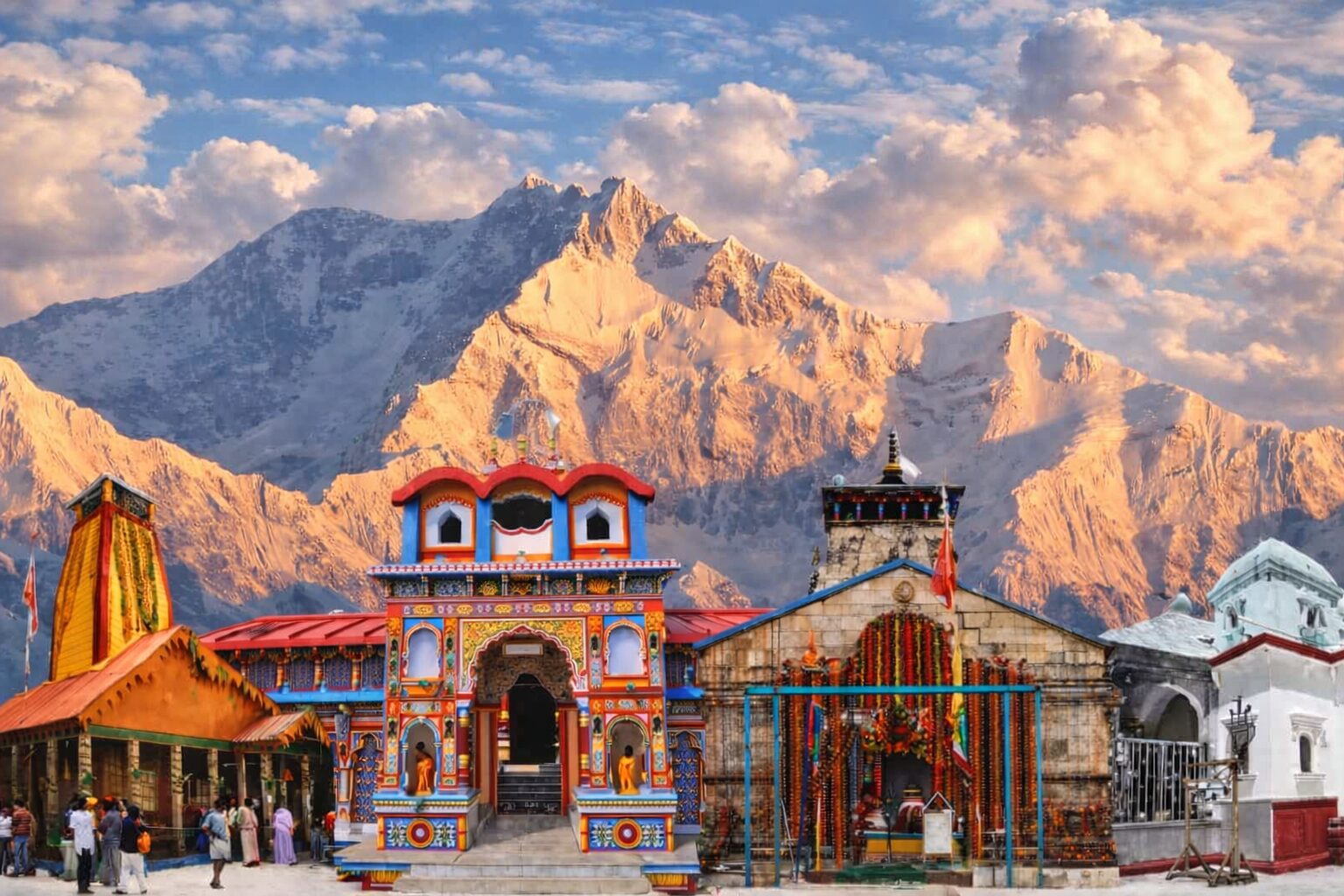
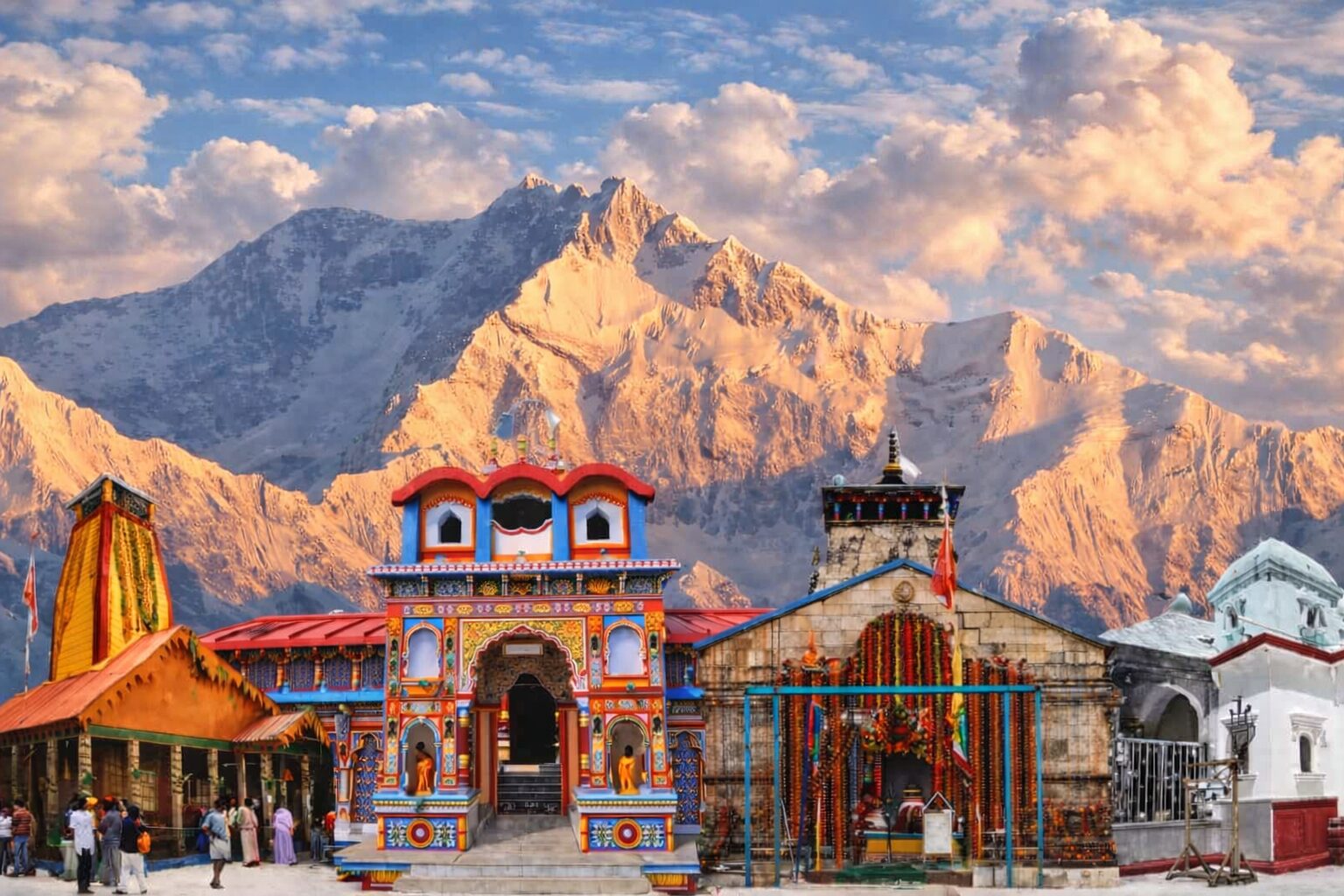
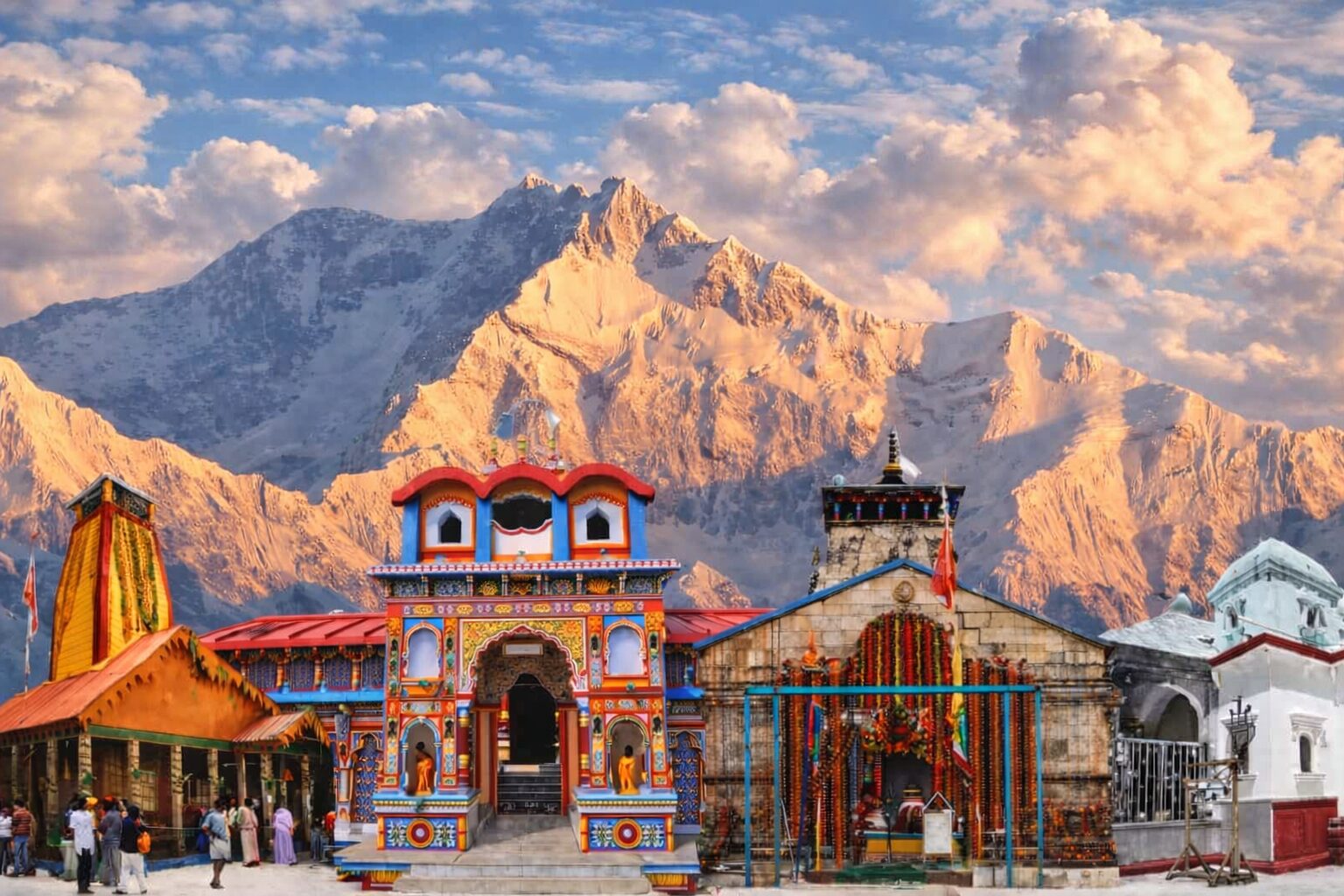
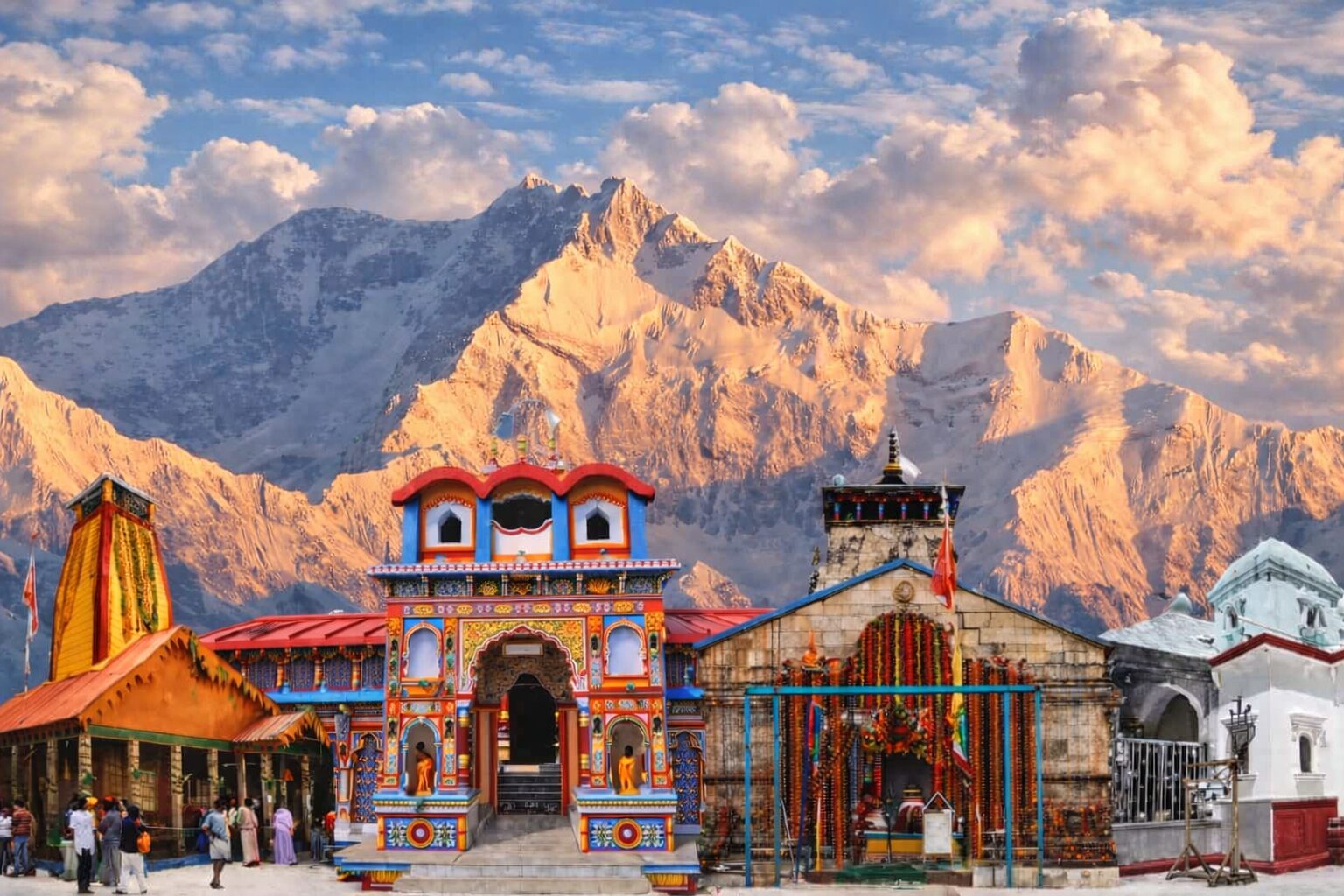
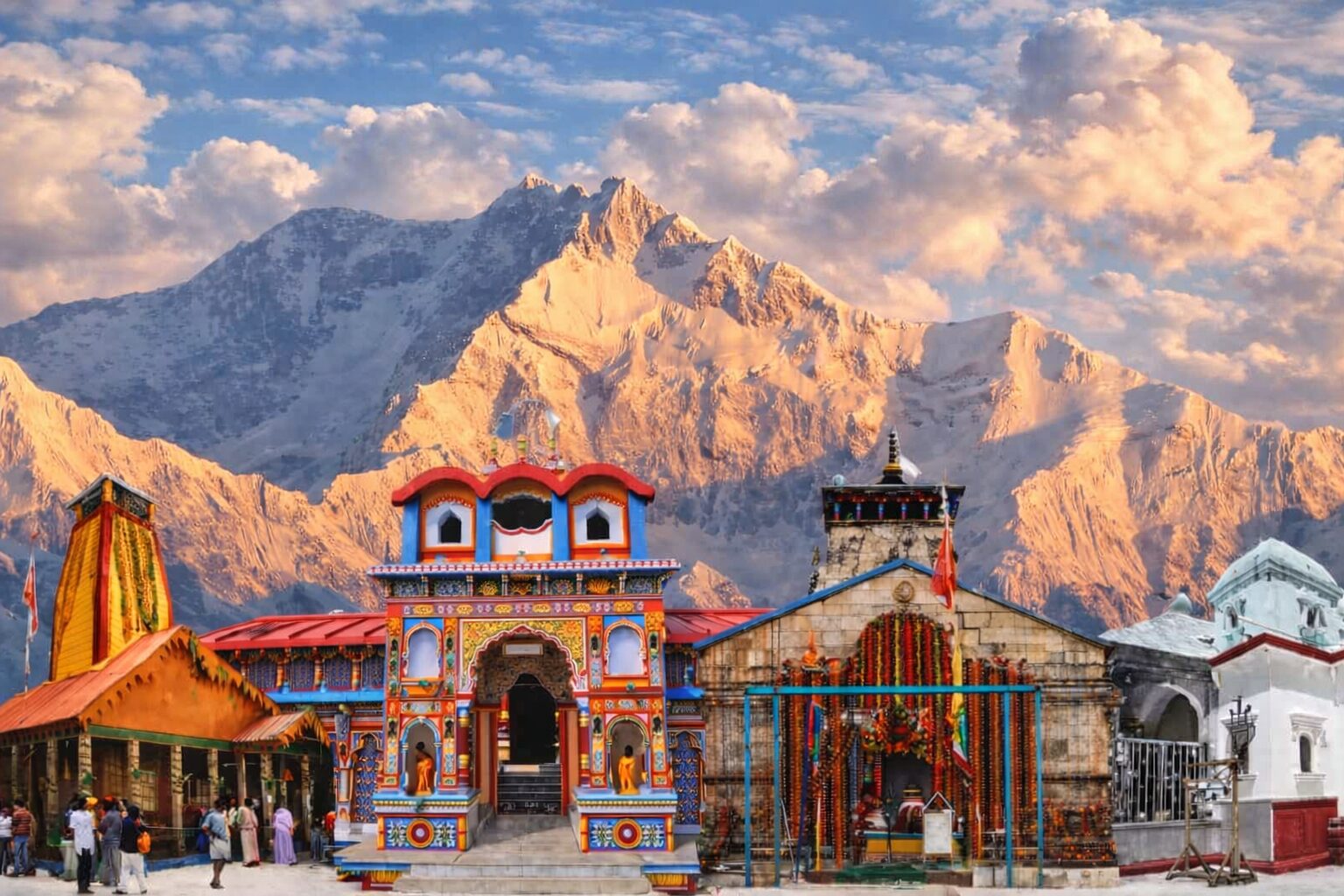
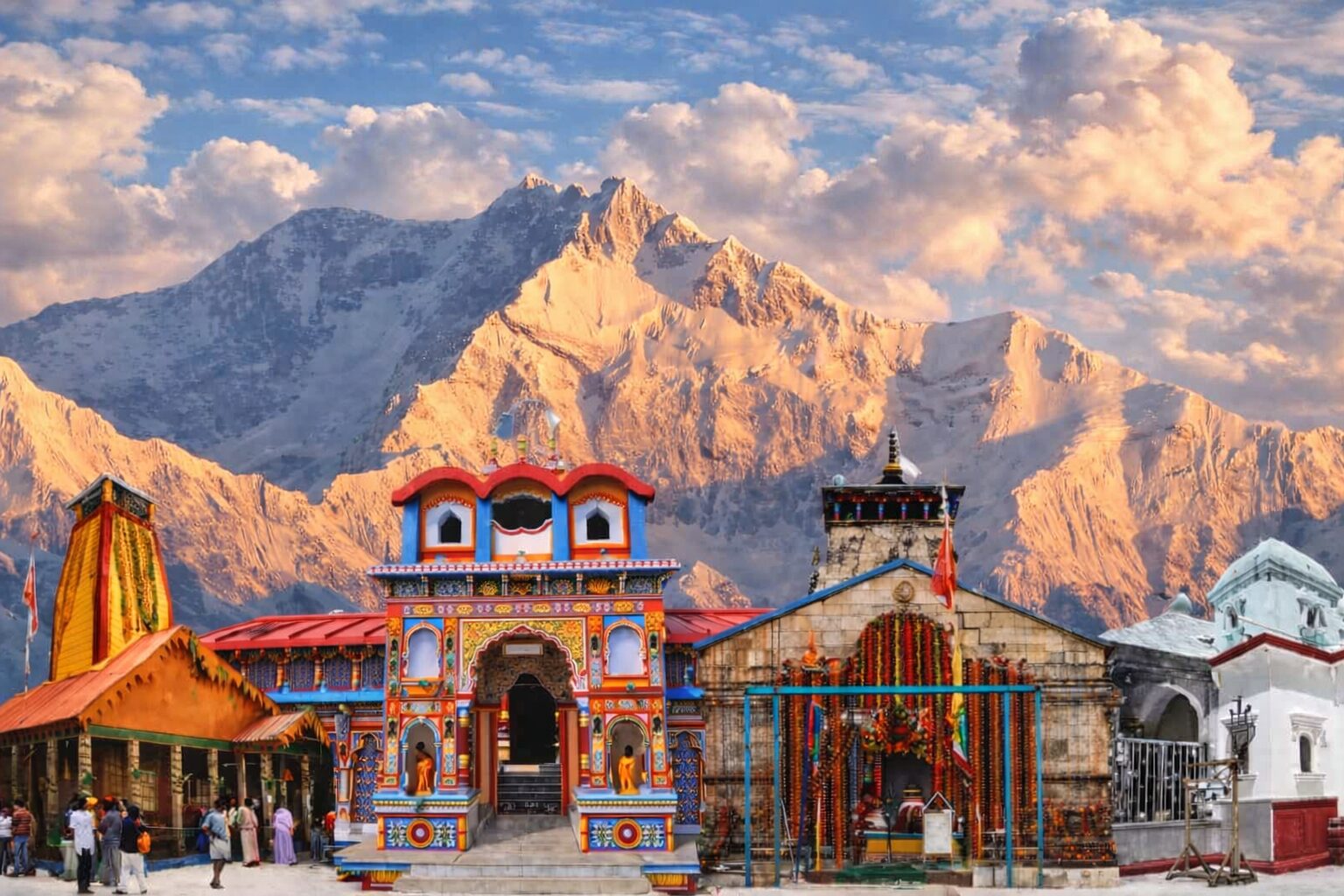
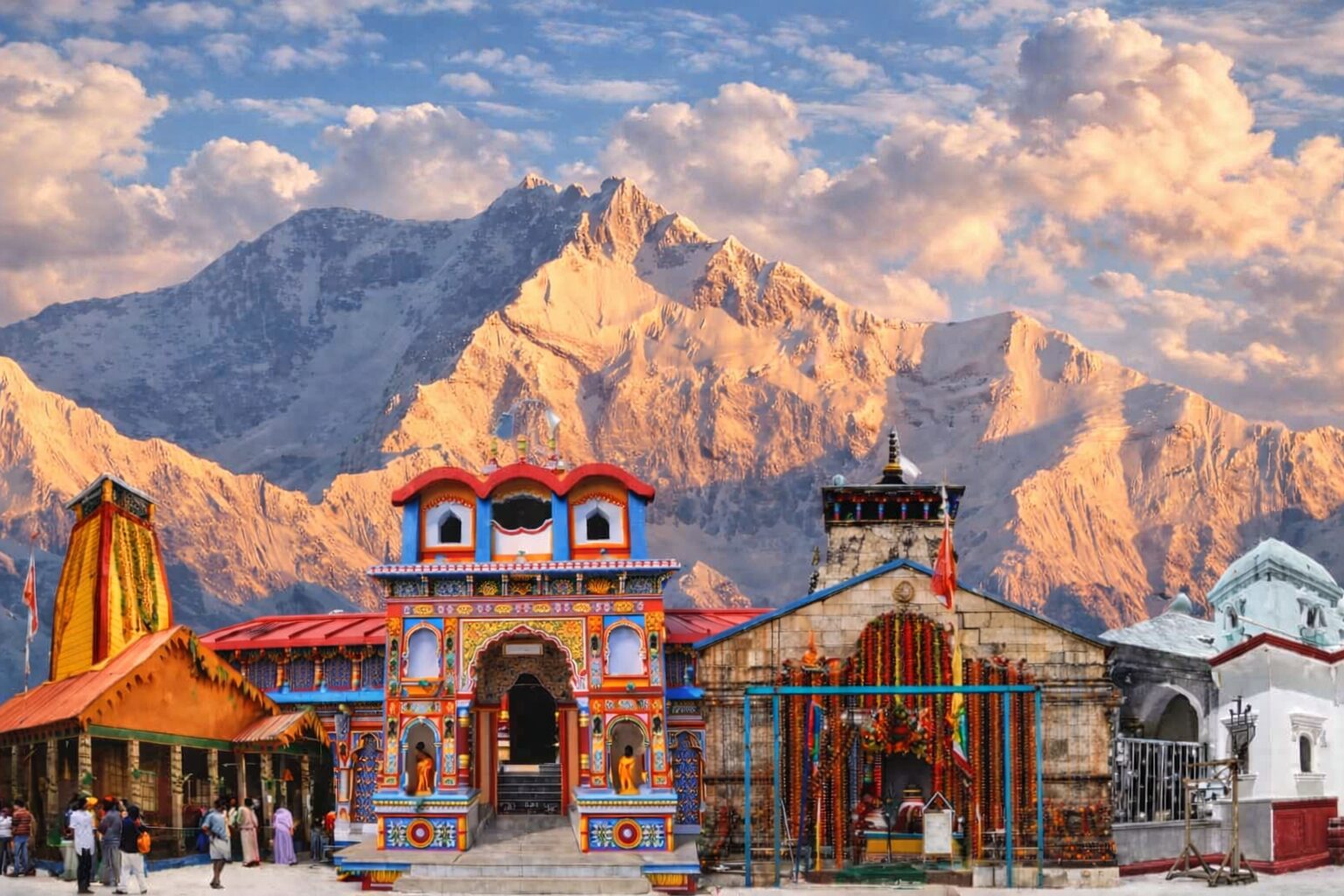
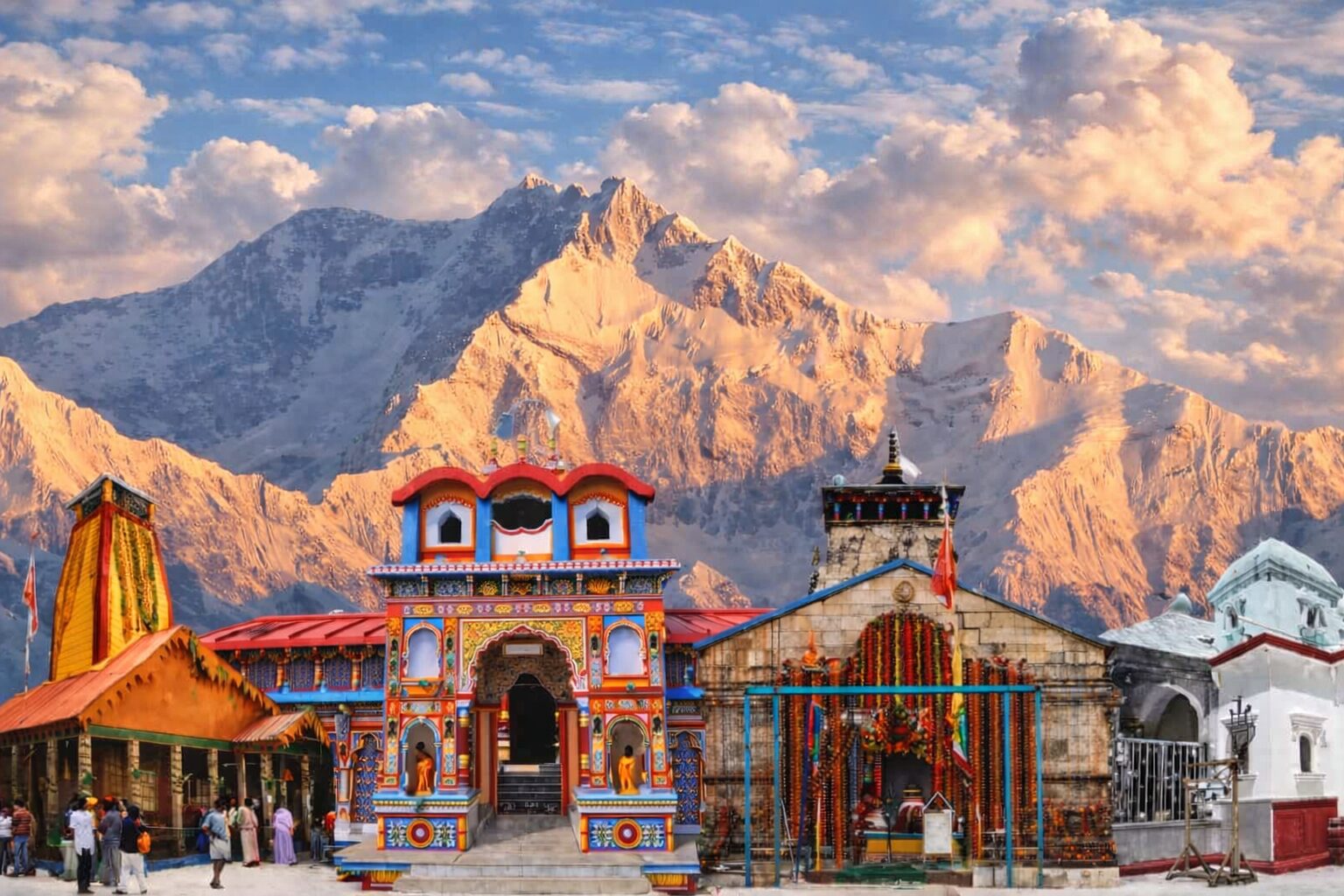
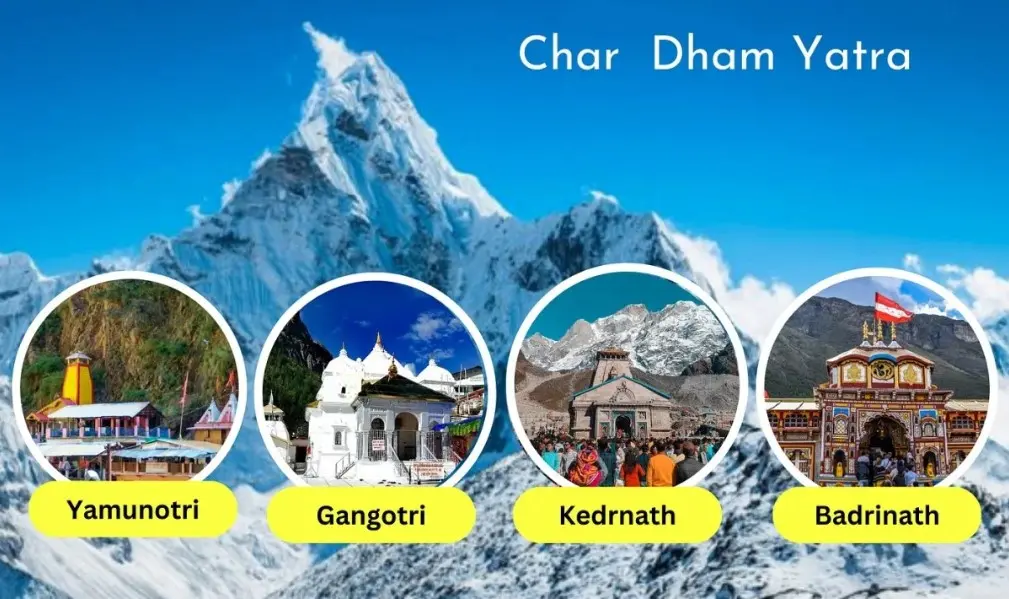
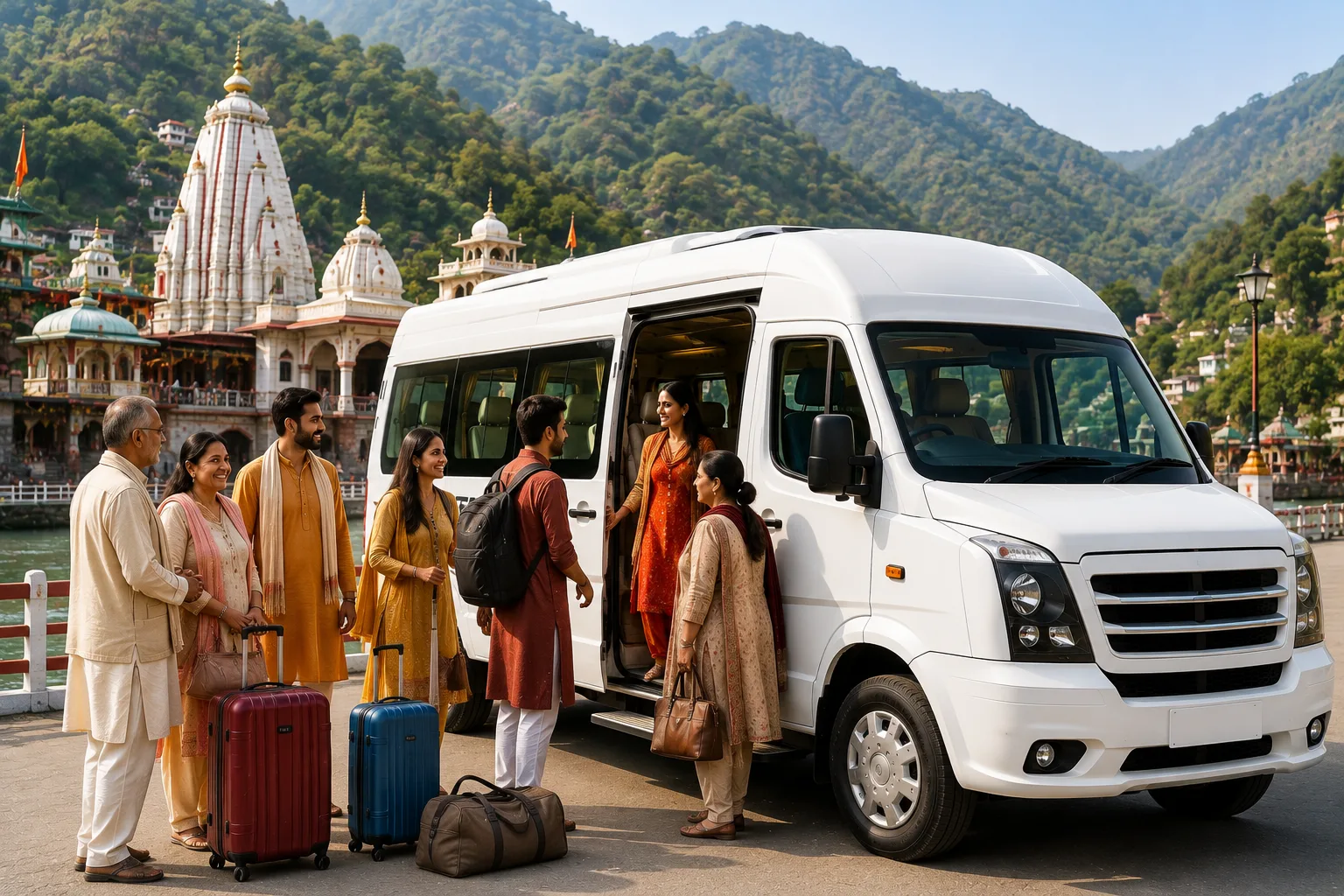
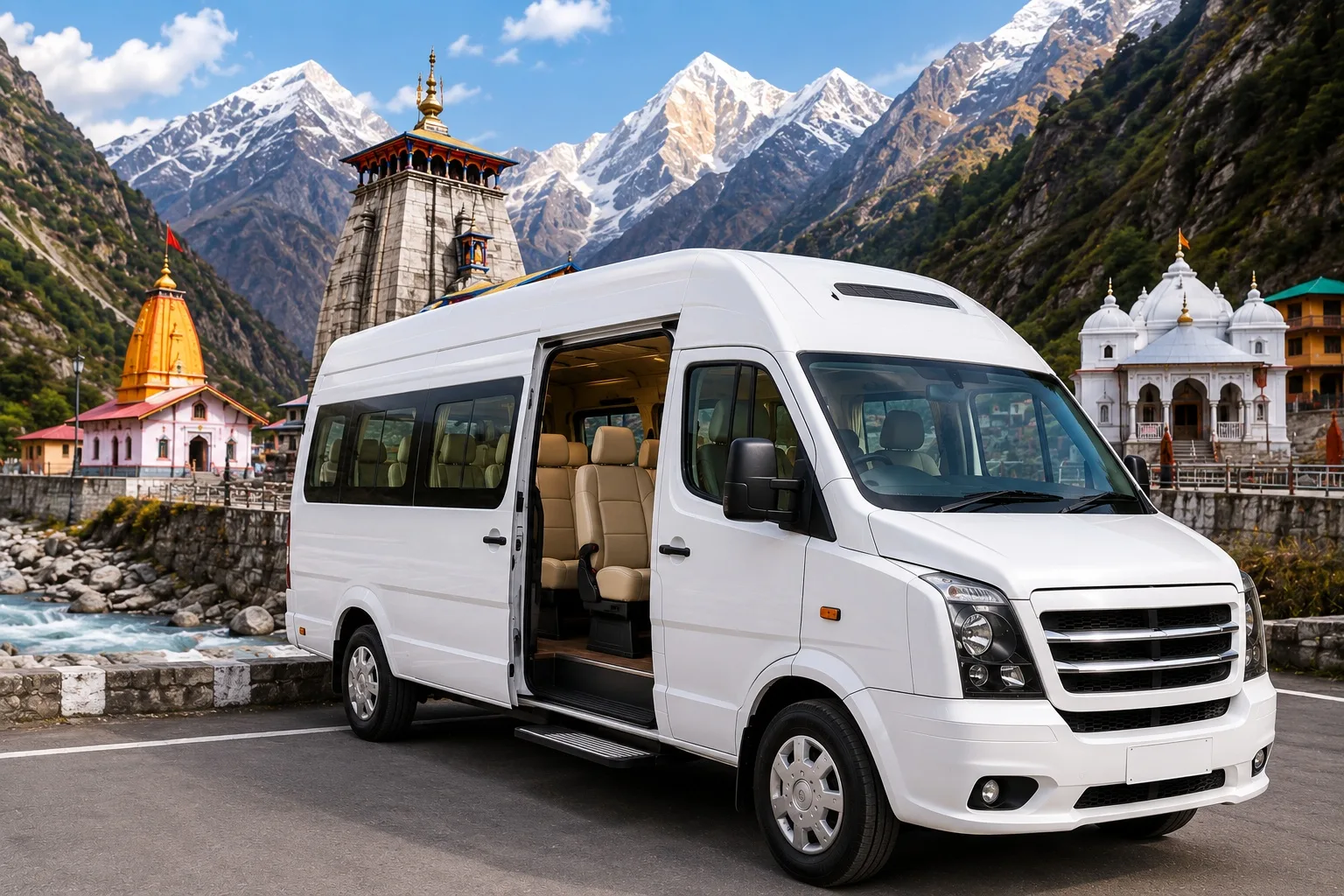
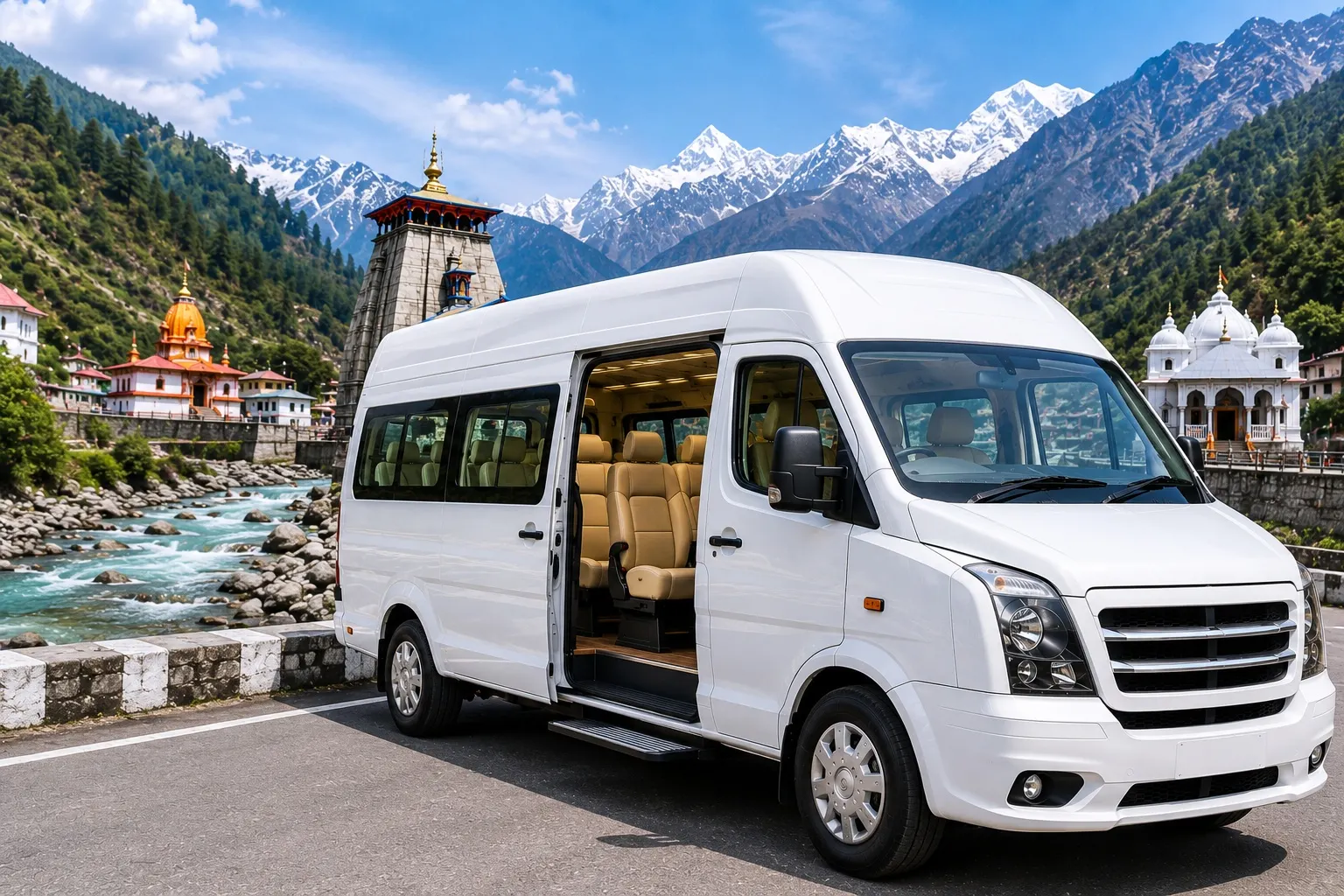
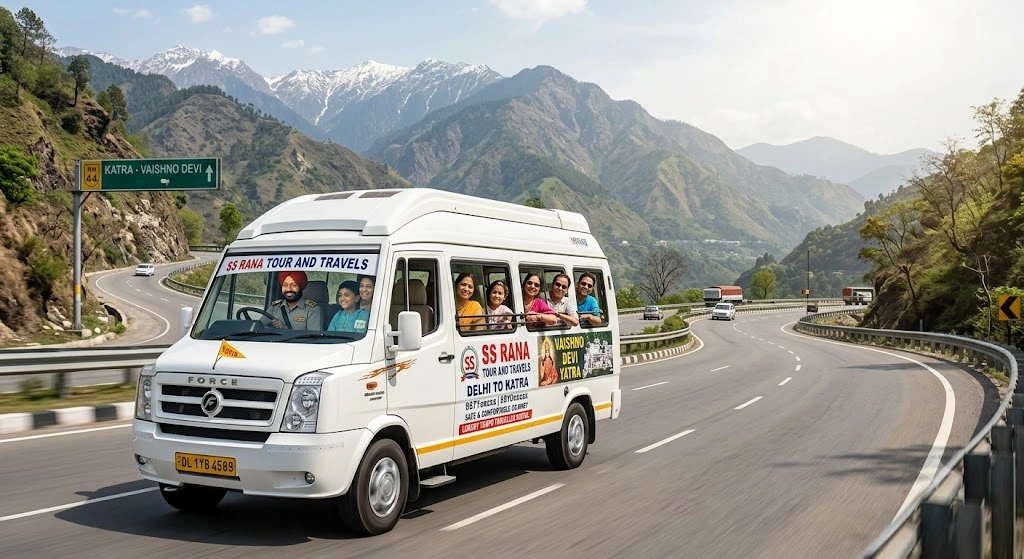
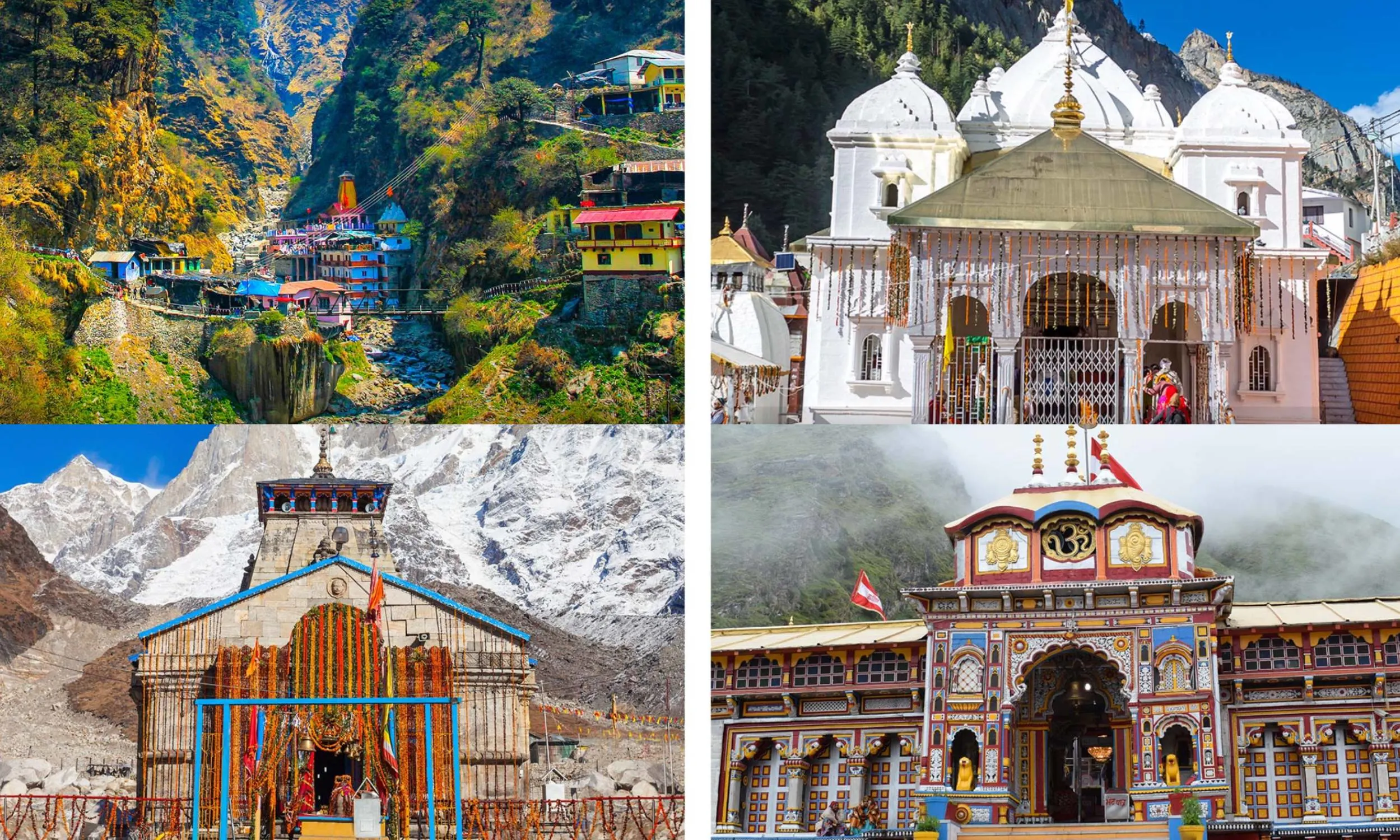
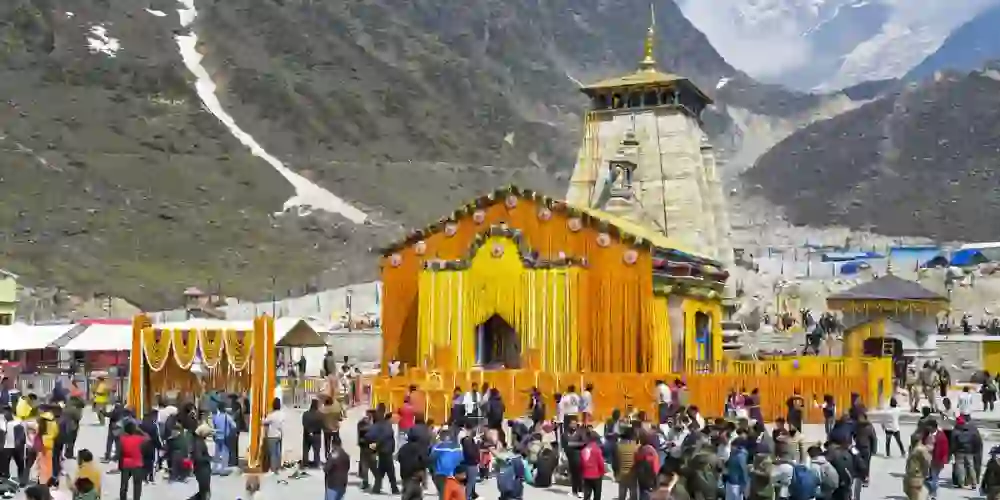
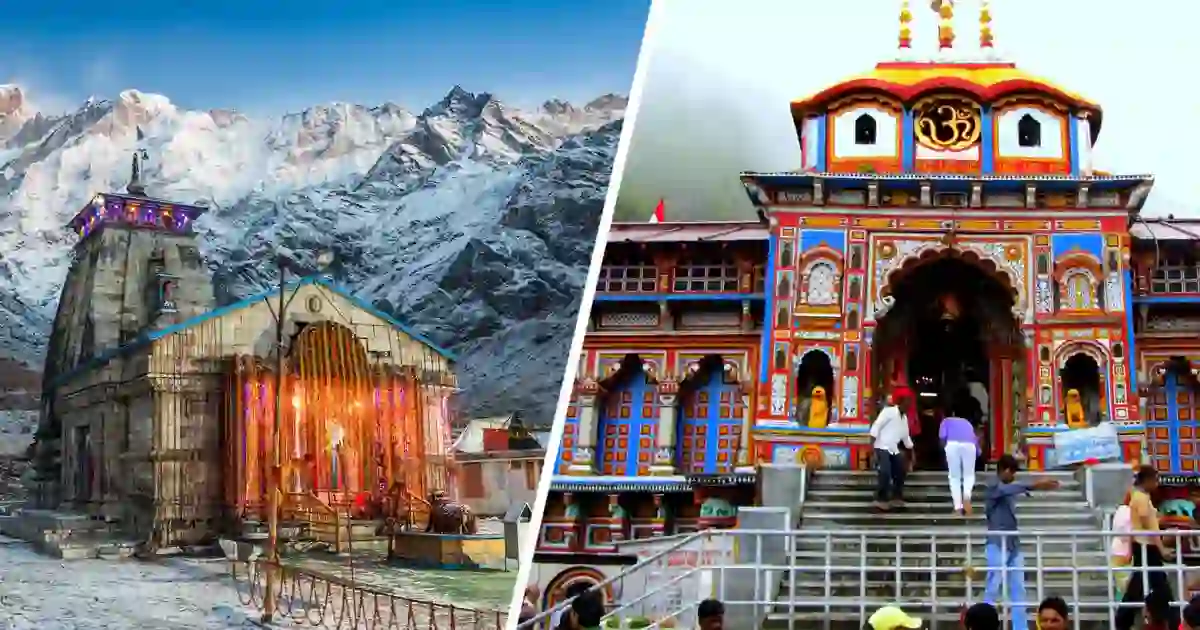
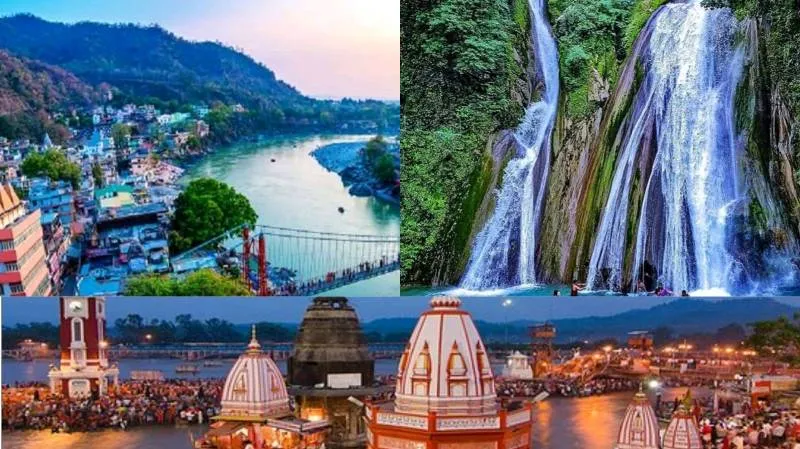
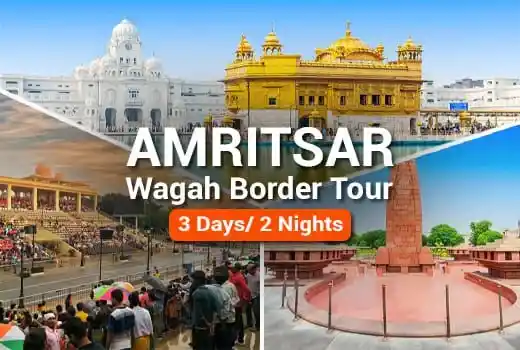
Spiritual circuits (2 to 5 days): Haridwar, Rishikesh, Amritsar, Vaishno Devi (up to Katra) and Char Dham routes.
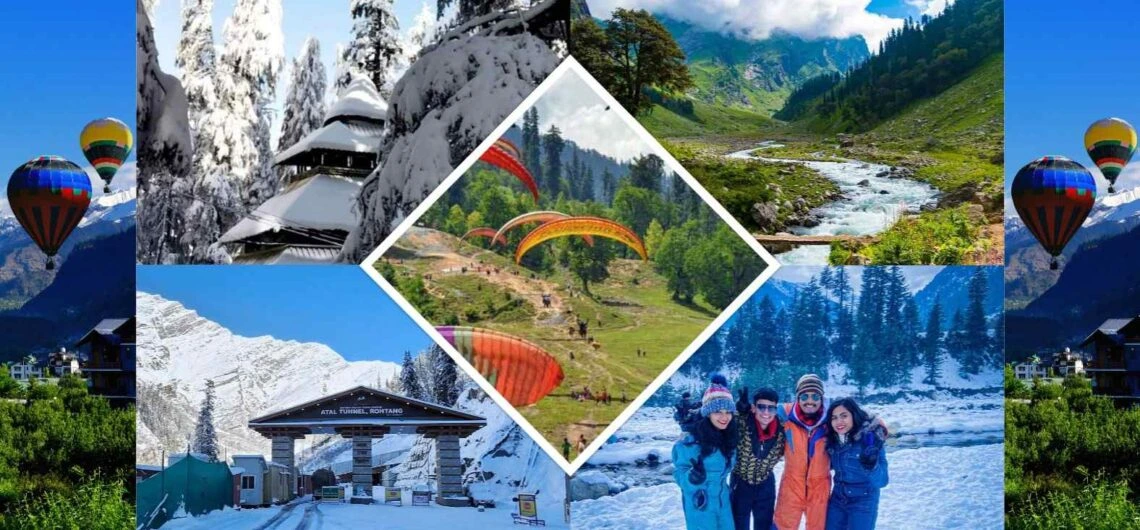
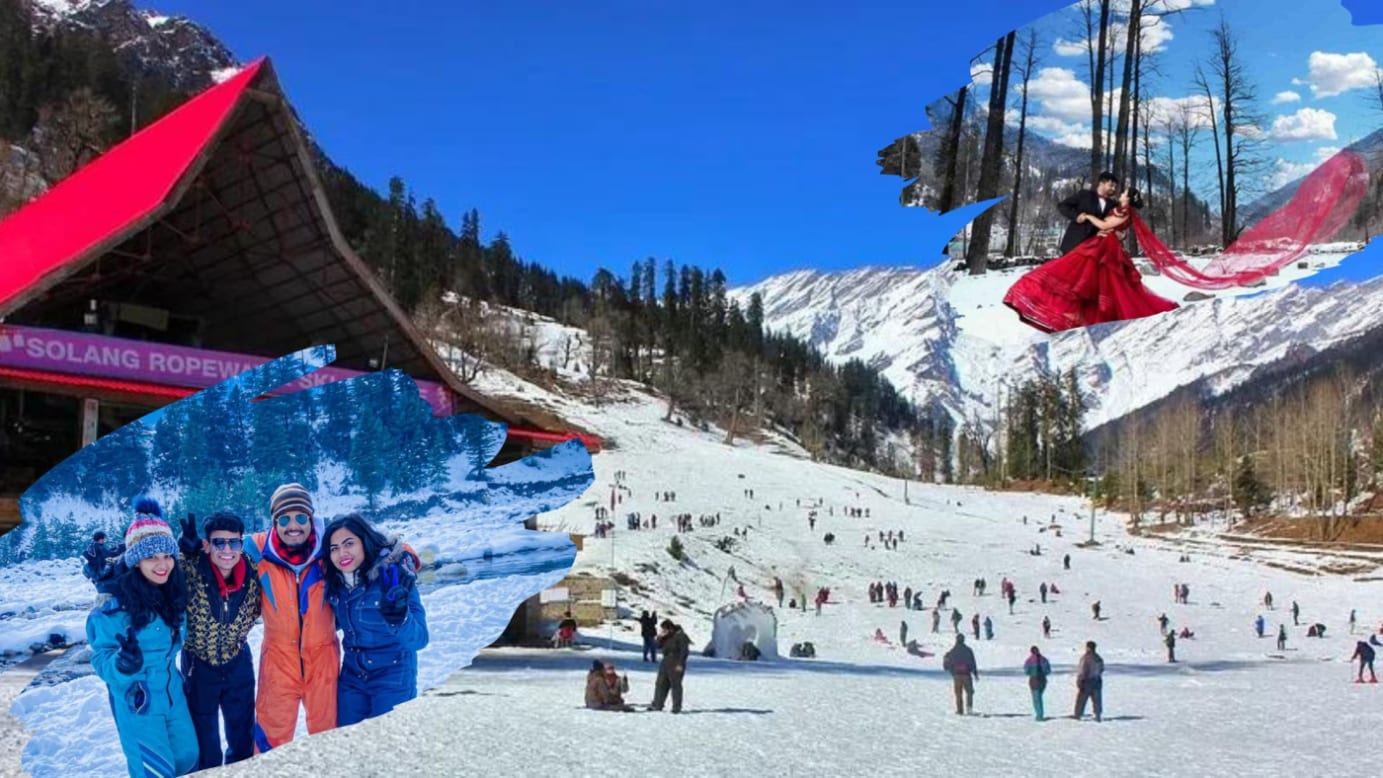
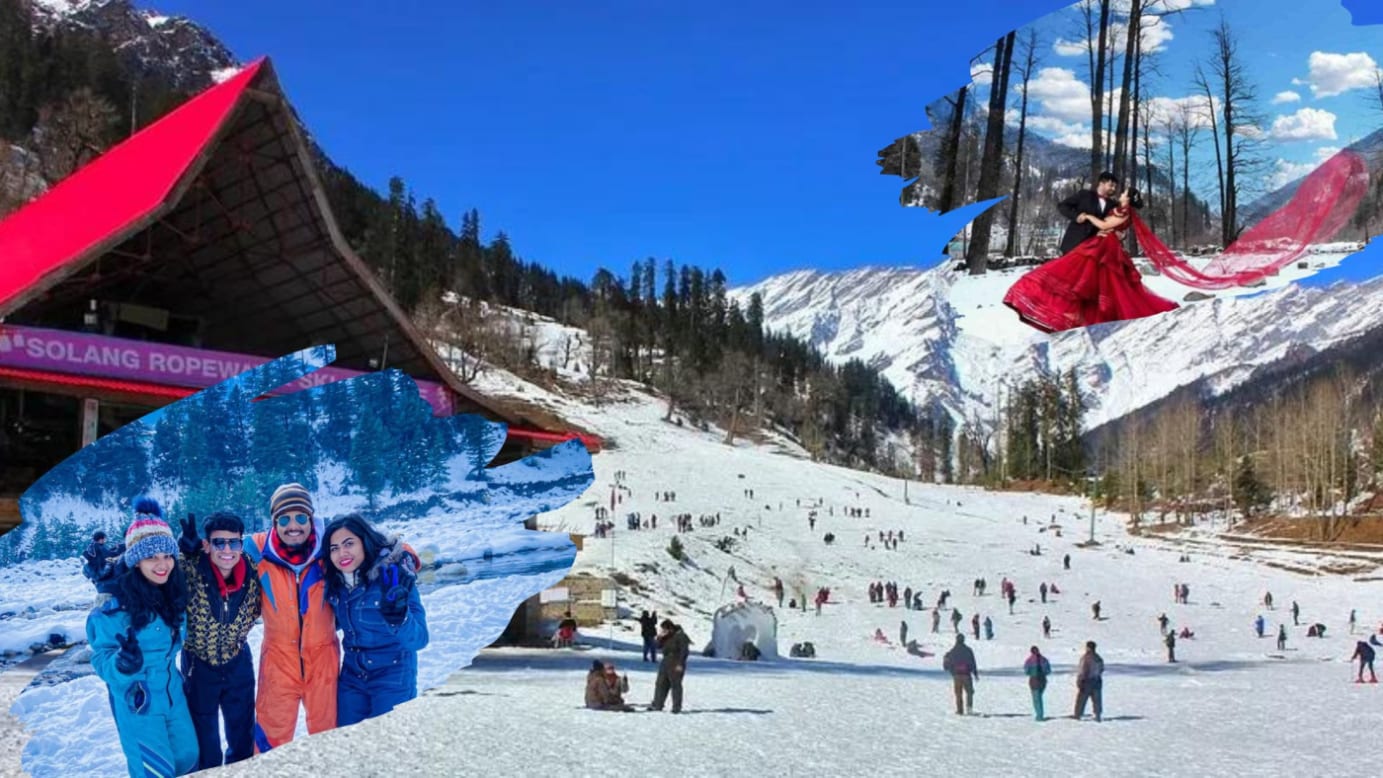
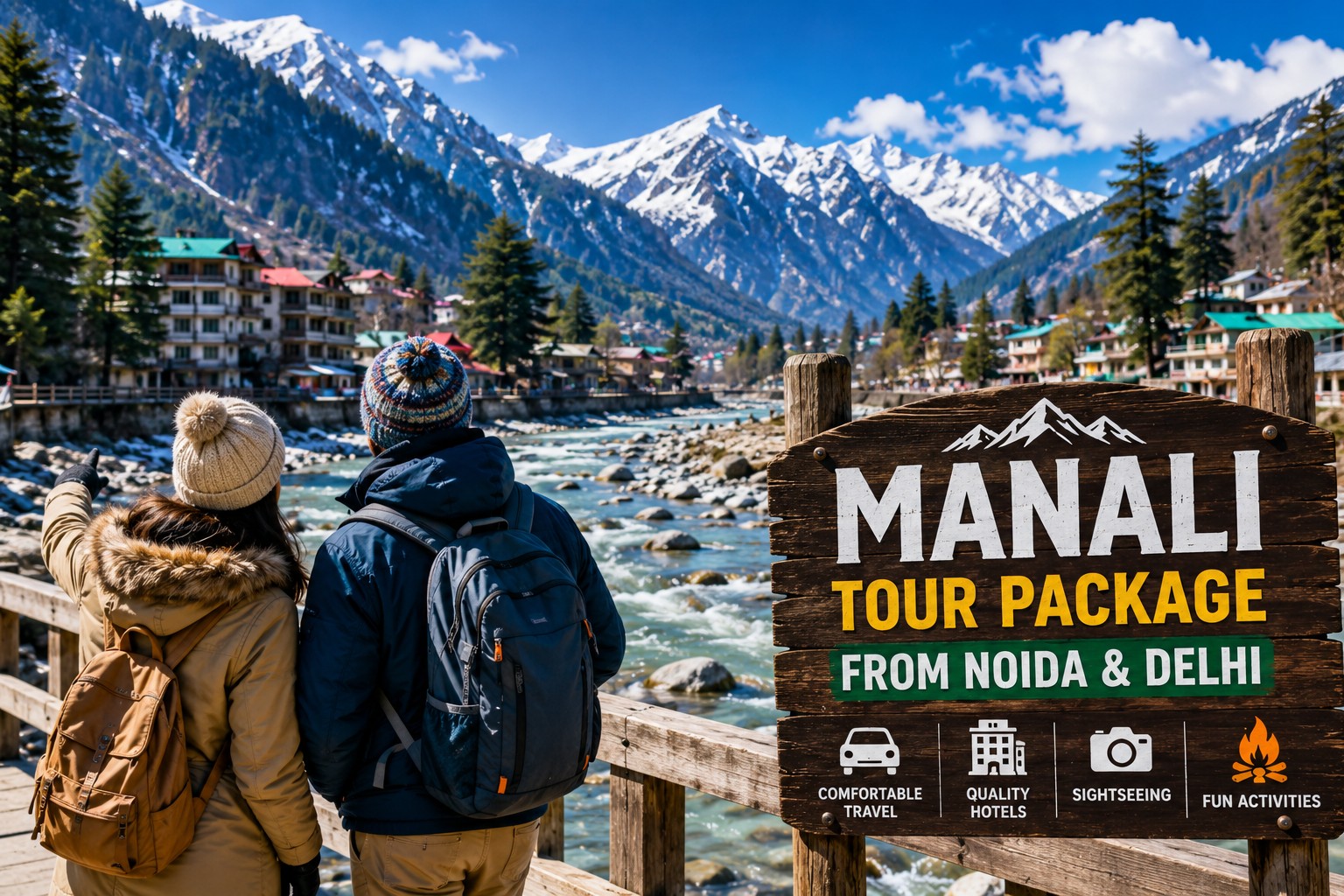
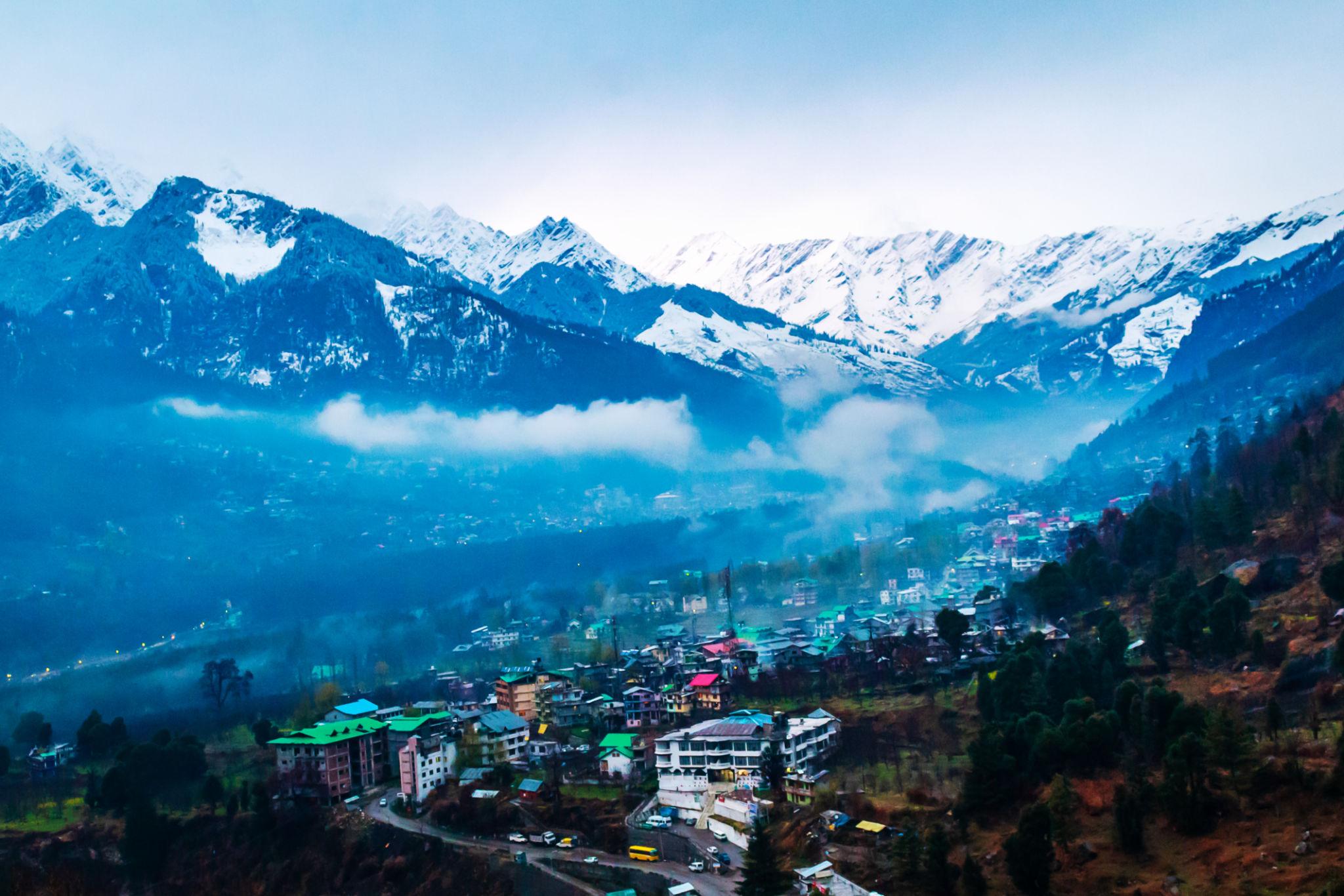
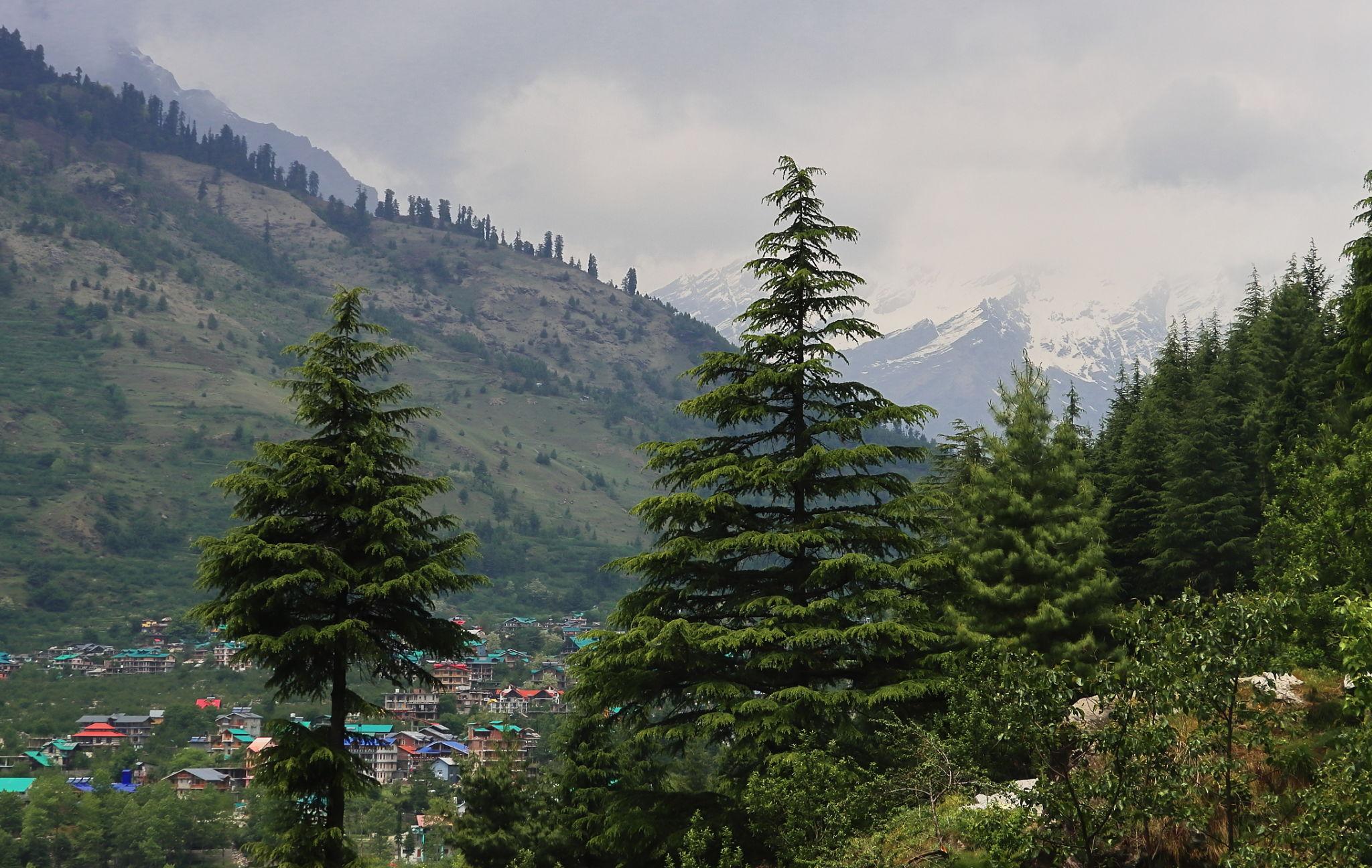
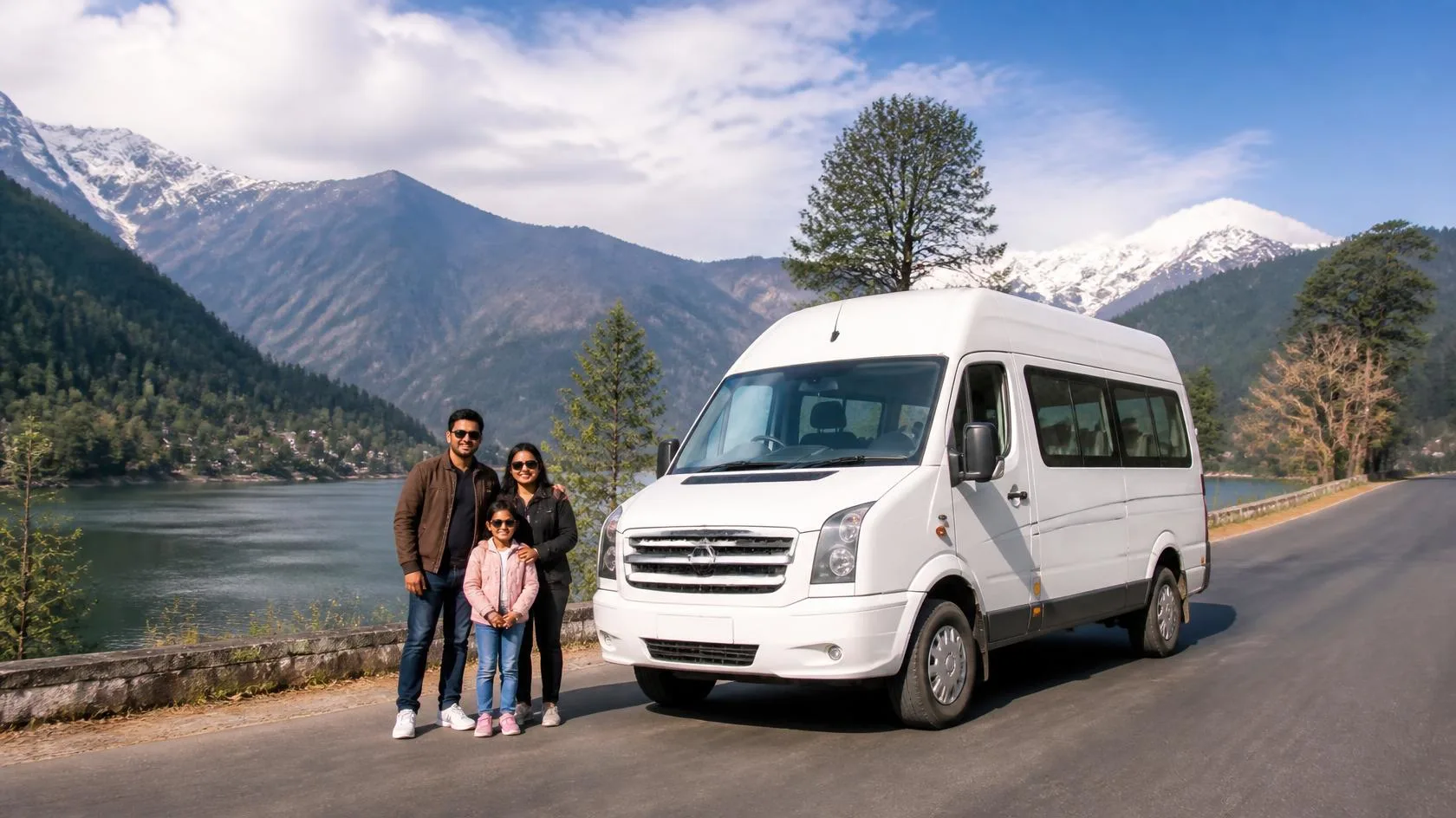
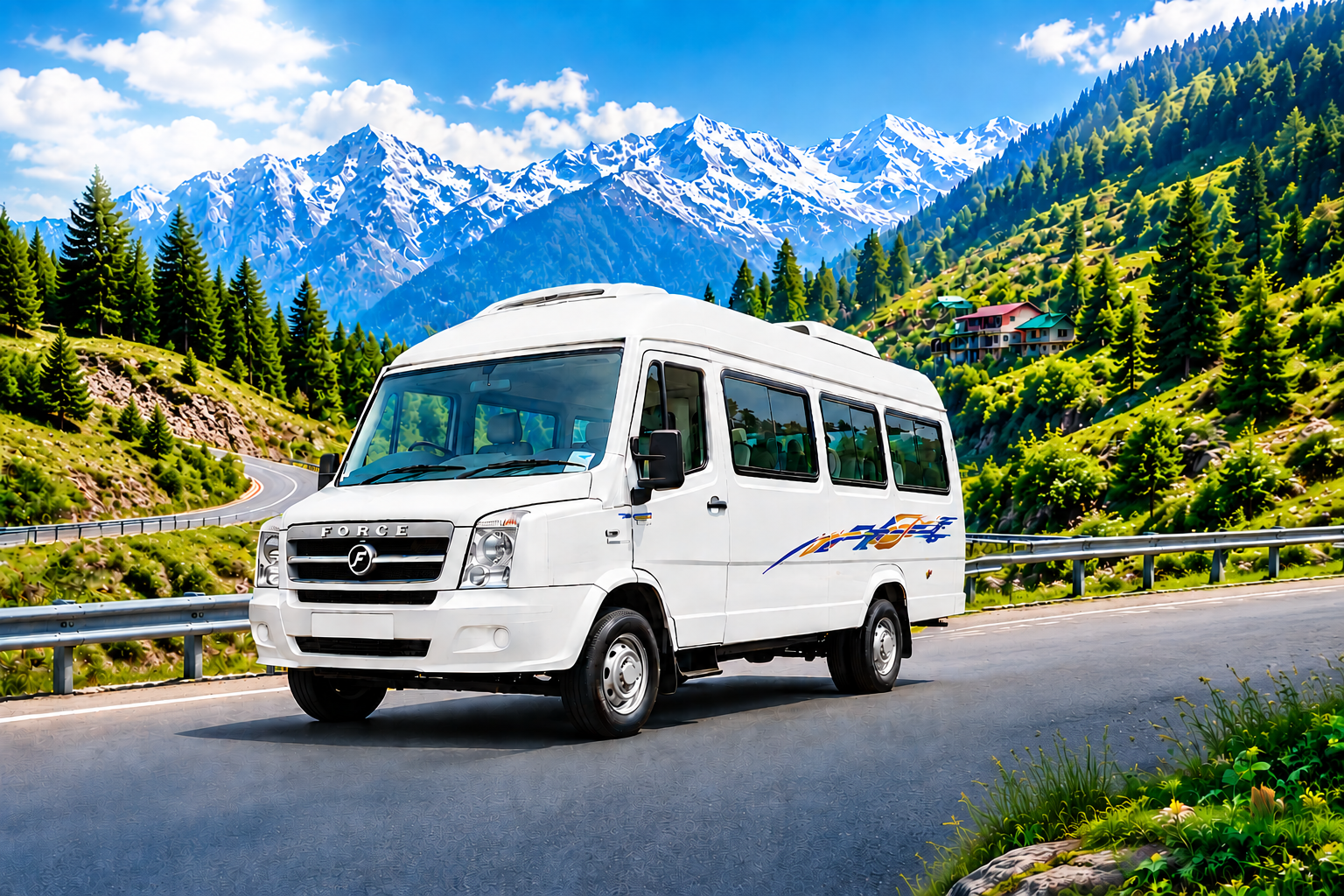
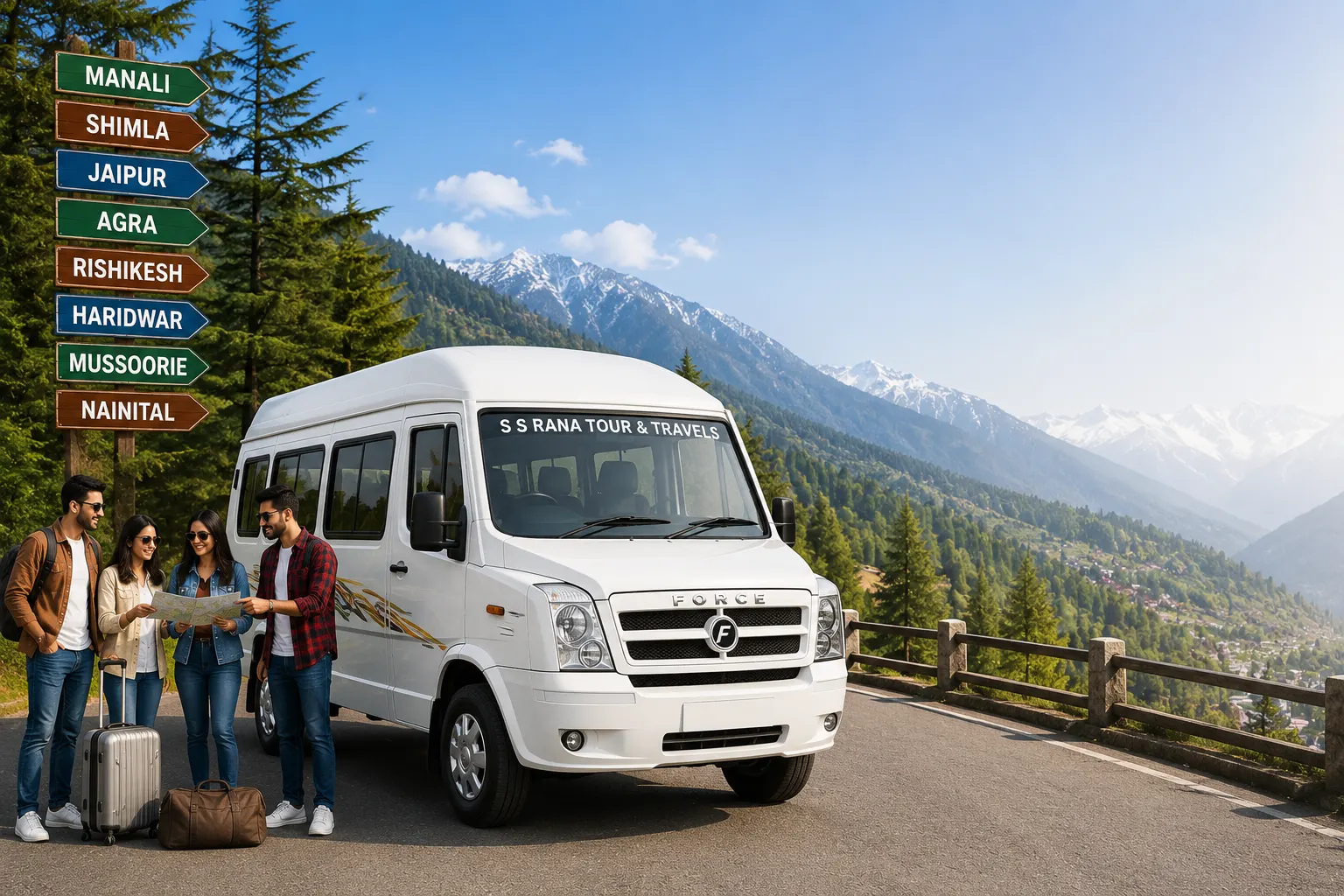
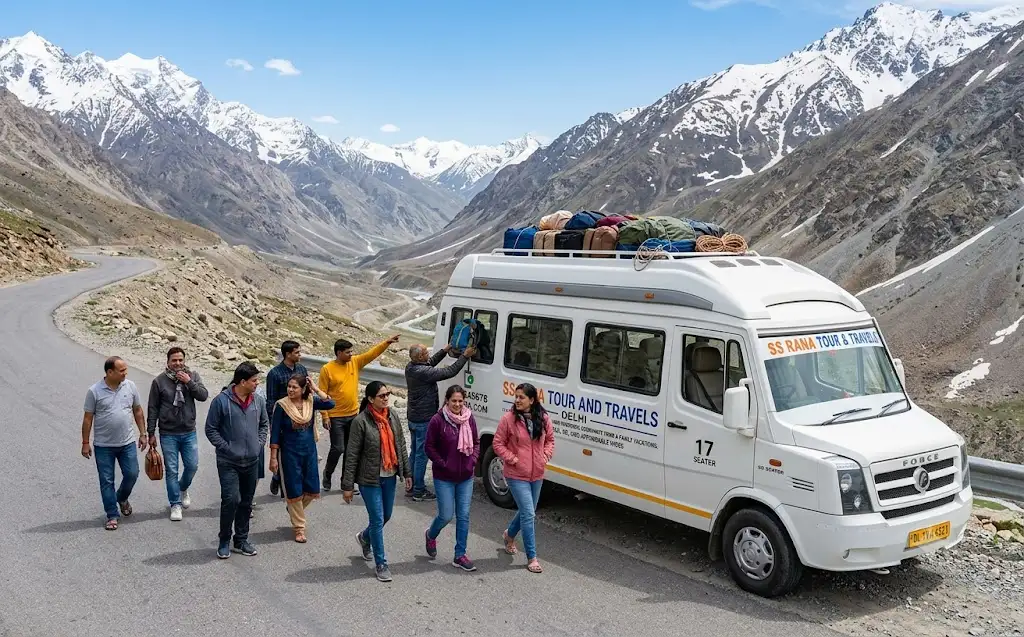
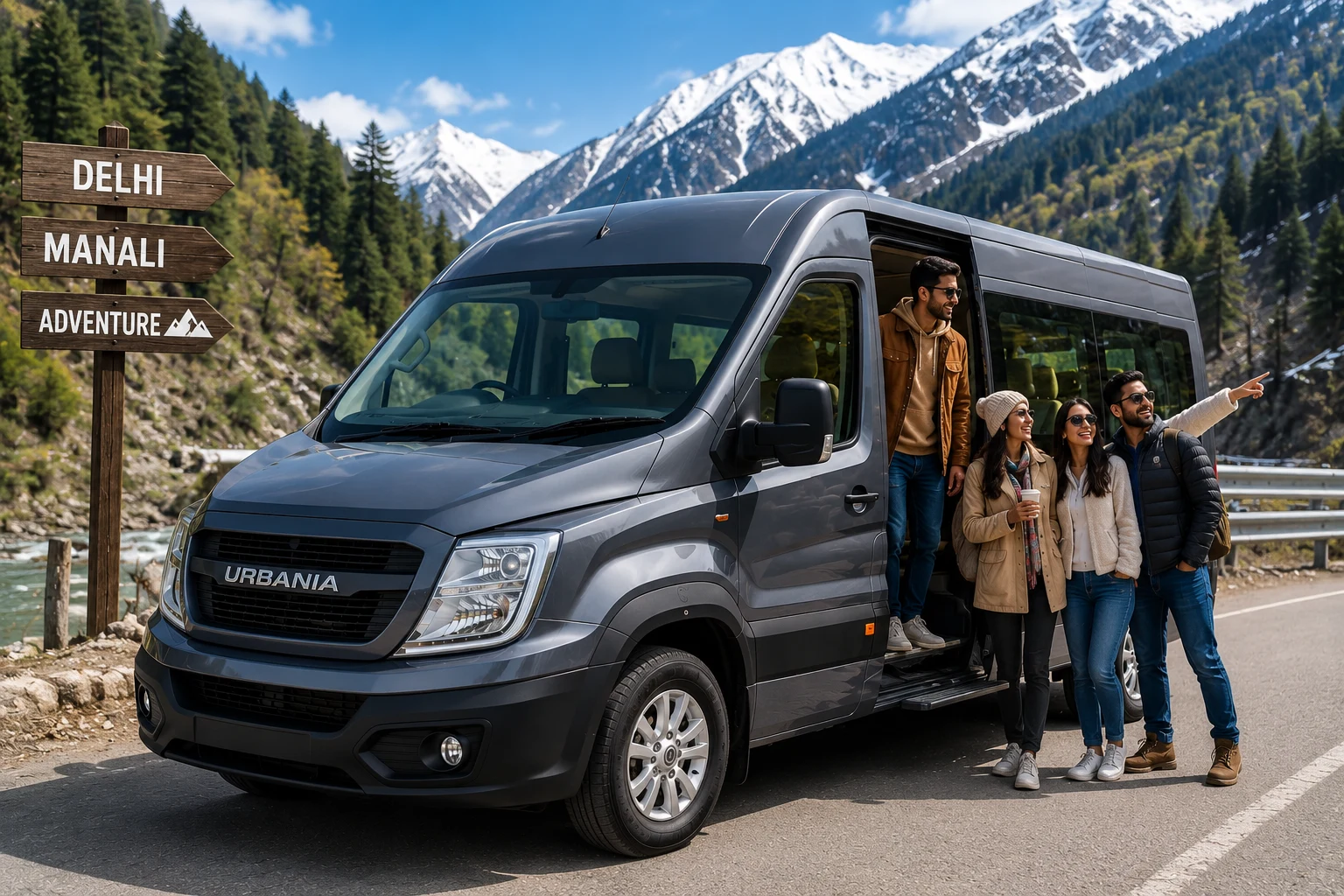
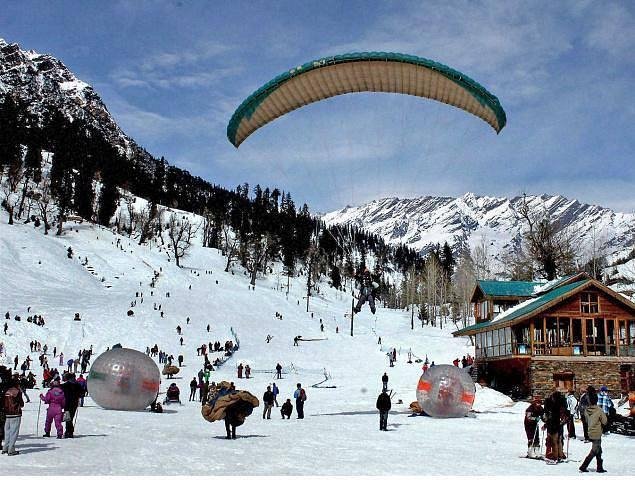
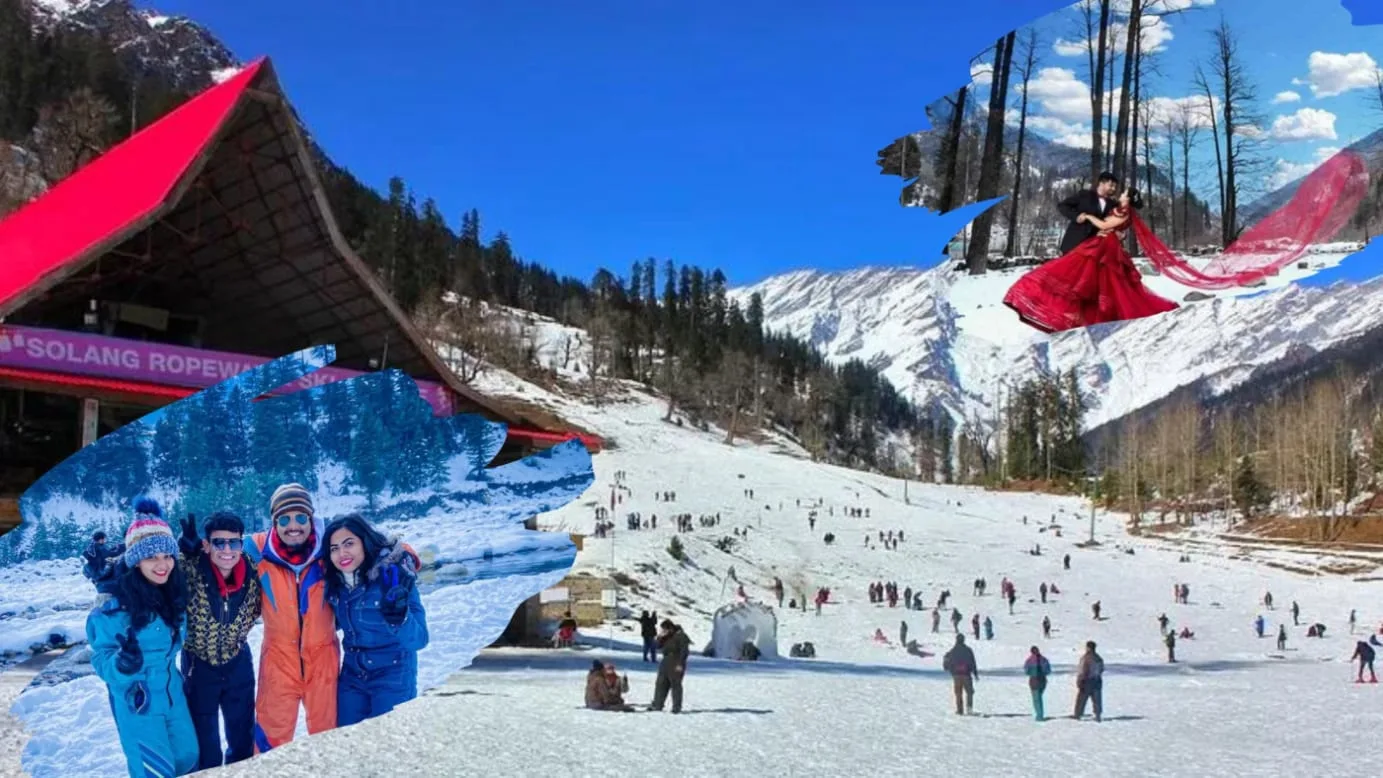
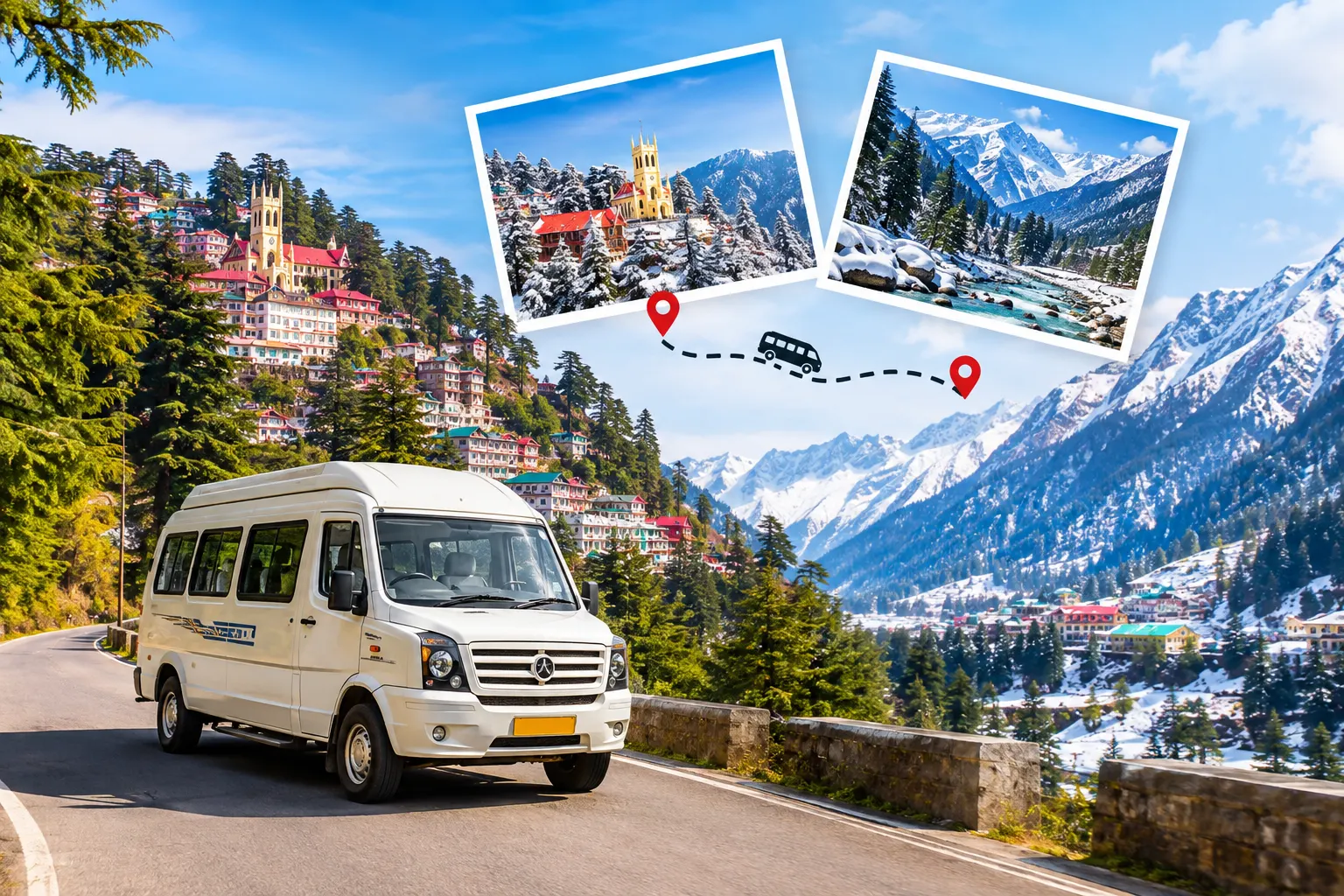
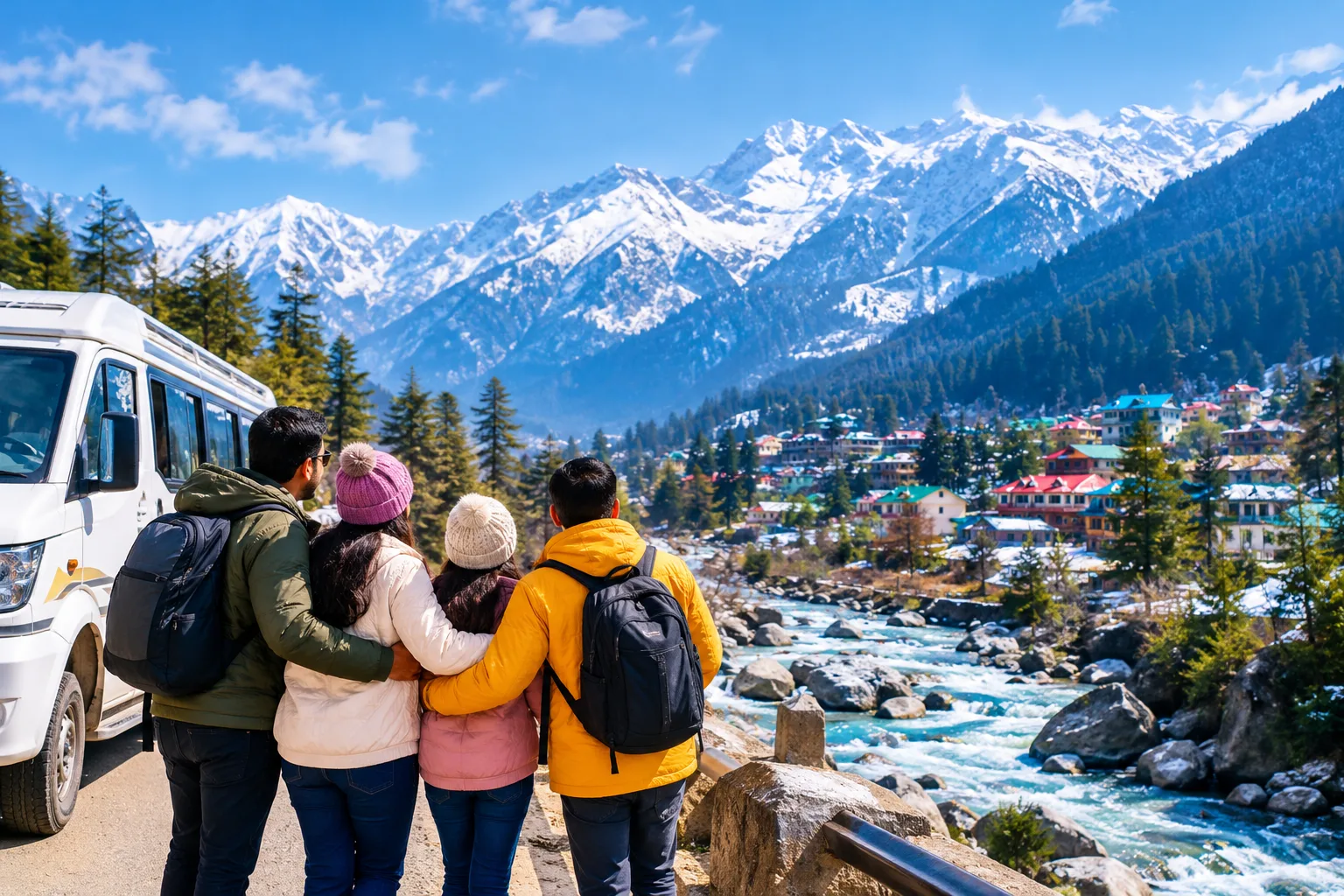
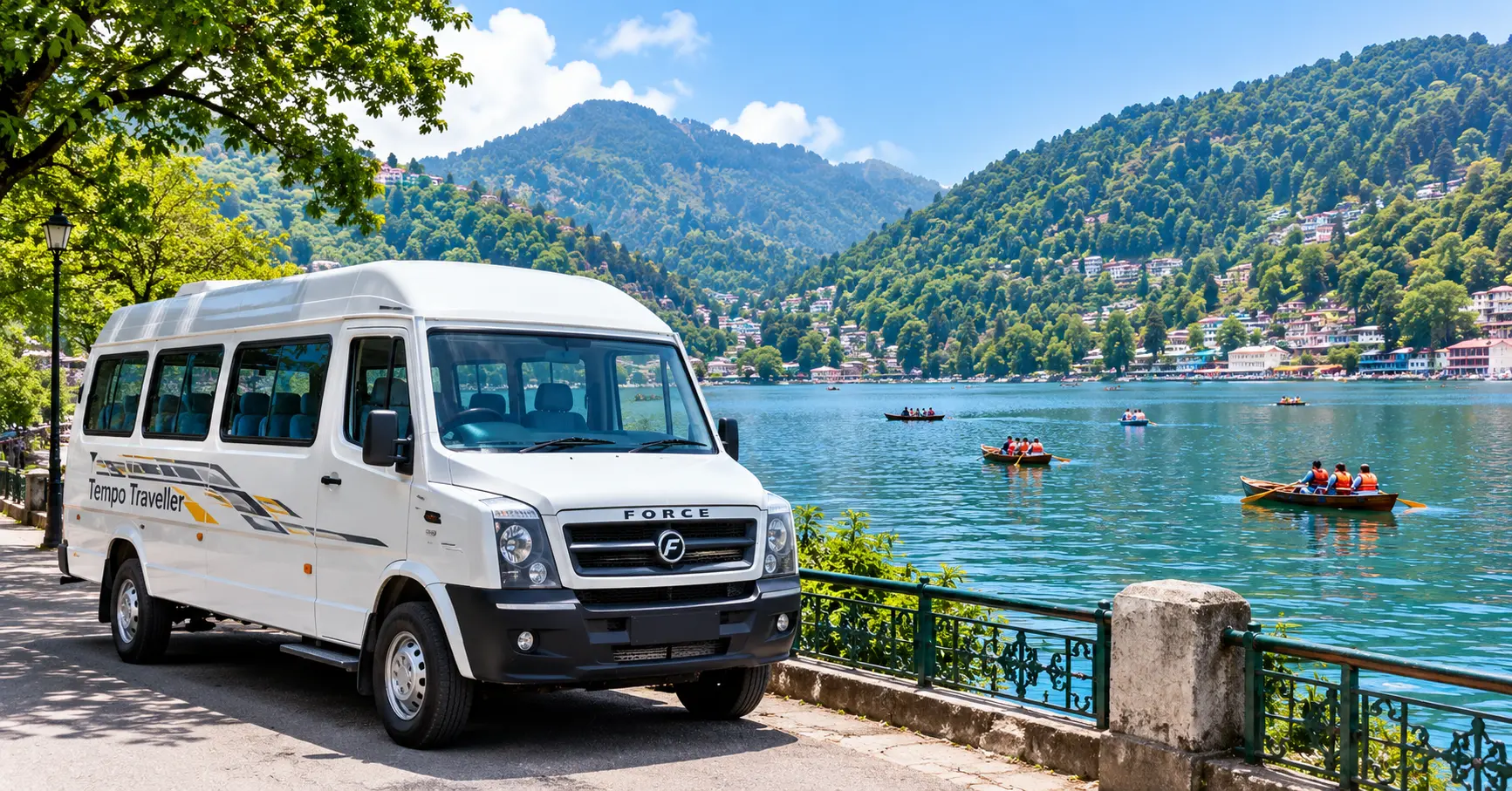
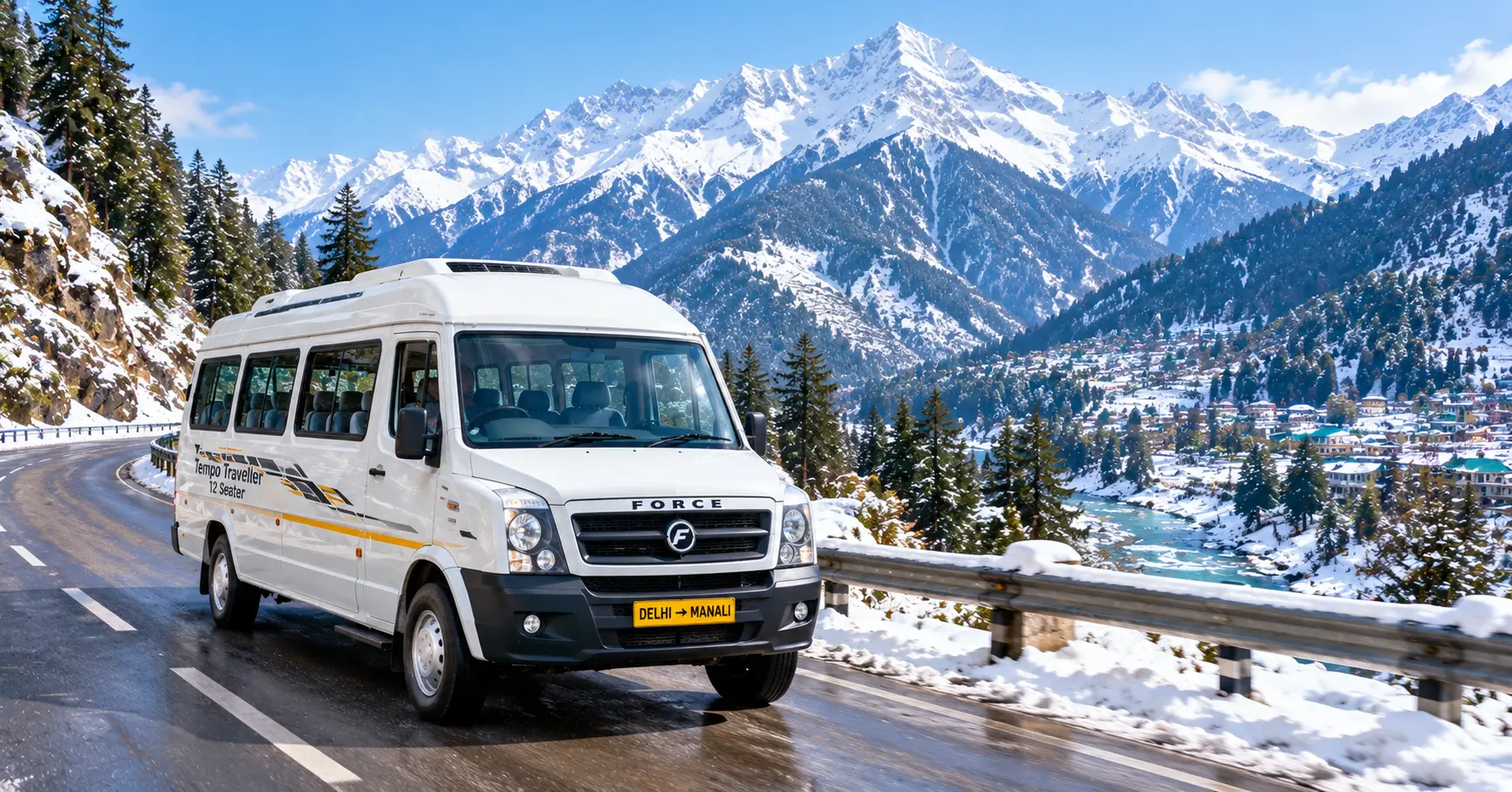
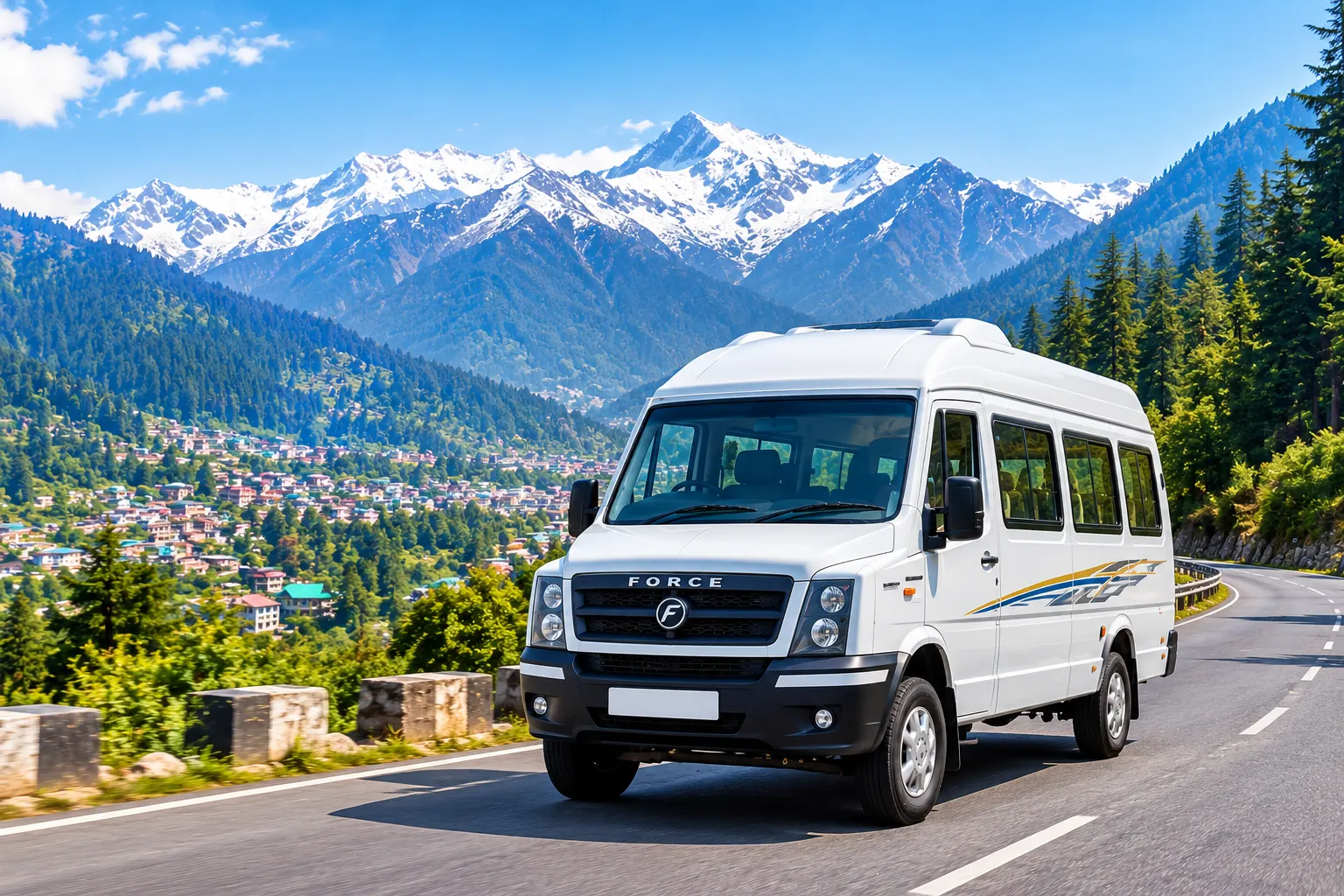
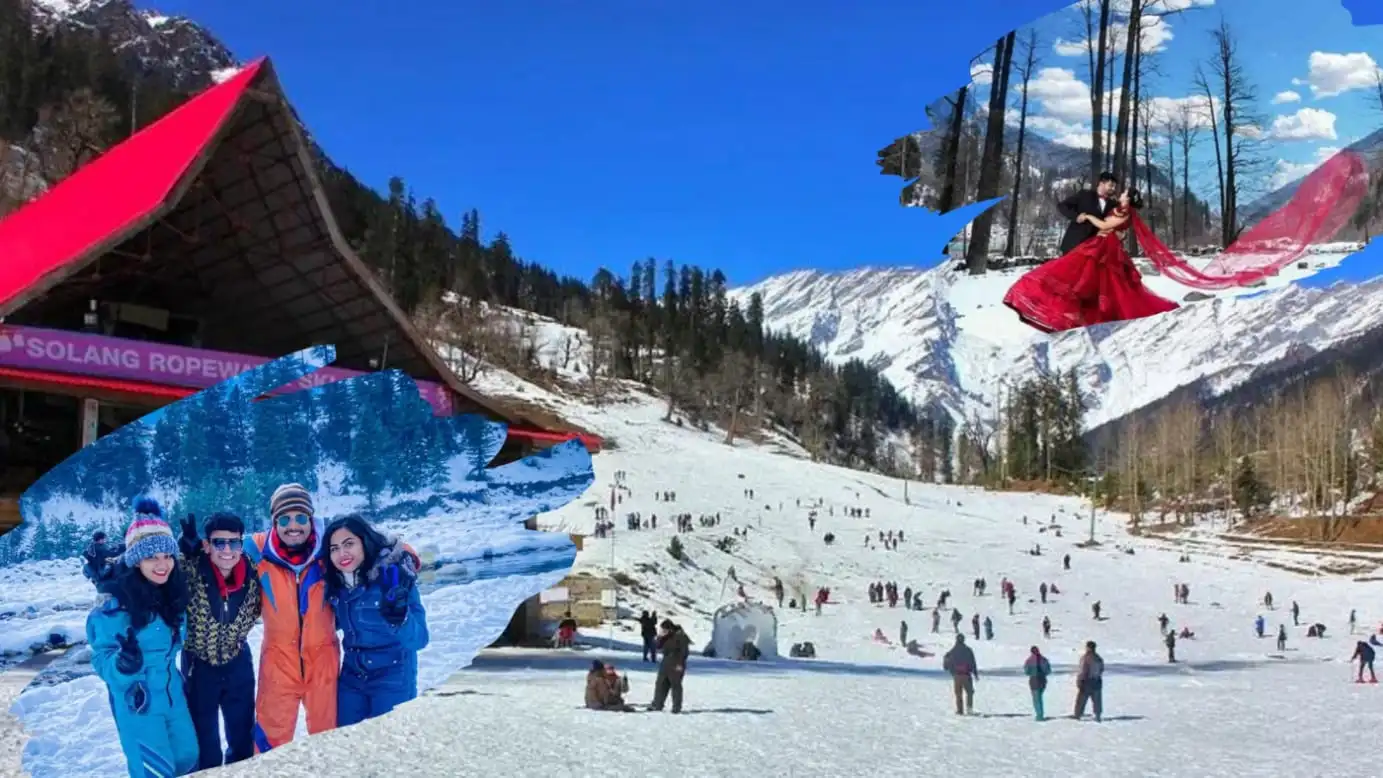
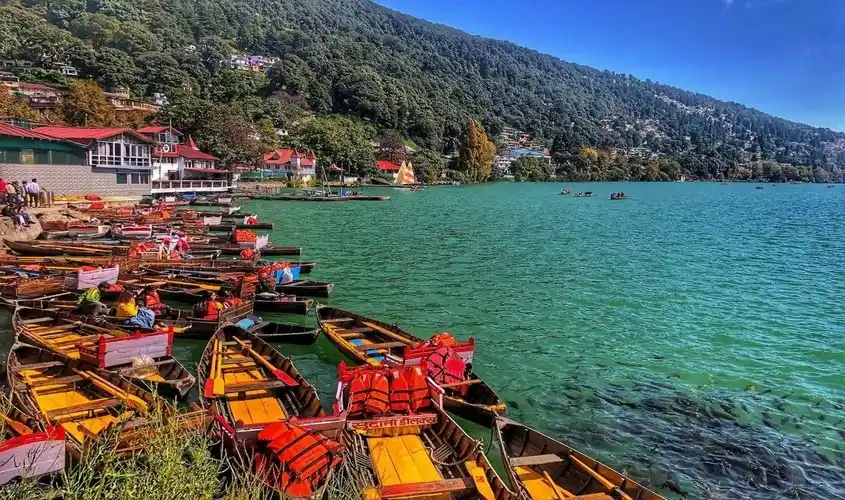
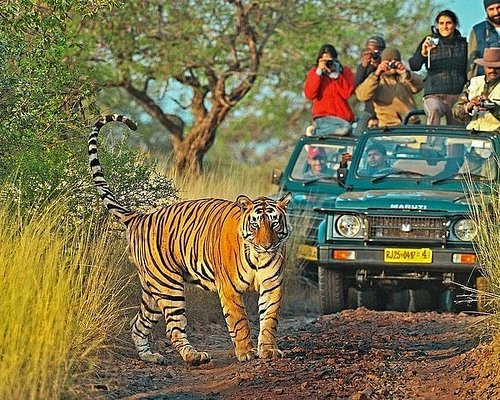
Hill station trips (4 to 8 days): Manali, Shimla, Nainital, Mussoorie, Dharamshala and Jim Corbett.
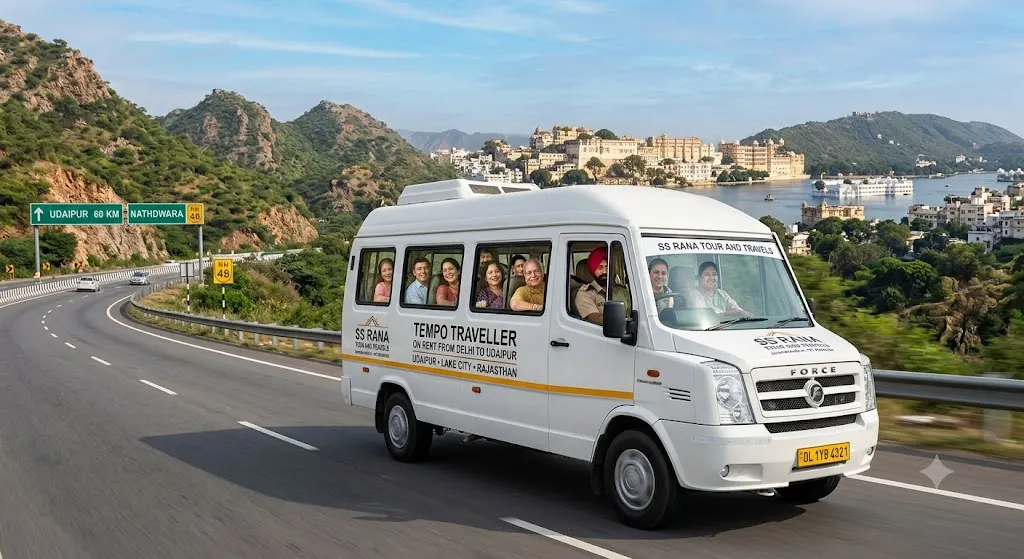
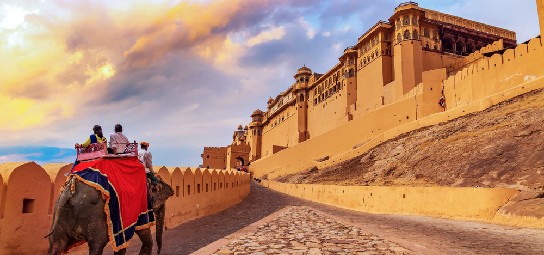
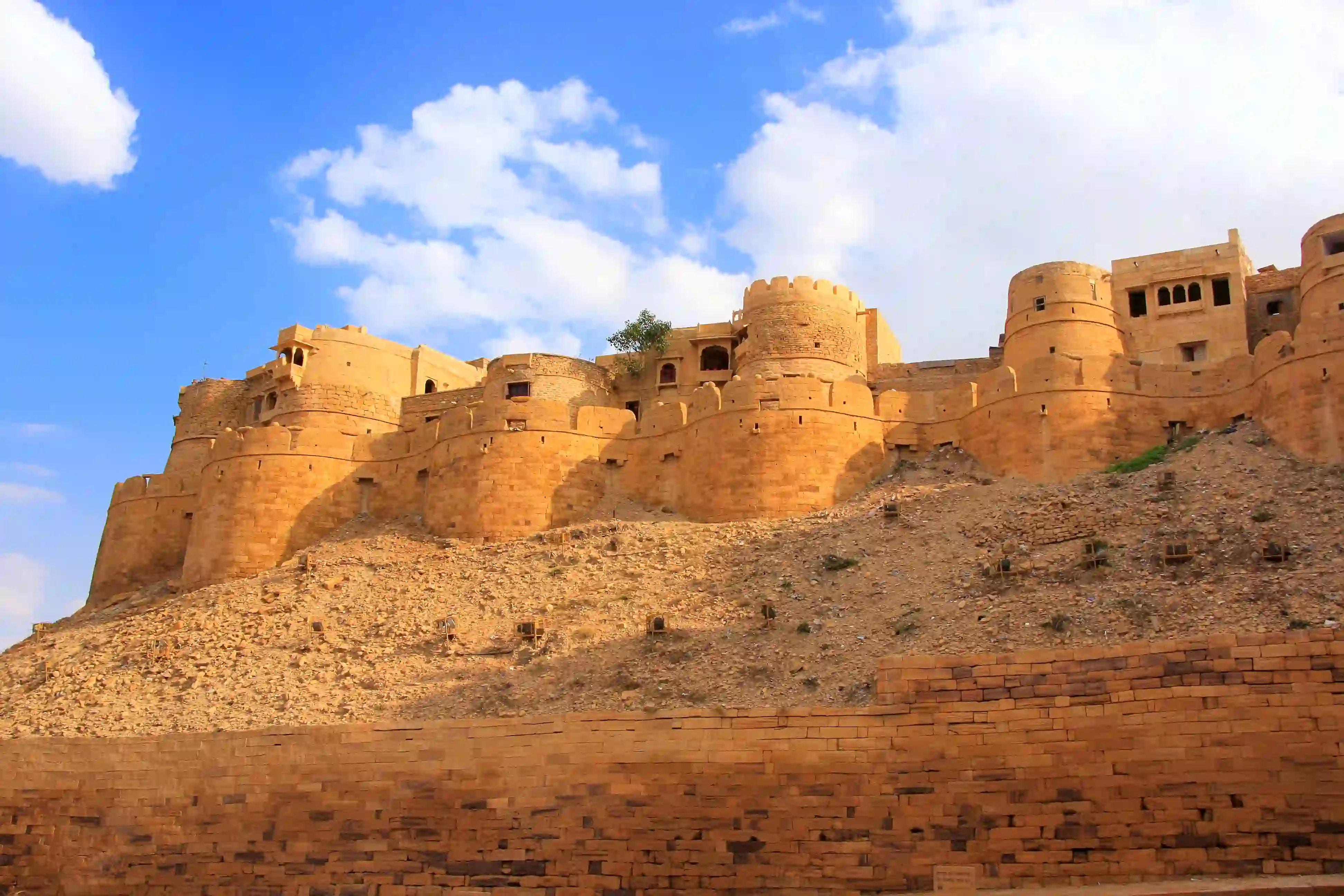
Rajasthan circuits (4 to 7 days): Jaipur, Pushkar, Udaipur, Jodhpur and Jaisalmer.
Who Should Choose an Outstation Package?
Outstation hire works best for:
Large family trips and reunions
Pilgrimage groups
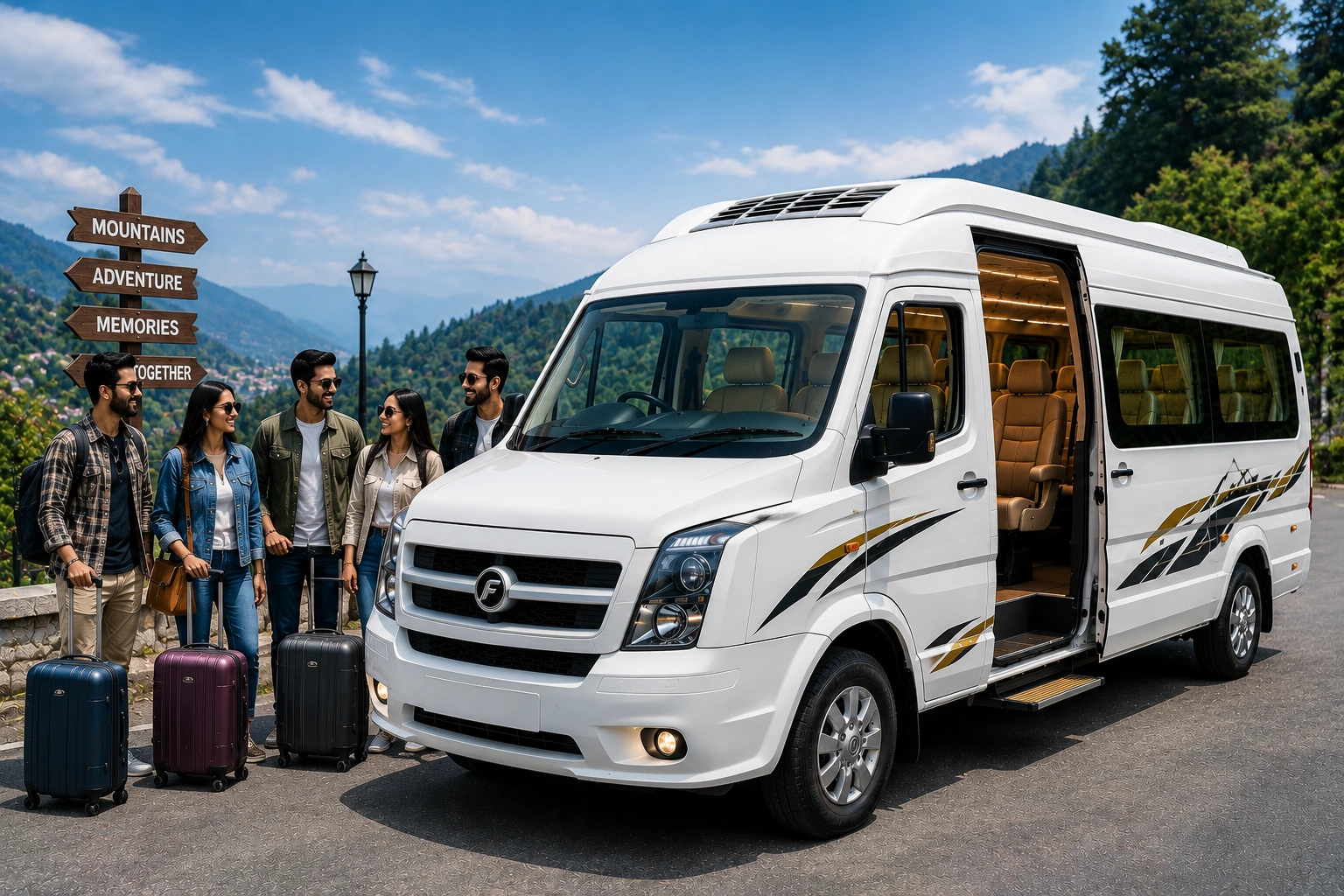
Friend groups planning a hill station holiday
Corporate offsites and team outings
Wedding baraat or guest travel to another city
Local vs Outstation: Side-by-Side Comparison
Factor
Local Sightseeing Package
Outstation Package
Area covered
Delhi and nearby NCR
Other cities and states
Duration
8 or 12 hours
1 day to 10+ days
Pricing model
Fixed hours and km slab
Per km or per day with minimum km
Extra costs
Extra hours, extra km, parking
Tolls, state taxes, driver allowance, parking
Driver stay
Returns home daily
Stays with group on multi-day trips
Best for
City tours, weddings, events
Holidays, pilgrimages, offsites
Planning effort
Low
Moderate to high
Which One Is Cheaper?
There is no one-size-fits-all answer, because the two packages measure value differently.
For a single-day city tour, a local package is almost always cheaper and simpler. For a long trip, outstation can work out very economical per person once you divide the cost among 9, 12, 16 or more passengers. A 12-seater shared among twelve people often costs less per head than booking three separate cabs for the same route.
Keep in mind that prices change with season, fuel rates, vehicle type (standard or luxury), route and the number of days. If you want current pricing for your exact plan, you can check the options on our page for tempo traveller on rent in Delhi or request a custom quote.
Choosing the Right Tempo Traveller Size
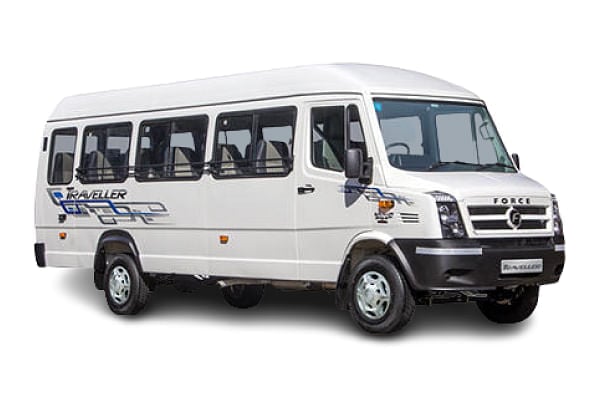
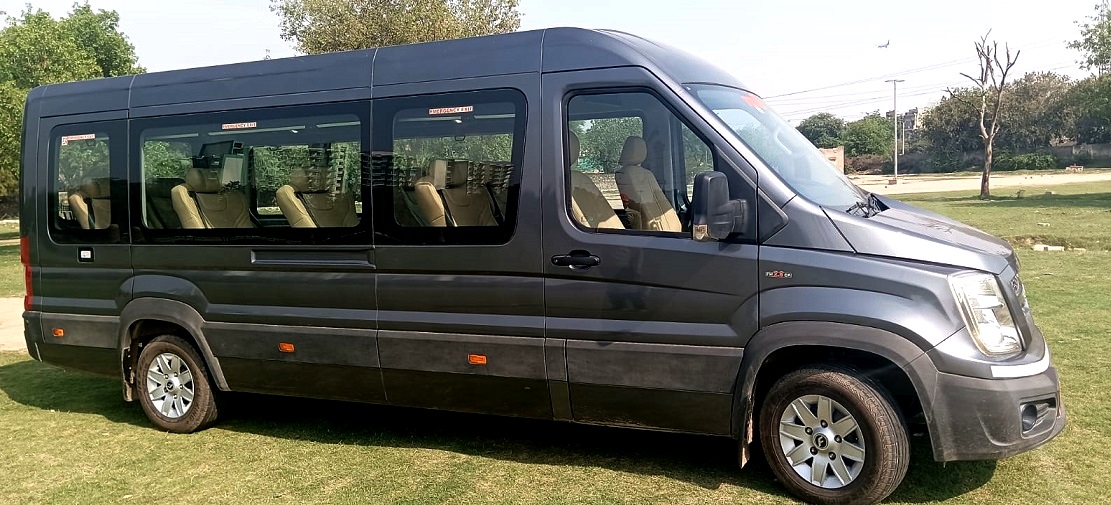
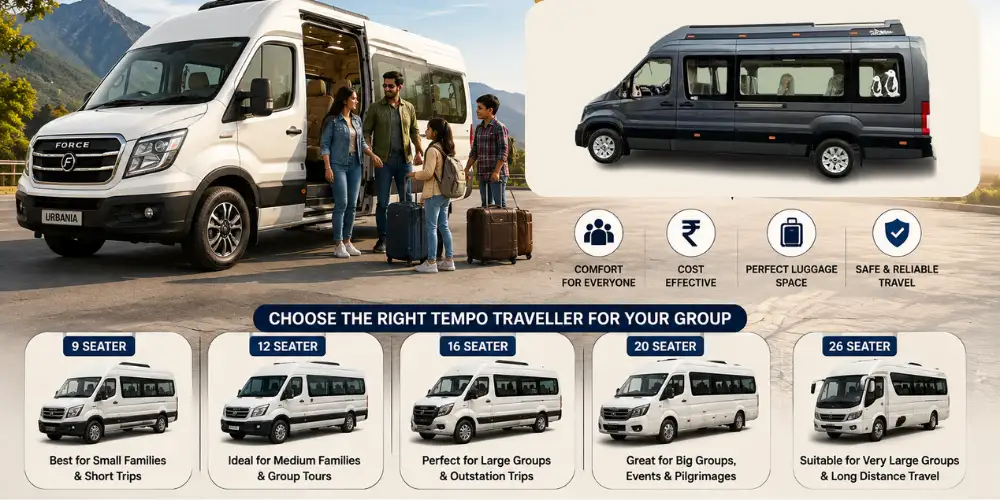
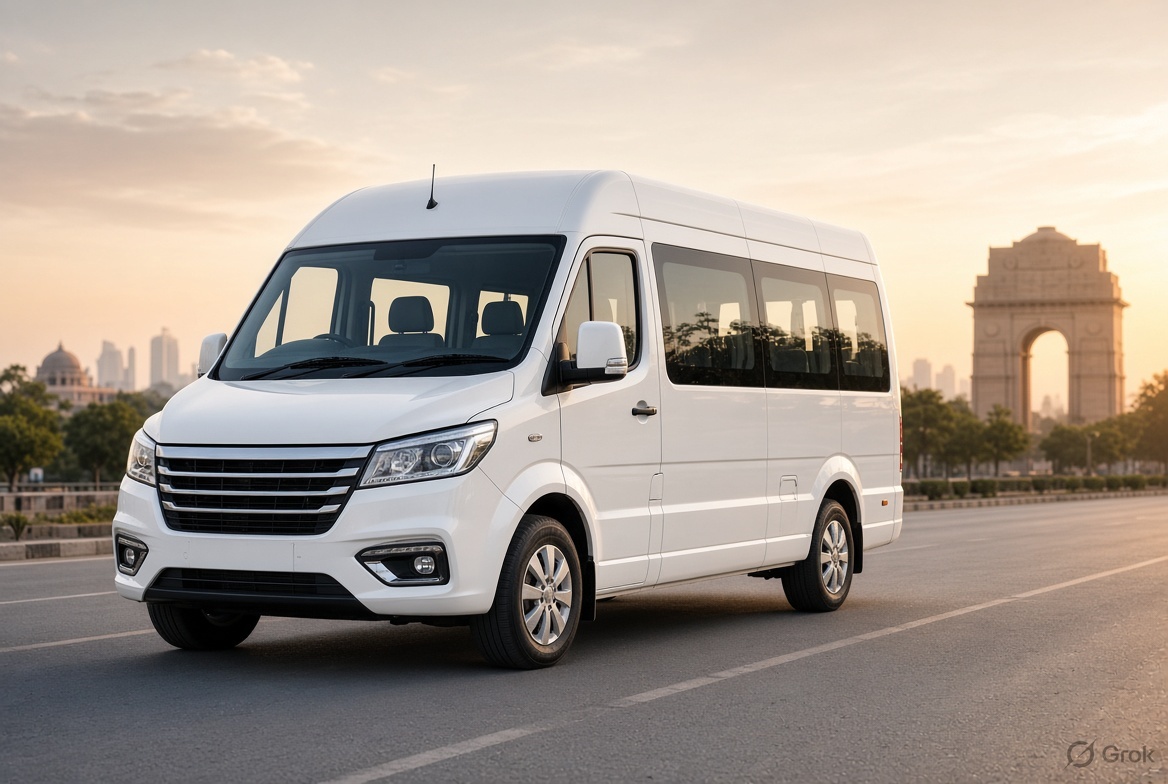
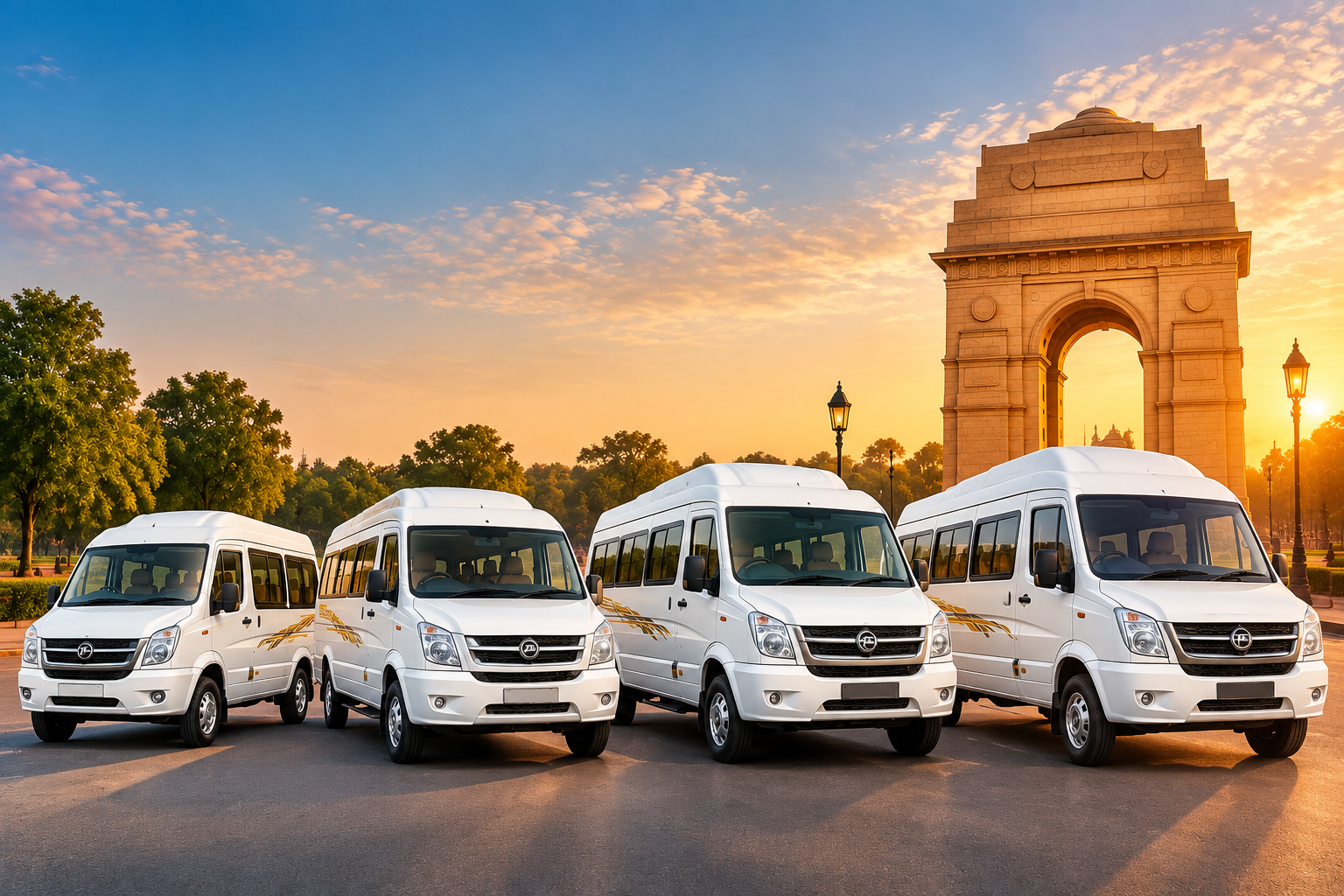
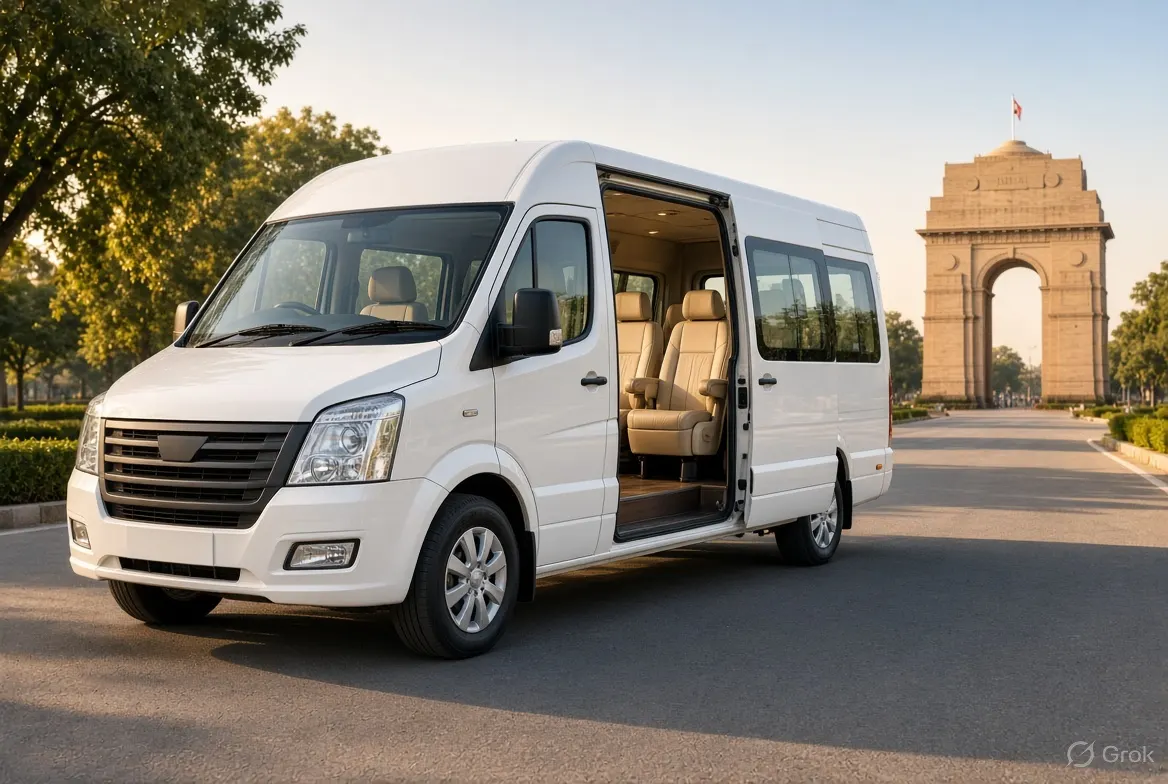
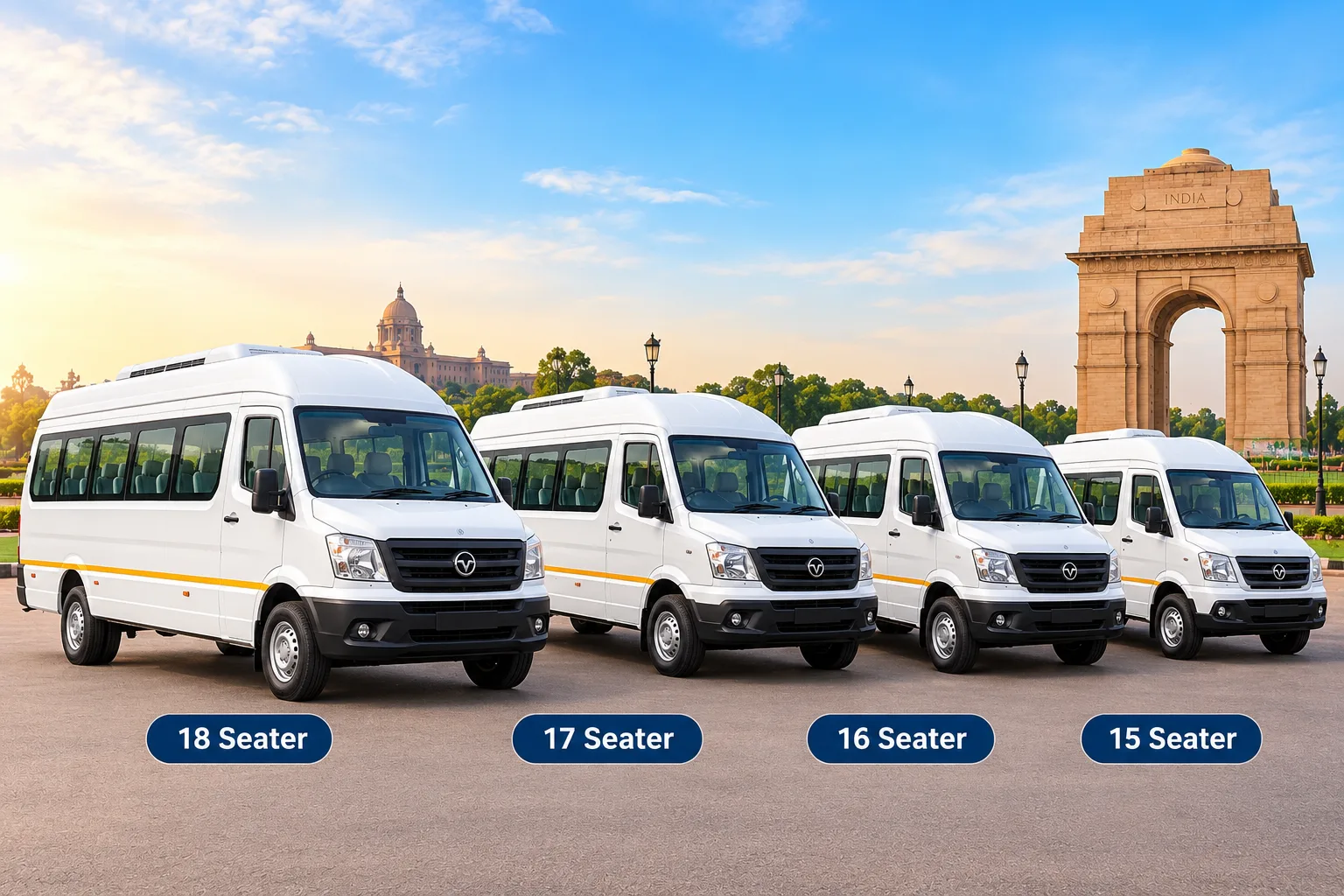
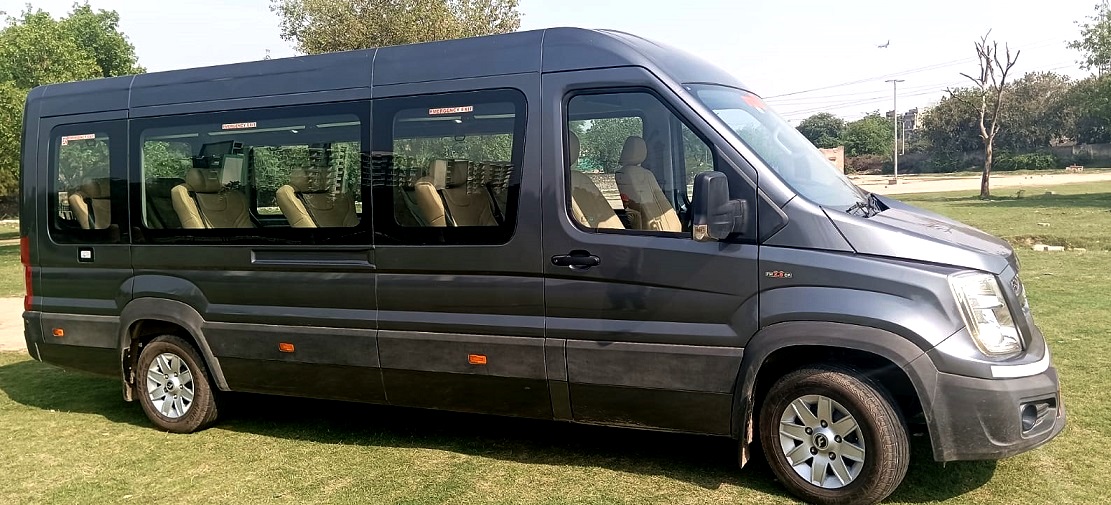
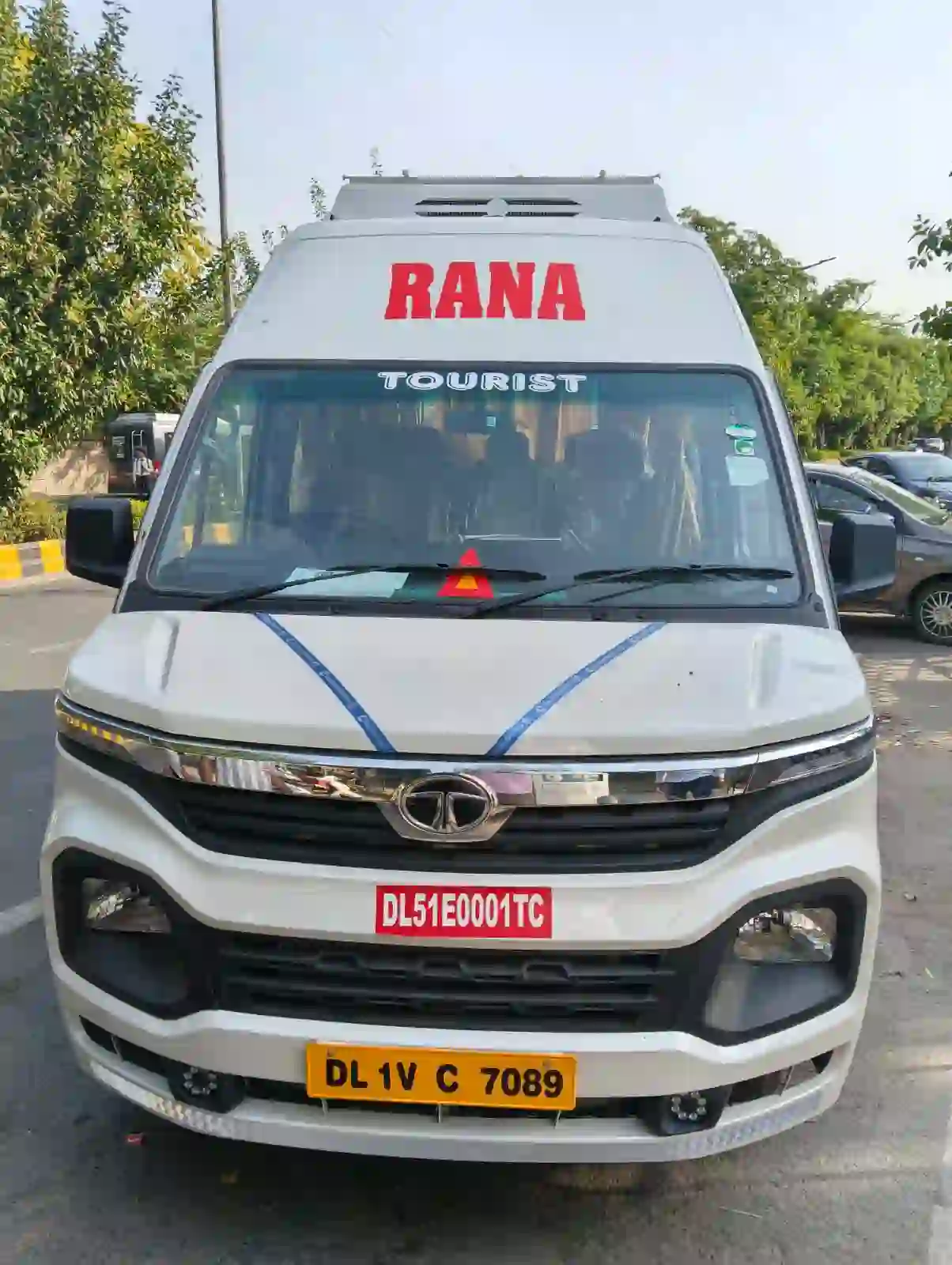
Whichever package you pick, the vehicle should match your group. Common options in Delhi include:
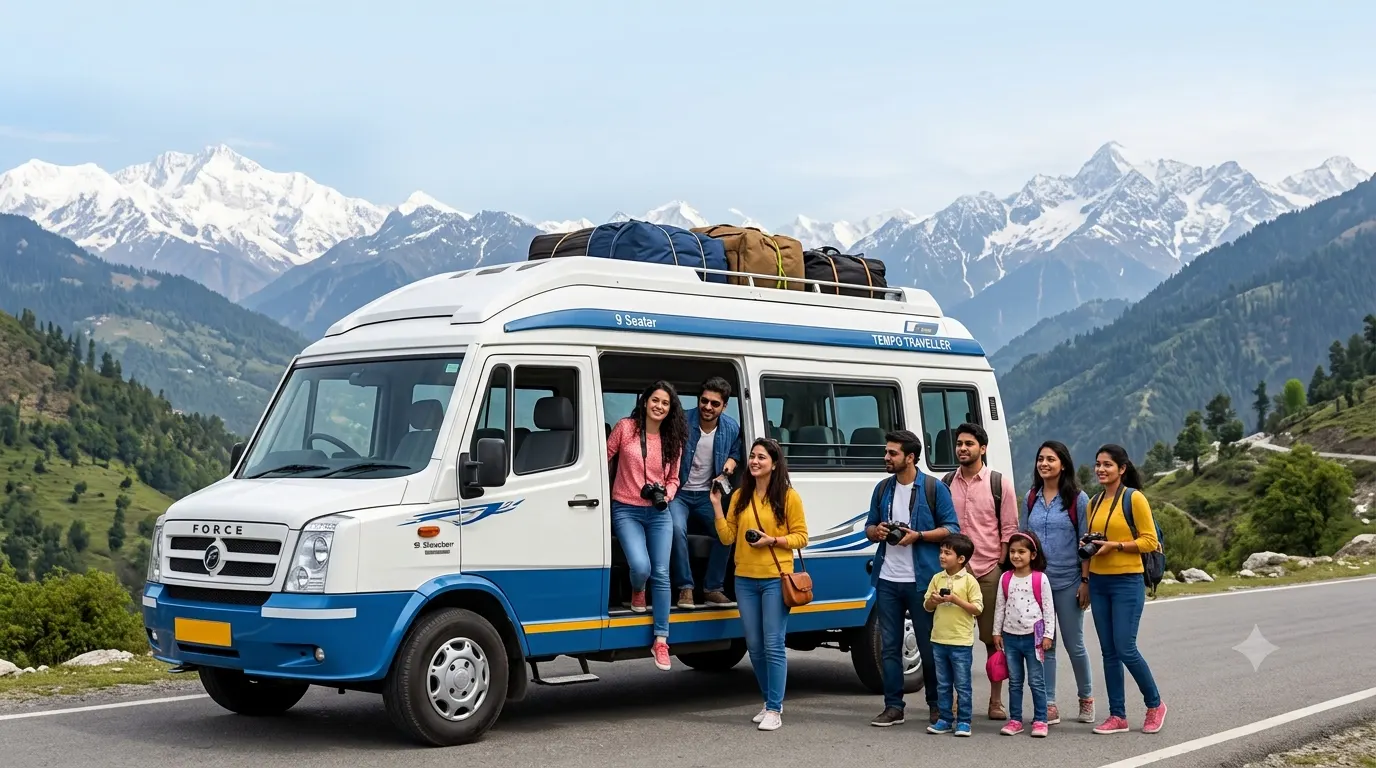
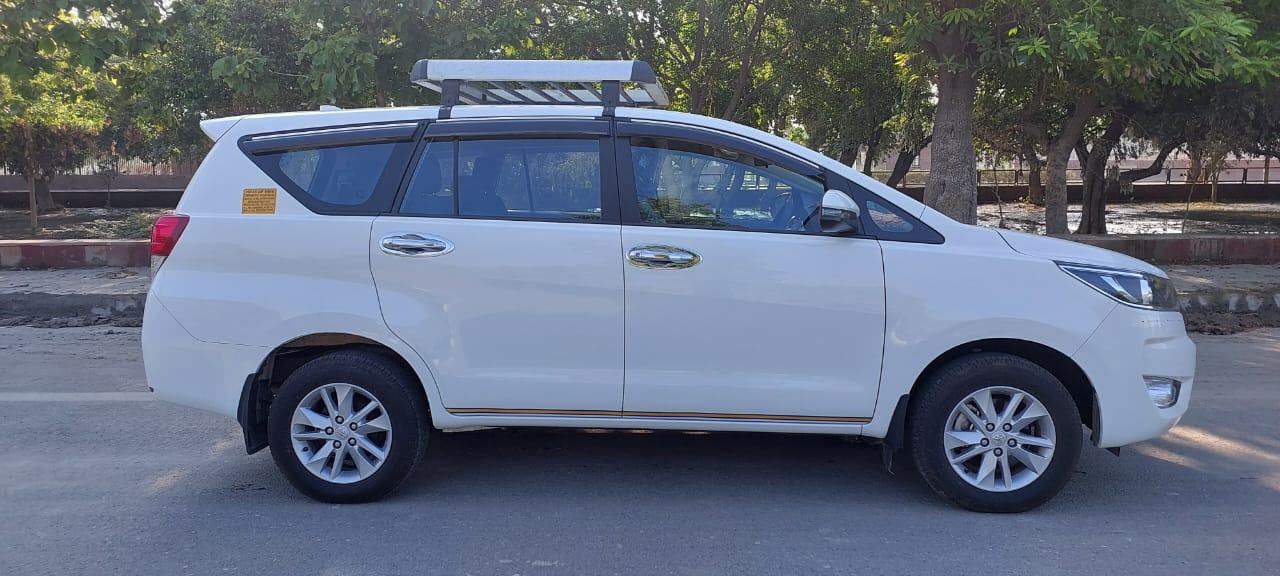
9-seater: Small families and couples with luggage, ideal for comfort-focused trips
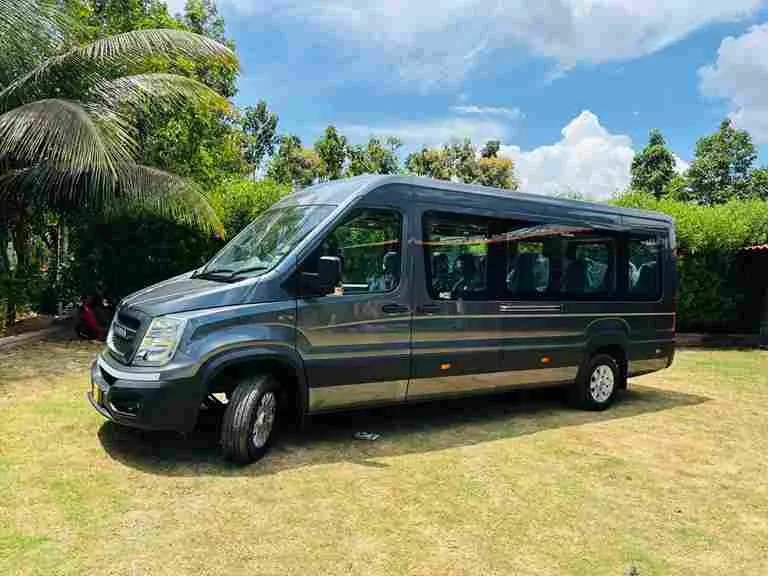
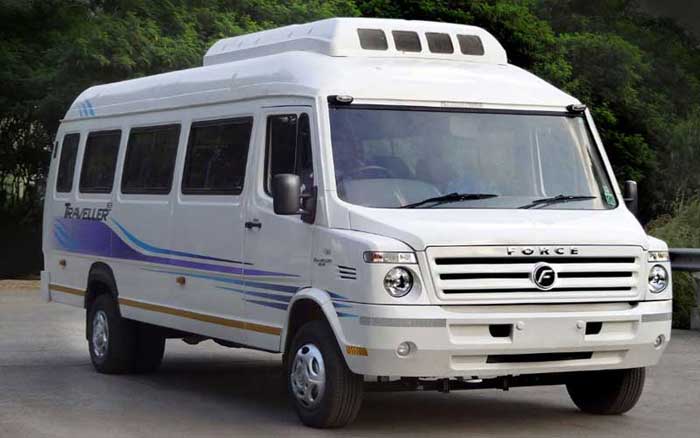
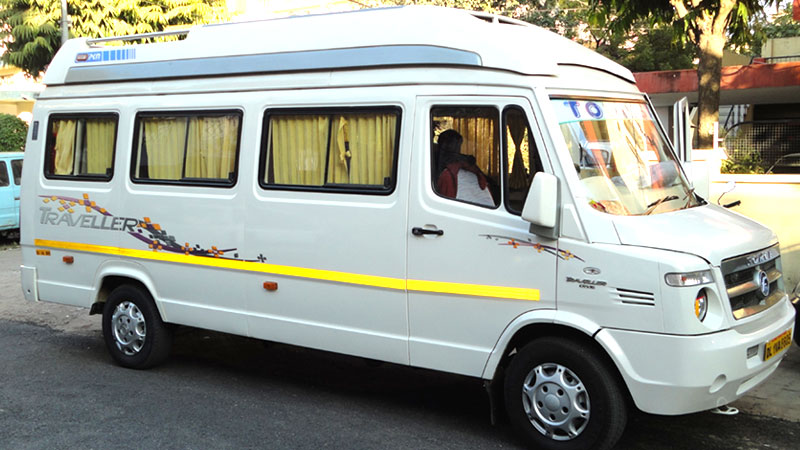
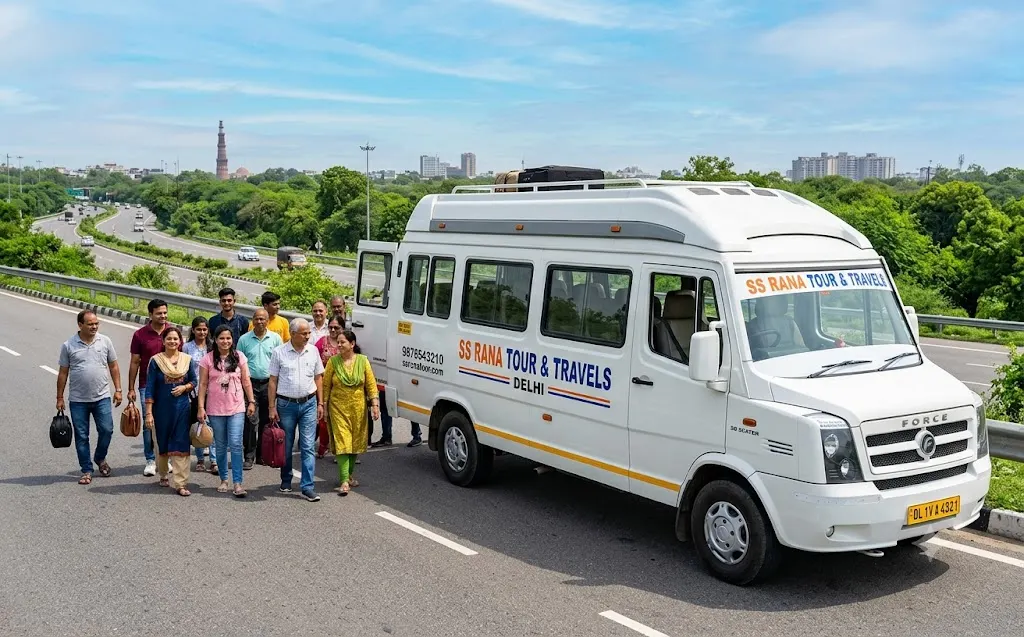
12-seater: The most booked size, great for families and friend groups
16-seater: Mid-sized groups and corporate teams
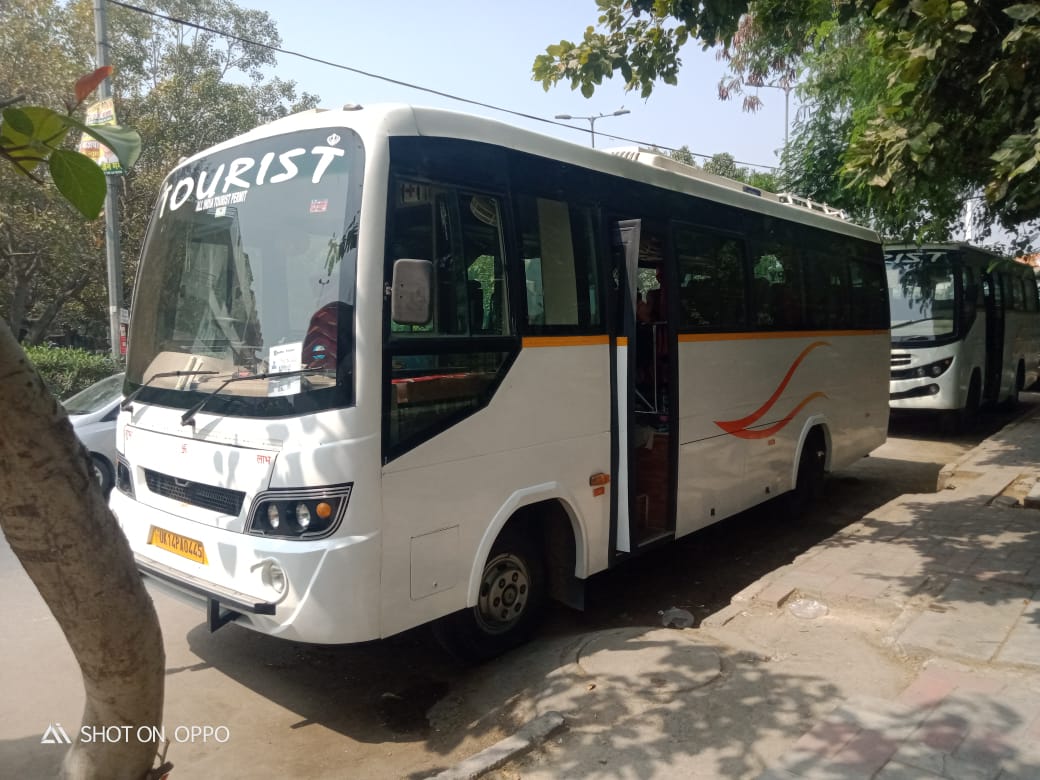
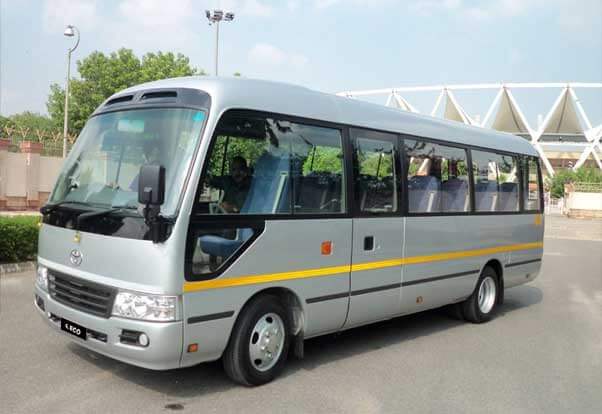
20 to 26-seater: Large groups, school tours and wedding guests
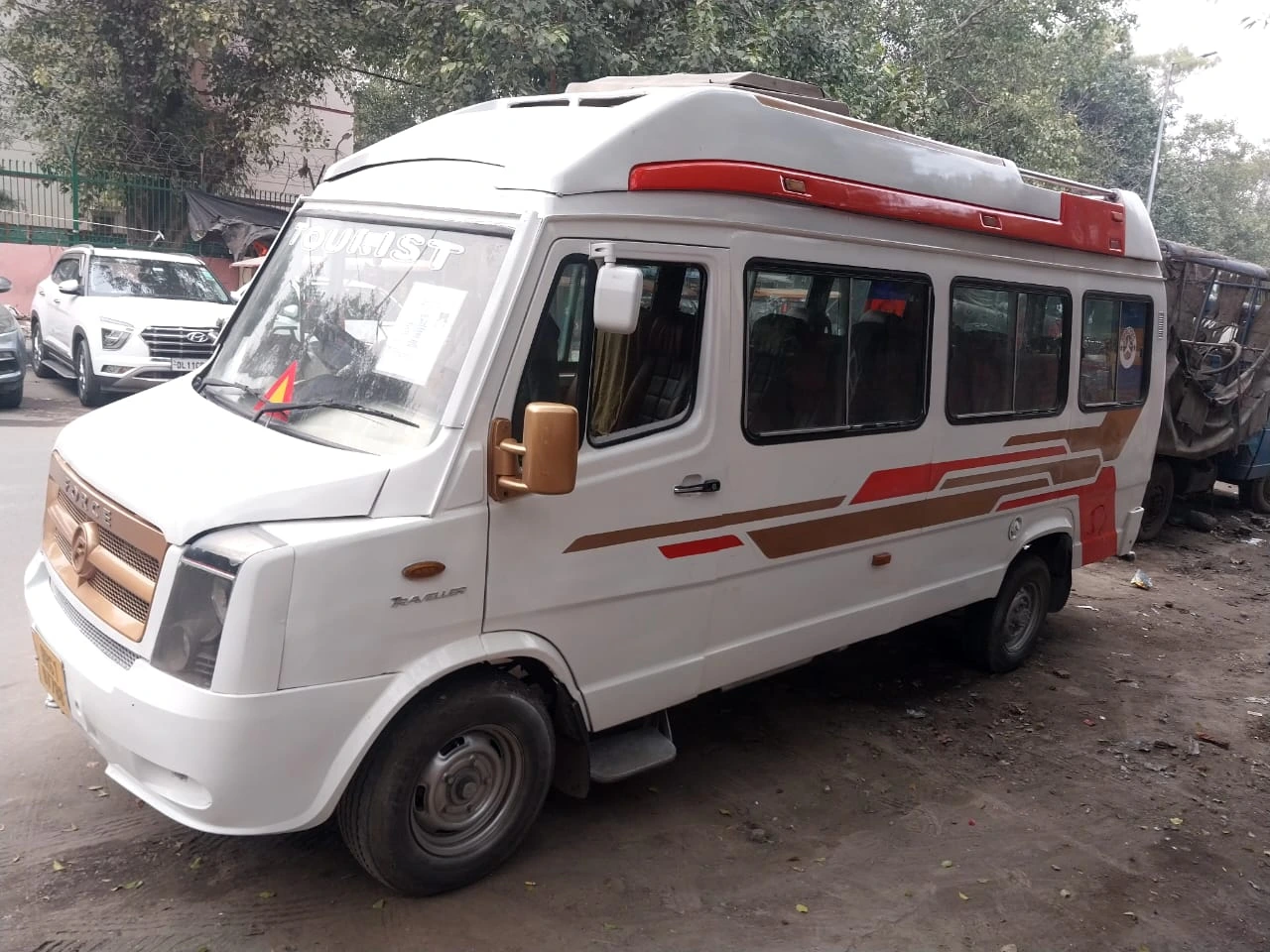
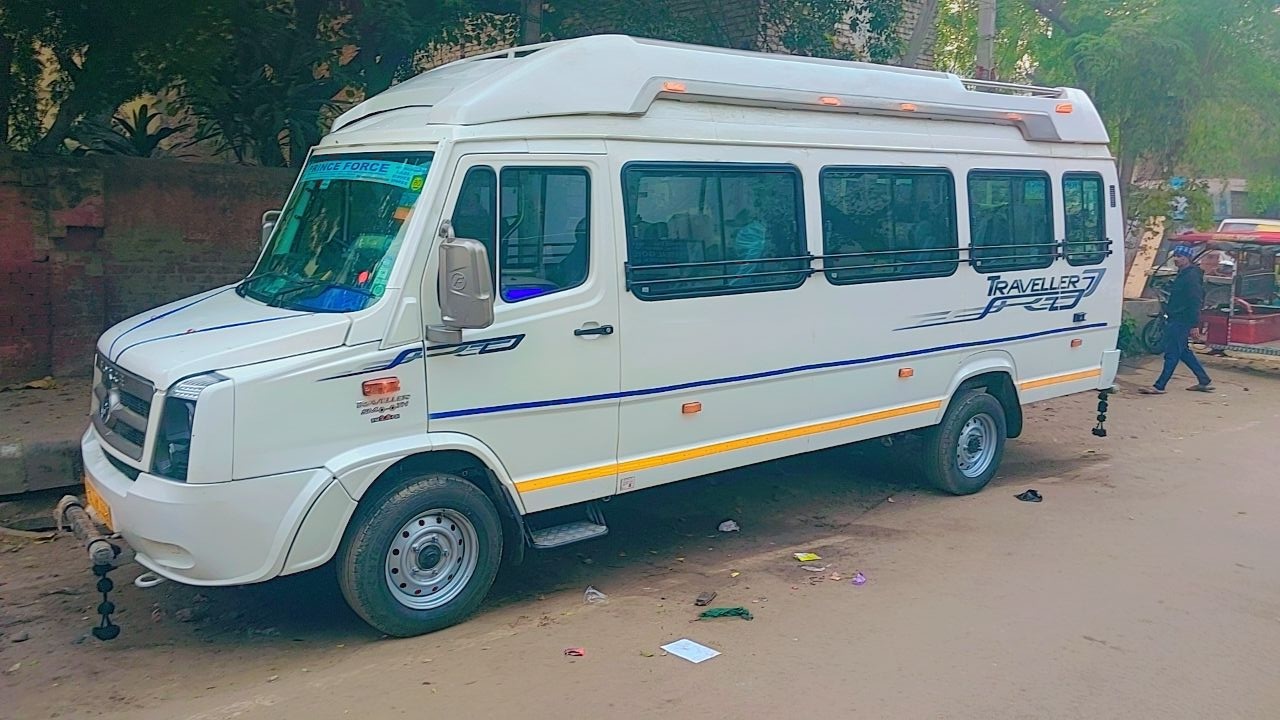
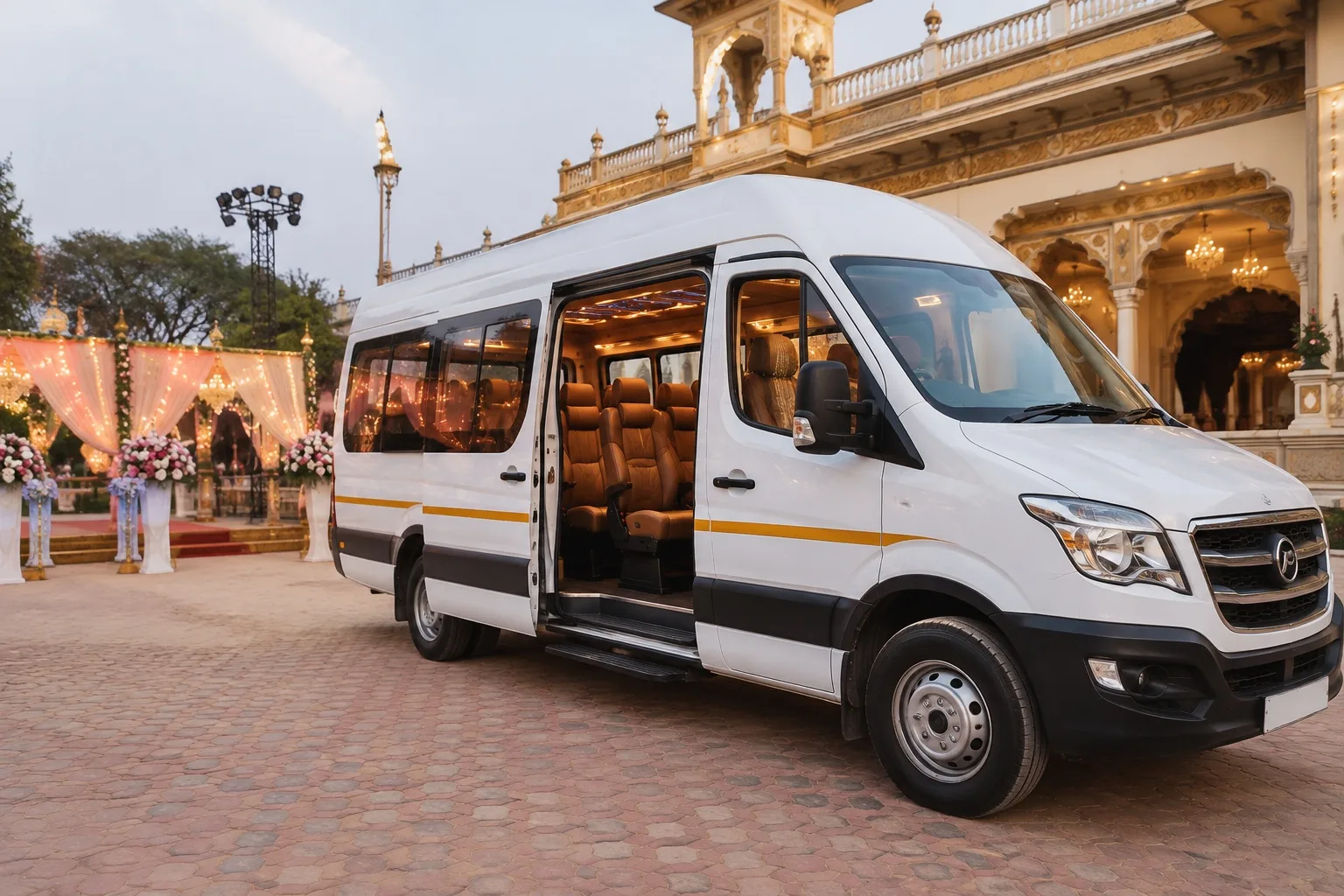
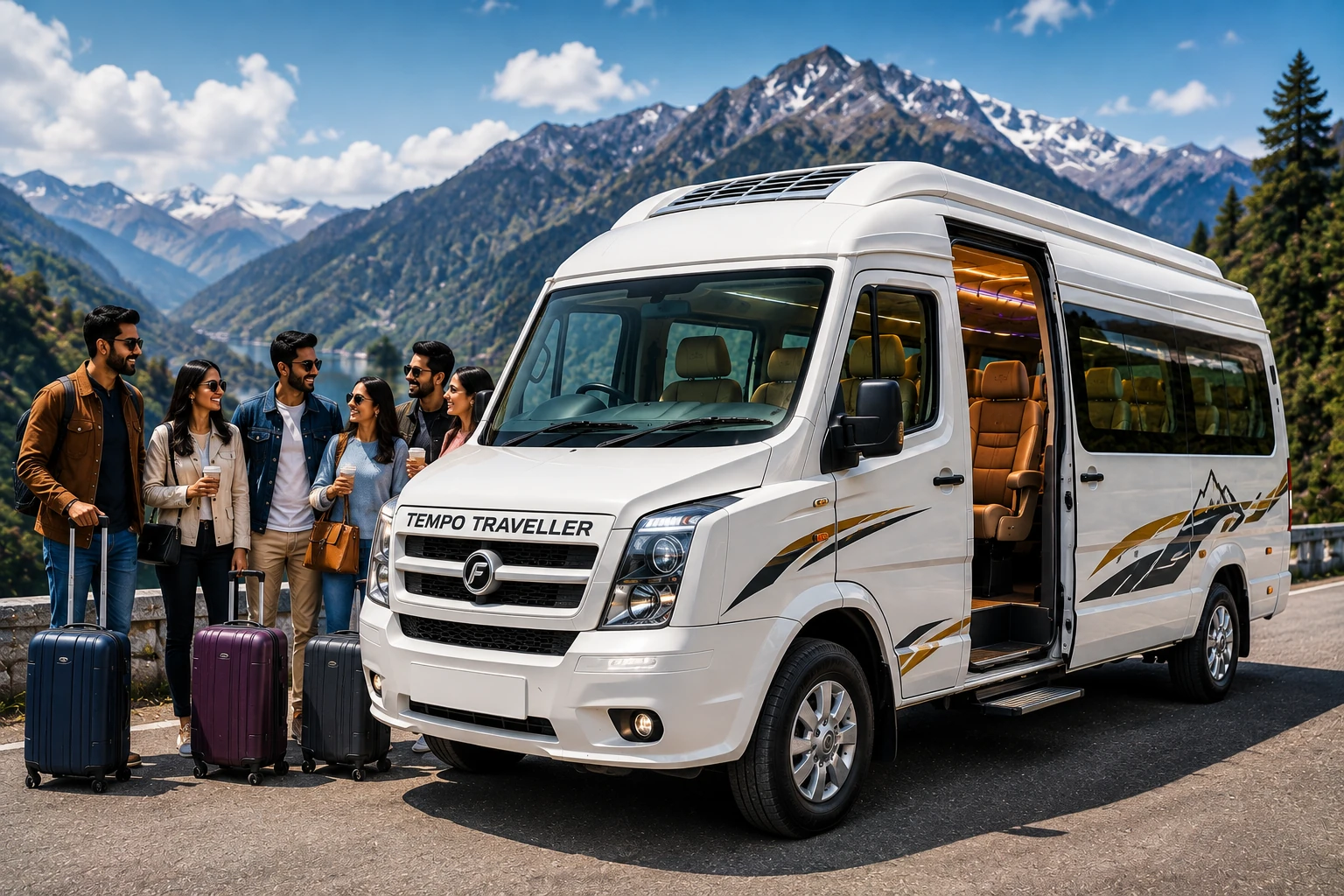
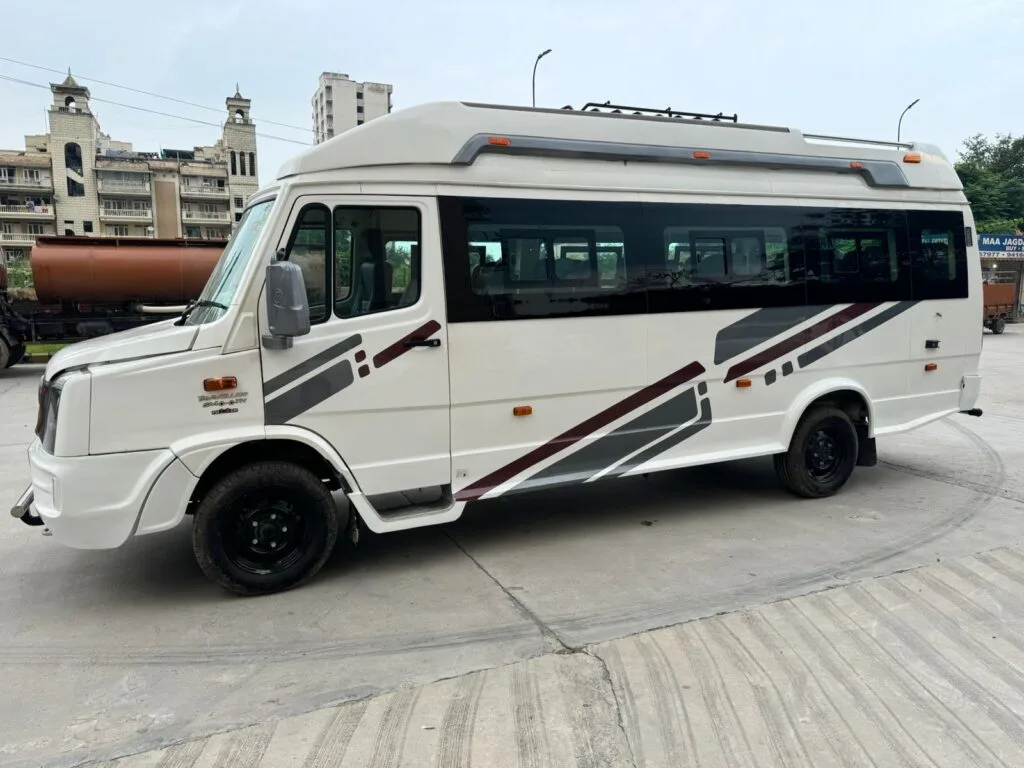
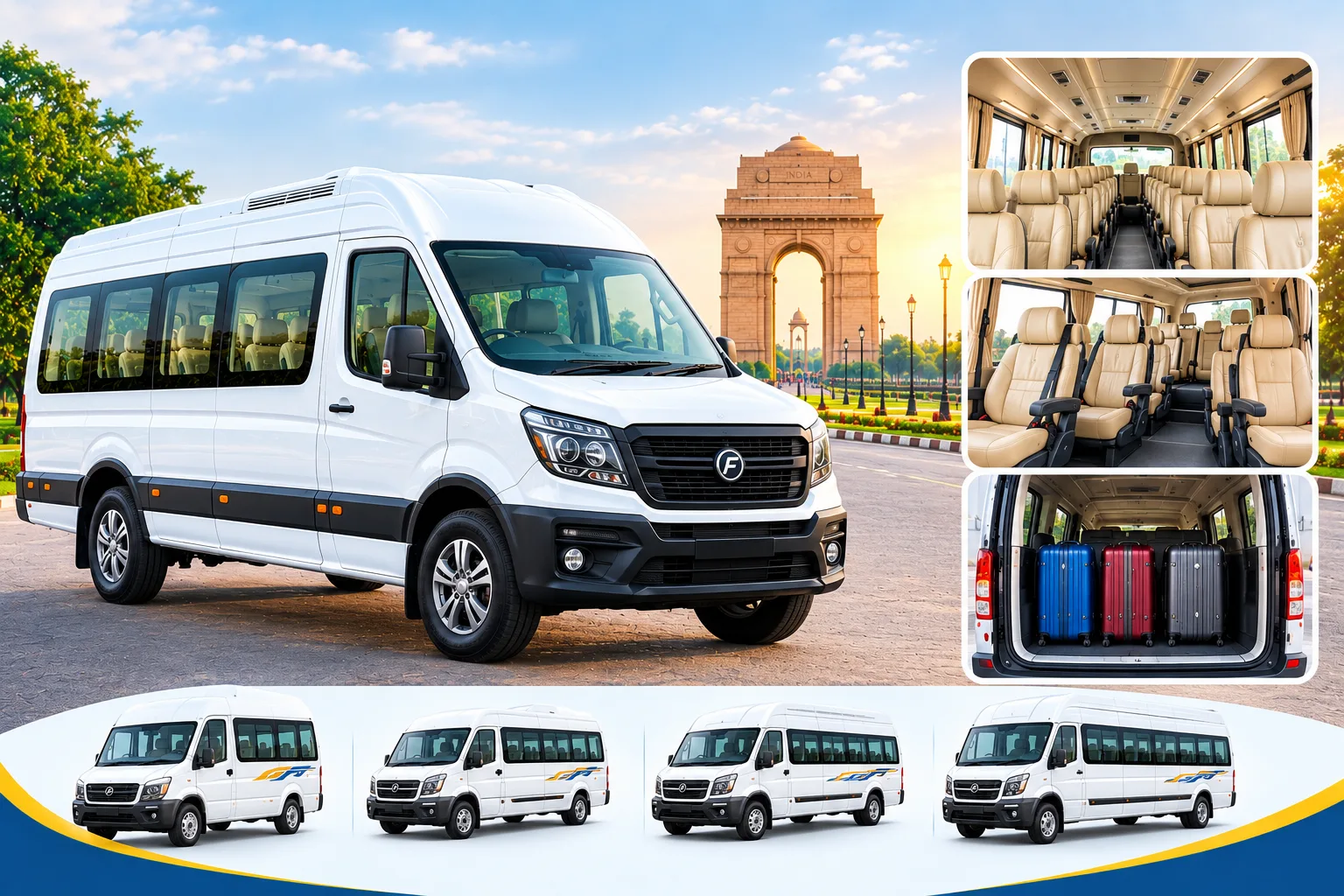
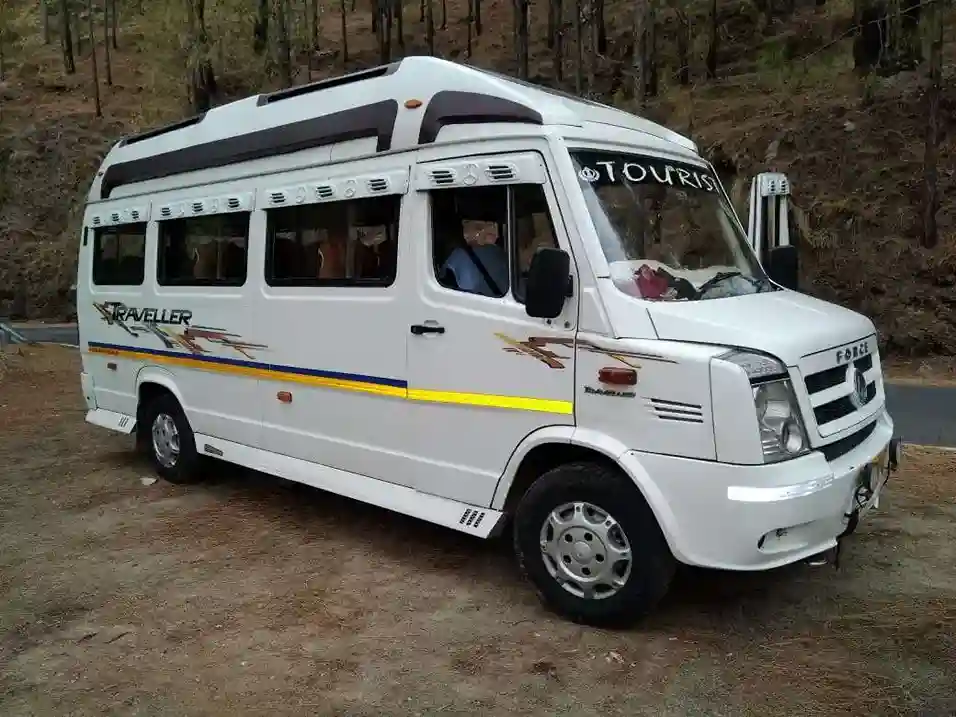
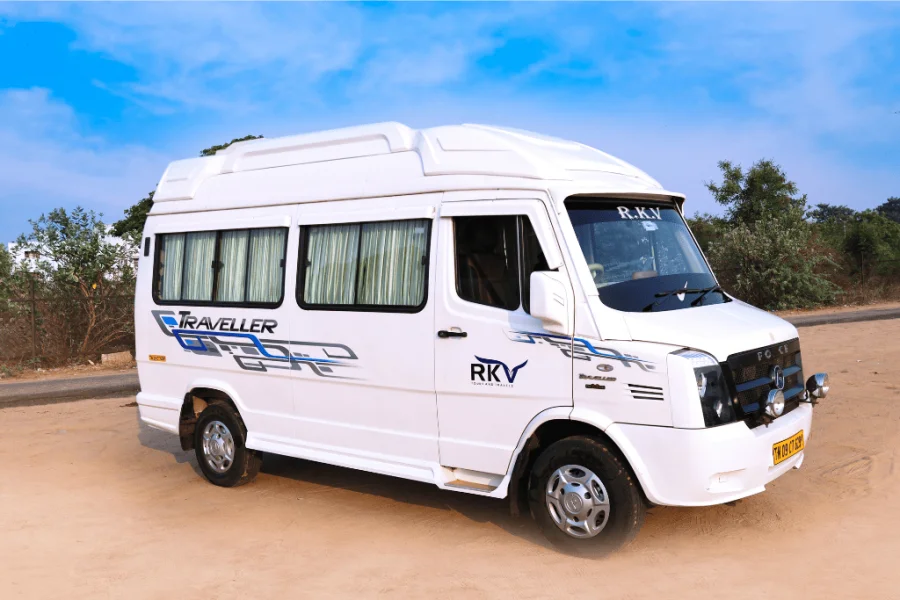
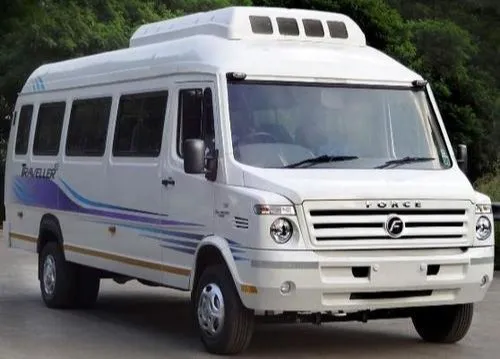
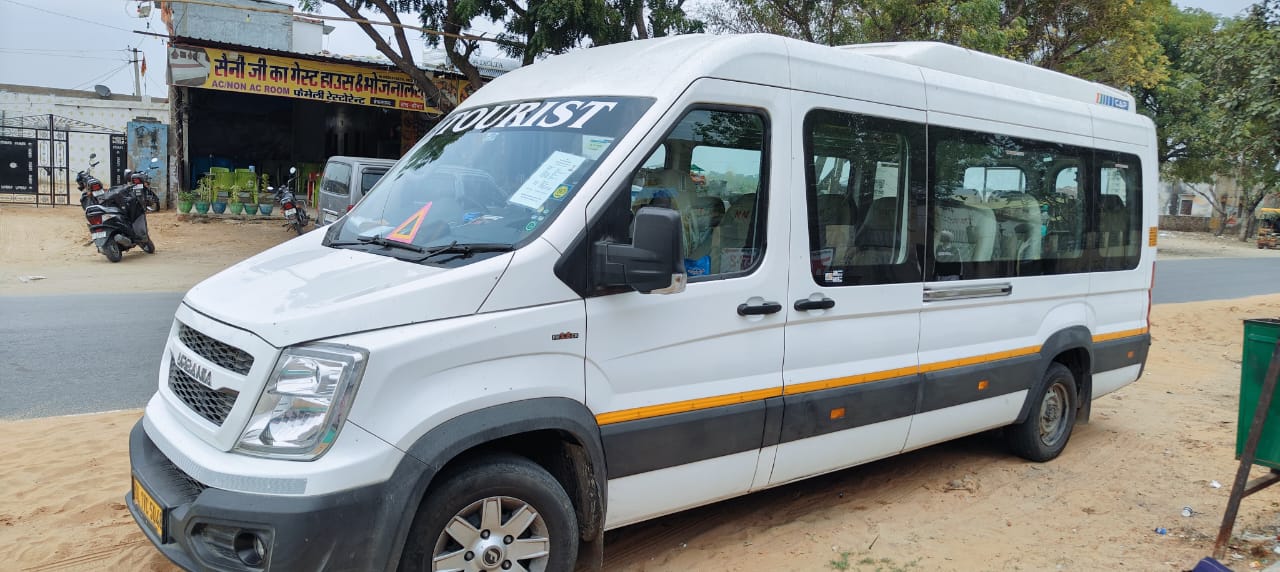
Do not forget luggage. A 12-seater full of passengers and suitcases can feel cramped on a long outstation drive. If you are travelling with a lot of bags, consider stepping up one size. You can explore available vehicles on our tempo traveller hire in Delhi page.
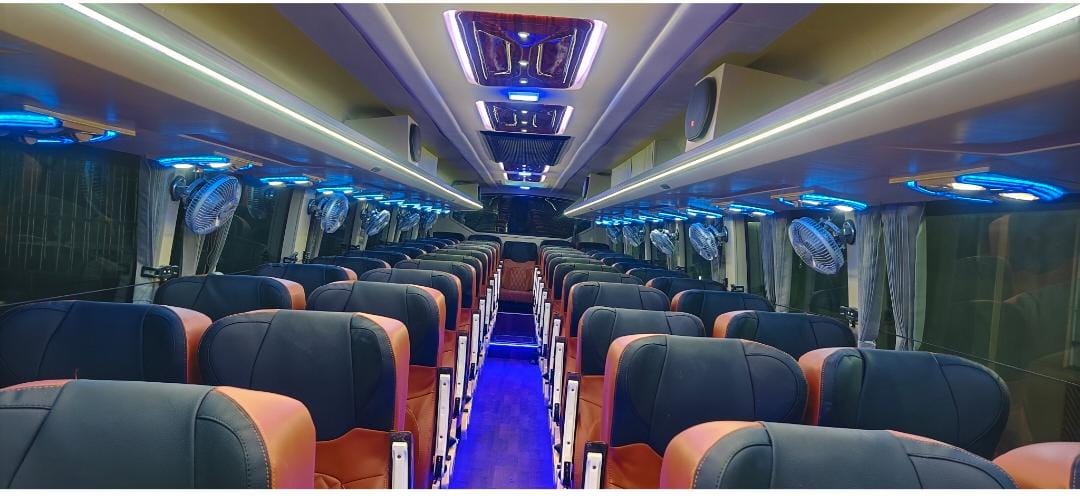
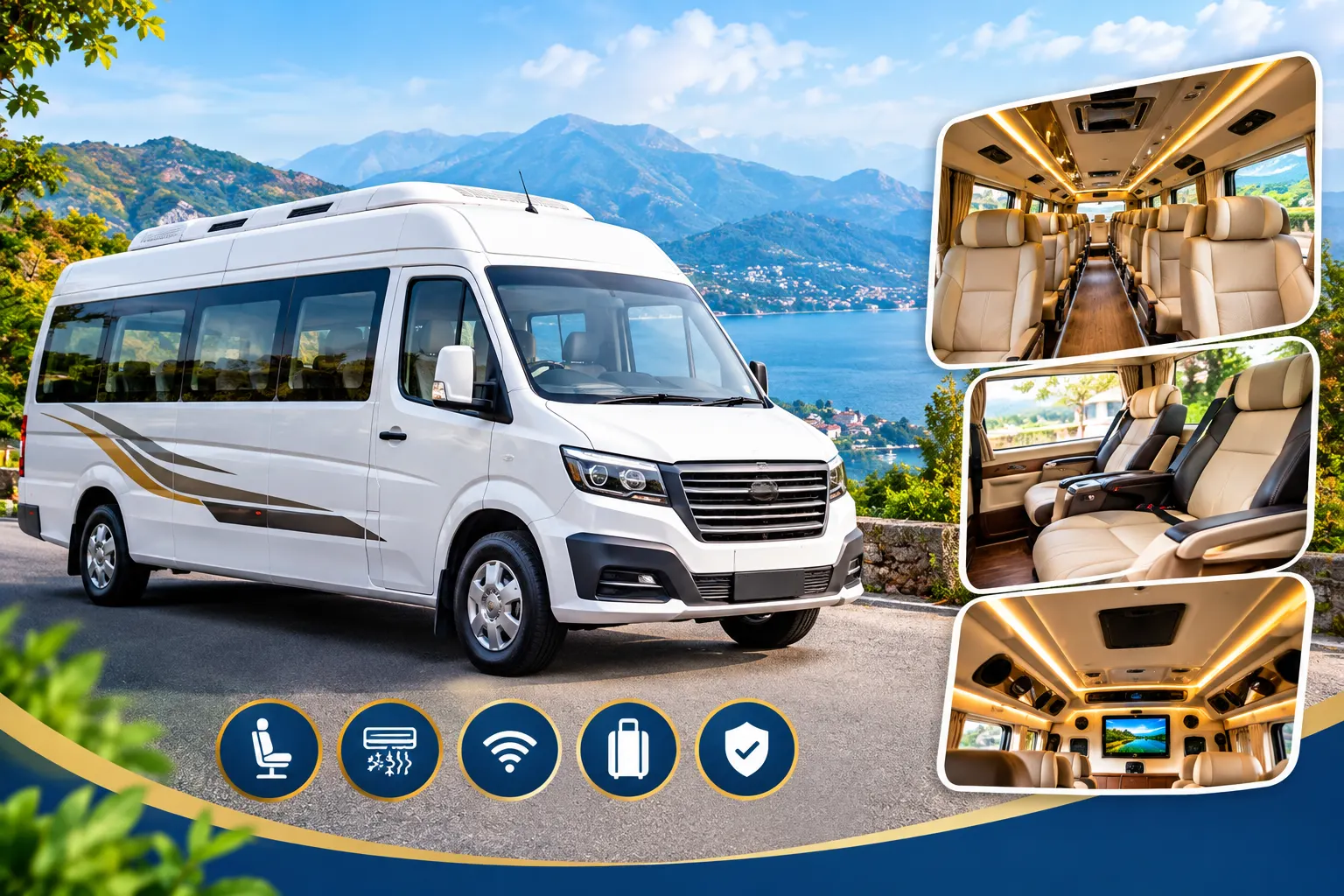
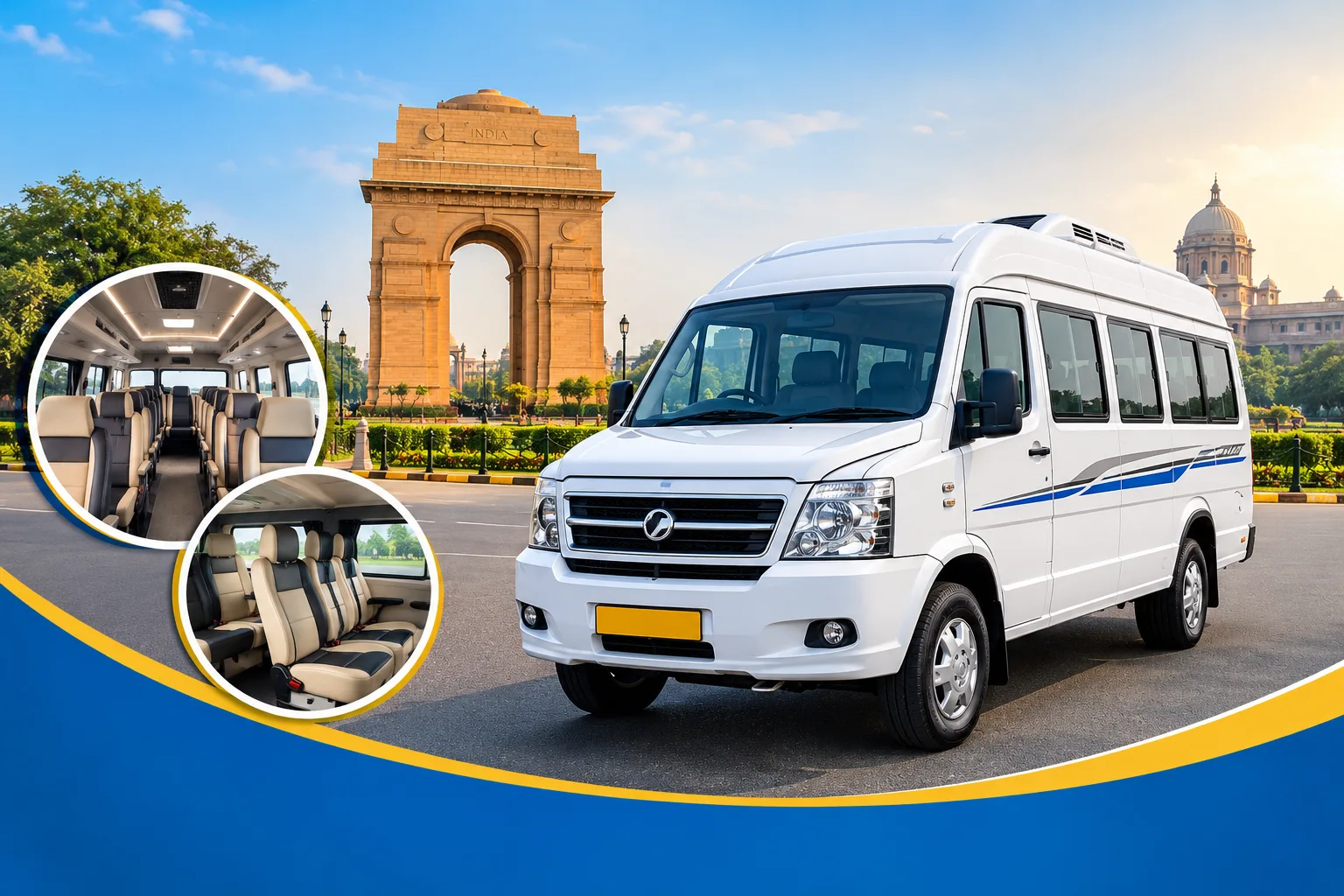
Features to Look For in Any Tempo Traveller
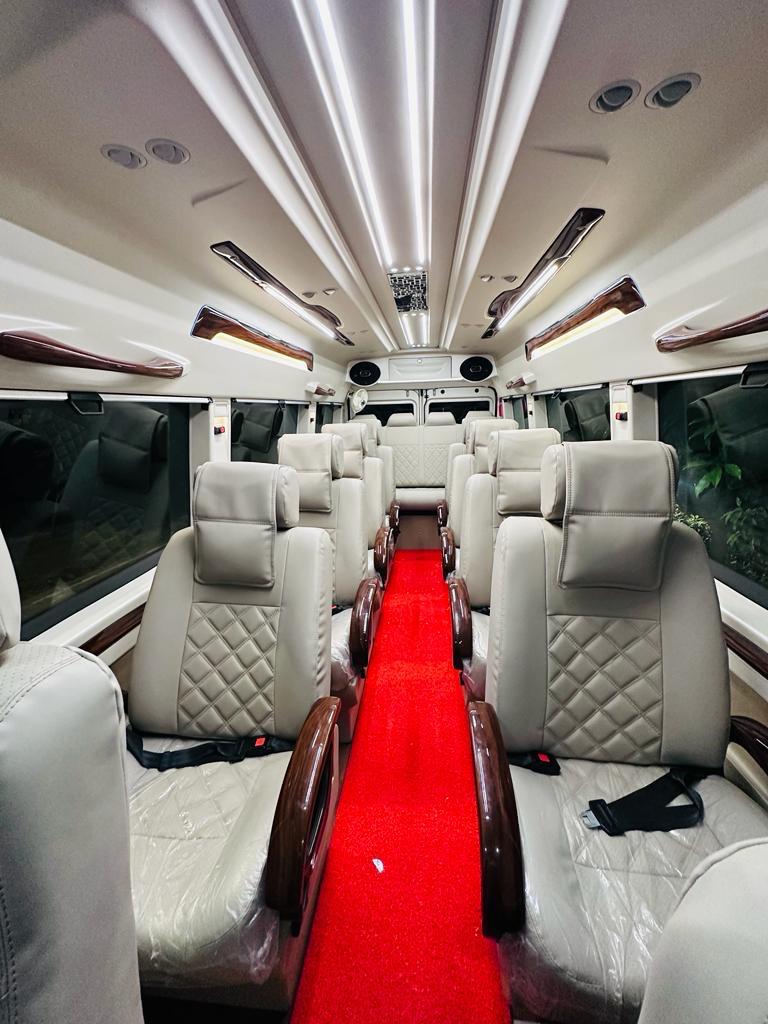
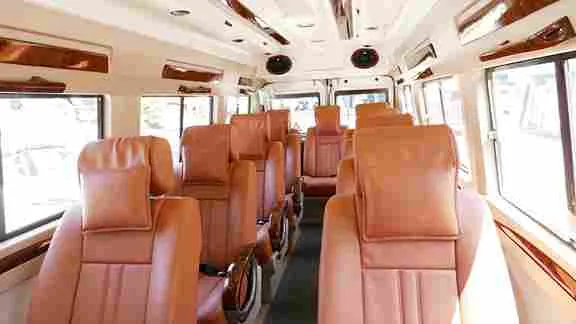
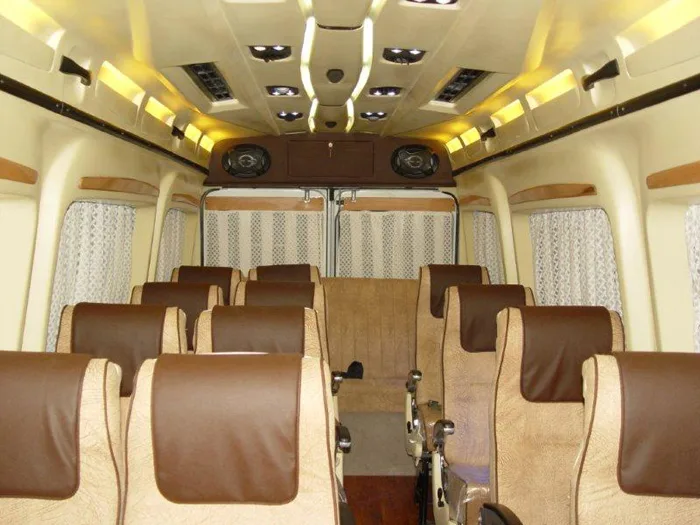
Comfort matters more on outstation routes, but even a local day can feel long without the basics. Look for:
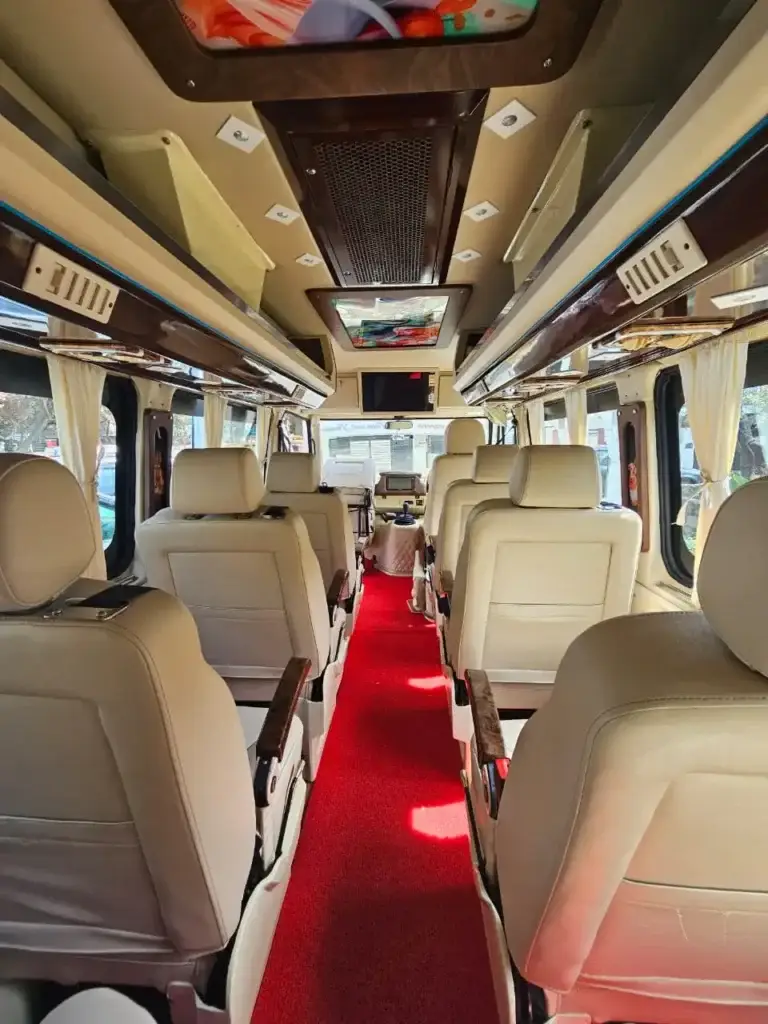
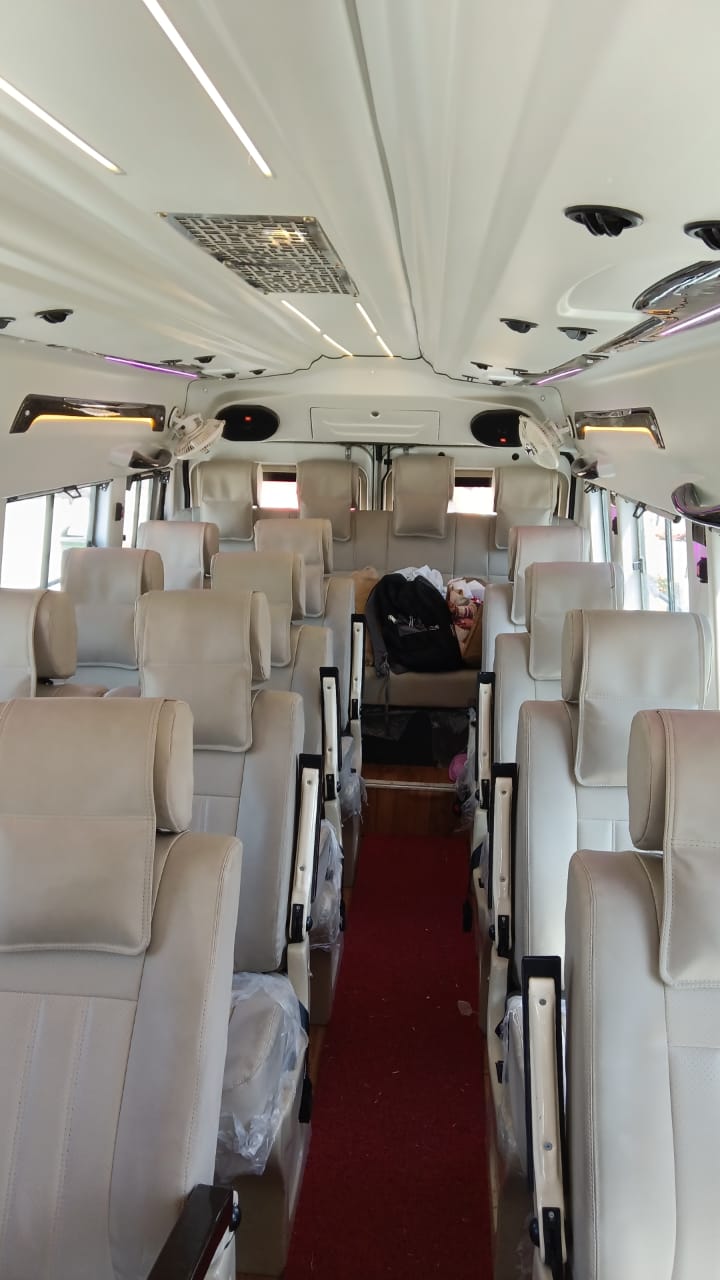
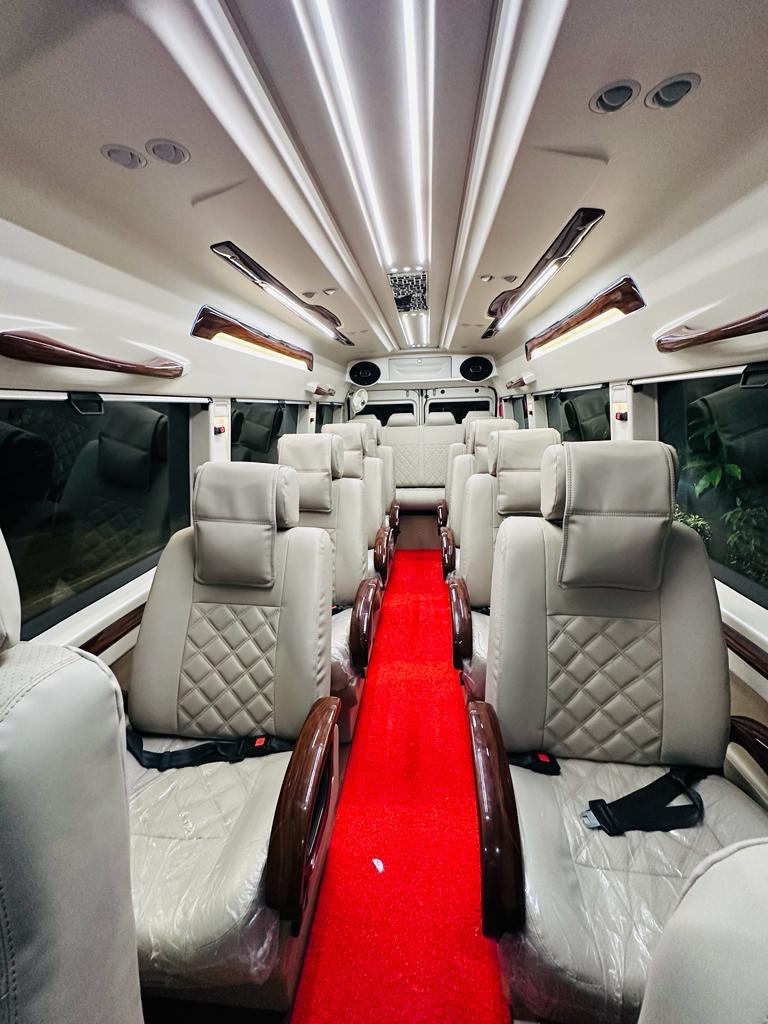
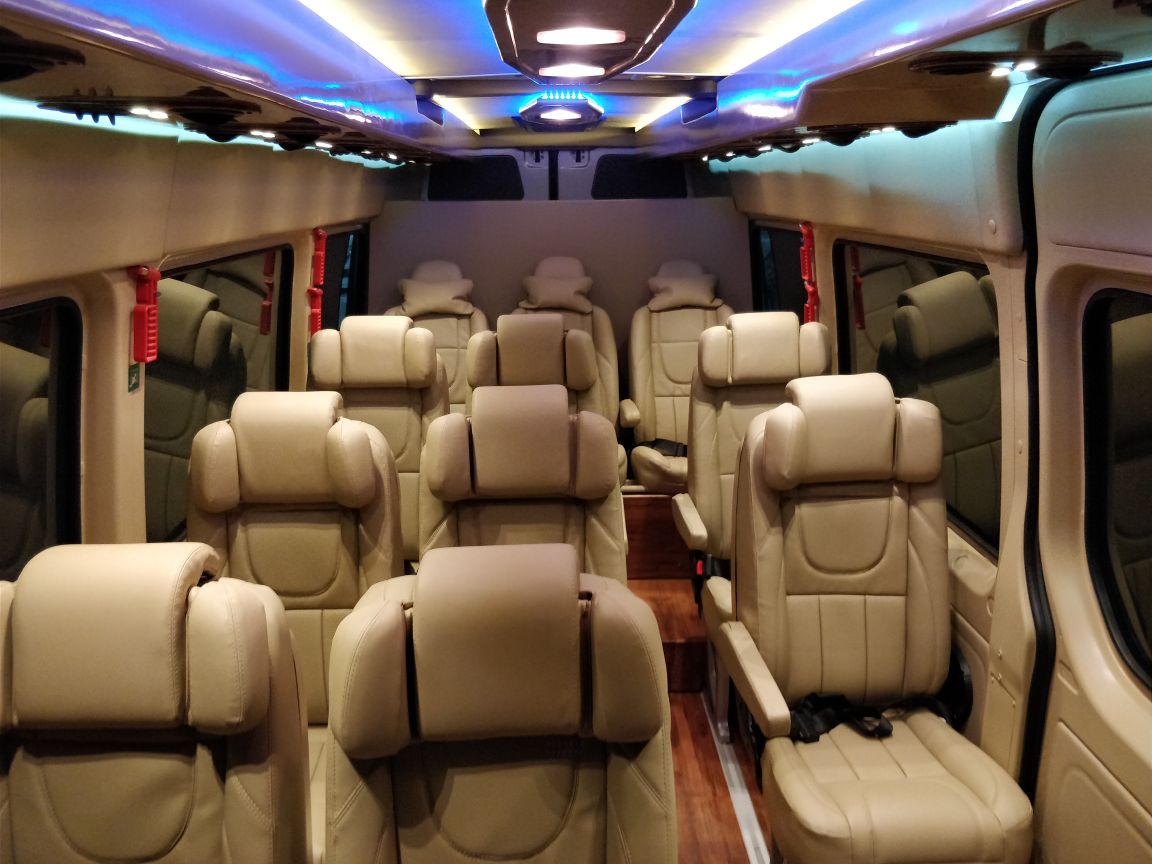
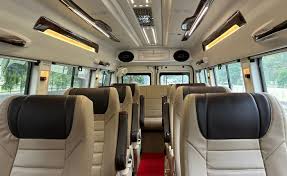
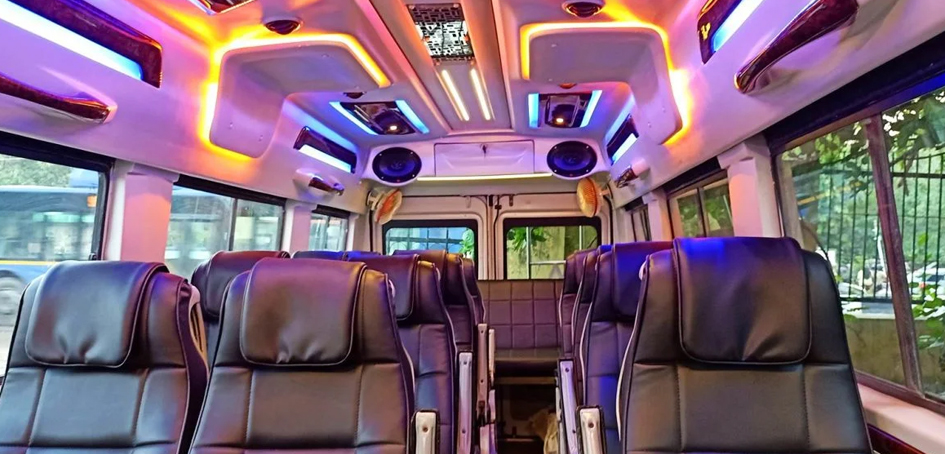
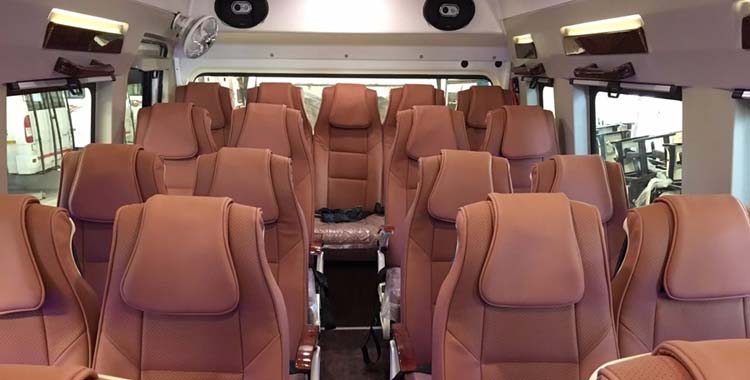
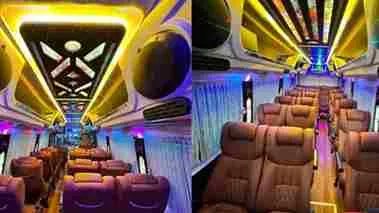
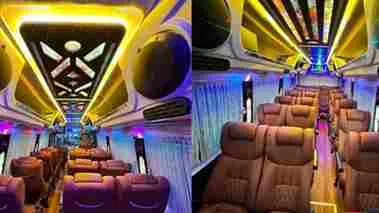
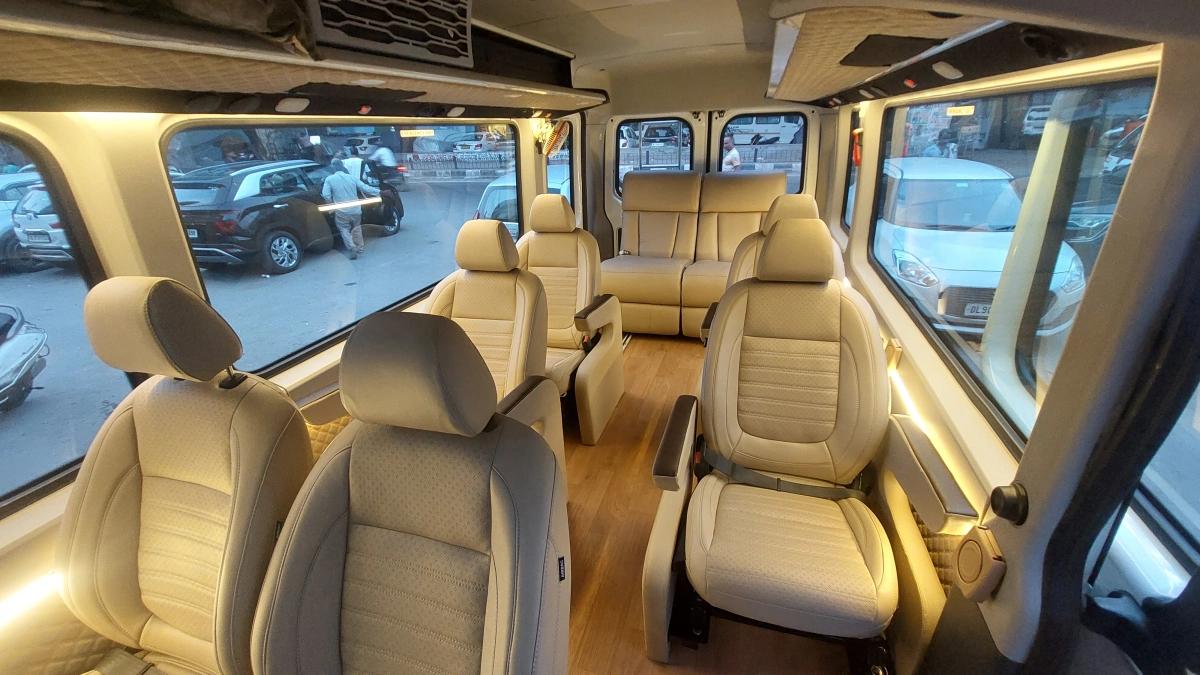
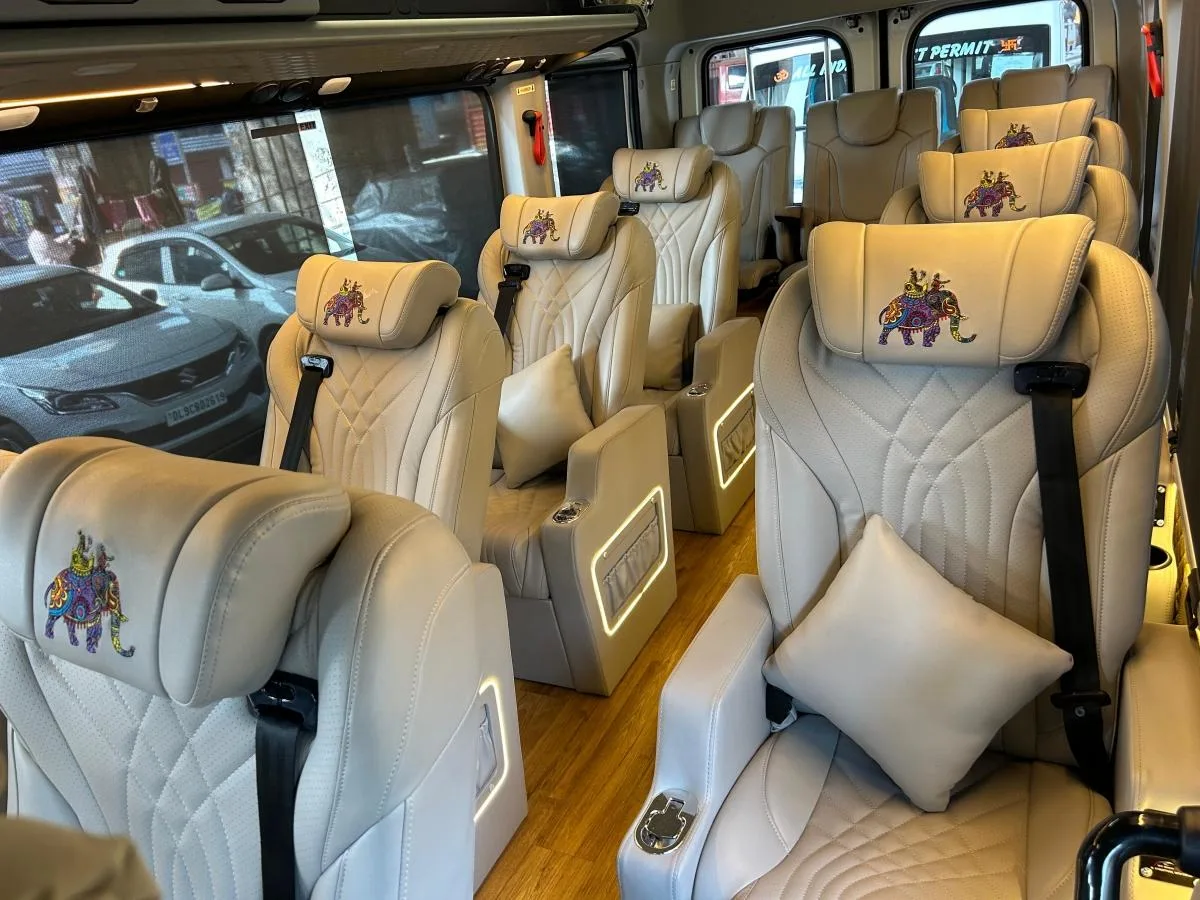
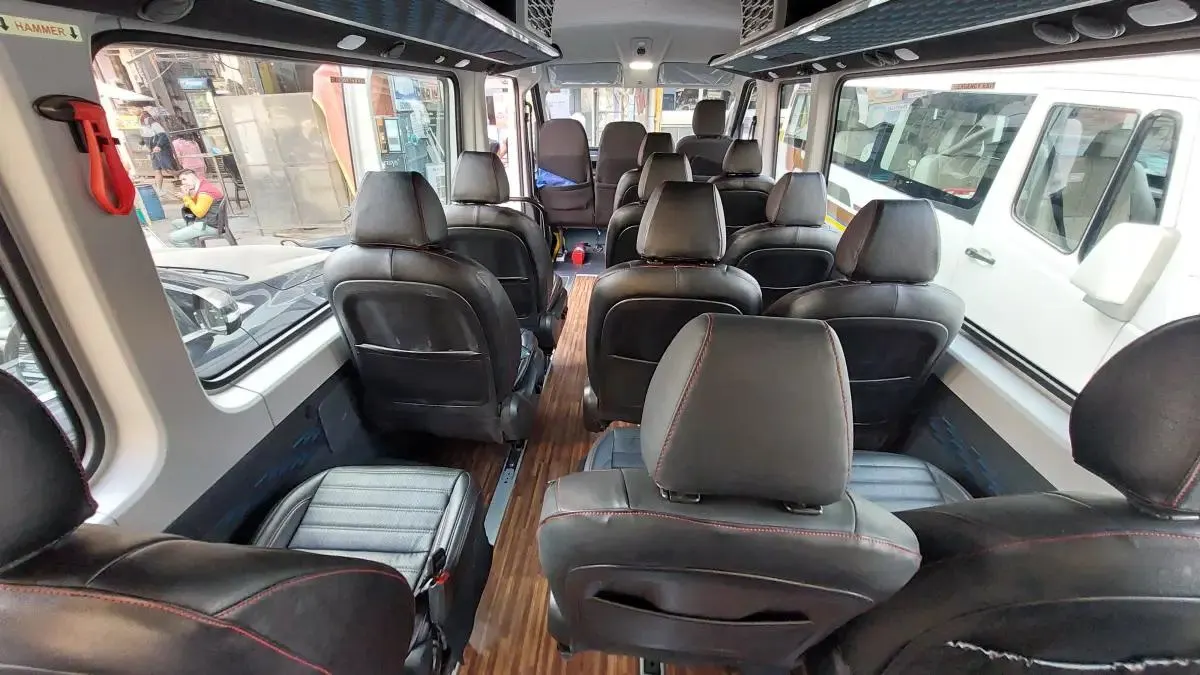
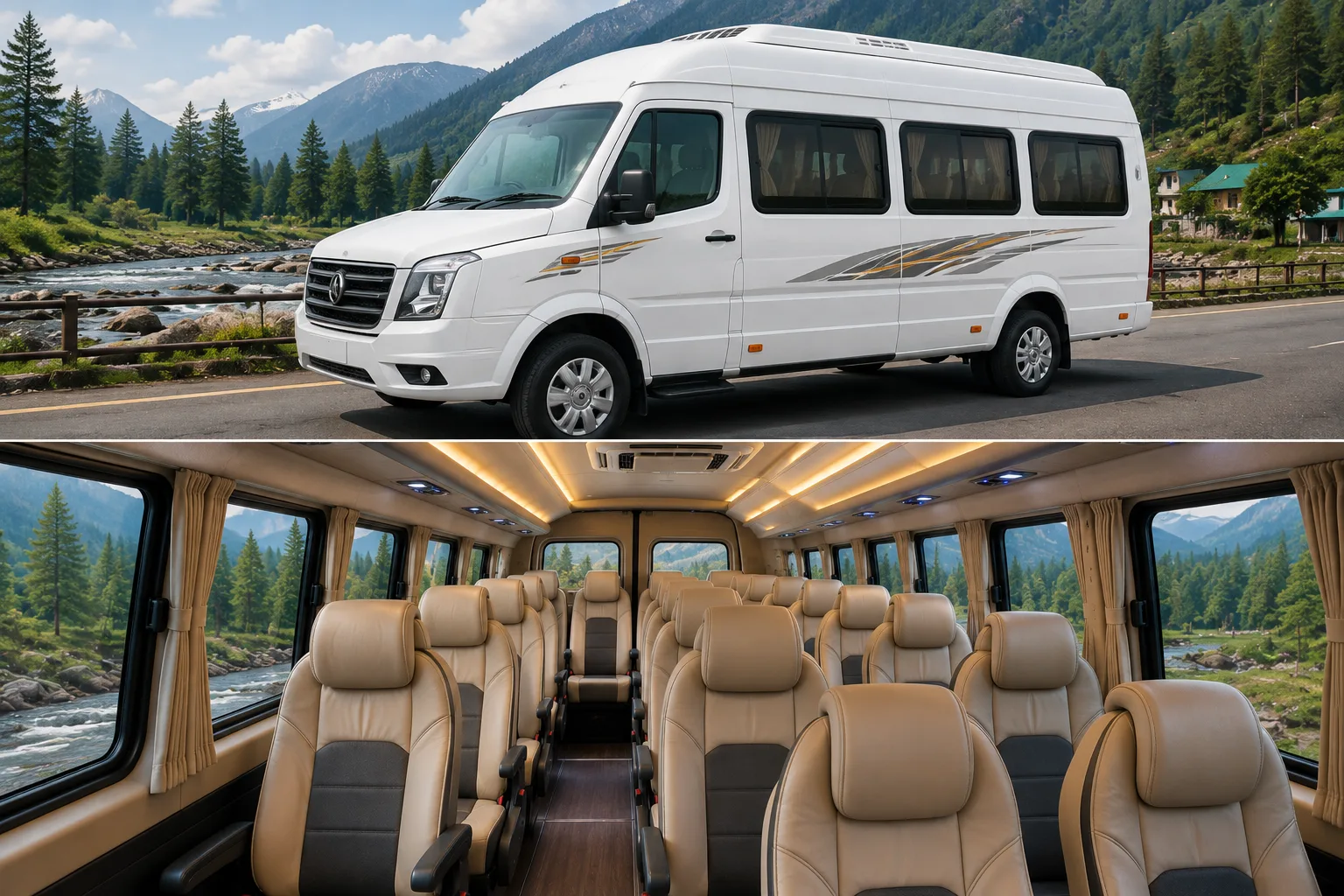
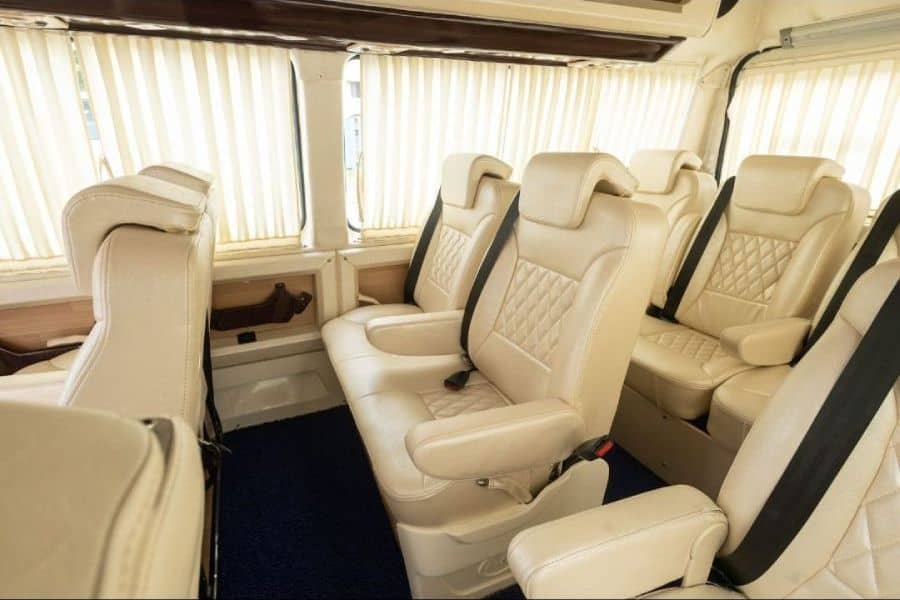
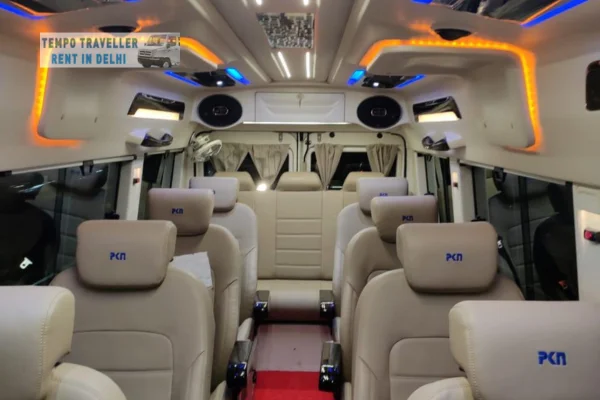
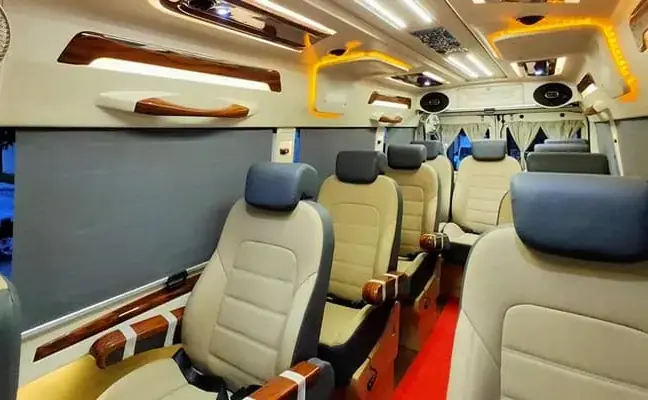
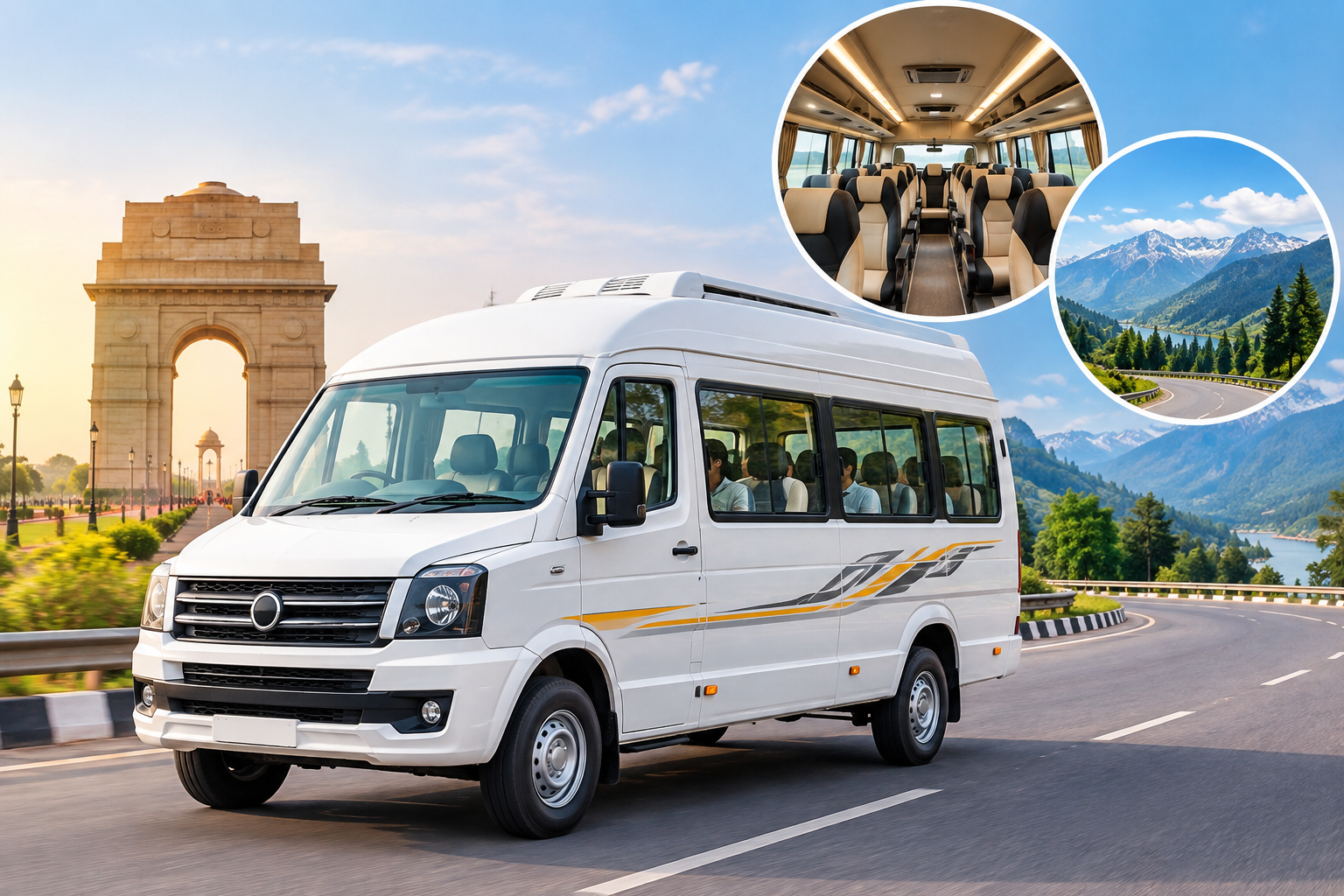
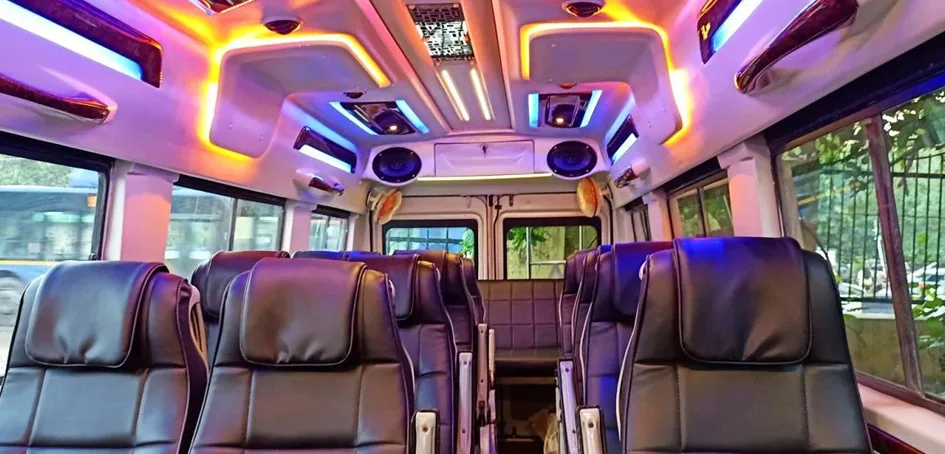
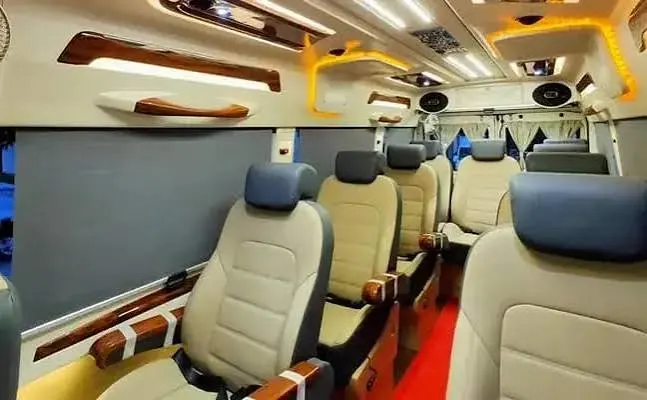
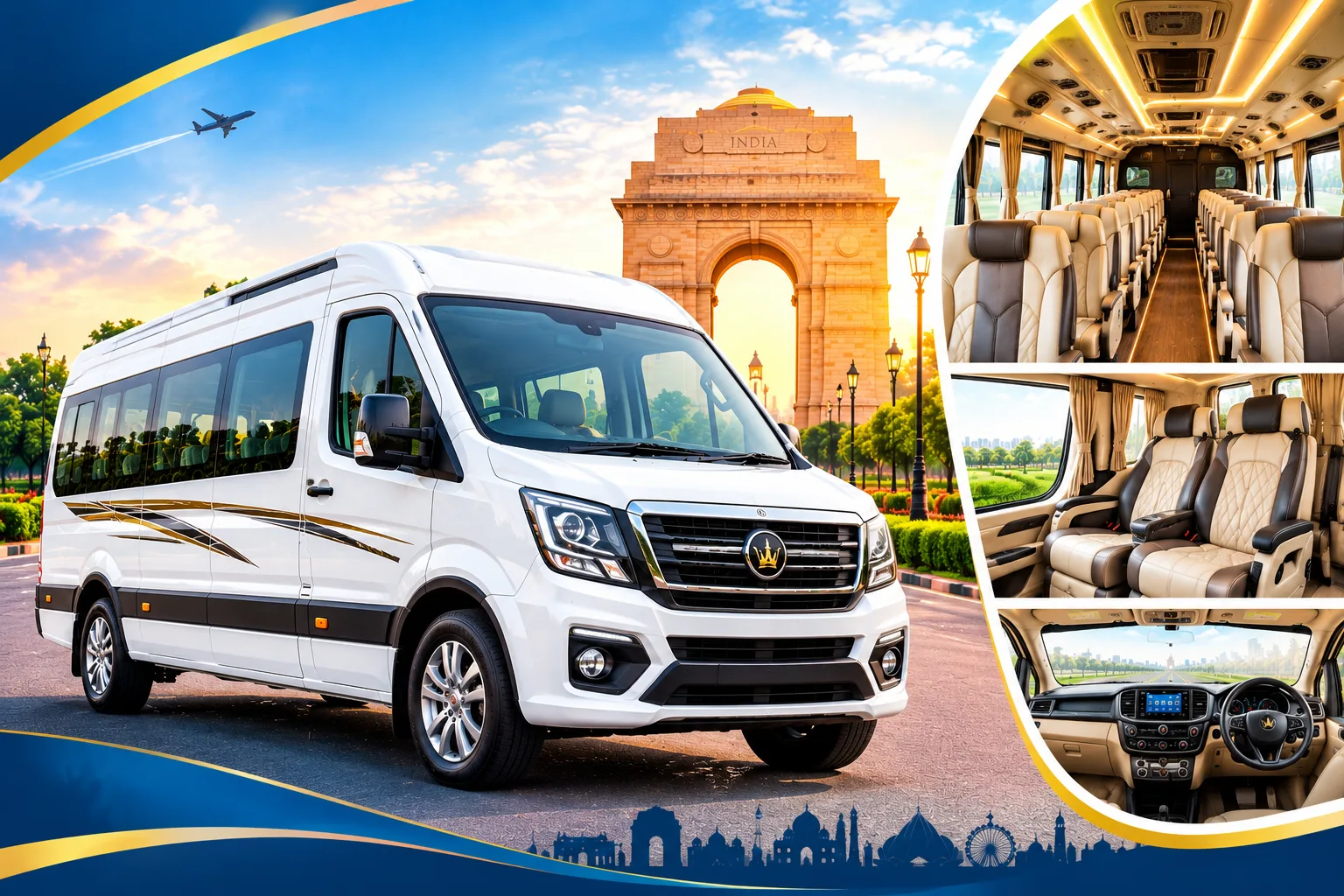
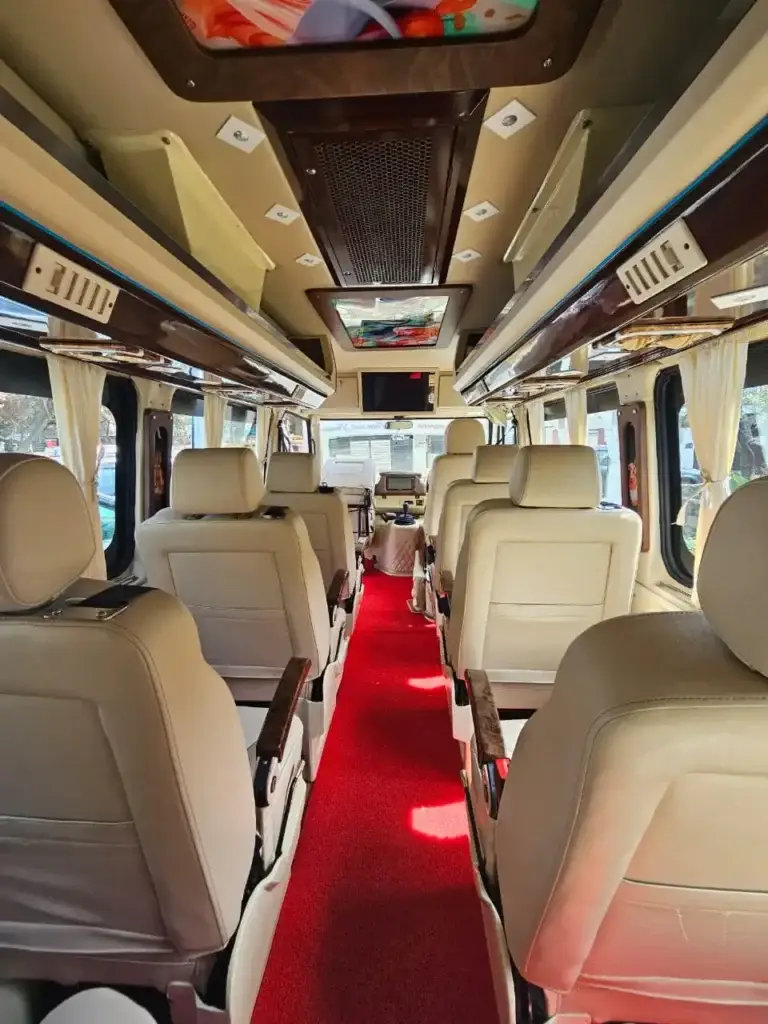
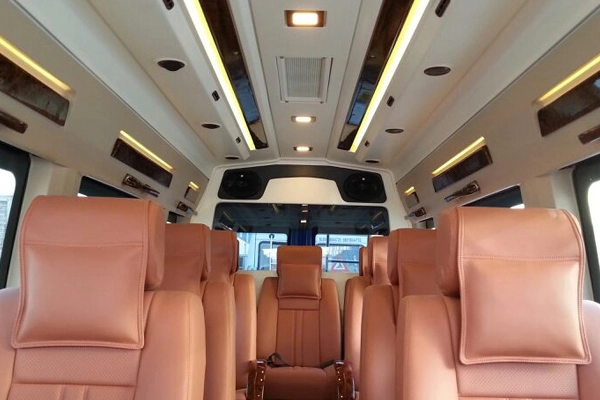
Push-back, reclining seats with good legroom
Working air conditioning, tested before the trip
Music system and charging points
Clean interiors and well-maintained tyres
Space for luggage
First-aid kit and a fire extinguisher
GPS-enabled vehicle for safety tracking
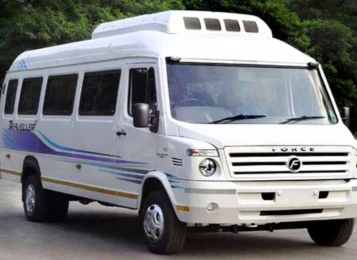
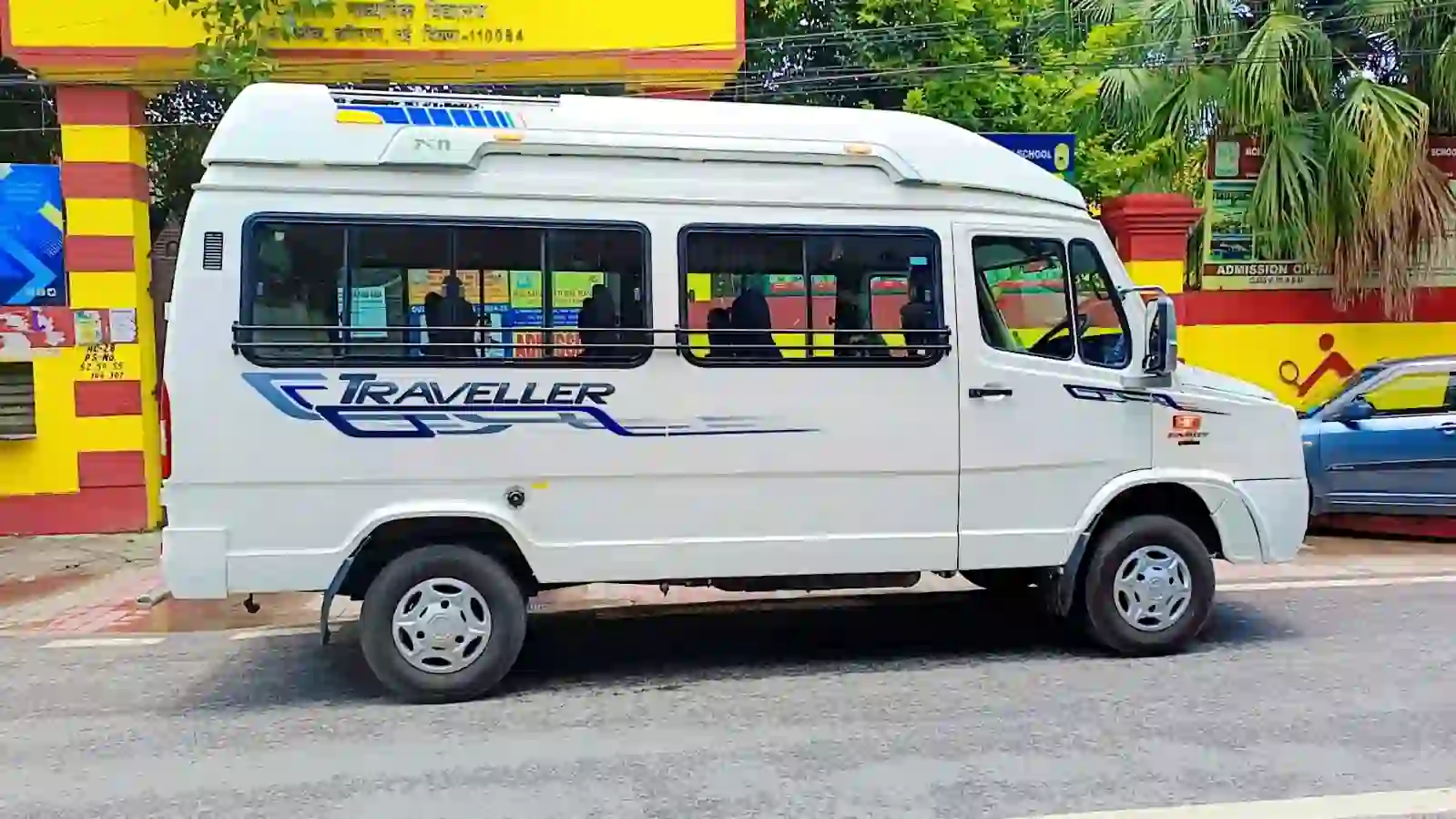
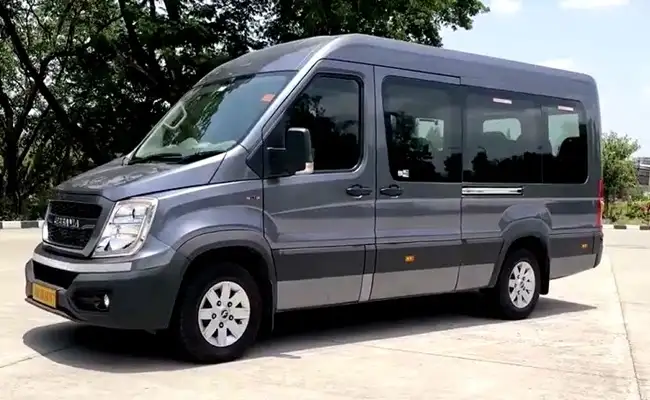
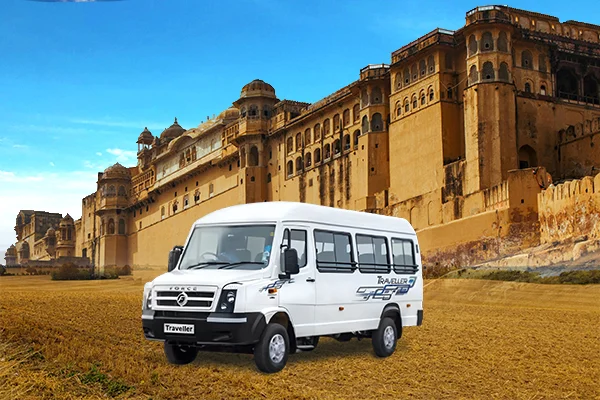
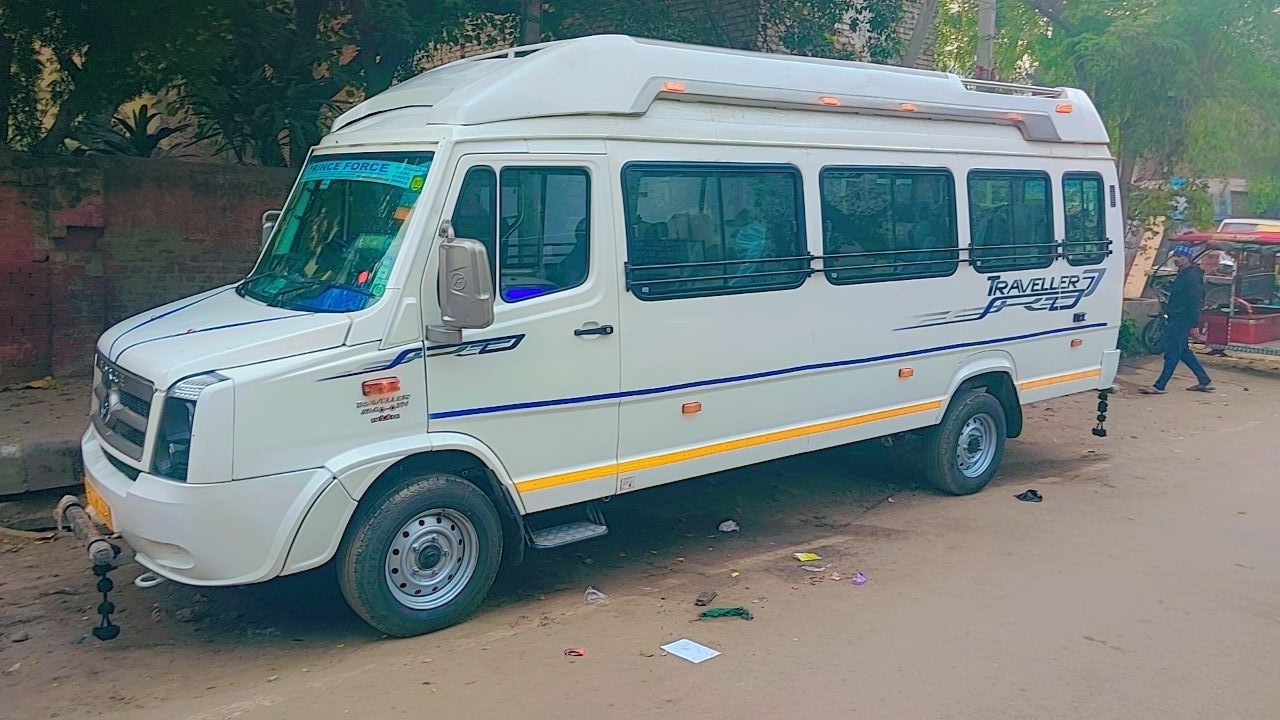
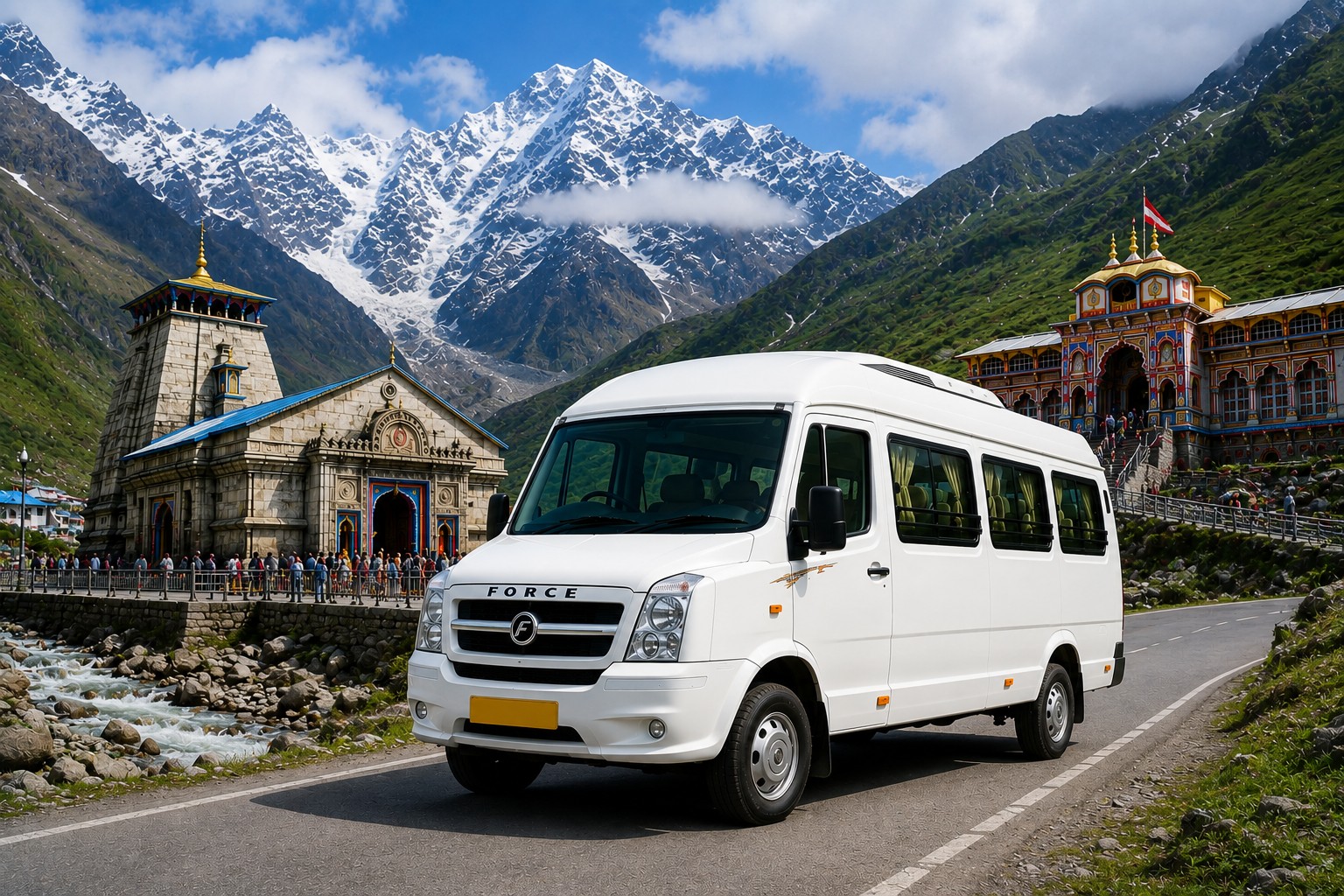
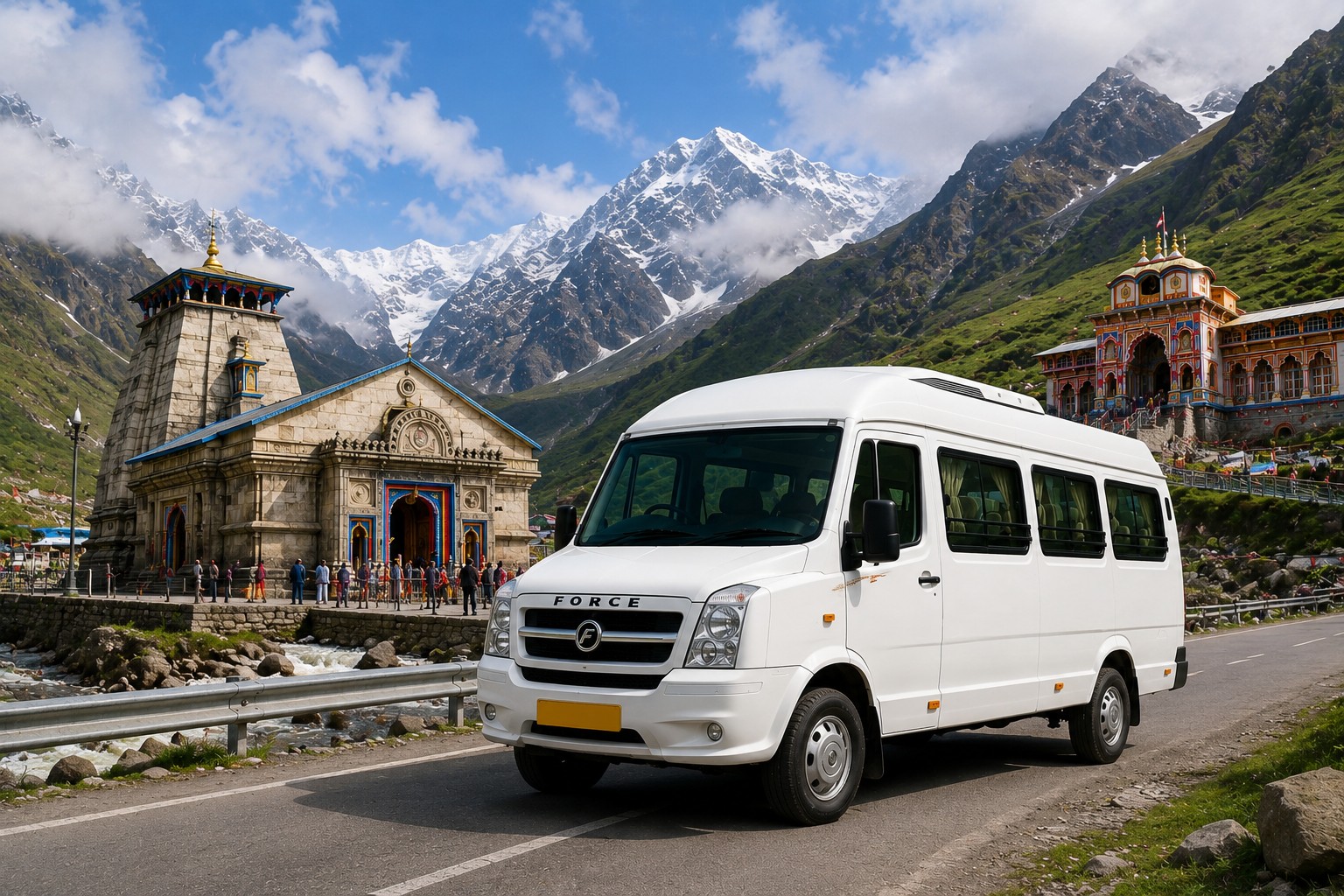
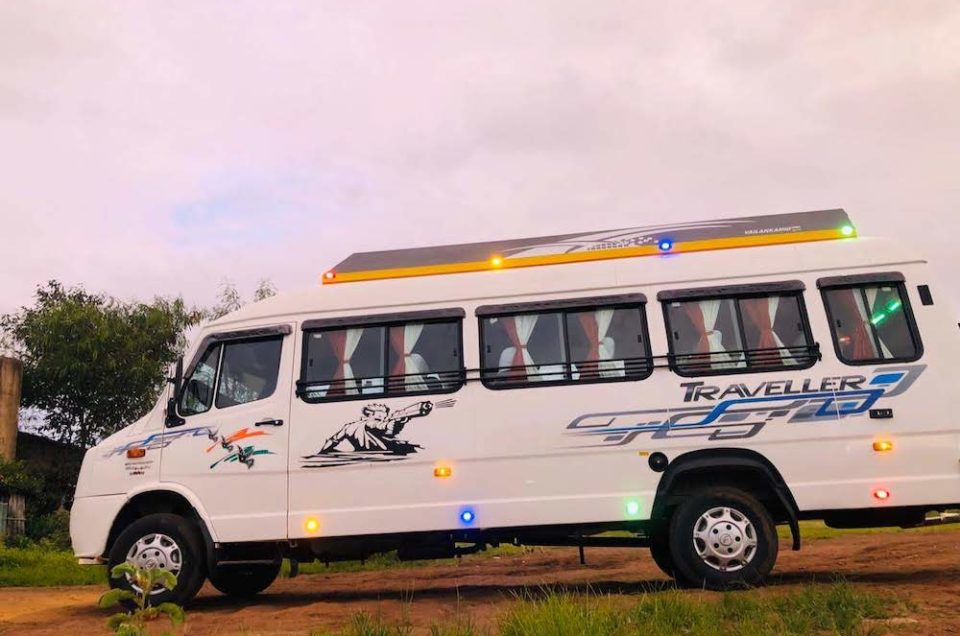
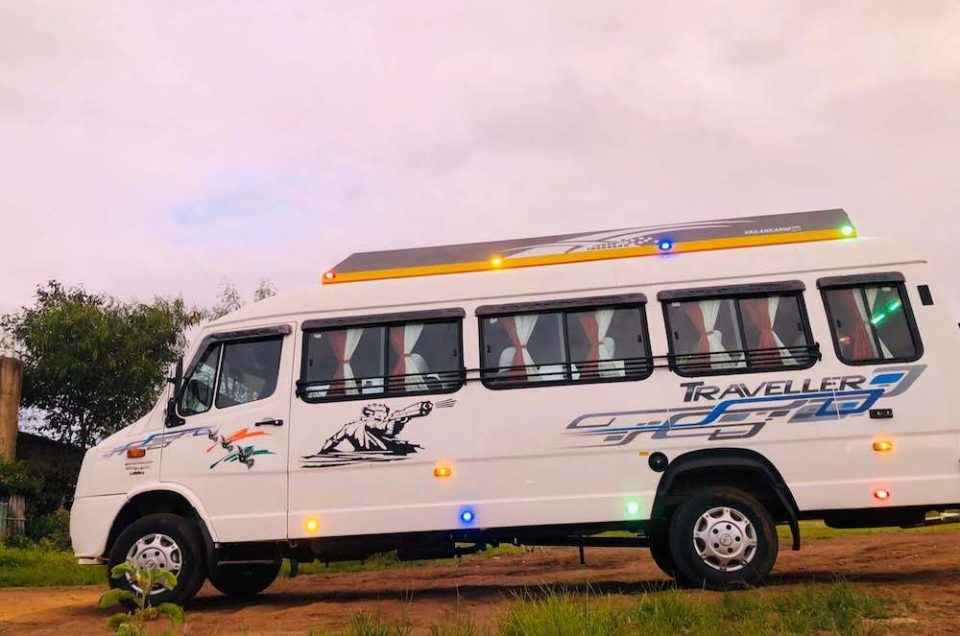
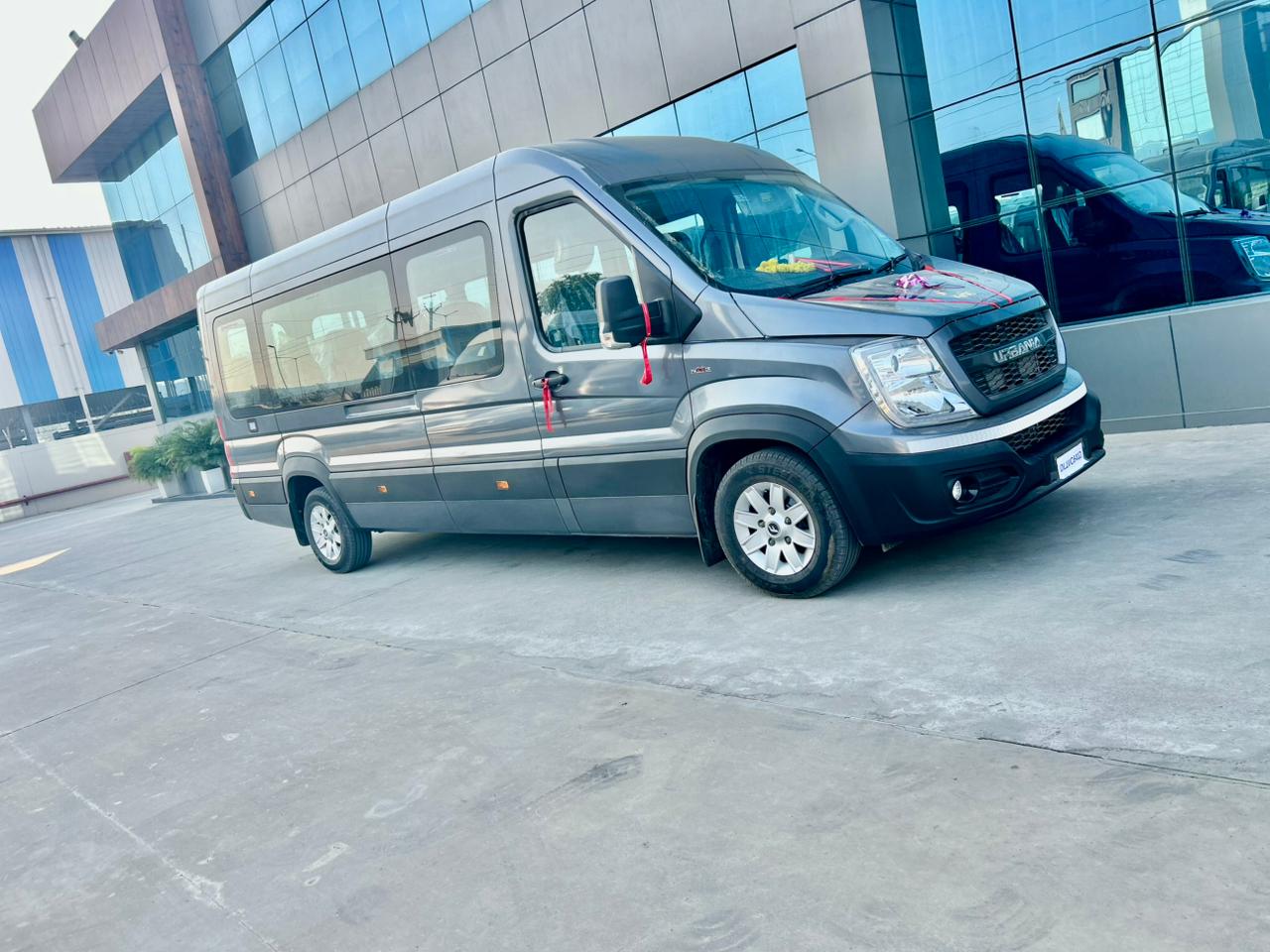
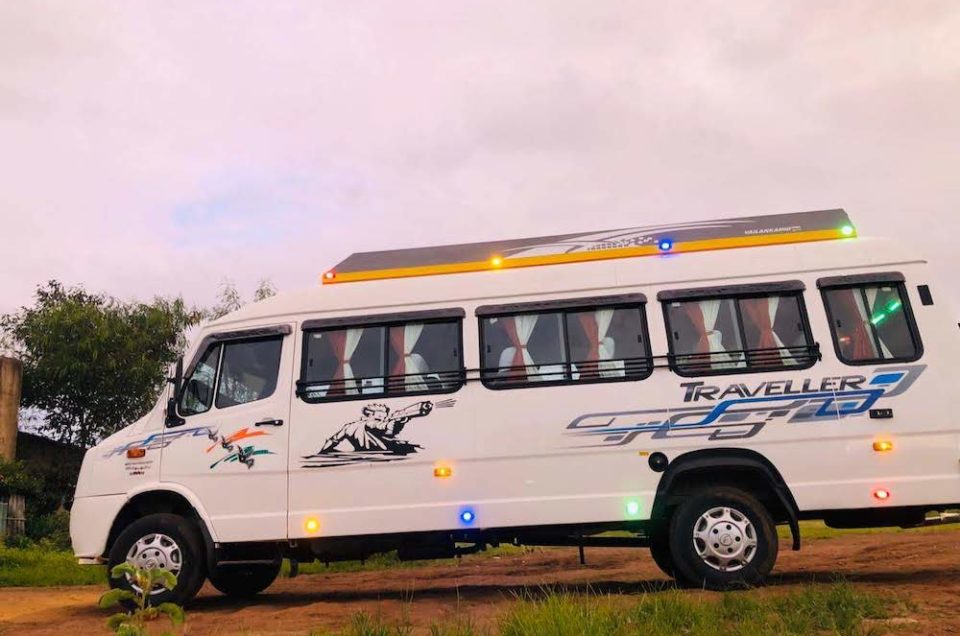
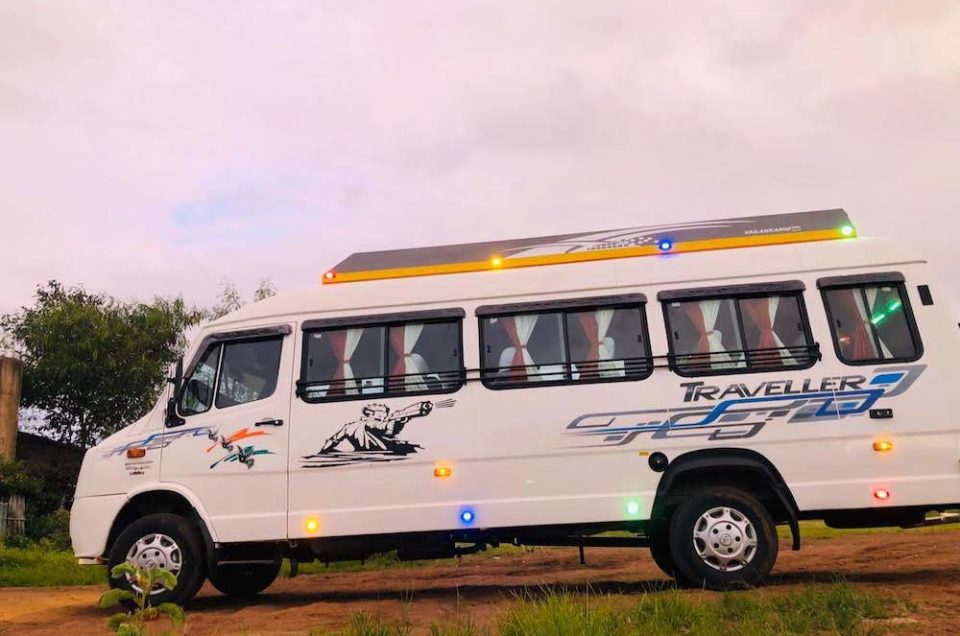
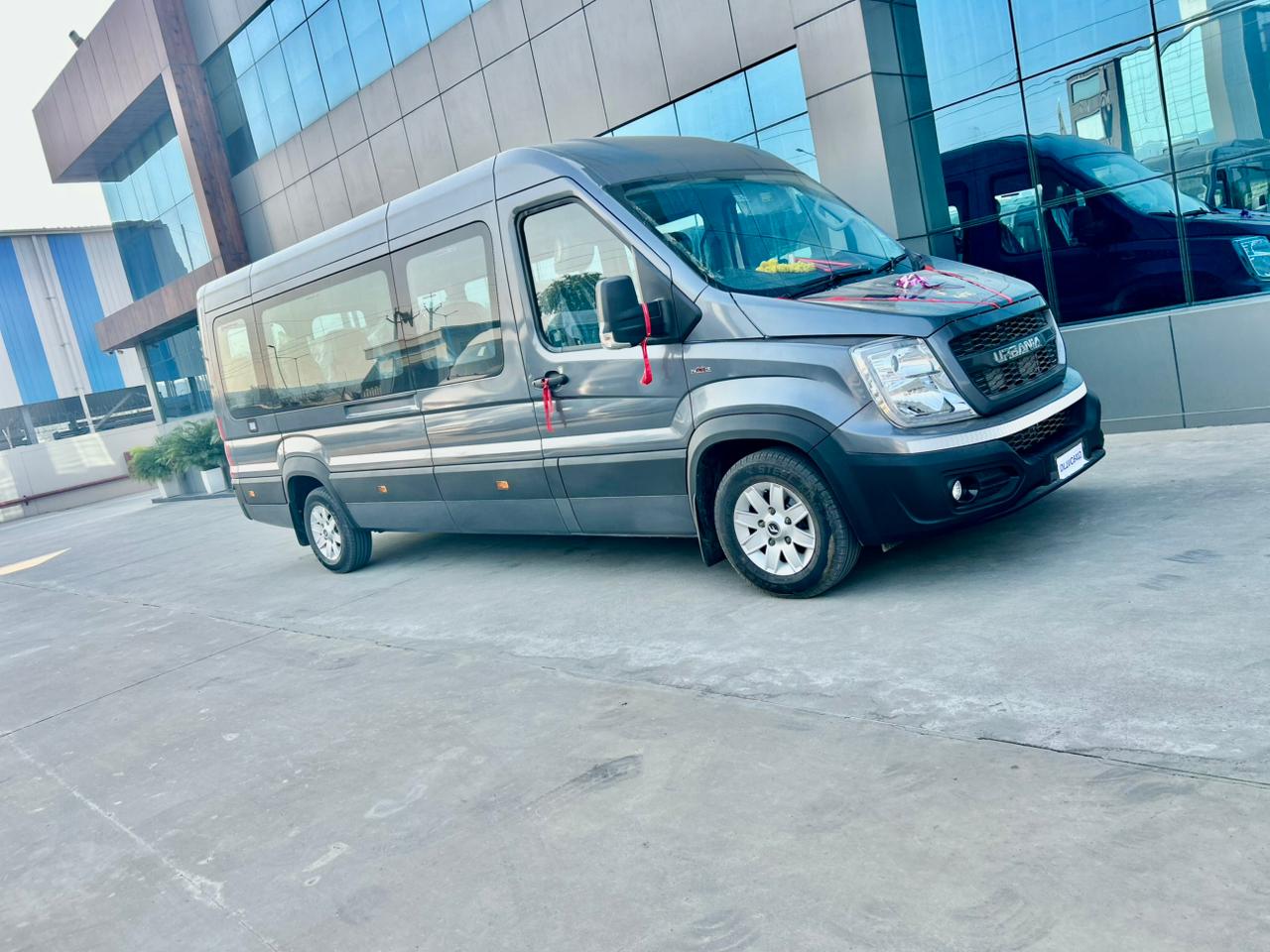
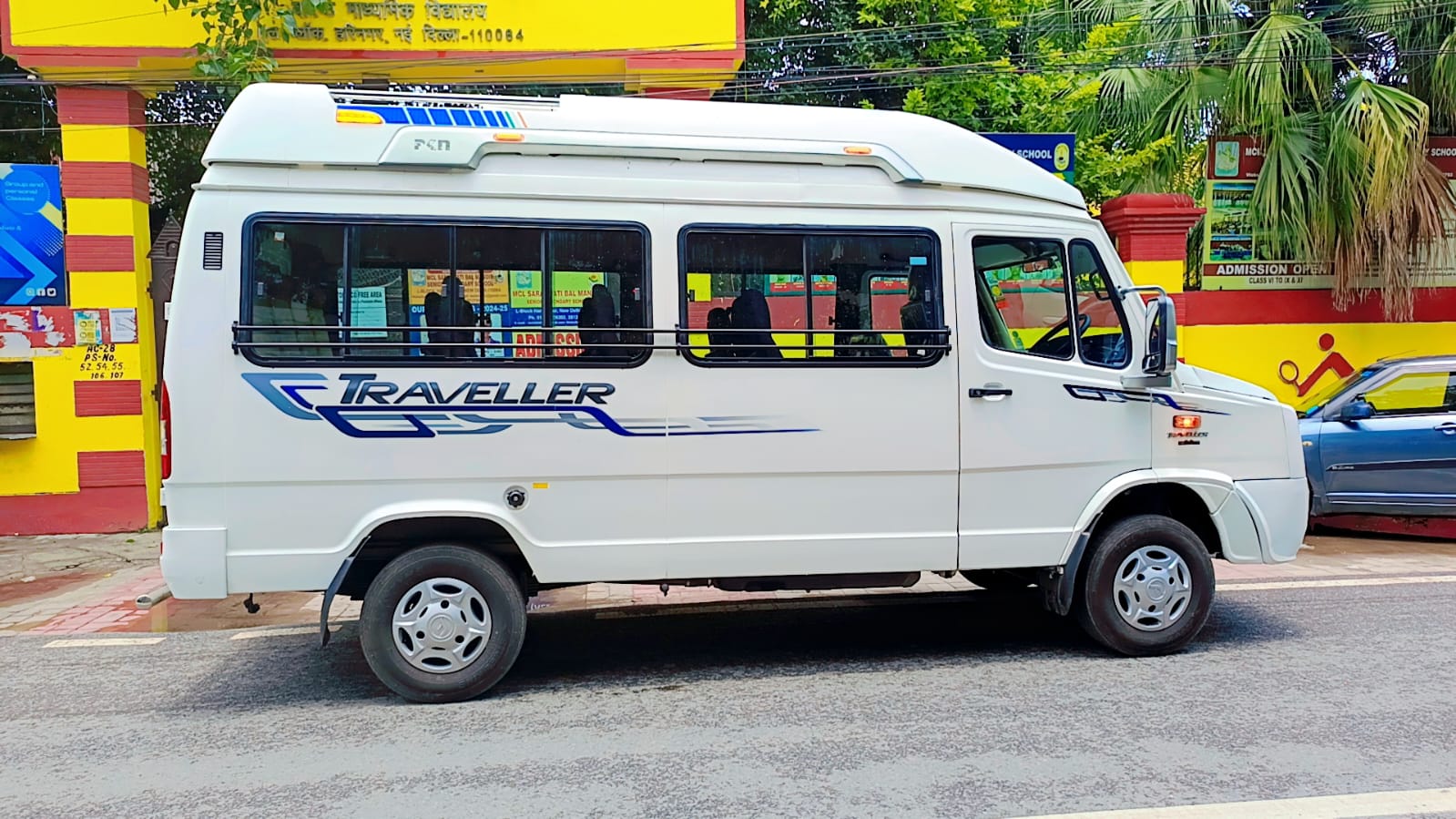
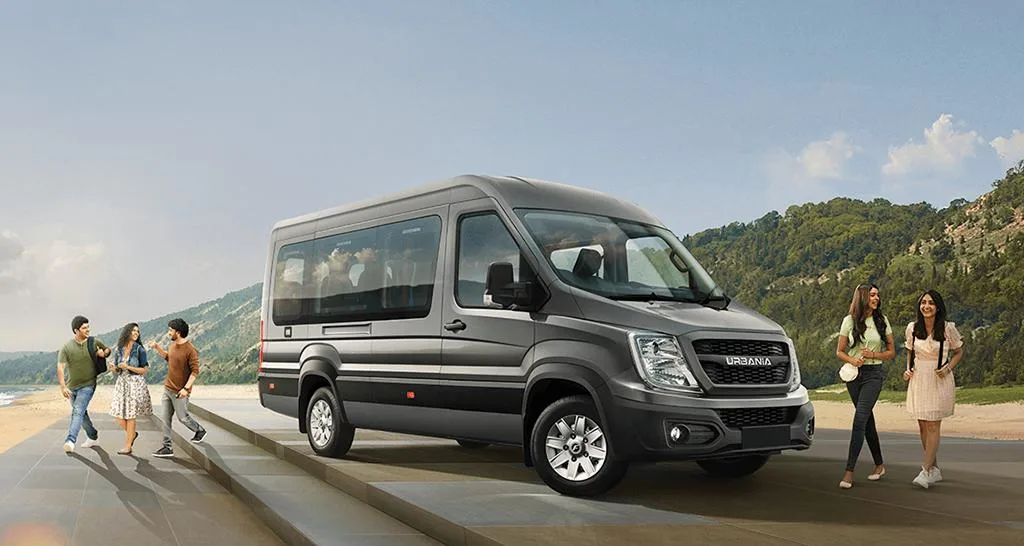
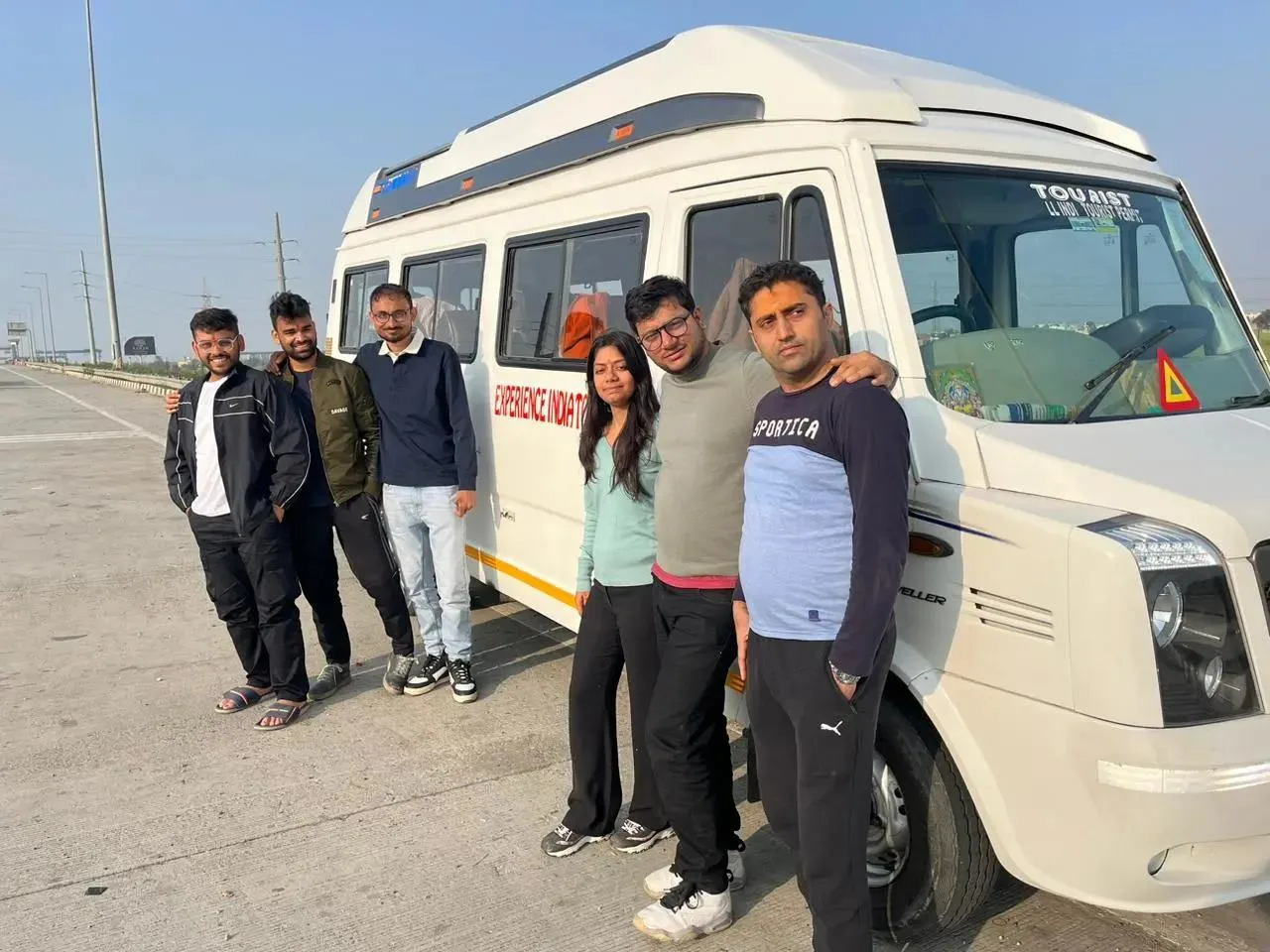
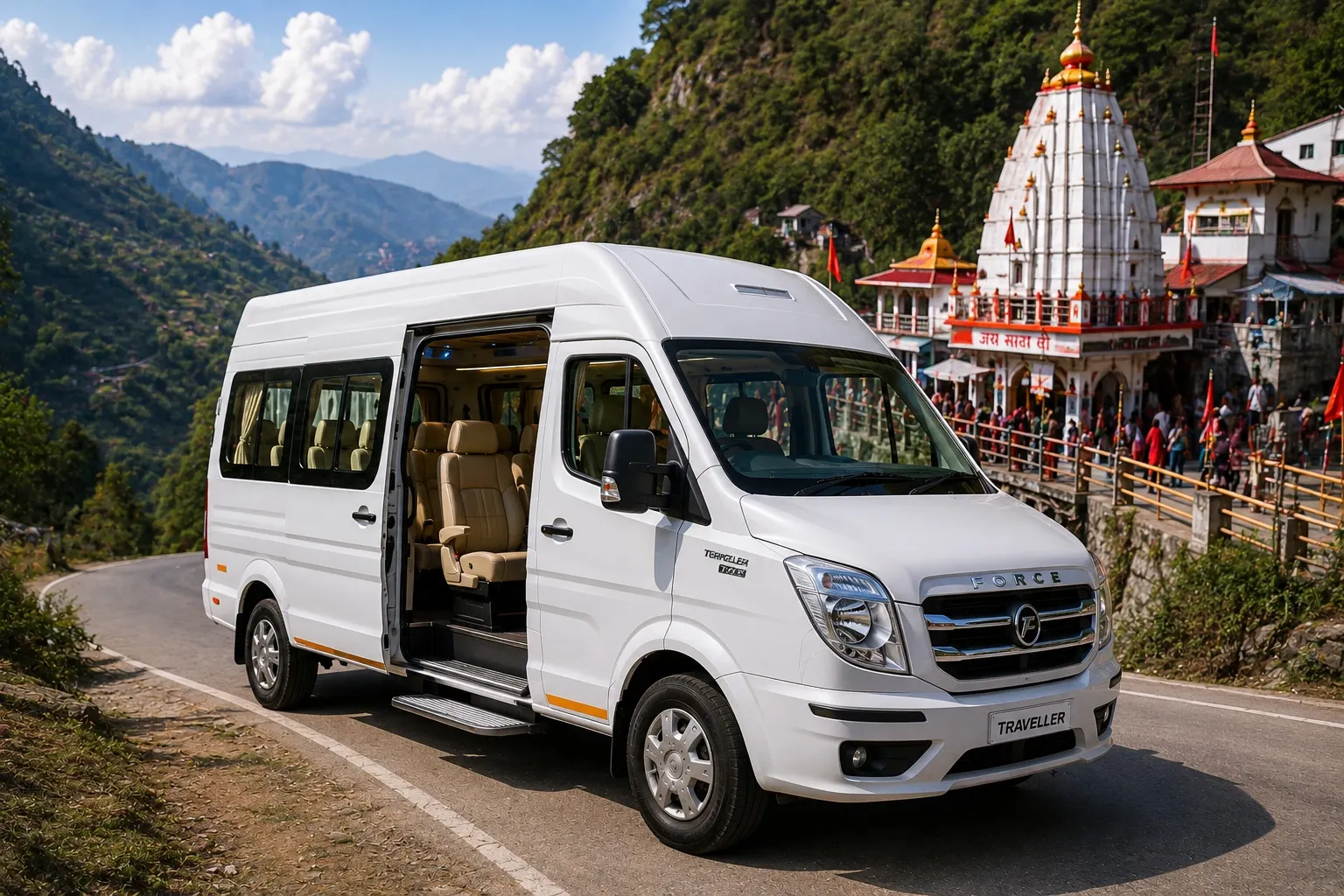
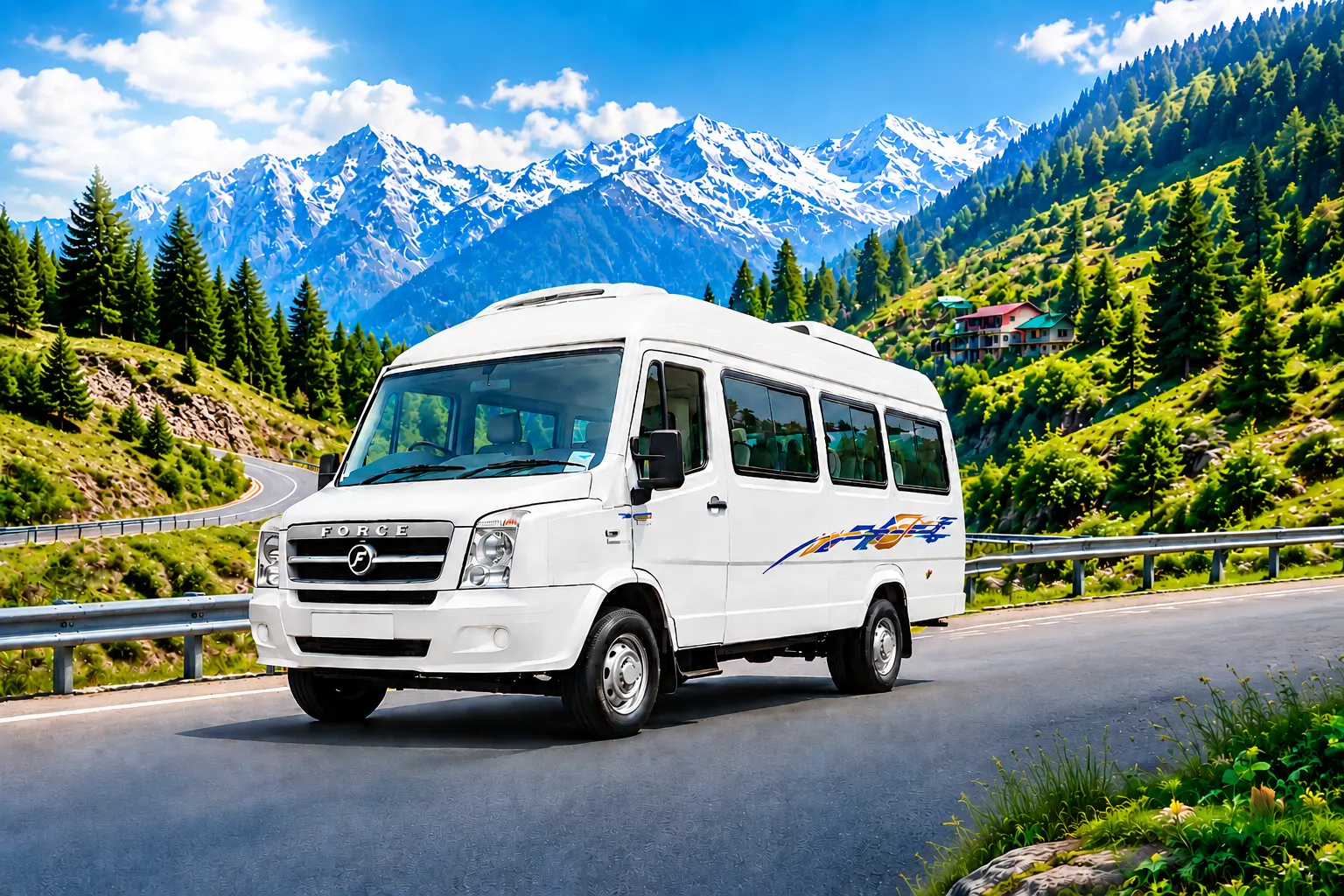
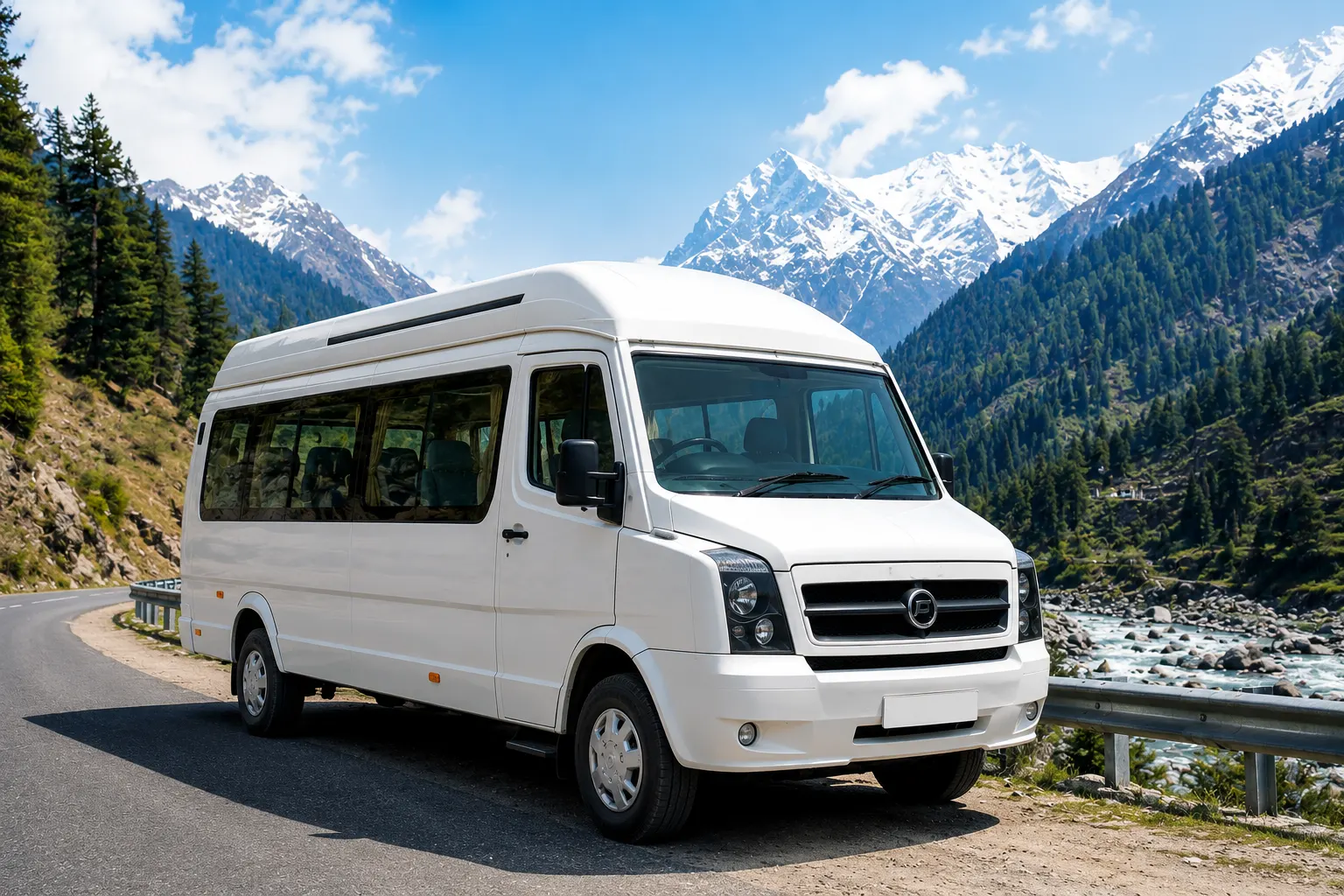
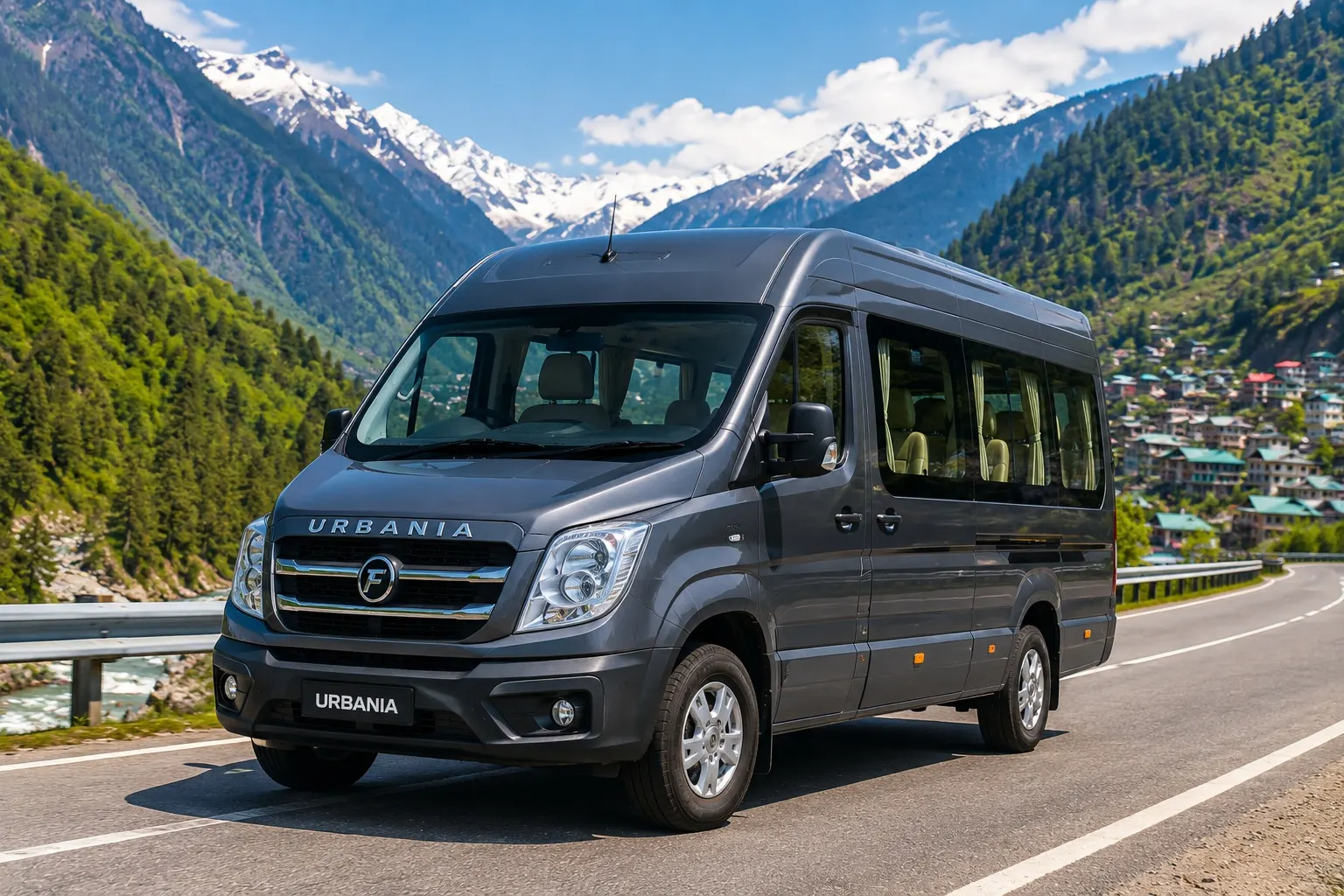
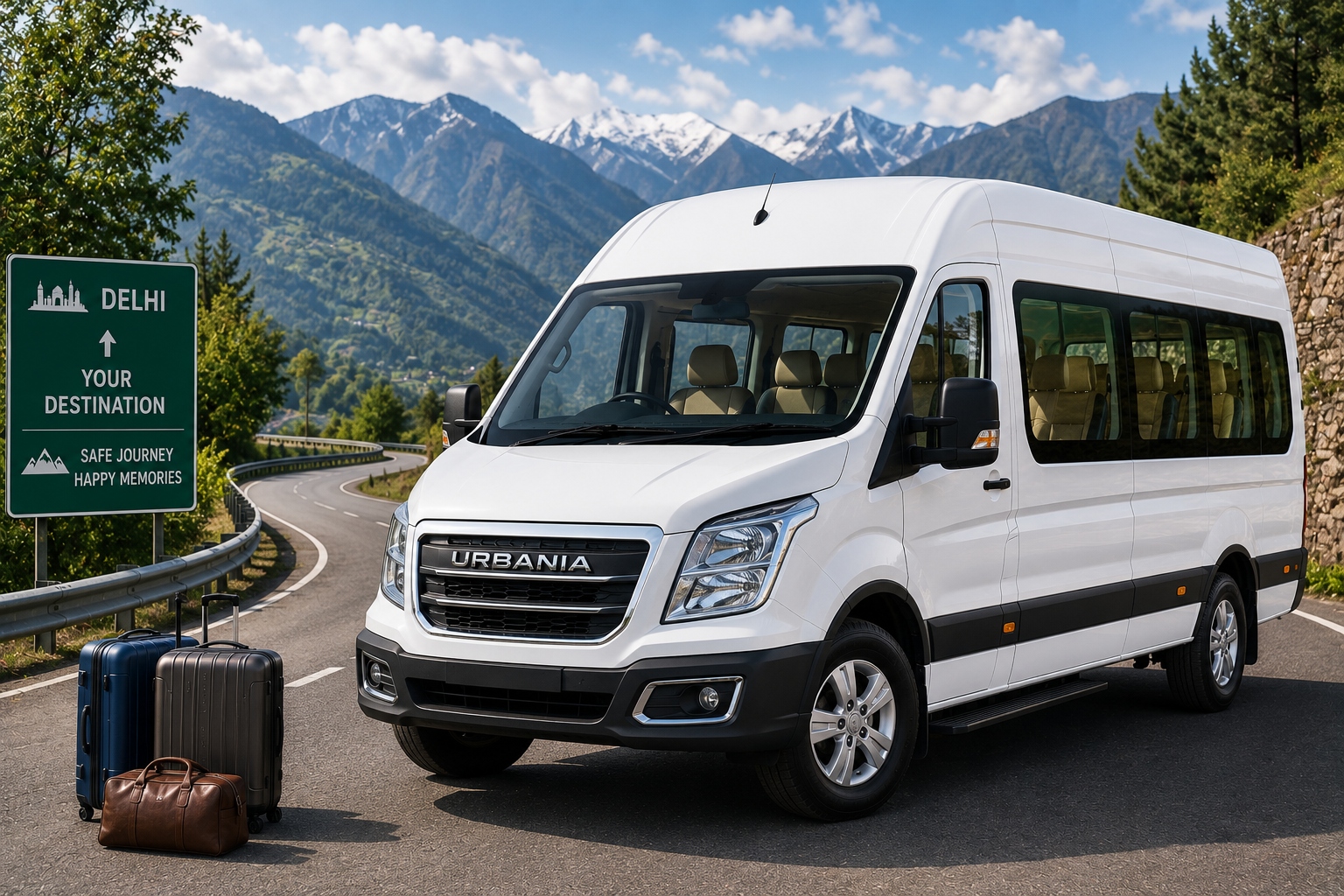
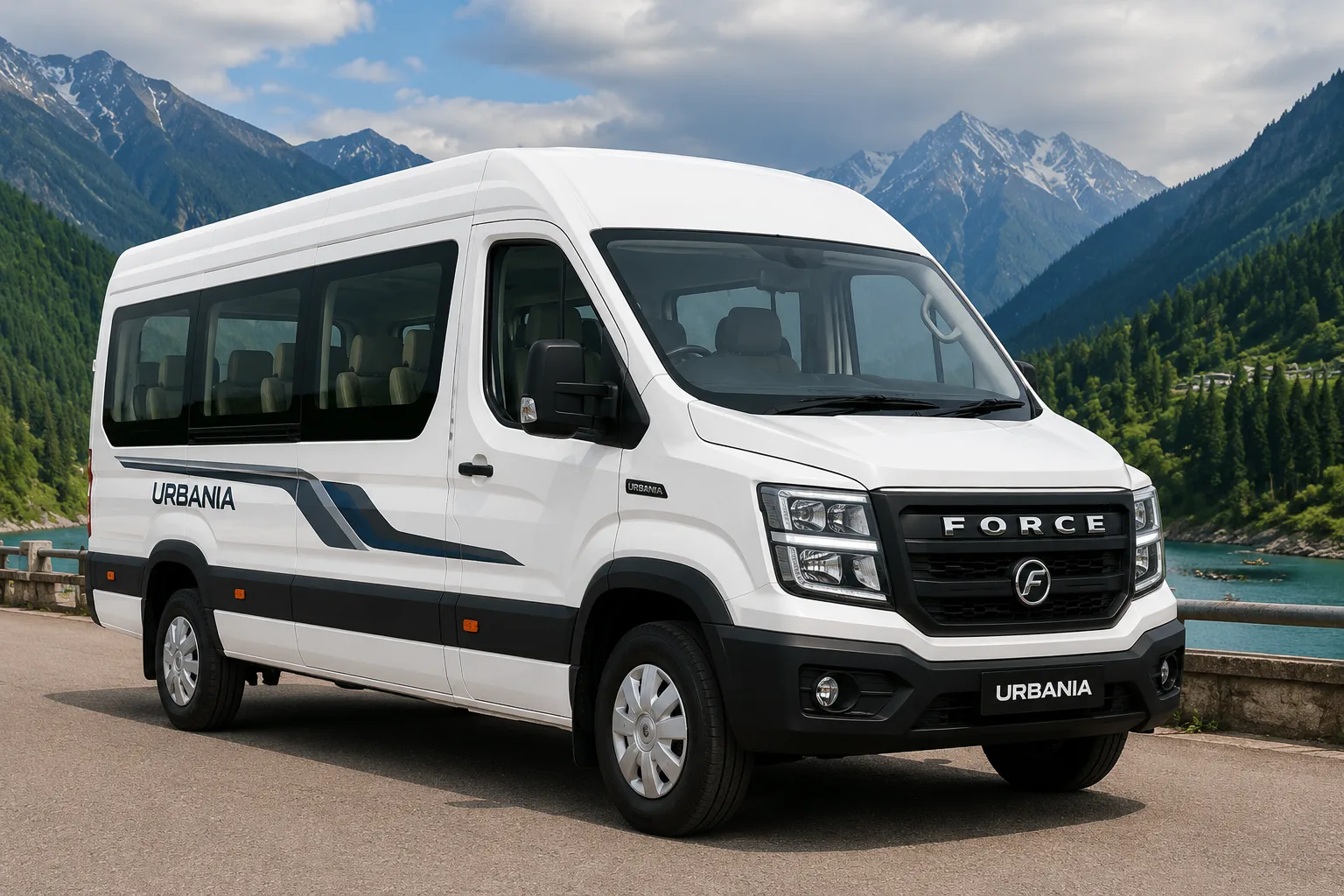
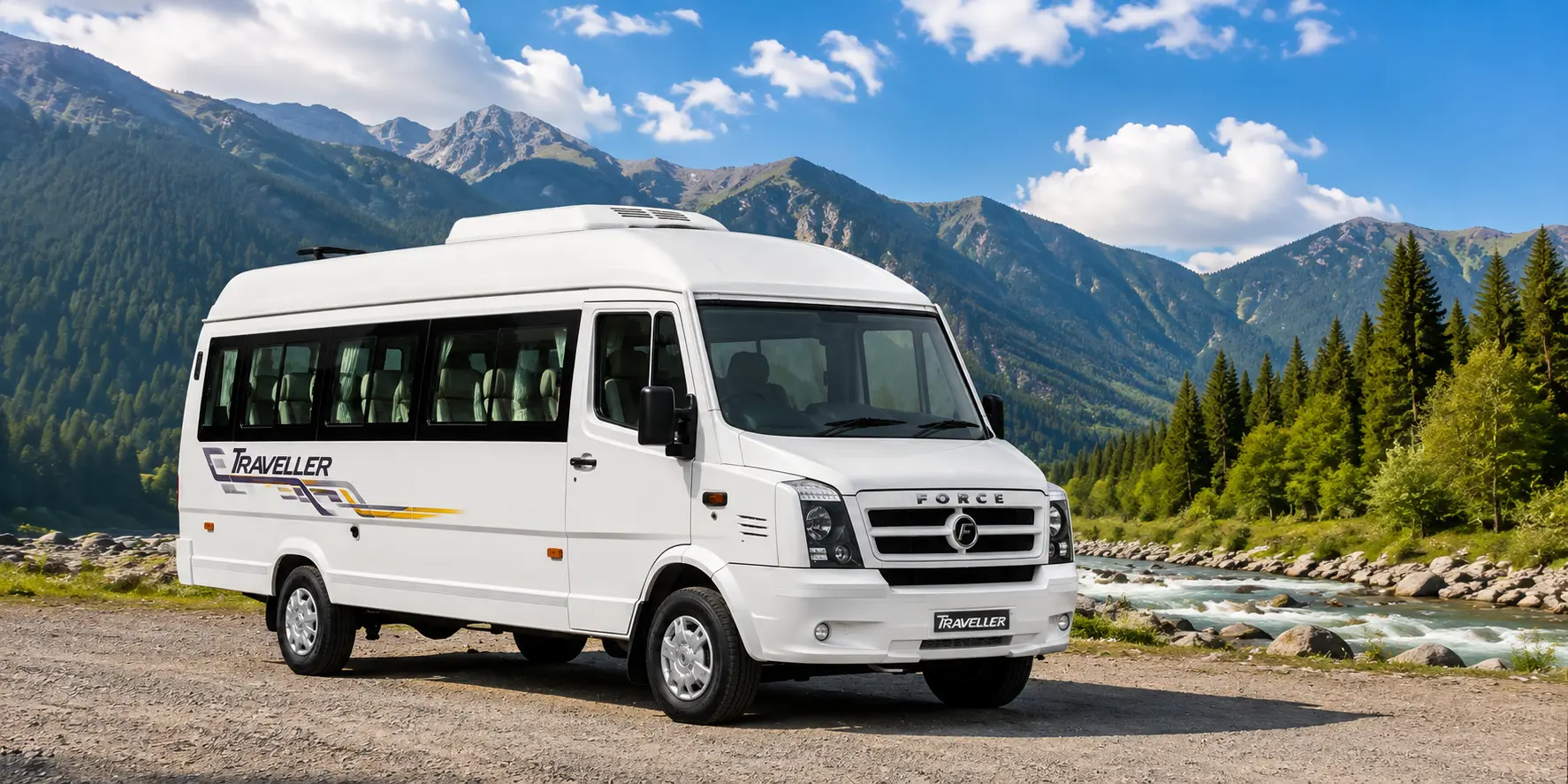
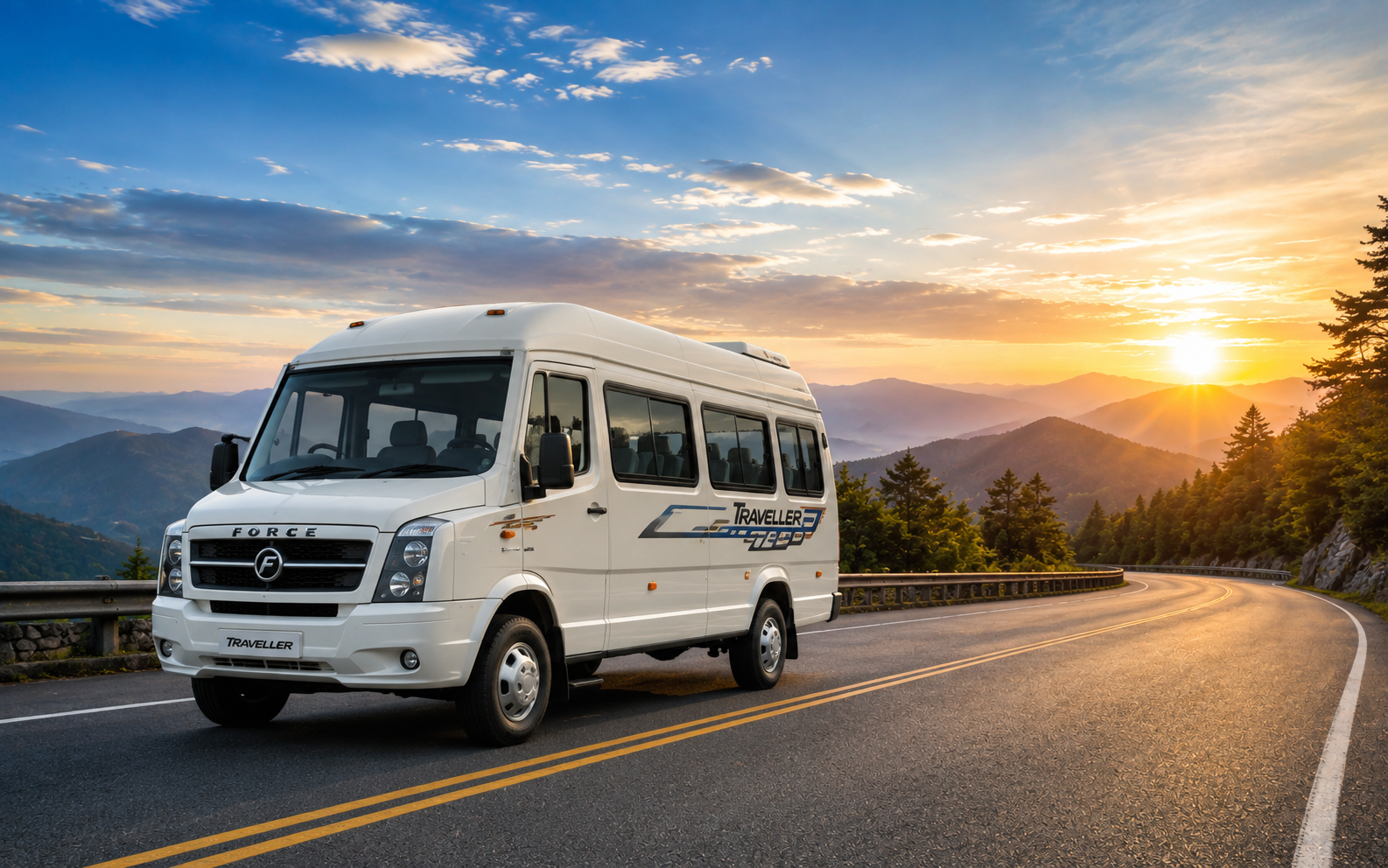
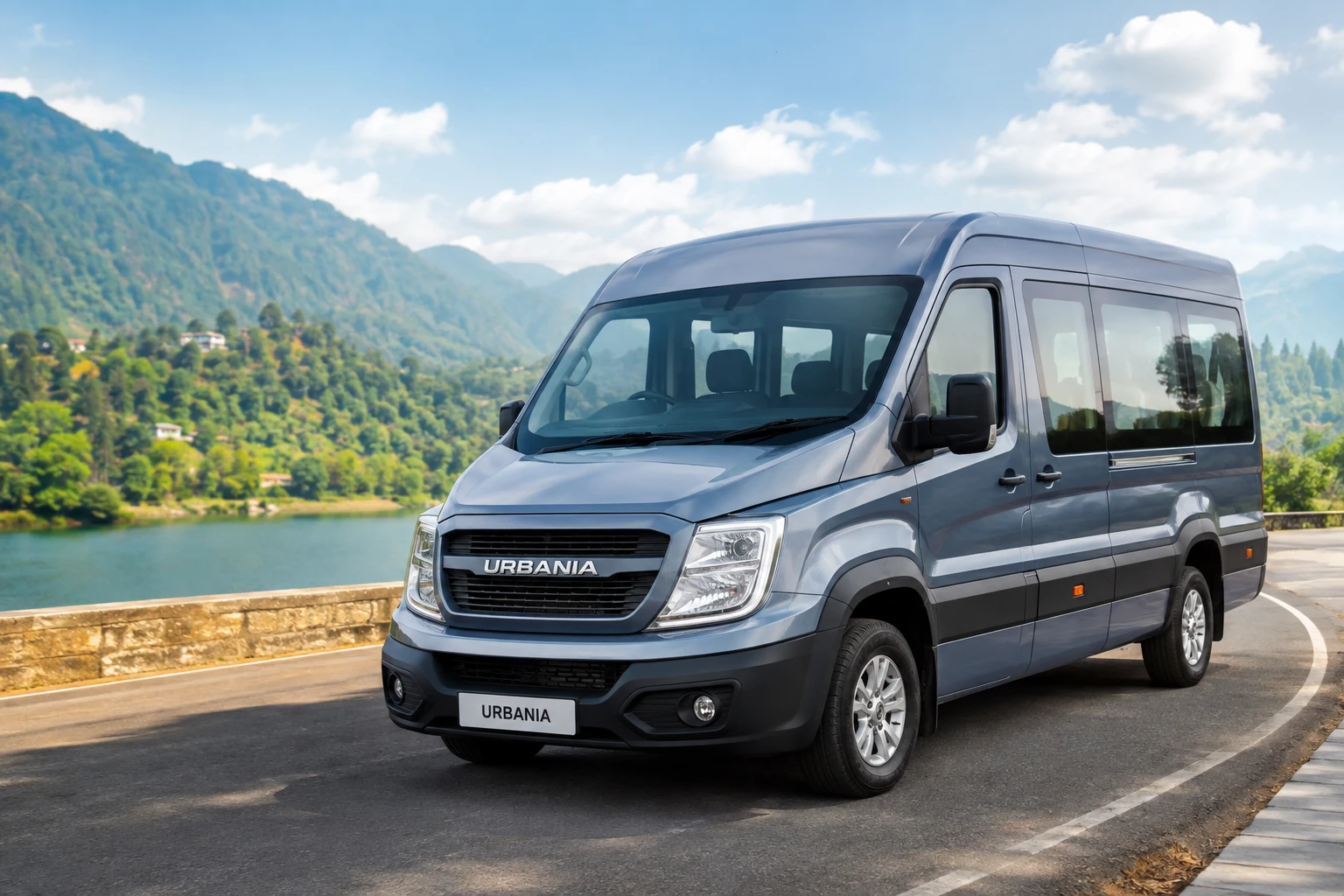
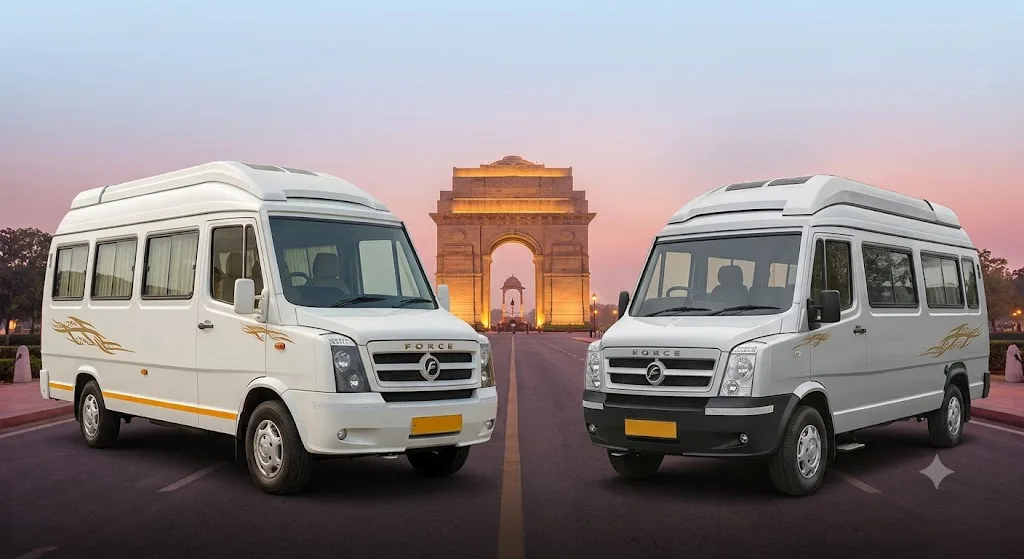
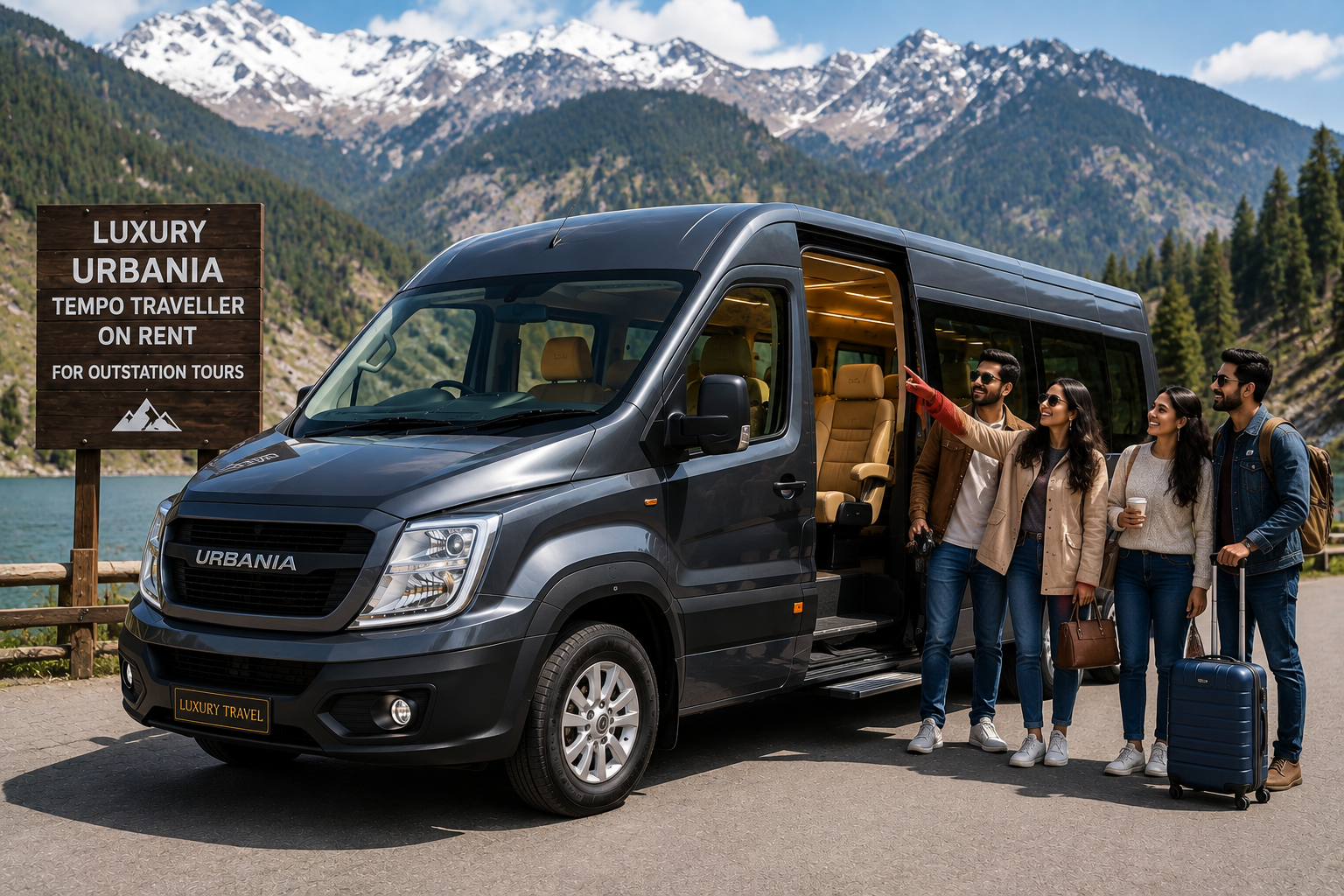
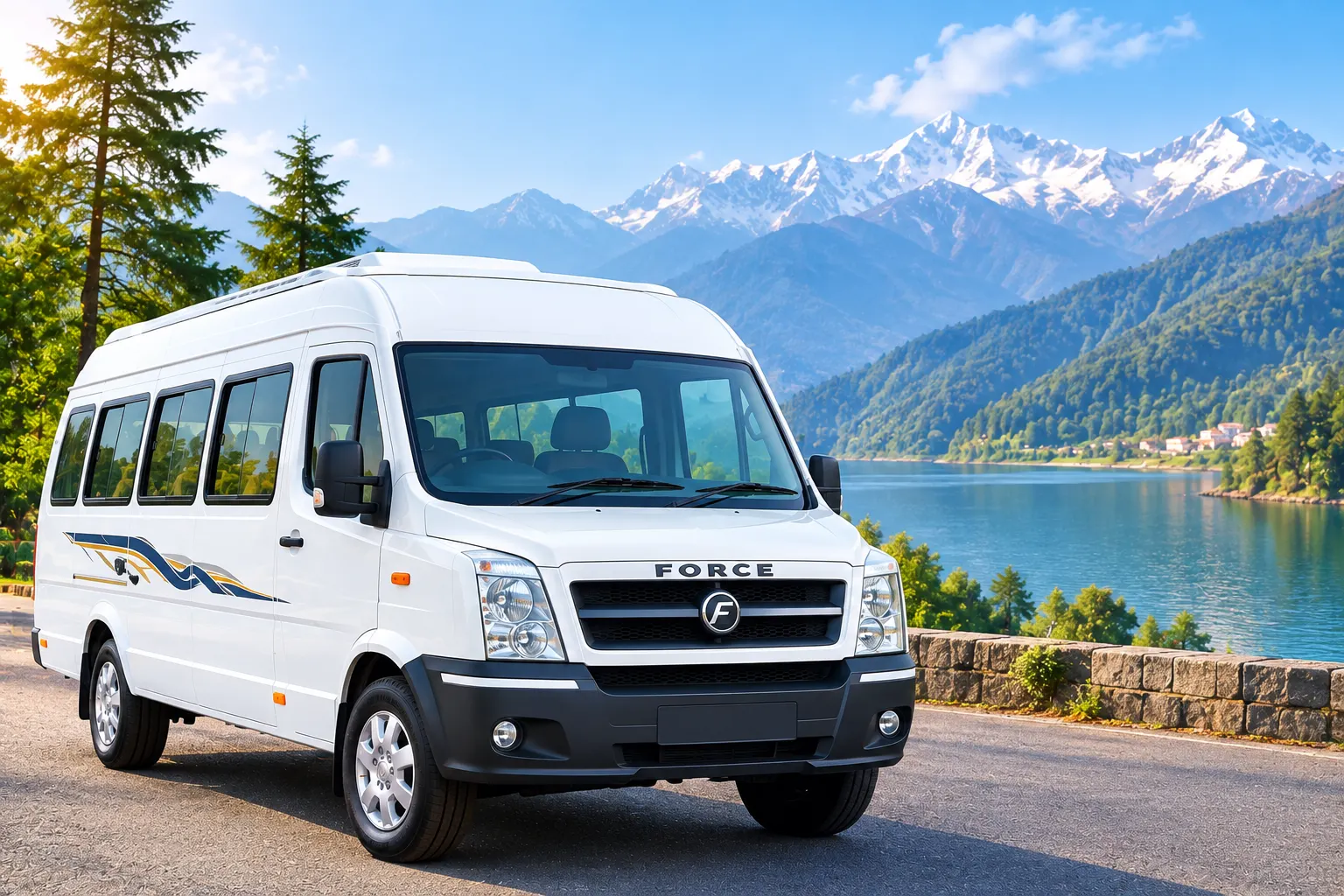
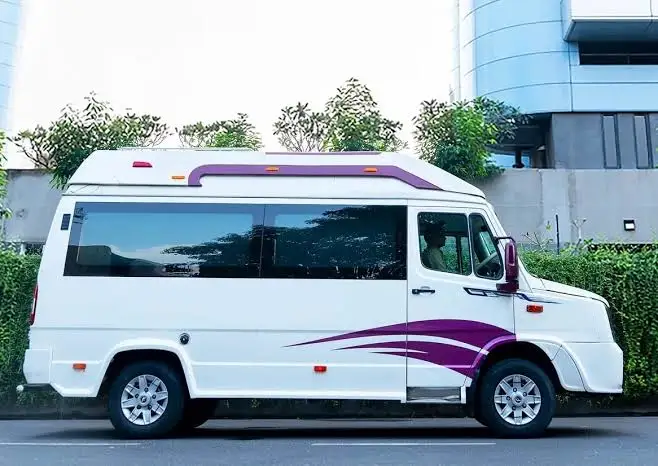
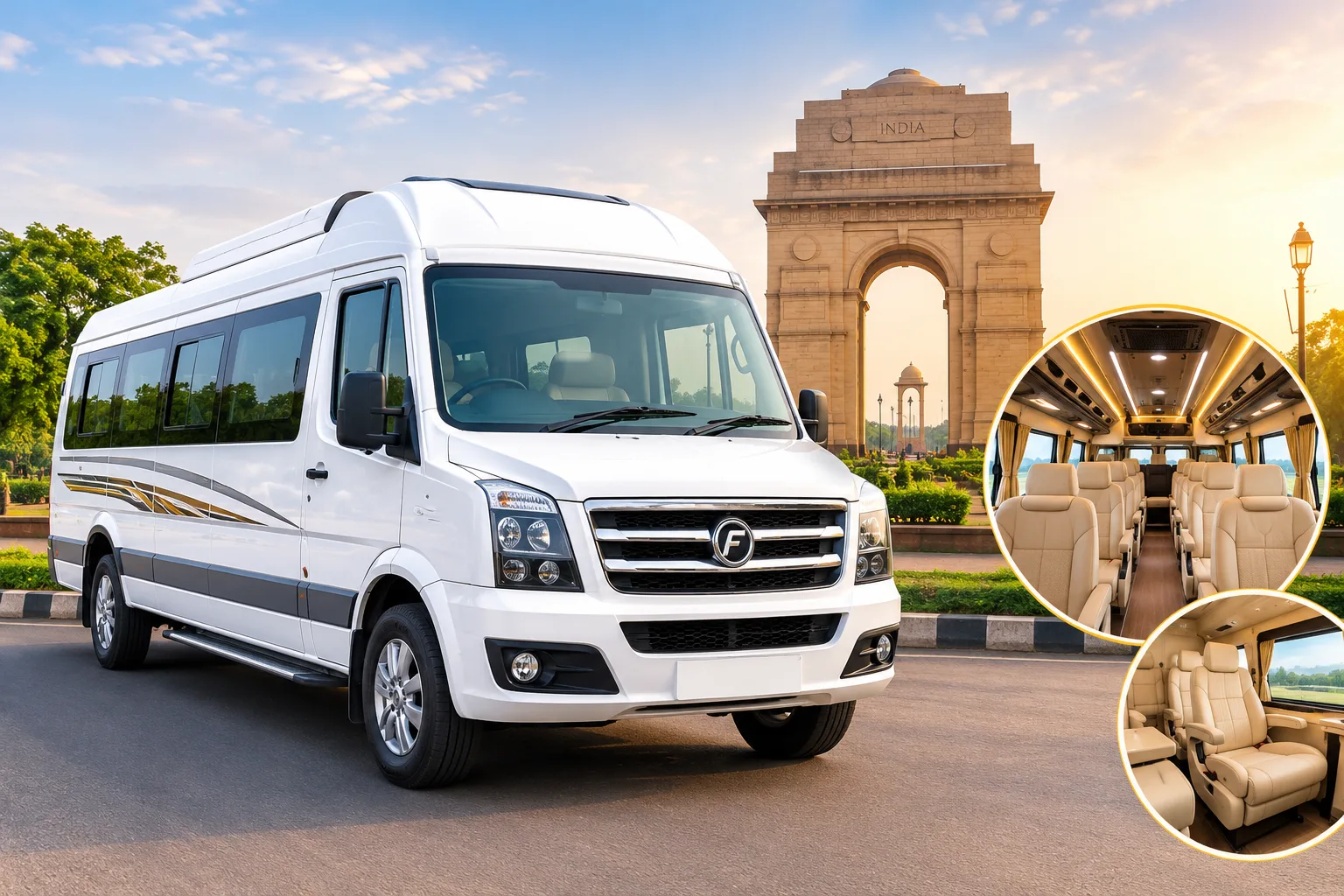
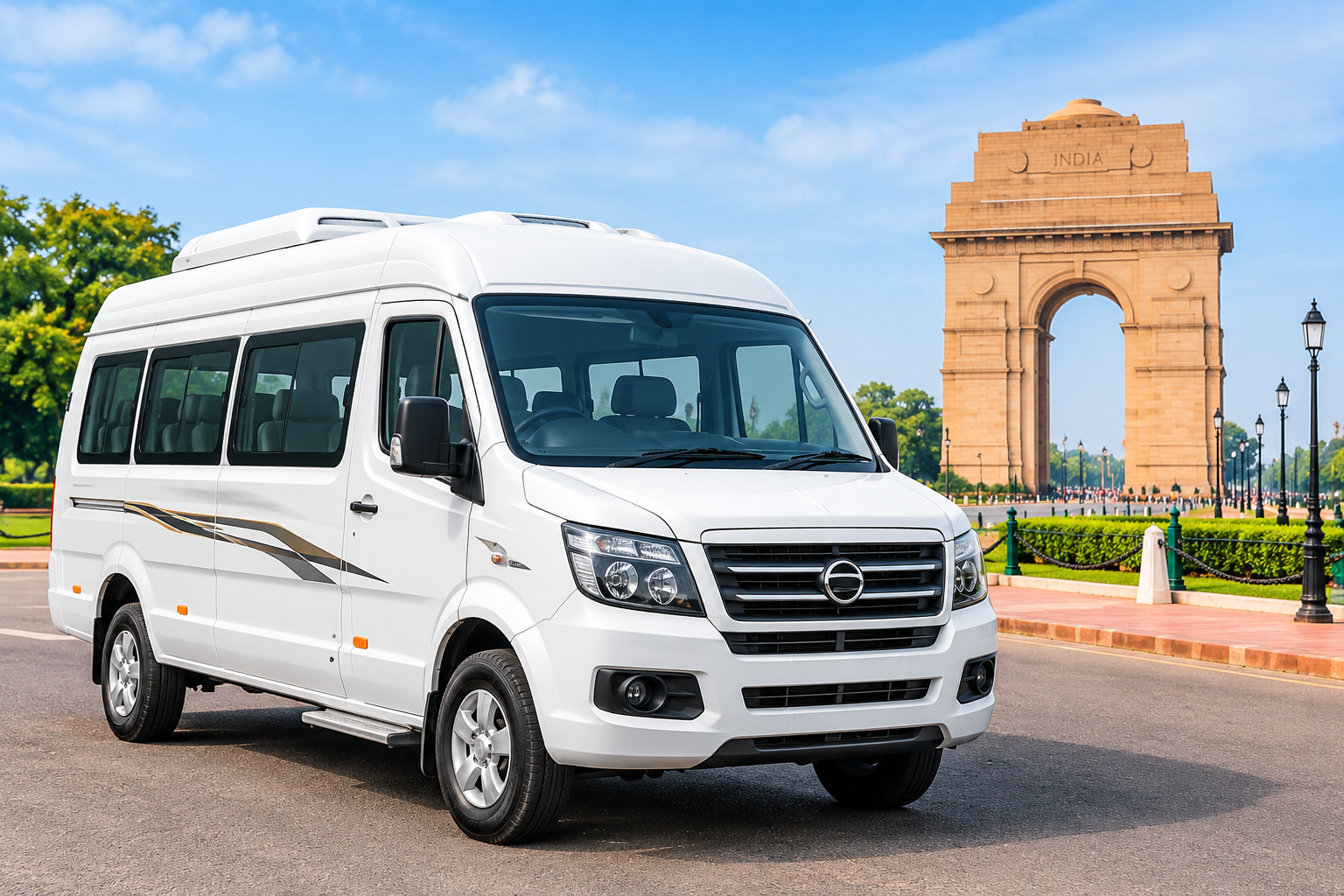
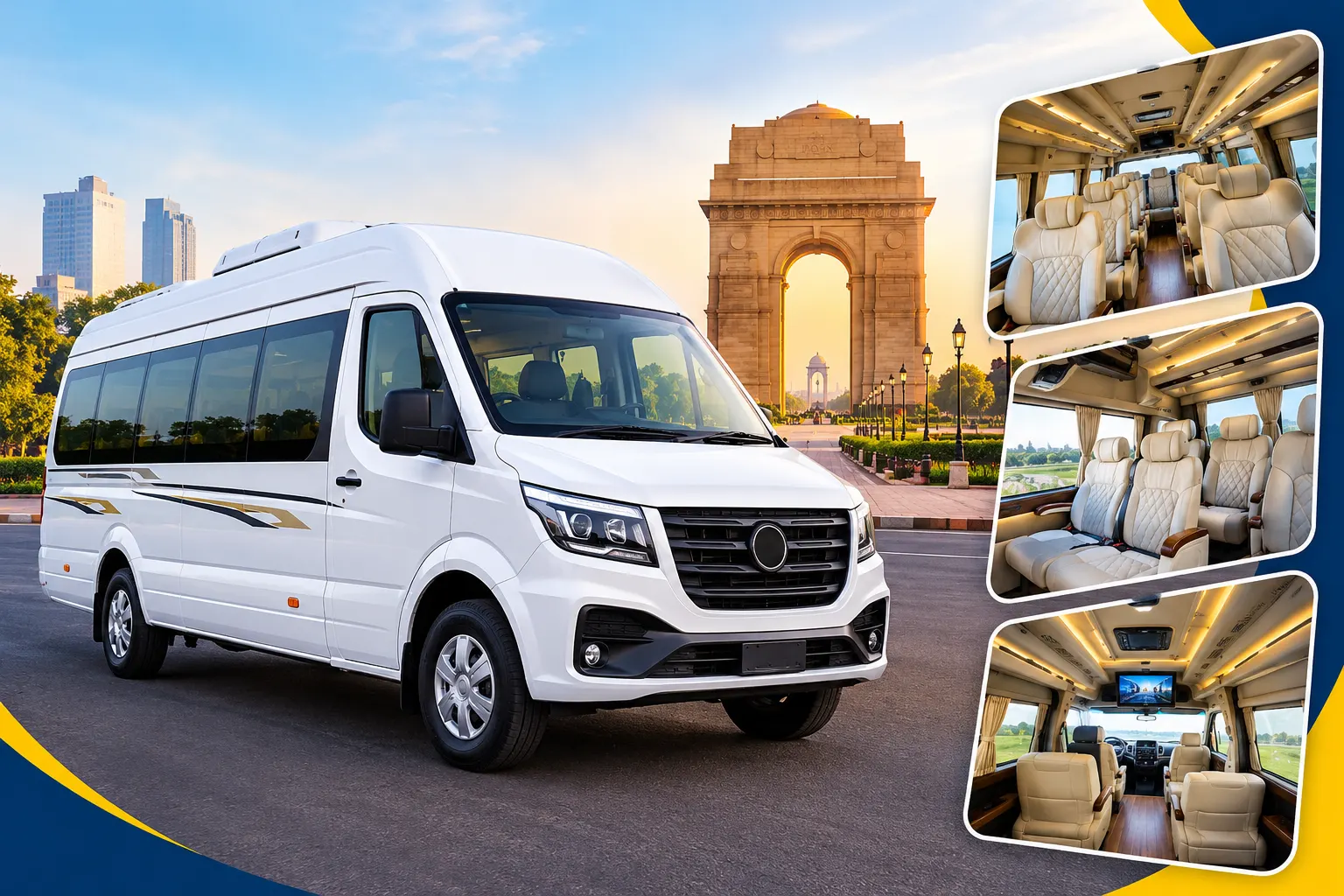
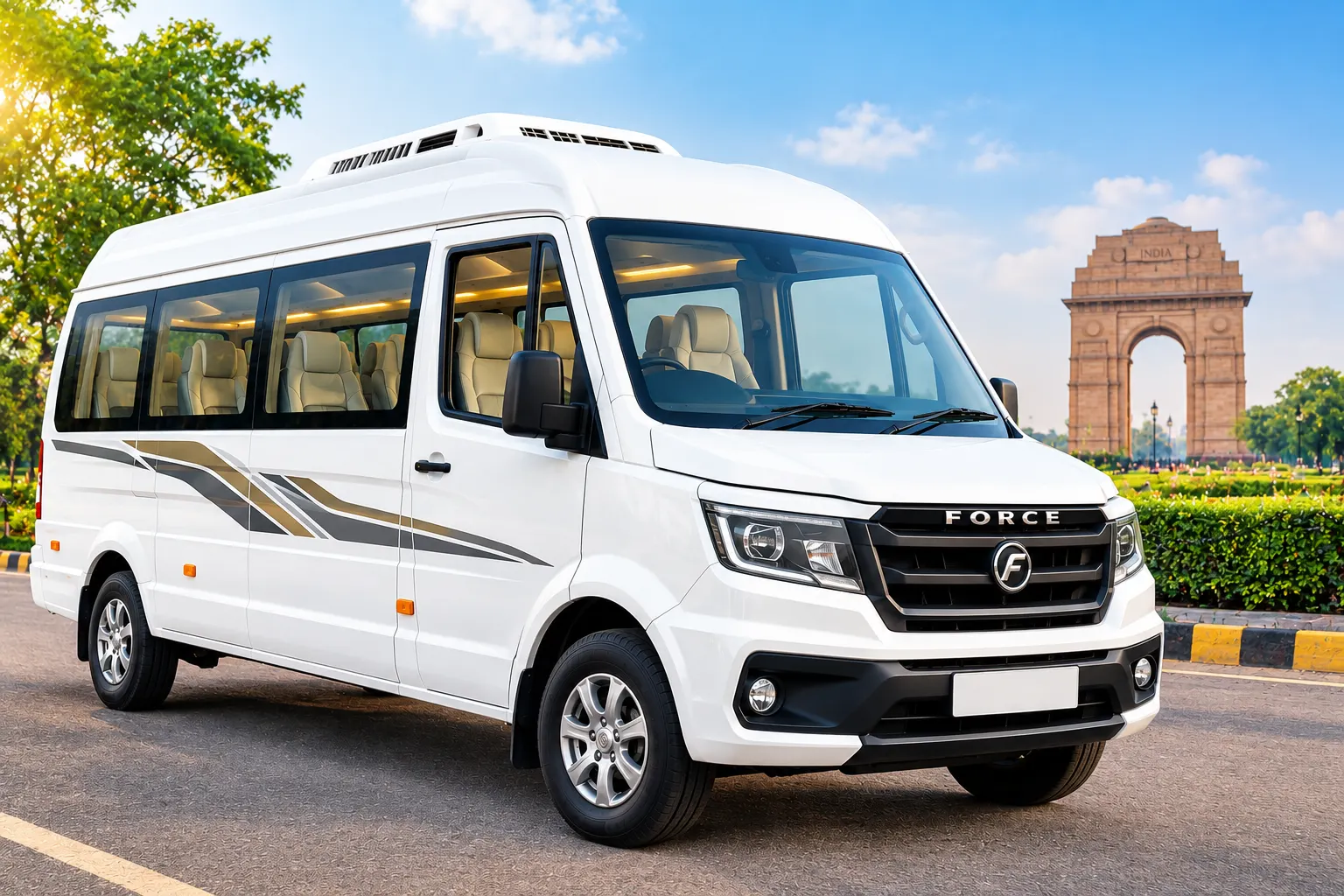
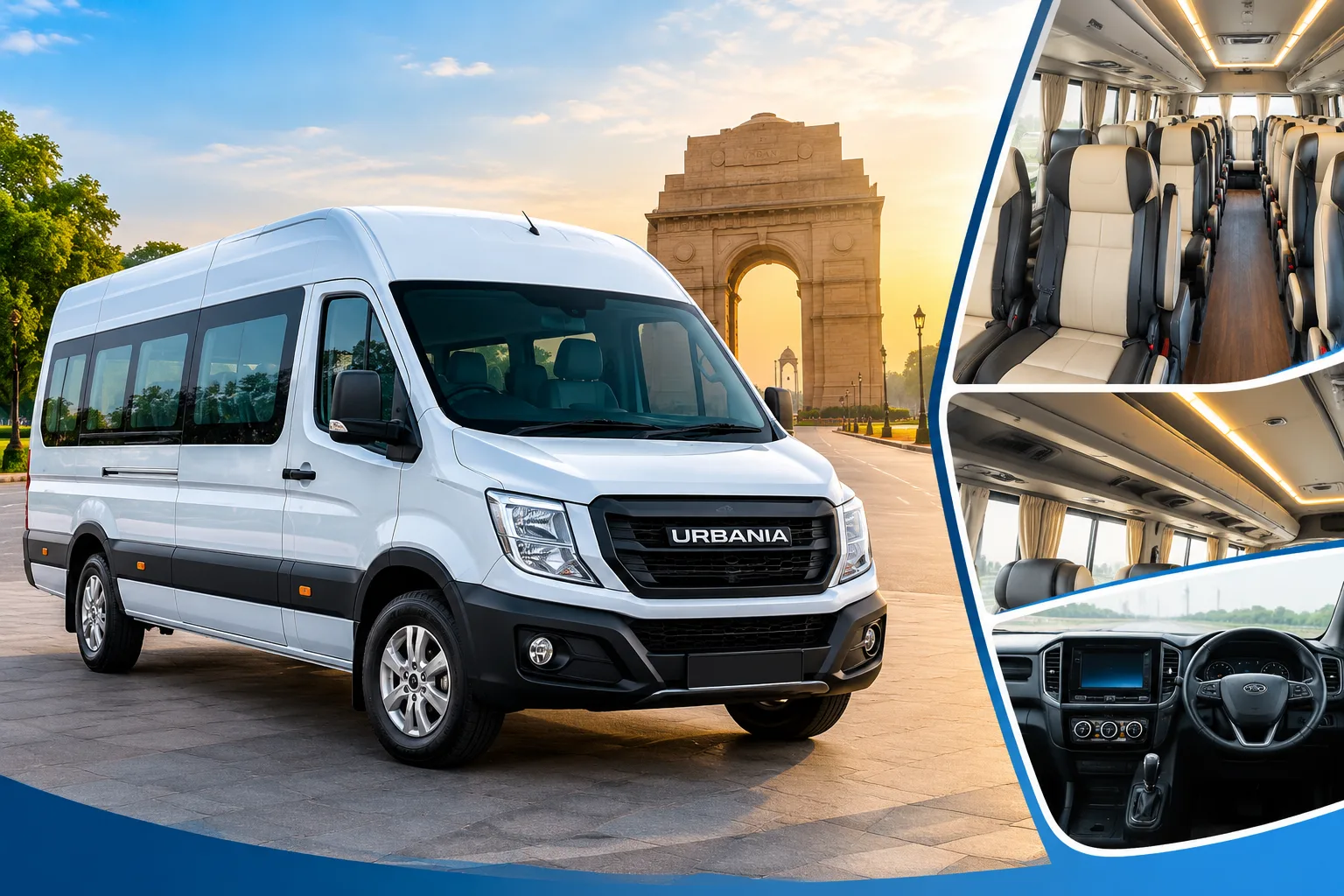
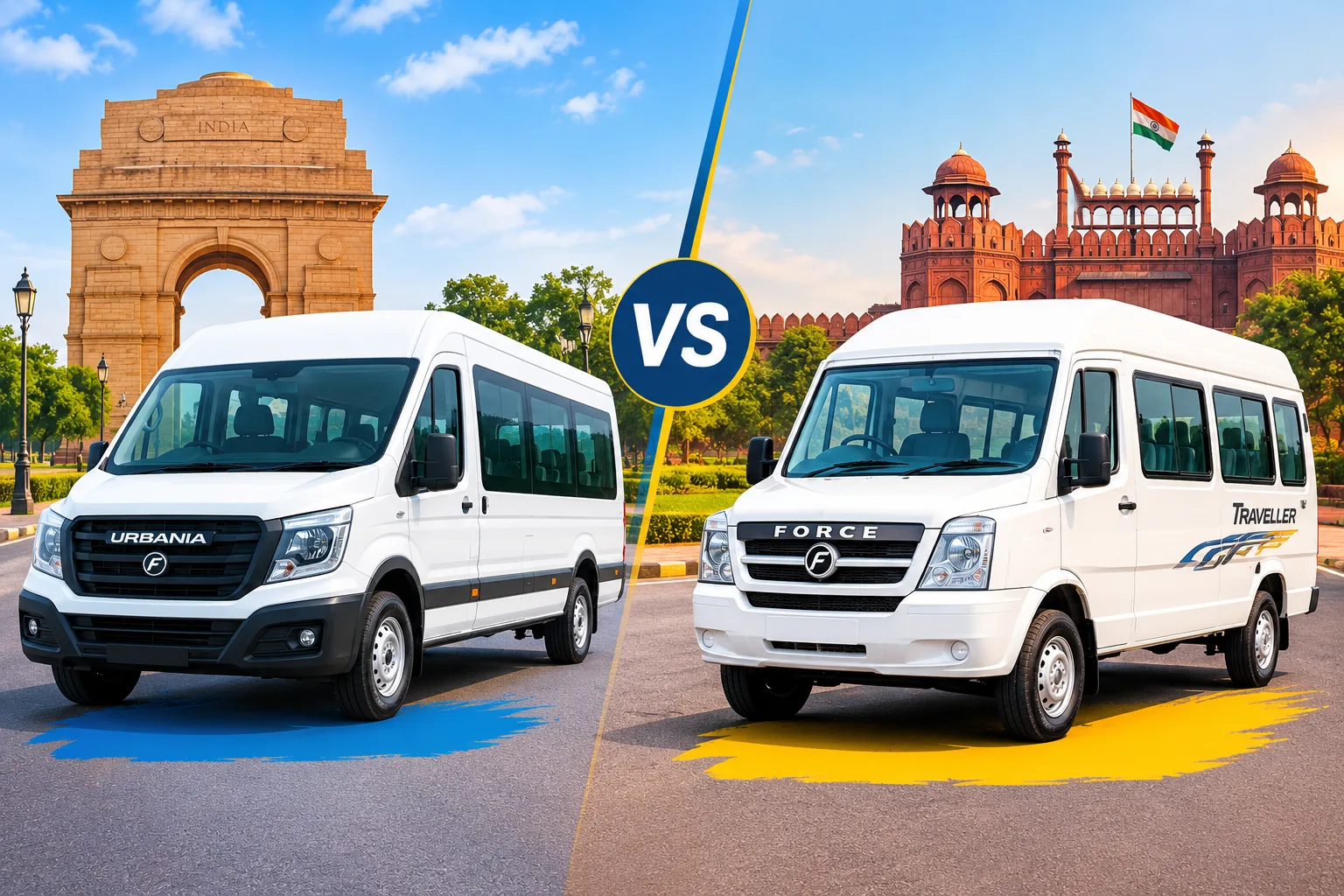
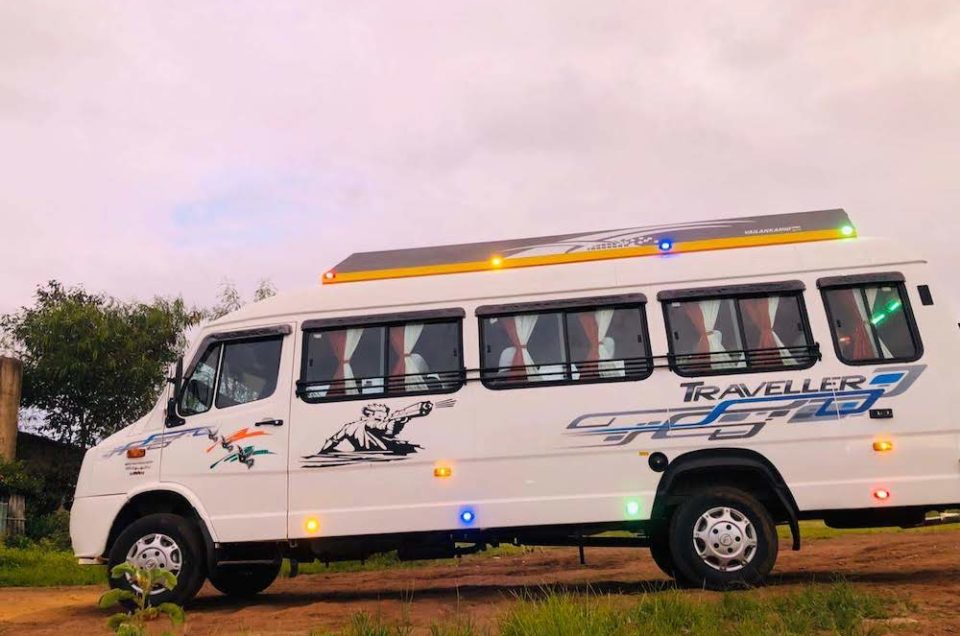
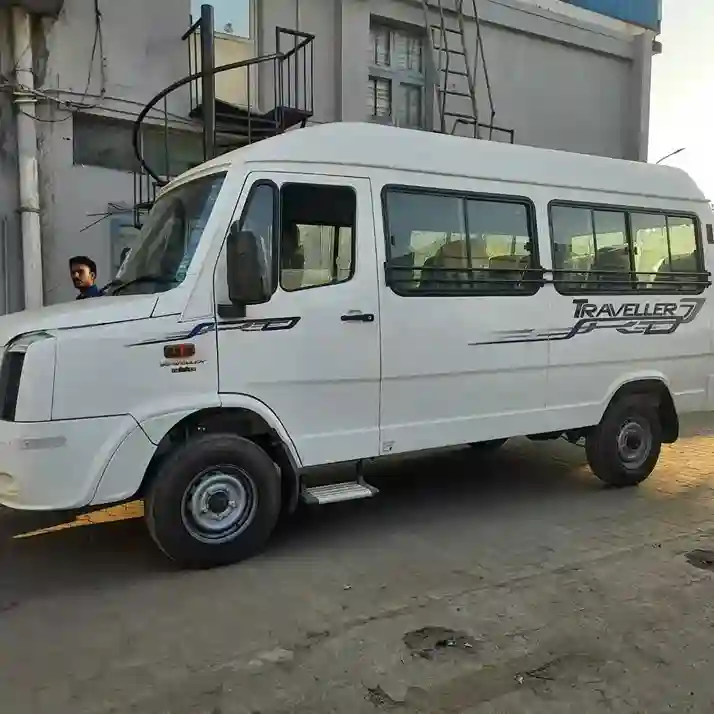
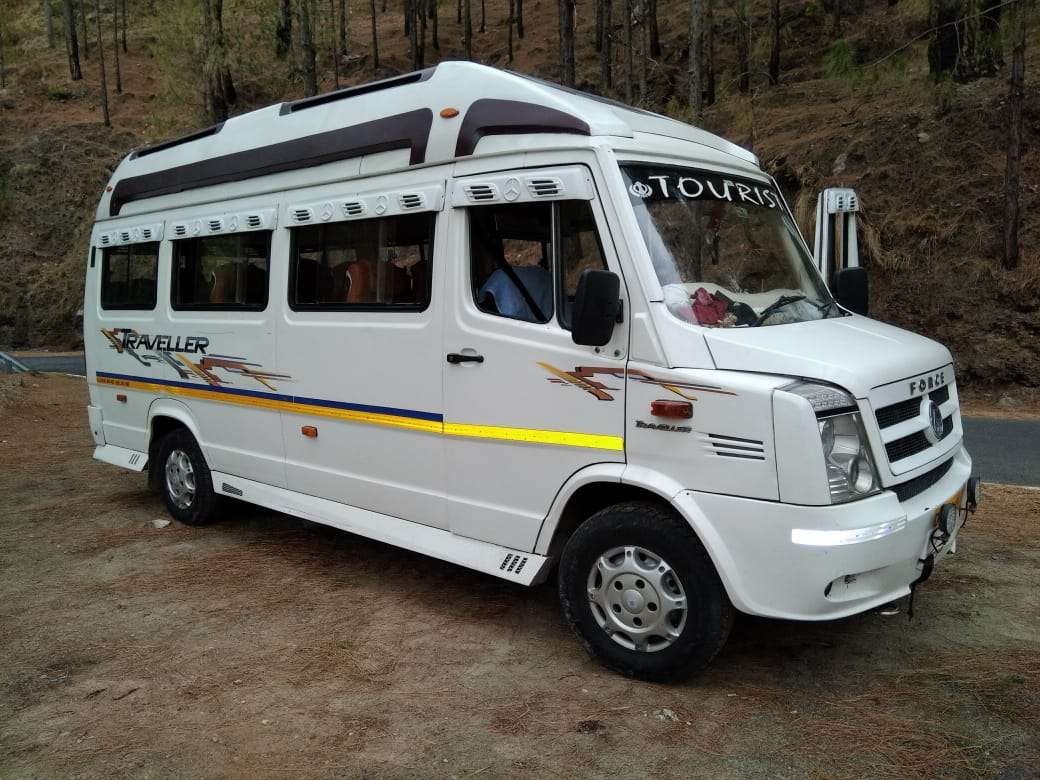
Newer models such as the Urbania offer a more premium experience, while the classic Force Traveller remains a reliable and popular choice.
Local Sightseeing Package Tips From Our Experience
After handling thousands of Delhi bookings, here is what we advise:
Start early. A 7:30 or 8:00 AM pickup helps you beat traffic and heat.
Group nearby places. Delhi is large. Mixing South Delhi and Old Delhi in the same day wastes time.
Check monument timings. Some monuments have weekly closures, so confirm before finalising your route.
Keep buffer time. Metro-friendly spots can still be slow by road during peak hours.
Share your list with the driver the day before. A local driver can suggest a smarter sequence.
Outstation Package Tips From Our Experience
Share the exact itinerary. Mention cities, overnight halts and any detours so the quote is accurate.
Ask about the daily km limit. A 250 km limit can be tight on hill routes where speeds are slow.
Plan driver rest. Long hours behind the wheel are a safety risk. Avoid itineraries that demand 14 to 16 hours of continuous driving.
Check permits and taxes. Some states charge entry taxes for commercial passenger vehicles. Clarify who pays what.
Travel off-peak when possible. Weekends and festival periods raise demand, so book early.
Confirm hill driving experience. For Manali, Shimla or Char Dham routes, an experienced hill driver makes a real difference.
Hidden Charges to Watch For
Whether you choose local or outstation, ask these questions before paying:
Are tolls, parking and state taxes included?
Is driver allowance included for overnight trips?
What are the extra hour and extra km rates?
Is there a night charge after a certain time?
What is the cancellation and refund policy?
Is GST applicable, and will you receive a proper invoice?
Transparent answers to these questions are a good sign of a professional operator.
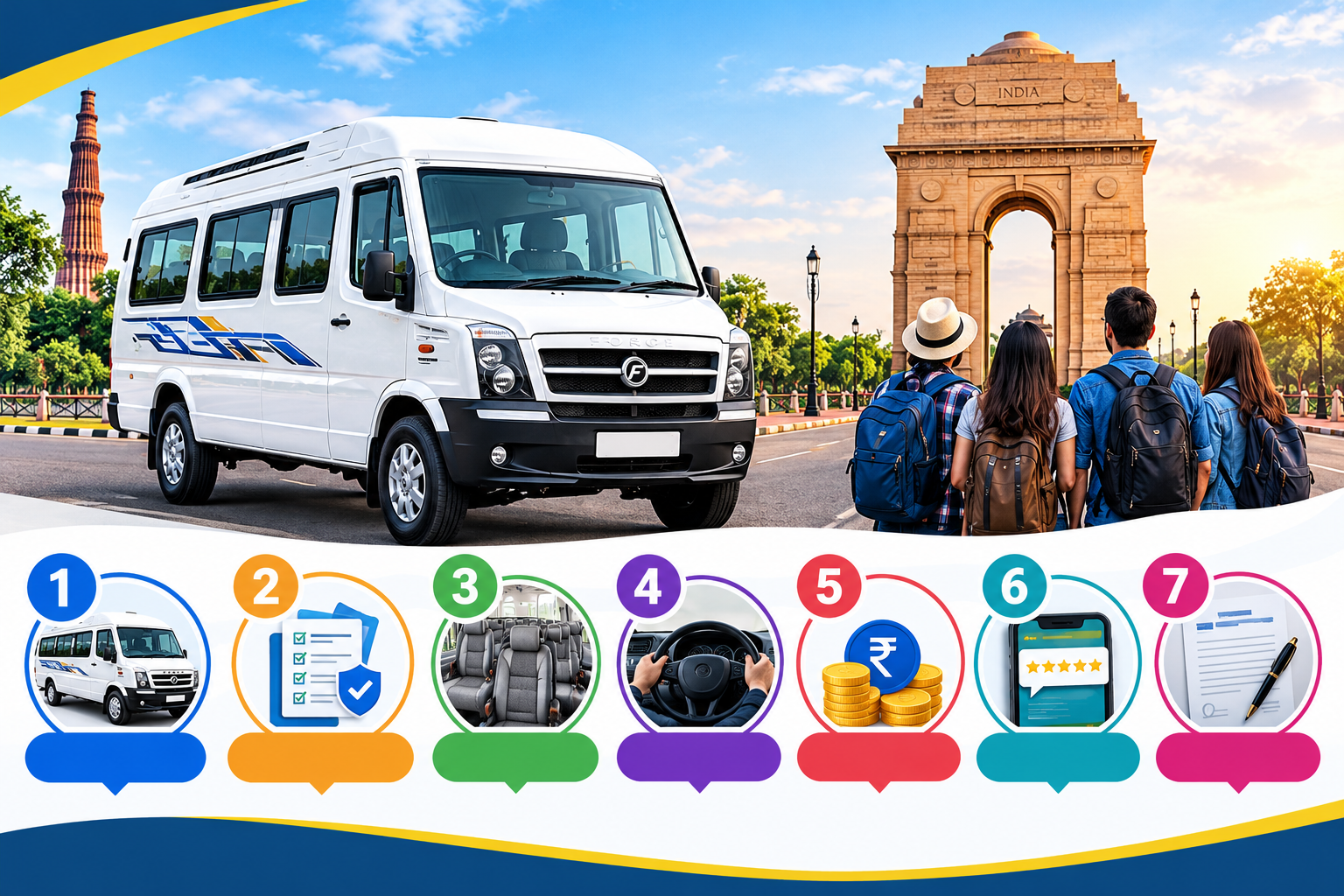
How to Book a Tempo Traveller in Delhi: Step by Step
Step 1: Decide your trip type, local or outstation.
Step 2: Finalise date, pickup point, destination and group size.
Step 3: Choose a suitable seater and vehicle category.
Step 4: Request a written quote with all inclusions and exclusions.
Step 5: Verify the vehicle’s documents, permit and driver details.
Step 6: Pay the advance and keep the booking confirmation.
Step 7: Reconfirm a day before travel.
It takes only a few minutes when you have your plan ready, and it avoids almost every common problem.
Safety and Trust: What Reliable Operators Provide
When you hire a tempo traveller in Delhi, safety should come before price. A dependable operator should offer:
A licensed, verified and experienced driver
A valid commercial permit, insurance and fitness certificate
Regular vehicle servicing
Clear communication before and during the trip
A support number you can reach at any time
At SS Rana Tour, we believe that a comfortable journey begins with honest information. That is why we explain packages clearly before you commit.
Local or Outstation: Which Should You Choose?
Use this simple guide:
Choose local if your trip stays inside Delhi NCR and lasts one day.
Choose outstation if you are travelling to another city or staying overnight on the road.
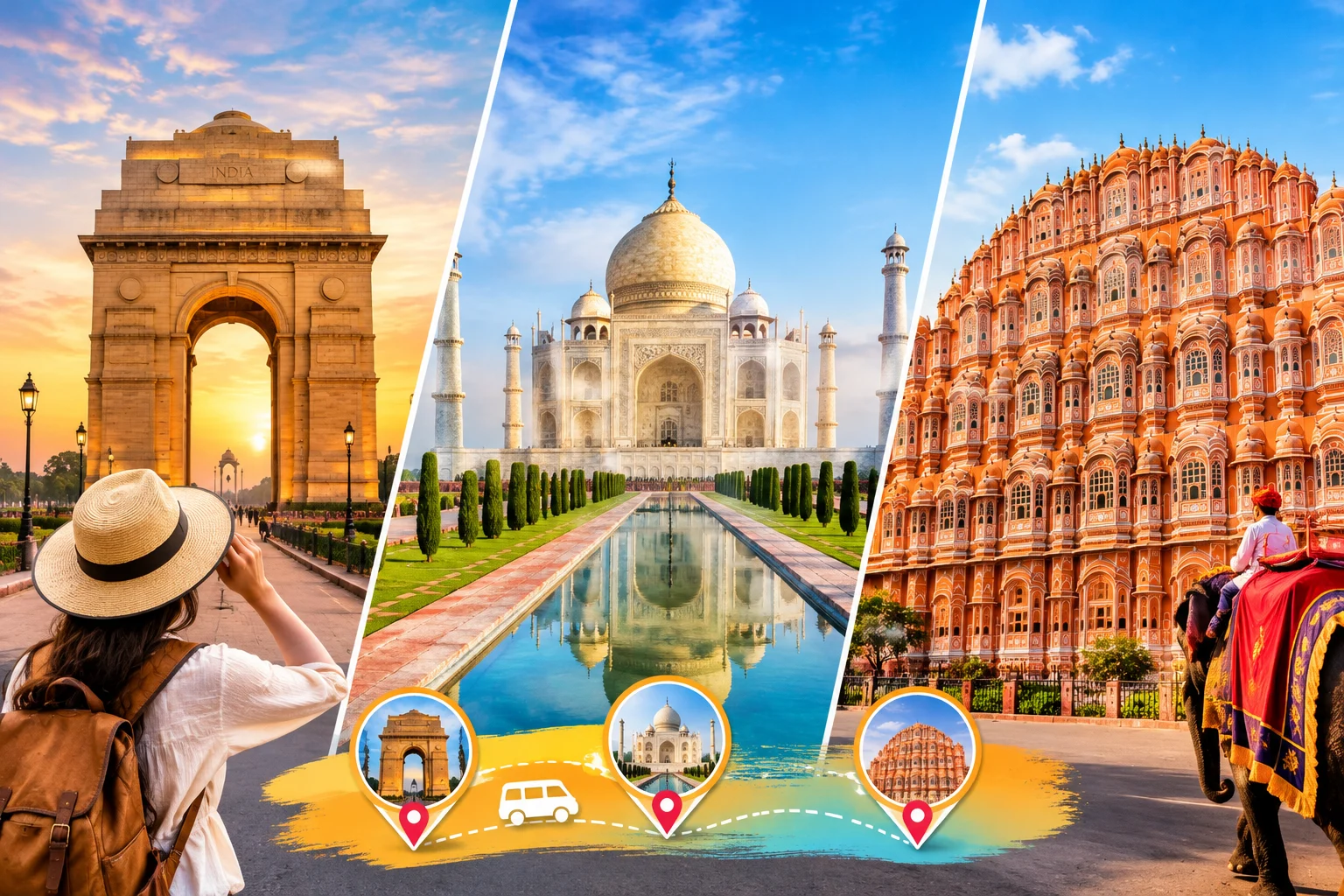
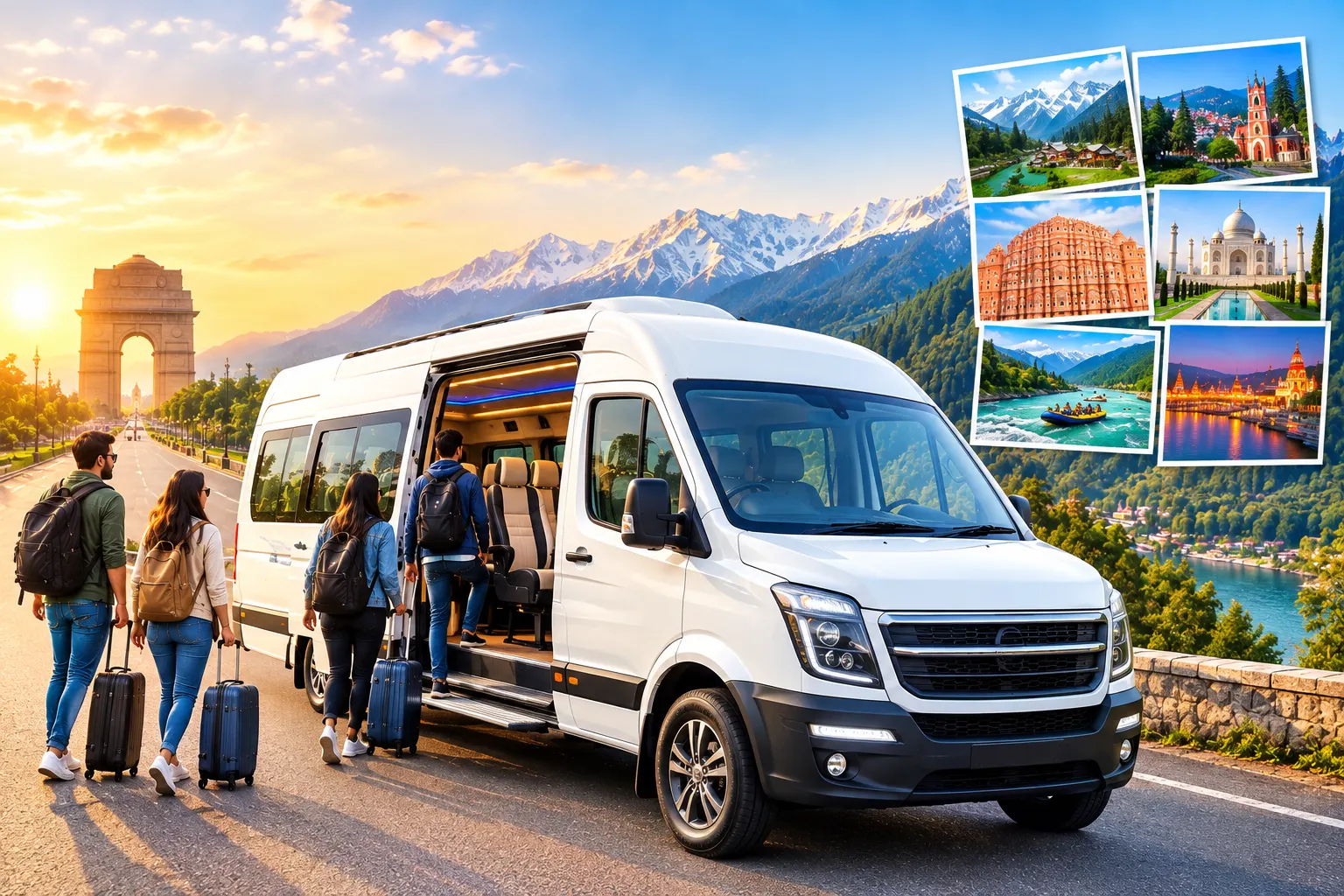
Combine both if you arrive in Delhi, enjoy a sightseeing day, and then begin an outstation trip. Many groups book a local day first, then move into a multi-day package.
Mixing both can often be arranged under one booking, which keeps the driver, vehicle and schedule consistent.
Final Thoughts
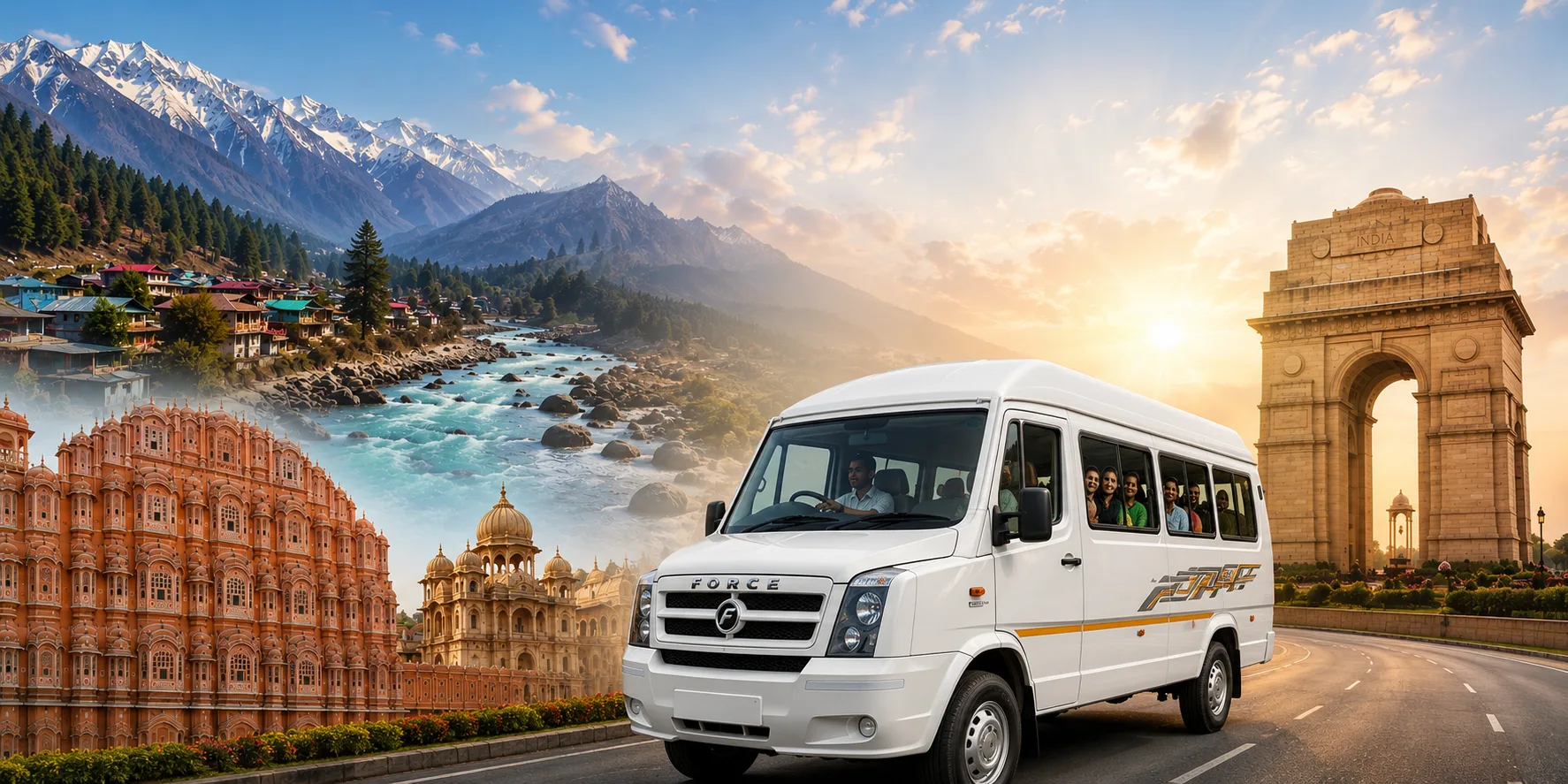
Local sightseeing and outstation packages serve very different needs. Local hire gives you a flexible, budget-friendly way to see Delhi in a day, while outstation hire turns a long journey into a relaxed group holiday. The best choice depends on your route, trip length and group size.
Ready to book? Contact SS Rana Tour today for a clear quote, a verified vehicle and a smooth journey, whether you are exploring Delhi for a day or heading to the hills for a week.
A local package is a fixed block of hours and kilometres within Delhi NCR, such as 8 hours and 80 kilometres, and it suits sightseeing, airport transfers, weddings and events. An outstation package covers travel to another city and is usually priced per day with a daily kilometre limit, with extra kilometres charged on top. Since the two use different pricing formats, tell the operator exactly where you are going so the quote matches your plan.
You hire the vehicle and driver for a set number of hours, such as 4, 8 or 12, and use it to visit places like India Gate, Red Fort, Qutub Minar, Humayun’s Tomb and Lotus Temple. The kilometre limit covers your travel between these stops, and going beyond the hours or kilometres usually adds extra charges. It helps to plan a route in advance so you cover more places within the package without paying for extra time.
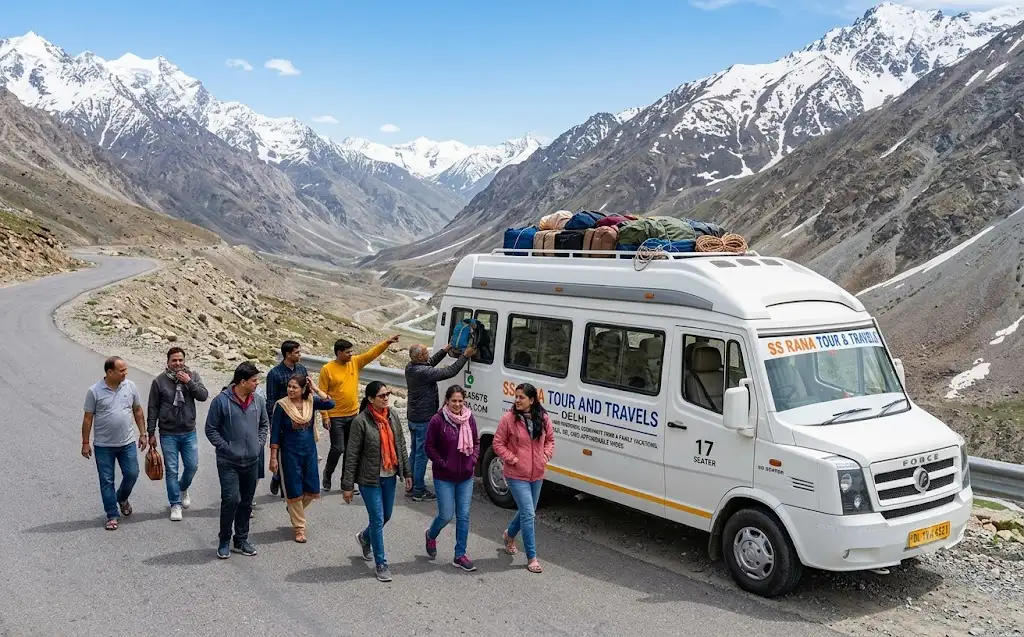
Choose an outstation package whenever your trip goes beyond the city, such as Agra, Jaipur, Haridwar, Rishikesh, Manali or Shimla. These packages account for long distances, driver rest, night halts and state permits, which a local package does not cover. If your plan mixes both, for example a Delhi sightseeing day followed by a trip to Agra, ask the operator to combine them into one clear quote.
In local packages, kilometres are usually counted for the entire period of the booking, often from pickup to drop within the city. In outstation trips, they are counted for the whole journey, including local travel at the destination, and some operators start counting from the garage rather than your pickup point. Ask how the count is calculated and what the rate is for each extra kilometre, so there are no surprises on the final bill.
It depends on the operator. Local packages often include basic costs but may bill parking and entry-related charges separately. Outstation packages more commonly list tolls, parking, state entry taxes, driver allowance and night halt as separate items. Always ask for a written, itemised quote so you can compare two operators on equal terms.
They serve different purposes, so a direct comparison is not always fair. A local package is usually cheaper in total because of the shorter distance and time, but per kilometre or per hour it may not be lower than an outstation rate. The better question is which one fits your plan. In both cases, a single tempo traveller shared across 9 to 12 people generally costs far less per person than booking multiple cars.


















.jpeg)



.jpeg)
.webp)
.jpeg)
.jpeg)
.jpeg)

.jpeg)
.jpeg)
.jpeg)
.jpeg)
.jpeg)


.jpeg)
.webp)
.jpeg)
.jpeg)

.jpeg)

.jpeg)
.jpeg)
.jpeg)
.jpeg)

.jpeg)

.webp)
.jpeg)
.jpeg)
.jpeg)

.jpeg)













.webp)


.webp)

_15_11zon.webp)

















































































.webp)











































.webp)






















.jfif)









.jfif)
.jfif)
.jpg)

.jfif)
.jfif)
.jfif)
.jfif)
.jfif)
.jfif)

.jfif)
.jfif)




.webp)
.webp)
.webp)

.webp)
.webp)

.webp)


.webp)


.webp)


.webp)

.webp)




.webp)
.webp)


.webp)
.webp)

















.webp)



.webp)

























@.webp)