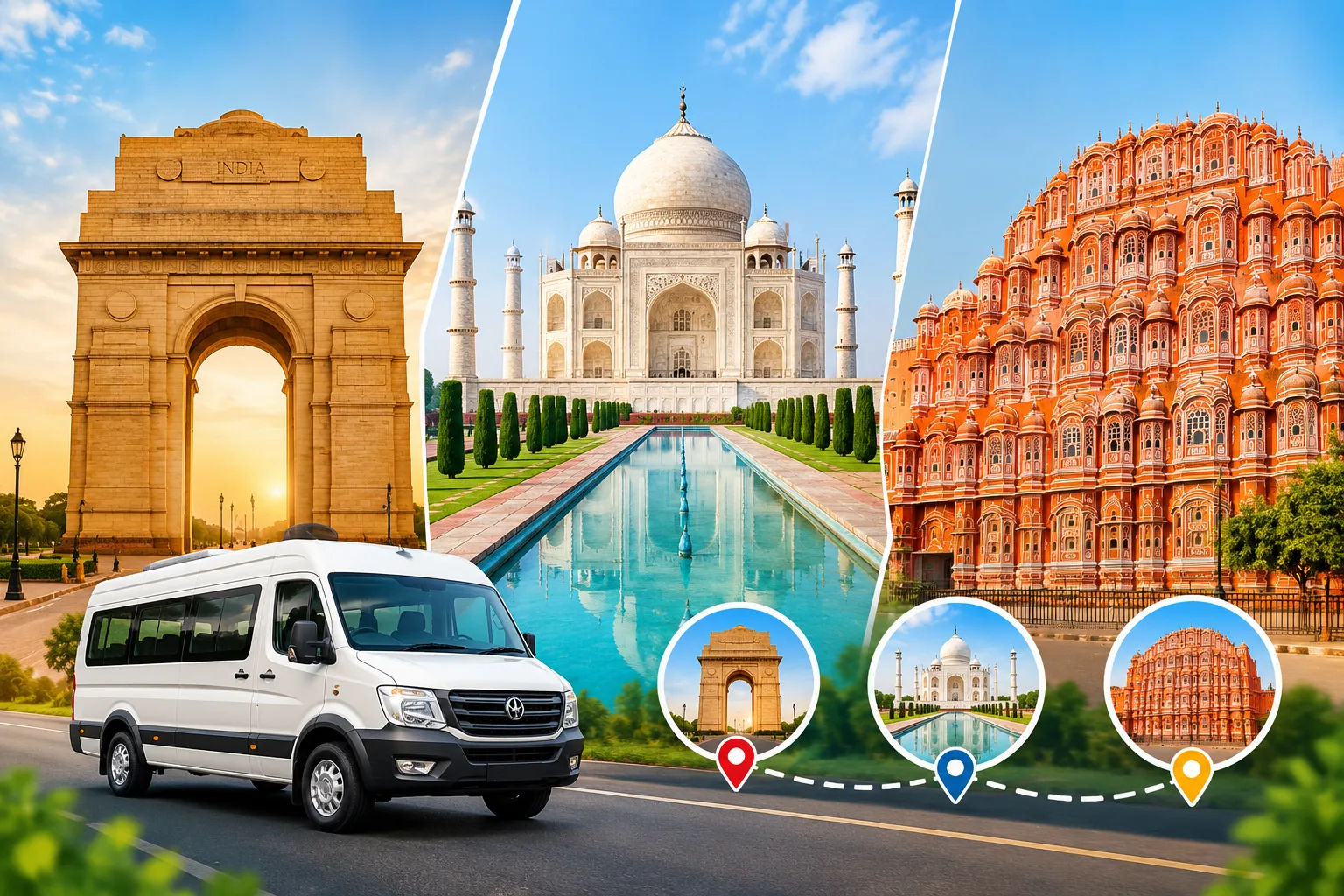
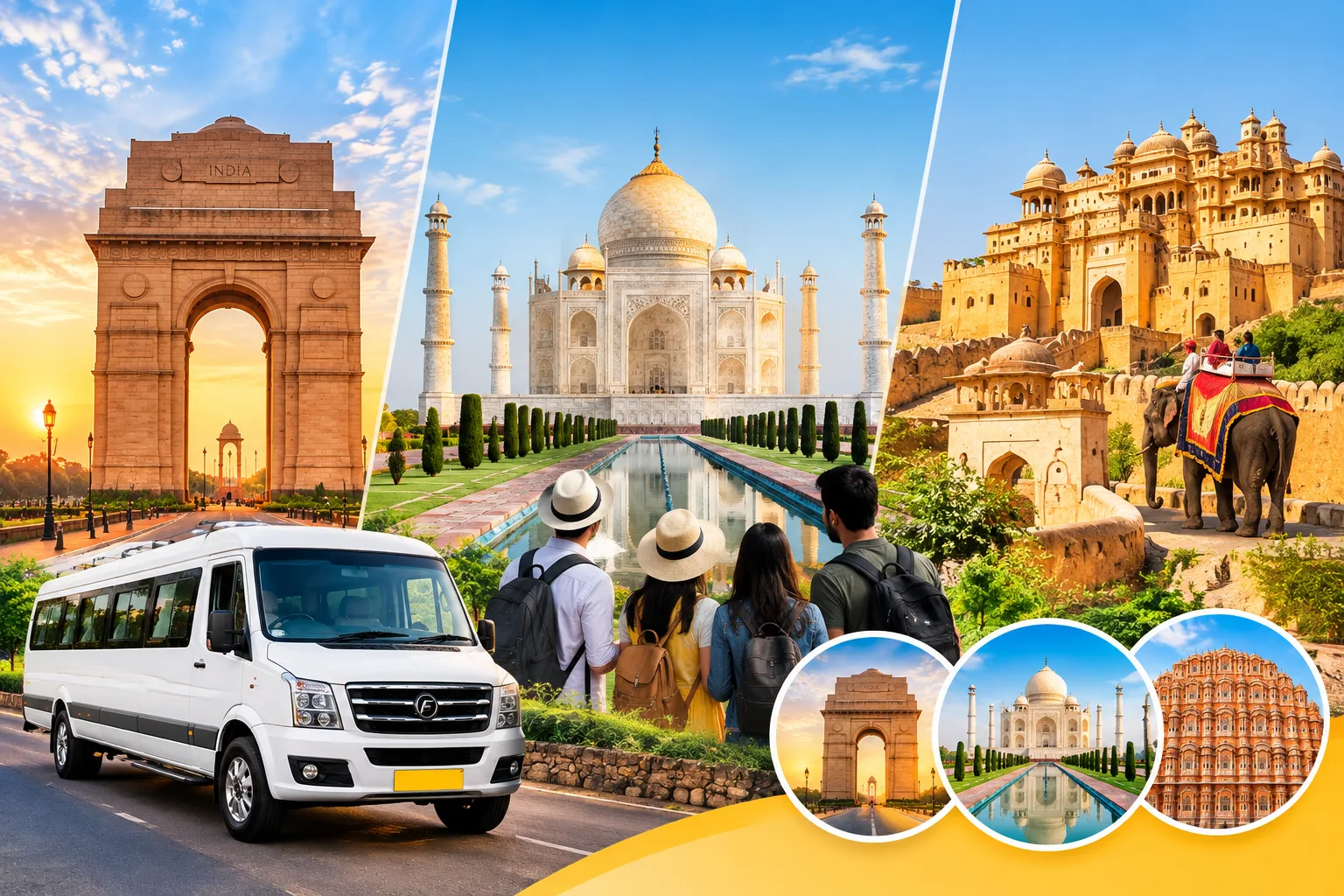
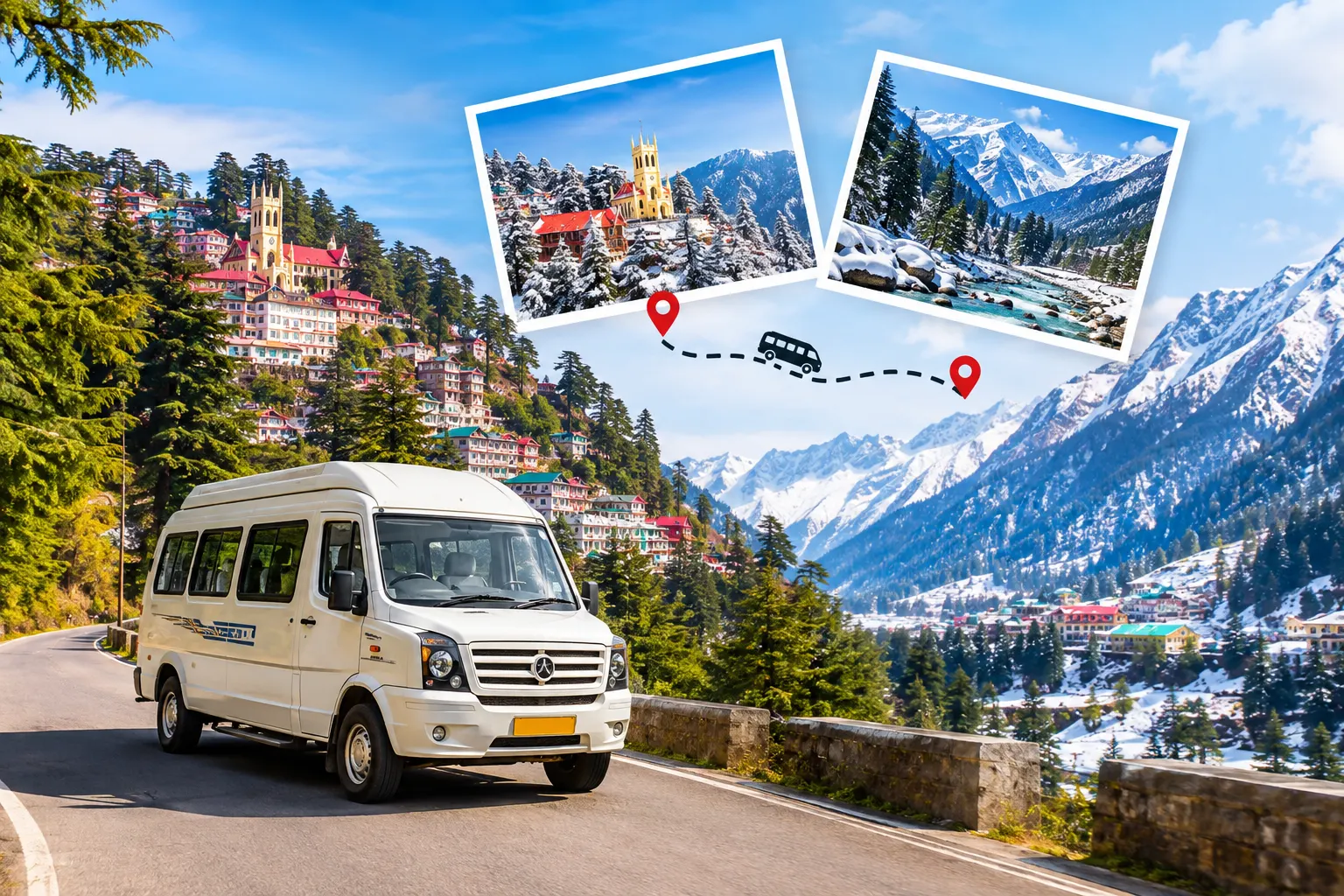
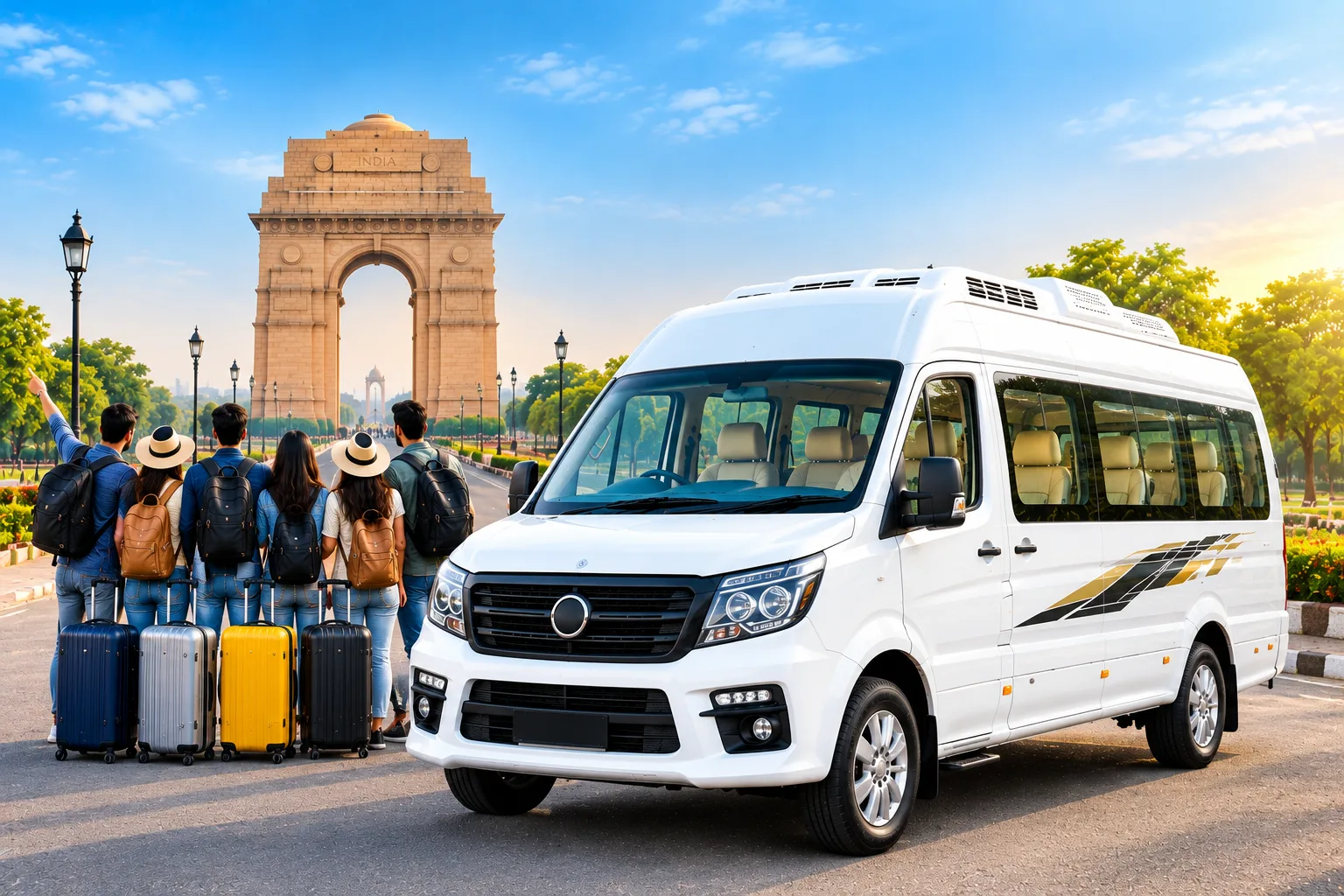
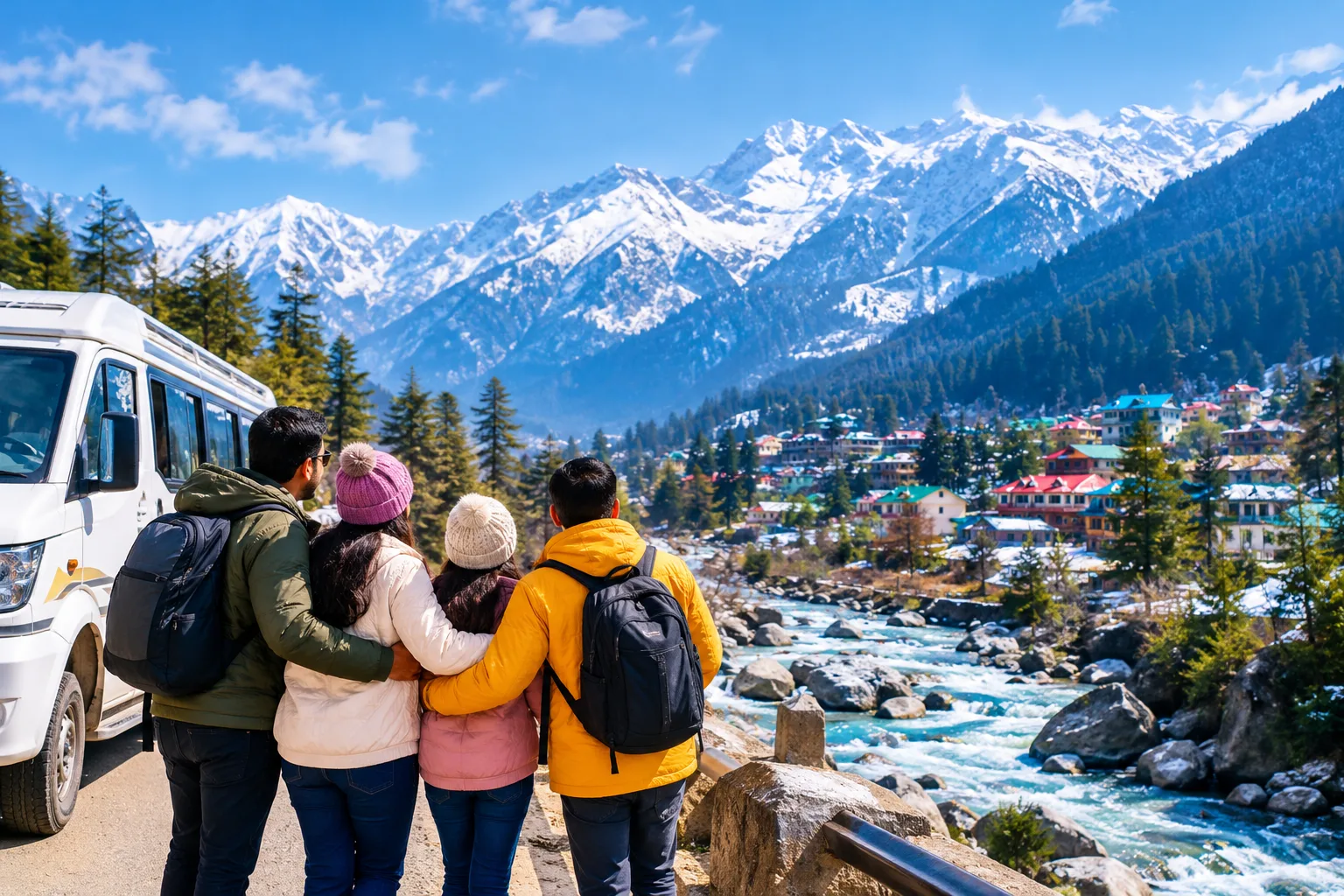
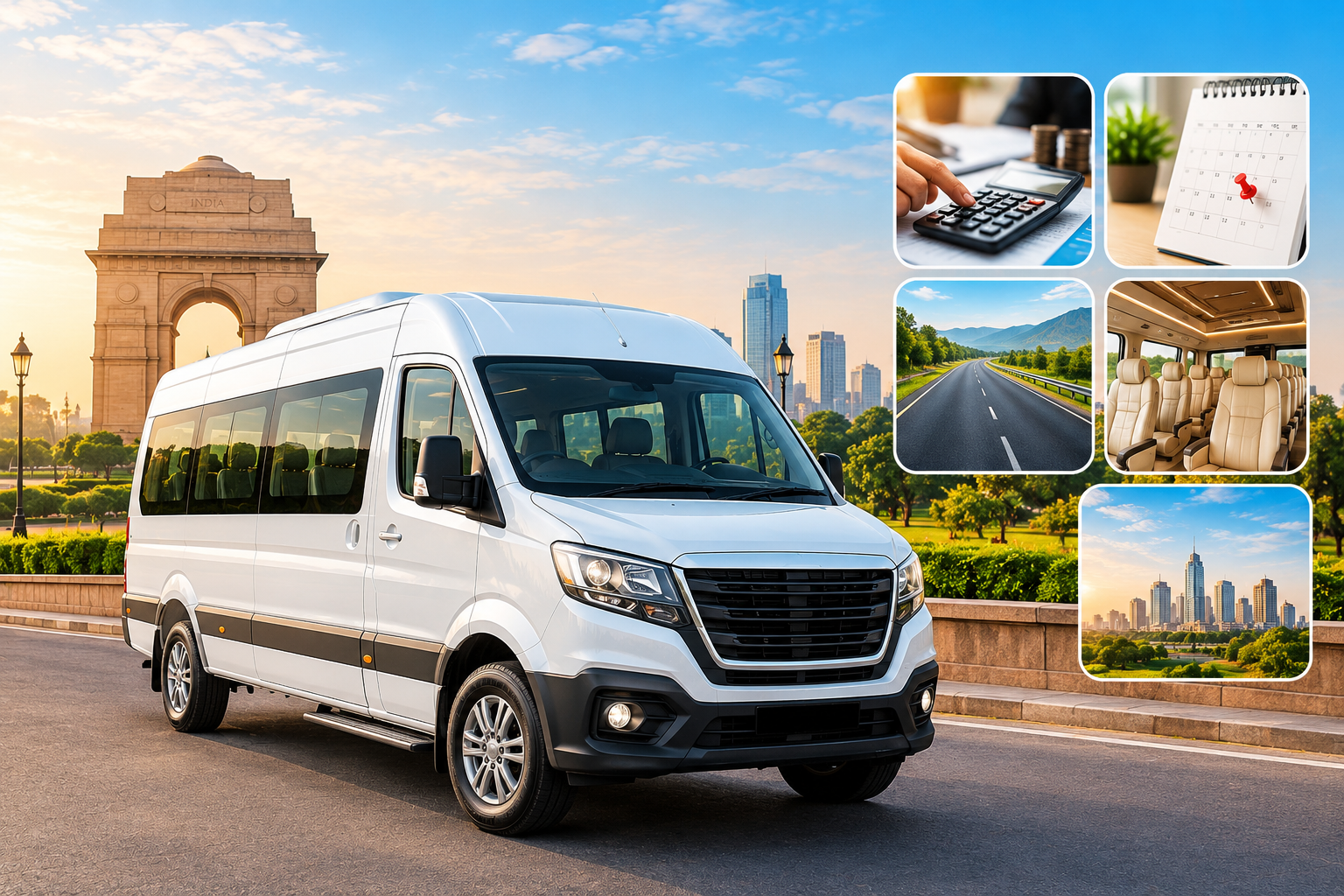
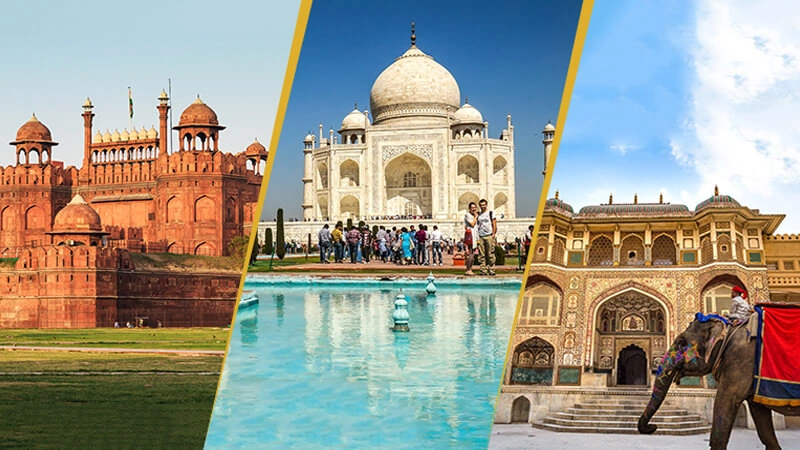
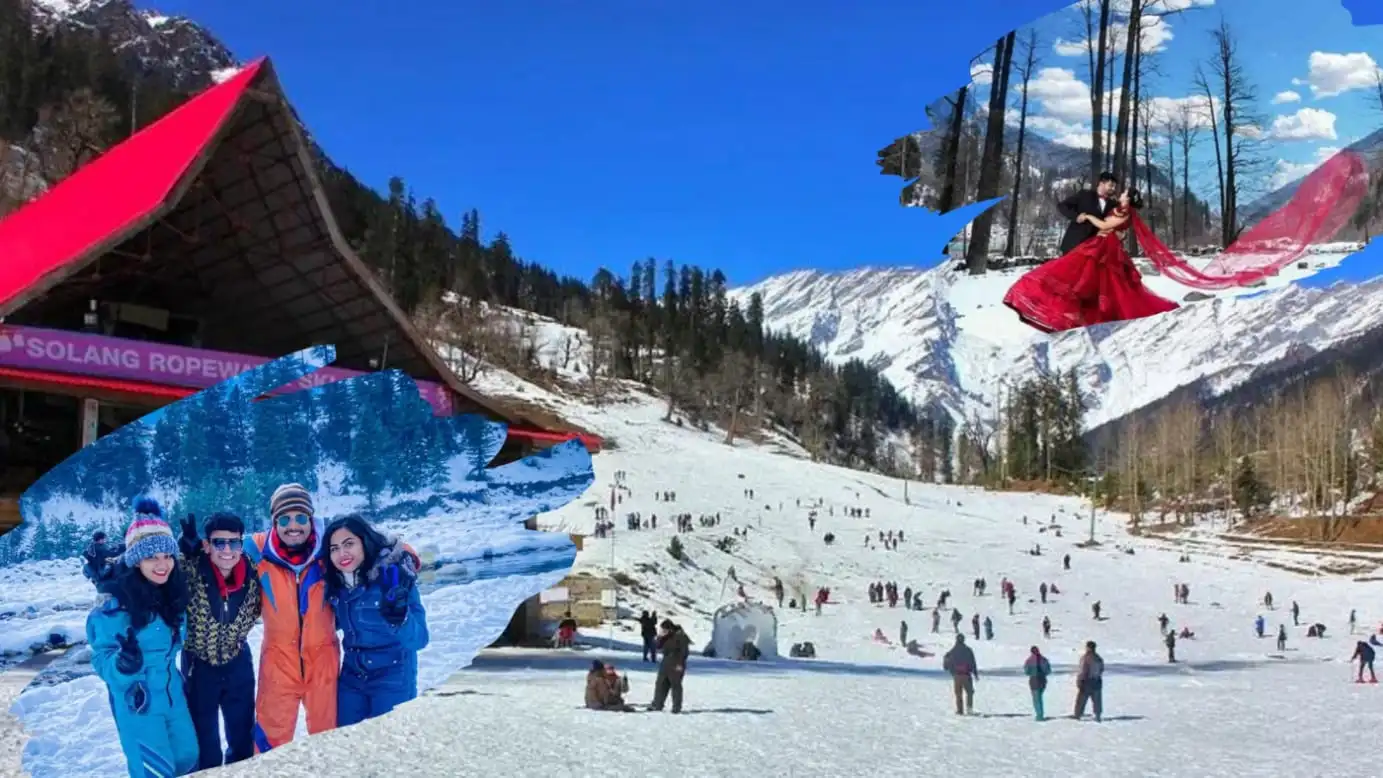
Planning a group trip from Delhi? This guide explains what an Urbania tempo traveller costs in 2026. It covers per-km rates for 9 to 17 seater models, local 8-hour packages, outstation costs for Agra, Jaipur, Shimla and Manali, and the factors that change your final quote. It also compares the Urbania with the 15 seater Maharaja and shares practical tips to book smartly.
Published on 28 Oct, 2026
Updated on 28 Oct, 2026
981 Views
Urbania Tempo Traveller on Rent in Delhi: Per-Km Rates & Package Costs 2026
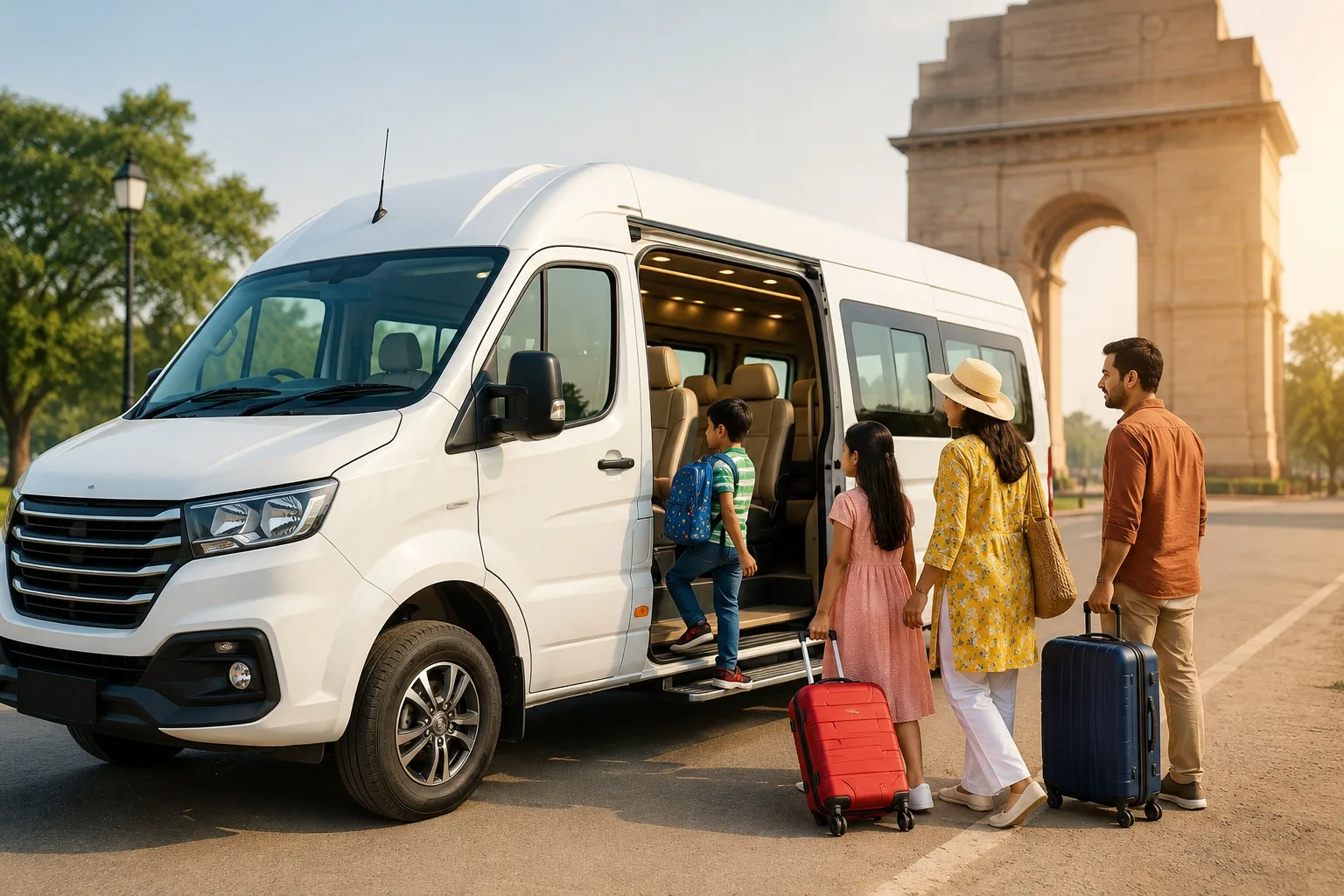
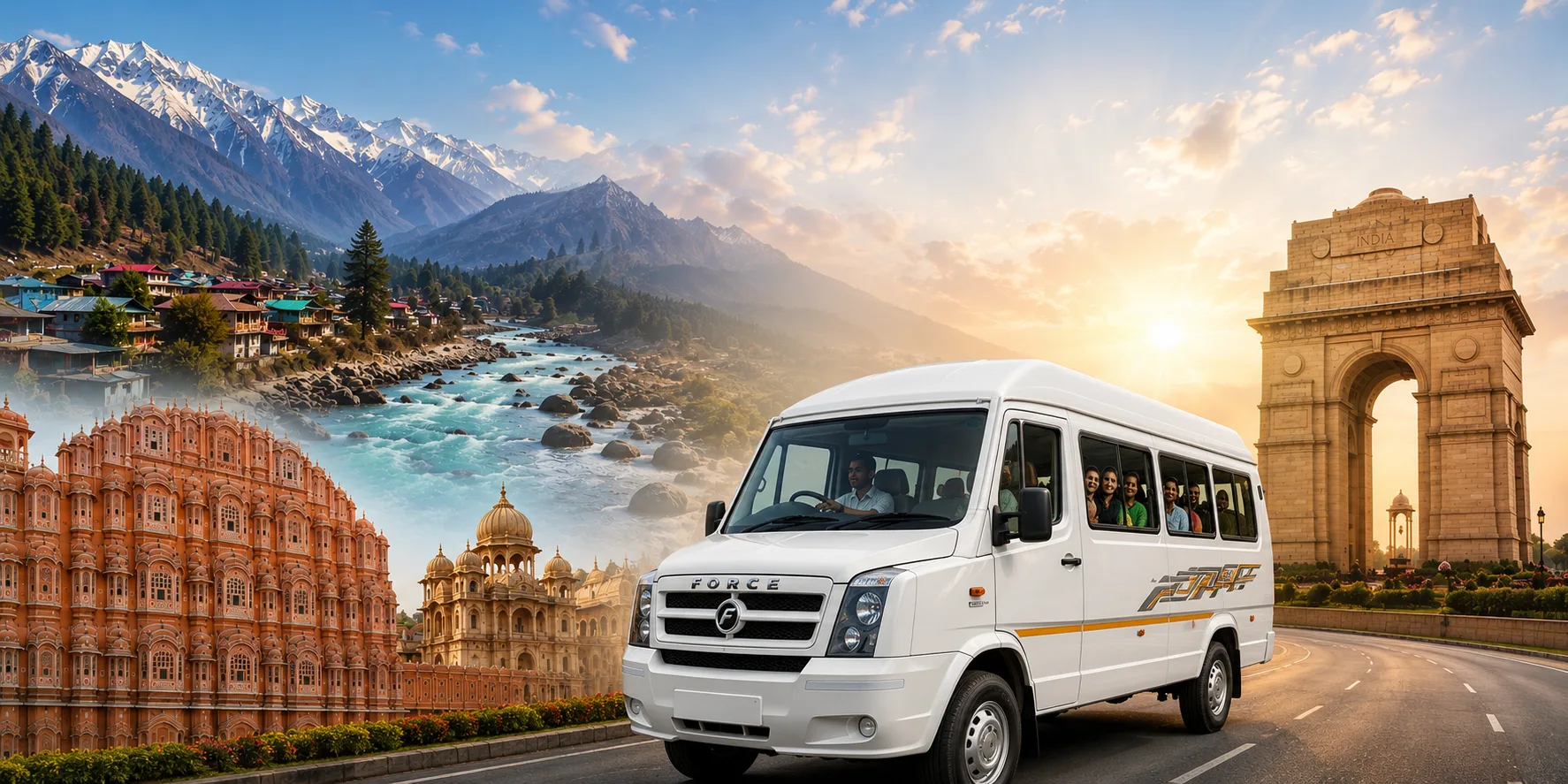
Group travel from Delhi has changed a lot in the last few years. Families no longer want to split into three cars for a trip to Manali, corporate teams want a comfortable ride to an offsite in Jaipur, and wedding planners need a smooth, air-conditioned shuttle that doesn't look tired by the third day of events. If you've been researching an Urbania tempo traveller on rent in Delhi, you've probably noticed one thing: everyone talks about comfort, but very few people explain what it actually costs.
This guide breaks down 2026 per-km rates, local and outstation package costs, and the factors that move the final bill up or down, so you can budget before you pick up the phone. Rates in this article are indicative market ranges, and your final quote will depend on your dates, route and seating size.
What Makes the Urbania Different from a Regular Tempo Traveller?
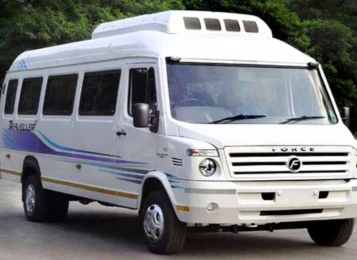
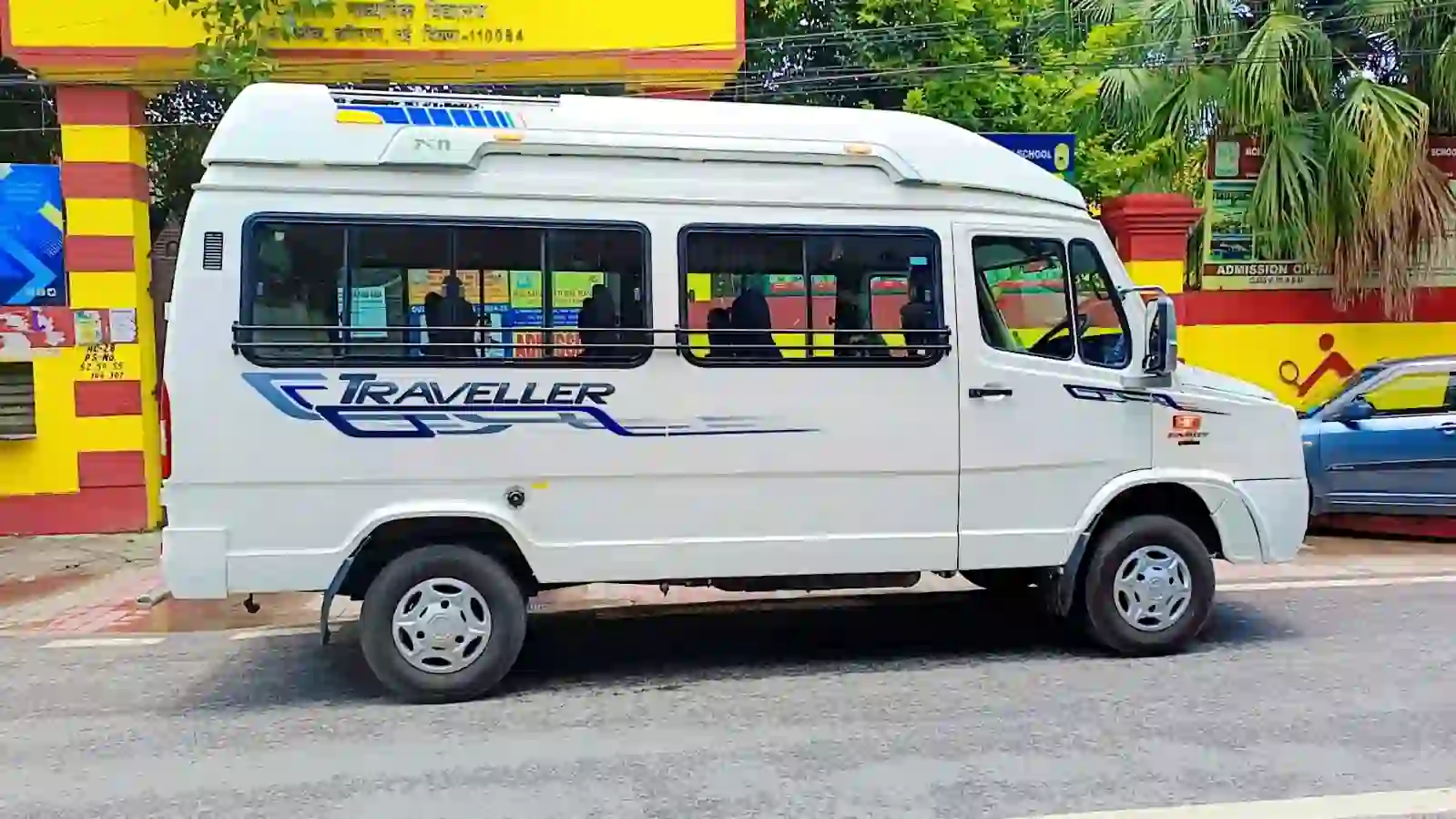
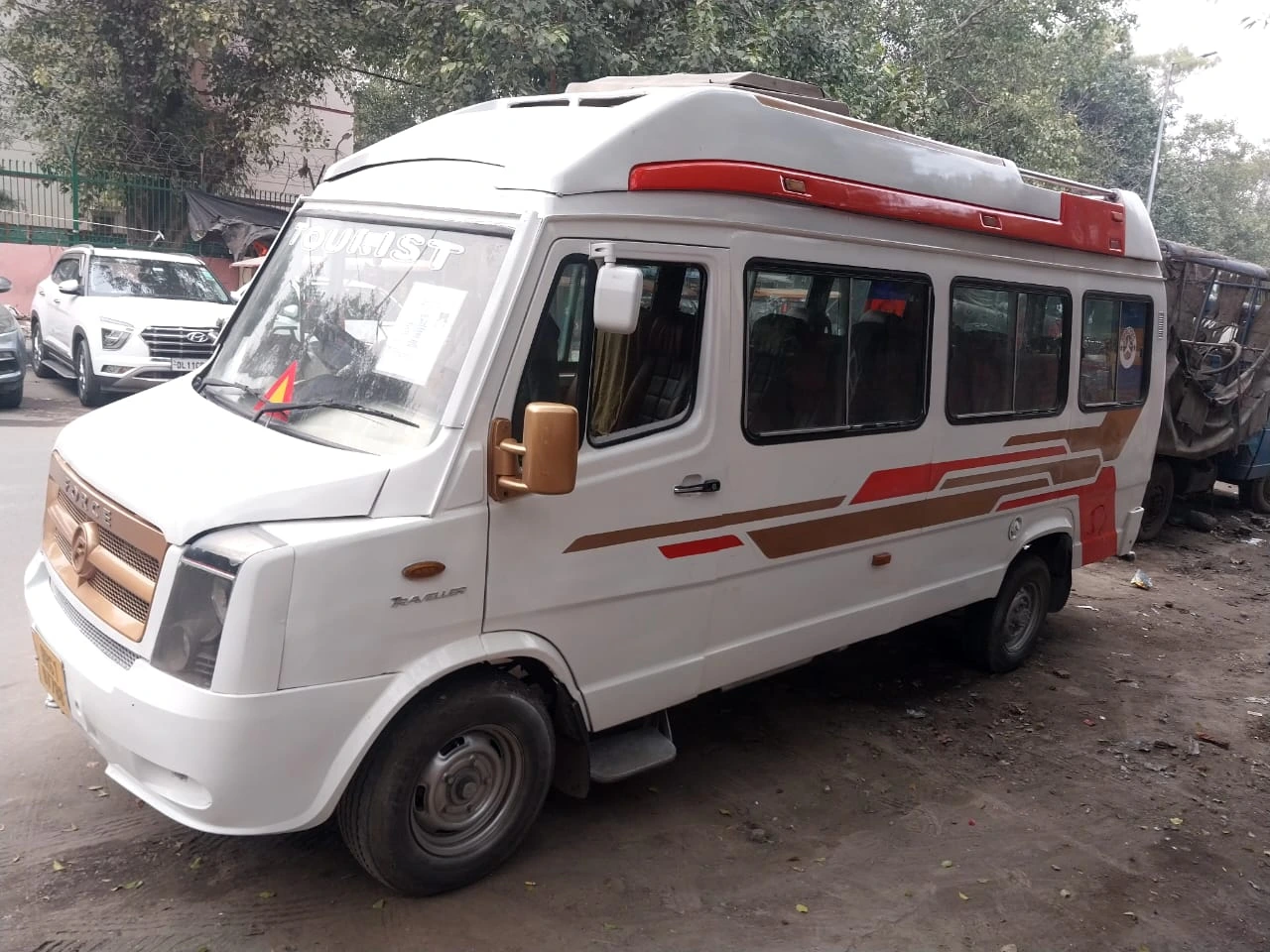
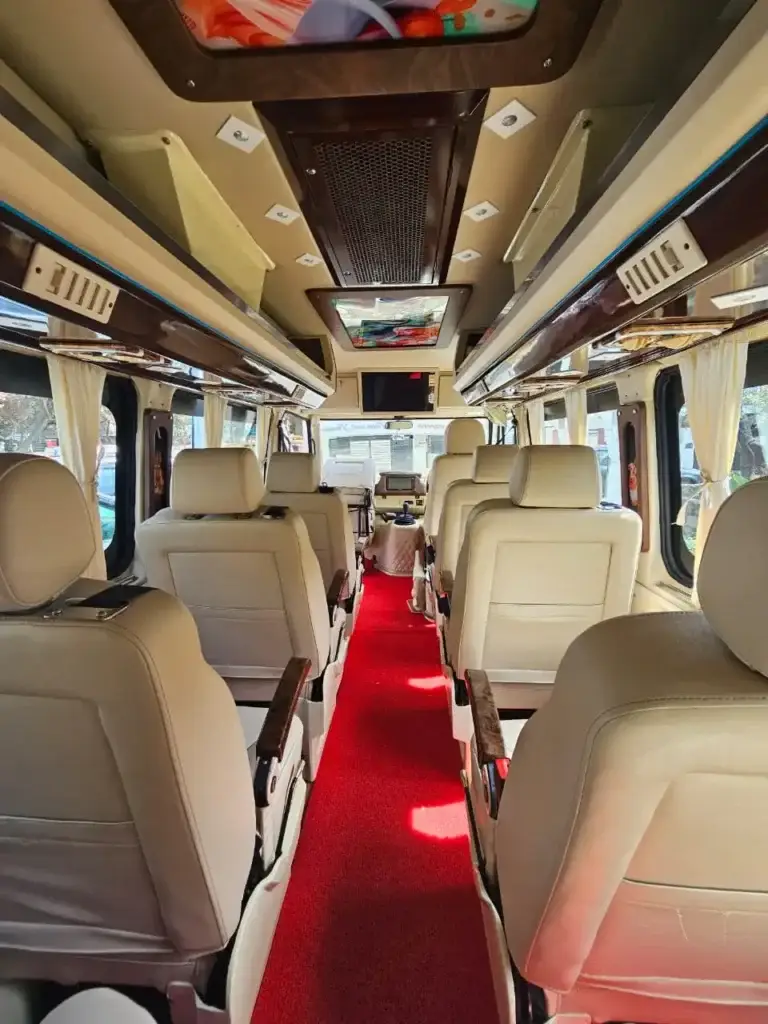
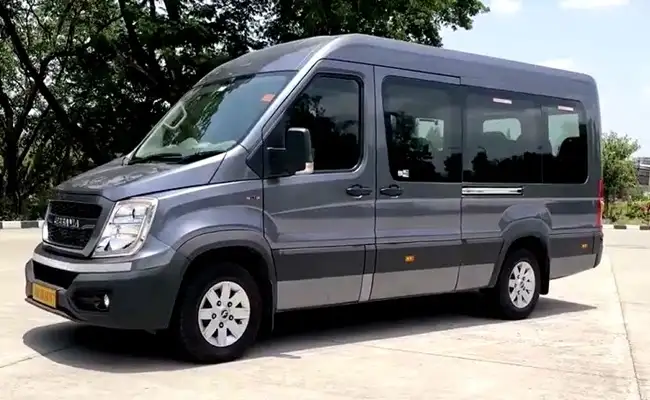
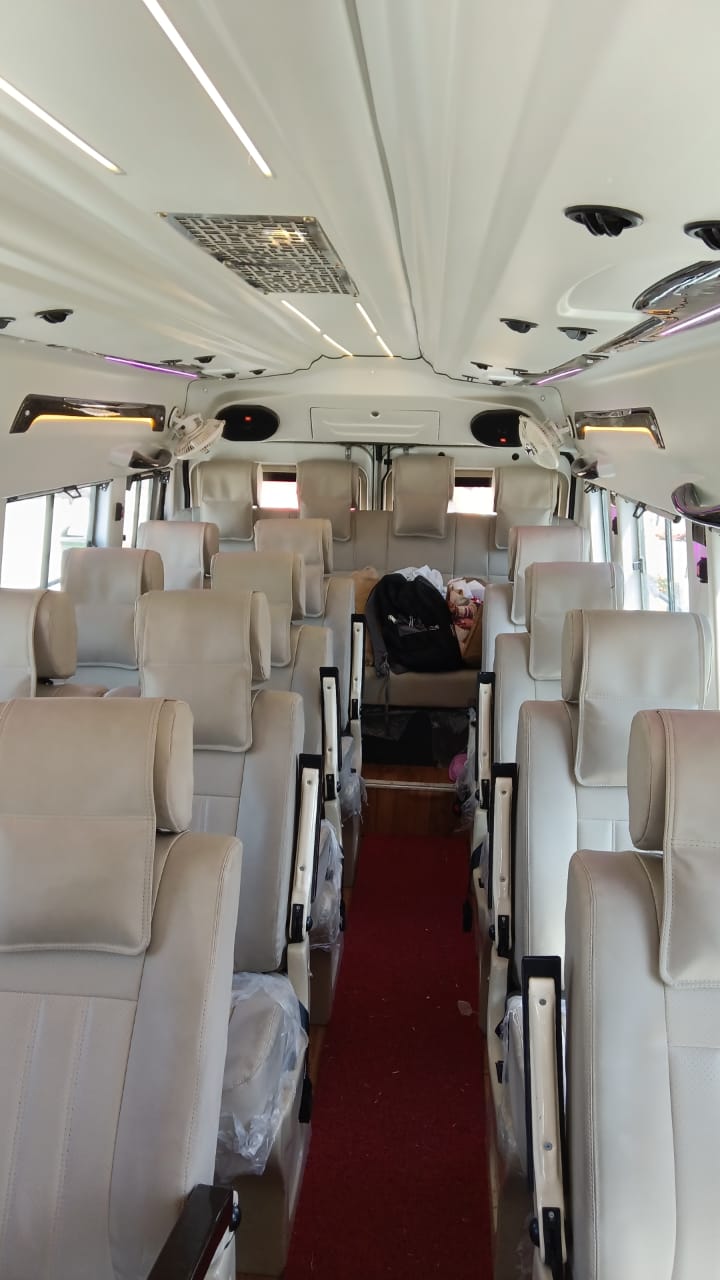
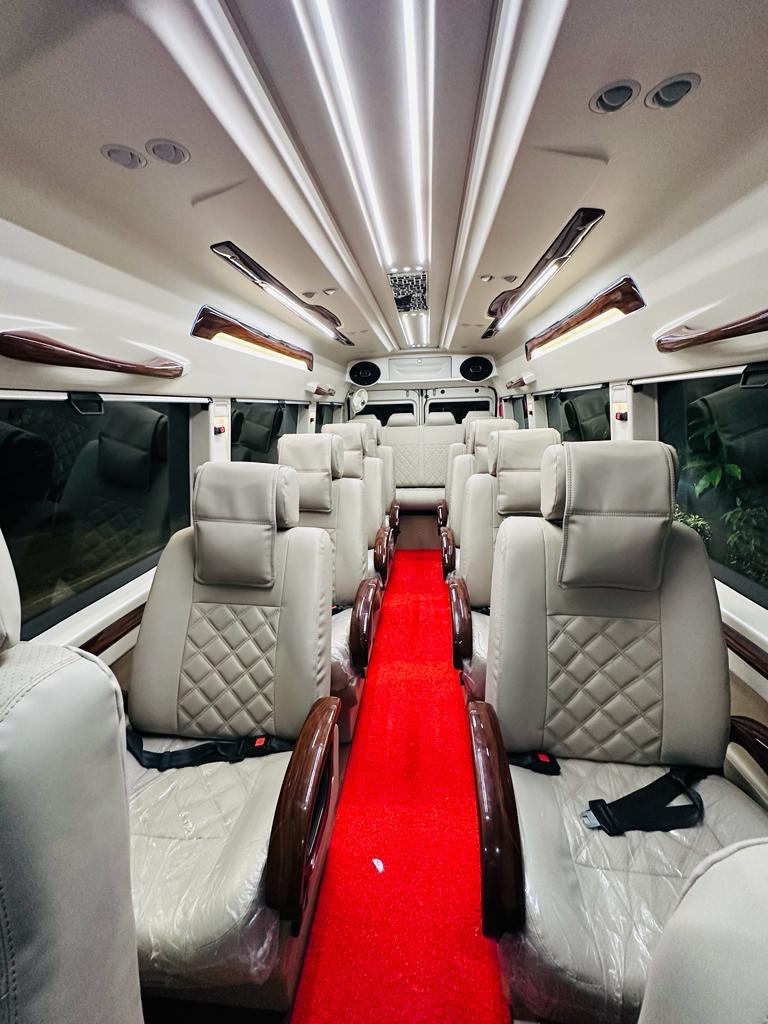
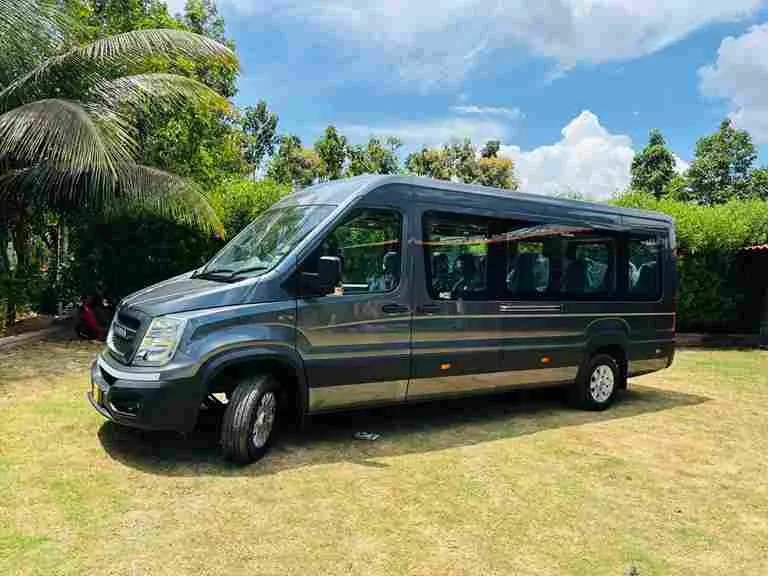
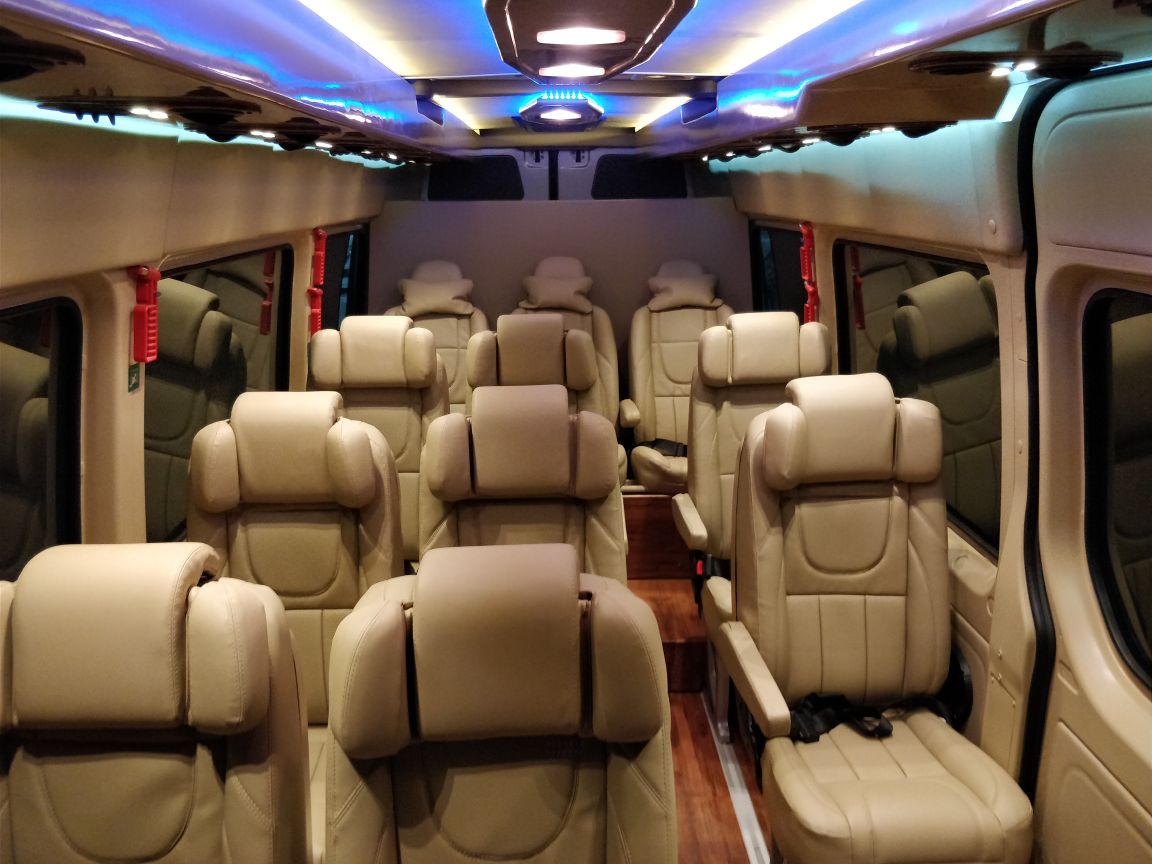
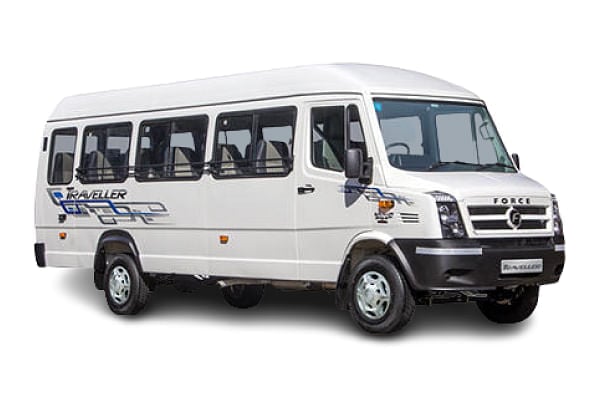
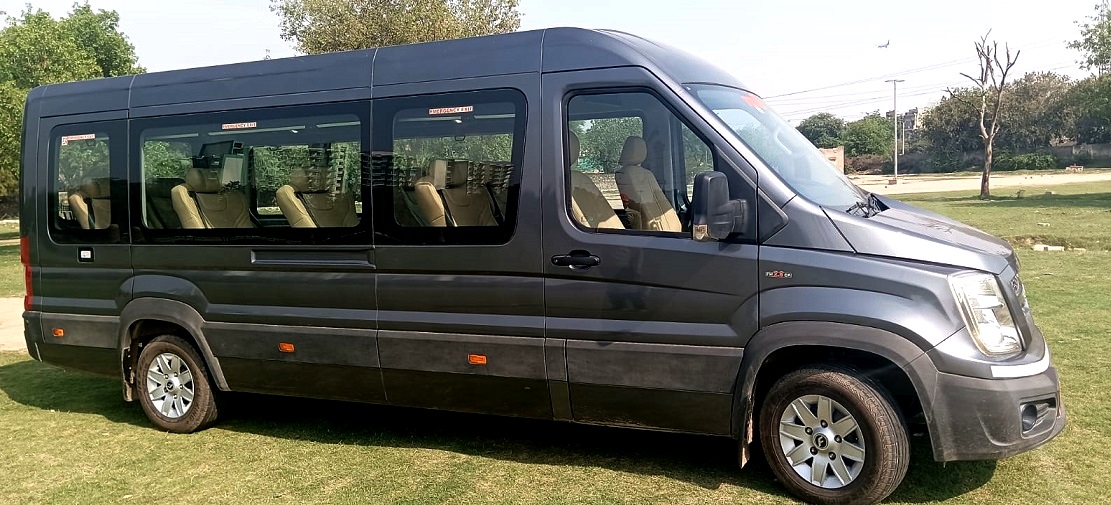
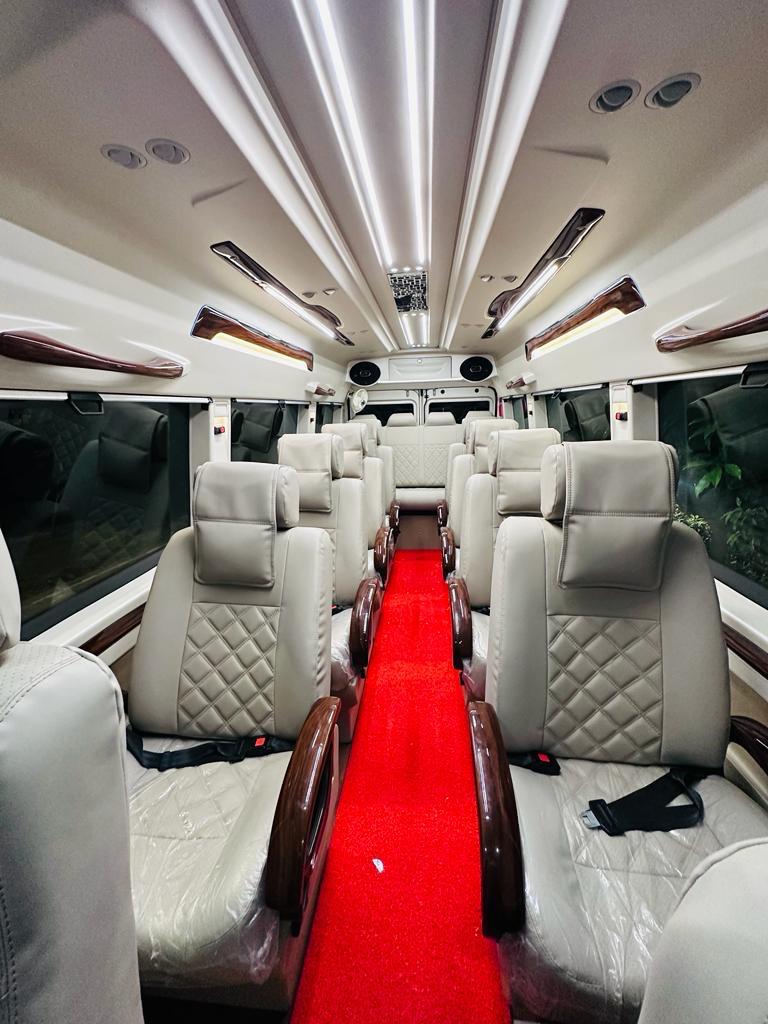
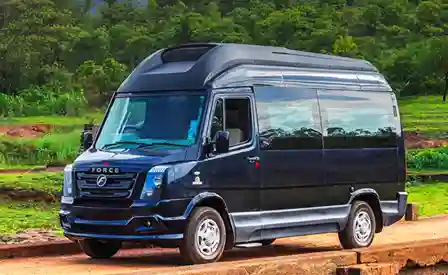
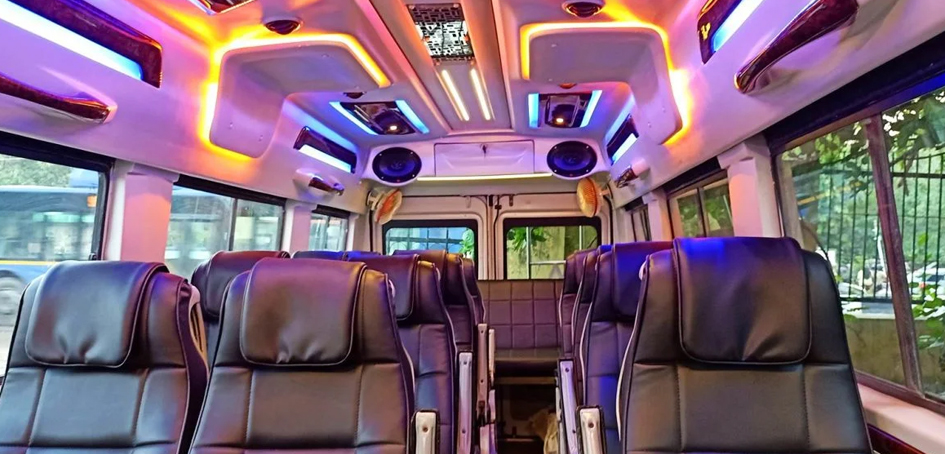
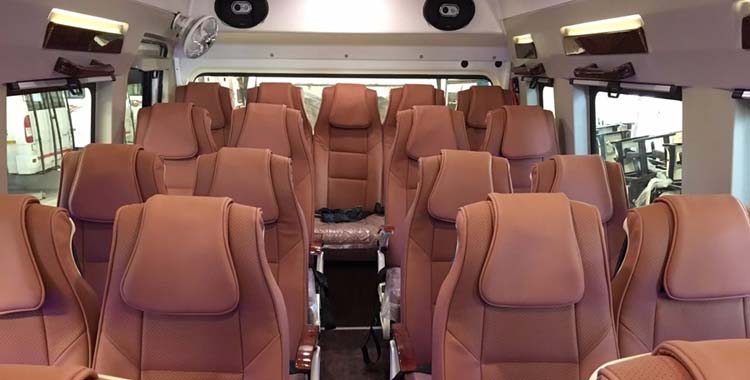
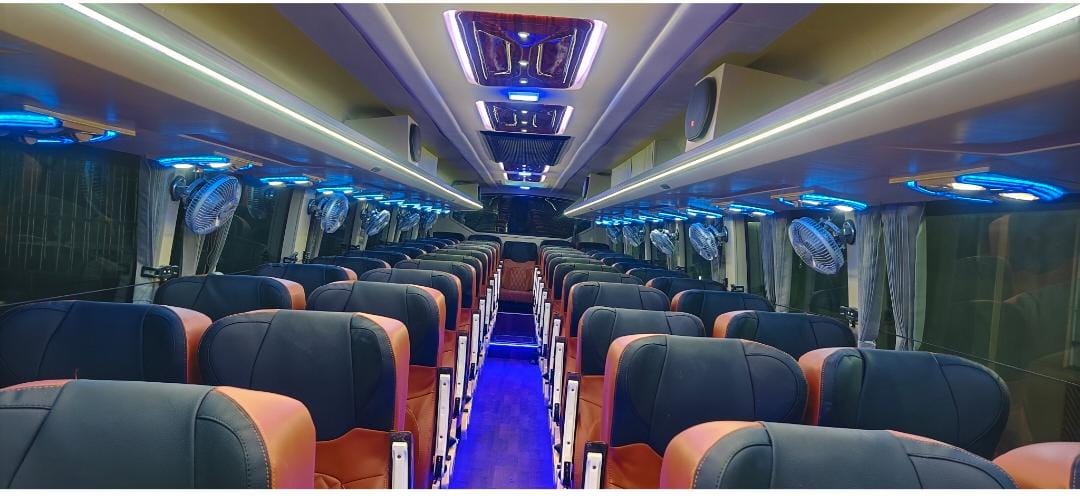
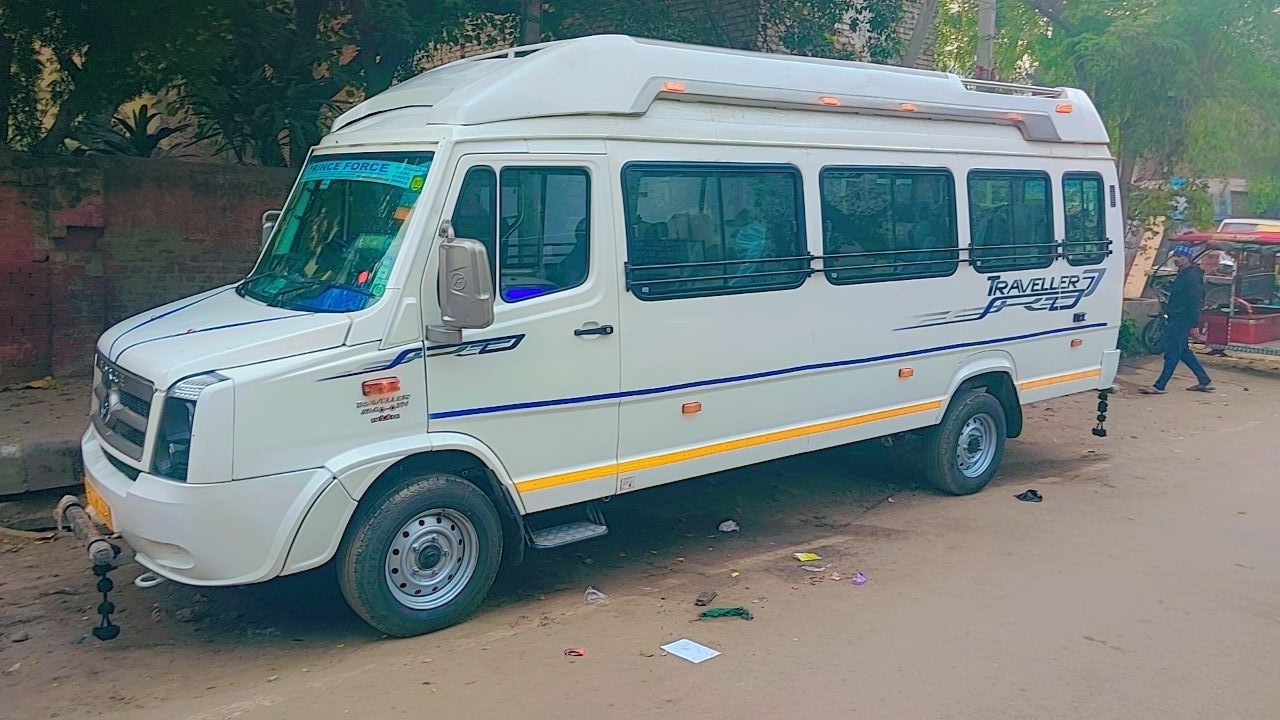
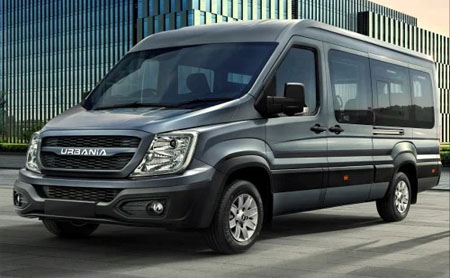
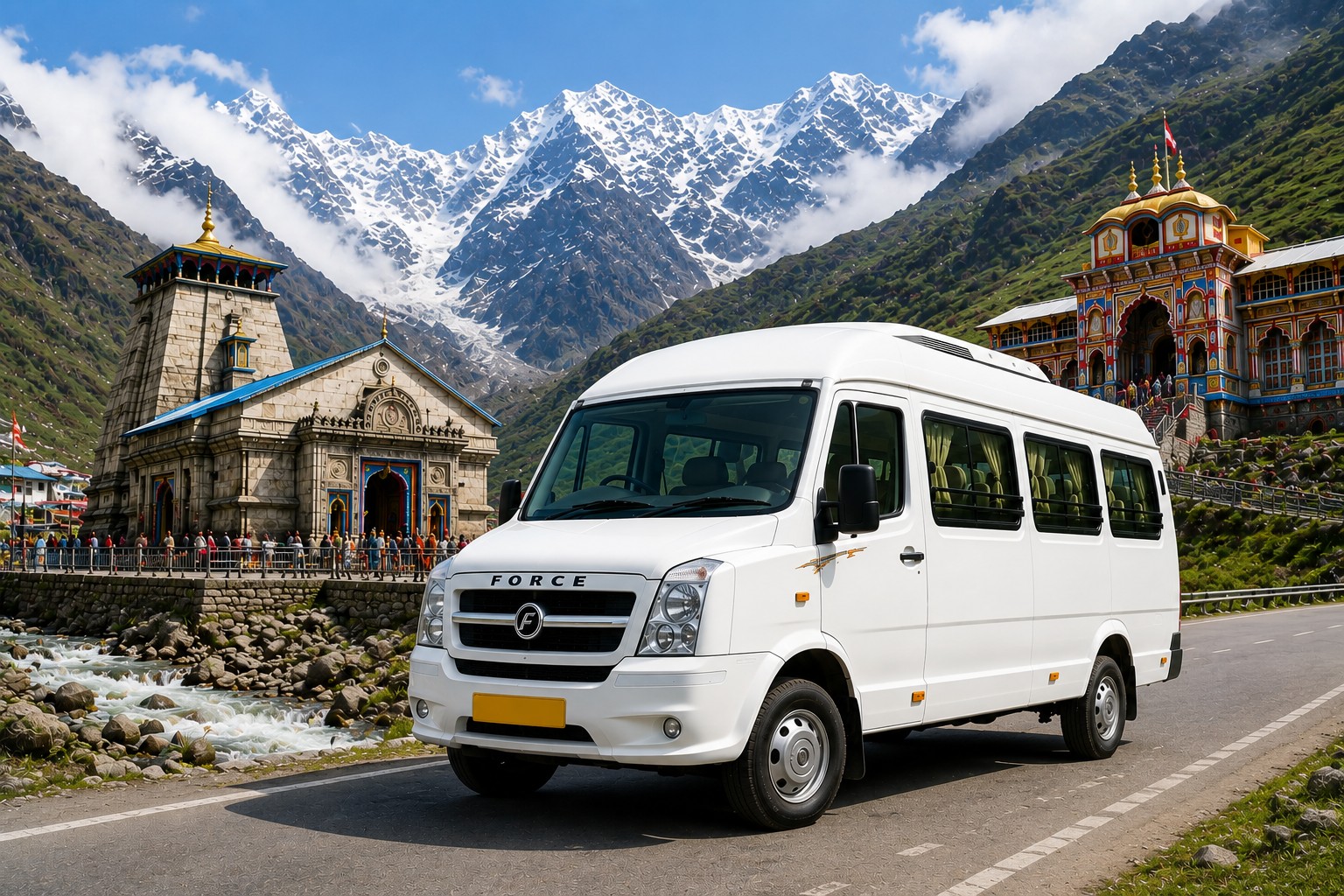
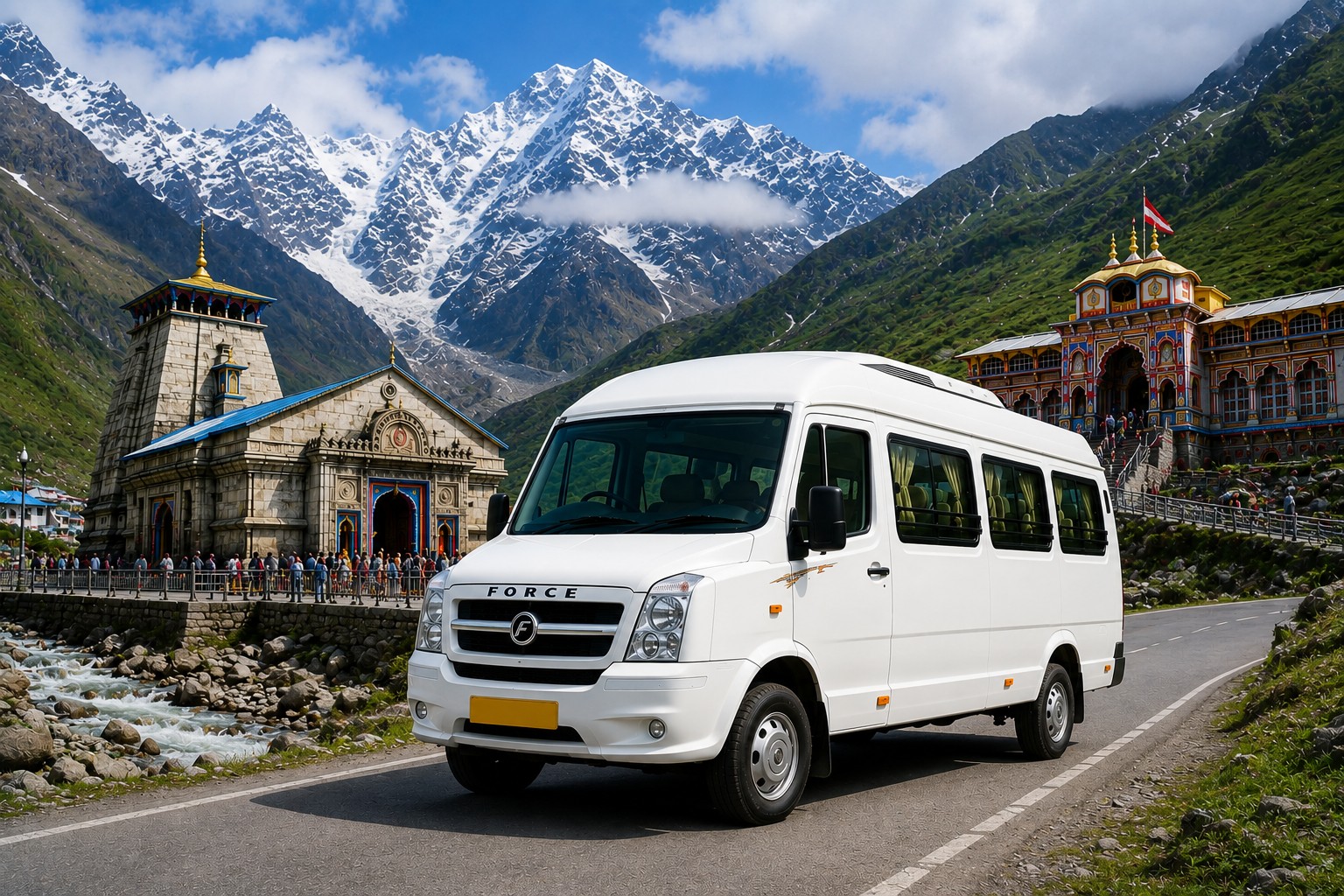
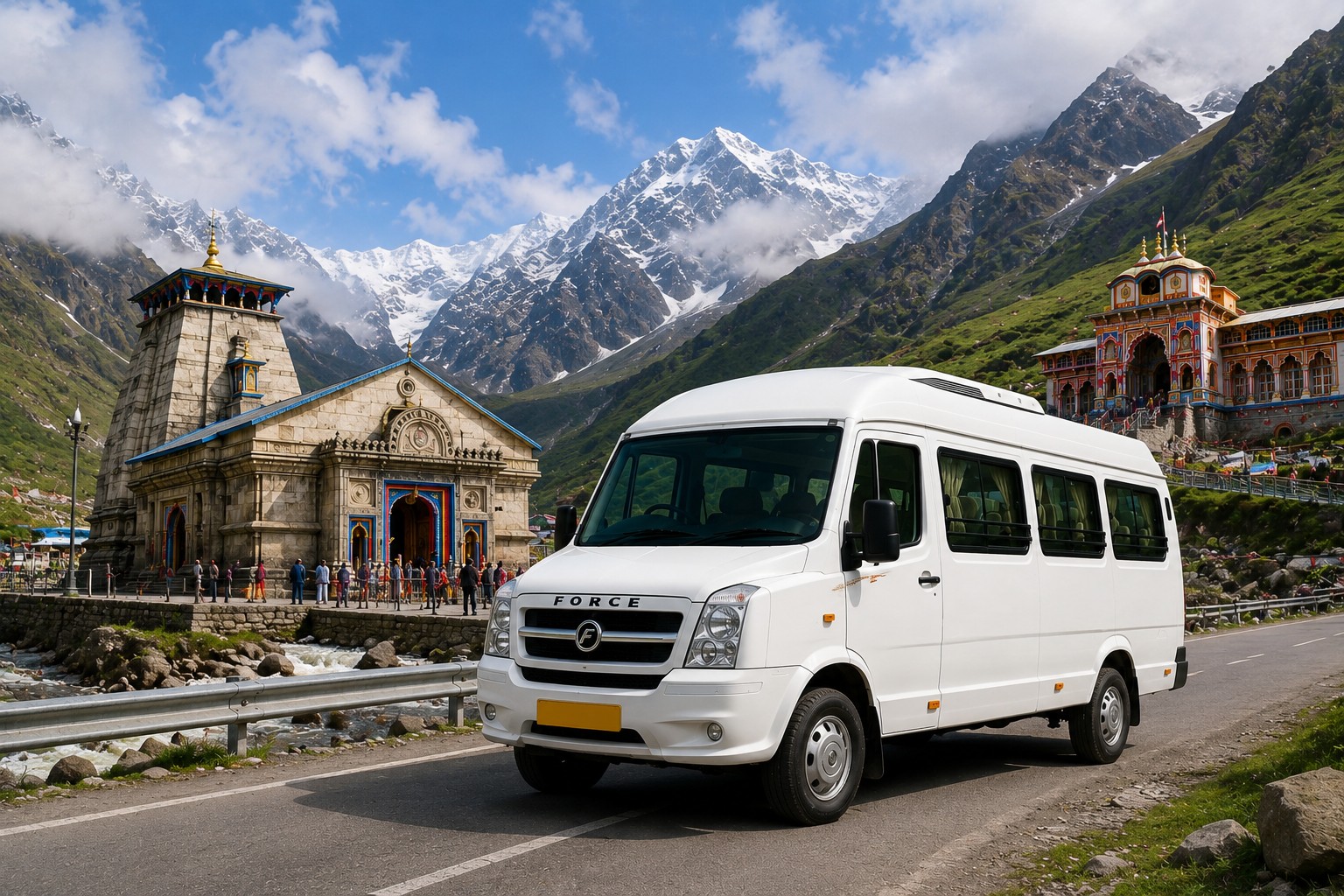
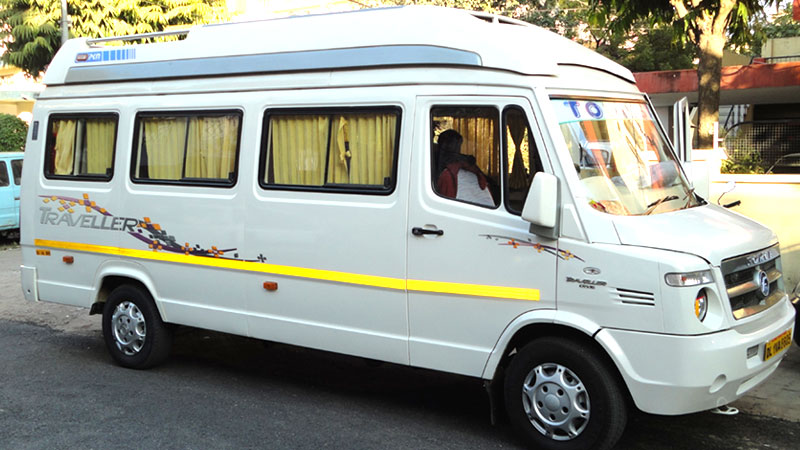
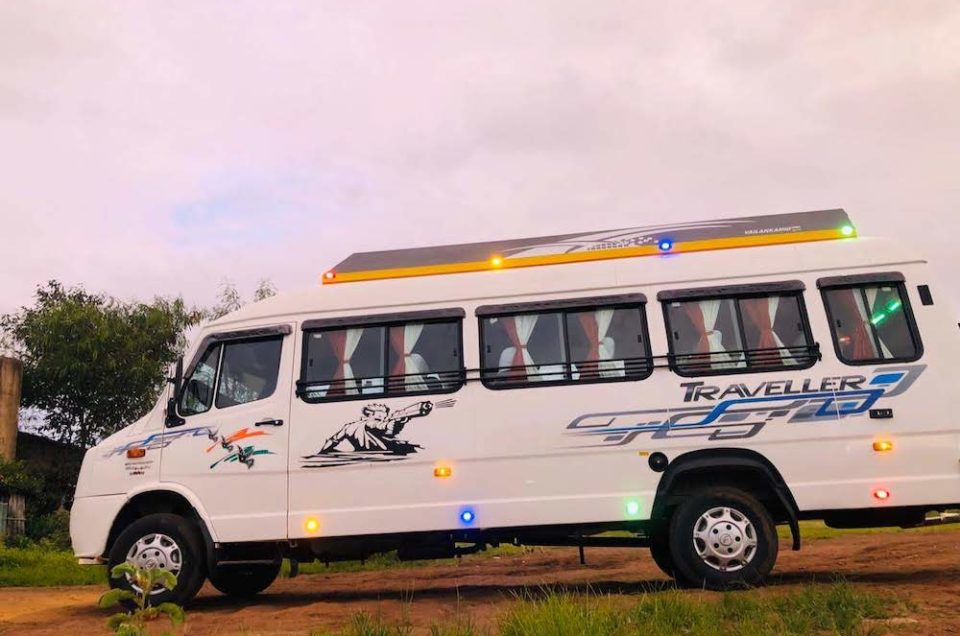
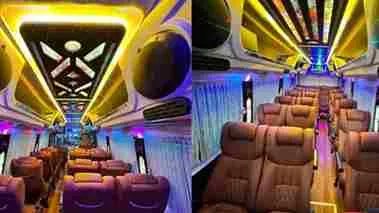
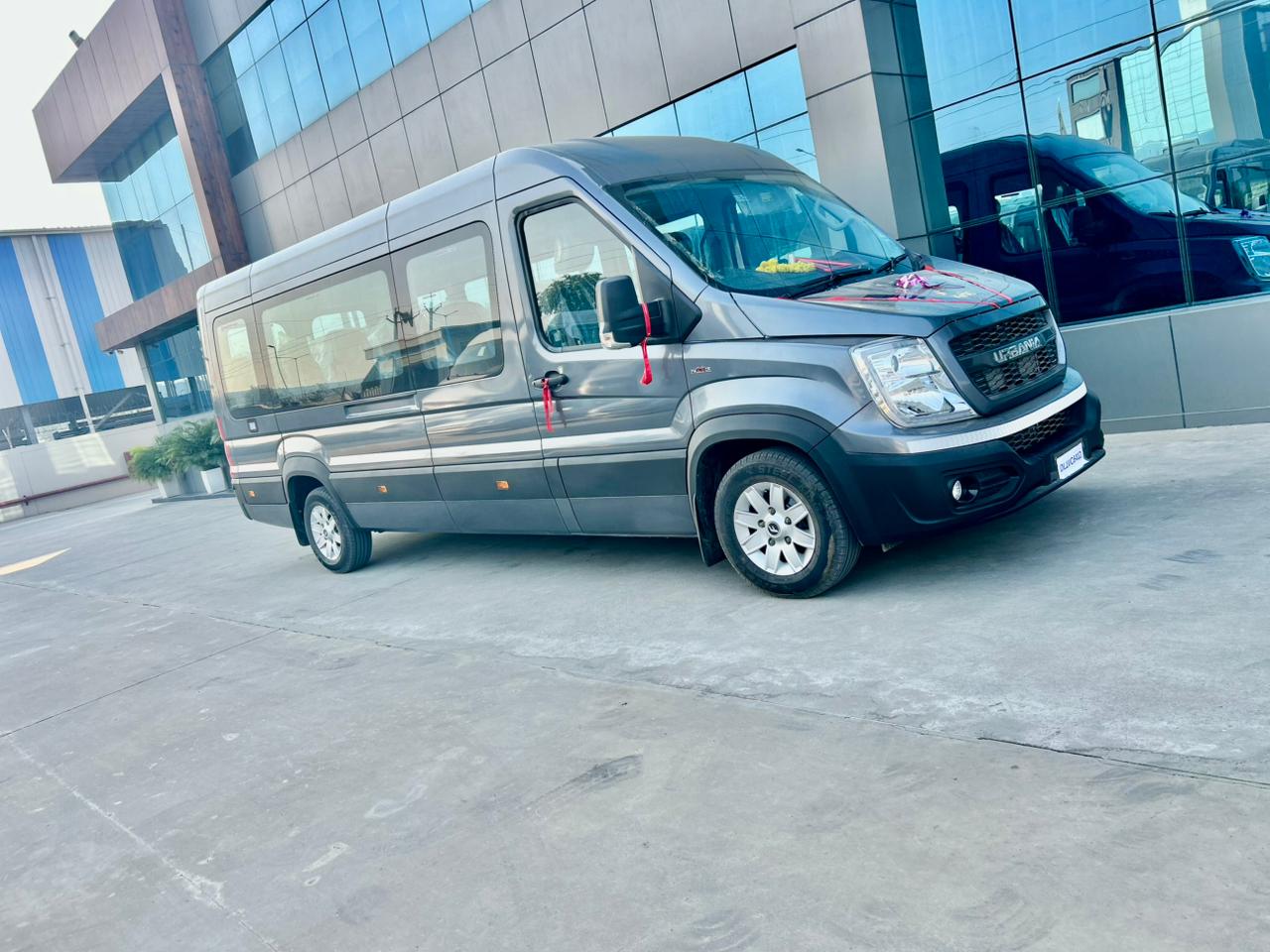
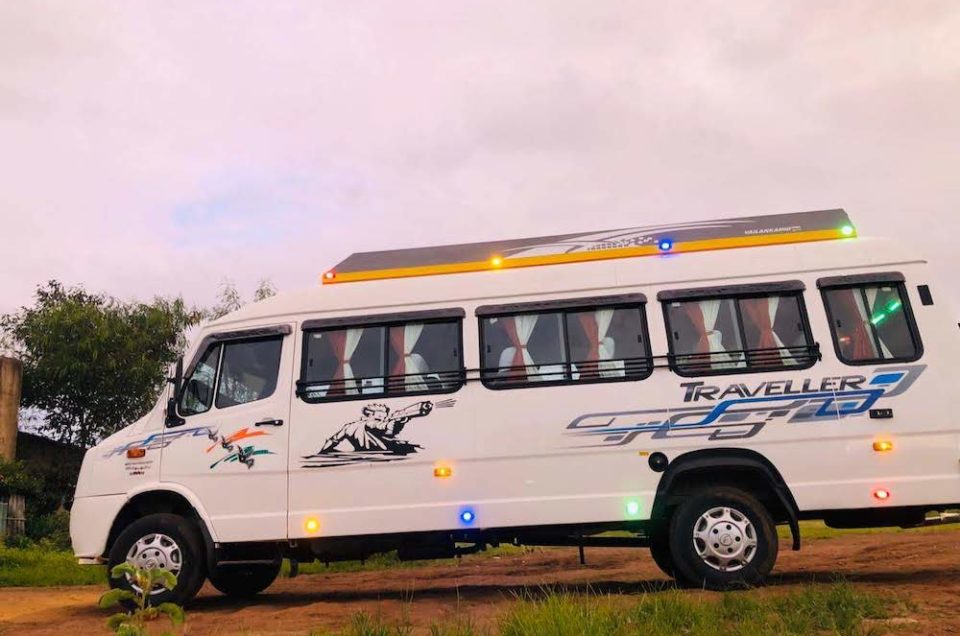
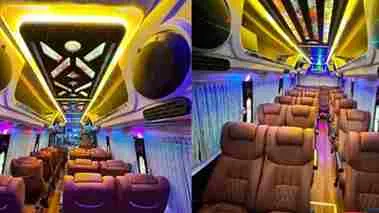
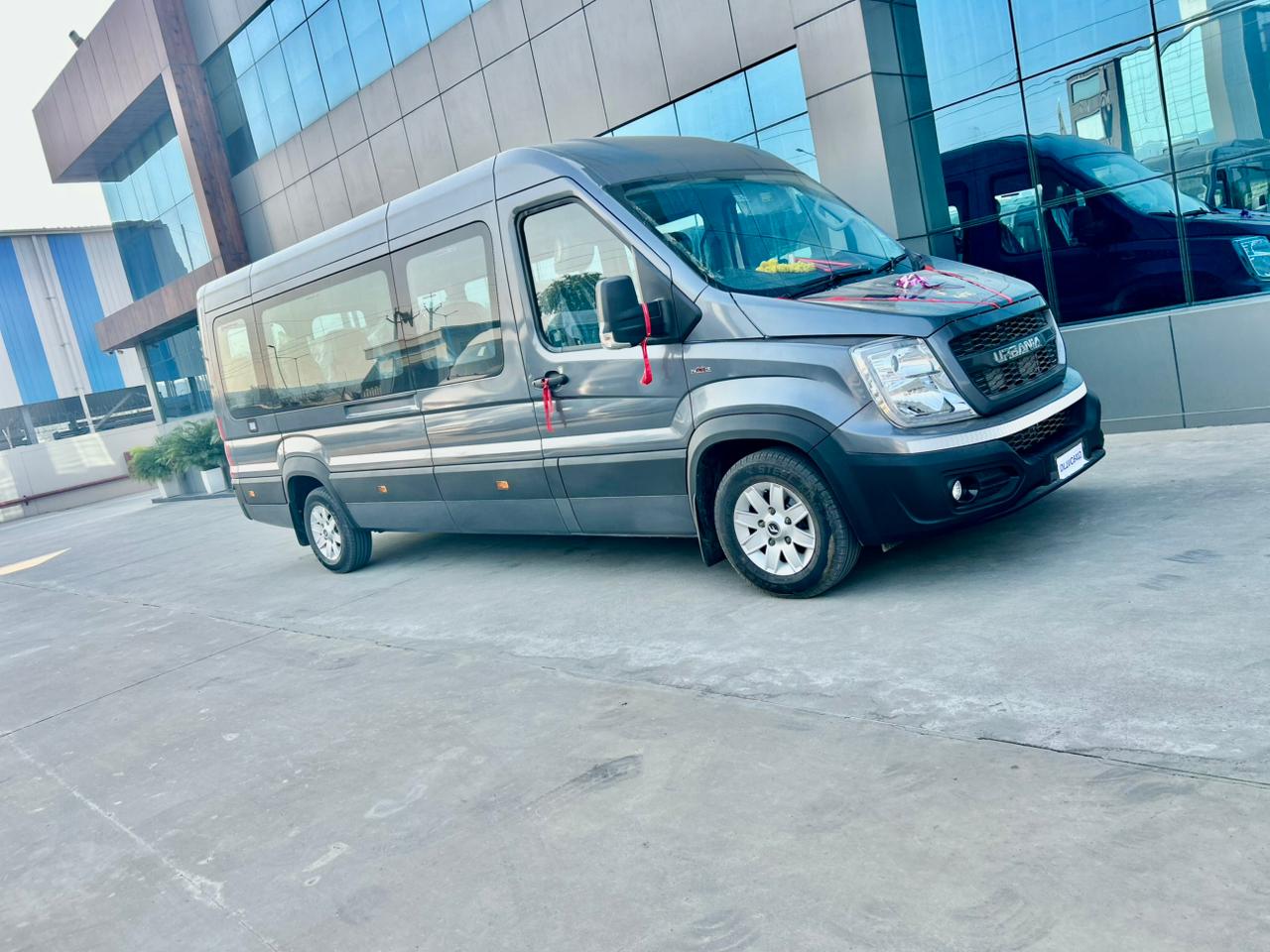
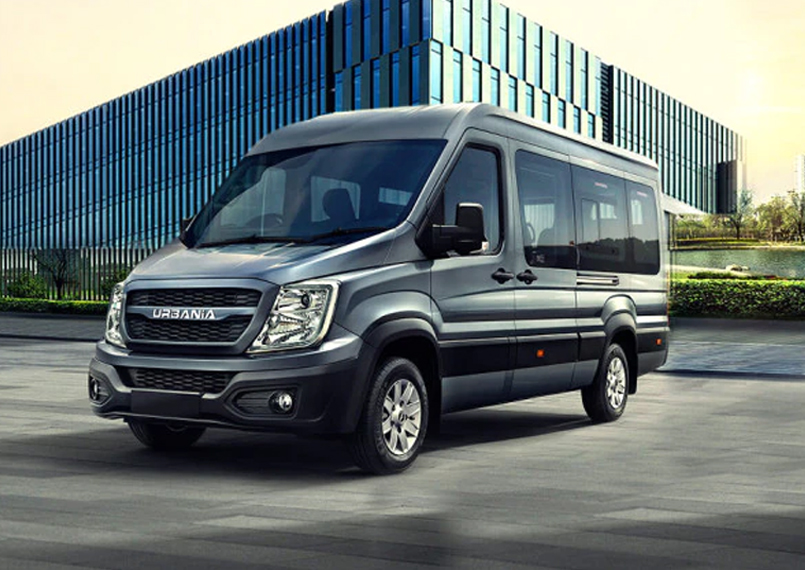
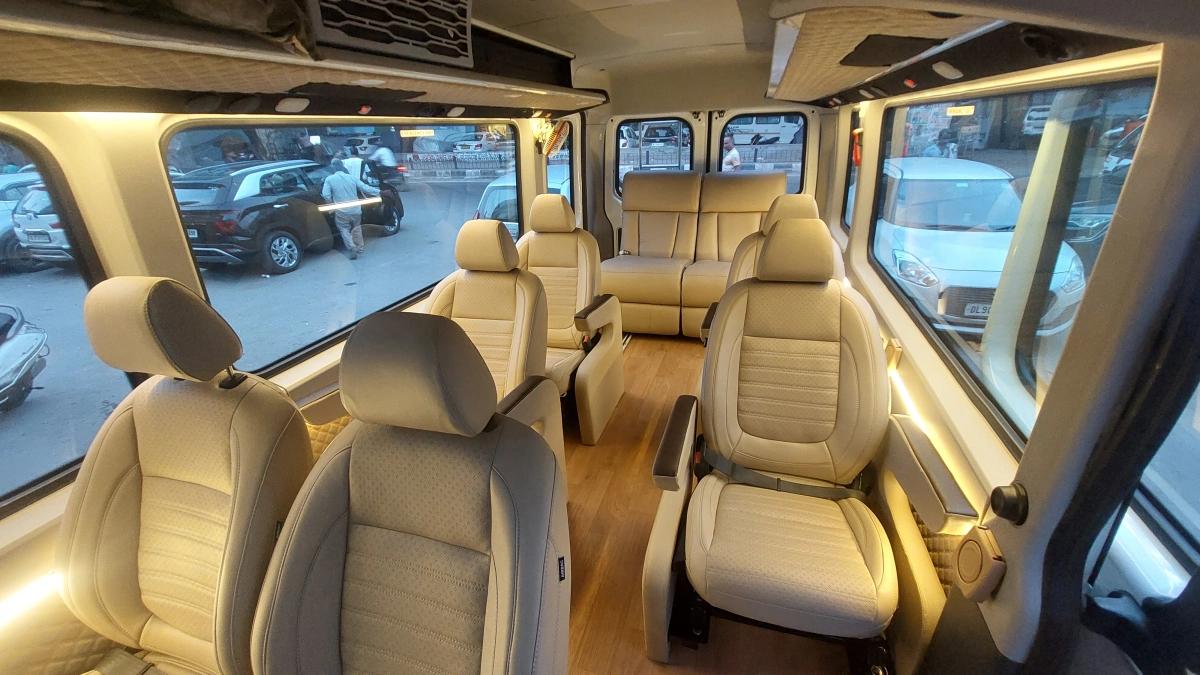
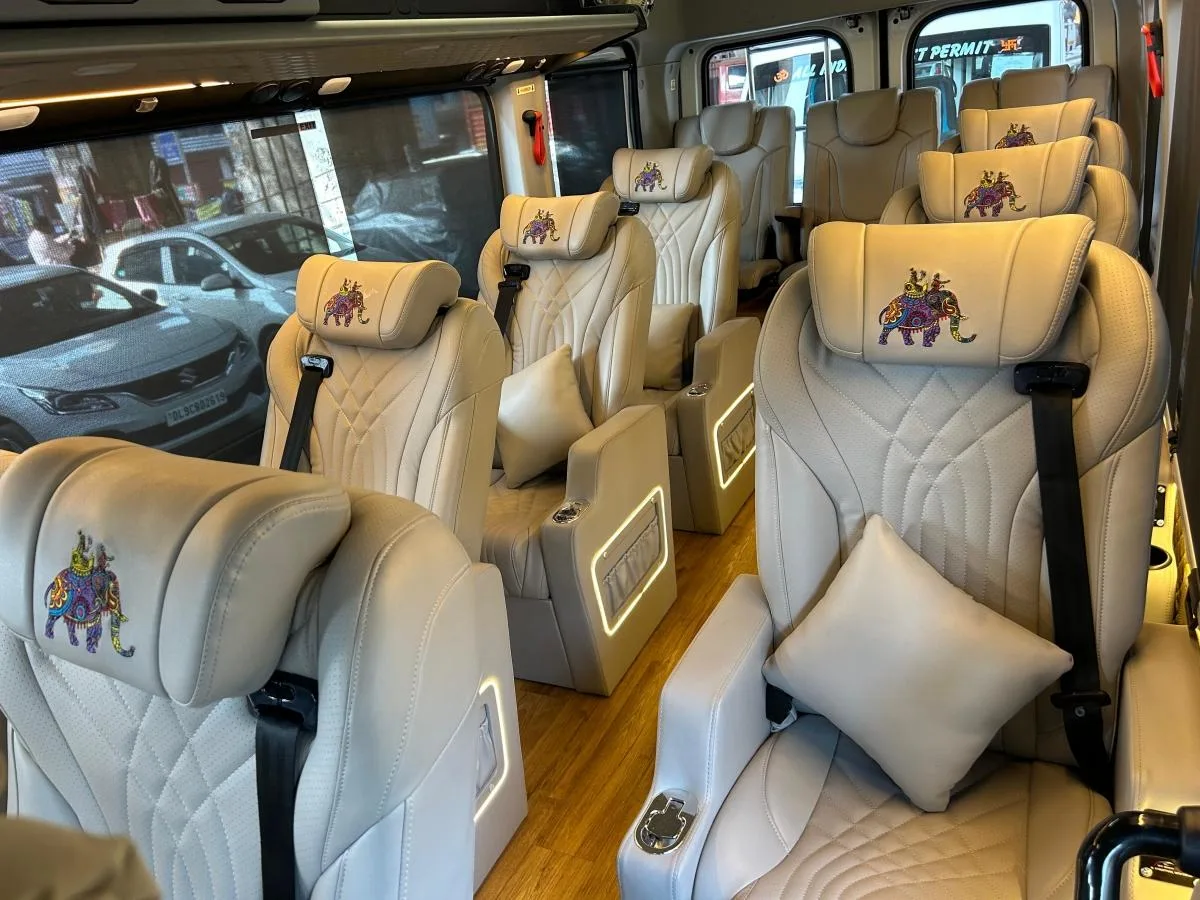
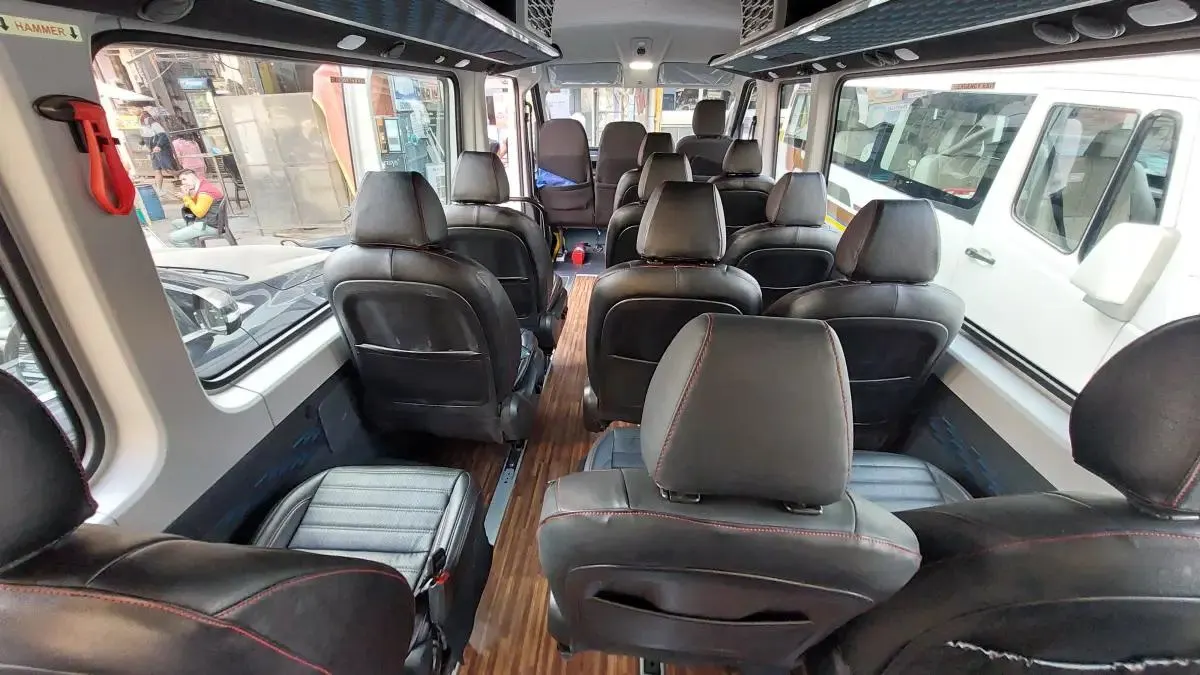
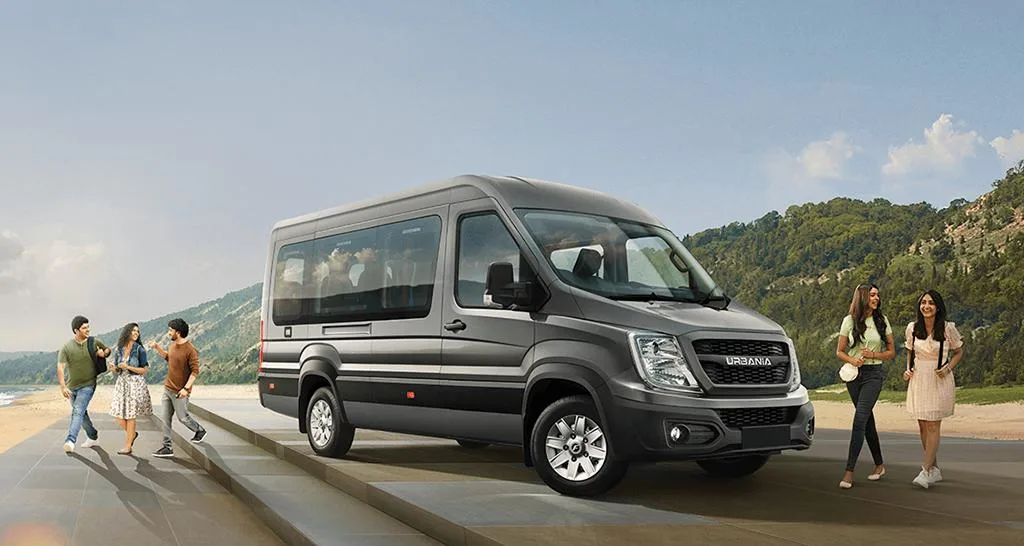
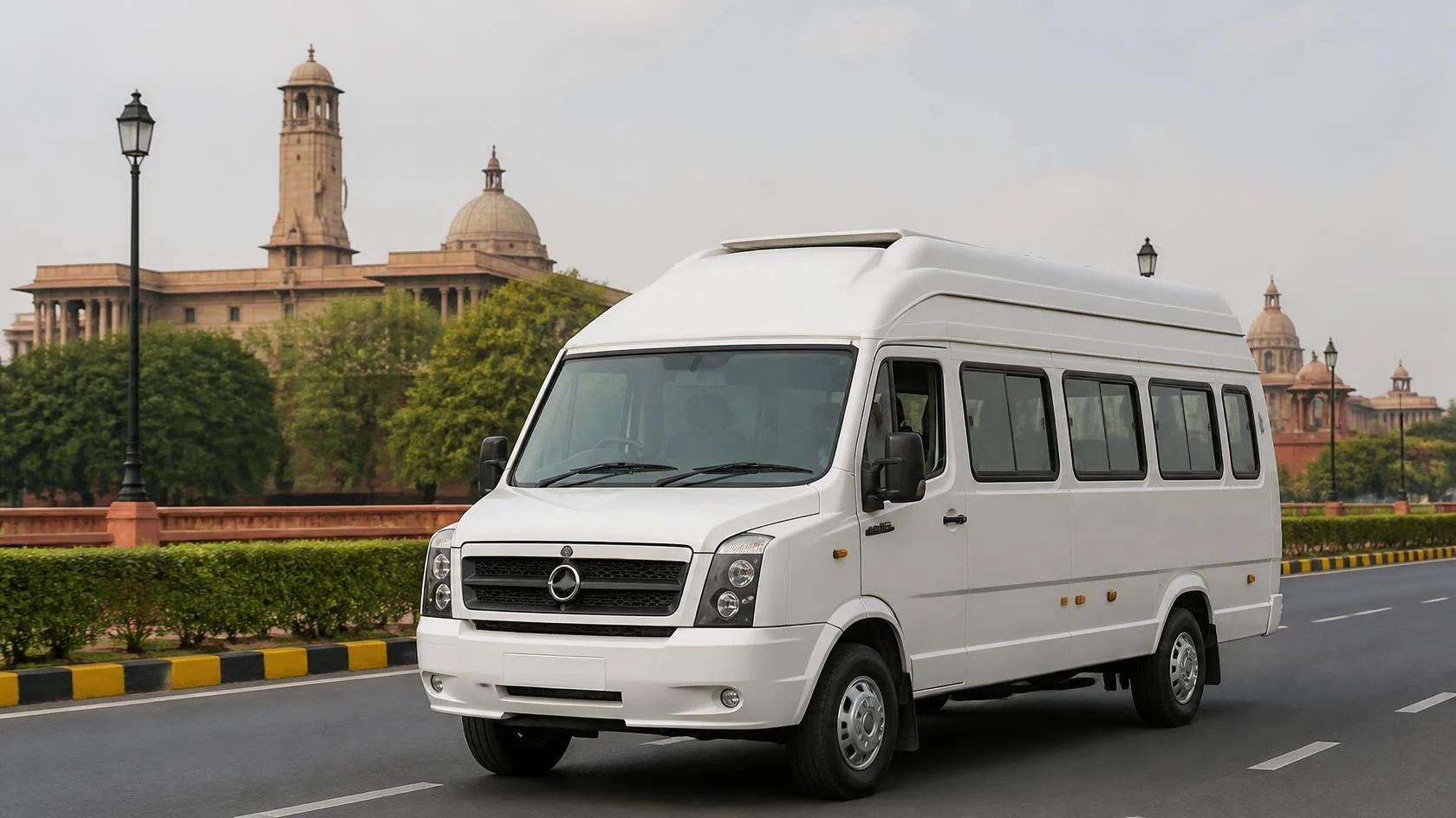
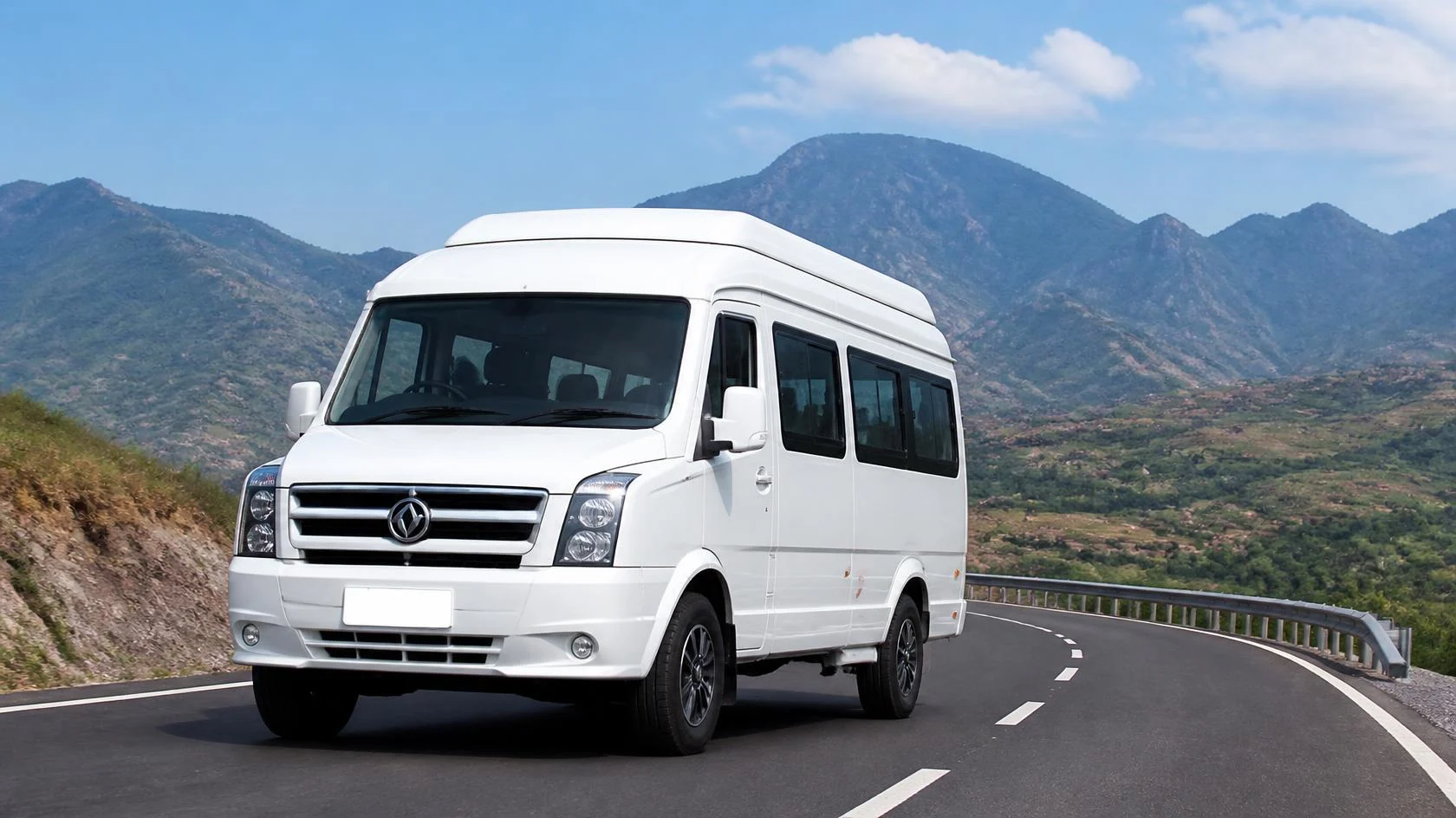
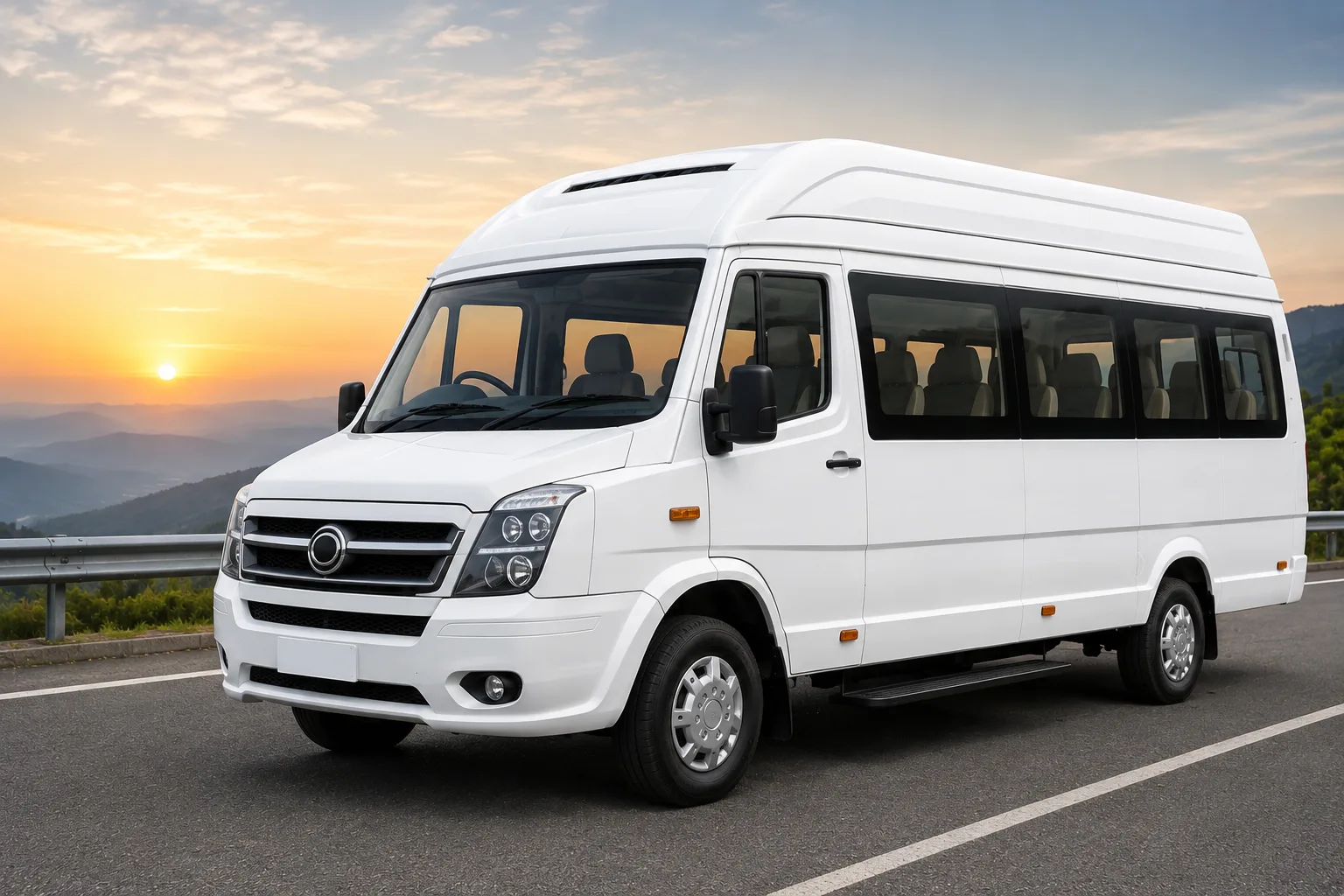
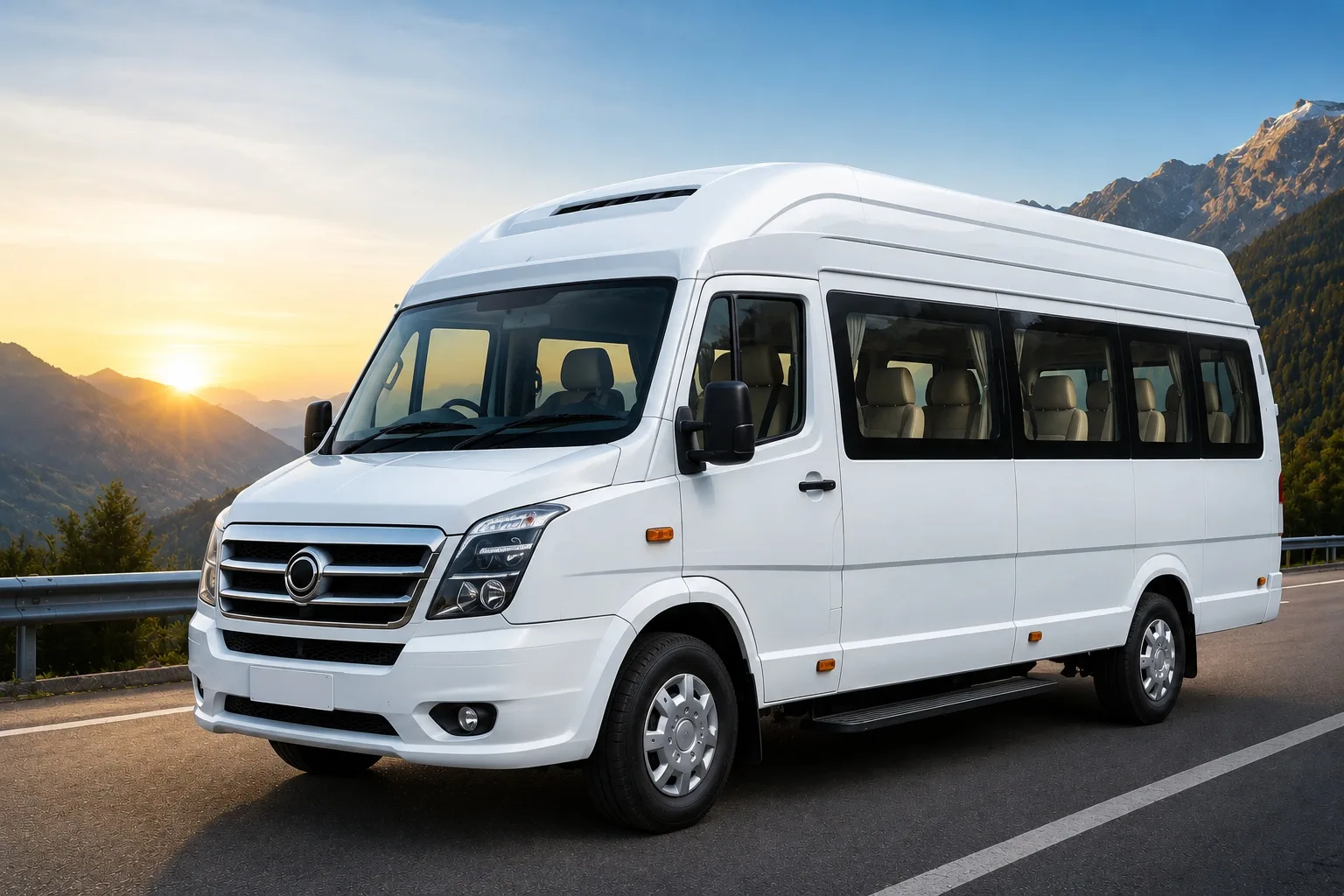
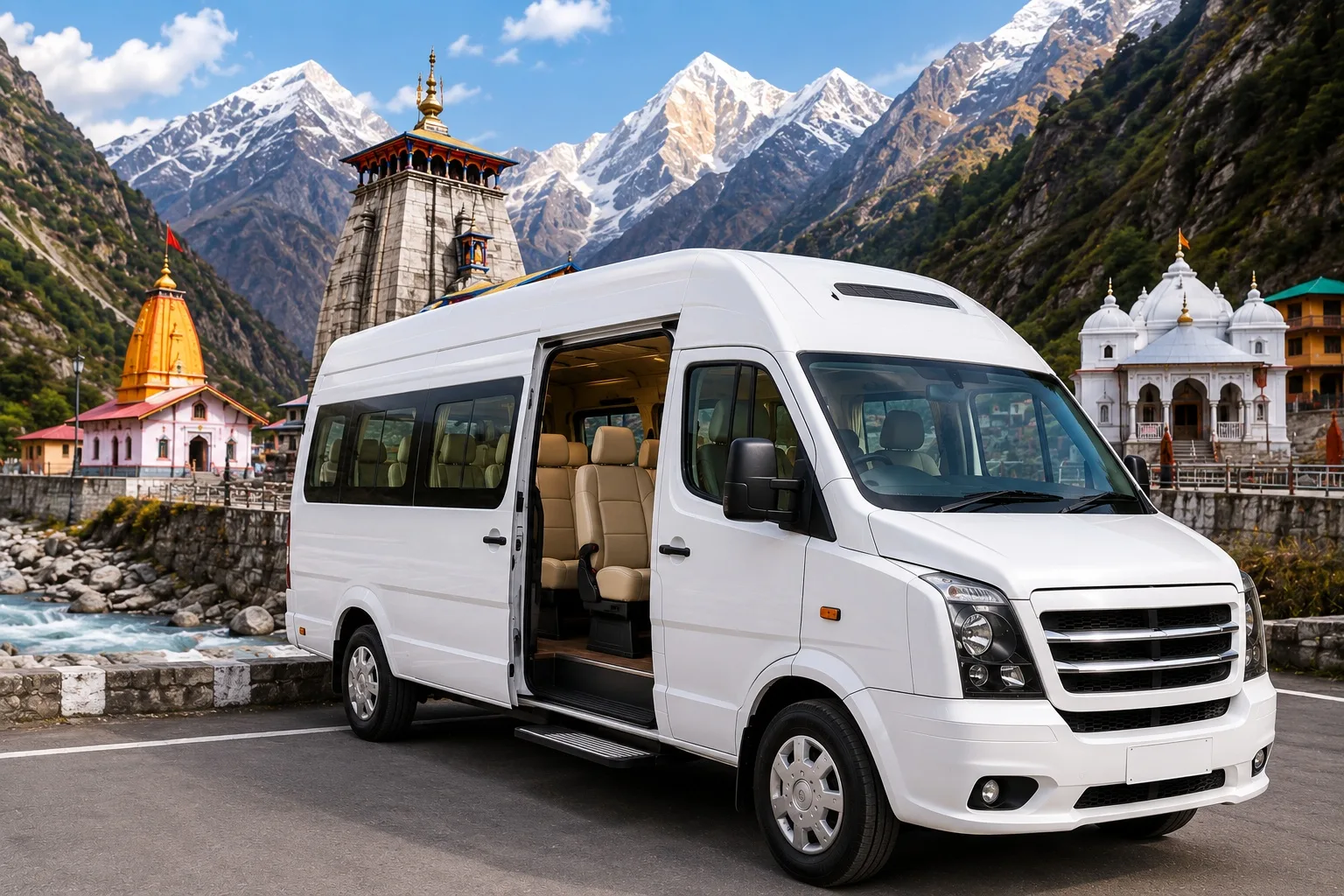
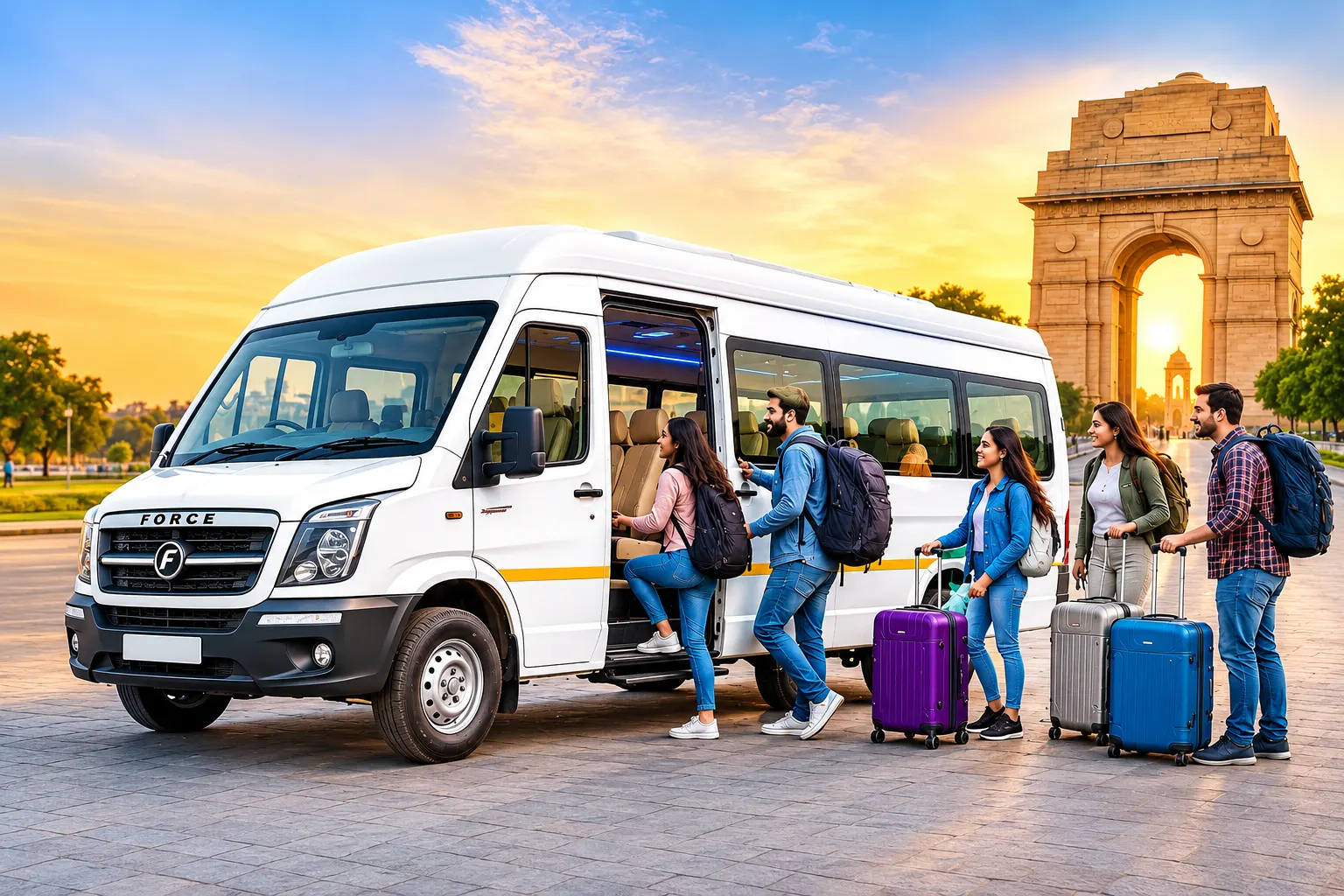
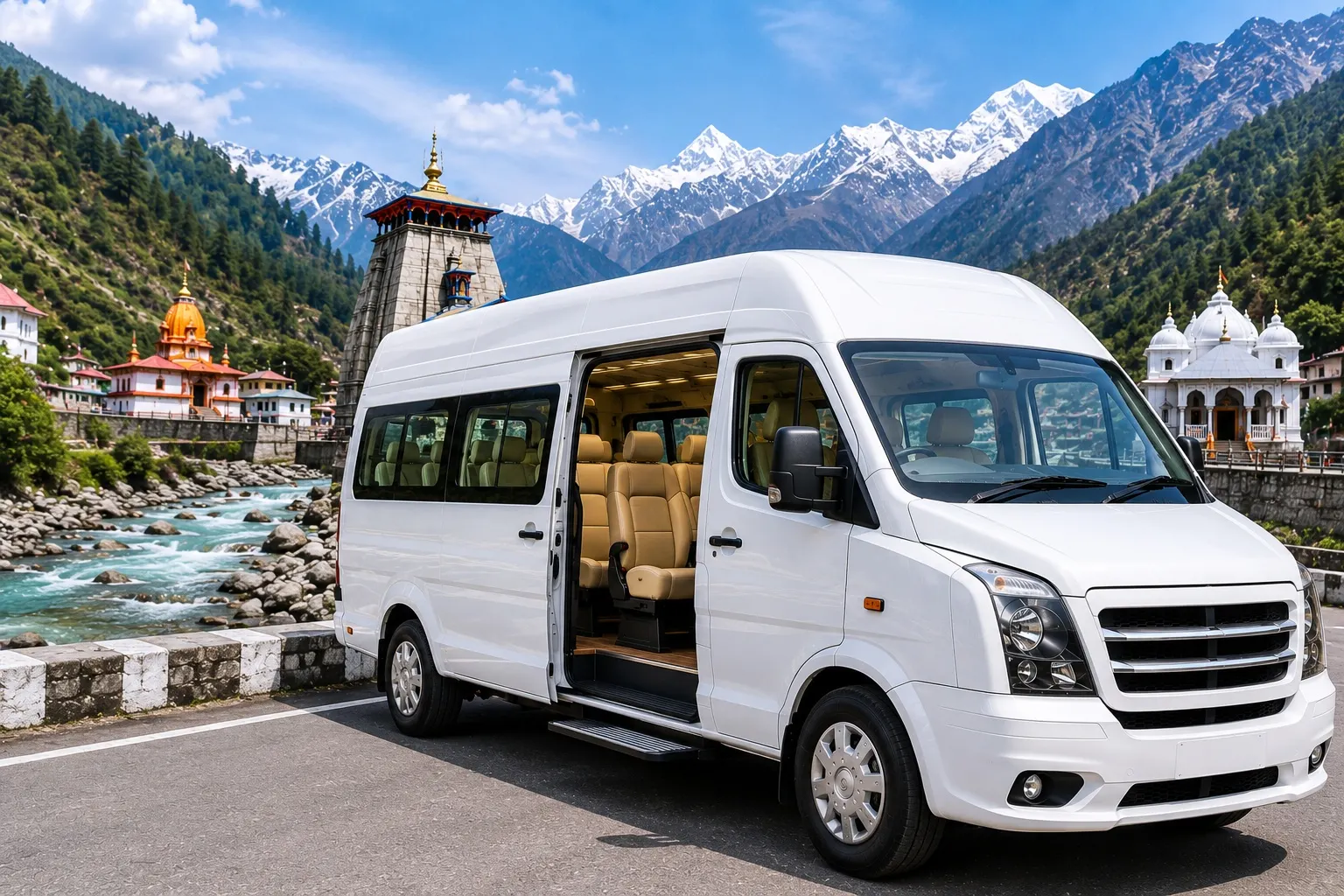
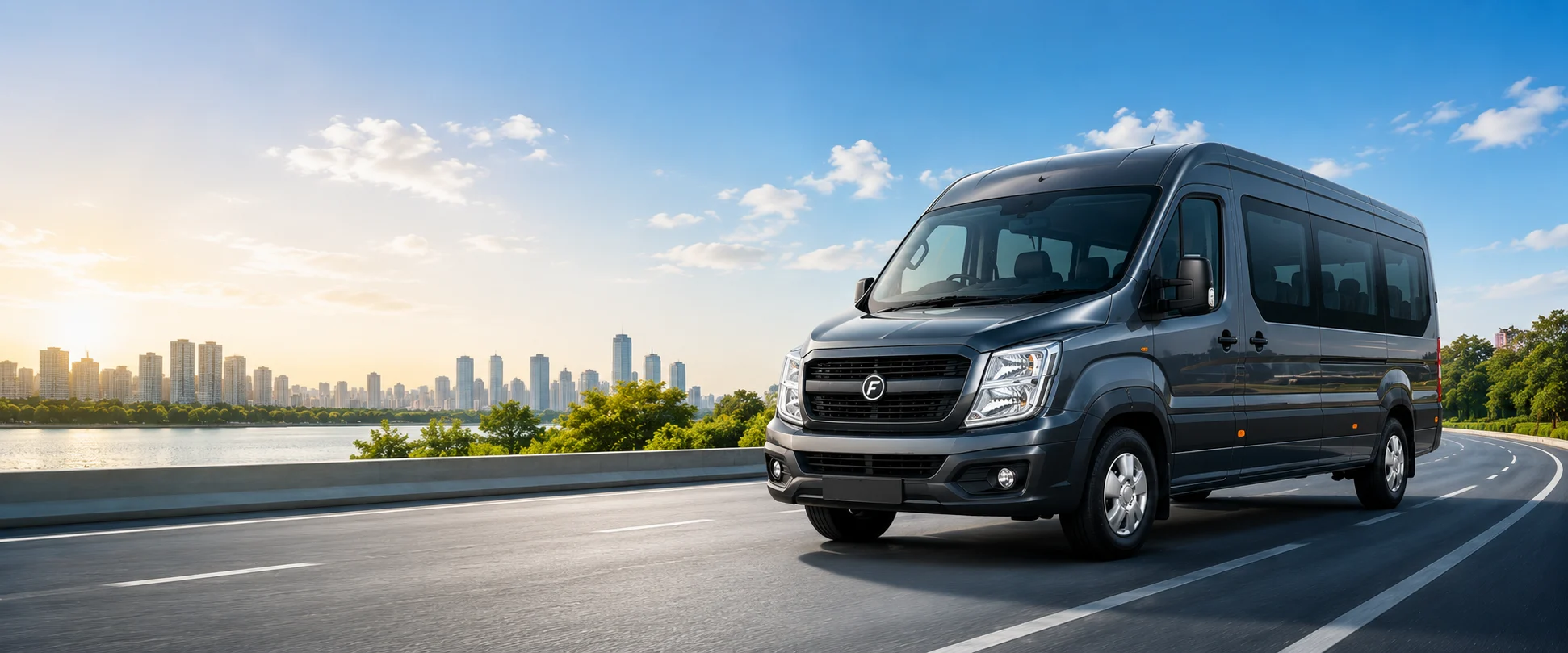
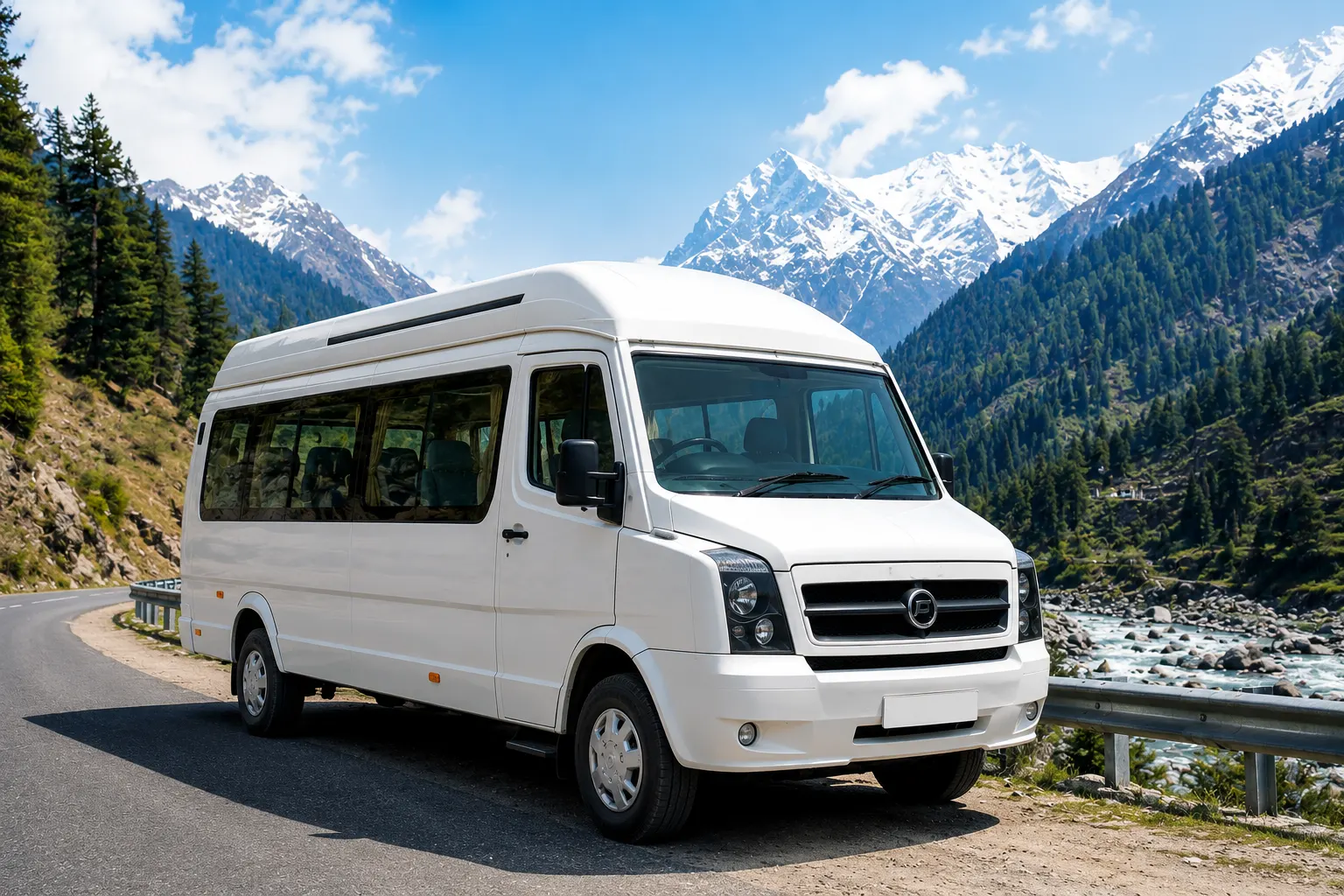
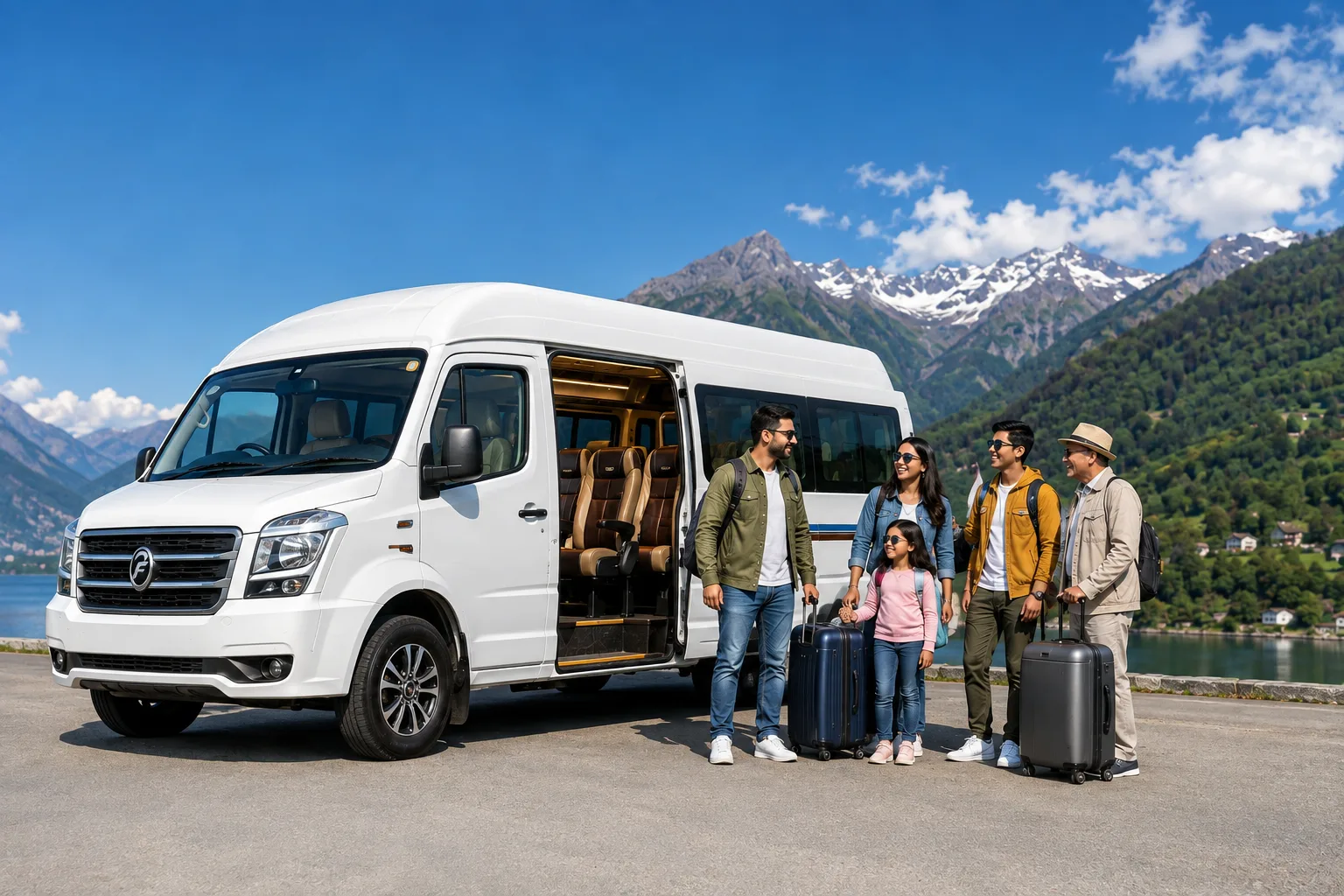
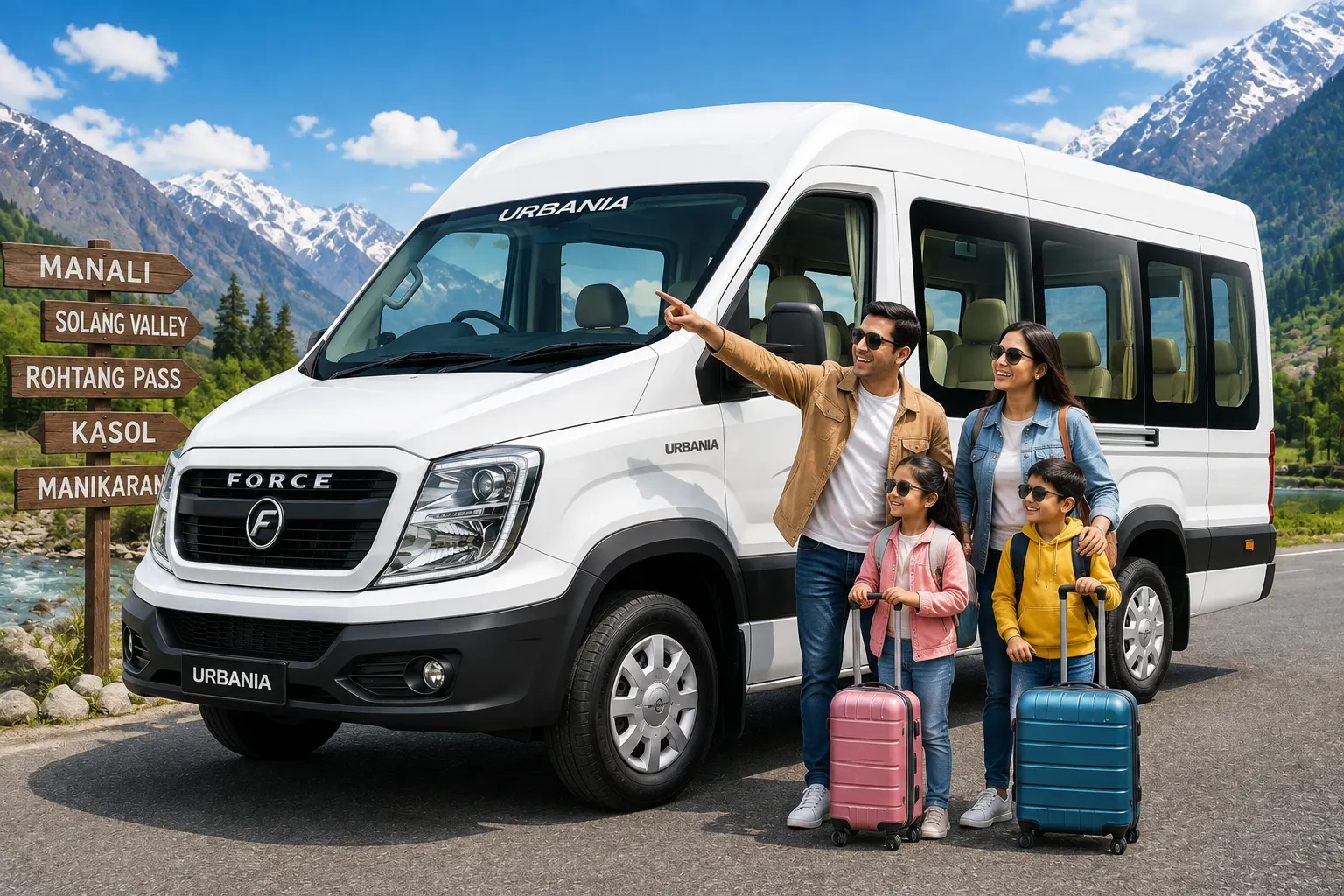
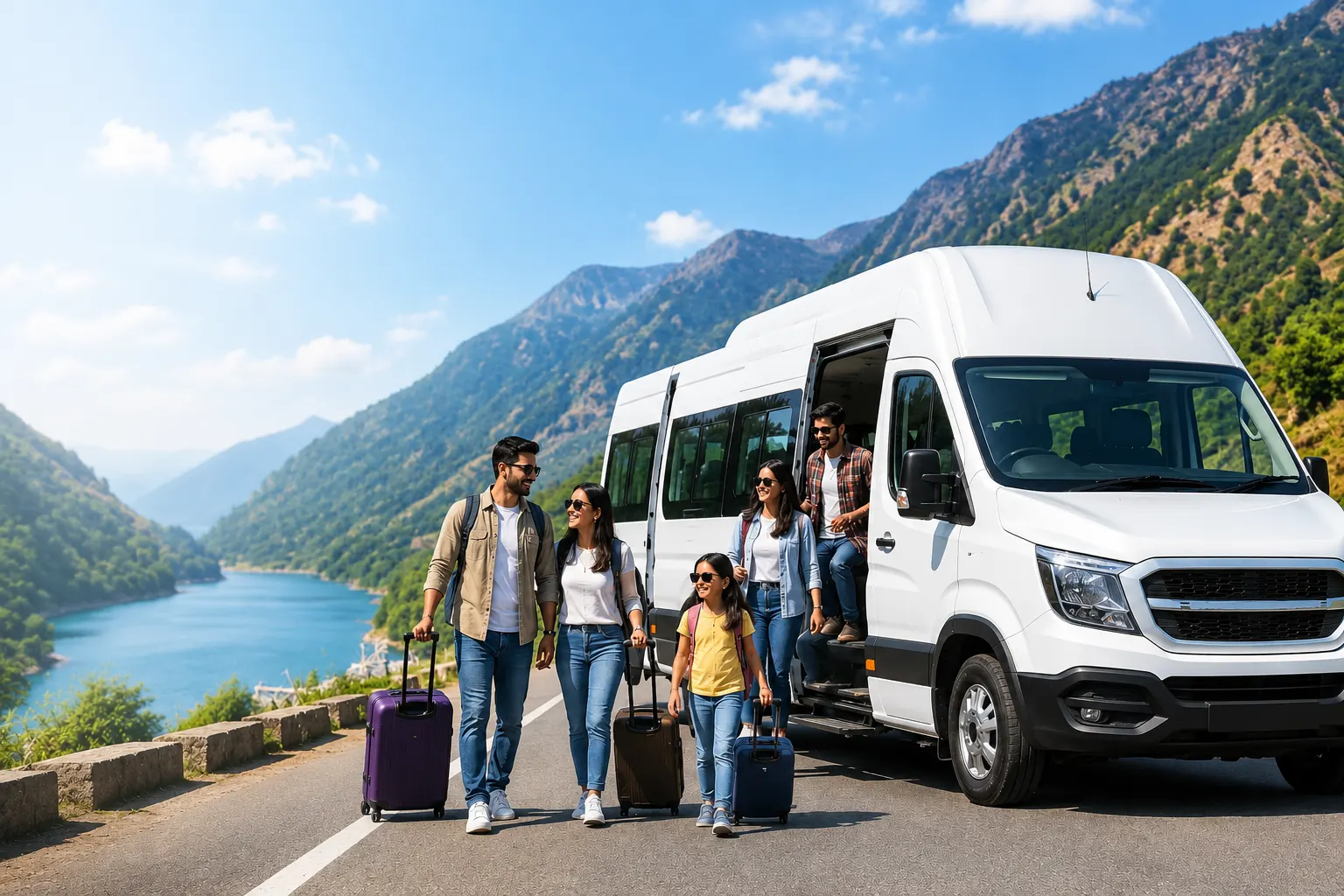
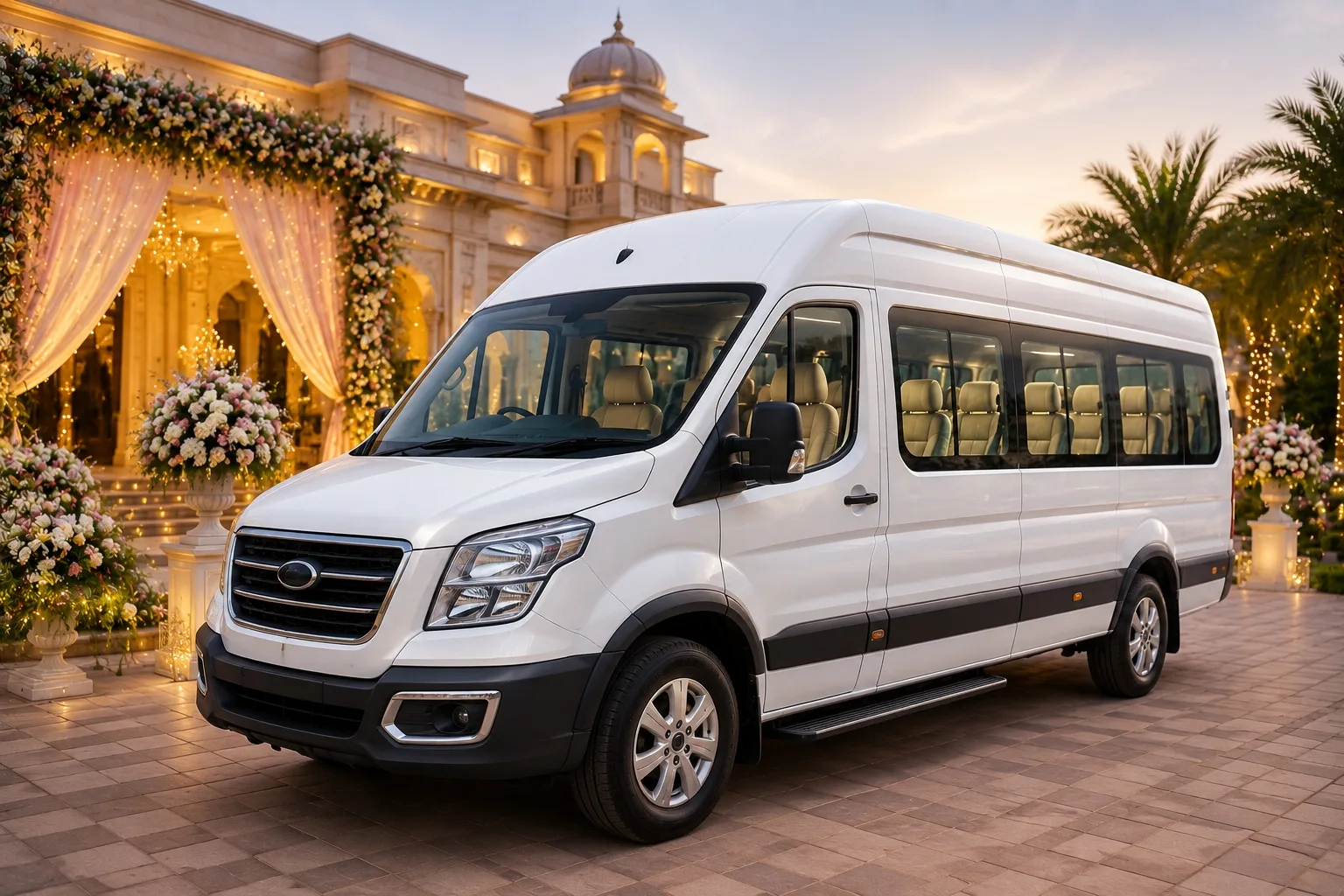
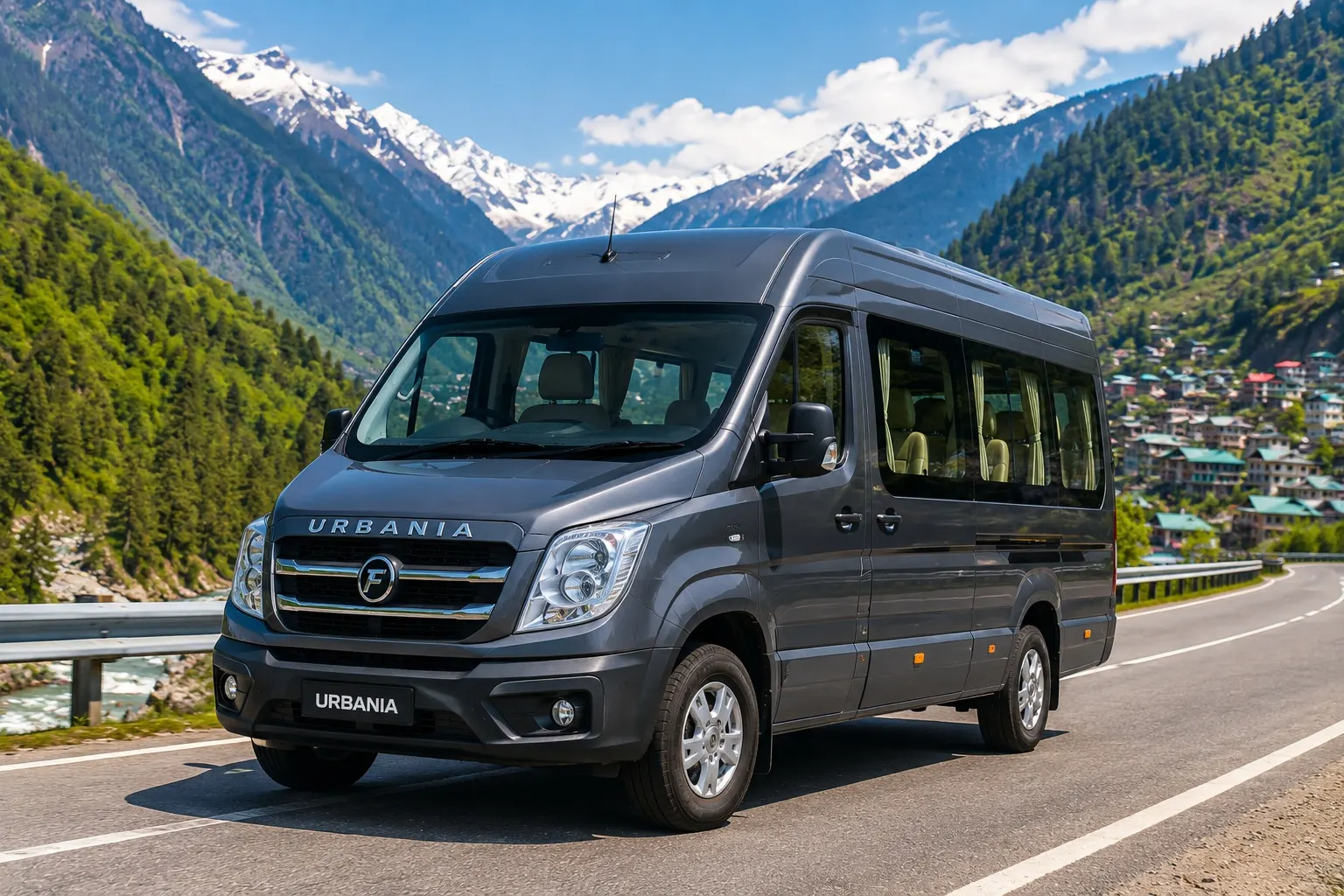
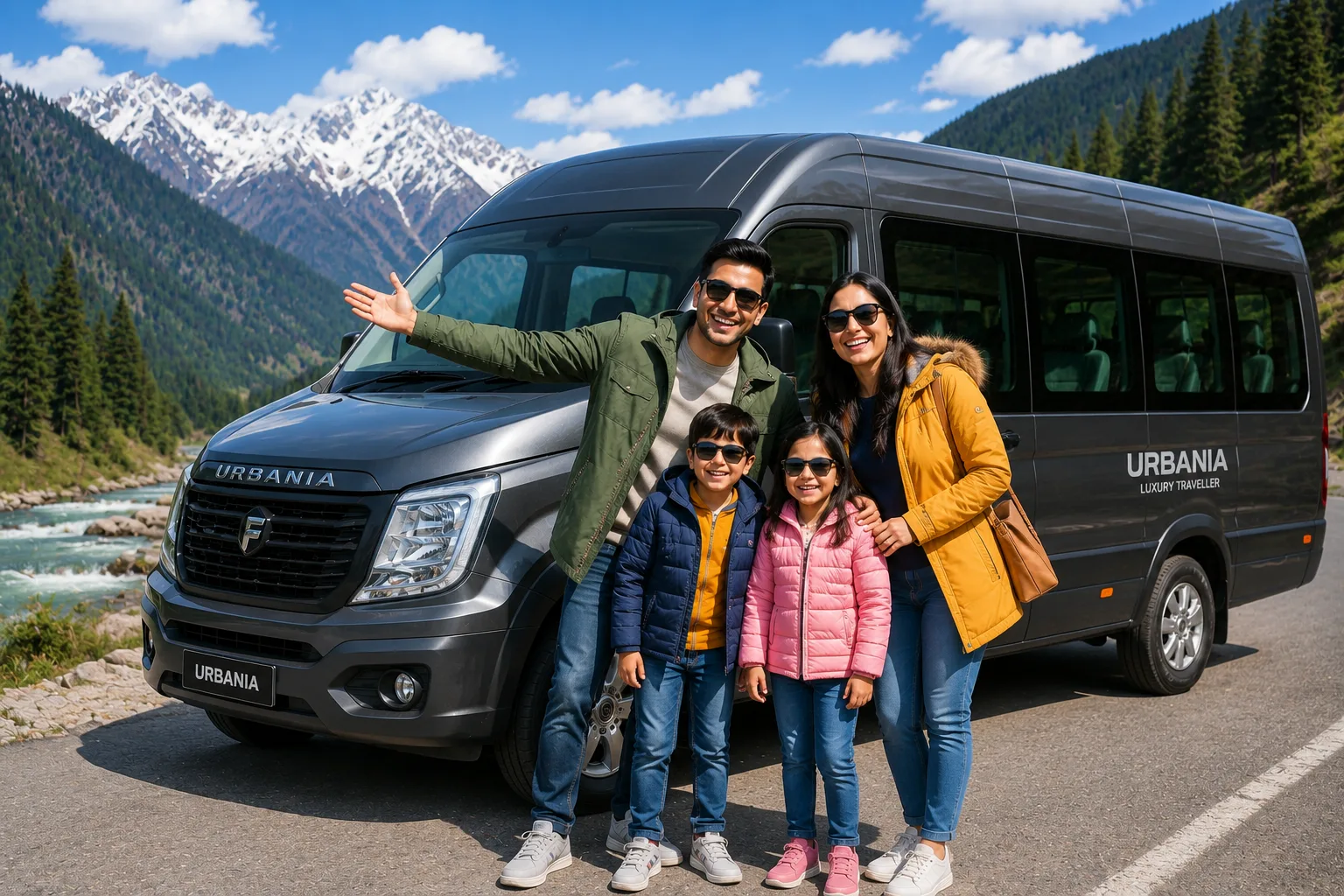
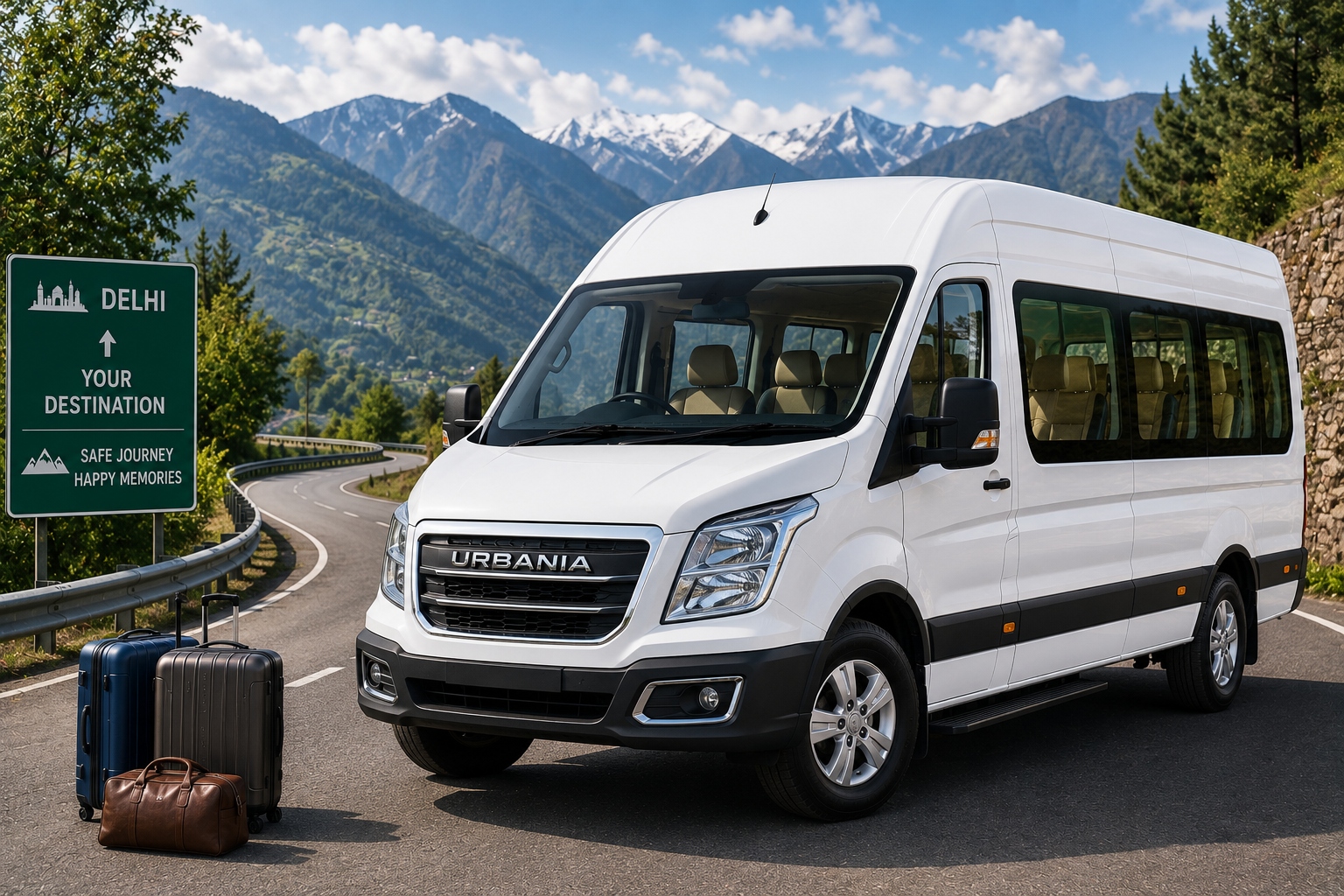
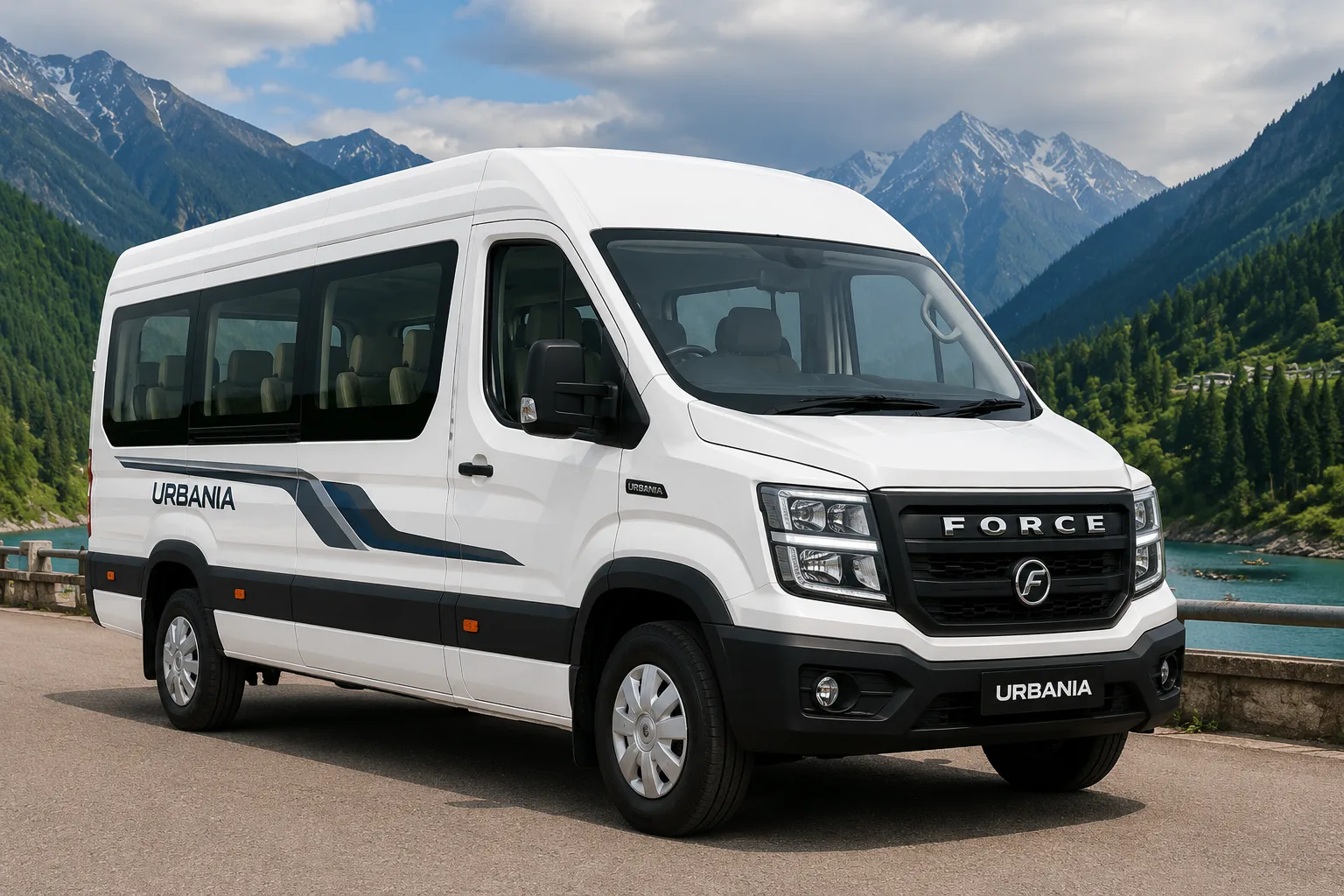
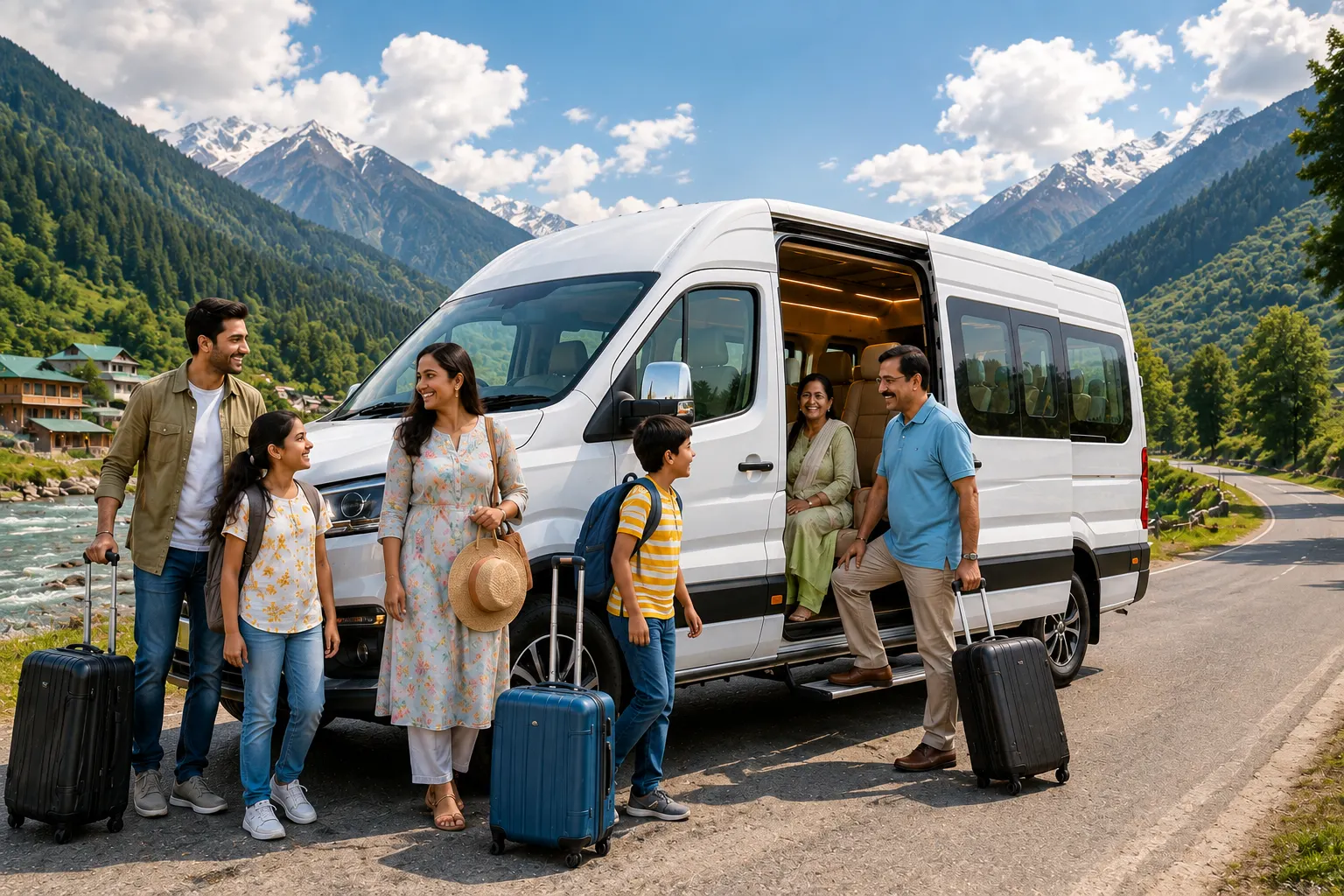
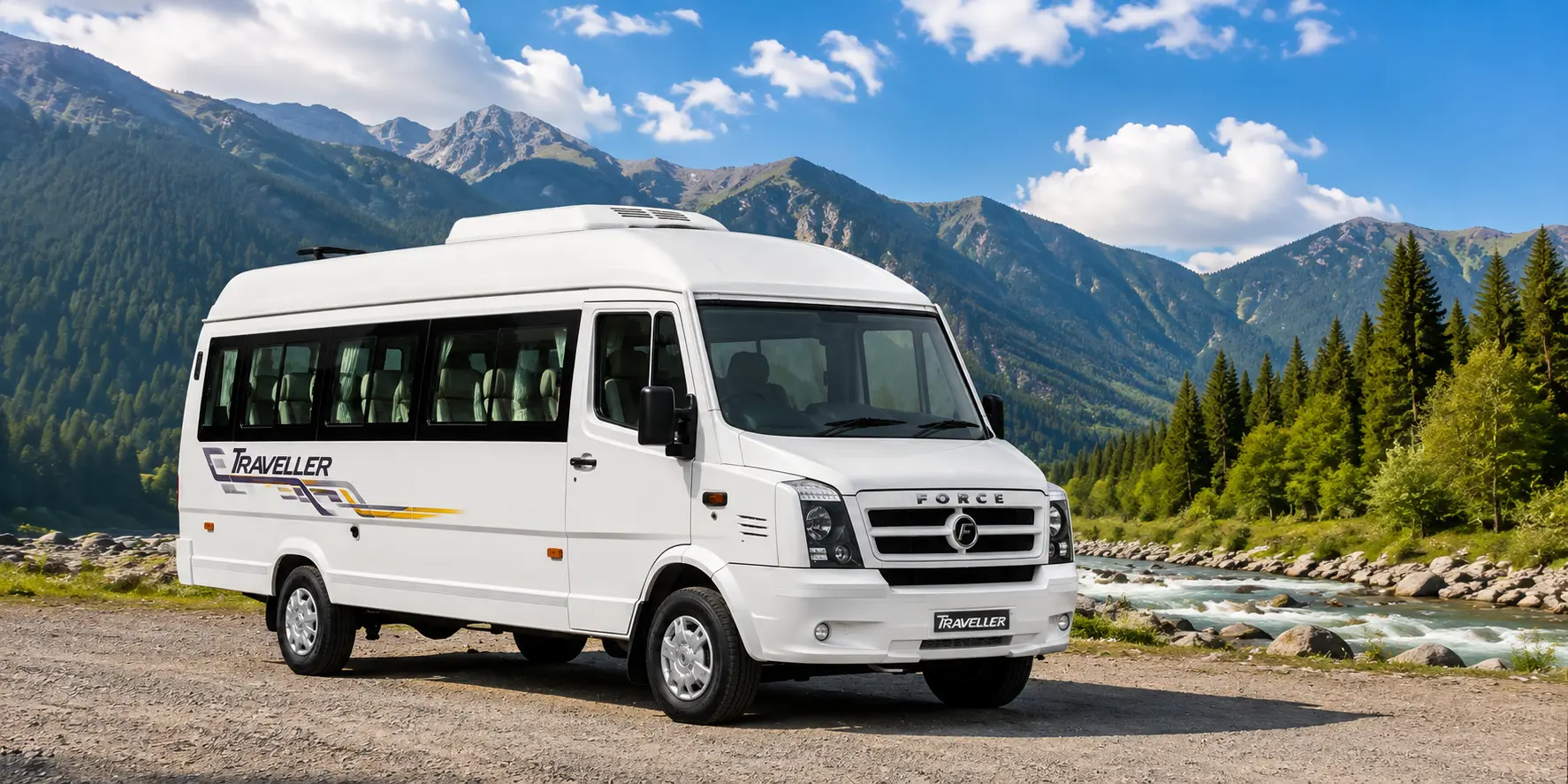
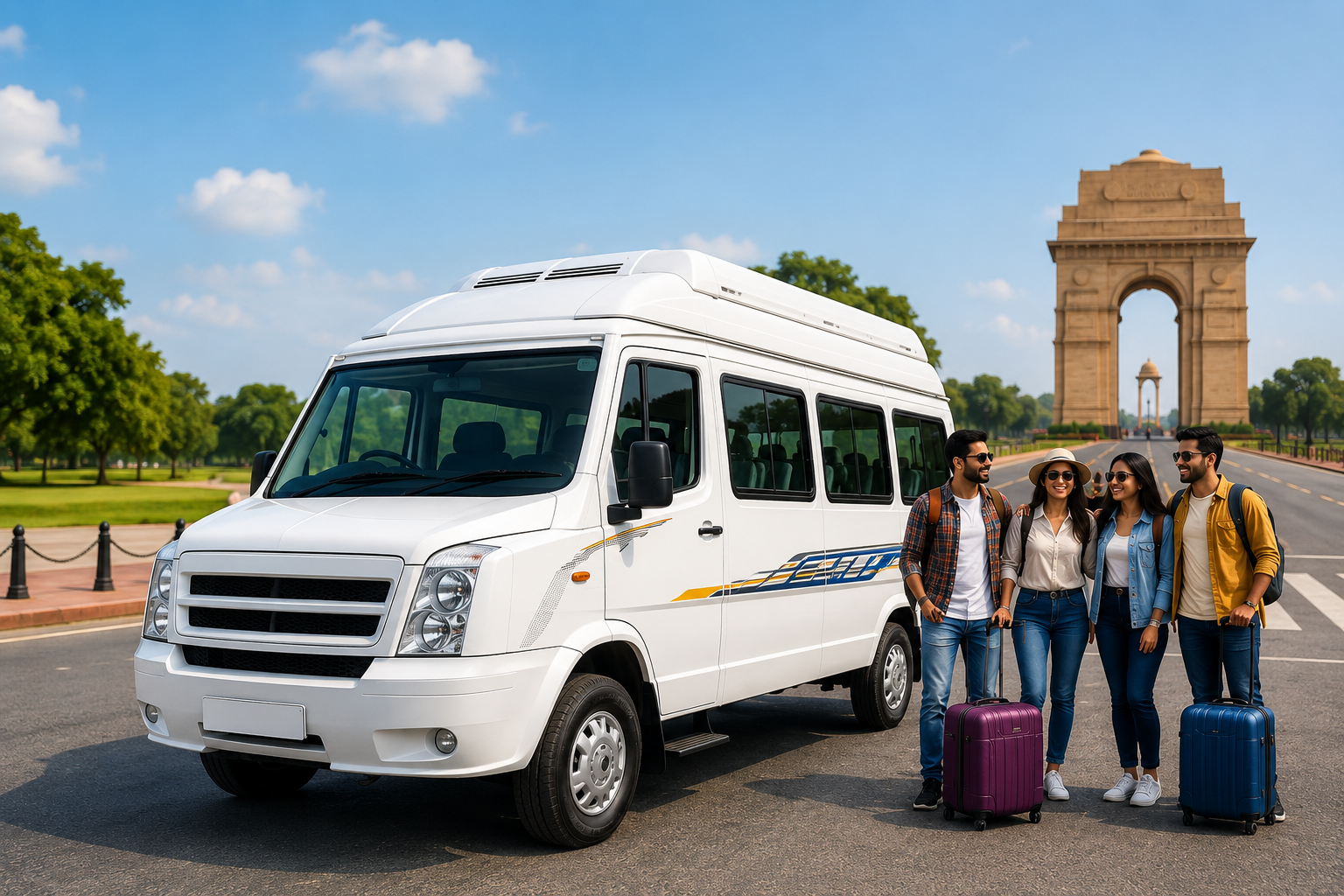
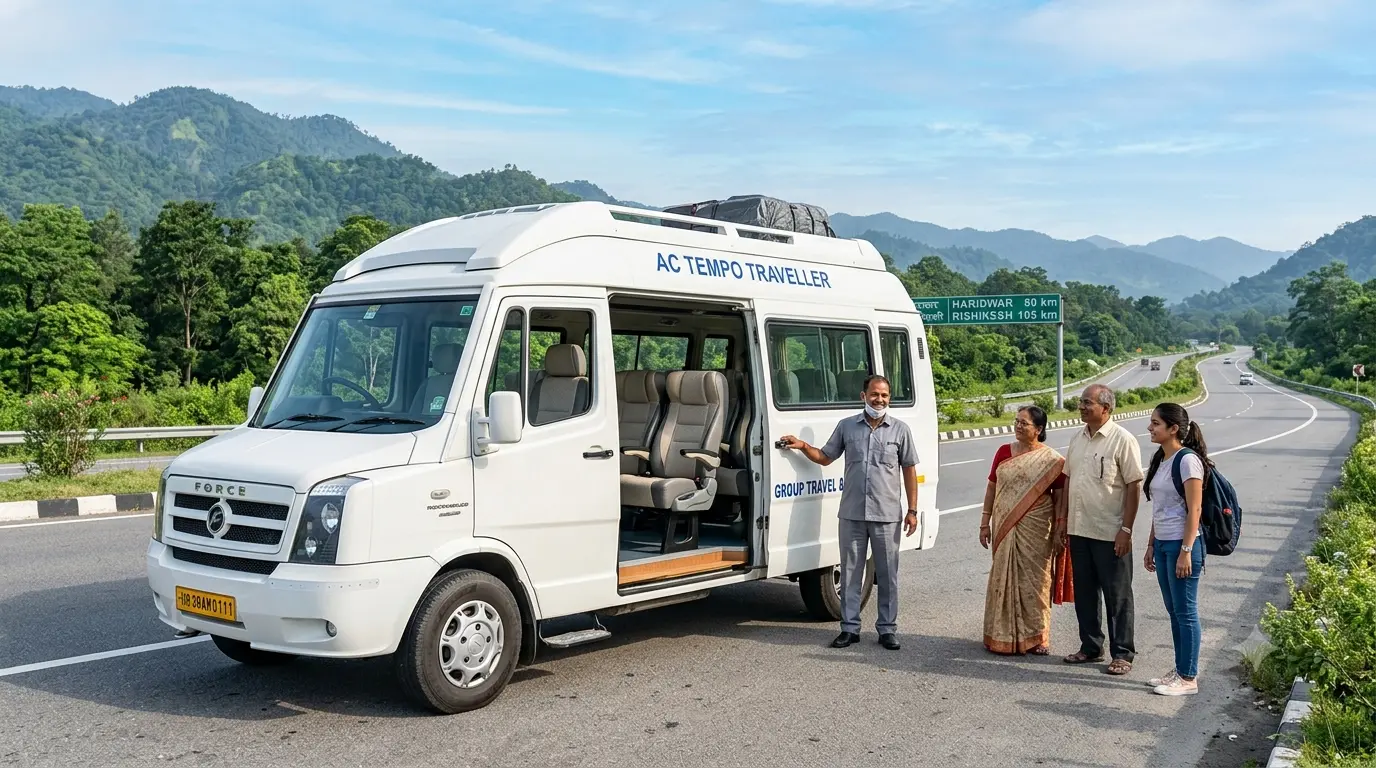
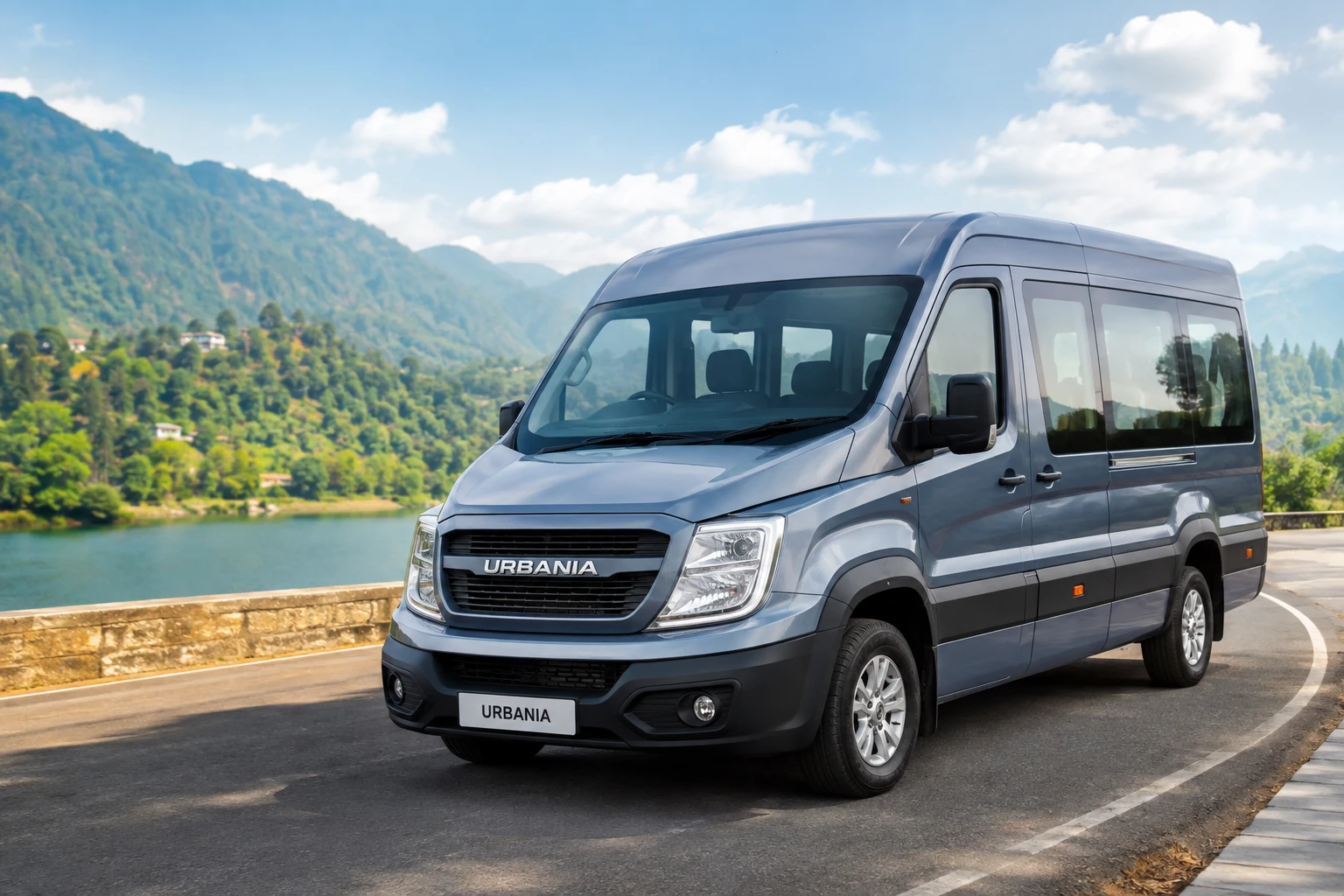
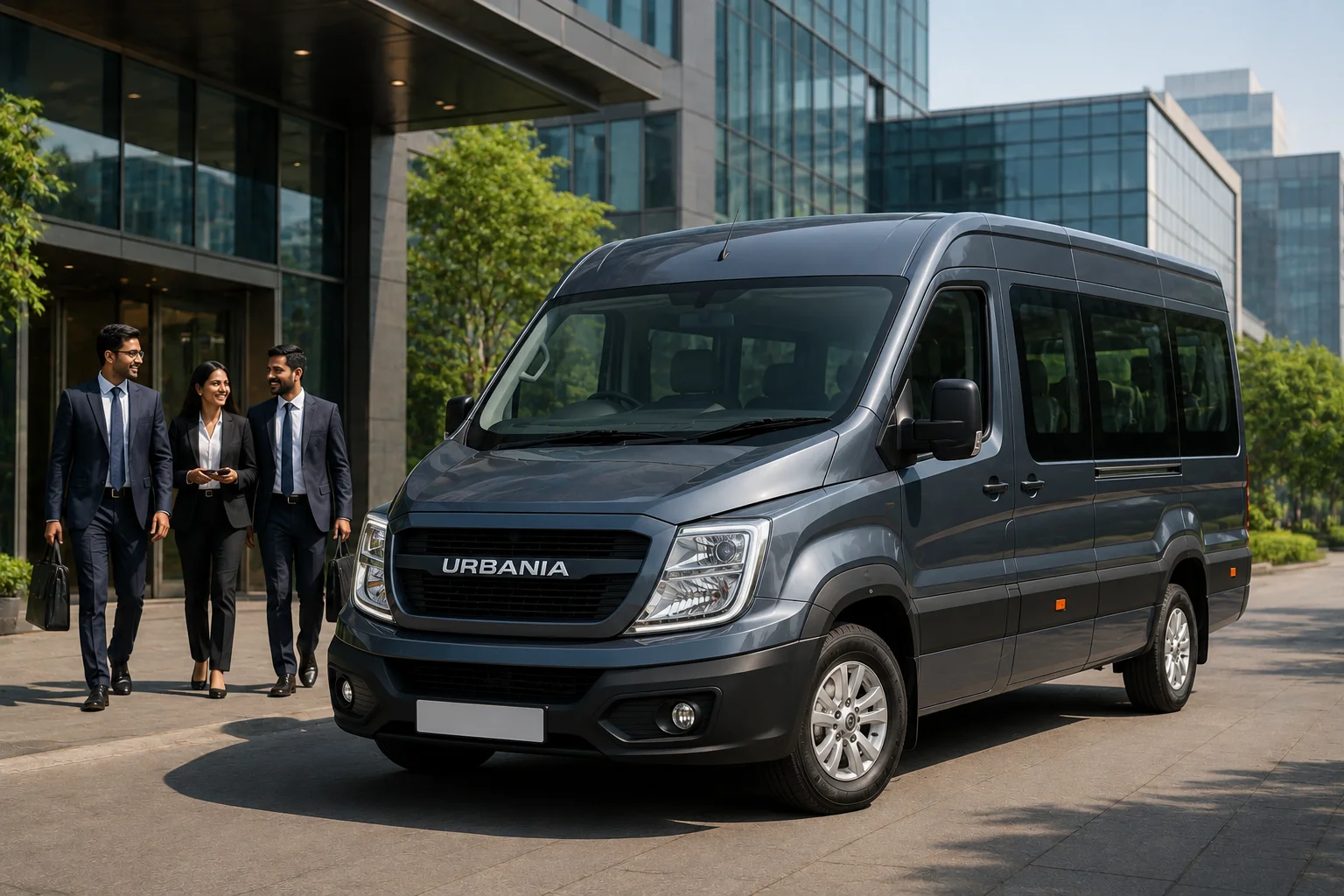
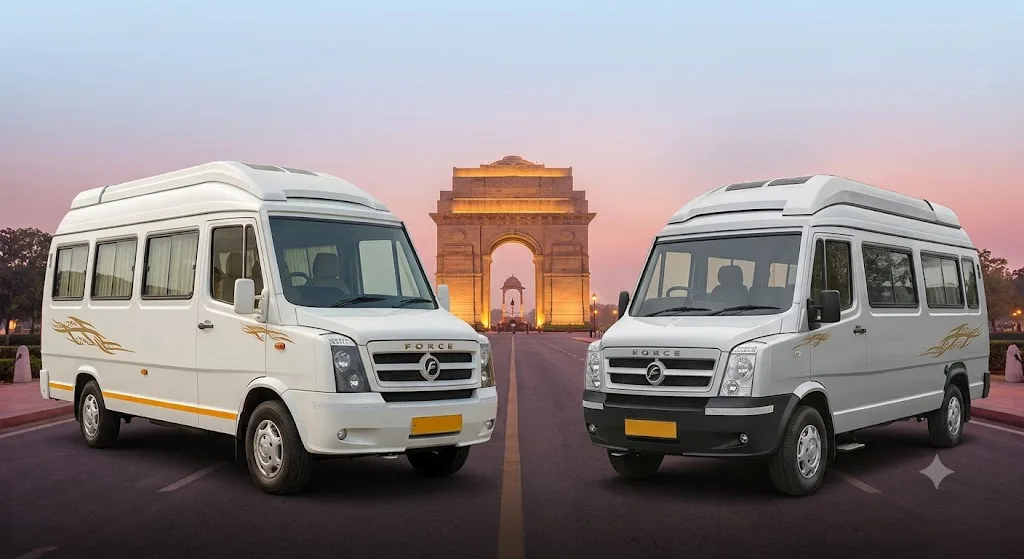
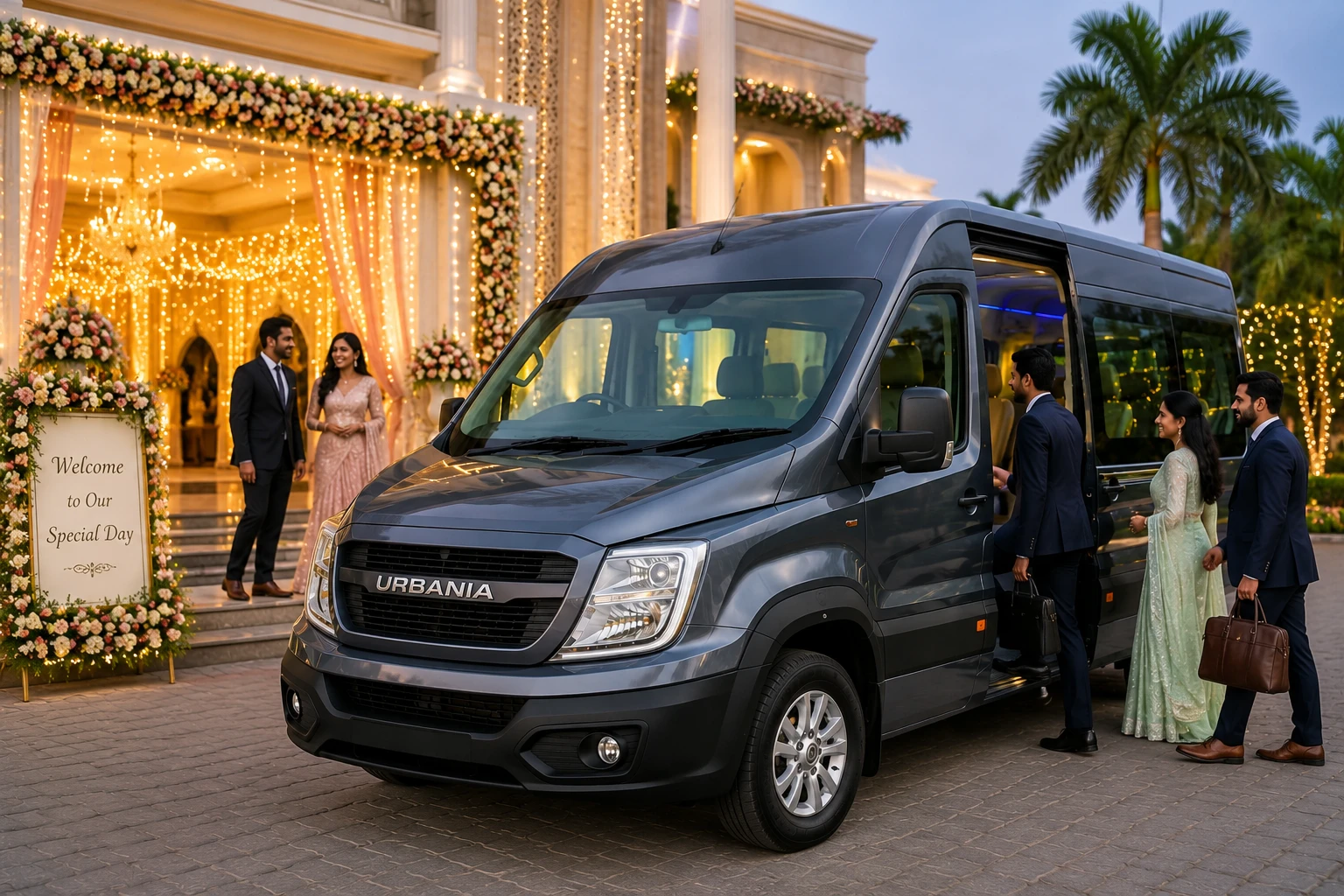
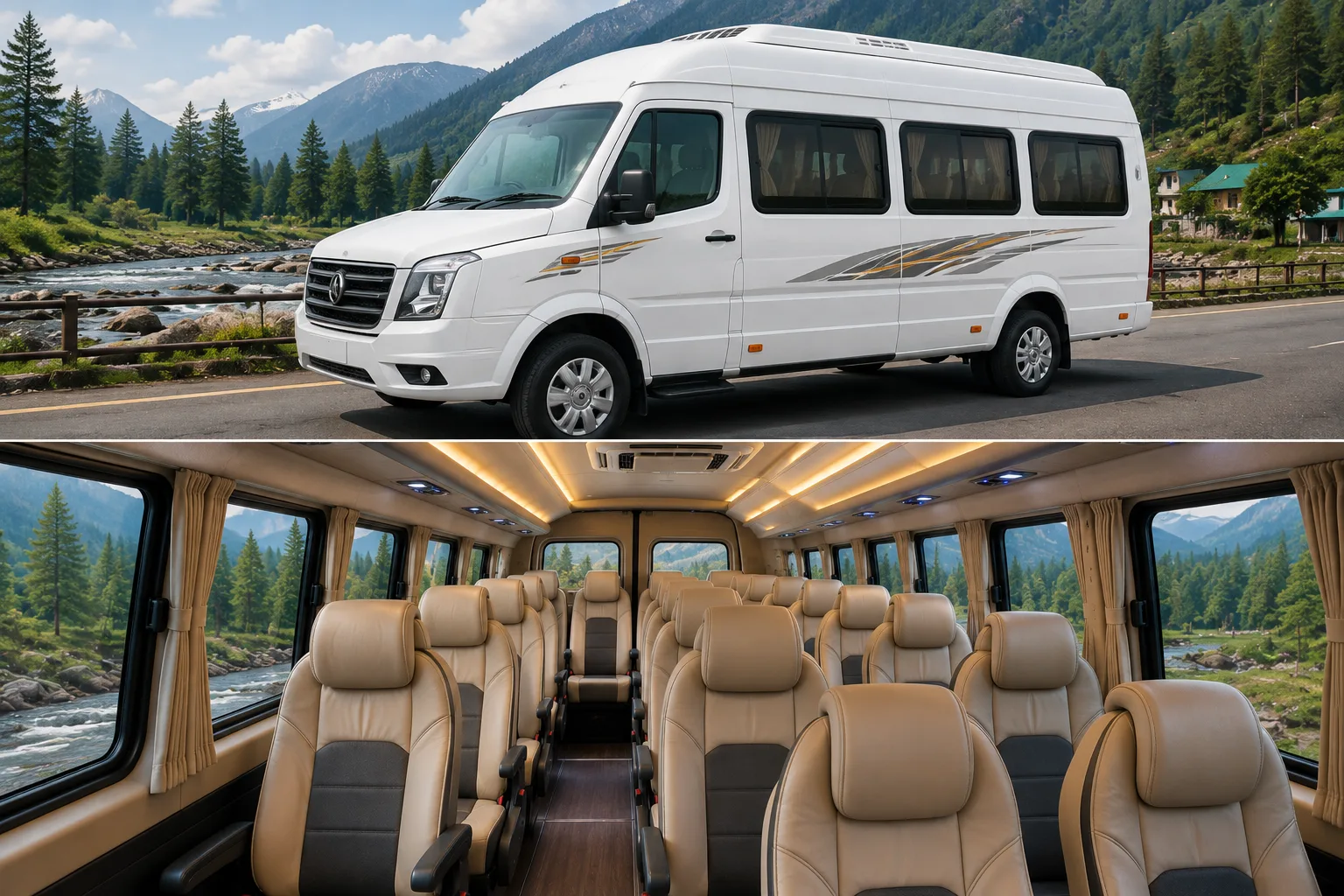
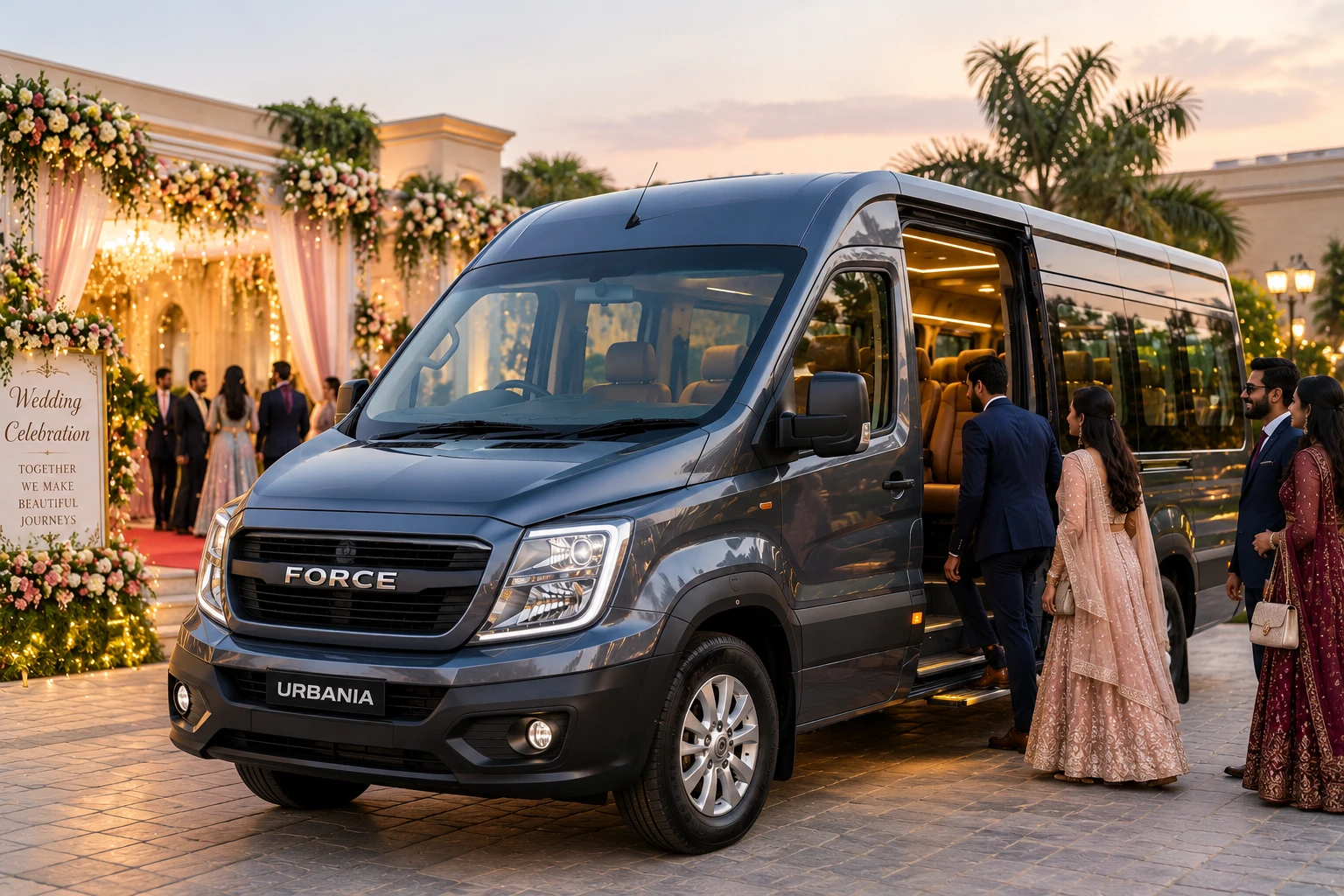
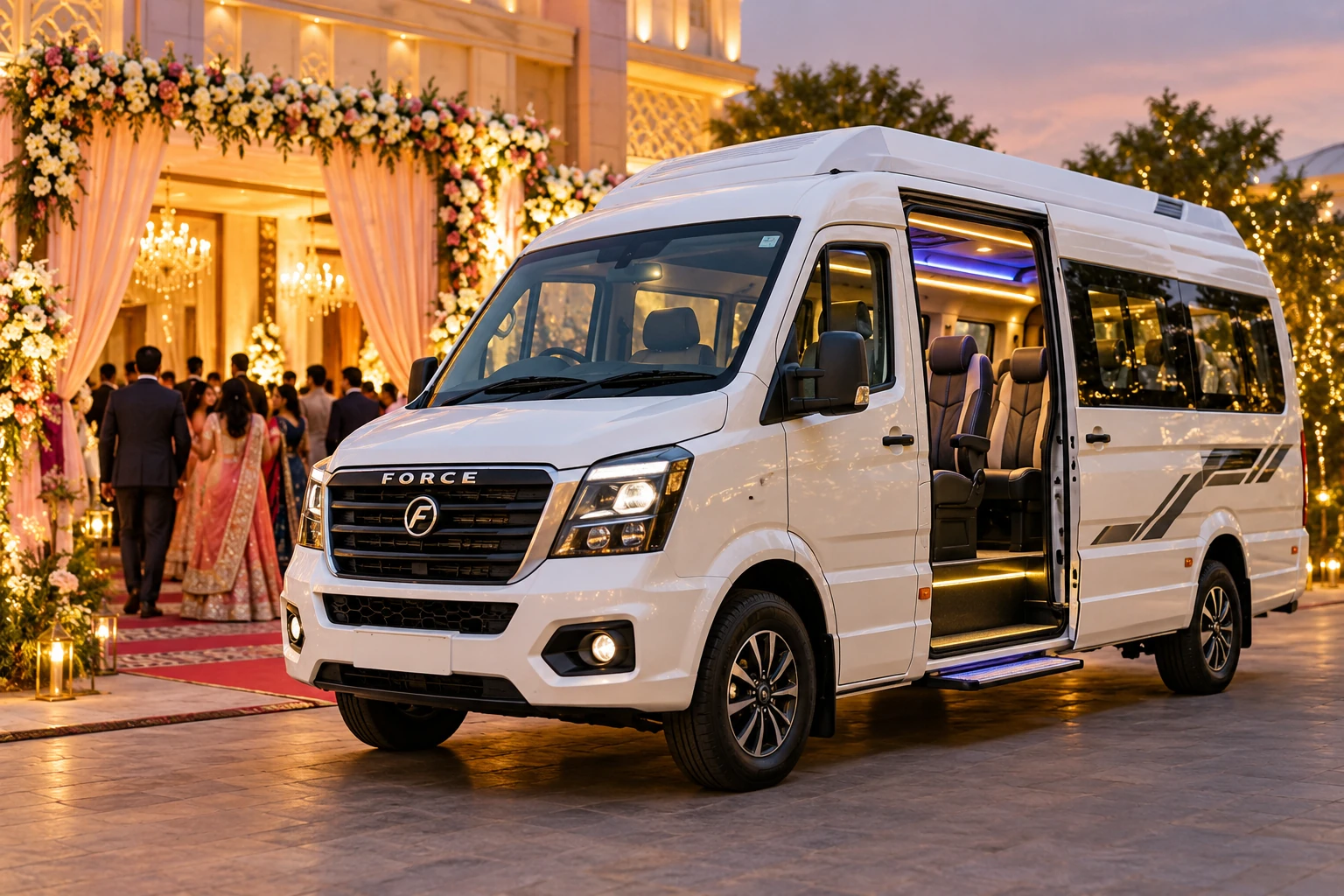
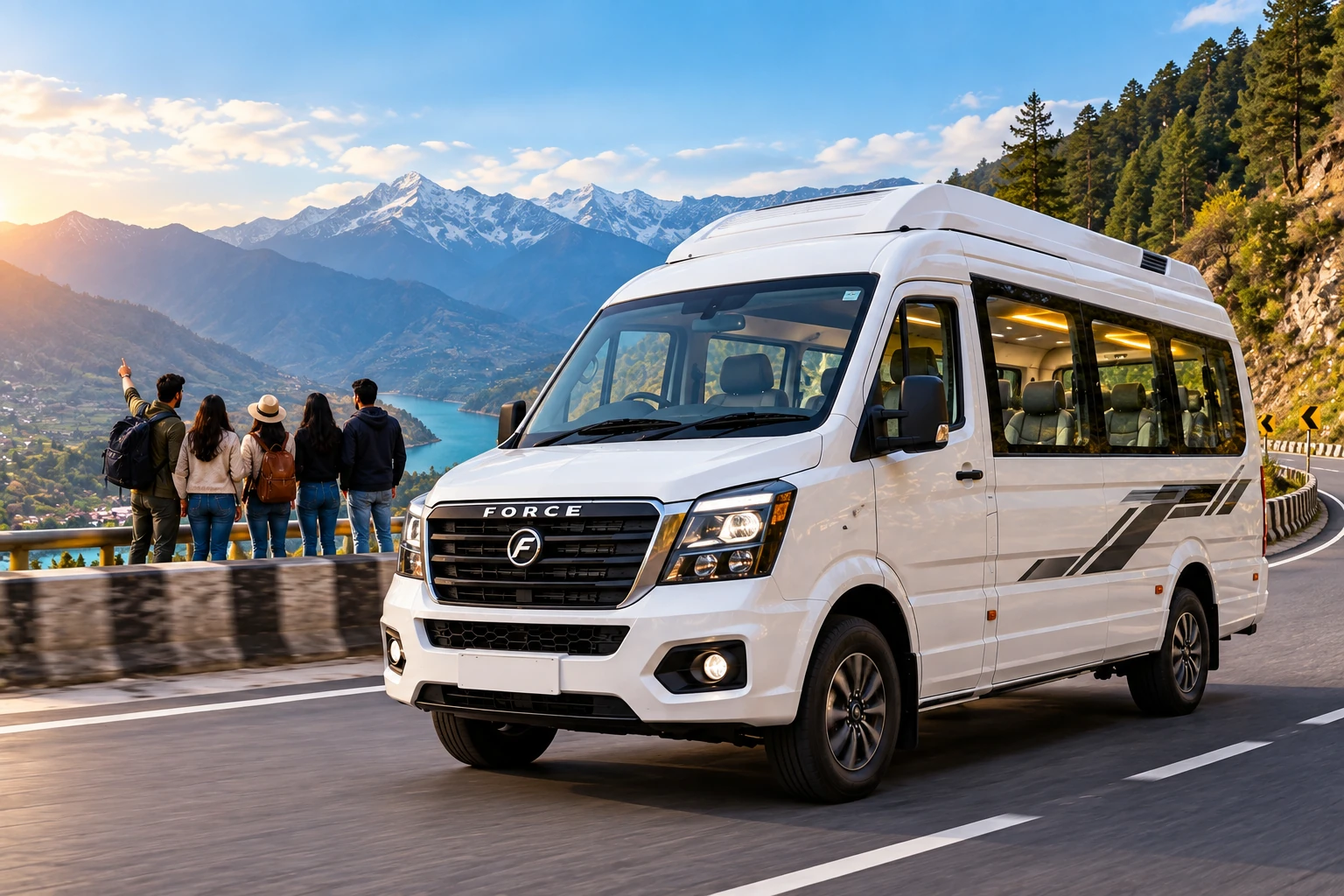
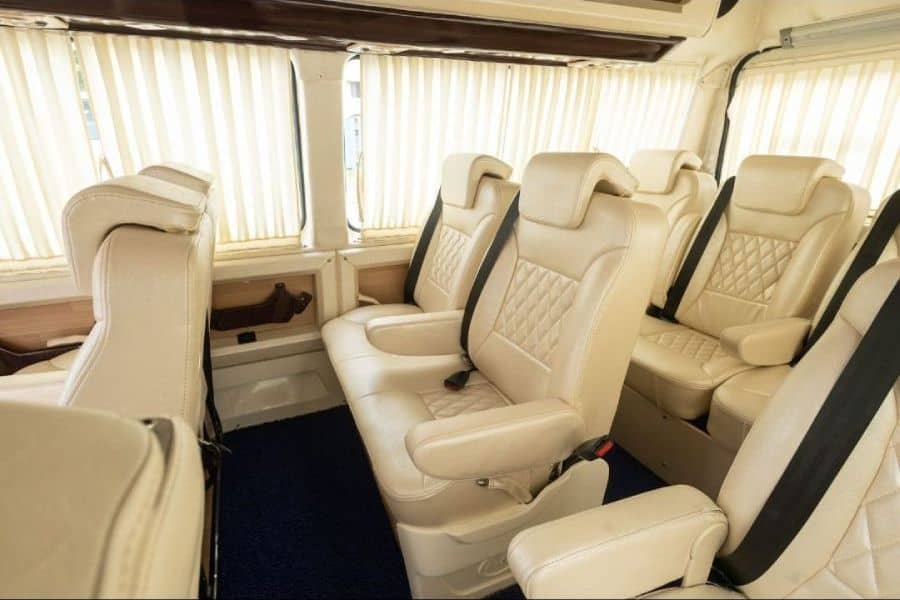
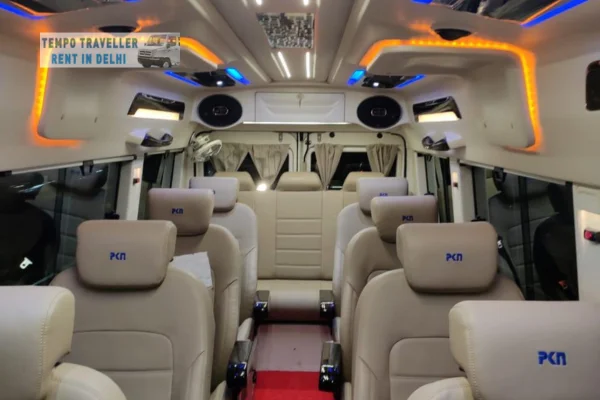
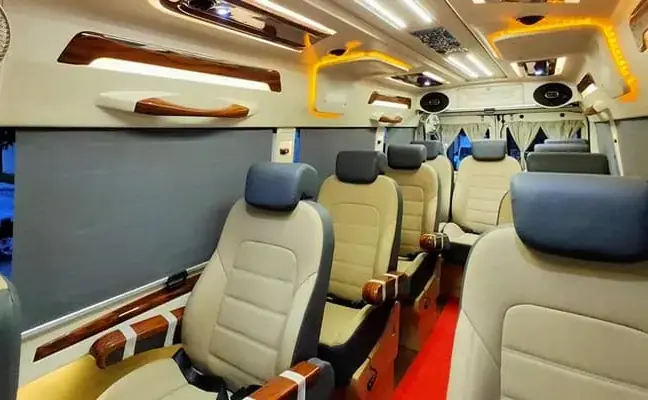
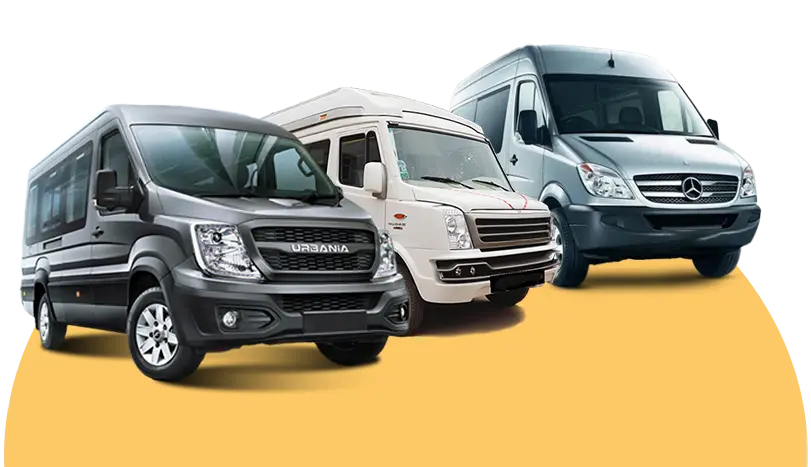
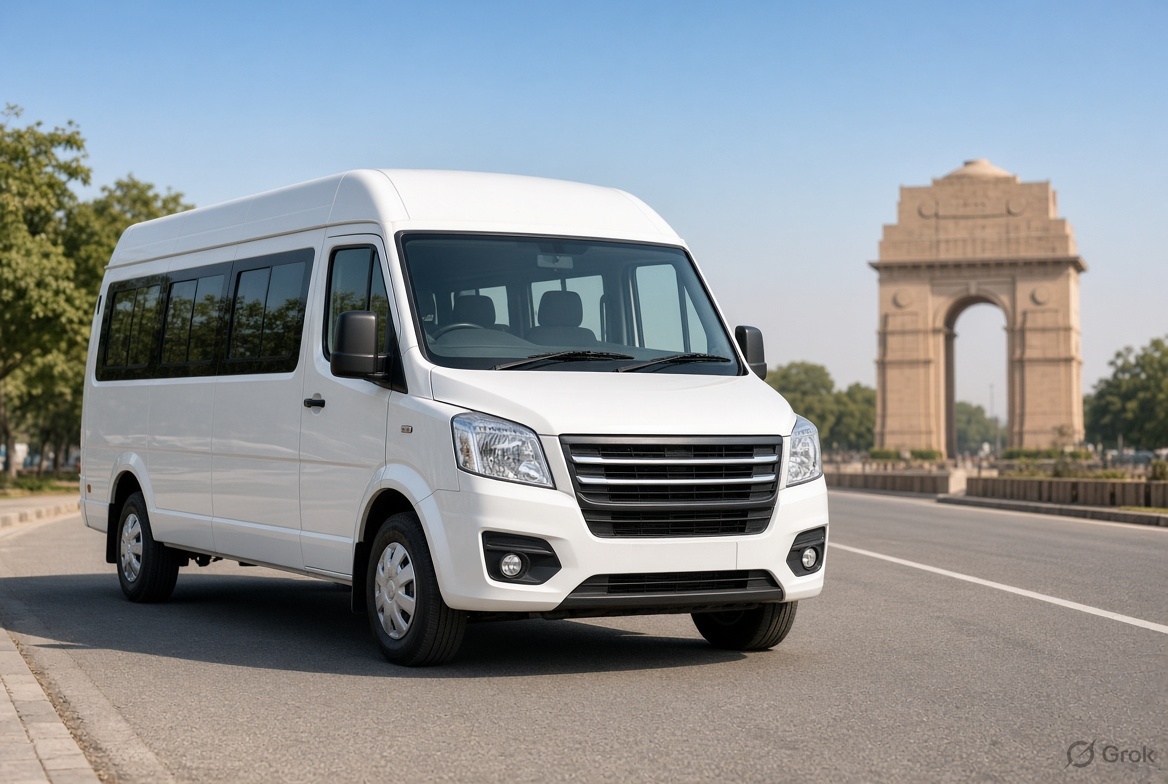
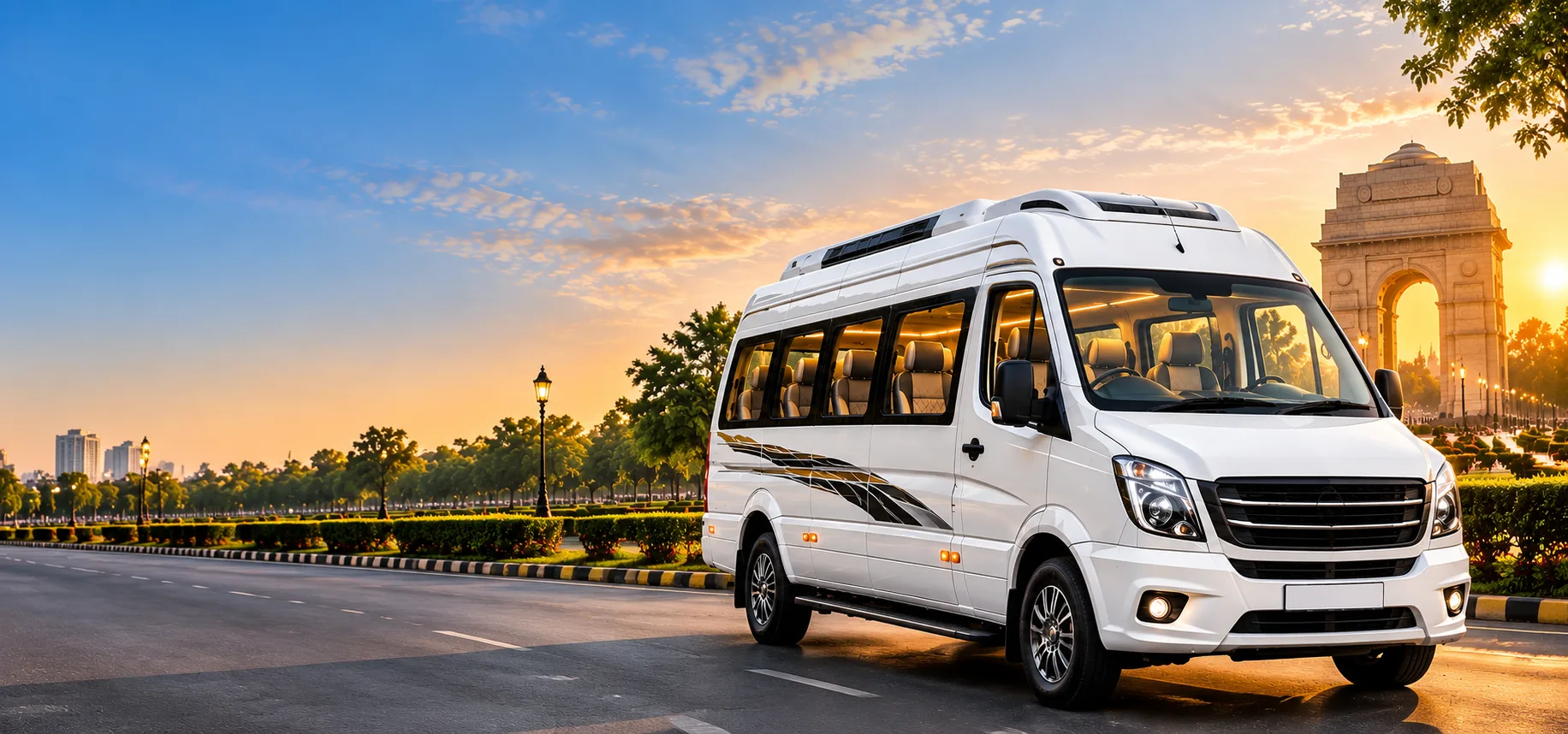
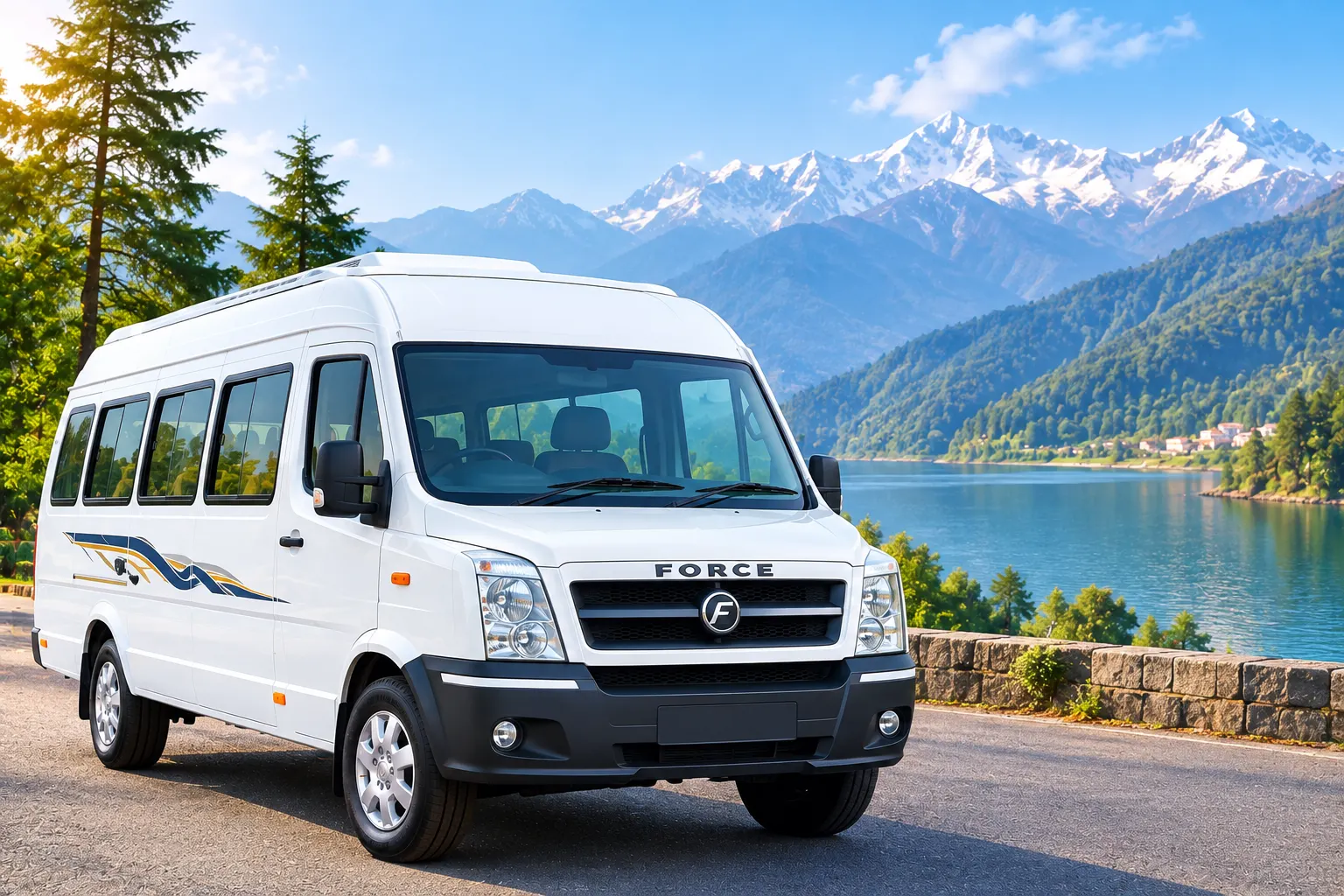
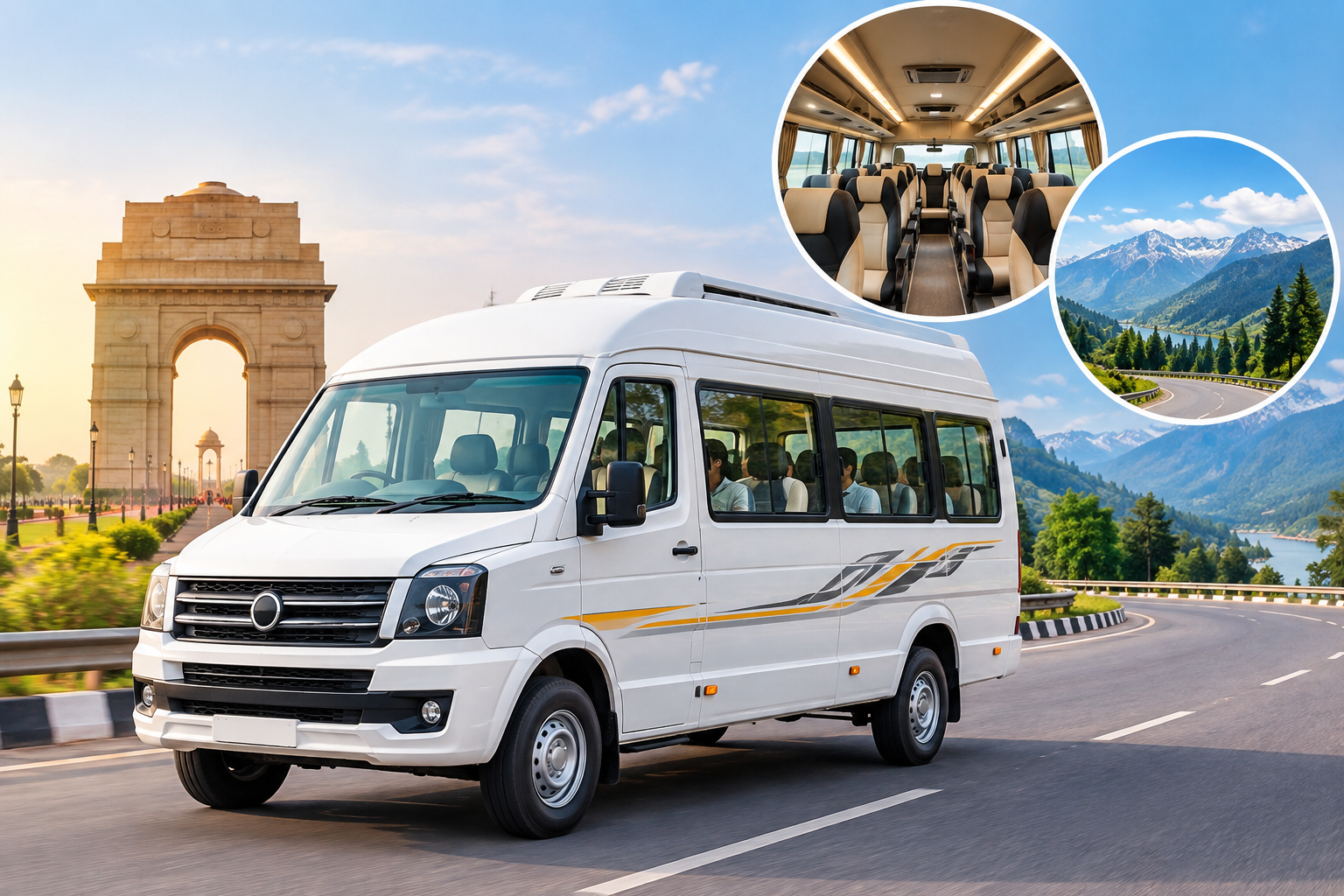
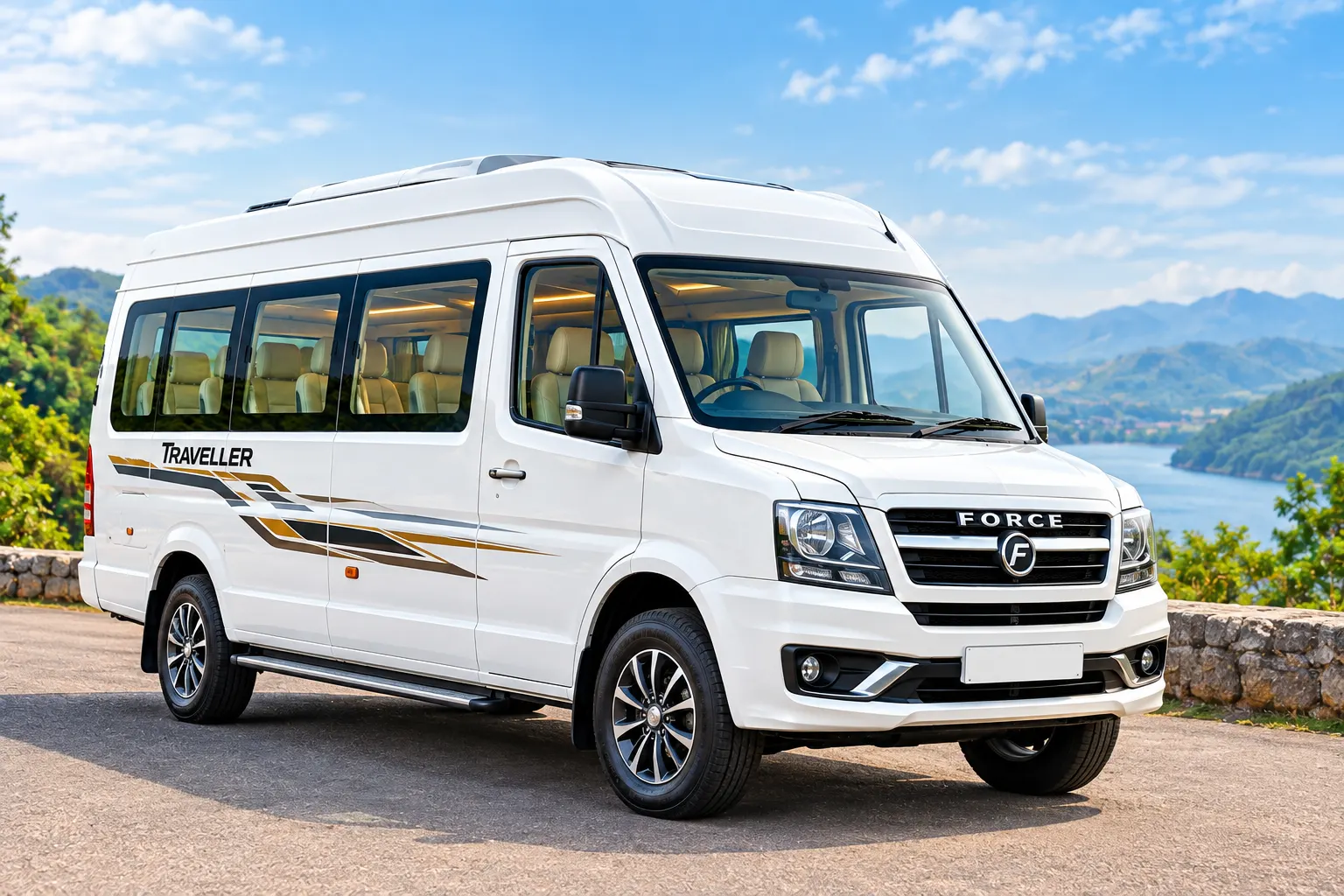
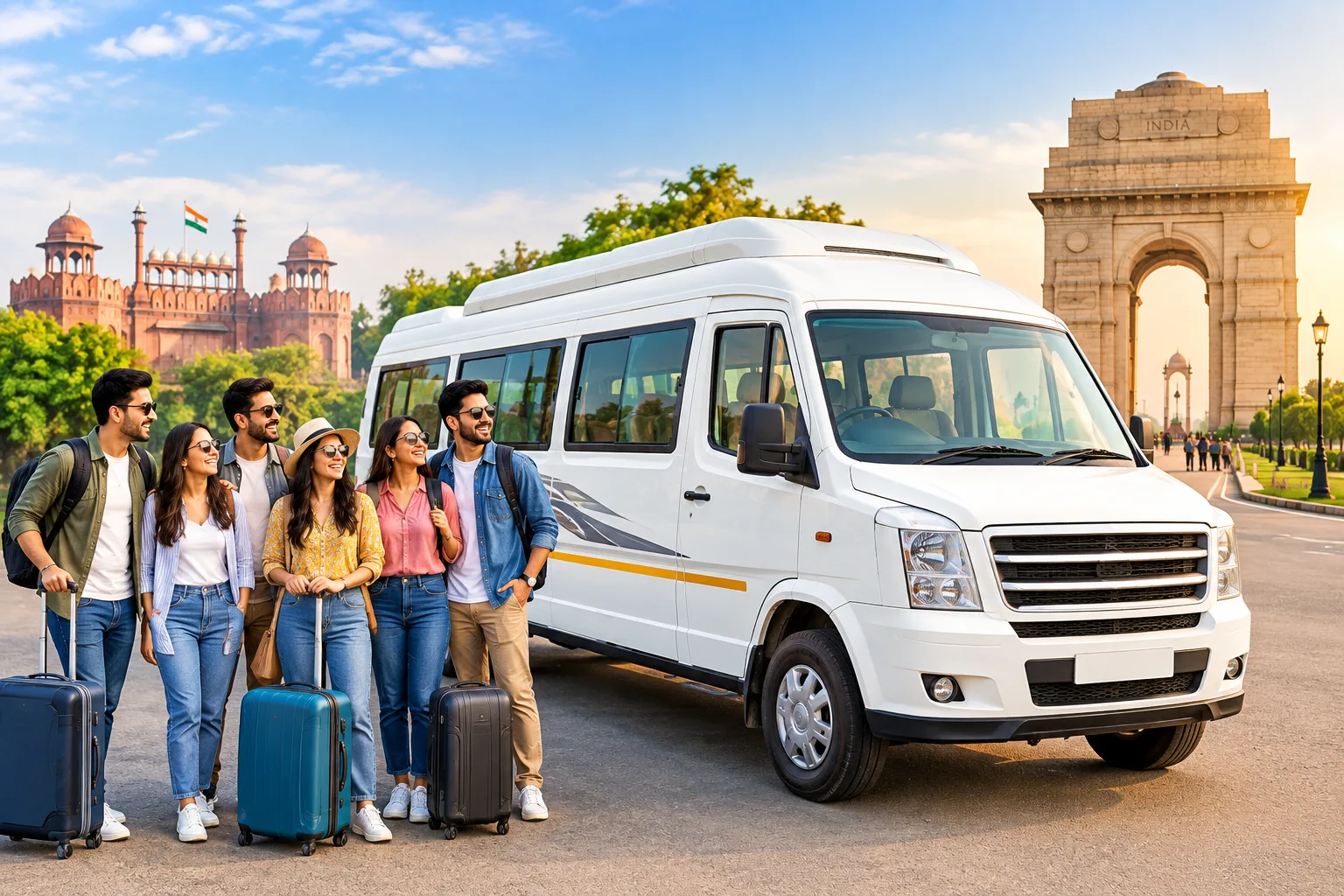
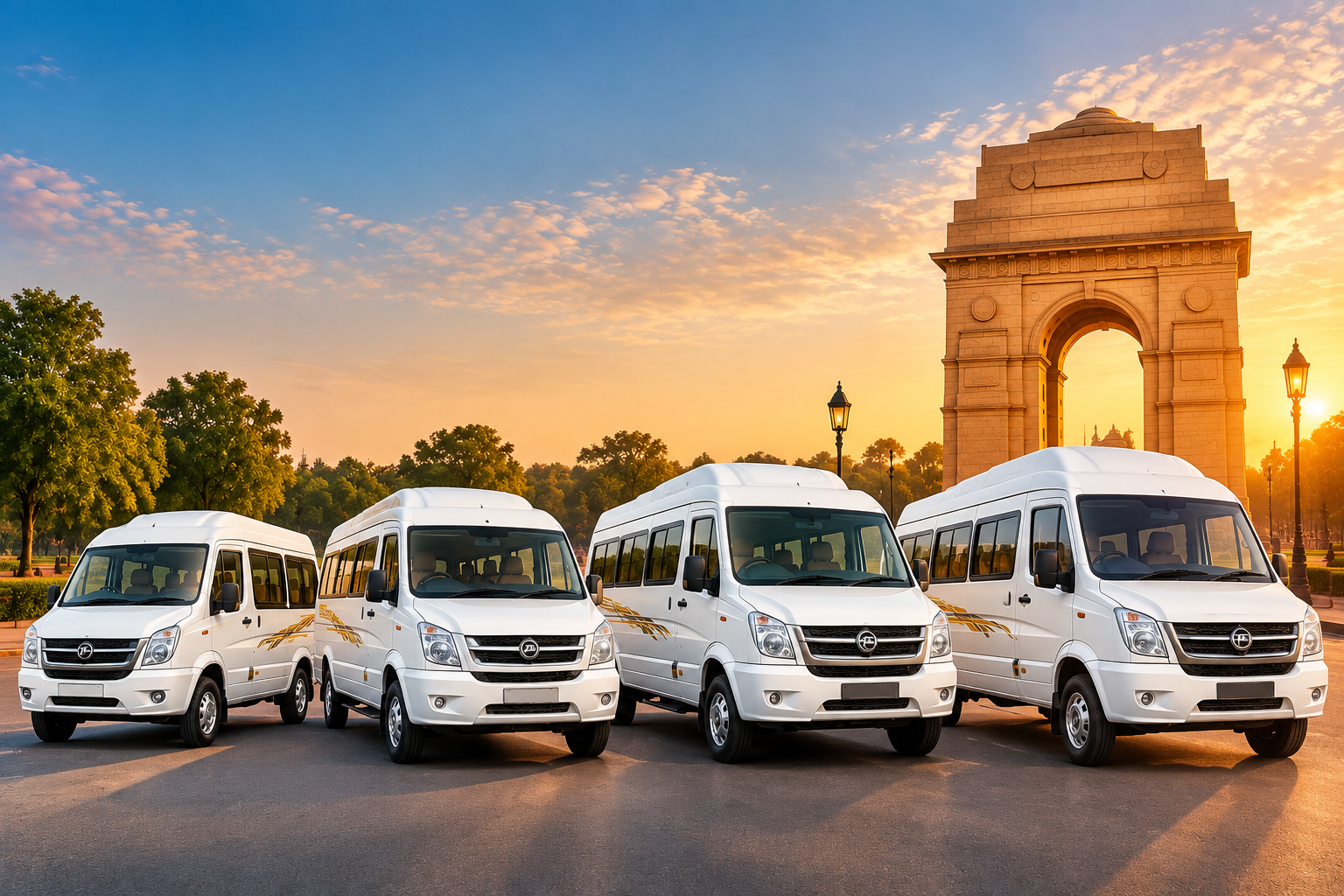
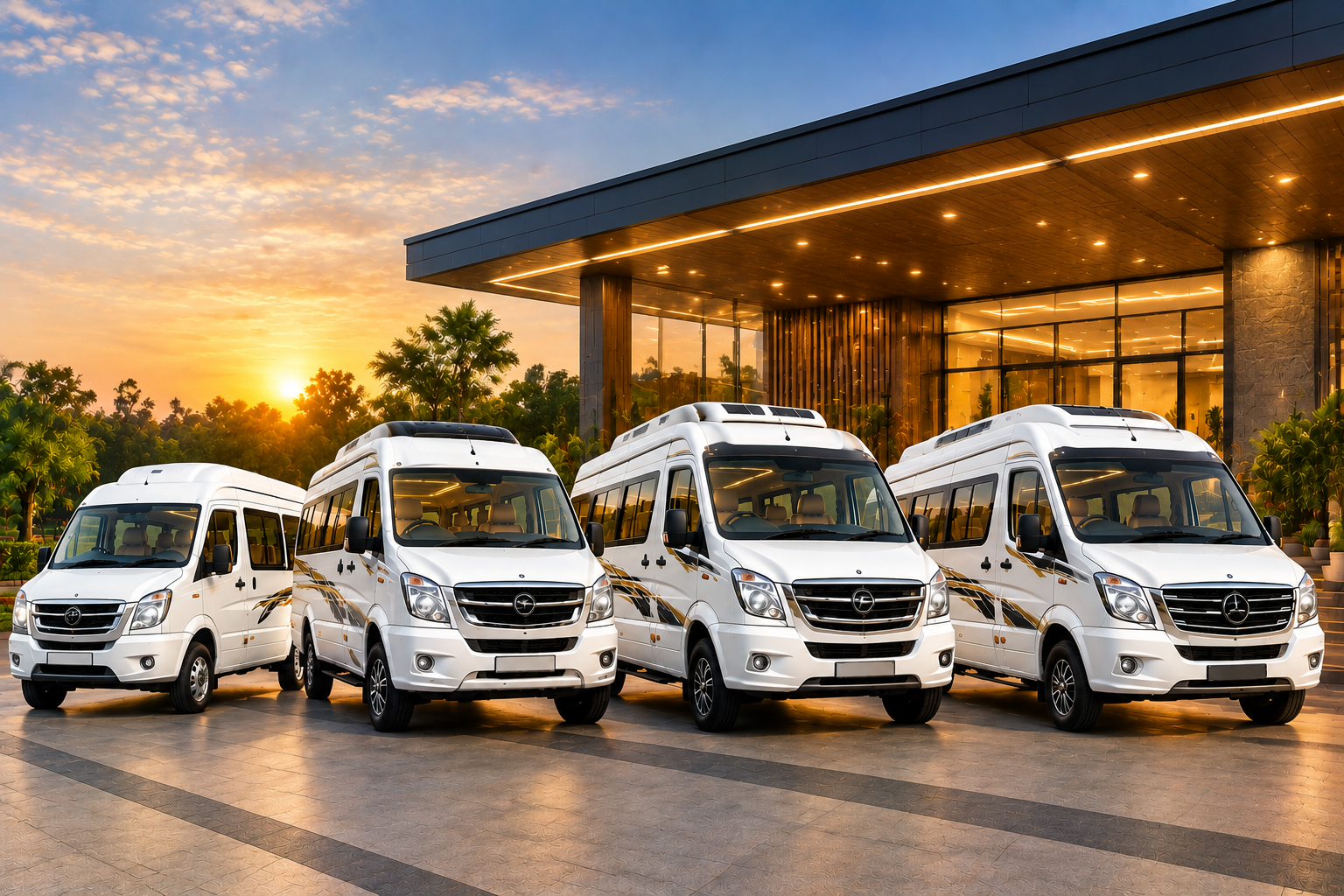
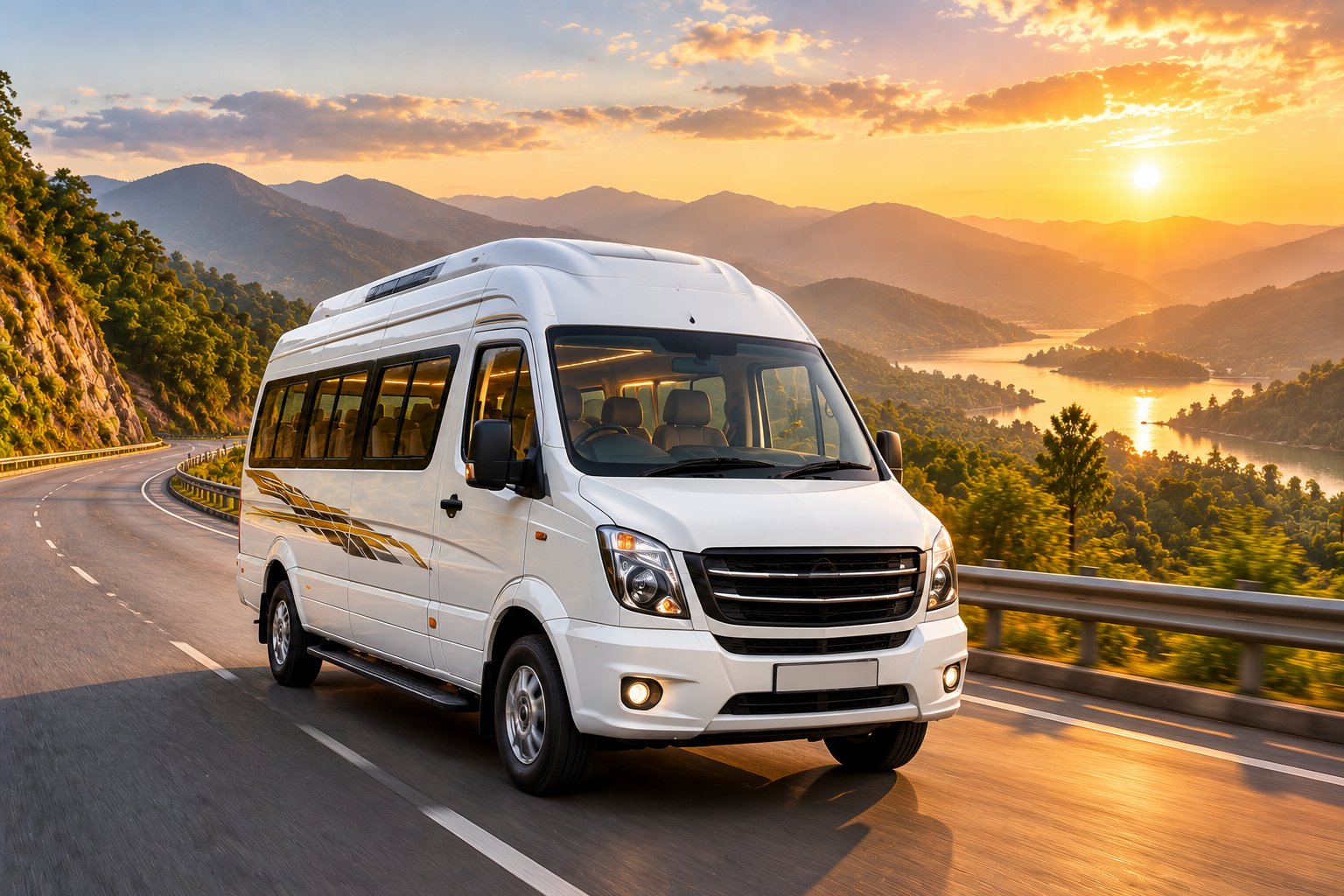
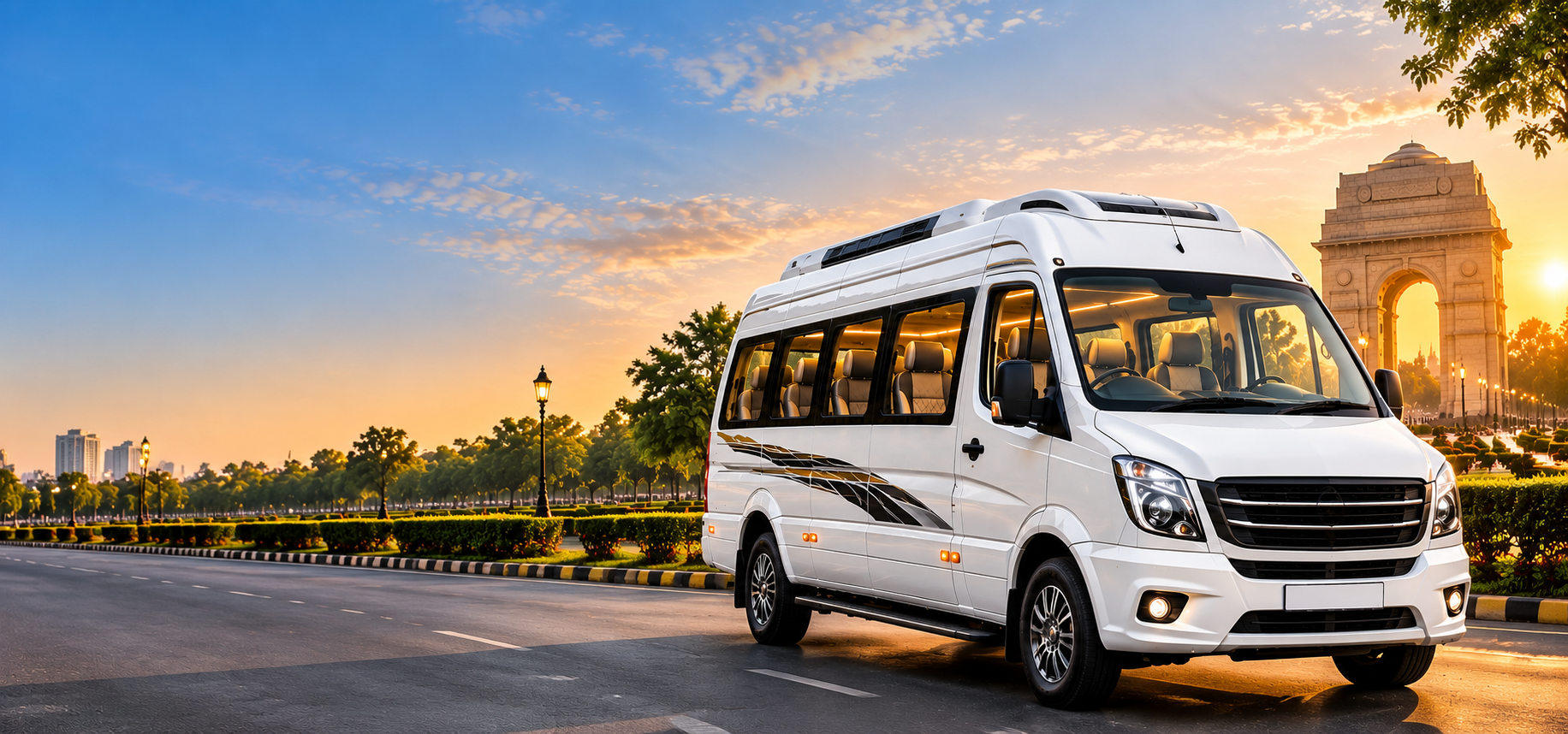
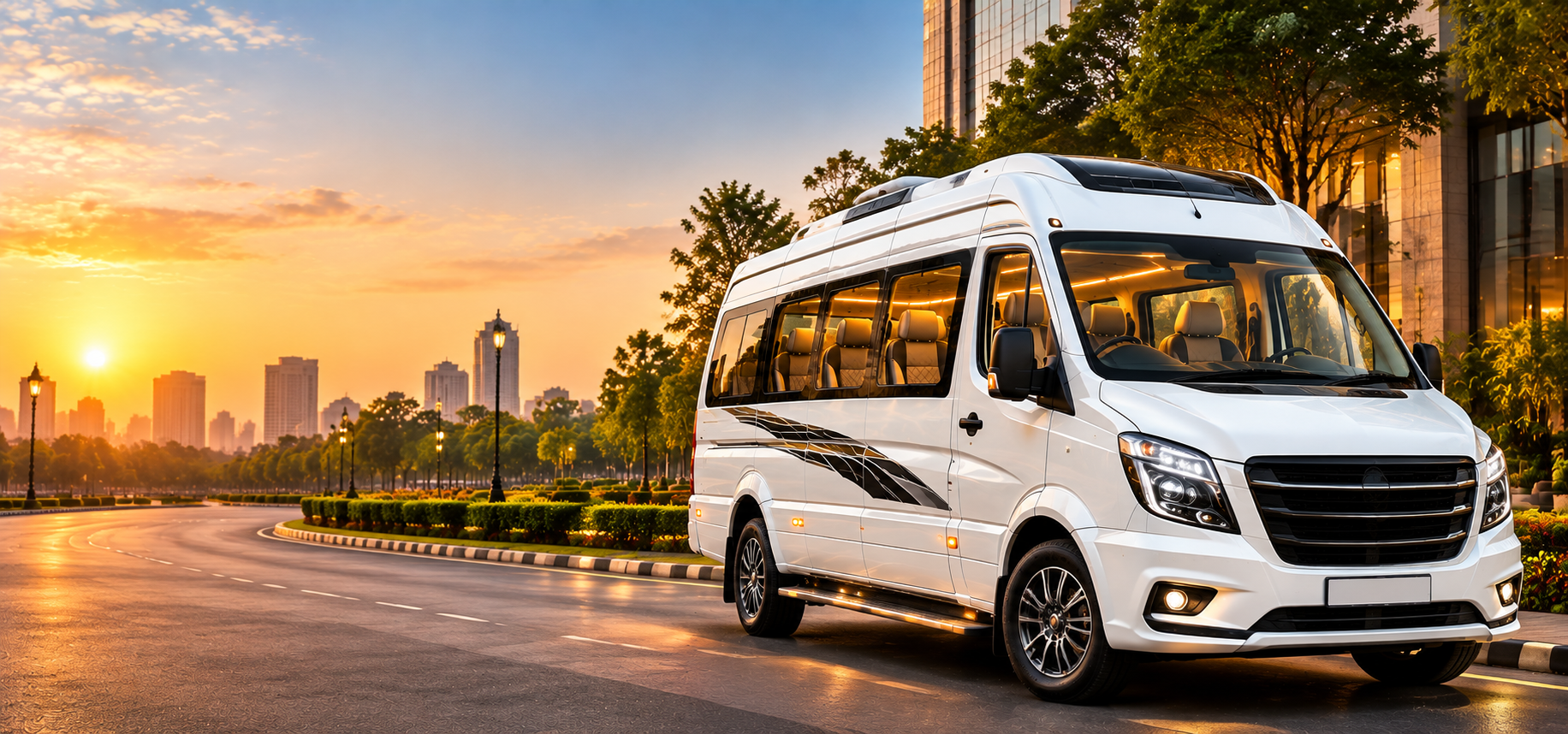
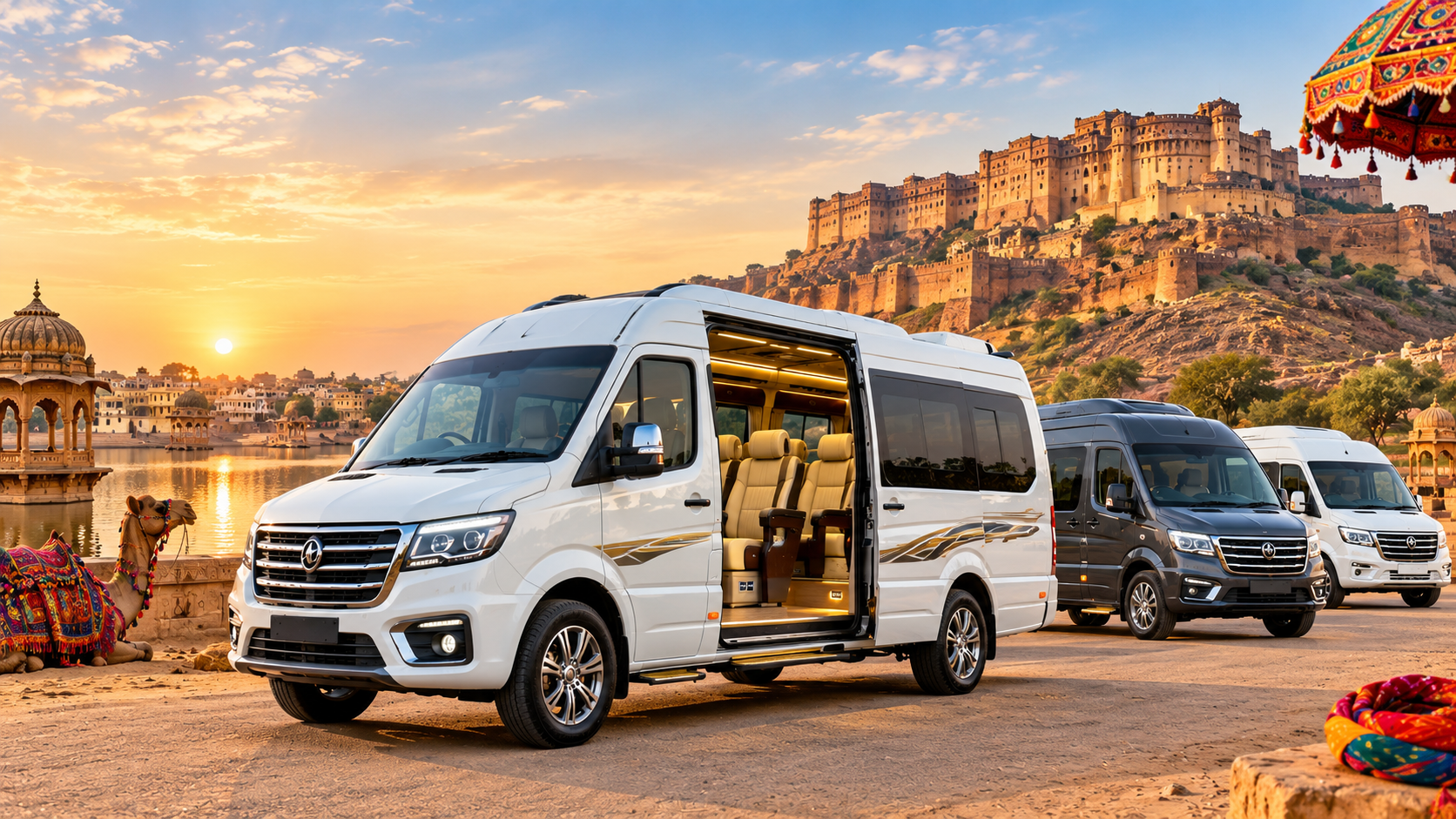
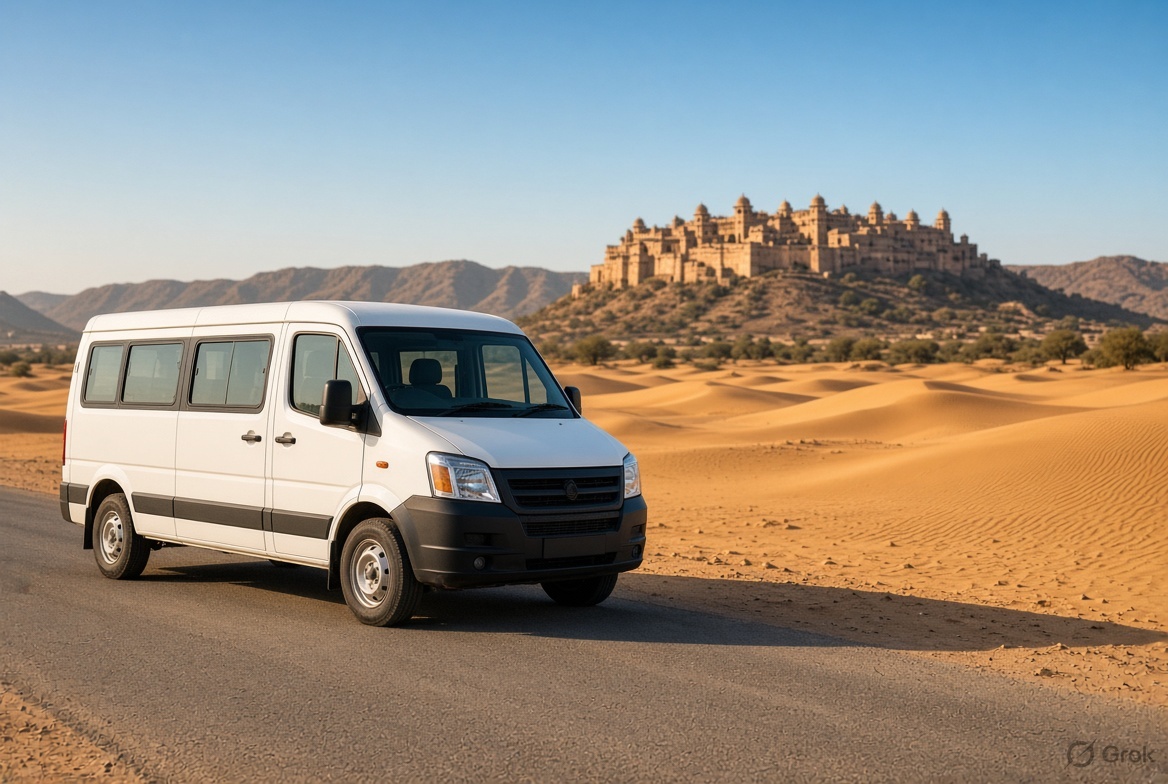
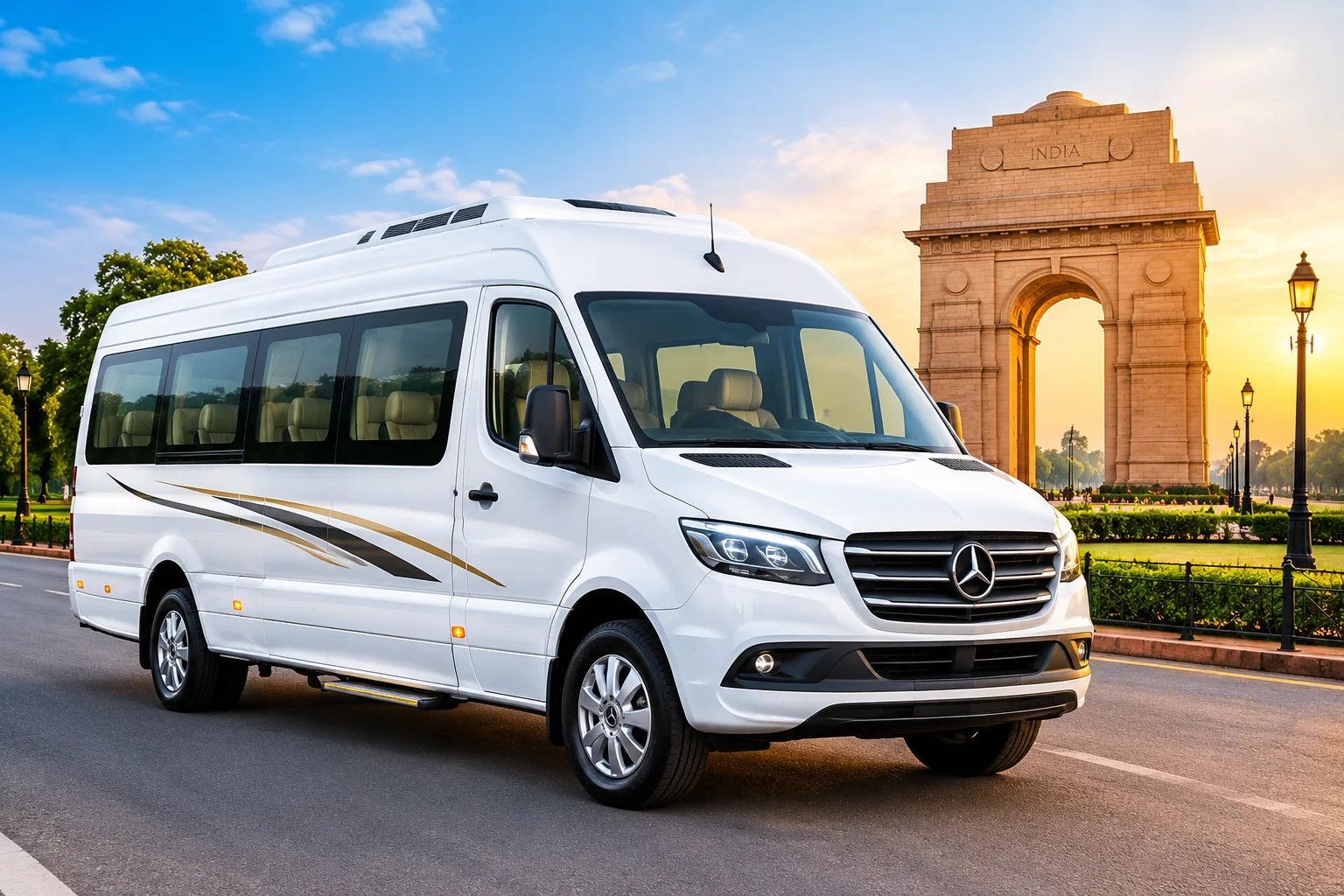
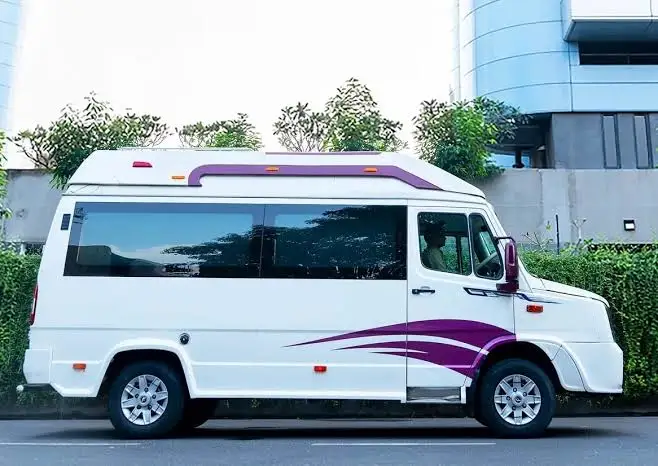
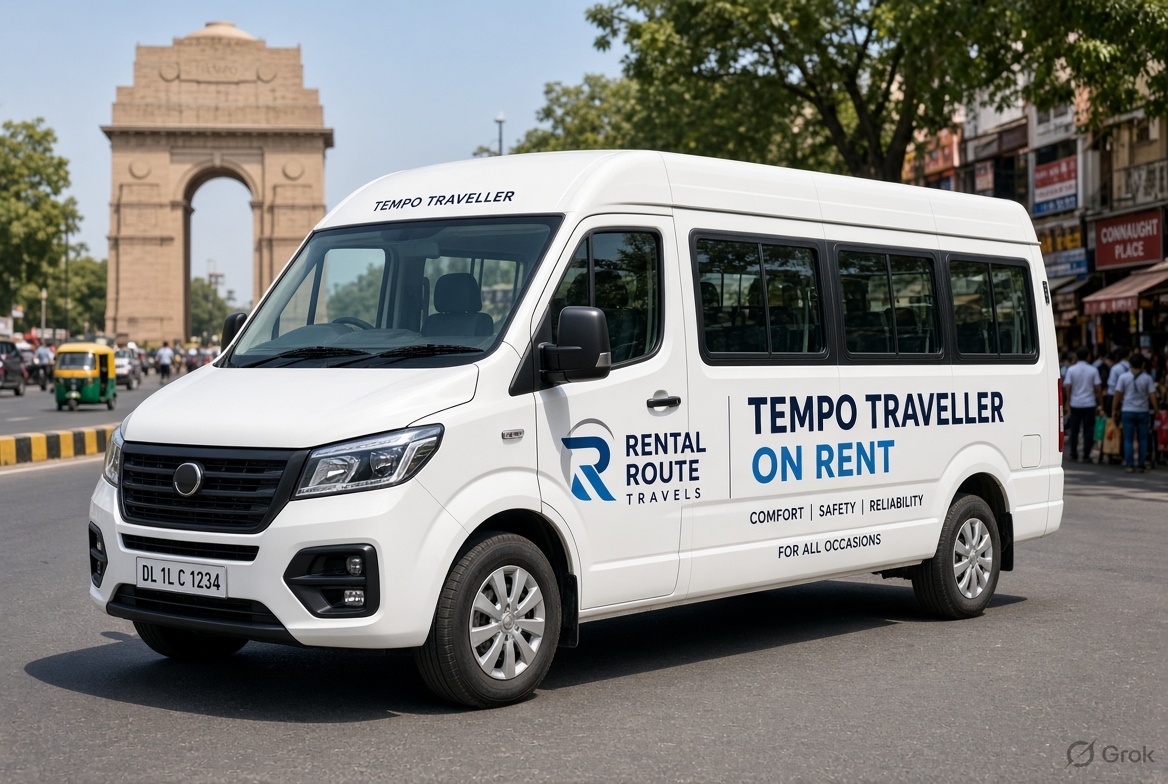
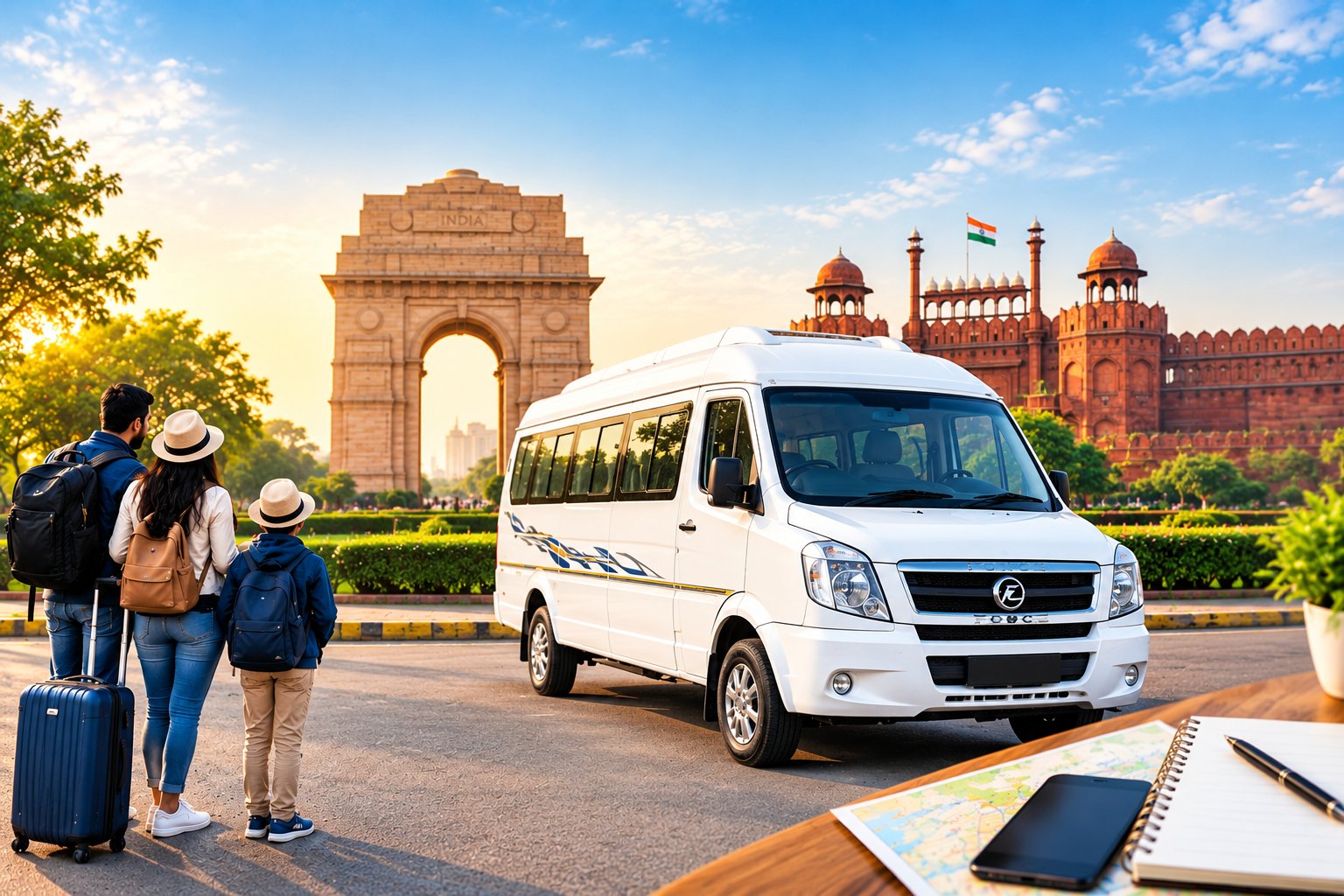
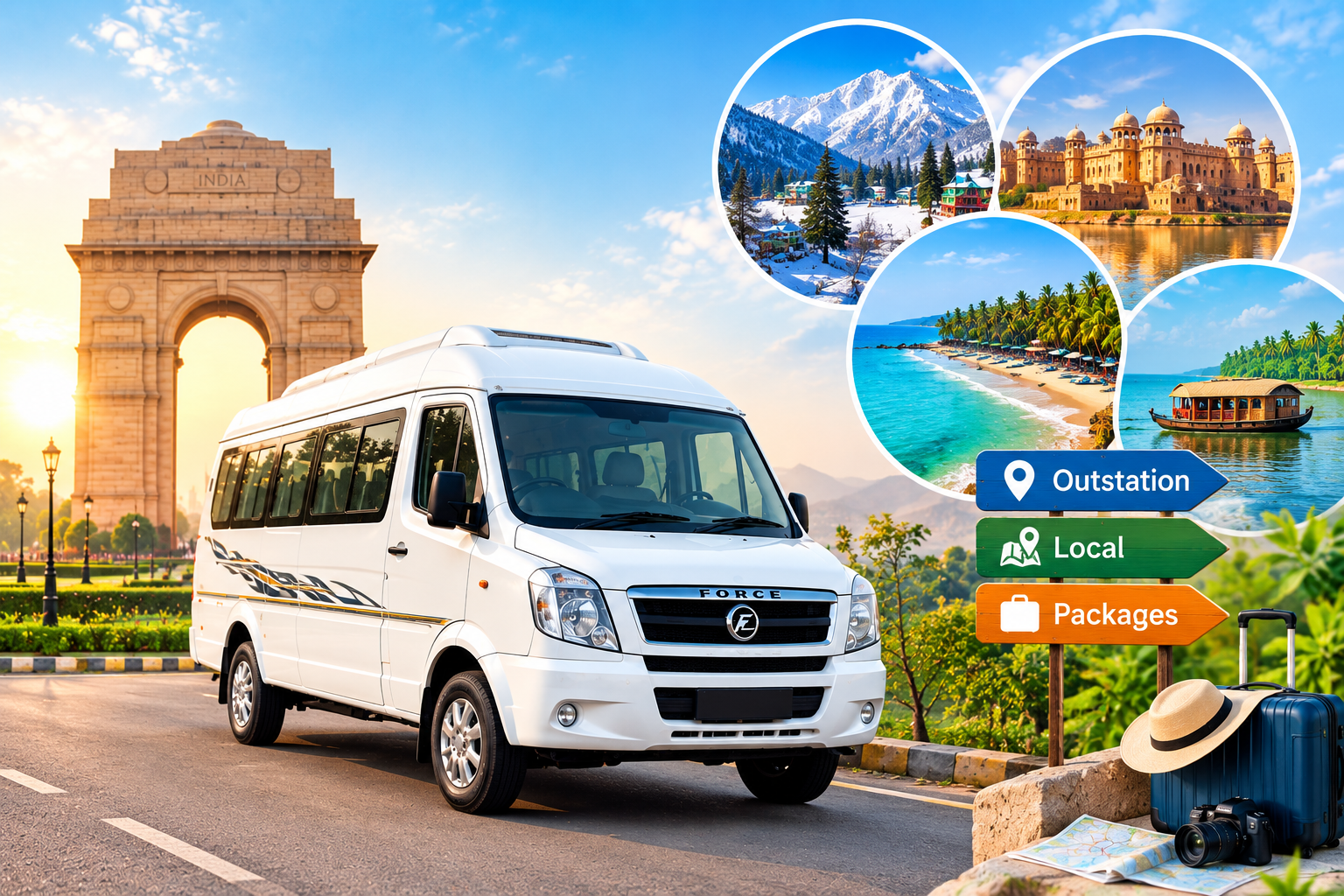
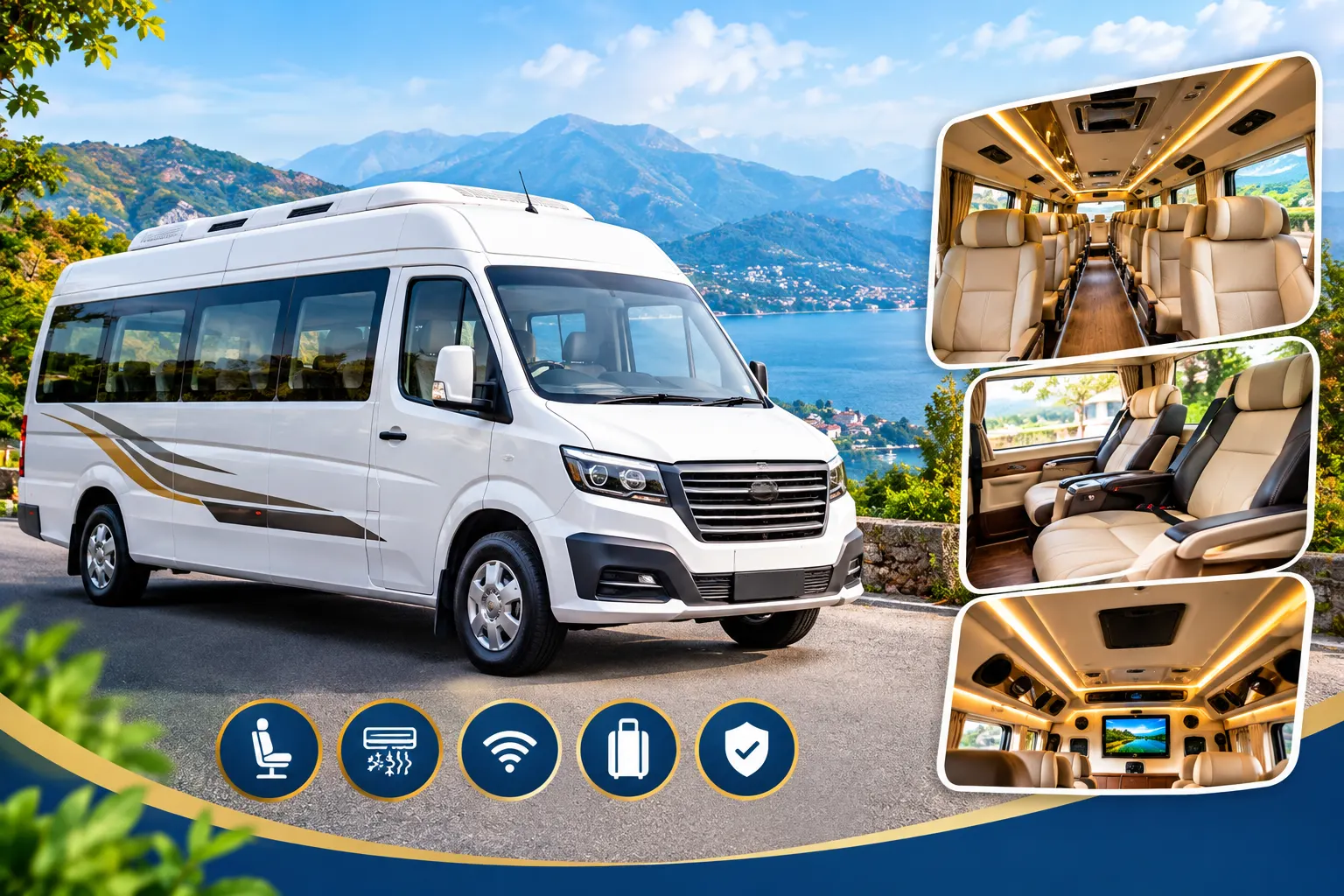
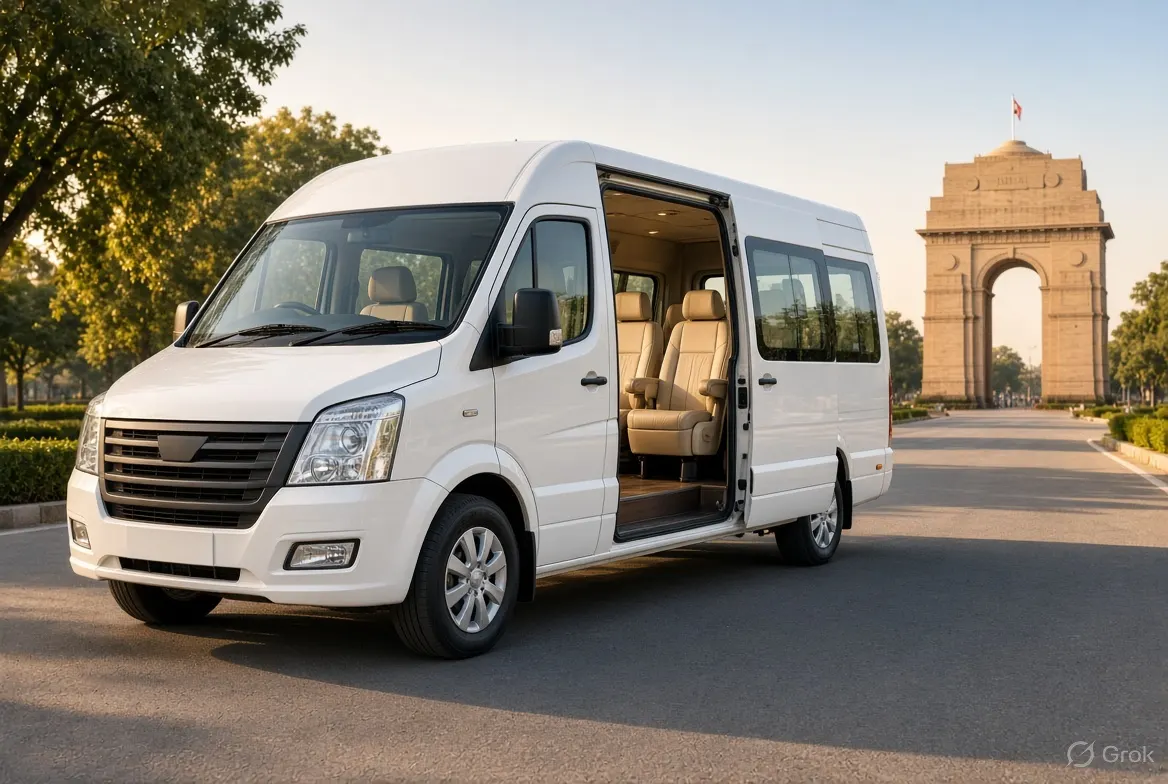
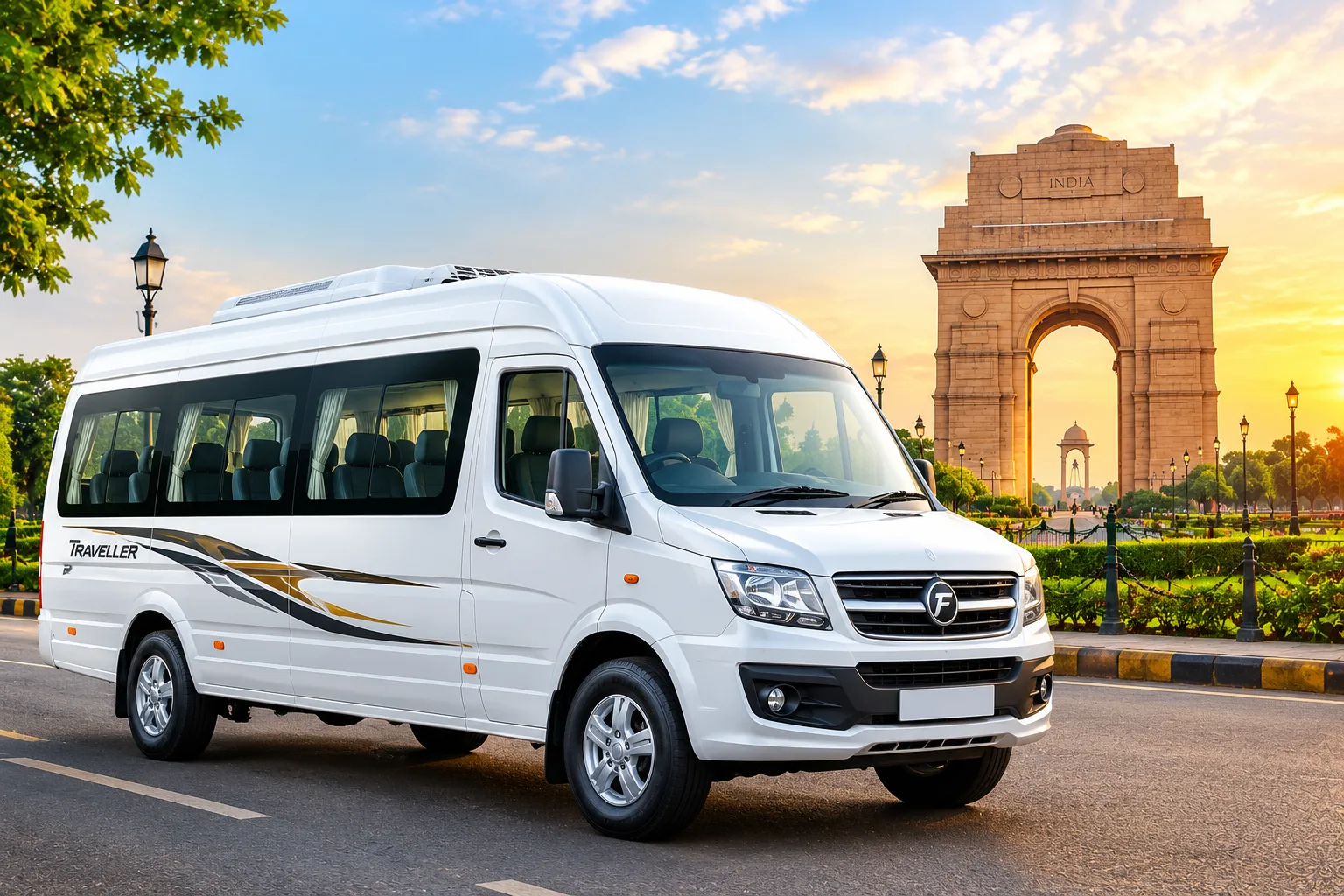
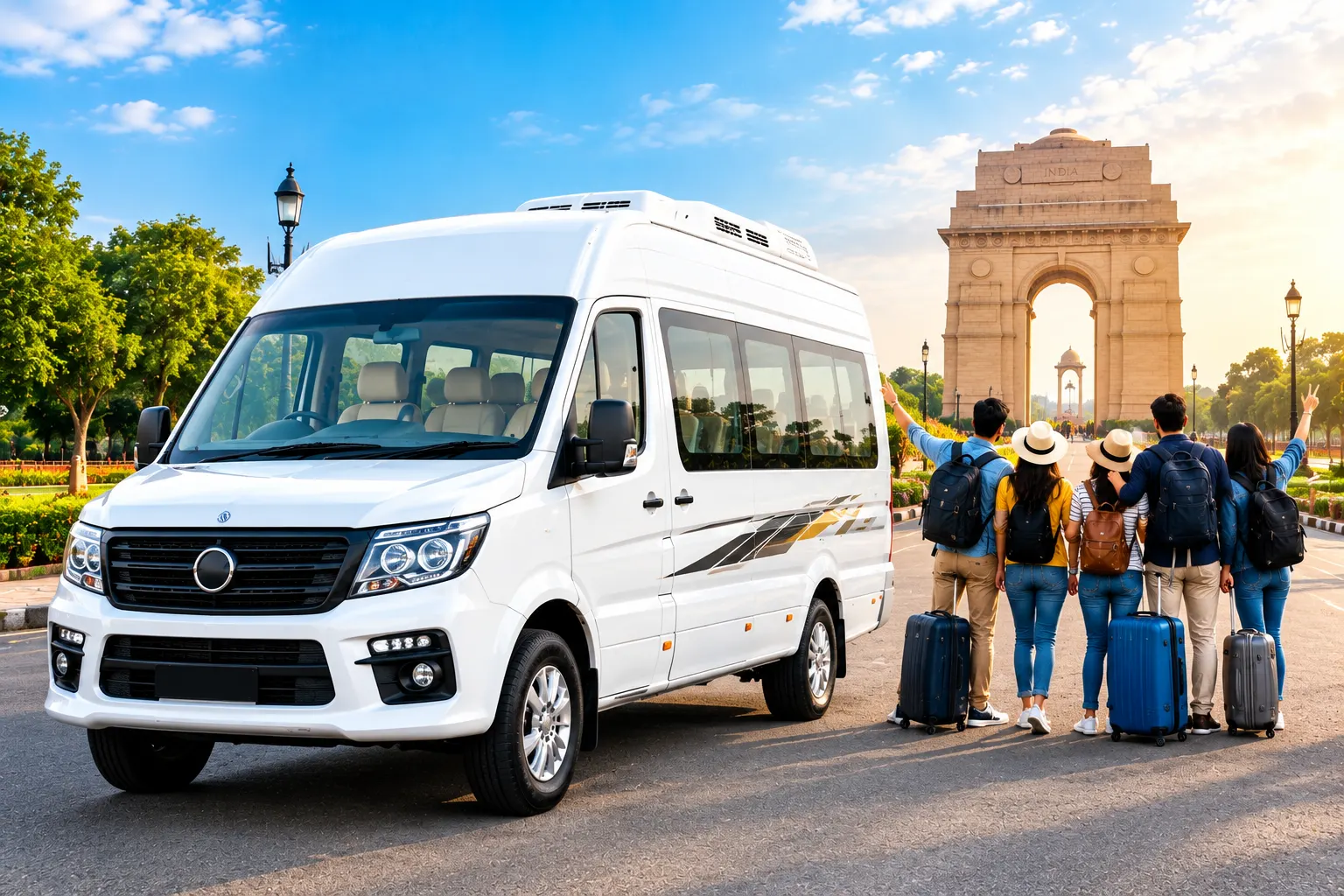
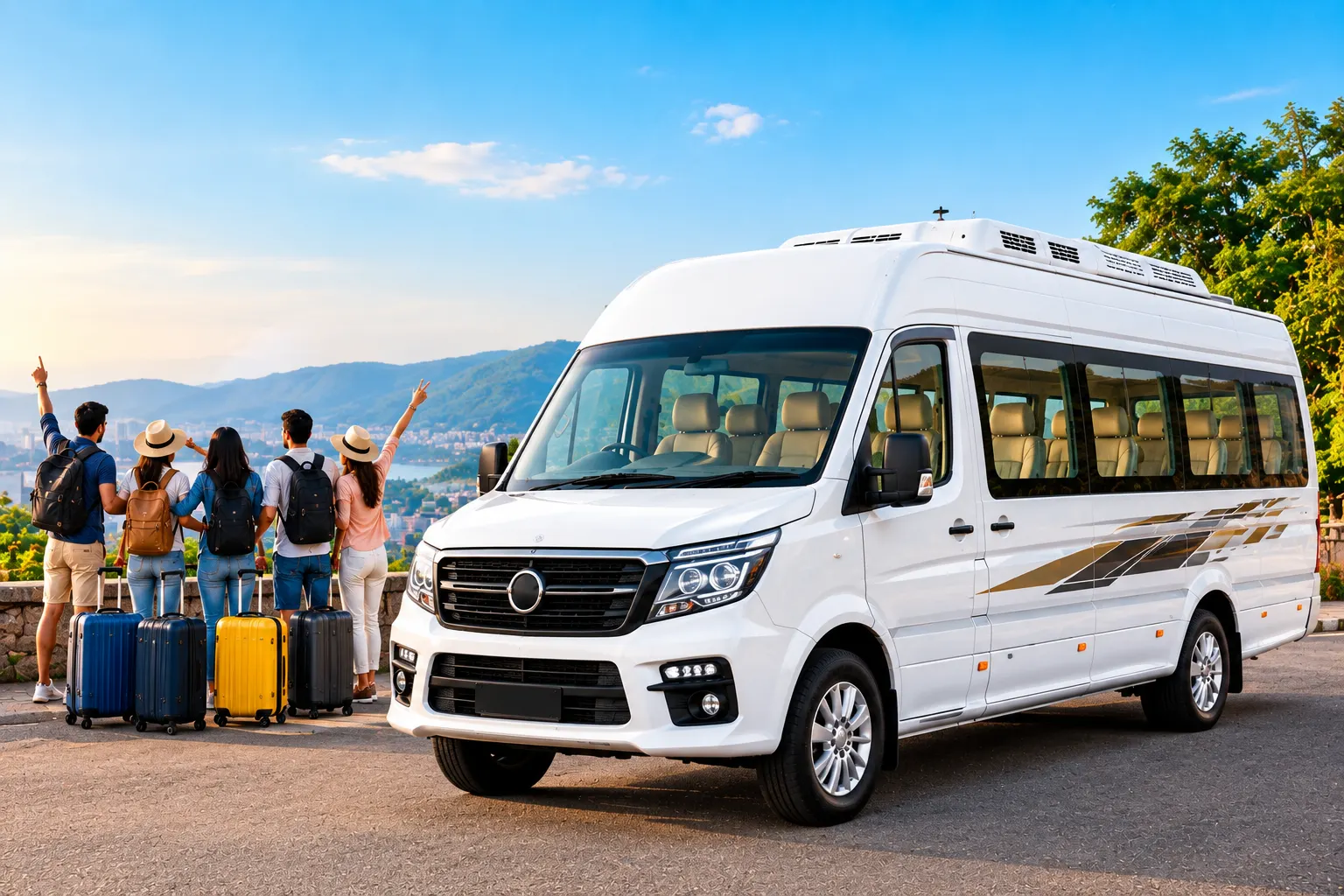
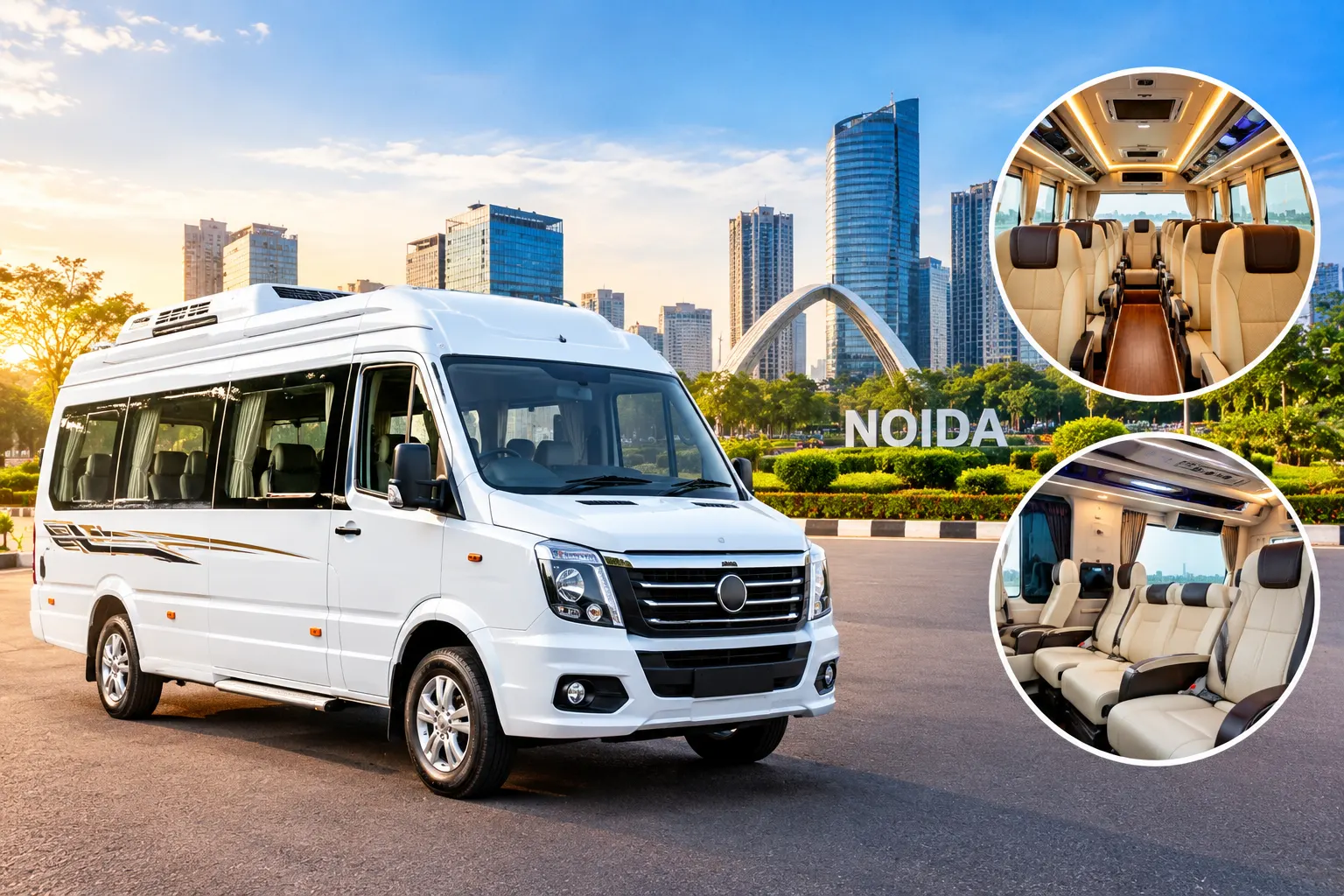
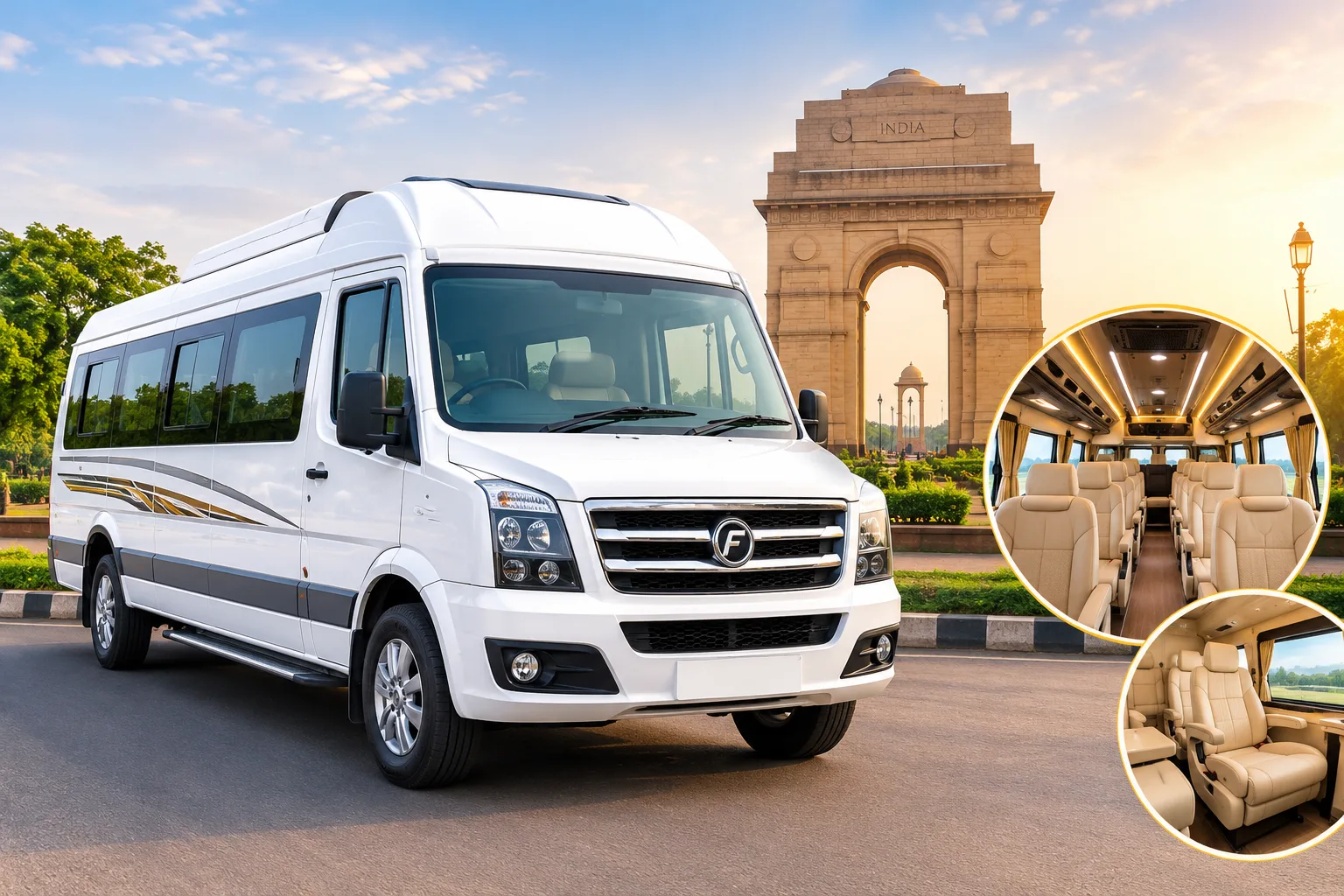
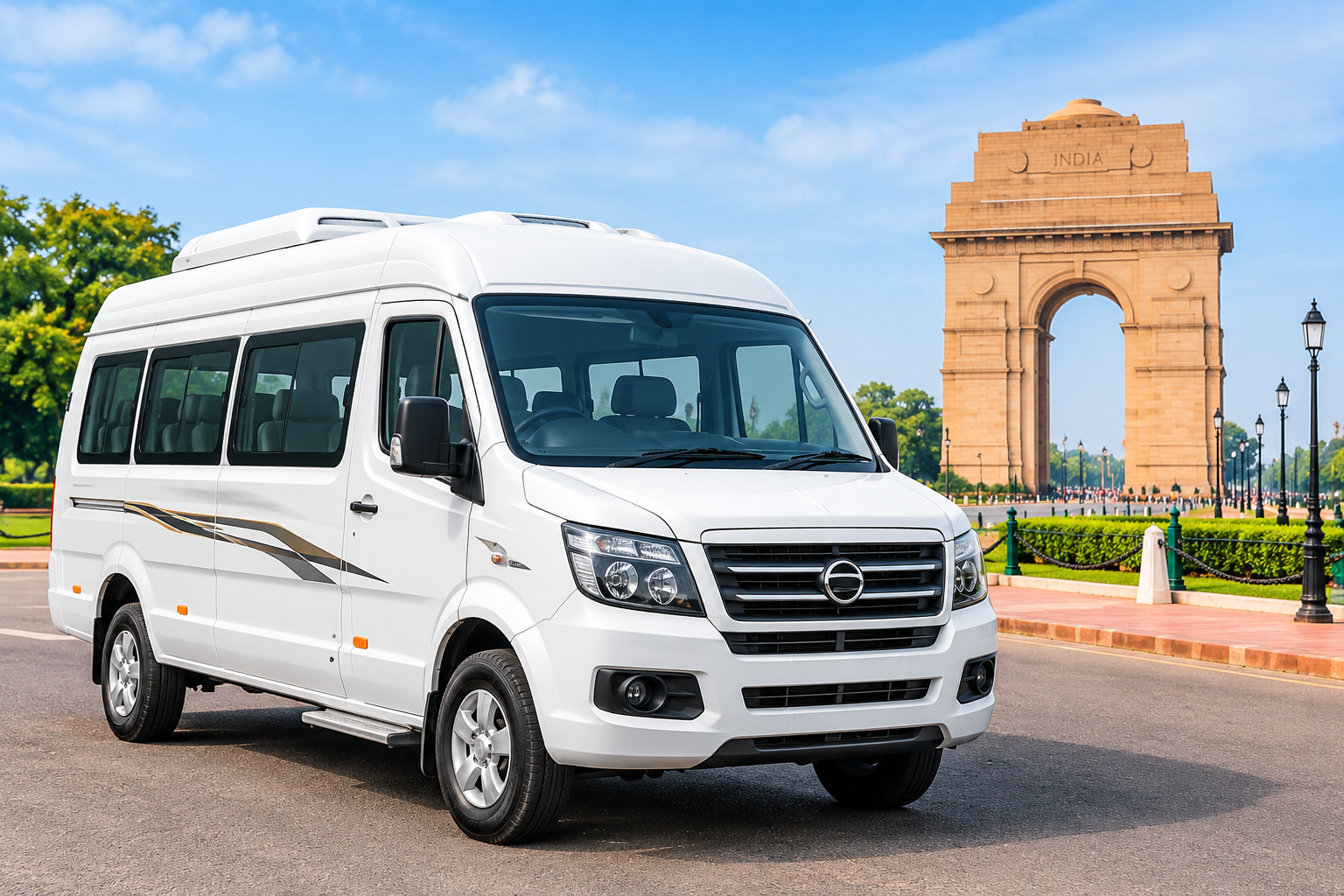
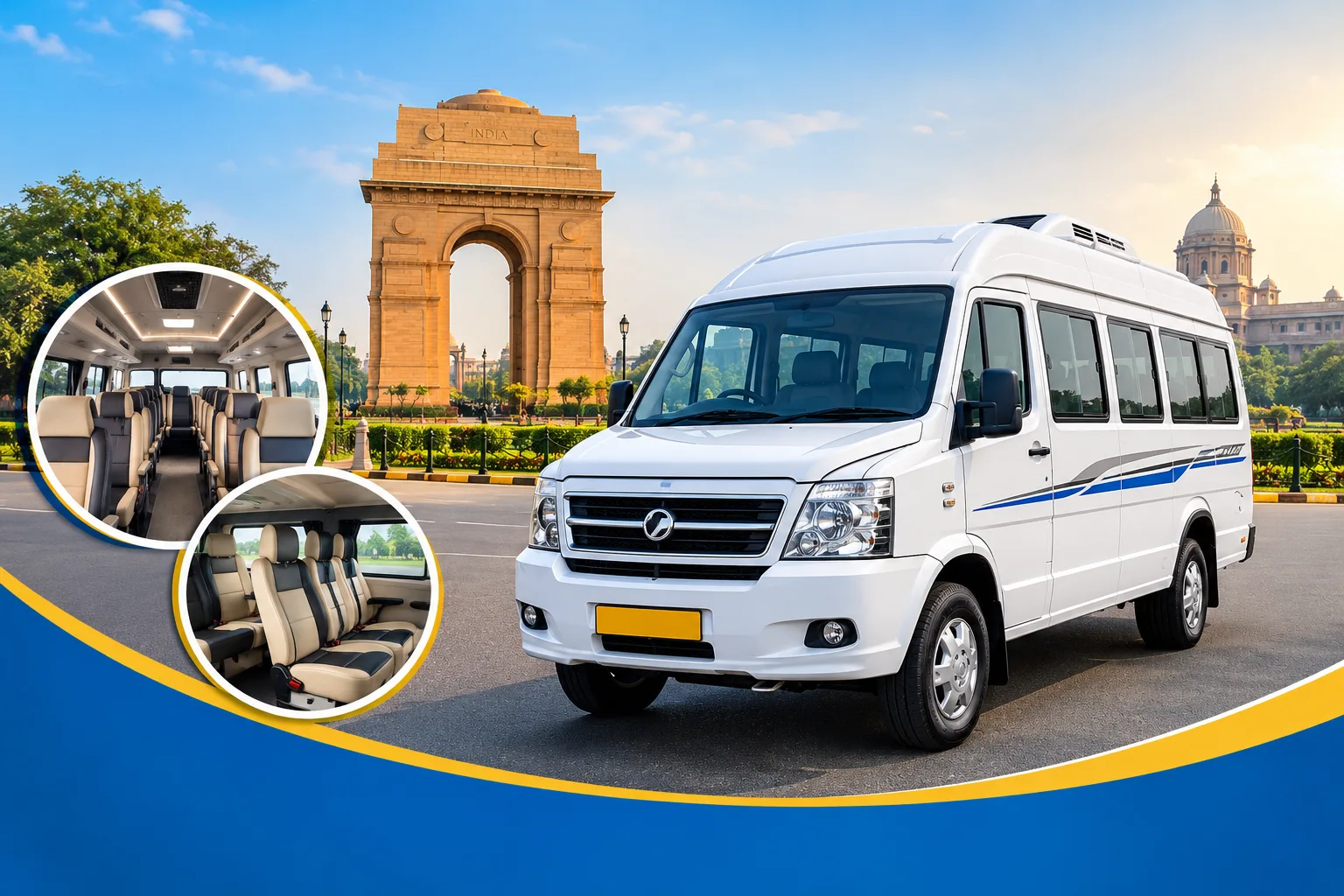
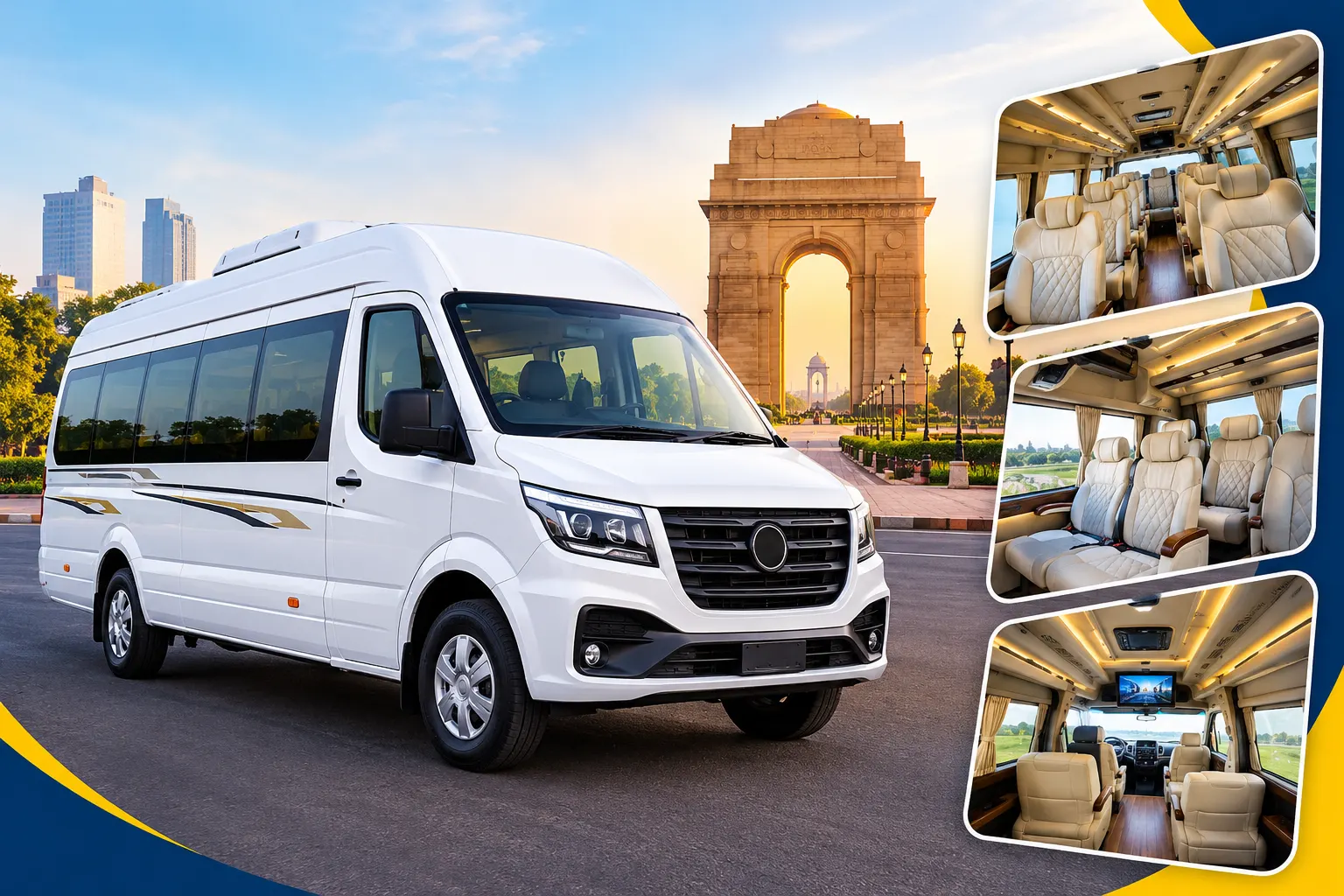
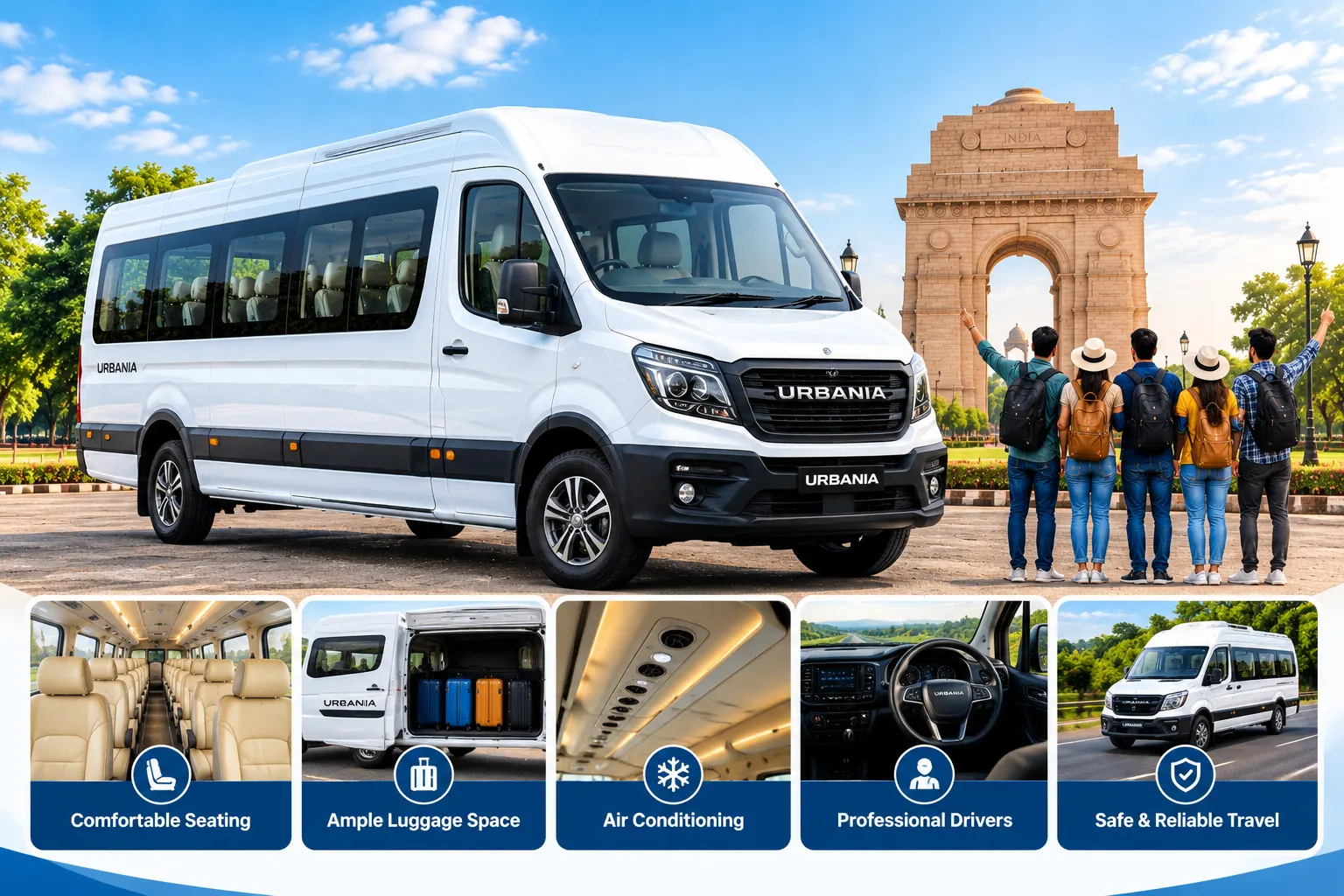
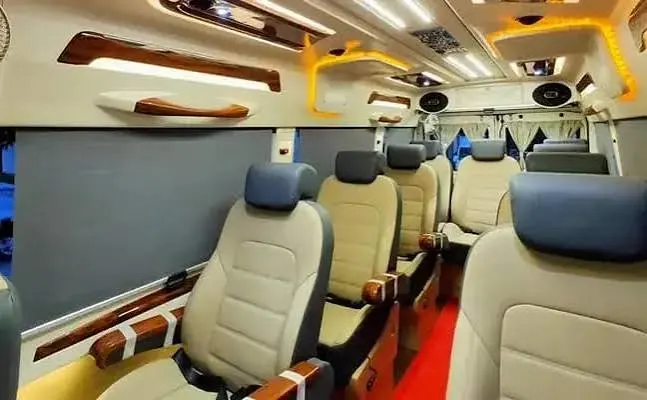
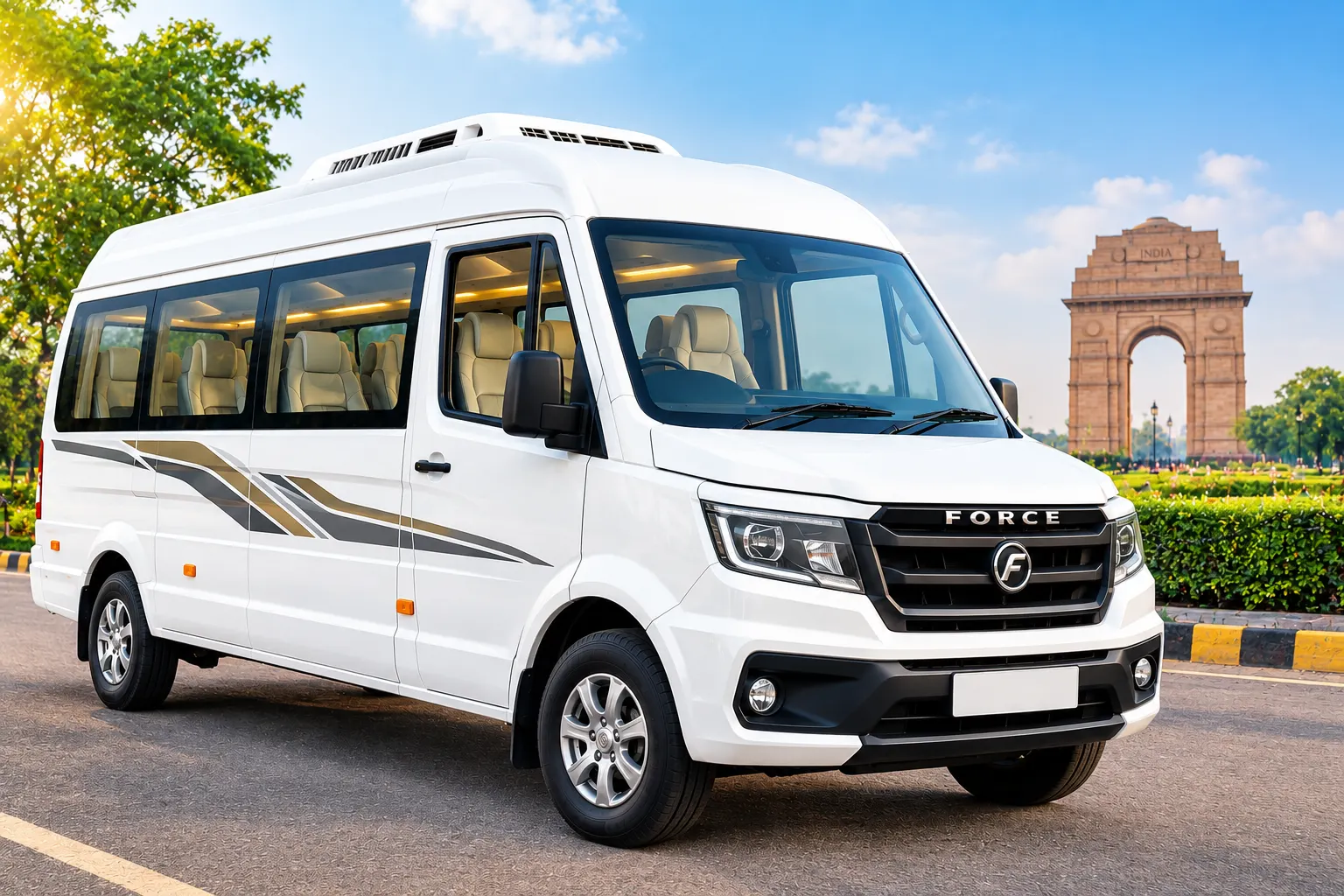
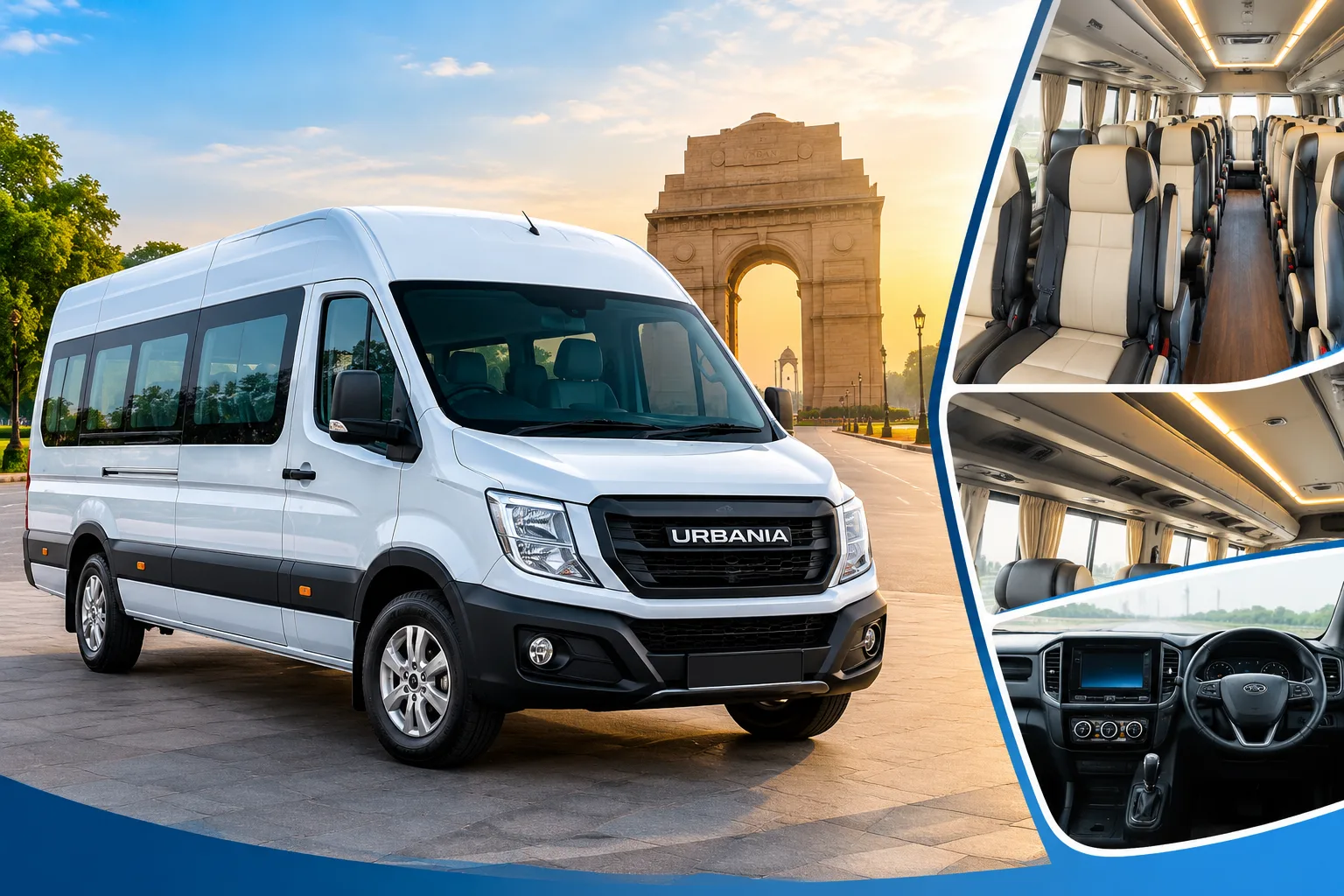
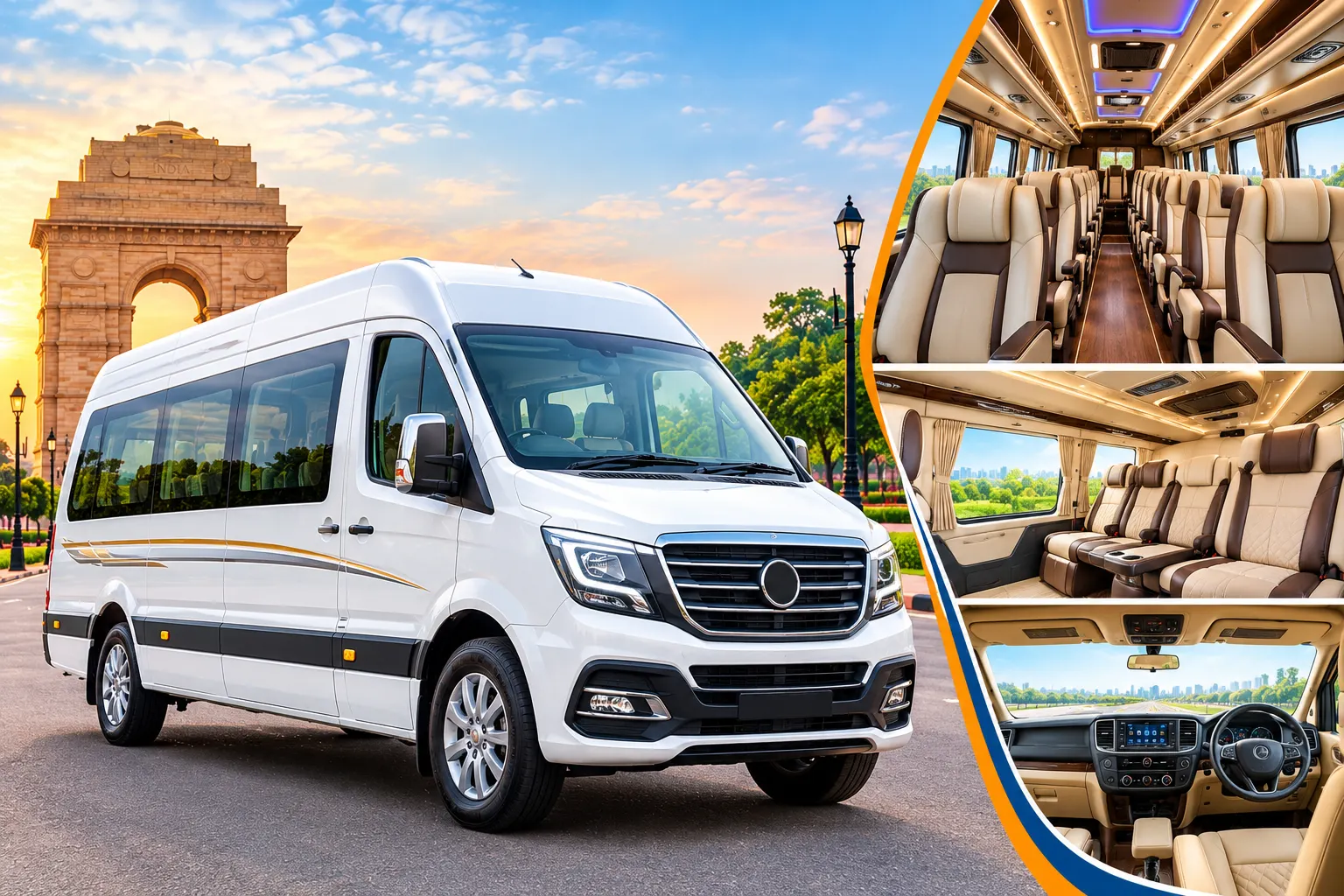
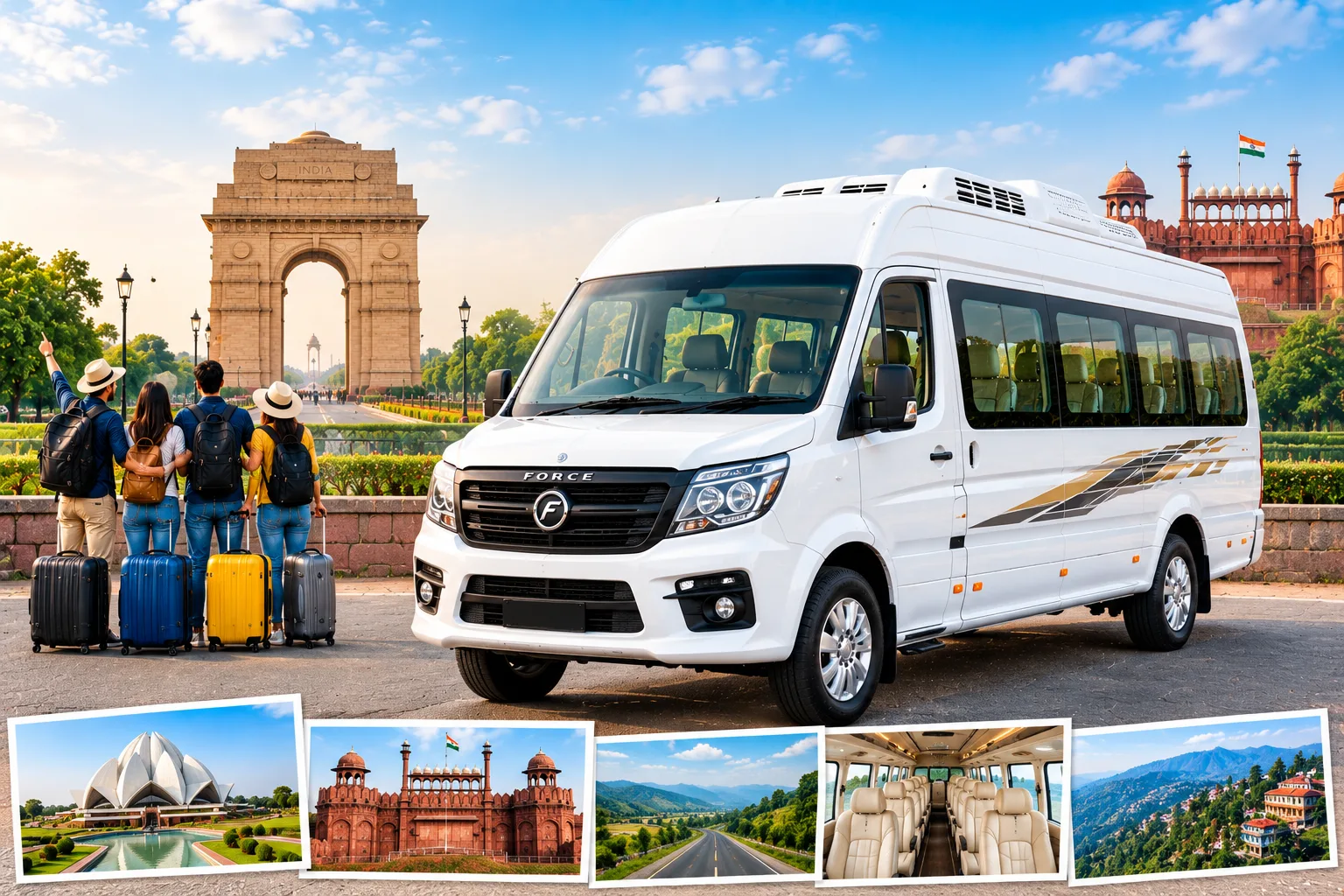
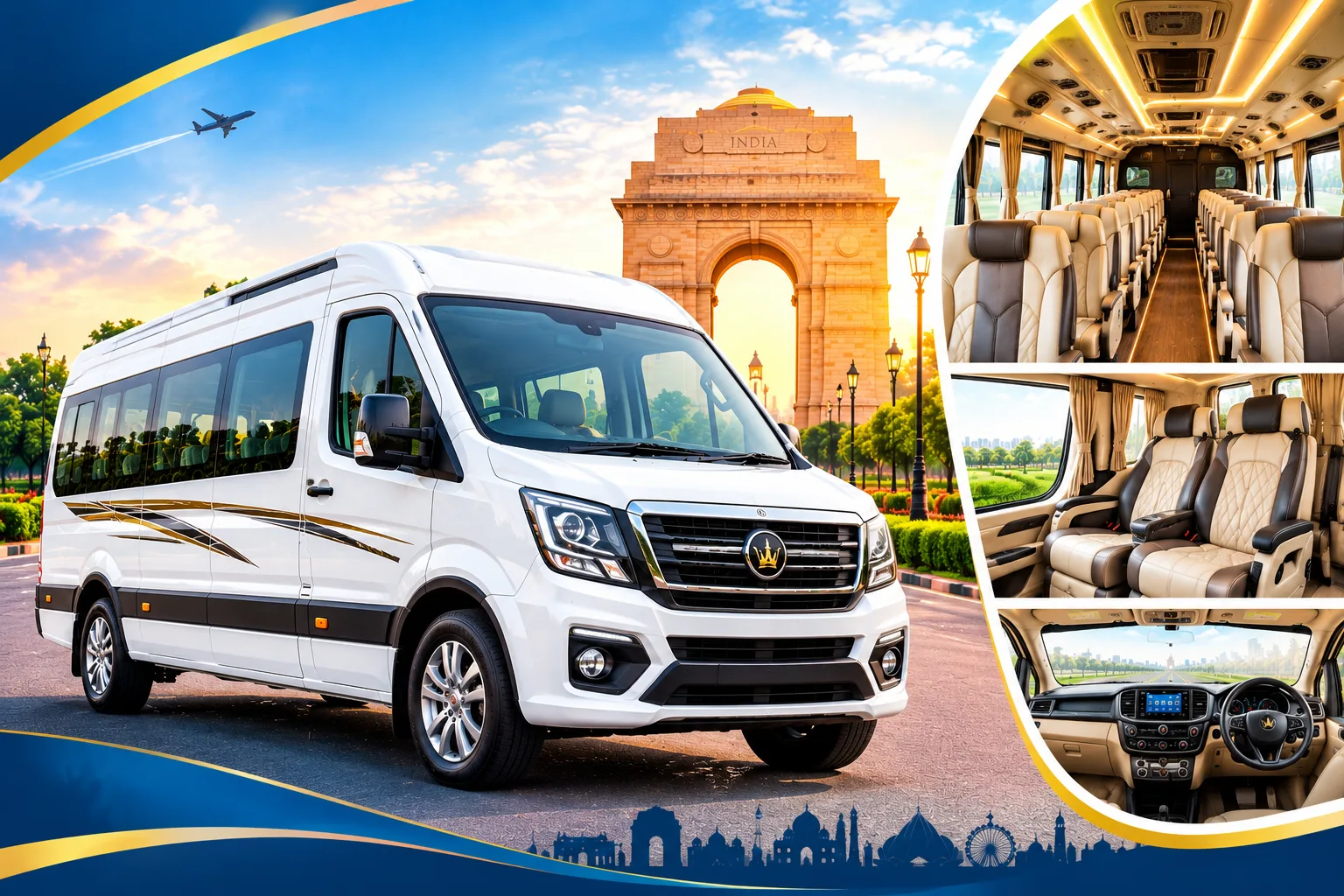
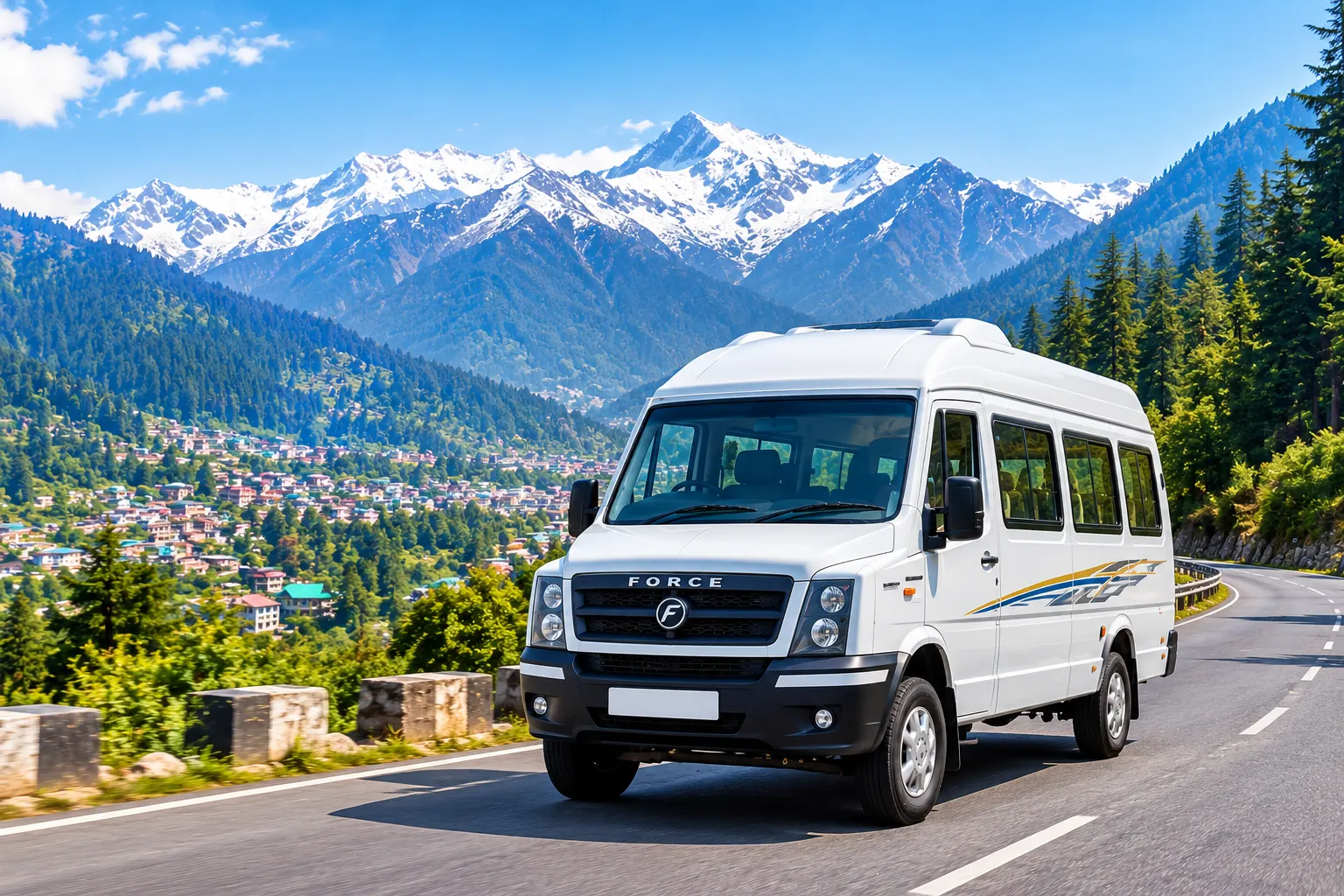
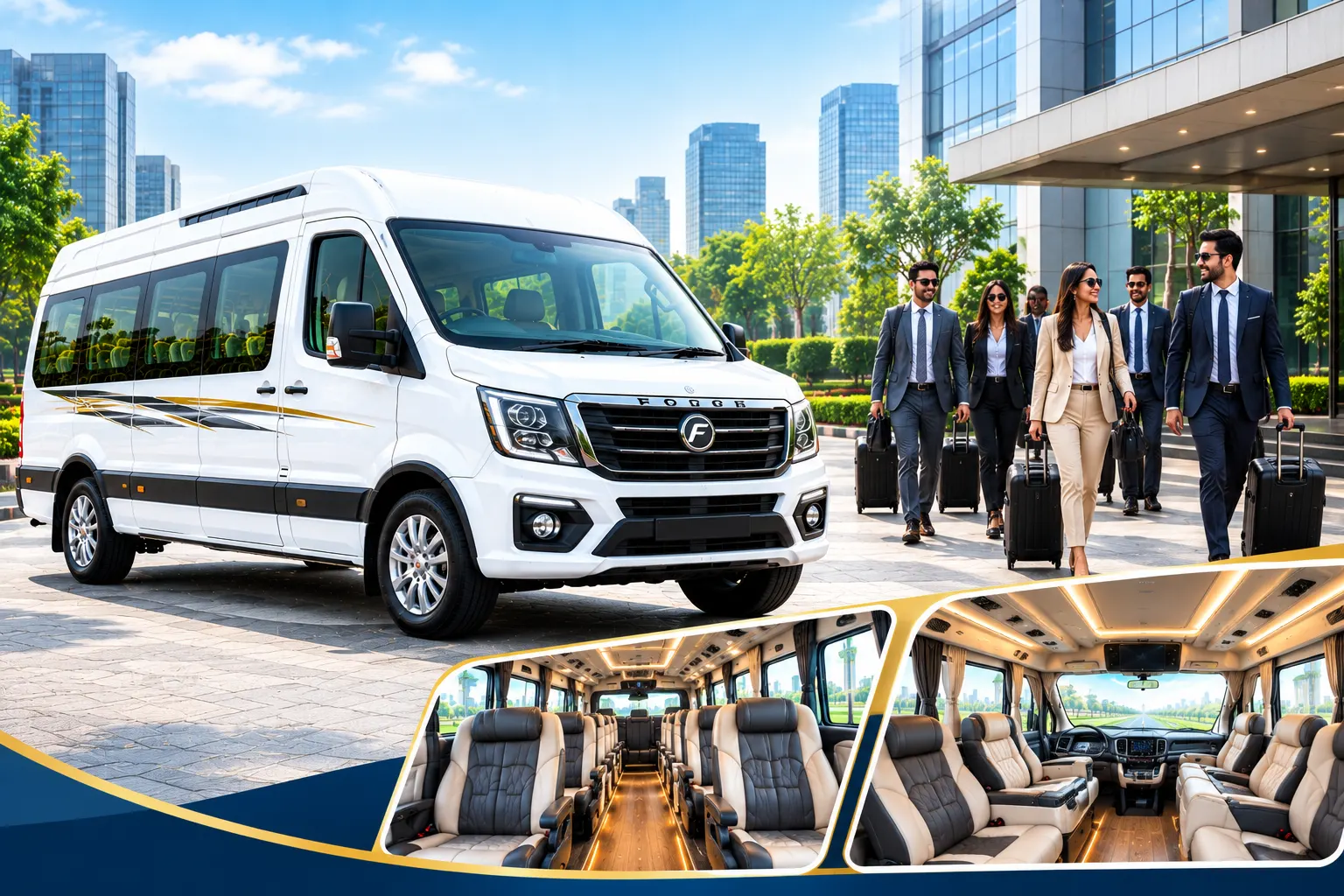
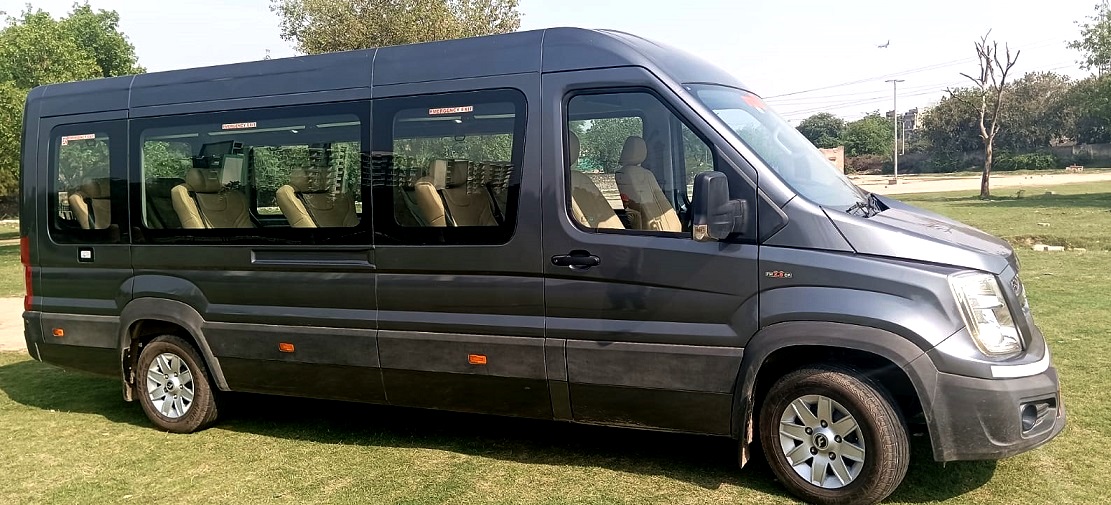
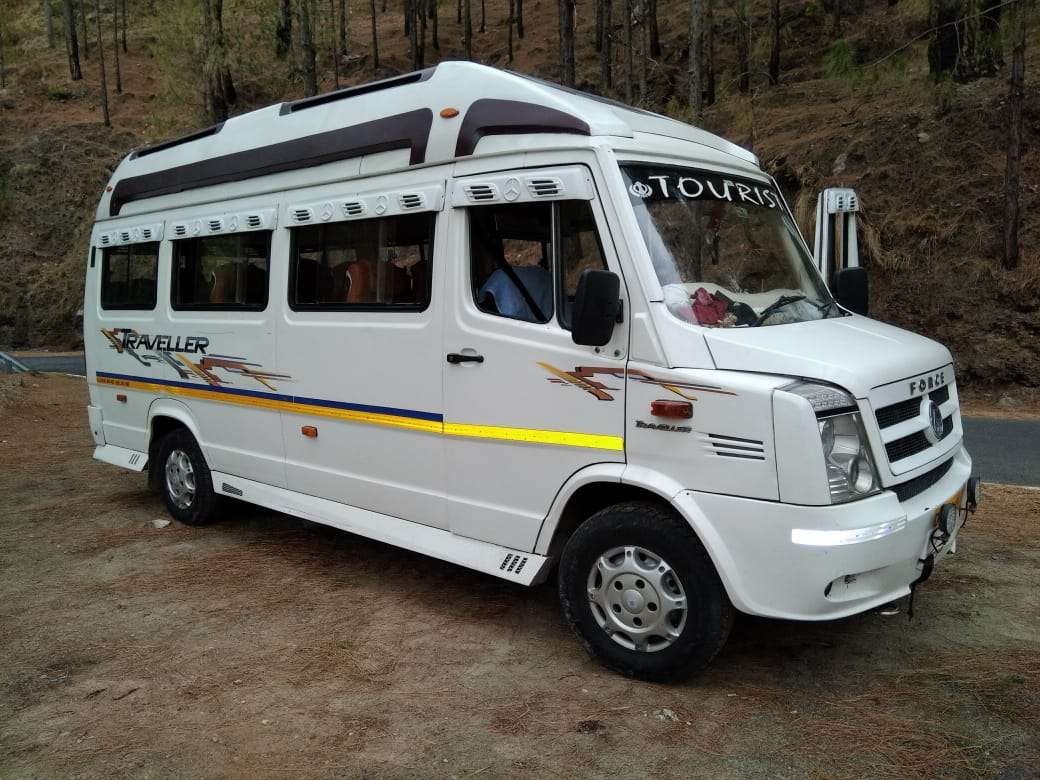
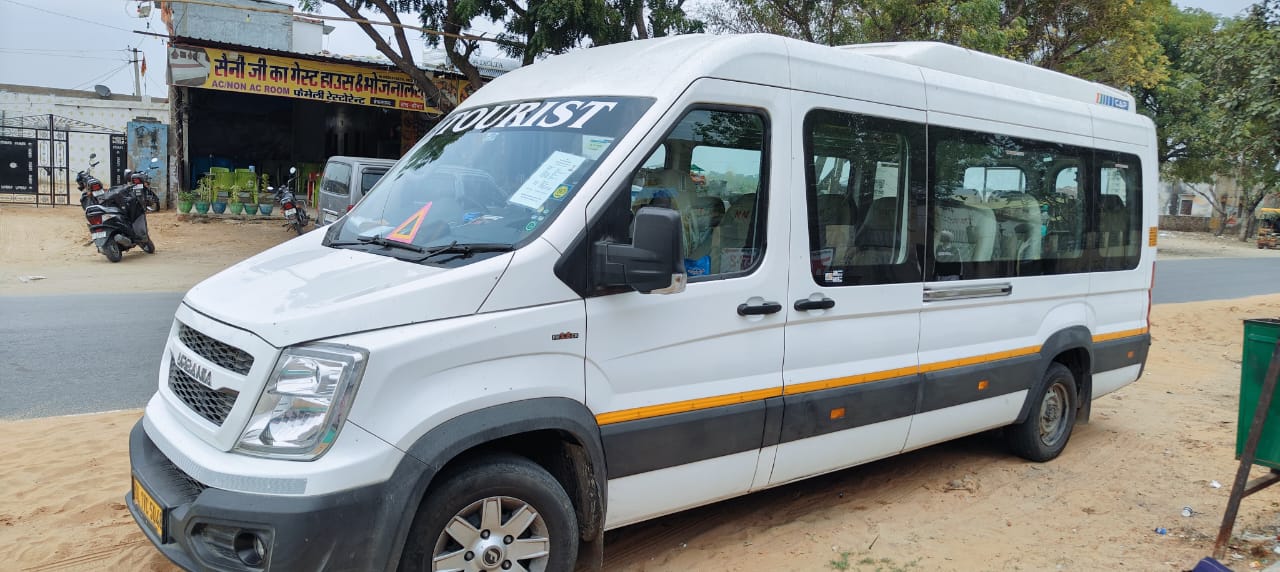
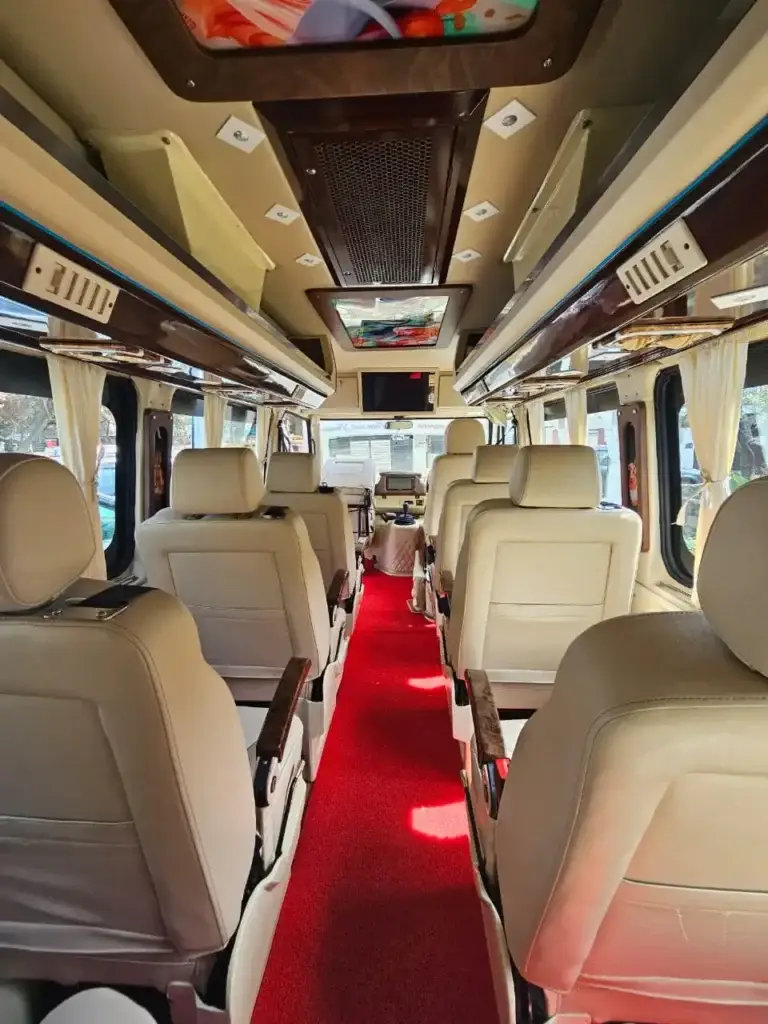
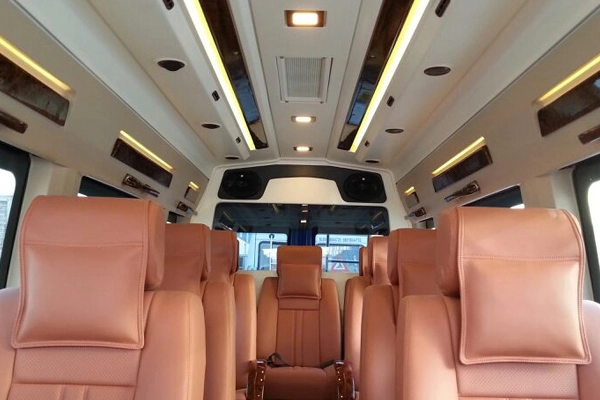
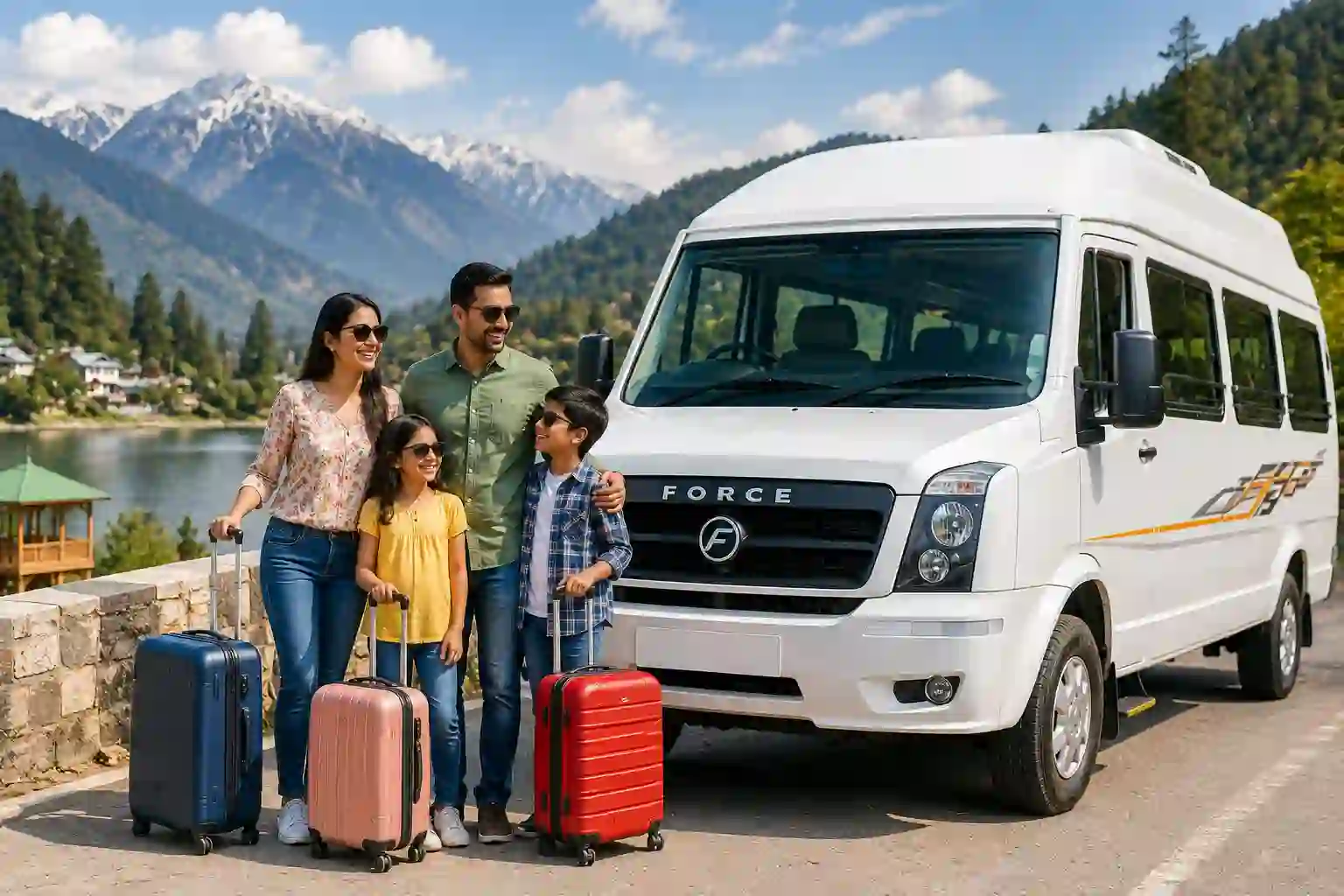
The Force Urbania is a premium mini-bus style vehicle built for passenger comfort. Compared with a standard tempo traveller, it offers a higher roof, a wider cabin, plush reclining seats and an advanced suspension system that handles both Delhi's stop-and-go traffic and long highway stretches with less body fatigue.
For travellers, the difference shows up in the little things:
Headroom and walkway: You can stand up and move around the cabin without stooping, which matters on a ten-hour hill drive.
Suspension: The ride is noticeably smoother on broken patches of road, which helps senior citizens and children on long journeys.
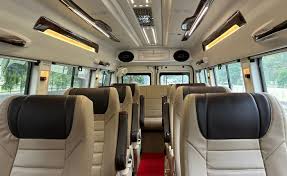
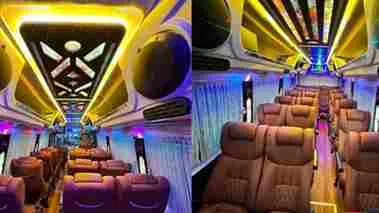
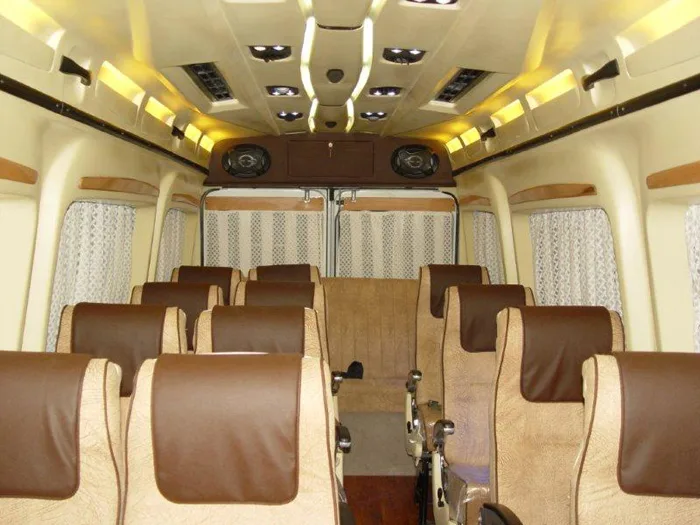
Cabin comfort: Efficient air conditioning, large windows for views, and mobile charging points keep the group comfortable and connected.
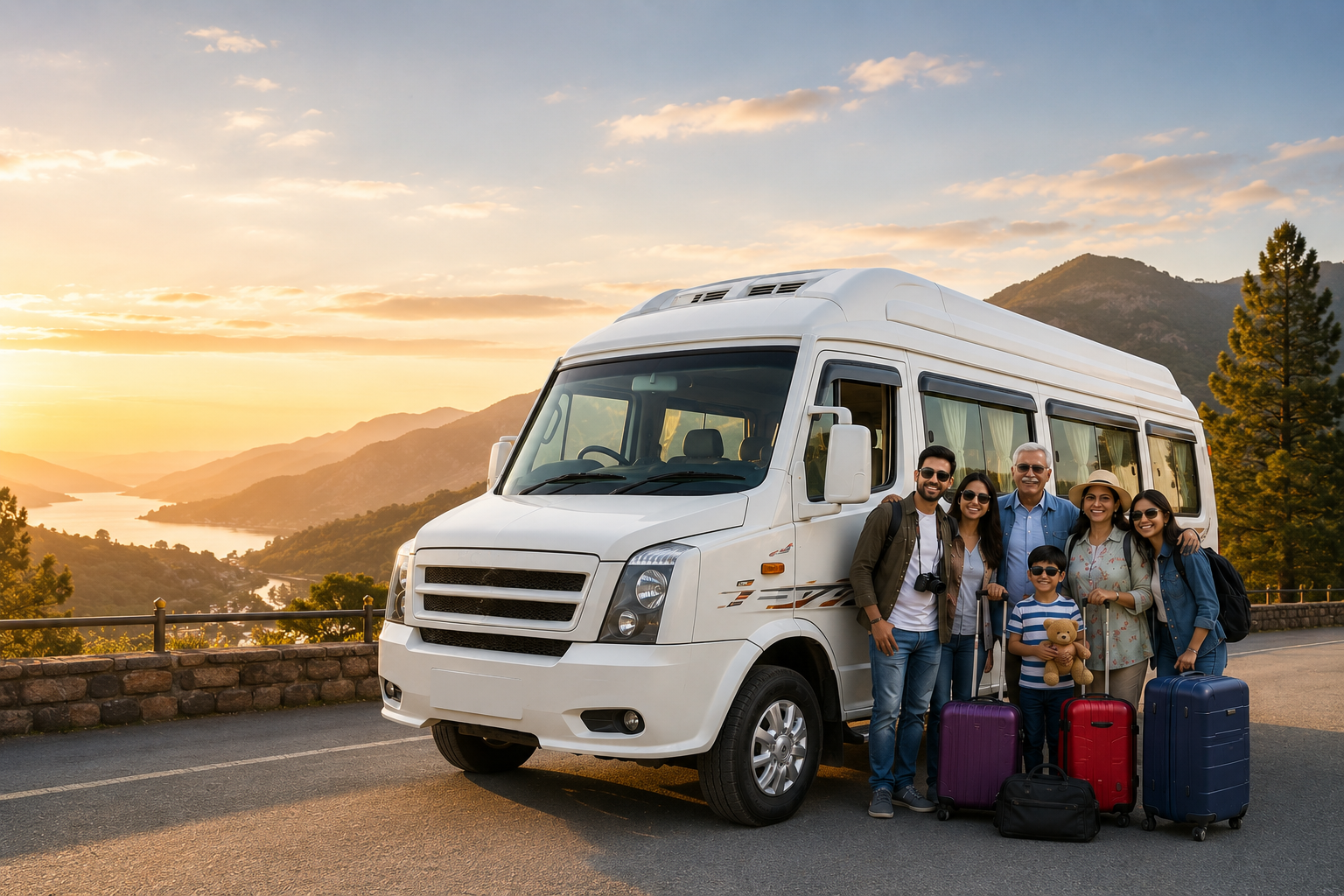
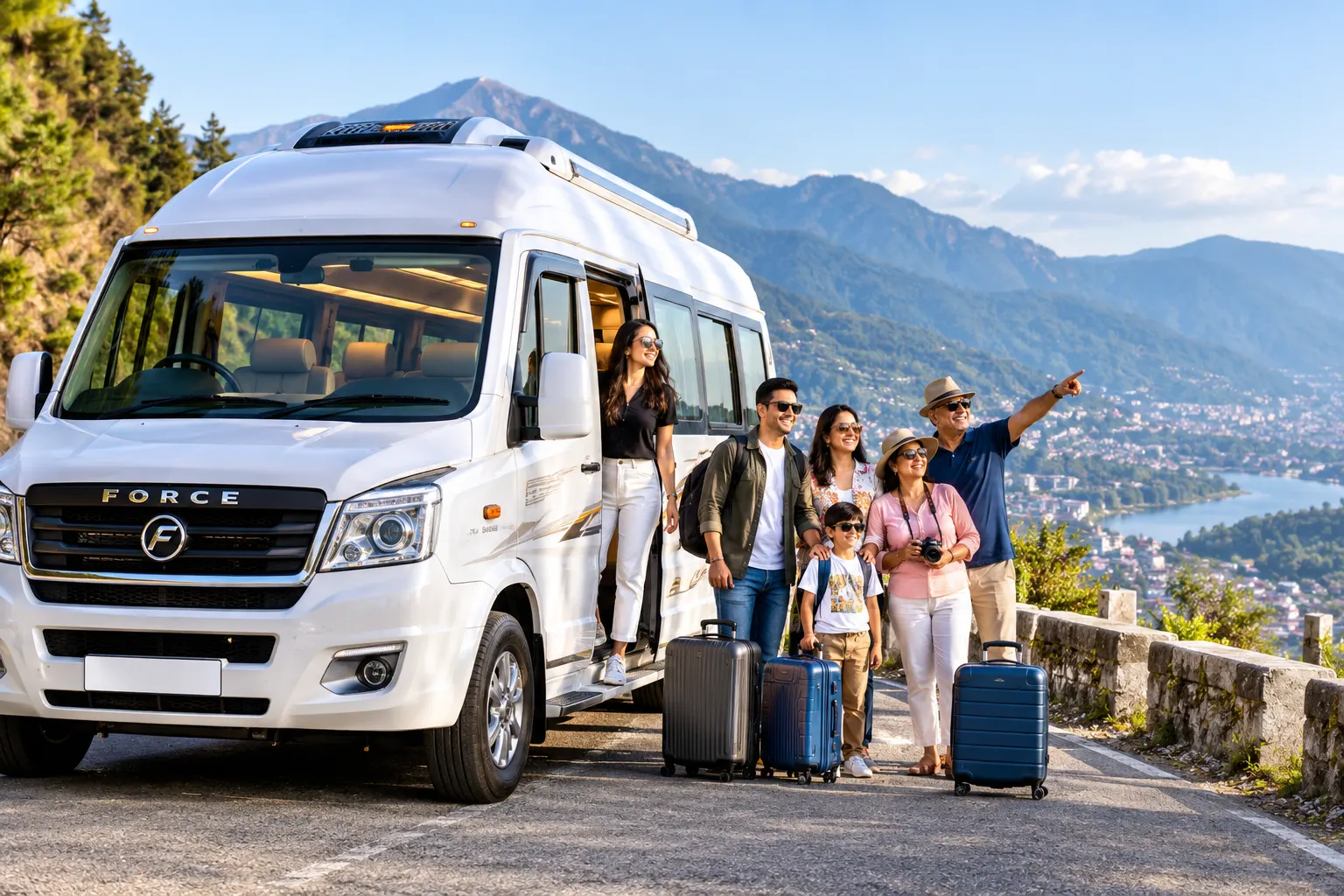
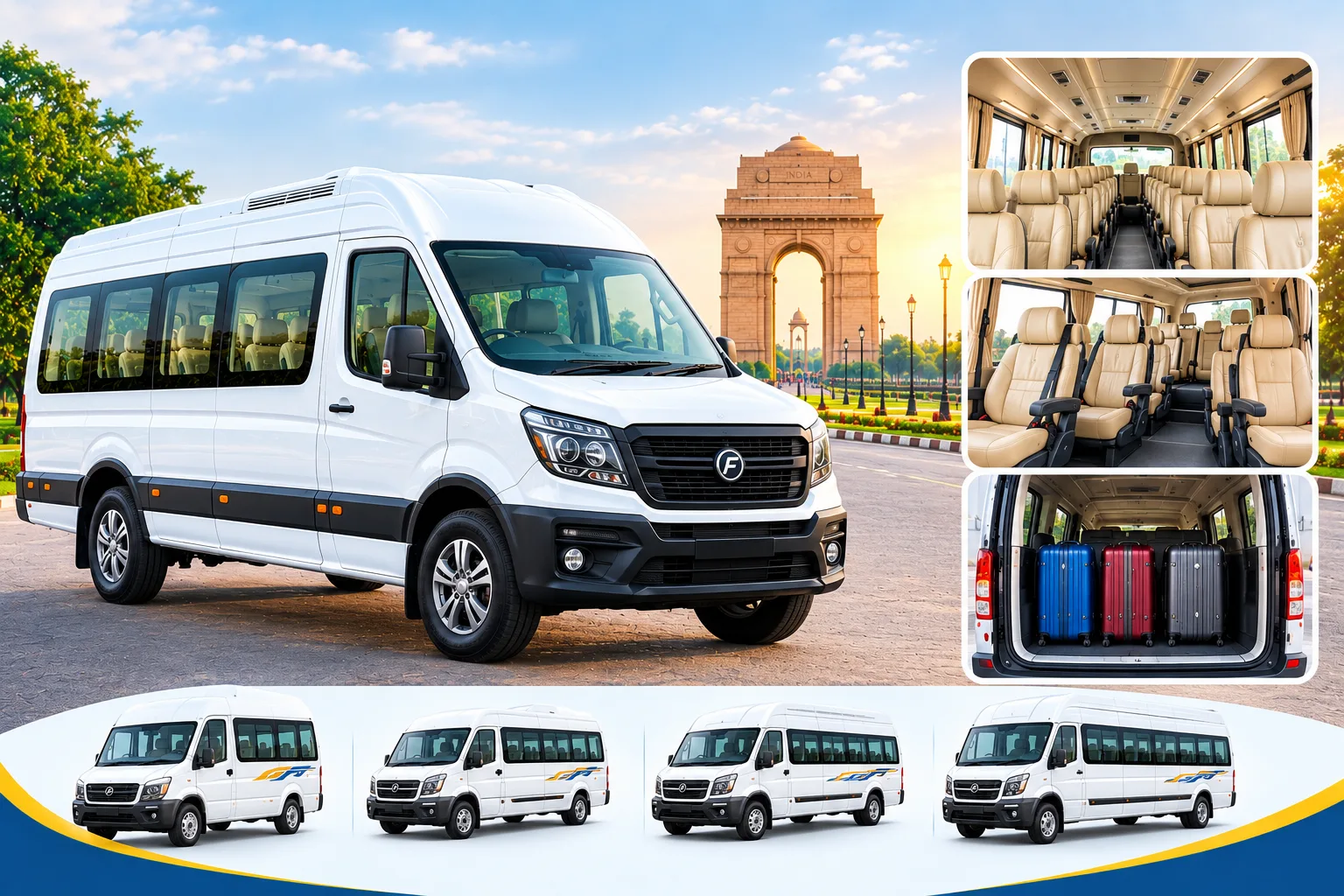
Luggage space: A large carrier means suitcases for a whole family don't have to sit on laps.
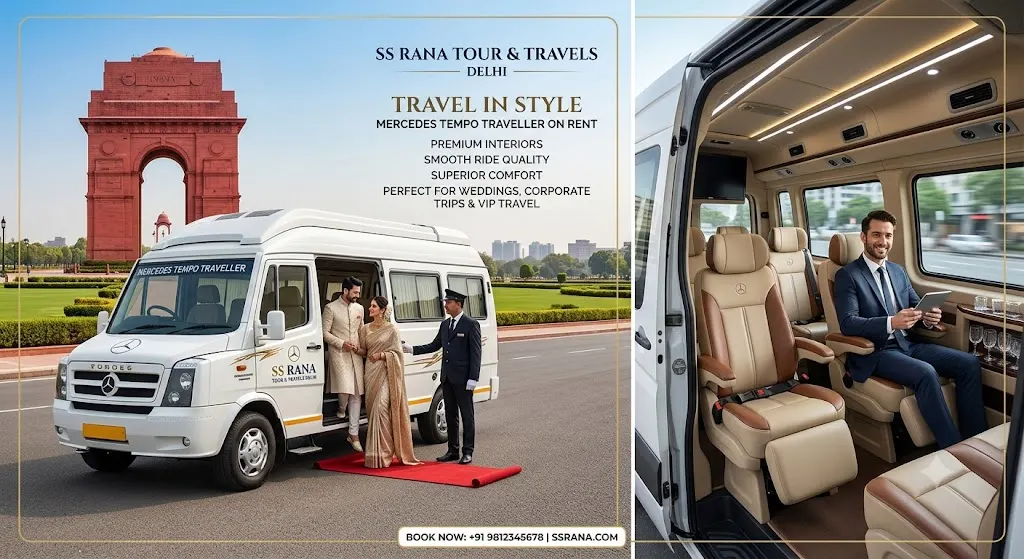
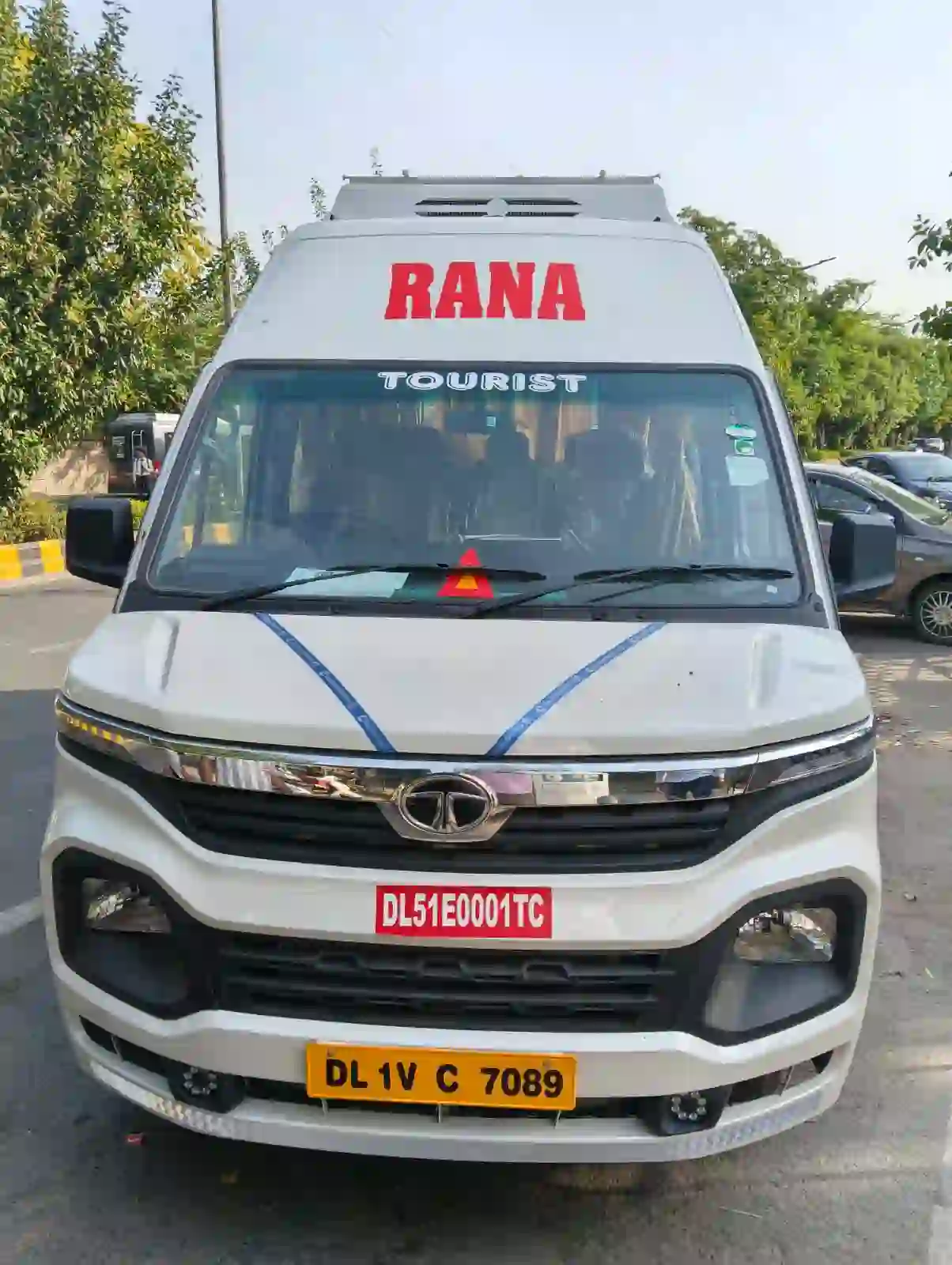
If you want to see how a reputable operator in the capital describes the vehicle, the Urbania on rent in Delhi page from S S Rana Tour and Travels lists seating options, features and booking steps in one place.
Urbania Seating Options: Pick the Right Size First
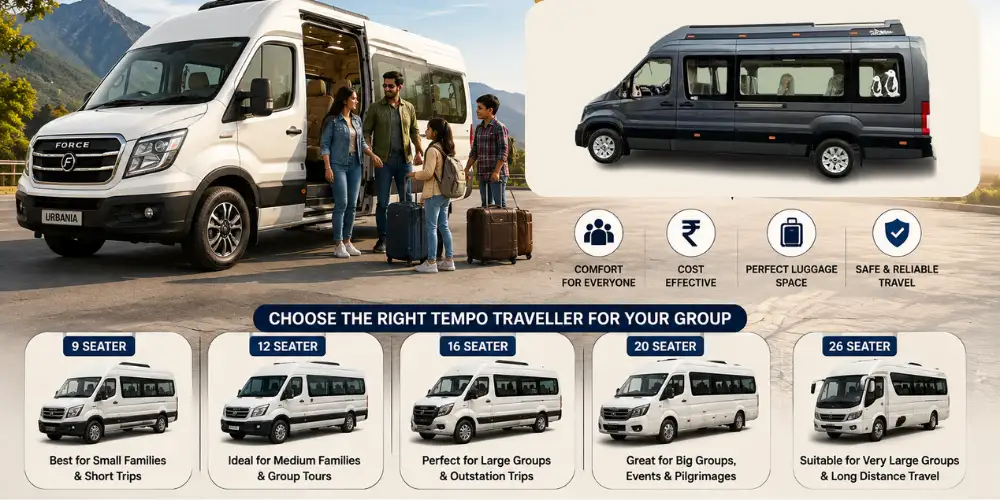
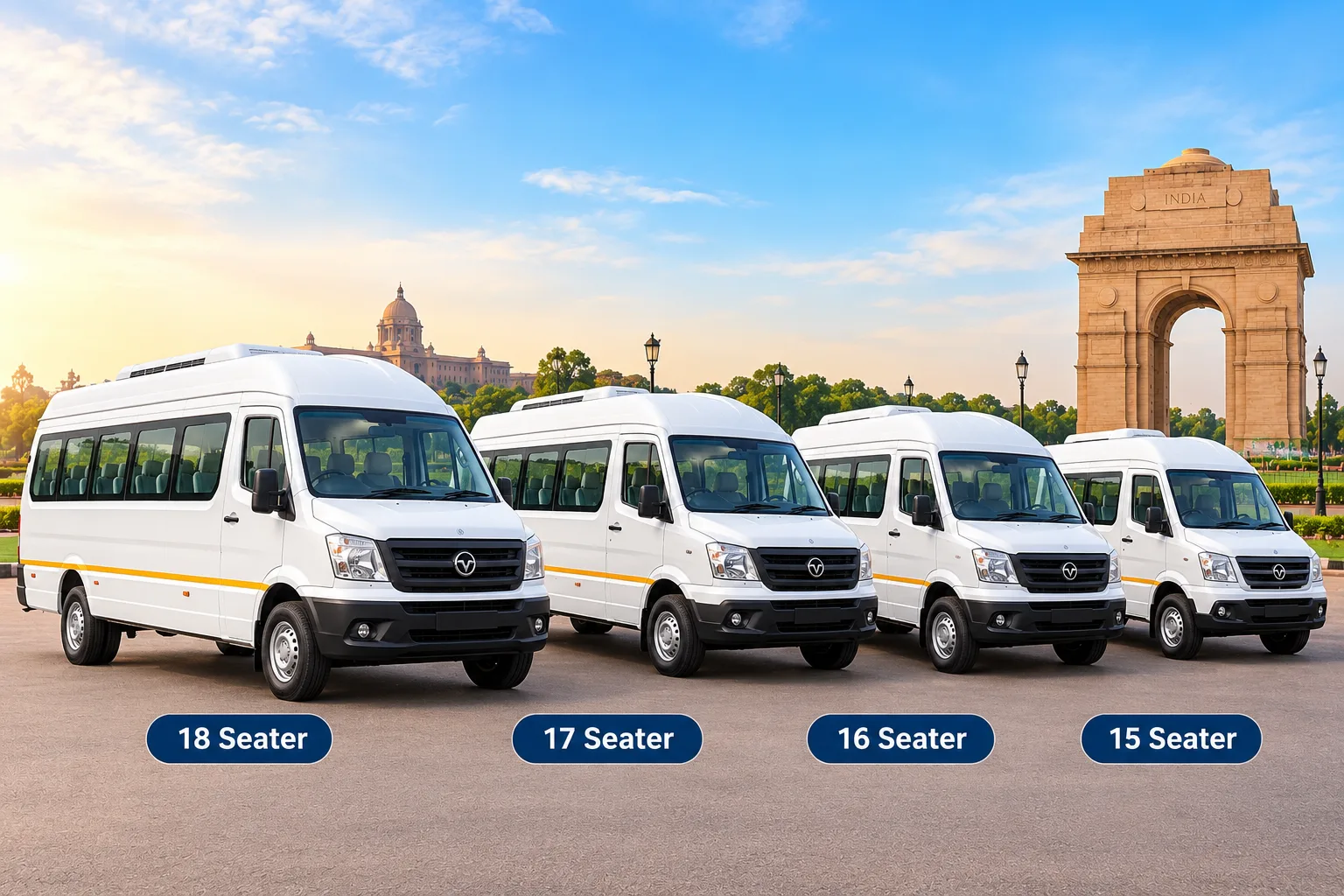
Cost is closely tied to vehicle size, so the first decision is how many people are travelling. Urbania rentals in Delhi are commonly available in 9, 10, 12, 13, 16 and 17-seater layouts.
9 and 10 seater: Best for small families, couples travelling with parents, or a compact corporate team. Lower per-km cost and easier on narrow hill roads.
12 and 13 seater: The sweet spot for most family trips. You get room for luggage and a bit of breathing space between rows.
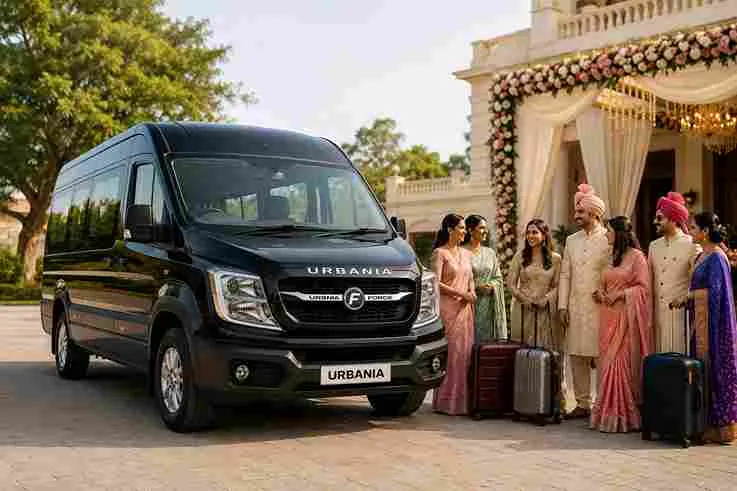
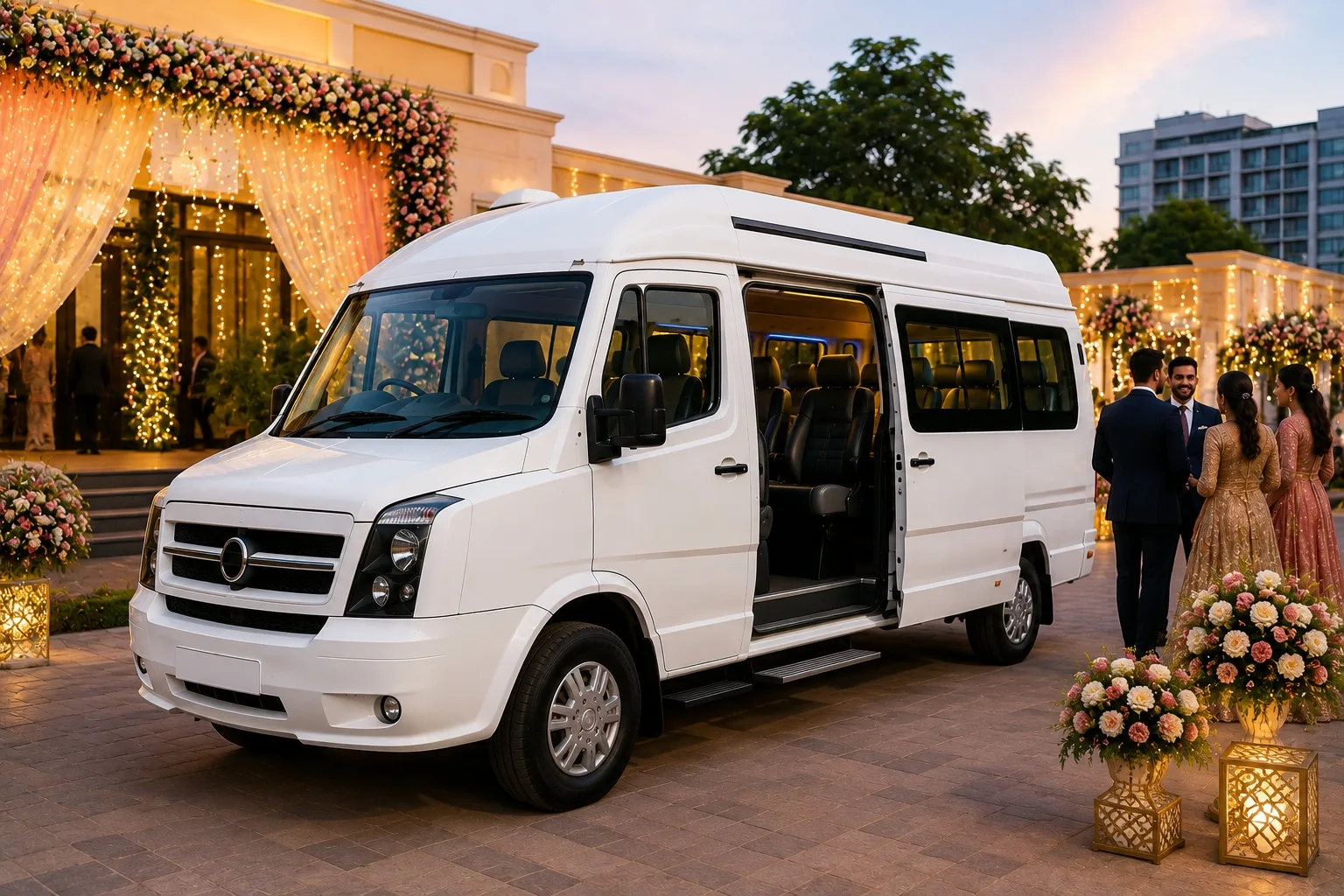
16 and 17 seater: Suited to school and college tours, large corporate groups and wedding guest transfers where everyone needs to travel together.
A practical tip: don't fill every seat to the brim. If you have 12 people and a lot of luggage, a 13 or 16 seater is often more comfortable than a packed 12 seater, and the price difference per person is small once you divide it across the group.
Urbania Tempo Traveller Per-Km Rates in Delhi for 2026
Here's the part most people are looking for. Operators in Delhi typically price outstation trips on a per-km basis with a minimum daily running limit (commonly 250 km per day), plus a driver allowance for each day of the trip.
For 2026, indicative per-km ranges for Urbania vehicles from Delhi look like this:
Urbania Seating
Indicative Per-Km Rate
Typical Driver Allowance
9–10 Seater
₹38 – ₹44 per km
₹700 – ₹900 per day
12–13 Seater
₹40 – ₹48 per km
₹700 – ₹1,000 per day
16–17 Seater
₹45 – ₹55 per km
₹800 – ₹1,000 per day
These are indicative figures. Peak season, fuel price changes and vehicle model all affect the final rate, so always get a written quote for your exact dates.
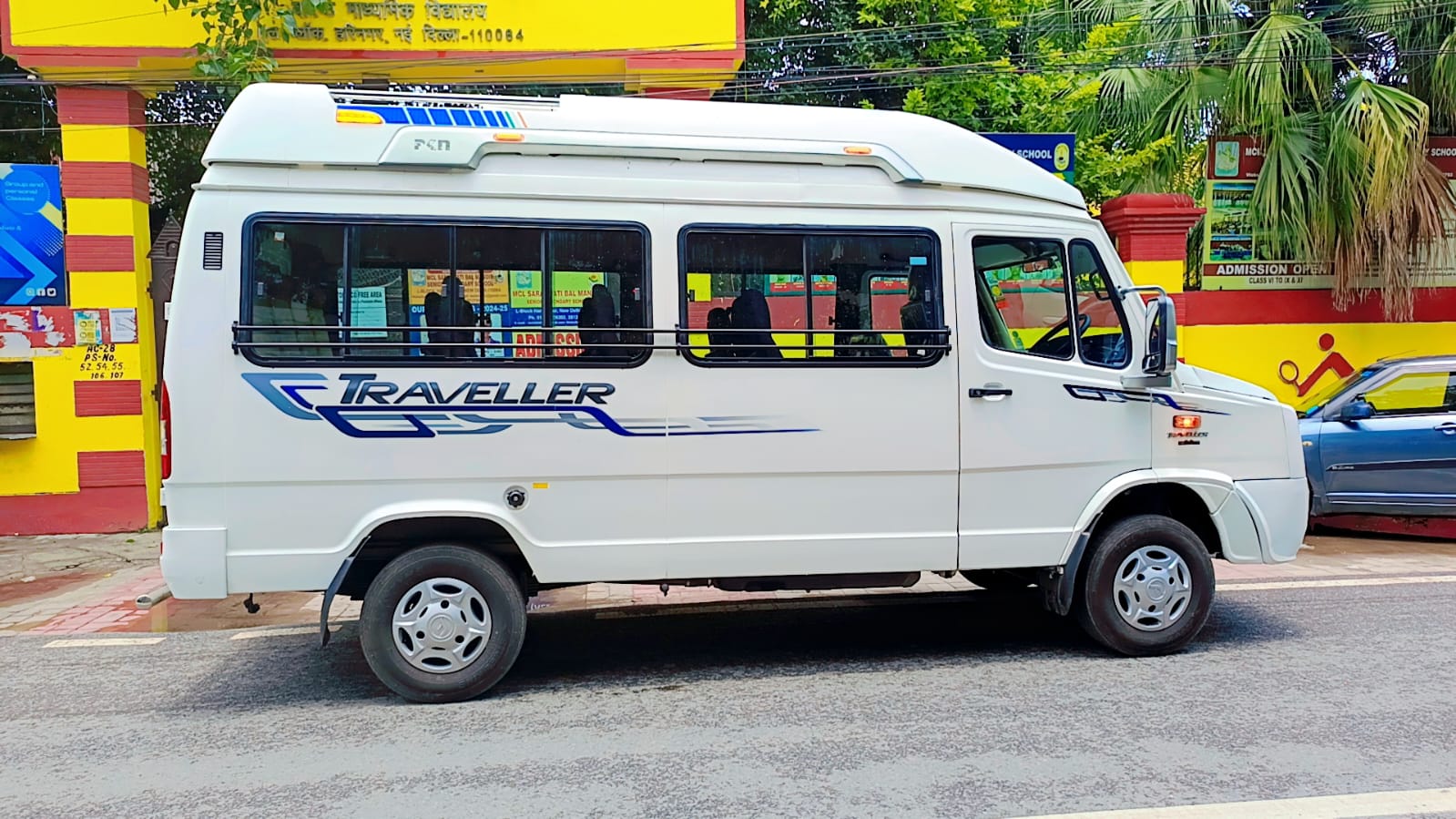
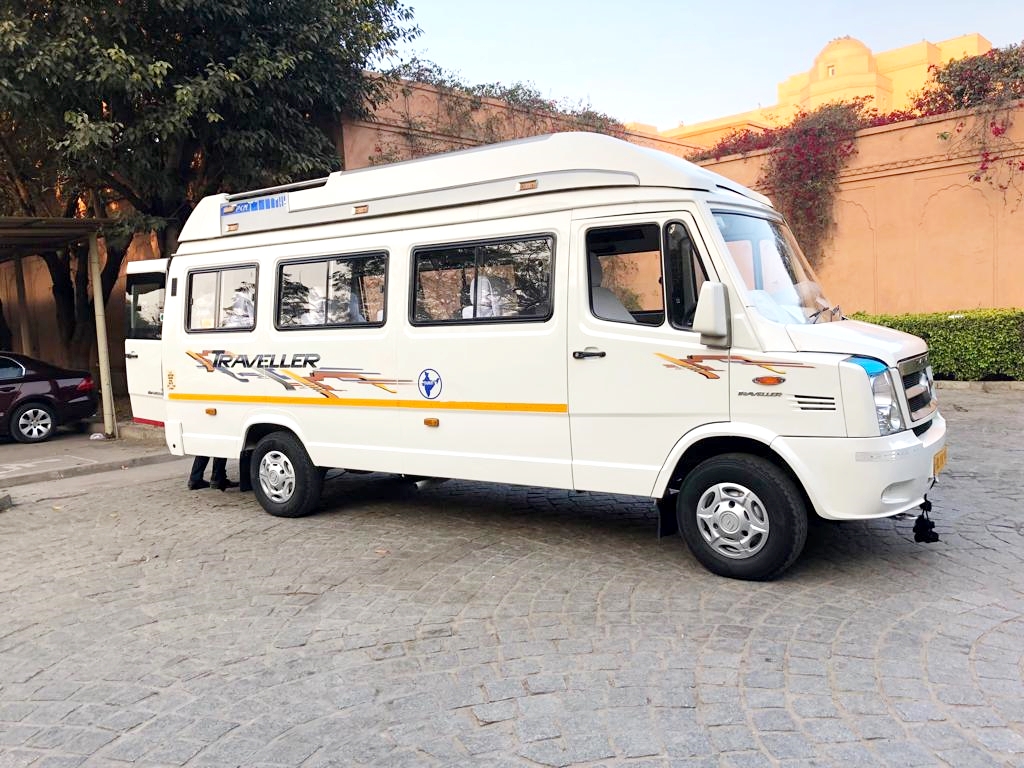
To give you a useful reference point, consider the standard 15-seater Maharaja layout. According to the 15 seater tempo traveller Maharaja in Delhi page, local rental of 8 hours and 80 km typically ranges from ₹7,000 to ₹8,000, while outstation rates run between ₹29 and ₹35 per km, with a driver allowance of ₹600 to ₹700 per day. The Urbania usually commands a premium over those numbers because of its newer platform, higher roof and more refined interior, which is why the ranges in the table above sit higher.
How the Per-Km Billing Actually Works
Understanding the billing model prevents unpleasant surprises at the end of the trip.
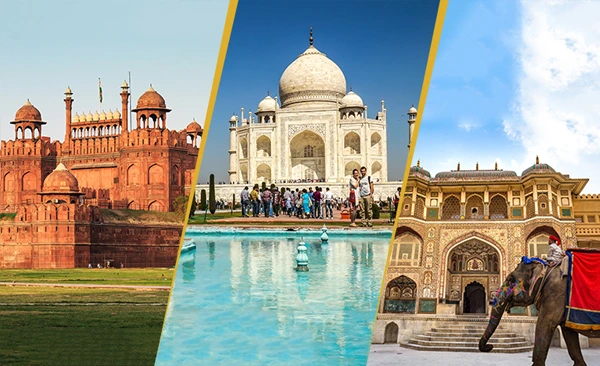
Minimum daily kilometres. Most operators bill a minimum of around 250 km per day for outstation trips. If your group travels only 150 km on a given day, you may still be charged for 250 km. This is why shorter trips like Delhi to Agra are often better booked as a same-day round trip rather than an overnight stay.
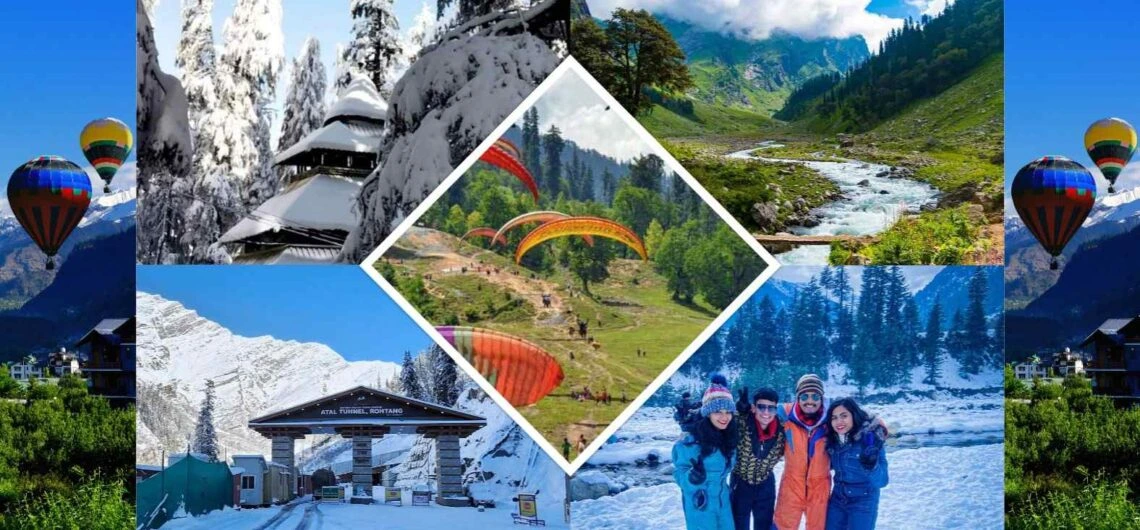
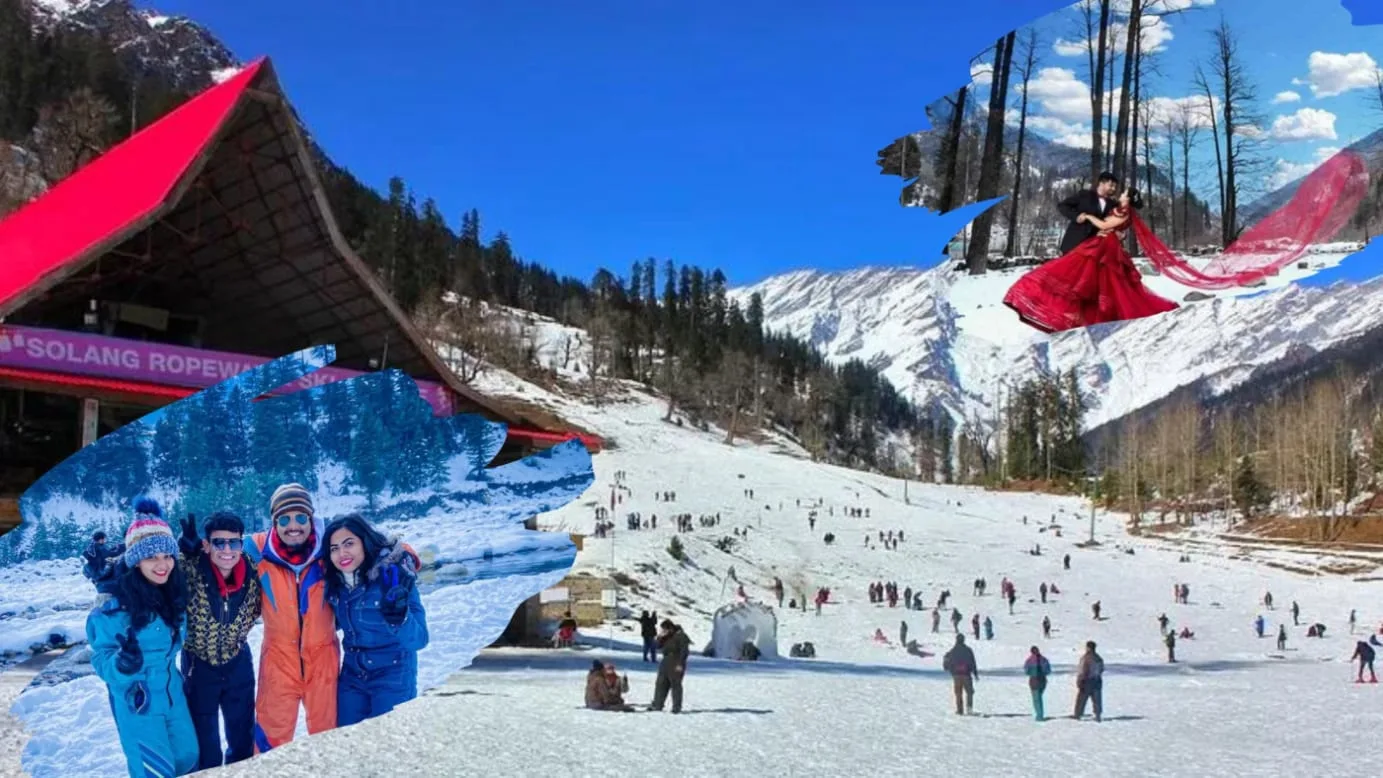
Total distance counts both ways. On a Delhi to Manali round trip, you pay for the return journey as well, plus any local sightseeing in the hills. Always count the full circuit when estimating your bill.
Driver allowance. This is a daily amount that covers the driver's meals and night stay. It applies for each day the vehicle is on the road, including halt days.
Extras billed at actuals. Tolls, parking, state entry taxes and permits are usually charged separately. On routes like Delhi to Manali or Delhi to Shimla, these can add a noticeable amount, so ask for an itemised estimate.
Local Package Costs: Urbania for a Day in Delhi NCR
Local packages are the easiest to budget. A standard local booking is typically 8 hours and 80 km, which covers a day of sightseeing, a wedding function or corporate movement within Delhi NCR.
Indicative 2026 local package costs for Urbania vehicles:
Urbania Seating
8 Hours / 80 Km Package
9–10 Seater
₹8,000 – ₹10,000
12–13 Seater
₹9,000 – ₹12,000
16–17 Seater
₹11,000 – ₹14,000
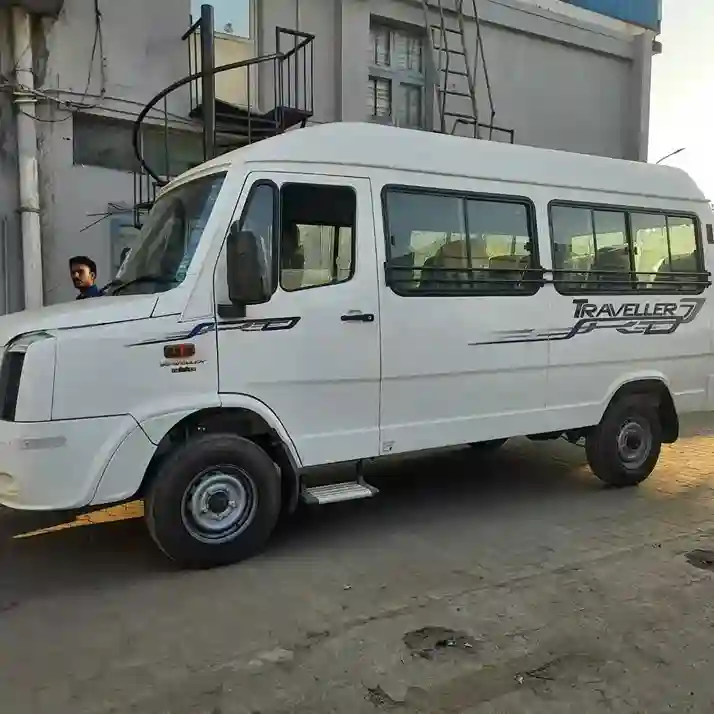
For reference, the 9-seater Tata Winger tempo traveller from the same operator lists a local package of ₹5,500 for 80 km and 8 hours, which shows how much the premium Urbania tier changes the price tier compared with a basic 9-seater.
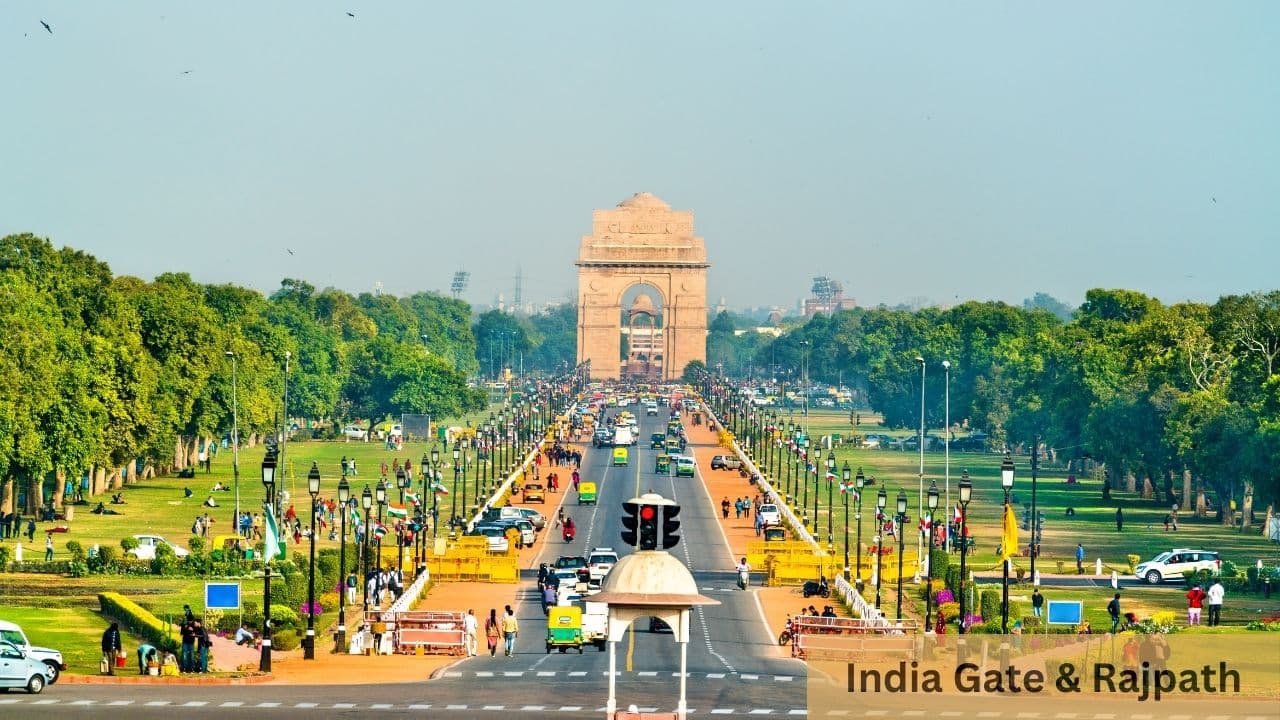
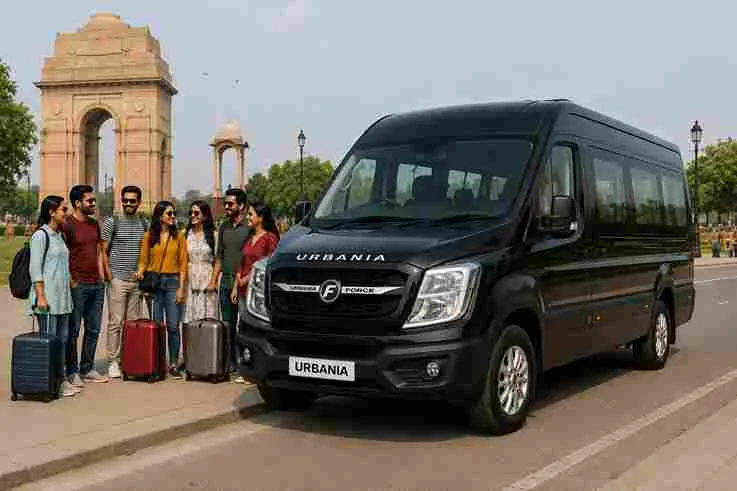
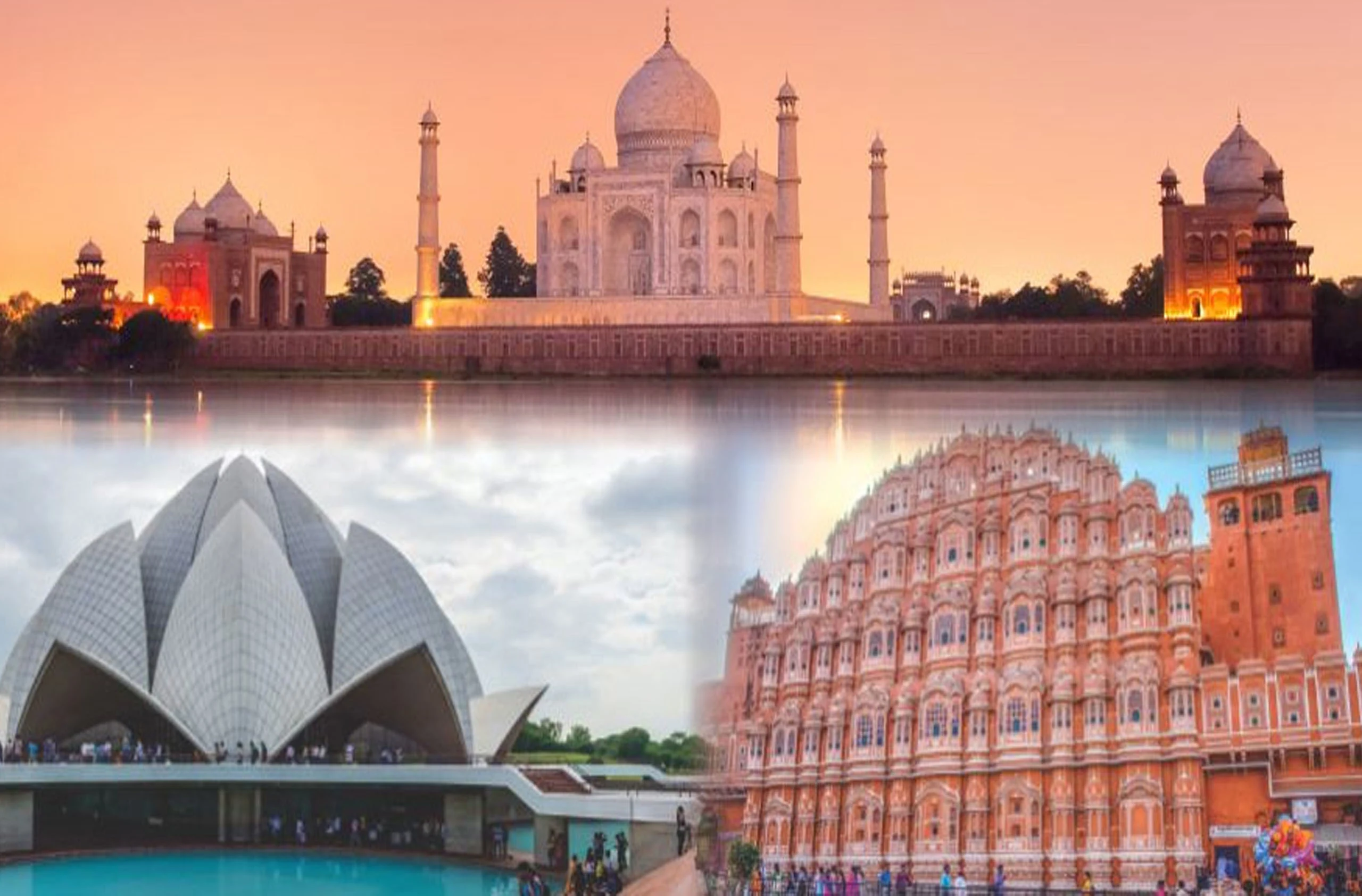
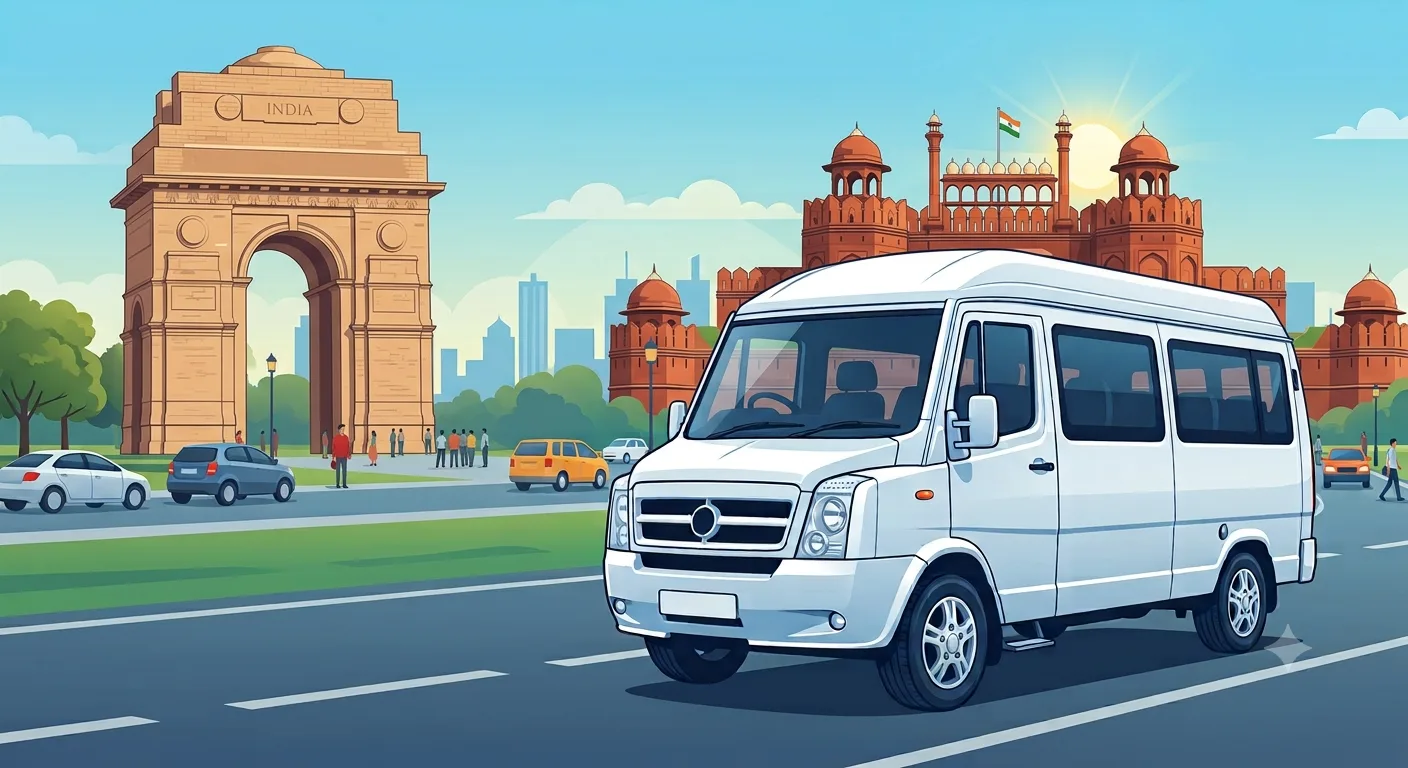
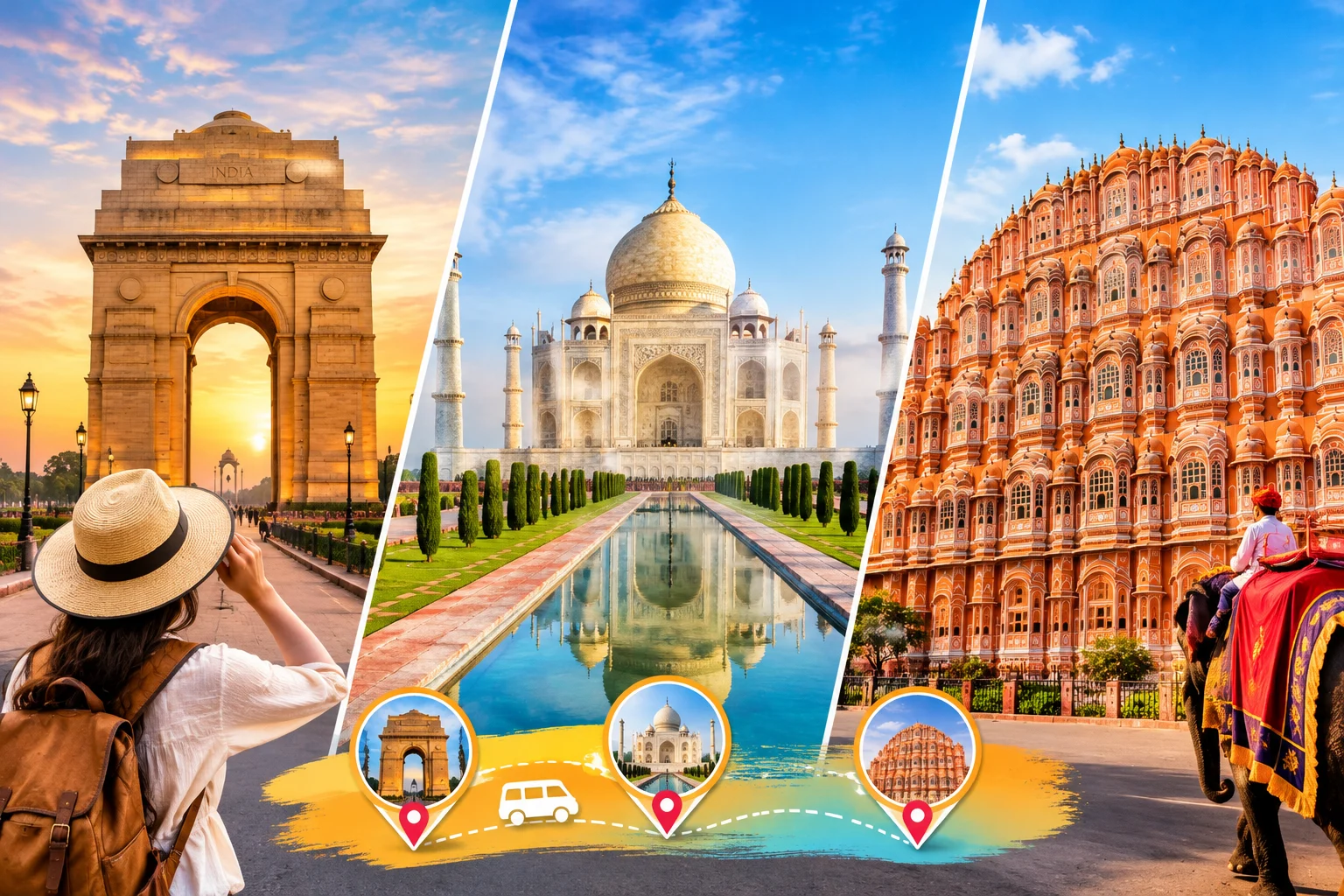
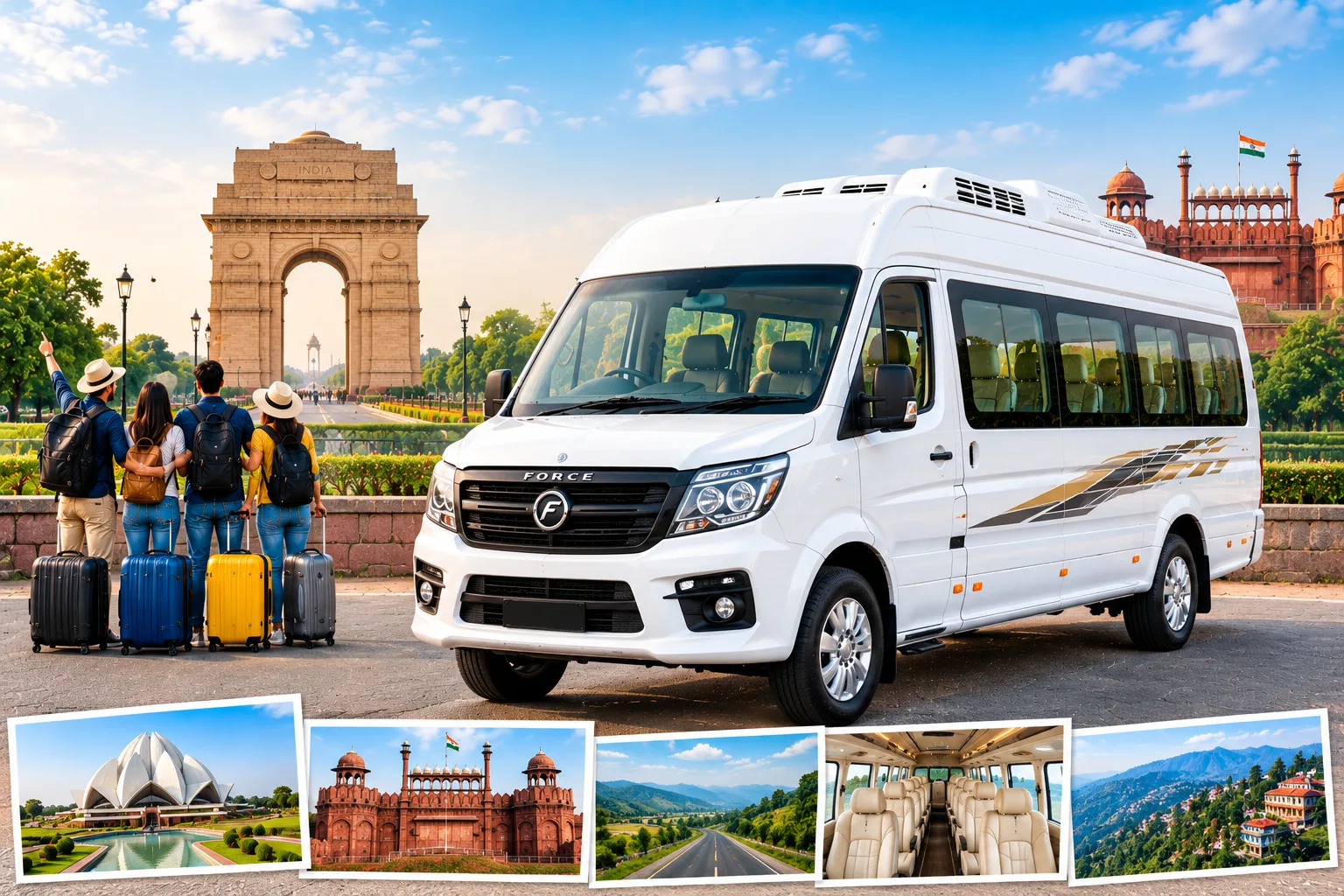
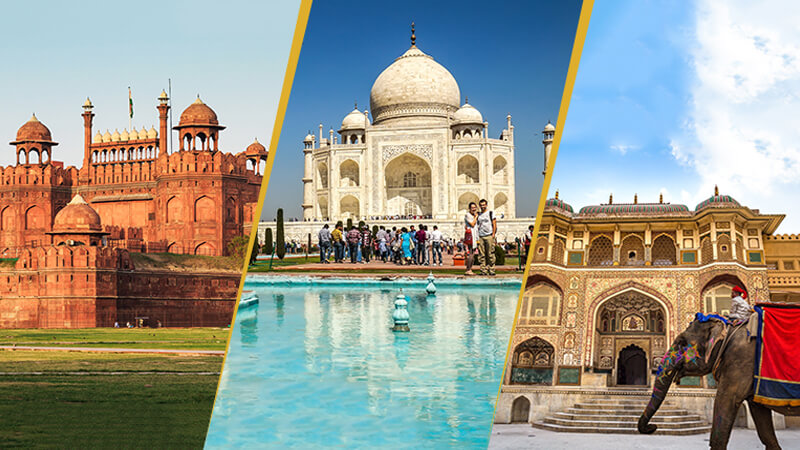
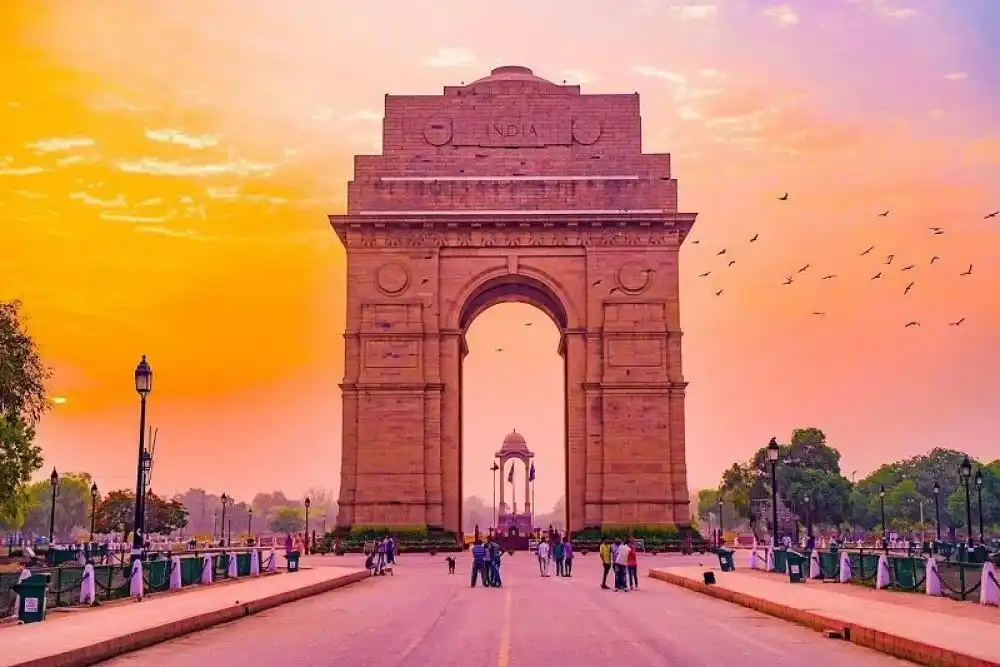
Extra hours and extra kilometres beyond the package are charged separately, so if your itinerary includes India Gate, Red Fort, Lotus Temple, Akshardham and a long lunch, plan the route carefully or ask for a custom quote.
Splitting the Cost Per Person
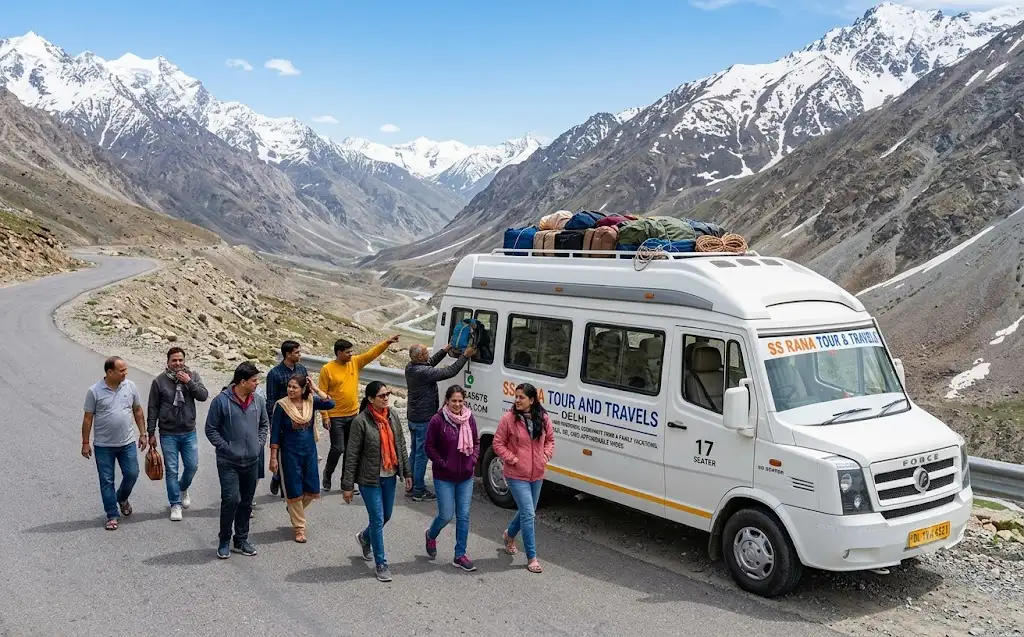
A helpful way to look at these numbers is to divide by the group size. A 12-seater Urbania on a six-day Manali round trip at roughly ₹75,000 works out to around ₹6,250 per person for transport, which is often cheaper than booking separate train or bus seats once you add airport or station transfers, local cabs in the hills and the hassle of coordinating luggage.
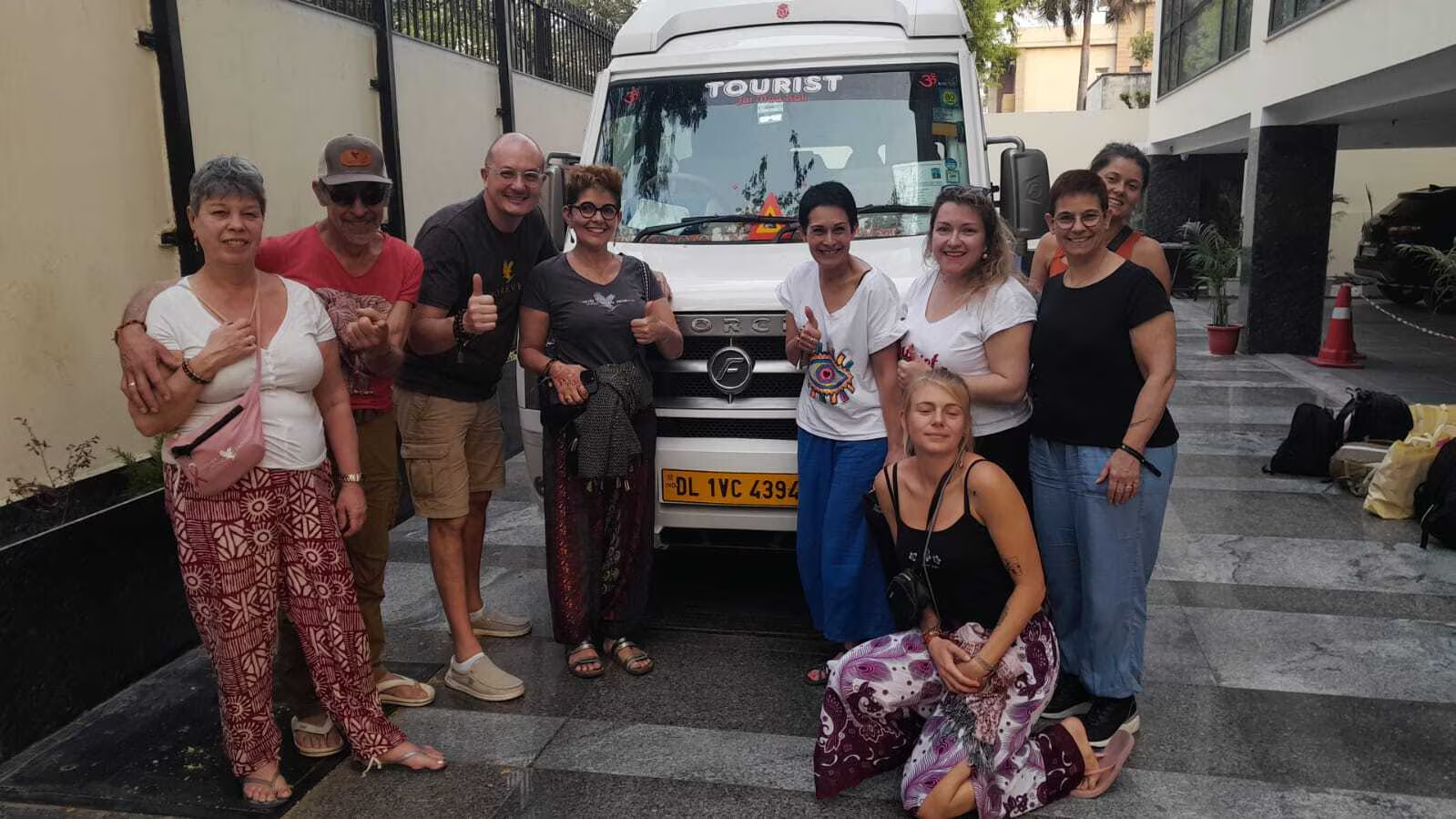
This is also why group travellers tend to prefer a single vehicle. Everyone arrives together, the itinerary stays flexible, and you aren't waiting on the slowest cab.
Factors That Change Your Final Quote
Two groups travelling on the same route can receive different quotes. These are the main reasons.
Season and demand. October through February is wedding season in North India, and the winter holidays, Diwali and long weekends push demand up. Hill routes like Manali and Shimla also see a spike in summer. During these periods, vehicles get booked out, so rates are firmer and availability is tighter.
Vehicle size and model. A 17-seater costs more per km than a 9-seater. A newer model with premium interiors will cost more than an older unit.
Trip duration and halts. Multi-day trips with night halts attract driver allowance for each day, and long halt days can add up.
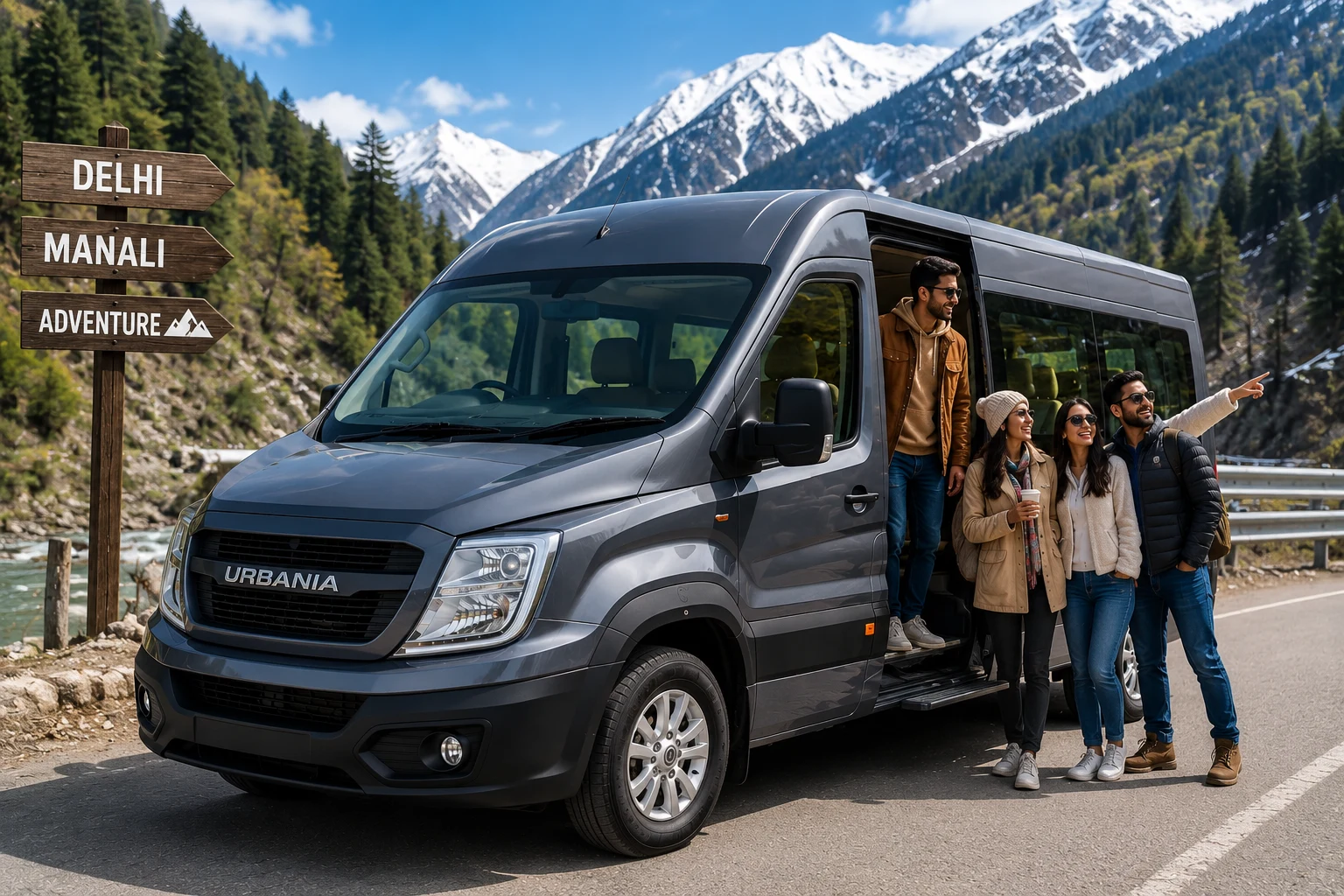
Route type. Mountain roads involve higher fuel consumption, slower average speeds and more wear on the vehicle, which is reflected in hill-route pricing.
Taxes and tolls. State entry tax for Himachal Pradesh, Uttarakhand or Rajasthan, along with toll plazas on expressways, are added at actuals. A Delhi to Jaipur trip, for example, includes several toll plazas each way.
Advance booking. Booking early, especially on weekends and festive dates, gives you better availability and room to negotiate. Last-minute bookings usually come at a premium or aren't possible at all.
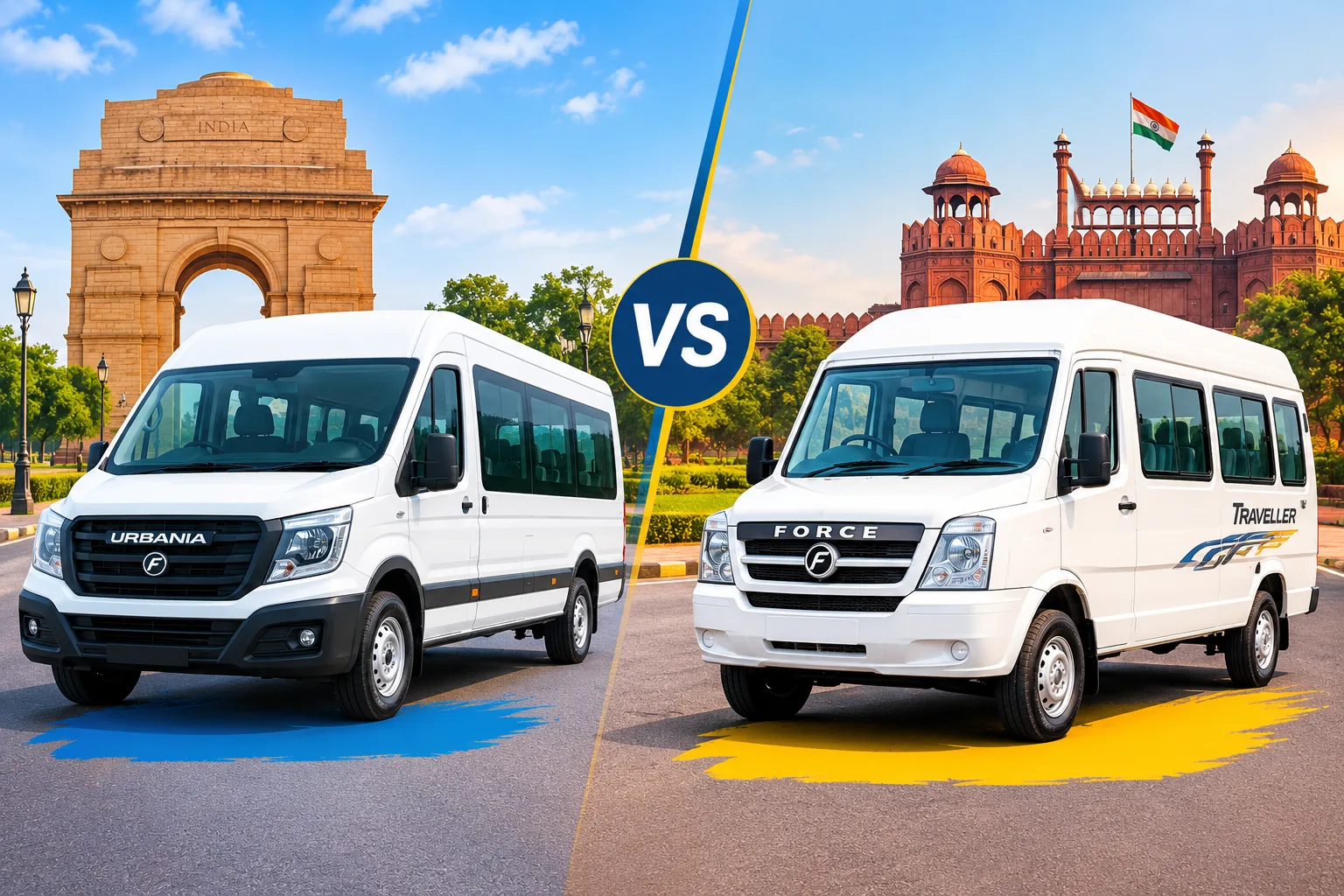
Urbania vs 15-Seater Maharaja: Which Should You Choose?
Many groups end up comparing the Urbania with the Maharaja-style tempo traveller. Both are premium options, but they suit slightly different needs.
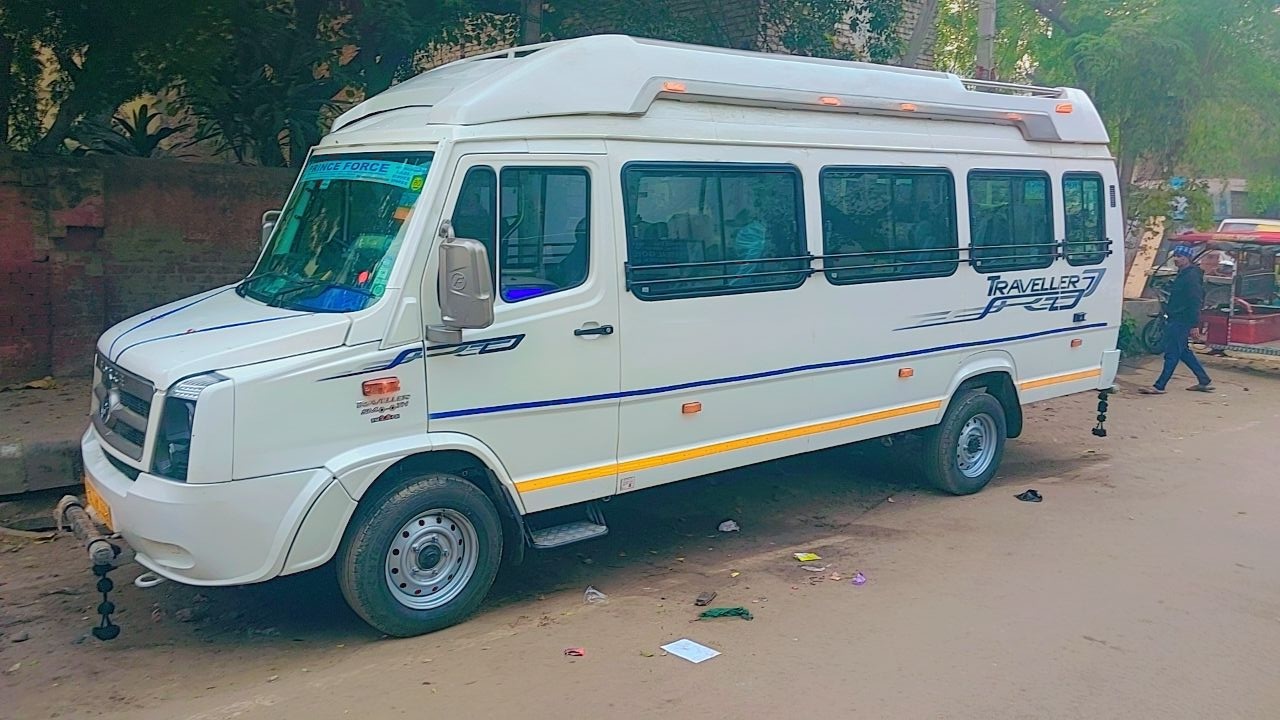
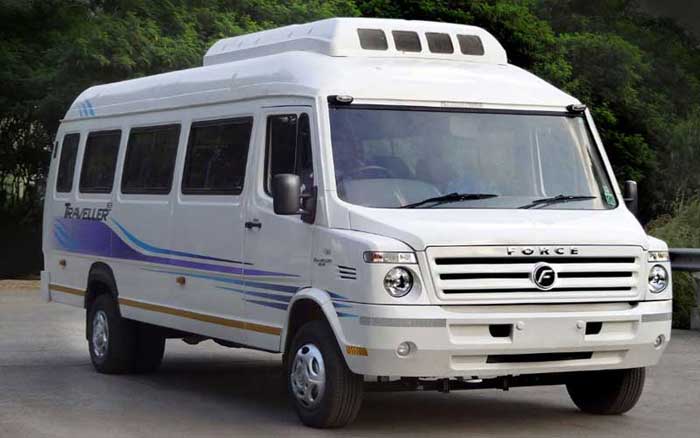
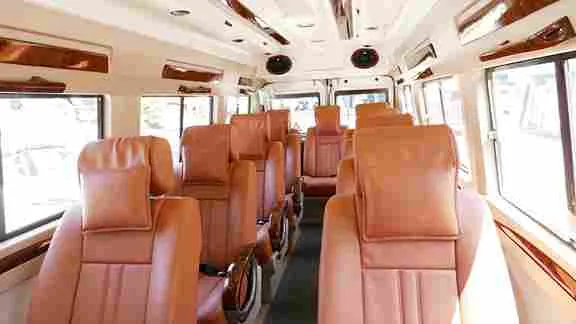
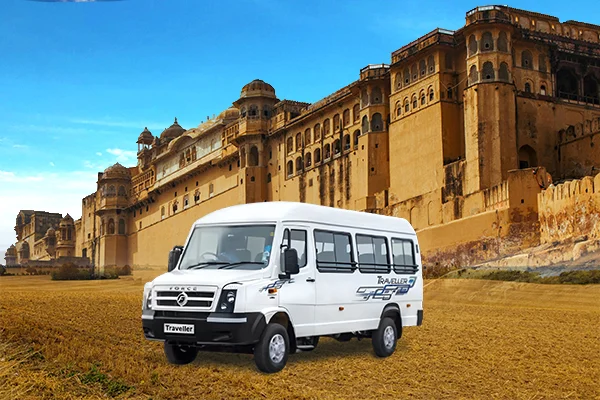
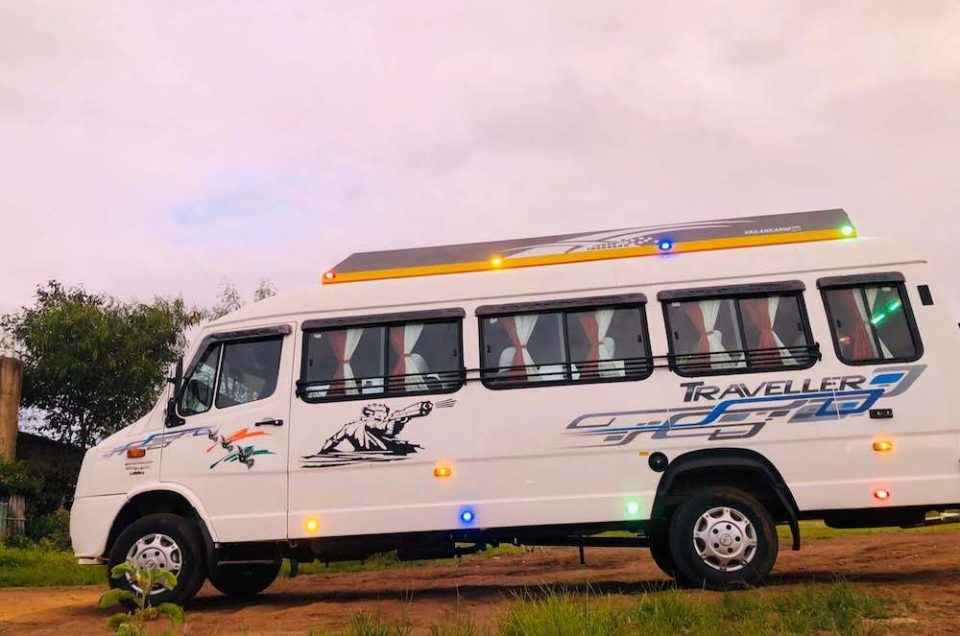
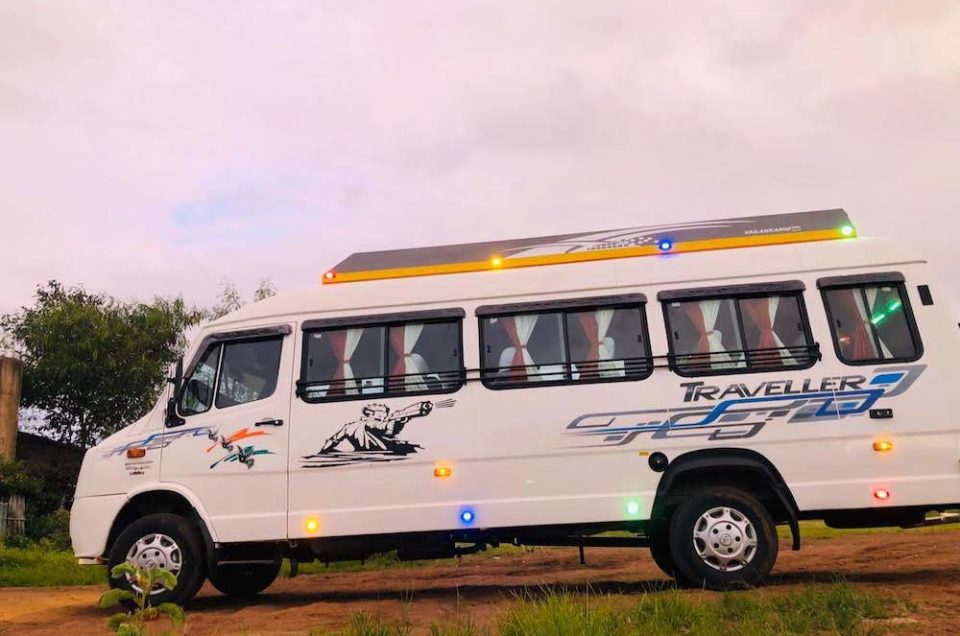
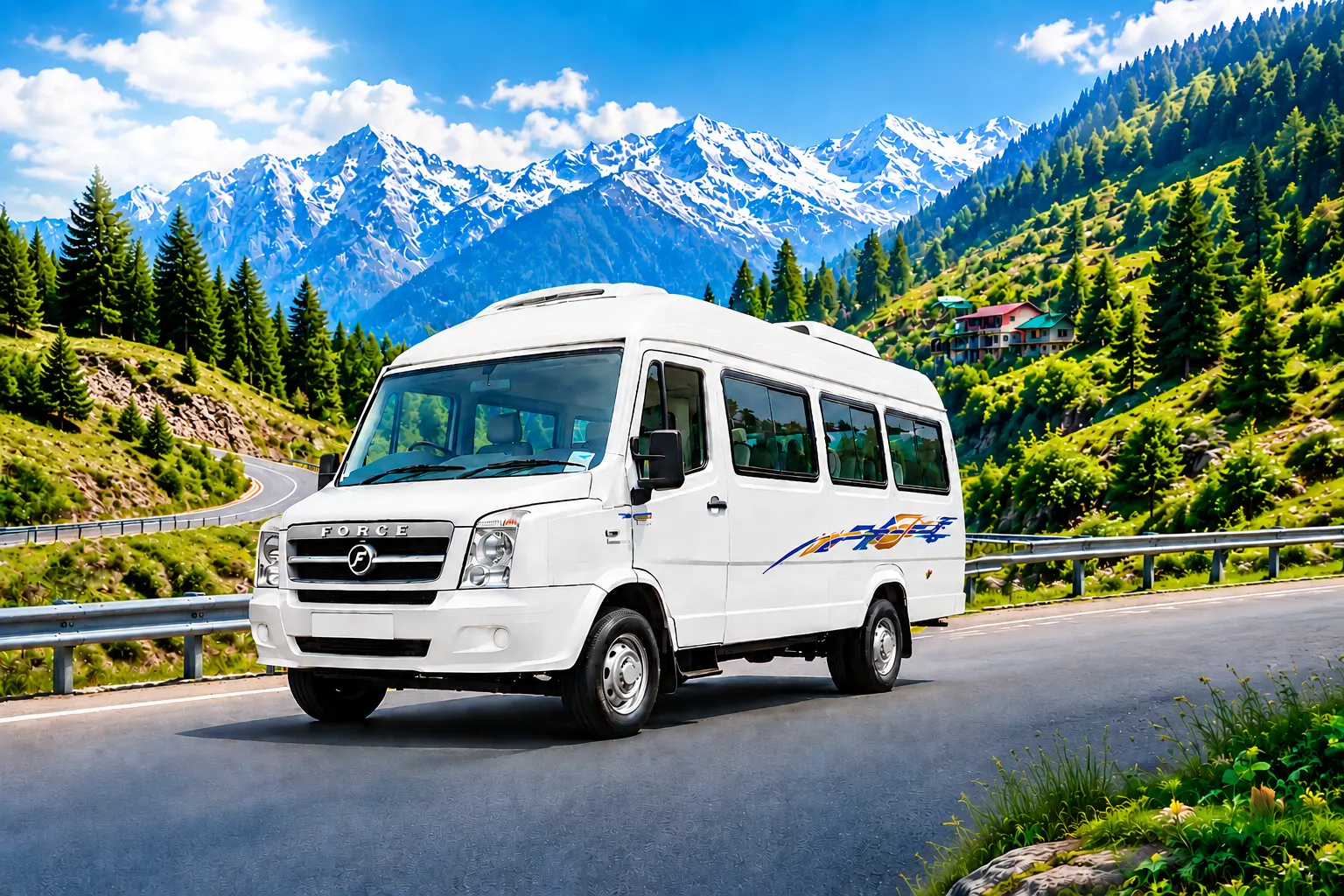
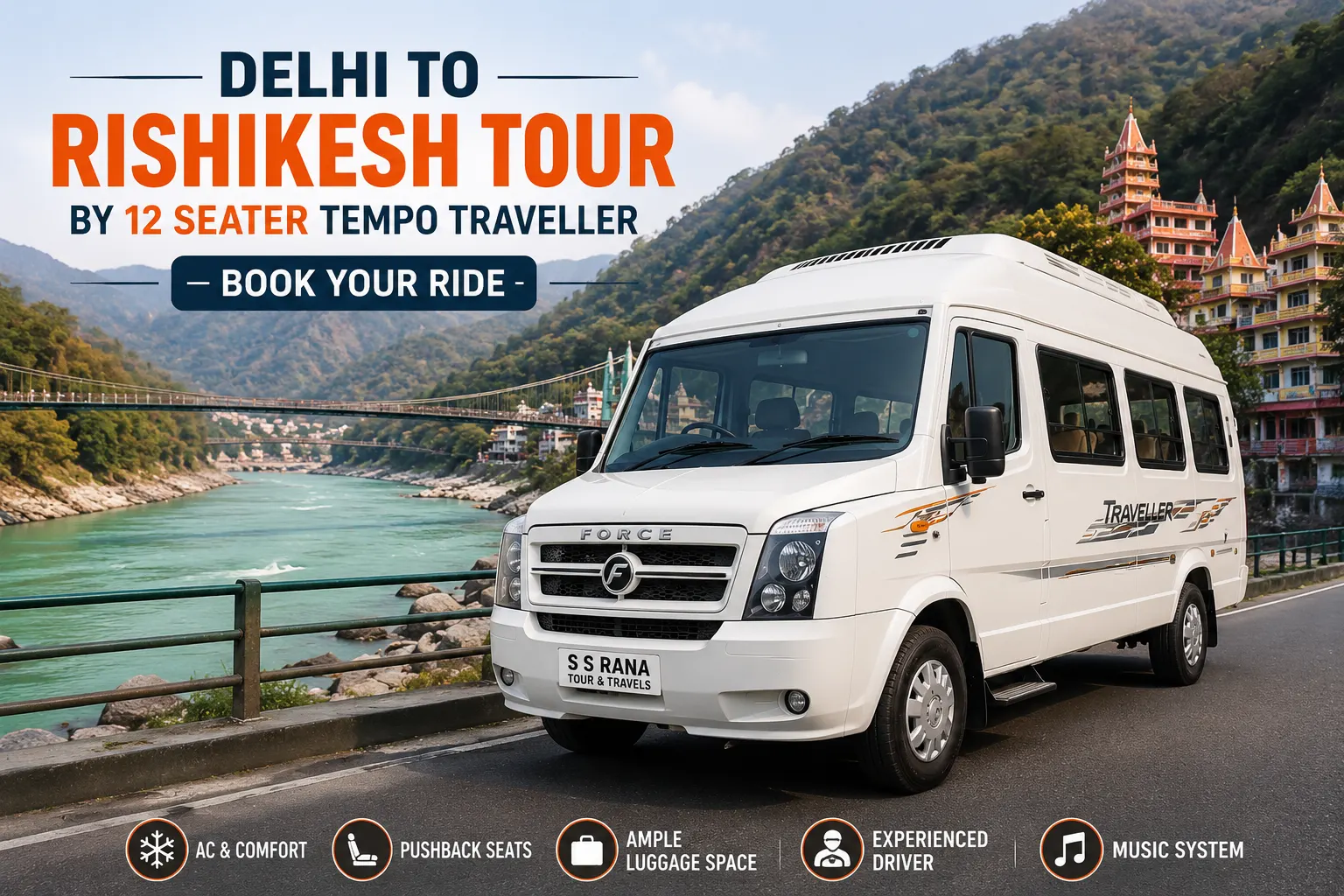
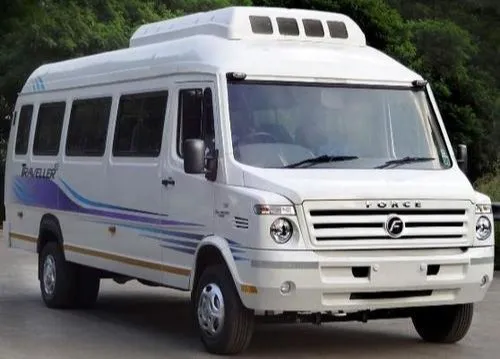
The 15-seater Maharaja is a strong value pick for mid-sized groups. It features pushback seats, powerful air conditioning, charging points, a music system and a spacious luggage area, and it's priced noticeably lower per km than the Urbania. If your priority is a comfortable, budget-conscious ride for 13 to 15 people, it's worth a look. The operator's Maharaja 15 seater page covers features and popular routes in detail.
The Urbania, on the other hand, is the better choice when ride quality and cabin space matter most. If you're taking elderly parents on a long highway trip, travelling to hill destinations with lots of curves, or hosting corporate guests who expect a polished experience, the extra spend is easier to justify.
A simple rule of thumb: choose the Maharaja when the budget leads the decision, and choose the Urbania when comfort leads it.
Practical Tips to Get the Best Price
A few habits help you keep the cost sensible without compromising on comfort.
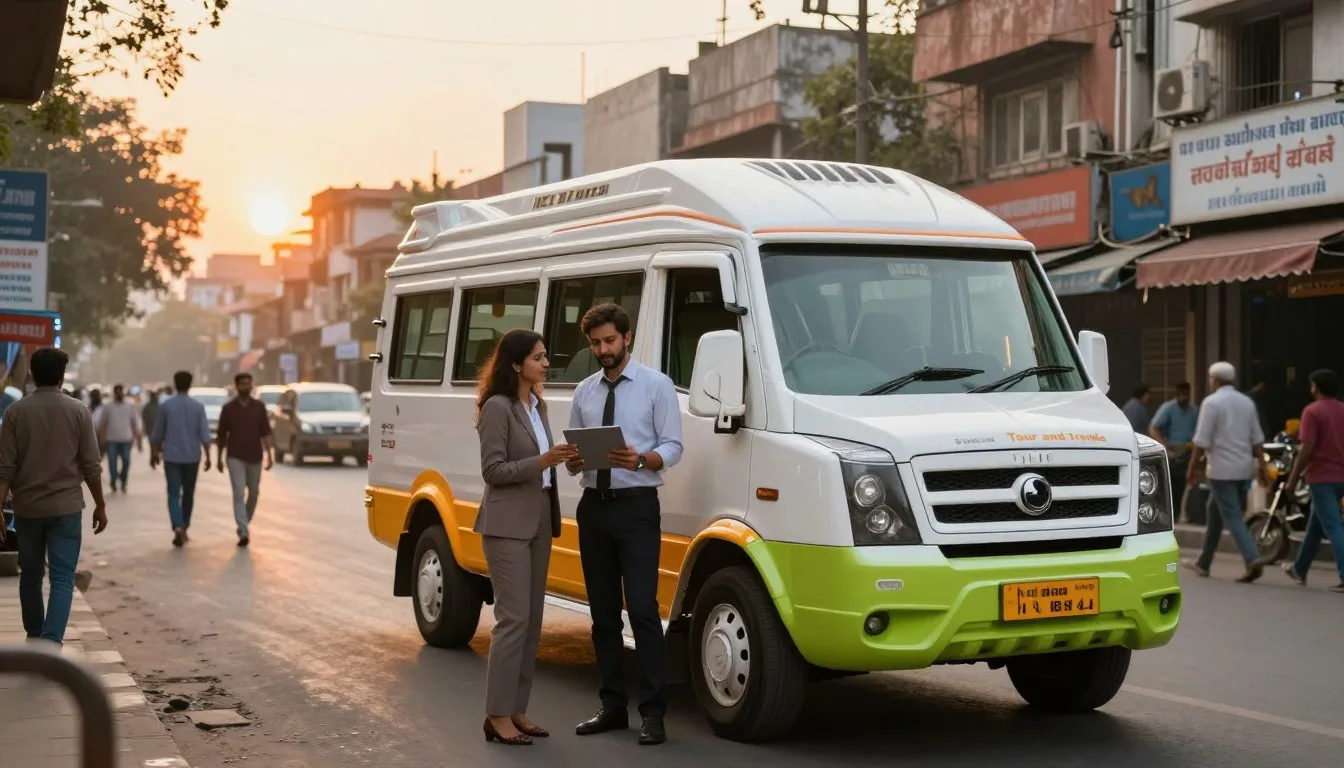
Share a clear itinerary. Give your pickup point, destination, dates, number of travellers and whether it's local or outstation. A precise brief leads to a precise quote.
Ask for an itemised estimate. Request a breakdown covering vehicle charges, driver allowance, tolls, parking and state taxes so you can compare operators fairly.
Book early for peak dates. Weddings, Diwali week, long weekends and the winter holiday period fill quickly.
Plan realistic daily distances. Since most operators bill a 250 km daily minimum, structure your trip so each travel day makes good use of it.
Confirm the vehicle and terms. Ask for the model and seating layout, and clarify cancellation and refund terms before paying.
How to Book an Urbania Tempo Traveller in Delhi
Booking is simple. Share these details with the operator:
Pickup location in Delhi or NCR
Date and time of departure
Destination or full itinerary
Number of travellers and approximate luggage
Whether the trip is local, outstation, one-way or round trip
The team will then recommend the right seating size and share a quote. If you want to explore options before deciding, you can browse the operator's full fleet, including 12 and 16-seater Urbania variants, on the Urbania on rent in Delhi page. For a lower-cost alternative in the mid-size range, the 15 seater Maharaja tempo traveller is worth comparing side by side.
S S Rana Tour and Travels operates from Arambagh, Paharganj, New Delhi, and can be reached on +91 9717754209, or on WhatsApp at +91 8076628845, for quotes and availability.
Final Thoughts
An Urbania tempo traveller isn't the cheapest way to move a group out of Delhi, but it's one of the most comfortable, and for many trips that comfort is exactly what you're paying for. In 2026, expect per-km rates in the range of roughly ₹38 to ₹55 depending on seating size, local packages from about ₹8,000 to ₹14,000 for a day, and outstation costs that scale with distance, duration and season.
Plan your route, count your full distance, ask for an itemised quote and book early for peak dates. Do that, and you'll end up with a vehicle that fits your group, a price you understand and a journey that feels easy from the first kilometre to the last.
Indicative outstation rates run from about ₹38 to ₹55 per km, depending on seating. A 9-10 seater is typically ₹38-44, a 12-13 seater ₹40-48, and a 16-17 seater ₹45-55. The final rate depends on your dates, route and season, so get a written quote before booking.
A standard local package covers 8 hours and 80 km. Expect roughly ₹8,000-10,000 for a 9-10 seater, ₹9,000-12,000 for a 12-13 seater, and ₹11,000-14,000 for a 16-17 seater. Extra hours and kilometres are charged separately.
Urbania rentals are commonly available in 9, 10, 12, 13, 16 and 17 seater layouts. Choose a 9-10 seater for small families, a 12-13 seater for medium groups, and a 16-17 seater for school trips, corporate groups and wedding guests.
The Urbania has a higher roof, a wider cabin, plush reclining seats and a smoother suspension, so it suits long highway and hill drives. The 15 seater Maharaja is the better value pick for mid-sized groups, with a lower per-km rate. Choose the Maharaja when budget leads the decision and the Urbania when comfort does.
Book a few days ahead at minimum, and earlier for weekends, festivals, long weekends and wedding season. October to February is peak wedding season in North India, so vehicles fill up fast.




.webp)















.jpeg)



.jpeg)
.webp)
.jpeg)
.jpeg)
.jpeg)

.jpeg)
.jpeg)
.jpeg)
.jpeg)
.jpeg)


.jpeg)
.webp)
.jpeg)
.jpeg)

.jpeg)

.jpeg)
.jpeg)
.jpeg)
.jpeg)

.jpeg)

.webp)
.jpeg)
.jpeg)
.jpeg)

.jpeg)












.webp)


.webp)









_15_11zon.webp)













































































.webp)






























.webp)






.jfif)



.jfif)
.jfif)
.jpg)
.jfif)
.jfif)
.jfif)
.jfif)
.jfif)
.jfif)
.jfif)
.jfif)
.webp)
.webp)
.webp)
.webp)
.webp)

.webp)

.webp)

.webp)

.webp)

.webp)
.webp)
.webp)


.webp)
.webp)










.webp)




























@.webp)