Every school coordinator and college trip leader knows the moment. The destination is fixed, the dates are approved, the permission slips are coming in, and then someone asks the question that decides the budget, the comfort and sometimes the mood of the whole trip: “Which bus should we book?” For most educational tours from Delhi NCR, the choice comes down to two vehicles: the 26 seater bus and the 45 seater bus. Both are popular, both are safe when booked from a reliable operator, and both can make a trip memorable. But they suit very different groups, routes and budgets.
Published on 07 Nov, 2026
Updated on 09 Nov, 2026
117 Views
Every school coordinator and college trip leader knows the moment. The destination is fixed, the dates are approved, the permission slips are coming in, and then someone asks the question that decides the budget, the comfort, and sometimes the mood of the whole trip: “Which bus should we book?”
For most educational tours from Delhi NCR, the choice comes down to two vehicles: the 26-seater bus and the 45-seater bus. Both are popular, both are safe when booked from a reliable operator, and both can make a trip memorable. But they suit very different groups, routes, and budgets.
This guide compares them on everything that matters to a teacher, a trip in-charge, or a student committee: group size, comfort, cost per student, luggage, hill routes, safety, supervision, and booking tips. By the end, you should know exactly which one fits your trip.
Why Choosing the Right Bus Matters for Student Trips
A student trip is not like a family holiday or a corporate outing. You are responsible for dozens of young people, often for 8 to 12 hours a day on the road. The vehicle you pick affects:
Safety and supervision: how easily teachers can see, count, and manage students
Comfort: fatigue, motion sickness and mood over a long drive
Budget: the total cost and the cost per head, which parents care about
Schedule: how easily the bus handles hill roads, narrow lanes and parking
Group cohesion: whether students travel together or get split across vehicles
A wrong choice shows up in small ways: students squeezed together, luggage piled in the aisle, a second bus that was never budgeted, or a half-empty large bus that pushes up the cost per student. A little planning avoids all of it.
Quick Overview: 26 Seater vs 45 Seater Bus
Feature
26 Seater Bus
45 Seater Bus
Best group size
18 to 24 travellers (plus staff)
35 to 42 travellers (plus staff)
Typical use
Small batches, club trips, educational visits
Full class or full batch, annual tours
Legroom and comfort
Generous, more space per person
Standard, depends on seating layout
Luggage space
Limited but manageable
Better, with large under-seat storage in many coaches
Hill and narrow roads
Easier to handle
Possible on approved routes, needs a skilled driver
Parking and city movement
Easy
Needs larger parking space
Cost per student
Higher for big groups, fair for small ones
Lower for large groups
Teacher supervision
Very easy
Easy with a proper seating plan
The best bus is the one that matches your headcount closely. A bus that is 90 percent full is almost always the smartest choice.
What Is a 26 Seater Bus?
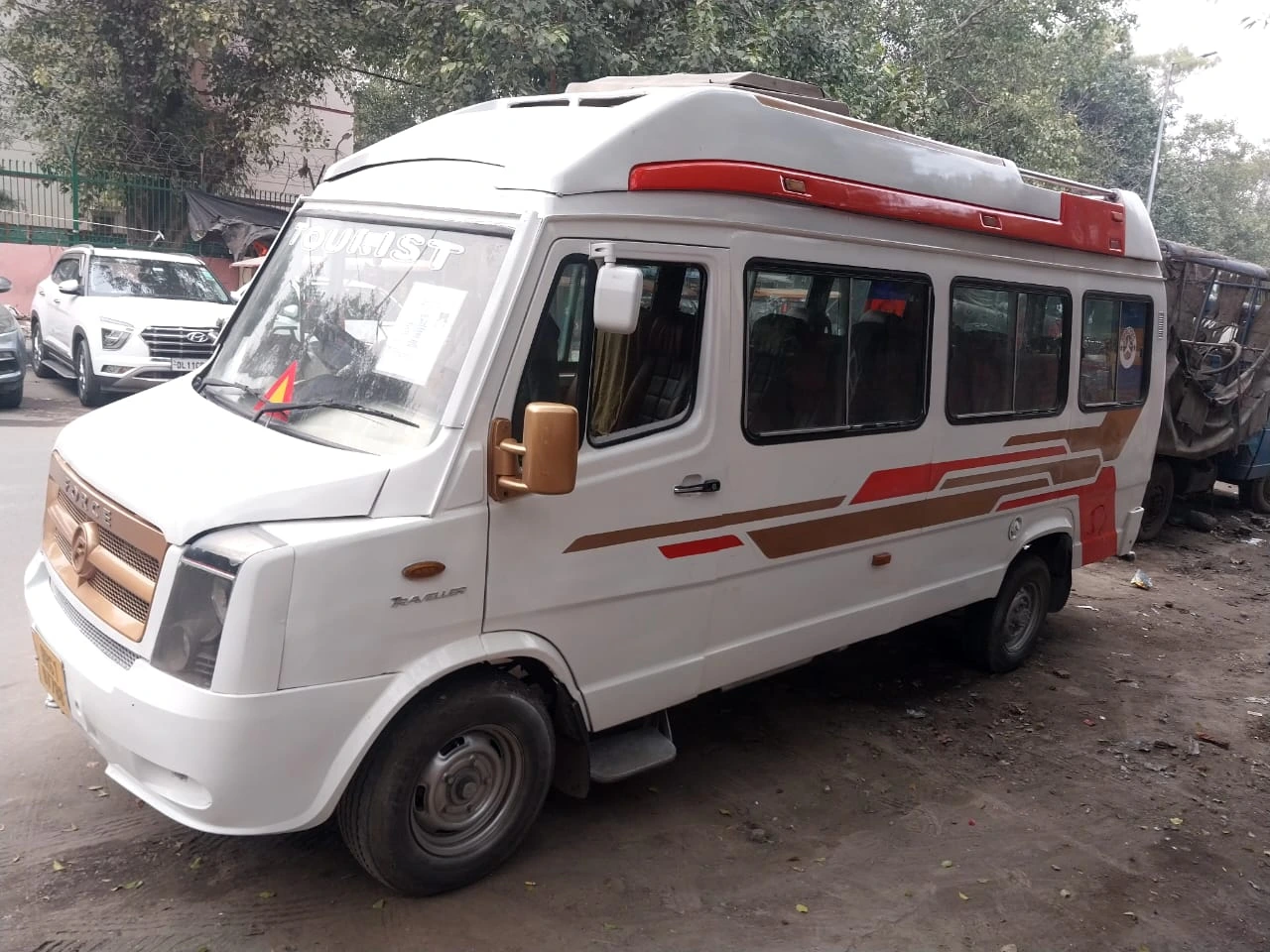
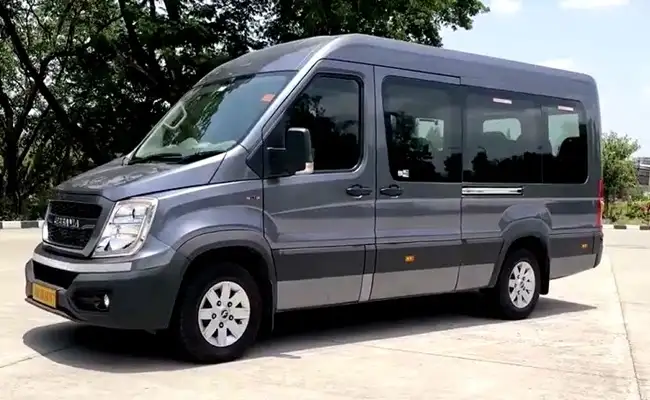
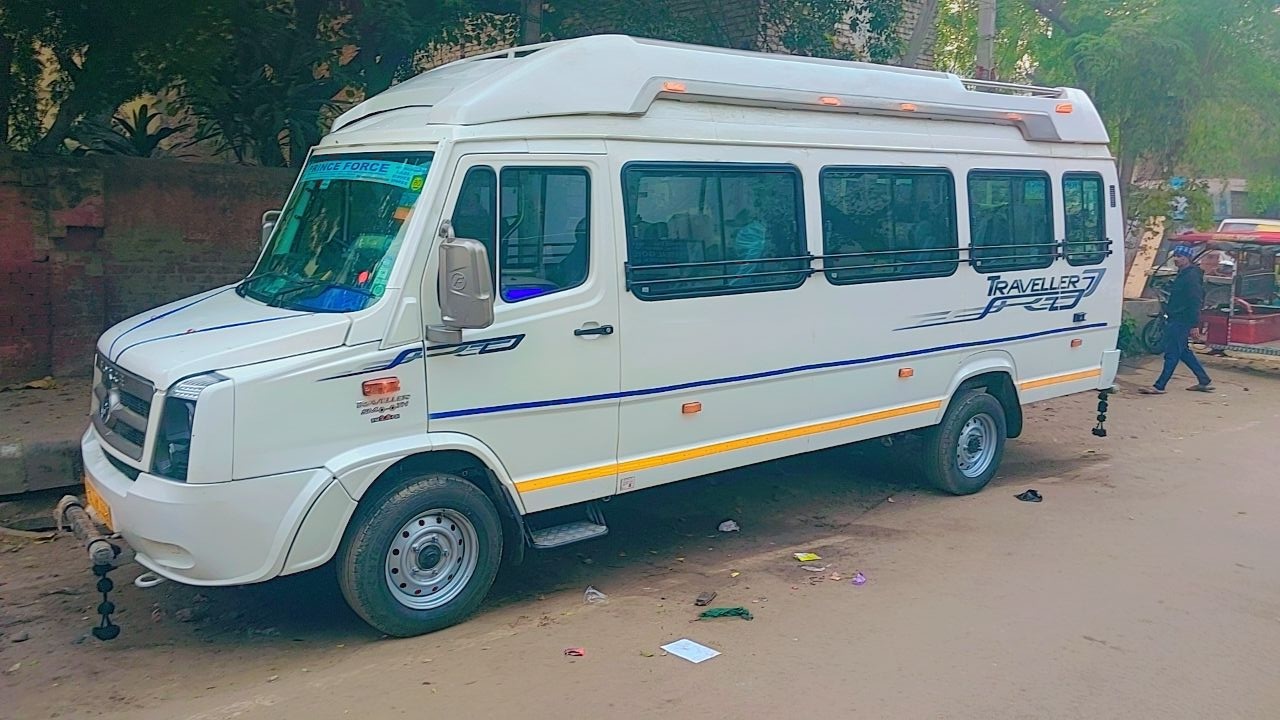
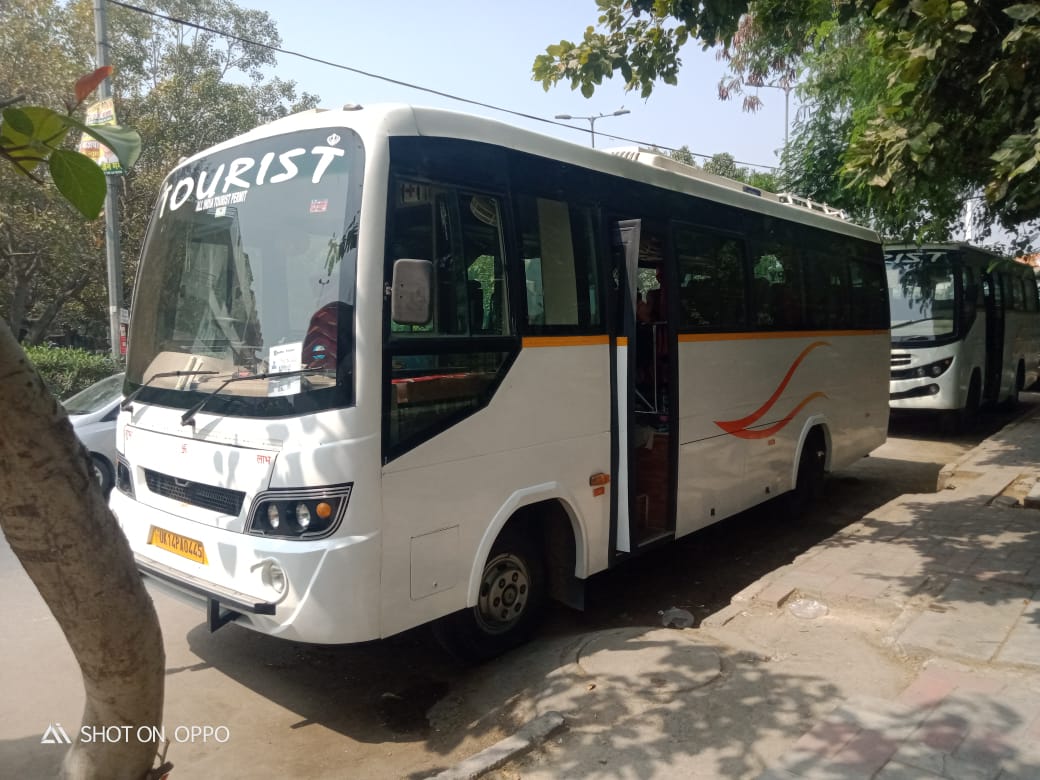
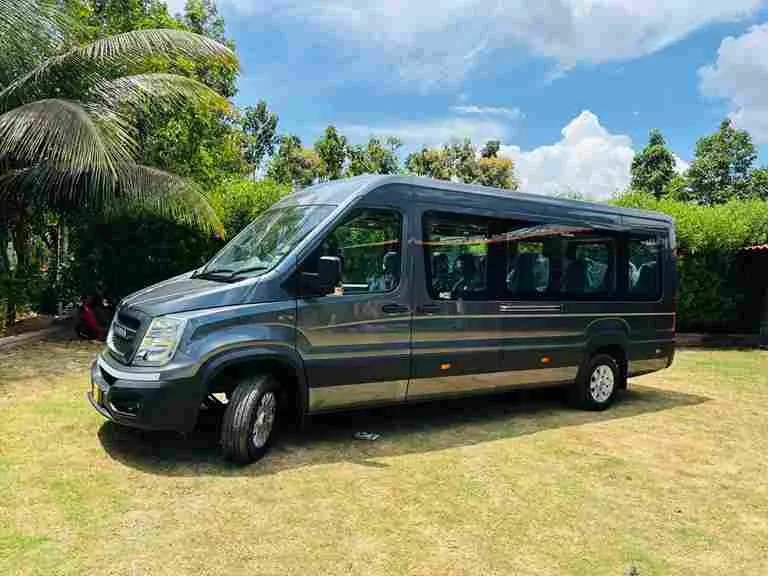
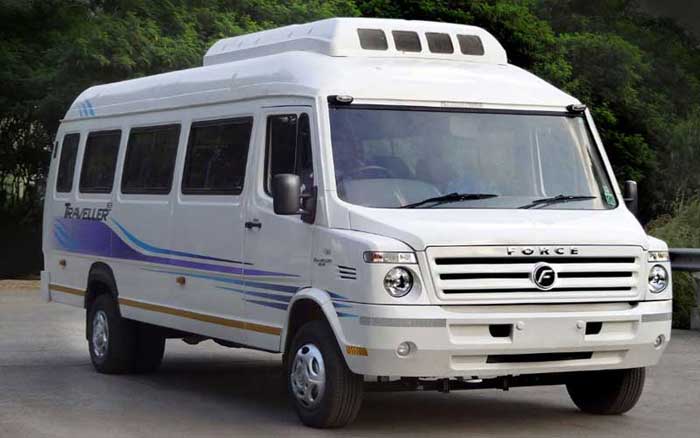
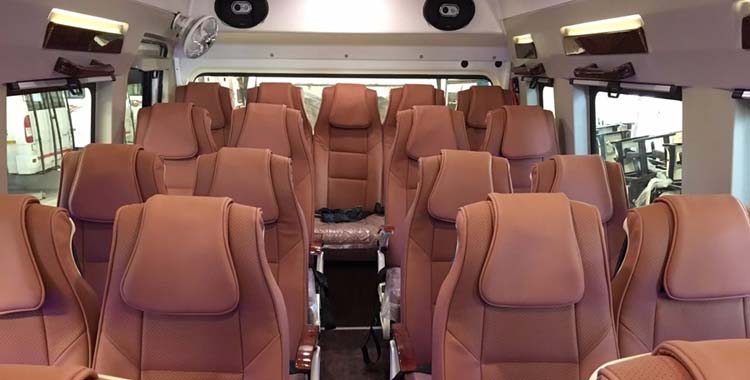
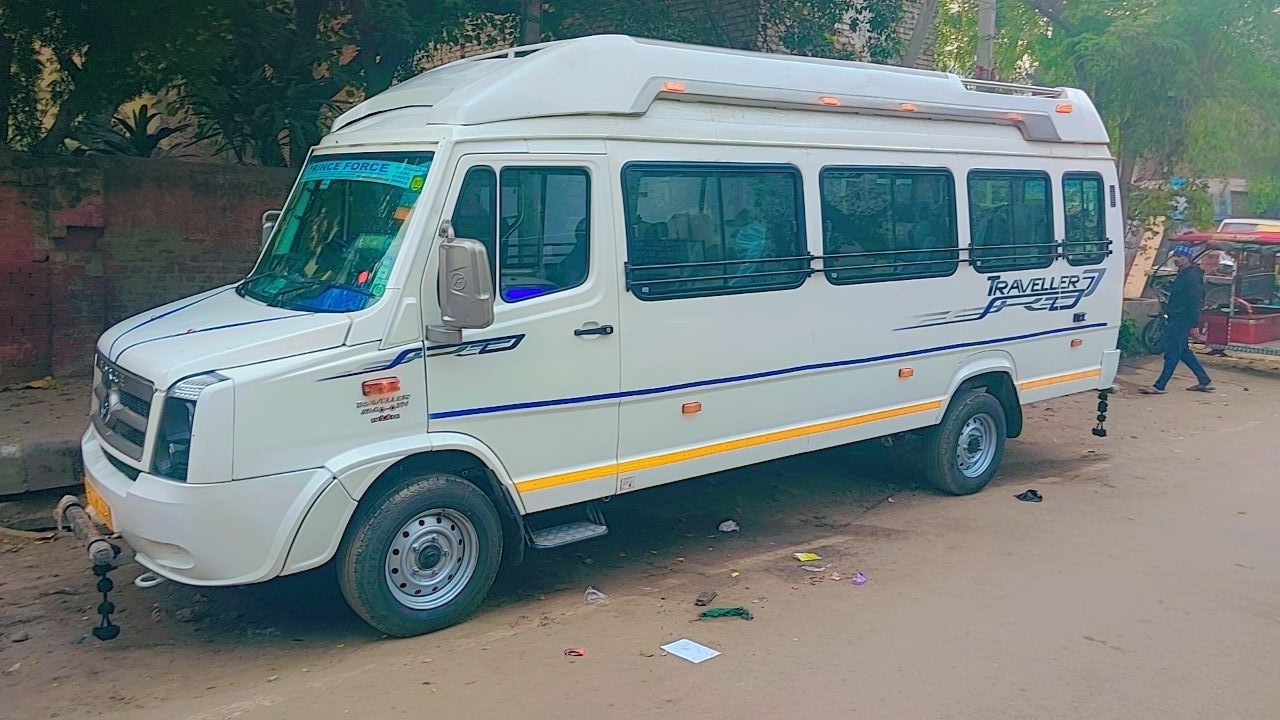
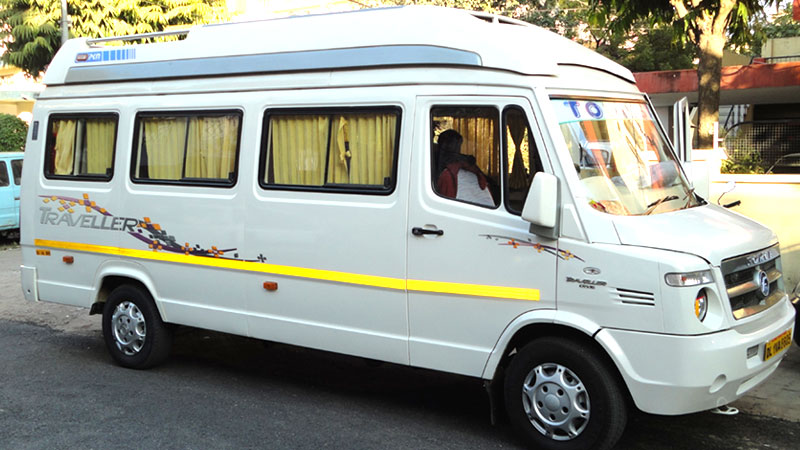
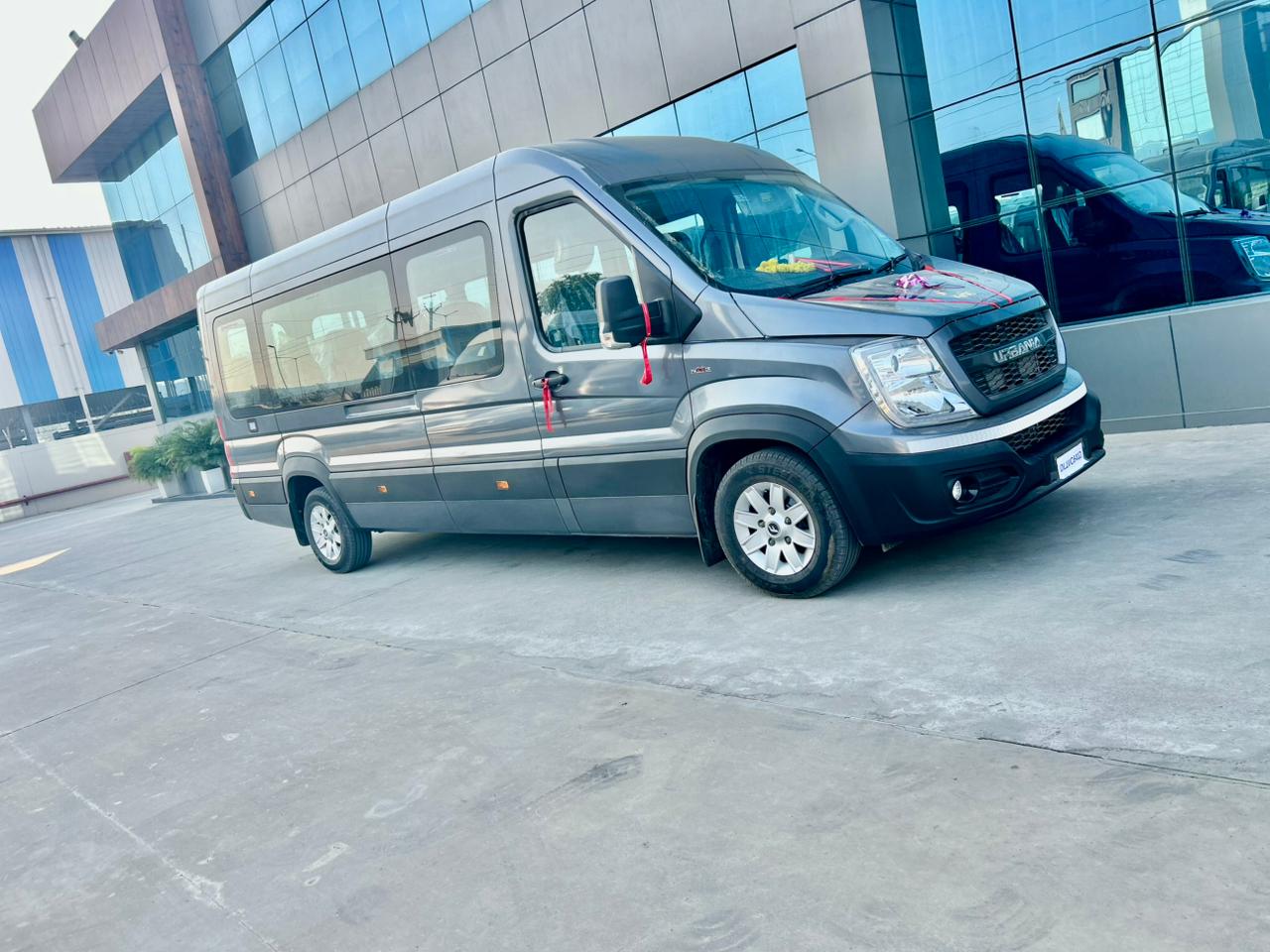
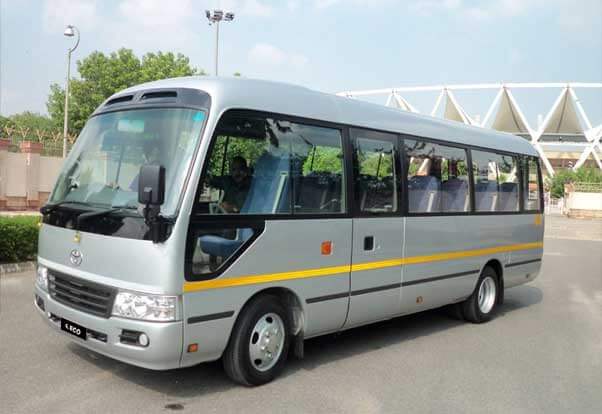
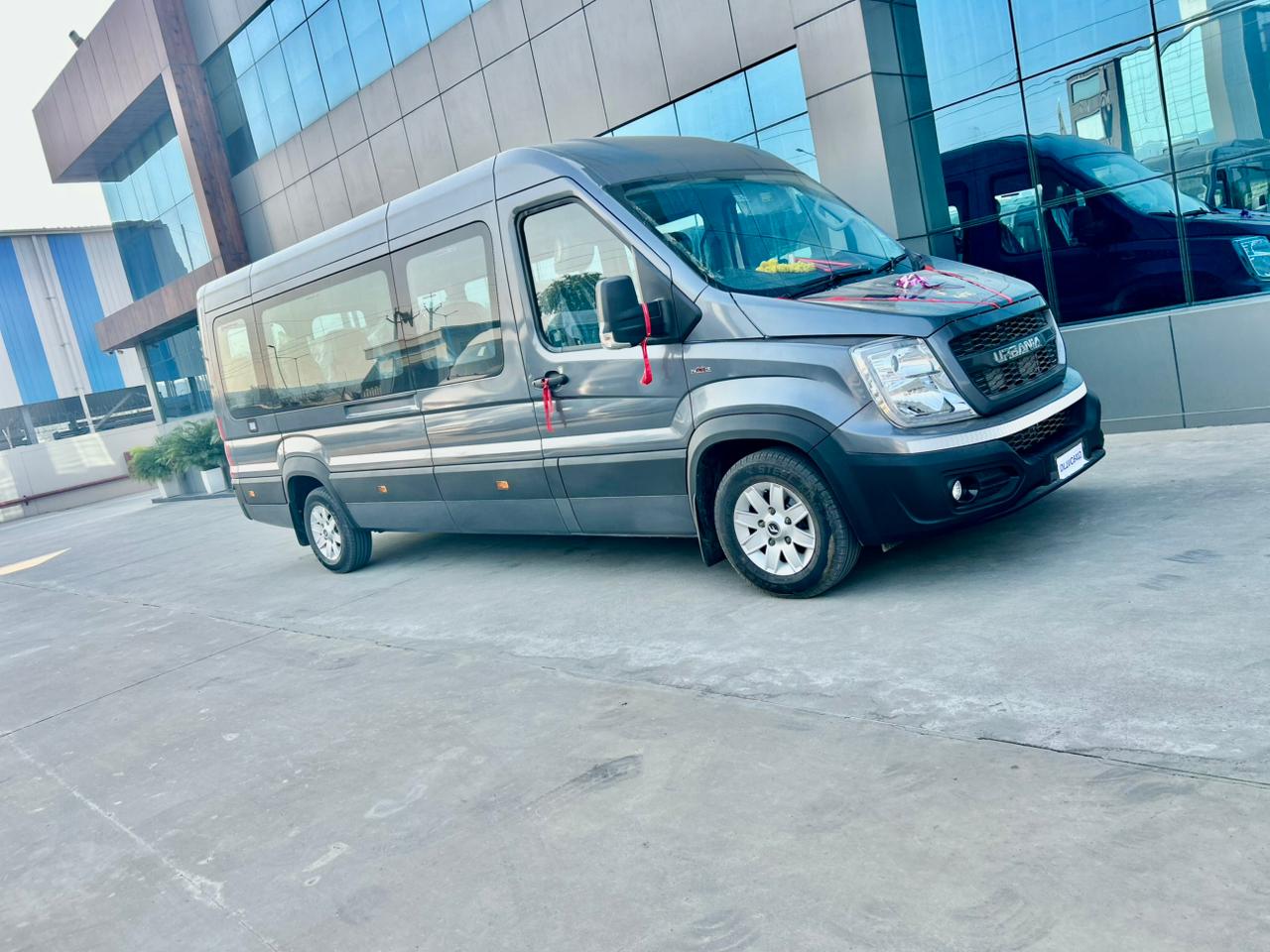
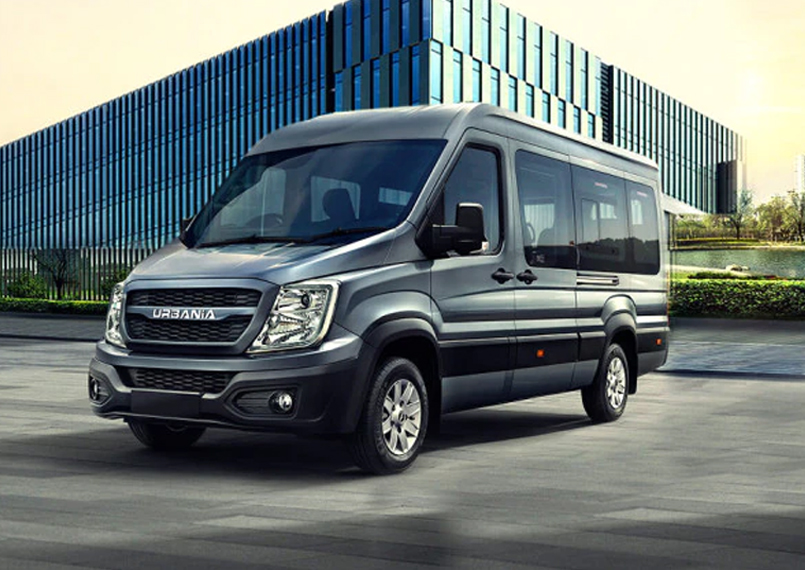
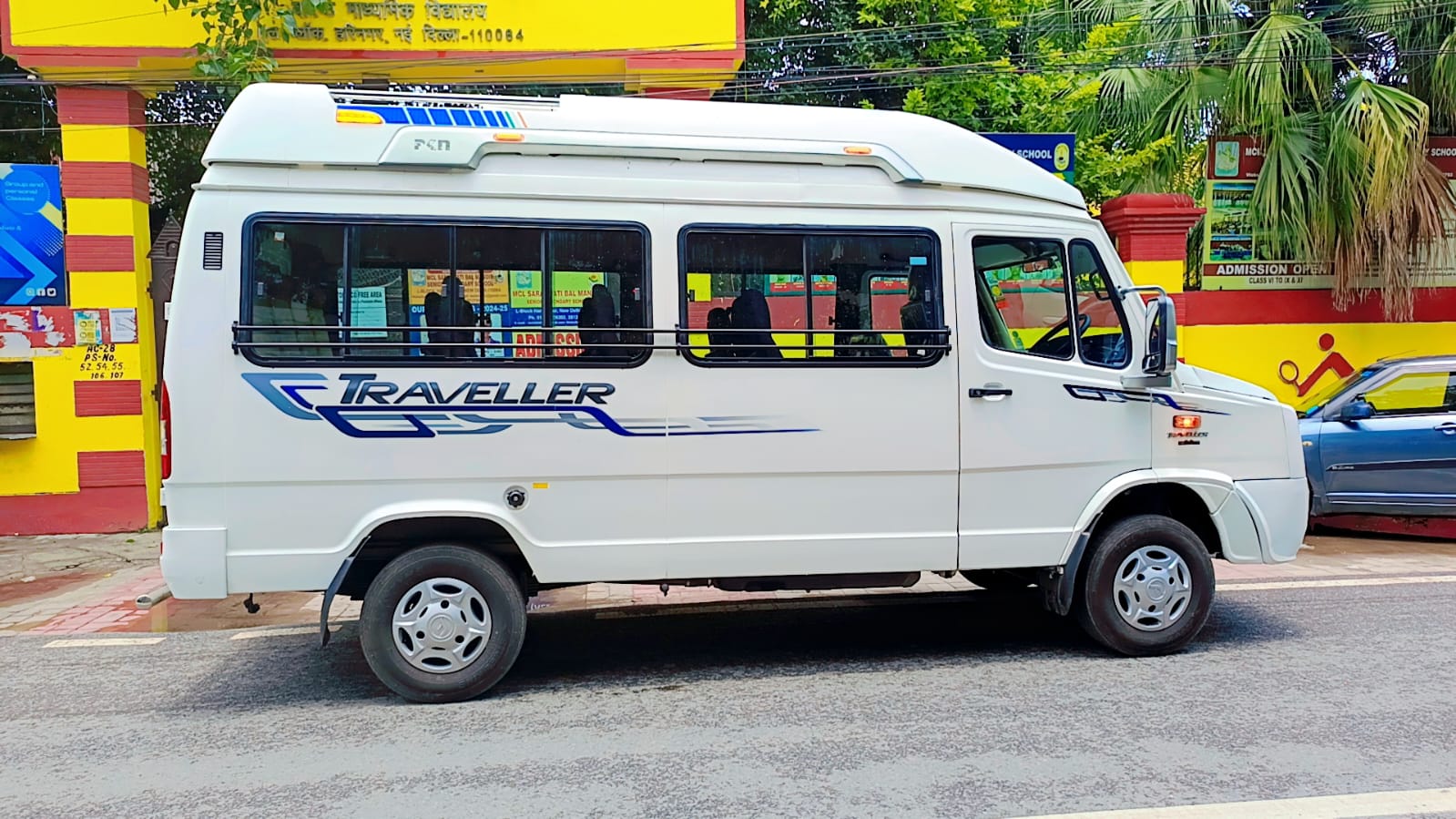
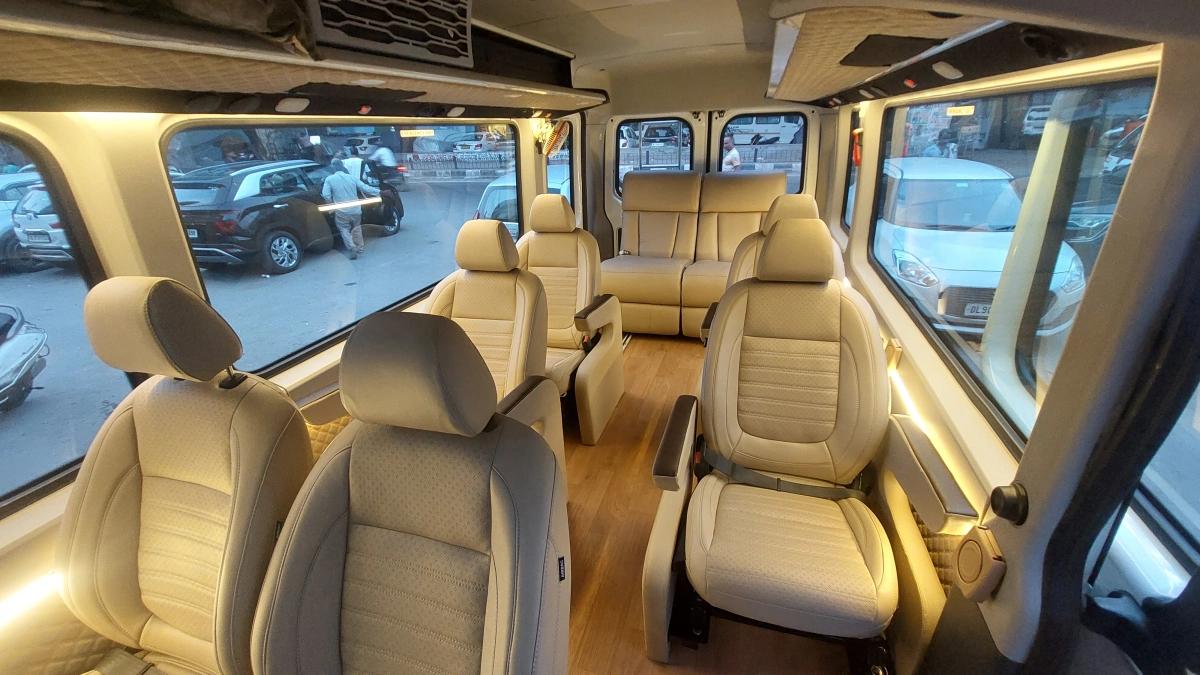
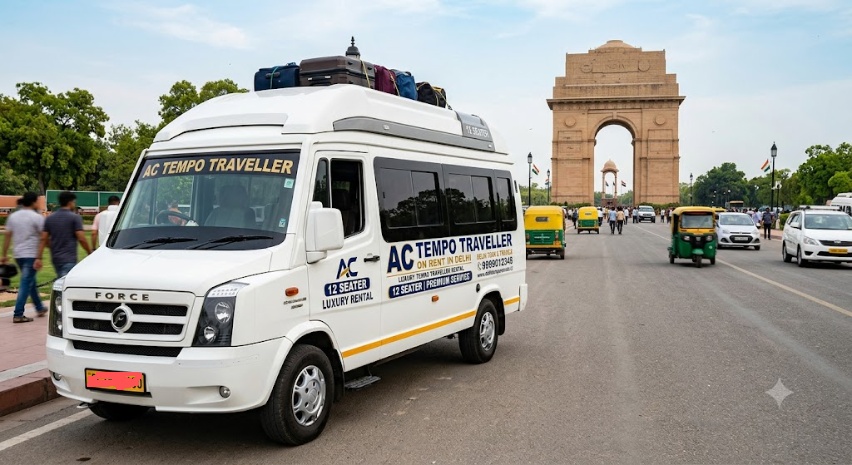
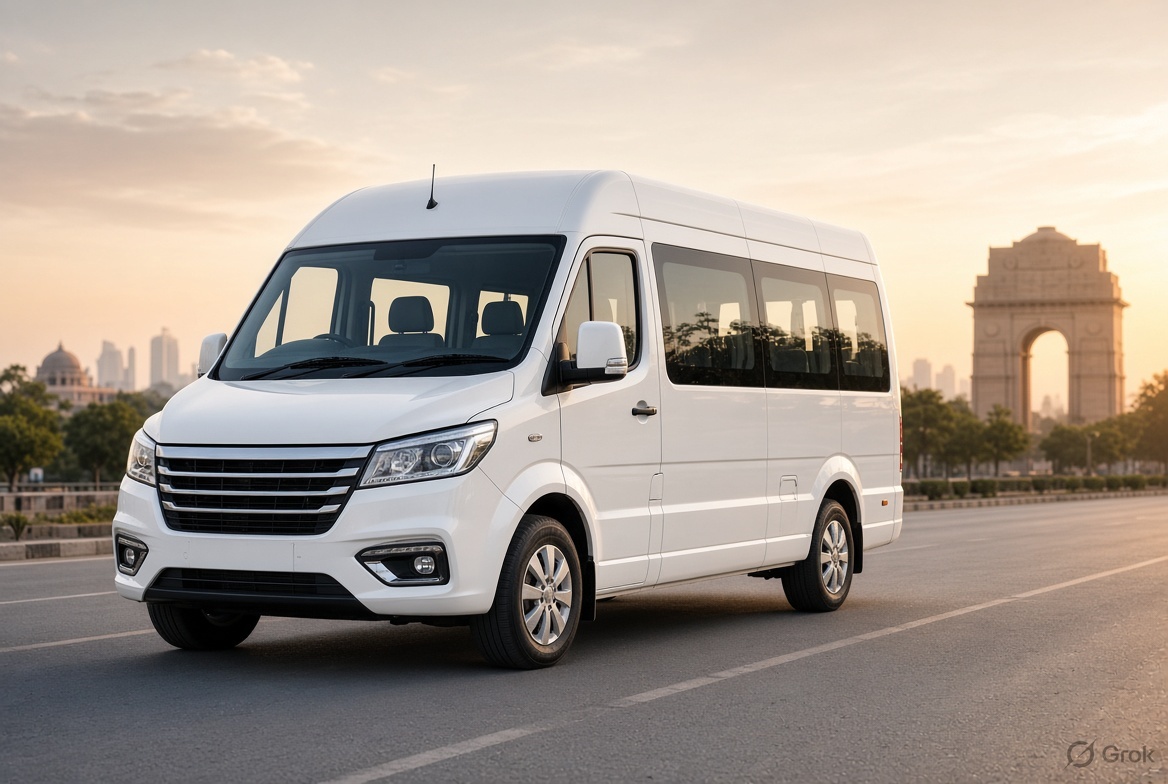
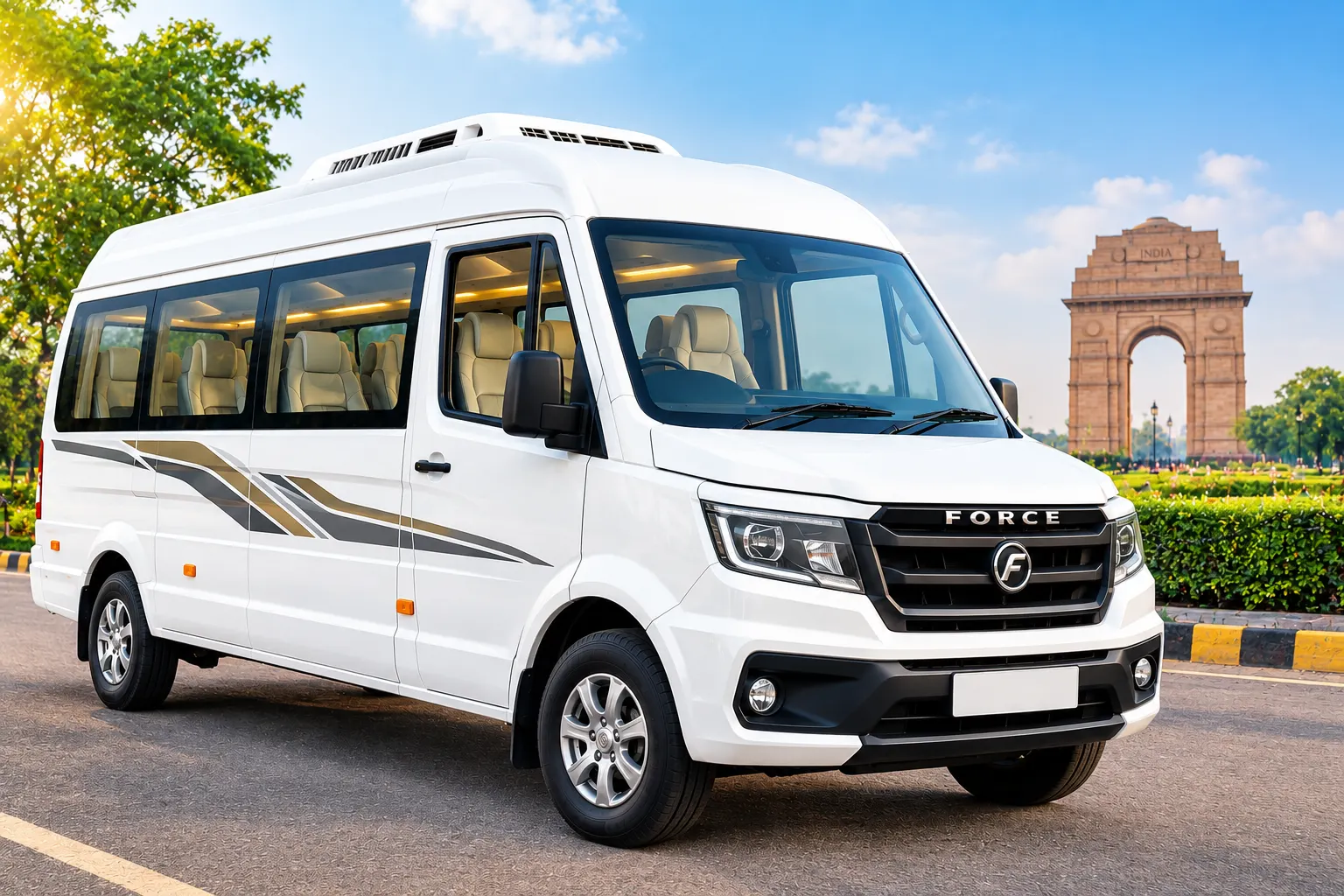
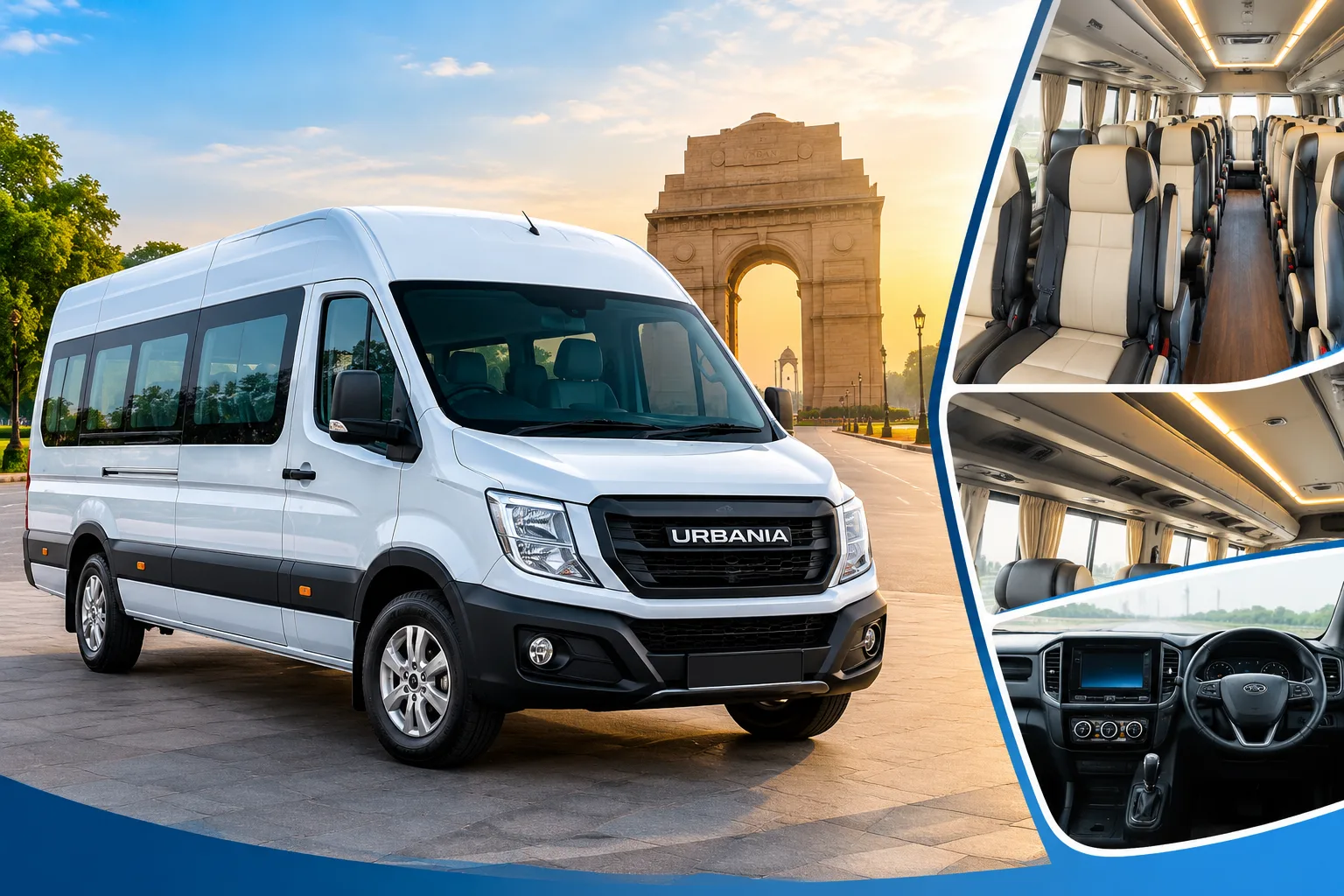
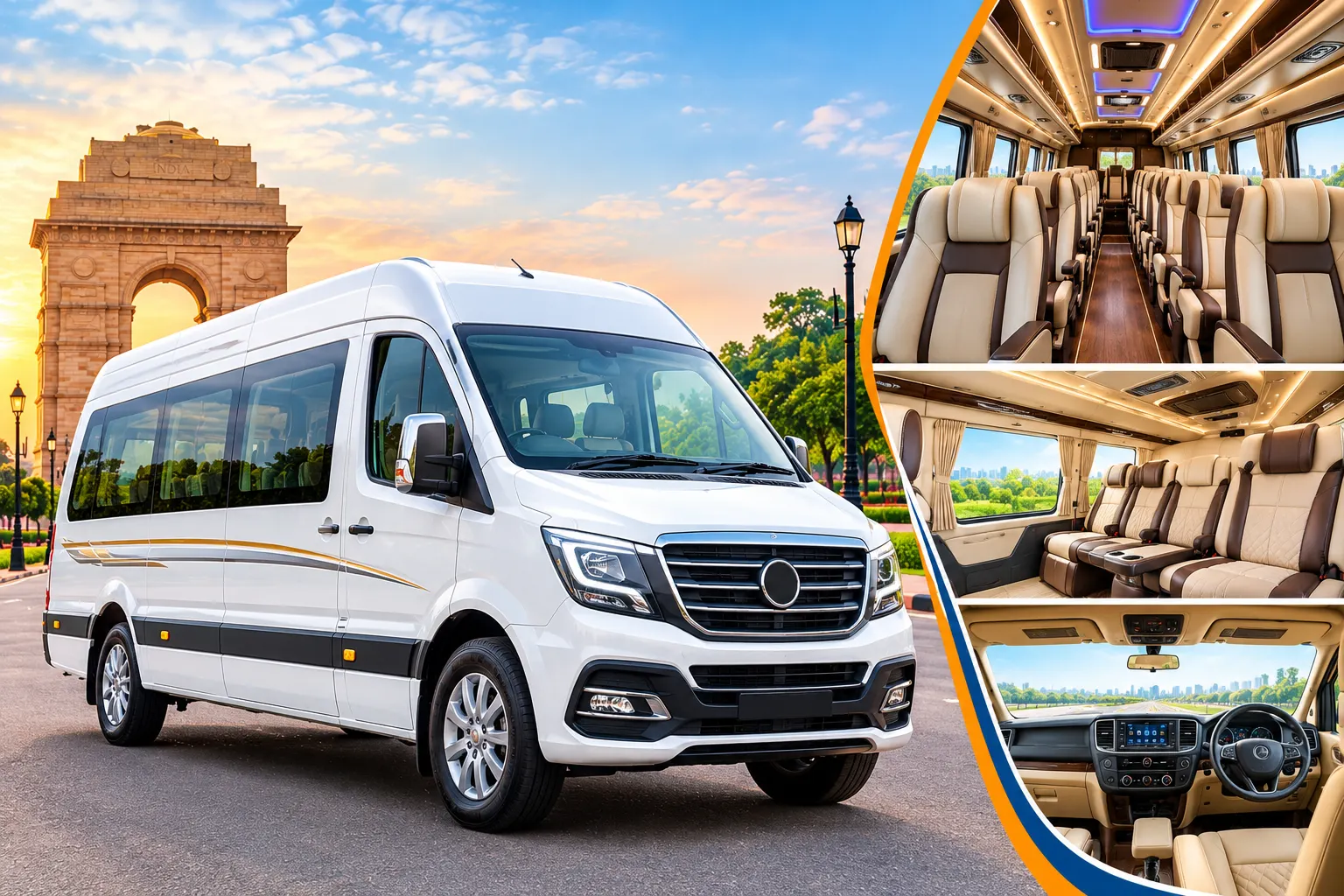
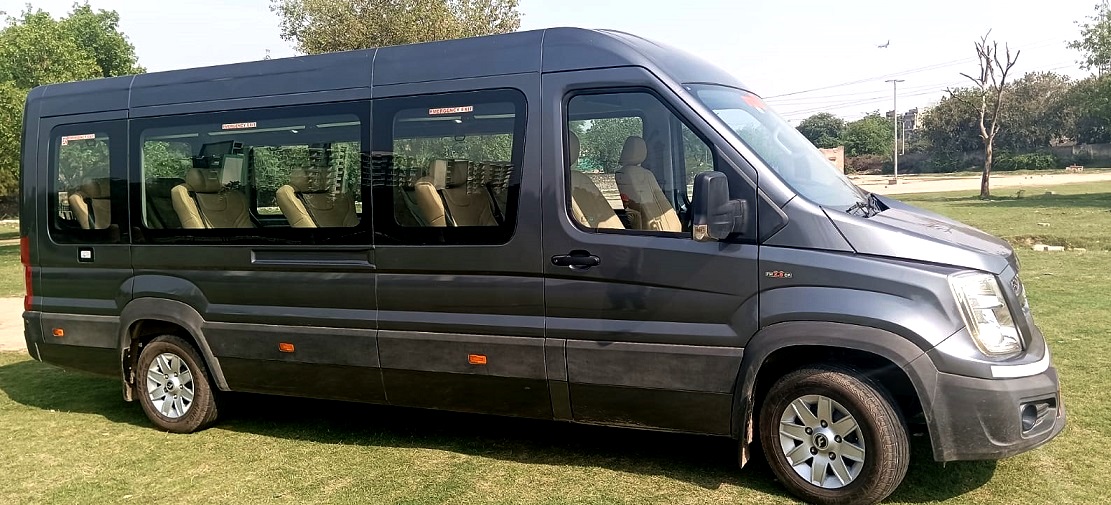
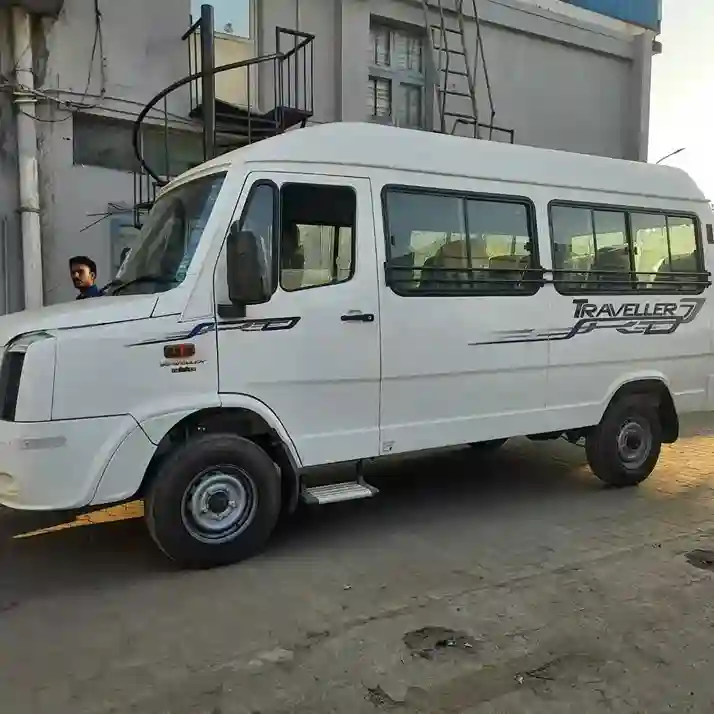
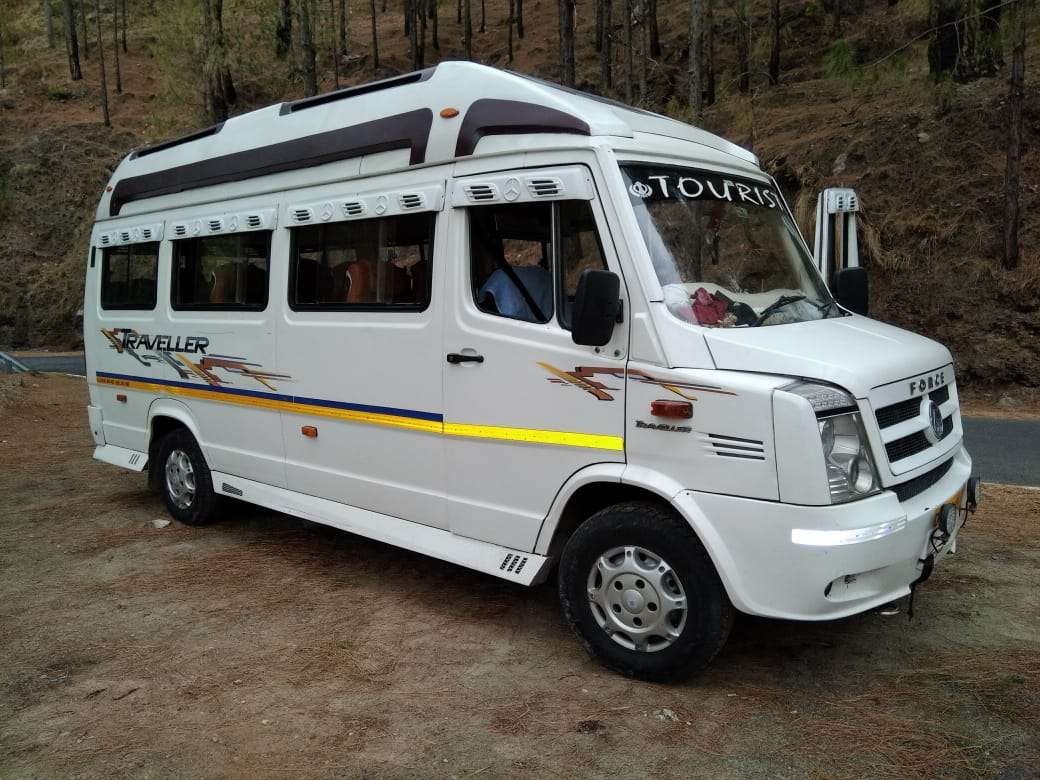
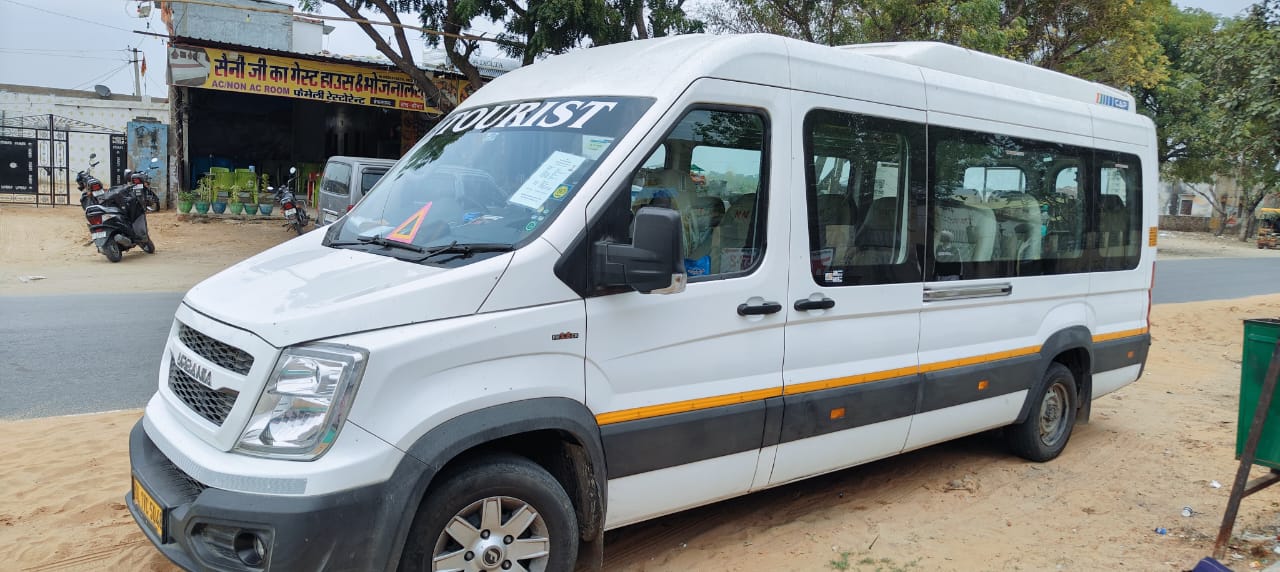
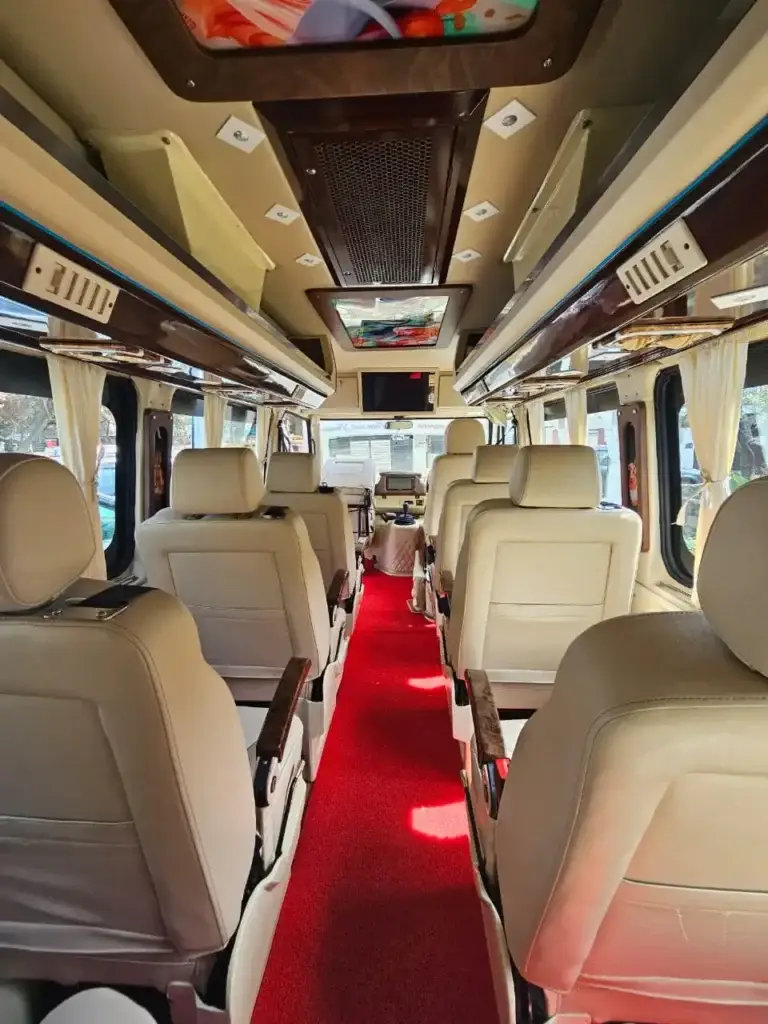
A 26-seater is a compact minibus. It sits between a tempo traveller and a full-size coach. It has more room than a 9-, 12-, or 16-seater Tempo Traveller, but it is far easier to manoeuvre than a big 45-seater.
Strengths of a 26 Seater Bus
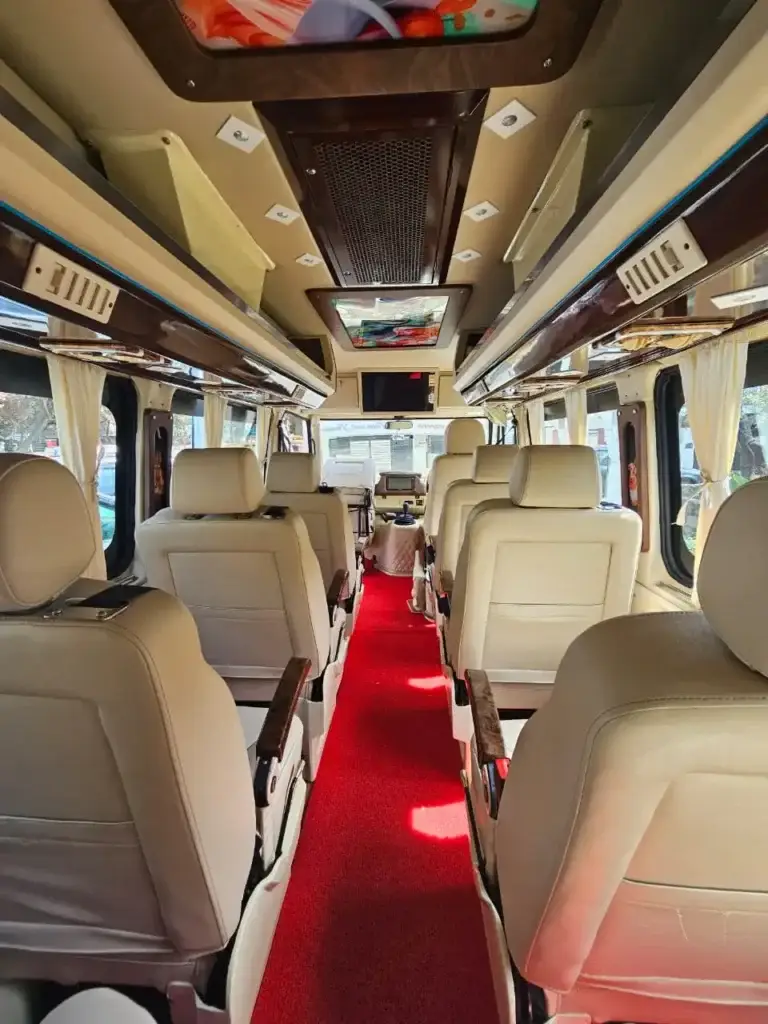
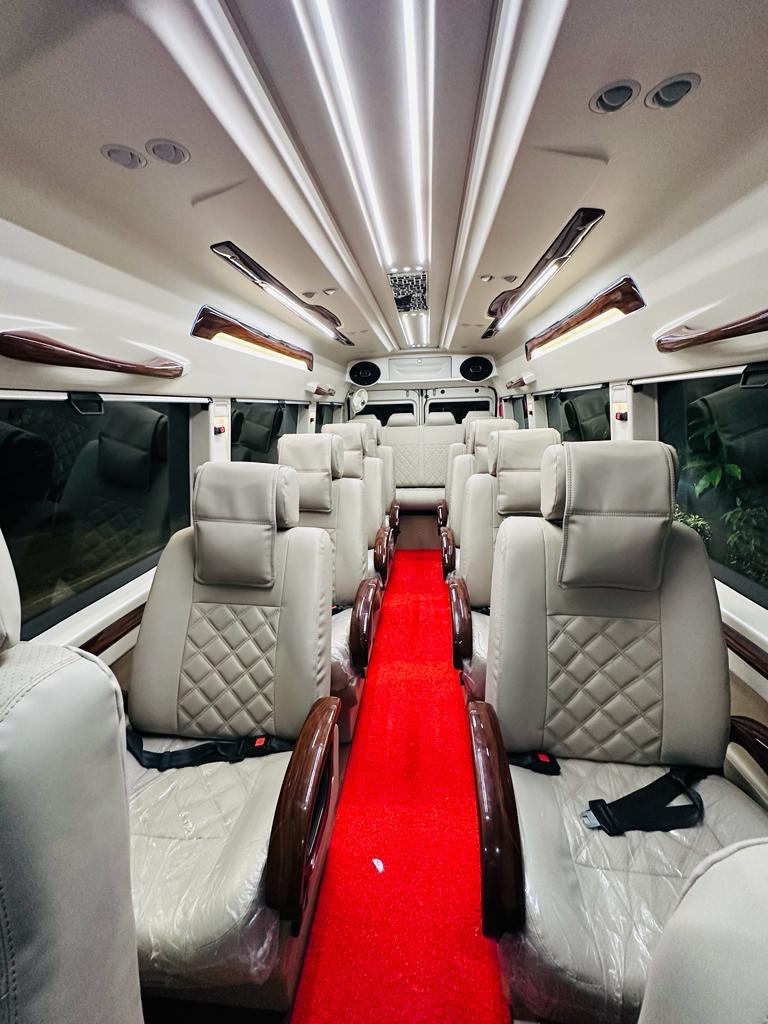
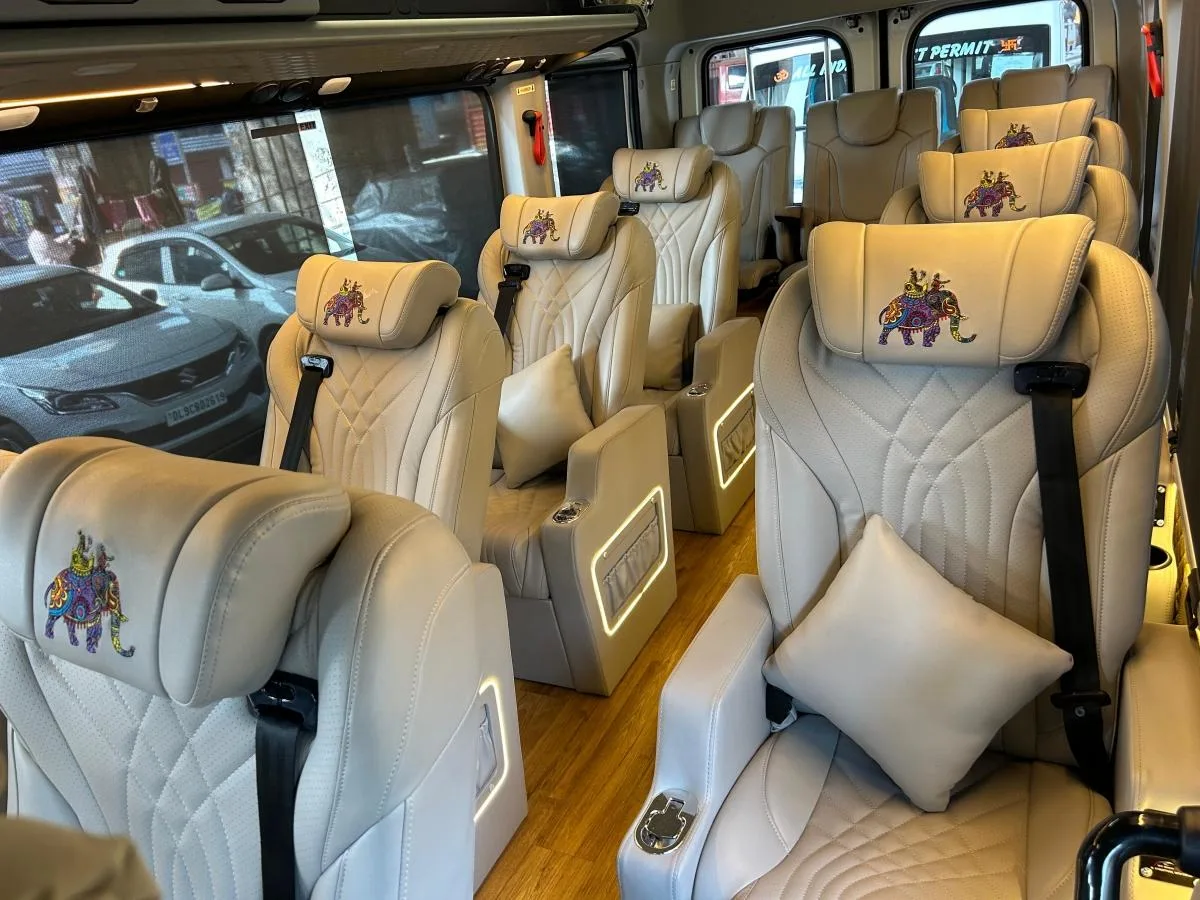
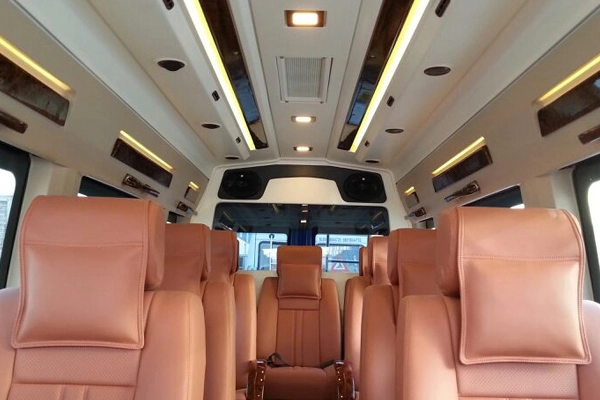
Better personal space. With fewer seats, operators can offer more legroom and shoulder room. Students arrive less tired after a long day.
Easier to drive on tricky roads. Smaller length and turning radius make a real difference on hill roads, in market lanes, and at crowded tourist spots.
Quicker boarding and headcounts. With 20 to 25 students, a teacher can do a full headcount in under a minute. Loading and unloading at stops is faster too.
Flexible for small batches. Not every trip involves a whole class. Science club visits, NSS camps, debate teams, sports squads, department trips, and small college batches are all natural 26-seater groups.
Parking is simple. Many heritage sites, schools, farms, resorts and hotels have limited parking. A smaller vehicle fits where a large coach cannot.
Limitations of a 26 Seater Bus
Higher cost per student for big groups. If you have 40 students, two 26-seaters will cost far more than one 45-seater.
Limited luggage room. If students carry bags for an overnight or multi-day trip, boot space fills up quickly.
Not ideal for very large batches. Splitting a group across two vehicles creates coordination issues, such as two drivers, two routes, different breaks, and two sets of teachers.
What Is a 45 Seater Bus?
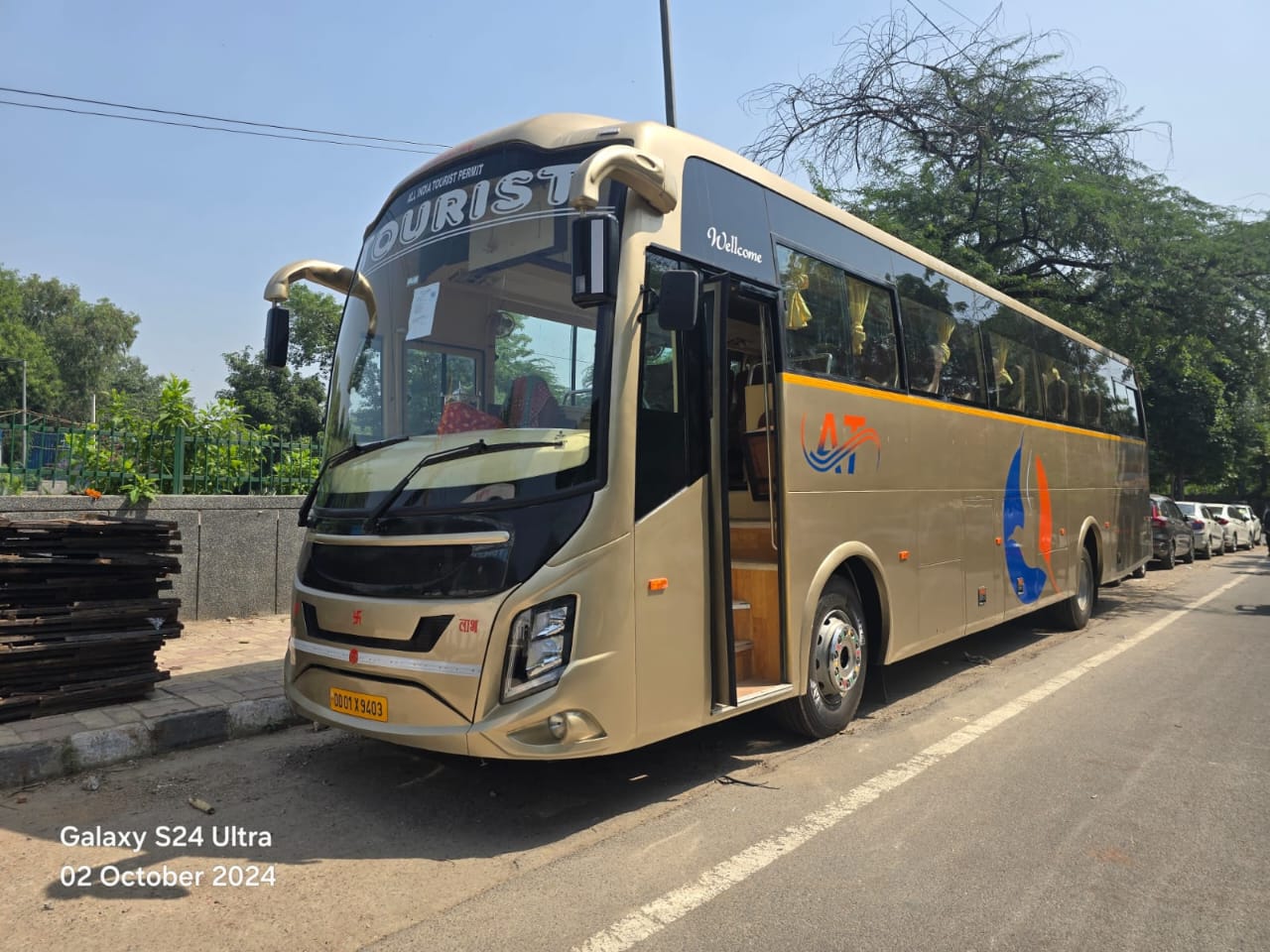
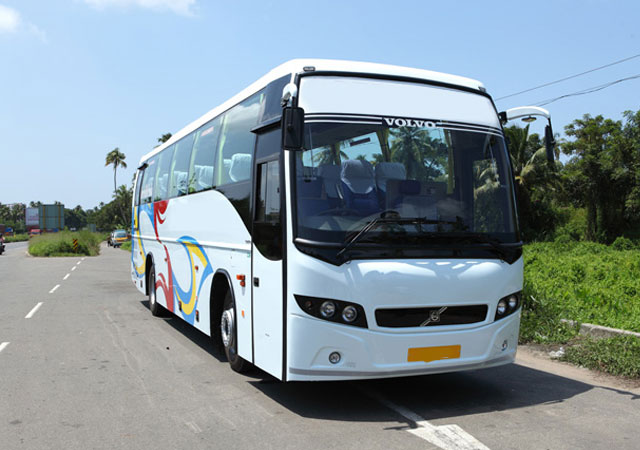
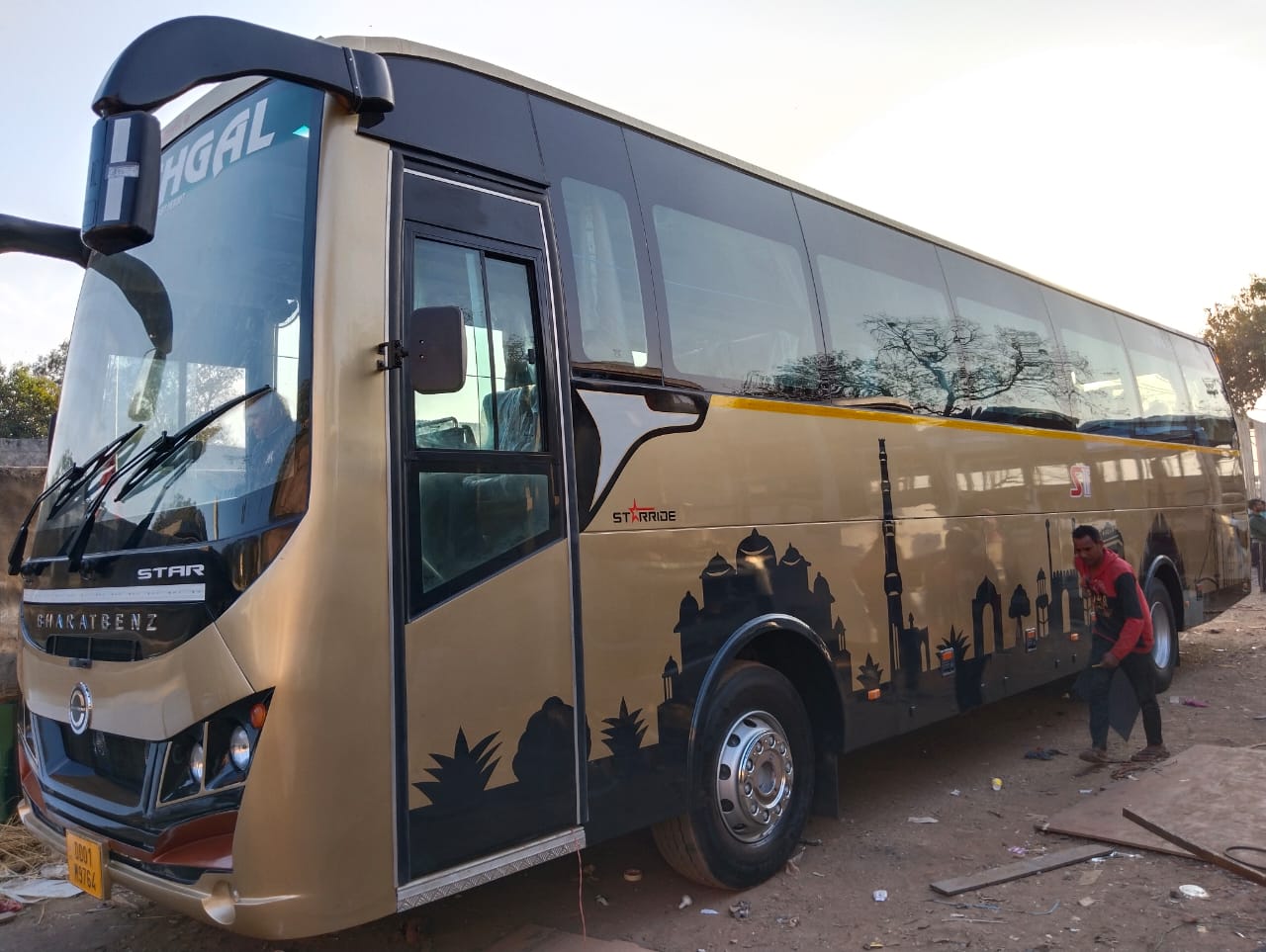
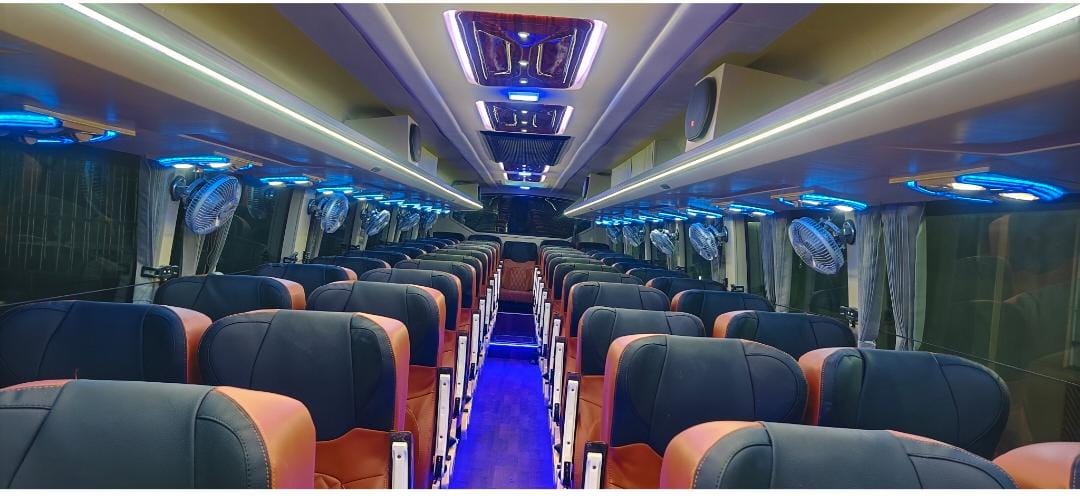
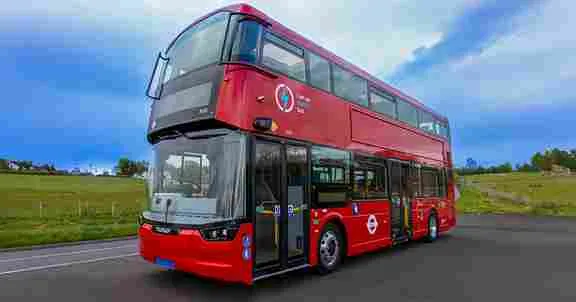
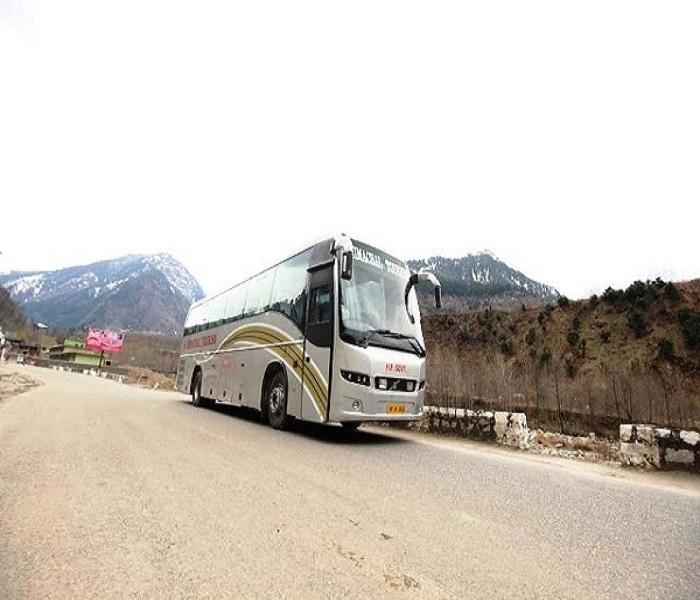
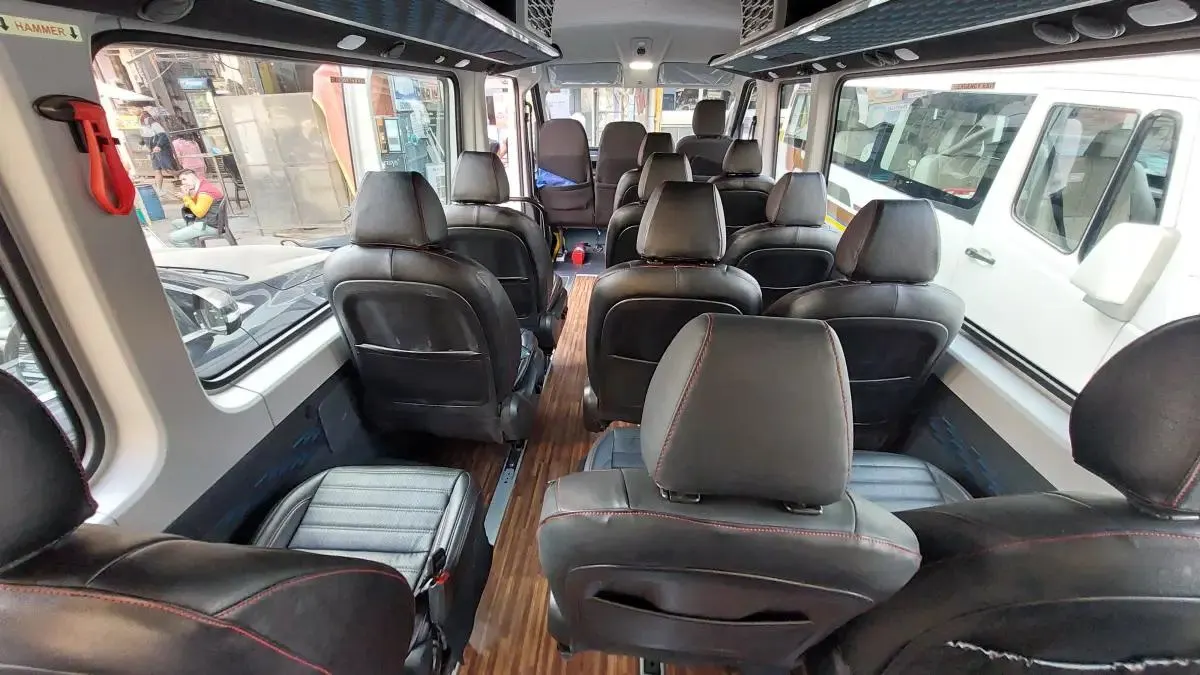
A 45-seater is a full-size coach, the standard choice for annual school tours, college industrial visits, and large group outings. It is designed to carry a full class or an entire batch in one vehicle.
Strengths of a 45 Seater Bus
Lowest cost per head for large groups. Spread across 40 or more students, the per-student cost drops noticeably. That matters when you are collecting money from parents.
Everyone in one vehicle. Students travel together, sing together, play antakshari together, and arrive together. For school and college trips, this shared experience is part of the fun.
One driver, one route, one schedule. There is no coordination between multiple buses, no one getting lost, and no staggered arrivals.
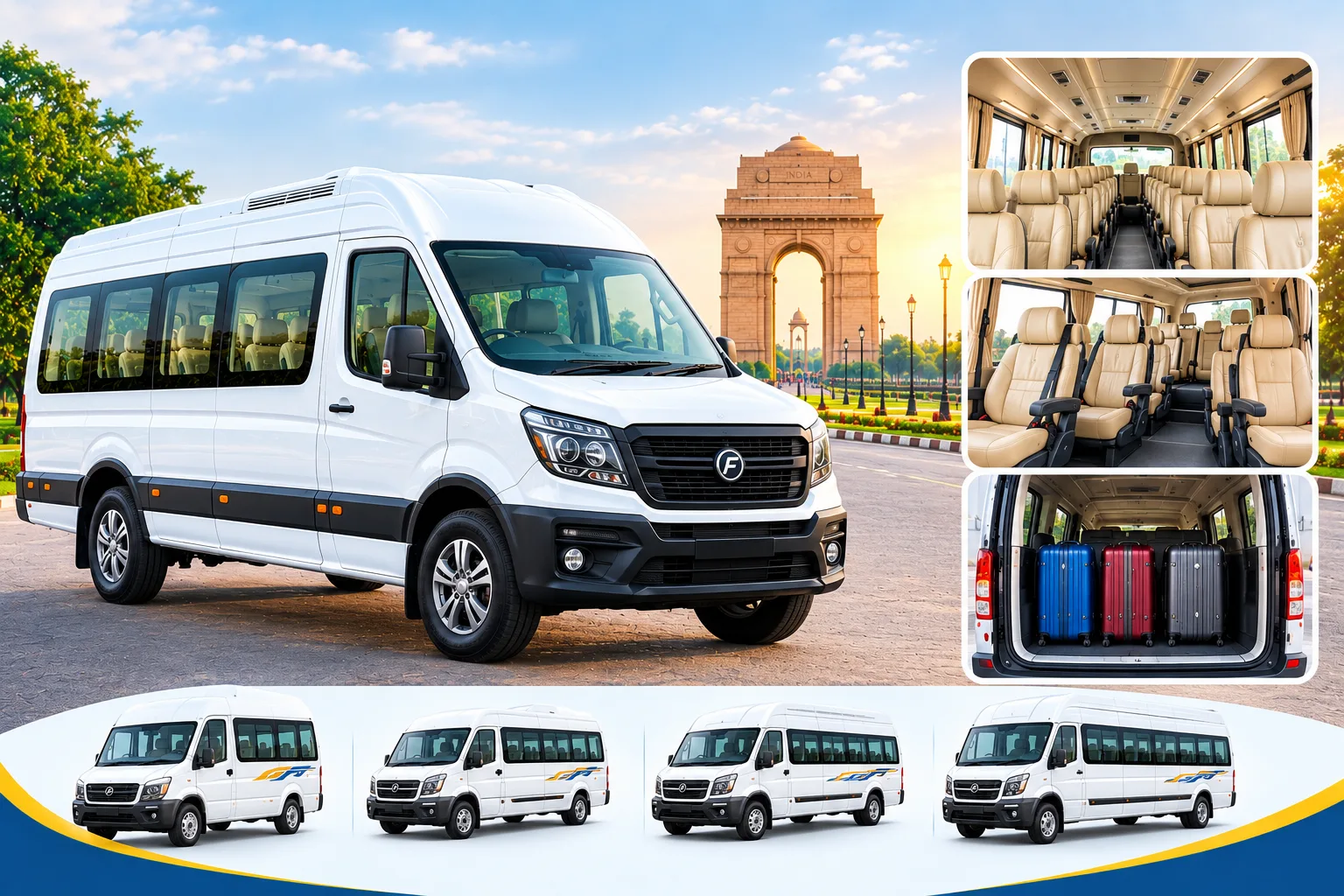
More luggage capacity. Most coaches have a spacious luggage bay under the floor, ideal for overnight trips, sports kits, project material, banners, and food supplies.
Better for long highway journeys. Larger coaches are built for highway driving, with a smoother ride and a stable cruise at long distances.
Limitations of a 45 Seater Bus
Needs larger parking and turning space. Some attractions, hotels, and narrow roads are difficult for a bus this size.
Hill routes need route checks. Many hill roads in Uttarakhand, Himachal, and other states have restrictions or tight turns that make full-size buses difficult. Always confirm that the route is suitable before you book.
Seat pitch can feel tight. Student groups usually do not mind, but if you are travelling 10 or more hours, seat comfort and legroom deserve a check.
Costly if the group is small. A 45-seater carrying 25 students is expensive for what it offers.
How to Choose: The Simple Headcount Rule
Count everyone who will travel, not just students:
Students
Teachers or faculty in charge
Lady attendant or warden, where needed
Support staff, such as a photographer, medical staff, or event coordinator
Then add a small buffer of 2 or 3 seats for last-minute changes. Use this rule of thumb:
Up to 24 travellers: choose a 26-seater
25 to 40 travellers: a 45-seater is usually the better value, even with a few empty seats
Above 45 travellers: book a 45-seater plus a second vehicle (a 26-seater, a Tempo Traveller or another bus), or two buses
Many schools make the mistake of booking a 26-seater for 28 students and squeezing everyone in. Do not overload a vehicle. It is unsafe, illegal, and uncomfortable.
Cost Comparison: What Really Affects the Price
Bus rental pricing is not a single fixed number. It depends on several factors, and it changes by season and route. Here is what the quote usually reflects:
Distance and number of days. Local trips are usually priced on a package of hours and kilometres. Outstation trips are priced on a per-kilometre rate with a minimum daily running.
Type of coach. A basic AC coach costs less than a luxury or semi-sleeper model.
Driver allowance and night halt charges. For multi-day trips, the driver’s food and stay are part of the cost.
Tolls, parking, and state taxes. Interstate travel adds permit and entry taxes. Always ask whether they are included.
Season. School tour season, holidays, wedding season, and peak tourist months push prices up. Booking early often gets you a better rate.
Fuel and route conditions. Hill routes consume more fuel and need more driving time.
Compare by Cost Per Student, Not Total Cost
Here is the smarter way to compare. Ask for quotes on both vehicles, then divide each by the number of students actually travelling.
If a 26-seater costs less in total but only carries 24 students, while a 45-seater costs more in total but carries 42, the 45-seater will usually win on per-student cost. On the other hand, if you have just 20 students, the 26-seater will almost always be cheaper overall and more comfortable.
Always get a written quote that states what is included: tolls, parking, driver charges, night halt, GST, and extra kilometres. A cheap quote with hidden extras is not cheap.
Comfort and Student Experience
Comfort matters more than most trip planners expect. A tired, uncomfortable group is harder to manage and enjoys the destination less.
Seating and Legroom
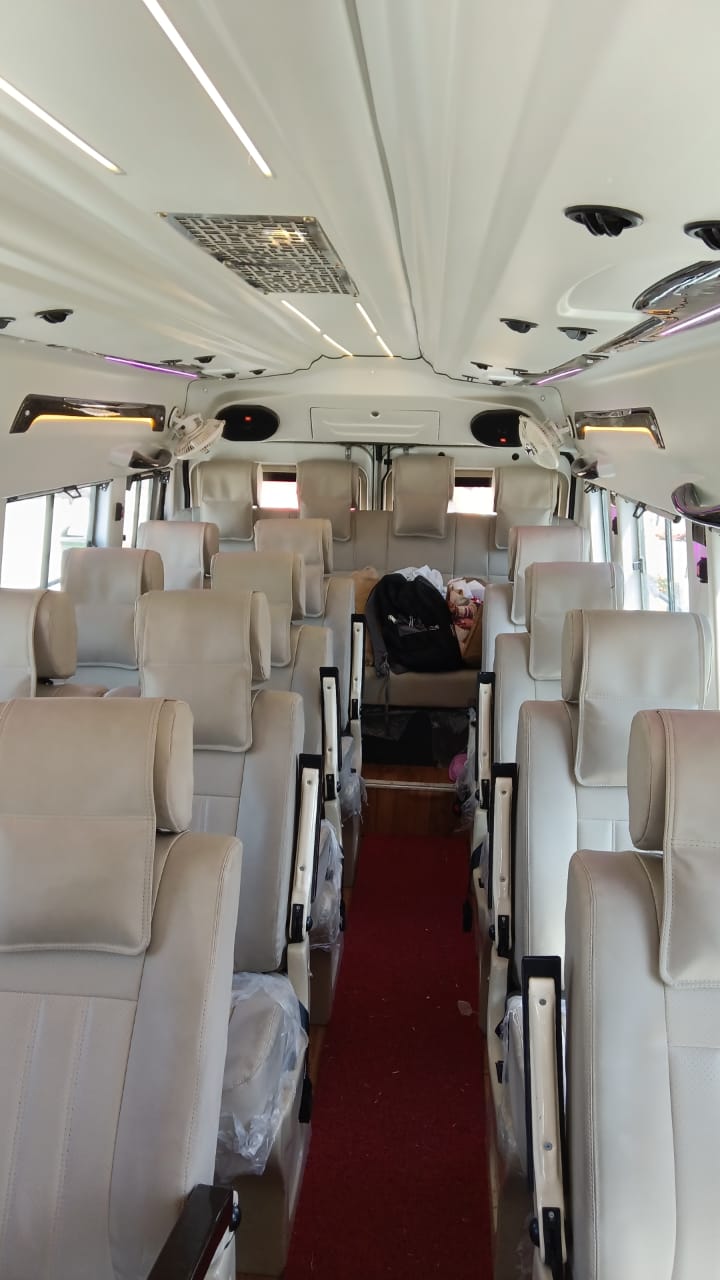
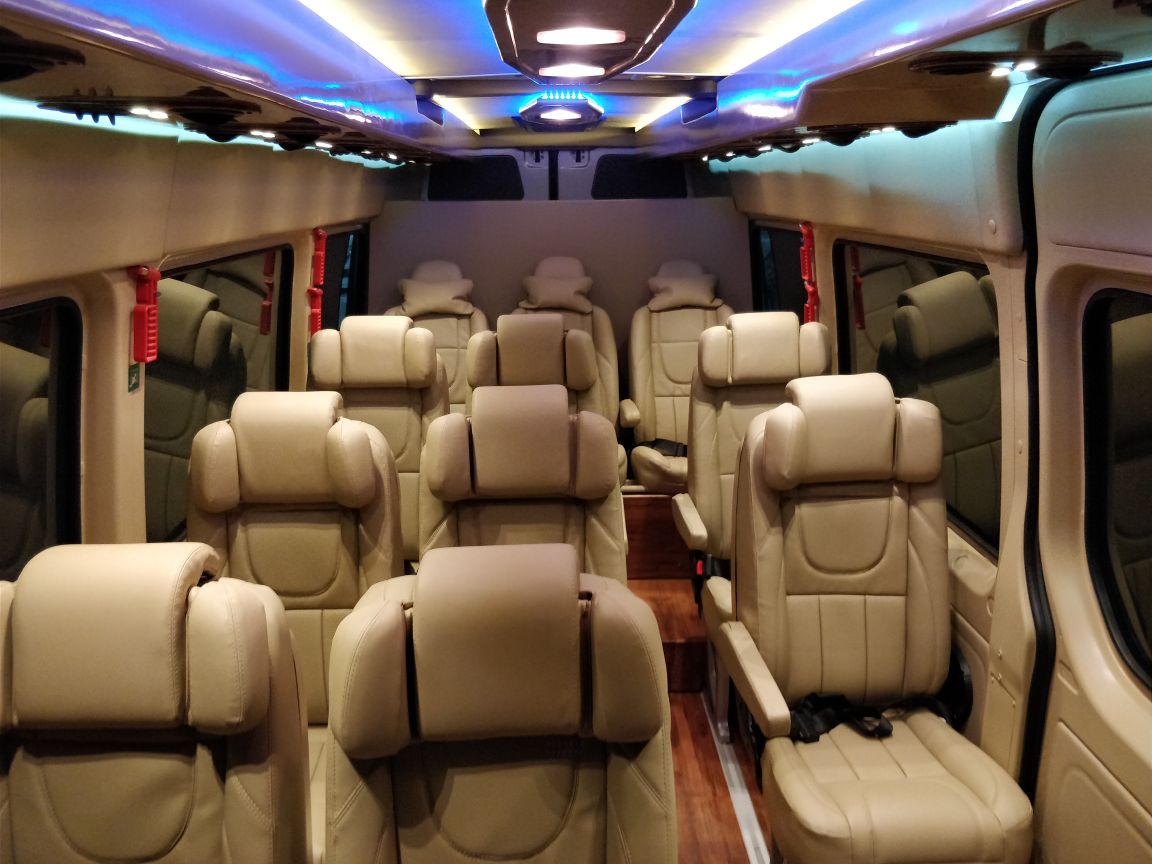
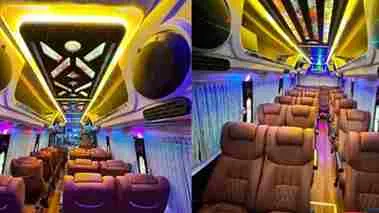
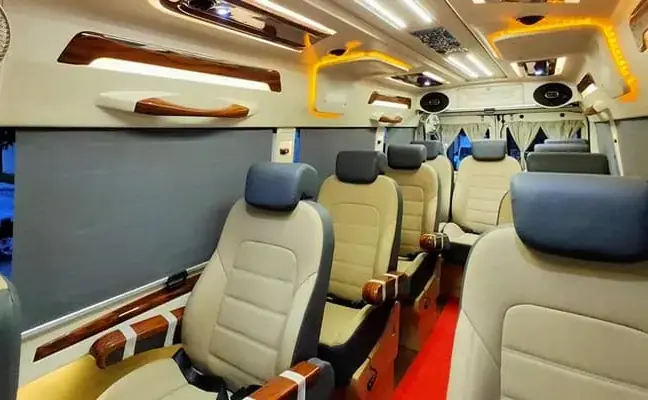
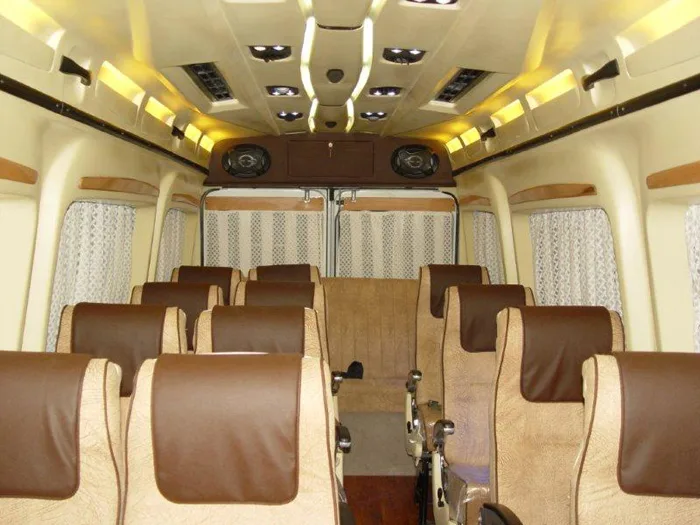
A 26-seater generally offers more space per person because the vehicle is configured with fewer seats and wider pitch. A 45-seater is built for capacity, so seat pitch is tighter. For short day trips, this makes little difference. For 8 to 12 hour journeys, ask the operator about seat type (push-back or standard) and pitch.
Air Conditioning
Check that the AC works properly across the full cabin. In a larger coach, the rear seats can sometimes feel warmer if the AC is weak. Ask the operator to confirm AC performance before the trip, especially in summer.
Entertainment and Charging
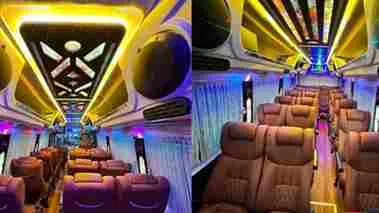
Many students want music or at least a way to charge phones. A bus with a good music system, charging points, and a microphone for the teacher’s announcements makes a real difference. These small features are worth asking about.
Motion Sickness
Seat the students who get motion sickness near the front. A smoother ride and a sensible driver matter more than the vehicle size. Plan regular breaks, ideally every 2 to 3 hours.
Safety: The Most Important Section
Safety is the non-negotiable part of any student trip. Whether you choose a 26- or 45-seater, check the following before you confirm the booking.
Valid documents. Ask for the vehicle’s registration certificate, fitness certificate, insurance, permit, and pollution certificate. A genuine operator will share them without hesitation.
Experienced, verified driver. The driver should have a valid commercial licence, experience on your route, and a clean record. For student trips, an experienced driver matters more than a new vehicle.
Speed discipline. Tell the operator clearly that the bus will not be driven fast. Many schools also request a driver who has done student tours before.
Working safety features. Check the emergency exit, first aid kit, fire extinguisher, seat belts where fitted, and working headlights, wipers and brakes. A quick inspection before departure is perfectly reasonable.
Cleanliness. A clean, well-maintained bus is usually a sign of a well-run operator.
GPS and live tracking. Where available, ask for live tracking so the school and parents can follow the journey.
Night driving. Avoid late-night driving with students whenever possible. Plan the schedule so the bus is parked safely by evening.
Supervision and Management
In a 26 Seater
With fewer students, supervision is simple. One or two teachers can comfortably monitor the whole bus. Headcounts are quick, seat swaps are easy, and a teacher at the front can see everyone.
In a 45 Seater
With a larger group, a good system makes all the difference:
Assign seat numbers and keep a printed seating chart.
Appoint student captains for rows or sections.
Place teachers at the front, middle, and back.
Do a headcount at every stop before departure.
Share the driver’s and teacher’s phone numbers with parents.
For mixed groups, especially in colleges, keep a lady staff member on board and plan seating with care.
Luggage and Equipment
Luggage is often forgotten until the last minute.
Day trips. Both buses handle day trips easily. Students carry only a small bag, a water bottle, and a lunch box.
Overnight or multi-day trips. A 45-seater offers more luggage storage in most cases. In a 26-seater, boot space is limited, so ask students to pack light, or tell the operator in advance that you will need extra space.
Equipment. If you are carrying sports kits, musical instruments, banners, camera gear, or science project material, tell the operator early. This helps them recommend the right vehicle.
Food and water. Carry a cooler or a box of drinking water. Keep the aisle free so that emergency movement is possible.
Route and Destination: Which Bus Fits Where?
Local and City Trips (Delhi NCR)
For museums, science centres, heritage walks, factory visits, zoo trips, and picnics around Delhi NCR, both vehicles work well. A 26-seater is easier for crowded areas and tight parking. A 45-seater works better for full-class outings with good drop-off points.
Short Highway Trips (Agra, Jaipur, Mathura, Haridwar, Rishikesh)
These popular educational and spiritual destinations are well connected by highway. A 45-seater is excellent for full batches, while a 26-seater is perfect for smaller groups looking for a more comfortable ride.
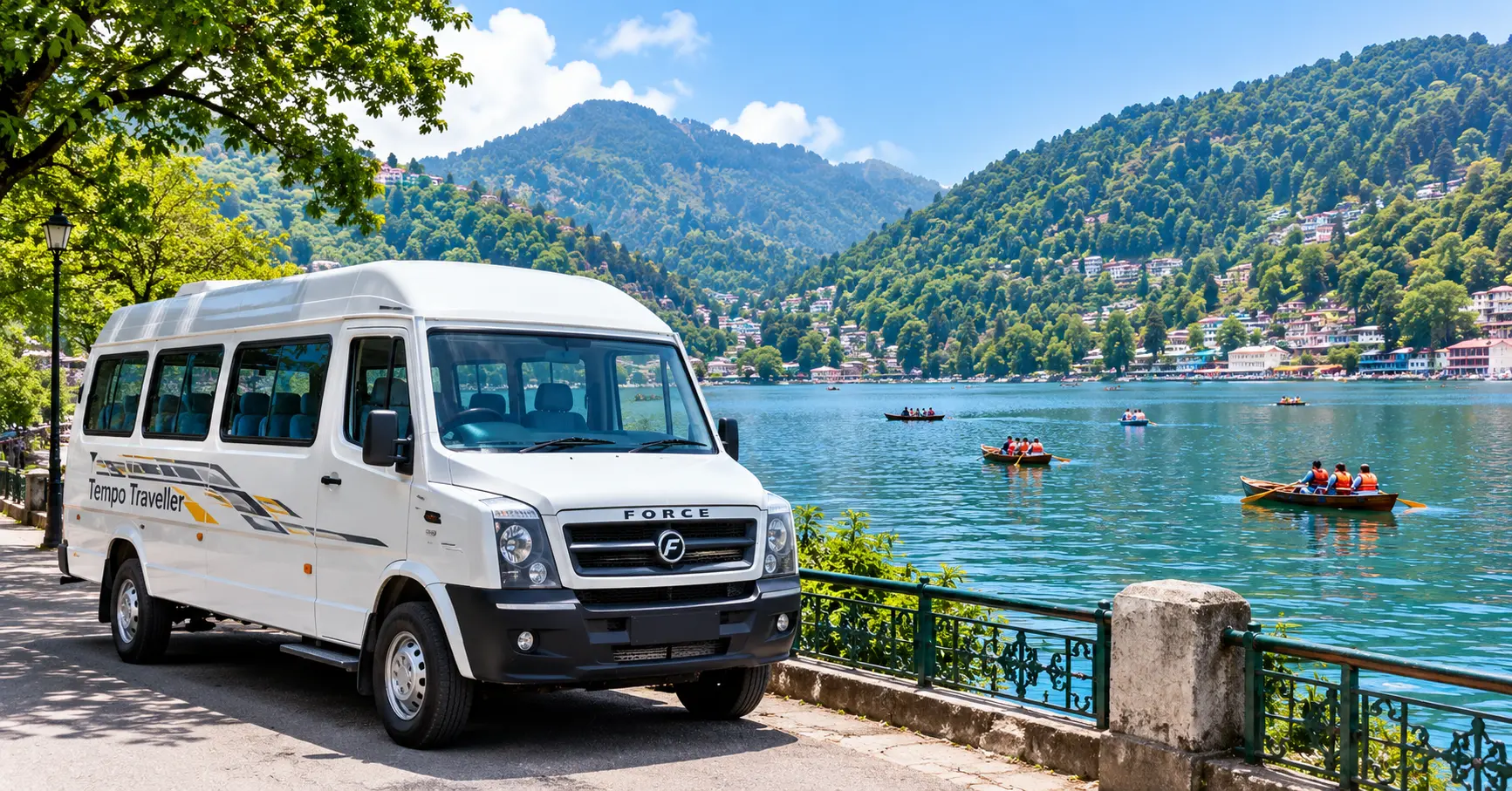
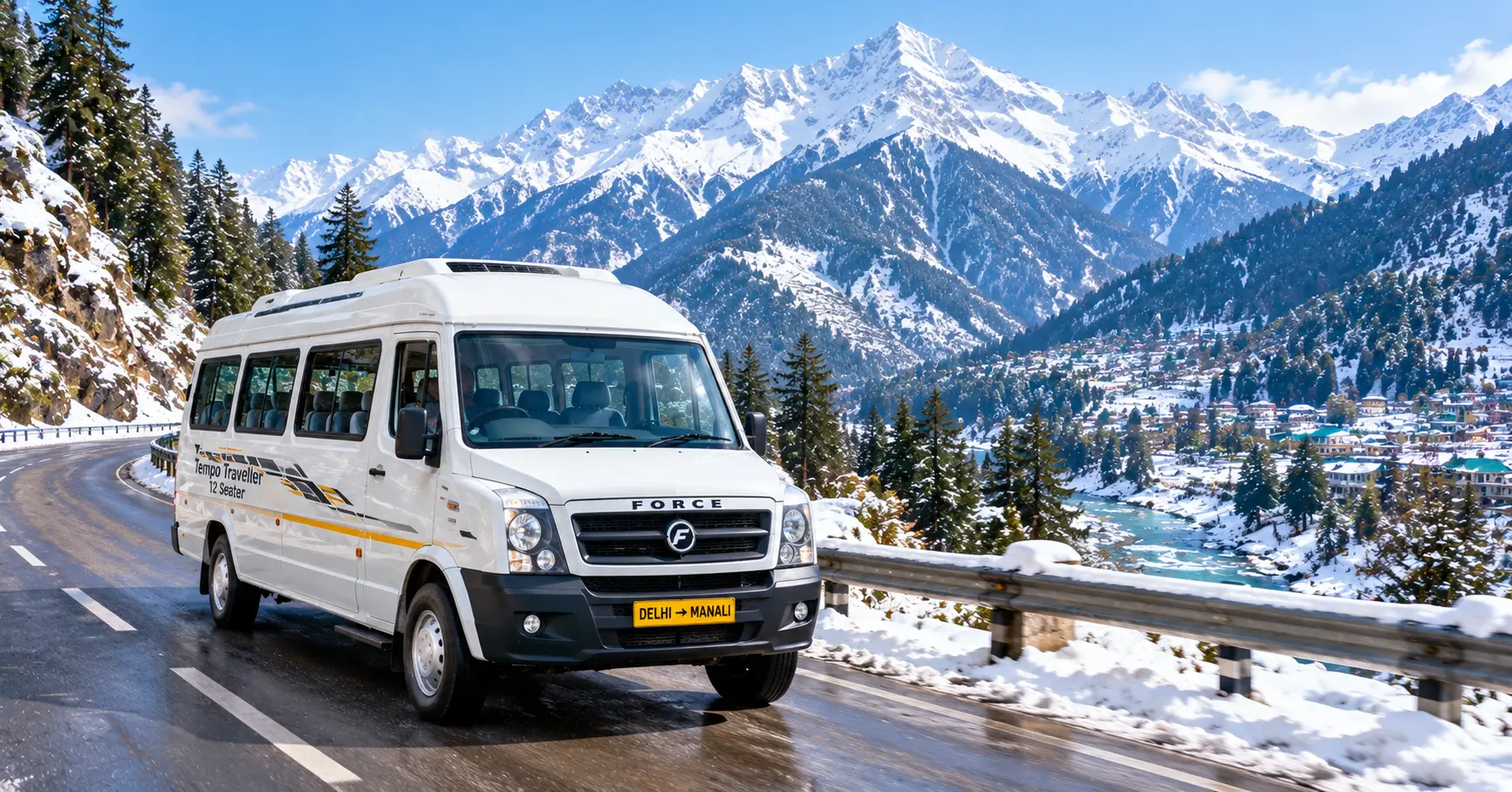
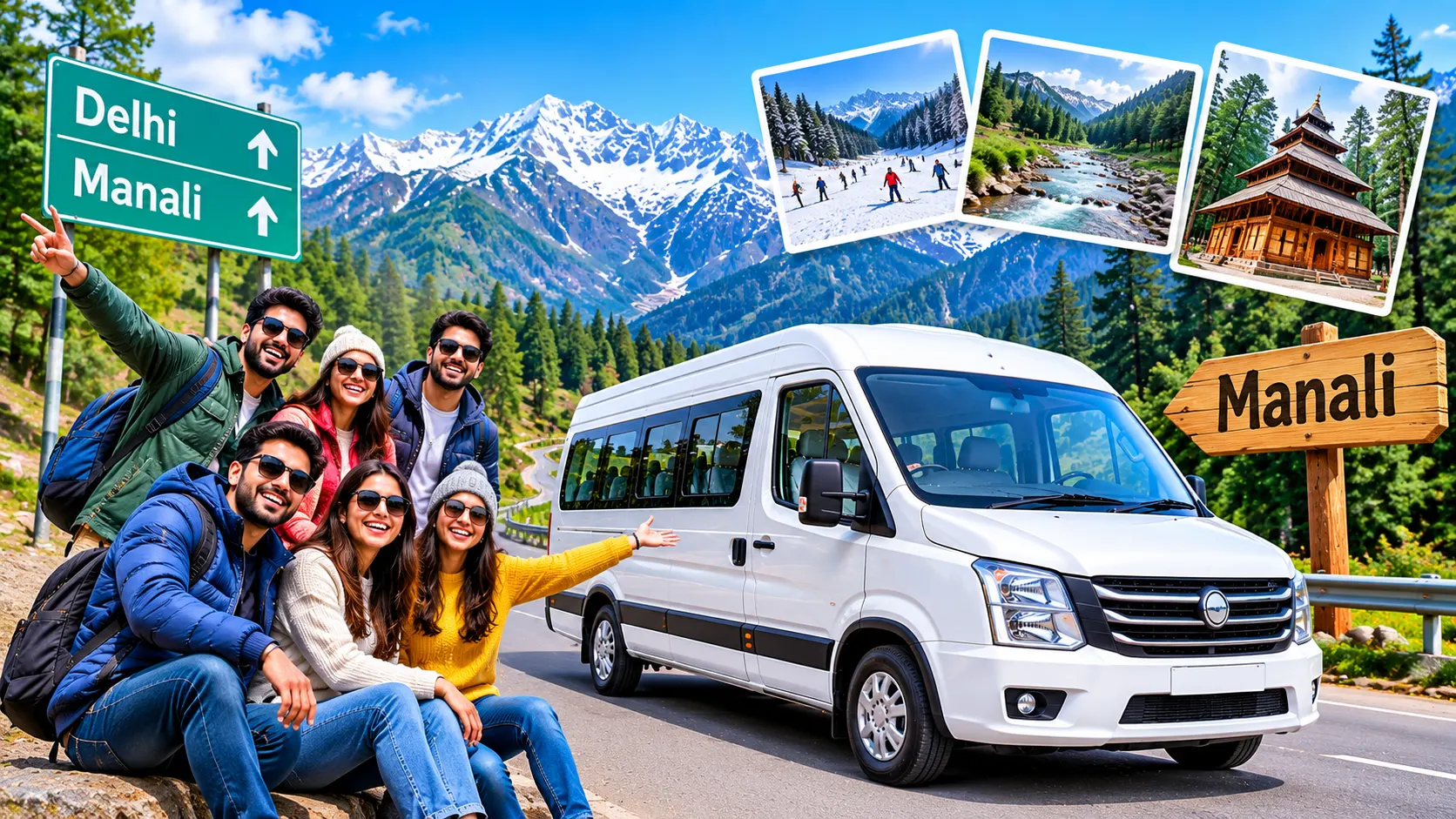
Hill Destinations (Mussoorie, Nainital, Shimla, Manali)
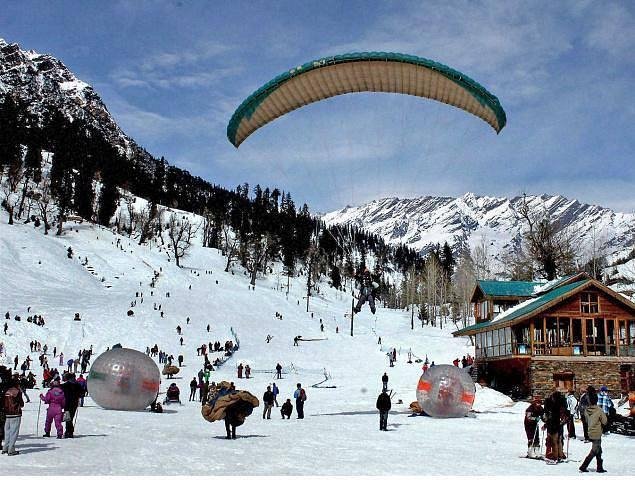
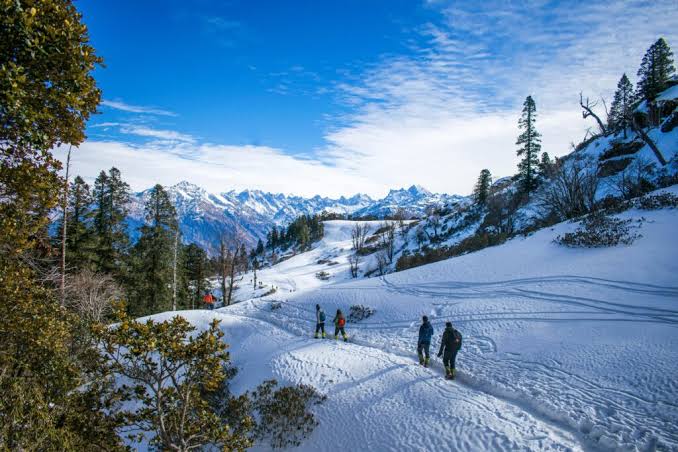
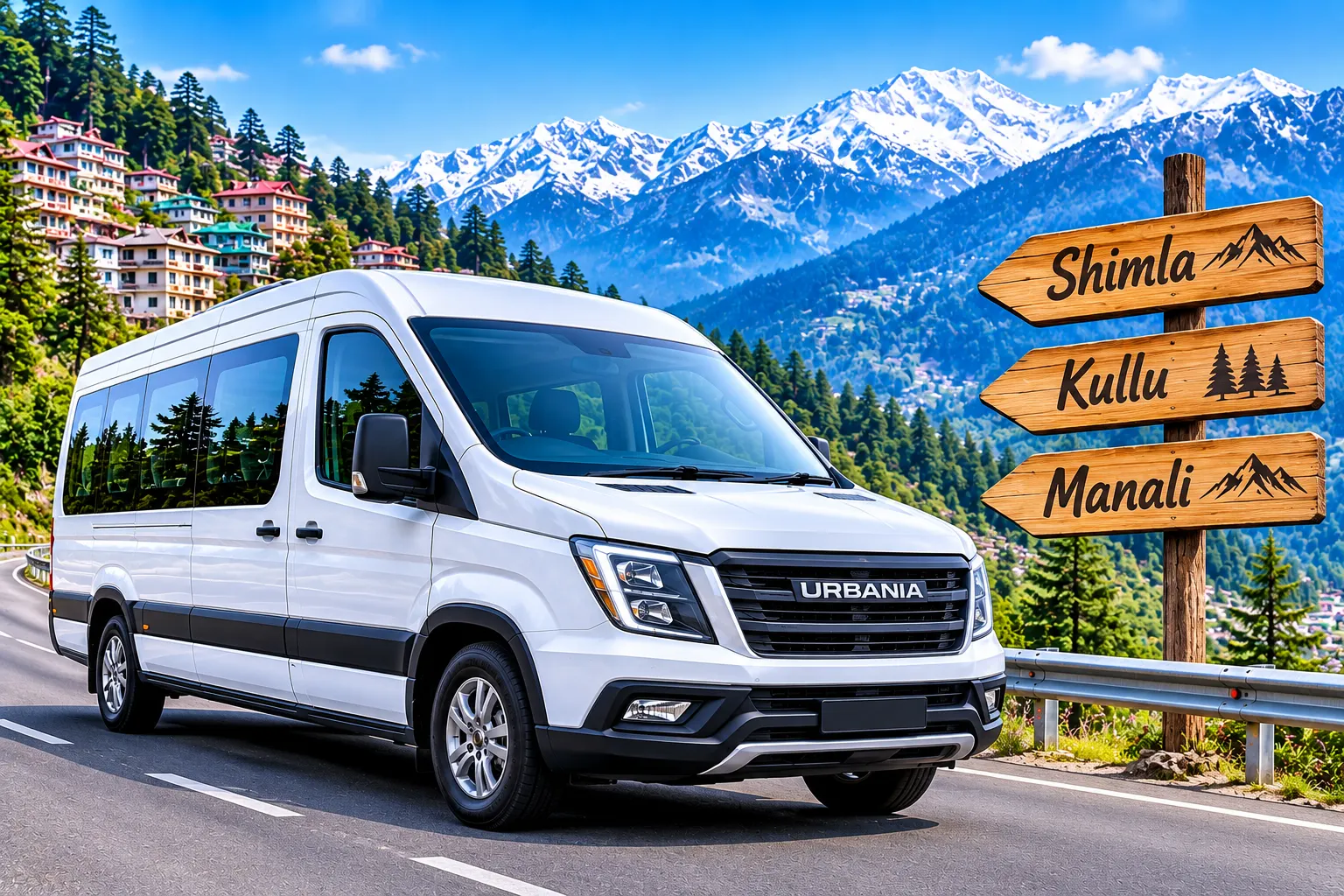
Hill roads are where vehicle size matters most. Narrow turns, steep gradients, traffic jams, and parking limits make a smaller vehicle easier and safer. A 26-seater is often the more practical option on difficult hill stretches. A 45-seater can work on many main routes, but always confirm with the operator that the route is suitable and that the driver has experience on hill roads.
Long Interstate Trips
For multi-day tours covering long distances, comfort and driver rest become very important. A larger coach with a proper luggage bay and two drivers on very long routes is usually the better choice, provided your group is big enough to justify it.
Choosing by Type of Trip
Annual school tour (full class or full batch): 45-seater
Educational day visit for a single section: 26-seater or 45-seater, based on headcount
College industrial visit: 45-seater for large batches, 26-seater for smaller departments
Sports team travel: 26-seater for a team and staff, with a second vehicle for equipment if needed
Science club, NSS or NCC trip: 26-seater
Spiritual or pilgrimage tour: 45-seater for large groups, 26-seater for smaller ones
Hill station trip: 26-seater preferred, with a 45-seater only on suitable routes
Booking Checklist for Teachers and Trip Coordinators
Use this before you finalise your booking:
Confirm the final headcount (students, teachers, staff) and add a small buffer.
Decide the route, dates and number of days clearly.
Request quotes for both a 26-seater and a 45-seater, then compare the cost per student.
Get a written quote listing what is included and excluded (tolls, parking, taxes, driver allowance, night halt, extra kilometres).
Verify vehicle and driver documents.
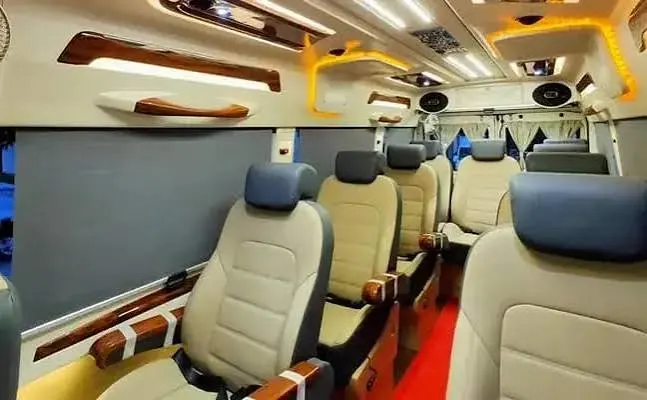
Check AC, seats, music system, charging points, and luggage space.
Share the pickup and drop locations and timings in writing.
Confirm the payment terms and cancellation policy.
Keep a backup plan for a breakdown, ideally a standby vehicle arrangement with the operator.
Share driver and operator contact details with teachers and, where appropriate, parents.
Common Mistakes to Avoid
Booking on price alone. The cheapest quote may mean an old vehicle, an inexperienced driver, or hidden extras.
Overloading the bus. Squeezing 30 students into a 26-seater is unsafe and unfair to the students.
Ignoring luggage. Overnight trips with large bags can overwhelm a small bus.
Booking late. Peak season fills up fast. Early booking gives you more choice and often better rates.
Not checking the route. A large bus on a restricted hill road can ruin the schedule.
Skipping documents. Never leave verification until the day of travel.
Forgetting the driver’s rest. Long trips need planned halts. A tired driver is a safety risk.
Practical Tips to Make Student Trips Smoother
Brief the students before departure on behaviour, seating rules, and emergency procedures.
Start early. Early departures usually avoid traffic and give more daylight at the destination.
Plan breaks every 2 to 3 hours for washrooms, water and stretching.
Carry a first aid kit and keep a list of any students with medical needs.
Keep emergency contacts handy, including the school office, parents, the operator, and local help.
Collect parental consent and keep copies of student ID details.
Avoid night travel where you can, especially on hill roads.
Keep the bus clean. Carry garbage bags and encourage students to leave the vehicle as they found it.
Final Verdict: 26 Seater or 45 Seater?
There is no single winner, only the right bus for your group.
Choose a 26-seater bus if you have a smaller batch of around 18 to 24 travellers, if you want more comfort and legroom, if you are heading to hills or tight locations, or if easy supervision is a priority.
Choose a 45-seater bus if you have a full class or batch of 35 to 42 travellers, if you want the lowest cost per student, if you want everyone travelling together in one vehicle, or if you need generous luggage space for a longer tour.
And if your group falls somewhere in between, ask your operator for quotes on both. Comparing the cost per student and the comfort on offer will usually make the answer obvious.
Book a Safe, Comfortable School or College Bus from Delhi
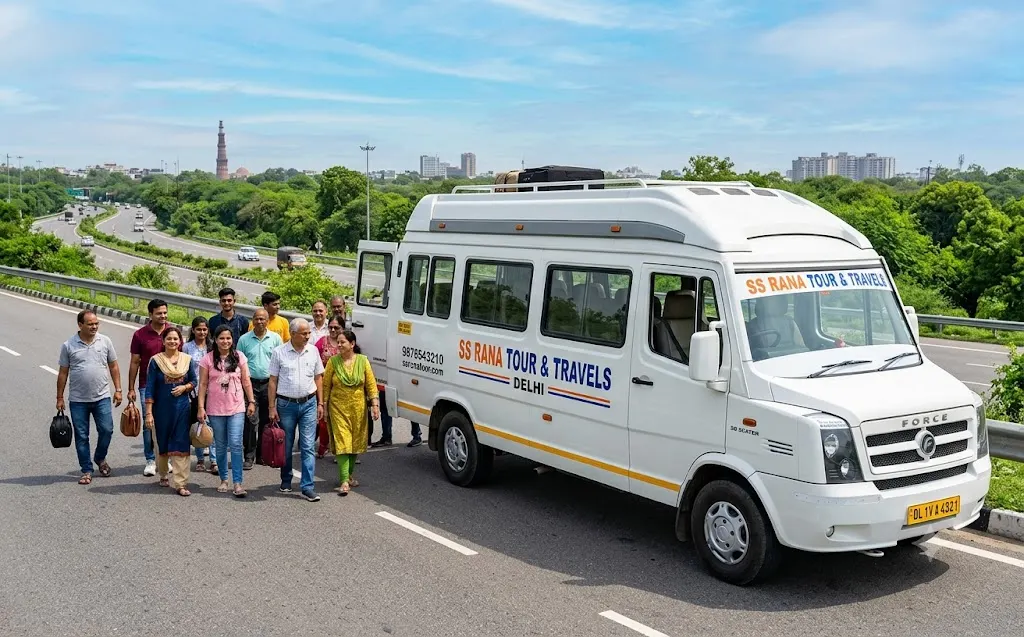
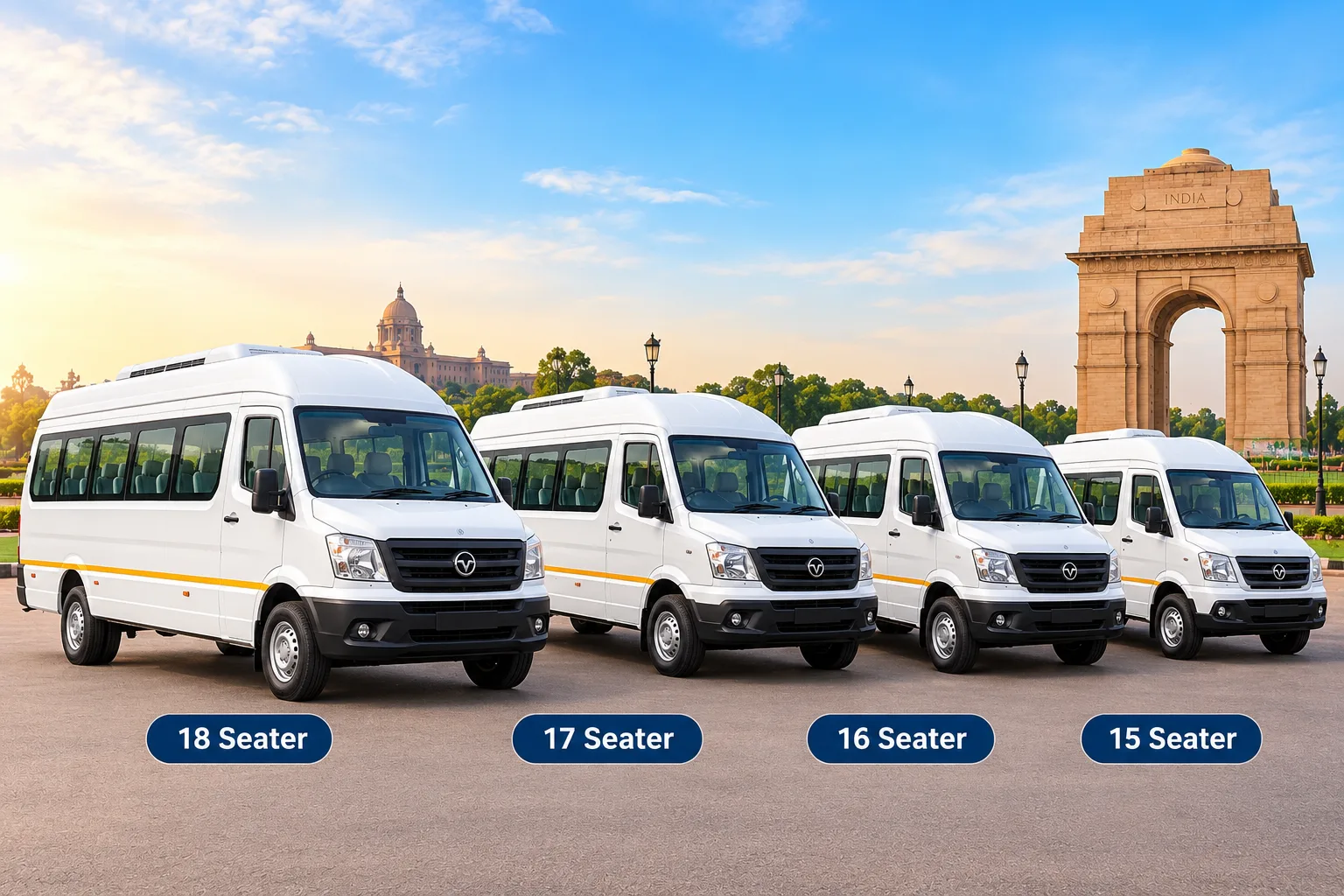
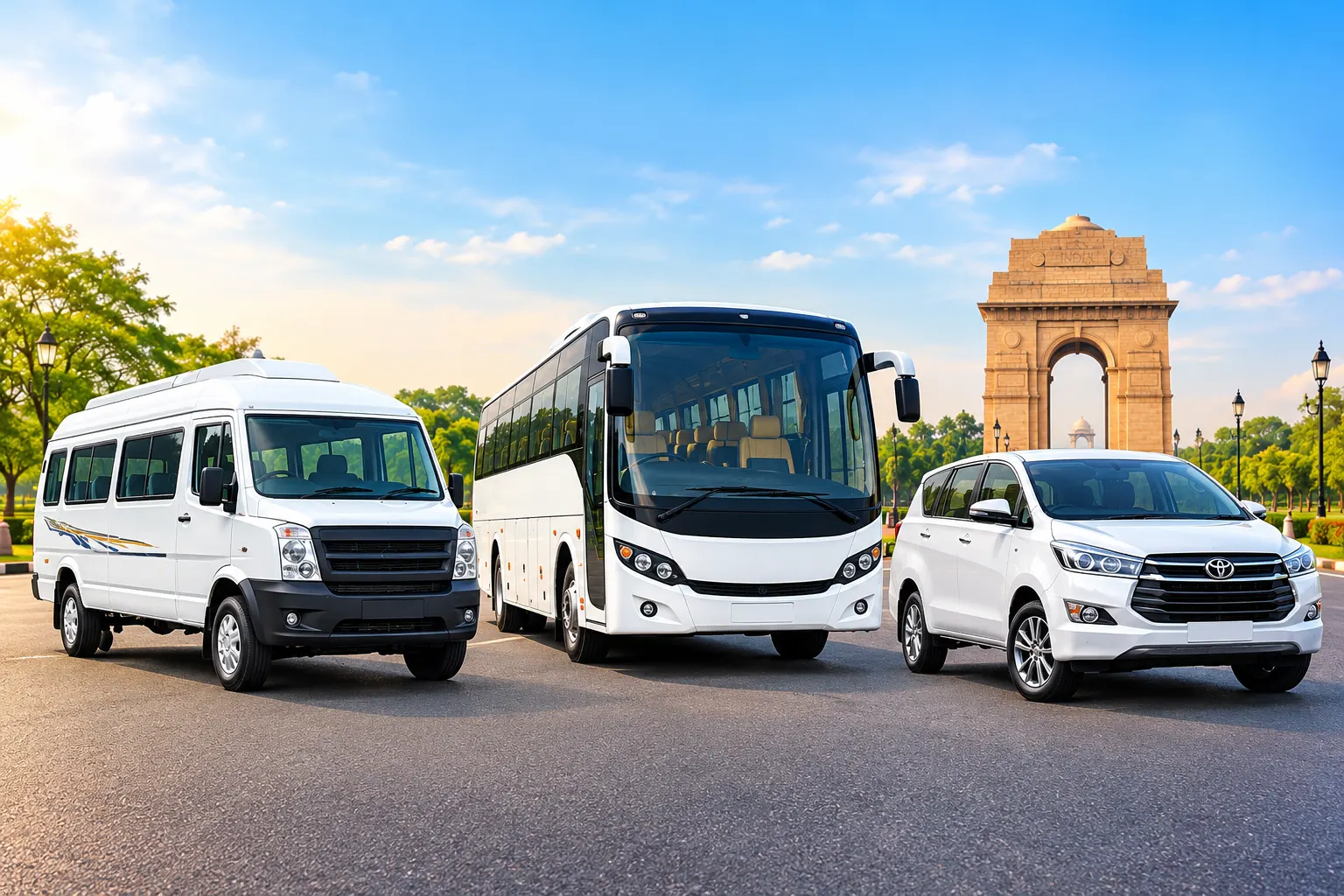
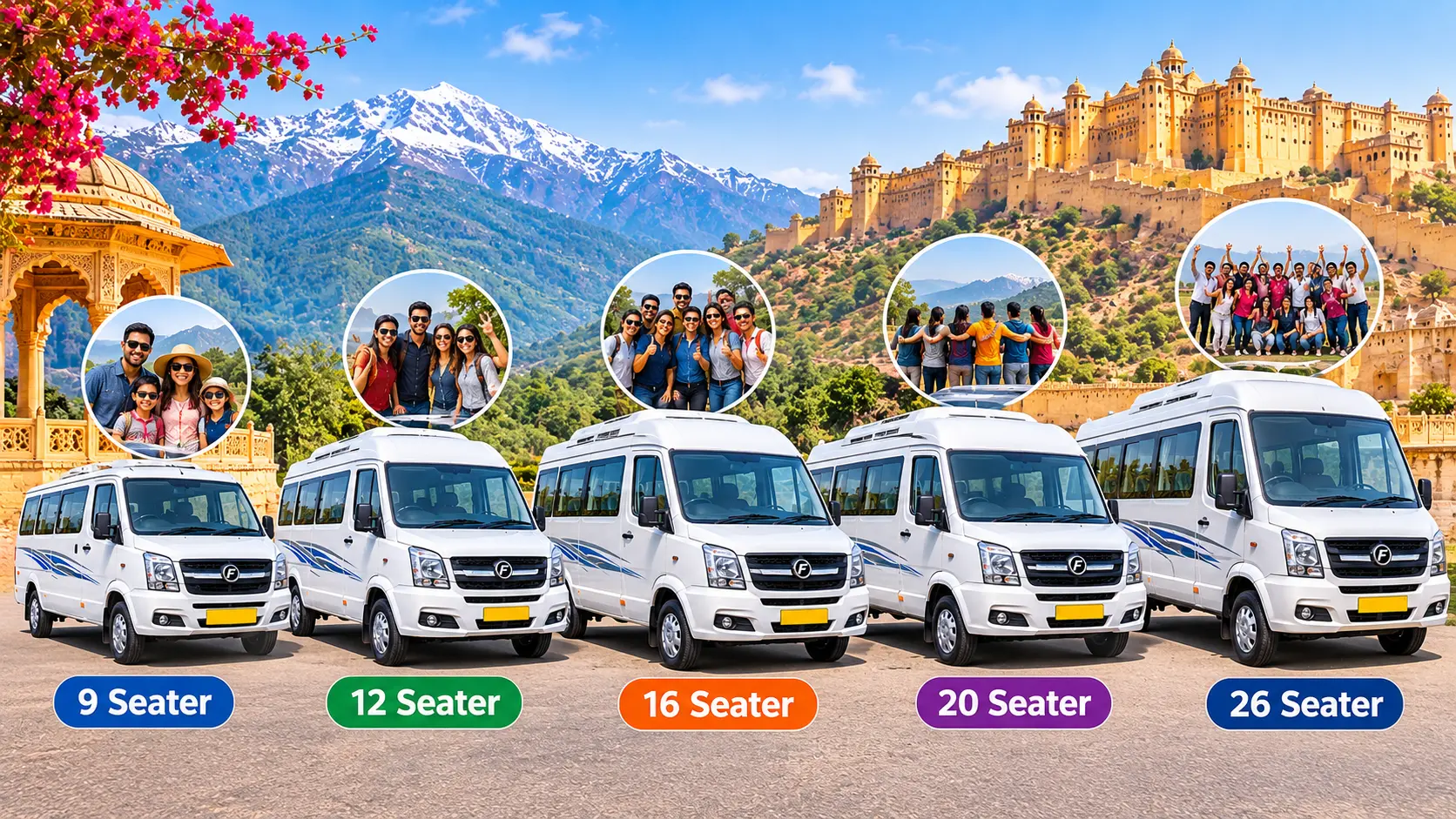
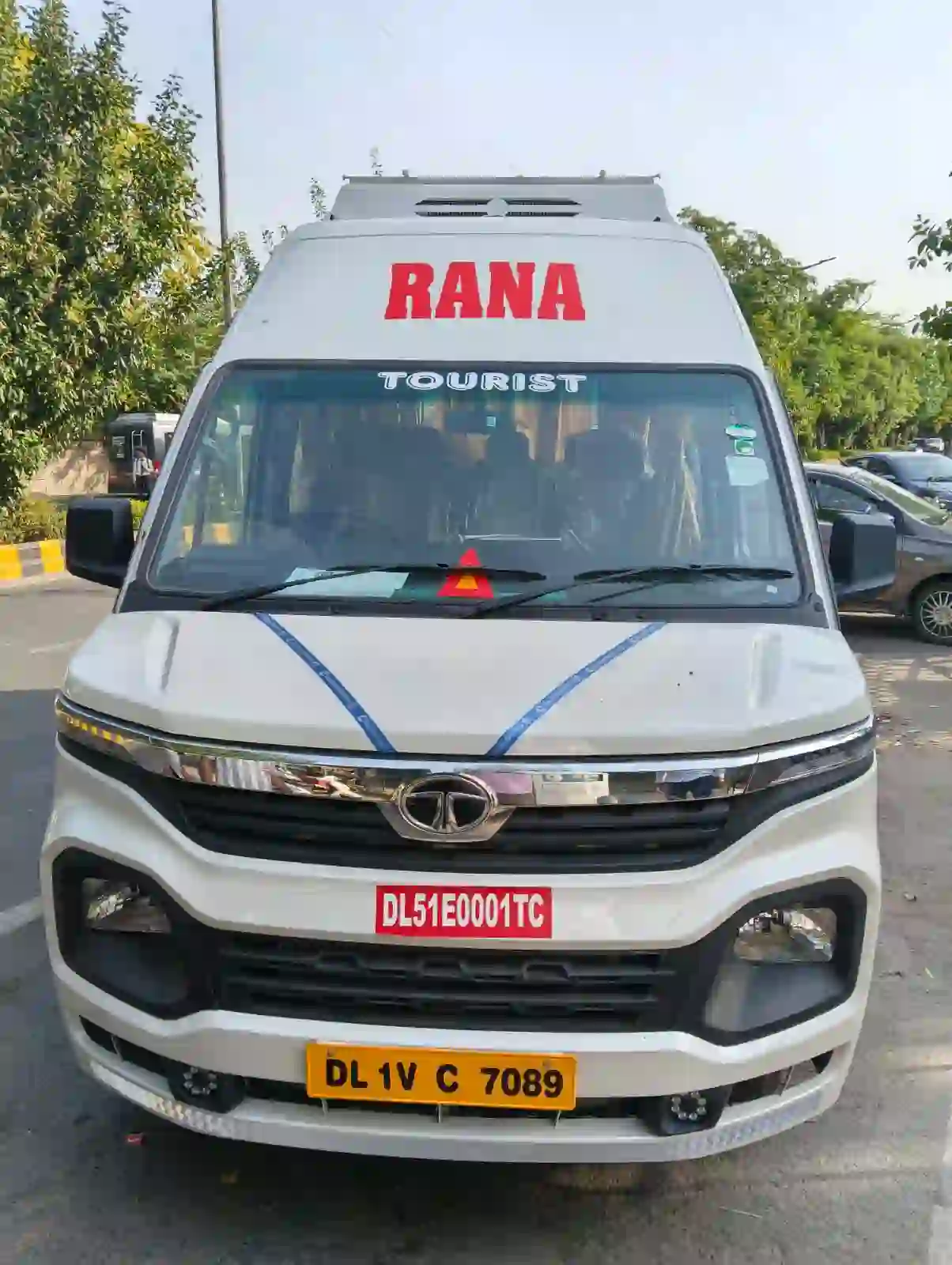
At SS Rana Tour and Travels, we help schools, colleges, coaching institutes and student groups plan reliable trips from Delhi NCR to destinations across India. Our fleet includes tempo travellers from 9 to 26 seaters and buses from 27 to 56 seaters, driven by experienced, verified drivers.
Tell us your group size, route, and travel dates, and we will suggest the right vehicle with a clear, written quote. If you are still comparing options, you can also explore our tempo traveller on rent in Delhi for smaller student groups.
Call or WhatsApp us today to get your free quote and make your next student trip safe, smooth and memorable.






















.jpeg)



.jpeg)
.webp)
.jpeg)
.jpeg)
.jpeg)

.jpeg)
.jpeg)
.jpeg)
.jpeg)
.jpeg)


.jpeg)
.webp)
.jpeg)
.jpeg)

.jpeg)

.jpeg)
.jpeg)
.jpeg)
.jpeg)

.jpeg)

.webp)
.jpeg)
.jpeg)
.jpeg)

.jpeg)

















.webp)




.webp)











_15_11zon.webp)



















































































































































































































































.webp)

























































.webp)


























.jfif)






.jfif)

.jfif)

.jpg)

.jfif)
.jfif)
.jfif)



.jfif)
.jfif)
.jfif)


.jfif)



.jfif)







.webp)

.webp)
.webp)

.webp)
.webp)

.webp)


.webp)



.webp)




.webp)



.webp)







.webp)
.webp)


.webp)
.webp)





























.webp)






.webp)
































































@.webp)