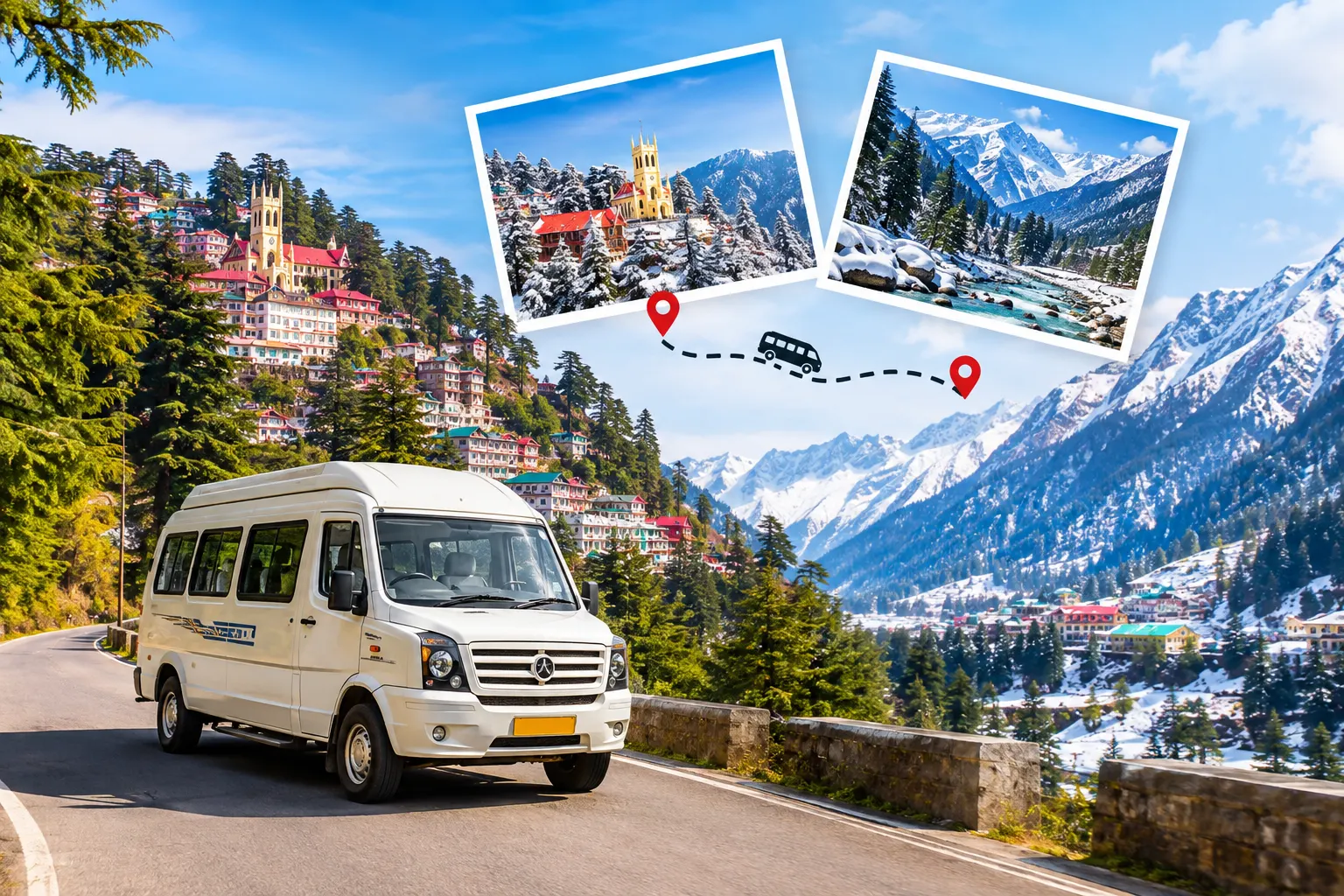
Every year, as temperatures drop across North India, the same question lands in our inbox: “Is the road to Manali and Shimla open, and is it safe for a group trip?” Winter is one of the most beautiful times to visit Himachal, but it asks for more planning than a summer holiday. This update covers what to expect on the Delhi–Shimla and Delhi–Manali routes this season, and how to travel comfortably with family, friends or a corporate group in an Urbania.
Published on 06 Nov, 2026
Updated on 09 Nov, 2026
133 Views
Every year, as temperatures drop across North India, the same question lands in our inbox: “Is the road to Manali and Shimla open, and is it safe for a group trip?” Winter is one of the most beautiful times to visit Himachal, but it asks for more planning than a summer holiday.
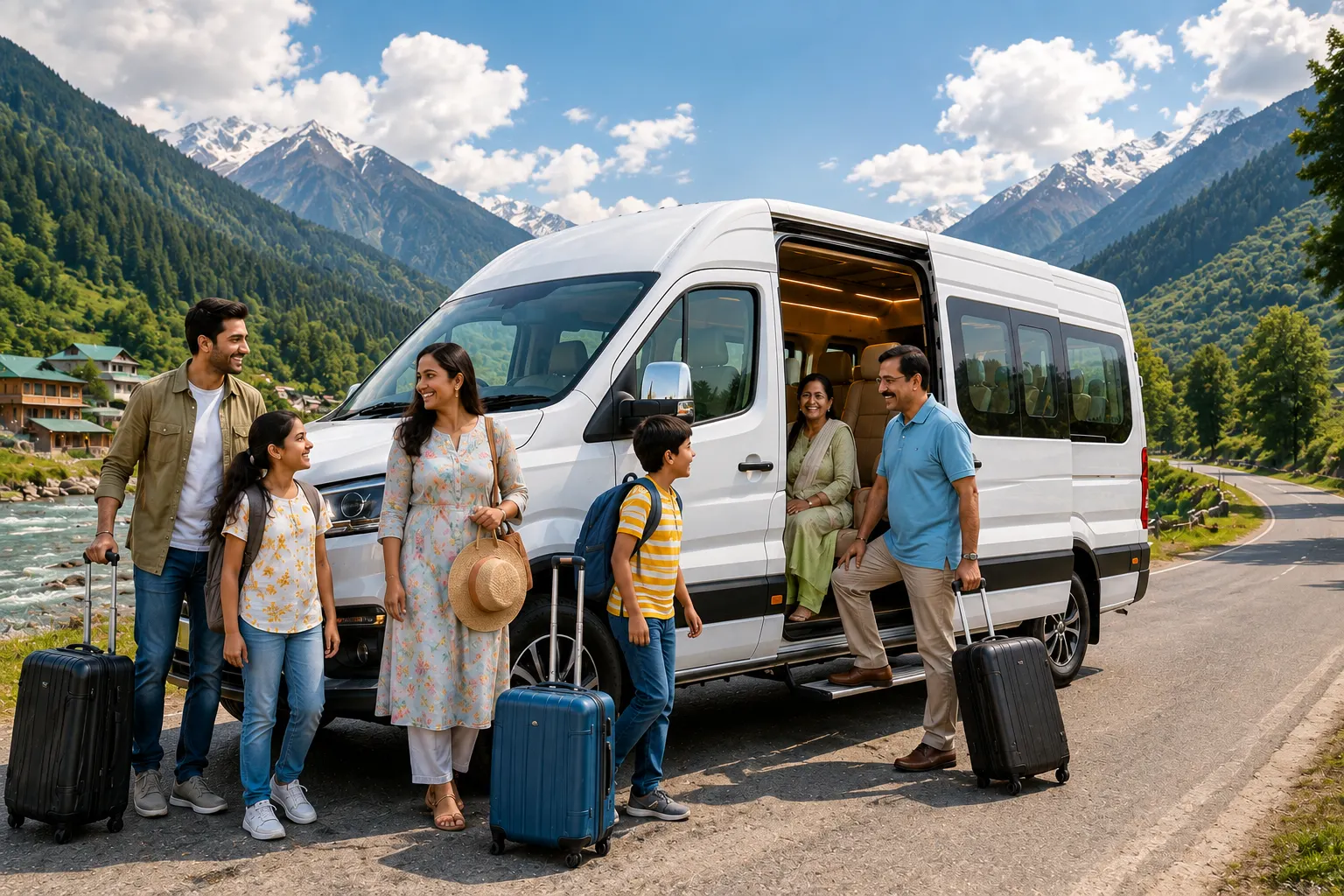
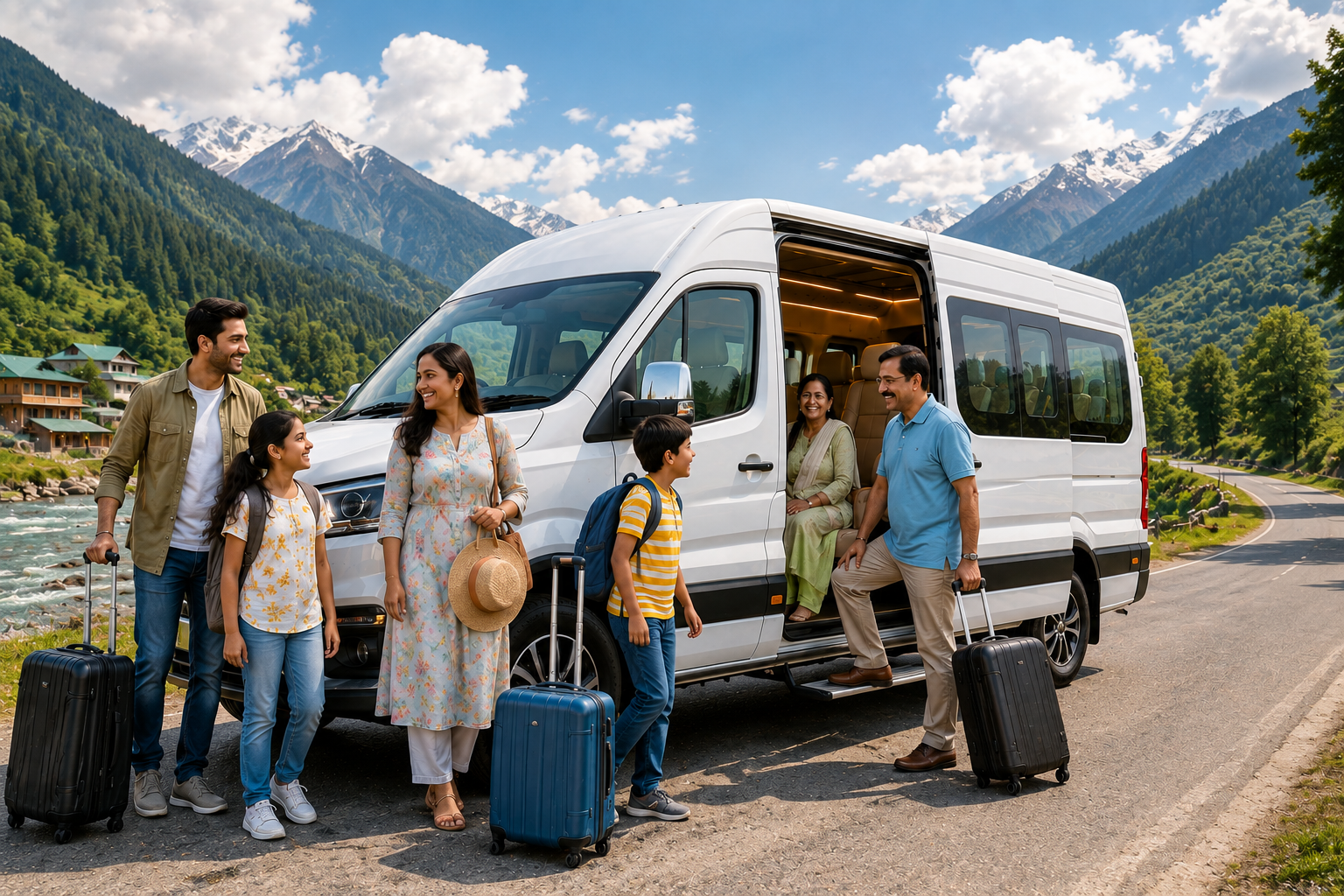
This update covers what to expect on the Delhi–Shimla and Delhi–Manali routes this season, and how to travel comfortably with family, friends, or a corporate group in an Urbania.
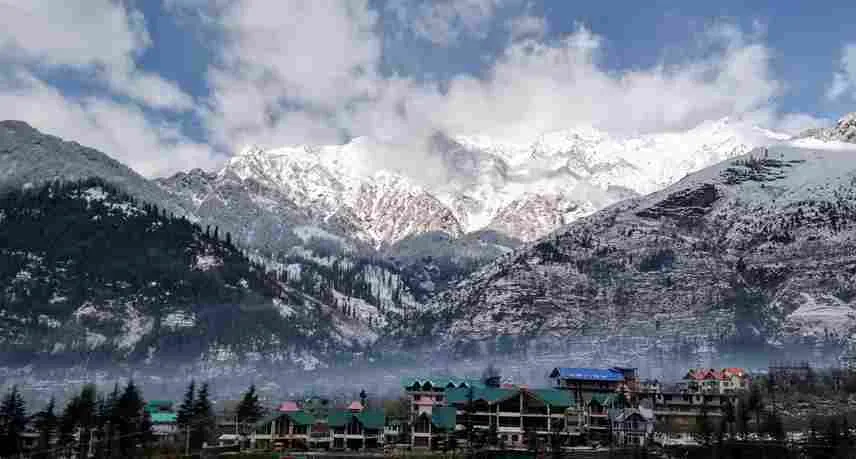
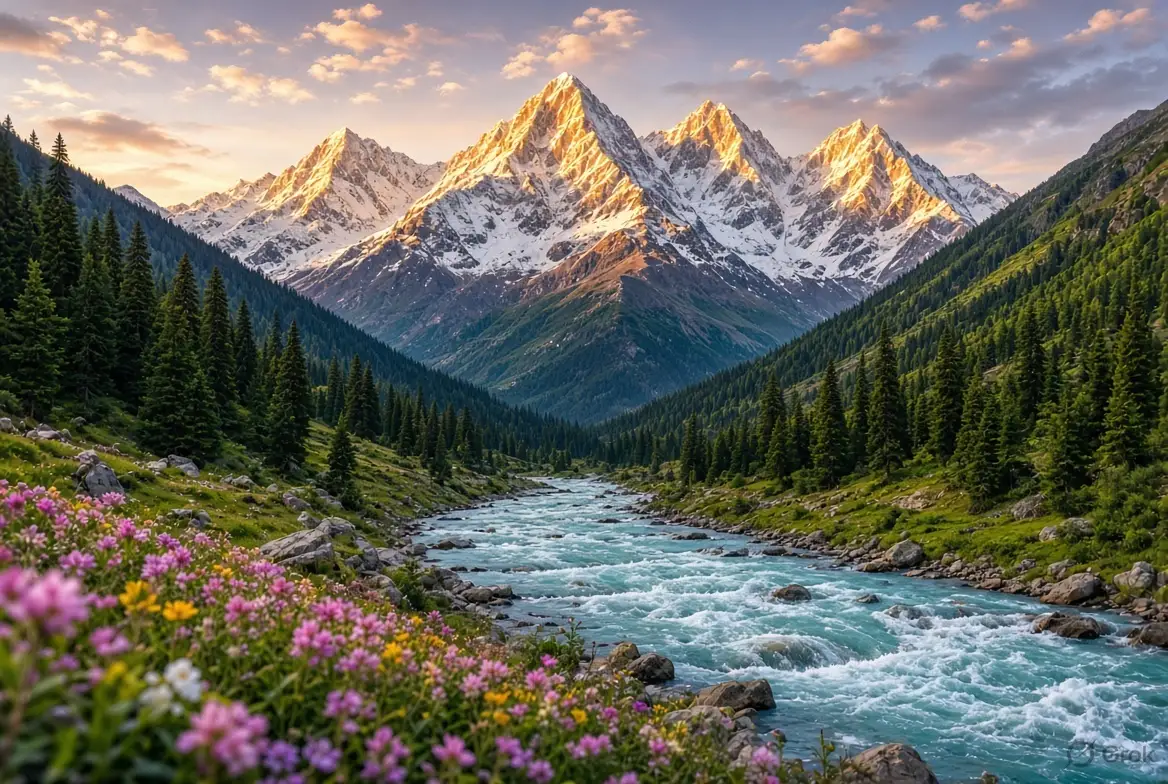
Why Winter Is a Special Time to Visit Himachal
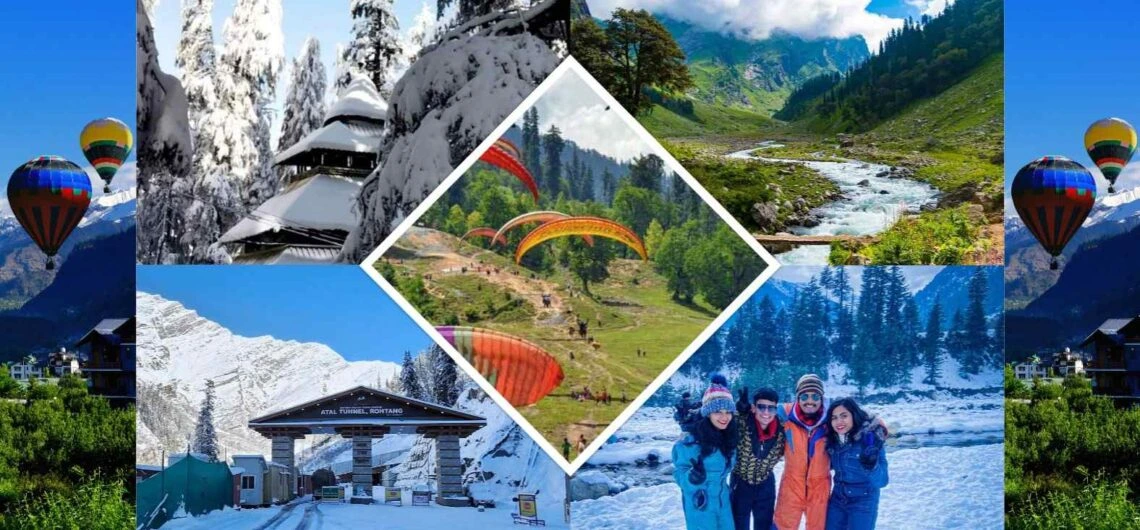
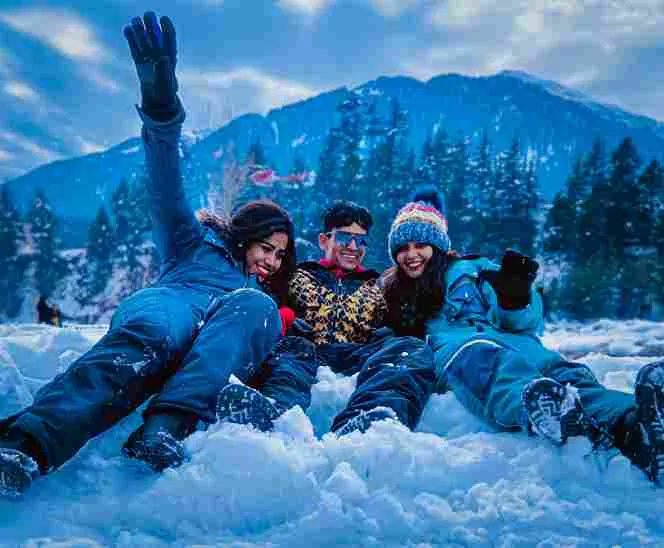
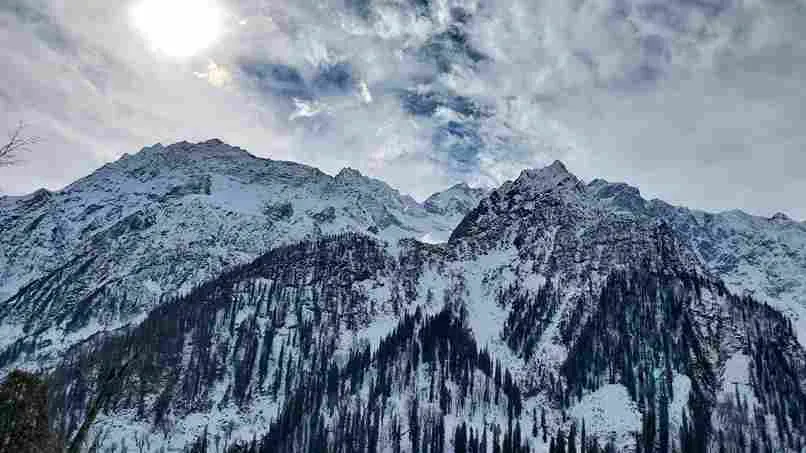
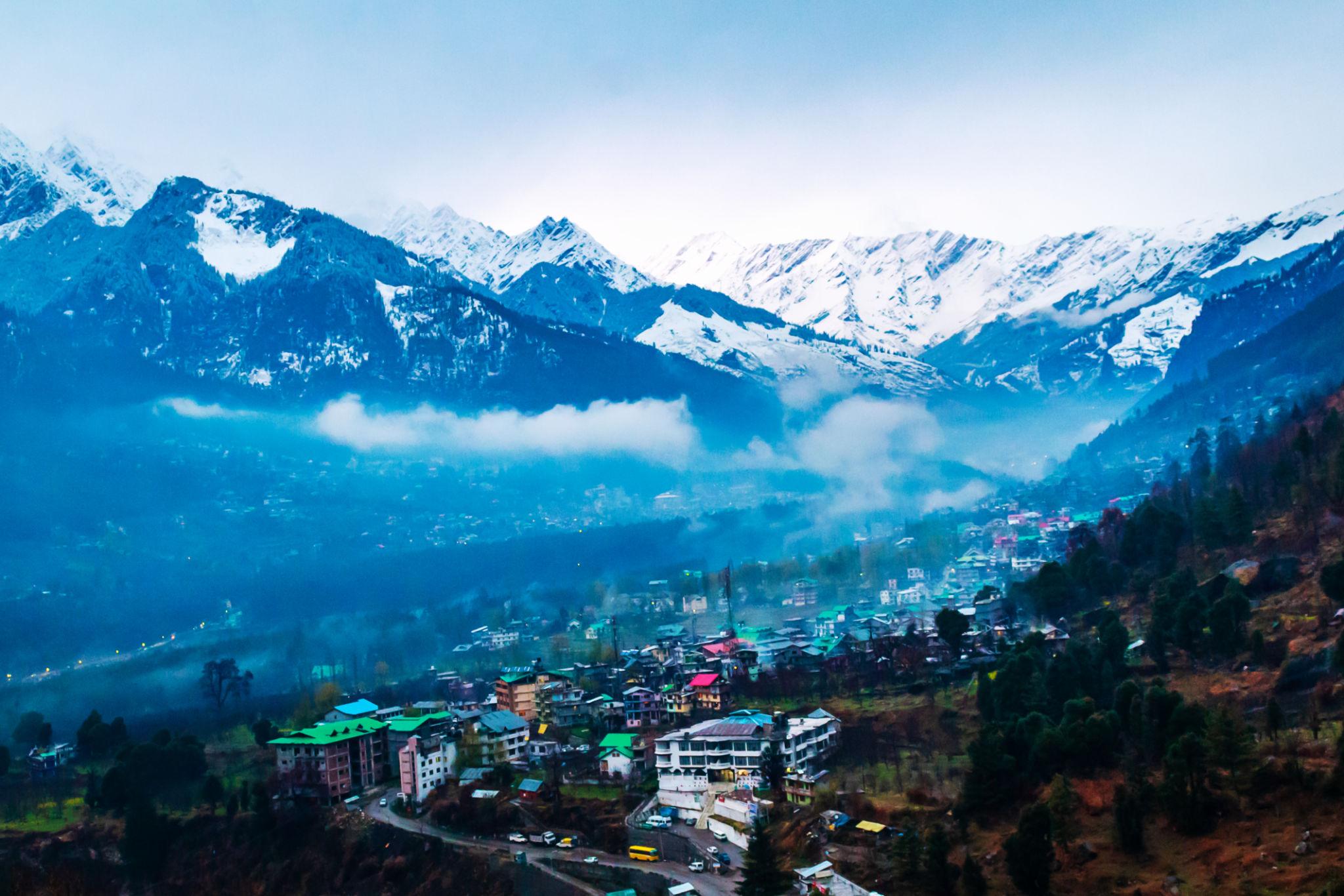
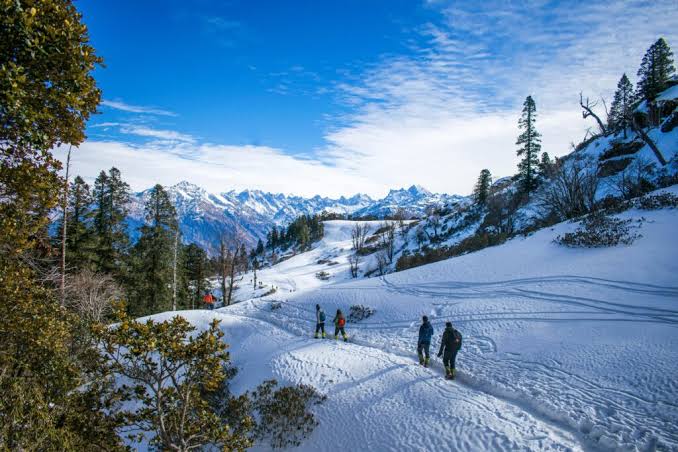
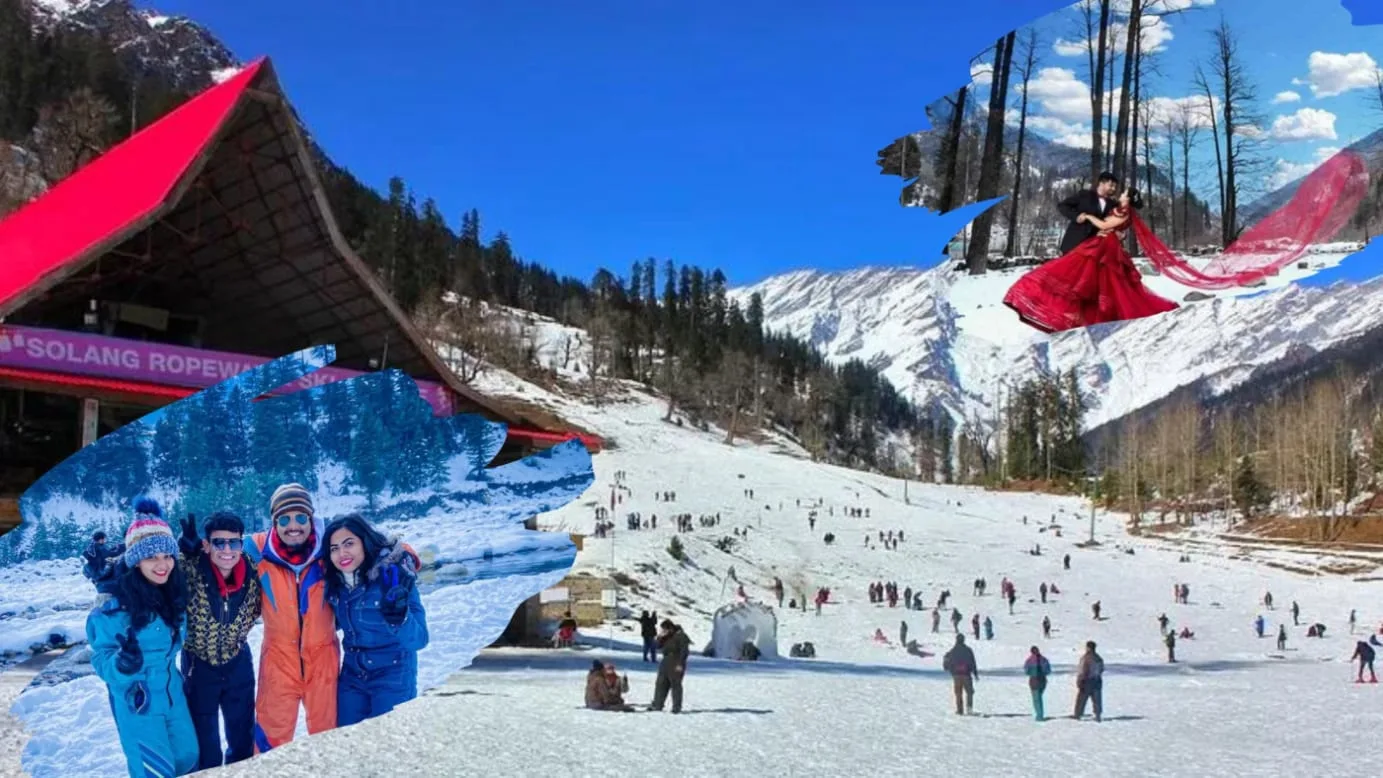
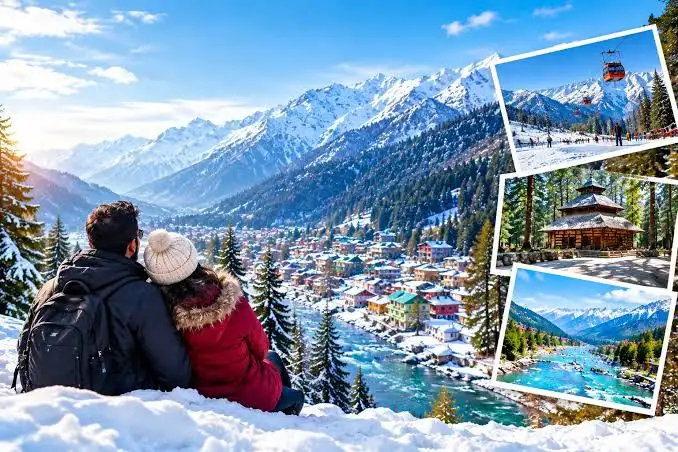
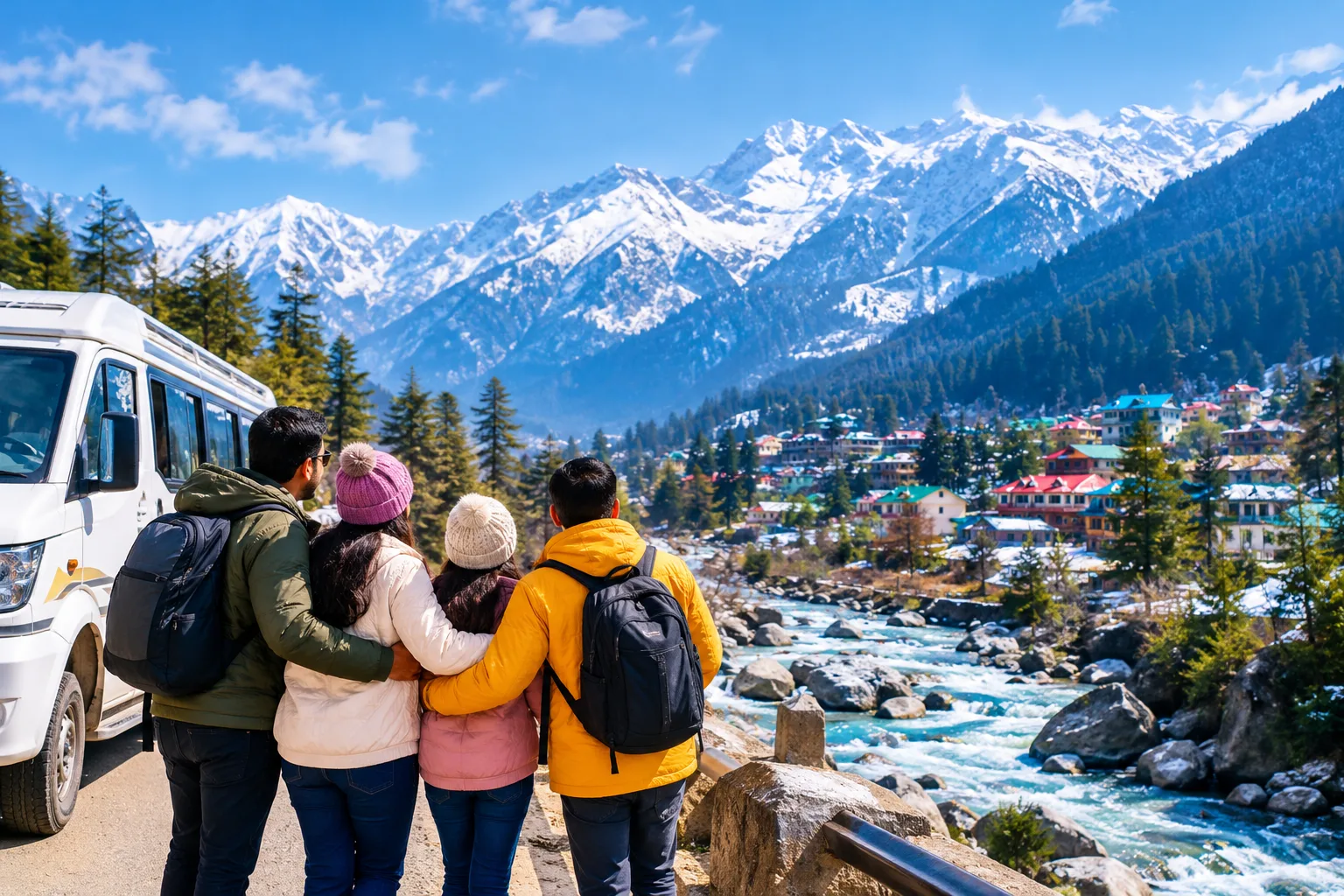
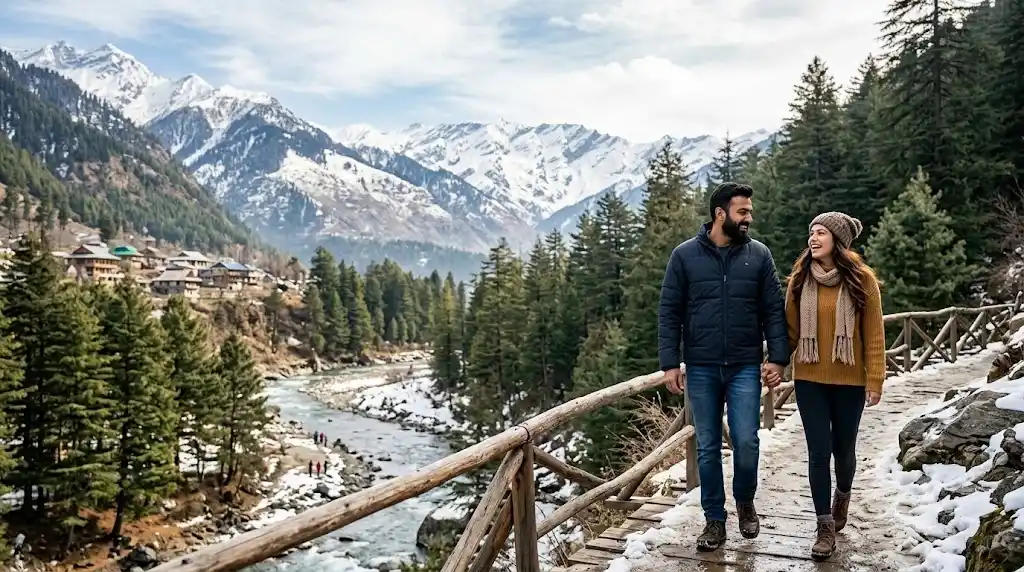
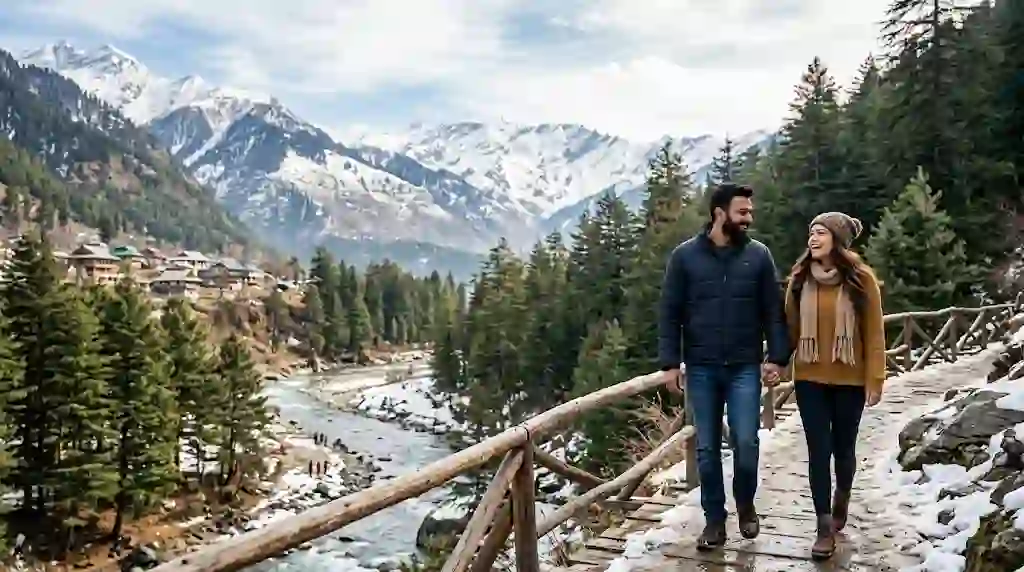
Winter turns Himachal into a different destination. Deodar forests wear a white coat, Mall Road in Shimla glows in the evening light, and Manali’s valleys look like postcards. Hotels often cost less than in peak summer, except around snowfall weekends and New Year, and the crowds at some viewpoints are thinner outside peak weeks.
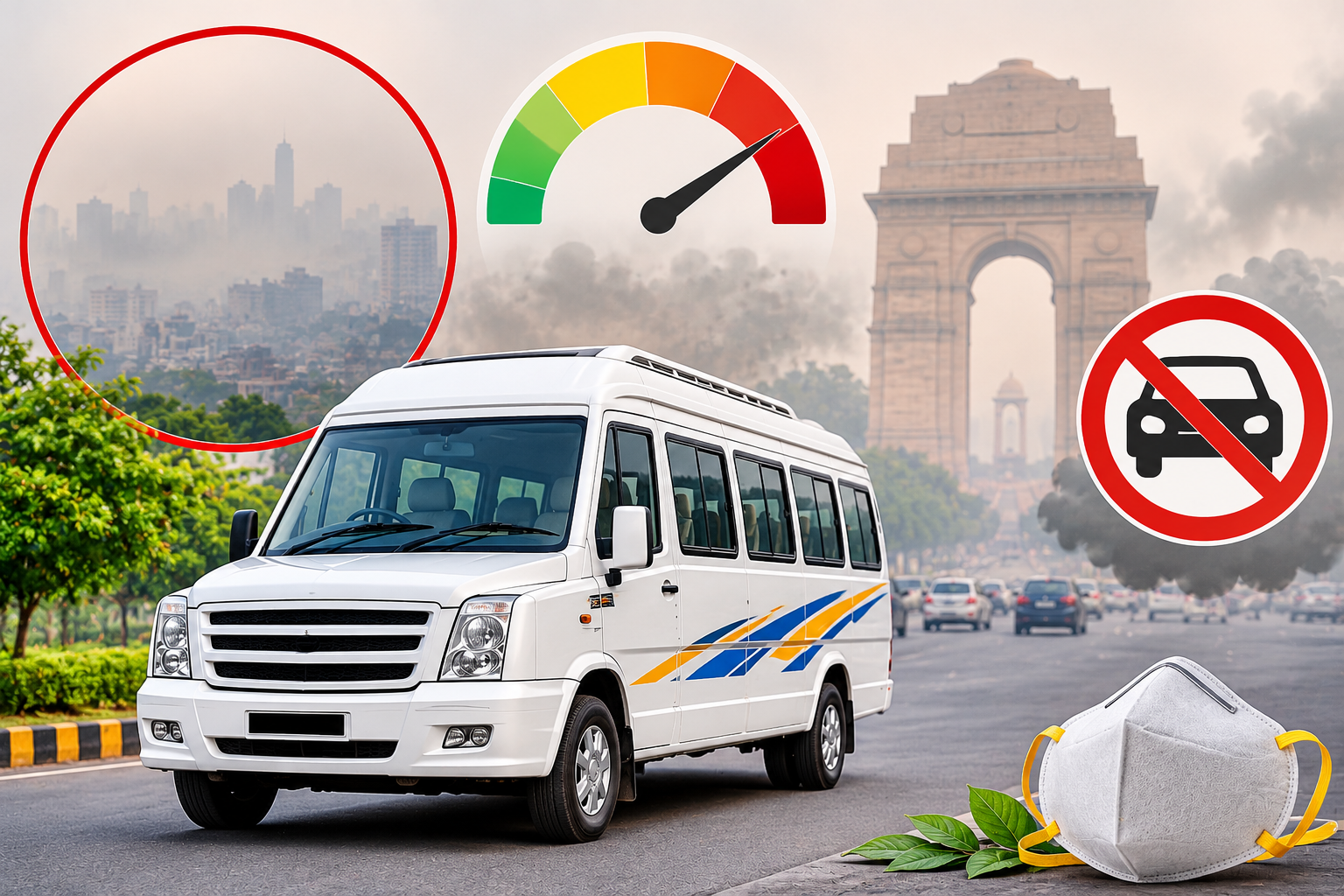
It also pairs well with Delhi’s winter. When the city is cold, foggy and polluted, Himachal offers clear mountain air, sunny afternoons and the chance of snow. That is why winter bookings for group vehicles start early every year.
The trade-off is that snow and rain can slow or stop traffic. A winter trip works best when you know the routes, choose the right vehicle, and keep your itinerary flexible.
This Season’s Snapshot: What Is Happening in Himachal
Himachal has already seen early snow this season. Manali drew bigger crowds after the October snowfall, and the higher reaches have seen cold spells. The Himachal weather office has also indicated that several districts could see above-normal rain and snow through November.
For travellers, the practical takeaways are:
Higher altitudes see snow first. Rohtang, Lahaul and the upper stretches near Manali are the early casualties. Rohtang Pass can close to traffic after heavy snow, often towards late November. thenewshimachal
Shimla town is less predictable. Snowfall in Shimla town itself is not something visitors should count on in November, with the more reliable snow season coming later. thenewshimachal
Weather can change quickly. A sunny morning can turn into a snowy afternoon in the hills.
This is why we recommend watching the forecast for 3-4 days before departure rather than fixing your plan weeks in advance.
Delhi to Shimla: Road Conditions in Winter
For most travellers, Shimla is the easier winter destination. The route is Delhi → Panipat → Ambala → Chandigarh → Solan → Shimla, roughly 340-350 km and about 7-8 hours depending on traffic and stops.
Delhi to Chandigarh (about 250 km). This stretch is expressway-quality and fast. The main winter issue is fog. From mid-December to January, dense fog can reduce visibility sharply in the early morning, so we suggest leaving after sunrise rather than at 4 or 5 am.
Chandigarh to Solan (about 65 km). A well-maintained highway with a gradual climb. Rain can cause slowdowns, and the Kalka–Shimla highway sees heavy weekend traffic.
Solan to Shimla (about 45 km). The road is good, but curves get tighter. After rain, minor landslides and falling stones are possible. Drivers who know the stretch handle these well.
Beyond Shimla: Kufri, Fagu and Narkanda. This is where snow matters. These higher stretches are the first to turn slippery after a snow spell. NH-5 near Narkanda has been closed in the past due to slippery conditions after heavy snow. In a heavy snowstorm, travel beyond Dhalli on the Hindustan-Tibet Road has been suspended in the past because thick snow made movement hazardous. tribuneindiabusinesstoday
Our assessment: Delhi to Shimla is generally the safer winter drive, but a snow spell can still affect the Kufri and Narkanda stretches. Keep a buffer day, and do not insist on reaching a snow point if the administration is advising against it.
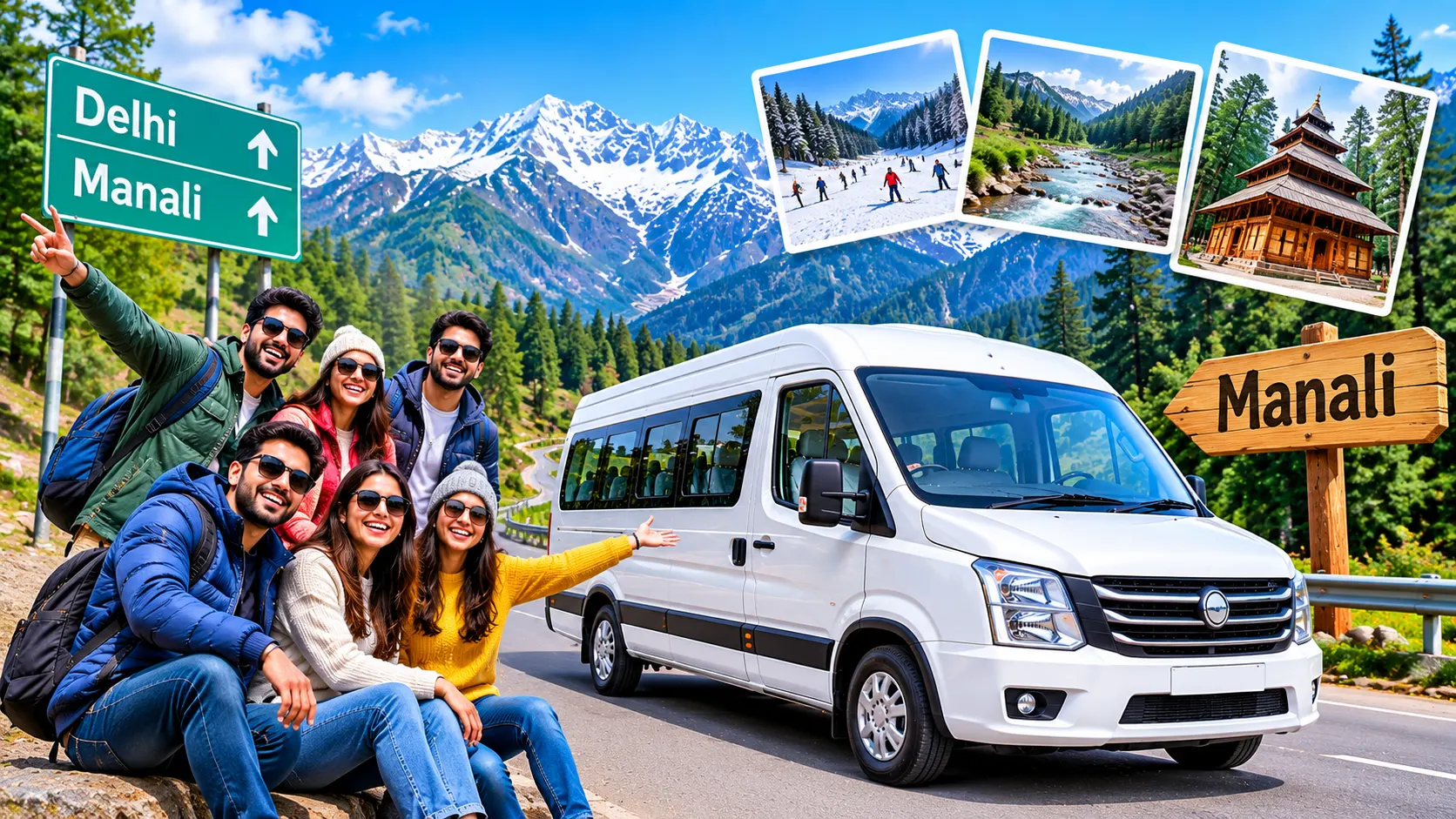
Delhi to Manali: Road Conditions in Winter
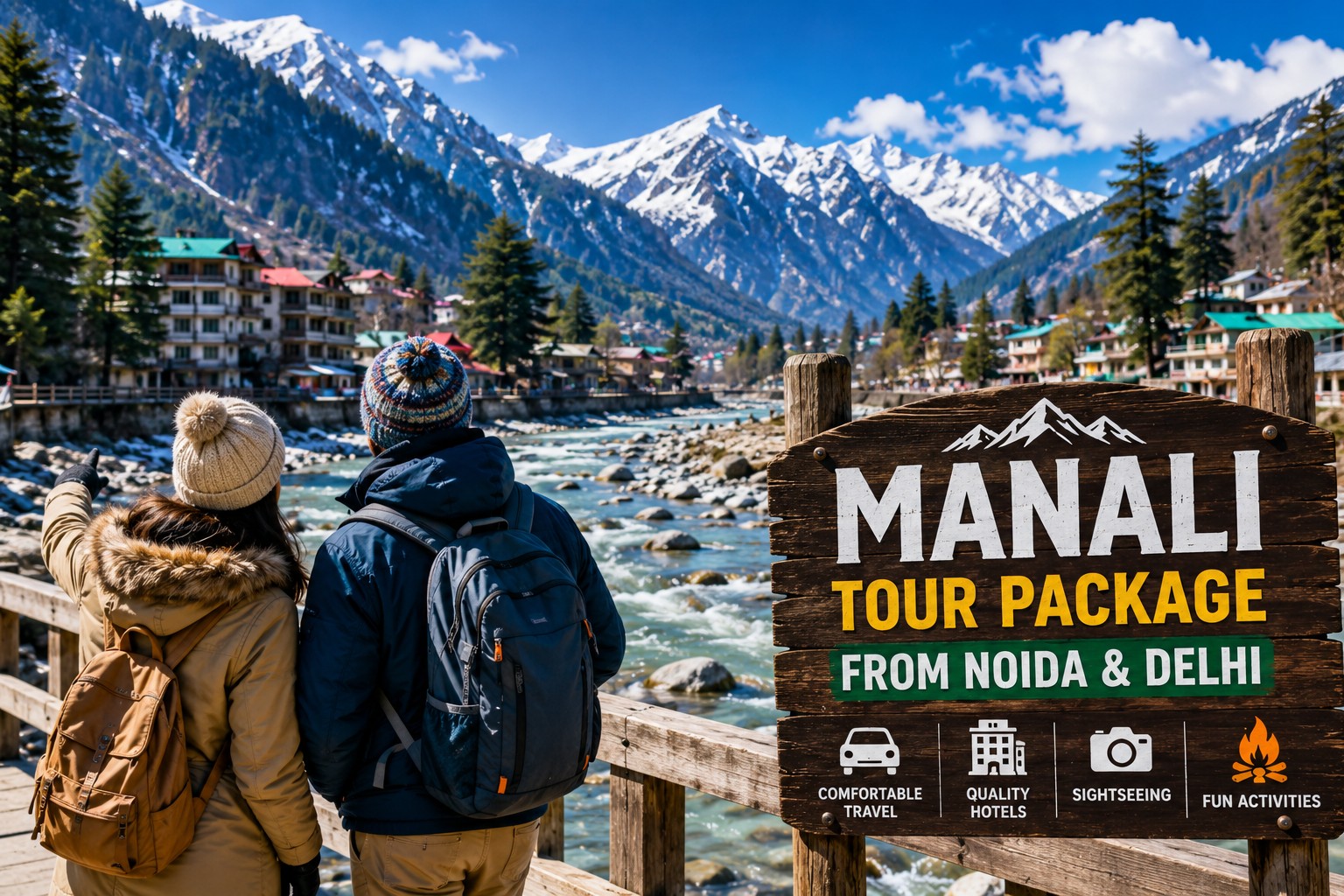
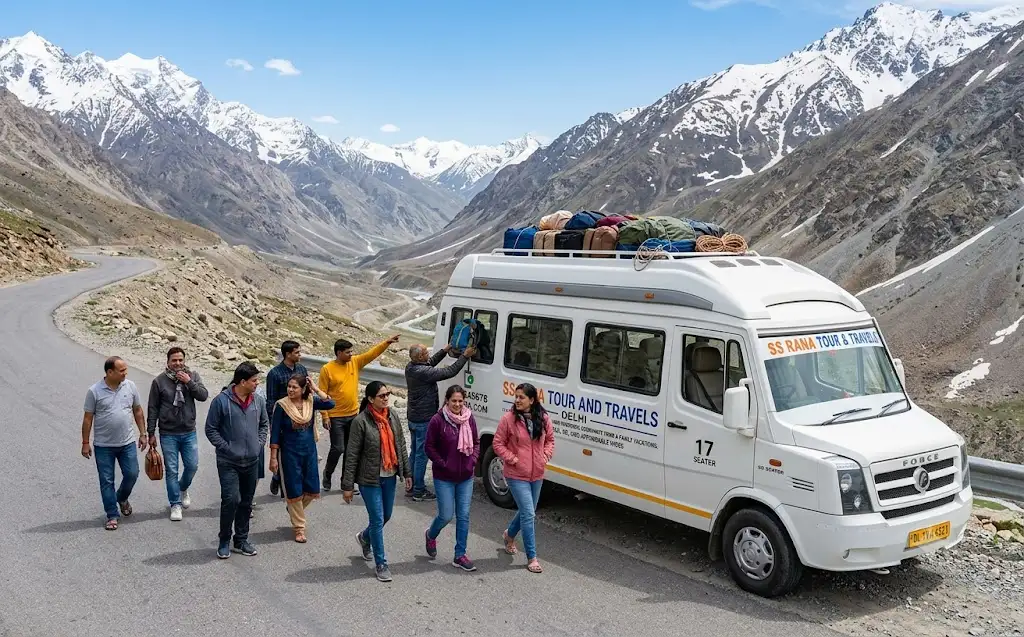
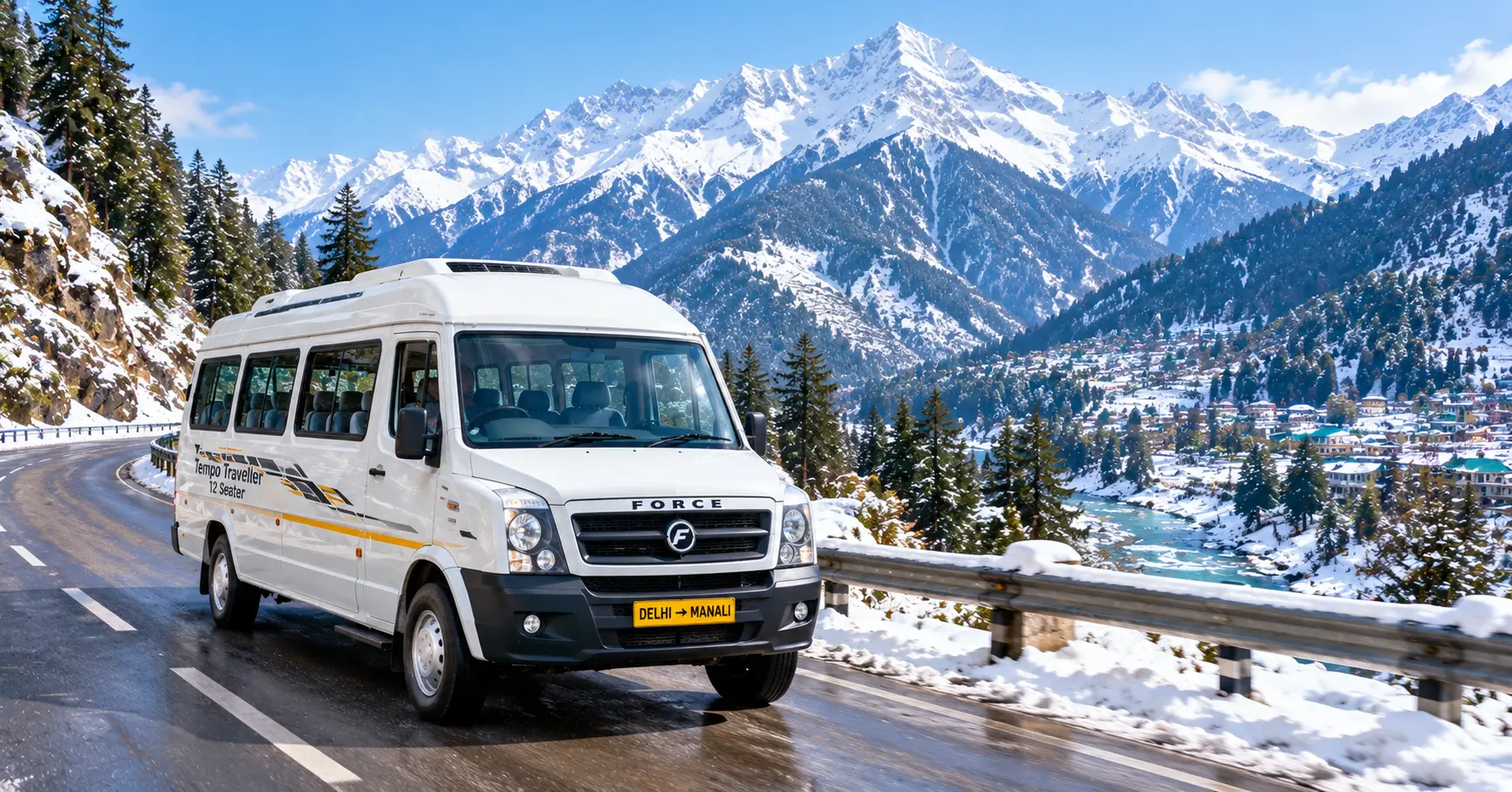
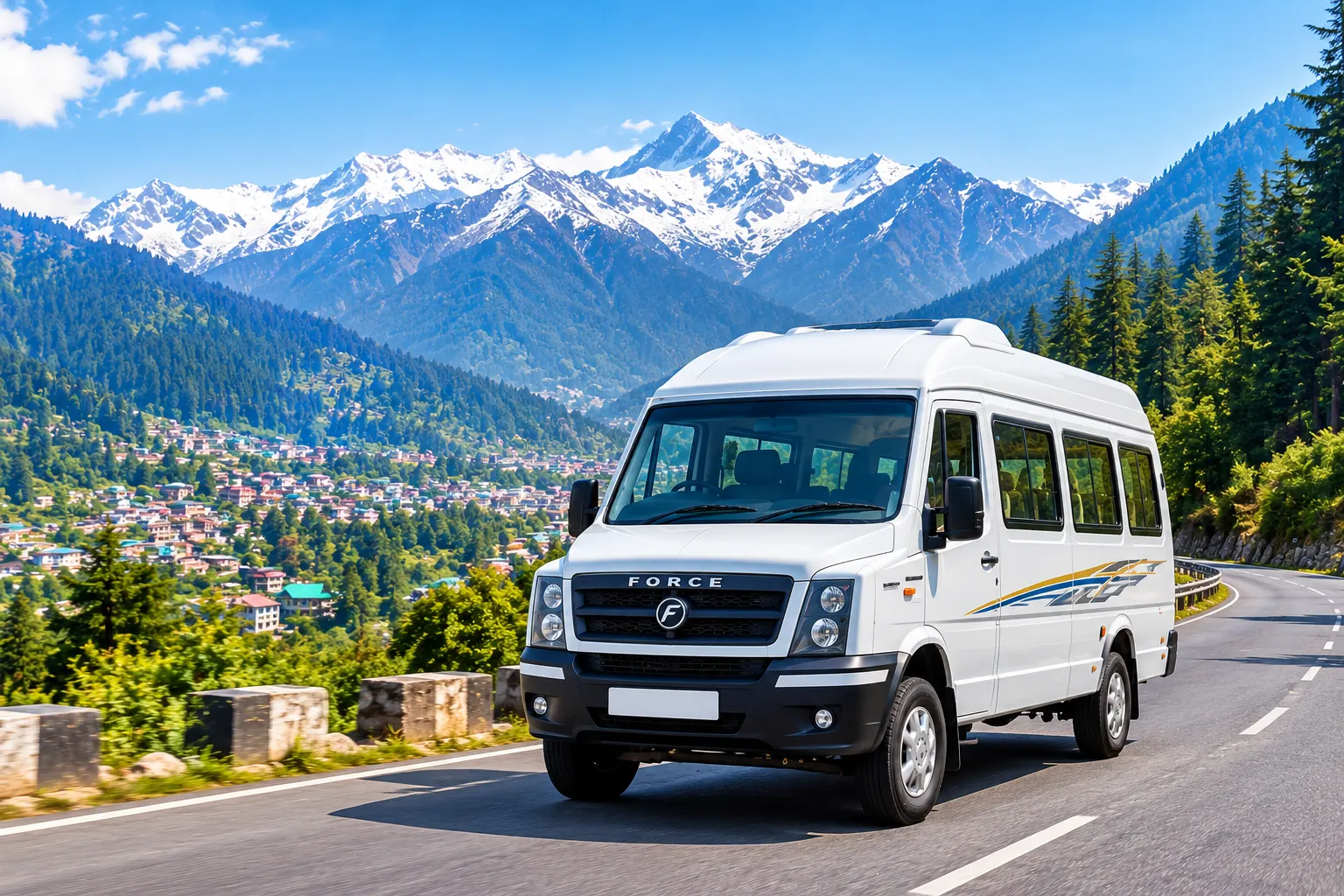
Manali is the bigger challenge. The route is Delhi → Chandigarh → Bilaspur → Sundernagar → Mandi → Kullu → Manali, about 530-550 km and typically 12-14 hours on a normal day.
Delhi to Chandigarh. Fast and smooth, with fog the only concern.
Chandigarh to Mandi. The road climbs through the Kiratpur–Manali highway with its tunnels and four-lane stretches. This section is generally reliable, but rain can bring minor slides and slowdowns.
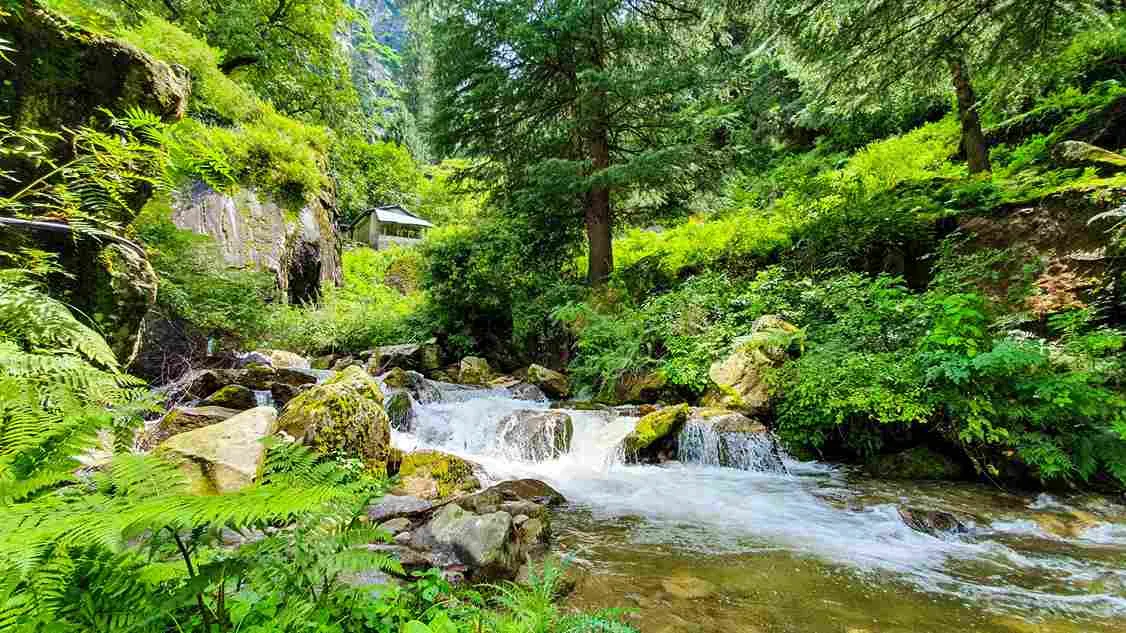
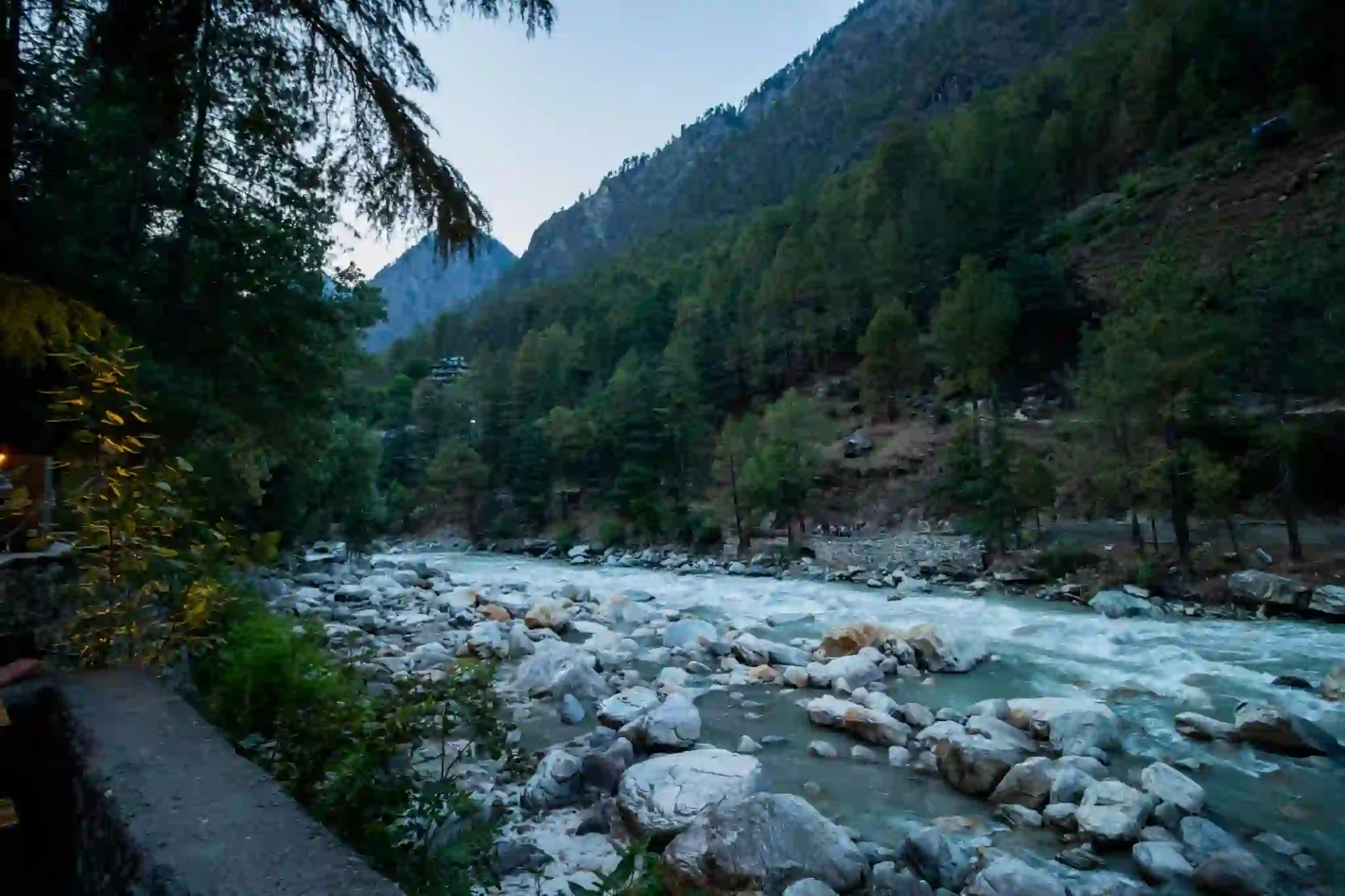
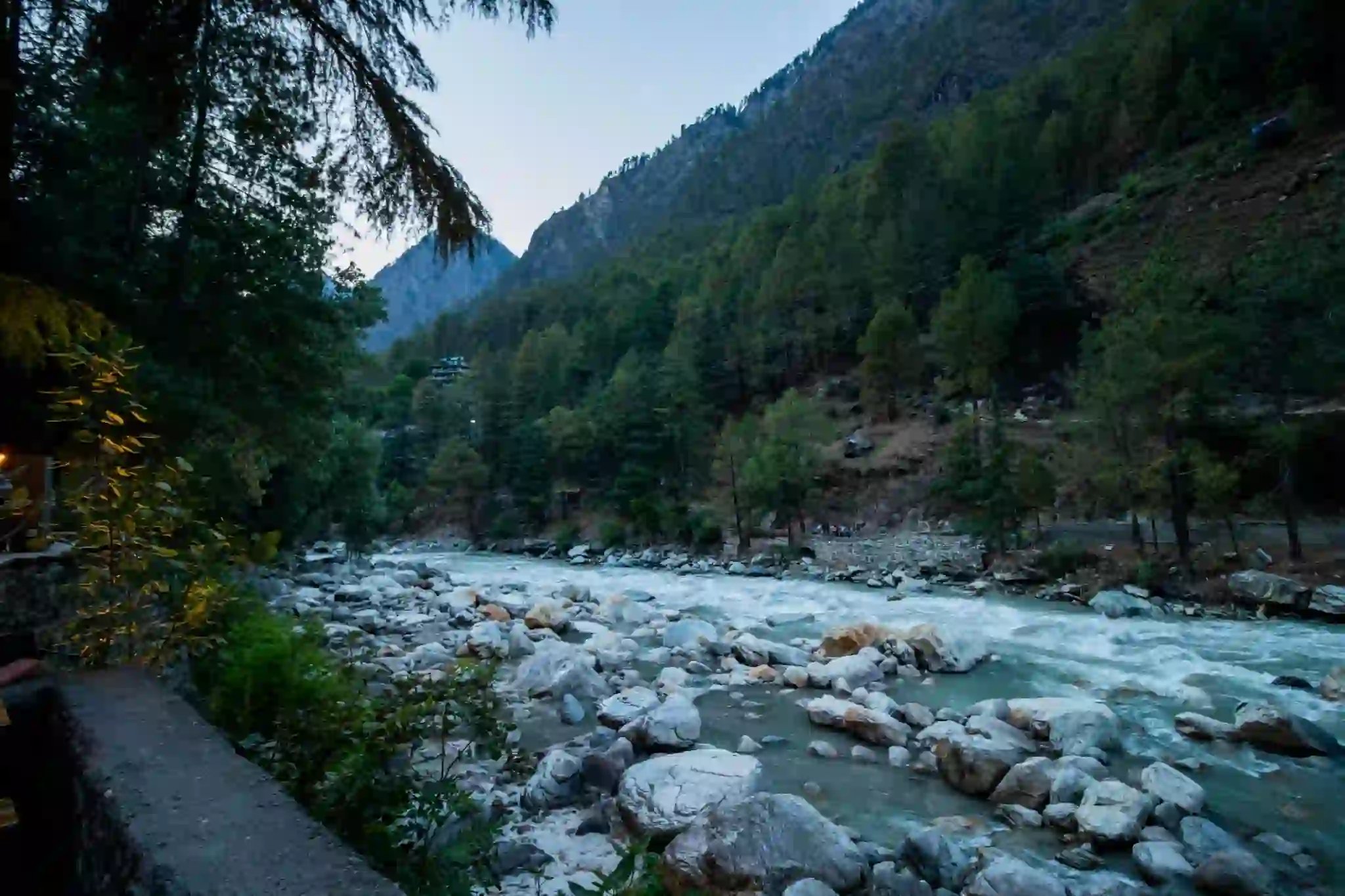
Mandi to Kullu. The Beas River Valley stretch is scenic. The road is usually open, but it narrows in places and can see traffic during peak tourist weeks.
Kullu to Manali. Here winter changes everything. Heavy snow can halt movement entirely. In earlier heavy-snowfall events, traffic on the NH-3 stretch between Jhiri and Manali came to a complete stop after snow built up near the 18 Mile point, and cars were stopped at Patlikuhal. In such cases, authorities typically urge tourists to avoid non-essential travel until clearing begins. visitinrajasthan
Tourist rush and jams. After a snowfall, Manali fills up quickly. In January 2026, for example, Manali saw an 8 km traffic jam and 100% hotel occupancy during snowfall and a tourist influx. Even if roads are open, jams can add hours. businesstoday
Our assessment: Manali is absolutely doable in winter, but the timing matters. Avoid entering Manali during or right after heavy snow, and aim to reach before dark.
Rohtang, Atal Tunnel and Solang: What to Expect
Many guests ask for Rohtang Pass in winter. Here is the reality:
Rohtang Pass usually closes to traffic after heavy snow, and it remains closed for much of winter. Do not plan your trip around it.
Atal Tunnel and Sissu are the more reliable alternatives when conditions permit, with snow views on the Lahaul side. Check status before you go.
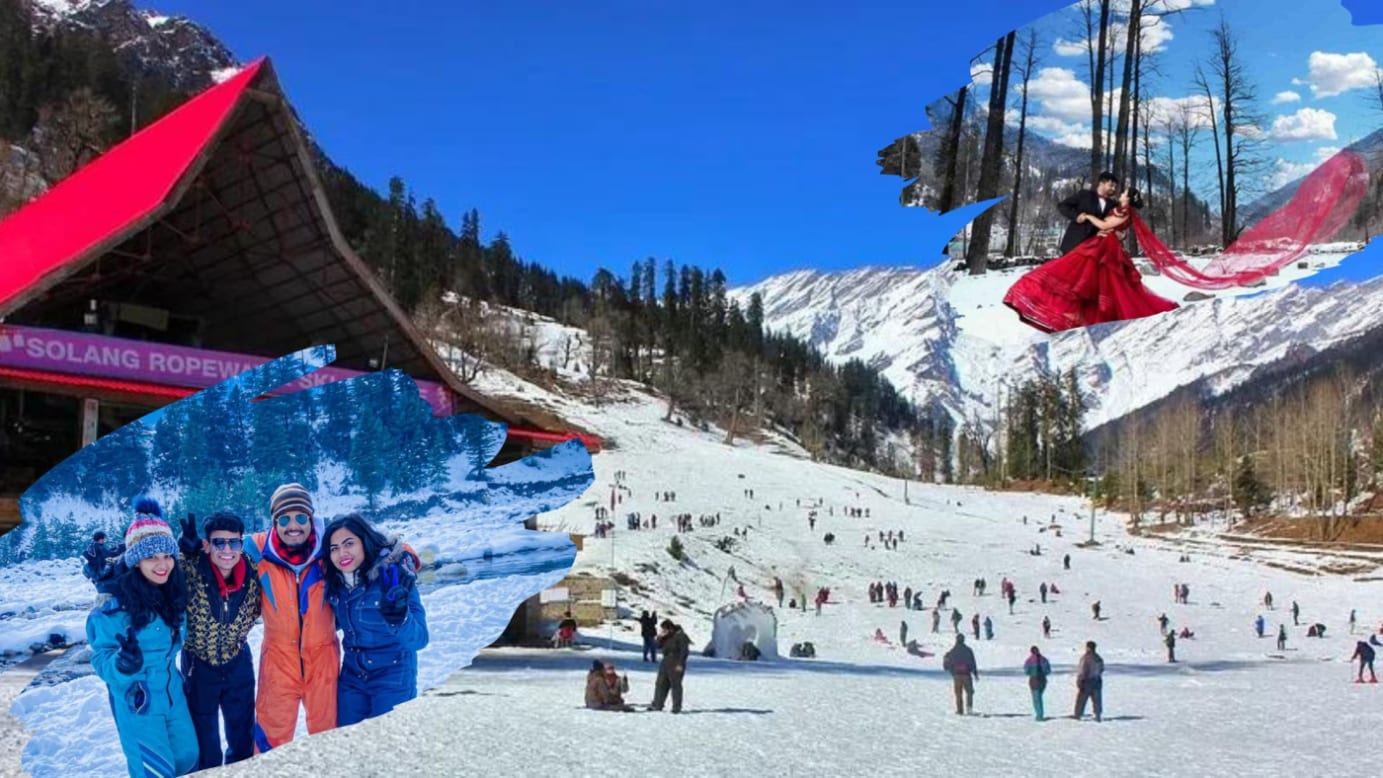
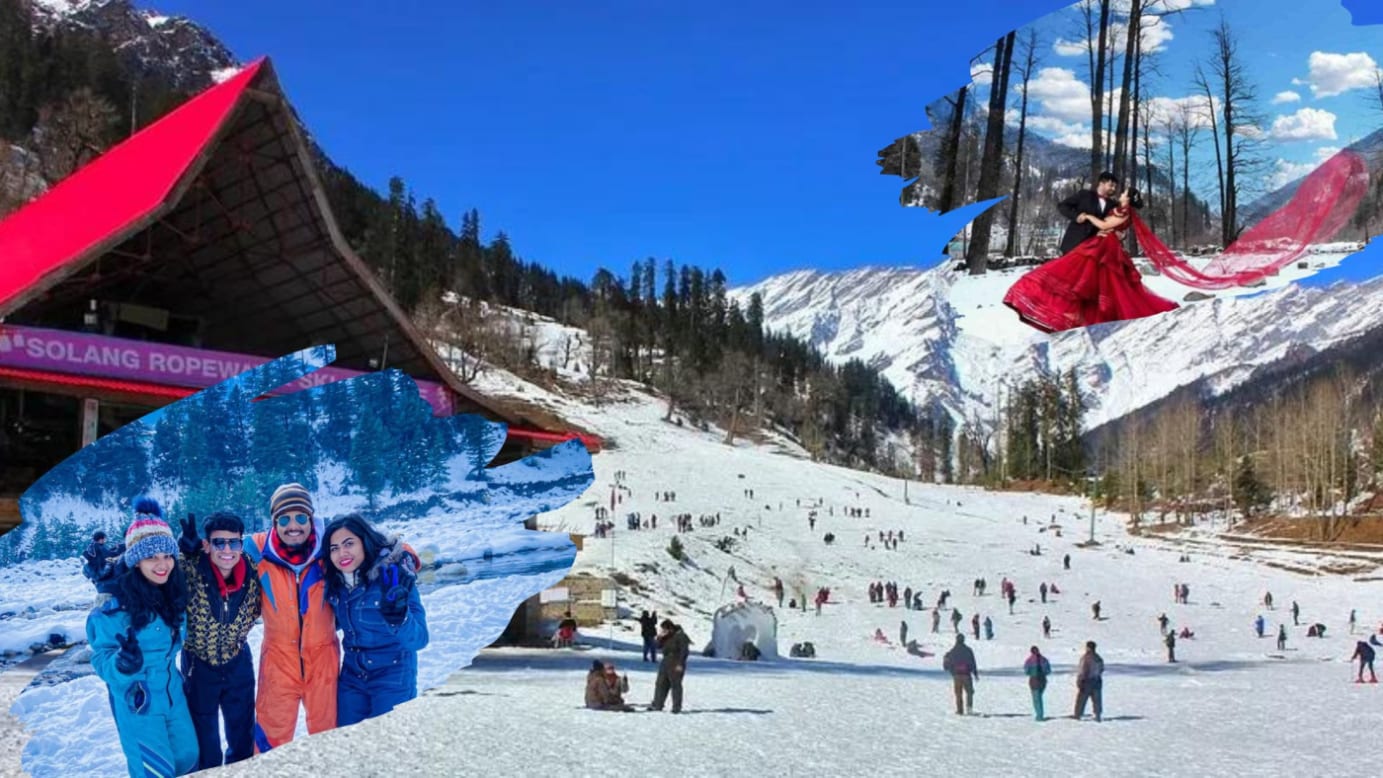
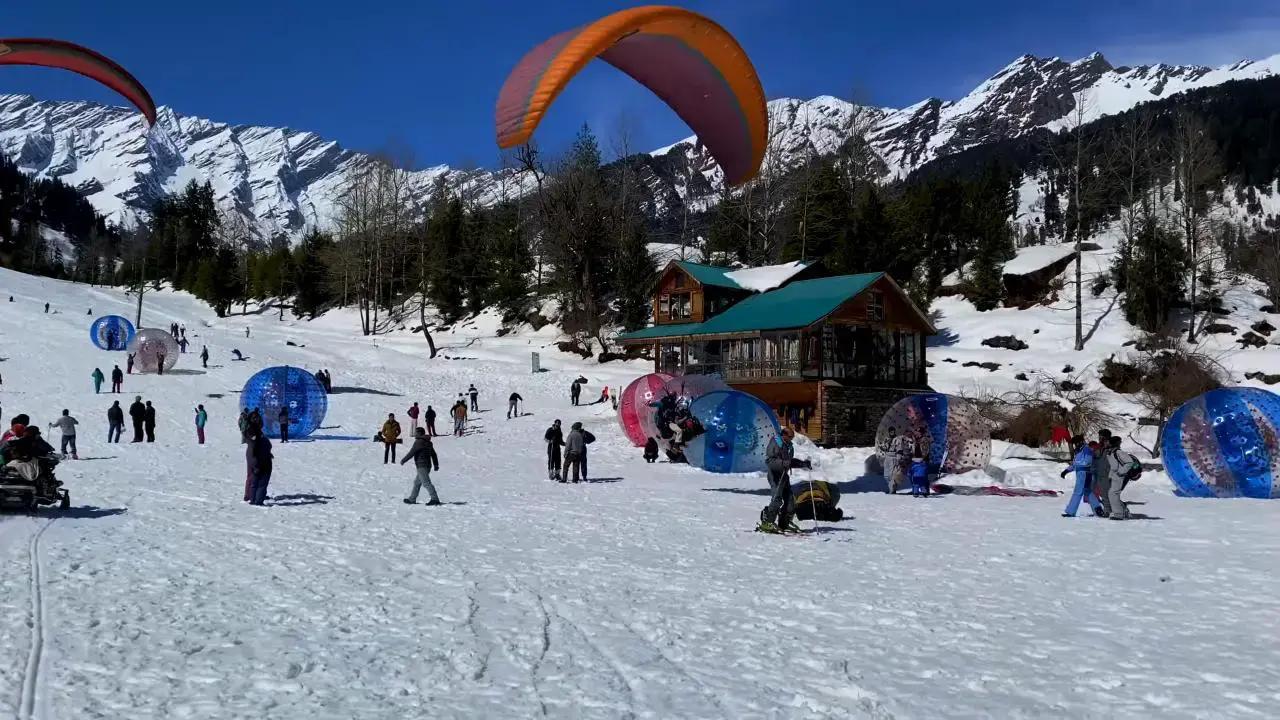
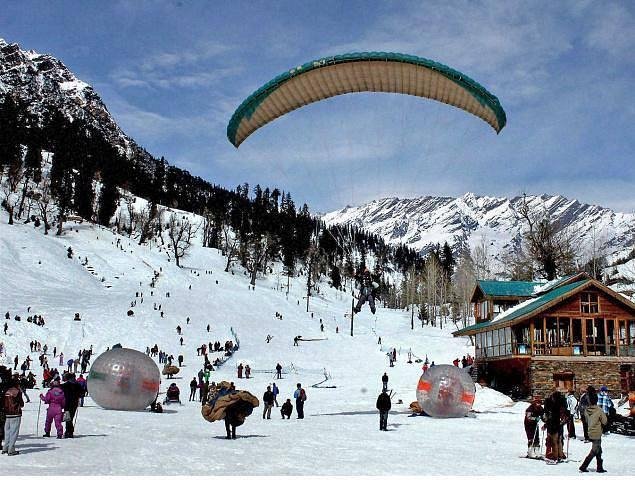
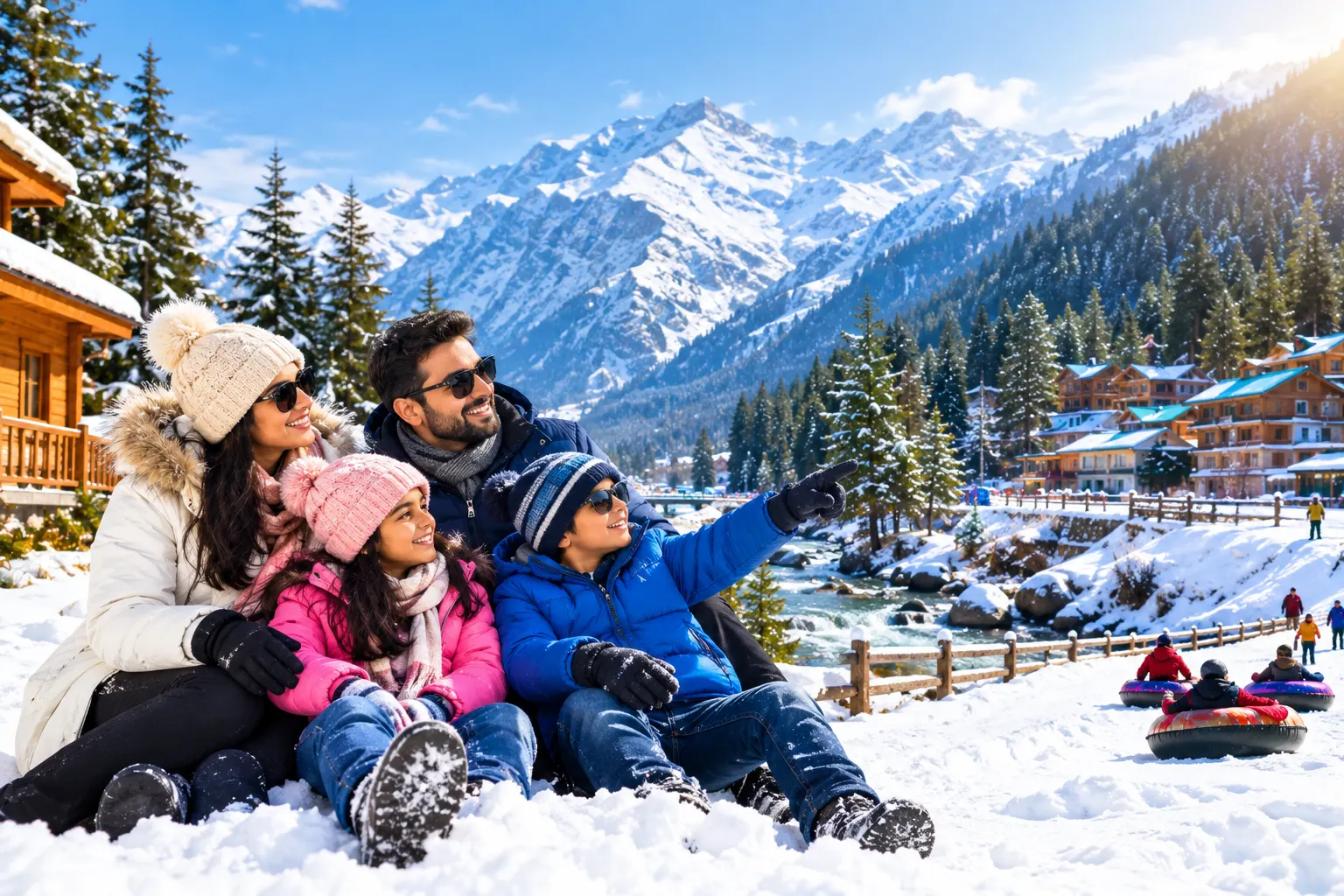
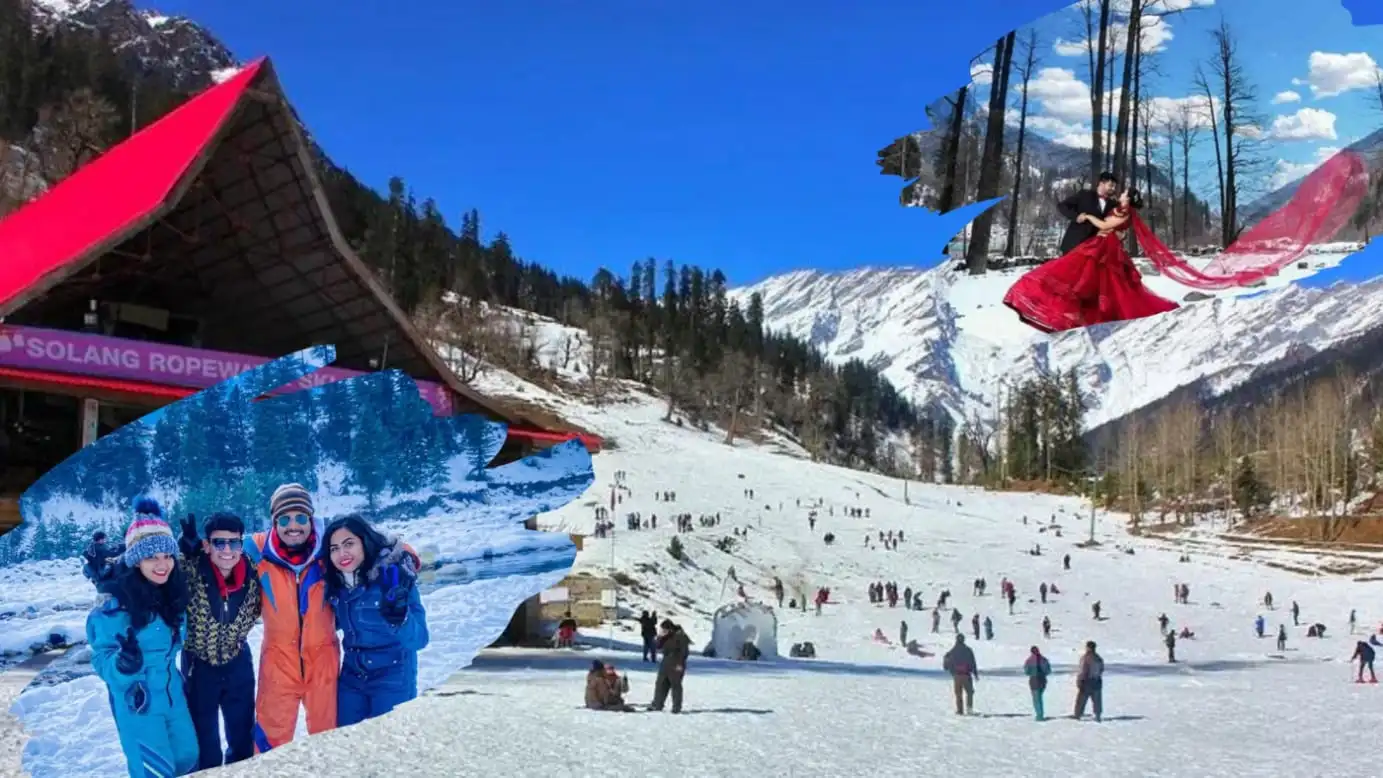
Solang Valley is the usual snow-activity point near Manali for skiing, zorbing, and snow views. Access depends on snowfall and road clearance.
A good winter plan keeps all three as “if conditions allow” and builds in other options like Old Manali, Hadimba Temple, Naggar and the Vashisht hot springs.
Why an Urbania Is Ideal for Winter Hill Trips
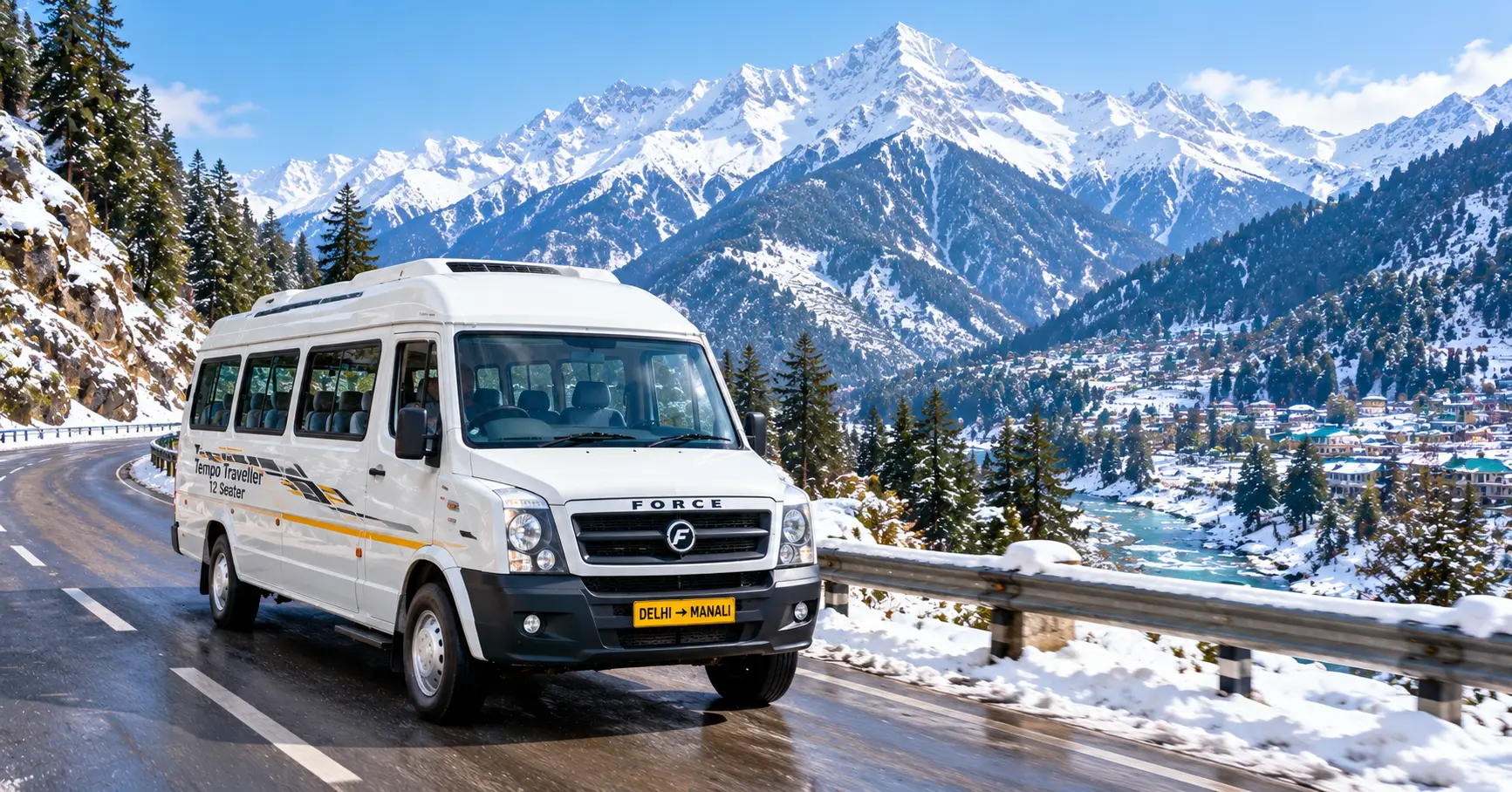
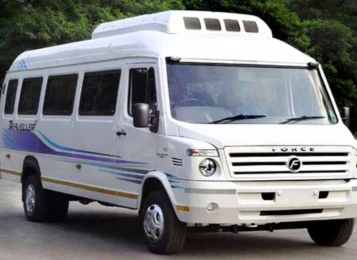
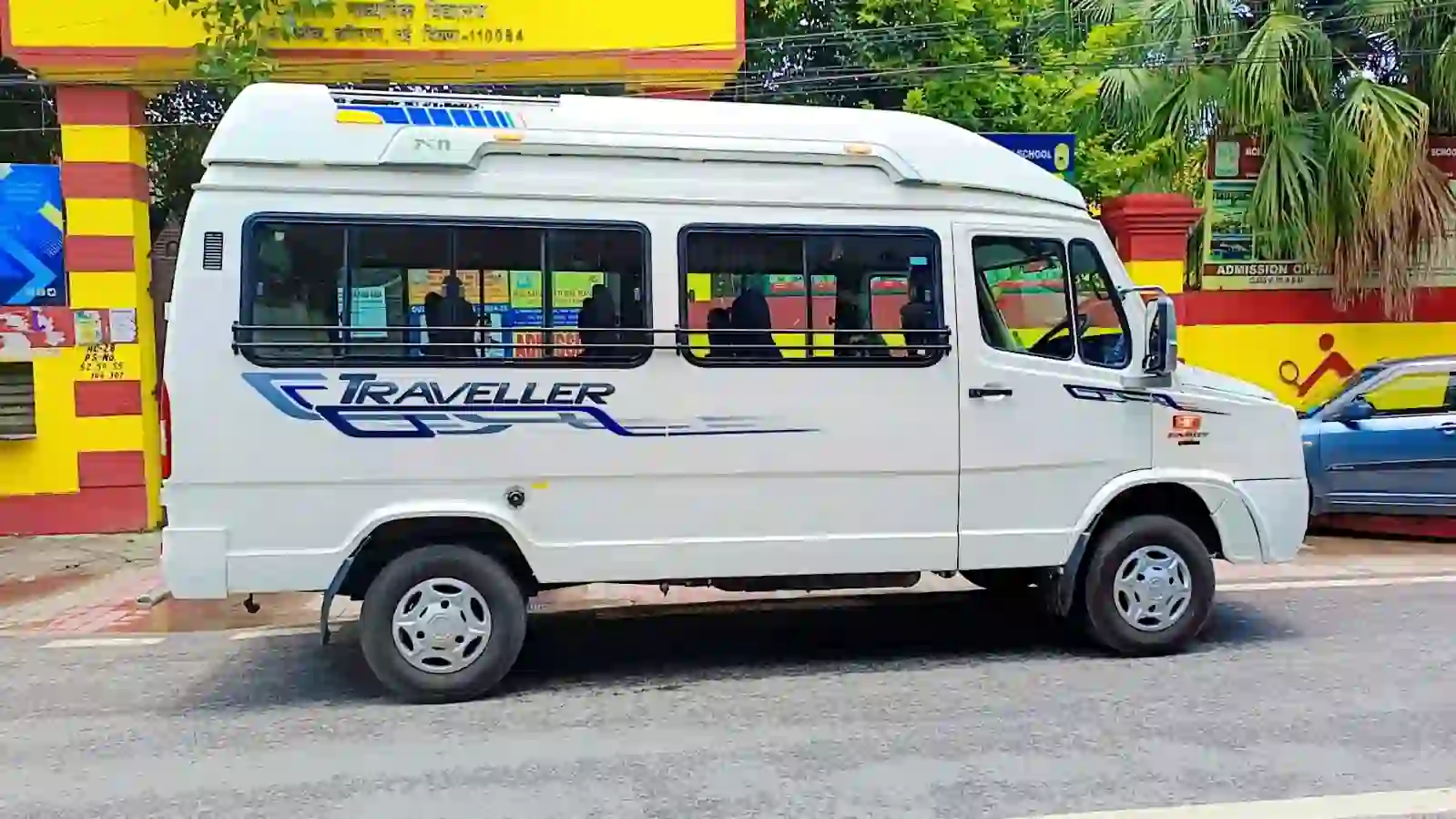
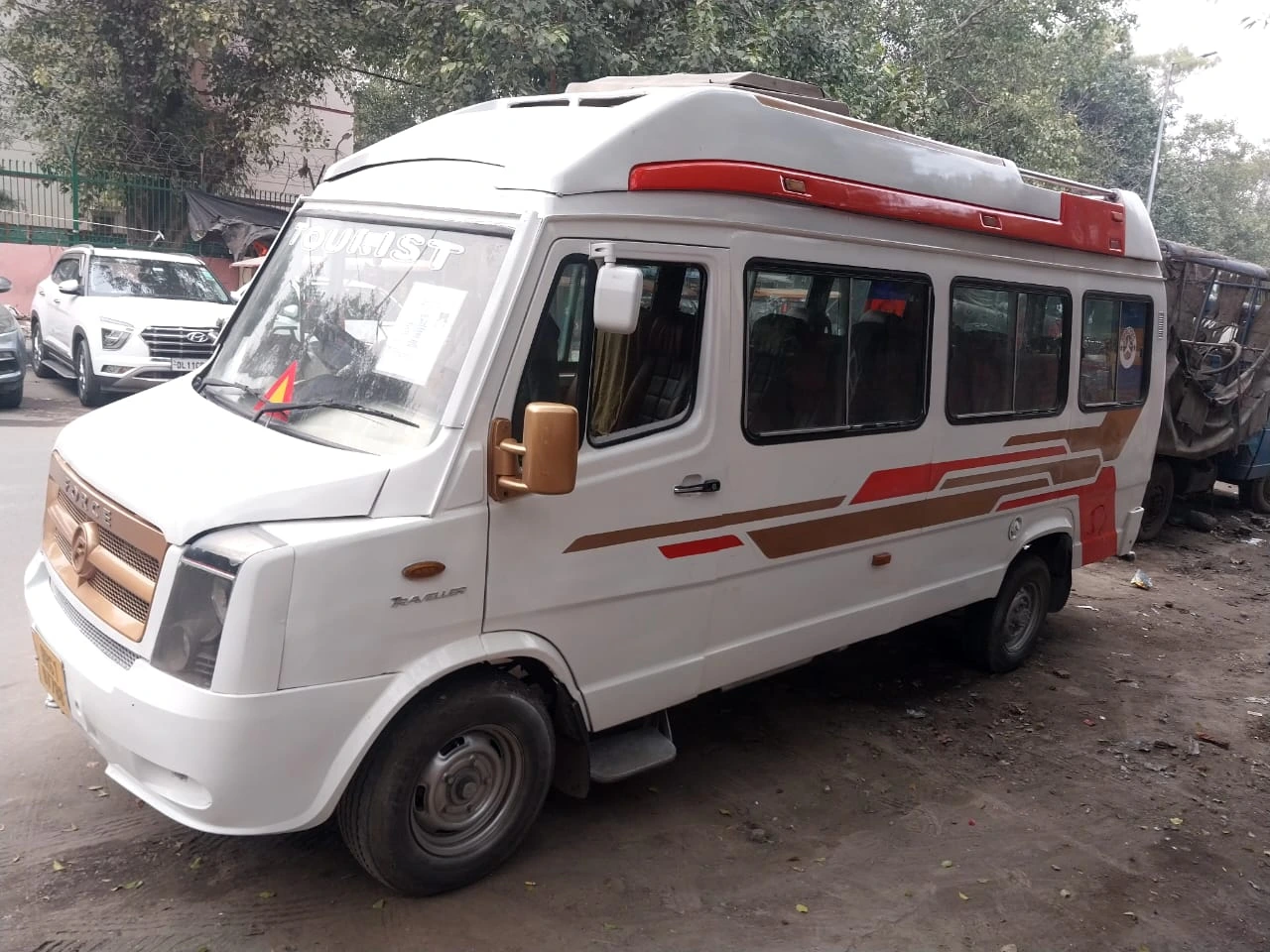
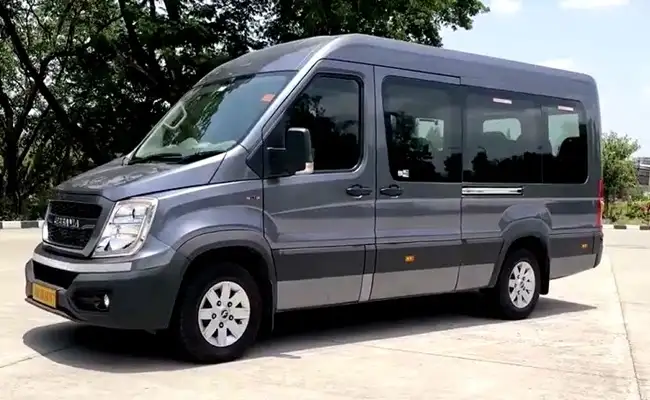
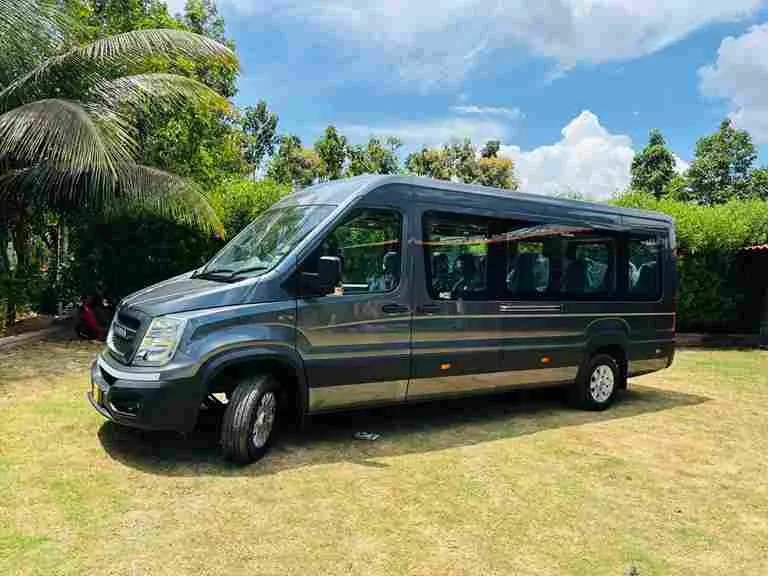
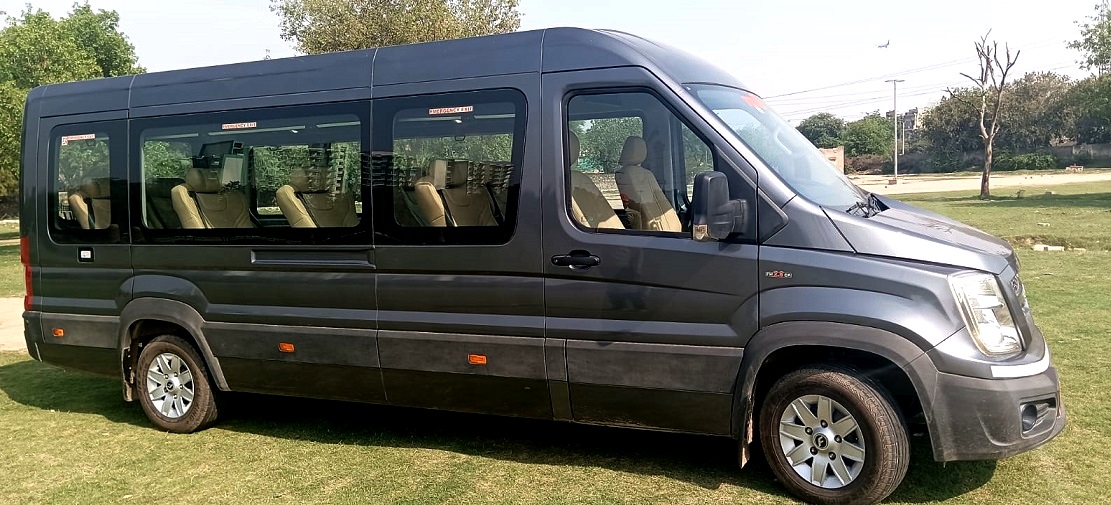
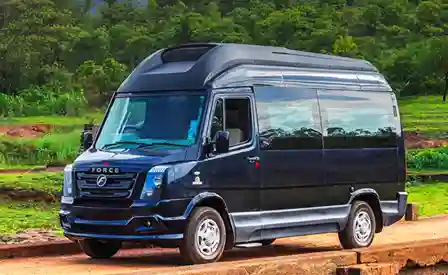
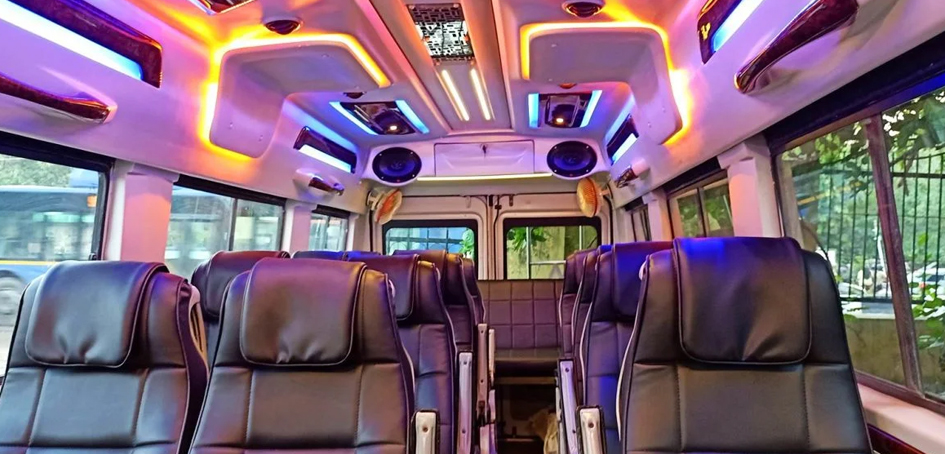
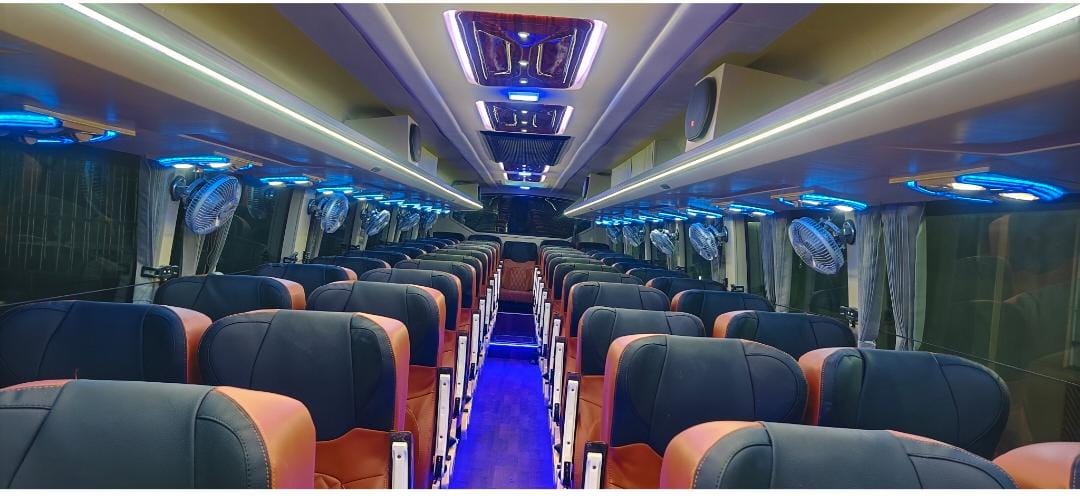
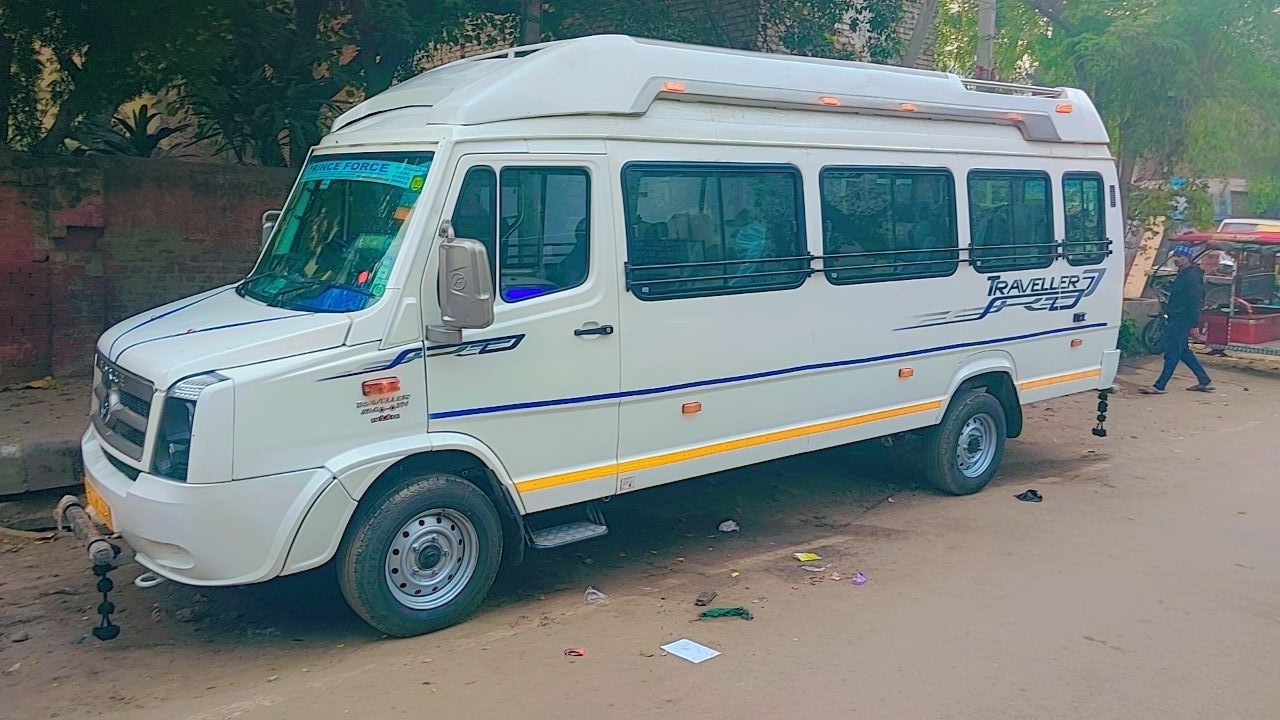
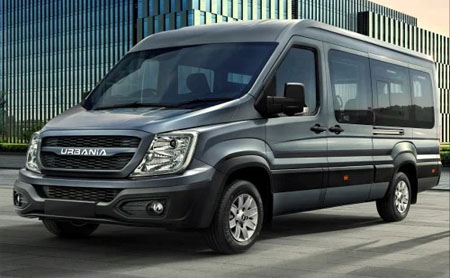
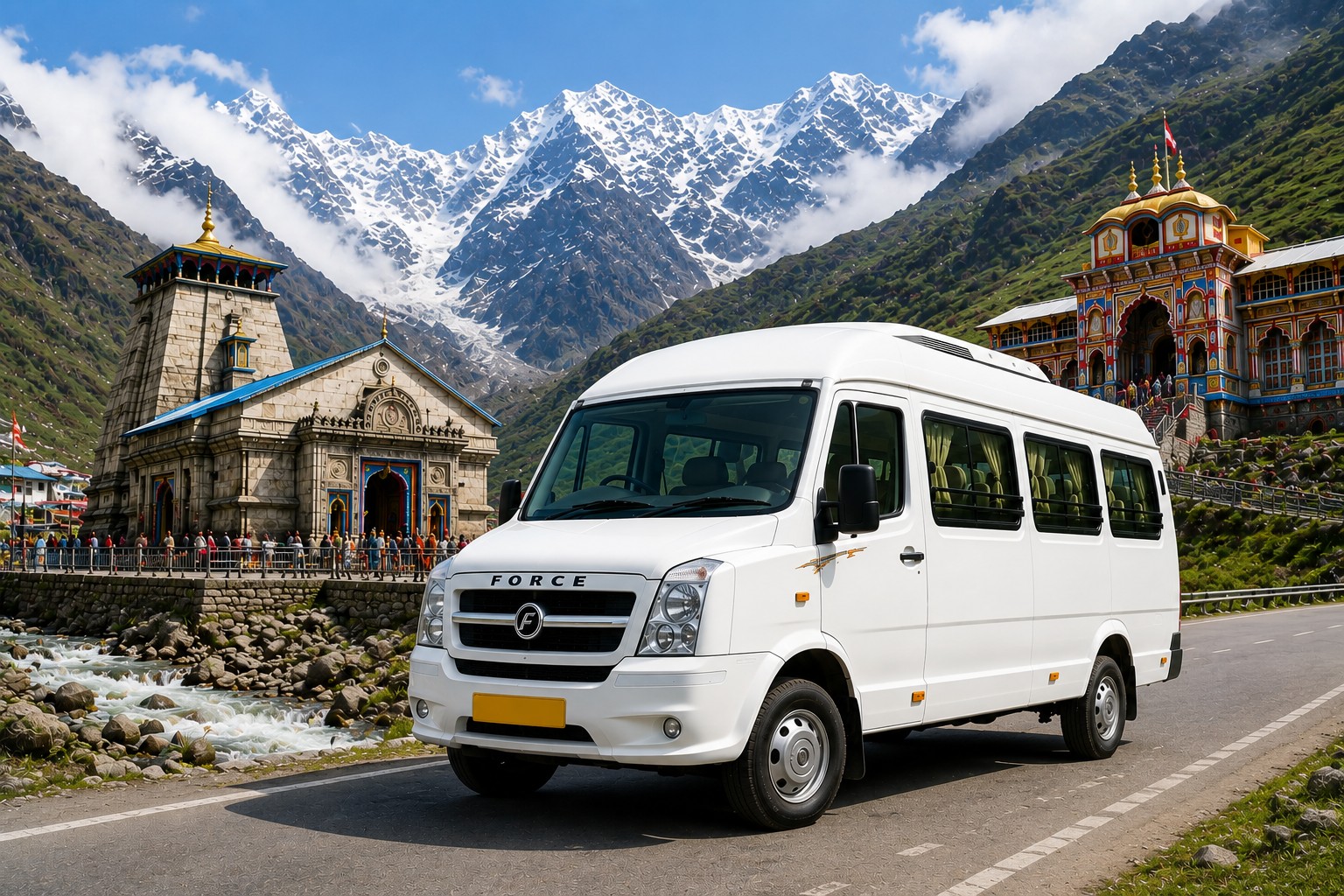
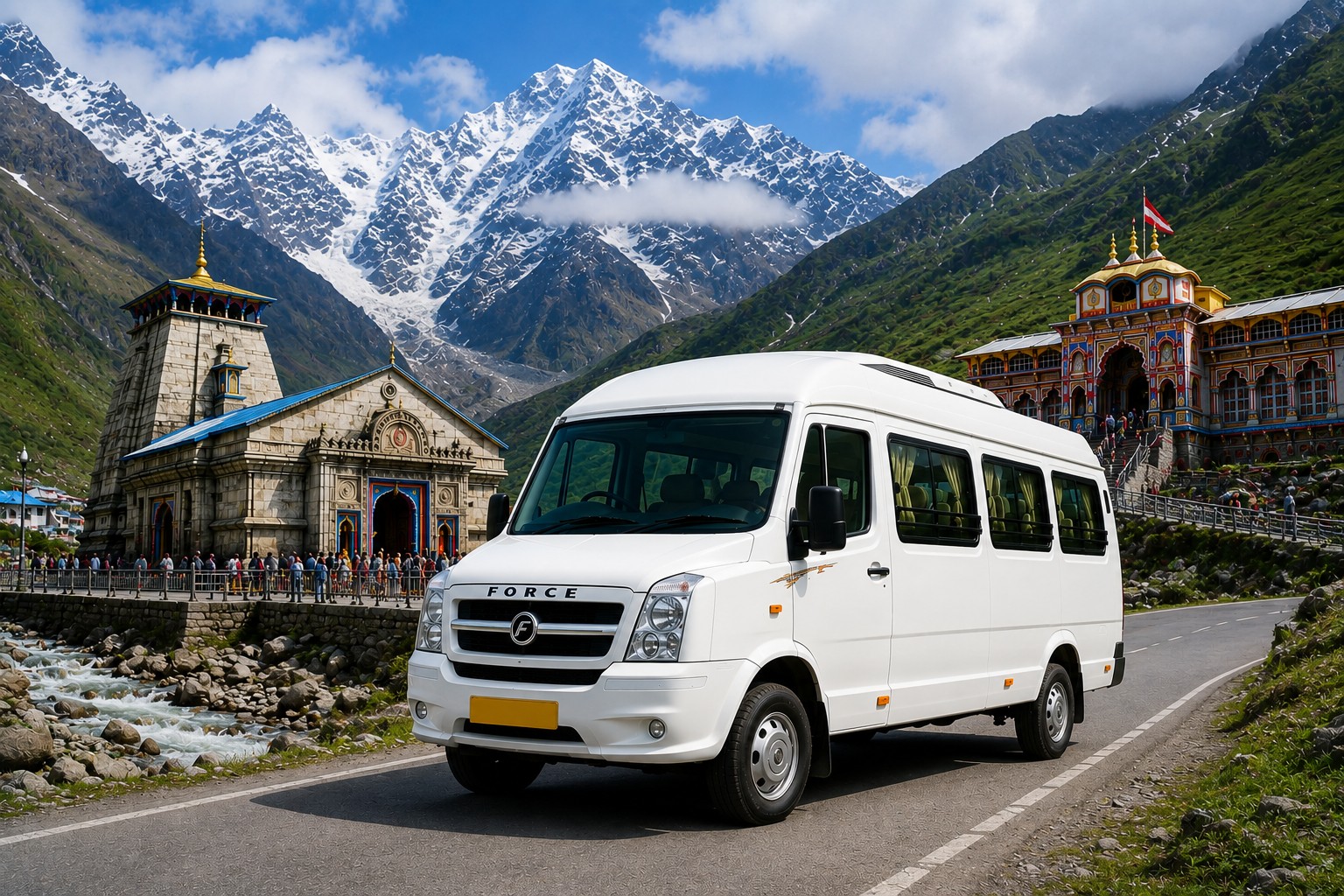
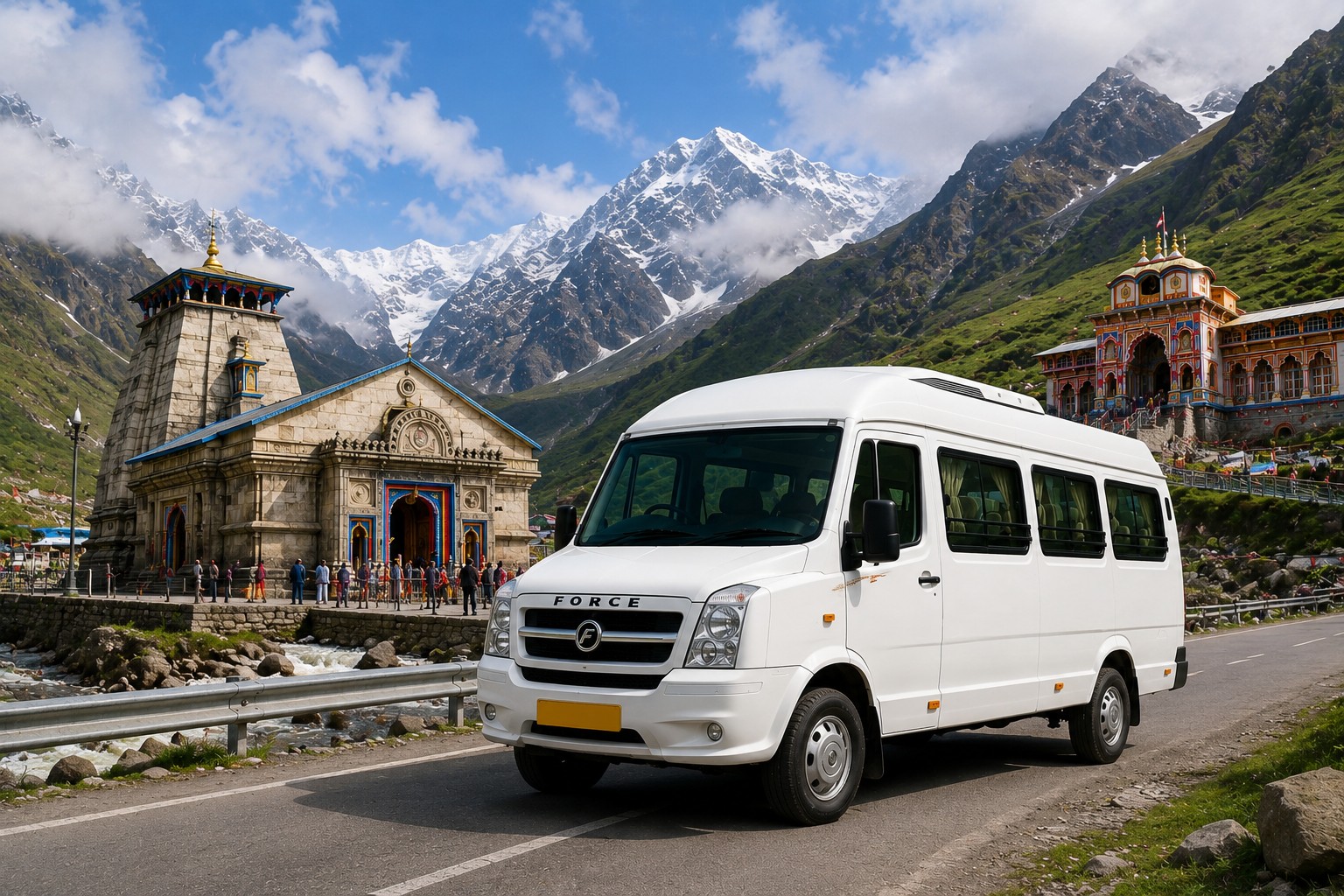
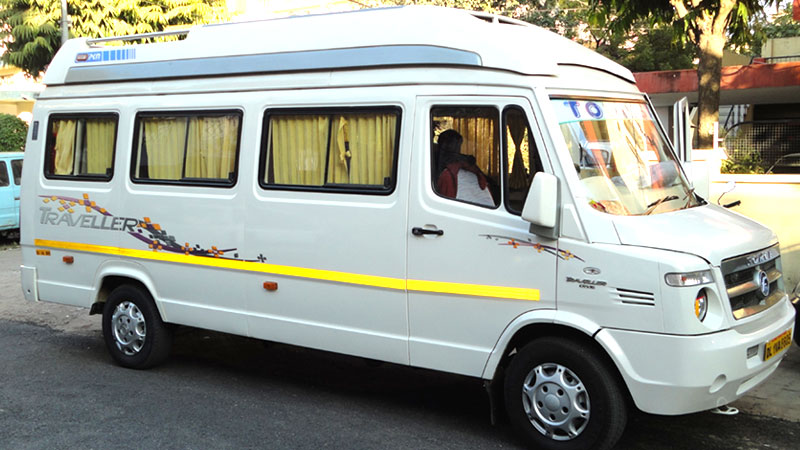
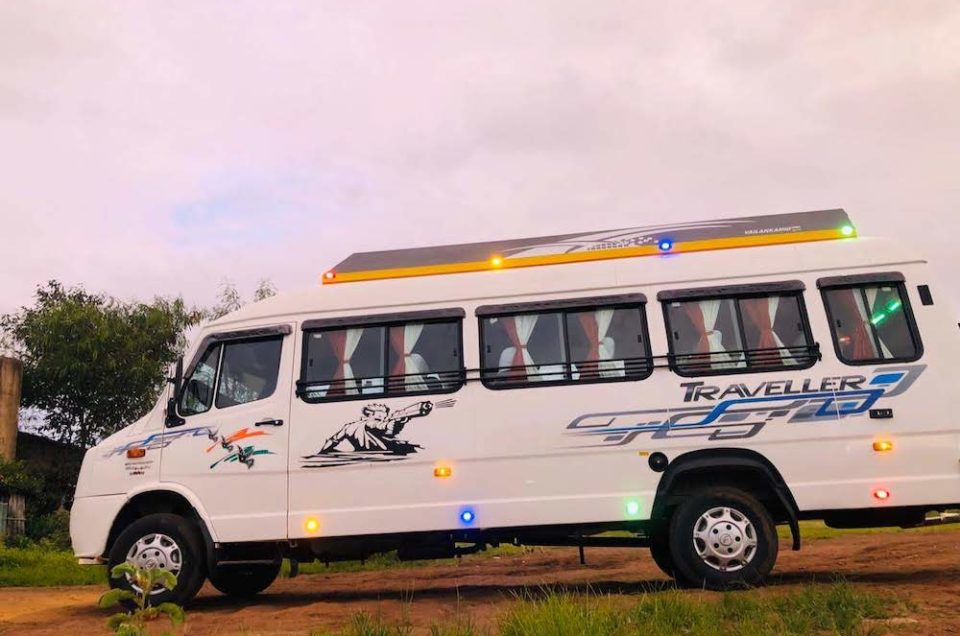
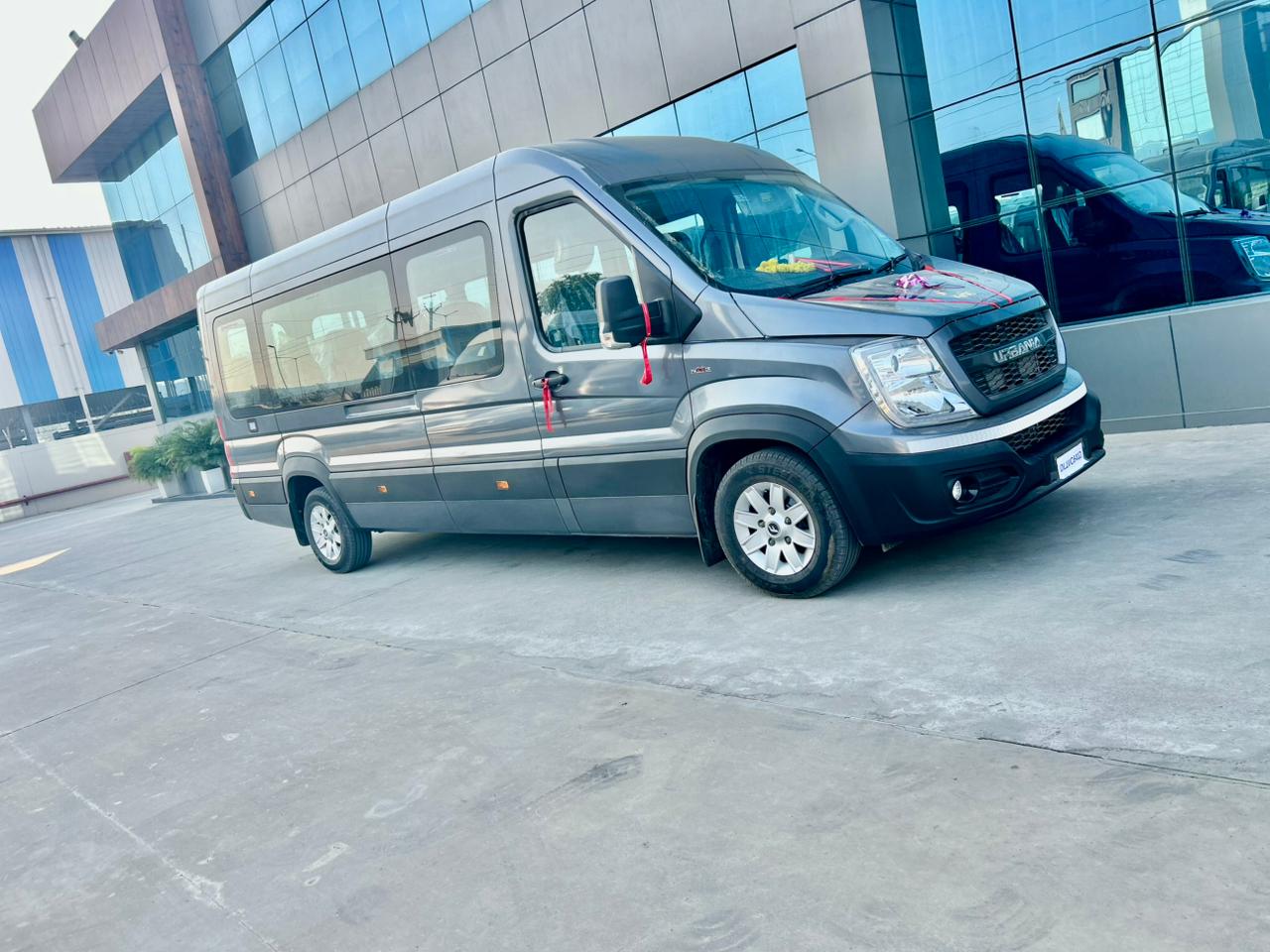
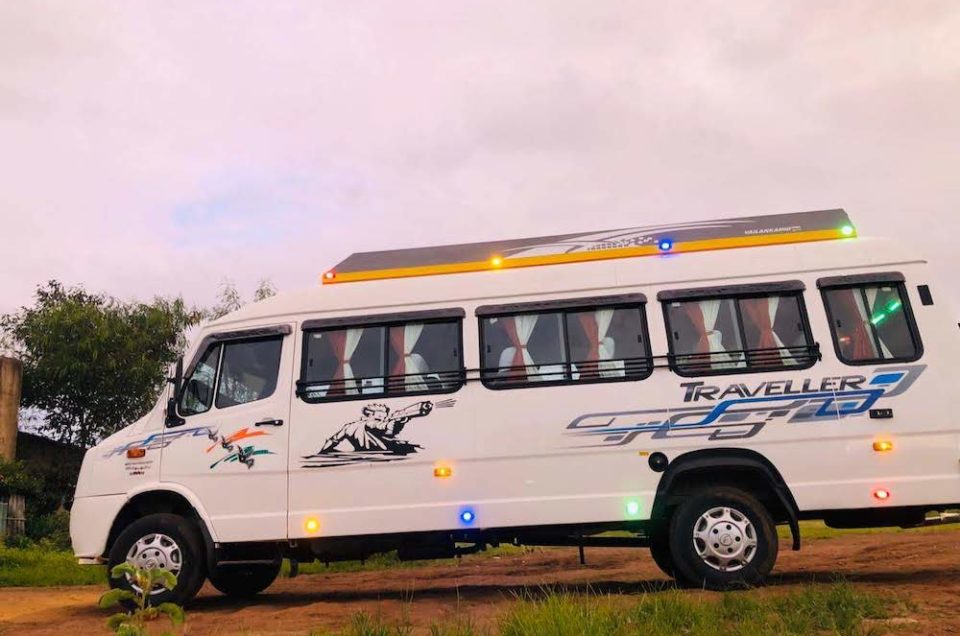
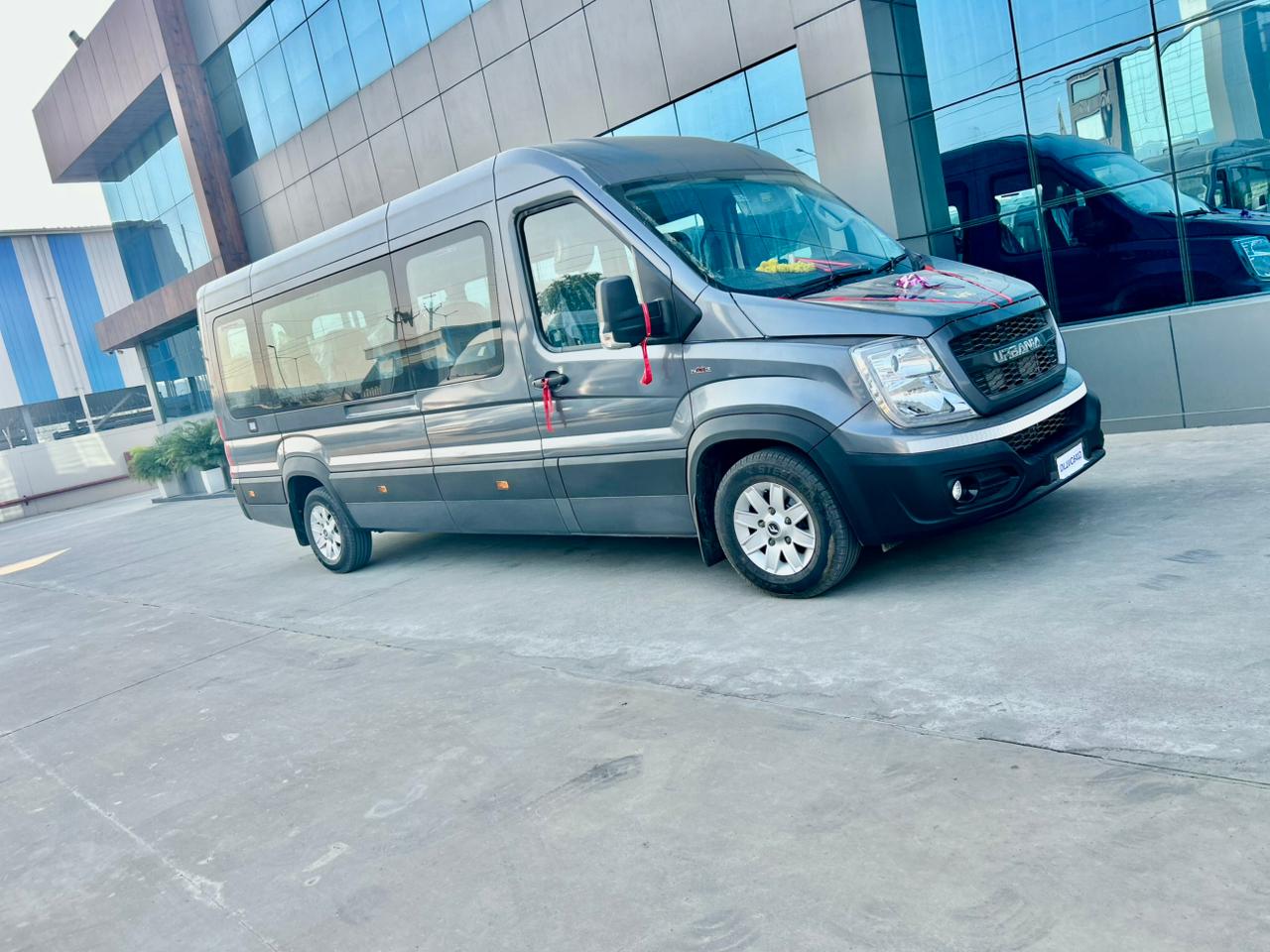
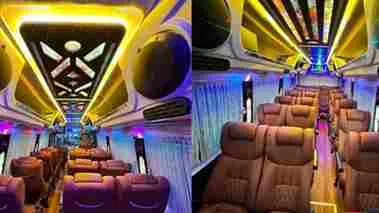
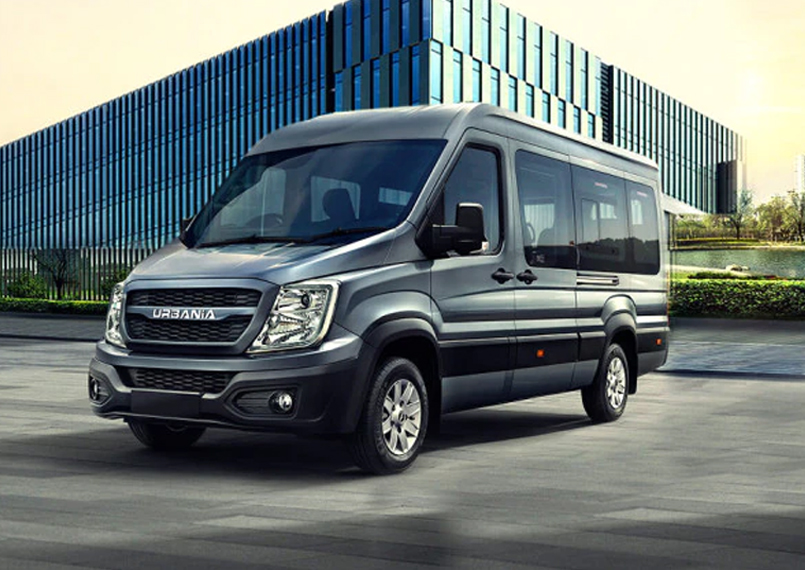
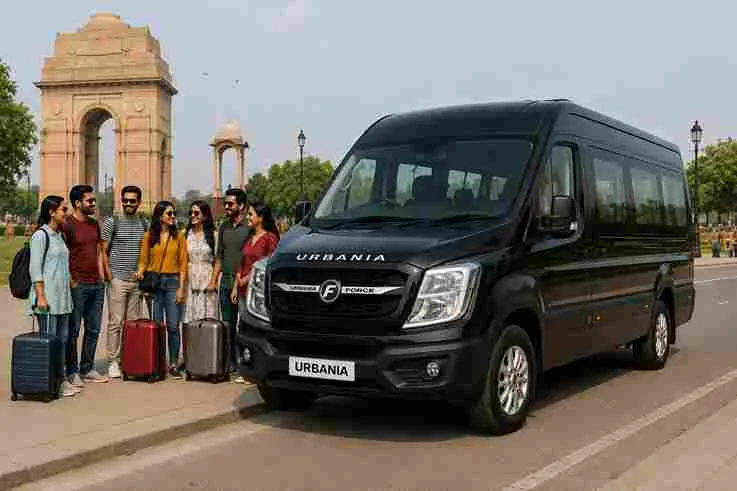
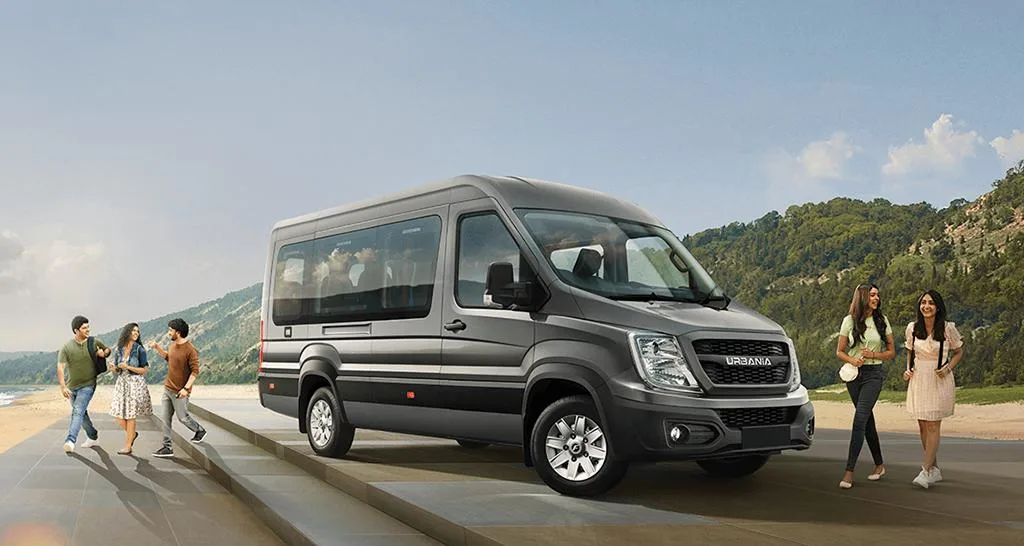
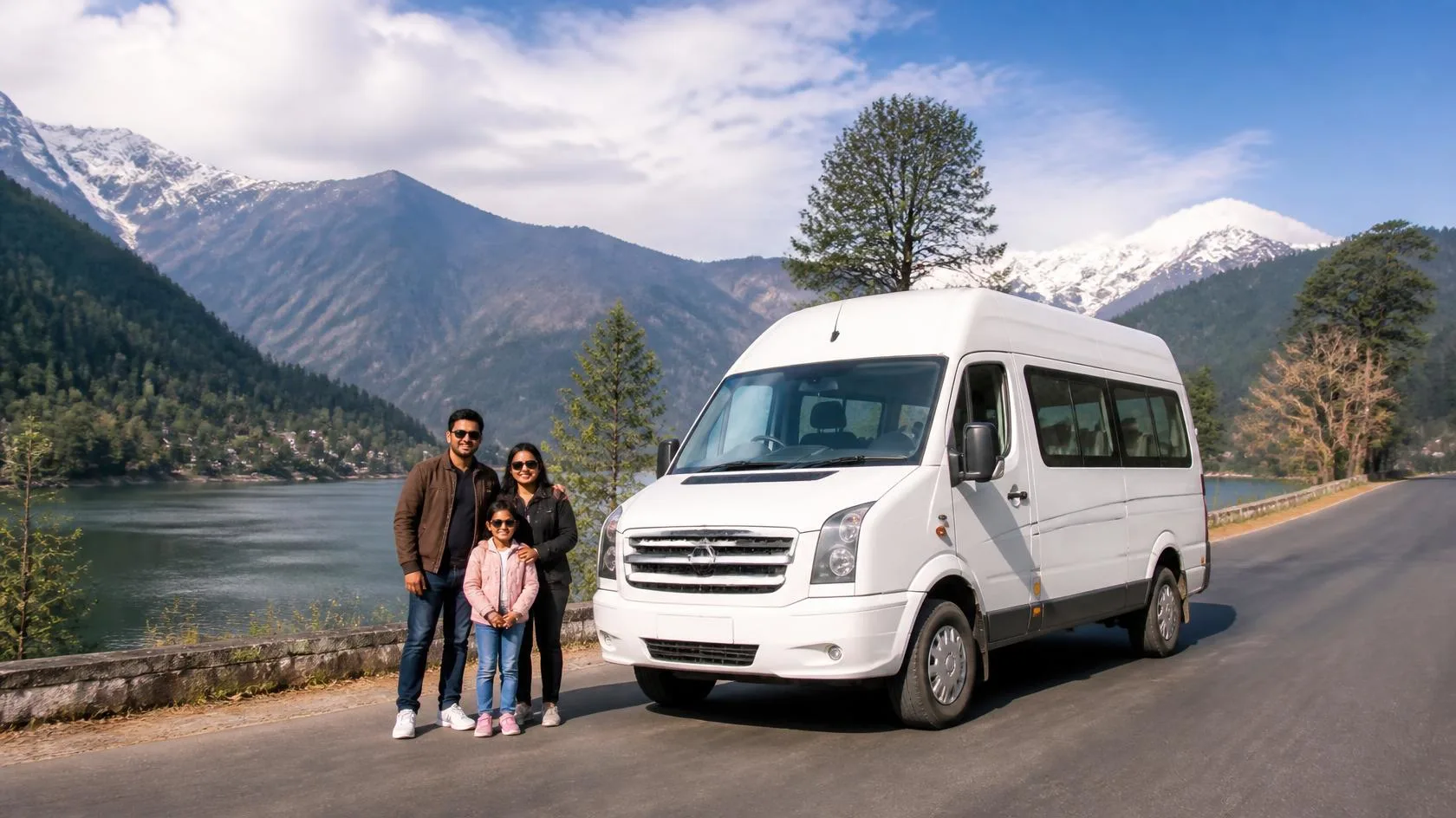
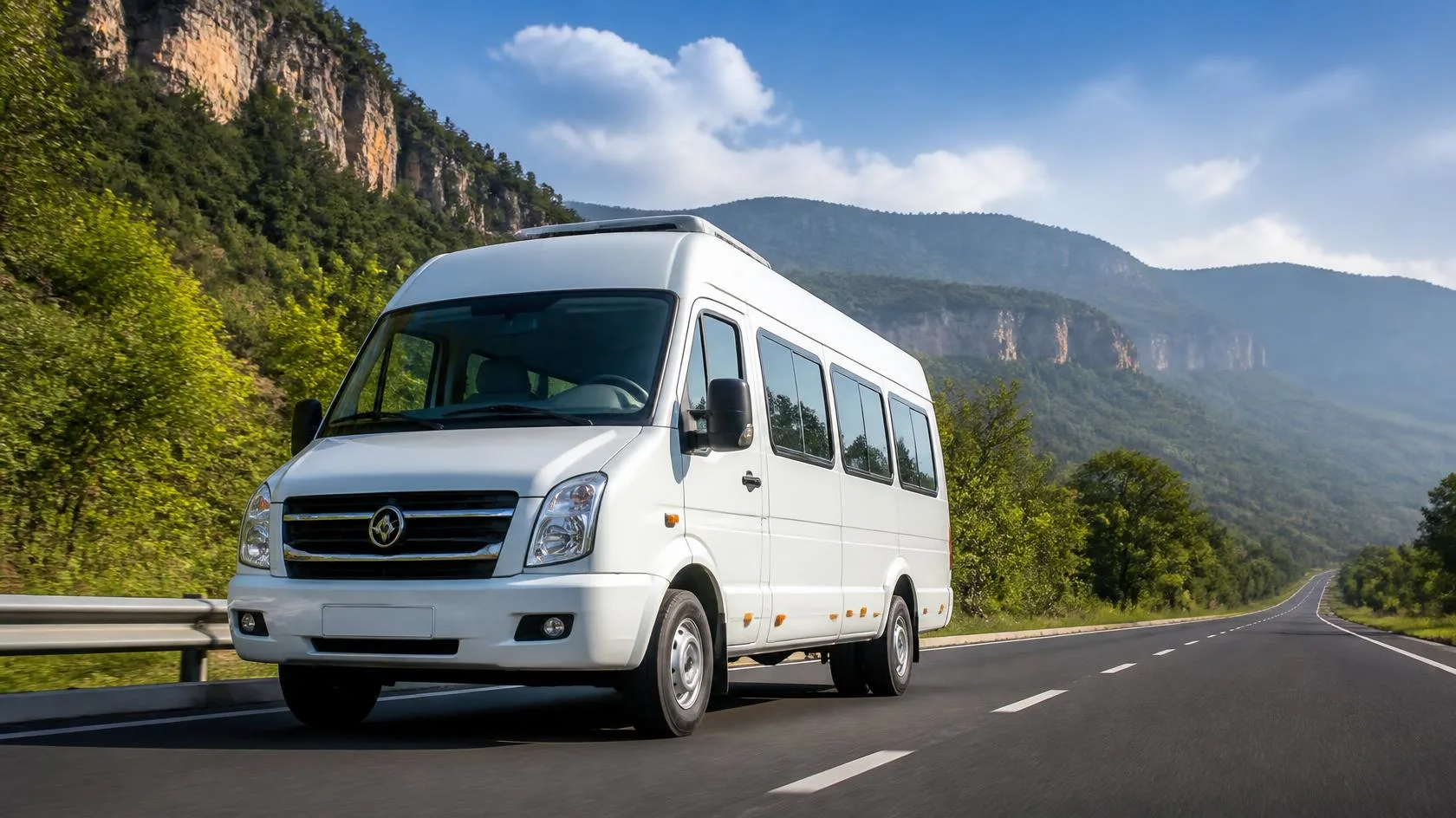
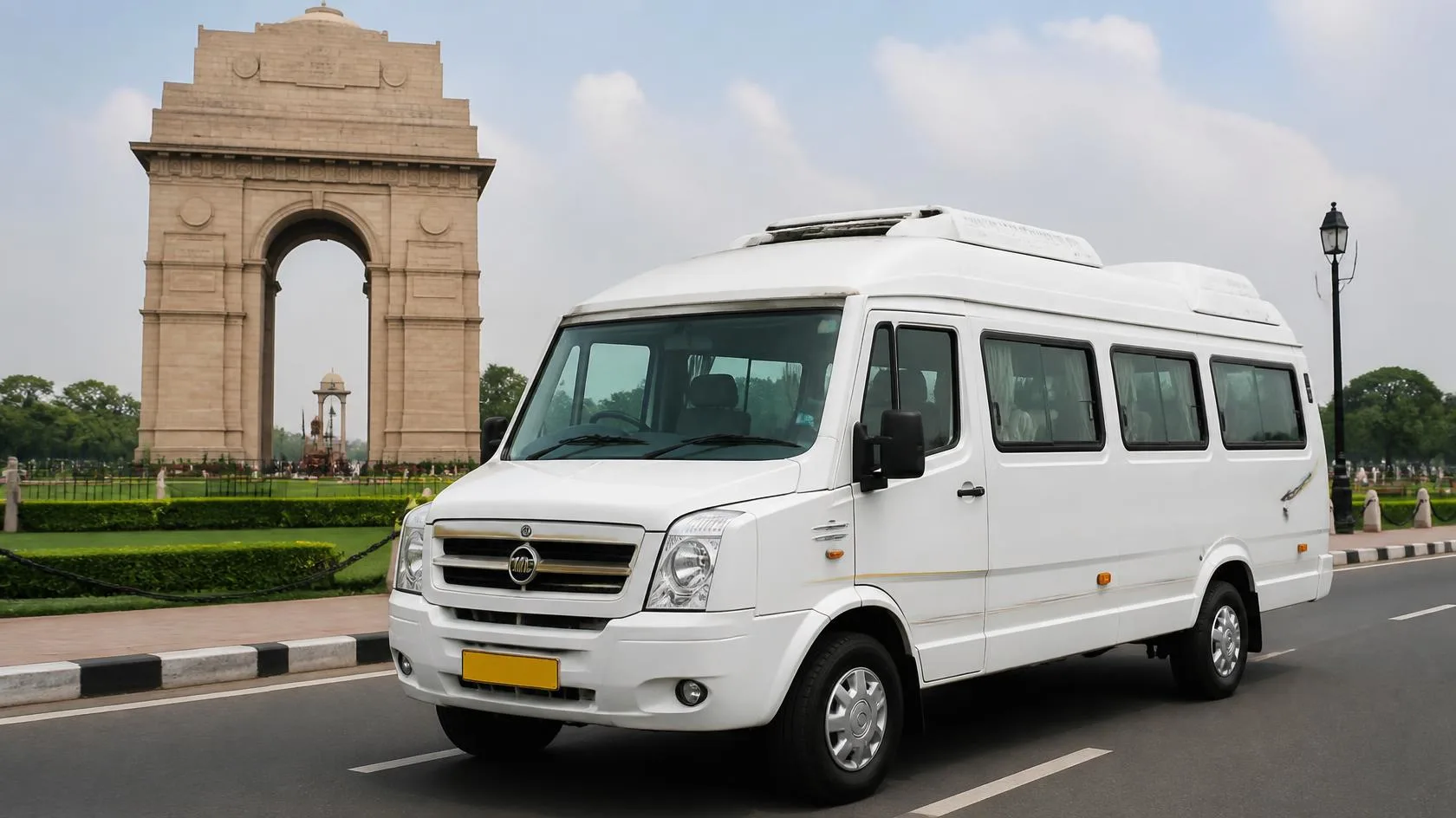
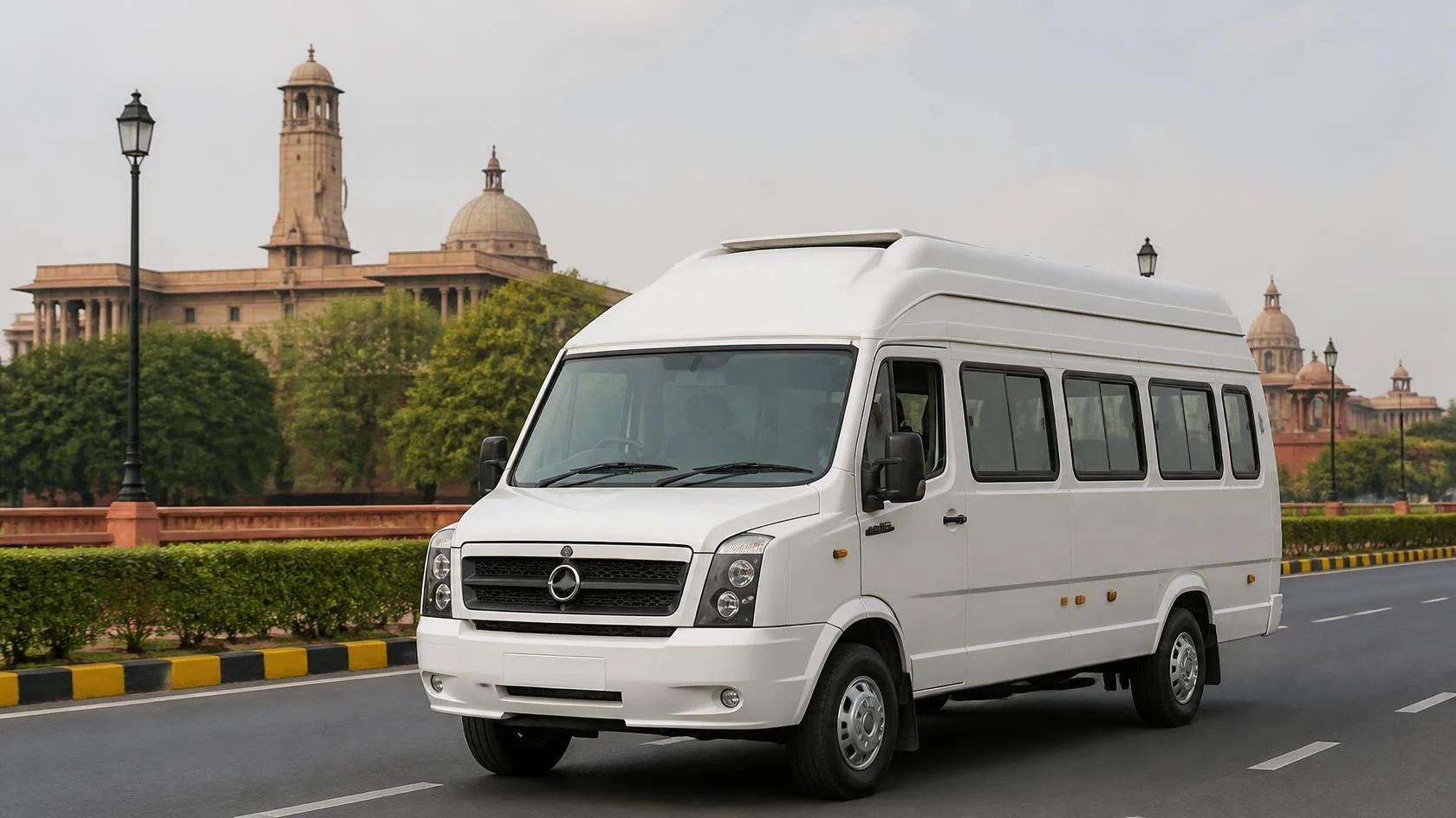
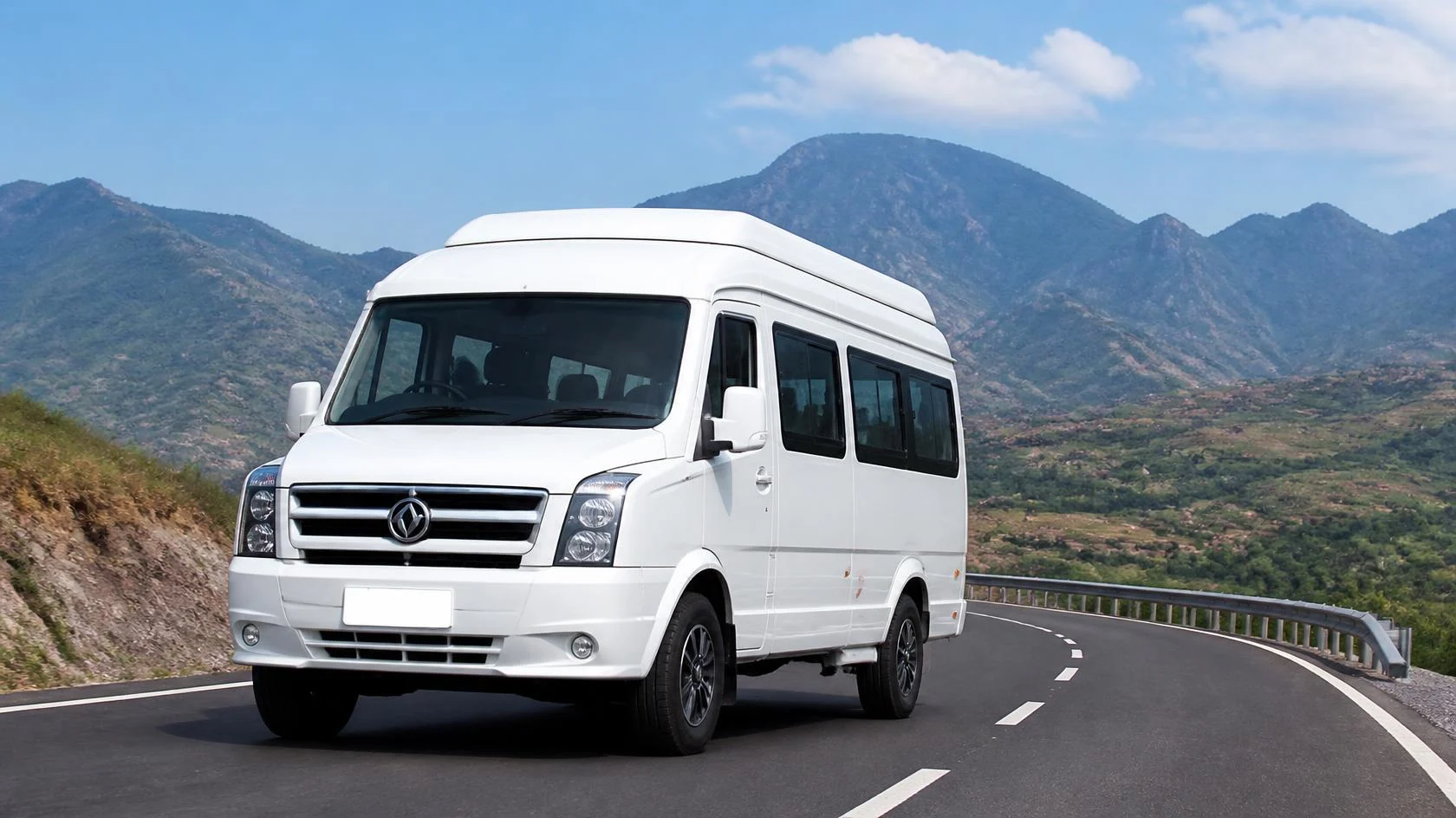
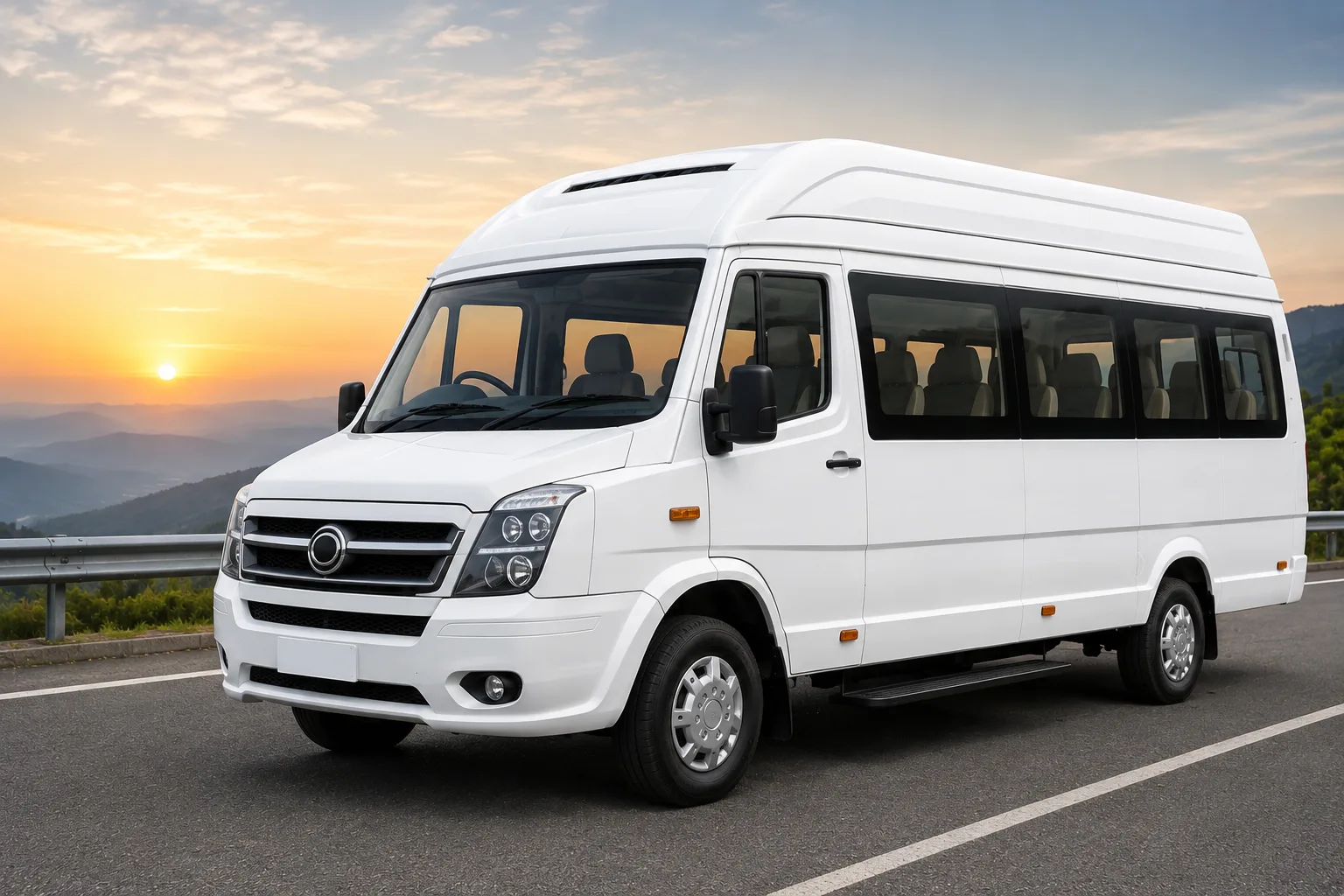
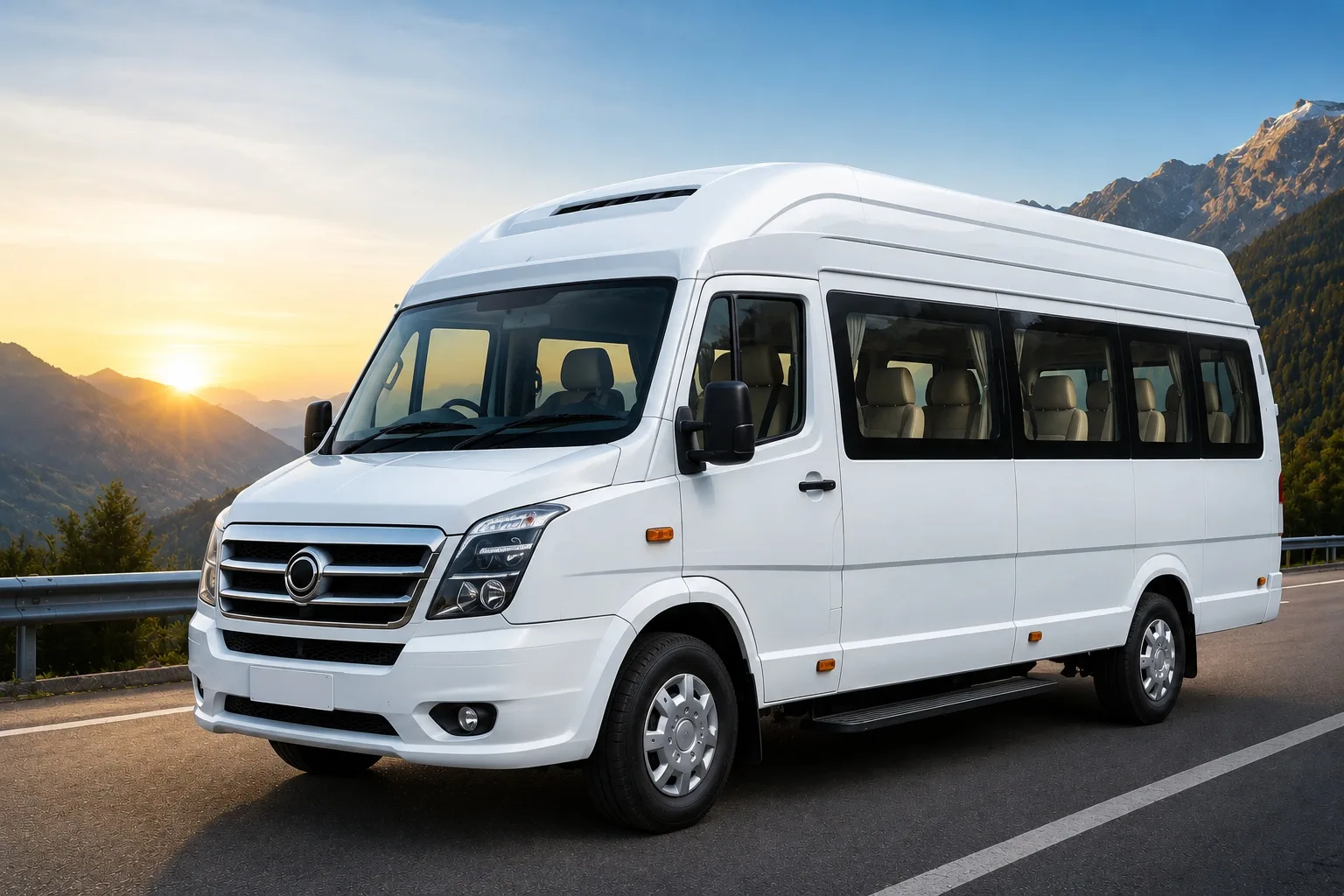
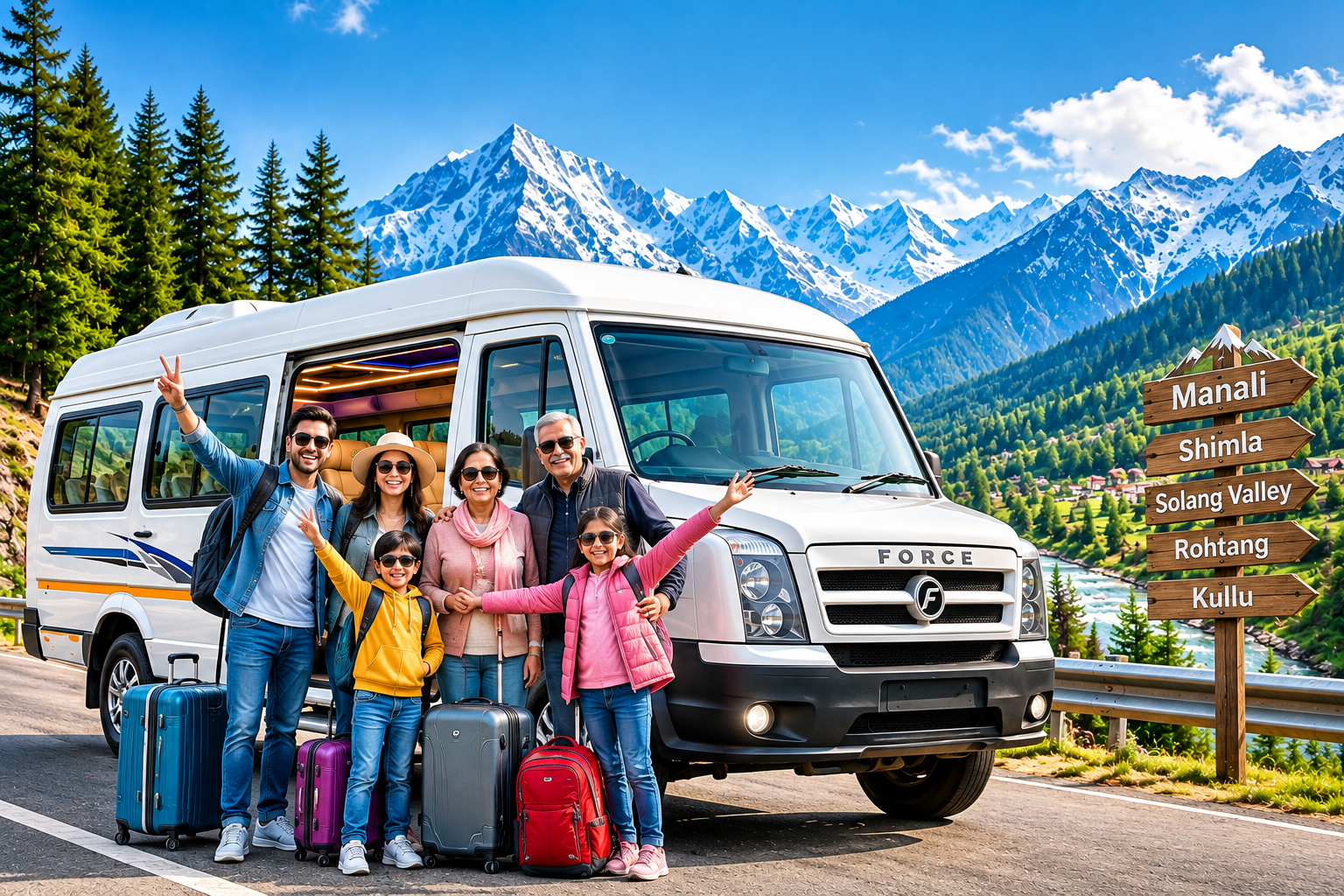
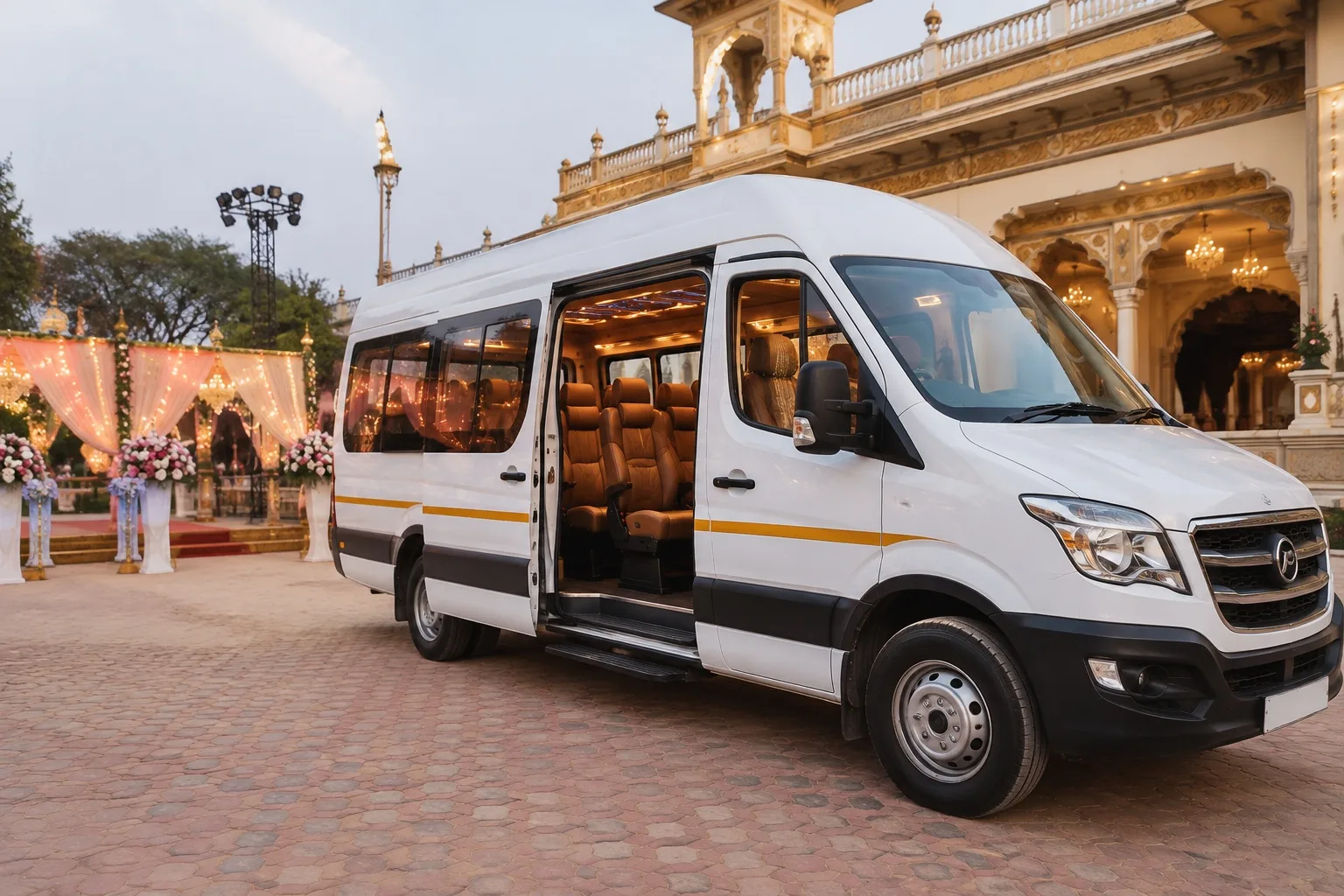
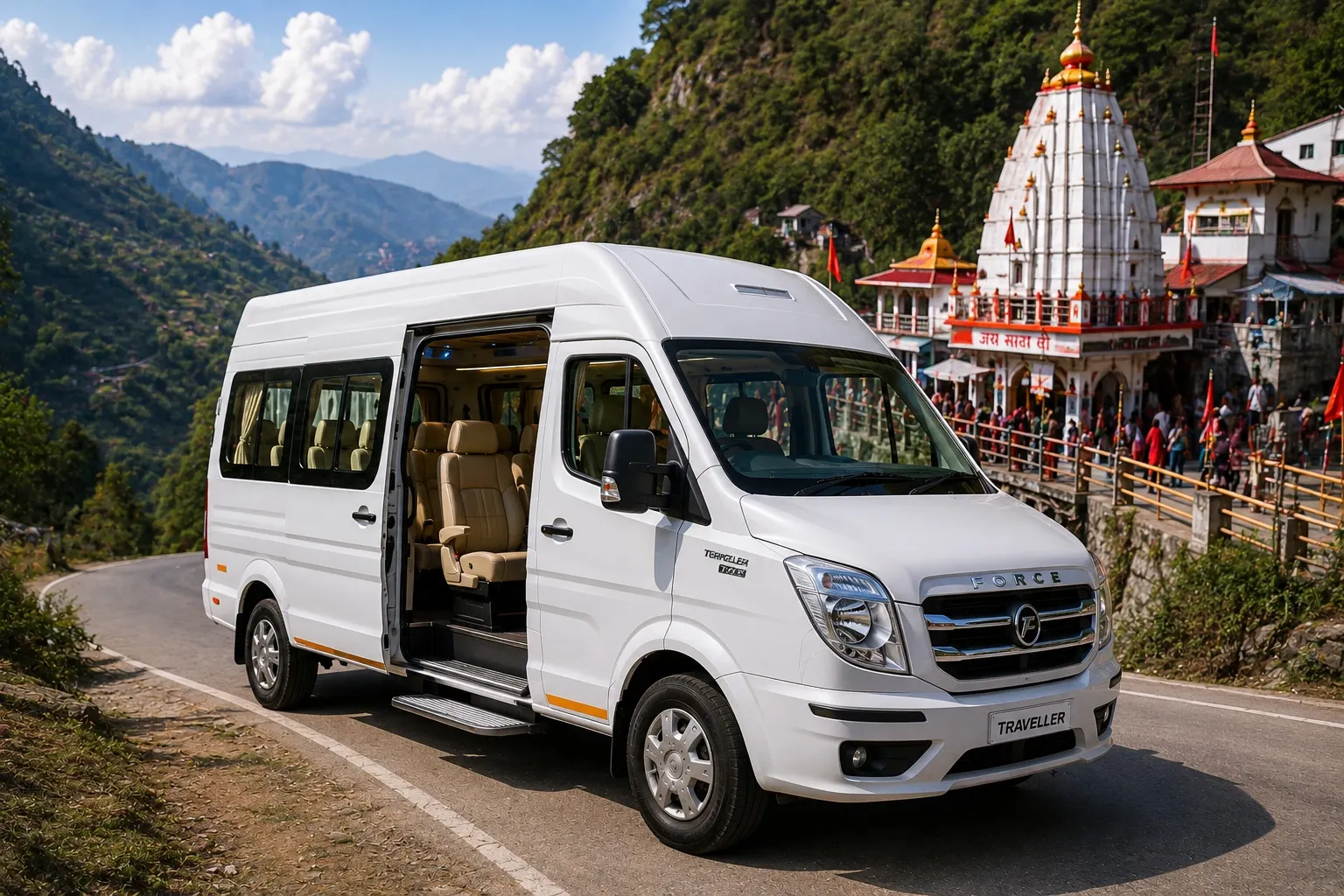
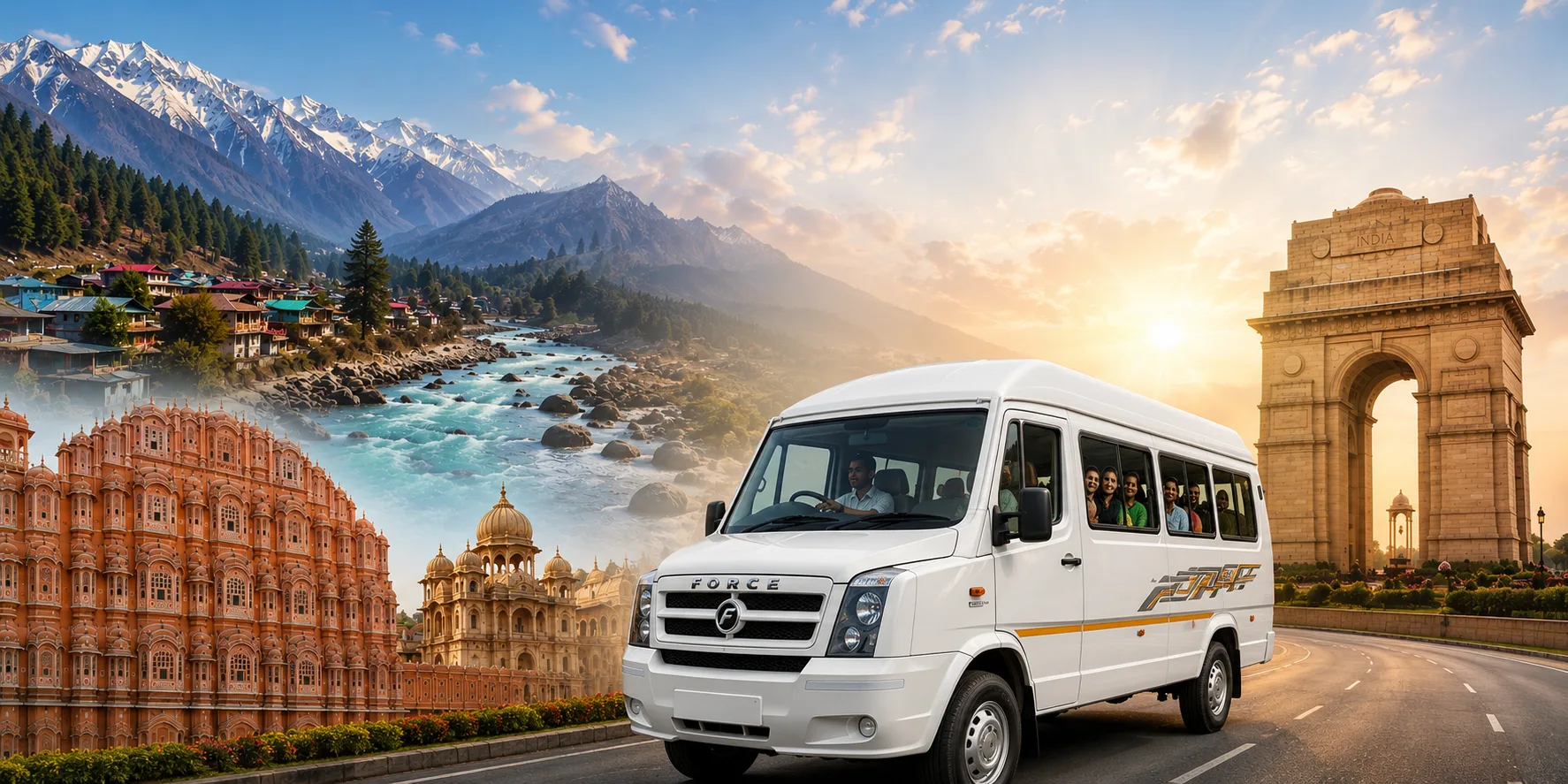
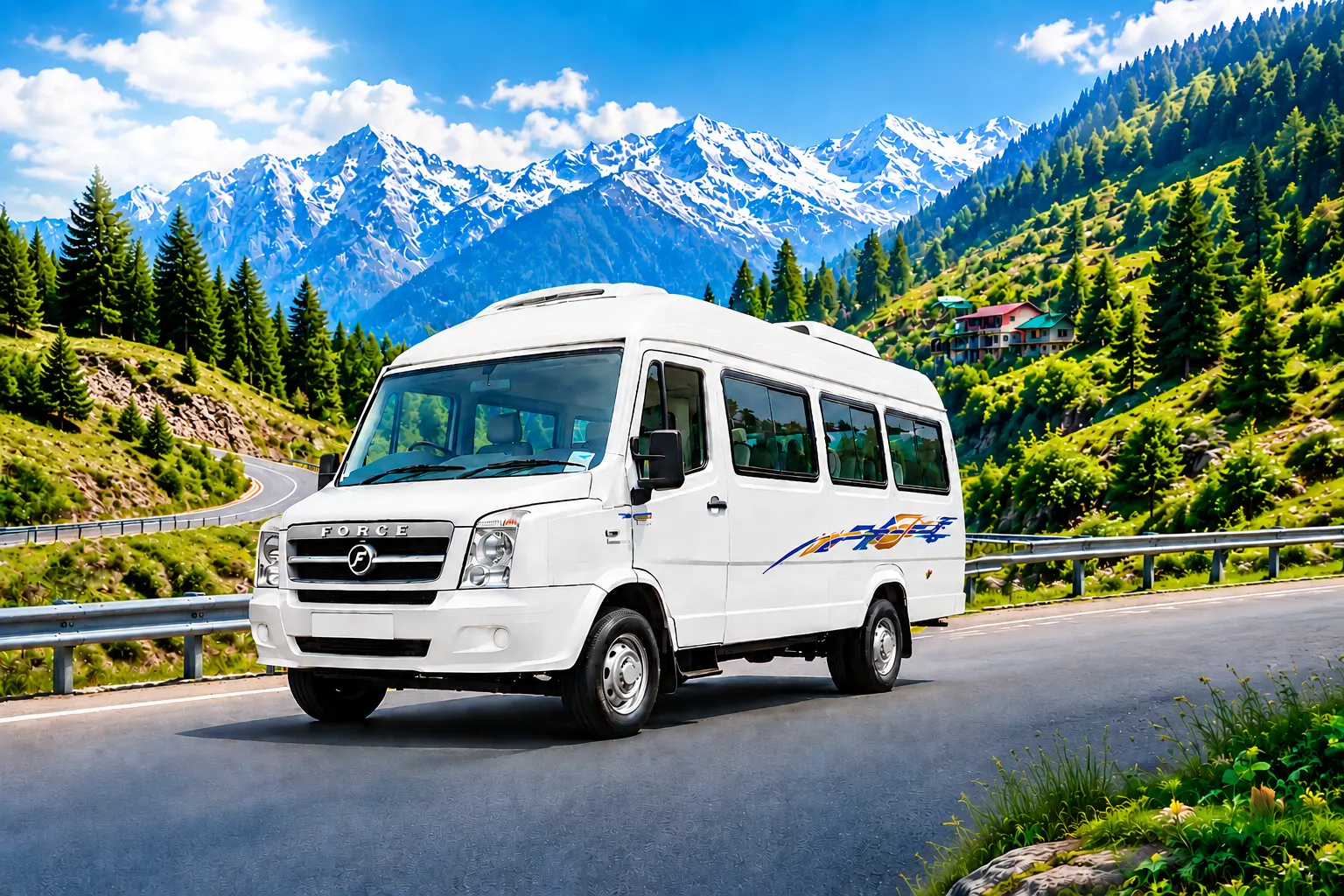
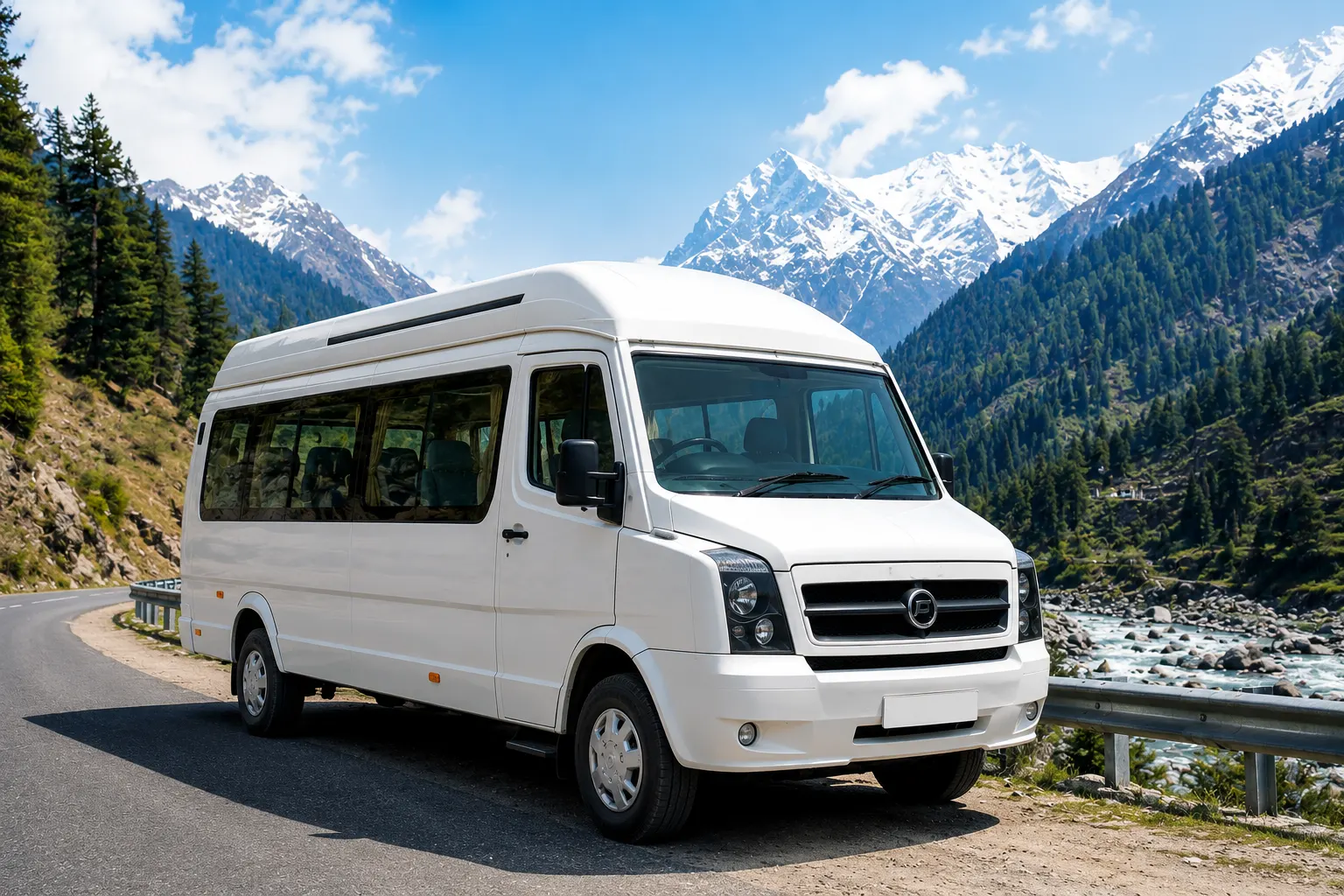
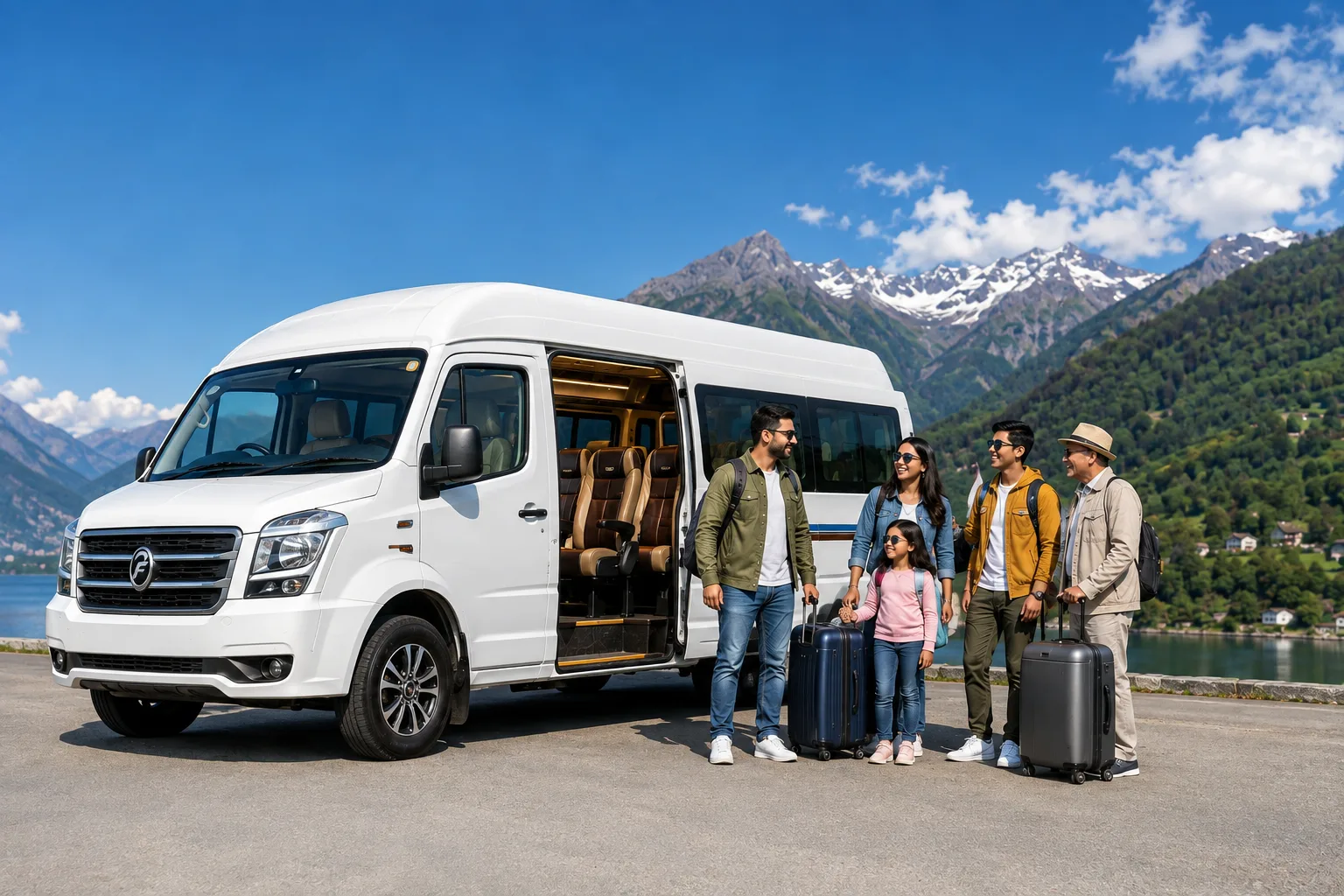
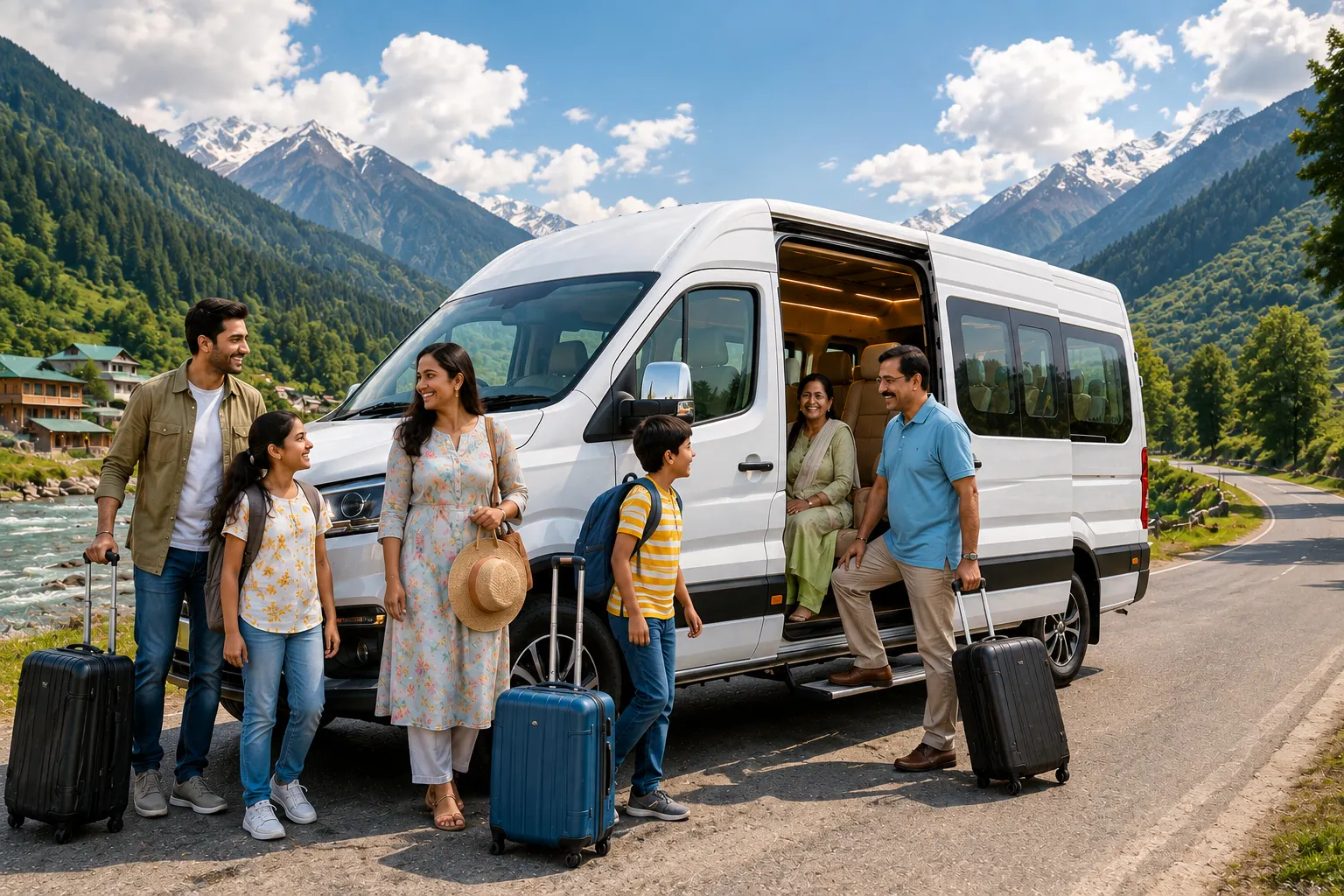
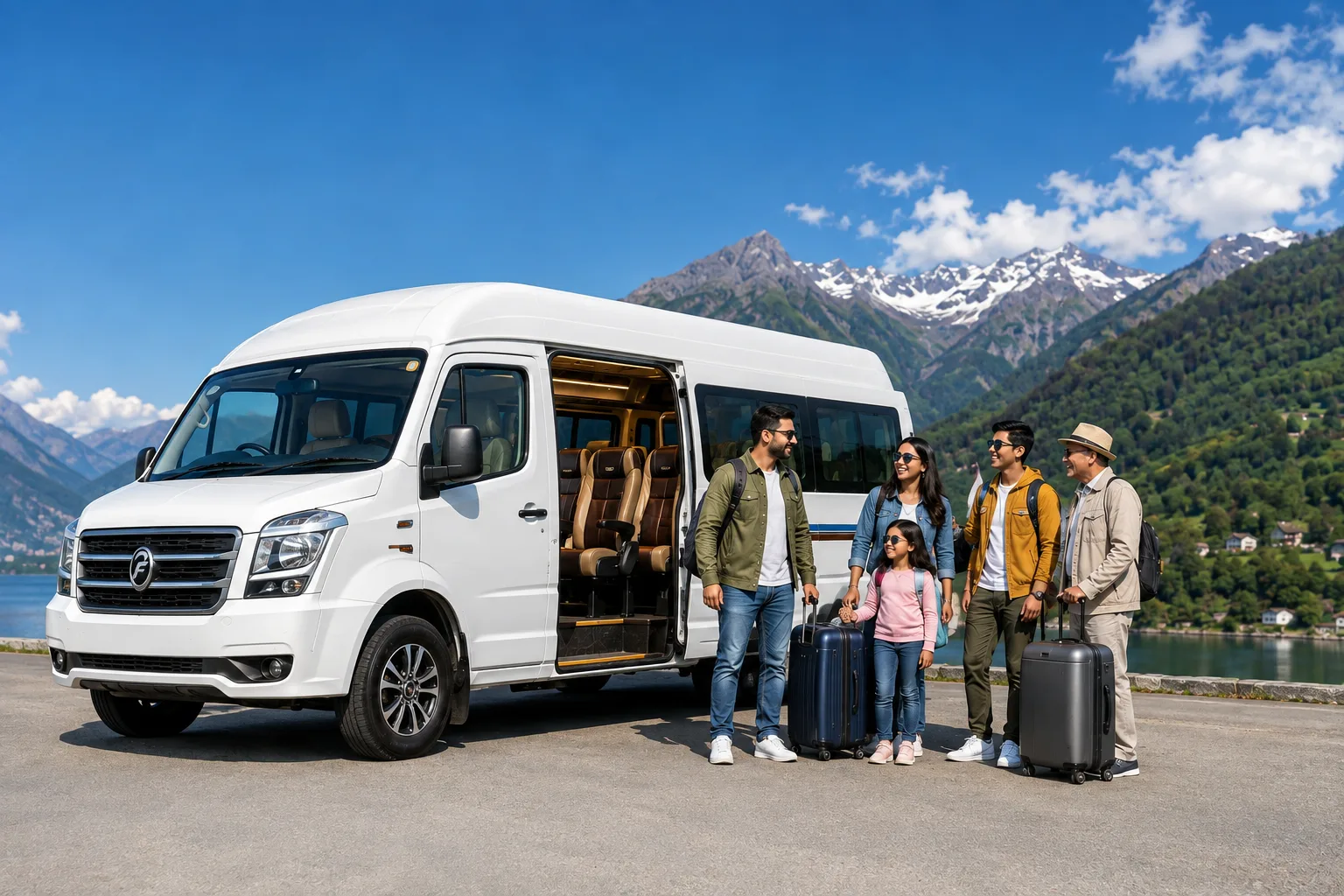
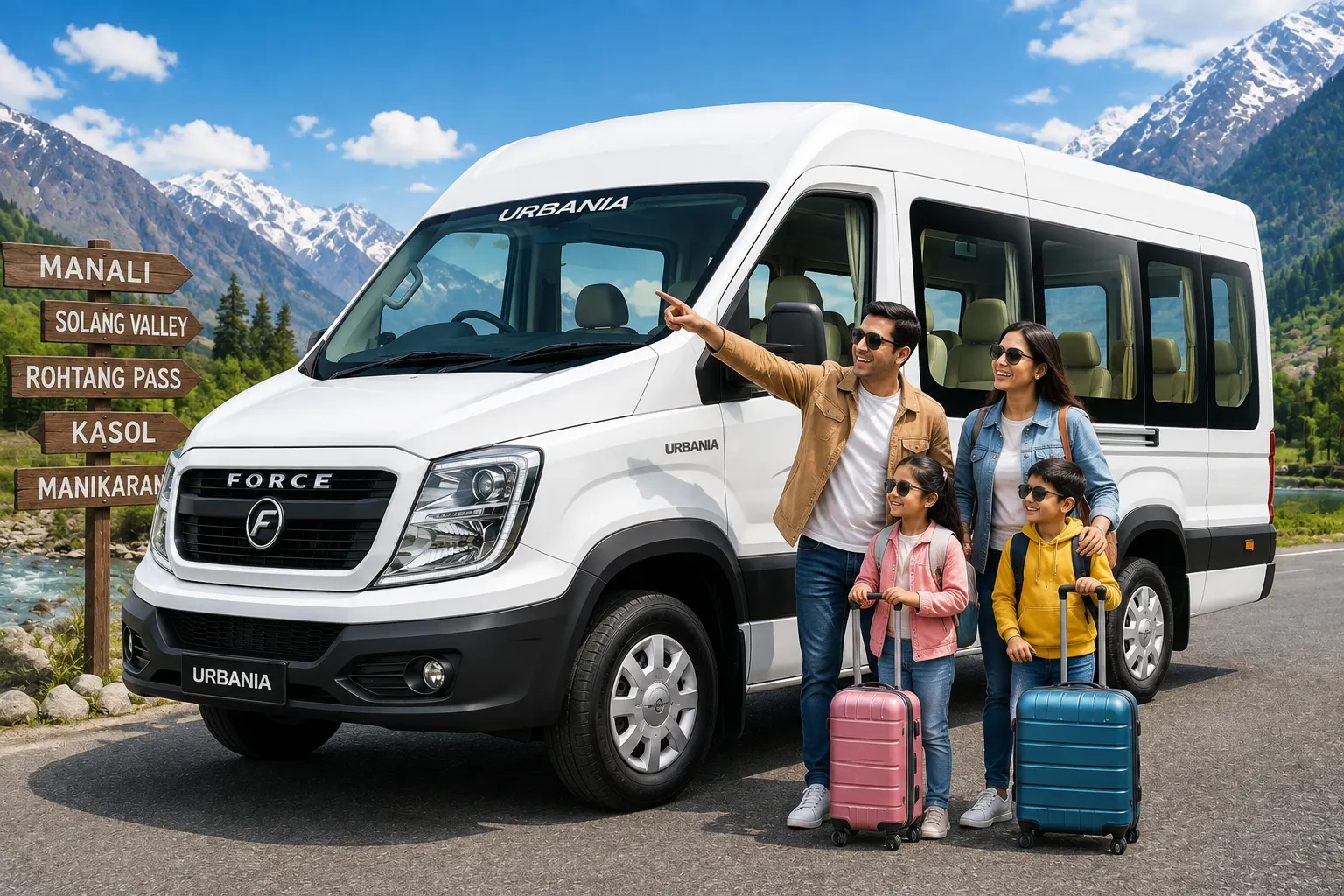
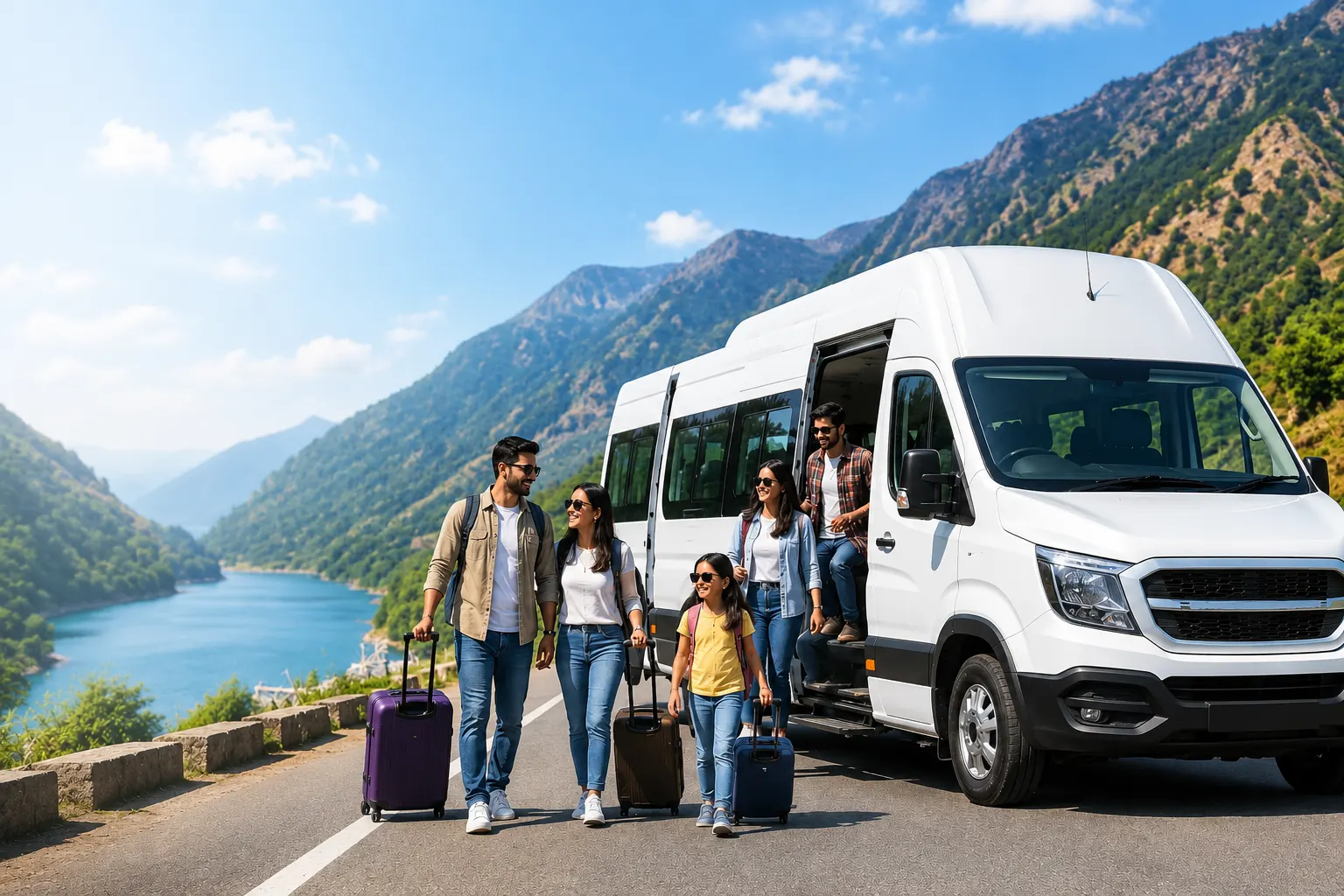
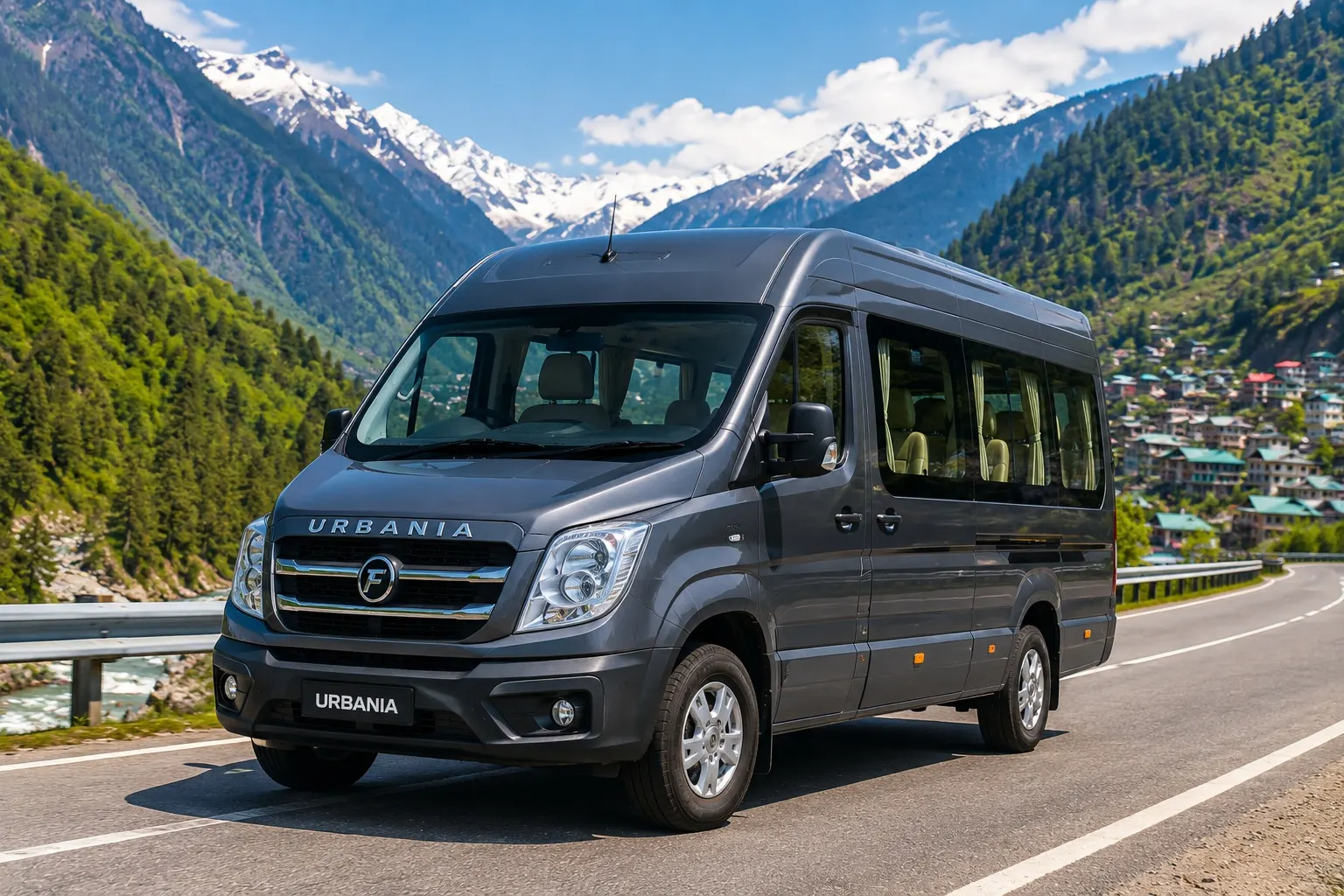
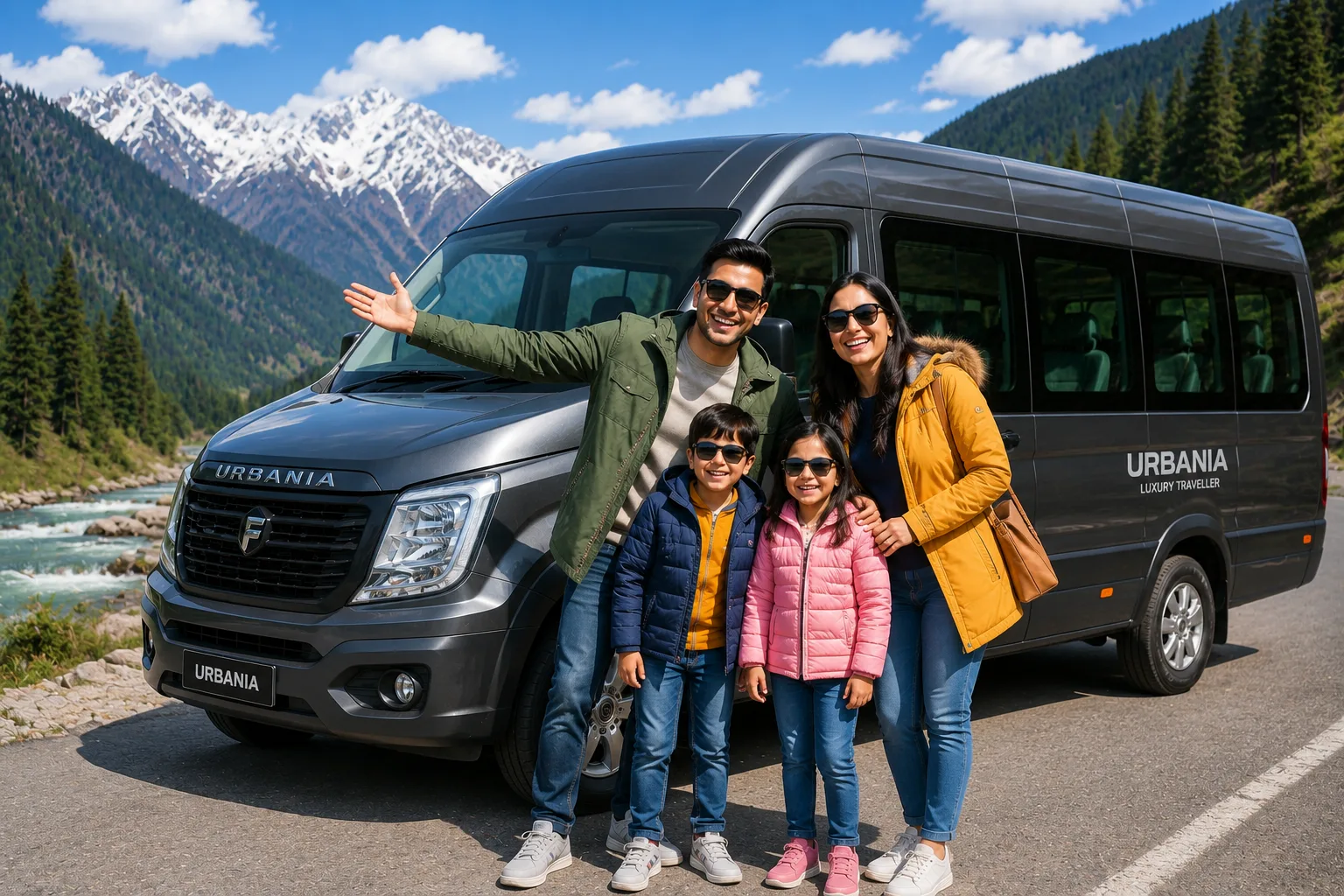
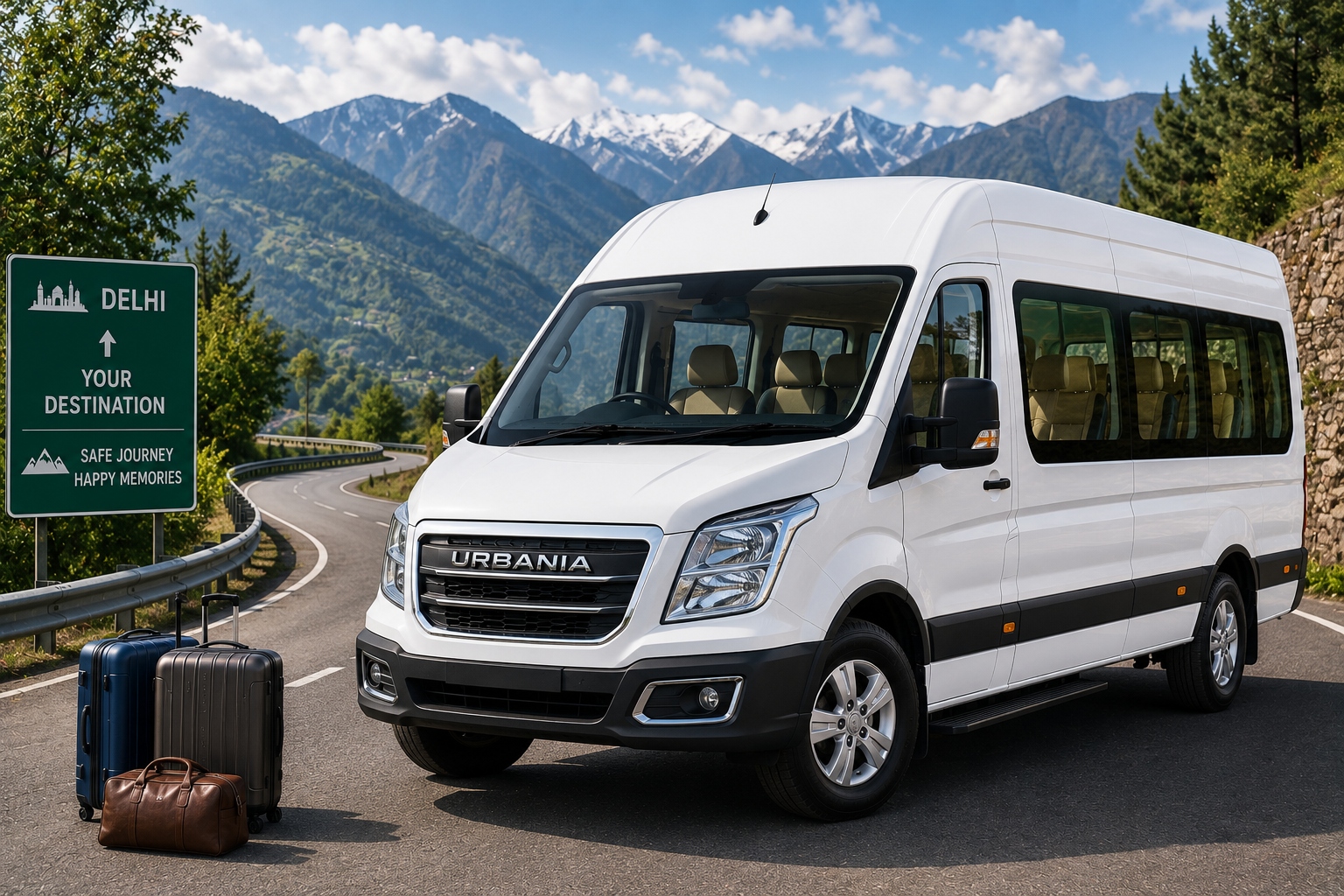
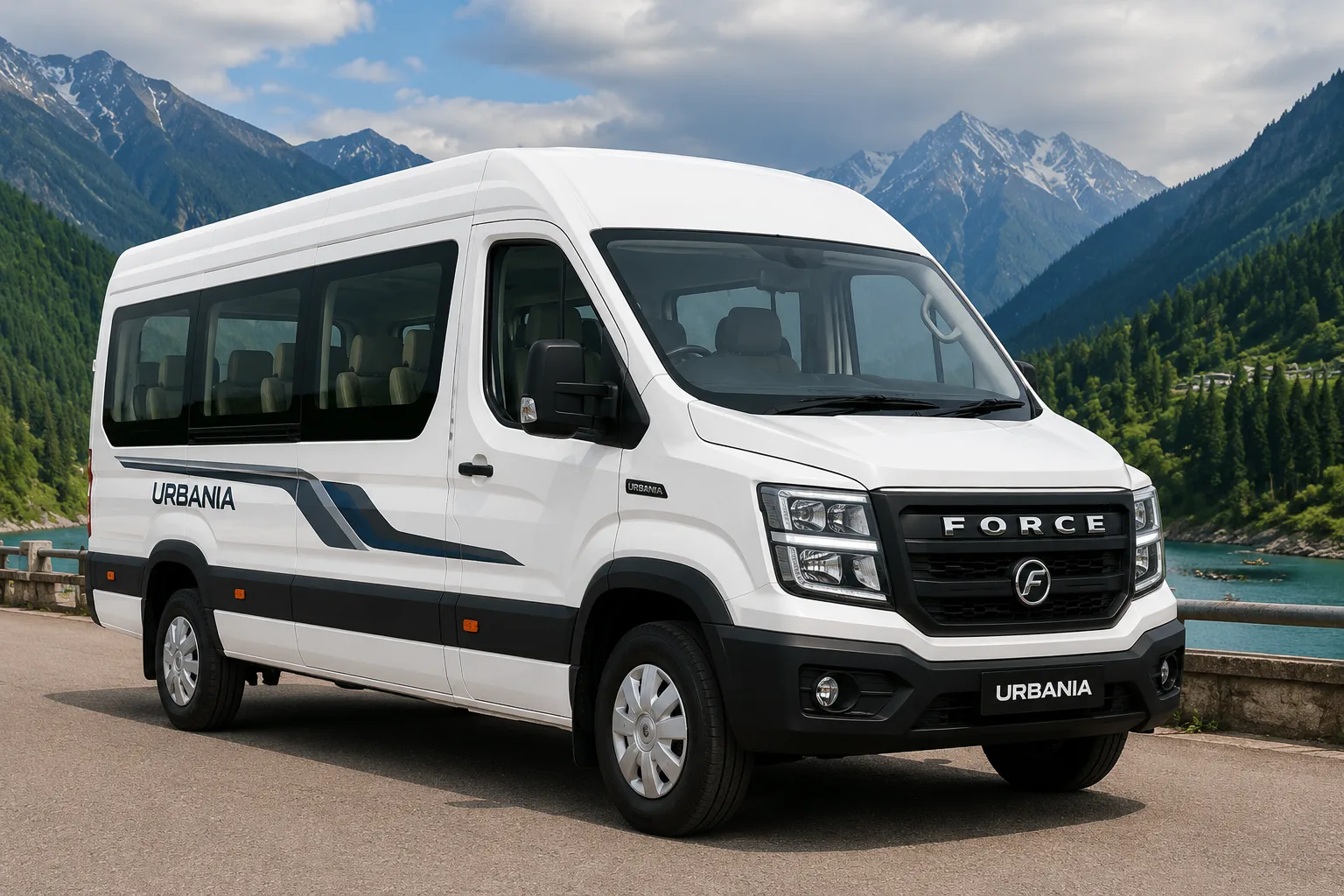
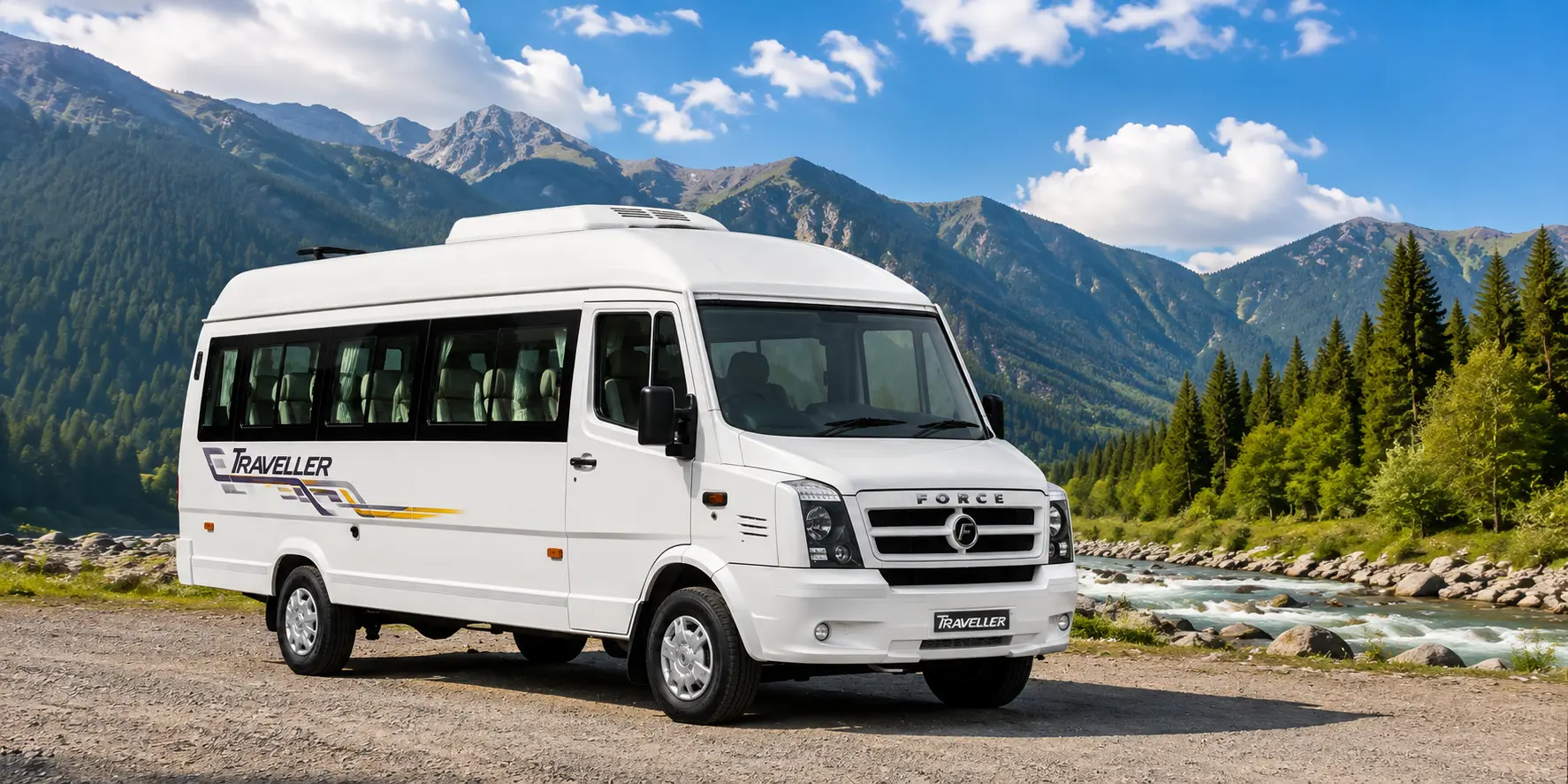
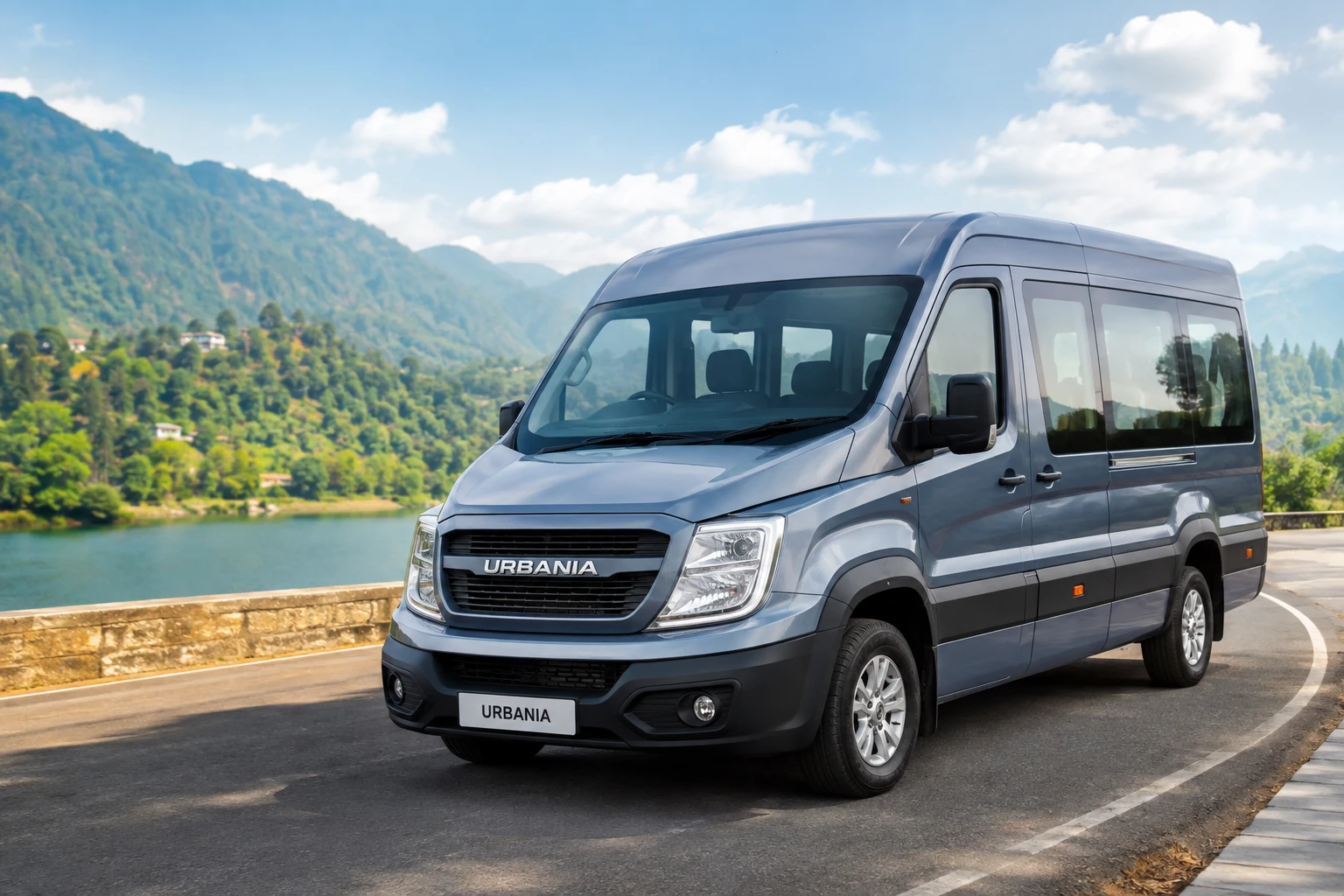
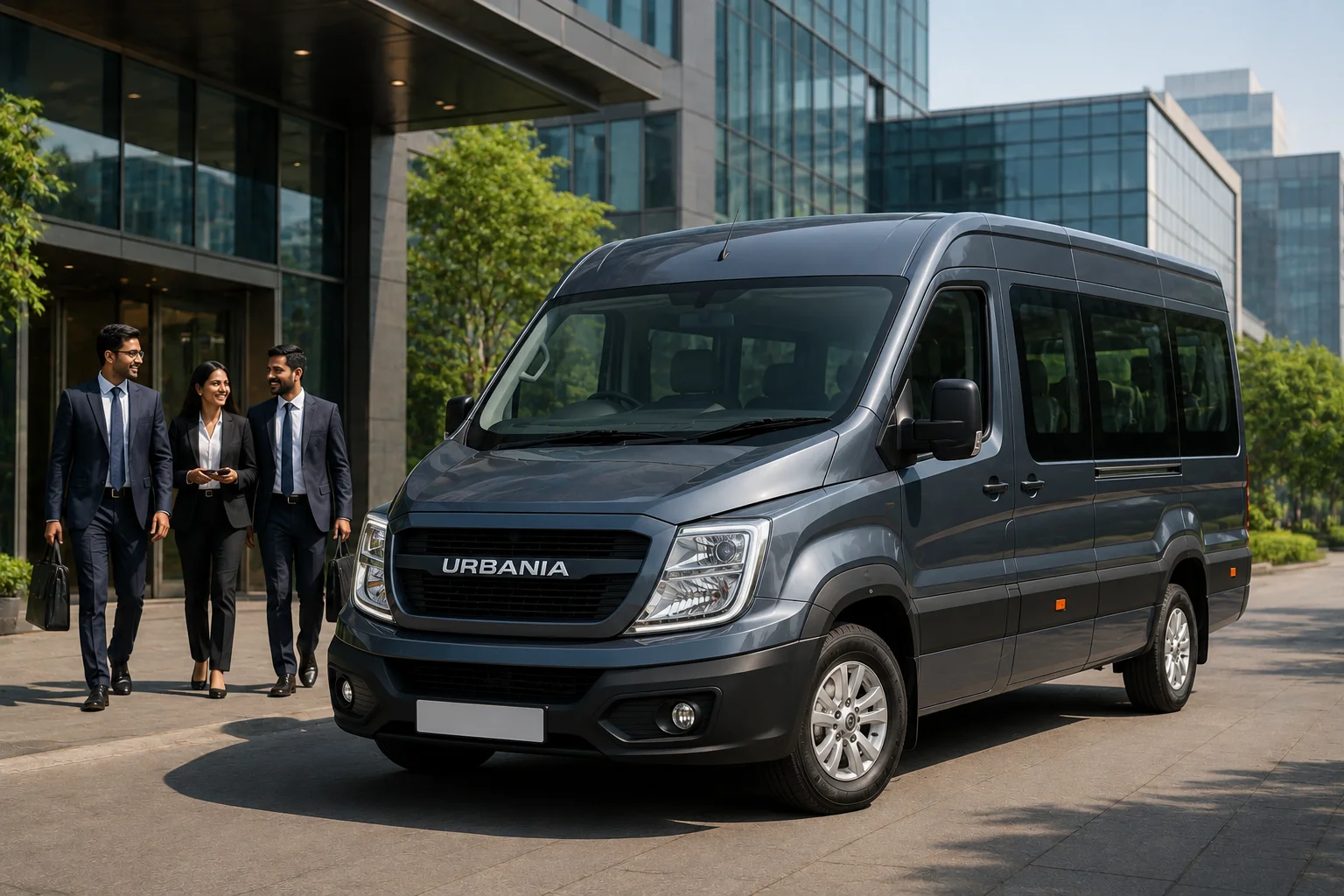
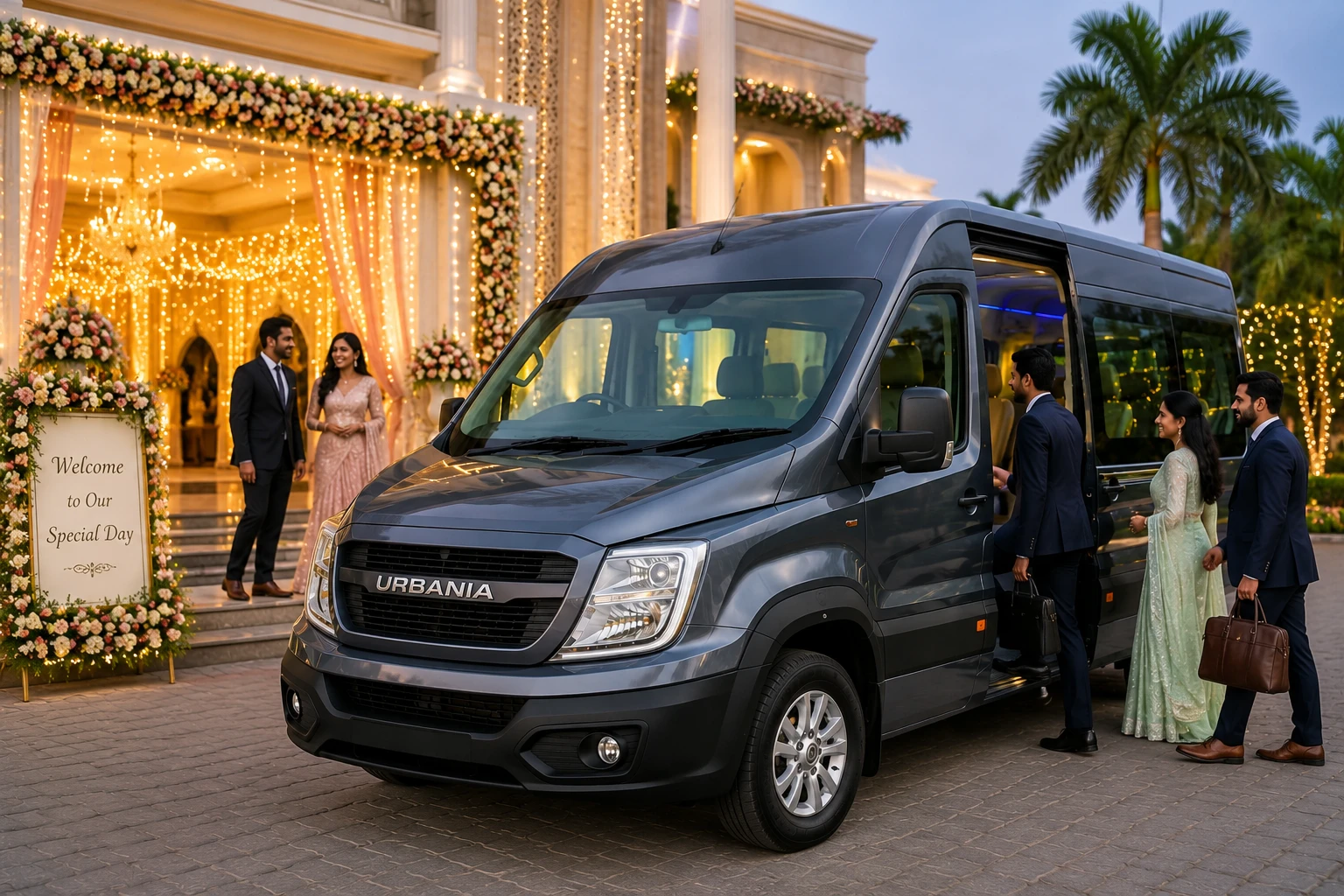
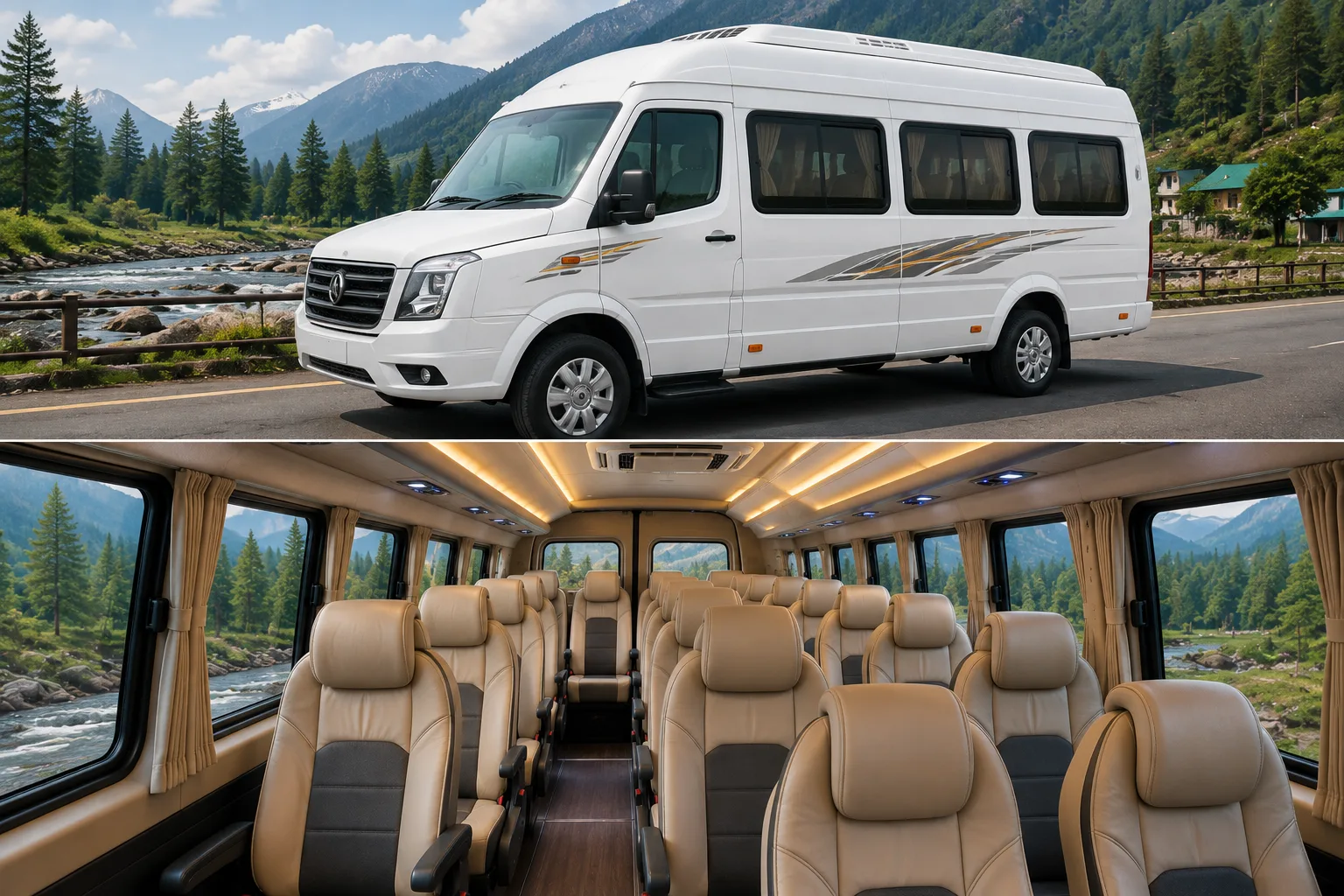
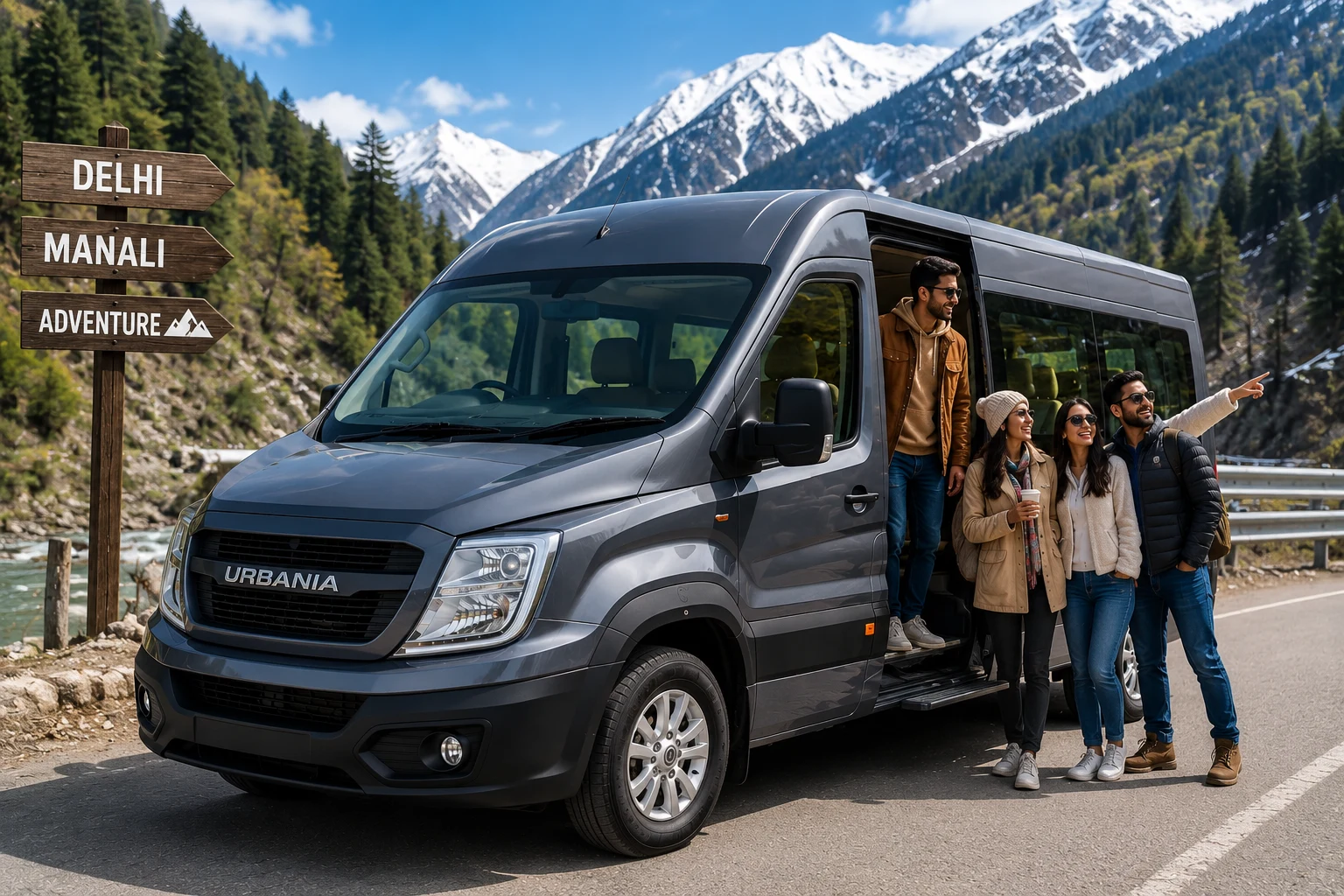
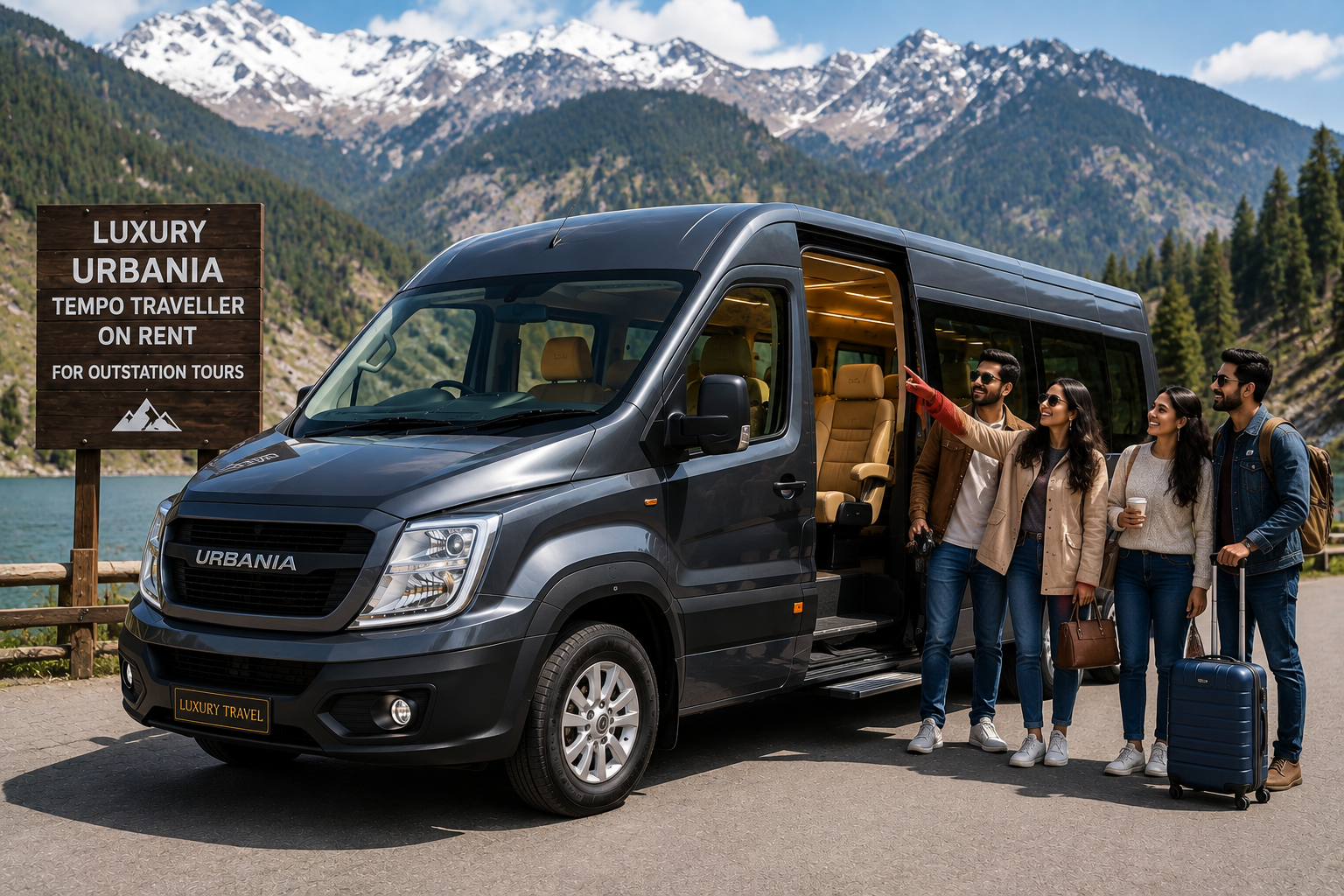
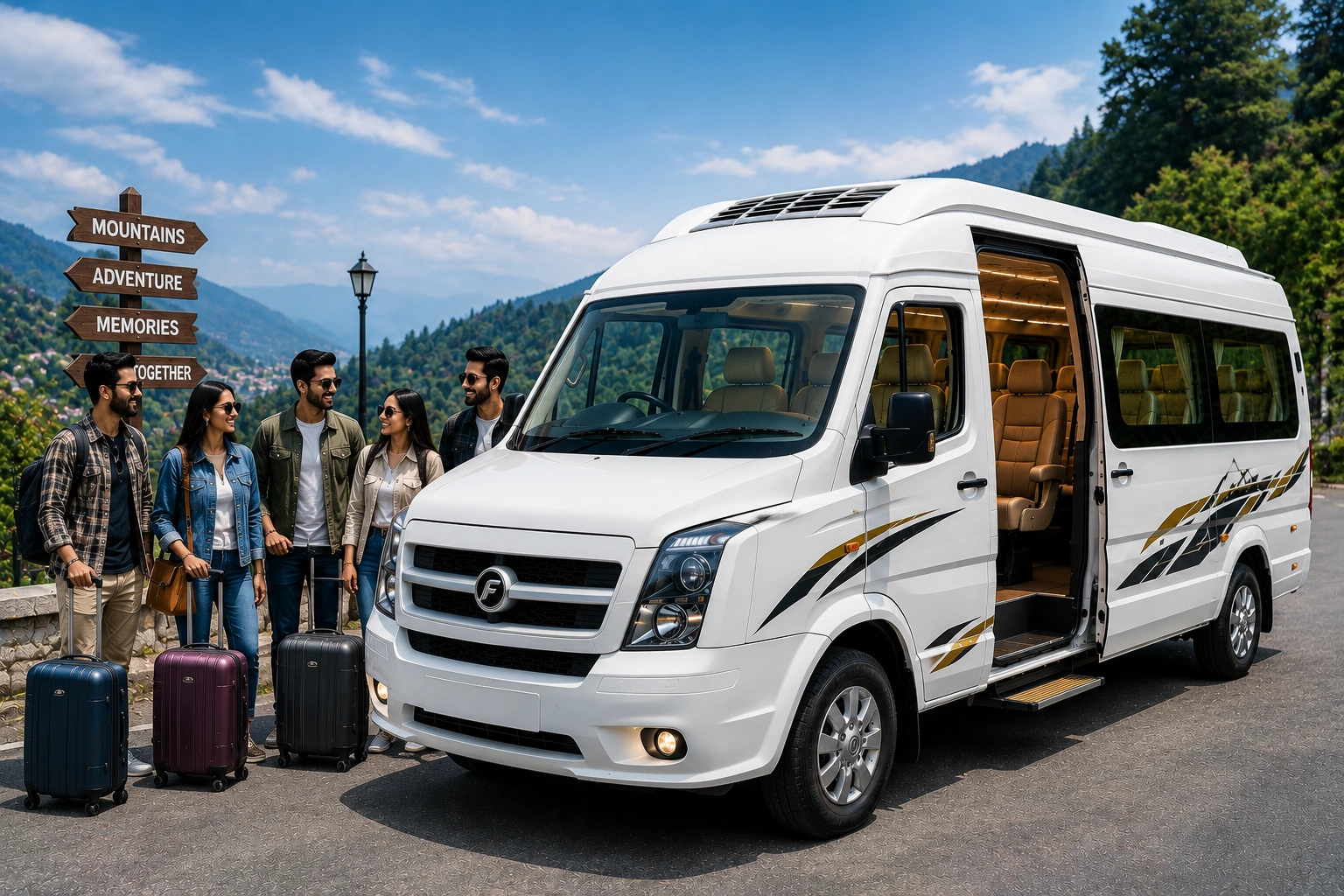
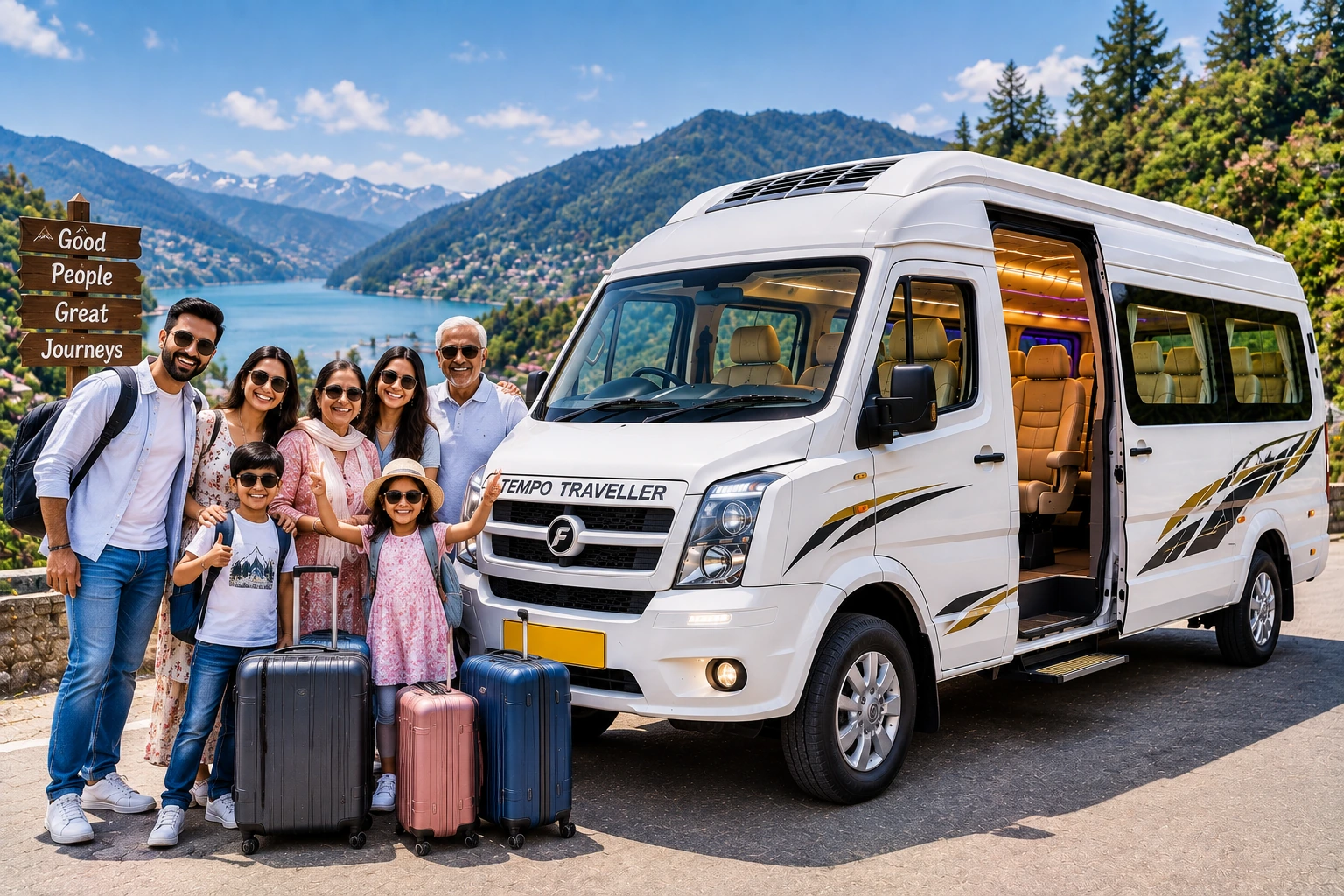
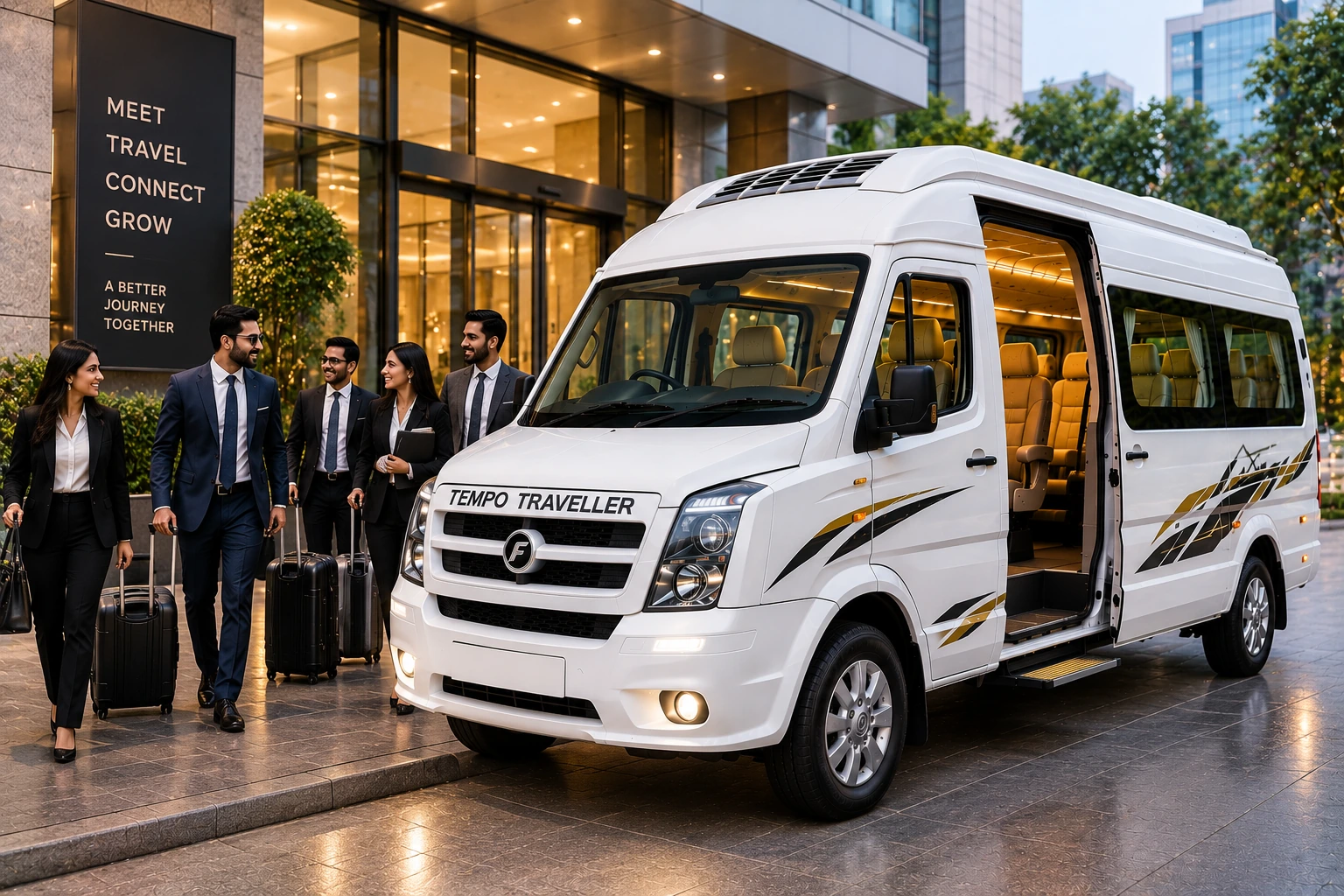
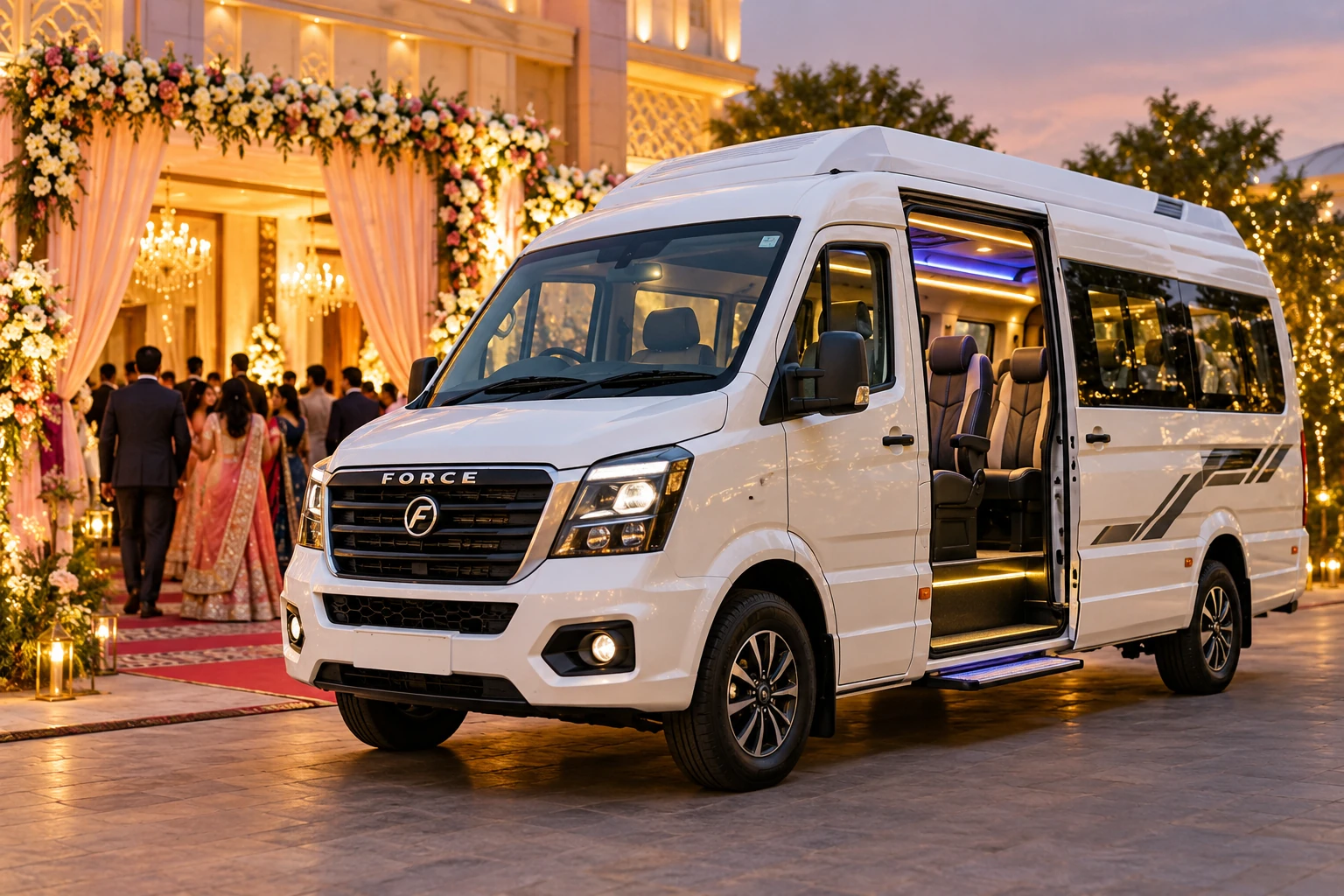
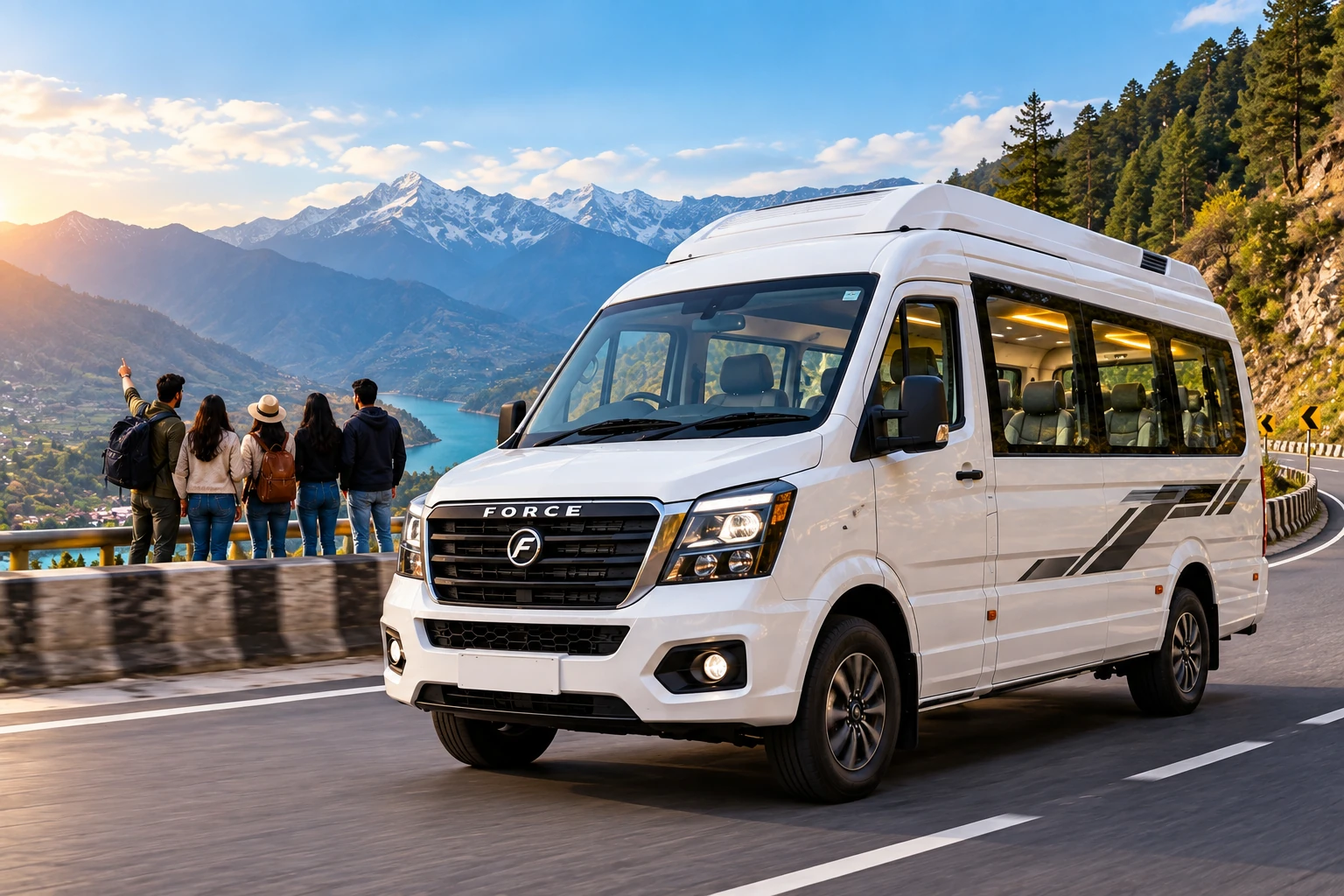
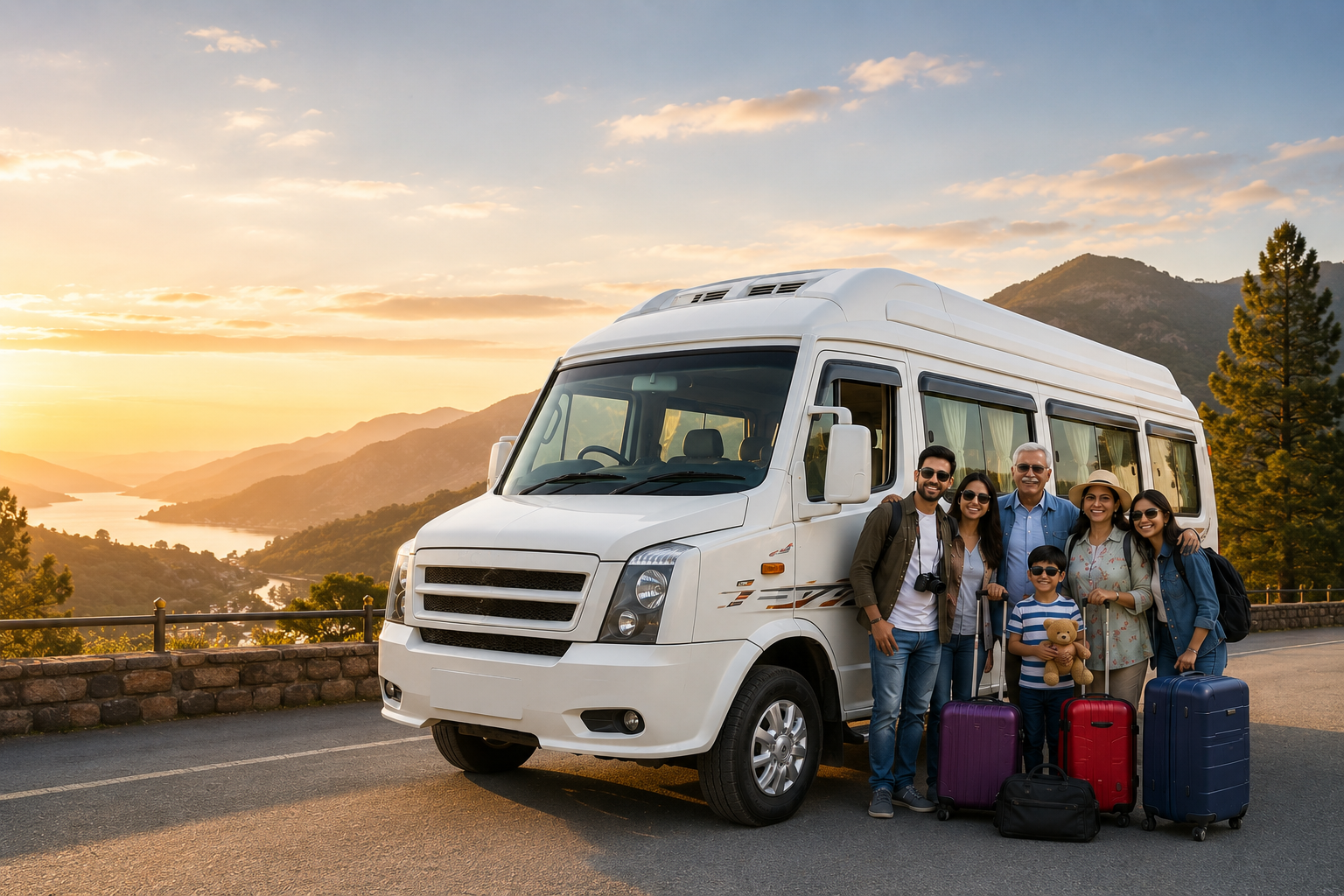
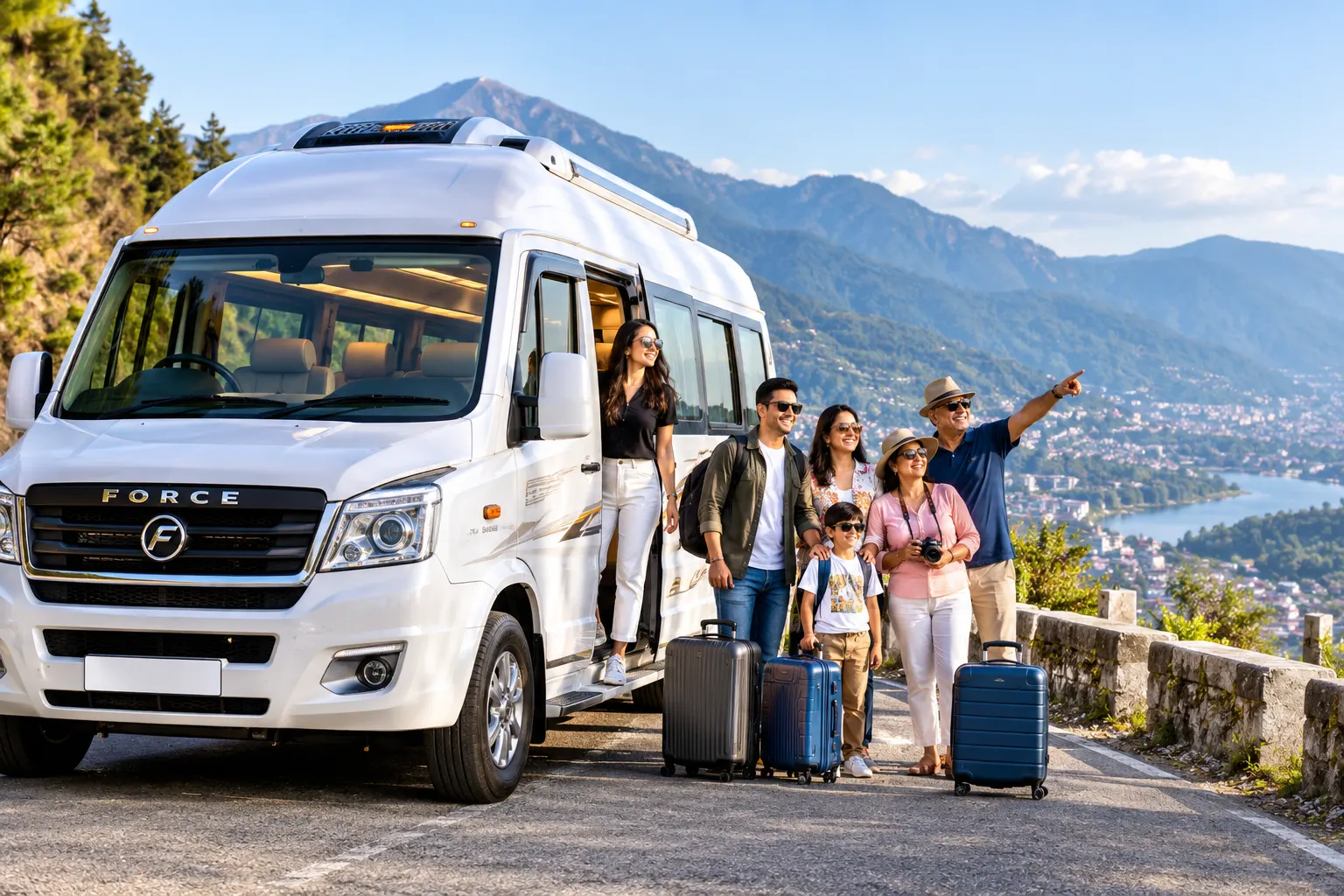
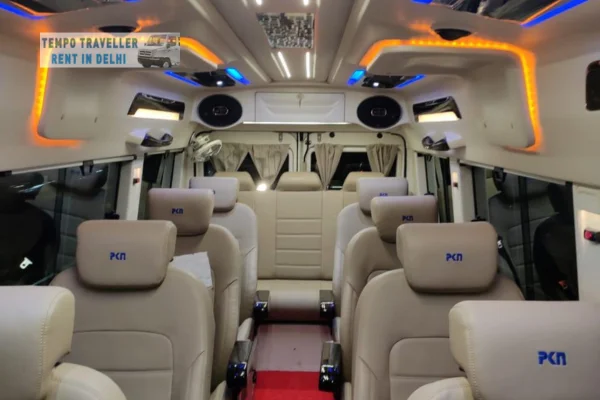
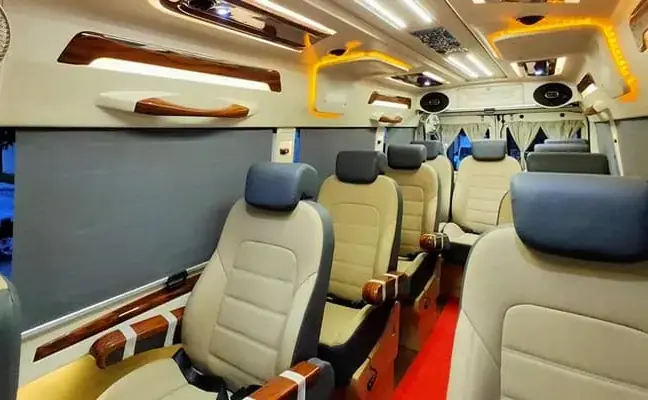
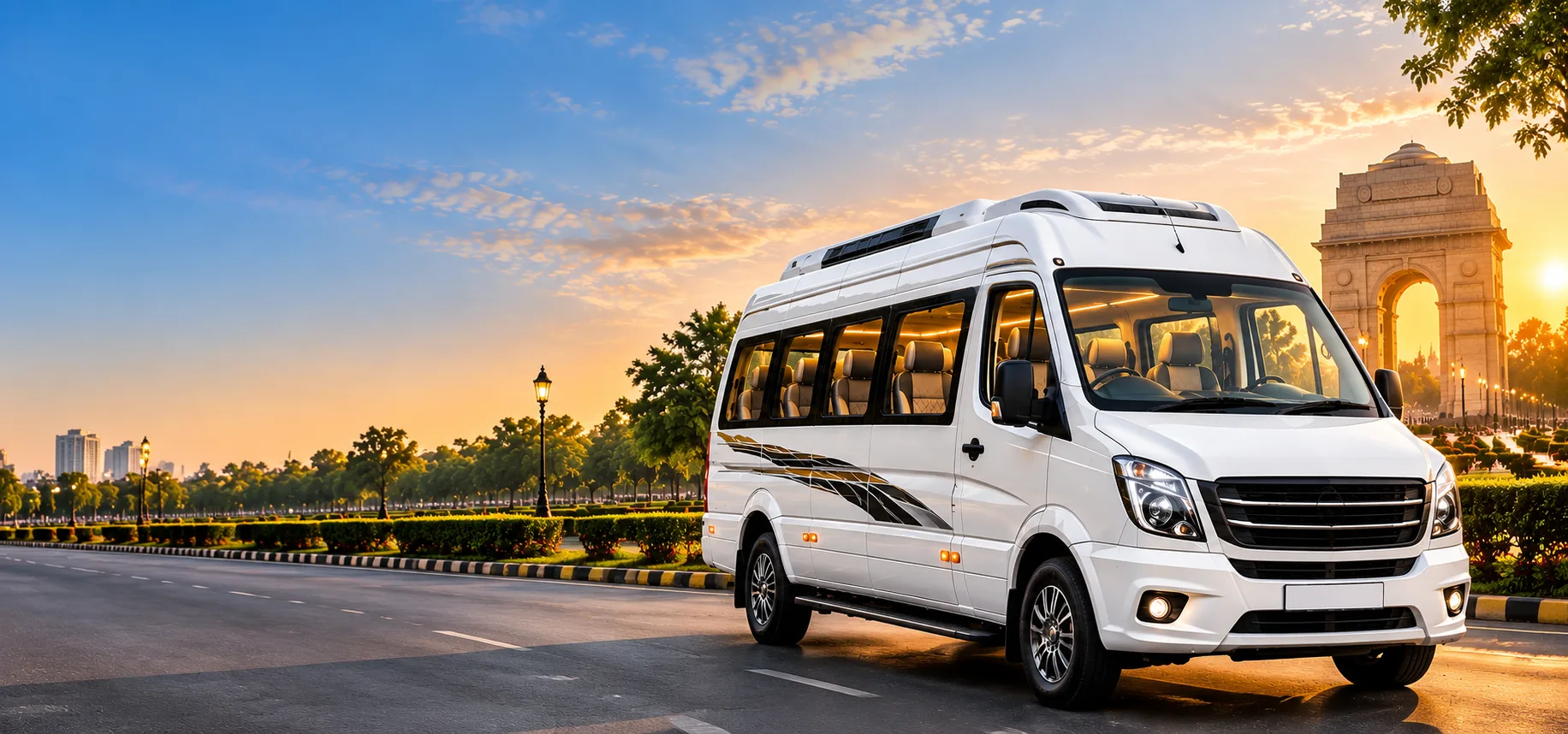
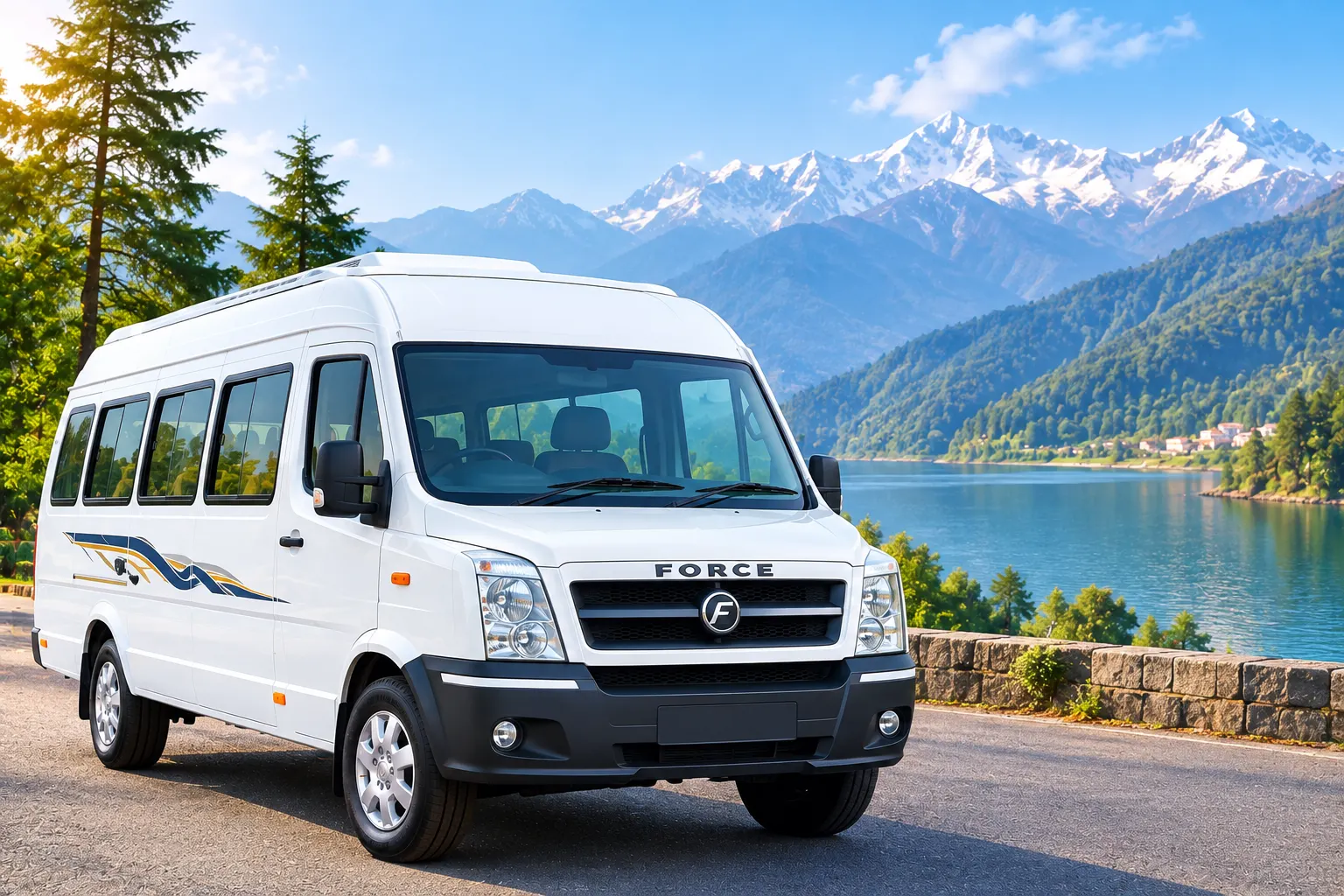
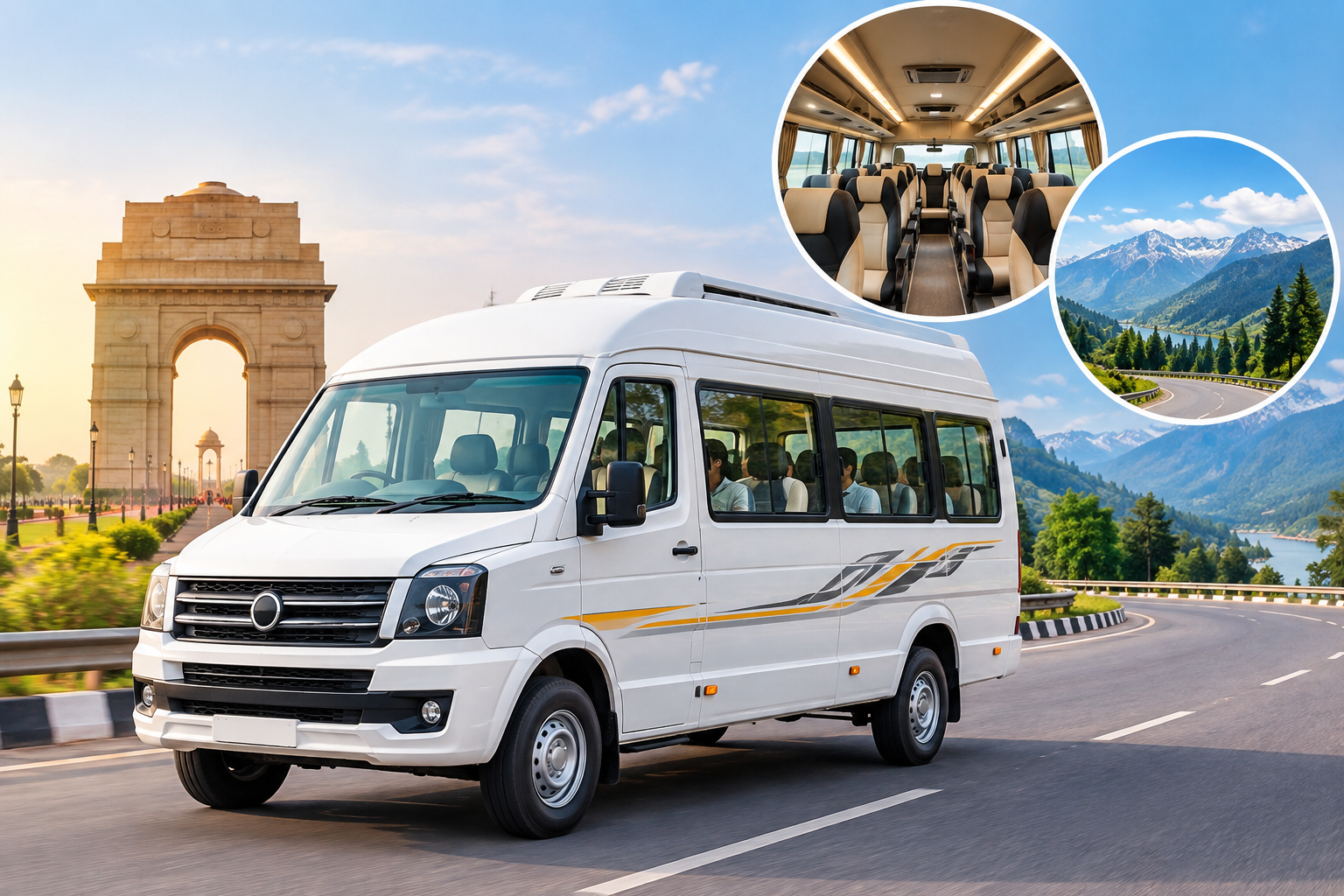
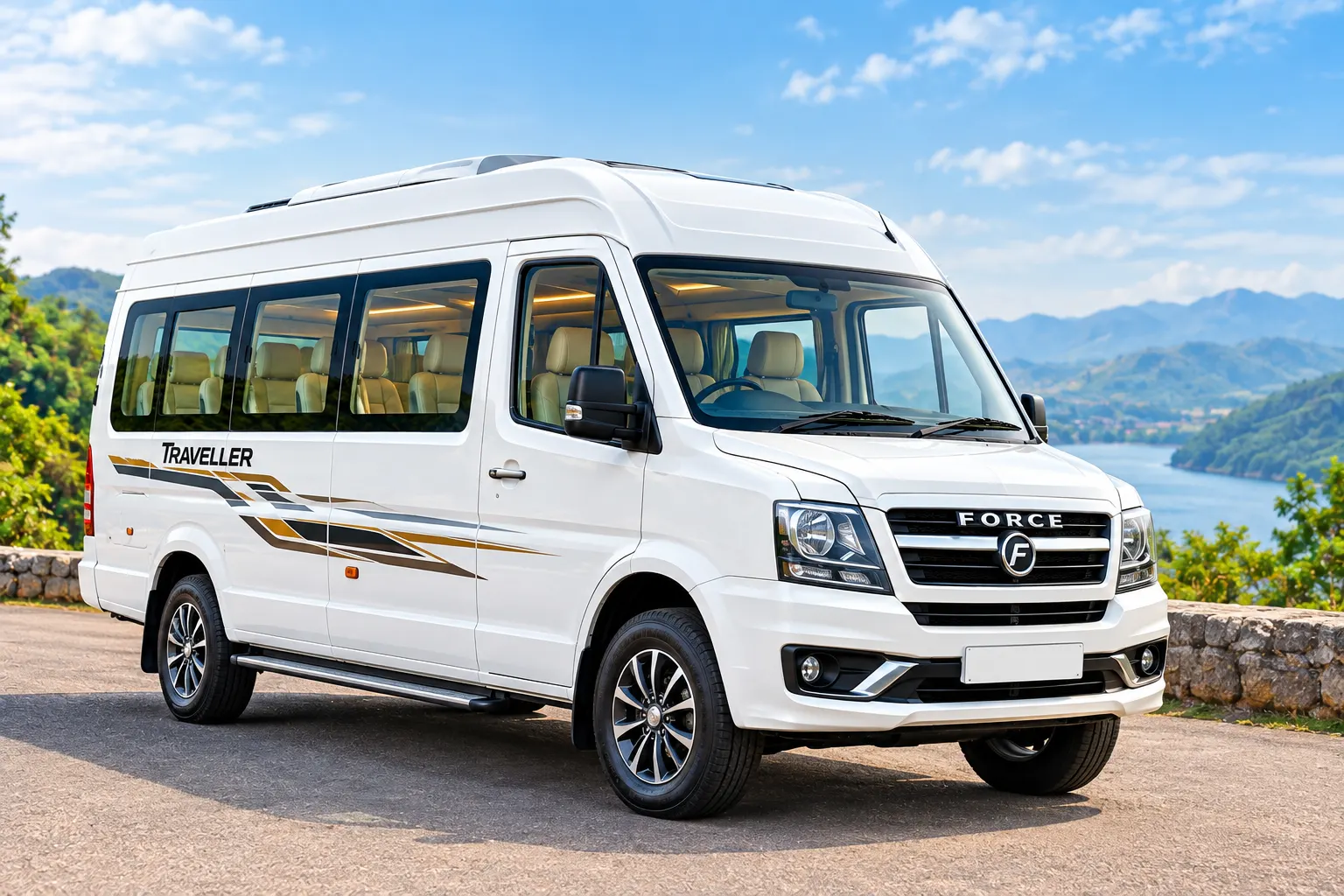
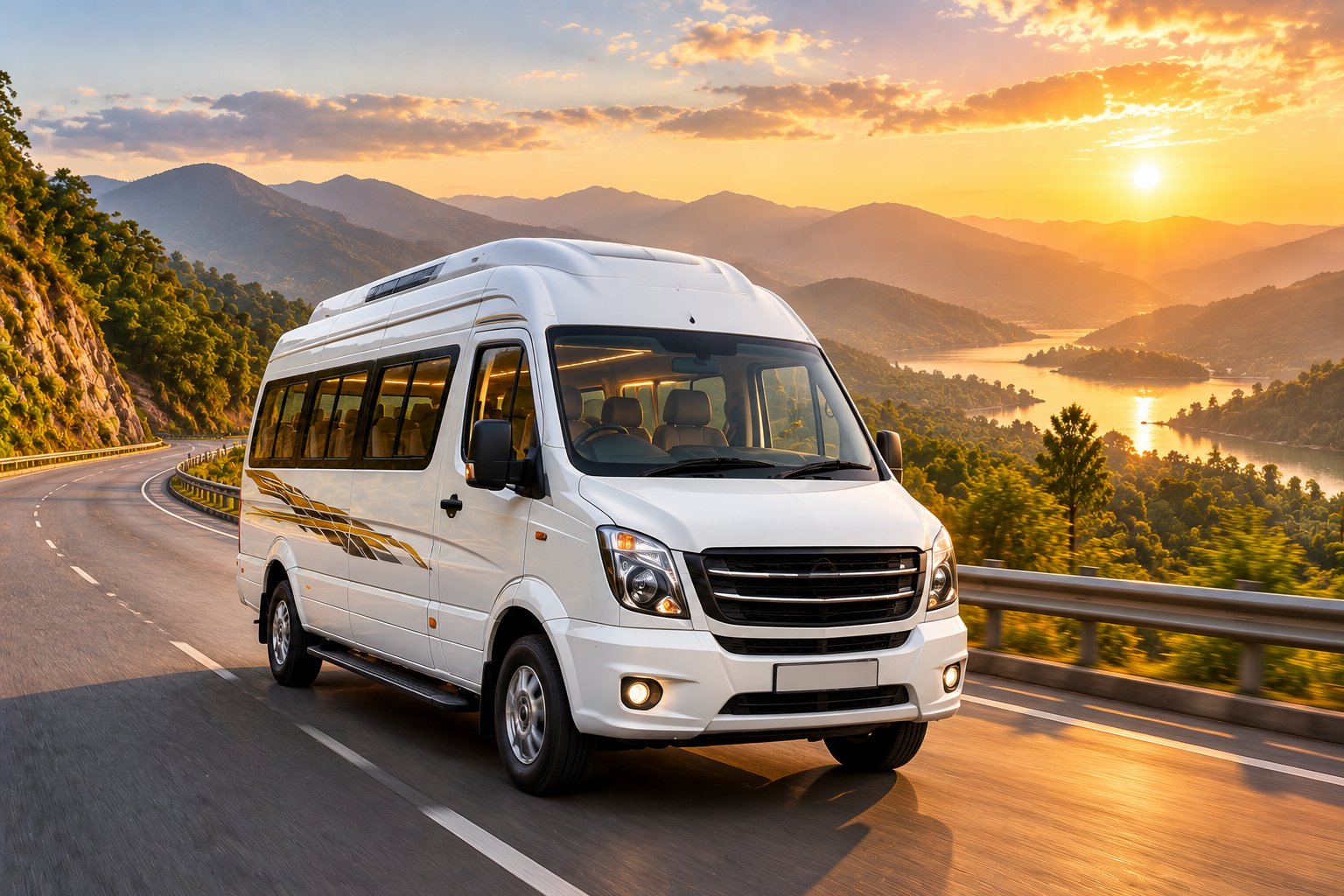
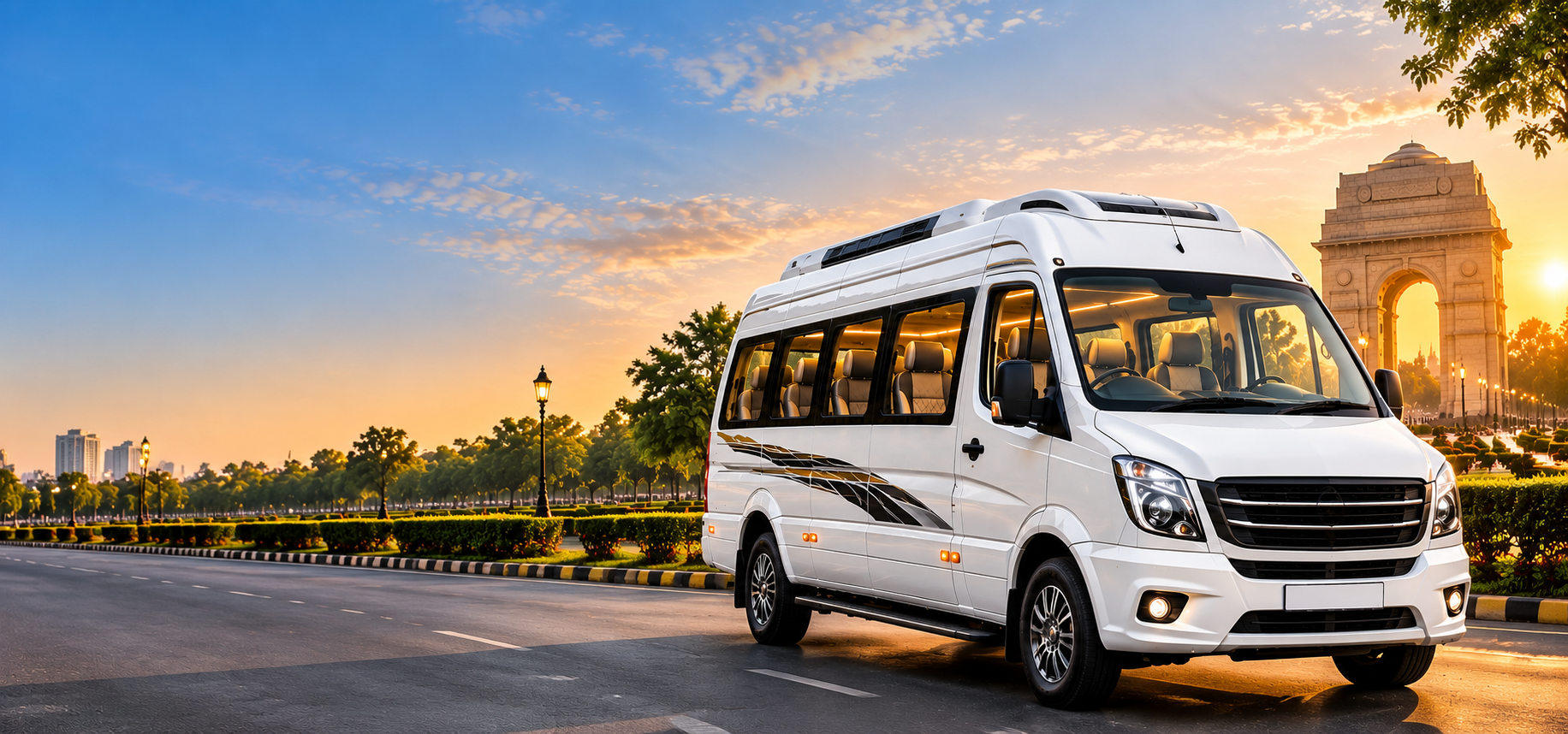
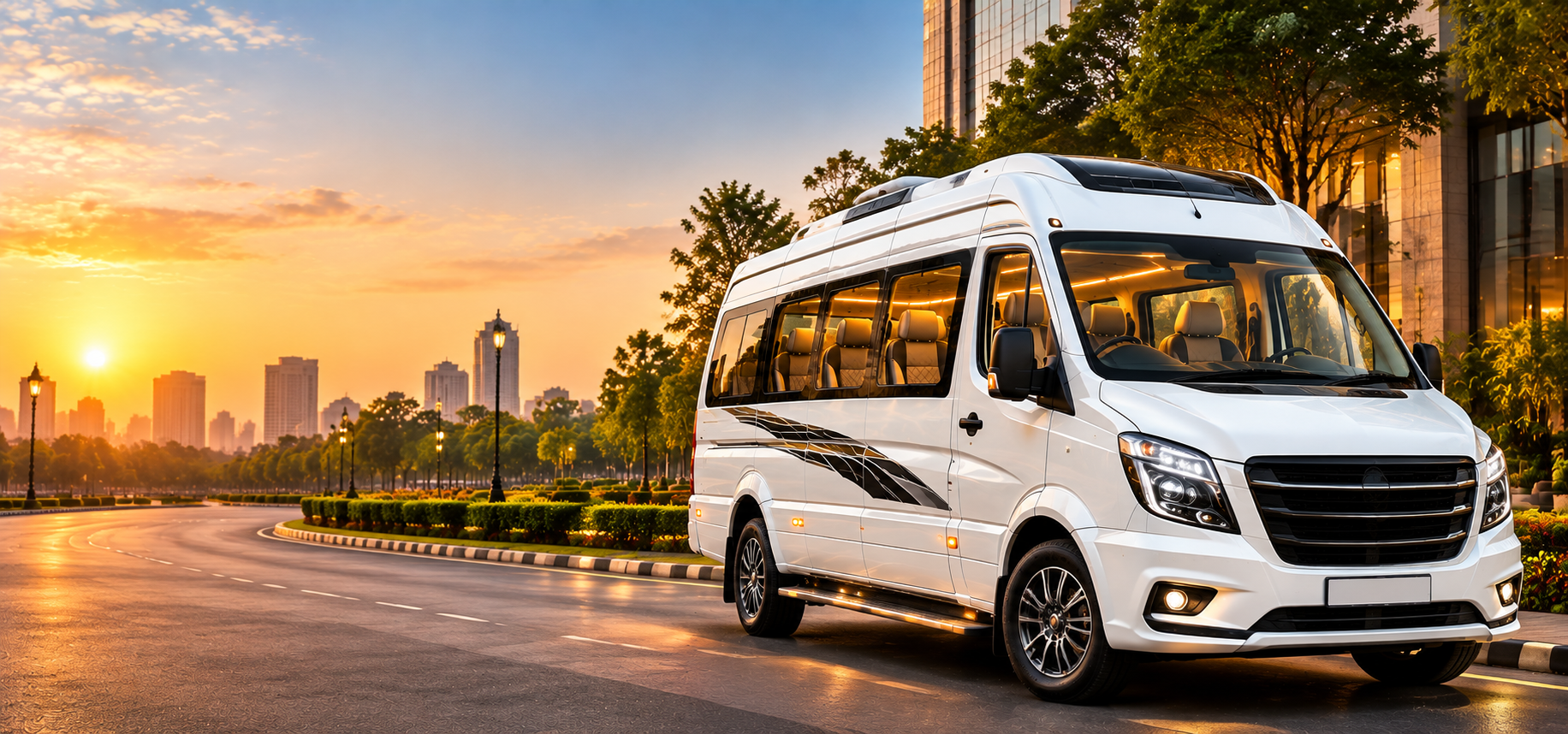
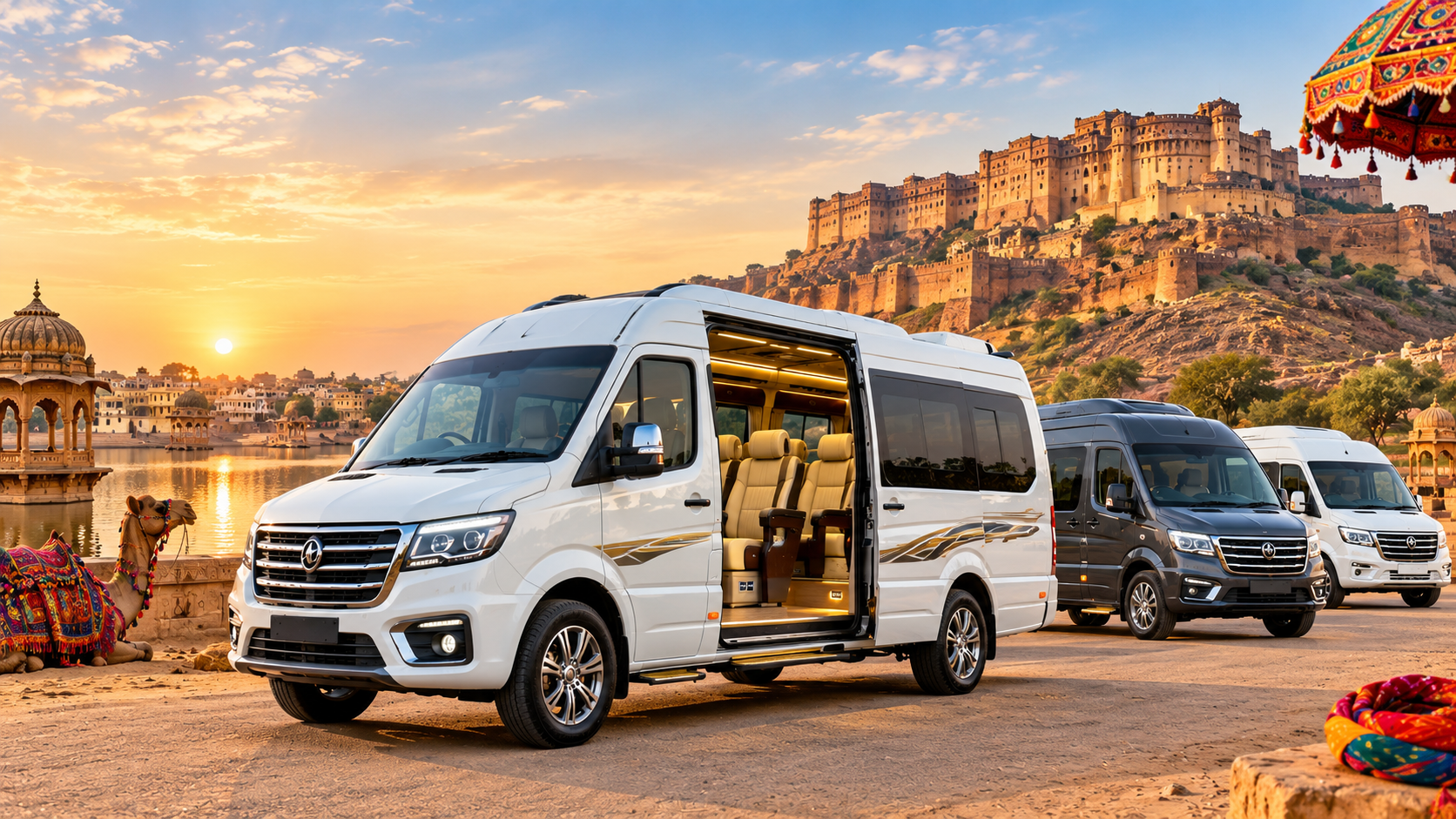
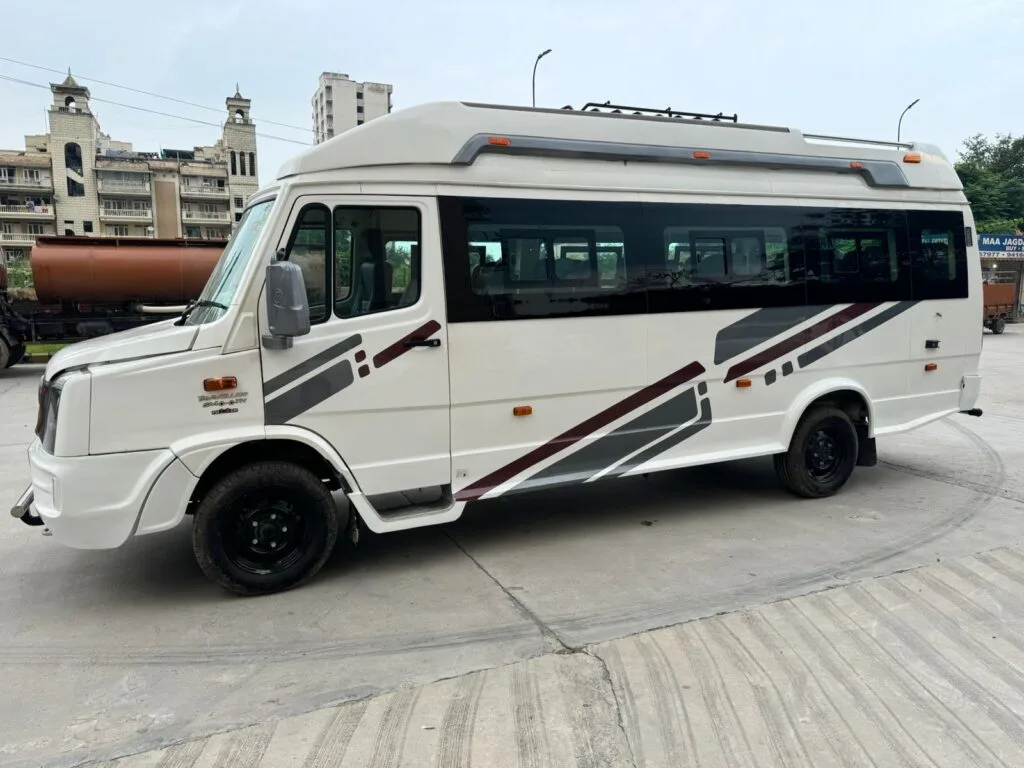
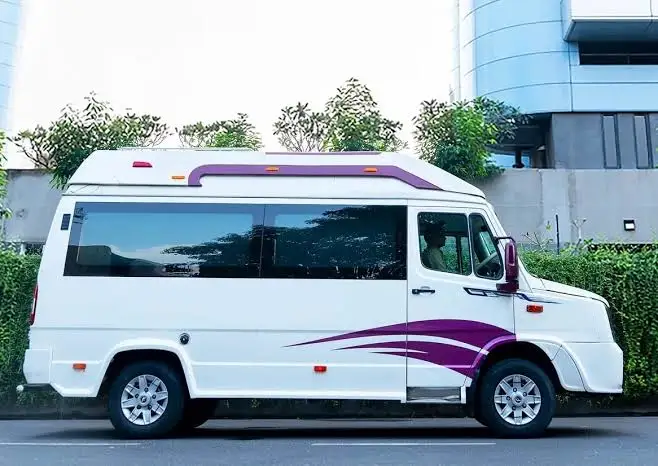
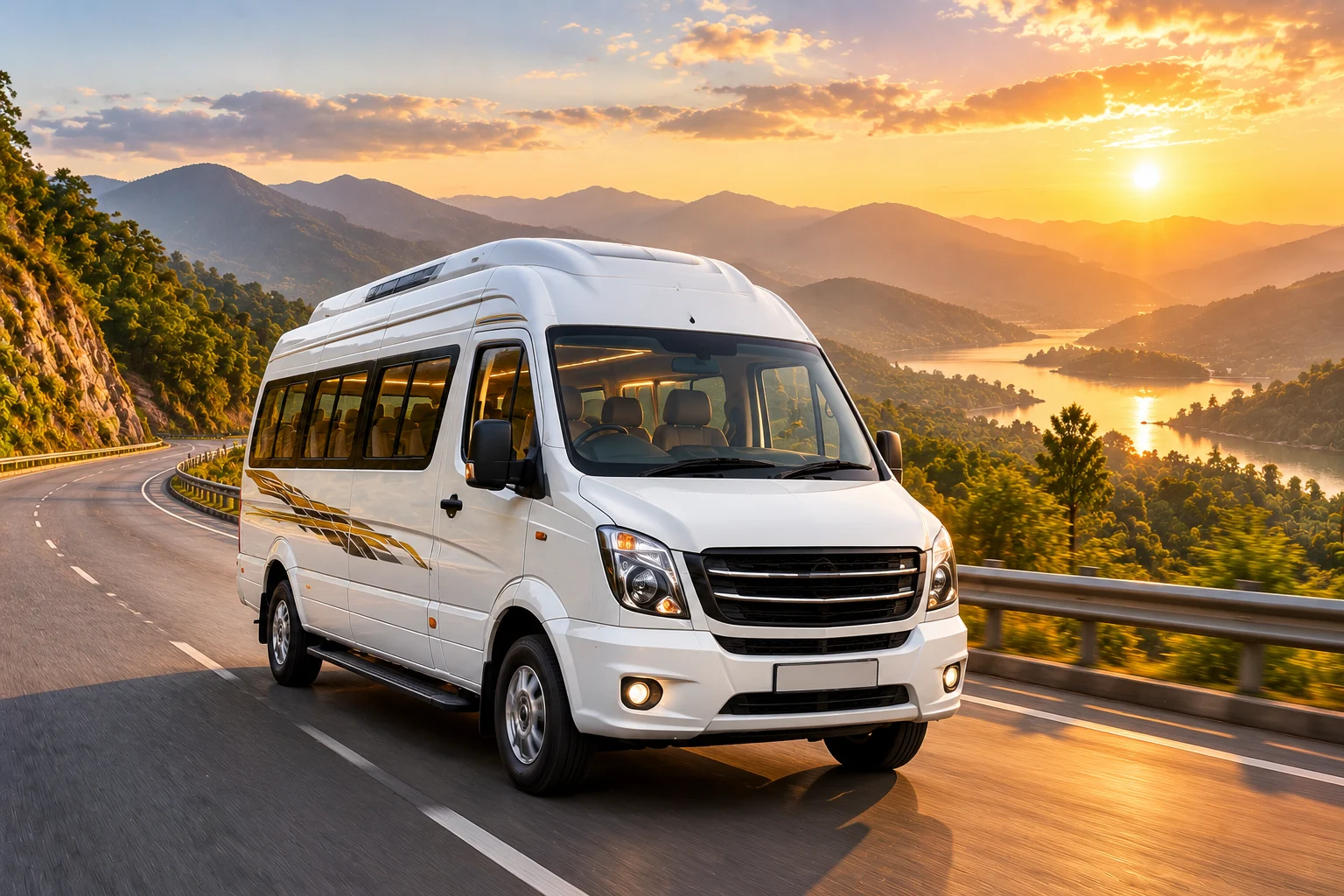
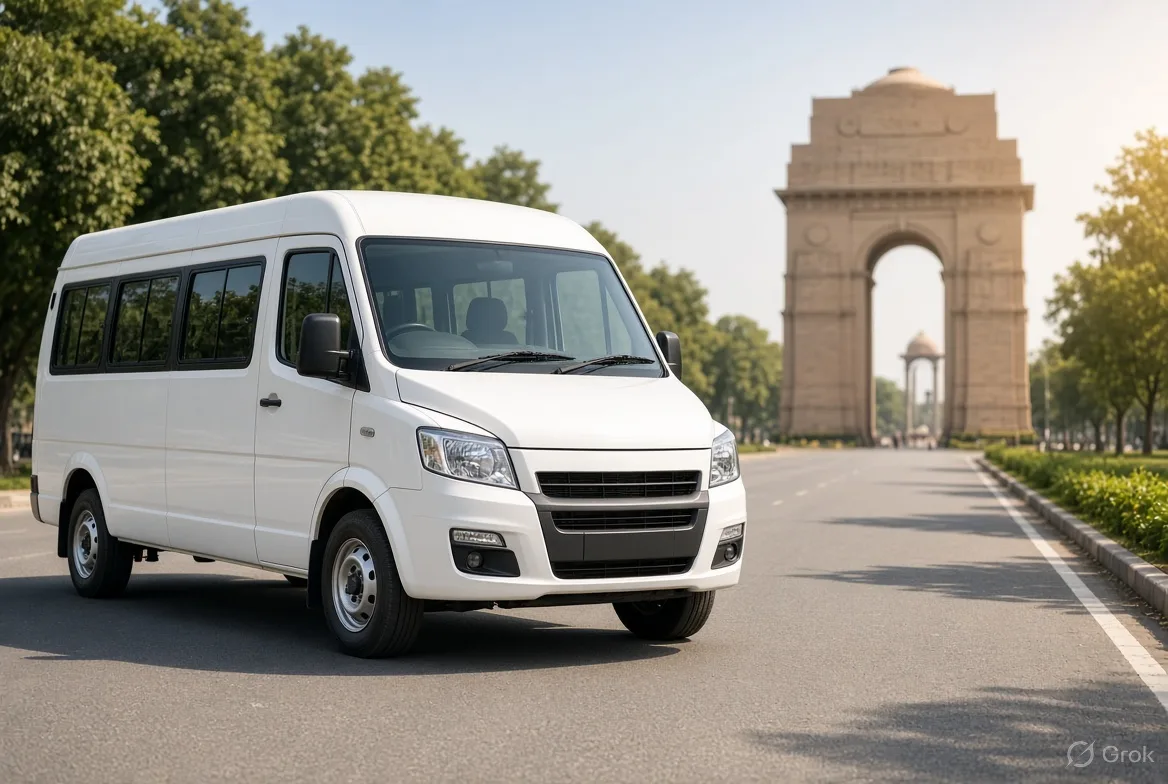
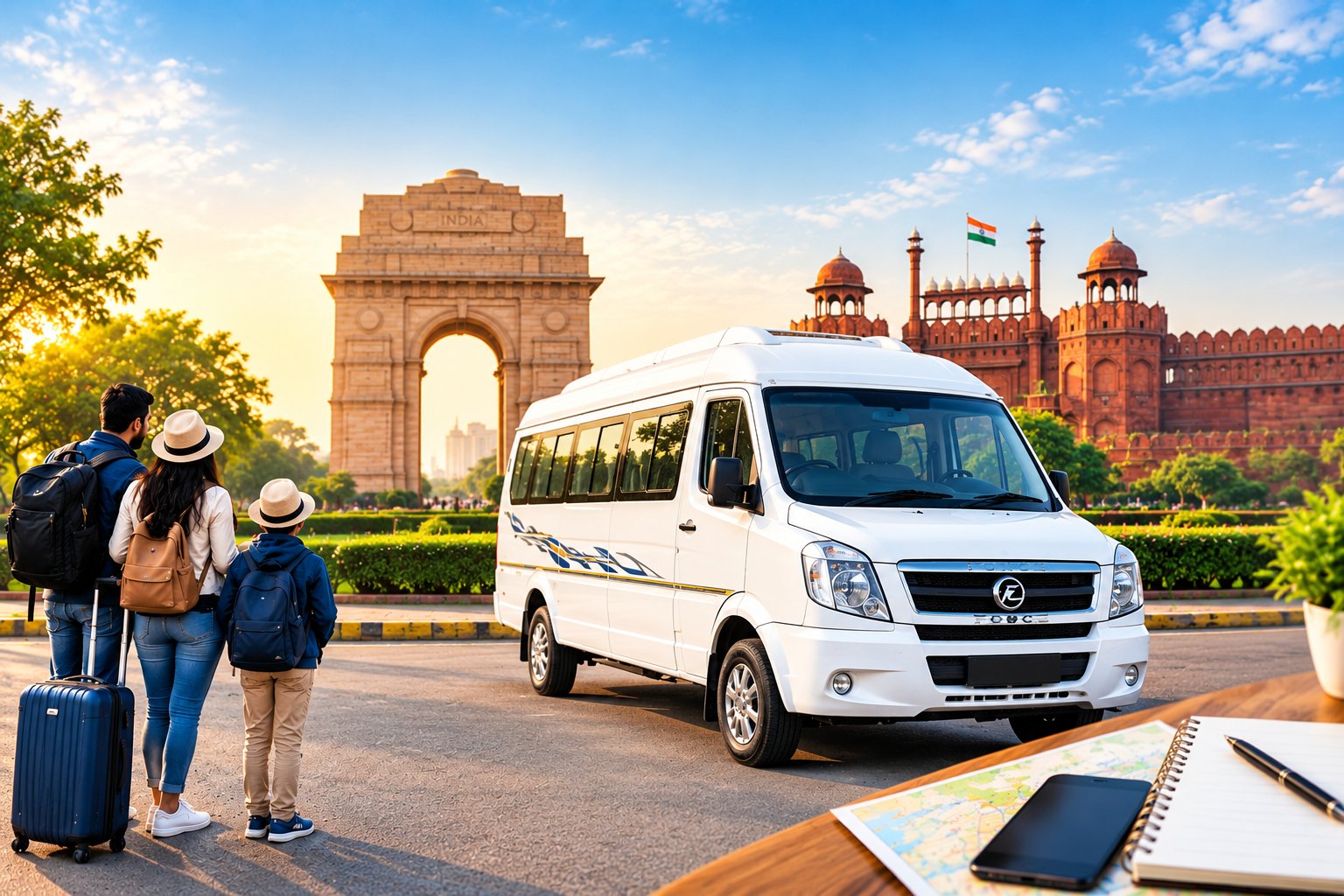
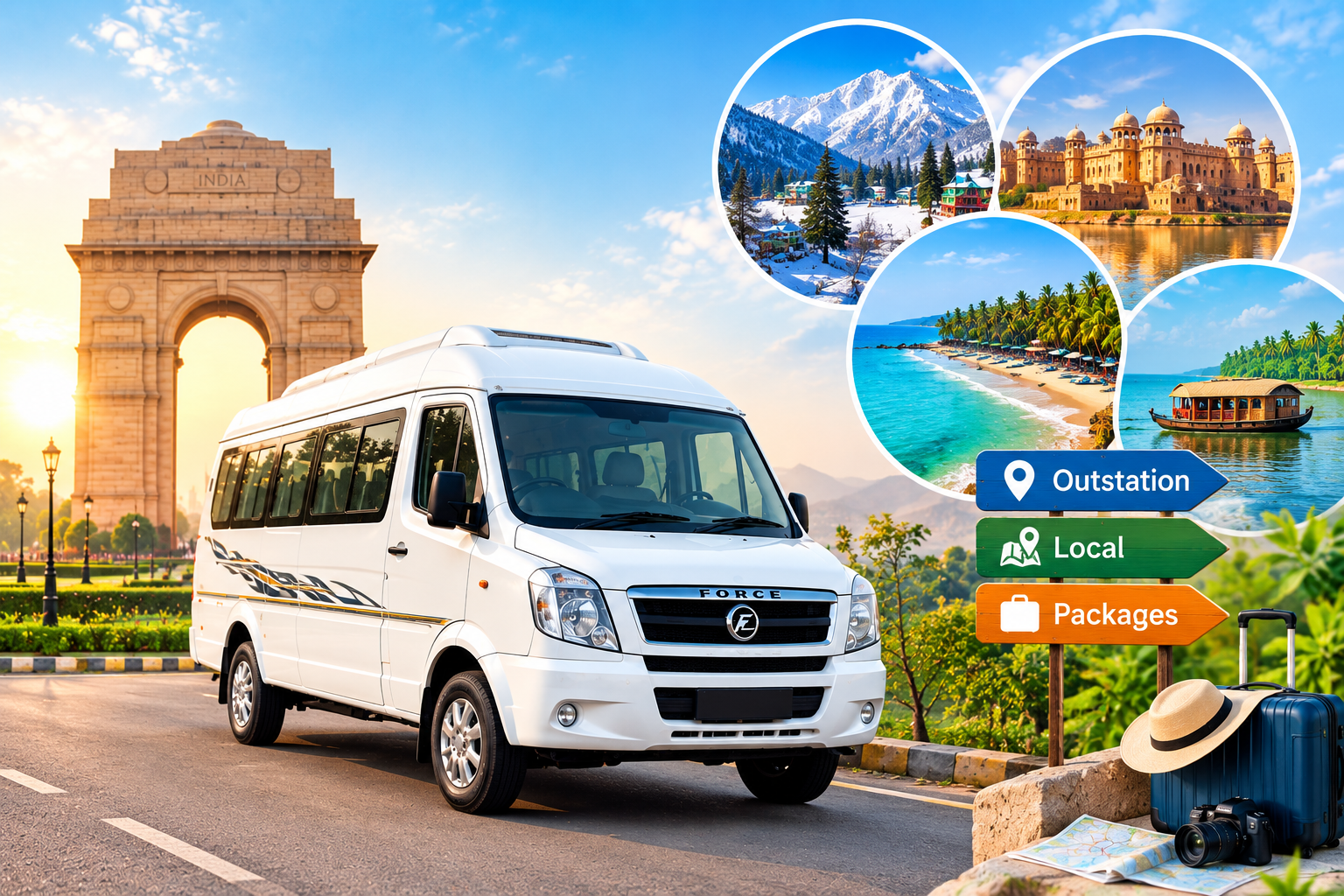
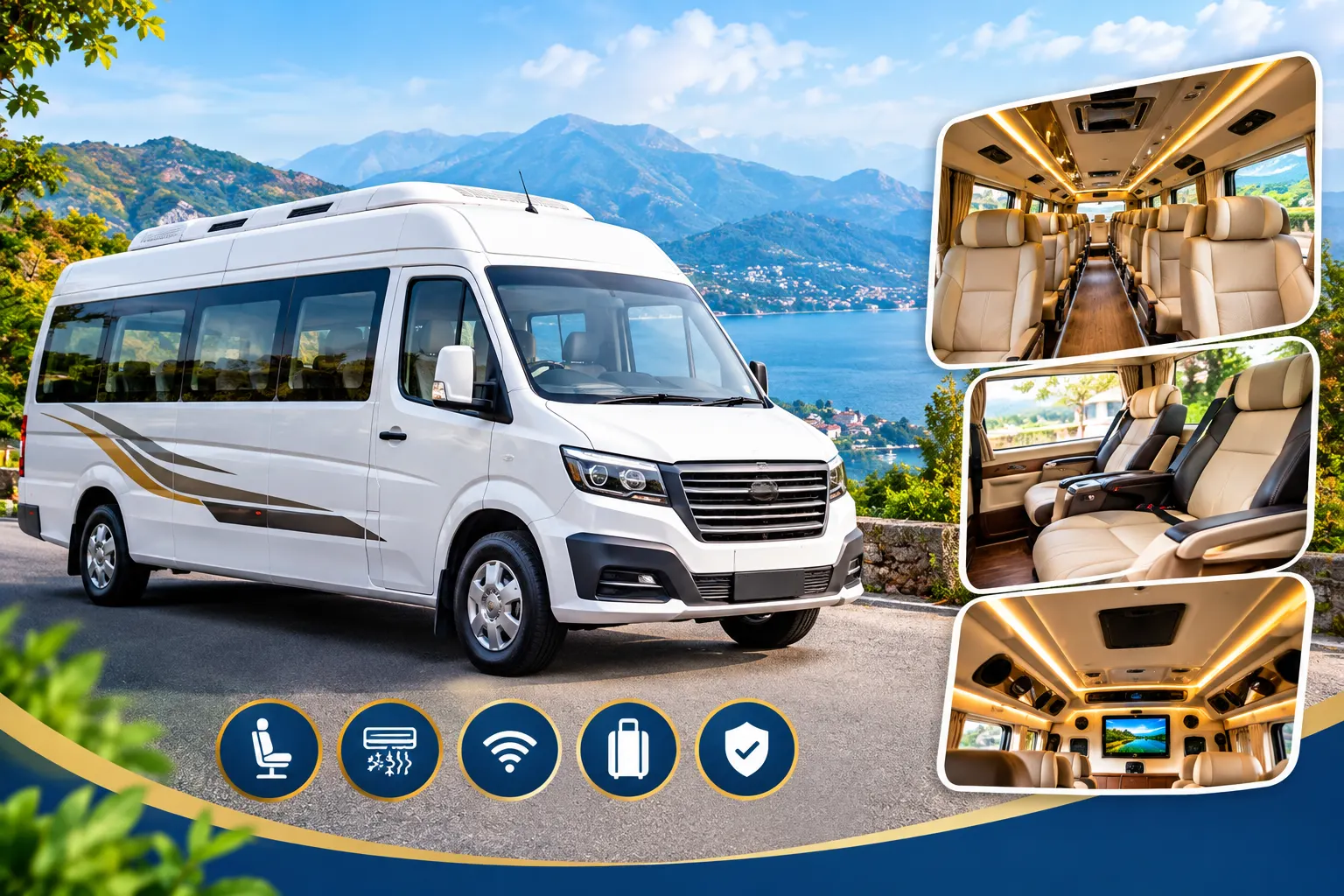
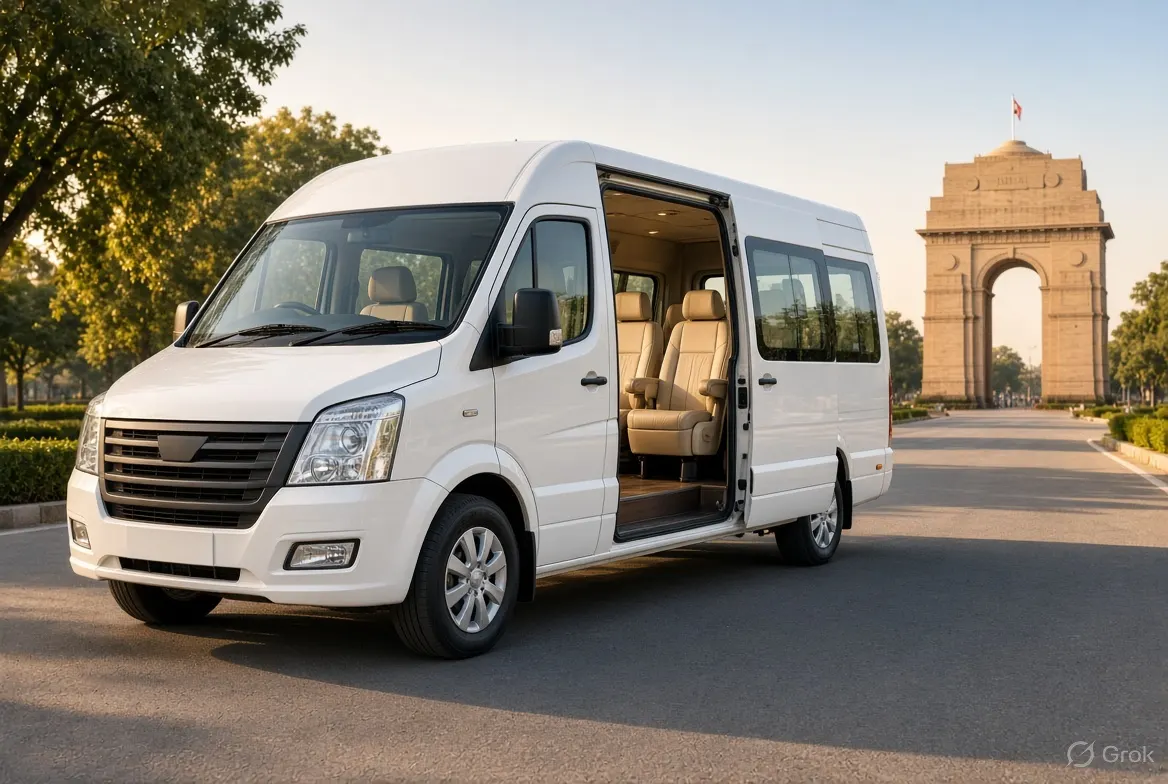
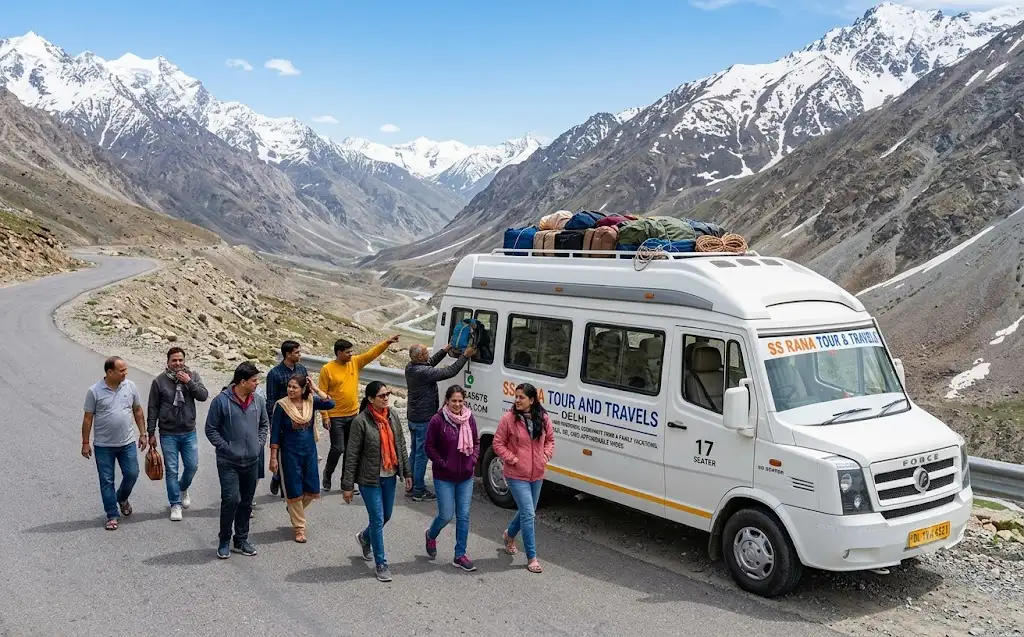
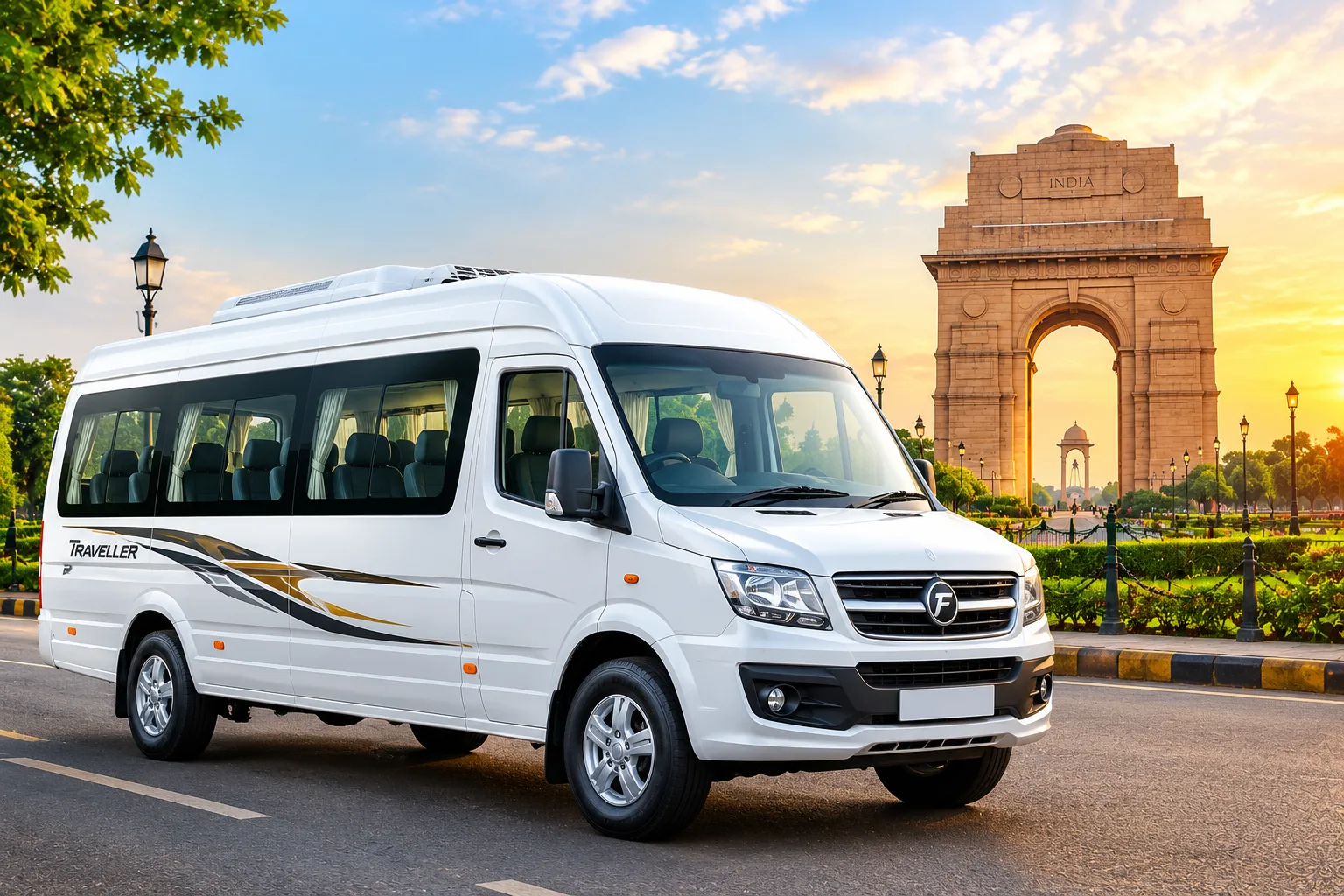
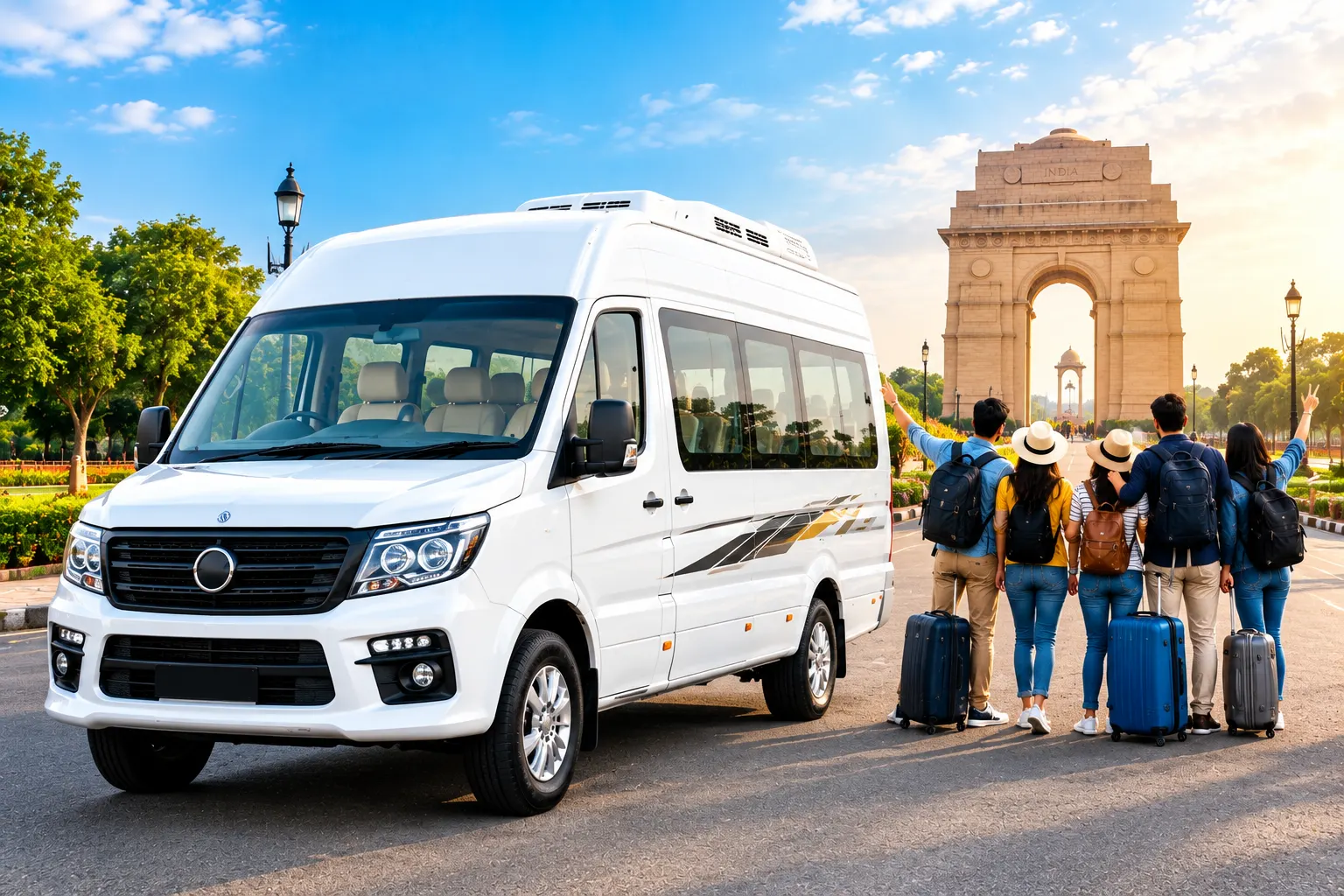
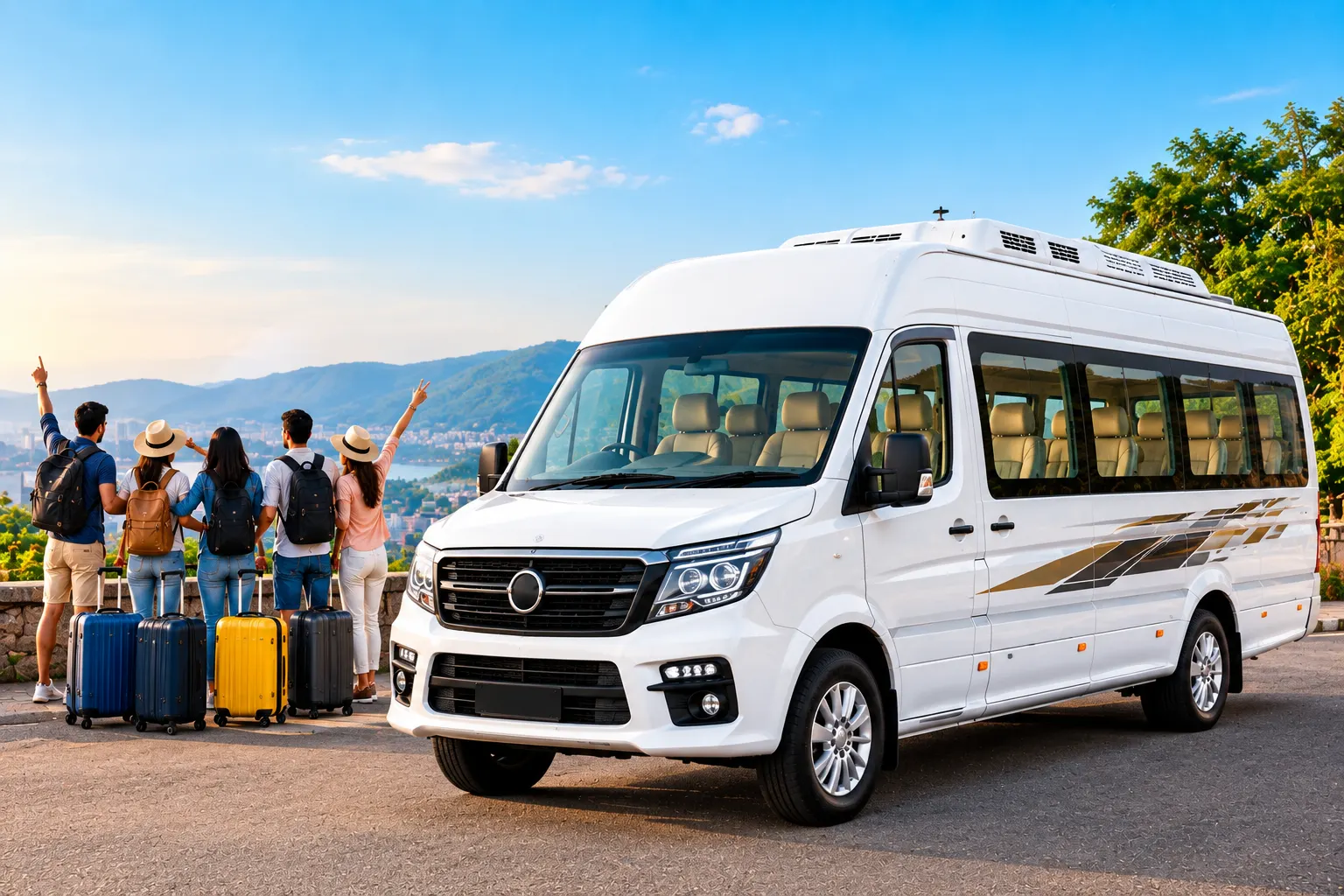
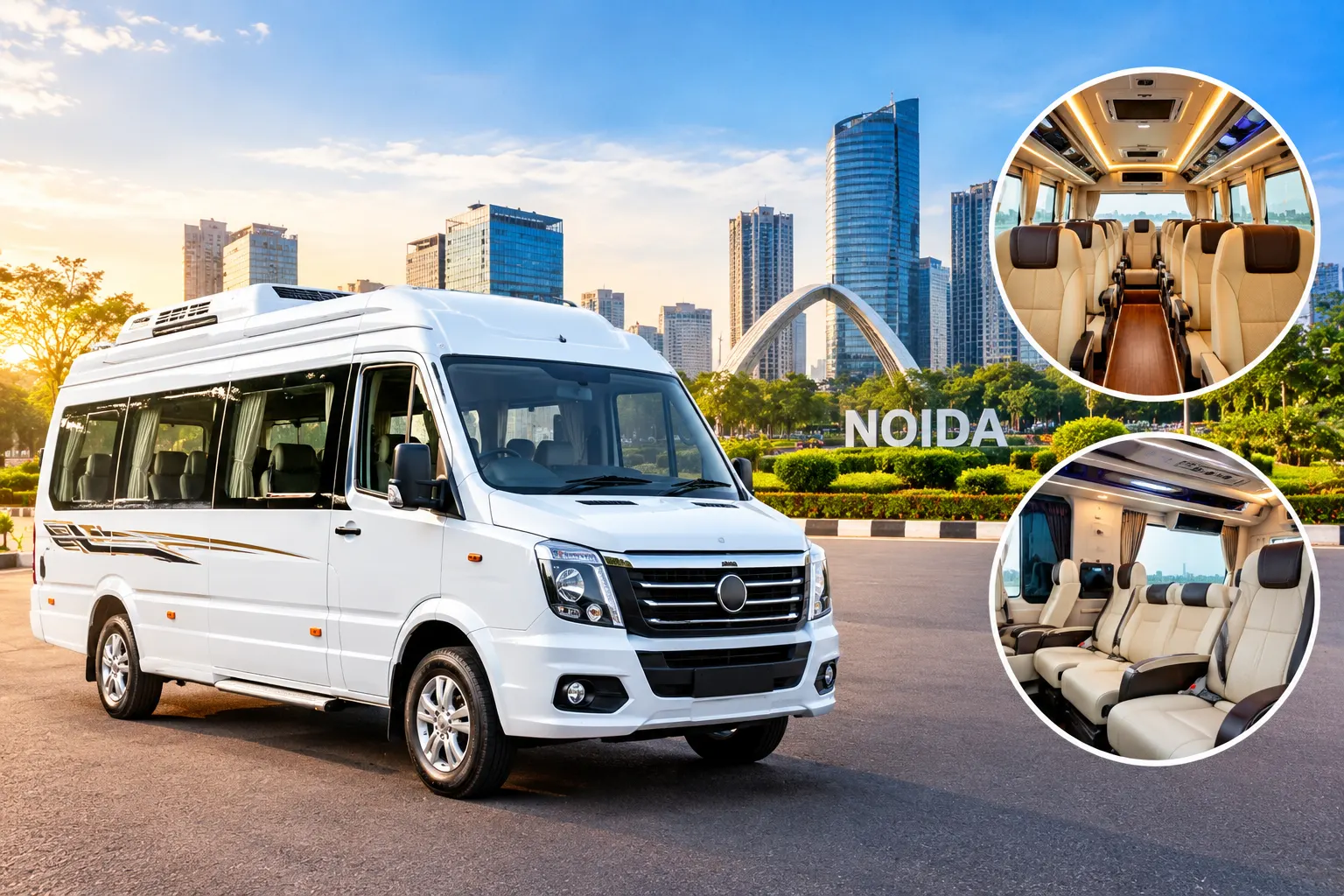
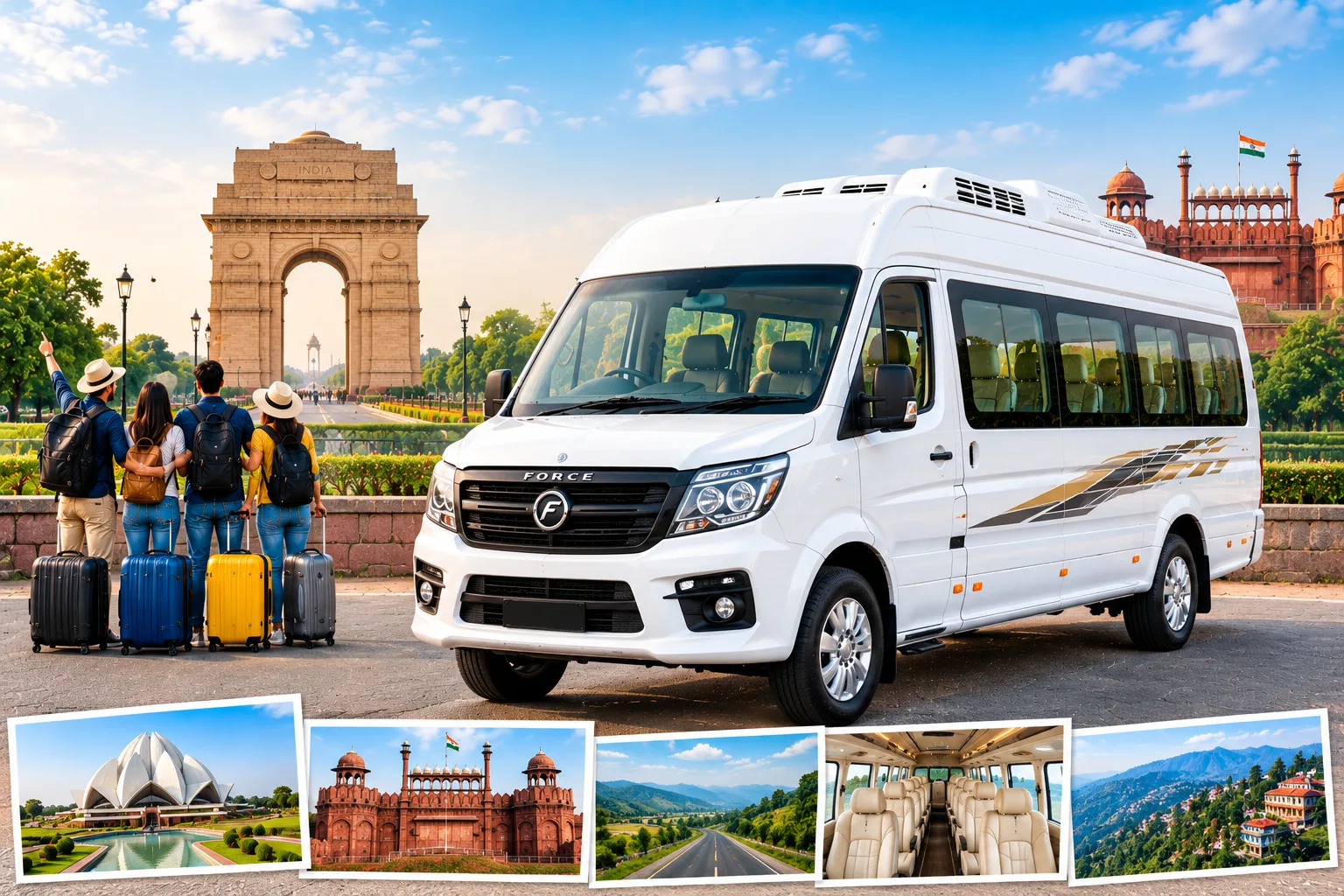
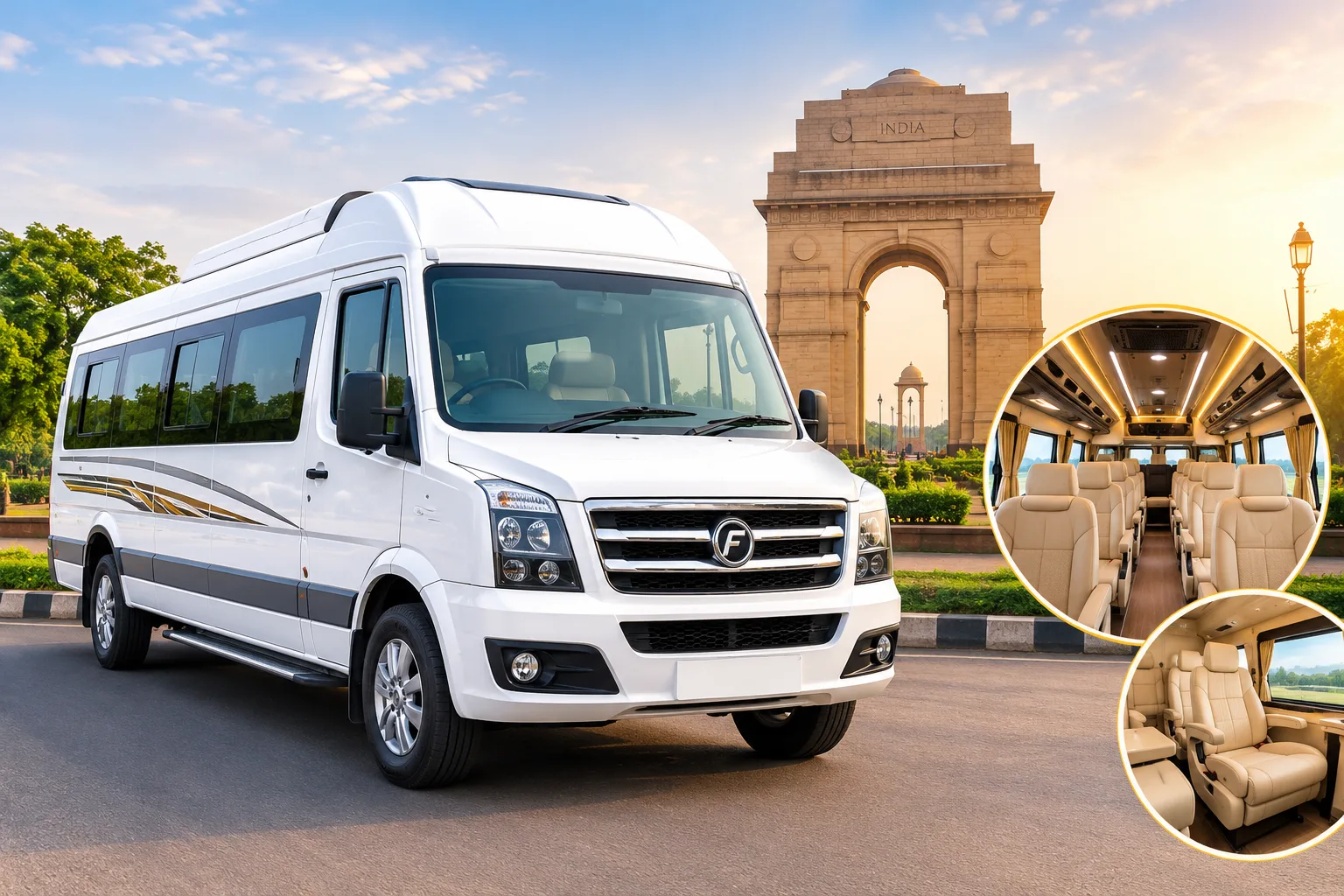
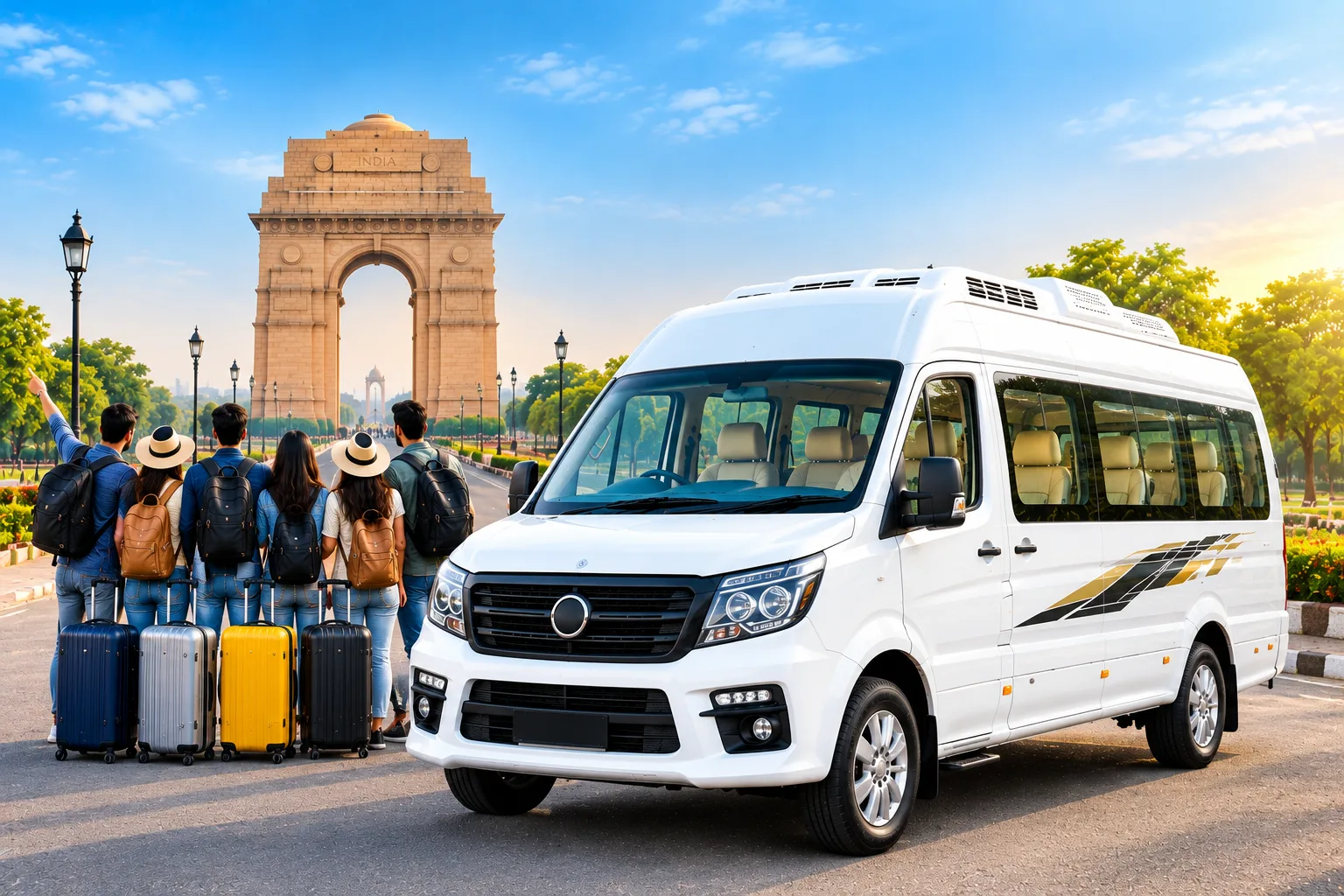
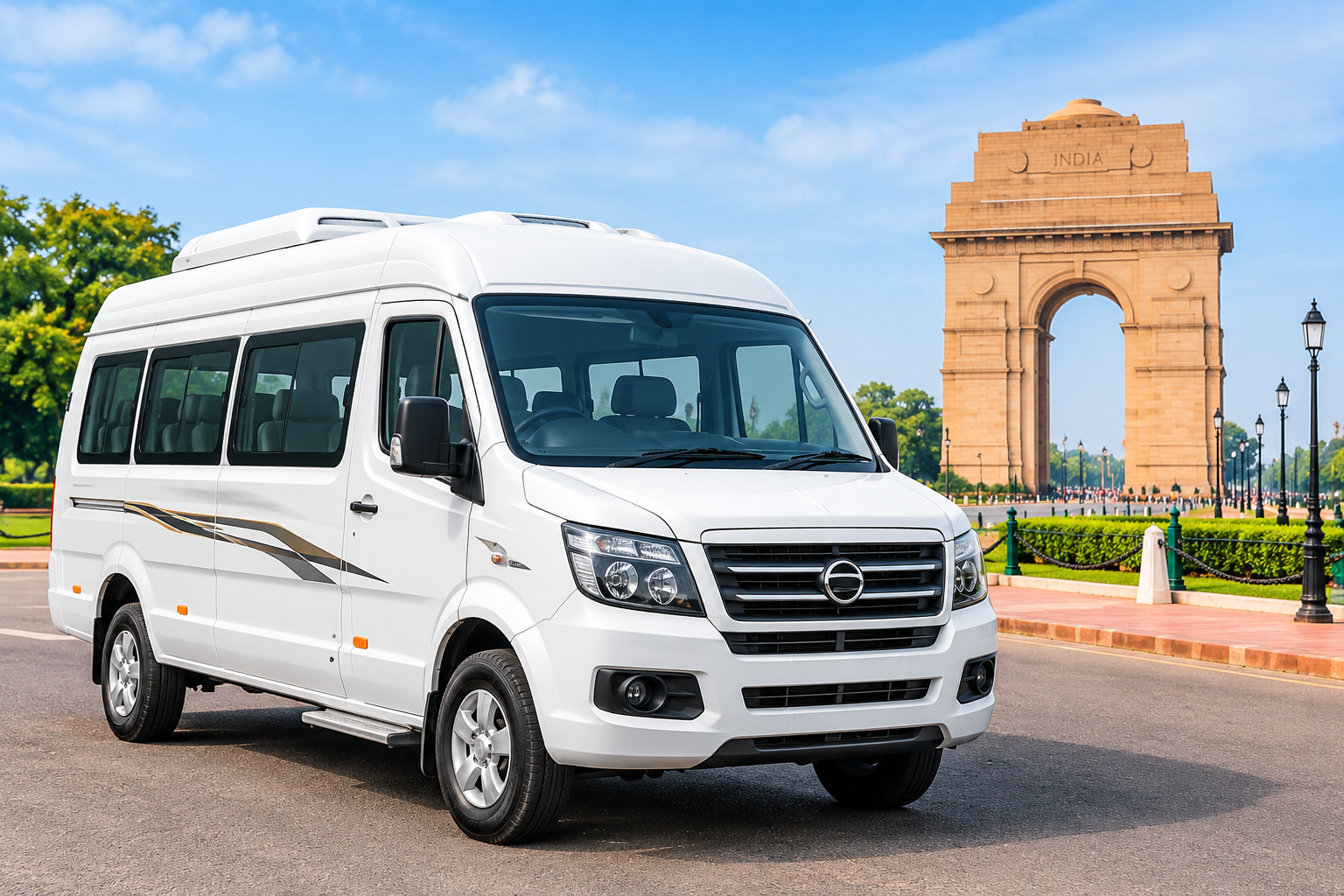
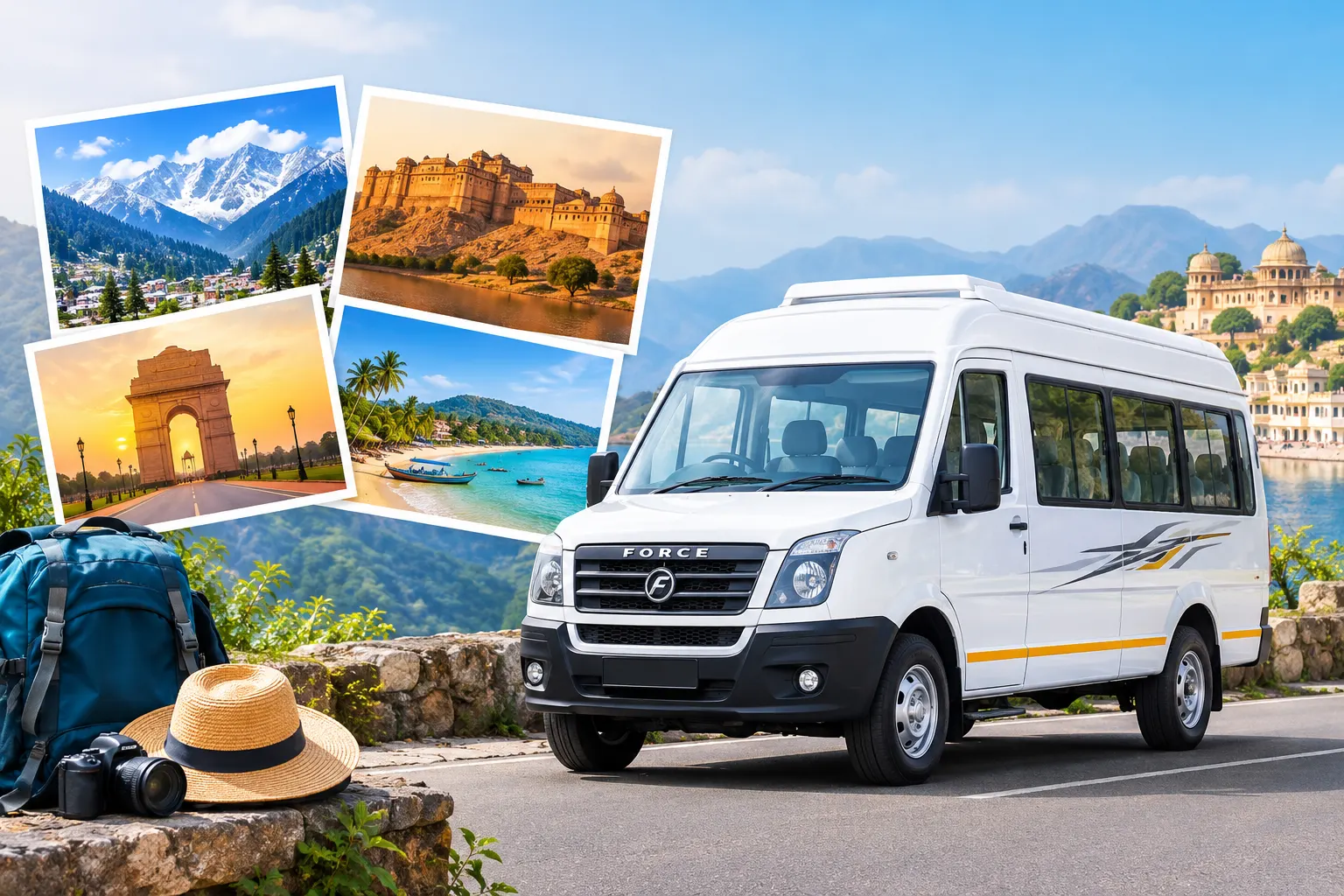
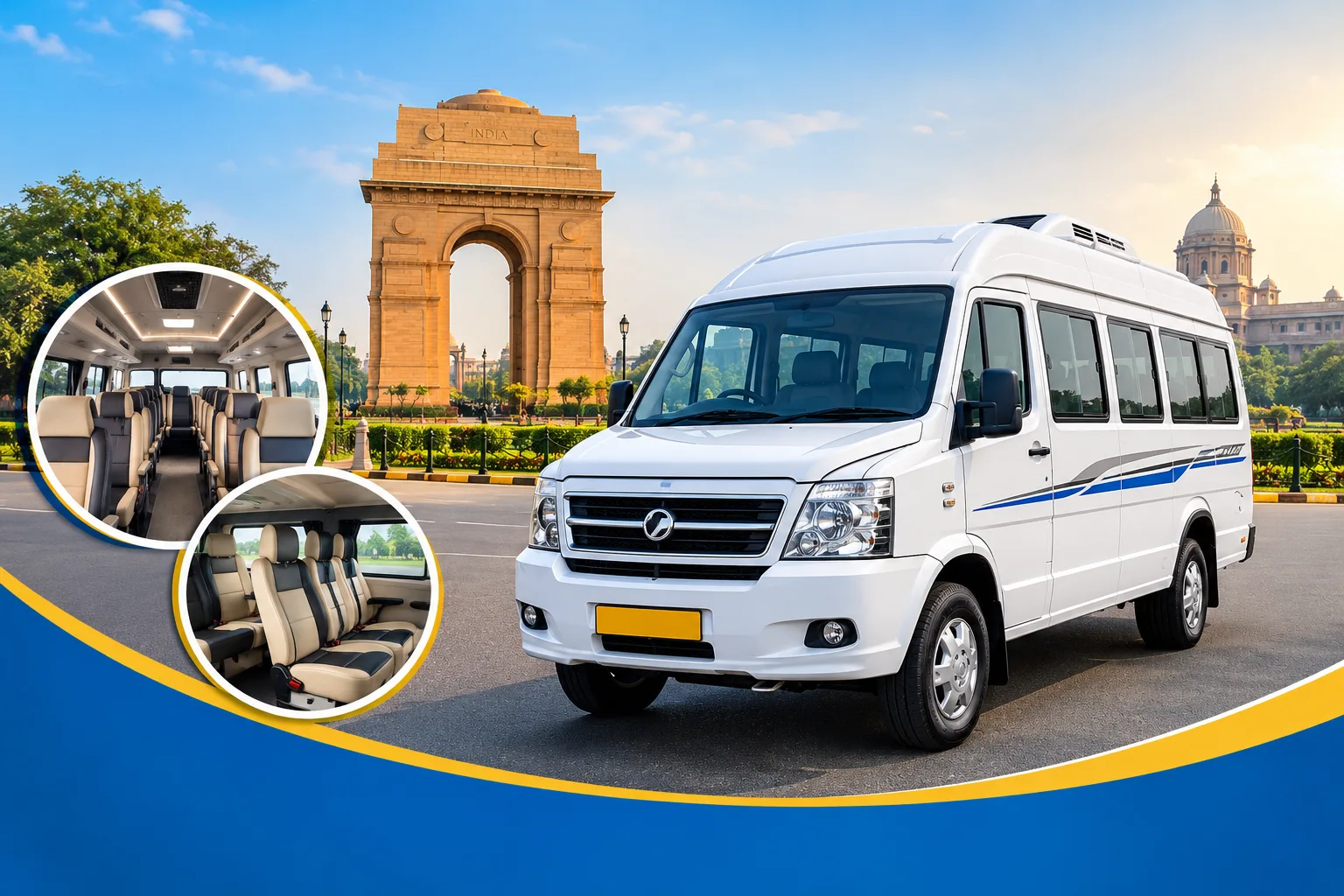
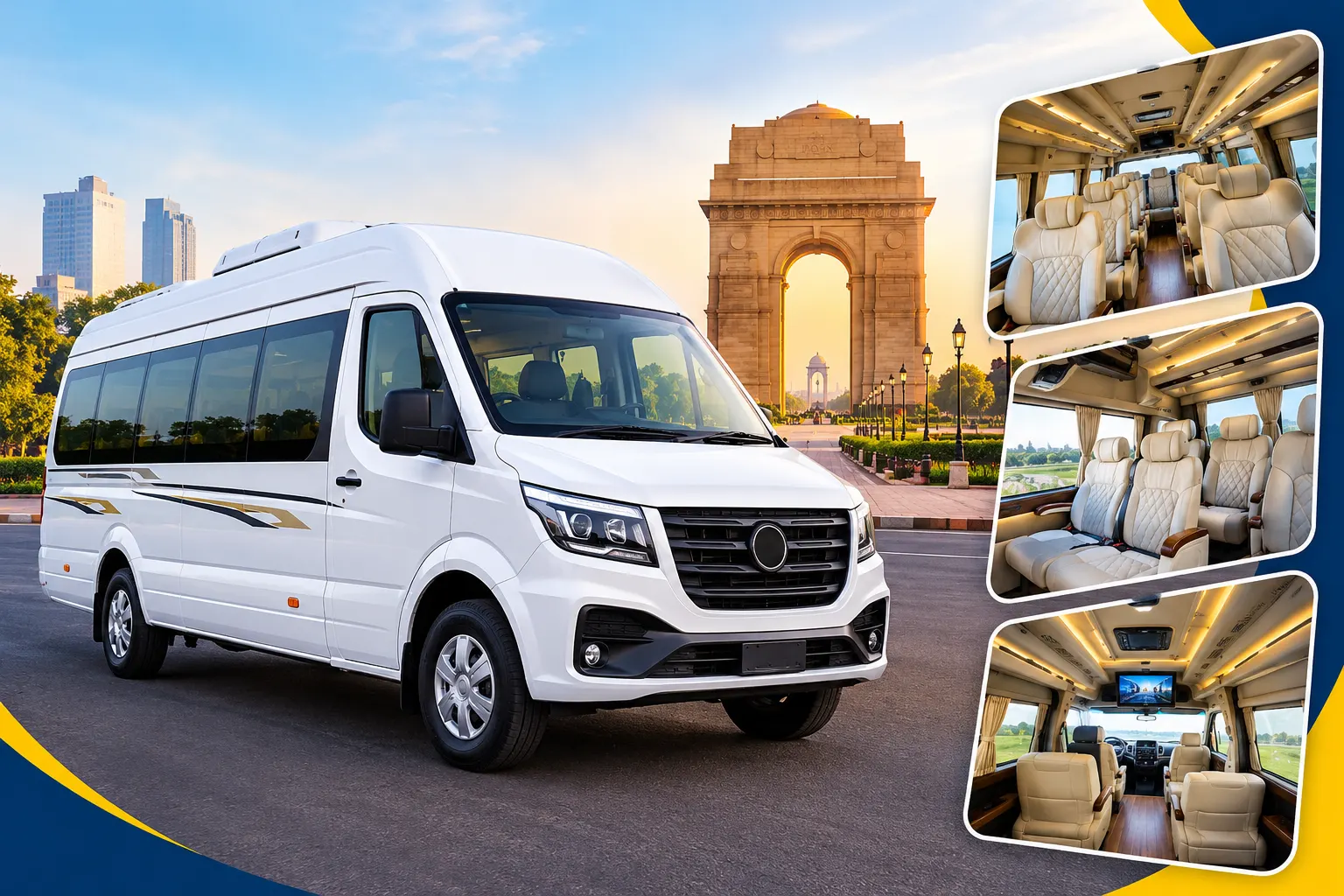
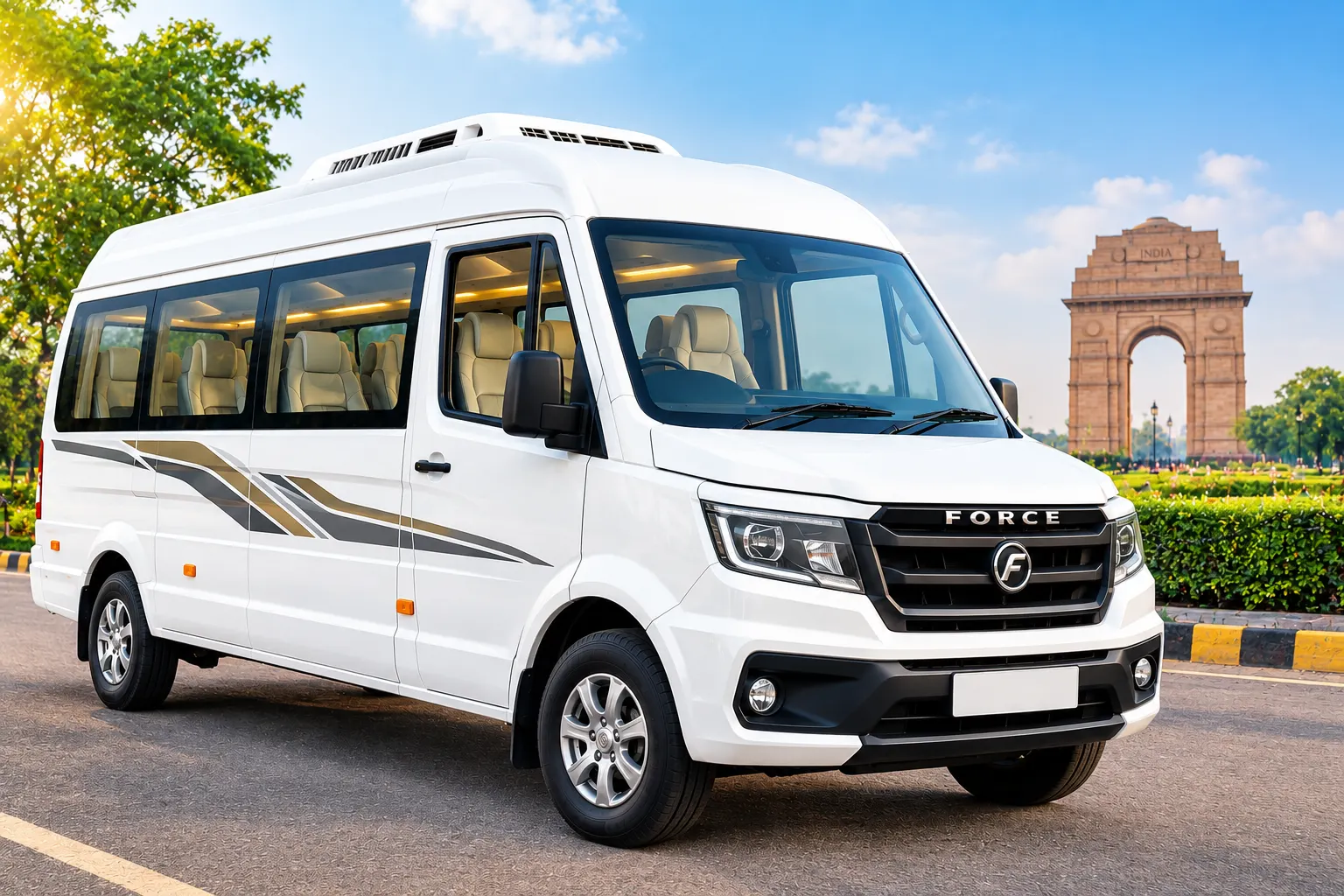
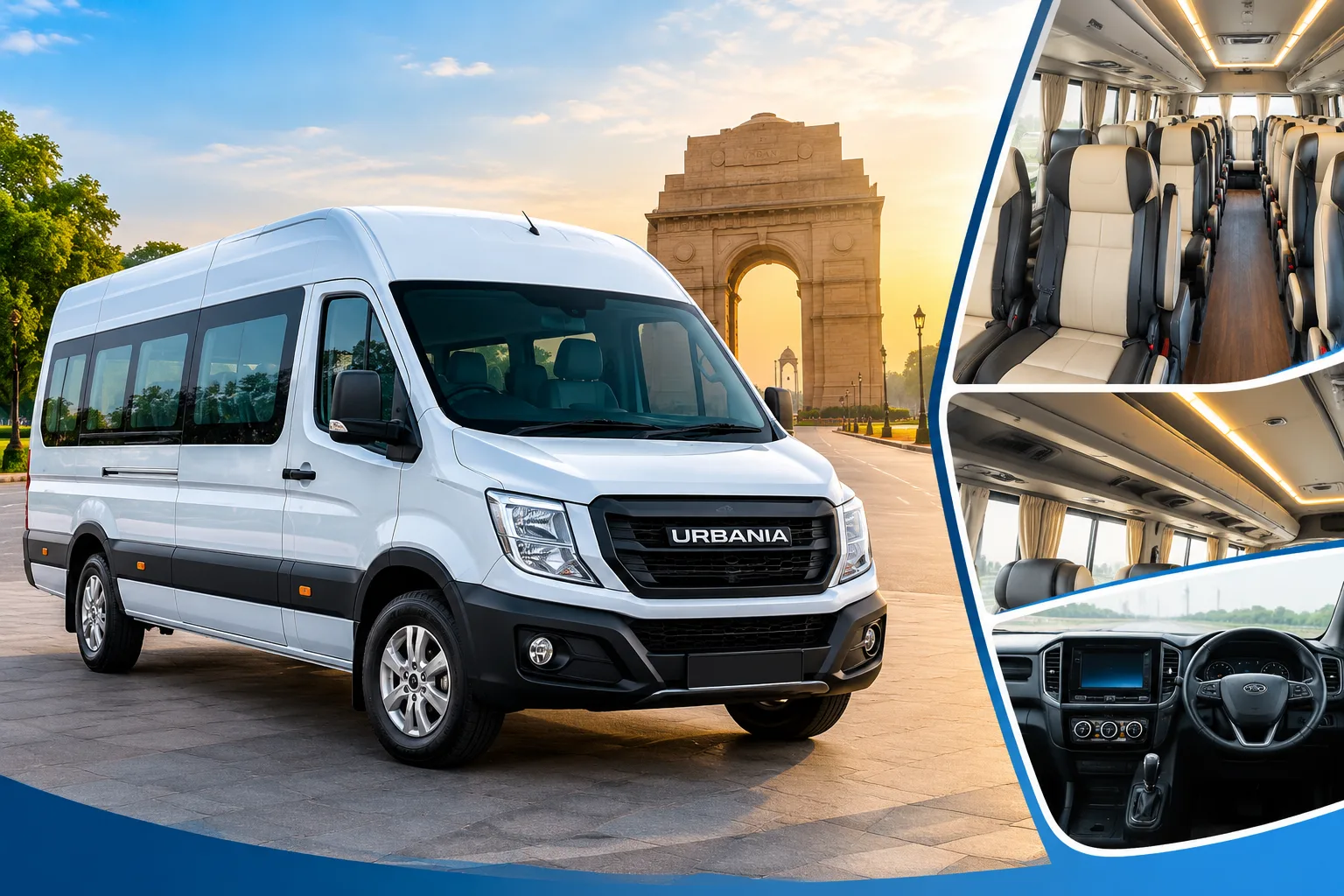
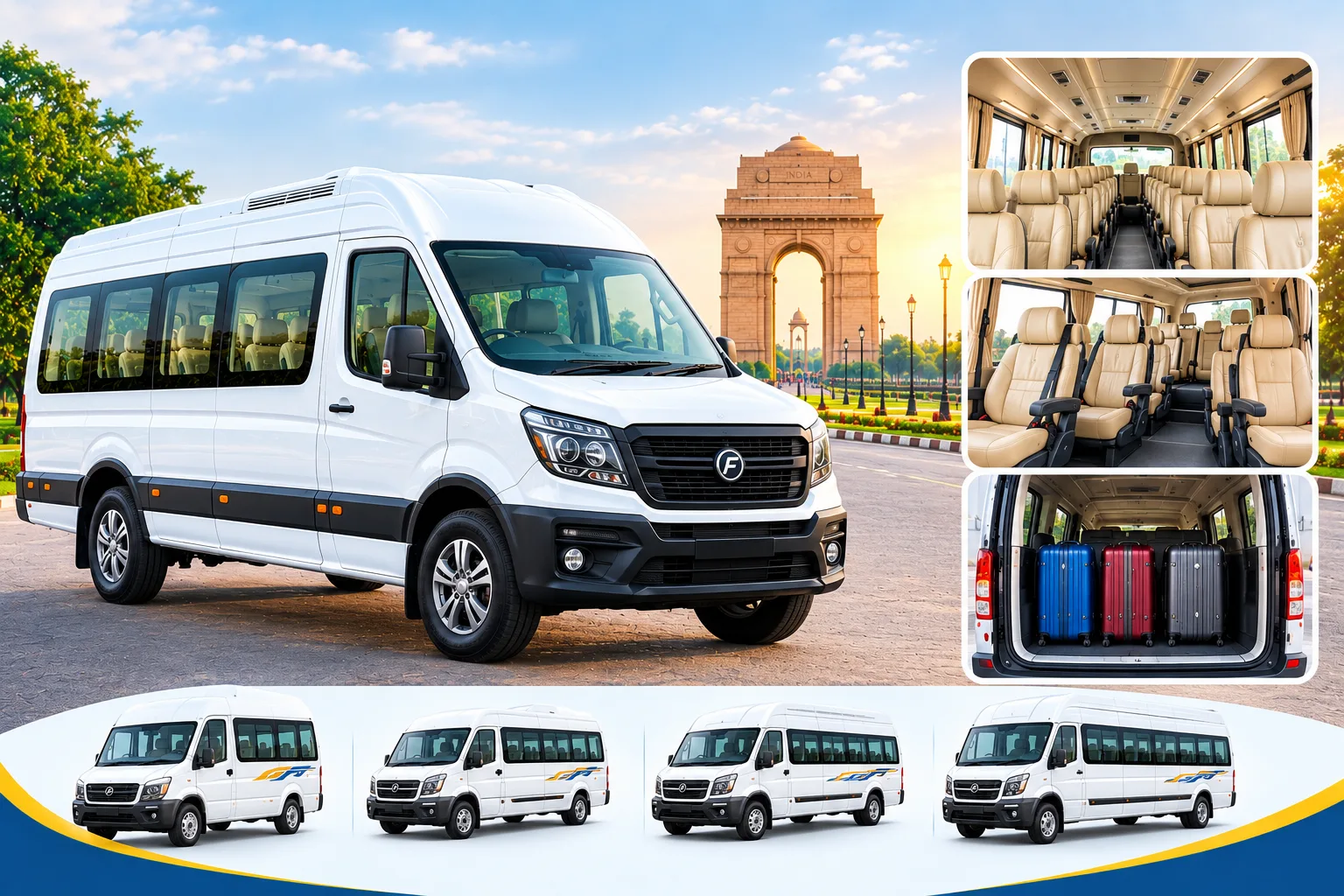
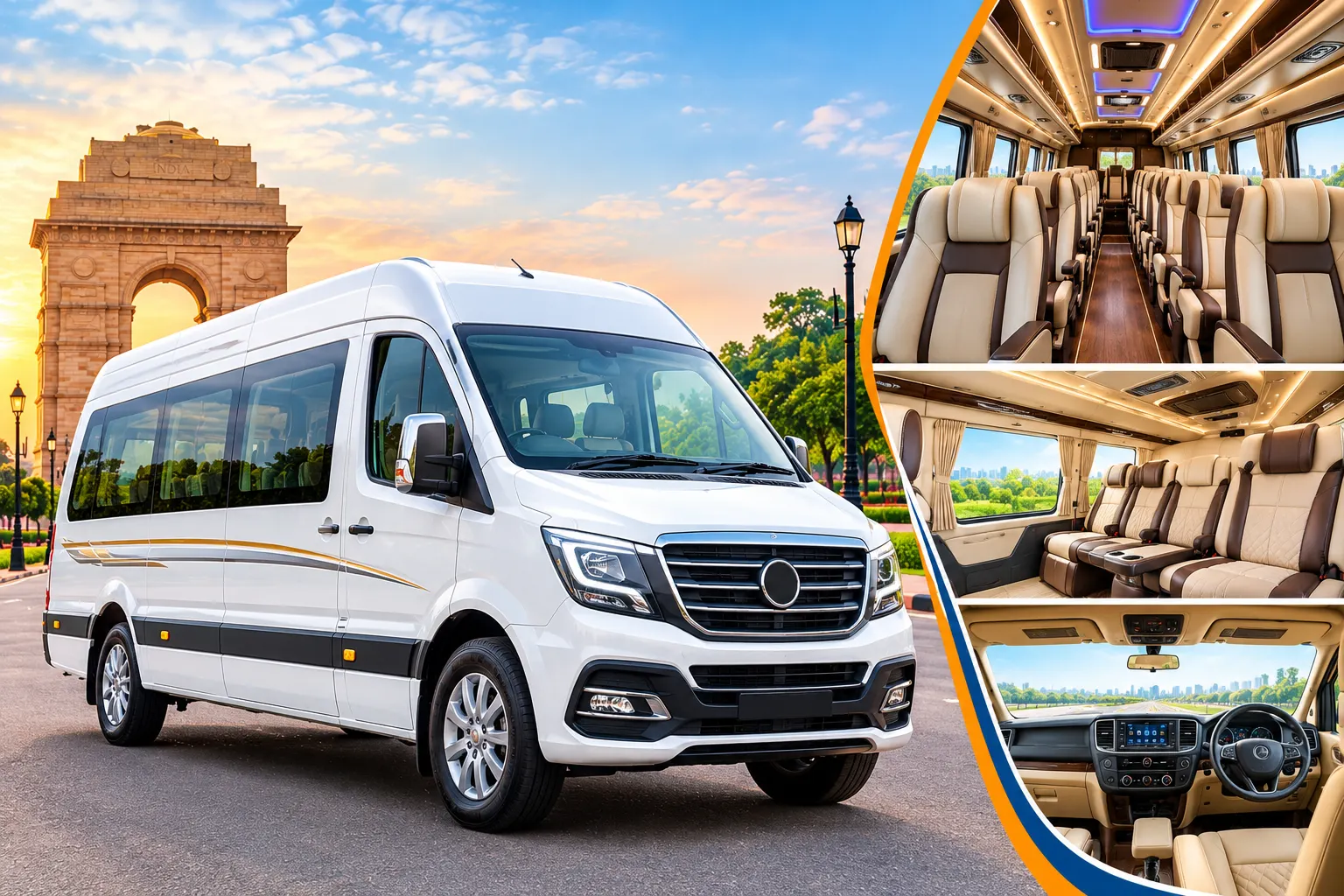
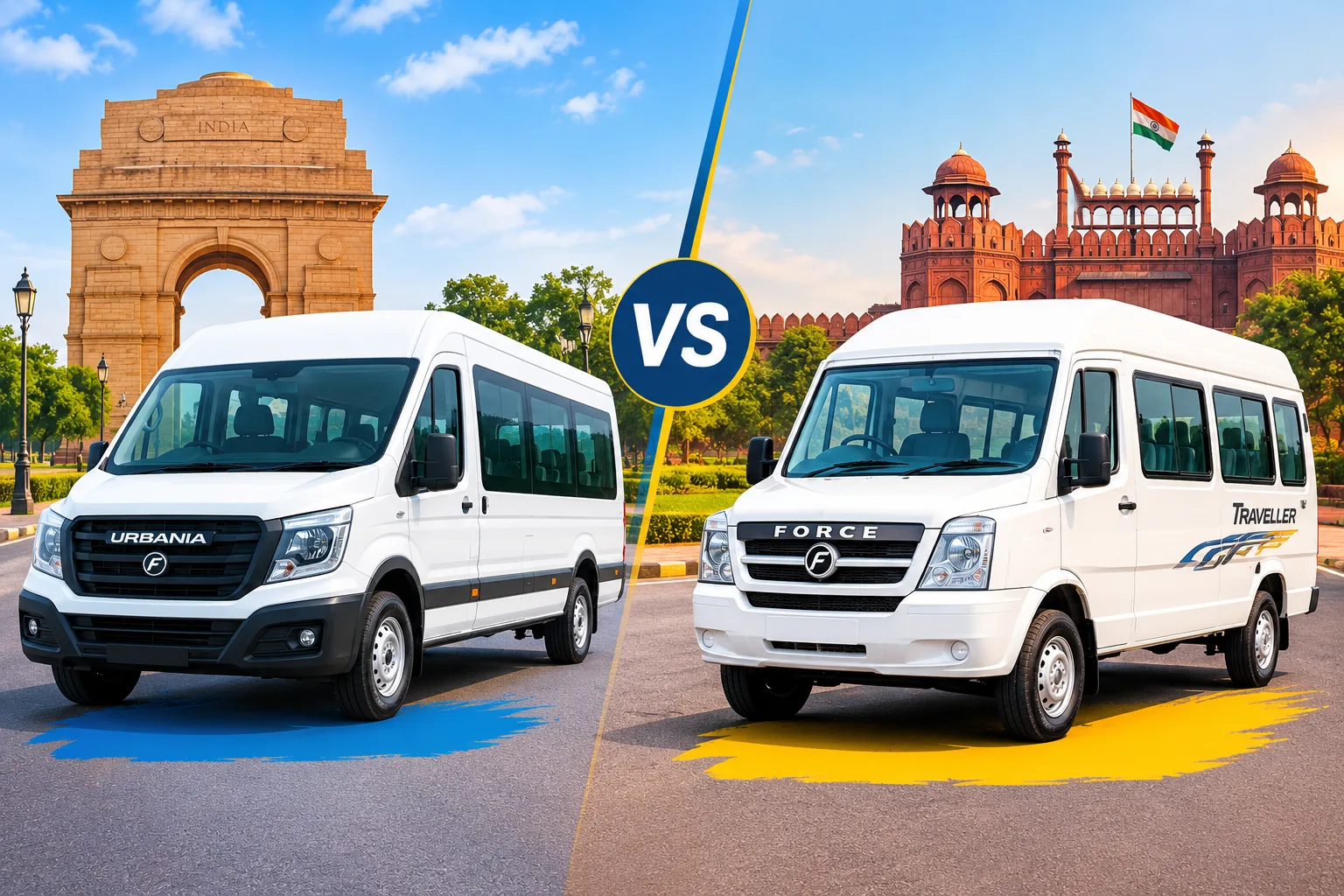
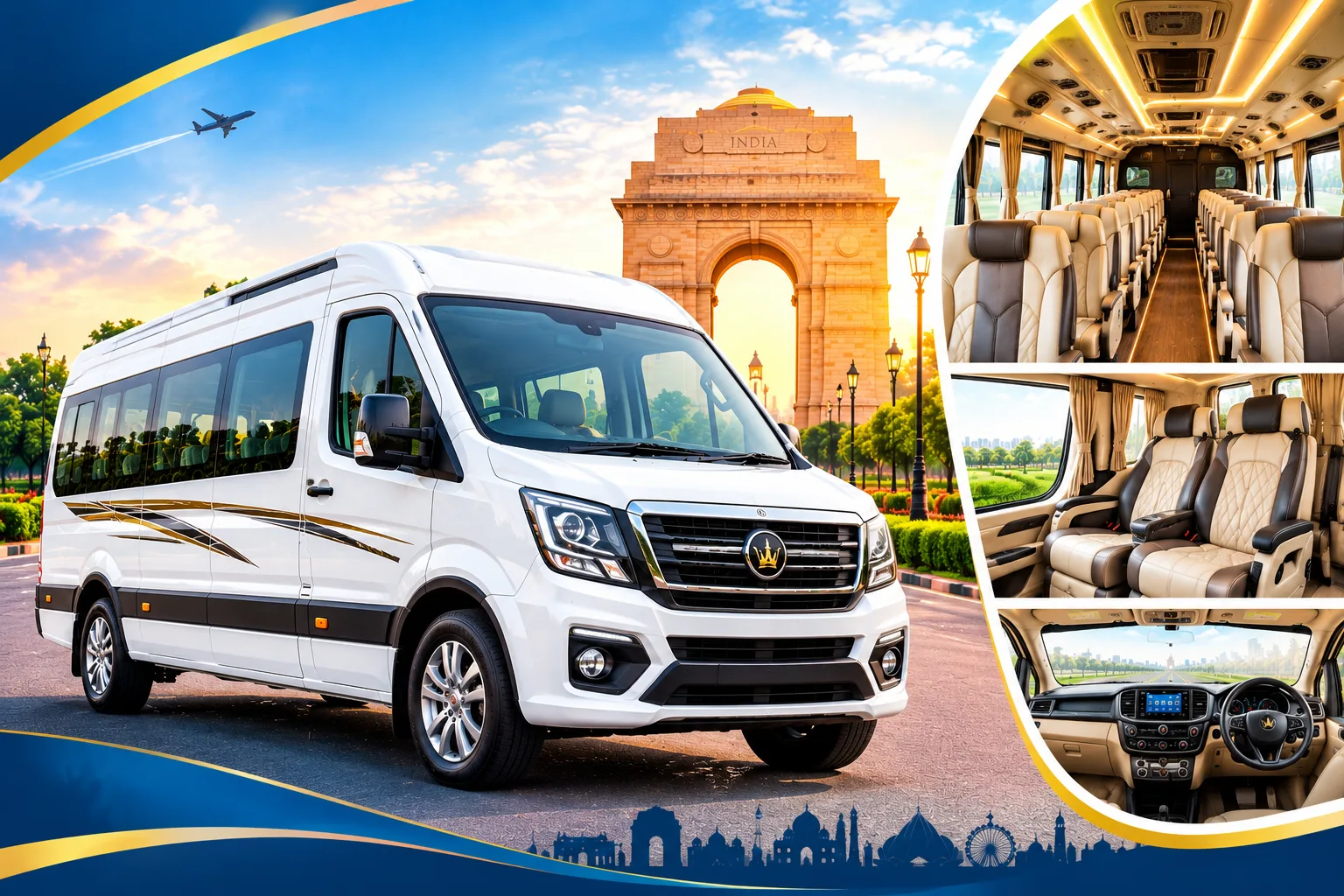
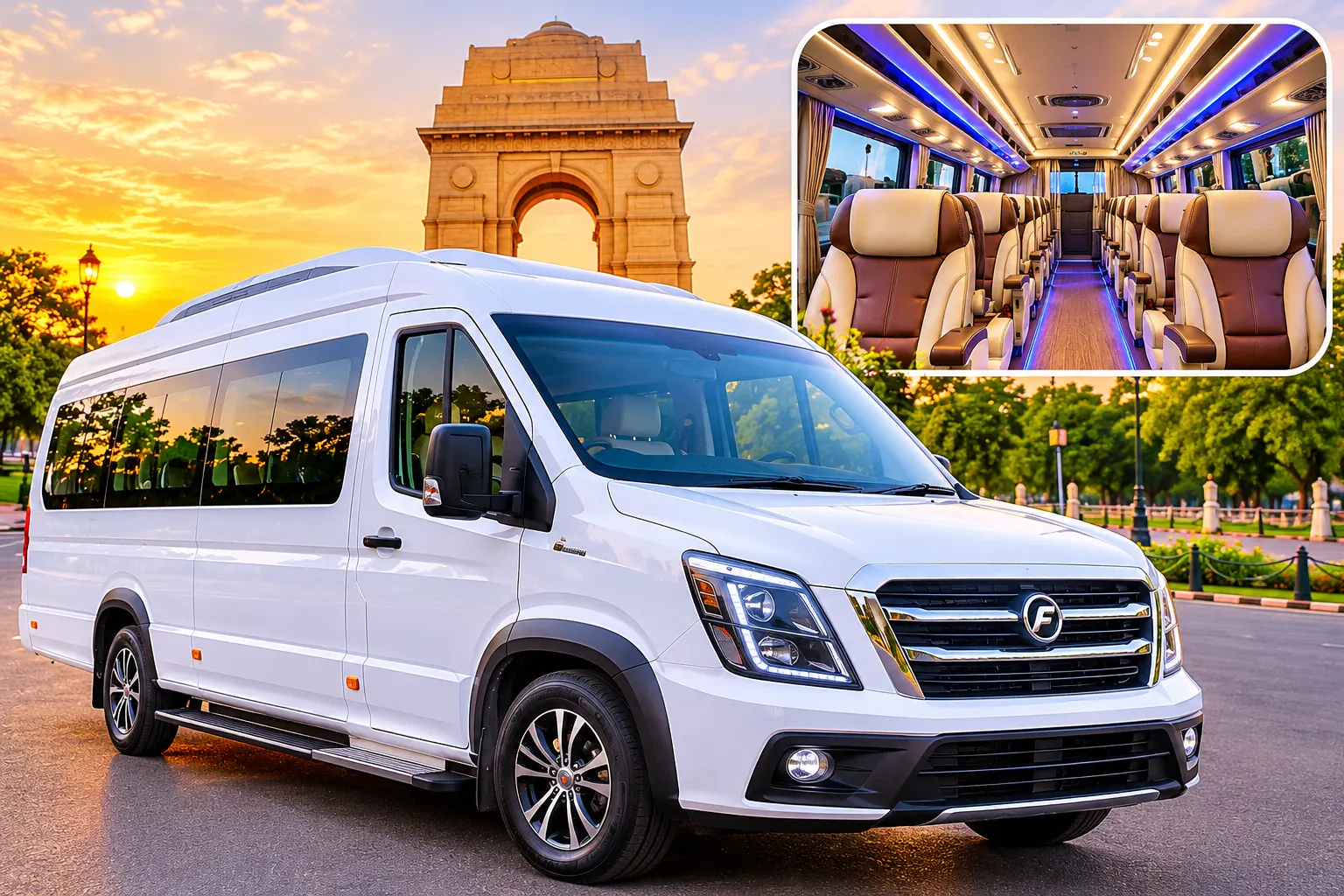
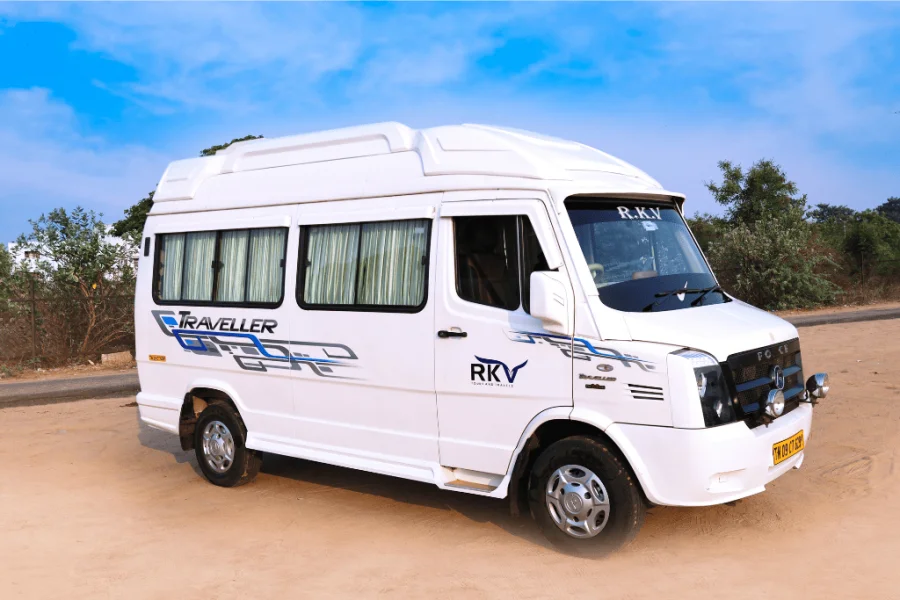
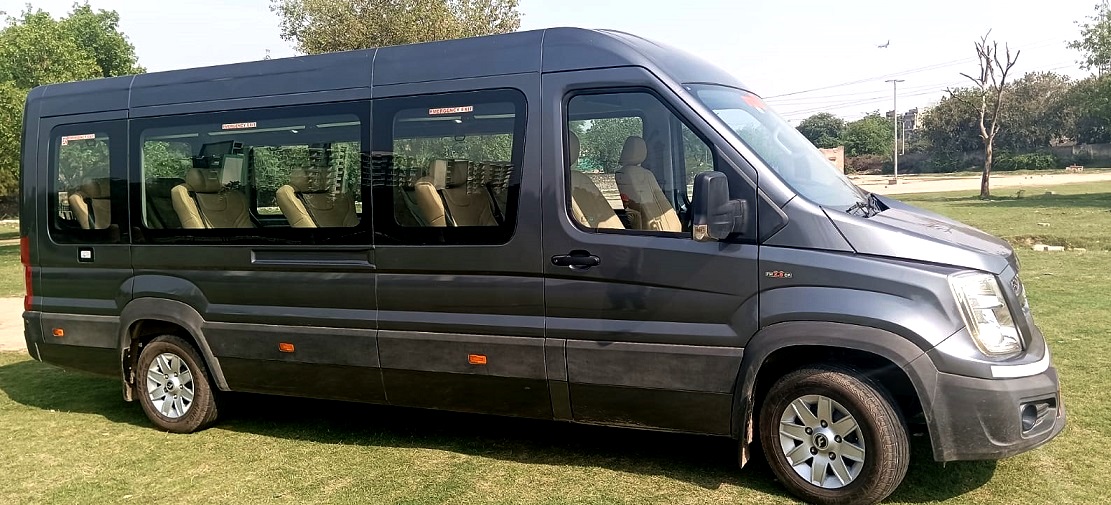
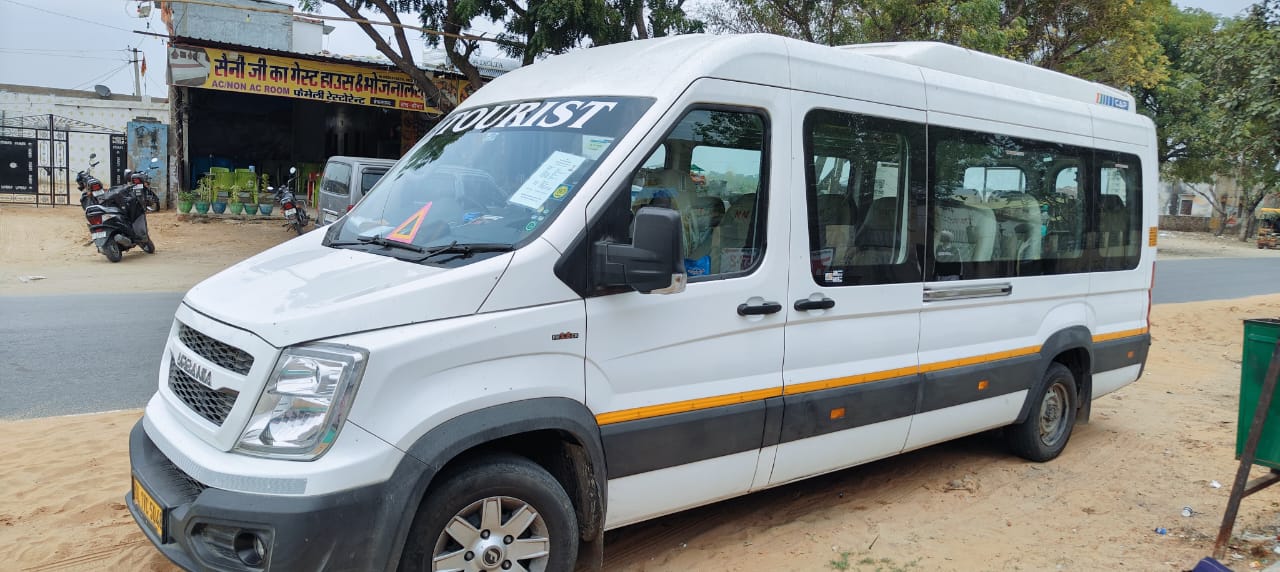
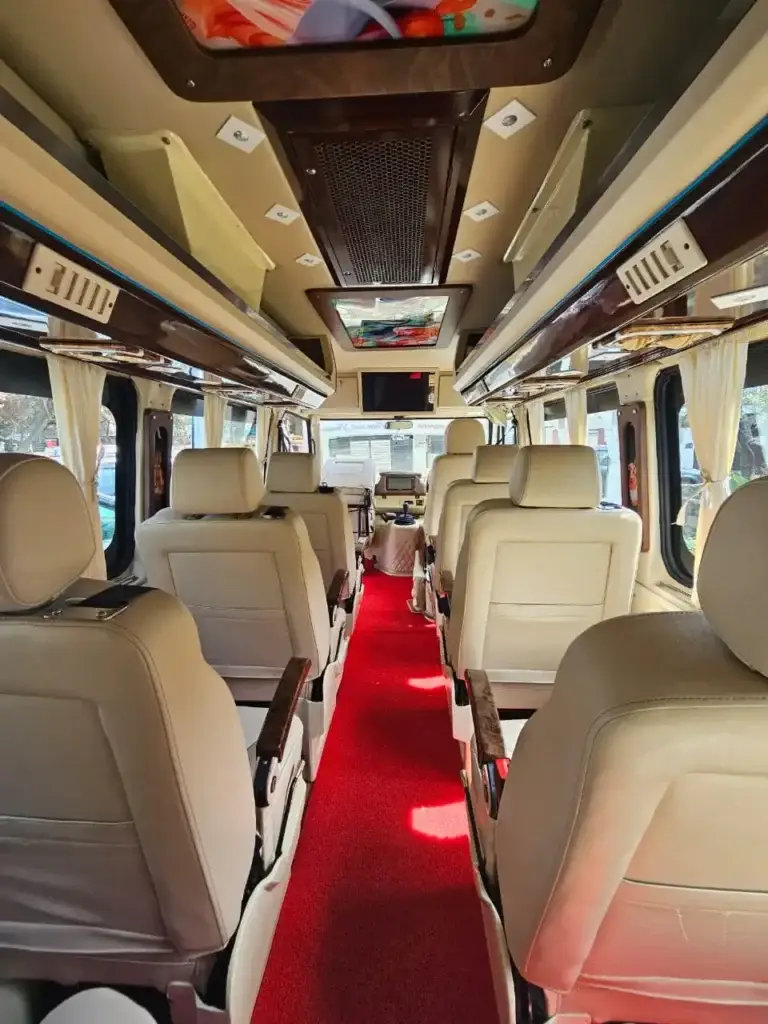
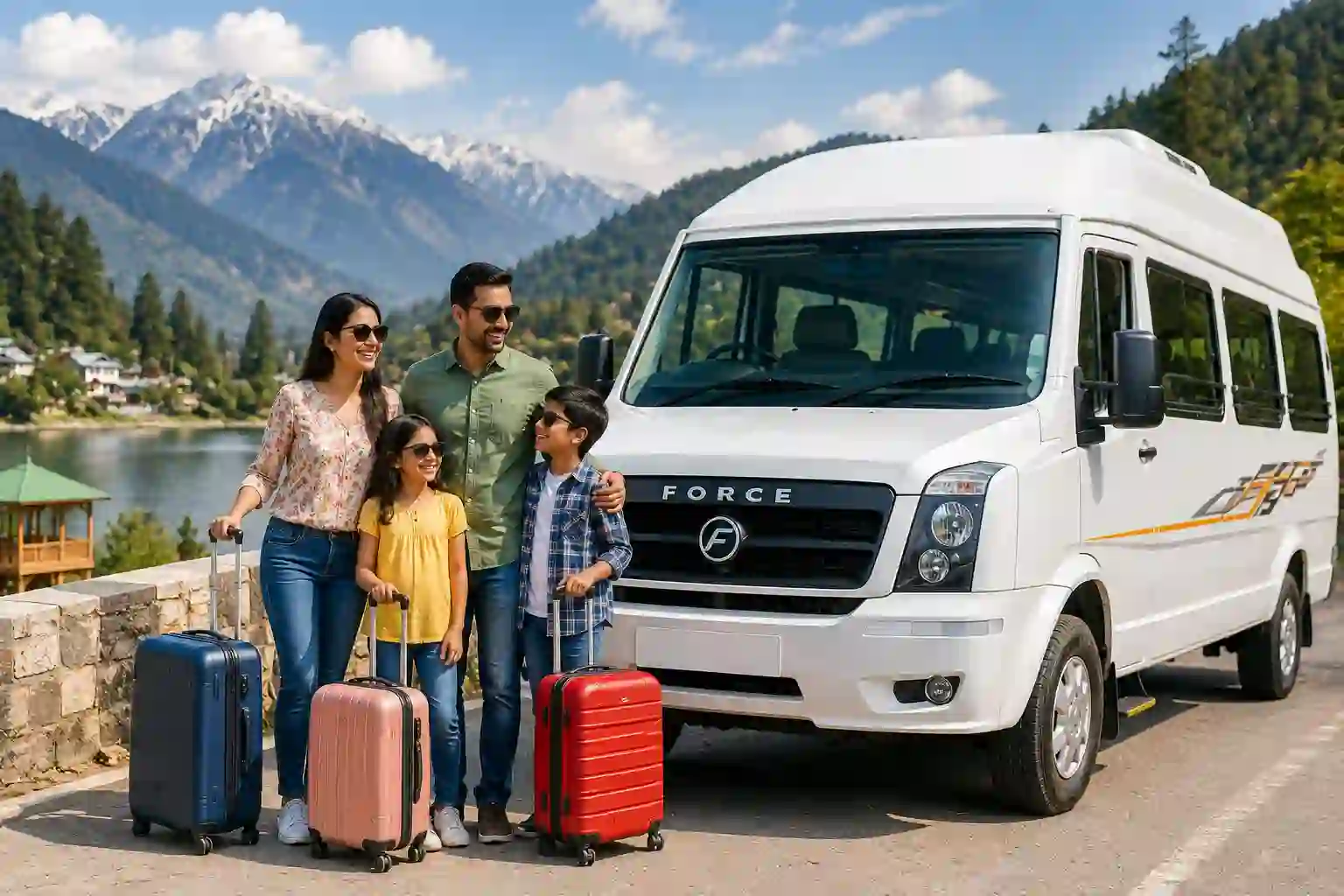
Group travel on winding hill roads is where the Force Urbania stands out. Compared with a traditional tempo traveller, it offers a smoother, more car-like ride that matters on 10-14 hour journeys.
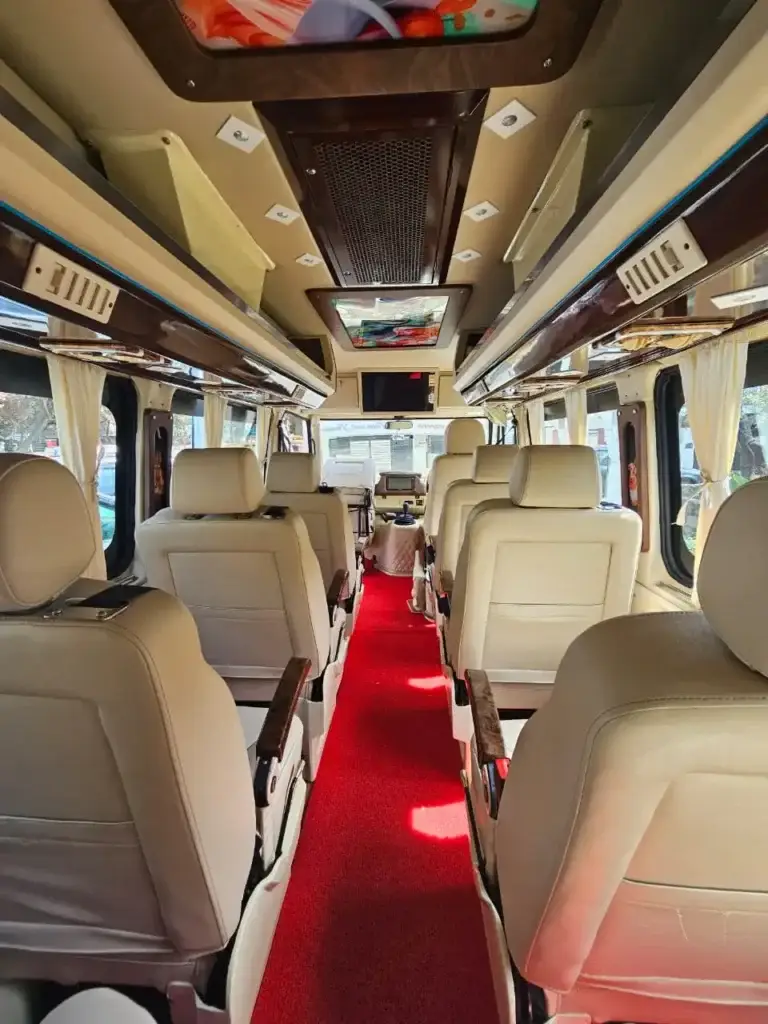
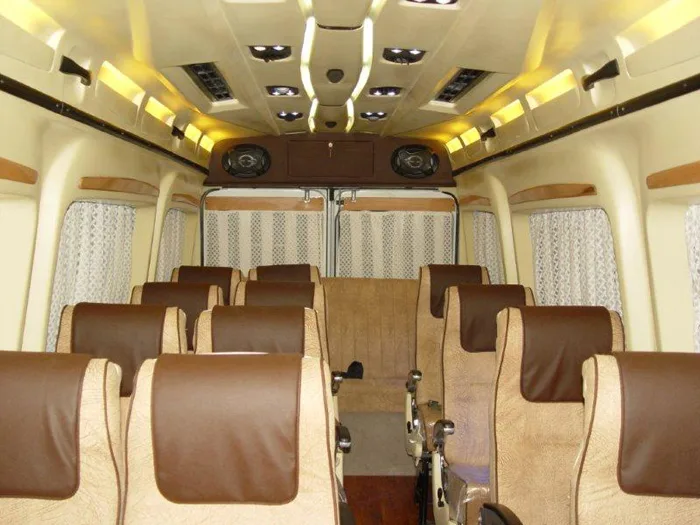
Ride comfort and suspension. The Urbania’s suspension and body design reduce fatigue on long climbs and curves. Passengers, especially elders and children, arrive less tired.
Stable, confident handling. The vehicle feels planted on gradients and bends, which matters on mountain roads.
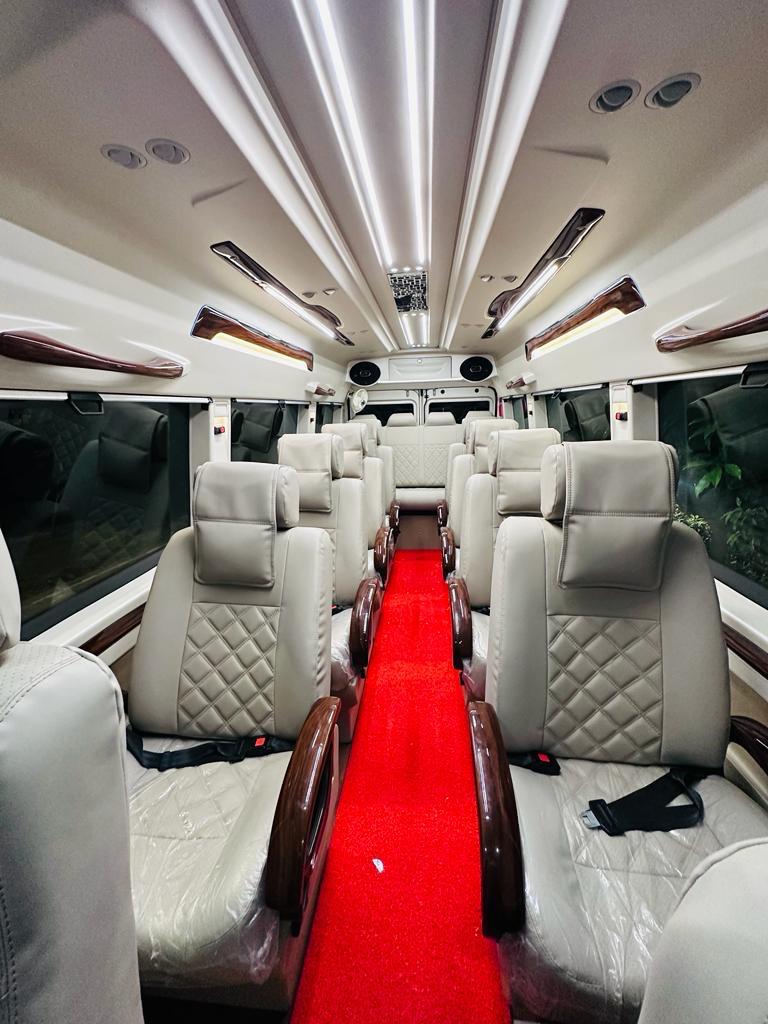
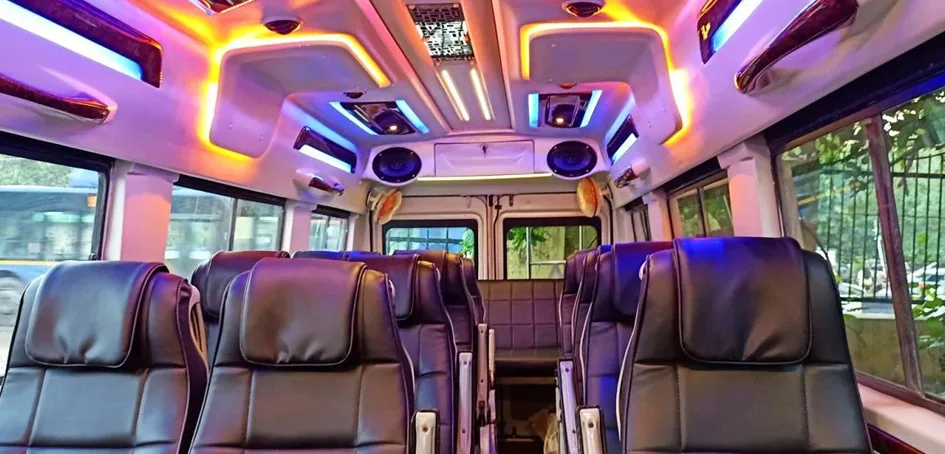
Climate control. The AC doubles as a heater in cold weather, keeping the cabin comfortable on frosty mornings and in the hills.
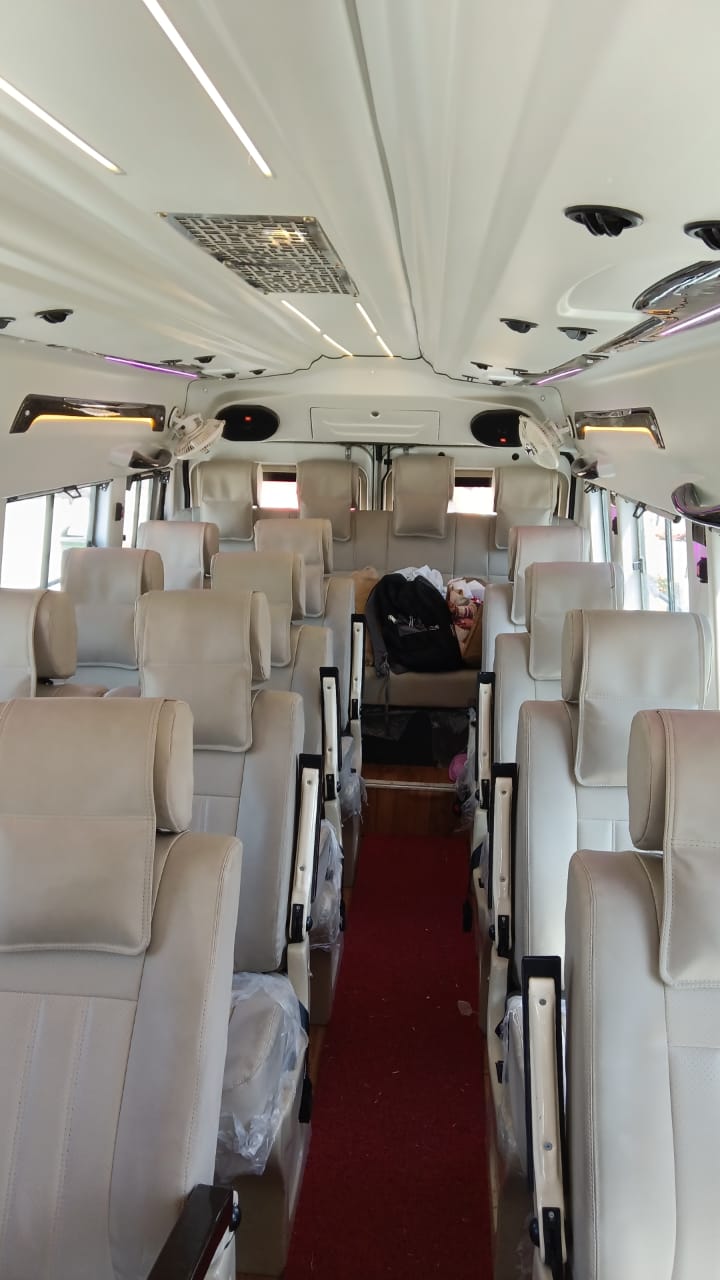
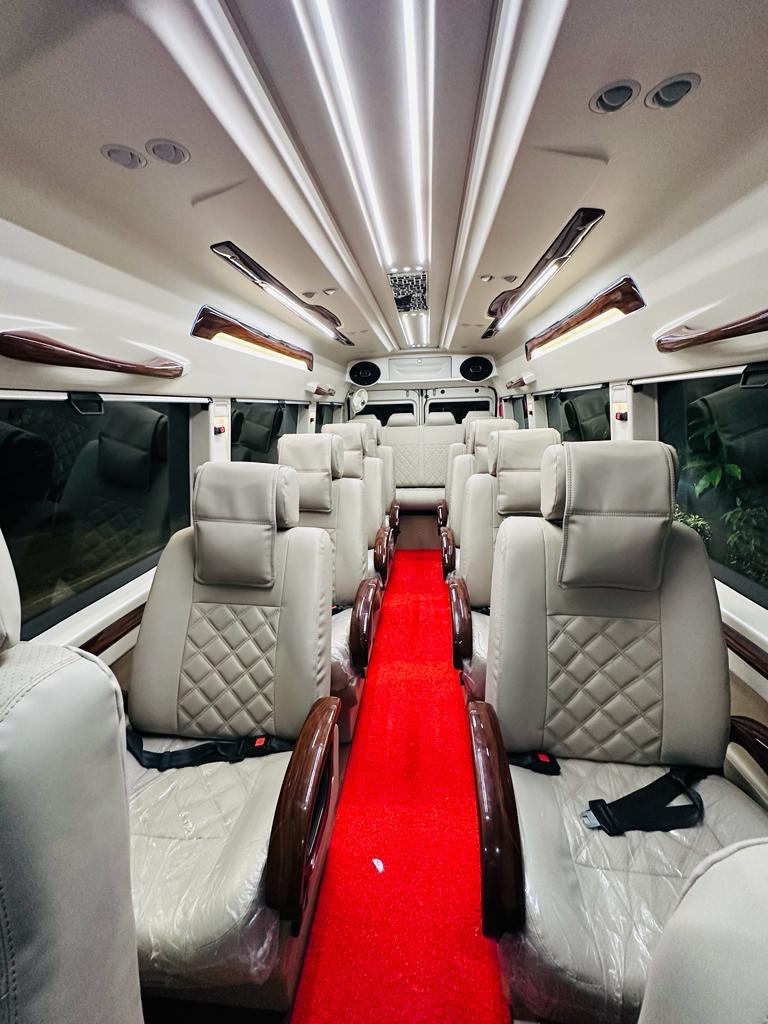
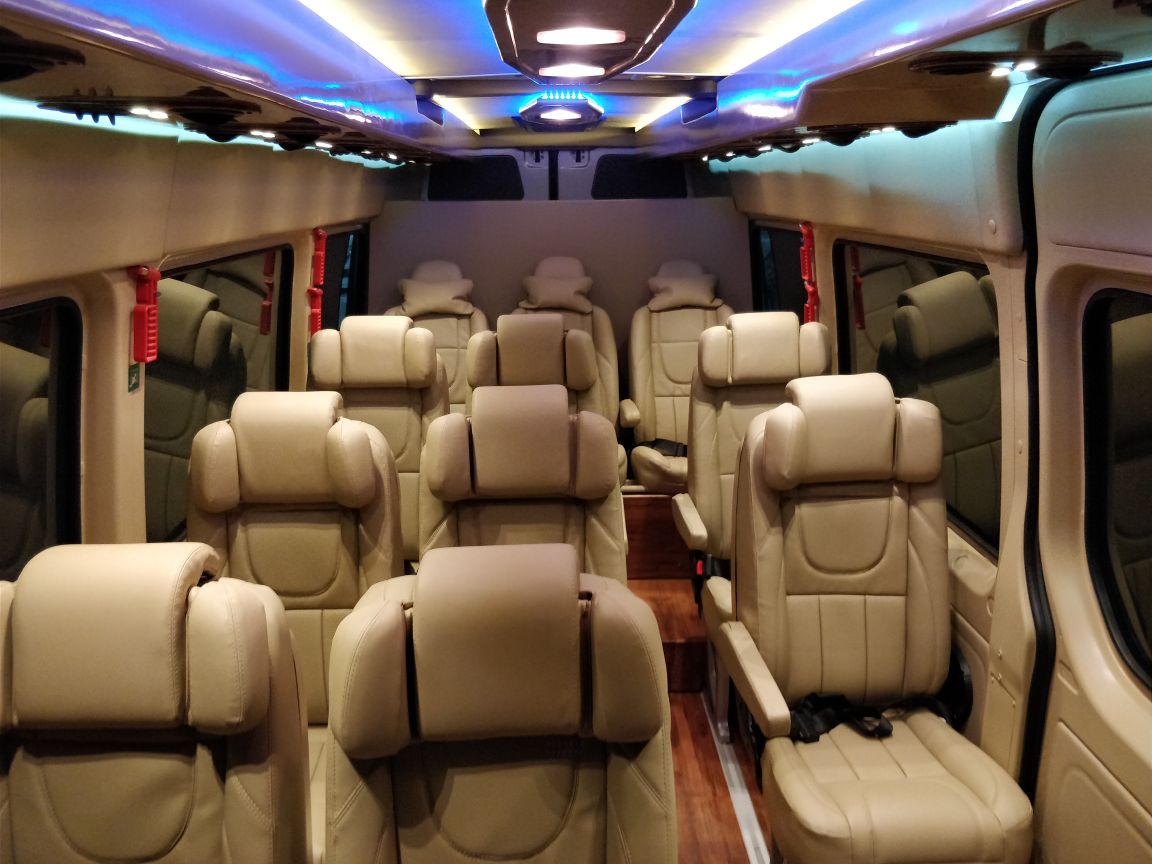
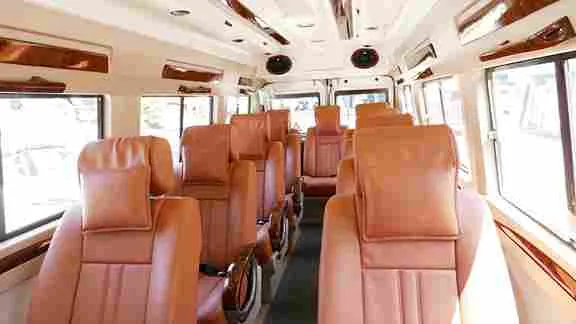
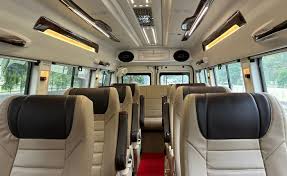
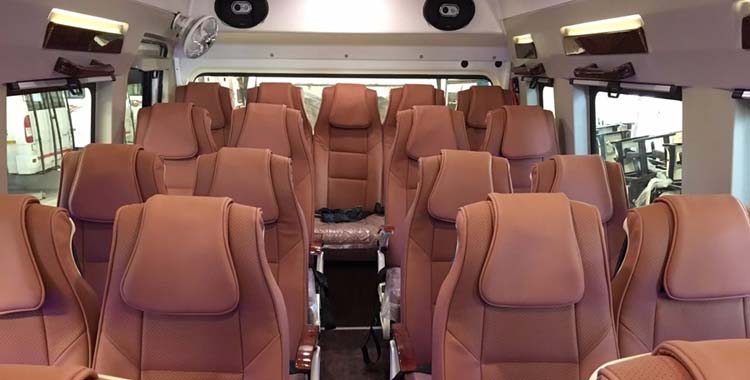
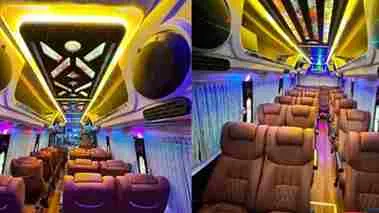
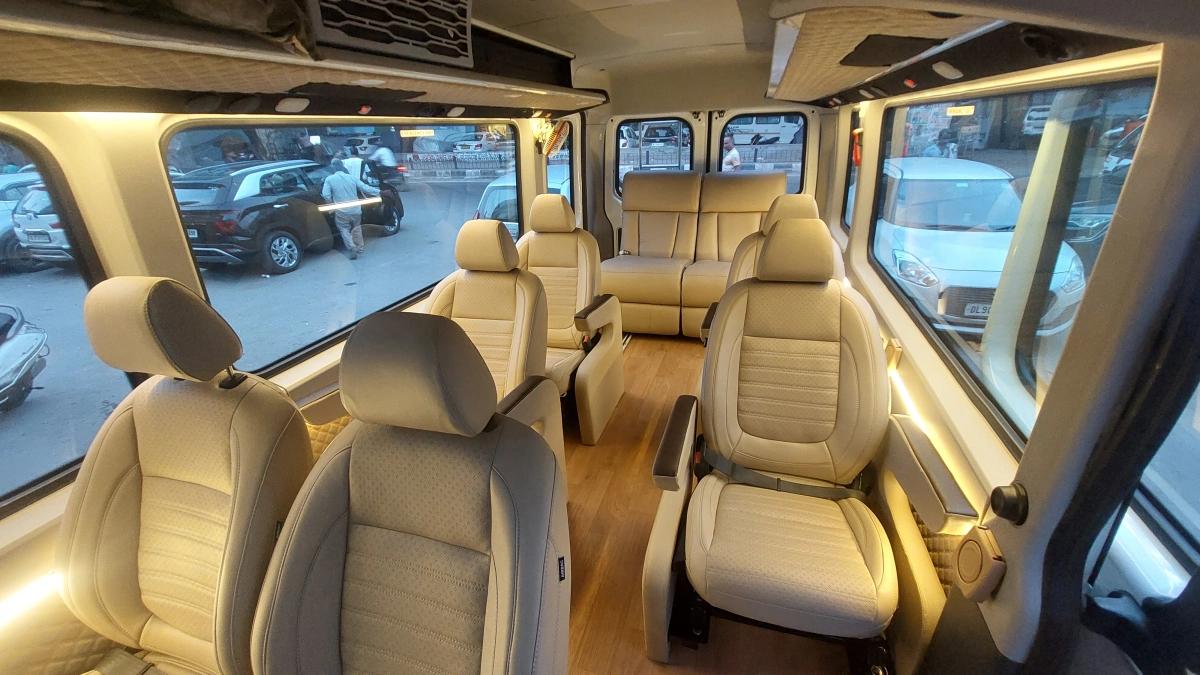
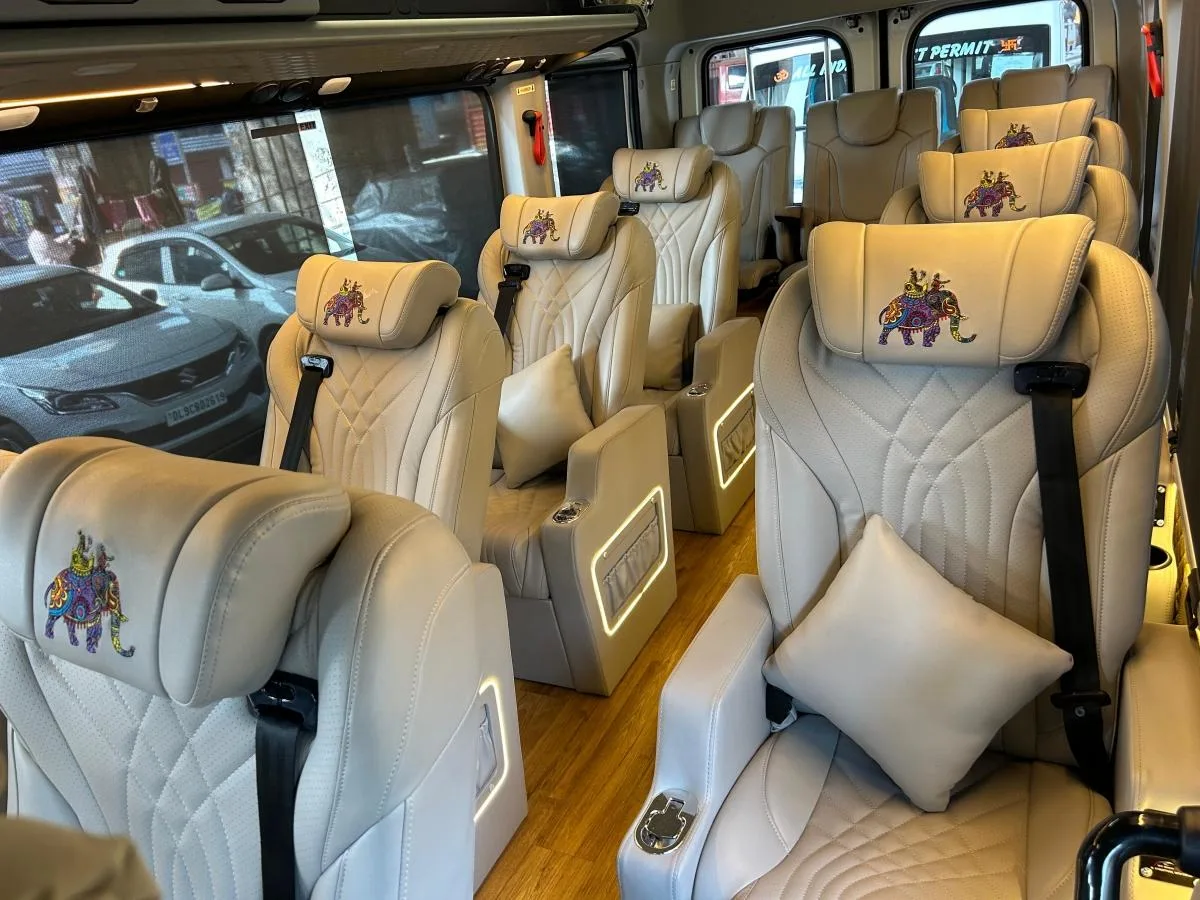
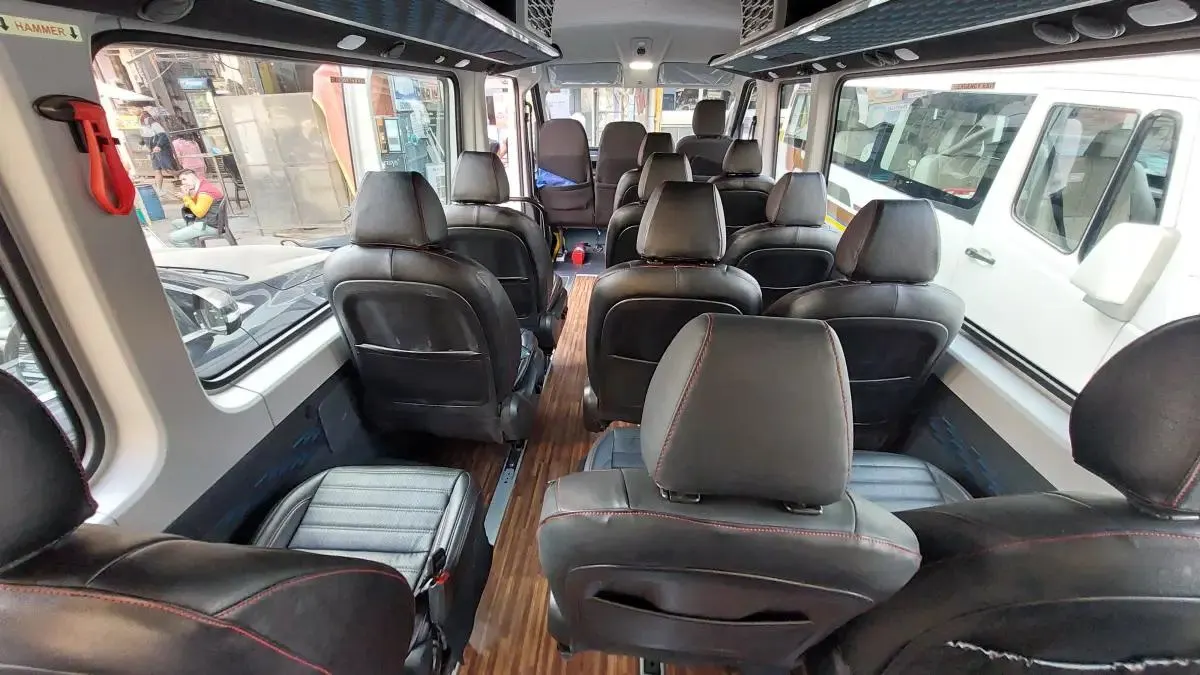
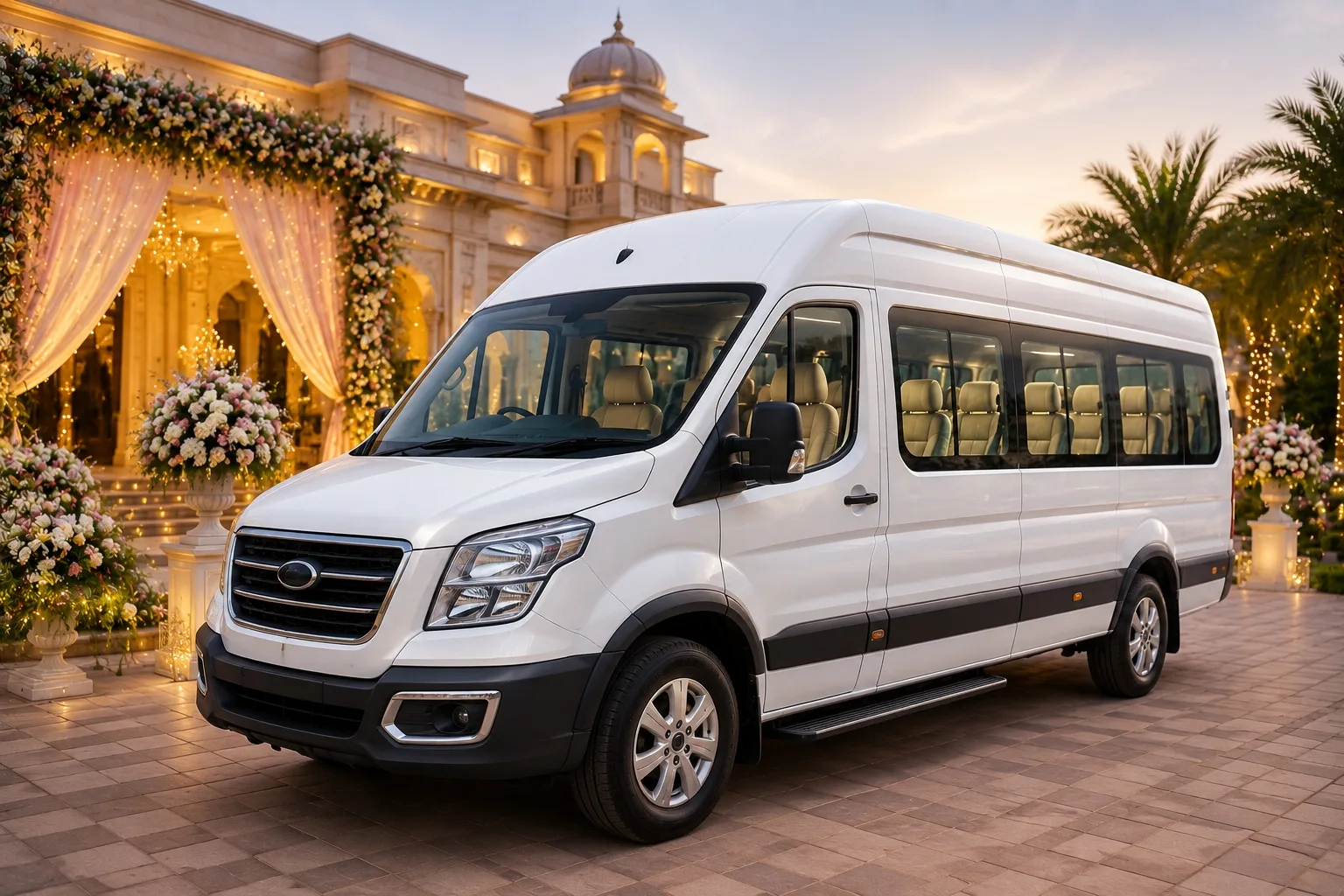
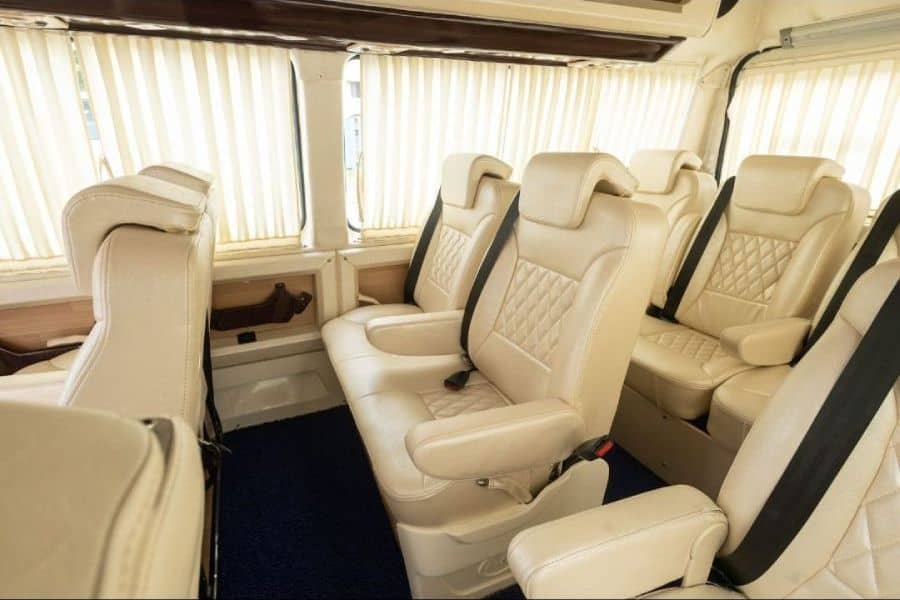
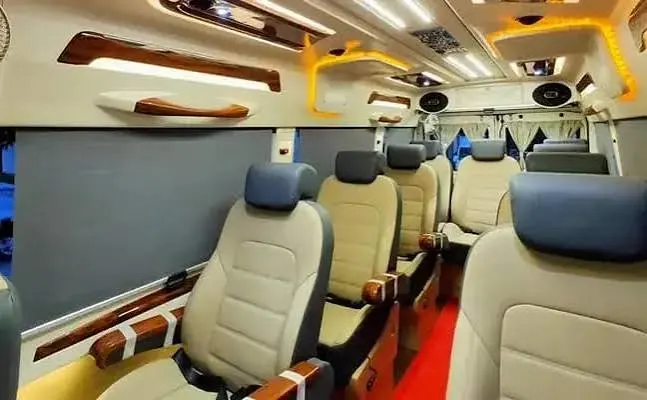
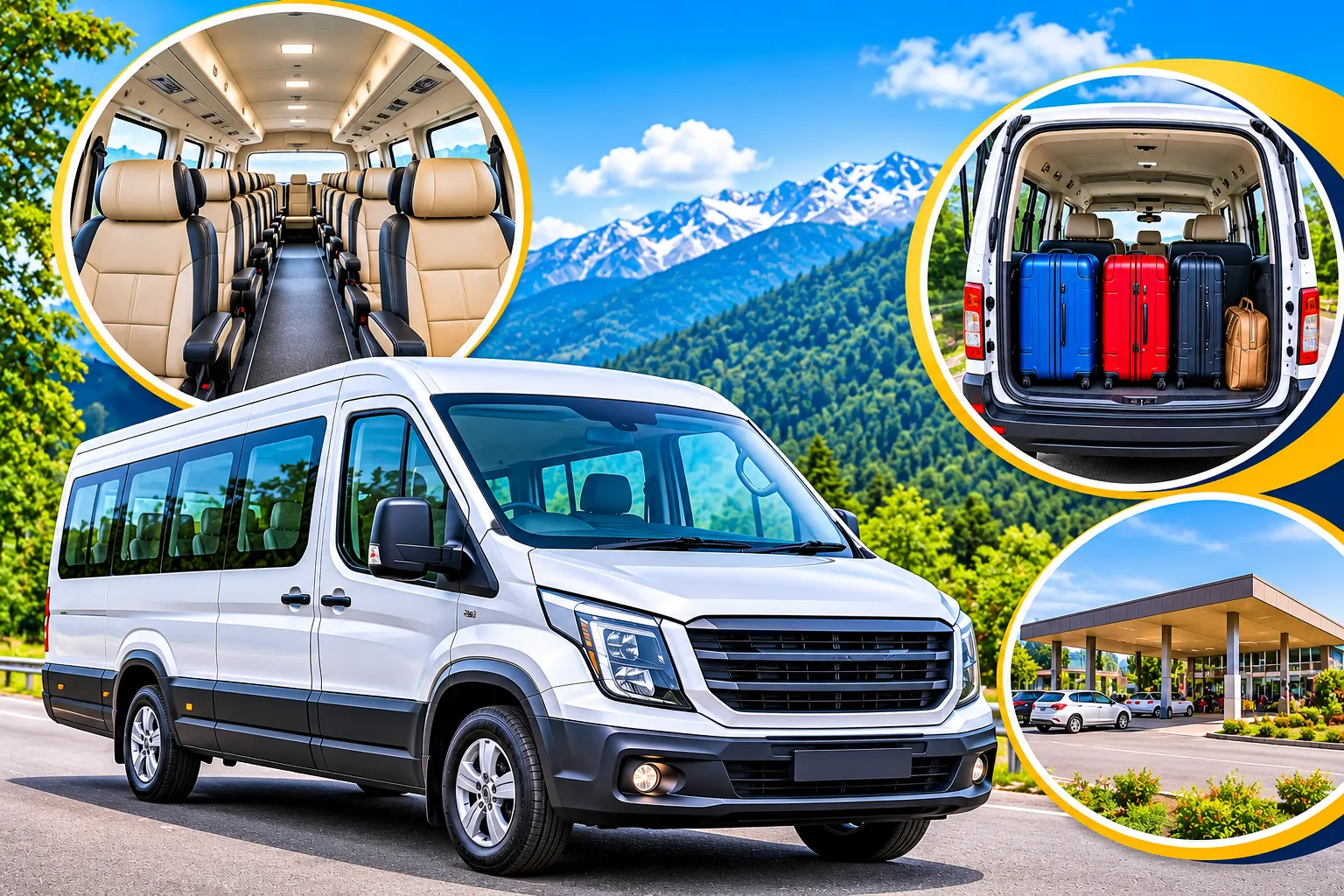
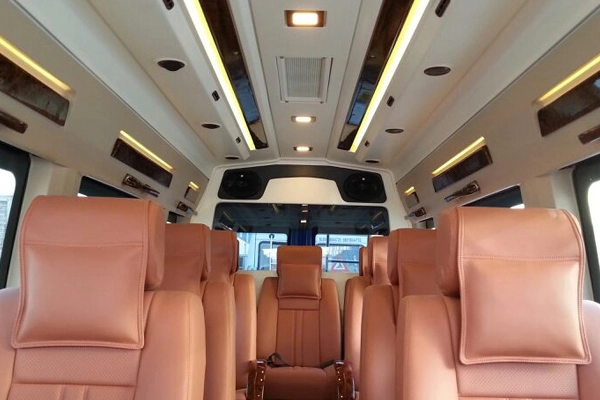
Seating and legroom. Push-back seats, good legroom and a well-designed cabin make long days far easier. For a family trip, this is the difference between a tiring drive and an enjoyable one.
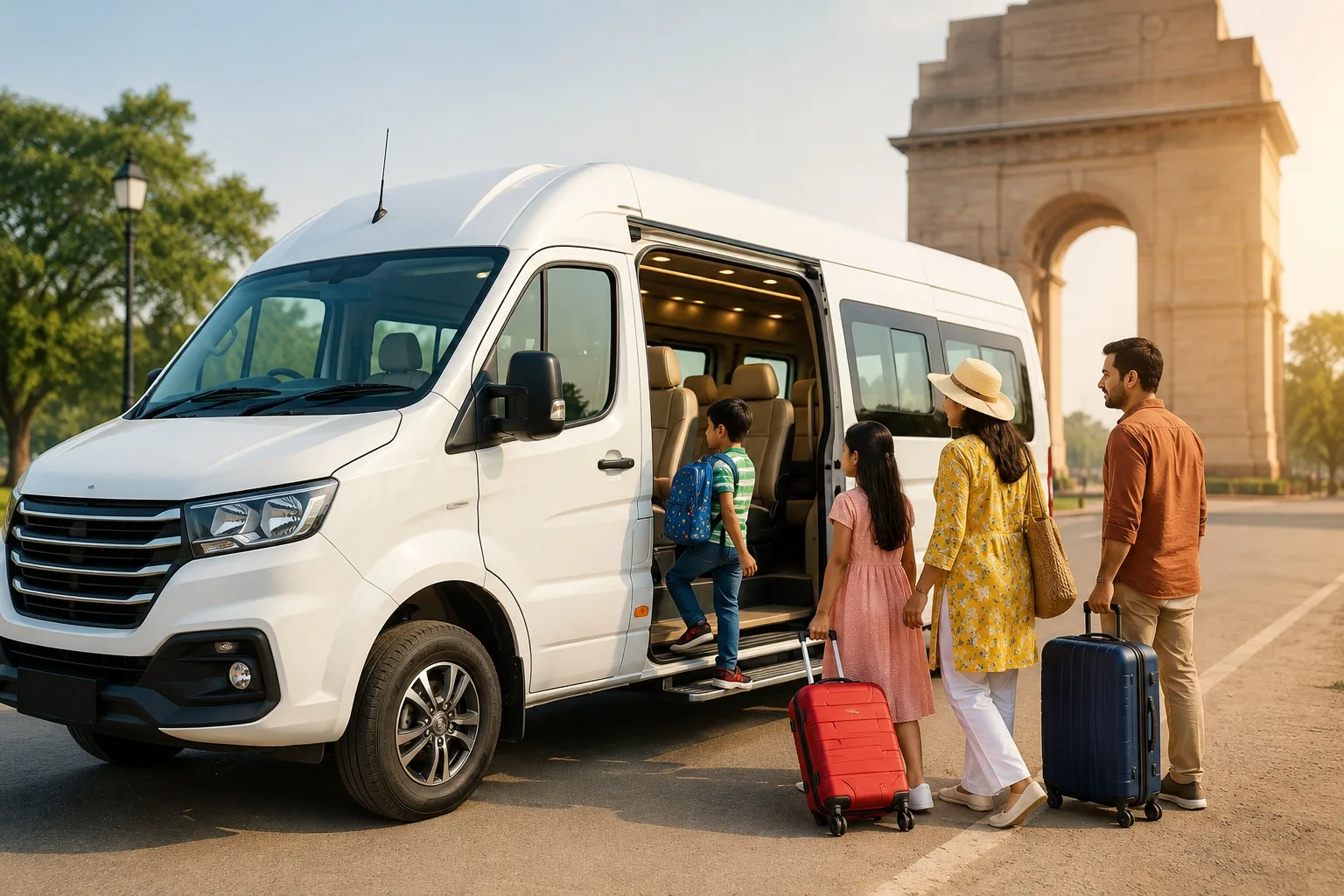
Luggage space. Winter means bulky jackets, thermals, boots and extra bags. Urbania models offer better luggage space than many older vehicles, though larger groups should still plan their luggage carefully.
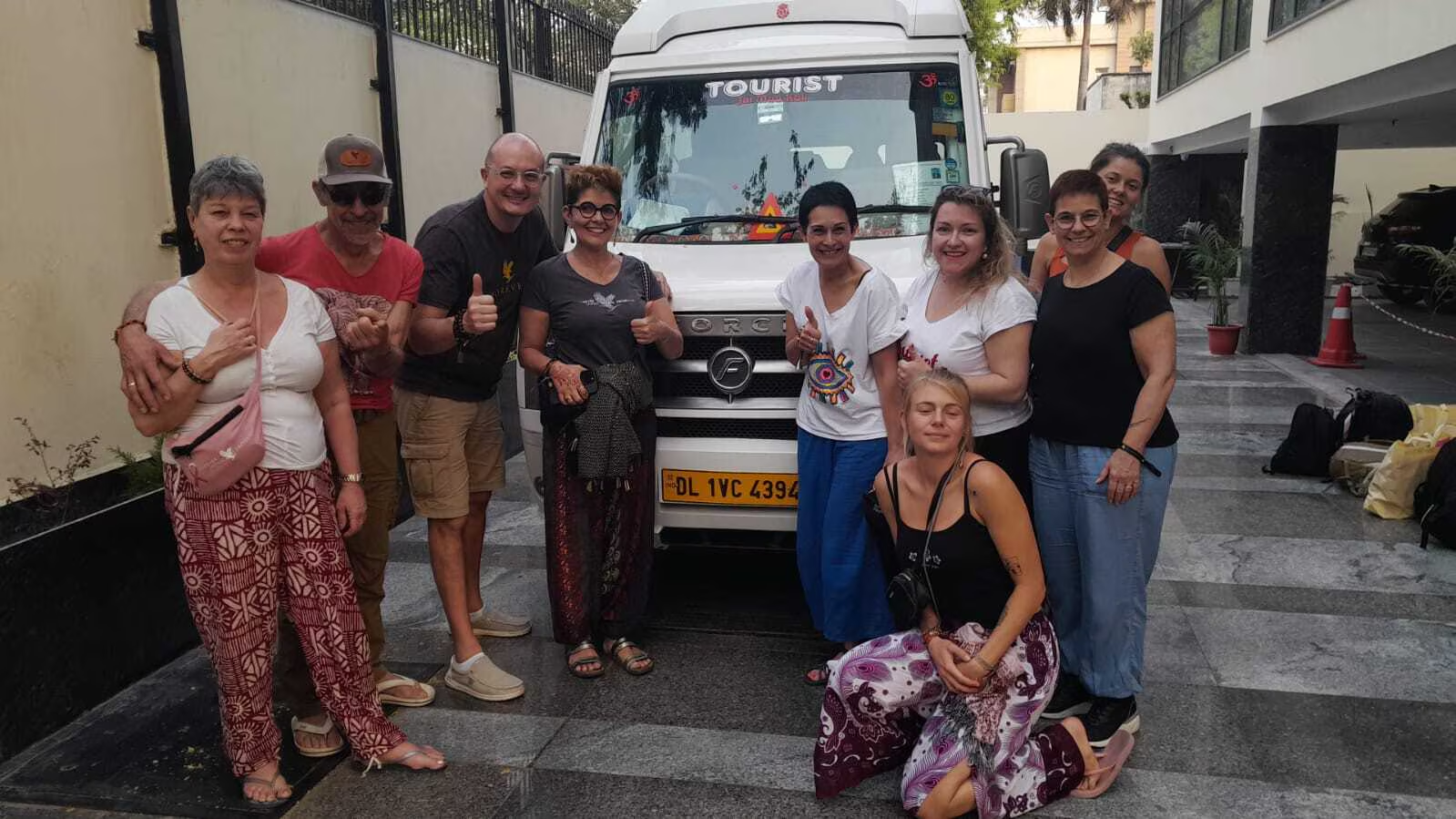
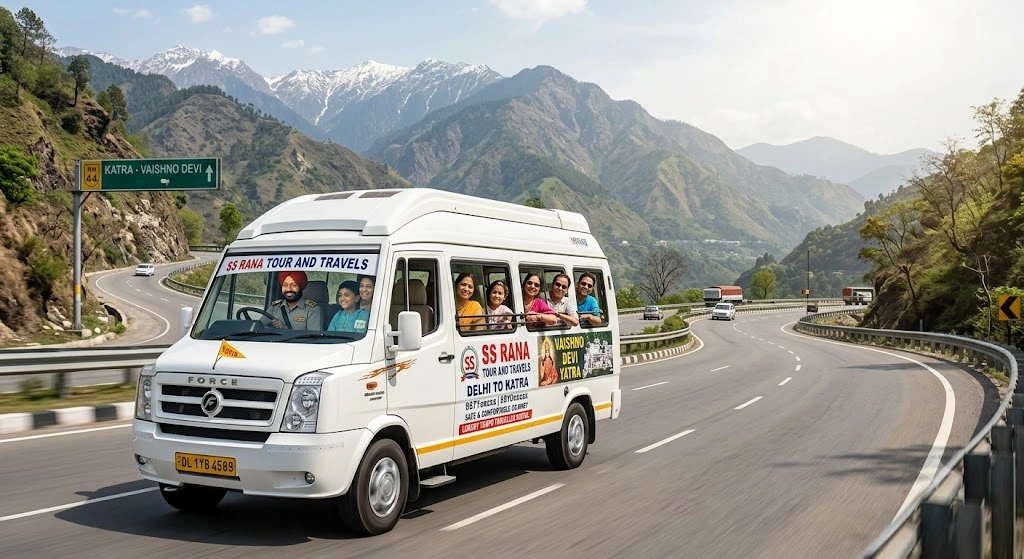
Safety and driver experience. A modern vehicle matters, but an experienced hill driver matters even more. At SS Rana Tour and Travels, vehicles are paired with drivers who know Himachal routes.
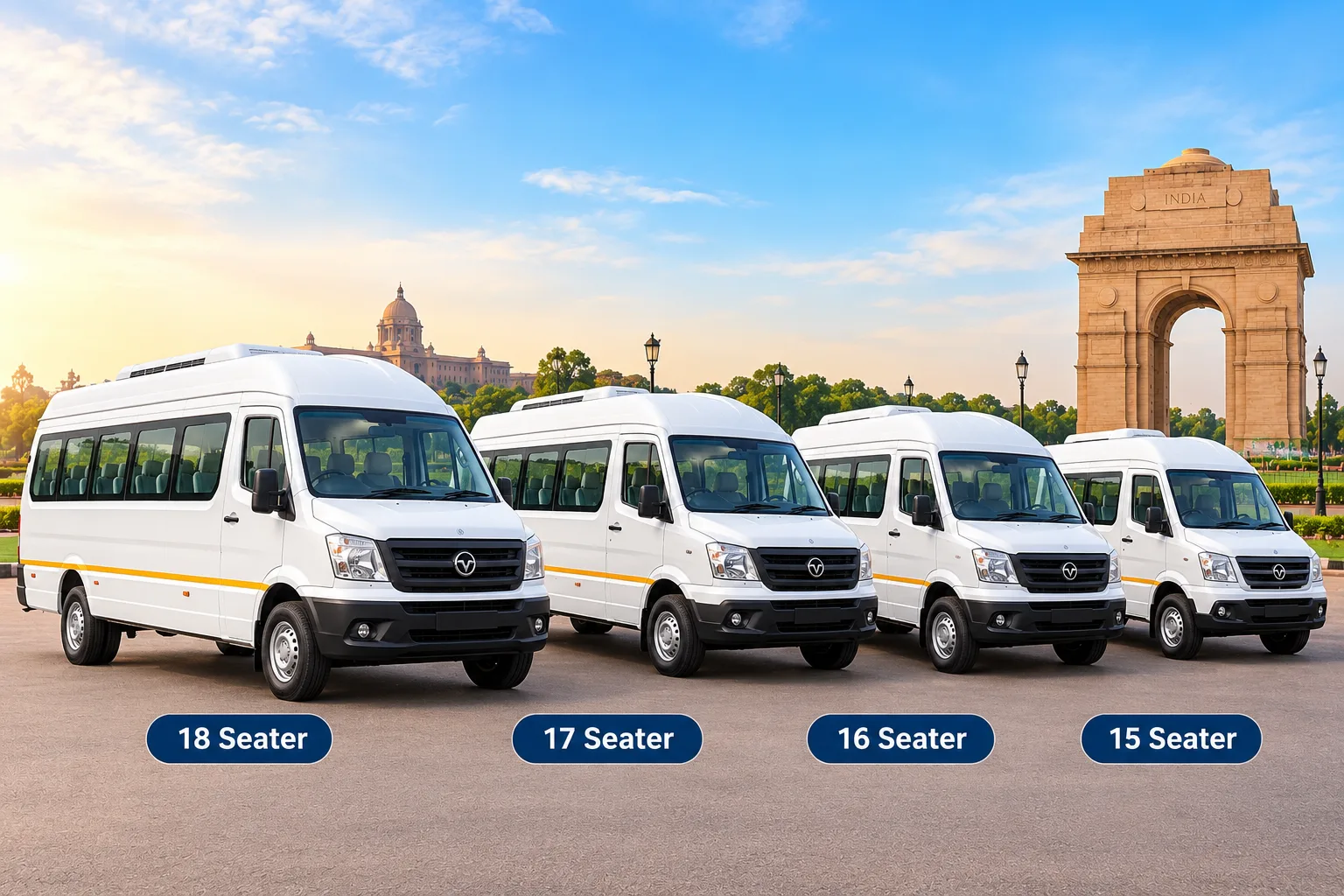
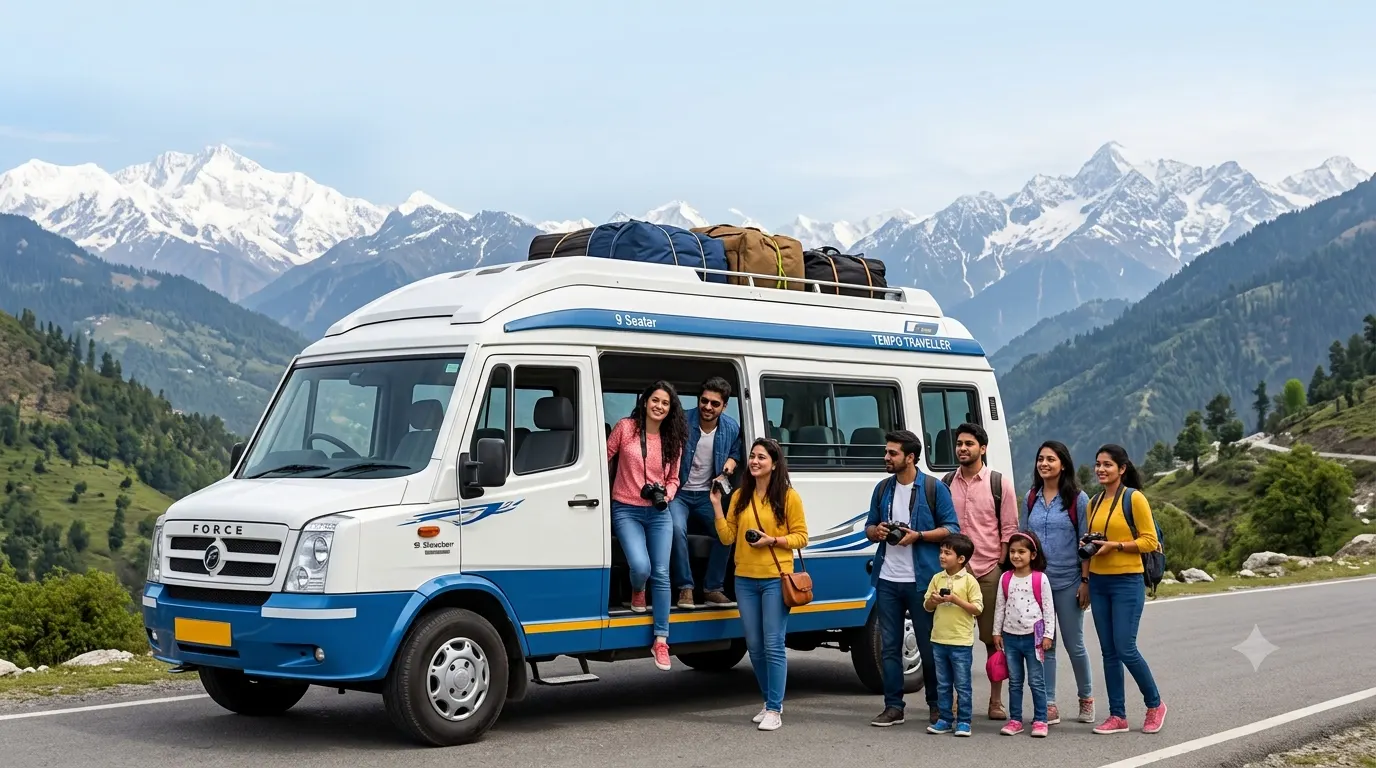
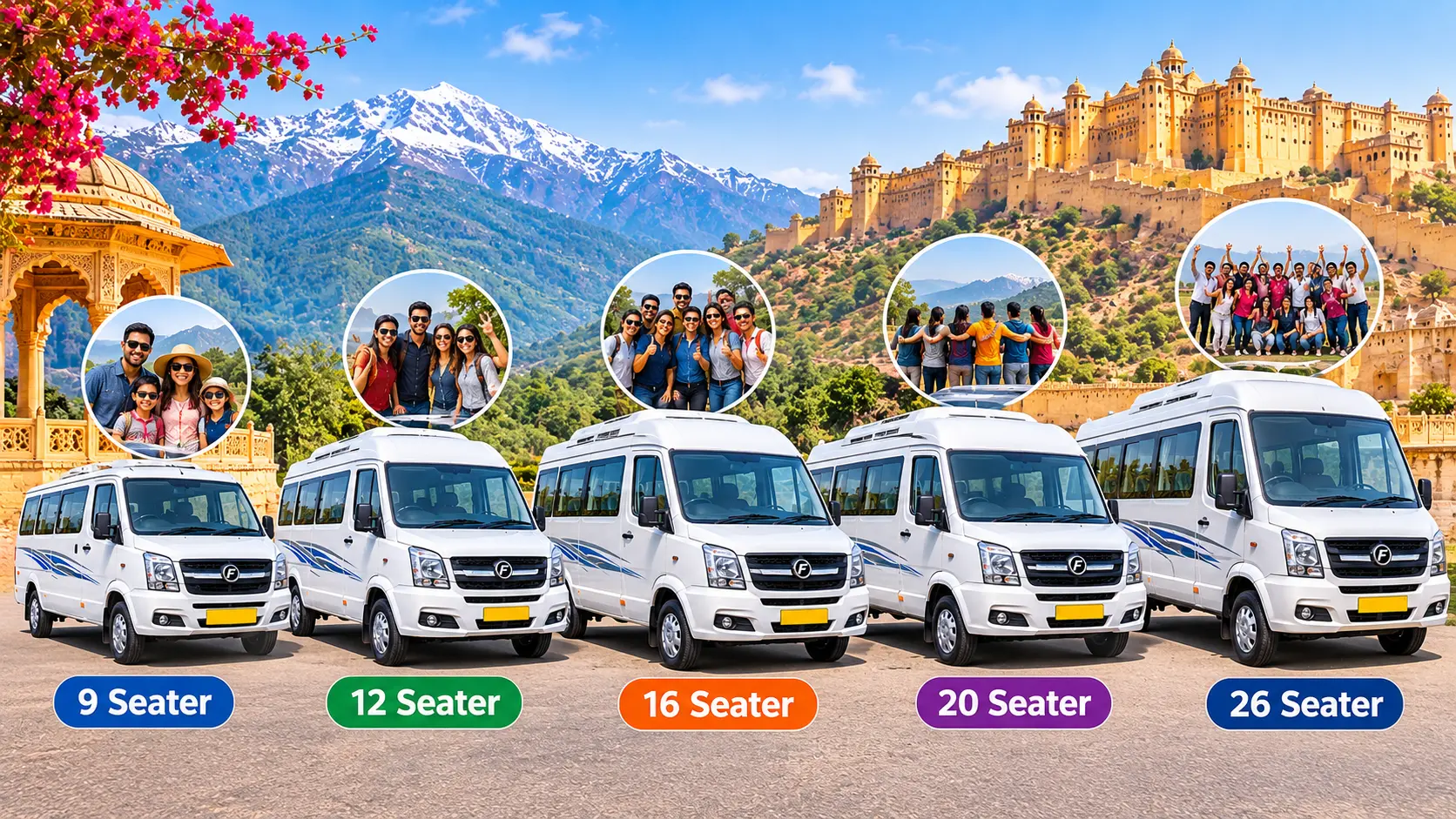
6-8 people: A 9-seater is comfortable and economical.
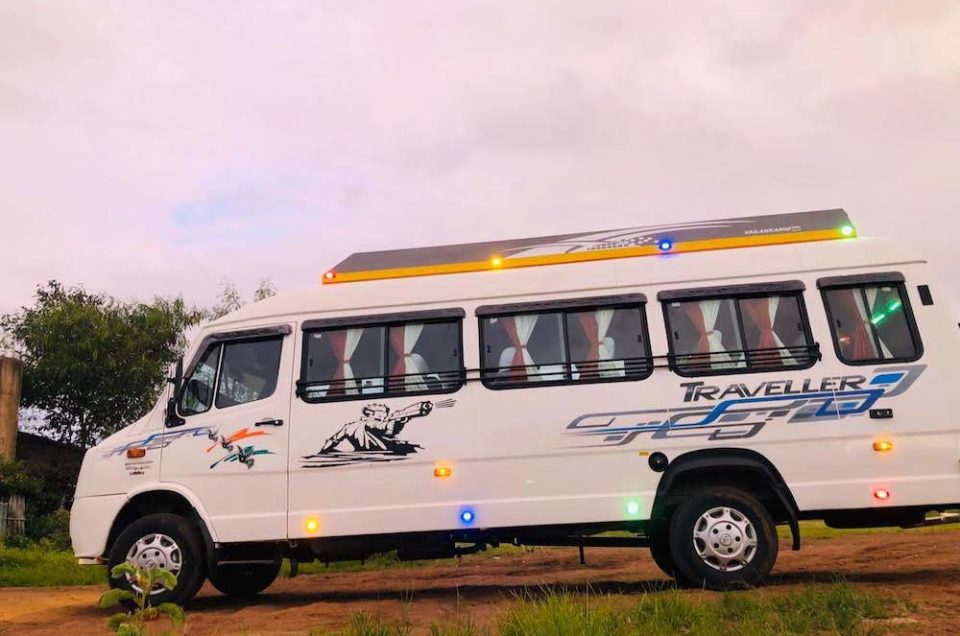
10-12 people: A 12-seater, or an Urbania for a more premium ride.
14-16 people: A 16-seater Urbania gives the right balance of space and comfort.
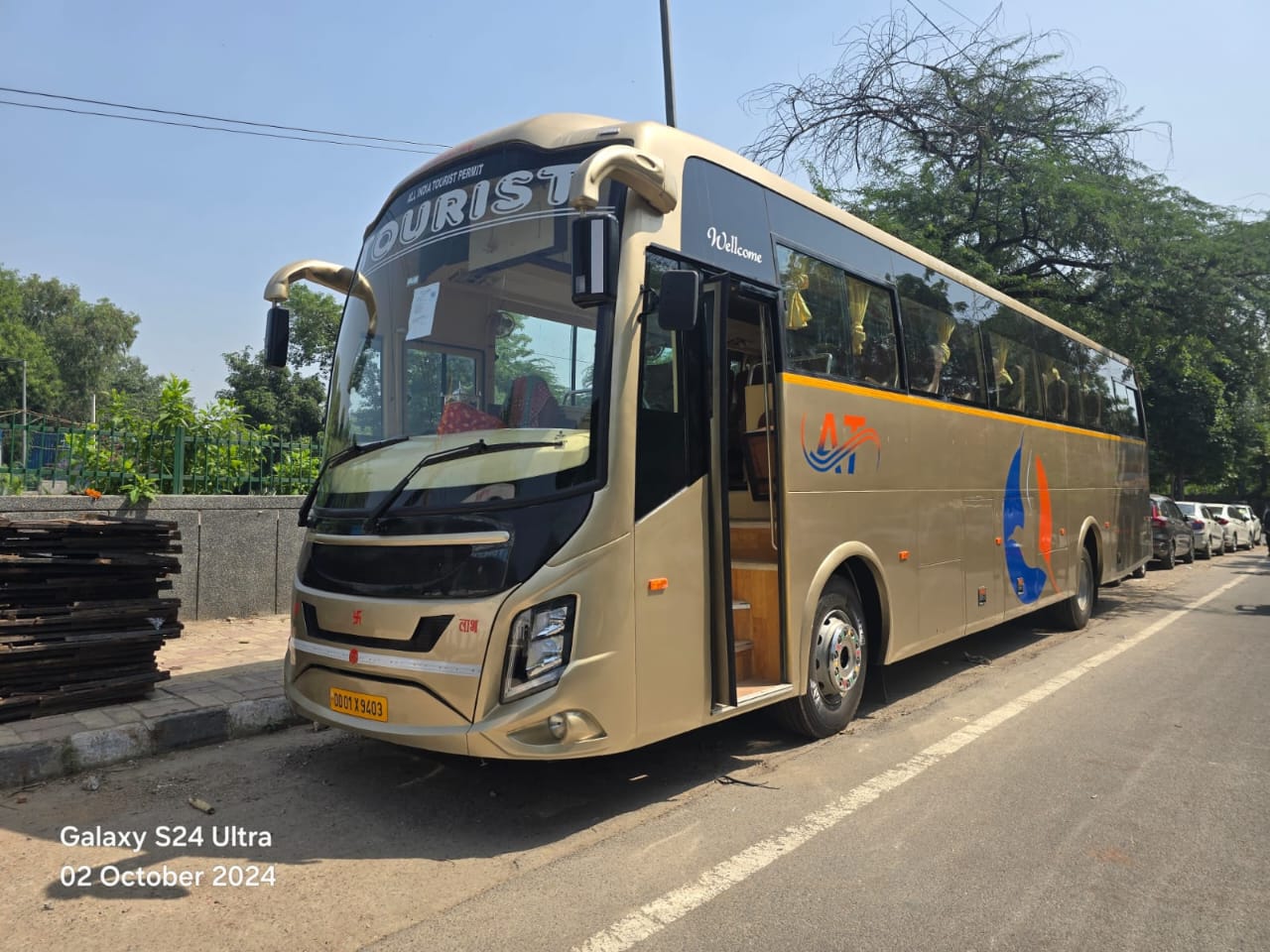
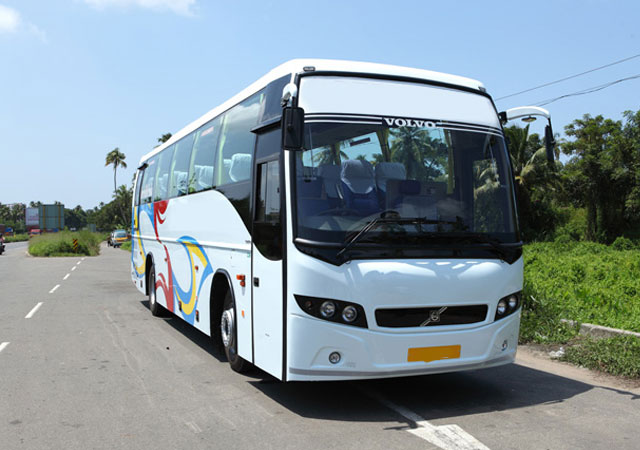
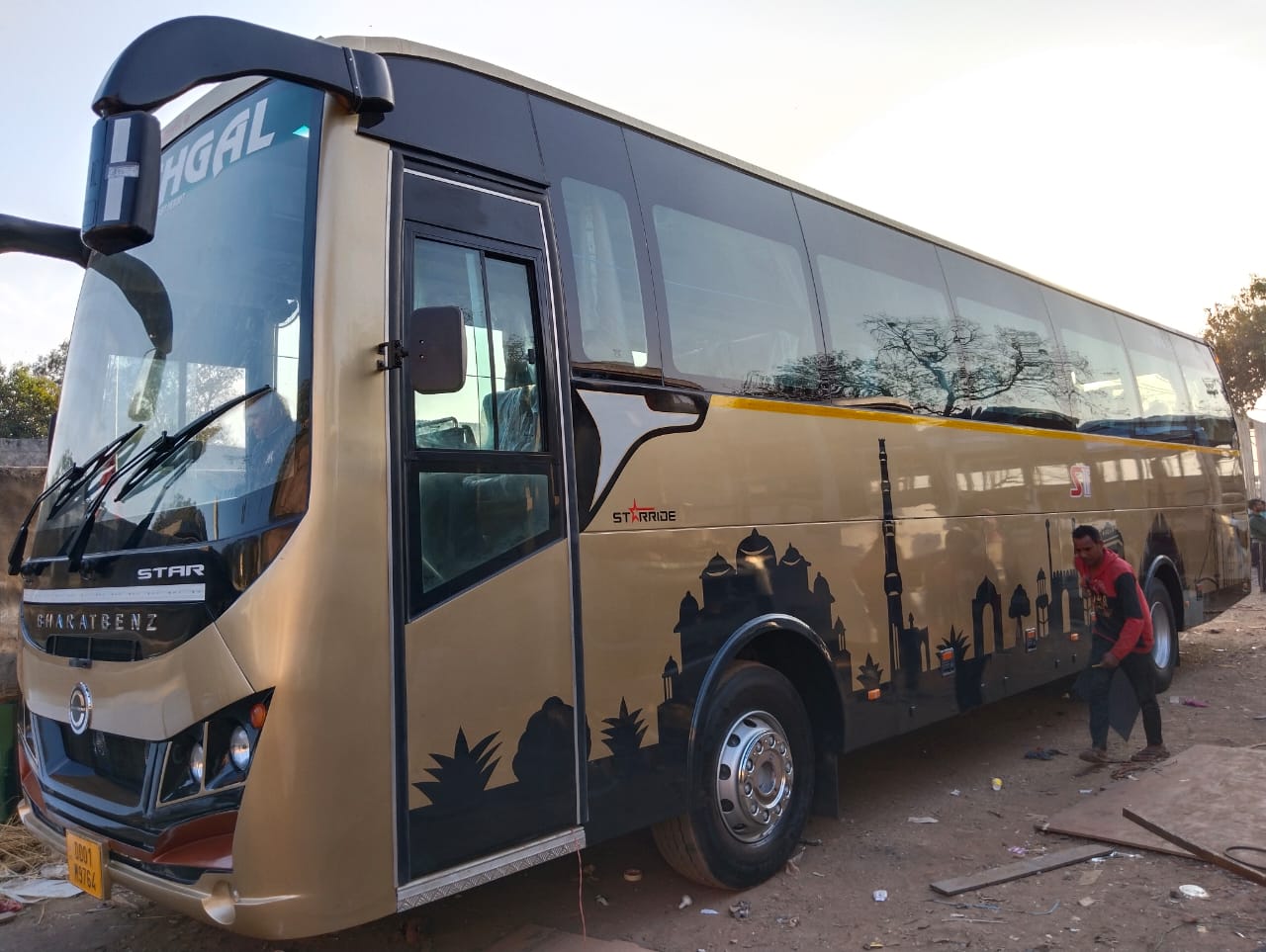
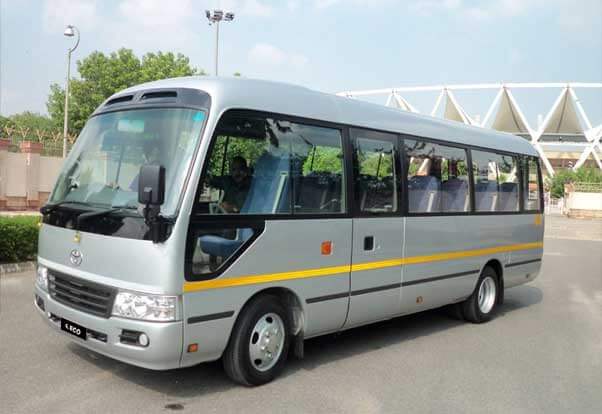
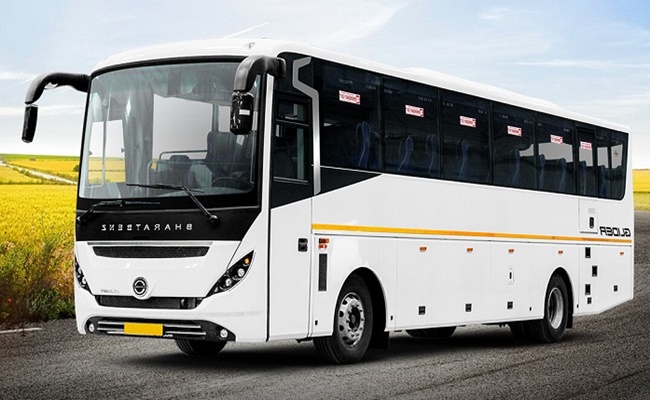
18-26 people: Larger tempo traveller or mini-coach options, planned.
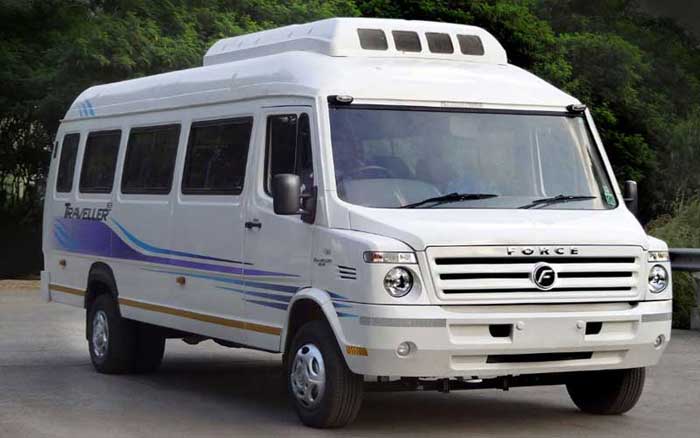
Remember that winter luggage takes space. If your group has heavy bags, choose a vehicle one size larger than the headcount suggests. If you are comparing prices, our guide to tempo traveller hire in Delhi explains what drives the cost.
Winter Safety Checklist for Your Himachal Trip
Follow these practices on every winter hill trip:
Check live road status before leaving. Look at Himachal Police and district administration advisories, and ask your operator for the latest update.
Choose an experienced hill driver. Winter driving on snow and ice is a skill. Local route knowledge is worth more than any vehicle feature.
Start after sunrise, finish before dusk. Fog in the morning and darkness in the evening both raise risk. Aim to reach your hotel by late afternoon.
Avoid night driving on snow-affected stretches. Black ice forms after sunset, especially above Shimla and around Manali.
Keep the vehicle winter-ready. Good tyres, snow chains where required, working wipers and fog lights, and a full tank before the climb.
Build in a buffer day. Delays are normal. A spare day protects your return flight, train, or office schedule.
Book hotels in advance. Snowfall weekends and New Year fill up early, and last-minute rooms are expensive.
Do not force a snow point. If the administration stops vehicles, wait. Safety matters more than a photograph.
Carry essentials. Water, snacks, basic medicines, a first-aid kit, a power bank, and a torch.
Share your itinerary. Let family know your route and expected timings.
Sample Winter Itineraries from Delhi
Shimla–Kufri family trip (3 nights, 4 days)
Day 1: Delhi to Shimla, evening on Mall Road. Day 2: Kufri and Mashobra, with snow activities if conditions allow. Day 3: Local sightseeing and a relaxed morning. Day 4: Return to Delhi. This is the easiest winter plan, suitable for families with children and elders.
Manali snow trip (4 nights, 5 days)
Day 1: Delhi to Manali overnight or early start. Day 2: Local sightseeing, Hadimba Temple and Old Manali. Day 3: Solang Valley or the Atal Tunnel side, depending on conditions. Day 4: Naggar and Vashisht. Day 5: Return to Delhi. Weather decides the Day 3 plan, so keep it flexible.
Shimla–Manali circuit (6 nights, 7 days)
Combine both destinations with a drive via Kullu. This is a classic winter circuit, but allow extra buffer time because weather can affect both legs.
Corporate or friends’ short getaway (2 nights, 3 days)
Chandigarh and Kasauli, or a quick Shimla weekend, give you a hill experience without the long Manali drive. This is a good option for teams with limited time.
What to Pack for a Winter Himachal Trip
Thermals, sweaters and a heavy jacket
Gloves, woollen socks, cap and muffler
Waterproof snow boots with good grip
Moisturiser, lip balm and sunscreen, since snow glare is strong
Sunglasses
Personal medicines and a basic first-aid kit
Power bank and a torch
Valid ID for all passengers
Why Book Your Himachal Trip with SS Rana Tour and Travels
When you travel in winter, the operator matters as much as the vehicle. Here is what you get with SS Rana Tour and Travels:
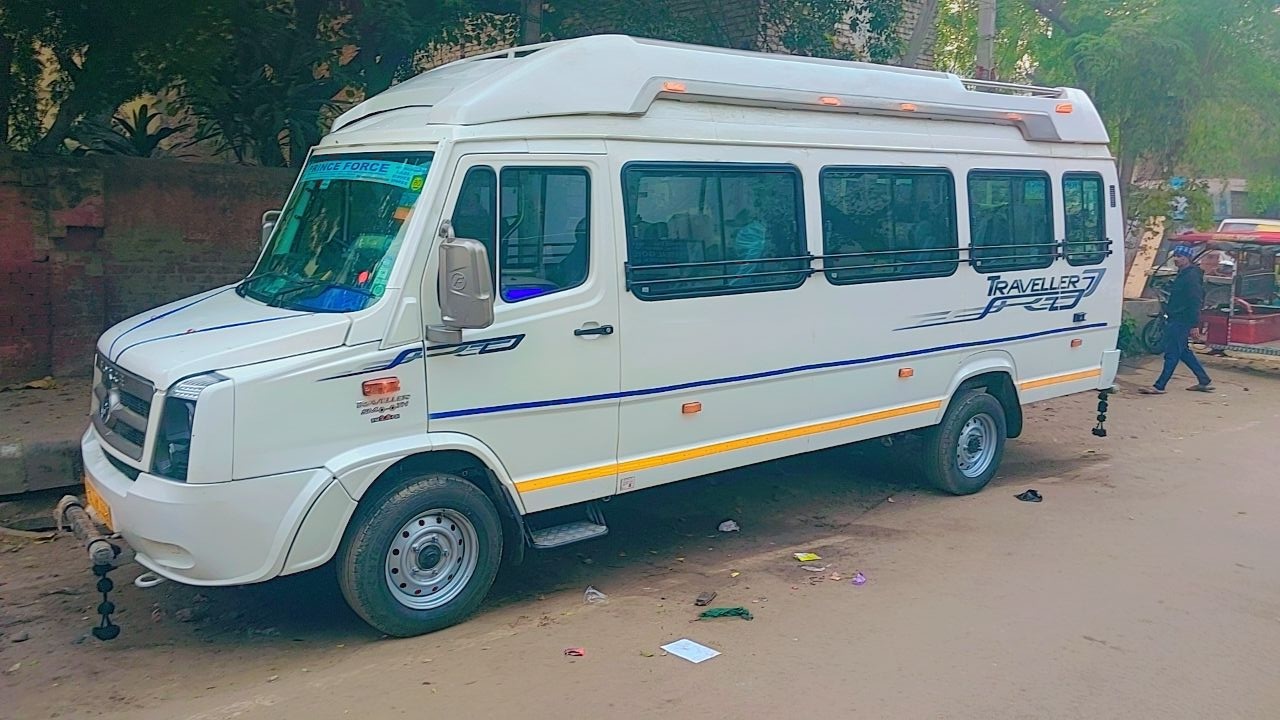
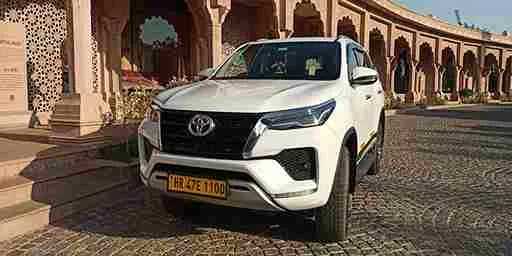
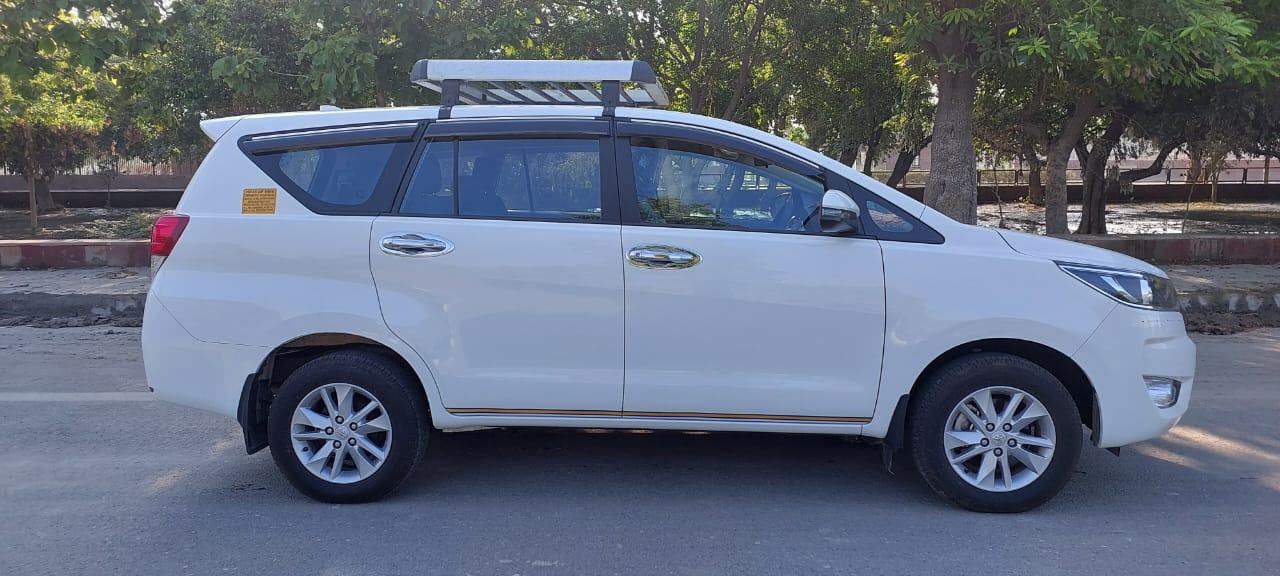
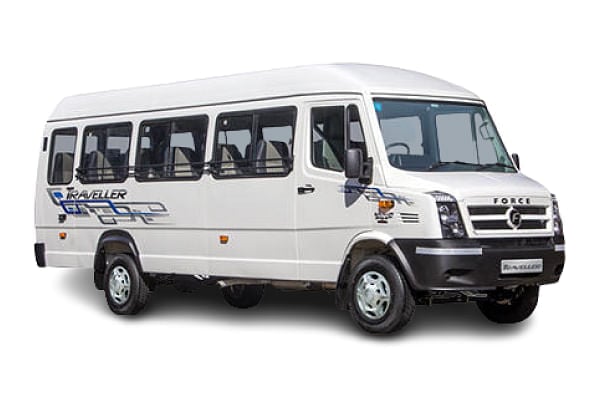
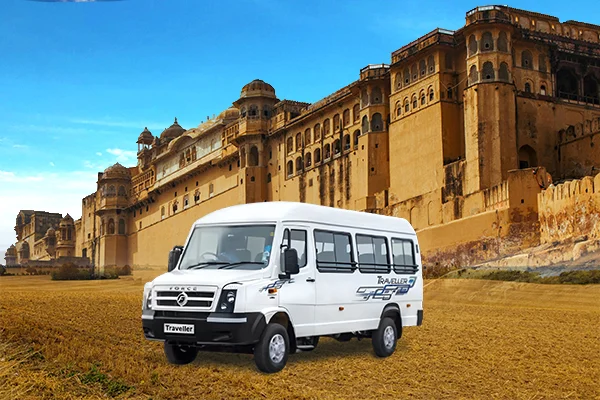
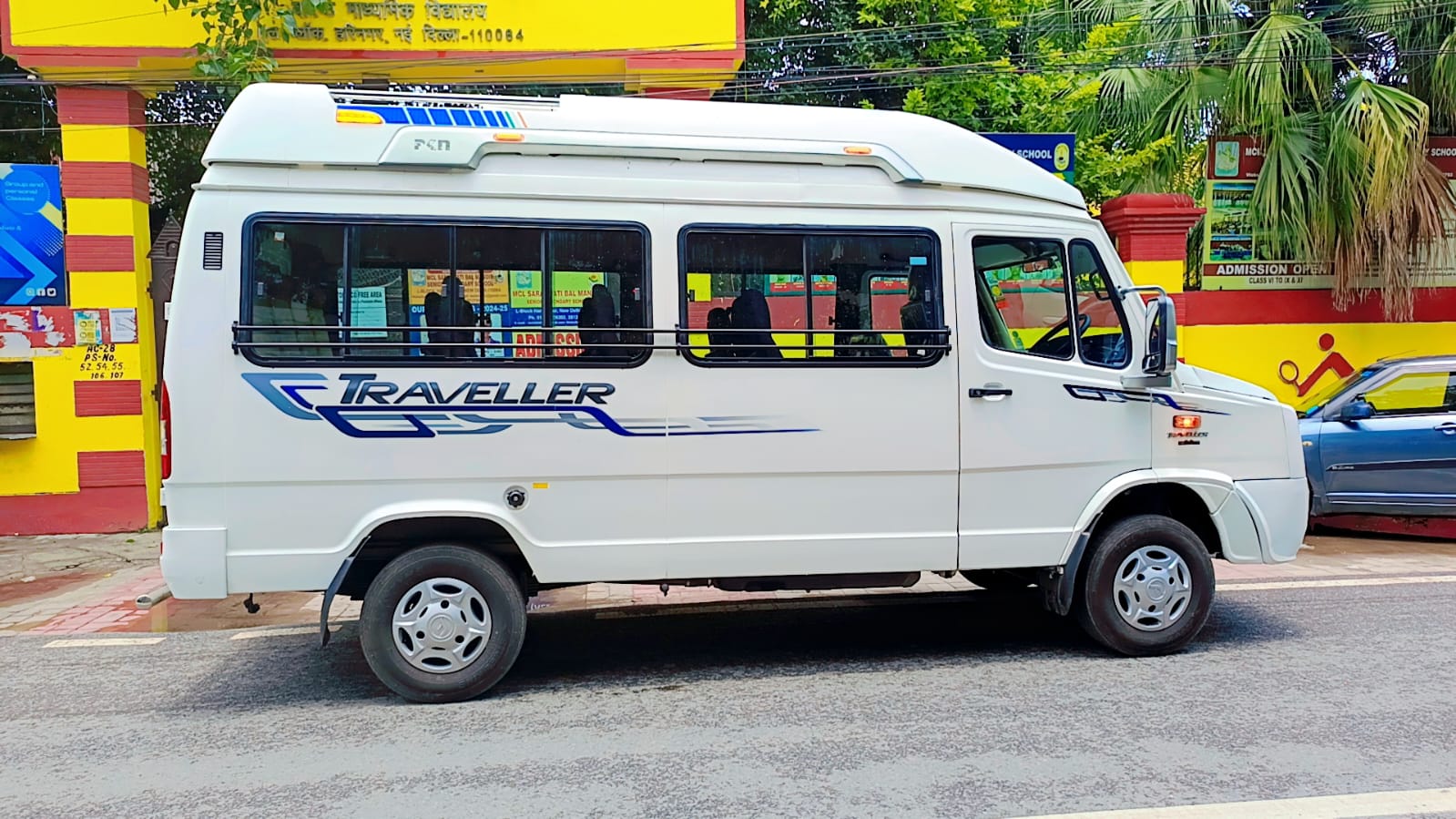
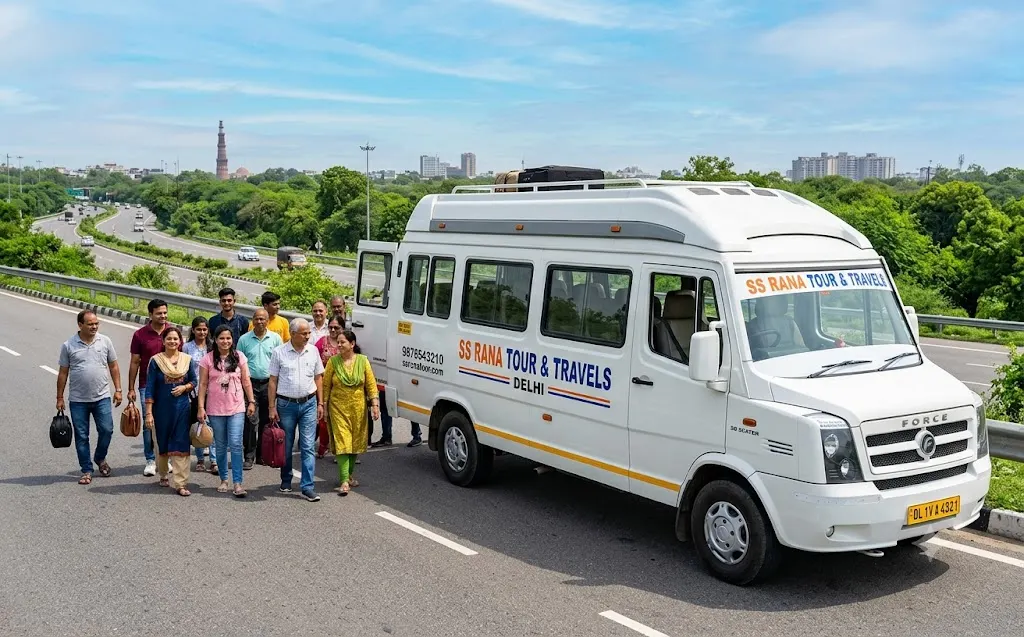
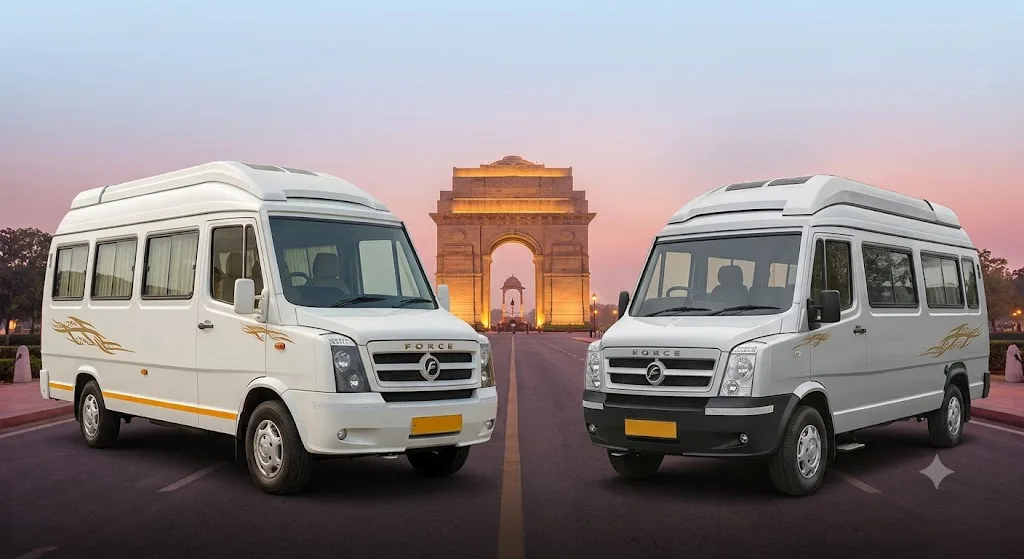
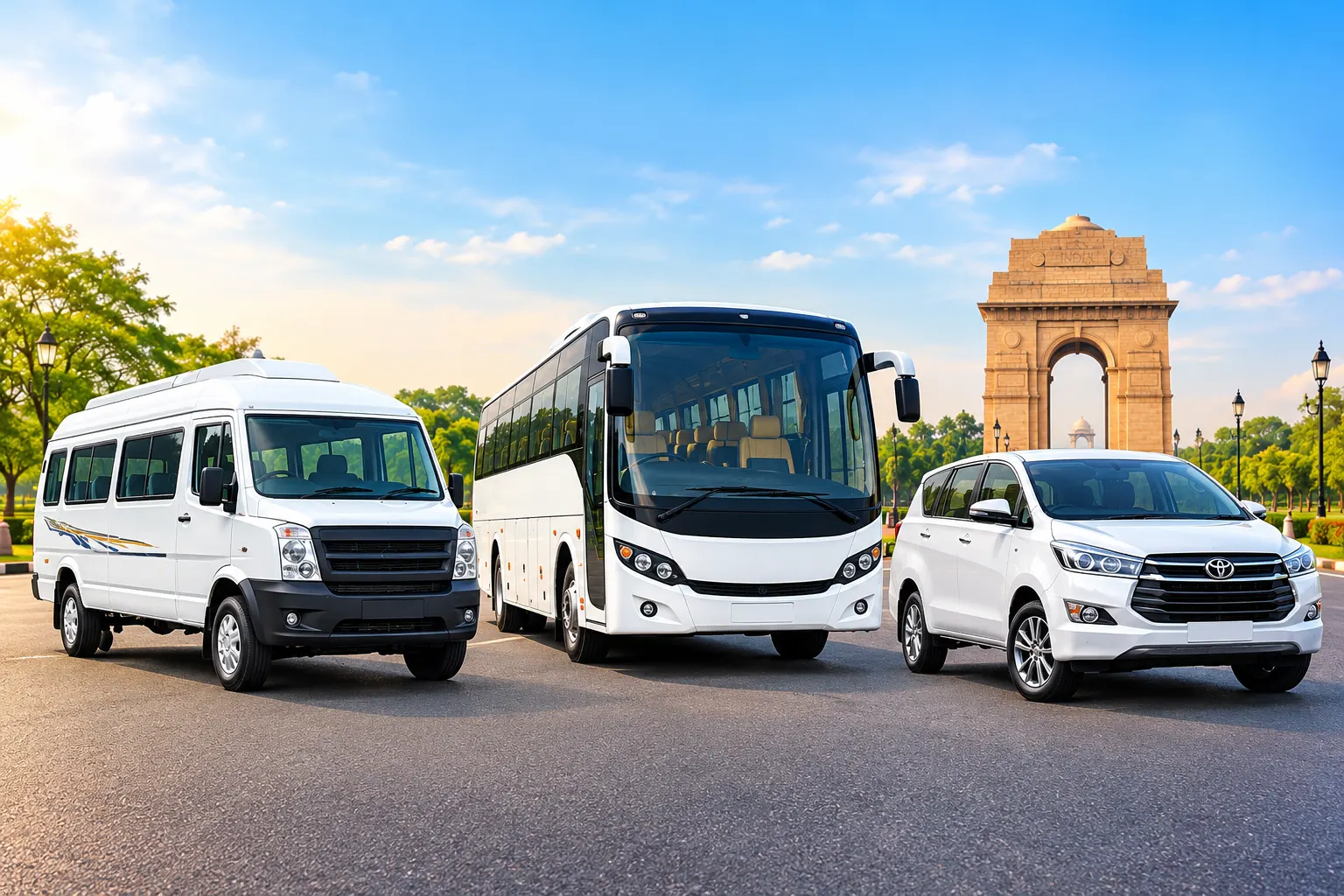
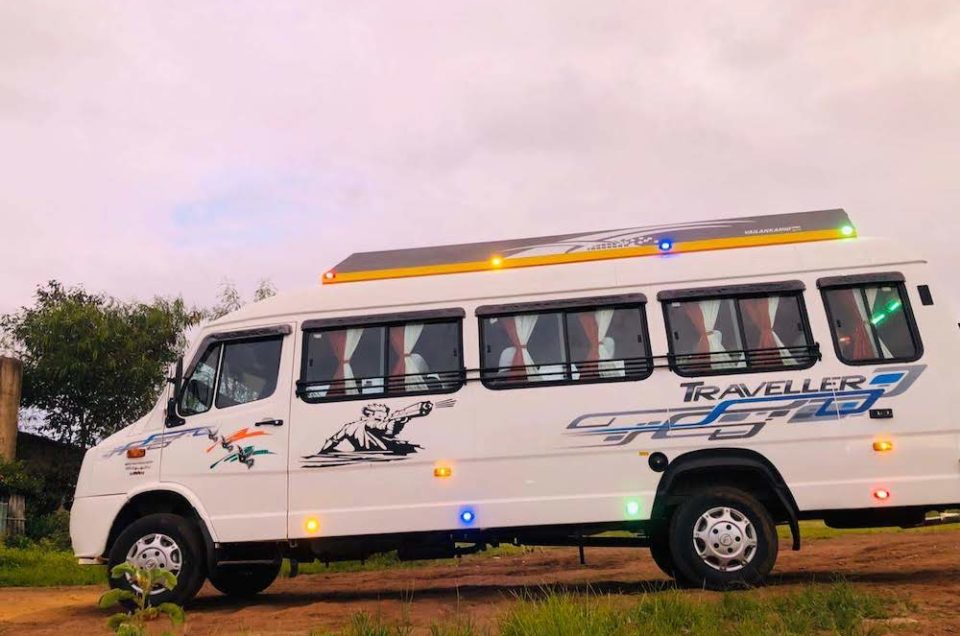
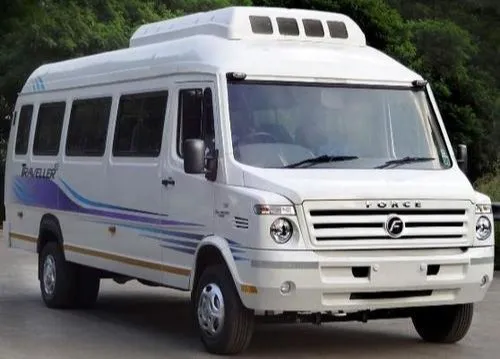
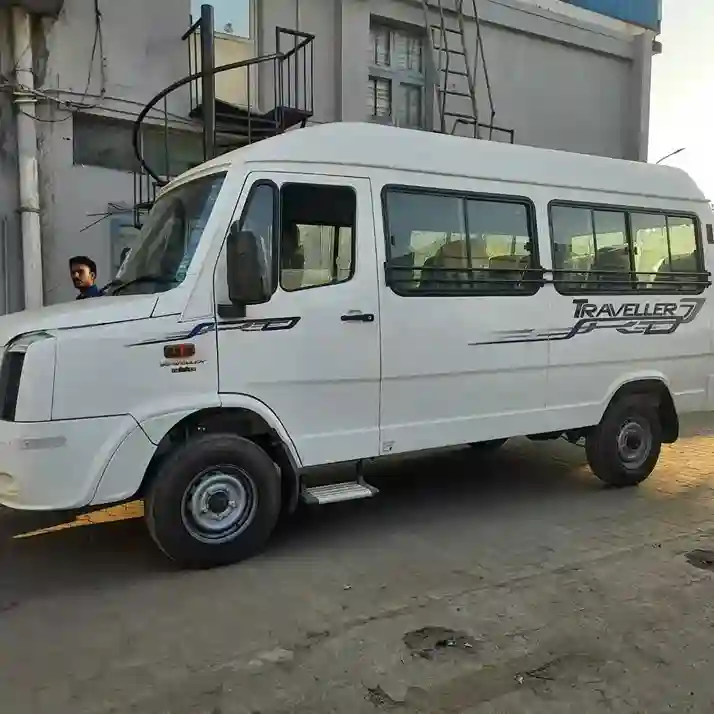
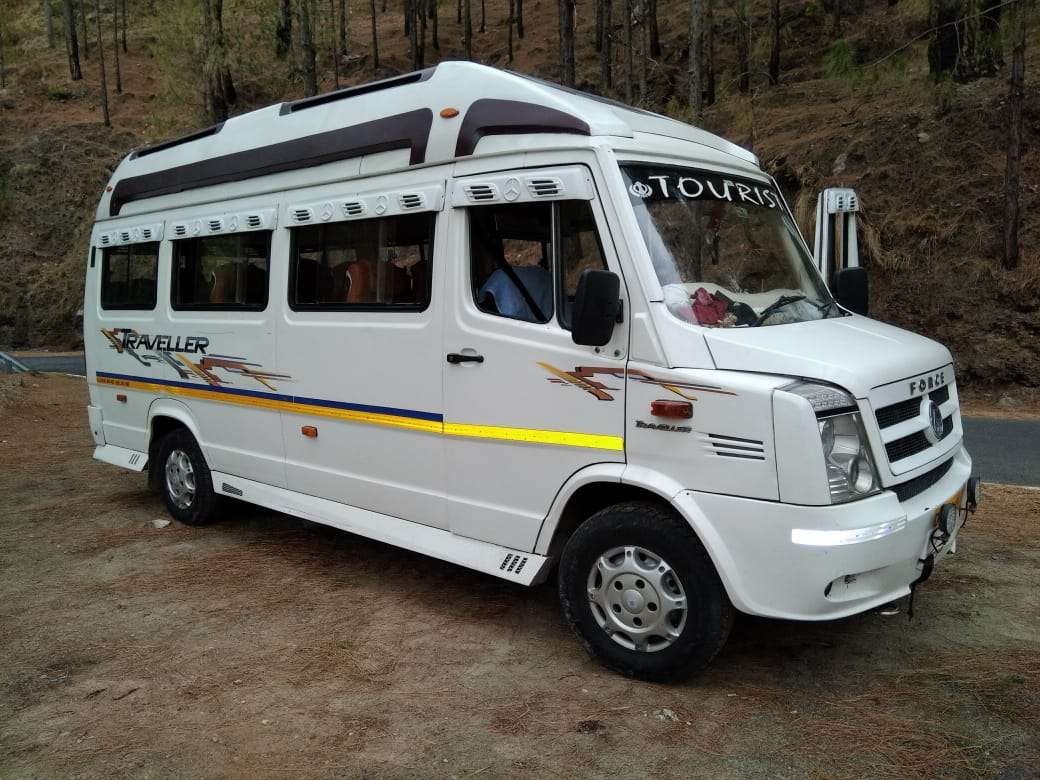
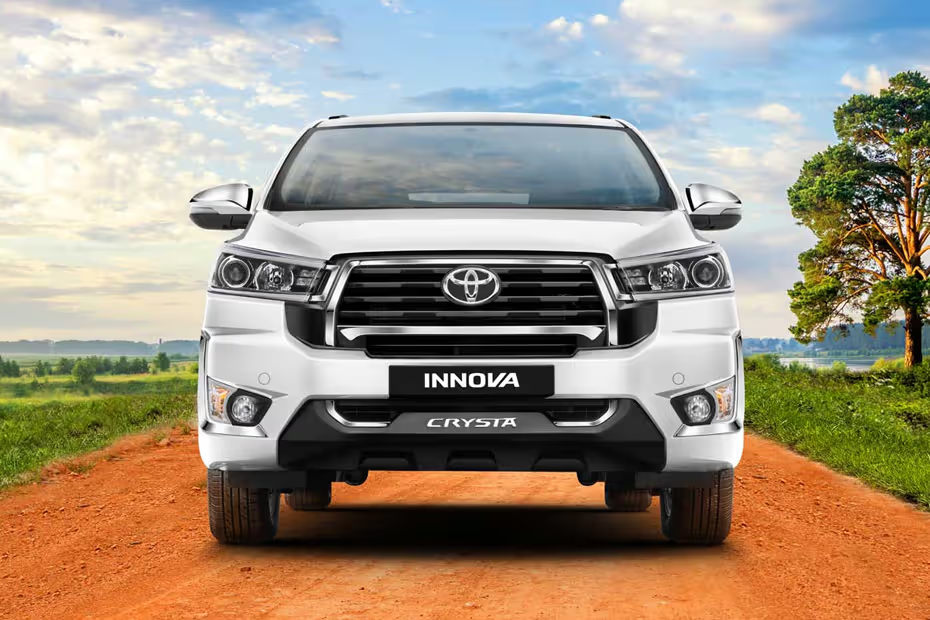
A well-maintained fleet of Innova and Tempo Traveller vehicles, from 9 to 26 seats
Experienced drivers who know Shimla, Manali, and other Himachal routes
Delhi NCR pickup, with outstation trips across India
Clear, transparent pricing with no hidden charges
Honest route advice, including when to delay or adjust your plan for weather
Support from booking through your return
We would rather tell you to shift a day than send you into a snowstorm. That honesty is what keeps our guests coming back.
Plan Your Winter Trip Early
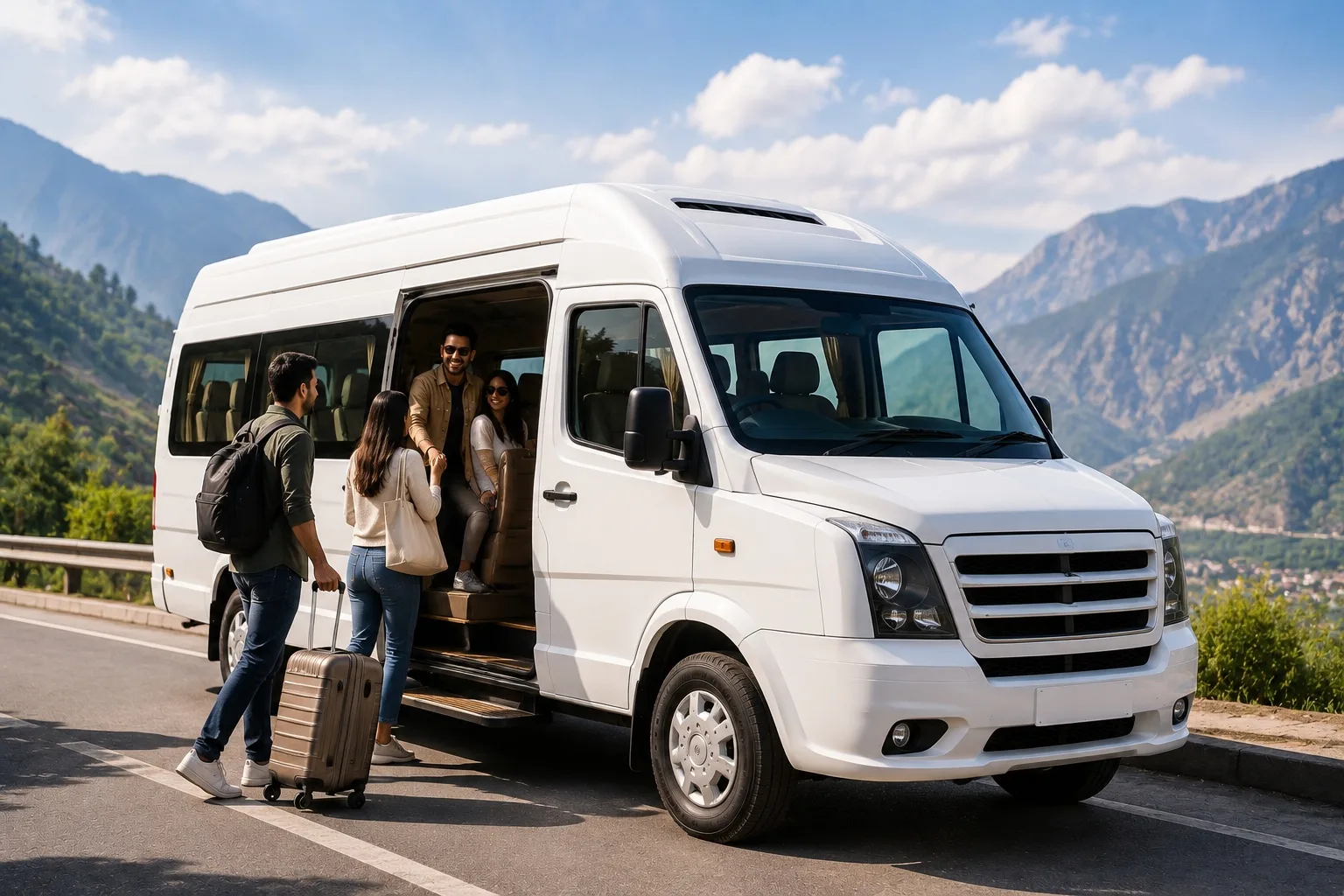
Winter dates, especially around December weekends and New Year, fill up quickly. The vehicles you want are the first to go, and prices rise as the dates approach. If you are planning a Shimla family trip or a Manali snow holiday, book your Urbania tempo traveller on rent in Delhi early to secure your dates and your vehicle.
Winter in Himachal is magical when planned well. Travel smart, stay flexible, and let experienced drivers handle the mountain roads.
Call or WhatsApp SS Rana Tour and Travels today for a quick quote and a route plan that suits the season.
Usually yes, but conditions depend on the weather. Delhi to Shimla is generally the more reliable route. The Kullu to Manali stretch and the higher roads beyond Shimla, such as Kufri and Narkanda, can be slowed or stopped after heavy snowfall. Check live status on the day you travel.
Shimla is generally easier, with shorter driving time and better road reliability. Manali is very doable too, but timing matters more. Avoid entering Manali during or right after heavy snow.
Higher areas around Manali can see snow from October or November onwards. Shimla town cannot be counted on for snow in November, and the more reliable snow season usually comes later in the winter. Snowfall is weather-dependent, so no operator can promise it.
Rohtang Pass usually closes to traffic after heavy snow and stays closed for much of the winter. Do not build your trip around it. The Atal Tunnel and Sissu side, or Solang Valley, are the usual alternatives when conditions permit.
Yes. The Urbania offers a smoother ride, stable handling and comfortable seating, which makes a real difference on 10-14 hour hill journeys. The AC also works as a heater, which helps in cold weather. An experienced hill driver matters as much as the vehicle itself.
Delhi to Shimla takes roughly 7-8 hours and Delhi to Manali roughly 12-14 hours on a normal day. In winter, add buffer time for fog, rain, snow and tourist traffic.
Start after sunrise rather than very early in the morning, because dense fog between Delhi and Chandigarh can reduce visibility in December and January. Plan to reach your hotel by late afternoon and avoid night driving on snow-affected stretches.
A 9 seater suits 6-8 people, a 12 seater or Urbania suits 10-12, and a 16 seater Urbania suits 14-16. Winter luggage is bulky, so if your group has heavy bags, choose one size larger than the headcount suggests.
We use analytics cookies to understand how visitors
use our website and improve your experience.
















.jpeg)



.jpeg)
.webp)
.jpeg)
.jpeg)
.jpeg)

.jpeg)
.jpeg)
.jpeg)
.jpeg)
.jpeg)


.jpeg)
.webp)
.jpeg)
.jpeg)

.jpeg)

.jpeg)
.jpeg)
.jpeg)
.jpeg)

.jpeg)

.webp)
.jpeg)
.jpeg)
.jpeg)

.jpeg)









.webp)
.webp)









_15_11zon.webp)




































































.webp)

















.webp)






.jfif)





.jfif)
.jfif)
.jpg)
.jfif)
.jfif)
.jfif)
.jfif)
.jfif)
.jfif)
.jfif)
.jfif)


.webp)
.webp)
.webp)
.webp)
.webp)
.webp)

.webp)

.webp)

.webp)

.webp)


.webp)
.webp)

.webp)
.webp)











.webp)

.webp)
















@.webp)