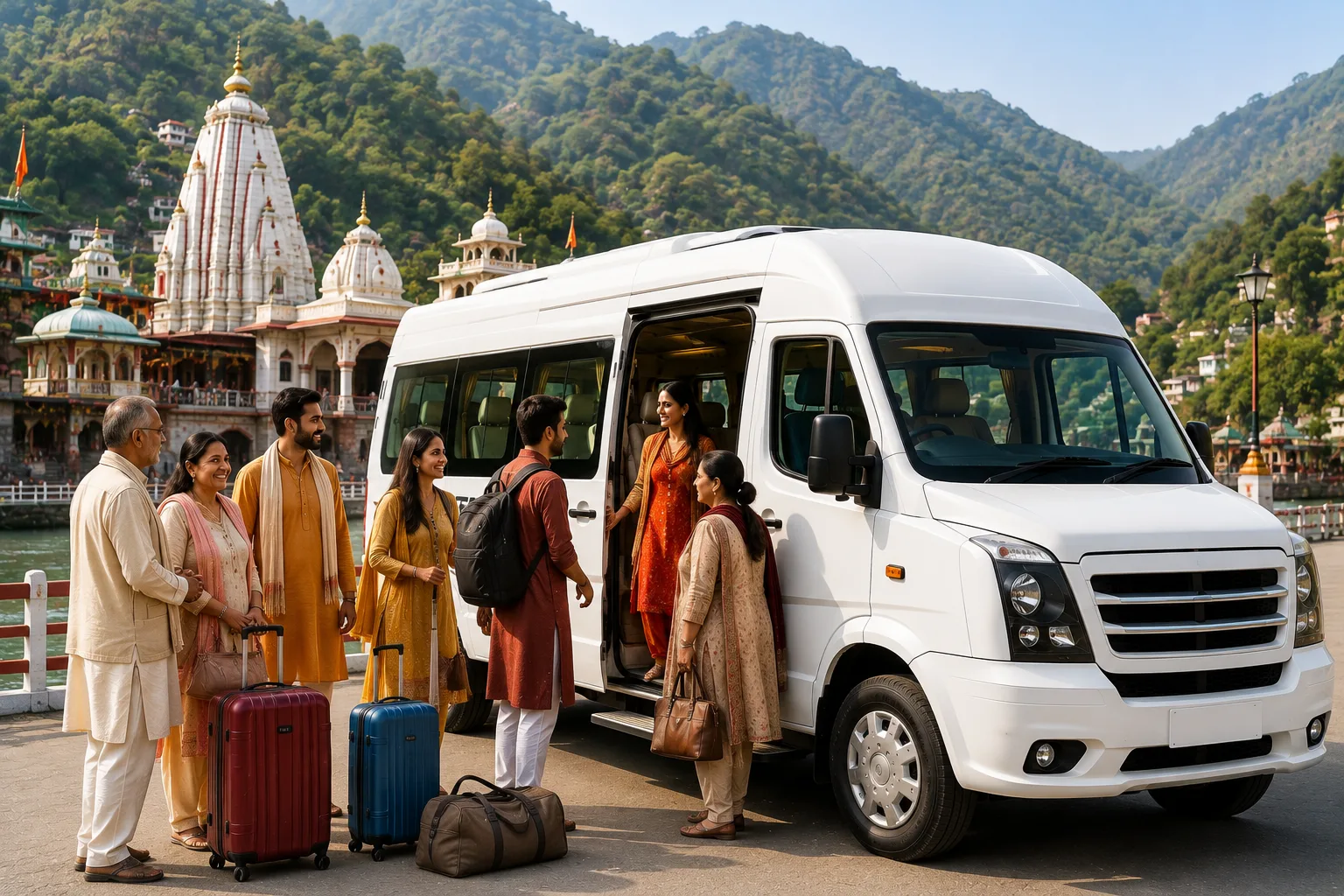
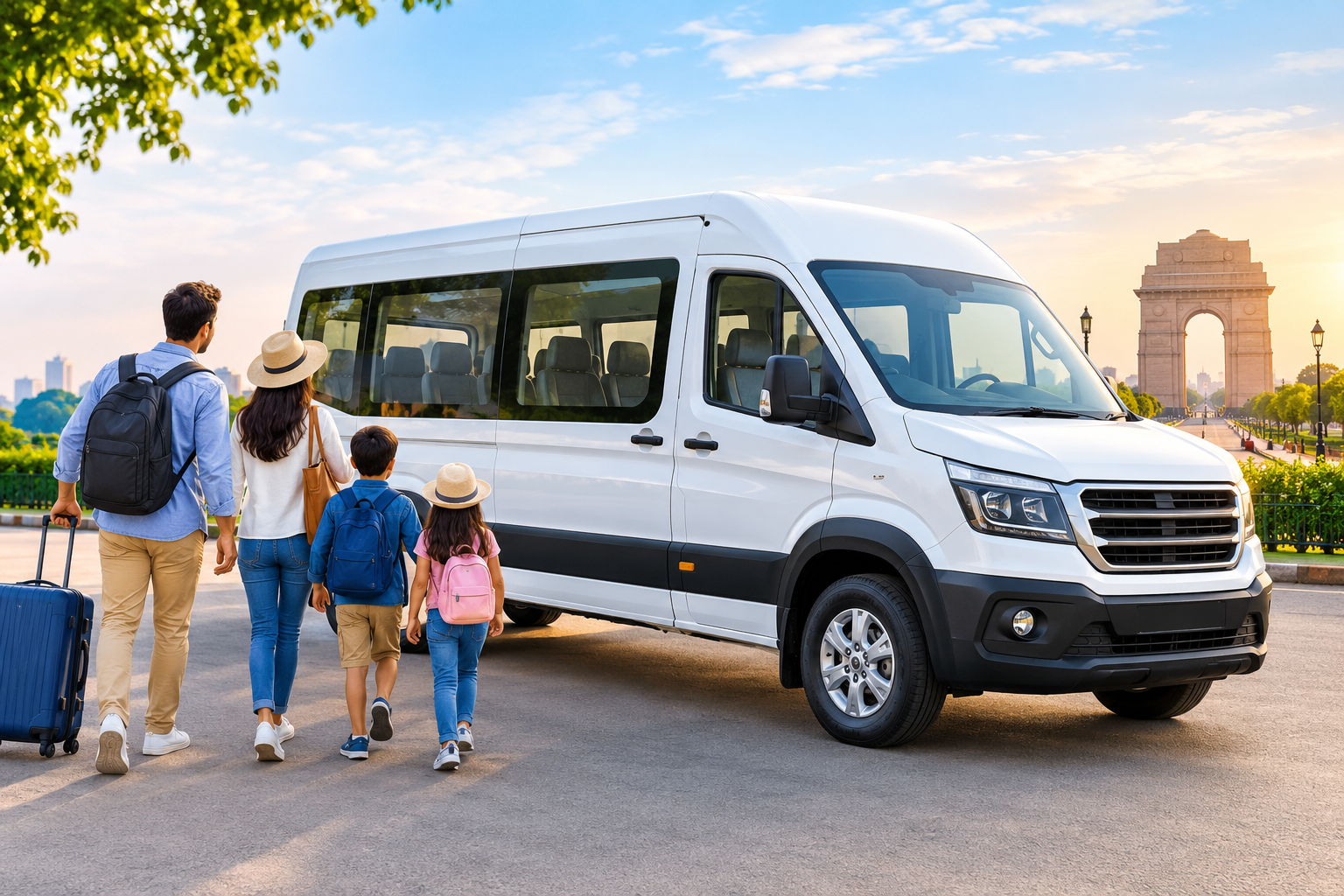
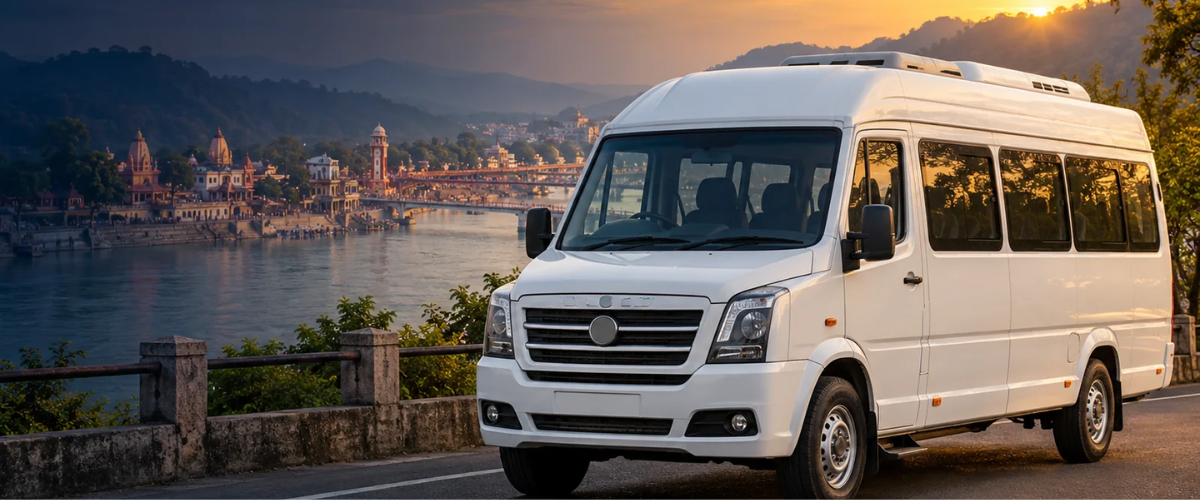
For lakhs of devotees every year, the journey to Mata Vaishno Devi begins in Delhi. Families, neighbourhood groups, office teams and elderly parents all plan the same trip: reach Katra, complete the yatra and return home safely. The big question is how to travel. Trains fill up weeks ahead, flights to Jammu are costly for large groups, and managing several cabs is tiring. This is why more groups now choose a tempo traveller on rent in Delhi
Published on 10 Nov, 2026
Updated on 16 Nov, 2026
193 Views
Delhi to Vaishno Devi (Katra) by Tempo Traveller: Route and Price
For lakhs of devotees every year, the journey to Mata Vaishno Devi begins in Delhi. Families, neighbourhood groups, office teams, and elderly parents all plan the same trip: reach Katra, complete the yatra, and return home safely. The big question is how to travel.
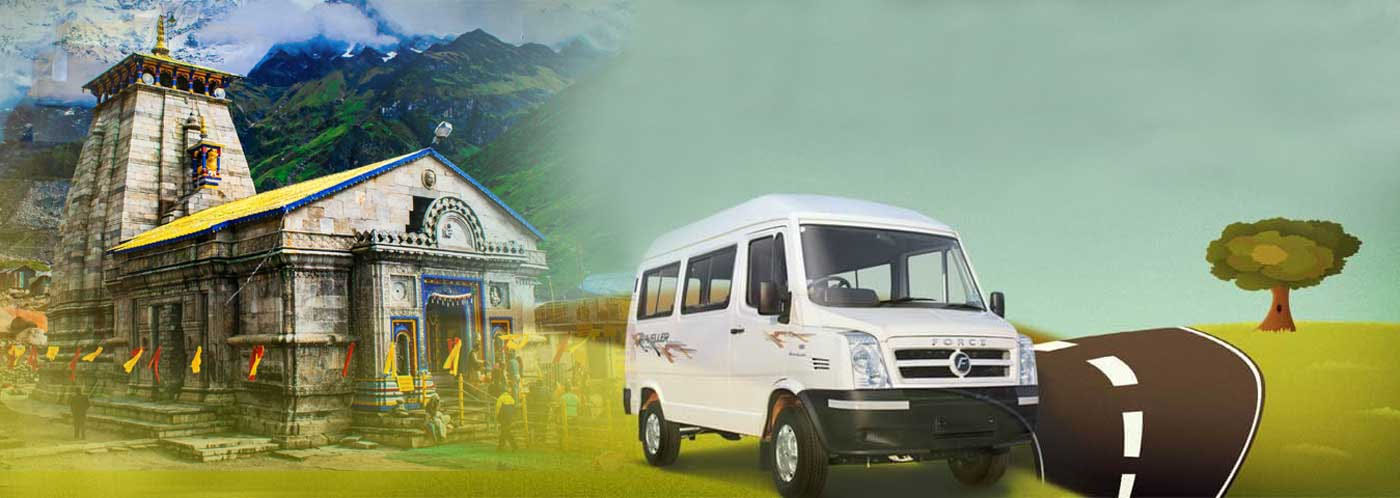
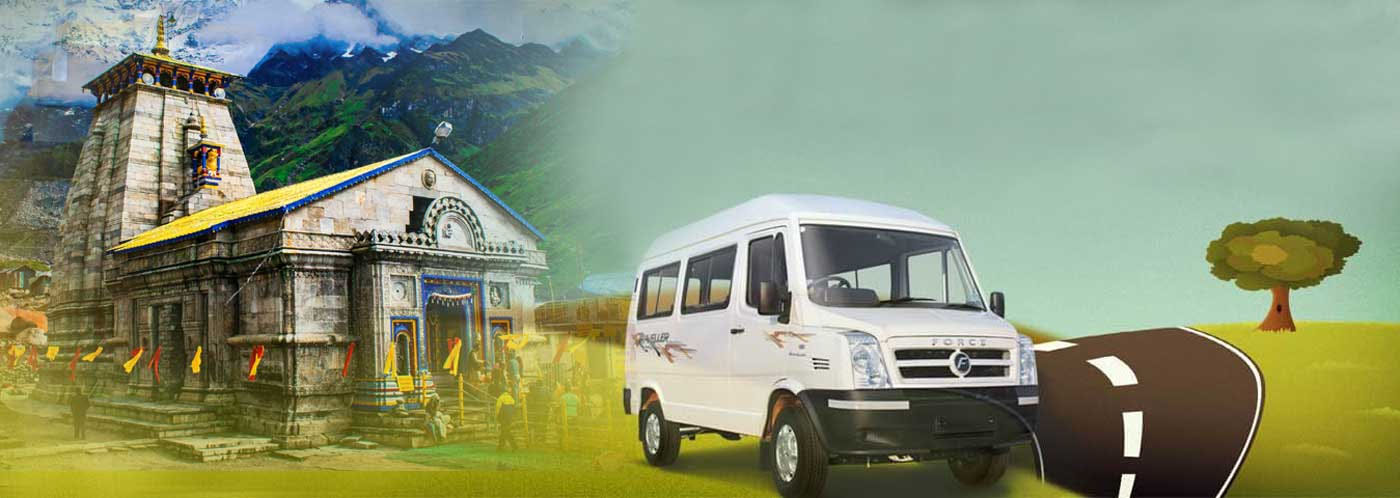
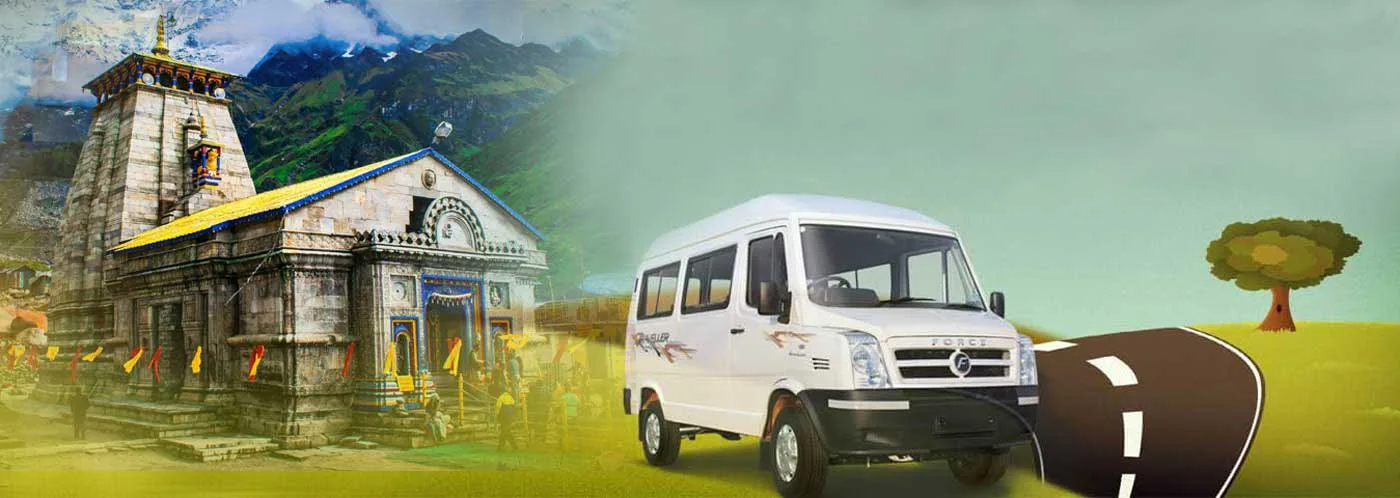
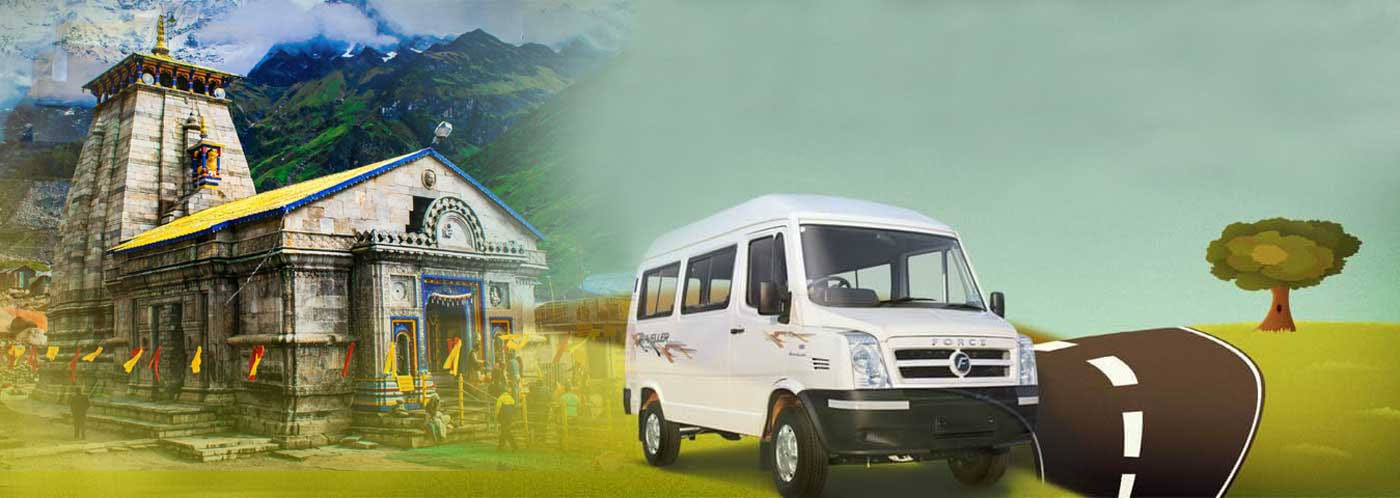
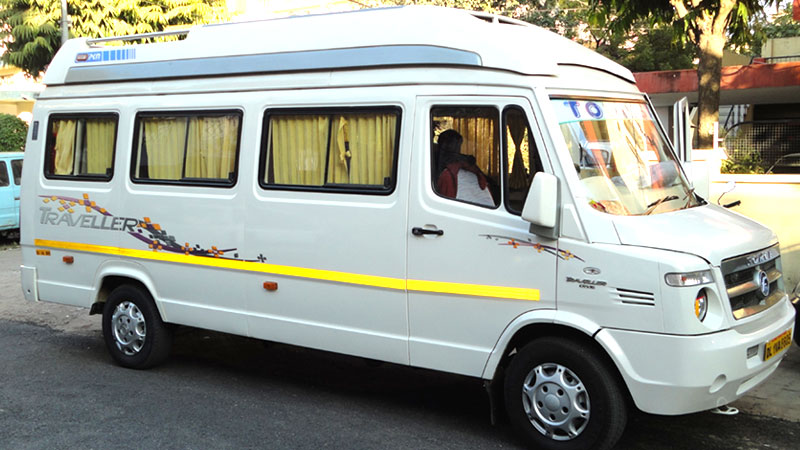
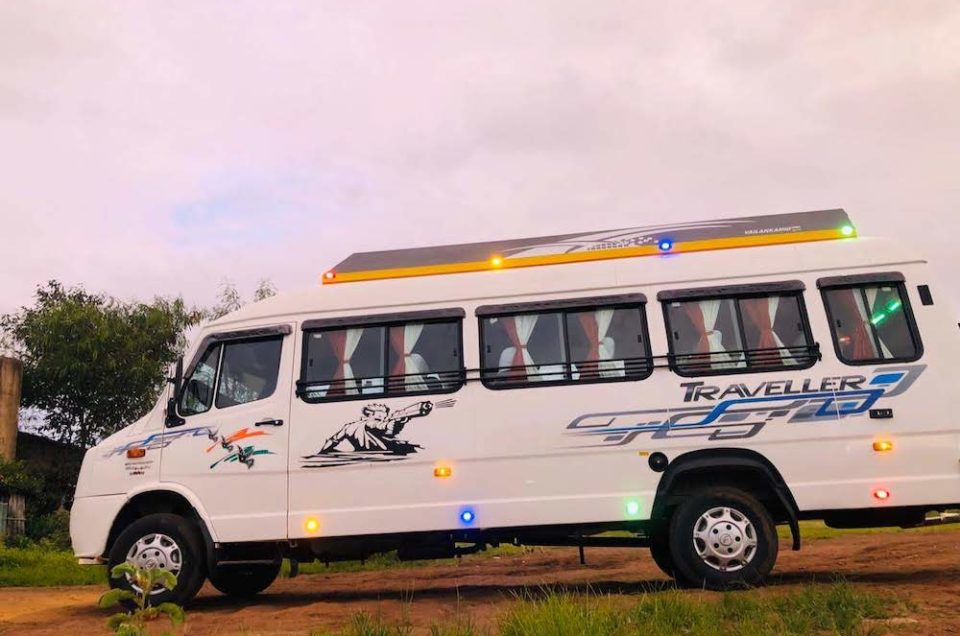
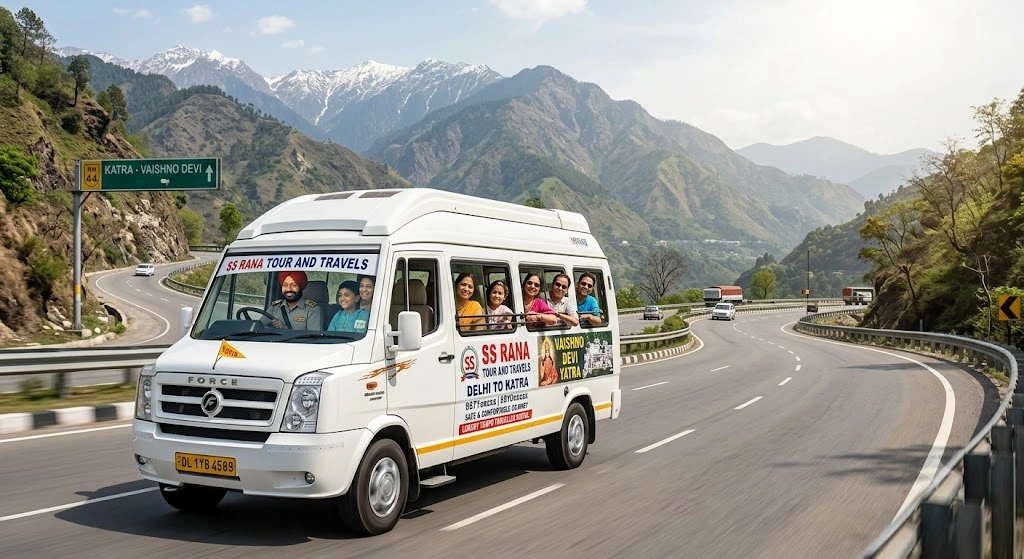
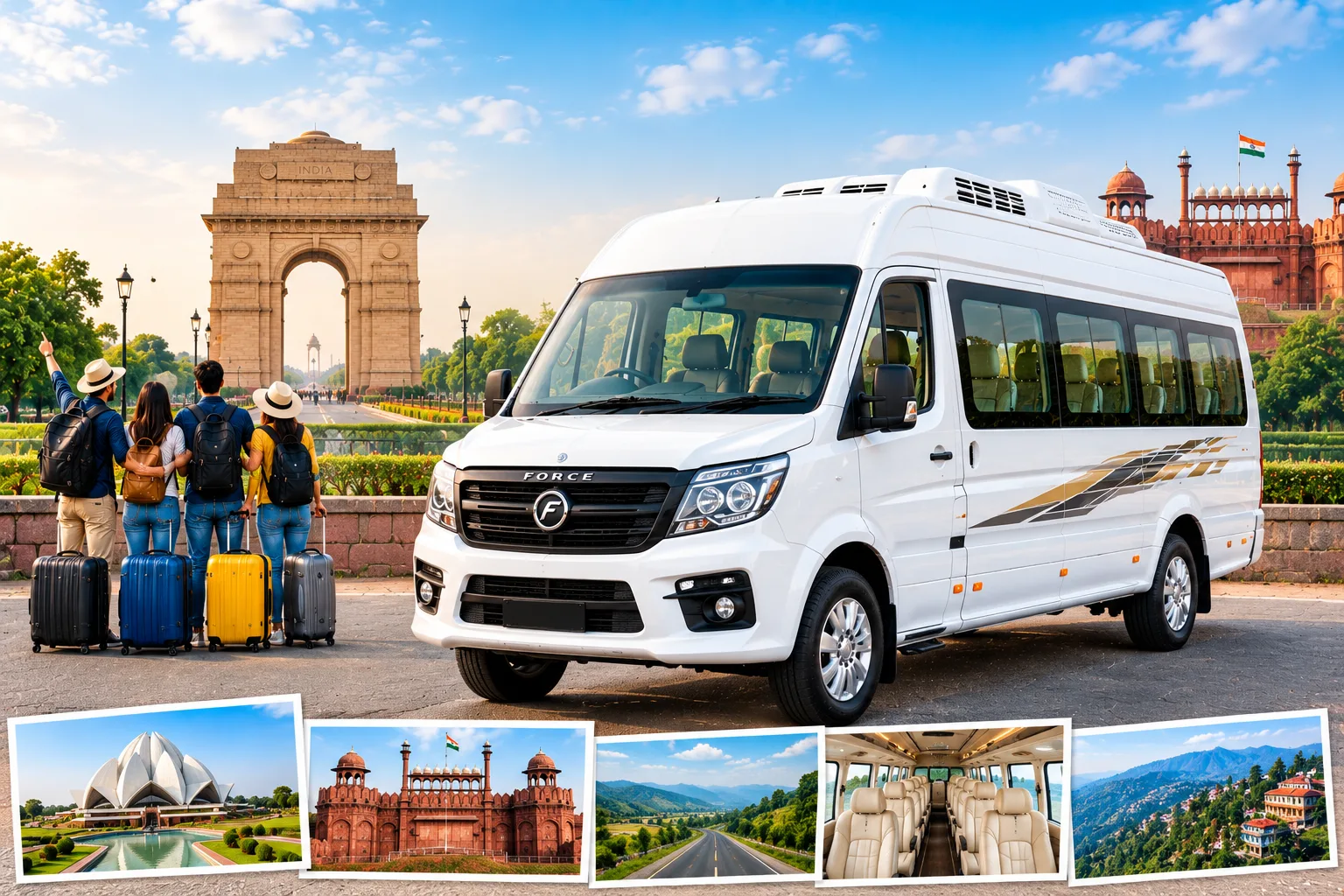
Trains fill up weeks ahead, flights to Jammu are costly for large groups, and managing several cabs is tiring. This is why more groups now choose a tempo traveller on rent in Delhi for the Katra trip. One vehicle, one driver, and one schedule keep everyone together from the first pickup to the last drop.
This guide covers the Delhi to Katra tempo traveller route, distance, travel time, price factors, a practical 3-day itinerary, and tips for a smooth yatra.
About the Vaishno Devi Yatra
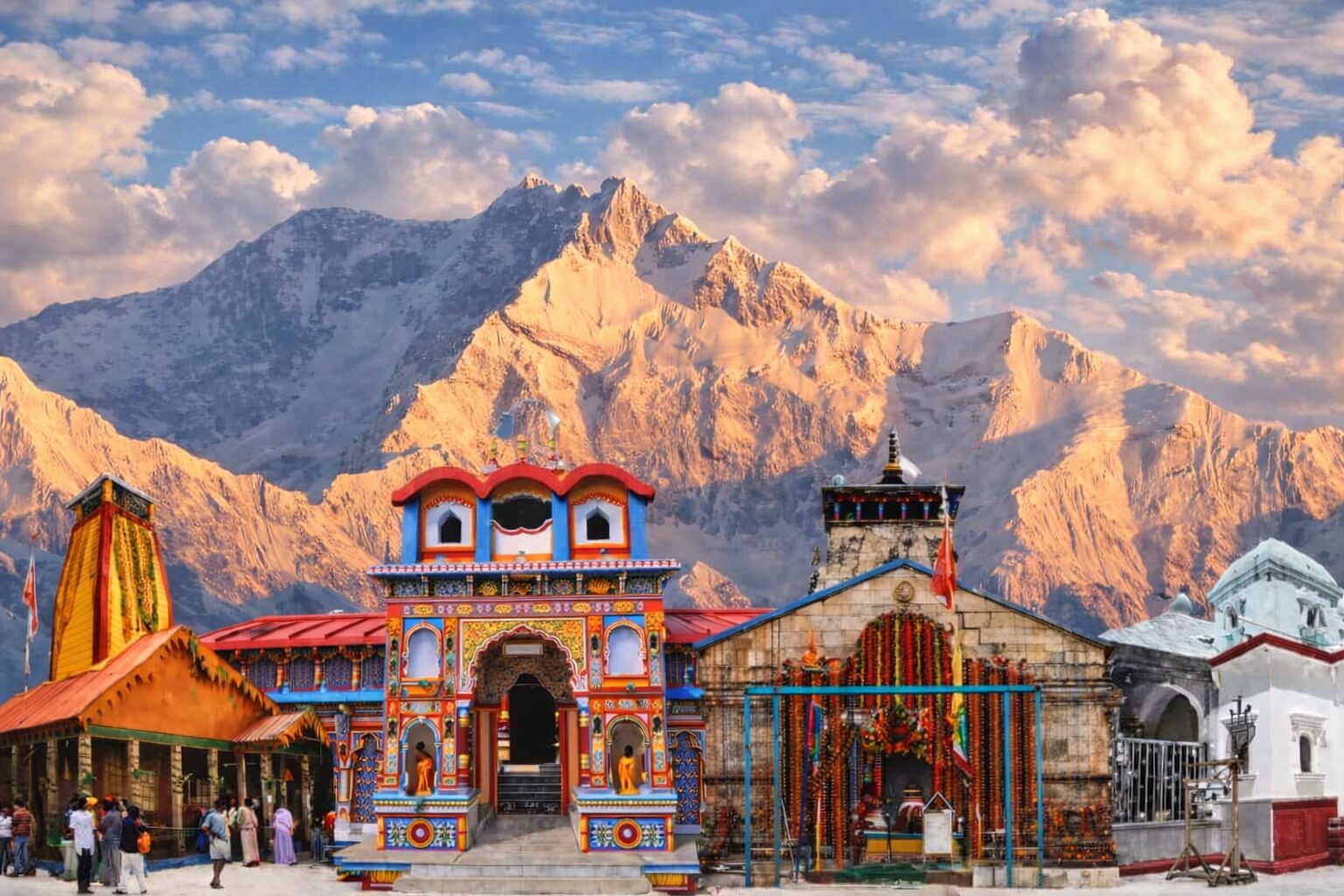
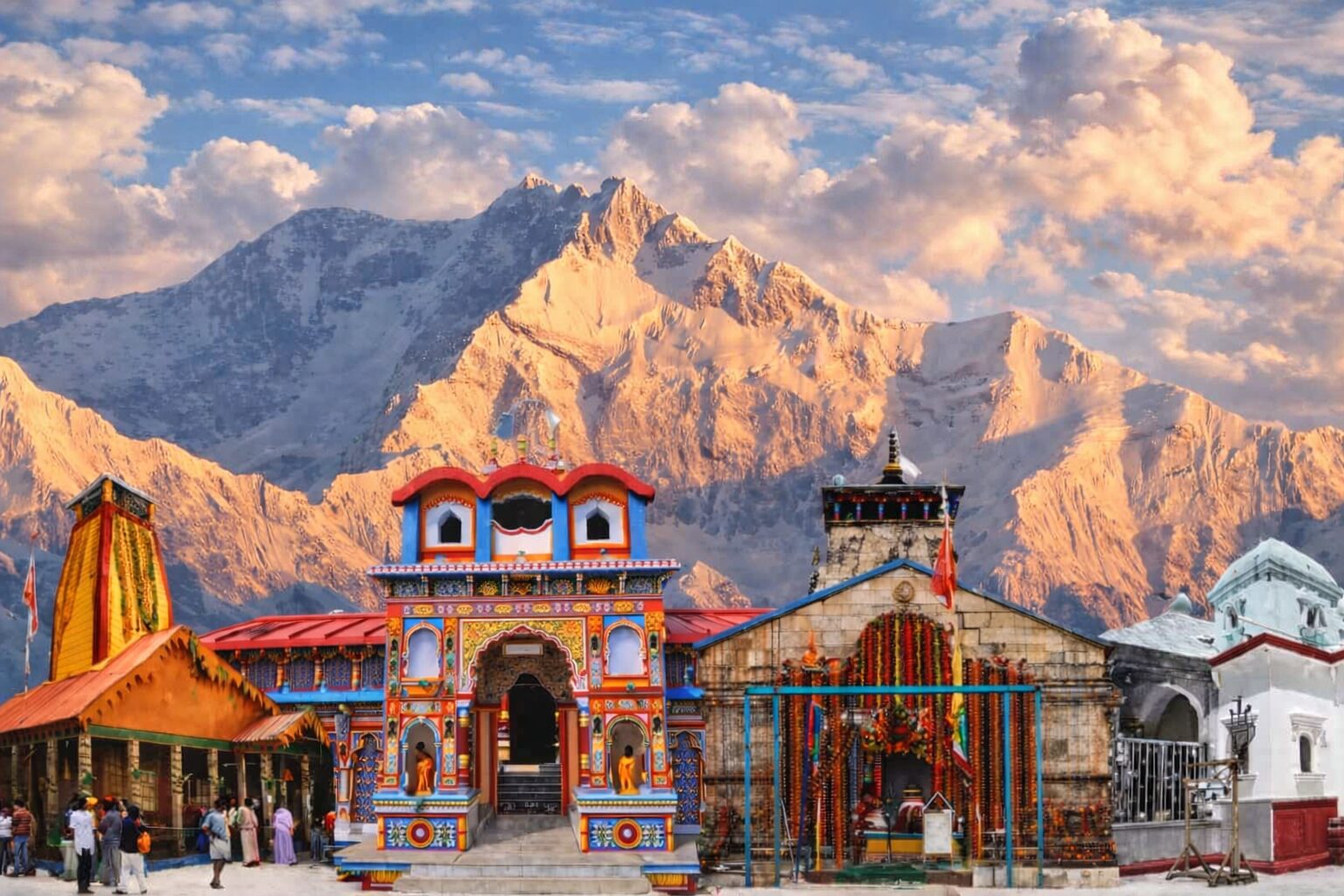
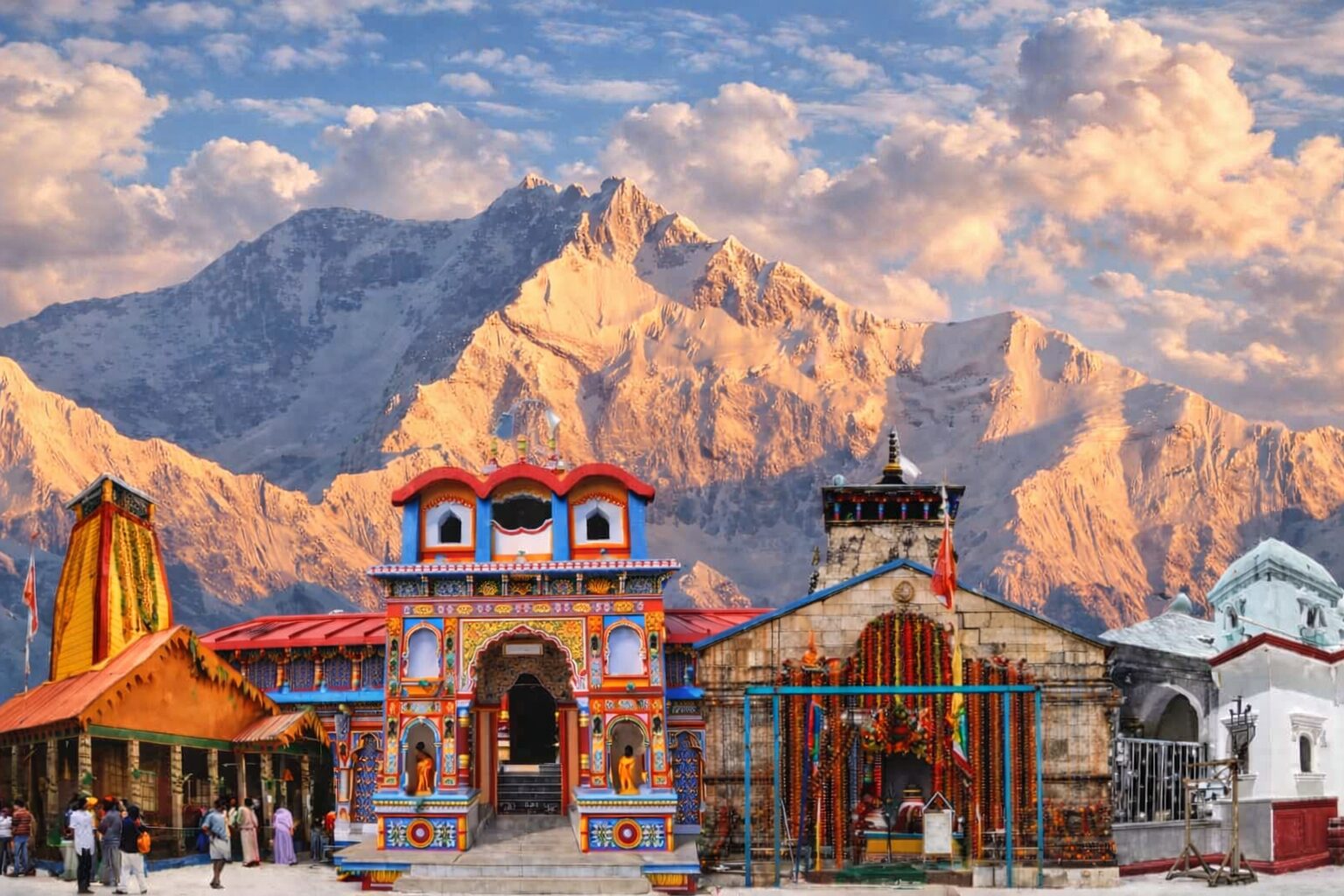
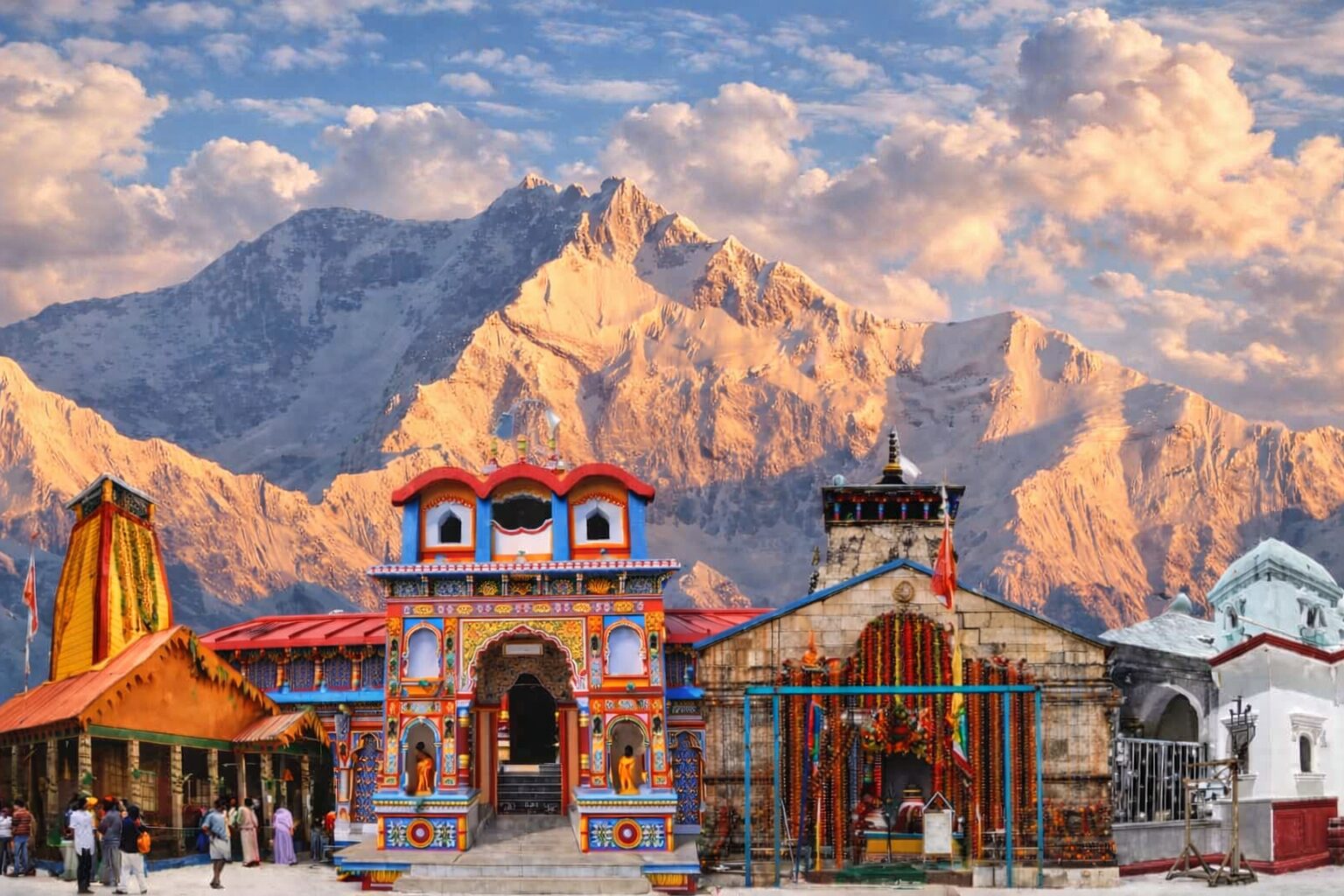
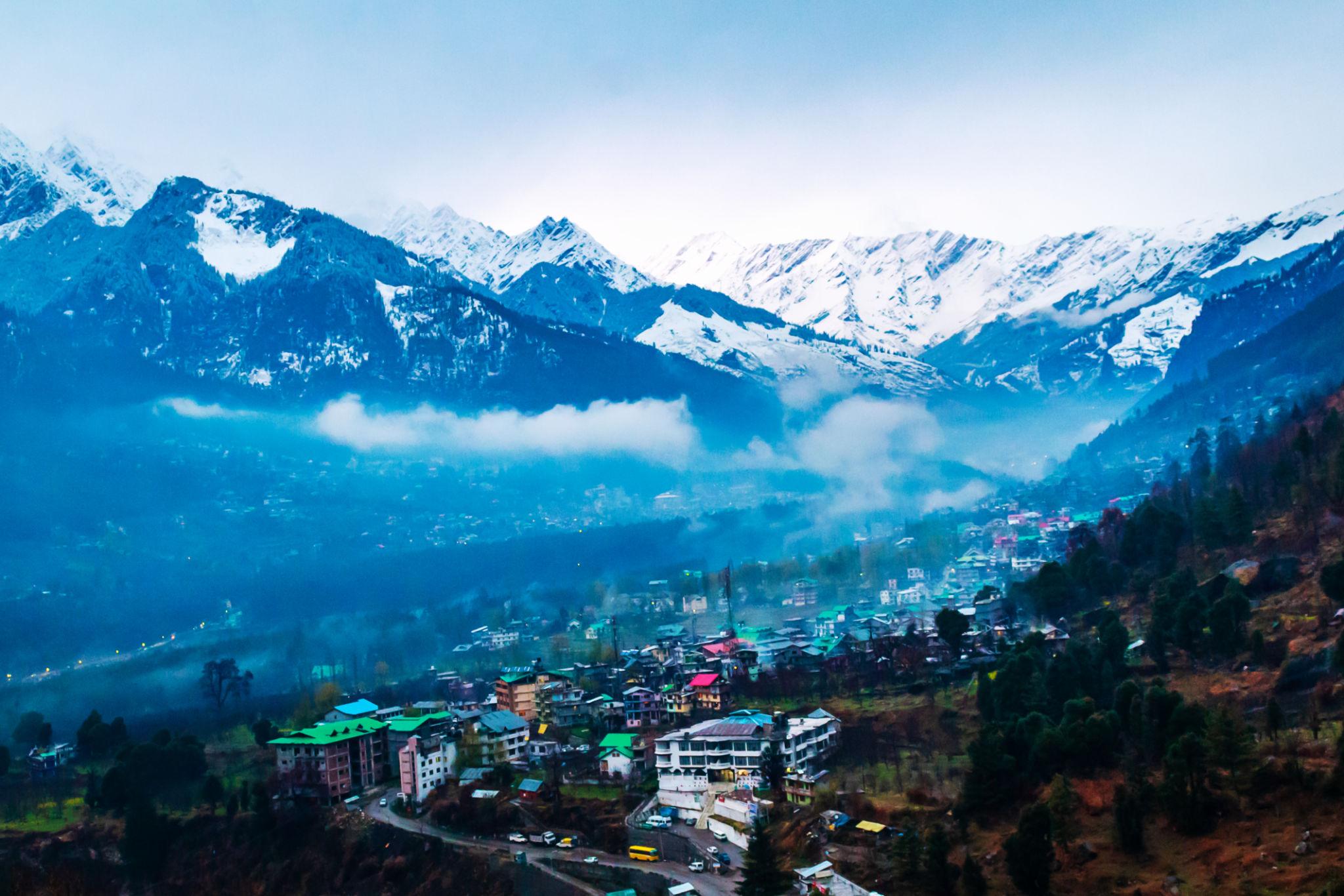
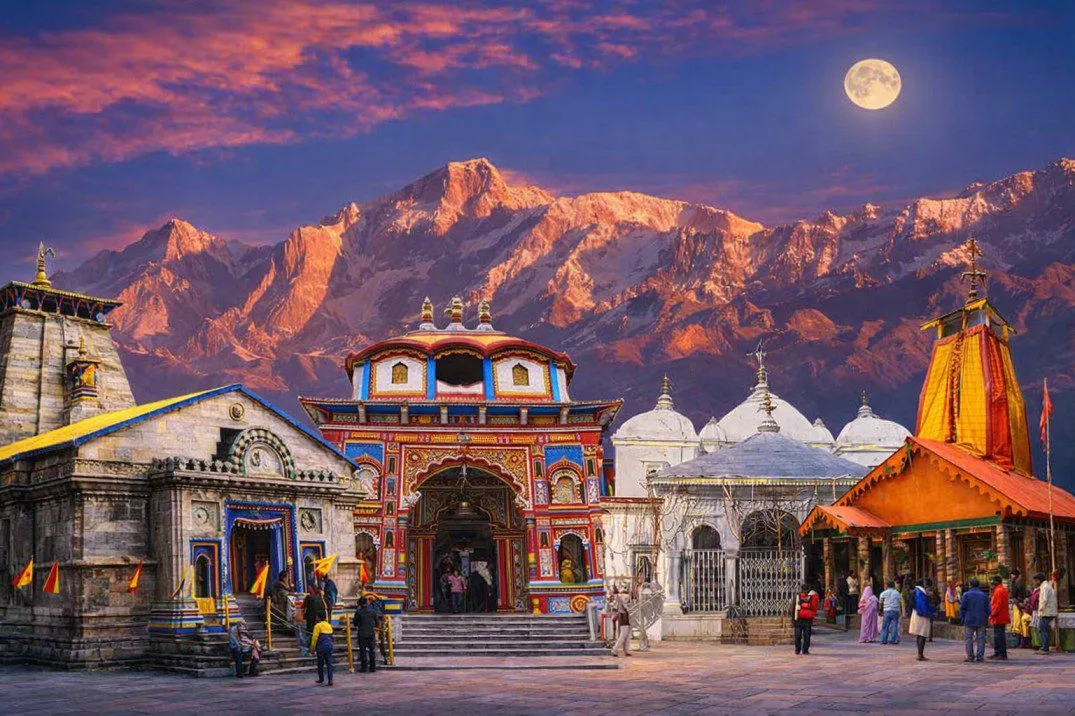
Mata Vaishno Devi’s shrine sits in the Trikuta hills in the Reasi district of Jammu and Kashmir. The base town for the pilgrimage is Katra, about 50 km from Jammu city. Pilgrims register at Katra, start the walk from there, and cover roughly 12 to 13 km to reach the holy cave (Bhawan).
Some key points to know before you plan:
Katra is the base camp. Private vehicles like tempo travellers can reach Katra, but the climb from Katra to Bhawan is on foot, by pony, palanquin, battery car on a section of the route, or by helicopter.
Yatra registration is required. Pilgrims need a yatra slip, which can be obtained through the official shrine board channels. Check the current process before travelling.
The trek takes several hours. Most people take between 5 and 8 hours one way, depending on pace, age, and crowd.
The darshan is open throughout the year, but weather and crowd levels vary by season.
Because rules, facilities and timings can change, always confirm the latest details with the shrine board before you finalise your dates.
Why Choose a Tempo Traveller for Delhi to Katra
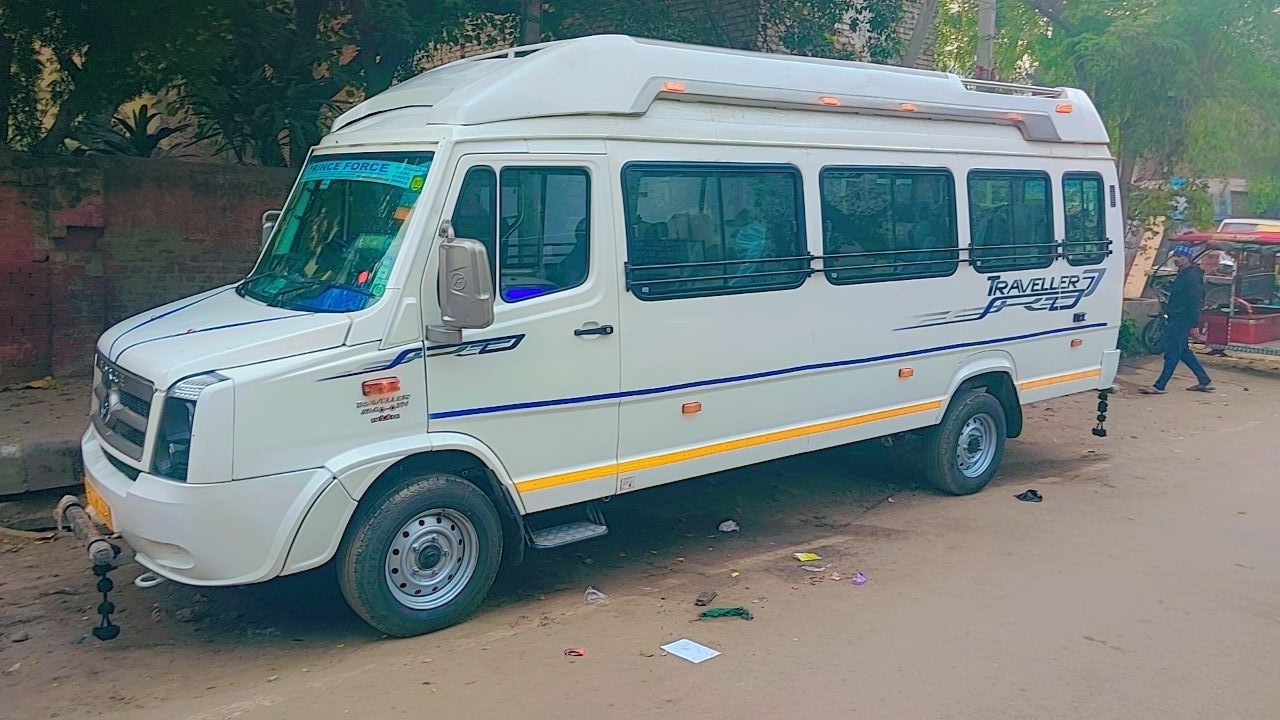
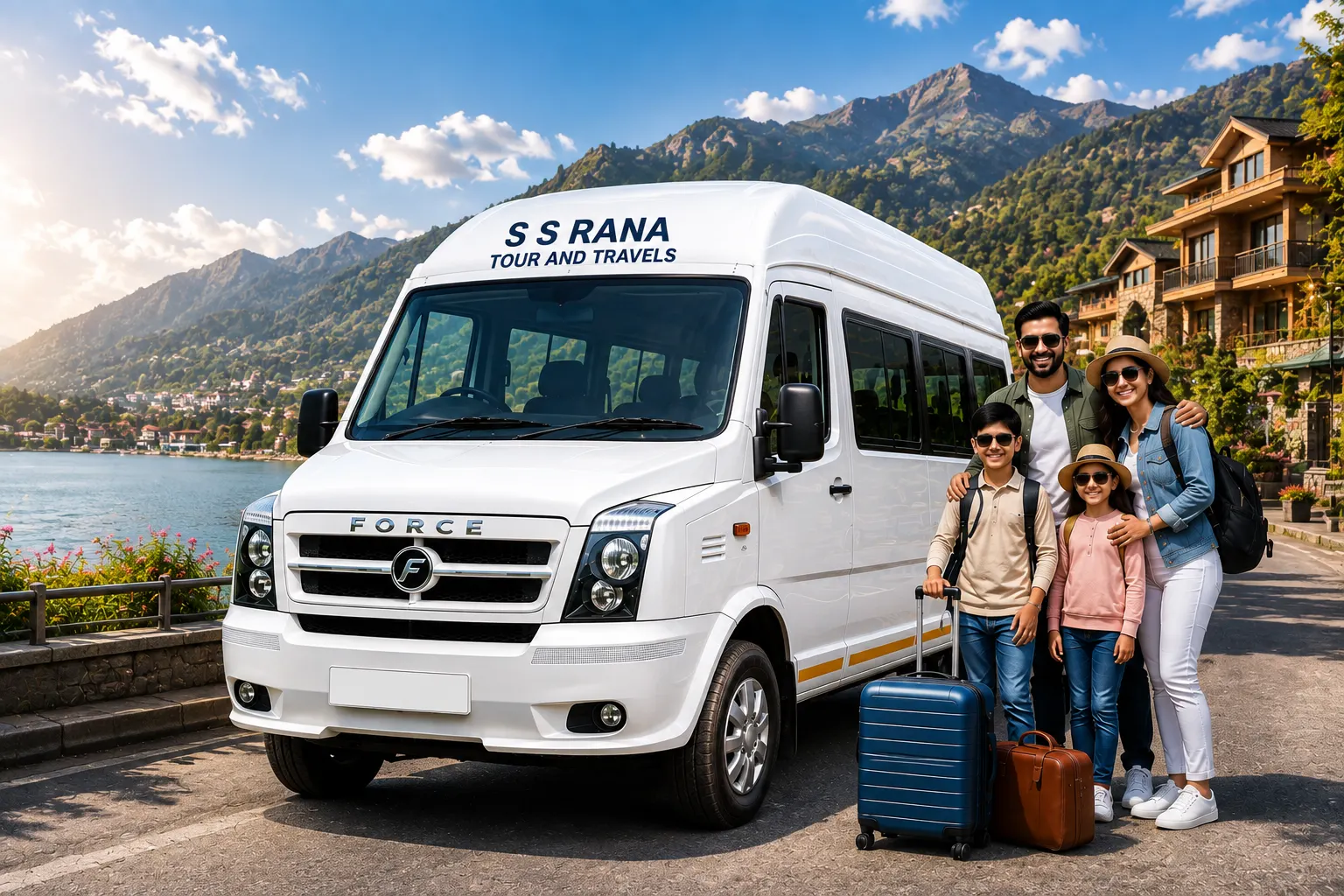
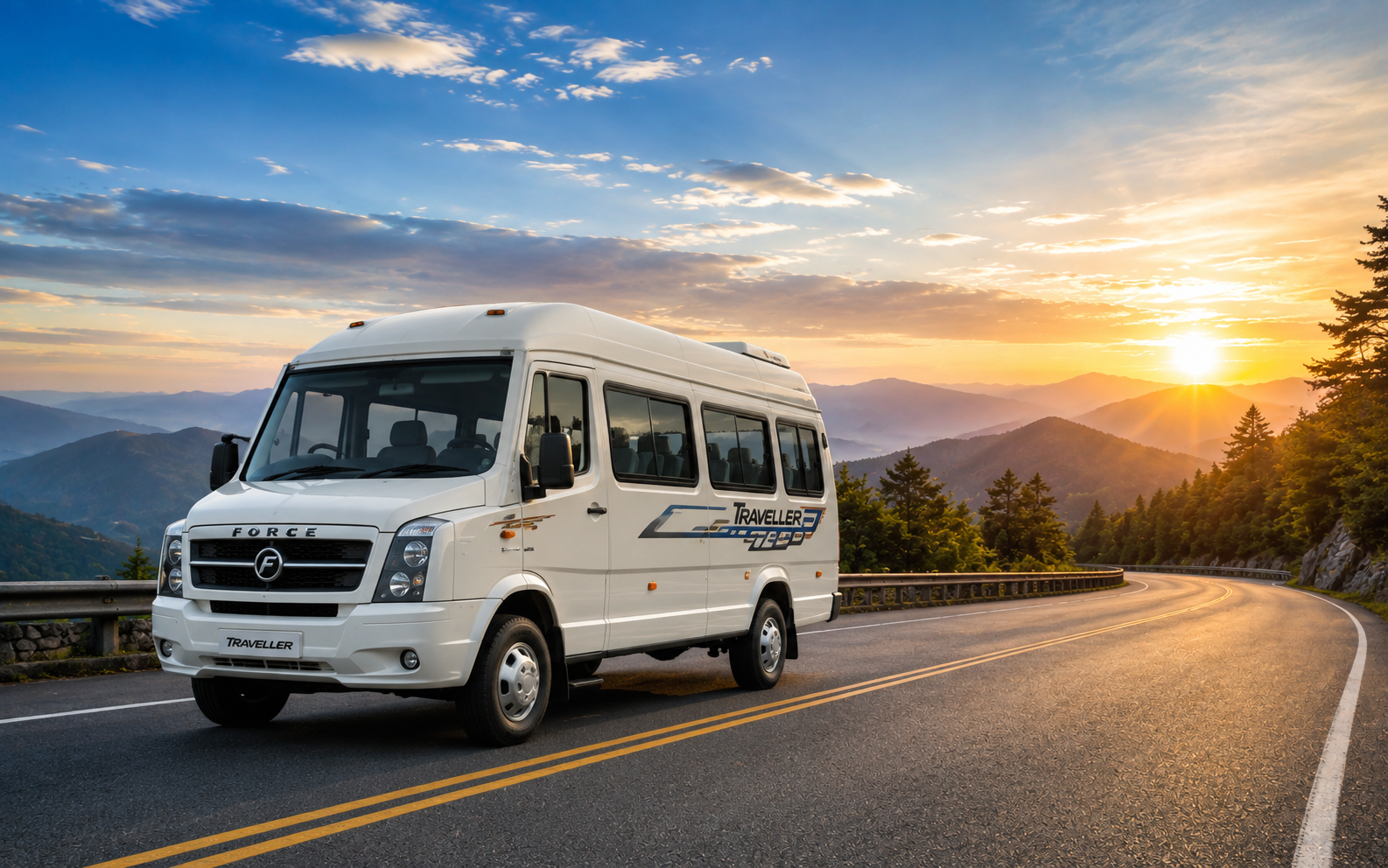
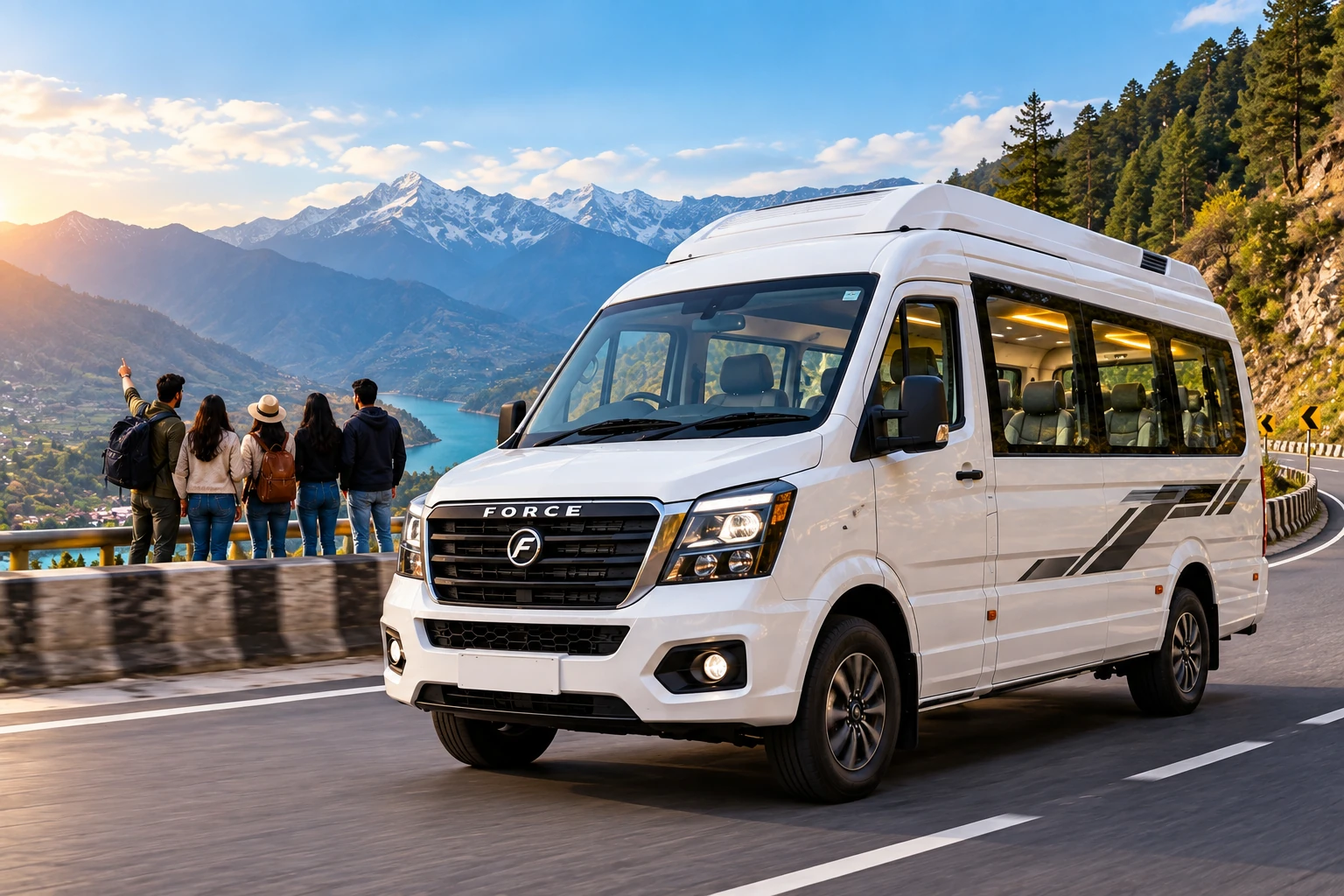
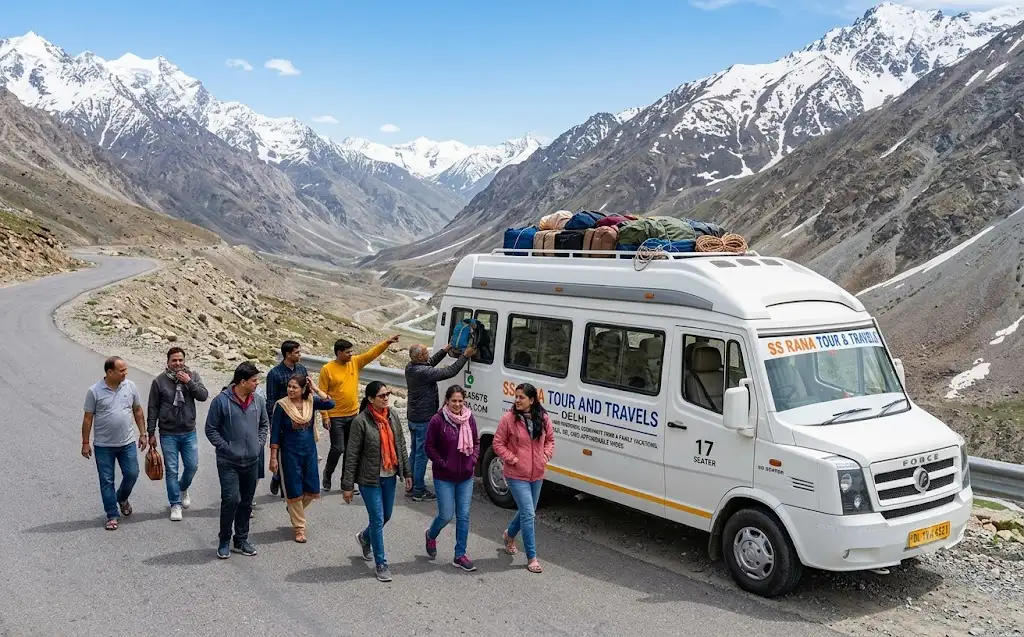
The Delhi to Katra journey is long, usually between 10 and 12 hours of driving. Vehicle choice matters. Here is why a Tempo Traveller suits this route.
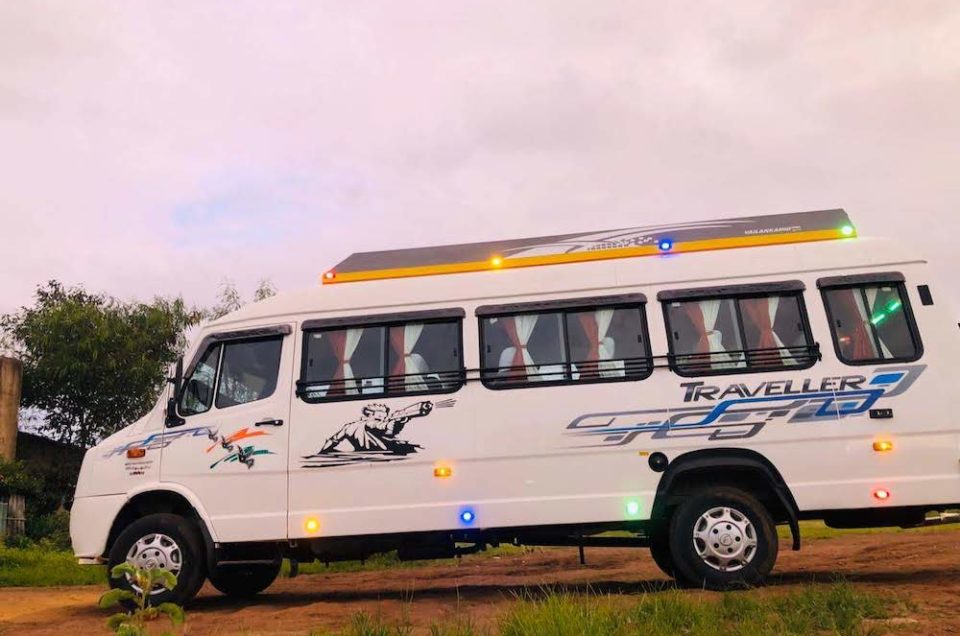
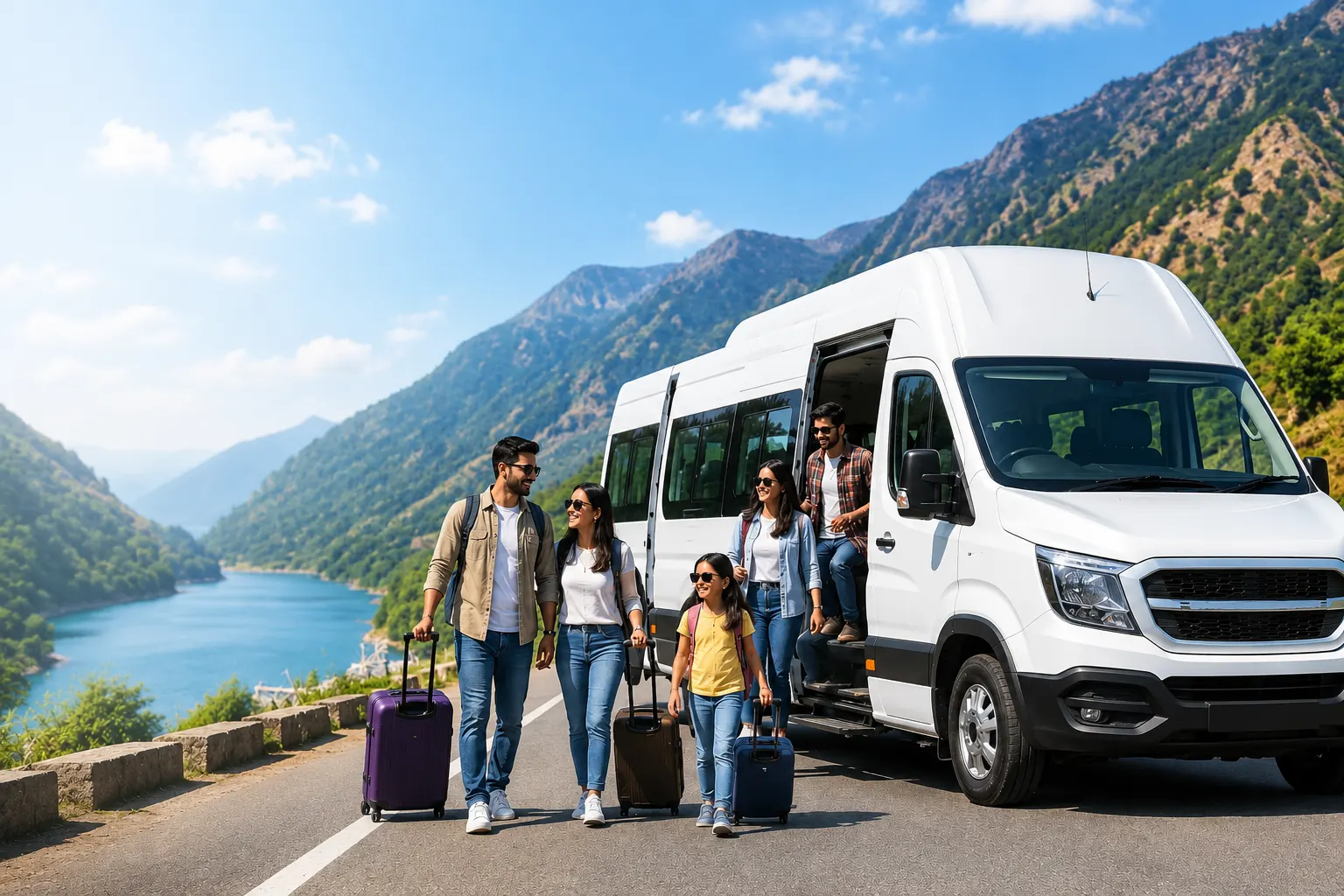
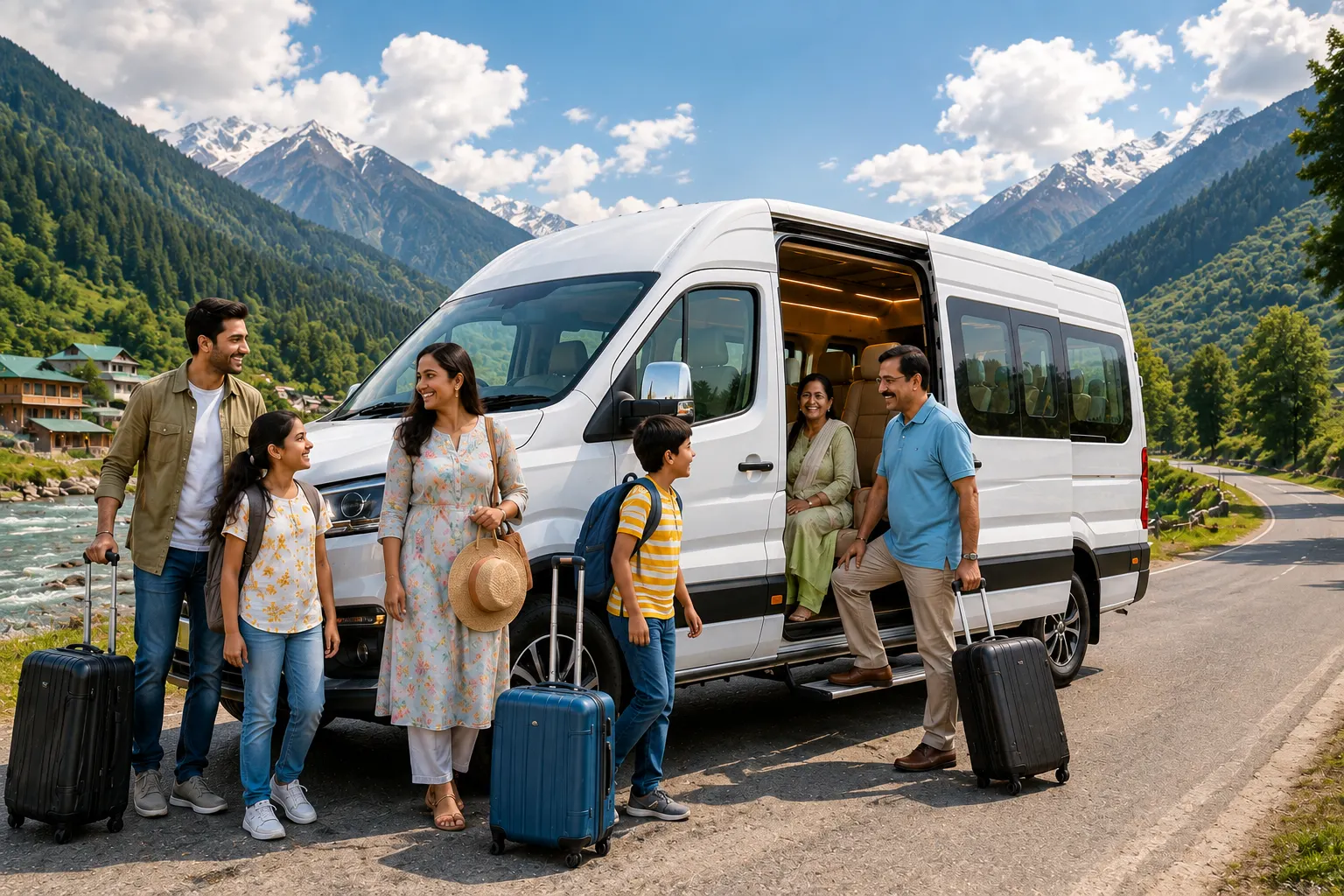
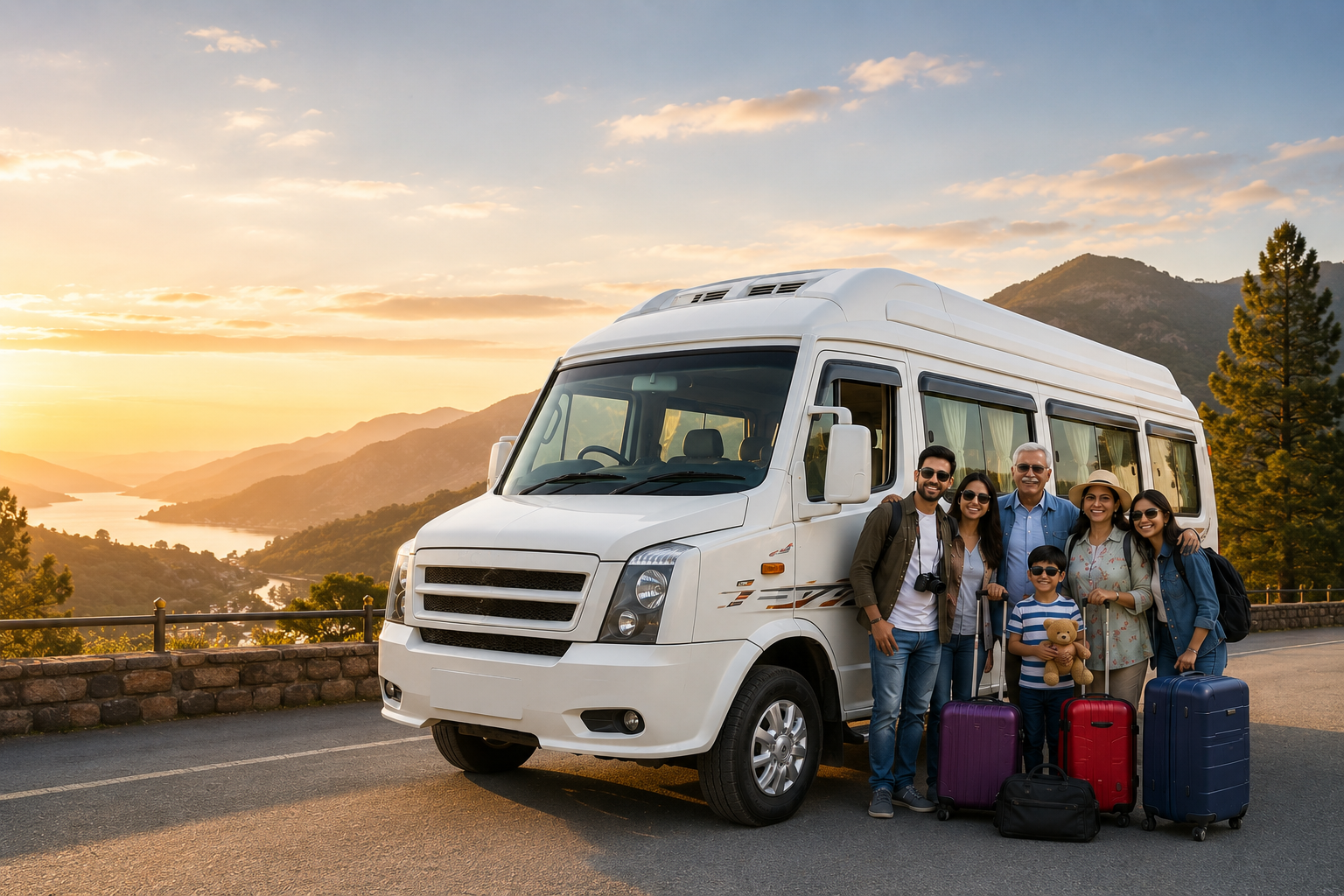
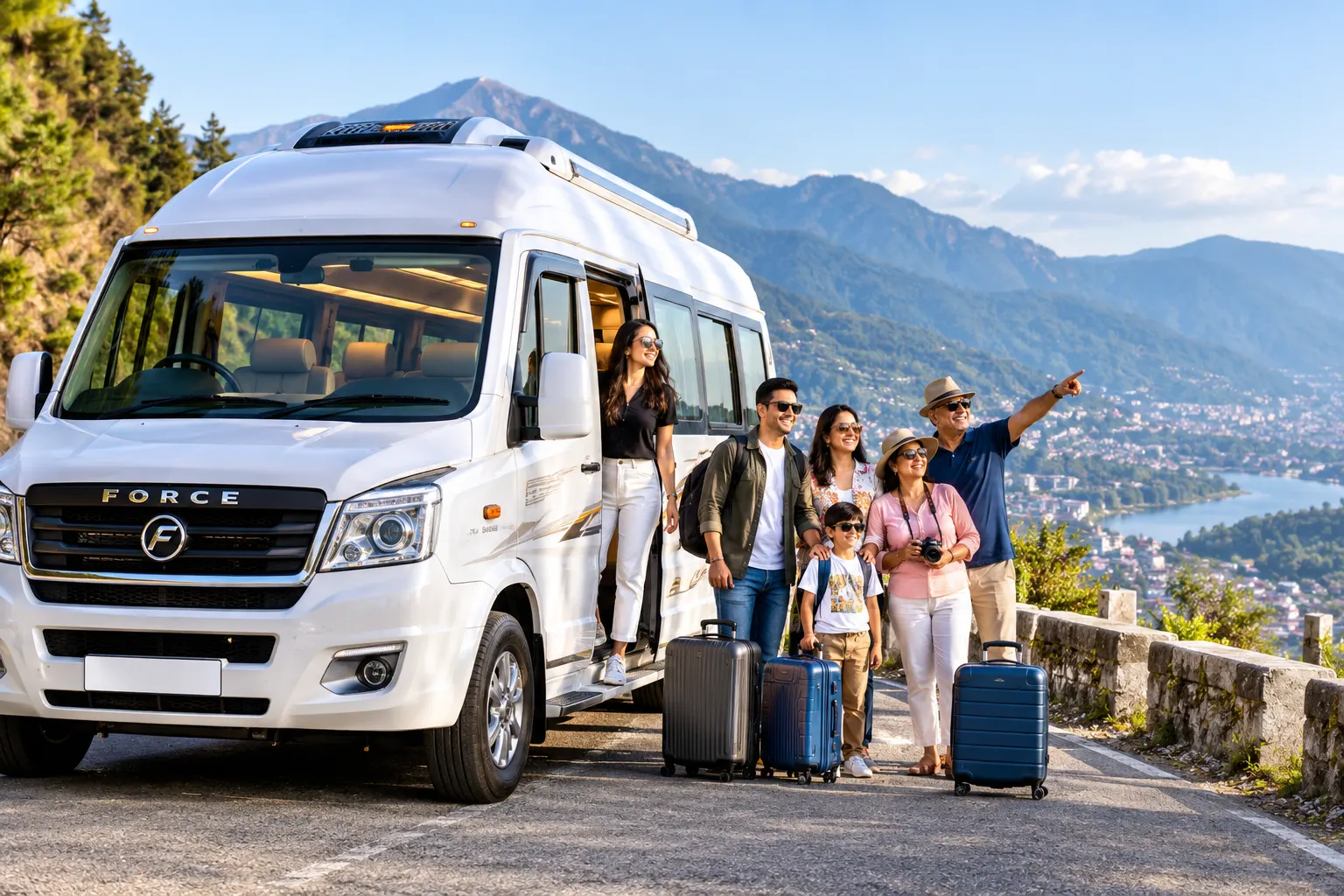
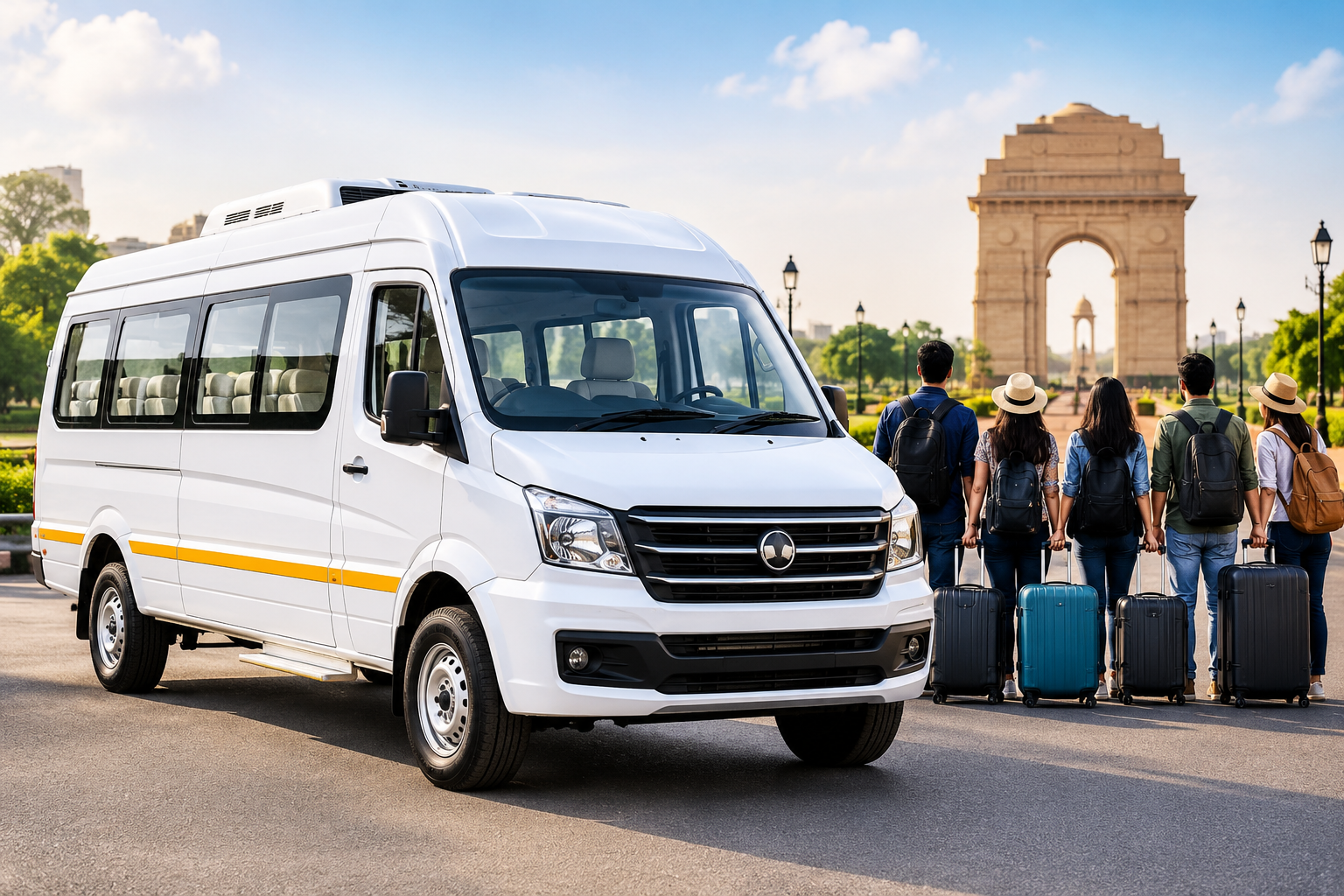
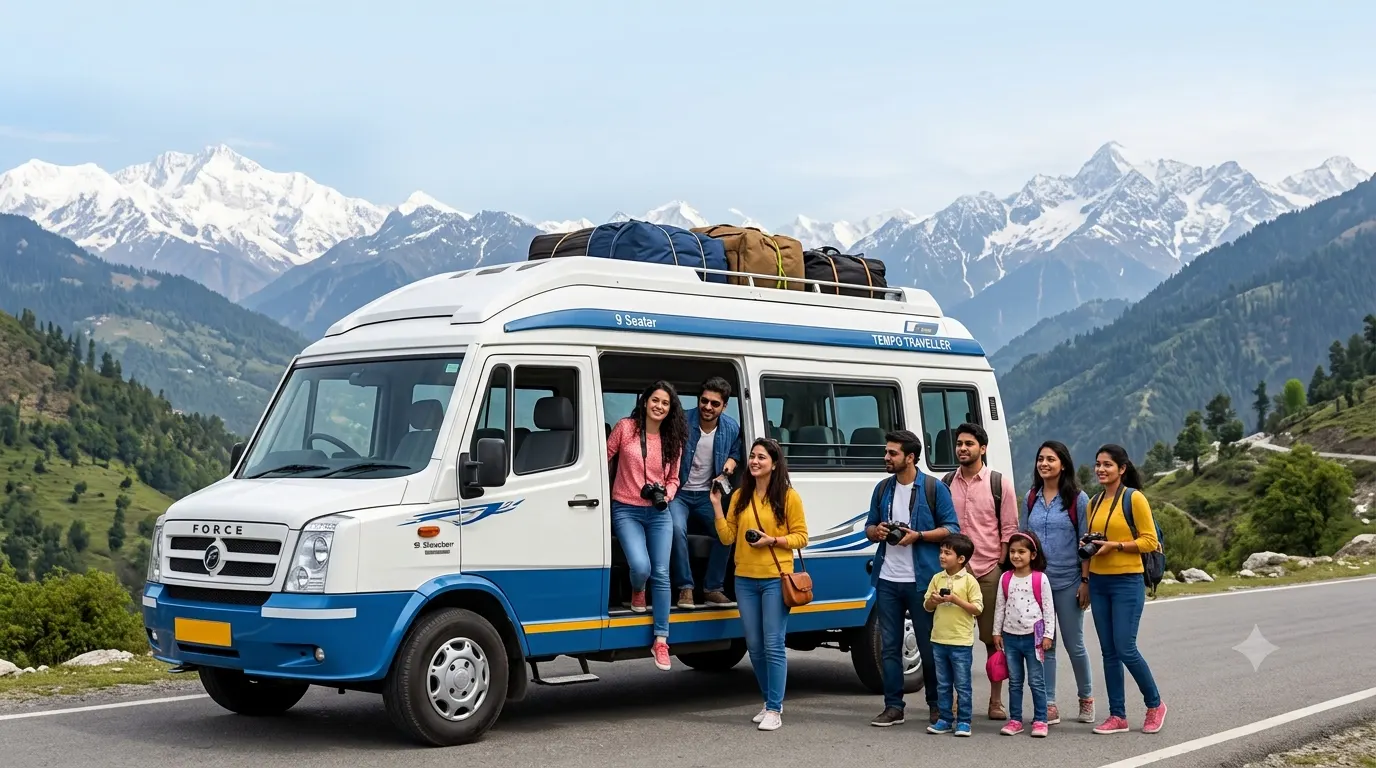
Everyone travels together. A group of 9, 12, 16 or more can travel in one vehicle, which makes timing, meals and halts much easier to manage.
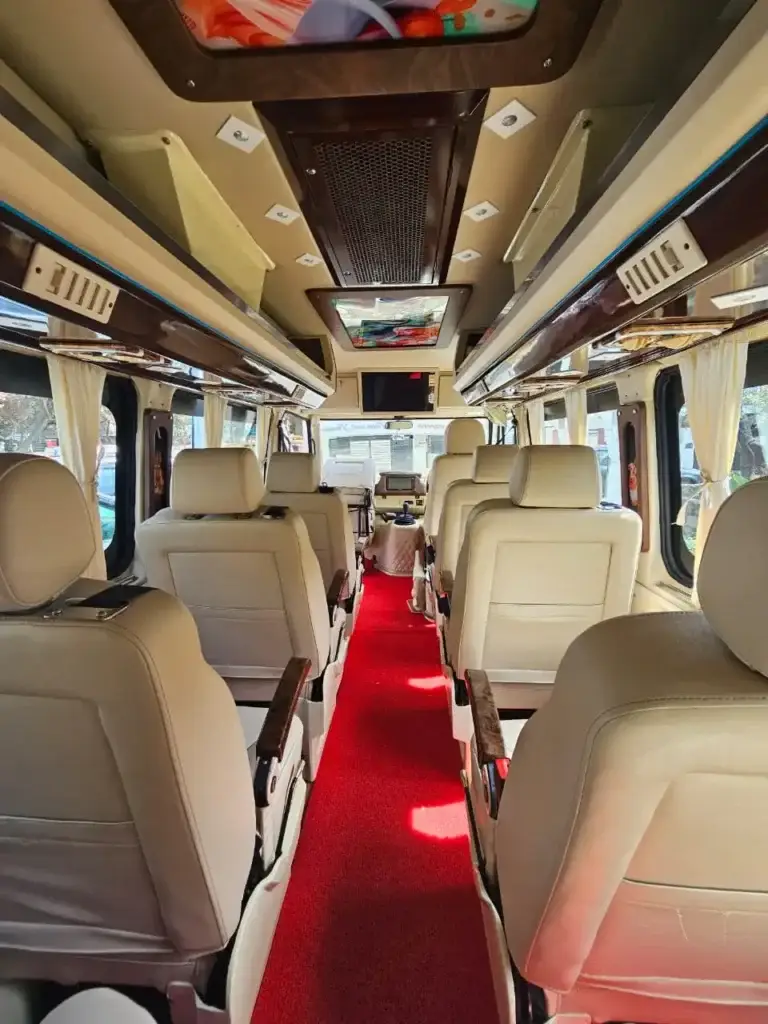
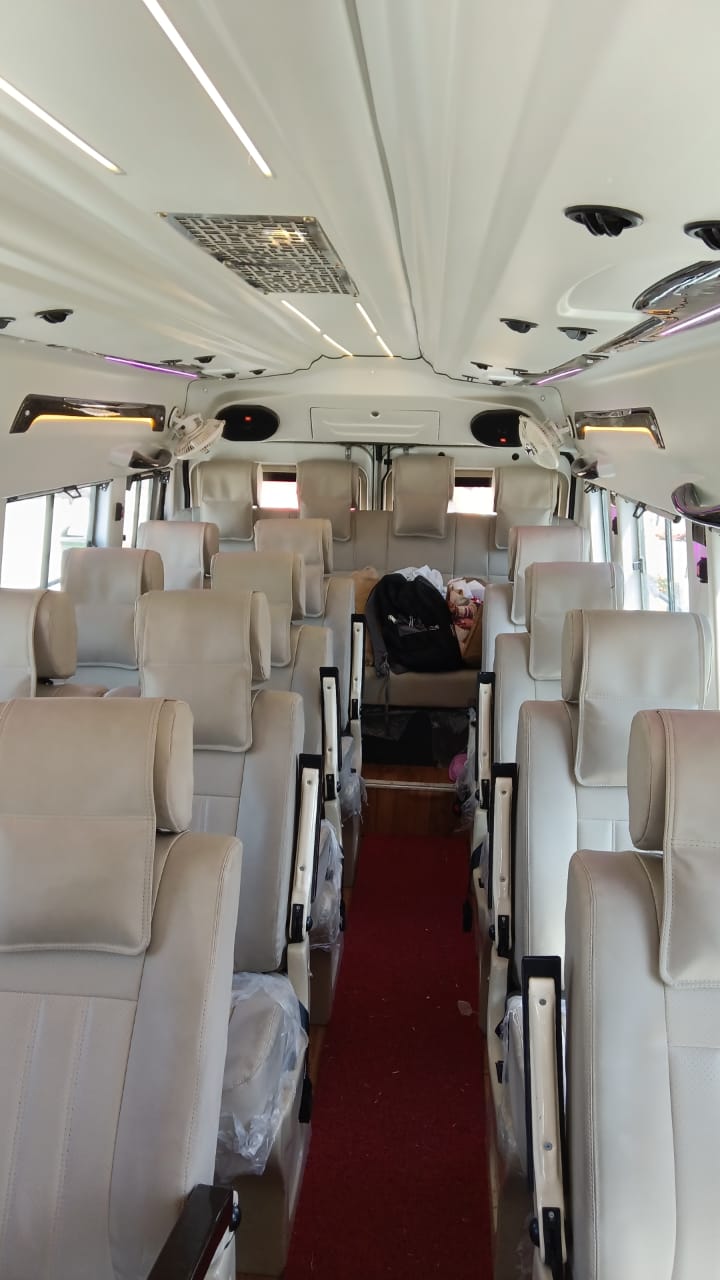
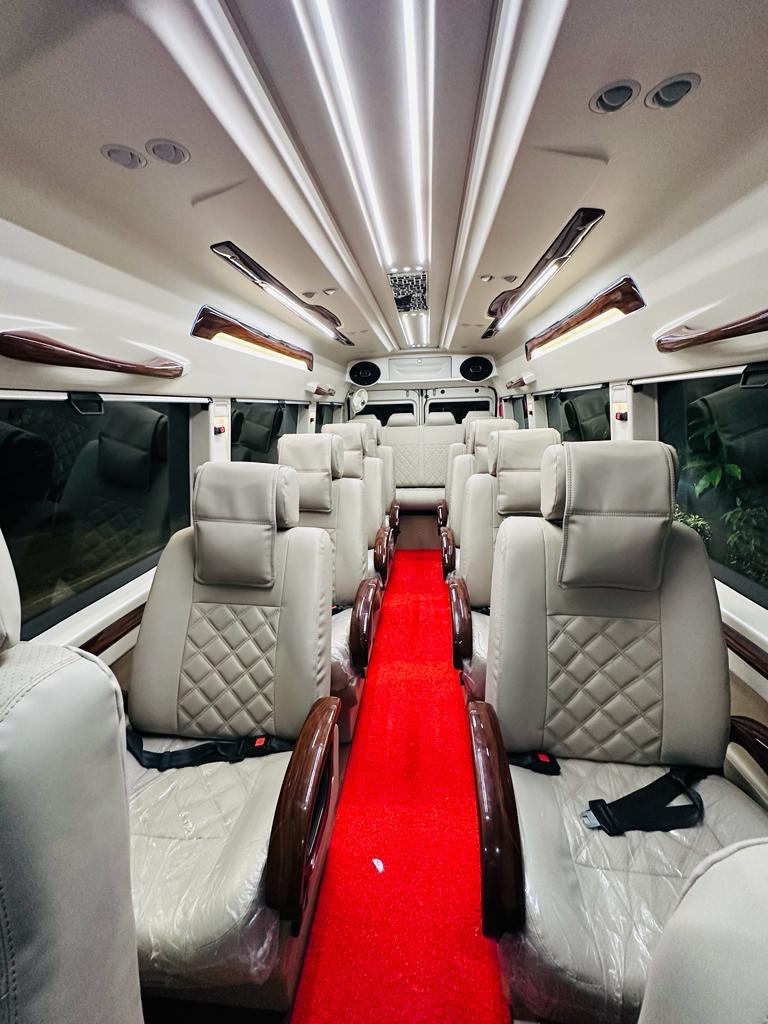
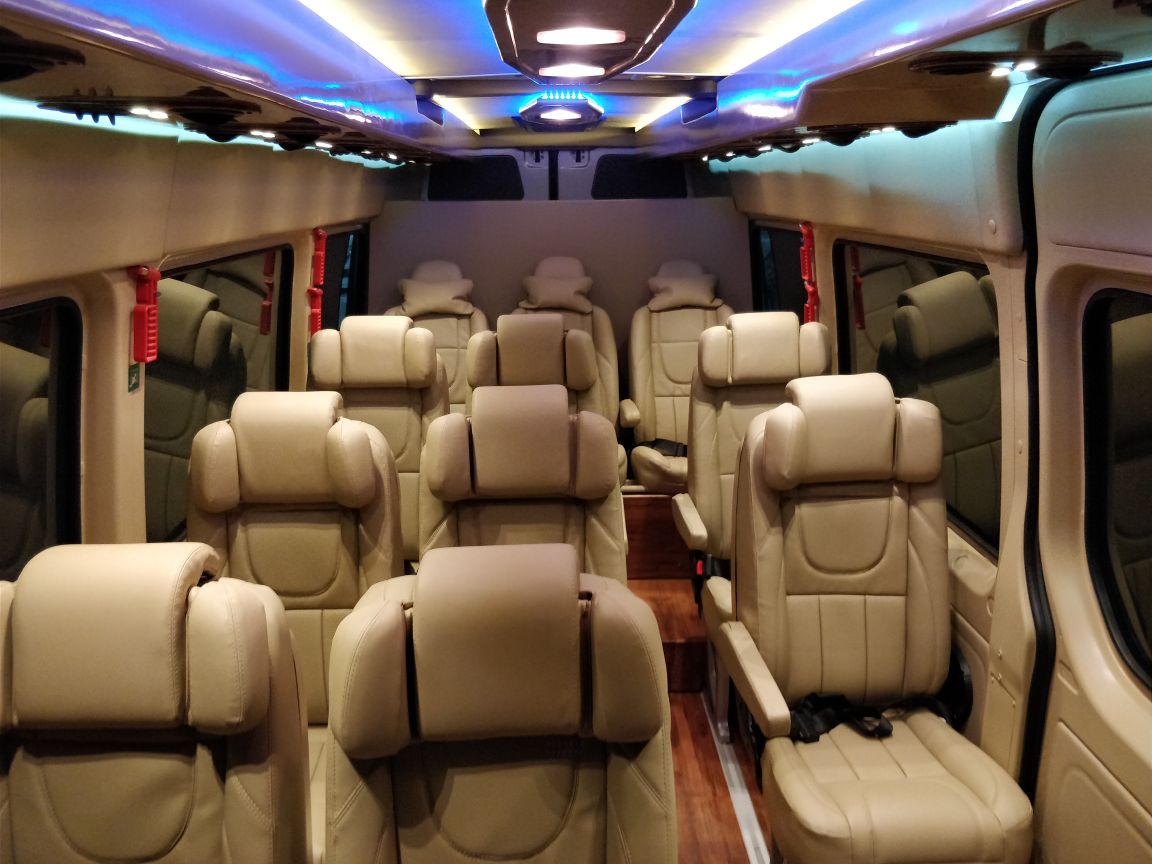
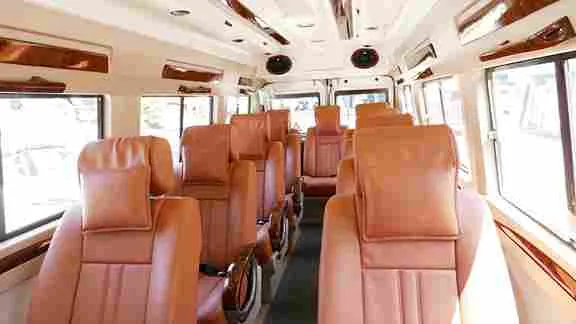
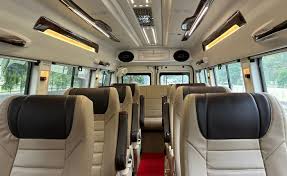
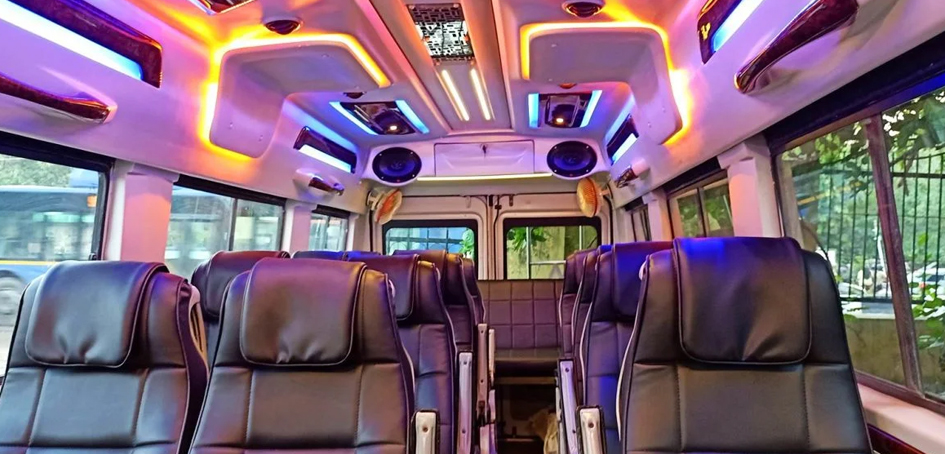
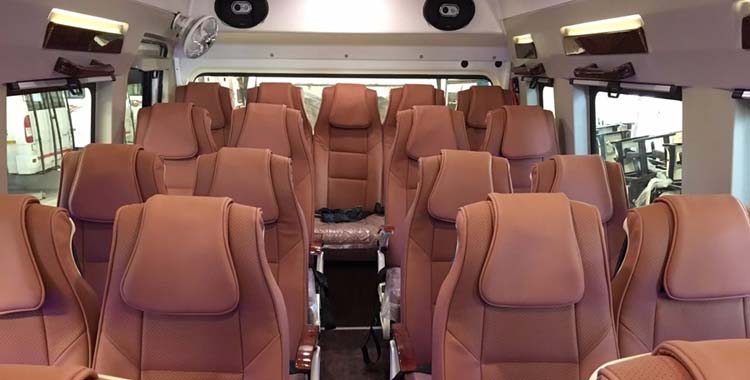
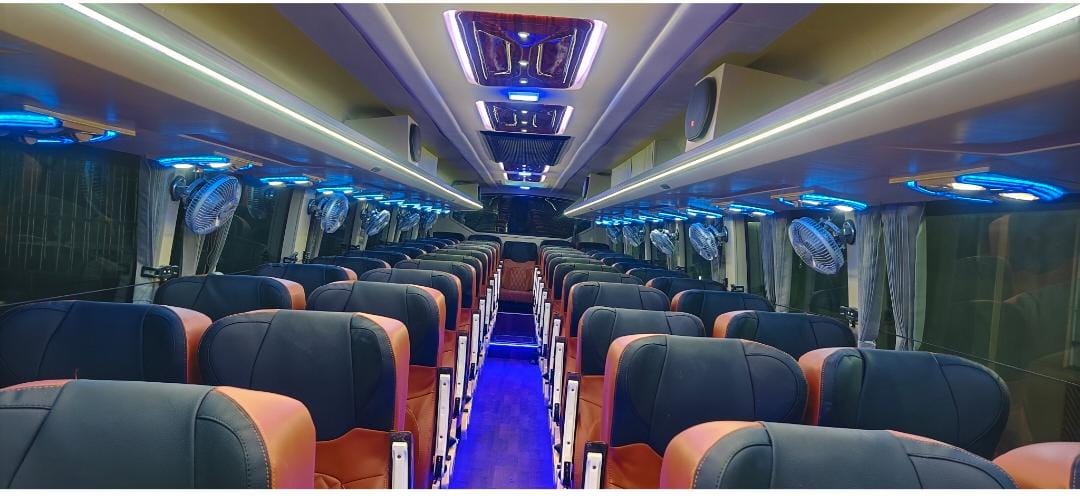
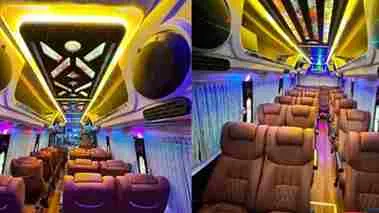
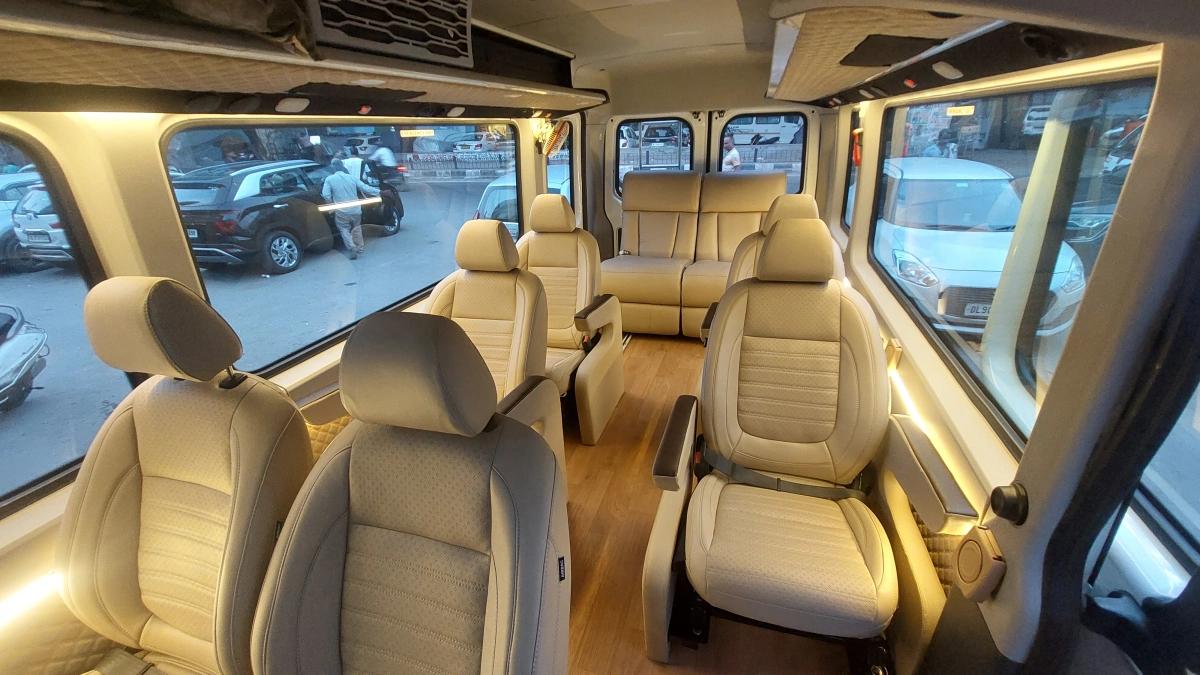
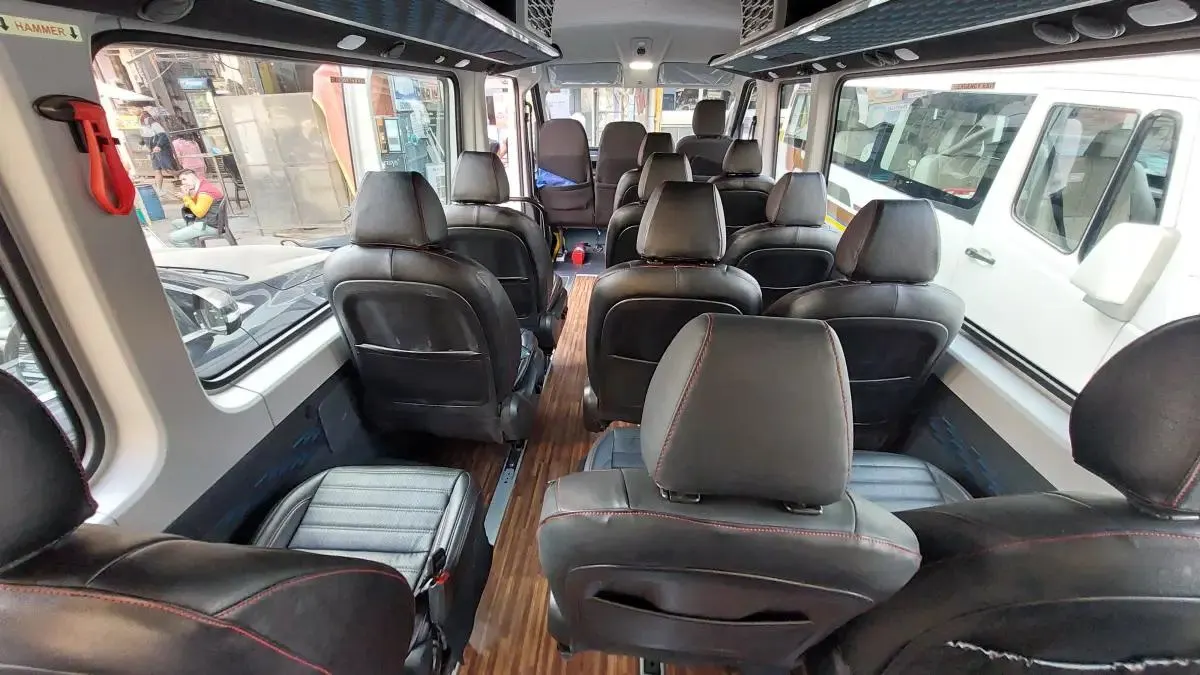
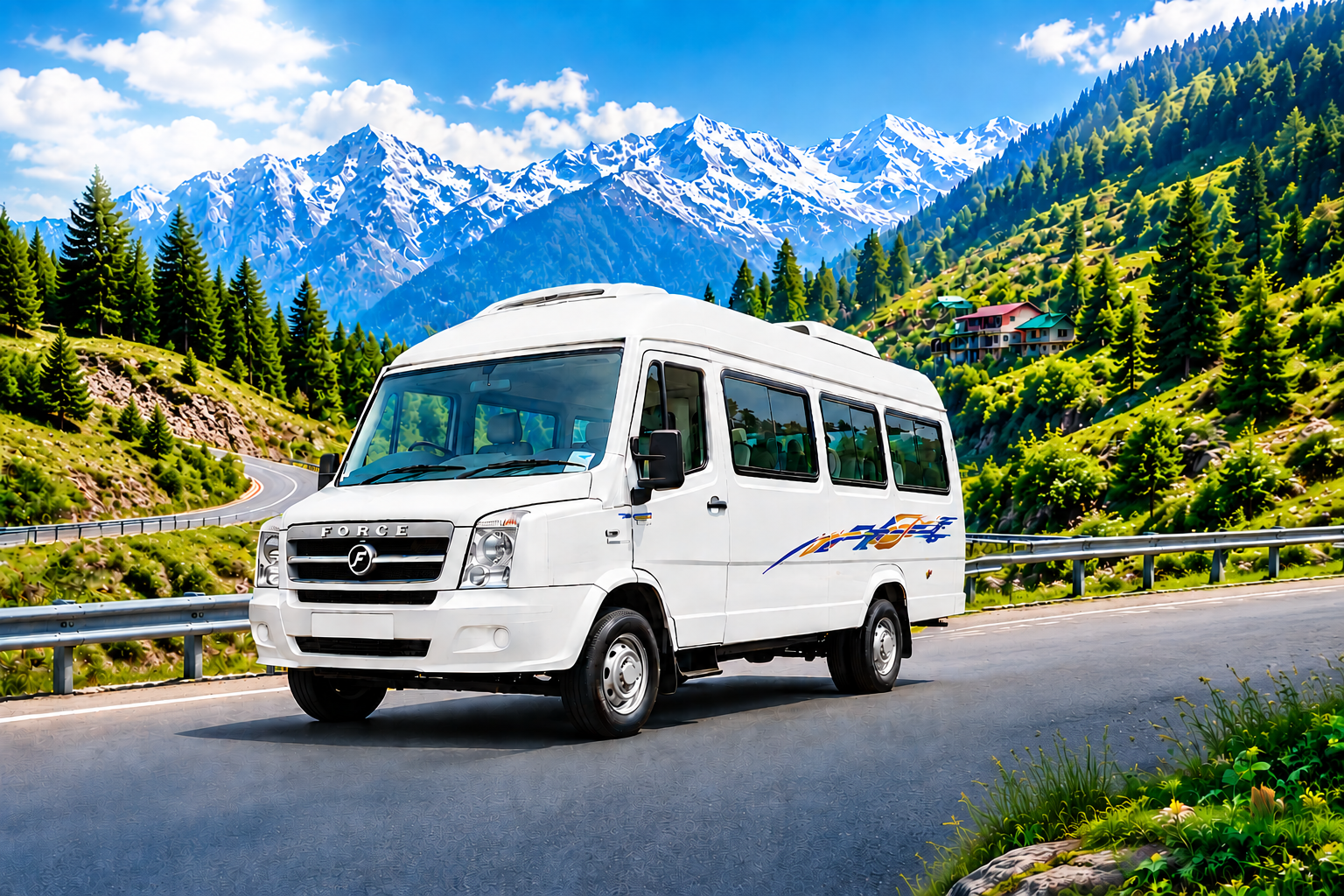
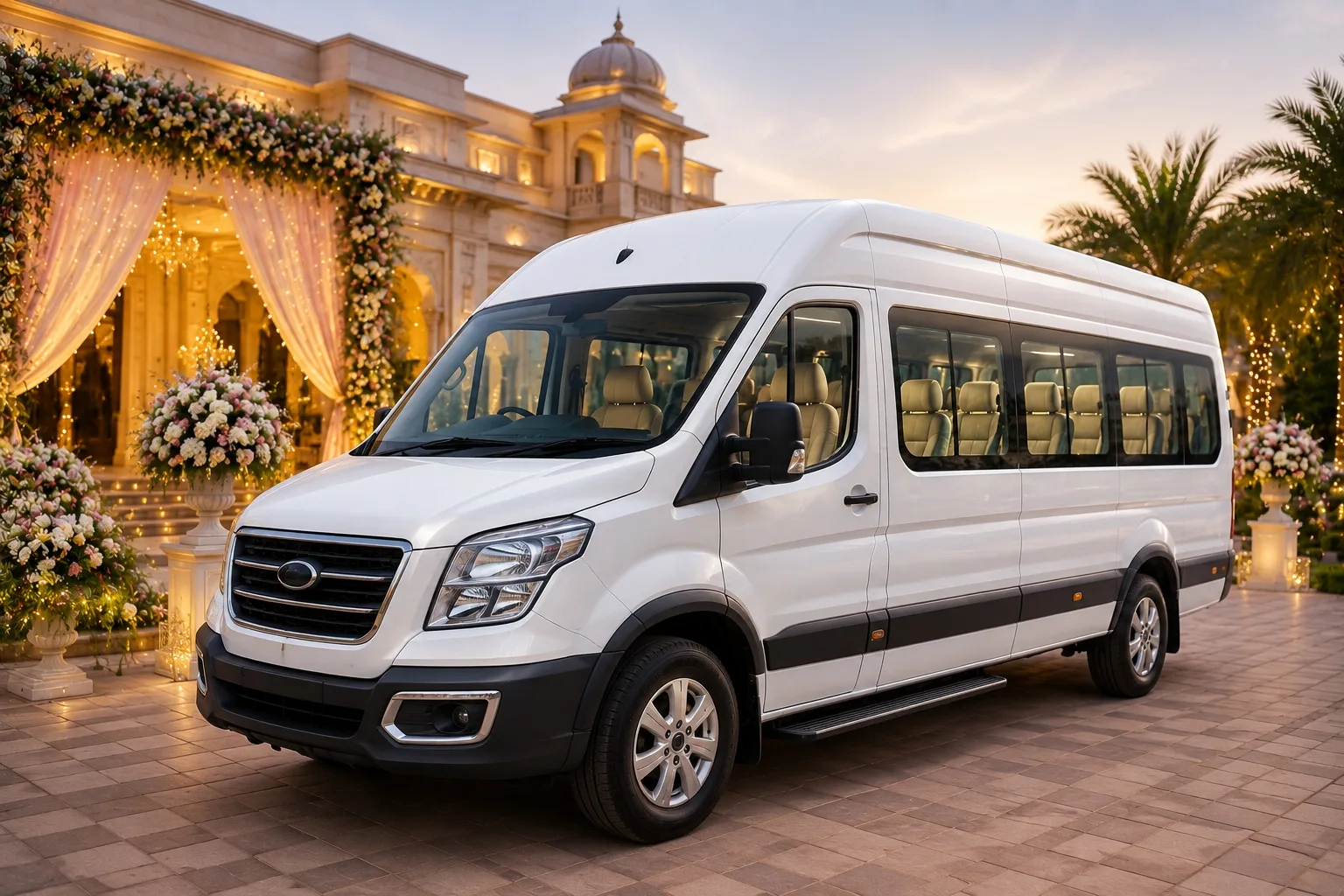
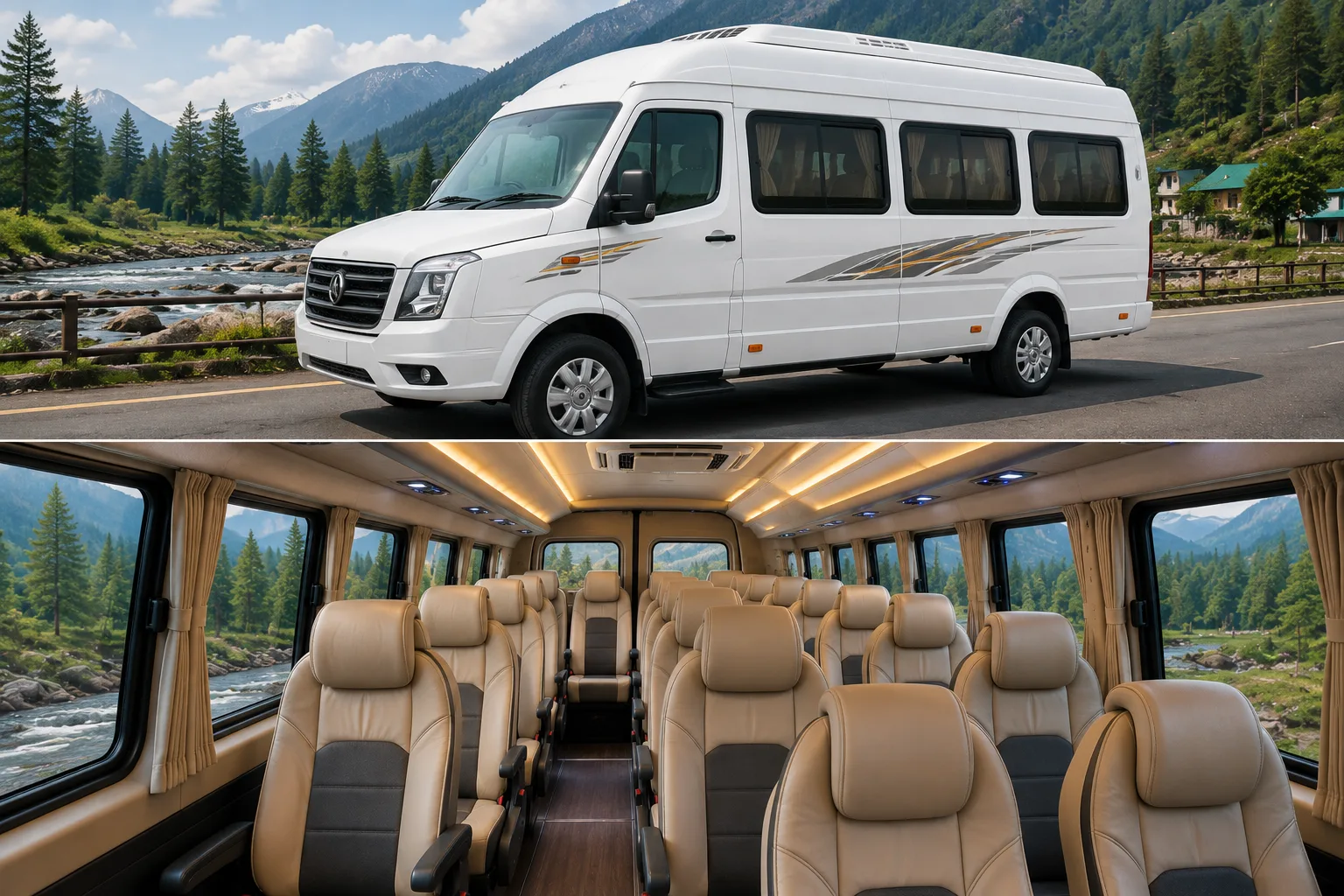
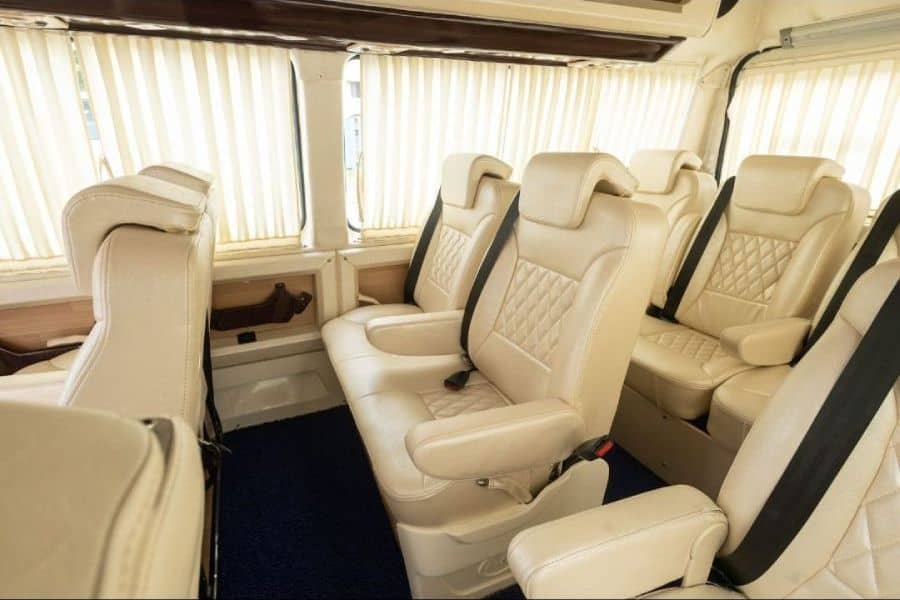
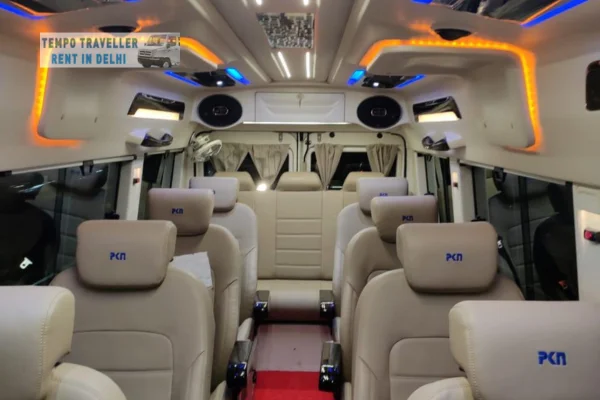
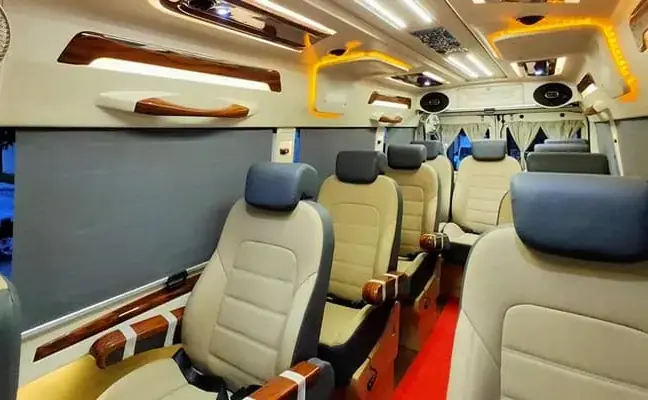
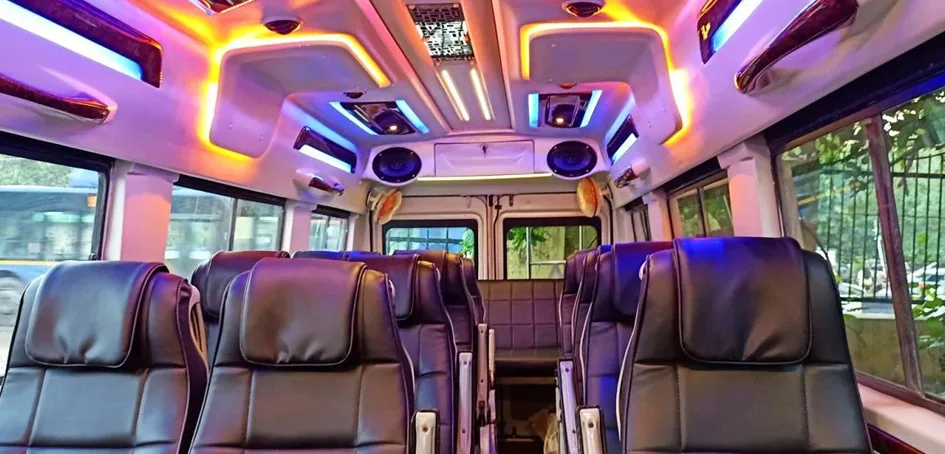
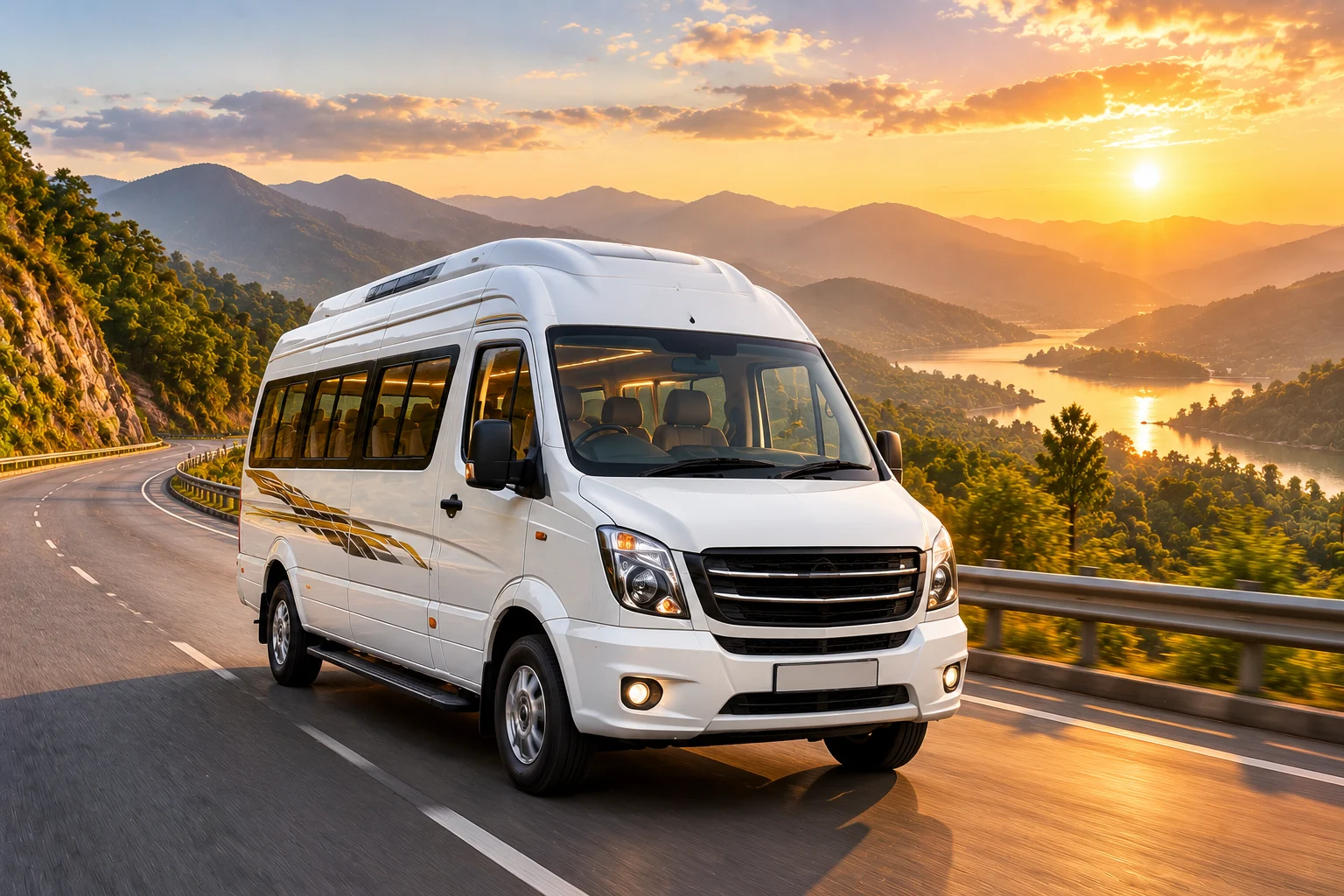
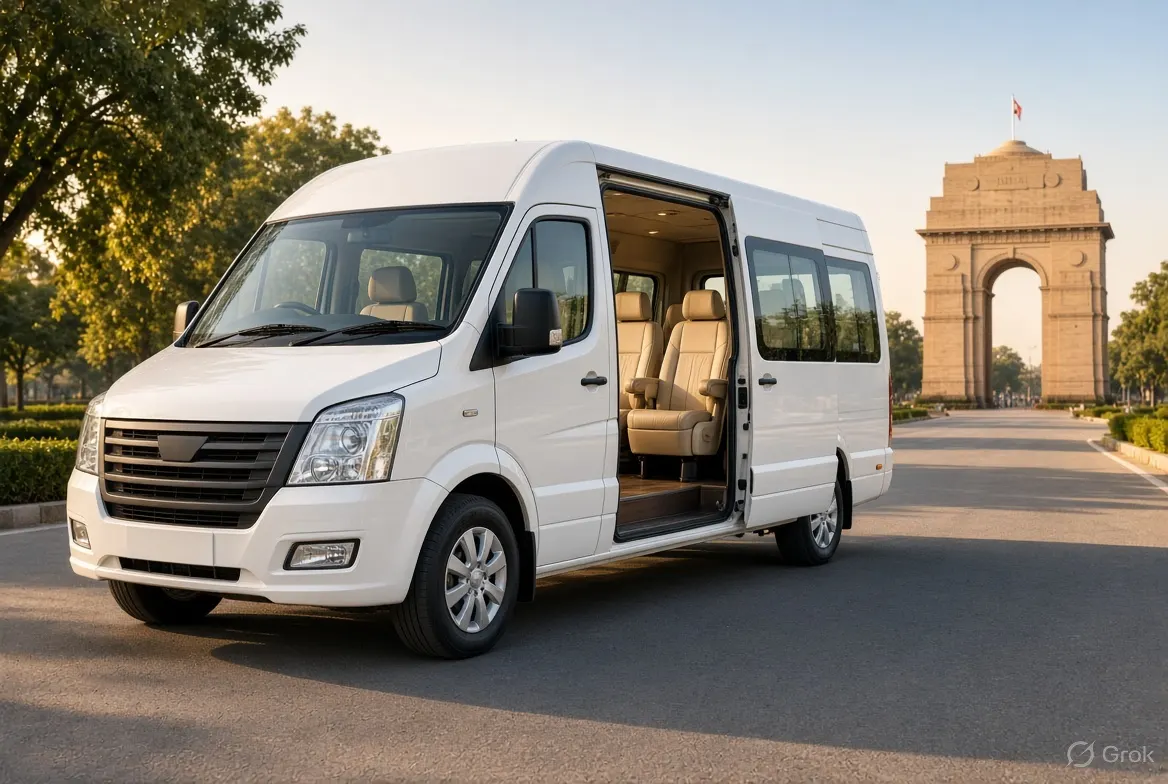
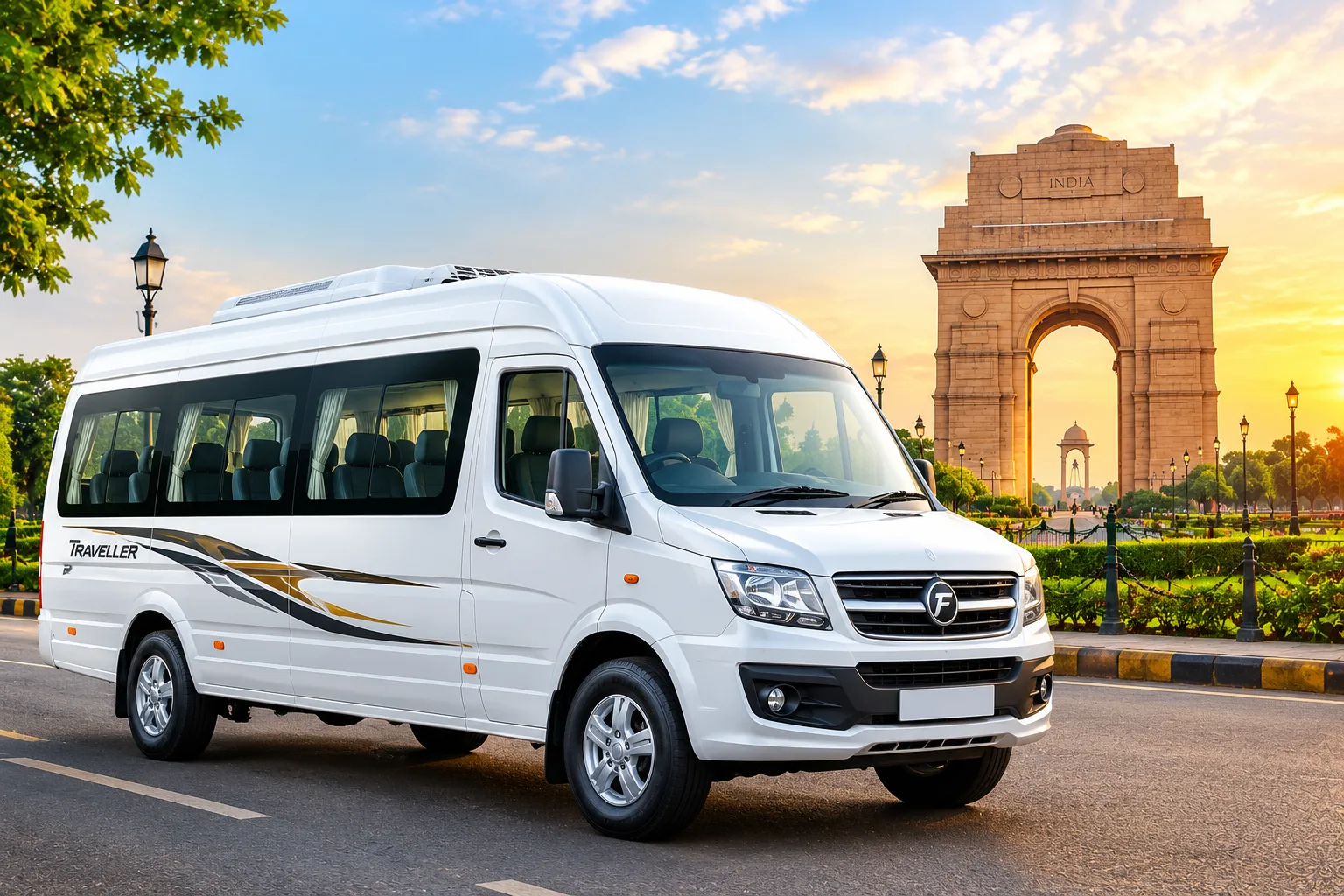
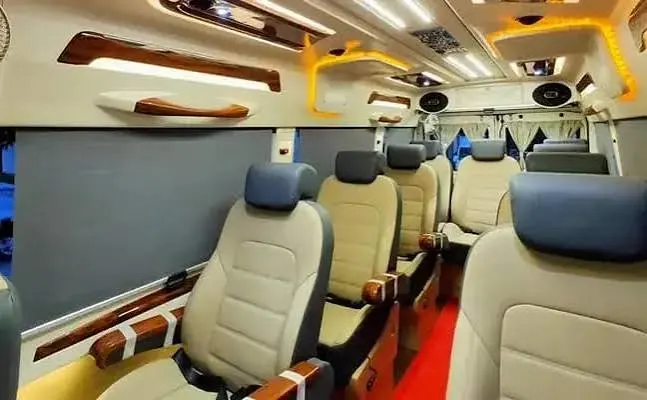
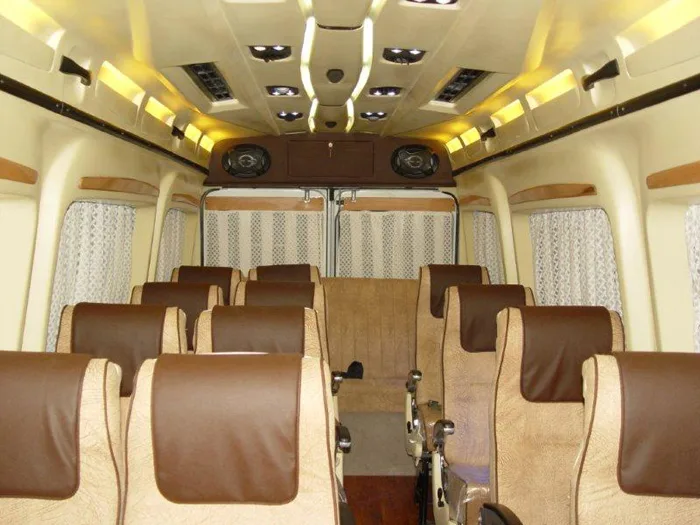
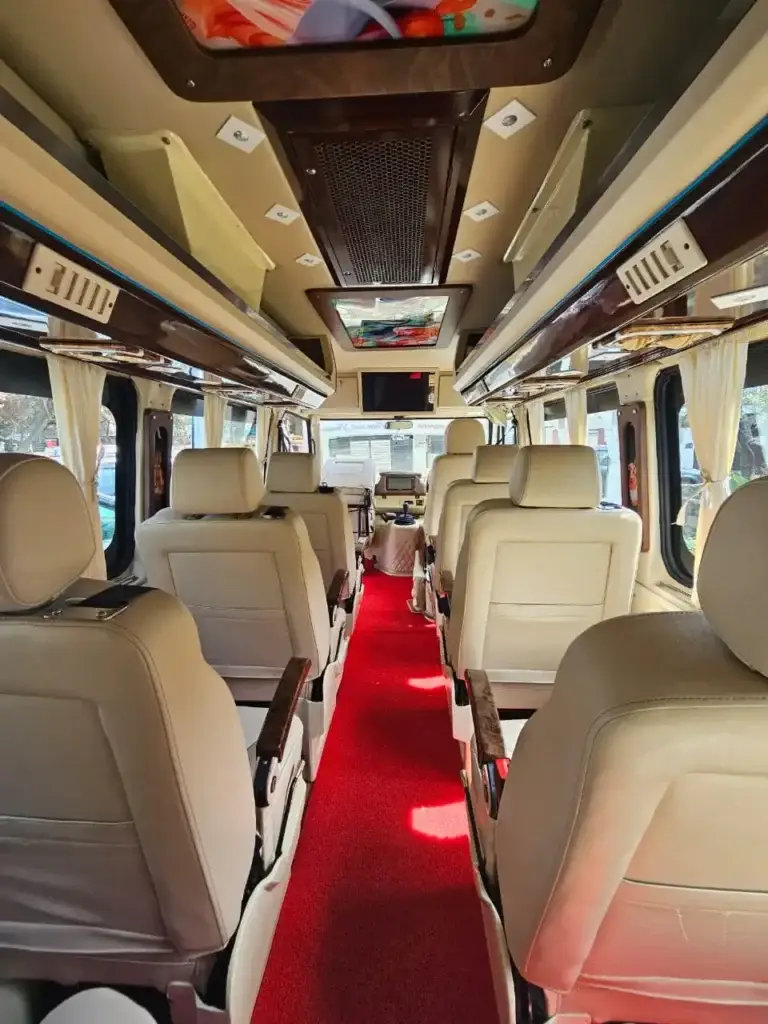
Comfortable on a long road. Pushback seats, good air conditioning, and decent legroom make a big difference on an overnight or full-day drive.
Luggage space. Pilgrims often carry bags, warm clothes, and prasad items. A Tempo Traveller offers more space than a sedan or an SUV.
Cost-effective for groups. When the total cost is shared by a full group, the per-person price is often lower than booking multiple cabs or train and taxi combinations.
Door-to-door convenience. You are picked up at your home or society gate and dropped back there, which is a big relief for elders and children.
Flexible stops. You can halt at dhabas, temples, or rest areas along the way, which is not possible on a fixed train schedule.
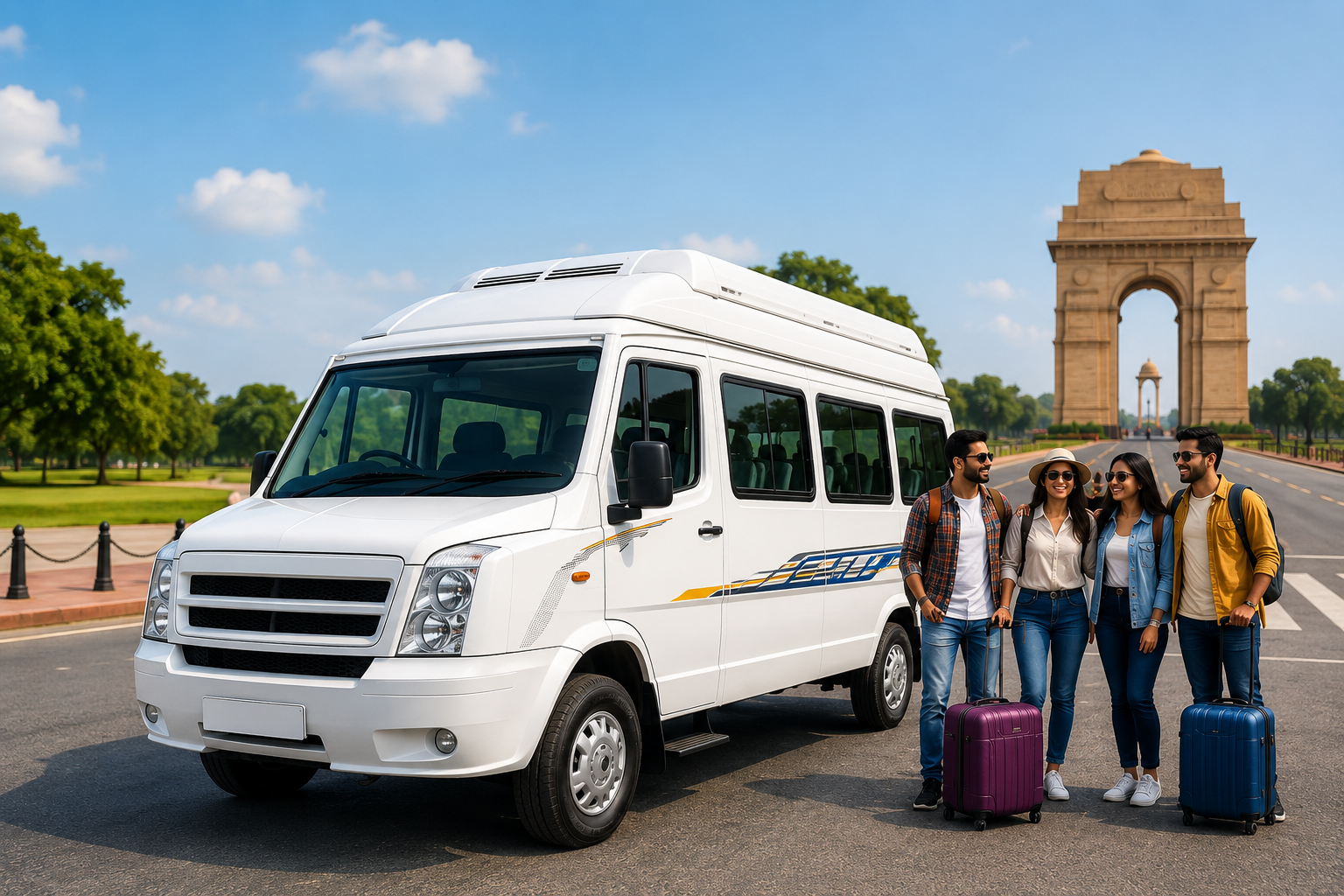
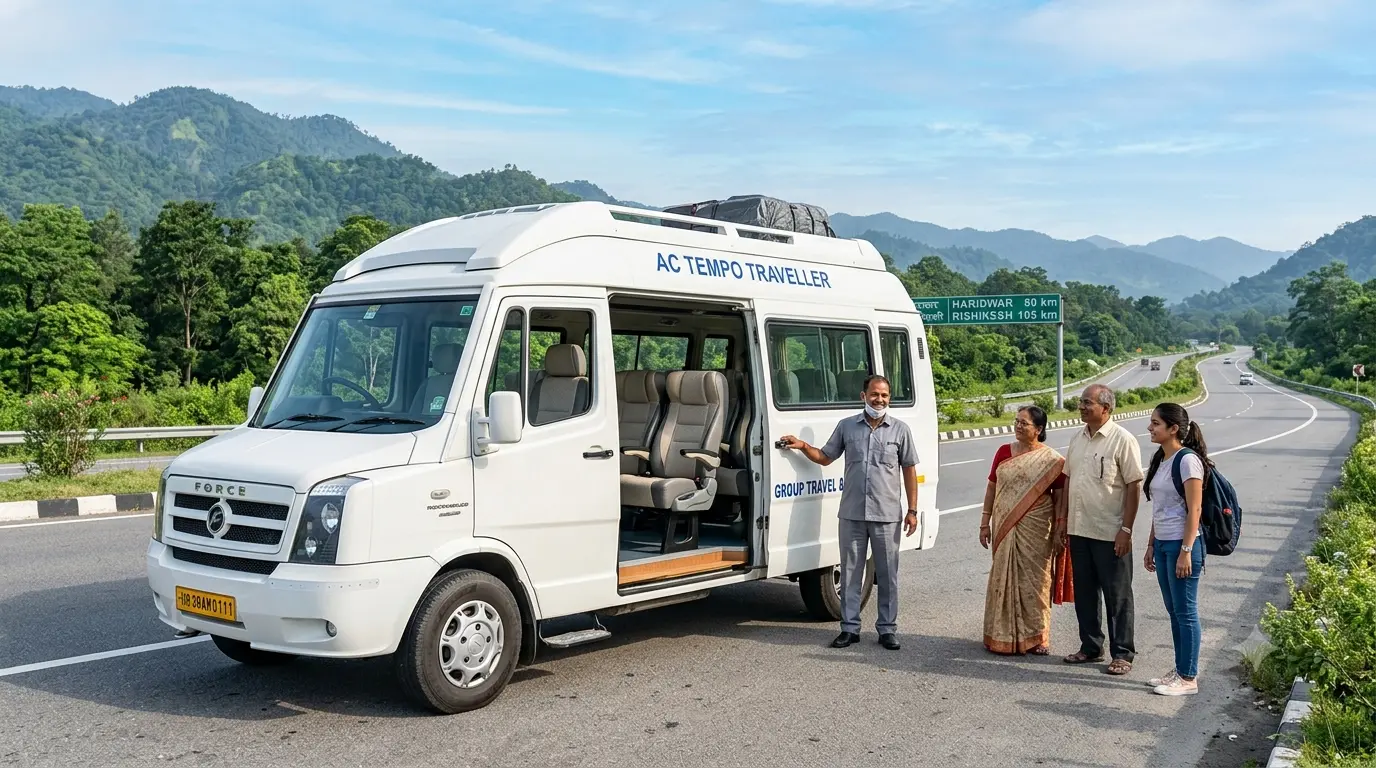
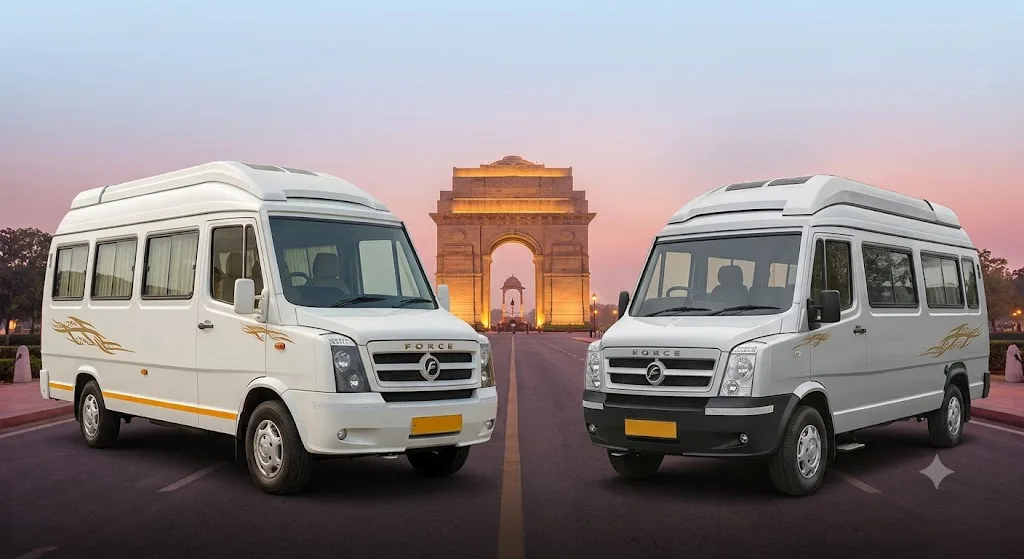
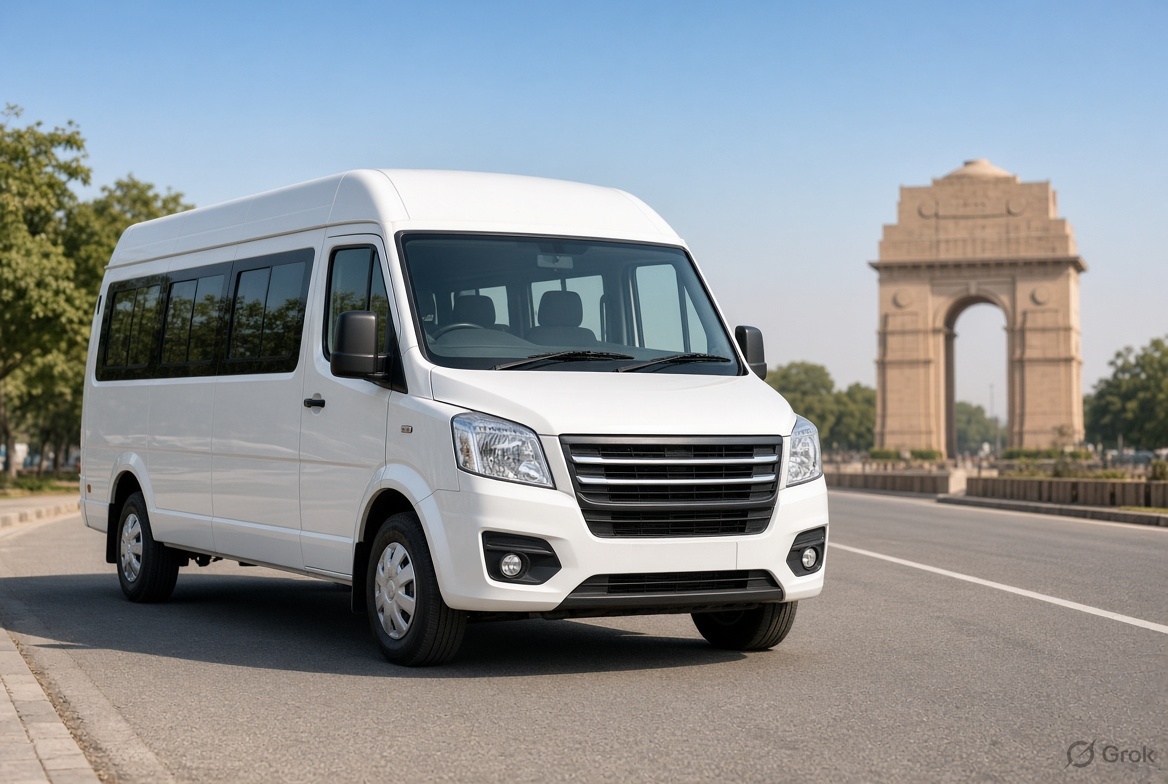
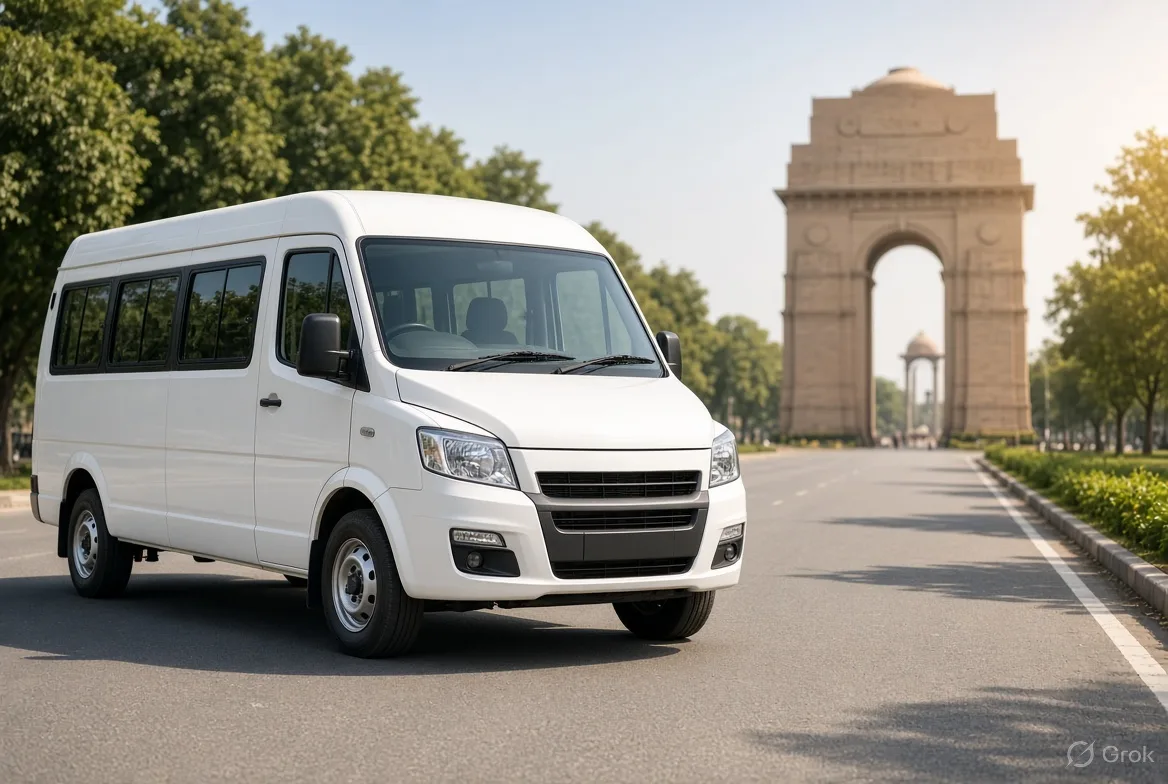
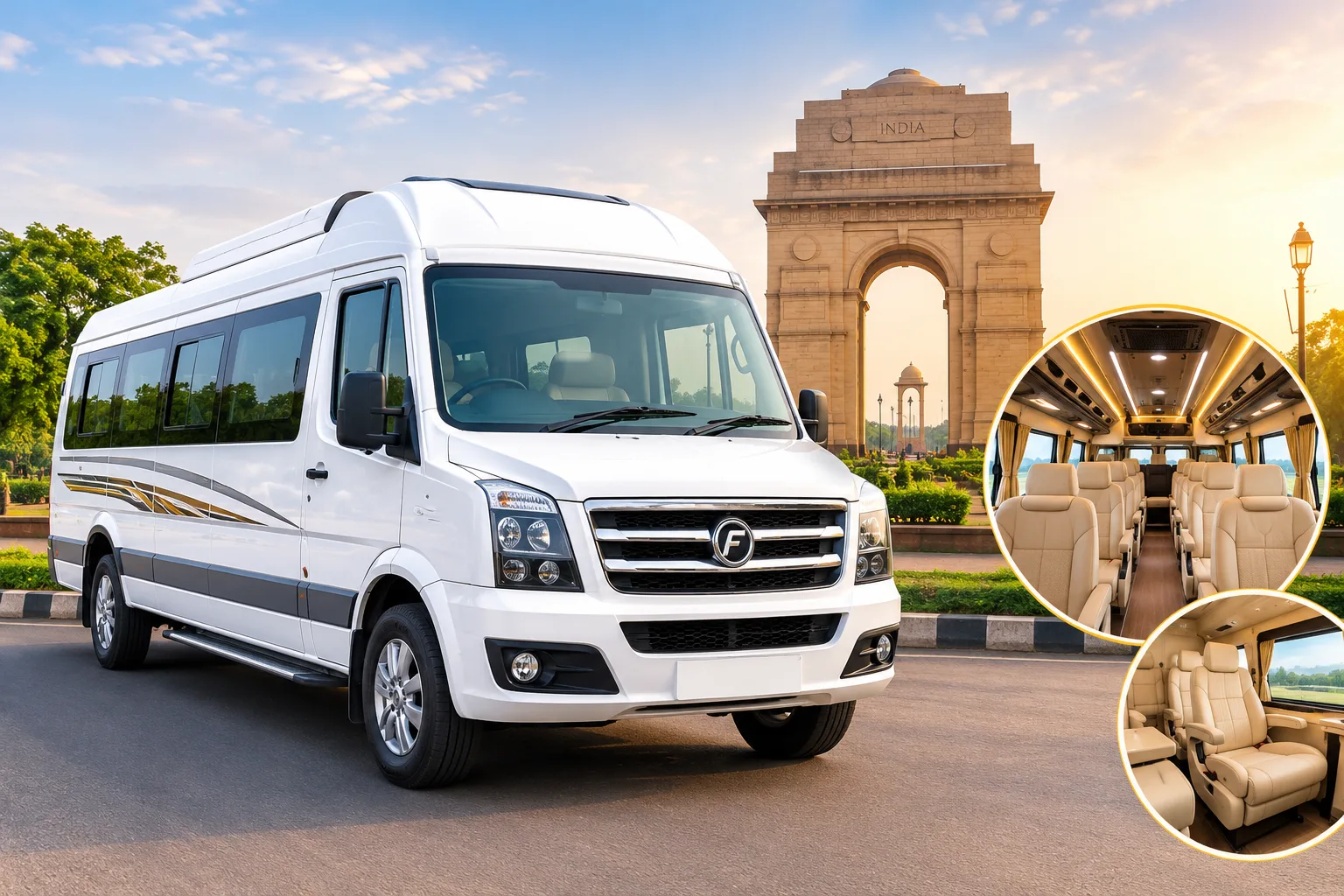
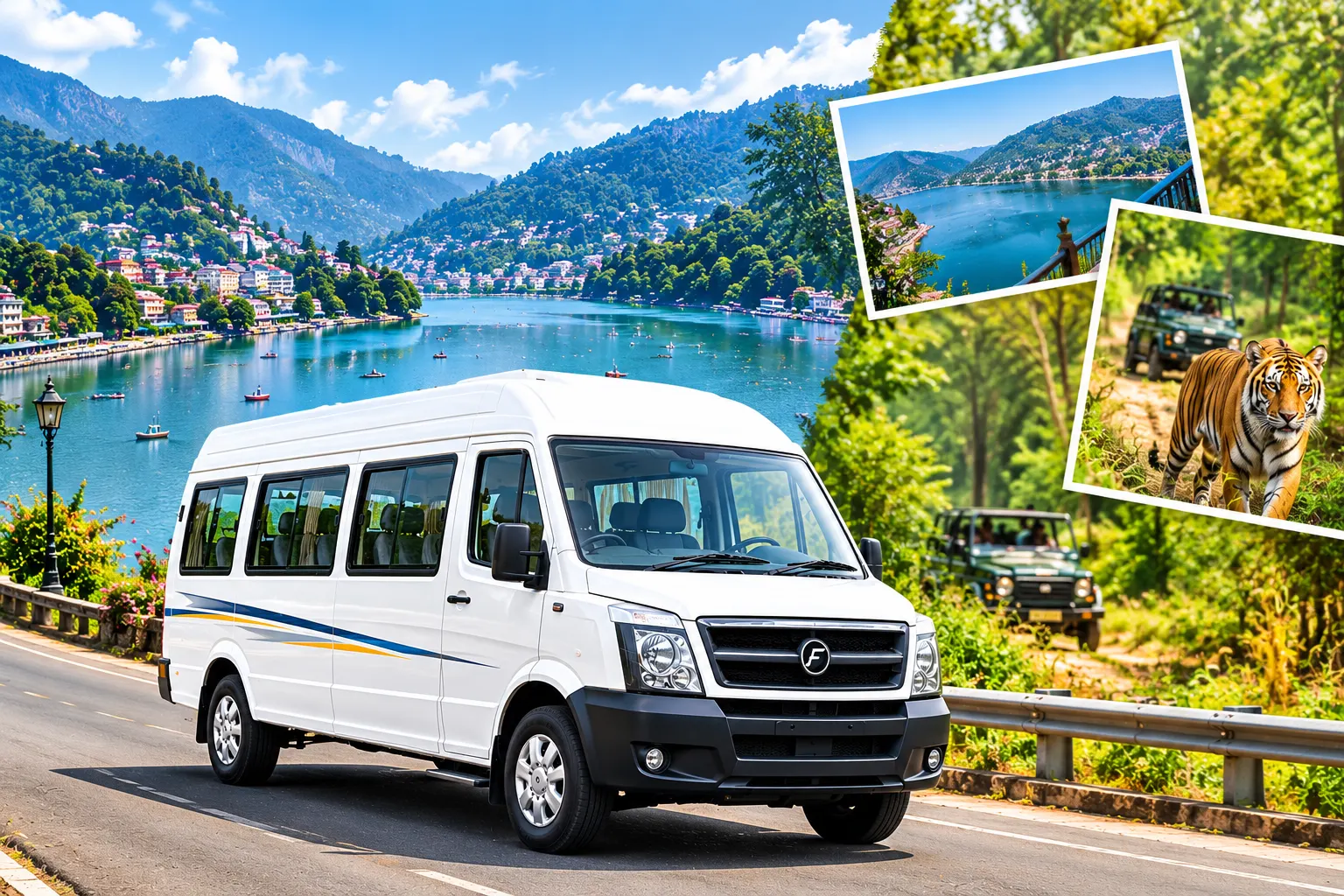
If you are comparing seating options, you can check our page on tempo traveller hire in Delhi for vehicle types and group sizes.
Delhi to Katra Distance and Travel Time
The road distance from Delhi to Katra is roughly 600 to 650 km, depending on the exact route and your starting point in Delhi NCR.
Typical driving time: around 10 to 12 hours, excluding long breaks. With meal stops, tea breaks, and traffic, most groups should plan for 12 to 14 hours door-to-door.
Travel time varies with:
Departure time from Delhi
Traffic at toll plazas and city entry points
Road construction on certain stretches
Weather, especially fog in winter and rain in monsoon
Number of breaks the group takes
For a relaxed journey, many groups leave Delhi early in the morning or in the evening and drive overnight to reach Katra by early morning. Others prefer to break the journey with a halt at a city like Jalandhar or Pathankot.
The Route: Delhi to Katra by Road
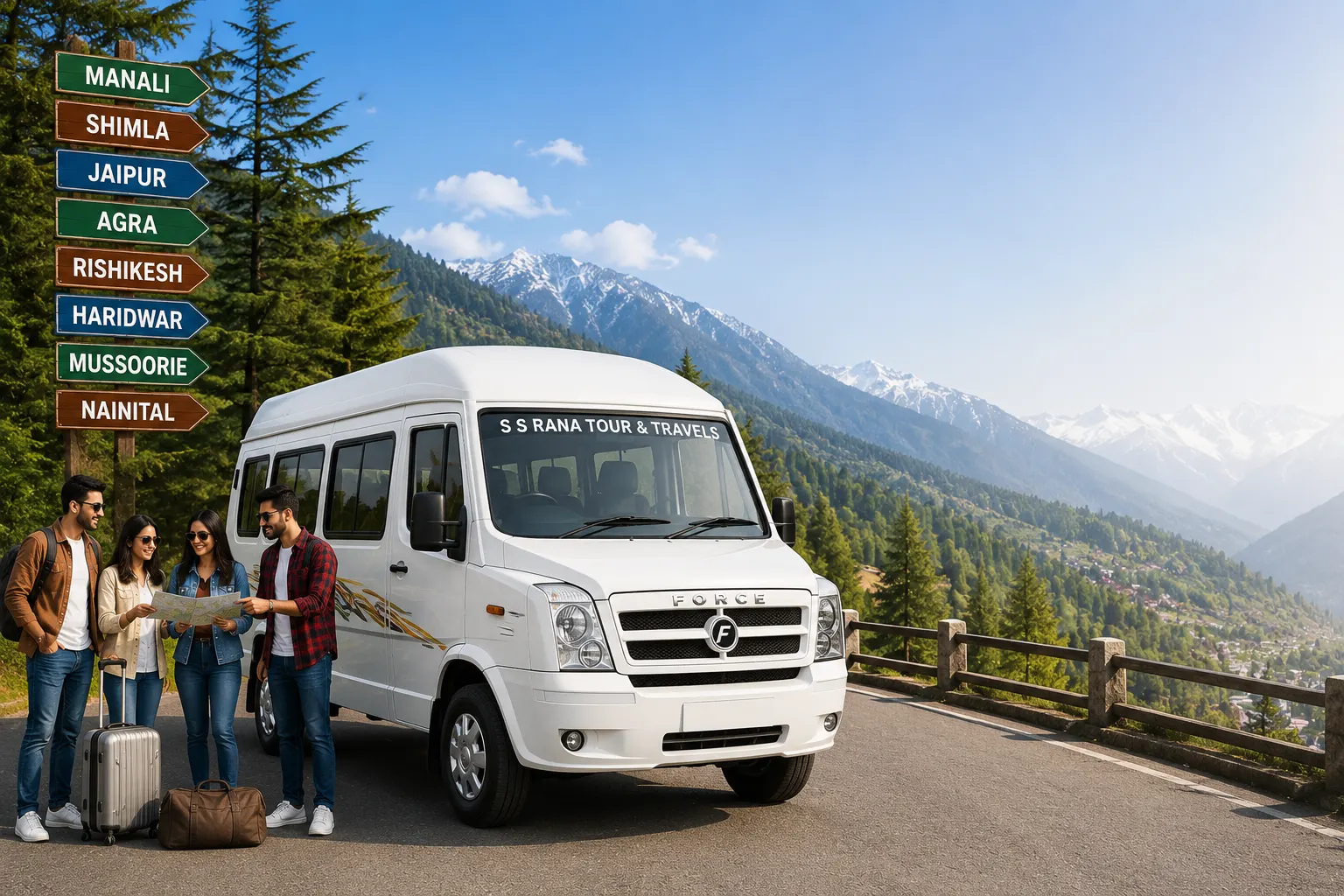
The most common route runs along the national highway through Punjab and into Jammu. A typical route looks like this:
This part follows the busy GT Road and the expressway corridor. Traffic can be heavy at the start, especially near the city limits, so an early start helps. You will find plenty of dhabas, fuel stations, and rest stops in Haryana.
Ambala to Jalandhar
This stretch passes through Punjab and is generally smooth, with good road quality and many food options. Ludhiana and Jalandhar make convenient halts for meals or rest.
Jalandhar to Pathankot
The road becomes more open and scenic as you move towards the foothills. Pathankot is the gateway to Jammu and Kashmir, and many travellers stop here for a break.
Pathankot to Jammu
You cross into Jammu and Kashmir. This stretch is generally good, but check current road conditions and any travel advisories before departure.
Jammu to Katra
The last leg is about 50 km and takes roughly one to one and a half hours. The roads are well built, and the journey is easy and scenic as you approach the hills.
A Note on New Highways
Highway infrastructure in this region keeps changing, with new expressways and bypasses under development or being opened in phases. Your driver will usually choose the best route based on current conditions, so do not be surprised if the actual route differs slightly from the standard one.
Delhi to Katra Tempo Traveller Price
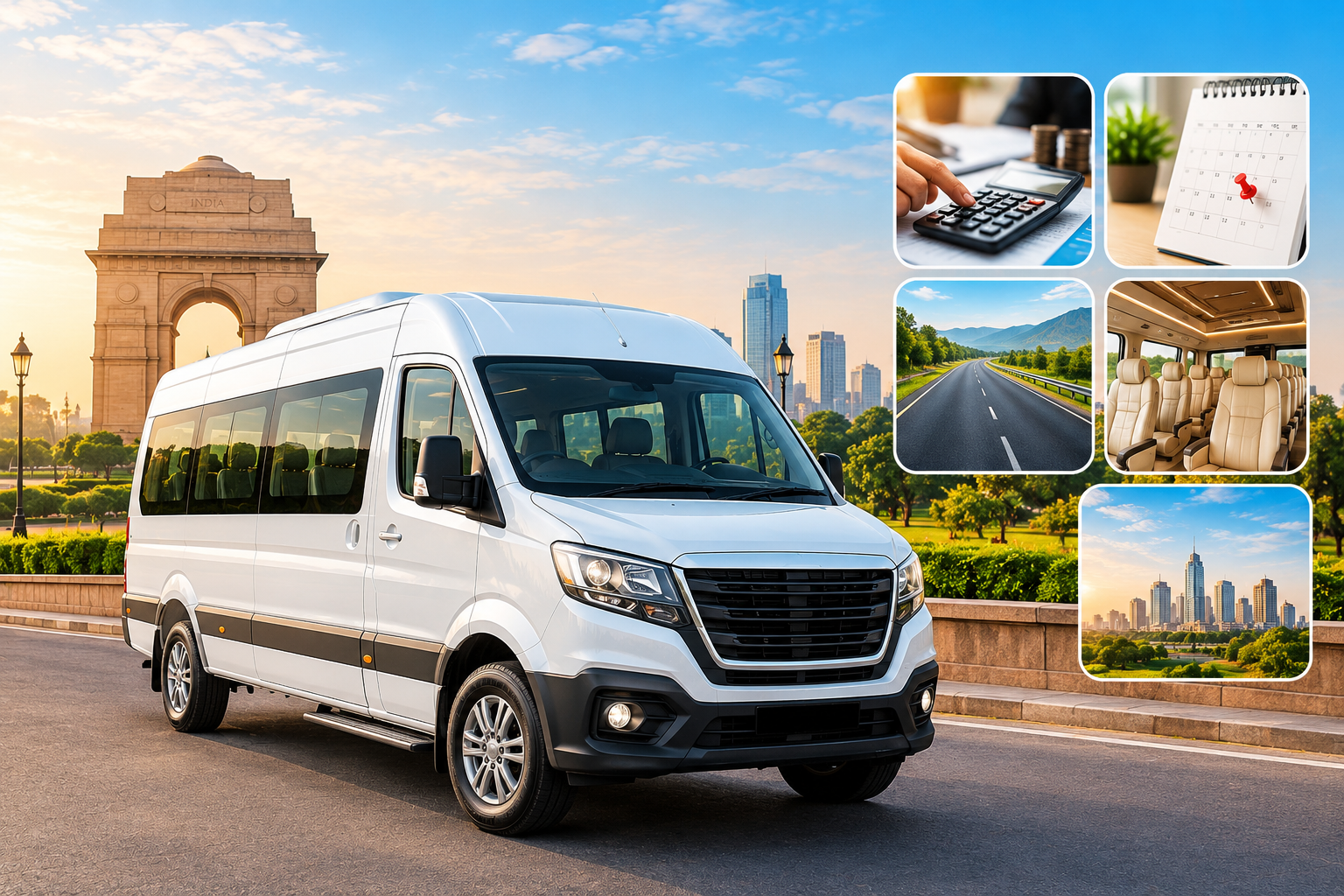
This is the question most families ask first, and the honest answer is that the price depends on several factors. Rather than quoting one fixed number that may not apply to your trip, here is how the cost is usually built up and what affects it.
What Affects the Price
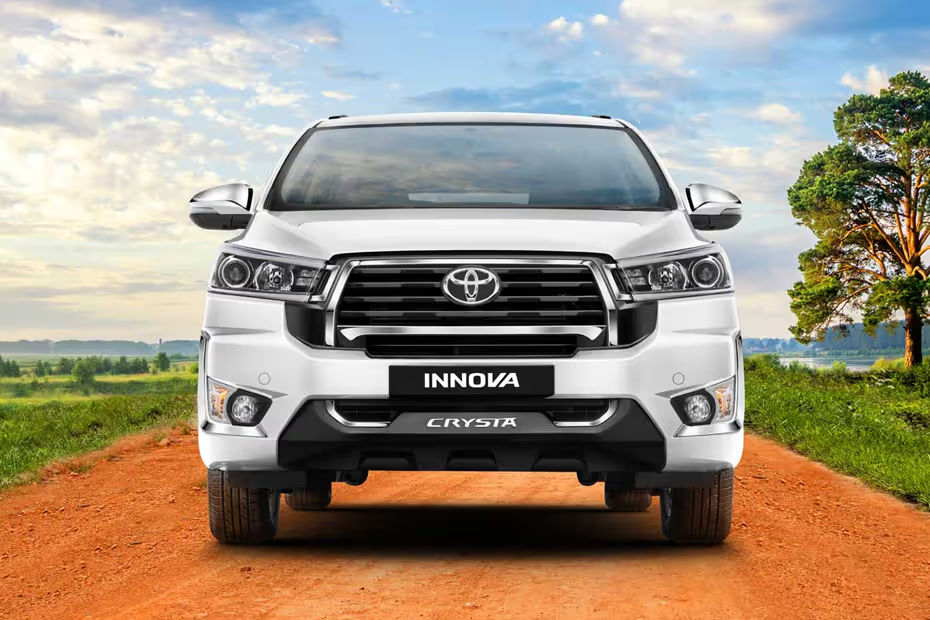
1. Vehicle type and seating. A 9- or 12-seater costs less than a 16-seater Innova or a luxury Maharaja model with premium interiors.
2. Total distance and number of days. A round trip from Delhi to Katra and back is well over 1,200 km before any local travel. Tempo traveller rentals are usually priced by a daily minimum kilometre limit or a per-km rate plus driver allowance.
3. Number of days booked. Your price rises if the vehicle stays with you during the yatra (waiting days) rather than dropping you and returning.
4. Season and demand. Navratri, school holidays, long weekends, and the winter and summer peaks see higher demand and higher rates.
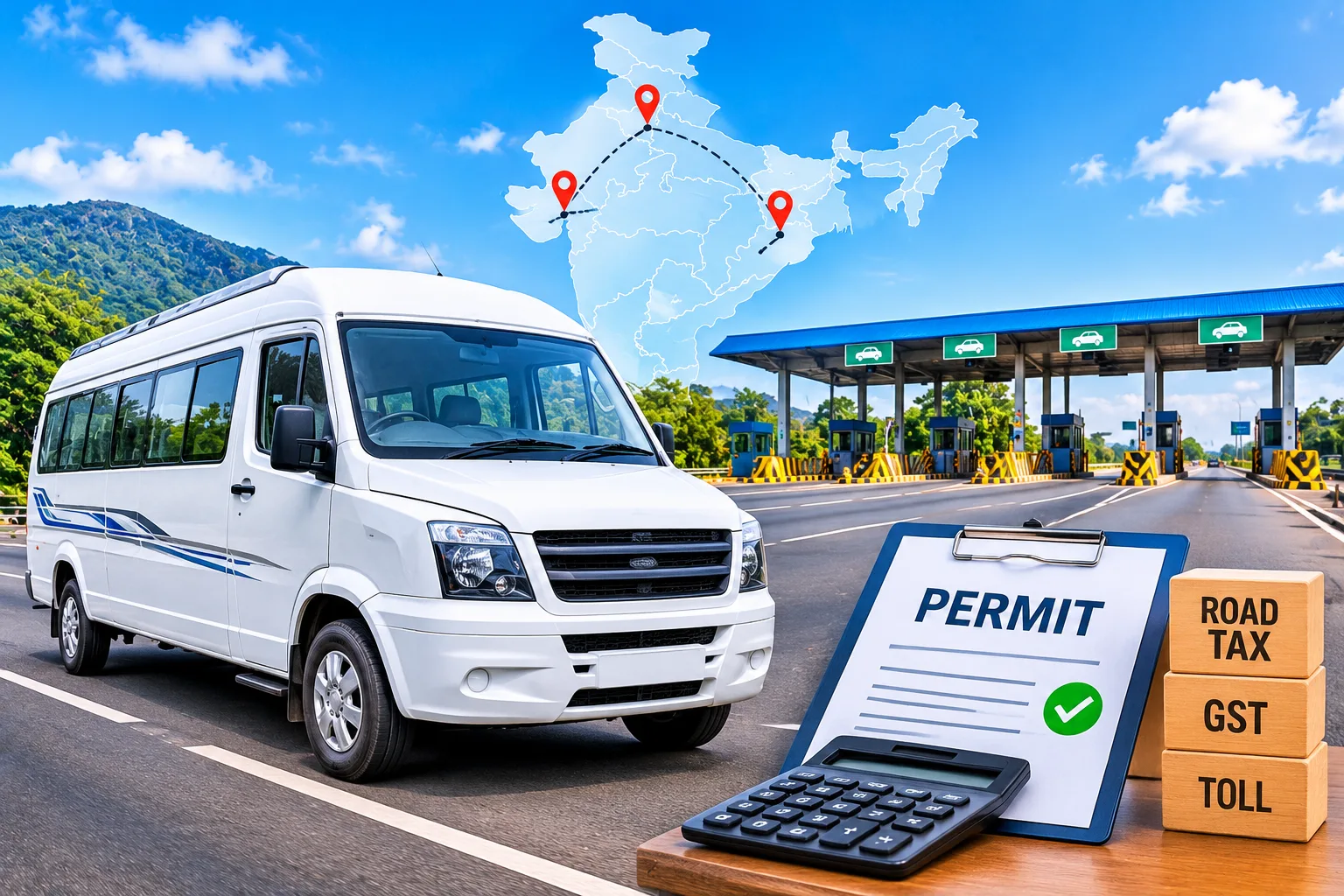
5. Tolls, state taxes and parking. The route passes through Haryana, Punjab, and Jammu and Kashmir. Toll charges and inter-state tax are usually extra or included depending on the operator, so confirm before you book.
6. Driver allowance and night halt. For multi-day trips, the driver’s food and stay may be charged separately.
7. Pickup location. Pickup from different parts of Delhi NCR may change the starting kilometres.
How to Estimate Your Budget
A simple way to understand the cost is to think in three parts:
Base rental: daily or per-km charge for the vehicle
Extras: tolls, state tax, parking and driver allowance
Waiting charges: if the vehicle stays at Katra while you complete the yatra
Add these up and divide by the number of passengers to find your per-person cost. For a full group of 12 or more, this is often competitive with train tickets plus local taxis, and it comes with far more comfort and flexibility.
Our advice: always ask for an itemised quote that clearly lists inclusions and exclusions. A low headline price with hidden extras is the most common reason for disputes at the end of a trip.
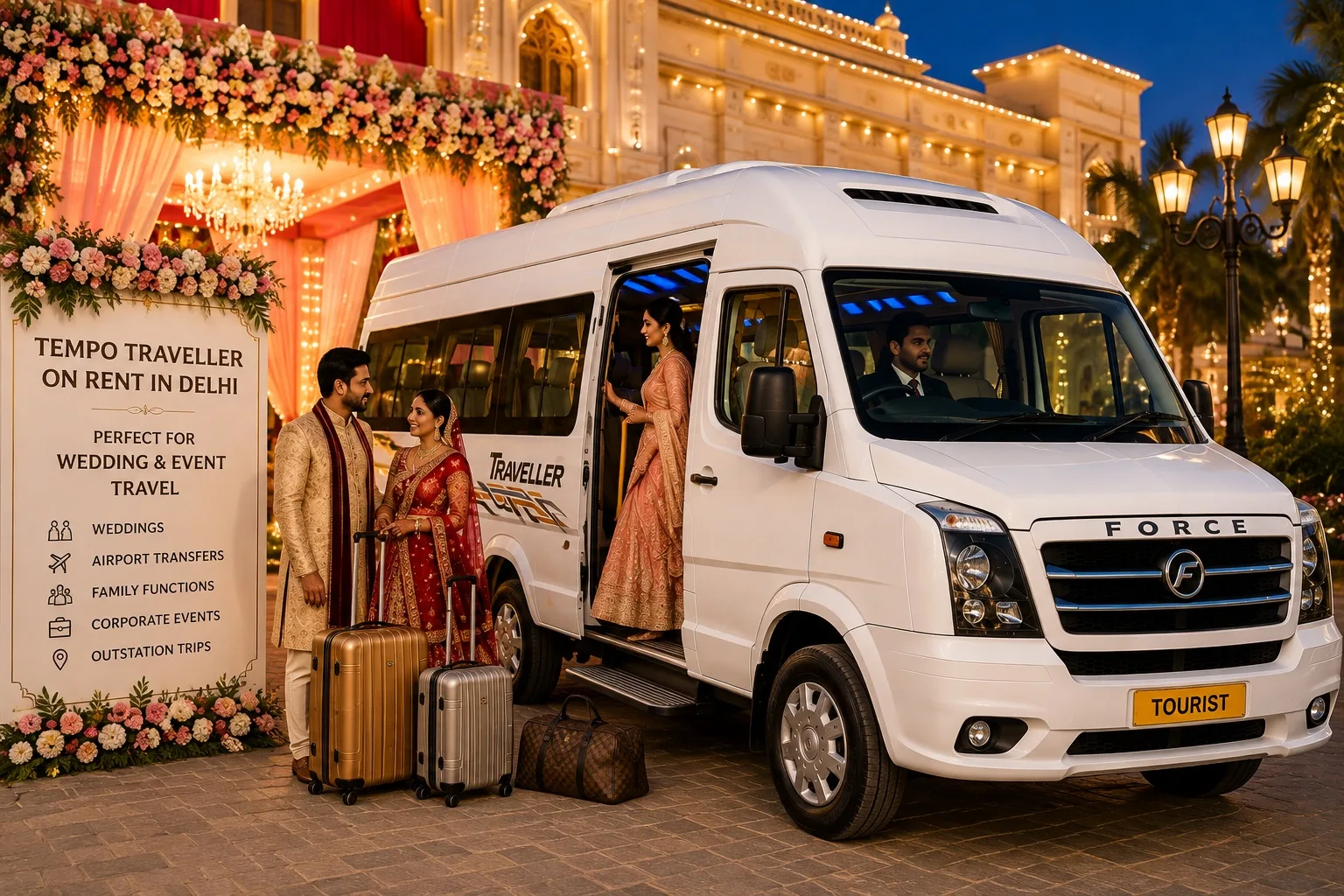
To get a quote for your dates and group size, visit our Tempo Traveller on rent in Delhi page or contact our team directly.
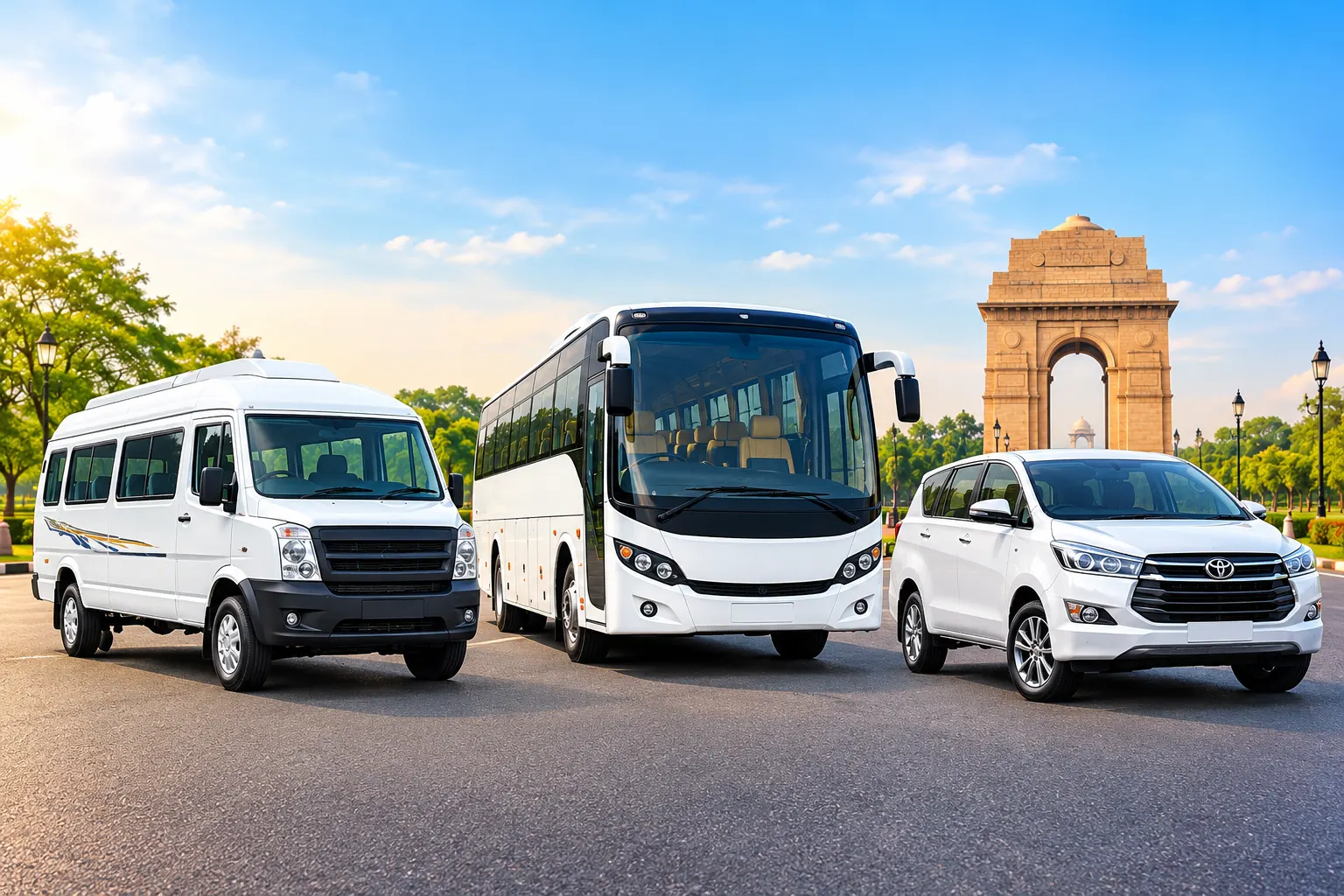
Which Tempo Traveller Is Right for Your Group?
Choosing the right size makes the journey more comfortable and the cost more sensible.
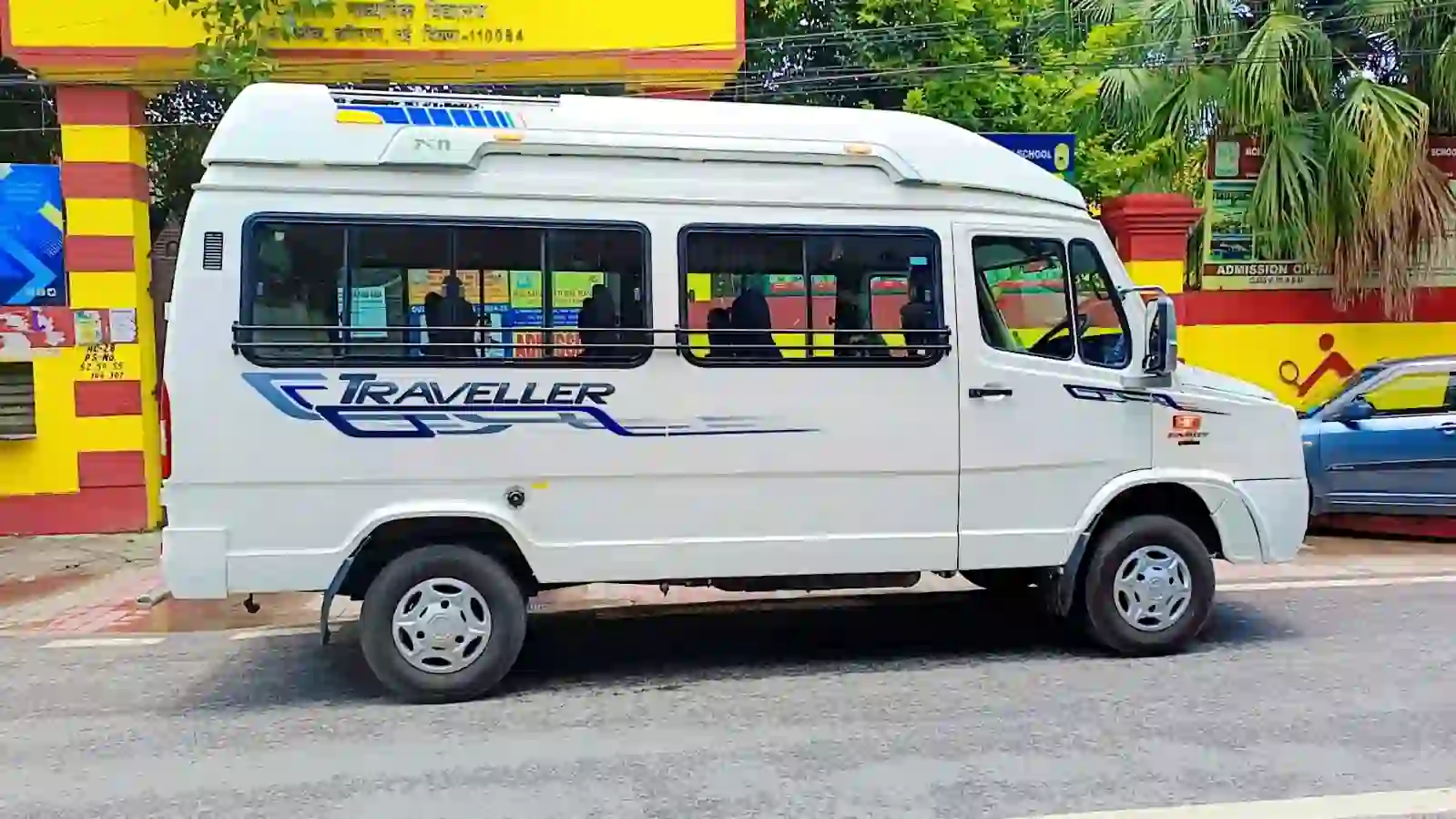
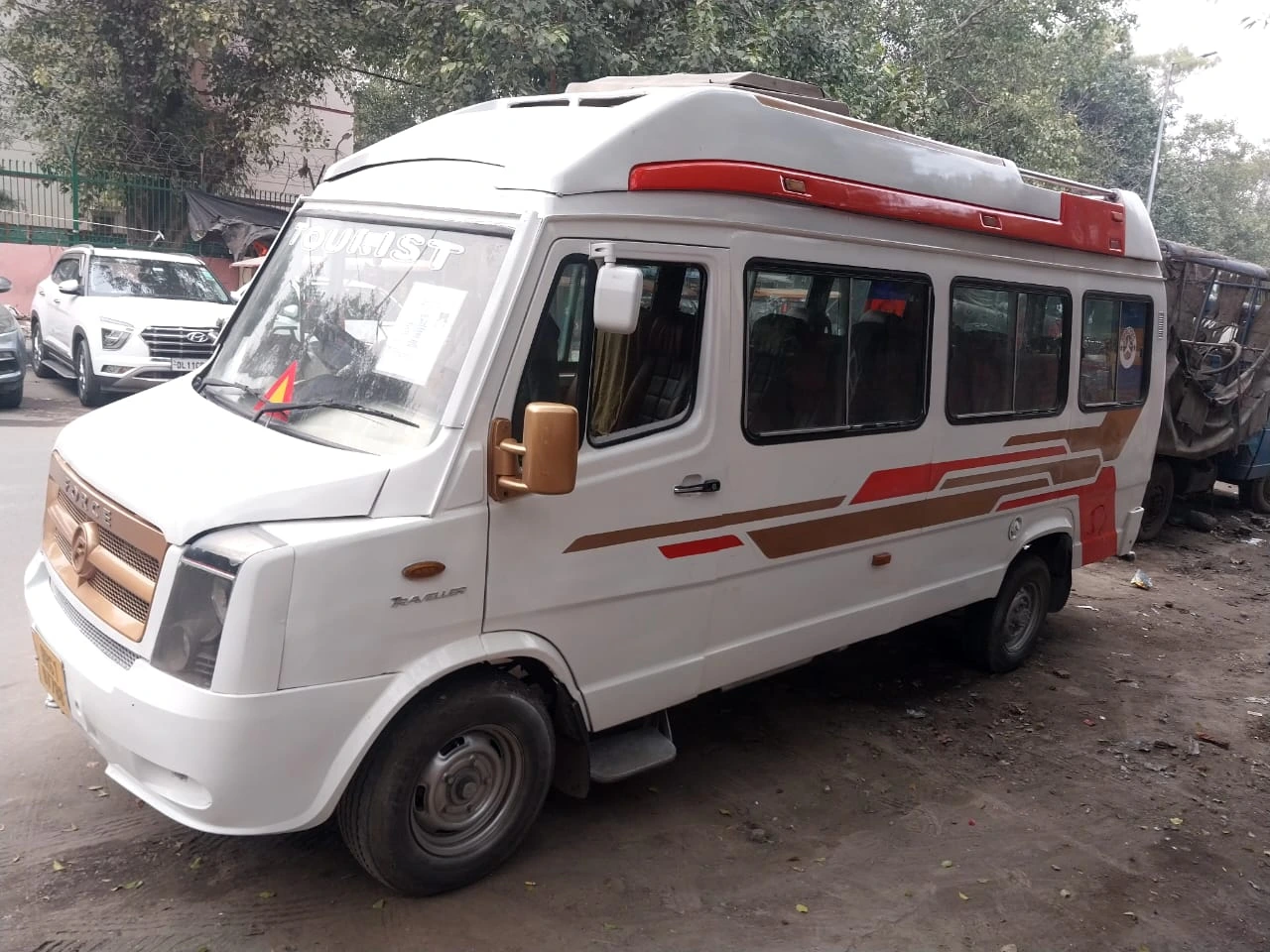
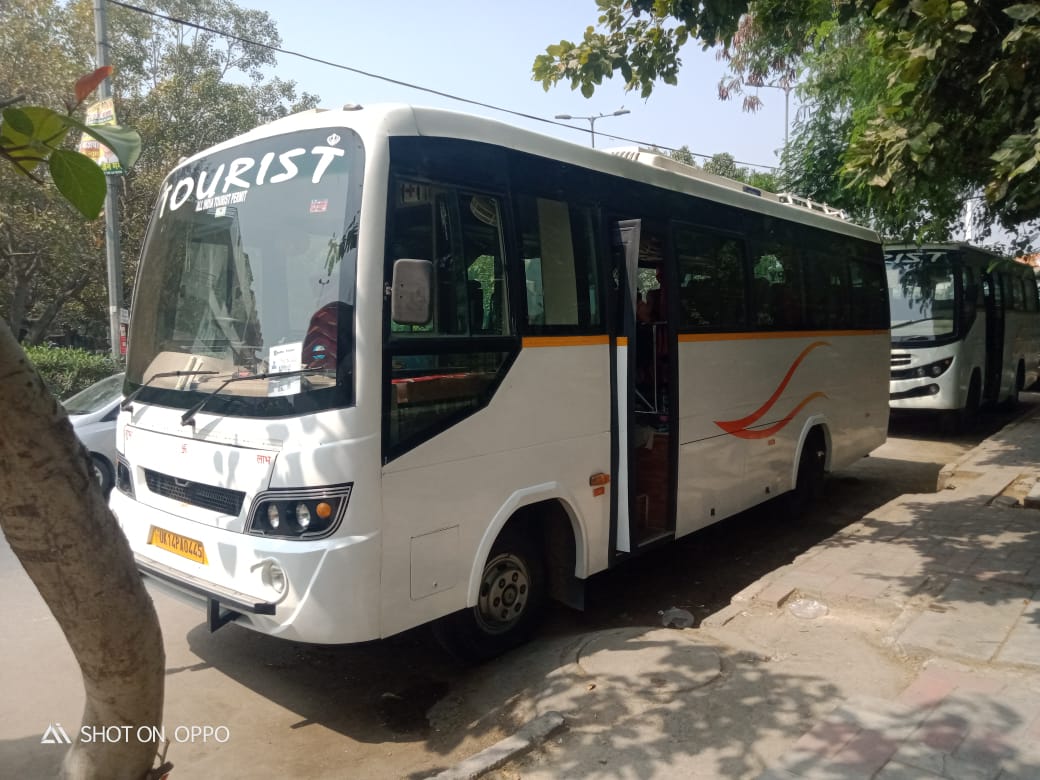
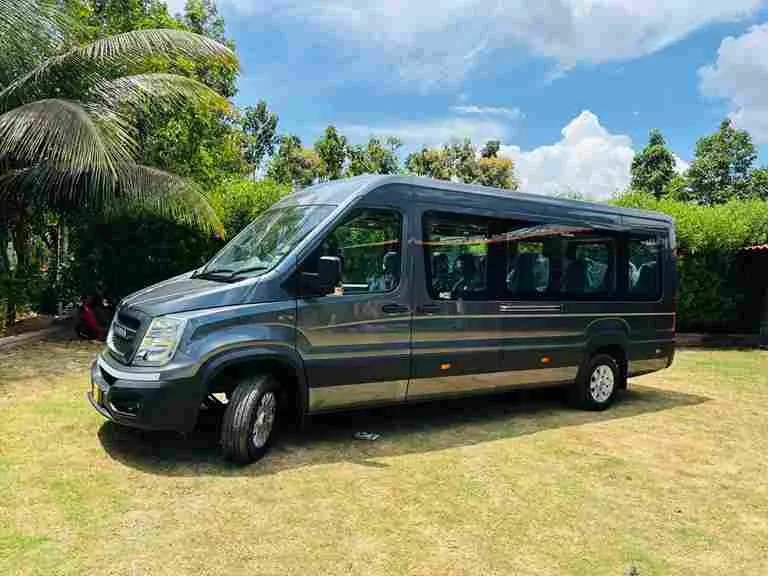
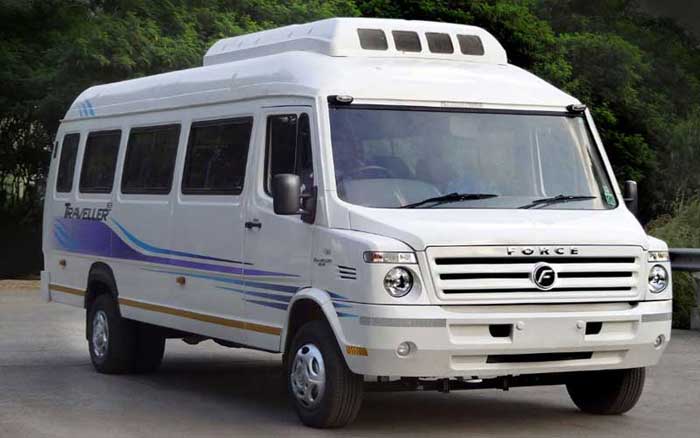
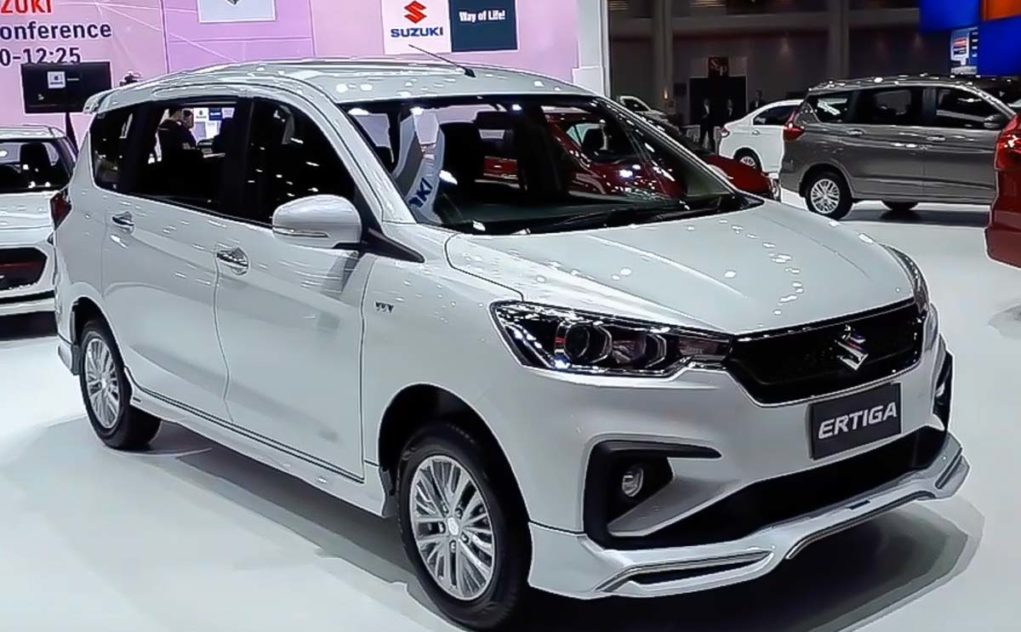
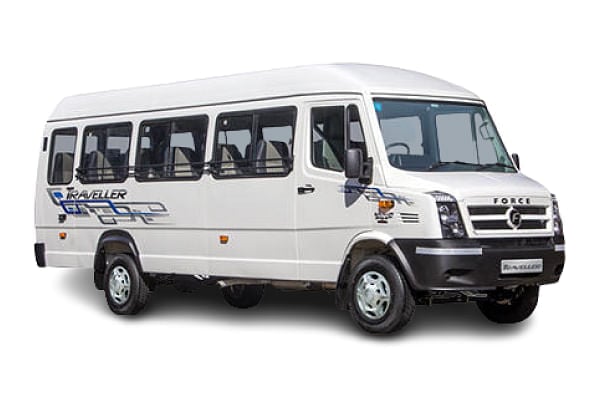
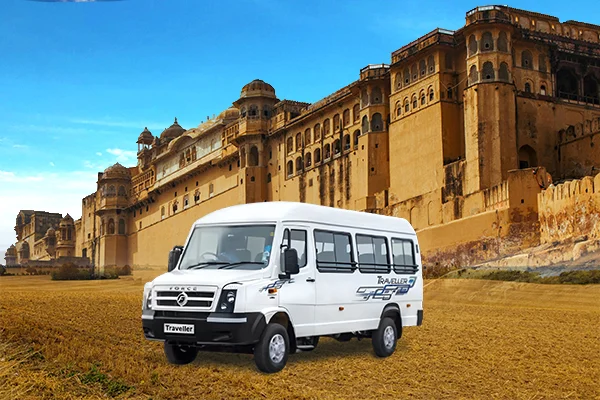
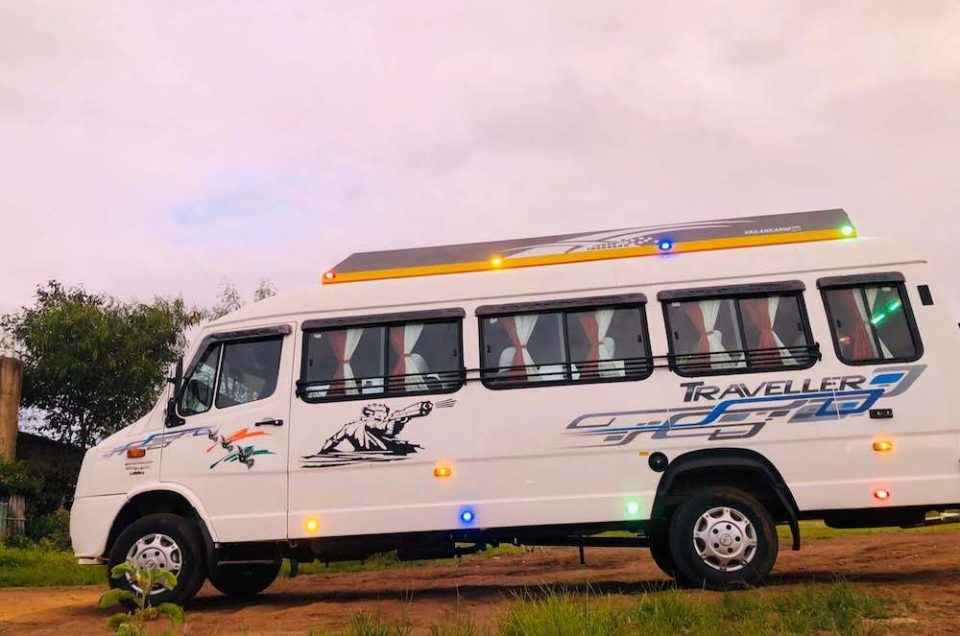
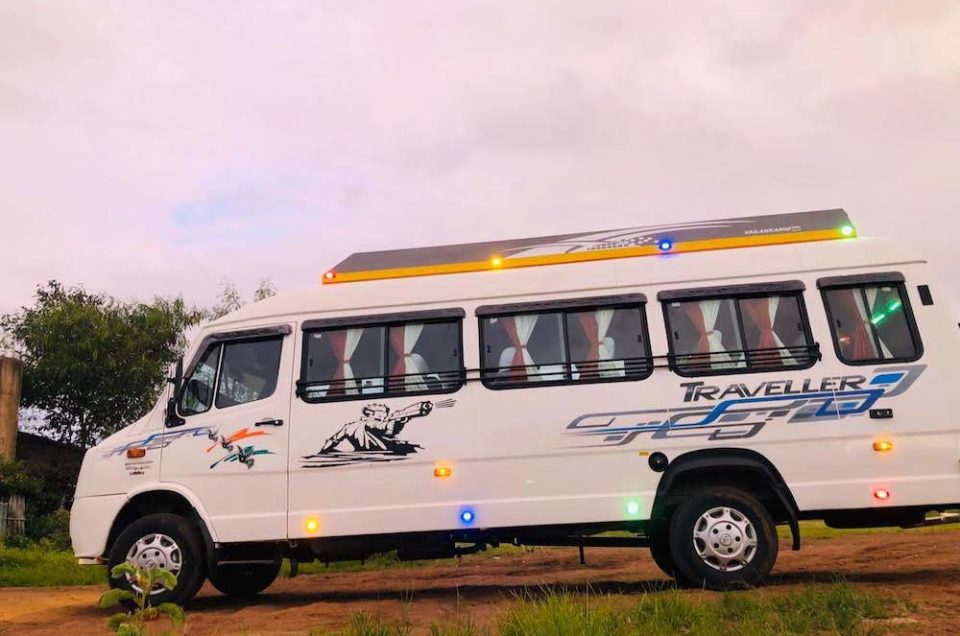
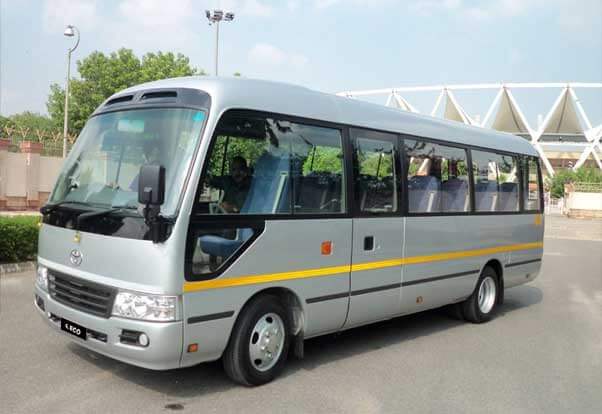
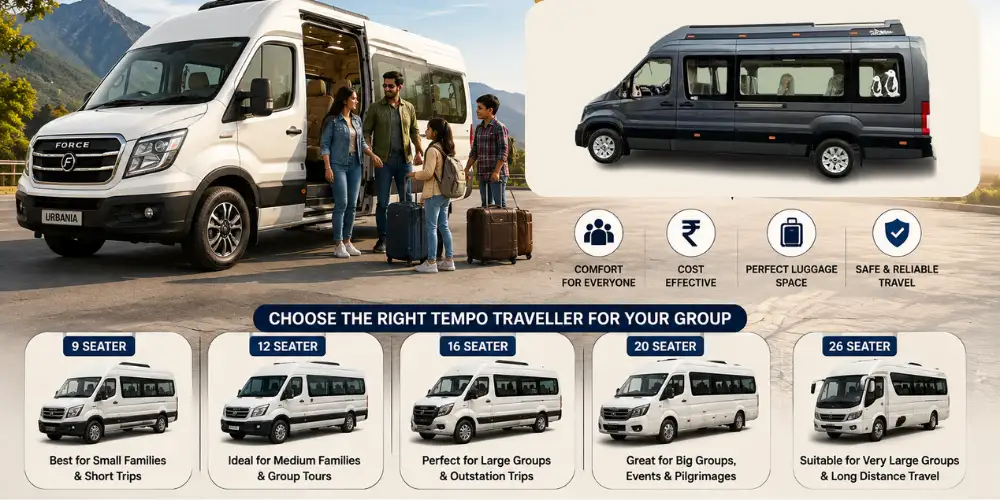
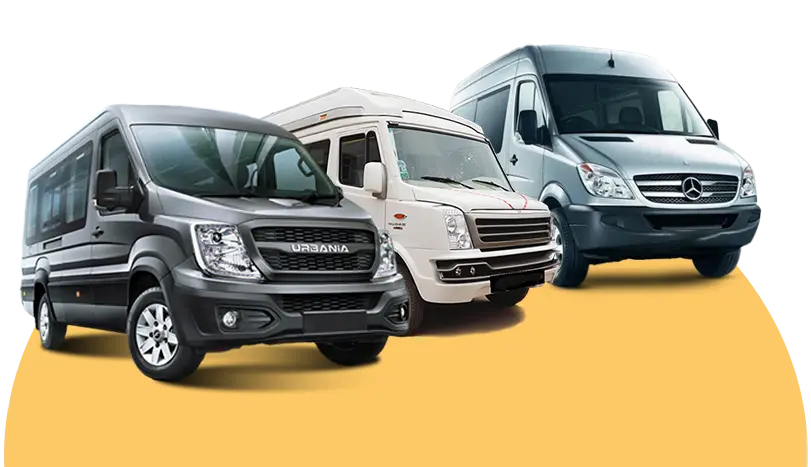
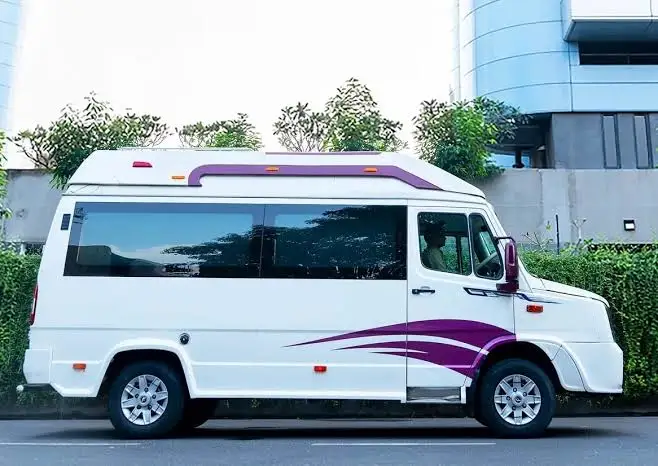
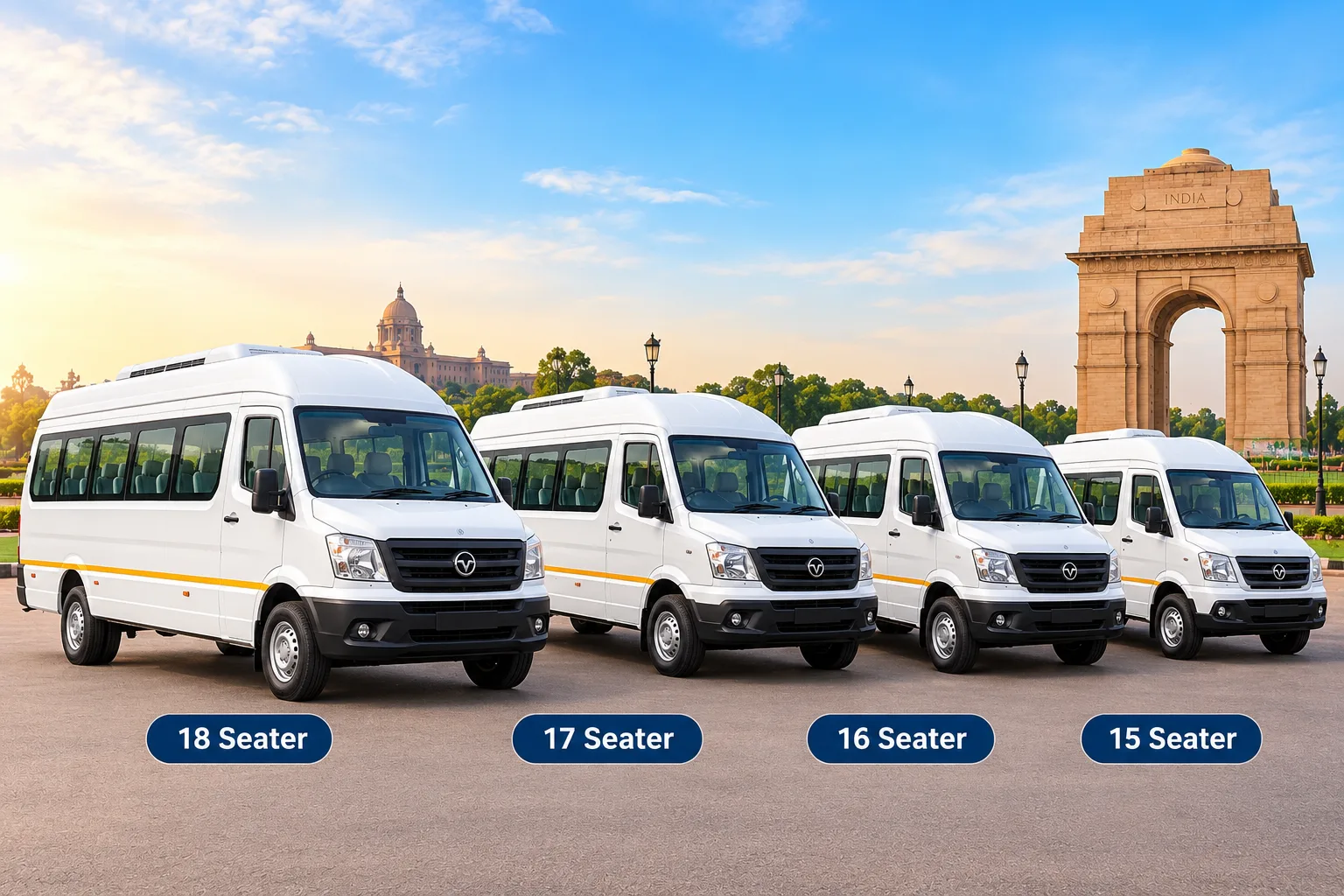
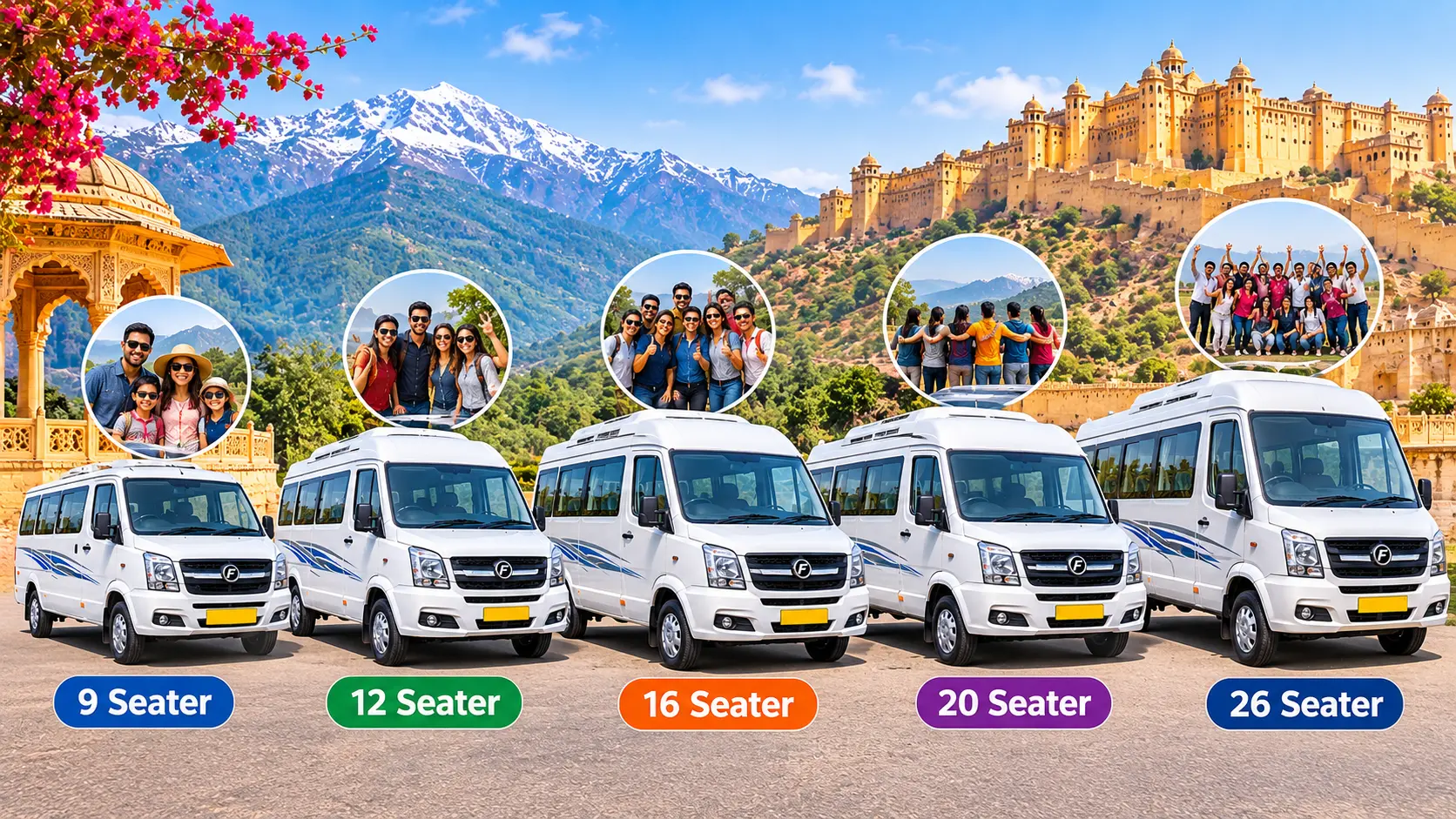
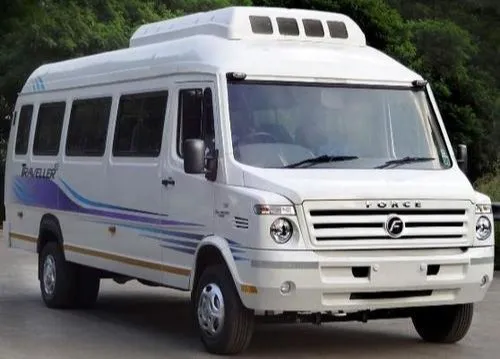
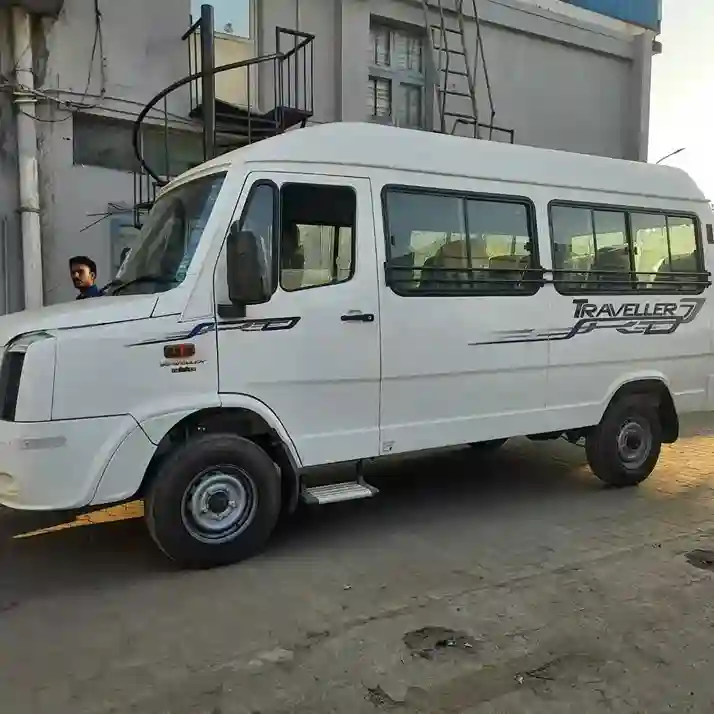
9 seater: Best for small families of 5 to 8 people who want extra legroom and luggage space.
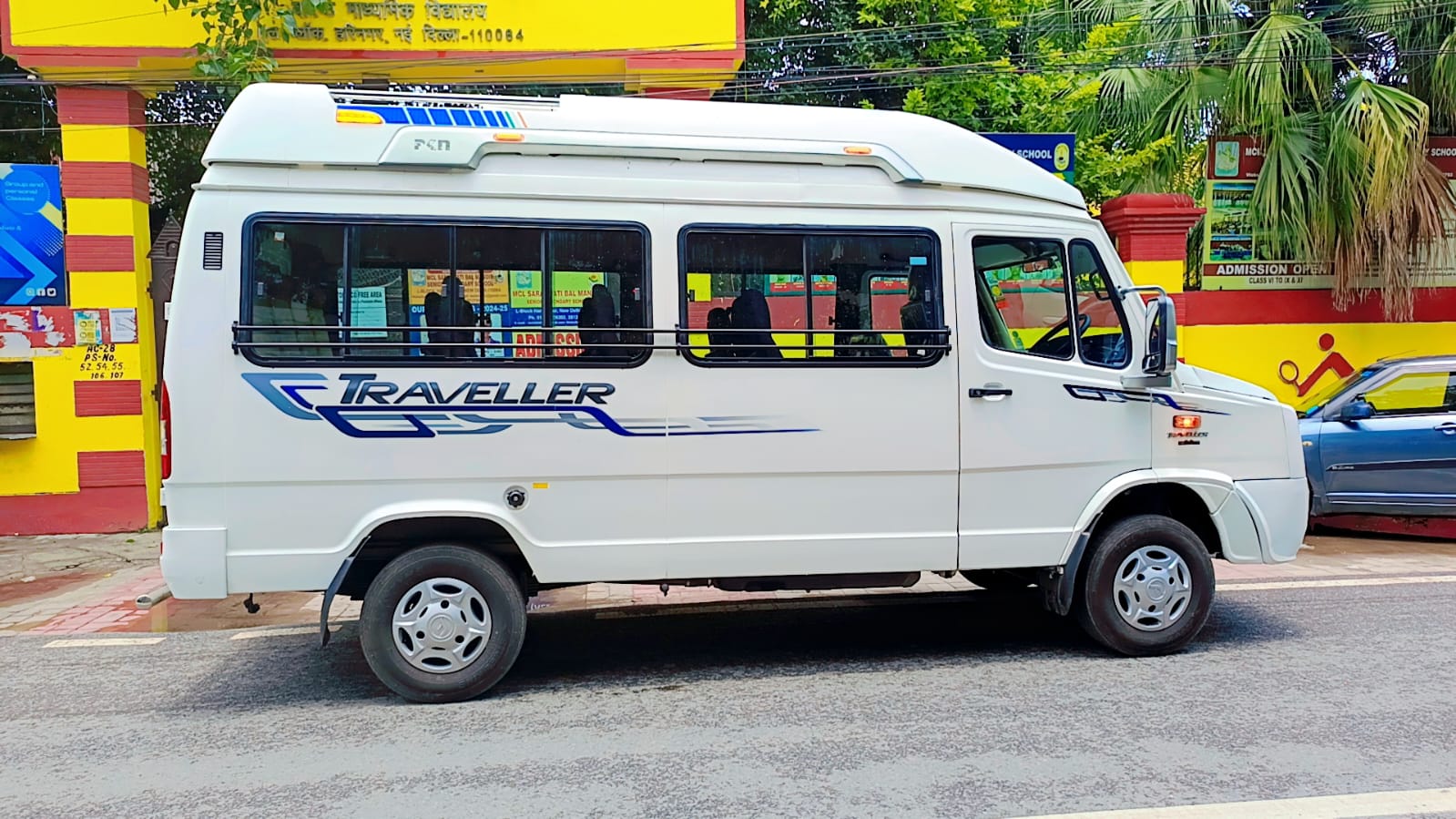
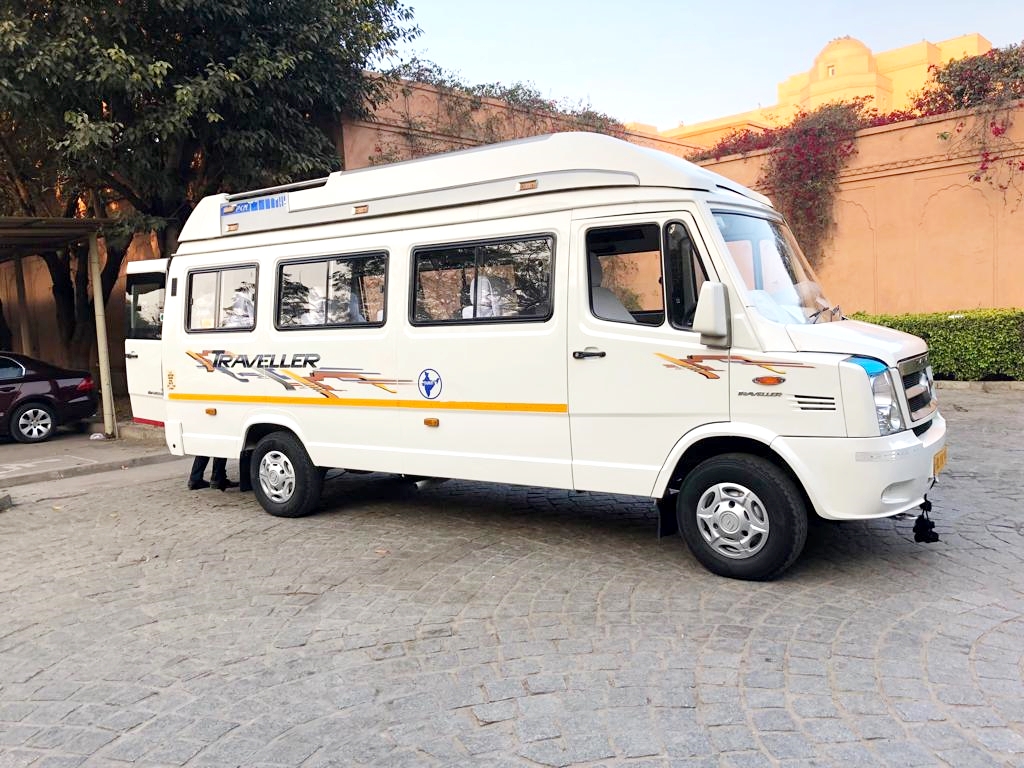
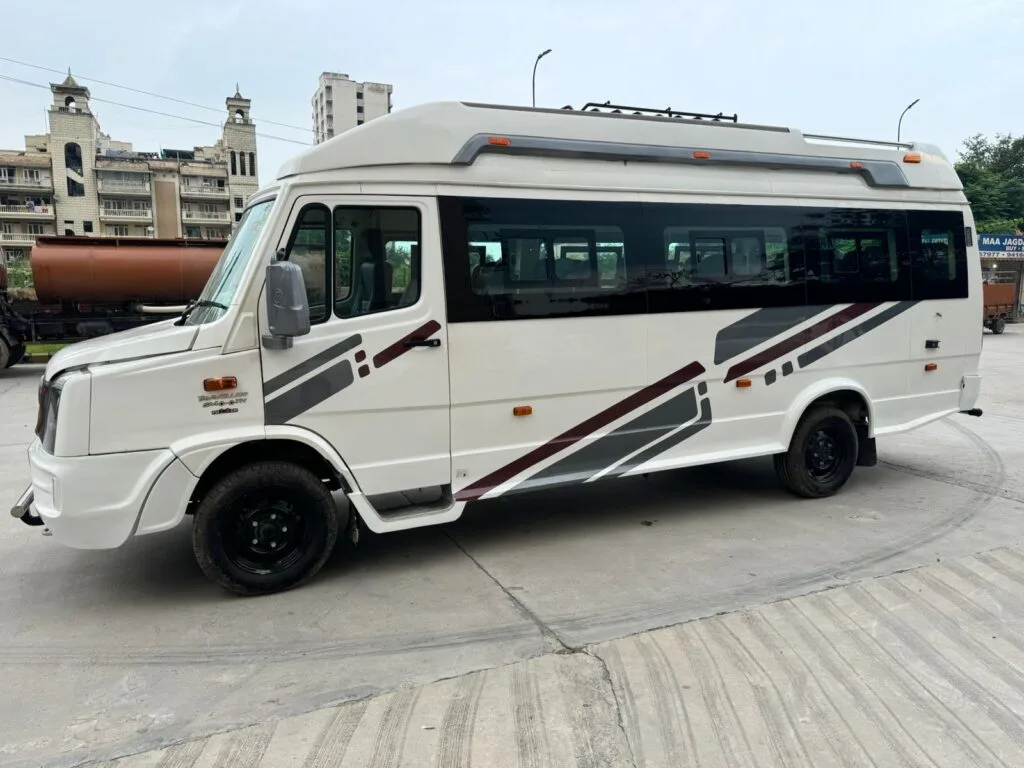
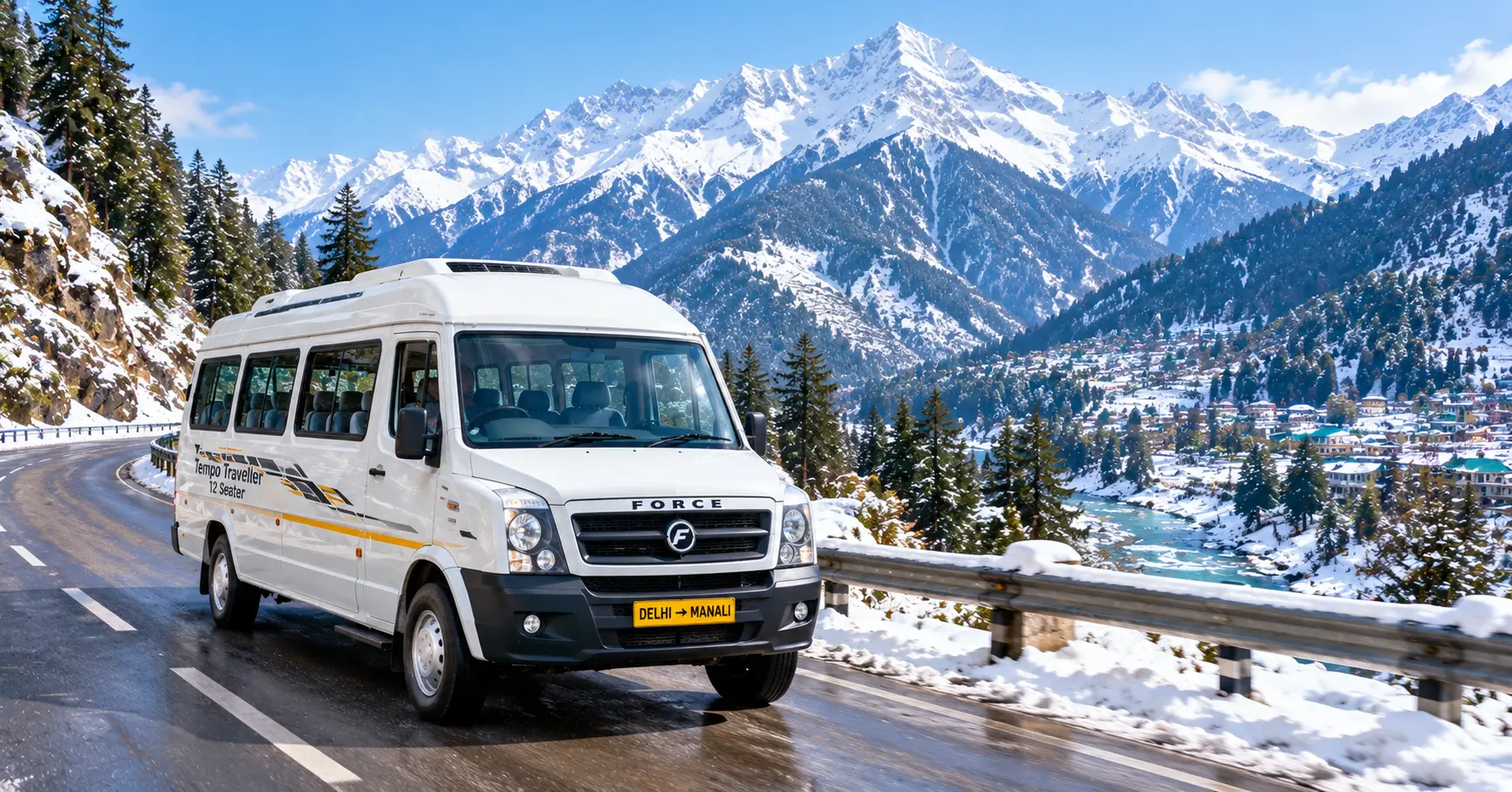
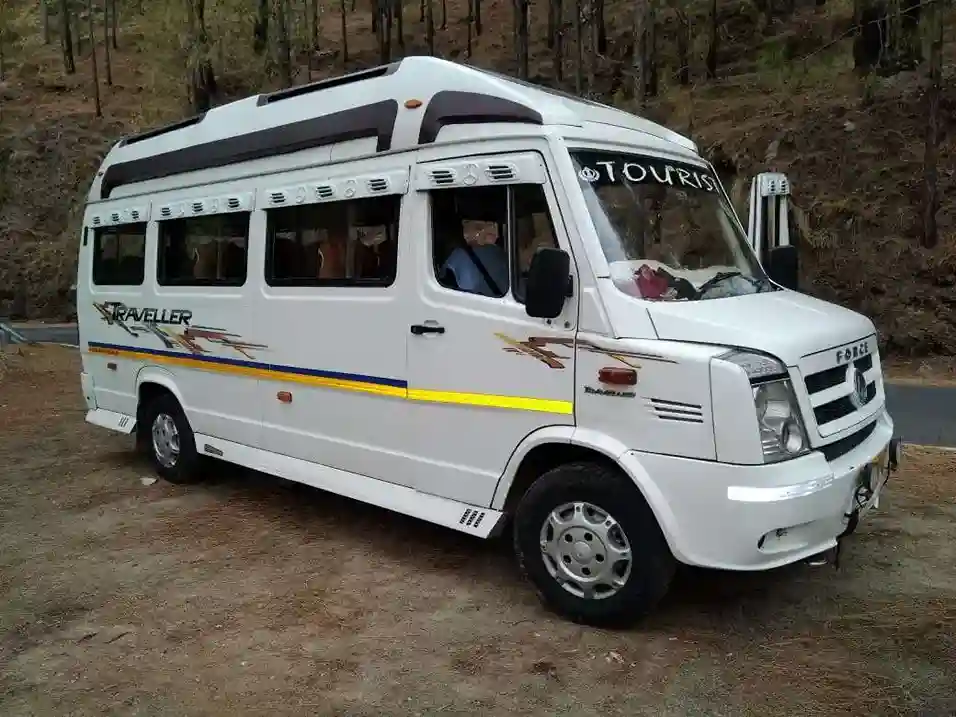
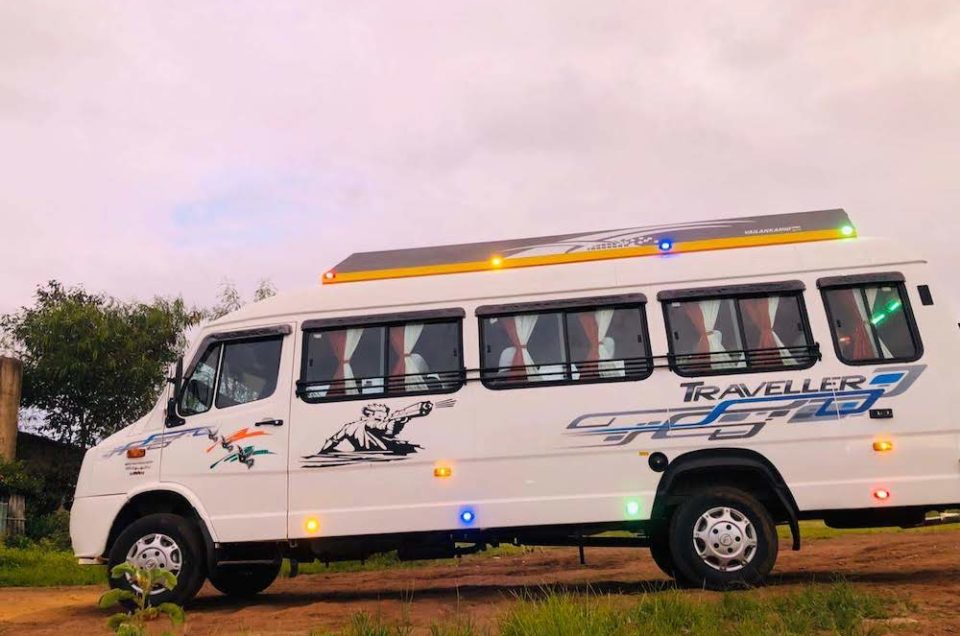
12-seater: The most popular choice for family groups and friends. It balances comfort, space, and cost.
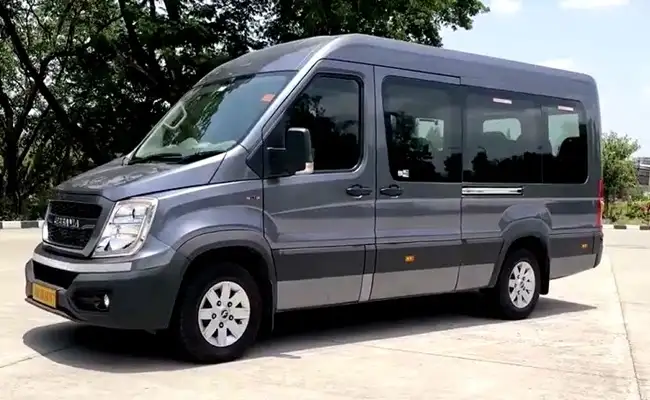
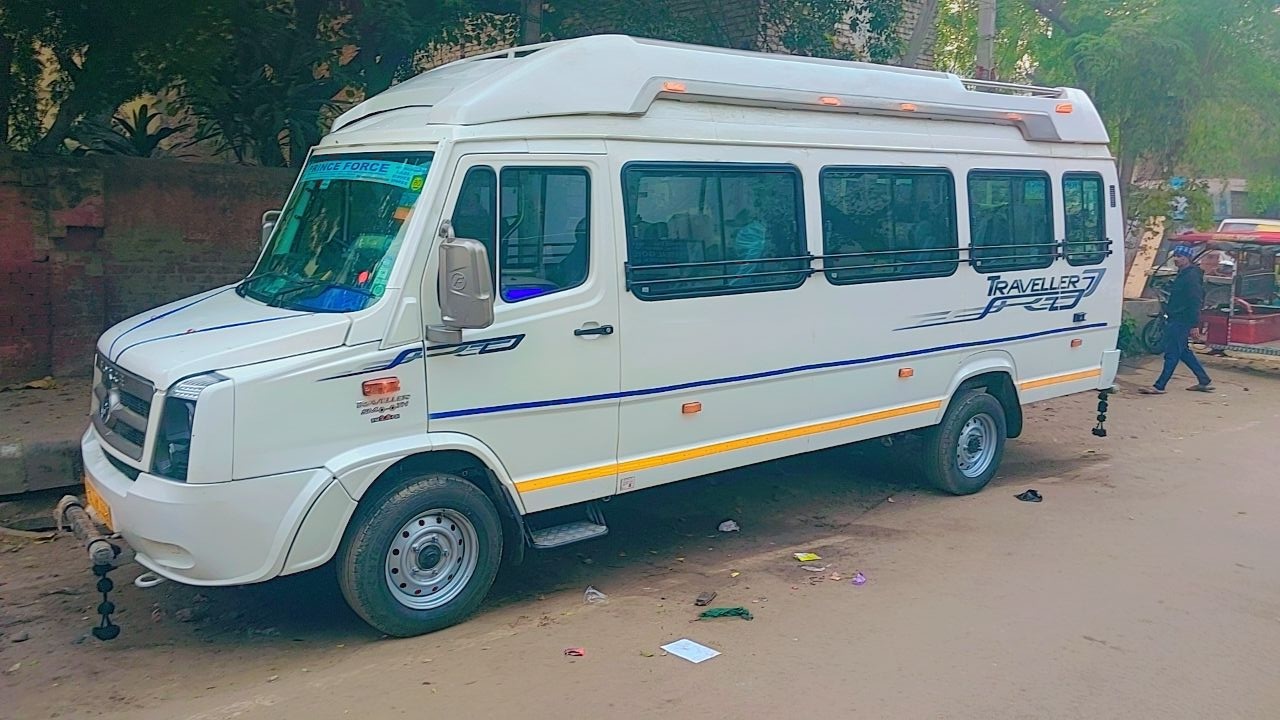
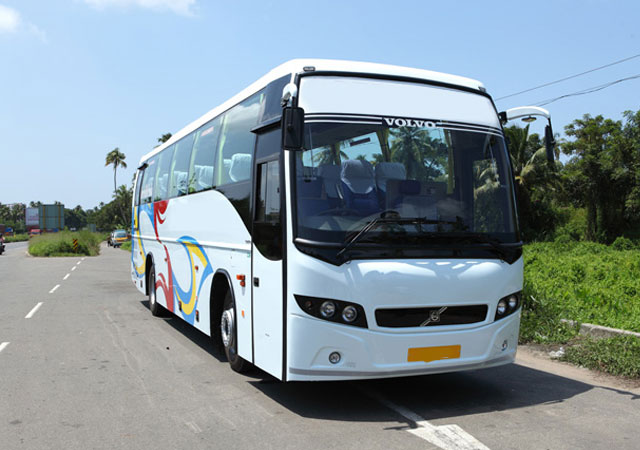
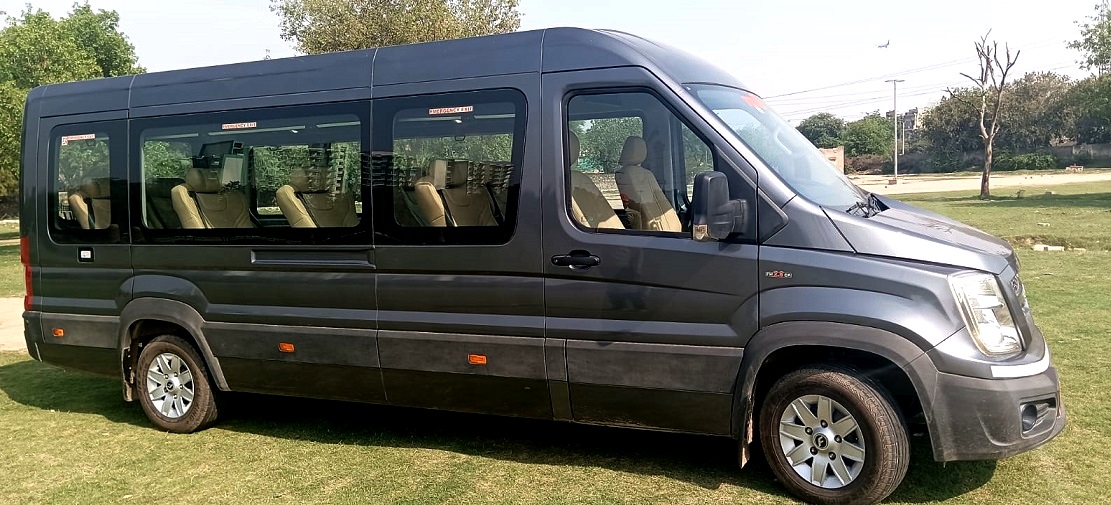
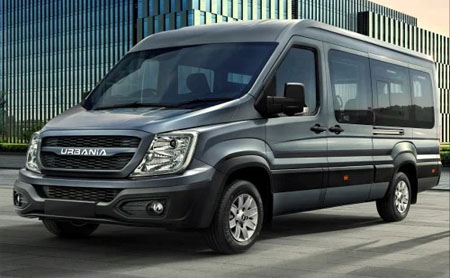
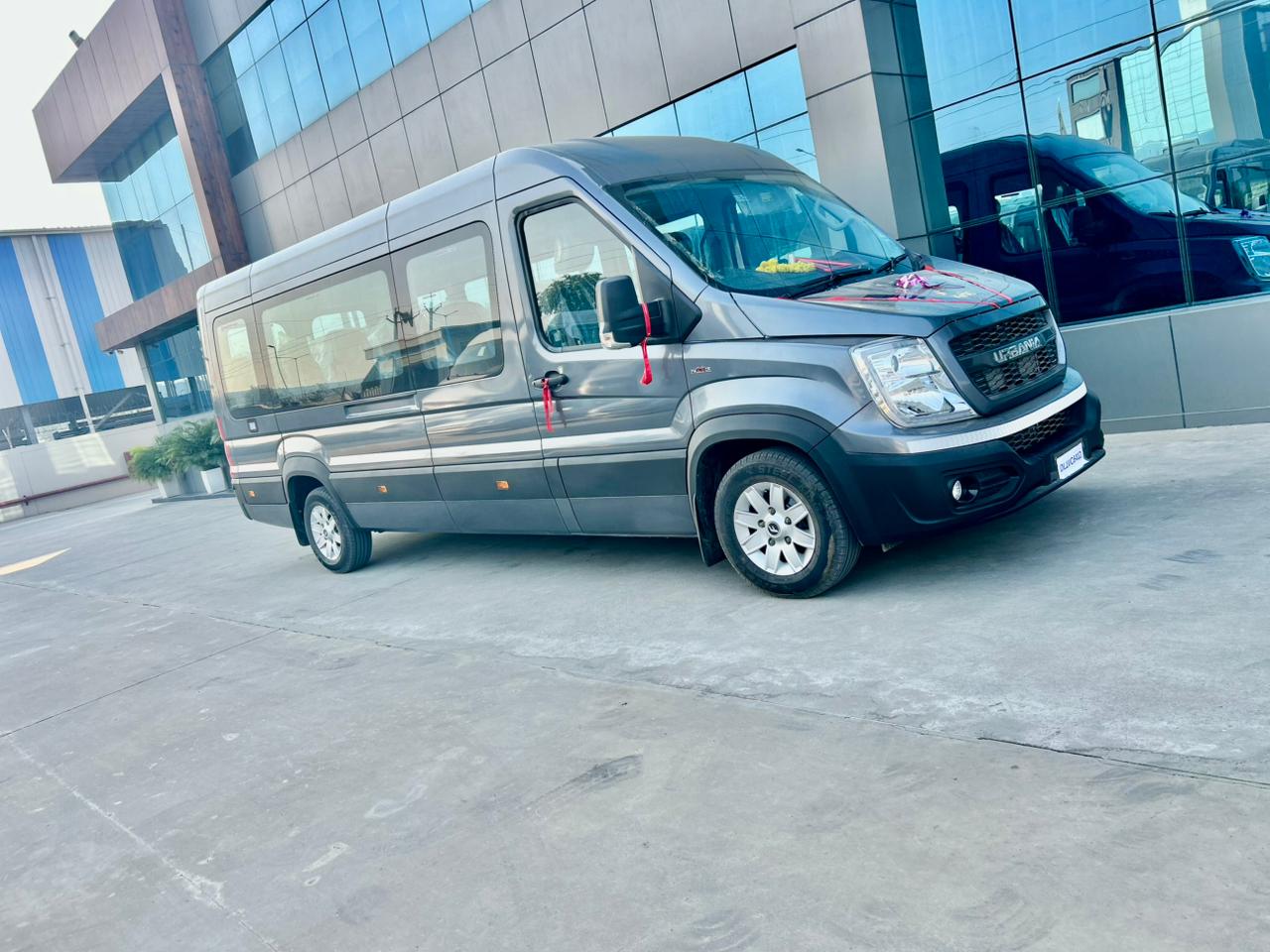
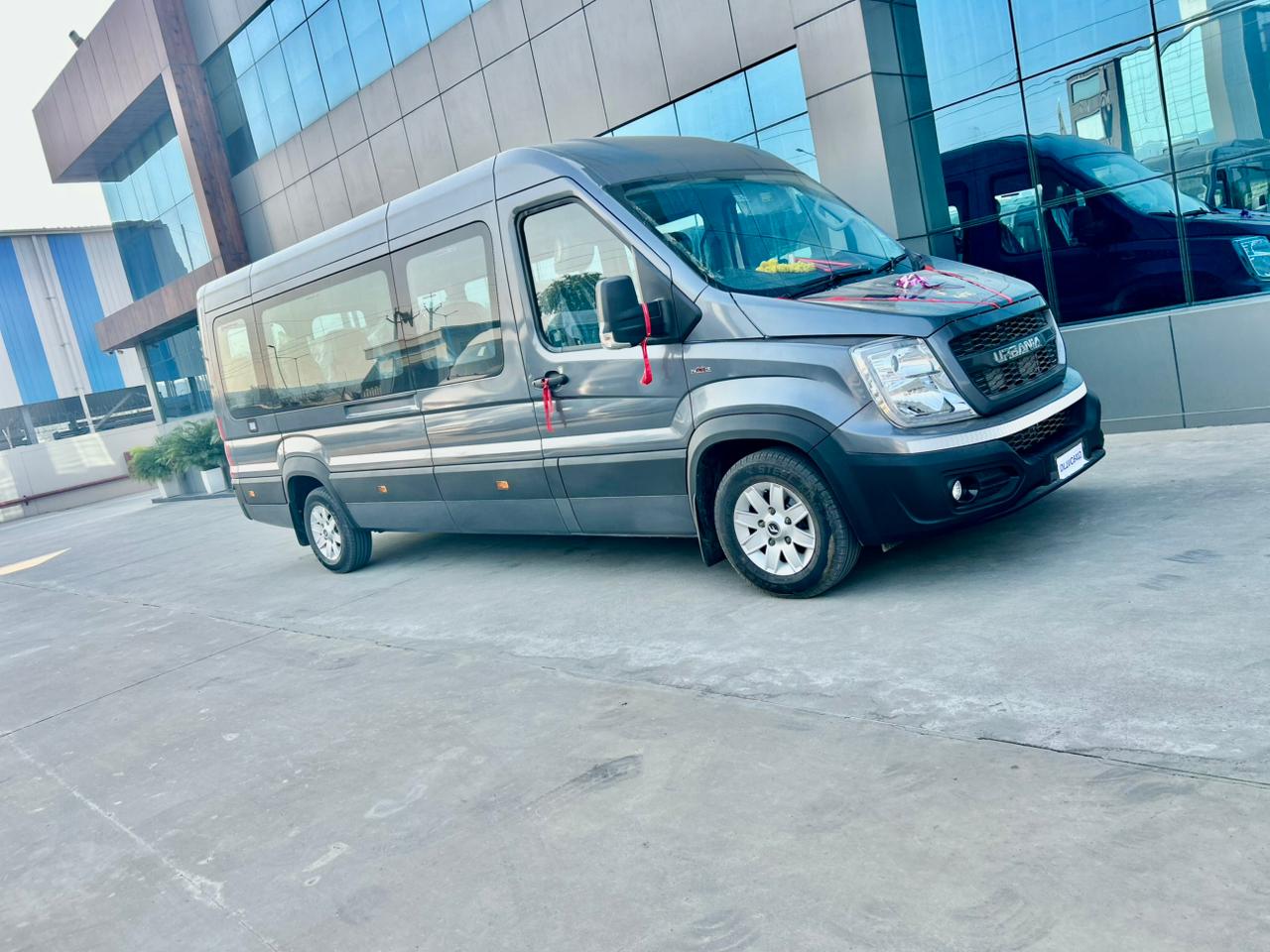
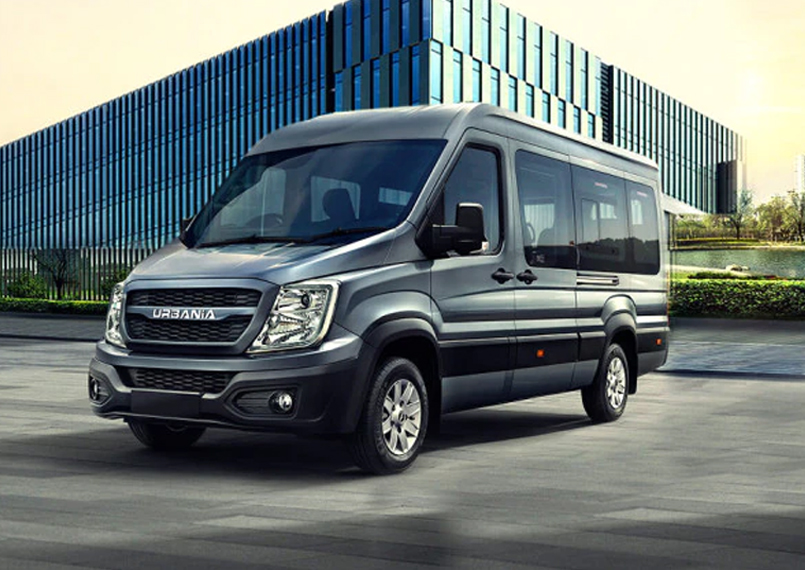
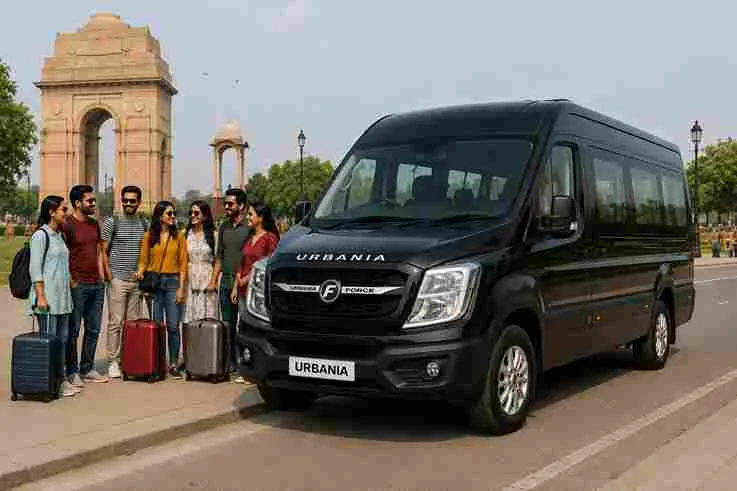
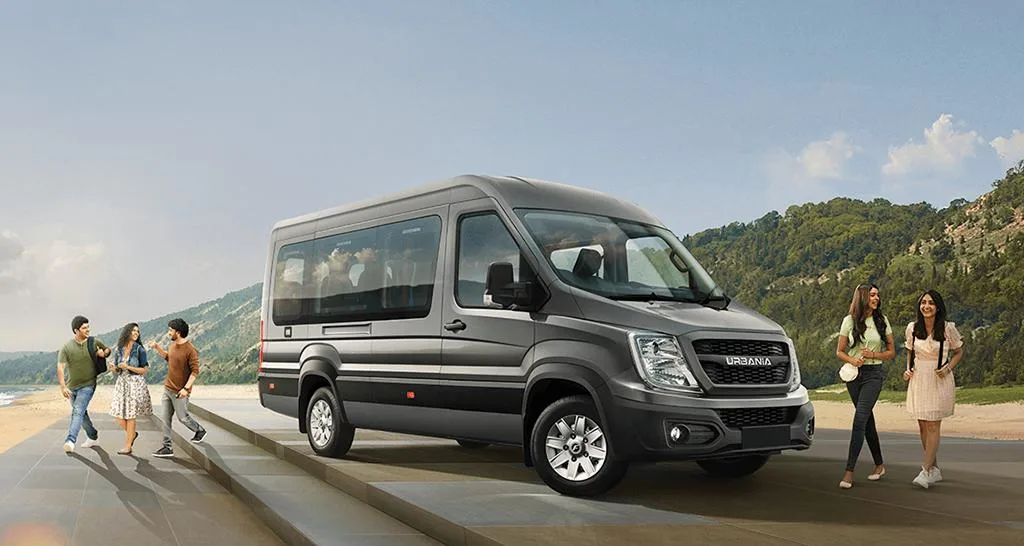
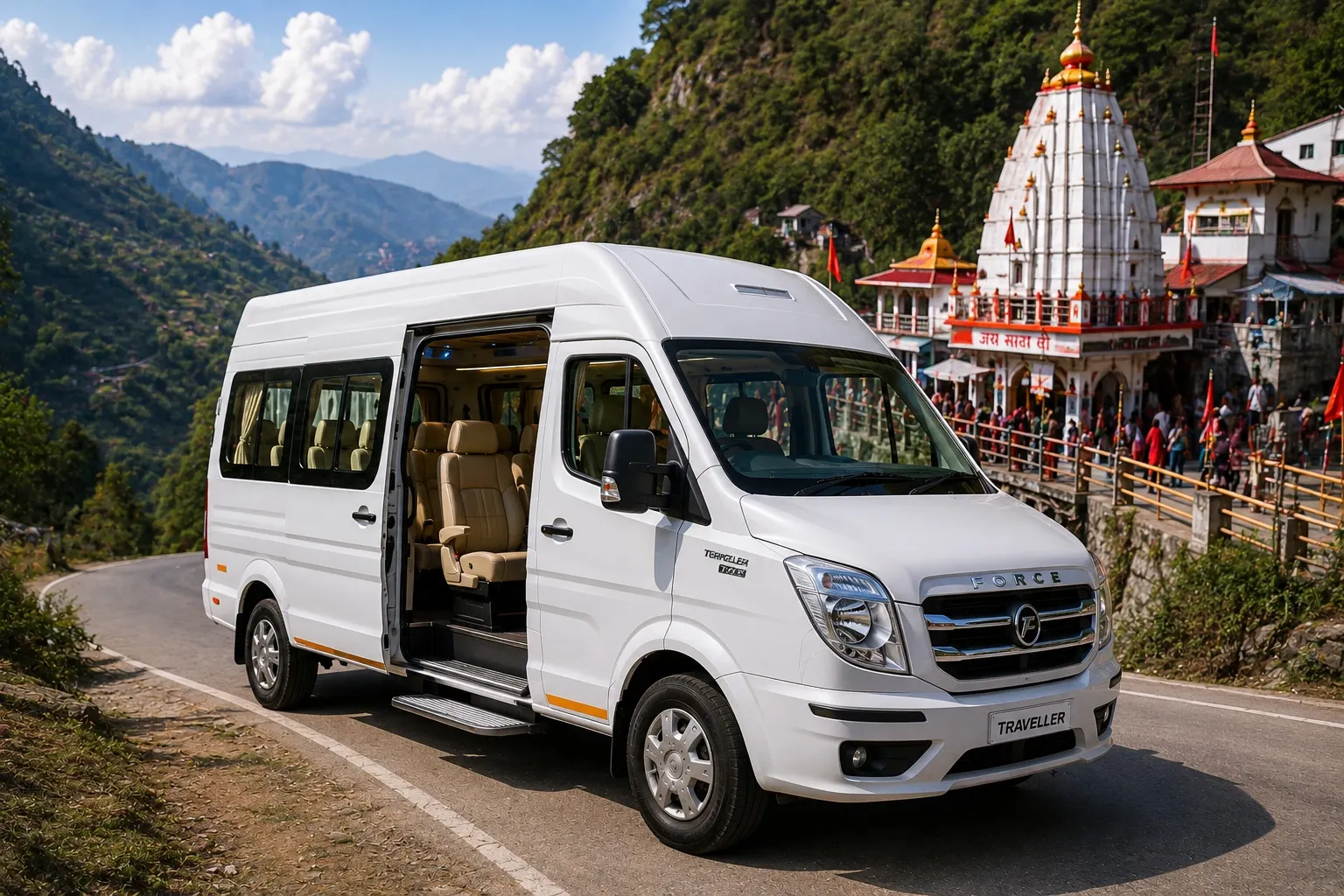
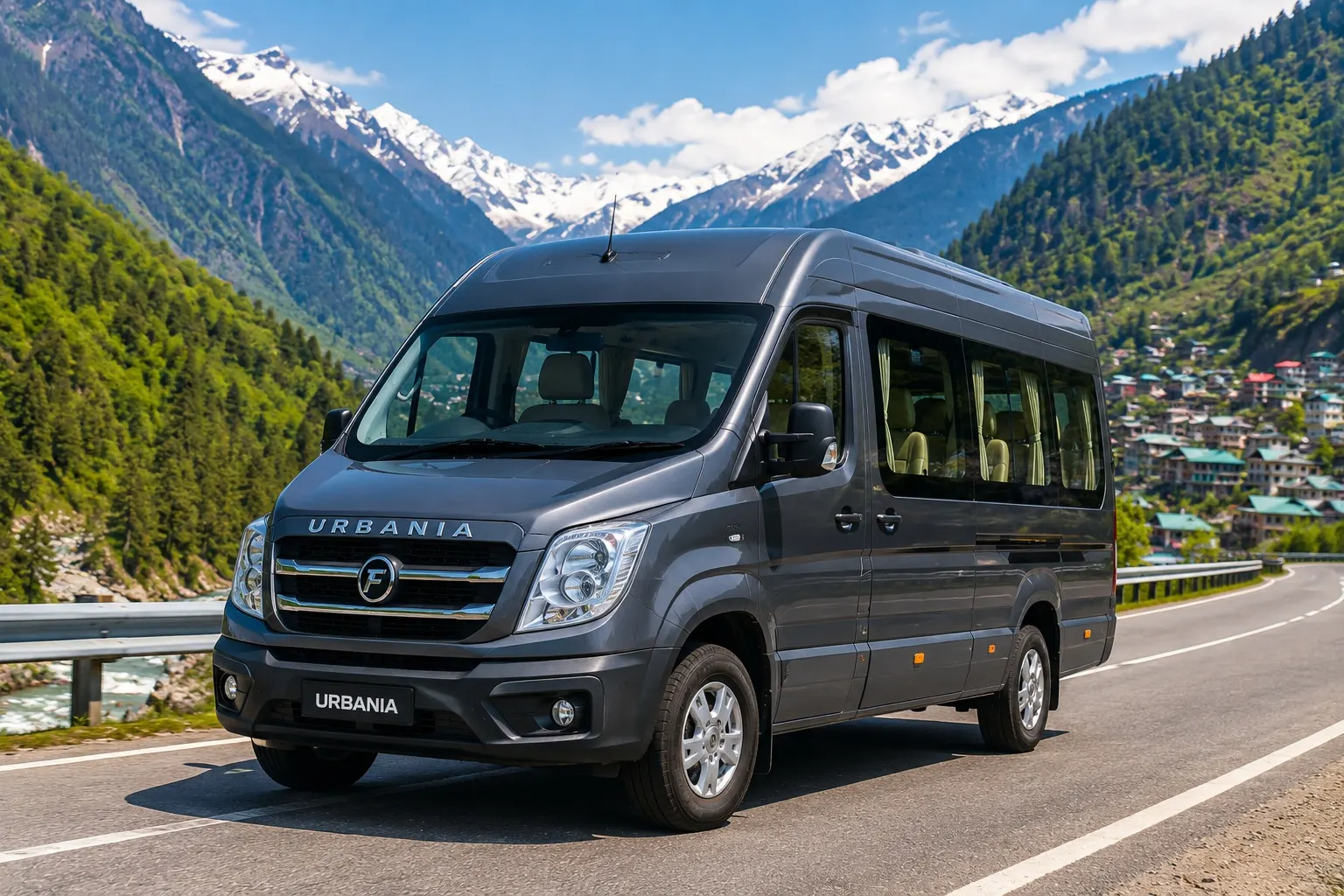
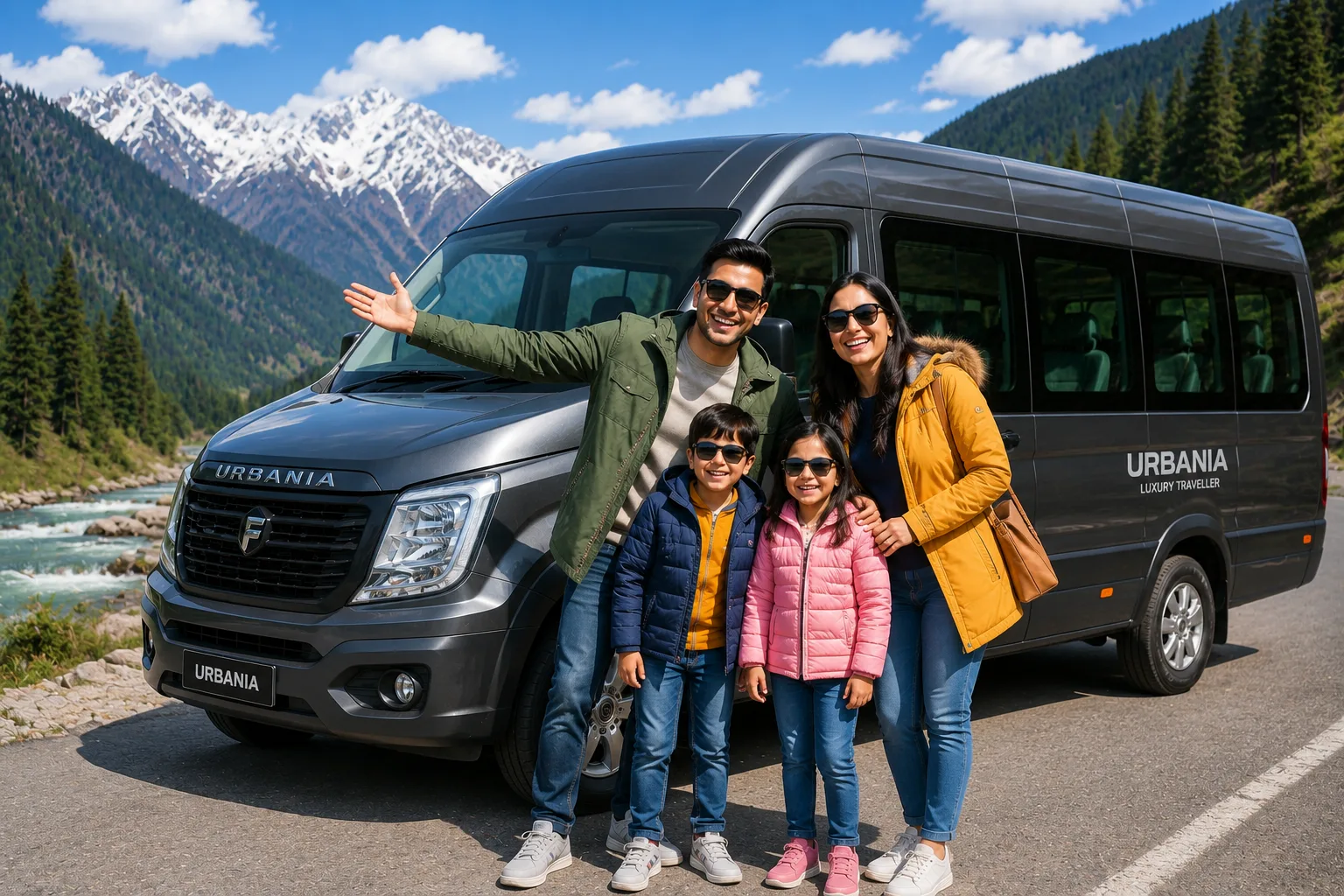
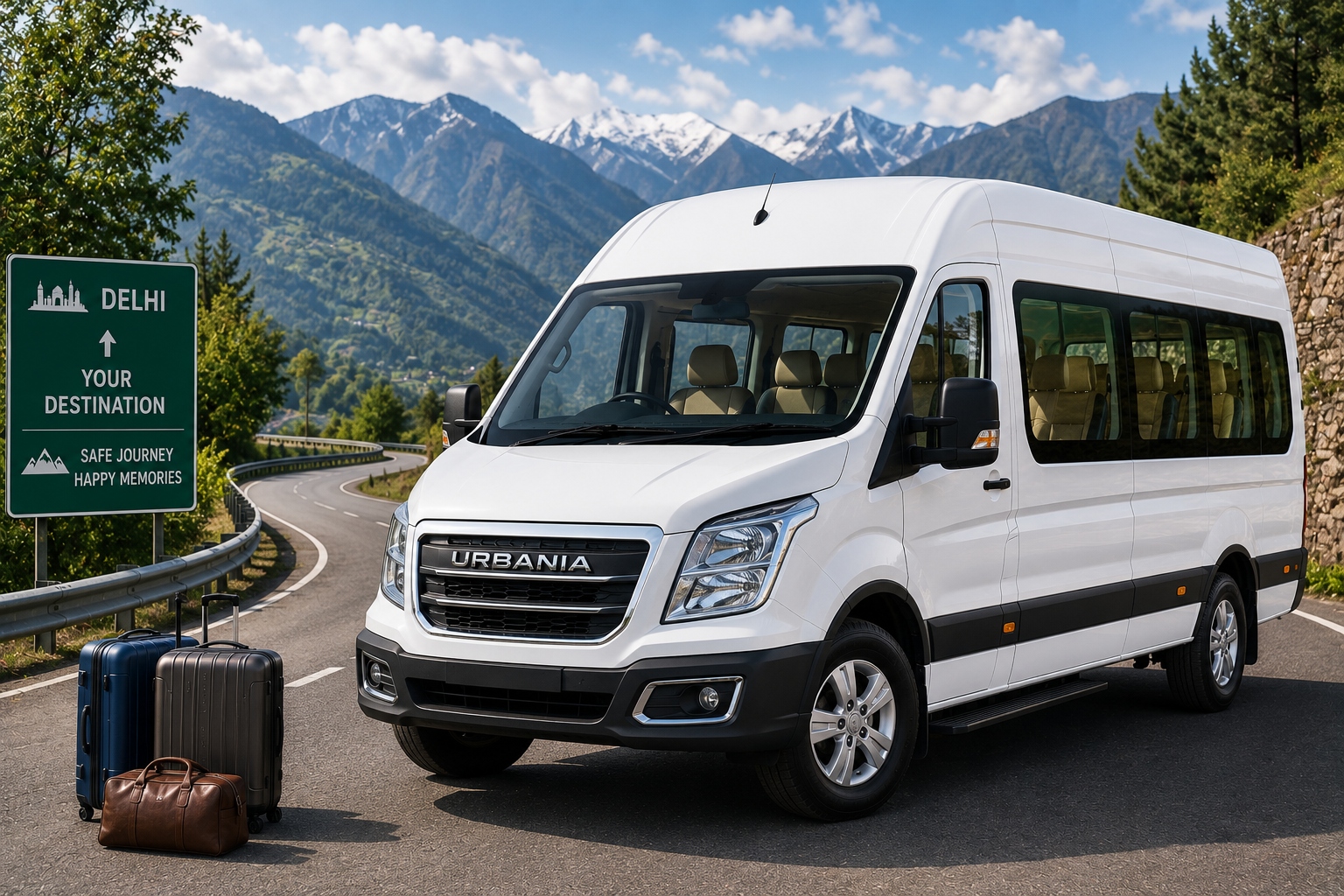
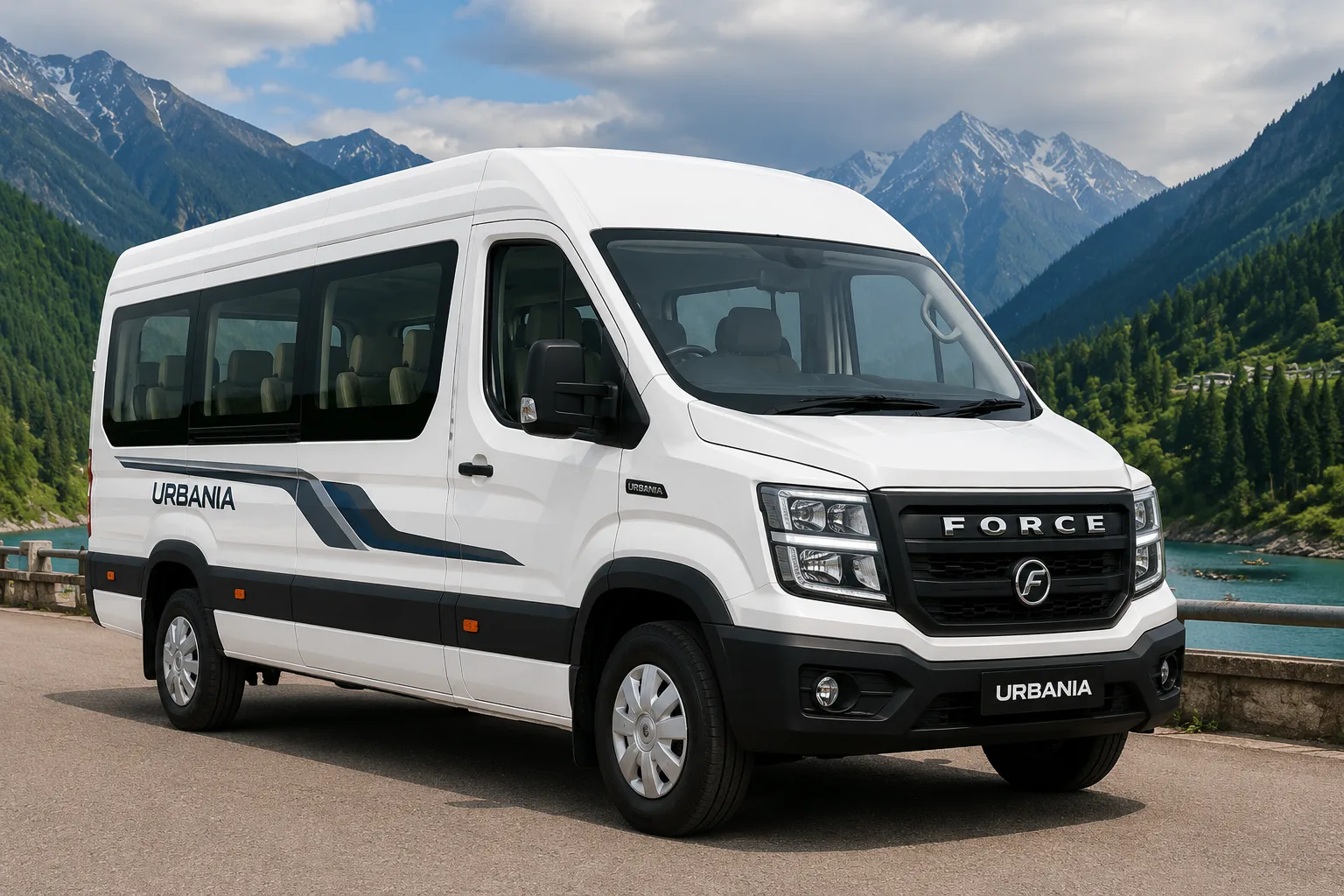
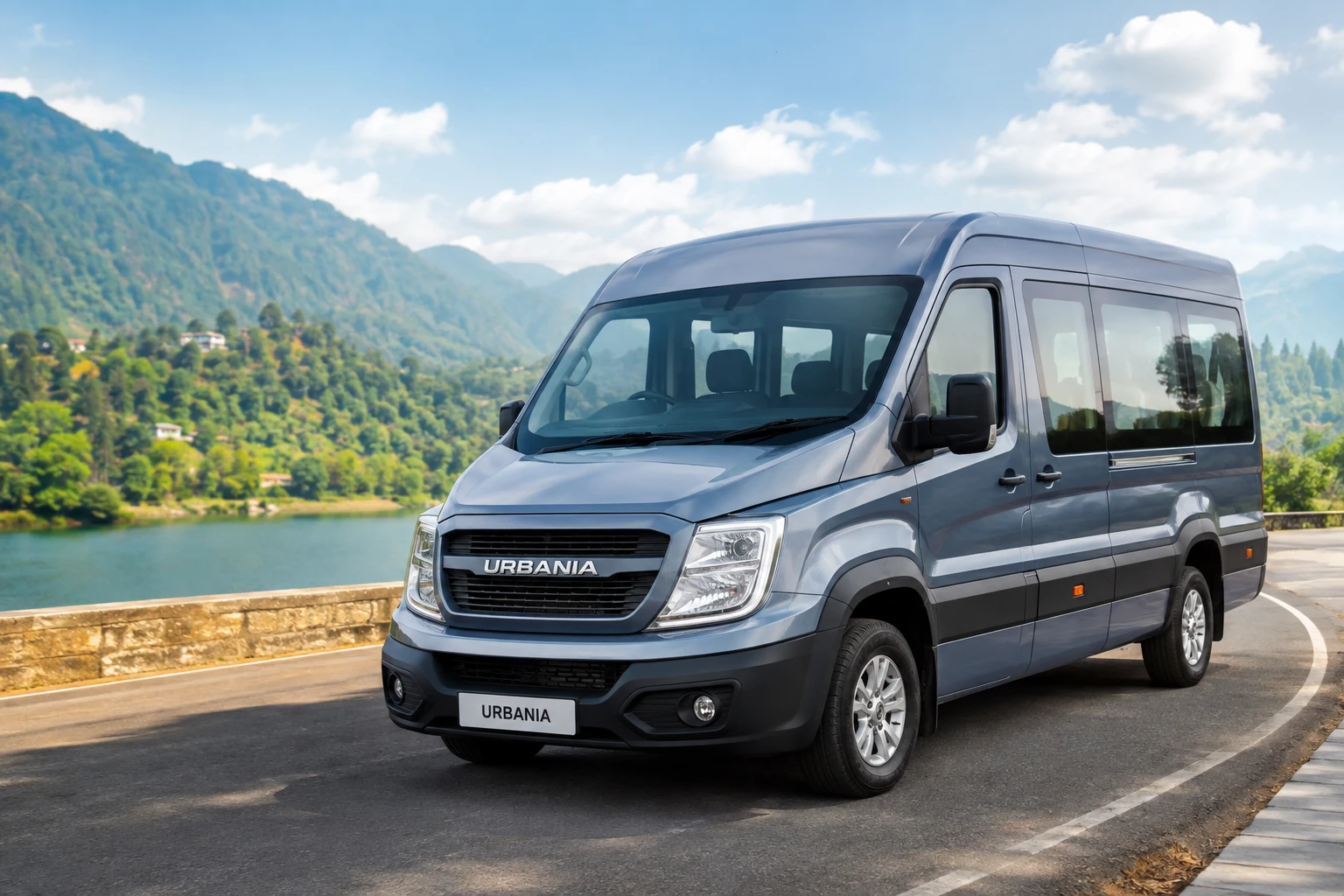
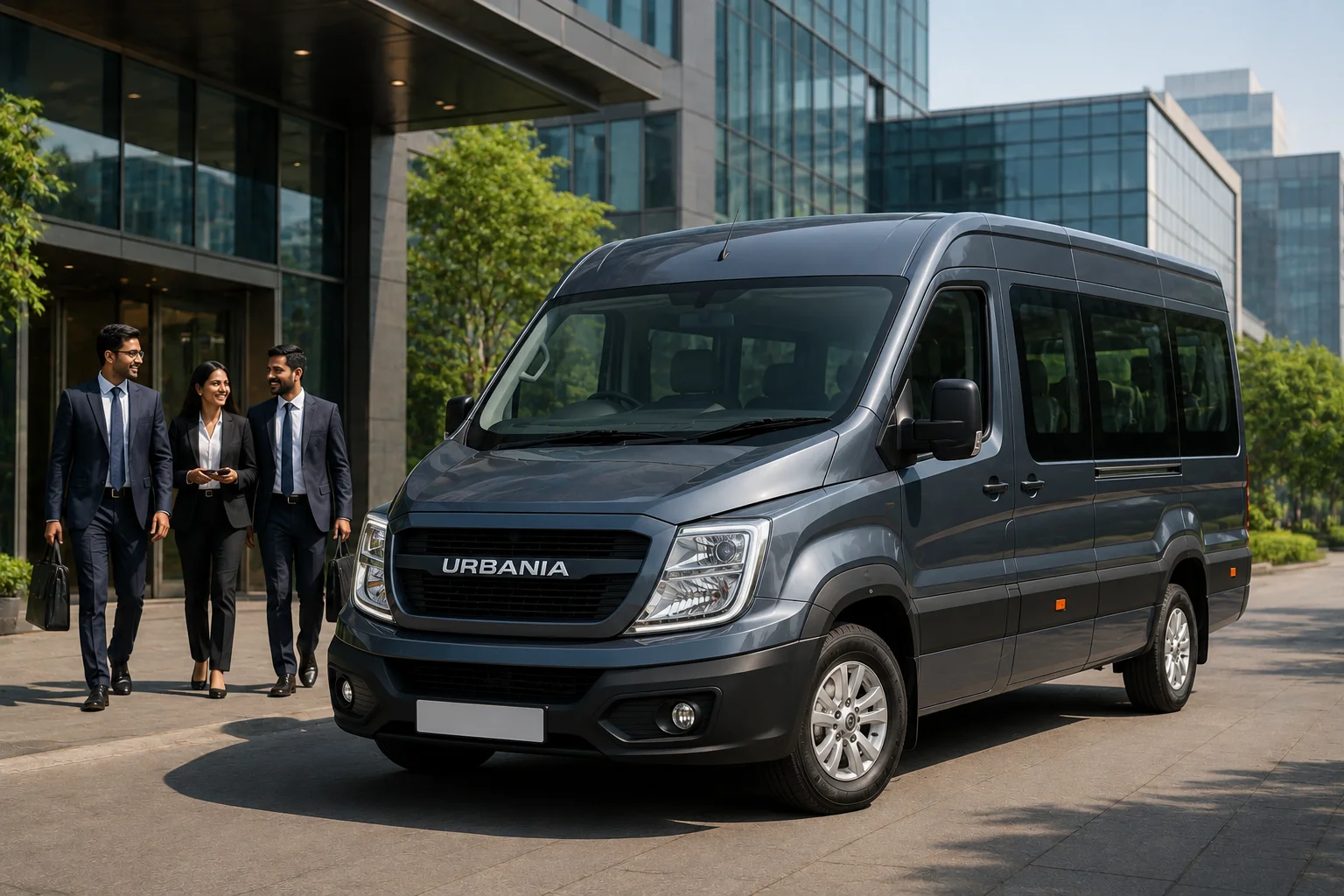
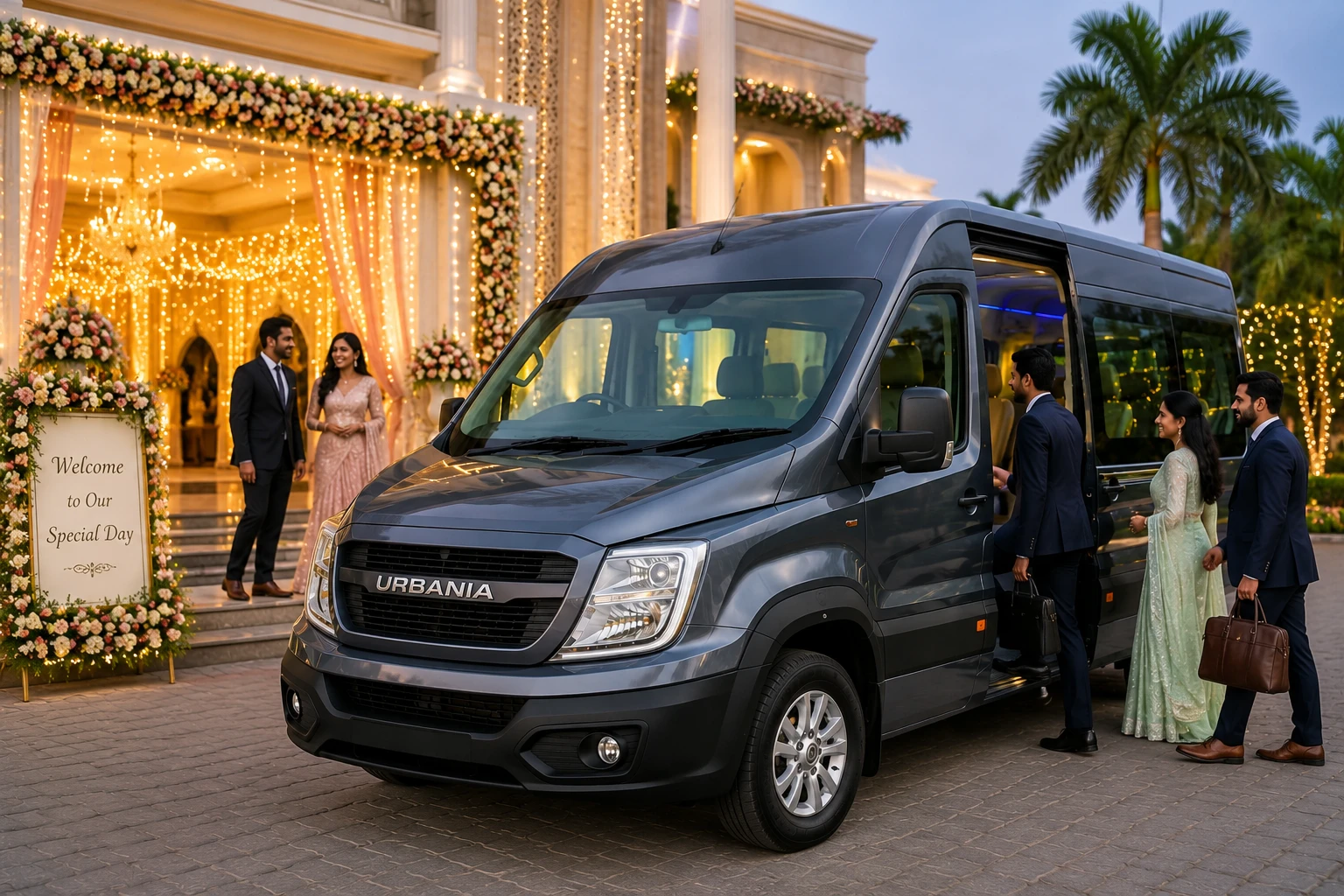
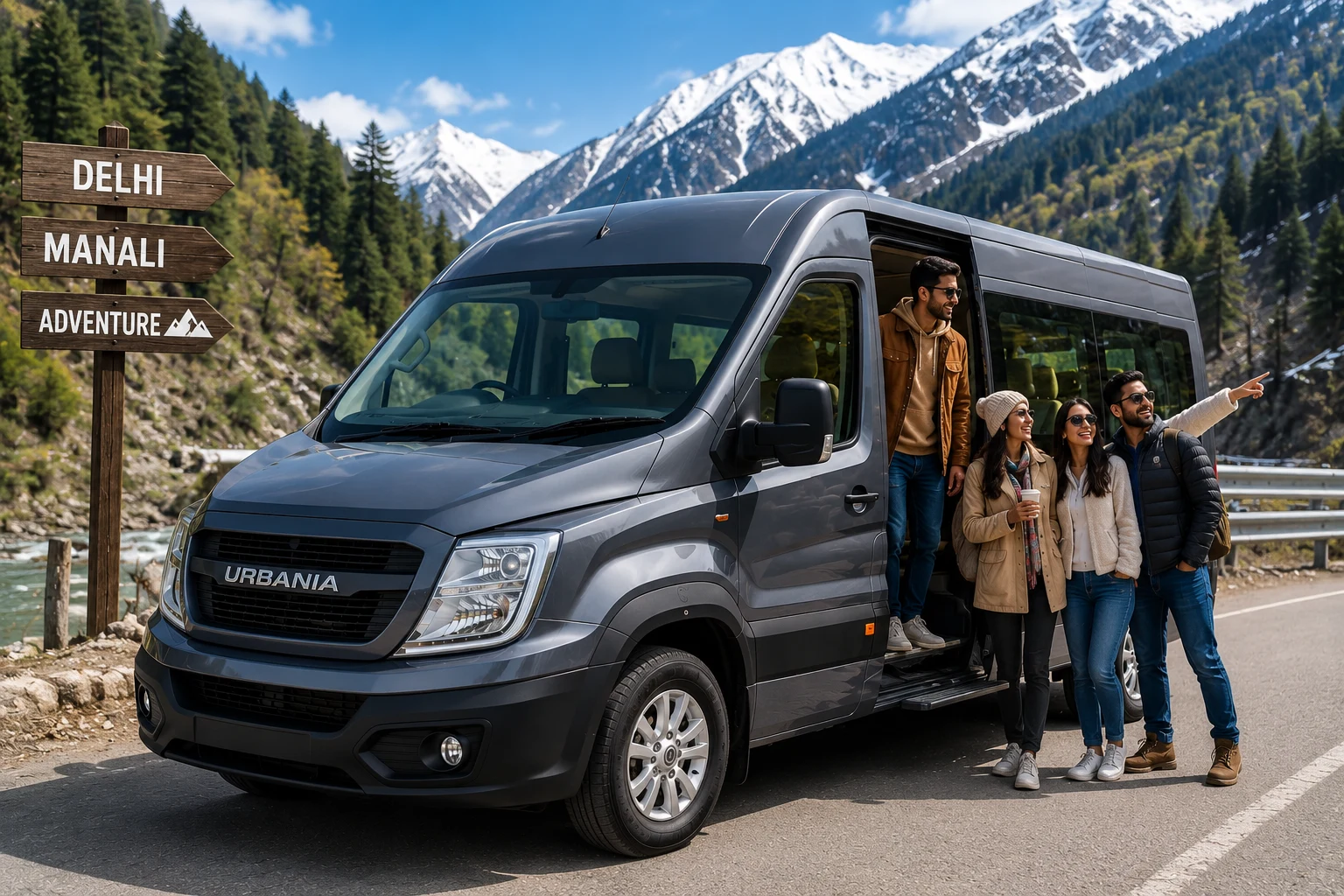
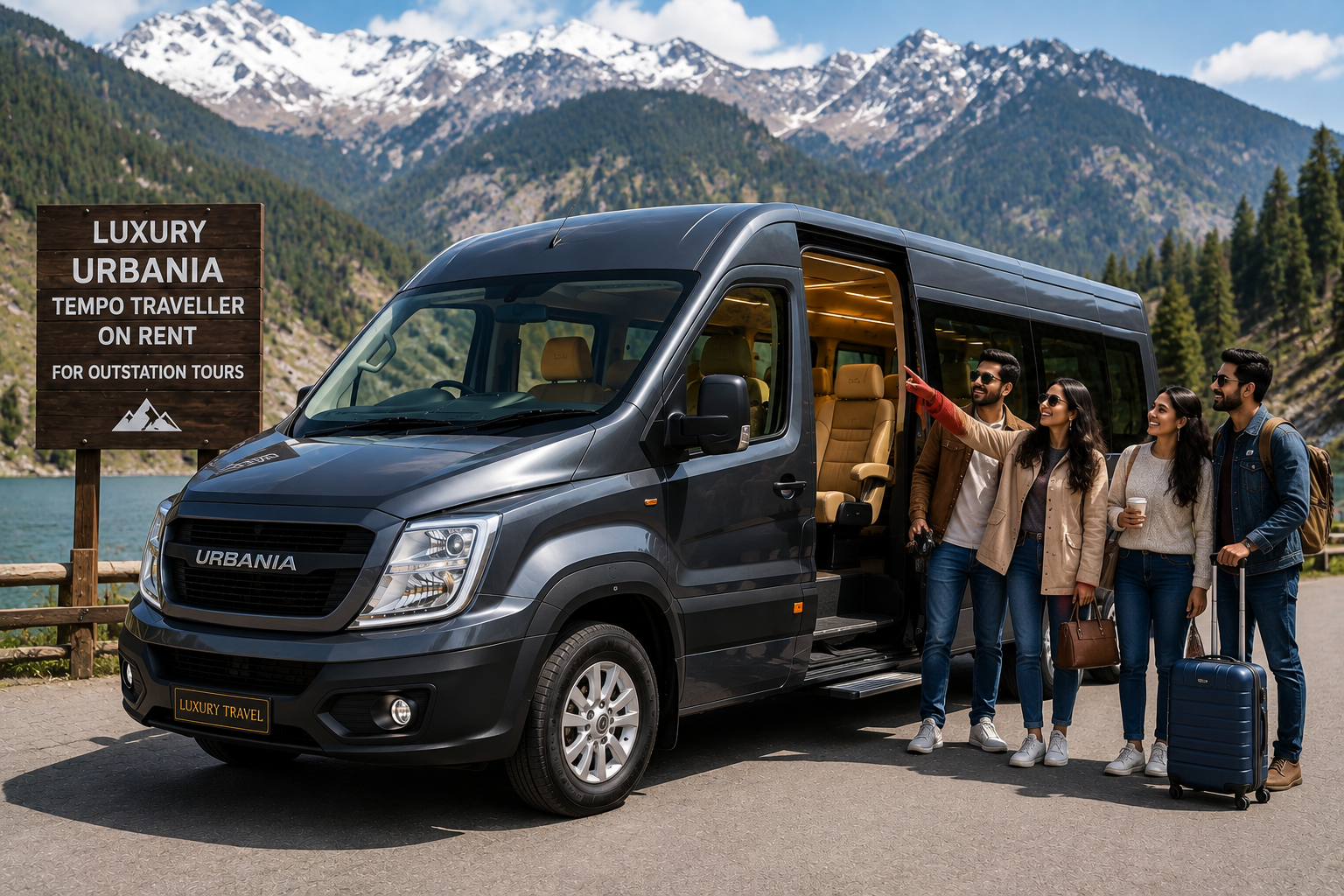
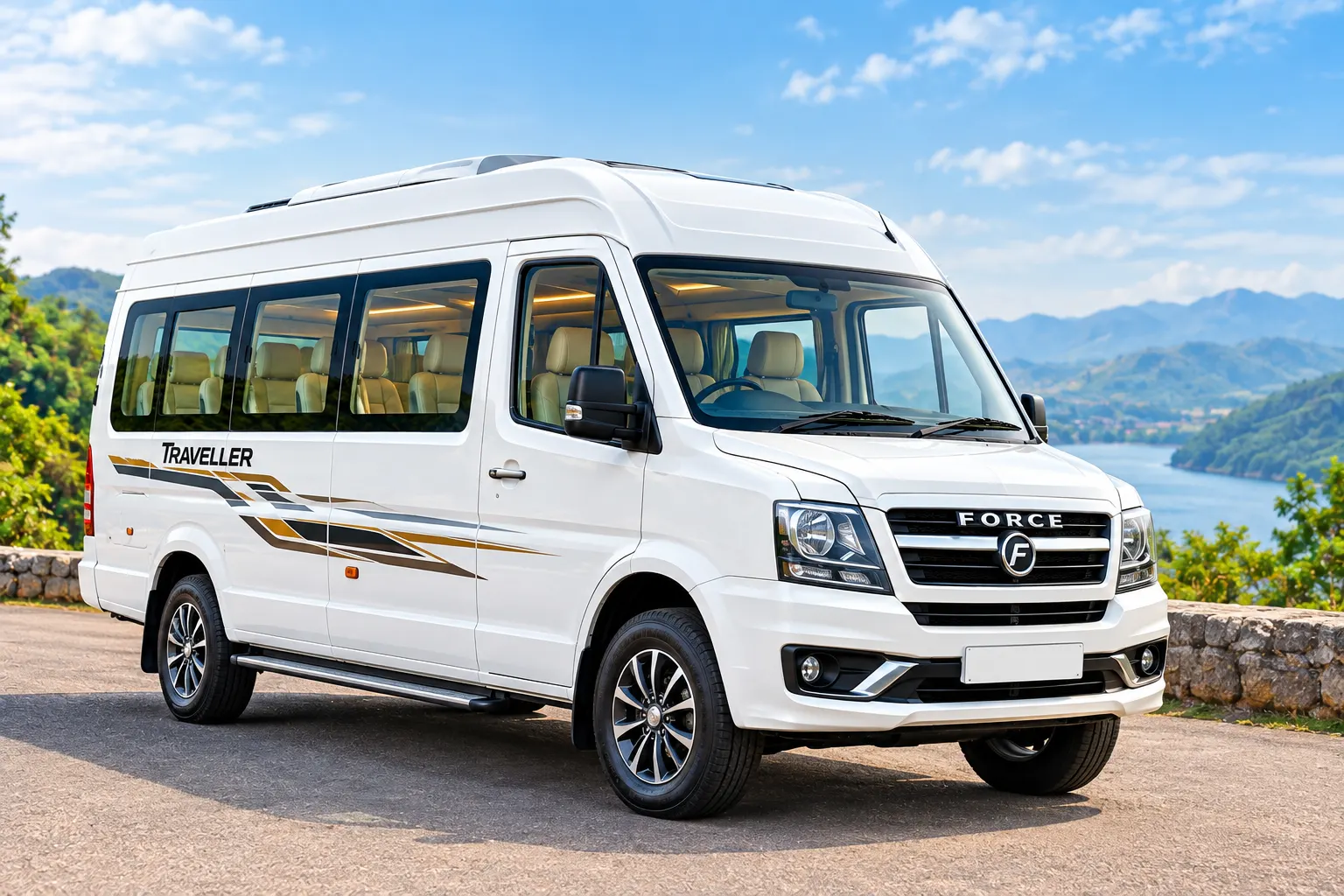
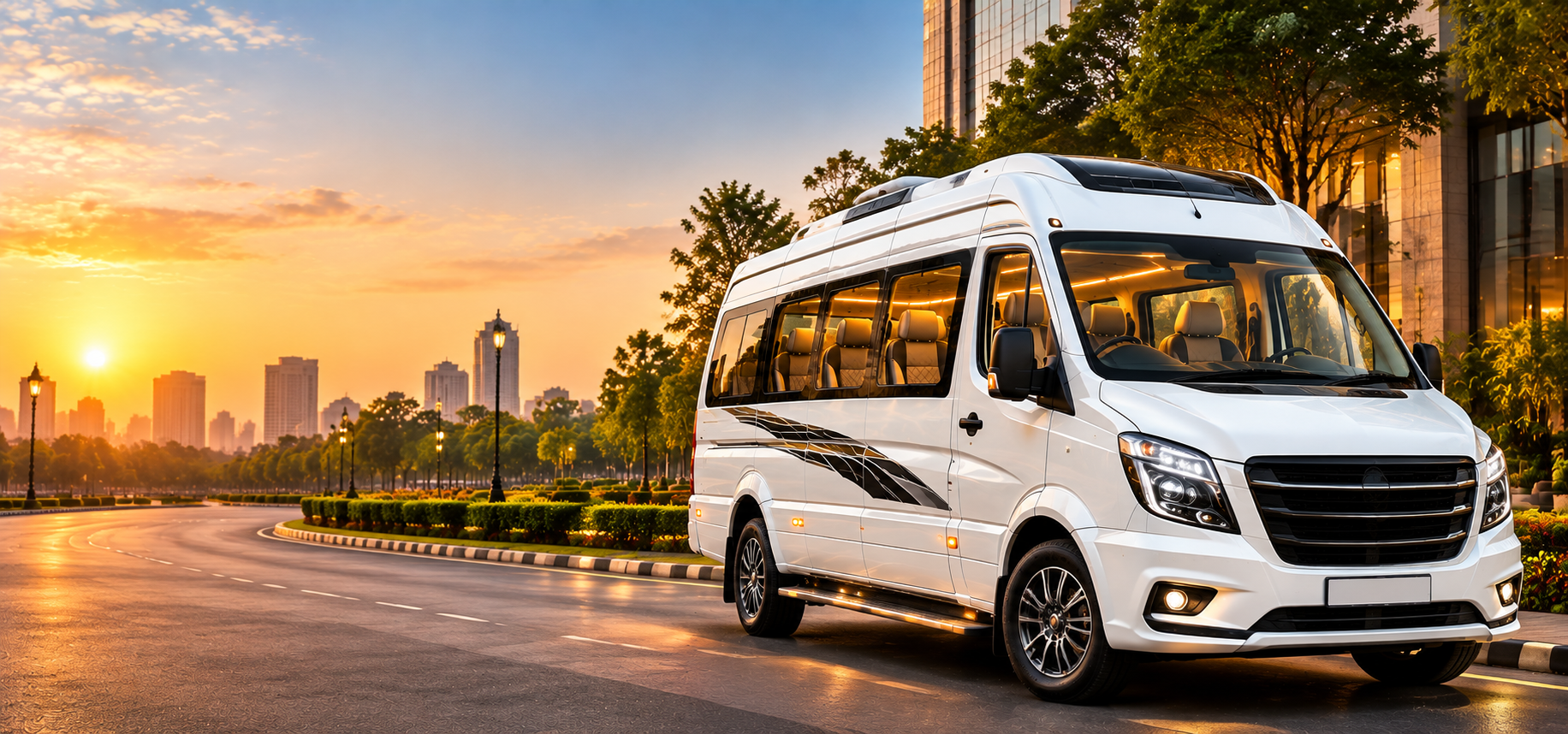
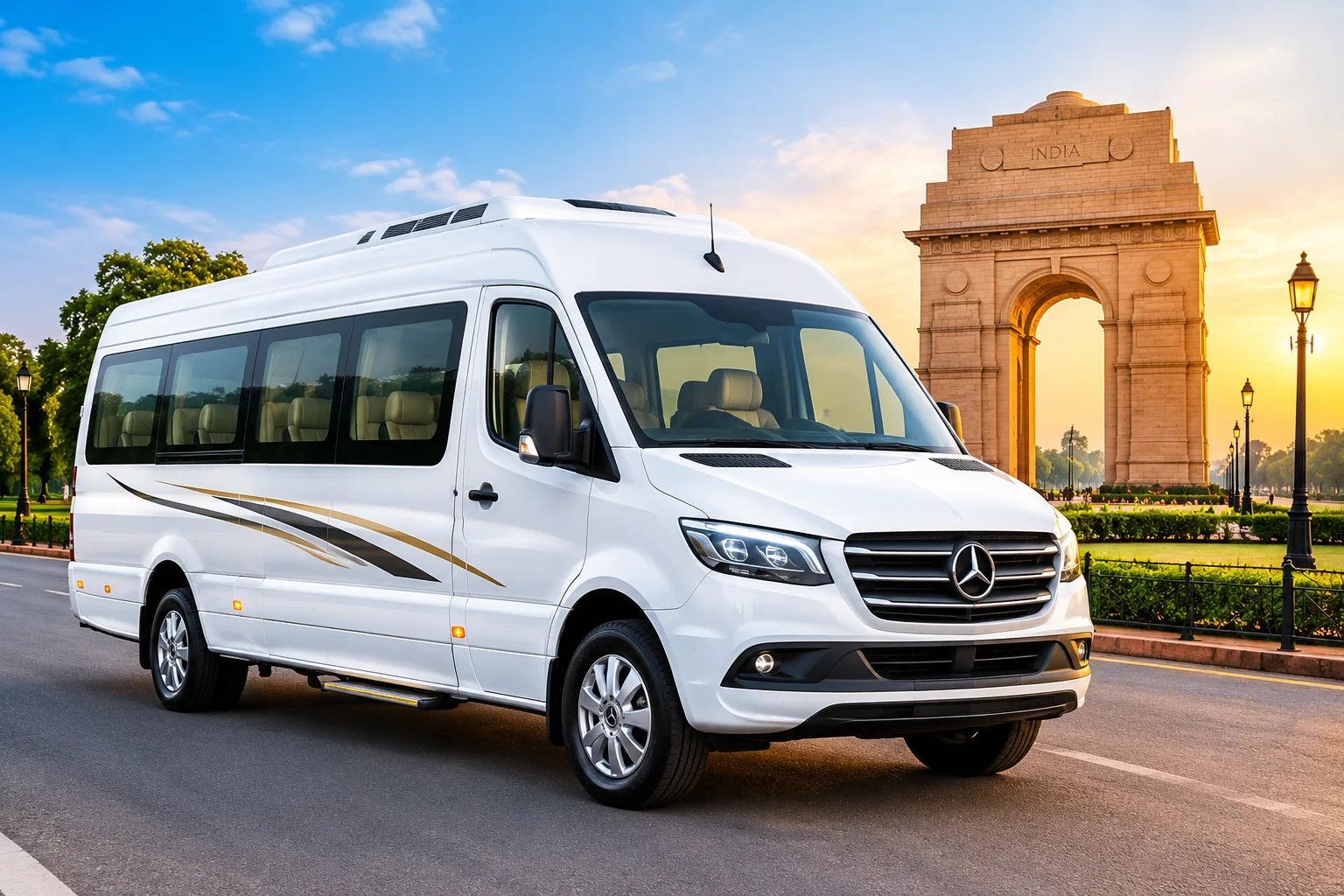
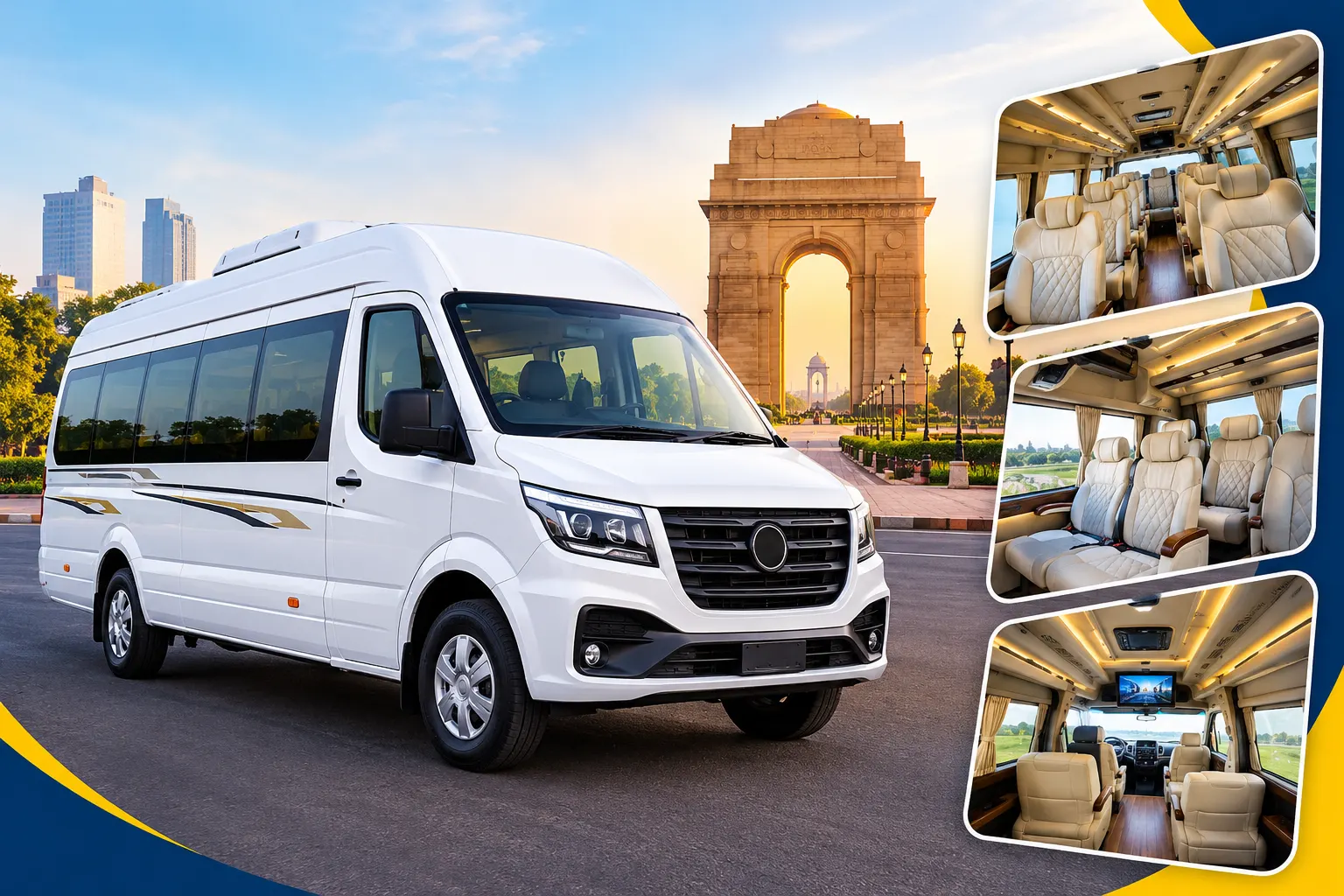
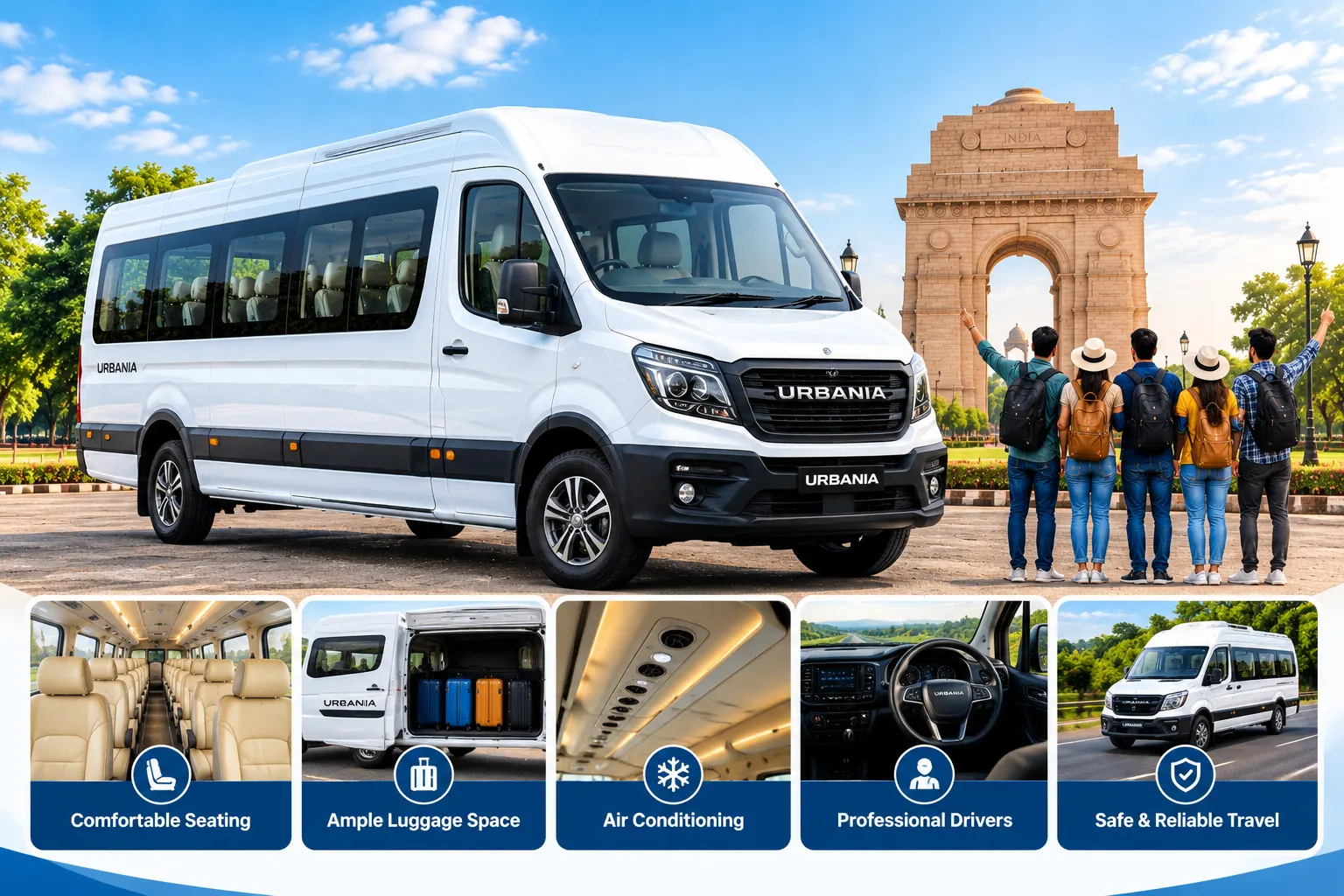
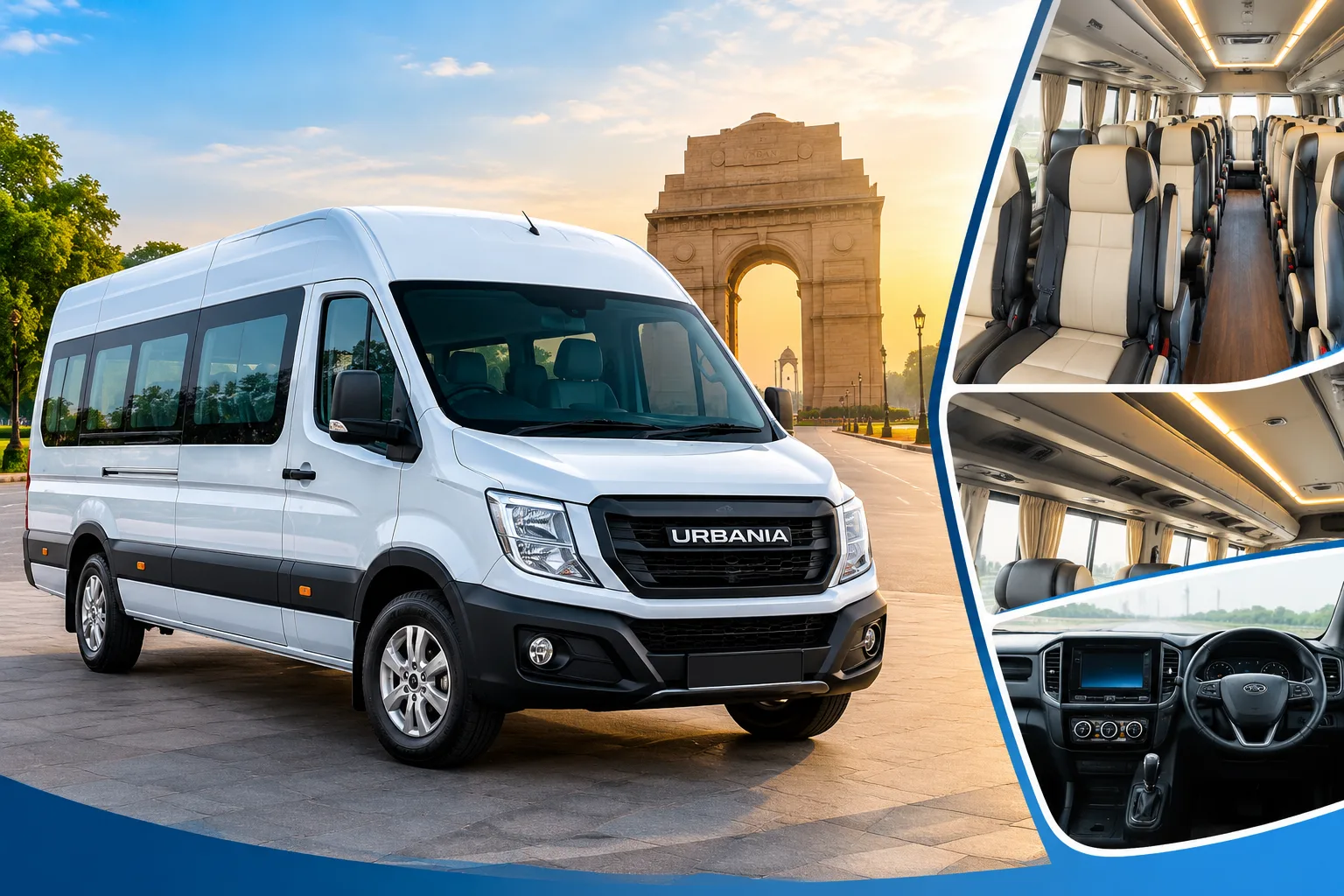
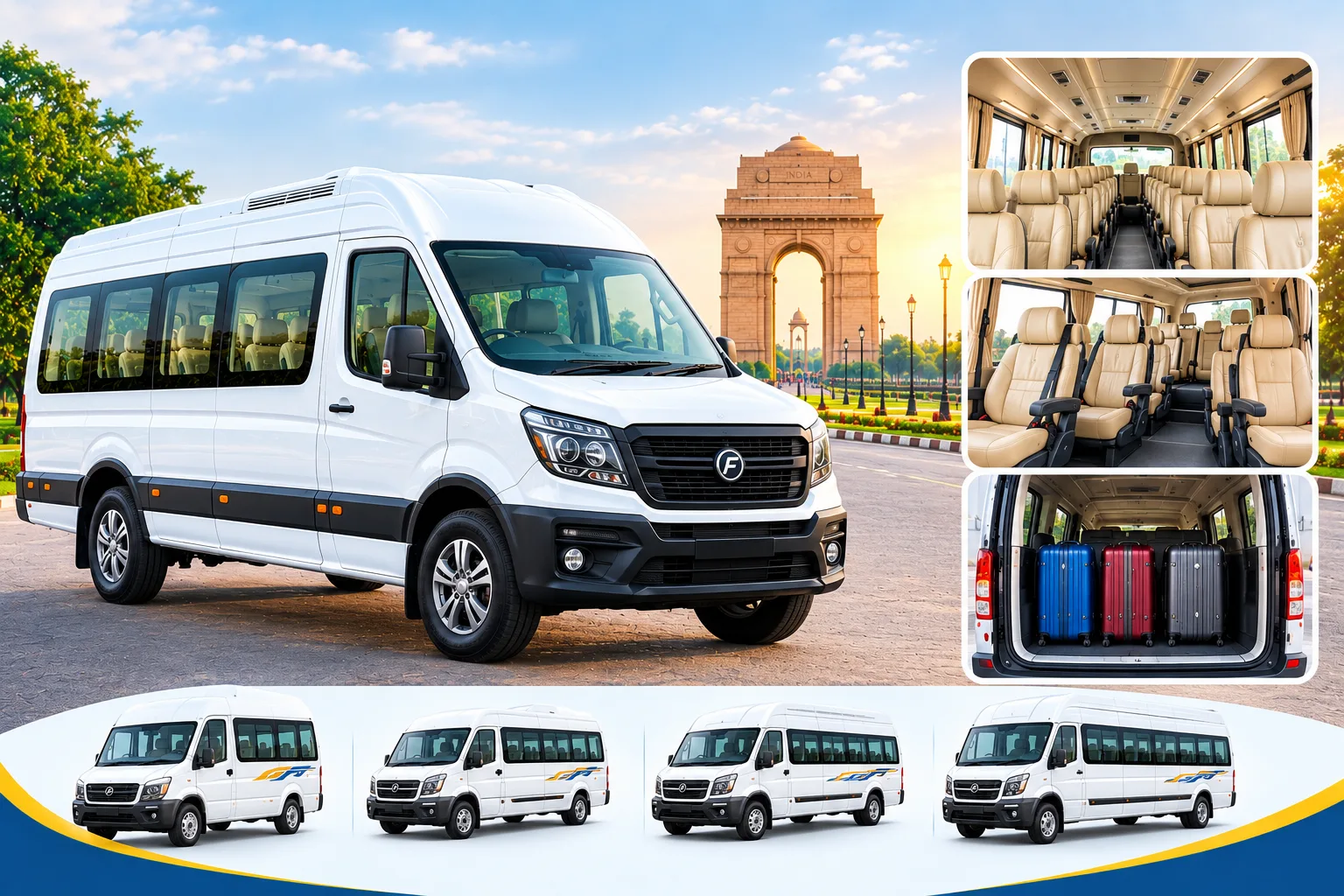
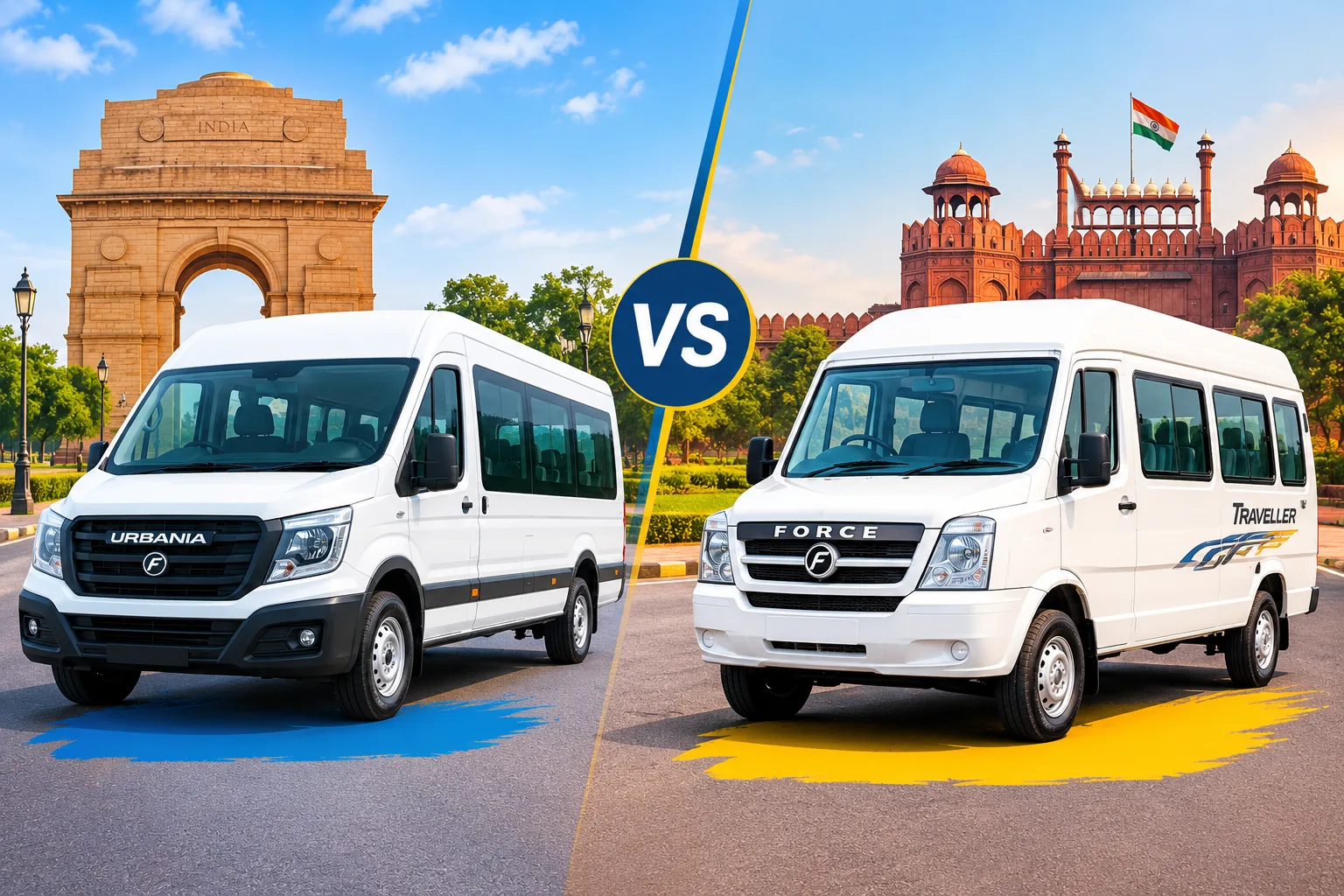
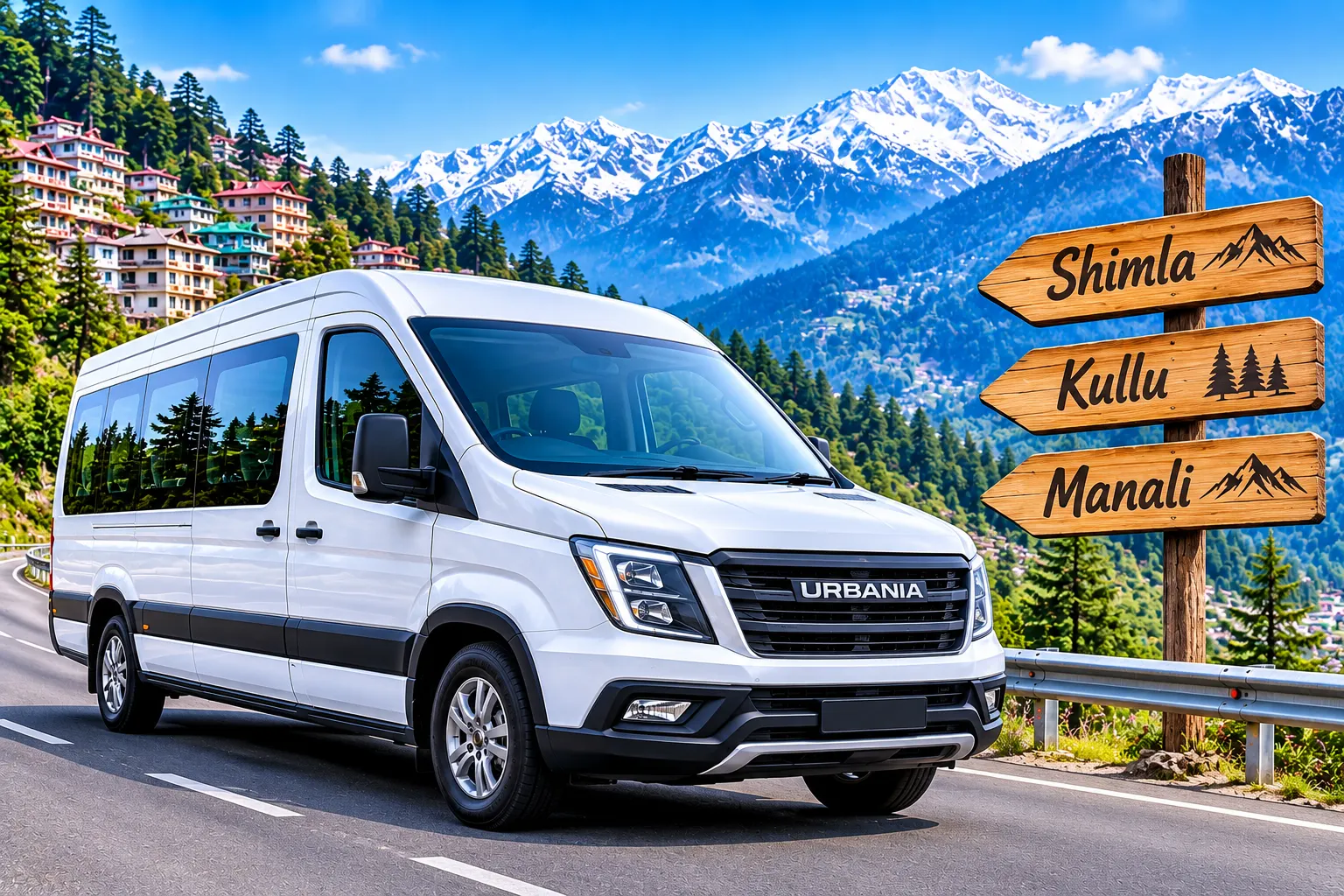
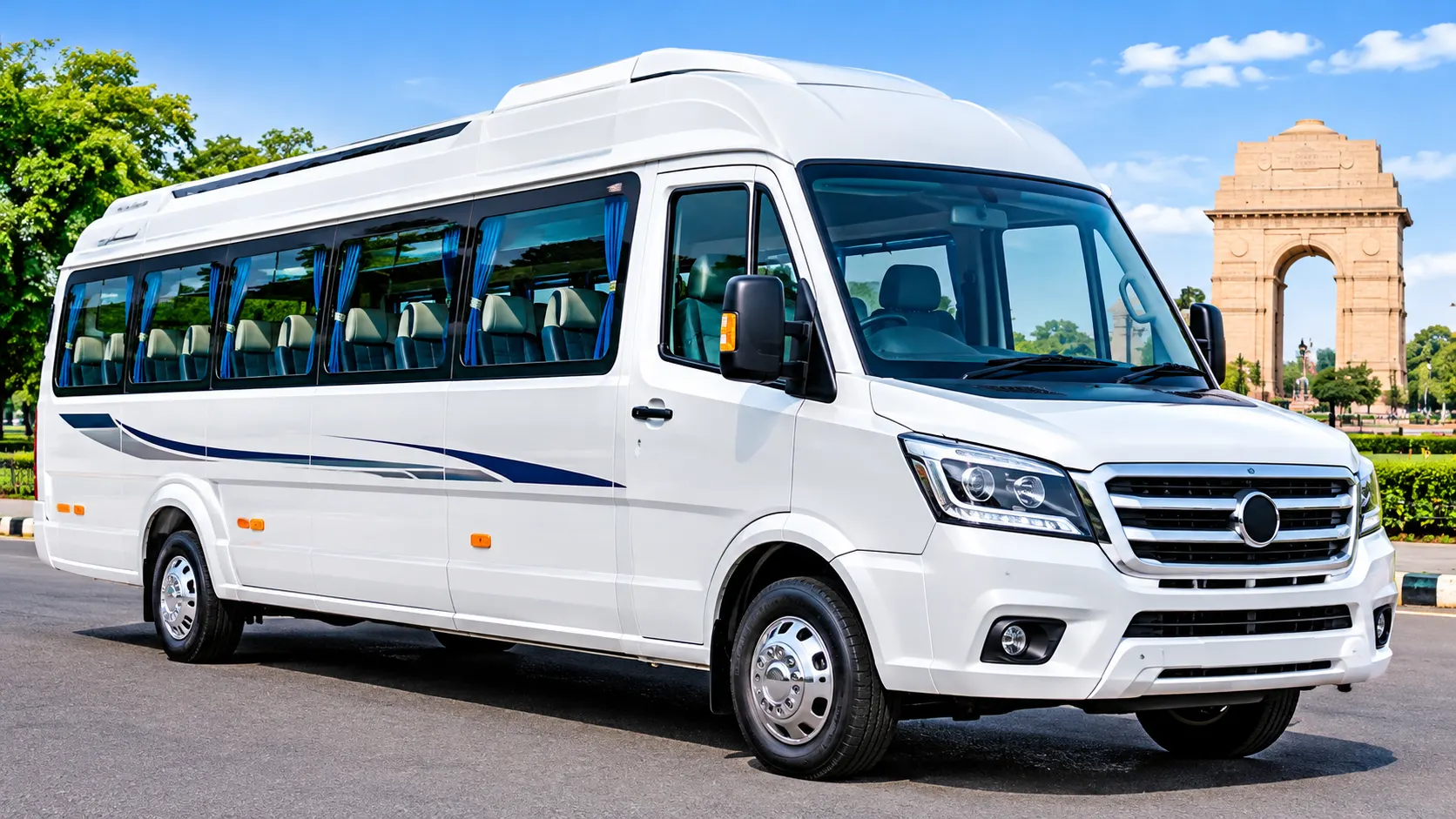
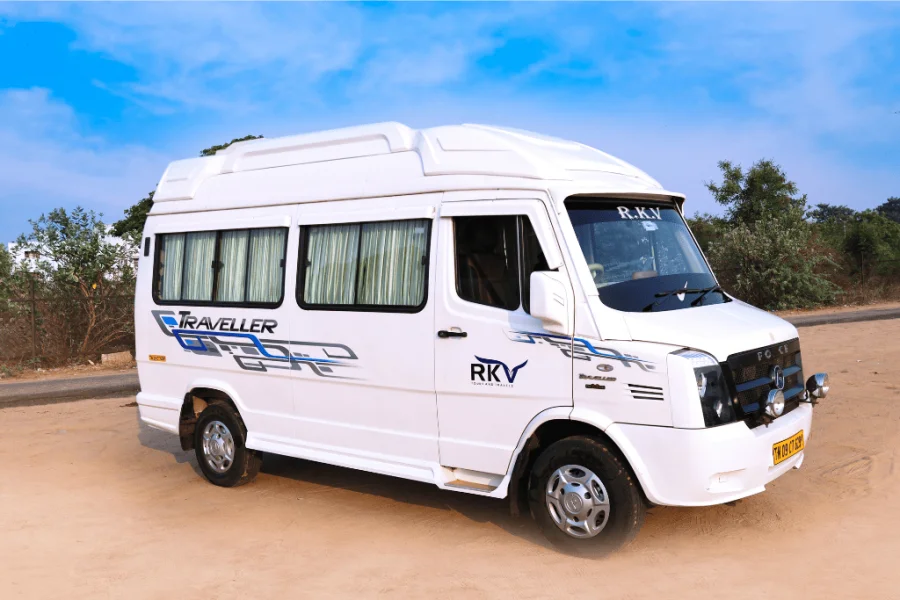
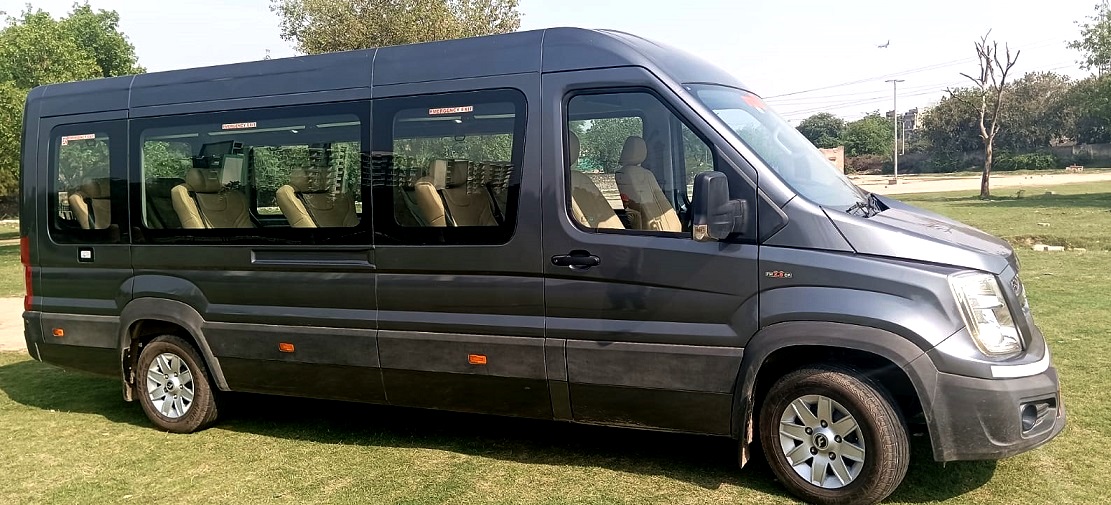
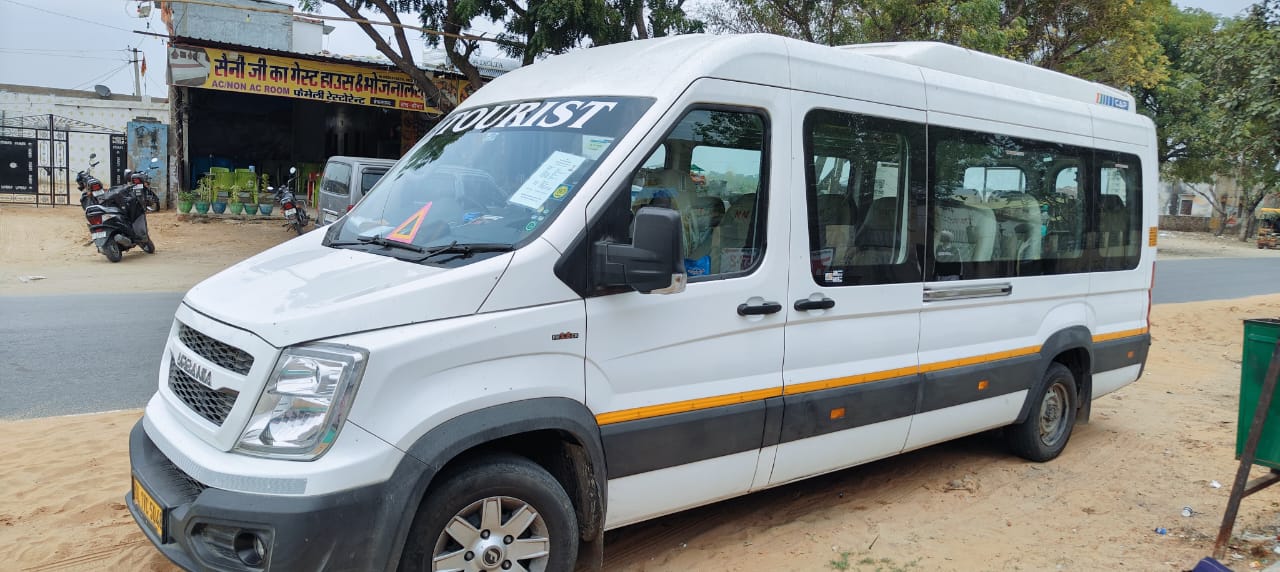
15 to 16 seater: Good for larger families, society groups and office trips. The Urbania offers a more modern, car-like ride.
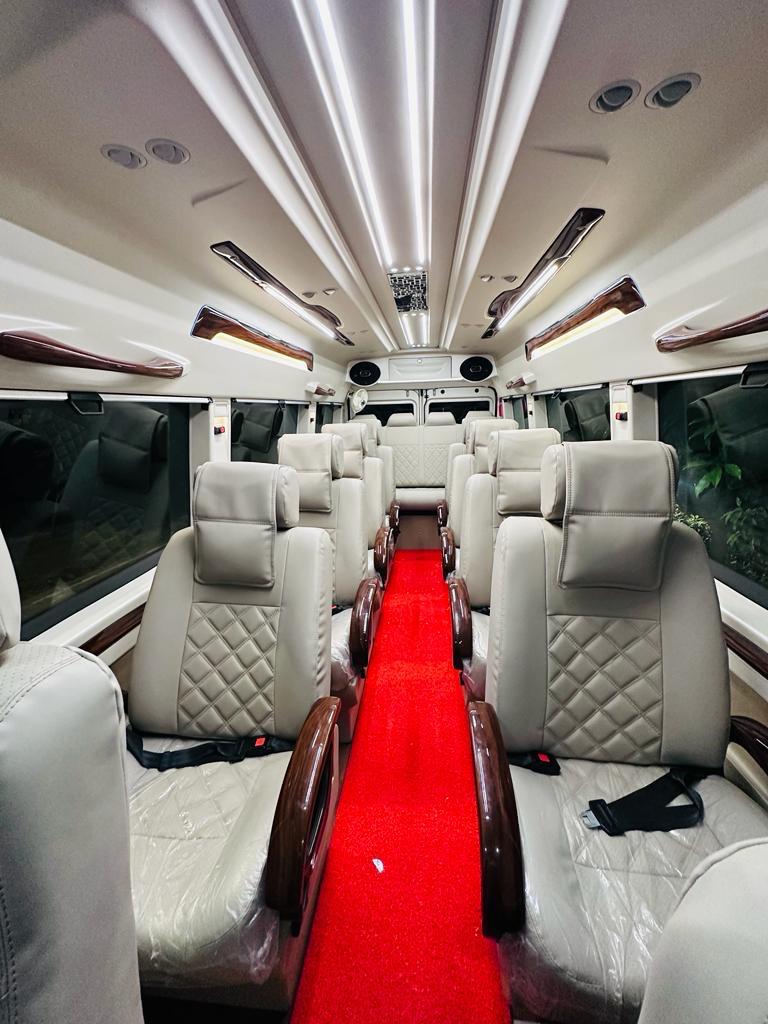
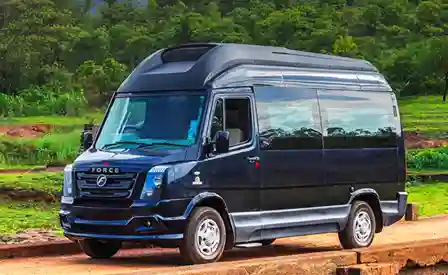
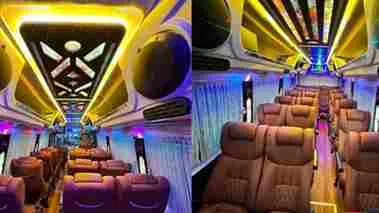
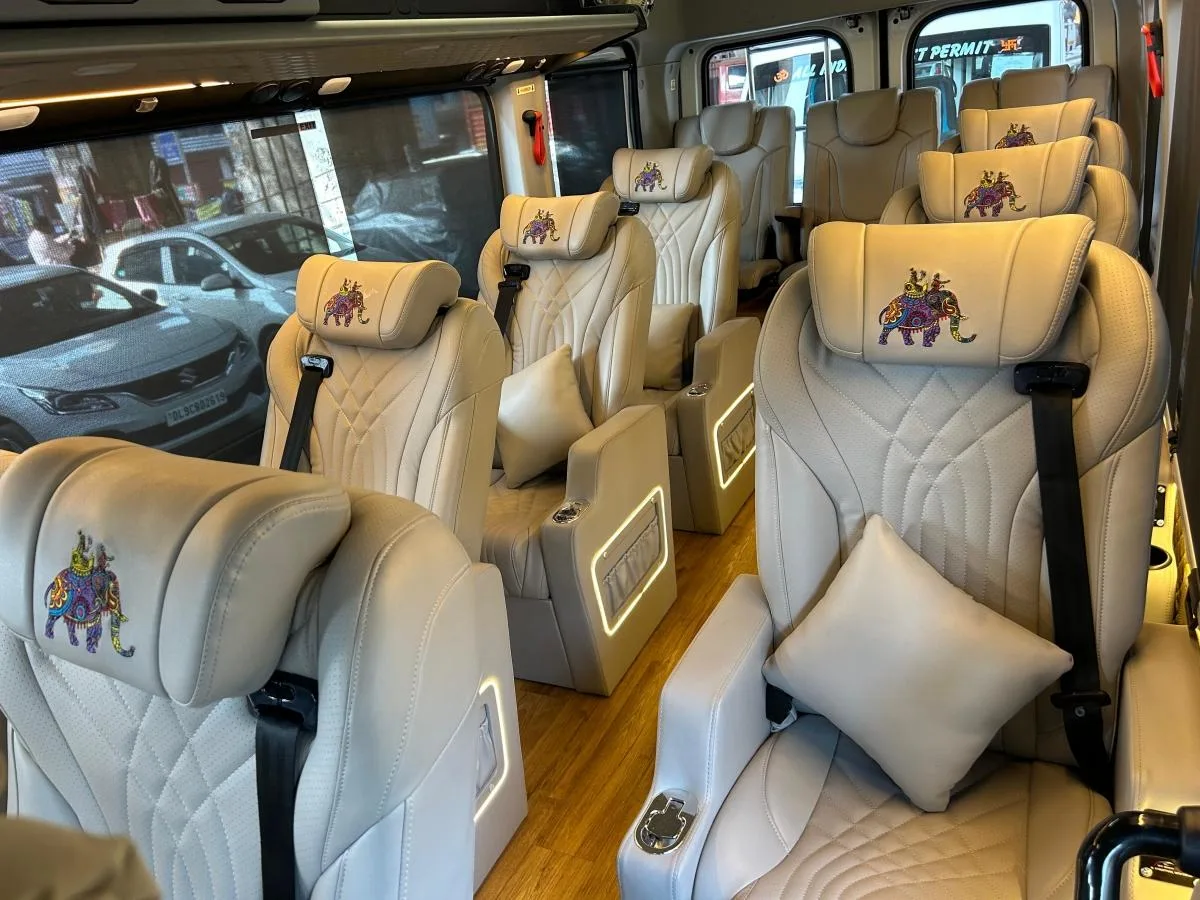
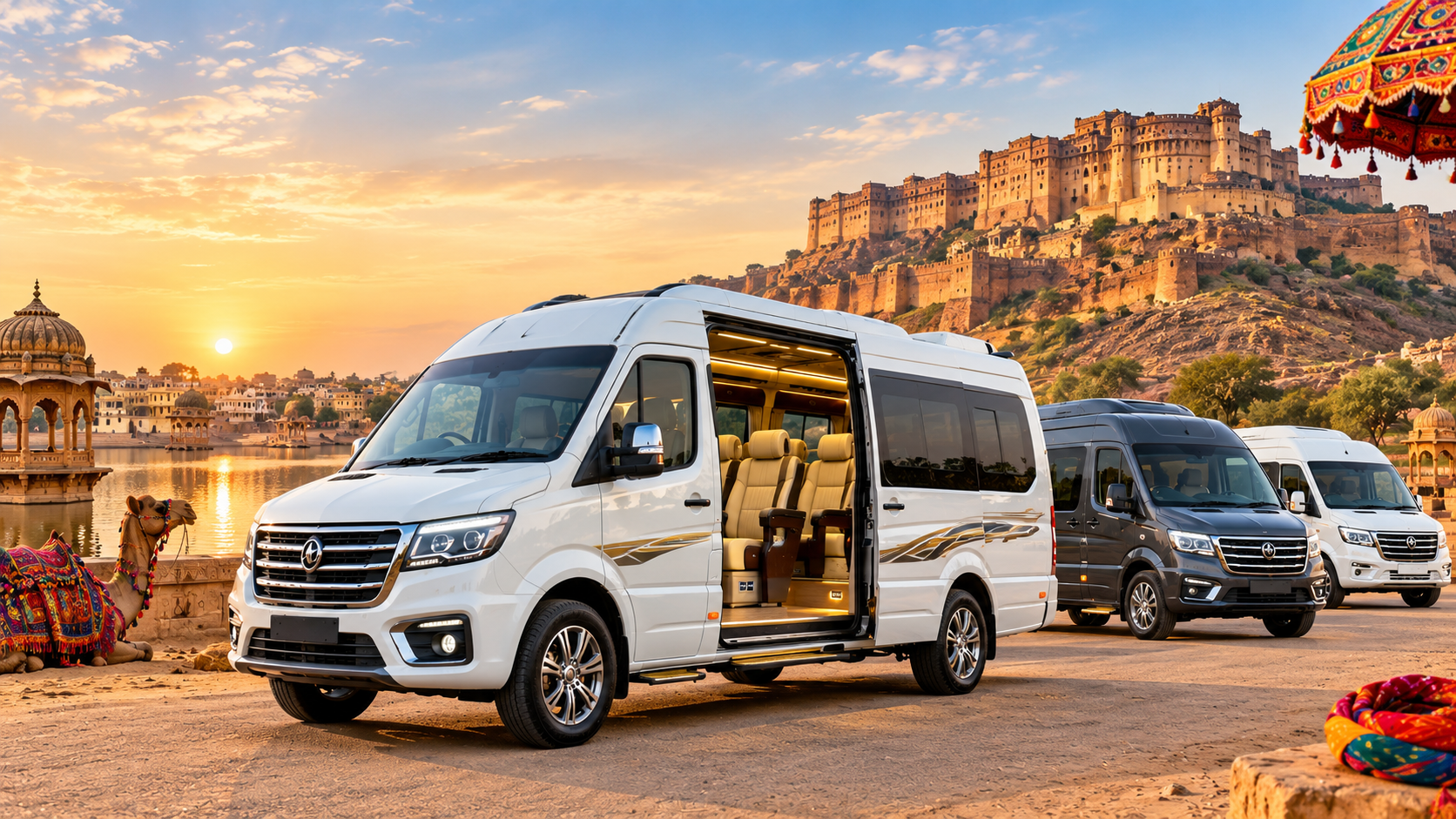
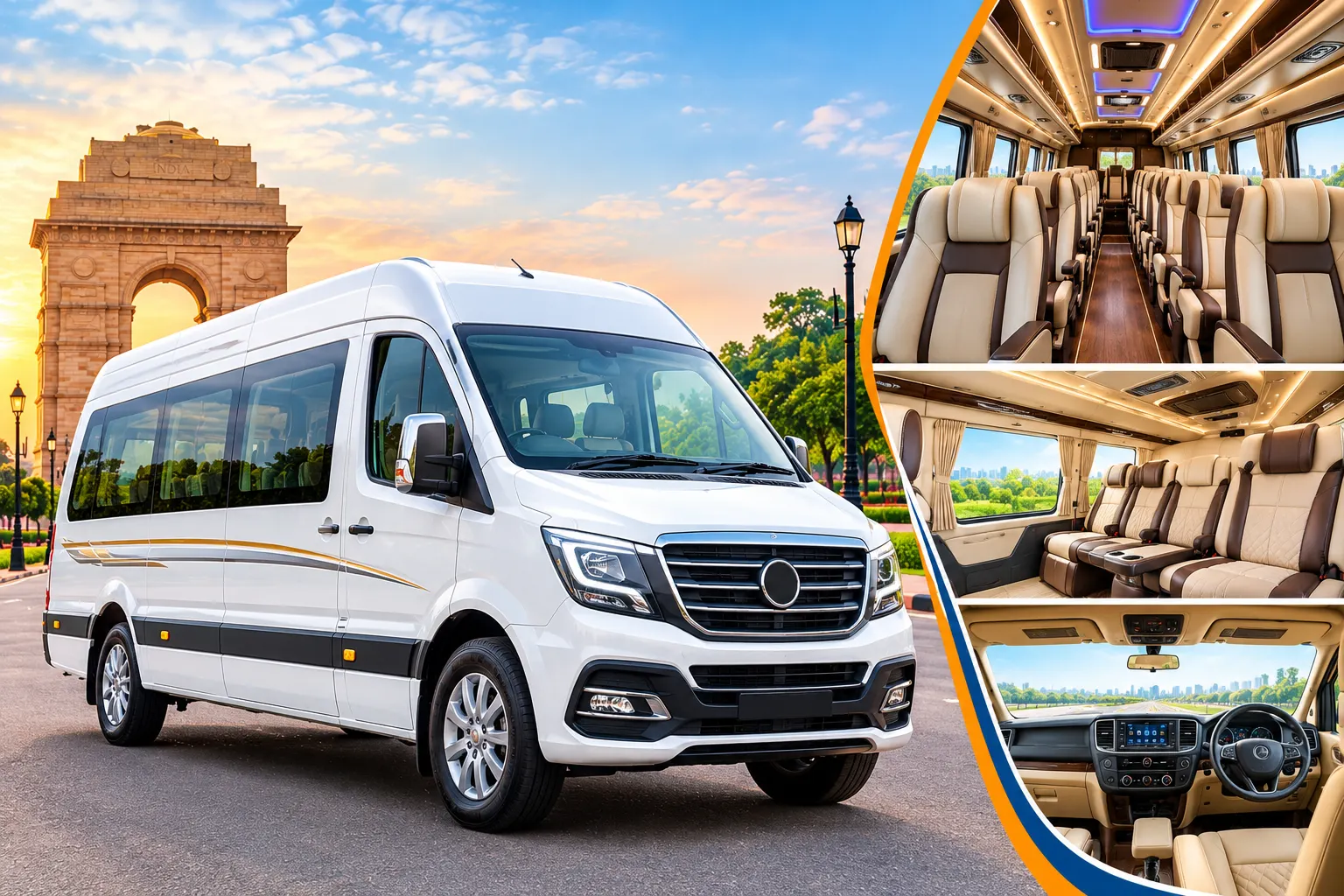
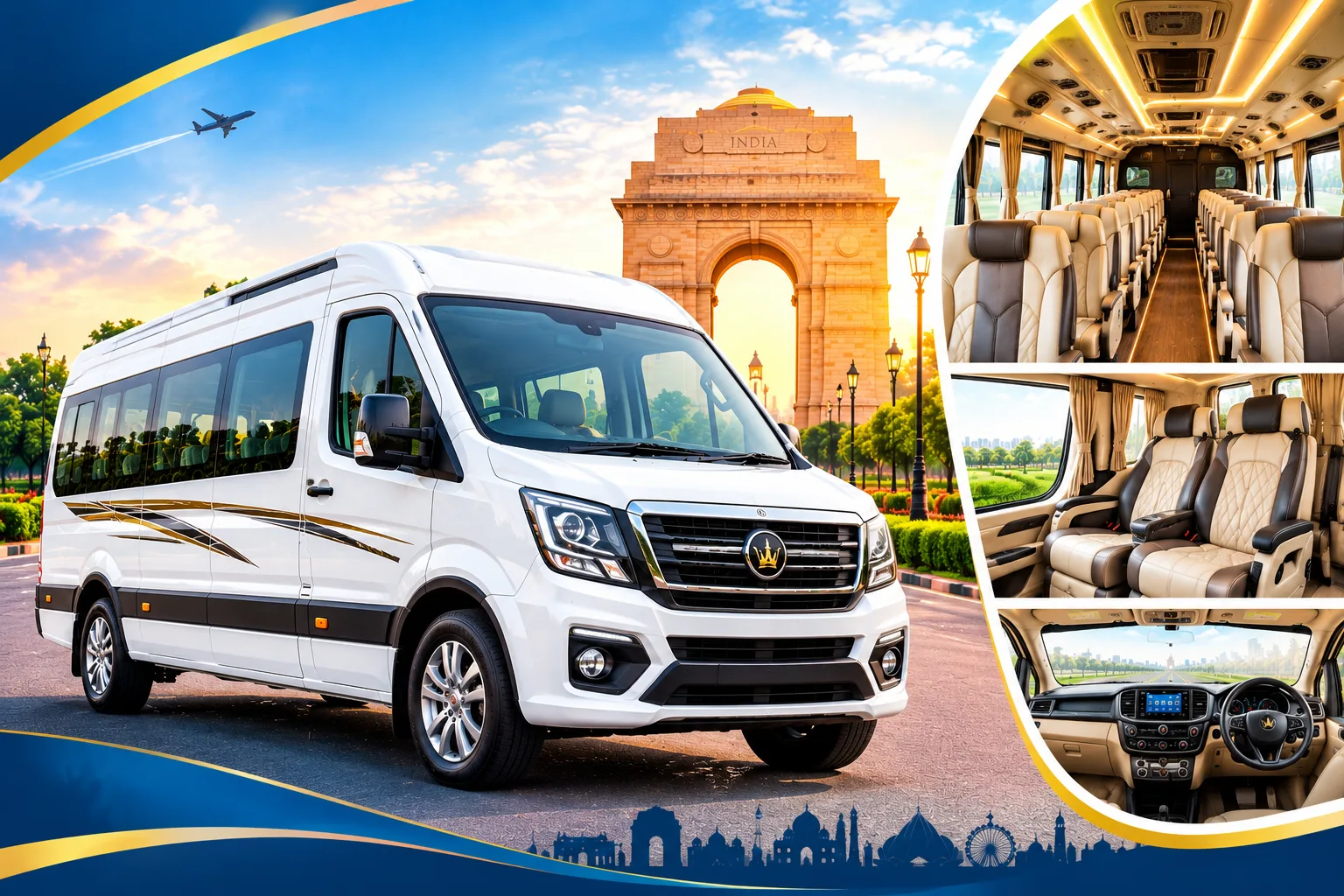
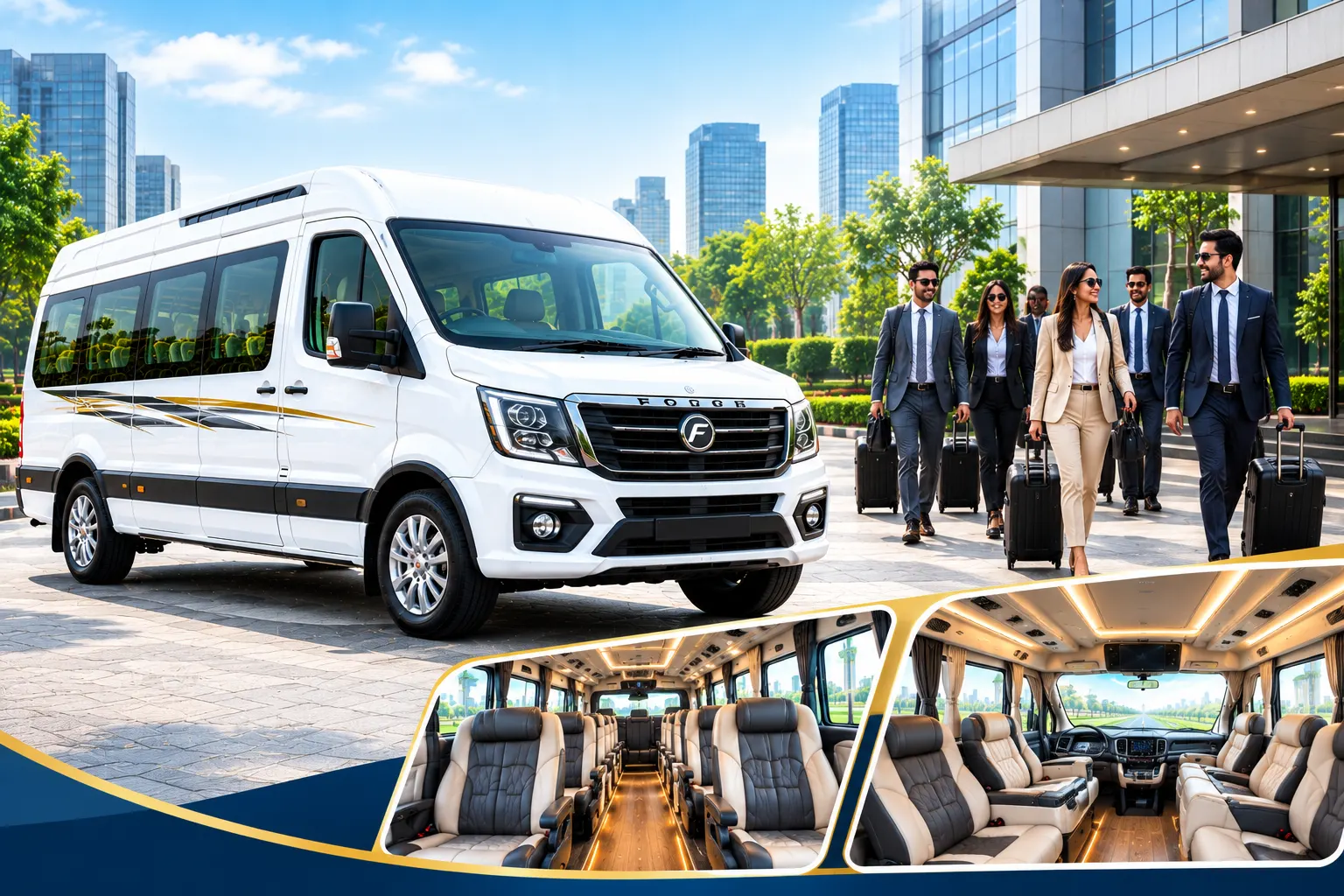
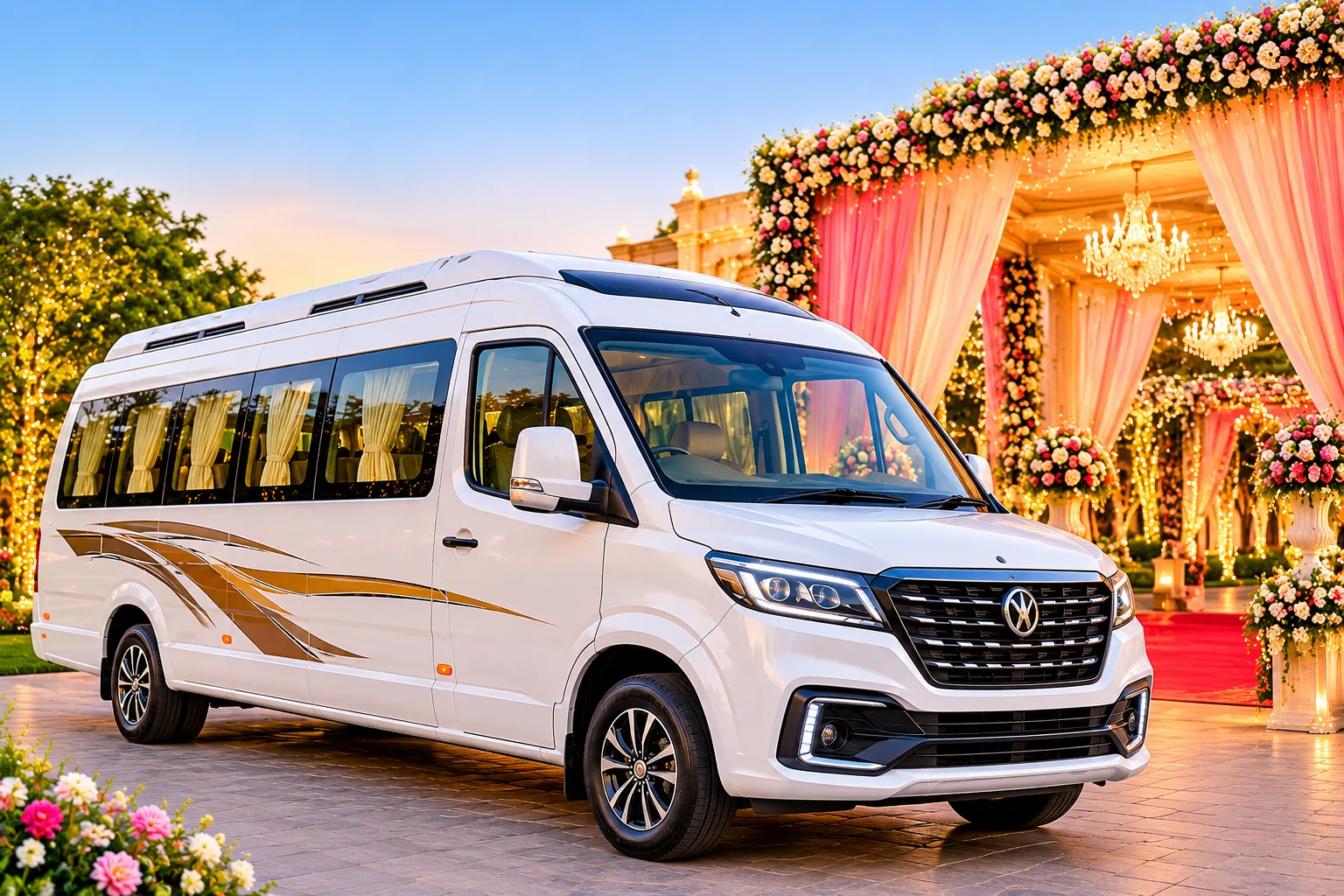
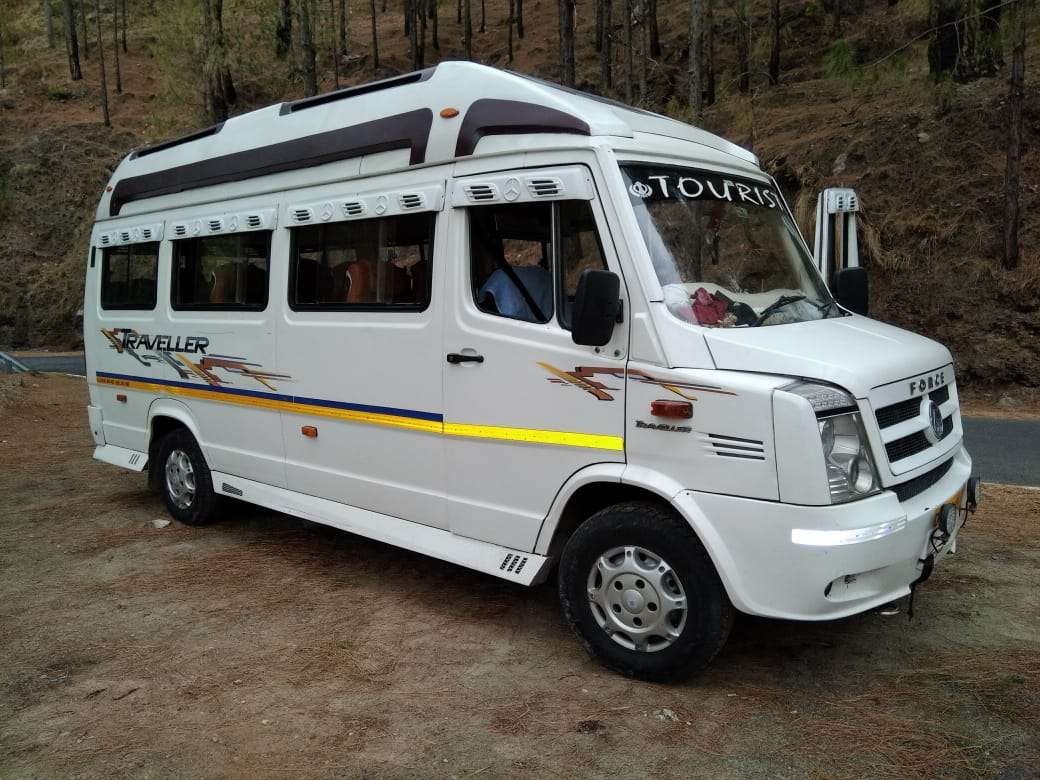
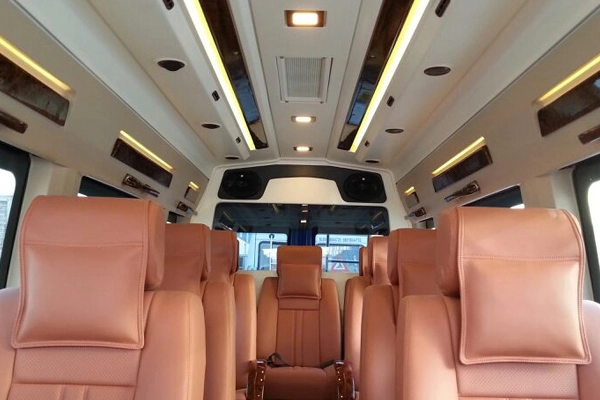
Luxury and Maharaja models: For groups who want premium seating and a more comfortable ride on a long journey.
If you are travelling with elders, a model with comfortable seating and smooth suspension is worth the small extra cost. You can read more about the premium option in our guide to tempo traveller on rent options.
Delhi to Katra Itinerary
Here is a practical itinerary that works for most groups. Adjust timings based on your pace and the group’s needs.
Day 1: Delhi to Katra
Depart Delhi in the early morning, around 5:00 to 6:00 AM, or in the evening if you prefer an overnight drive.
Take planned breaks at Karnal or Ambala for breakfast and at Jalandhar or Pathankot for lunch.
Reach Katra by evening (for a daytime departure).
Check in at your hotel or dharamshala, collect your yatra registration, freshen up, and rest.
Eat an early dinner and sleep early, since the trek often starts in the early morning or at night.
Day 2: Vaishno Devi Yatra
Begin the trek from Katra, ideally early in the morning or at night to avoid the heat and crowds.
Walk, ride a pony or palanquin, or use the available battery car section depending on your group’s needs.
Reach Bhawan, complete darshan, and take rest.
Many pilgrims also visit Bhairon Temple after darshan, either by walking or by ropeway where available.
Return to Katra, rest, and have a meal.
Day 3: Katra to Delhi
After a good rest, check out in the morning.
Optionally visit local attractions or shop for souvenirs in Katra.
Start the return journey to Delhi, with planned halts for meals and rest.
Reach Delhi by late evening or night.
Extended option: Some groups add a day to visit nearby places such as Jammu city temples or Shiv Khori, and this can be arranged with a tempo traveller too.
Best Time to Visit Vaishno Devi
The yatra is possible all year, but the experience varies.
March to June: Pleasant in the hills but can get hot during the climb. Crowds increase during school holidays.
July to September: Monsoon season. Rain can cause delays and landslide risks, so check the weather before you travel.
October to November: One of the best periods. The weather is cooler, and the climb is comfortable, though Navratri brings large crowds.
December to February: Cold, with possible snowfall in the higher areas. Carry warm clothes and check road and weather conditions.
If you want fewer crowds, avoid Navratri, long weekends, and major holidays, and travel on weekdays.
Practical Tips for a Smooth Yatra
Register in advance. Complete your yatra registration through the official channel and keep your slip and ID proof handy.
Book your tempo traveller early. Peak seasons and festival dates fill up quickly, so confirm your vehicle at least two to three weeks ahead.
Start early from Delhi. Leaving before sunrise helps you avoid city traffic and reach Katra in daylight.
Carry light luggage for the trek. Leave heavy bags at your hotel or in the cloakroom and take only the essentials on the climb.
Wear comfortable shoes and clothes. The trek is long. Good walking shoes and light, comfortable clothing make a big difference.
Keep water and light snacks. Stay hydrated and carry simple snacks, particularly for children and elders.
Plan for elders and children. Consider ponies, palanquins, or the helicopter service for those who cannot walk the full distance.
Respect the rules of the shrine. Follow the security checks, restrictions on items, and dress guidelines.
Keep a buffer day if possible. Weather, crowds, or a late start can change your plan, and a buffer day removes the stress.
Check weather and road updates. Before leaving, review conditions for the Delhi to Jammu route and Katra.
Safety and Comfort on the Road
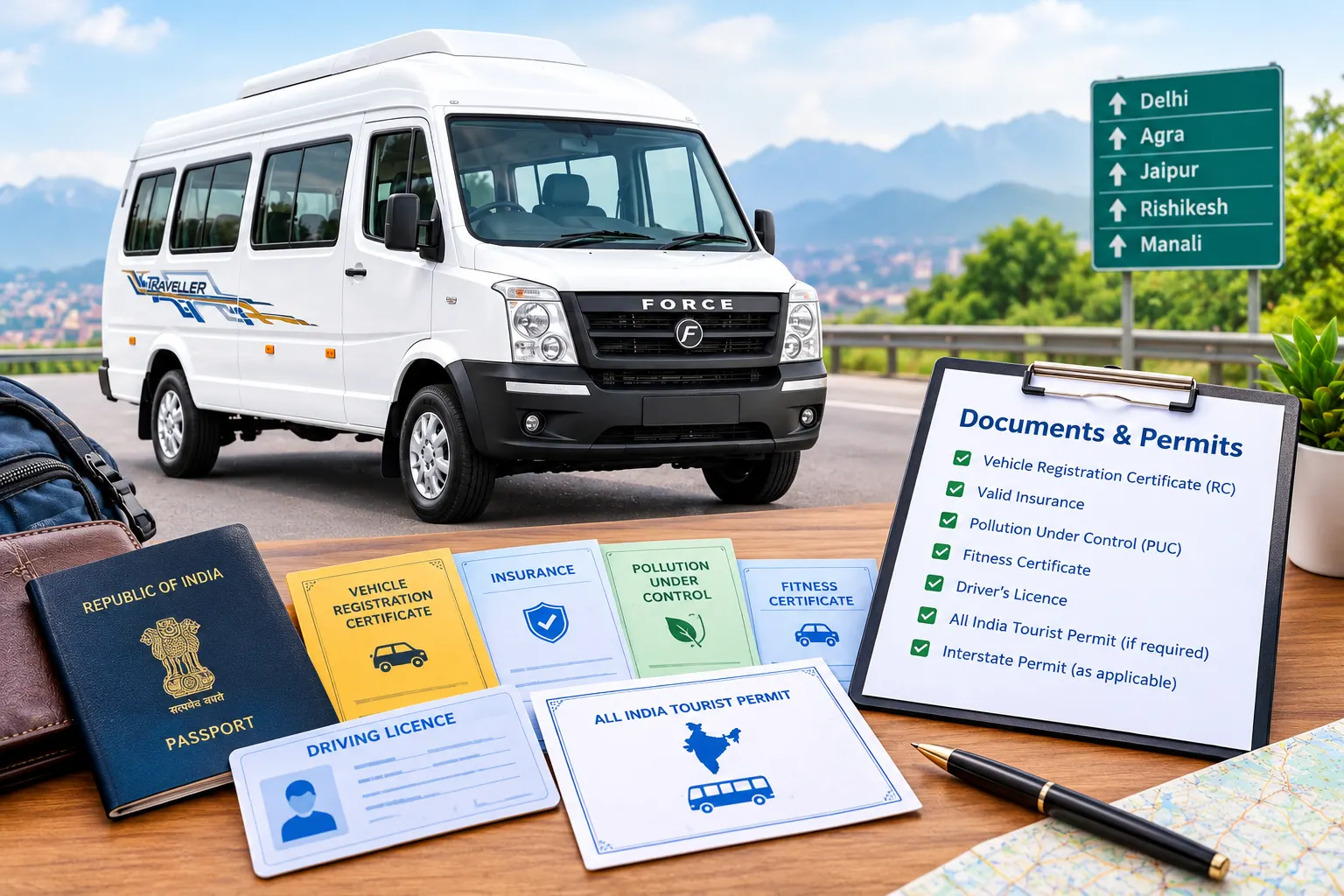
A long road journey needs attention to safety. When hiring a tempo traveller for Katra, make sure that:
The vehicle has valid permits, insurance, and fitness papers
The driver is experienced on highway and hill routes
The vehicle is well-maintained, with working AC, tyres, and seat belts
The driver takes proper breaks and avoids driving while tired
You have the driver’s contact number and vehicle details in advance
Overnight driving is common for this route, but make sure the driver is well-rested and that you share your preferences with the operator in advance.
Hotels and Stay Options in Katra
Katra offers a wide range of stay options, from budget dharamshalas and lodges to comfortable hotels. Keep these points in mind:
Book your stay in advance during peak seasons.
Choose a hotel close to the yatra starting point if you have elders or children.
Check for parking space for your tempo traveller.
Confirm check-in and check-out times, since the yatra often has irregular hours.
Your tempo traveller operator can often help you with recommendations based on your group size and budget.
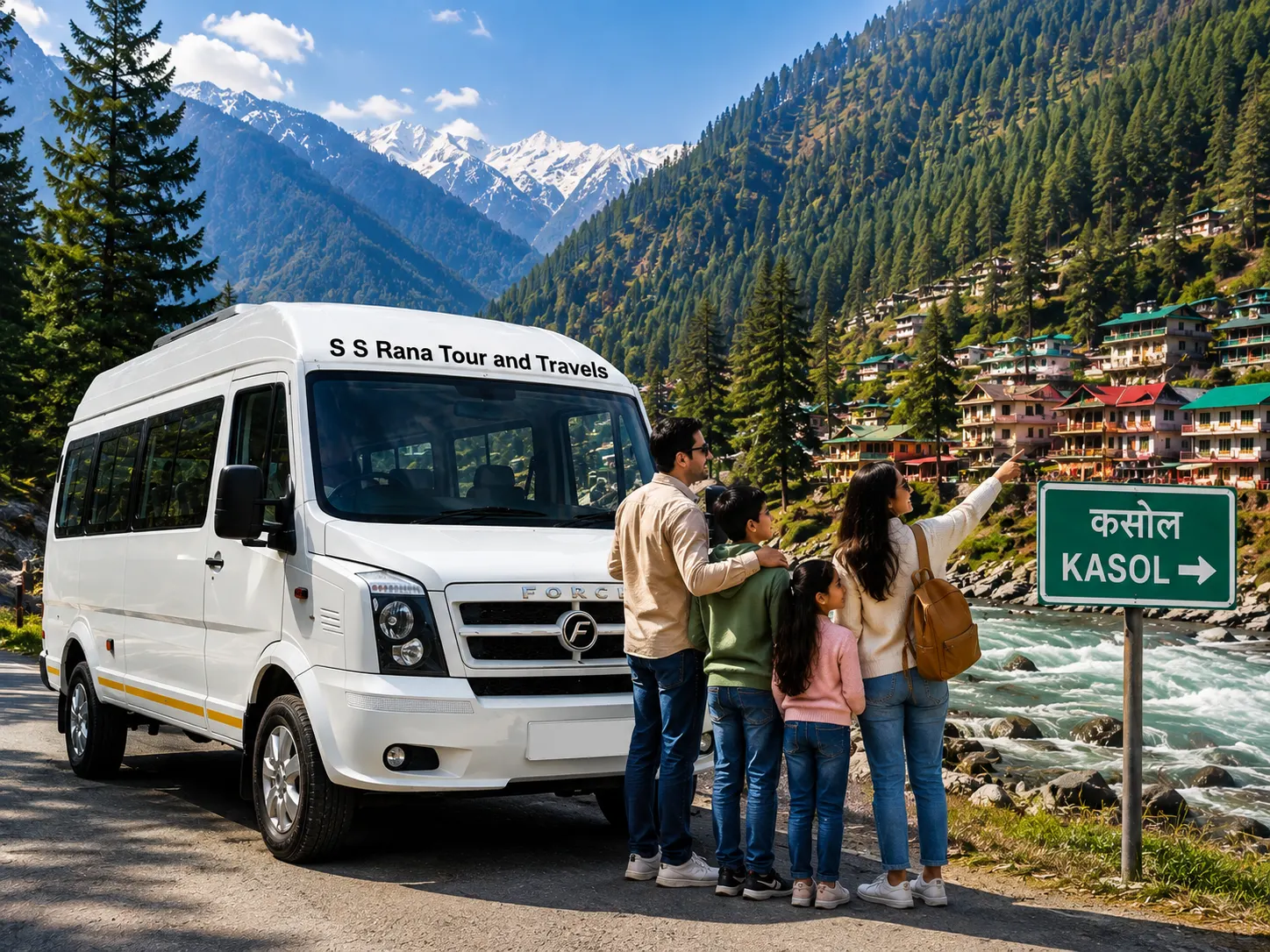
Why Book with SS Rana Tour and Travels
At SS Rana Tour and Travels, we regularly plan group trips from Delhi NCR to pilgrimage destinations across North India. Here is what you can expect when you book with us:
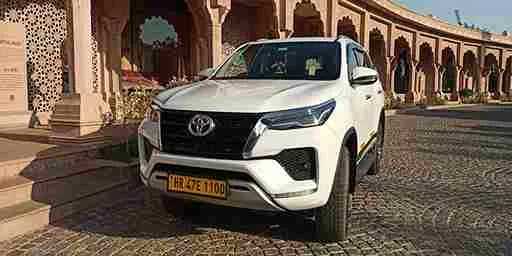
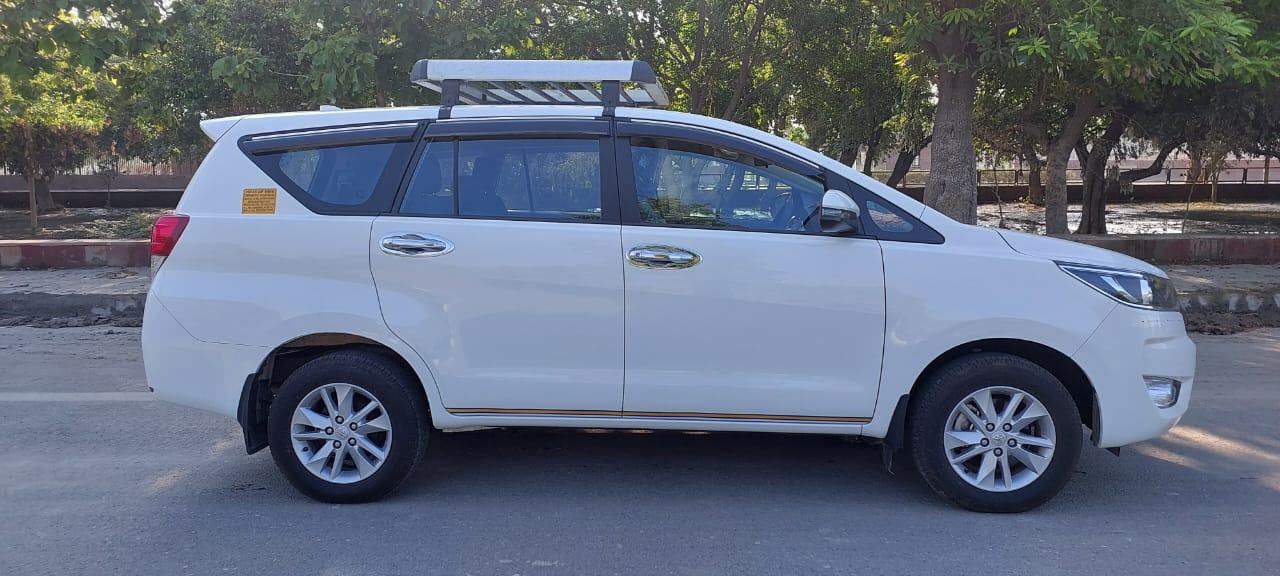
Well-maintained vehicles in 9-, 12-, 16-seater, and Innova options
Experienced drivers who know the Delhi to Jammu and Katra route well
Clear, itemised pricing so you know what is included
Door-to-door pickup and drop-off from anywhere in Delhi NCR
Flexible itineraries that fit your group’s pace and needs
Responsive support before and during your trip
Whether you are planning a family yatra, a society trip, or a corporate pilgrimage, we help you plan the roadside of the journey so you can focus on your darshan.
Conclusion
The Vaishno Devi yatra is a deeply personal and spiritual journey, and the road to Katra should be as comfortable as possible. A tempo traveller on rent in Delhi keeps your group together, gives you space and flexibility on a long road, and often works out better value per person than multiple cabs.
With a distance of roughly 600 to 650 km and a drive of about 10 to 12 hours, the Delhi to Katra tempo traveller route is very manageable with the right plan: an early start, planned halts, a comfortable vehicle and an experienced driver. Choose the right vehicle size, ask for a clear itemised quote, and book early in peak seasons.
Ready to plan your trip? Contact SS Rana Tour and Travels today with your group size, travel dates and pickup location, and our team will share a clear quote and help you plan a smooth and comfortable journey to Mata Vaishno Devi.
The road distance from Delhi to Katra is roughly 600 to 650 km, depending on your pickup point in Delhi NCR and the route your driver takes. The usual route runs through Panipat, Karnal, Ambala, Ludhiana, Jalandhar, Pathankot and Jammu before reaching Katra. The last stretch from Jammu to Katra is about 50 km and takes around one to one and a half hours. Highway projects in this region keep changing, so the exact distance and route can vary slightly. Your driver will choose the best option based on current traffic and road conditions, which helps you reach Katra comfortably and on time.
The pure driving time from Delhi to Katra is usually 10 to 12 hours, but most groups should plan for 12 to 14 hours door to door. This includes breakfast, lunch and tea breaks, fuel stops, toll plazas and traffic near city limits. Weather also matters, since winter fog and monsoon rain can slow the journey. Many groups leave early in the morning to reach Katra by evening, while others prefer an overnight drive. A tempo traveller with comfortable seats and good air conditioning makes this long journey much easier for the whole group, especially elders and children.
The price depends on several factors, so no single number fits every trip. The main ones are vehicle type and seating, total kilometres, number of days, season, tolls, inter-state tax, parking, driver allowance and waiting charges at Katra. A 12 seater costs less than a 16 seater Urbania or a luxury Maharaja model. Peak periods like Navratri and school holidays usually cost more. Always ask for an itemised quote that lists inclusions and exclusions, so there are no surprises later. You can check our tempo traveller on rent in Delhi page or contact our team for a quote based on your dates and group size.
The best vehicle depends on your group size and comfort needs. A 9-seater suits small families who want extra legroom and luggage space. A 12-seater is the most popular choice for family groups and friends because it balances comfort, space, and cost. For larger families, society groups or office trips, a 15- or 16-seater Urbania offers a modern, car-like ride. If you are travelling with elders, a luxury or Maharaja model with premium seating and smooth suspension is worth considering, since the journey is long. Tell us your group size, and we will recommend the right option.
No, a tempo traveller can only go up to Katra, which is the base town for the pilgrimage. The climb from Katra to the holy cave, known as Bhawan, covers roughly 12 to 13 km and has to be done on foot, by pony, by palanquin, by battery car on a section of the route, or by helicopter. Most groups keep the Tempo Traveller parked at Katra during the yatra and use it again for the return journey. Because rules and facilities can change, check the latest details with the official shrine board before you finalise your plan.
Yes, it can, if you book it that way. Many groups keep the vehicle and driver at Katra while they complete the trek and darshan, then start the return journey to Delhi after resting. Waiting days and driver stay may be charged separately, depending on the operator, so confirm this when you book. Some groups prefer a drop-and-return arrangement, but that usually costs more overall and needs good timing. Discuss your plan with the operator in advance and keep the driver’s contact number handy, so the vehicle is ready when your group returns to Katra.
















.jpeg)



.jpeg)
.webp)
.jpeg)
.jpeg)
.jpeg)

.jpeg)
.jpeg)
.jpeg)
.jpeg)
.jpeg)


.jpeg)
.webp)
.jpeg)
.jpeg)

.jpeg)

.jpeg)
.jpeg)
.jpeg)
.jpeg)

.jpeg)

.webp)
.jpeg)
.jpeg)
.jpeg)

.jpeg)









.webp)
.webp)

_15_11zon.webp)































































.webp)















.webp)





.jfif)




.jfif)
.jfif)
.jpg)
.jfif)
.jfif)
.jfif)
.jfif)
.jfif)
.jfif)
.jfif)
.jfif)
.webp)
.webp)
.webp)

.webp)
.webp)
.webp)
.webp)

.webp)
.webp)

.webp)


.webp)
.webp)
.webp)
.webp)

.webp)
.webp)

















@.webp)