Quick answer: The best route from Pune to Kedarnath and Badrinath is to fly Pune to Delhi (or Dehradun), travel by road to Haridwar or Rishikesh, then drive on the Rishikesh–Rudraprayag–Guptkashi–Sonprayag route to Kedarnath, and continue via Joshimath to Badrinath. Plan for 7 nights and 8 days from Pune. A realistic budget is roughly ₹30,000 to ₹55,000 per person, depending on flights, hotel category and whether you take a helicopter. Yatra registration is mandatory and free.
Published on 13 Nov, 2026
Updated on 17 Nov, 2026
127 Views
Pune to Kedarnath and Badrinath: Best Route, Days and Cost
The best route from Pune to Kedarnath and Badrinath is to fly from Pune to Delhi (or Dehradun), travel by road to Haridwar or Rishikesh, then drive on the Rishikesh–Rudraprayag–Guptkashi–Sonprayag route to Kedarnath, and continue via Joshimath to Badrinath. Plan for 7 nights and 8 days from Pune. A realistic budget is roughly ₹30,000 to ₹55,000 per person, depending on flights, hotel category, and whether you take a helicopter. Yatra registration is mandatory and free.
Pune is more than 1,500 km from the Garhwal Himalayas, so planning the Pune to Kedarnath route properly saves both money and energy. Pilgrims from Maharashtra often ask the same questions: how do we get there, how many days do we need, what does it cost, and is it safe for parents and grandparents? This guide answers each of them in plain language, so you can compare options and decide before you book a Do Dham Yatra package from Pune.
What Is the Do Dham Yatra?
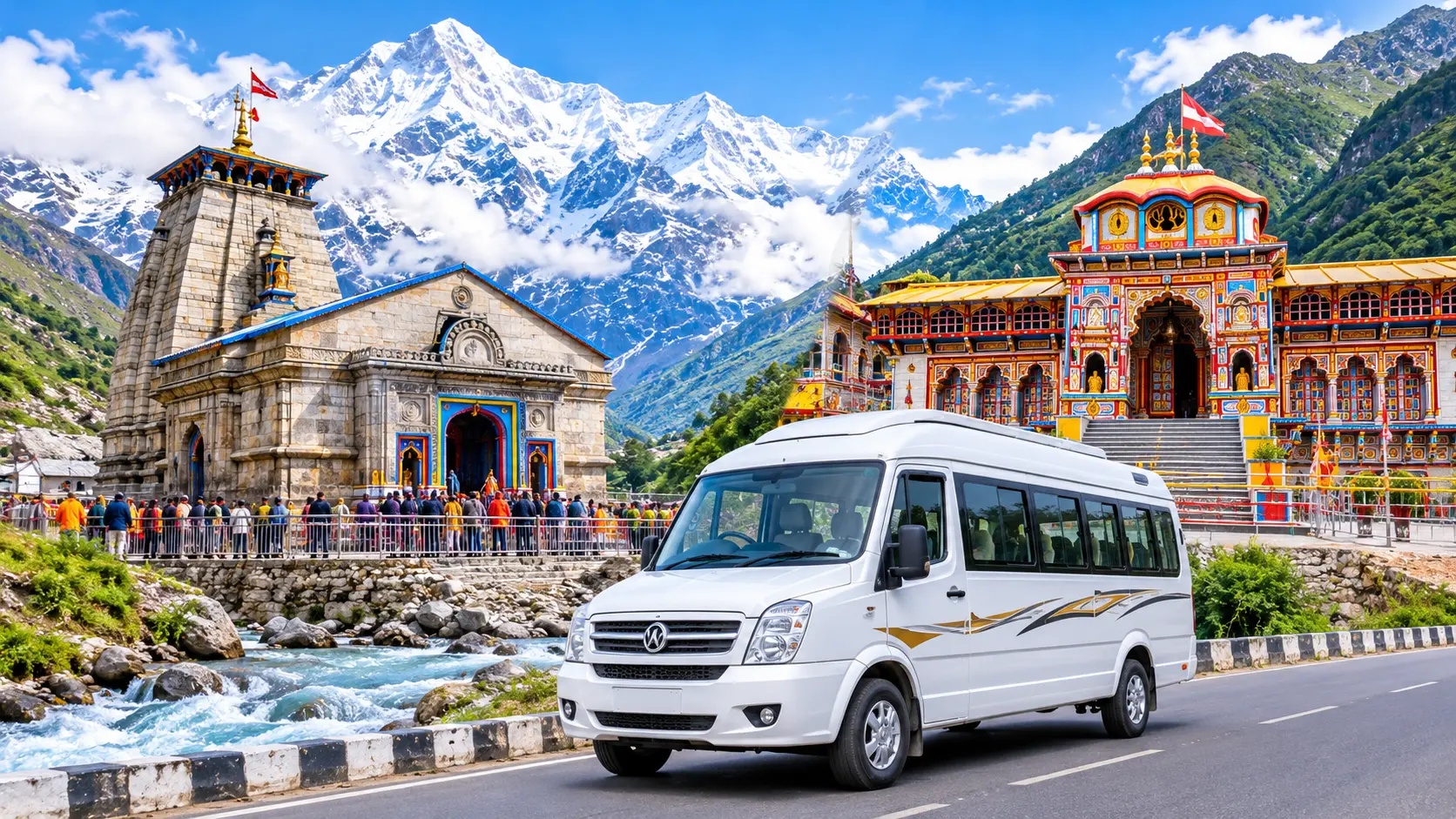
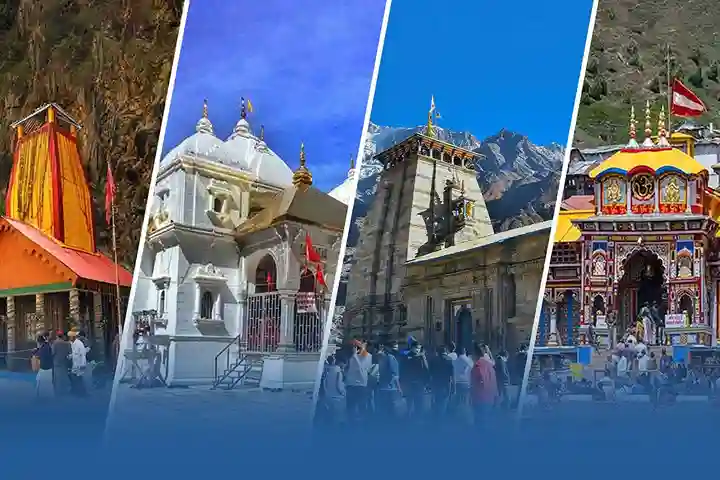
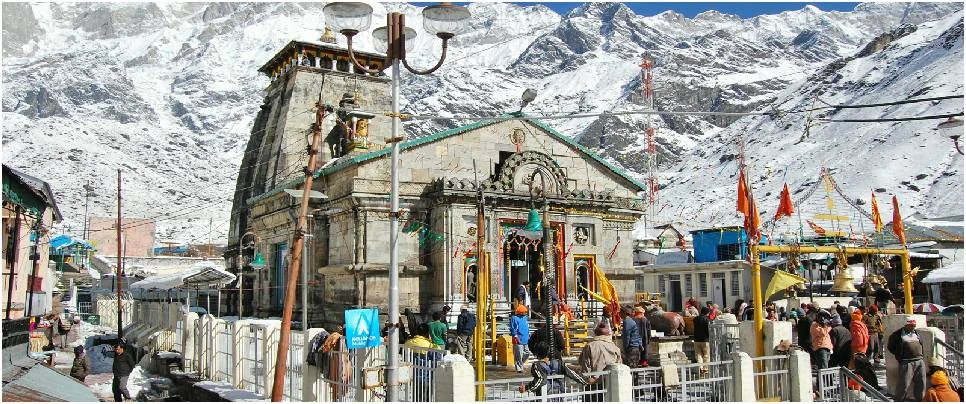
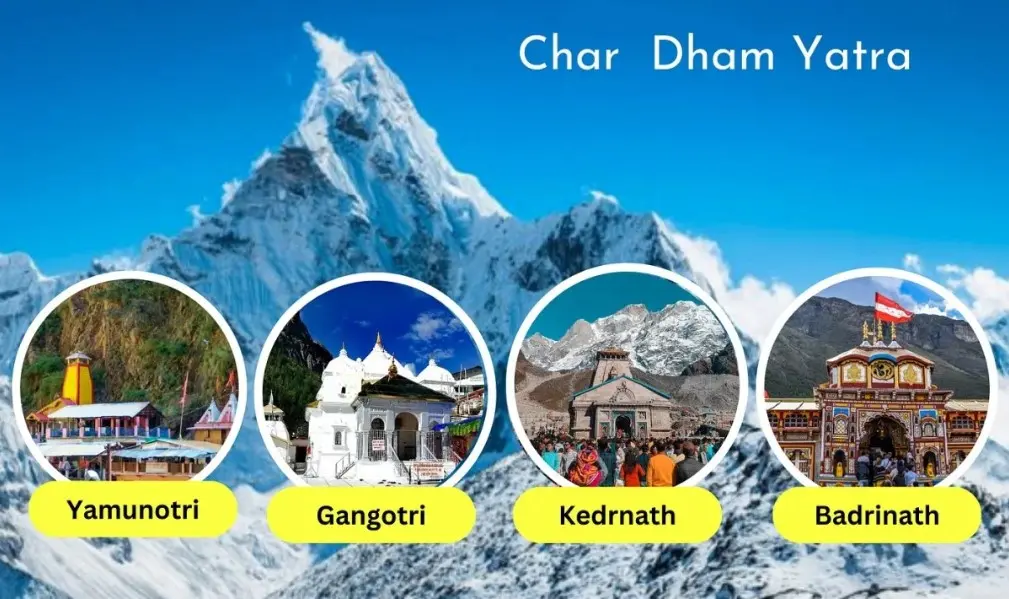
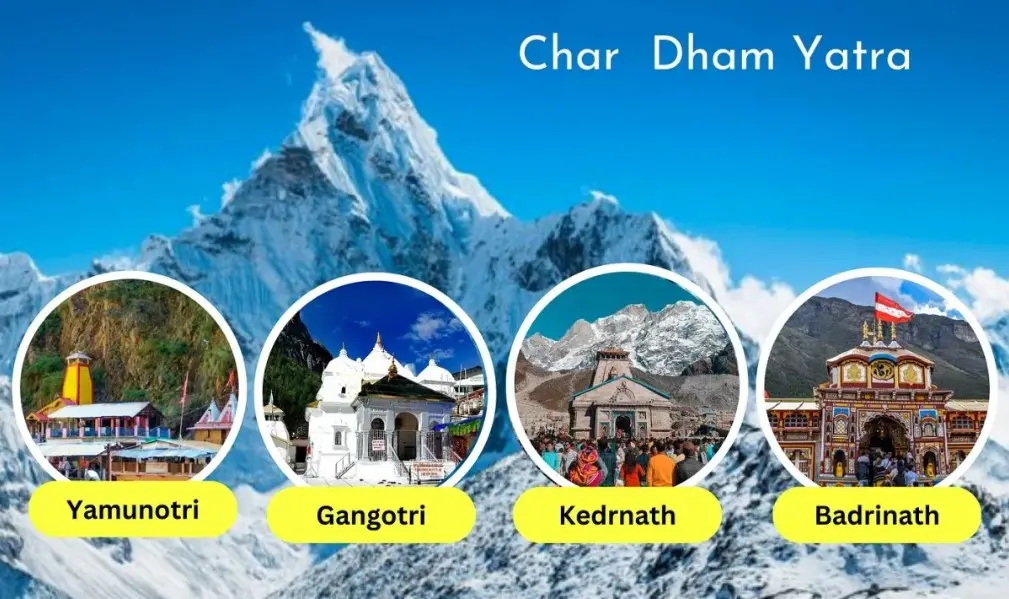
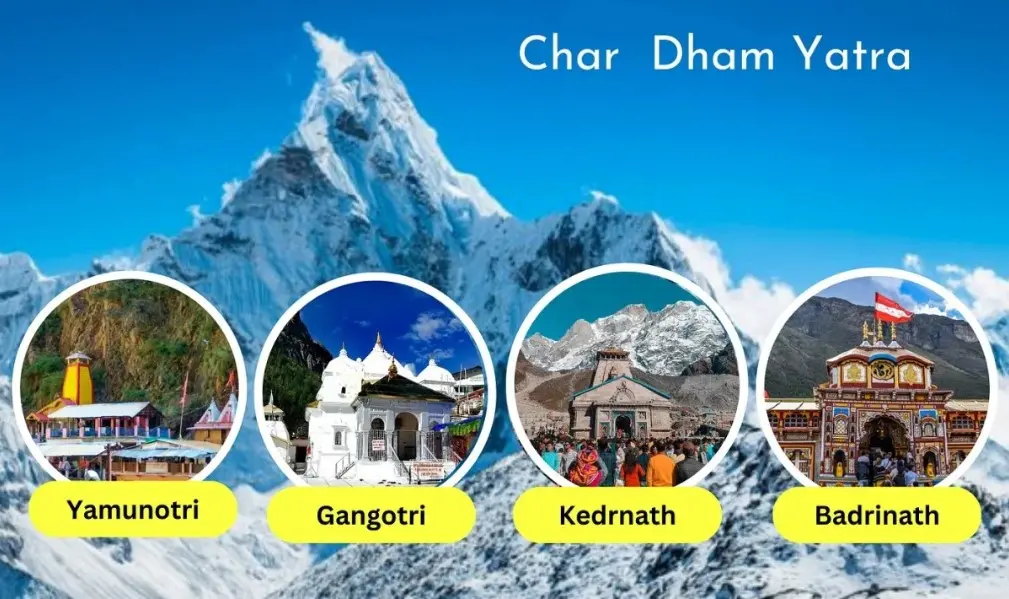
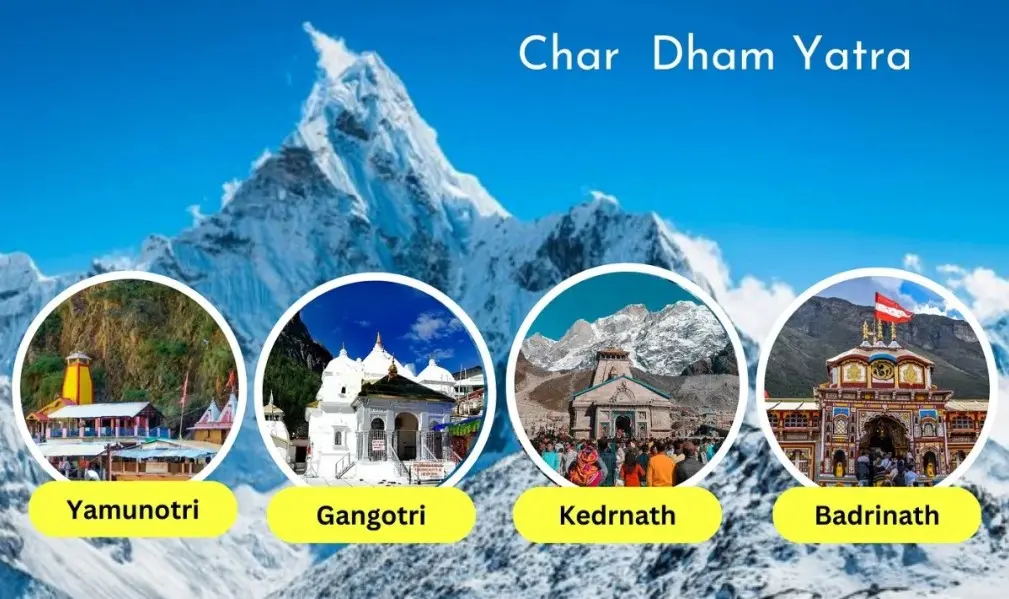
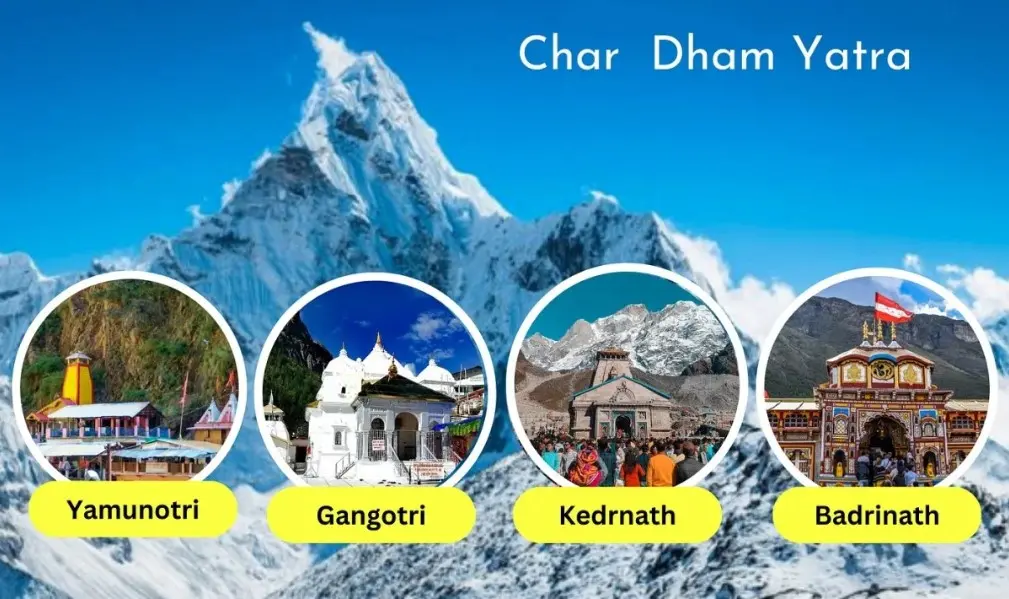
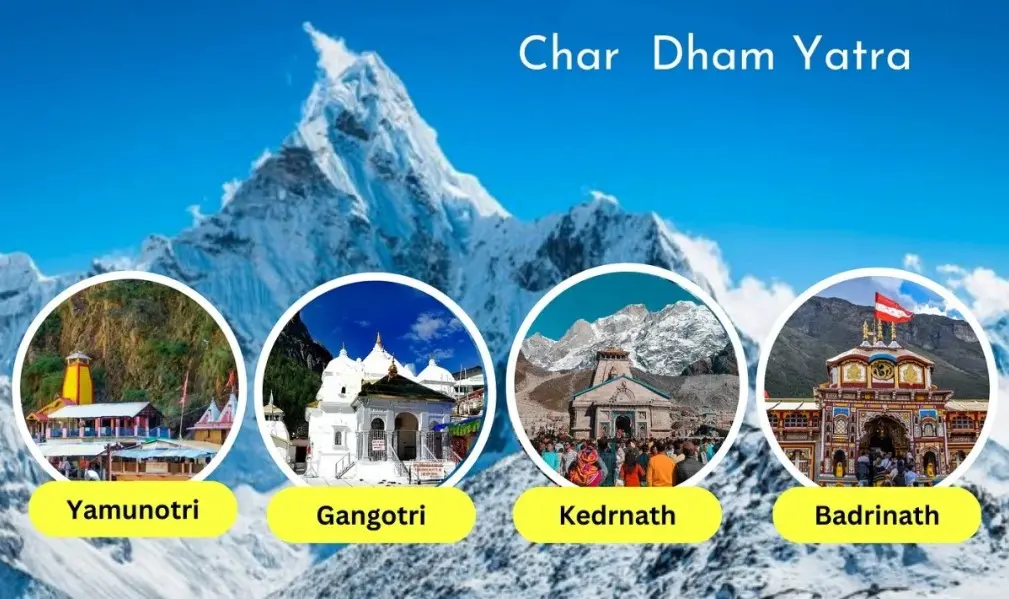
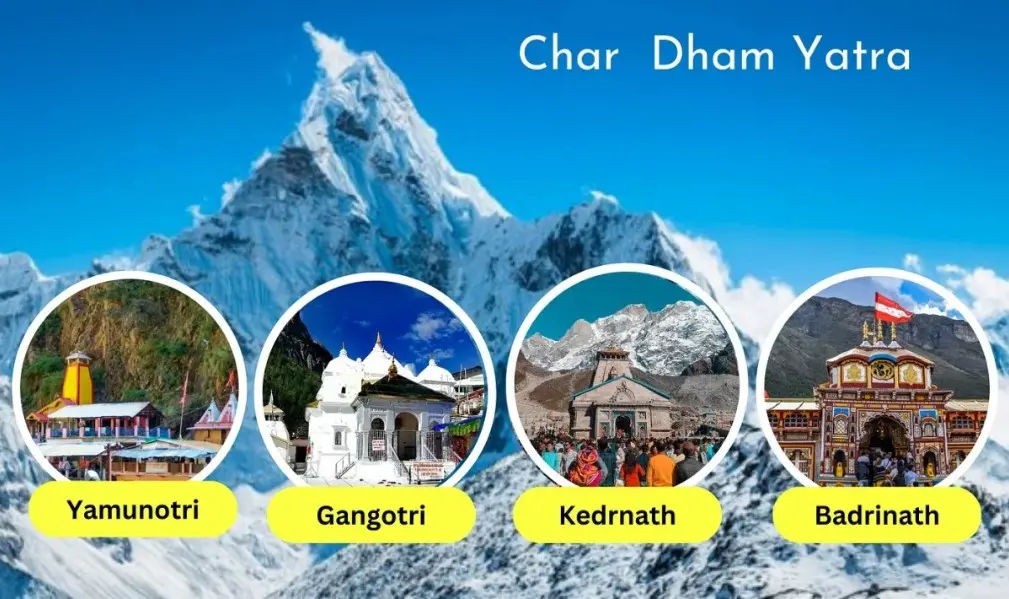
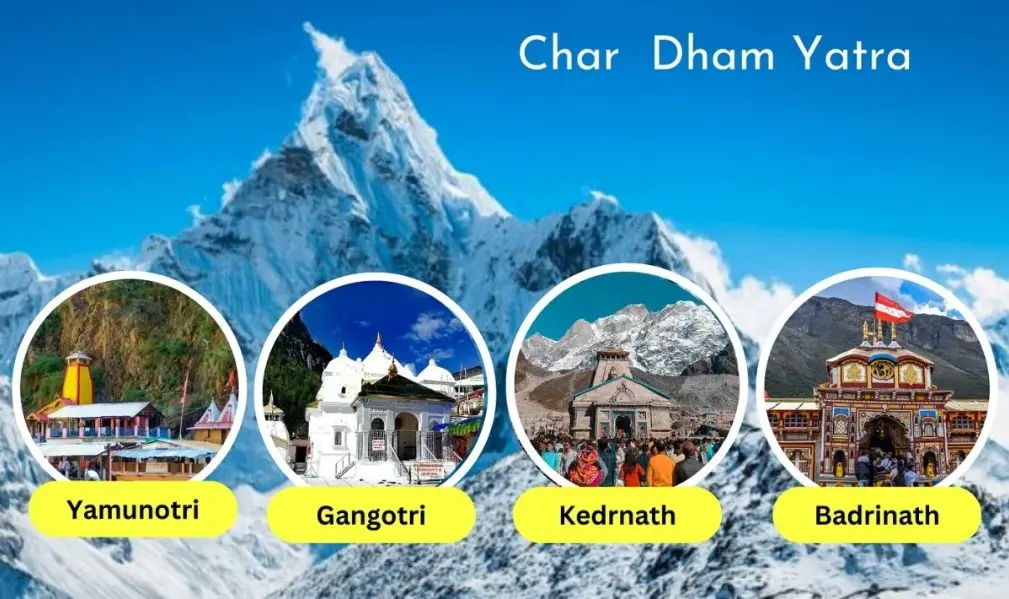
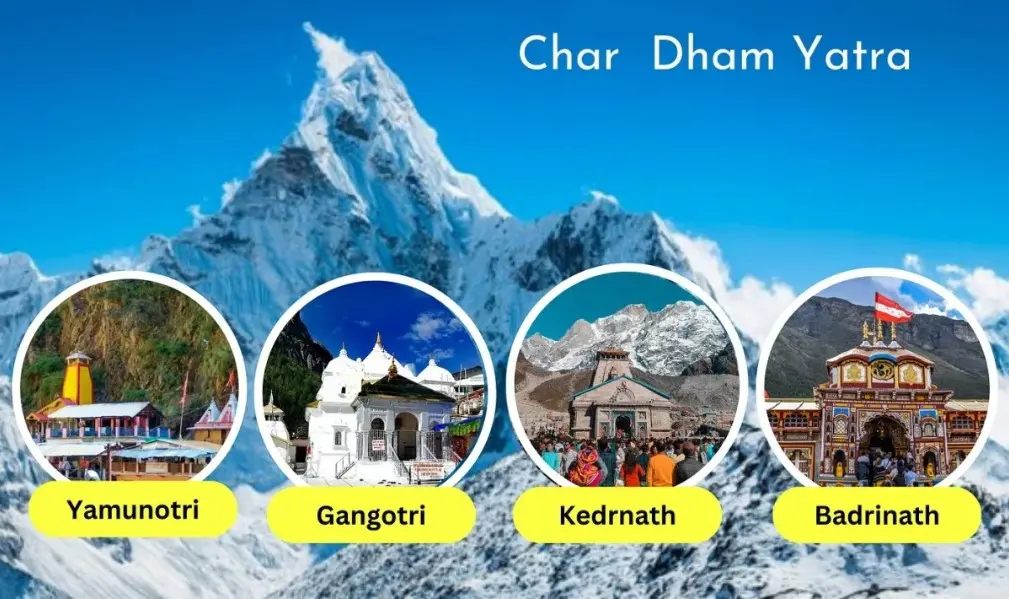
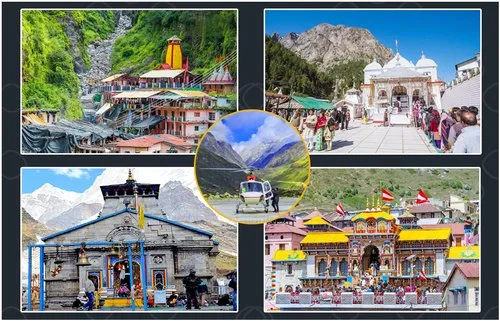
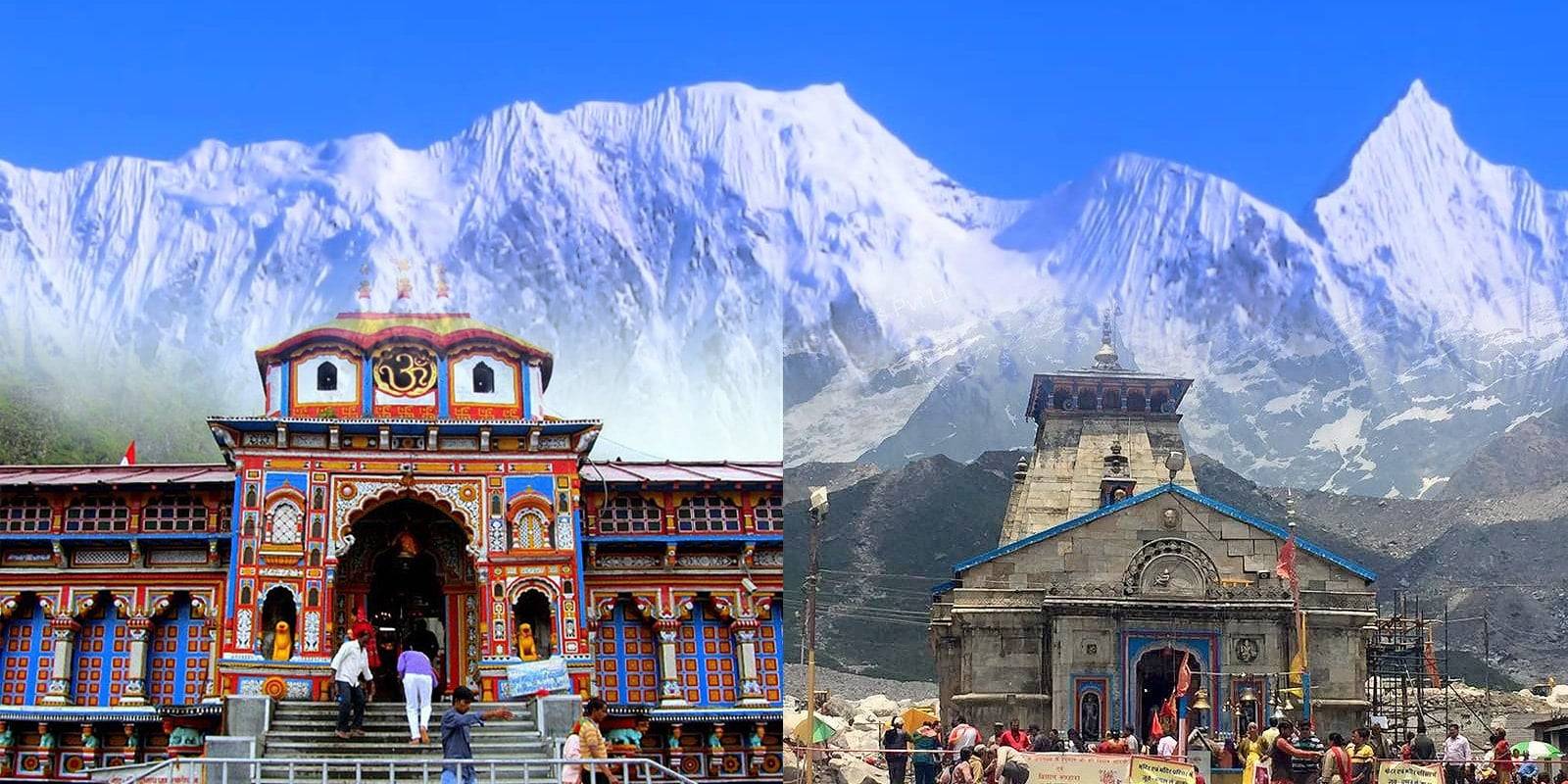
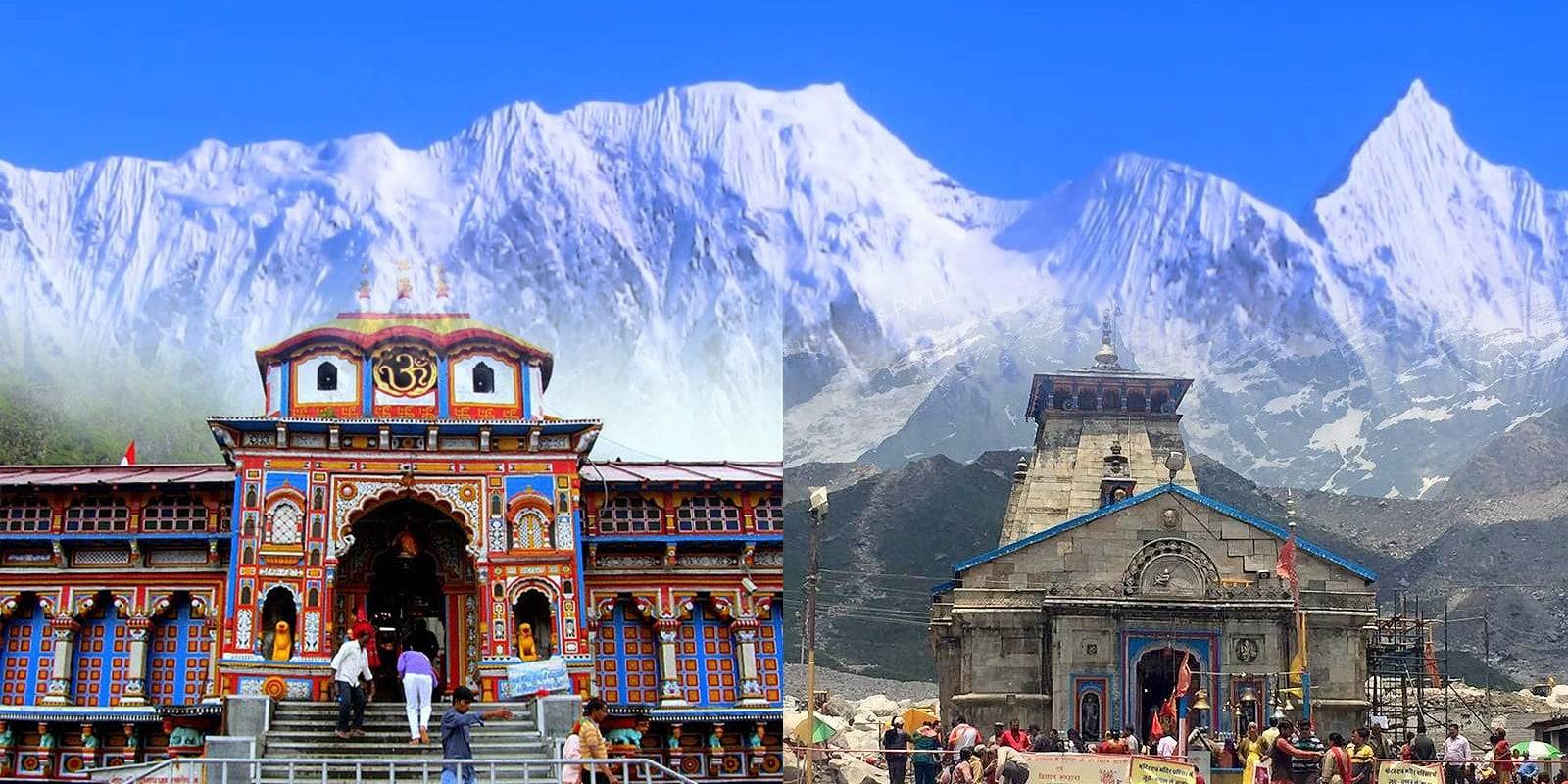
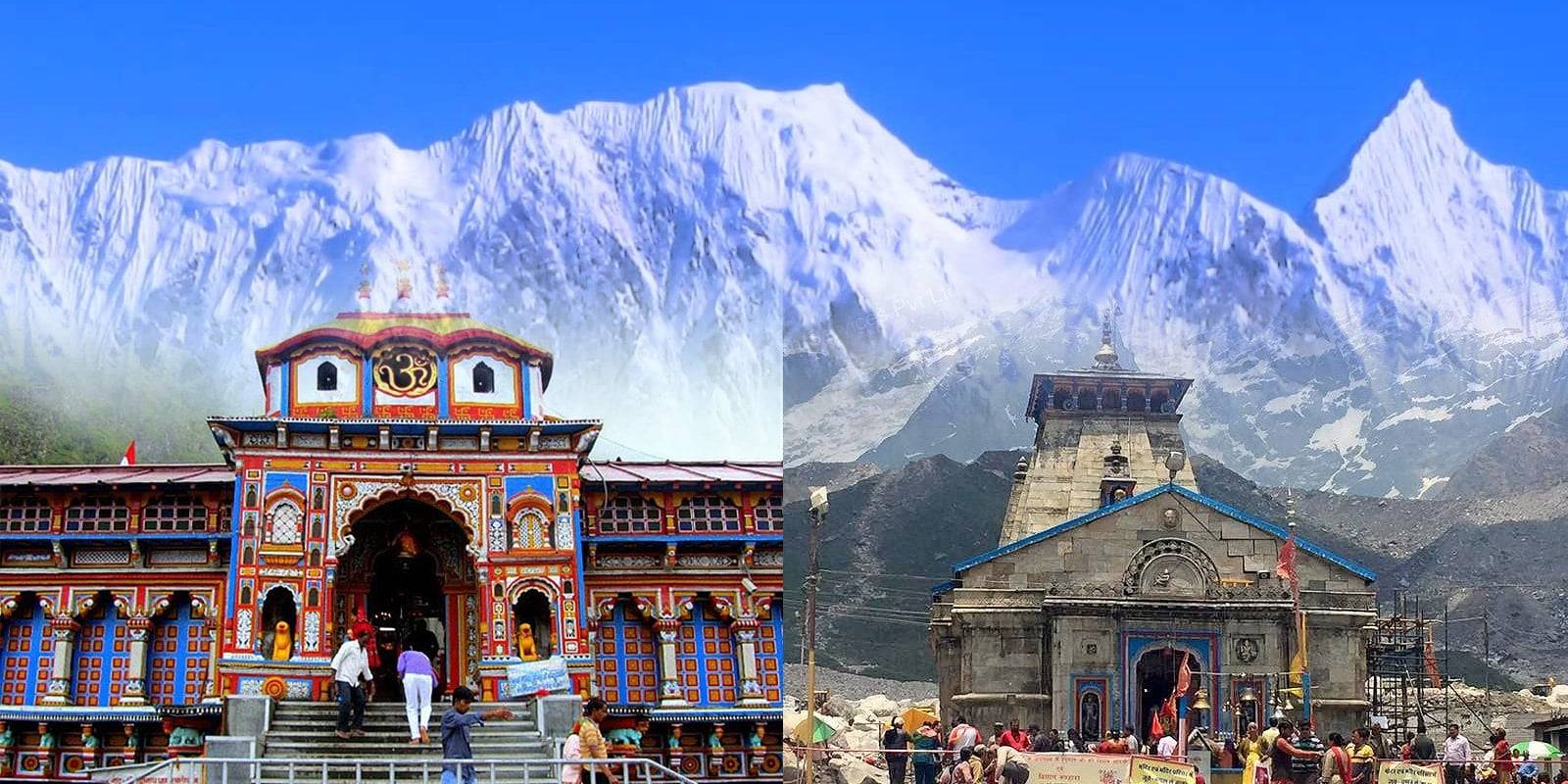
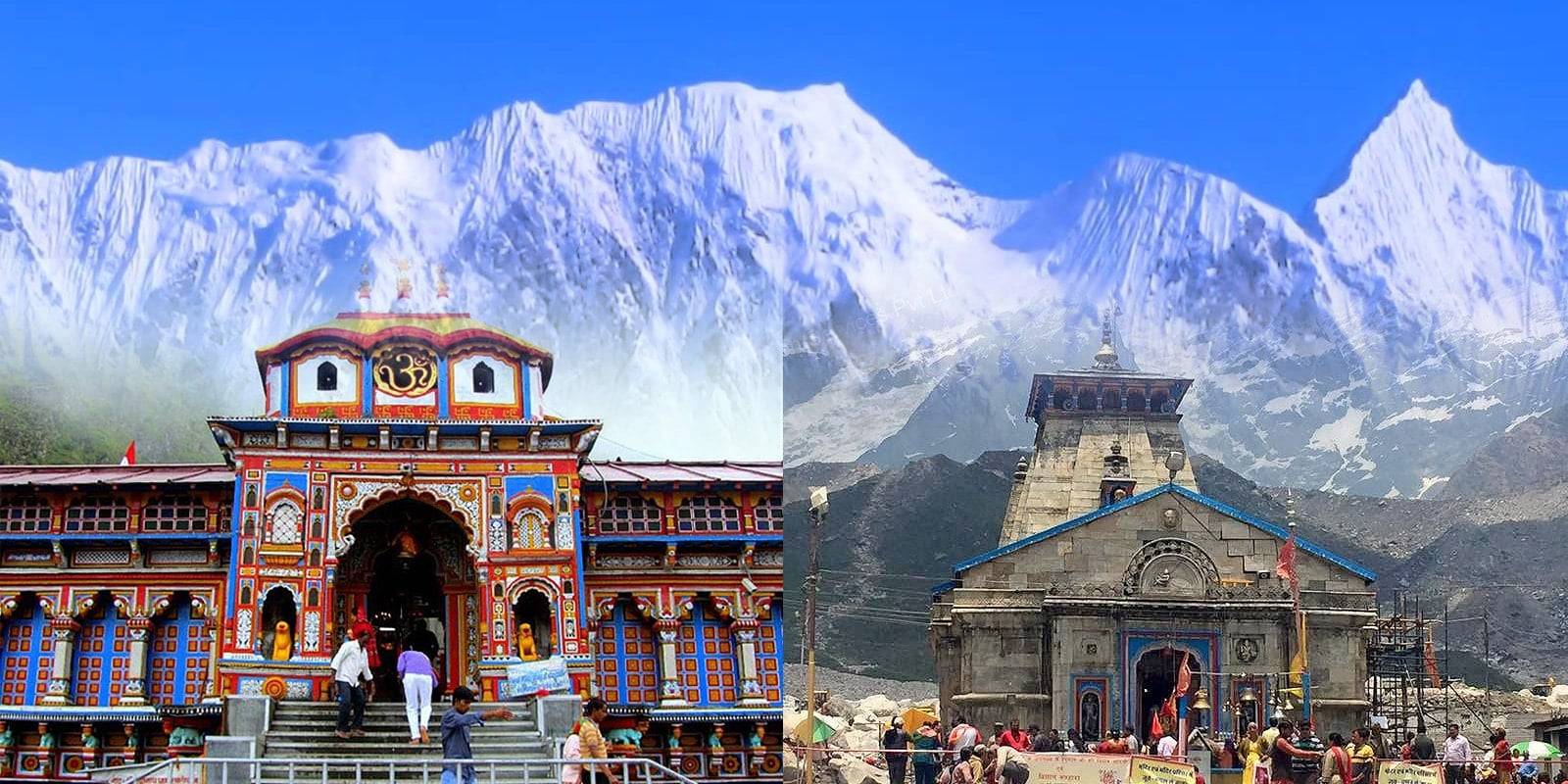
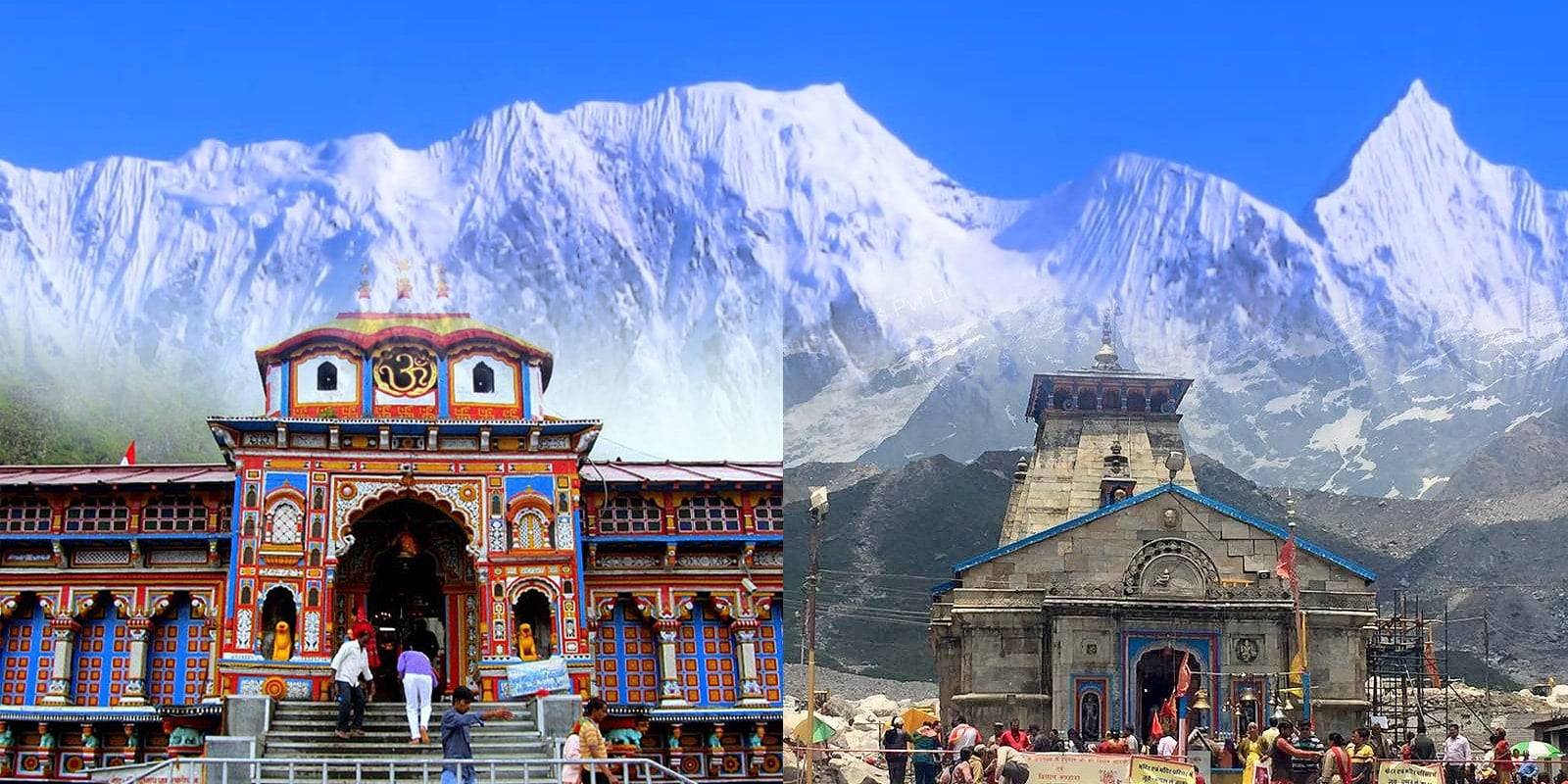
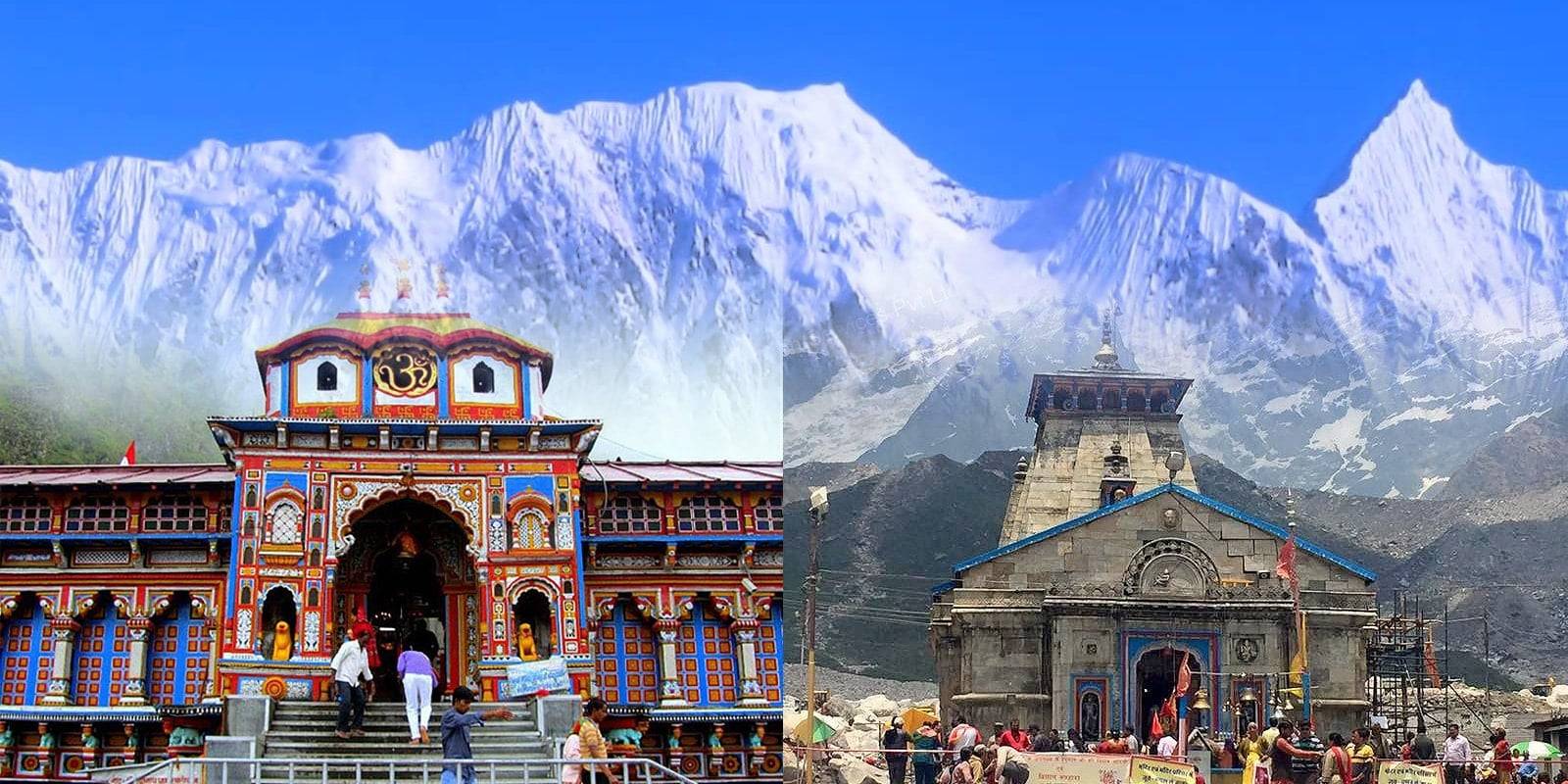
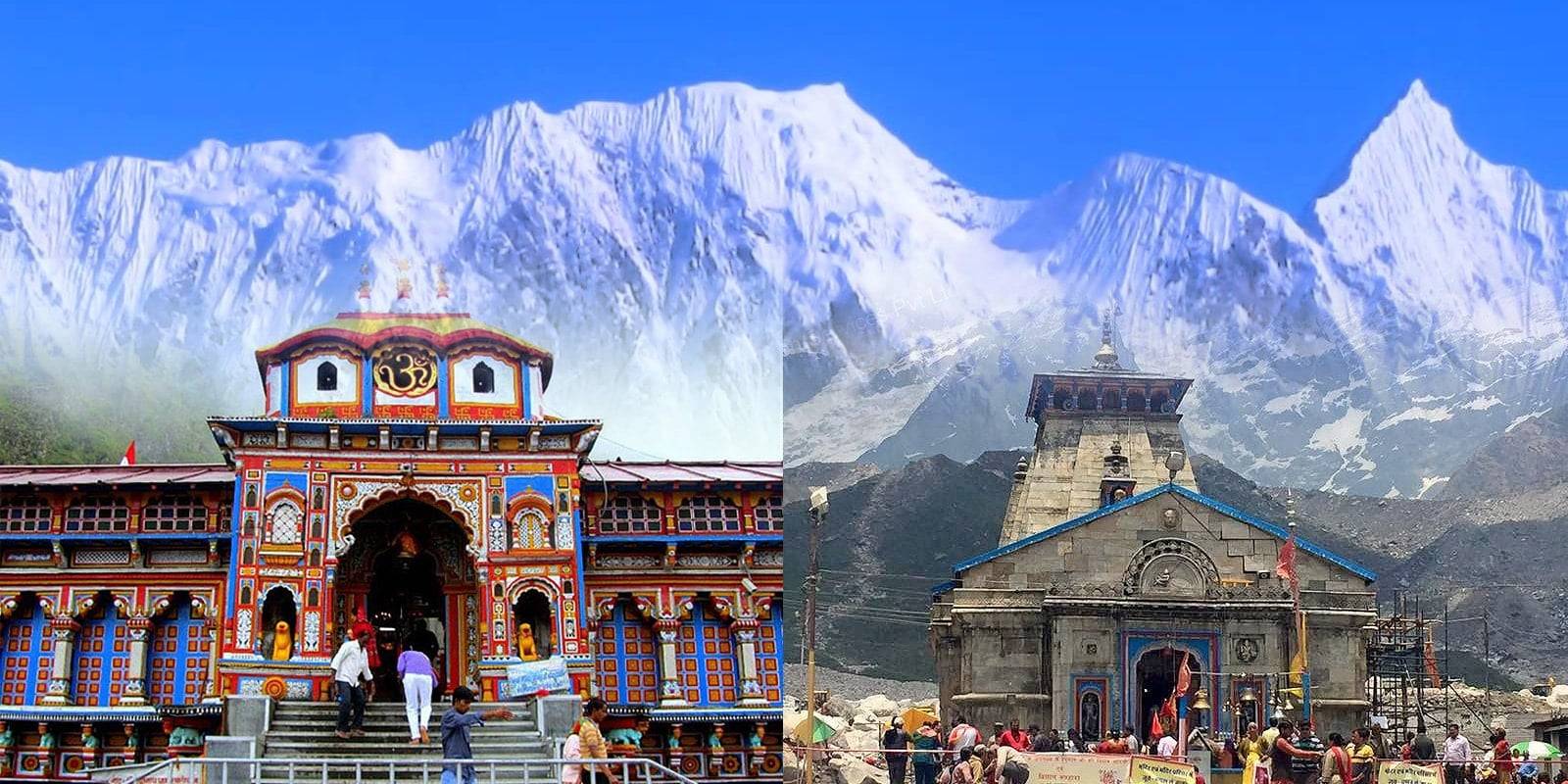
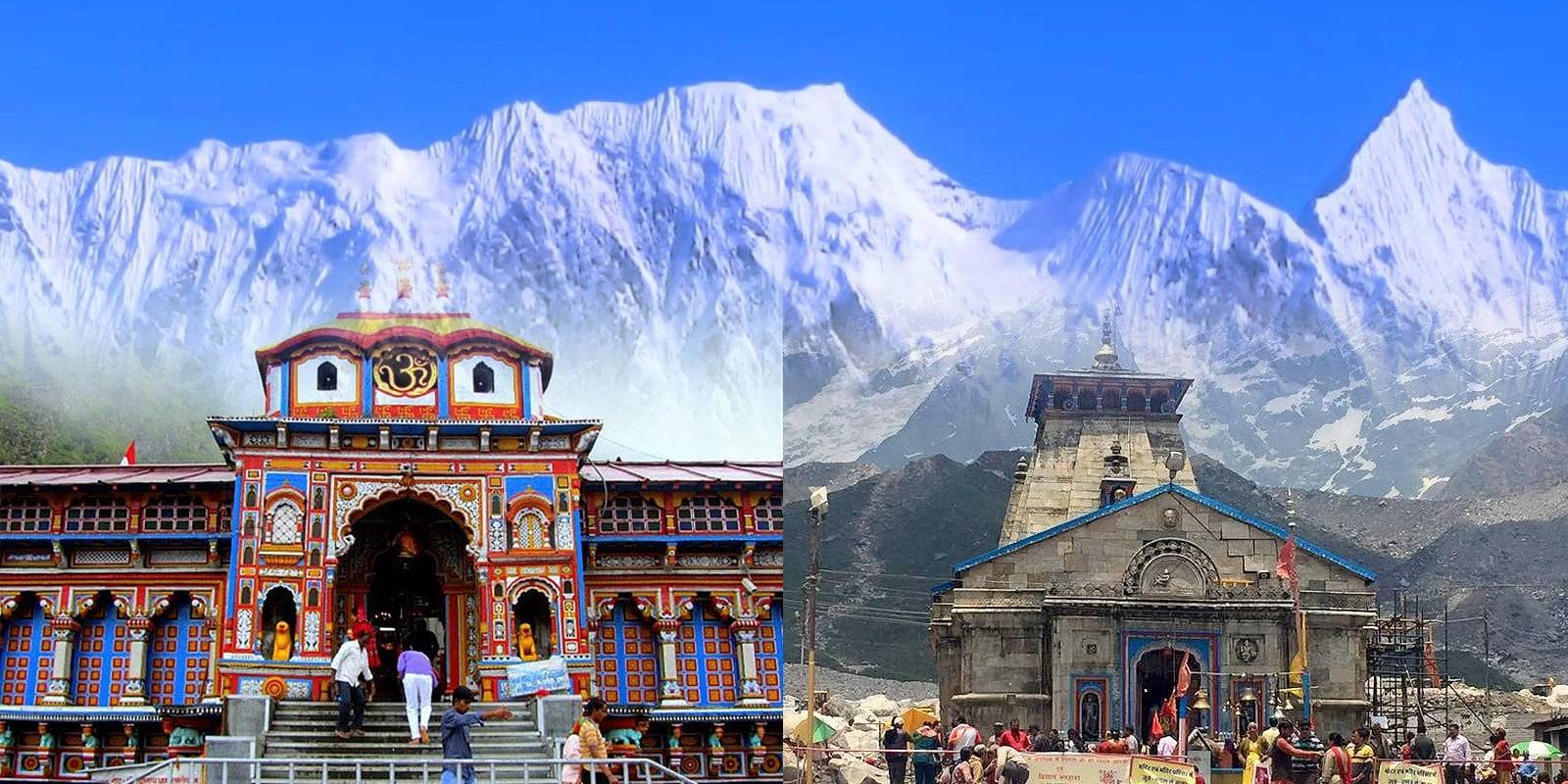
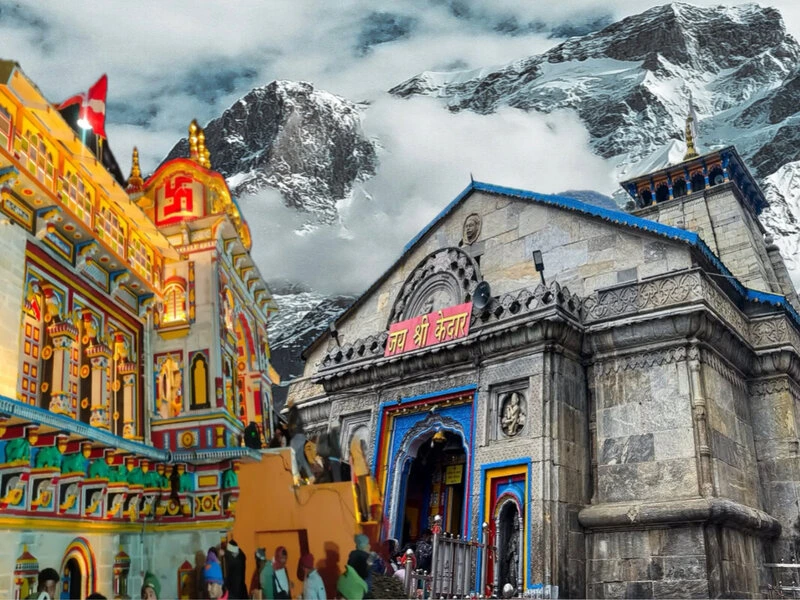
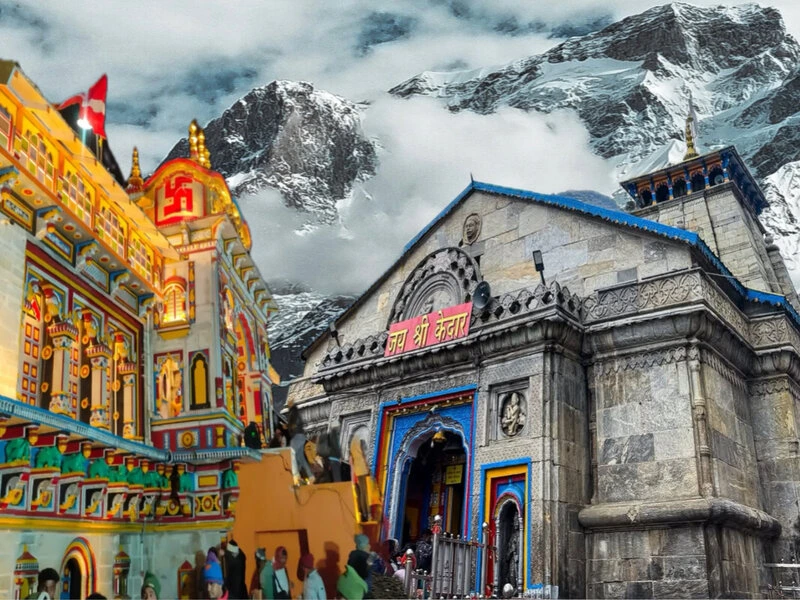
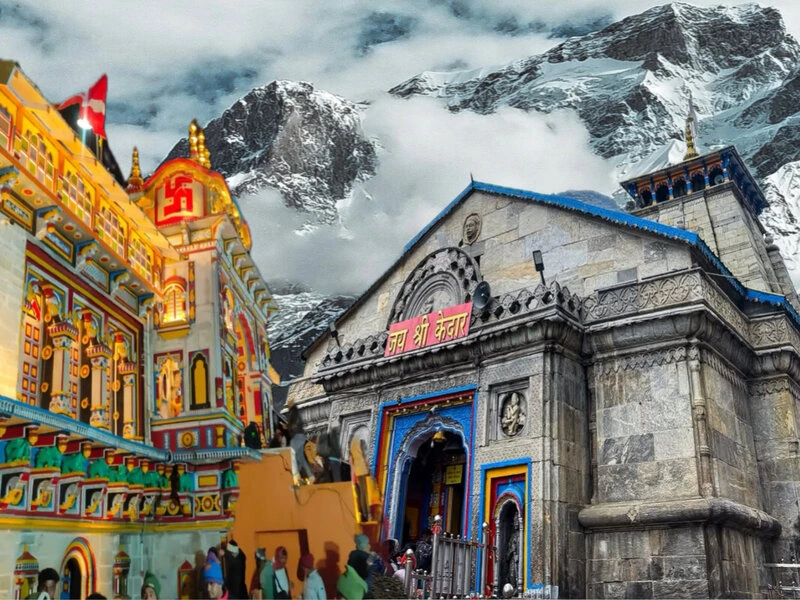
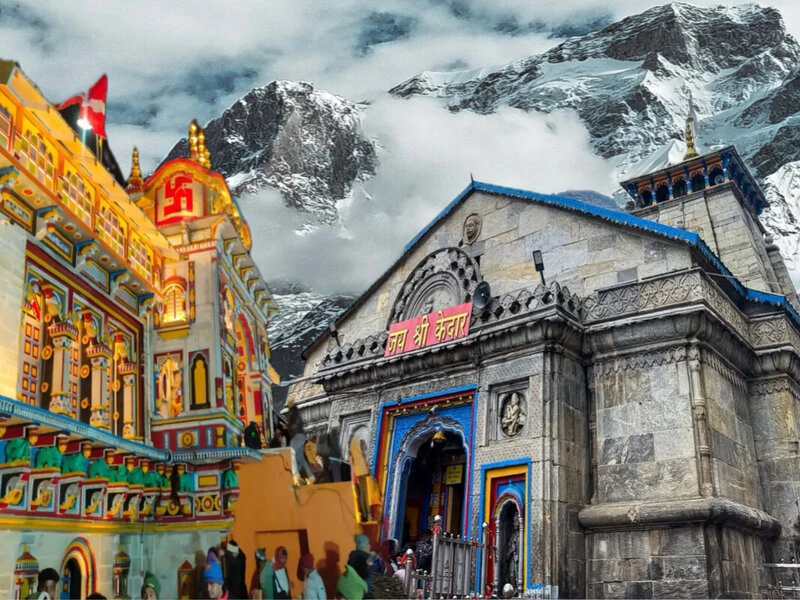
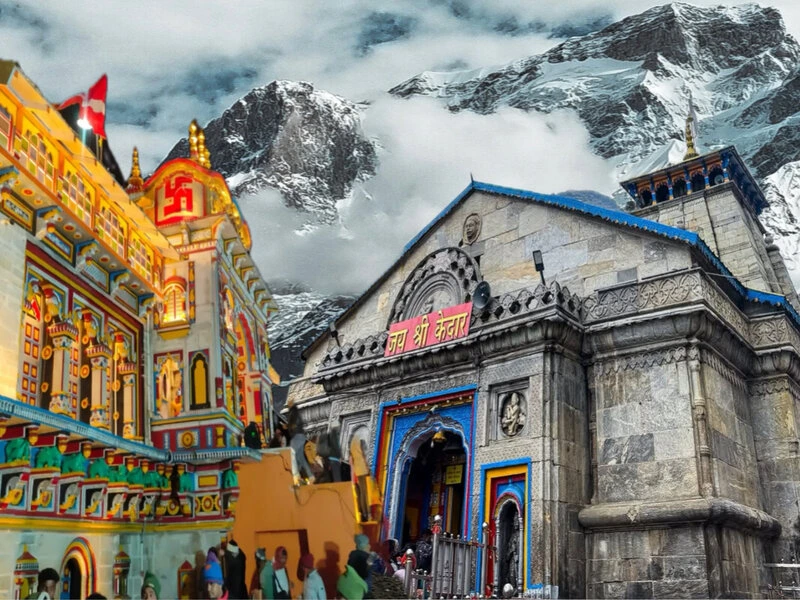
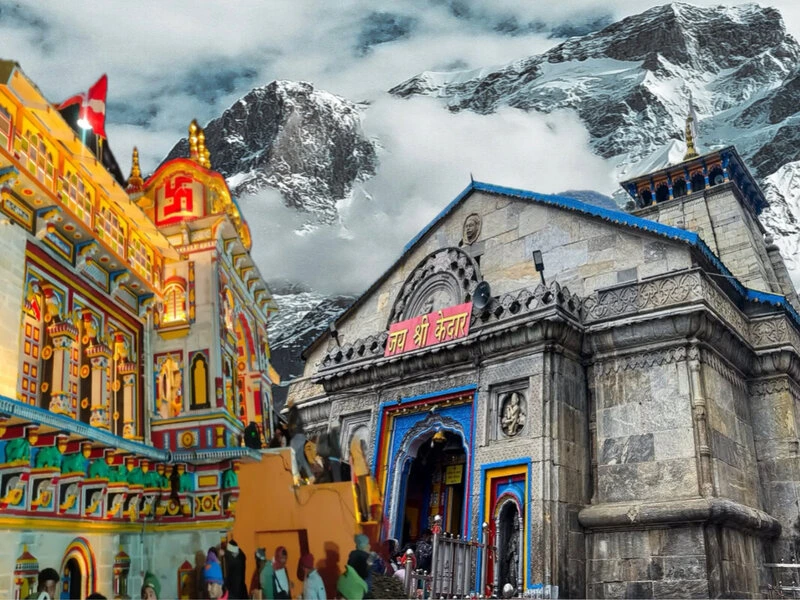
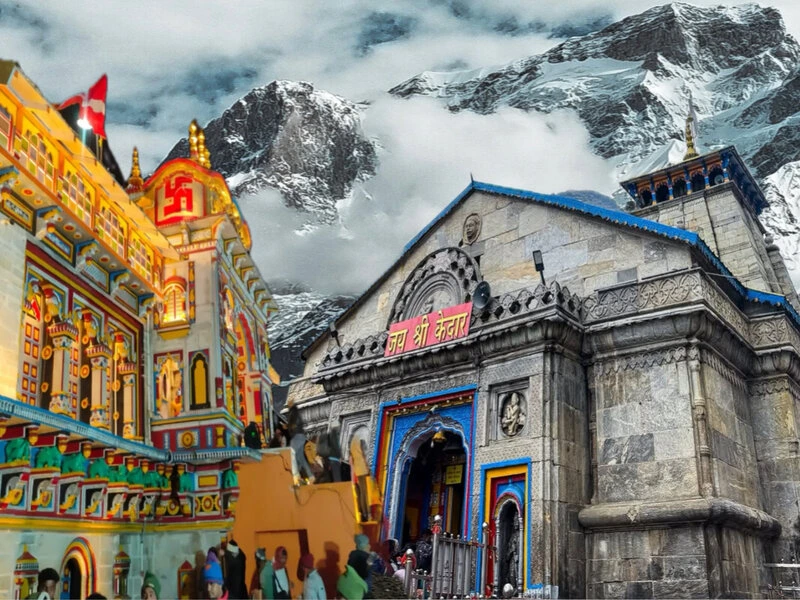
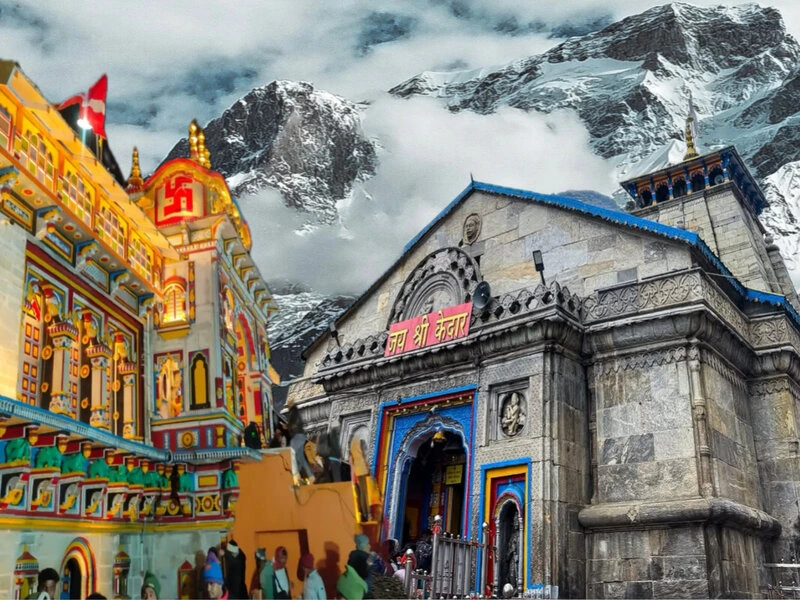
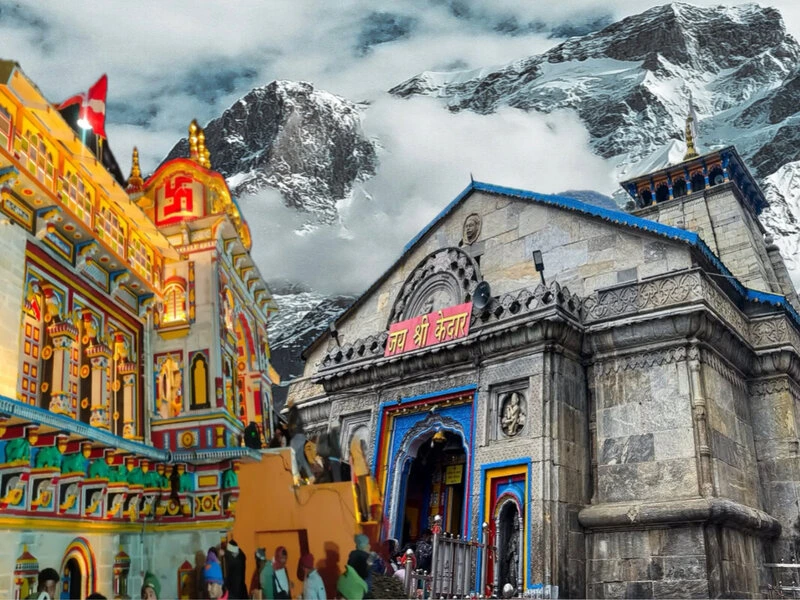
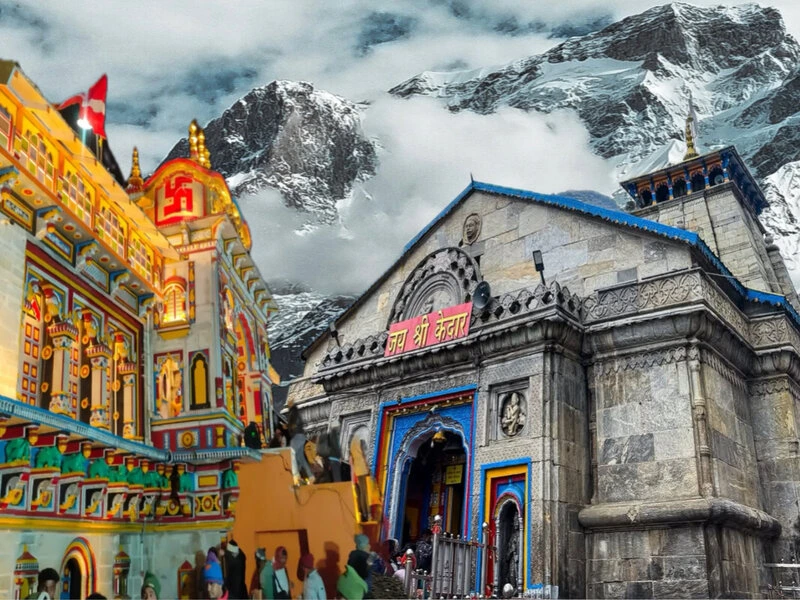
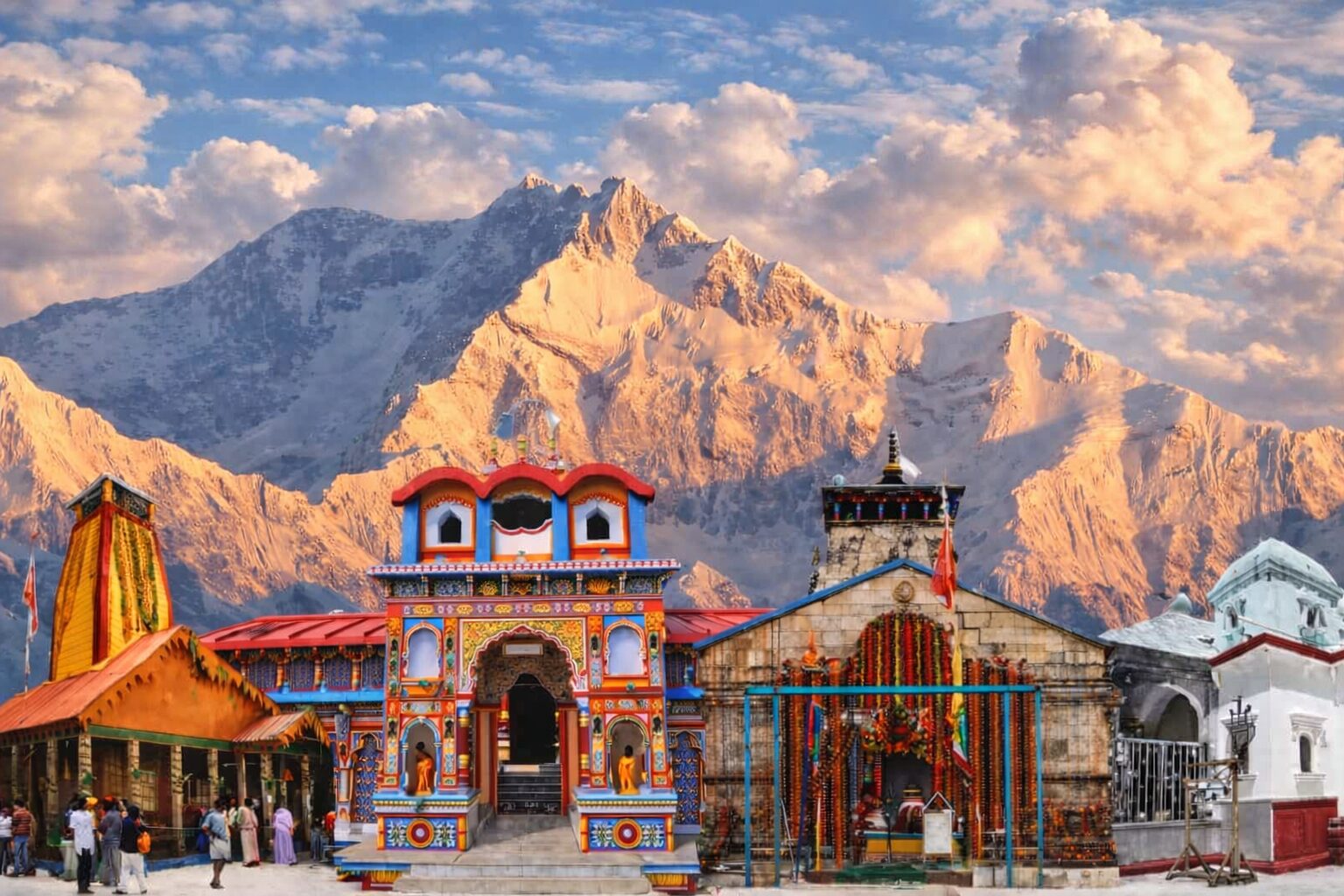
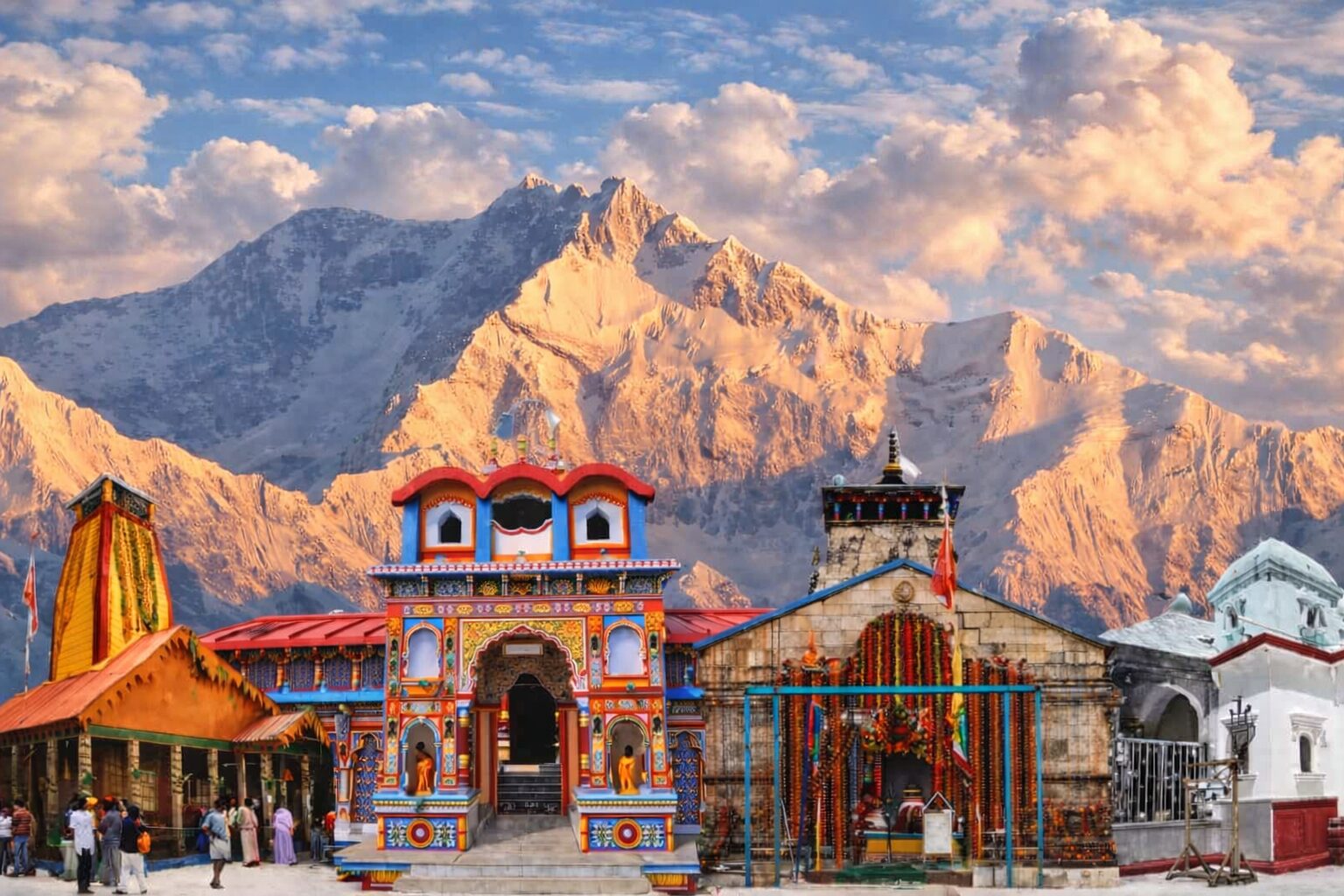
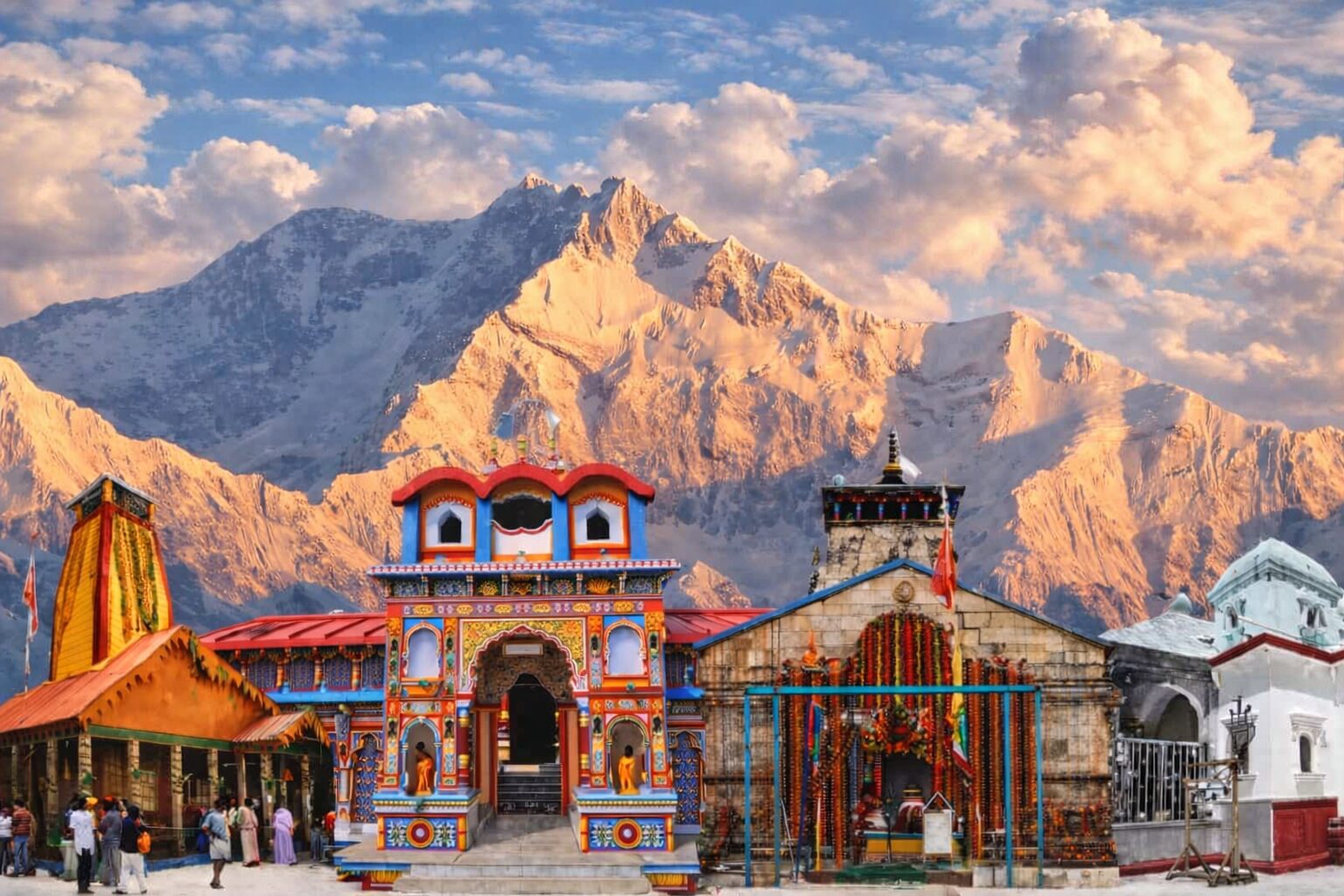
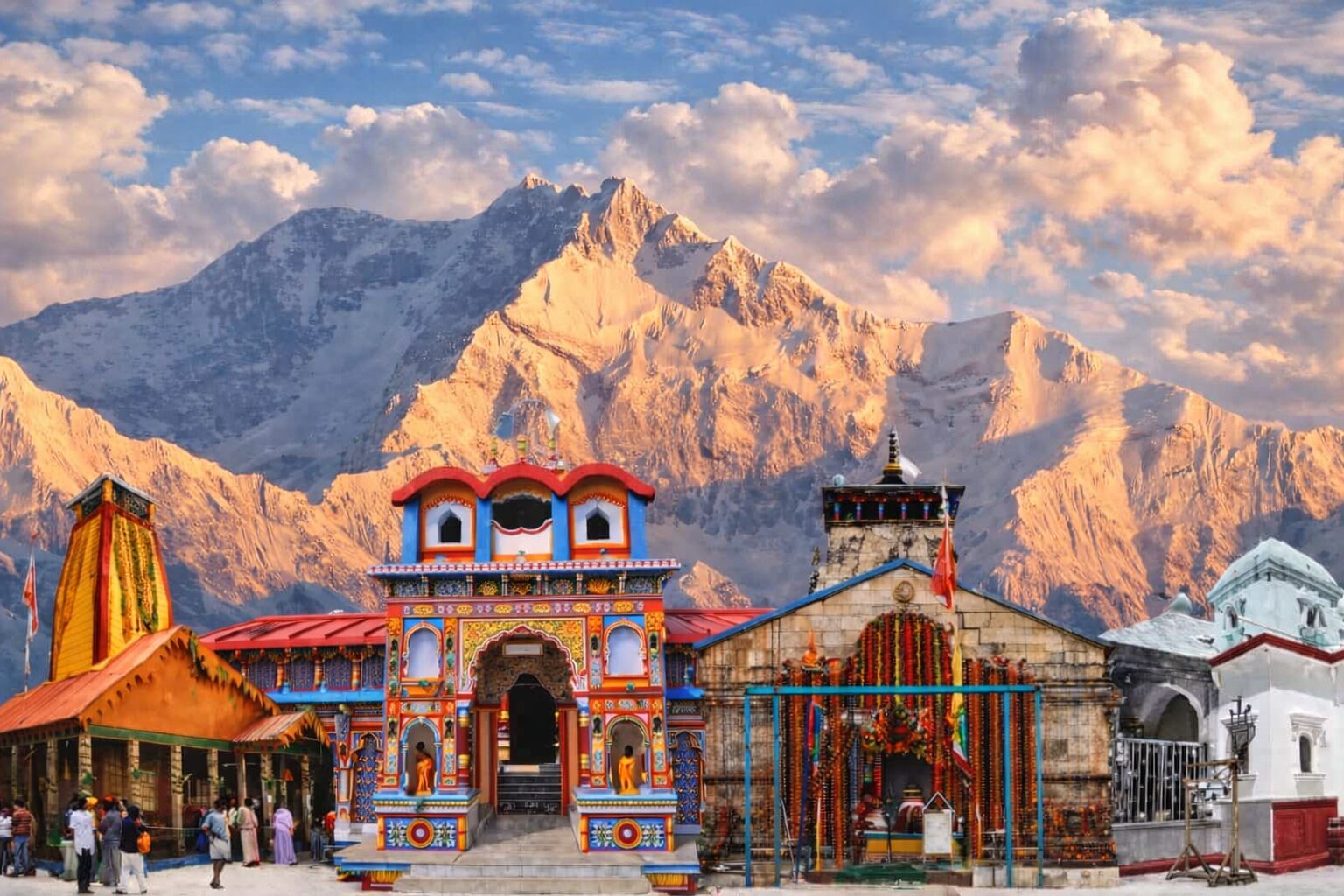
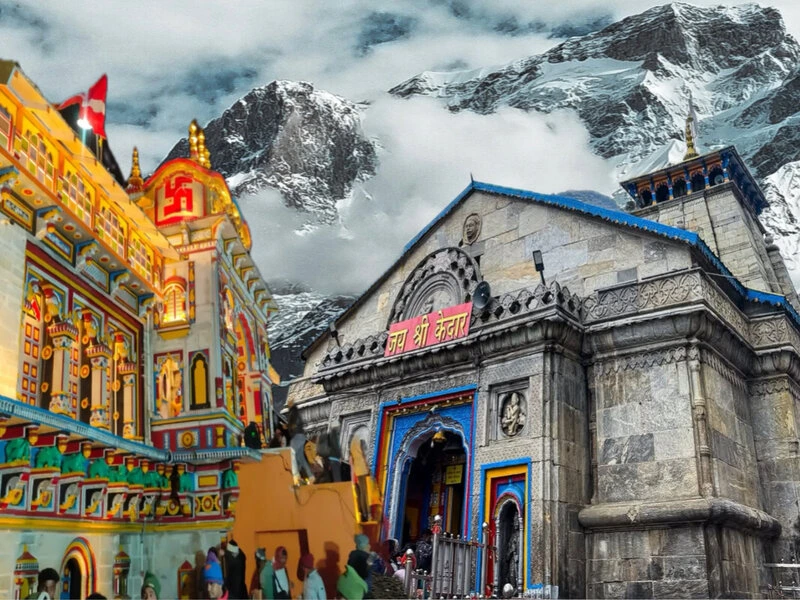
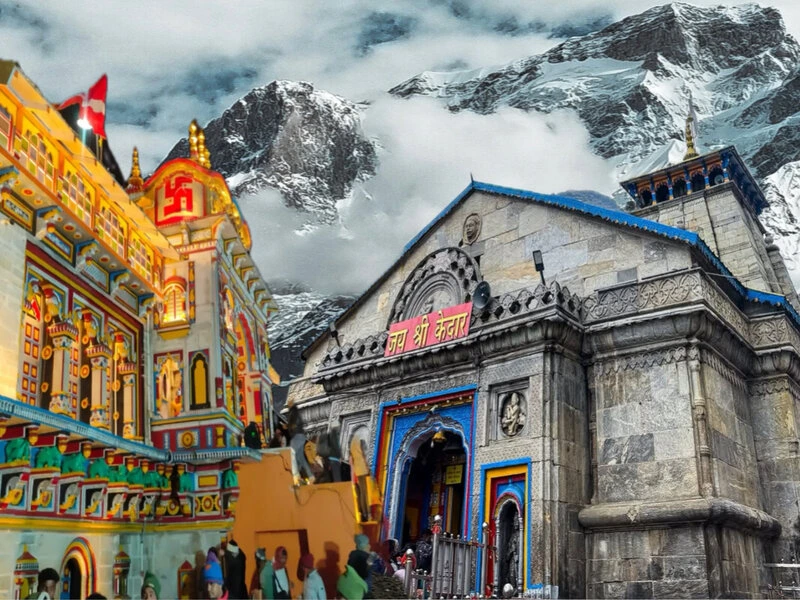
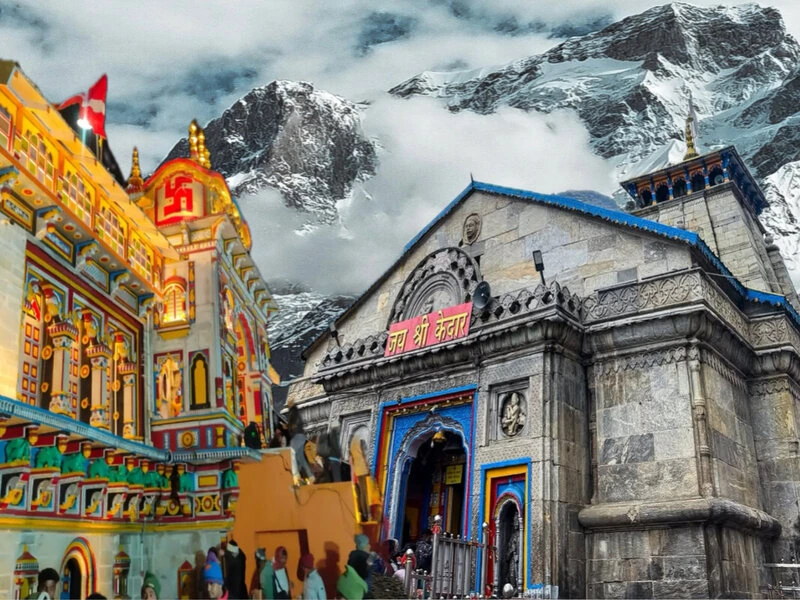
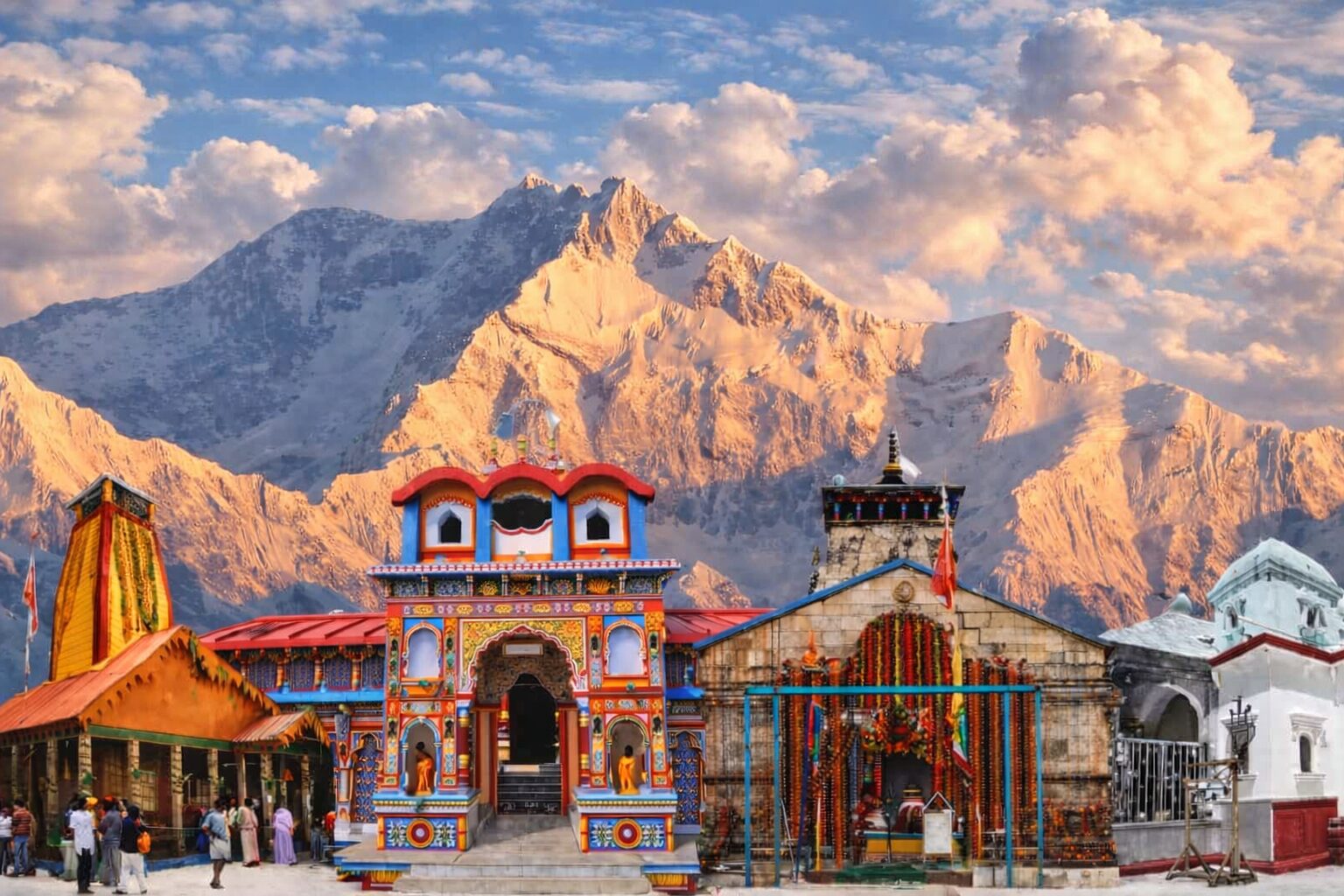
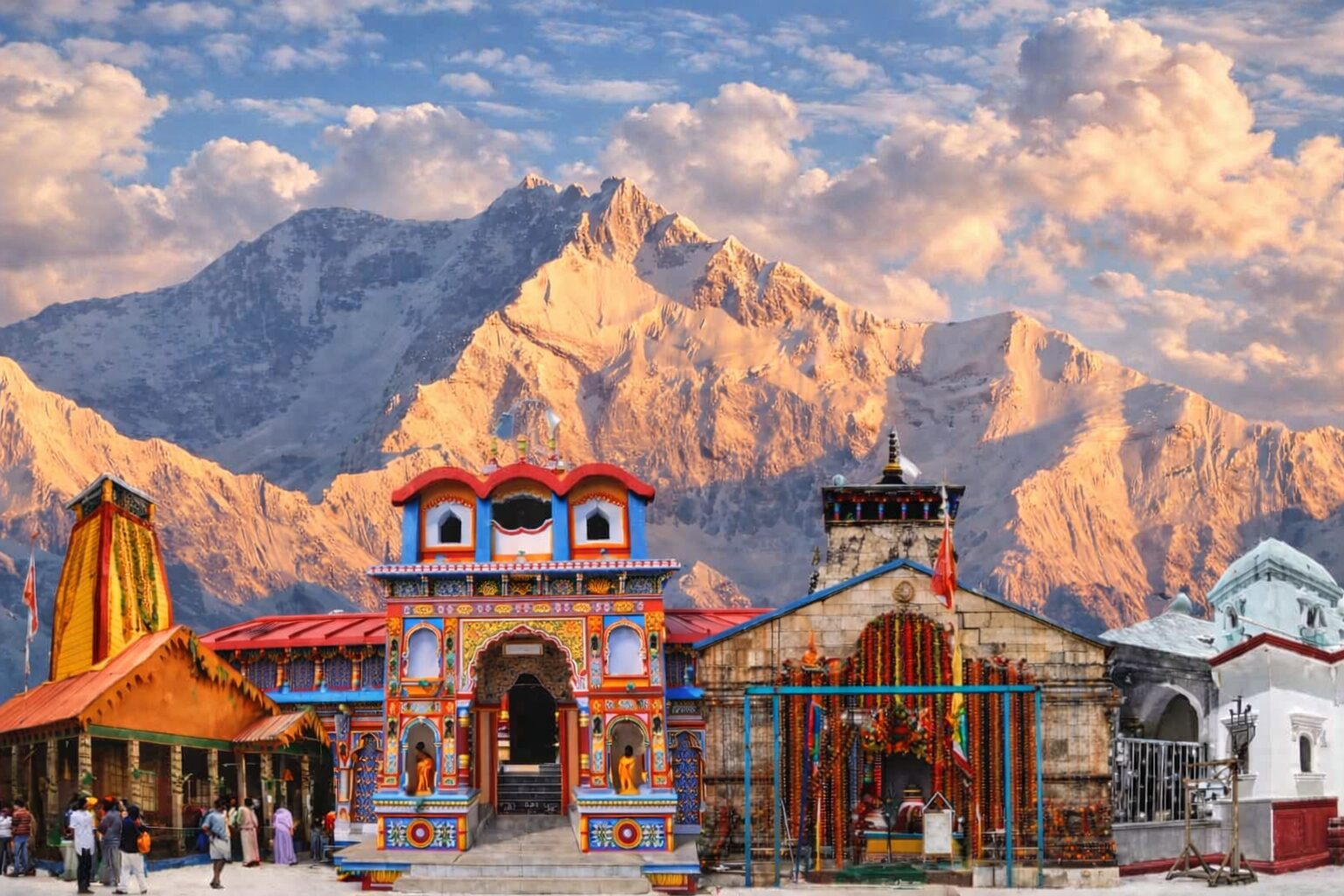
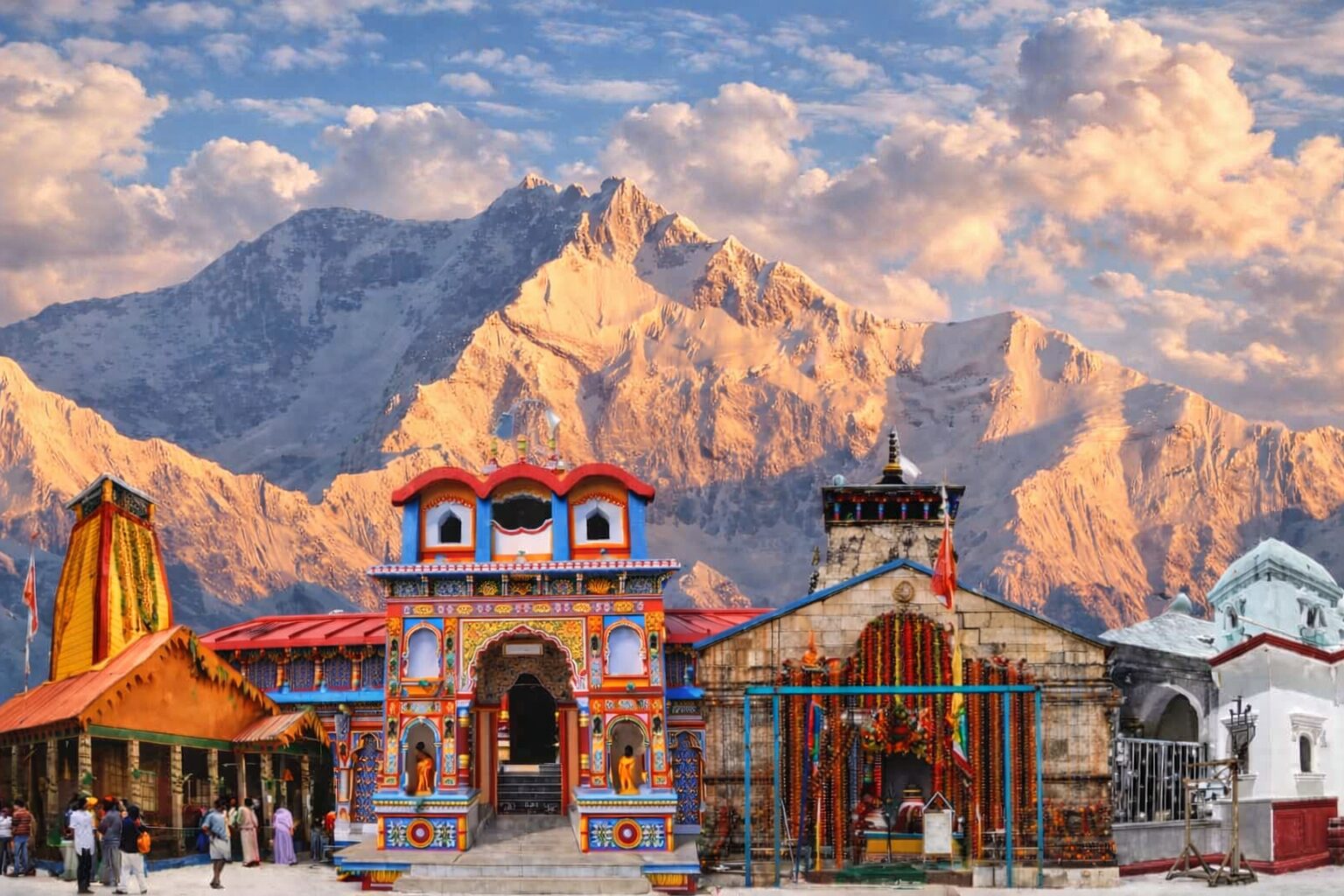
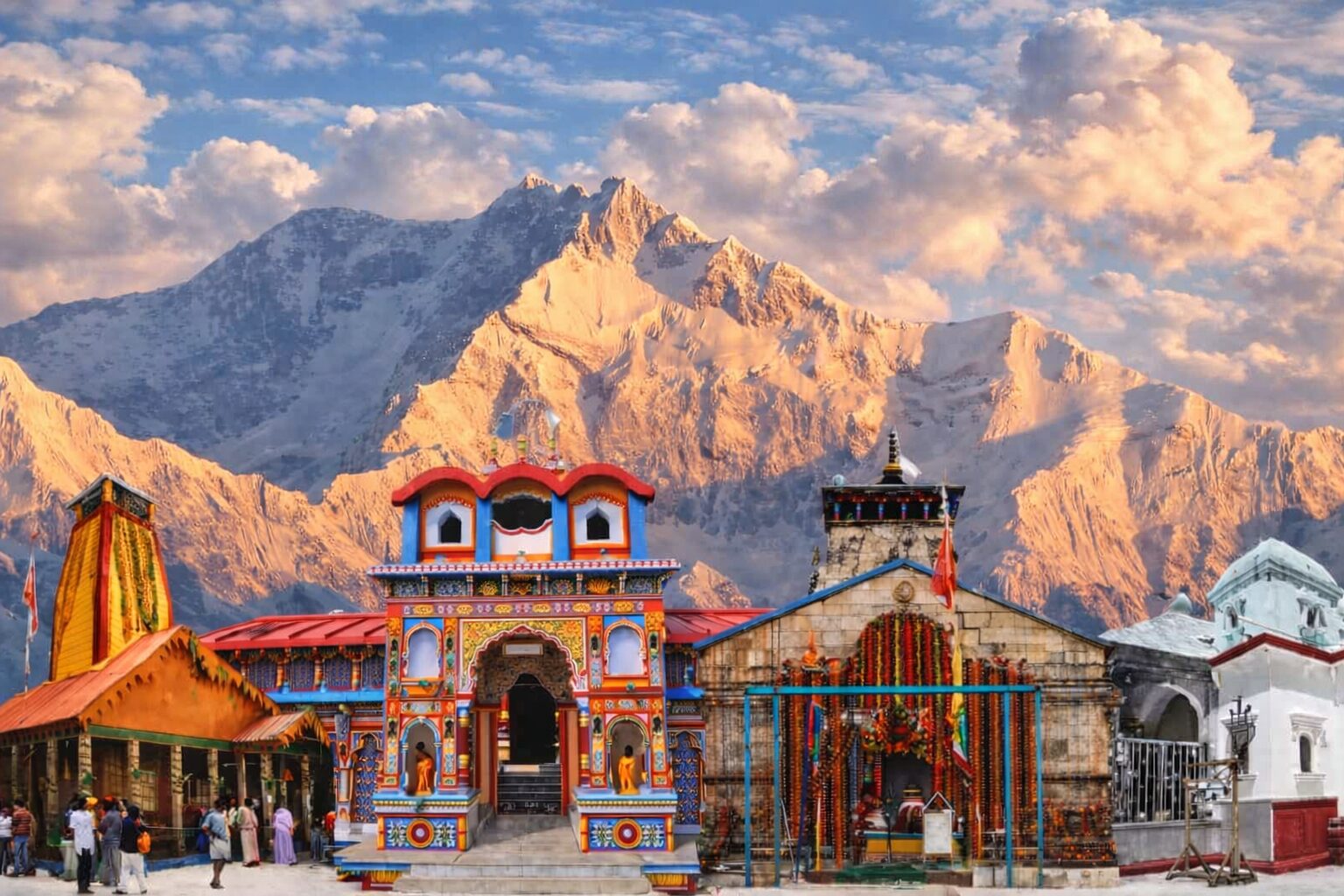
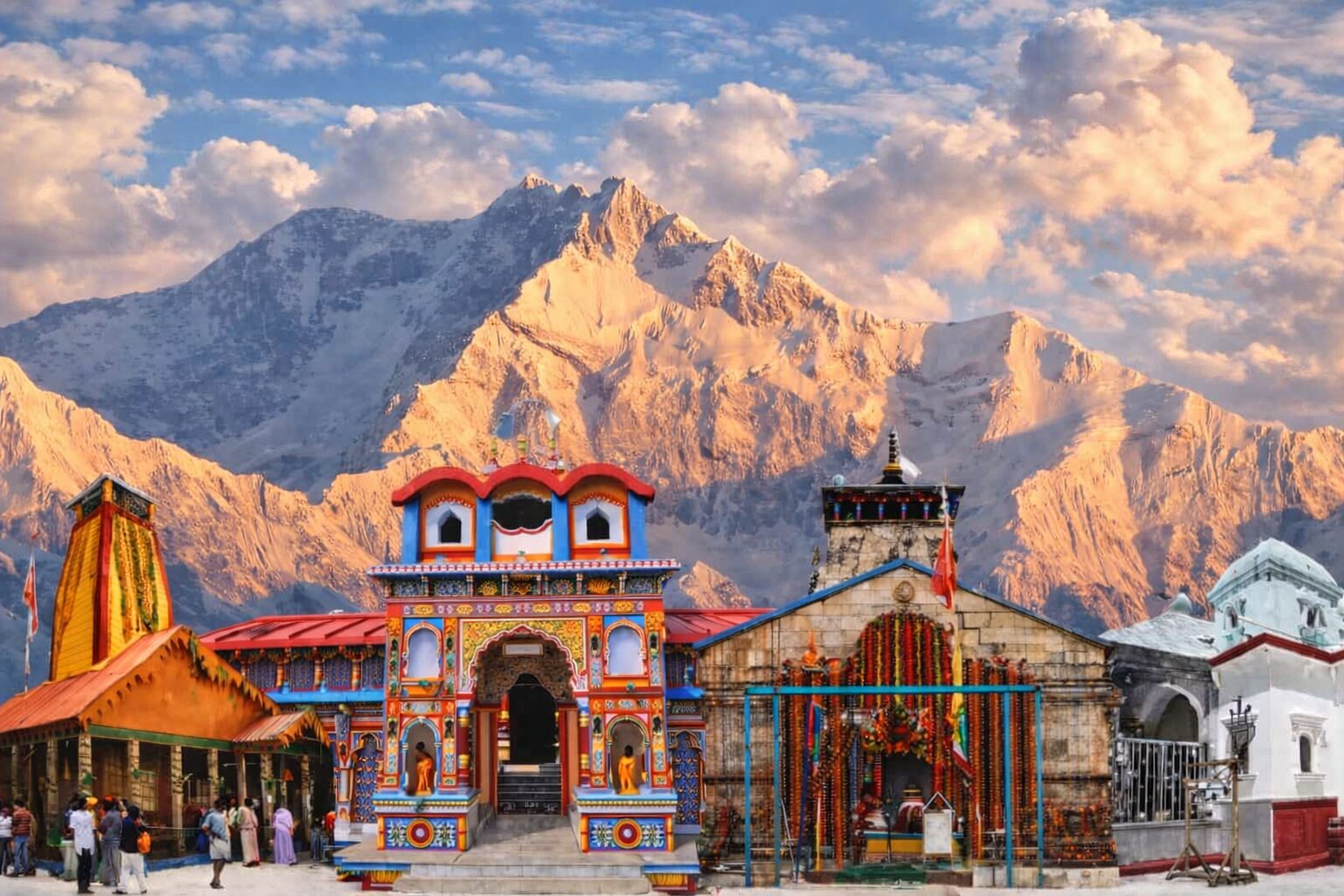
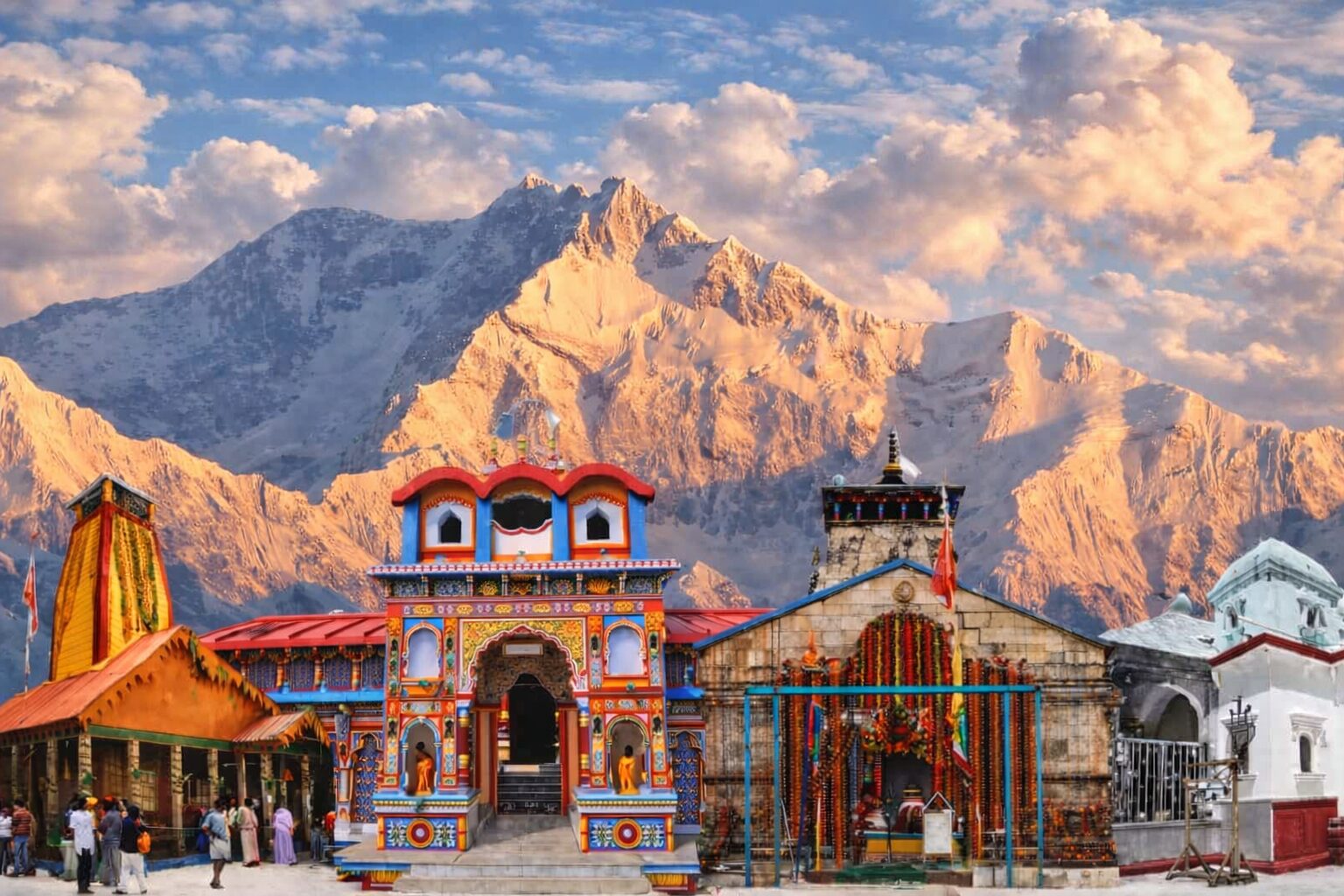
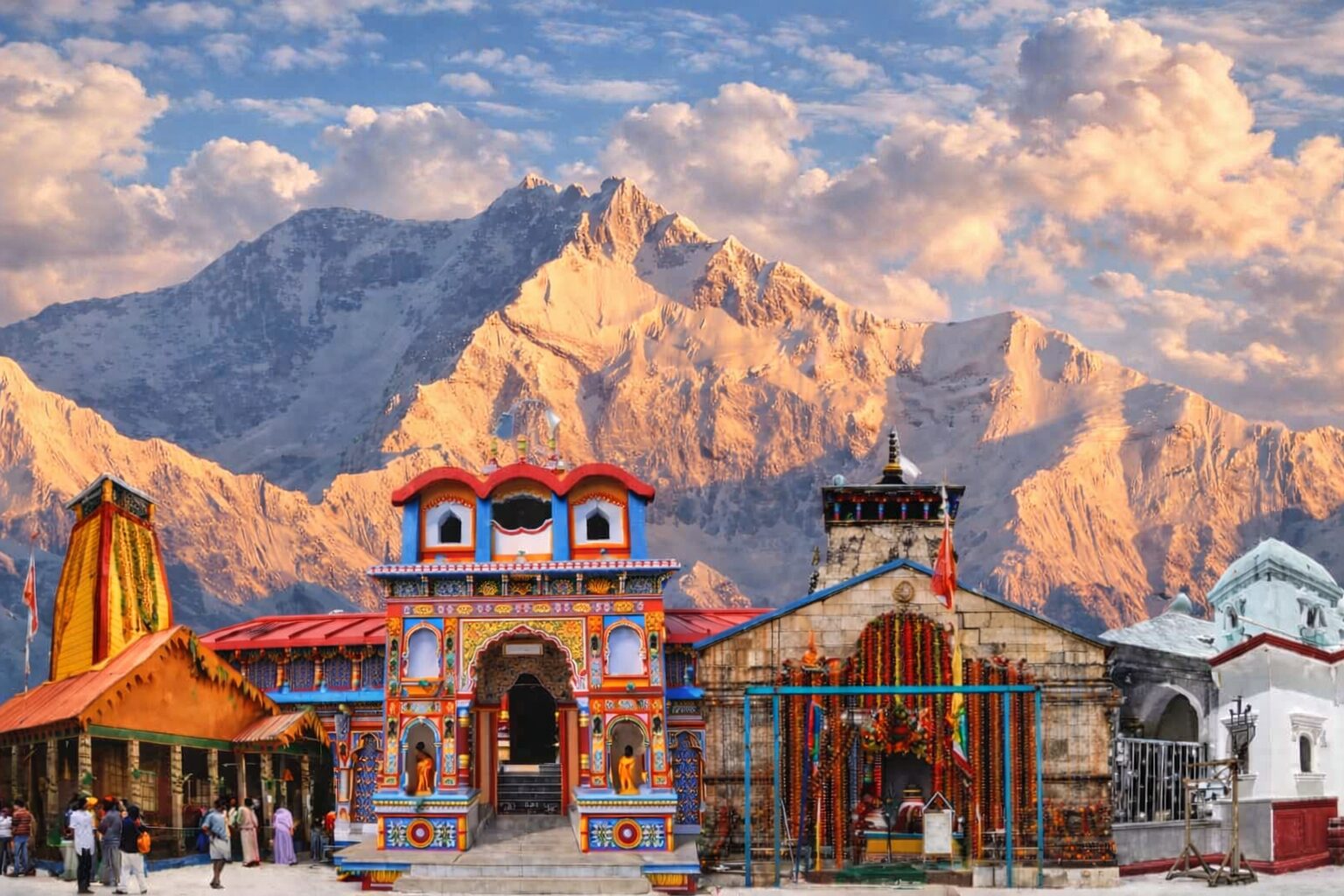
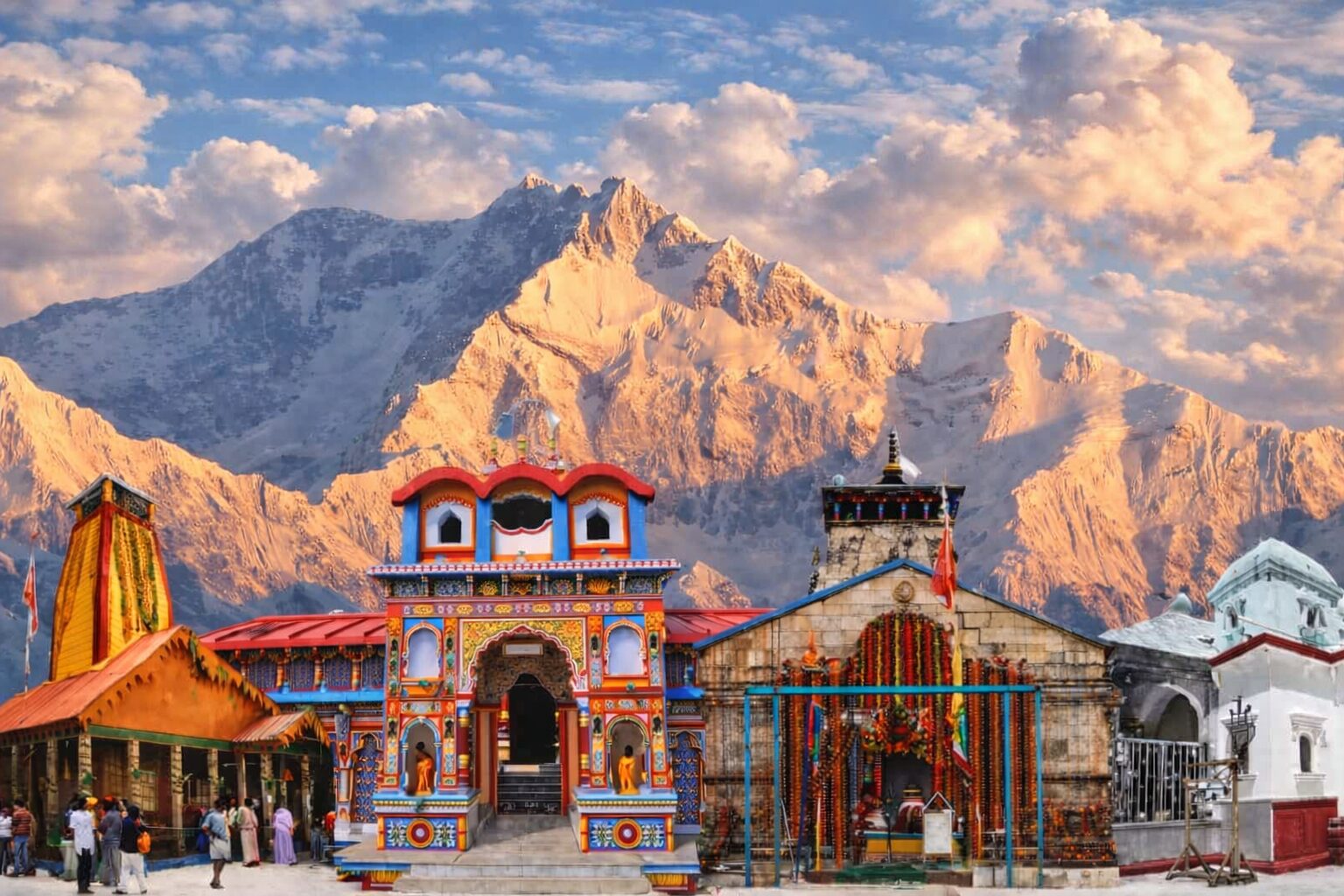
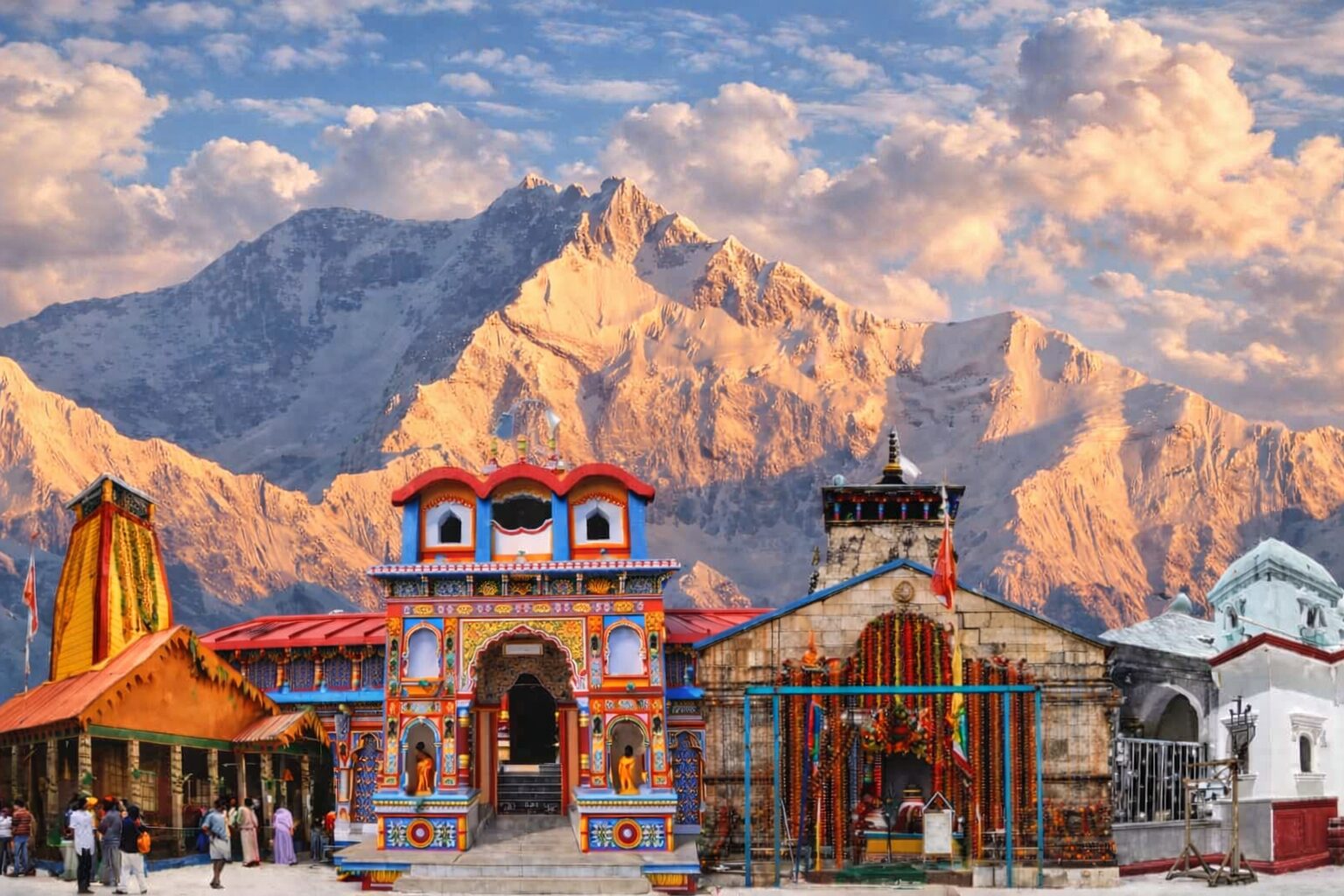
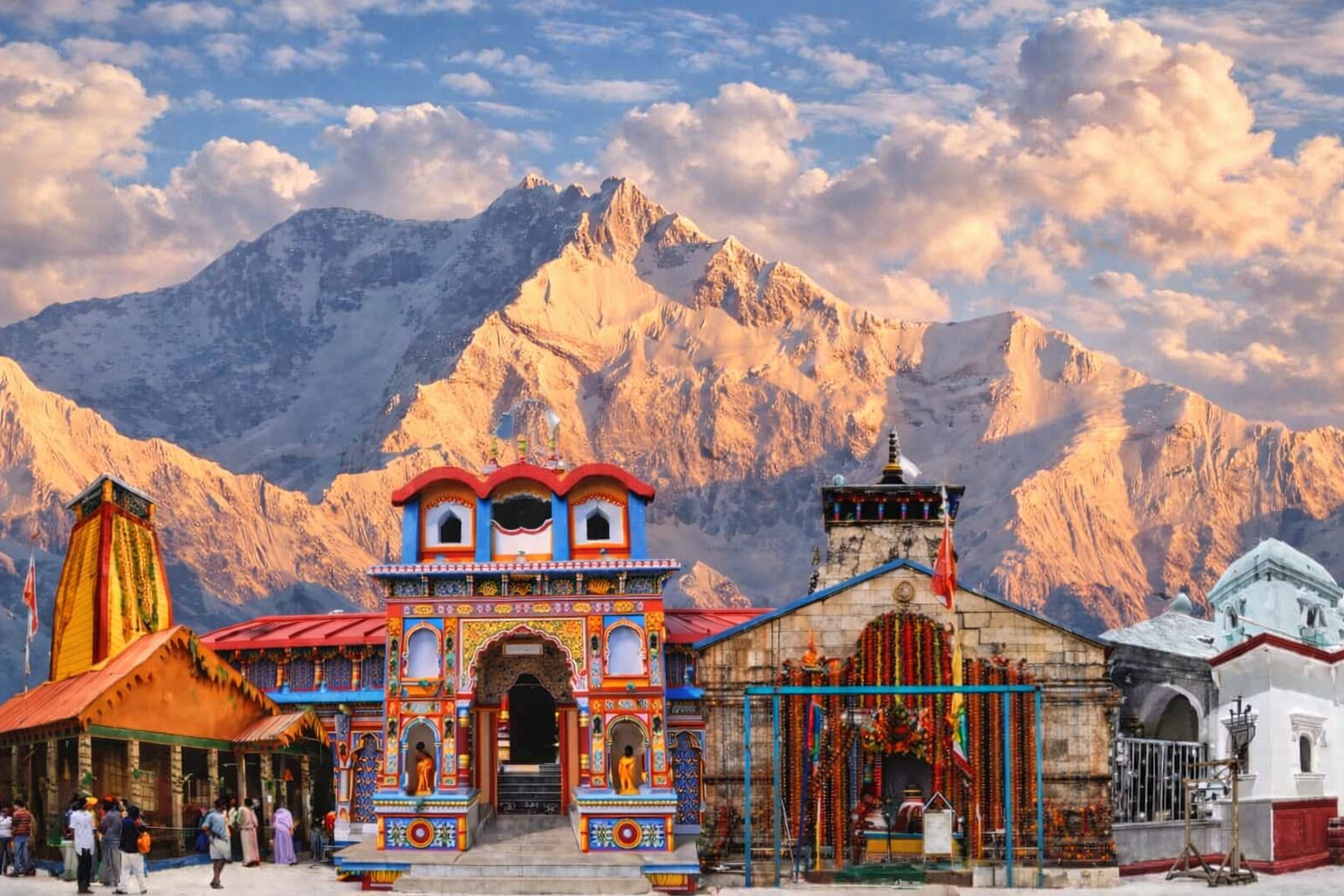
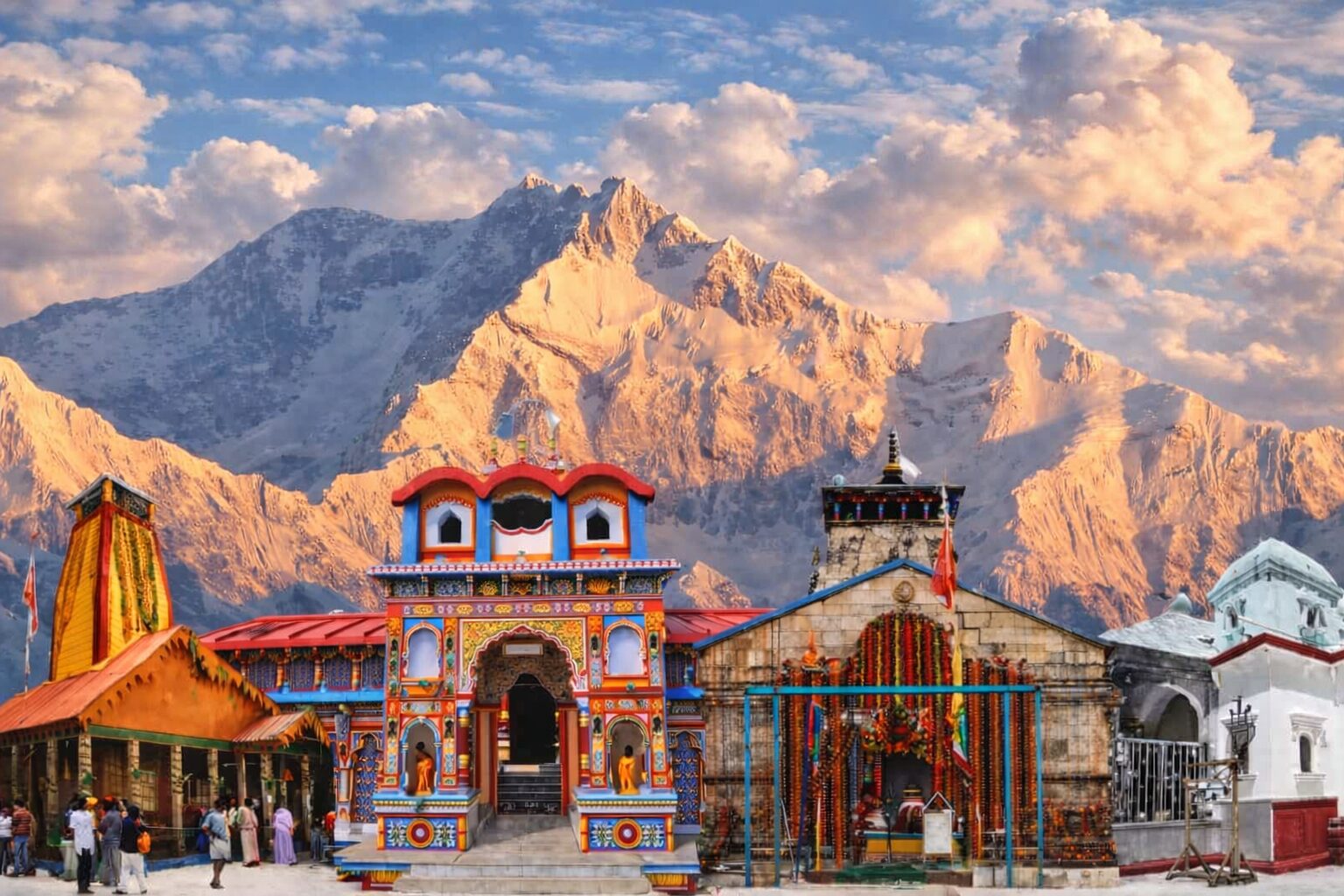
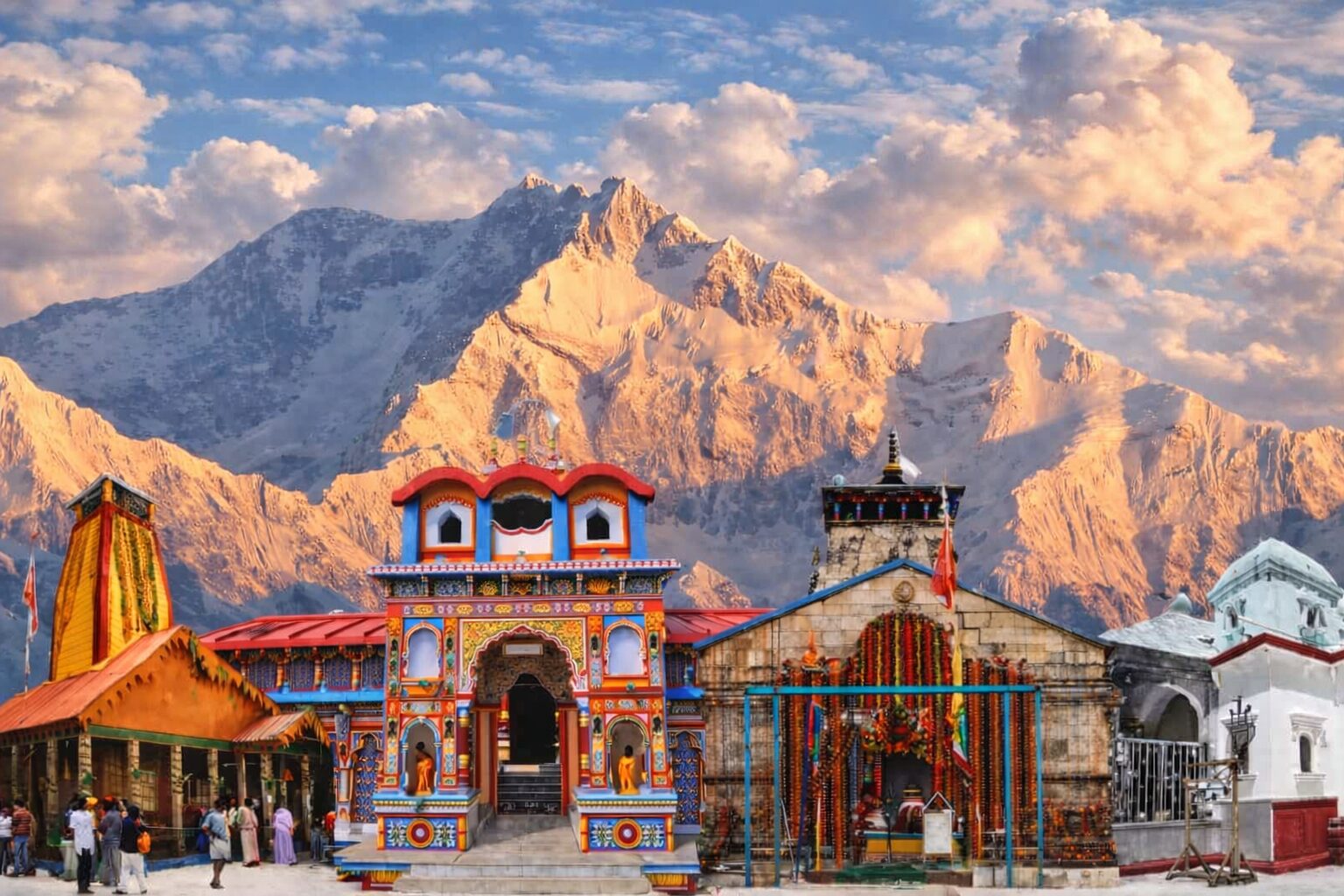
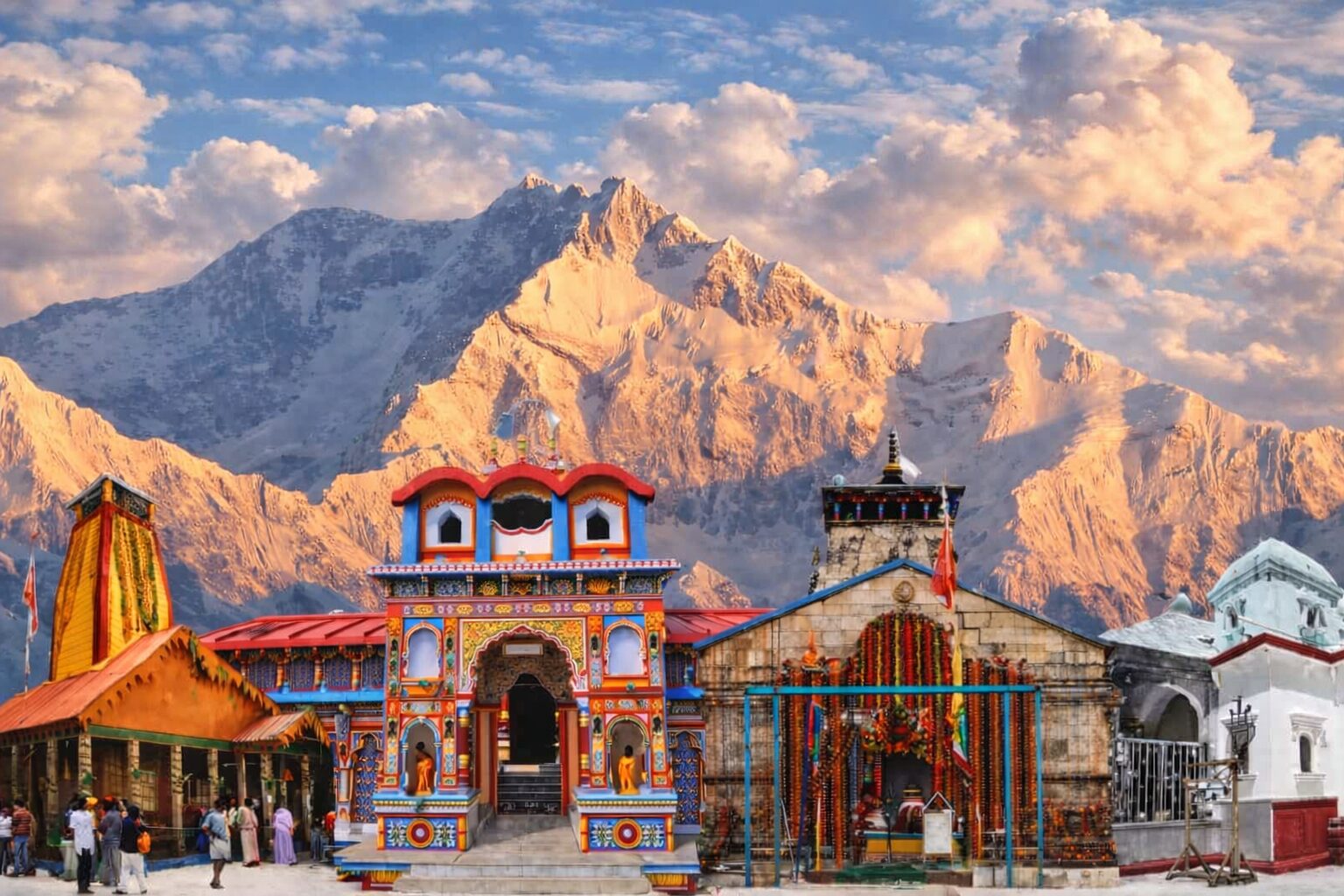
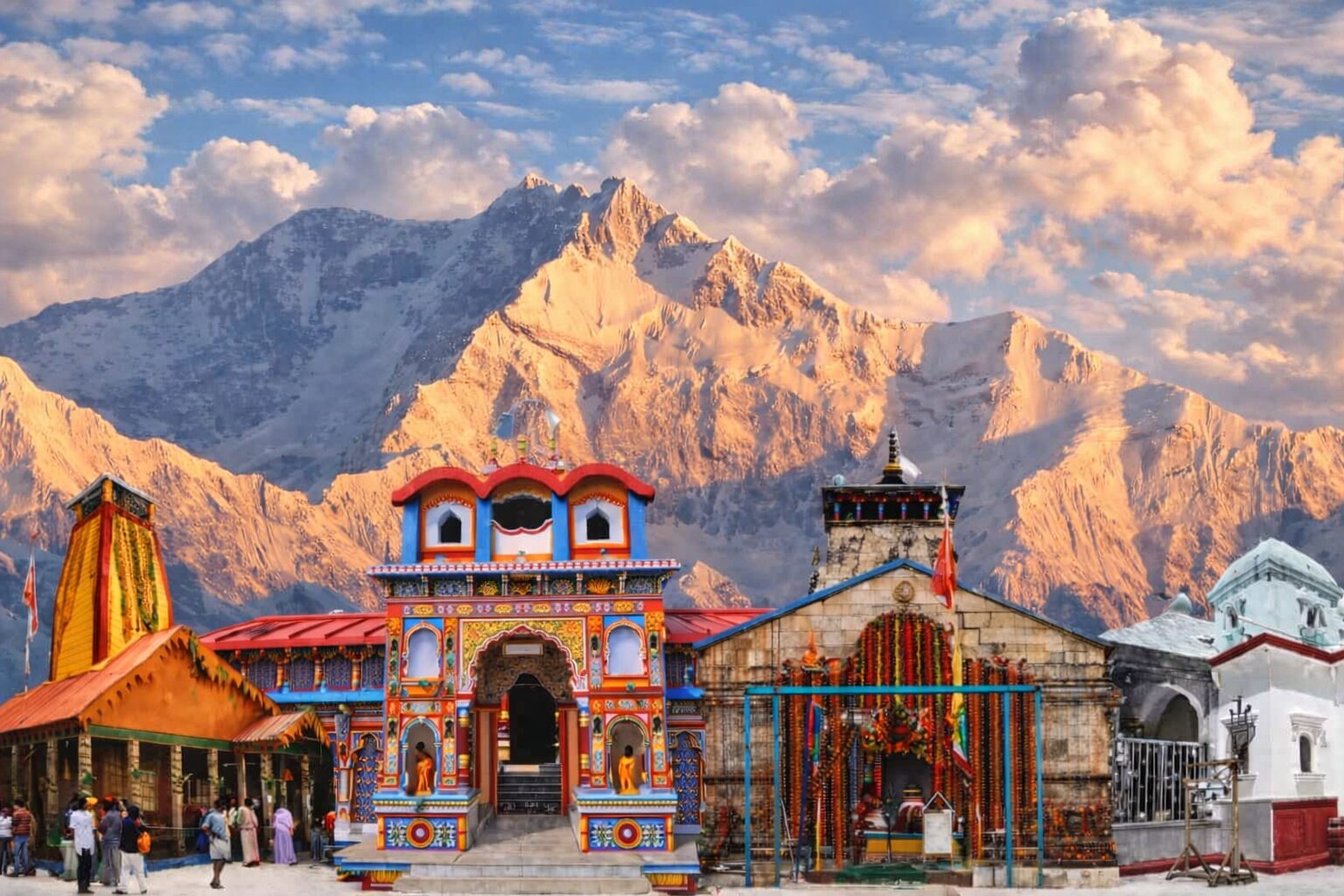
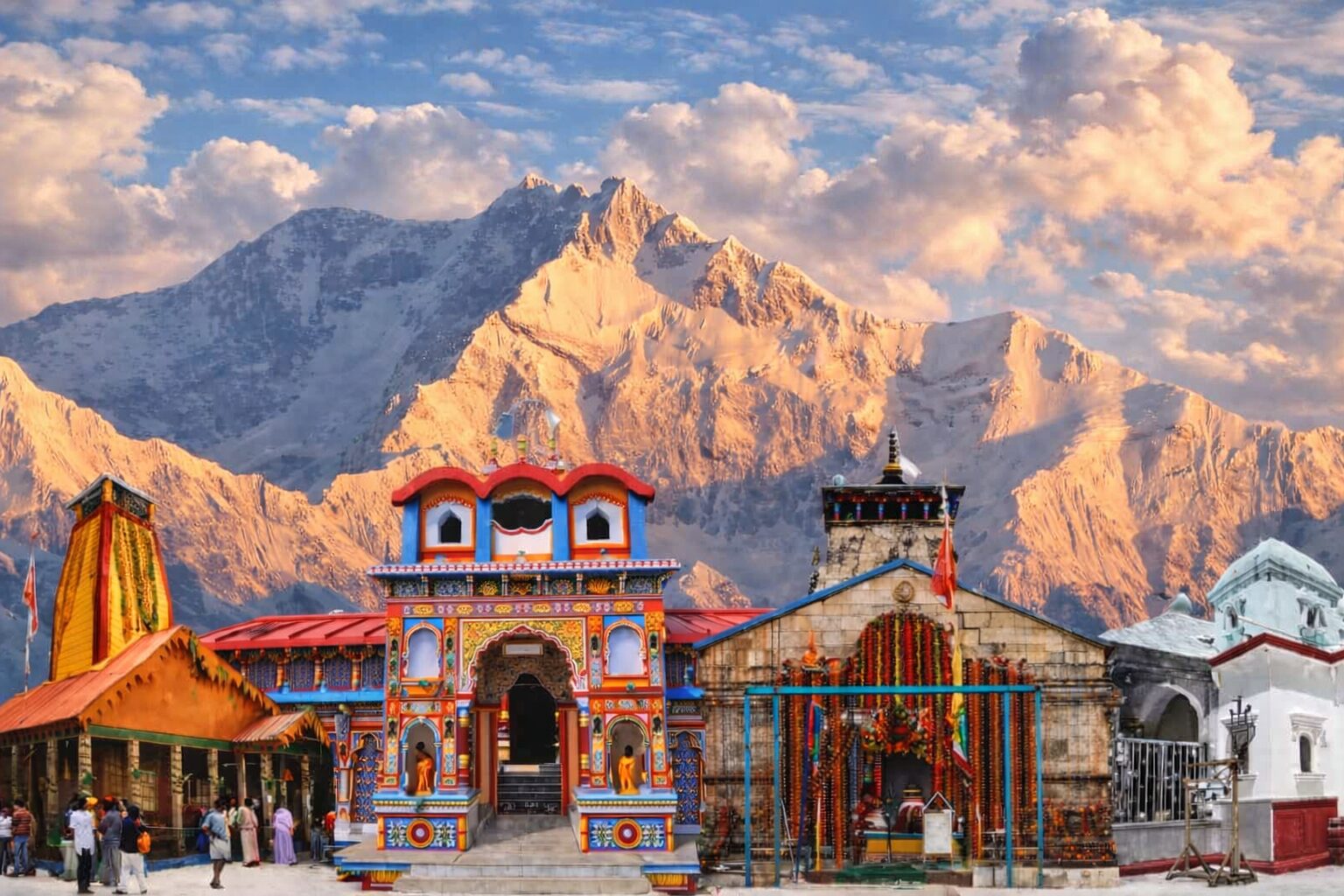
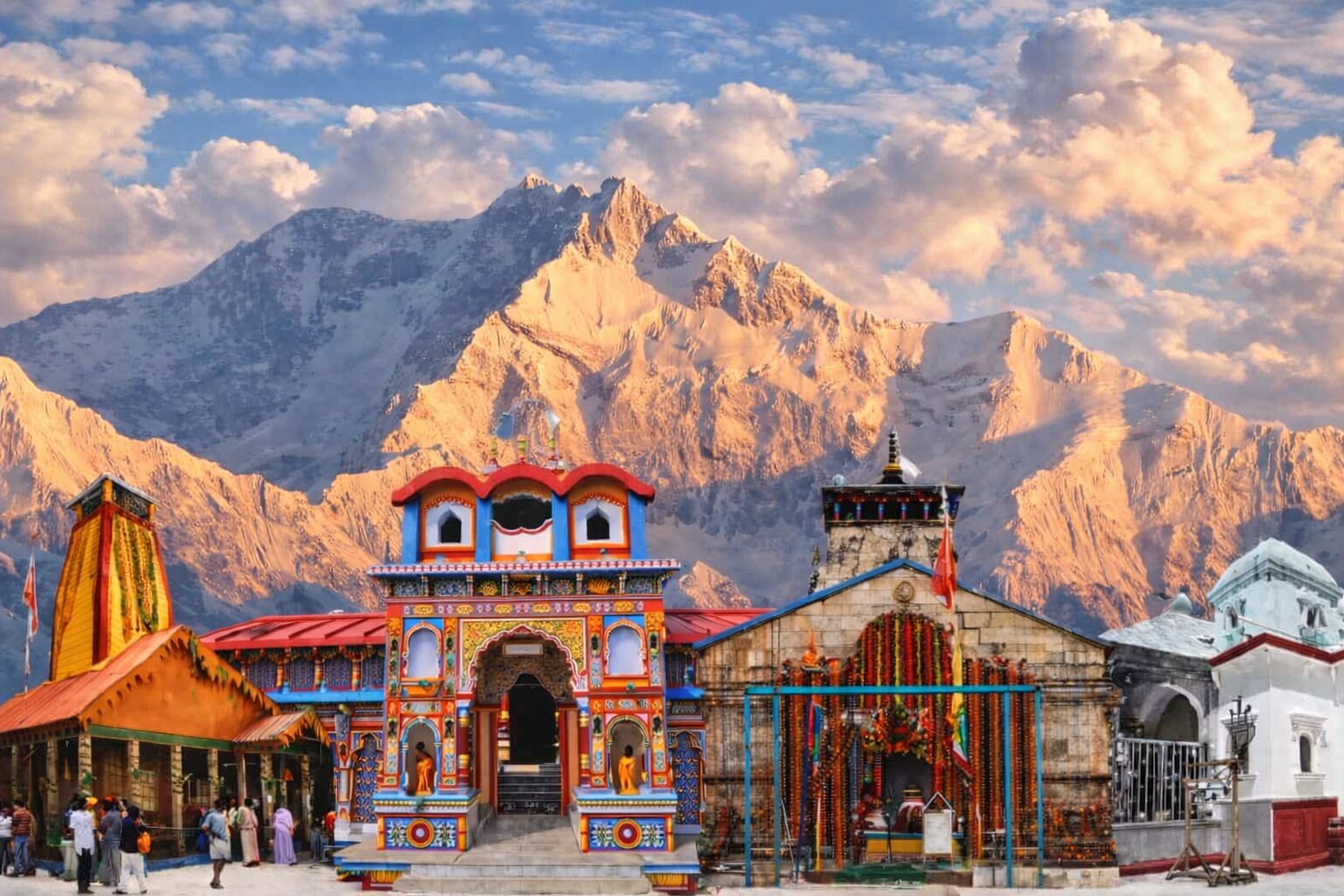
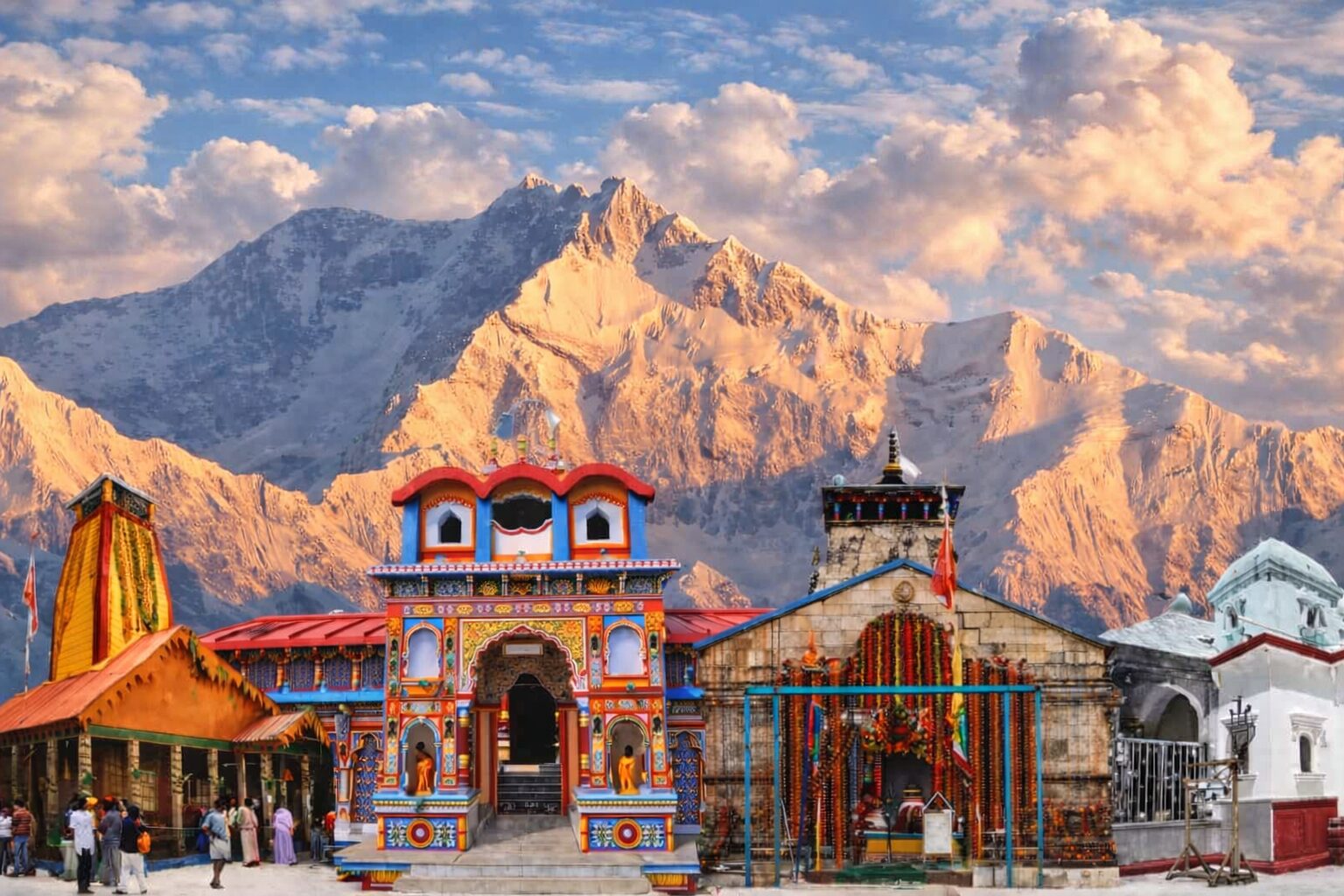
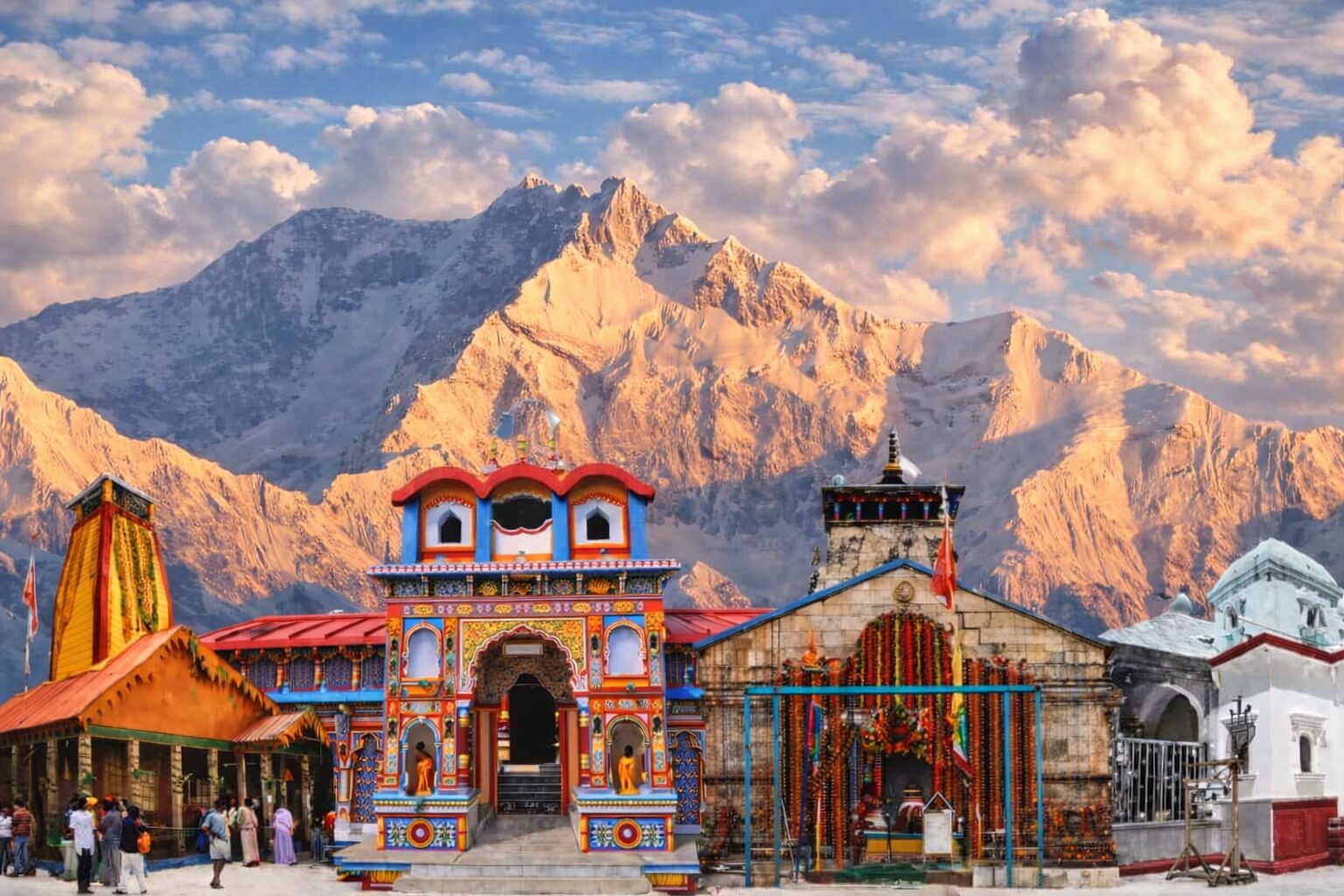
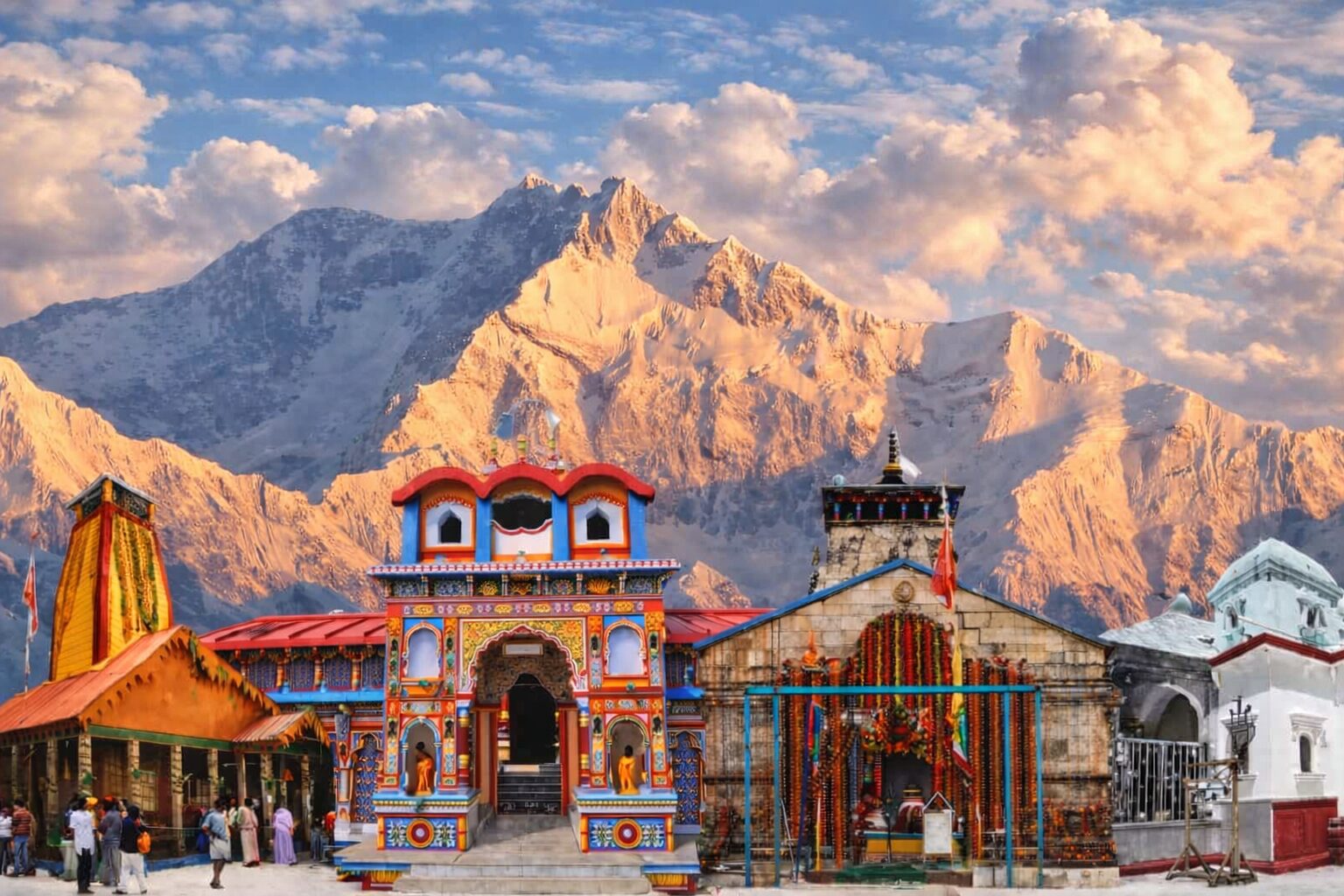
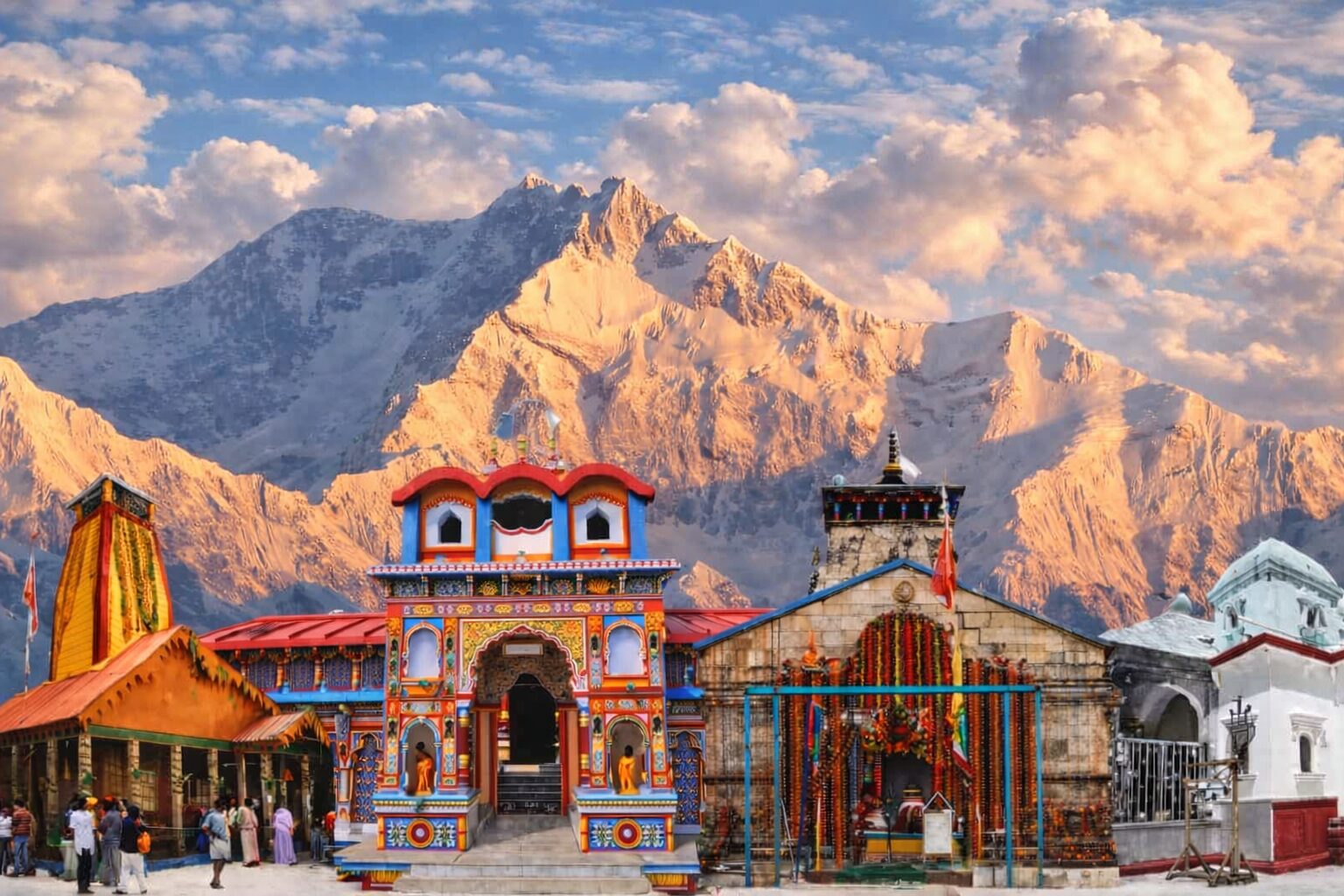
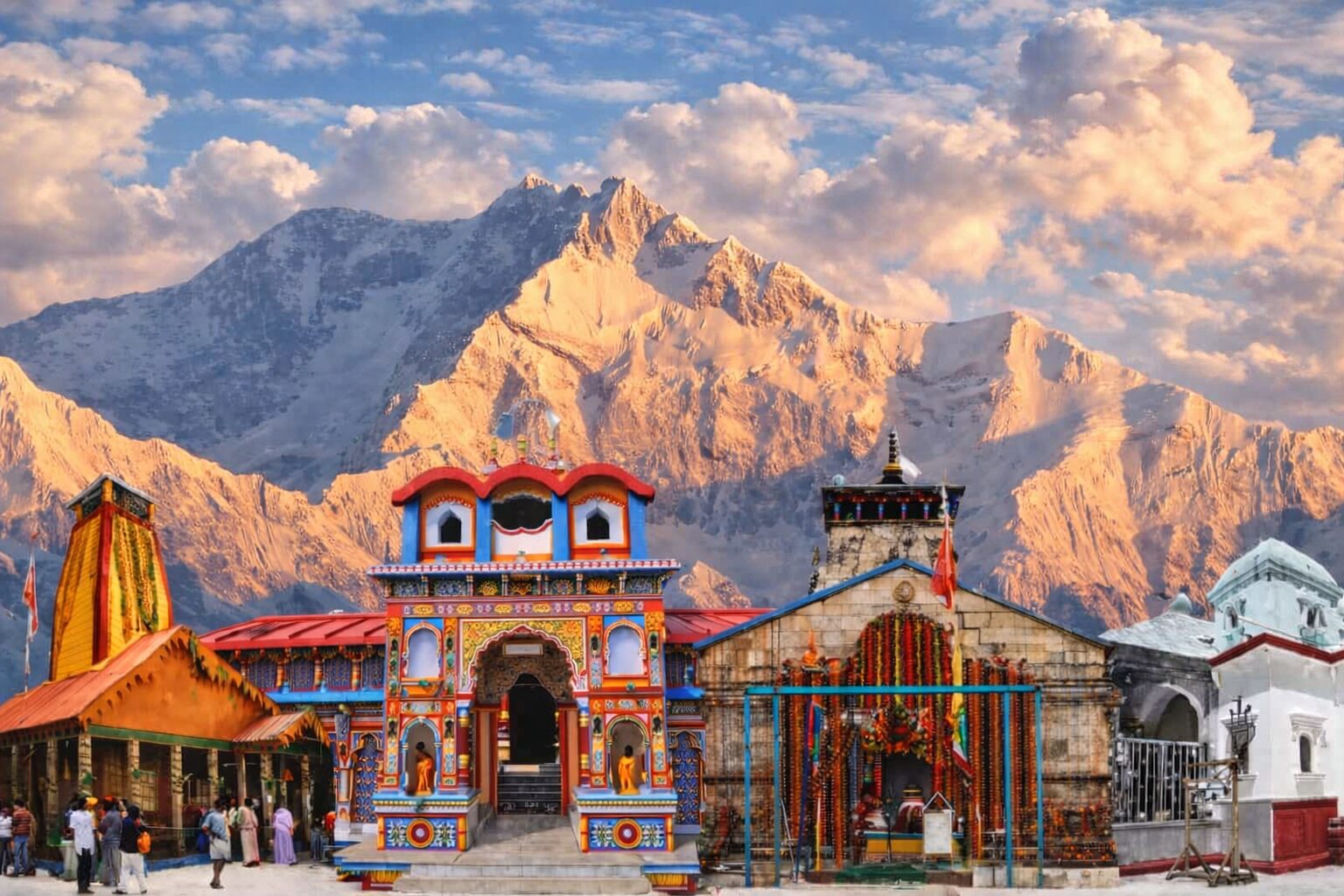
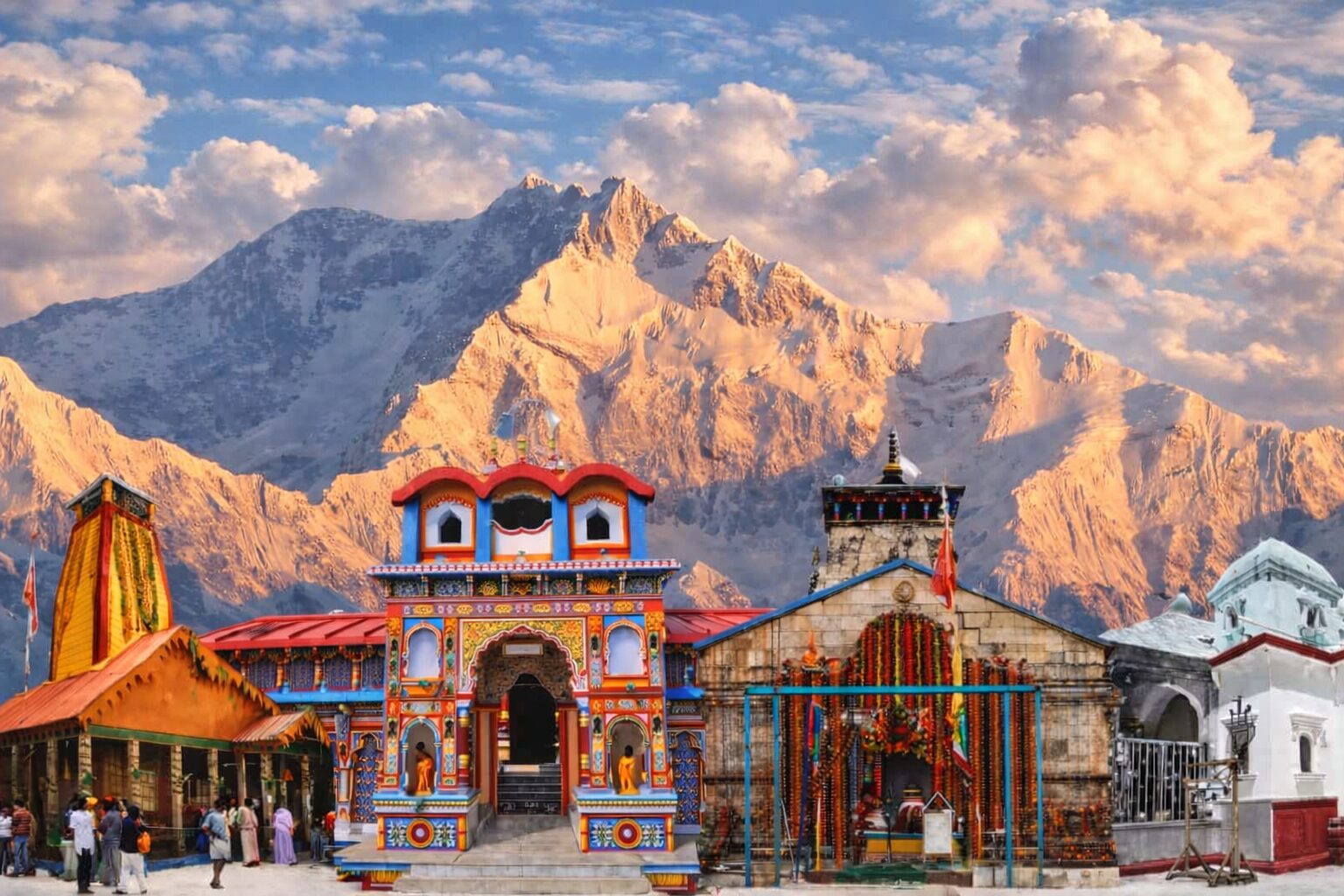
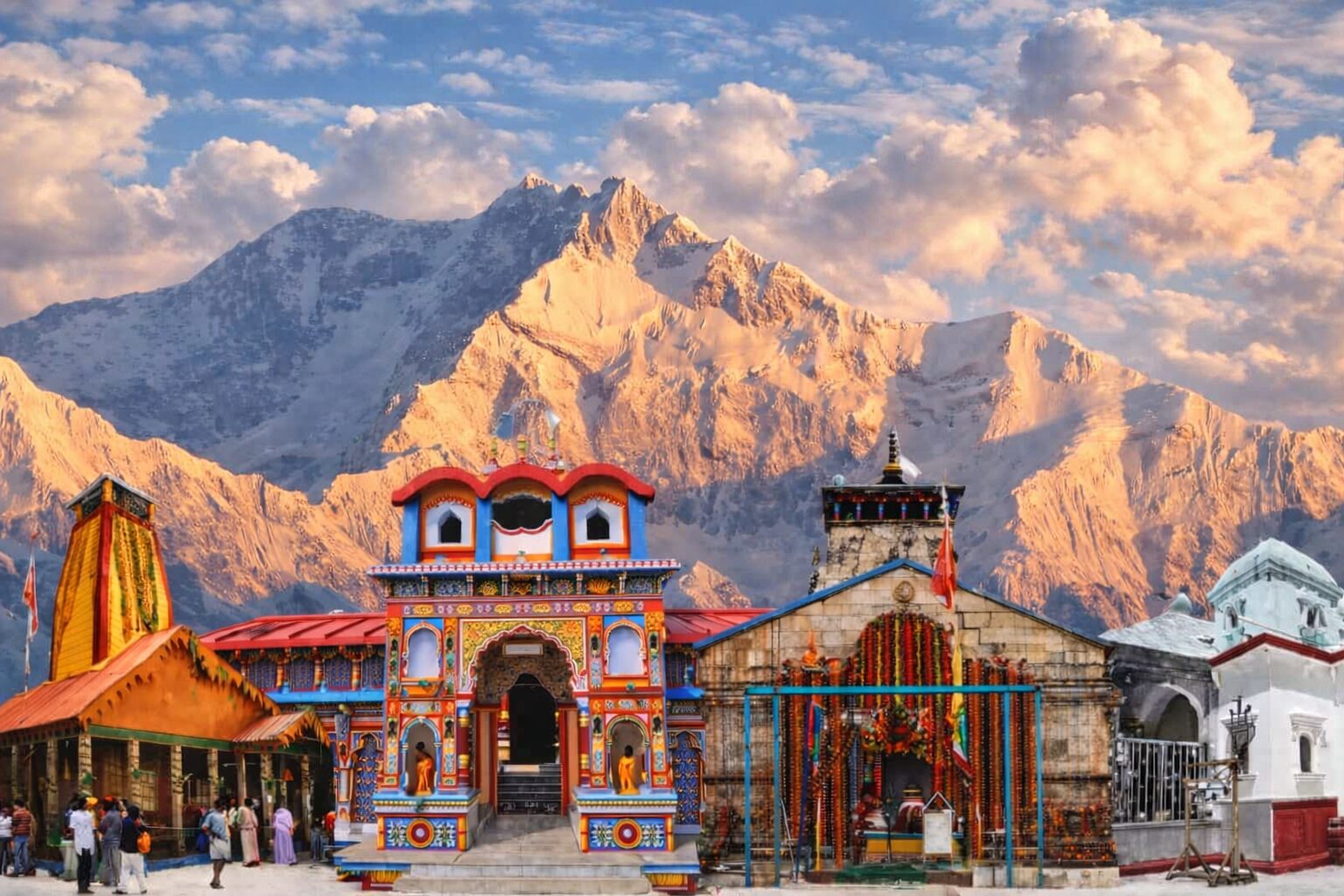
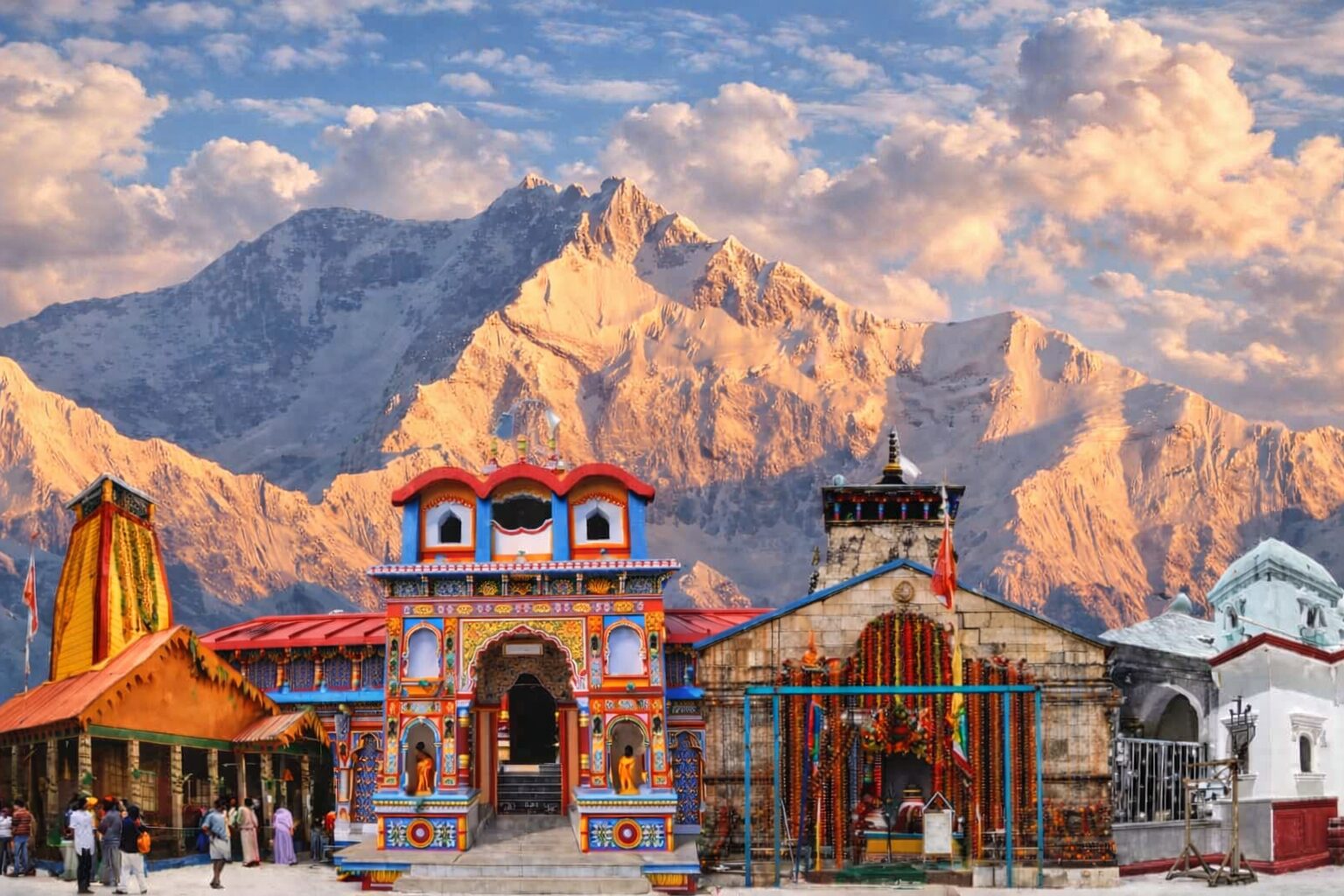
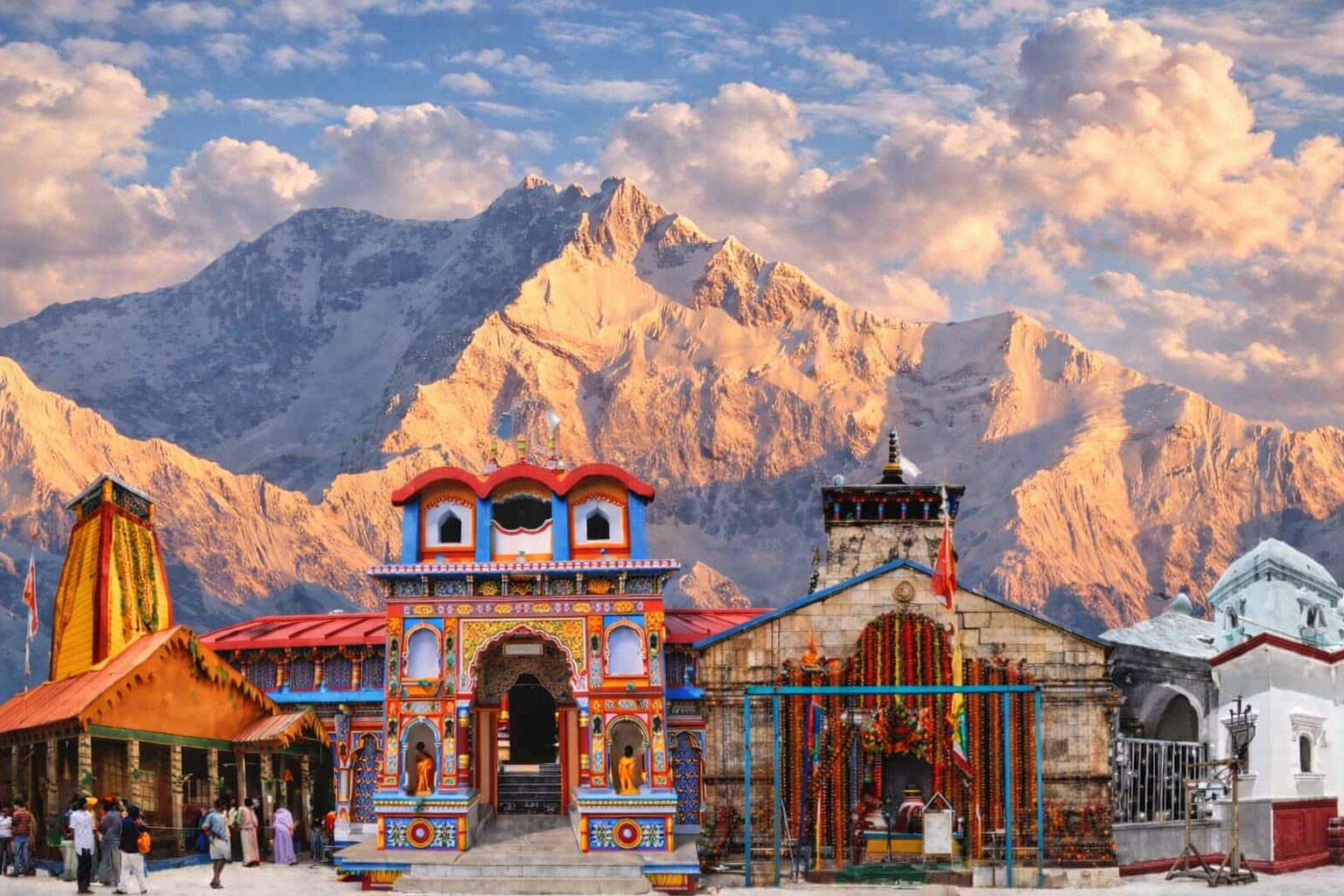
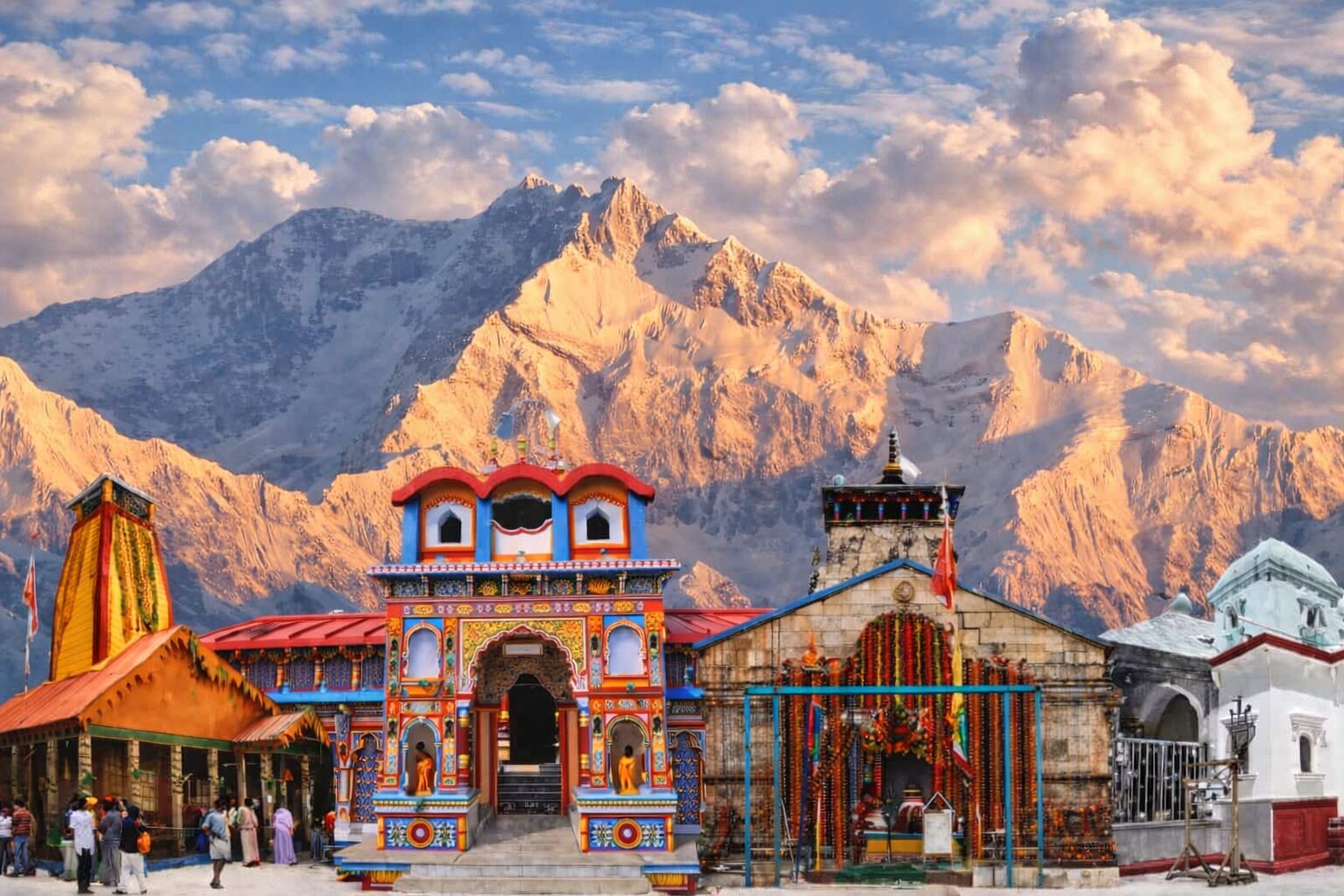
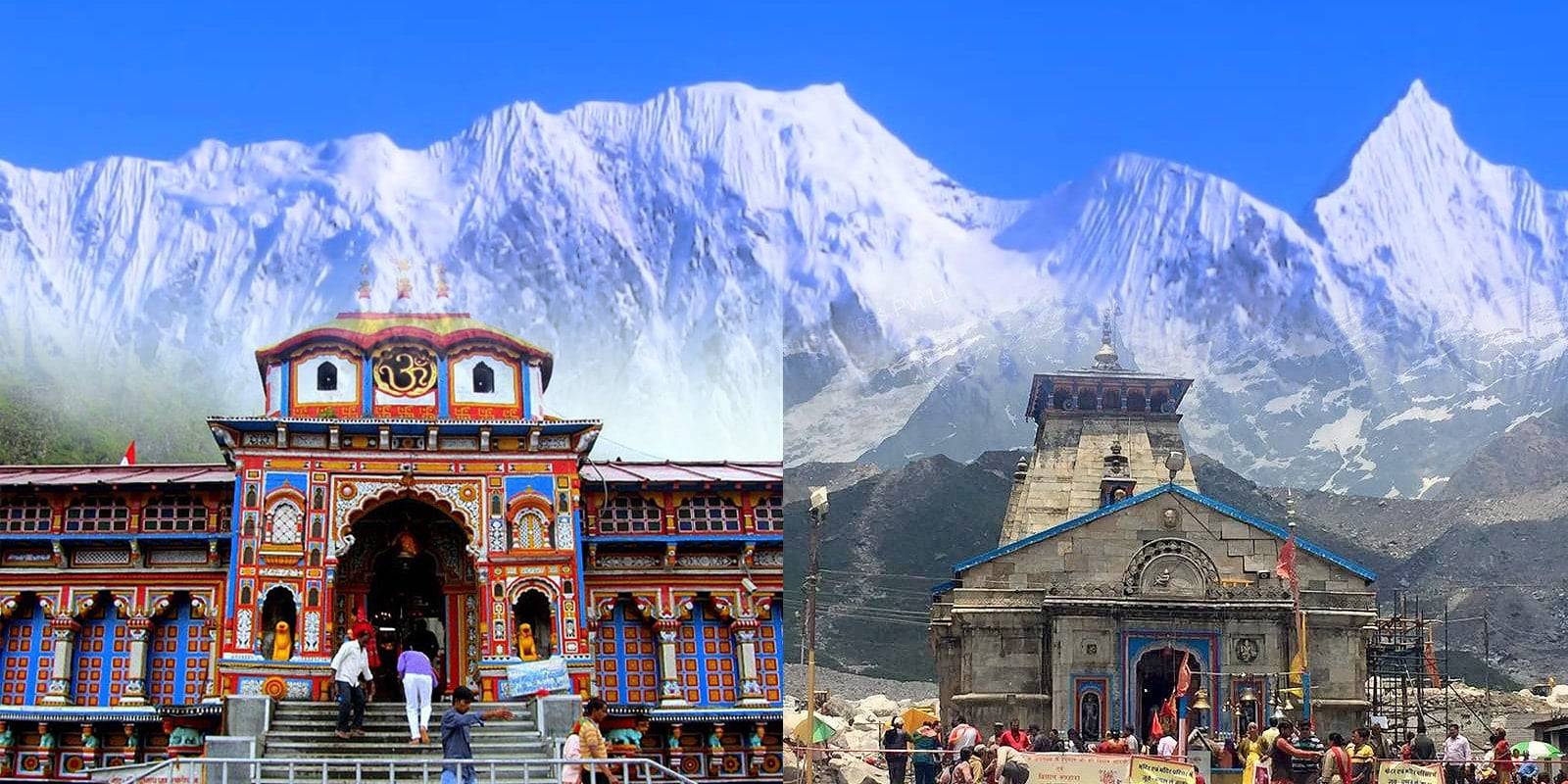
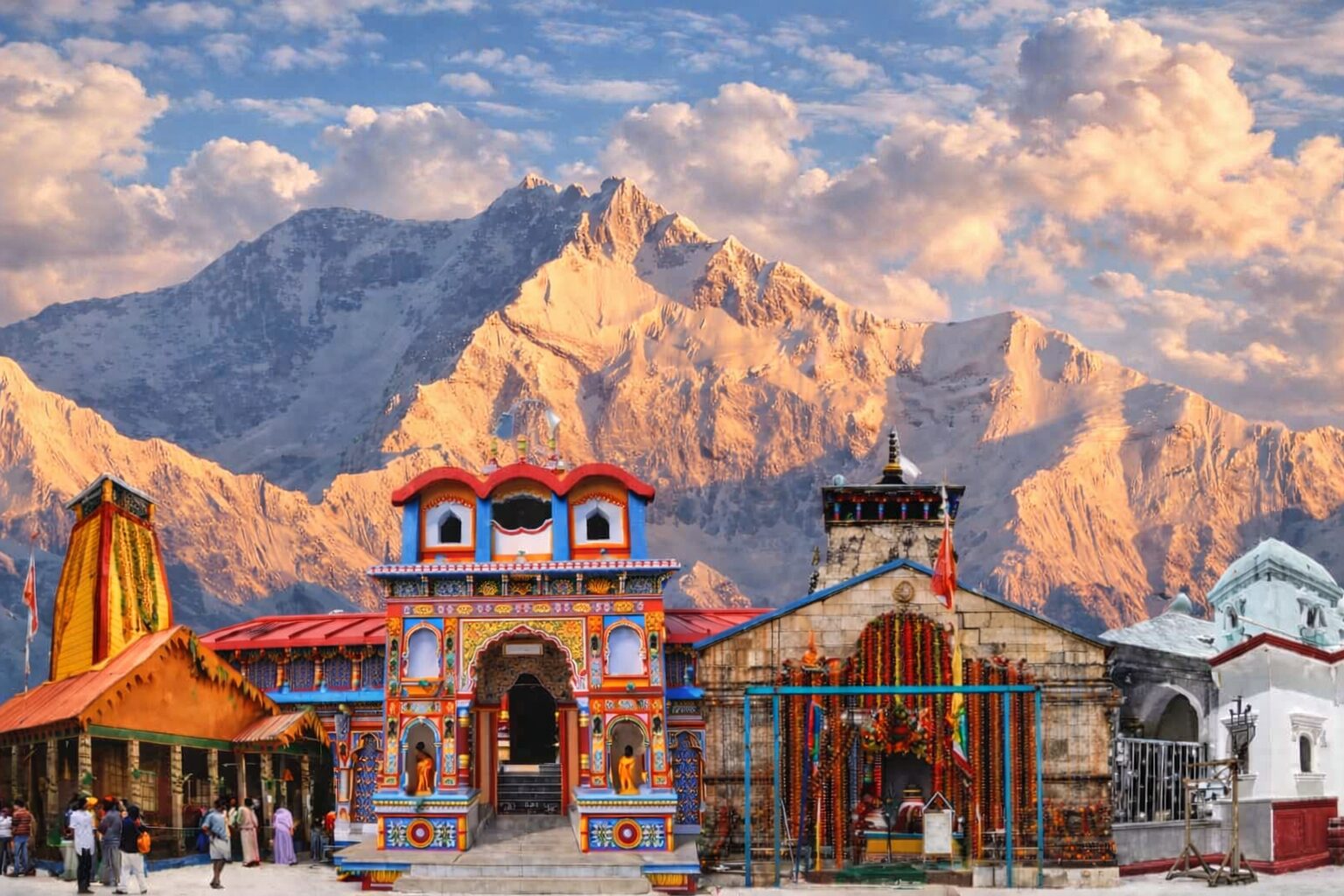
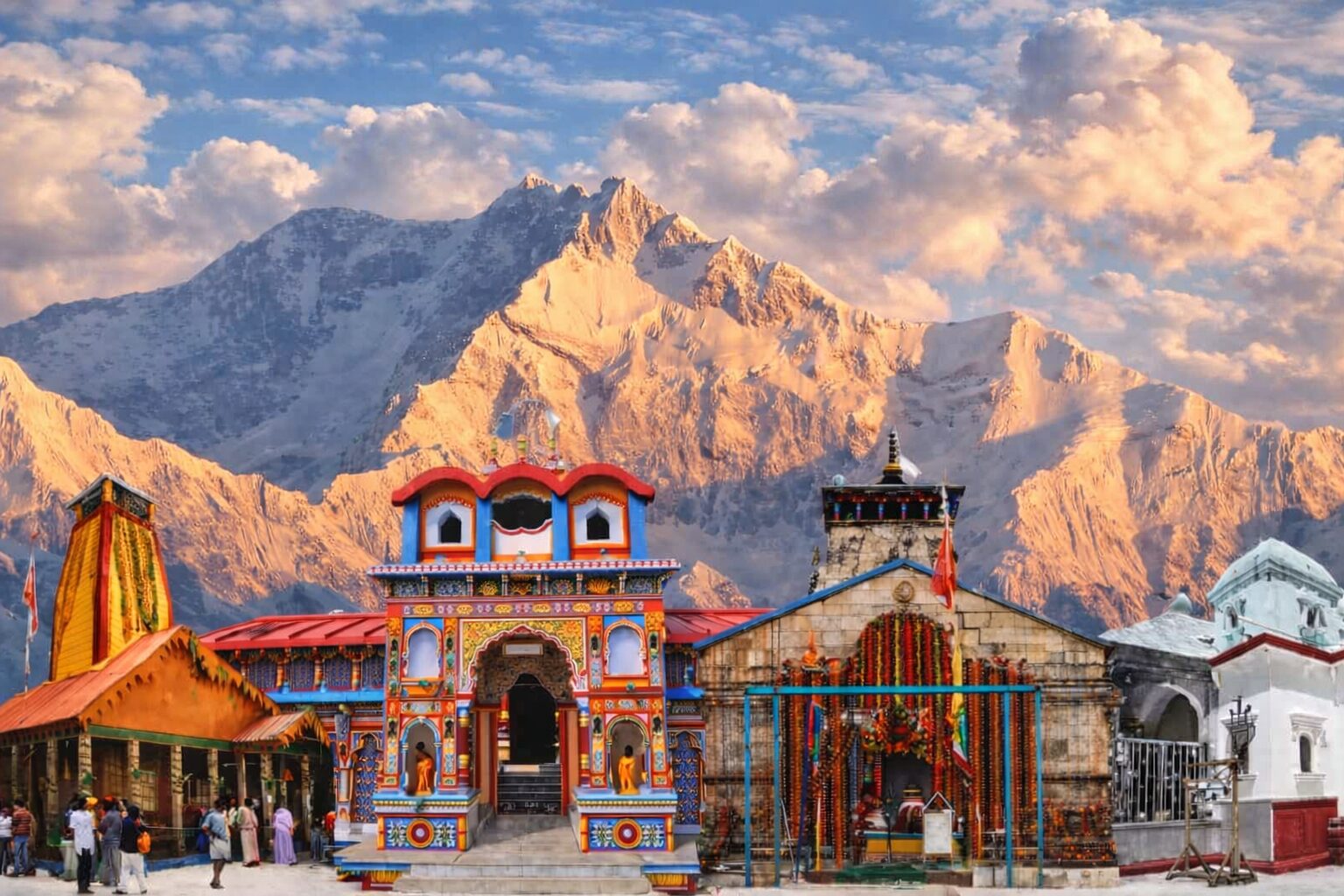
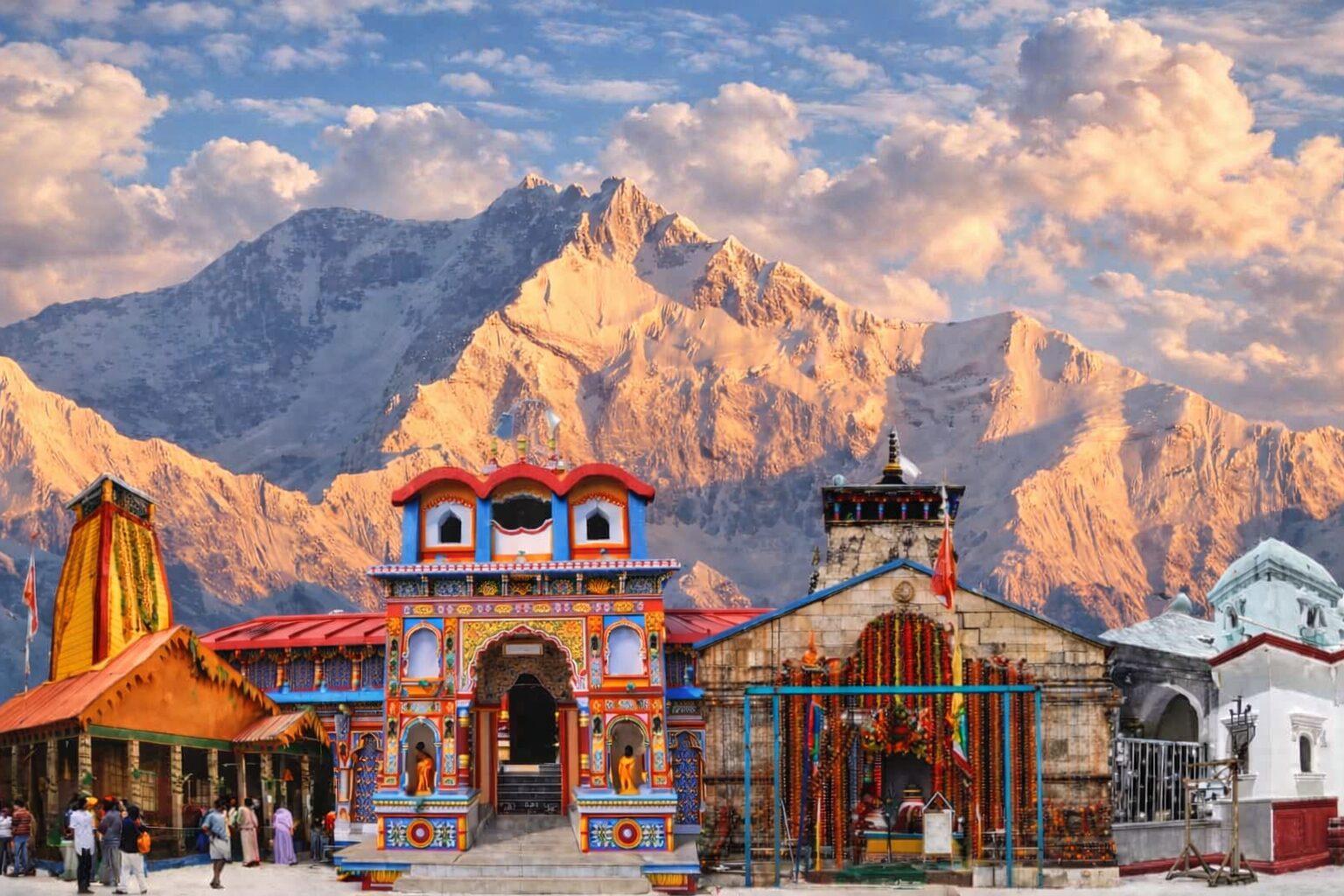
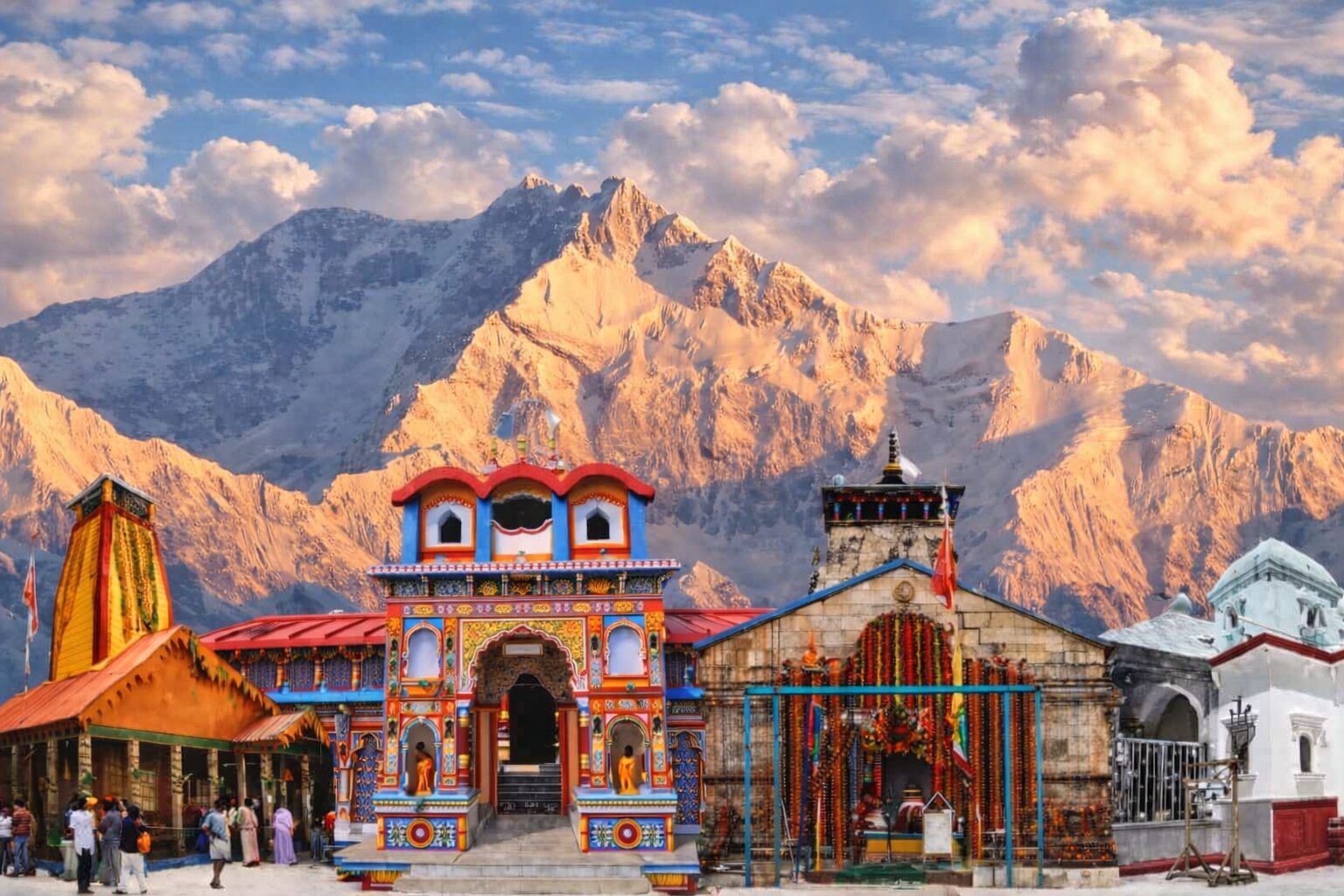
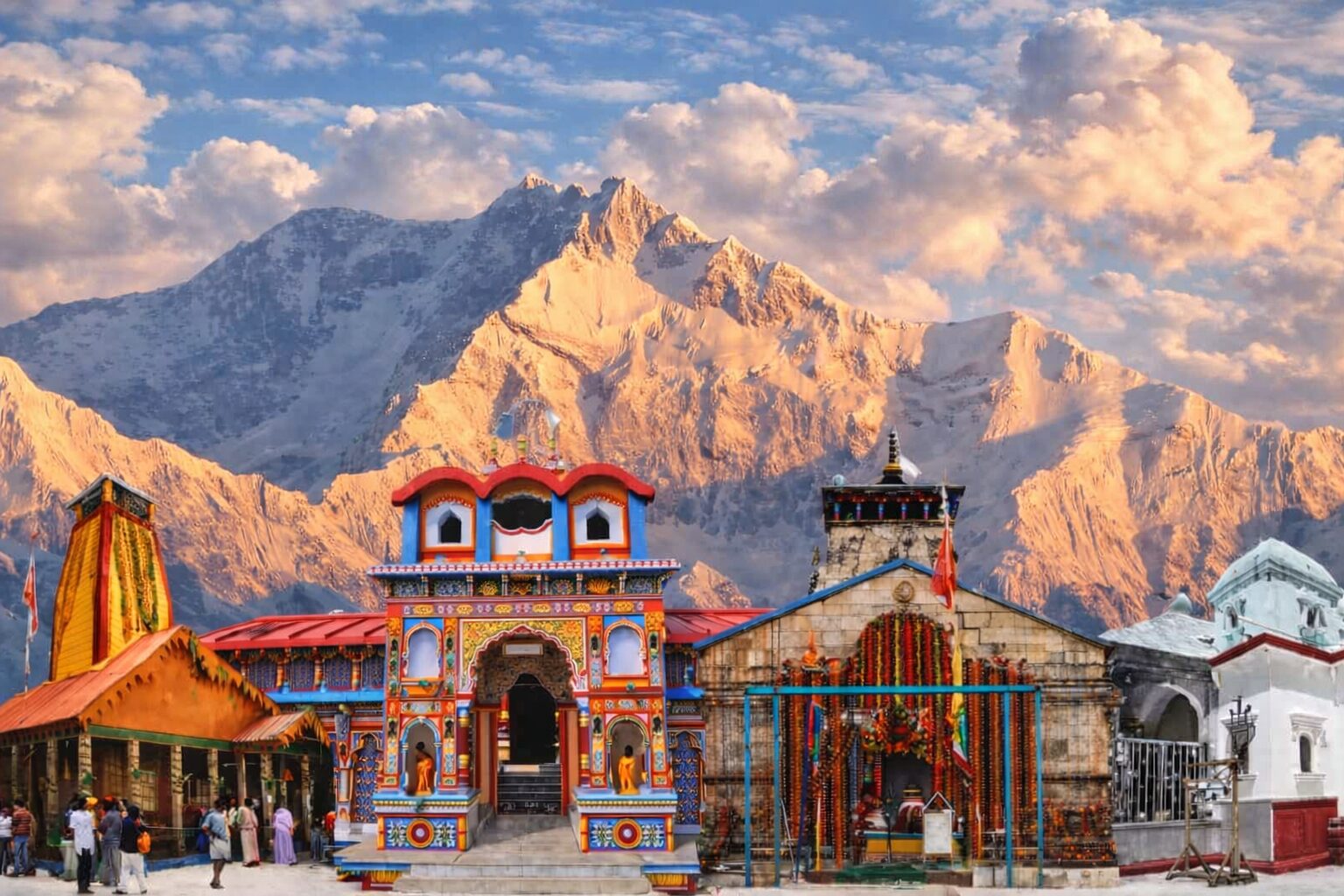
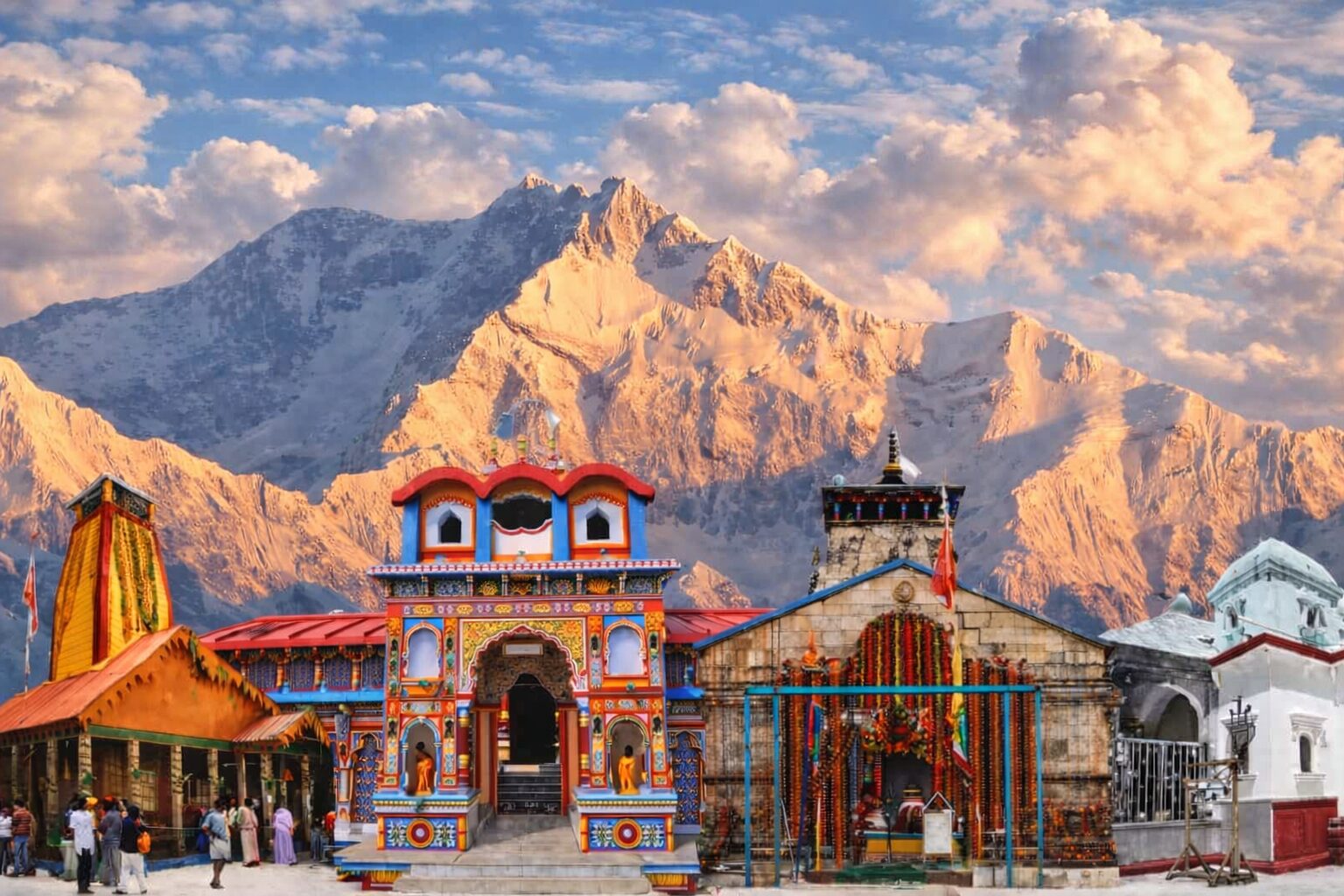
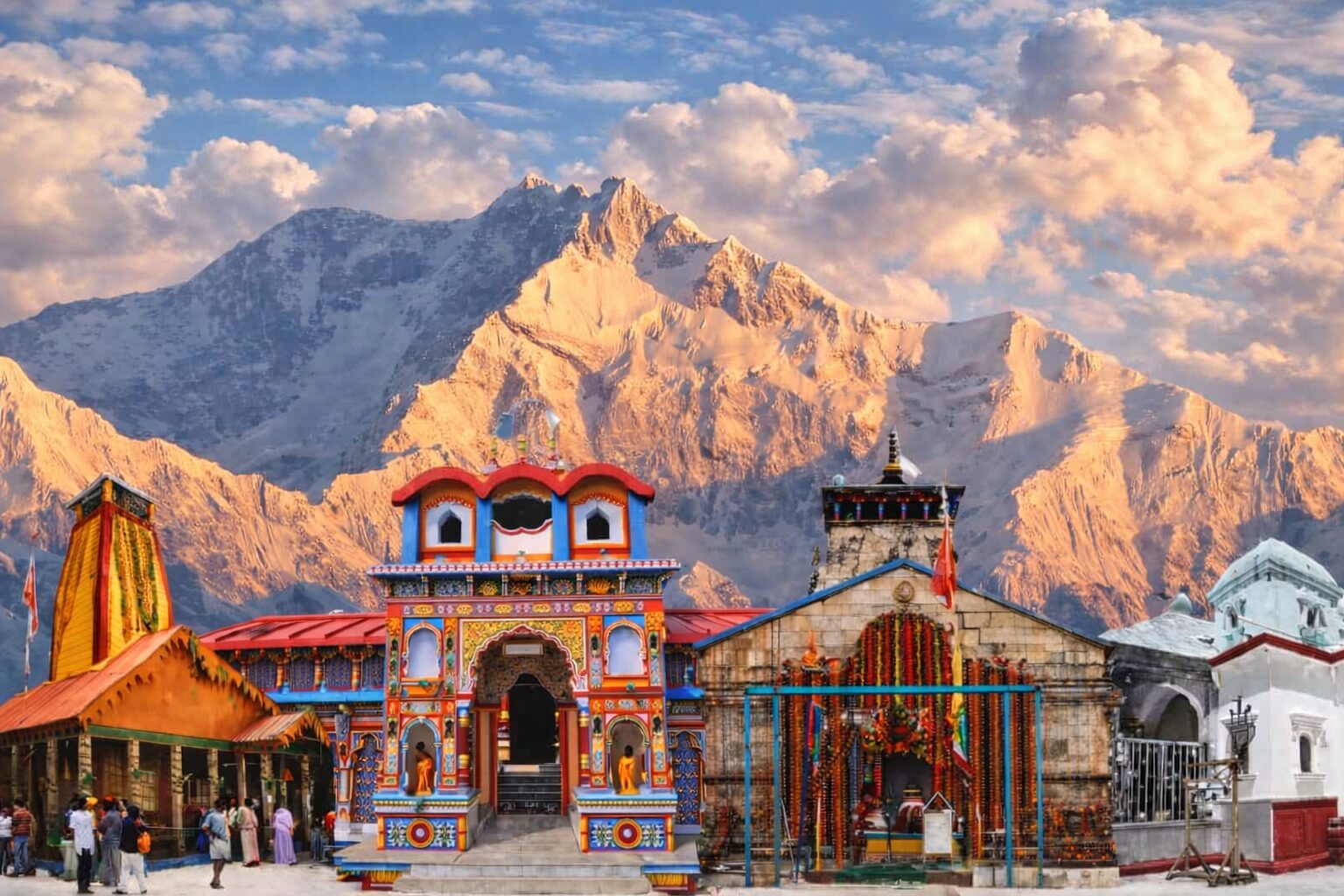
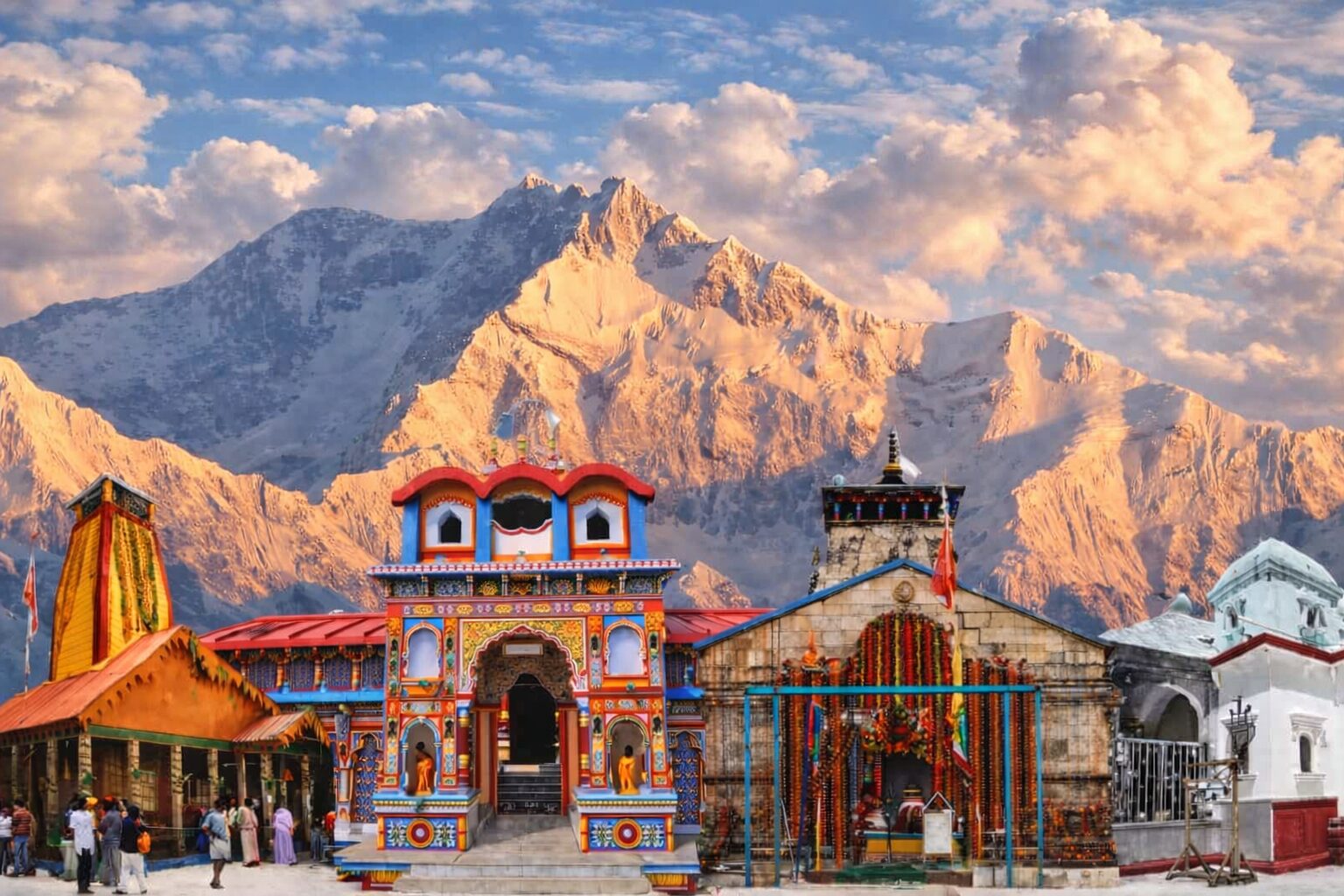
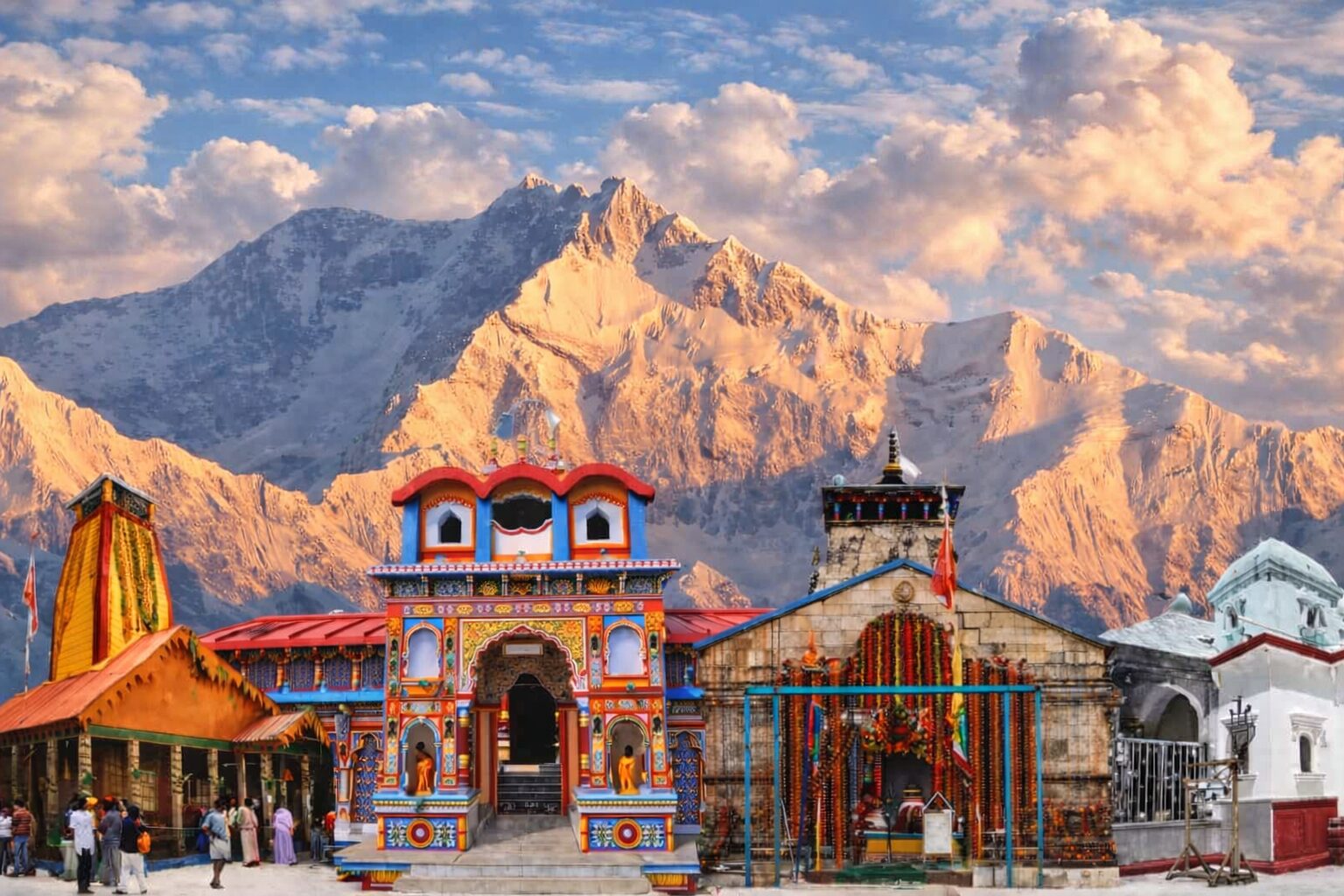
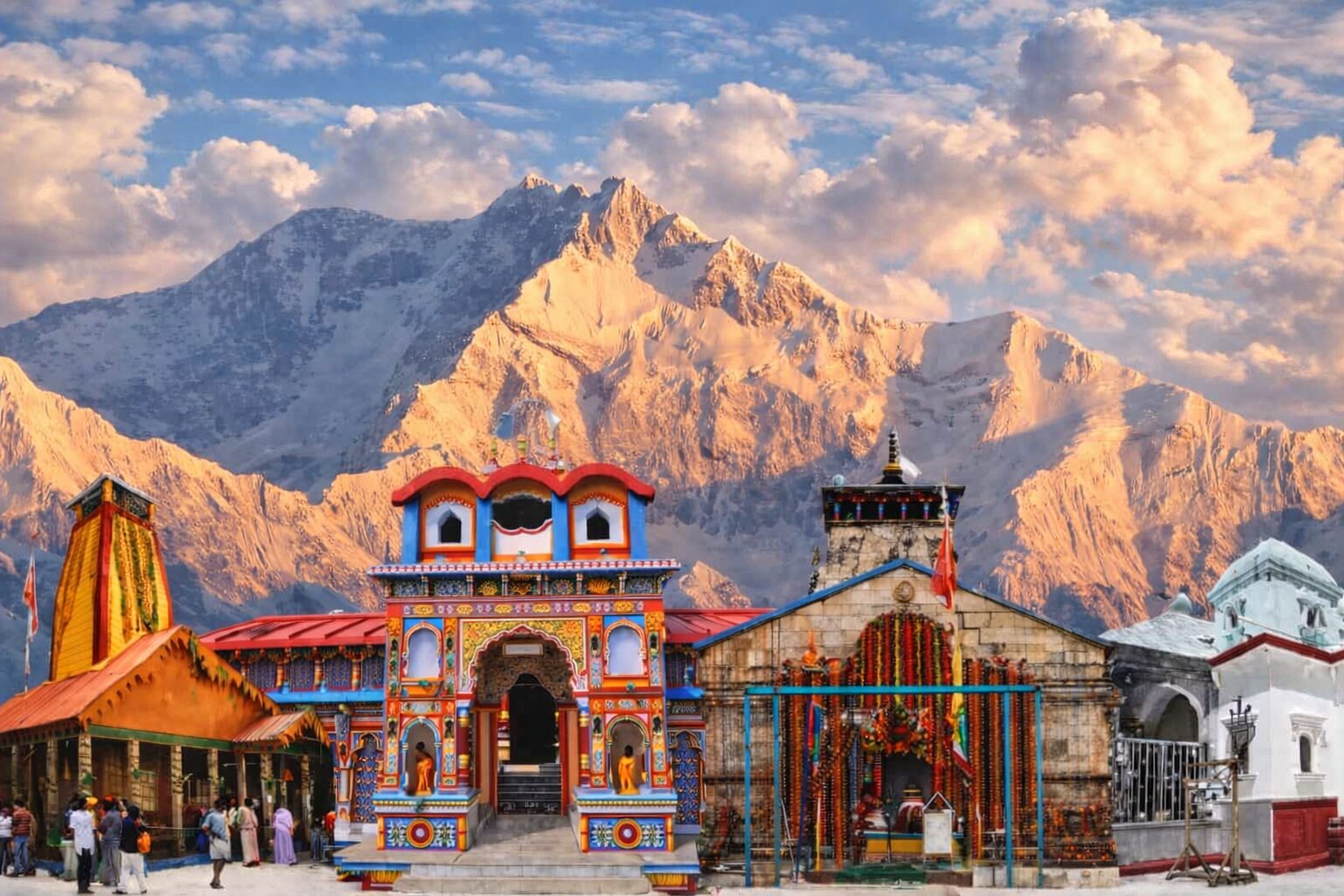
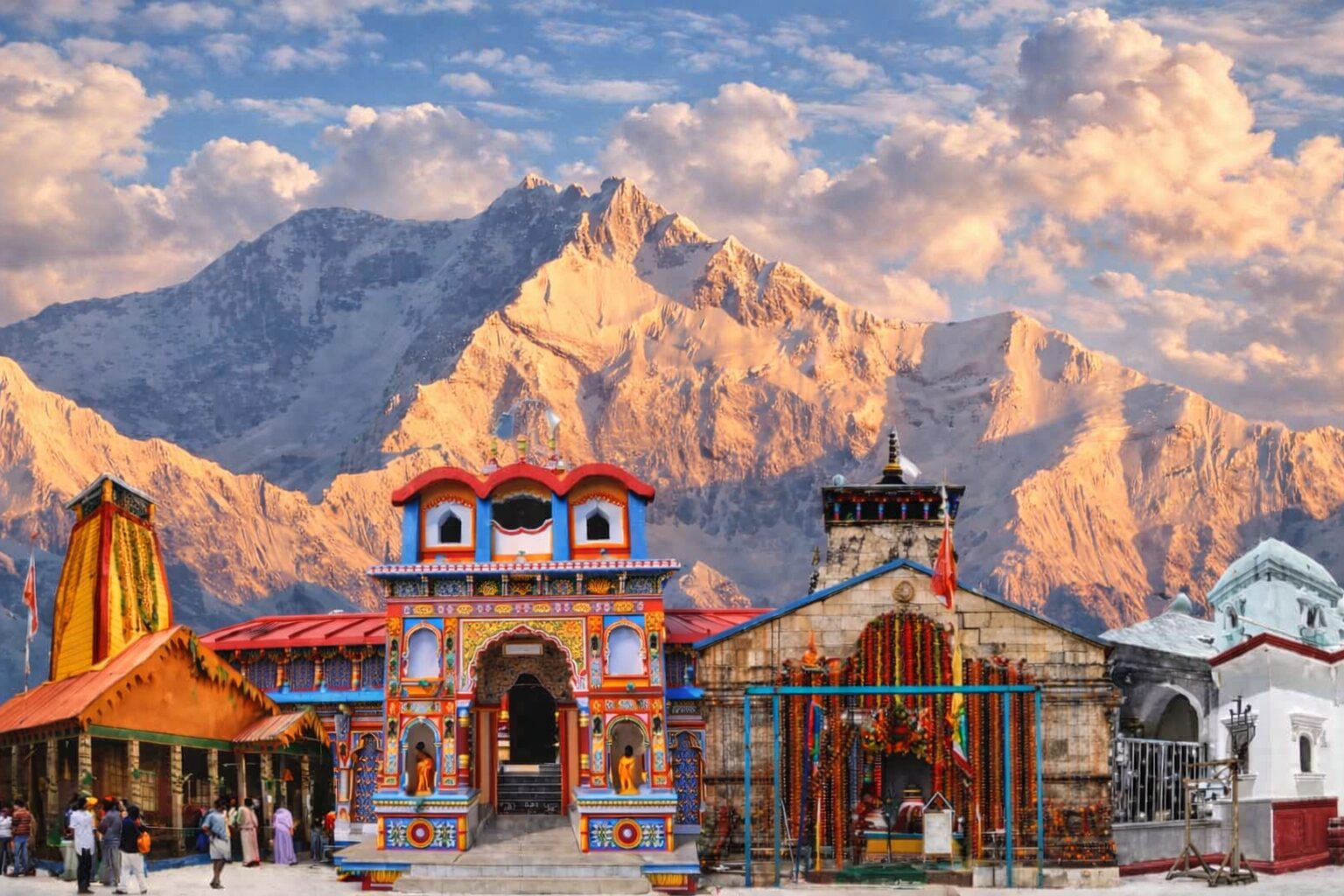
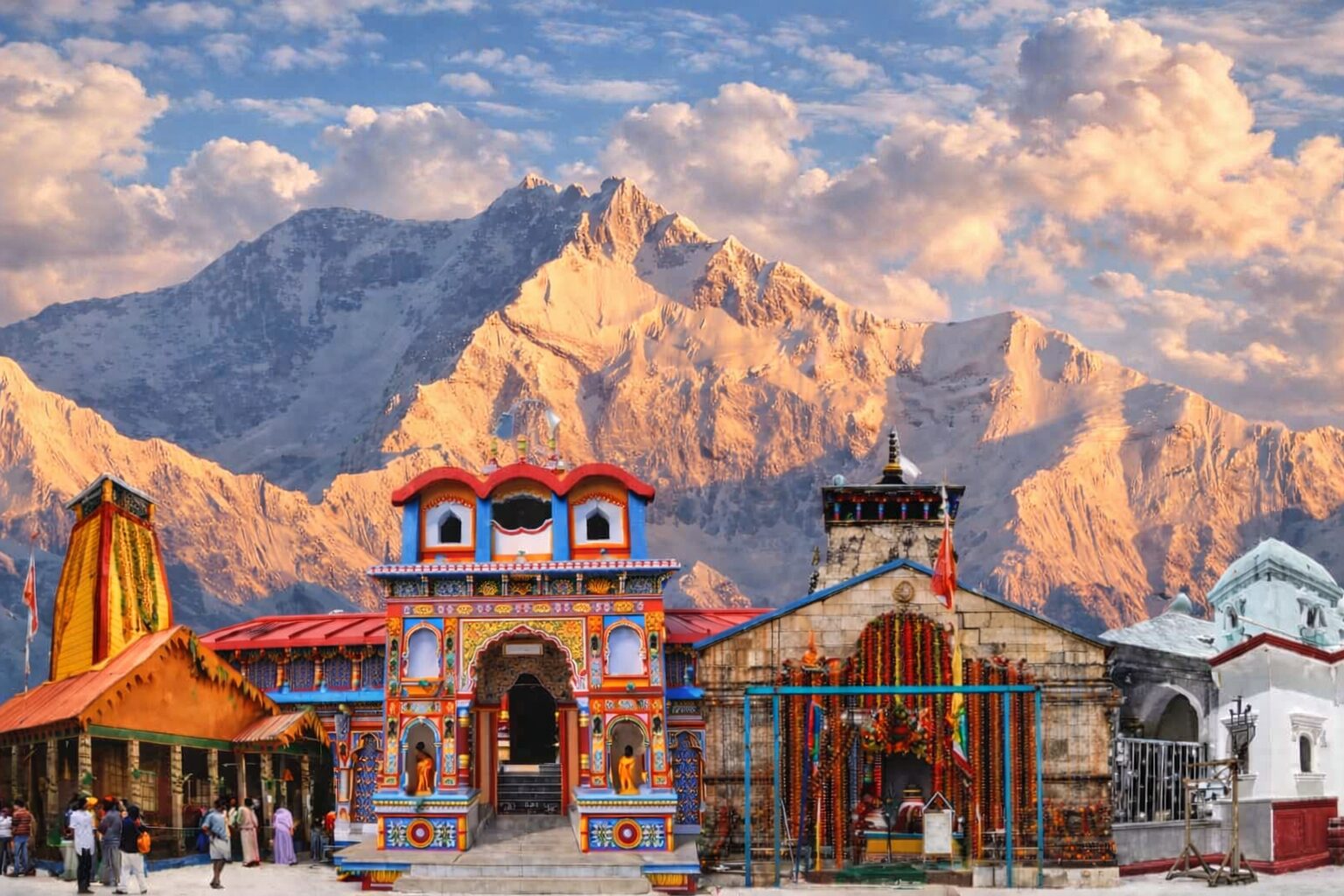
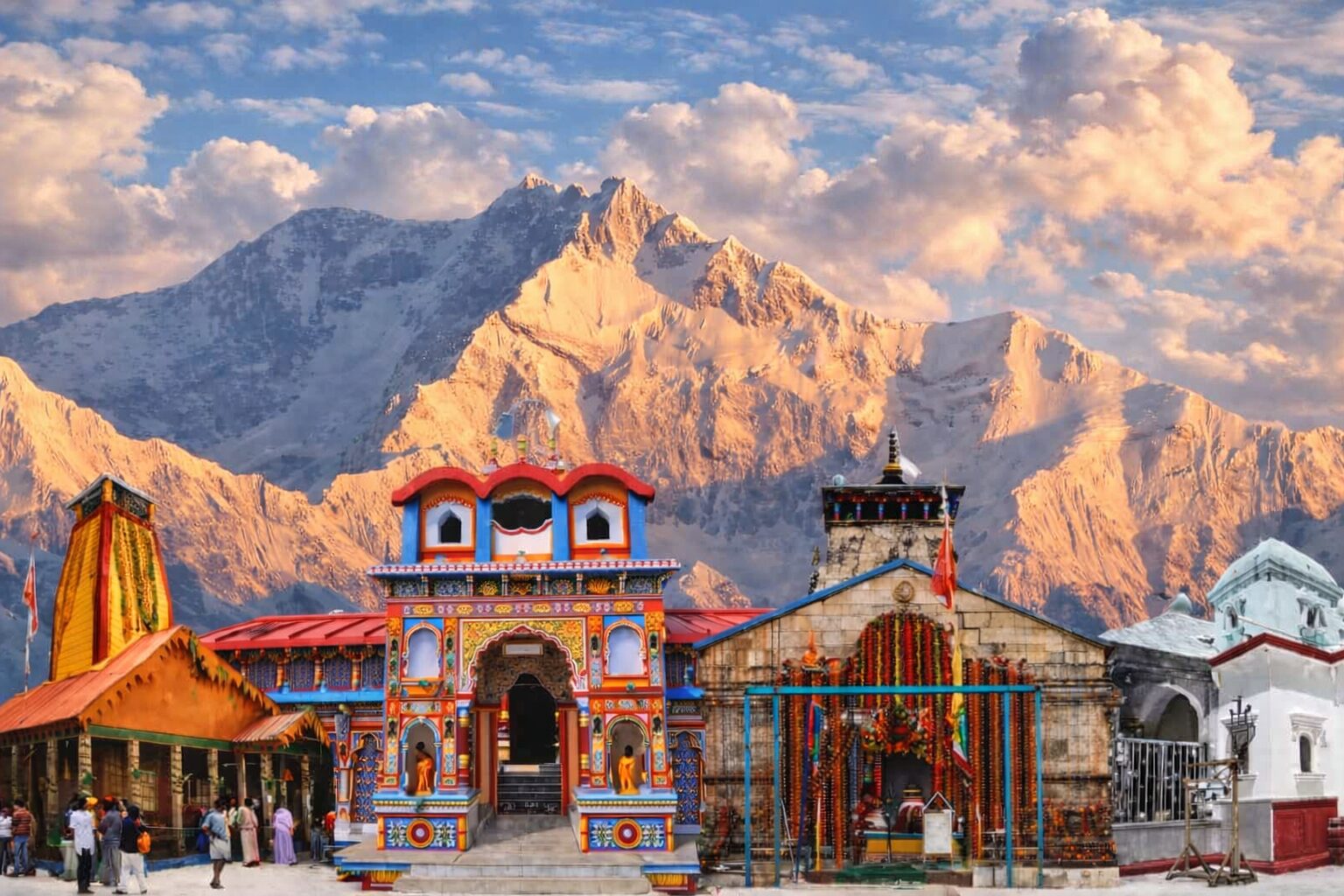
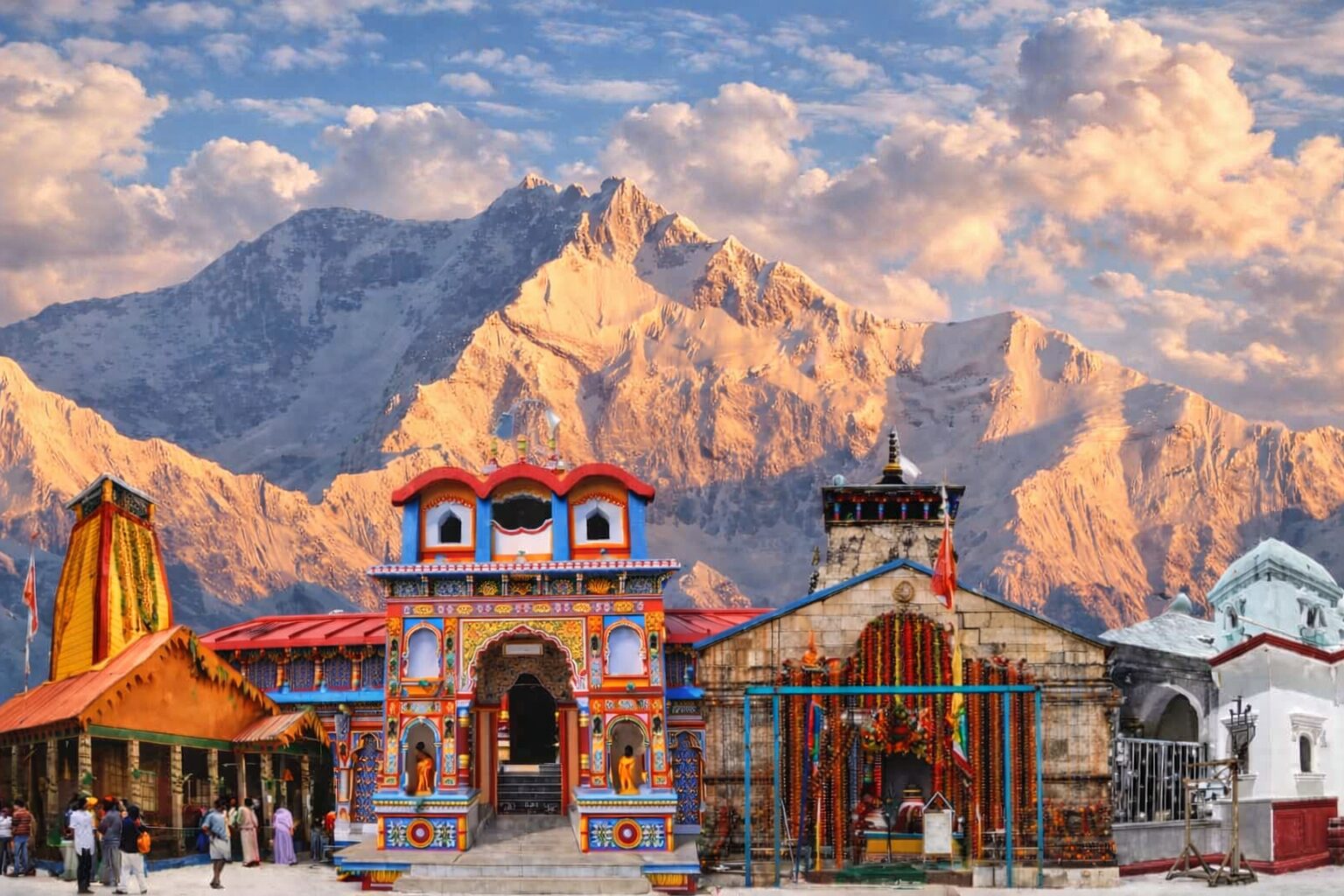
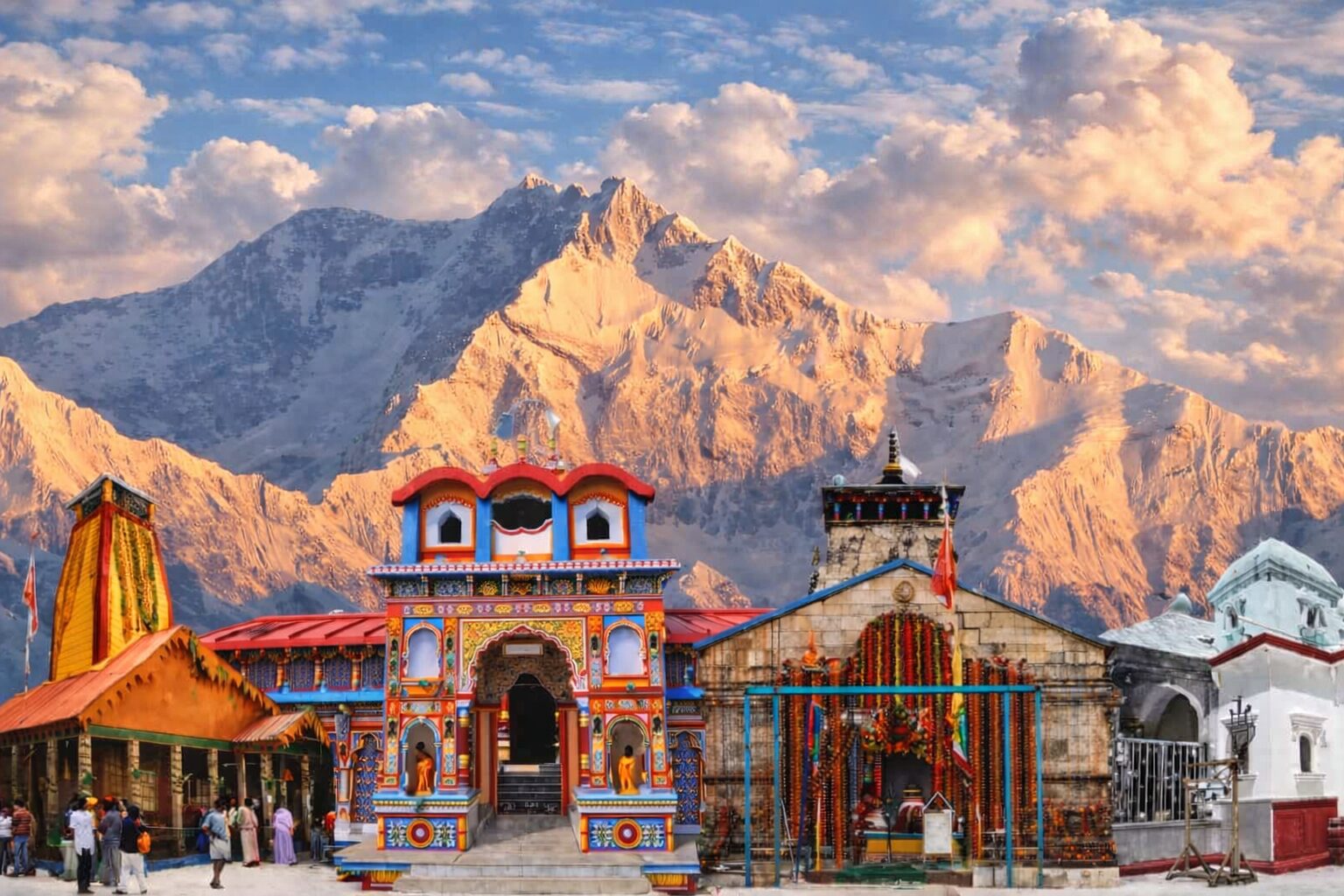
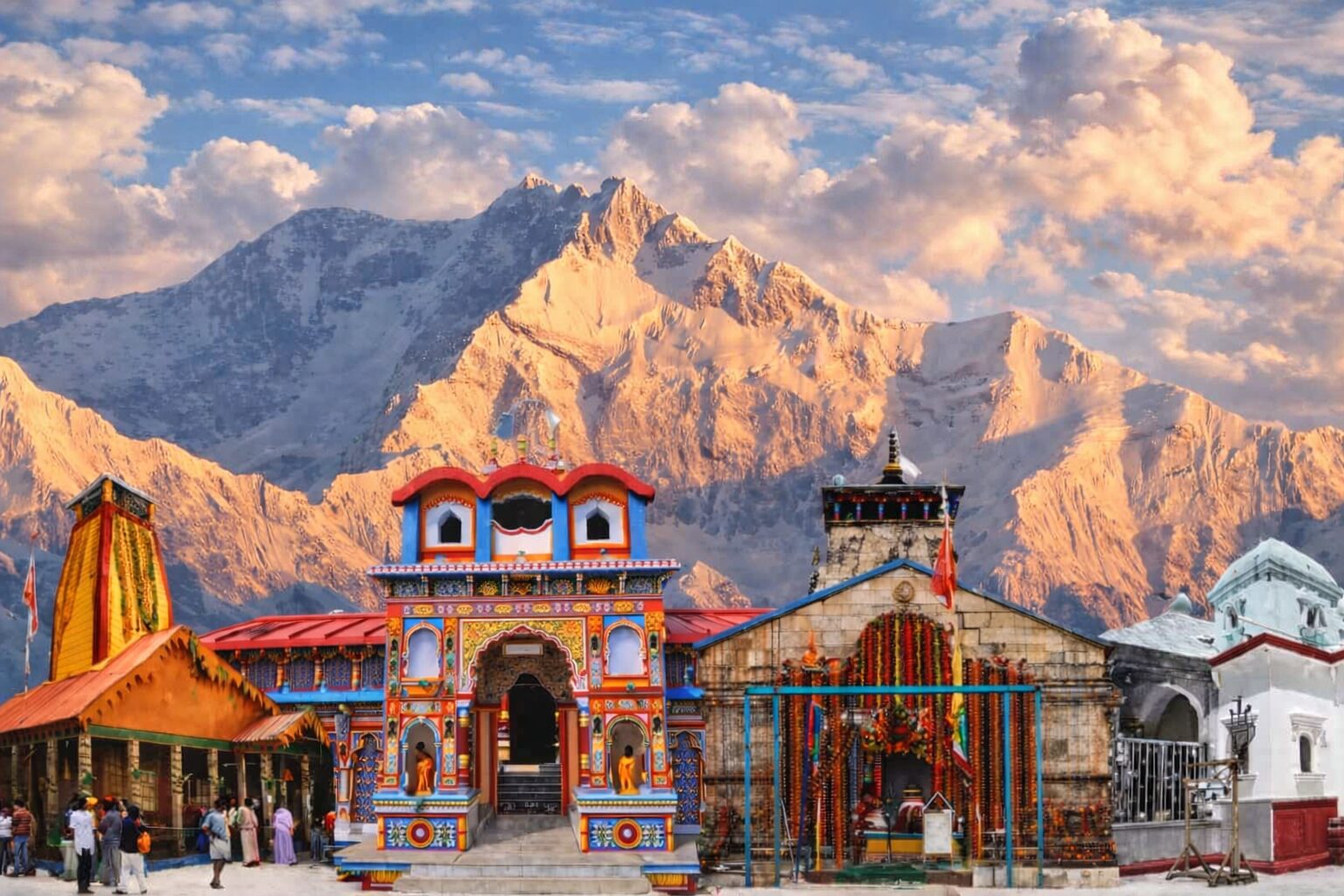
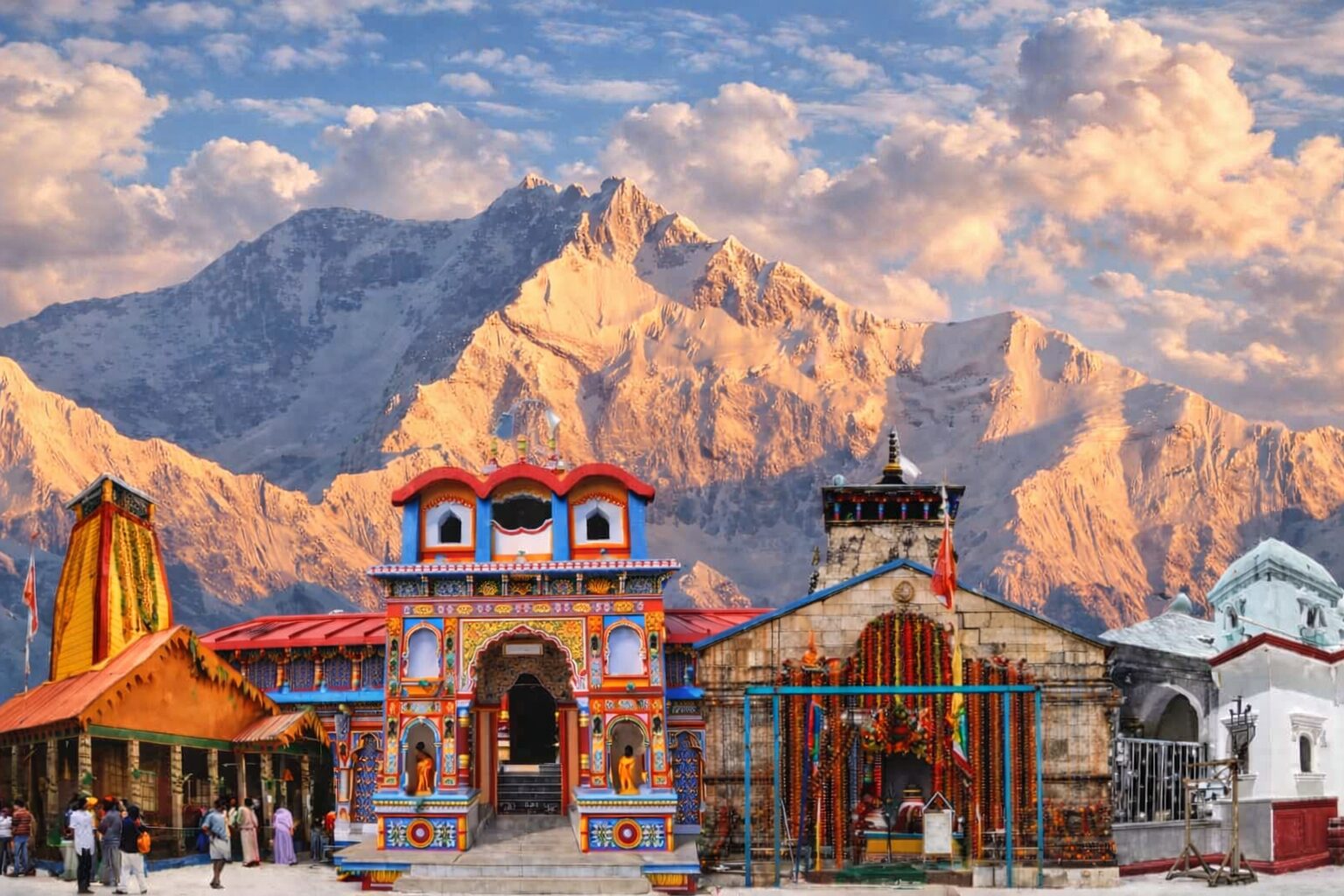
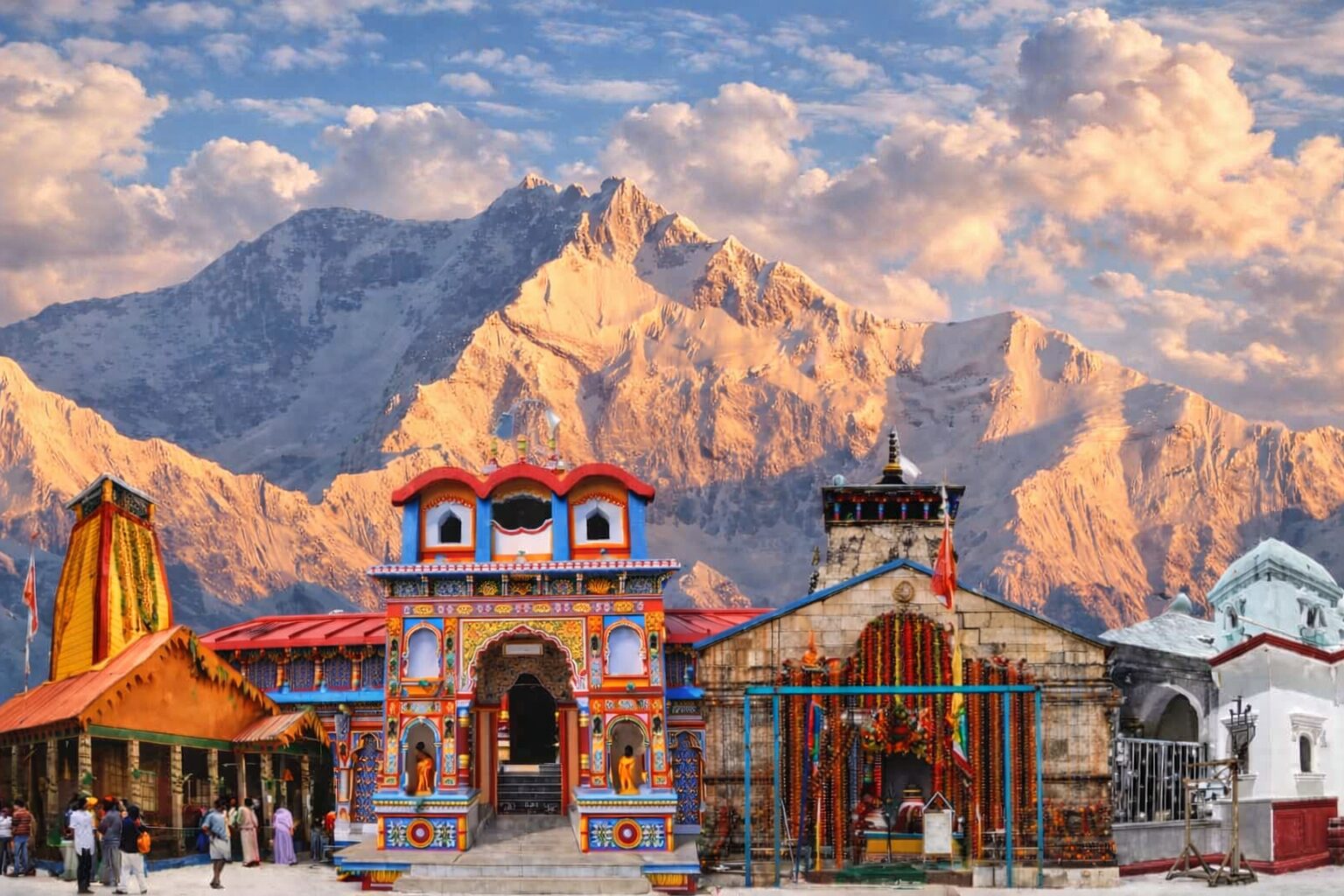
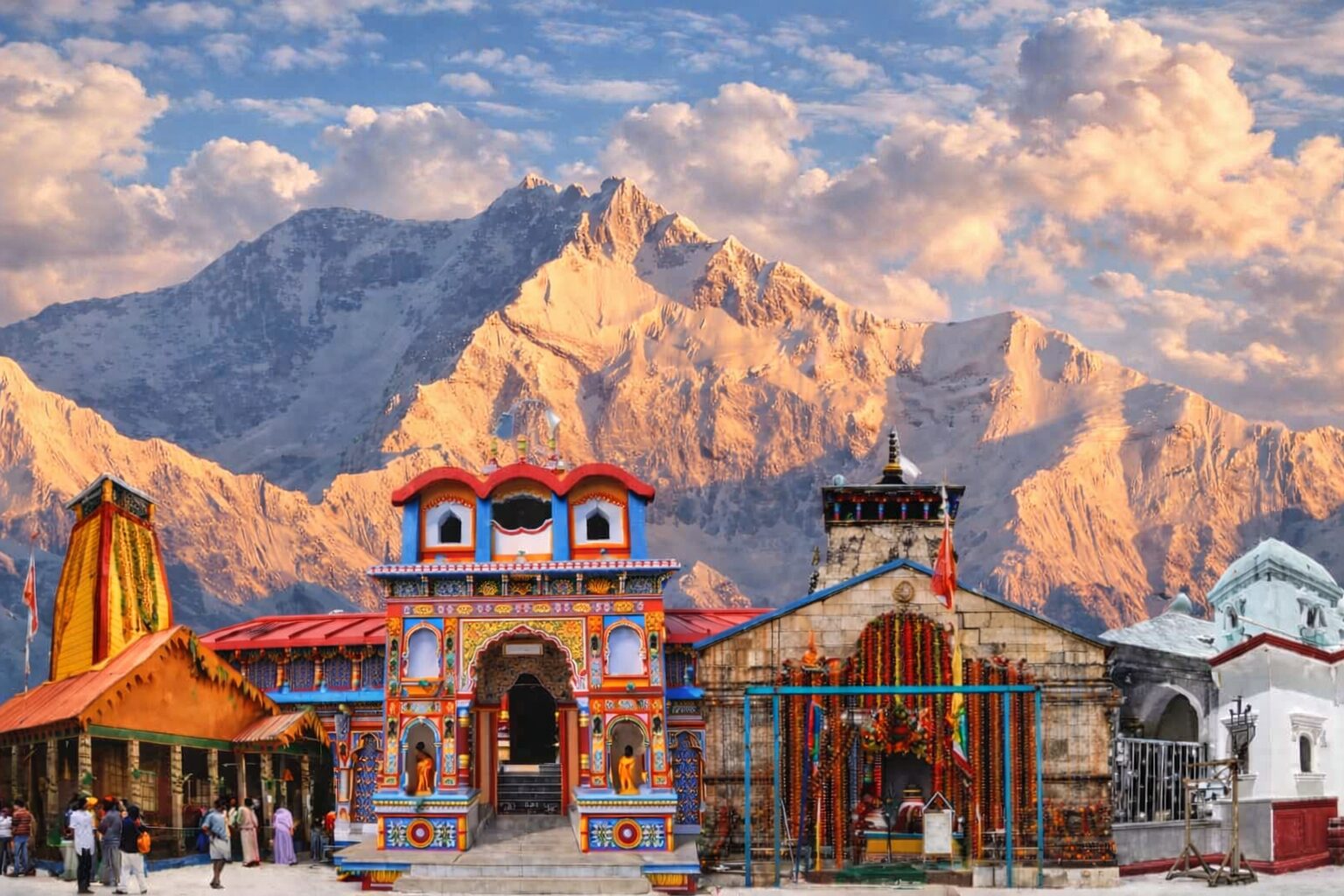
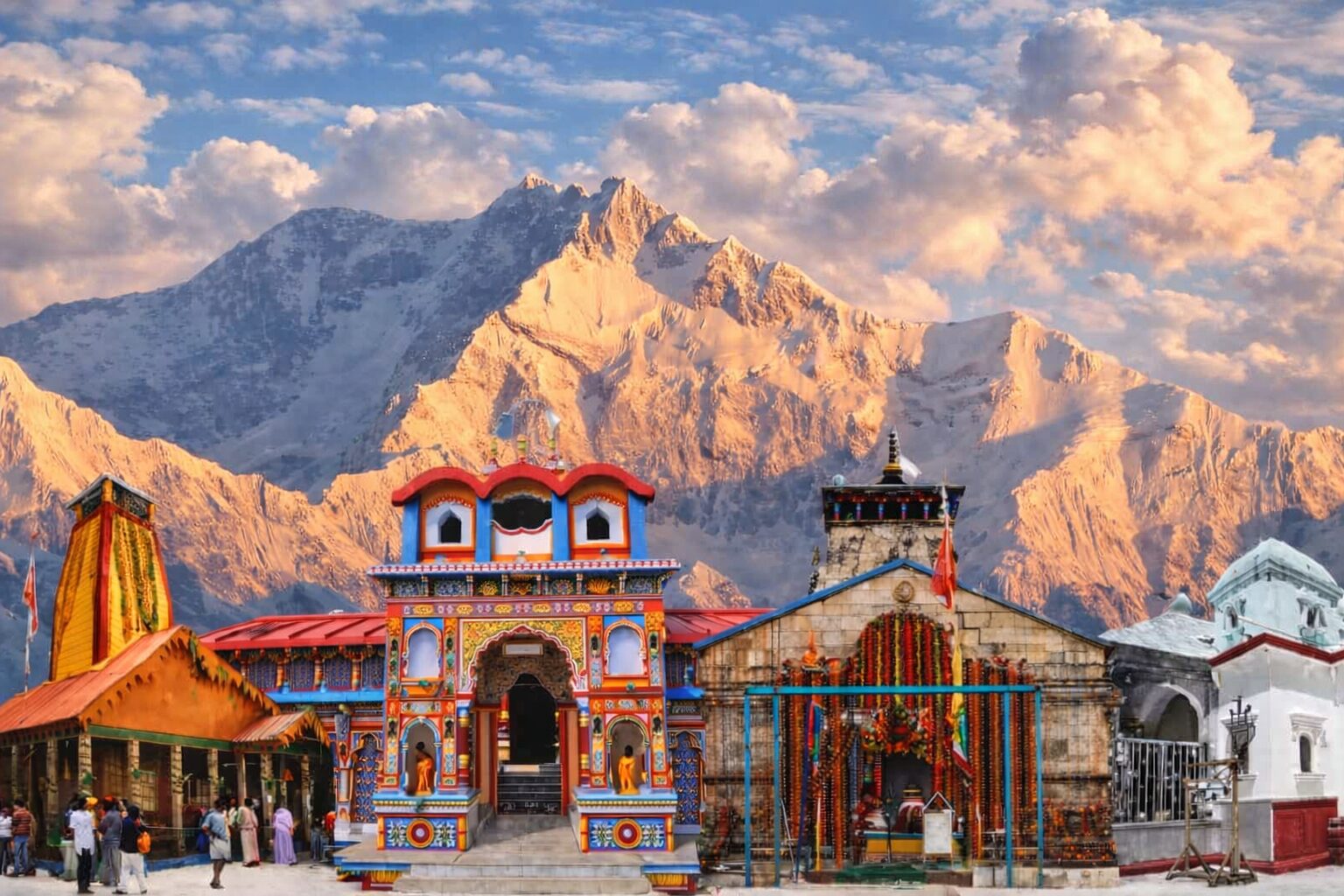
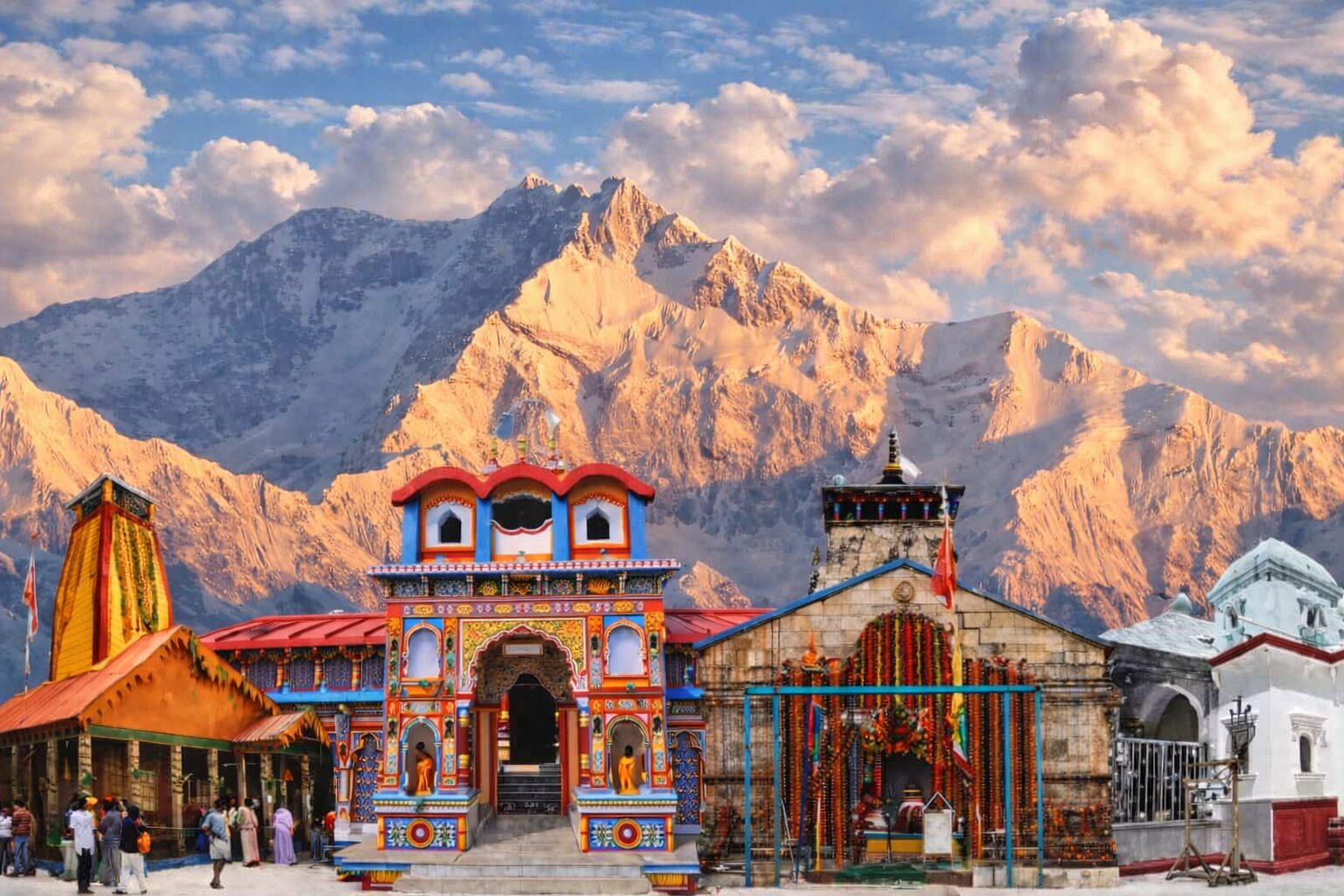
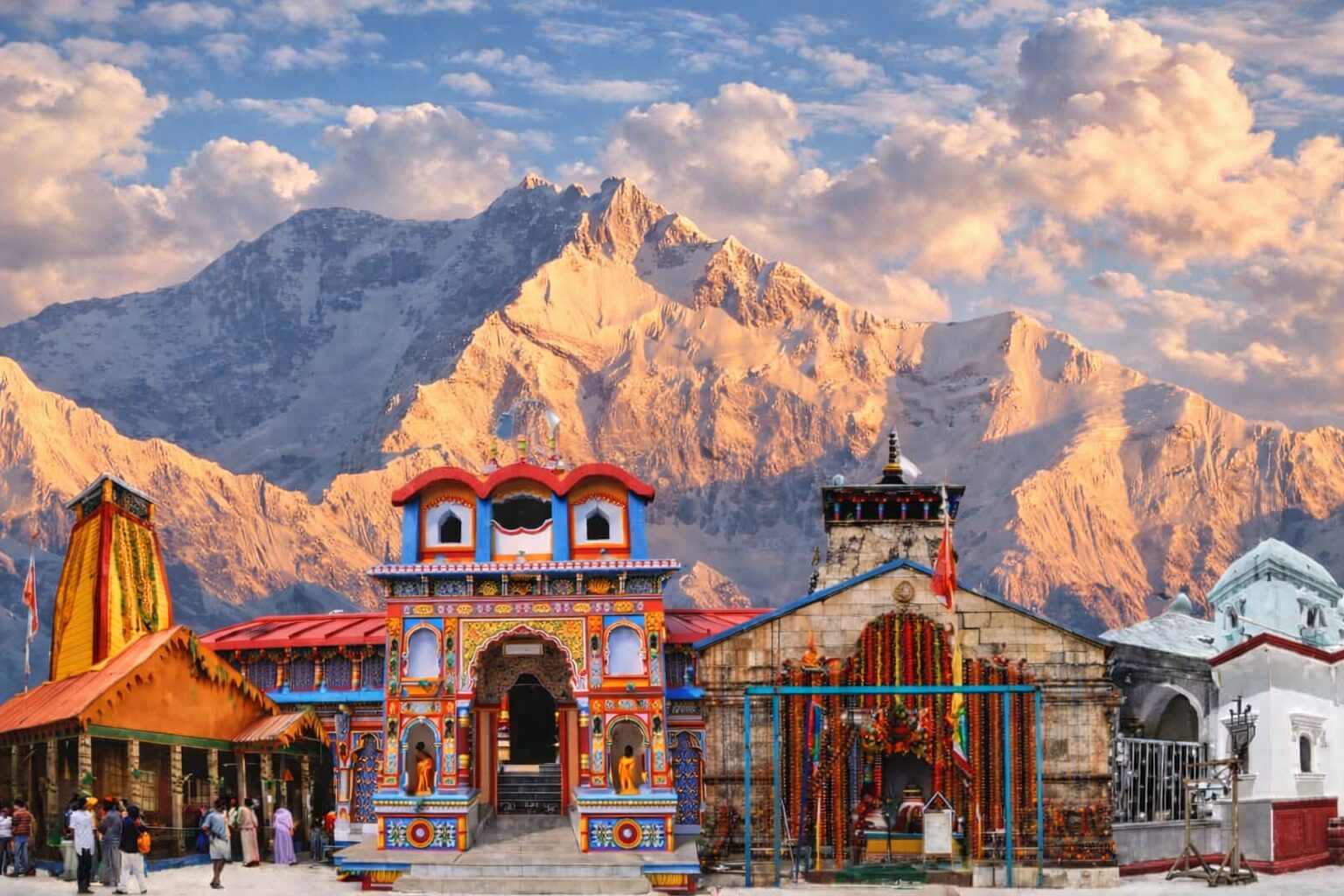
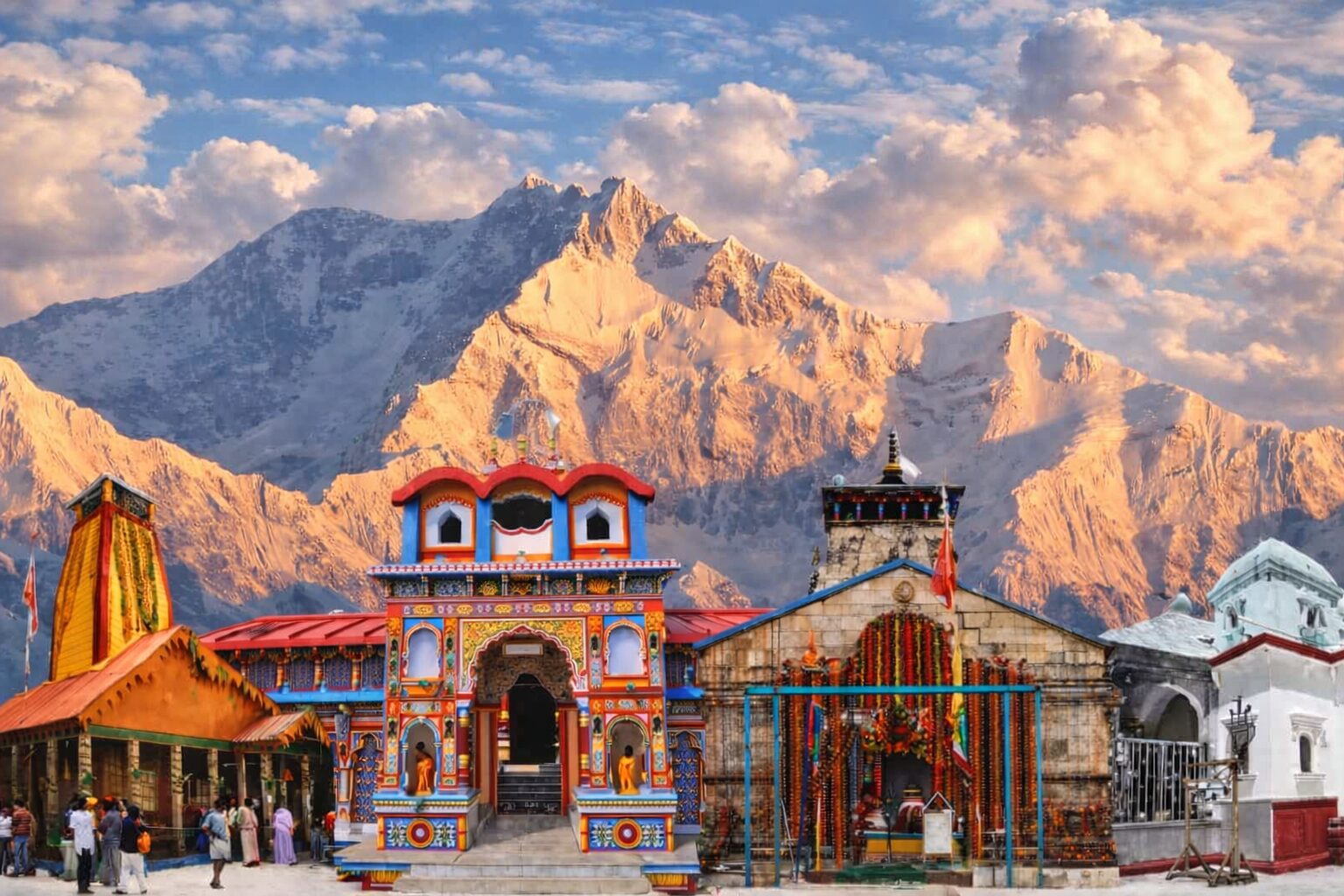
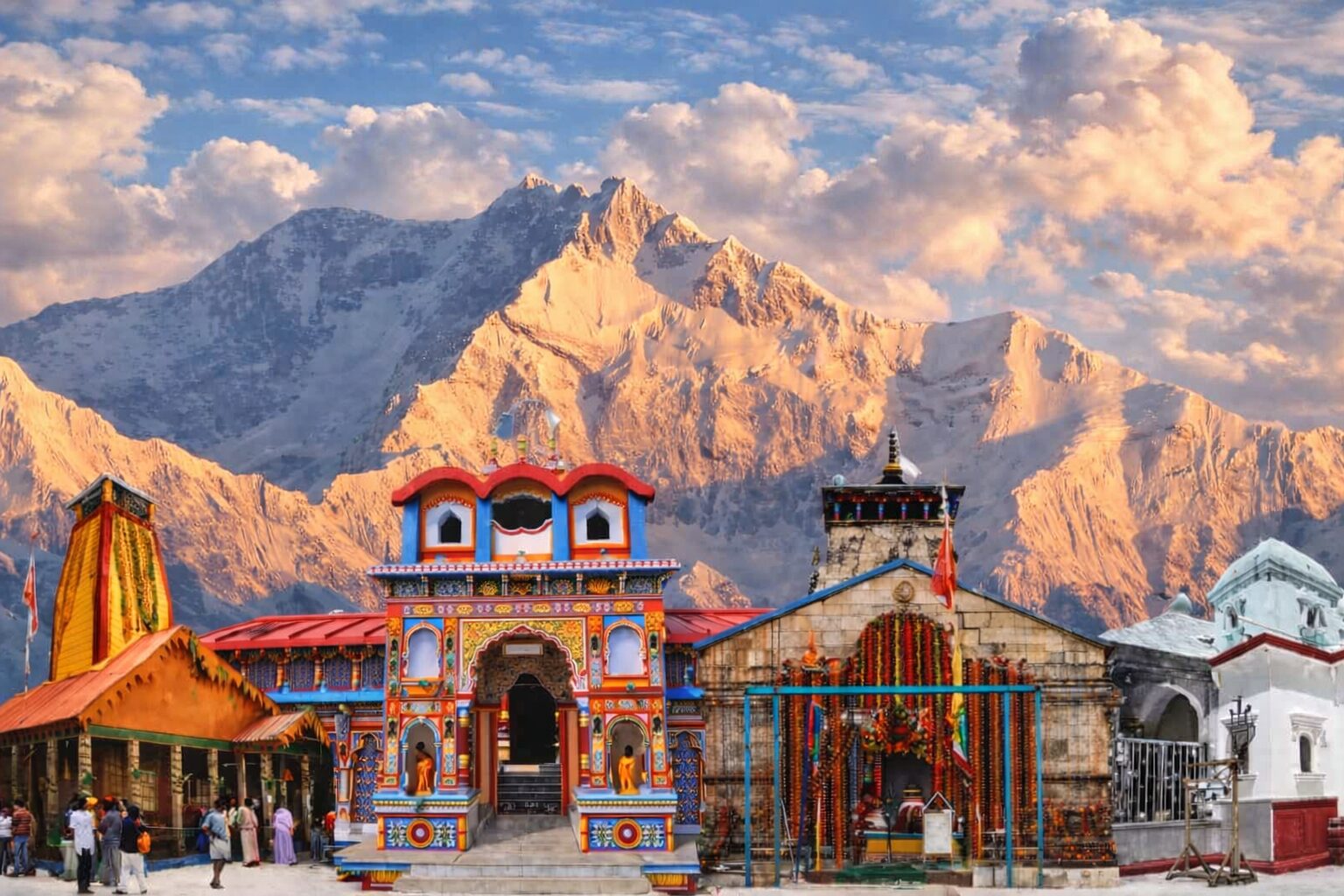
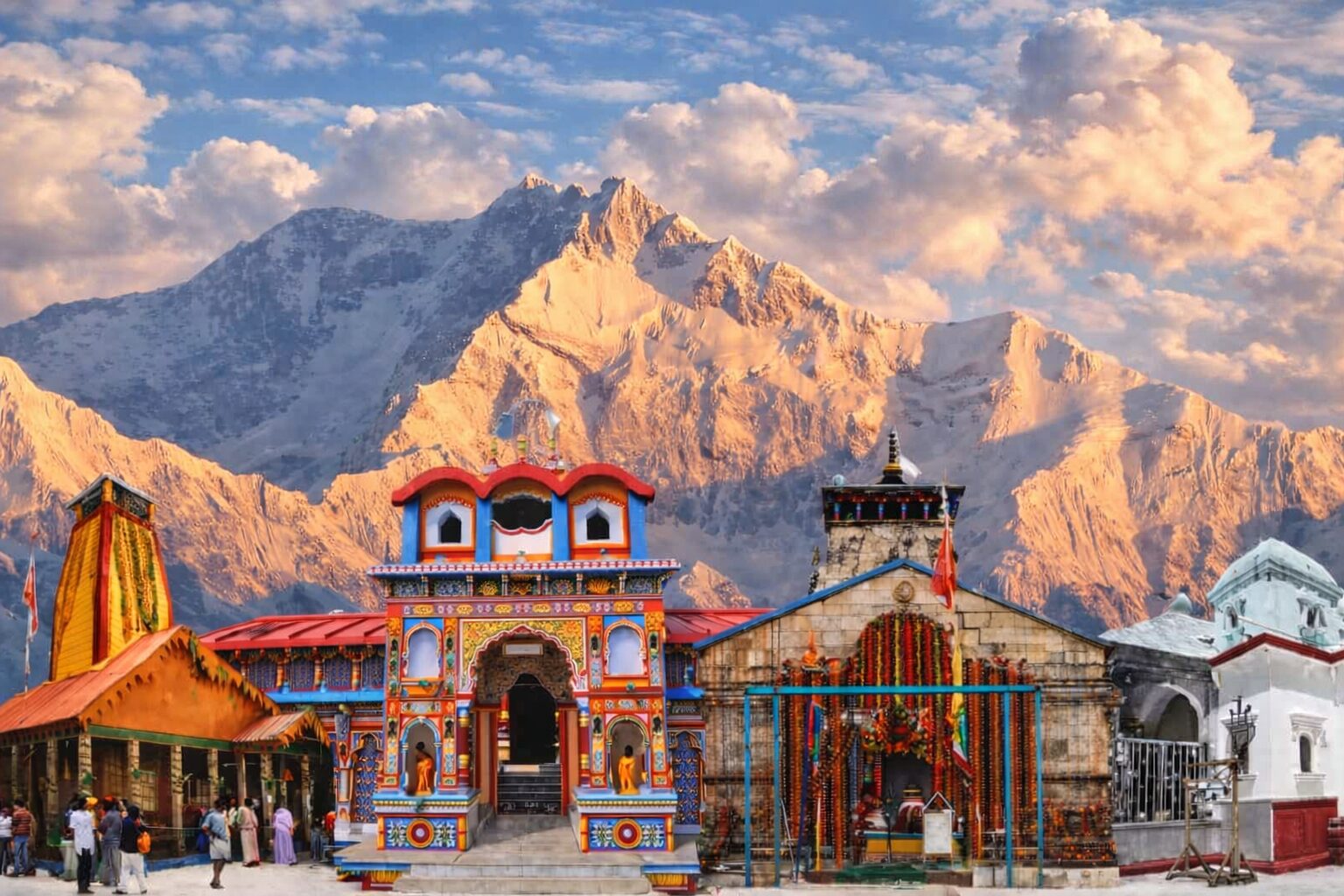
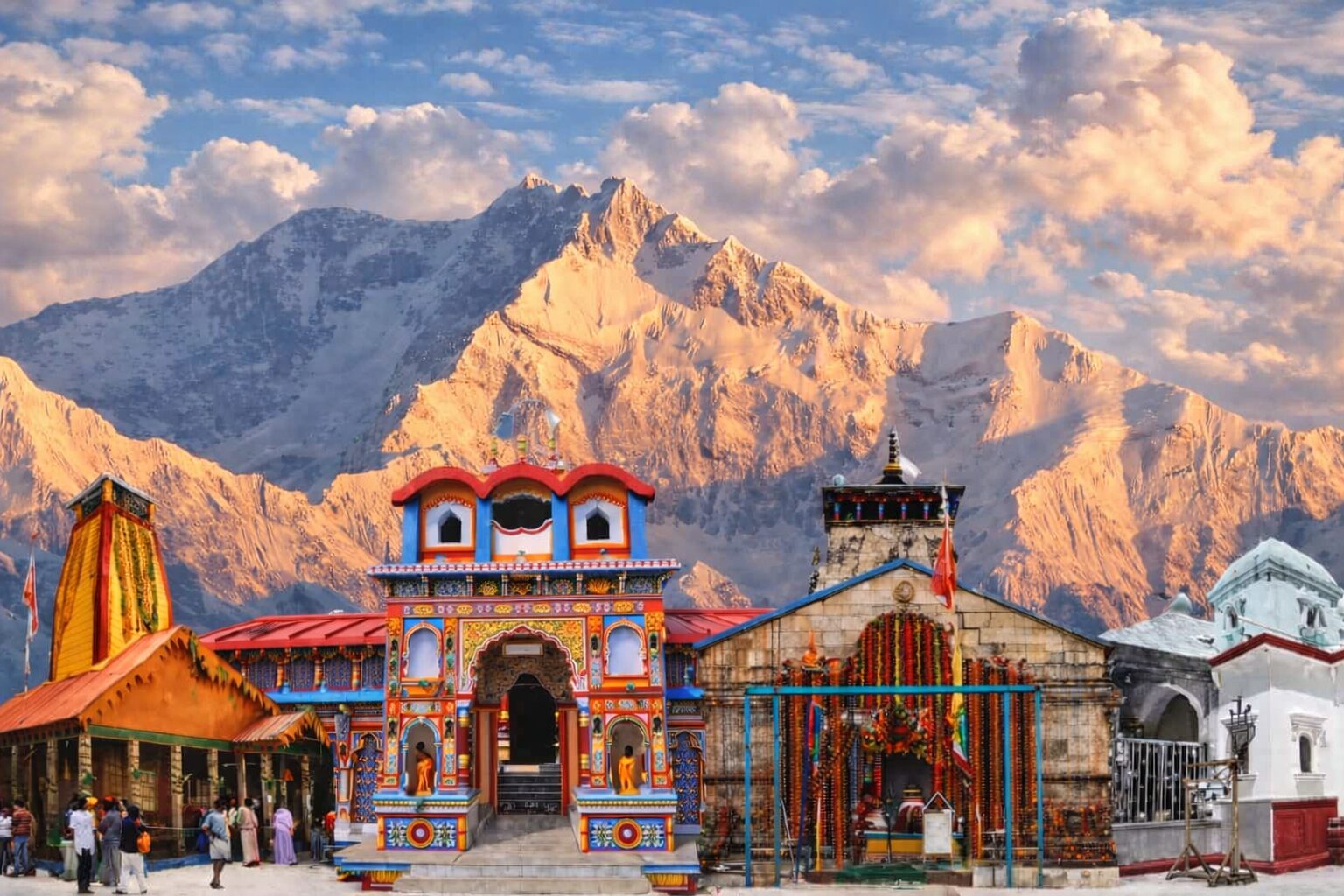
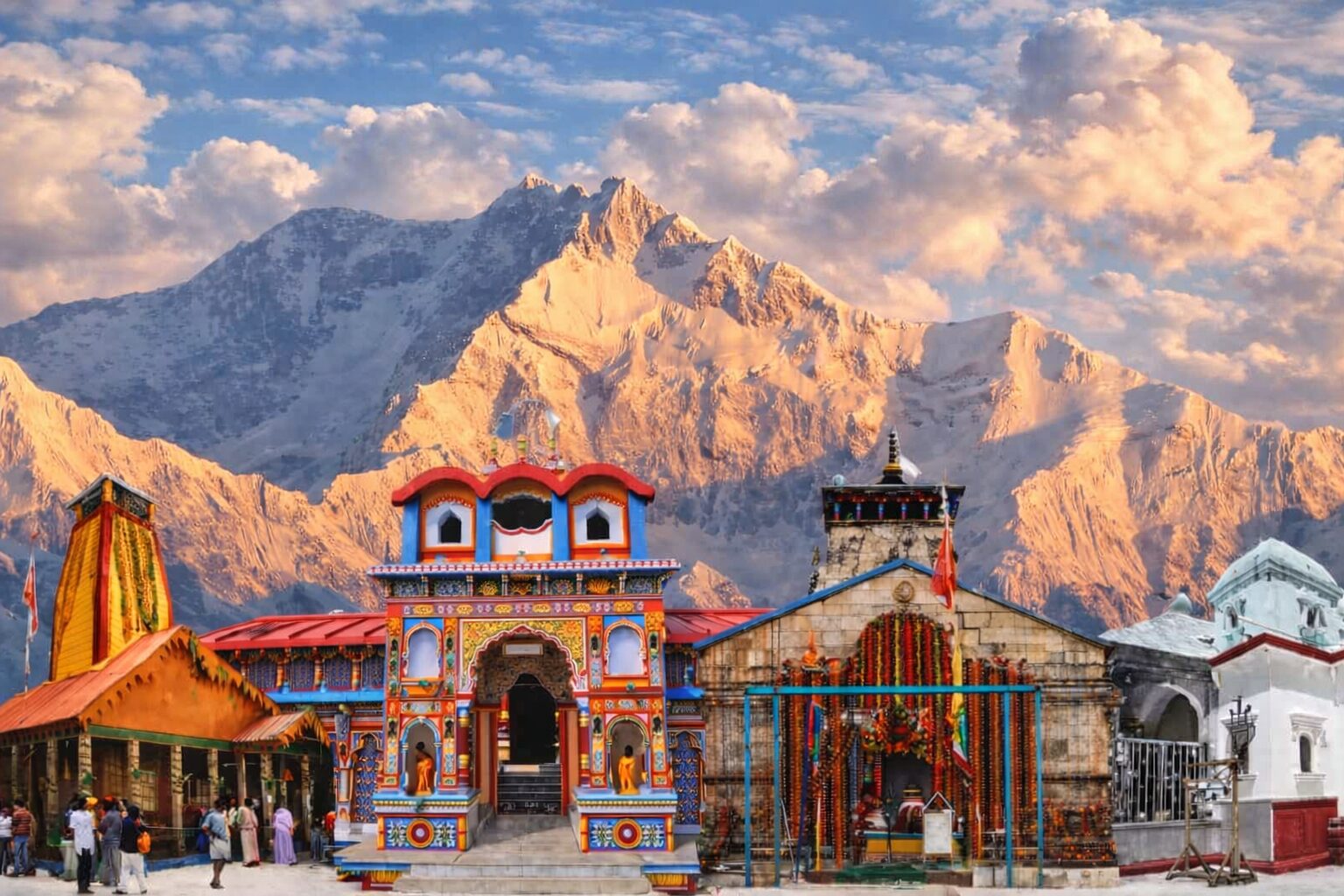
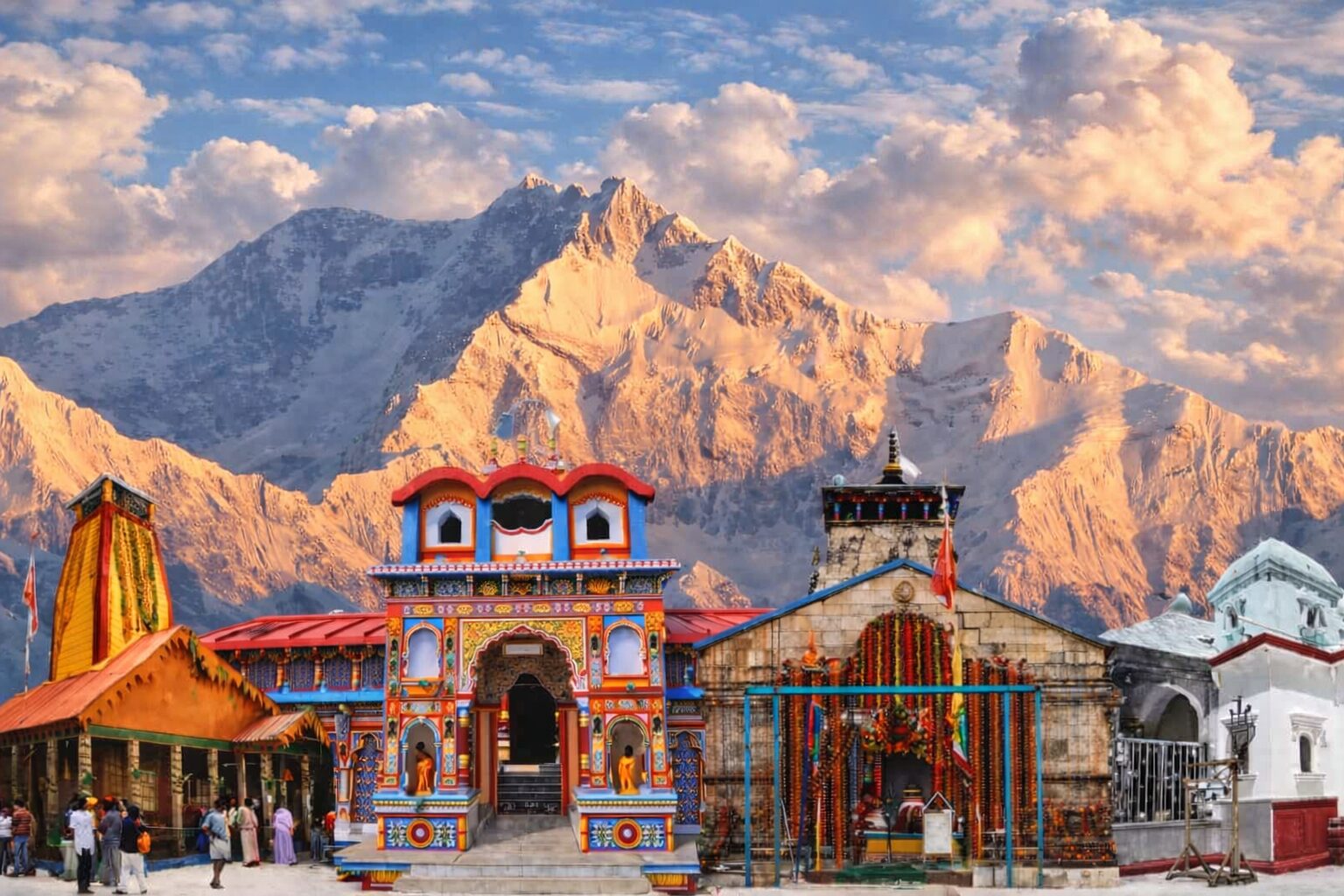
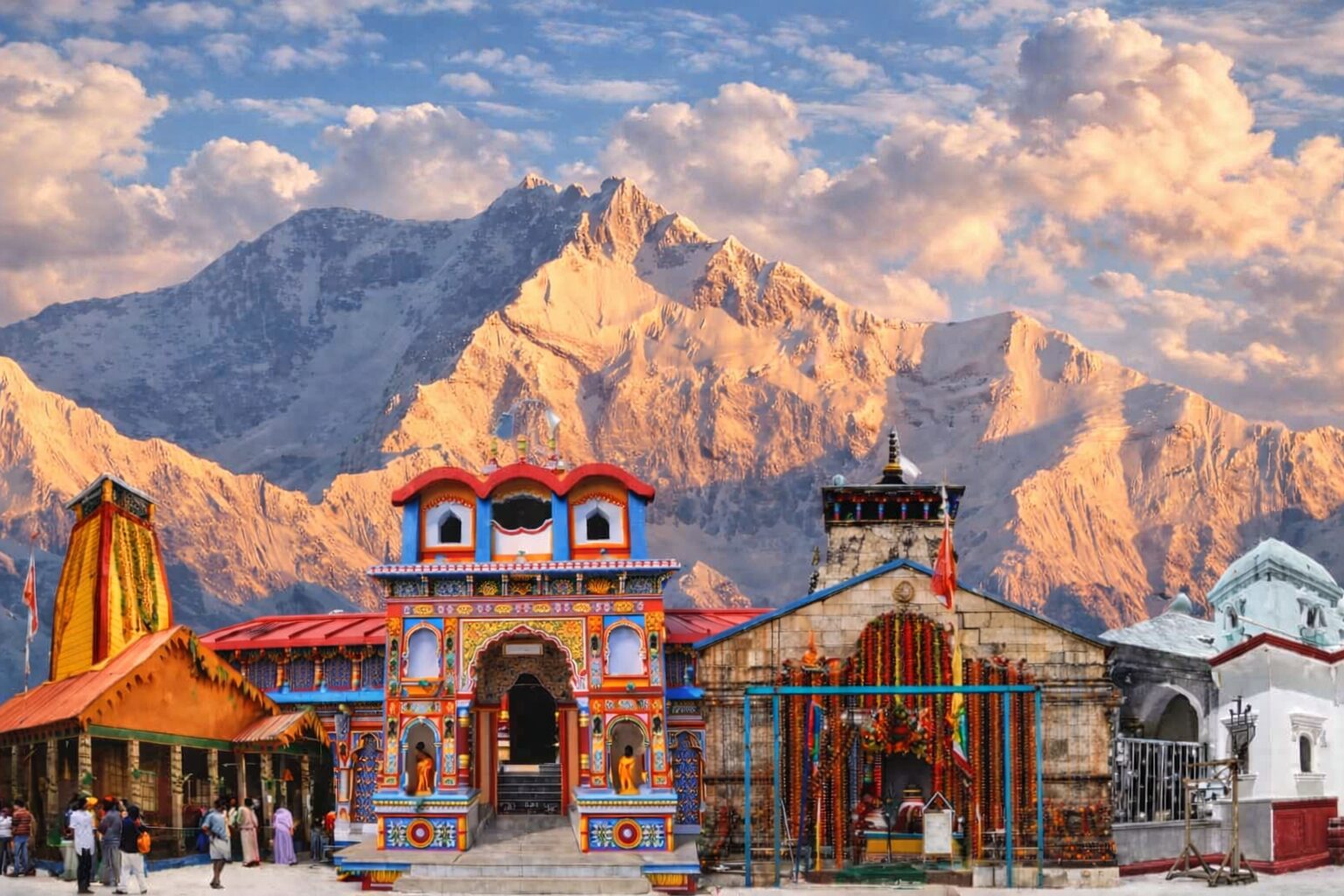
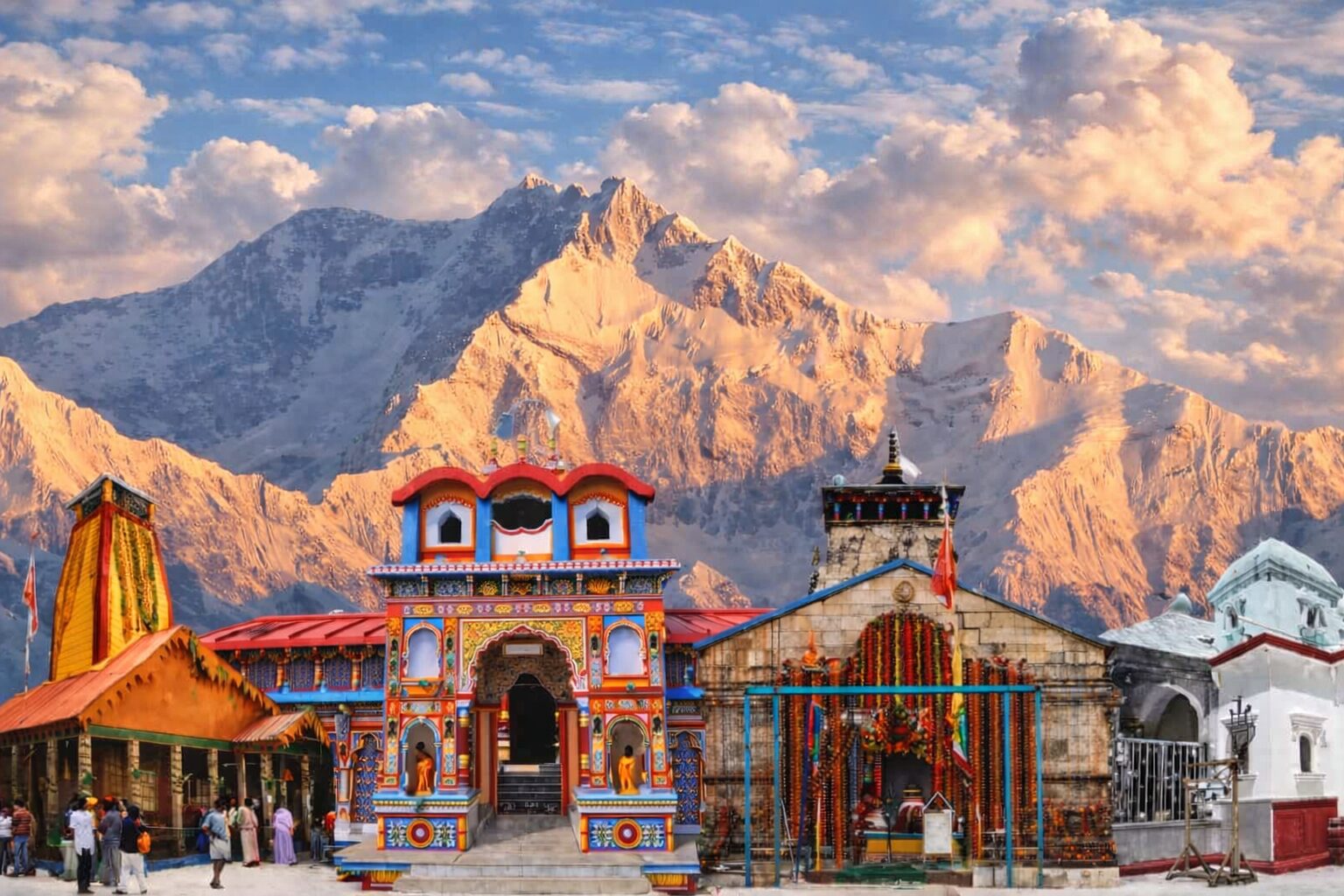
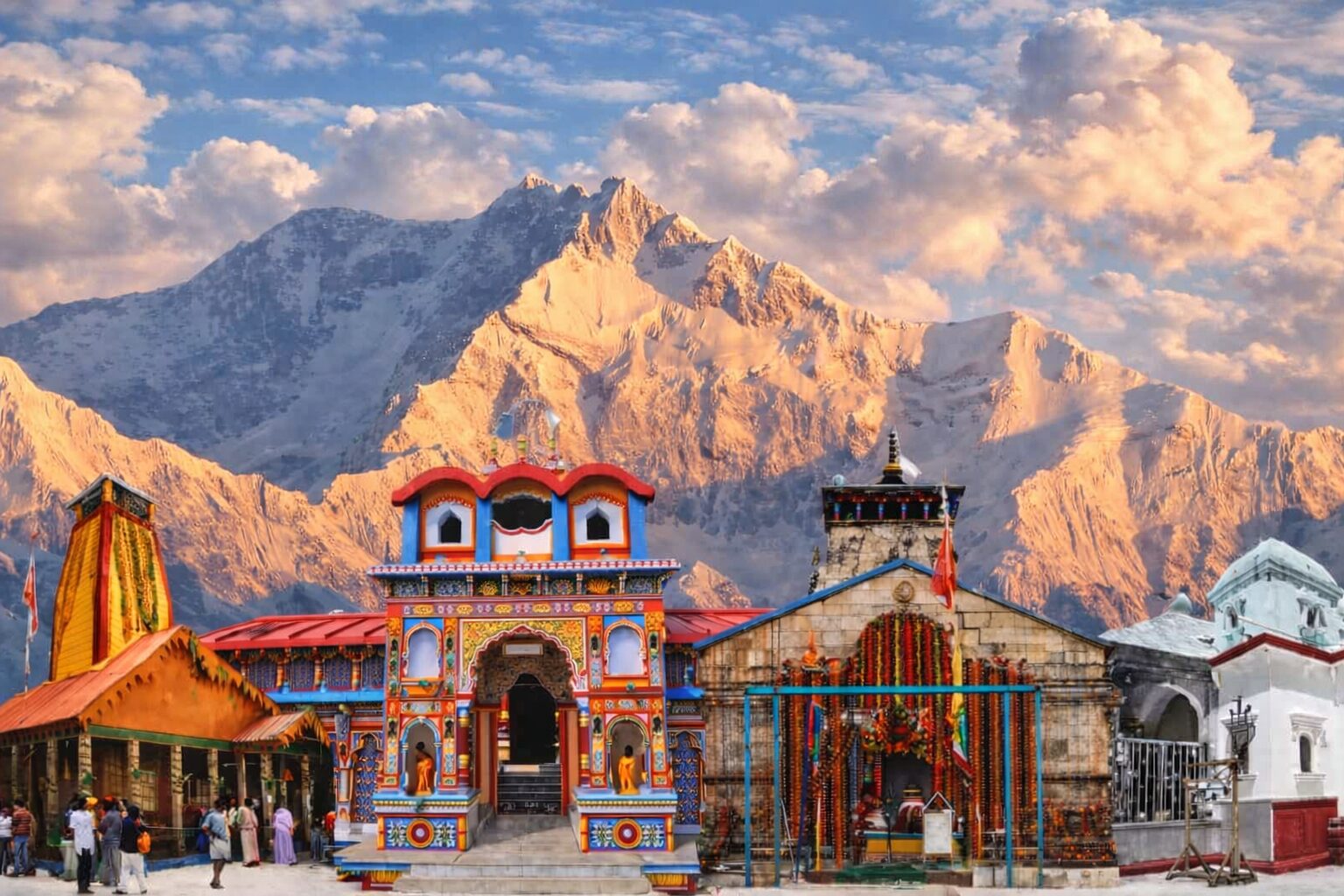
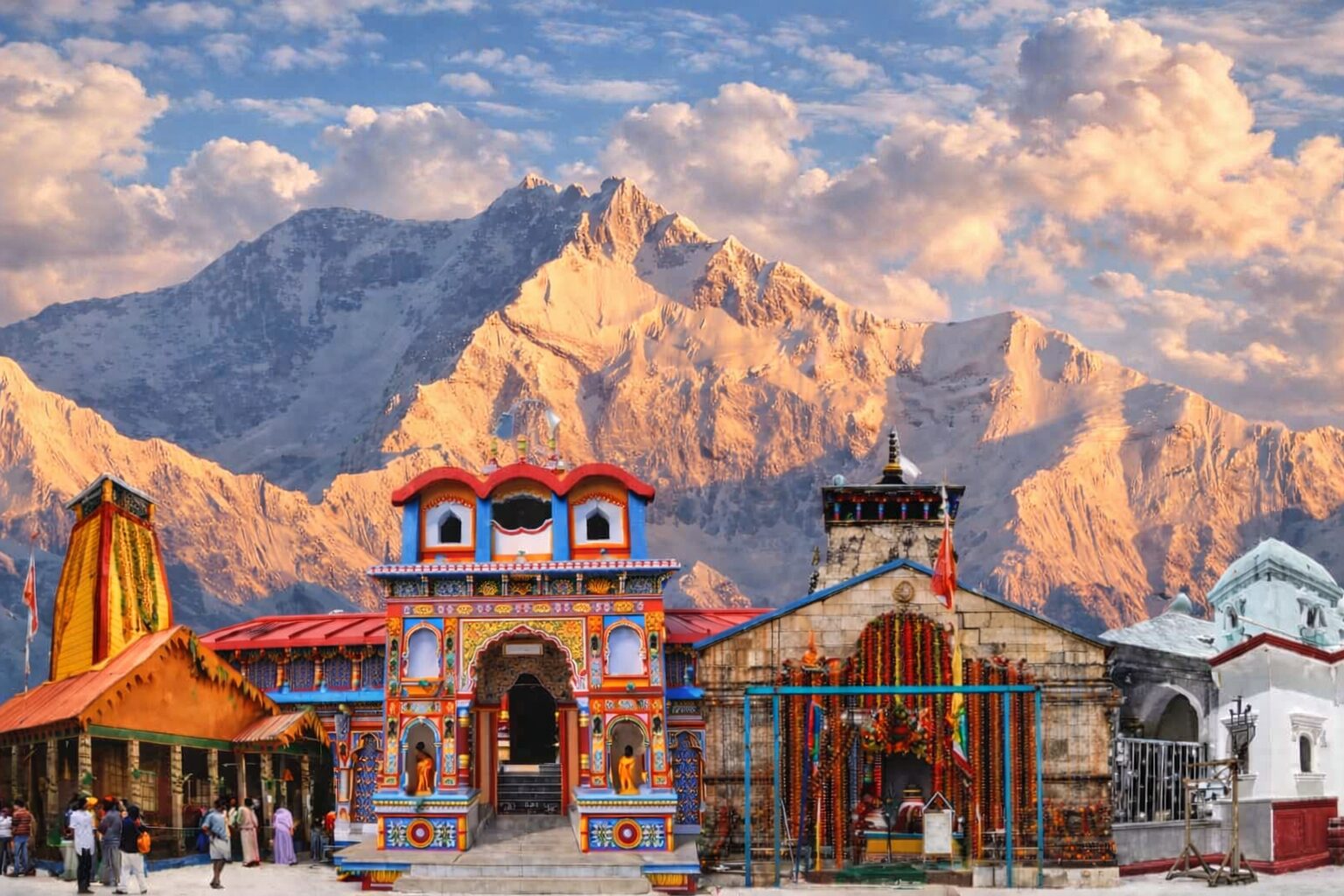
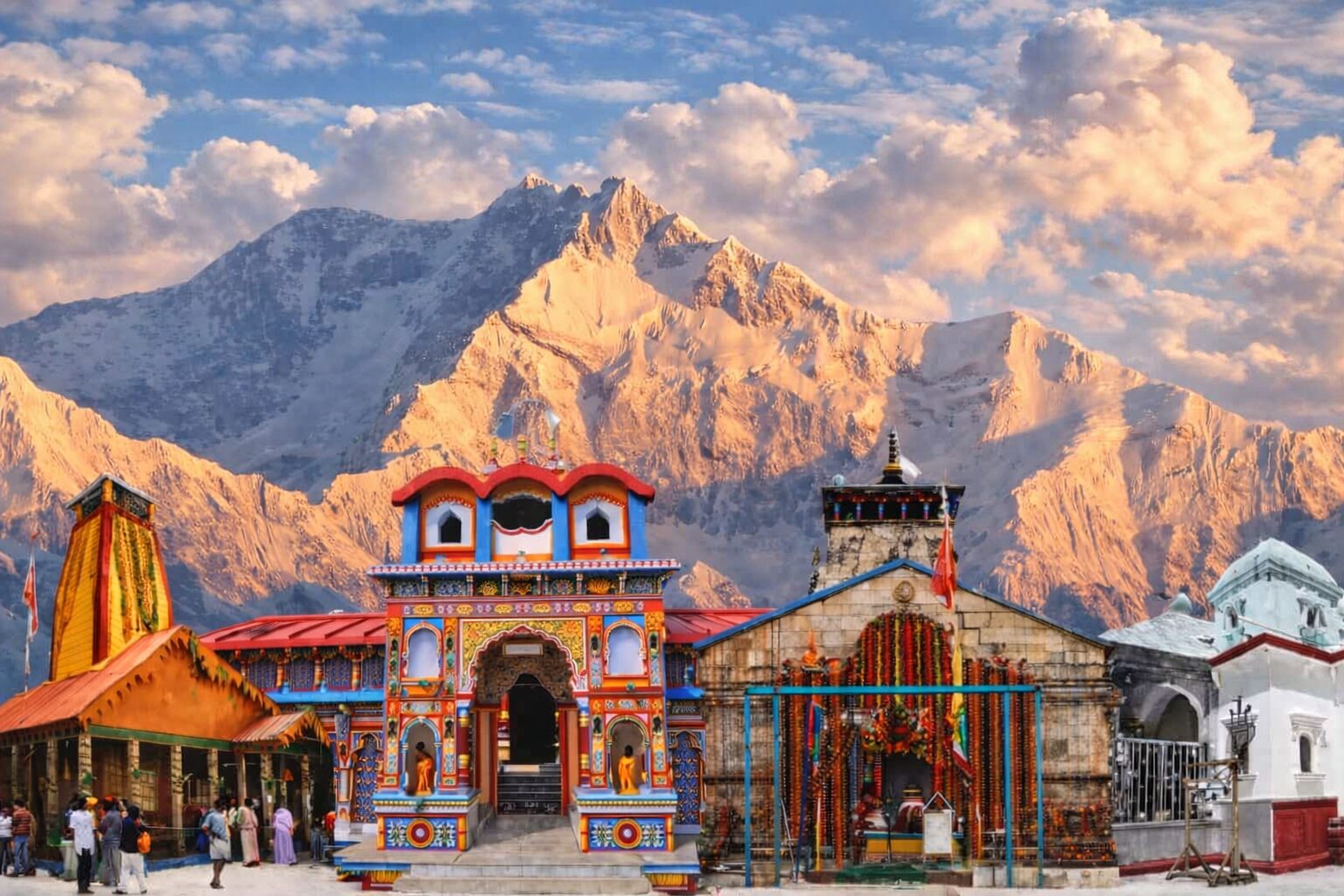
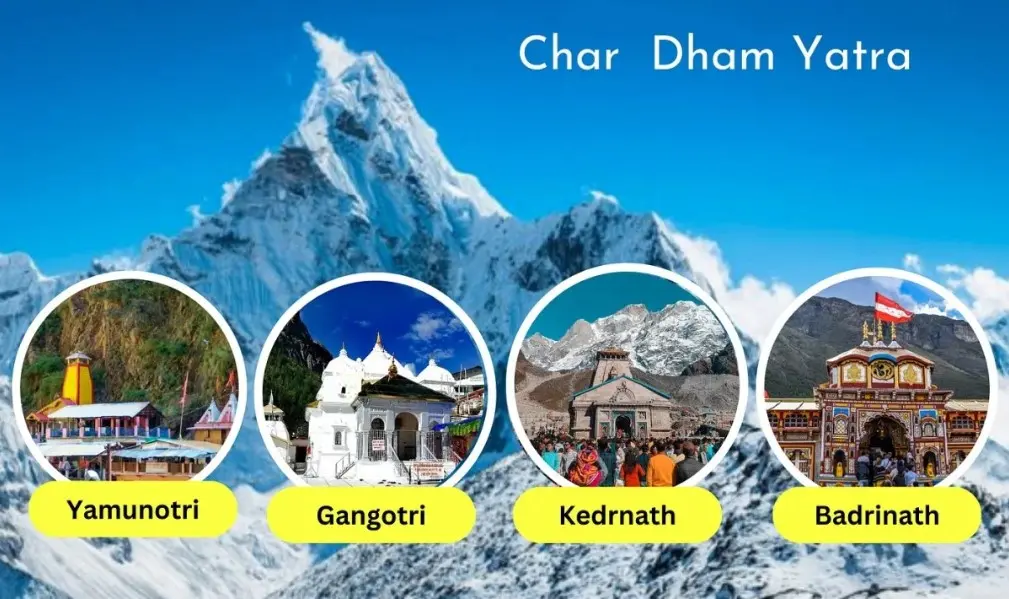
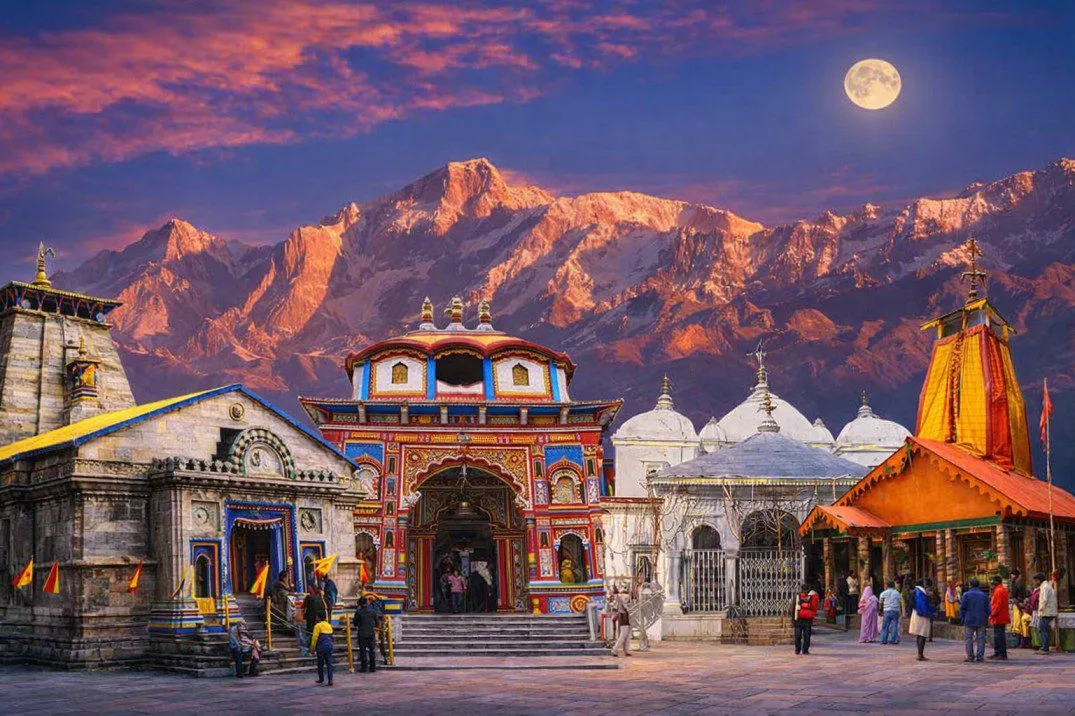
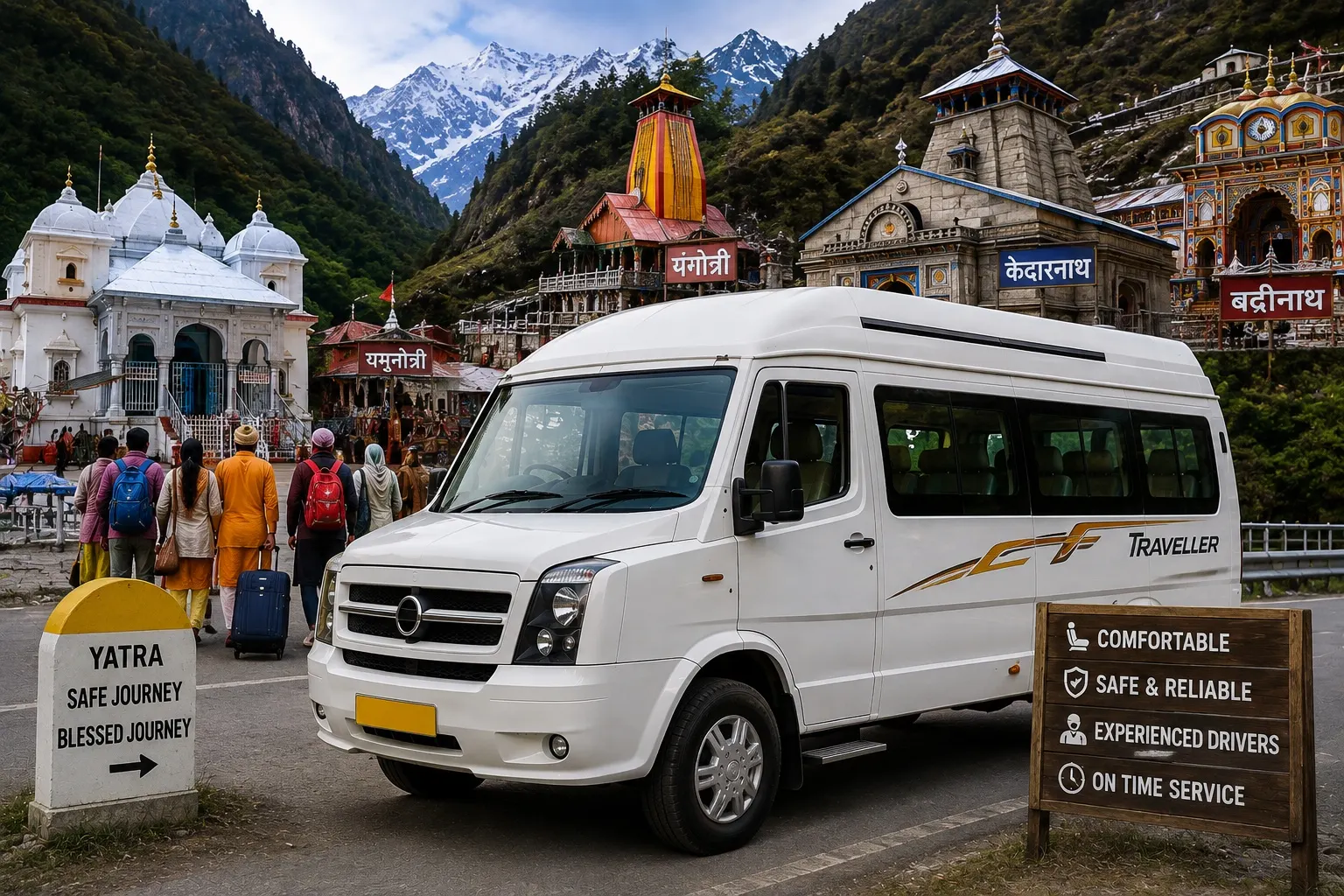
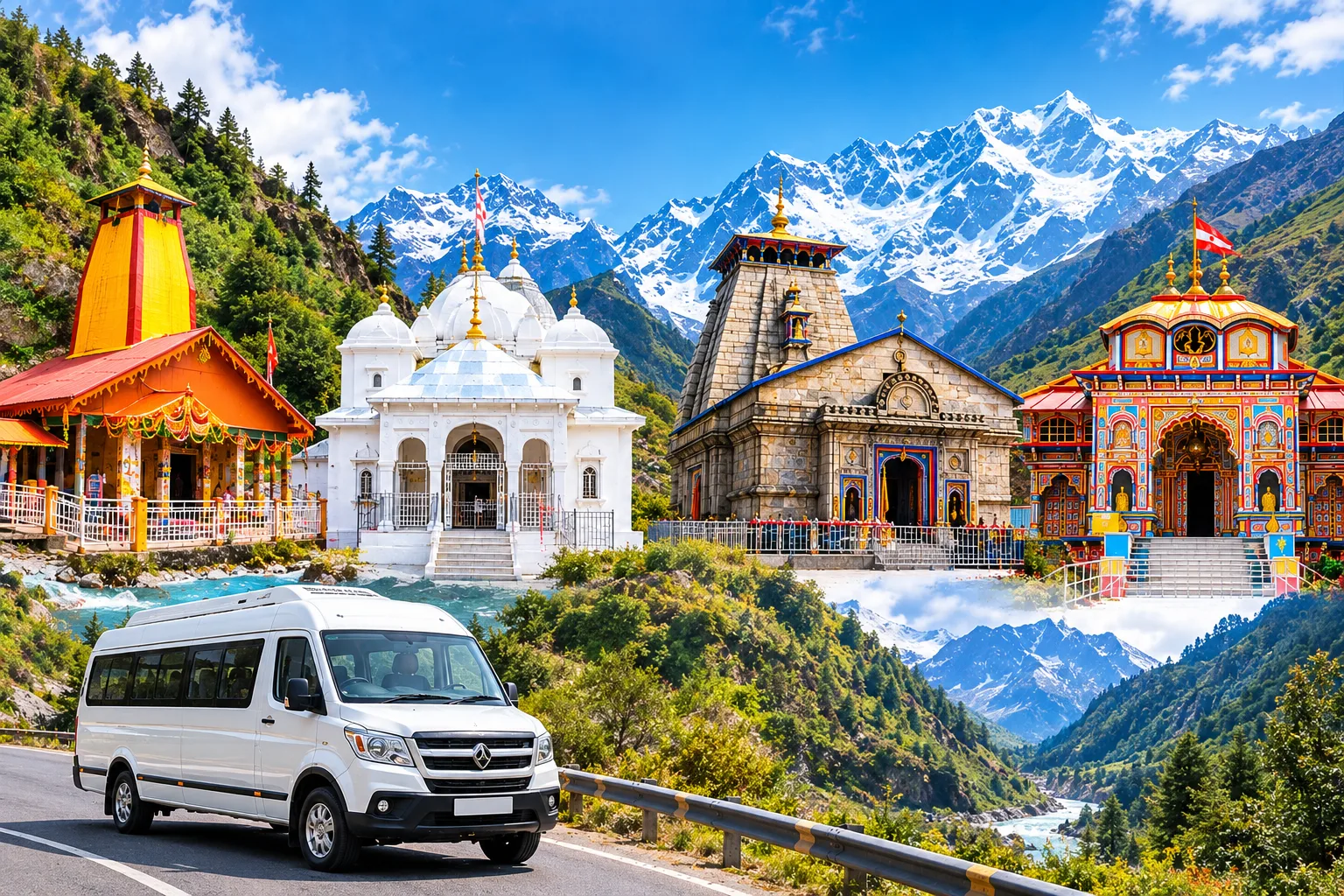
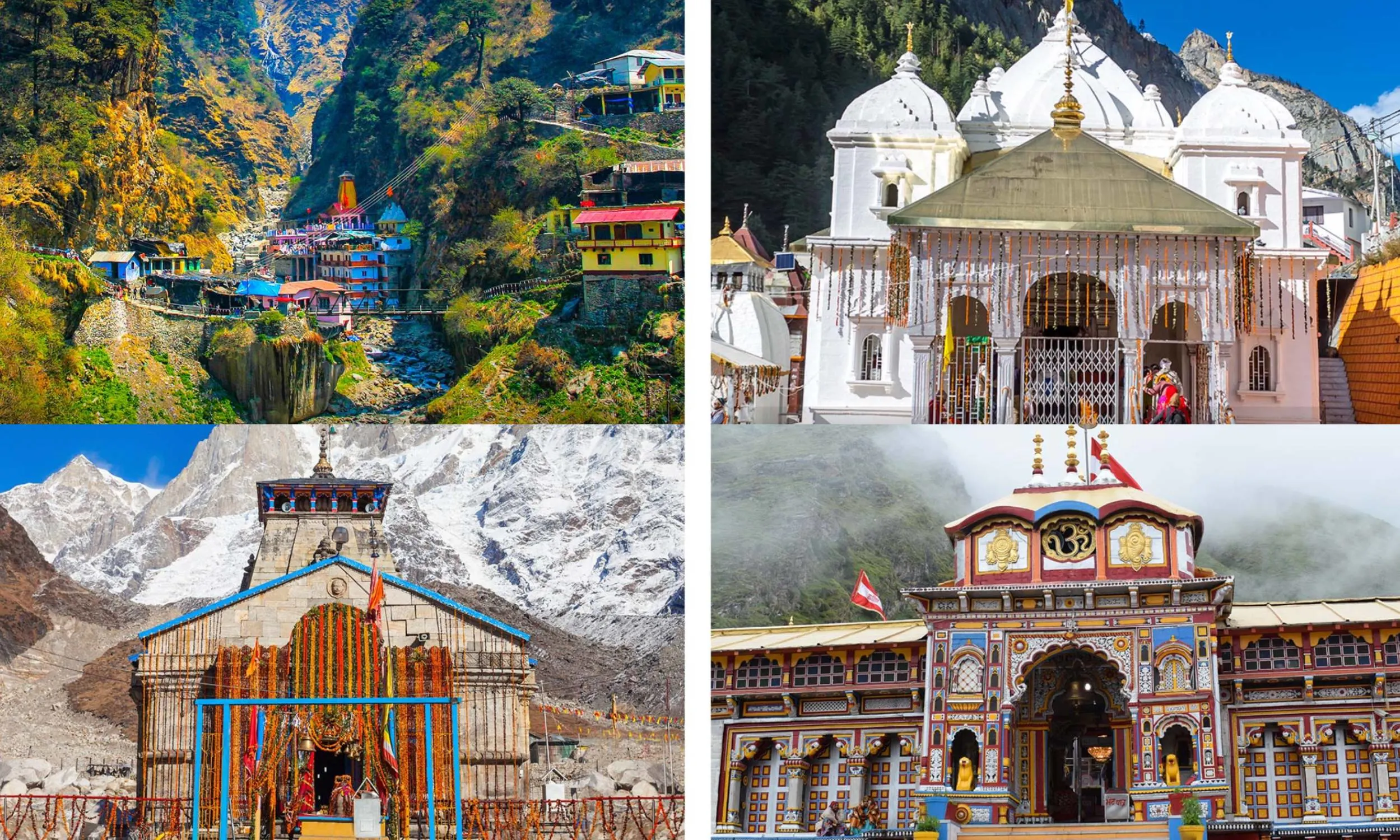
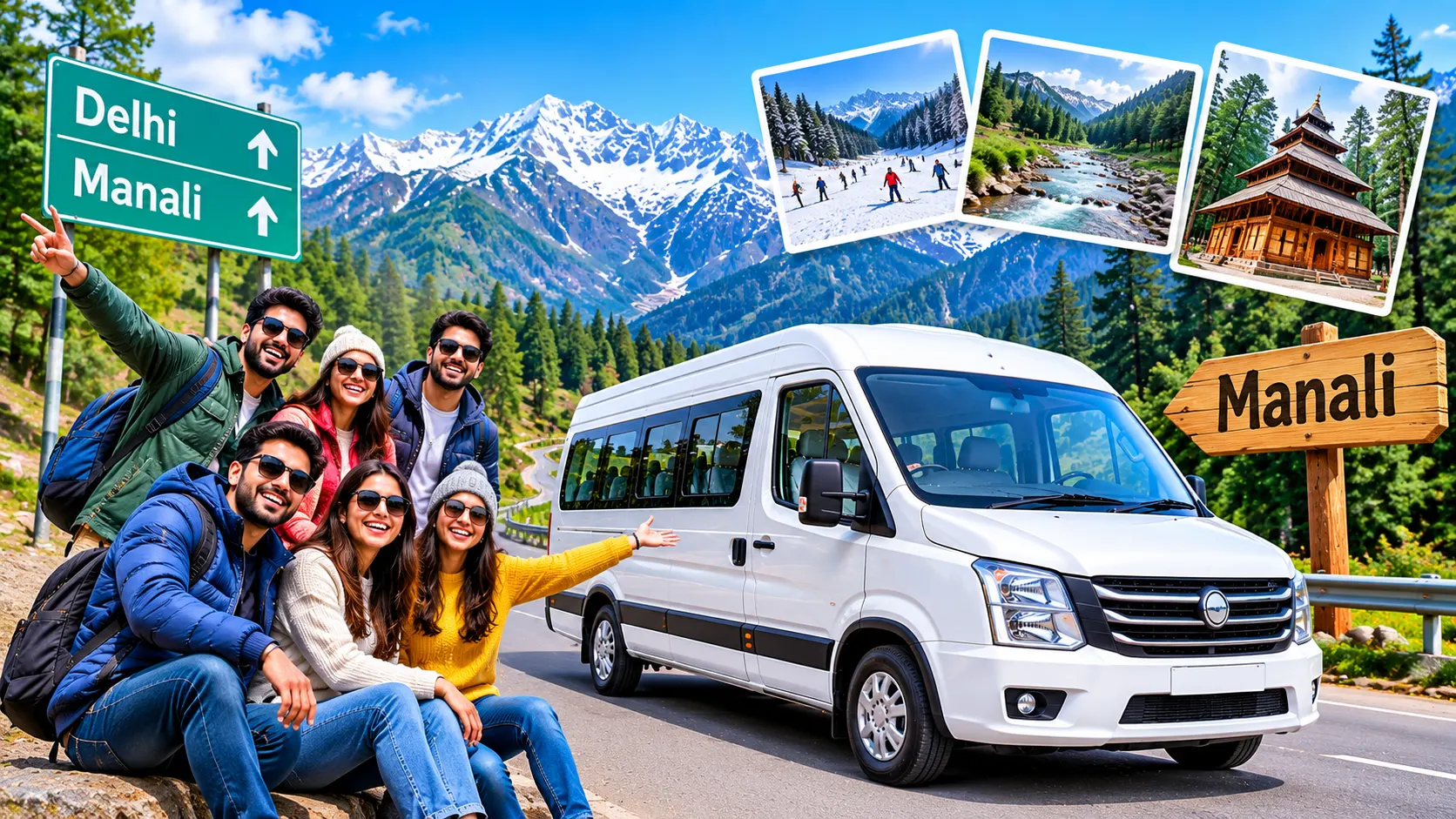
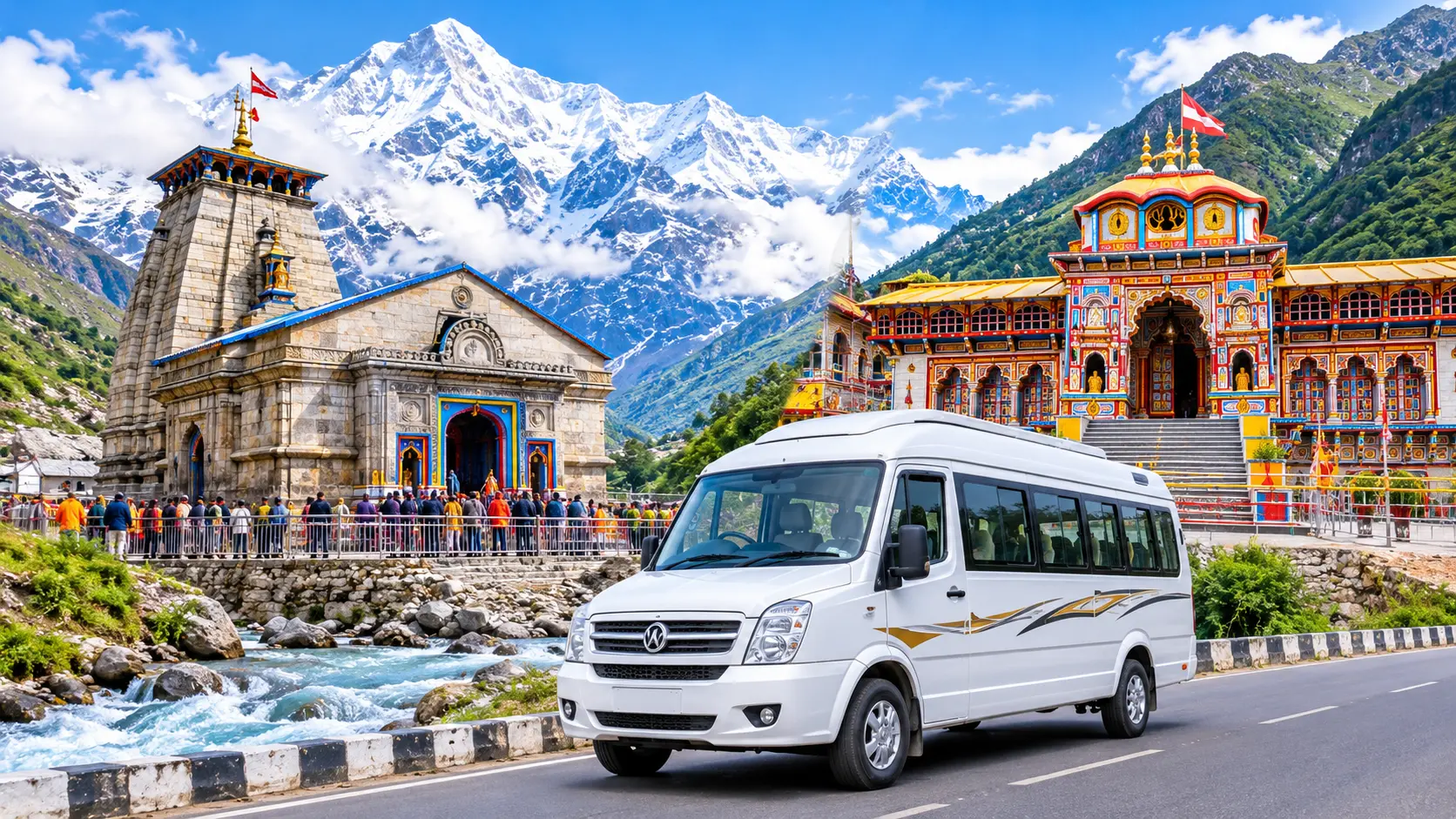
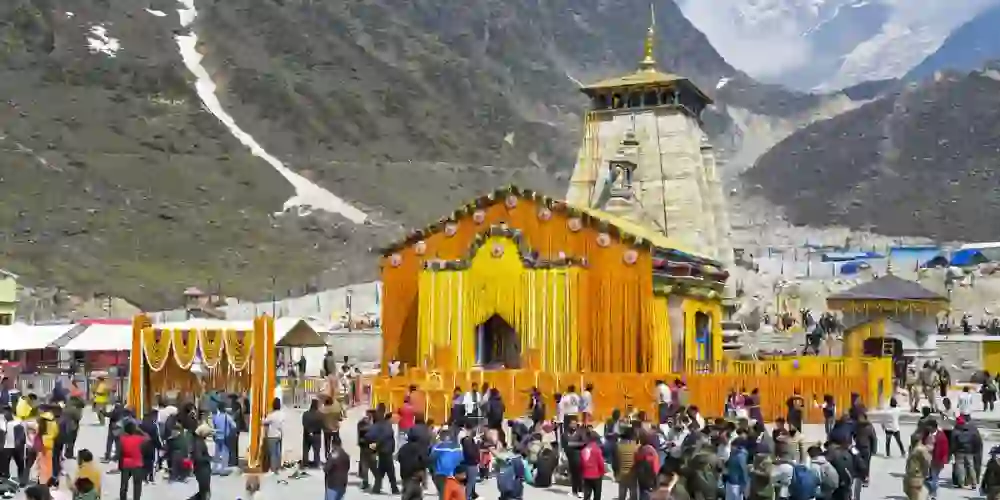
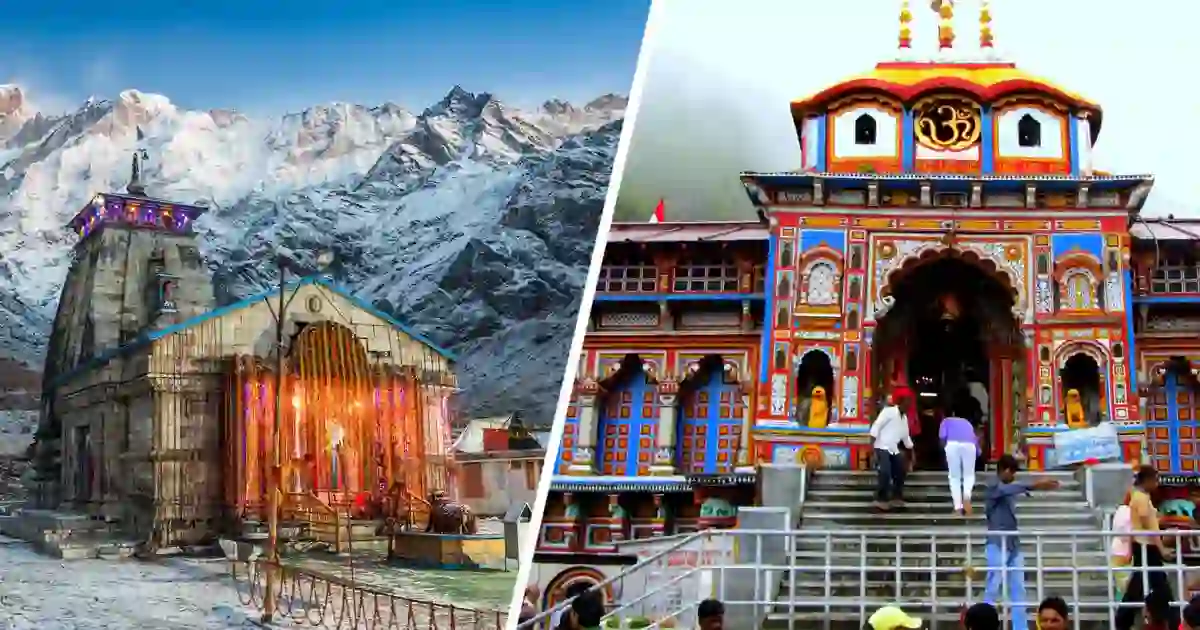
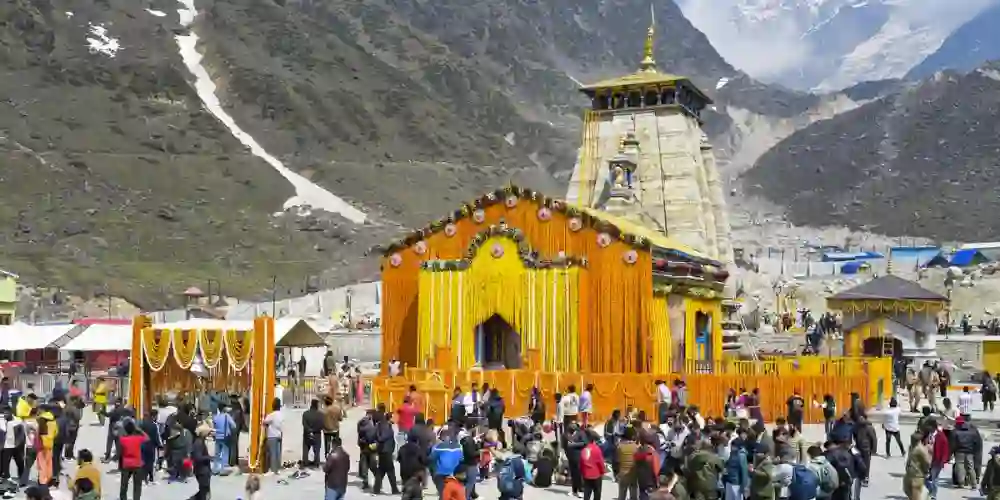
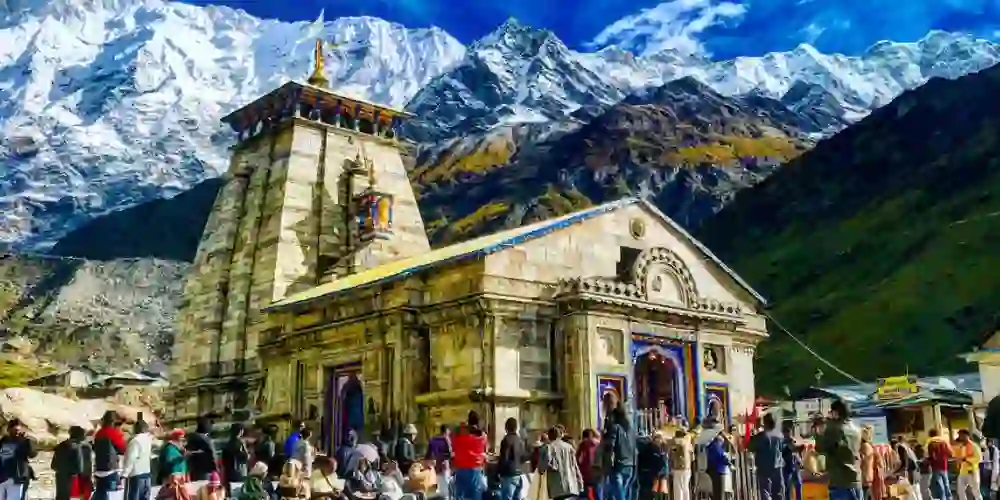
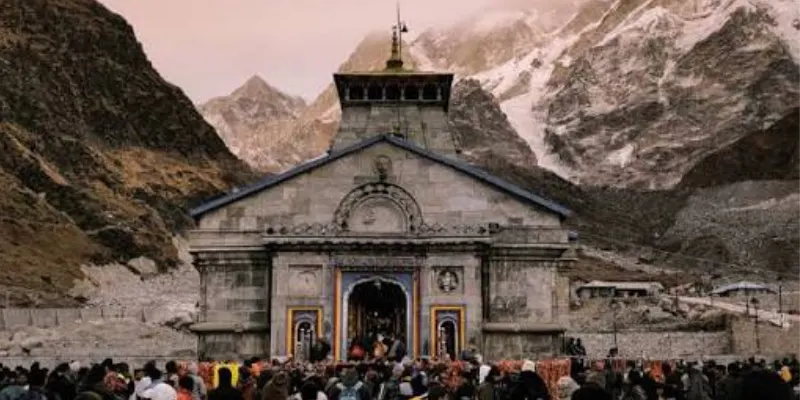
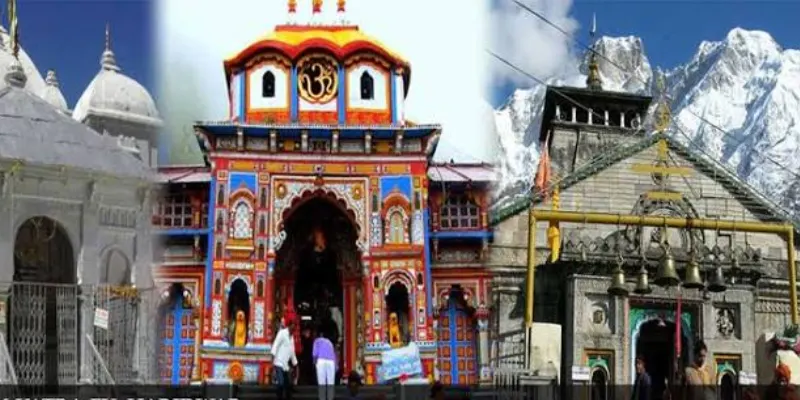
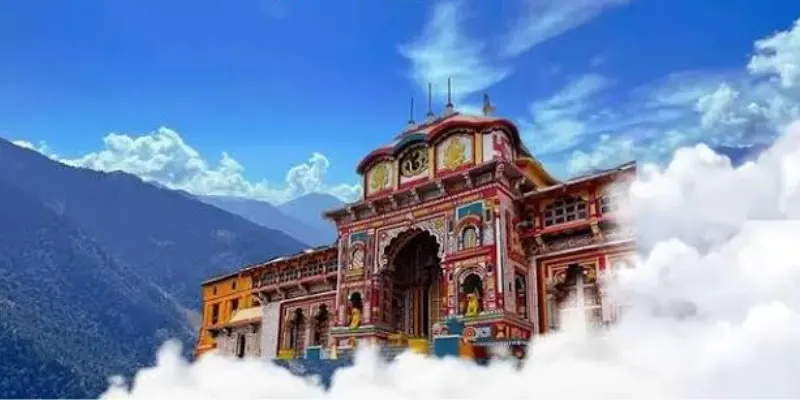
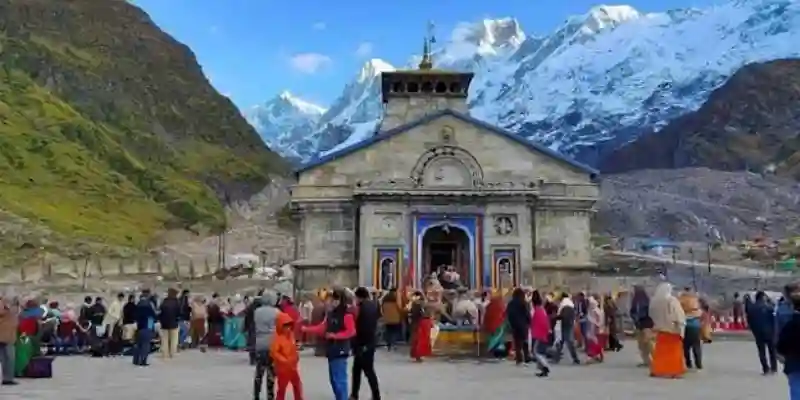
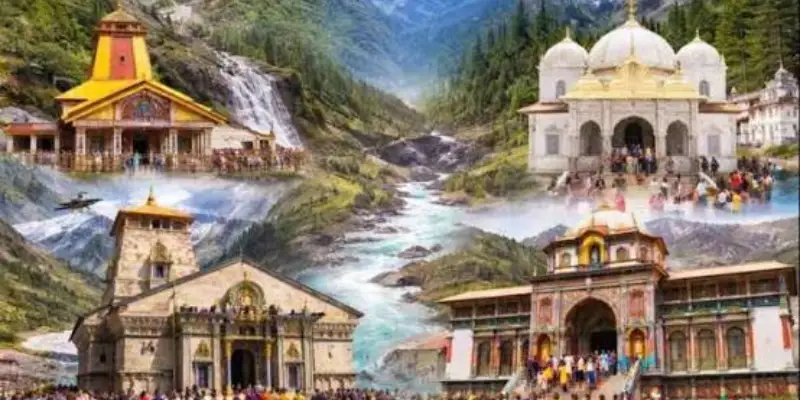
The Do Dham Yatra means visiting two of the four Char Dham shrines of Uttarakhand: Kedarnath (dedicated to Lord Shiva) and Badrinath (dedicated to Lord Vishnu). Many families from Pune choose Do Dham instead of the full Char Dham because it needs fewer days, avoids the long drives to Yamunotri and Gangotri, and fits into one week of leave.
A few facts worth knowing before you plan:
Kedarnath stands at about 3,583 metres and Badrinath at about 3,133 metres, so altitude and cold are real considerations.
Kedarnath is reached by a trek of roughly 16 km from Gaurikund, or by helicopter from the Phata, Sersi or Guptkashi helipads. Badrinath is reachable by road.
A Kedarnath and Badrinath package from Pune is usually a fly-and-drive plan, since driving all the way from Maharashtra takes several days each way.
What Is the Best Route from Pune to Kedarnath?
There are three practical ways to reach Haridwar or Rishikesh, which is the gateway to the Do Dham circuit. Here is how they compare.
Option
Approx. time
Best for
Things to know
Flight Pune to Delhi, then road to Haridwar
2.5 hrs flight + 5–6 hrs by road
Most families, senior citizens
Fastest and most comfortable. Book early for lower fares.
Flight Pune to Dehradun (usually with a connection)
4–7 hrs total
Groups who want to skip Delhi
Dehradun (Jolly Grant) is about 35 km from Rishikesh. Direct options are limited.
Train from Pune to Delhi, then Haridwar
About 1.5 days in total
Budget travellers
Direct Pune–Haridwar services are limited, so most people connect via Delhi. Tiring for older pilgrims.
Road trip from Pune
About 1,600 km each way
Large private groups with time
Several long driving days. Not recommended for a one-week trip.
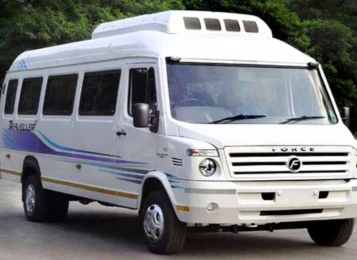
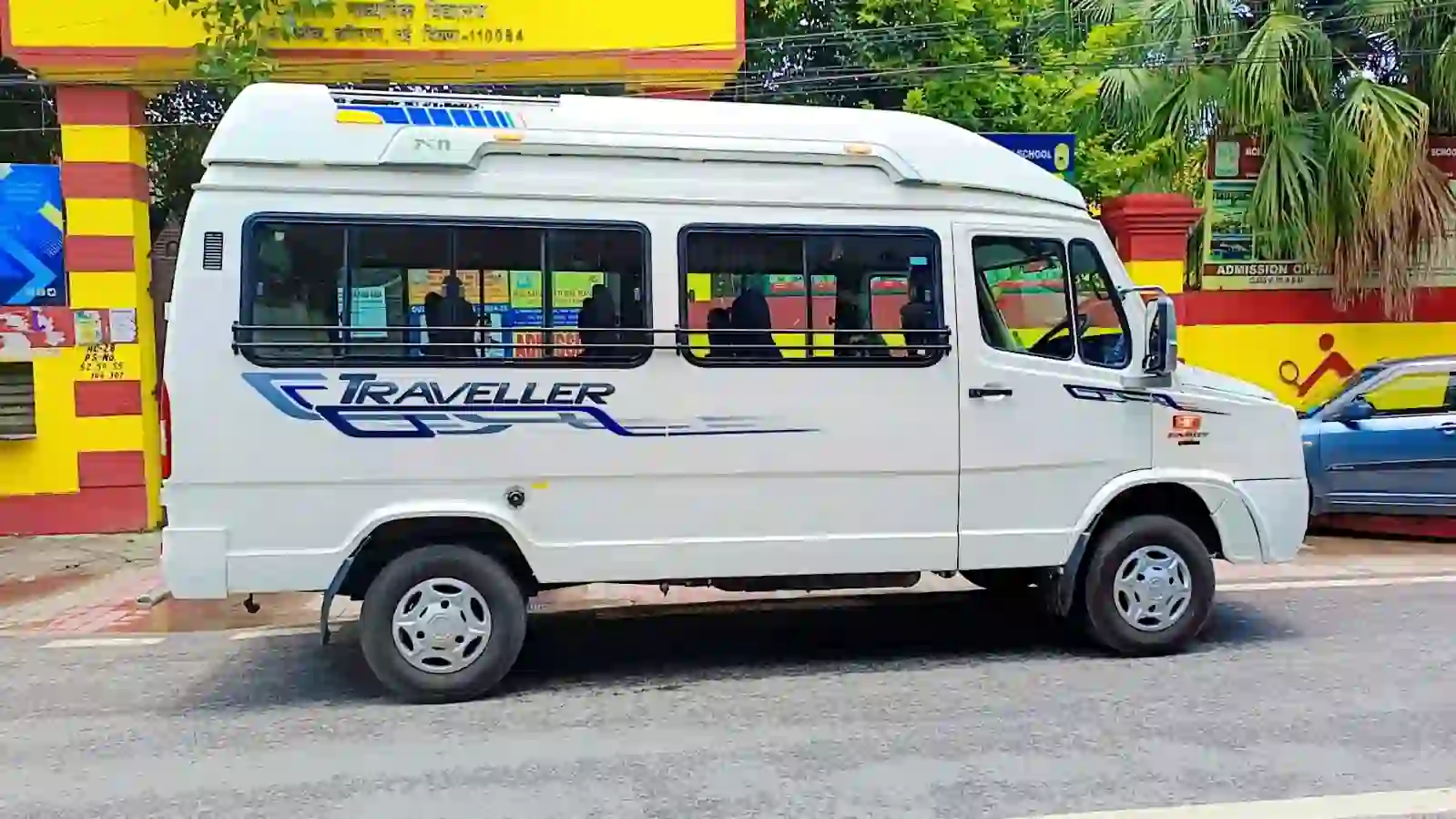
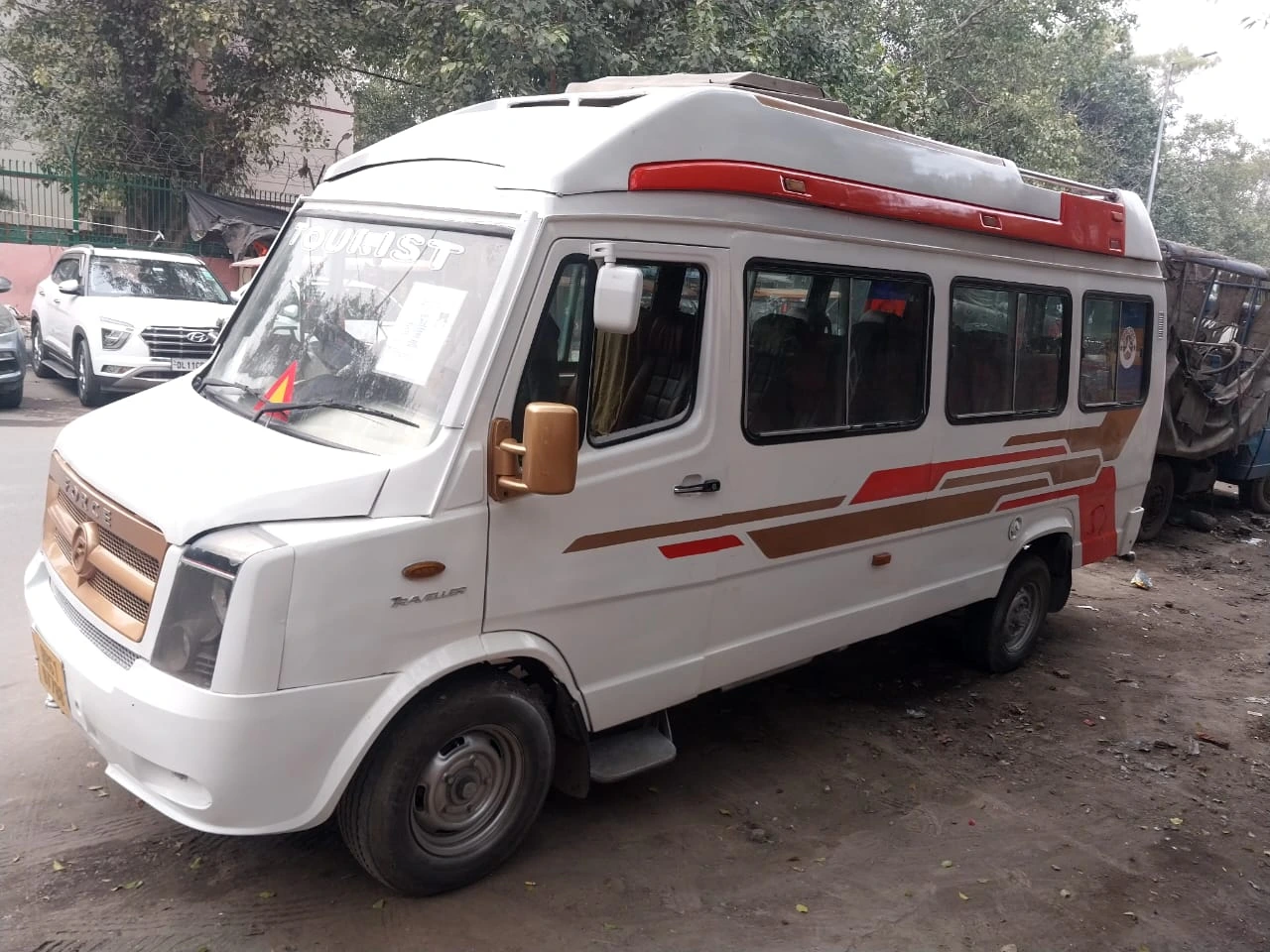
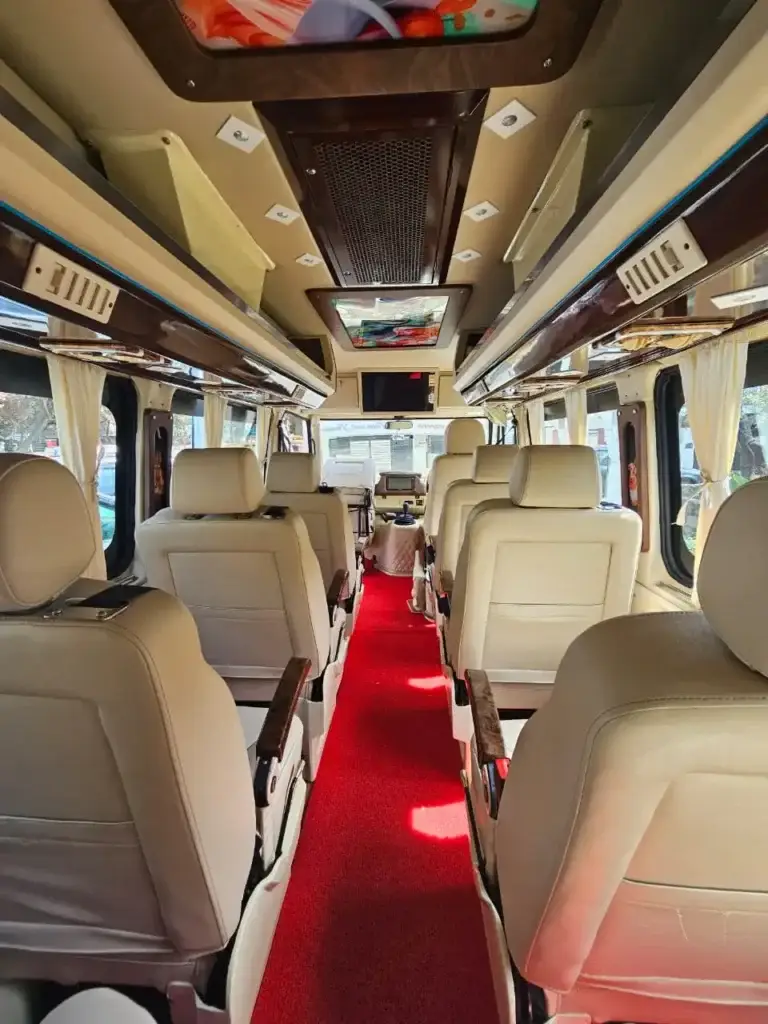
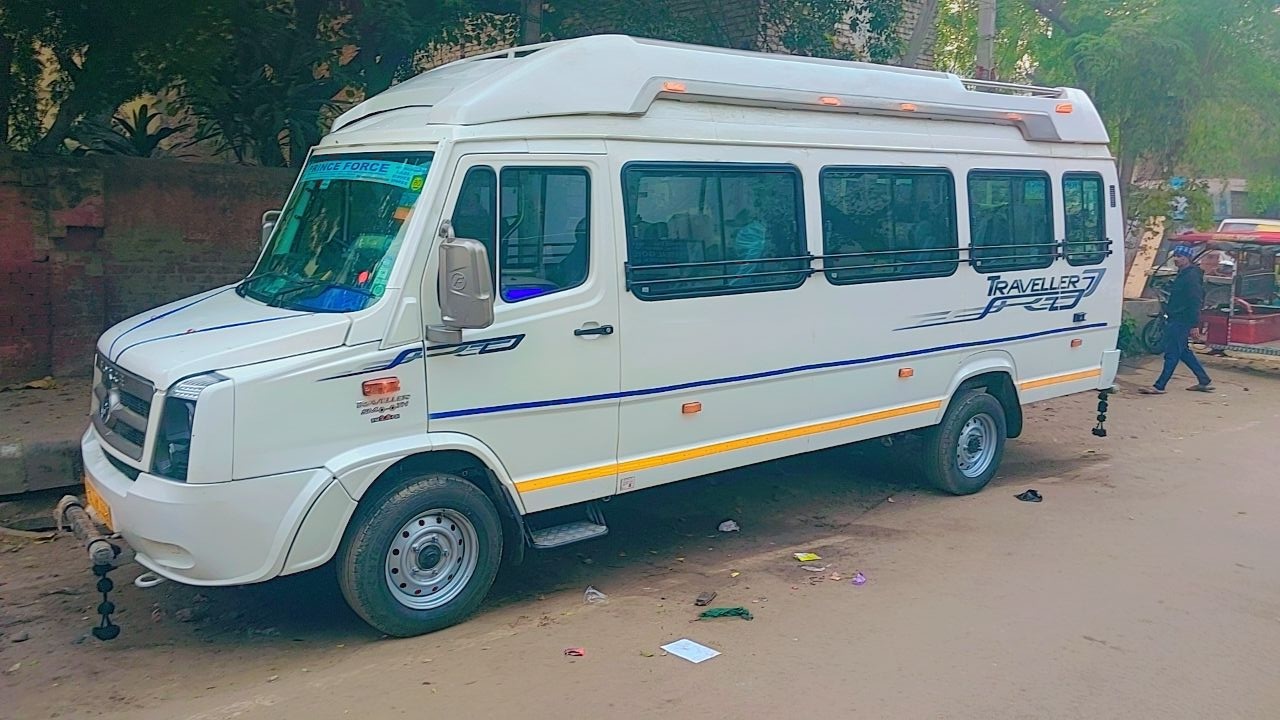
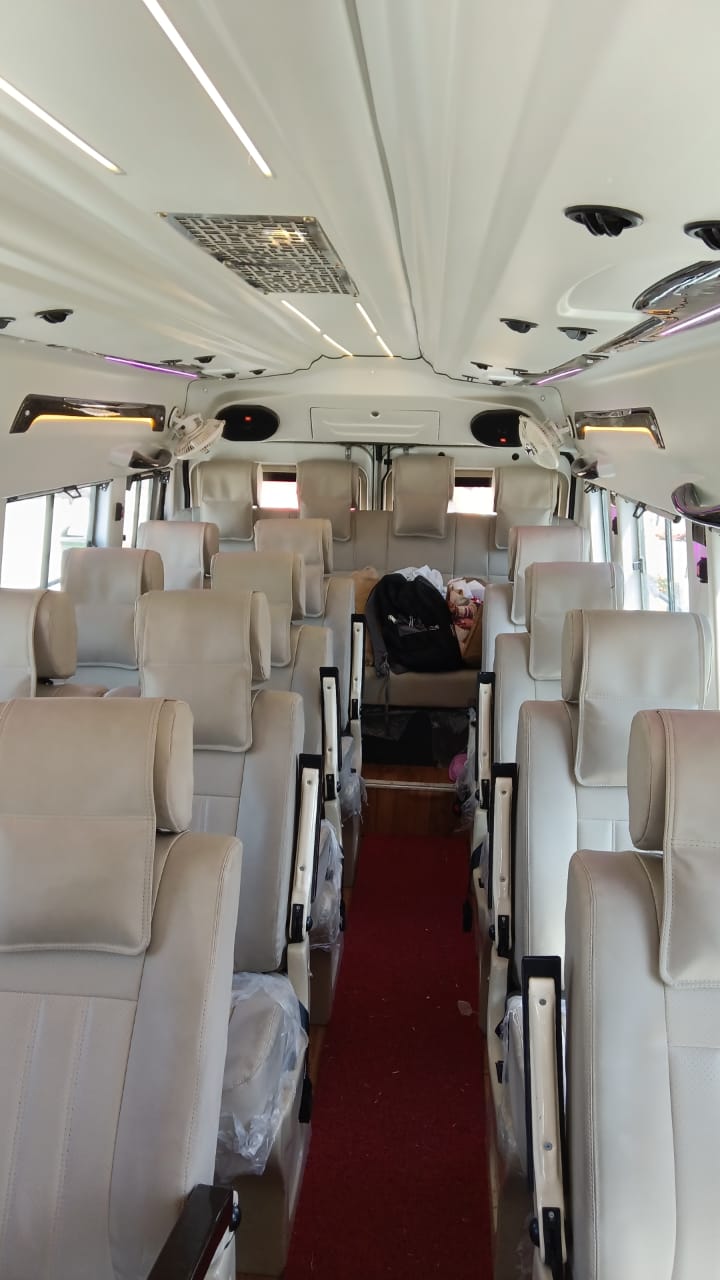
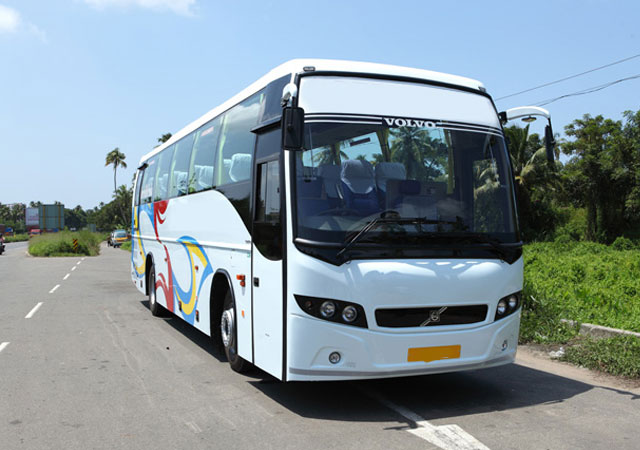
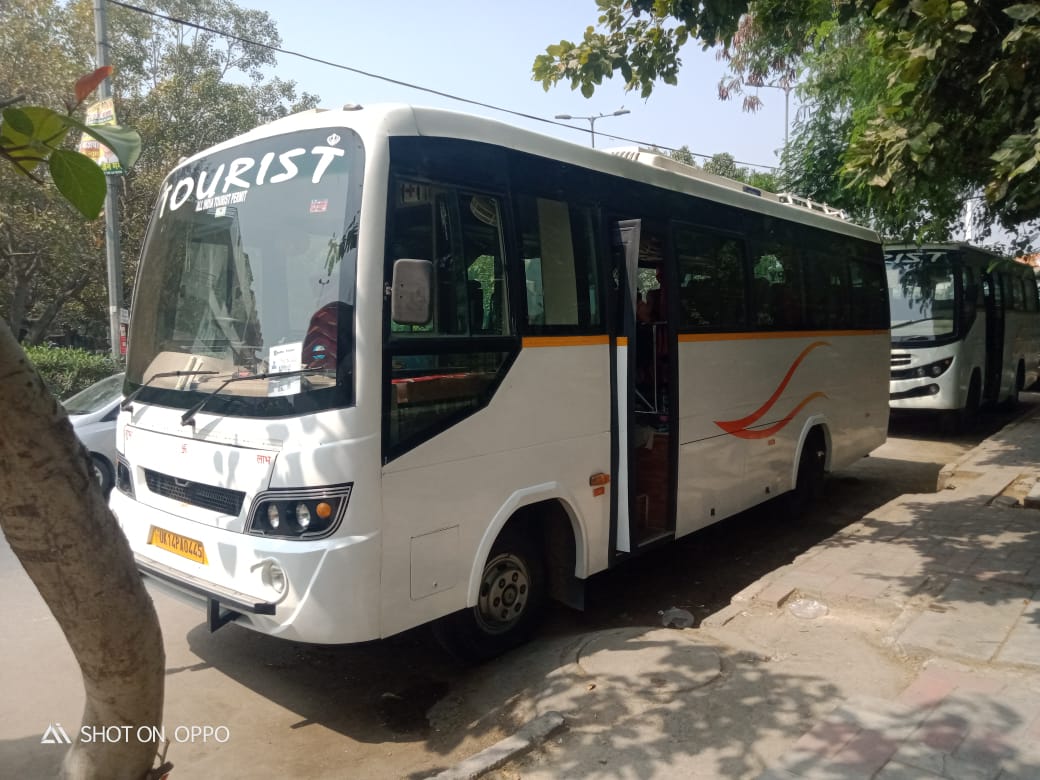
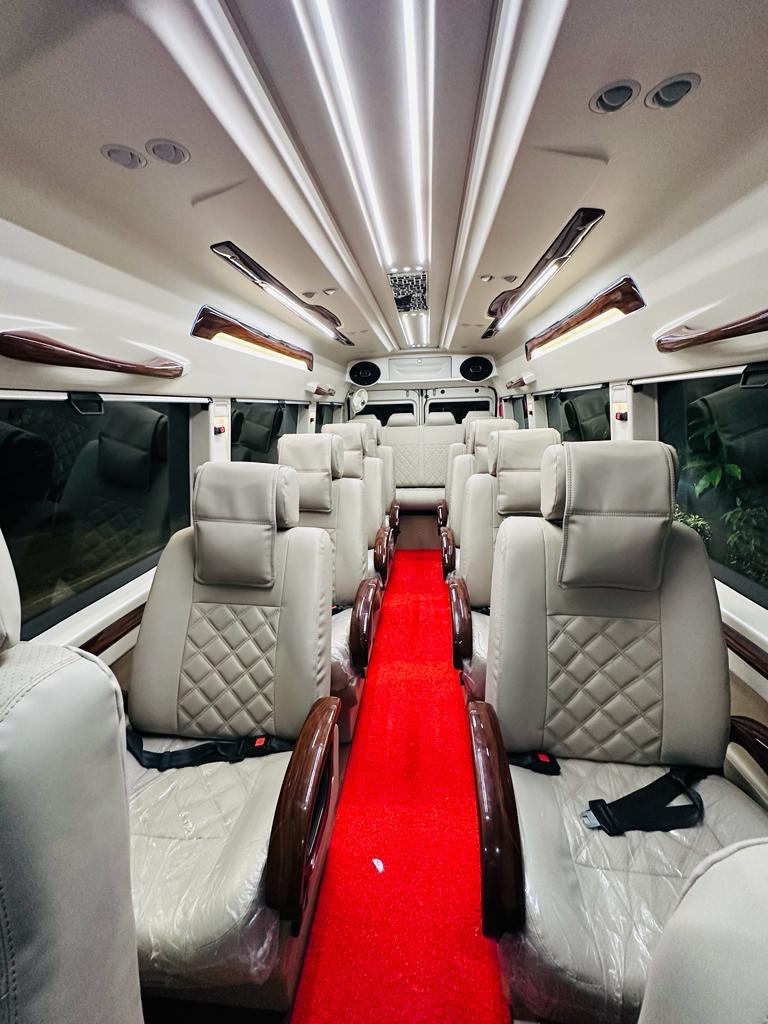
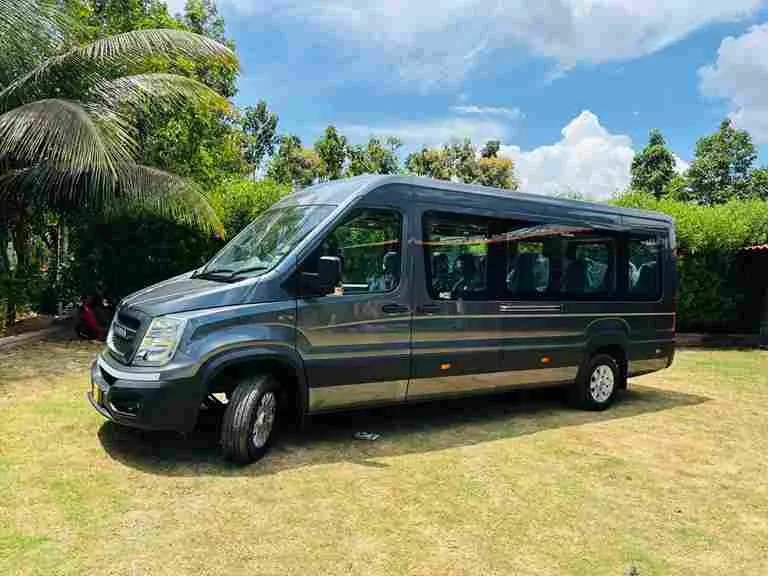
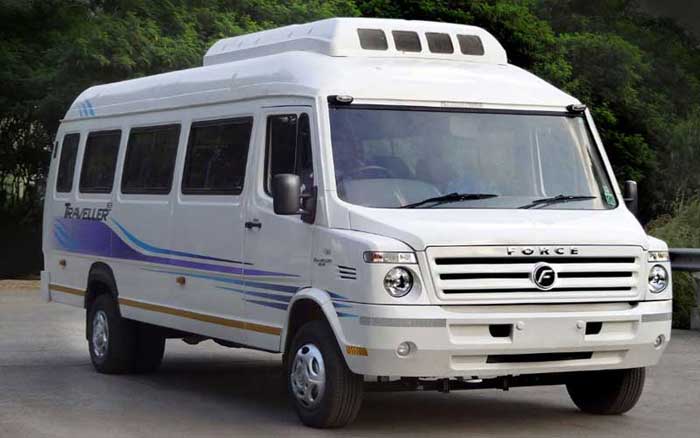
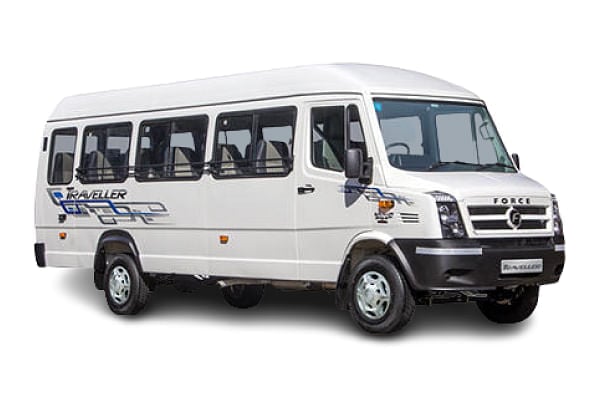
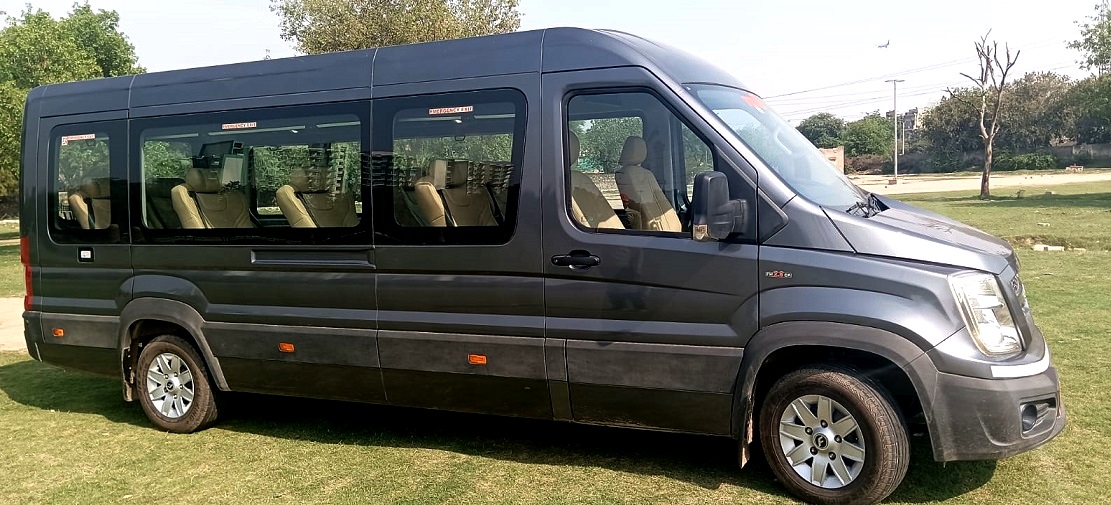
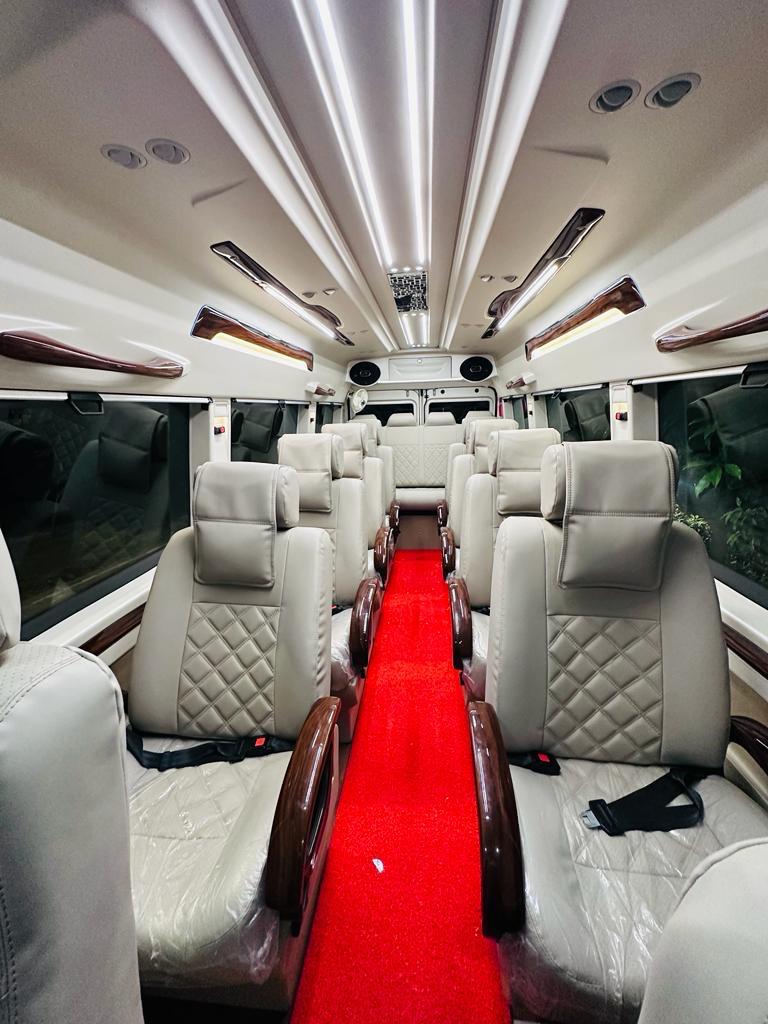
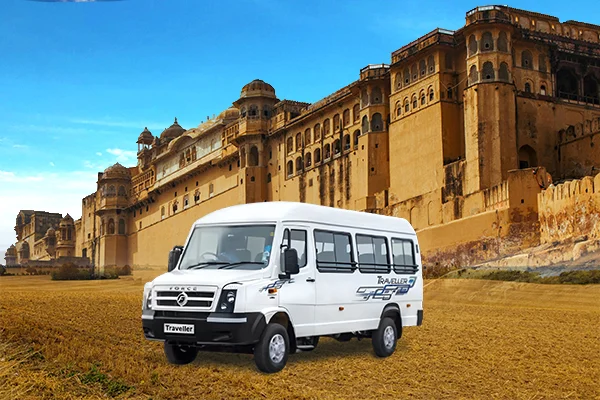
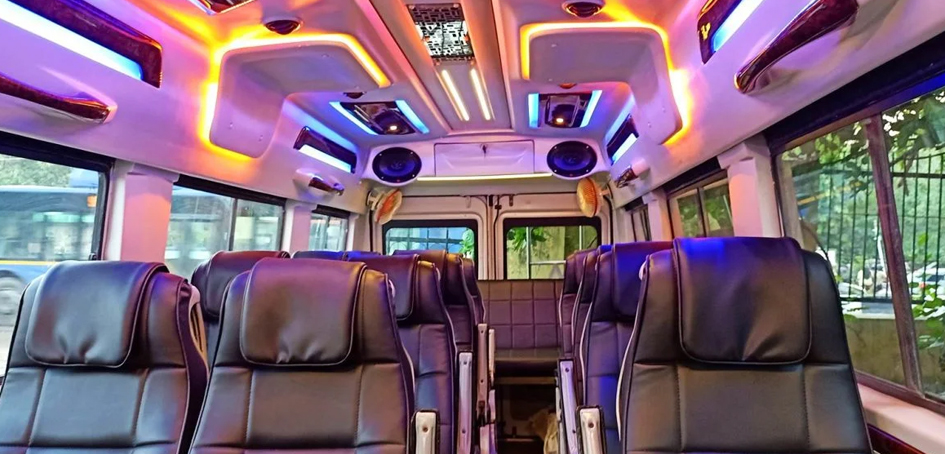
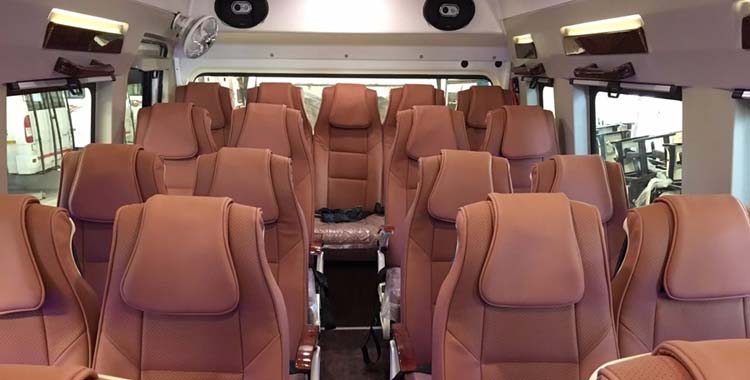
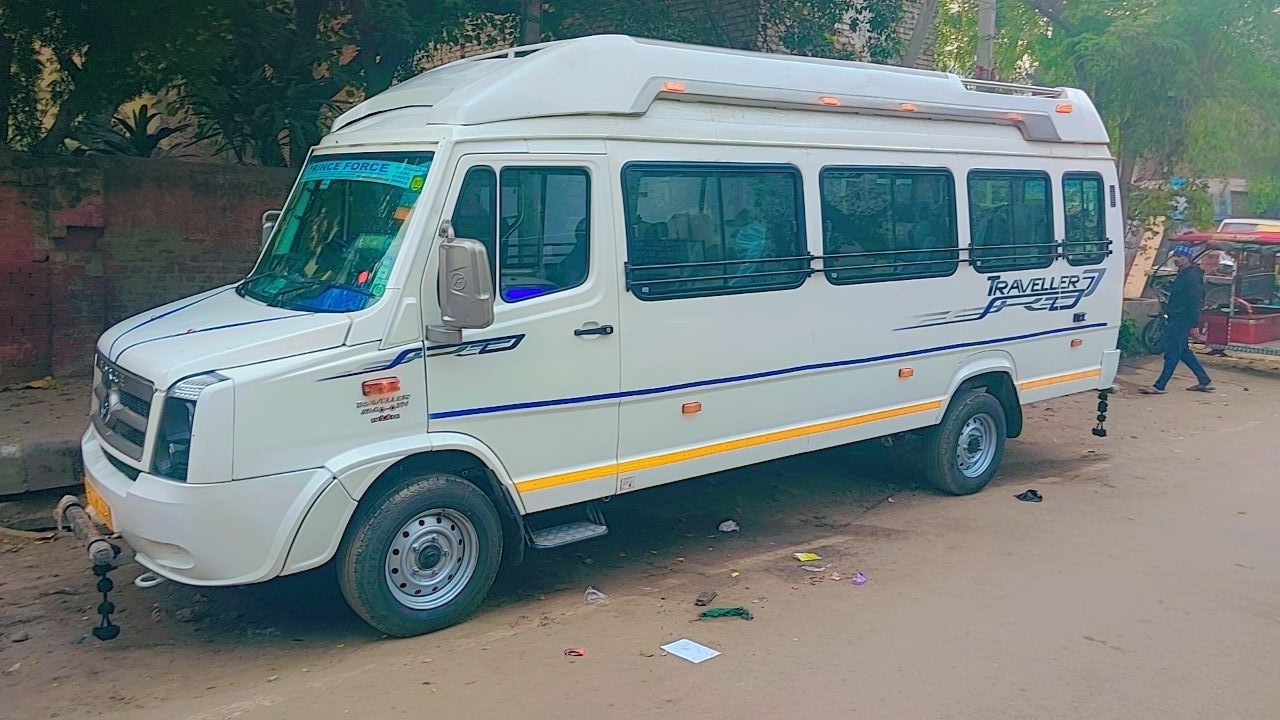
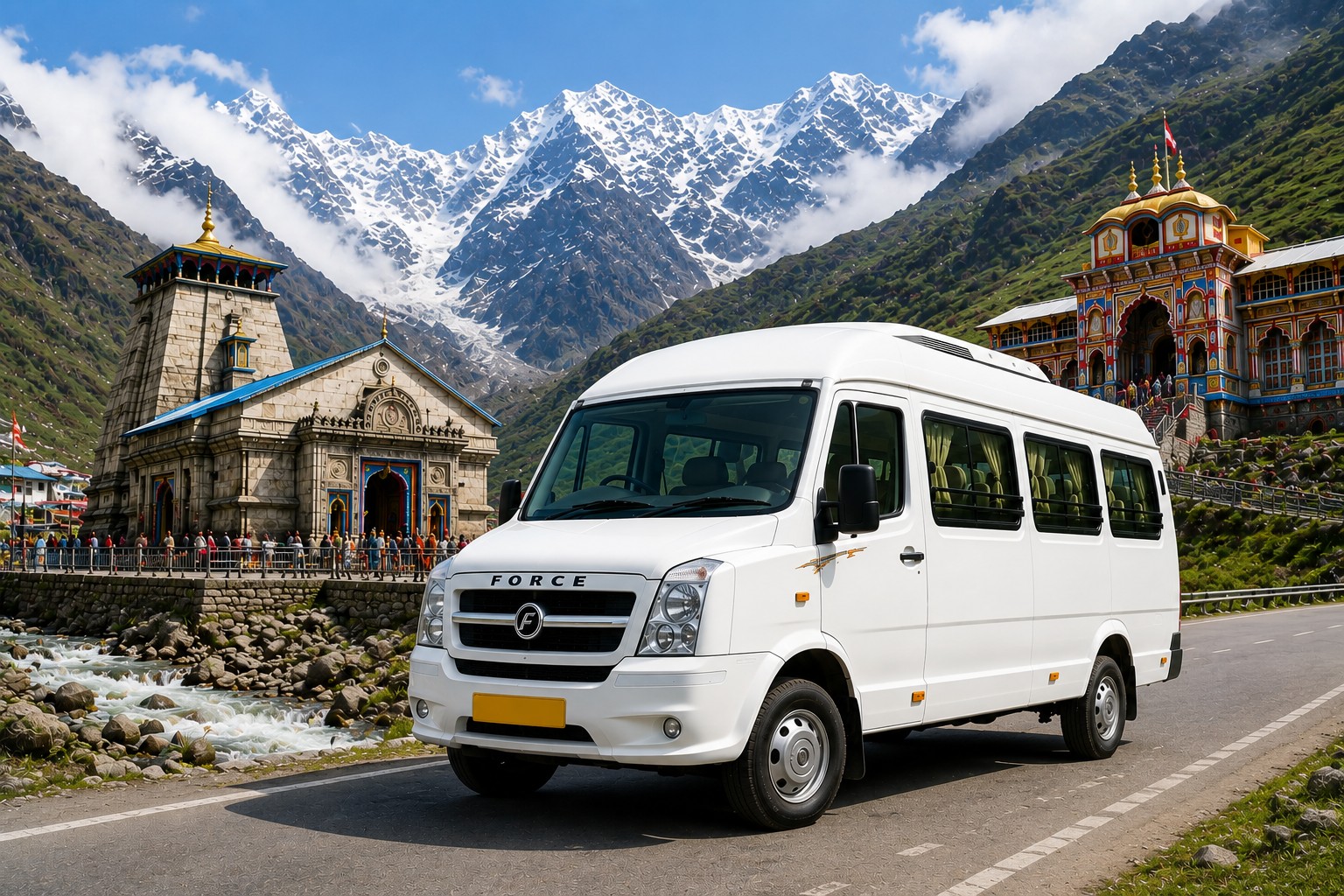
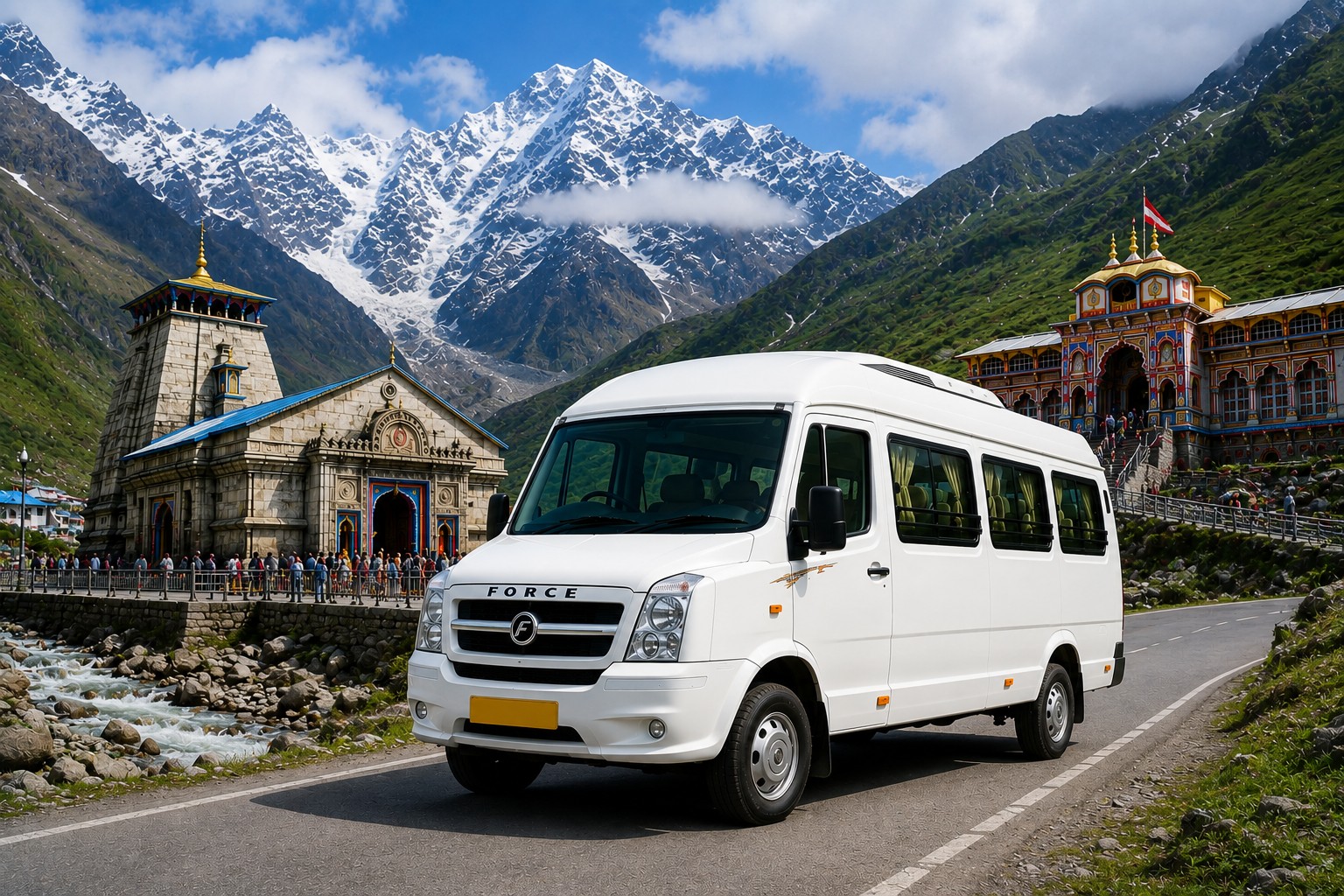
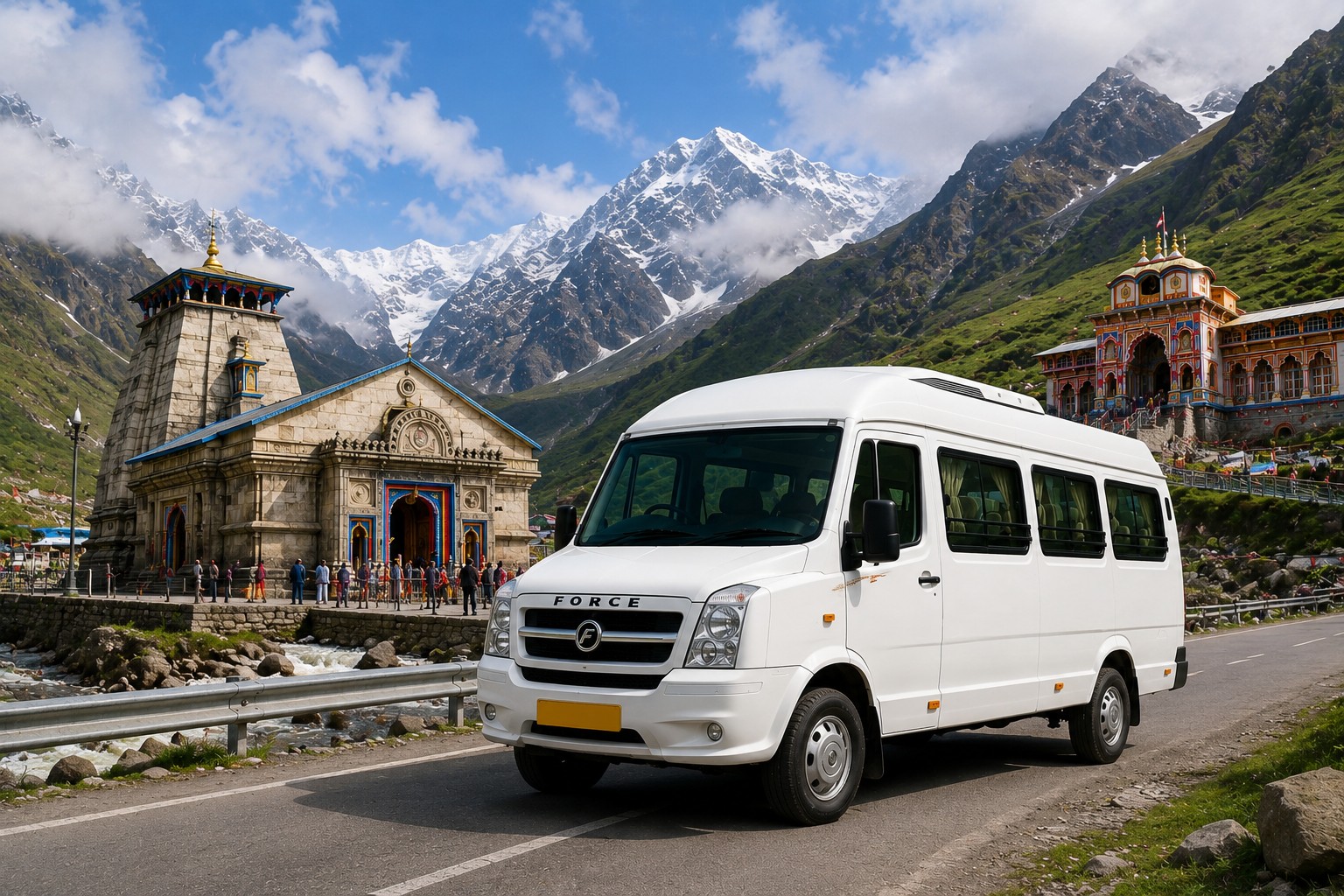
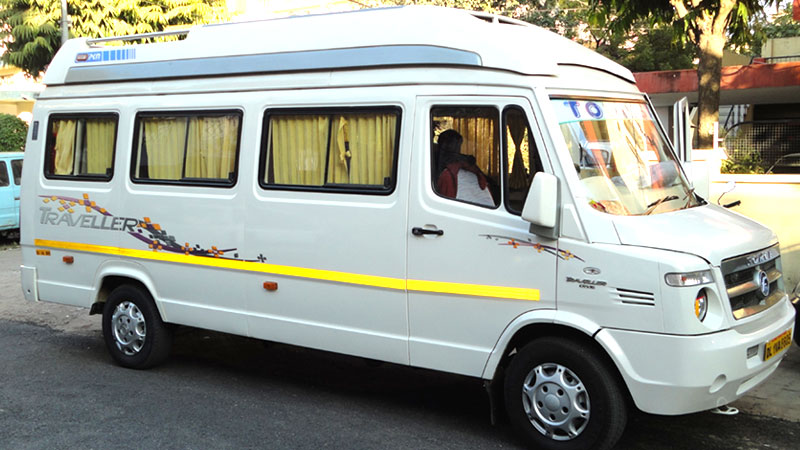
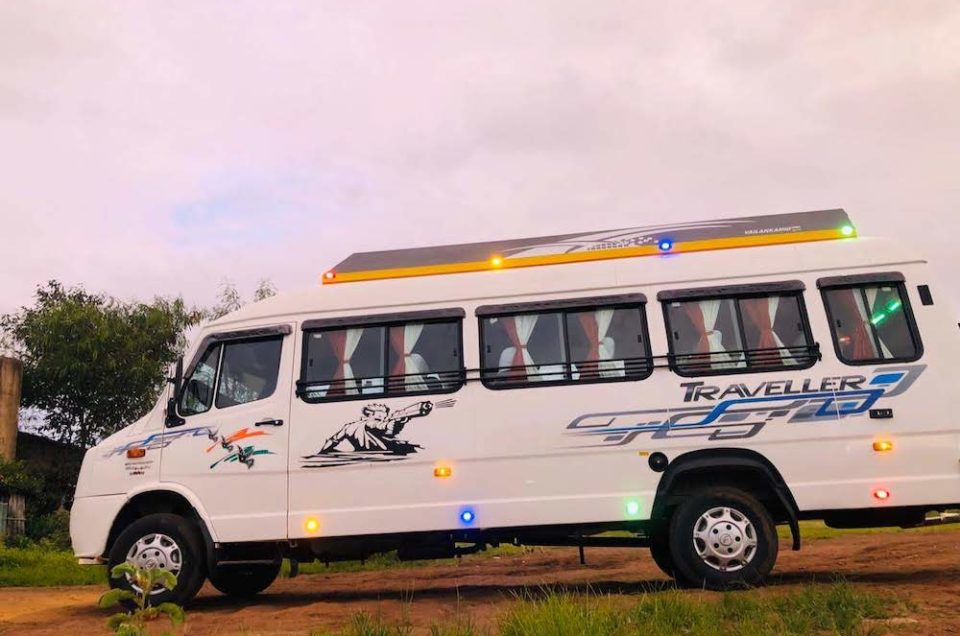
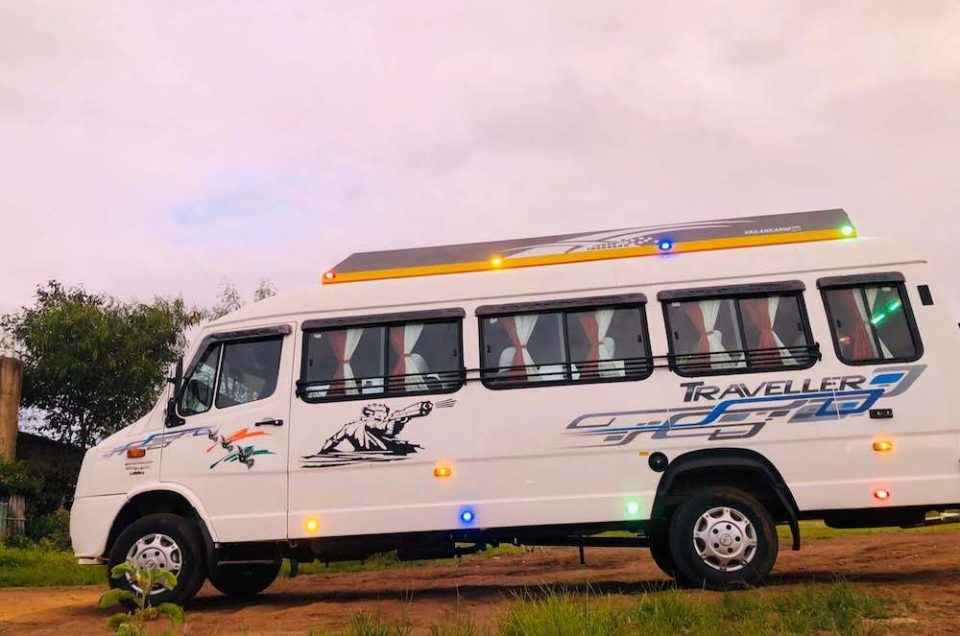
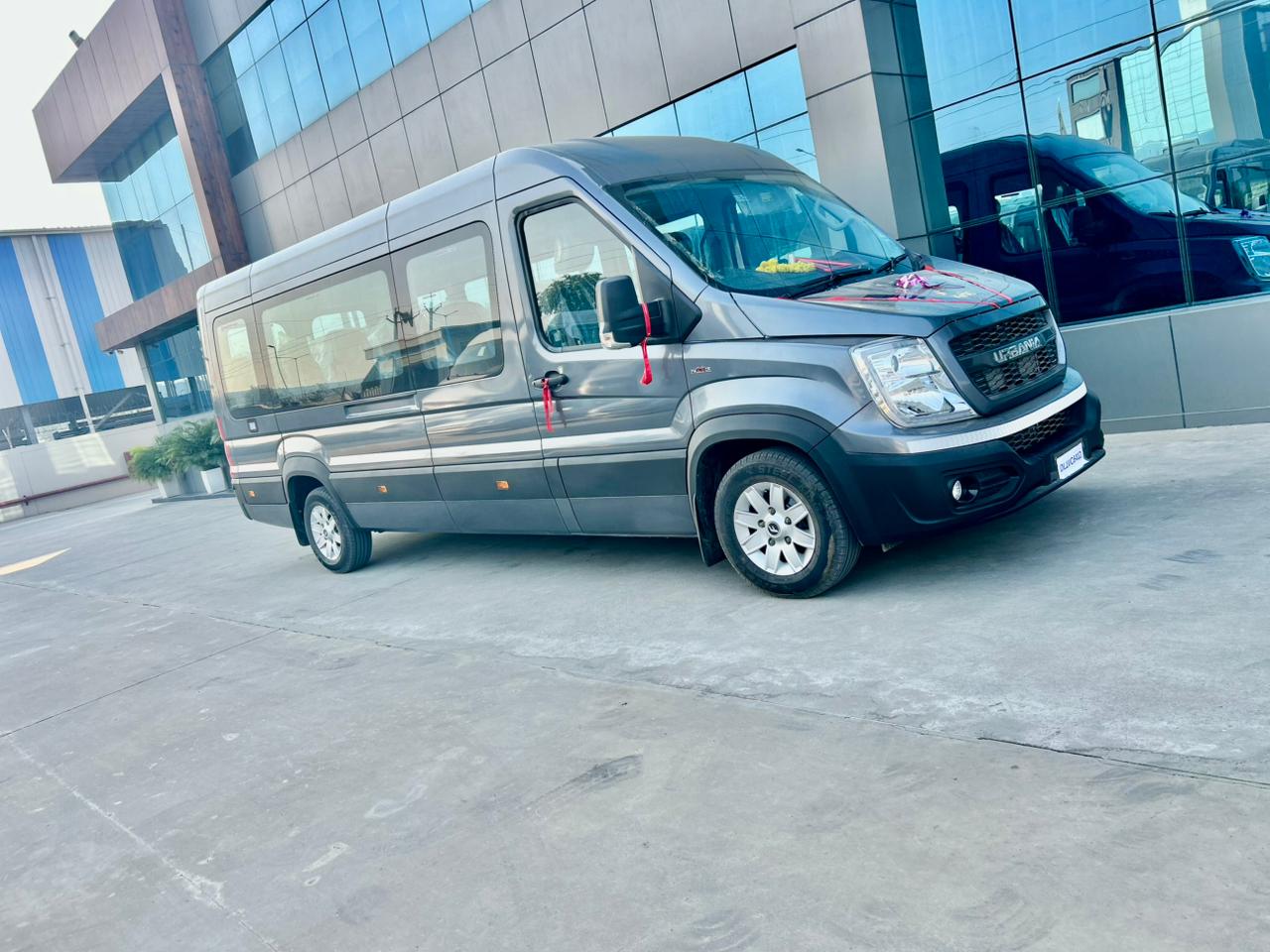
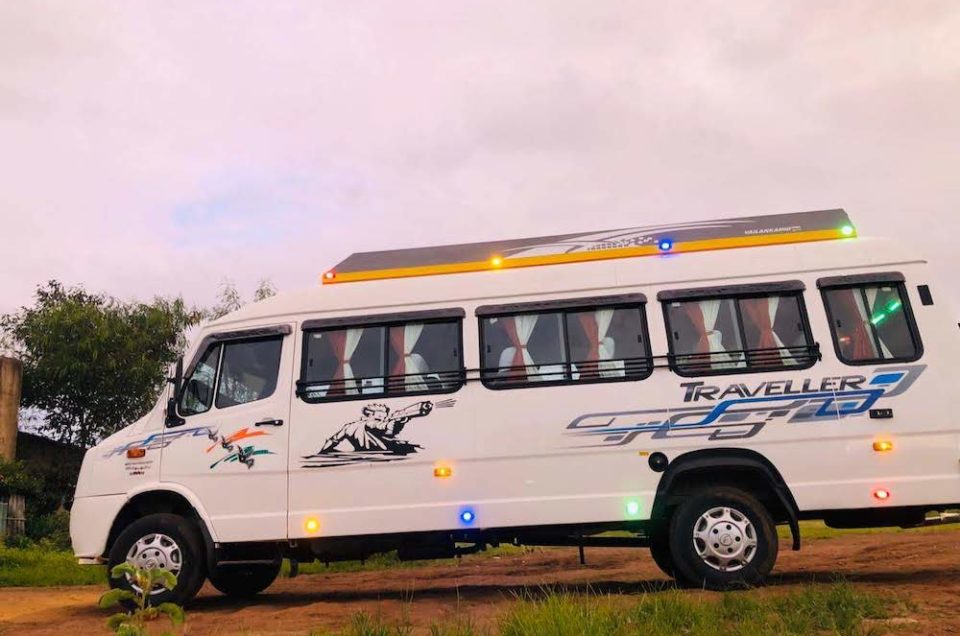
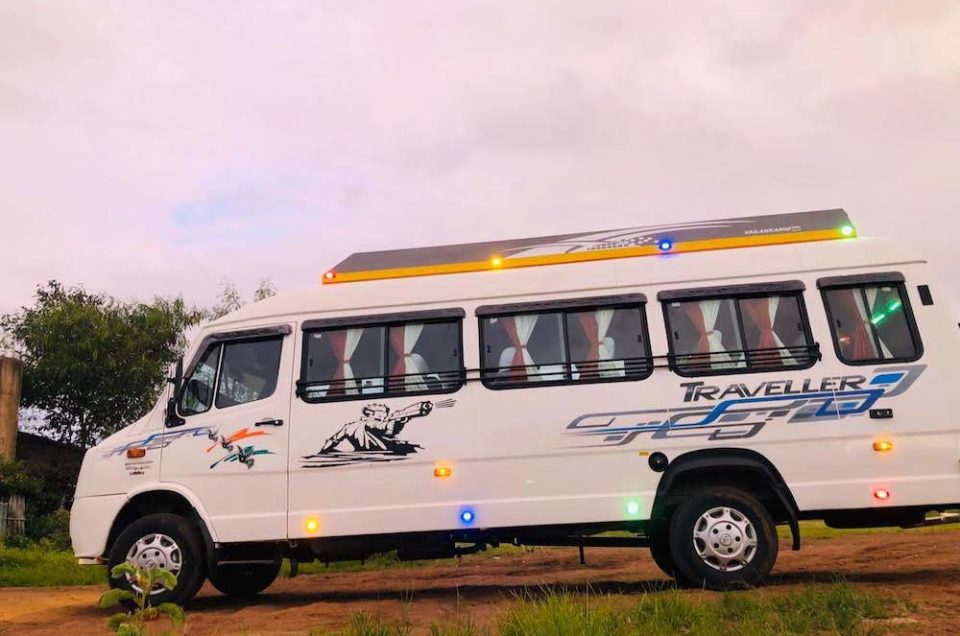
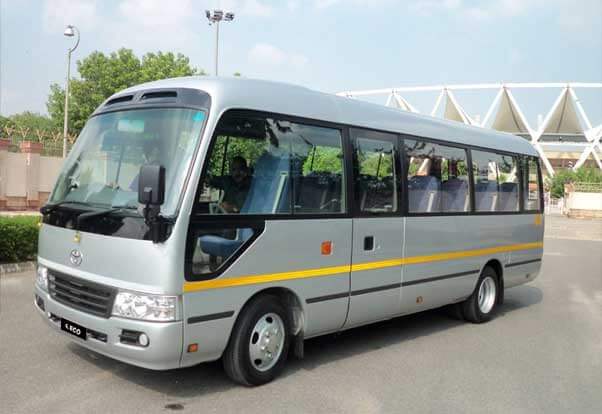
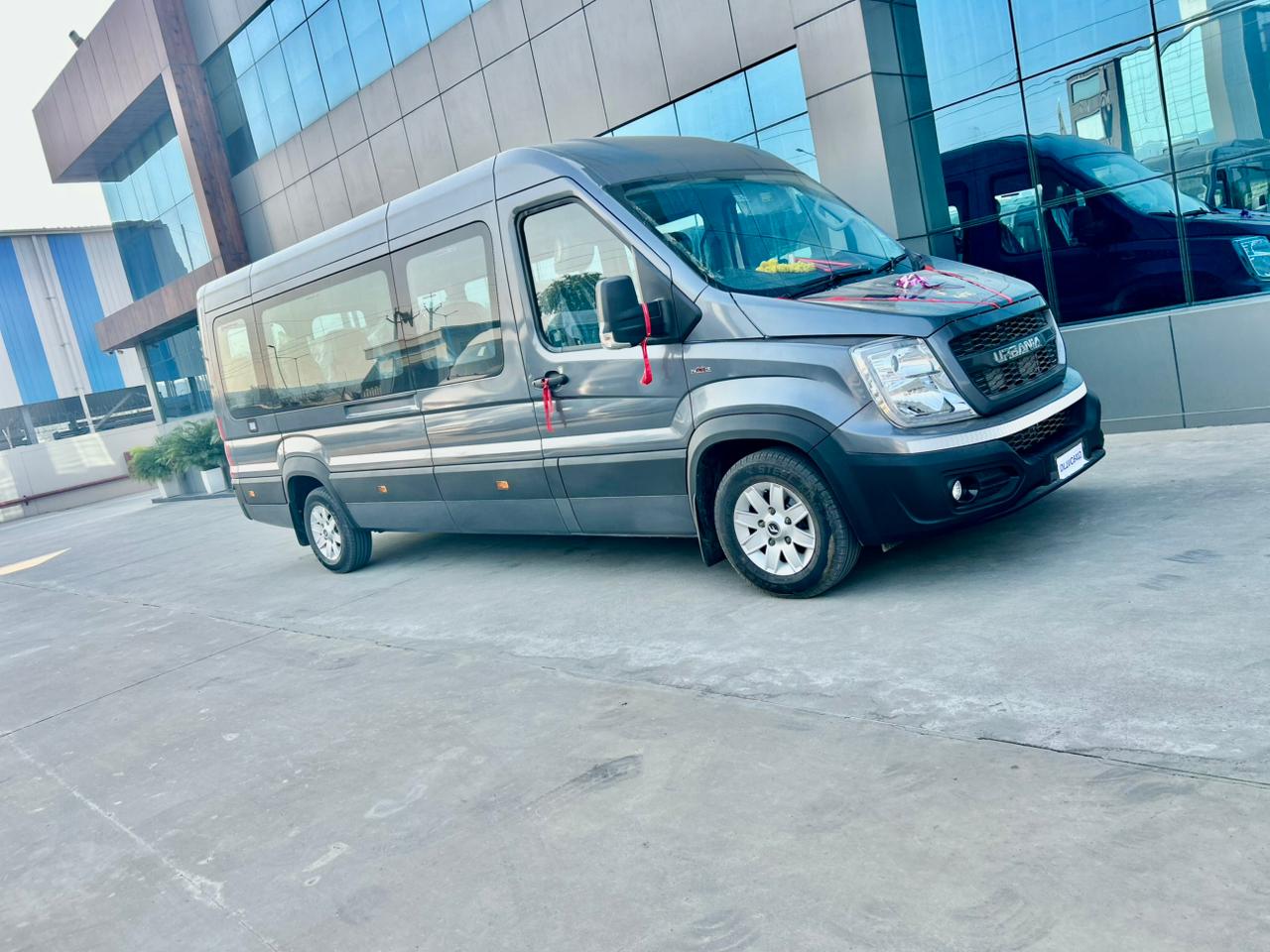
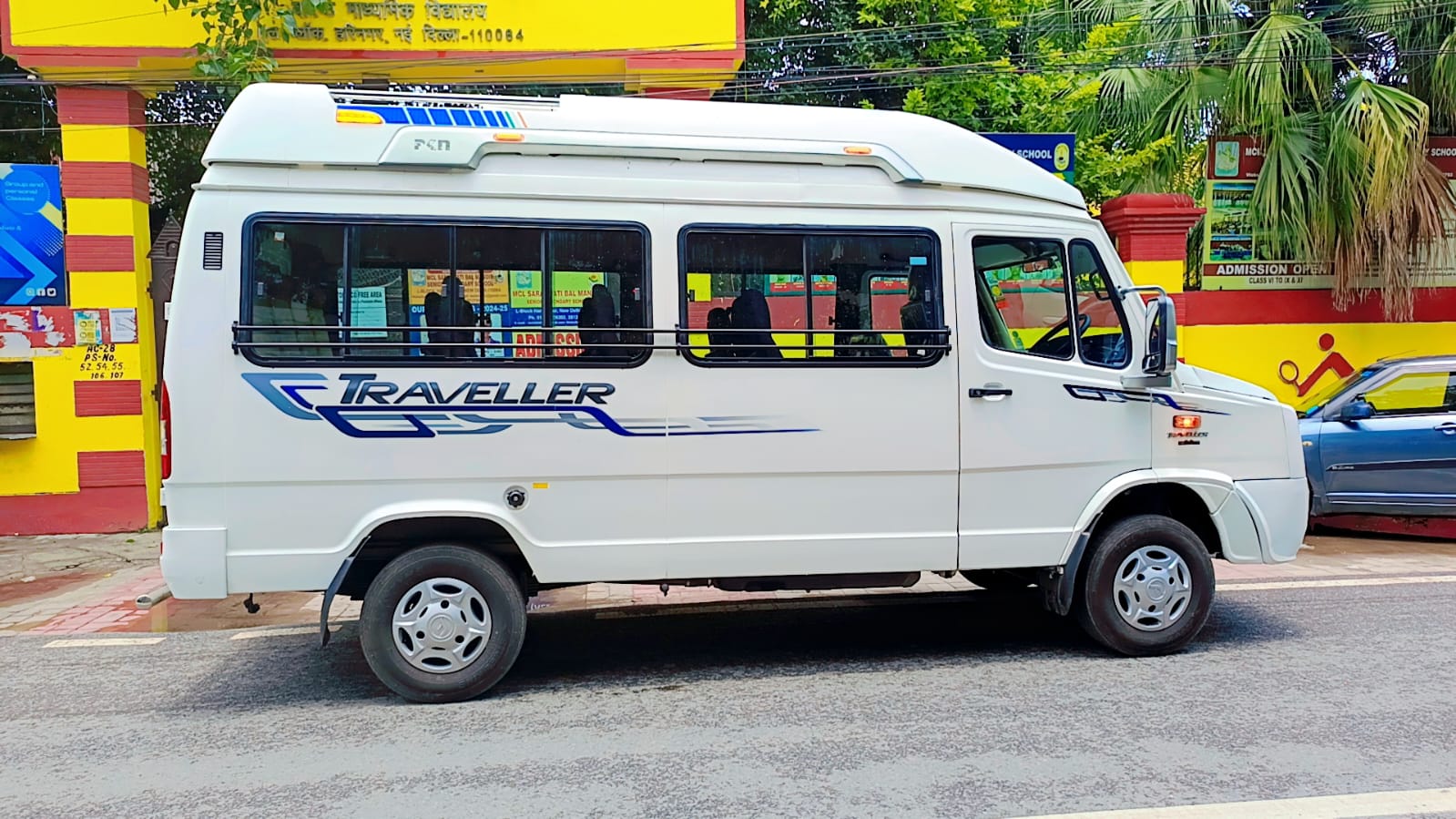
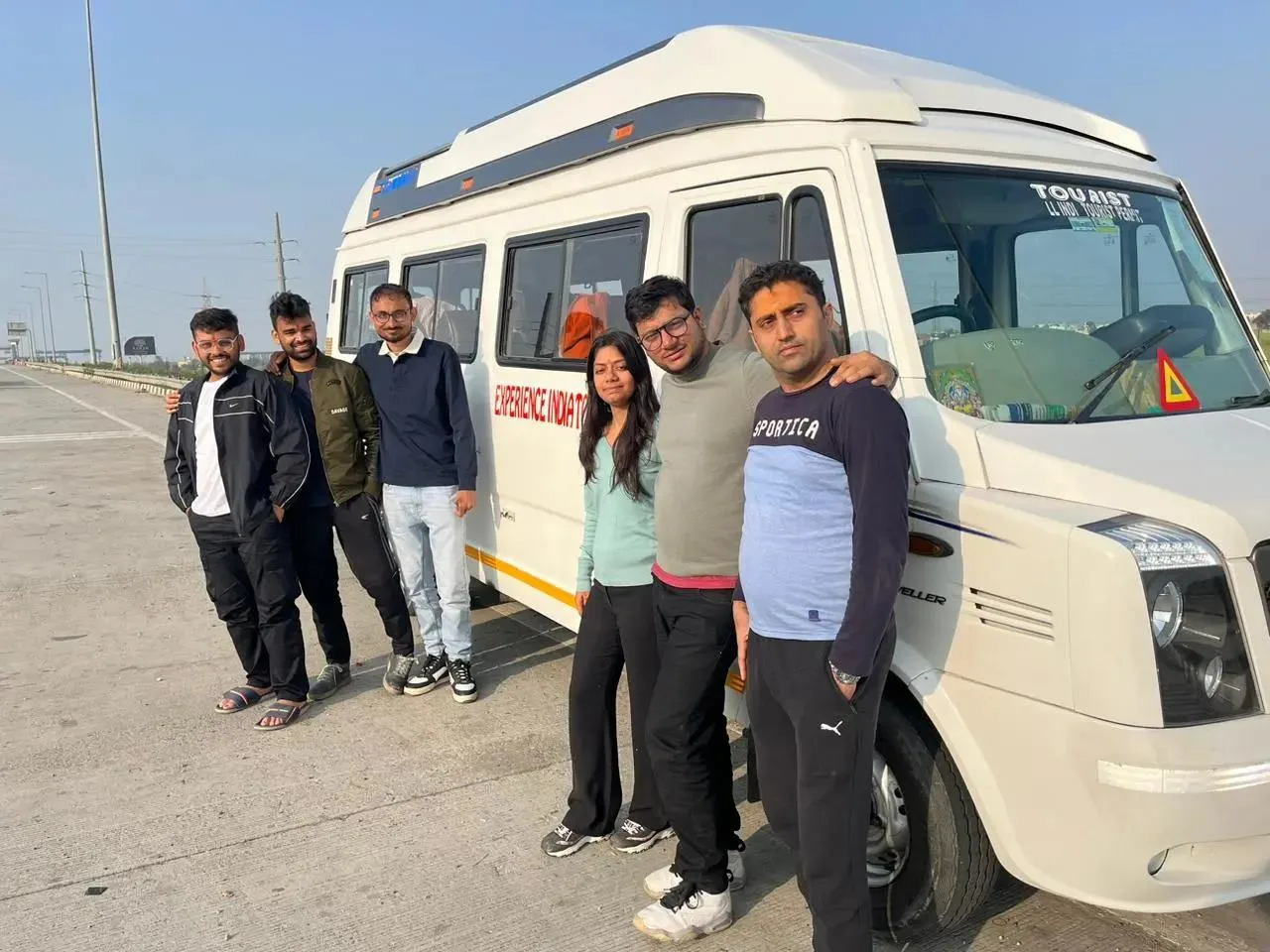
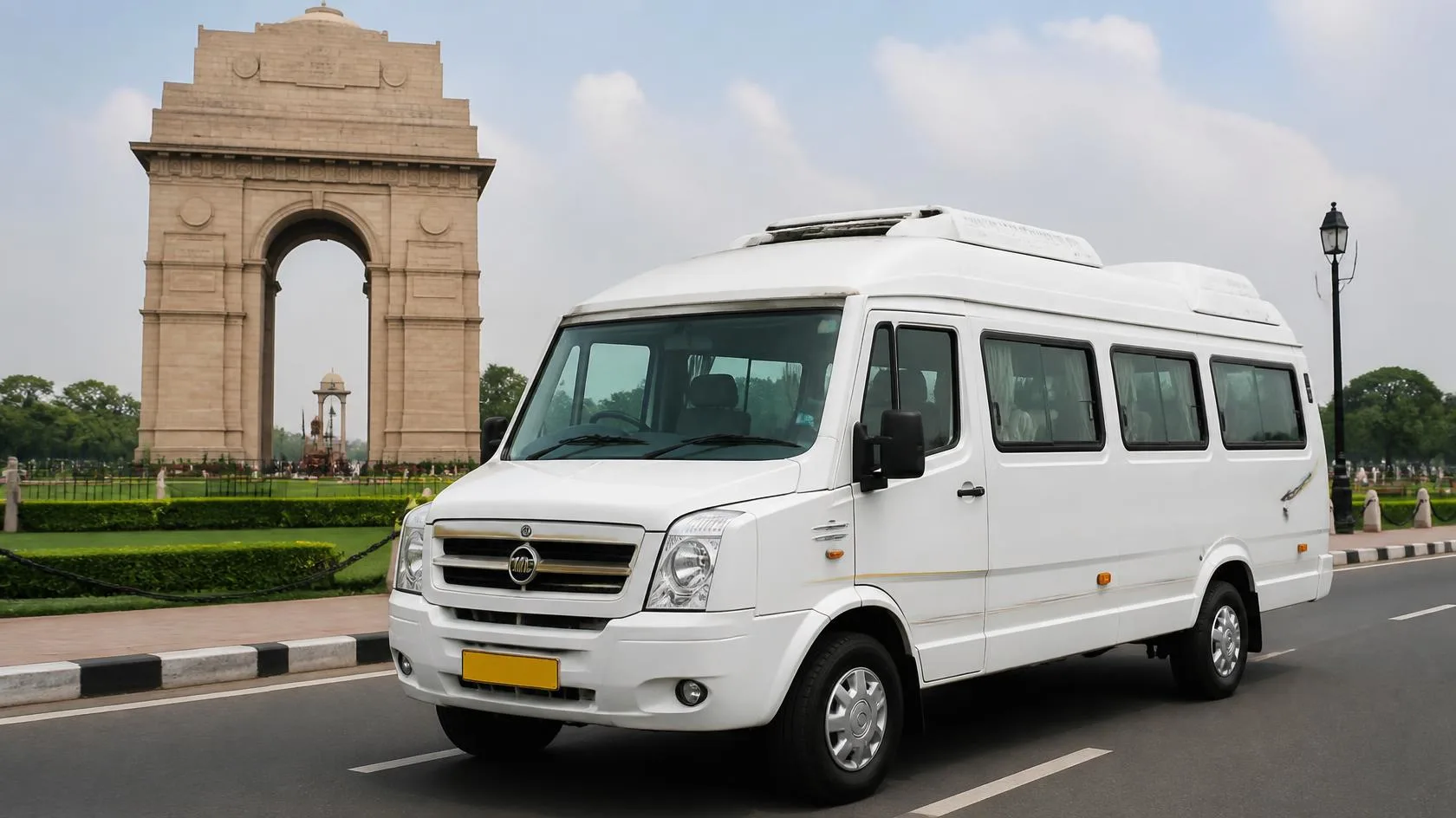
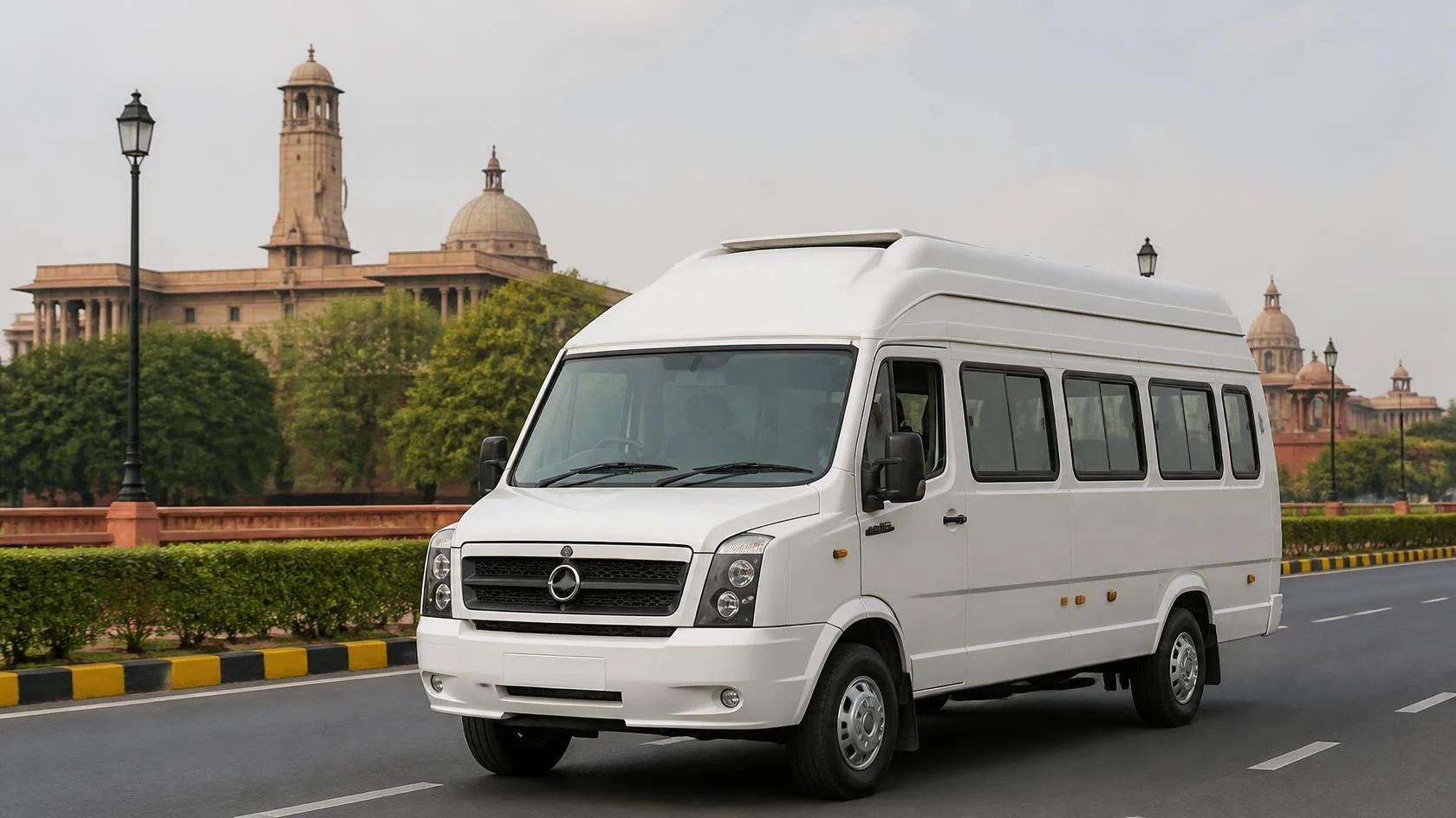
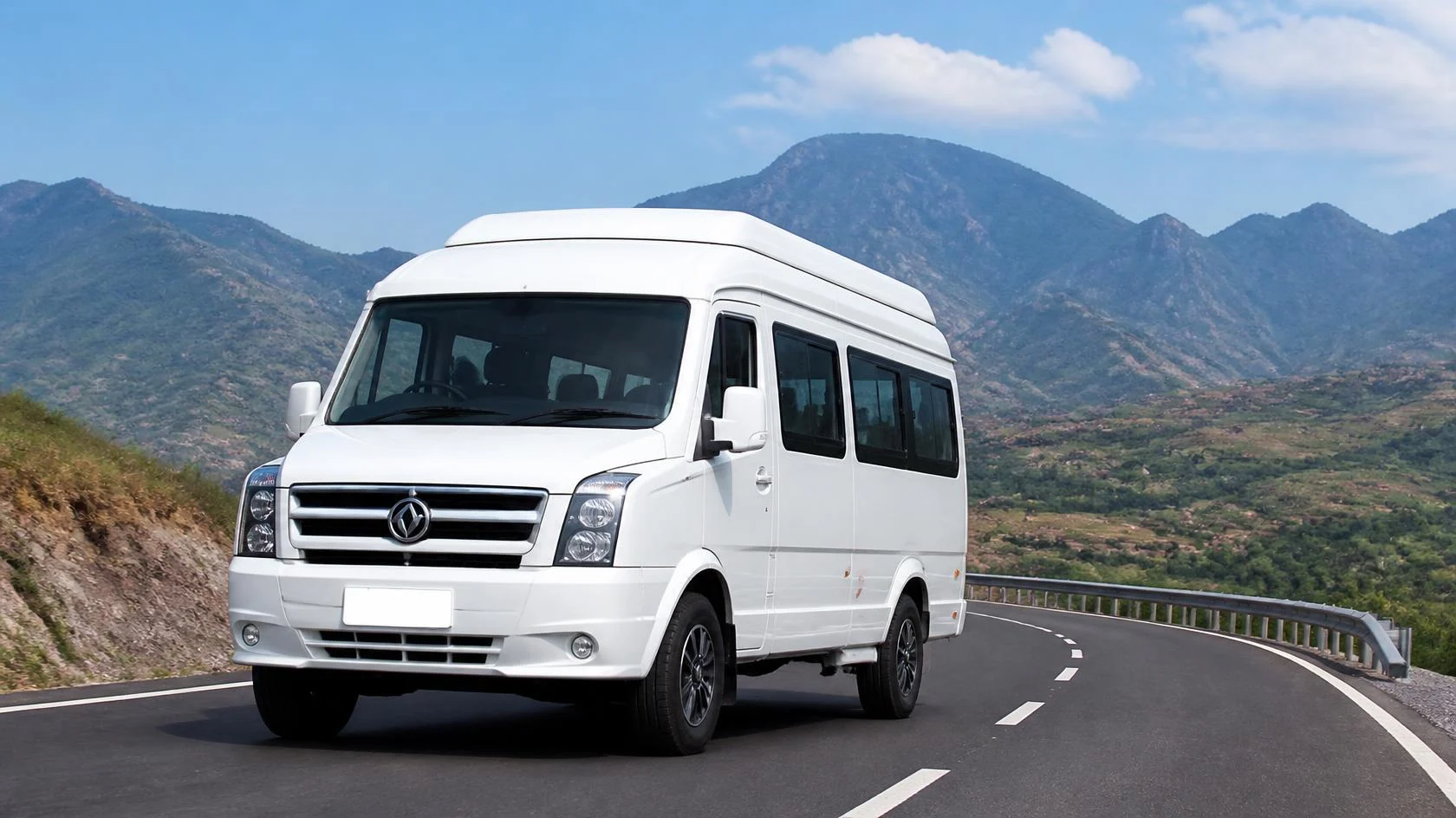
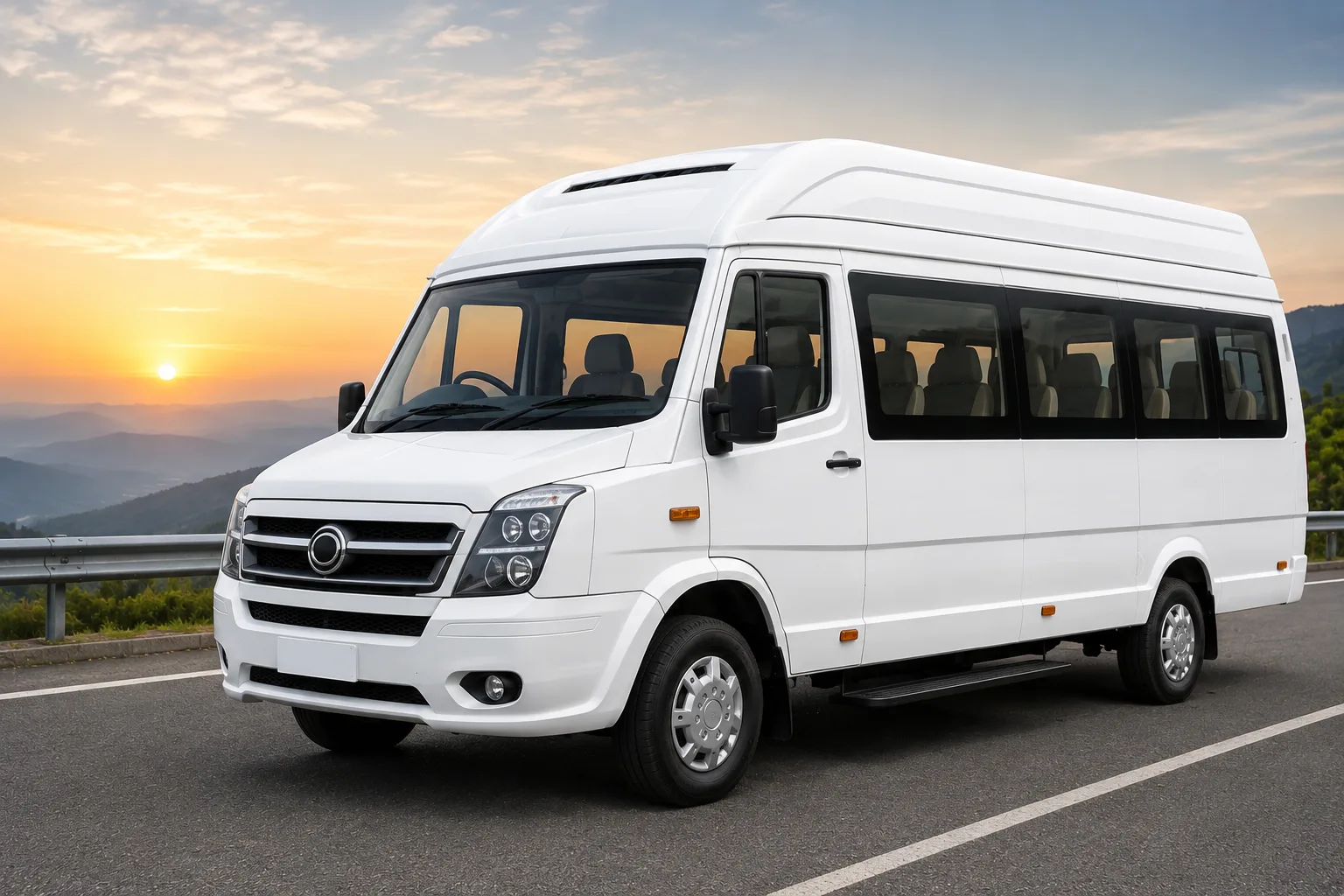
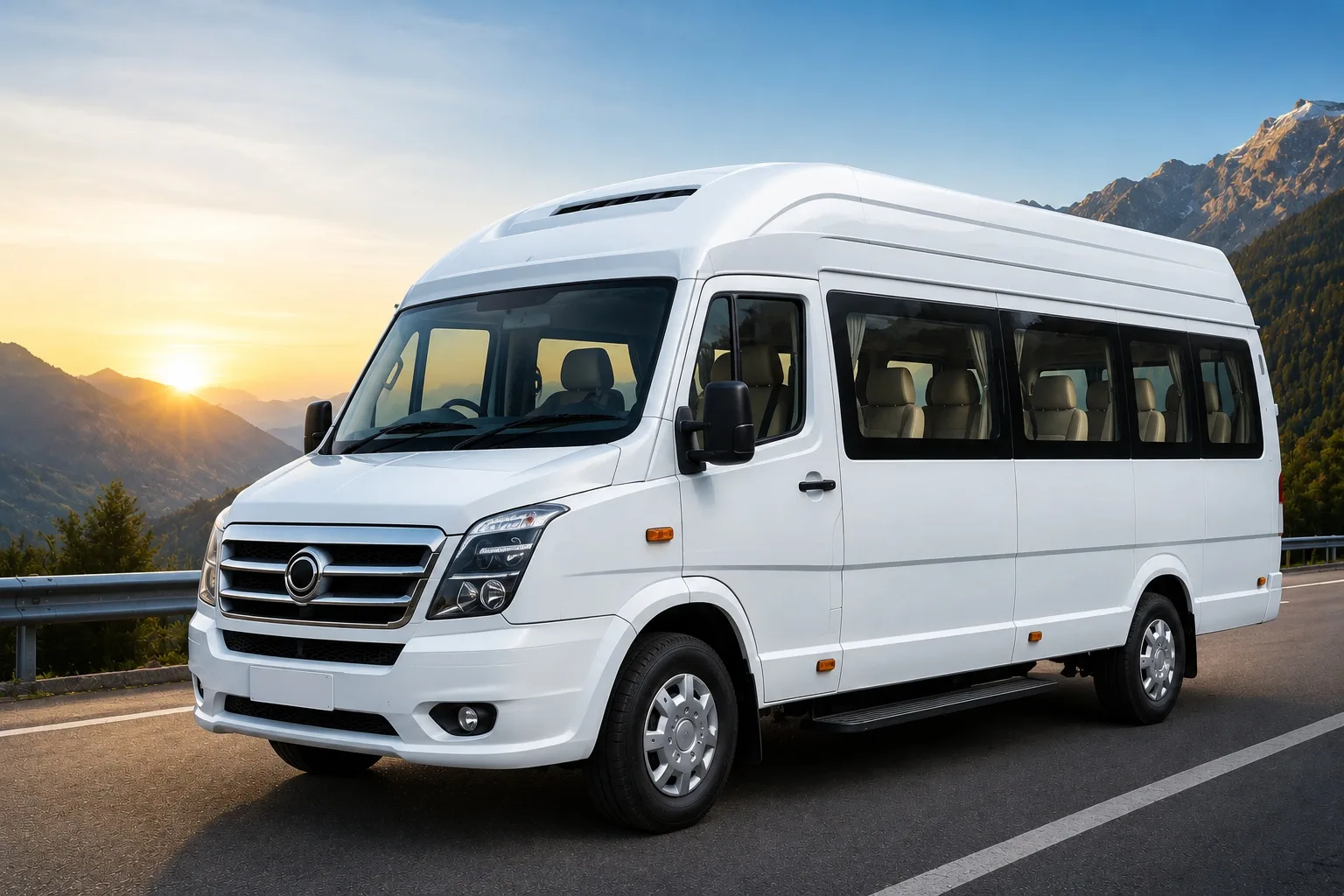
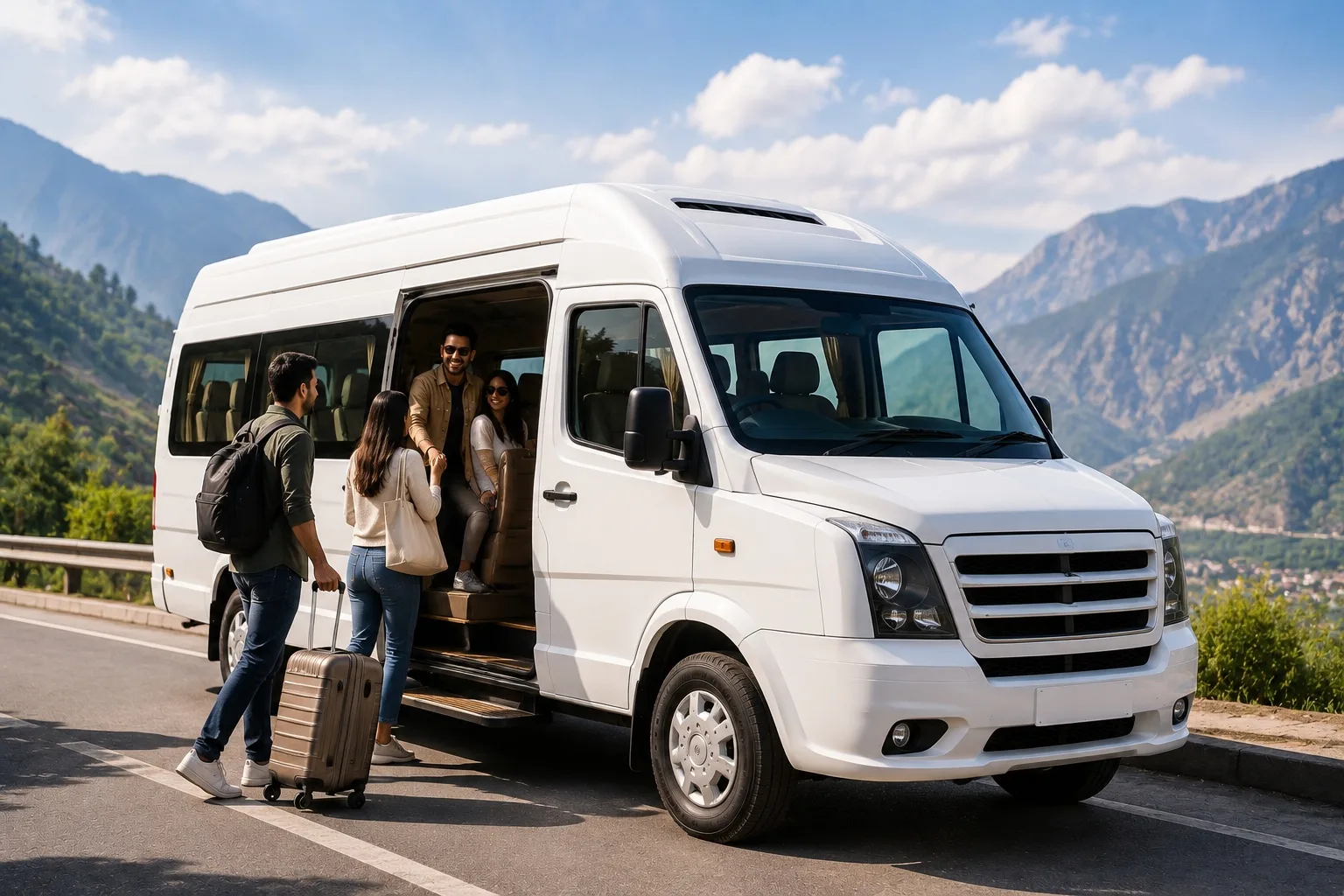
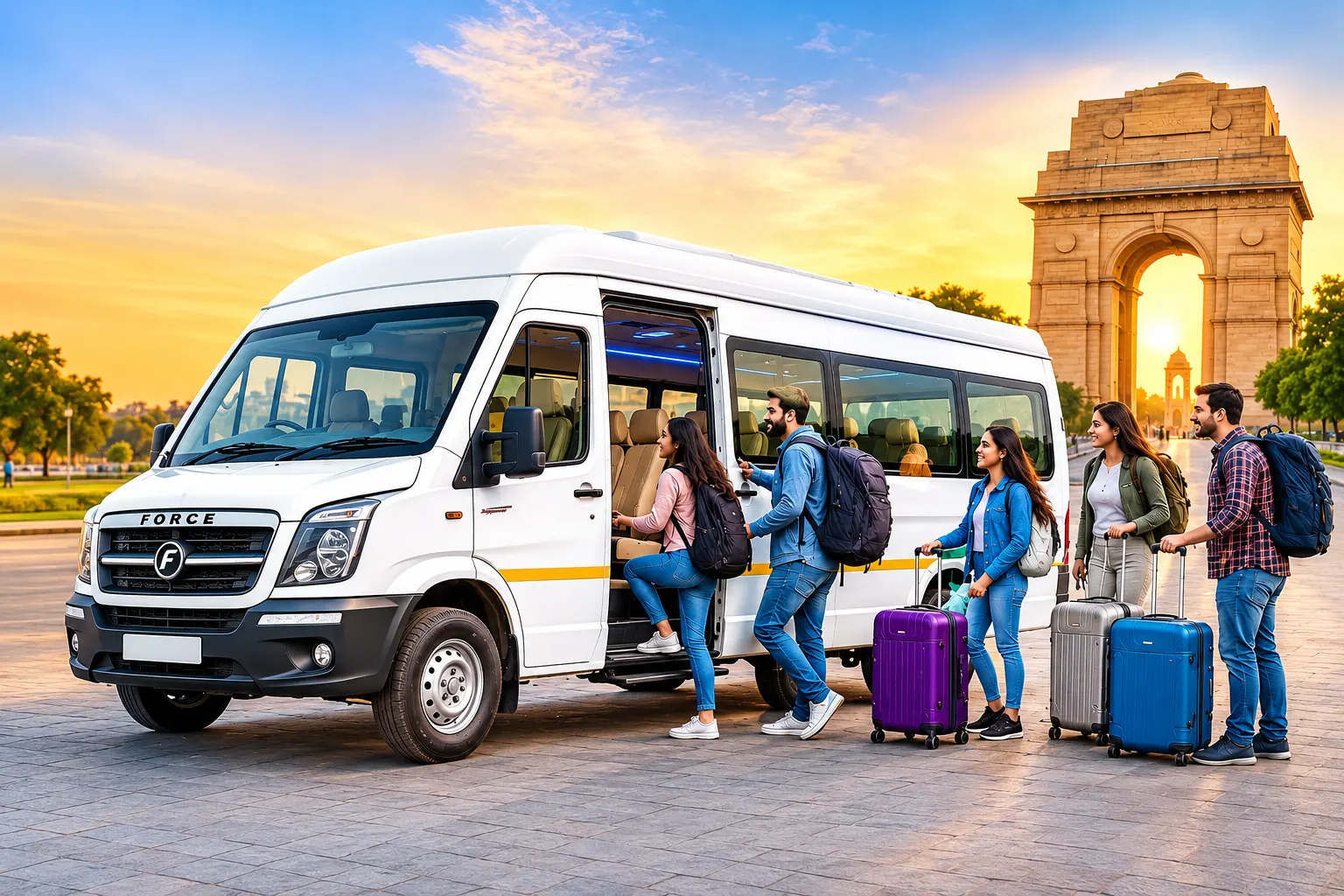
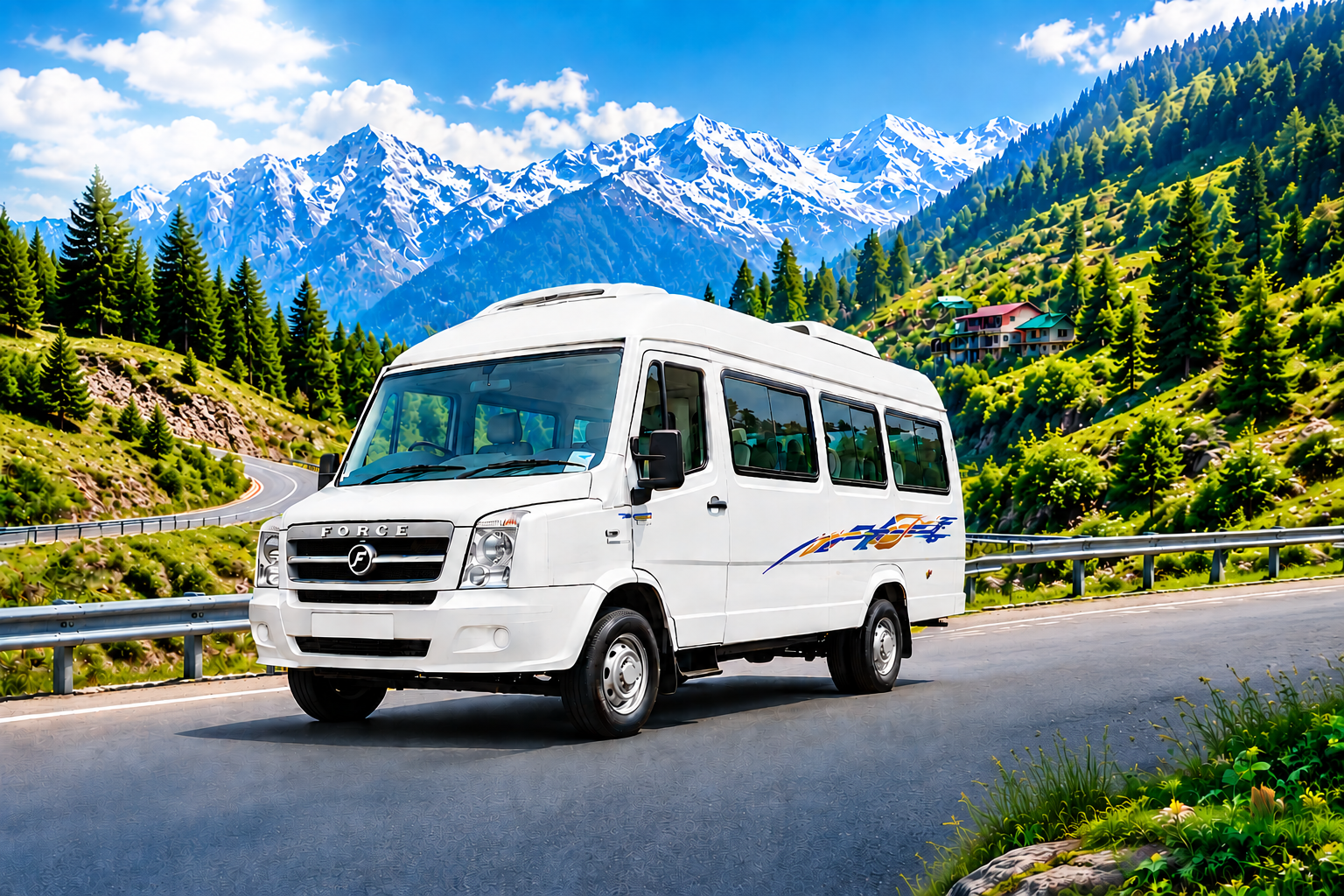
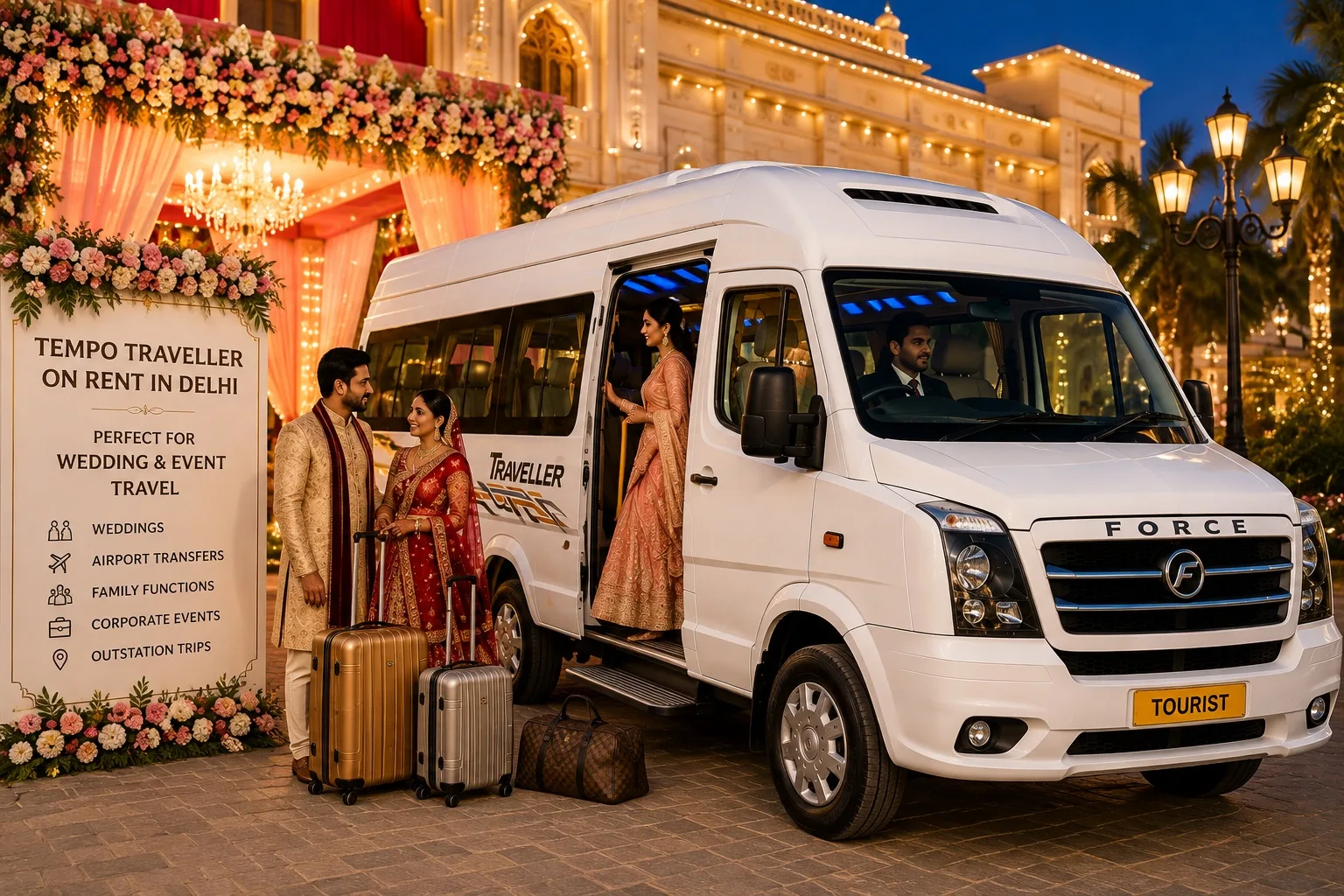
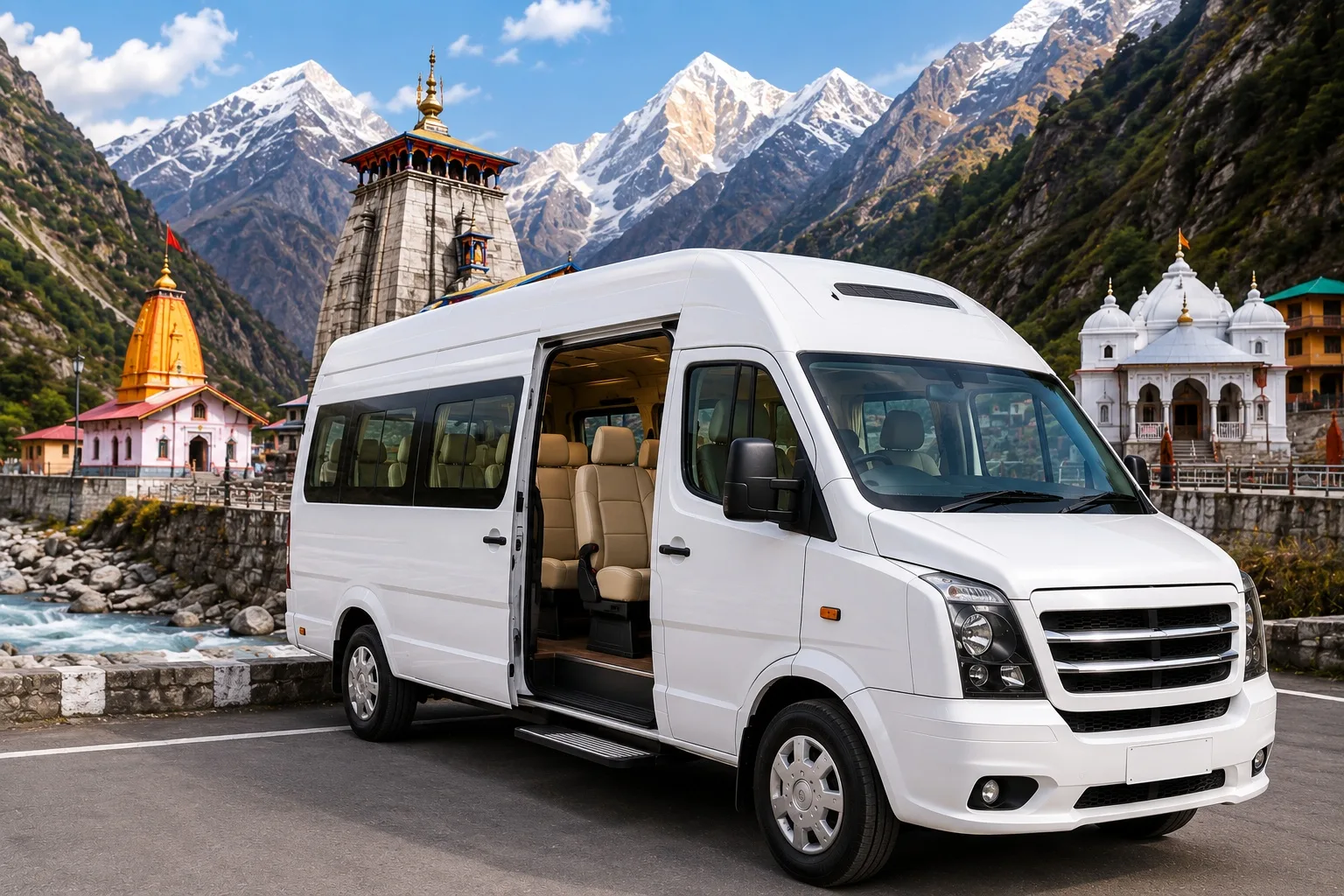
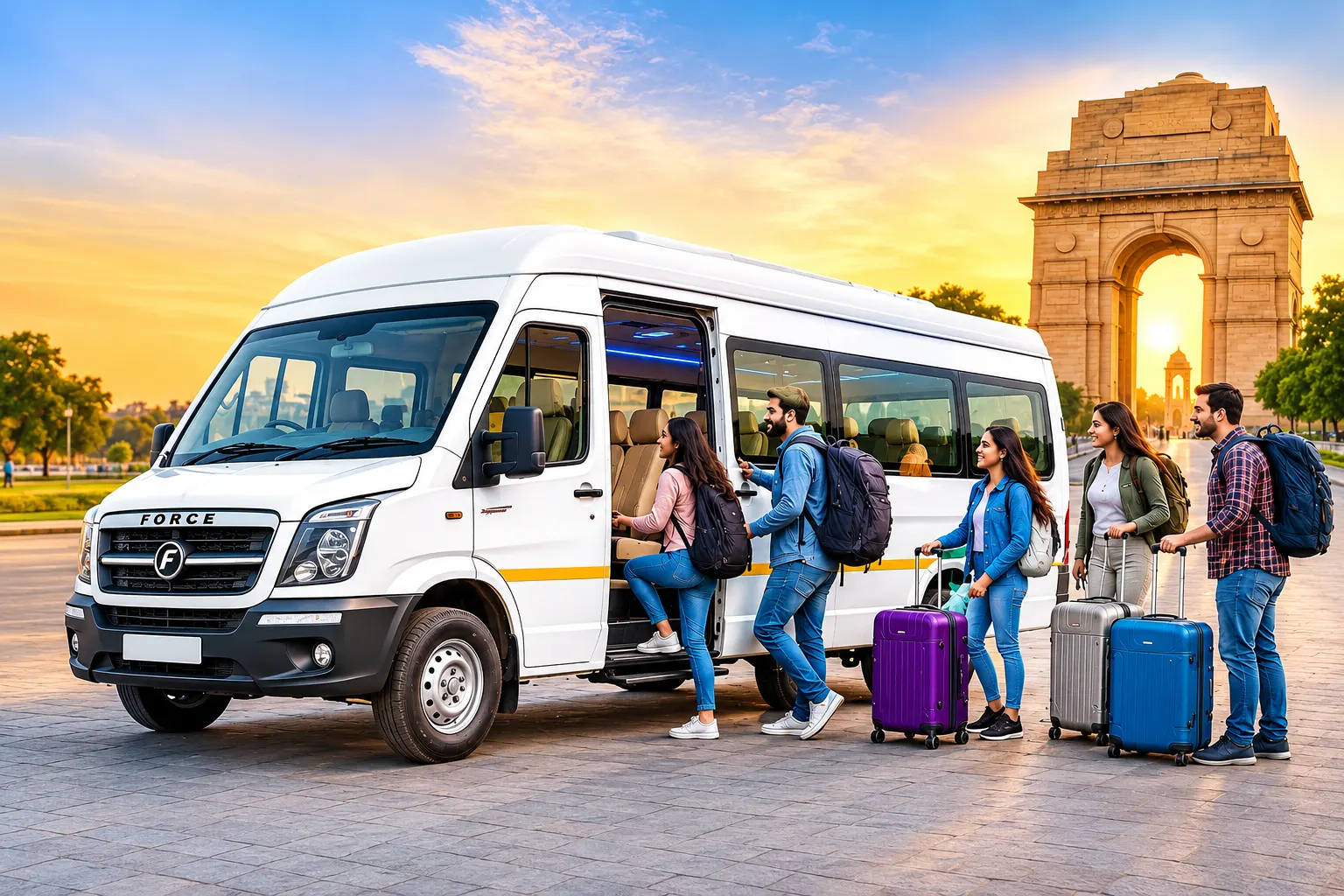
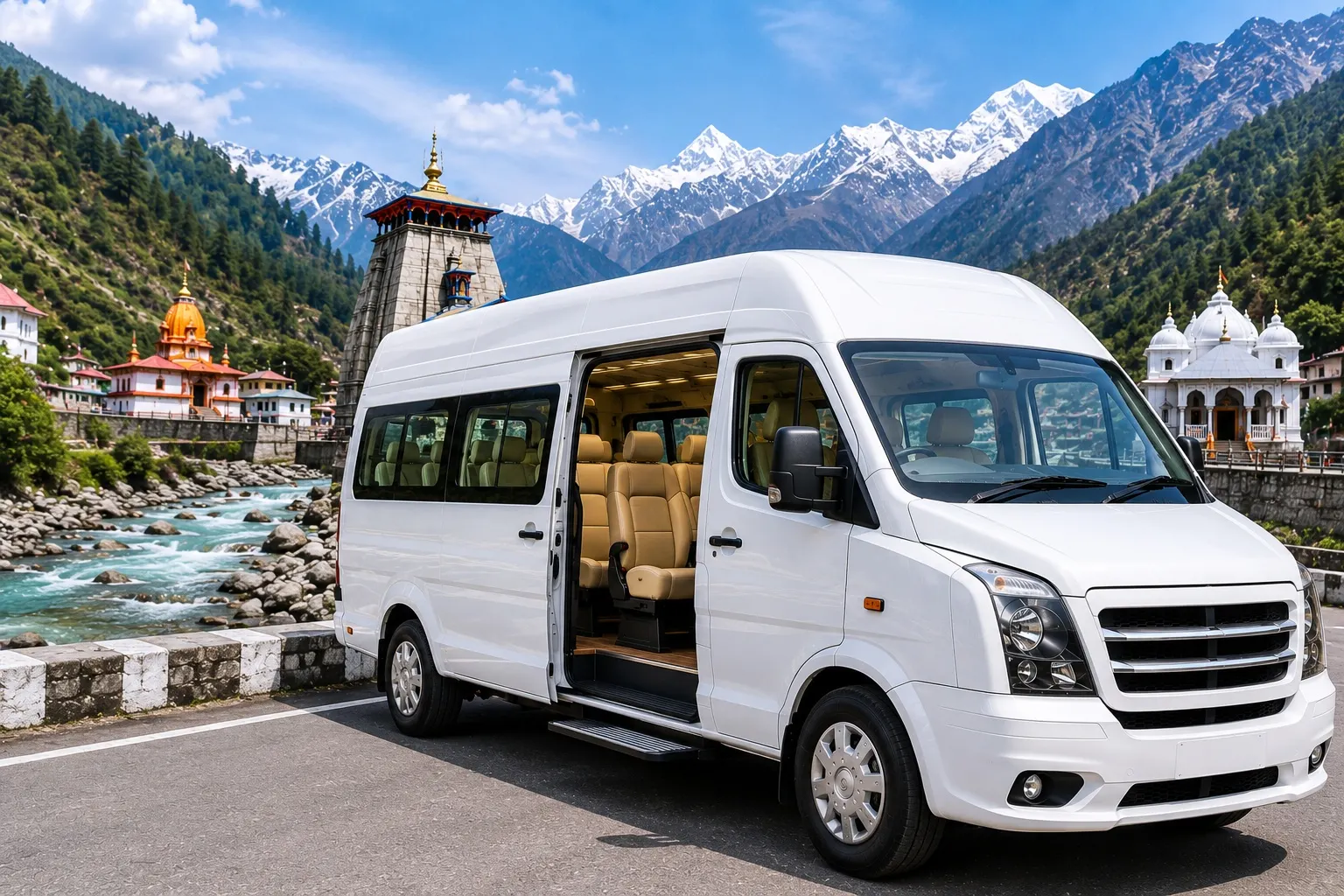
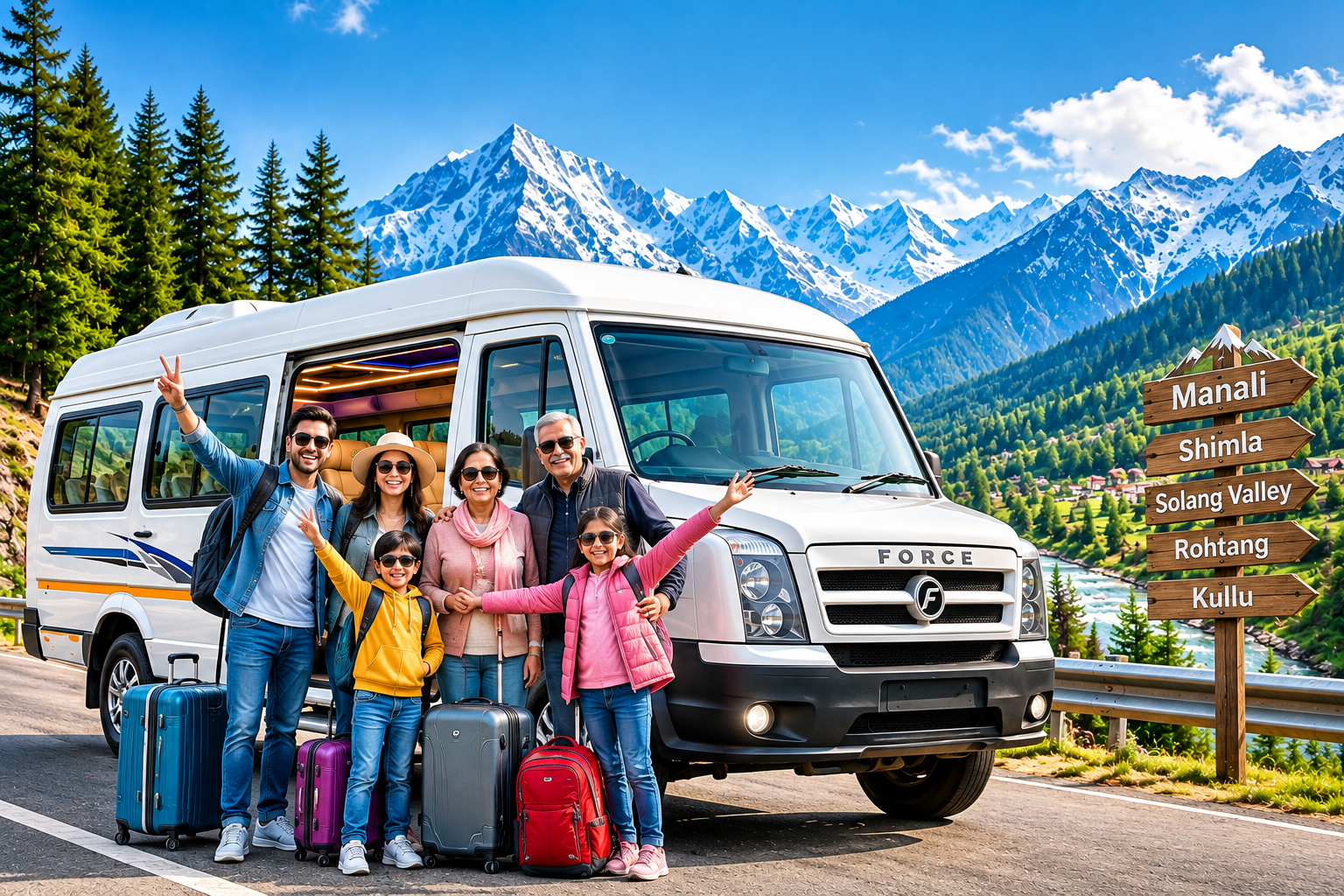
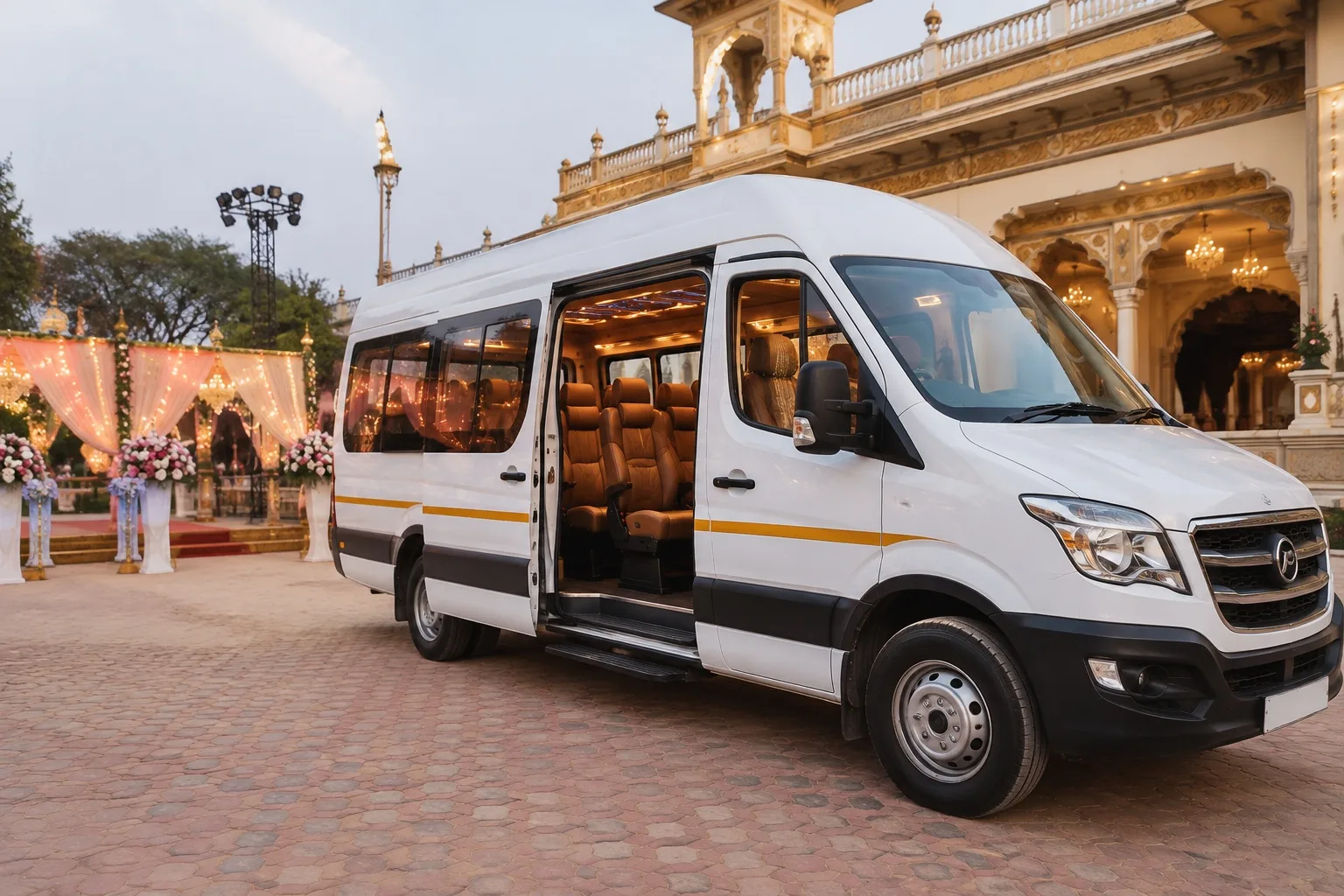
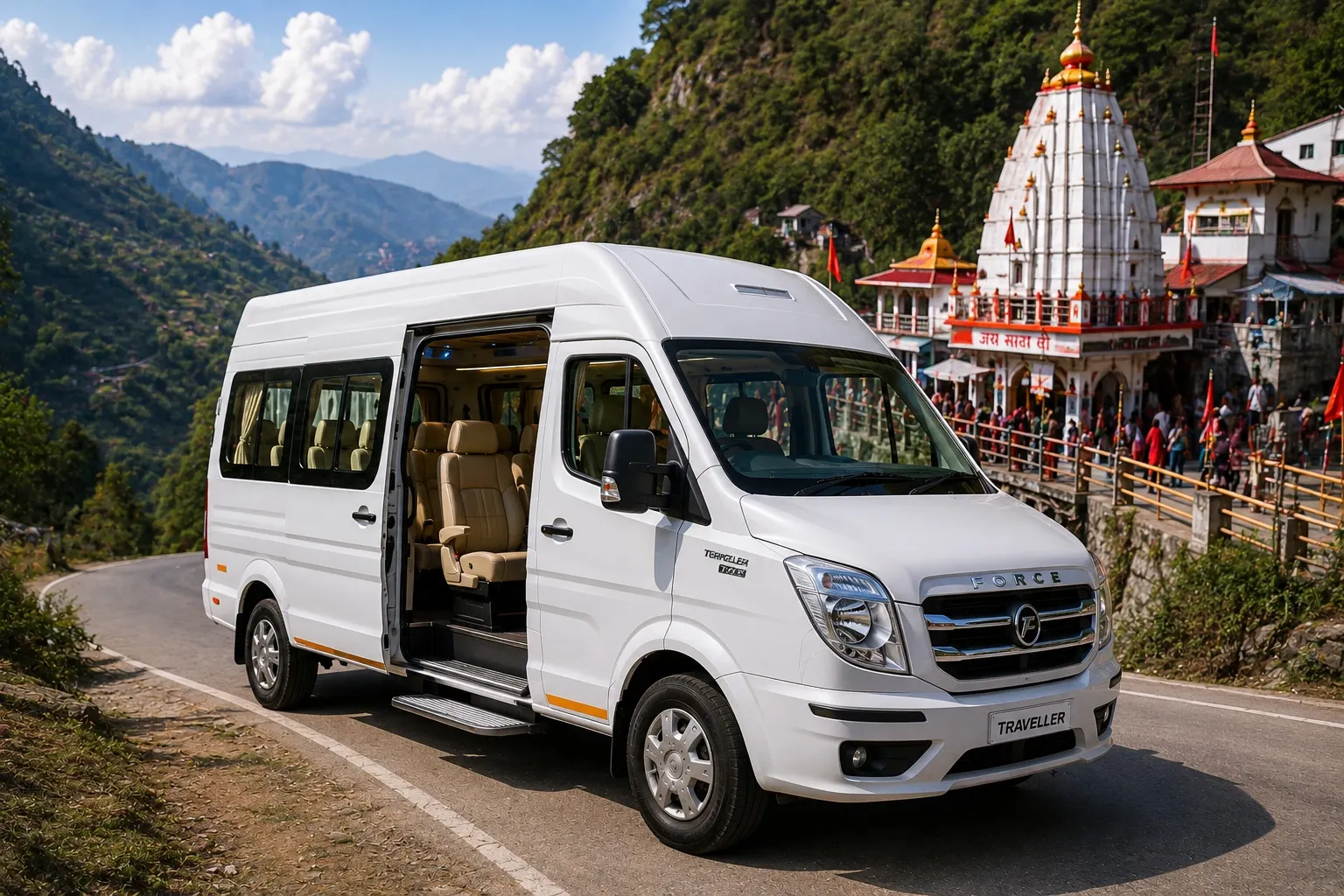
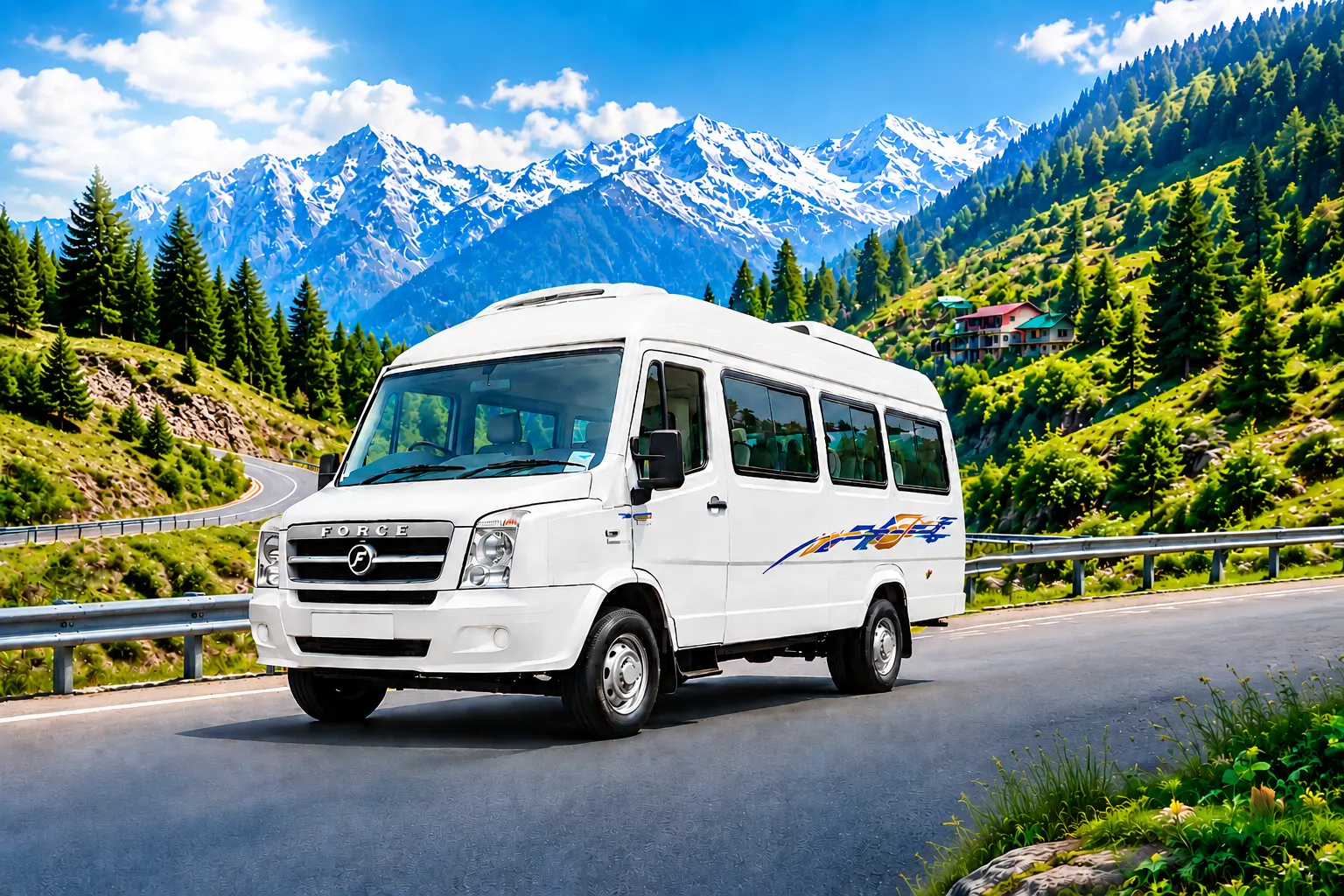
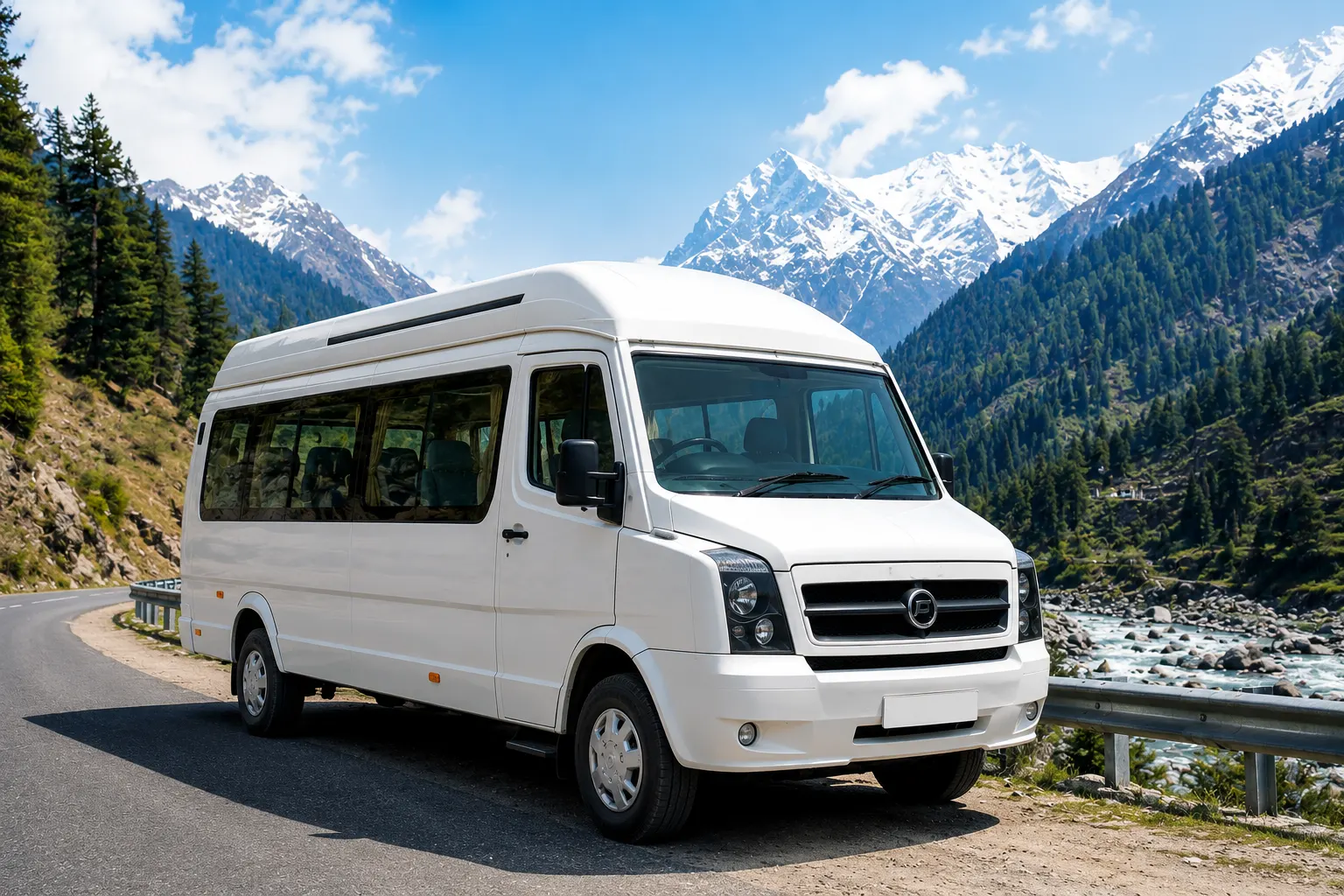
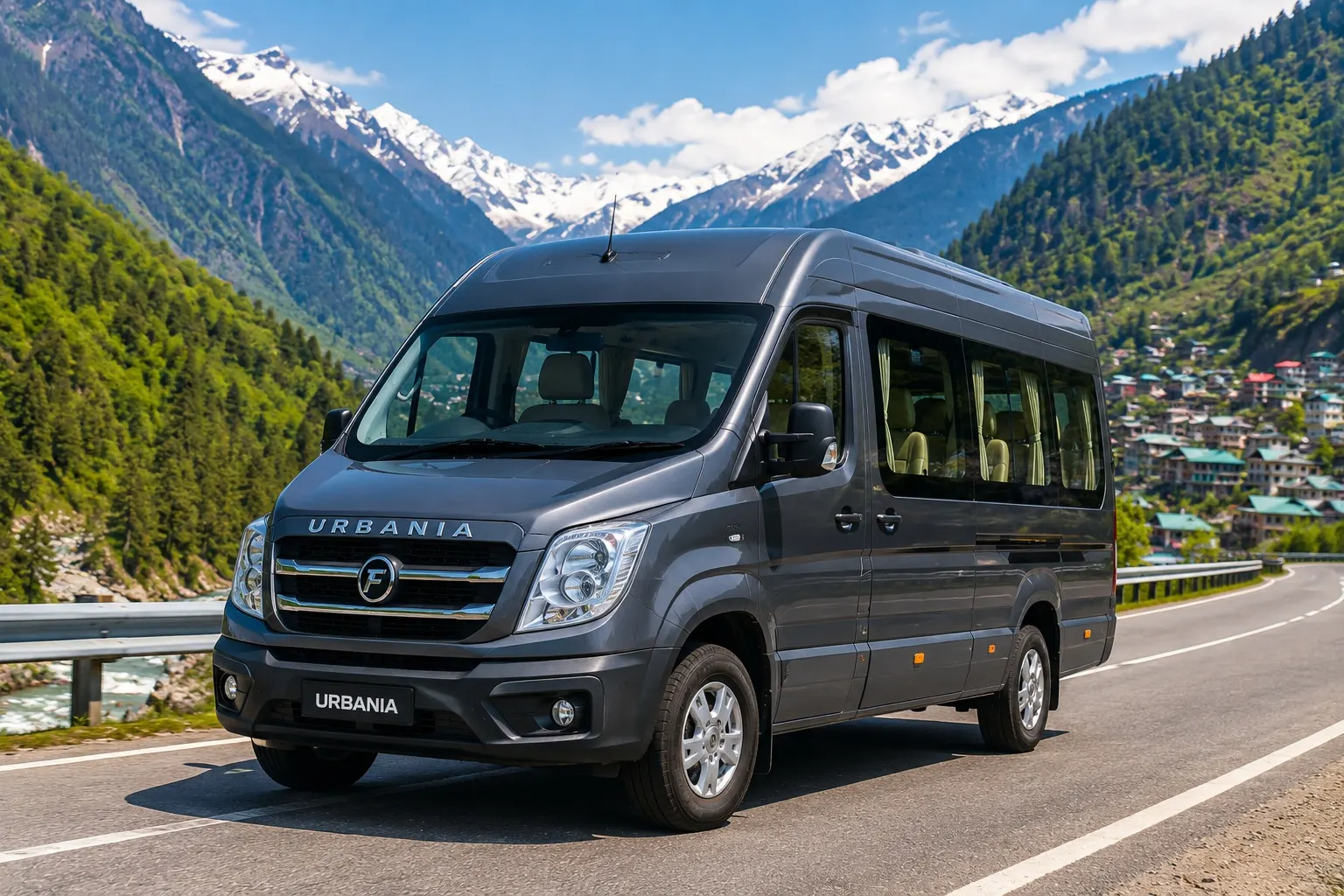
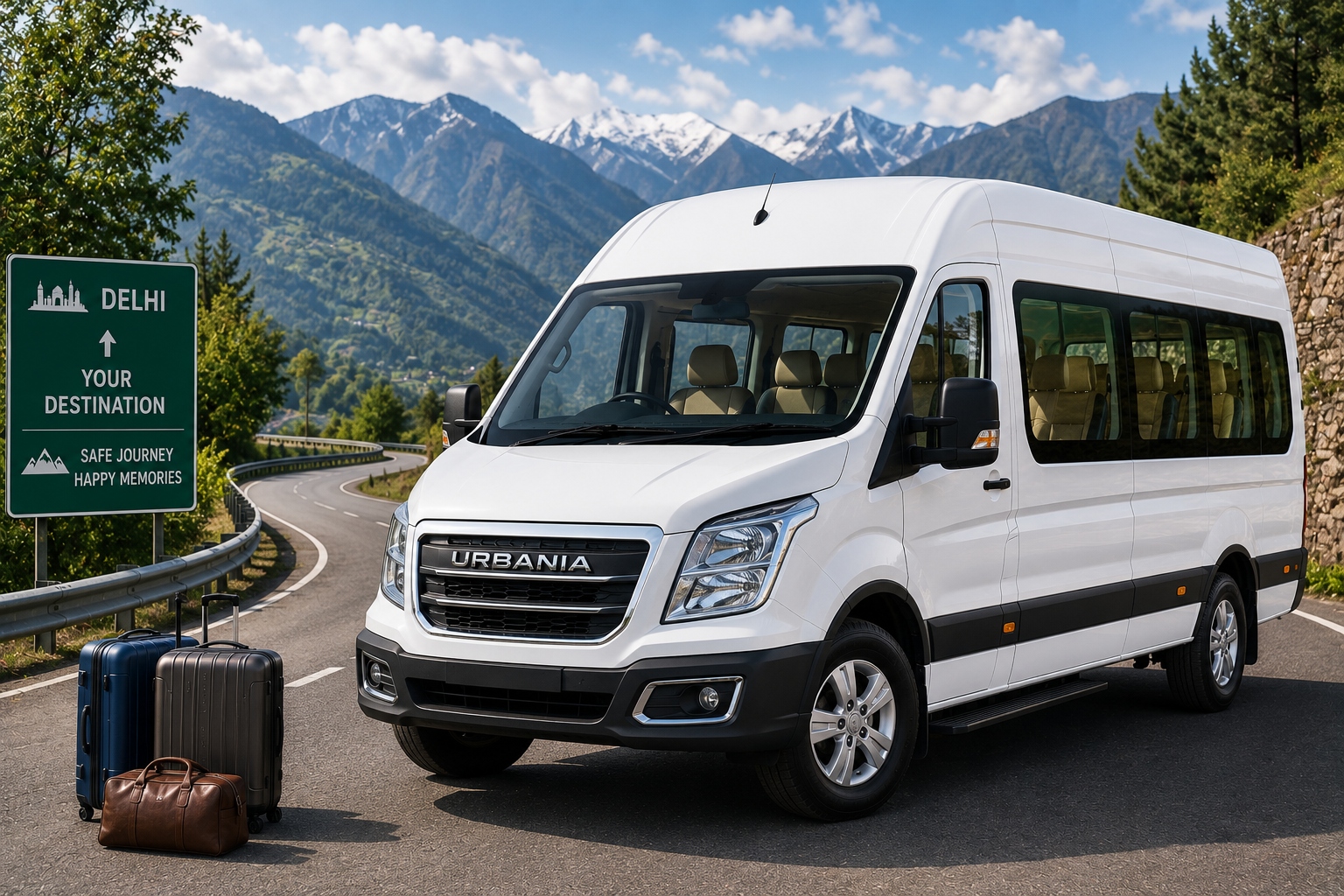
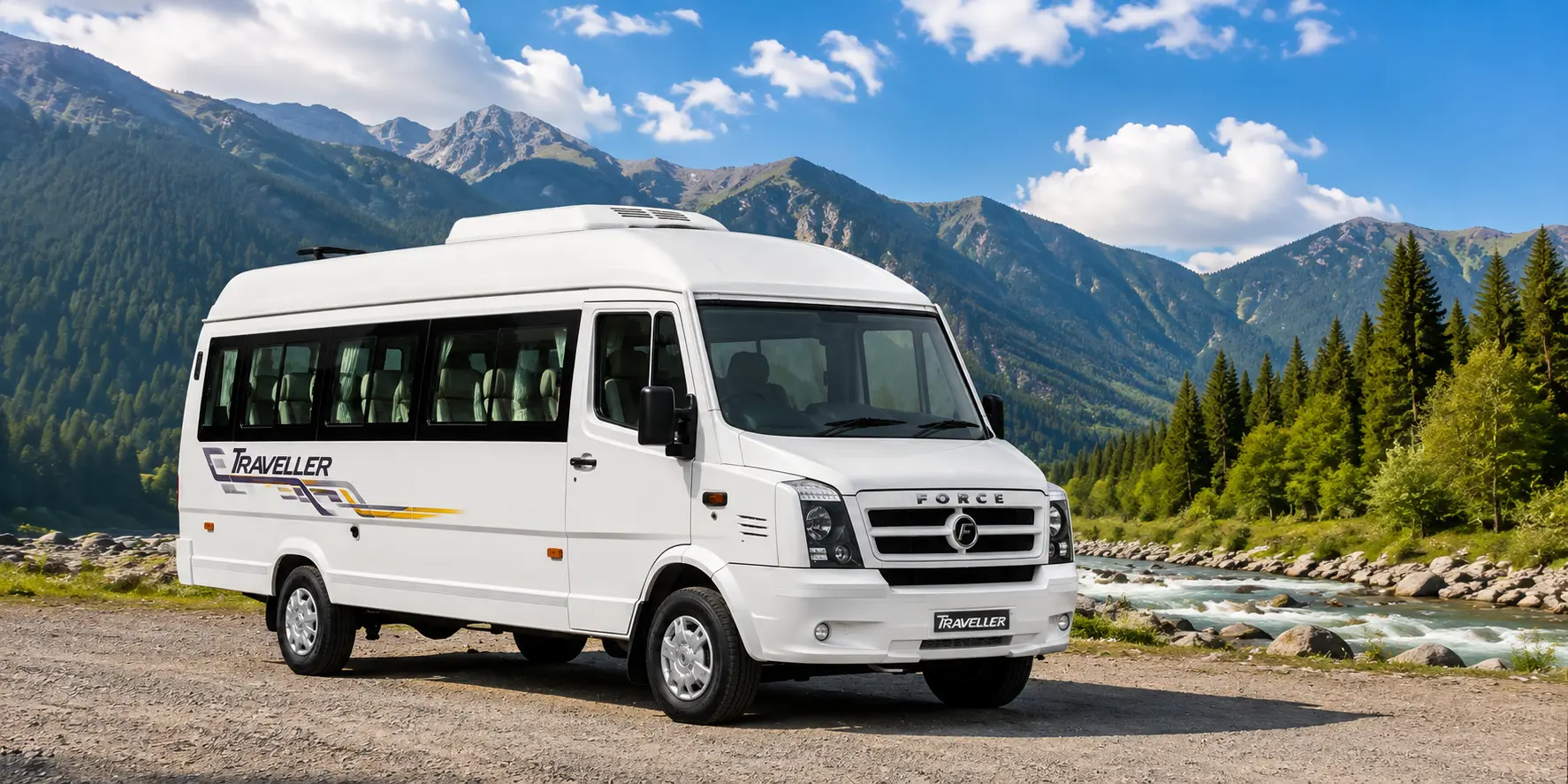
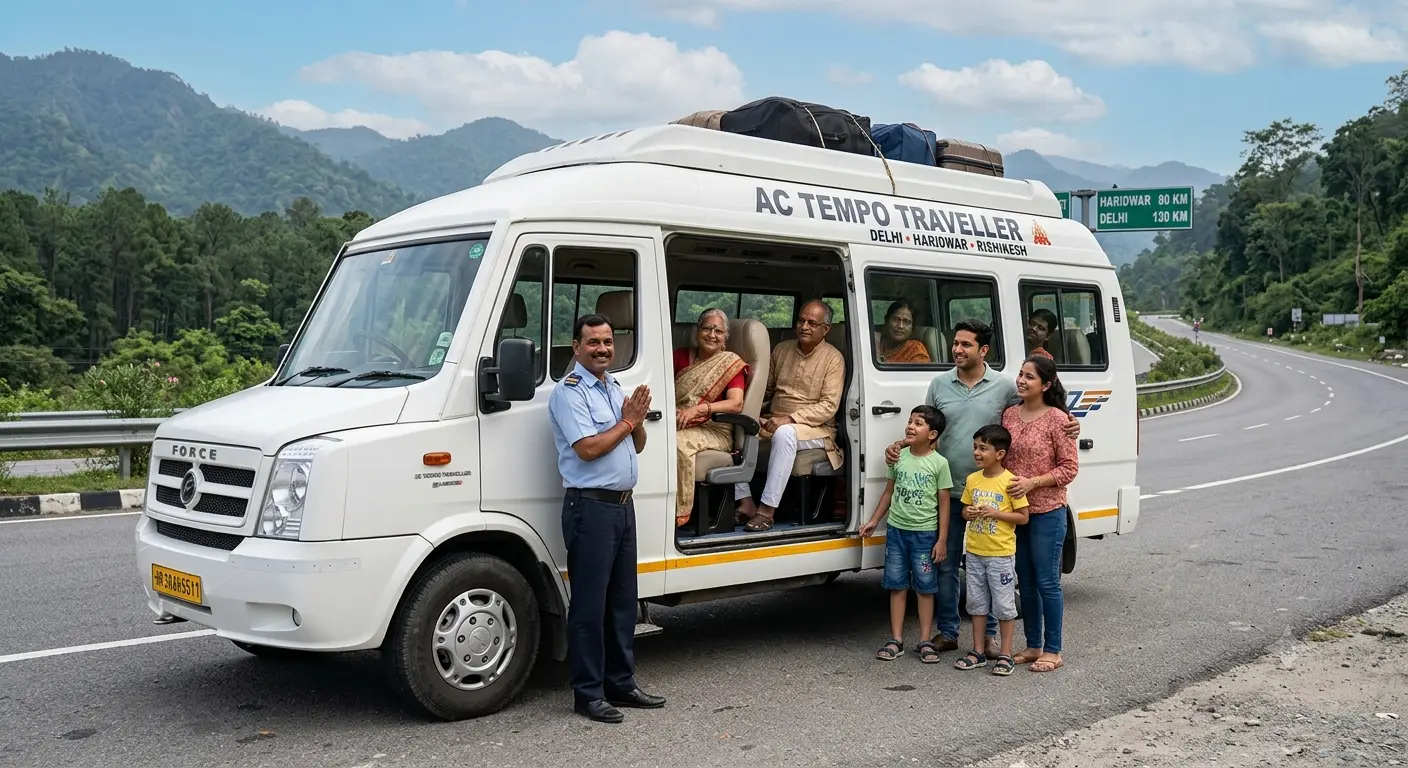
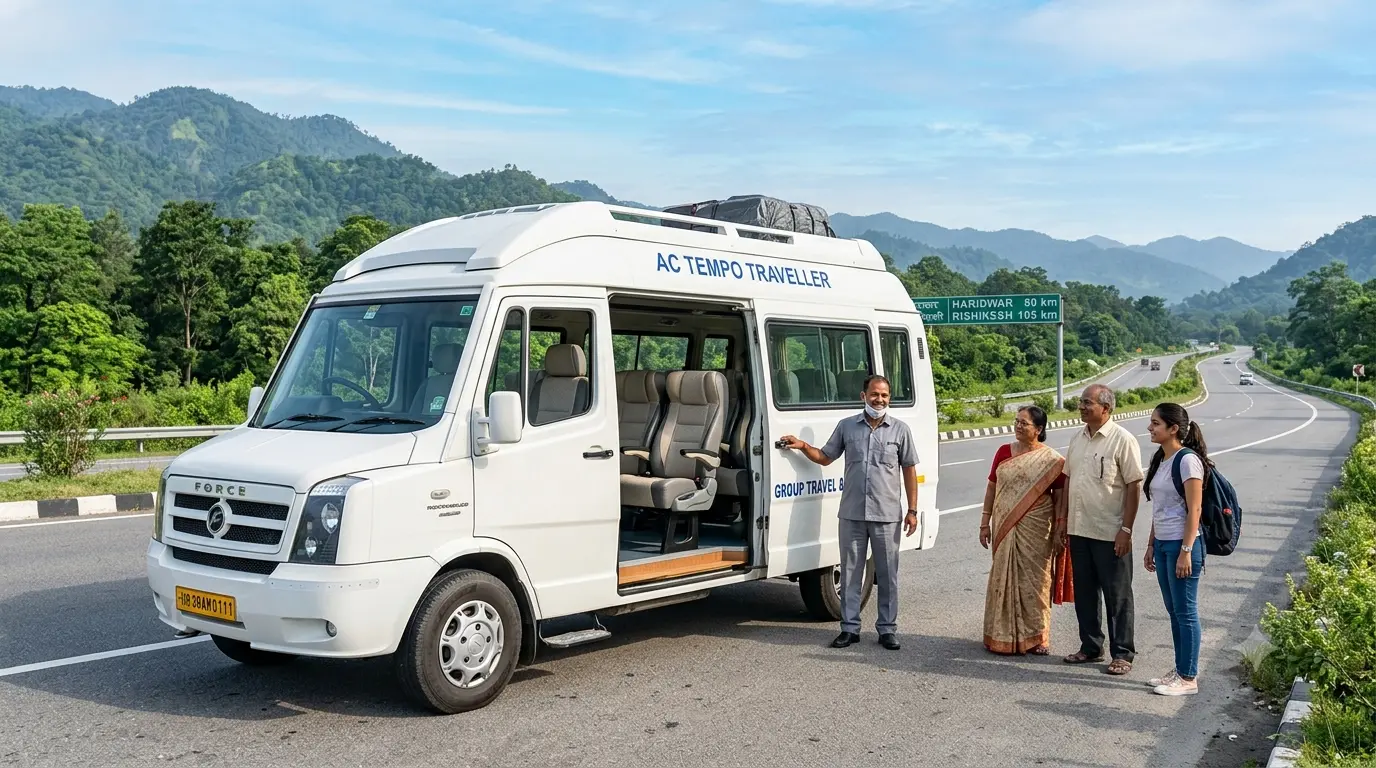
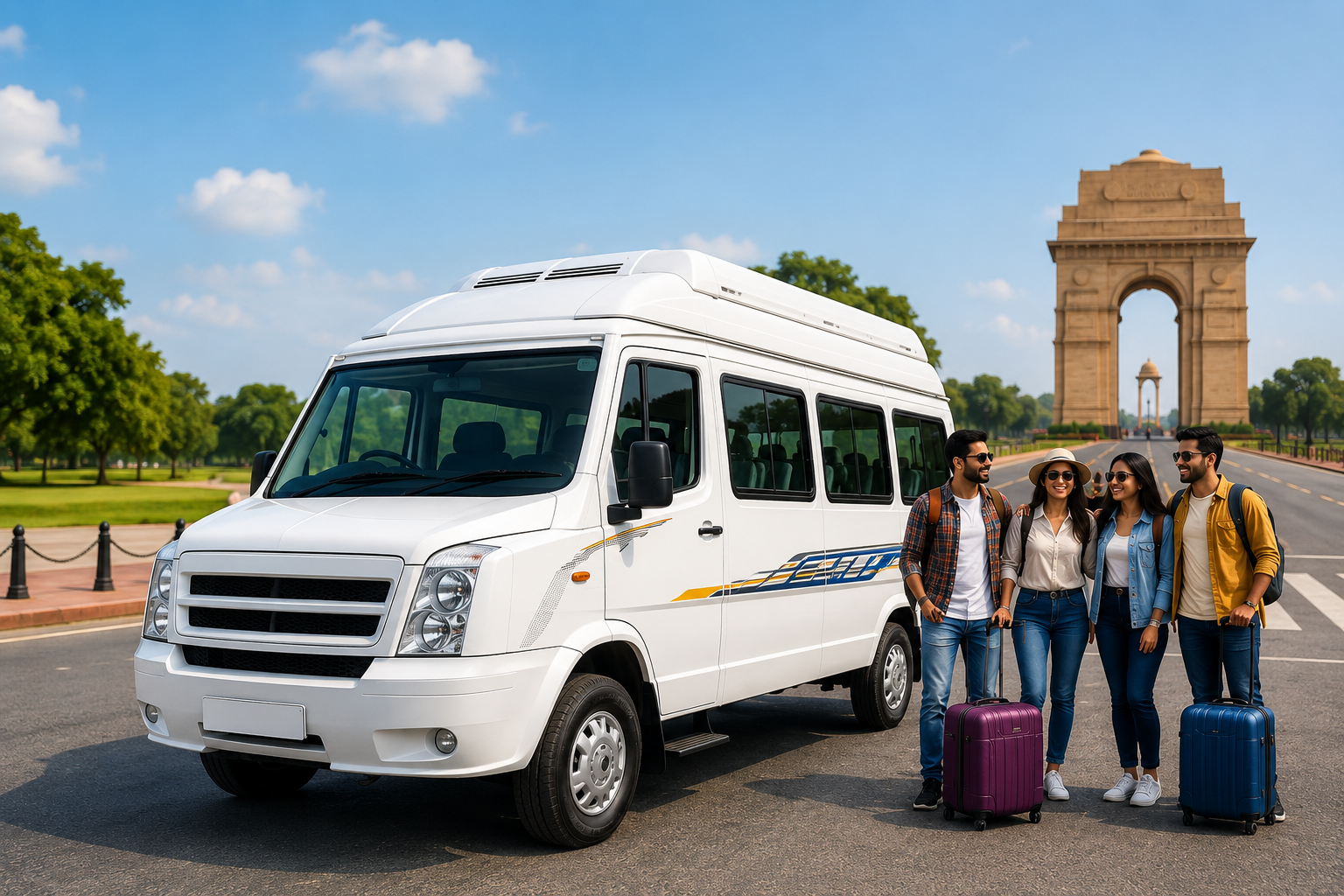
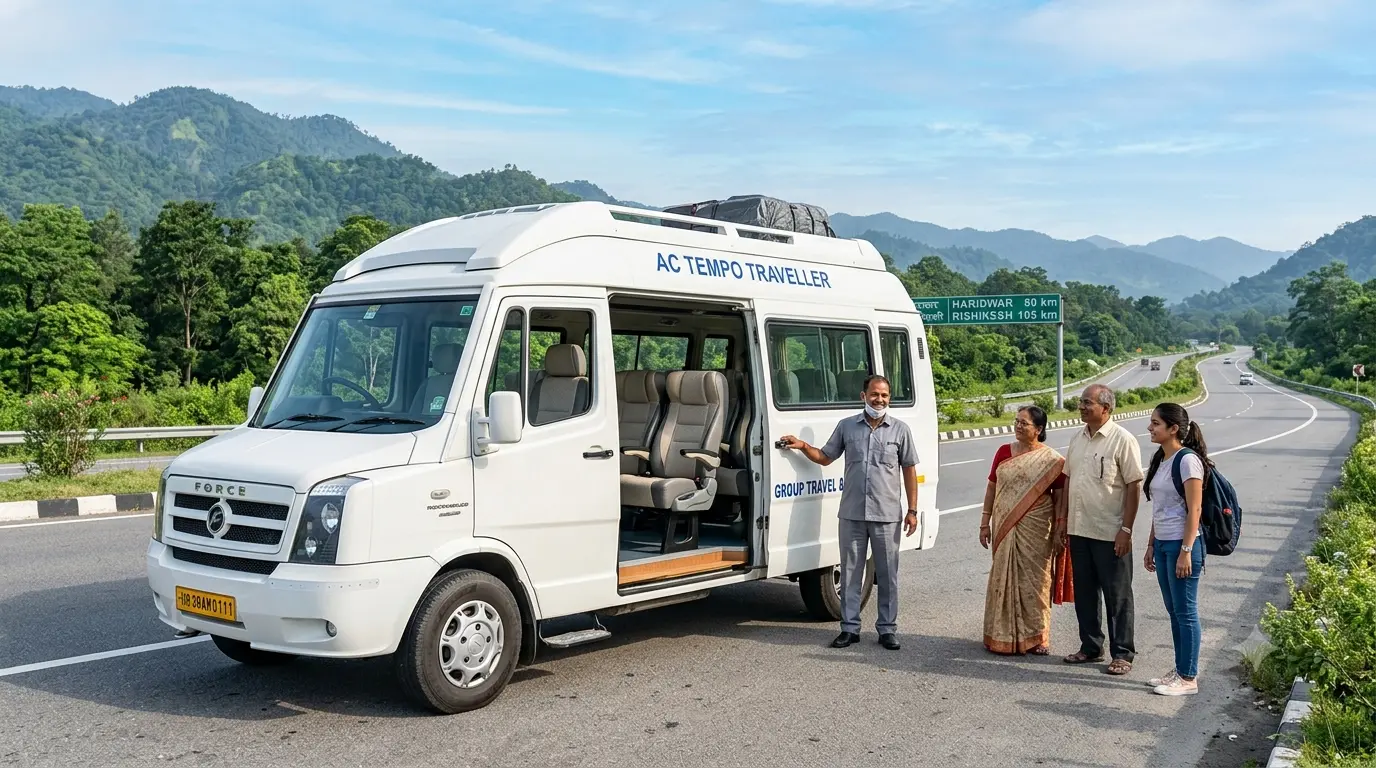
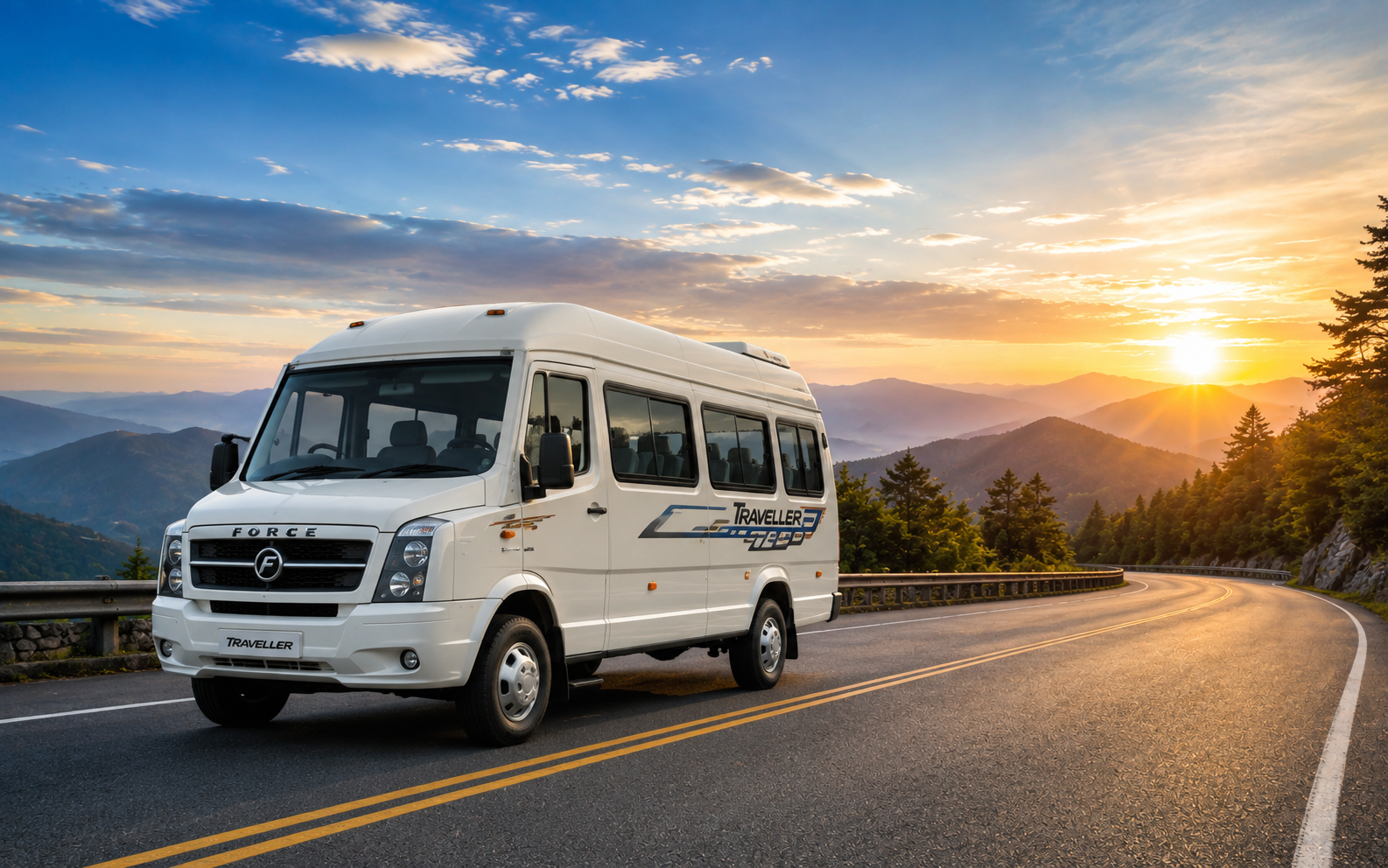
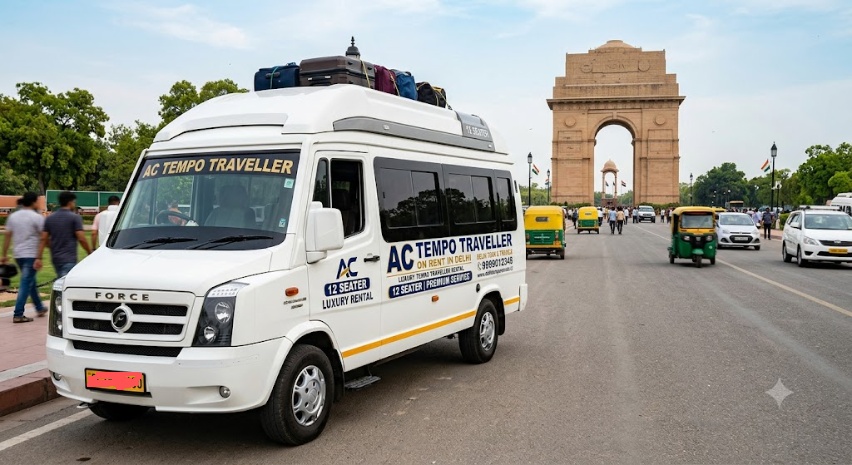
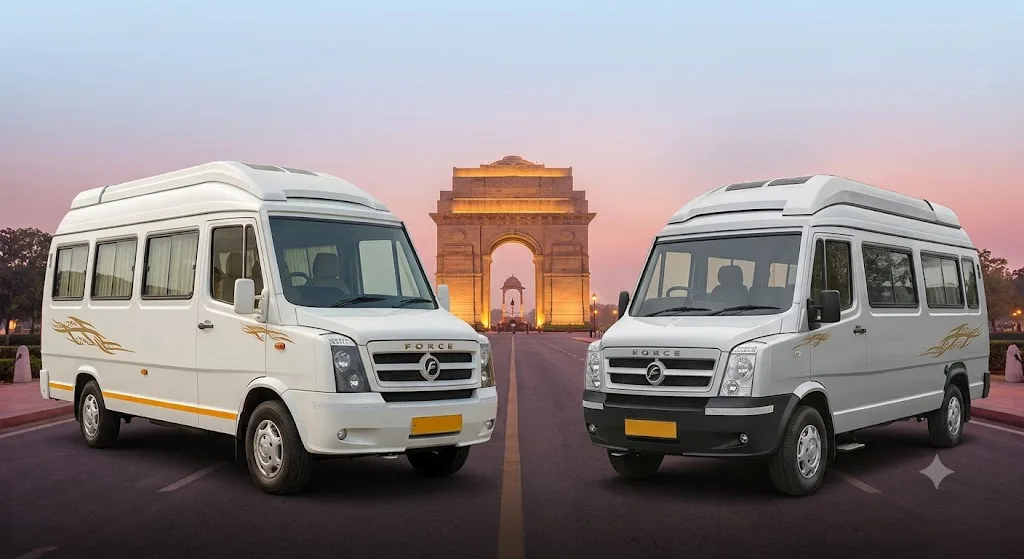
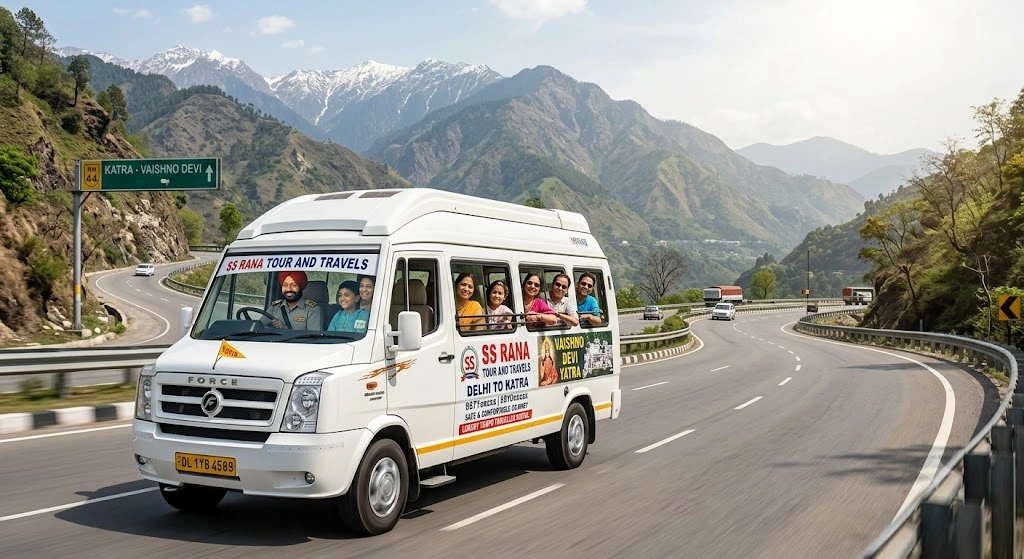
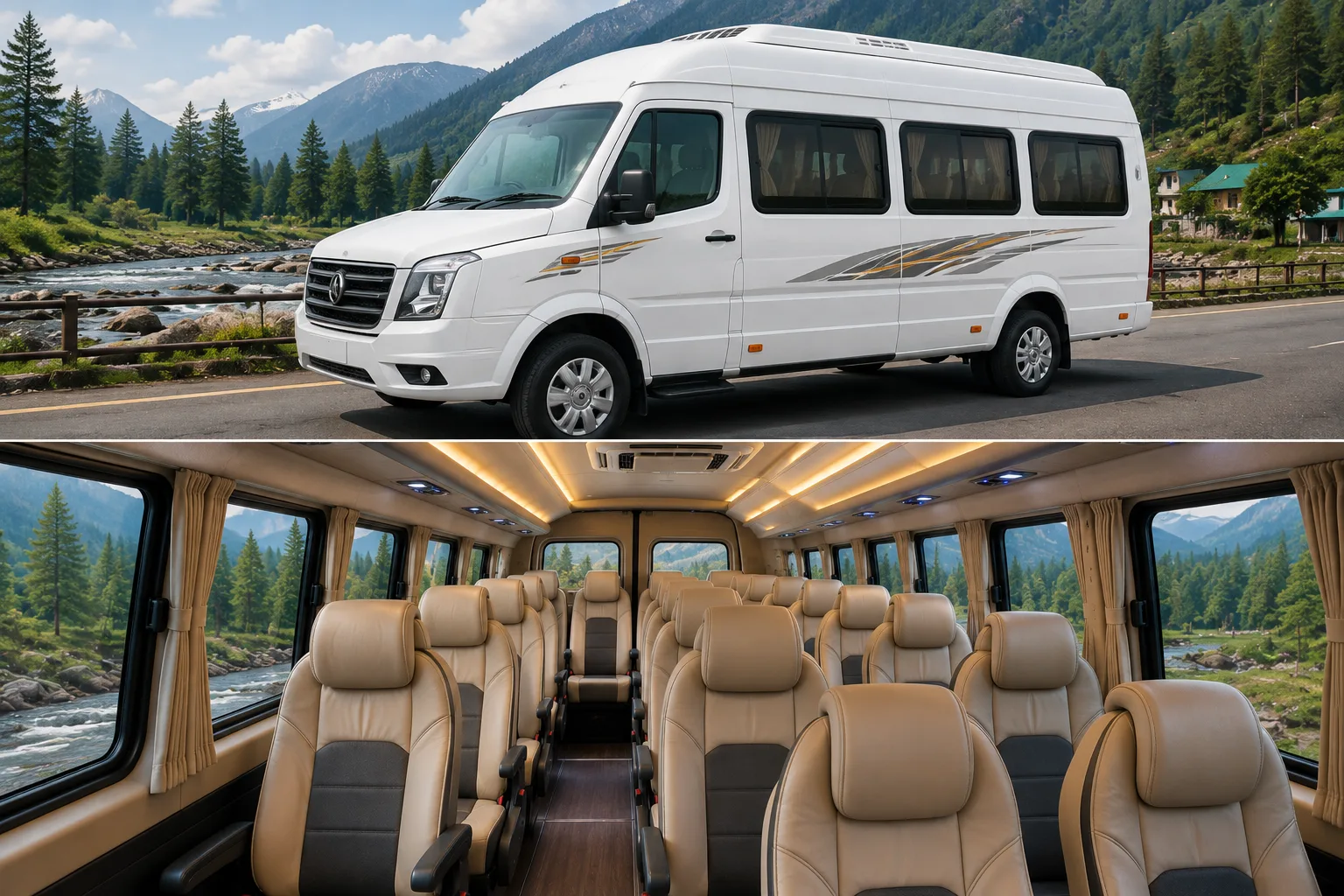
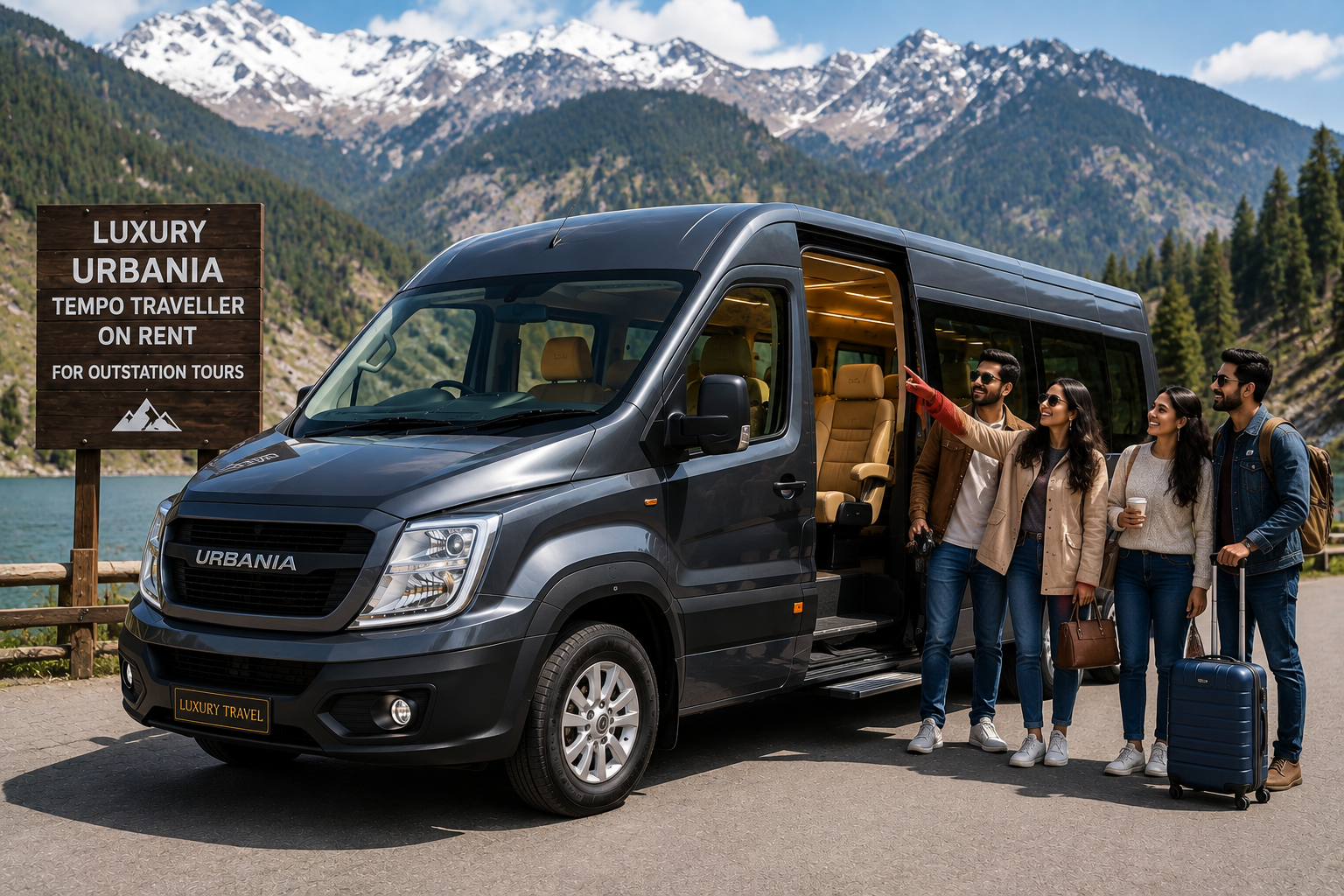
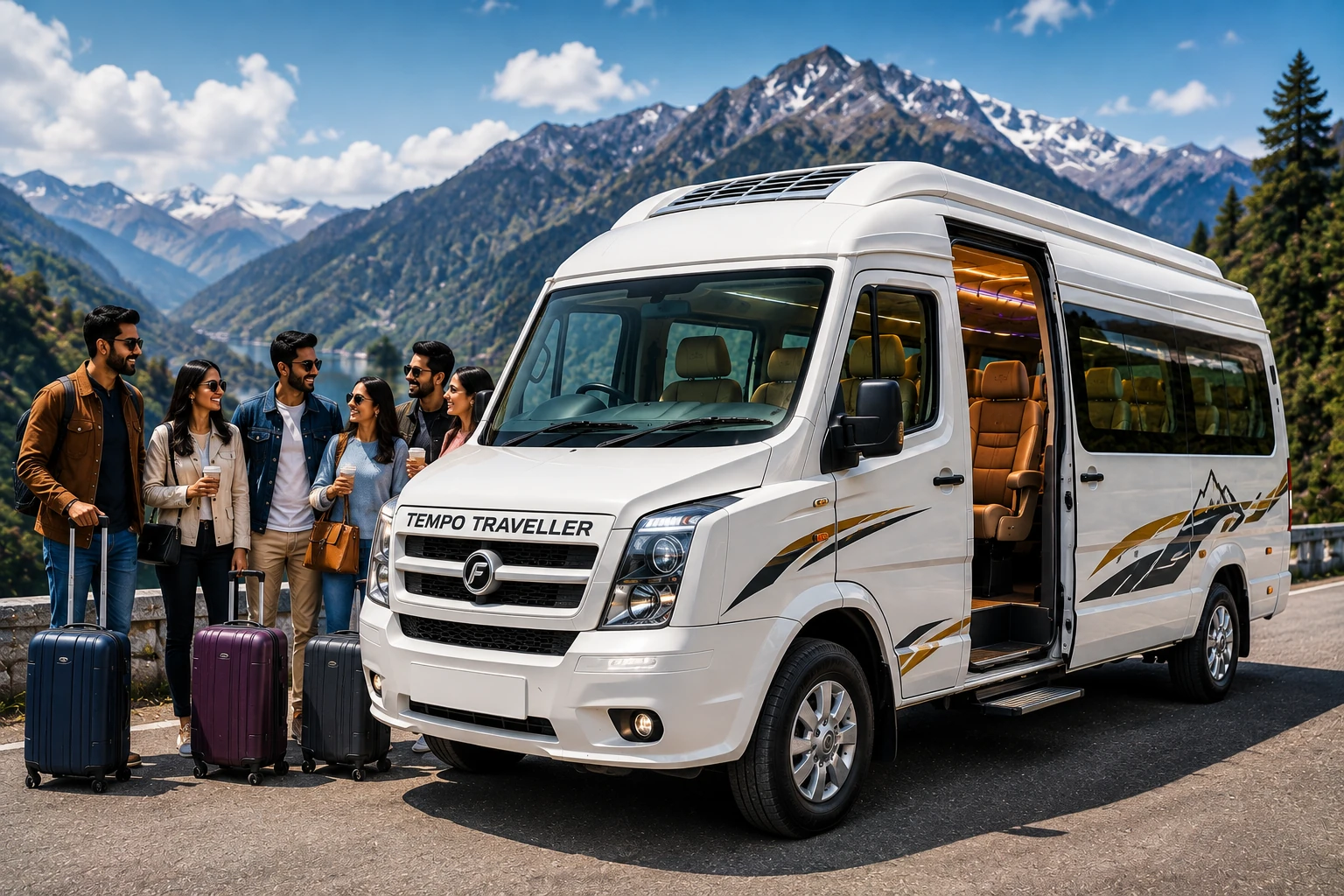
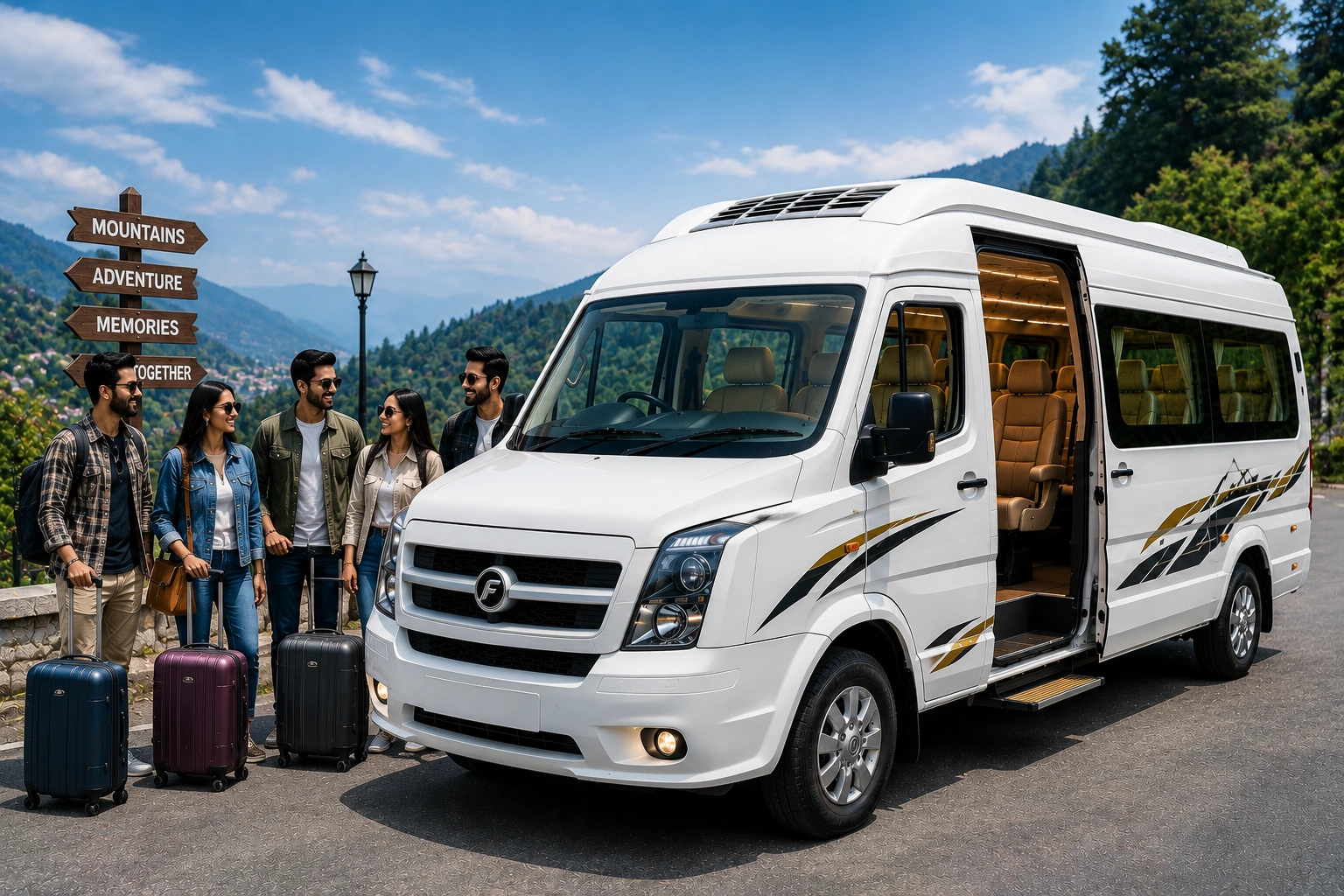
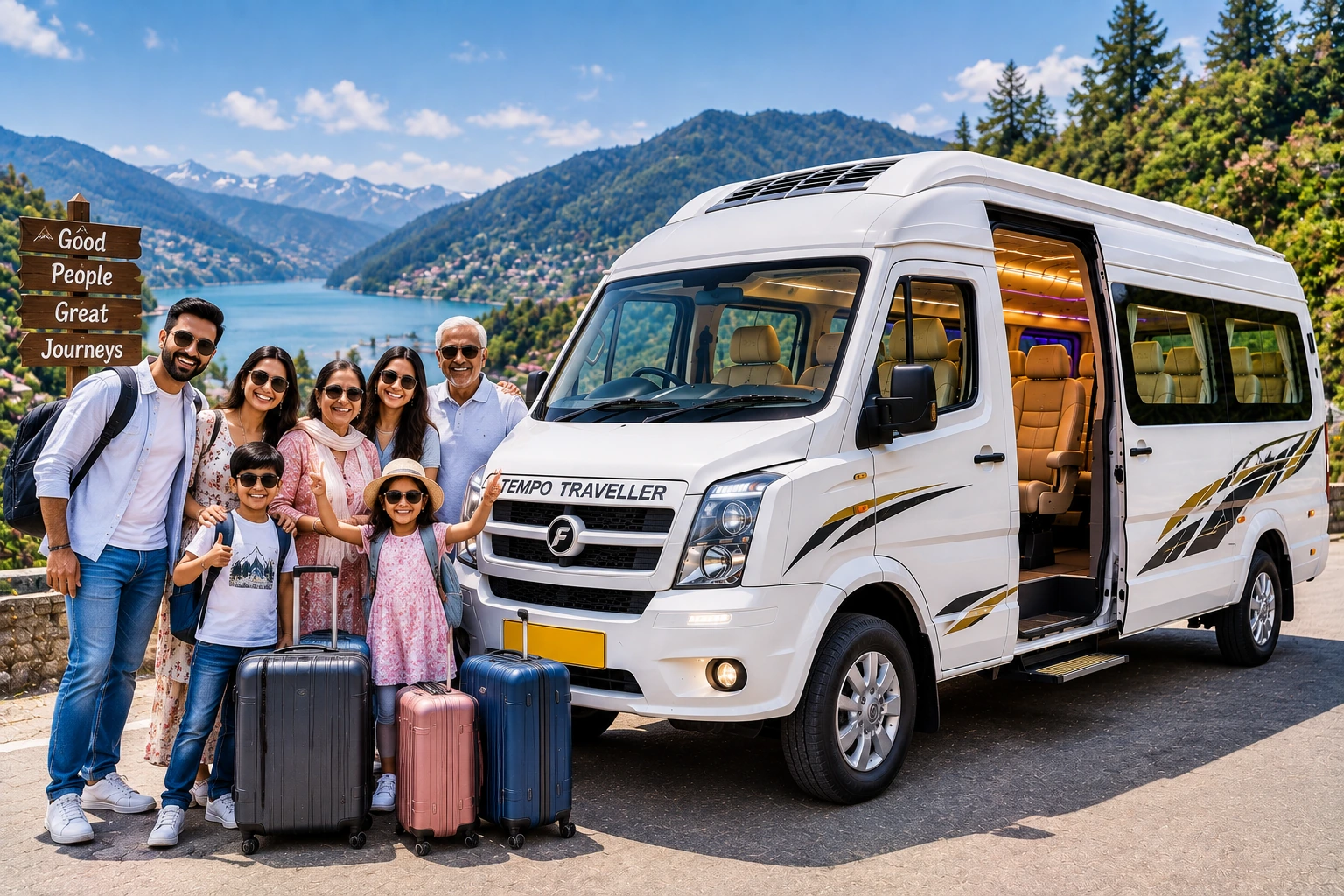
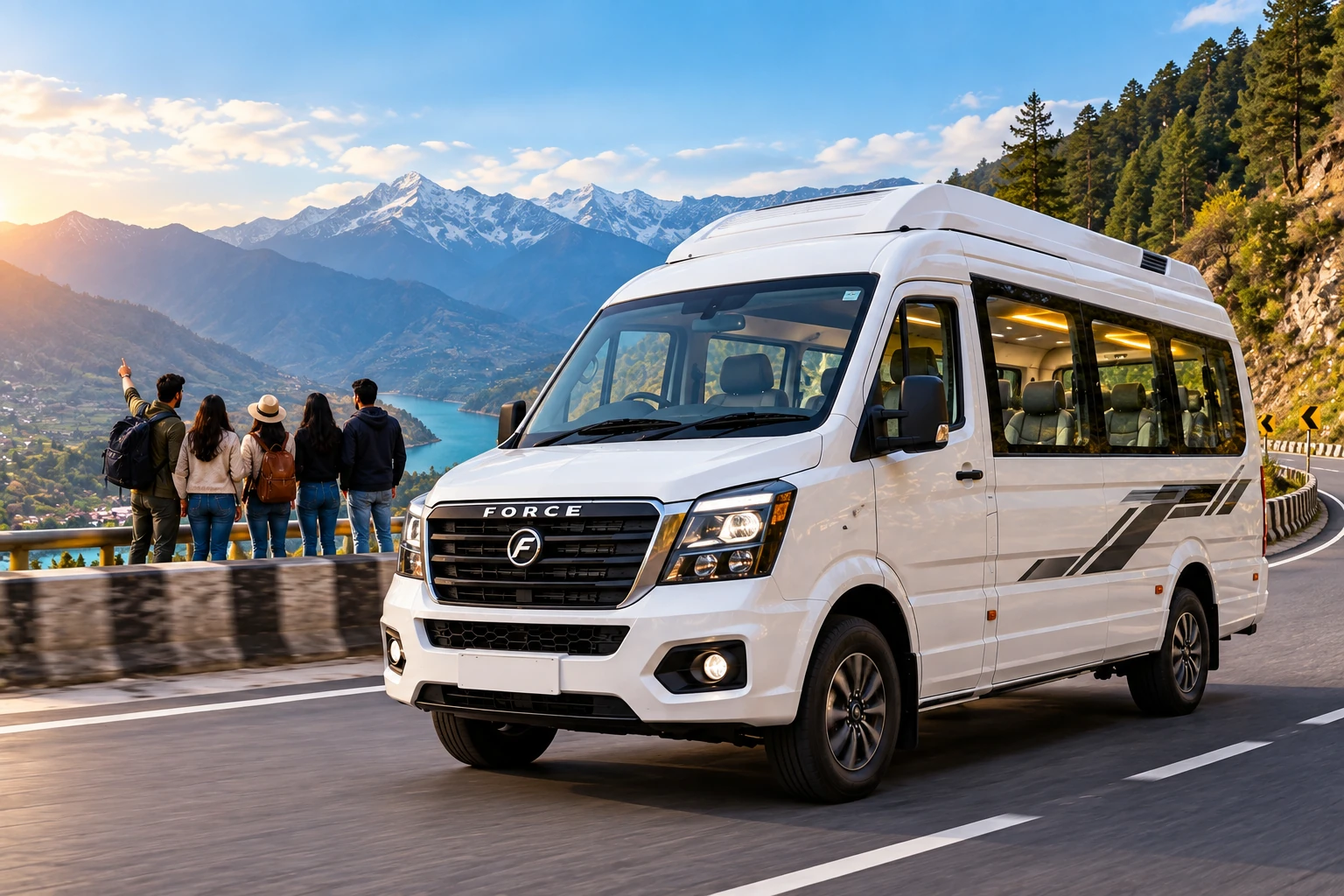
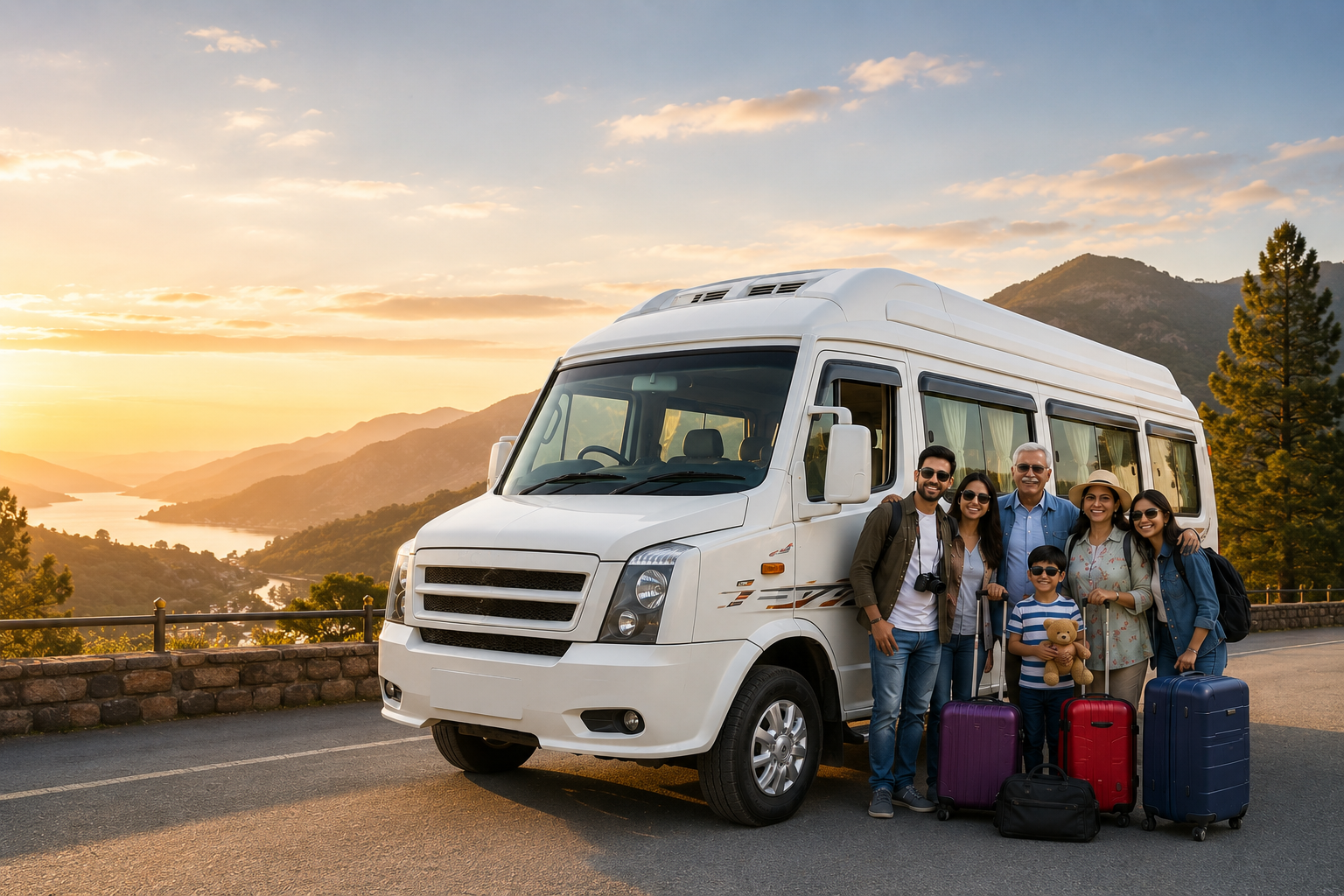
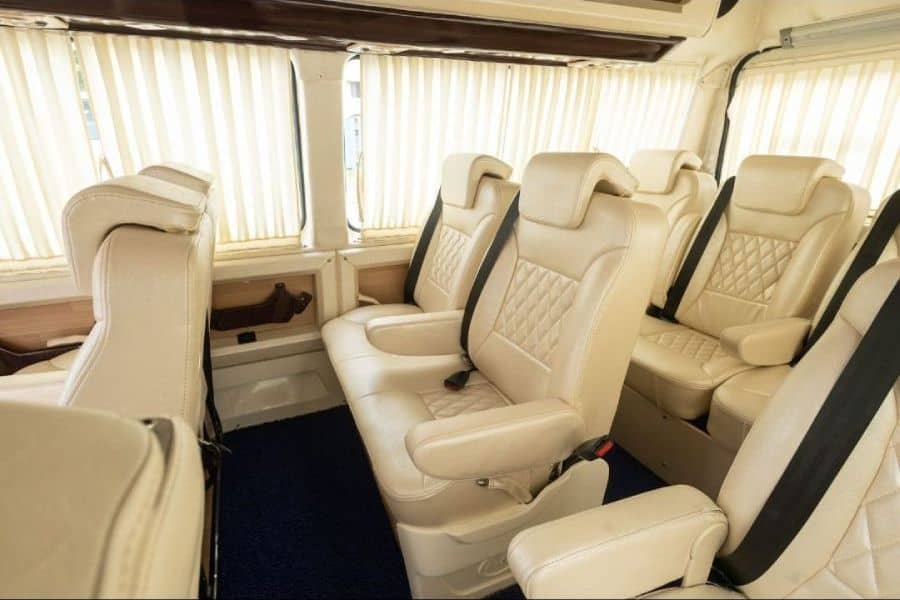
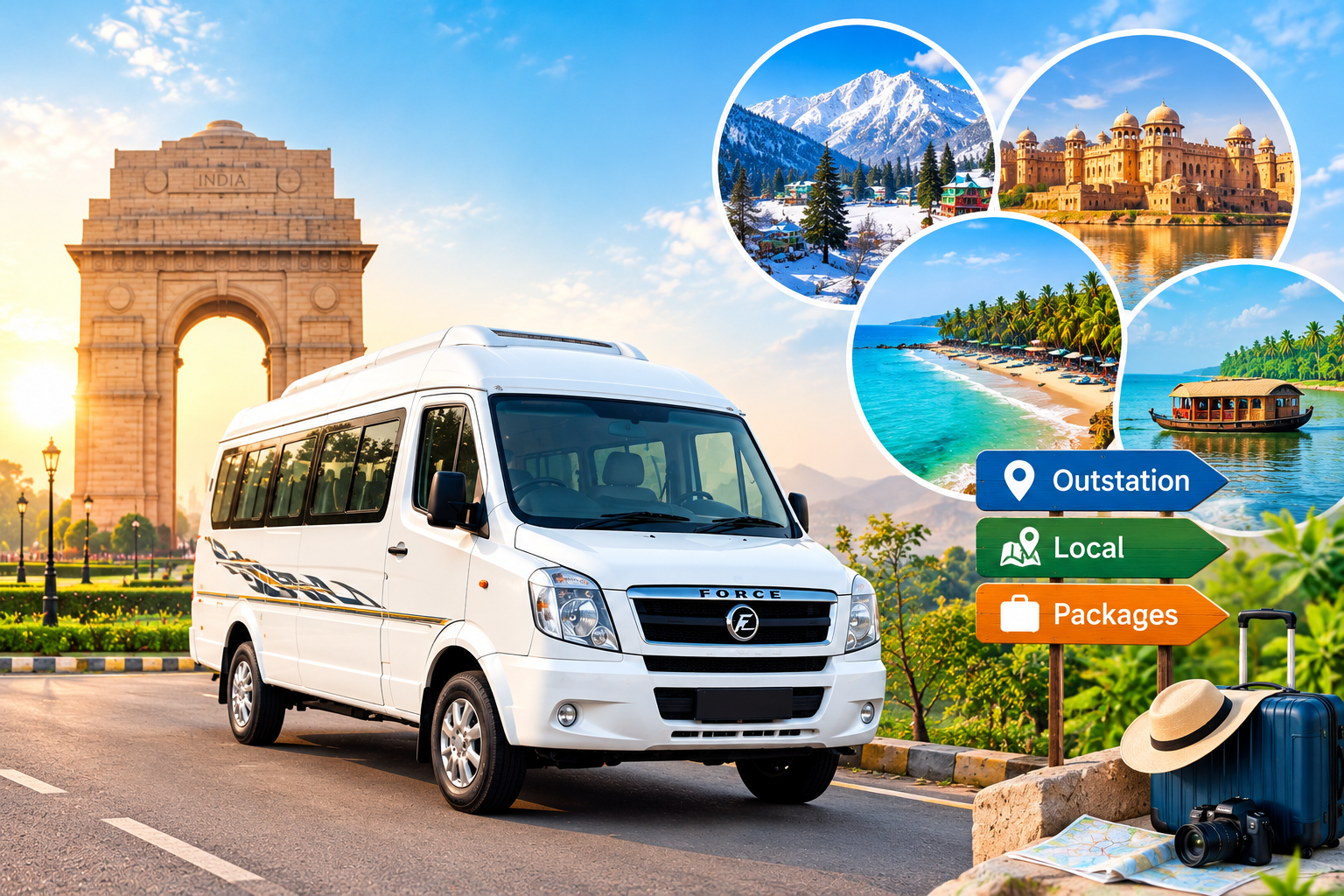
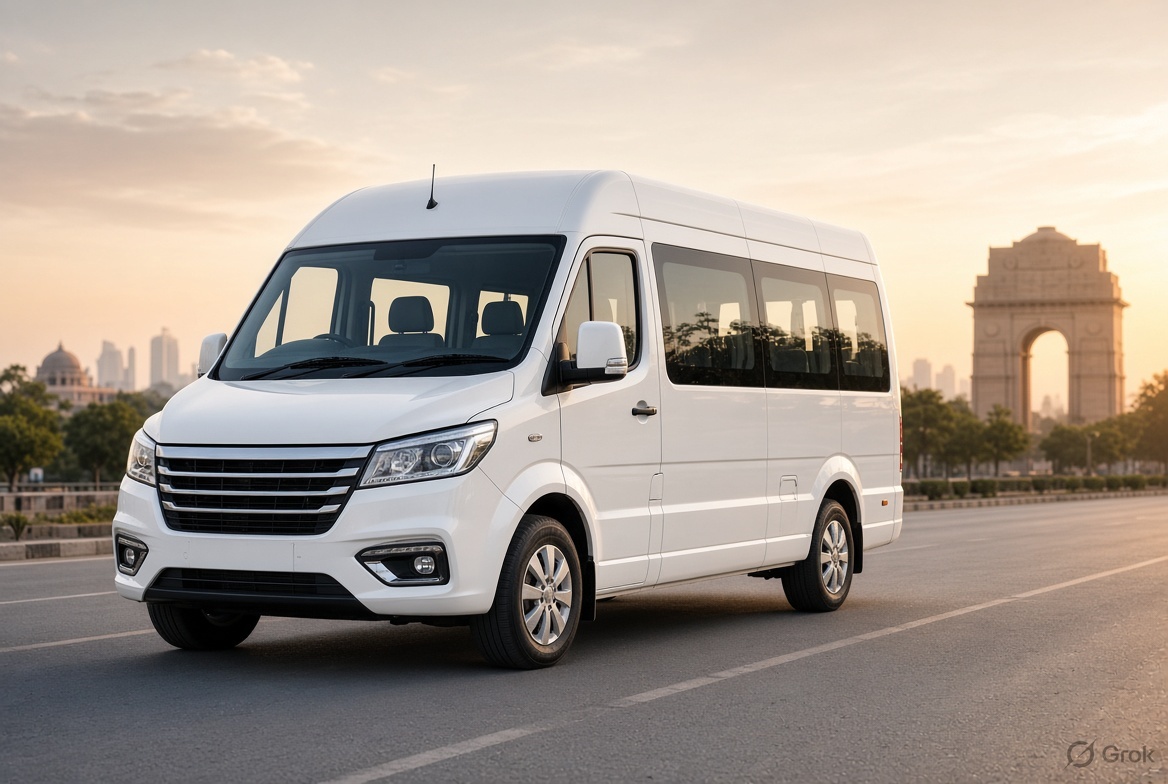
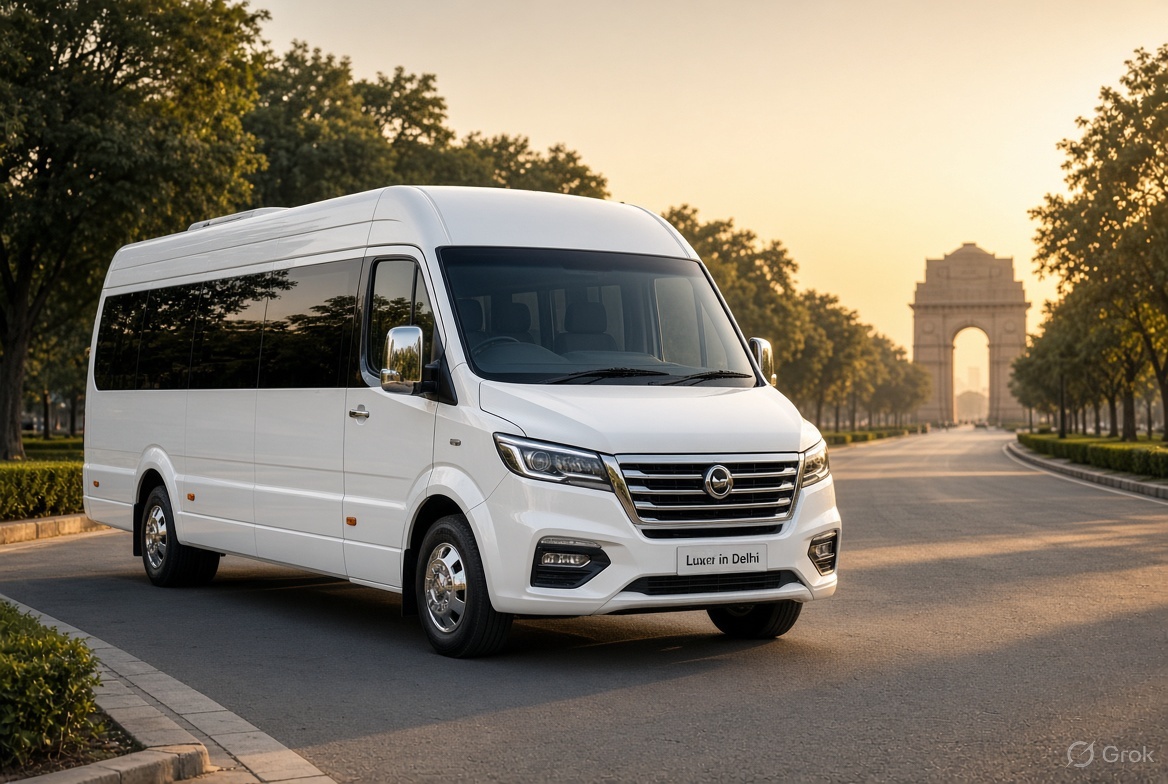
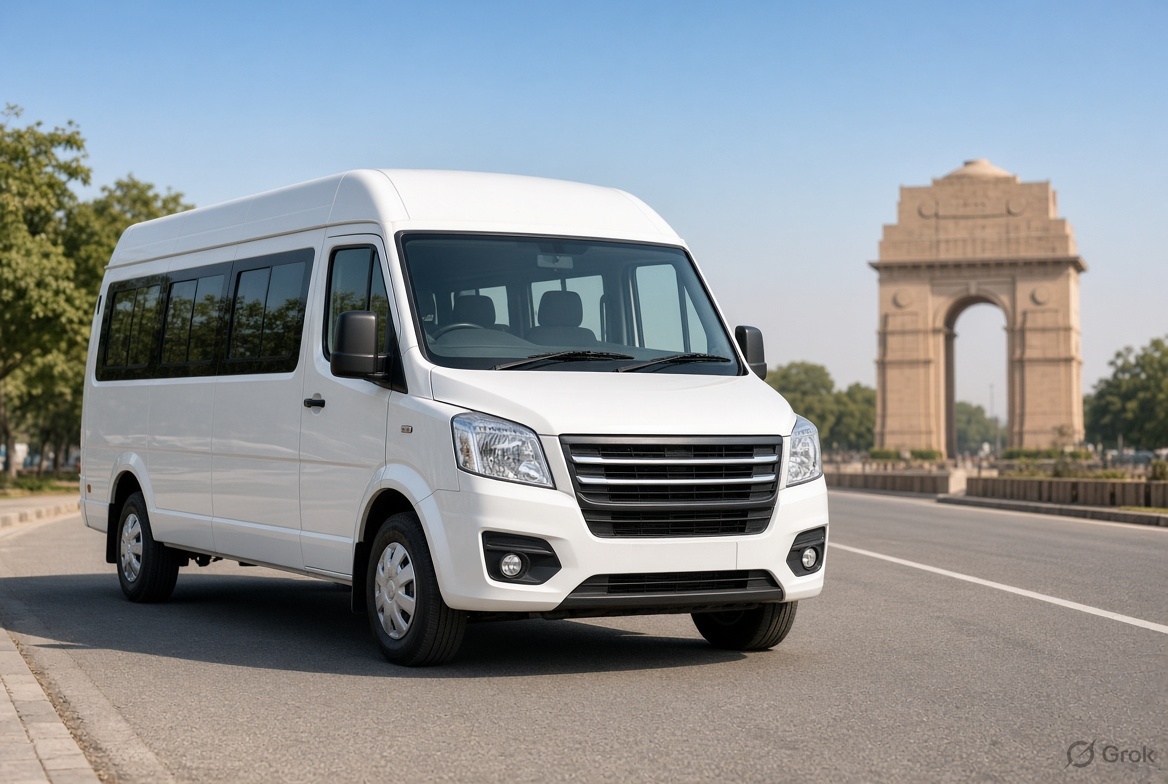
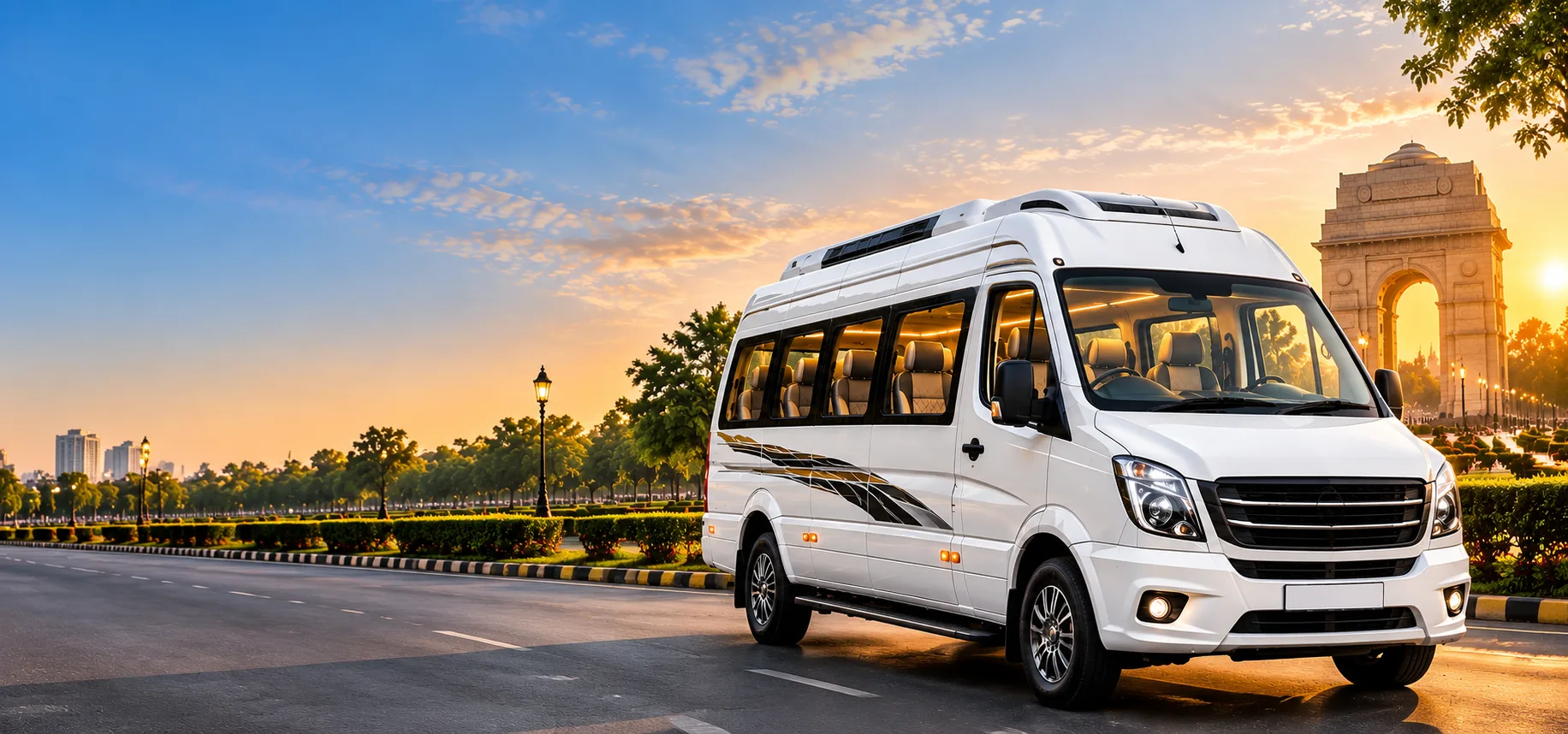
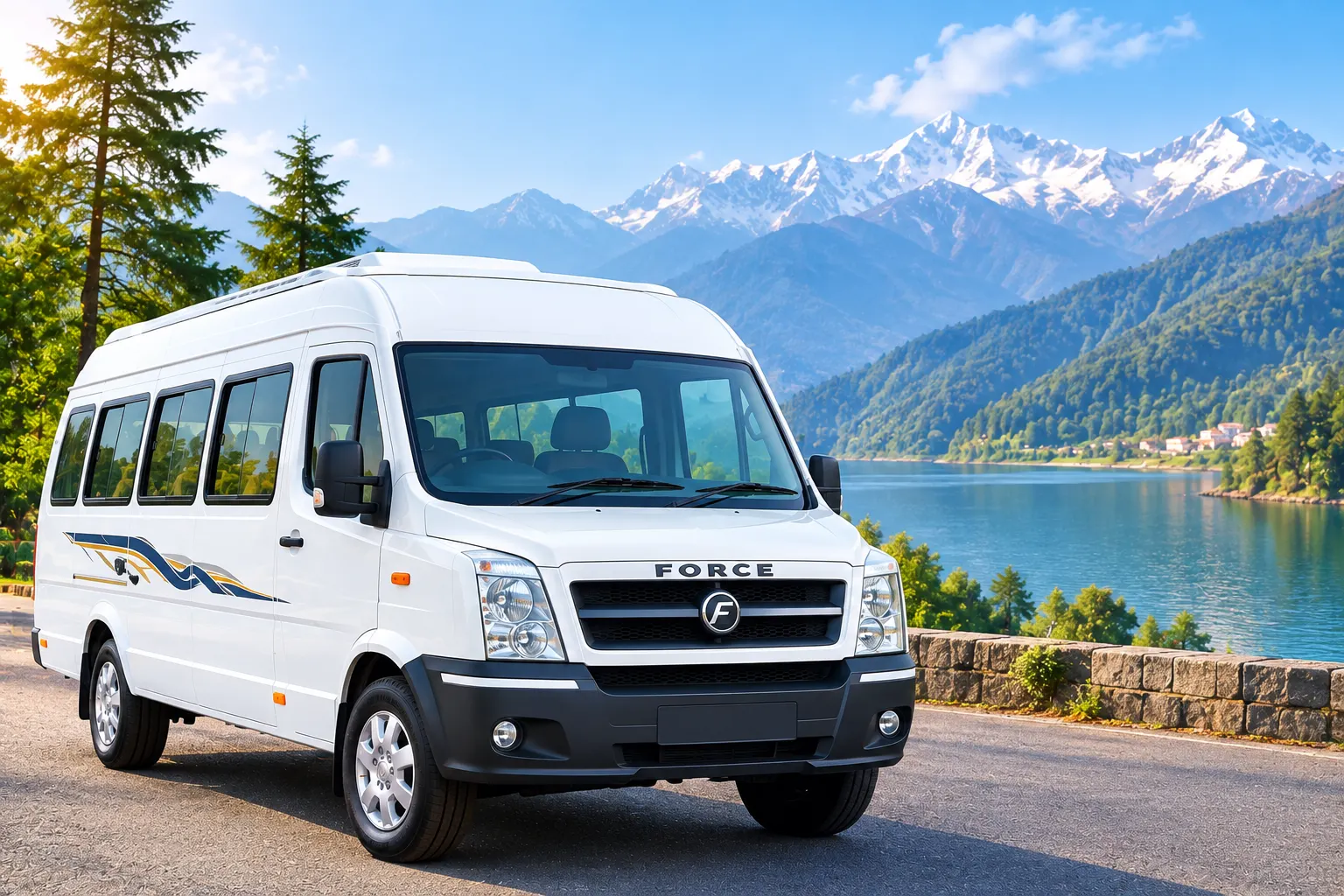
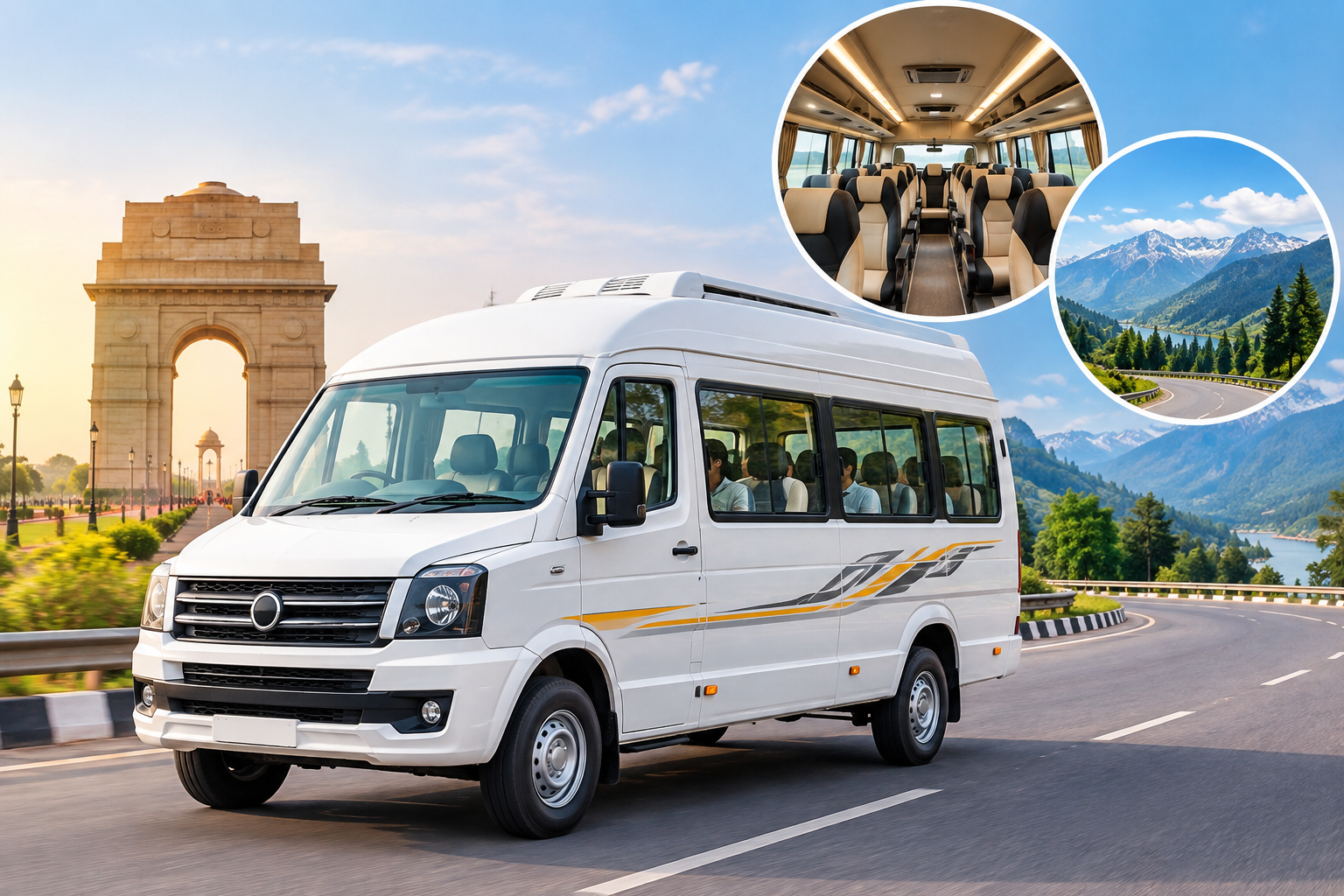
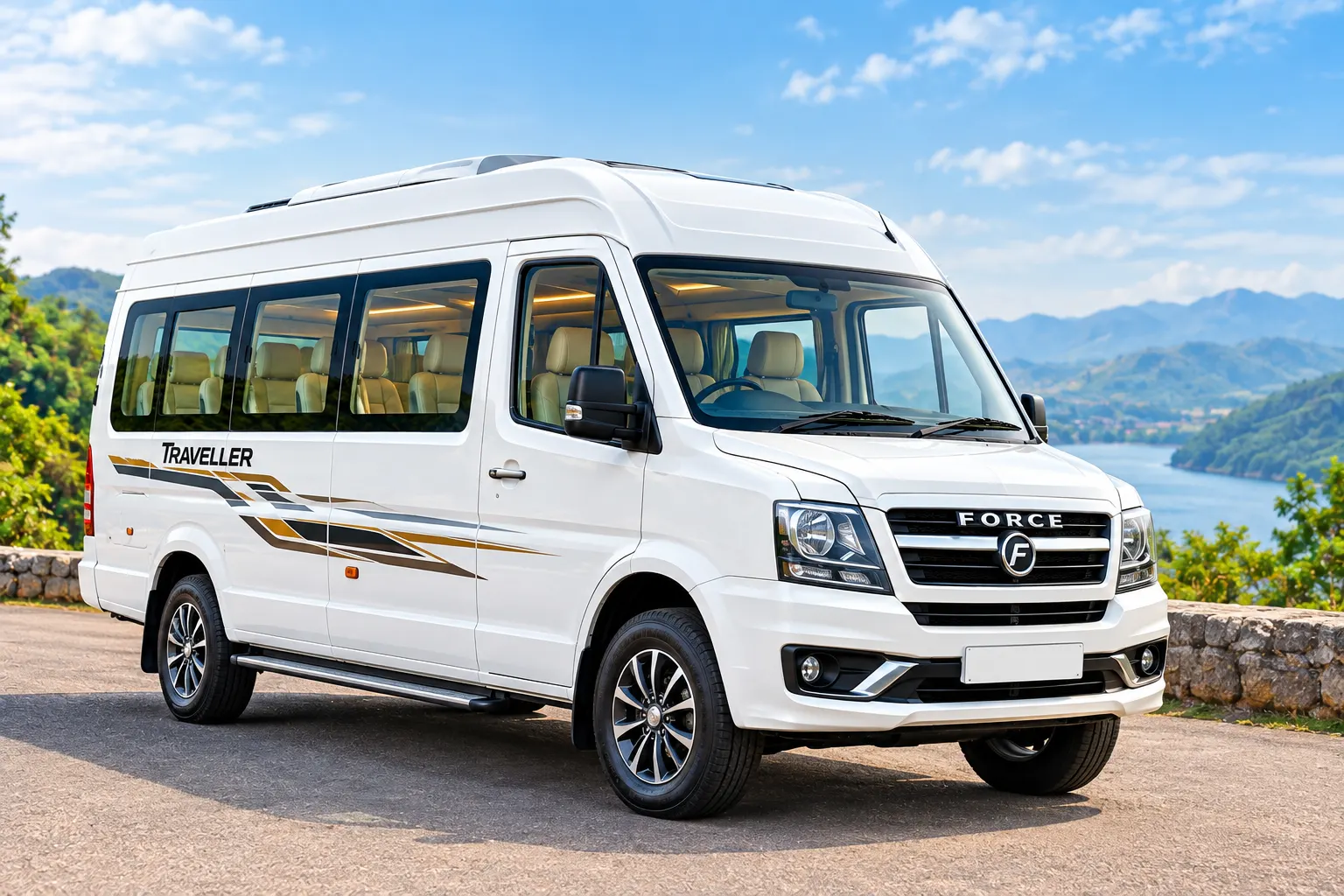
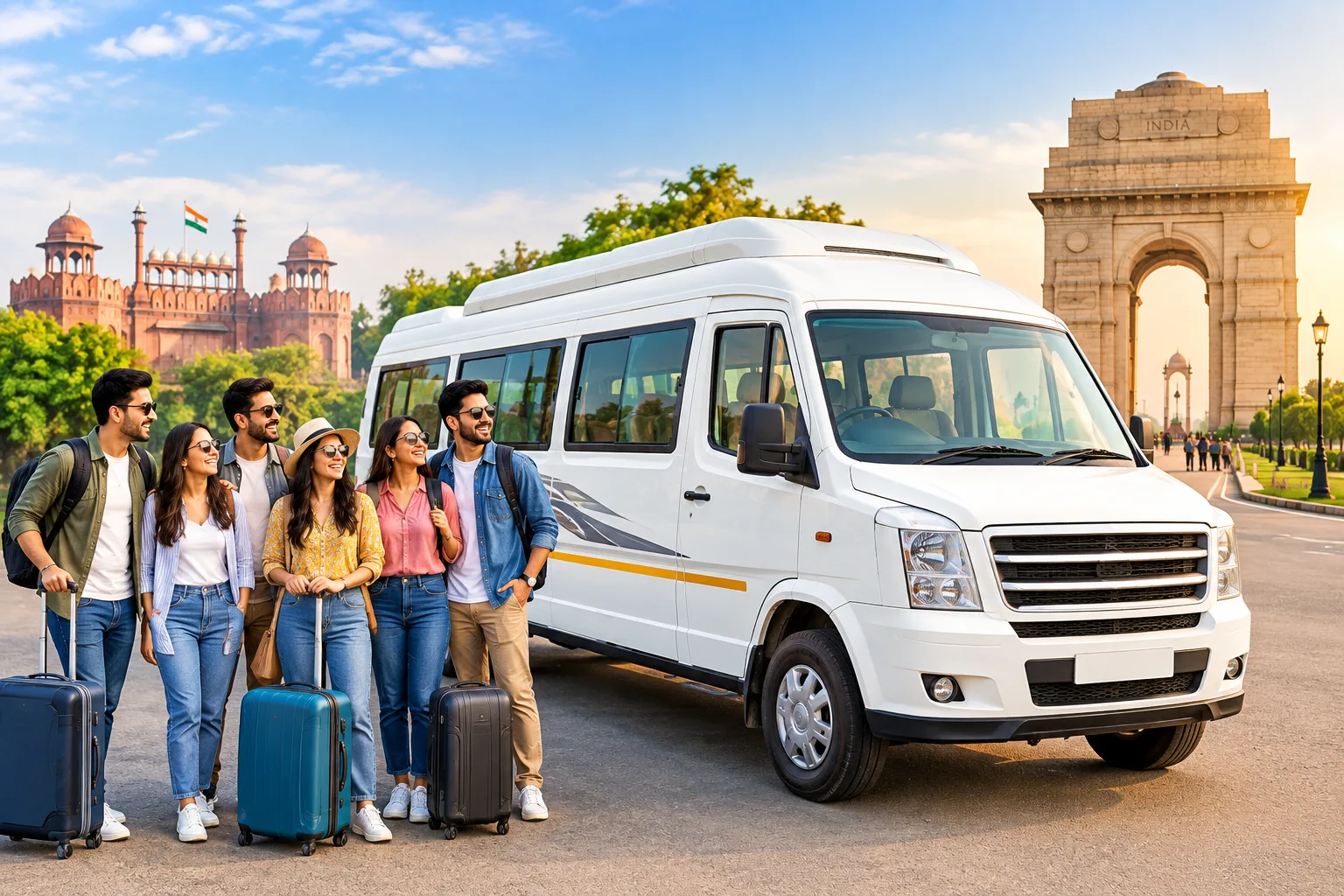
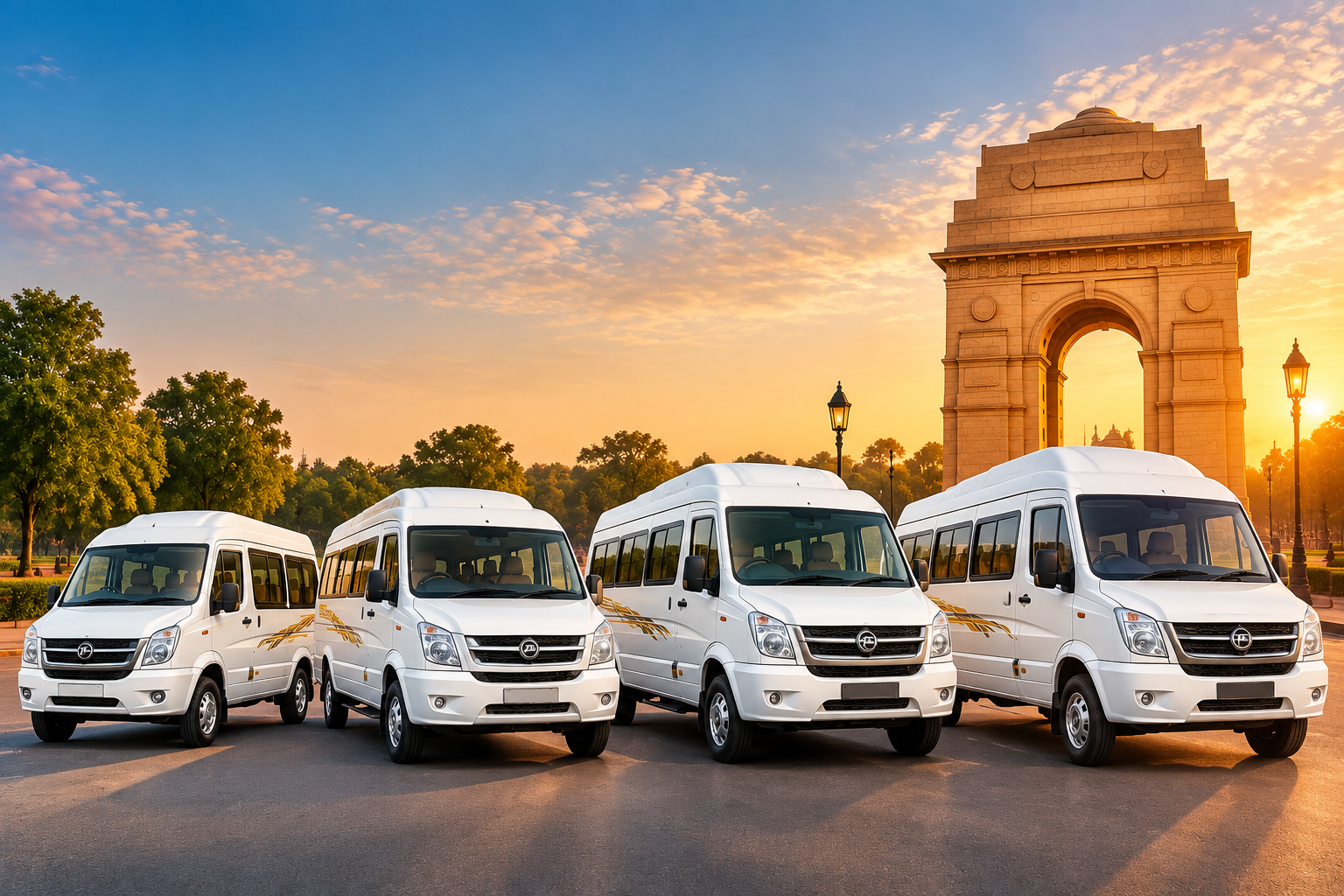
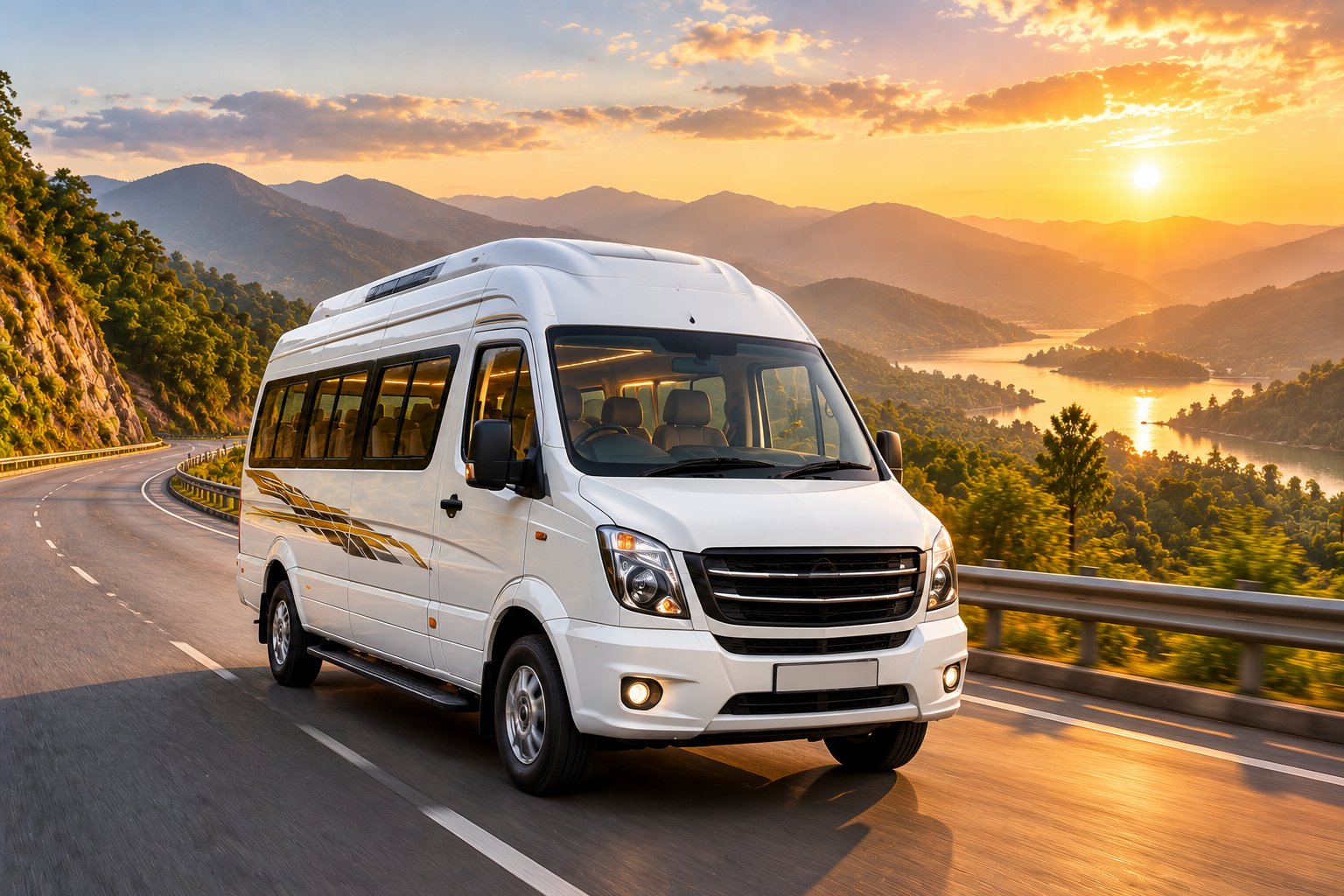
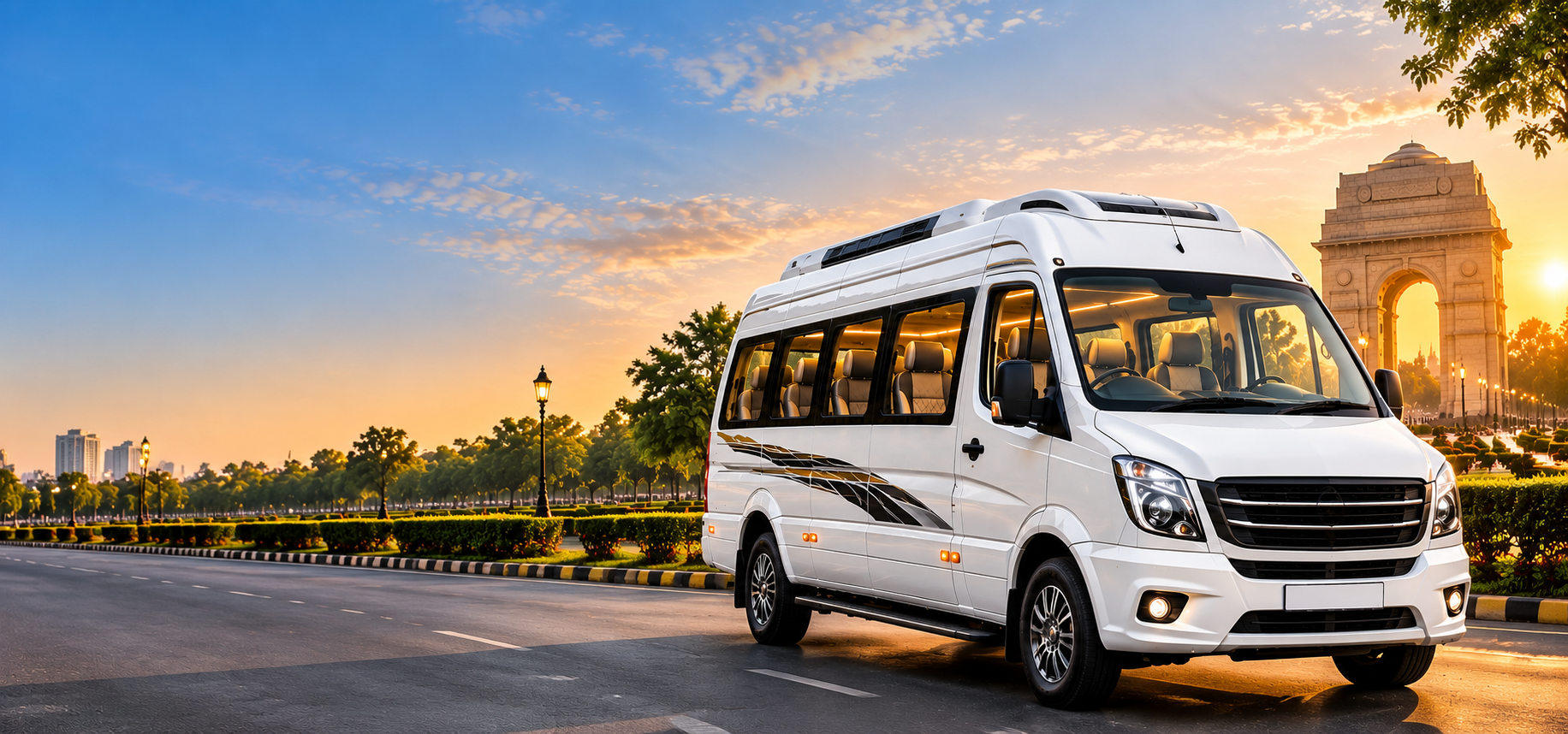
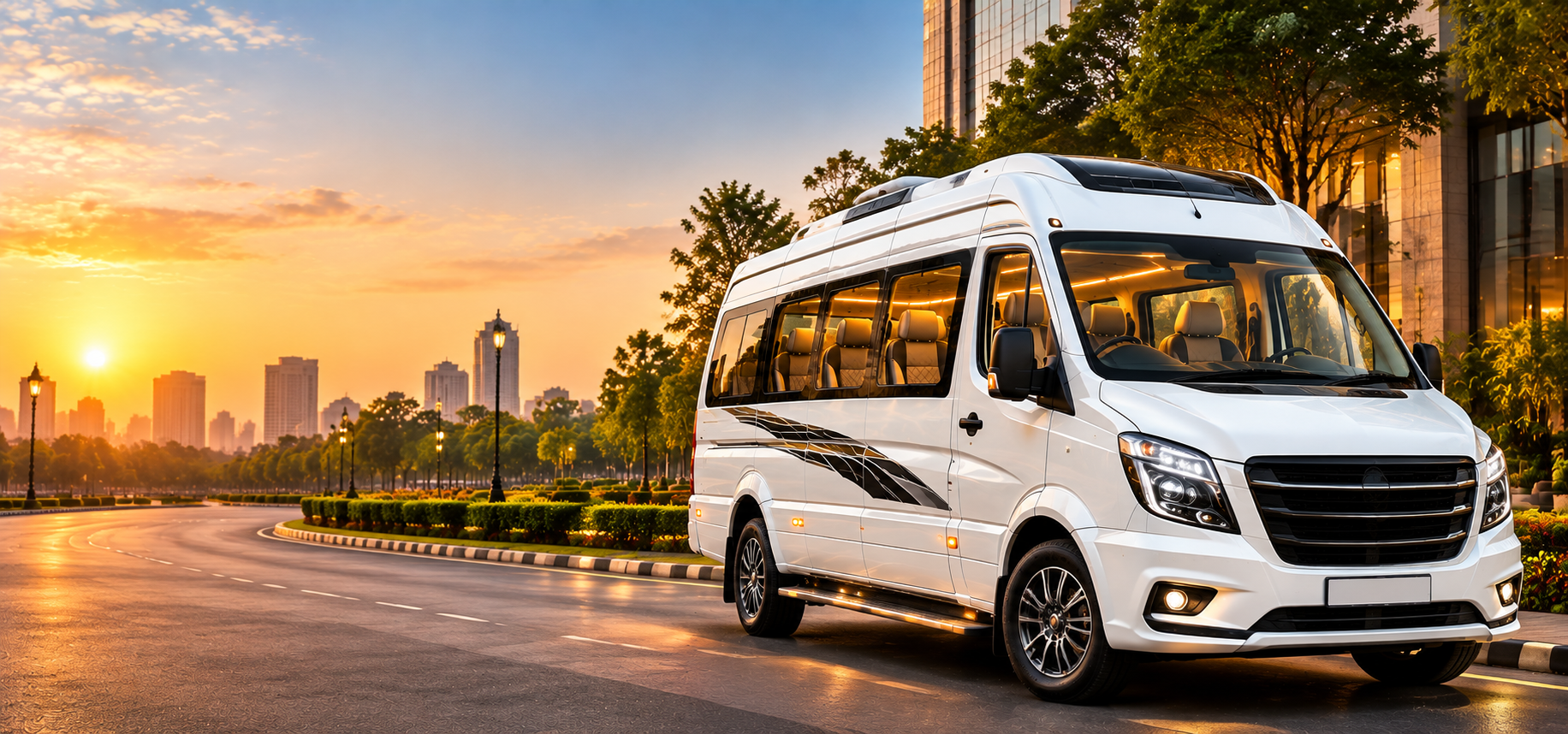
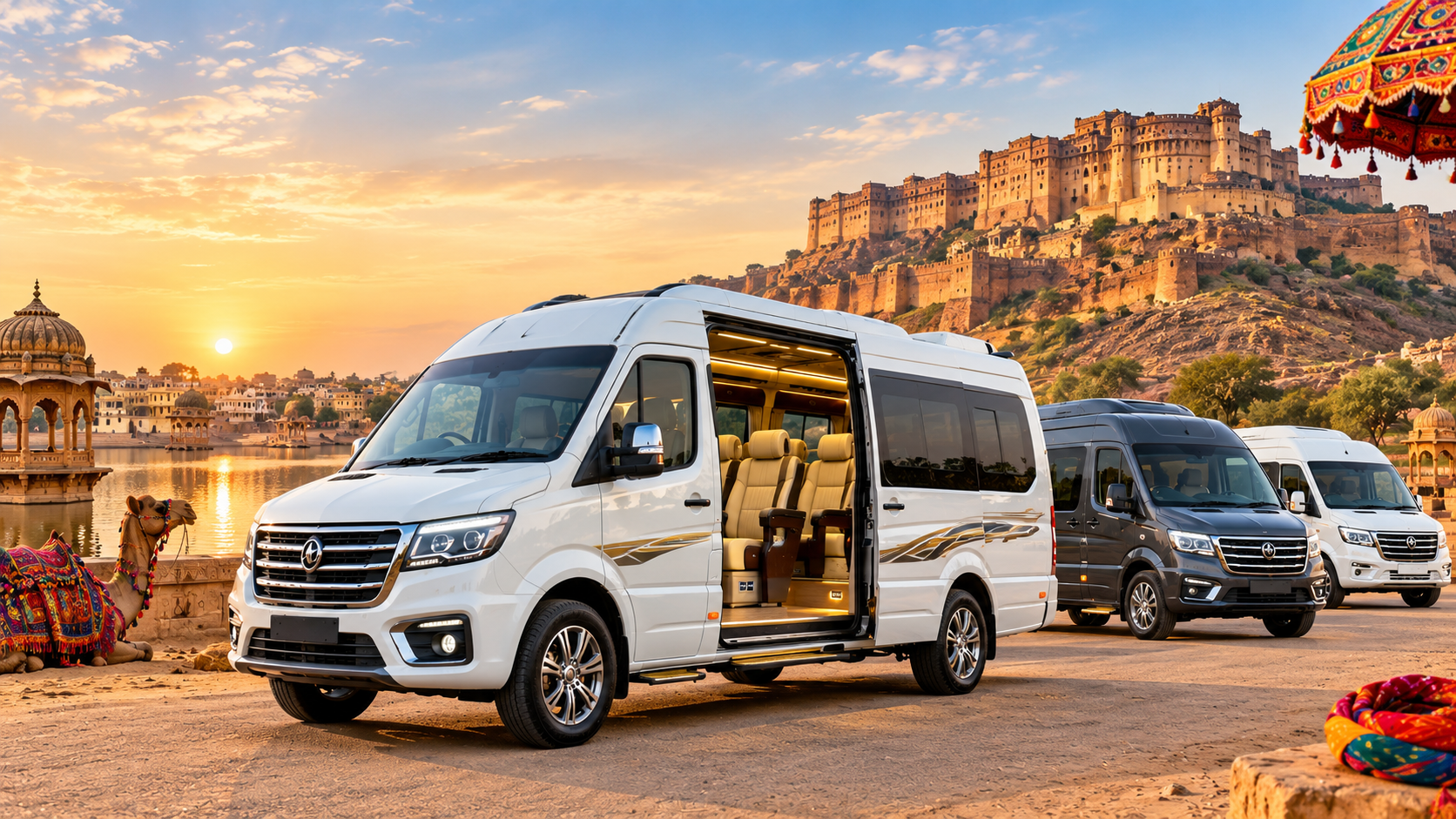
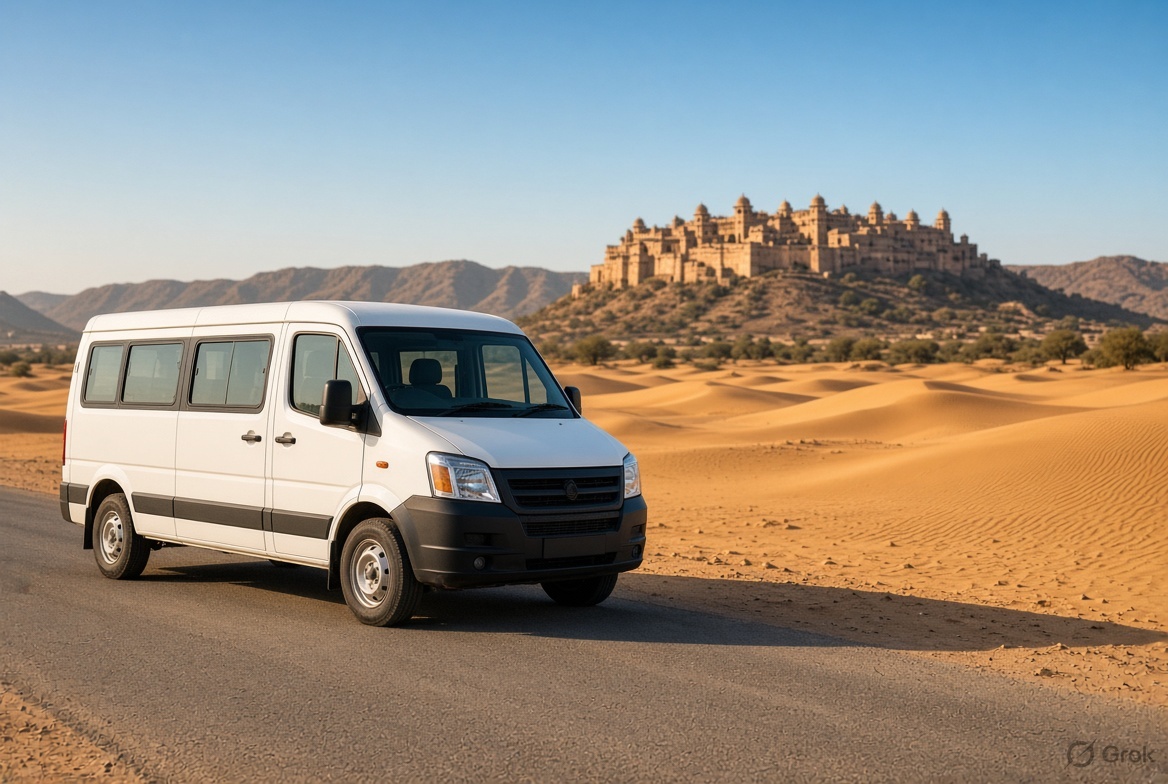
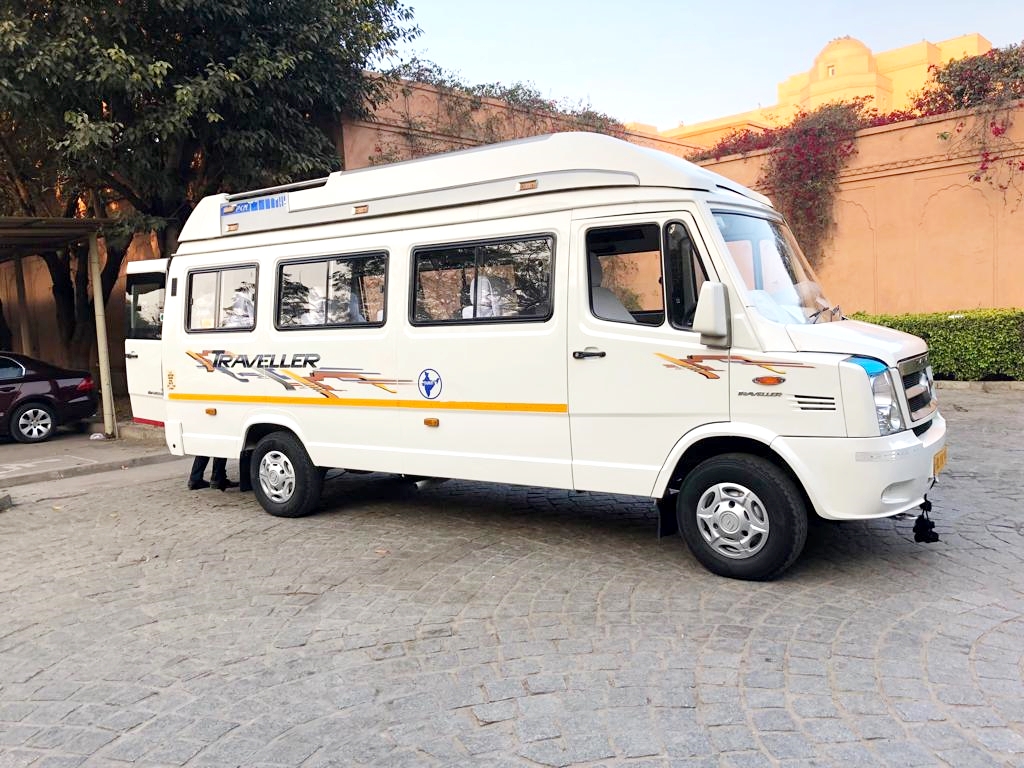
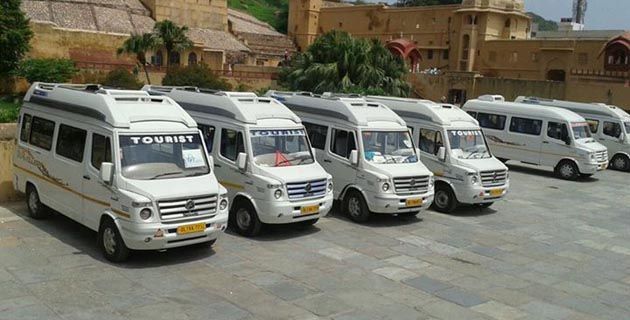
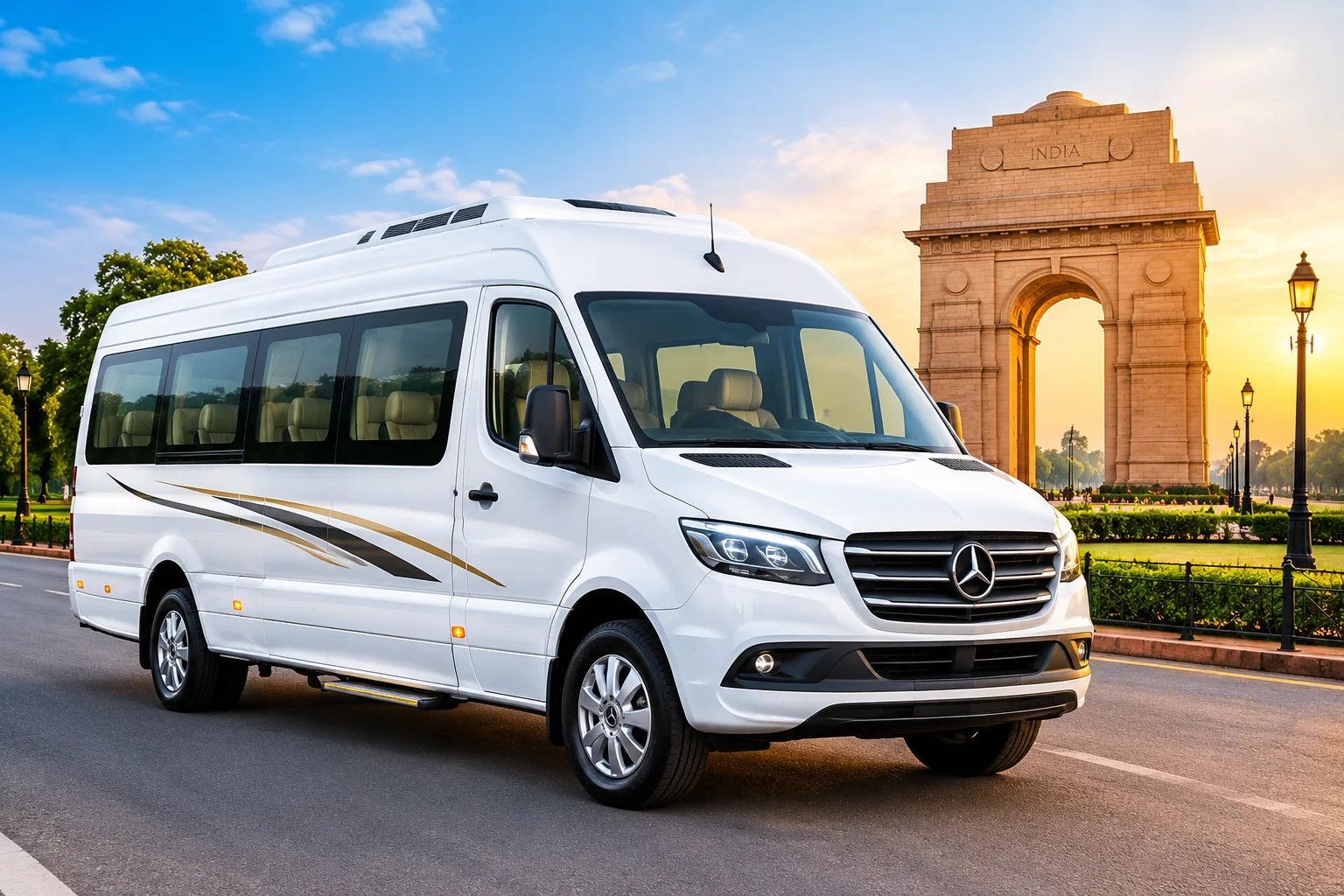
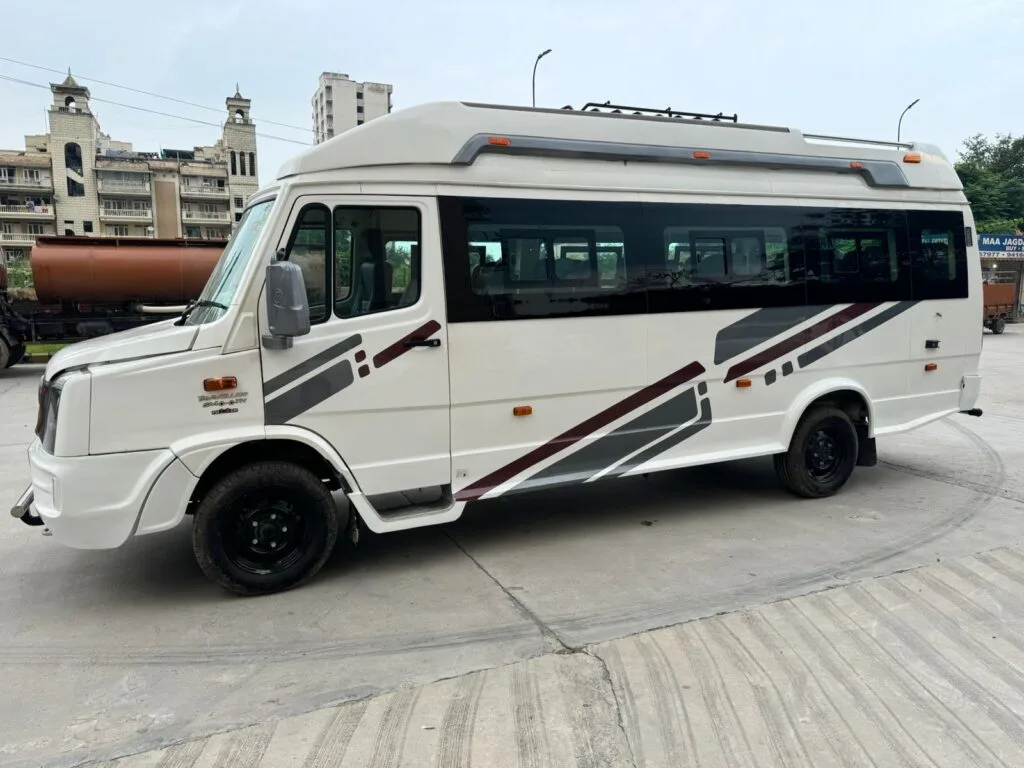
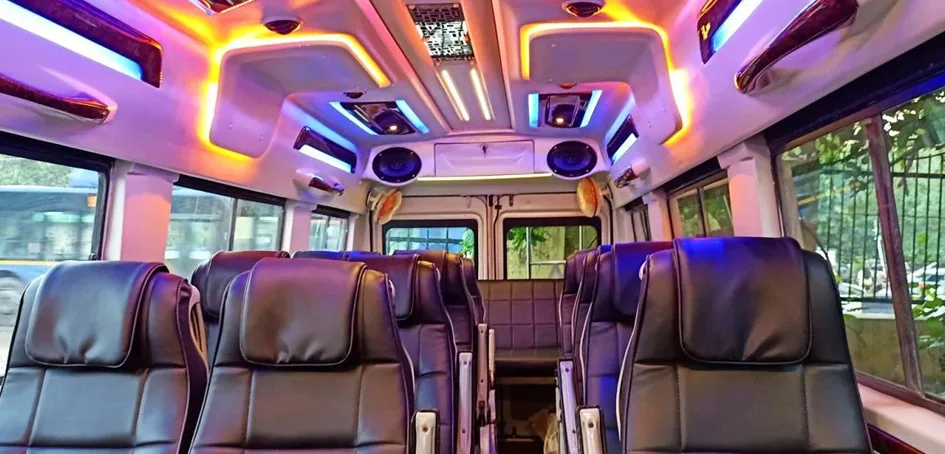
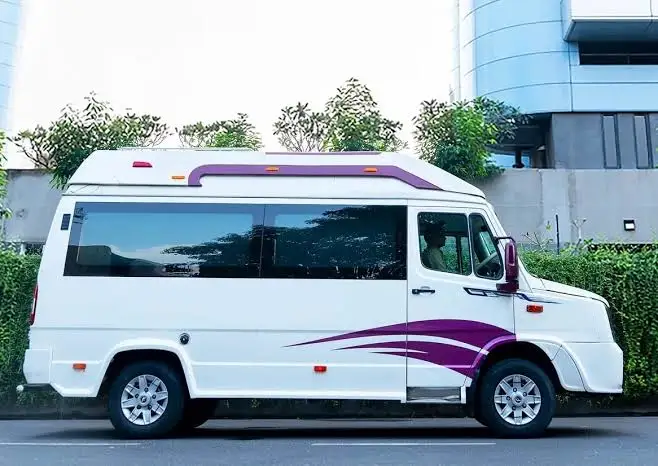
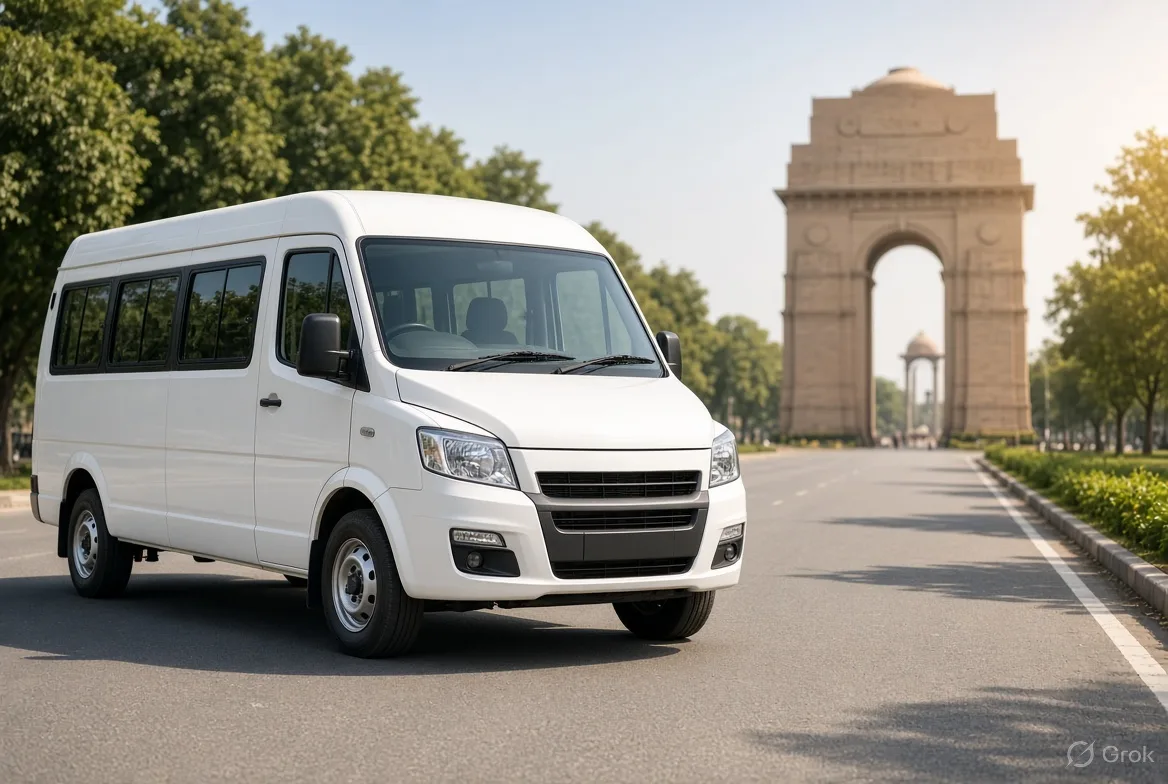
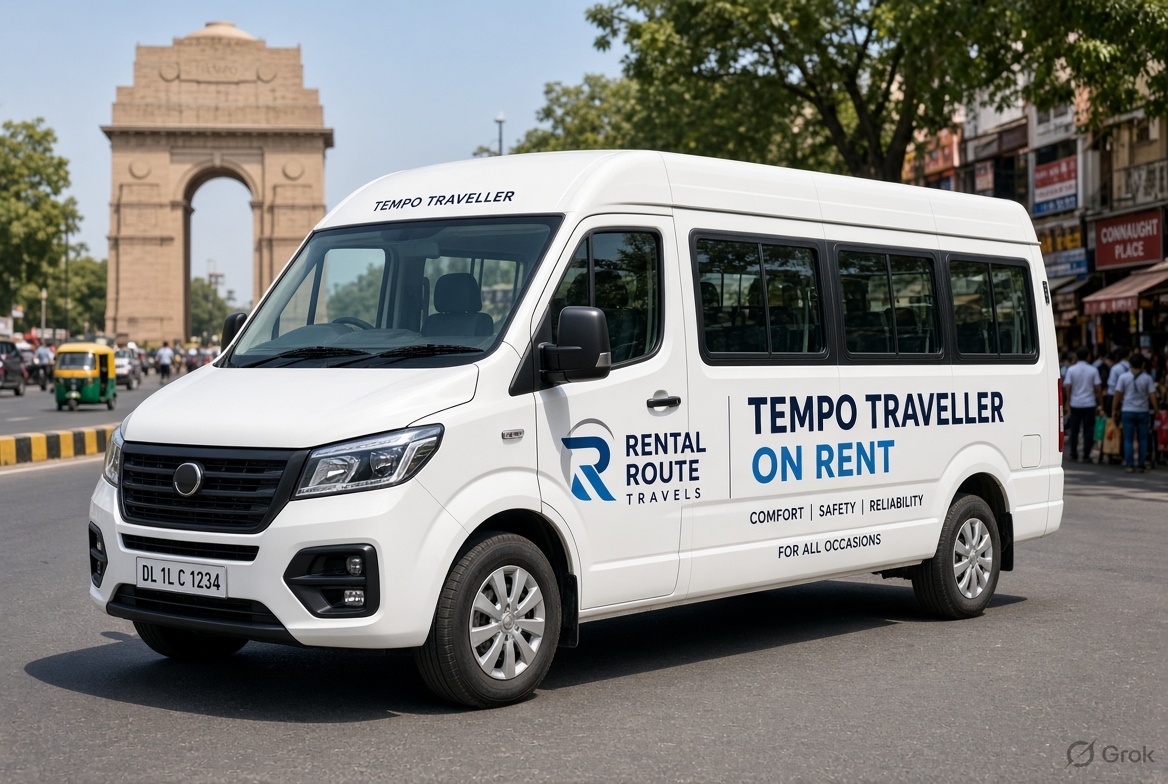
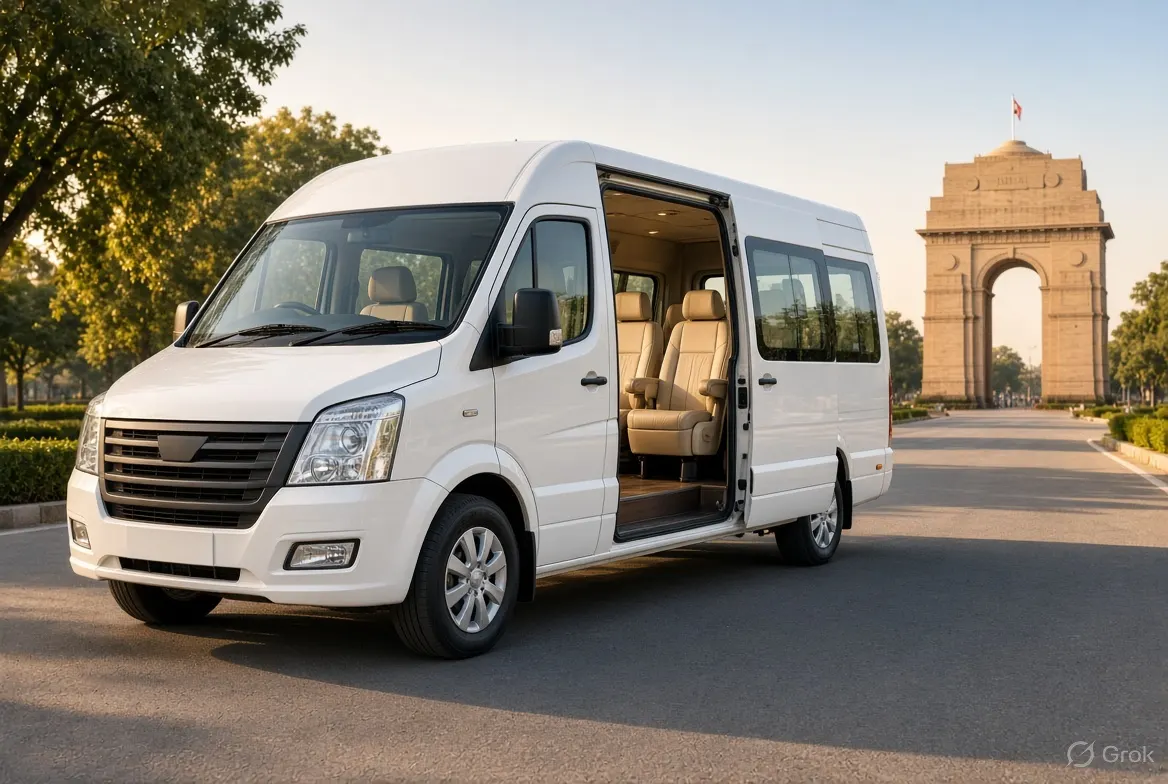
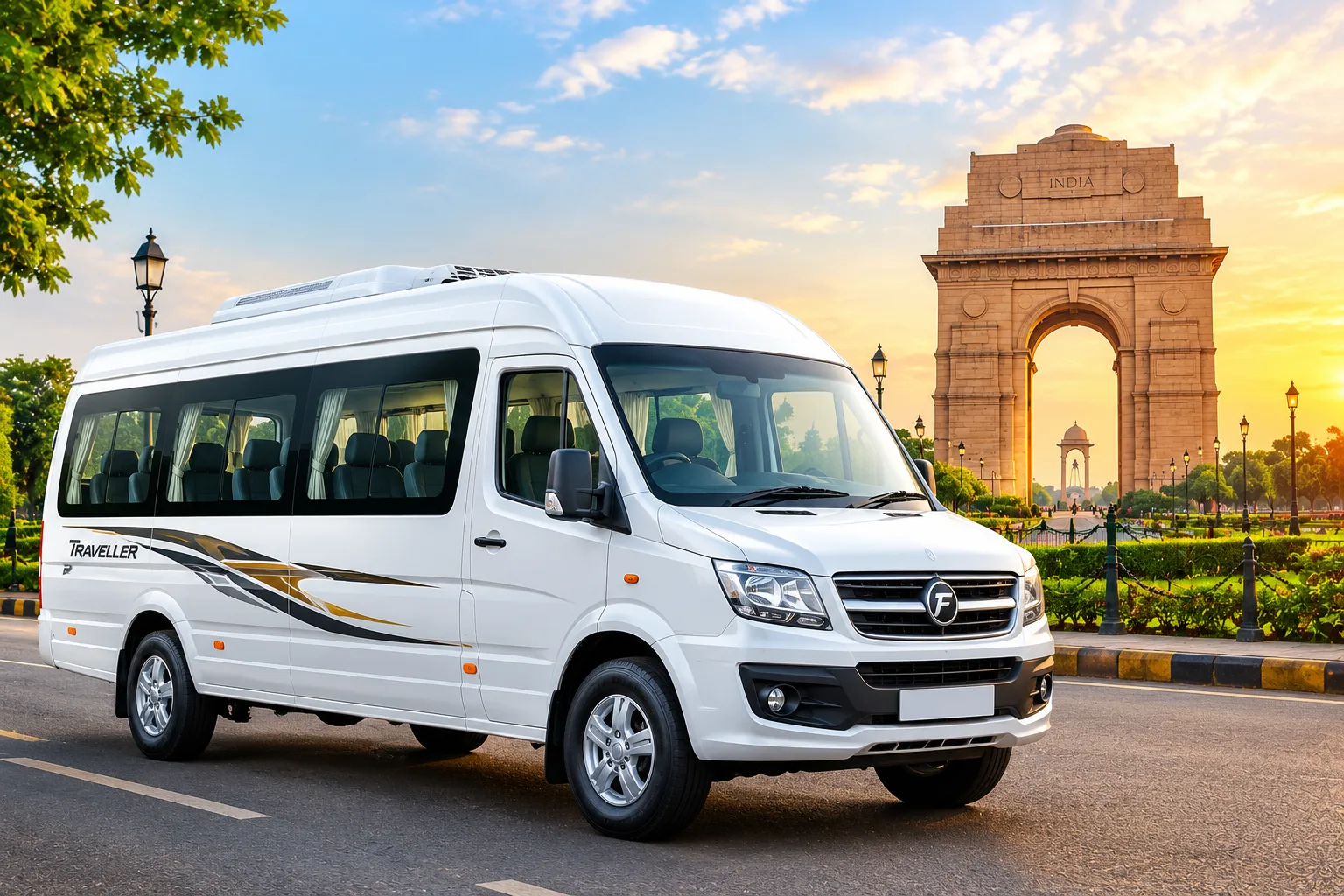
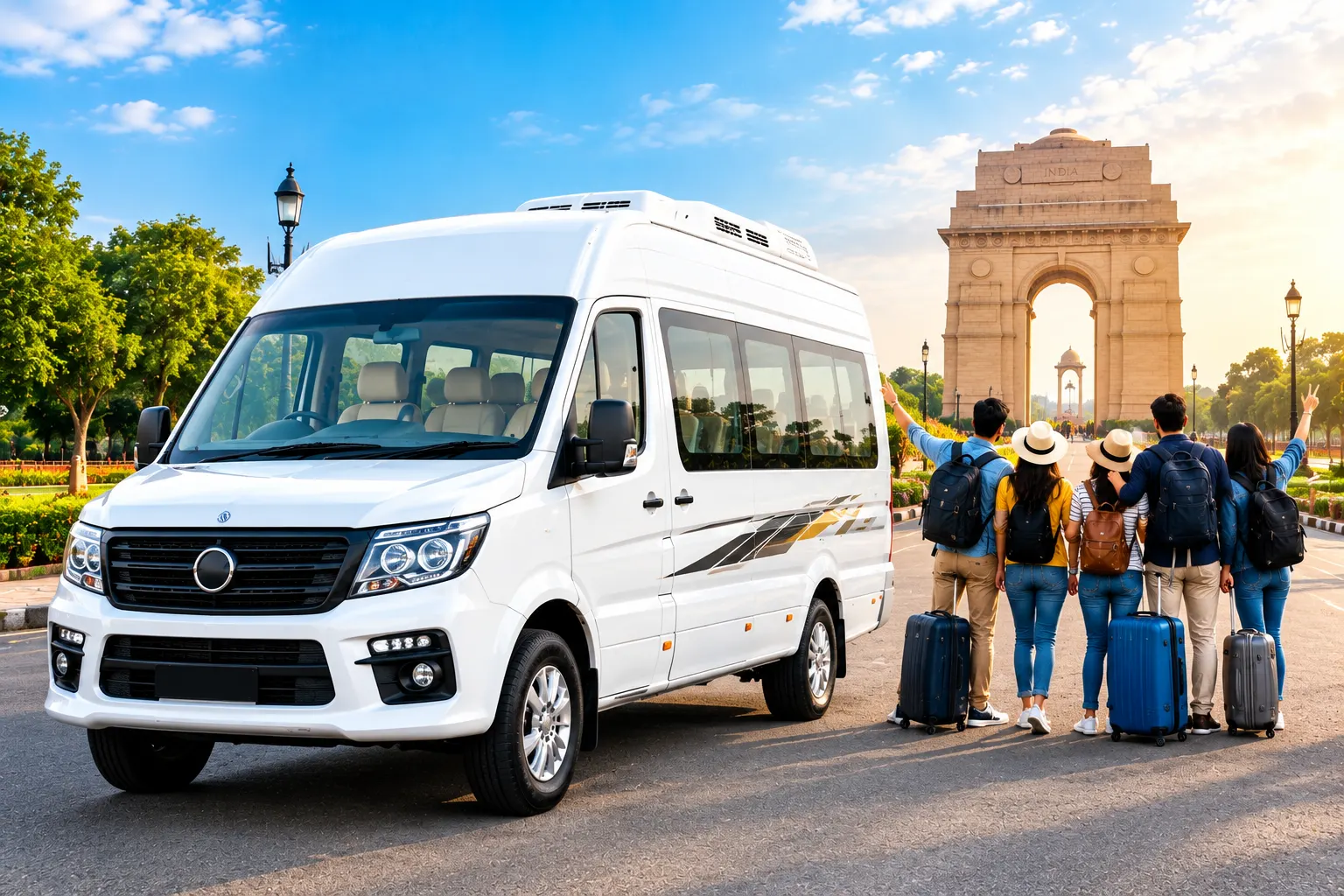
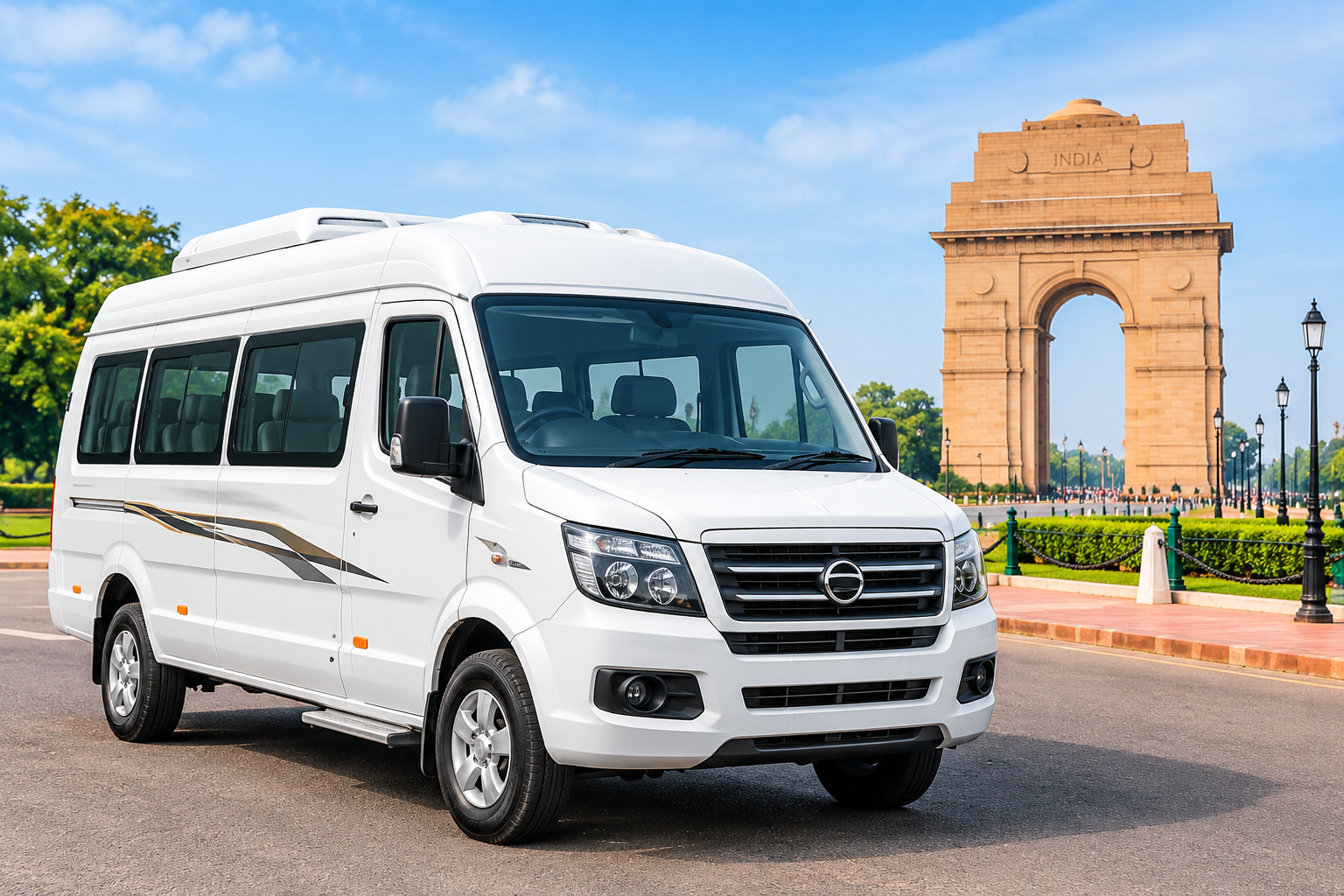
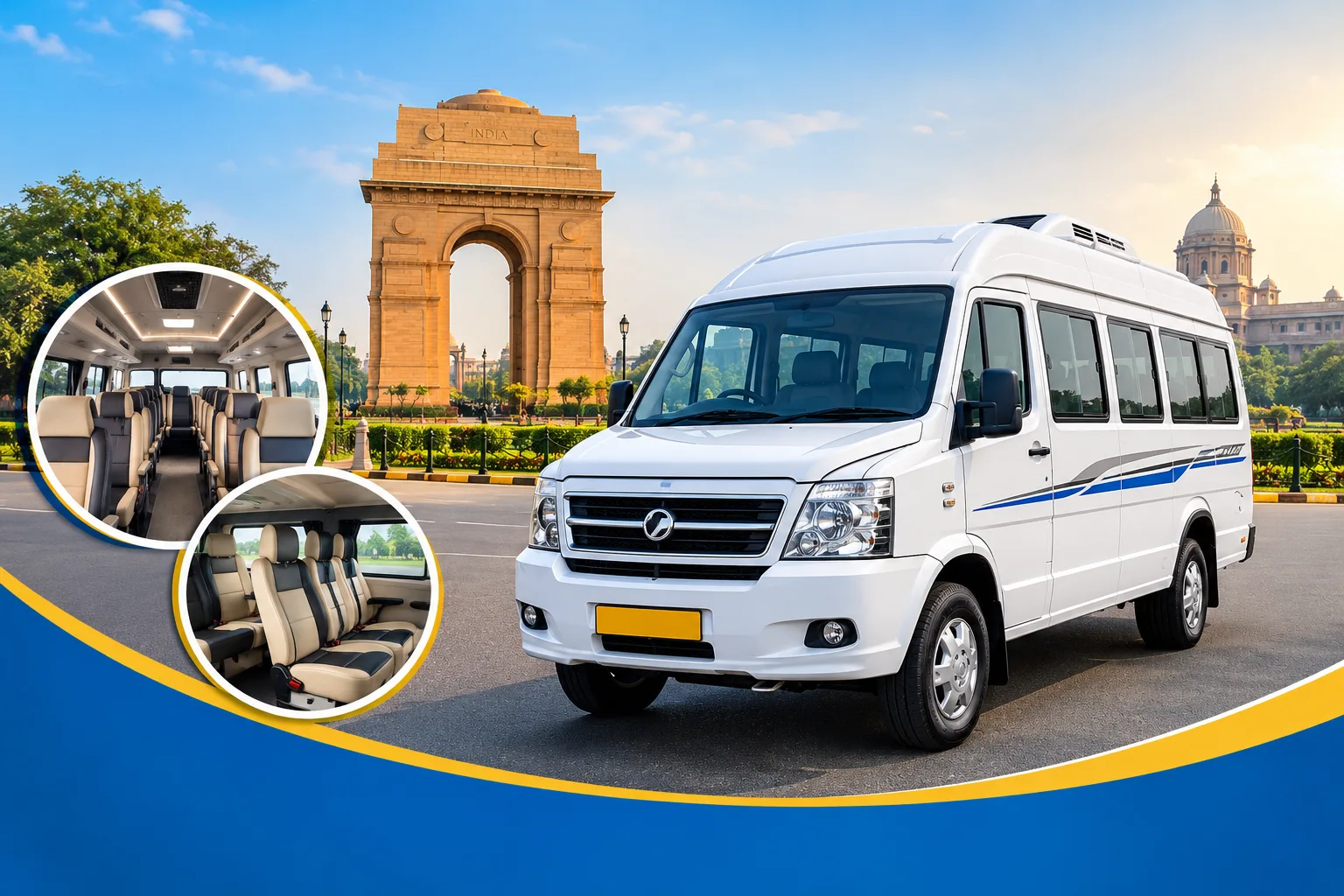
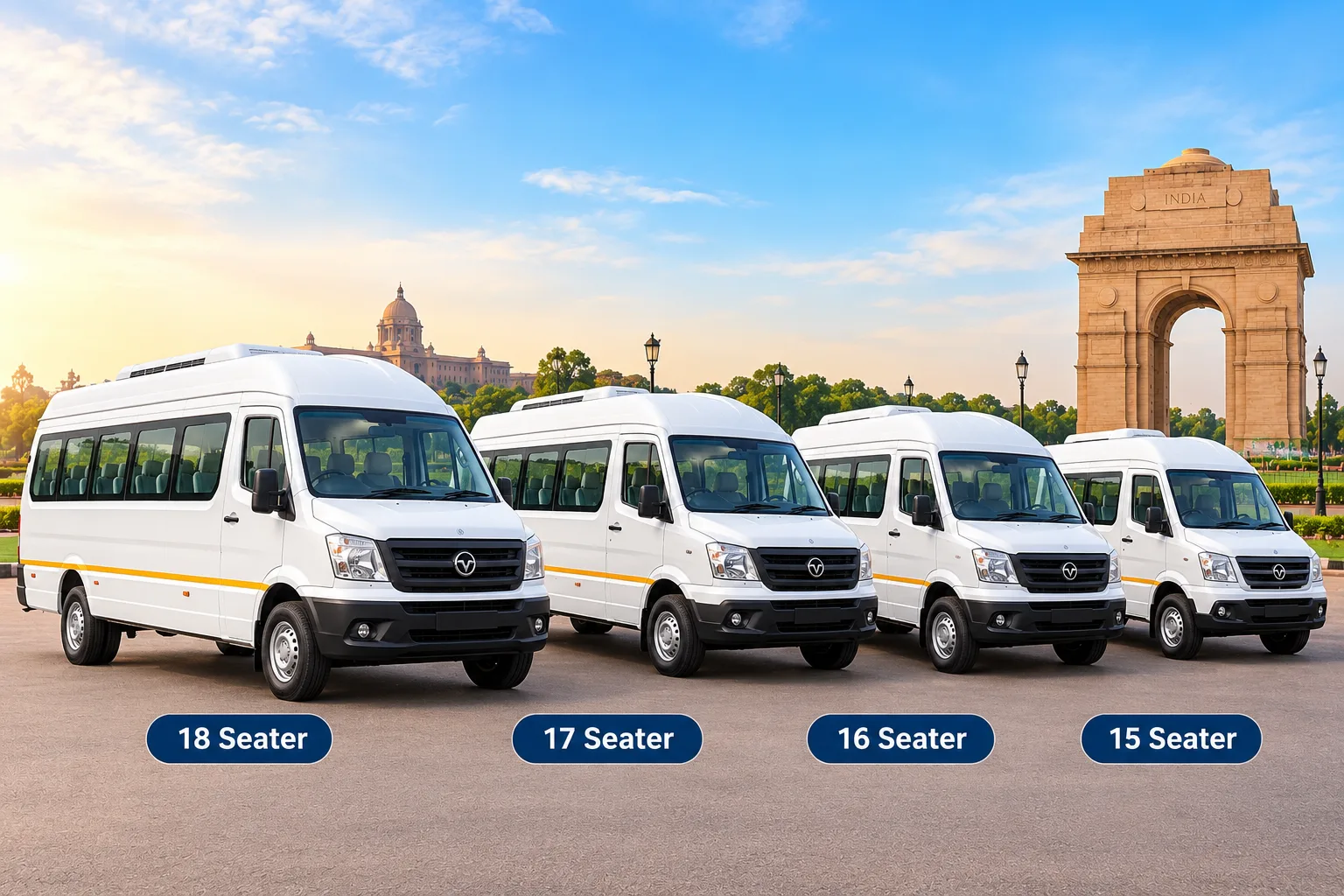
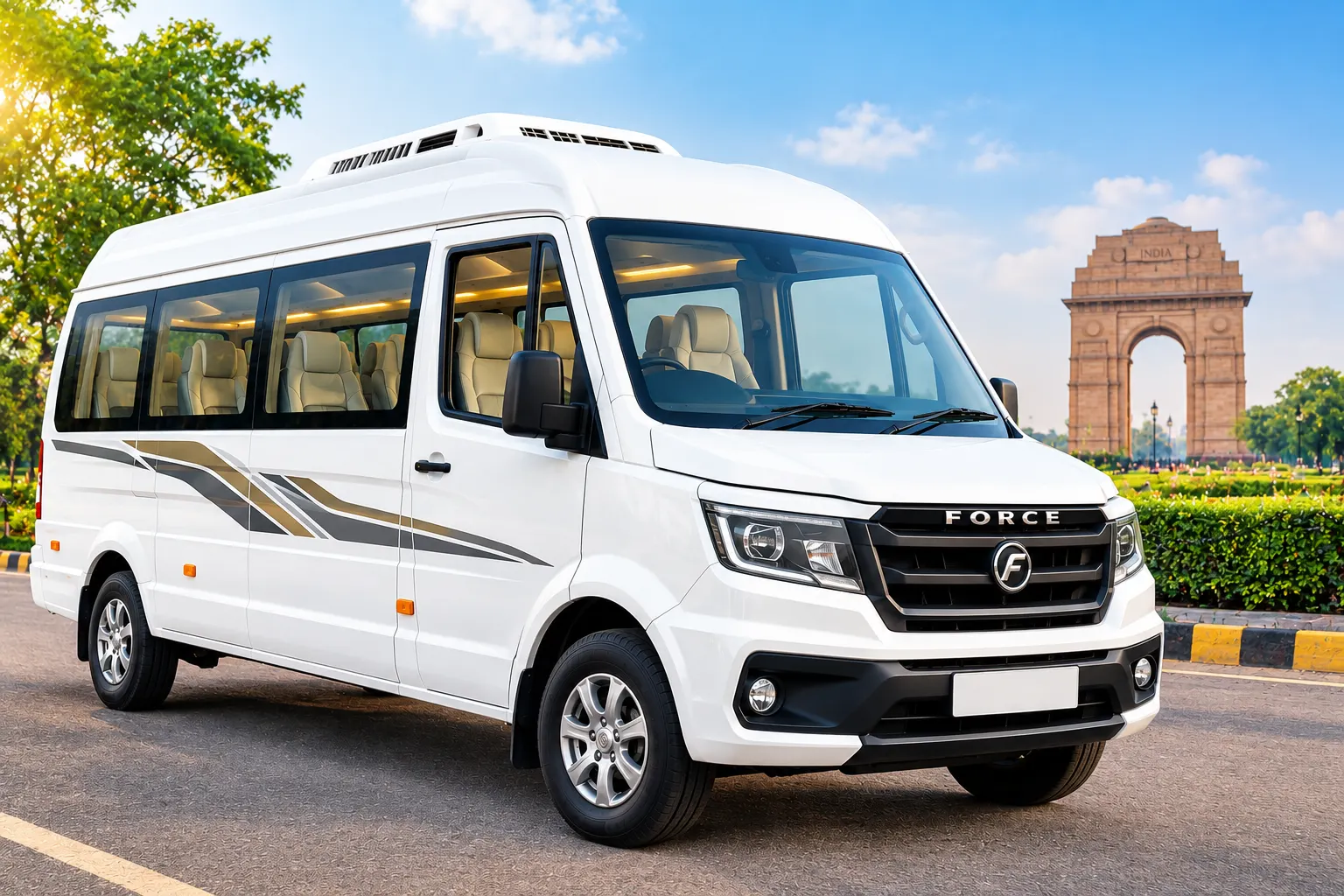
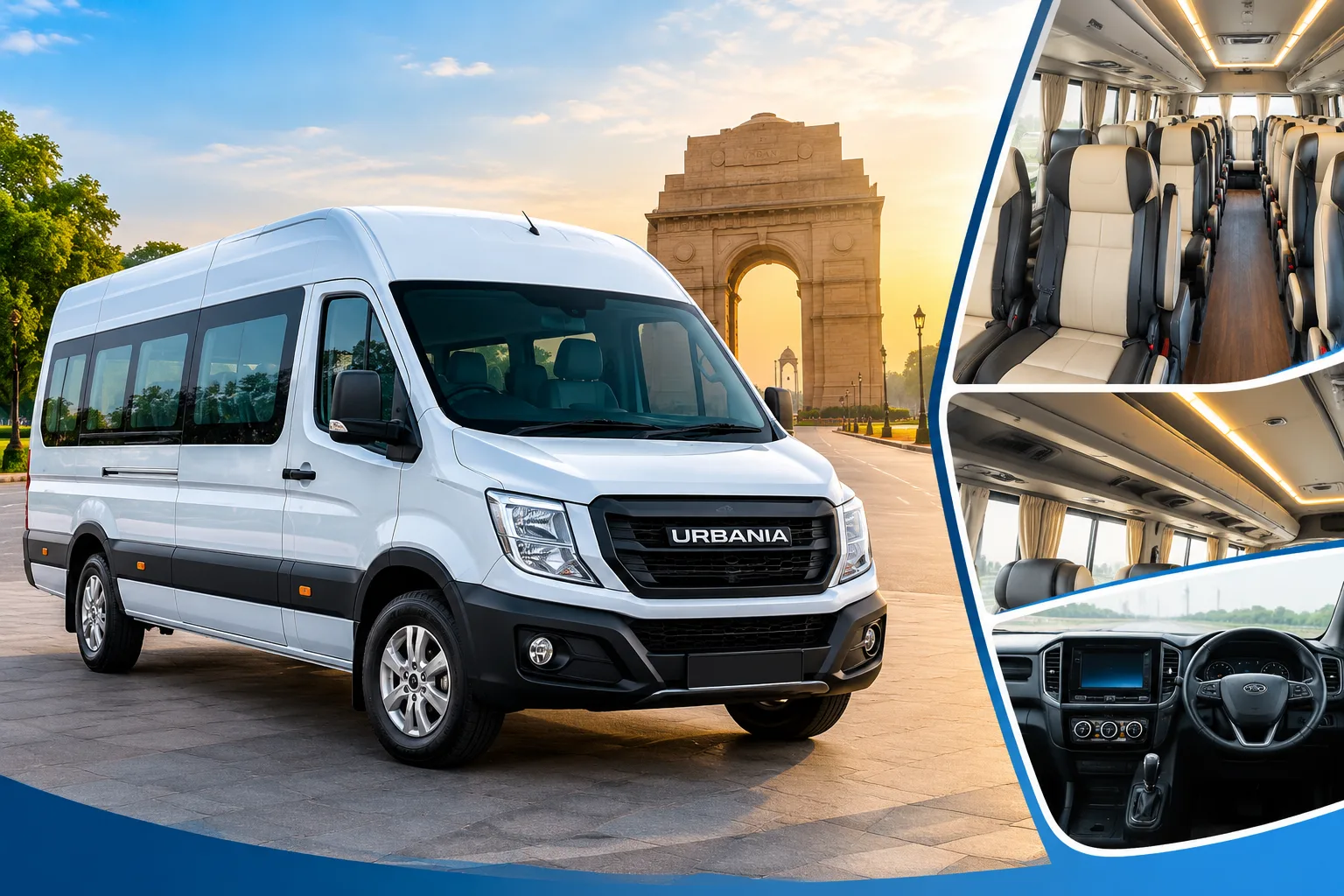
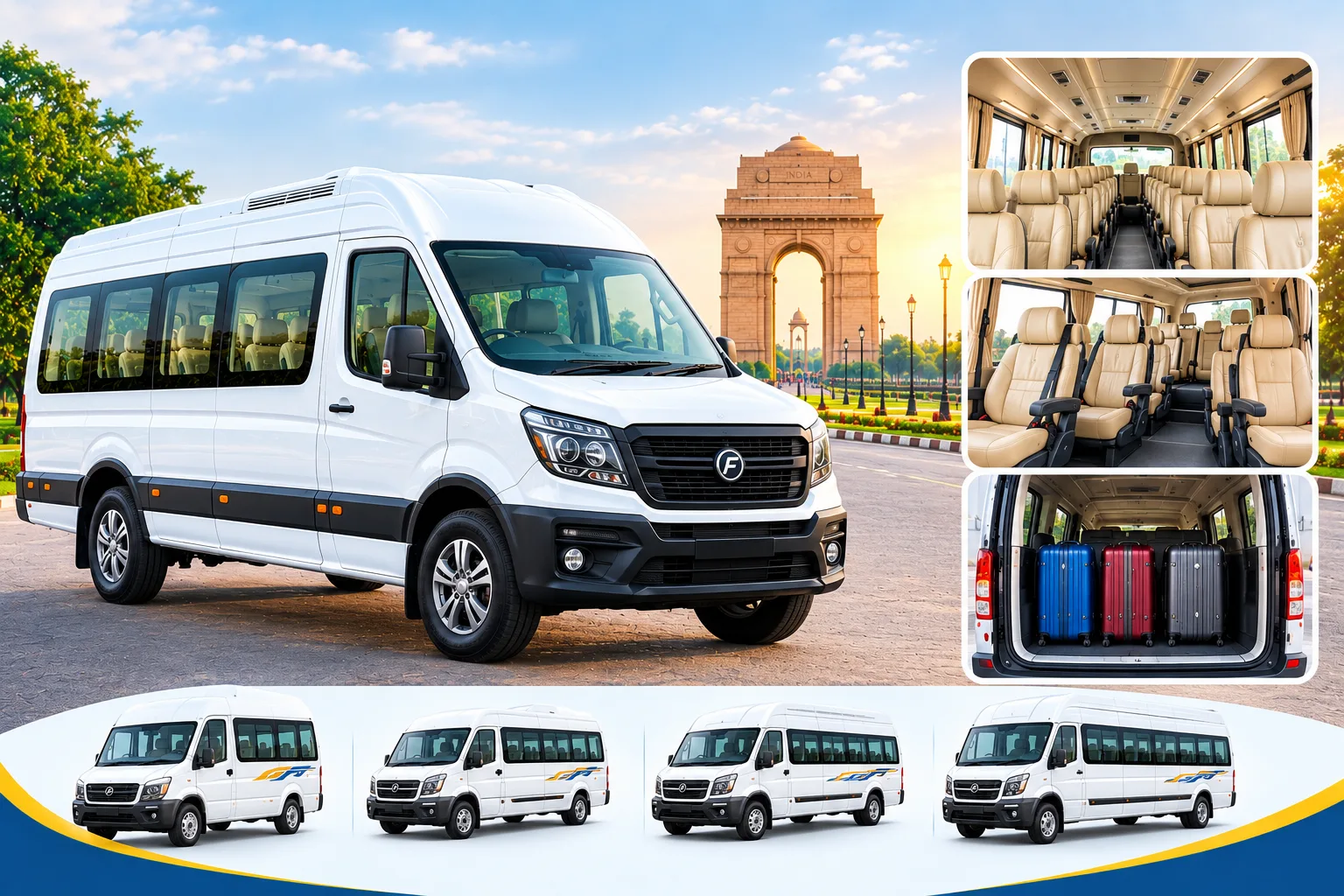
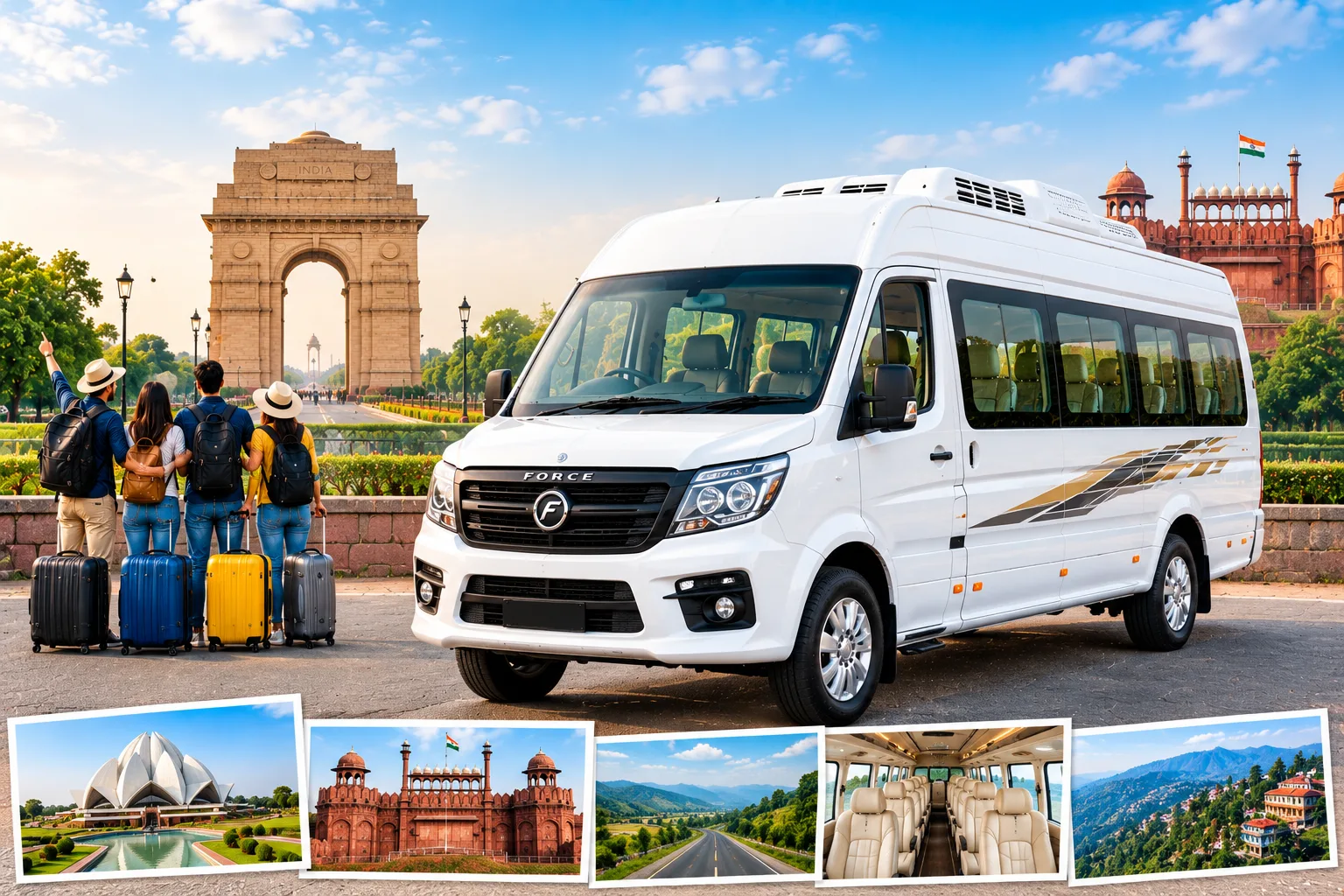
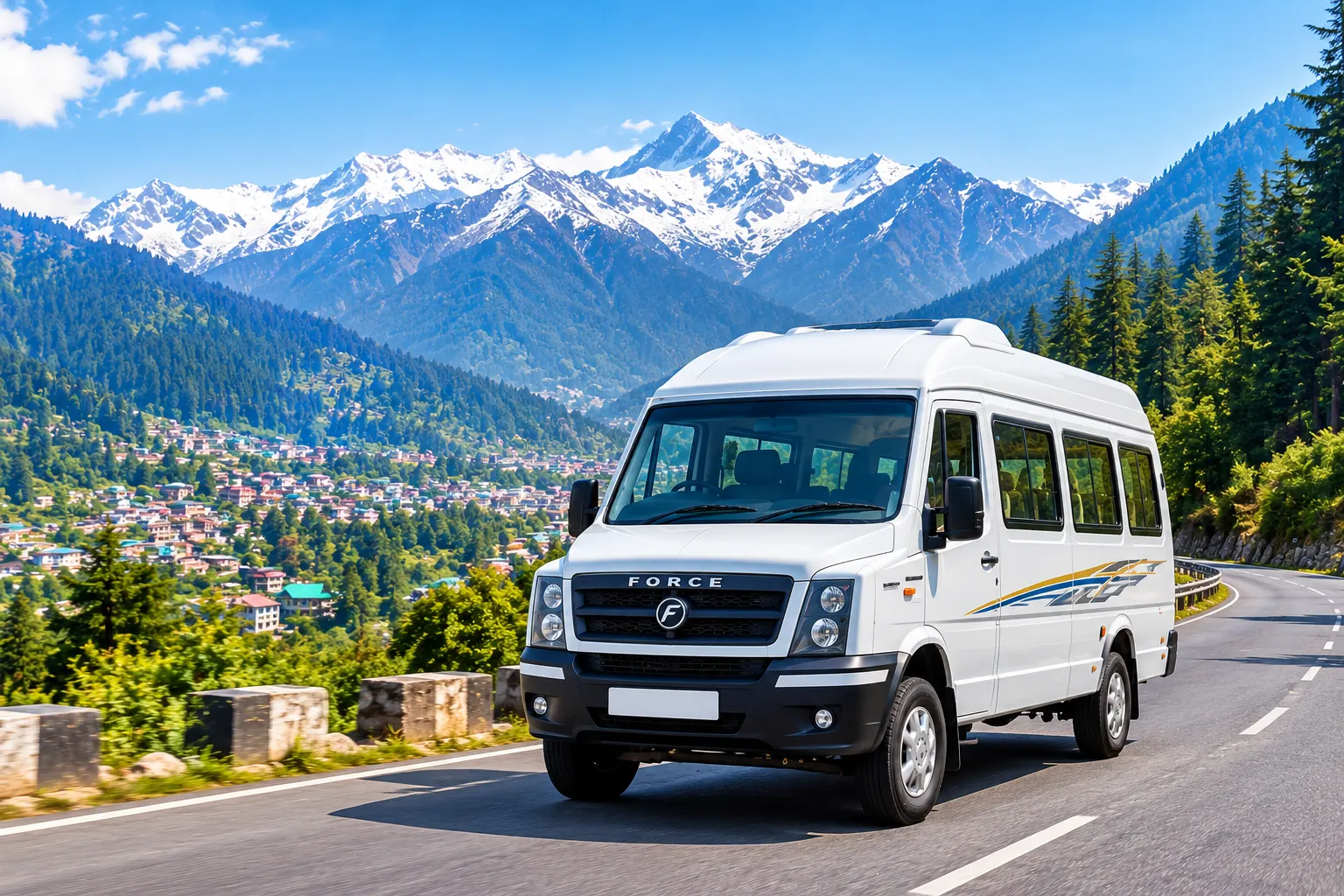
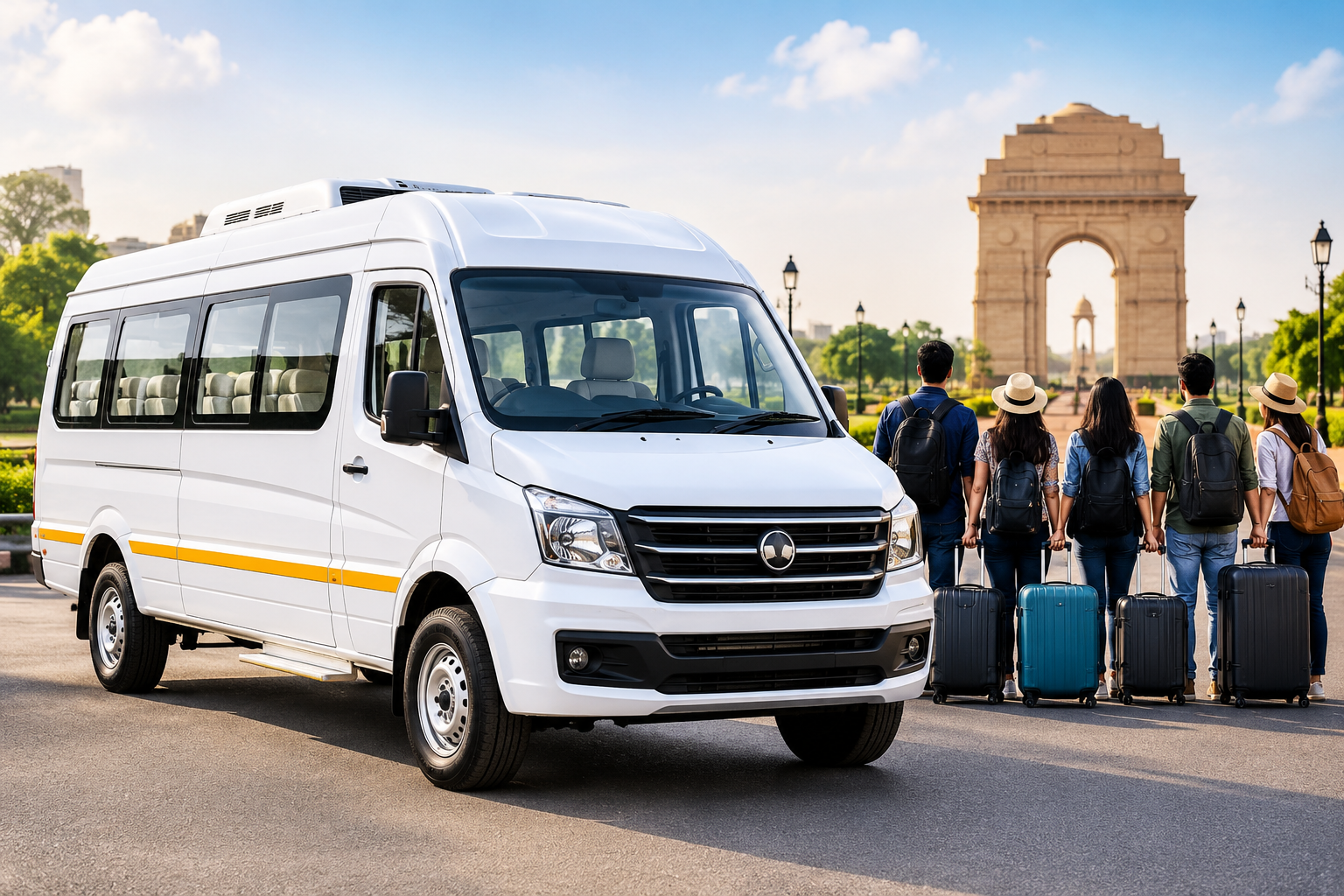
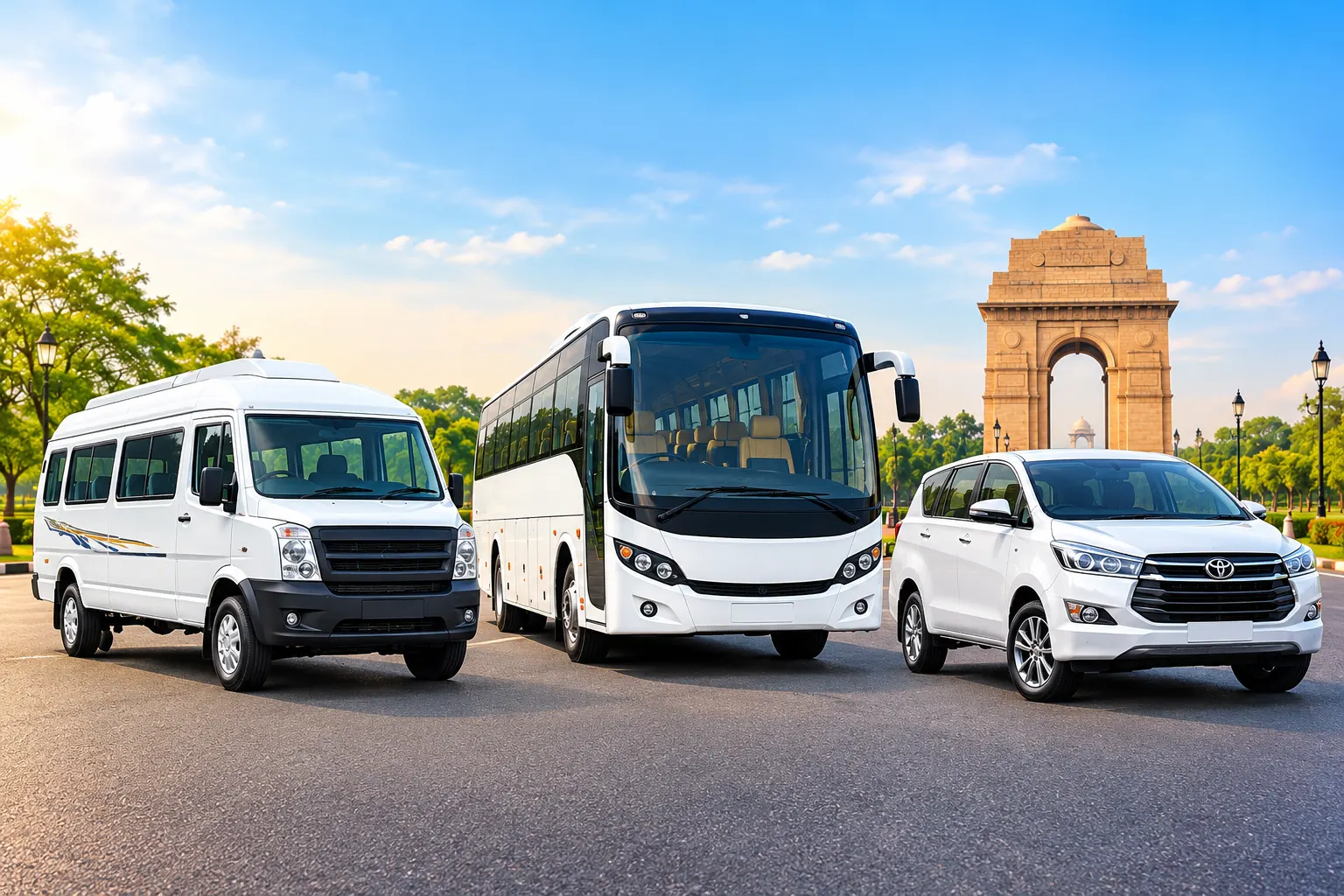
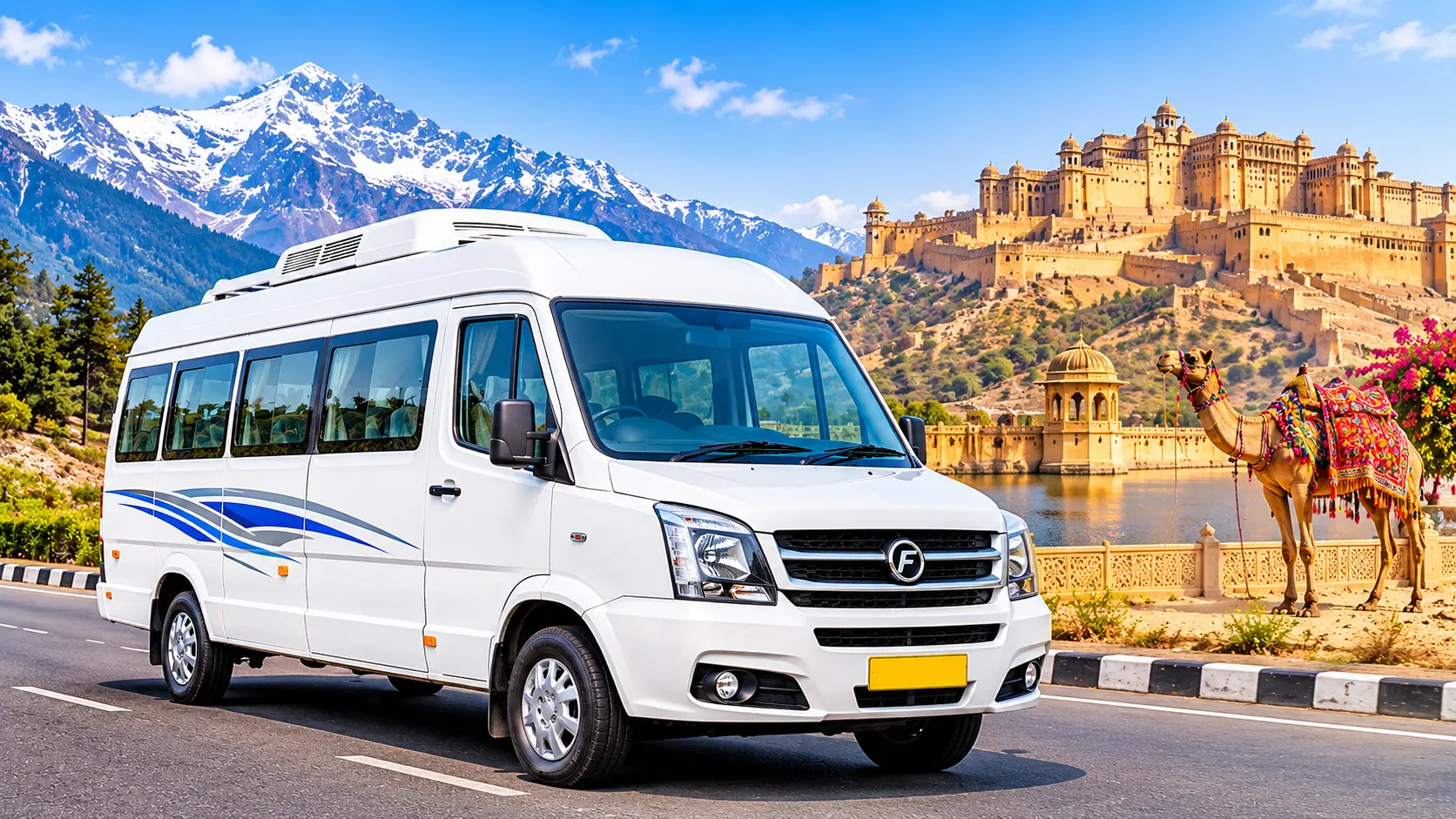
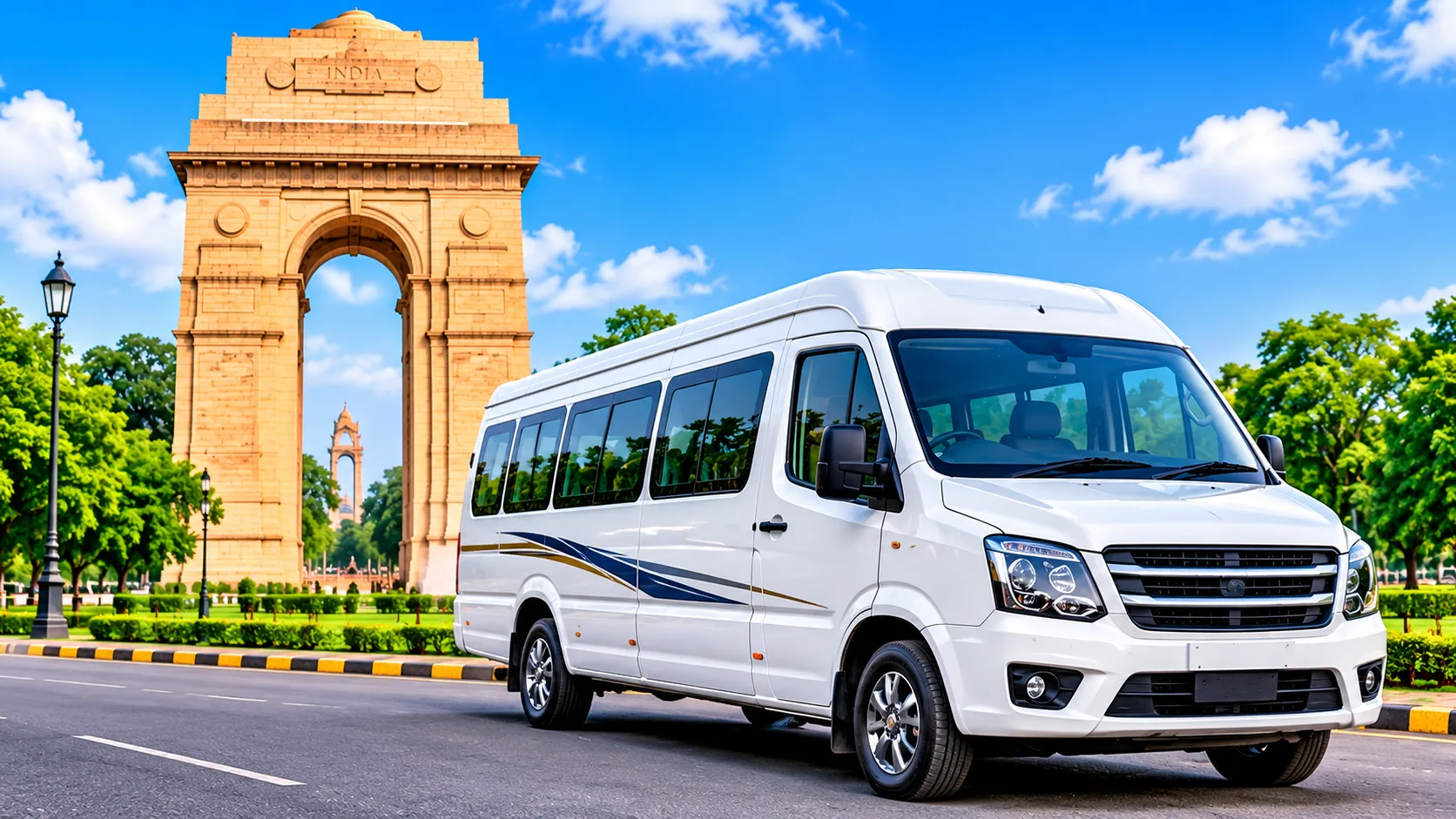
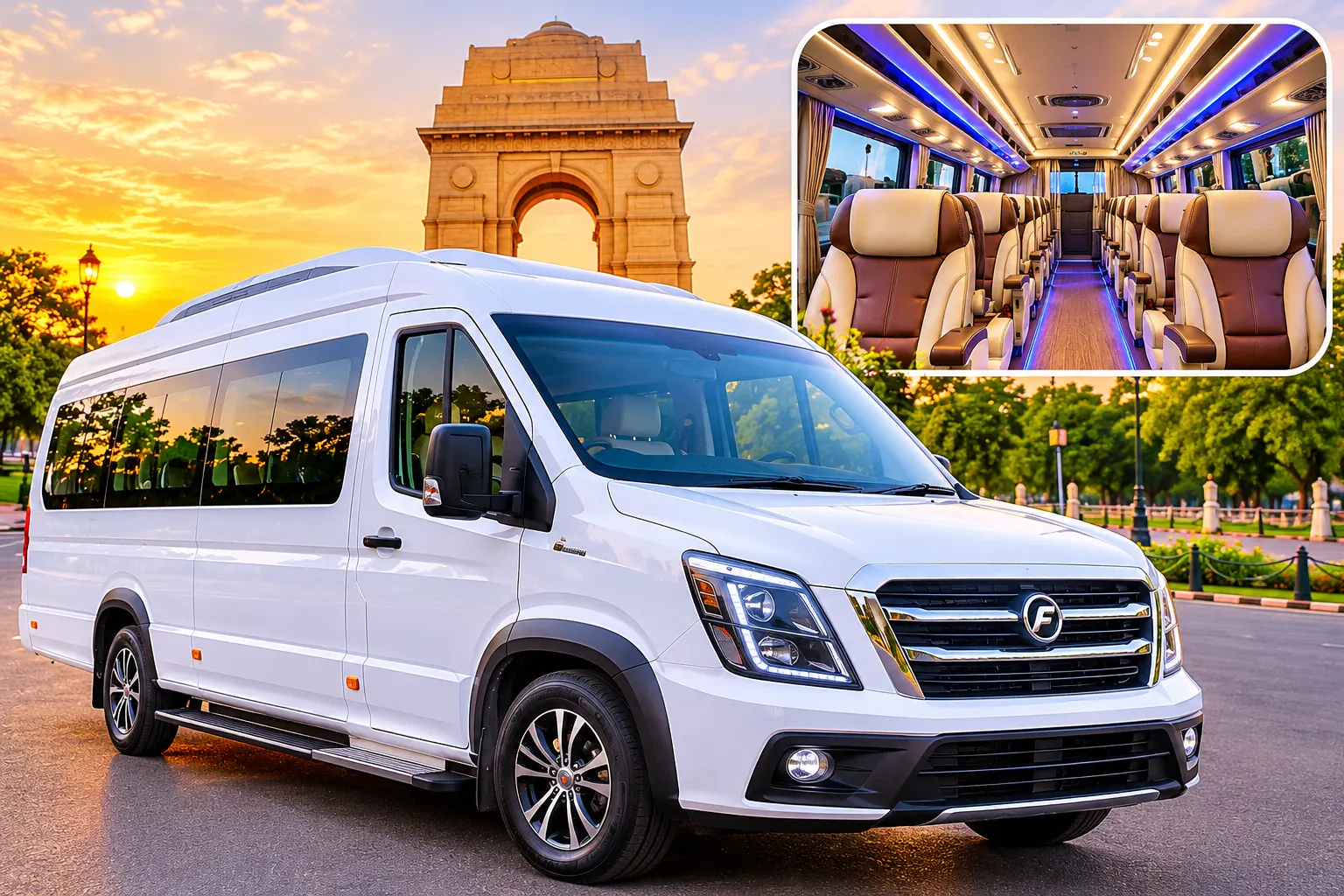
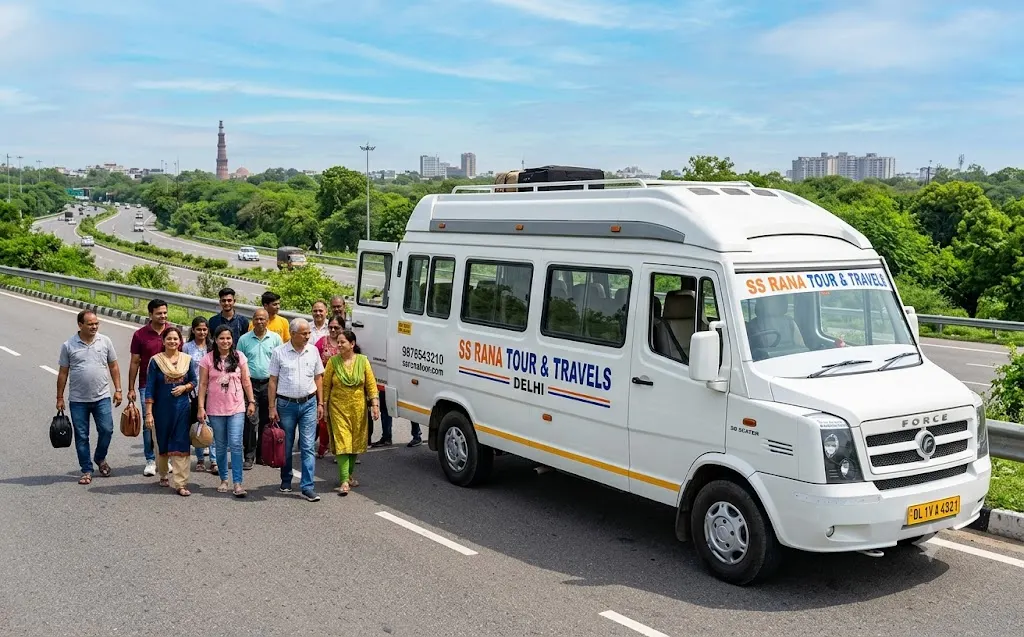
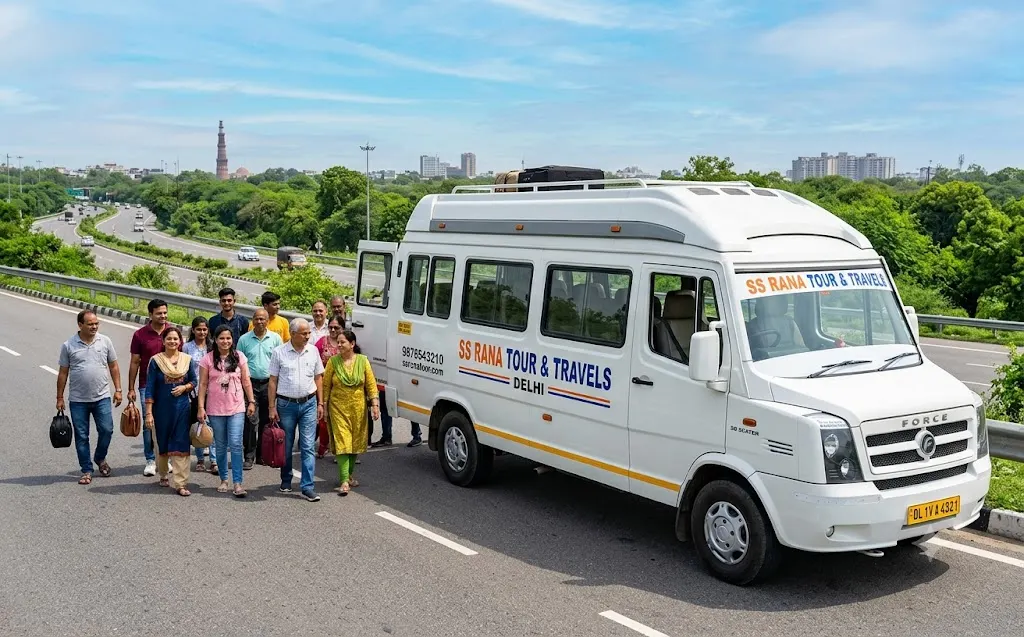
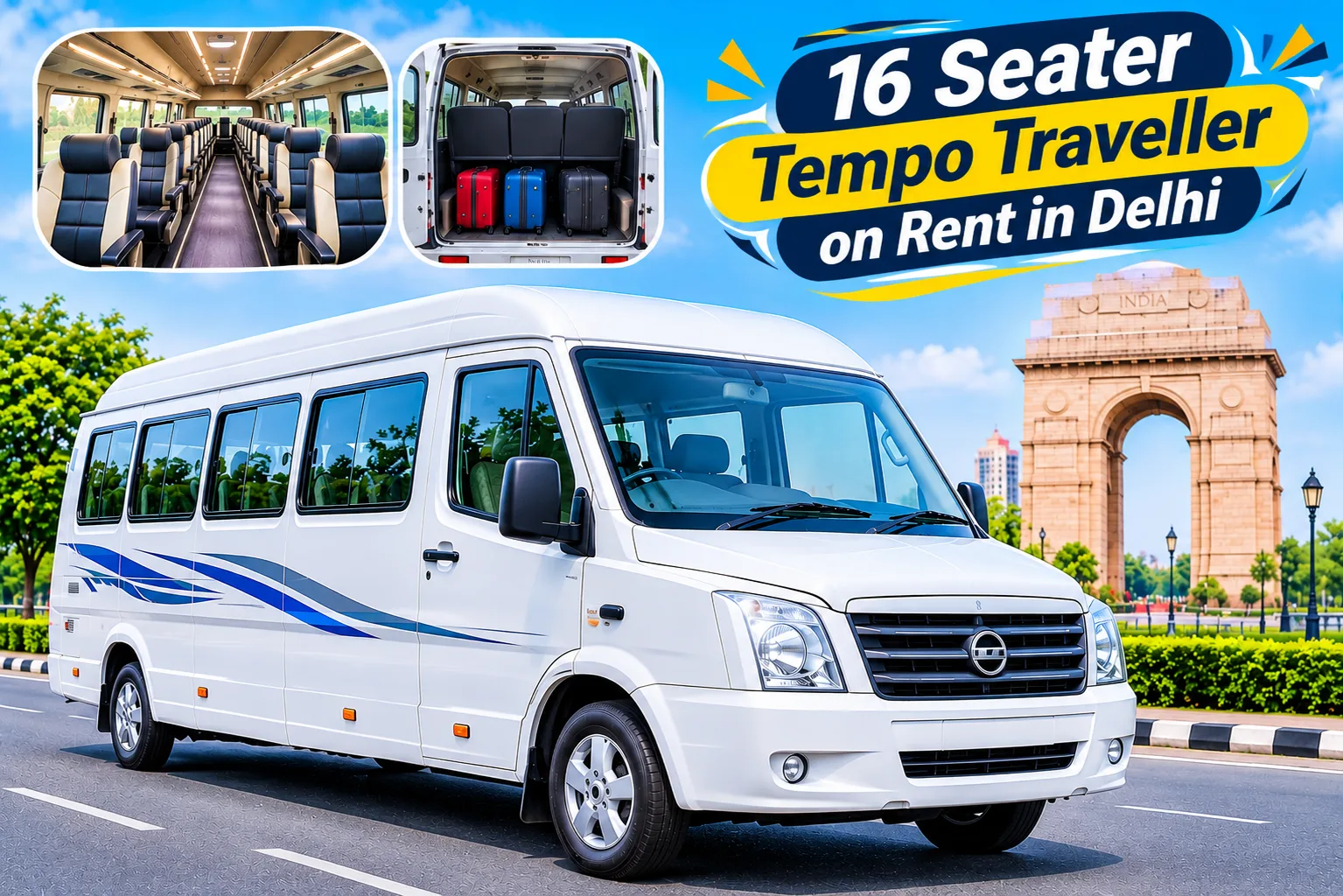
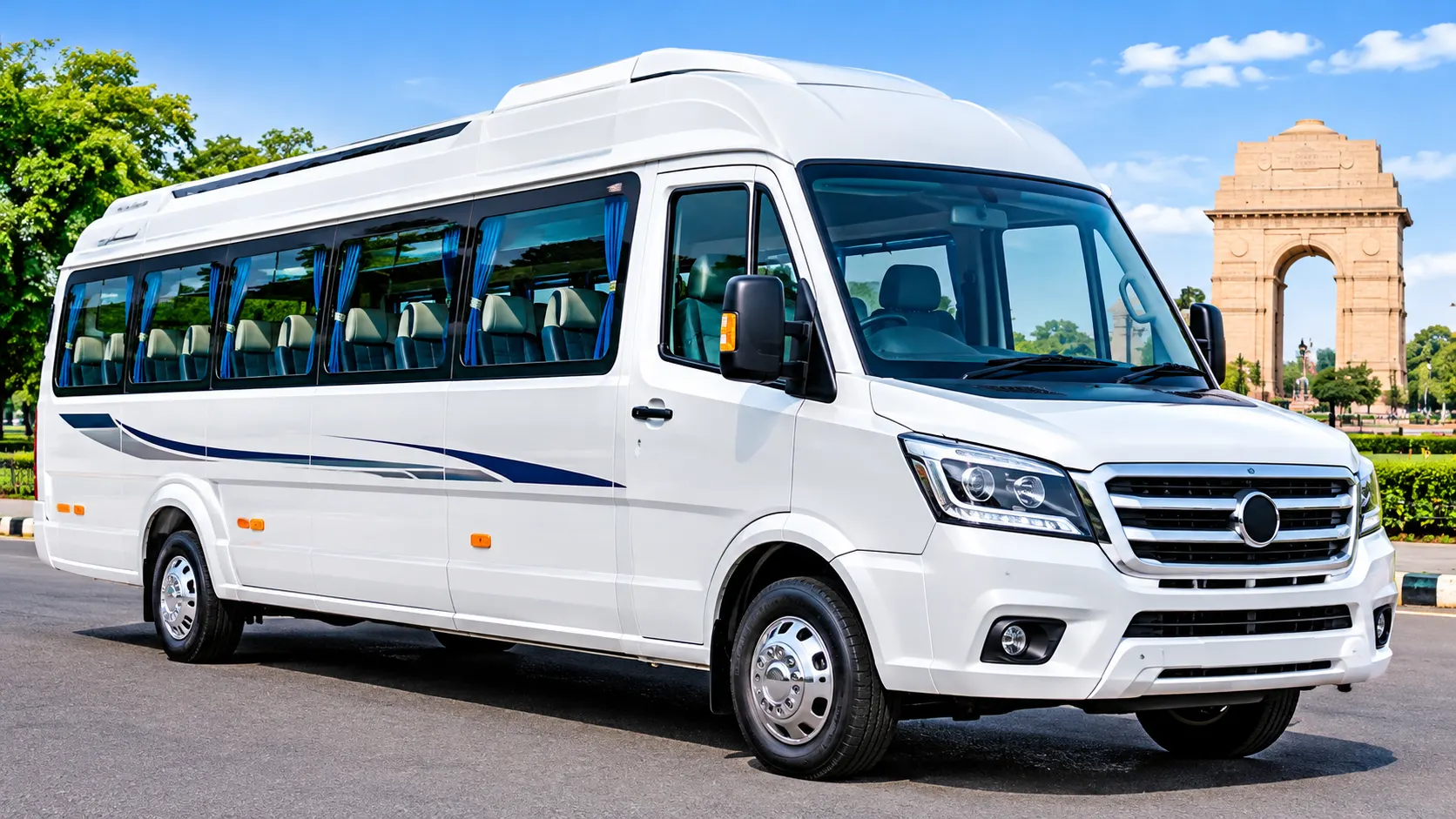
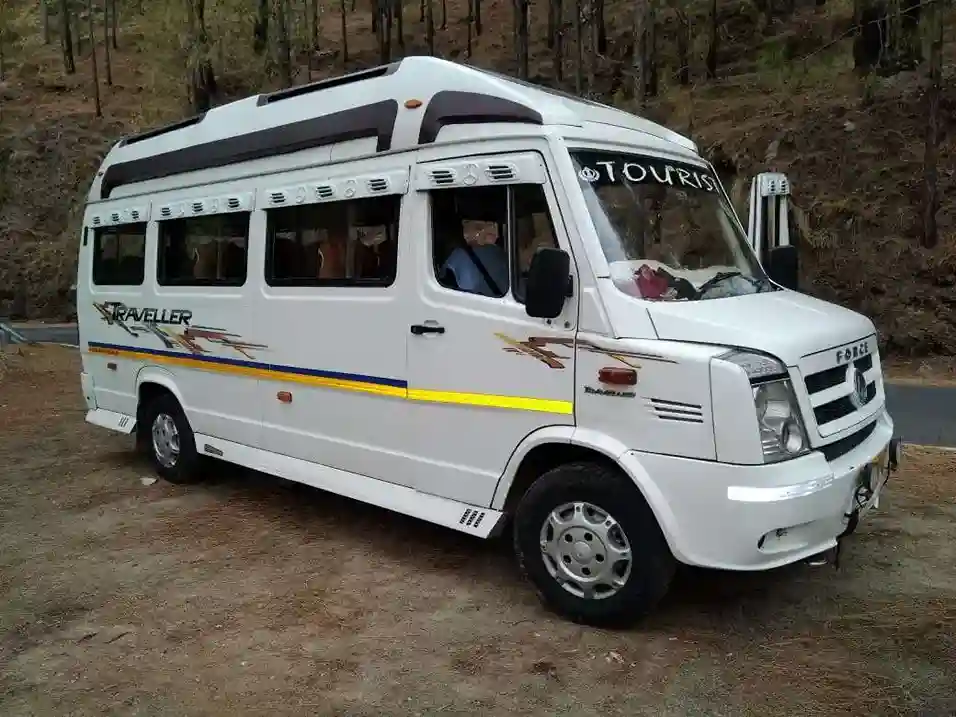
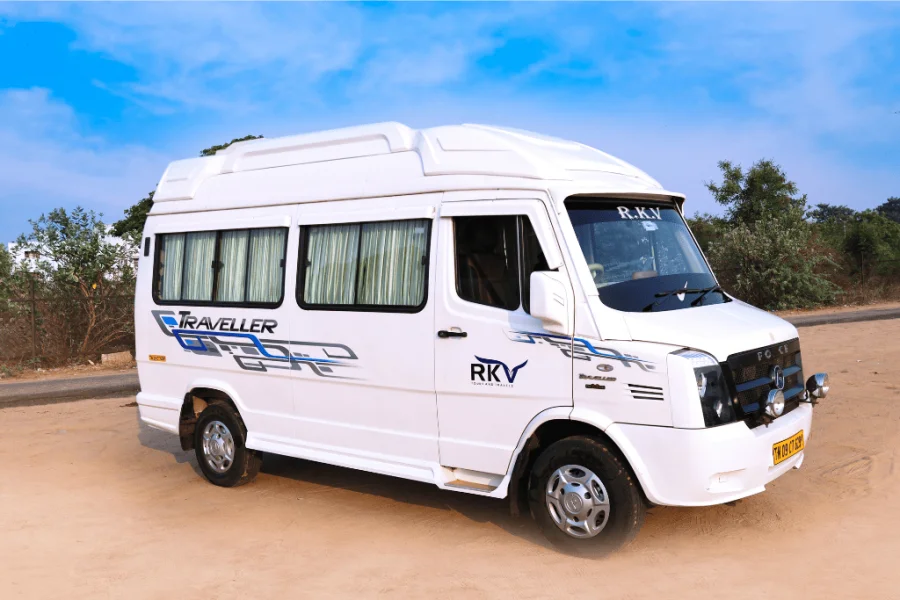
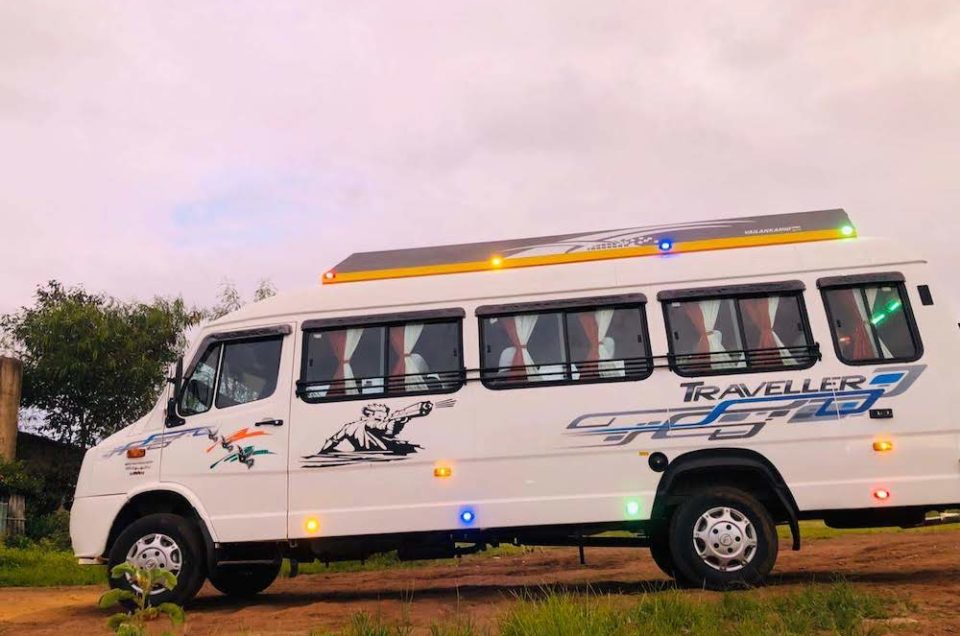
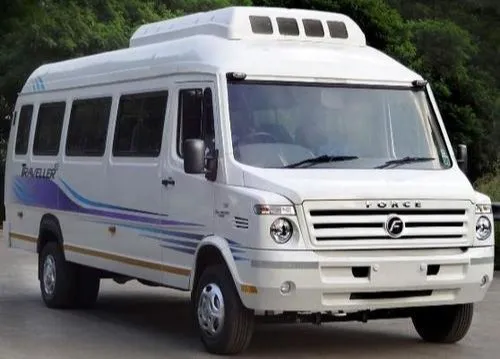
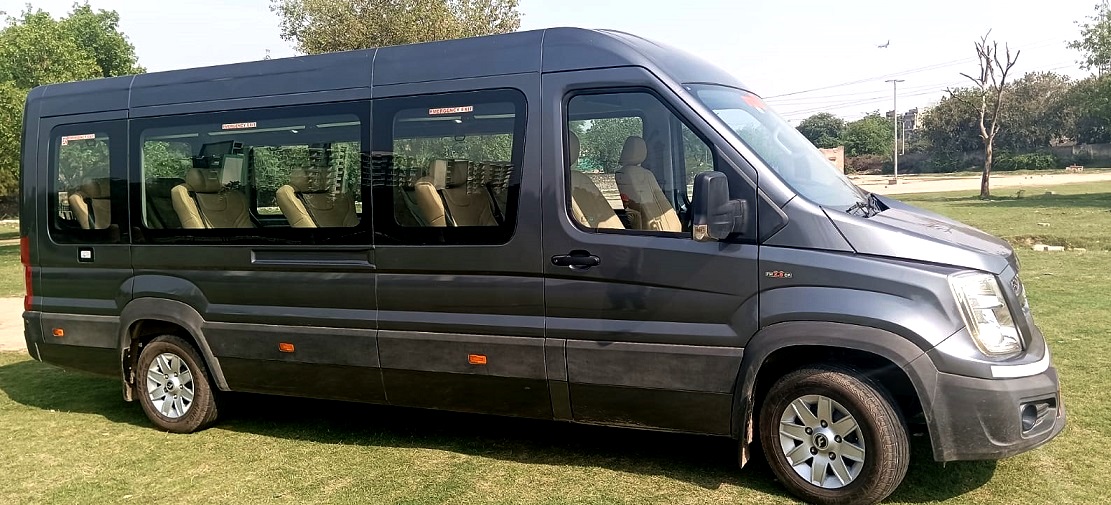
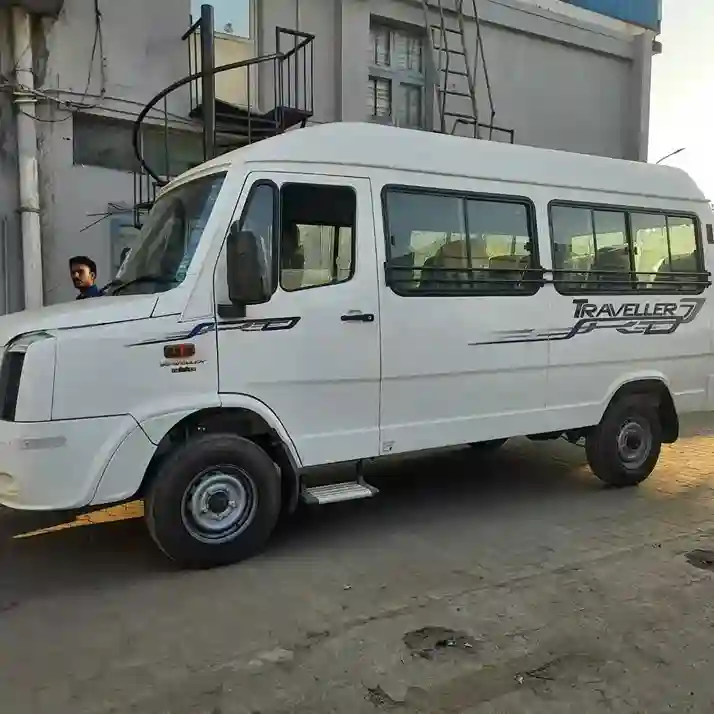
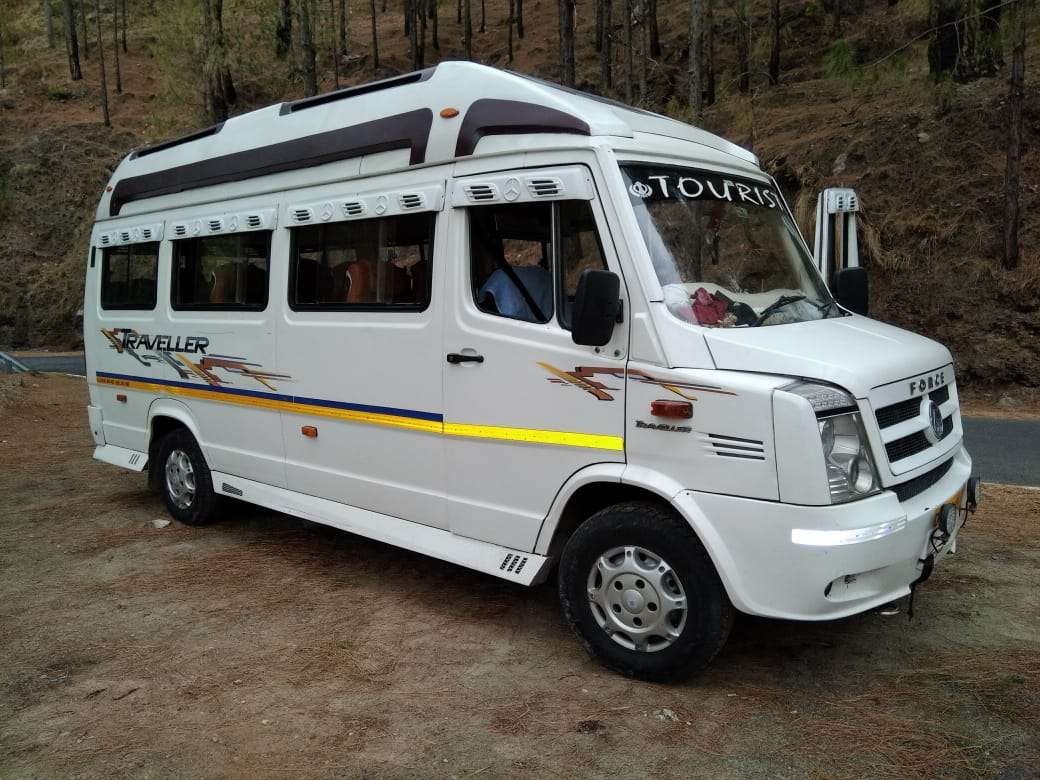
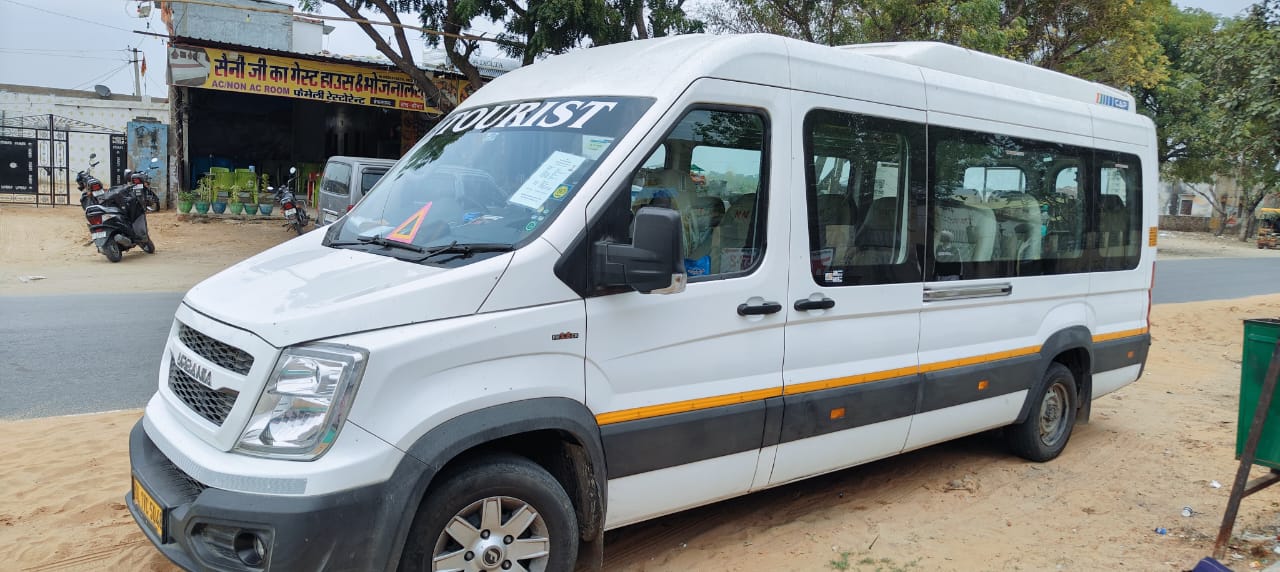
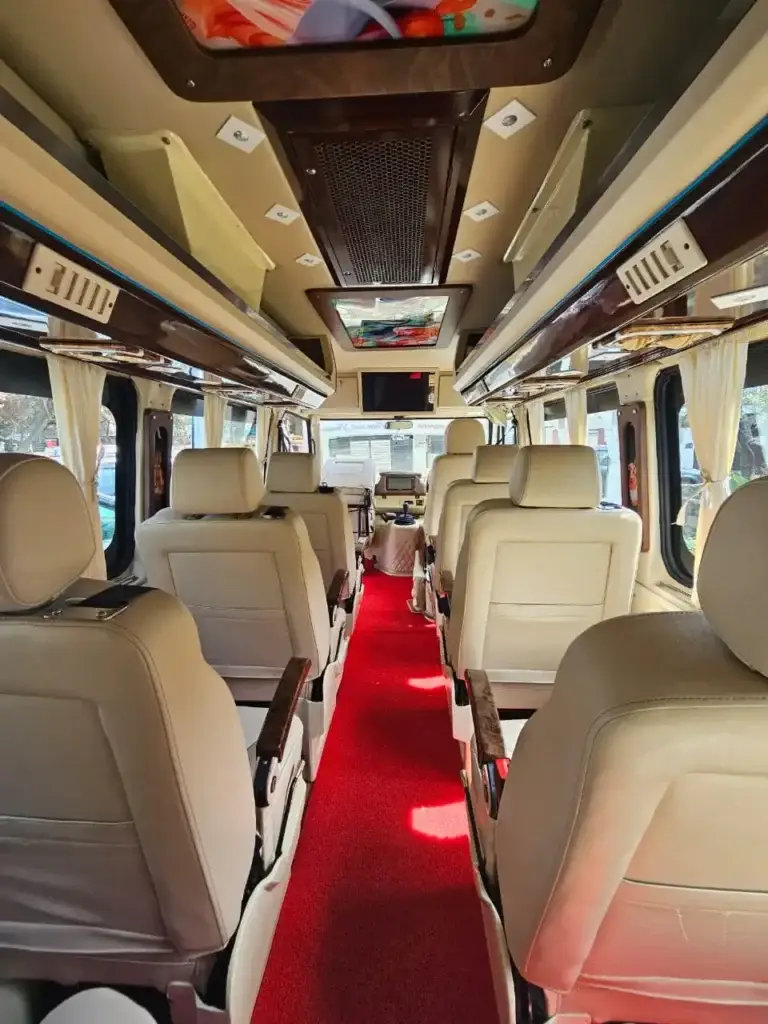
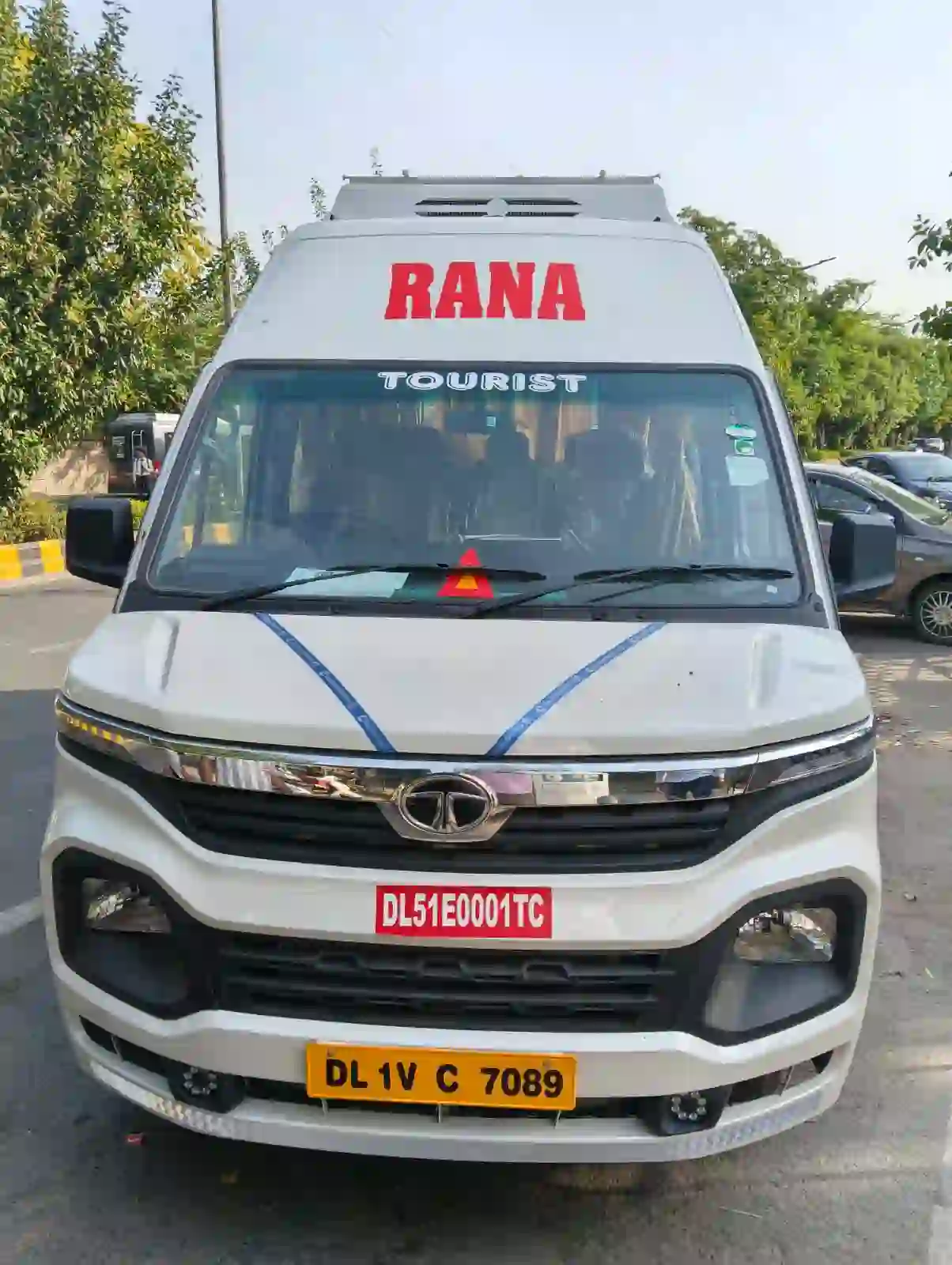
For most pilgrims, the flight to Delhi followed by road travel is the best balance of cost, time and comfort. If you are travelling as a group of 12 to 26 people, you can also arrange a private tempo traveller from Delhi, which avoids the hassle of splitting into several cars. See our guide to tempo traveller on rent in Delhi for group options.
The Road Route from Haridwar to Kedarnath
Once you reach Haridwar or Rishikesh, the road route to Kedarnath is well established:
Haridwar / Rishikesh to Devprayag: about 70 km from Rishikesh, following the Ganga upstream.
Devprayag to Srinagar (Garhwal) to Rudraprayag: the confluence towns of Alaknanda and Bhagirathi, and Alaknanda and Mandakini.
Rudraprayag to Guptkashi: the road turns along the Mandakini valley toward Kedarnath.
Guptkashi to Sonprayag: about 30 km, where the motorable road effectively ends for private vehicles.
Sonprayag to Gaurikund: a short shuttle ride, and then the trek of roughly 16 km begins.
From Haridwar, expect about 8 to 9 hours by road to reach Guptkashi, Phata or Sonprayag, depending on traffic and landslide-related delays.
The Route from Kedarnath to Badrinath
After darshan at Kedarnath, you return to Guptkashi or Rudraprayag, then take the road toward Joshimath and on to Badrinath. The drive is long, roughly 8 to 9 hours from Guptkashi, so most itineraries break it with a halt or start early the next morning.
How Many Days Do You Need for Kedarnath and Badrinath from Pune?
The ideal duration is 7 nights and 8 days from Pune, including flights. A shorter plan is possible with helicopter services, but it leaves little buffer for weather or road closures in the hills. A sample plan looks like this.
Day
Plan
Day 1
Fly Pune to Delhi, drive to Haridwar or Rishikesh, overnight stay
Day 2
Haridwar to Guptkashi or Phata (8–9 hrs), overnight stay
Day 3
Sonprayag to Gaurikund, trek or helicopter to Kedarnath, darshan, overnight at Kedarnath or return
Day 4
Return from Kedarnath, drive to Guptkashi or Rudraprayag
Day 5
Drive to Badrinath via Joshimath, evening aarti
Day 6
Badrinath darshan, visit Mana village, drive toward Srinagar or Rudraprayag
Day 7
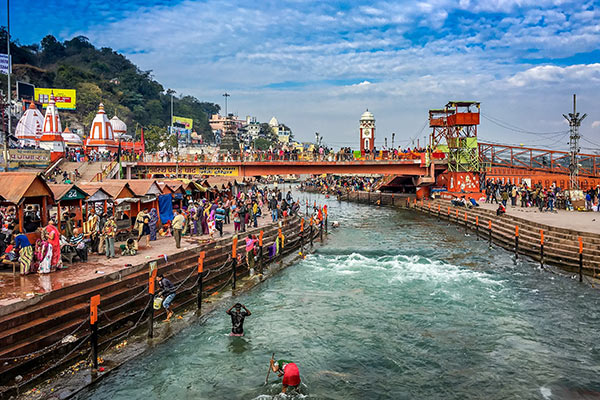
Drive to Haridwar or Rishikesh, Ganga aarti
Day 8
Drive to Delhi, fly back to Pune
If you want a ready itinerary from the capital, our Do Dham Yatra package from Delhi follows a similar 7-night, 8-day structure, and you can combine it with your own flights from Pune.
Should You Add Buffer Days?
Yes, if you can. Weather in the hills changes quickly, and landslides or road blockages can delay a day. Adding one extra day near the end of the trip is the cheapest insurance you can buy. If your return flight is fixed, avoid booking it for the evening of the final day.
How Much Does a Do Dham Yatra Package from Pune Cost?
The total cost depends on five things: flights, the ground package, hotel category, vehicle type, and the Kedarnath transport option. The figures below are indicative estimates per person on a sharing basis, not a quote, and they change with season and demand.
Cost component
Indicative range per person
Return flight, Pune to Delhi
₹8,000 – ₹18,000
Ground package ex Haridwar or Delhi (hotels, vehicle, driver, breakfast and dinner)
₹18,000 – ₹32,000
Pony, palki or porter at Kedarnath (optional)
Varies by season and negotiation
Kedarnath helicopter (optional, separate)
Check current fares on the official booking portal
Local meals, tips, entry and personal expenses
₹2,000 – ₹5,000
Estimated total
₹30,000 – ₹55,000
Helicopter fares are fixed by the operators and booking authority and can change between seasons, so we do not quote a fixed number here. Always check the official IRCTC HeliYatra portal for the fare on your date, and remember that your Yatra registration number is needed to book.
What Pushes the Price Up or Down?
Season: May, June, and the September–October window are the busiest, and hotel and flight prices rise sharply.
Hotel category: a budget guesthouse in Guptkashi costs far less than a premium stay in Badrinath.
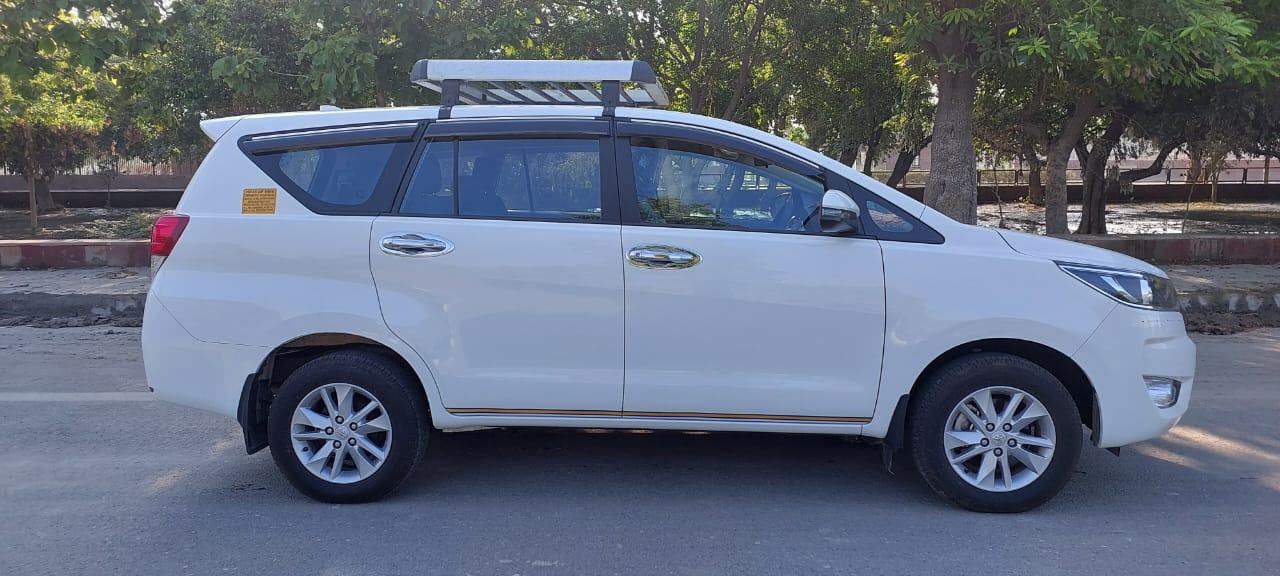
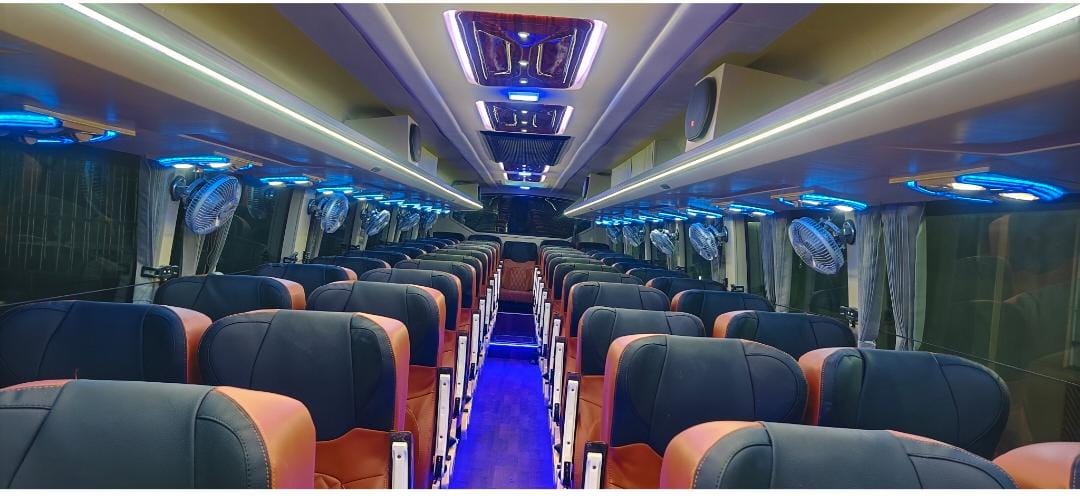
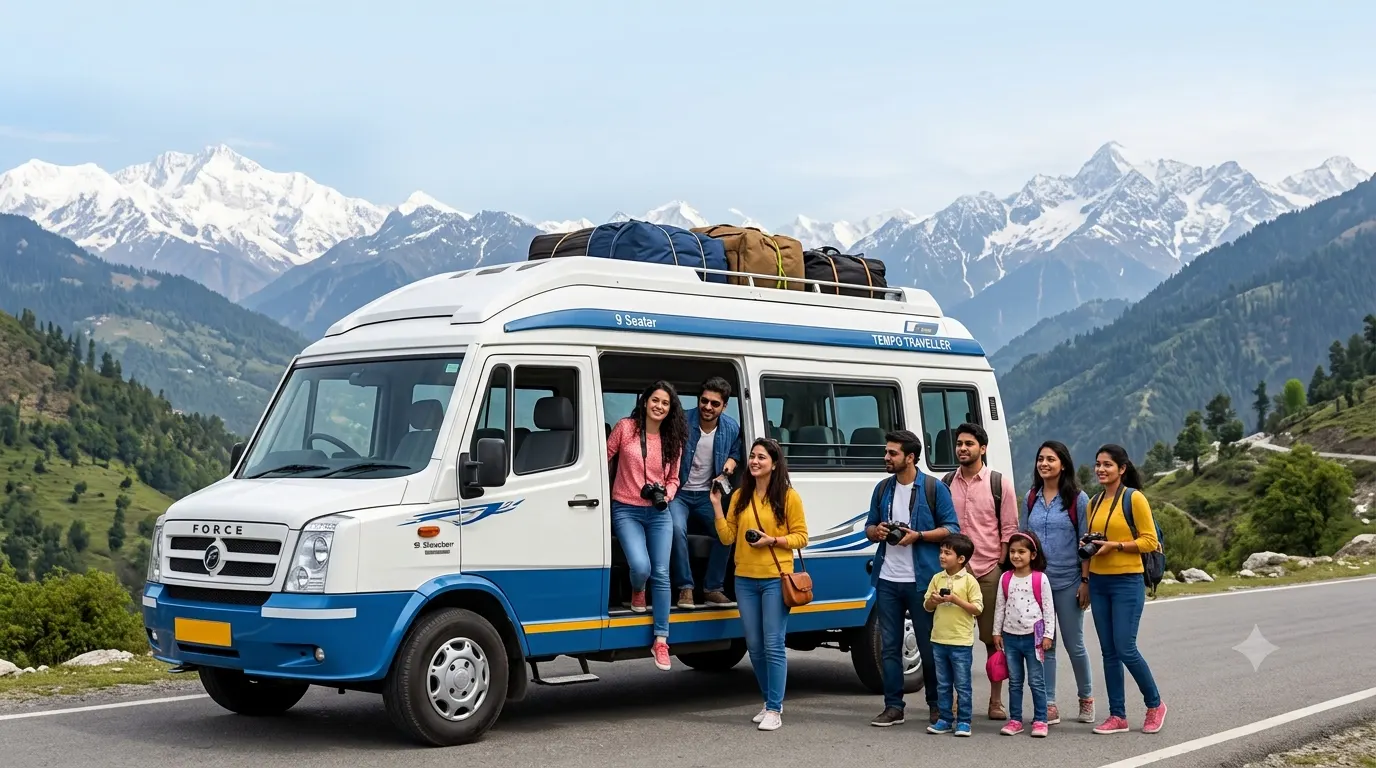
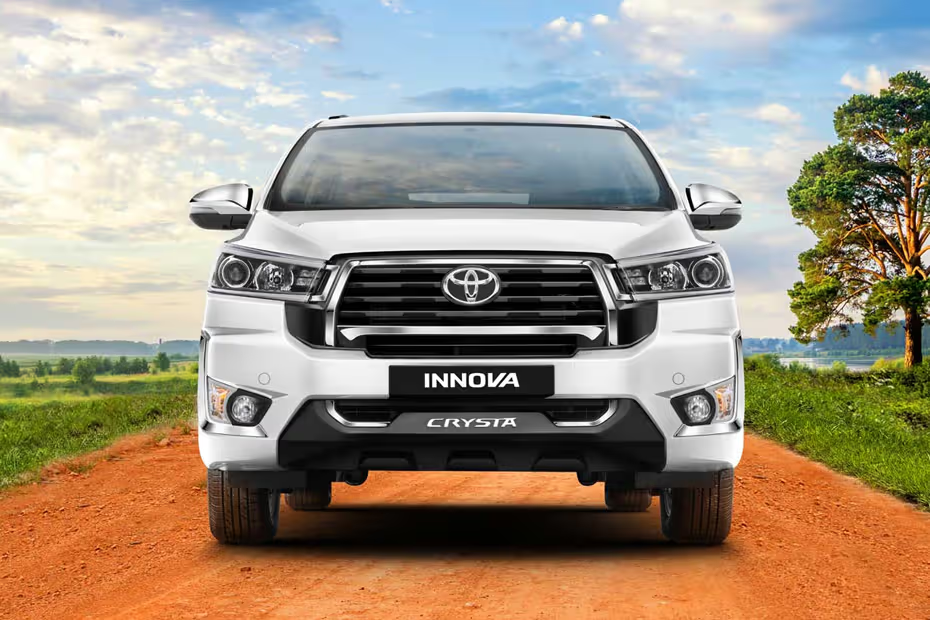
Vehicle type: a sedan or SUV for a couple costs more per head than a tempo traveller shared by a group of 10 to 12.
Group size: larger groups lower the per-person cost on vehicle and hotel rooms.
Helicopter versus trek: the helicopter saves a day for many pilgrims but adds a significant cost.
Booking time: booking flights and hotels two to three months ahead usually saves money.
Group Travel Saves Money
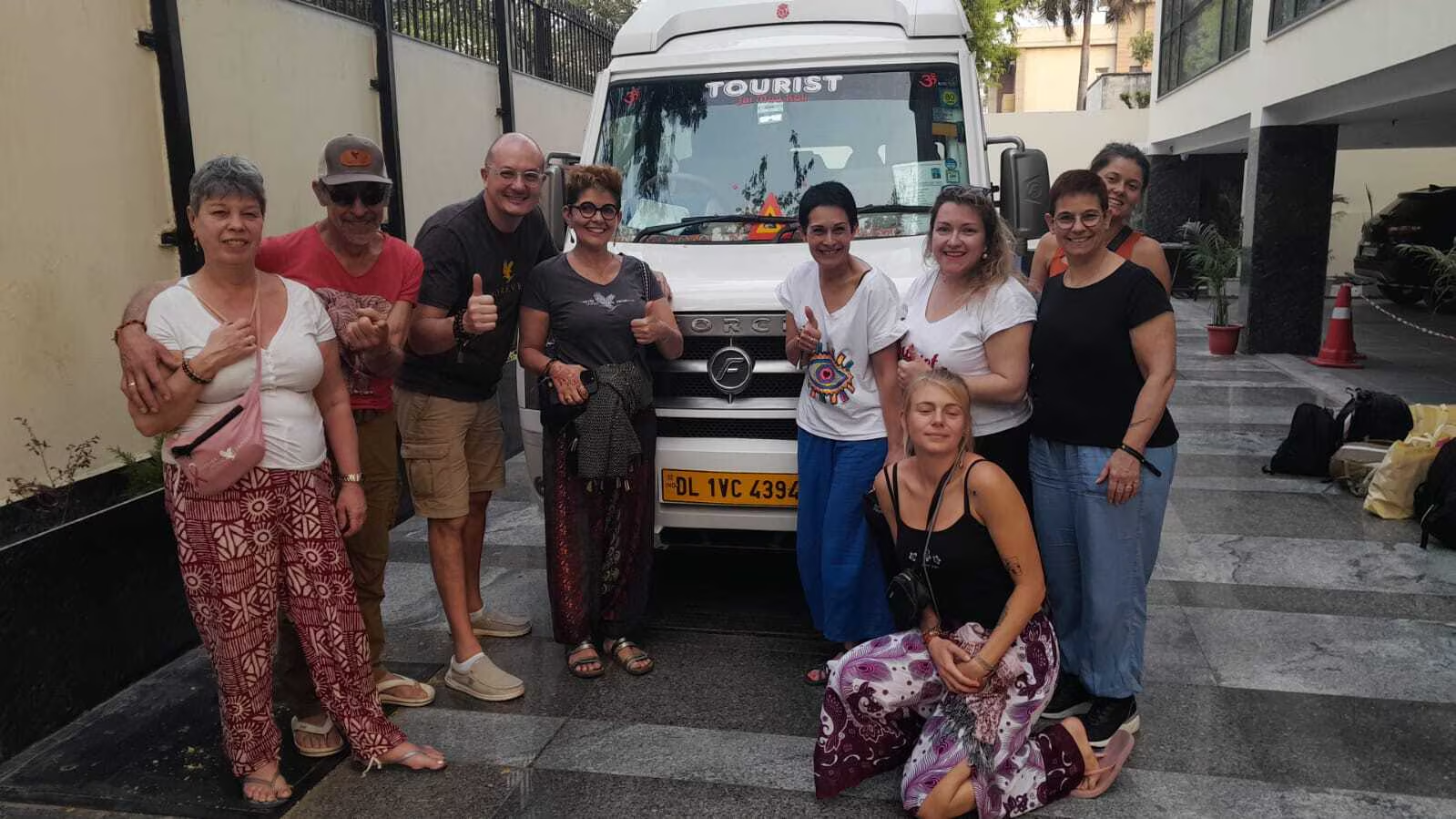
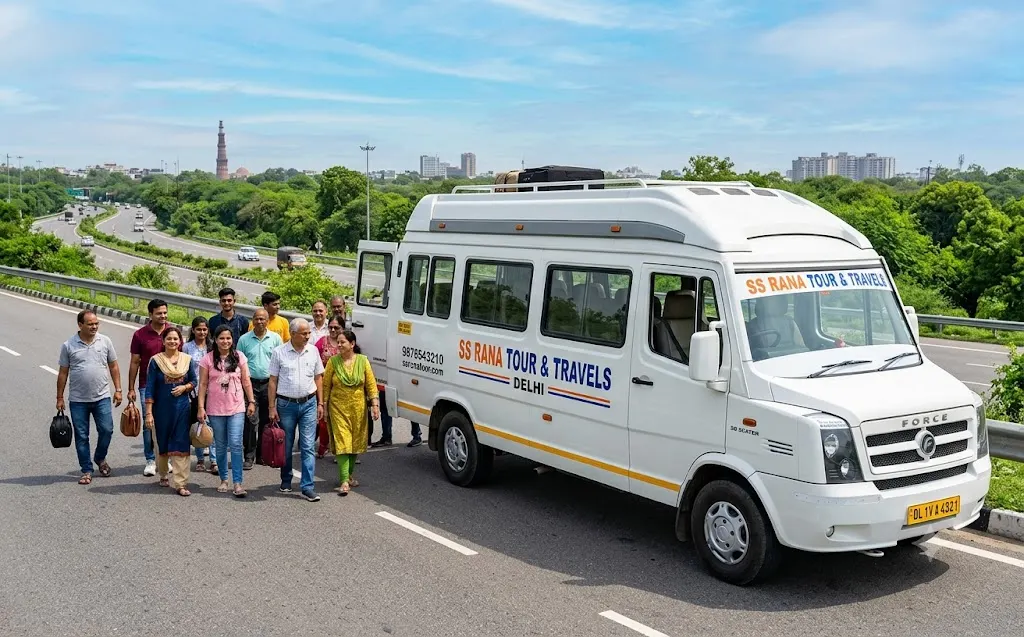
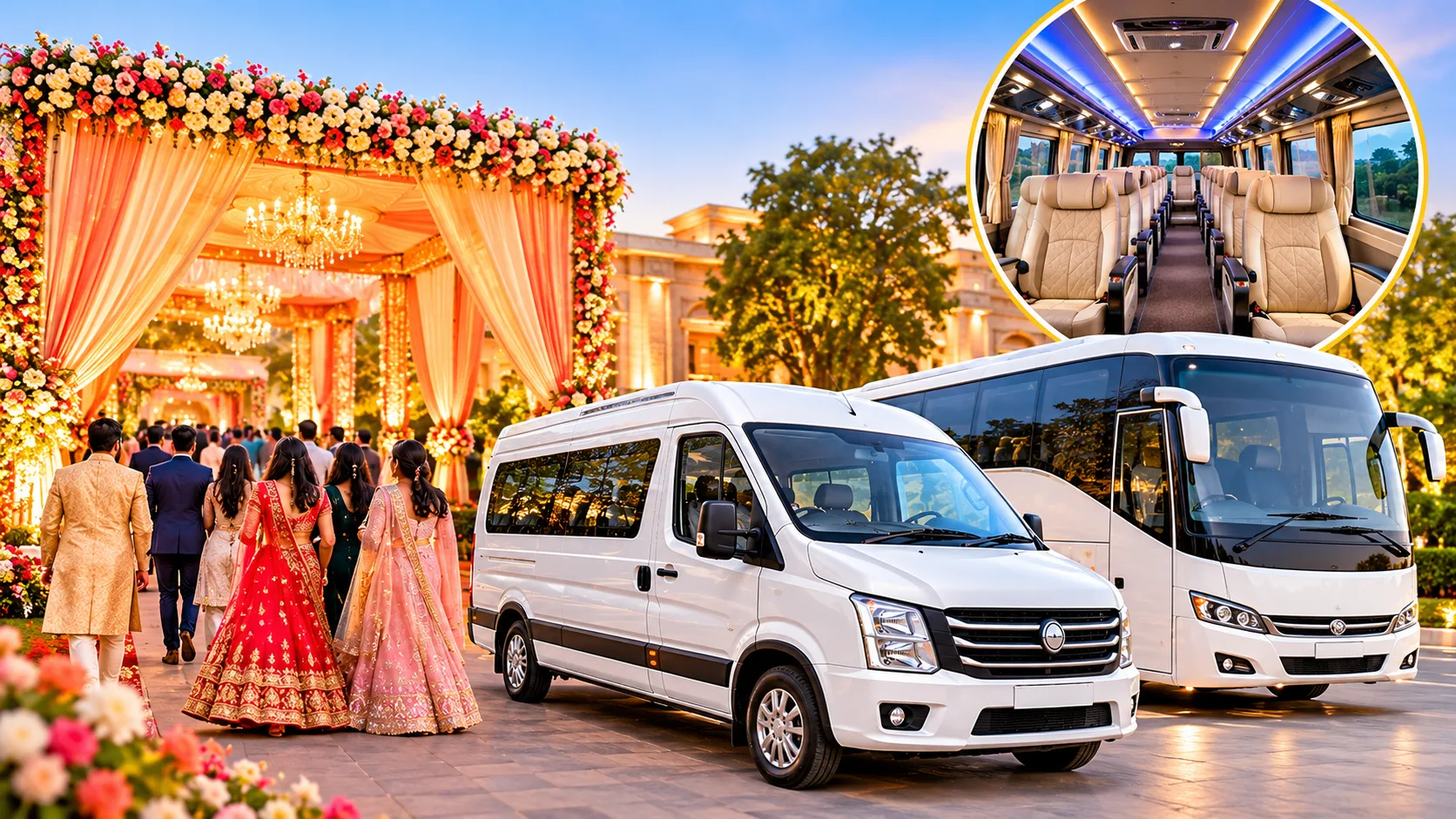
If you are travelling with relatives, friends, or a society group from Pune, a private vehicle from Delhi or Haridwar is often cheaper per person than separate cars, and it keeps everyone on the same schedule. Check our page on tempo traveller hire in Delhi for 9 to 26 seater options.
When Is the Best Time to Visit Kedarnath and Badrinath?
The temples are open only for part of the year because of heavy winter snow. In 2026, Kedarnath opened on 22 April and Badrinath on 23 April, and both close around the Diwali period. The dates for 2027 are normally announced by the temple committee in the months before the season, so check the official announcement before booking non-refundable travel.
The seasons break down as follows:
May to June: pleasant weather and open roads, but the largest crowds and highest prices. Book well in advance.
July to August (monsoon): heavy rain, landslides, and road closures. Generally not recommended, especially for senior citizens.
September to October: clear skies, fewer crowds than peak summer, and good visibility. Many experienced pilgrims consider this the best window.
Winter: the shrines are closed, and the deities are worshipped at Ukhimath (Kedarnath) and Joshimath (Badrinath).
Because it is now mid-November, the 2026 season is ending, which makes this the right time to plan and book for next year at better prices.
What Do You Need Before You Go?
Yatra Registration
Registration is mandatory and free for every pilgrim, including those travelling by helicopter, pony or palki. You register on the official Uttarakhand portal, and you will need a valid photo ID. In recent seasons, the rules have tightened, with QR-coded passes checked at points such as Sonprayag, and biometric Aadhaar-based registration introduced for 2026. Rules can change by season, so confirm the current process on the official portal. Avoid agents who charge money for registration.
Documents and Essentials
Original photo ID (Aadhaar or other government ID) for every traveller
Printed and digital copies of your Yatra registration
Warm layers, a rain jacket, thermal wear, and comfortable trekking shoes
A personal medicine kit, including any regular prescriptions
A power bank, torch and small day bag
Health and Fitness
Kedarnath is a demanding trek at high altitude. If you are travelling with senior citizens, children, or anyone with heart, blood pressure, diabetes or breathing issues, get a medical check-up before you book and carry a doctor's note. Consider the helicopter or a pony or palki for elderly pilgrims, and ask your tour operator for a realistic pace plan. Never skip a rest day just to save time.
Trek, Pony, Palki or Helicopter: Which Is Best?
Choose based on age, fitness, and budget.
Trek on foot: the traditional way, taking roughly 6 to 9 hours one way for most people. Best for fit adults who want the full experience.
Pony or mule: a middle option for those who cannot walk the full distance. Use only registered operators and agree on rates beforehand.
Palki or dandi: carried by porters, suited for elderly or people with limited mobility.
Helicopter: a short flight from Phata, Sersi, or Guptkashi that saves time and effort. Seats are limited, bookings are strict, and weather can cancel flights, so keep a buffer day.
Whichever option you choose, start early, carry water and snacks, and stop if you feel dizzy or unwell.
Pune to Kedarnath by Private Vehicle or Package: Which Is Better?
Both work, but they suit different travellers.
Choose a package if you want fixed hotels, a driver who knows the mountain roads, and one point of contact for changes. It is the best choice for families, senior citizens and first-time pilgrims.
Choose a self-planned trip if you are experienced in hill travel, comfortable booking hotels one by one, and flexible with dates. It can cost slightly less but takes more effort, and last-minute hotel searches in peak season are stressful.
A good package from Pune should clearly state the following: the starting point (Delhi, Haridwar or Rishikesh), the number of nights at each stop, vehicle type, meal plan, what is not included (flights, helicopter, pony, personal expenses), the cancellation policy, and what happens if weather or landslides block the route.
Safety Tips for the Kedarnath and Badrinath Route
Drive only in daylight where possible. Mountain roads are narrow, and night driving adds risk.
Check the weather and road status each morning with your driver or hotel.
Do not rush the Kedarnath trek. Rest often and drink water regularly.
Keep important documents in a waterproof pouch.
Carry some cash, since ATMs and network coverage can be unreliable in higher areas.
Keep your tour operator's number saved and share your itinerary with a family member back in Pune.
Respect temple rules, including dress code and photography restrictions.
Common Mistakes Pilgrims from Pune Make
Booking a return flight for the last evening. Delays in the hills are common, so keep a buffer.
Skipping registration until the last minute. Register early, and make sure the names match your IDs.
Underestimating the cold. Even in summer, nights at Kedarnath and Badrinath can be near freezing.
Choosing only on price. A very cheap package often cuts hotels, vehicle quality, or driver experience.
Overpacking. Carry one small bag for the trek and leave the rest at your base hotel.
Ignoring altitude symptoms. Headache, nausea, or breathlessness need rest and, if they persist, medical help.
How to Choose the Right Do Dham Package from Pune
Before you pay an advance, compare packages on the following points:
Starting and ending point: make sure the package clearly states where it begins and ends, and whether airport or station pickups are included.
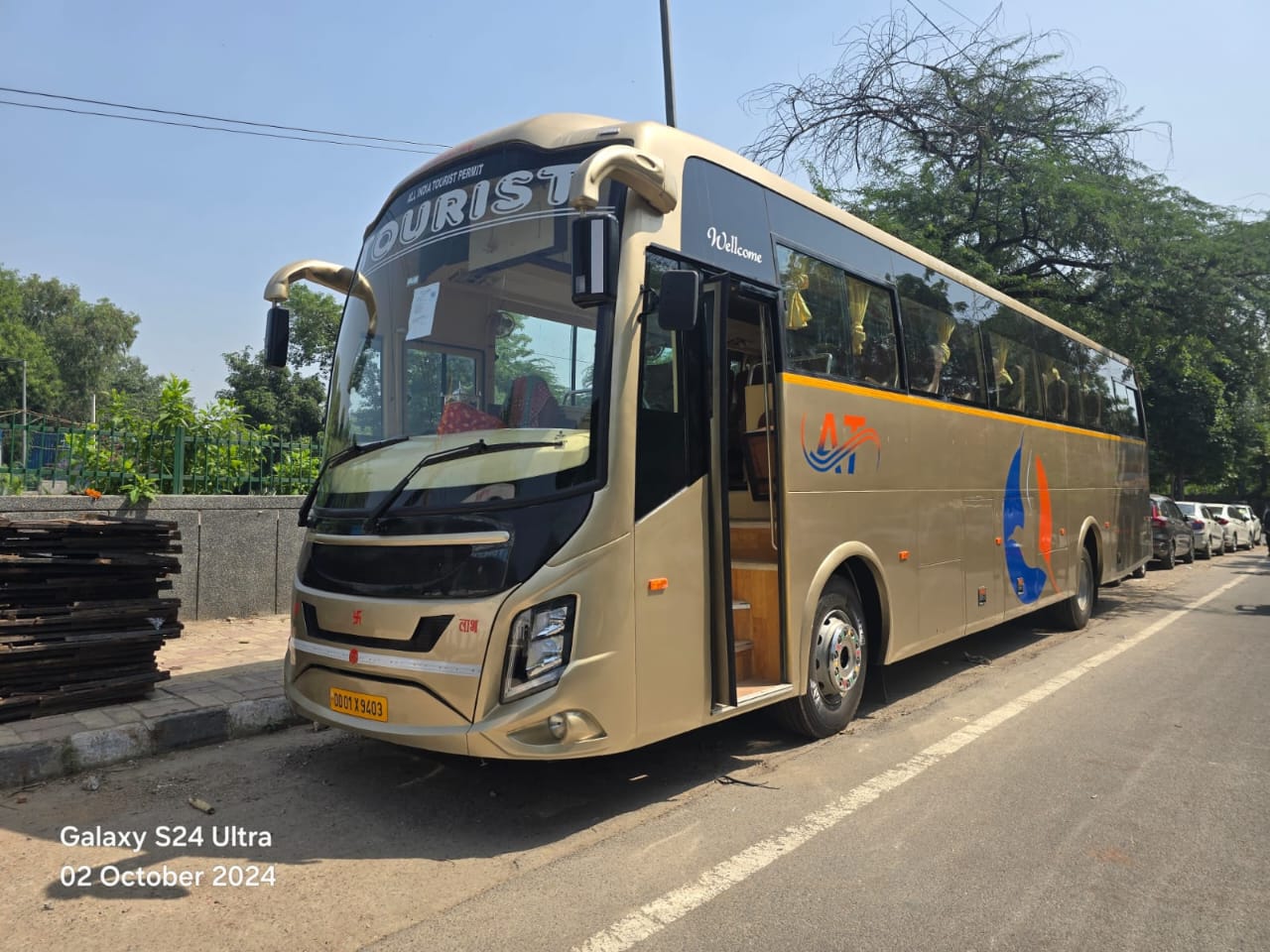
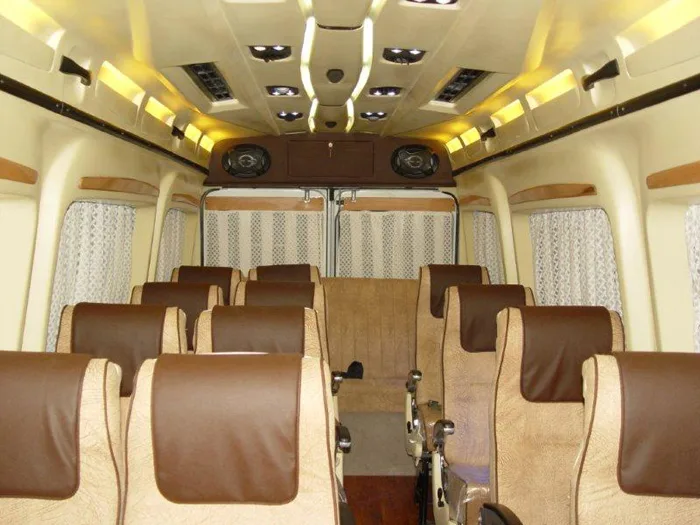
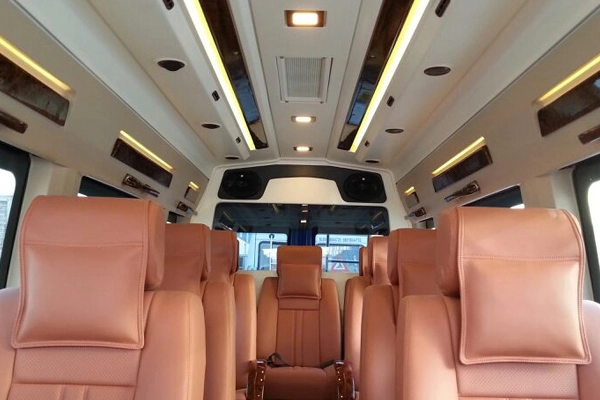
Vehicle: ask for the exact vehicle type and seating, and photos if possible.
Hotels: confirm names or category at each halt, and the distance from the main road.
Inclusions and exclusions: check meals, permits, tolls, parking, and driver allowance.
Cancellation and weather policy: get it in writing, since mountain trips are weather-dependent.
Support during the trip: ask for a contact number that works around the clock.
Plan Your Do Dham Yatra with SS Rana Tour and Travels
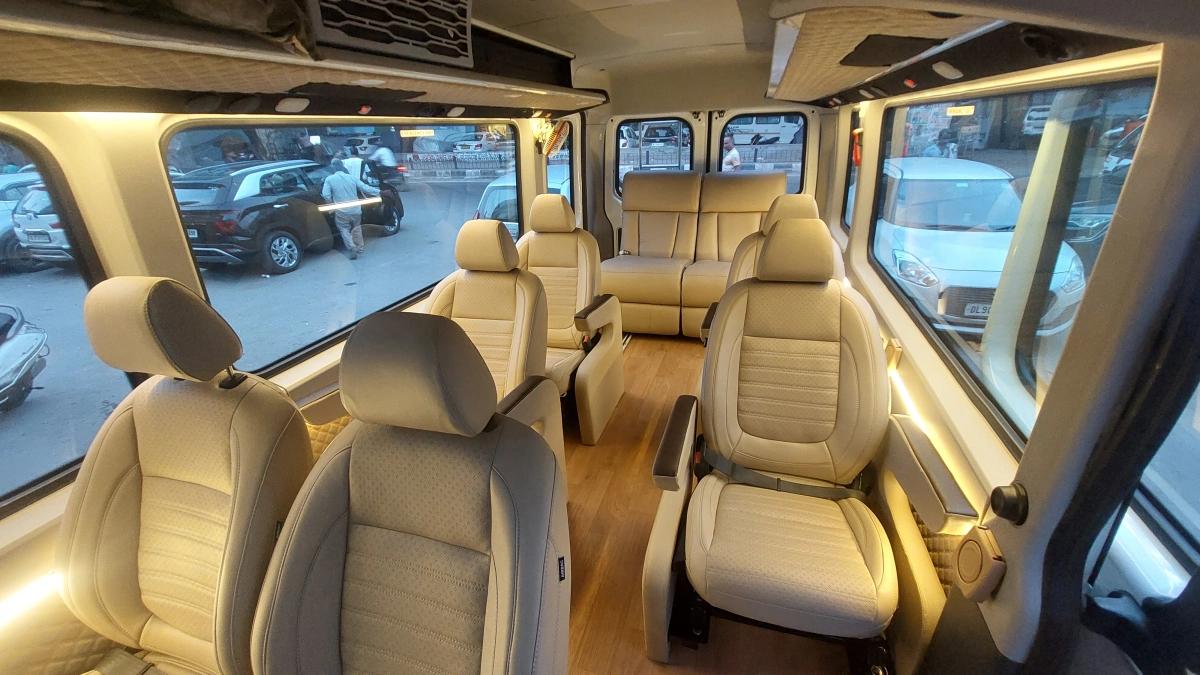
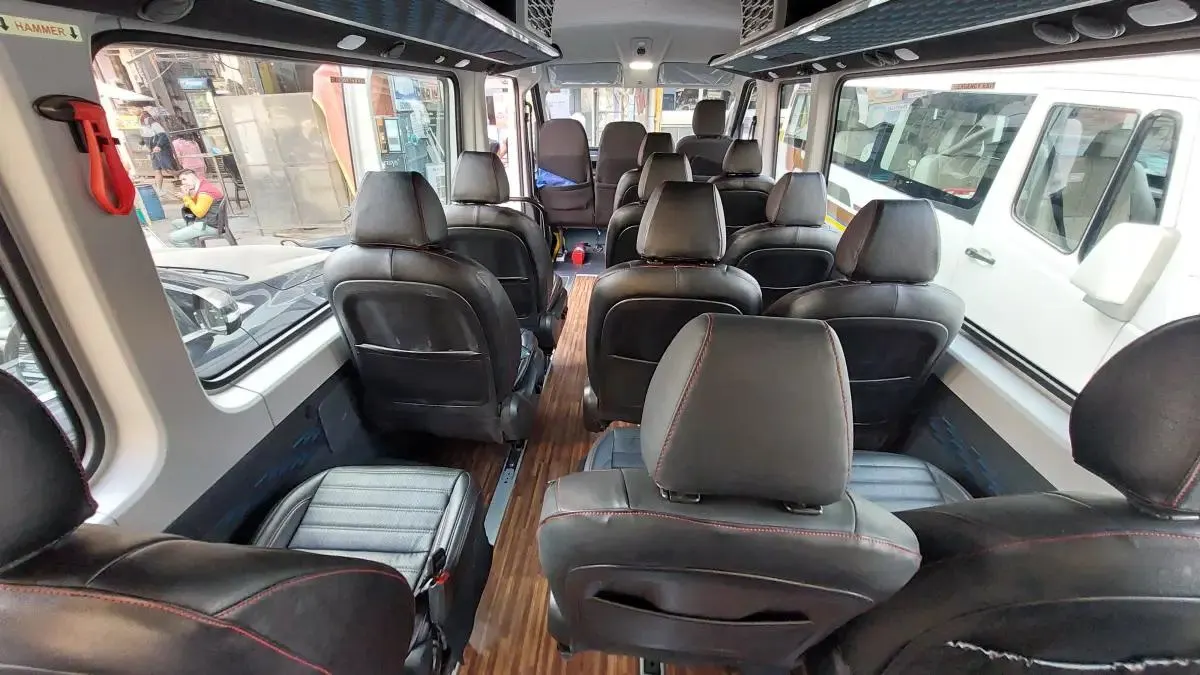
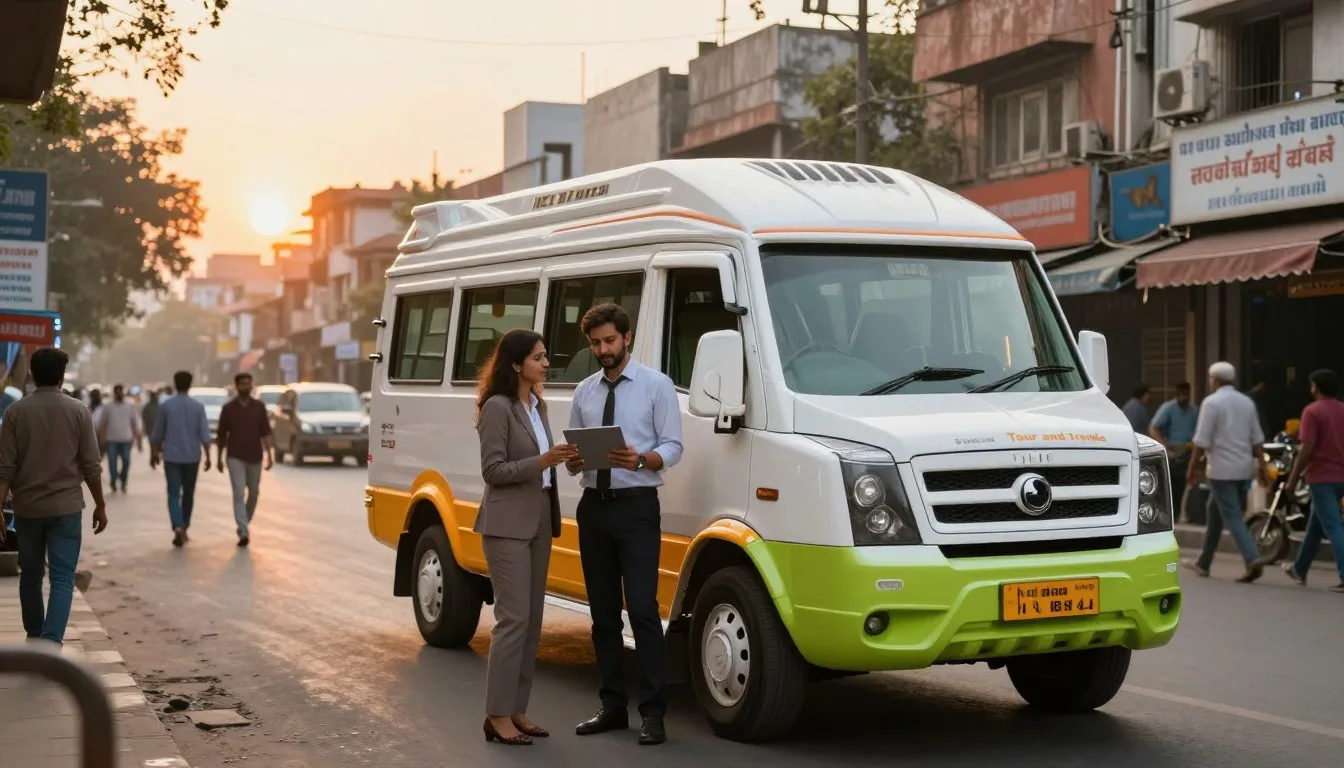
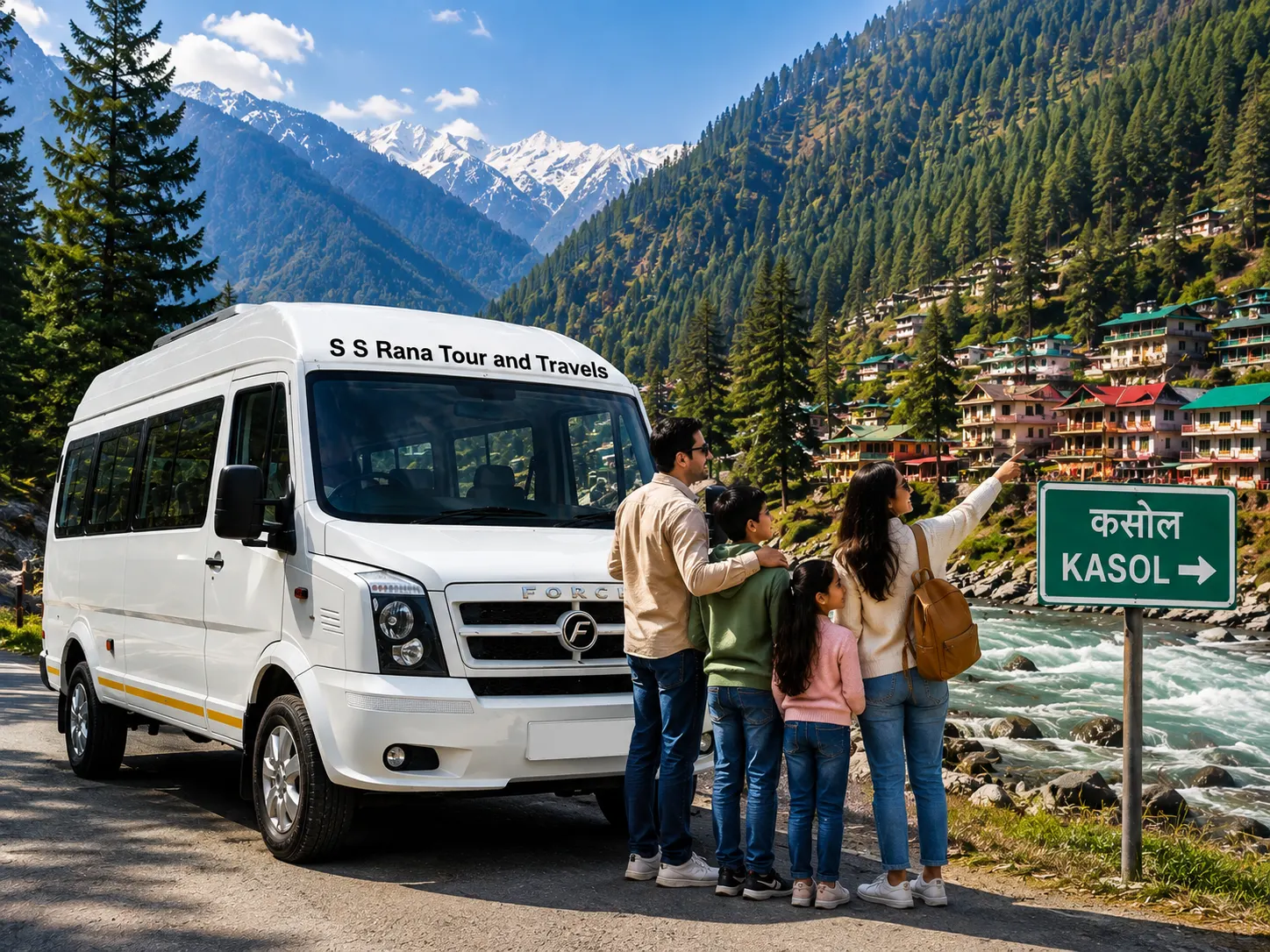
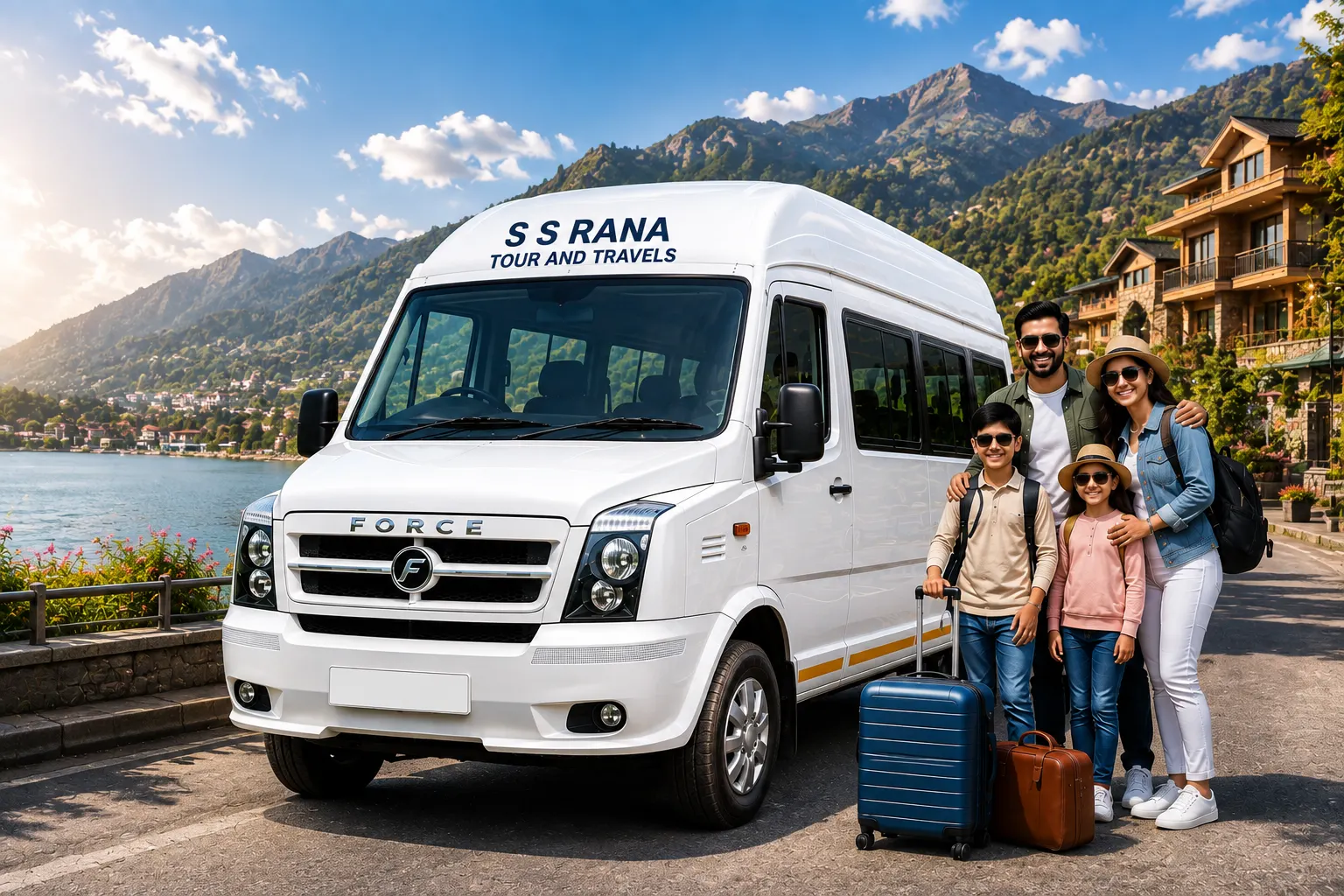
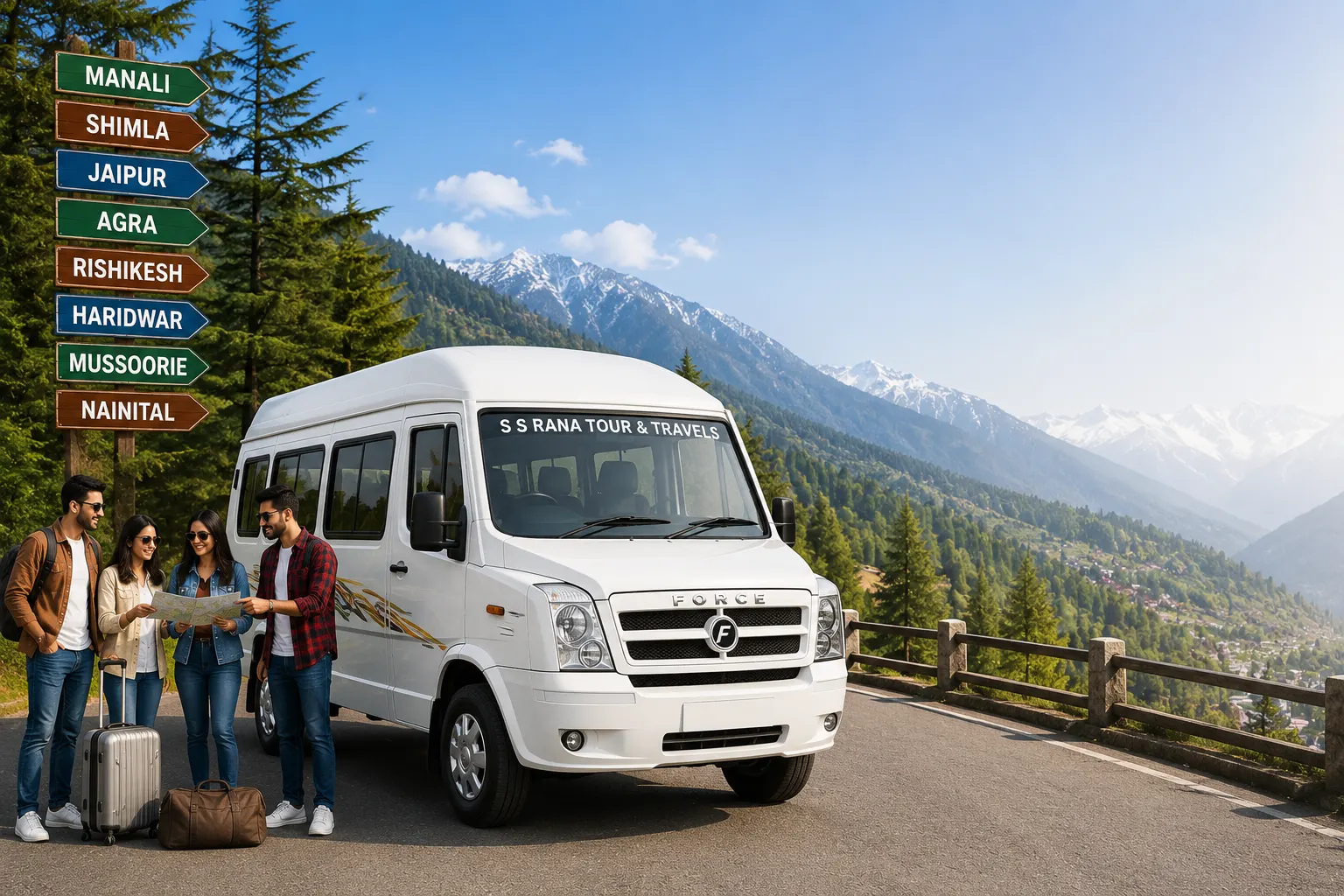
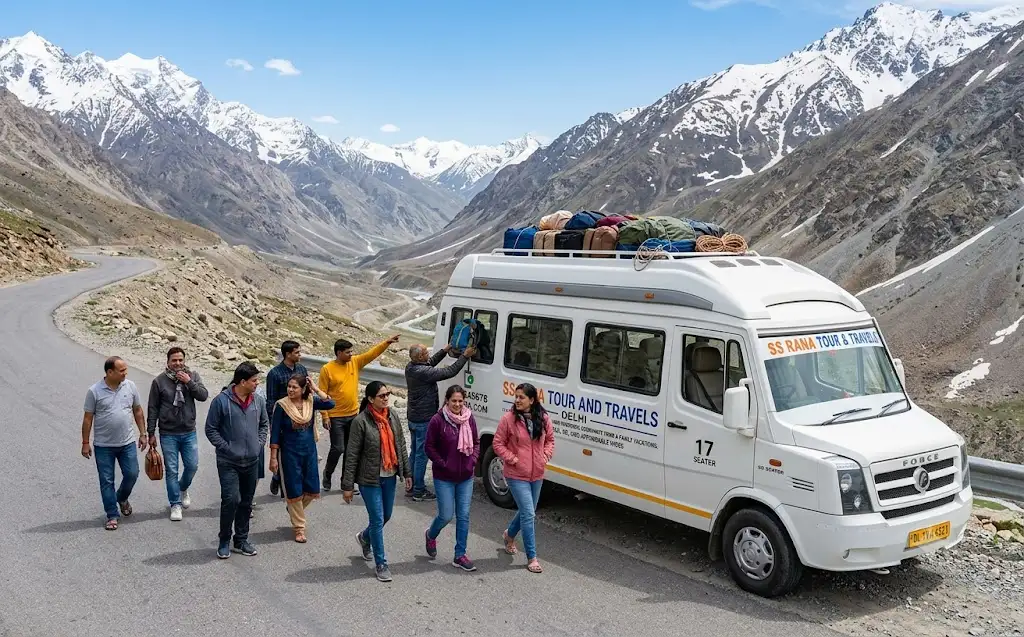
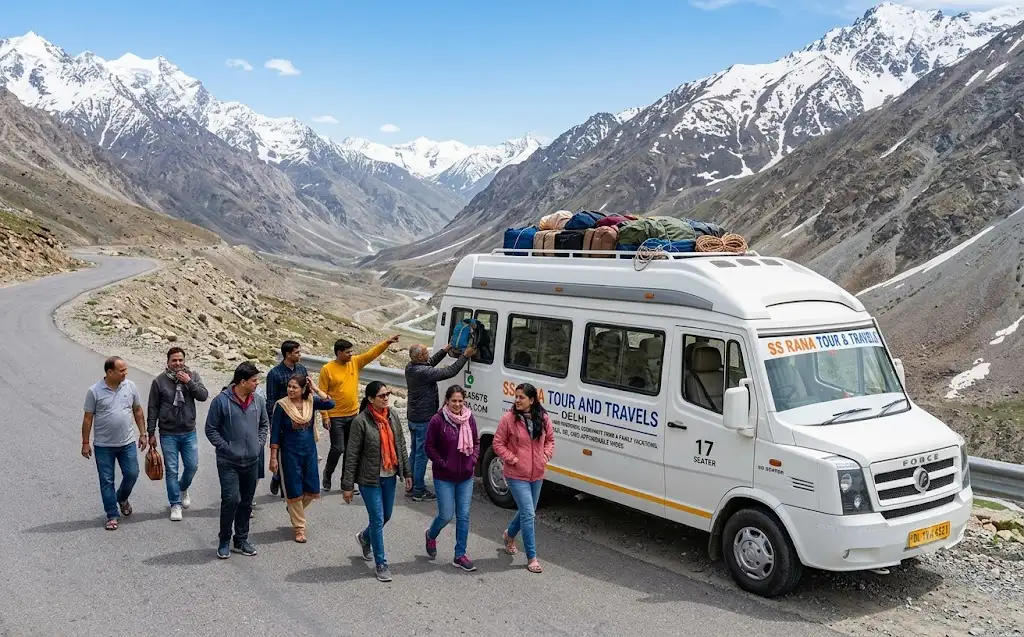
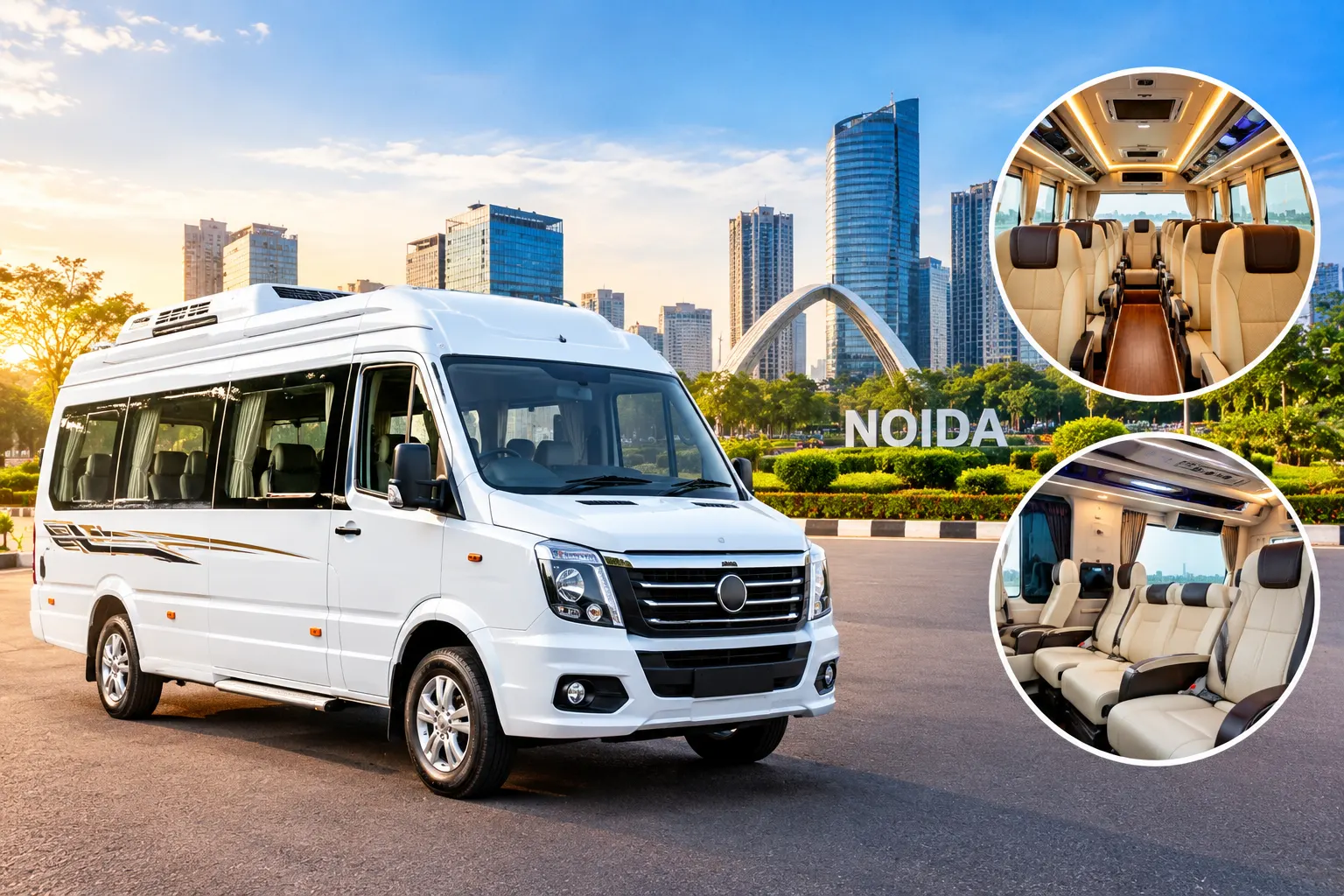
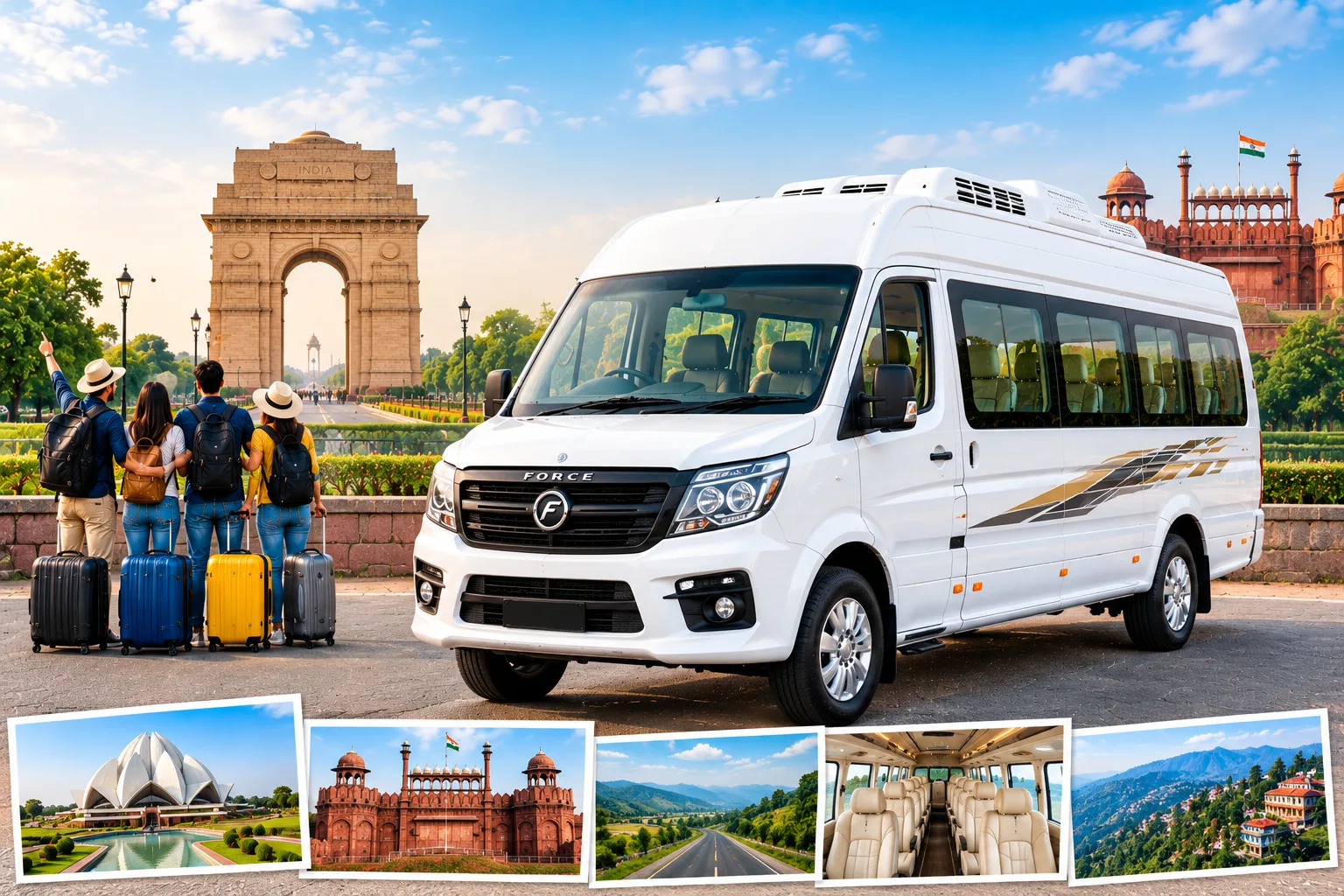
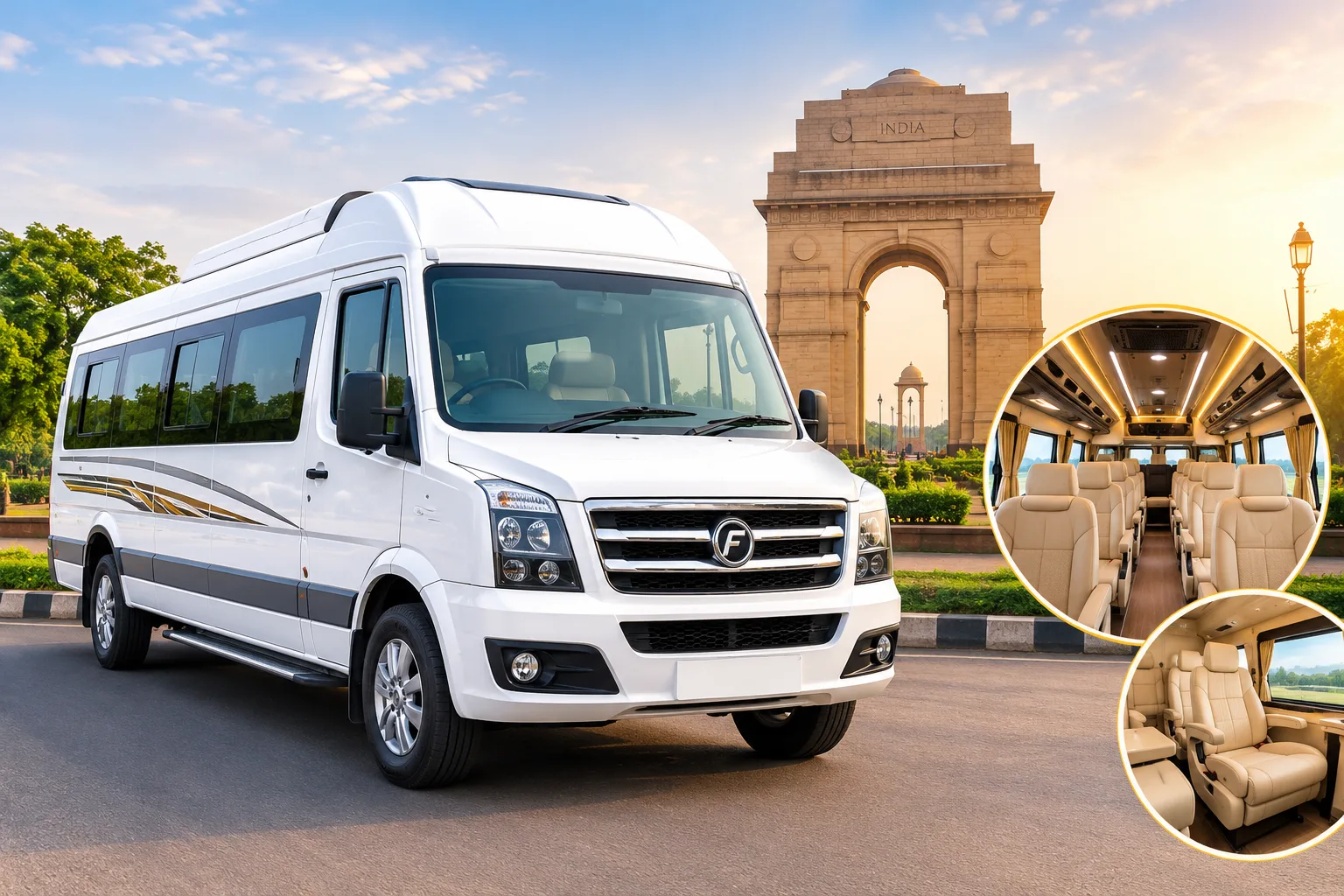
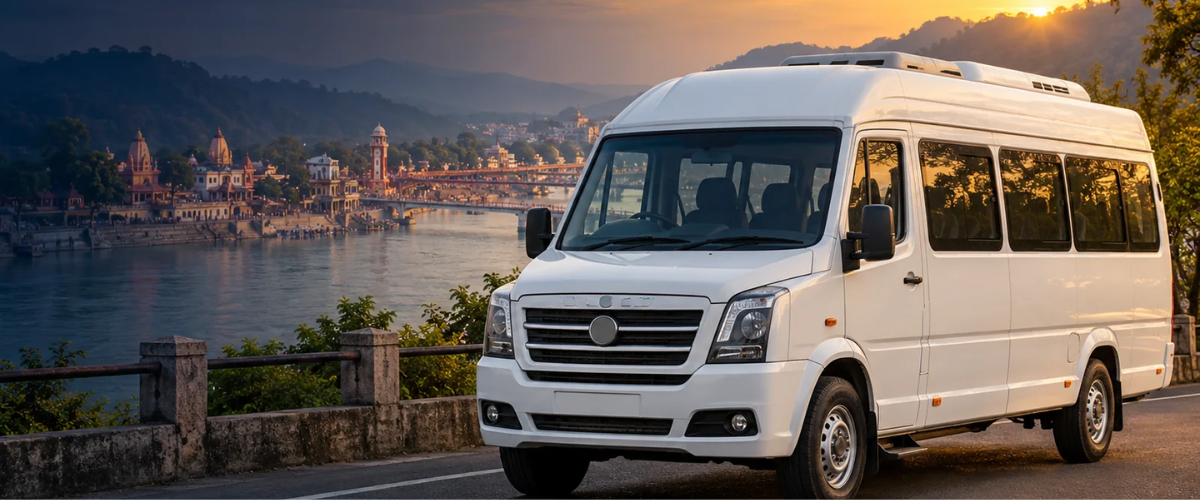
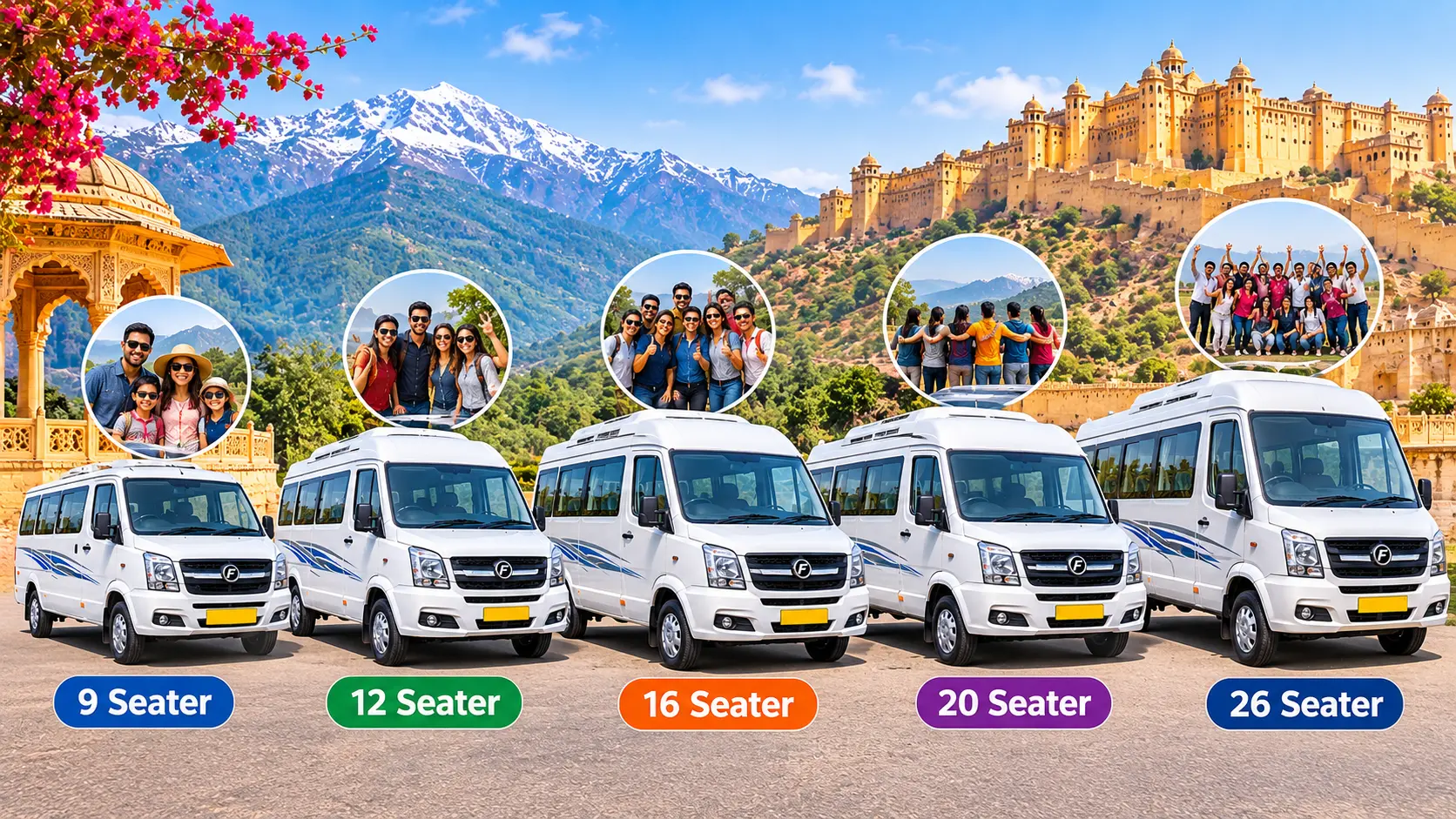
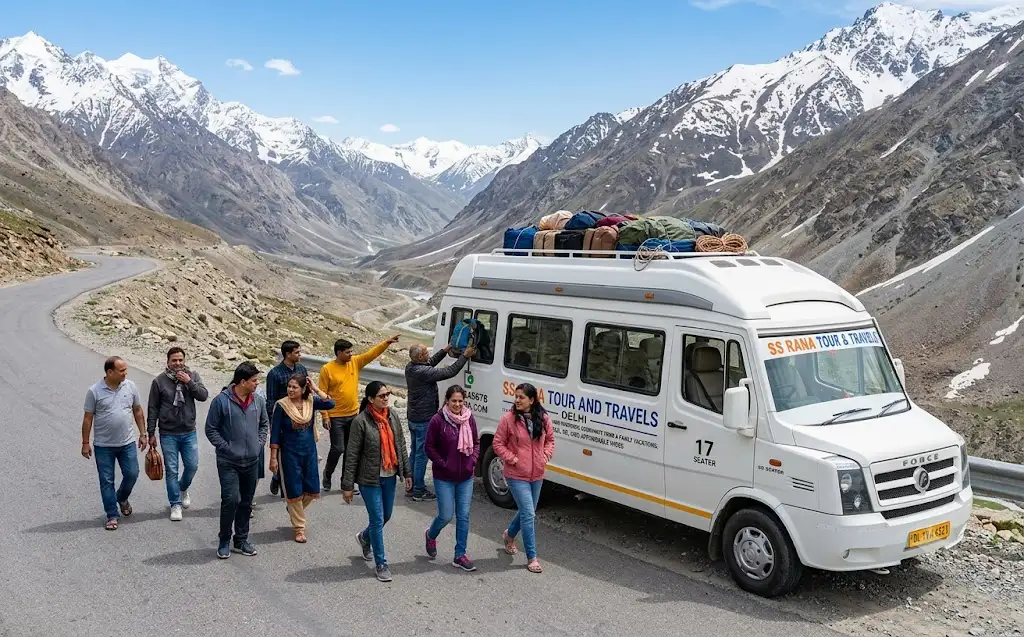
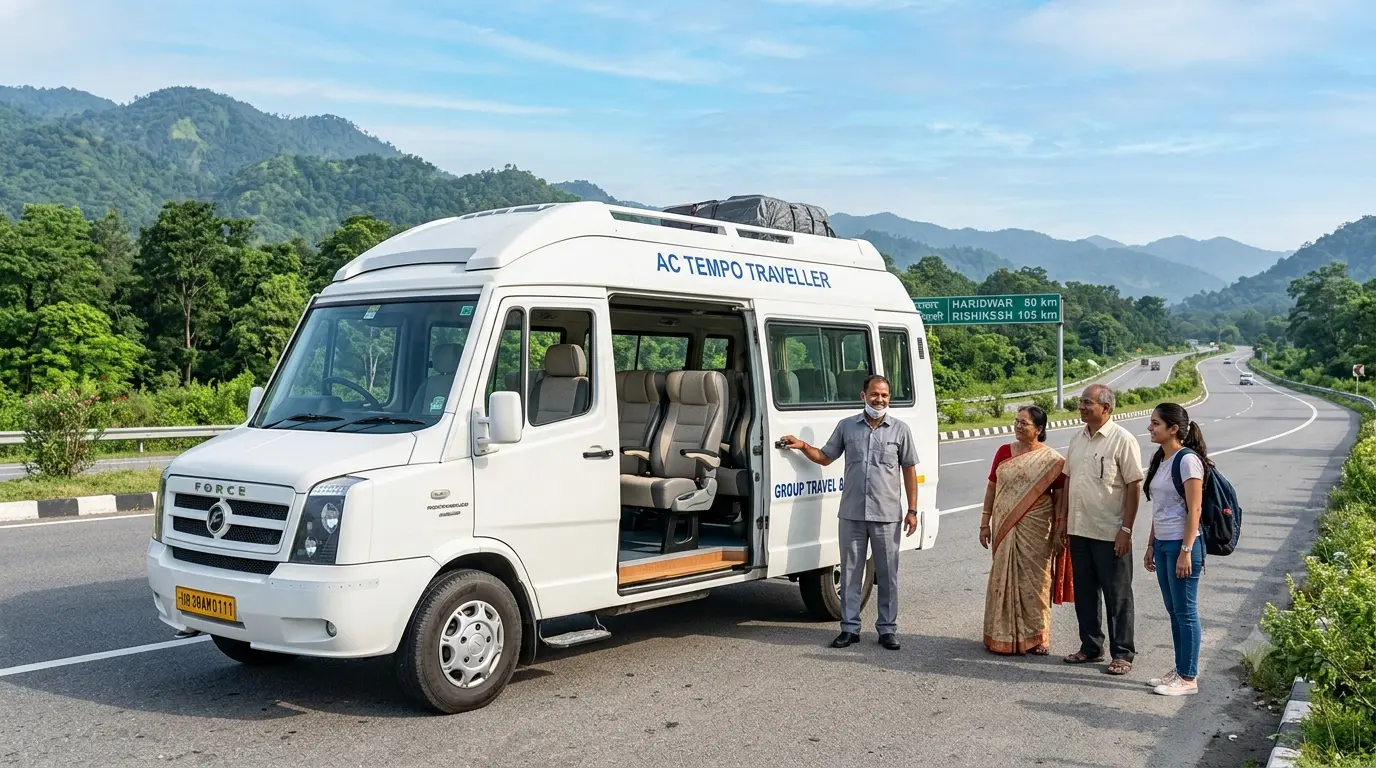
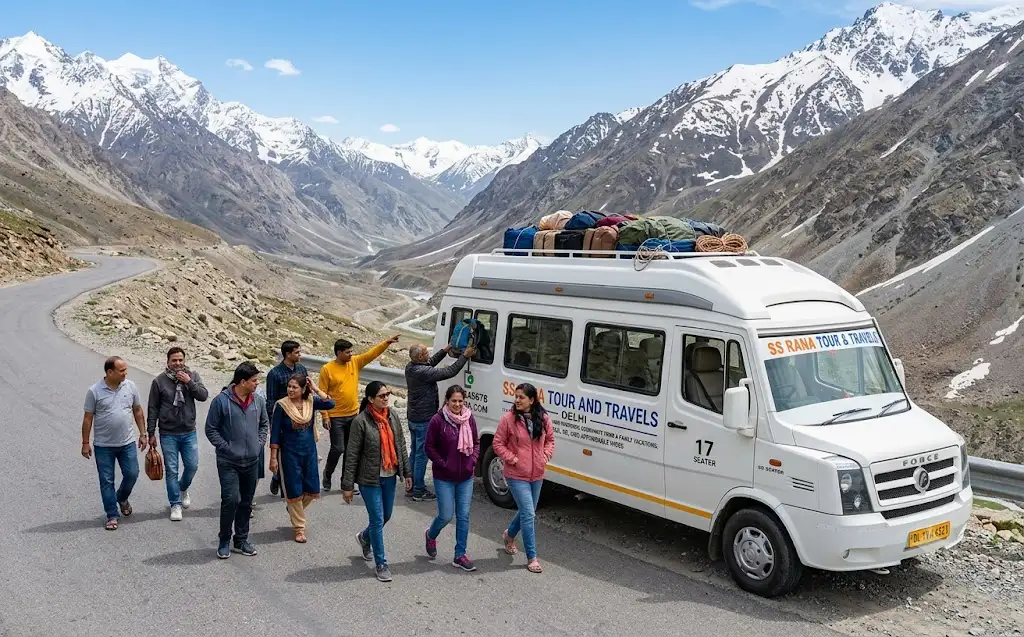
SS Rana Tour and Travels organises Do Dham and Char Dham yatras with comfortable vehicles, experienced hill drivers and clear itineraries. You can fly from Pune to Delhi and join us there, or ask us to plan pickups from Haridwar, Rishikesh, or Dehradun. We offer tempo travellers from 9- to 26-seaters for family and society groups, as well as SUVs and sedans for smaller parties.
To get a clear quote for your Kedarnath Badrinath package from Pune, share your travel dates, group size, preferred hotel category, and whether you plan to trek or take a helicopter. We will send a written itinerary with inclusions, exclusions, and total cost so you can plan with confidence.
Final Thoughts
The journey from Pune to Kedarnath and Badrinath is long, but with the right plan it is smooth and deeply rewarding. Fly to Delhi, travel by road to Haridwar, allow seven nights and eight days, register early, choose your Kedarnath option based on age and fitness, and budget roughly ₹30,000 to ₹55,000 per person. Keep a buffer day for weather, check the official announcements for 2027 season dates, and compare packages on what they include, not just the headline price.
Fly from Pune to Delhi (or Dehradun), then travel by road to Haridwar or Rishikesh. From there the route runs through Devprayag, Rudraprayag and Guptkashi to Sonprayag and Gaurikund, followed by the Kedarnath trek or a helicopter ride. From Haridwar, expect about 8 to 9 hours by road to reach Guptkashi or Sonprayag.
Plan for 7 nights and 8 days, including flights. This allows travel days, the Kedarnath darshan, the long drive to Badrinath and the return. Keep one extra buffer day if possible, because weather and landslides can cause delays.
A realistic budget is roughly ₹30,000 to ₹55,000 per person on a sharing basis, covering flights, ground package, meals and personal expenses. The price depends on season, hotel category, vehicle type, group size and whether you take a helicopter. These are indicative estimates, not a fixed quote.
No. Kedarnath is reached by road and a trek (or helicopter) from the Garhwal Himalayas, so pilgrims from Pune first travel to Delhi, Dehradun, Haridwar or Rishikesh and continue by road.
Yes. Yatra registration is mandatory and free for every pilgrim, including those going by helicopter, pony or palki. Register on the official Uttarakhand portal and carry a valid photo ID. Rules change by season, so confirm the current process before you travel and avoid agents who charge for registration.
May to June and September to October are the best windows. May and June are busiest and most expensive, while September and October usually have clearer skies and fewer crowds. July and August are not recommended because of heavy rain and landslide risk. The shrines close in winter.



















.jpeg)



.jpeg)
.webp)
.jpeg)
.jpeg)
.jpeg)


.jpeg)
.jpeg)
.jpeg)
.jpeg)
.jpeg)



.jpeg)
.webp)
.jpeg)
.jpeg)

.jpeg)

.jpeg)
.jpeg)
.jpeg)
.jpeg)

.jpeg)

.webp)
.jpeg)
.jpeg)
.jpeg)

.jpeg)













.webp)


.webp)











_15_11zon.webp)
































































































.webp)
























.webp)





















.jfif)










.jfif)
.jfif)
.jpg)
.jfif)
.jfif)
.jfif)
.jfif)
.jfif)
.jfif)


.jfif)

.jfif)

.webp)
.webp)
.webp)
.webp)
.webp)

.webp)

.webp)

.webp)

.webp)

.webp)



.webp)
.webp)

.webp)
.webp)

















.webp)






.webp)






























@.webp)