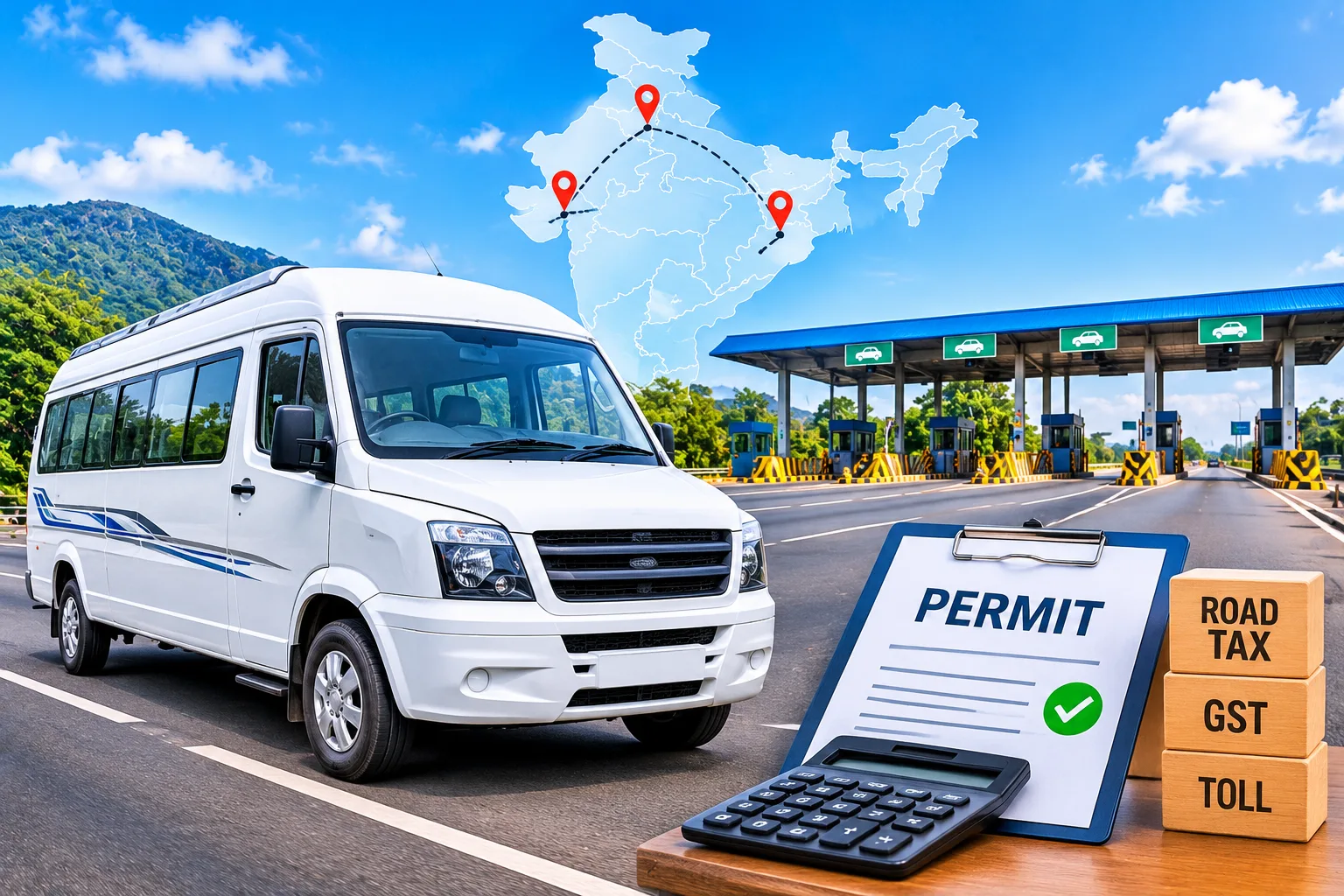
Planning an outstation trip from Delhi by Tempo Traveller in 2026? Understanding interstate permits, road taxes, and transport regulations is important before starting your journey. Learn about the essential documents, state-wise permit requirements, applicable taxes, and travel rules to help ensure a smooth and hassle-free interstate trip with SS Rana Tour.
Published on 13 Nov, 2026
Updated on 17 Nov, 2026
1016 Views
Interstate Permit and Tax Update for Tempo Traveller Outstation Trips (2026 Guide)
If you are planning a family yatra, a hill station holiday or a wedding trip outside Delhi, one question comes up before every booking: “Will the tempo traveller face any permit or tax problem on the way?”
It is a fair question. Permit rules for tourist vehicles have changed several times since 2021 Book Tempo Traveller outstation Trips. A few more changes were notified or proposed in 2026. Most travellers hear about them only when a vehicle is stopped at a state border. This guide explains in plain language what the current system looks like and what the 2026 updates mean for you. It also covers how to check that your tempo traveller hire is fully legal before you leave.
At SS Rana Tour, we handle outstation bookings from Delhi every week, so we explain these rules from the booking side, in simple terms.
What Is an Interstate Permit for a Tempo Traveller?
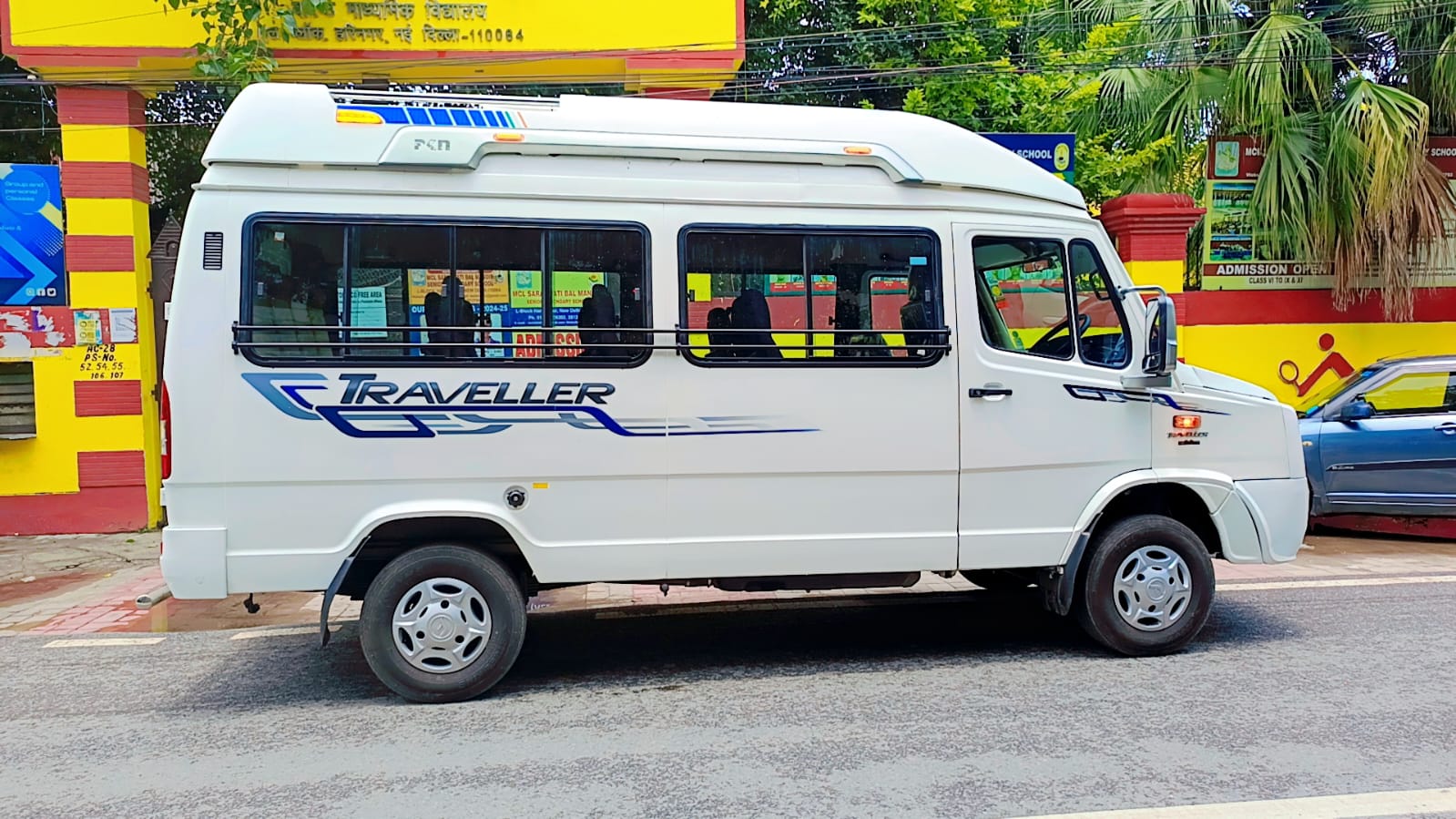
A tempo traveller is a commercial passenger vehicle. When it carries tourists across a state border, it needs legal permission to operate in that other state. That permission usually comes in one of two forms:
An All India Tourist Permit (AITP). The operator pays a fee once, and the vehicle can run across states without taking a separate permit for each one.
A state-specific or contract-carriage permit. The vehicle is allowed to run only in the states named on its permit.
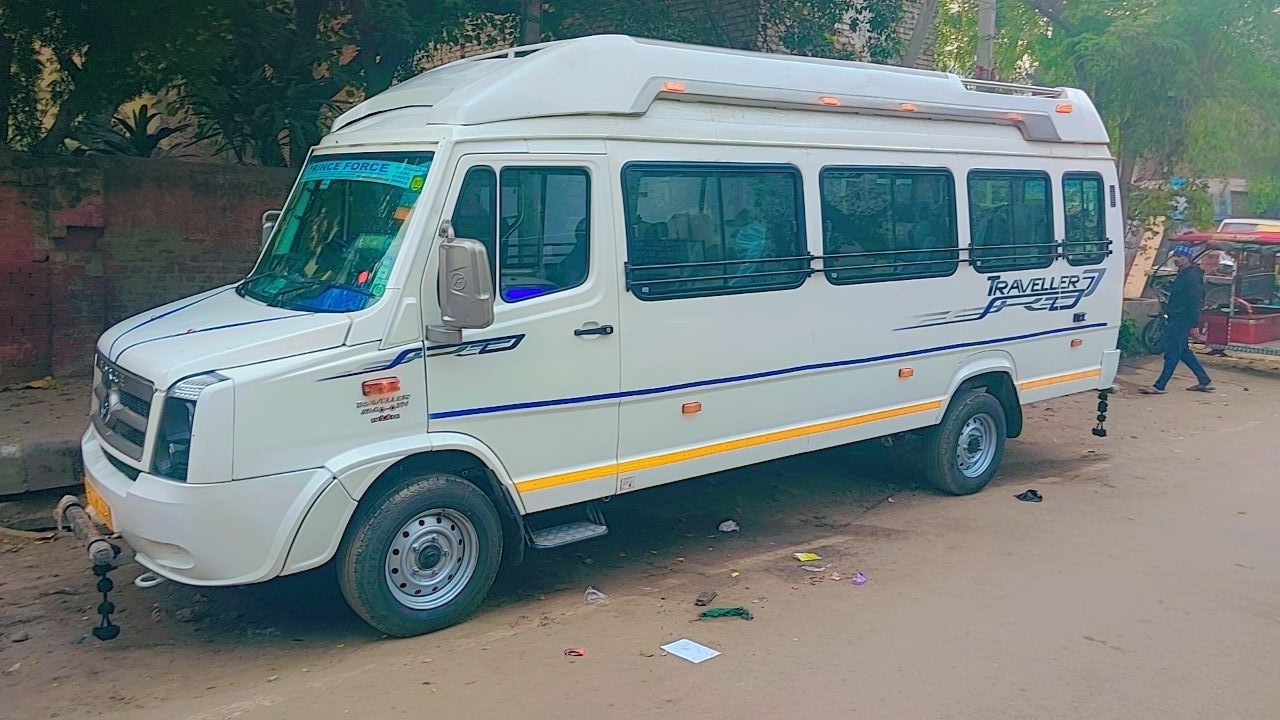
Under the All India Tourist Vehicles (Permit) Rules, 2023, the AITP is granted to a tourist vehicle belonging to a tourist vehicle operator. The vehicle must display the words “All India Tourist Permit” on its rear left side, along with the permit’s validity.
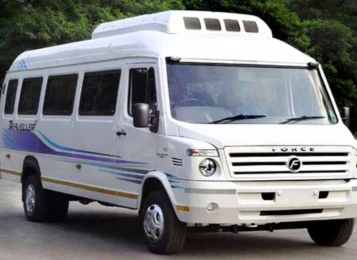
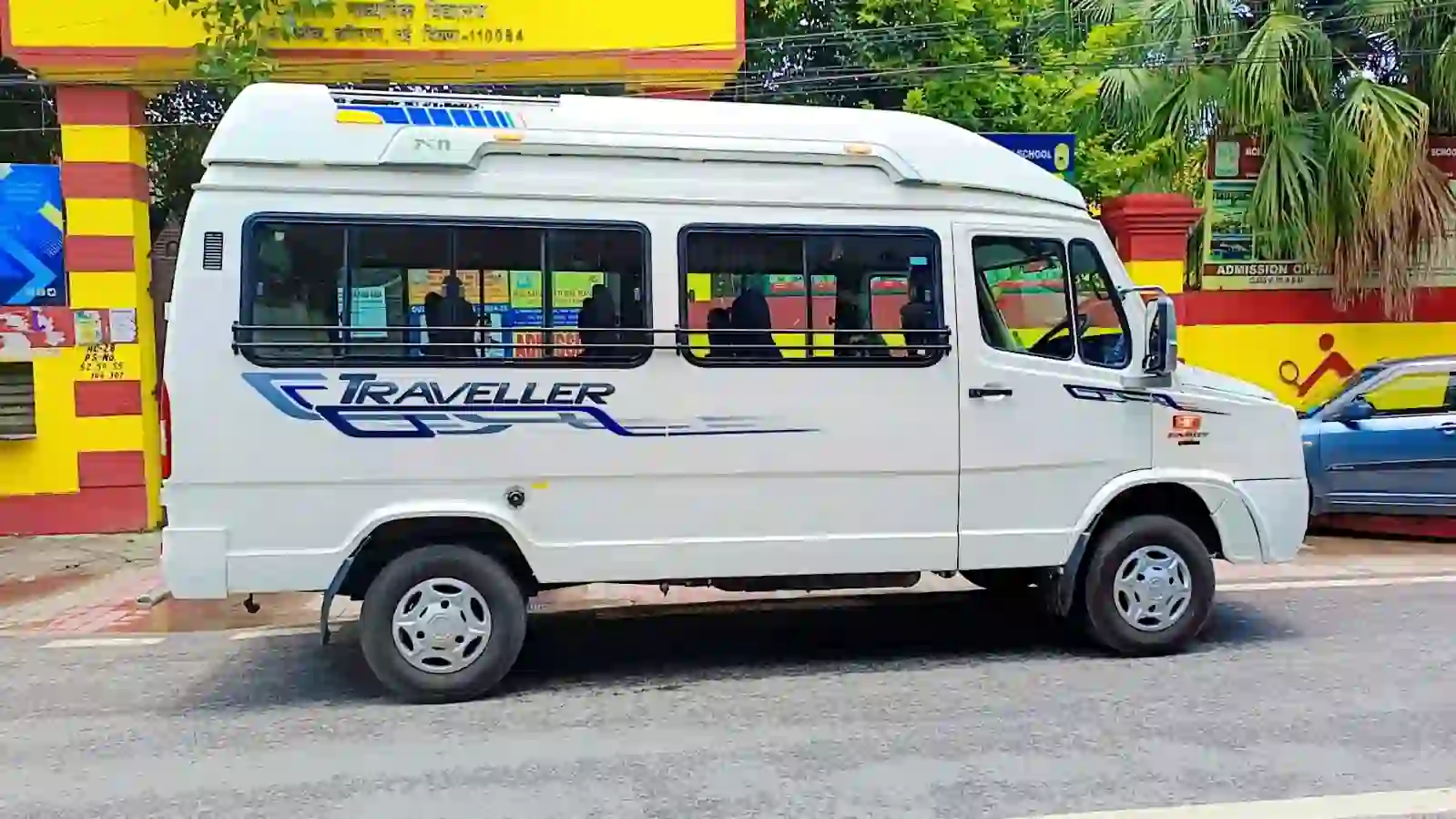
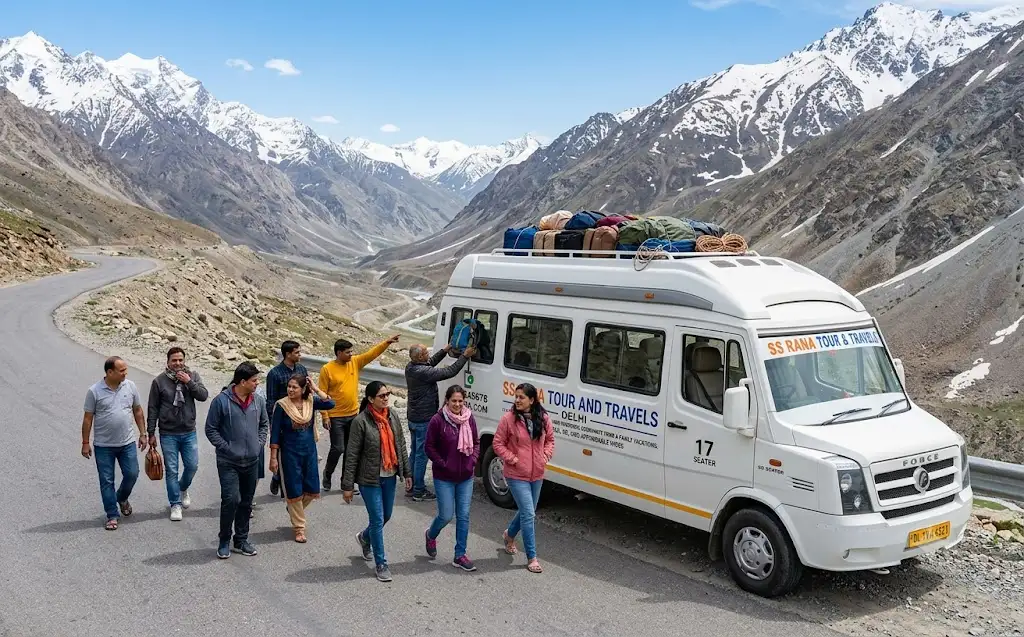
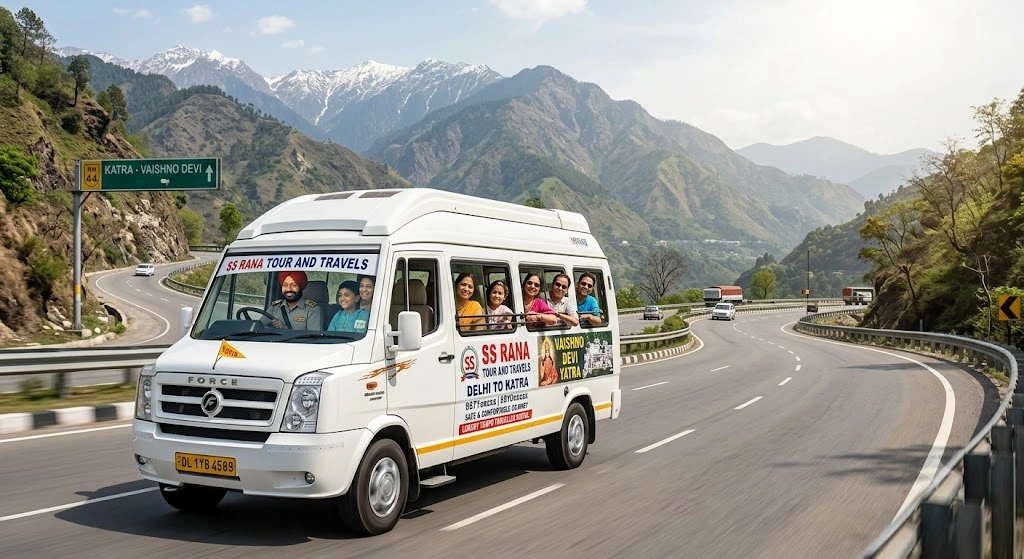
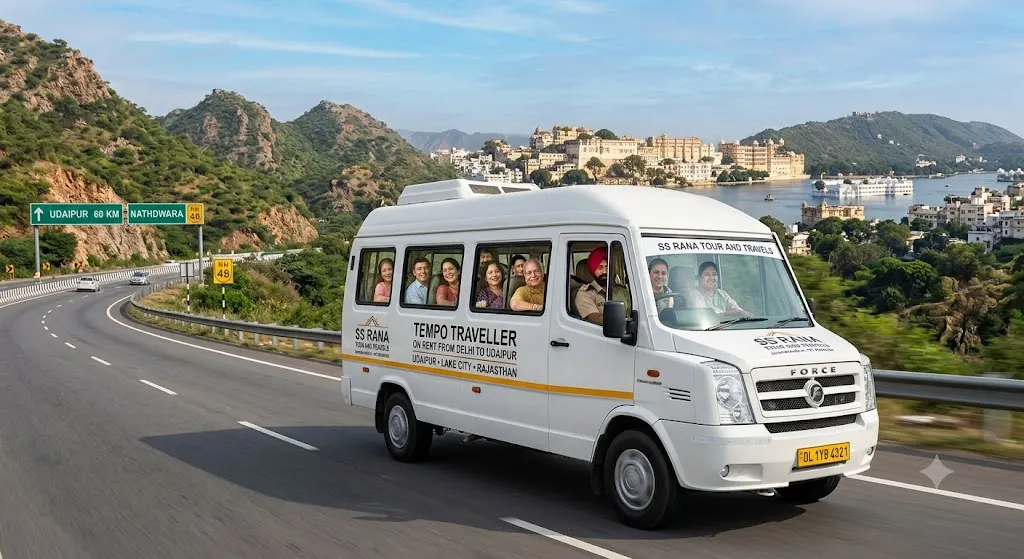
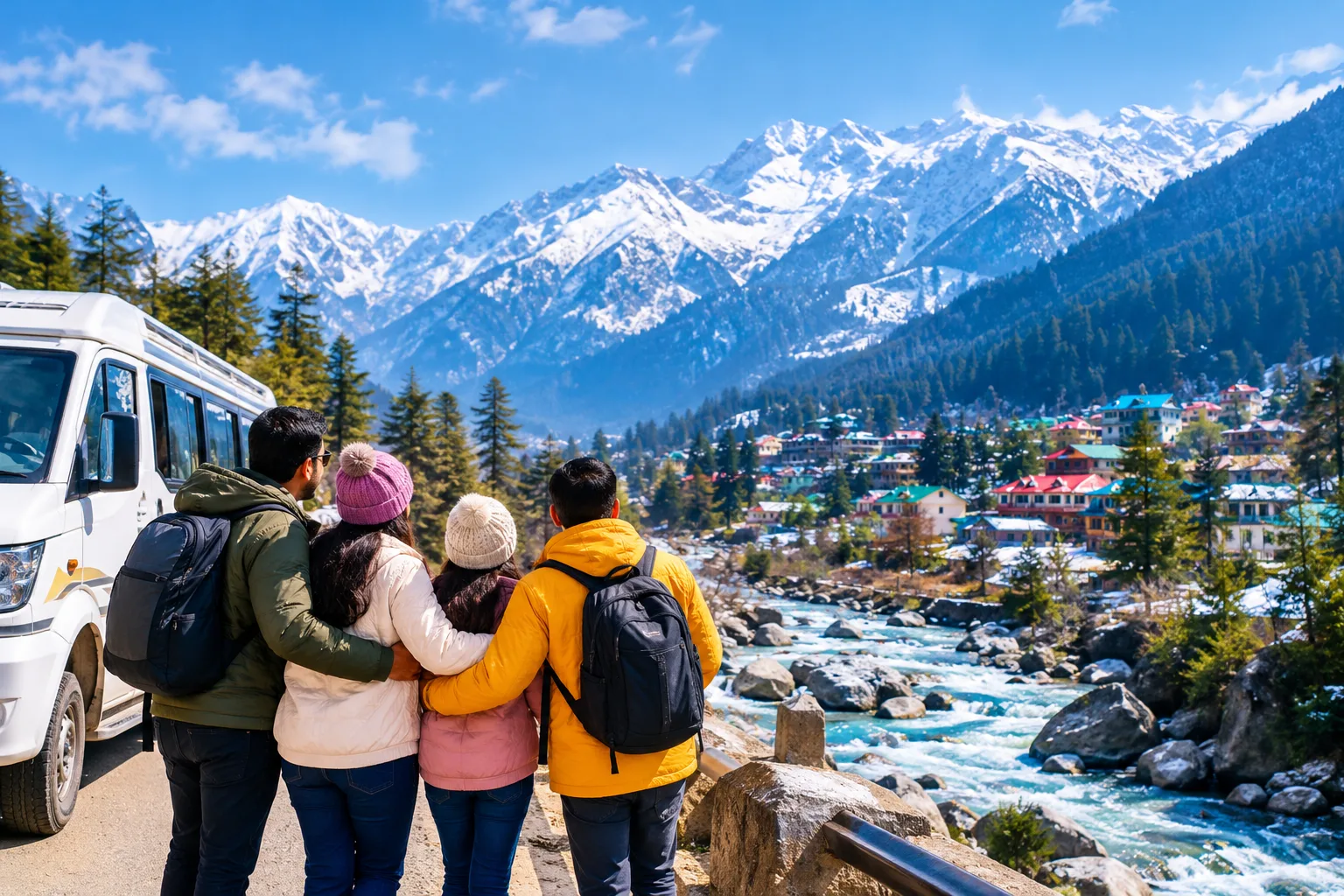
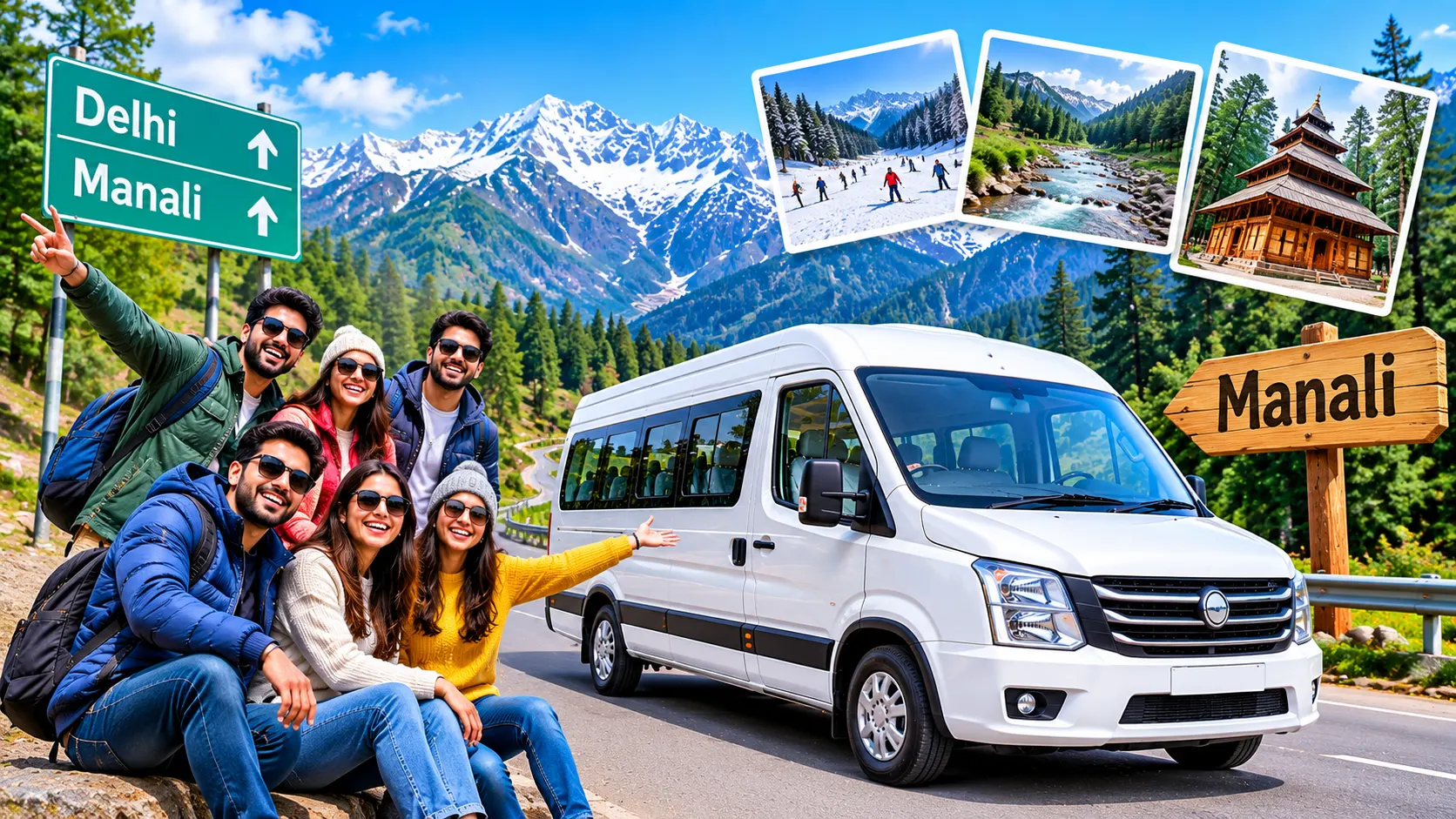
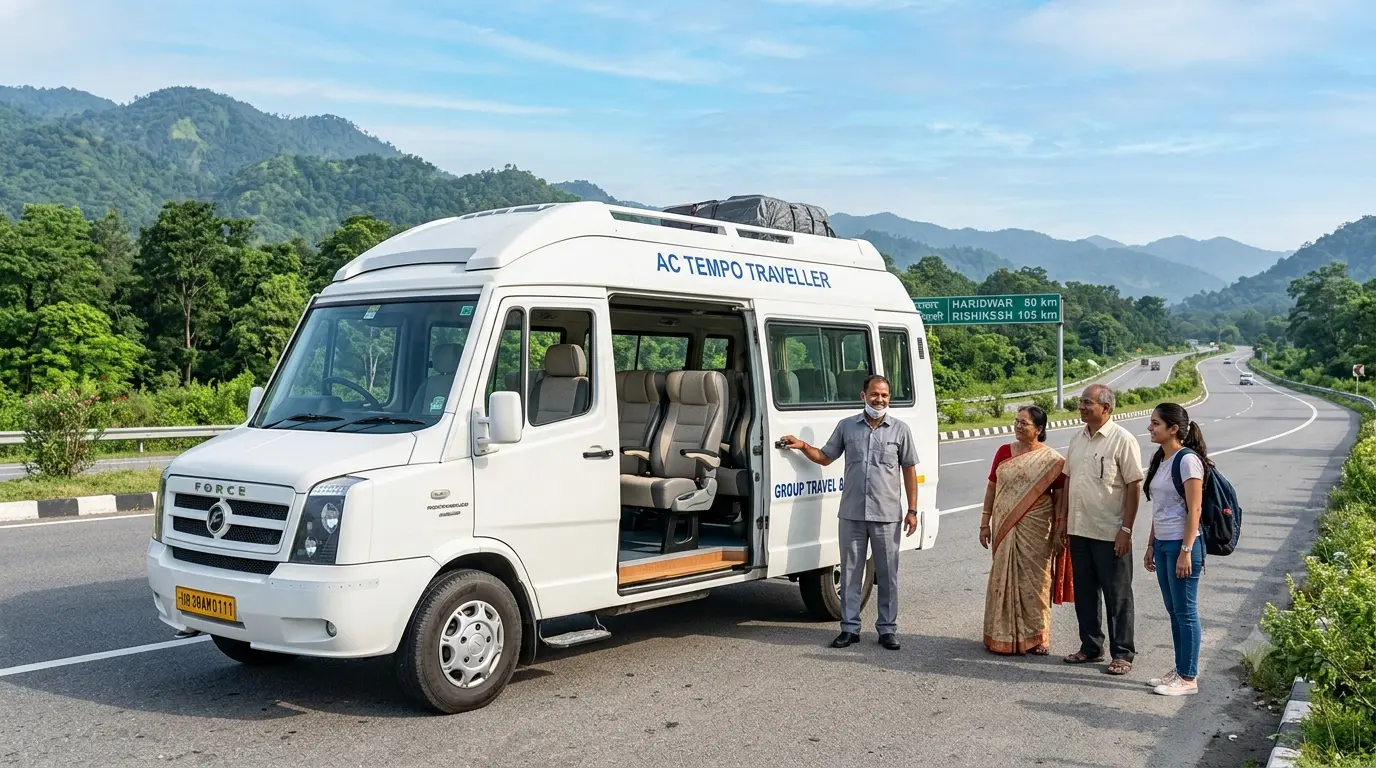
For you as a customer, this means one simple thing. A properly permitted tempo traveller on rent can go from Delhi to Manali, Haridwar, Jaipur, Agra or Amritsar without a long wait at the border. An unpermitted one can be stopped, challaned or turned back.
Why Does This Matter When You Book a Tempo Traveller on Rent?
Many travellers choose a tempo traveller on rent only on price. The permit status is rarely asked about. That is where things go wrong.
A vehicle without a valid interstate permit can lead to:
Heavy challans at state borders or checkpoints
Detention of the vehicle, with your group stuck at the roadside
Last-minute vehicle changes, which spoil the trip plan
Disputes over who pays the penalty
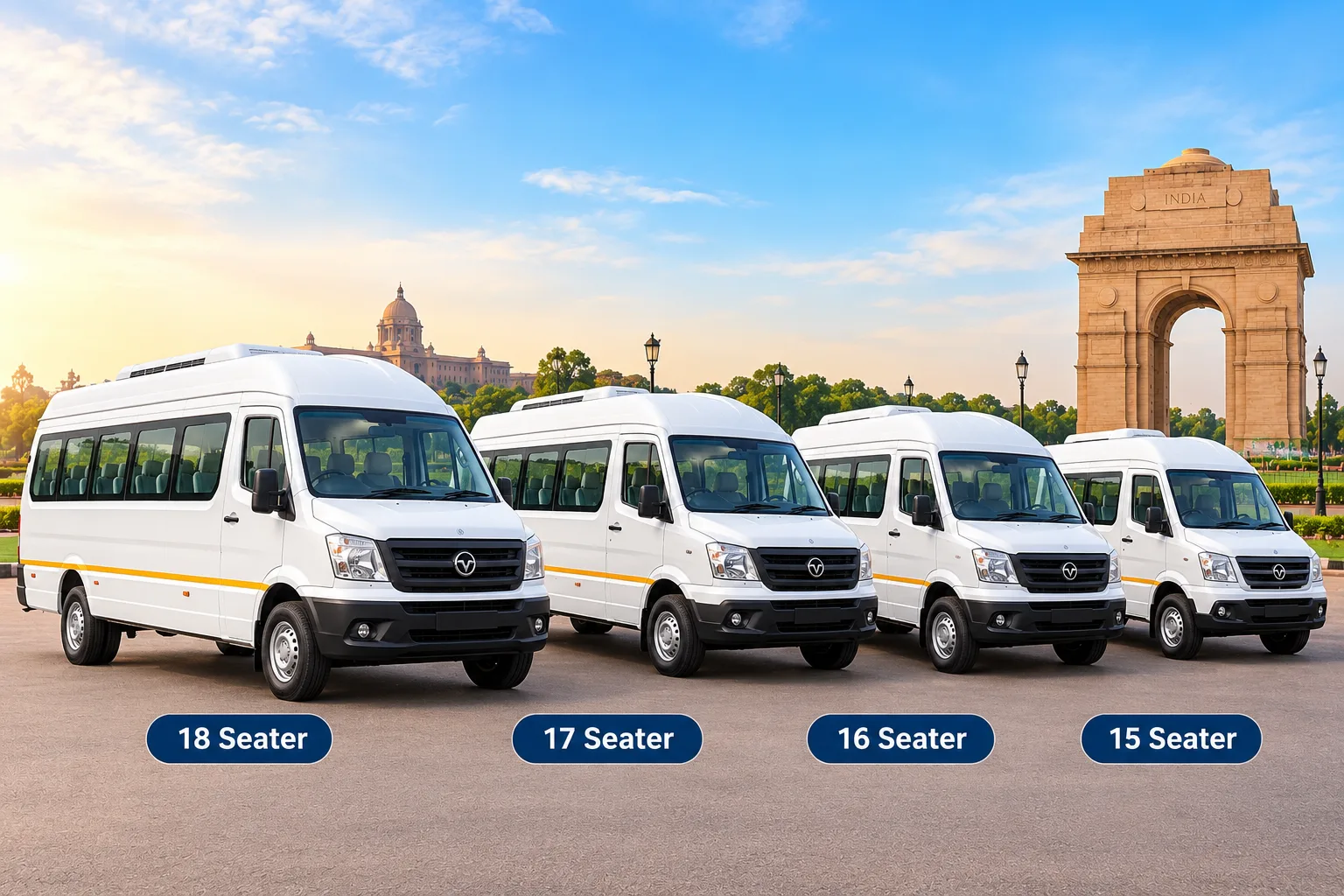
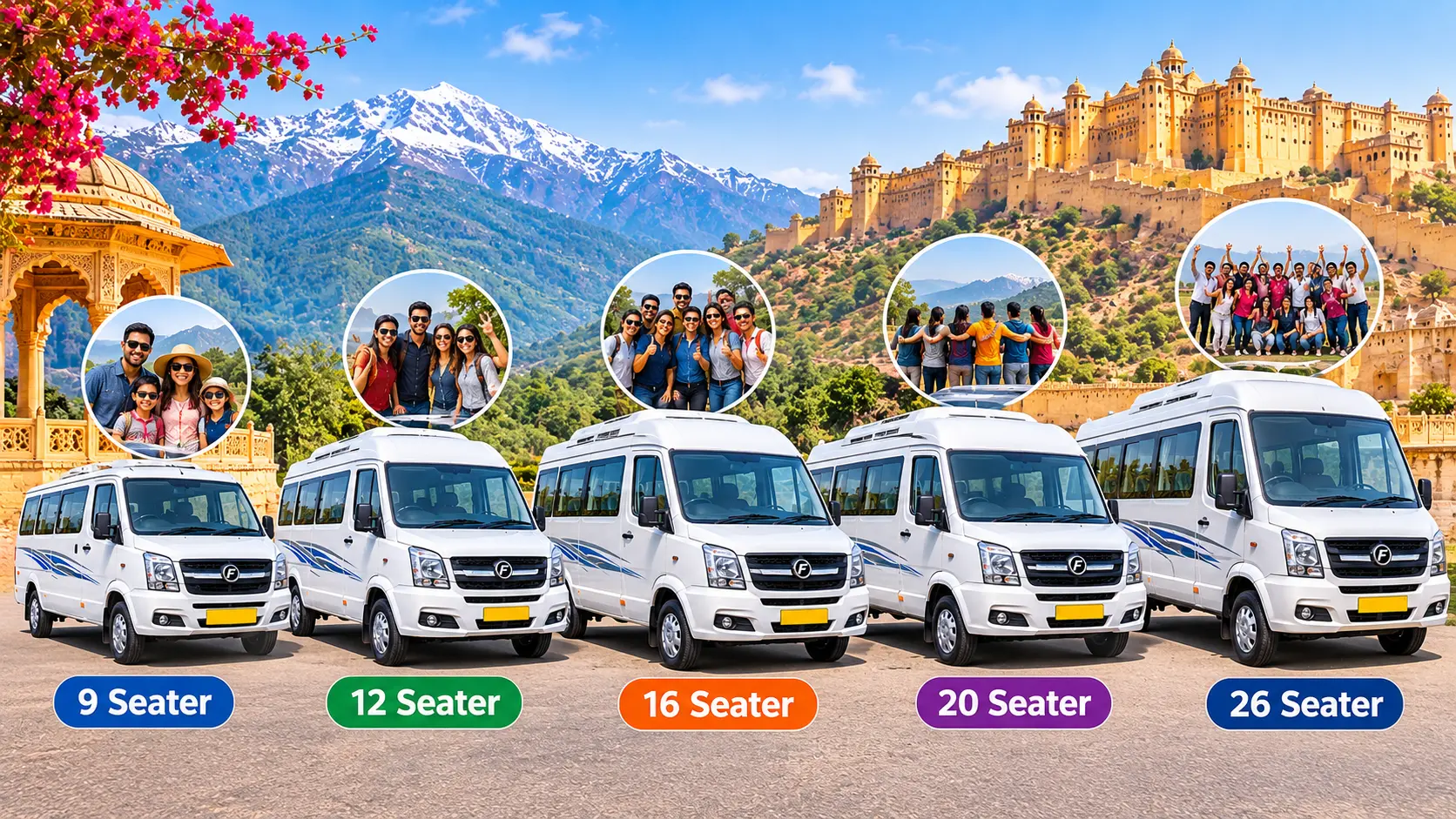
An operator who keeps the AITP valid has spent real money on it and is not cutting corners. Those are the kinds of companies you want when you hire a tempo traveller for a long-distance trip. If you are travelling with a bigger group, you can also read our guide to the 16 seater tempo traveller on rent in Delhi to see which vehicle size suits your group.
The 2026 Update: What Has Changed?
There have been two developments you should know about. One is already in force. The other is still a proposal.
1. The 60-Day Home State Rule (Notified, in Force from April 2026)
Earlier, a vehicle running on an All India Tourist Permit could stay outside its home state for up to 90 days. According to reports of the 2026 amendment, that limit has been reduced to 60 days, effective from 1 April 2026.
What it means for you: For a normal 3-to-10-day group trip, nothing changes. This rule is aimed at operators who keep vehicles outside their registration state for long periods. Still, it shows that authorities are tightening checks on permit misuse, so keep your booking documents ready.
2. The Draft Second Amendment (August 2026): Lower Fees and a 10-Year Cap on Delhi Diesels
MoRTH published the draft All India Tourist Vehicles (Permit) (Second Amendment) Rules, 2026 in August. The main proposals reported are:
A 25% cut in AITP fees across four vehicle categories. The slabs would move from Rs 20,000, Rs 30,000, Rs 80,000 and Rs 3 lakh to Rs 15,000, Rs 22,500, Rs 60,000 and Rs 2.25 lakh.
A 10-year limit for Delhi-registered diesel vehicles. A diesel vehicle registered in Delhi would not get an AITP after 10 years from its first registration.
A wider clean-fuel provision. Battery-electric vehicles and vehicles running exclusively on natural gas or hydrogen could get a permit even after 15 years, subject to a fitness certificate from an automated testing station.
A clearer purpose. The permit would be for carrying a tourist or a group of tourists together with their luggage, and not for individual passenger-by-passenger operations.
Important: This is a draft. It will be considered only after a 30-day objection and suggestion period, so it can change before it becomes final. We recommend that you do not treat it as law until a final notification is published.
What it means for you: If the fee cut becomes final, it could ease the cost pressure on operators. But no one should assume it will automatically lower your tempo traveller hire price. Fuel, driver costs, tolls and demand during peak season still decide the final rate. The 10-year cap, on the other hand, may push older Delhi diesel vehicles off interstate routes over time. That is one more reason to ask about the vehicle’s age when you book.
Do Other Taxes Apply on Top of the Permit?
This is the area that causes the most confusion.
When the 2023 rules were issued, the Centre’s stated intention was seamless movement of tourist vehicles on the strength of the permit fee, without any other kind of tax or fee being levied by states. The ministry advised states and Union Territories accordingly. The question of states charging authorisation fees or border taxes was also taken to the Supreme Court by operators.
In practice, travellers can still run into some charges on the road. Typical examples are:
Toll charges on national highways and expressways
Parking fees at tourist places and hill stations
Local entry fees or environment-related charges in certain hill or protected areas, as applicable
Driver allowance and night halt charges, which are not government taxes but are often mixed up with them
Toll compliance has also become stricter. The Central Motor Vehicles (Second Amendment) Rules, 2026 were notified to improve toll payment compliance. These links unpaid toll fees to certain vehicle services, which is a reason operators now need to keep their FASTag and dues clean.
The practical takeaway: Ask your operator, before booking, whether the quote includes tolls, state entry charges and parking, or whether these will be billed separately at actuals. A clear answer upfront avoids arguments on day three of the trip.
Documents a Legal Tempo Traveller Should Carry
When you hire a tempo traveller in Delhi for an outstation trip, the vehicle should have the following. You are entitled to ask for copies or photos before the journey:
Document
Why It Matters
Registration Certificate (RC)
Proves ownership and vehicle details
All India Tourist Permit (or valid state permits)
Allows interstate operation
Fitness certificate
Confirms the vehicle is roadworthy
Valid commercial insurance
Covers passengers and the vehicle
Pollution Under Control (PUC) certificate
Required for road use
Driver’s licence with the correct badge
Confirms the driver may drive a commercial passenger vehicle
FASTag in working condition
Avoids toll problems and penalties
If an operator hesitates to share these, treat it as a warning sign.
Voice Search Quick Answers
Does a tempo traveller need a permit to go to another state?
Yes. A tempo traveller carrying tourists across state borders needs either an All India Tourist Permit or the relevant state permits.
Can a Delhi tempo traveller go to Manali or Haridwar?
Yes, when it holds a valid interstate permit and the other required documents.
How long can a tourist vehicle stay outside its home state?
Under the amended rules in force from April 2026, a vehicle on an All India Tourist Permit can stay out for up to 60 days, down from 90.
Is the permit fee going down in 2026?
A 25% reduction has been proposed in a draft amendment. It is not yet final.
How to Check Permit Status Before You Book
You do not need legal knowledge to do this. Follow these simple steps:
Ask for the vehicle number and the permit type: All India Tourist Permit or state permit.
Request a photo of the permit and fitness certificate. A genuine operator will share them without fuss.
Check the rear left of the vehicle for the “All India Tourist Permit” marking and its validity date.
Confirm the vehicle’s age and fuel type. With the draft rule on Delhi diesel vehicles, older vehicles carry more regulatory risk.
Get tolls, state entry charges and parking in writing as included or extra.
Keep digital copies on your phone during the trip, in case of a roadside check.
Route Examples: Where Permit Awareness Helps Most
Permit and tax questions matter most on popular outstation routes from Delhi. Typical examples are:
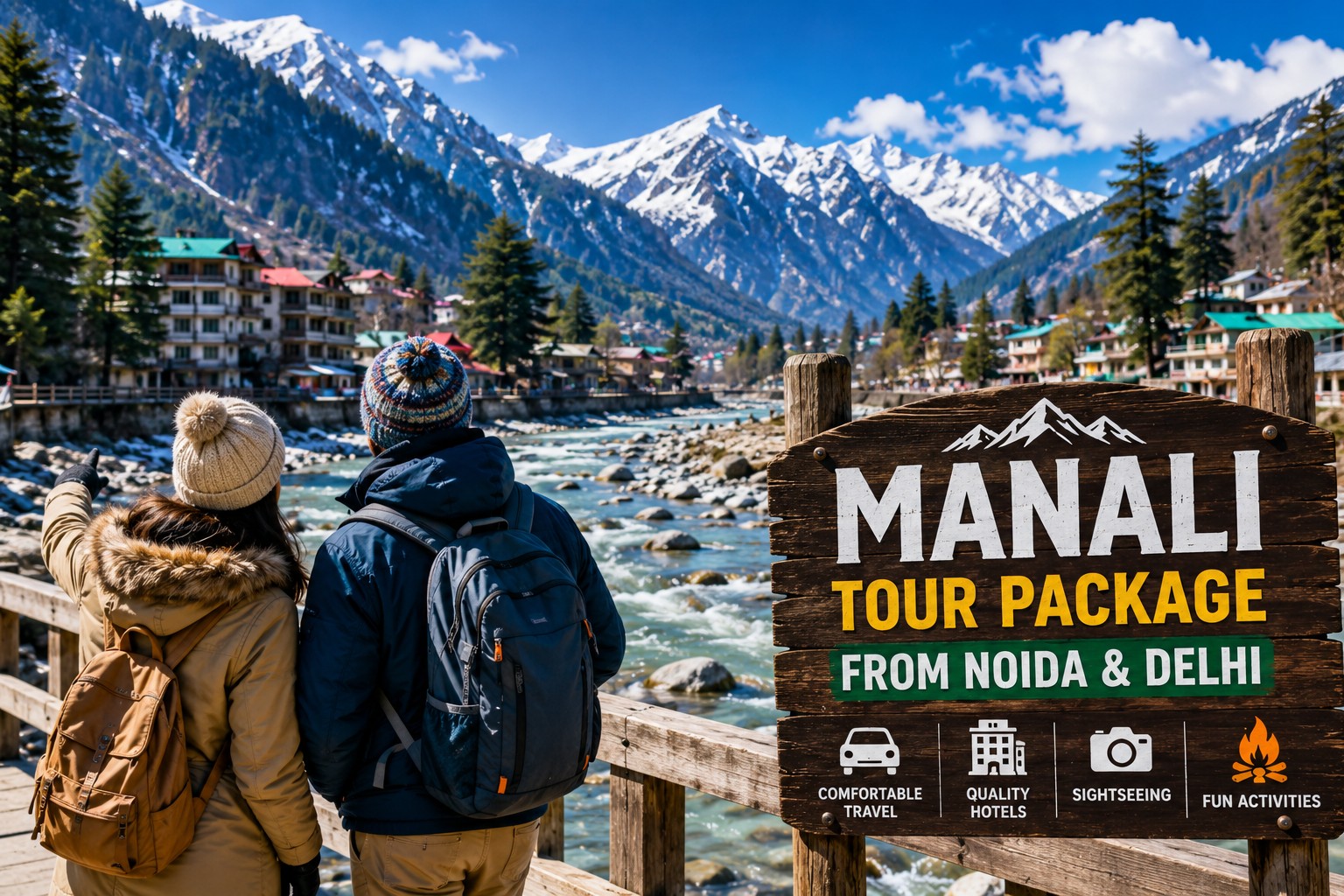
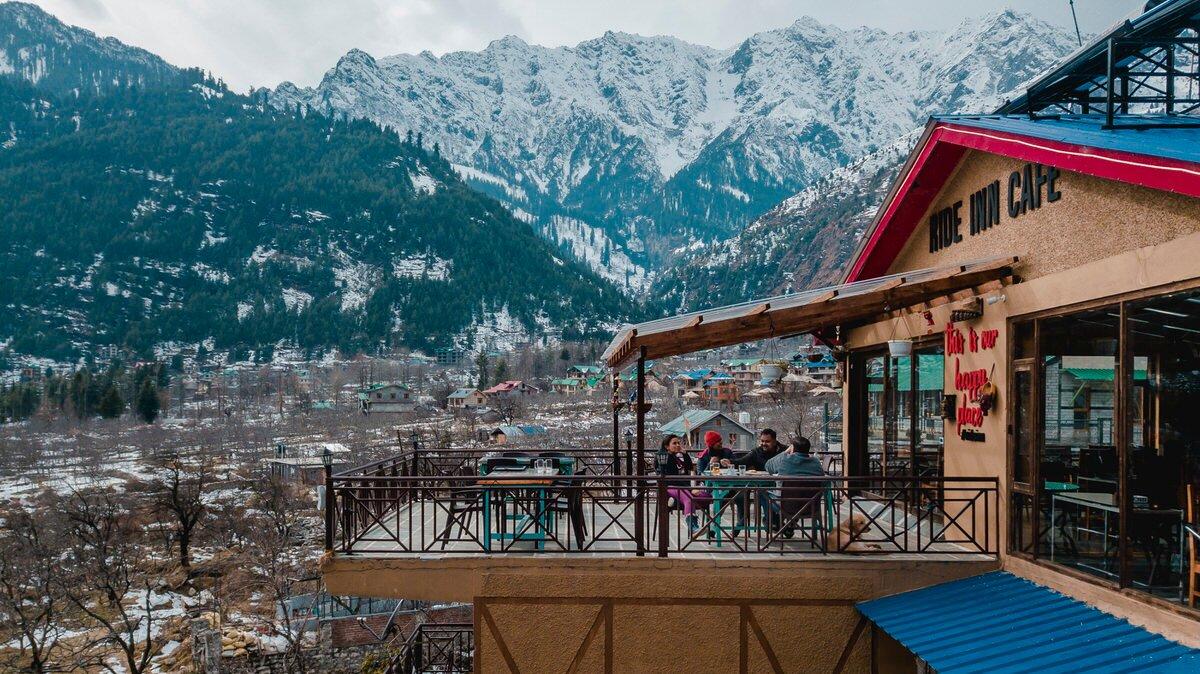
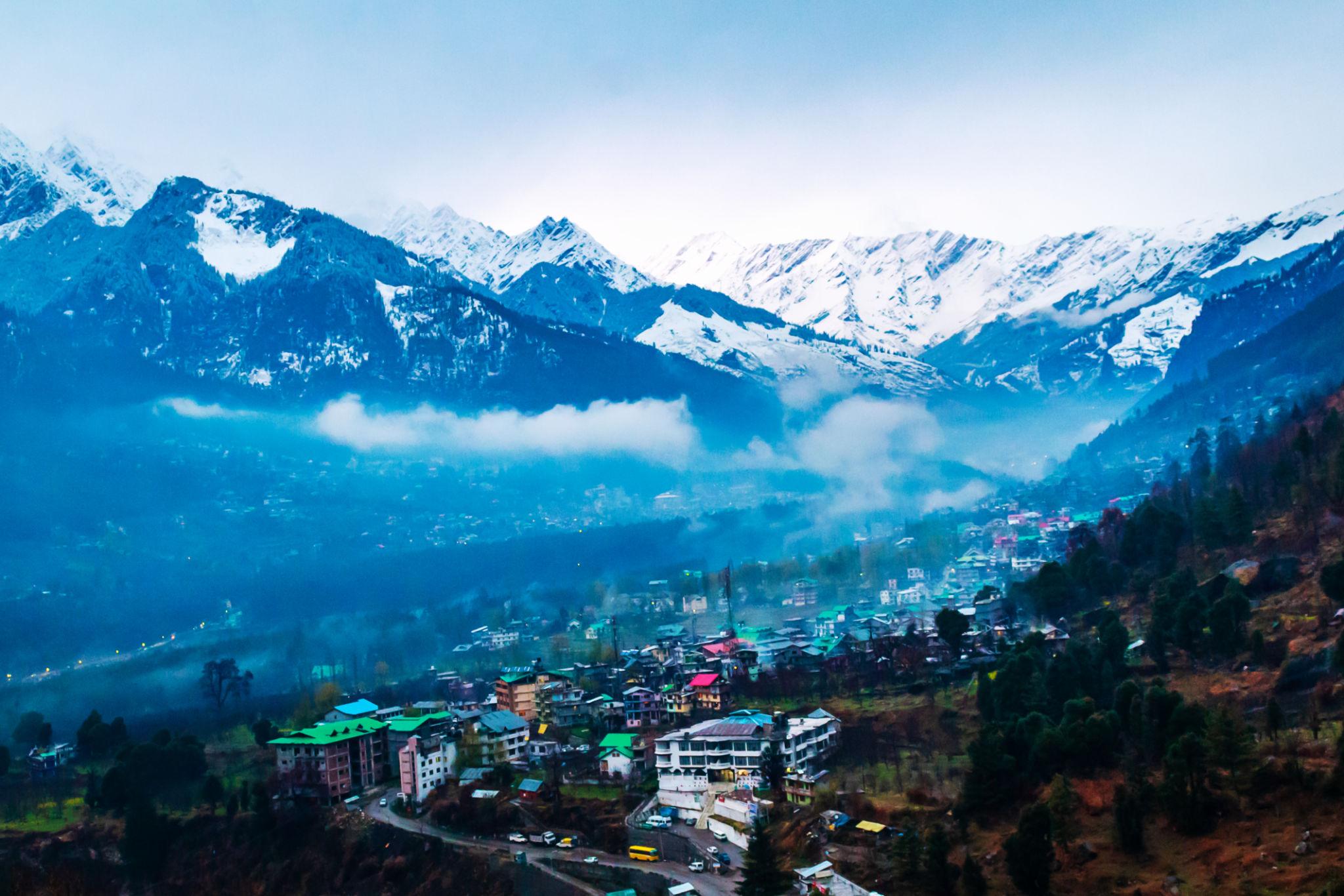
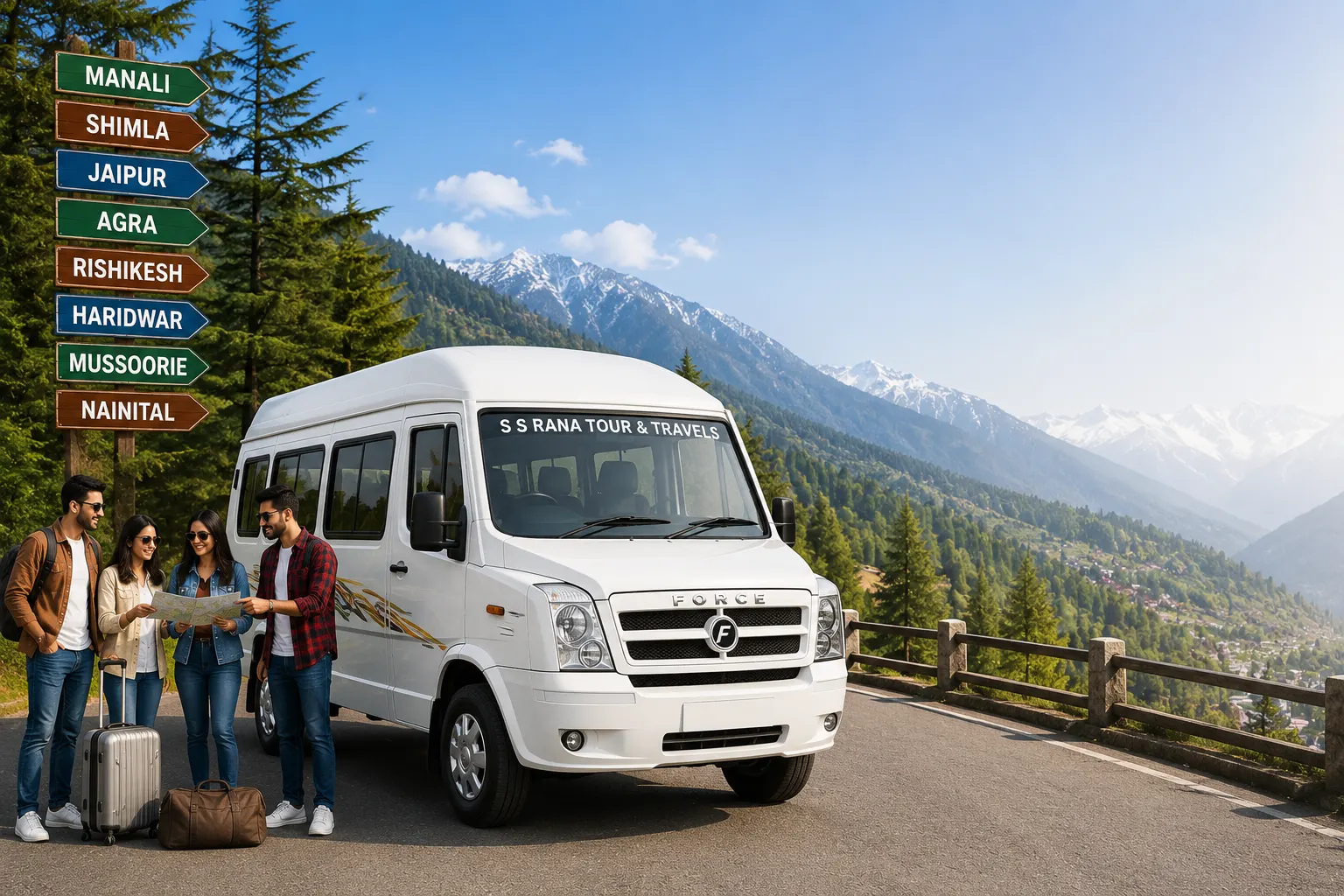
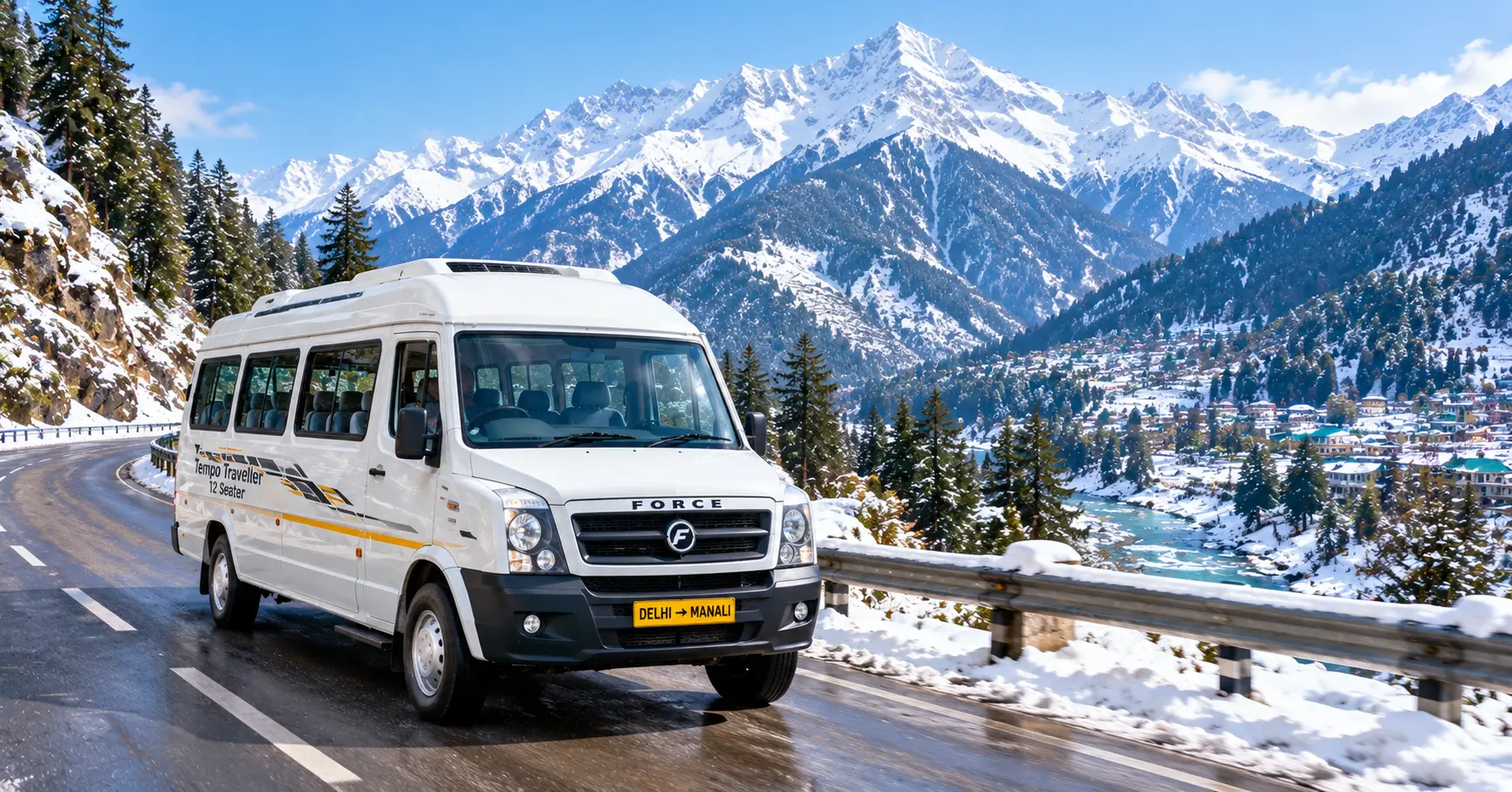
Delhi to Manali and Shimla (Himachal Pradesh): Heavy tourist traffic and frequent checks in peak season.
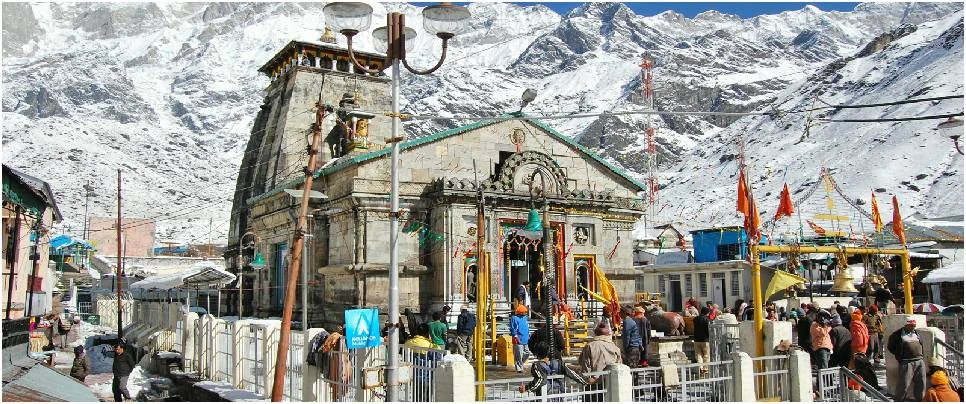
Delhi to Haridwar, Rishikesh and Dehradun (Uttarakhand): Very busy during Kanwar and Char Dham seasons.
Delhi to Jaipur, Pushkar and Udaipur (Rajasthan): Popular for family and wedding groups.
Delhi to Agra and Mathura (Uttar Pradesh): Short trips, but with several toll plazas.
Delhi to Amritsar (Punjab): Long highway stretch with multiple toll points.
For each of these routes, a valid permit and an up-to-date FASTag save you time and stress. For smaller families and groups, our 12 seater tempo traveller on rent in Delhi guide explains seating, comfort and trip planning in detail.
What Should You Expect from a Trustworthy Operator?
Based on our experience handling interstate bookings from Delhi, a reliable provider of tempo traveller hire will usually:
Operate vehicles with valid AITP or the correct state permits
Share documents on request, without being chased
Explain what the quote includes and what it does not
Tell you honestly if a route has restrictions or seasonal checks
Replace a vehicle quickly in case of a breakdown
Use well-maintained vehicles with experienced drivers
Price matters, but a rate that looks very cheap can mean missing permits, unpaid dues or an old vehicle. A challan or a breakdown on the road will cost you far more than the saving.
Tips to Keep Your Outstation Trip Smooth
Book early for weddings, long weekends and the hill season. Well-permitted vehicles get booked first.
Share your full route with the operator, including every state you will pass through.
Mention any extra stops. A change in route can change the permit or toll position.
Avoid overloading. Stay within the seating capacity shown on the vehicle’s documents.
Keep valid ID of all passengers handy for hill-state check posts.
Check the weather and road advisories before leaving, especially for mountain routes.
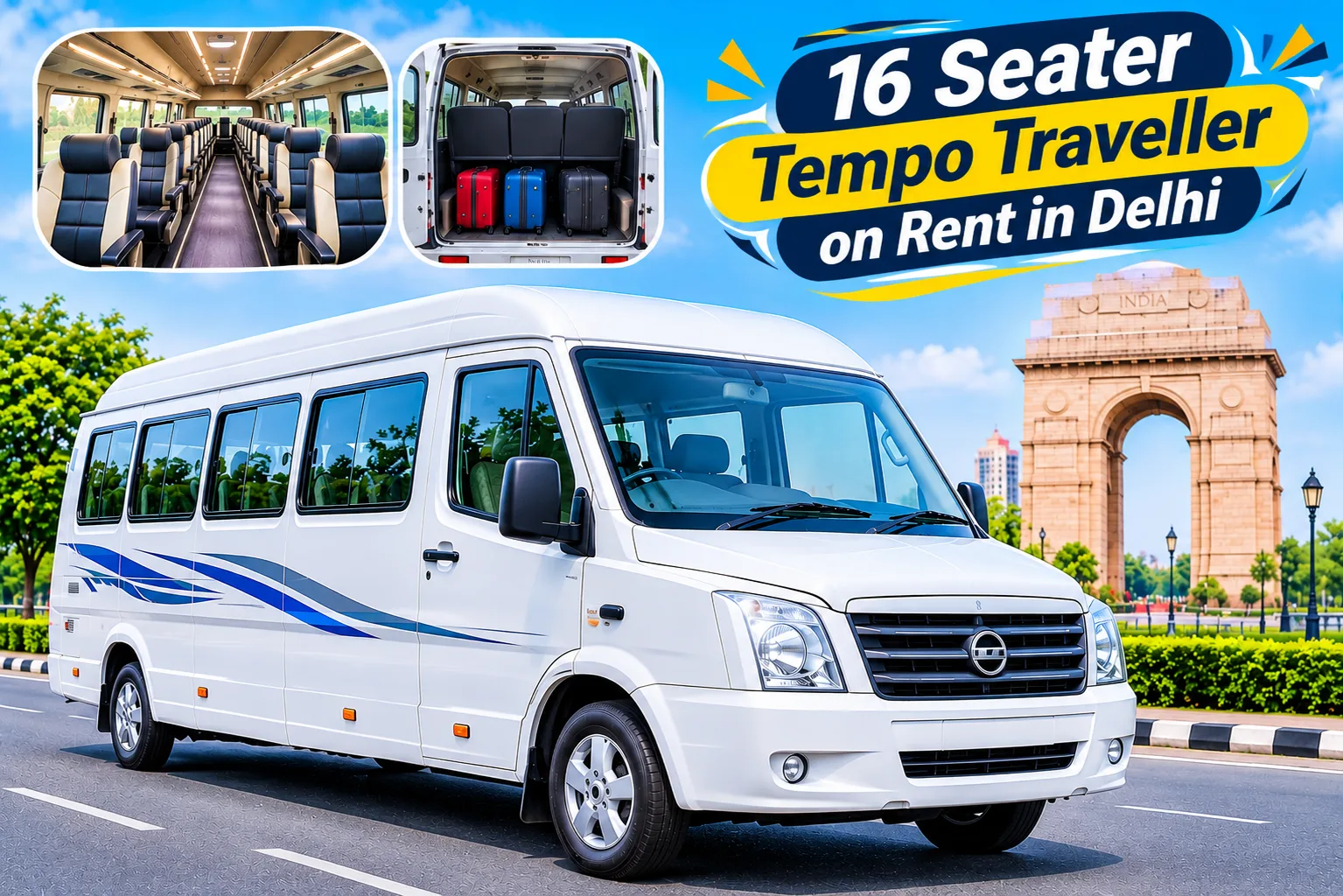
Travelling with a large family or a wedding party? Read our detailed 16 seater tempo traveller on rent in Delhi guide for rates, seating and comfort before you finalise your vehicle.
Final Thoughts
The permit and tax picture for tempo traveller outstation trips is moving in two directions. Rules on how long a vehicle may stay outside its home state have become tighter, while the proposed fee cut and clean-fuel changes may help operators in the future. For travellers, the message is simple: do not choose a tempo traveller hire on price alone. Choose one with proper documents, a clear quote and an operator who answers your questions openly.
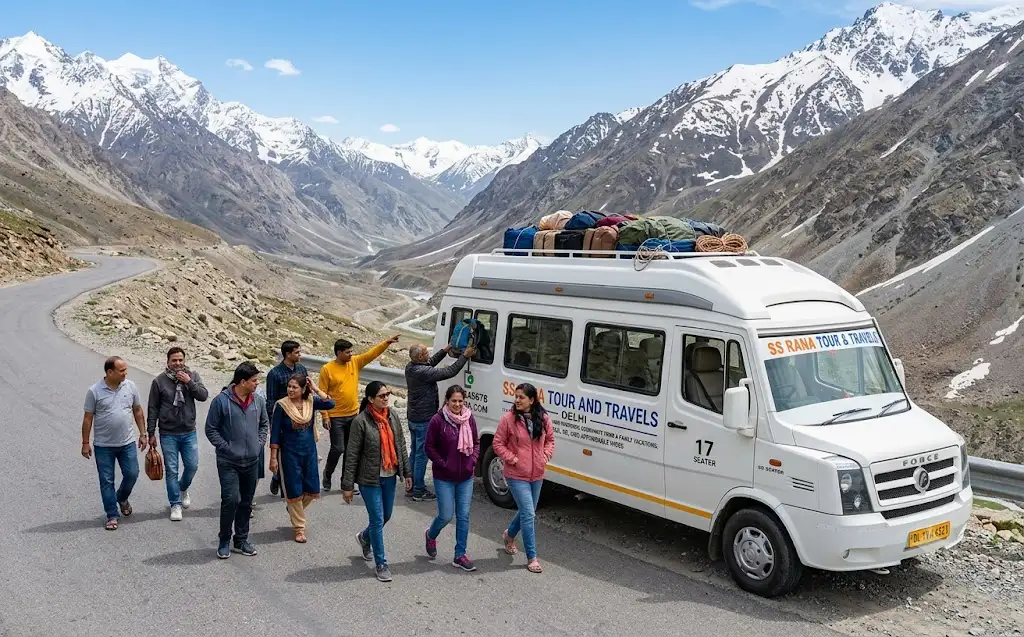
At SS Rana Tour, we provide well-maintained tempo travellers on rent in Delhi for family tours, pilgrimages, weddings and corporate outings across states. Every outstation booking comes with clear communication on permits, tolls and charges, so you travel with confidence.
Planning an outstation trip from Delhi? Contact SS Rana Tour today to get a transparent quote and book your tempo traveller hire with complete peace of mind.
You do not need to arrange anything yourself, because the permit belongs to the vehicle and is the operator’s responsibility. A tempo traveller running on an All India Tourist Permit can enter other states without taking a separate permit for each one. If the vehicle only has a state-specific permit, it can run only in the states named on it. So before you confirm the booking, ask the operator which type of permit the vehicle holds and whether it covers every state on your route. A genuine operator will answer this clearly and share a photo of the permit.
There are three simple ways to check. First, ask the operator for the vehicle number and a photo of the permit. Second, look at the rear left side of the vehicle, where the words “All India Tourist Permit” must be displayed along with the permit’s validity date. Third, compare the vehicle number on the permit with the number on the vehicle itself. Make this check on pickup day, before you load luggage, so any problem can be solved before the trip starts and not at a state border.
The permit fee is paid by the vehicle owner, not by you as a separate line item. It is a yearly operating cost that is usually built into the rental rate, along with insurance, maintenance, driver salary and fuel. For this reason, a good operator does not add a “permit charge” on top of your bill. What can change your final price are tolls, parking, state entry charges, driver allowance and night halt charges. Ask the operator to tell you clearly which of these are included in the quote and which will be billed at actuals.
Not automatically. The 25% reduction appears in a draft amendment published in August 2026. It is still open for objections and suggestions, so it can change before it becomes final. Even if it is approved as proposed, it would reduce one yearly cost for operators, and your rent would still depend on distance, fuel prices, driver costs, tolls and seasonal demand. During wedding season or the hill station rush, rates often rise because vehicles are in short supply, whatever happens to the permit fee. Treat the draft as a possible future saving, not as a reason to delay your booking.
Under the amended rules reported to be in force from April 2026, a vehicle running on an All India Tourist Permit may stay outside its home state for up to 60 days. Earlier, the limit was 90 days. The change is mainly meant to stop operators from keeping vehicles in other states for long periods and misusing the permit. It does not affect a normal holiday, pilgrimage, wedding or corporate trip of a few days or even a couple of weeks. As a customer you do not need to count days. You only need to make sure that the operator follows the rules and keeps the documents in order.
At present, what matters is whether the vehicle has a valid permit, fitness certificate and the other required documents. However, the draft Second Amendment Rules, 2026 propose that a diesel vehicle registered in Delhi will not be granted an All India Tourist Permit after 10 years from its first registration. Vehicles running on battery power or exclusively on natural gas or hydrogen may get a permit even after 15 years if they pass a fitness test at an automated testing station. Since this is only a draft, it is not final law. Still, it is smart to ask the age and fuel type of the vehicle when you book, because older diesel vehicles may face more regulatory risk in the future.
This depends entirely on the terms of your quote, so it must be settled before the trip. Some operators quote an all-inclusive rate that covers tolls, parking and entry charges. Others quote a lower base rate and bill these costs separately at actuals. Neither approach is wrong, but the difference can add up to a few thousand rupees on a long route such as Delhi to Manali or Amritsar. Ask for the inclusions and exclusions in writing, or on WhatsApp, and ask the driver to keep receipts for every toll and parking payment during the trip.























.jpeg)




.jpeg)
.webp)
.jpeg)
.jpeg)
.jpeg)


.jpeg)
.jpeg)
.jpeg)
.jpeg)
.jpeg)



.jpeg)
.webp)
.jpeg)
.jpeg)

.jpeg)

.jpeg)
.jpeg)
.jpeg)
.jpeg)


.jpeg)

.webp)
.jpeg)
.jpeg)
.jpeg)

.jpeg)




















.webp)




.webp)











_15_11zon.webp)



































































































































































































































.webp)

























































.webp)

































.jfif)












.jfif)

.jfif)

.jpg)

.jfif)
.jfif)
.jfif)



.jfif)
.jfif)
.jfif)



.jfif)




.jfif)









.webp)

.webp)
.webp)

.webp)
.webp)

.webp)


.webp)


.webp)





.webp)



.webp)










.webp)

.webp)


.webp)

.webp)

































.webp)






.webp)




































































@.webp)