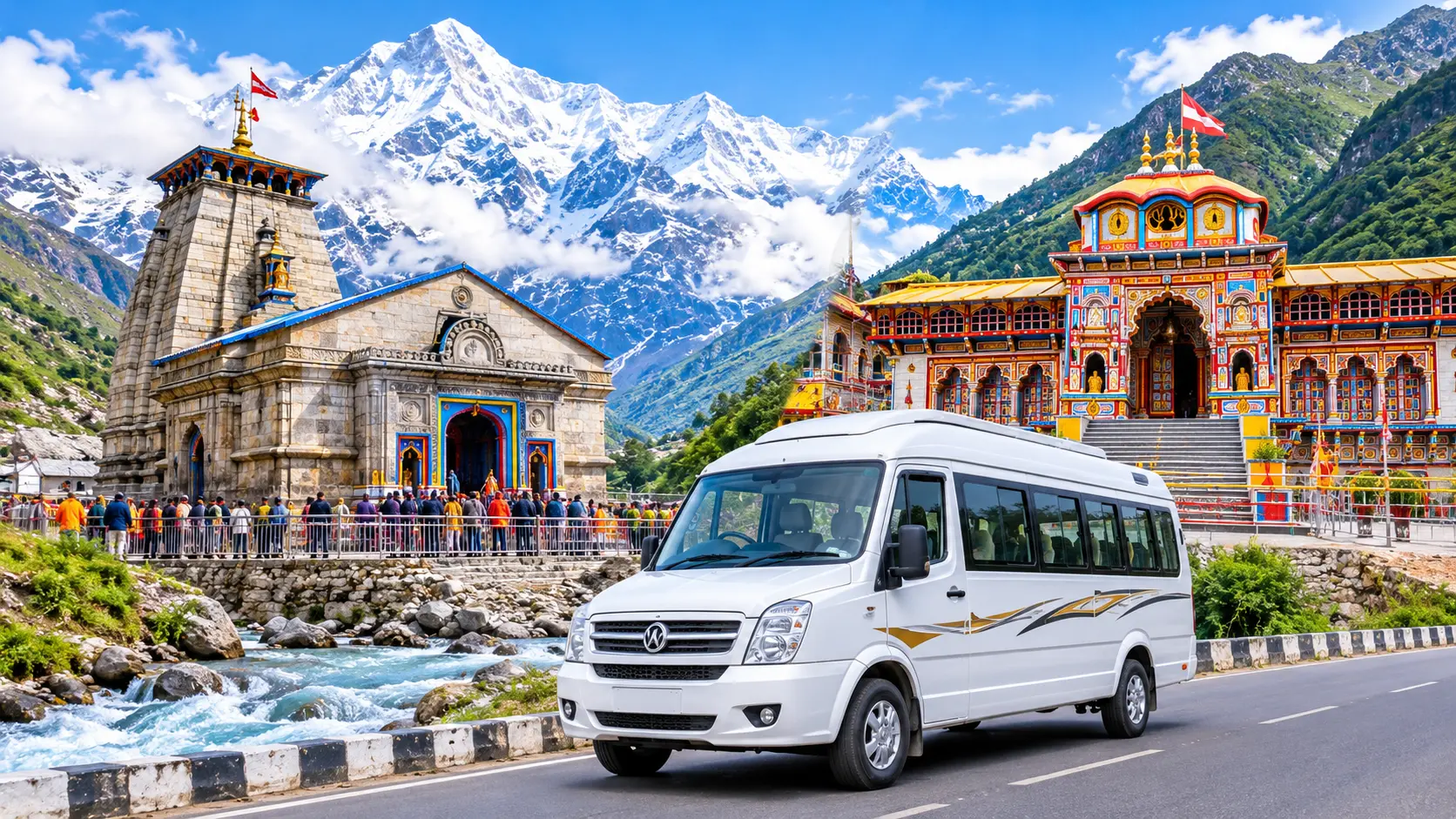
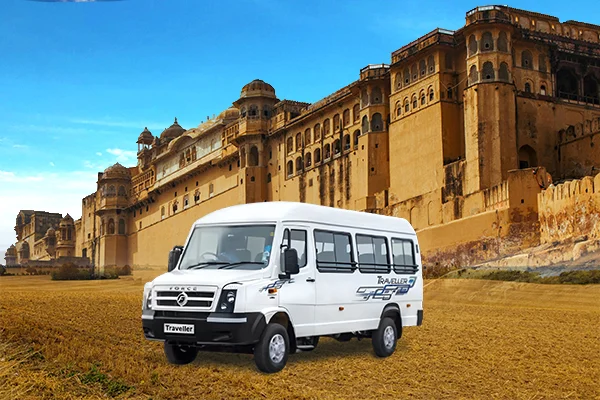
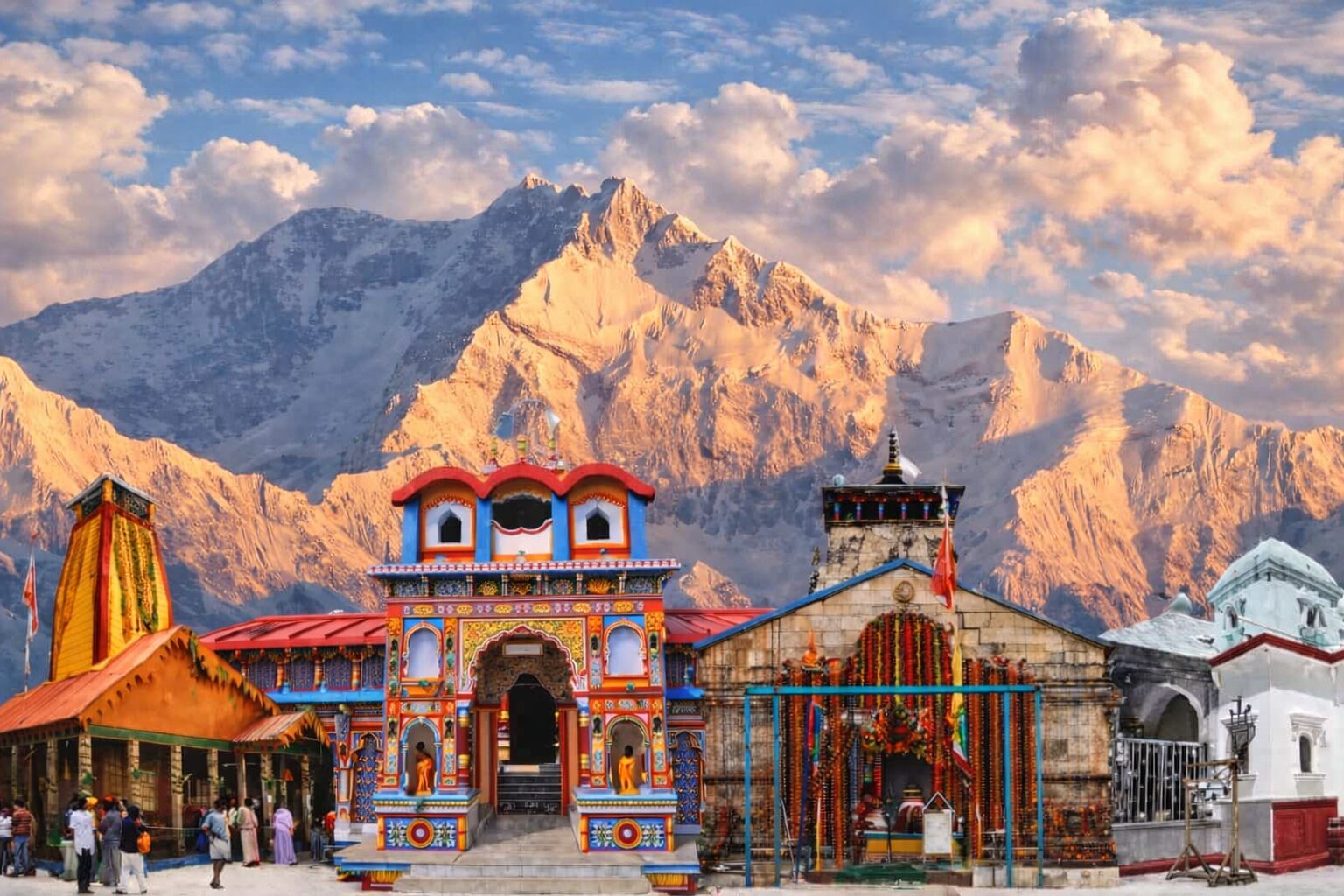
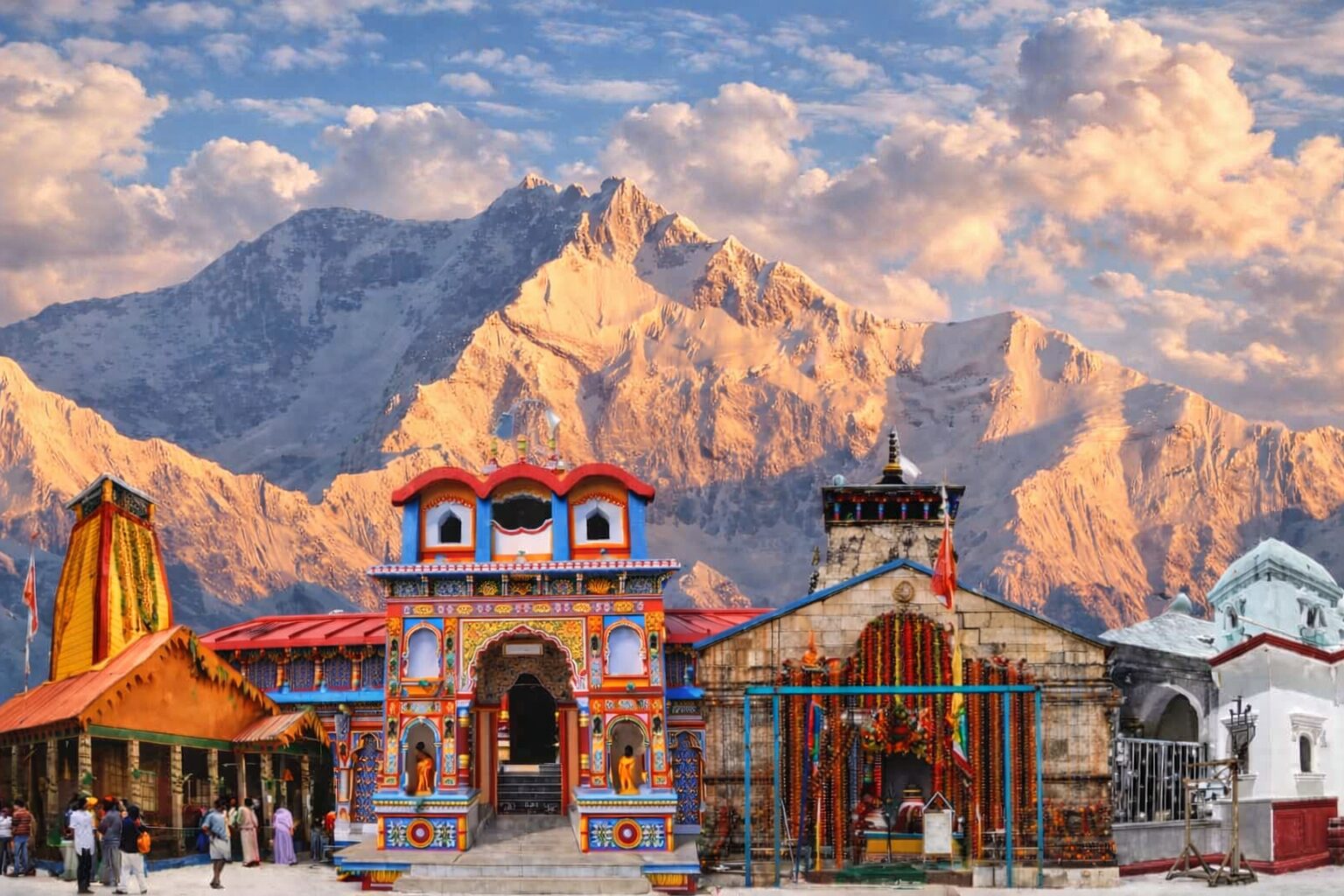
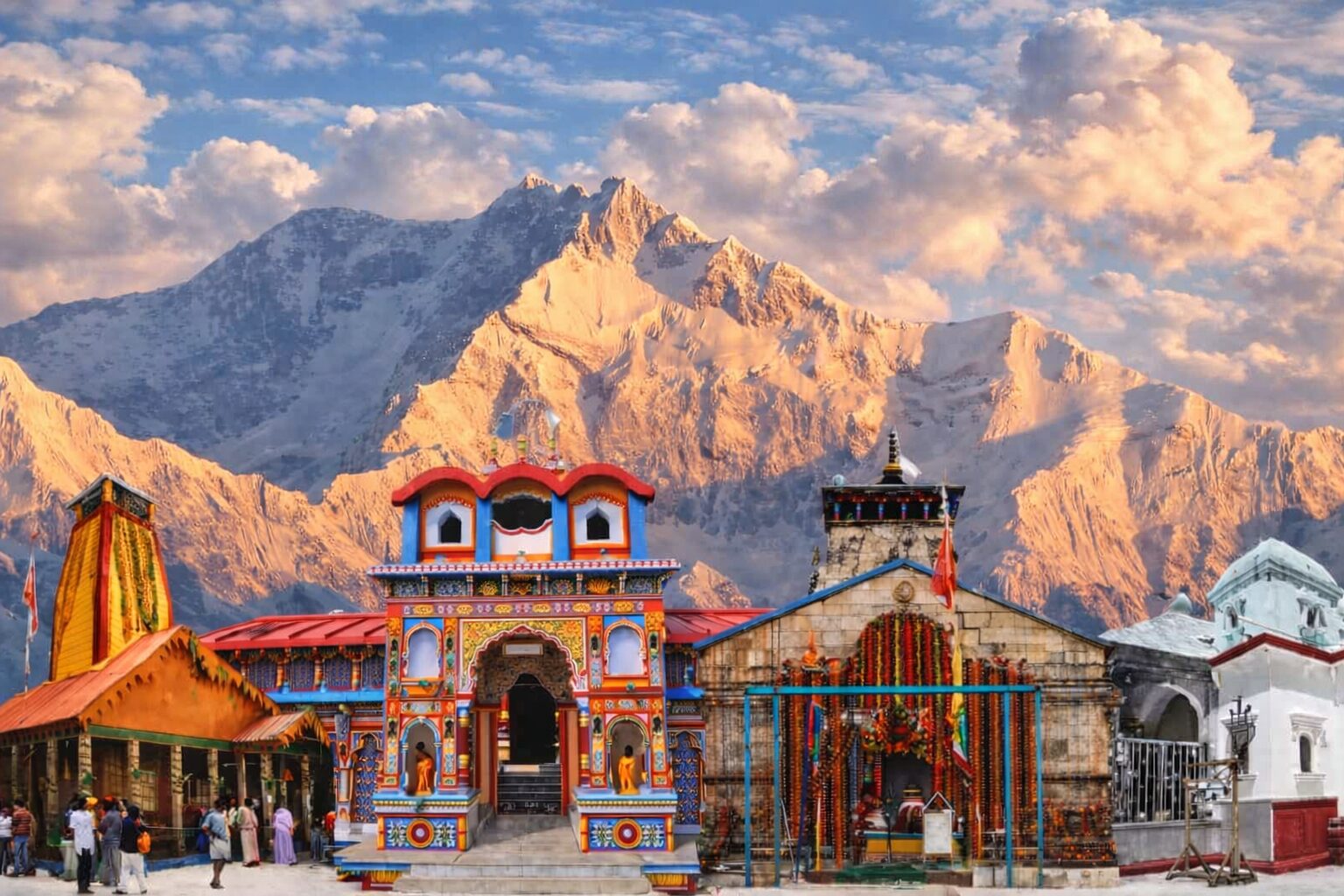
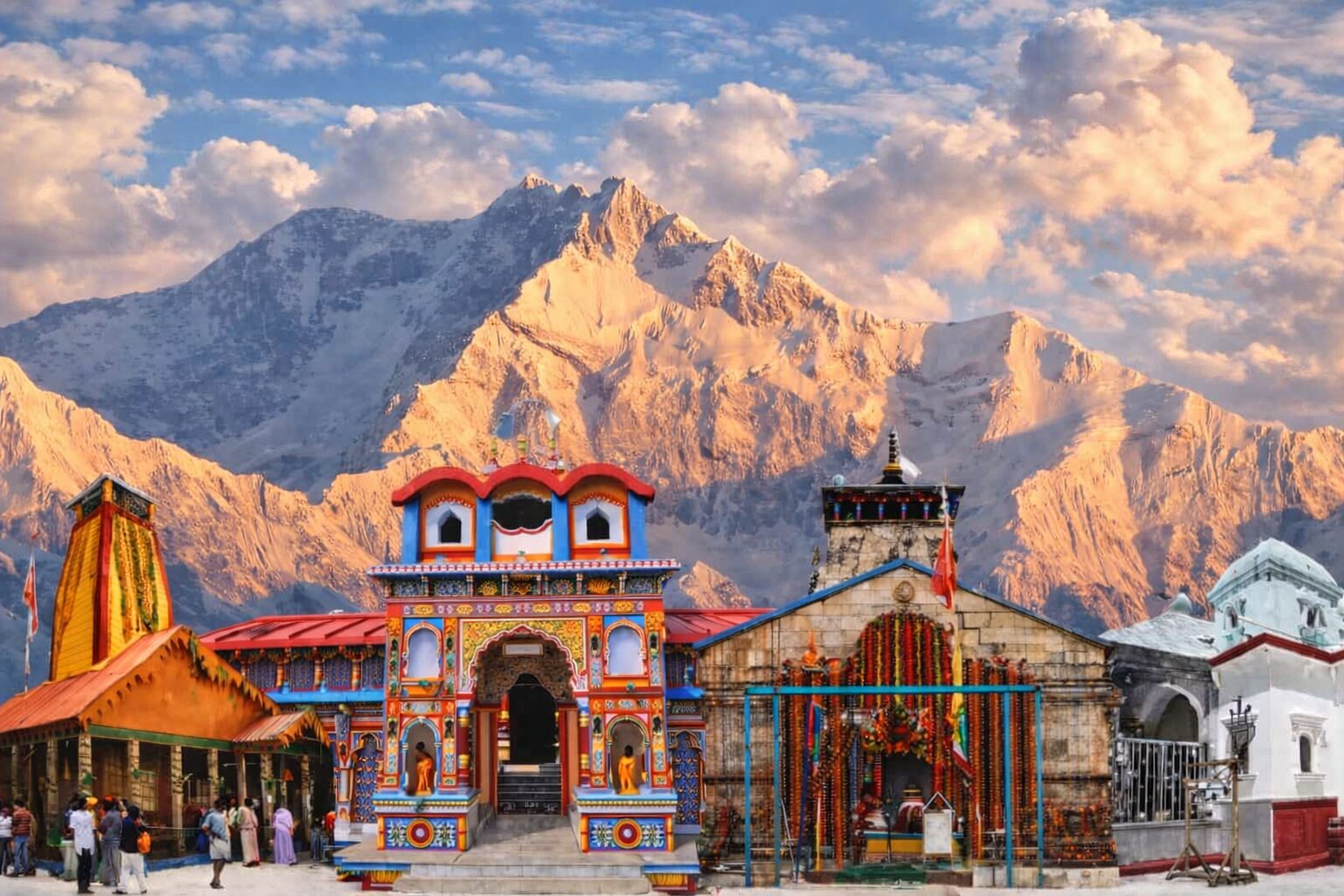
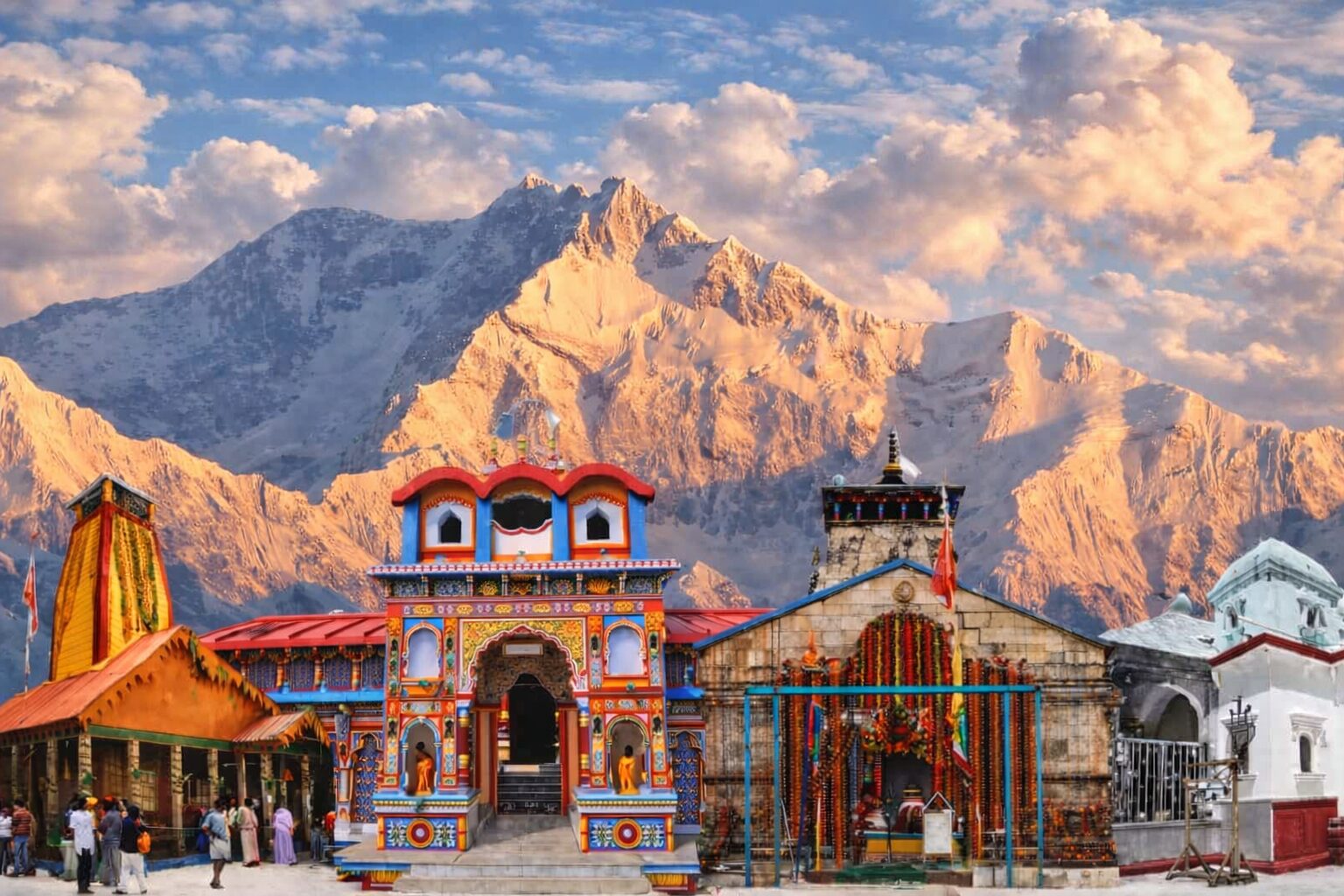
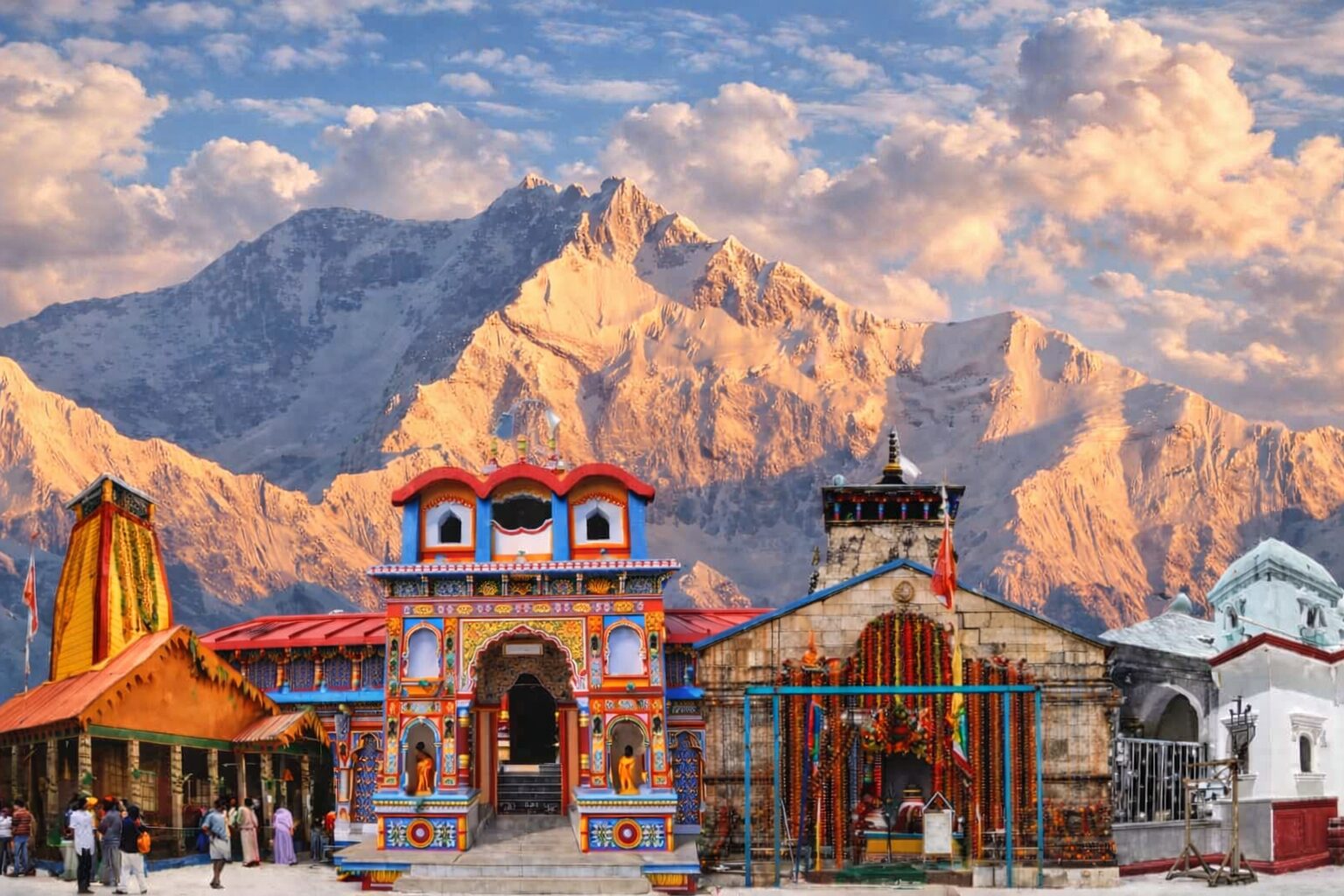
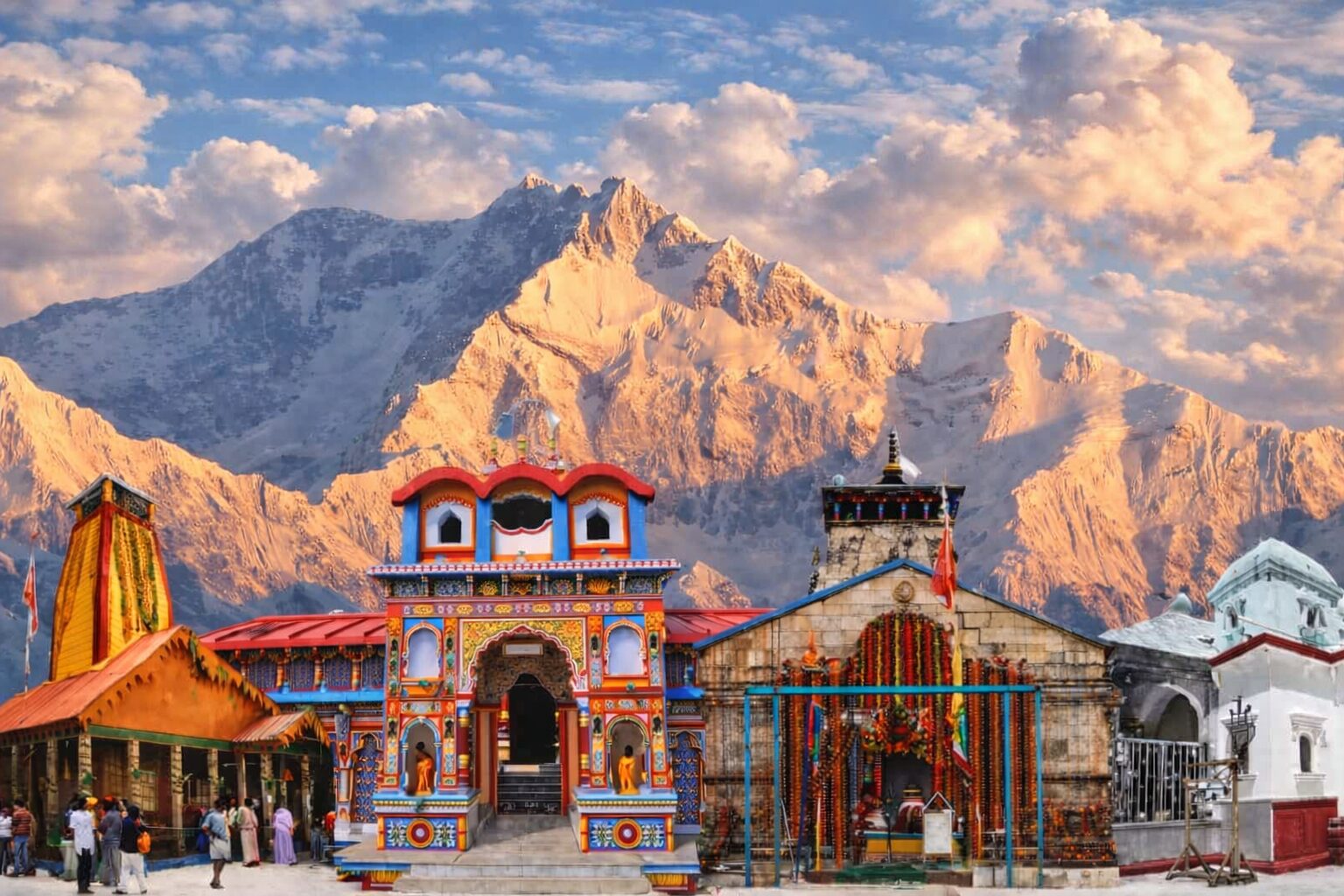
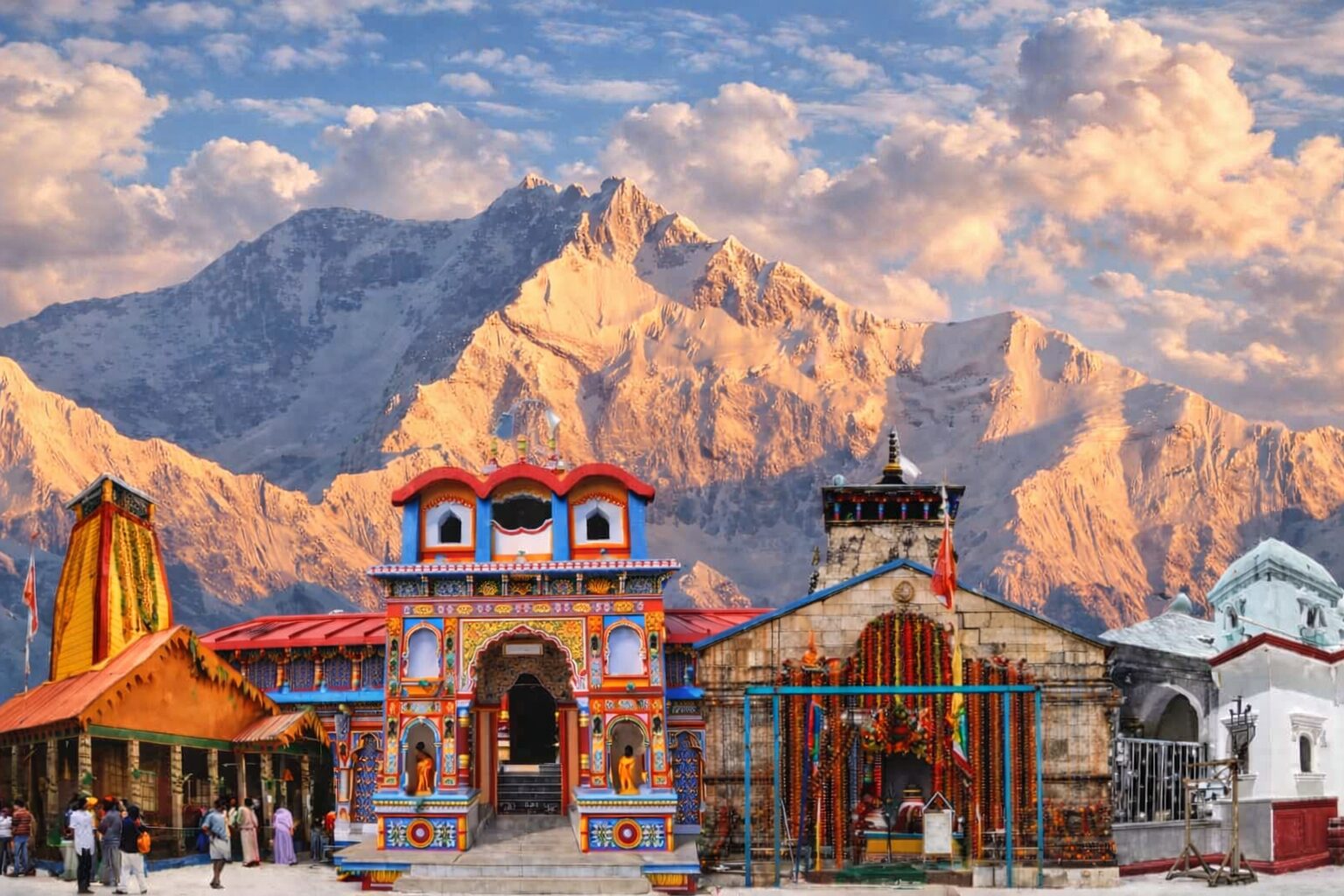
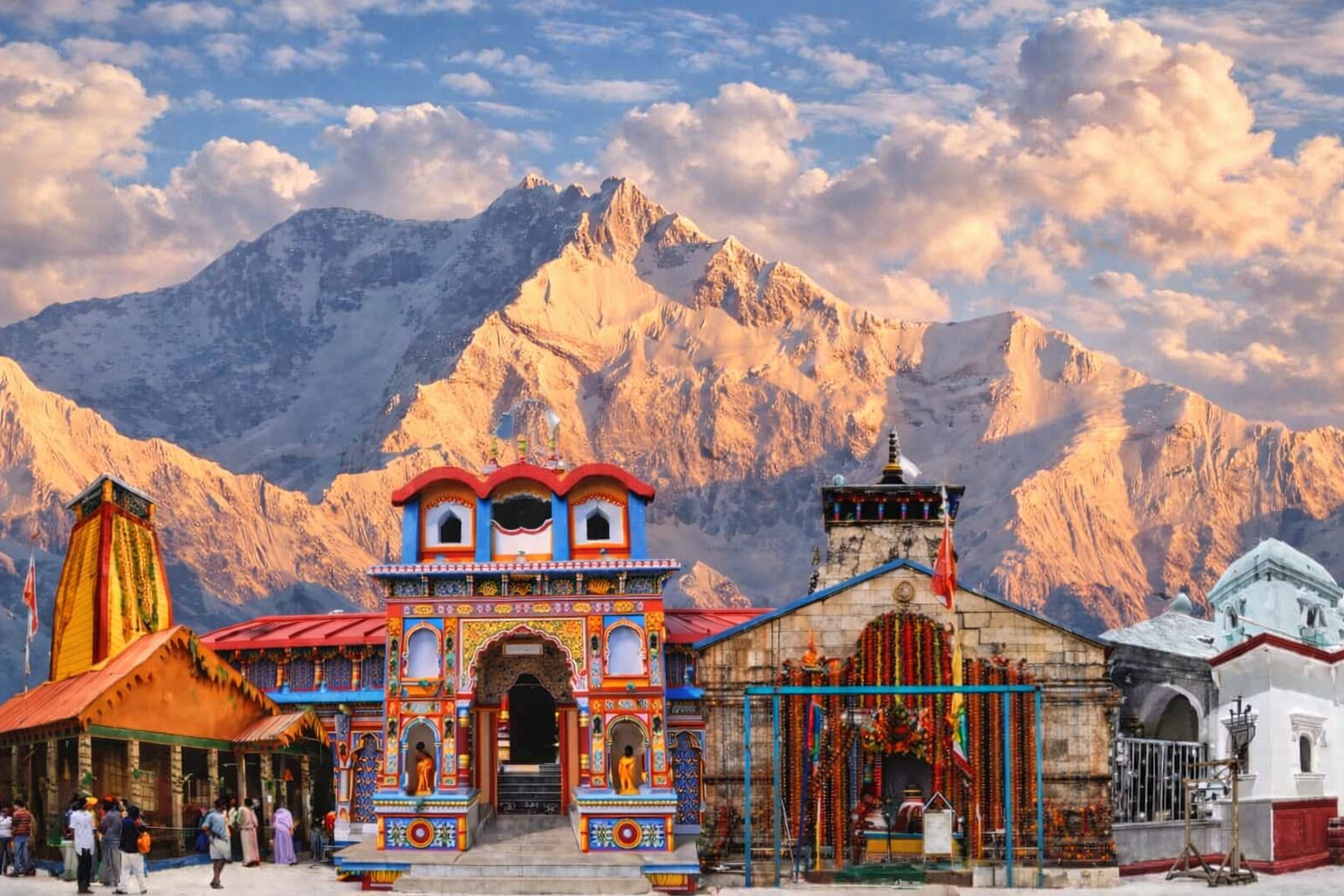
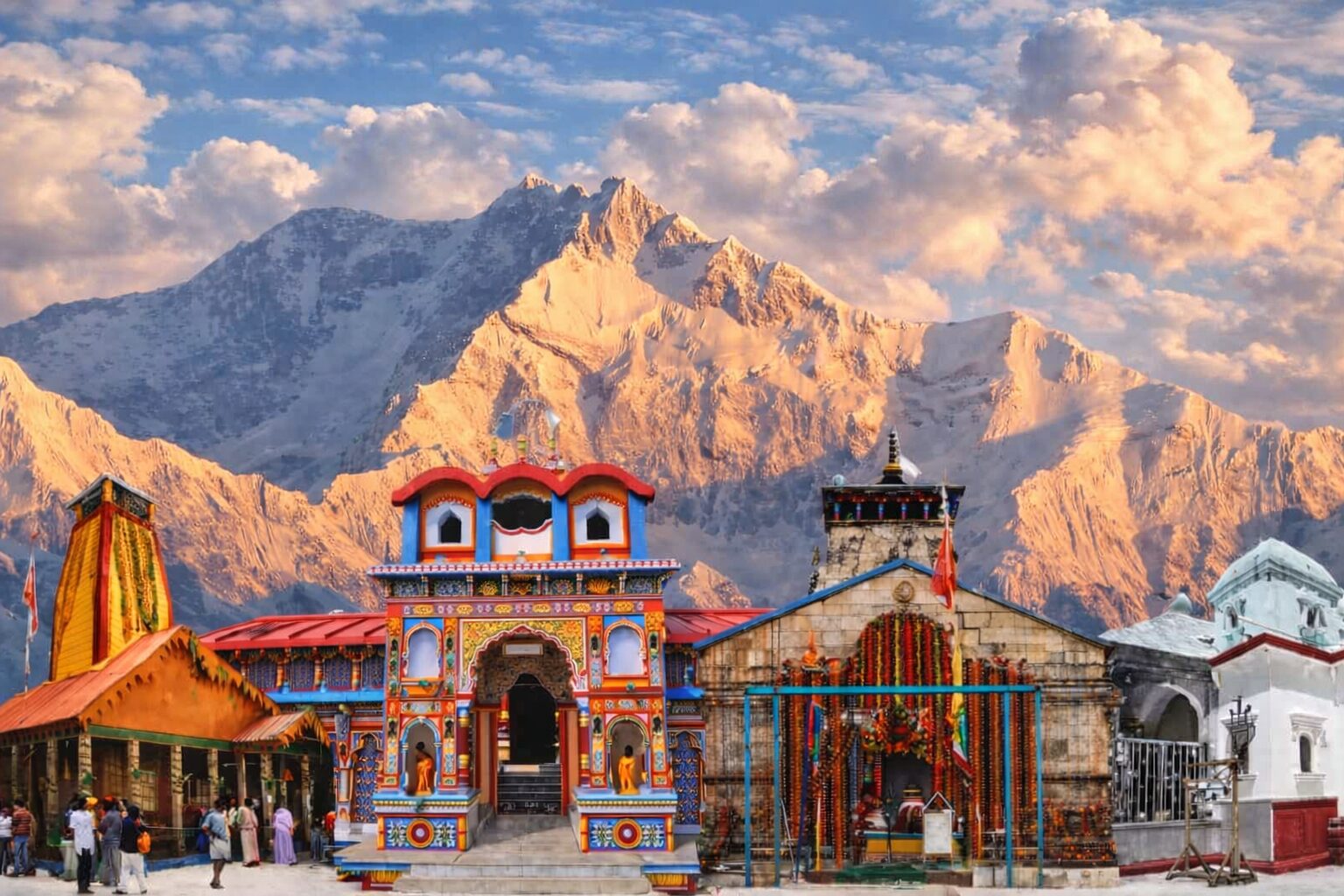
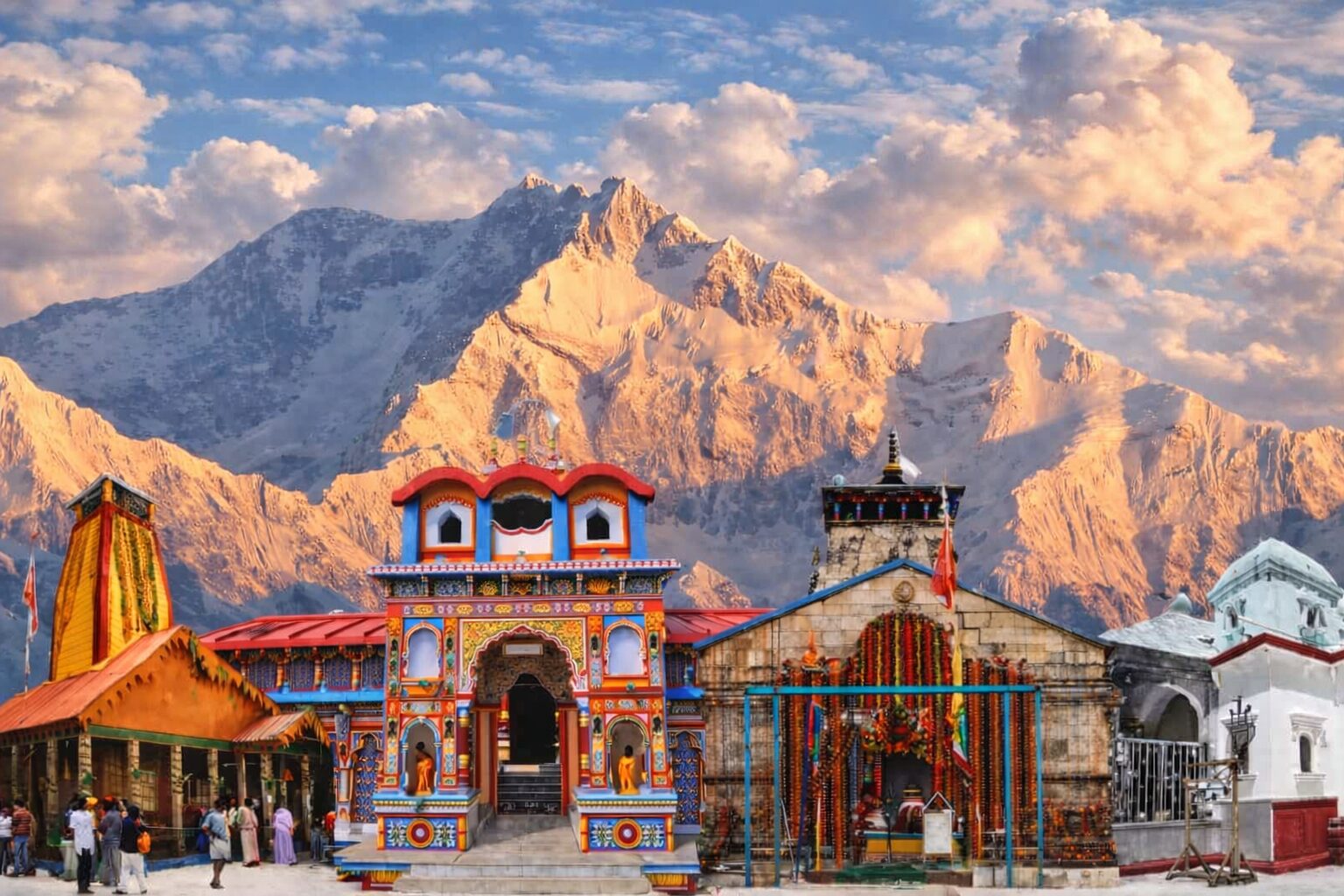
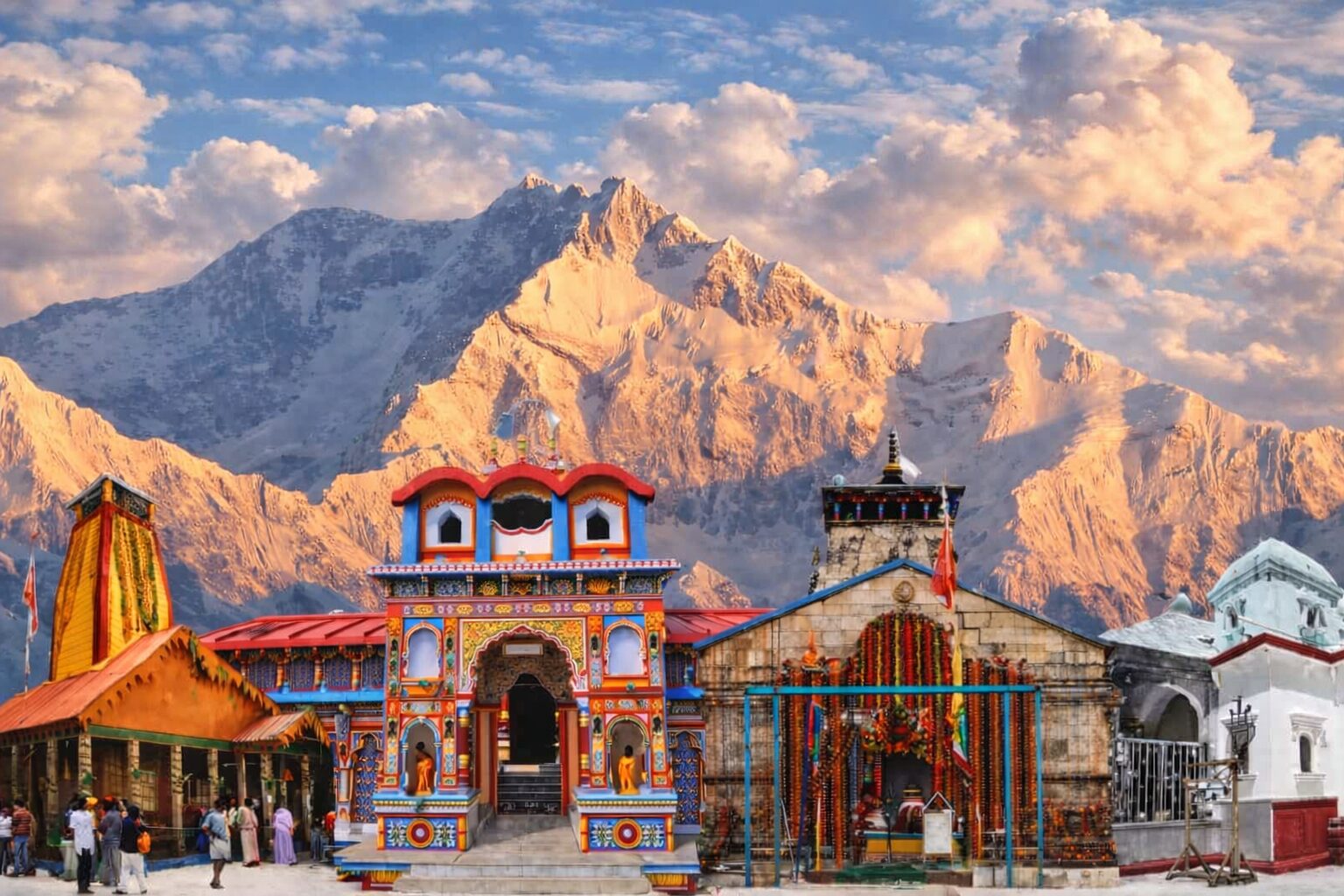
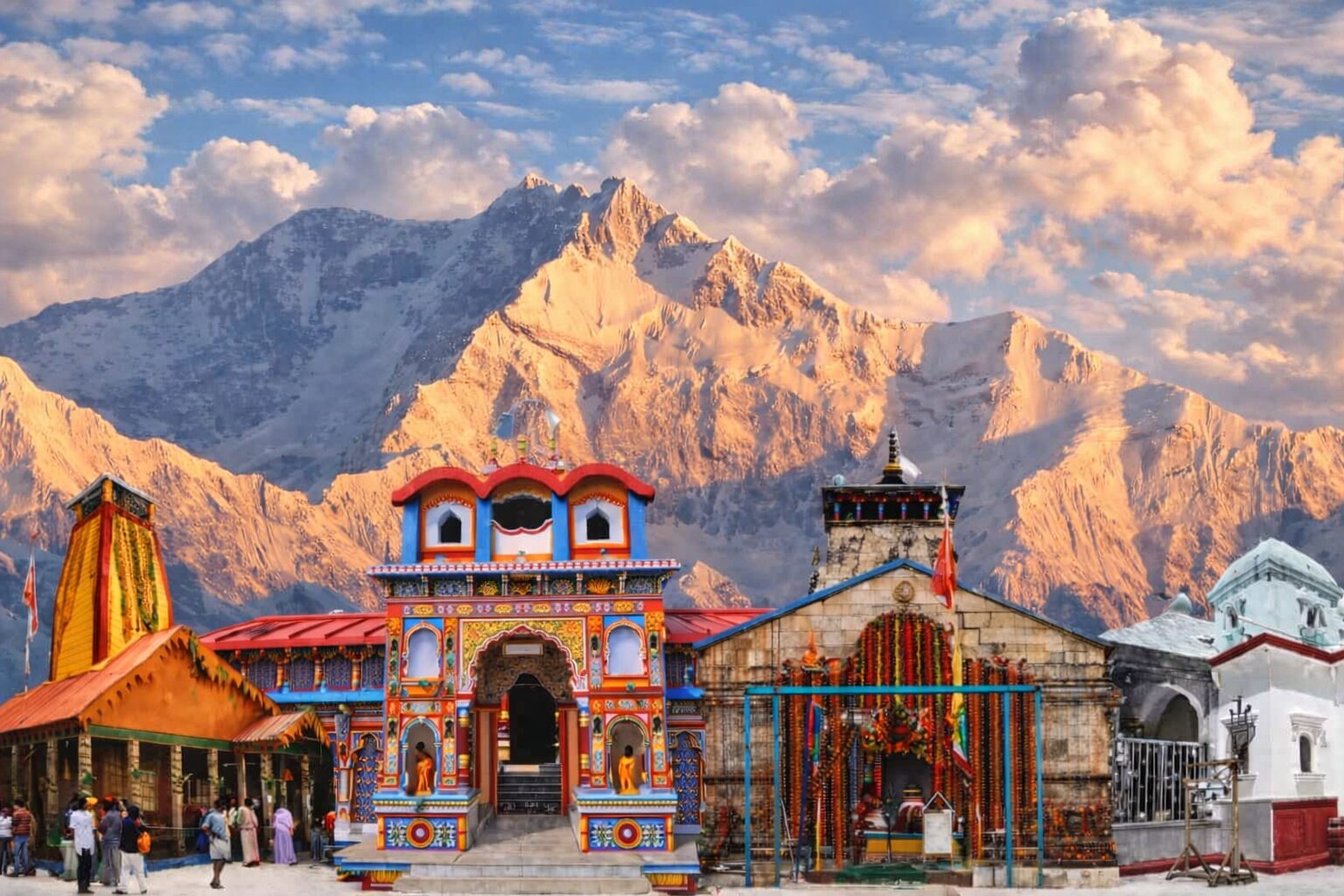
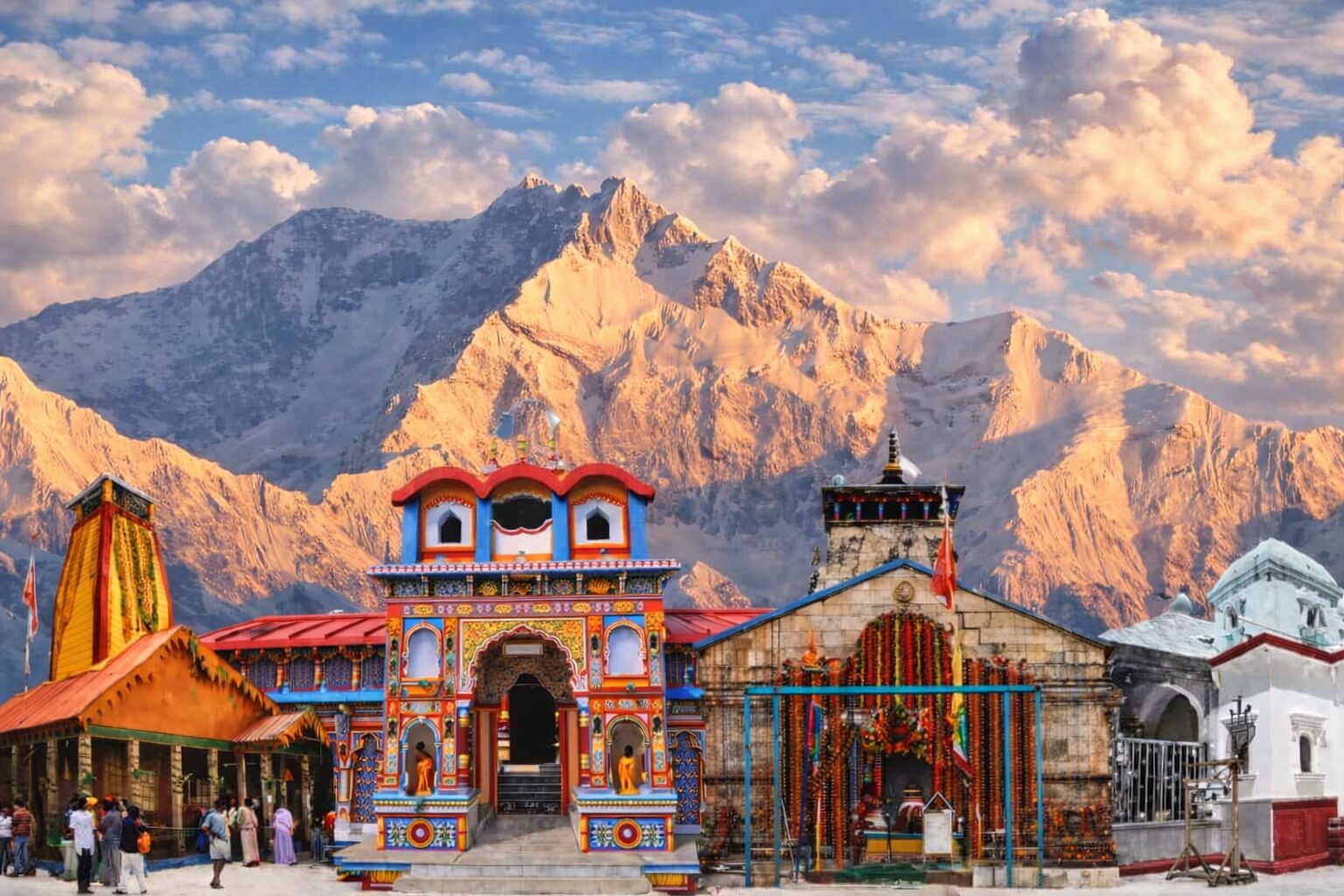
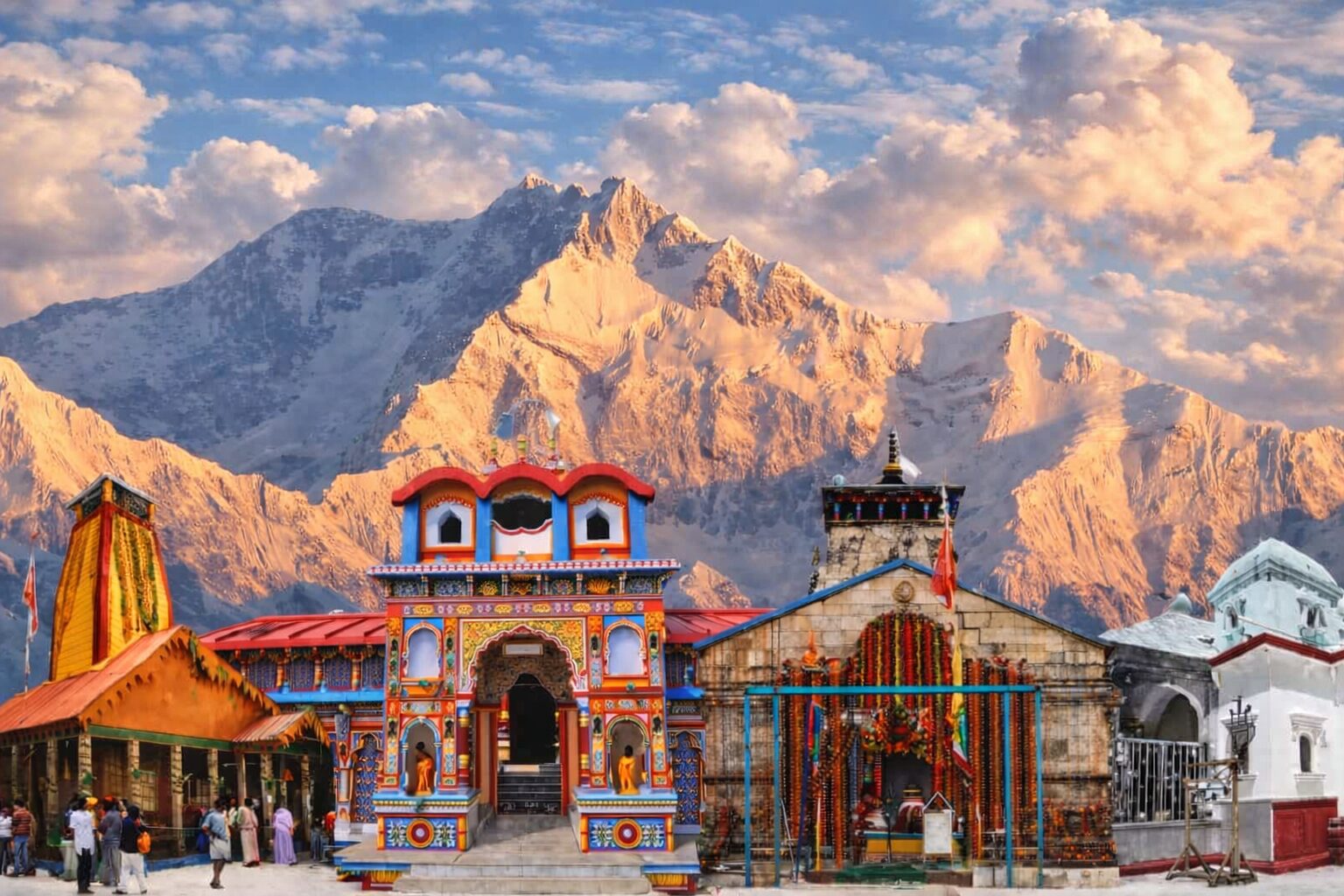
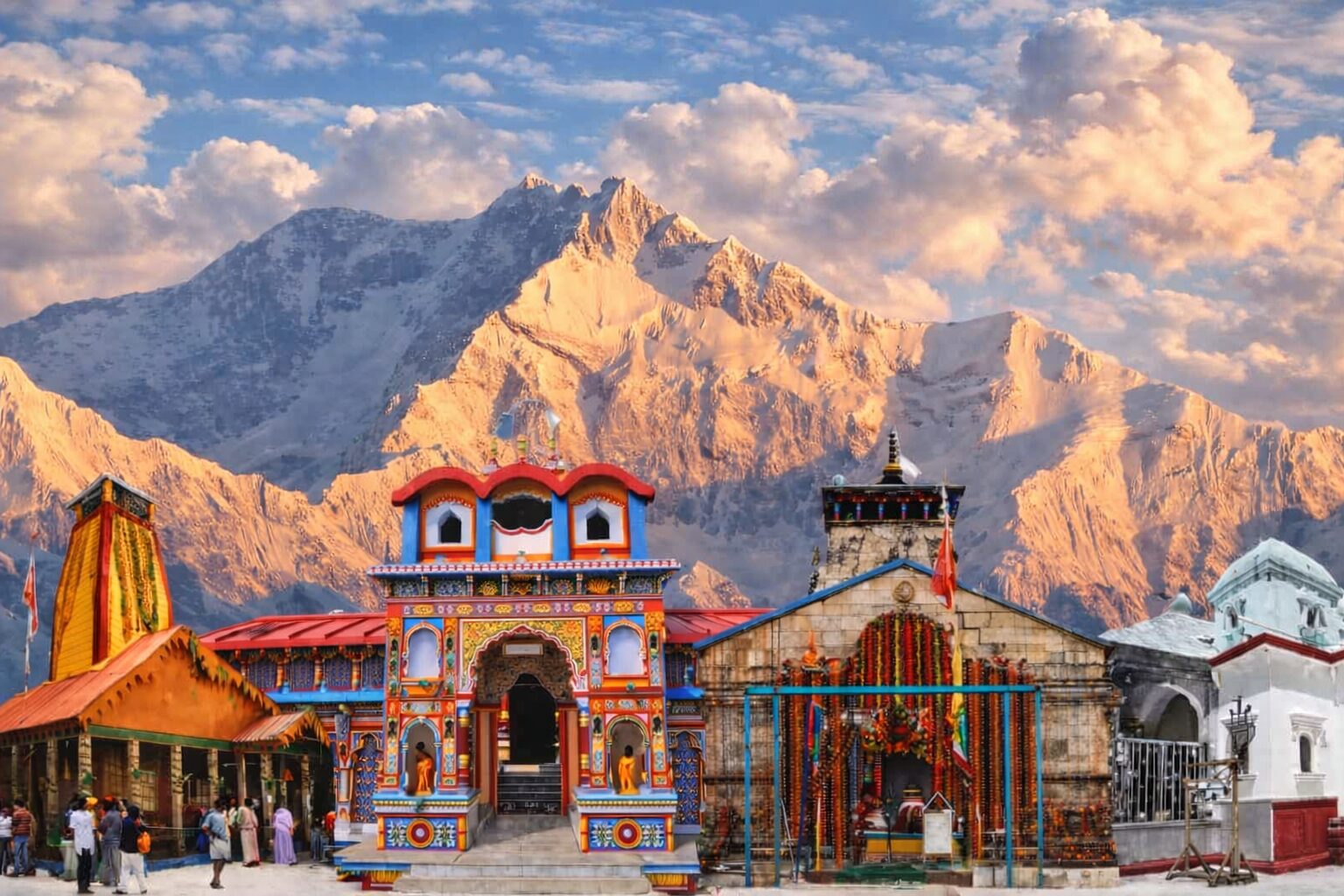
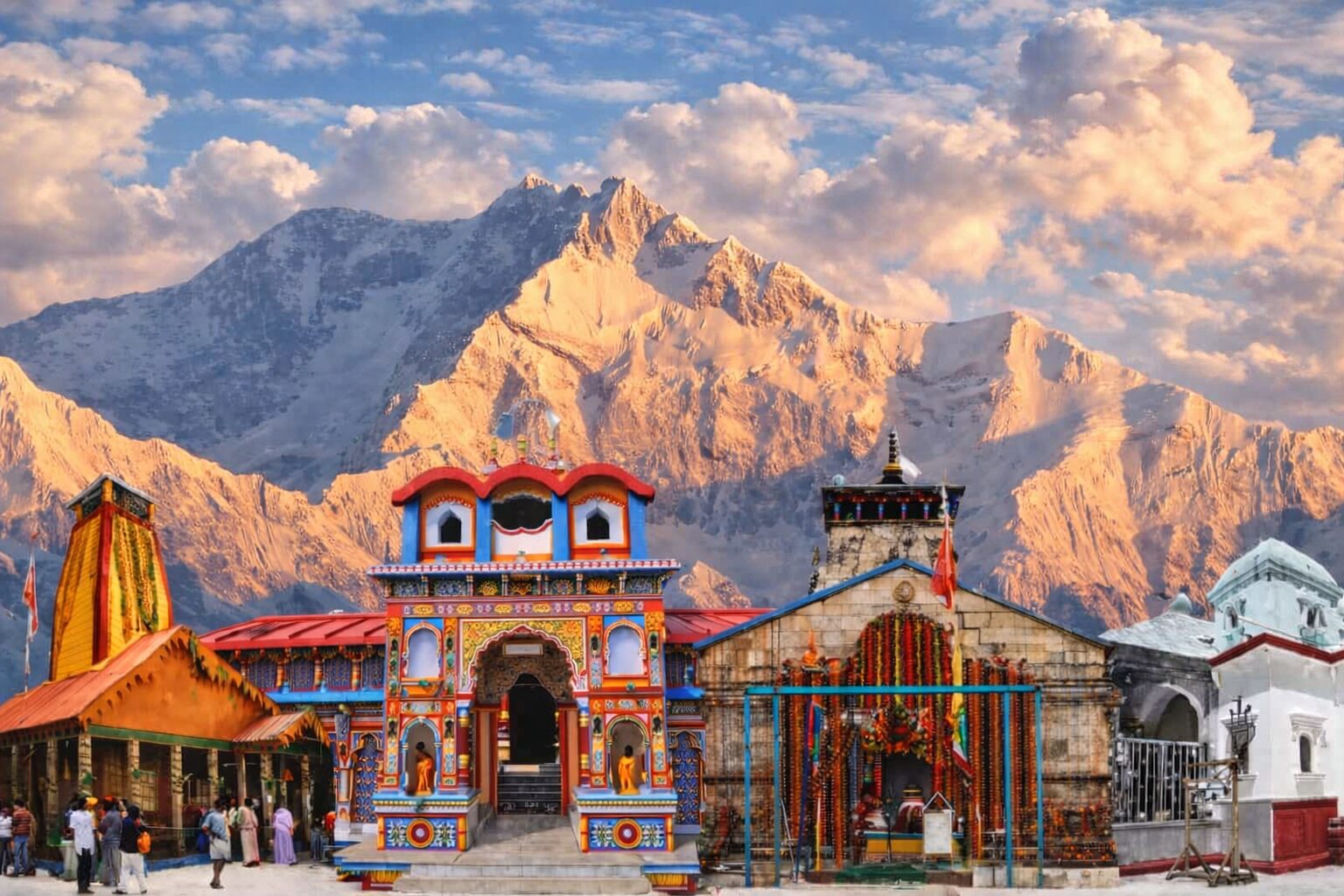
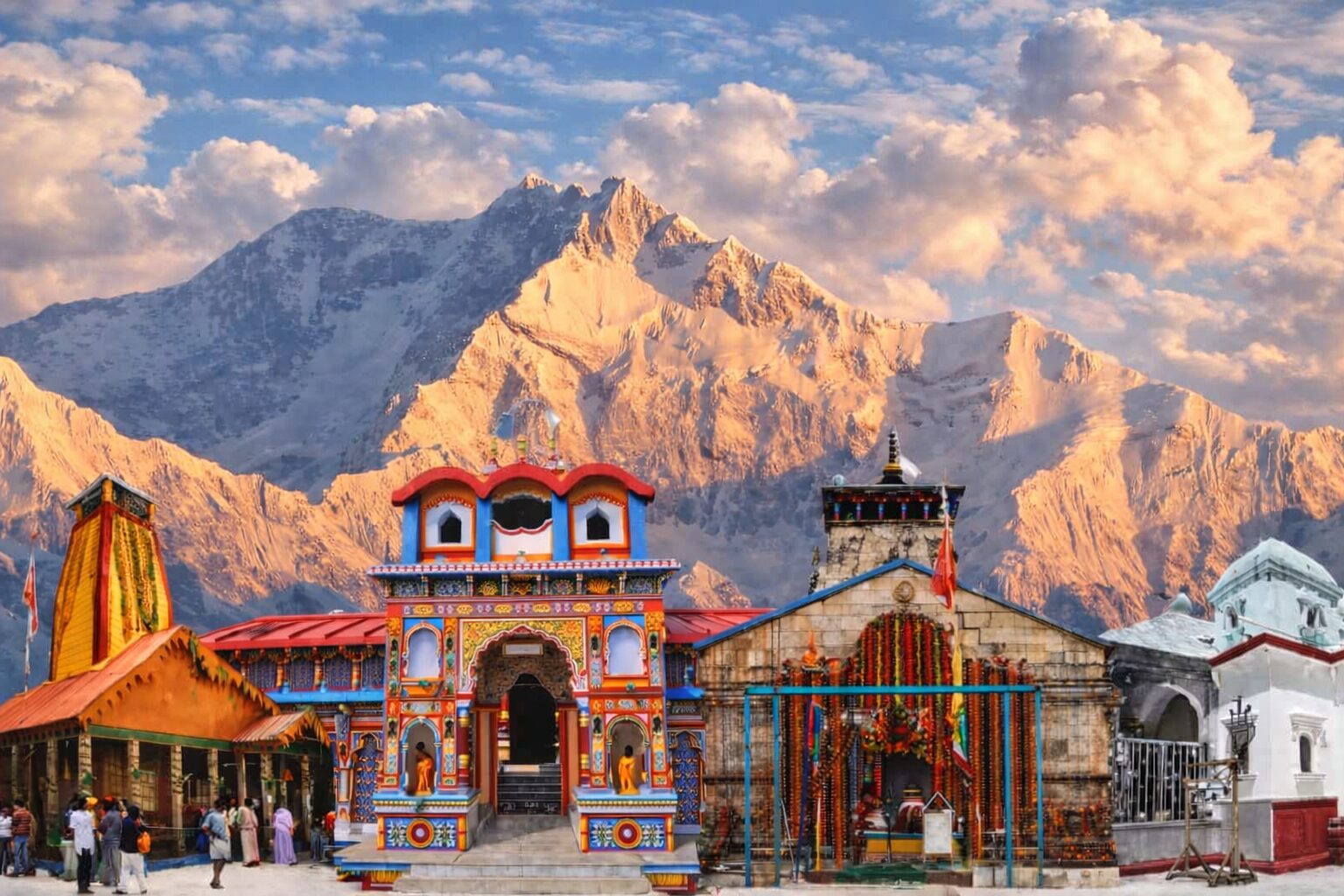
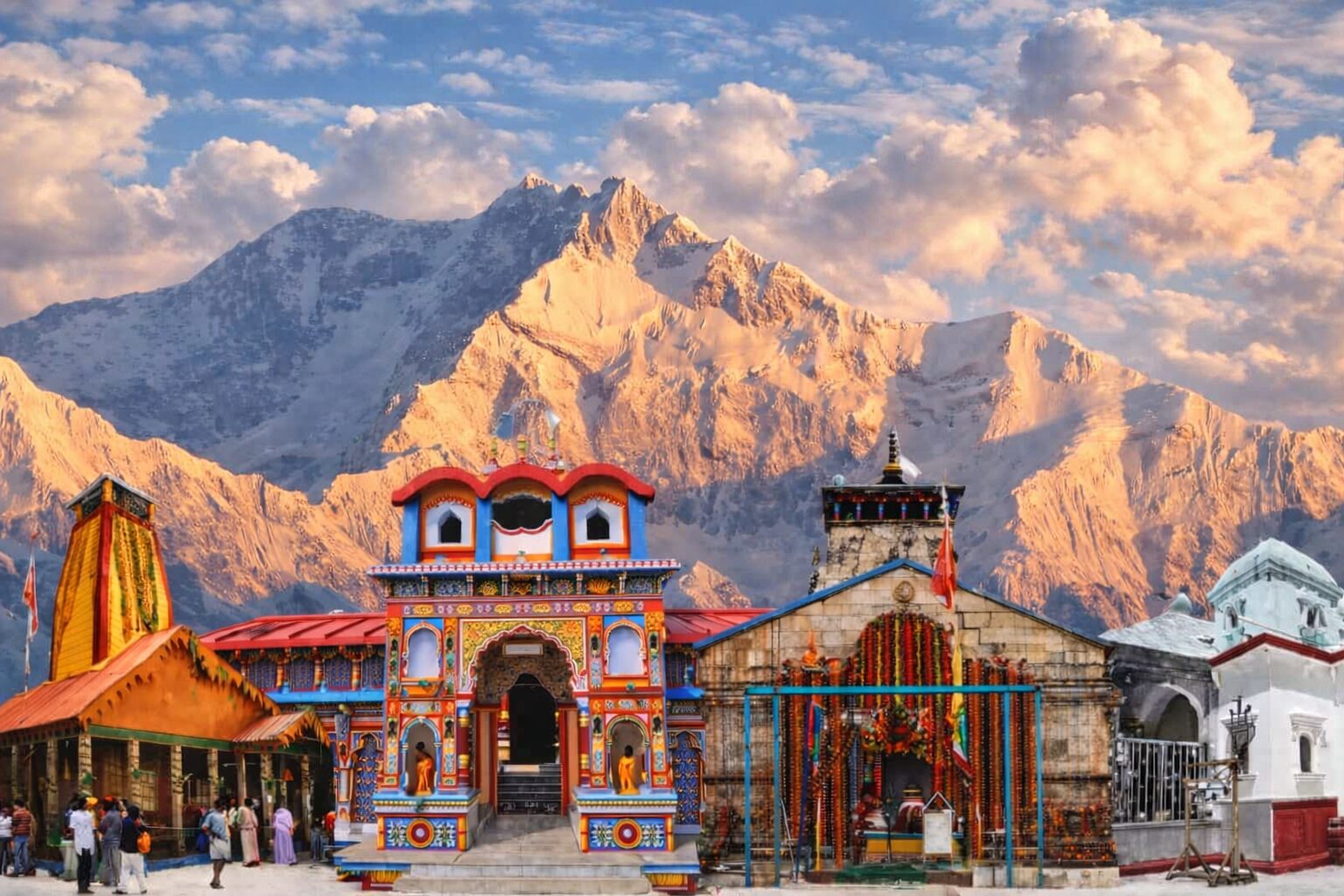
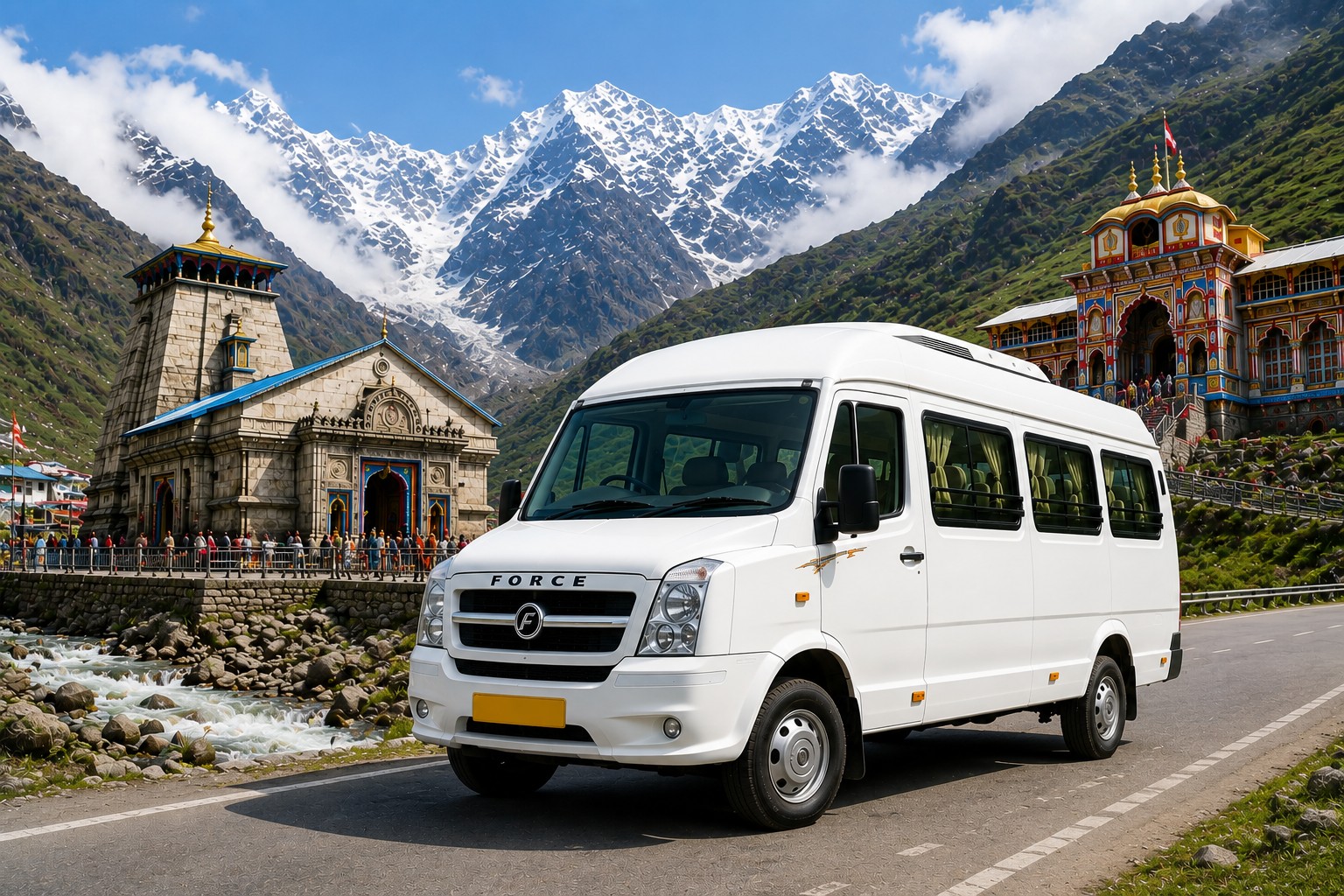
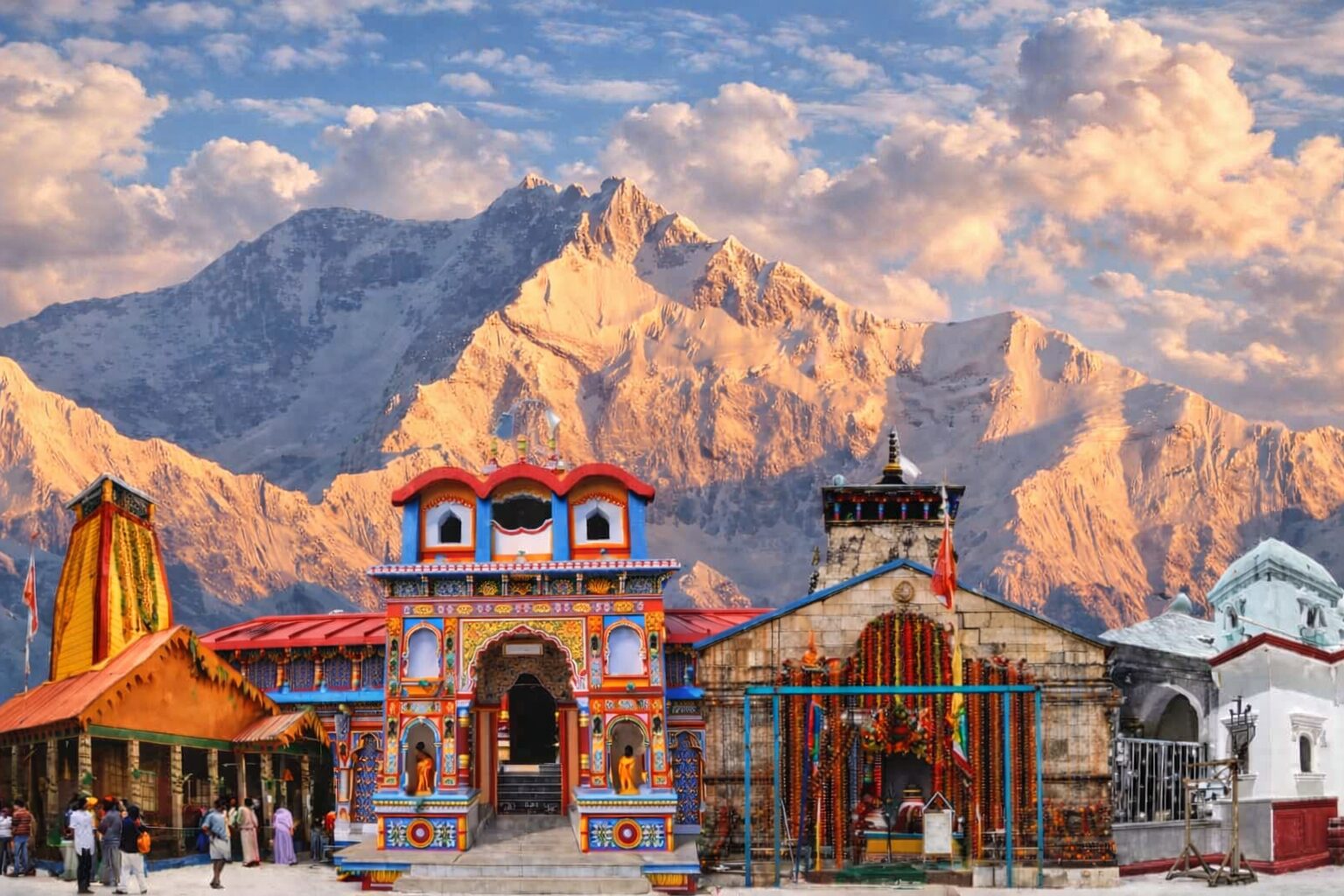
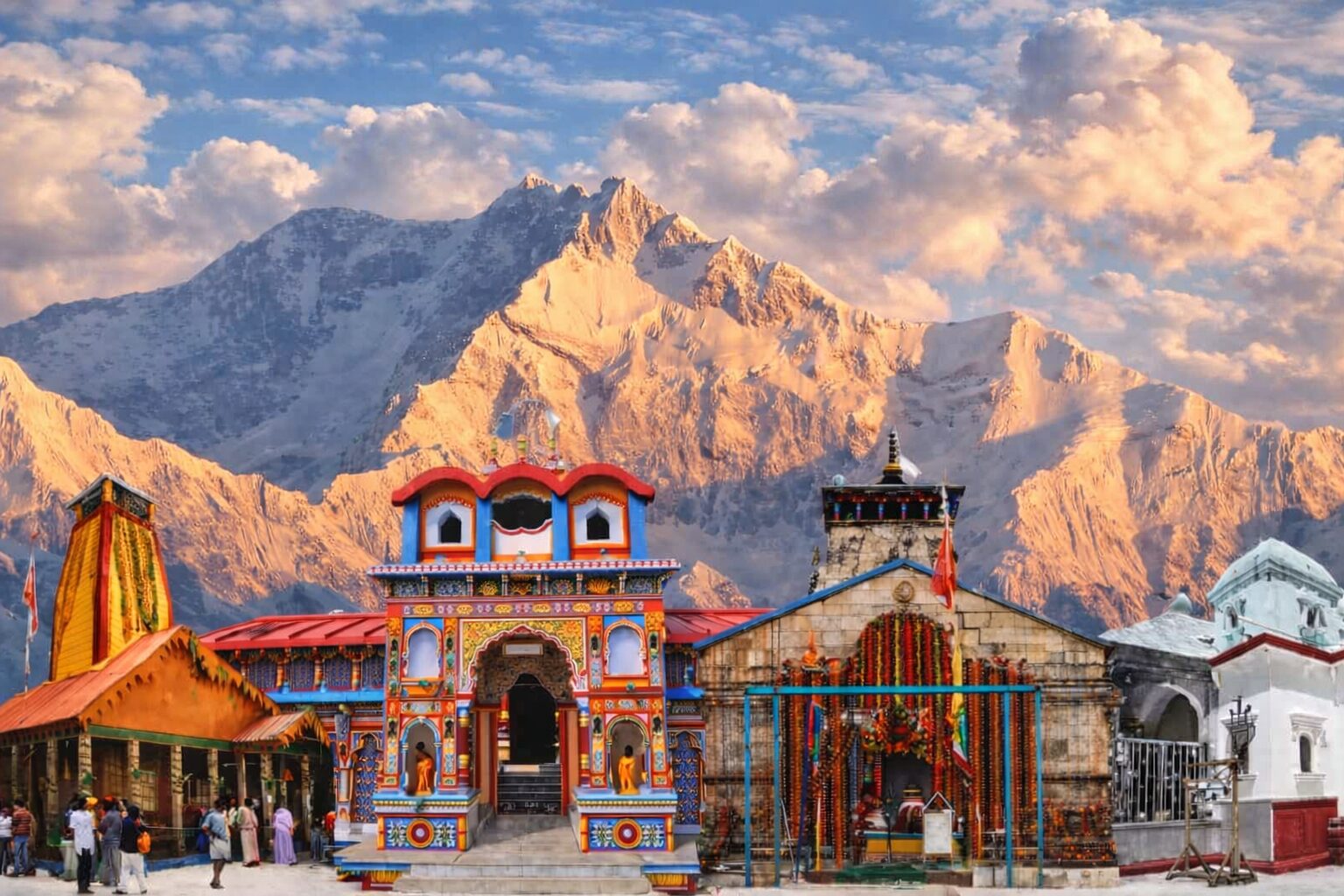
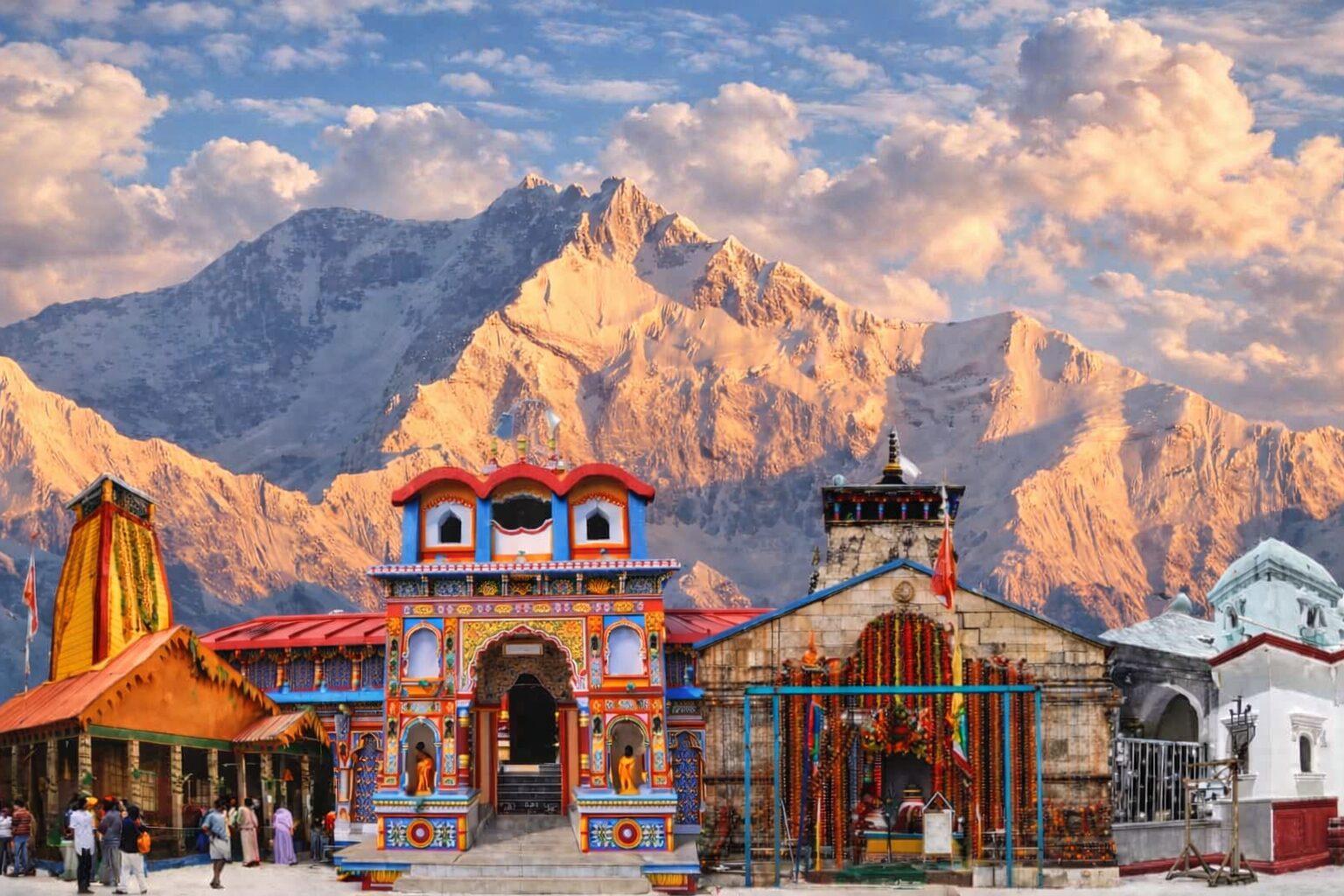
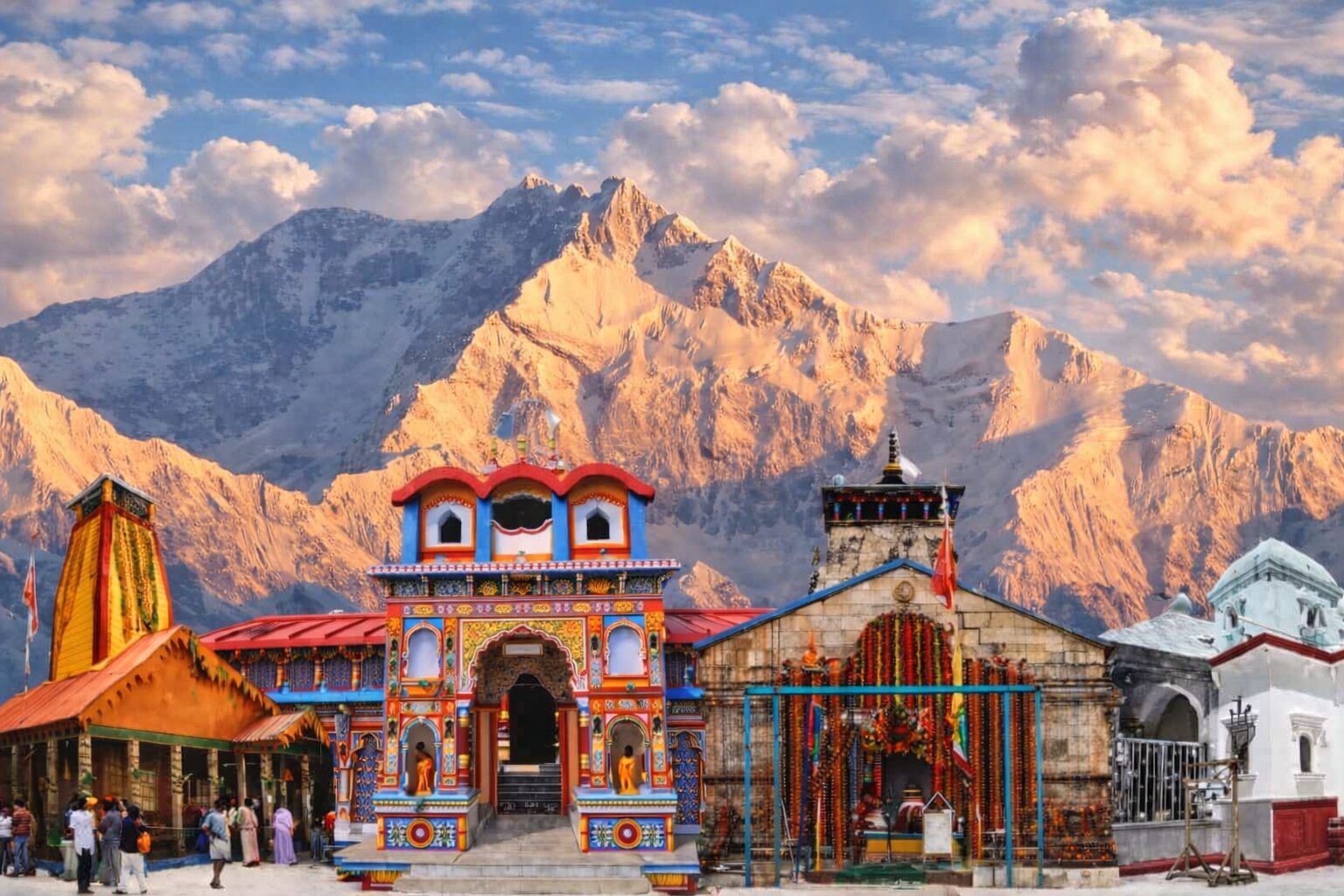
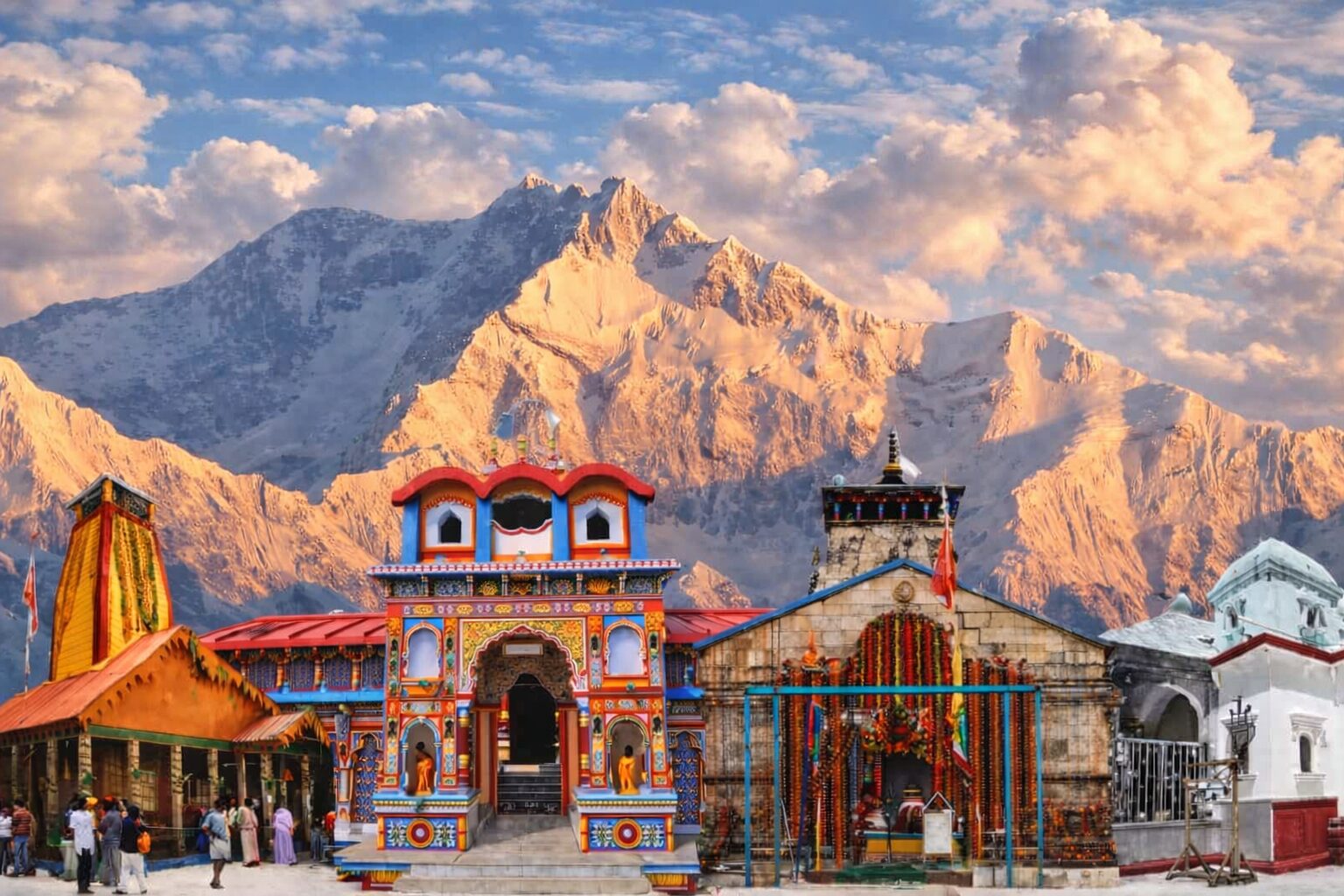
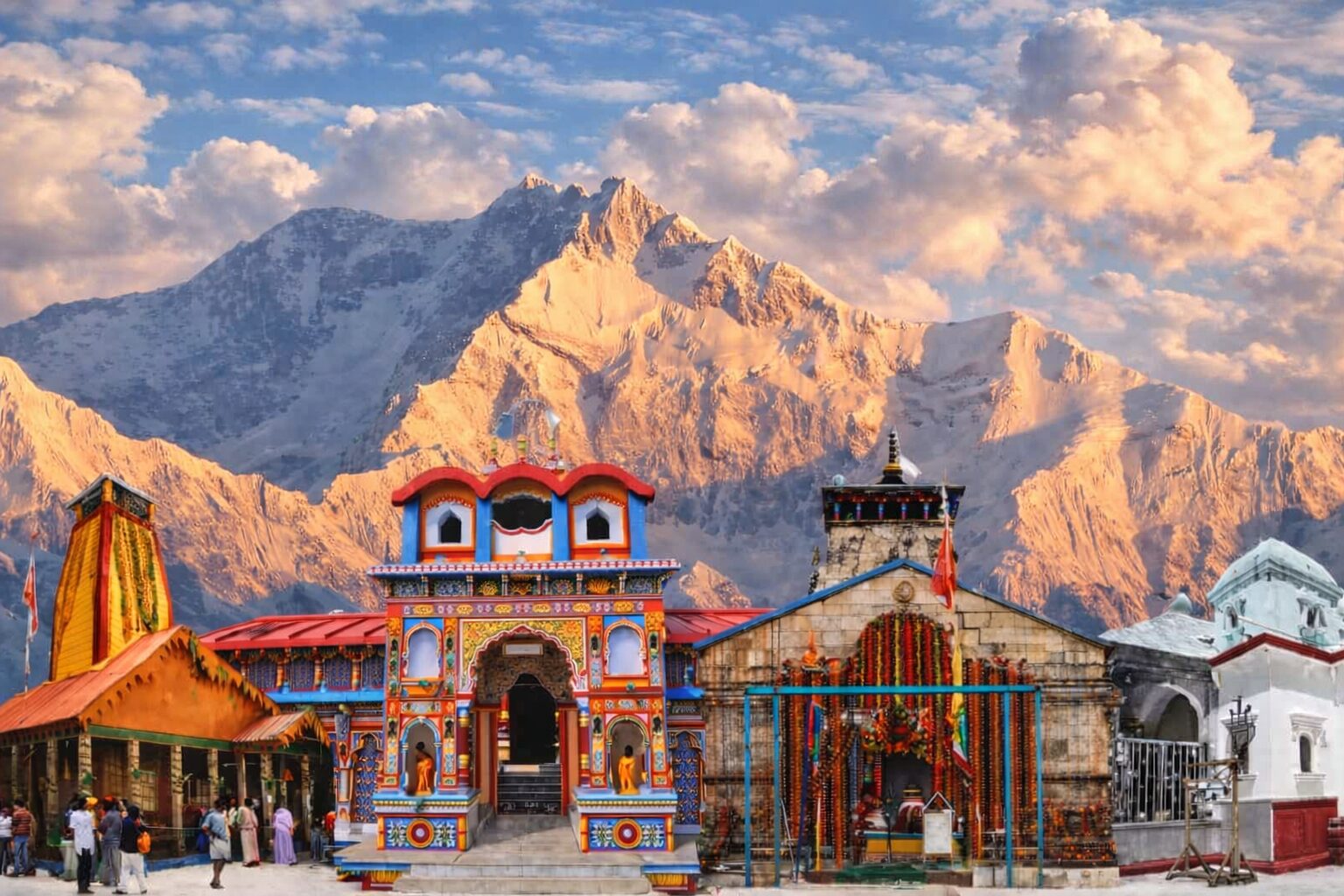
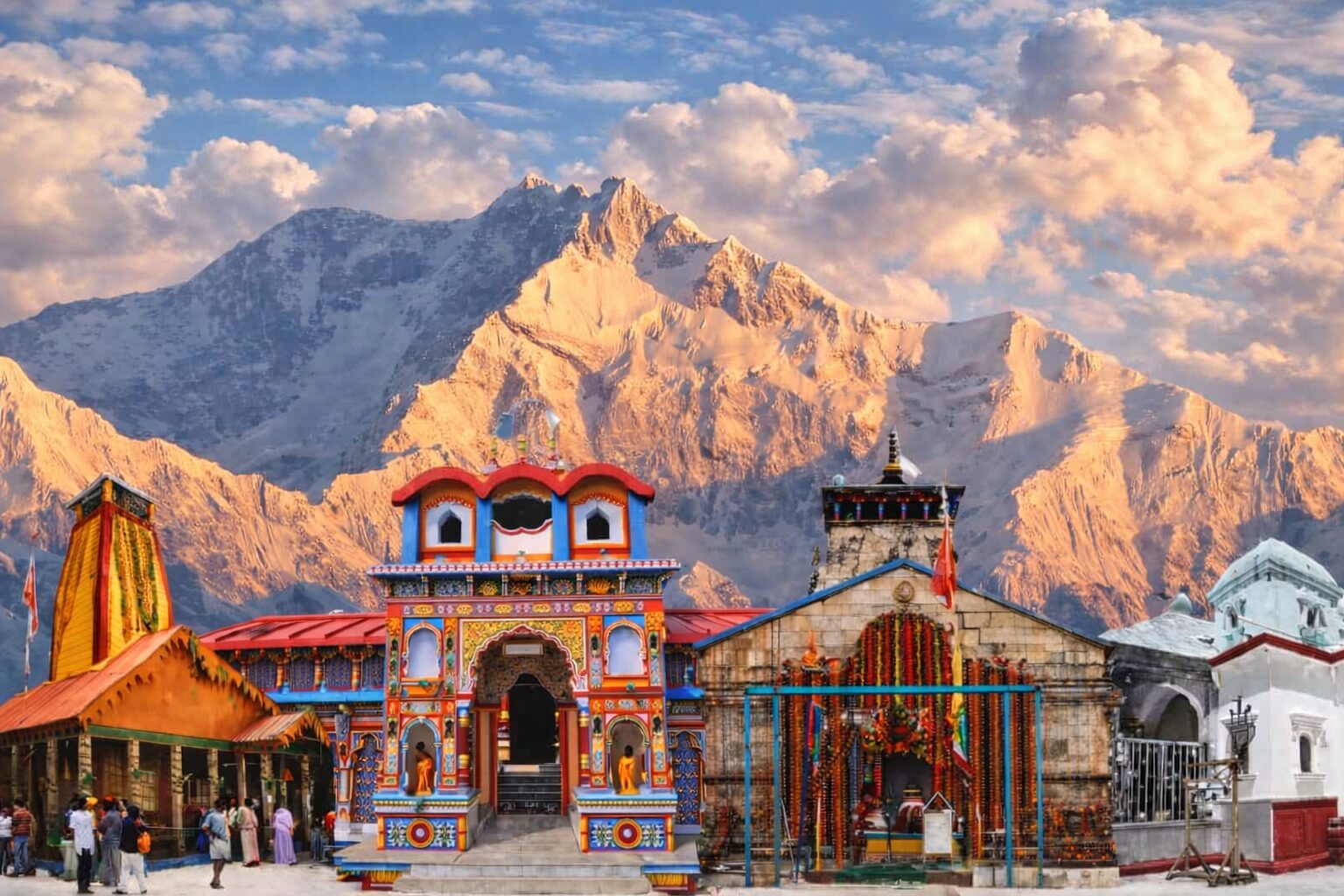
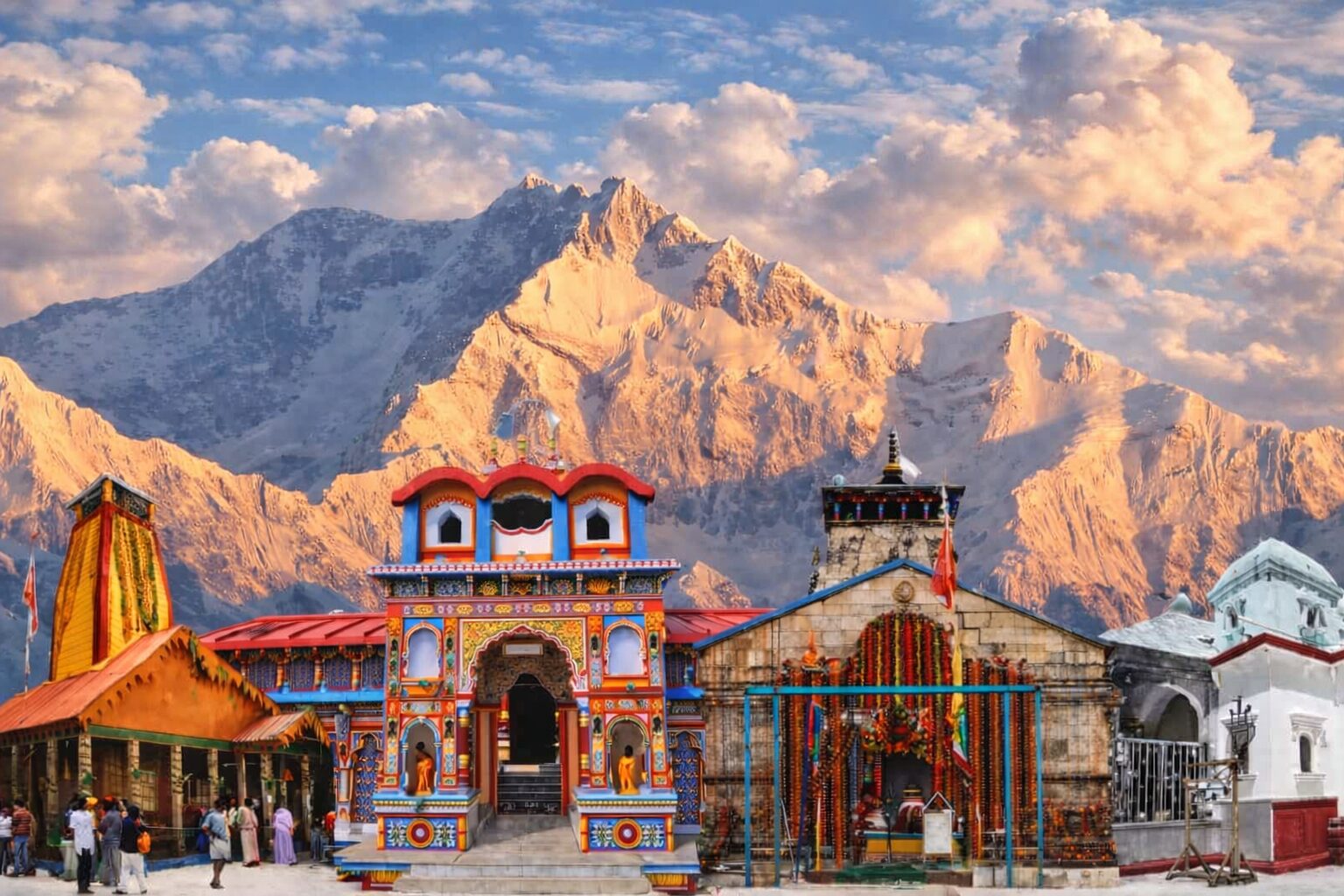
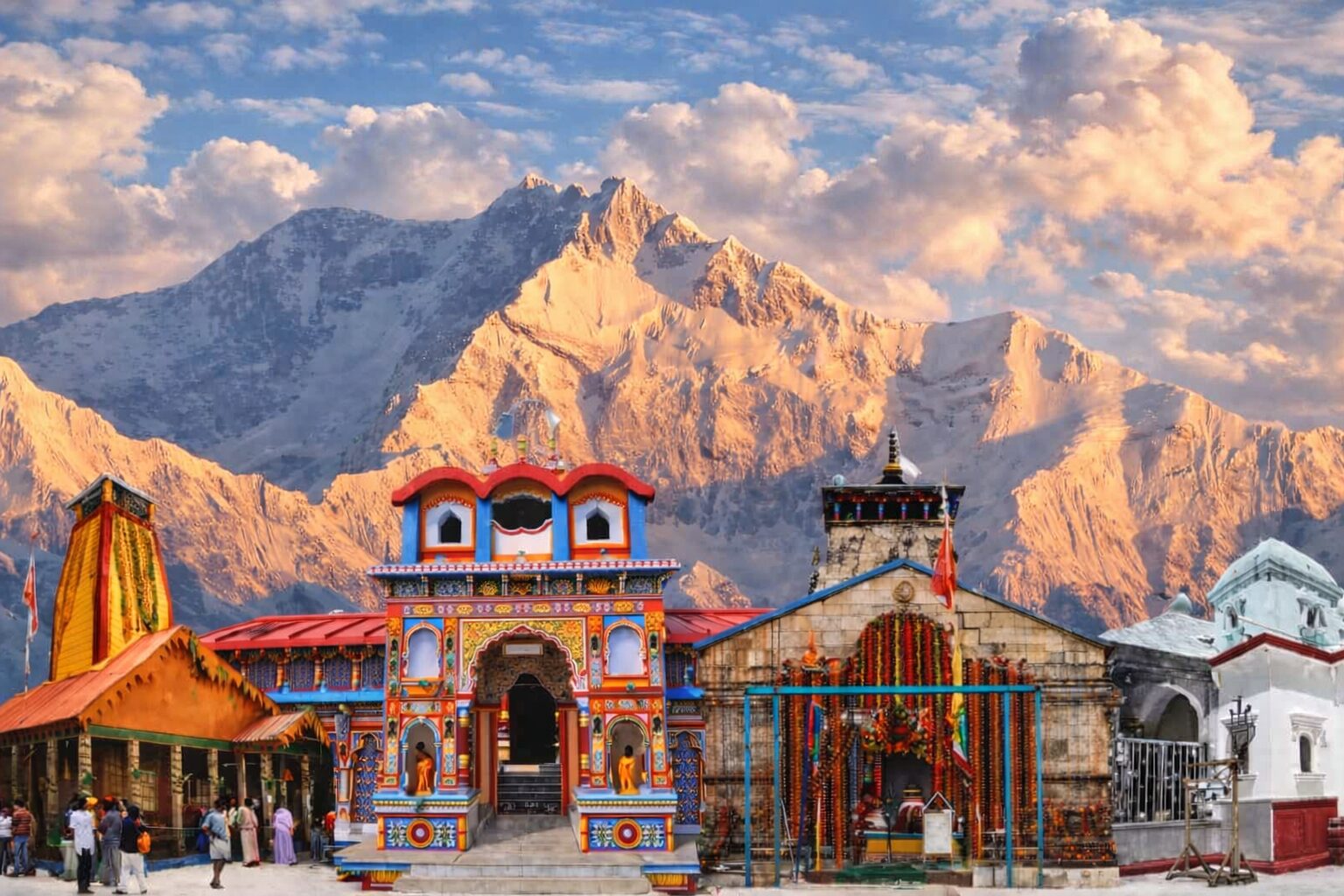
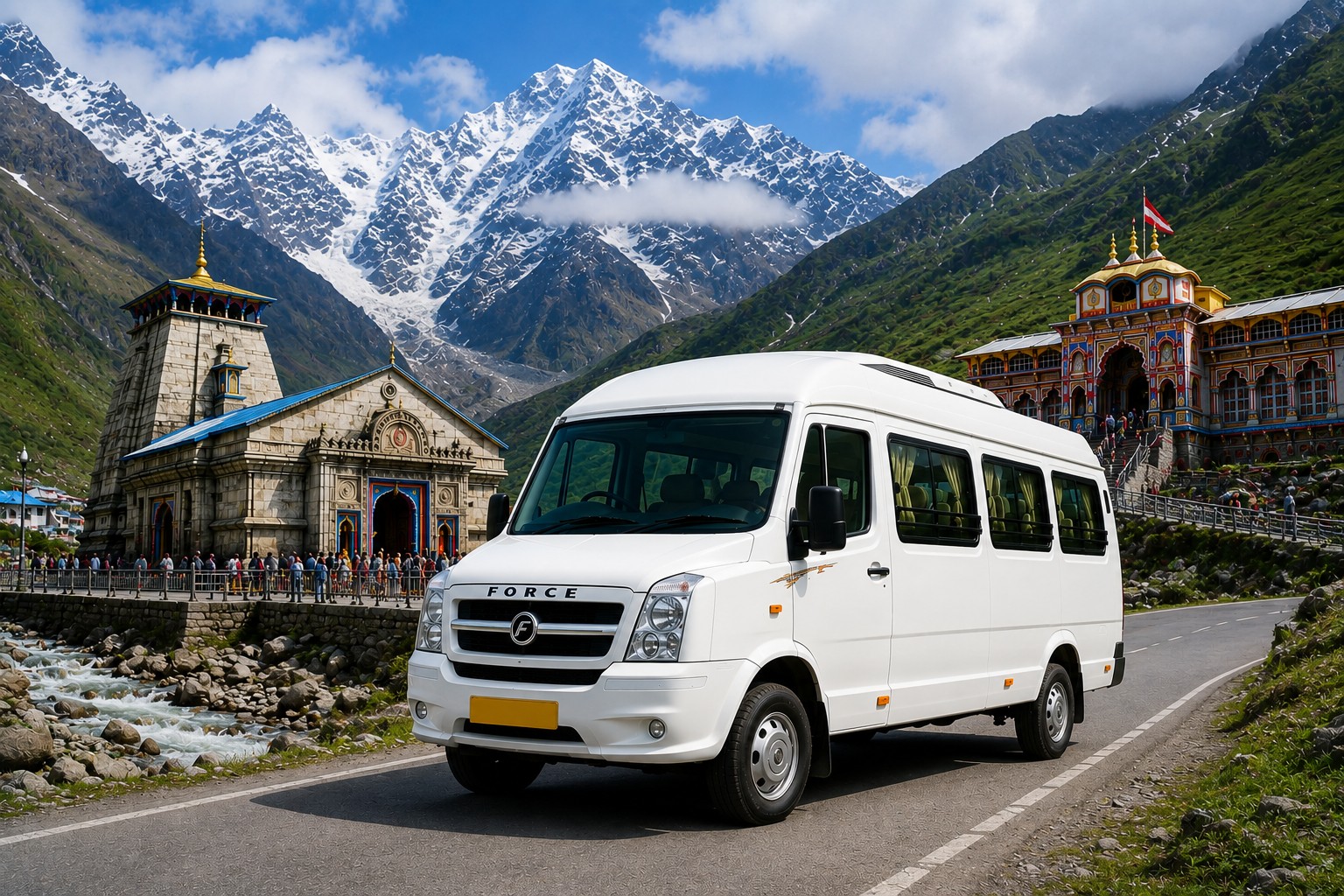
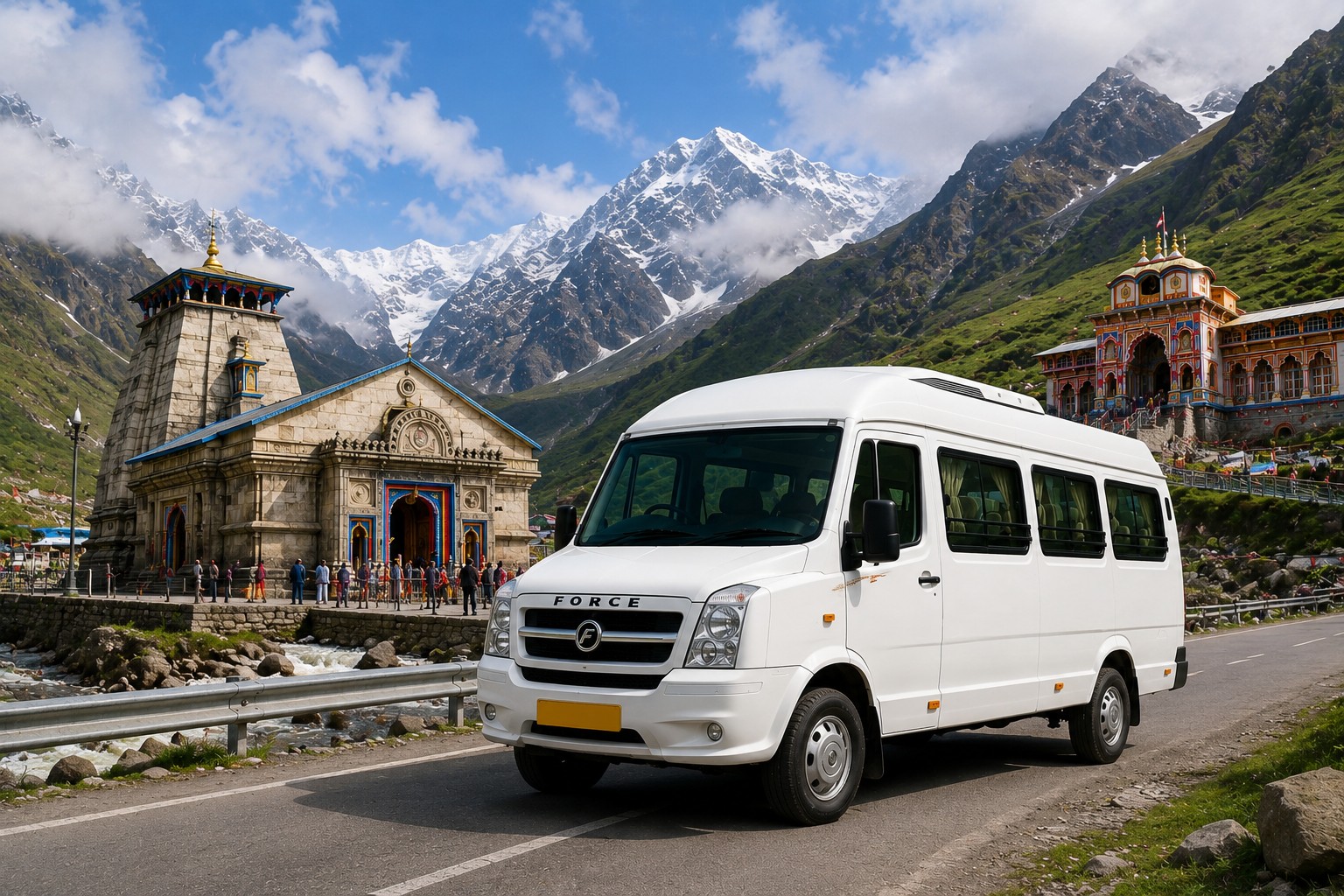
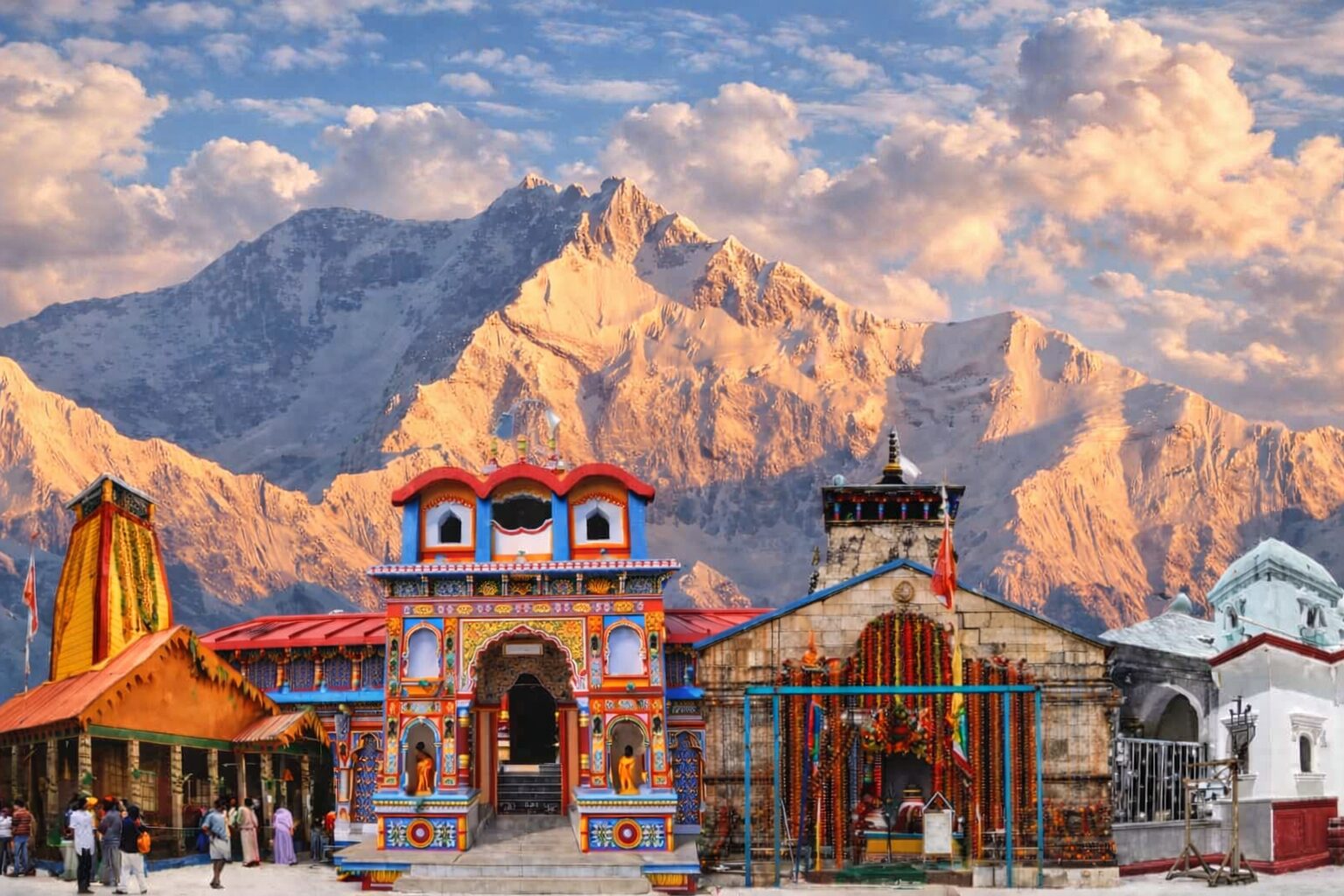
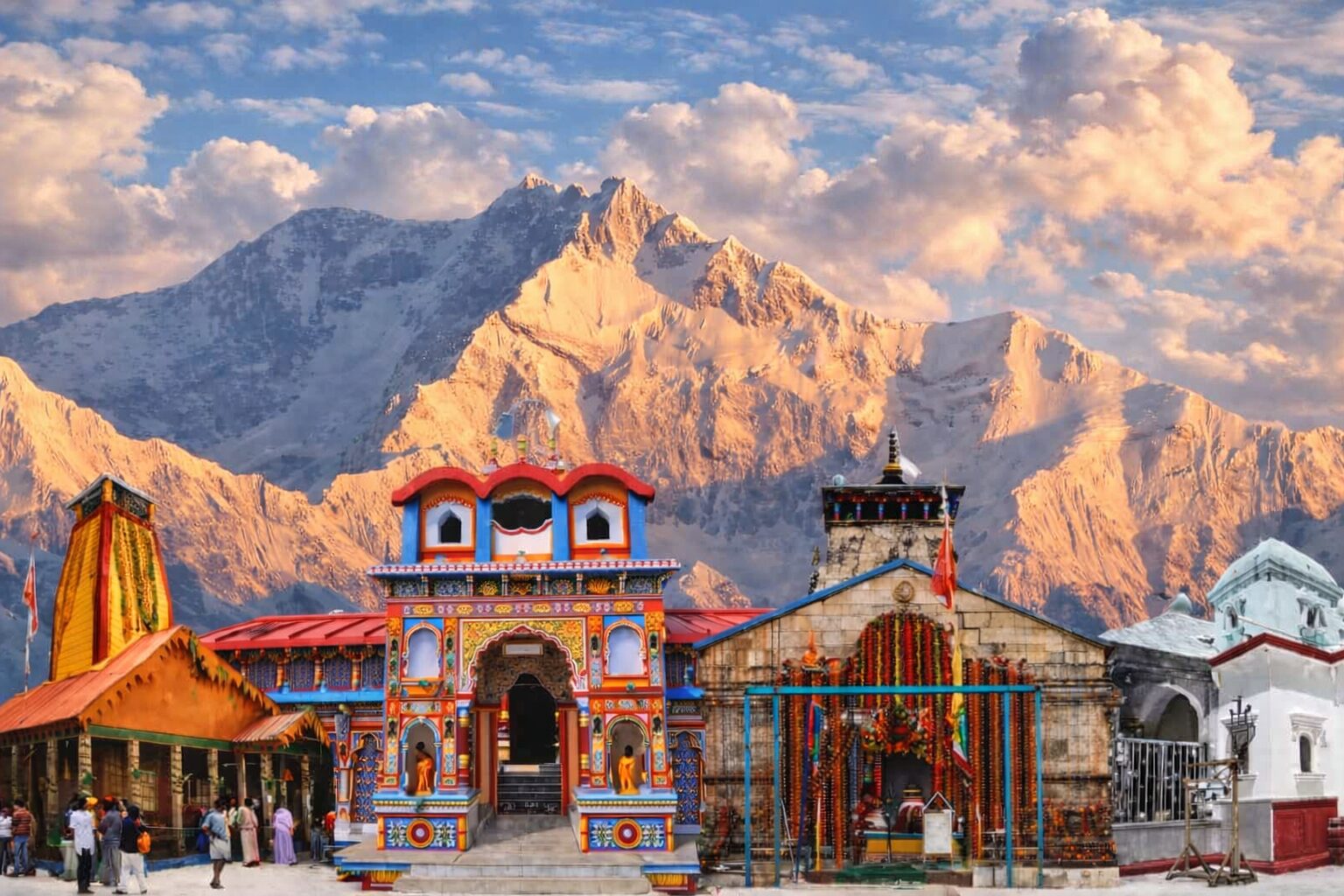
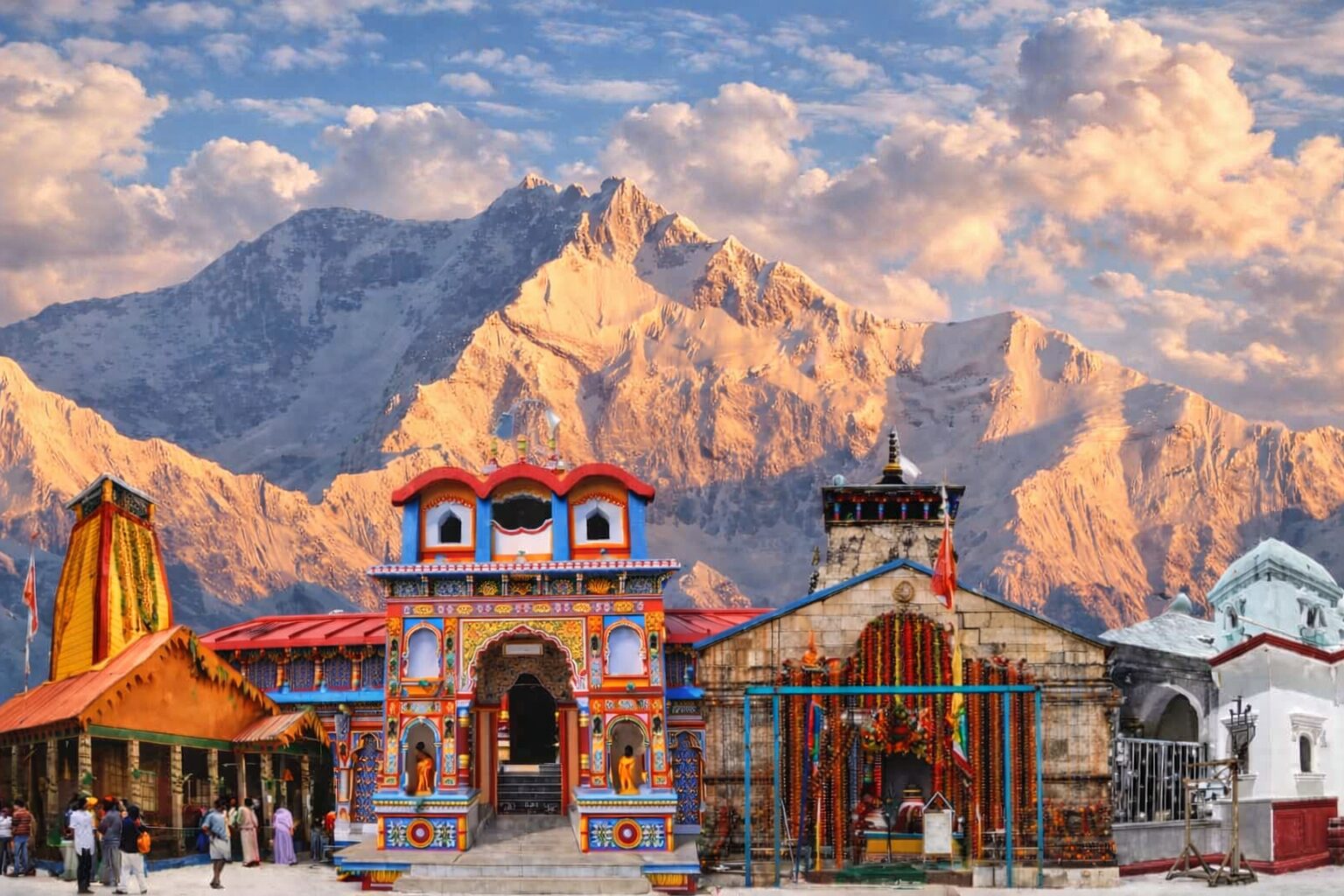
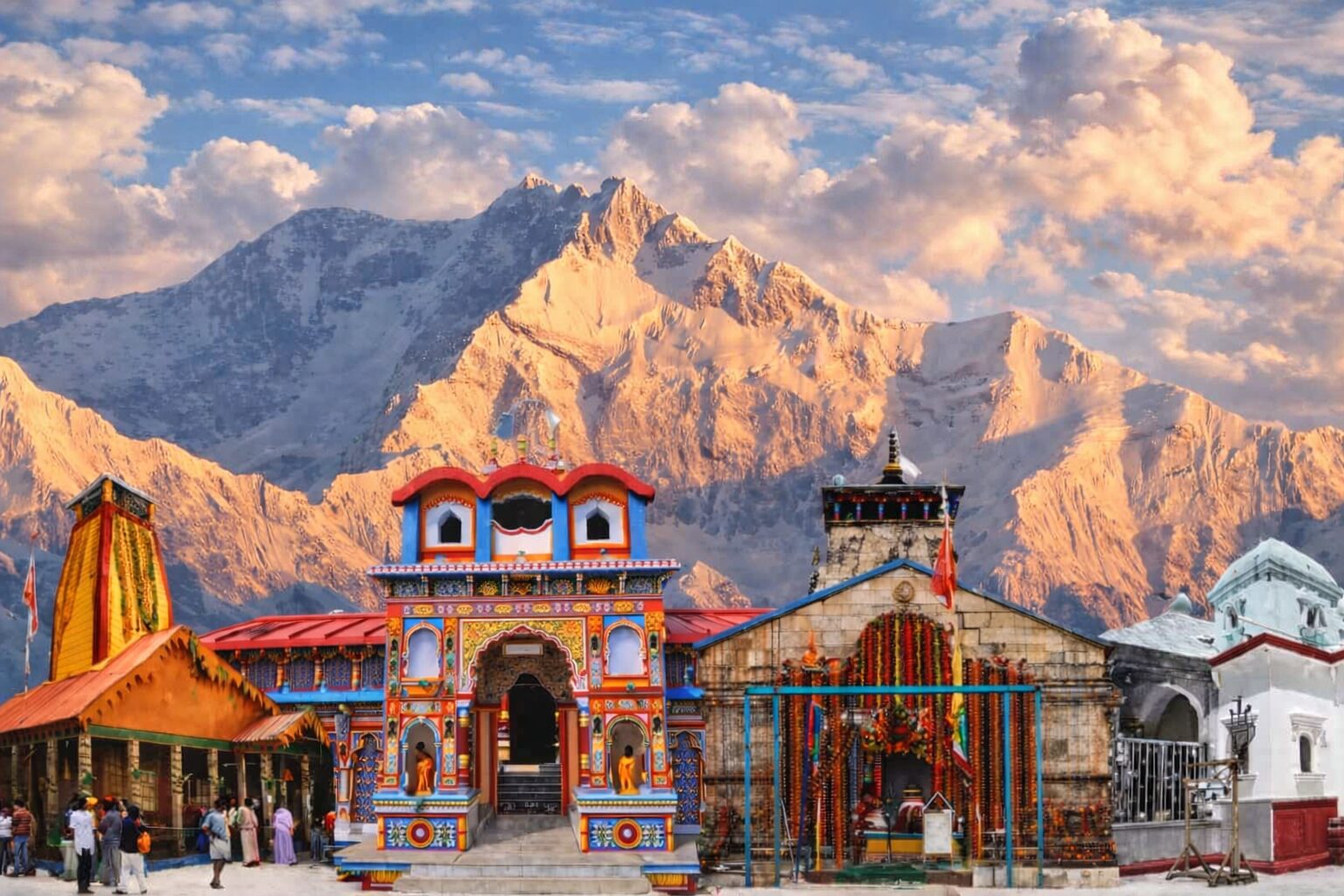
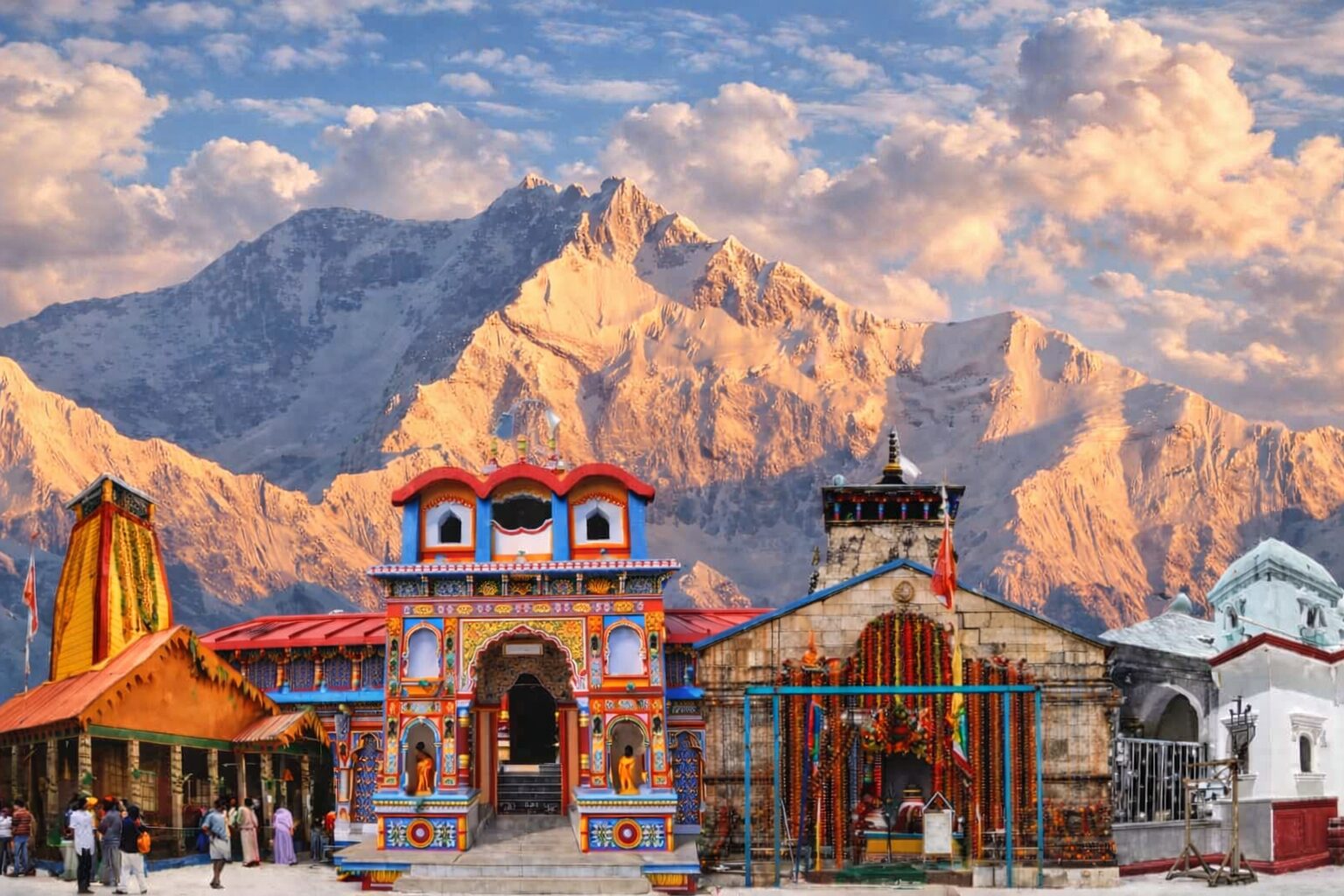
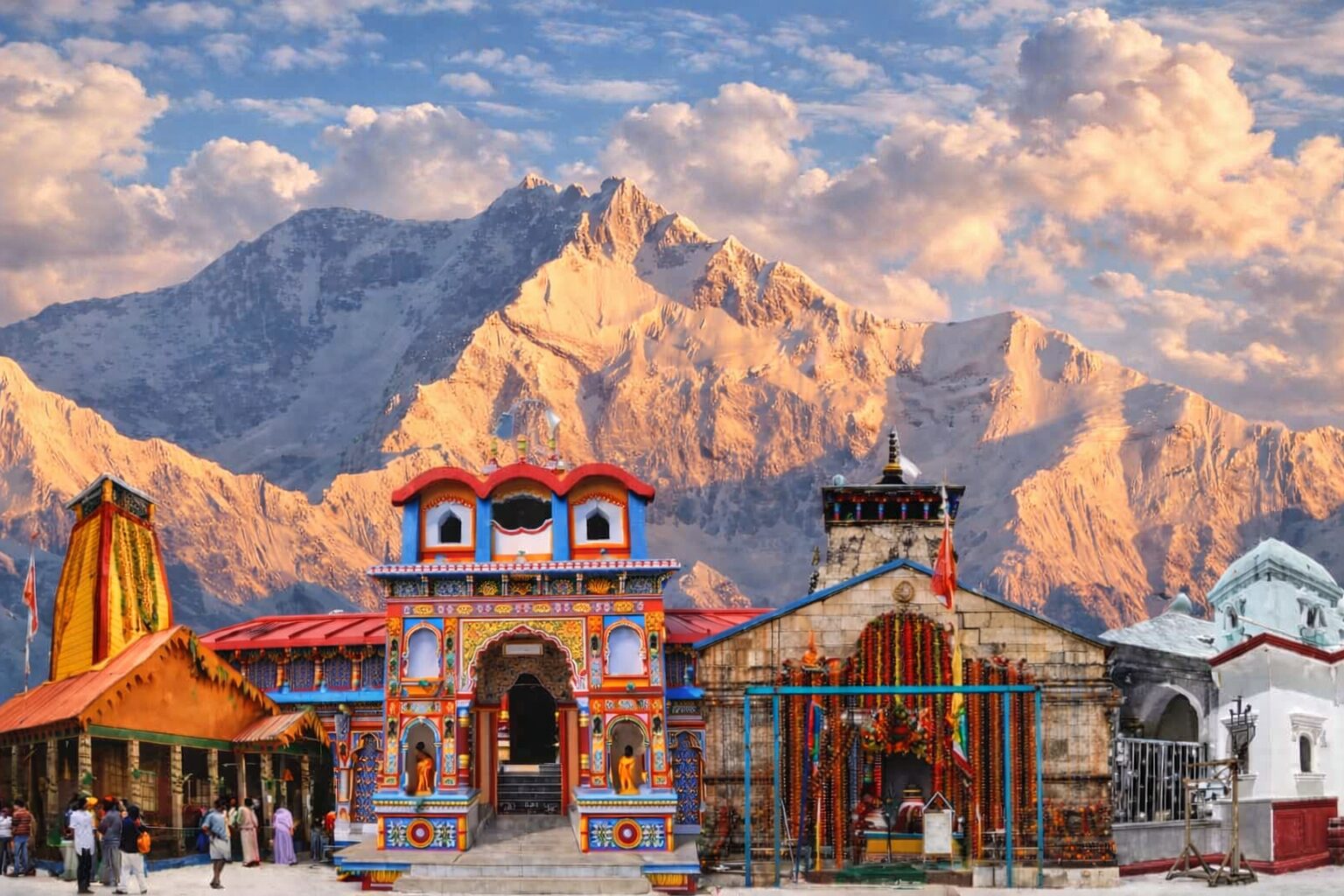
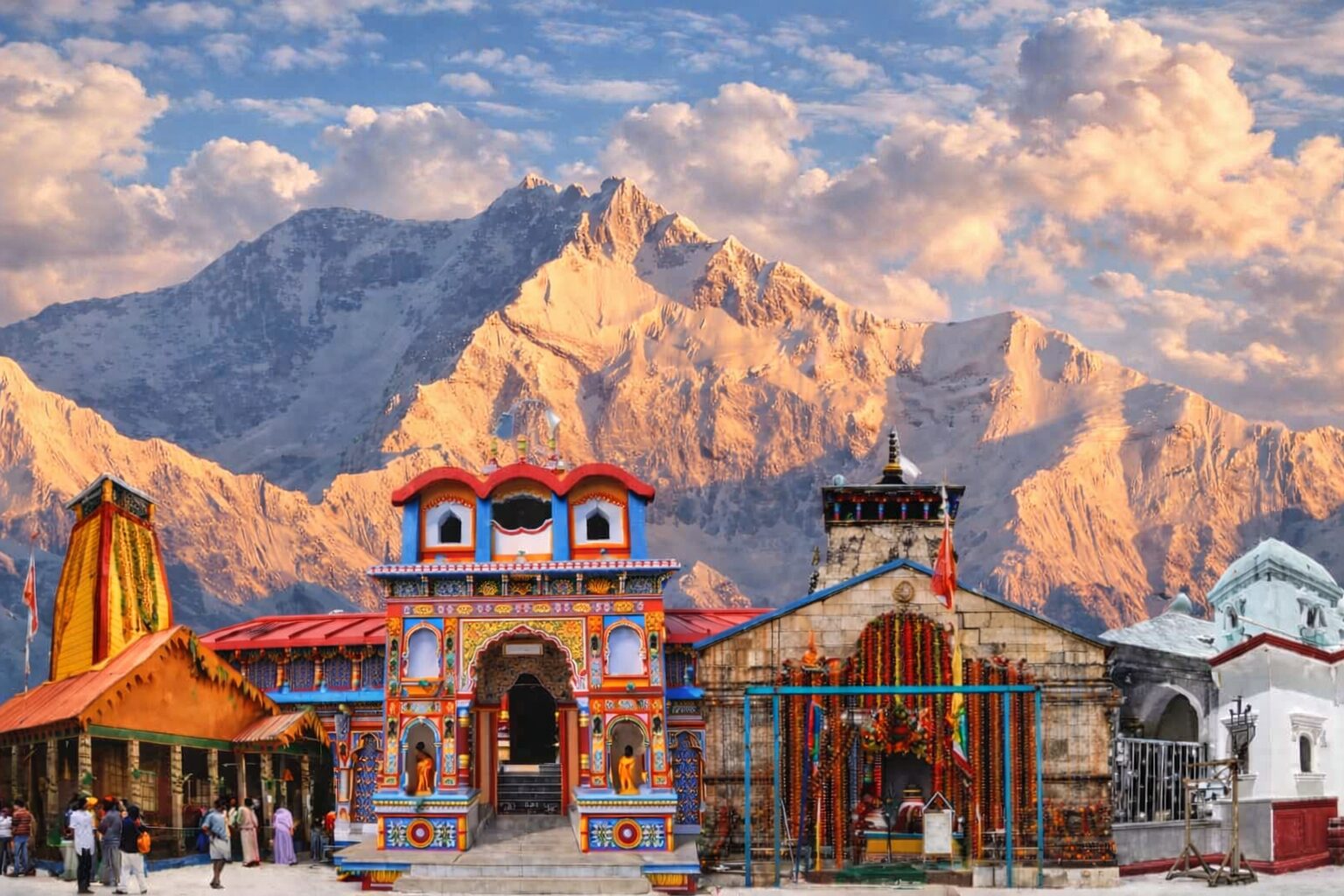
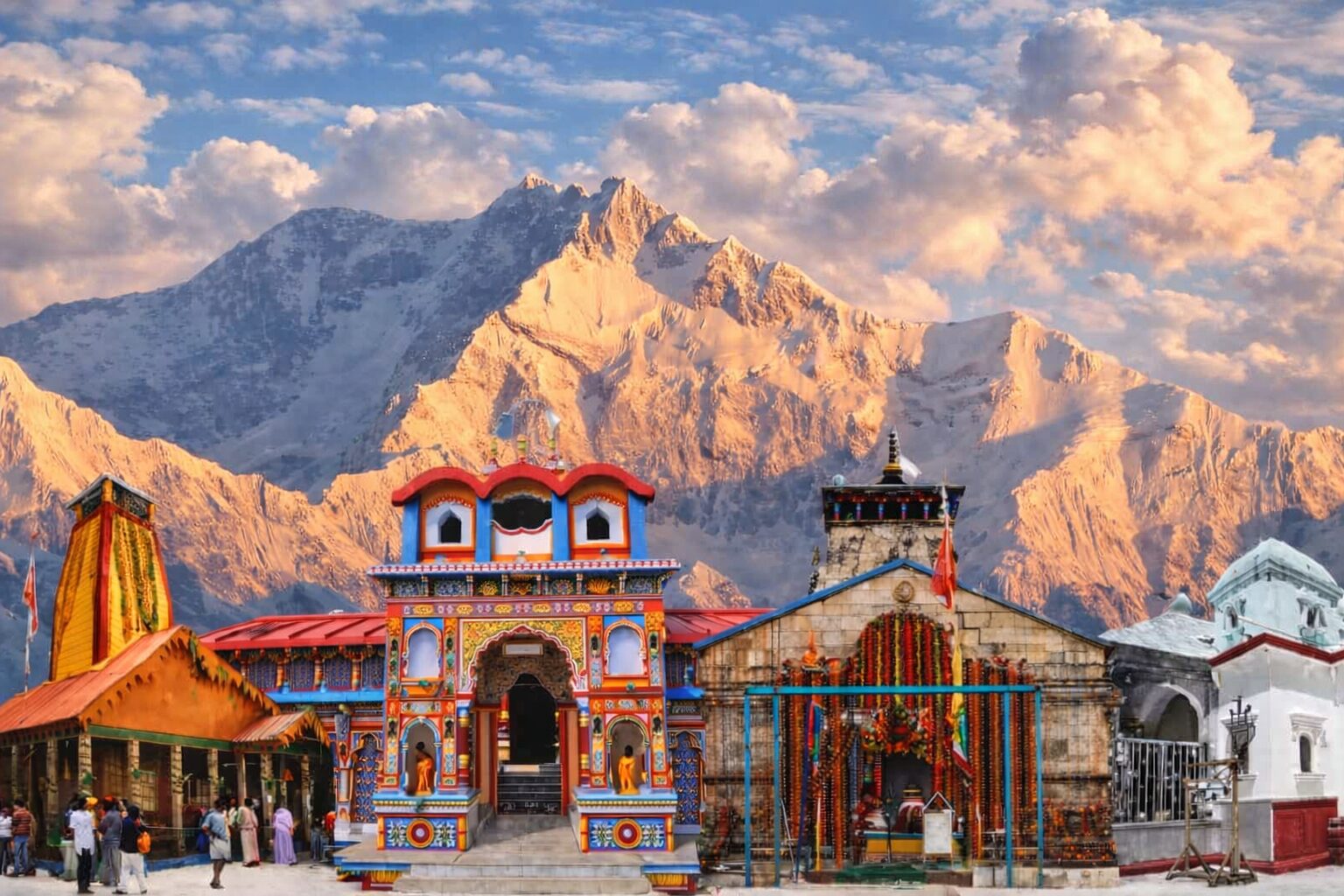
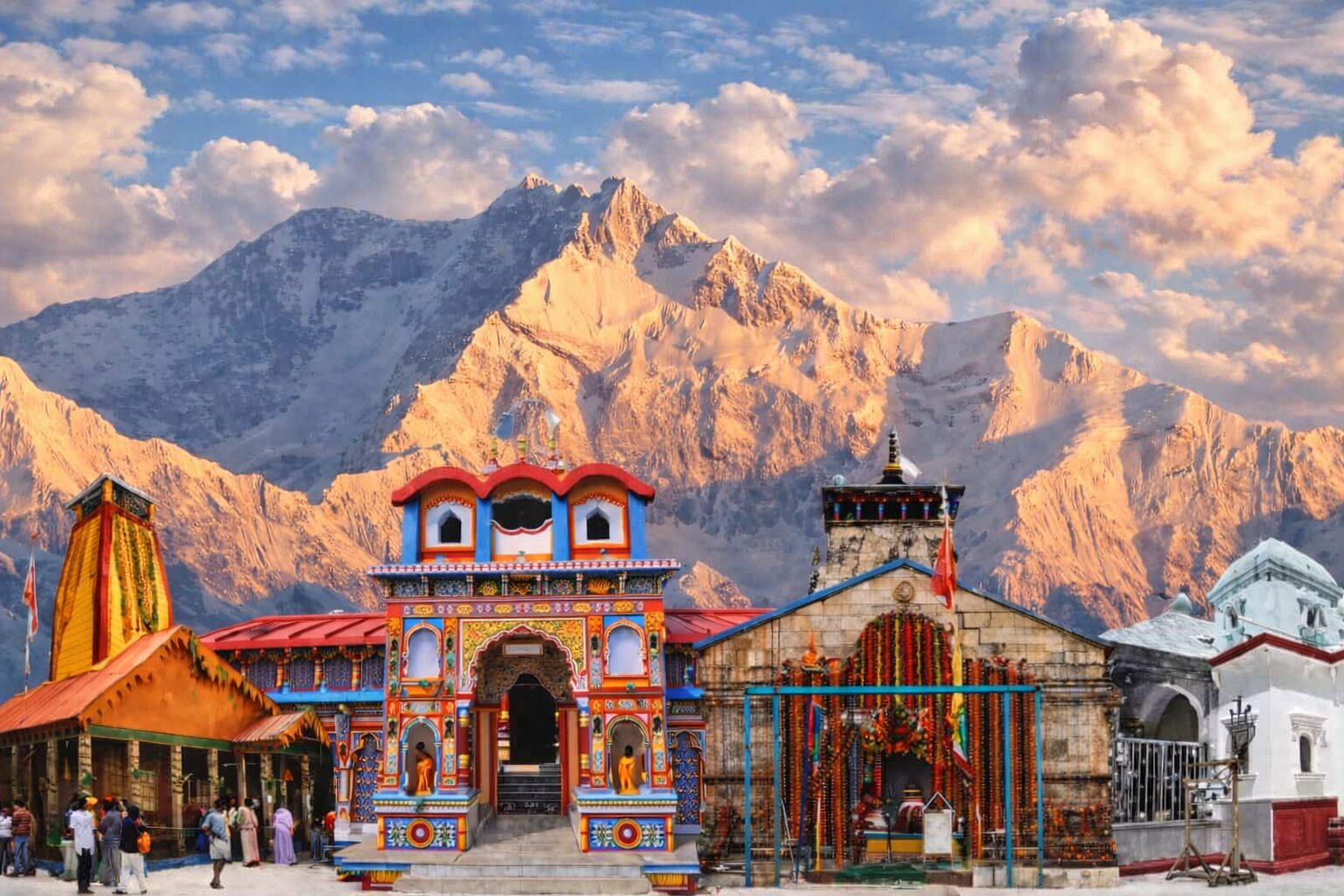
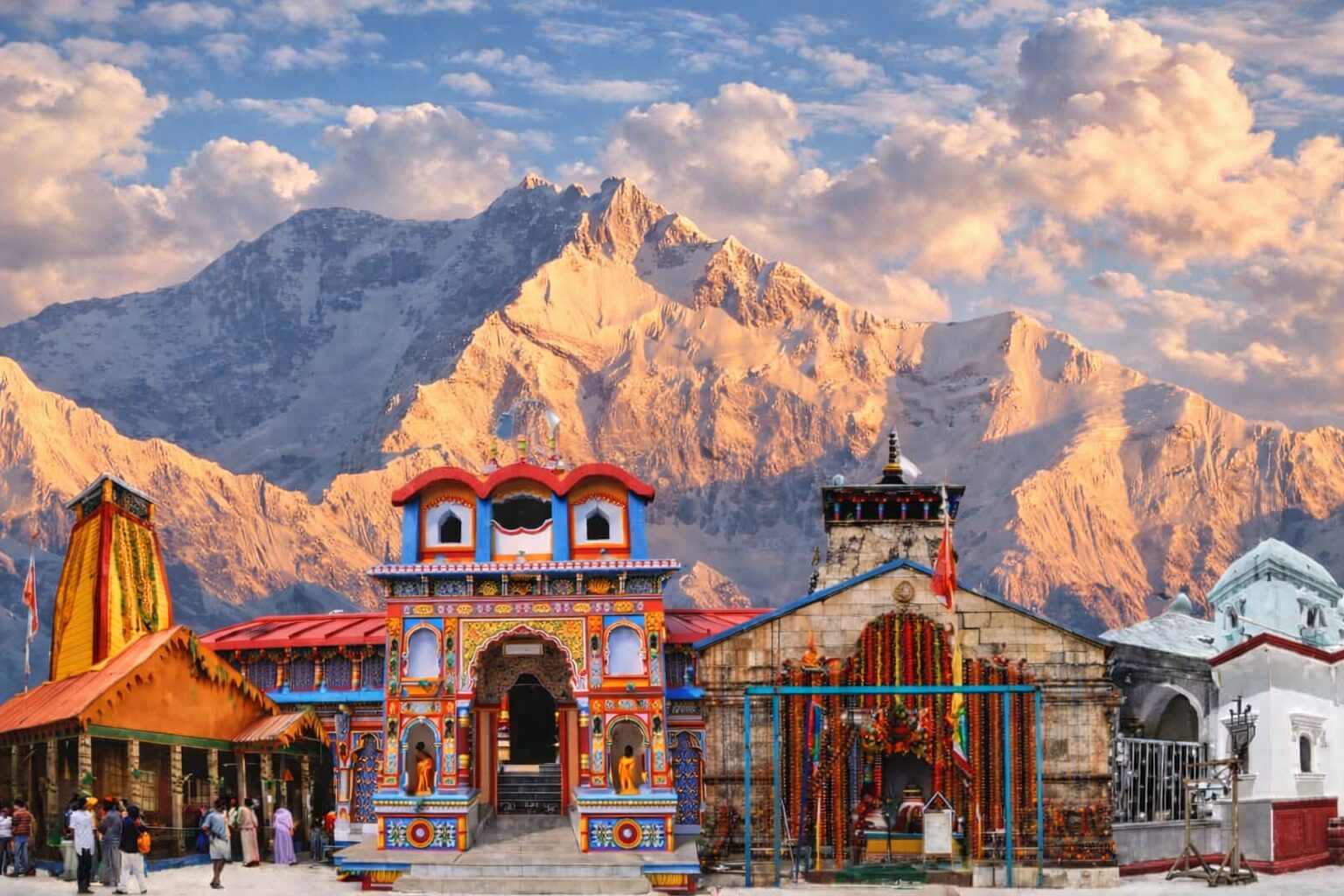
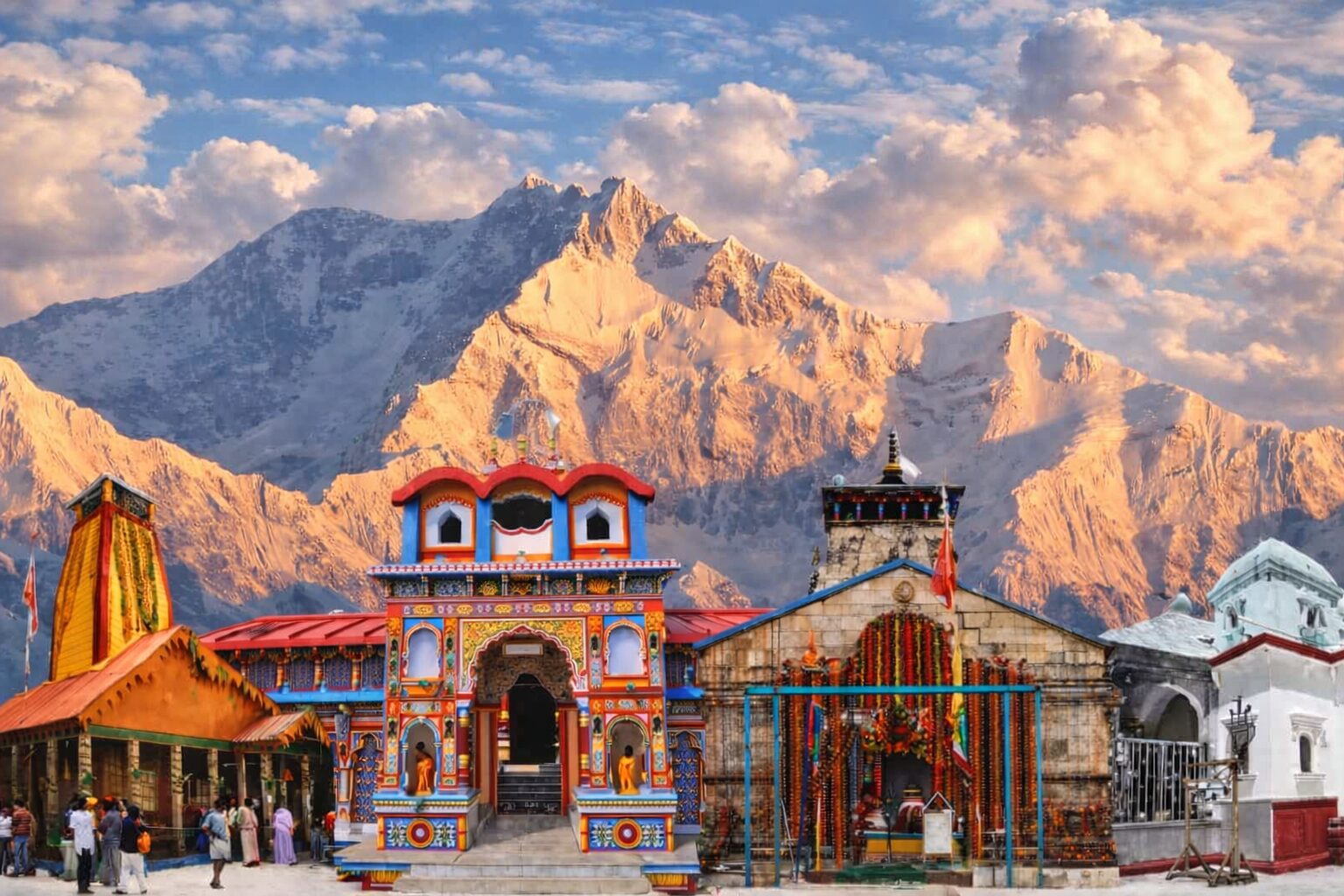
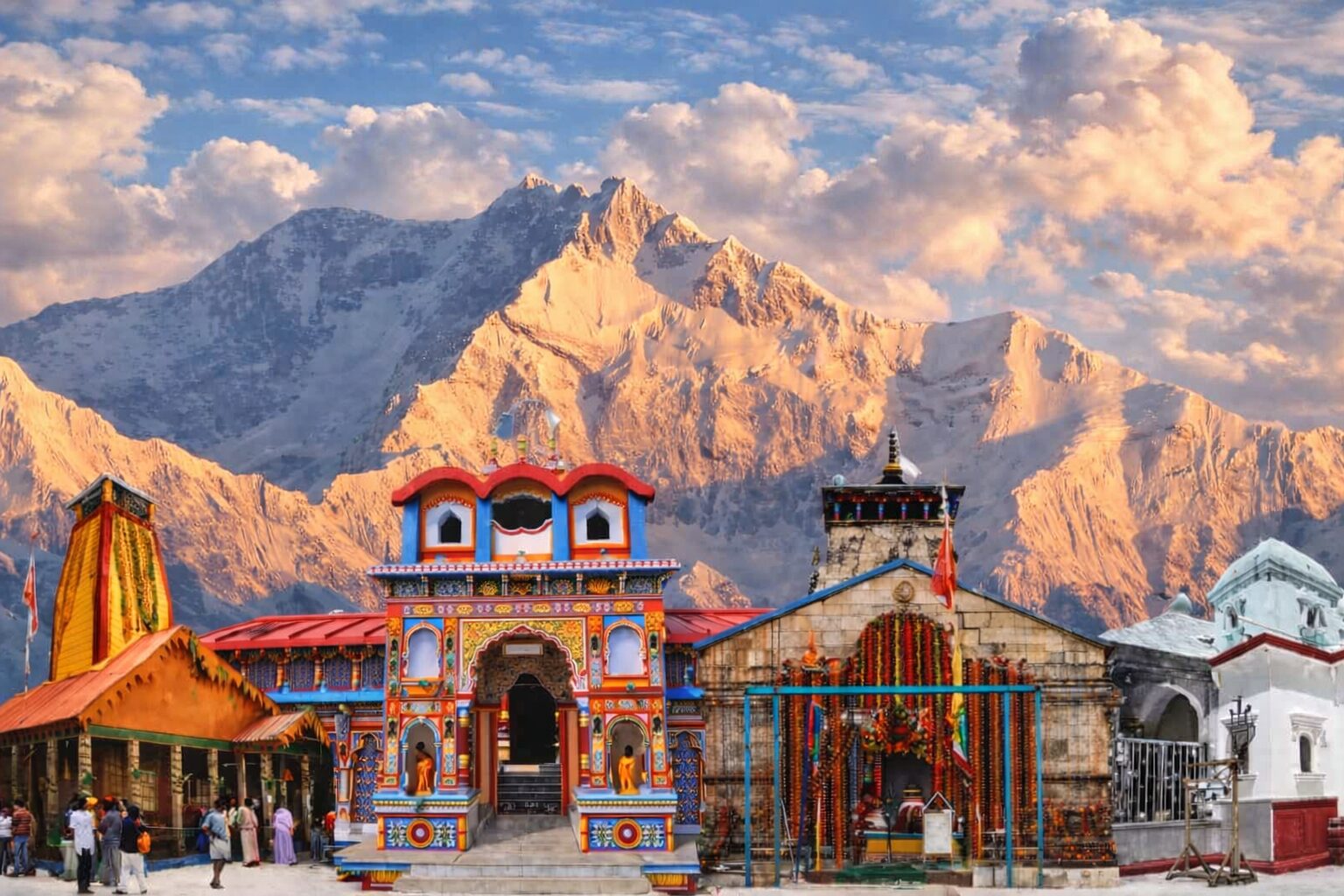
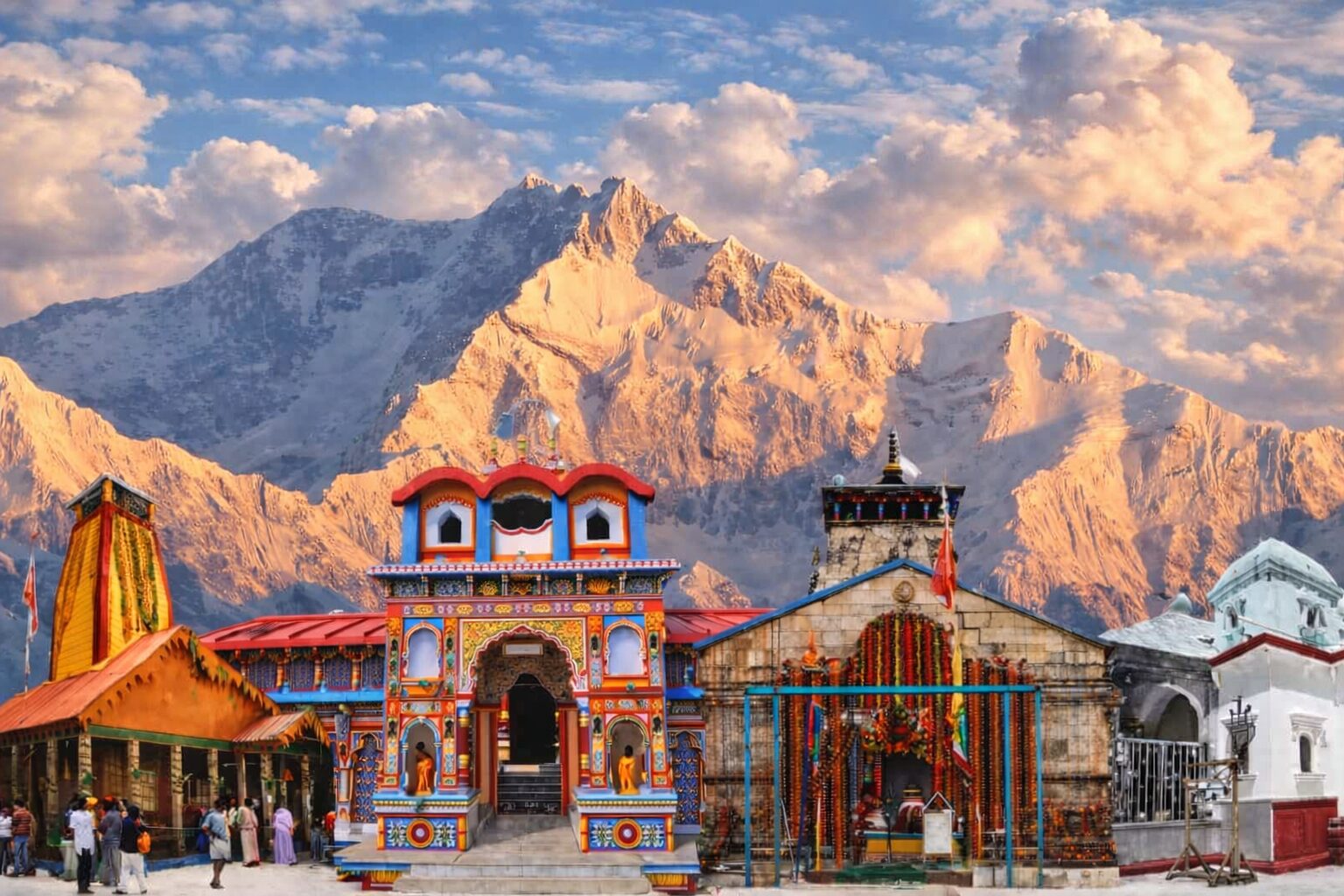
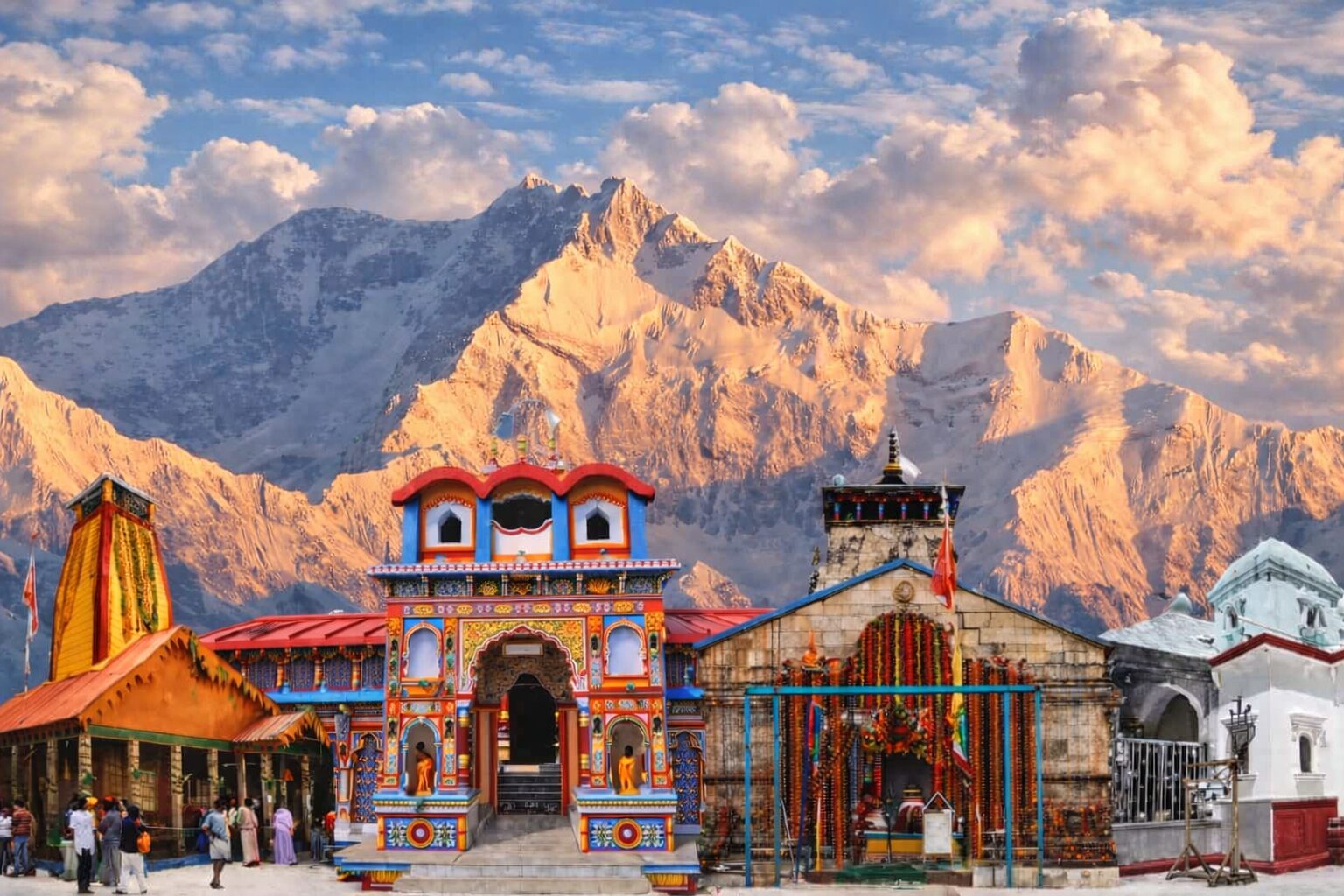
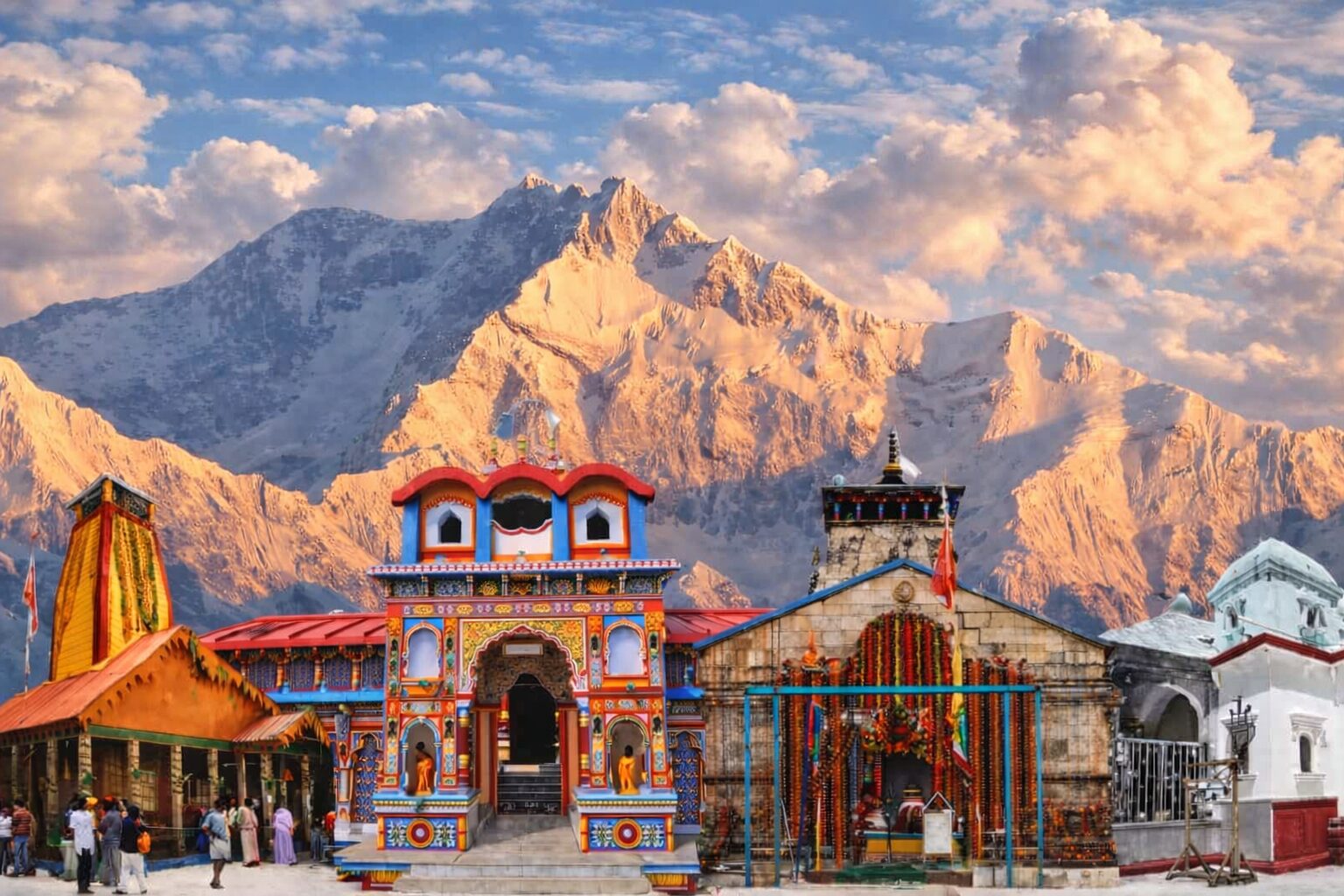
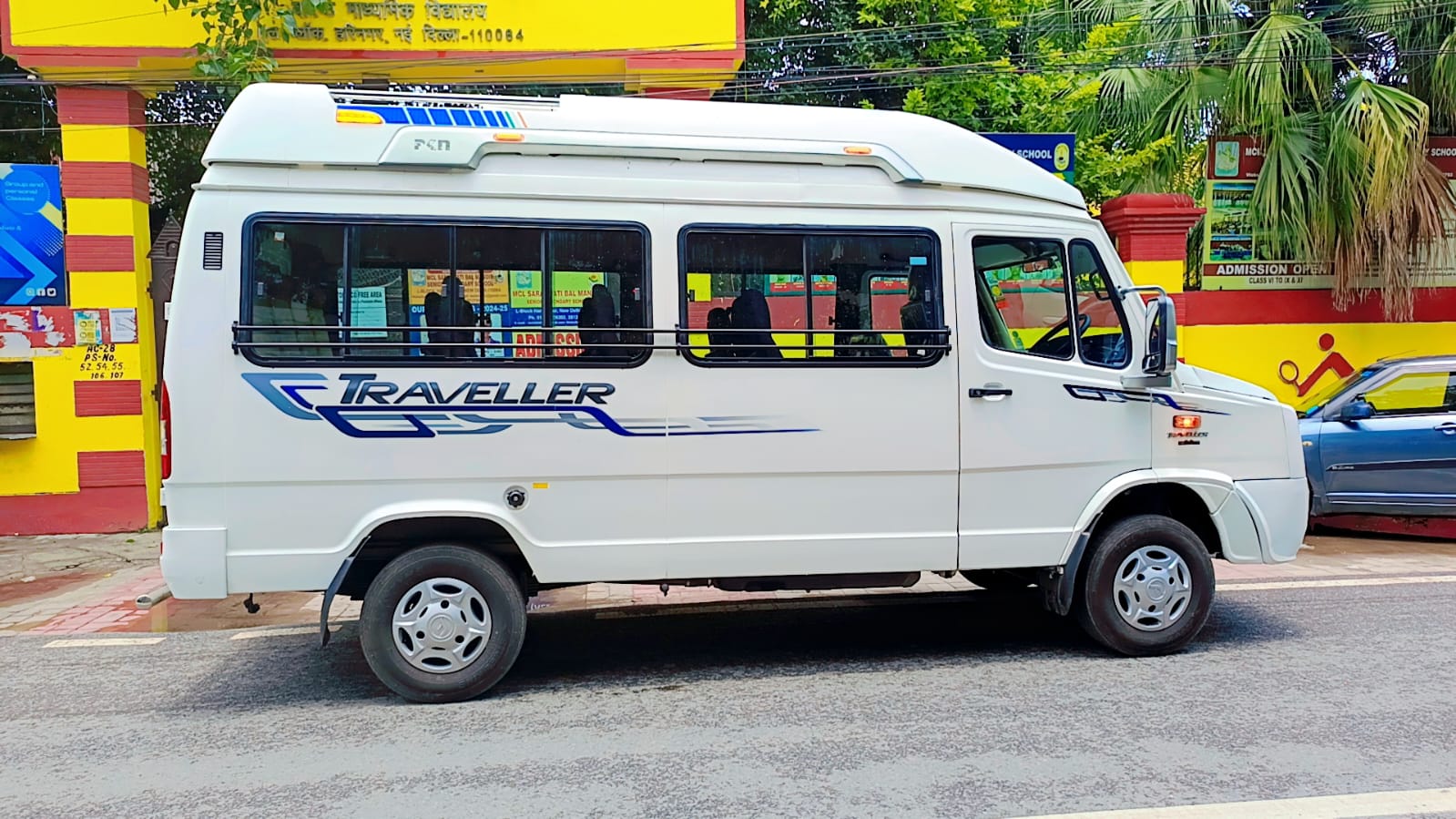
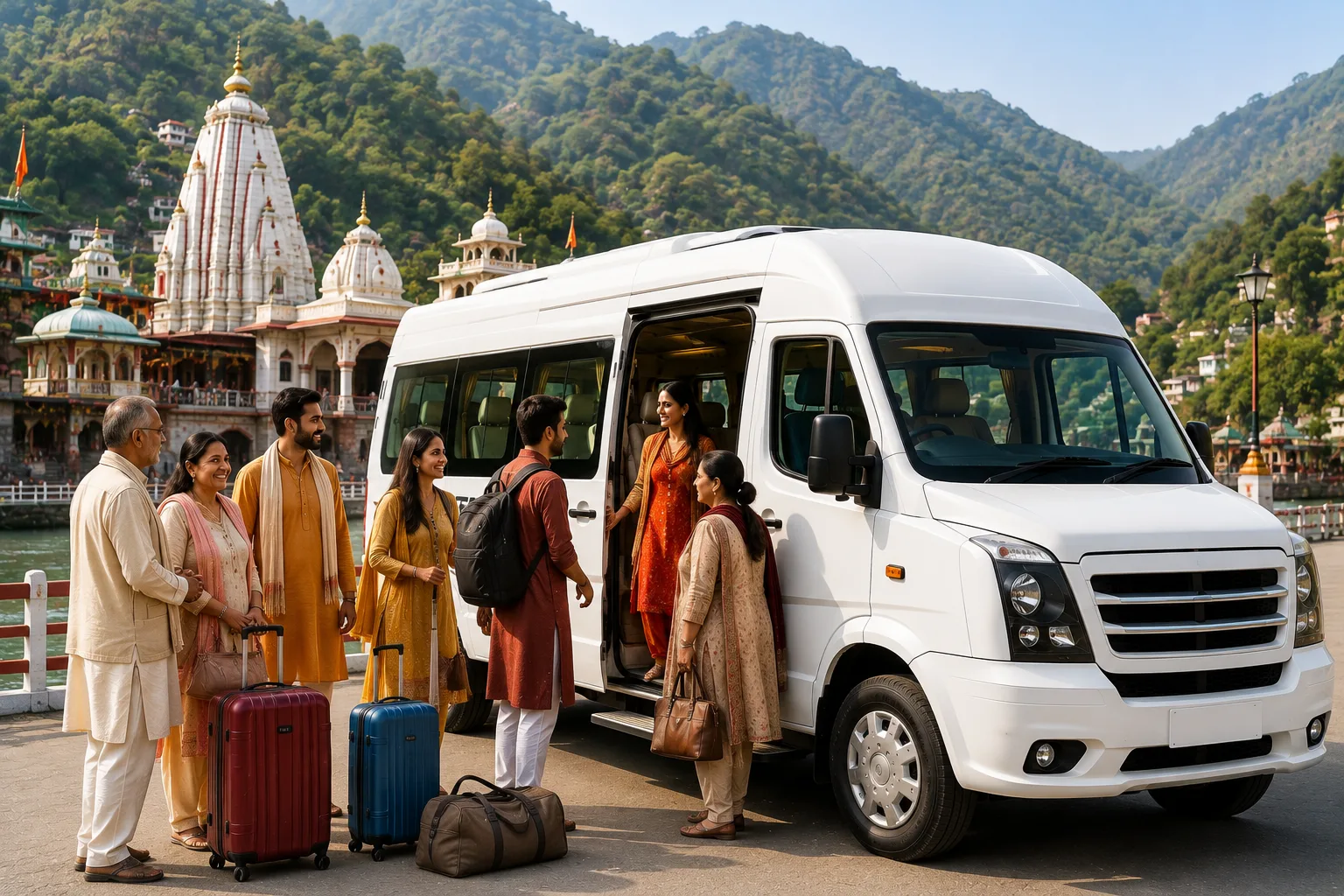
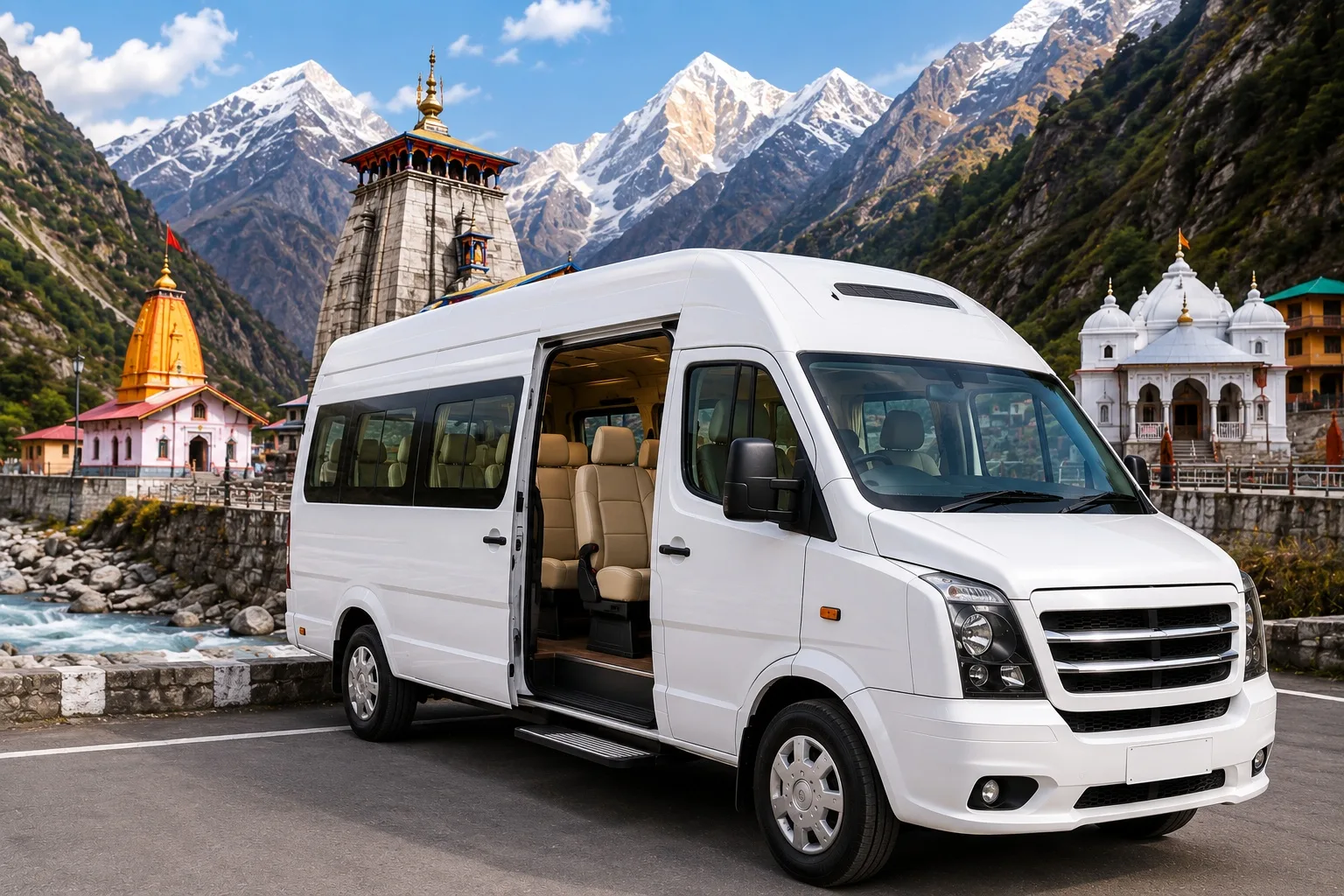
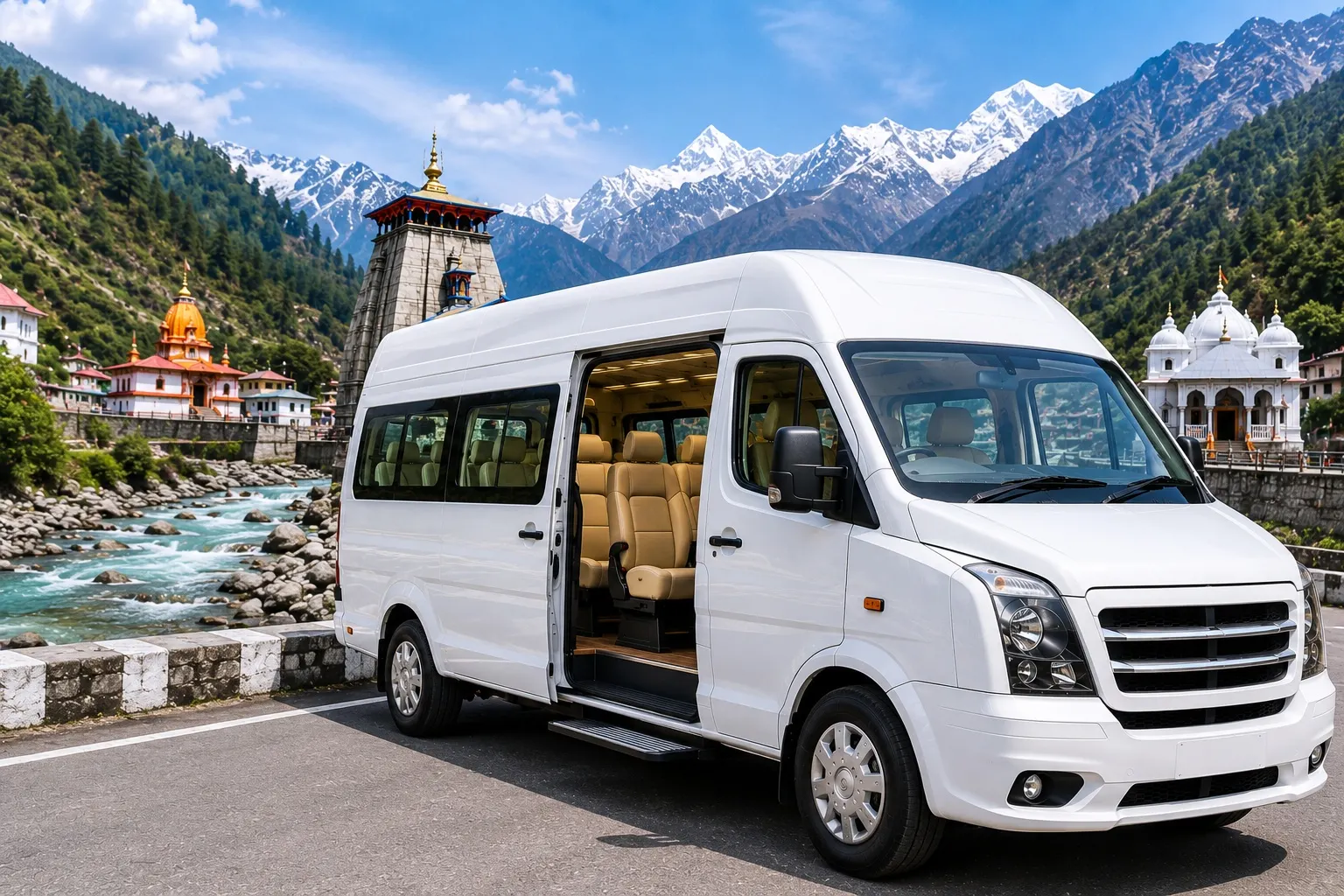
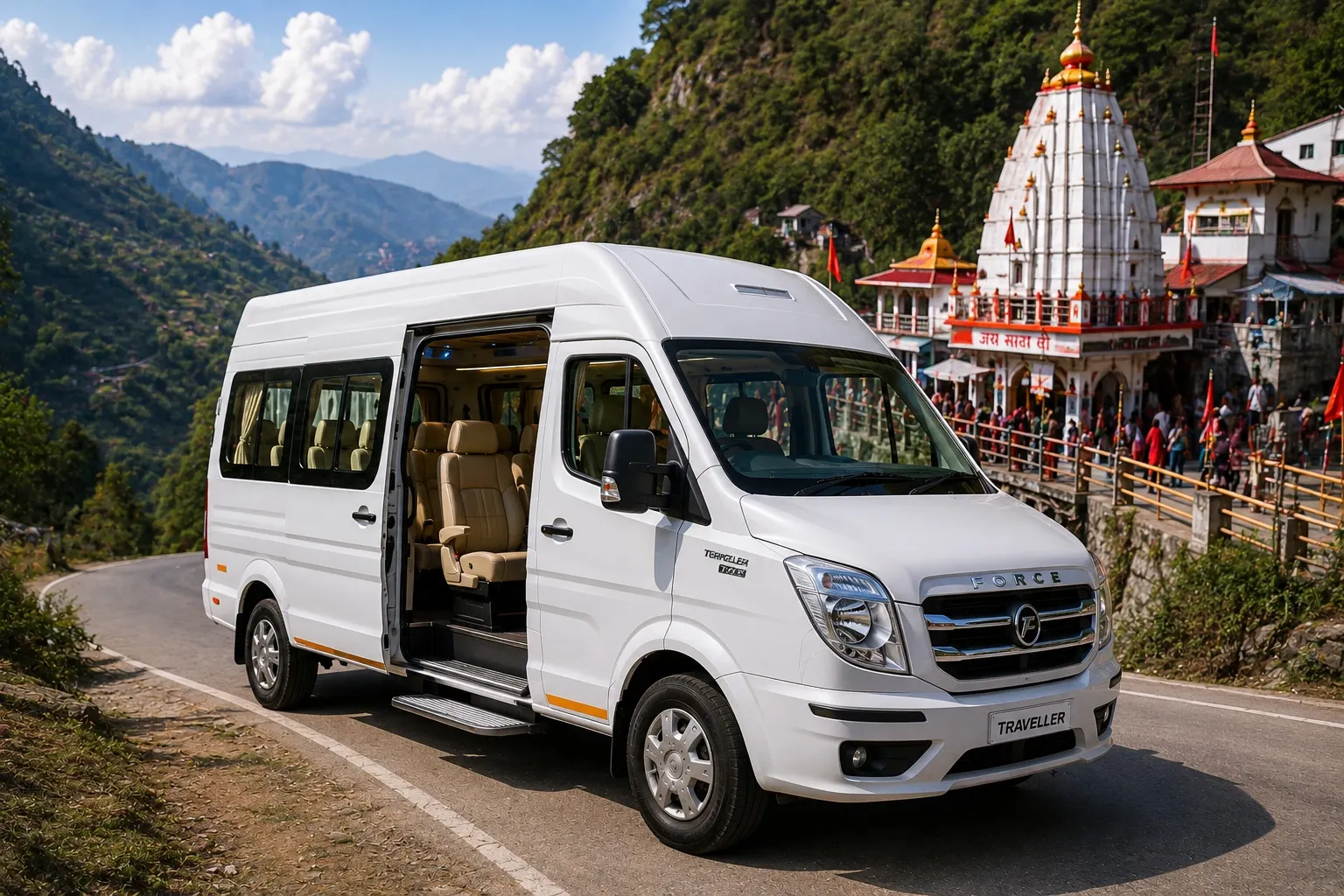
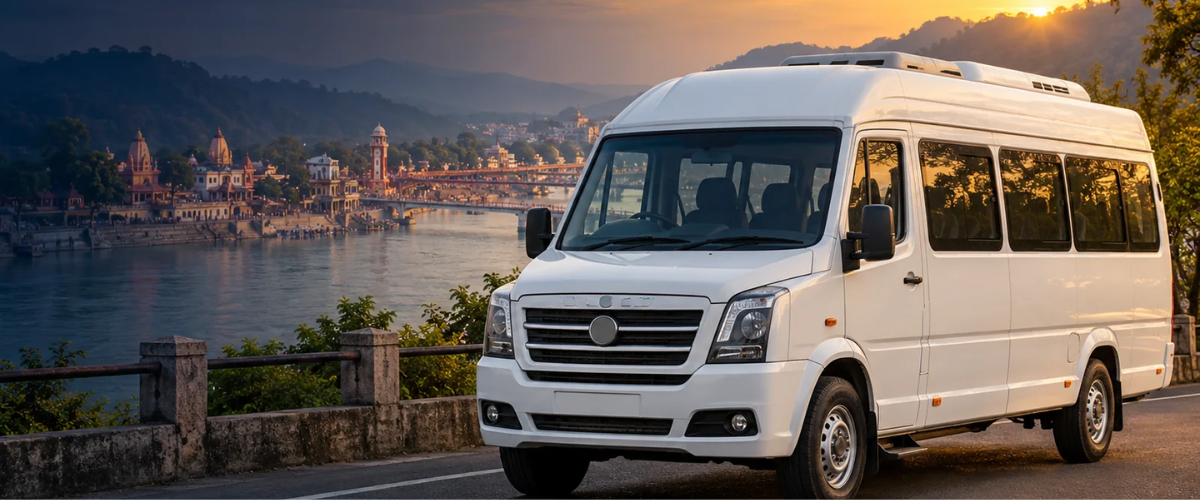
The Do Dham Yatra, which means Kedarnath and Badrinath, is one of the most loved pilgrimages in India. For a family, a bhajan mandali or a society group, travelling together makes the yatra more joyful, and a tempo traveller is the easiest way to do it. This guide from SS Rana Tour and Travels explains the route, a day-wise plan, price factors, registration, best time and tips, so you can plan your Do Dham Yatra by tempo traveller from Delhi with confidence.
Published on 09 Nov, 2026
Updated on 17 Nov, 2026
184 Views
The Do Dham Yatra, which means Kedarnath and Badrinath, is one of the most loved pilgrimages in India. For a family, a bhajan mandali or a society group, travelling together makes the yatra more joyful, and a tempo traveller is the easiest way to do it. This guide from SS Rana Tour and Travels explains the route, a day-wise plan, price factors, registration, best time and tips, so you can plan your Do Dham Yatra by tempo traveller from Delhi with confidence.
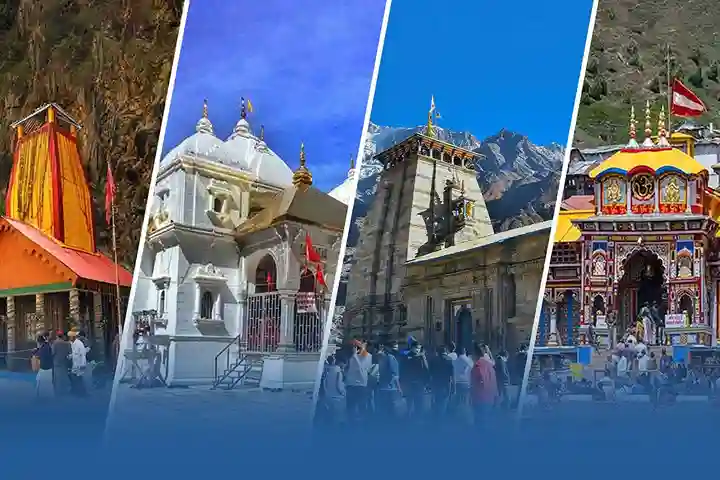
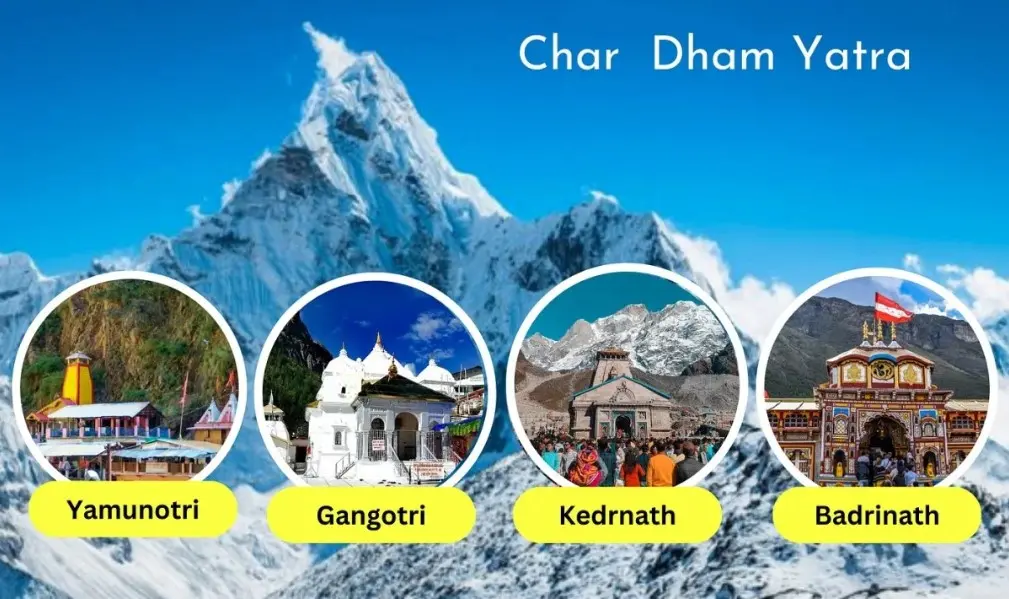
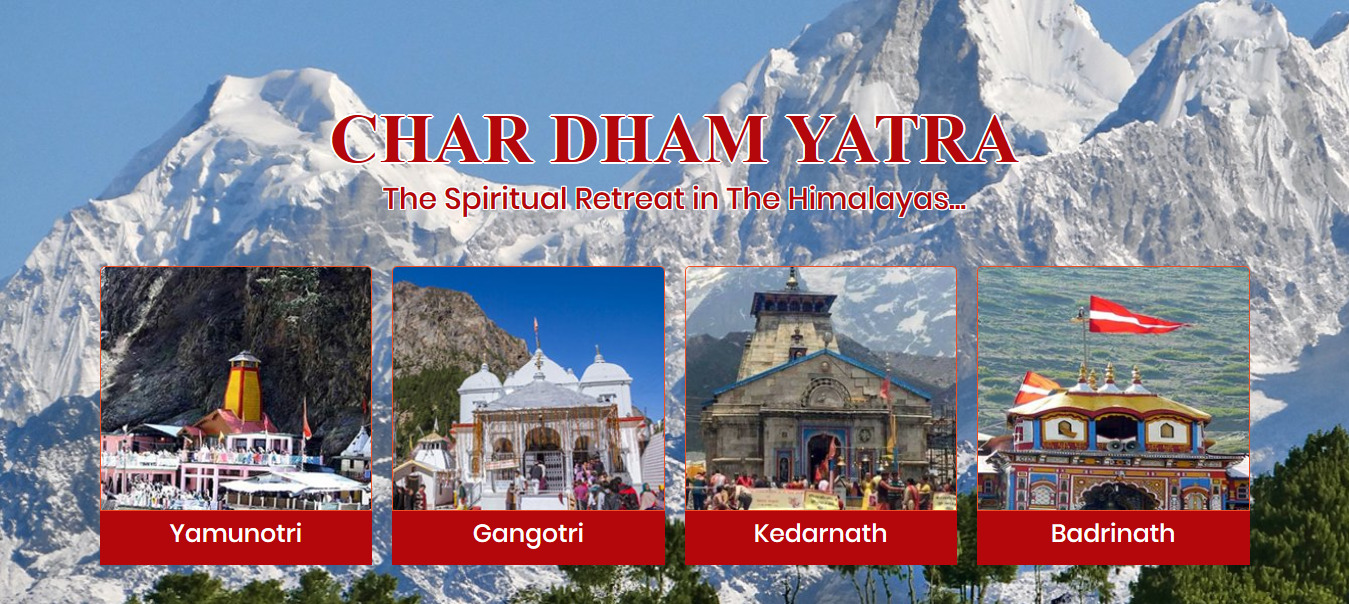
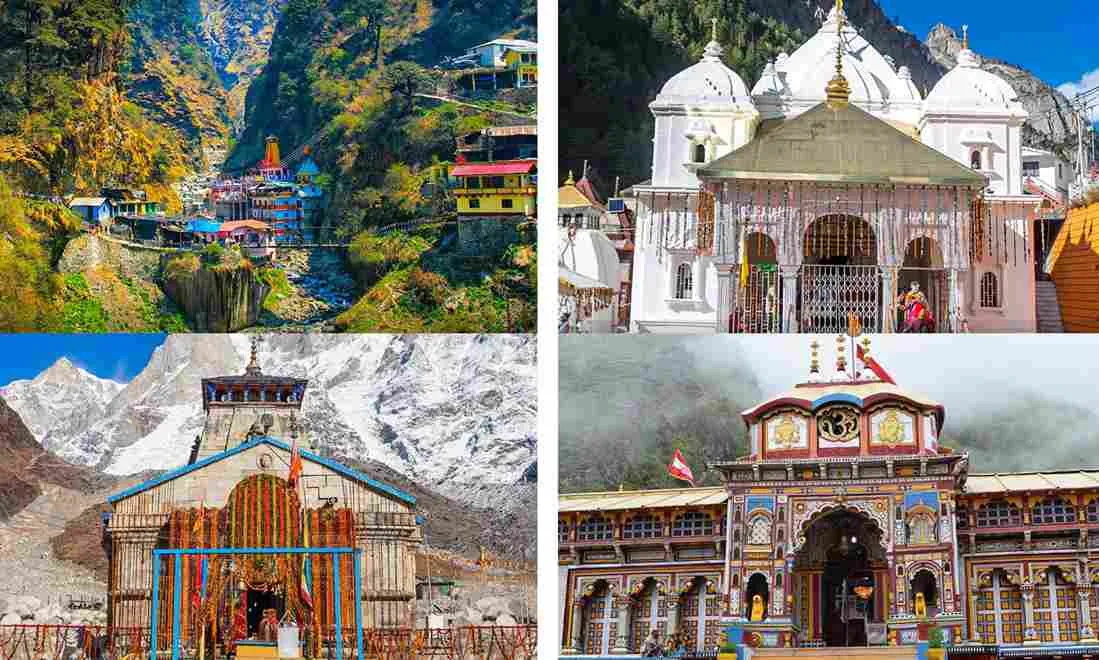
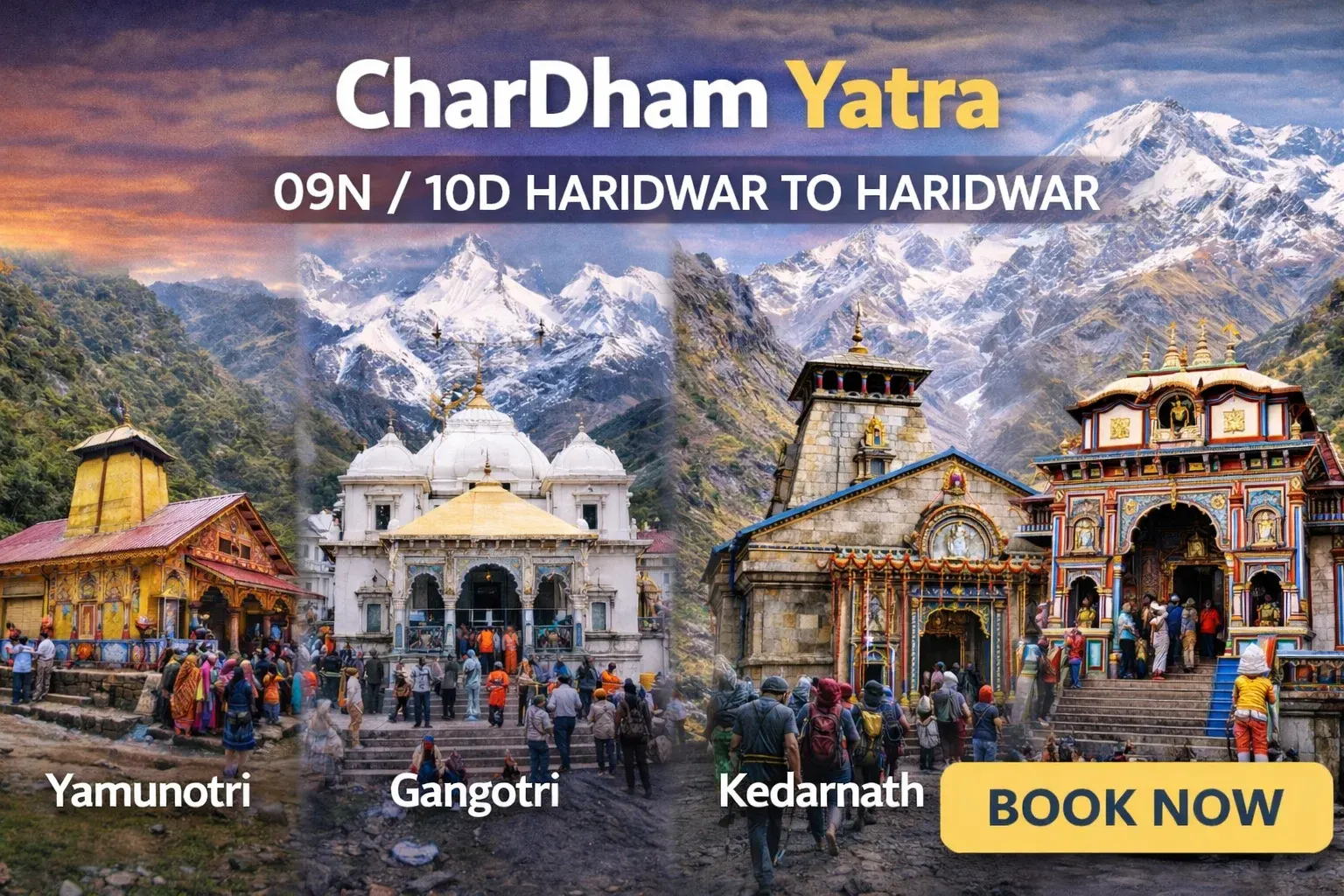
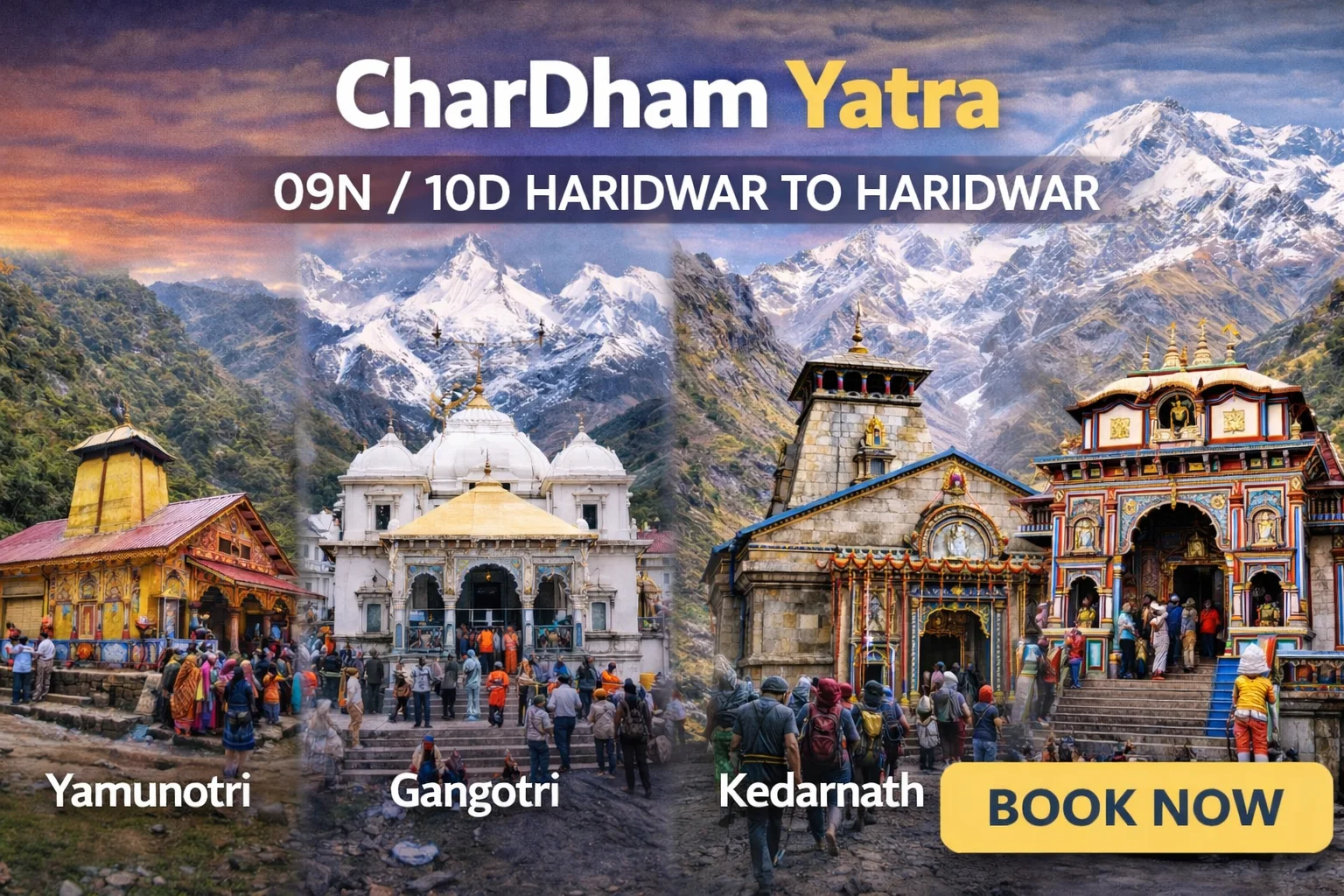
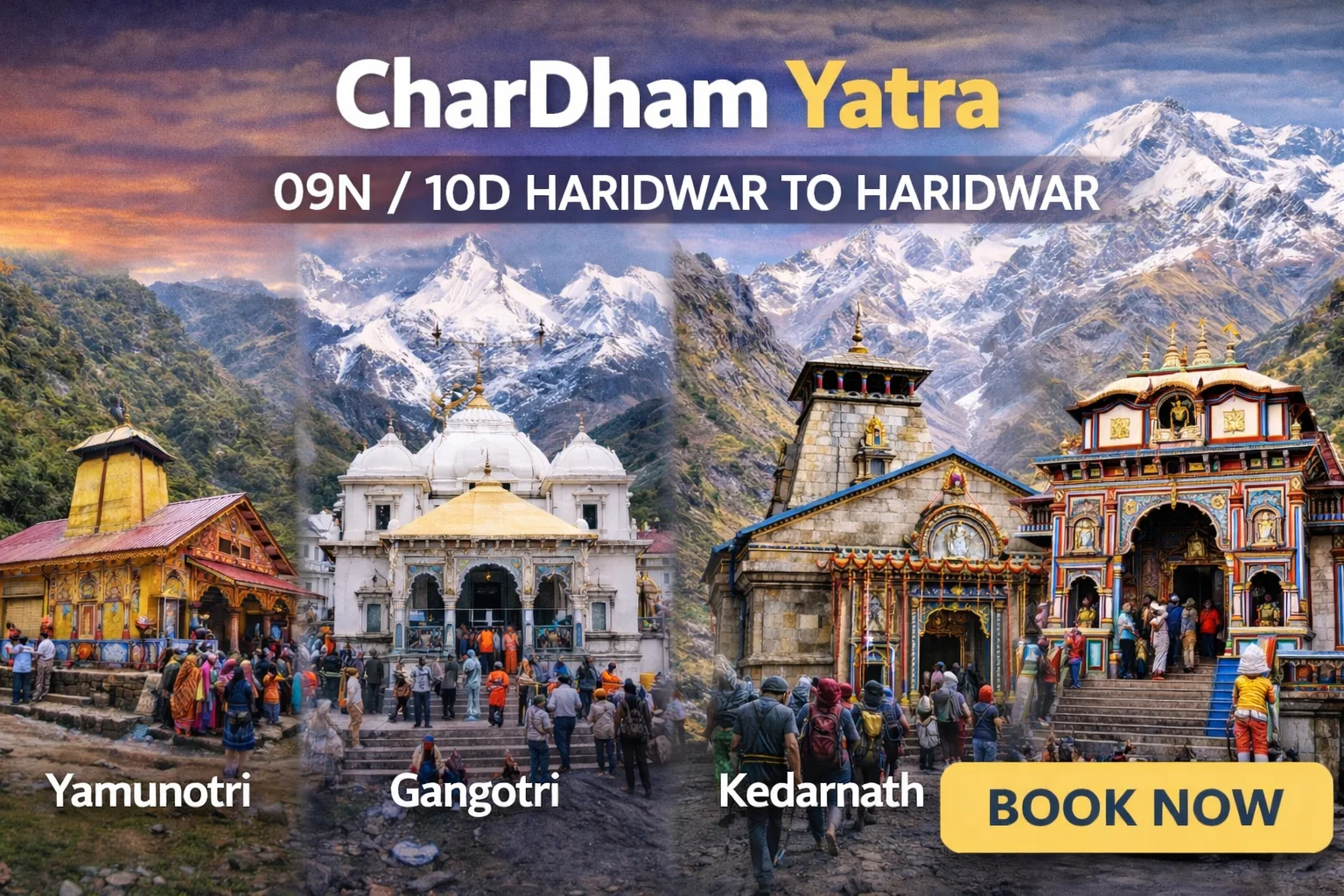
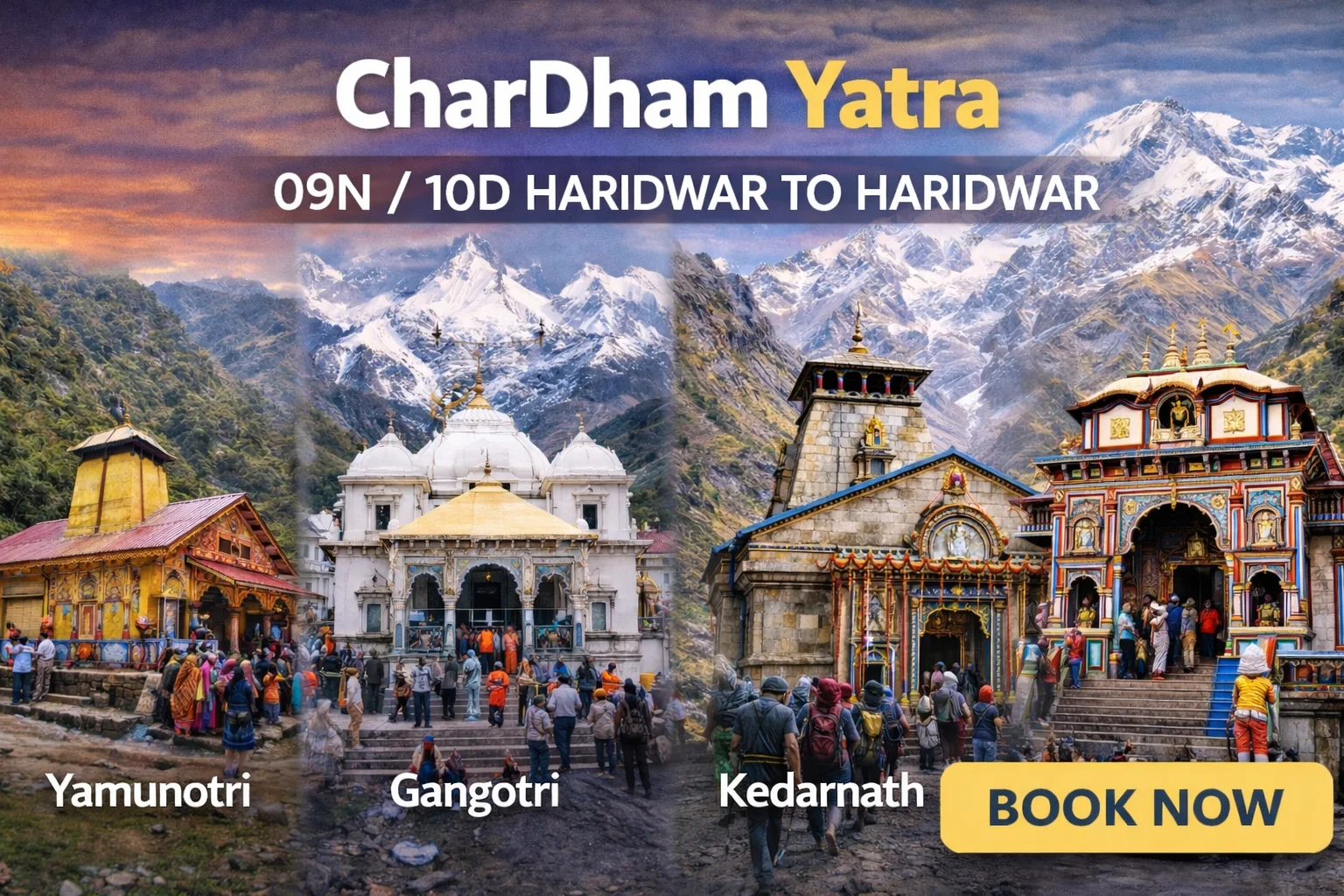
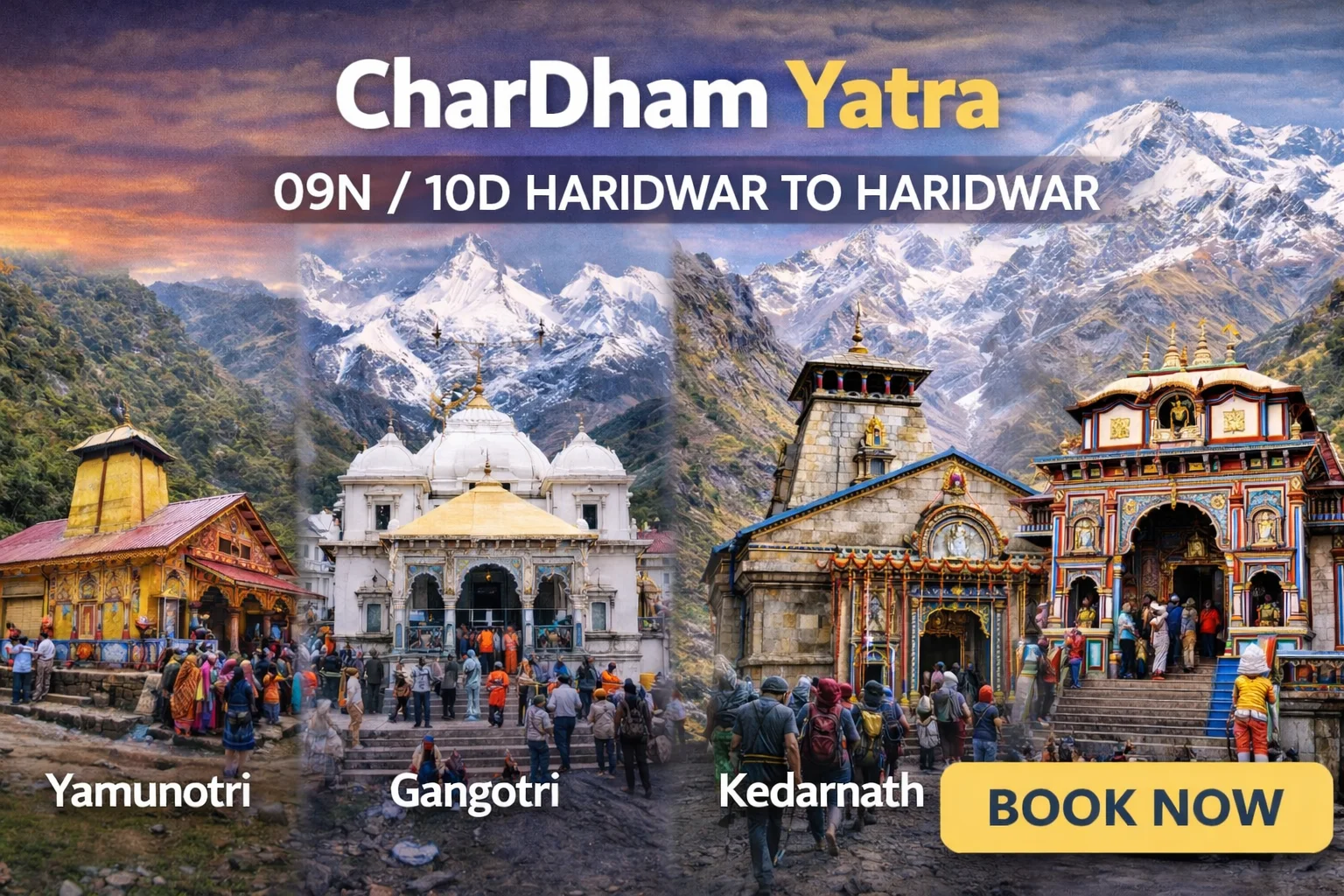
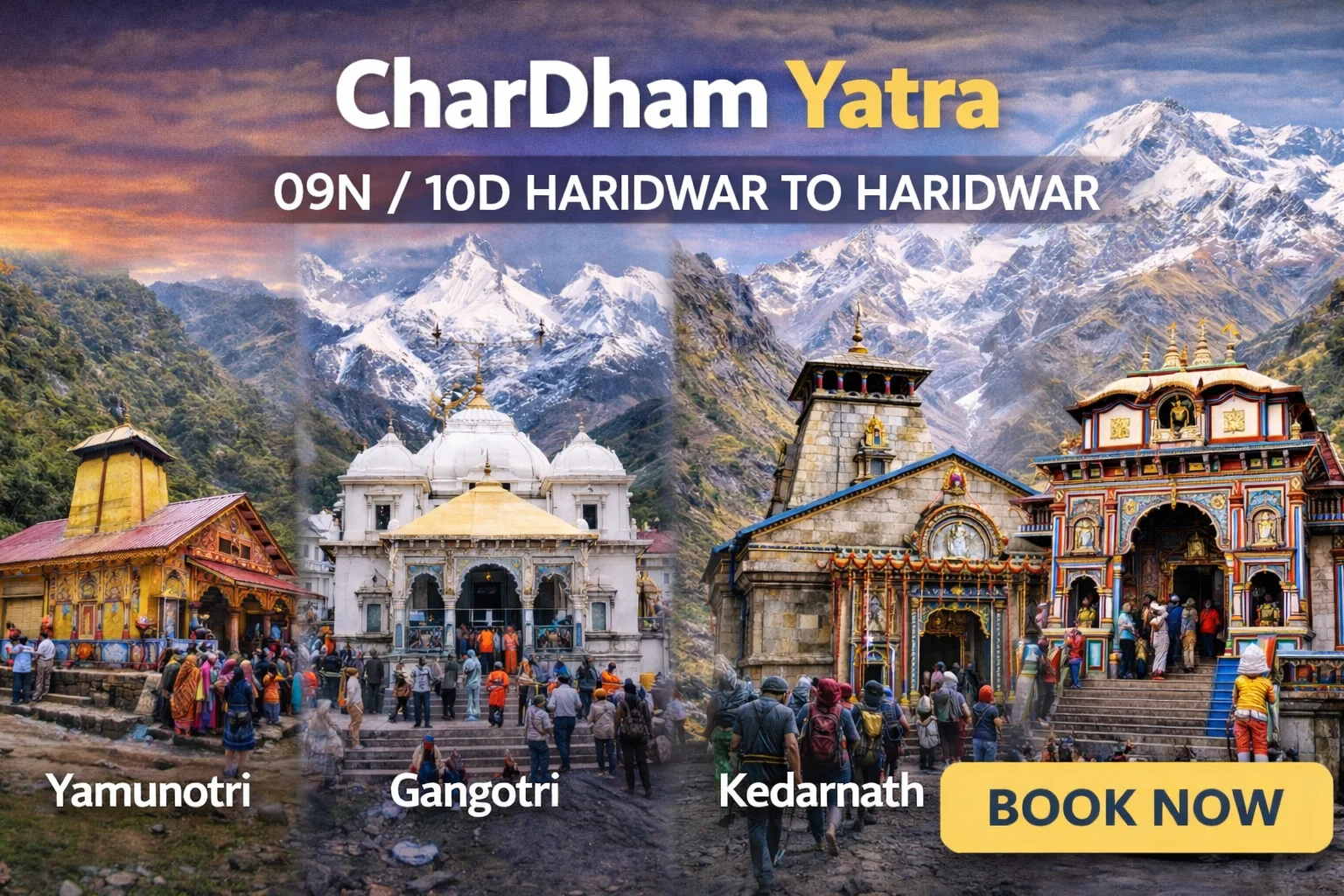
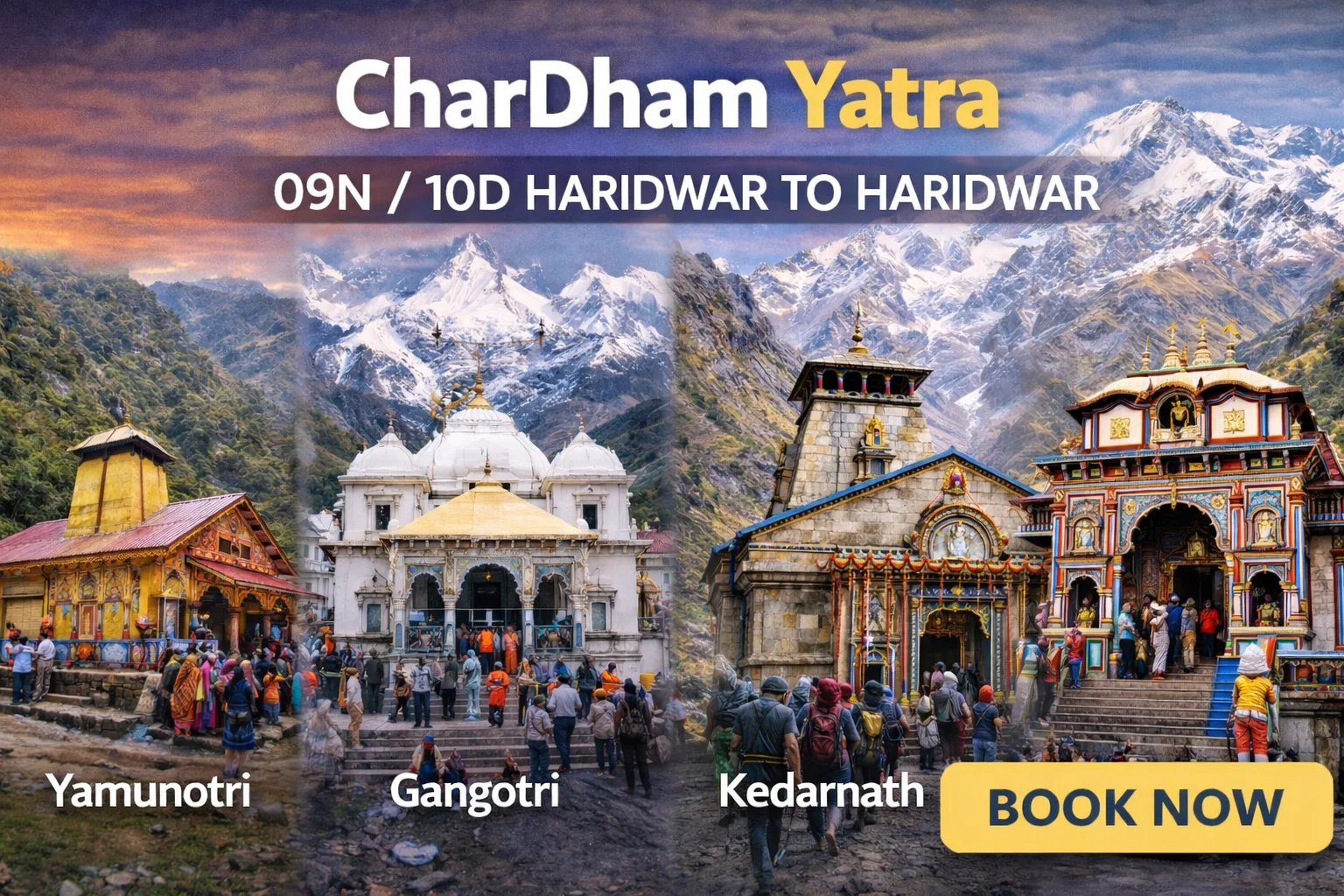
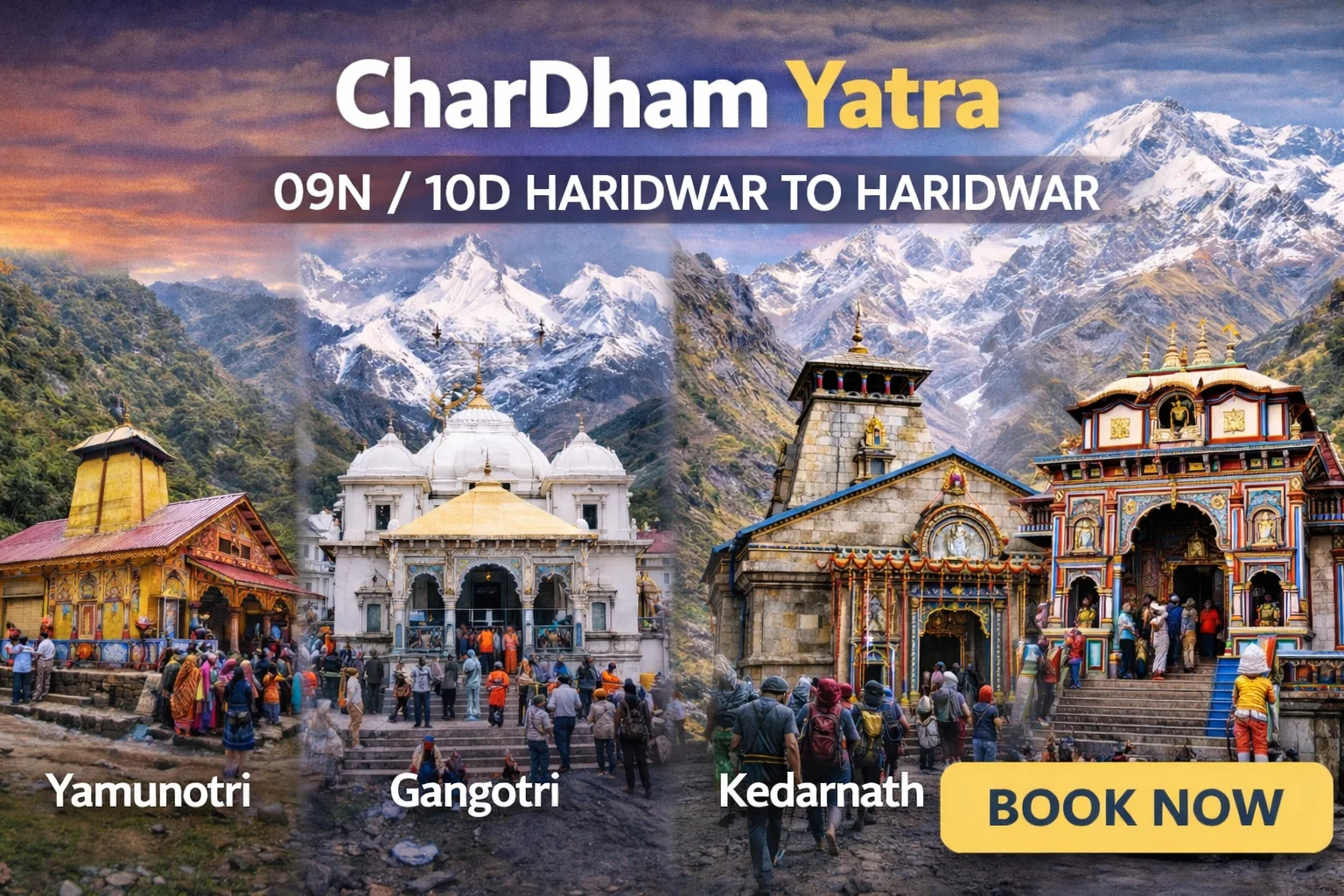
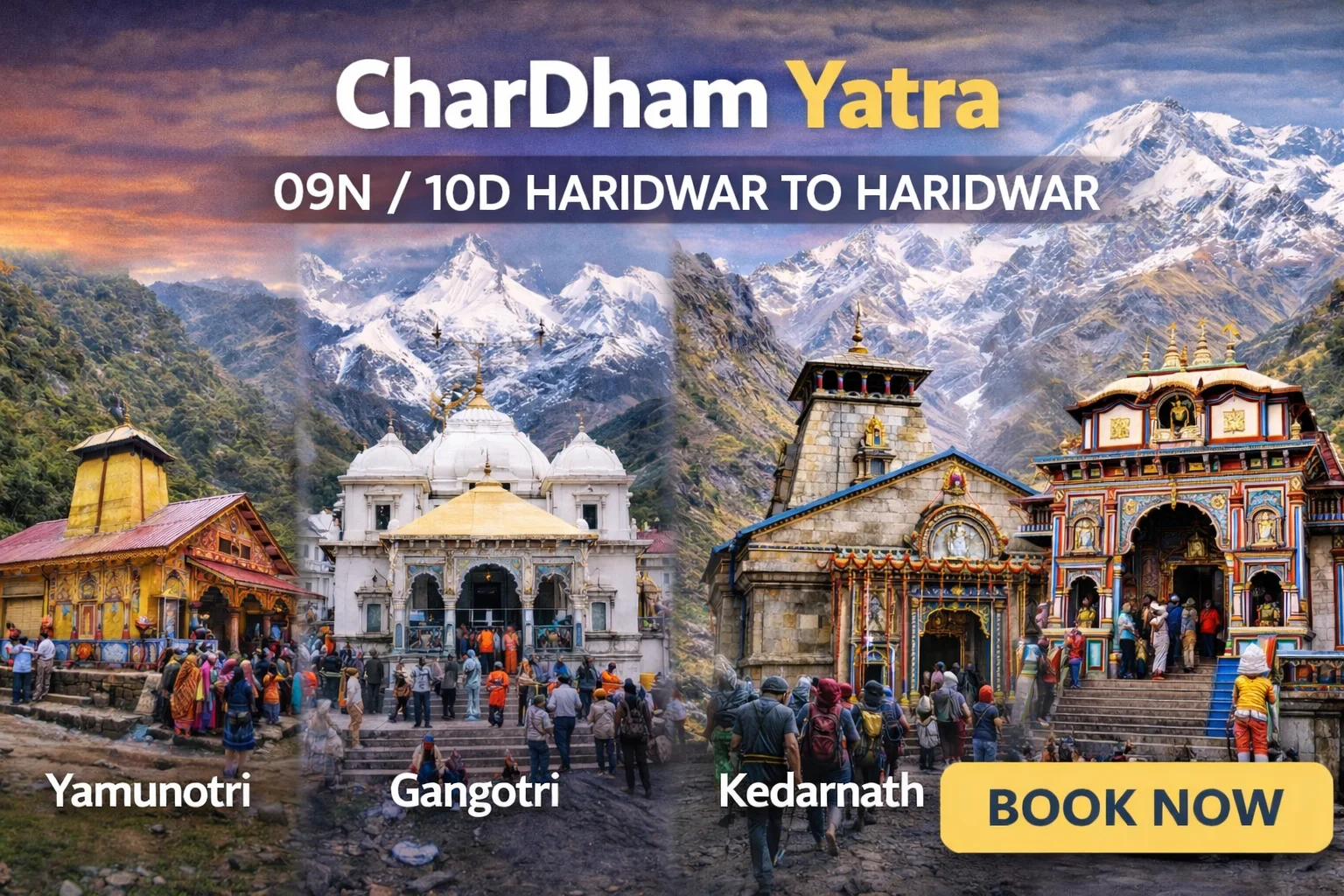
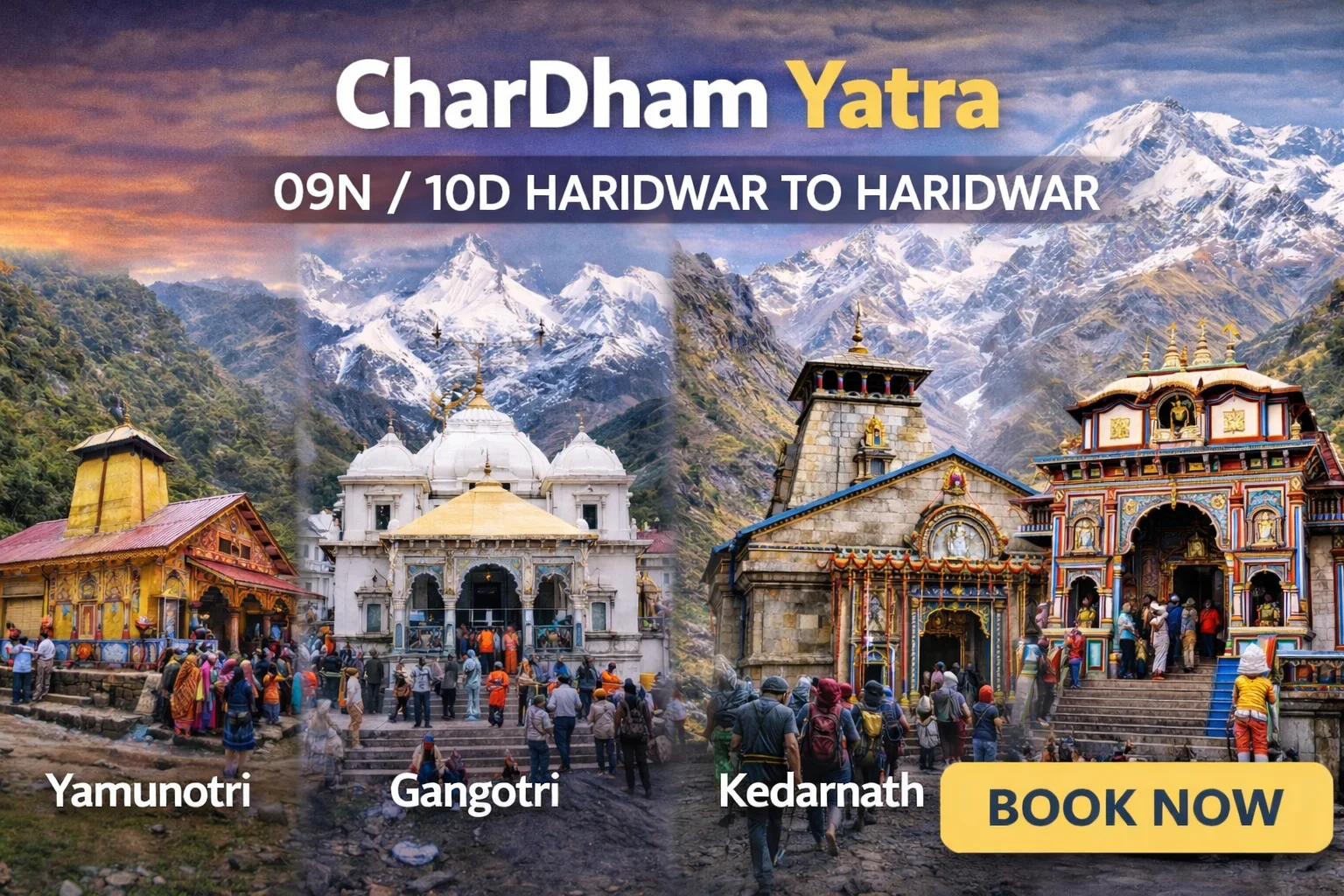
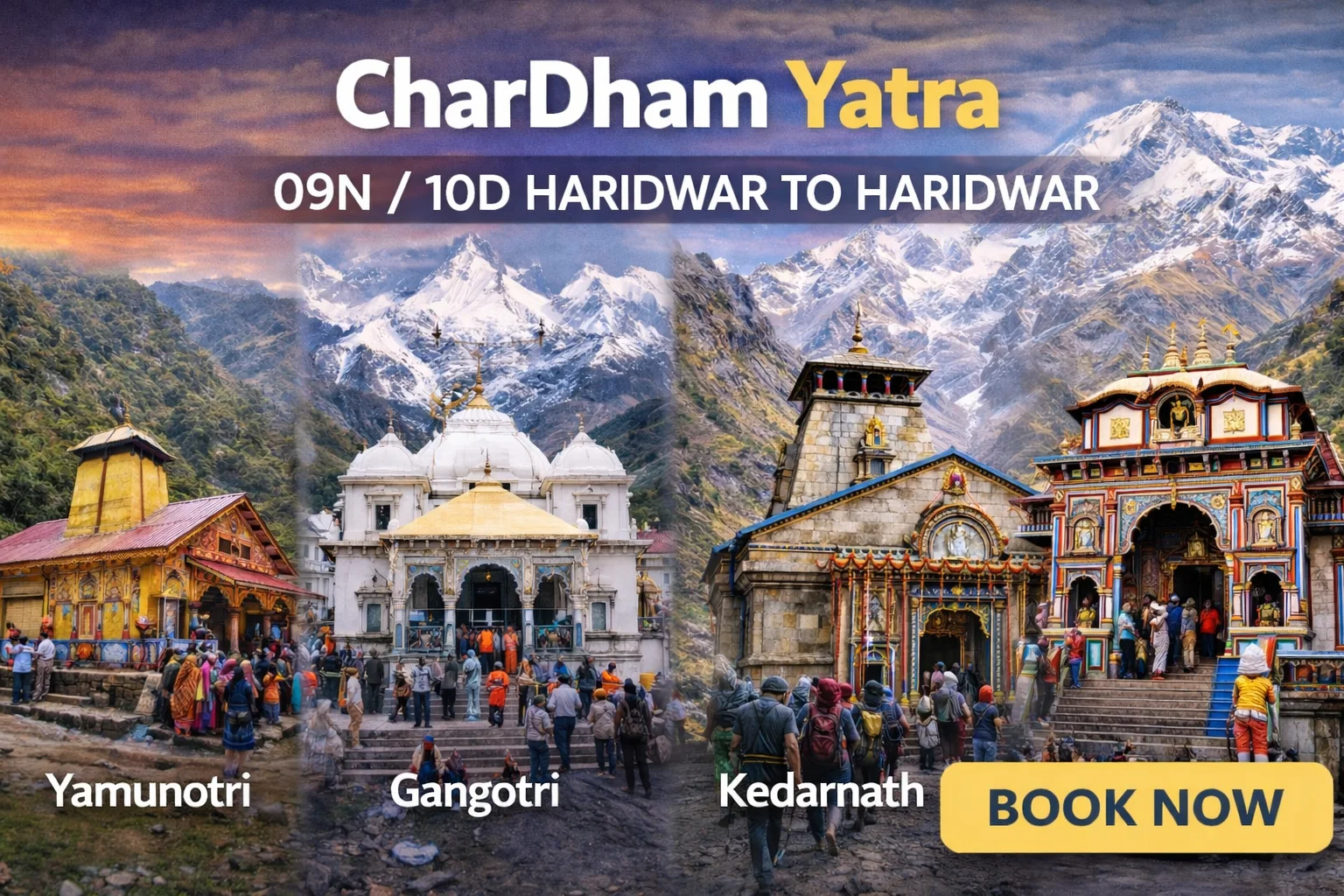
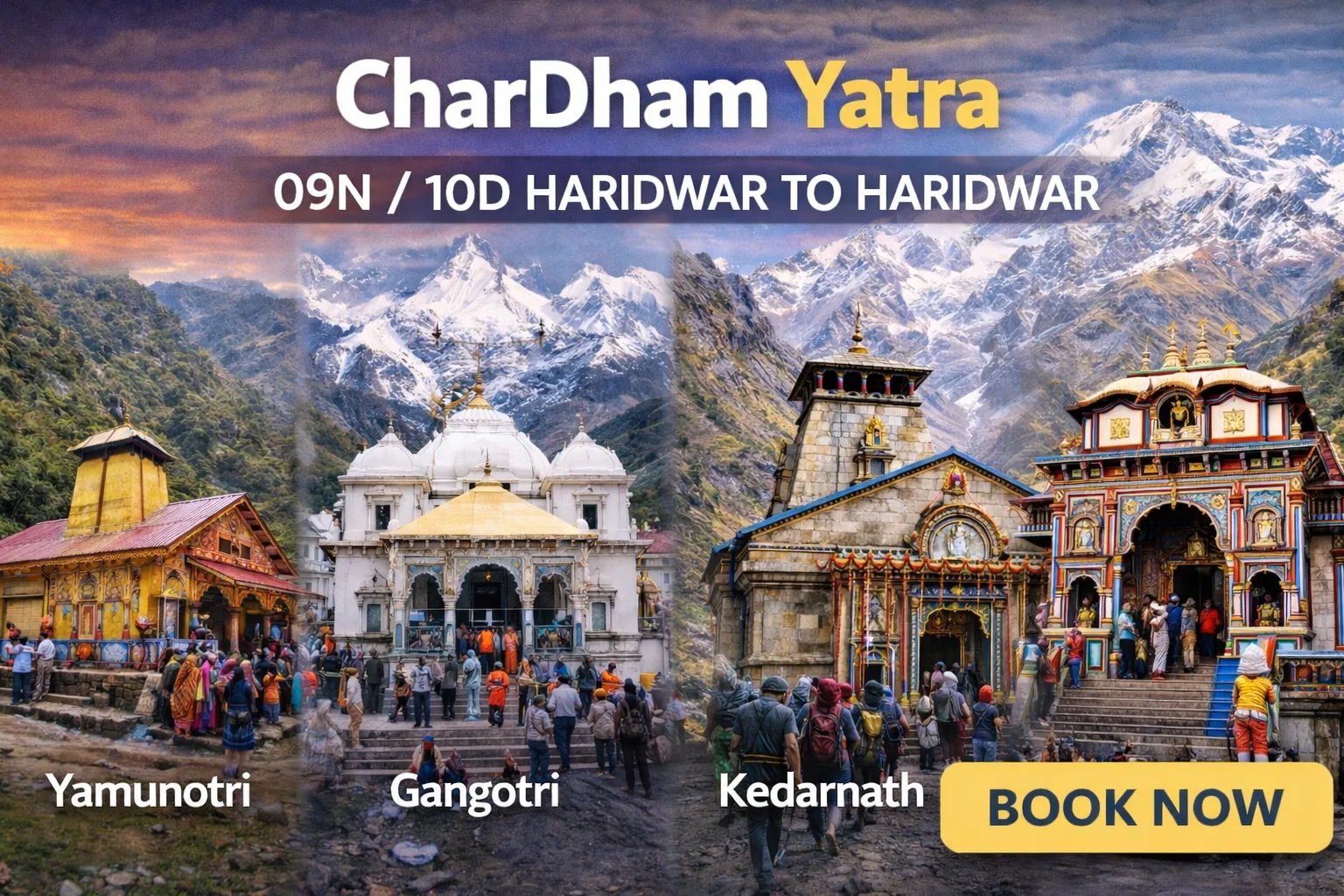
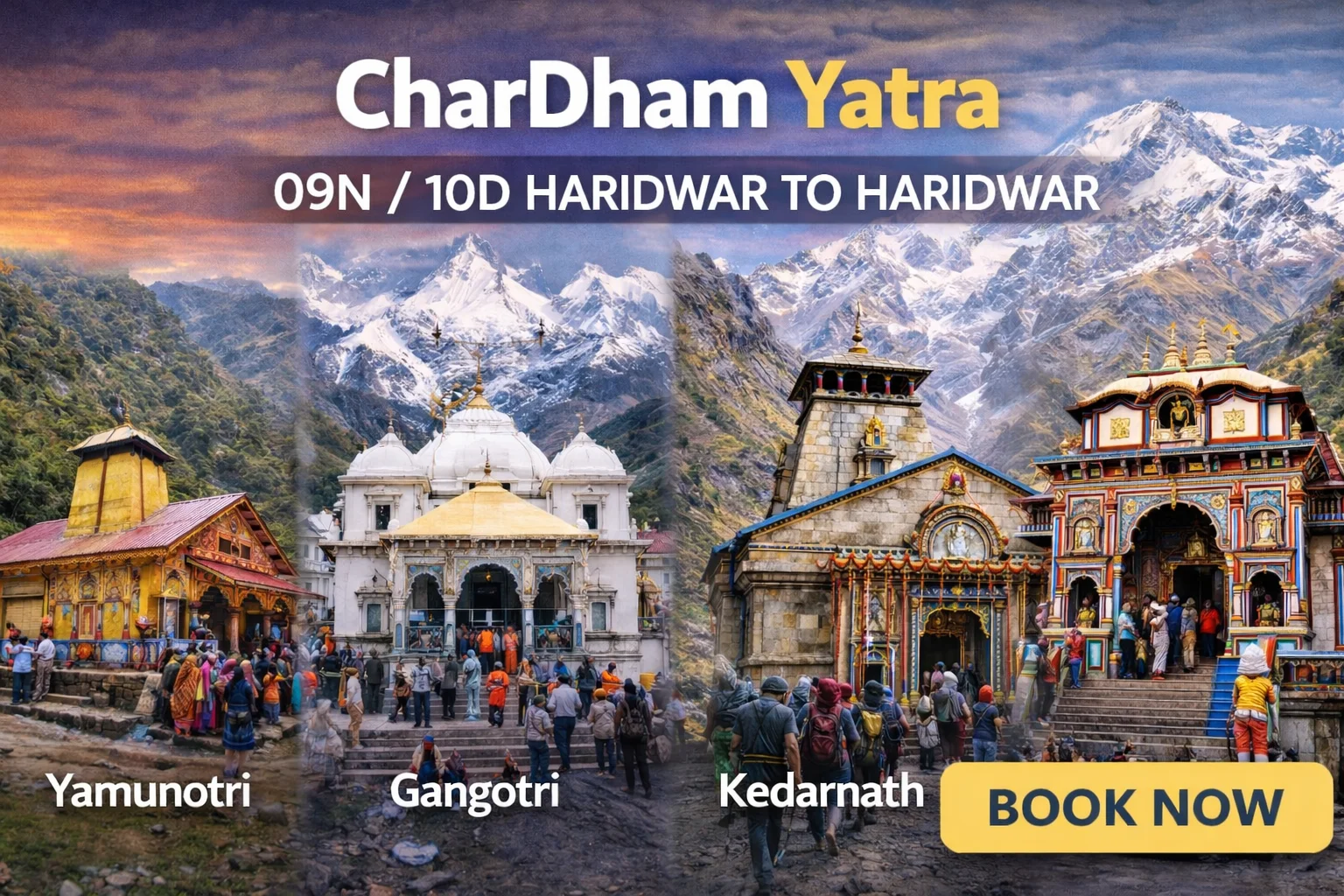
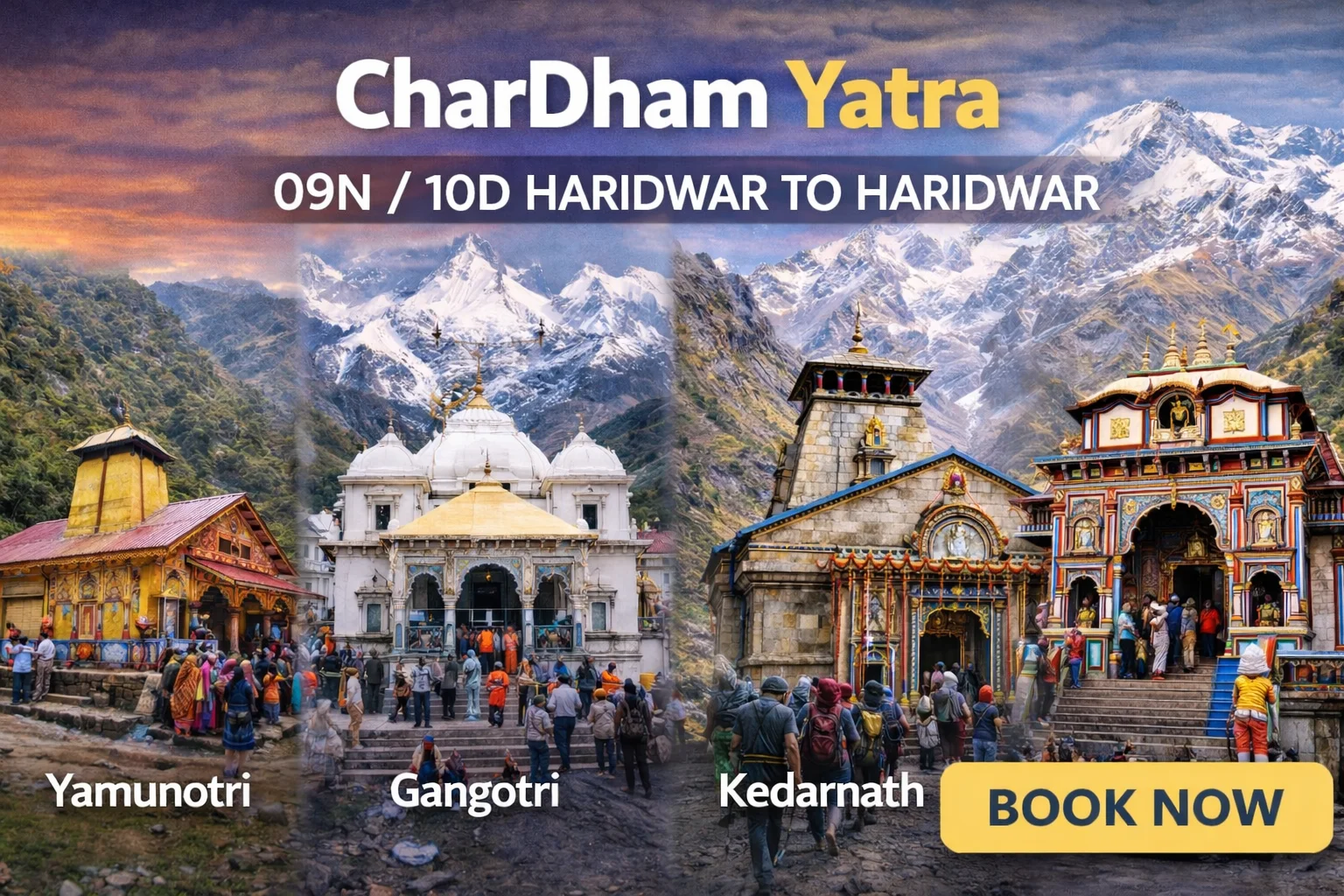
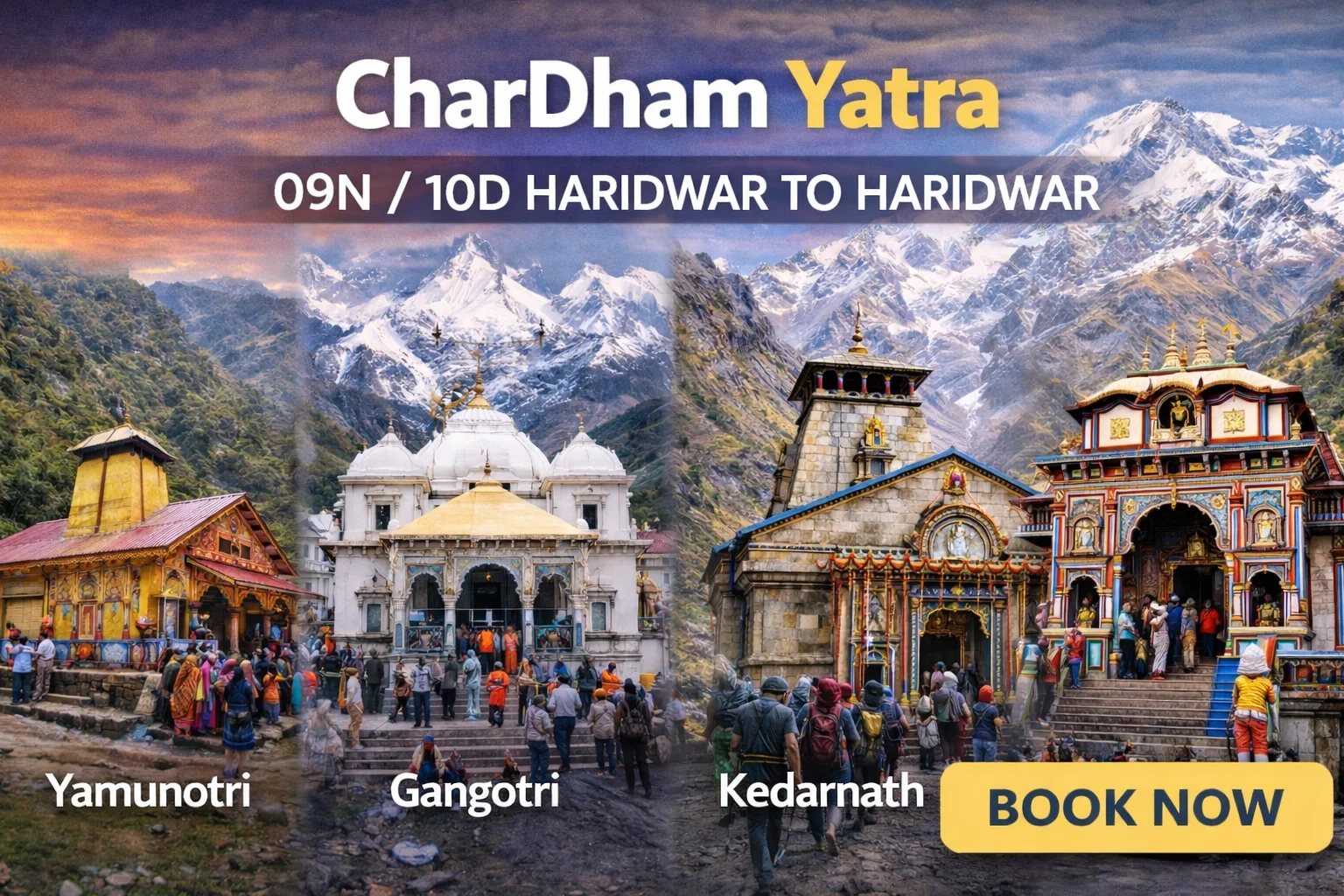
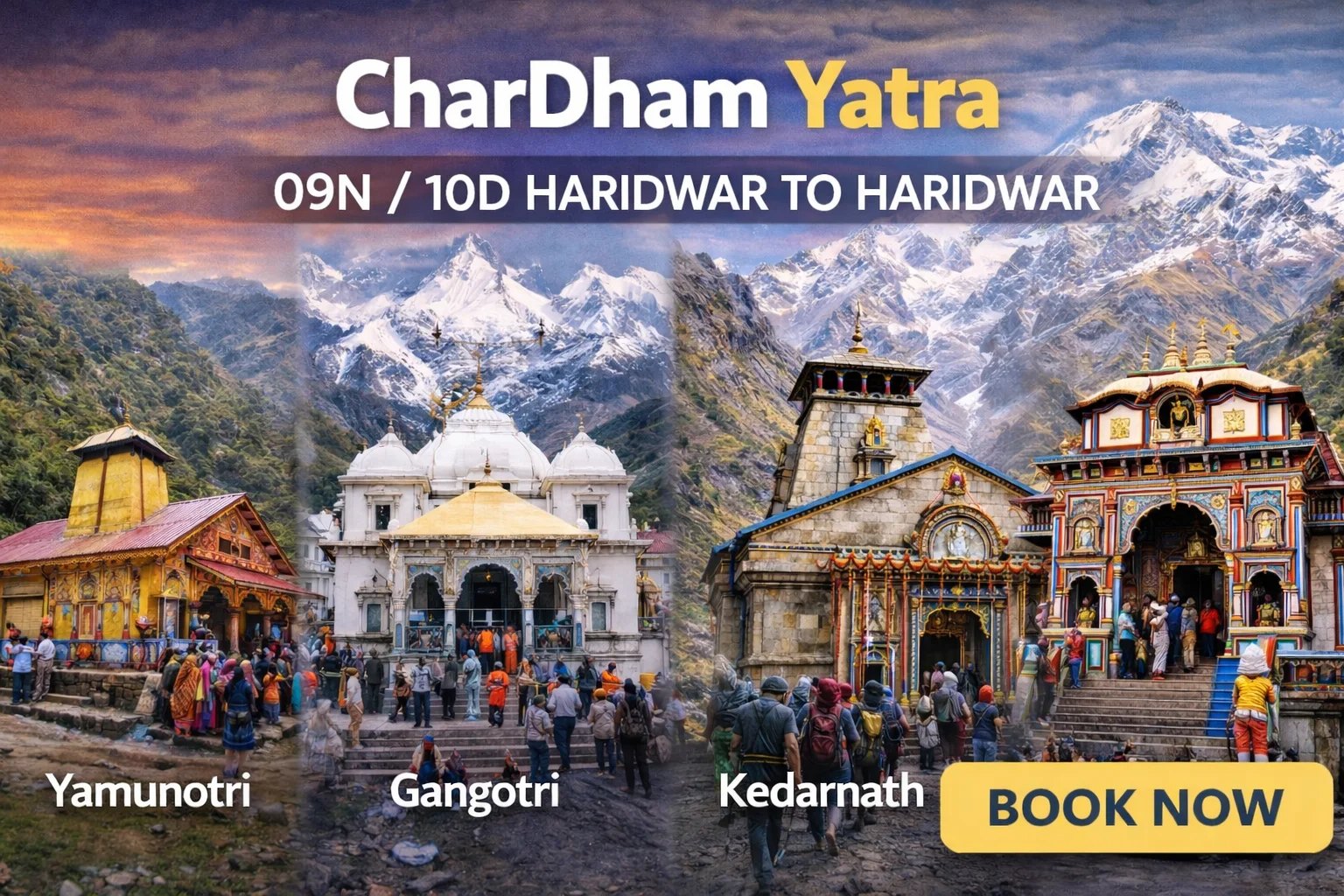
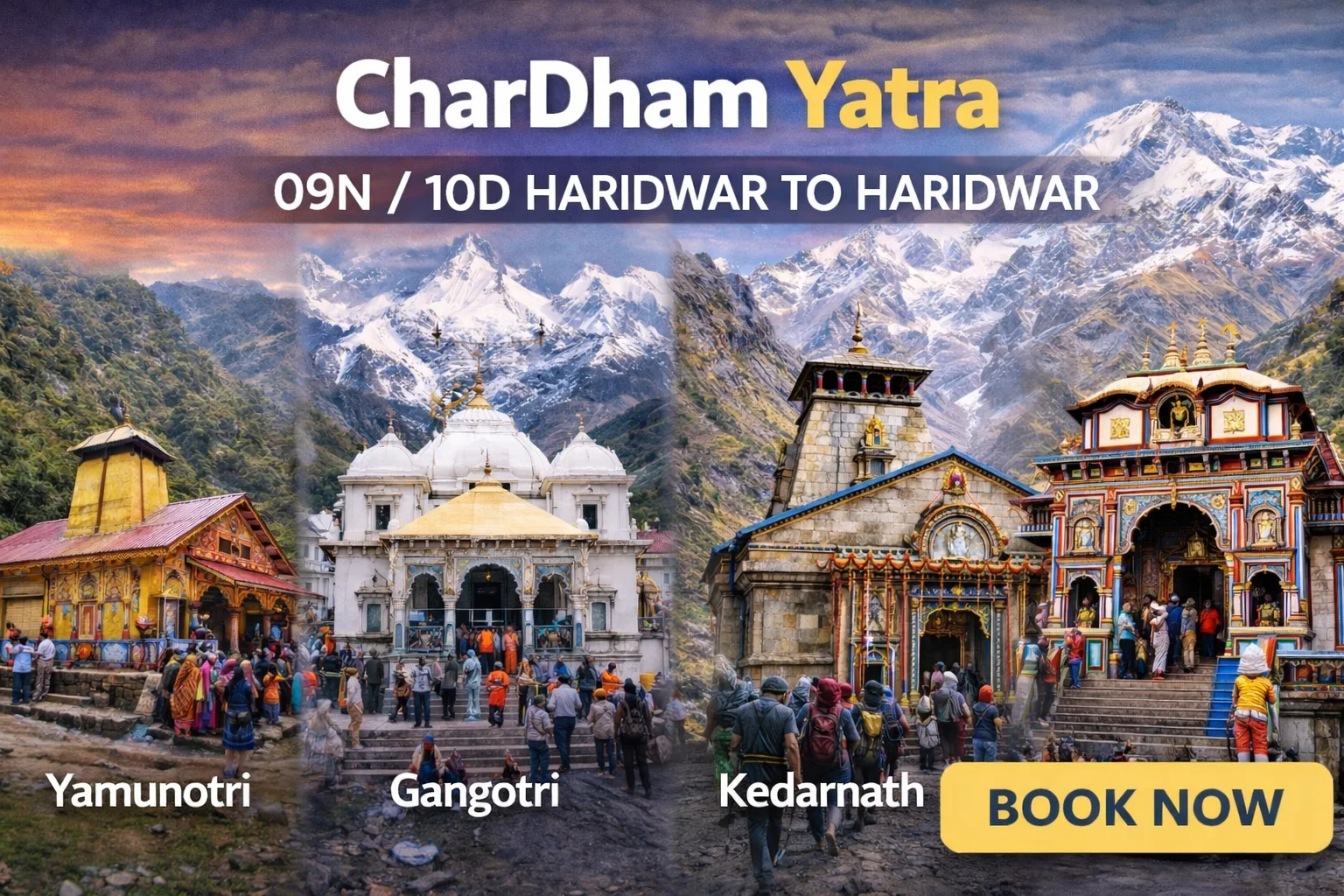
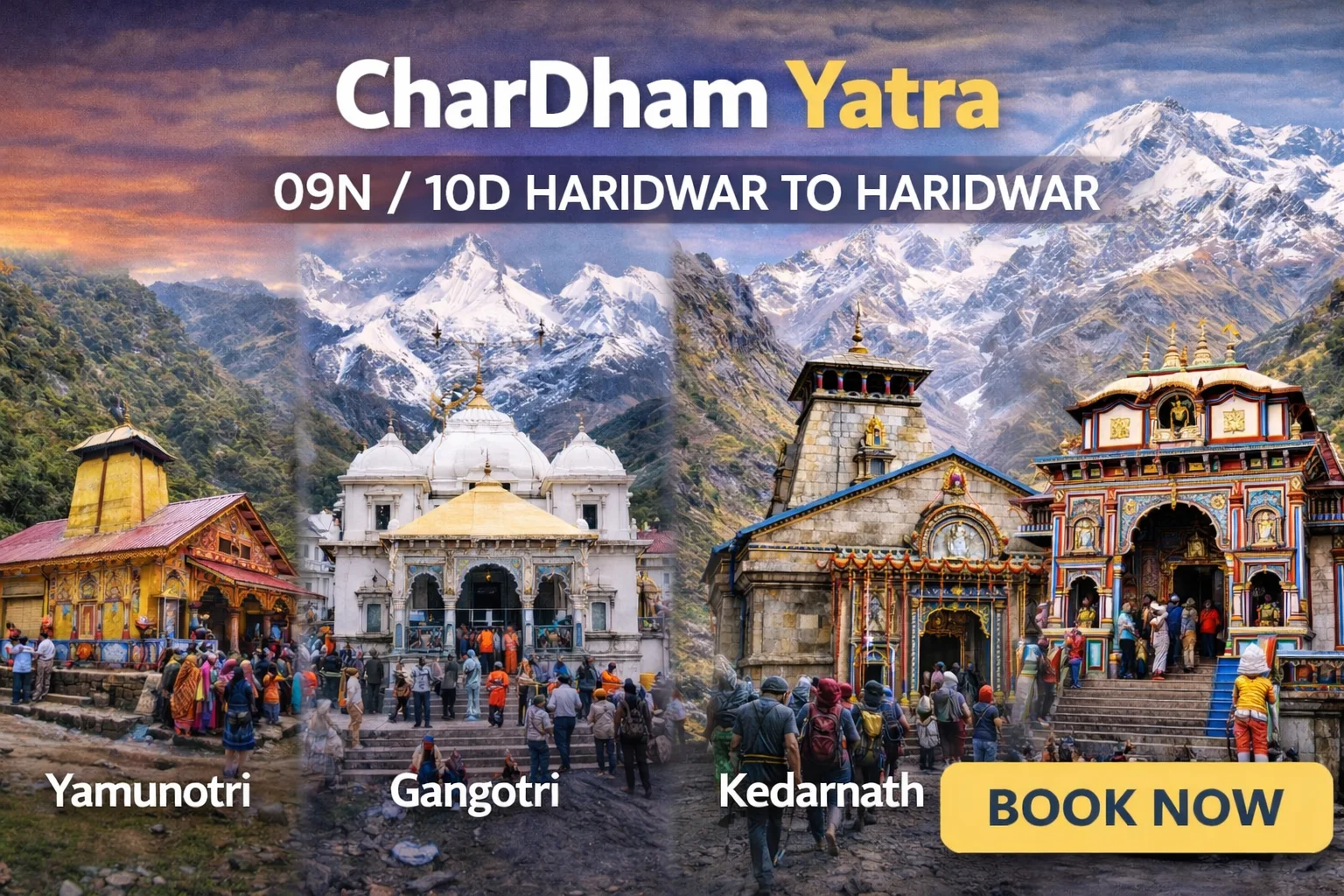
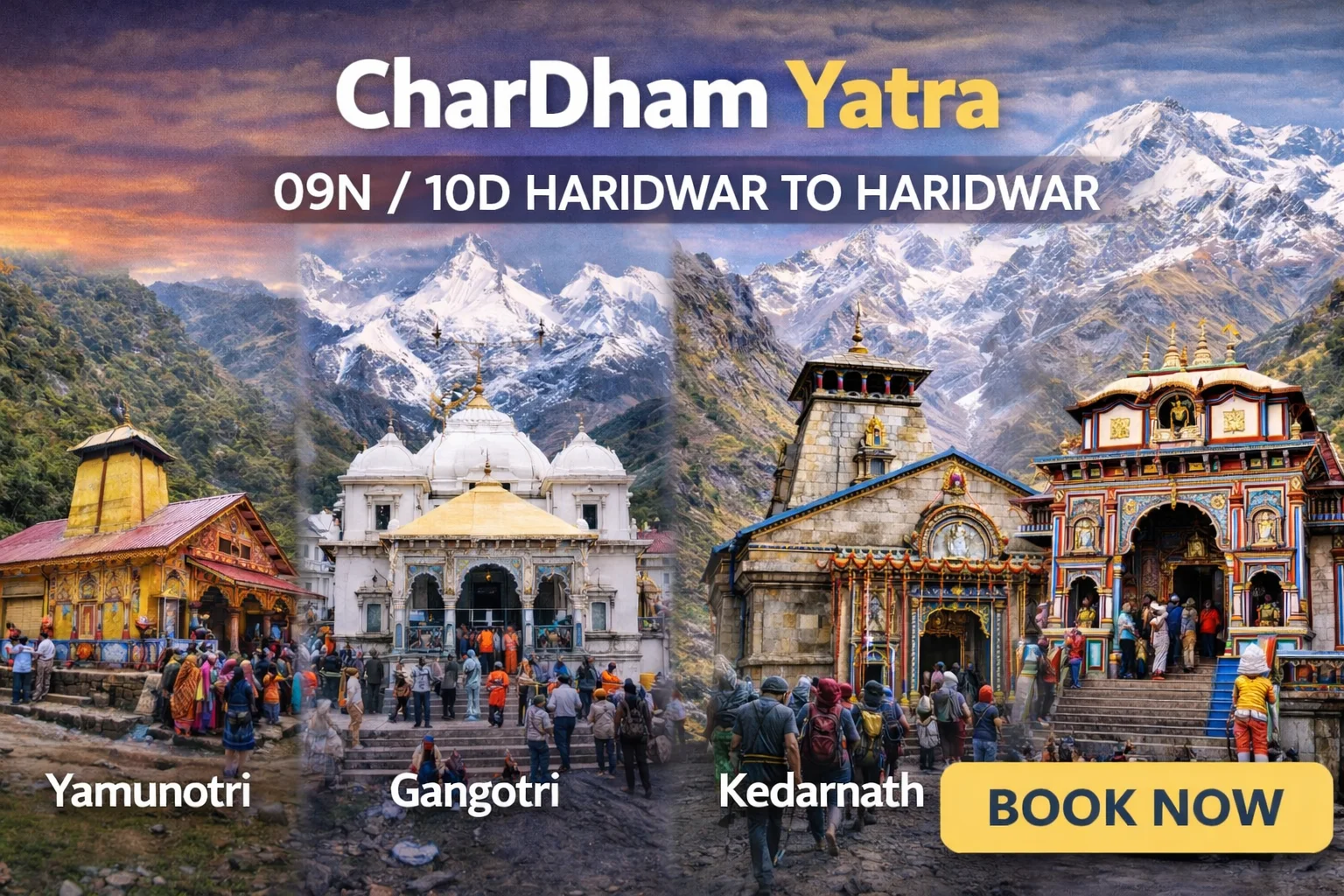
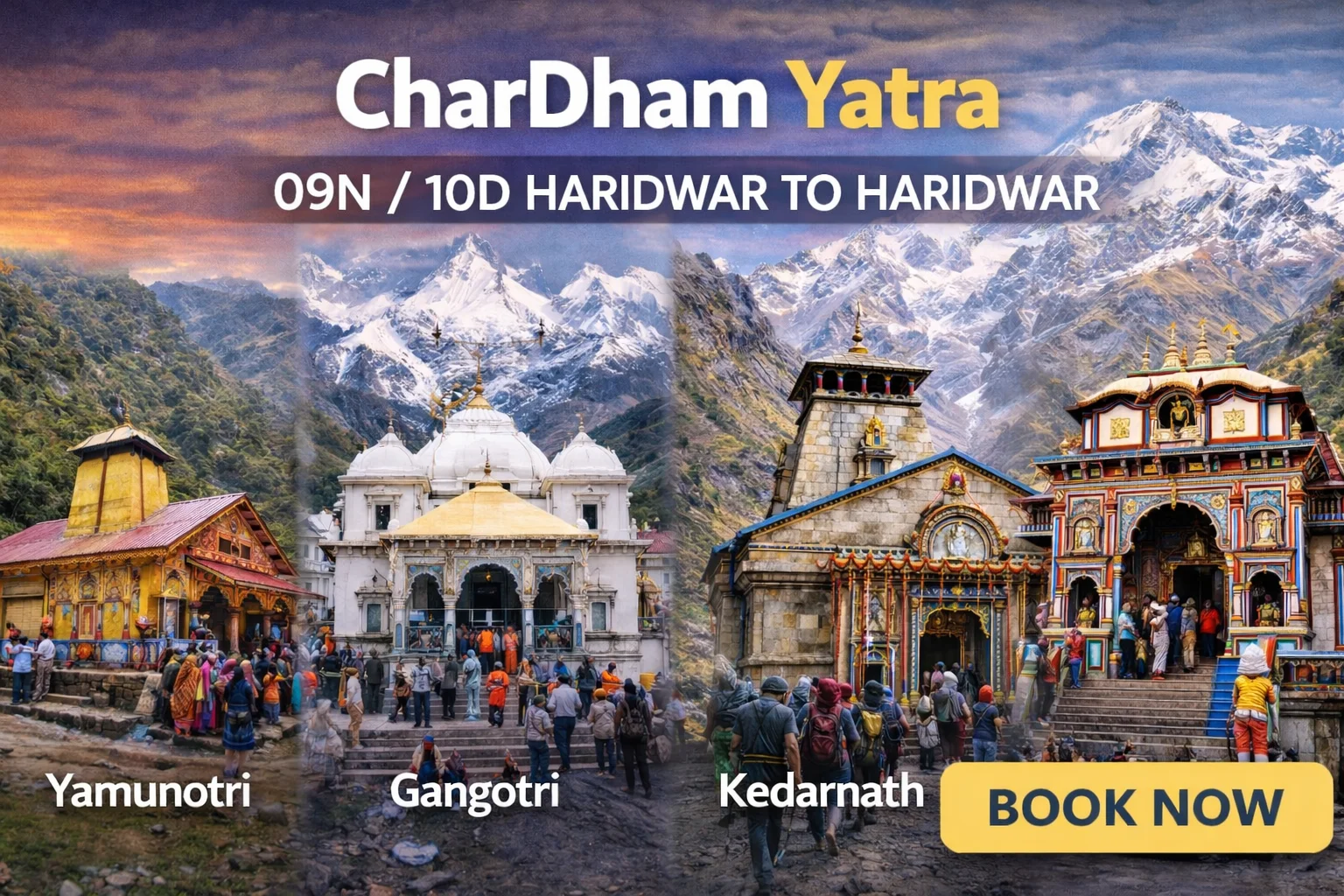
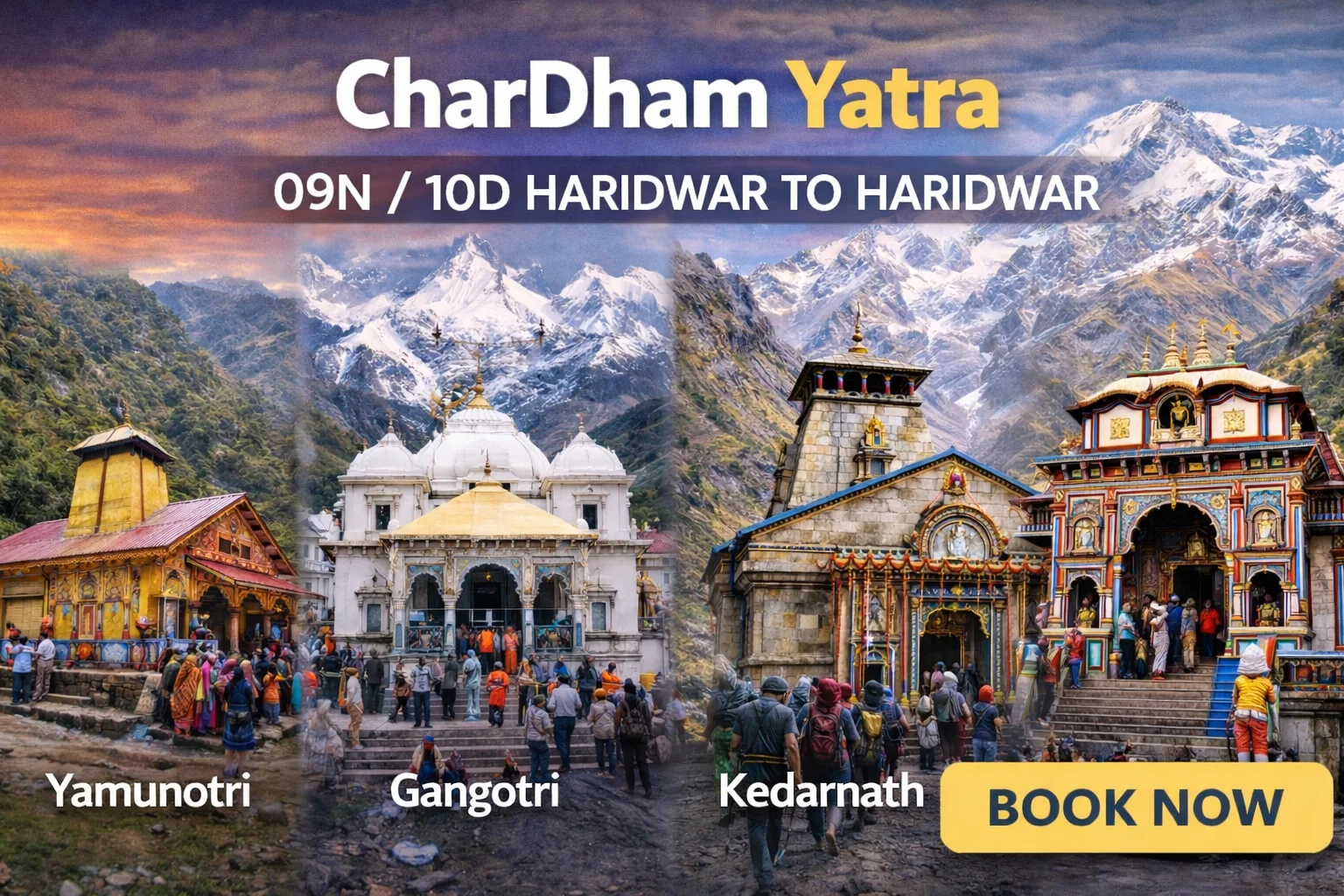
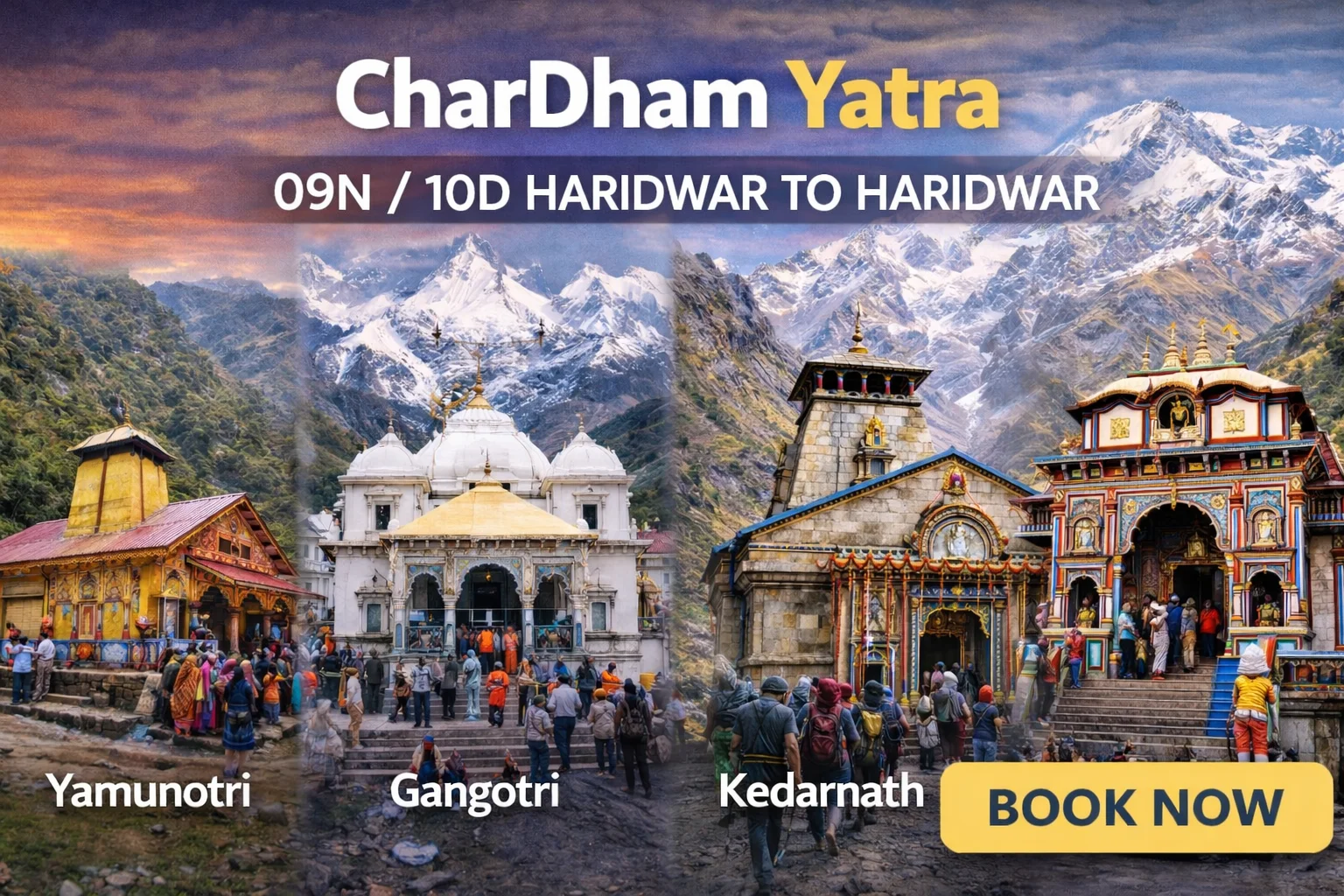
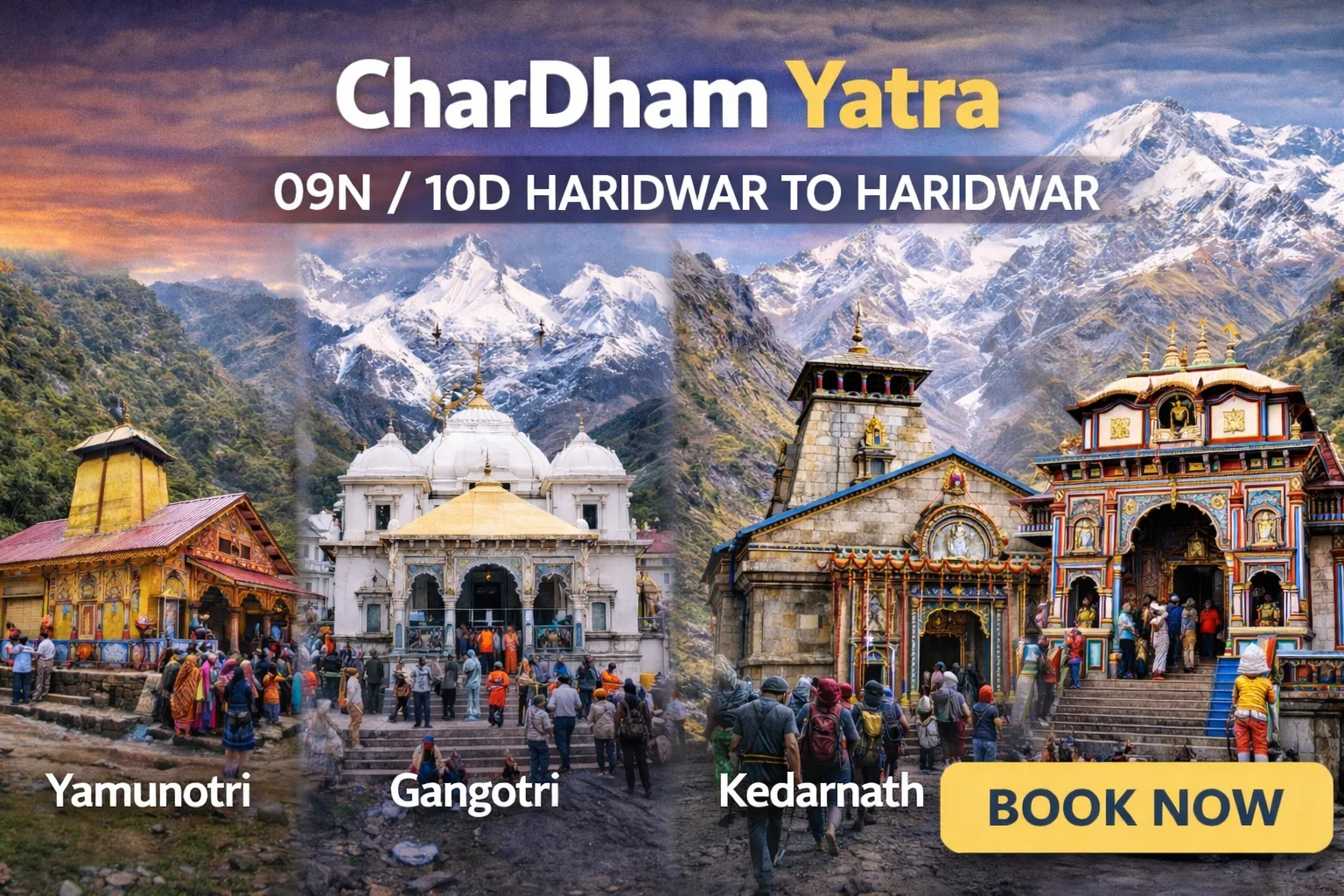
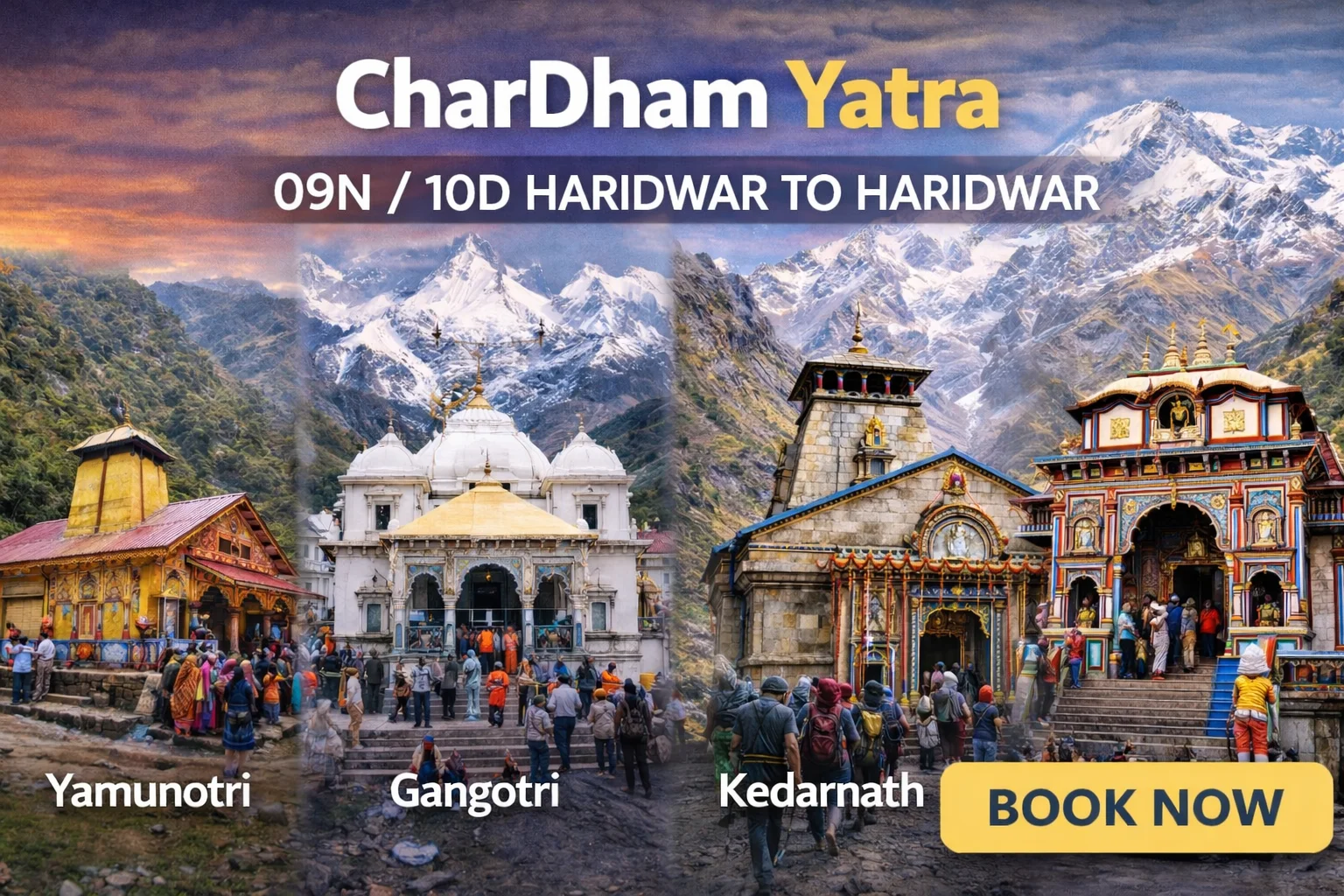
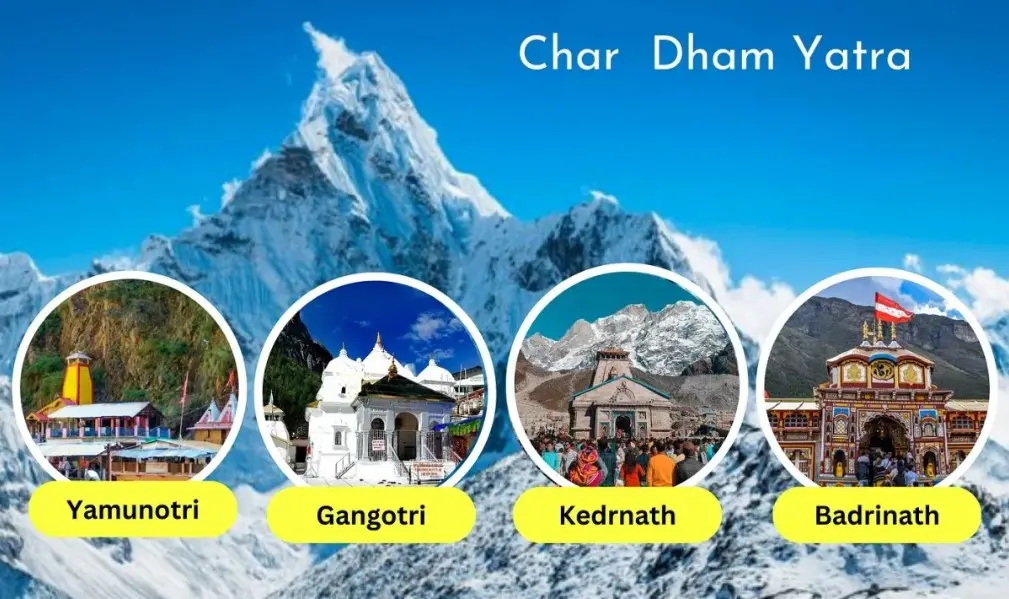
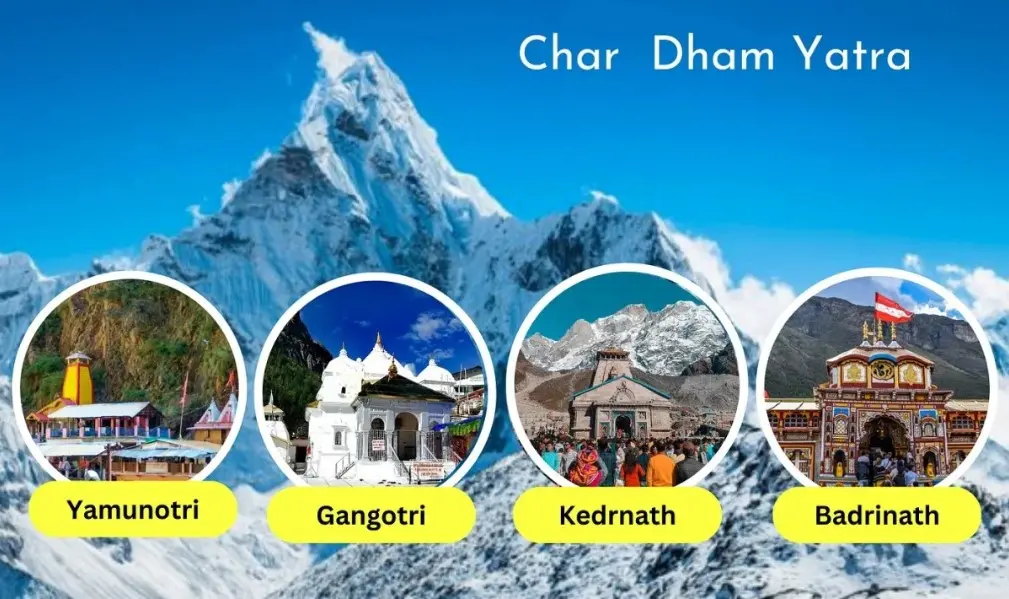
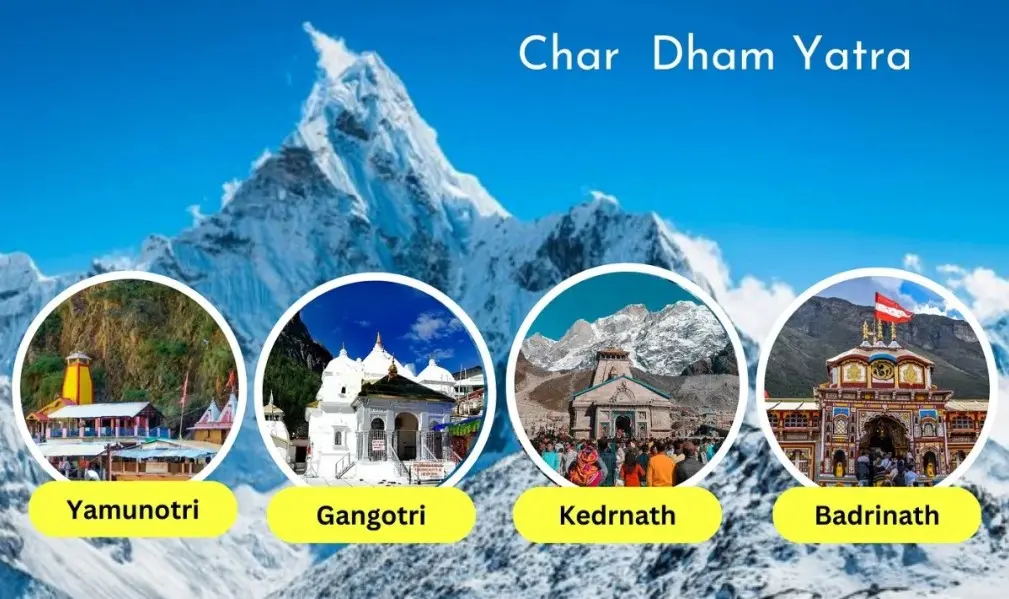
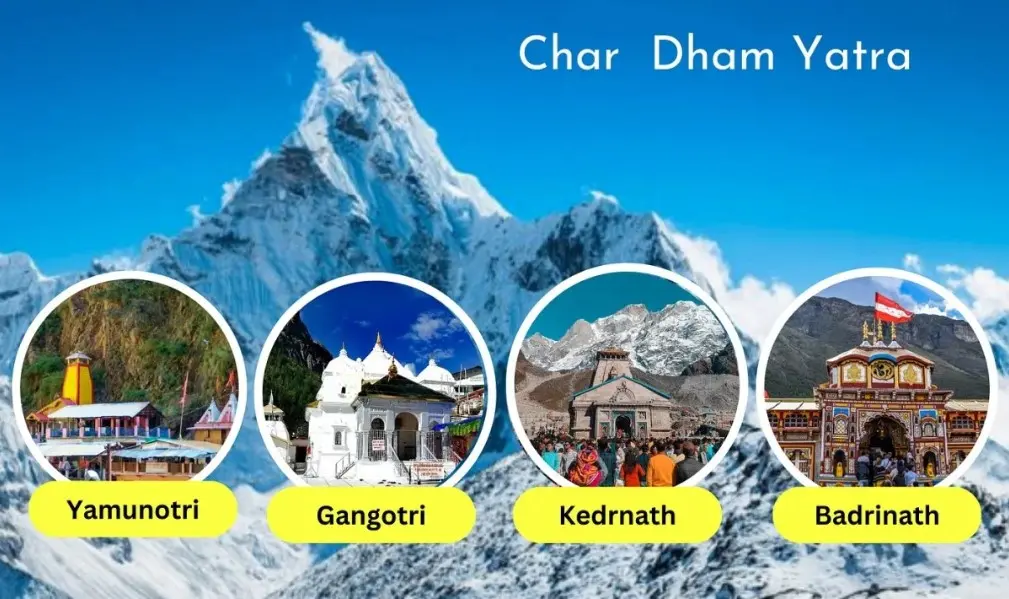
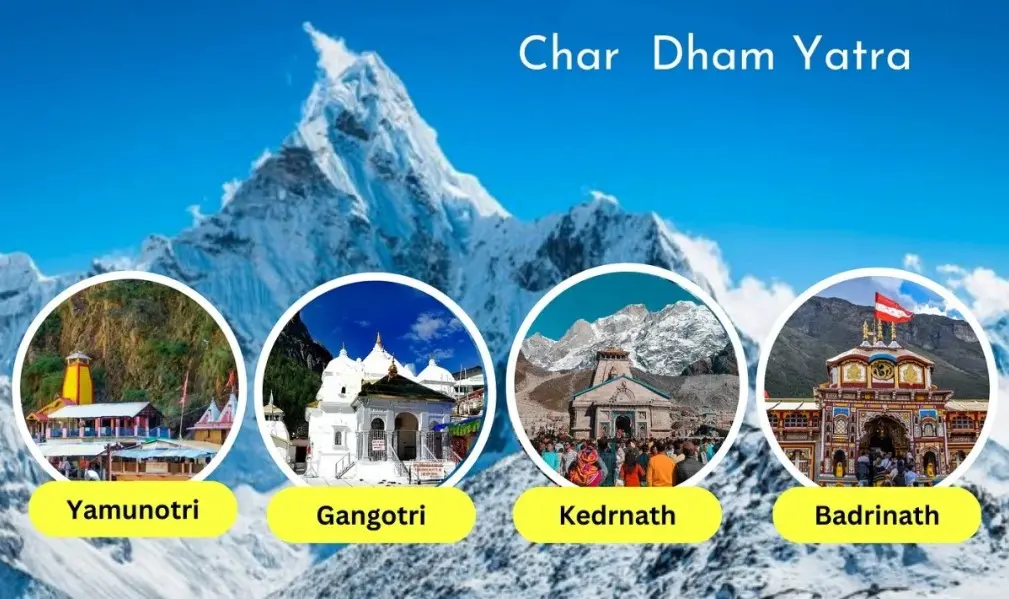
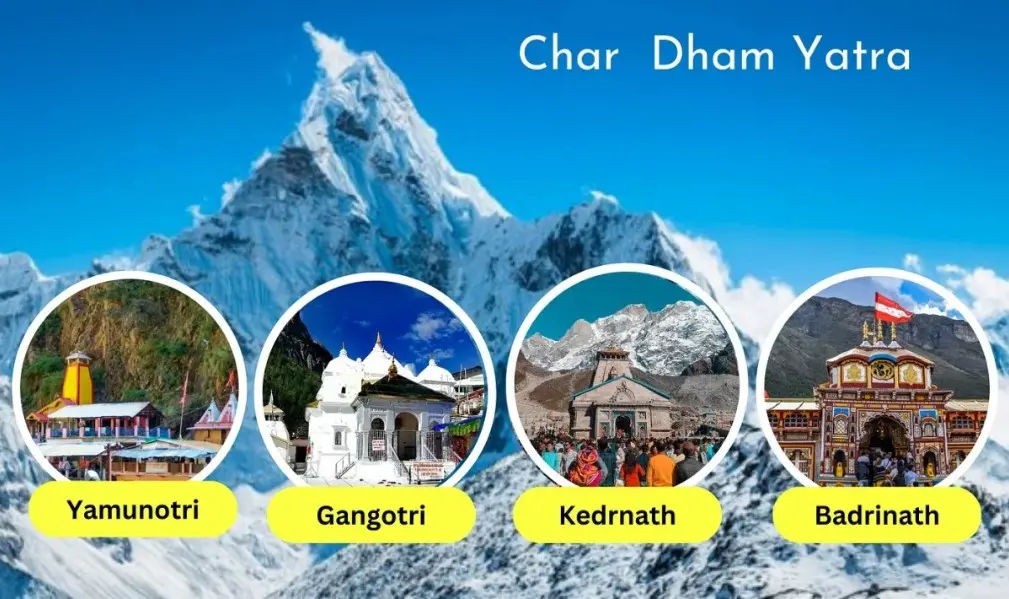
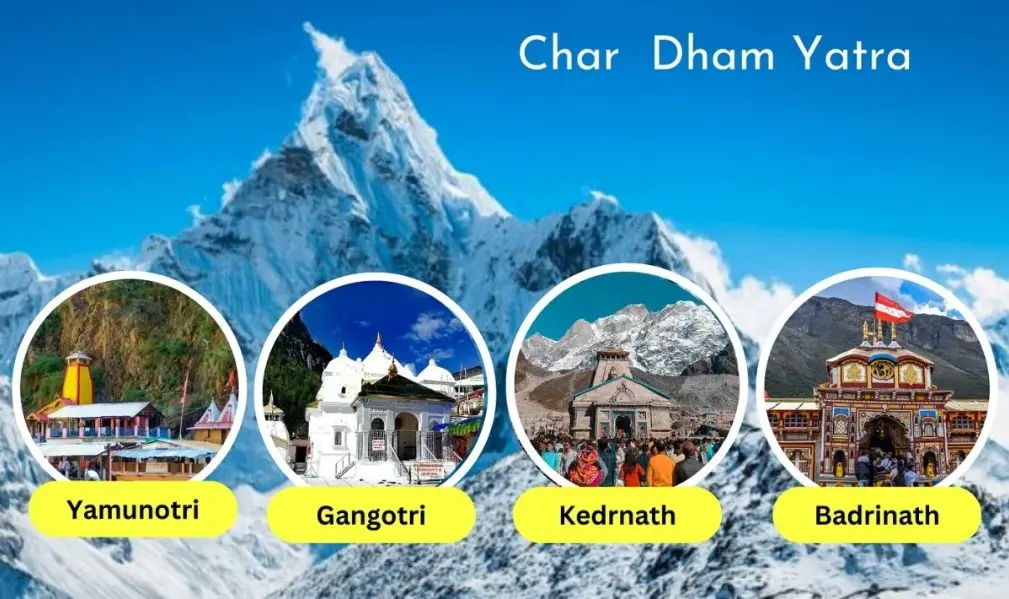
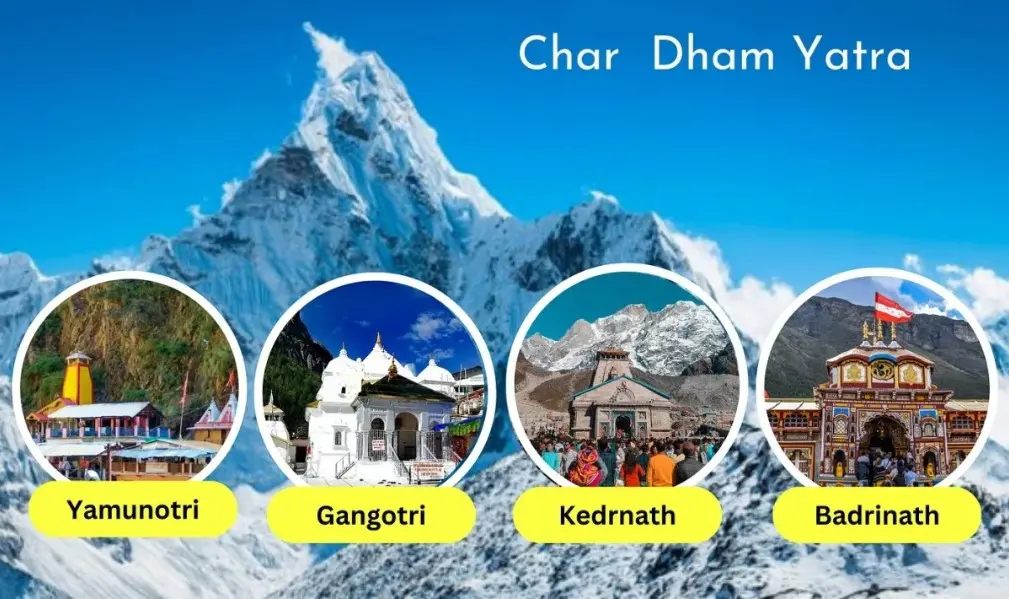
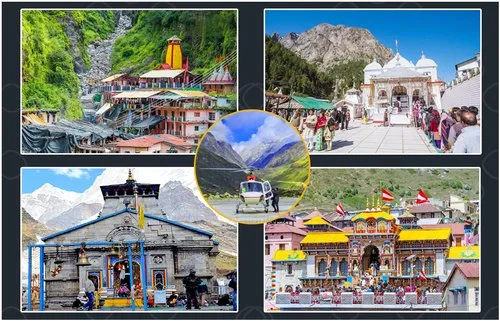
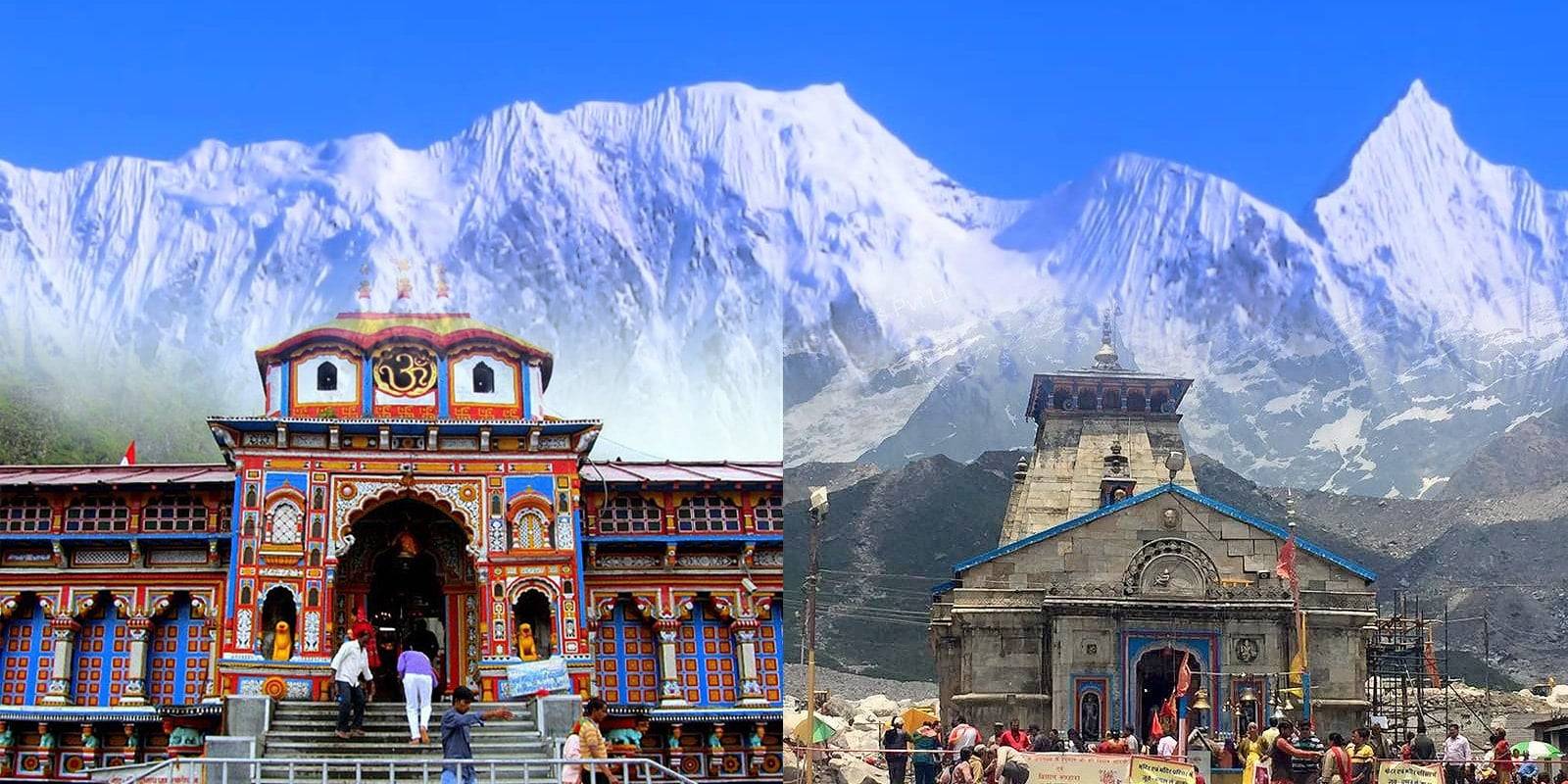
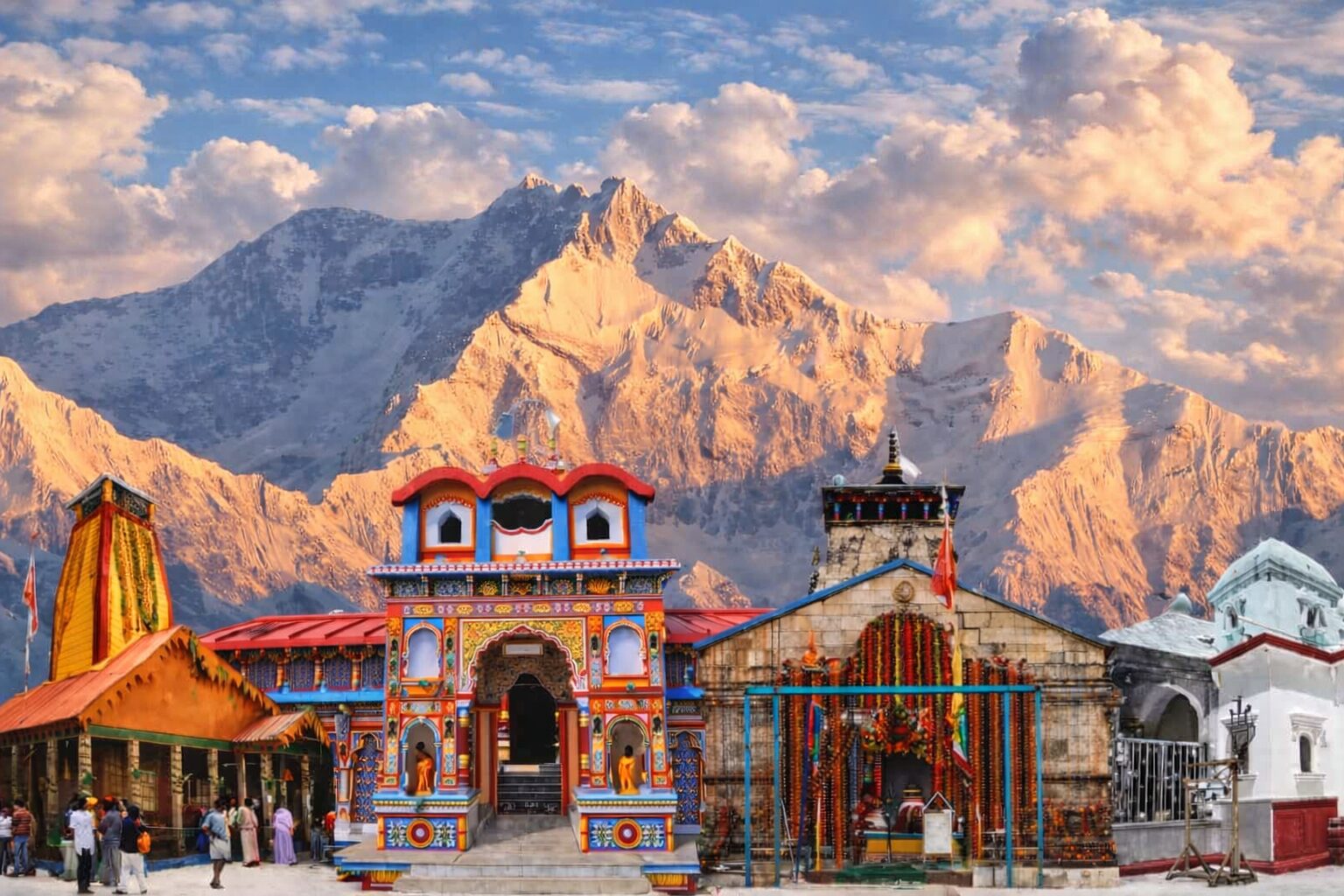
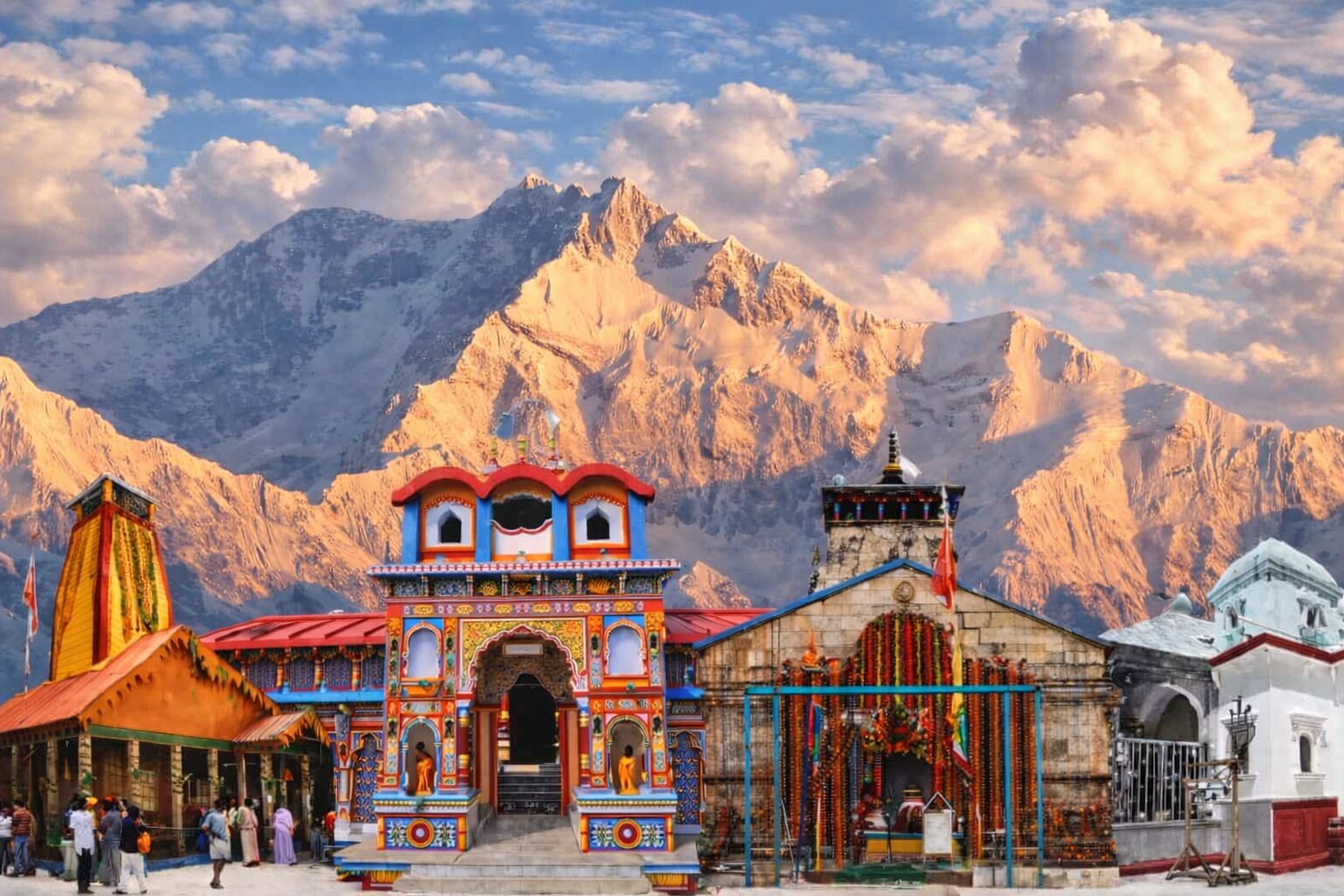
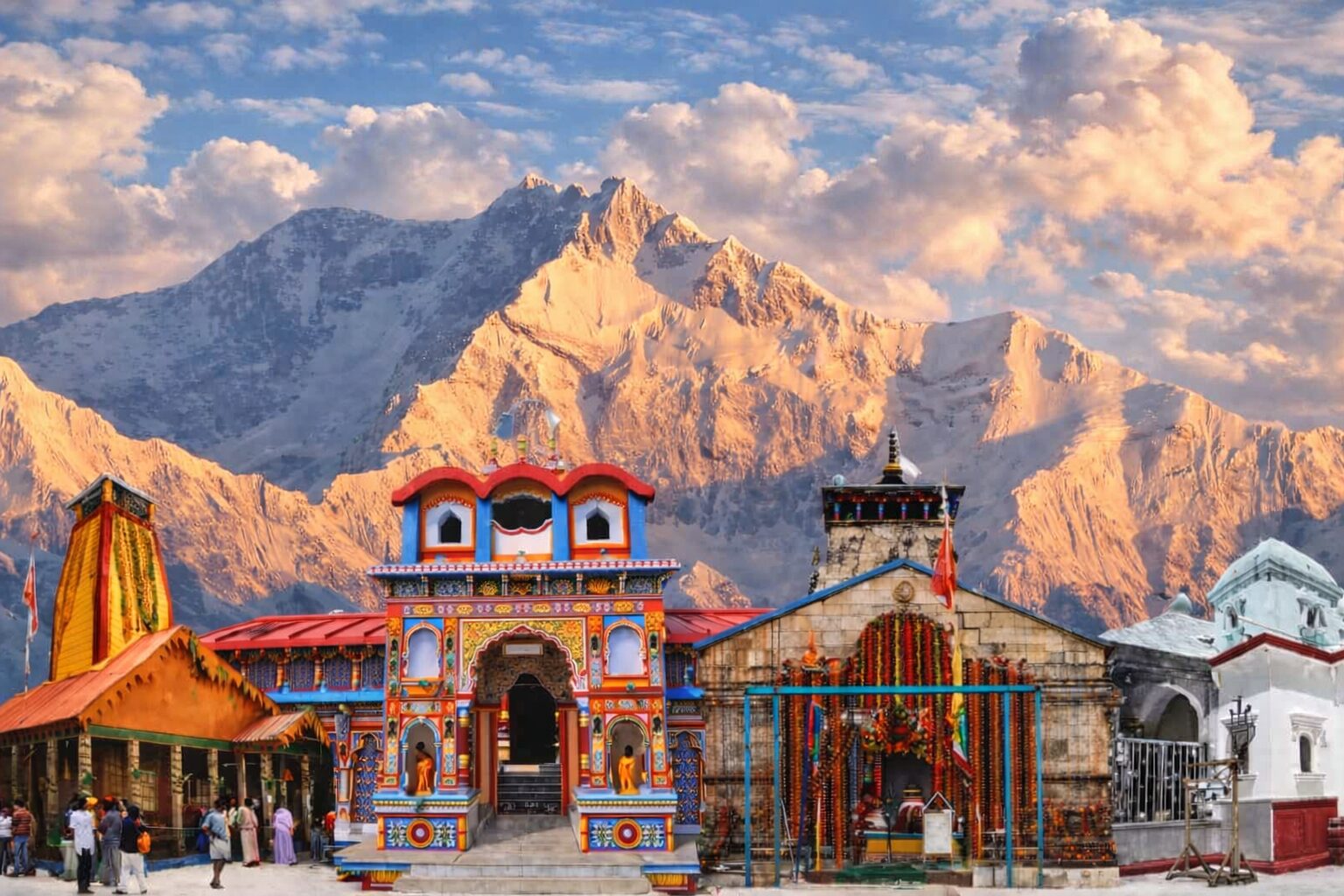
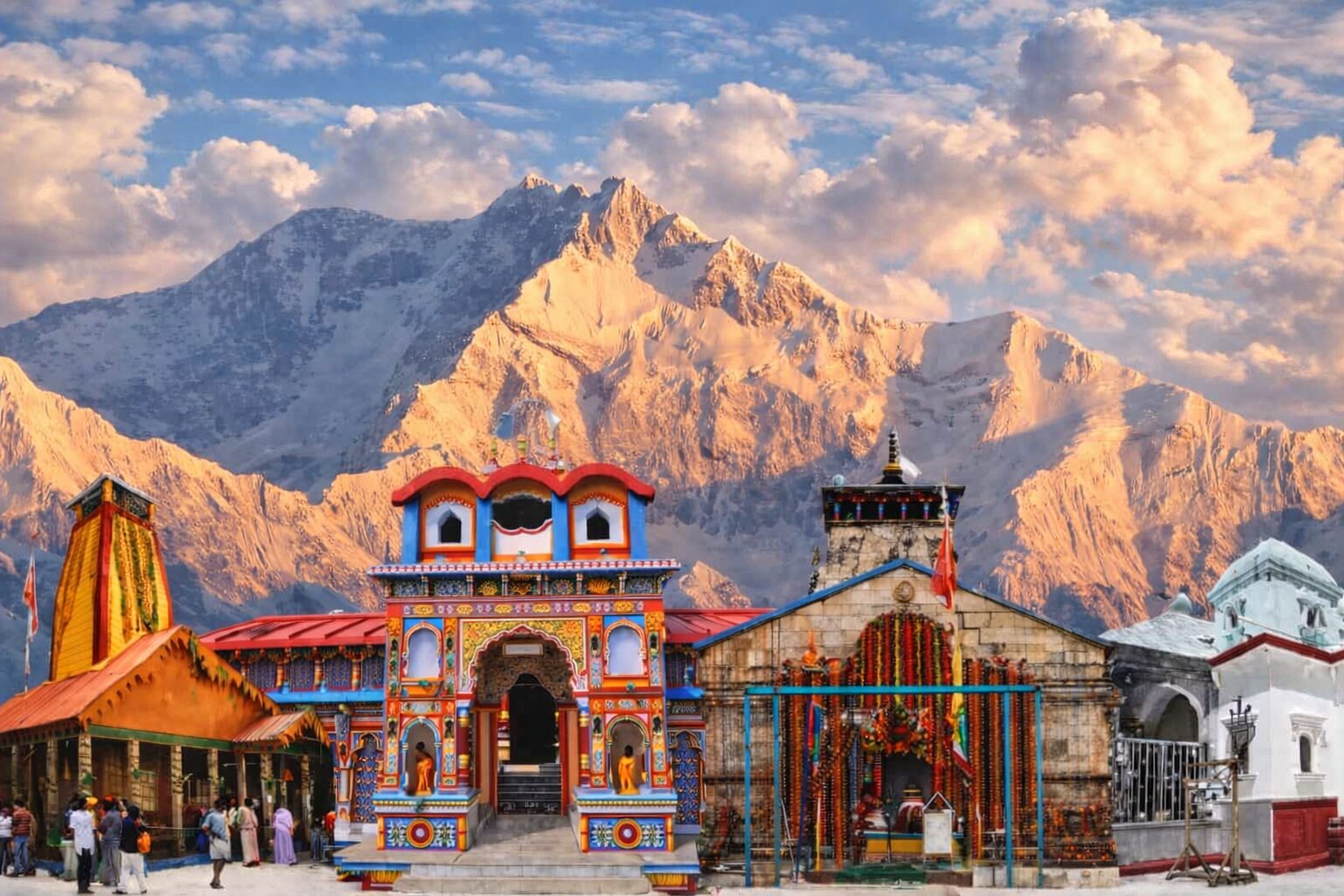
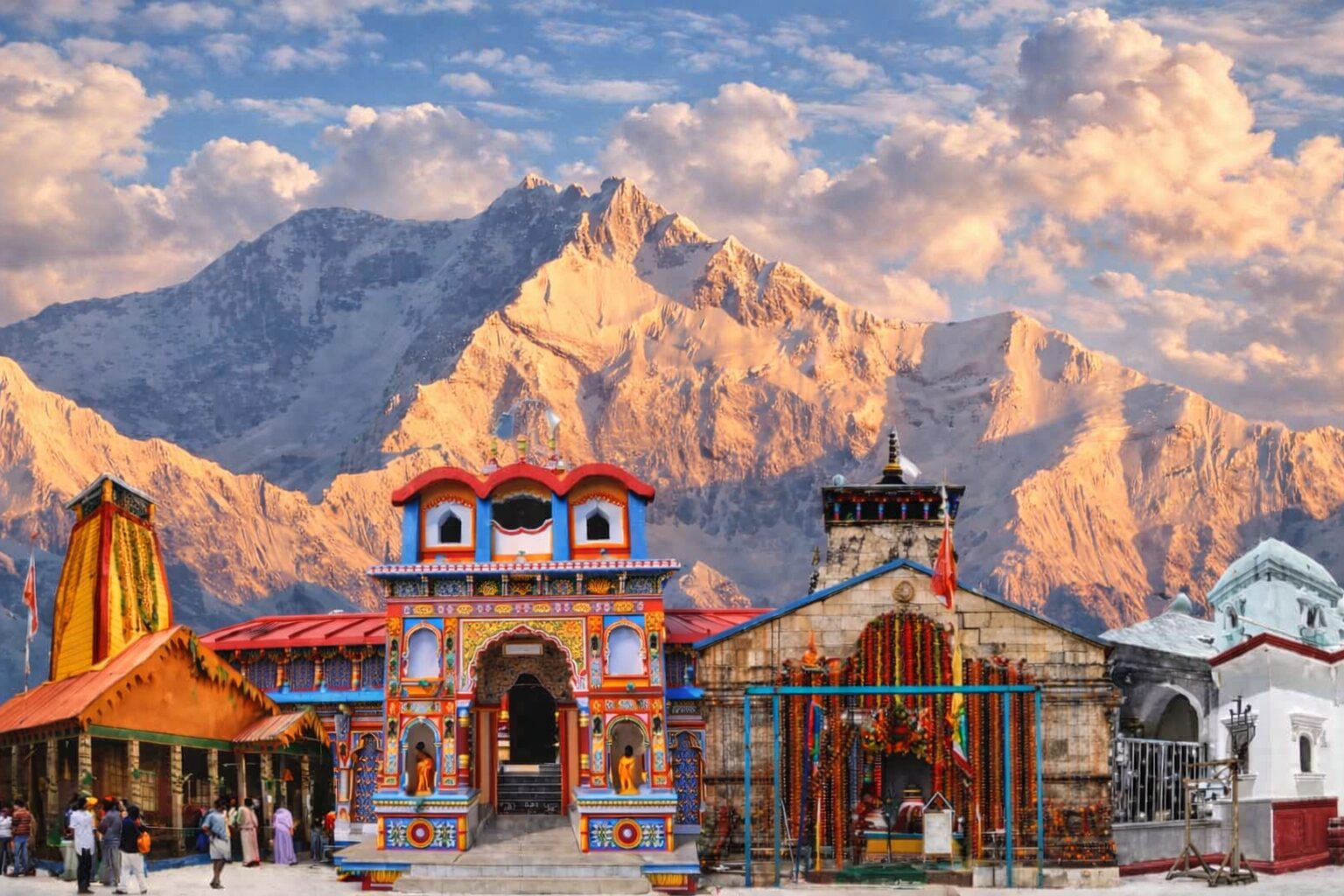
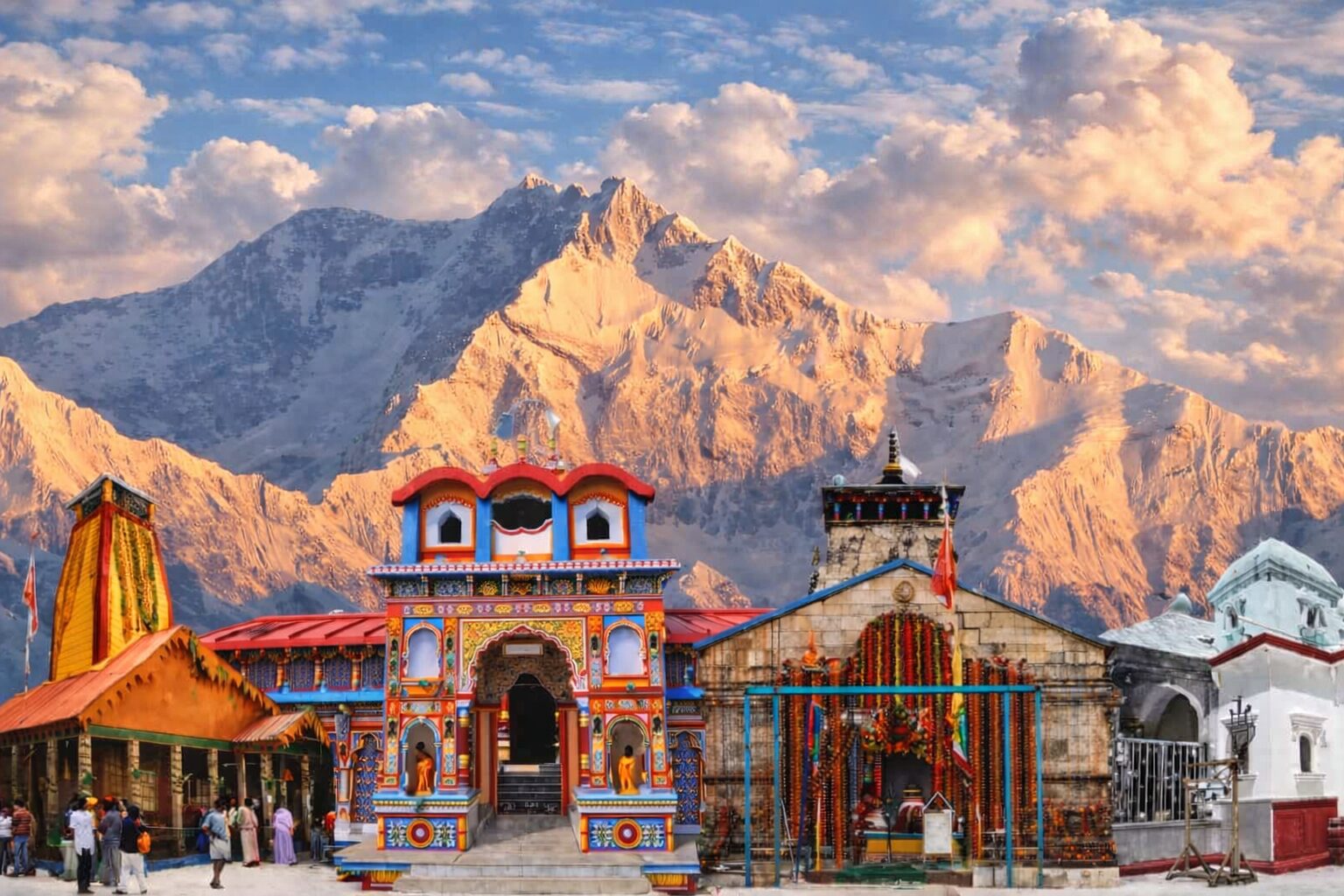
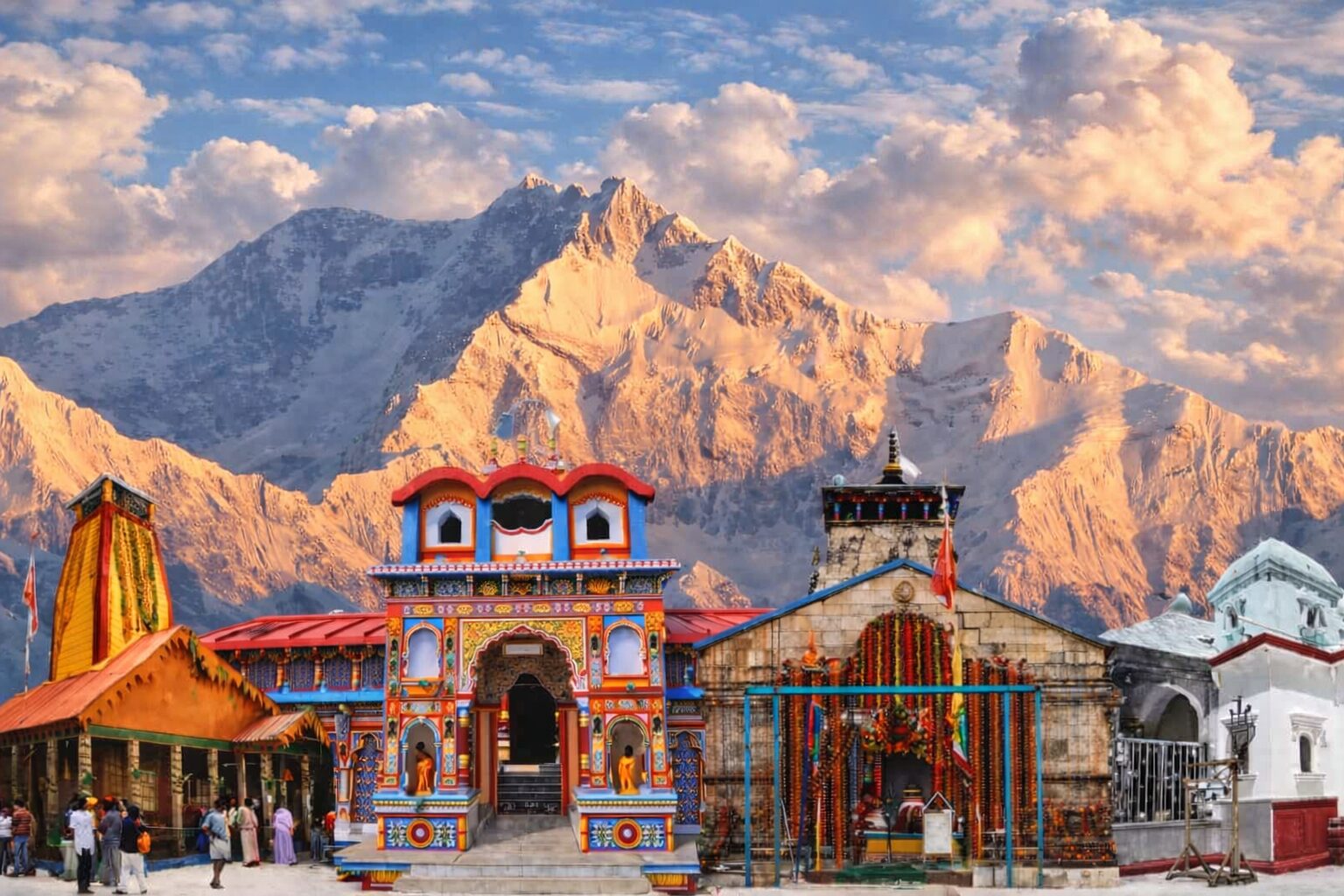
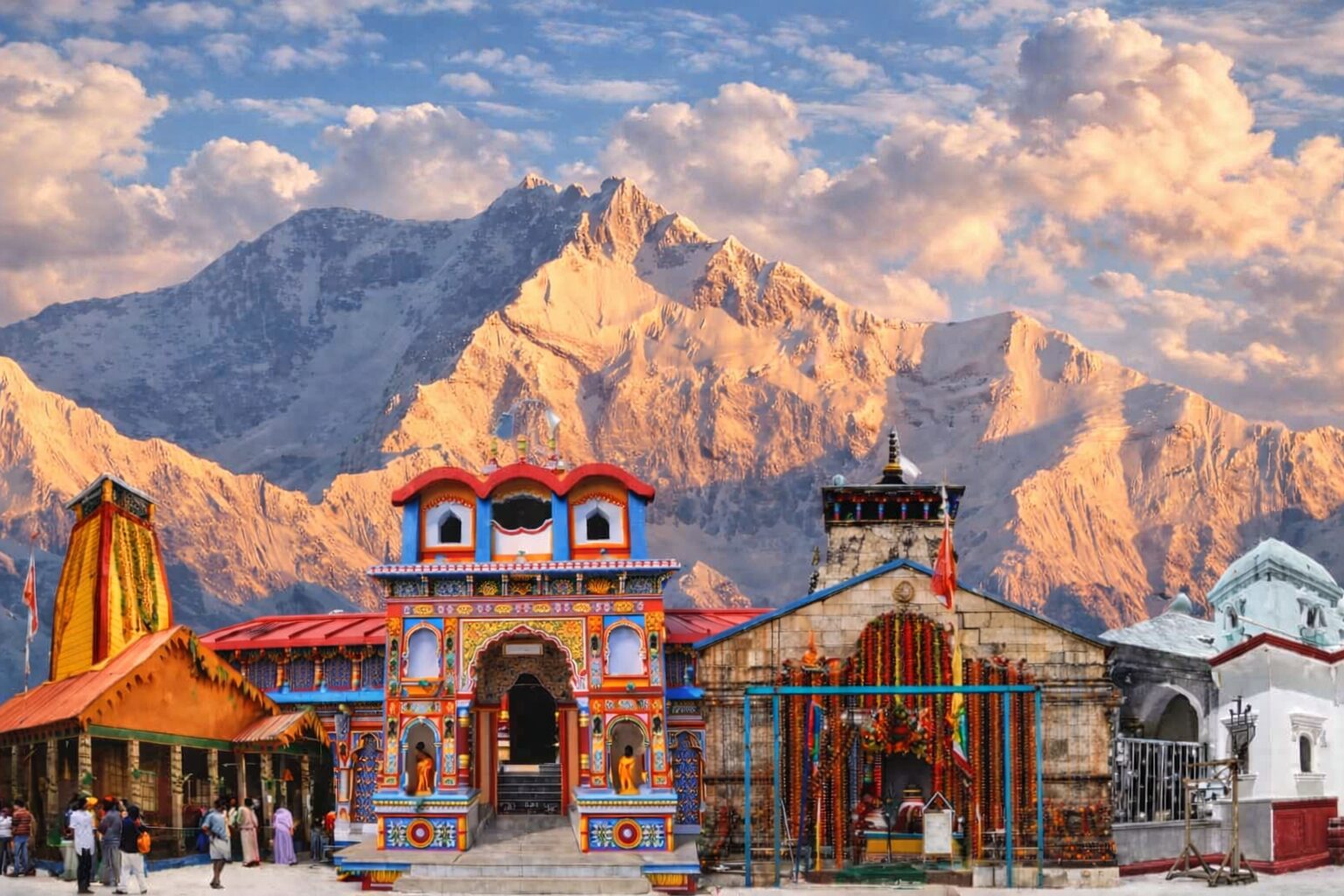
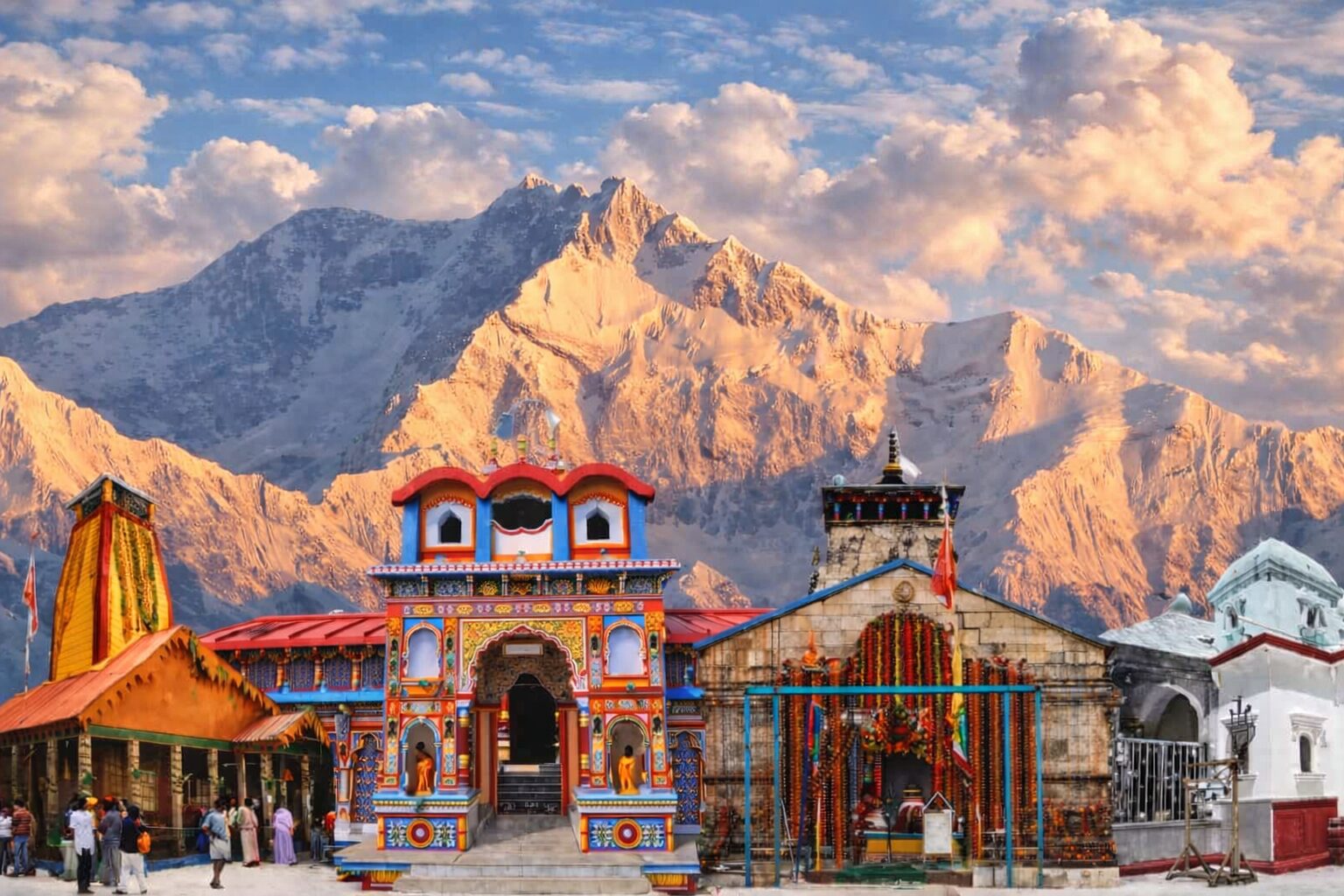
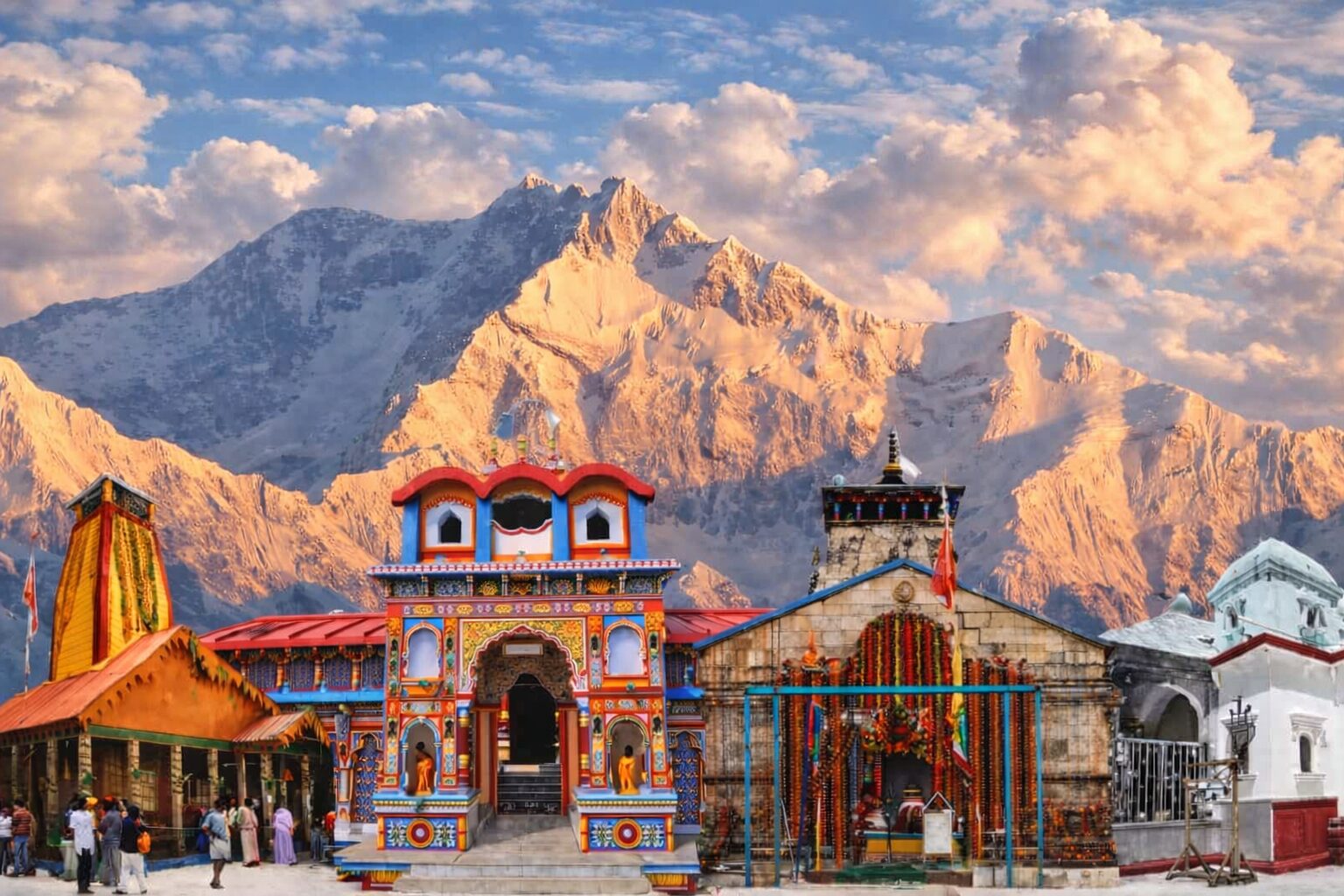
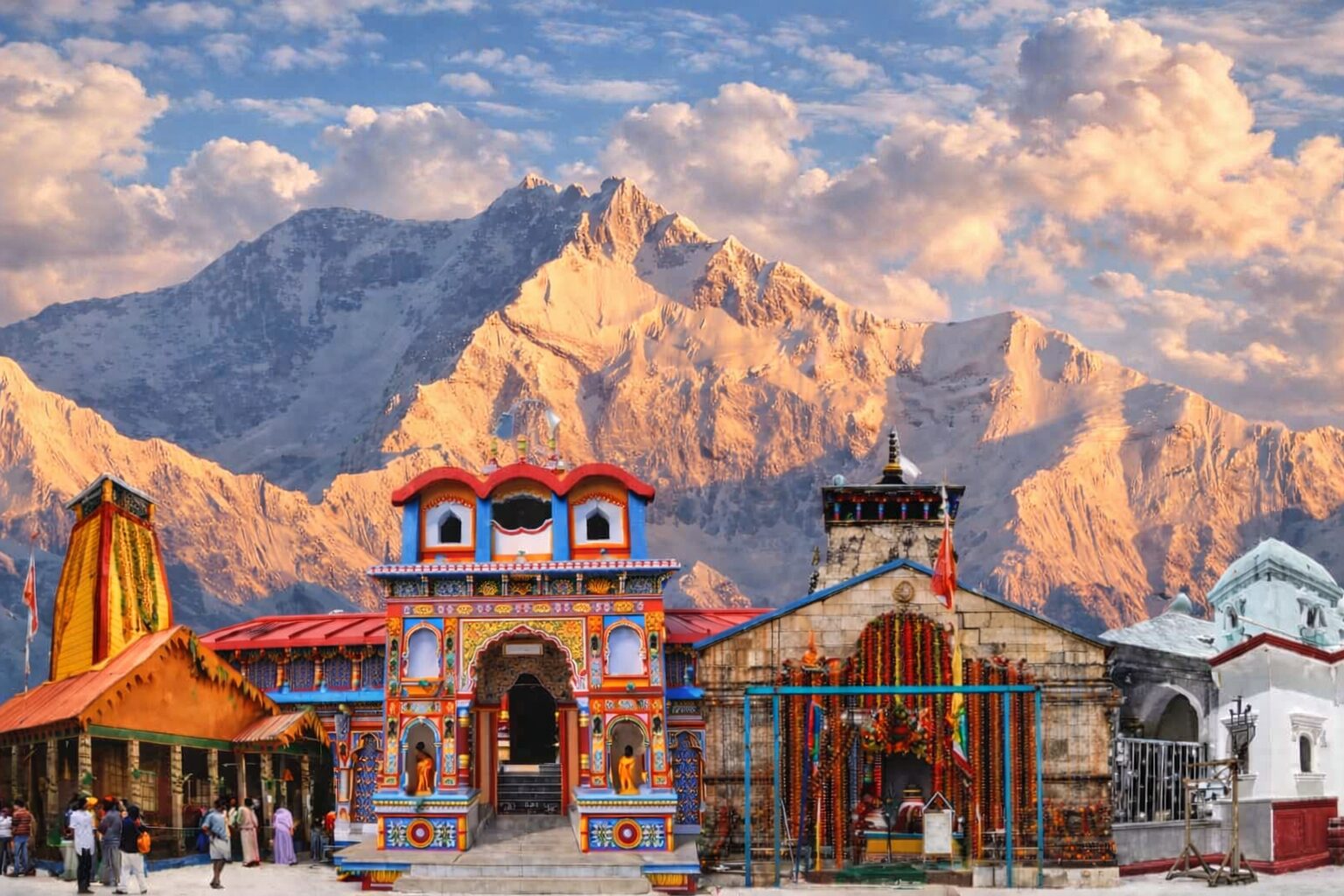
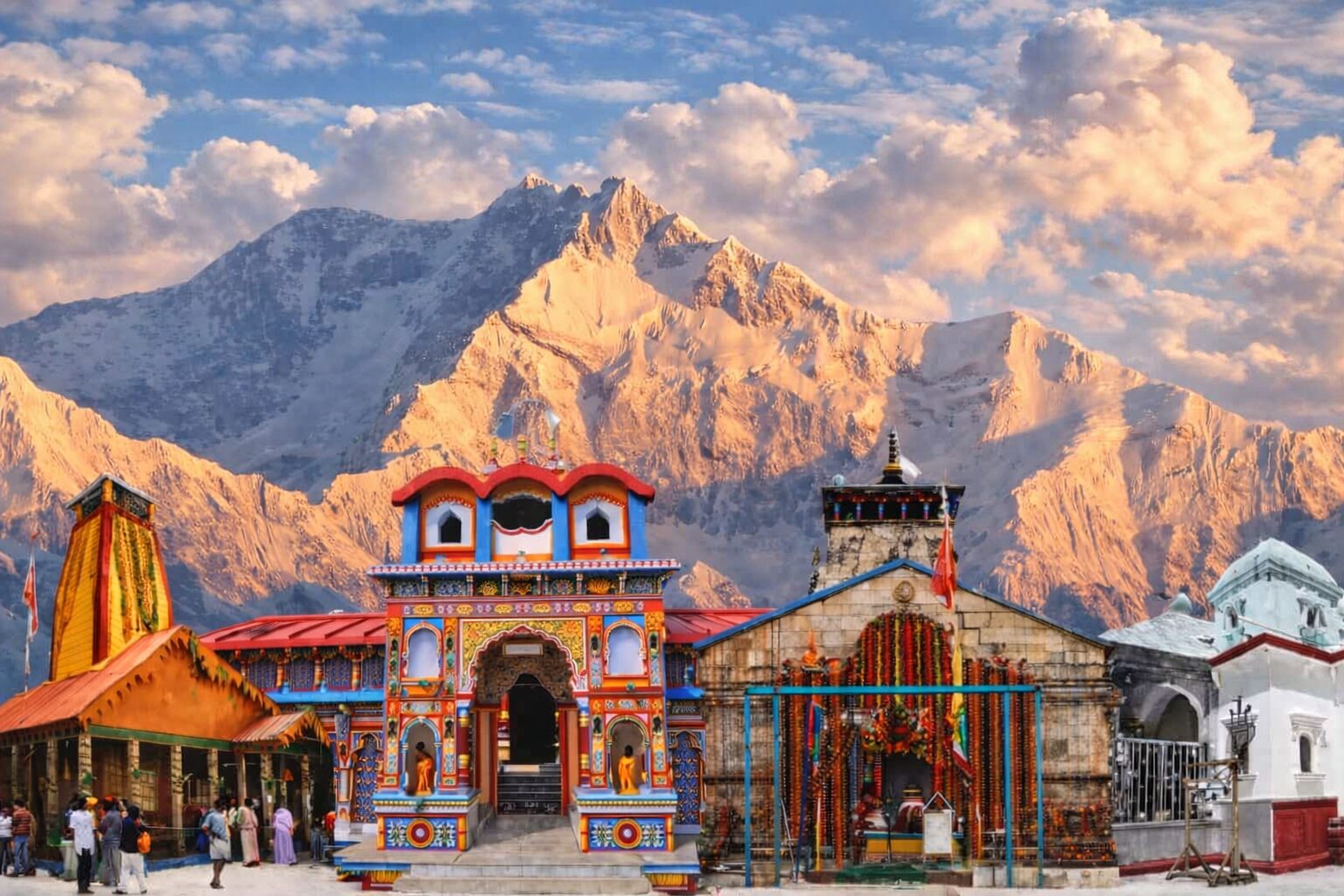
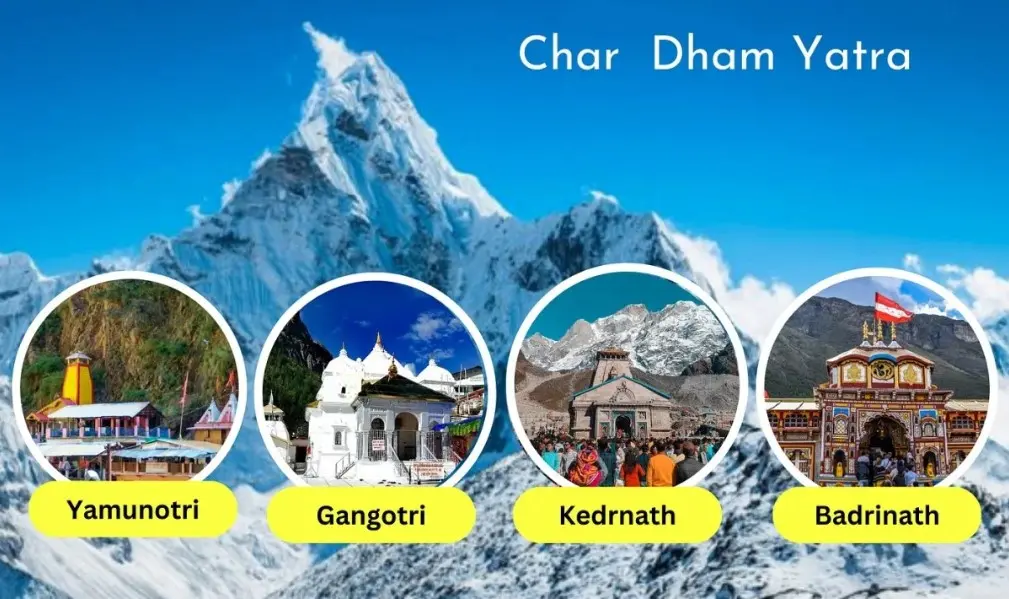
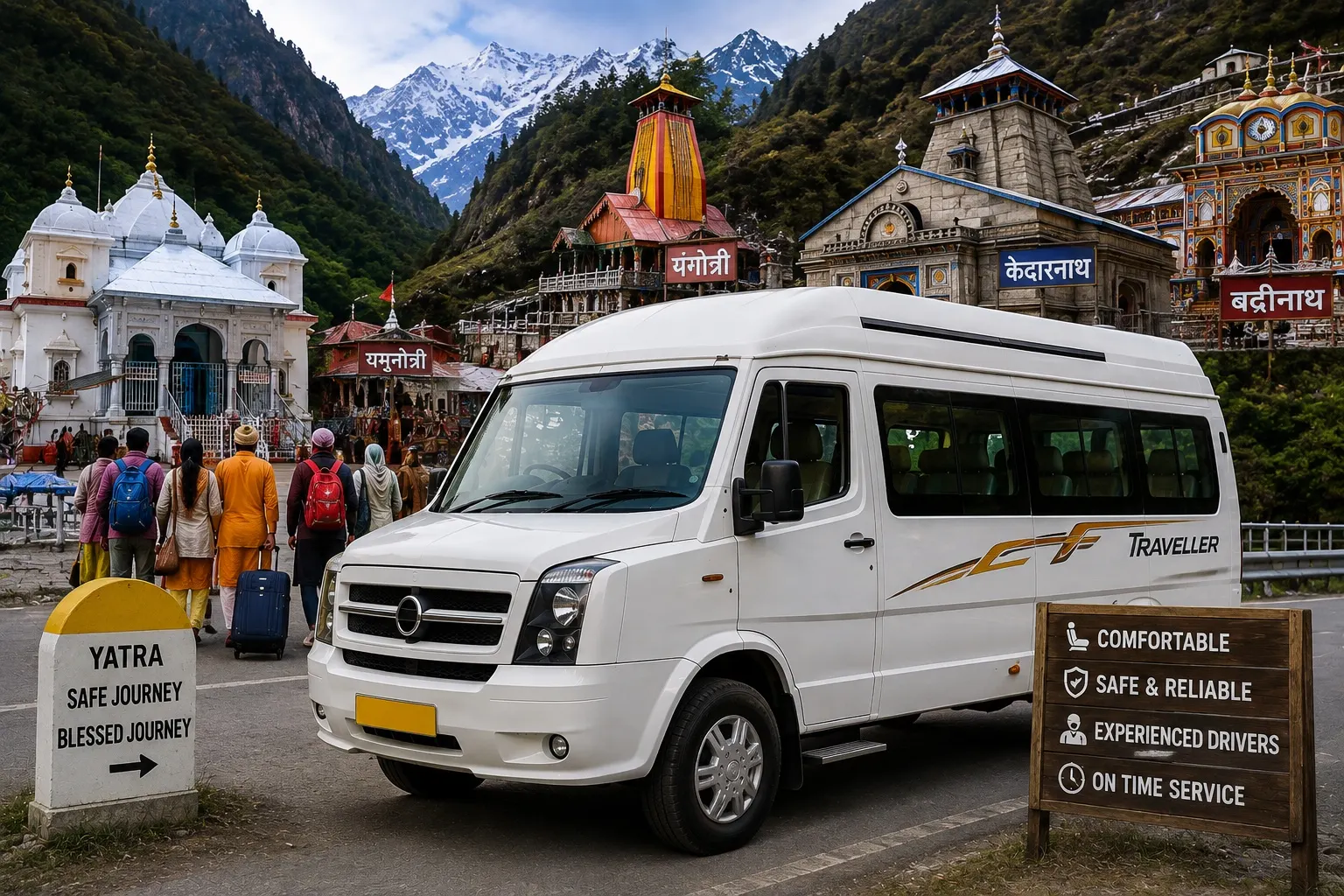
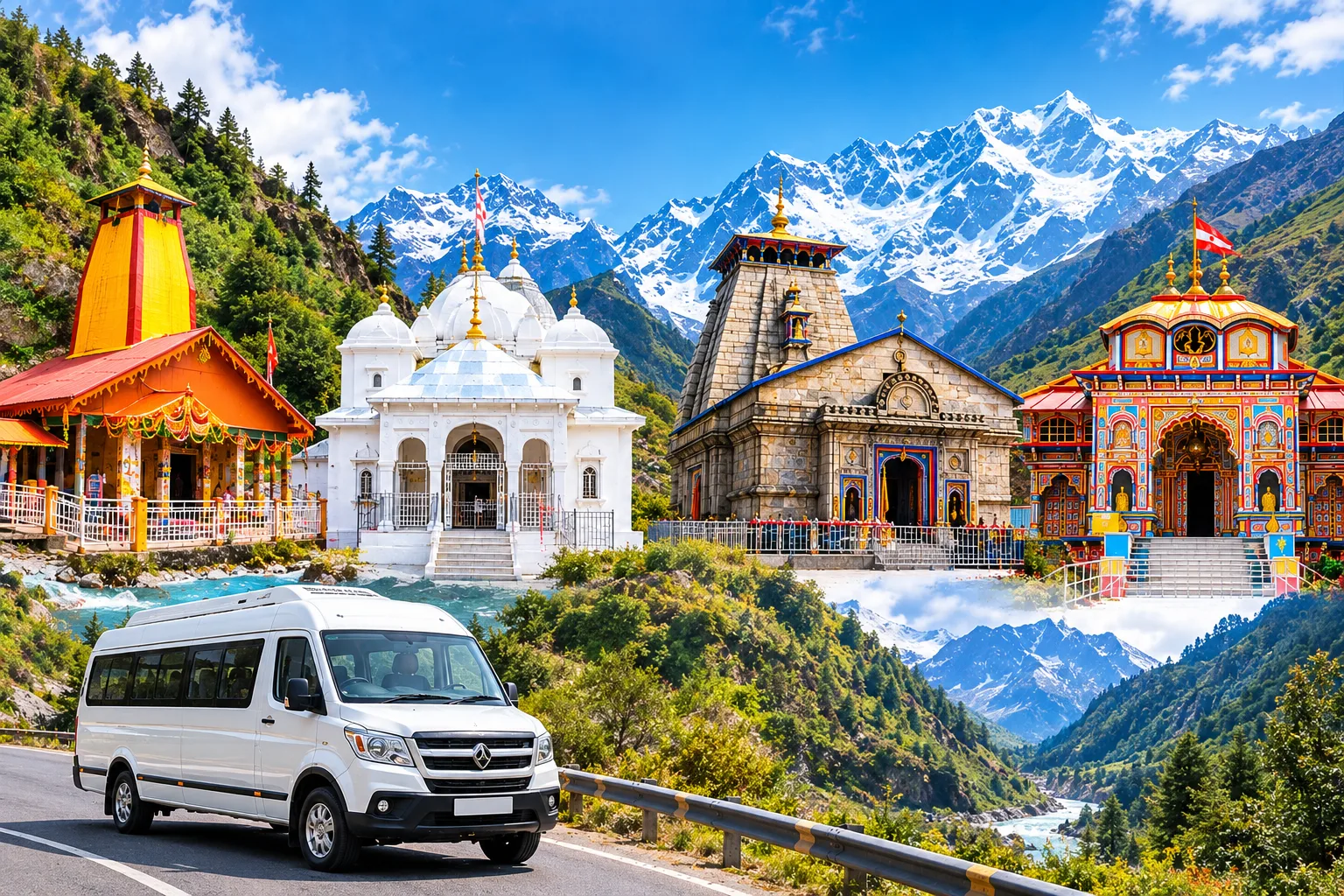
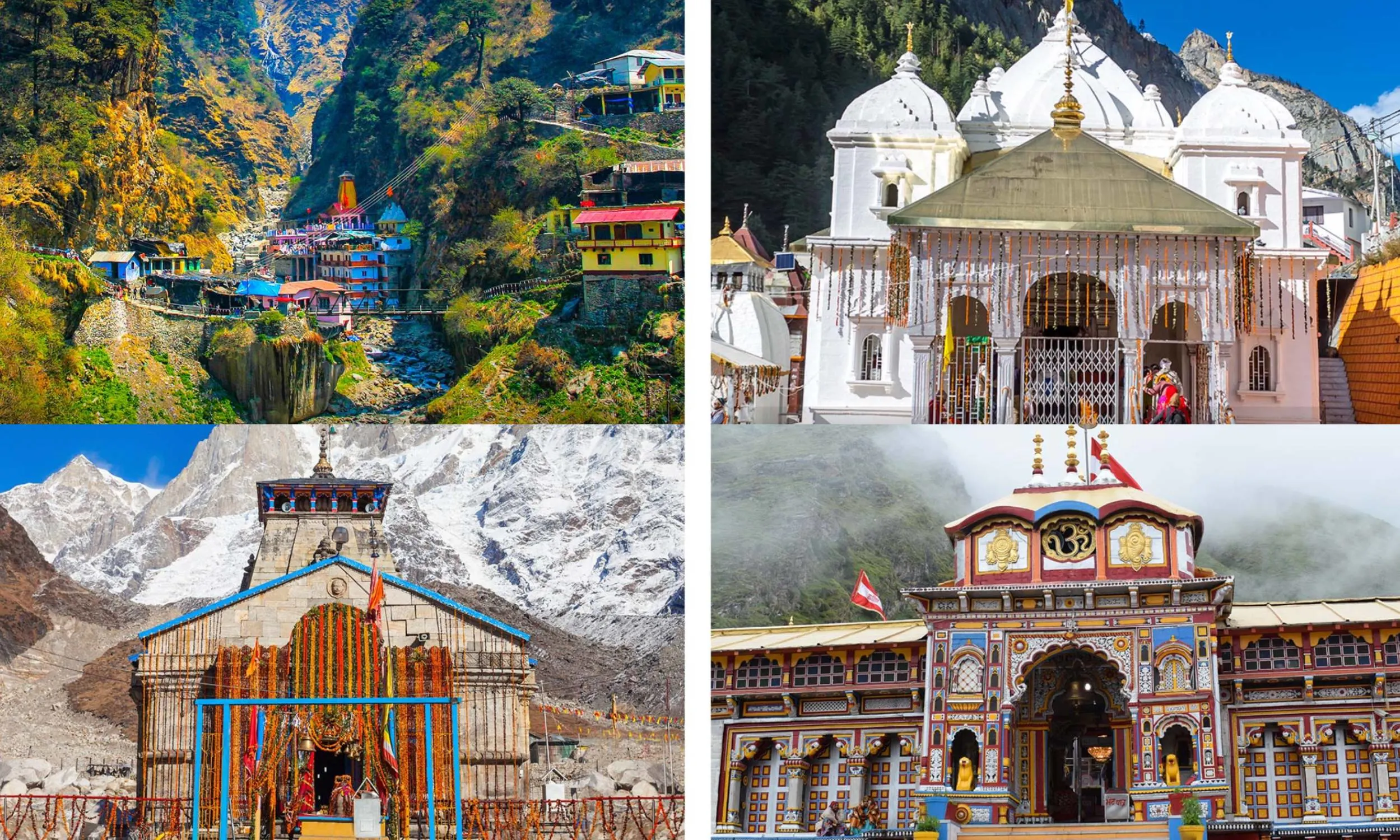
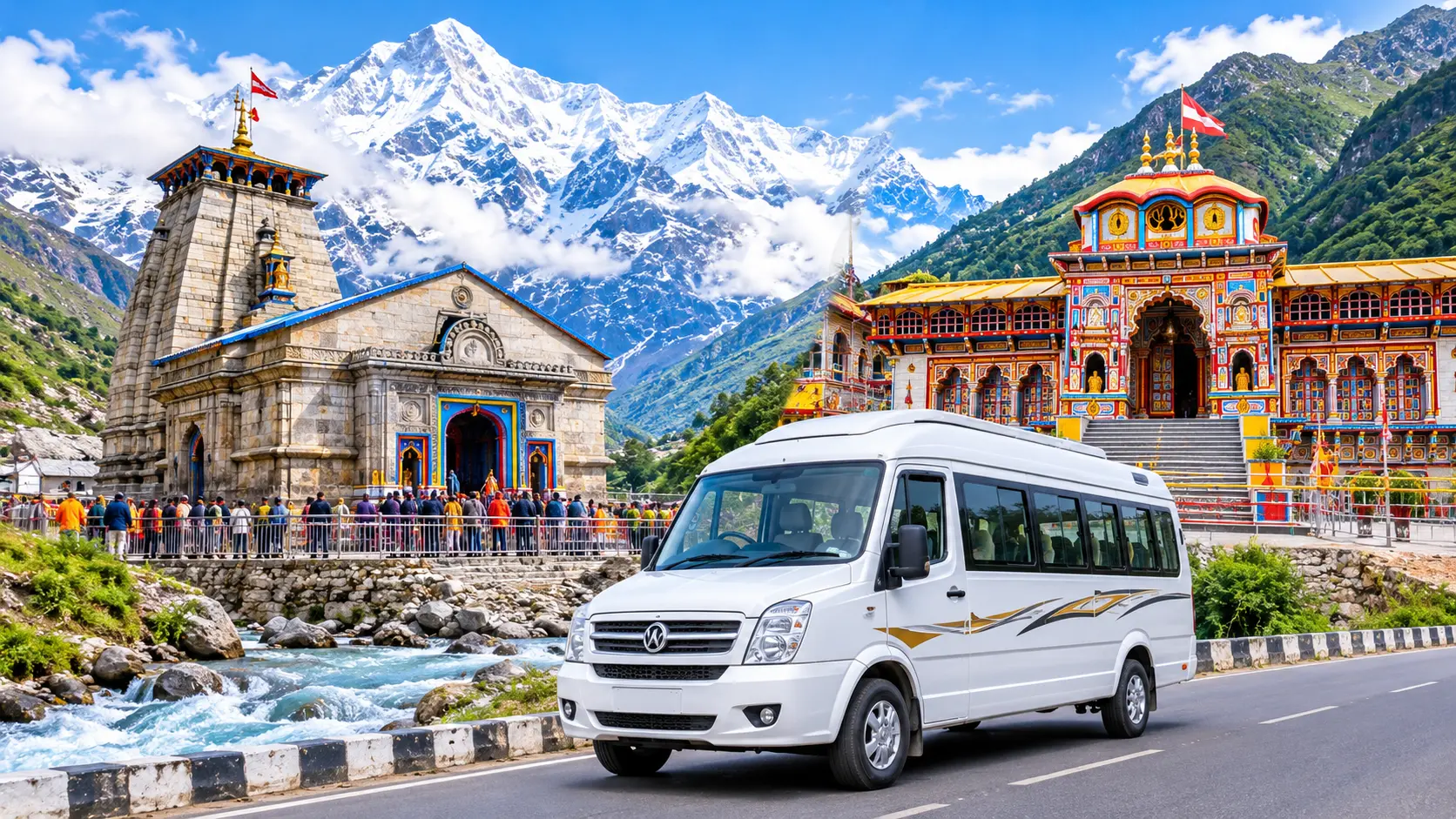
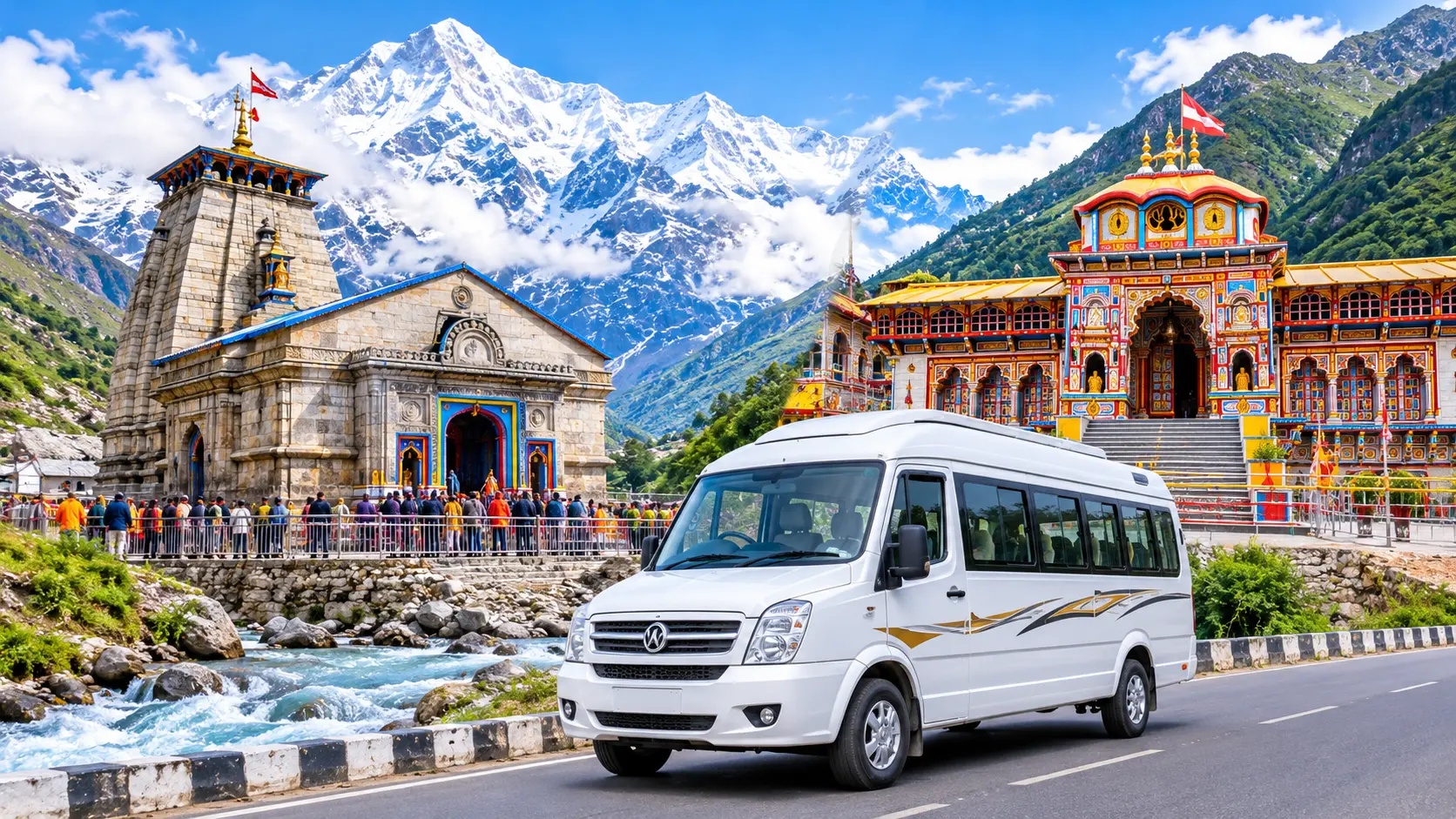
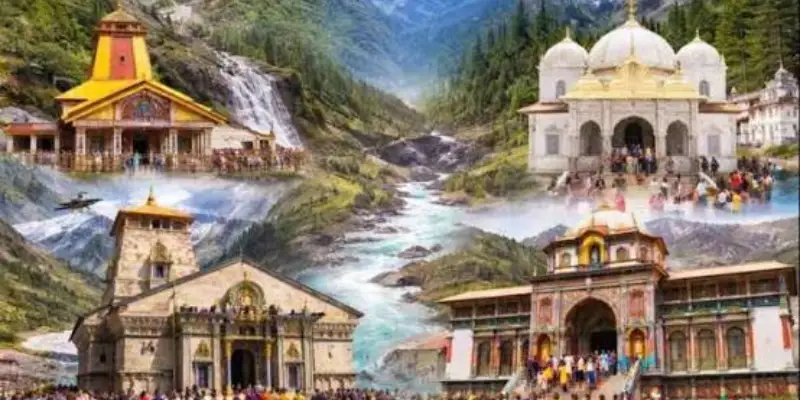
The full Char Dham Yatra covers Yamunotri, Gangotri, Kedarnath and Badrinath. The Do Dham Yatra covers only two of them:
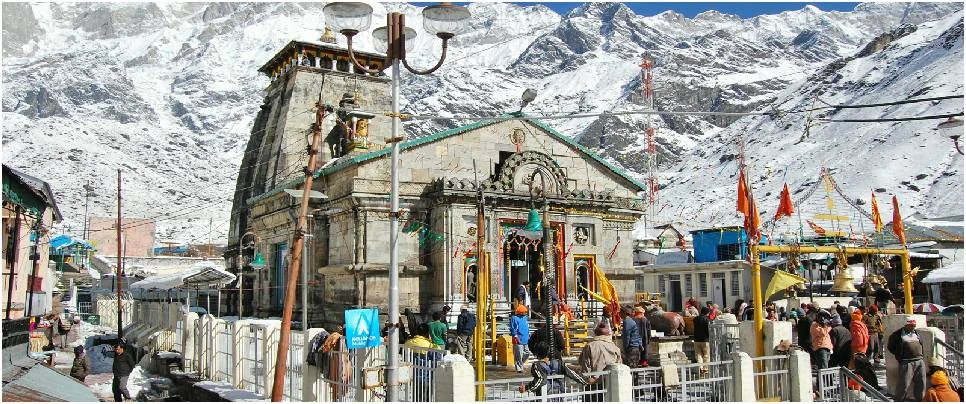
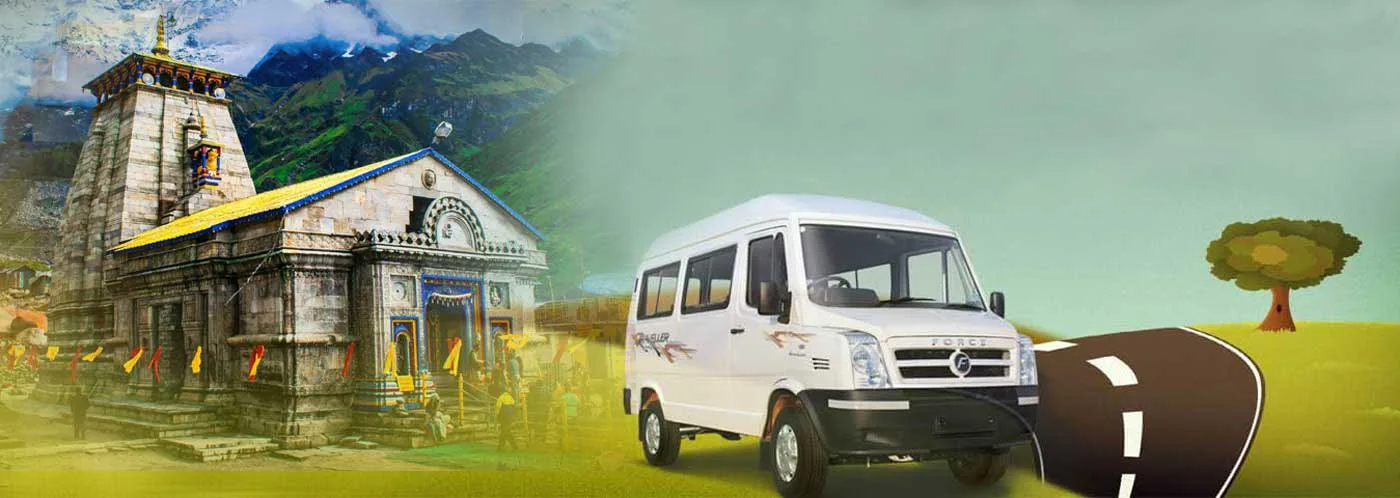
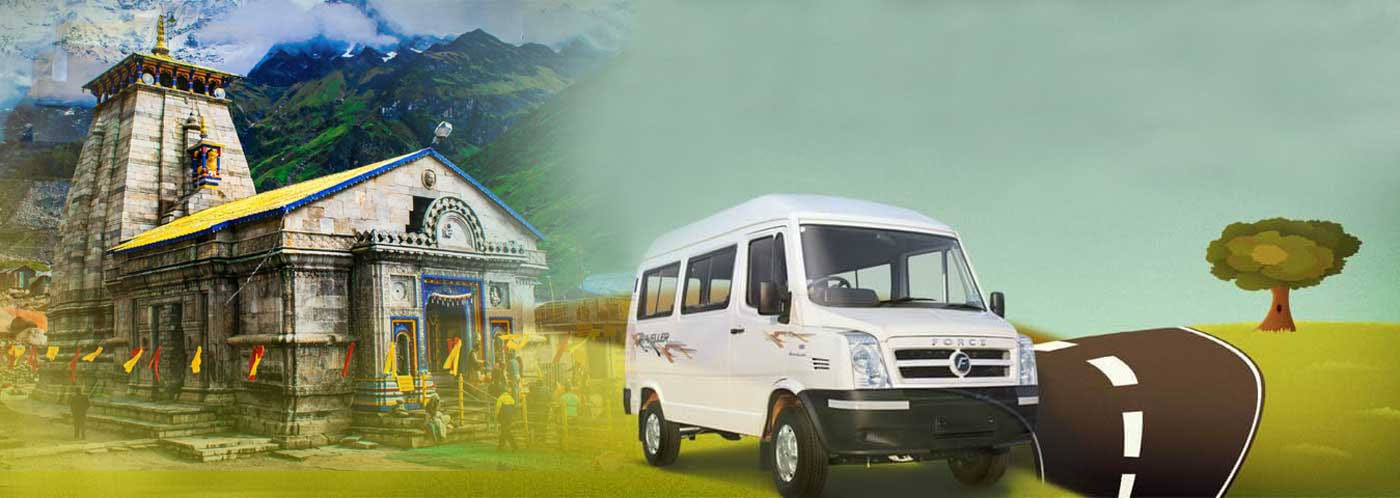
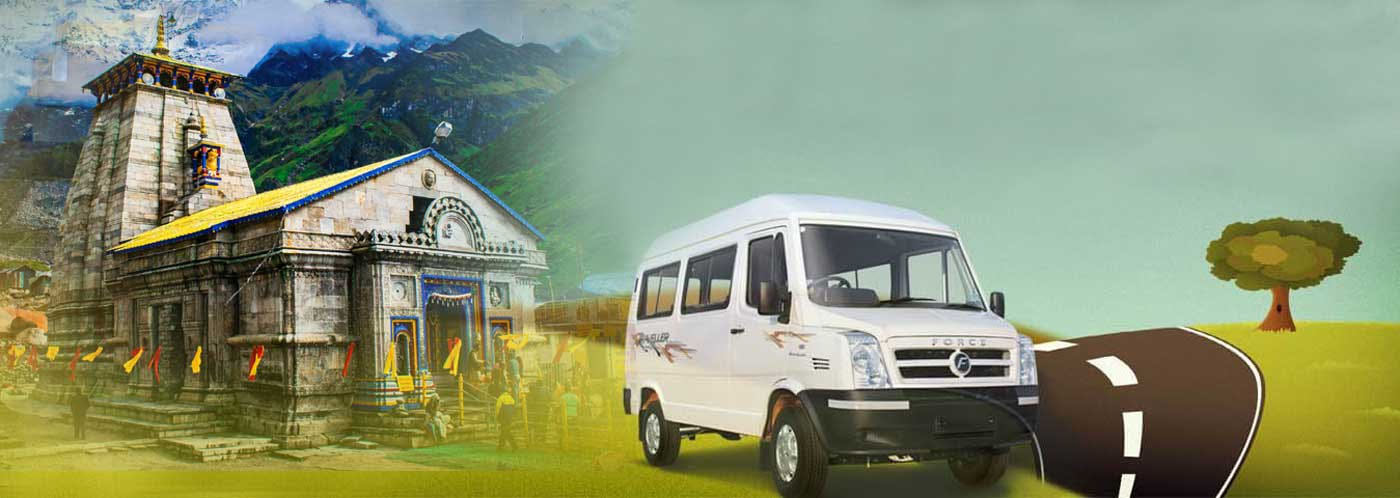
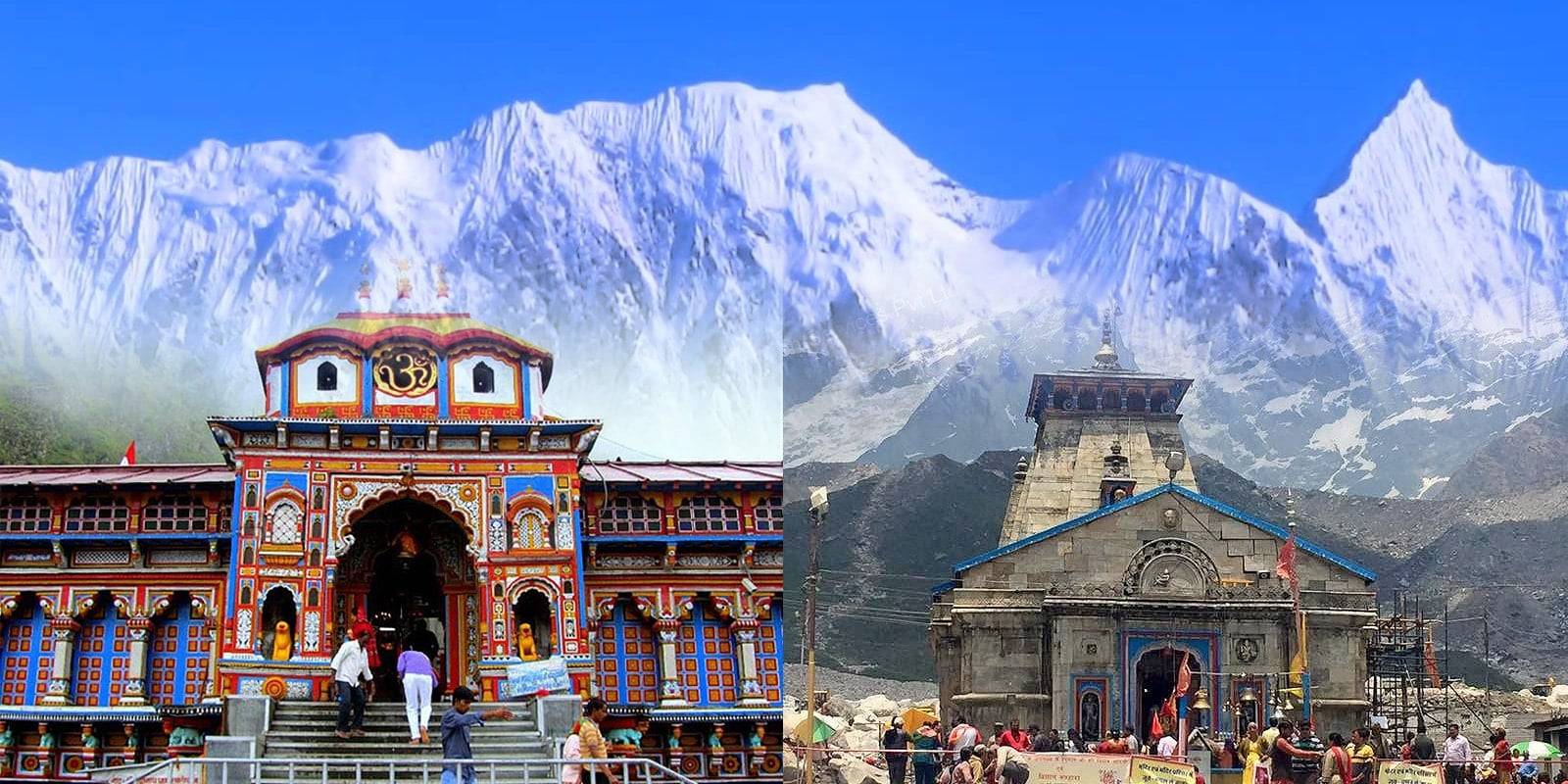
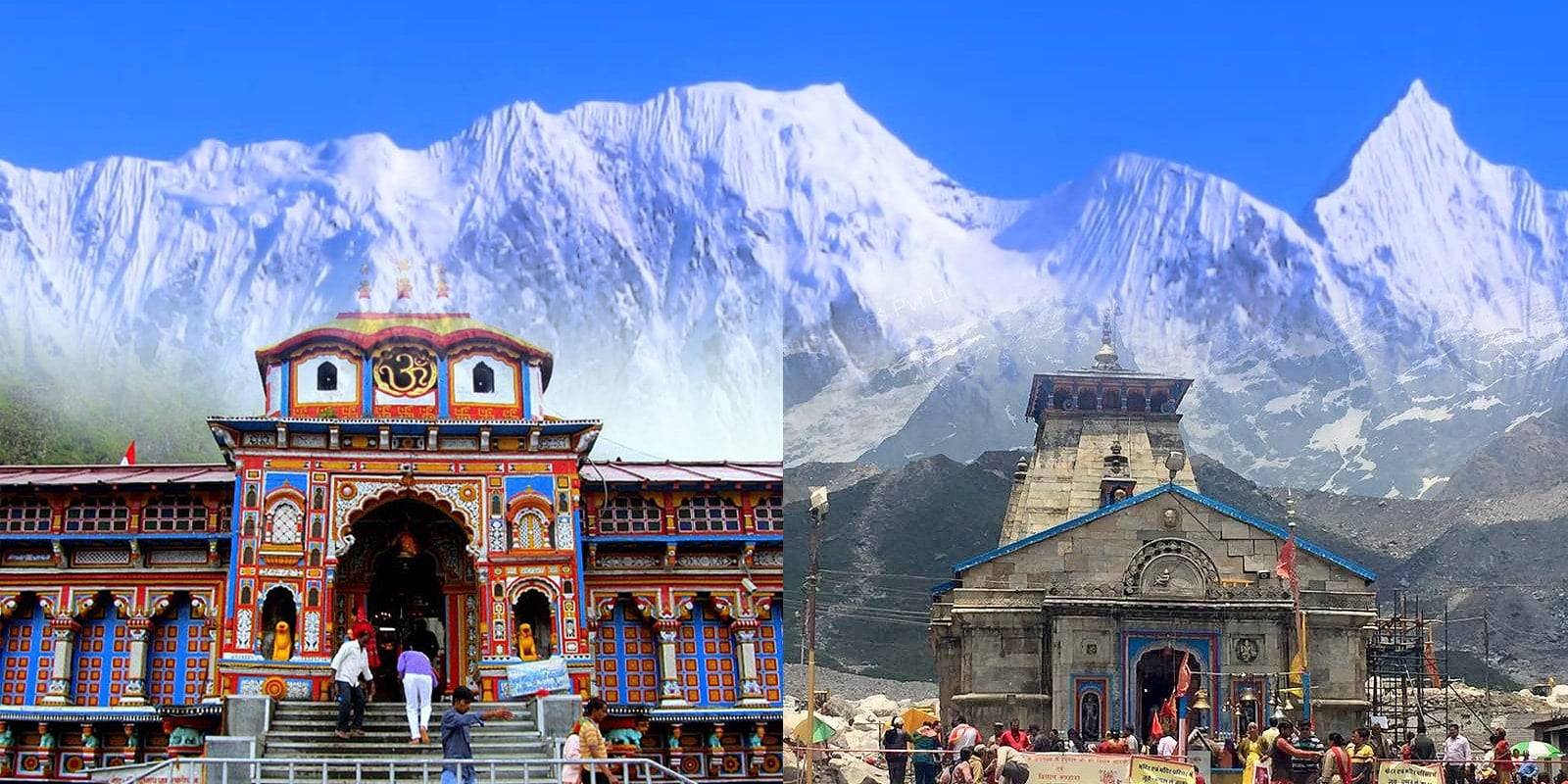
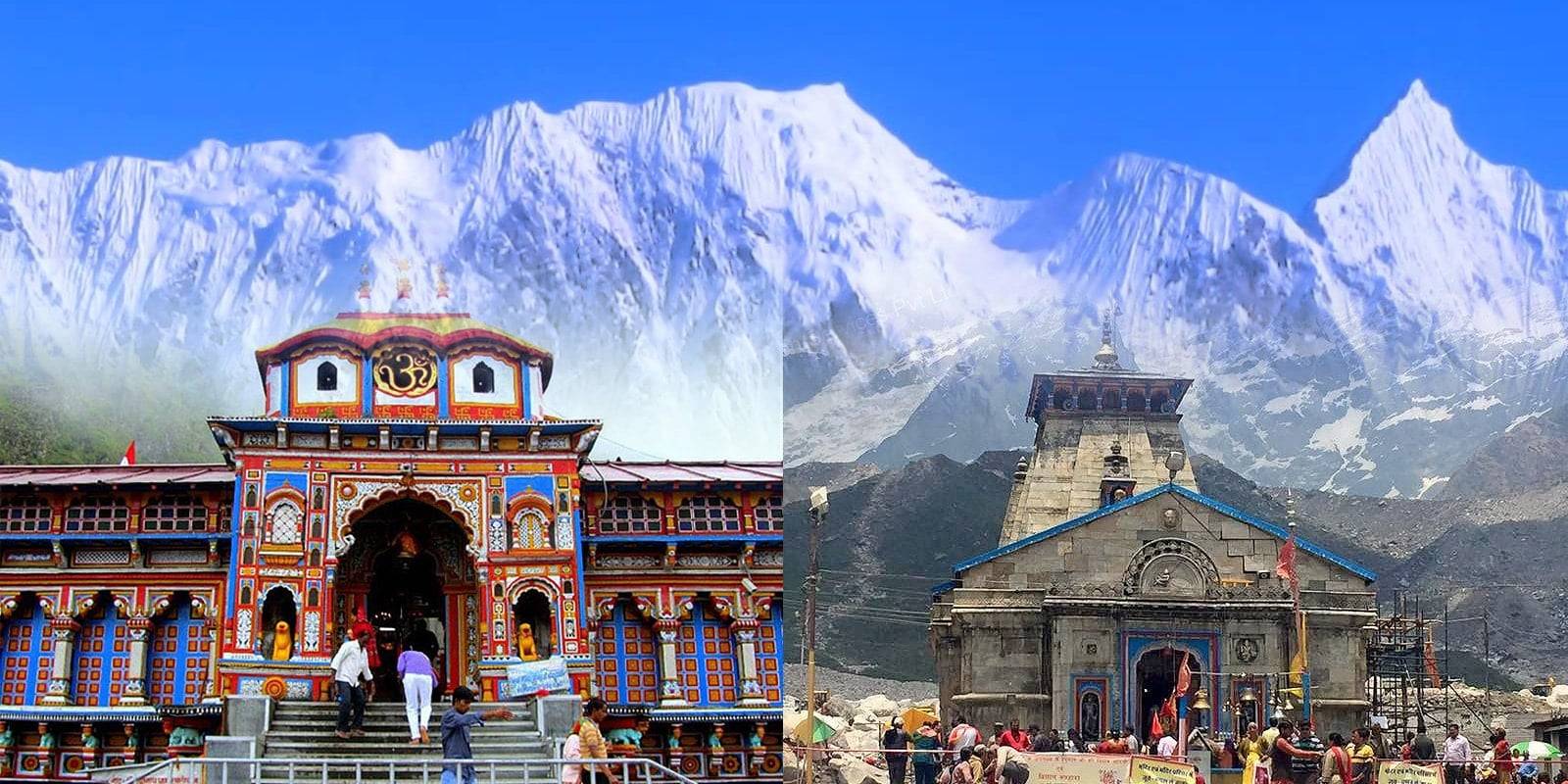
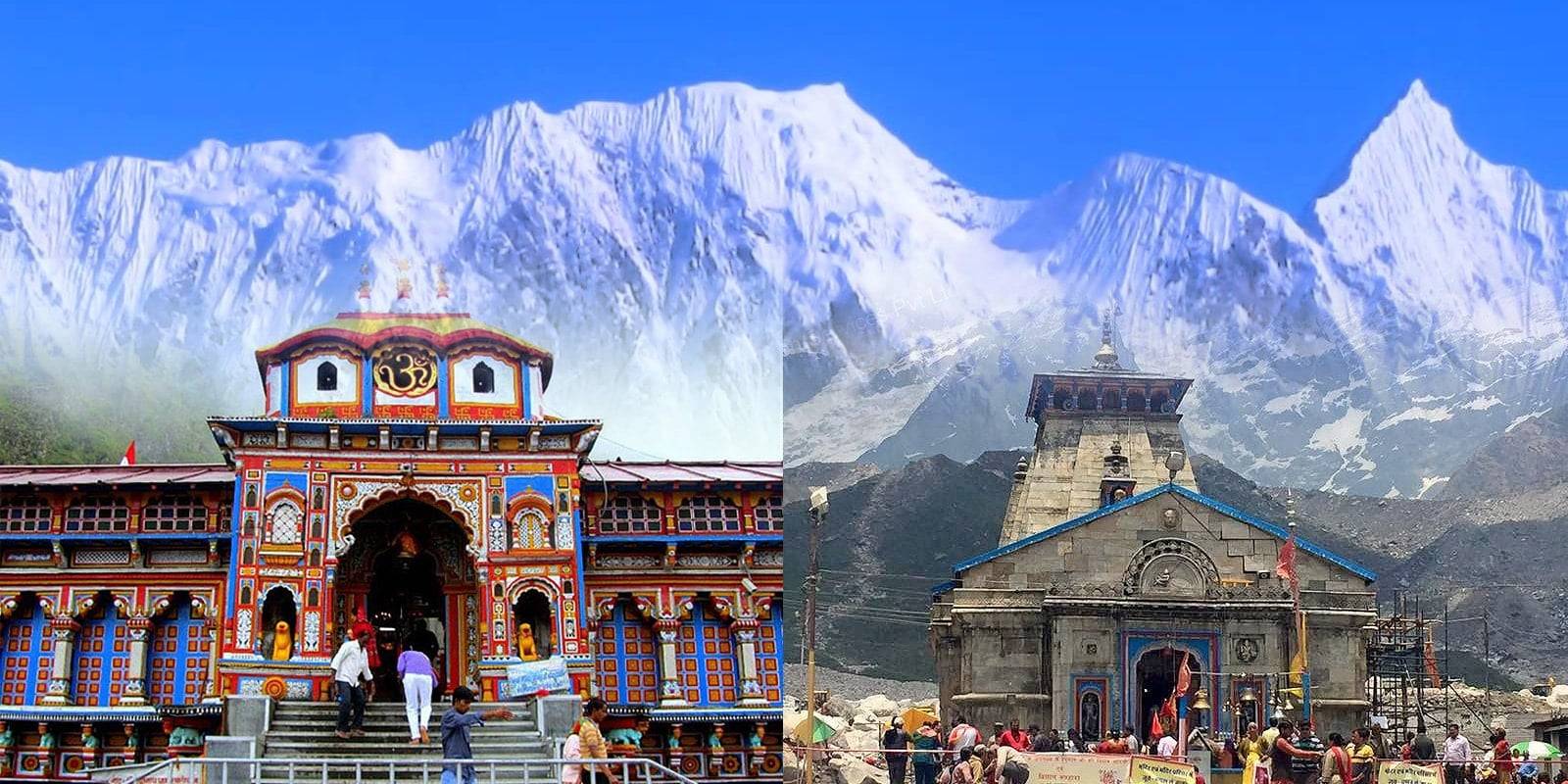
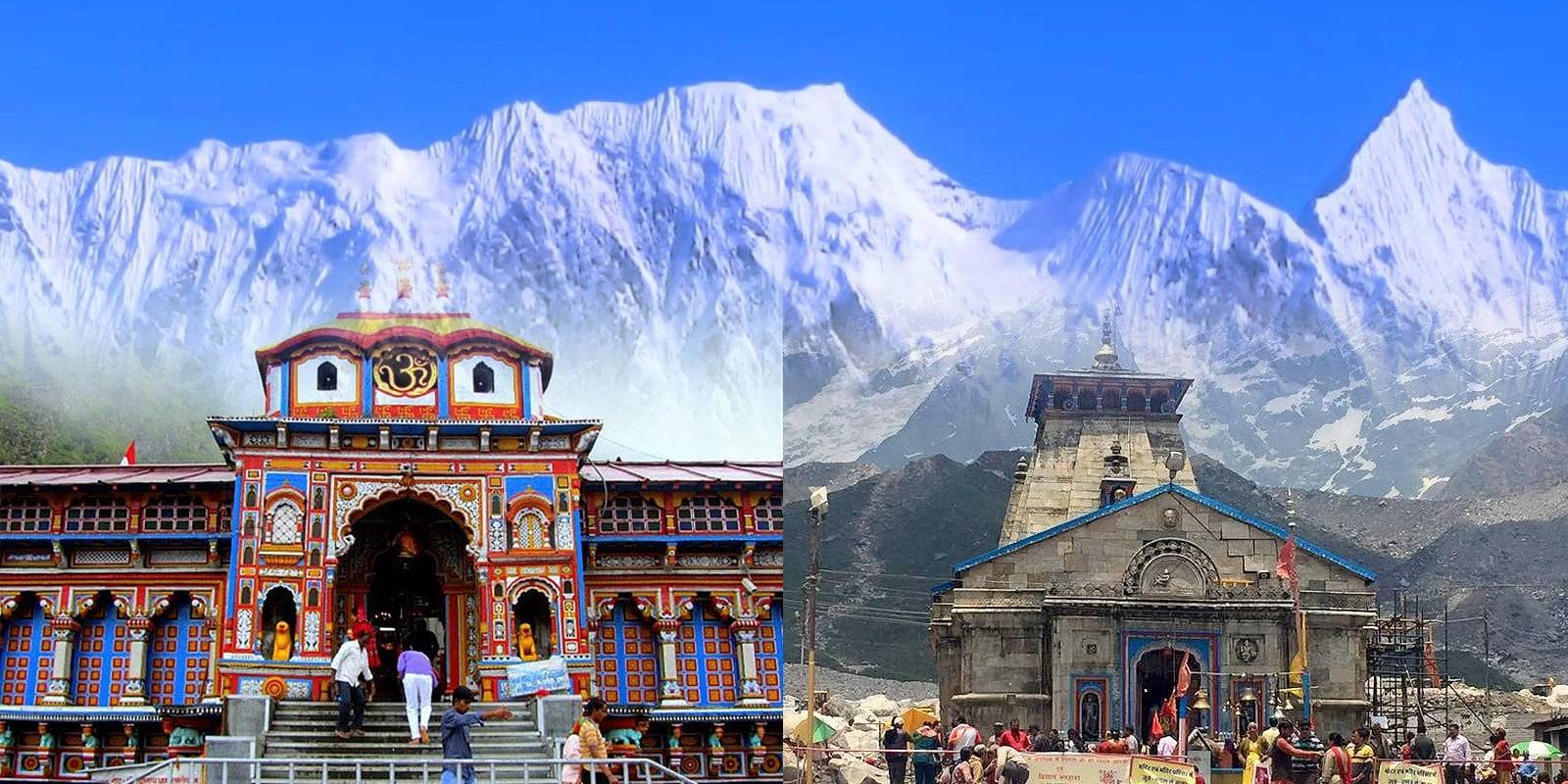
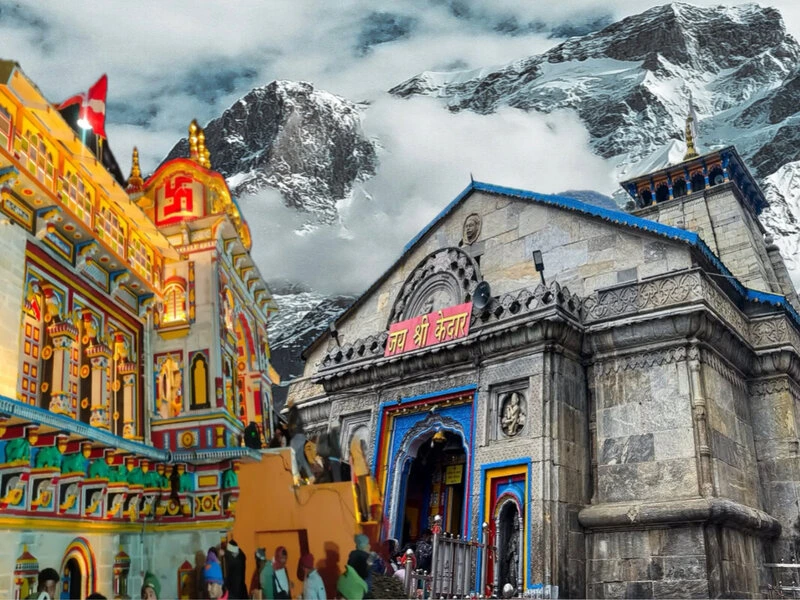
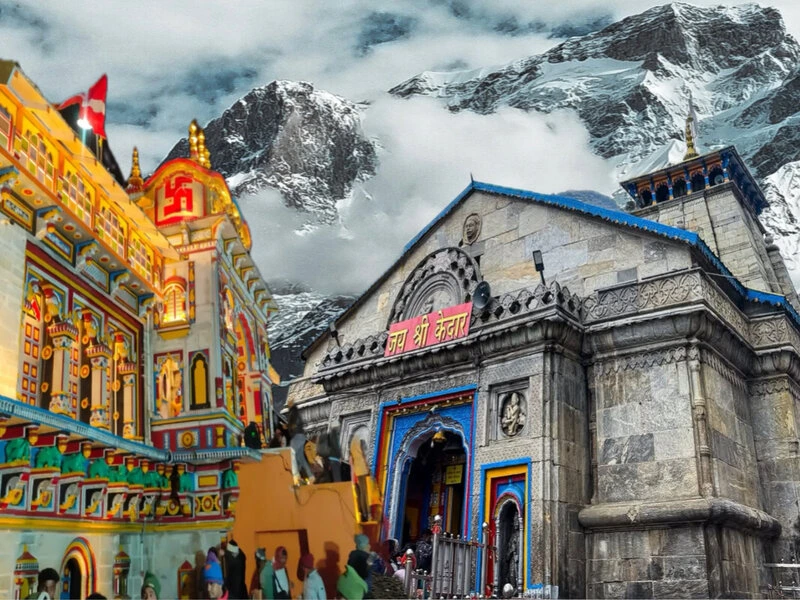
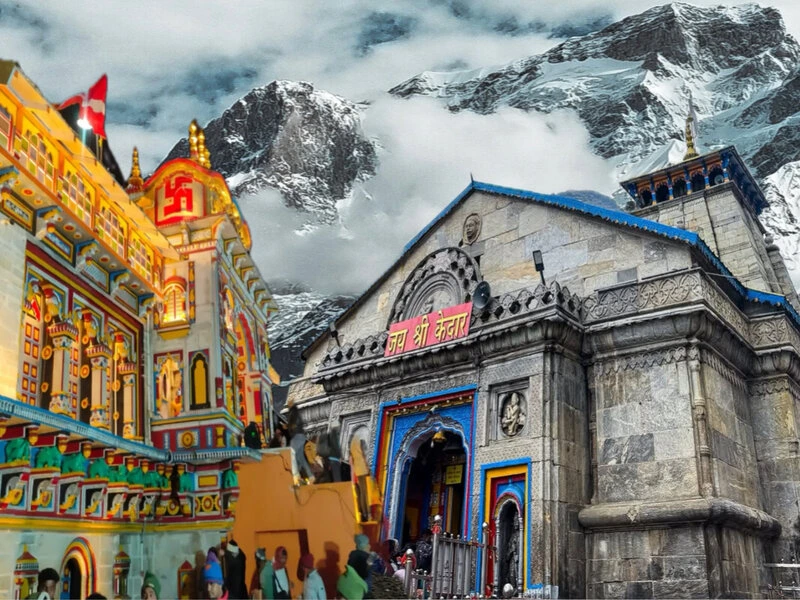
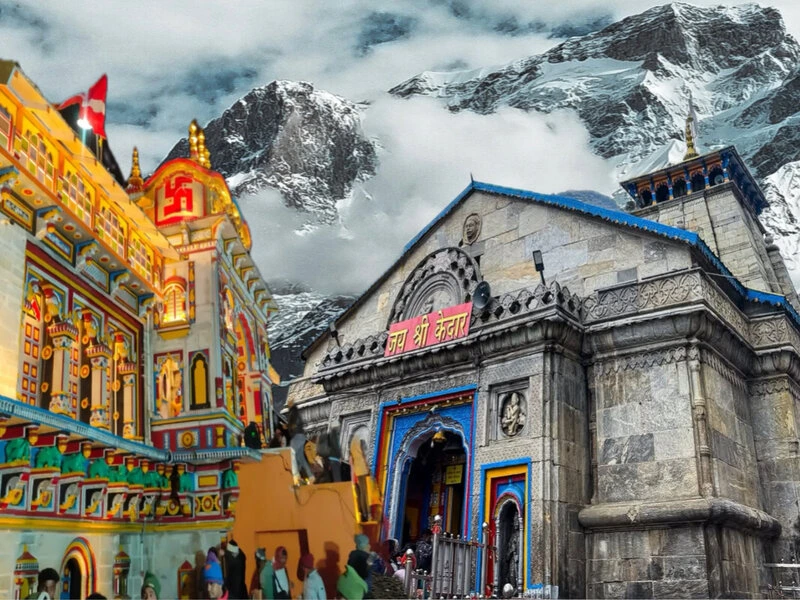
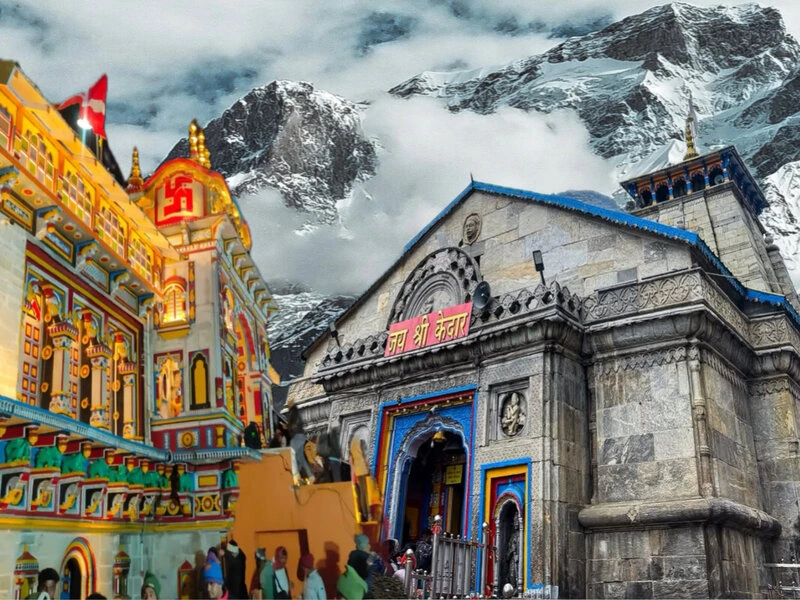
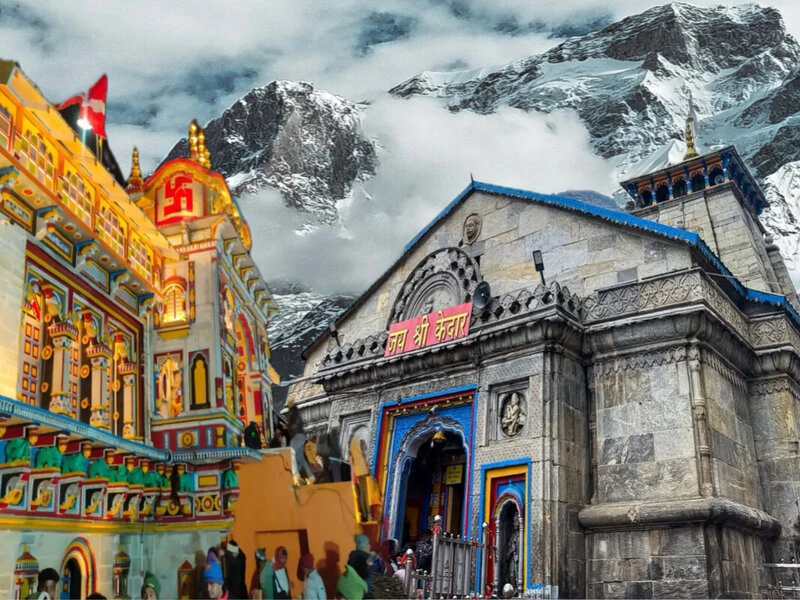
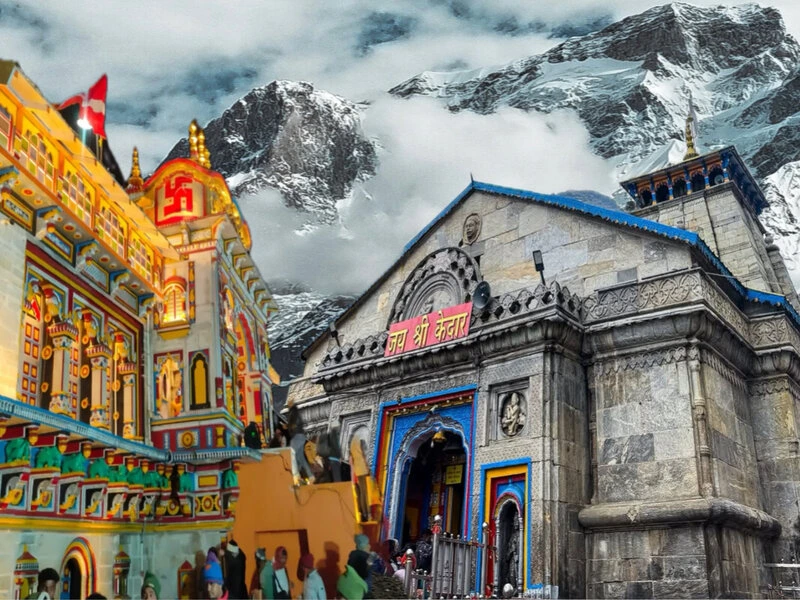
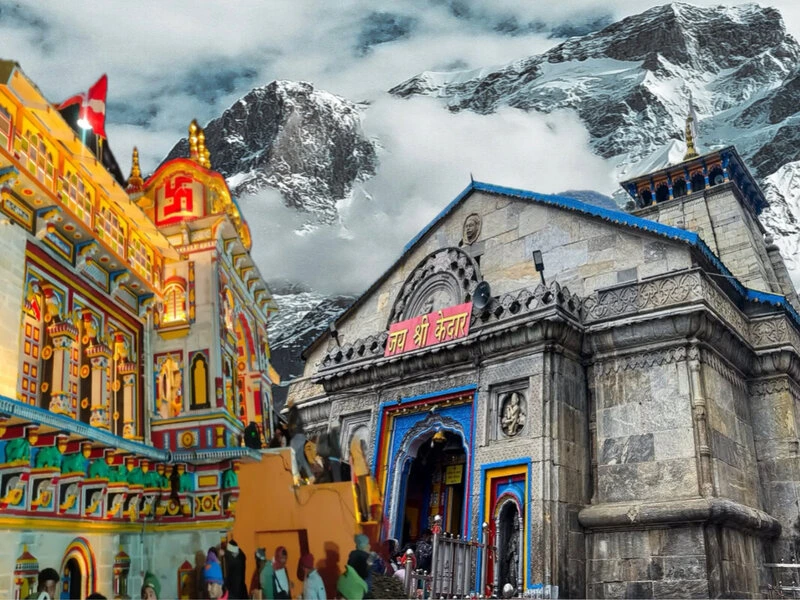
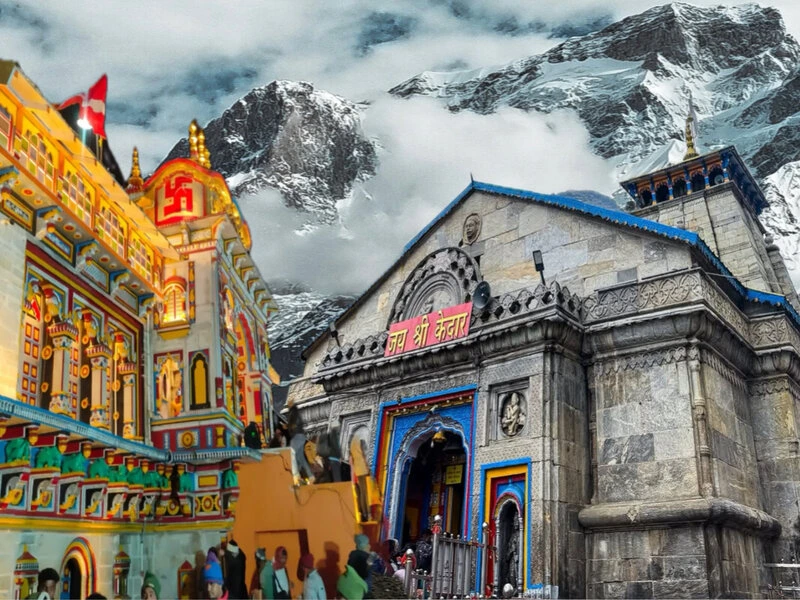
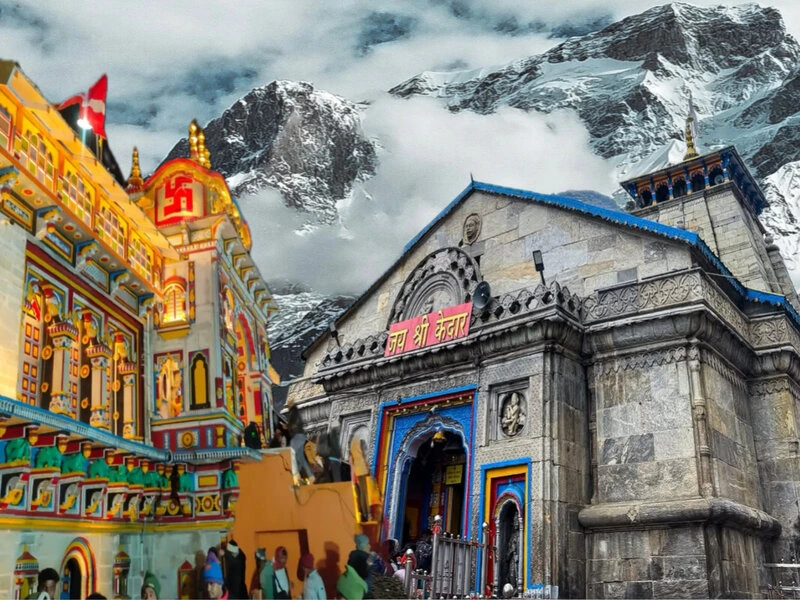
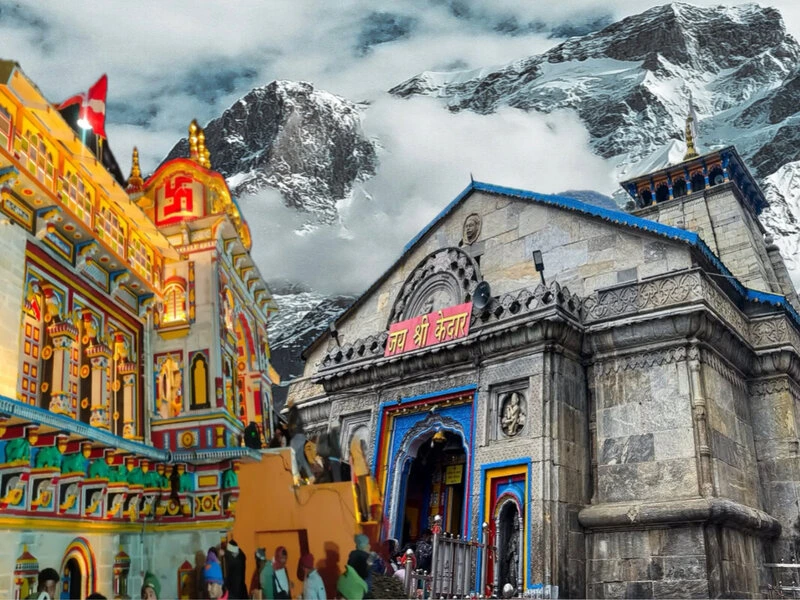
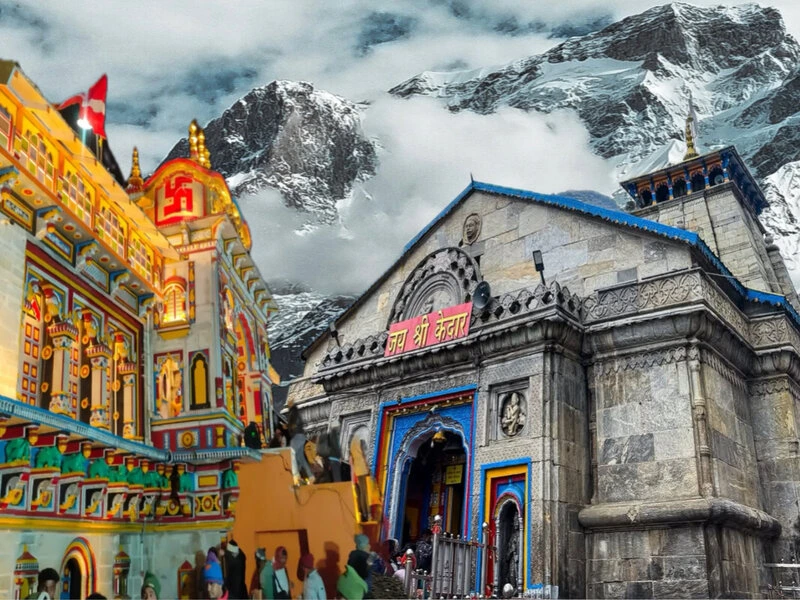
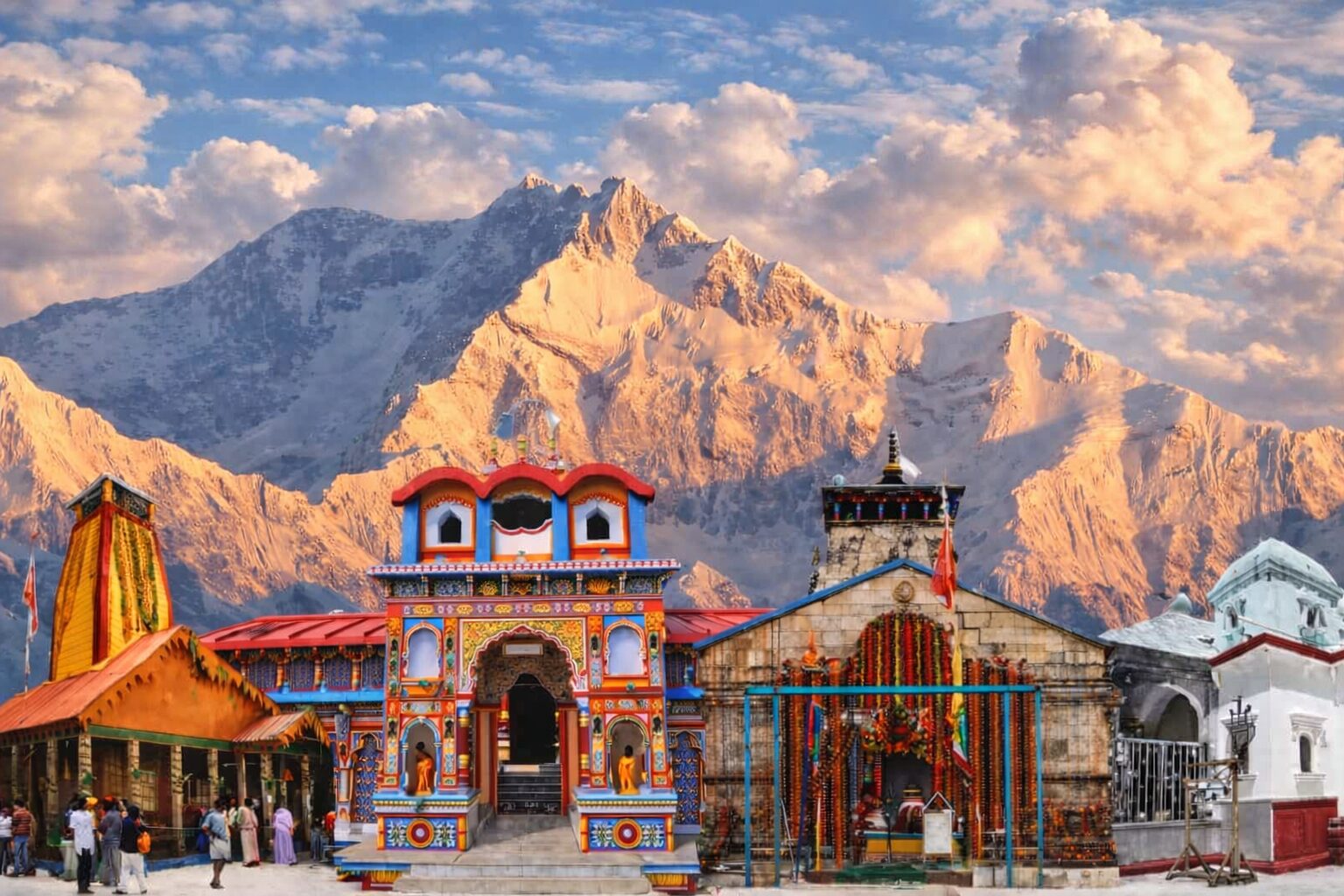
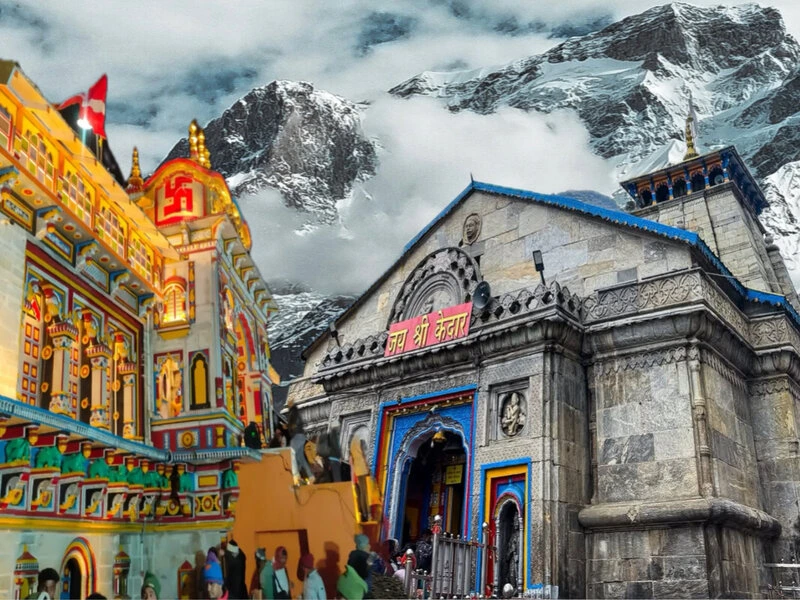
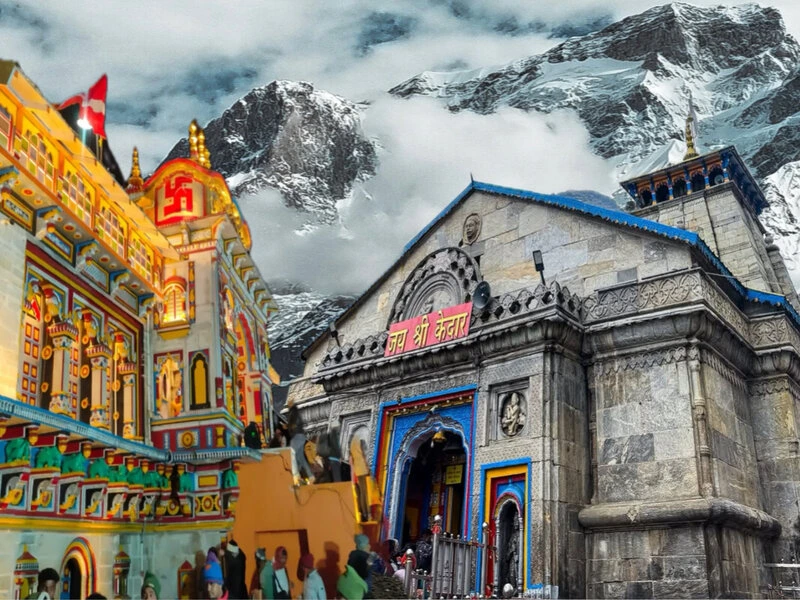
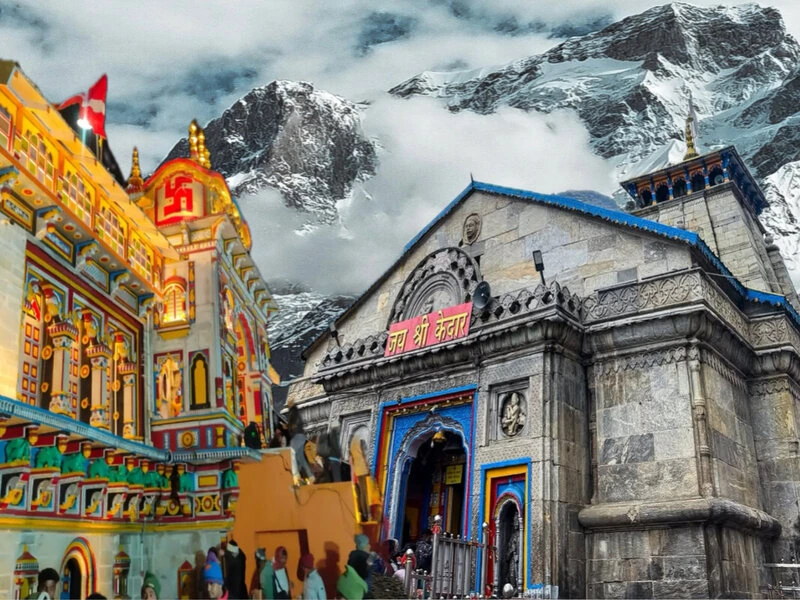
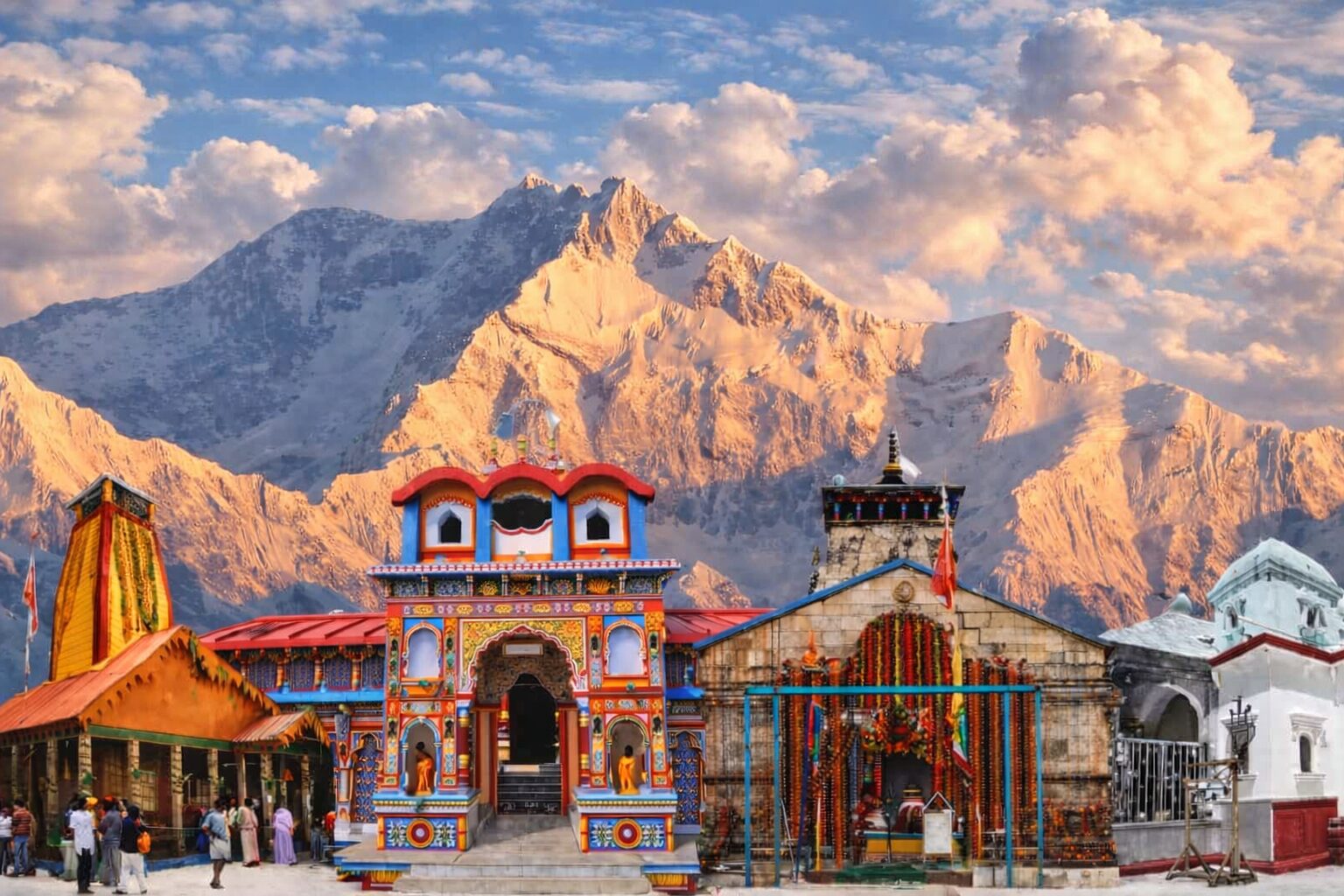
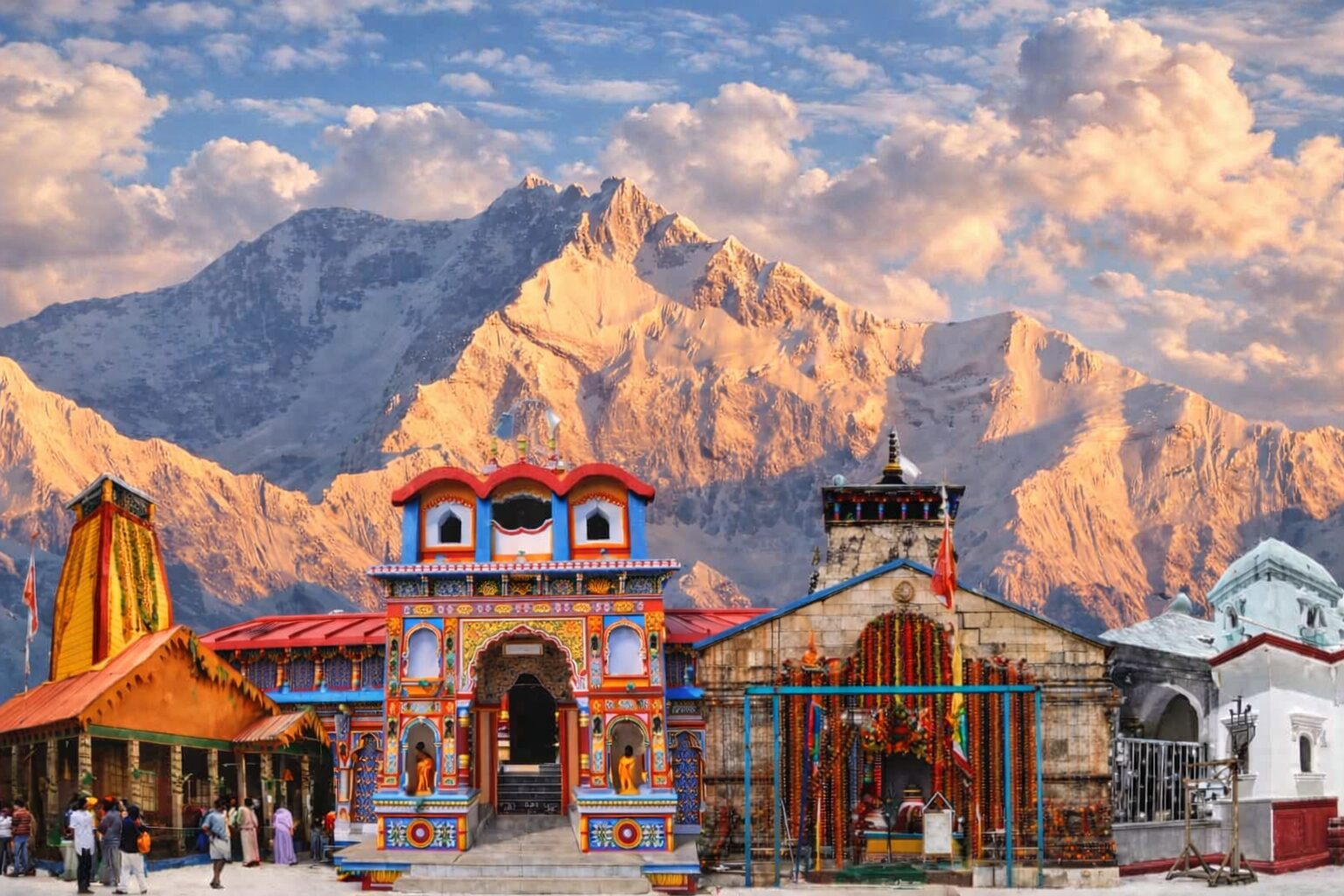
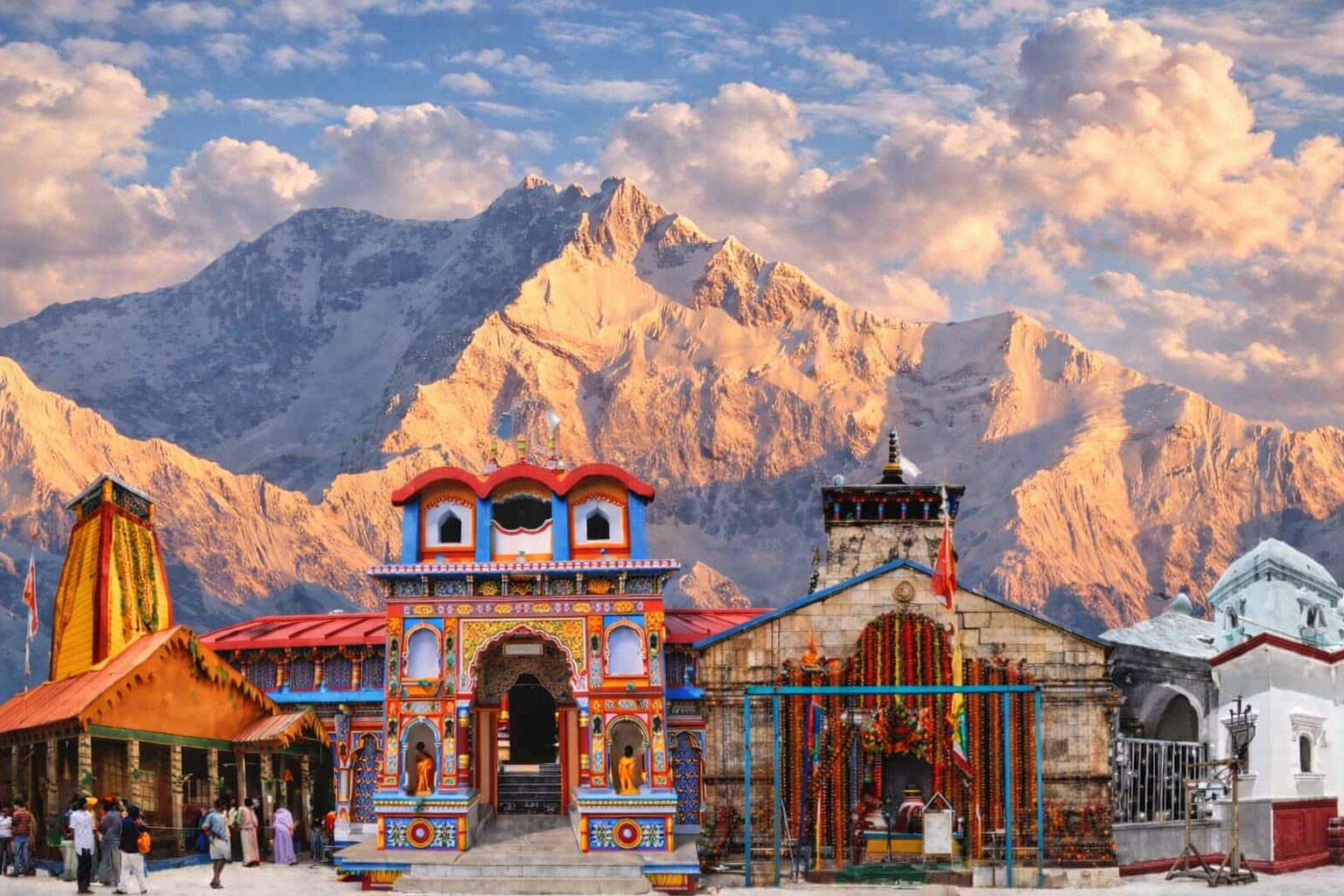
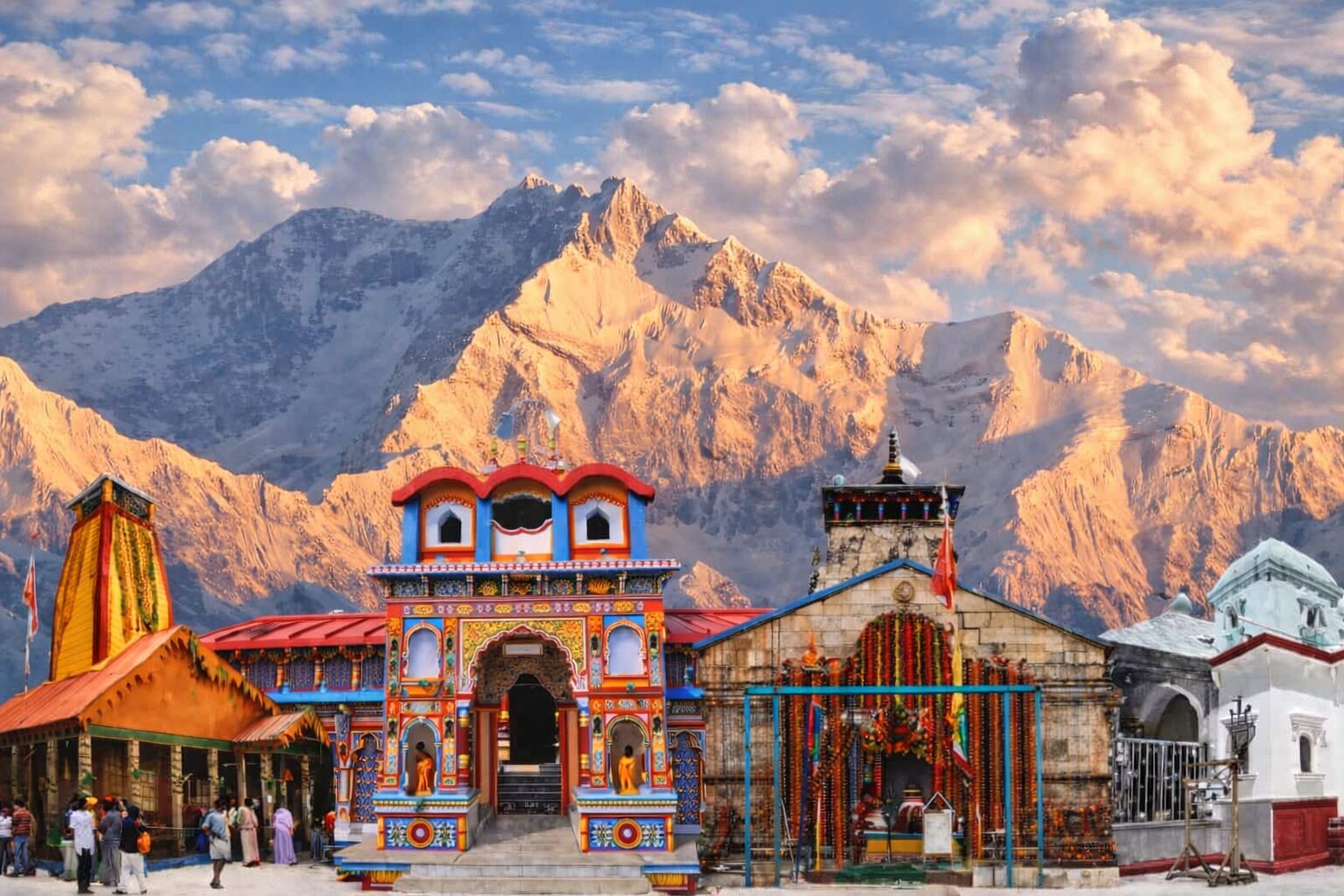
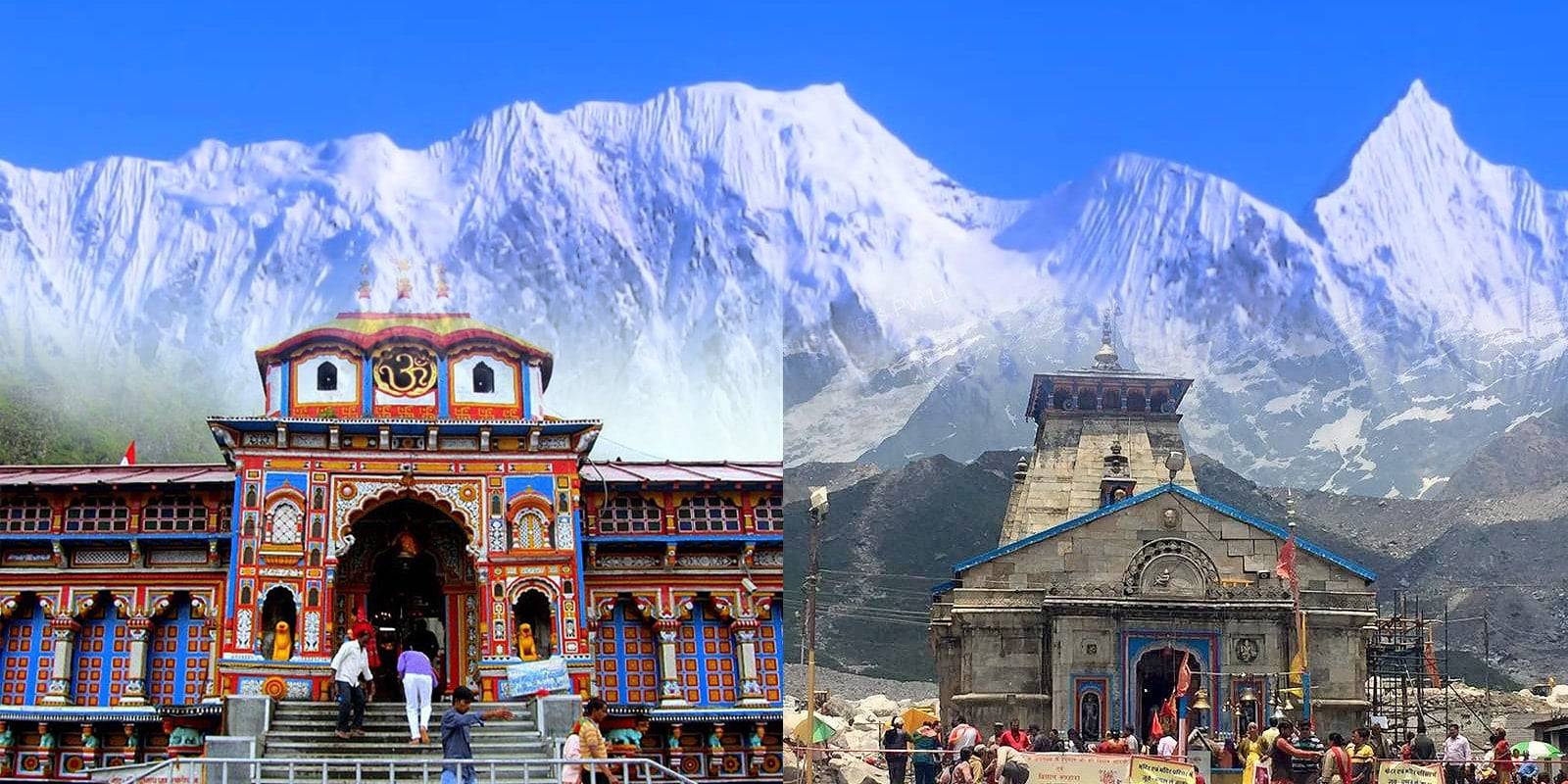
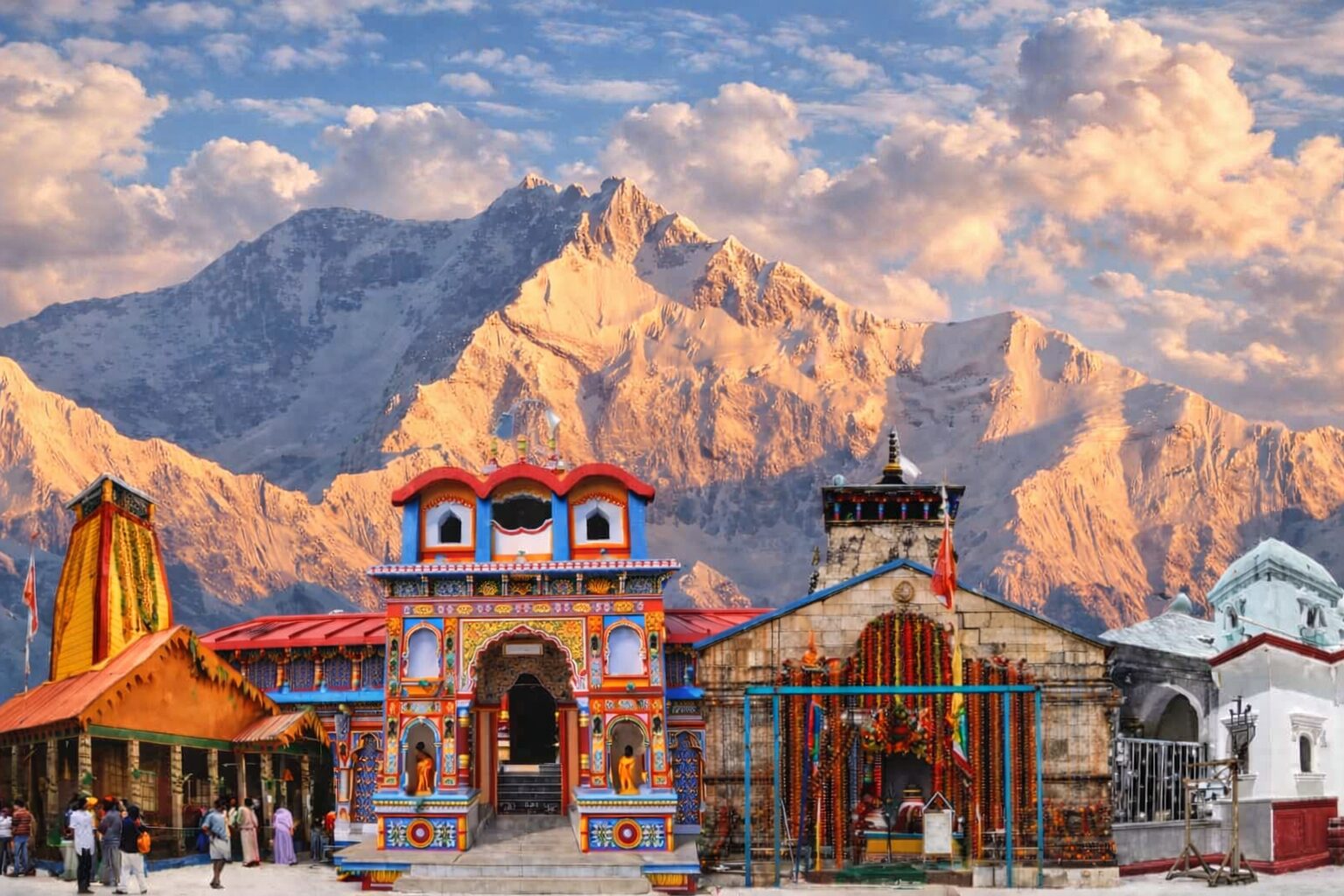
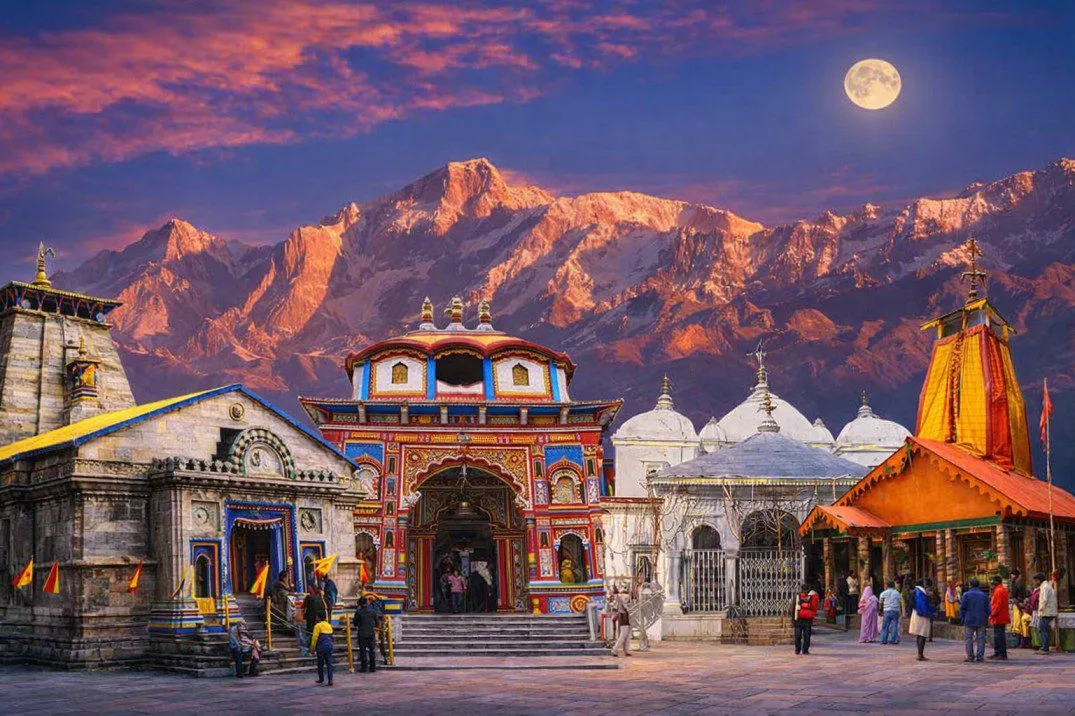
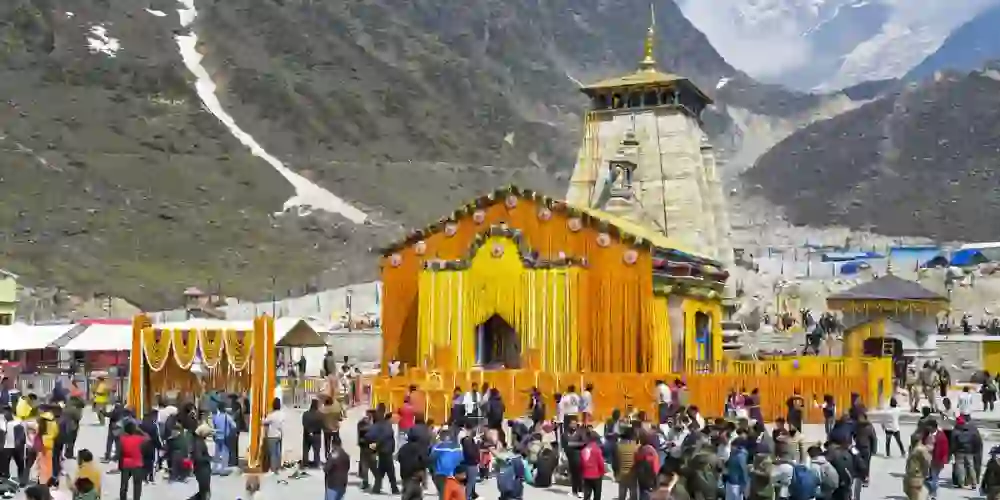
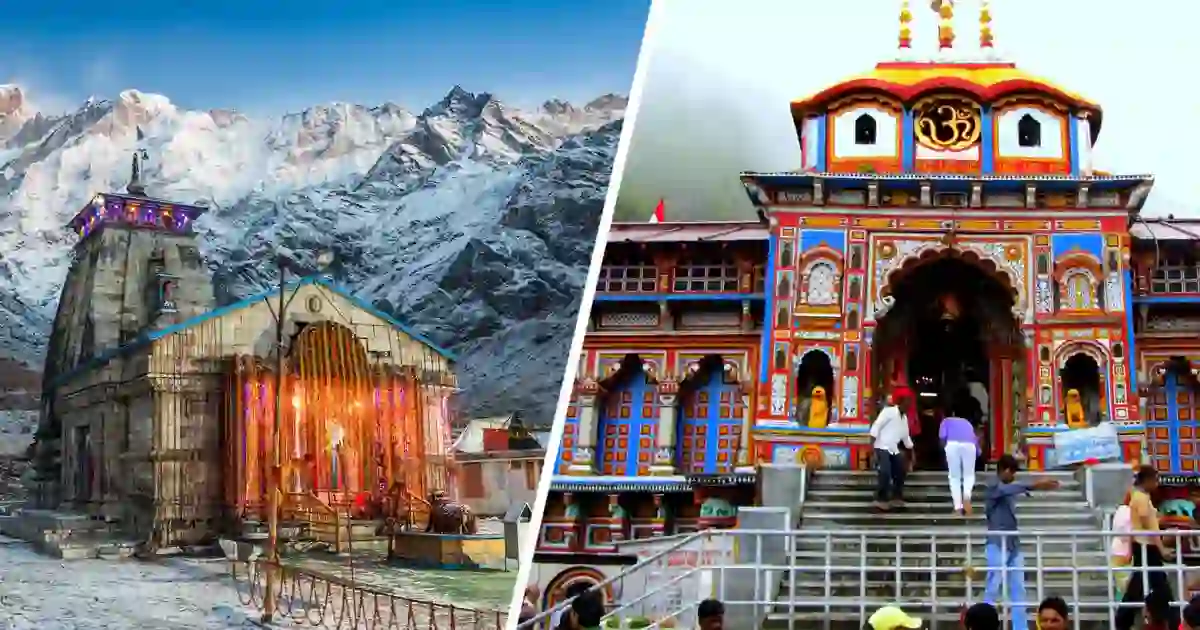
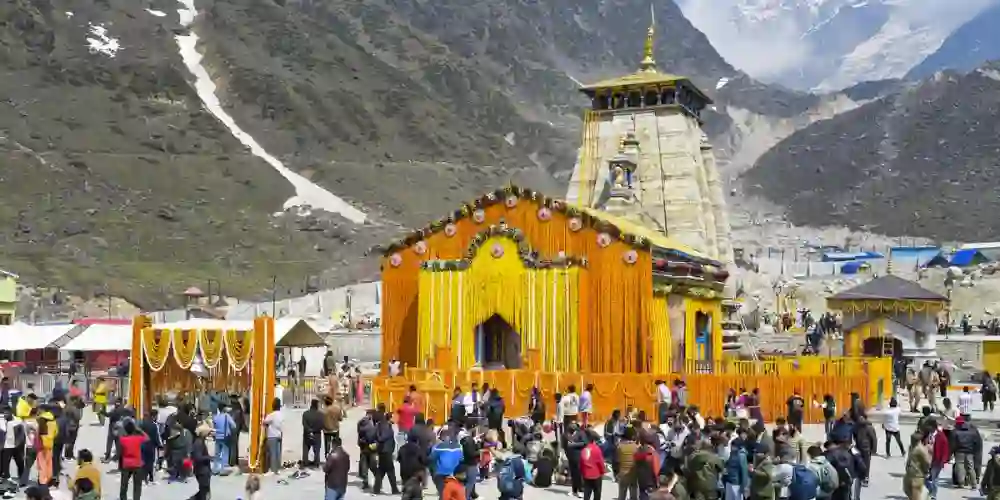
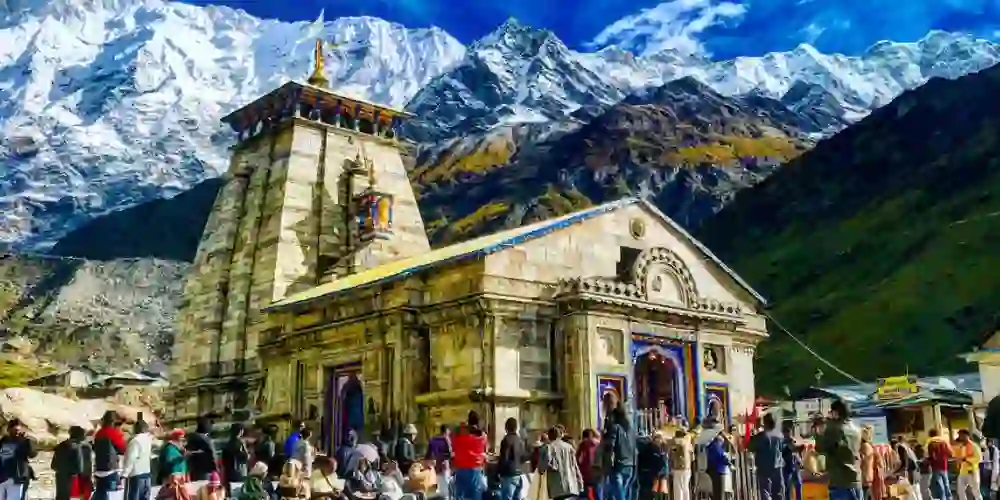
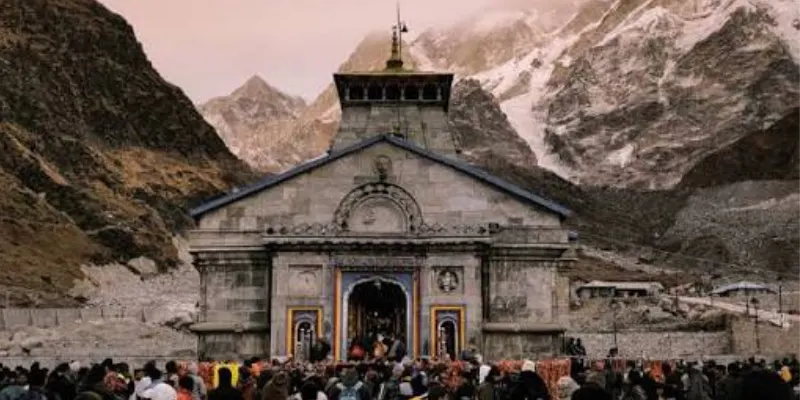
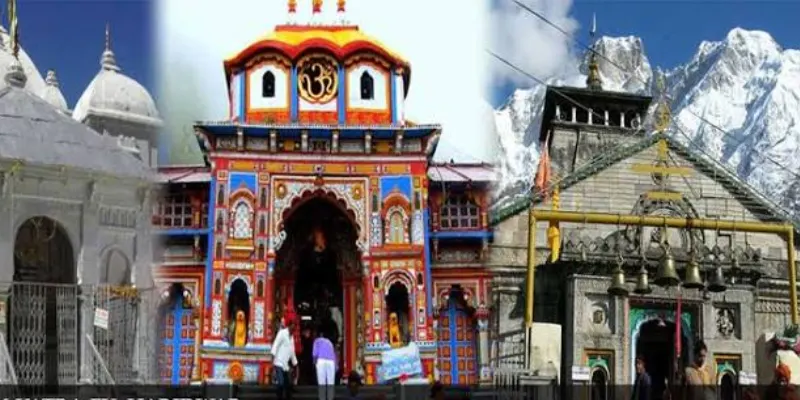
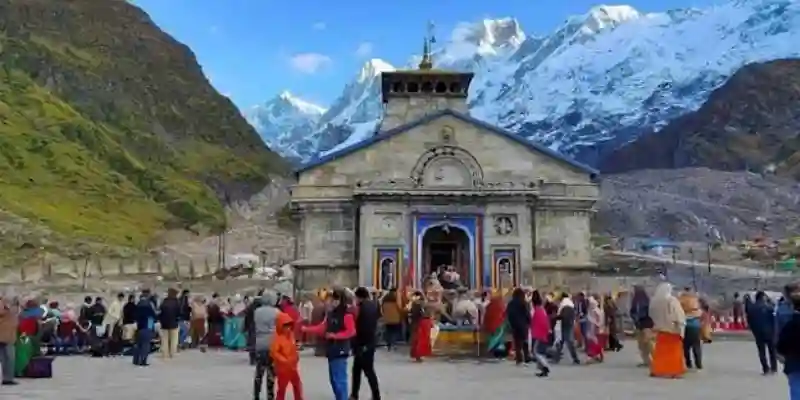
Kedarnath: the Jyotirlinga of Lord Shiva at about 3,583 metres in the Garhwal Himalayas.
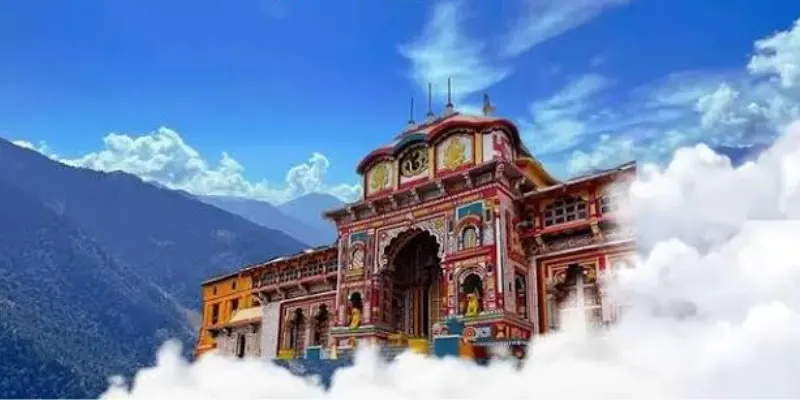
Badrinath: the Vishnu temple at about 3,133 metres, on the banks of the Alaknanda River.
Many groups choose Do Dham because it needs fewer days, has less driving than a full Char Dham trip, and suits elders and first-time pilgrims better. Some groups later plan a separate trip for Yamunotri and Gangotri, which makes Char Dham group travel easier to manage in two parts.
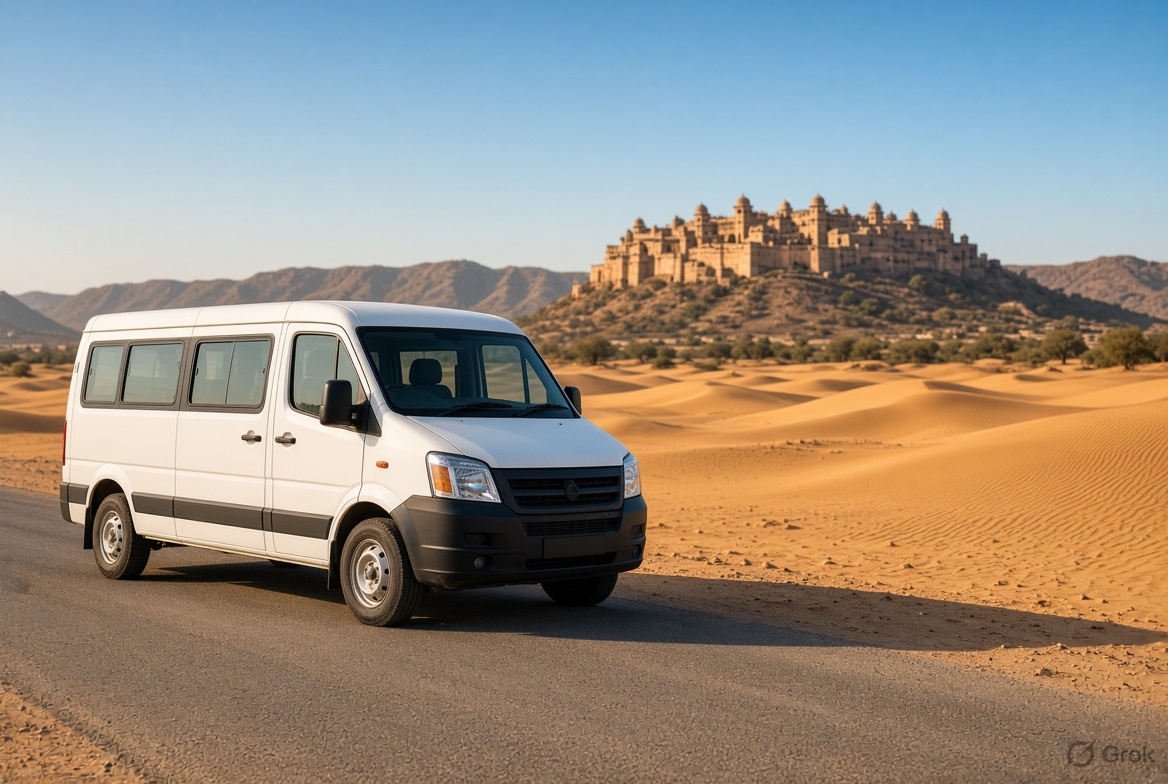
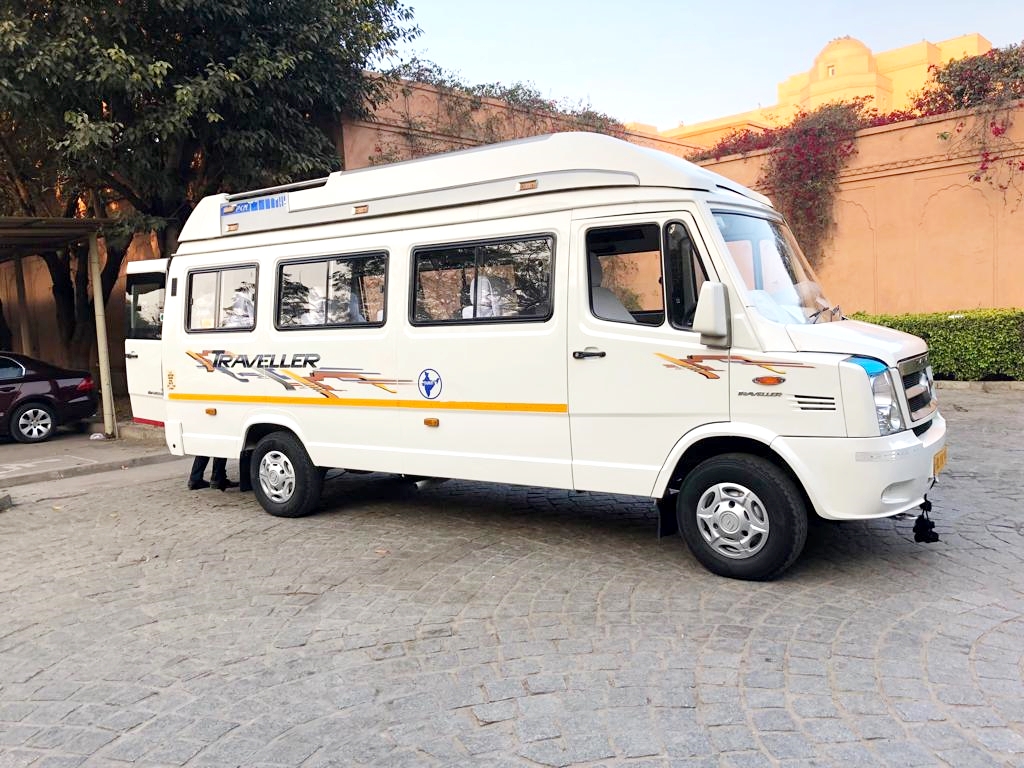
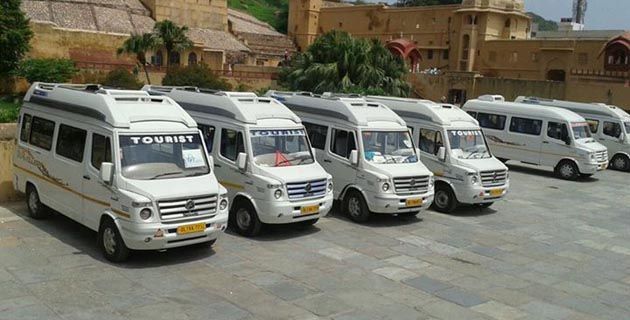
Why a Tempo Traveller Is Best for Group Pilgrimage
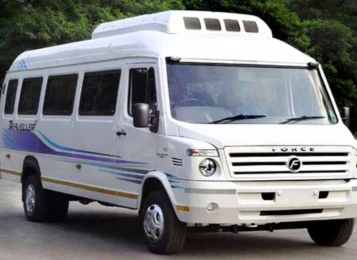
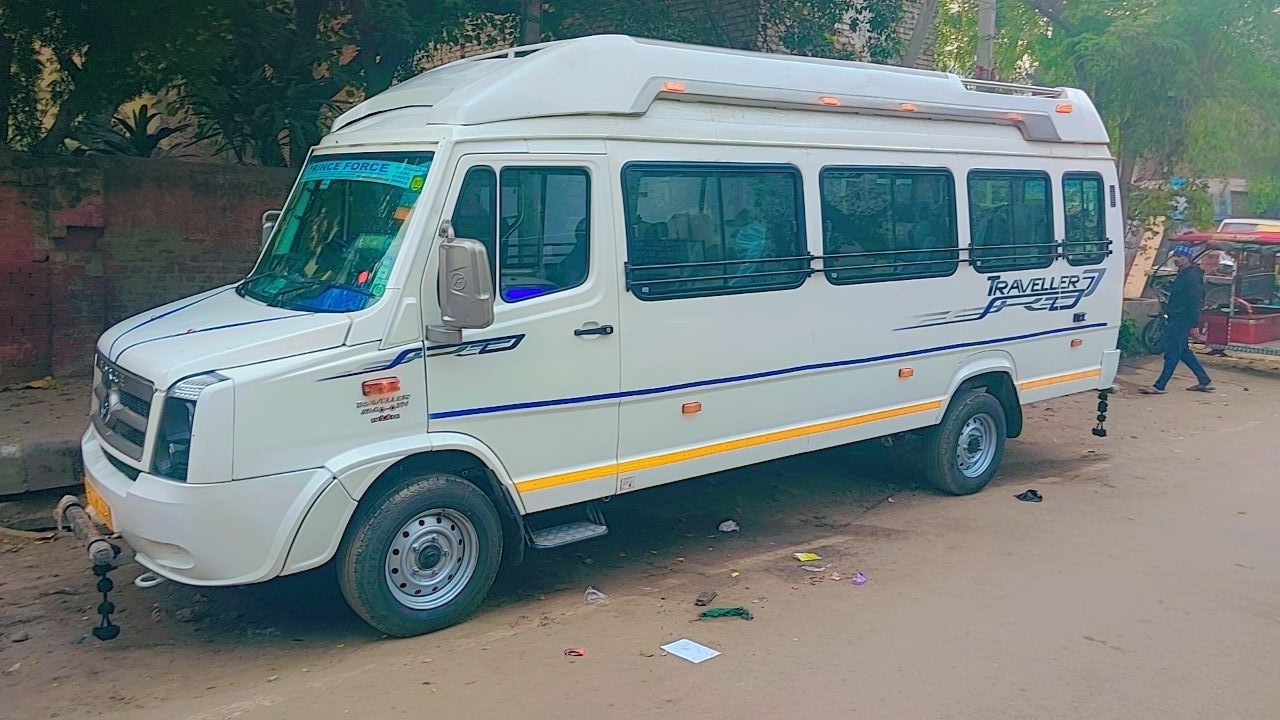
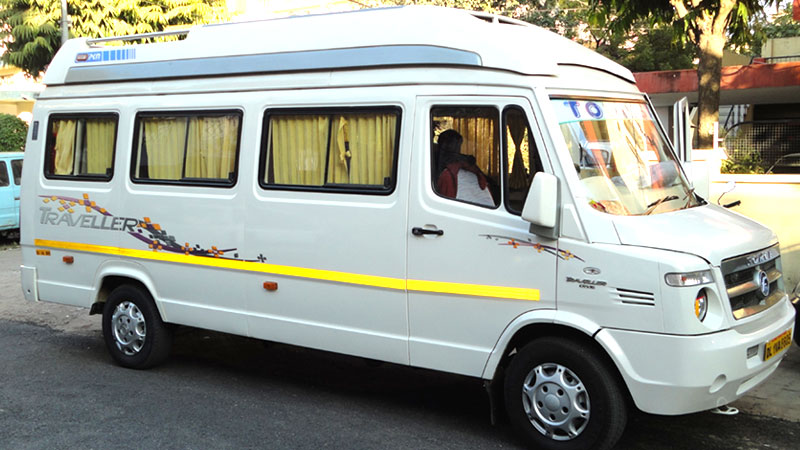
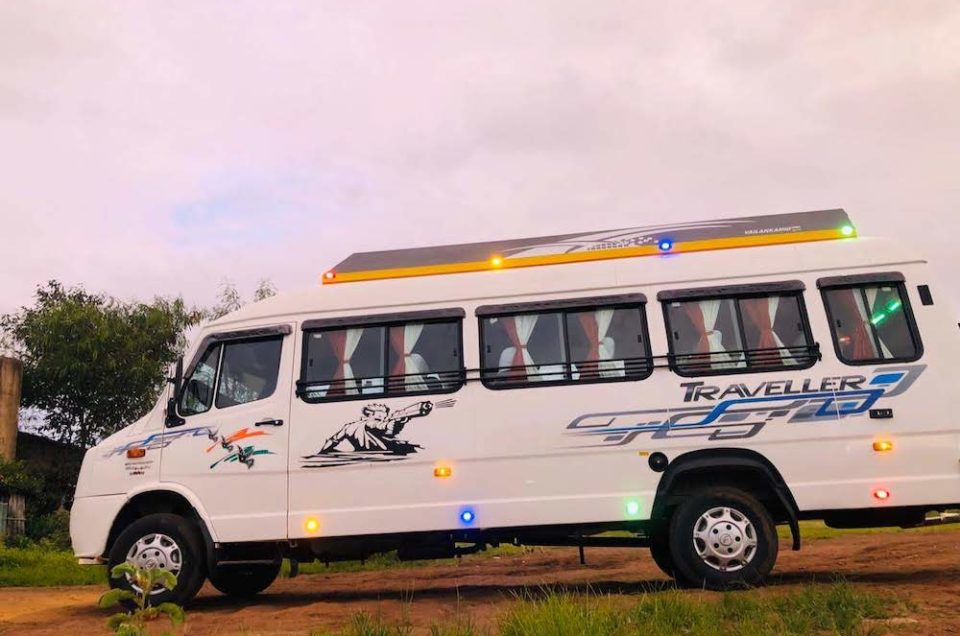
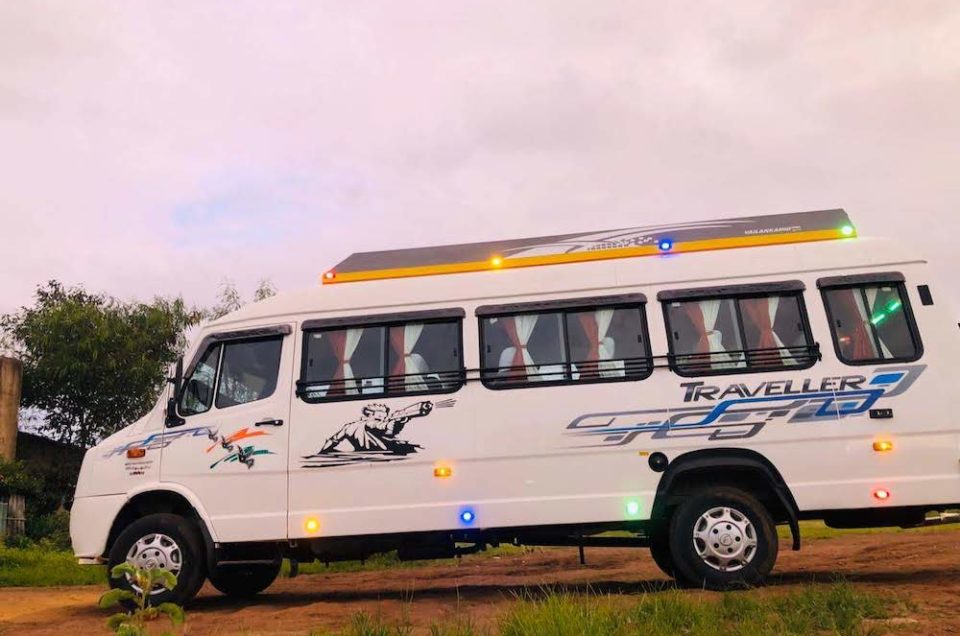
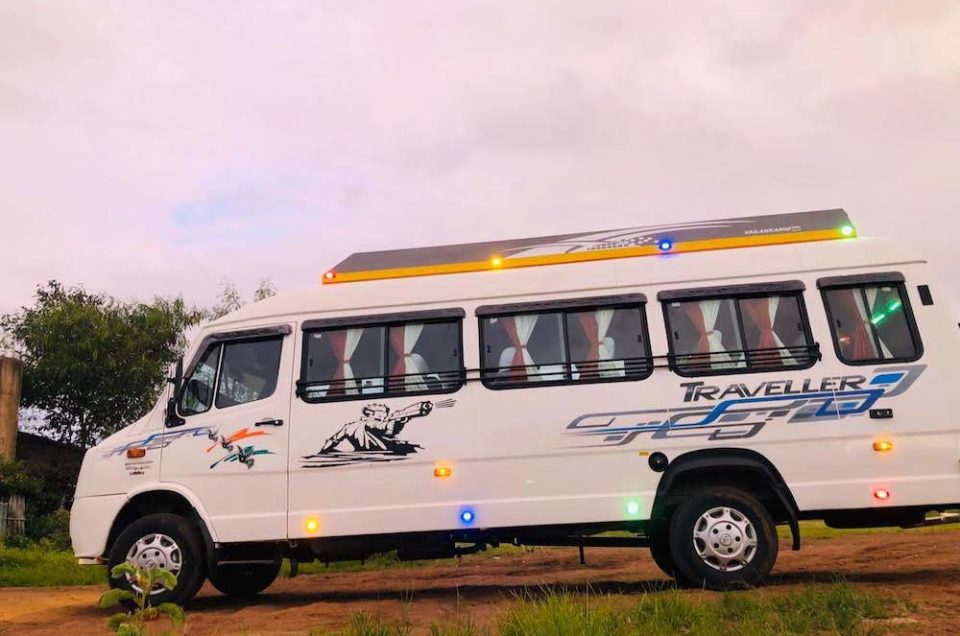
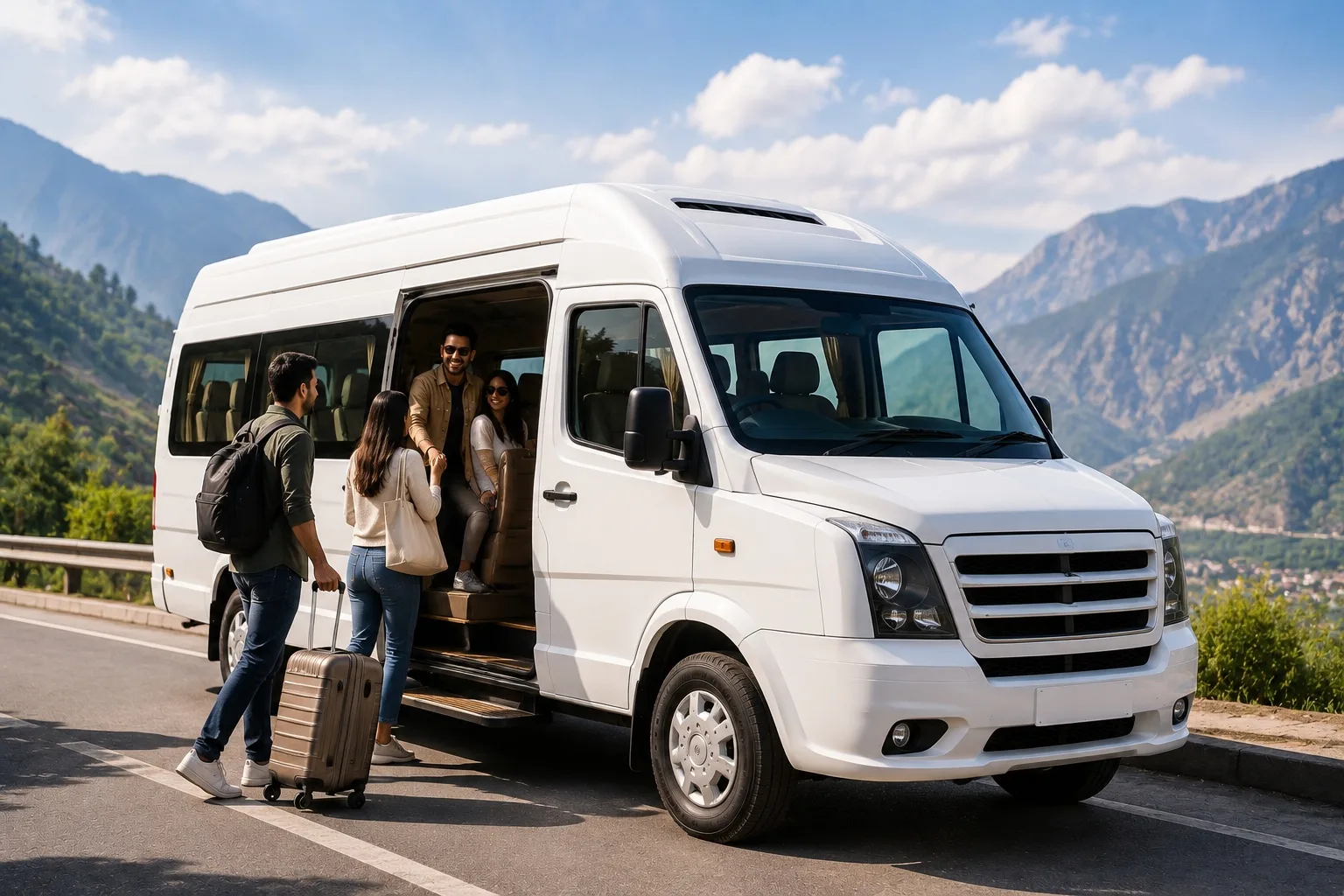
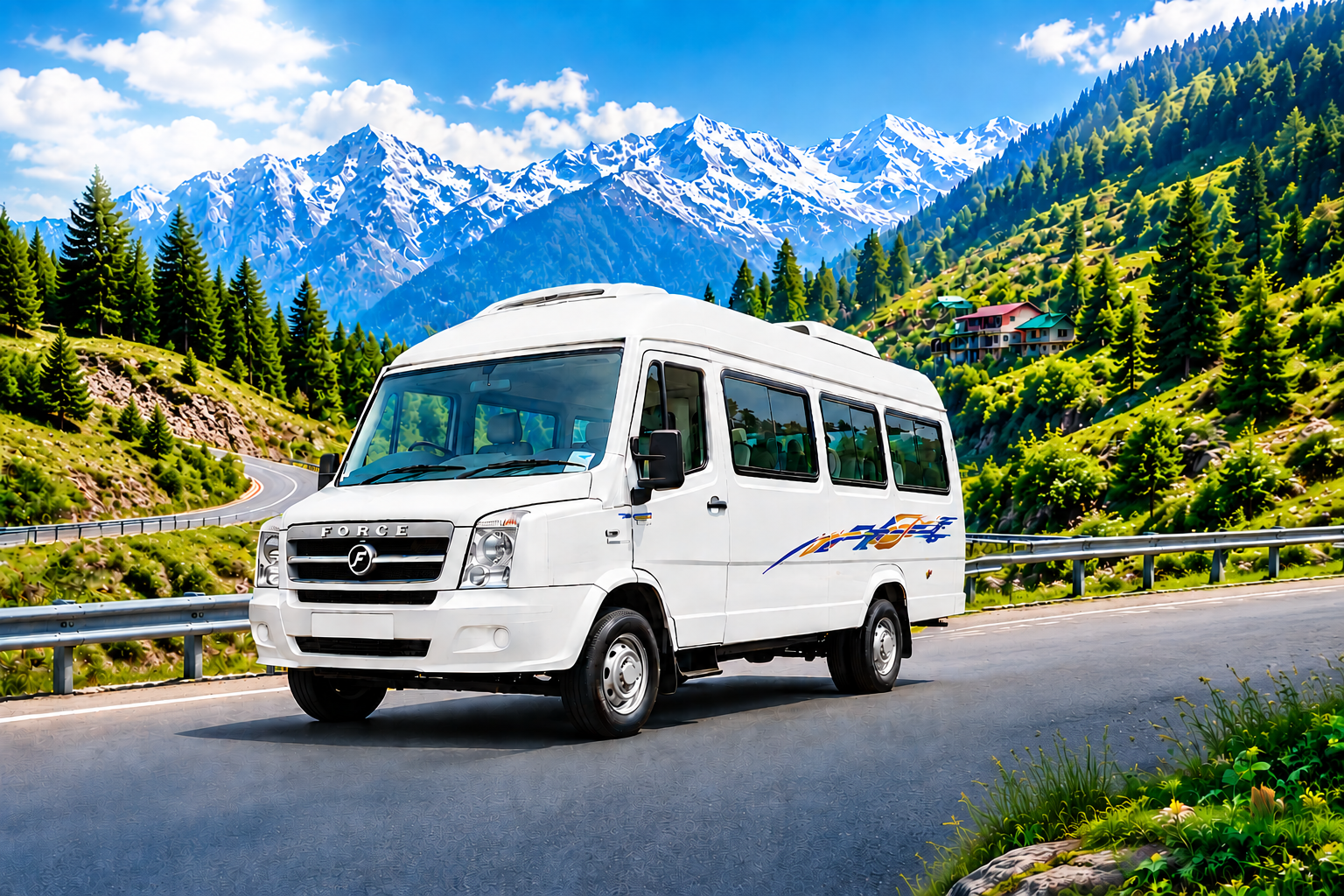
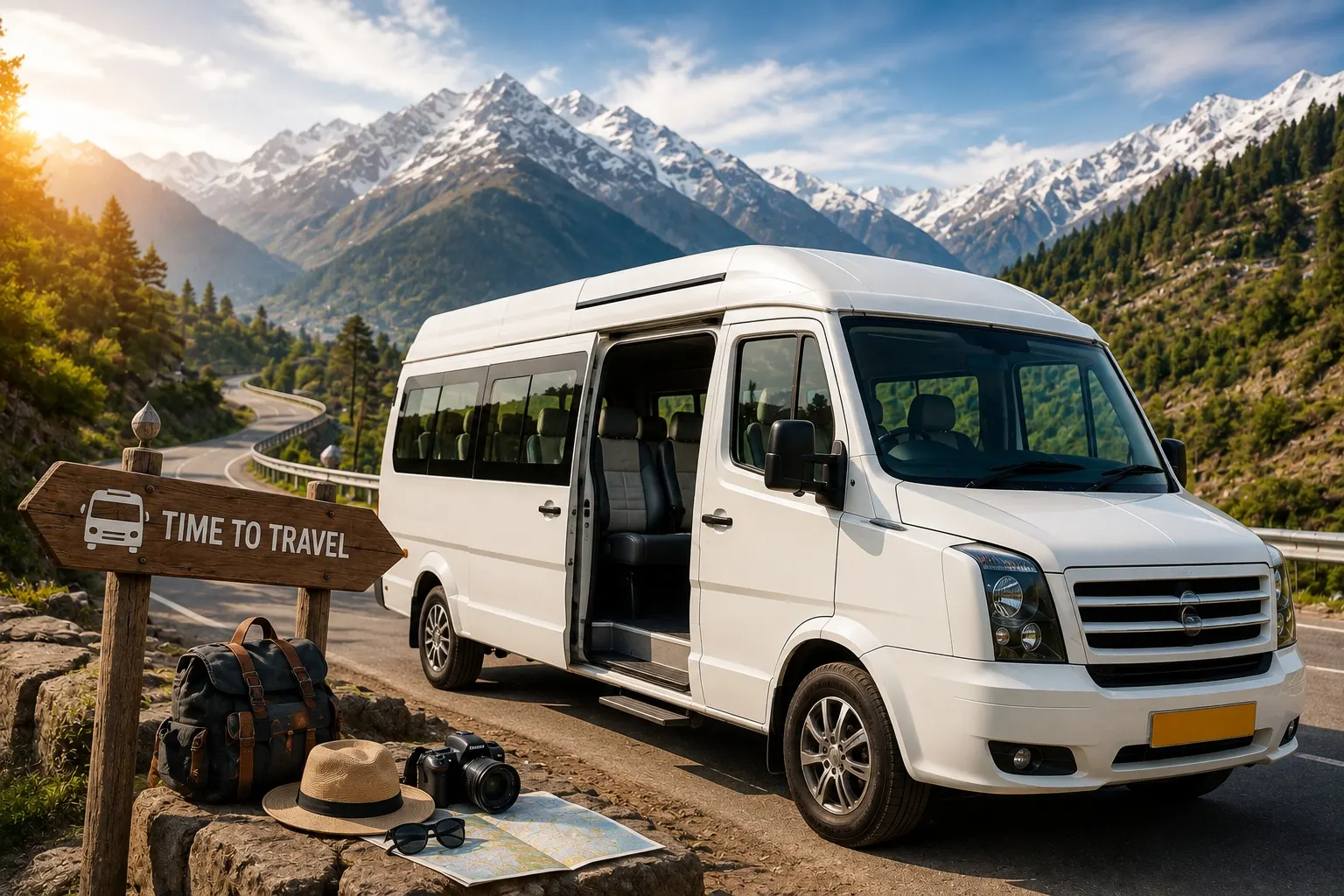
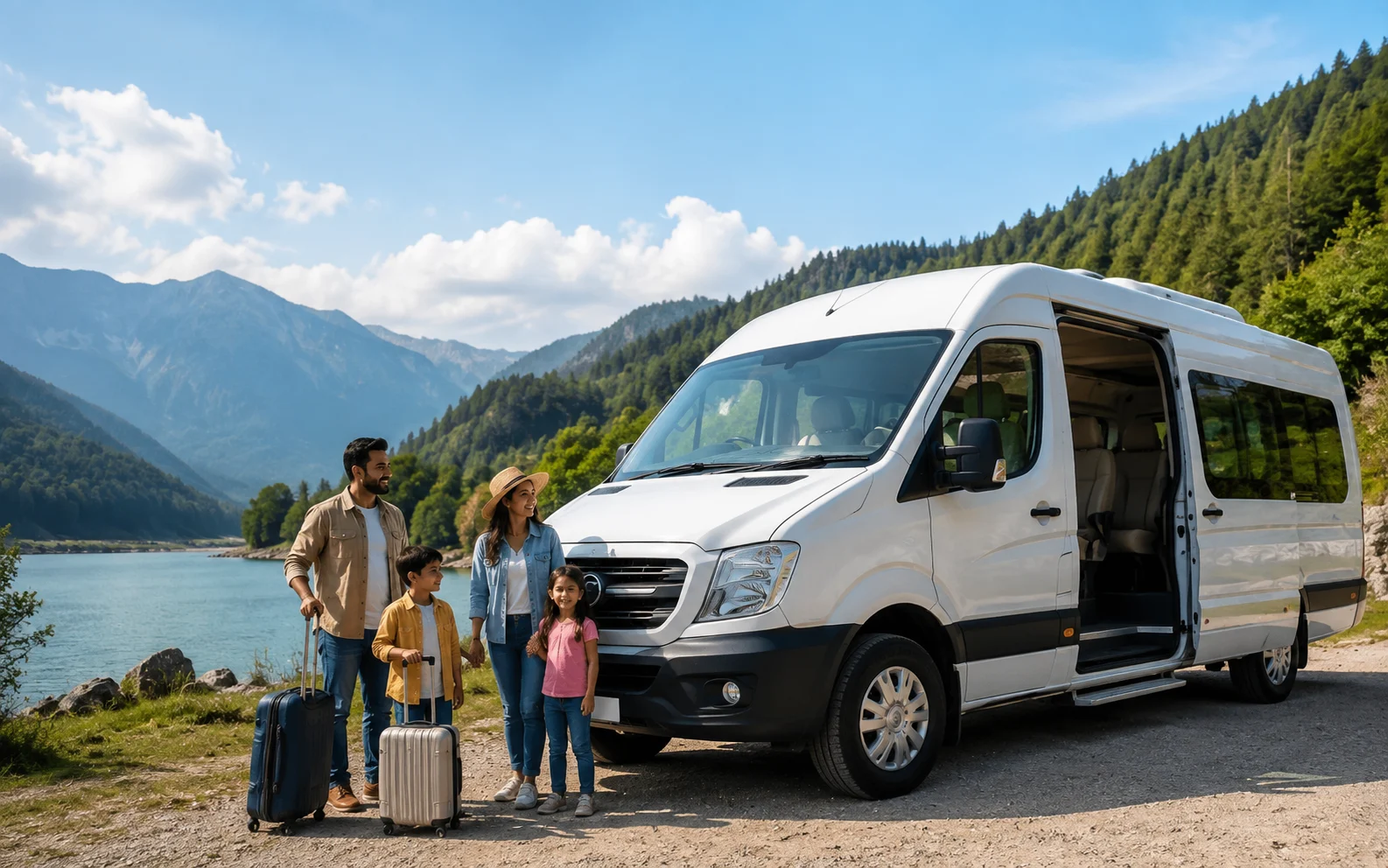
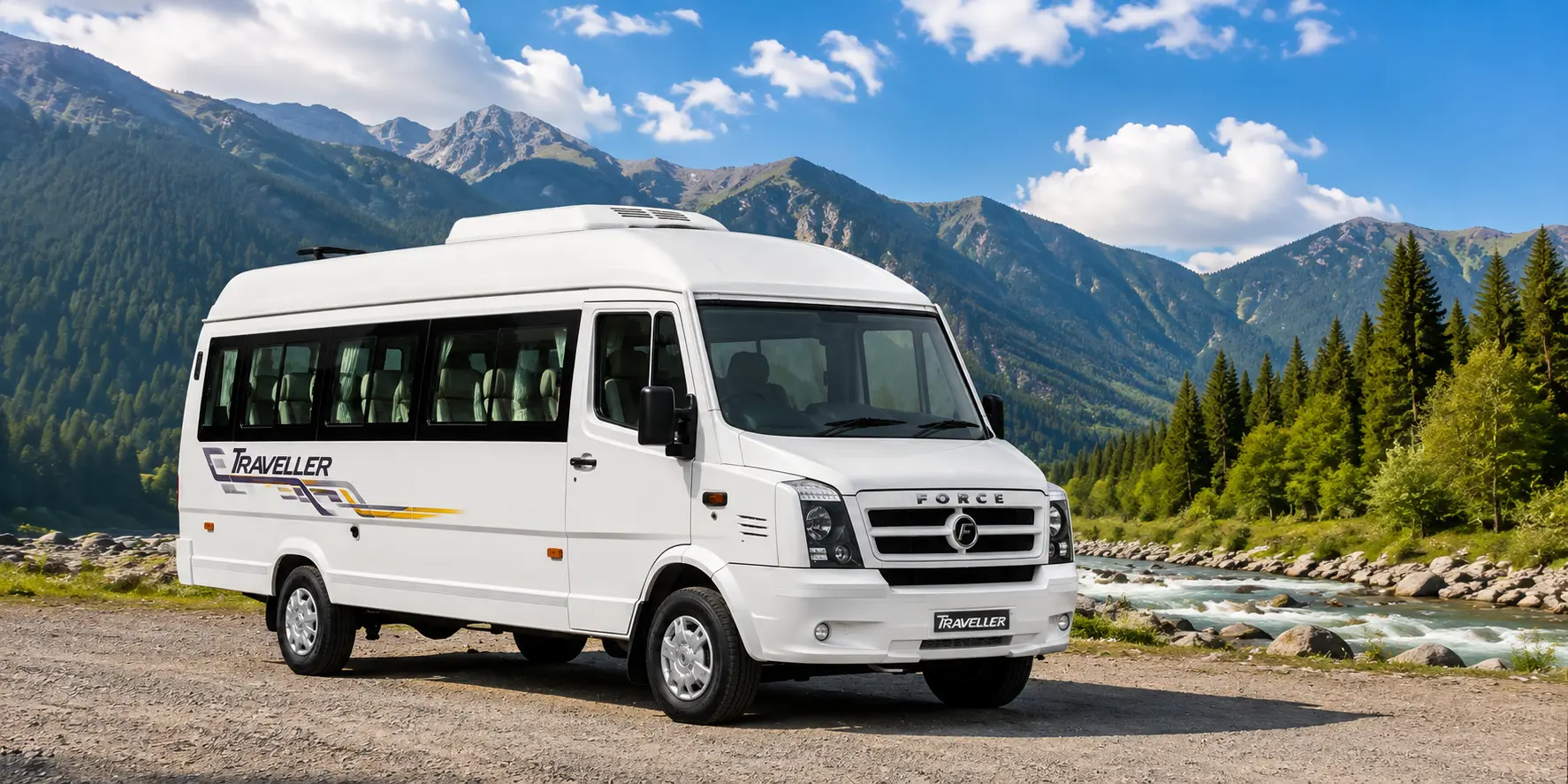
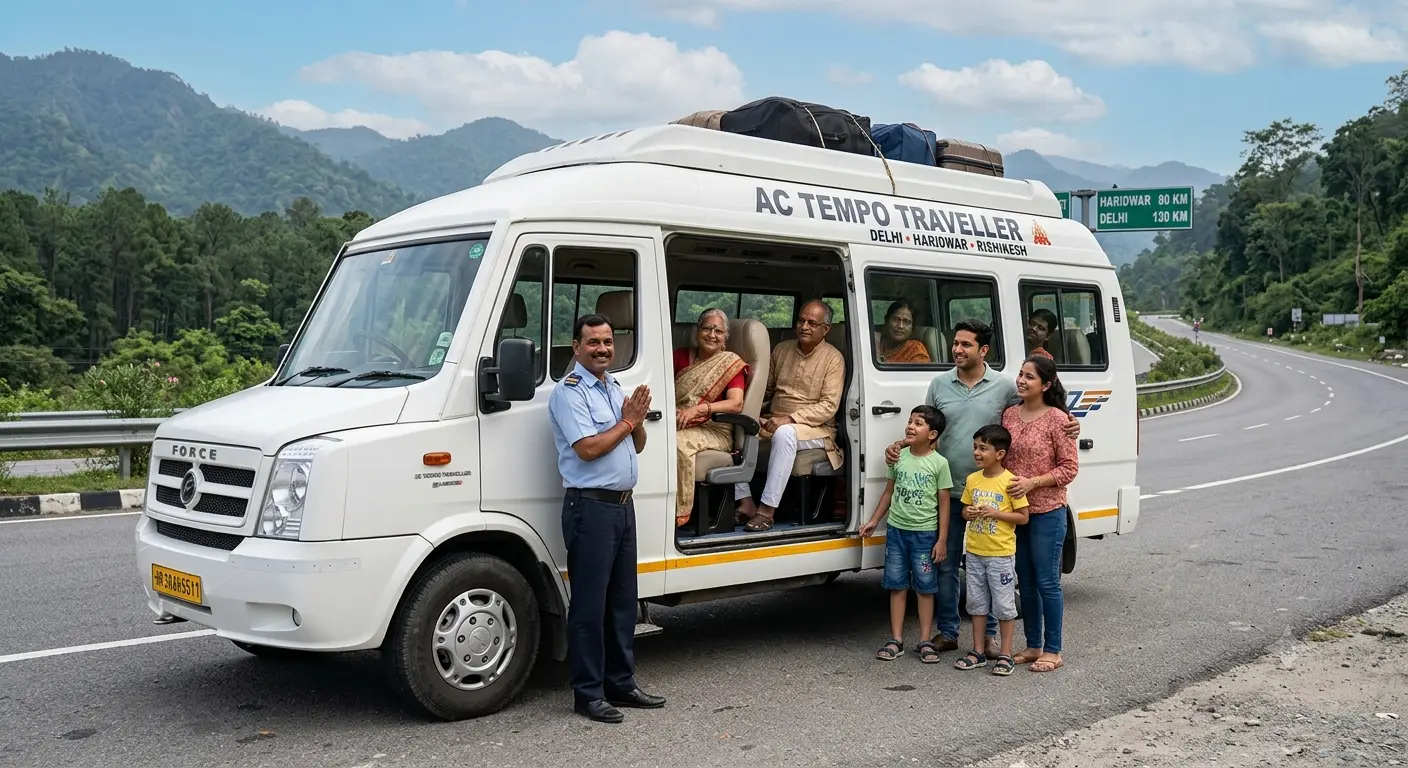
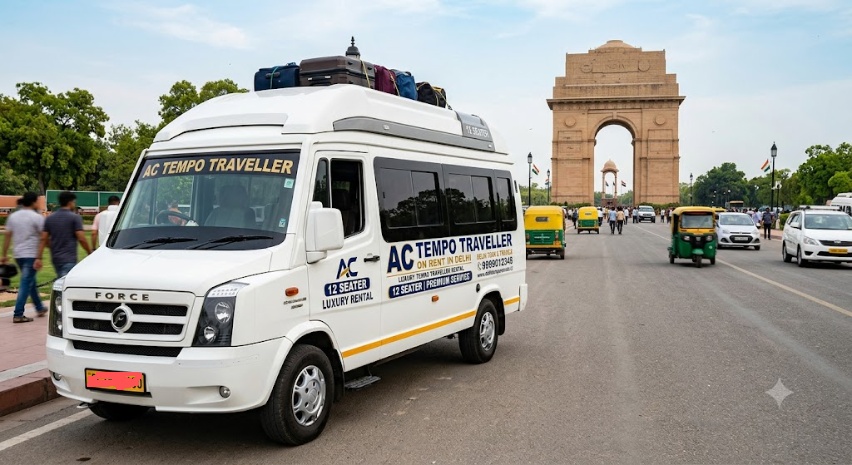
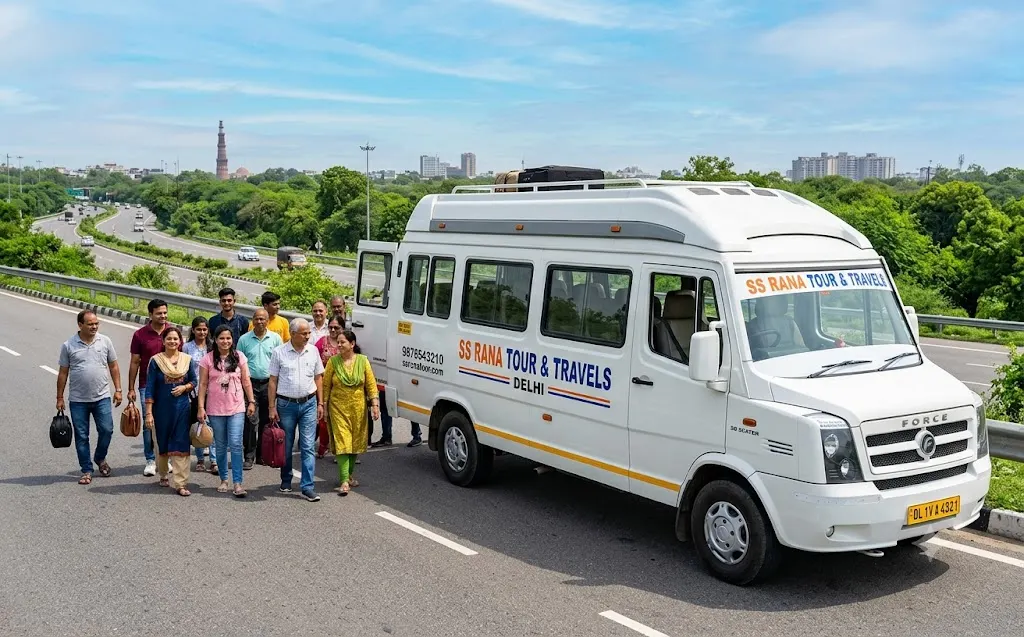
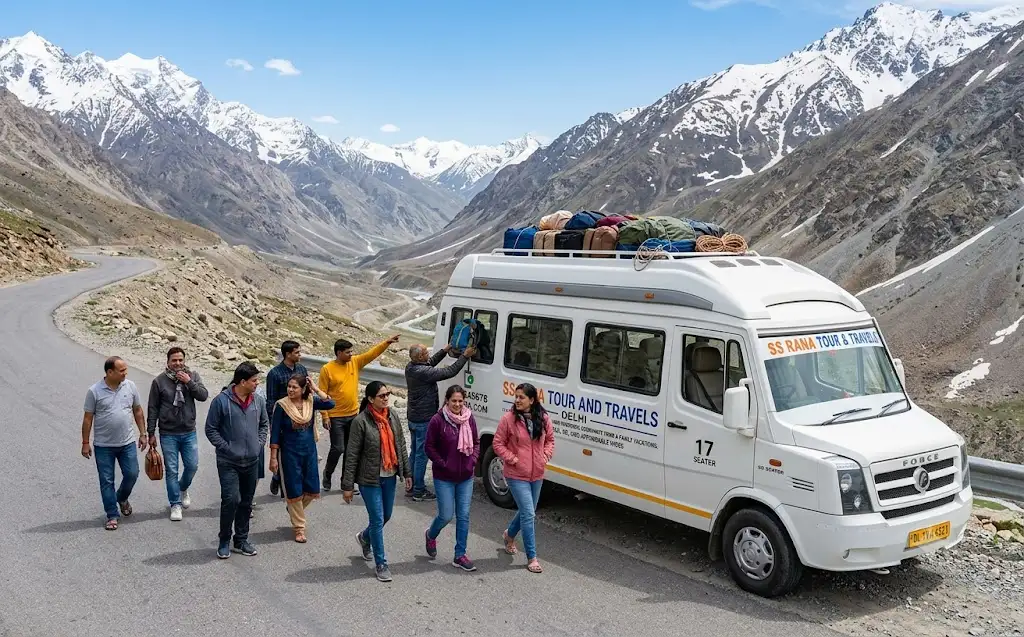
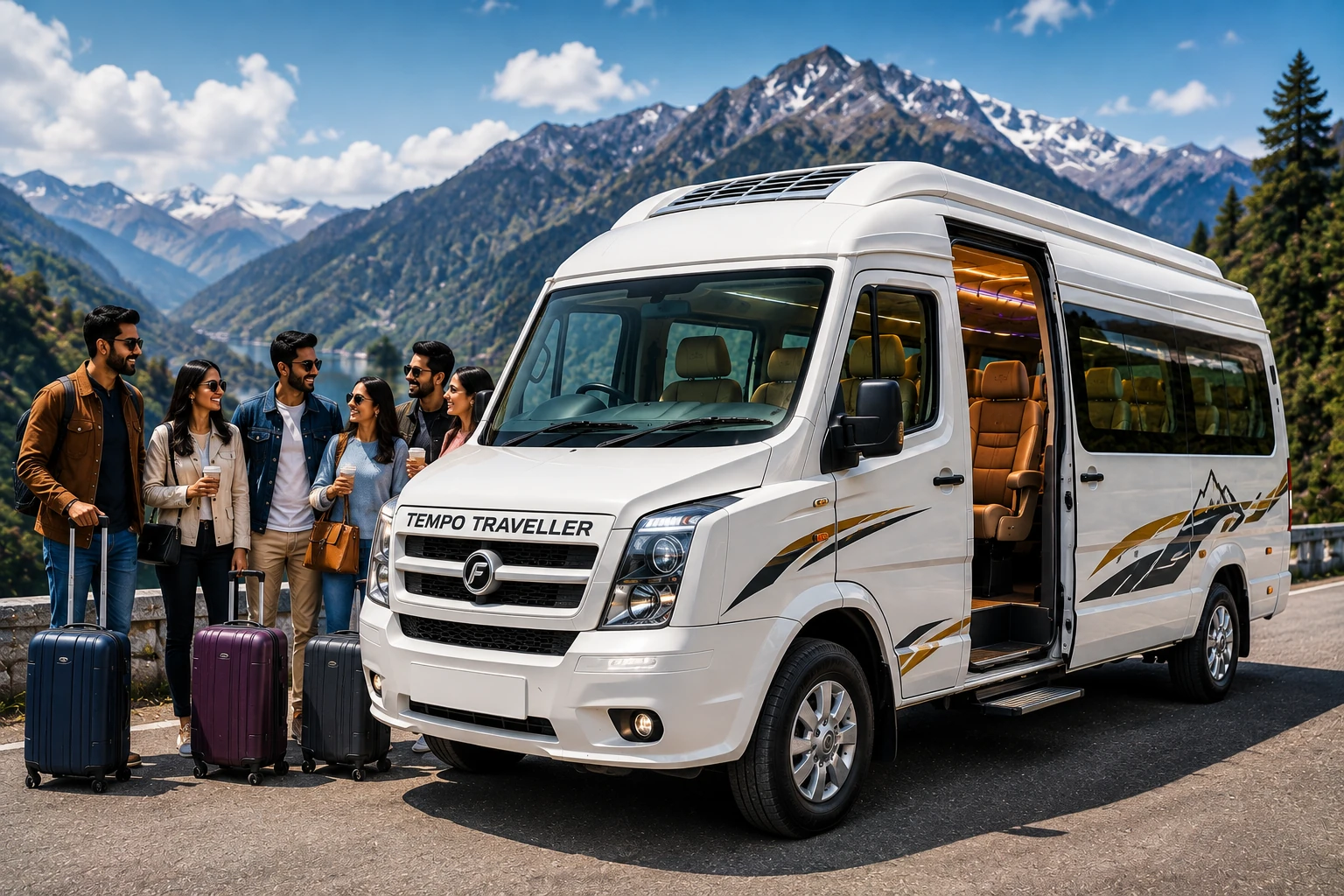
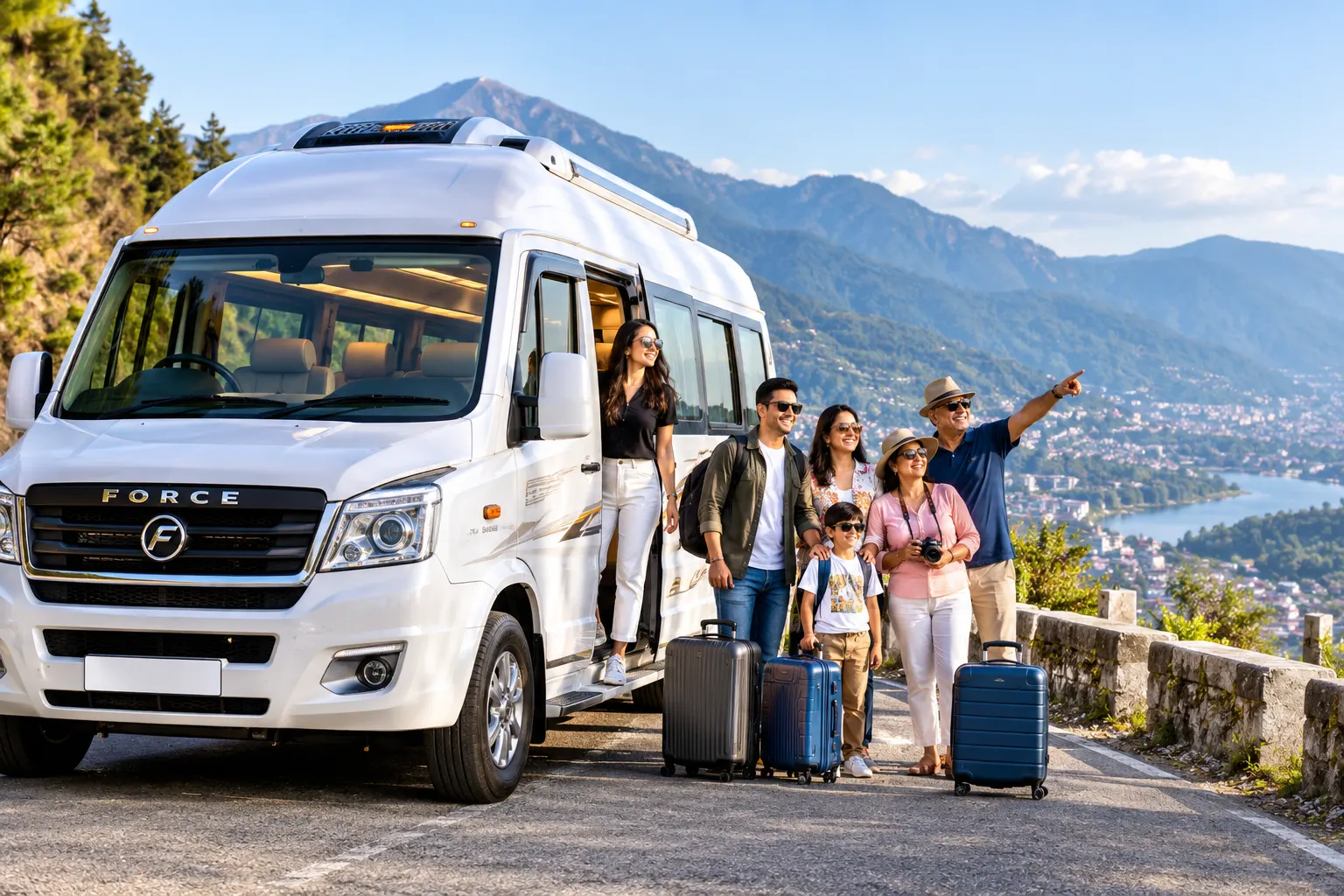
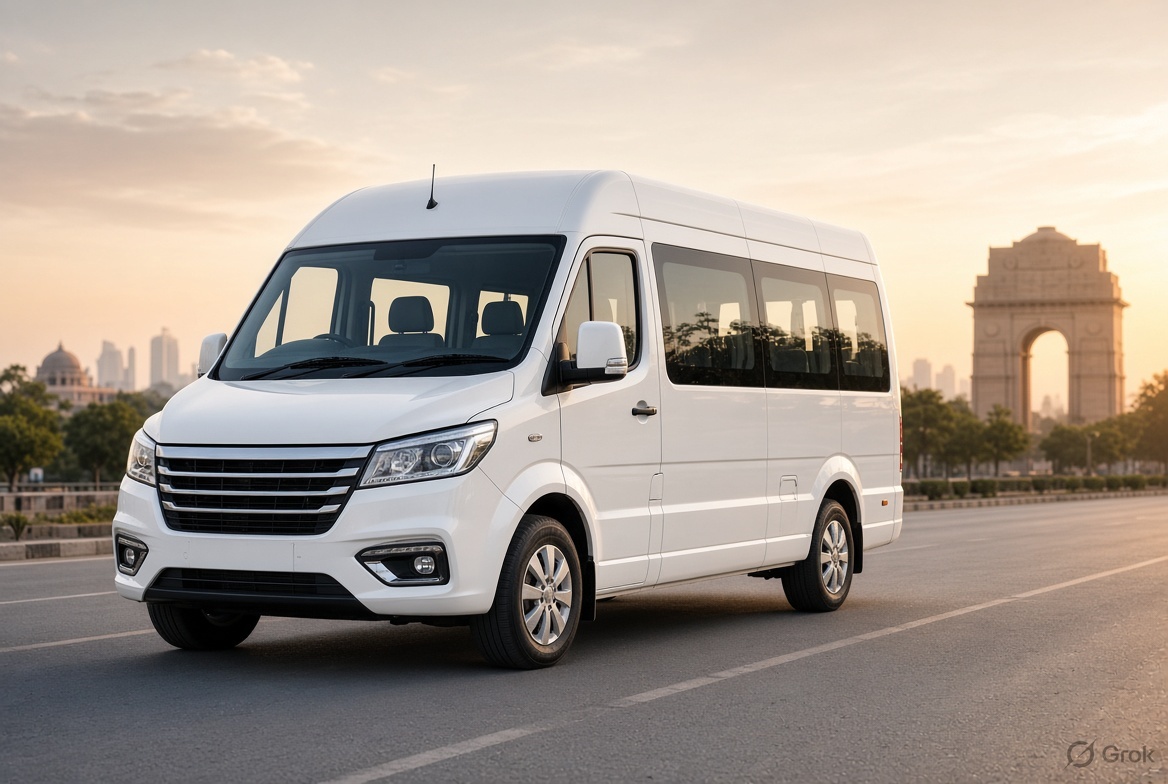
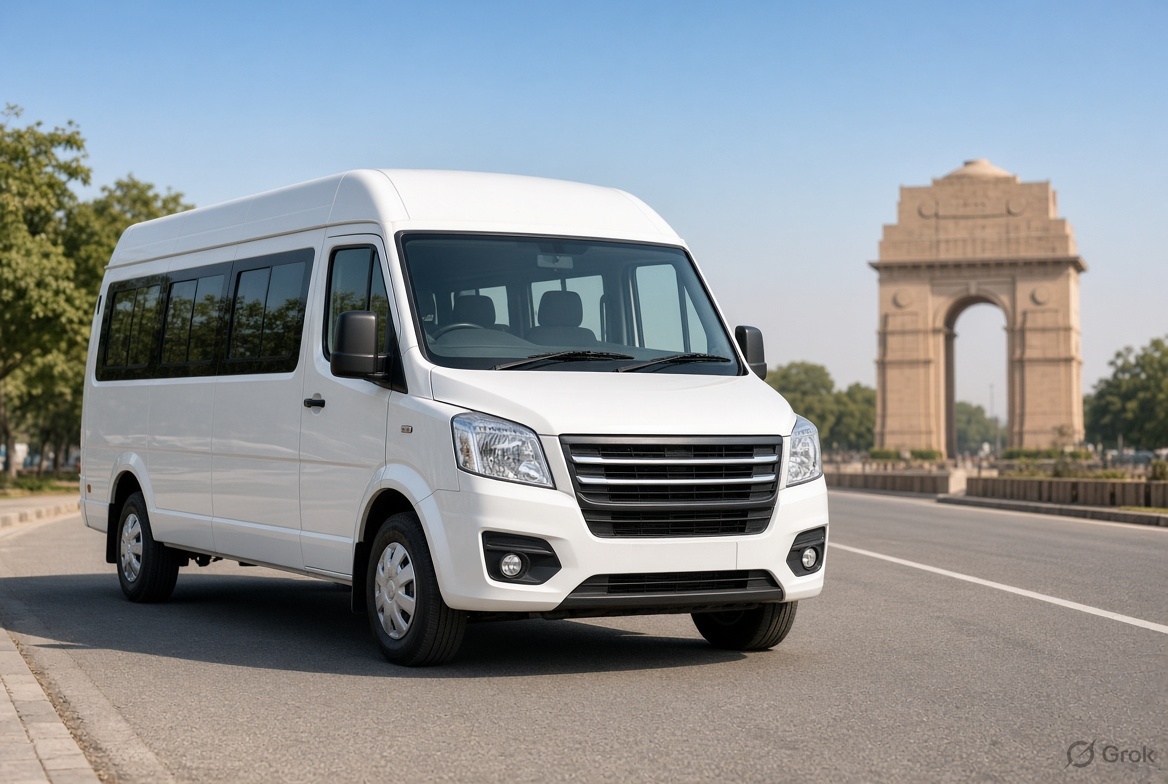
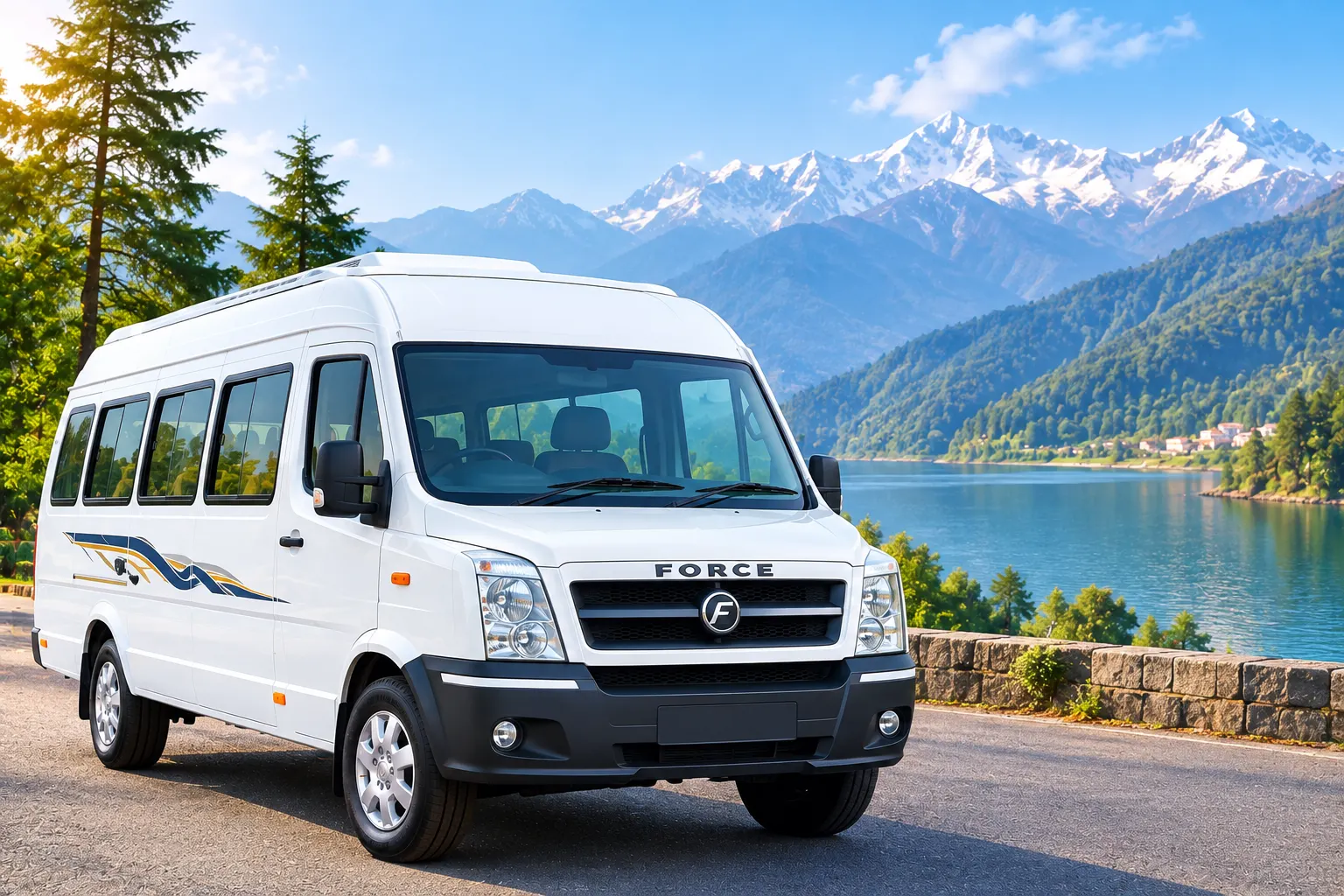
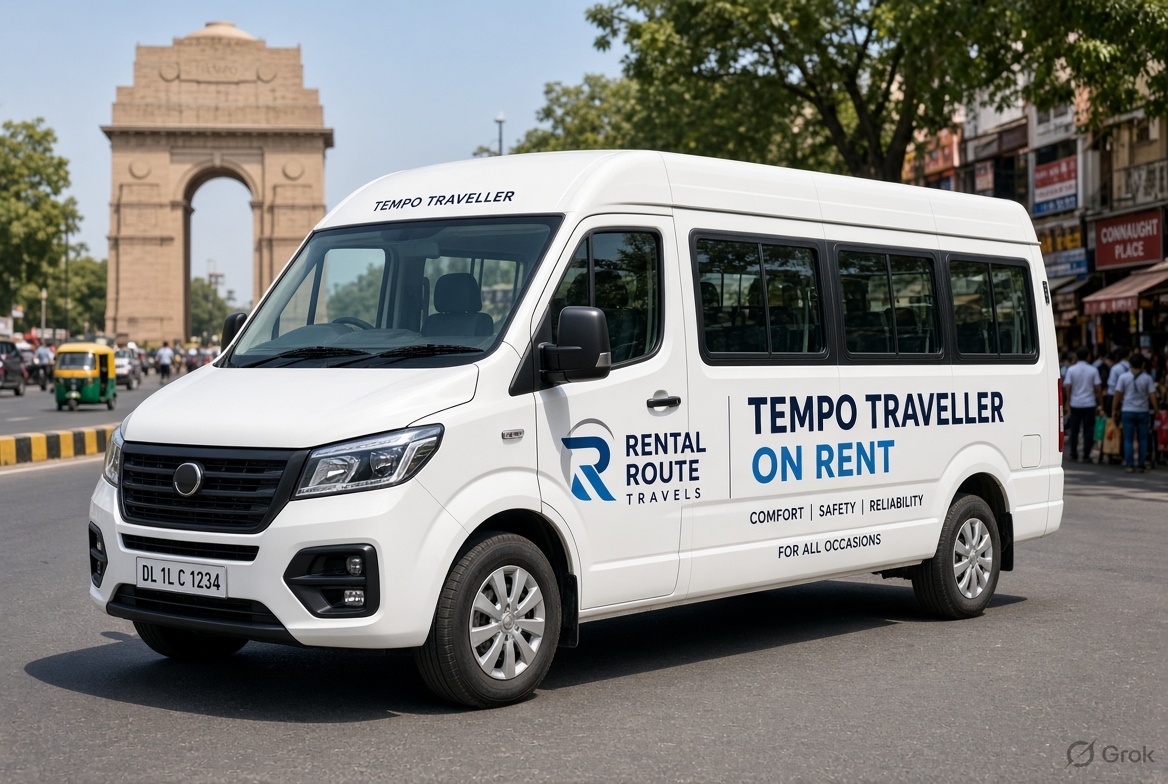
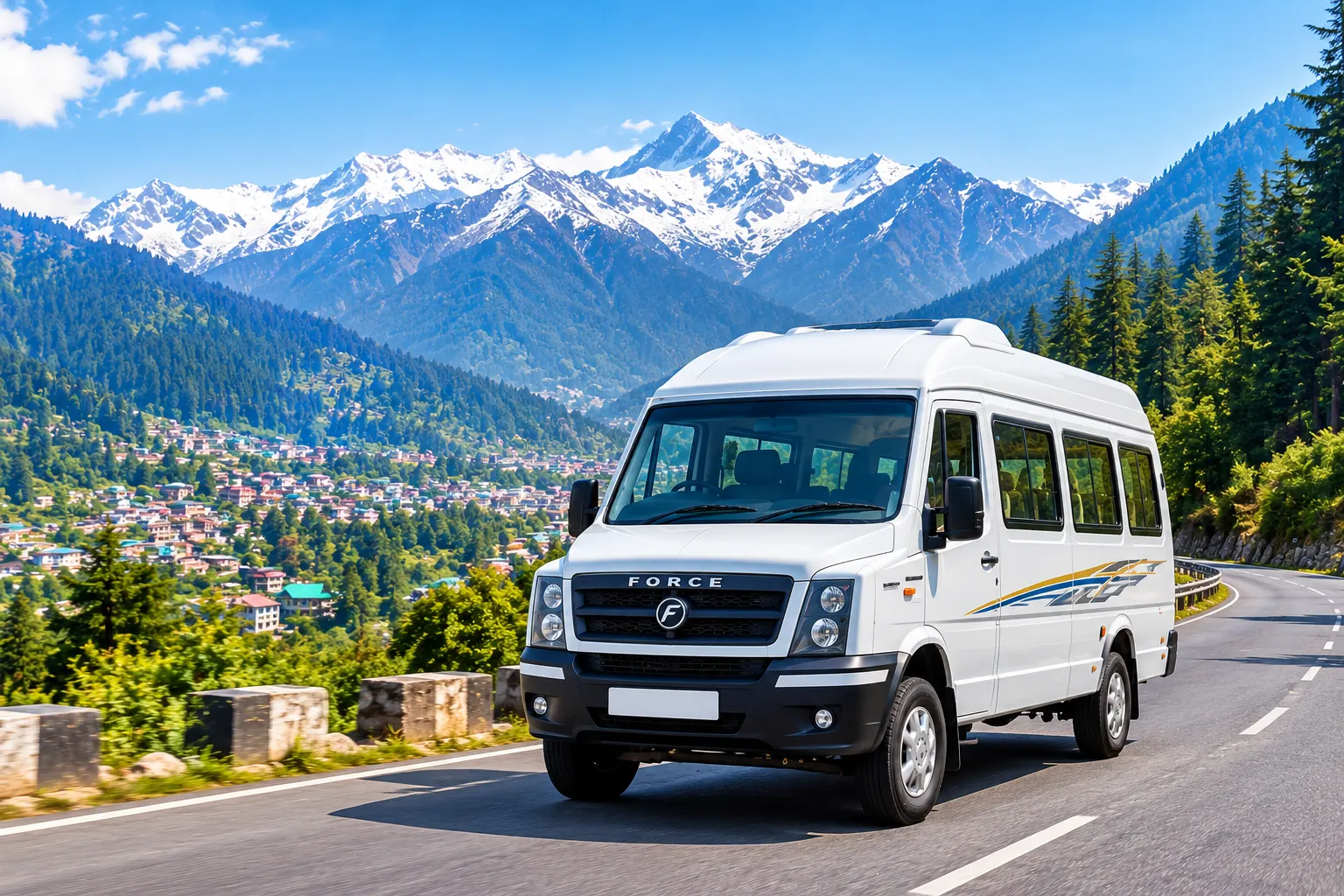
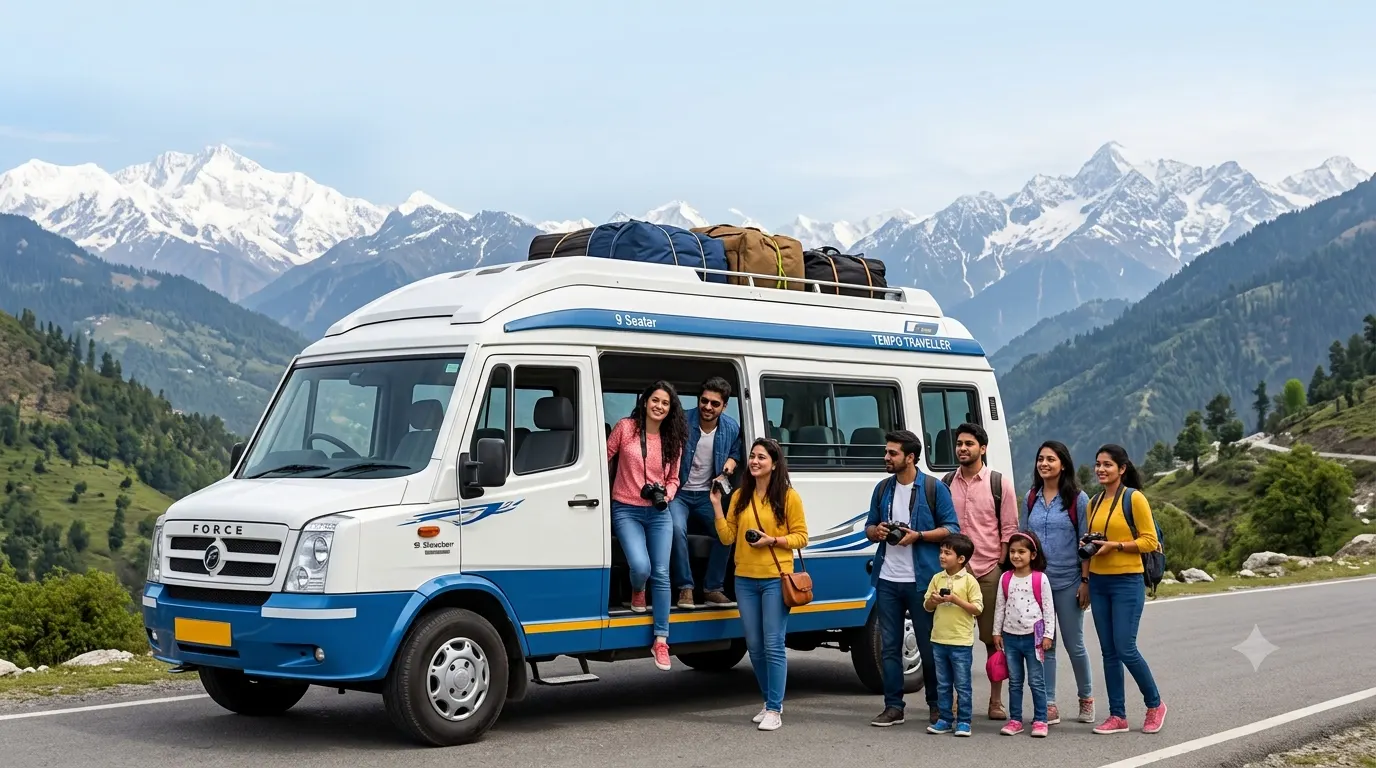
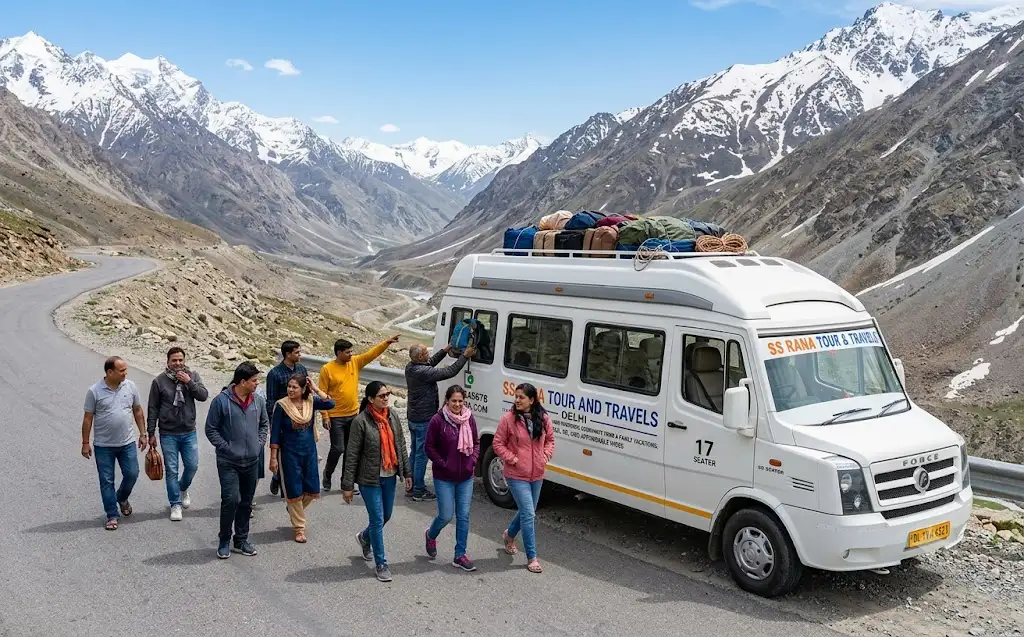
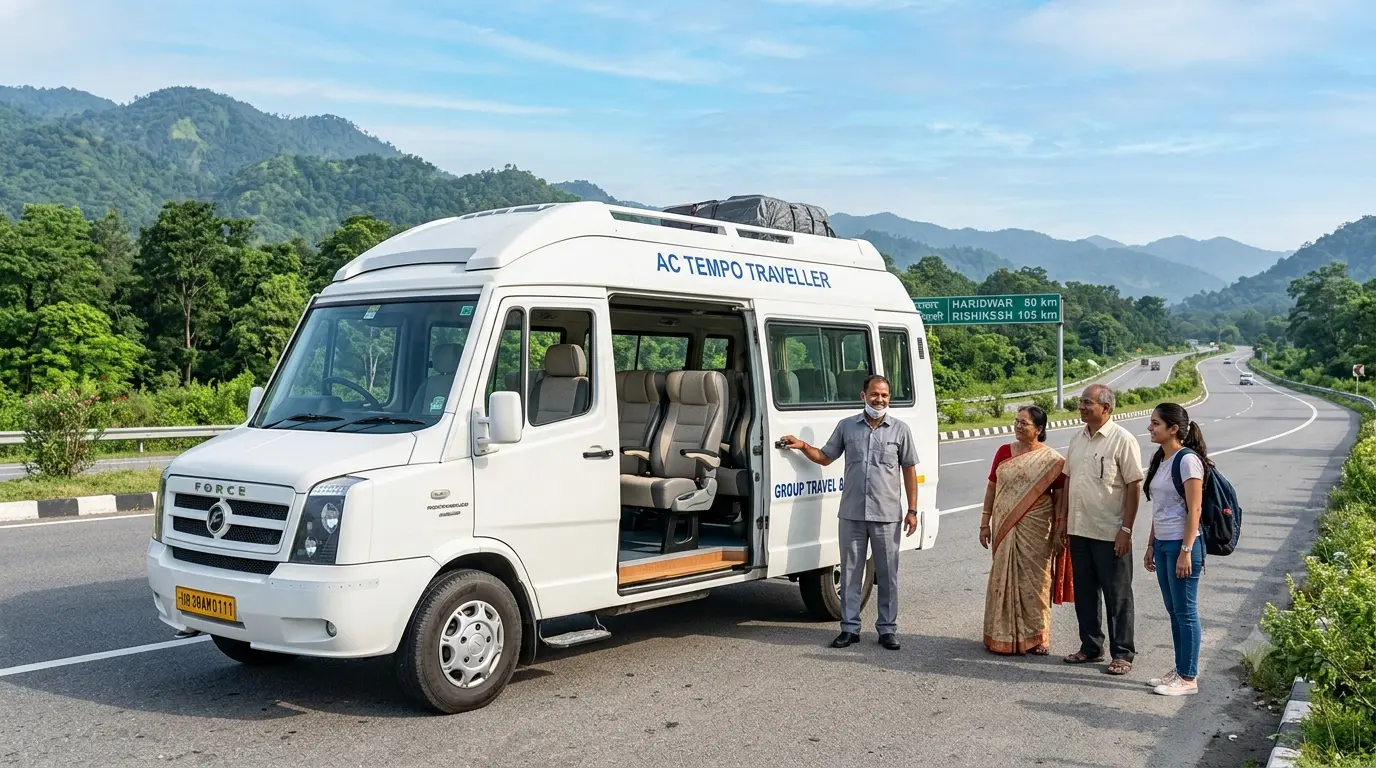
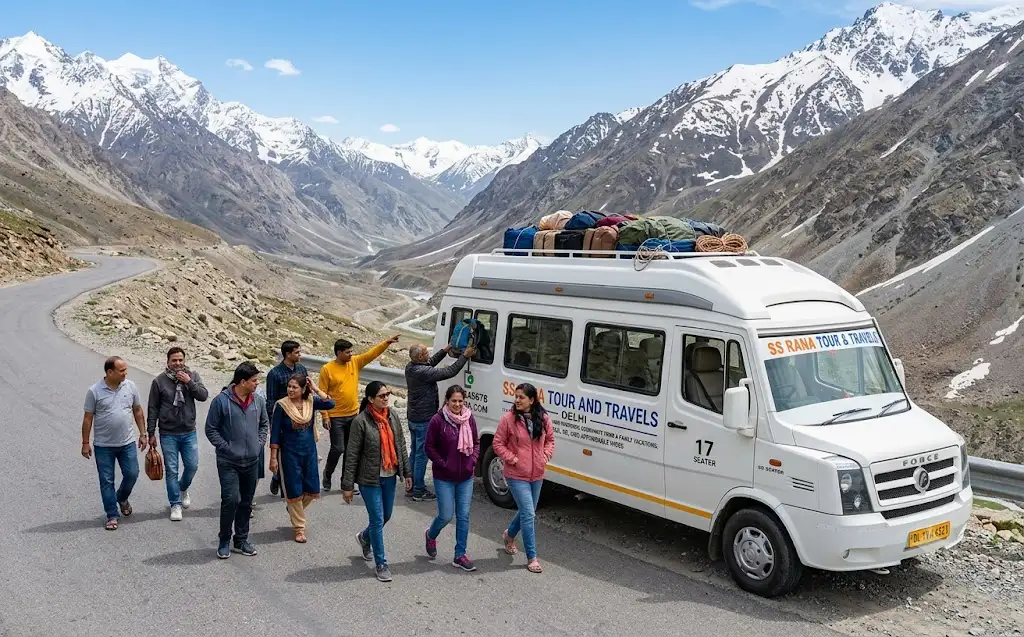
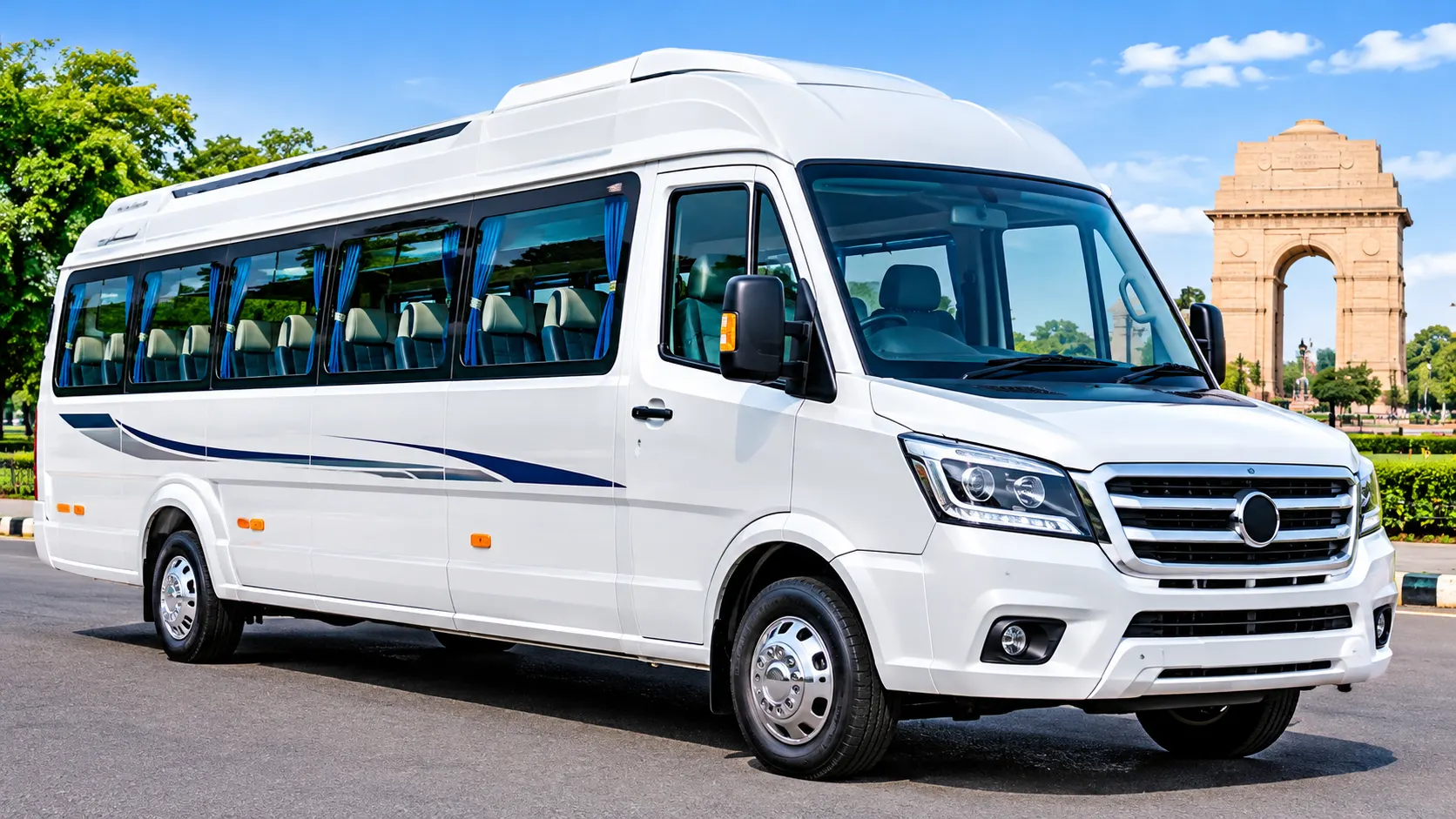
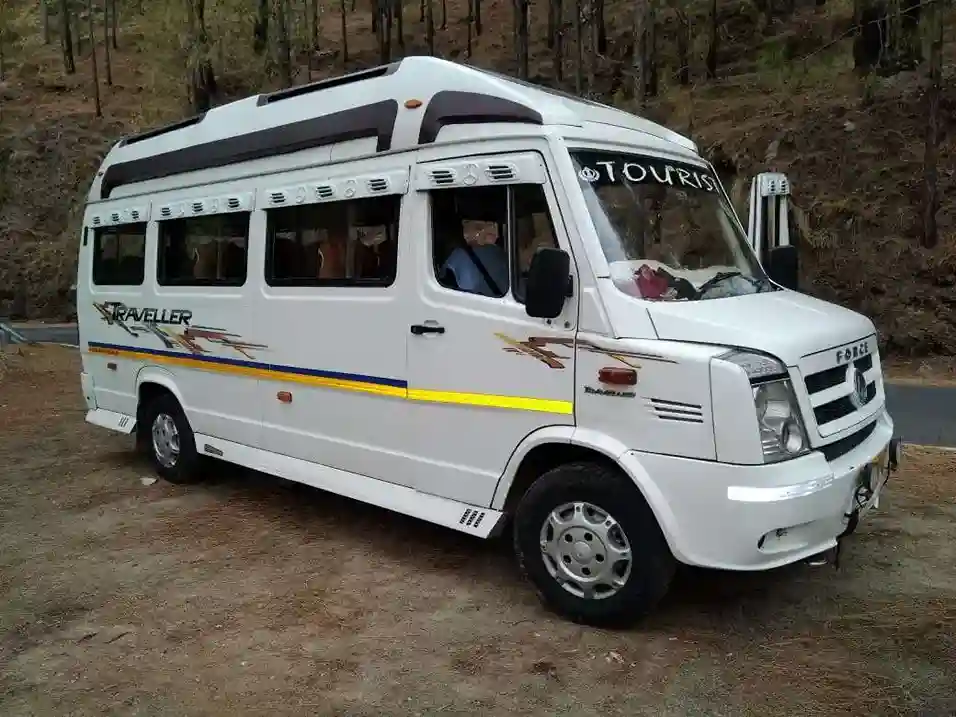
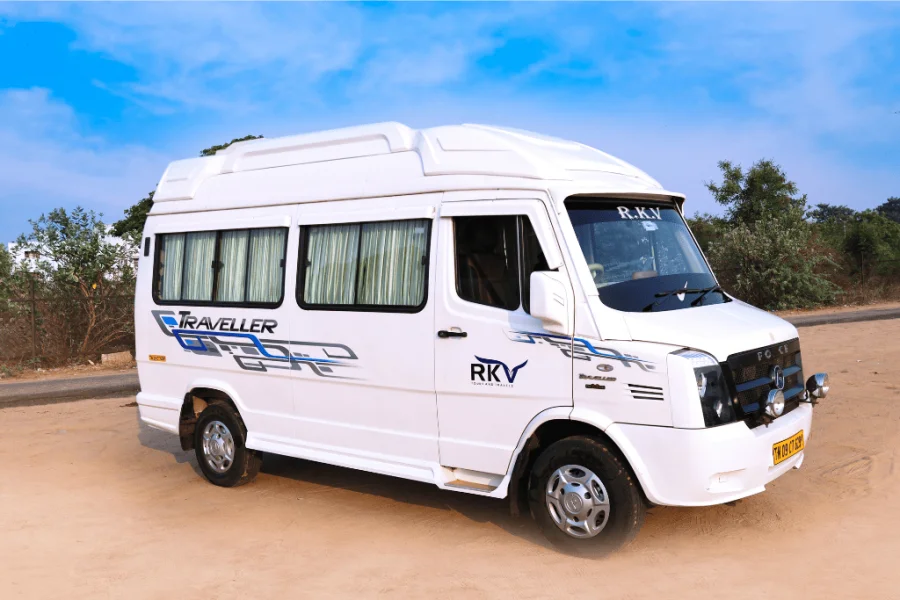
The hill roads of Uttarakhand are long and winding, and a group split across many cars is hard to manage. A tempo traveller keeps everyone together.
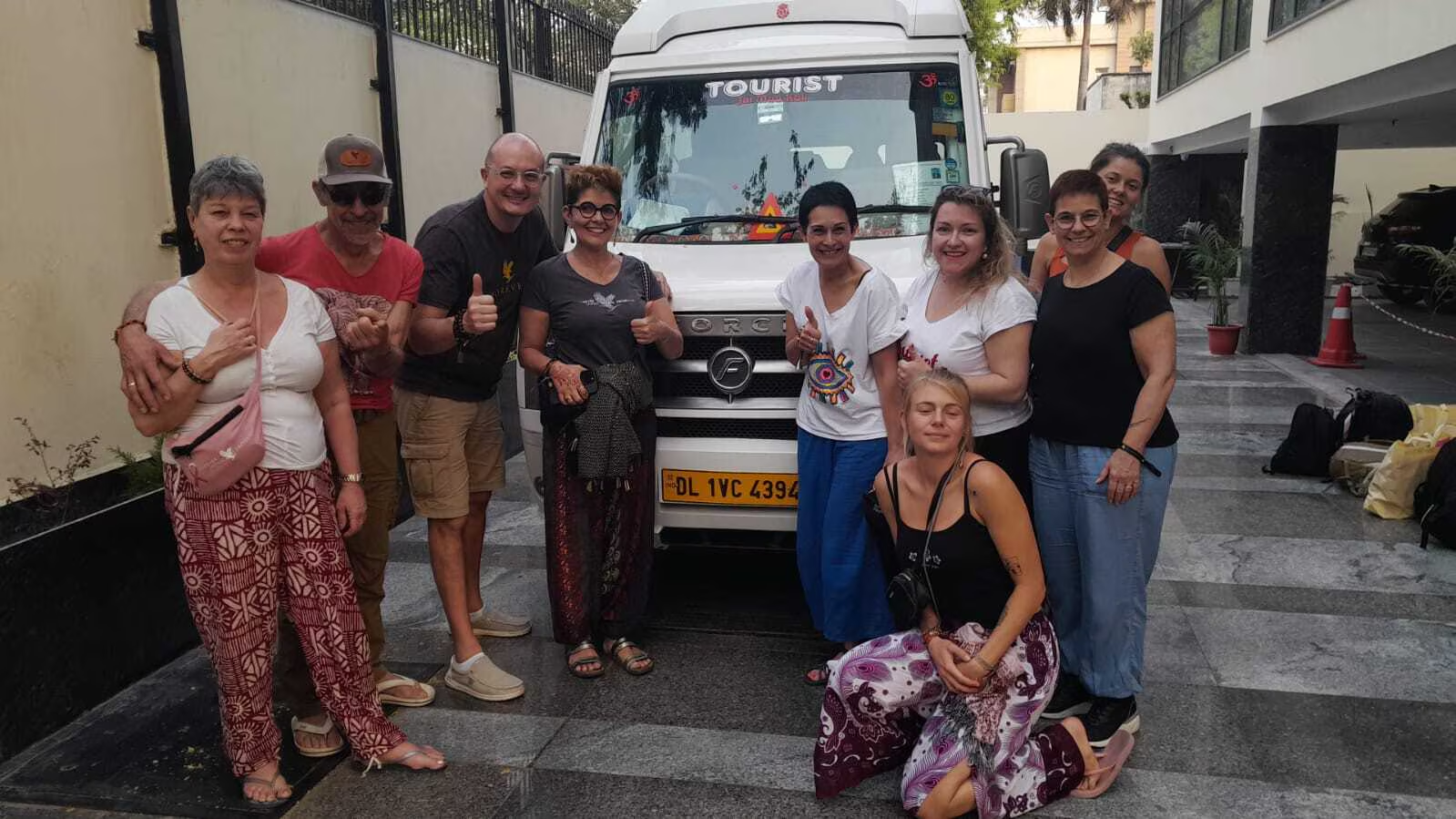
One vehicle, one schedule: the whole group leaves, eats, and prays together.
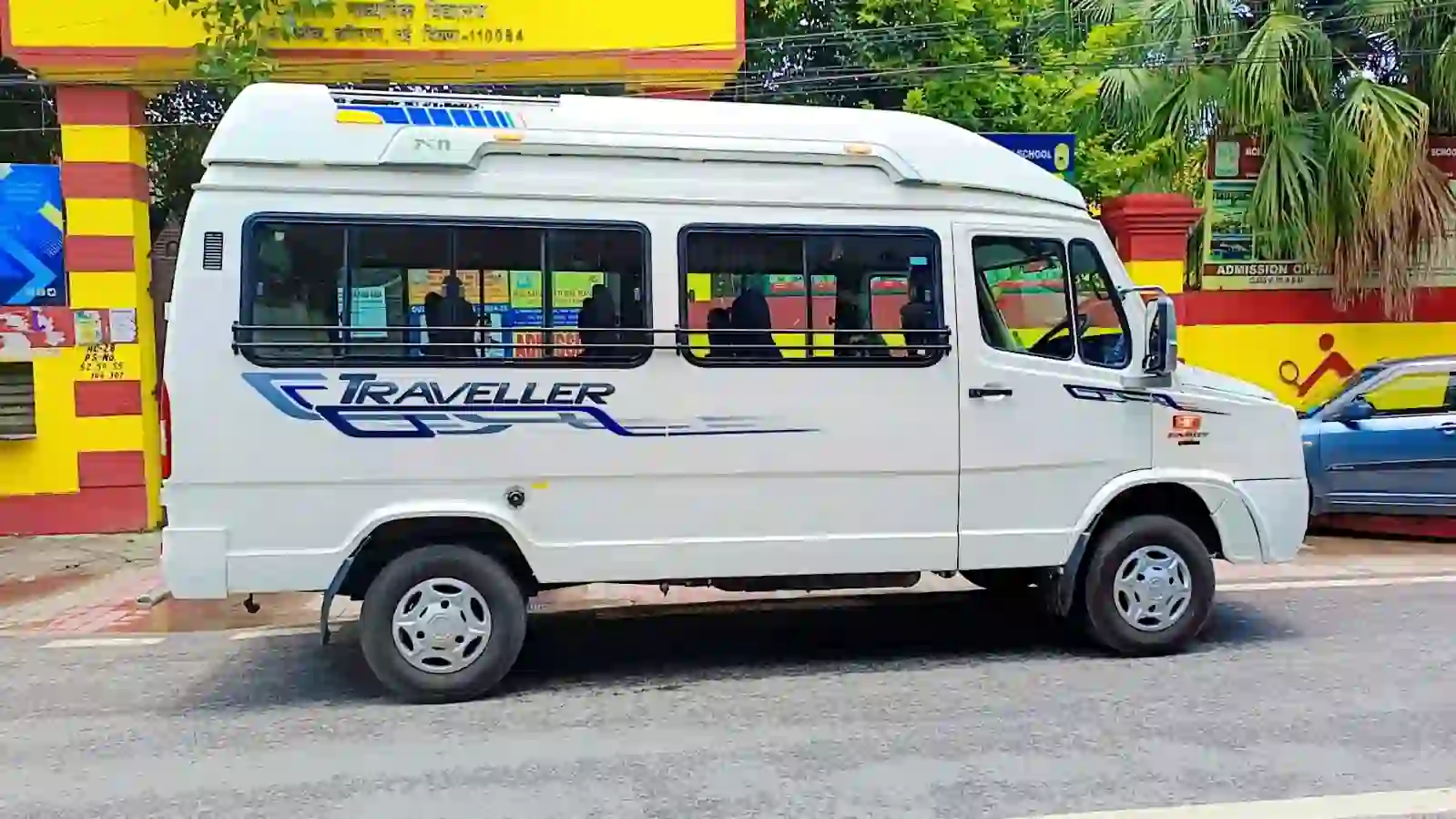
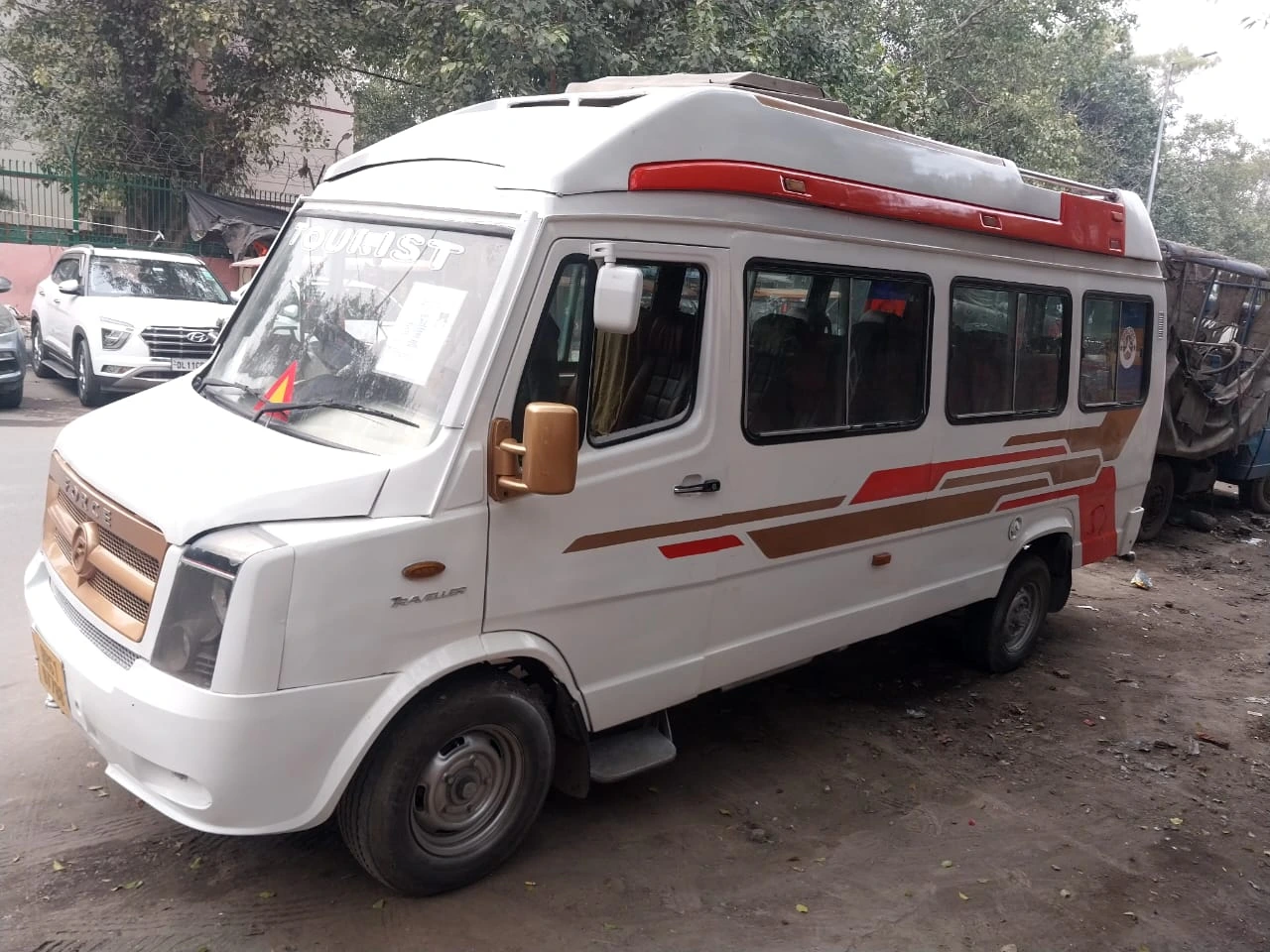
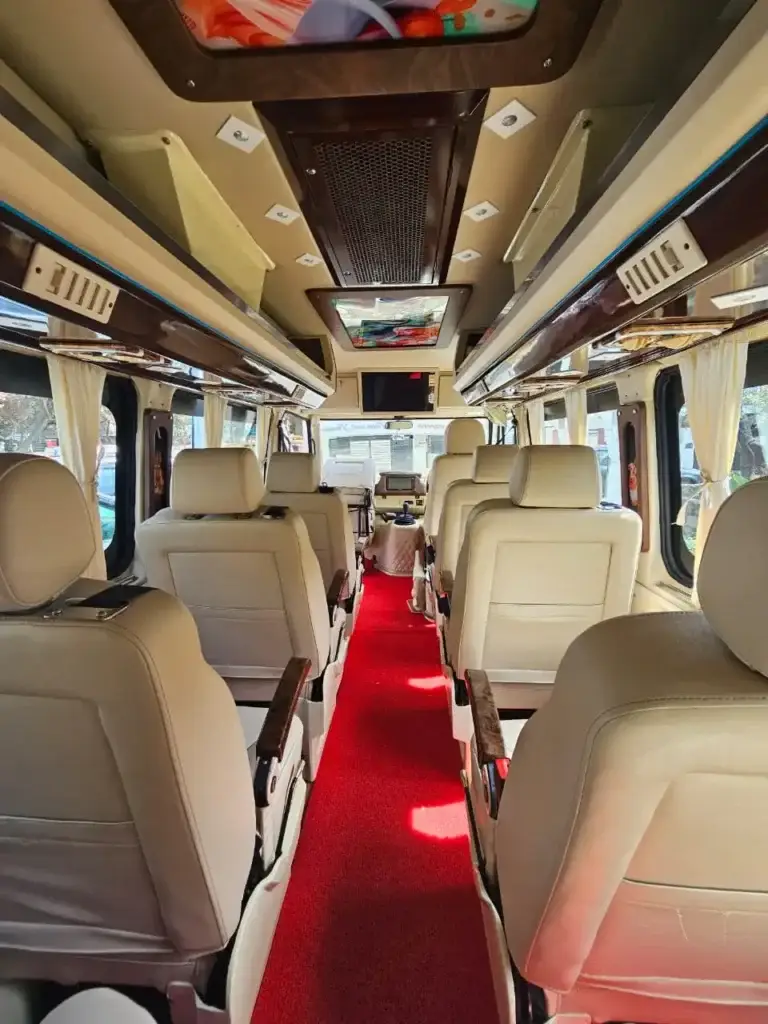
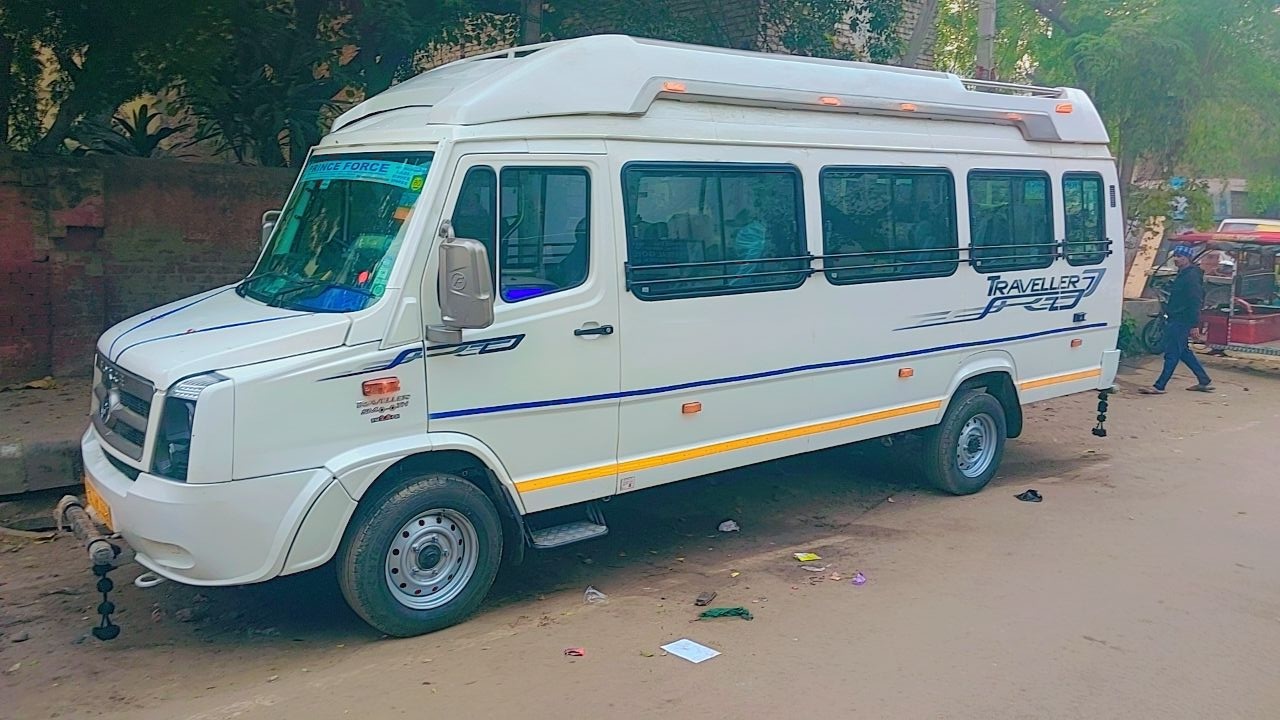
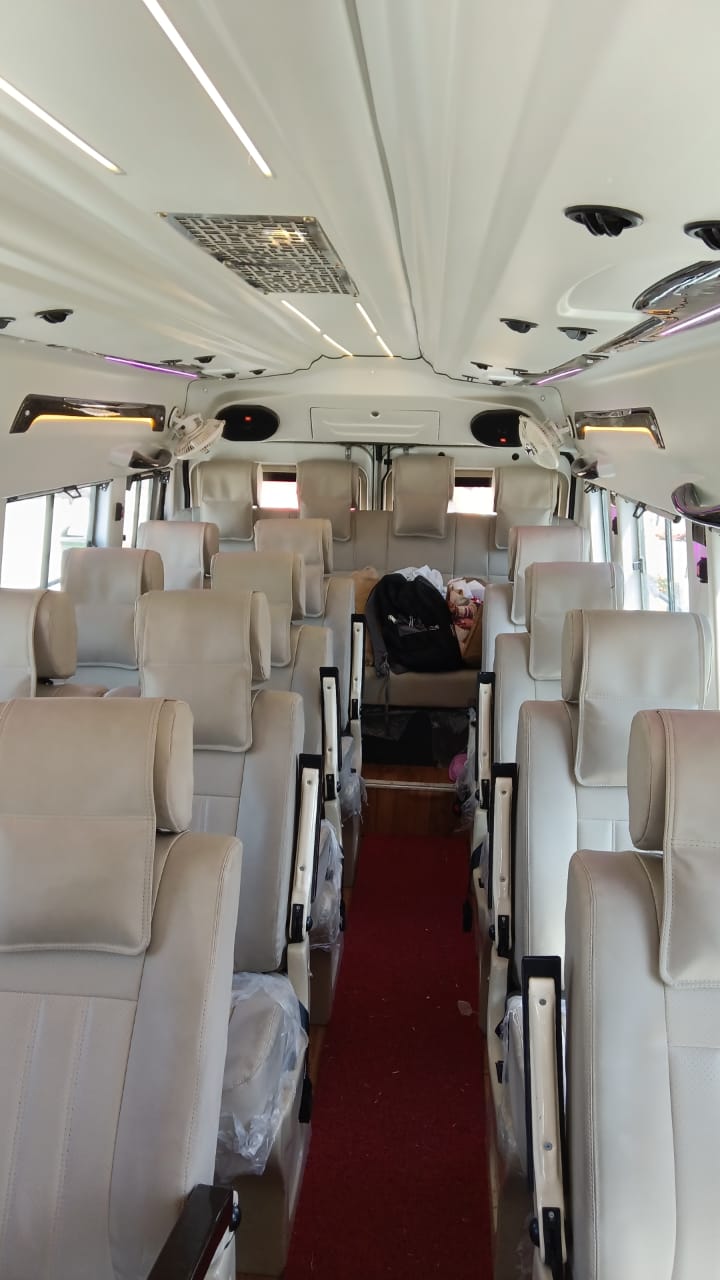
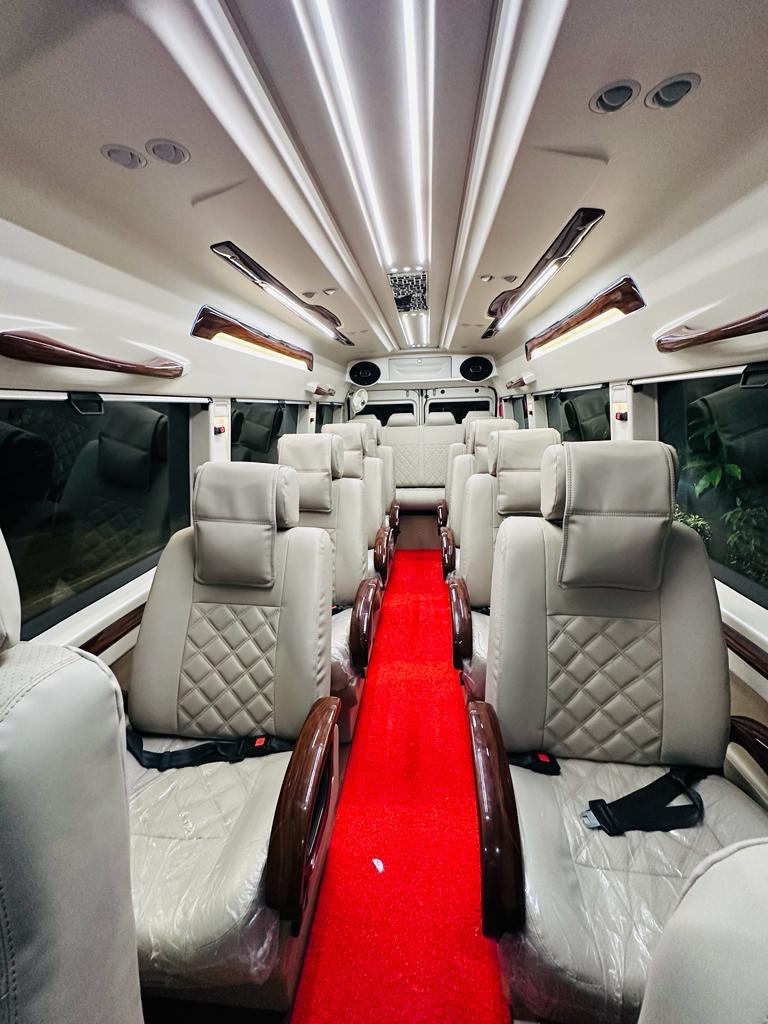
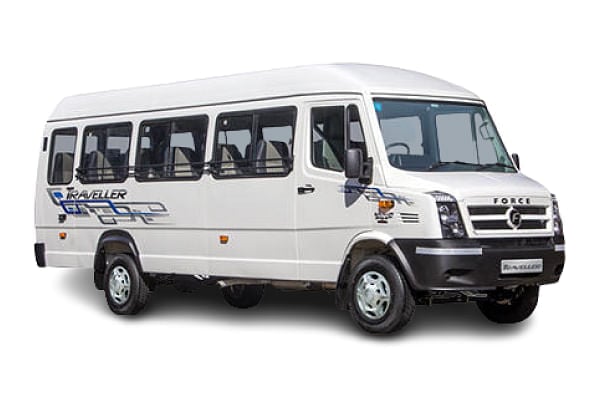
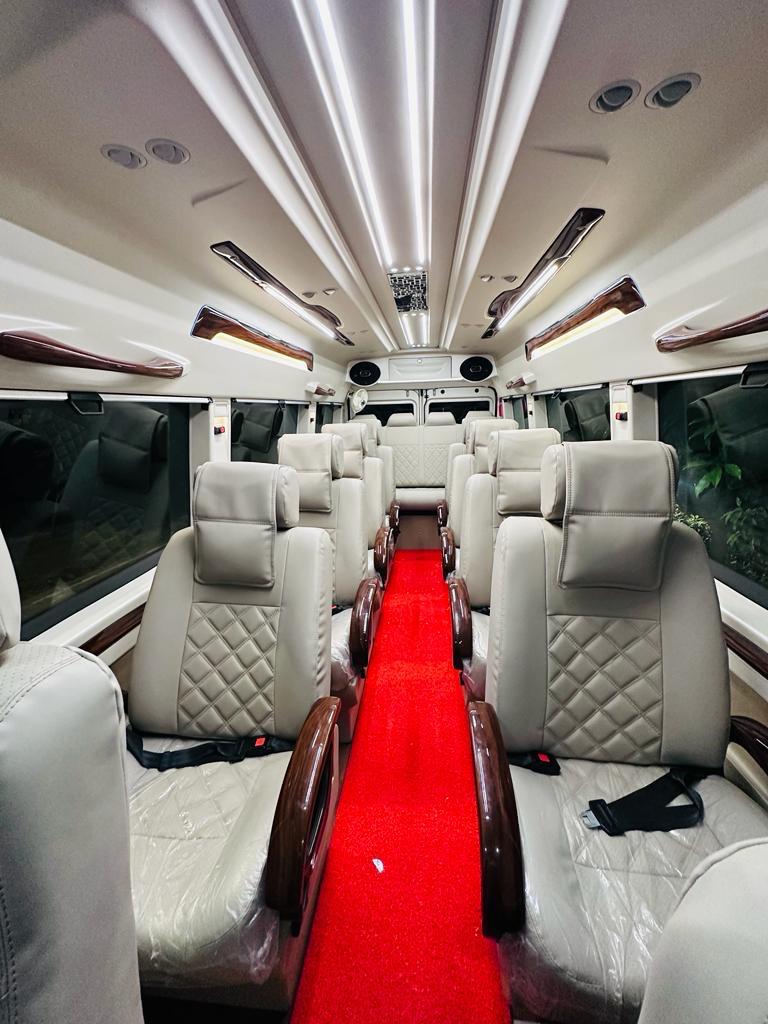
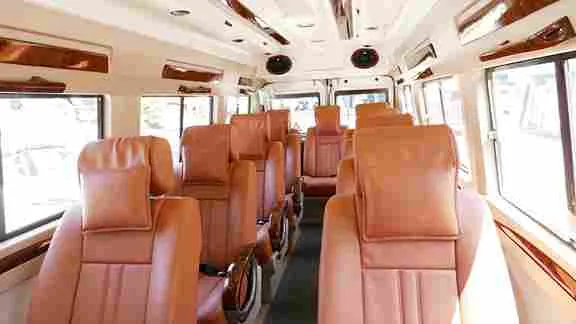
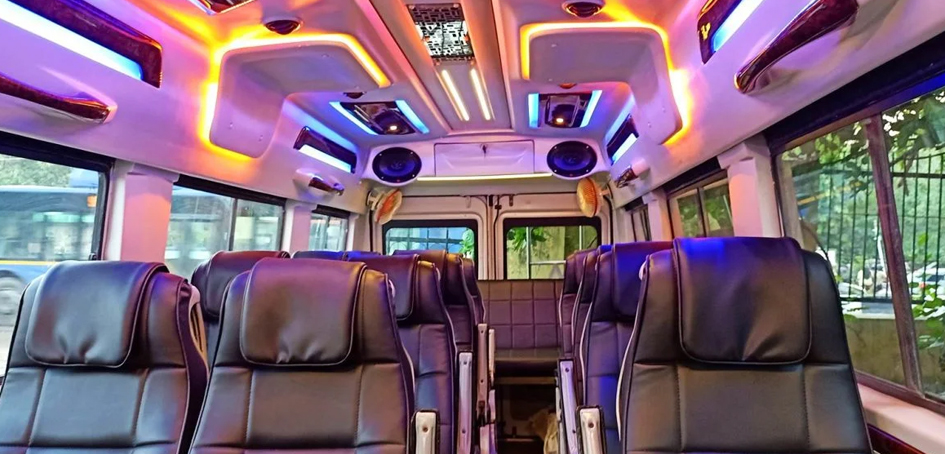
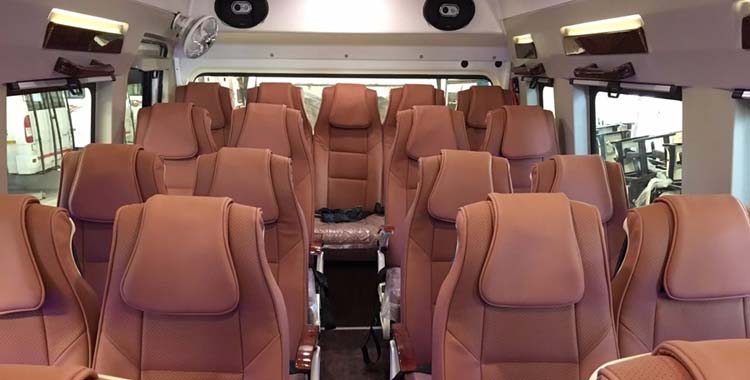
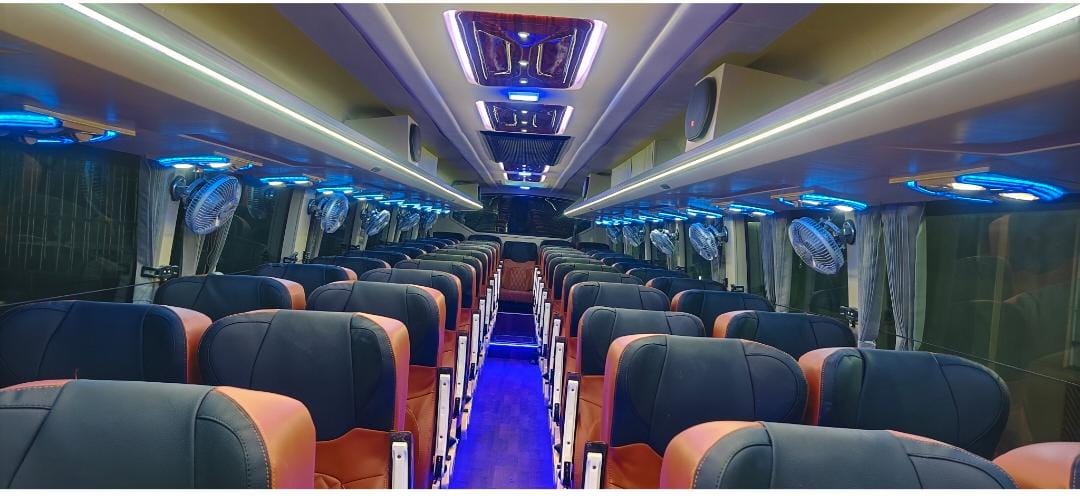
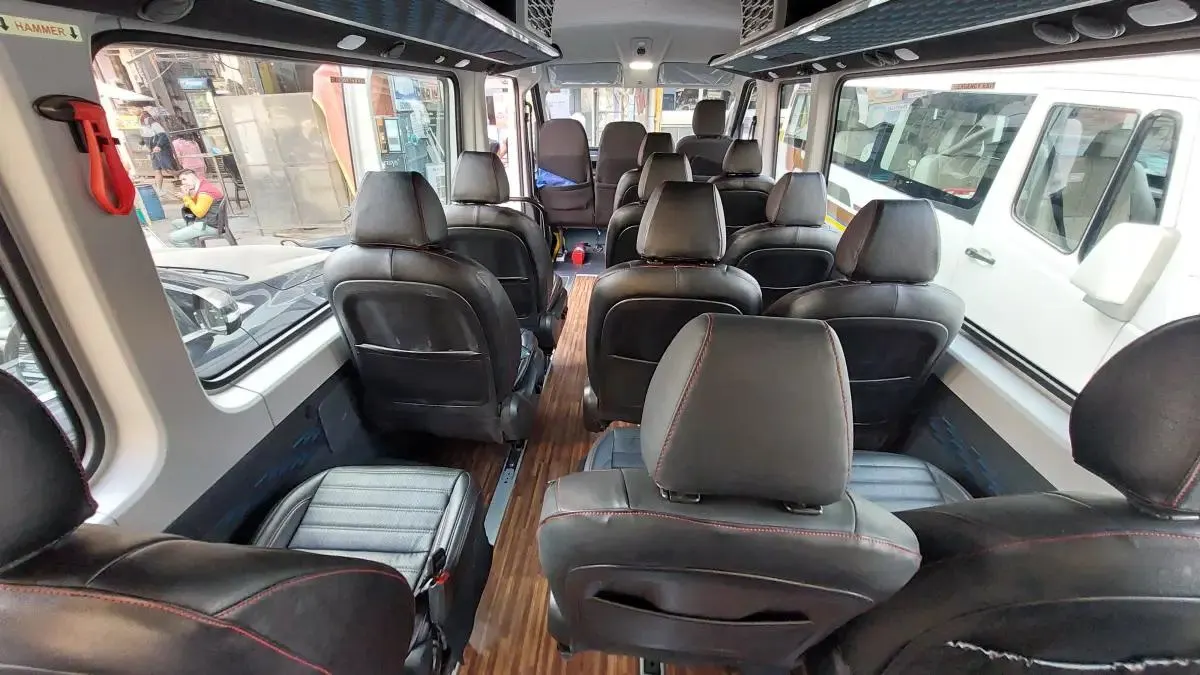
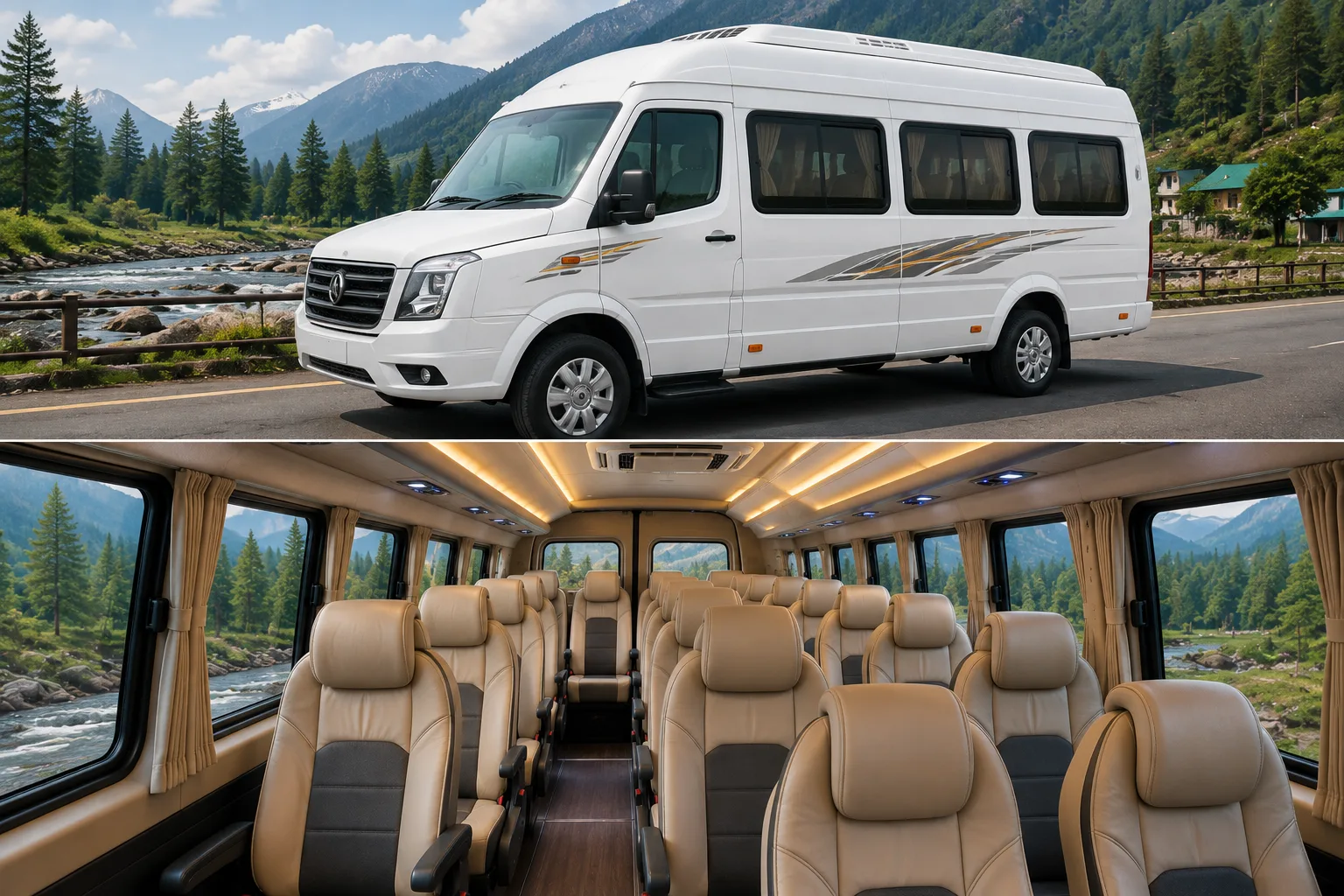
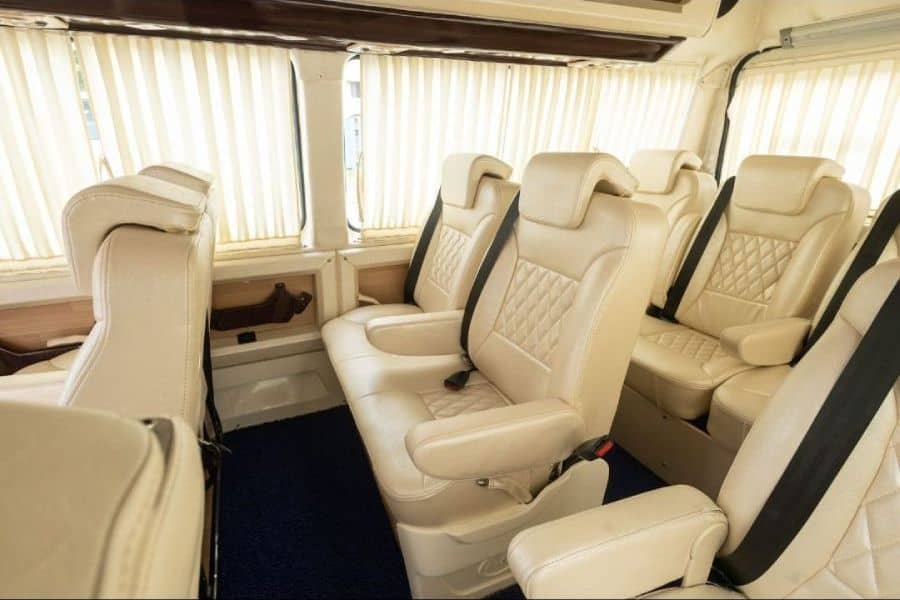
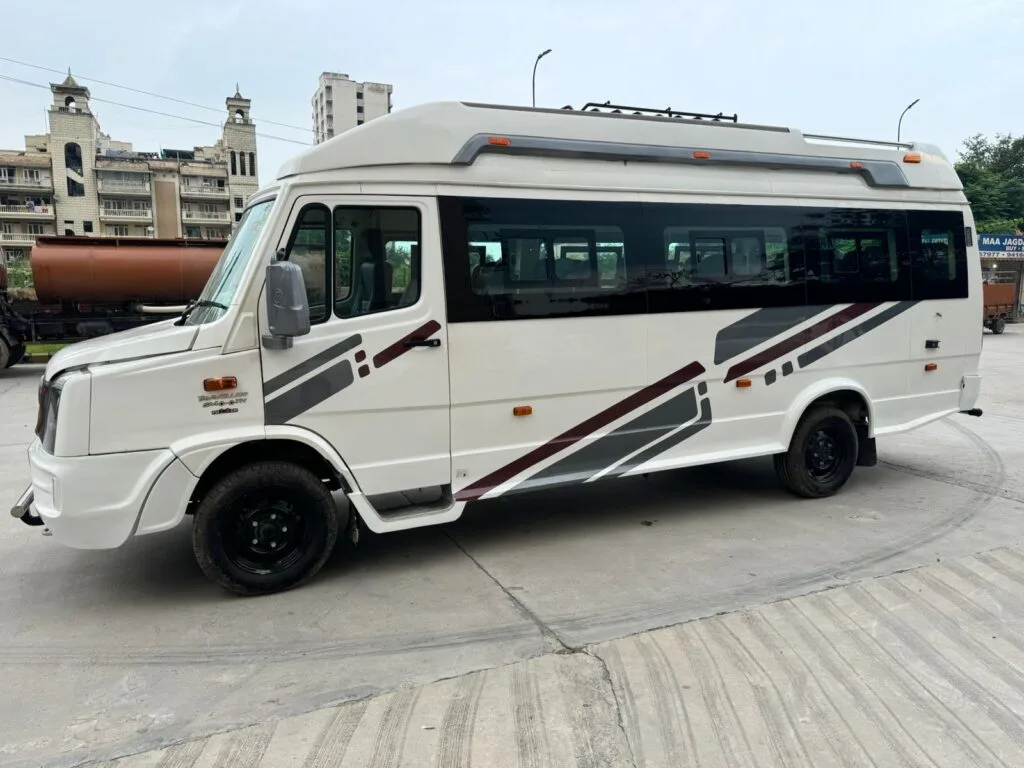
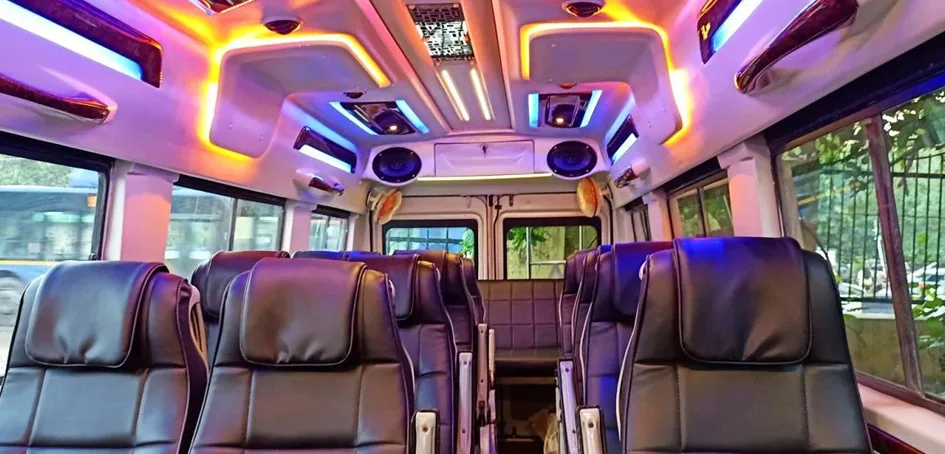
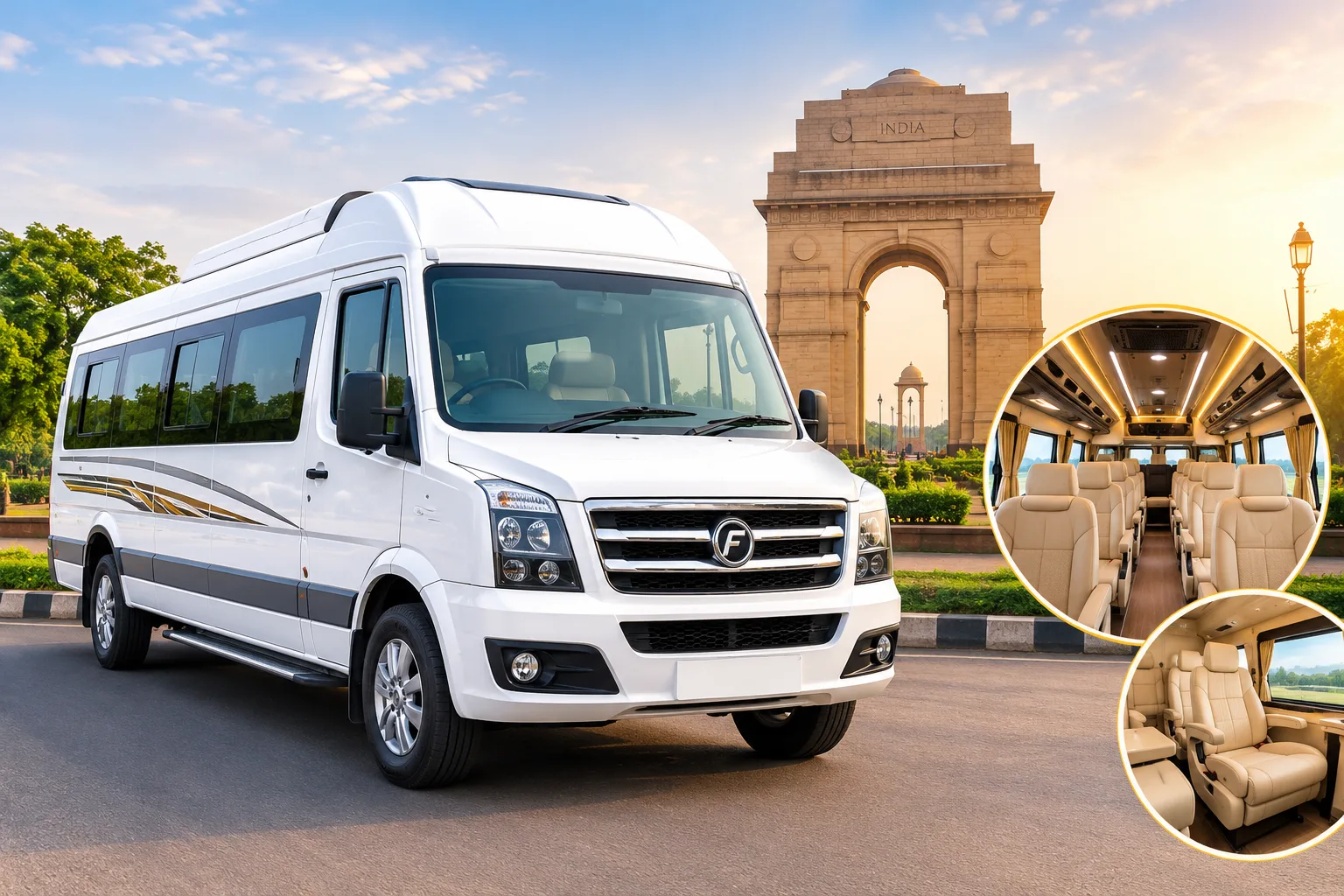
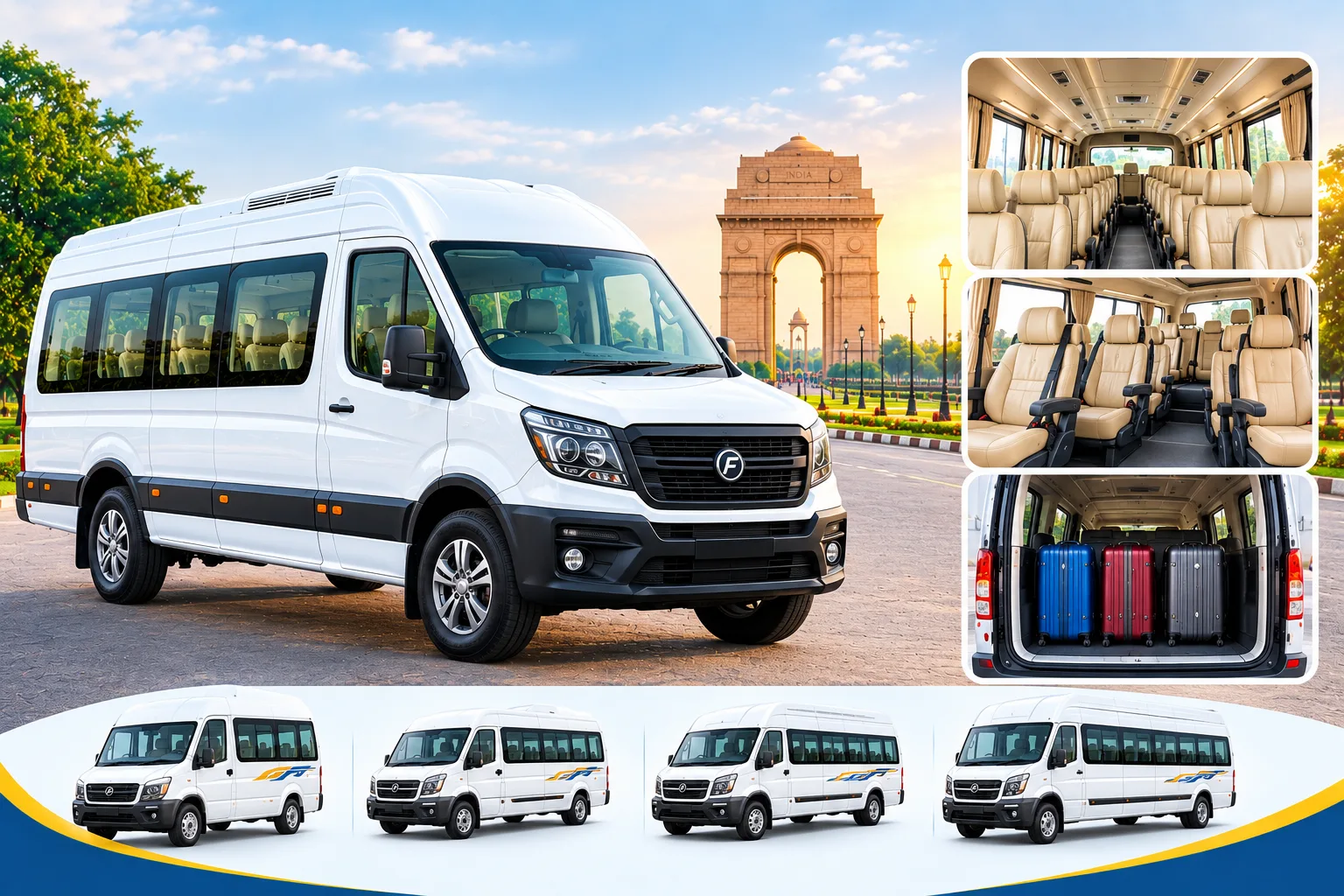
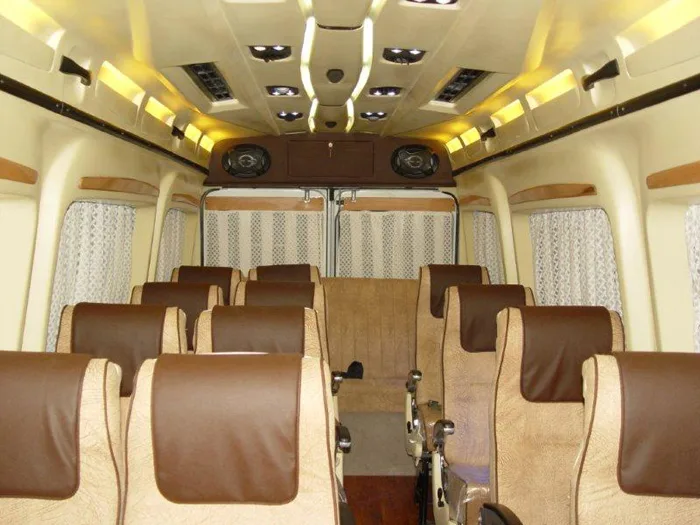
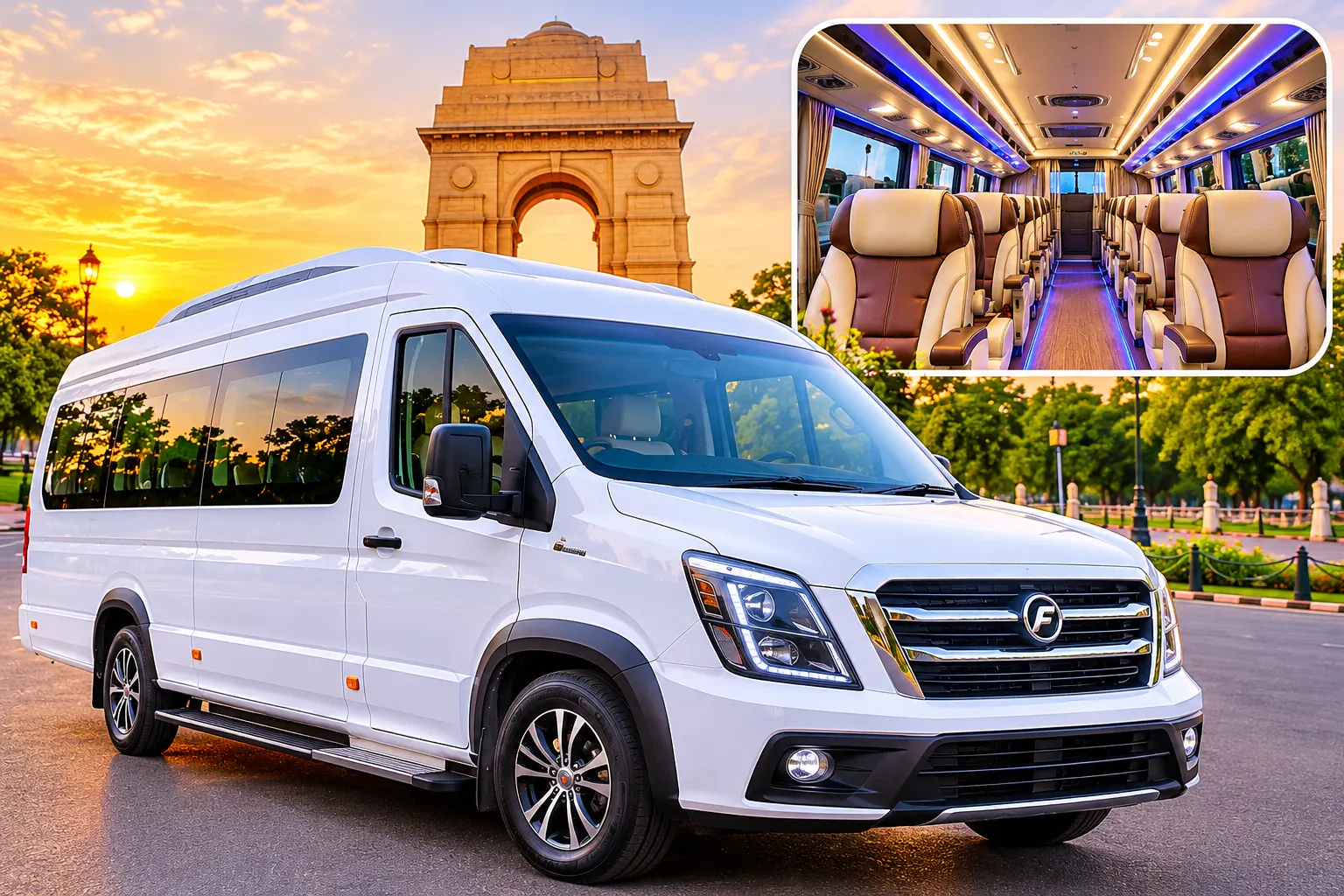
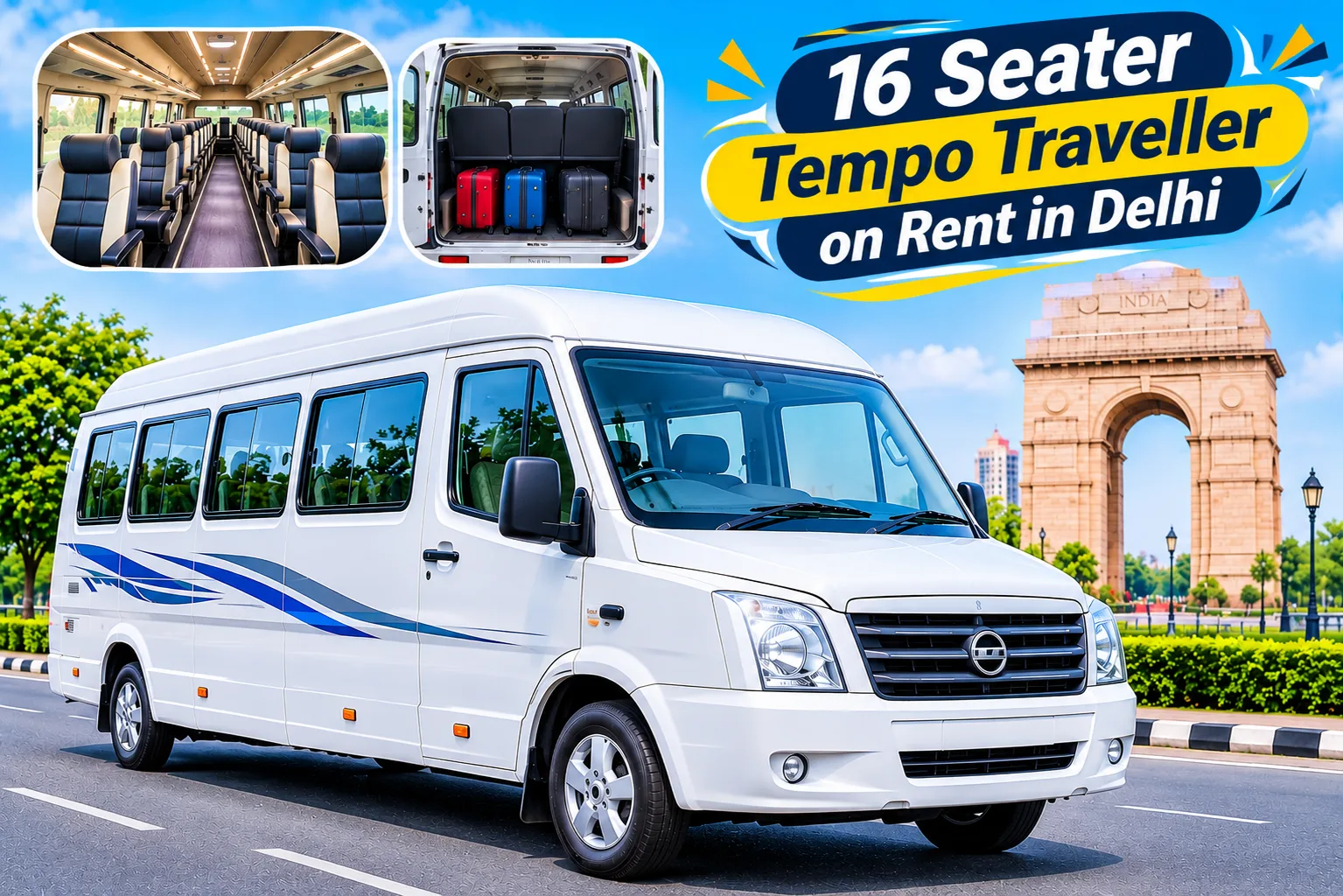
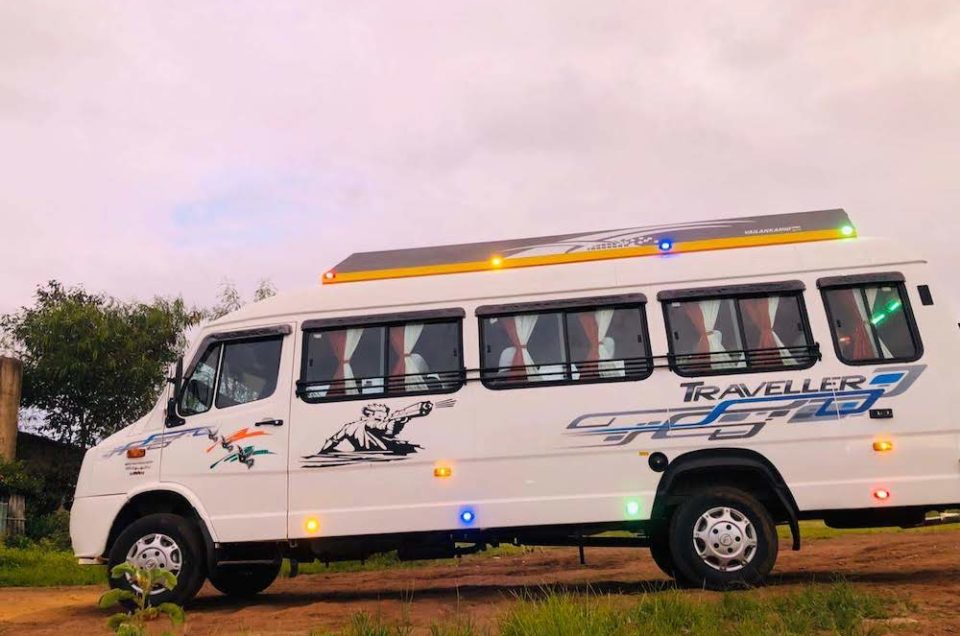
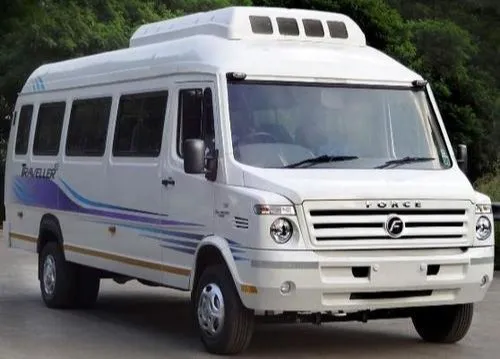
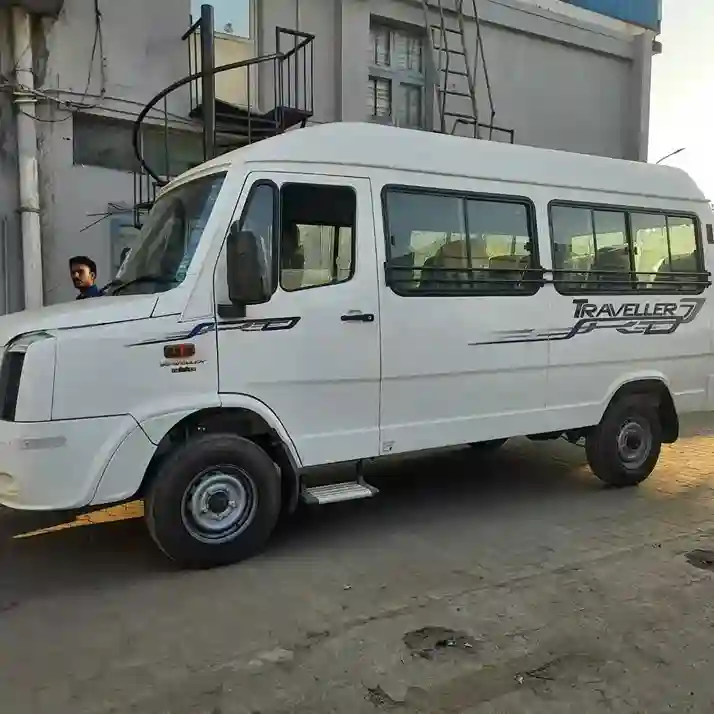
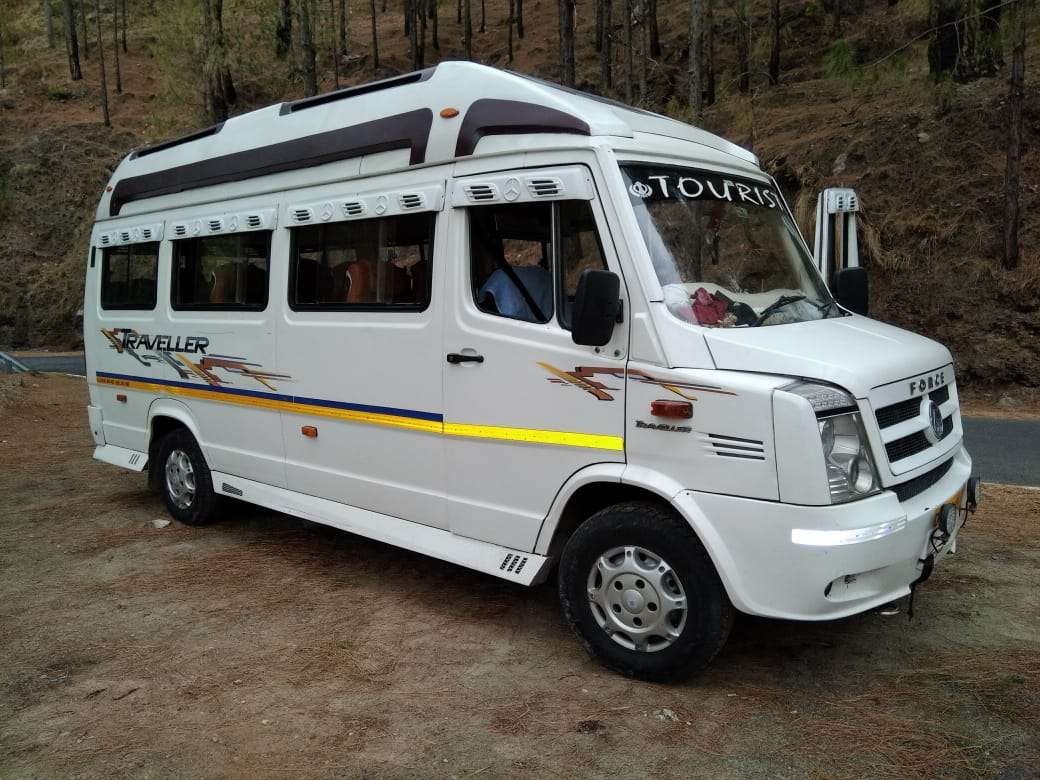
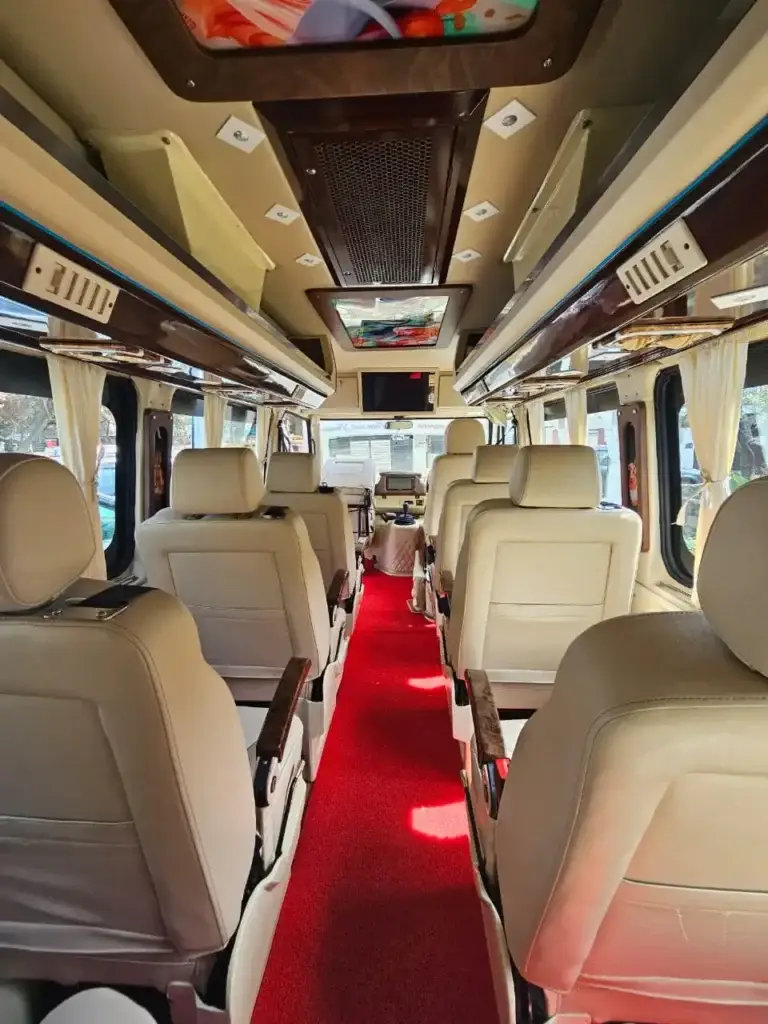
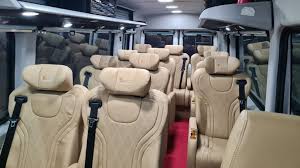
Comfort for elders: push-back seats, AC and good legroom make long drives easier.
Luggage space: woollens, rain gear, medicines, and pooja items travel with you.
Flexible stops: halt for tea, darshan at the Prayags, or a washroom break when needed.
Better value: the cost per person is usually lower than hiring several cars.
Delhi to Haridwar: about 220 to 230 km, around 6 to 7 hours
Rishikesh to Guptkashi / Sonprayag: about 210 to 230 km, around 9 to 10 hours on hill roads
Sonprayag to Gaurikund: a short ride of about 5 km by local shared taxi
Gaurikund to Kedarnath: about 16 km on foot, by pony, palki, or helicopter option
Guptkashi to Badrinath (via Chopta and Joshimath): a full day of driving
Badrinath to Rishikesh: a long drive, usually broken with a night halt
Important: private vehicles cannot go up to Kedarnath. Your tempo traveller stays parked at Sonprayag or your Guptkashi hotel while you go for darshan, and then meets you on your return.
Sample 7 Night 8 Day Do Dham Itinerary from Delhi
This is a sample plan. We adjust it to your group's age, speed, and dates.
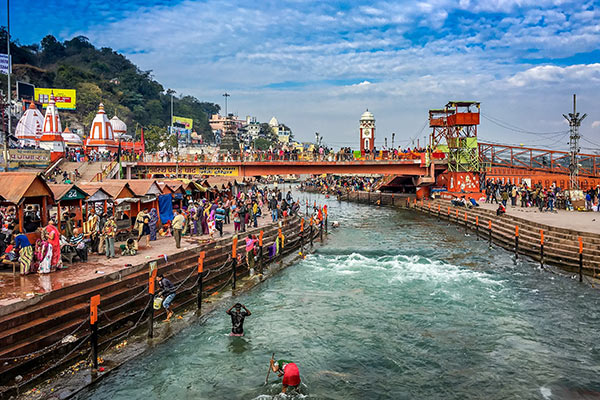
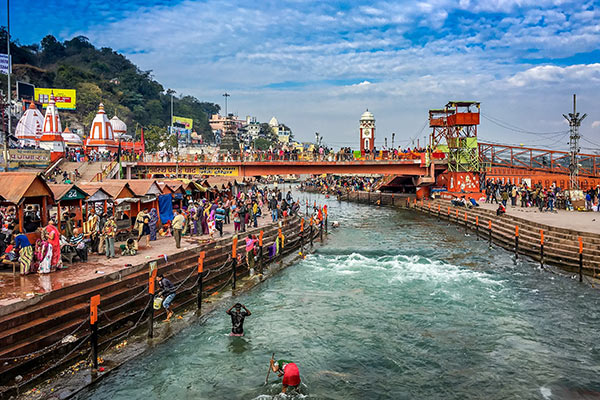
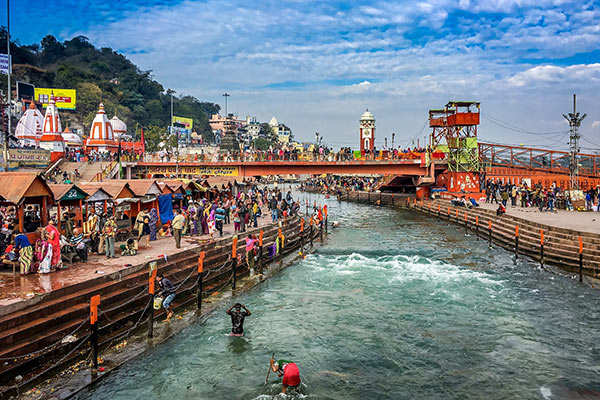
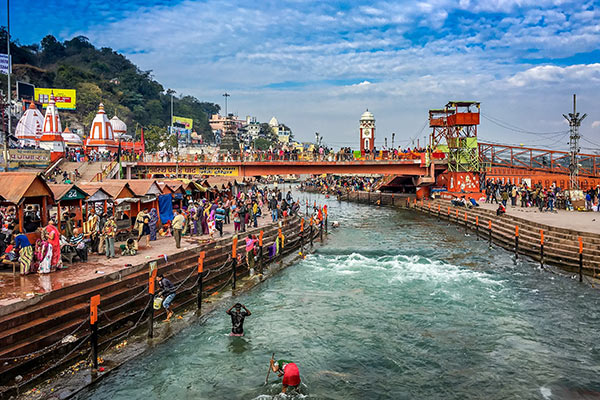
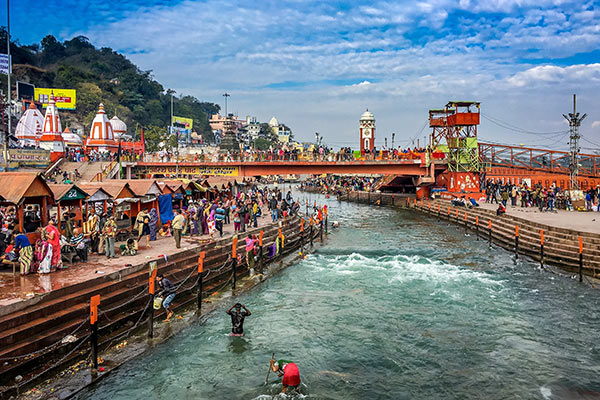
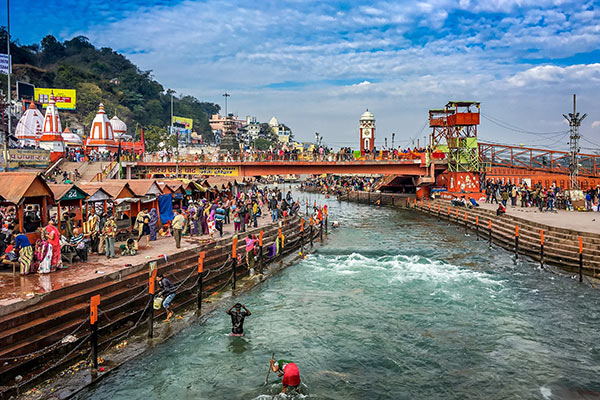
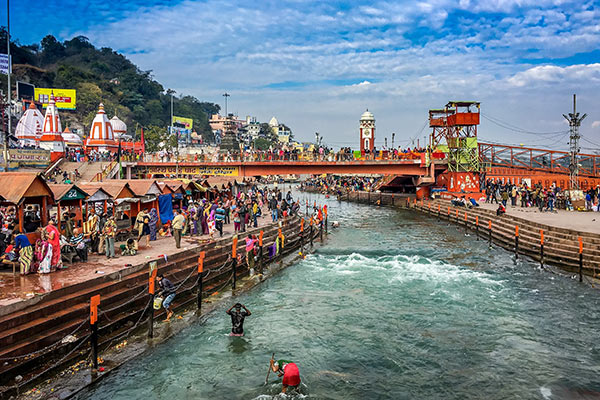
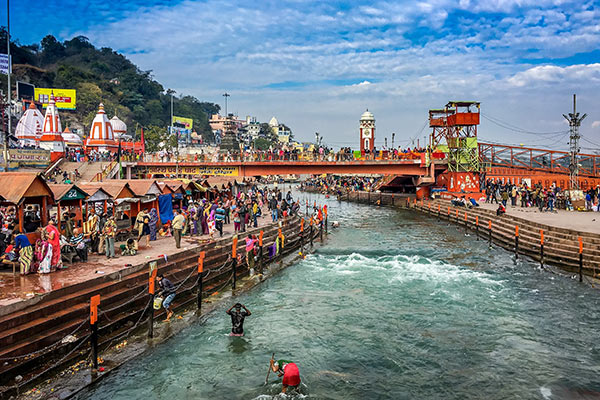
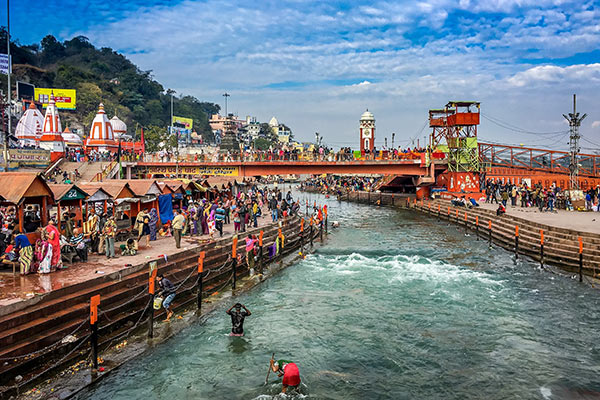
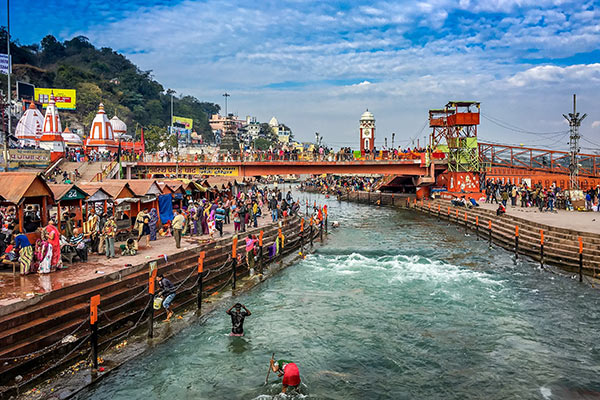
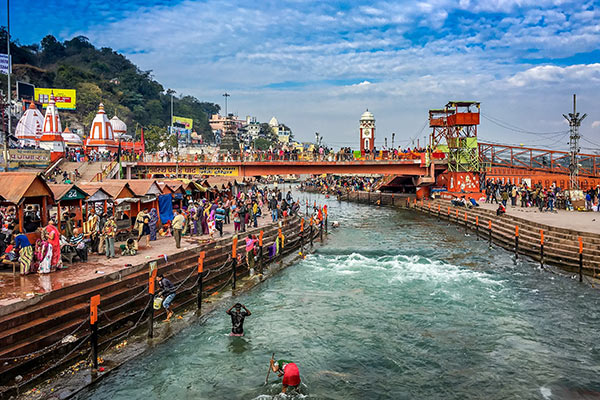
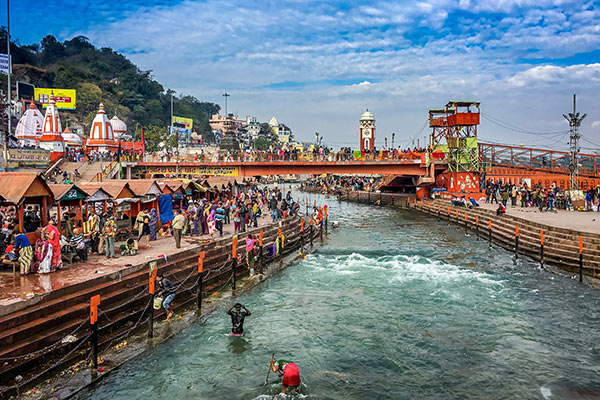
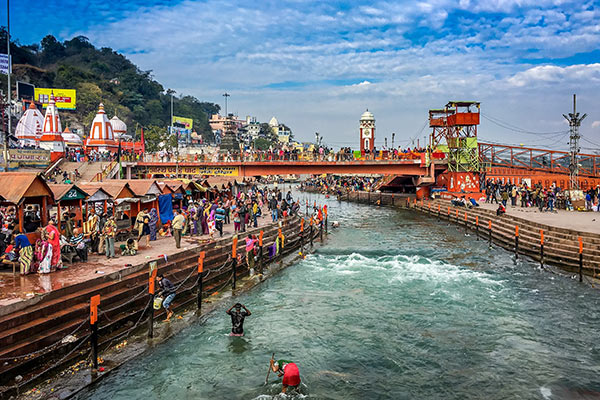
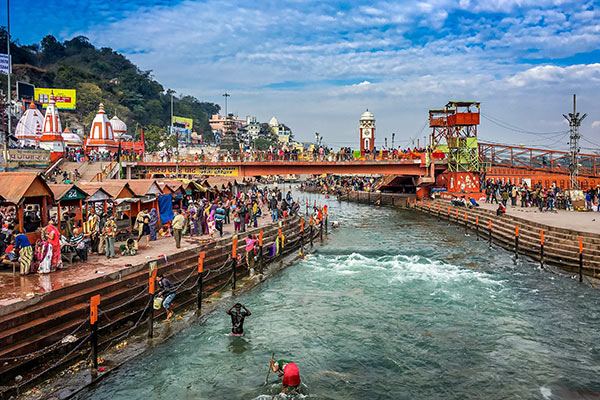
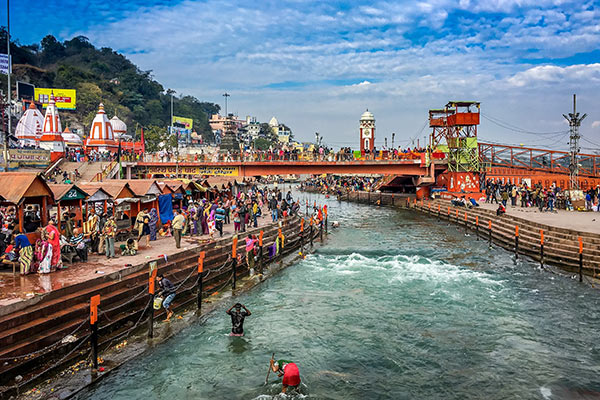
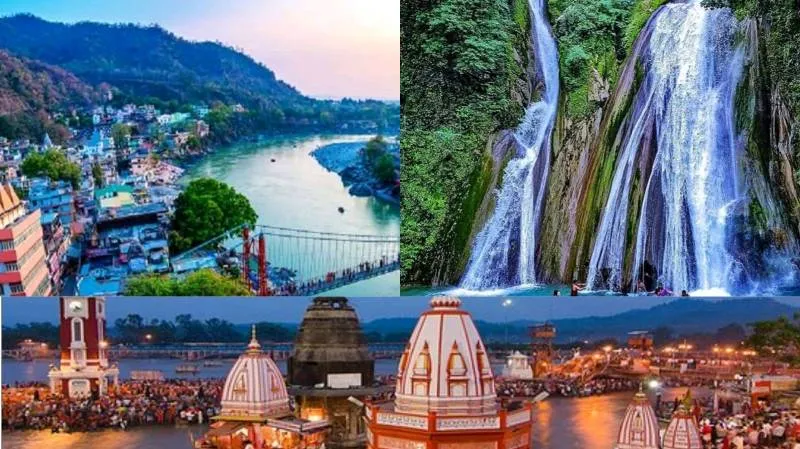
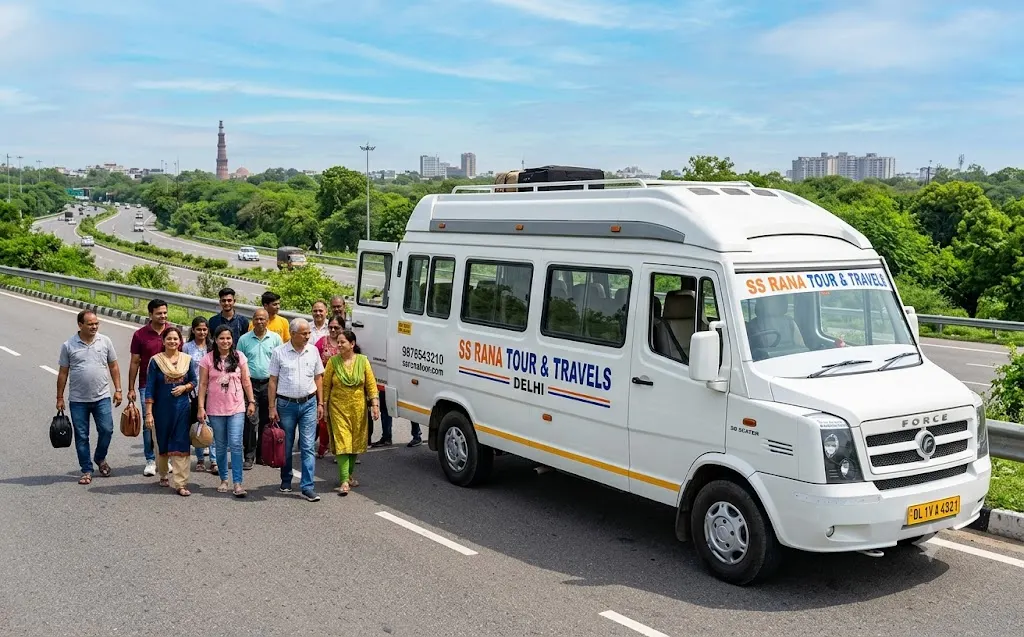
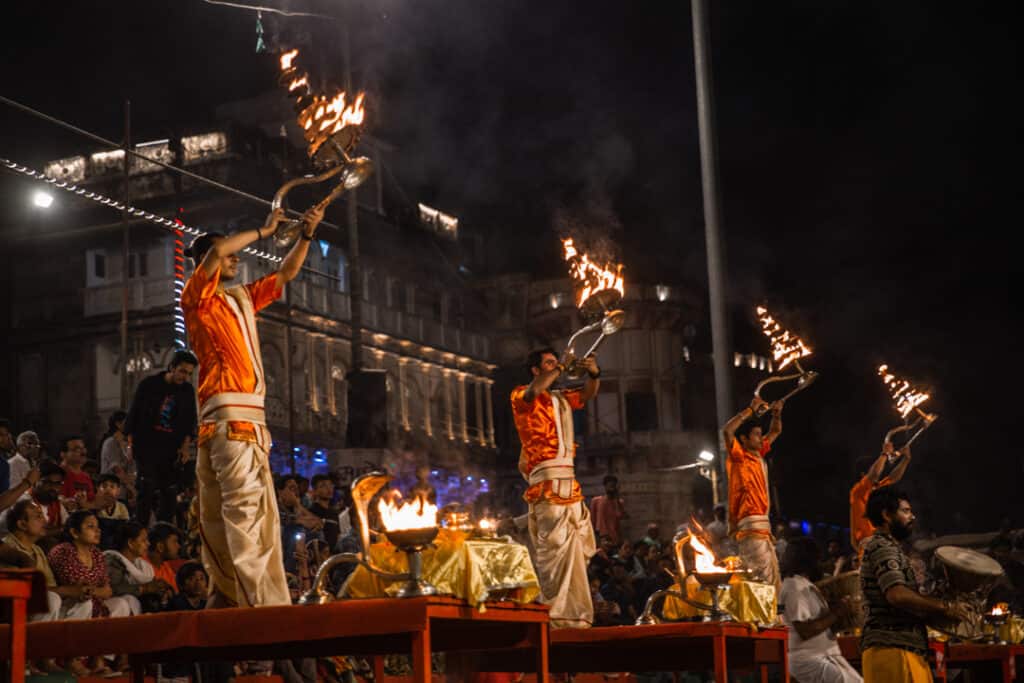
Day 1: Delhi to Haridwar or Rishikesh. Leave early in the morning, stop for breakfast near Meerut or Muzaffarnagar, and reach Haridwar by afternoon. Attend the evening Ganga Aarti at Har Ki Pauri. Stay overnight in Haridwar or Rishikesh.
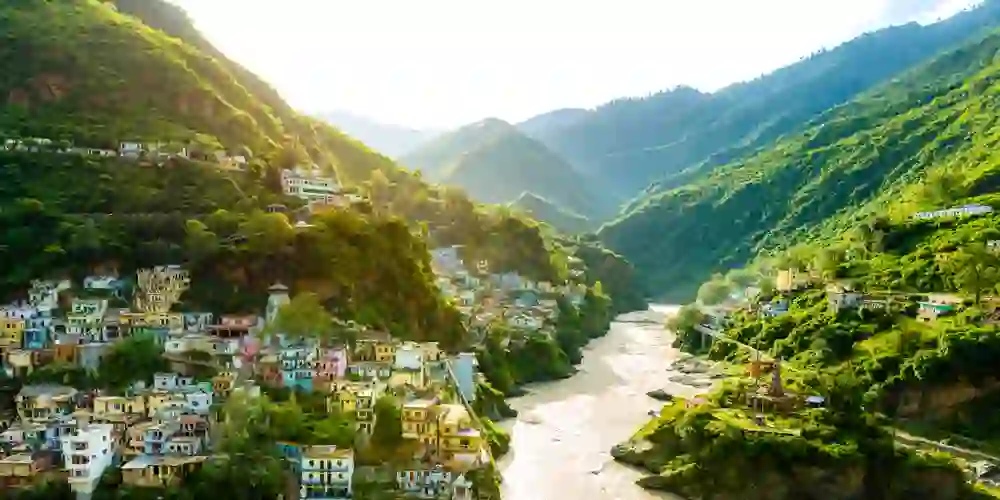
Day 2: Rishikesh to Guptkashi or Sonprayag. Start early and drive through Devprayag, Srinagar, and Rudraprayag, where the Alaknanda and Mandakini rivers meet. Reach Guptkashi by evening. Night stay at Guptkashi or Sonprayag.
Day 3: Sonprayag to Kedarnath. Take the local taxi to Gaurikund and begin the trek, or use a pony, palki, or a helicopter service. Reach Kedarnath, attend the aarti and take darshan. Night stay at Kedarnath.
Day 4: Kedarnath to Guptkashi Take early morning darshan, descend to Gaurikund and Sonprayag, and drive back to Guptkashi. Rest after the climb.
Day 5: Guptkashi to Badrinath side. Drive through Chopta and Chamoli to Joshimath. Night stay at Joshimath or near Badrinath.
Day 6: Badrinath darshan. Visit the Badrinath temple, Tapt Kund, and Mana village, then drive back towards Rudraprayag or Srinagar for the night.
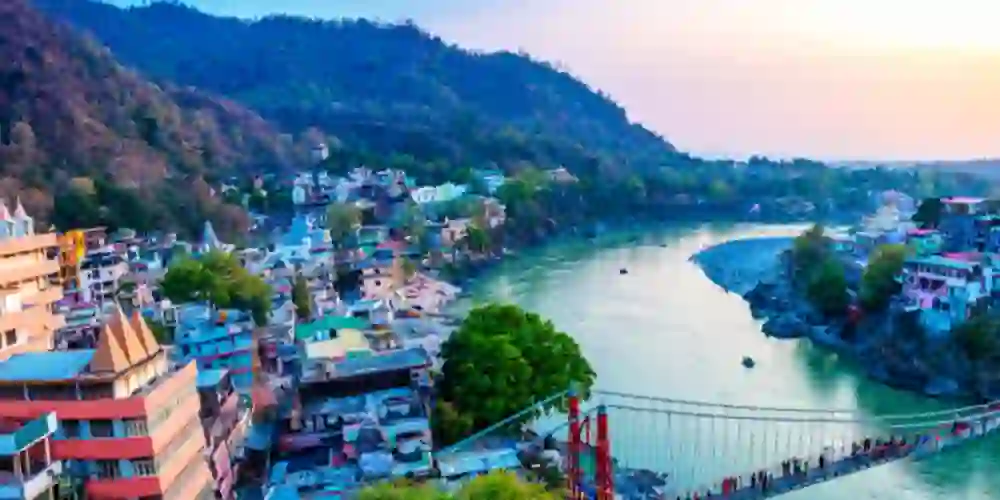
Day 7: Drive to Rishikesh. Drive to Rishikesh, visit Laxman Jhula or Triveni Ghat, and rest for the night.
Day 8: Rishikesh to Delhi. Leave after breakfast and reach Delhi by evening.
If you have fewer days, some groups plan shorter versions, and with extra days you can add Tungnath or the Valley of Flowers season trips. The best plan always depends on your group, so tell us your numbers and dates, and we will design it.
Do Dham Yatra by Tempo Traveller: Price and What Affects It
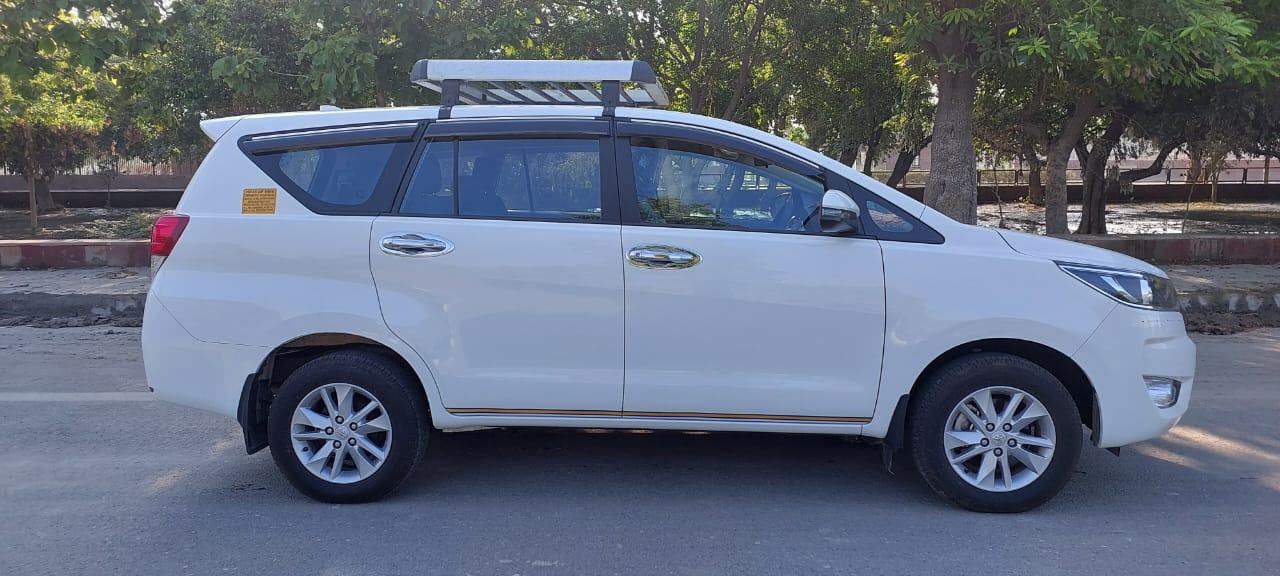
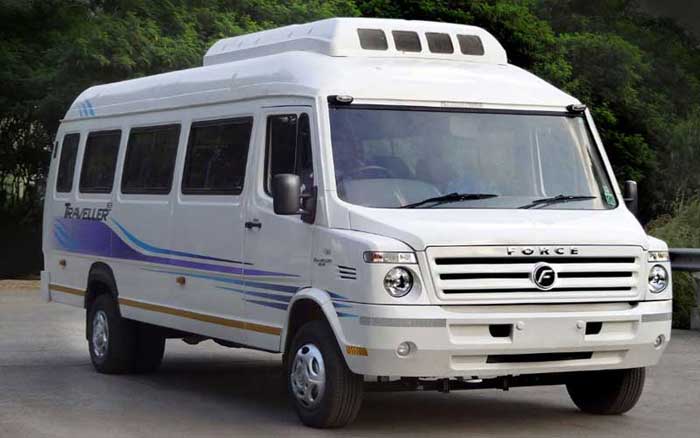
There is no single fixed price, because every group is different. As a rough guide for planning, a 12-seater Tempo Traveller for a Do Dham round trip from Delhi of around 8 days often falls in the range of Rs. 75,000 to Rs. 1,10,000 for the vehicle alone, and larger or luxury models cost more. Final rates are confirmed in your quote.
Factors That Change the Price
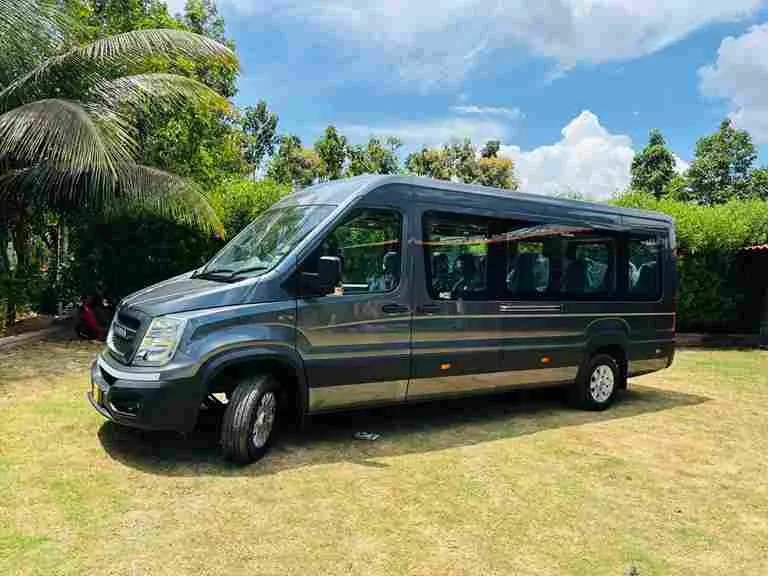
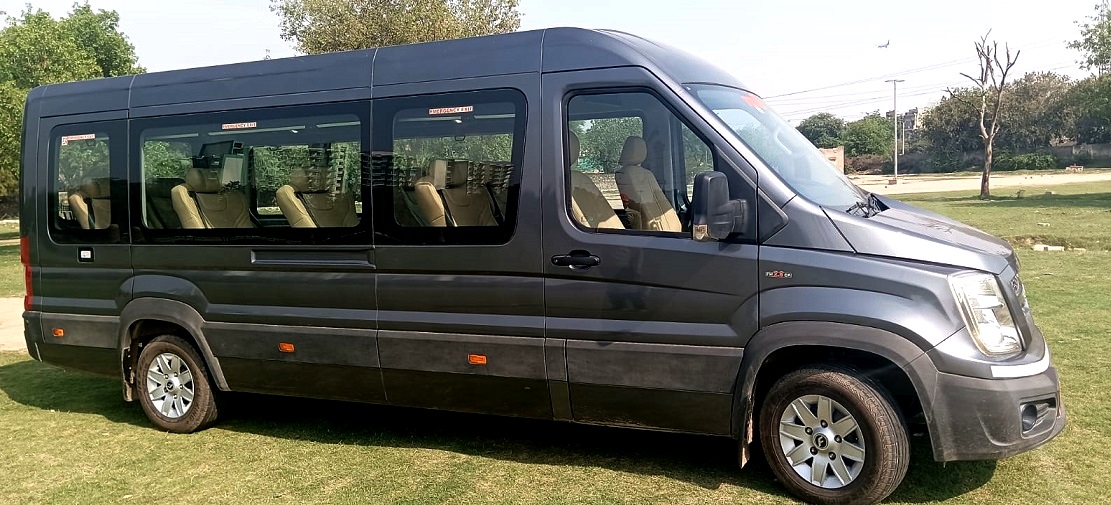
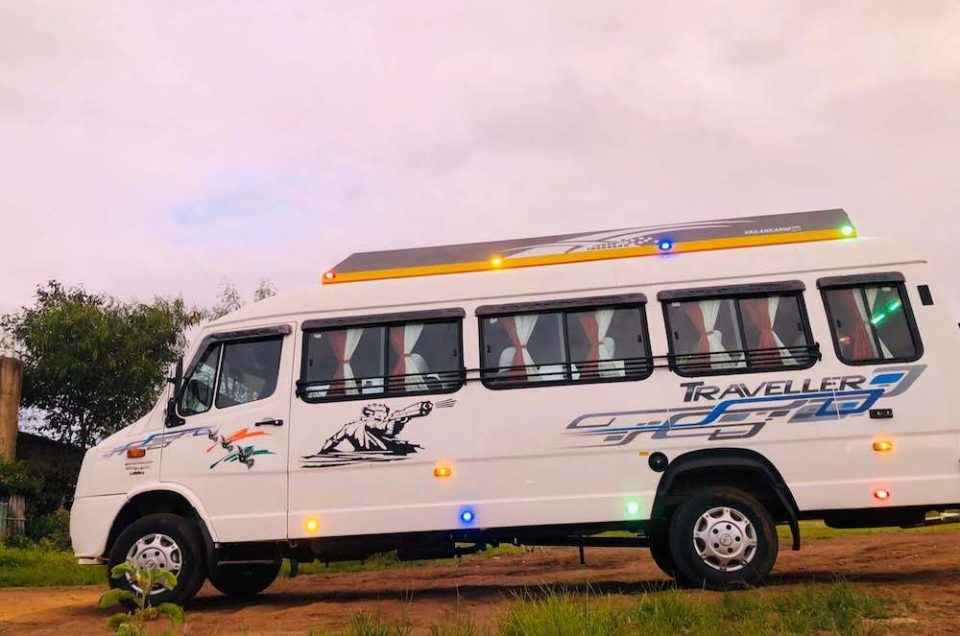
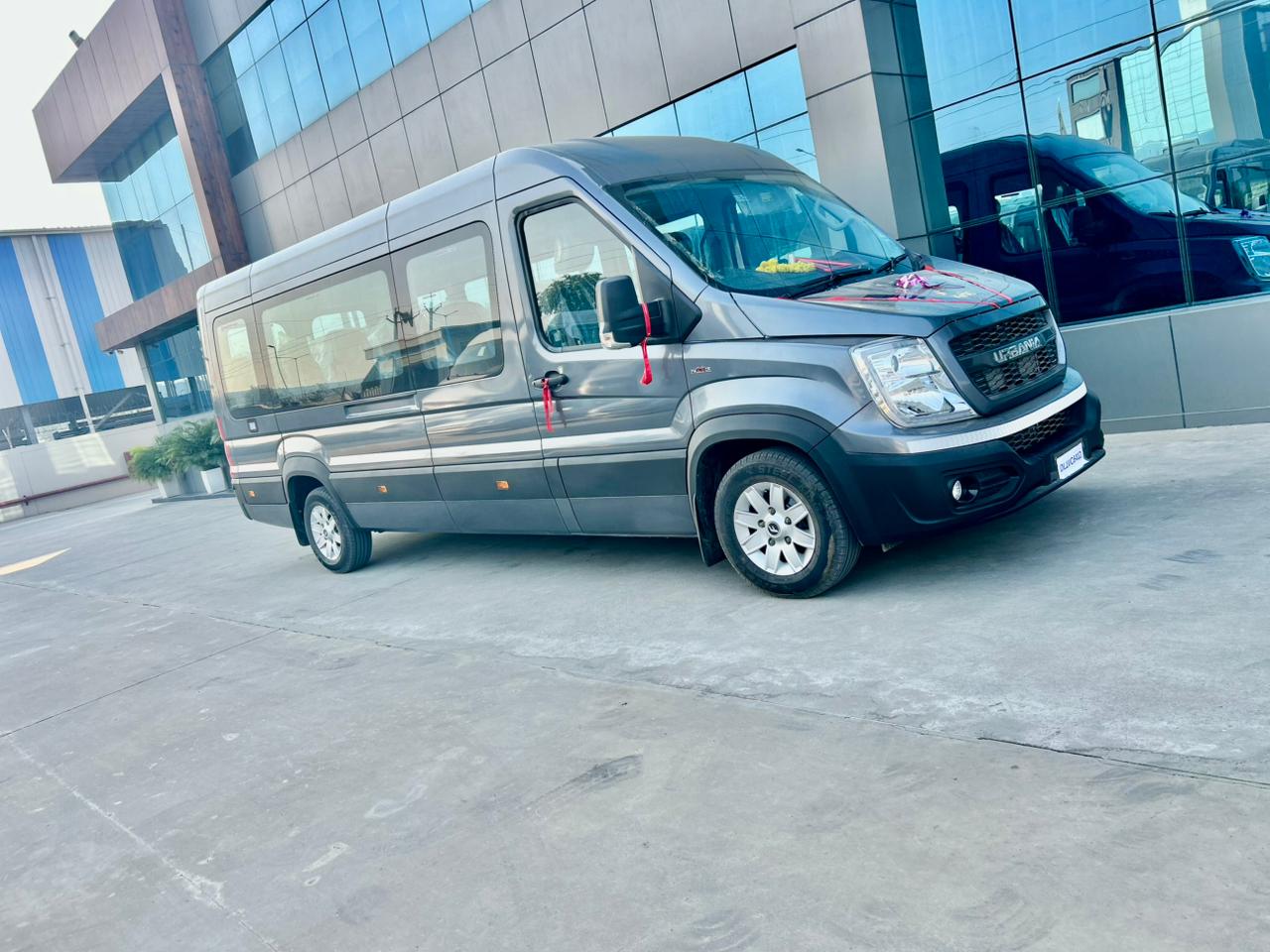
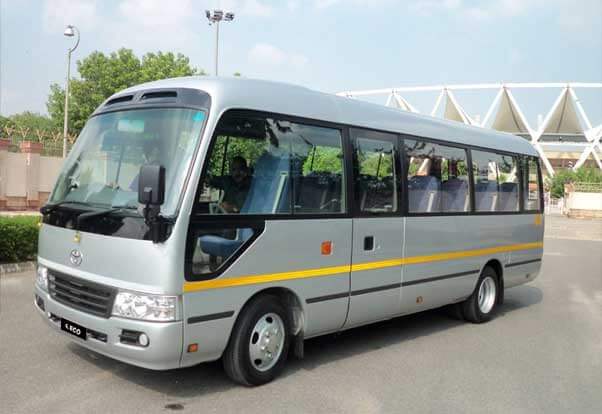
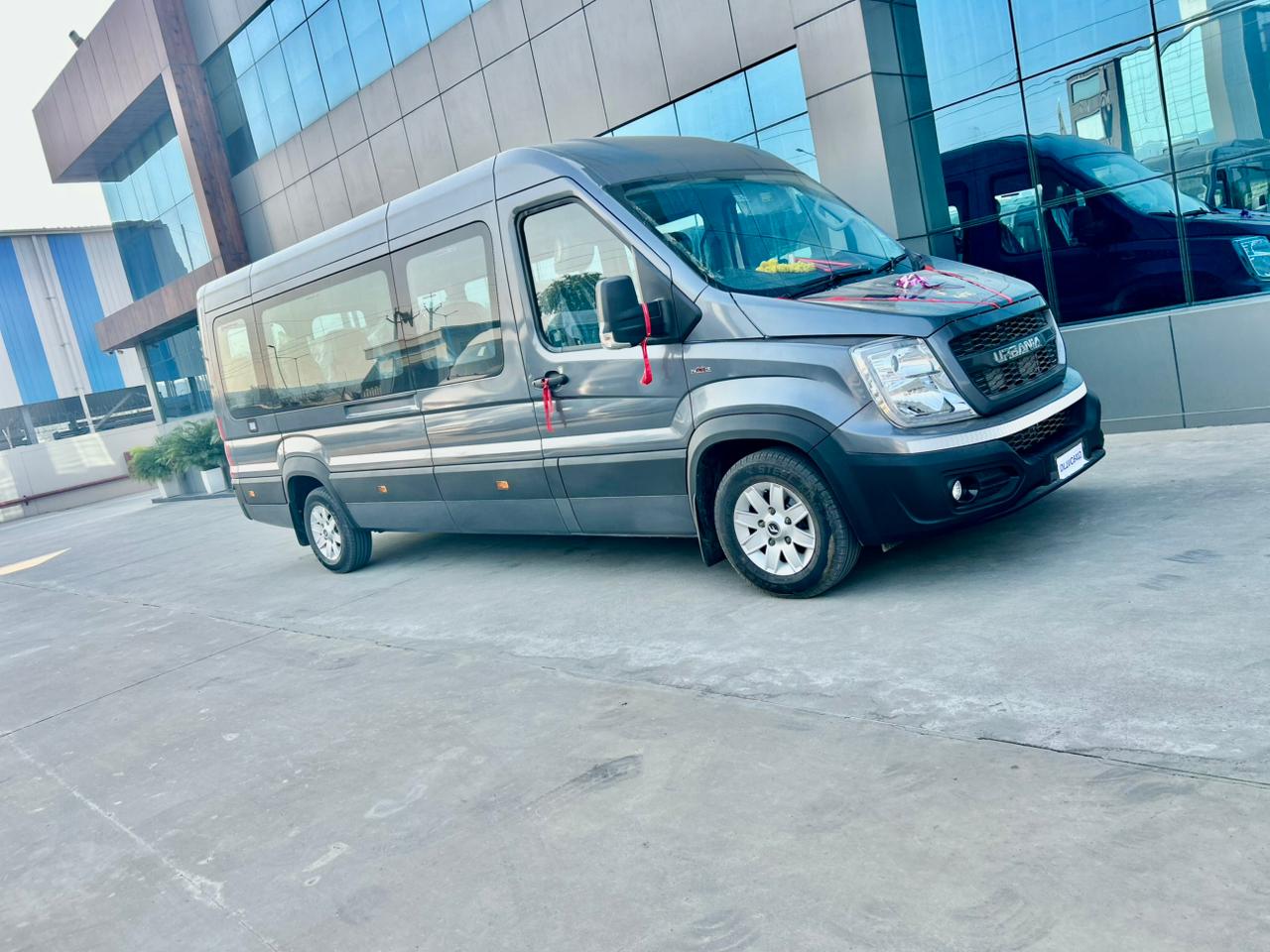
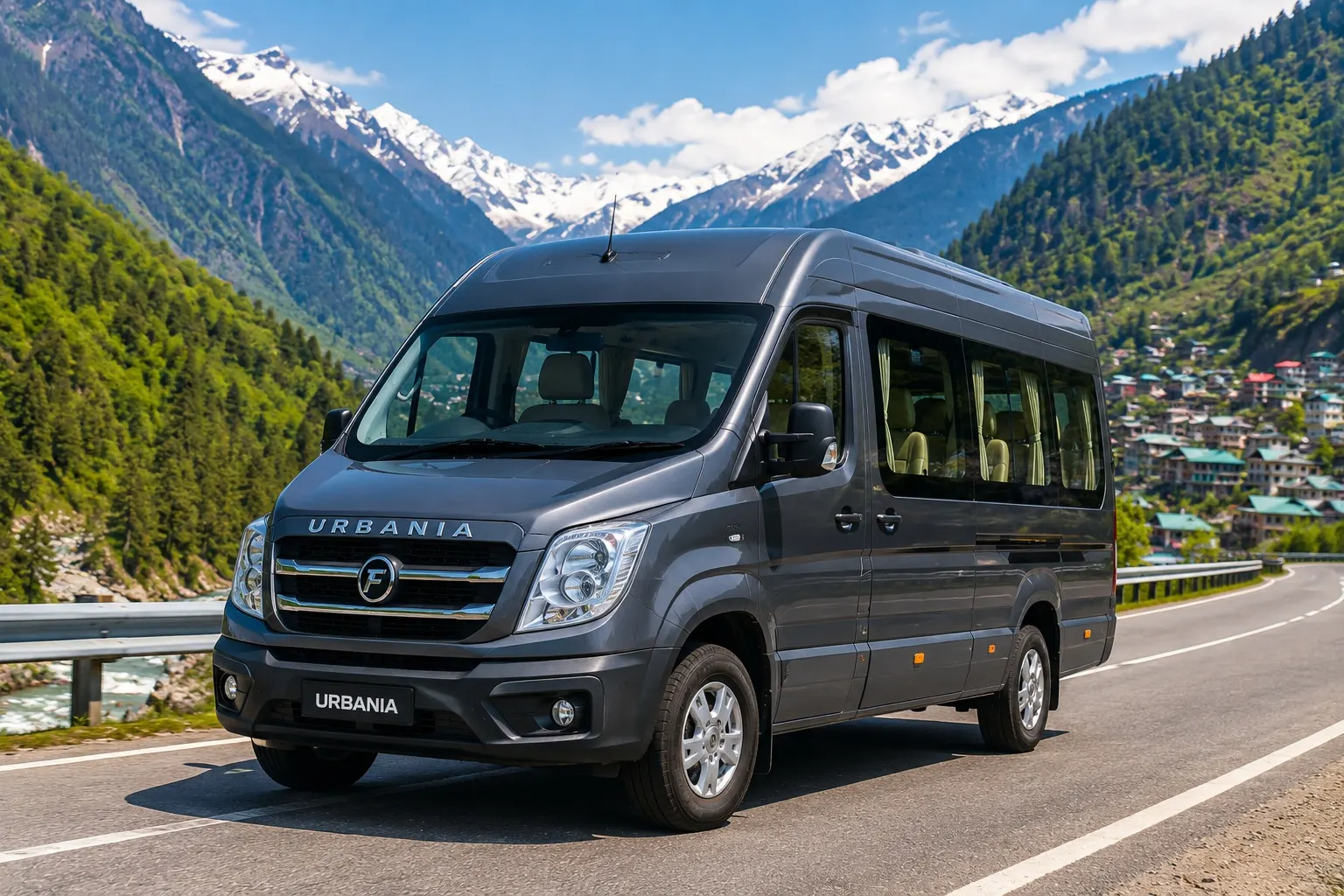
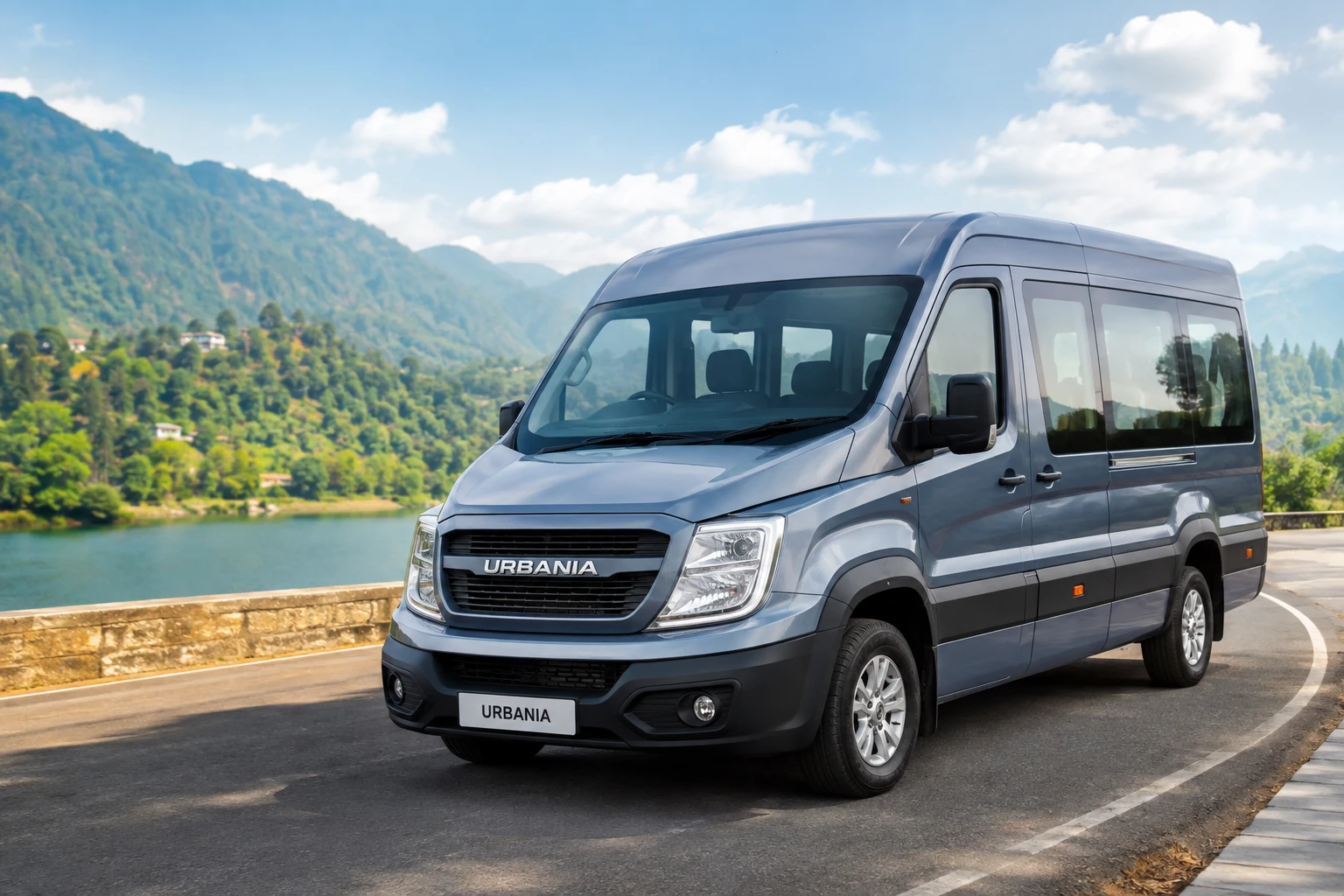
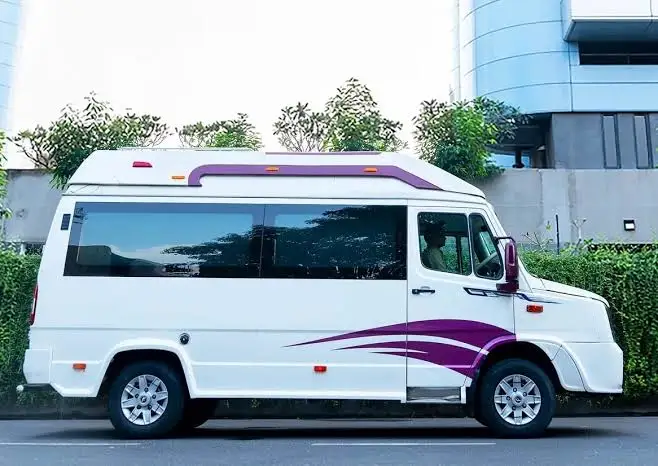
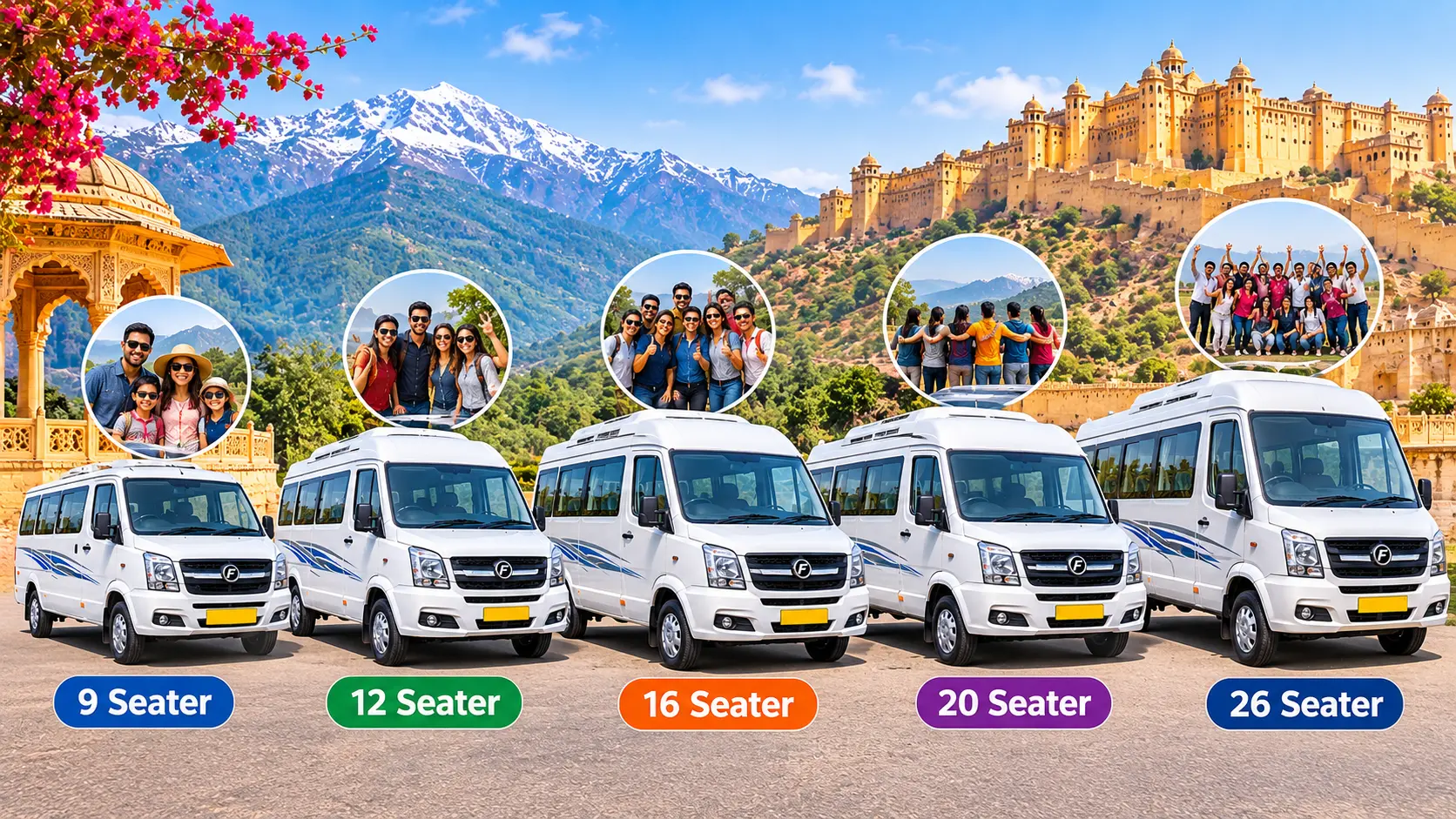
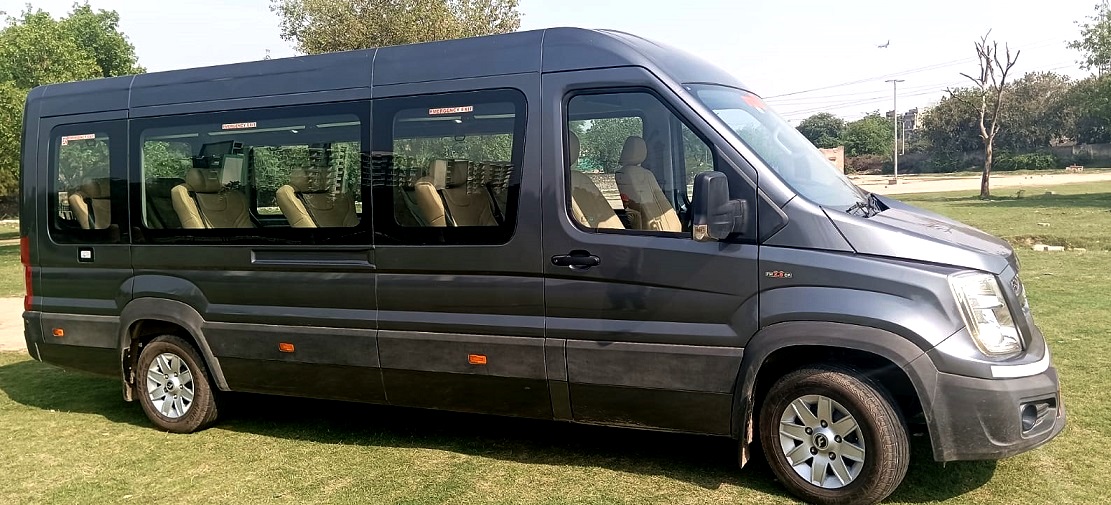
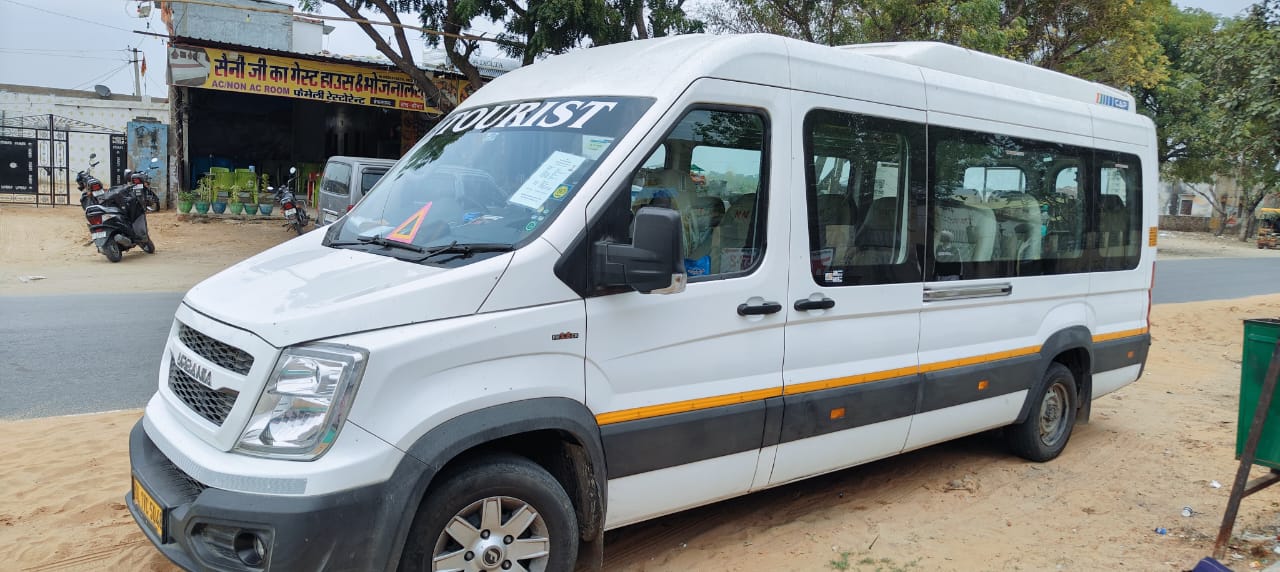
Vehicle type and size: a standard 12 seater costs less than a 16 seater push-back or an Urbania.
Number of days and kilometres: a longer route or extra sightseeing adds to the cost.
Season: May, June and the Navratri and Diwali period are peak, and rates rise with demand.
Tolls, taxes and permits: state entry tax, tolls and parking can be included or extra.
Driver night charges: hill driving needs rest, so clarify night halt and food allowance.
Hotels, meals, pony or helicopter: these are usually separate unless you choose a full package.
Always ask for a written quote that lists what is included and what is not. If you prefer one clear price for vehicle, stay and meals, choose a package instead of vehicle only.
Registration and Documents You Need
Registration is required for Kedarnath and Badrinath. The Uttarakhand government runs an online tourist registration system, and biometric registration counters work at places such as Haridwar and Rishikesh. Rules, timings and daily limits can change by season, so check the official Uttarakhand tourism portal before you travel.
Keep these with you:
A government photo ID for every passenger (Aadhaar, voter ID or passport)
Your registration slip, printed and on your phone
Medical prescriptions and a basic health certificate for senior citizens
Hotel and vehicle booking details
Best Time for Do Dham Yatra
The temples of Kedarnath and Badrinath open in spring, usually from late April or May, and close for winter around October or November. Opening and closing dates are announced each year.
May and June: the most popular months with clear weather, but very crowded.
July to August: monsoon. Landslides can block roads, so many groups avoid this time.
September to October: clear skies, fewer crowds and a calm darshan. Many experienced travellers prefer this window.
Temperatures in the hills drop fast, even in summer, so always carry warm clothes.
Where to Stay on the Do Dham Route
Haridwar and Rishikesh: many hotels and dharamshalas, good for the first and last night.
Guptkashi, Phata and Sonprayag: the base for Kedarnath, with simple hotels and lodges. Book early in peak season.
Kedarnath: limited tents and rooms. Book ahead, as space is very limited.
Joshimath and Badrinath: basic hotels and guest houses close to the temple.
For groups, choose places with parking for a tempo traveller, hot water and vegetarian food. Many pilgrims prefer satvik meals, so ask your hotel in advance.
Practical Tips for a Safe and Peaceful Yatra
Check health first. Kedarnath is above 3,500 metres. Senior citizens and people with heart, BP or breathing problems should consult a doctor before the trip.
Go slow and acclimatise. Do not rush the trek. Rest when you feel tired.
Pack for cold and rain. Carry a warm jacket, thermals, a raincoat, comfortable shoes, a torch and a power bank.
Carry medicines. Keep basic medicines, ORS, motion sickness tablets and personal prescriptions.
Start early every day. Early starts avoid traffic, afternoon rain and landslide delays.
Avoid night driving in the hills. Reach your halt before dark.
Keep cash. Network and ATMs can be limited in remote areas.
Follow local guidance. Respect weather alerts, route closures and instructions from police and temple staff.
Keep a buffer day. Weather can delay the yatra, so a spare day reduces stress.
How to Book Your Do Dham Yatra Tempo Traveller from Delhi
Share your pickup location, travel dates and number of passengers.
Choose between vehicle only or a full package with stay and meals.
Tell us if you have senior citizens, so we can plan slower days and easier halts.
Receive a clear quote with tolls, taxes and driver charges listed.
Confirm with an advance payment and get your booking details.
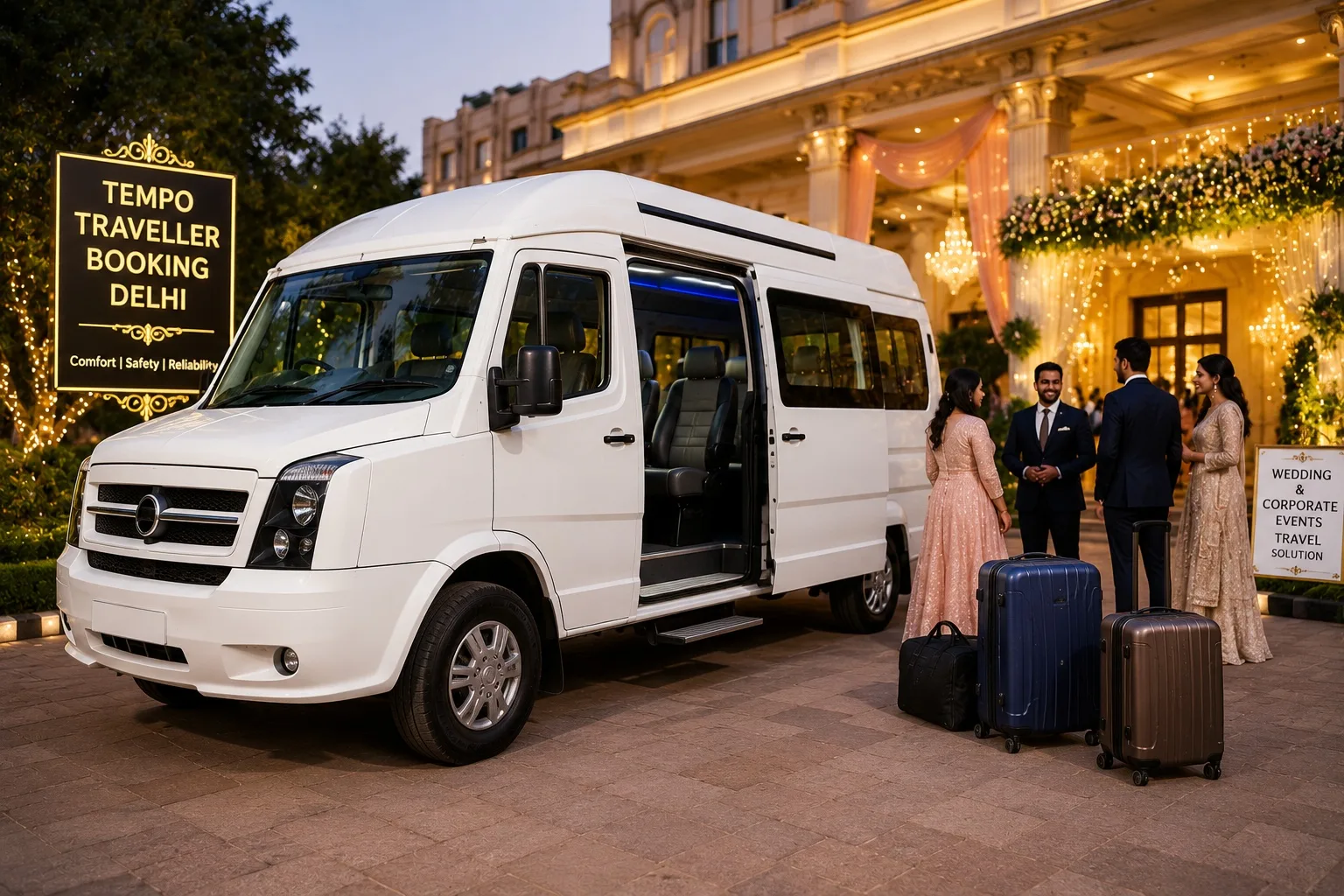
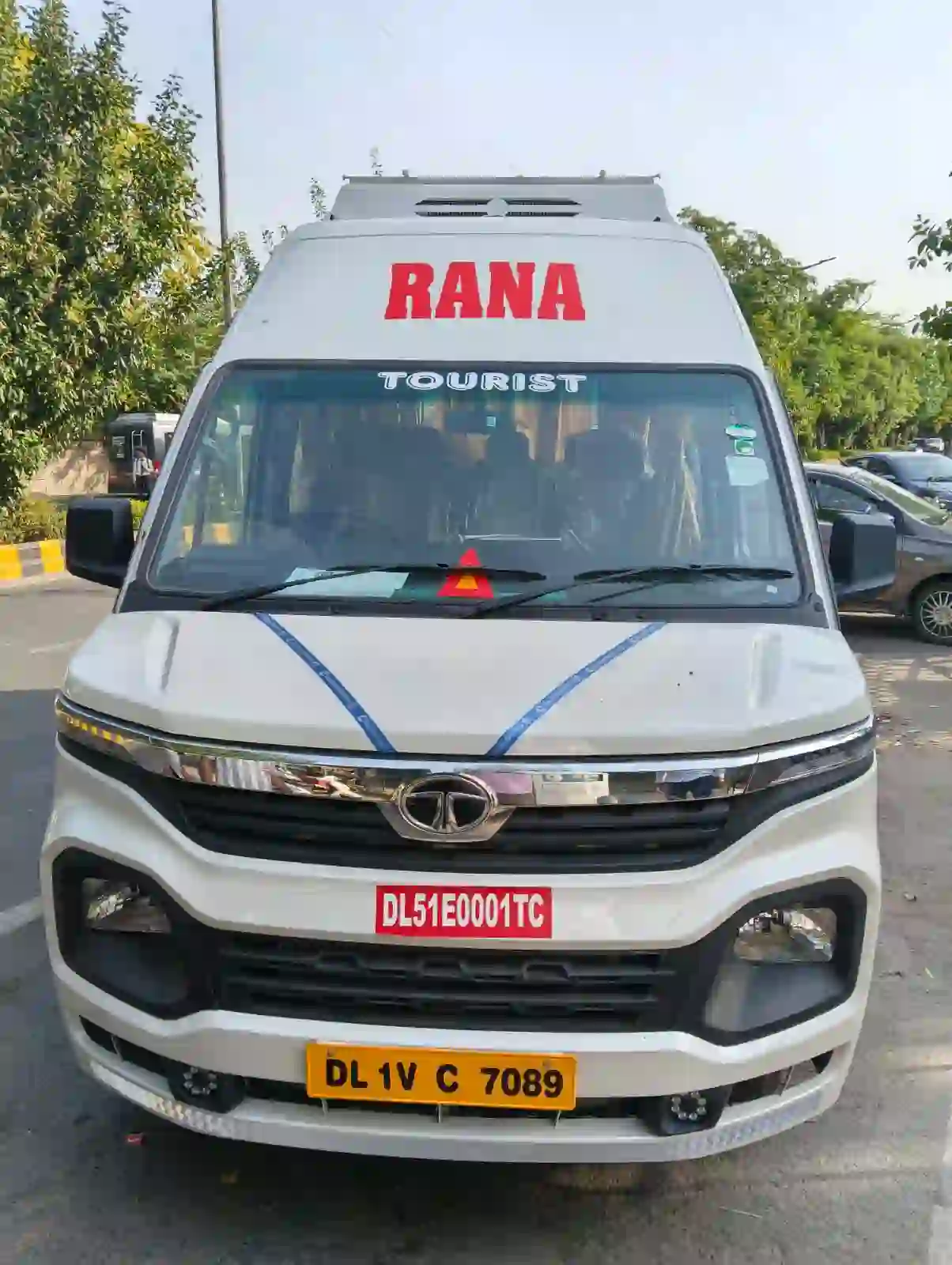
SS Rana Tour and Travels provides well-maintained tempo travellers, experienced hill drivers and transparent pricing for Kedarnath, Badrinath, Haridwar, Rishikesh and more. Call or WhatsApp +91 80766 28845, or visit www.ssranatour.com to plan your pilgrimage. You can also see our Do Dham Yatra package from Delhi for a ready plan, or our tempo traveller hire in Delhi page for vehicle options.
Final Words
The Do Dham Yatra is a journey of faith, and travelling with your own group in one comfortable vehicle makes it calmer and safer. Plan early, check the weather and registration rules, pack warm and keep a buffer day. With the right vehicle and an experienced driver, your yatra can stay focused on darshan and devotion.
Ready to plan your yatra? Contact SS Rana Tour and Travels for your Do Dham Yatra by tempo traveller from Delhi. Har Har Mahadev, Jai Badri Vishal.
The Do Dham Yatra covers two of the four Char Dham shrines: Kedarnath, the Shiva Jyotirlinga, and Badrinath, the Vishnu temple. Many groups choose it because it takes fewer days than the full Char Dham Yatra and suits elders and first-time pilgrims.
A comfortable plan is 7 nights and 8 days. This allows for the long hill drives, the Kedarnath trek, and rest days. A buffer day is useful in case the weather delays the yatra.
For a vehicle only, a 12-seater for around 8 days often falls between Rs. 75,000 and Rs. 1,10,000. The final price depends on vehicle type, season, tolls, taxes, and driver night charges. Hotels, meals, pony, and helicopter are usually extra, so ask for a written quote.
No. Private vehicles go only up to Sonprayag. From there, a local shared taxi takes you to Gaurikund, and you continue on foot, by pony, palki, or helicopter. Your tempo traveller waits and picks you up on your return.
Yes, registration is required for the yatra, and rules can change each season. Check the official Uttarakhand tourism portal before you travel, and carry a photo ID and your registration slip for every passenger.
The temples usually open in late April or May and close around October or November. May and June are the most crowded. September and October often have clearer skies and fewer people. Avoid the monsoon months of July and August if you can, because landslides can block roads.
Many seniors complete it, but Kedarnath is above 3,500 metres, and the trek is long. Ask a doctor first, go slowly, use a pony, palki, or helicopter if needed, and carry regular medicines. Senior citizens should avoid rushing on arrival.



















.jpeg)



.jpeg)
.webp)
.jpeg)
.jpeg)
.jpeg)


.jpeg)
.jpeg)
.jpeg)
.jpeg)
.jpeg)



.jpeg)
.webp)
.jpeg)
.jpeg)

.jpeg)

.jpeg)
.jpeg)
.jpeg)
.jpeg)

.jpeg)

.webp)
.jpeg)
.jpeg)
.jpeg)

.jpeg)











.webp)
.webp)









_15_11zon.webp)










































































.webp)























.webp)



























.jfif)











.jfif)
.jfif)
.jpg)

.jfif)
.jfif)
.jfif)

.jfif)
.jfif)
.jfif)

.jfif)


.jfif)






.webp)
.webp)
.webp)

.webp)
.webp)
.webp)

.webp)

.webp)


.webp)

.webp)







.webp)
.webp)

.webp)

.webp)



















.webp)







.webp)

































@.webp)