Planning a pilgrimage, baraat or large event? Learn how to book a 53 seater bus on rent in Delhi, compare it with a 45 seater, plan routes and rest stops, and avoid hidden charges like toll, parking, night halt and permit fees. Get a clear written quote from SS Rana Tour and travel together stress-free.
Published on 18 Nov, 2026
Updated on 20 Nov, 2026
989 Views
53 Seater Bus Group Guide: Pilgrimage, Baraat and Large Event Travel
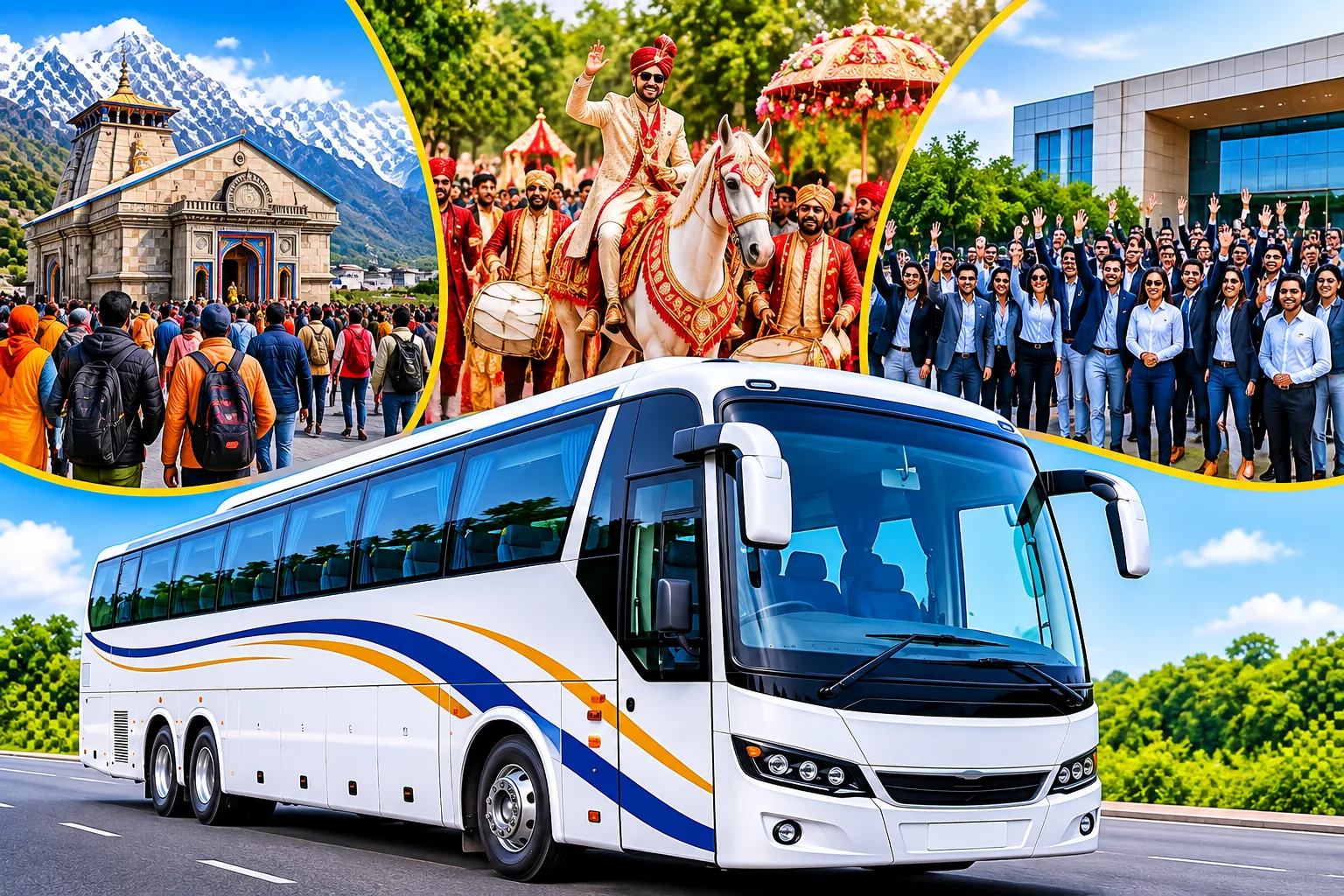
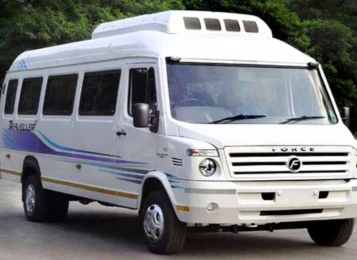
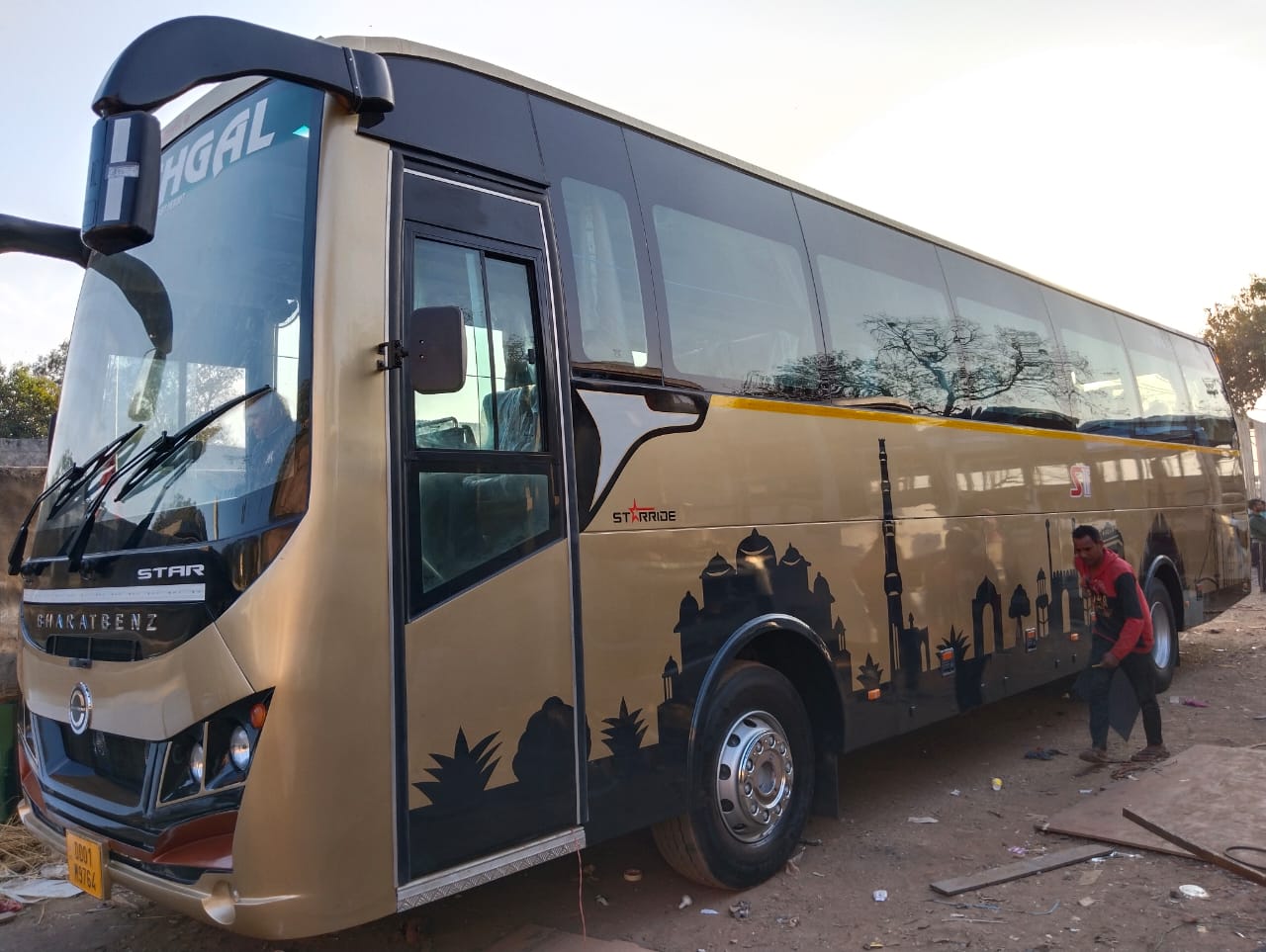
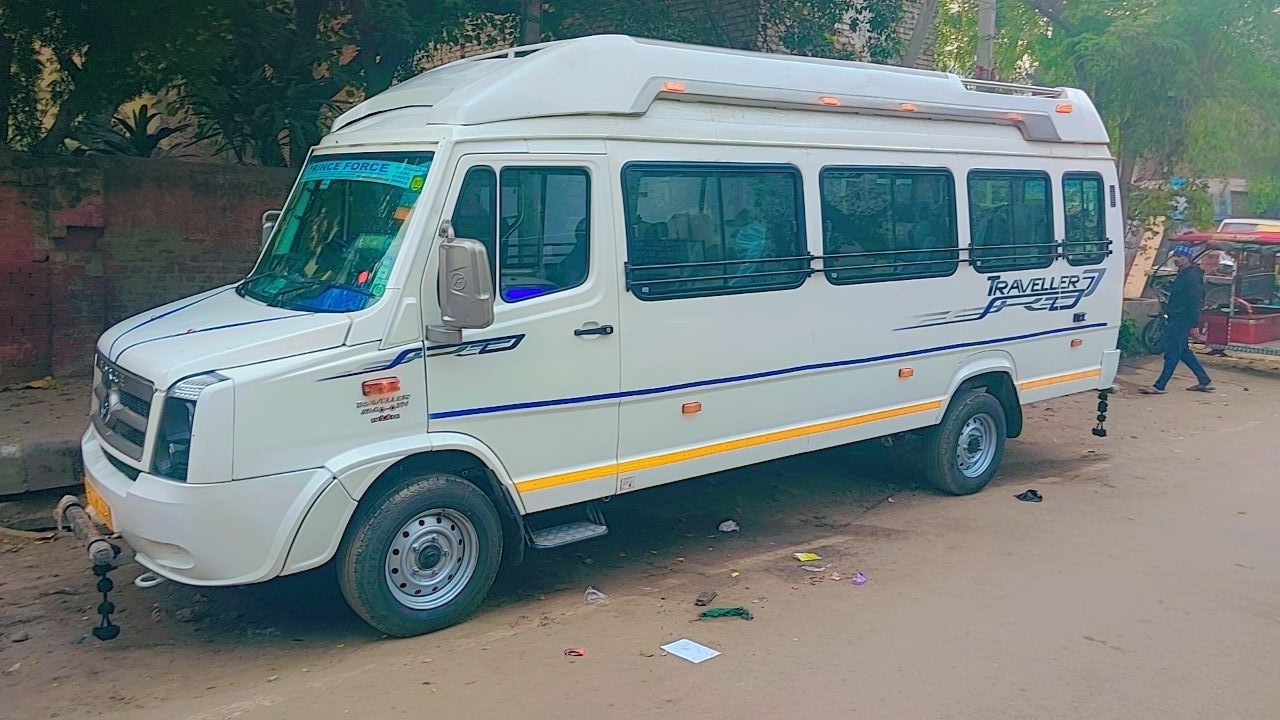
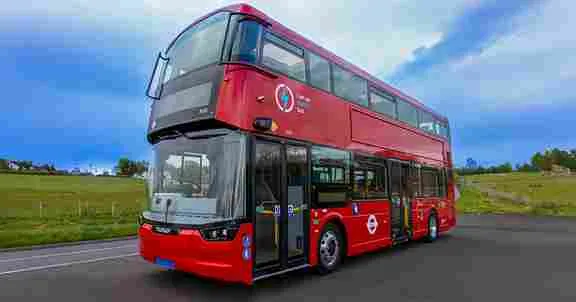
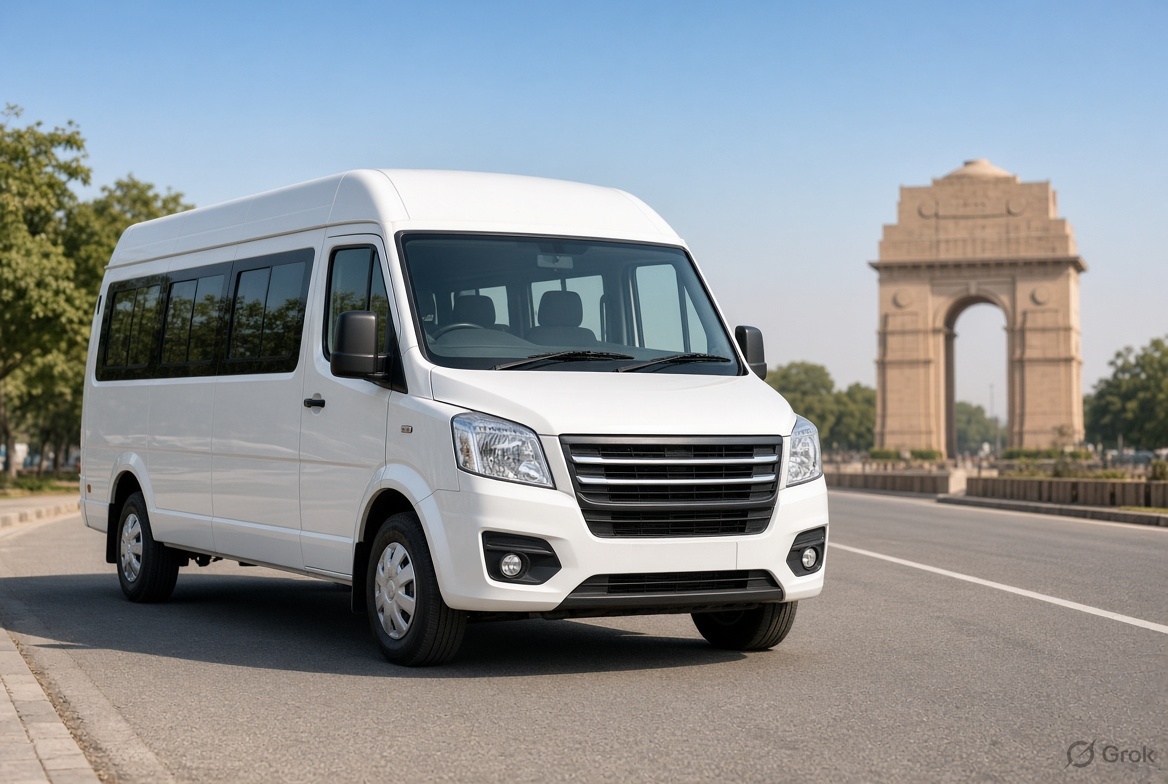
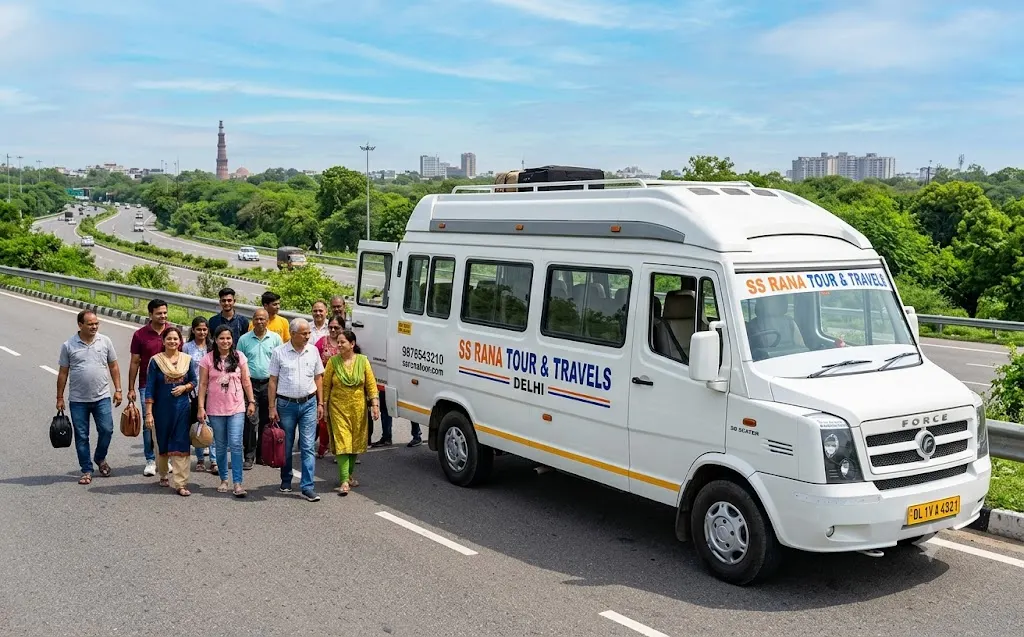
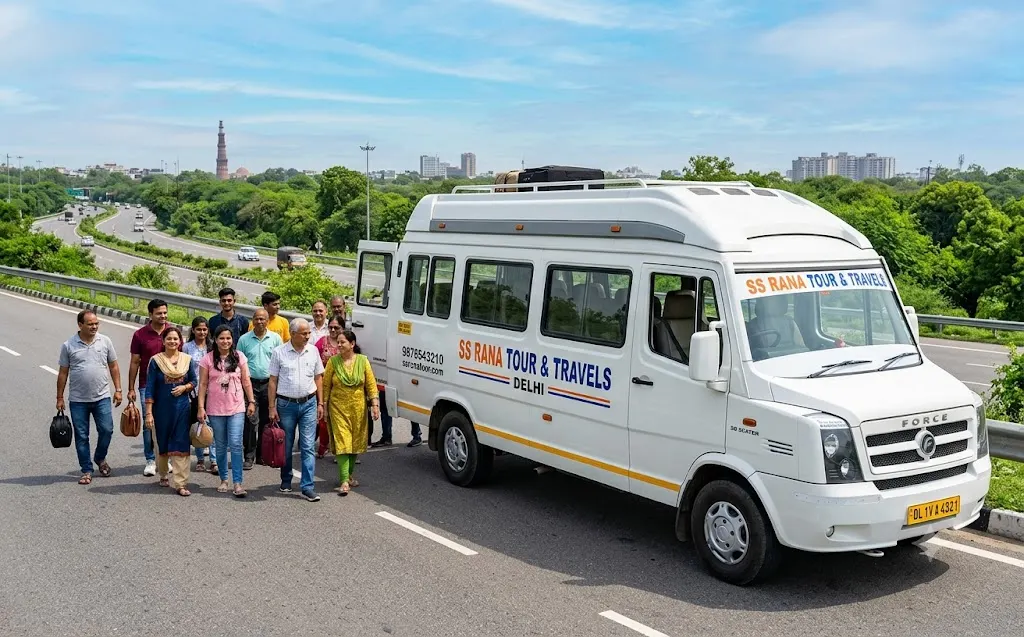
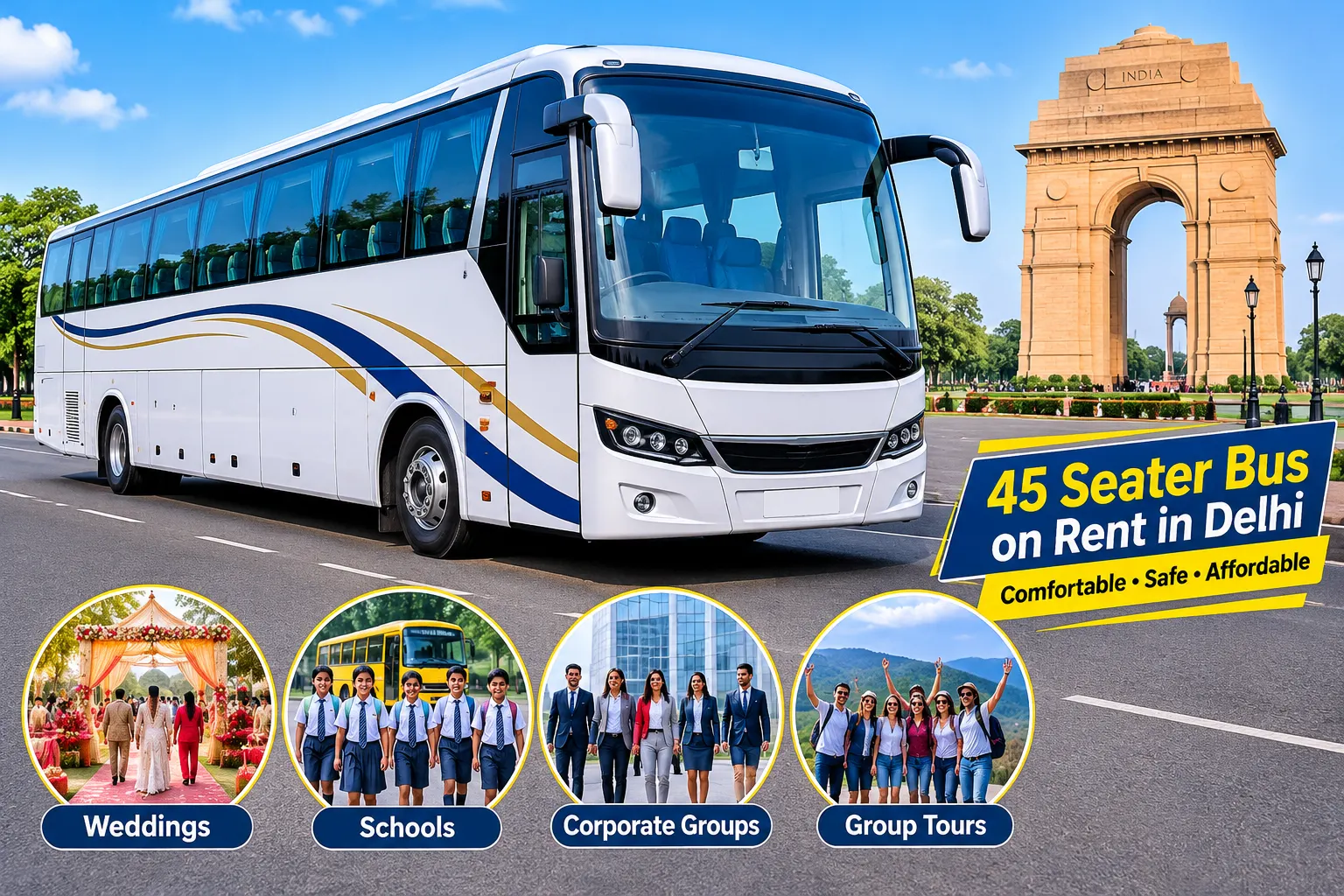
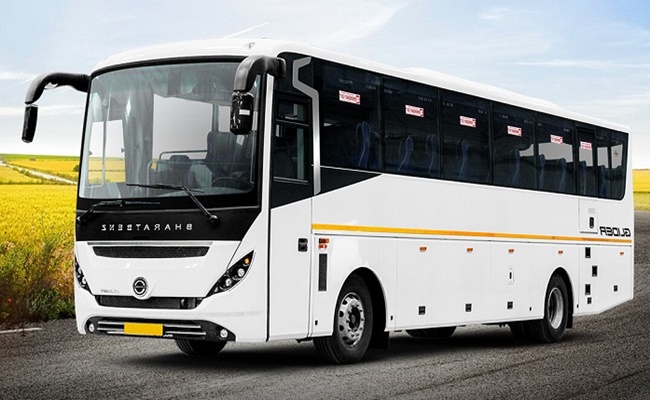
When fifty or more people need to travel together, the simplest answer is one vehicle, one driver and one plan. A 53 seater bus on rent in Delhi is built for exactly this: pilgrimage groups, baraat and wedding guests, school and college tours, corporate events and community gatherings. But a large bus is not booked like a car. Seats, luggage, permits, timings and driver rest all need planning, or the trip gets stressful for everyone on board.
This guide explains how large group bus travel works, who should choose a 53 seater, how it compares with a 45 seater, and how to complete bus booking in Delhi without last-minute surprises.
Quick Answer: When Should You Choose a 53 Seater Bus?
Choose a 53 seater bus when your group has roughly 45 to 53 passengers and you want everyone in one vehicle. It suits long pilgrimage journeys, baraat and guest transport, large family functions and institutional trips where keeping the group together matters more than flexibility. For groups under 40, a smaller bus or a mix of vehicles is usually more comfortable and easier to manage.
Why One Large Bus Works Better for Big Groups
Splitting a large group across many small vehicles sounds easy, but it creates problems:
Vehicles get separated on highways and in city traffic.
Pickup and drop timings become uneven.
Coordinating several drivers is harder than briefing one.
Costs for fuel, toll and driver charges multiply.
A single bus keeps the group together, simplifies communication and gives the organiser one point of contact. It also makes headcount checks quick, which matters for elderly passengers, children and pilgrims travelling in groups.
53 Seater vs 45 Seater Bus: Which Is Right for You?
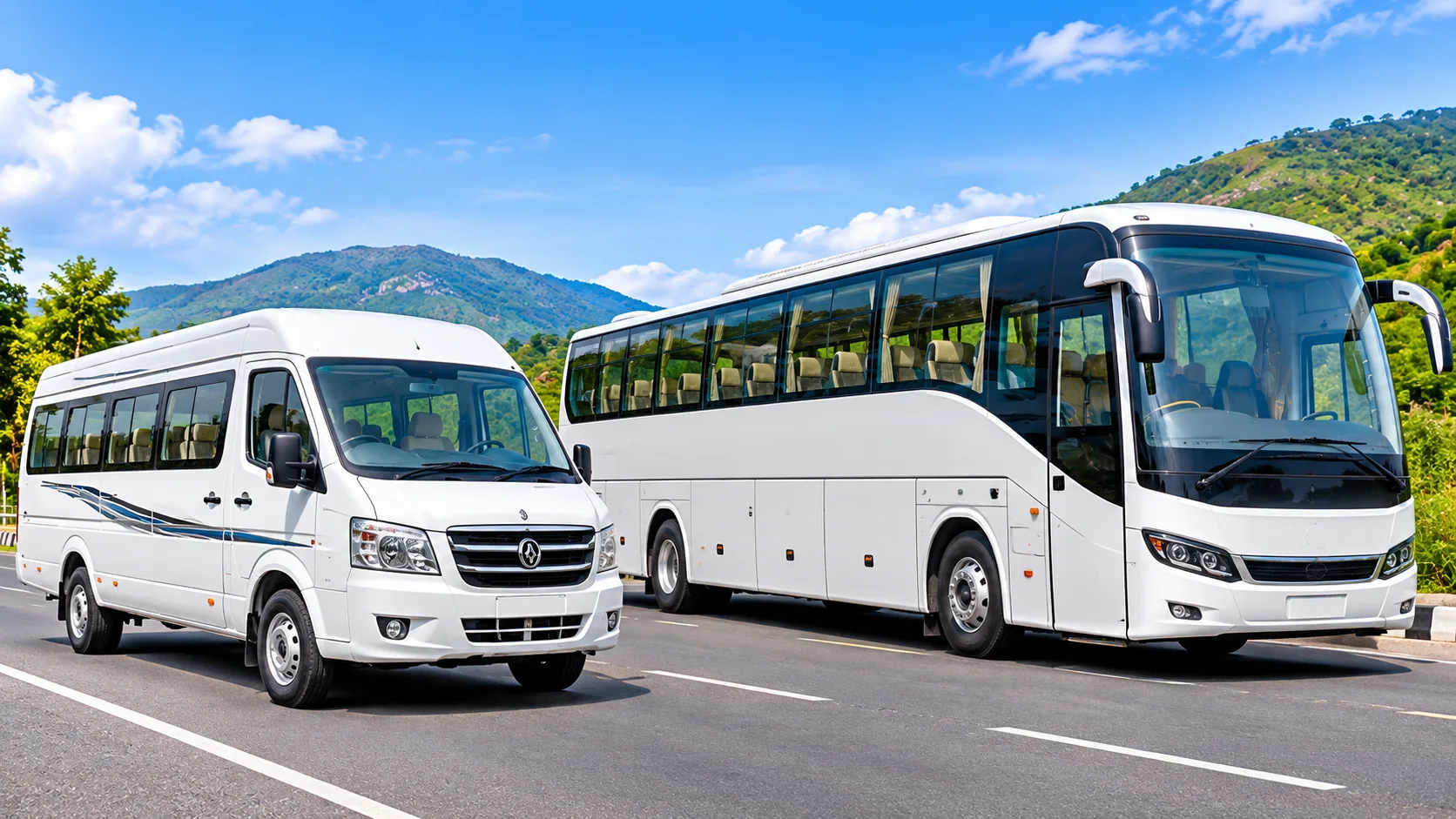
Many people searching for a 45 seater bus on rent in Delhi end up comparing it with a 53 seater. The right choice depends on how much space your group actually needs.
Factor
45 Seater Bus
53 Seater Bus
Best group size
About 35 to 45
About 45 to 53
Seat spacing
Usually more relaxed
Tighter when fully occupied
Luggage space
Better for multi-day trips
Can be limited on a full load
Manoeuvring
Easier on narrow routes
Needs wider roads
Typical use
Family tours, school trips, mid-size weddings
Large pilgrimages, baraat, big events
A practical rule: if your group is close to full capacity and you are carrying heavy luggage, choose the bigger bus or add a small vehicle for bags. If the group is not full, a 45 seater often gives better comfort for the same journey.
Pilgrimage Travel by Bus: What to Plan
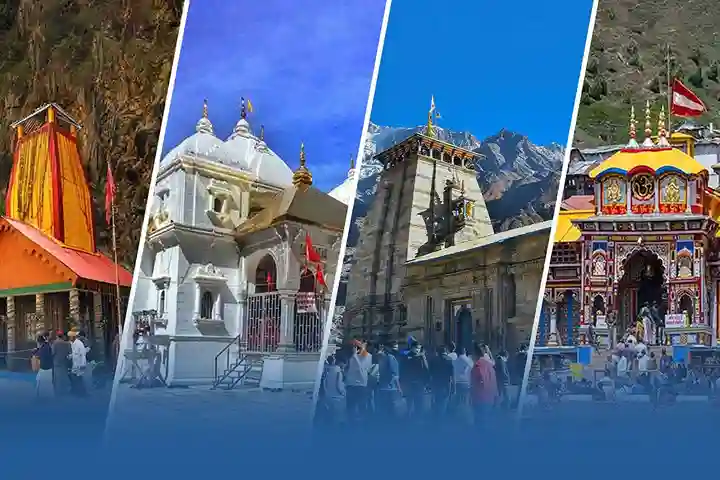
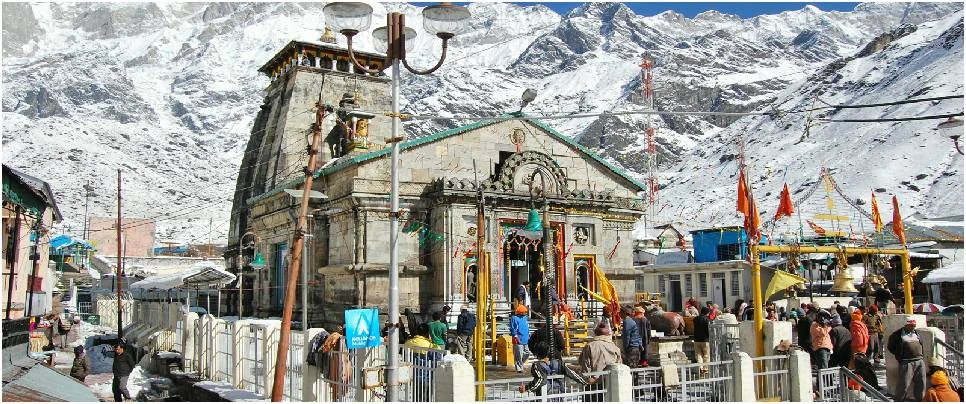
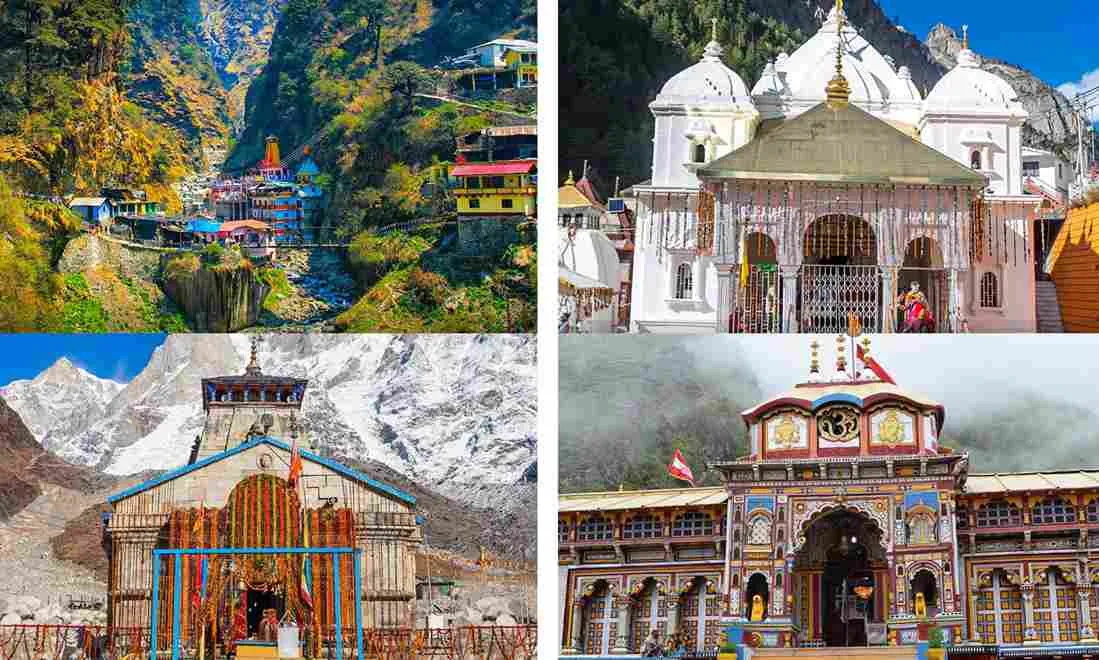
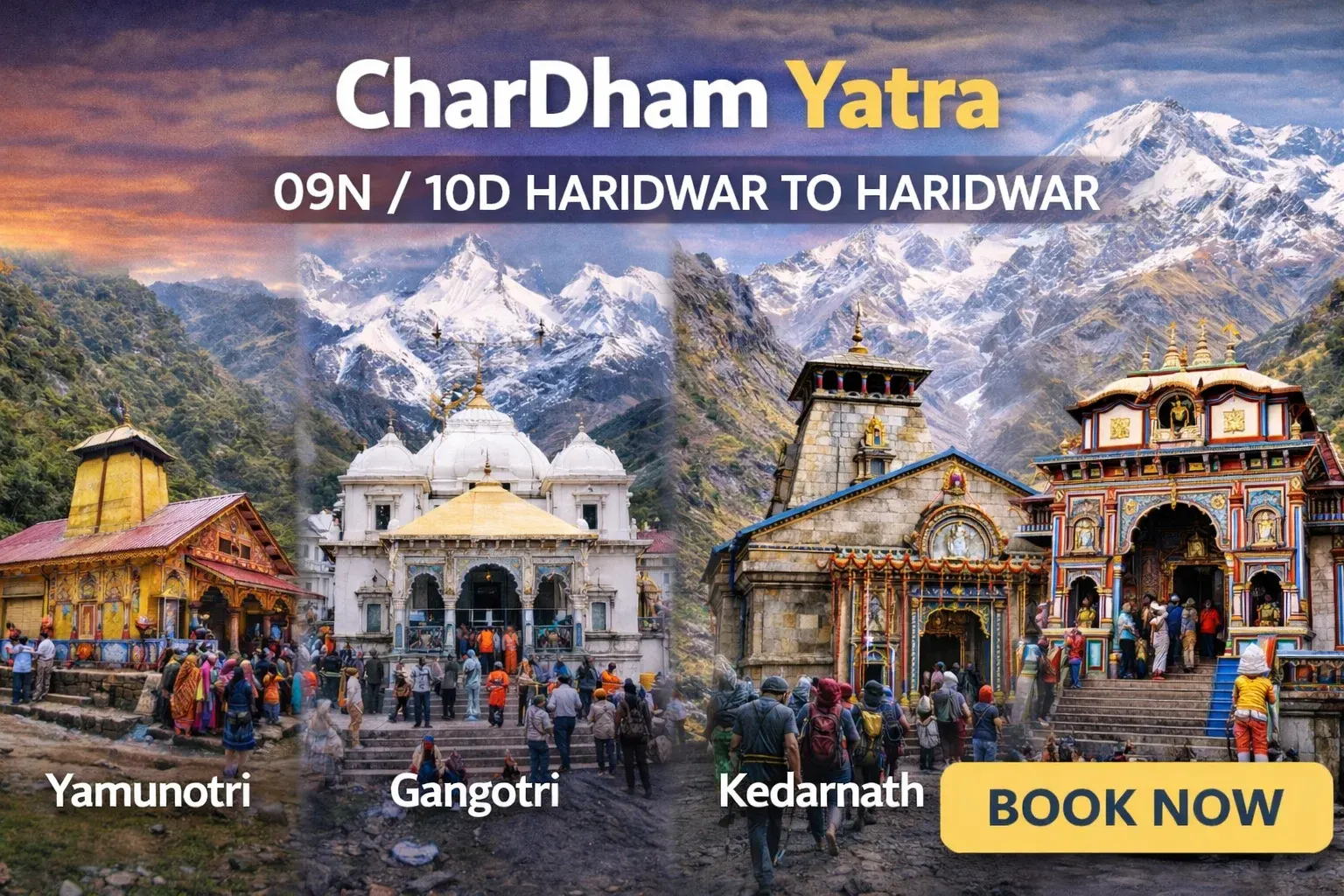
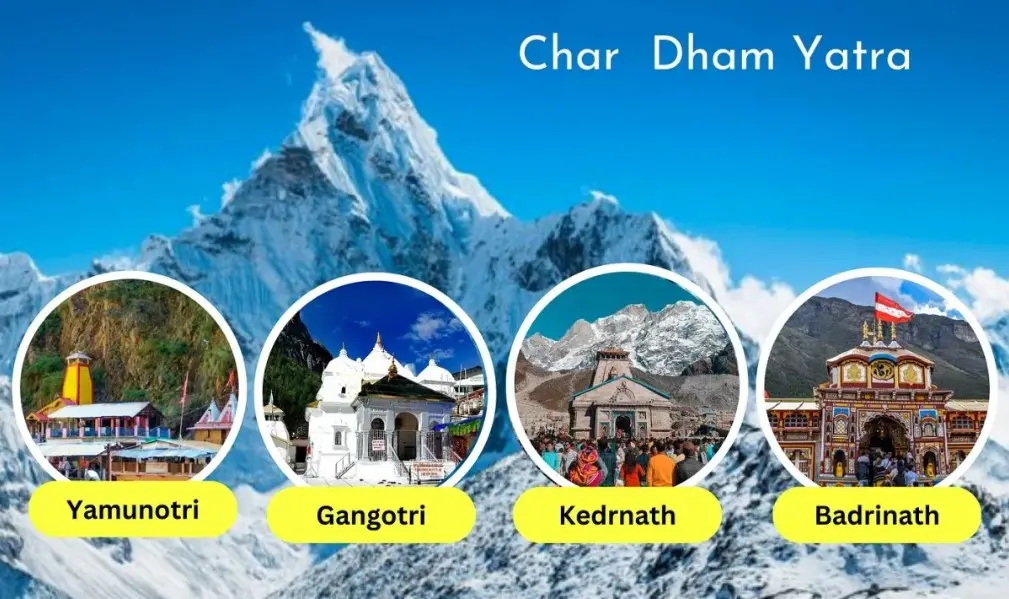
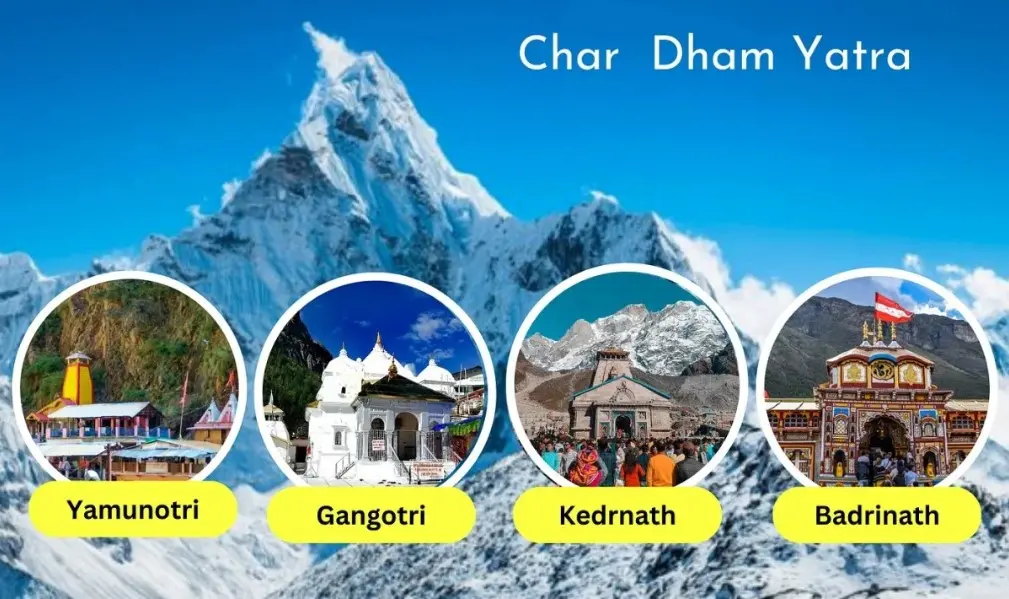
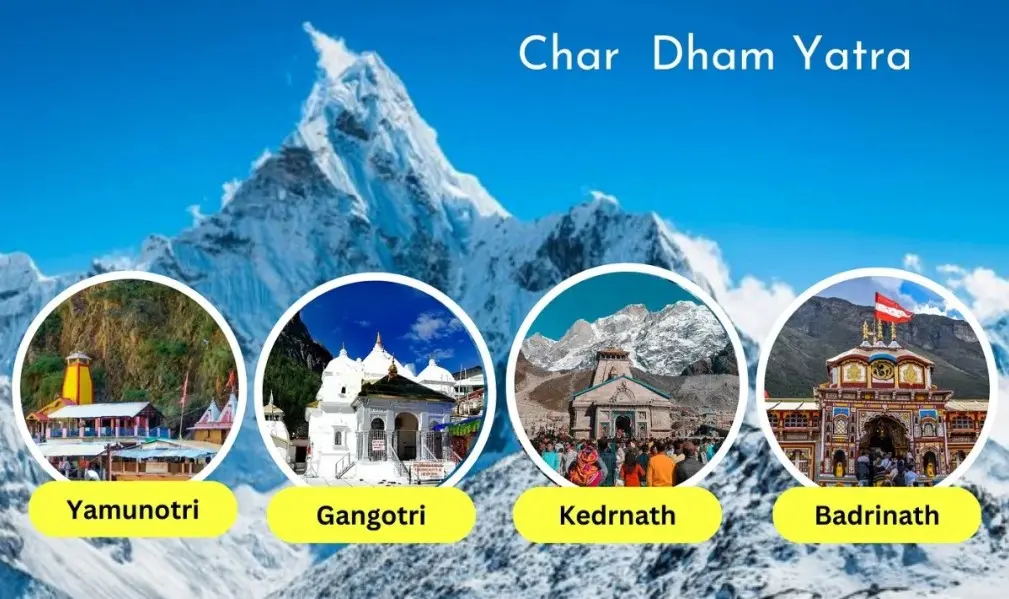
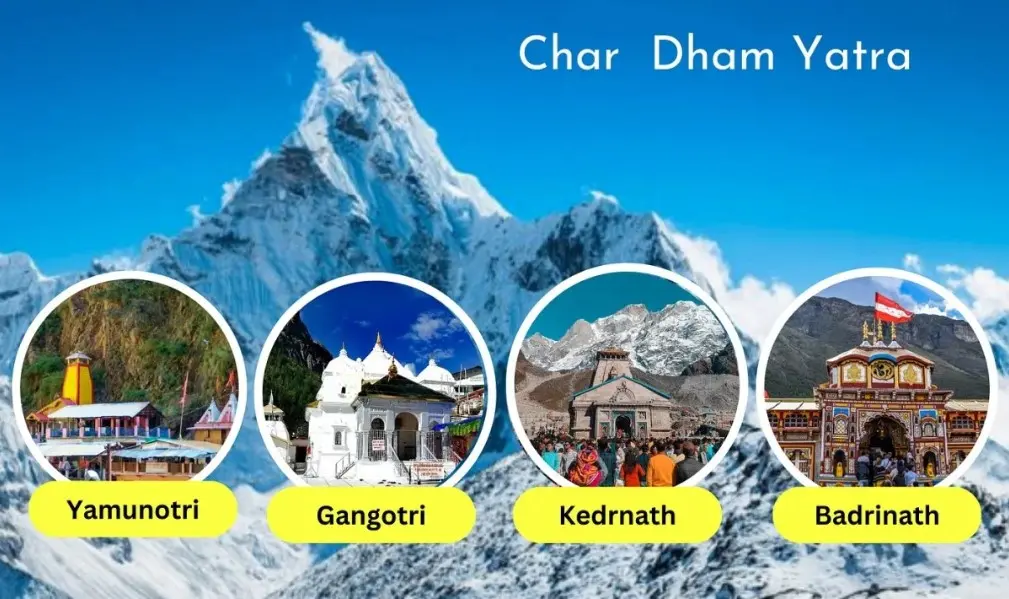
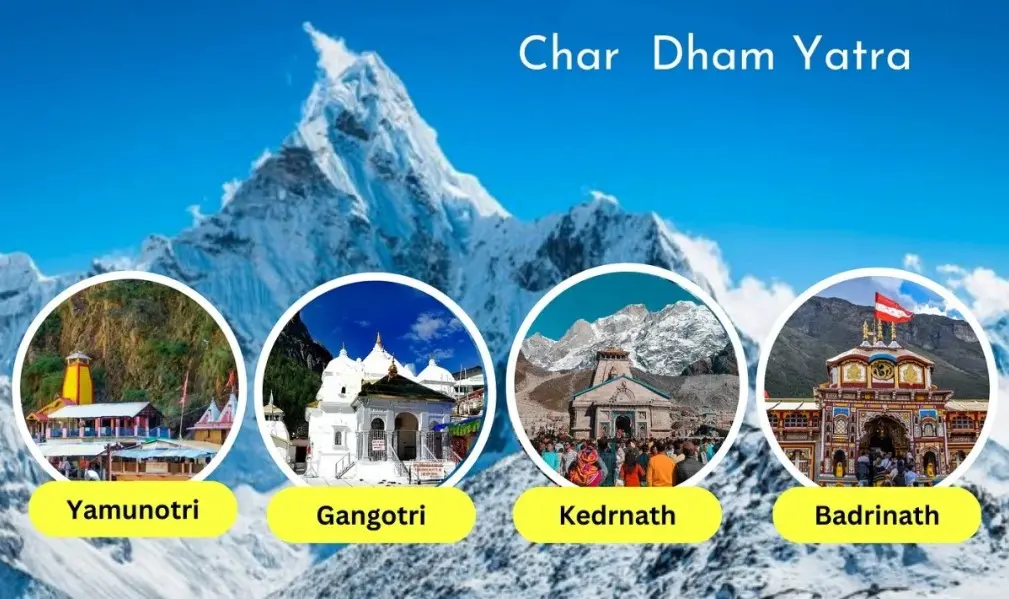
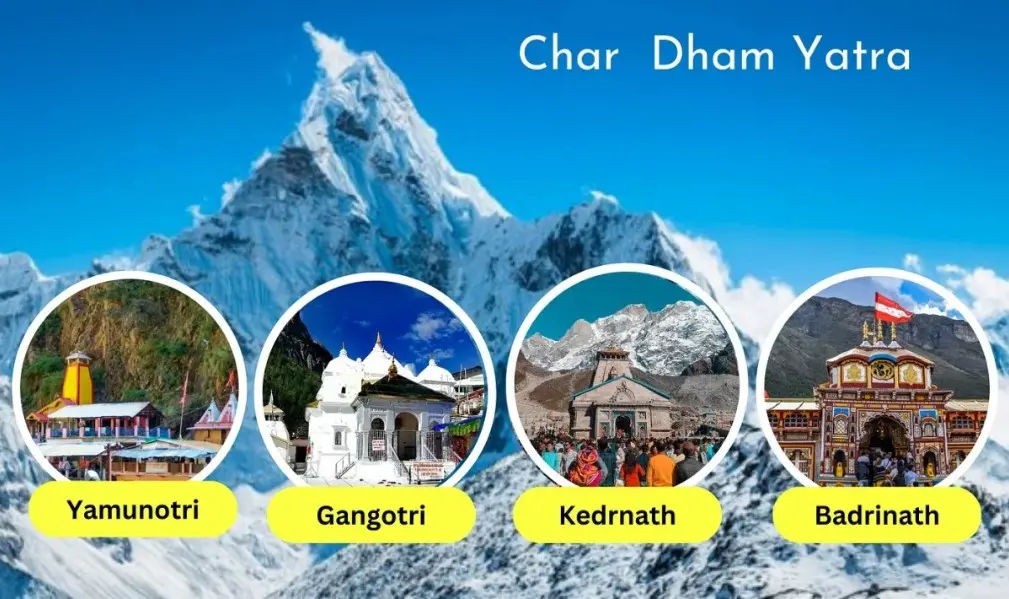
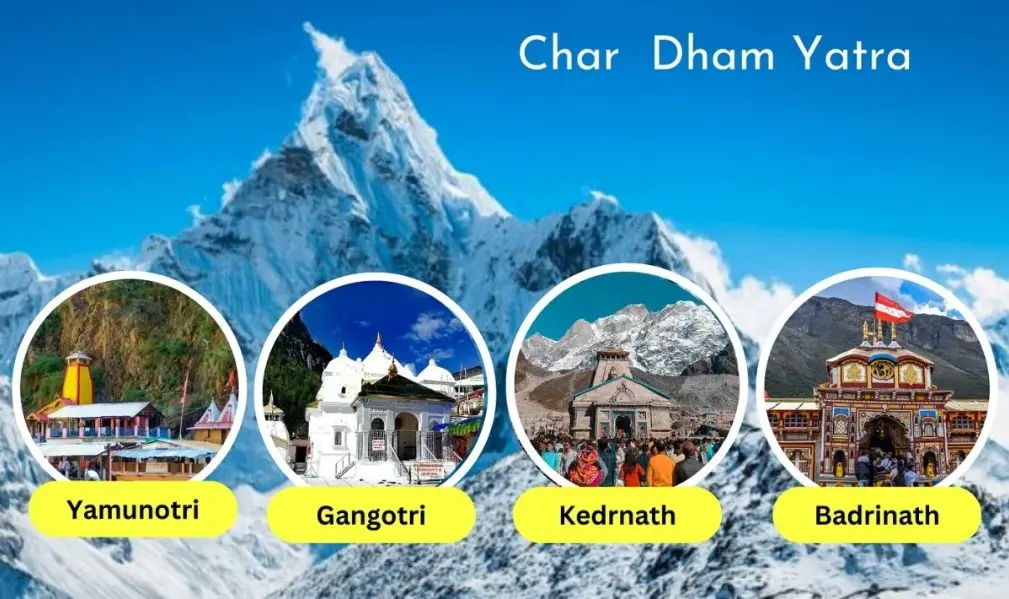
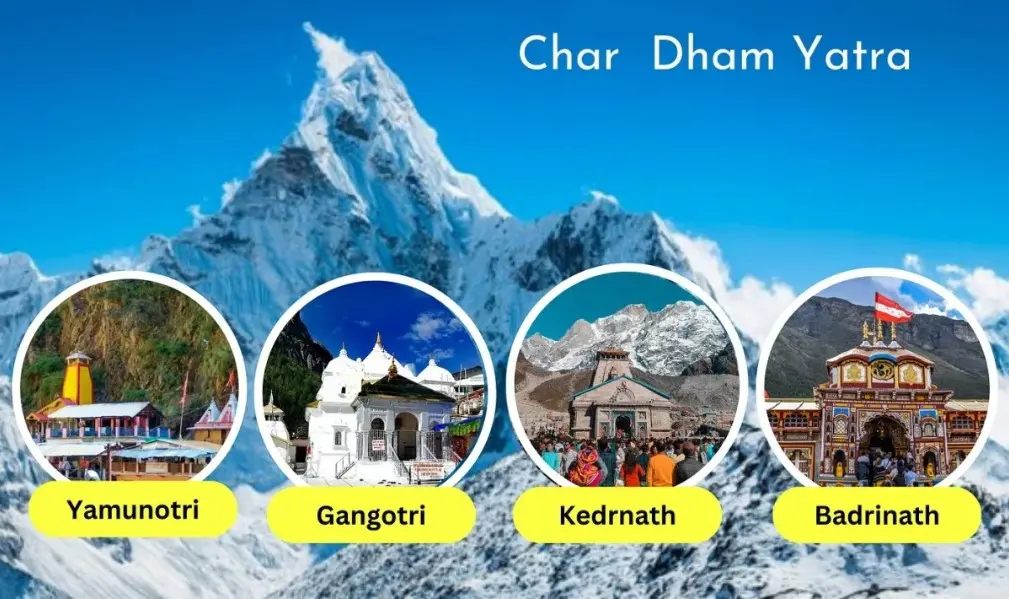
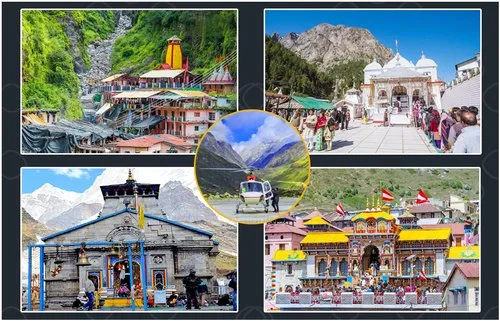
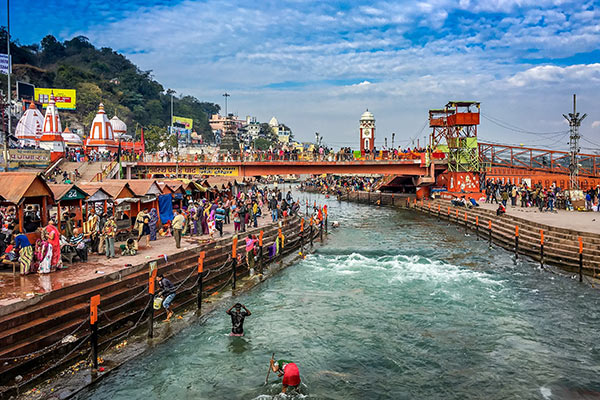
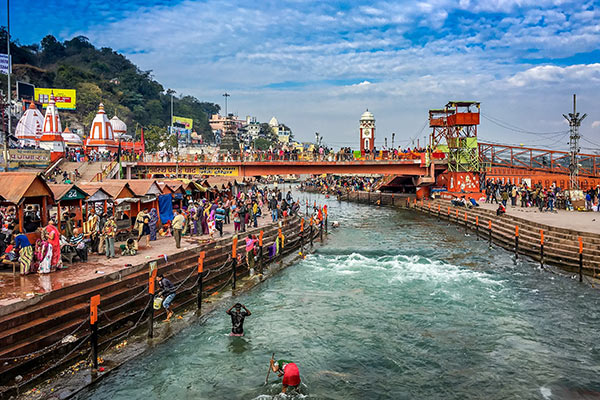
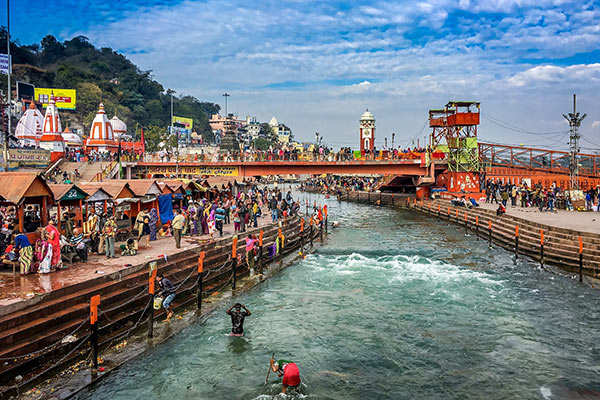
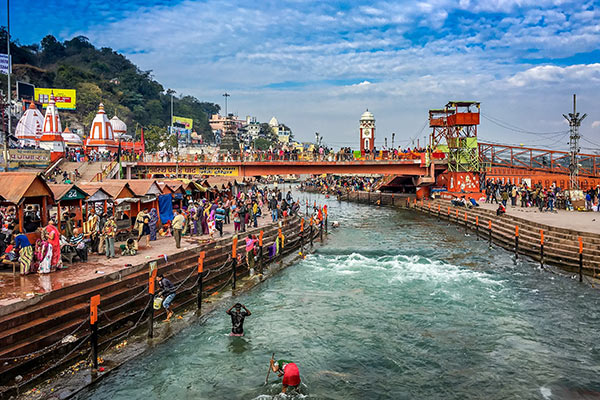
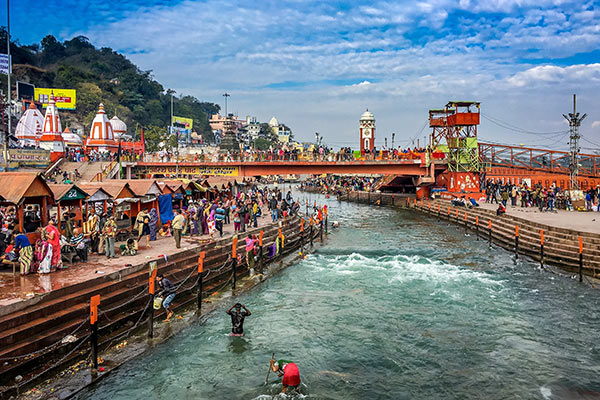
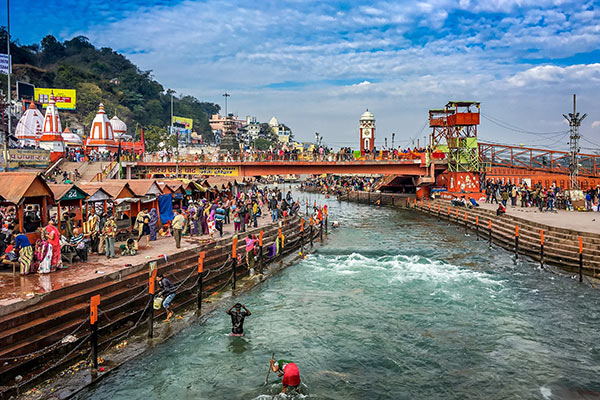
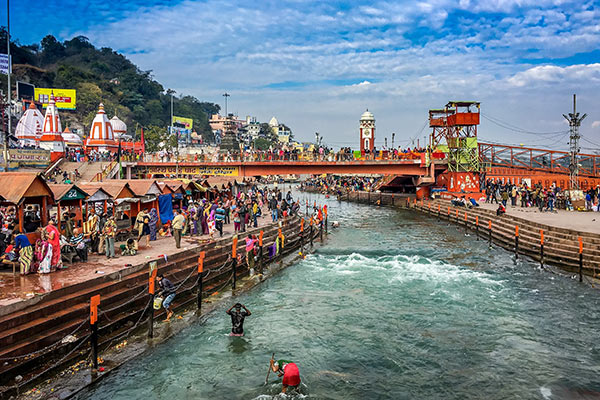
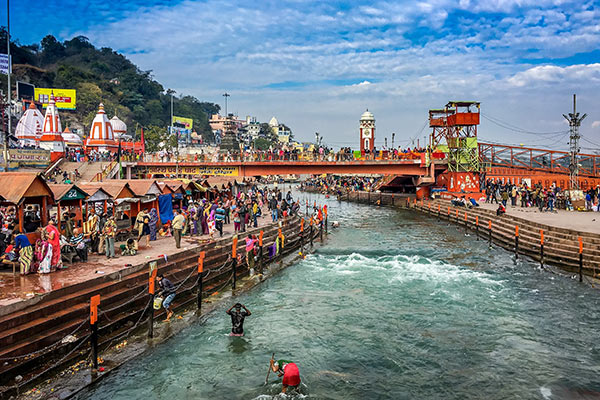
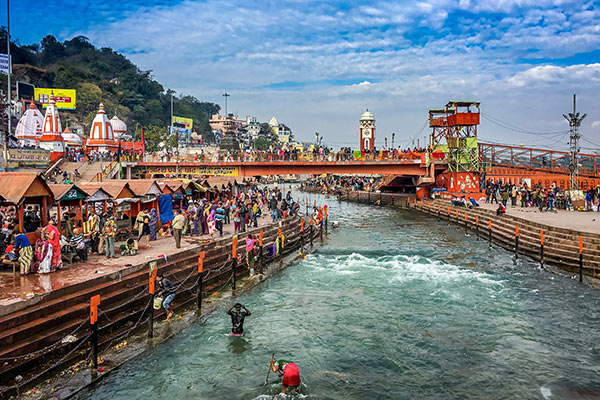
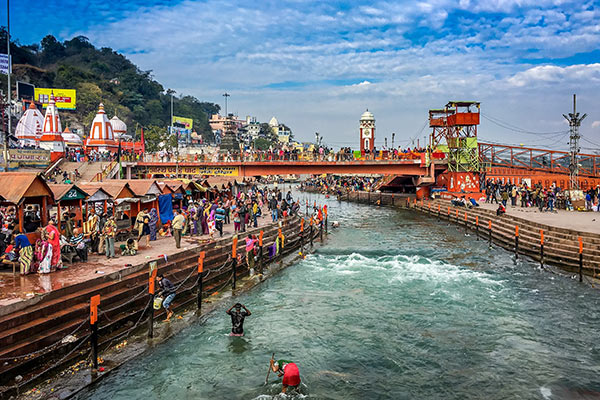
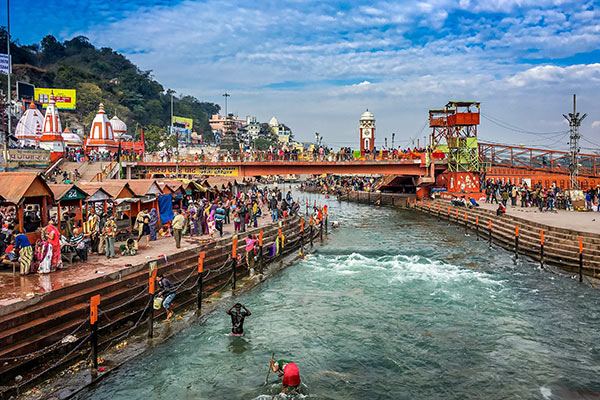
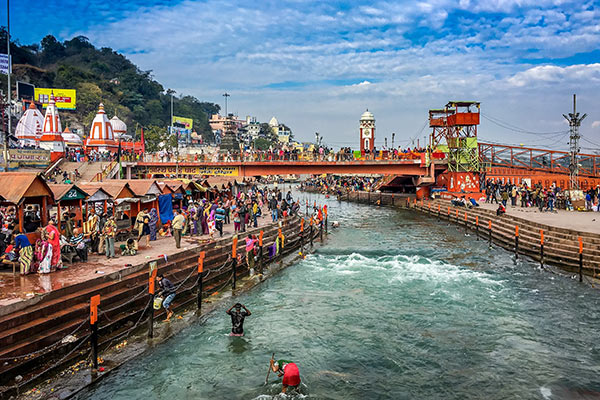
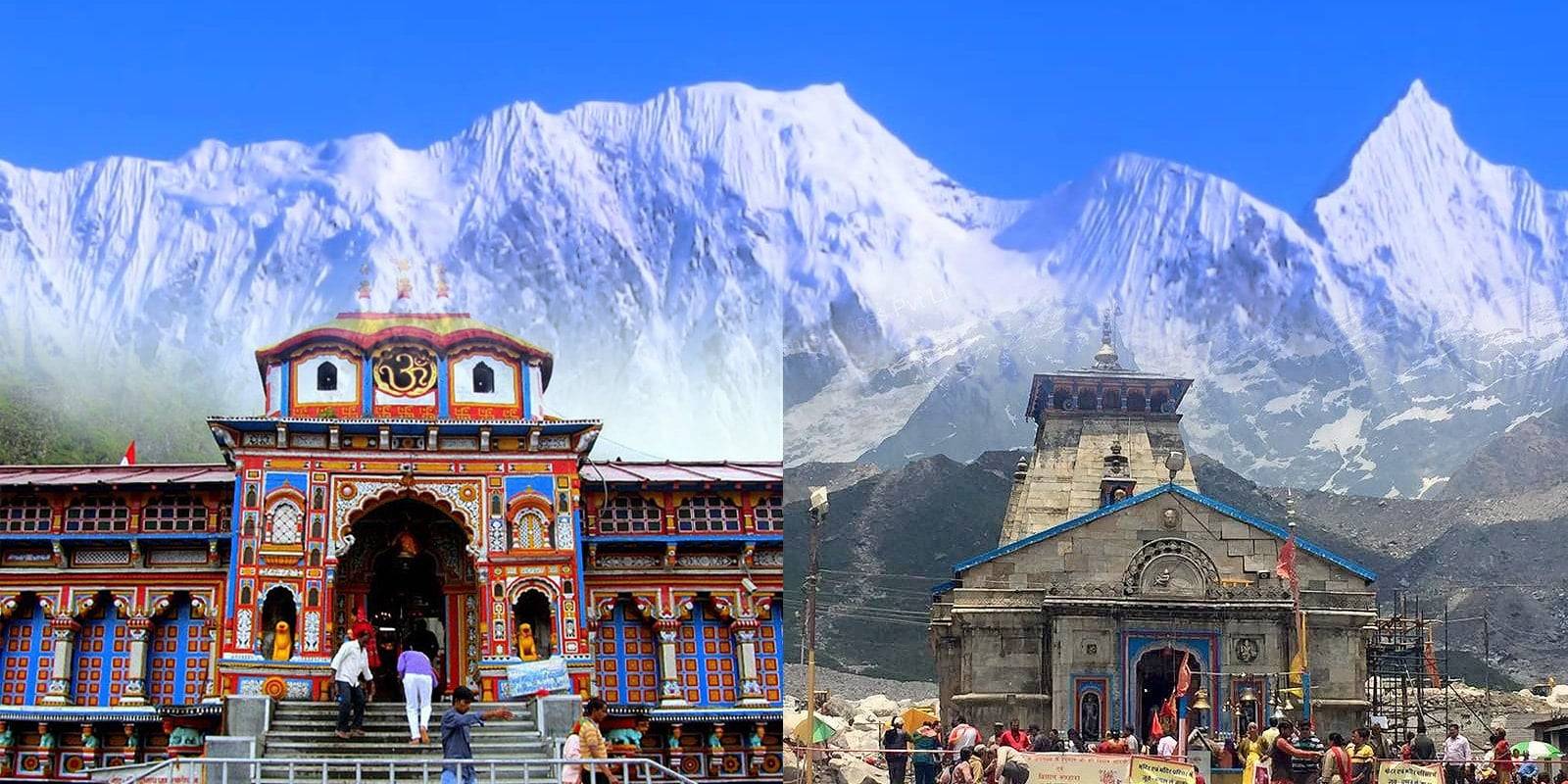
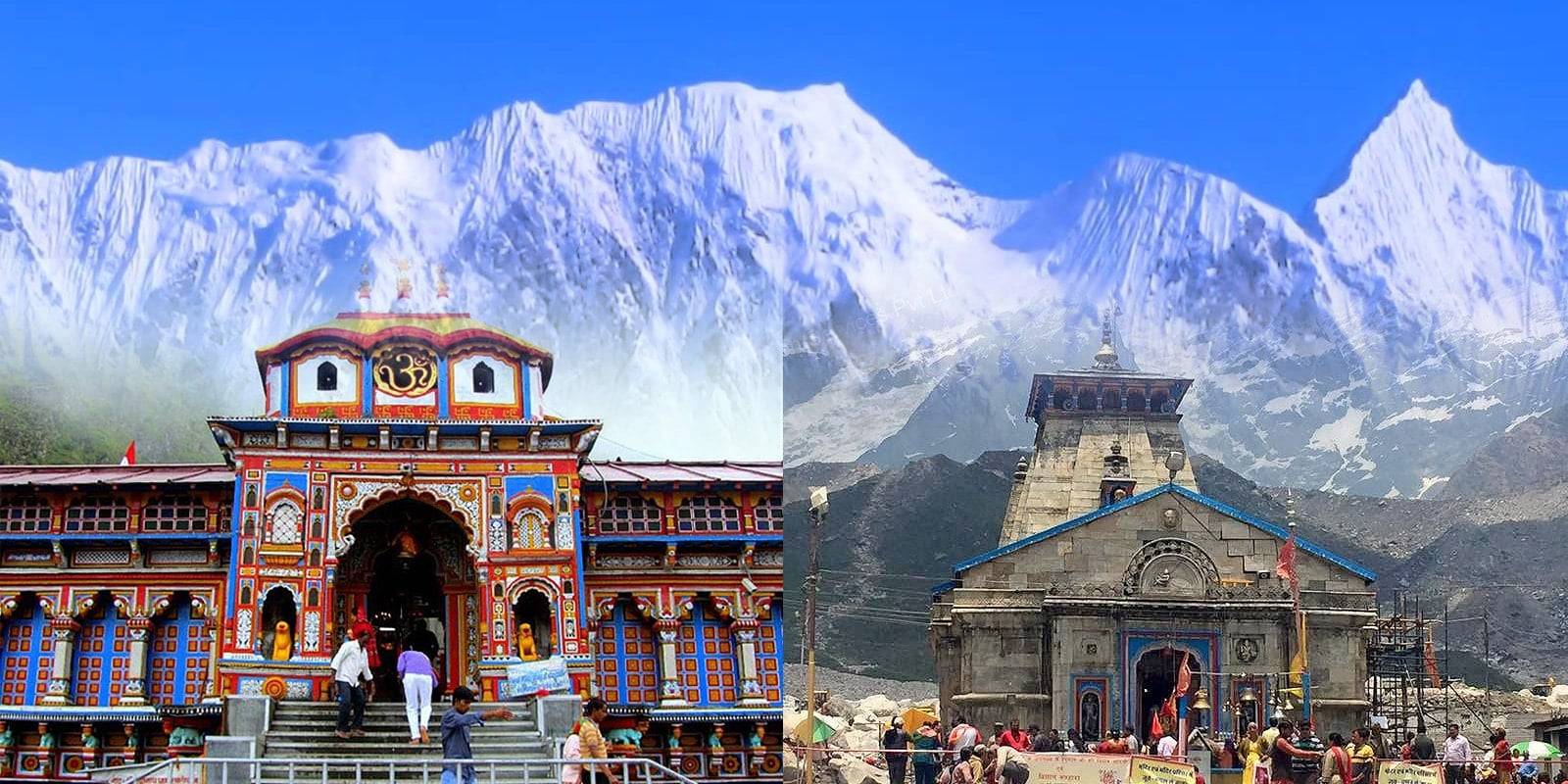
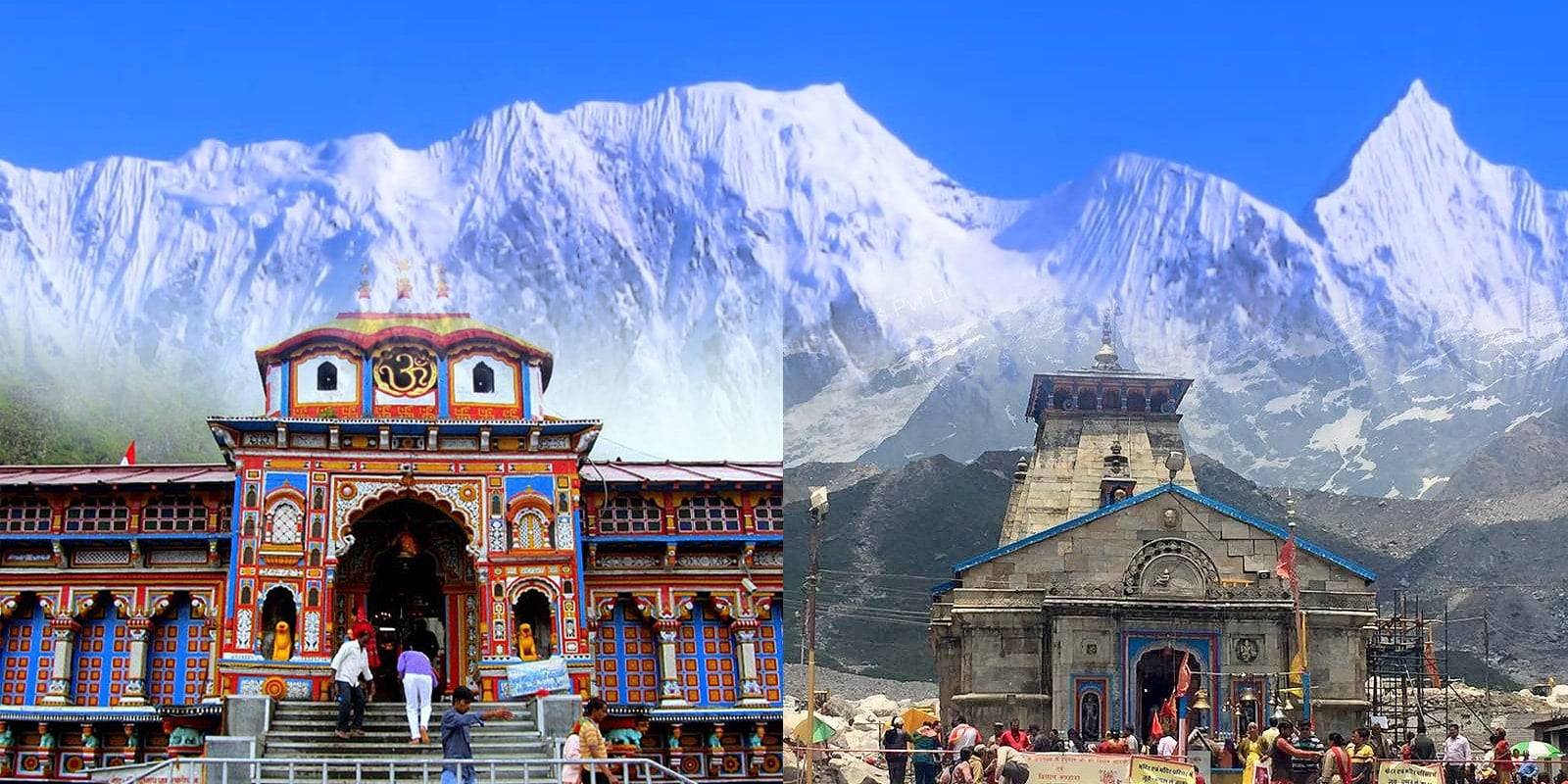
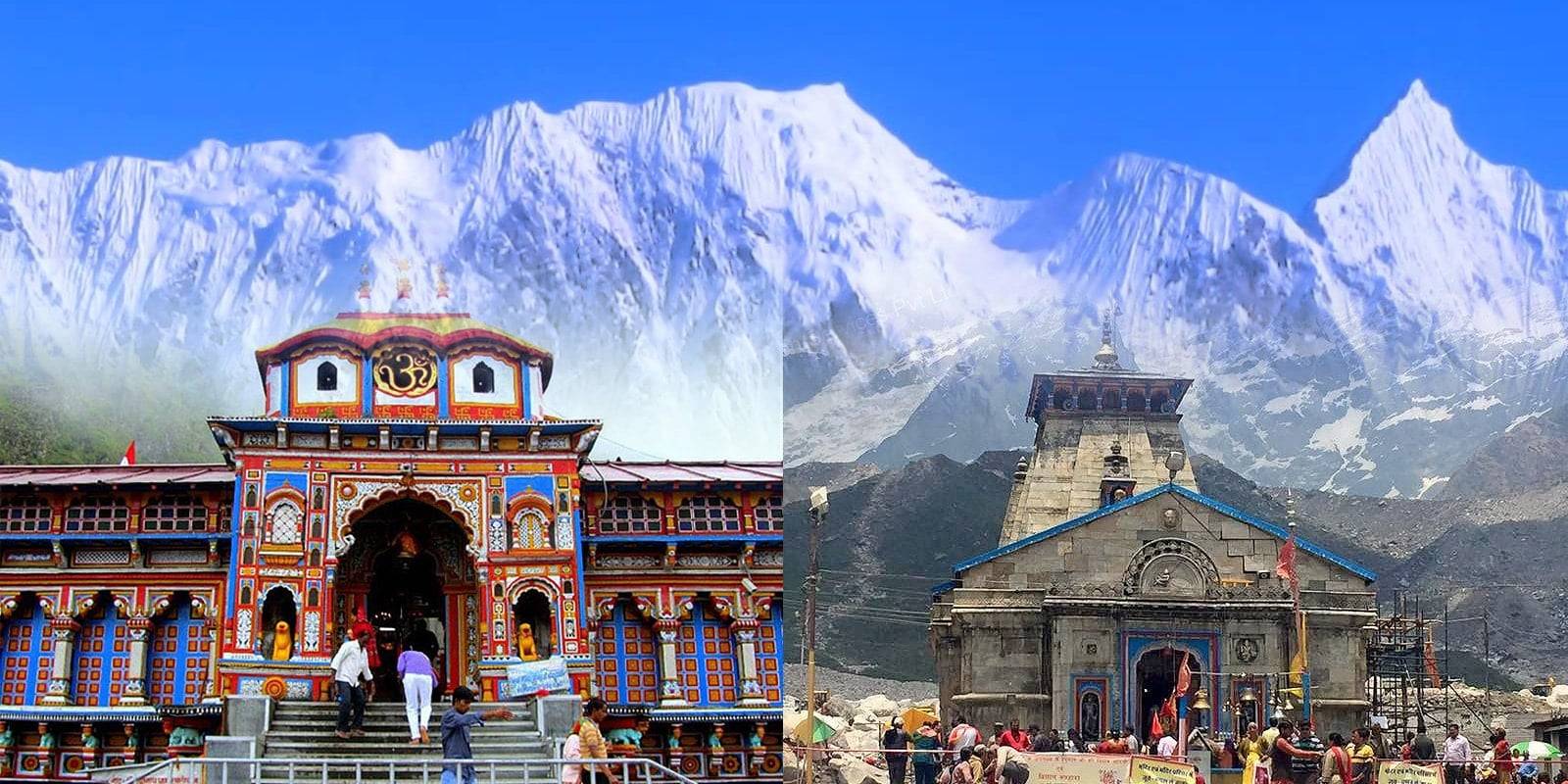
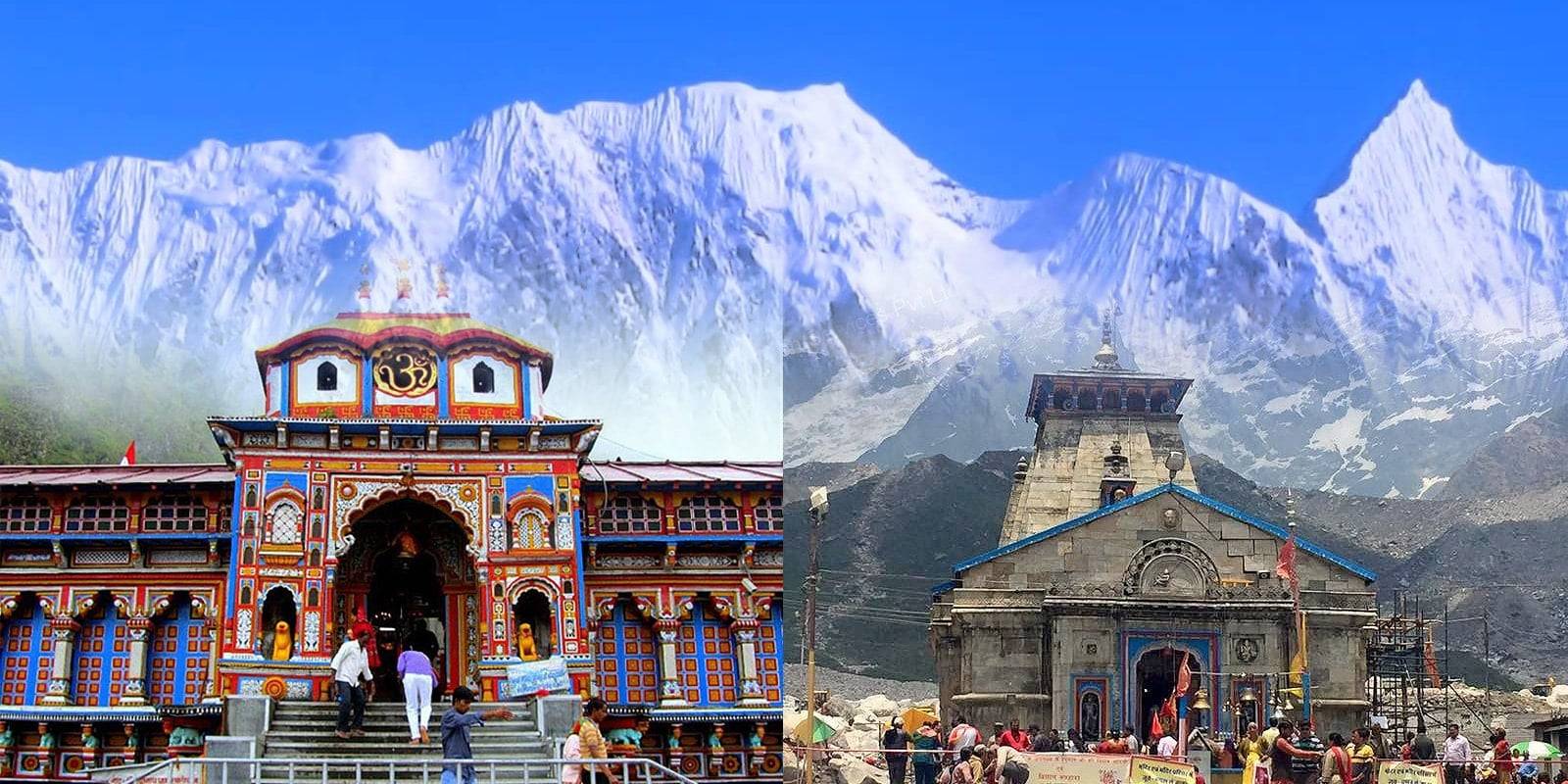
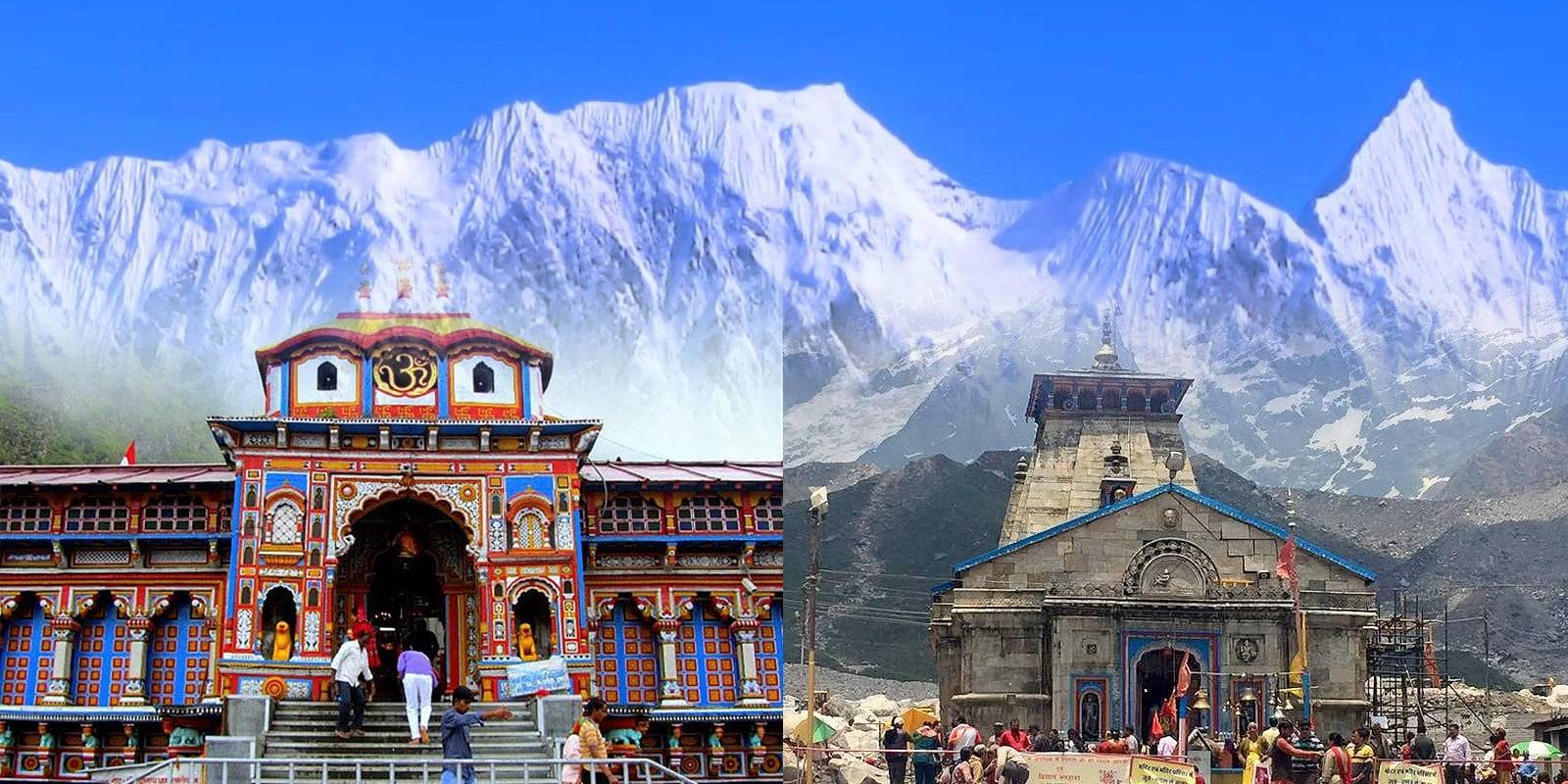
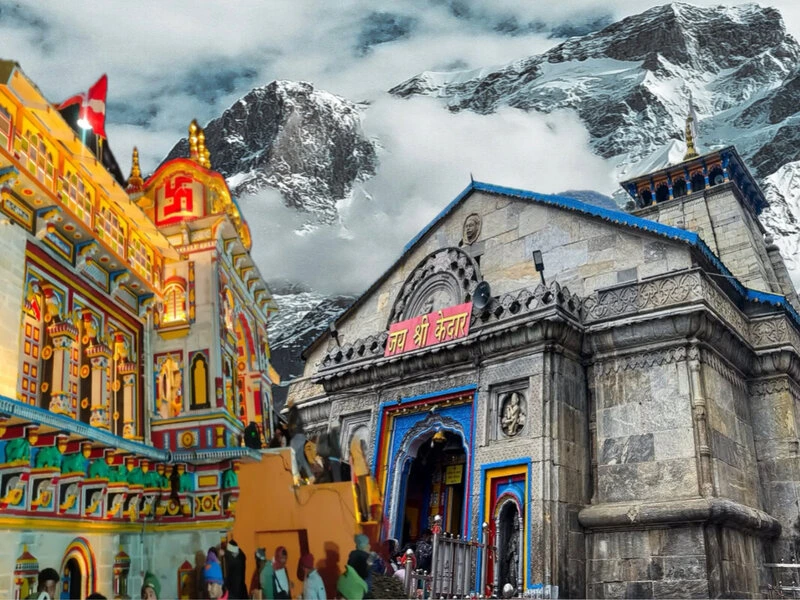
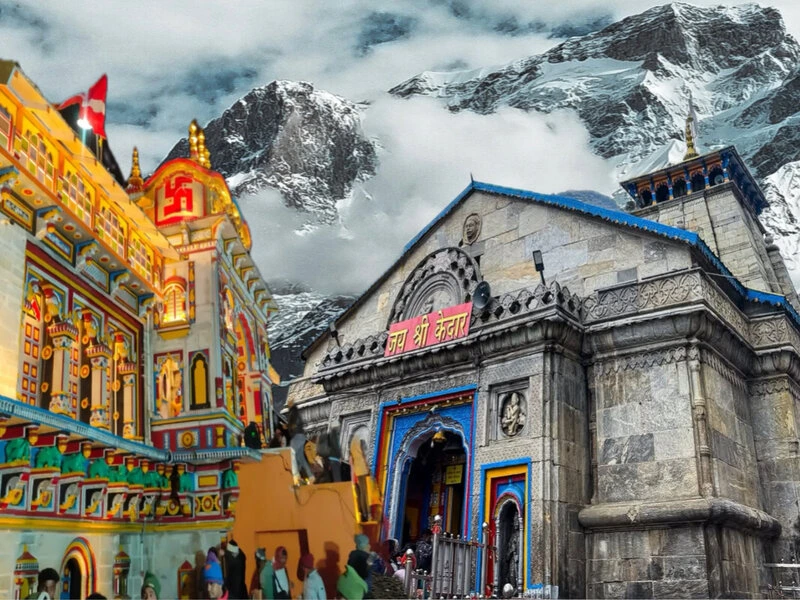
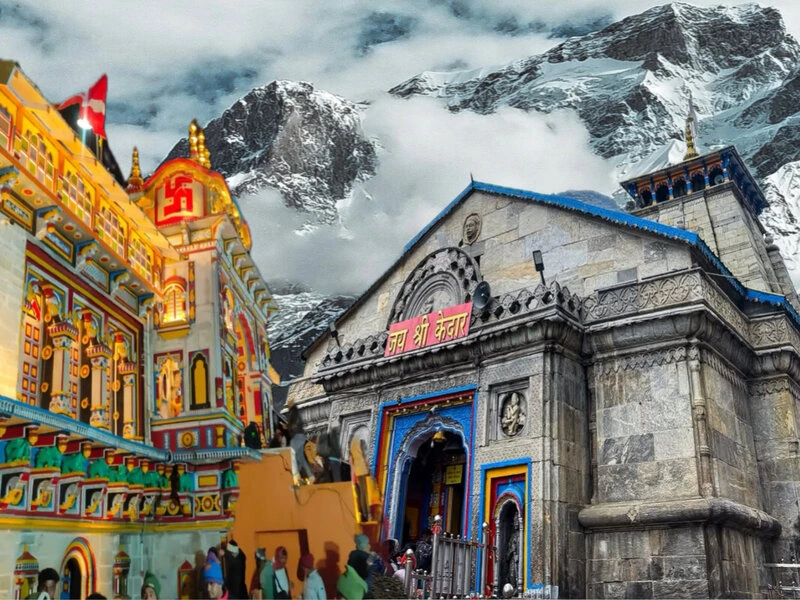
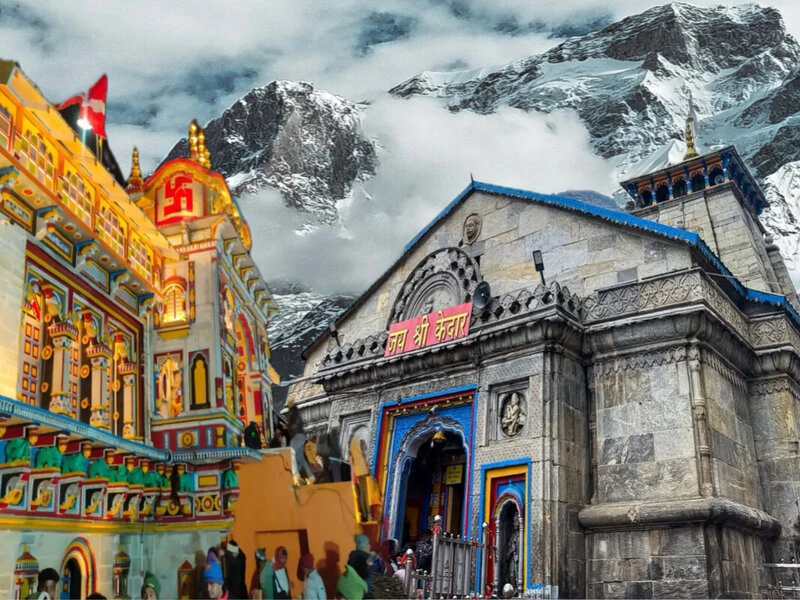
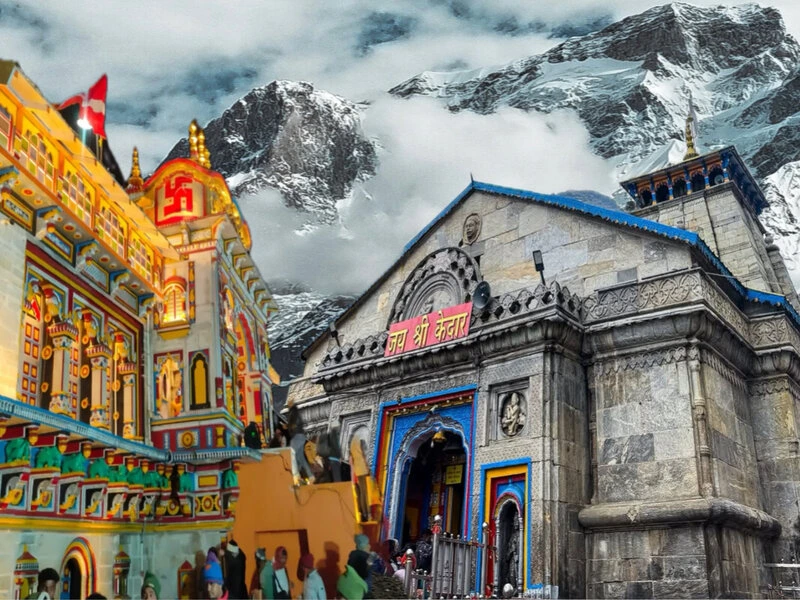
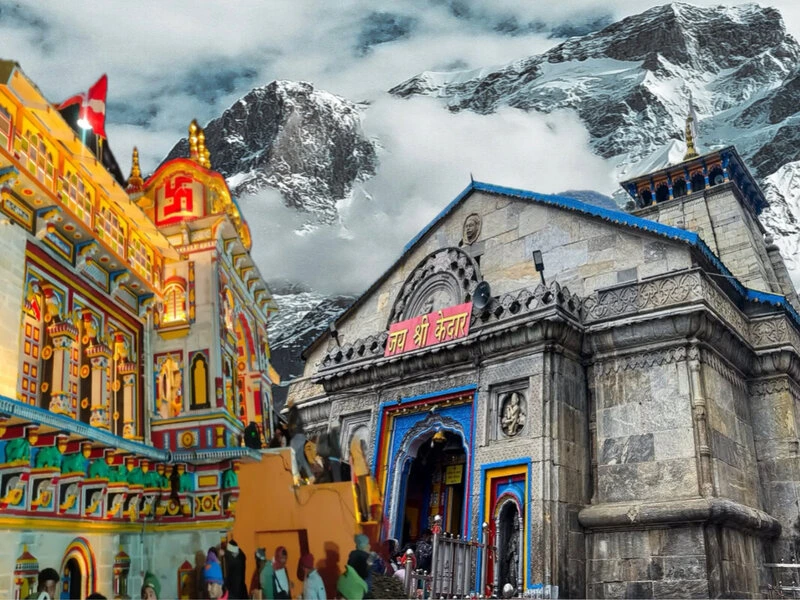
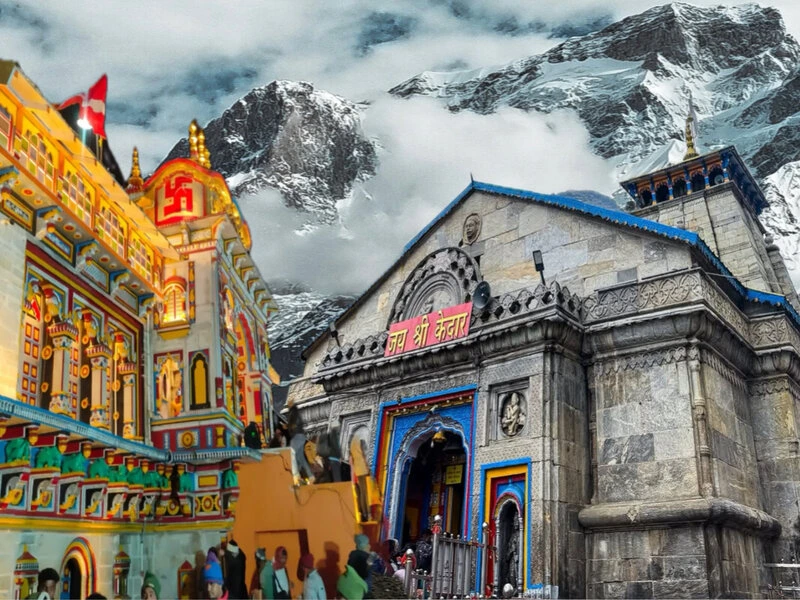
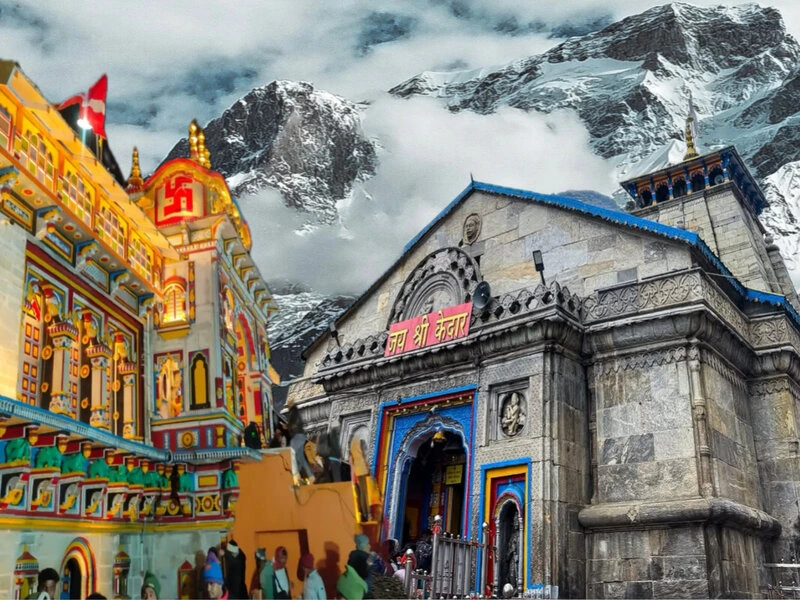
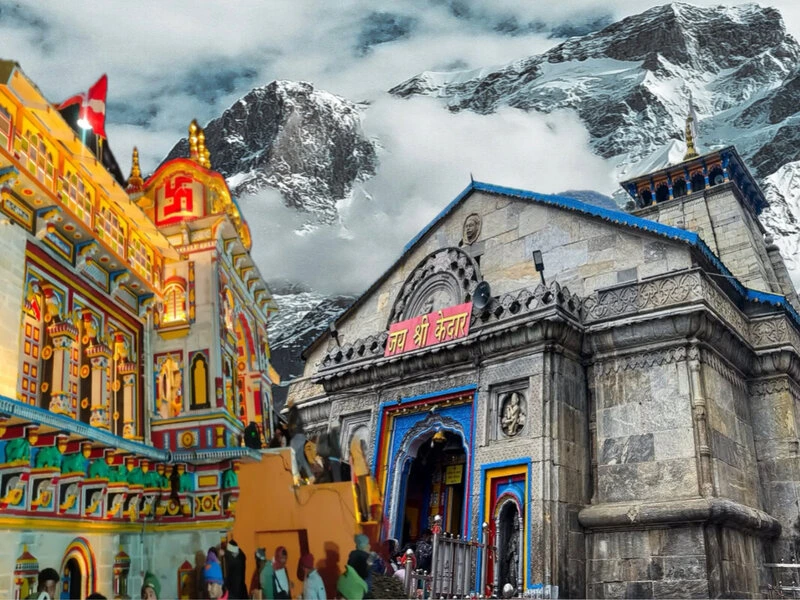
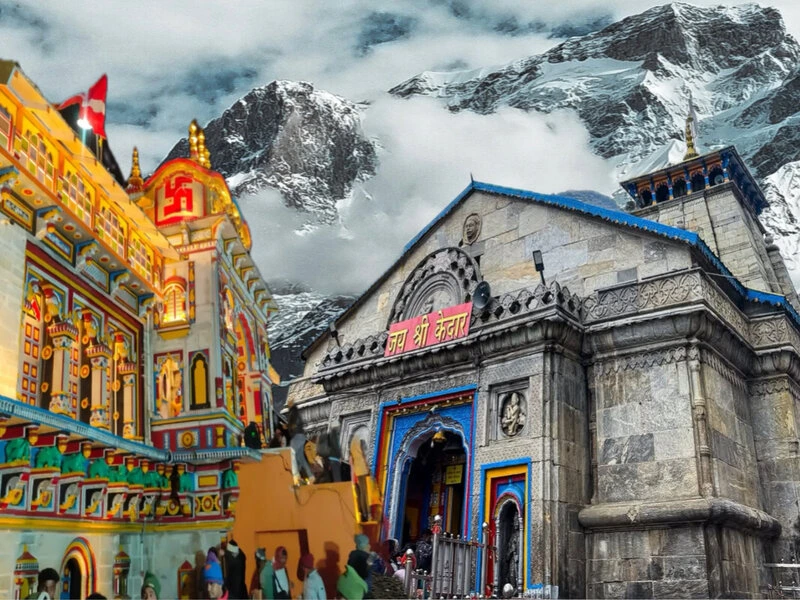
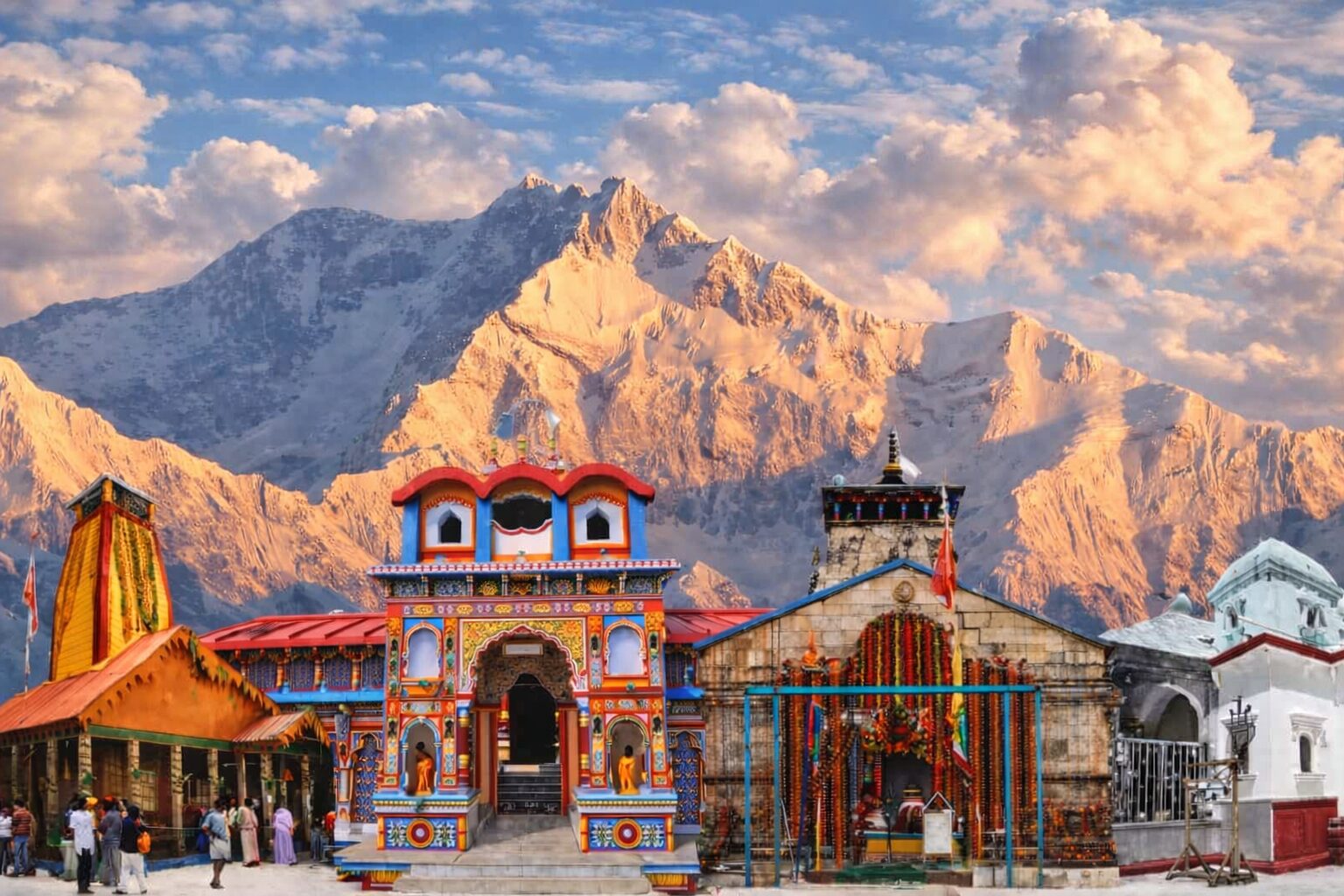
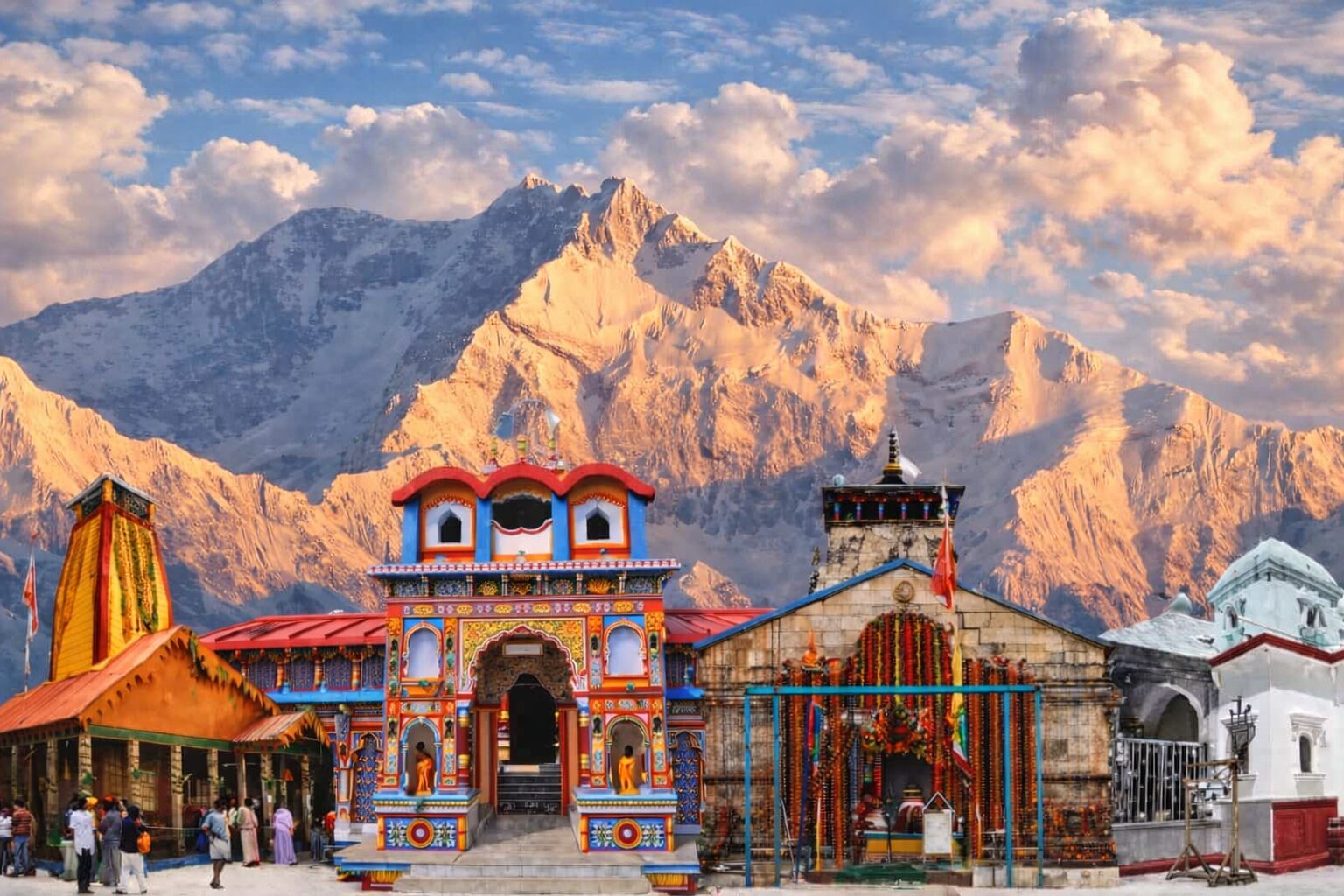
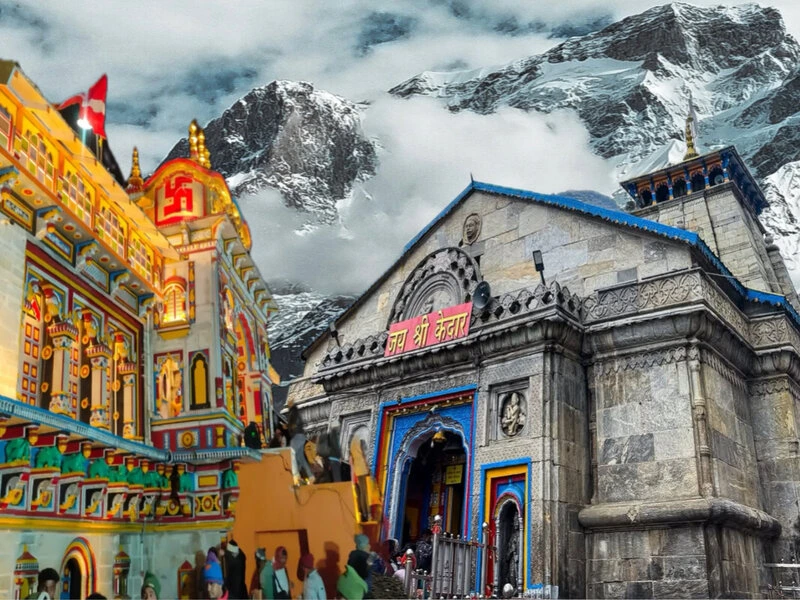
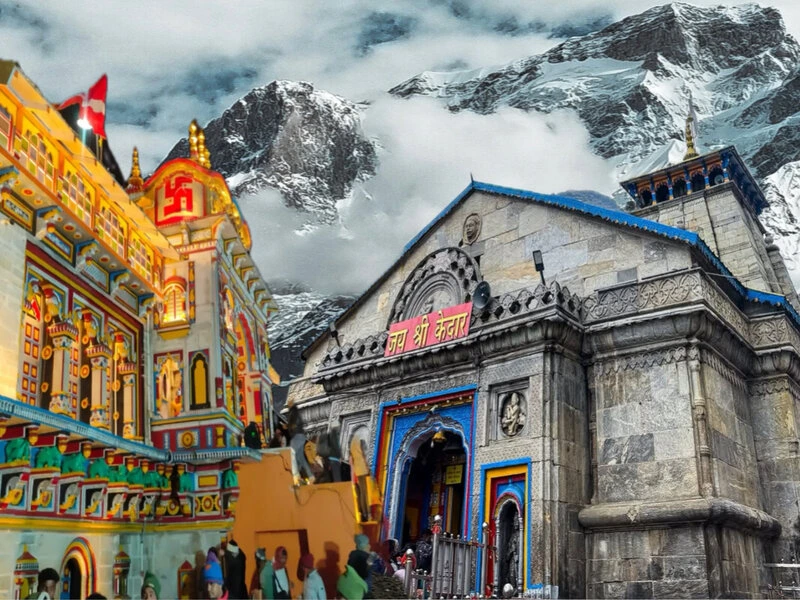
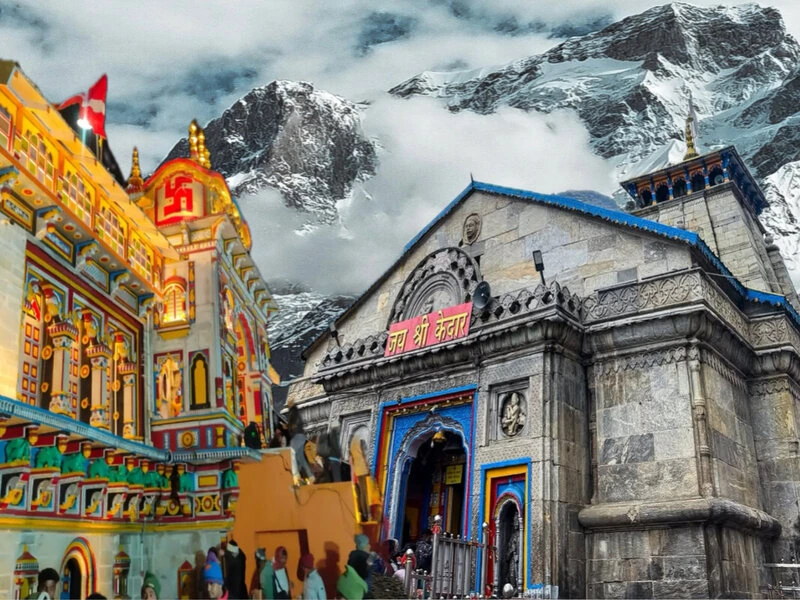
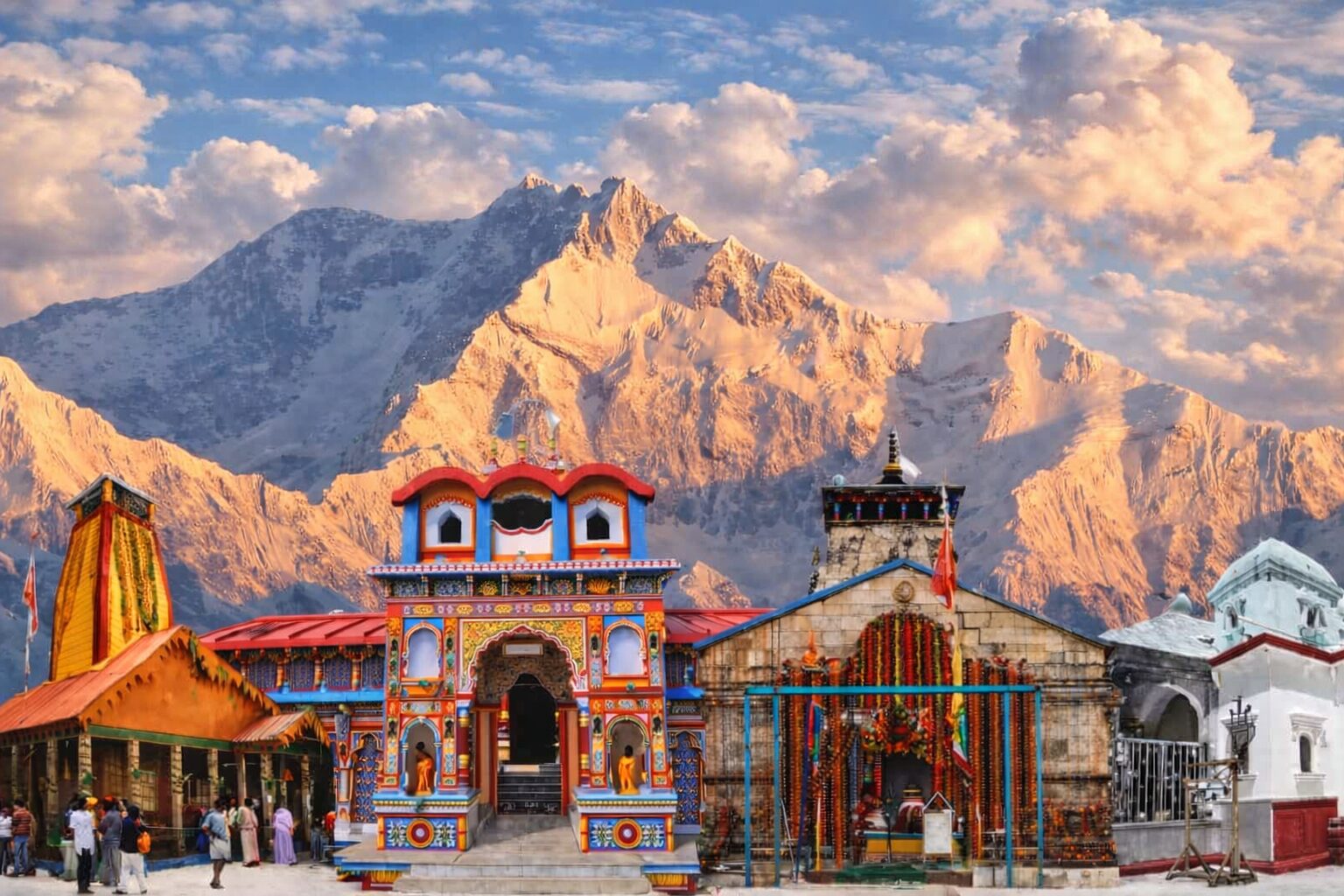
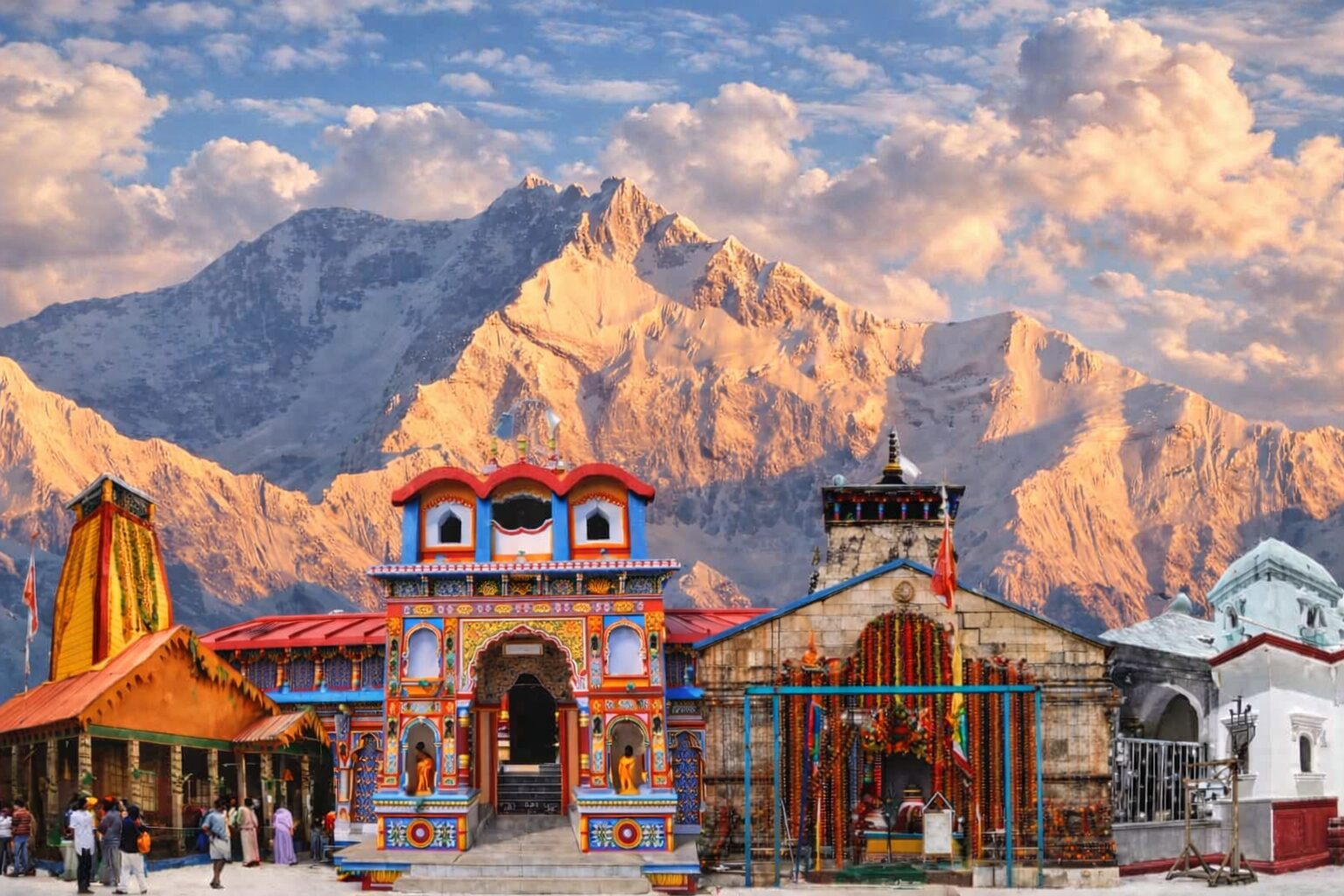
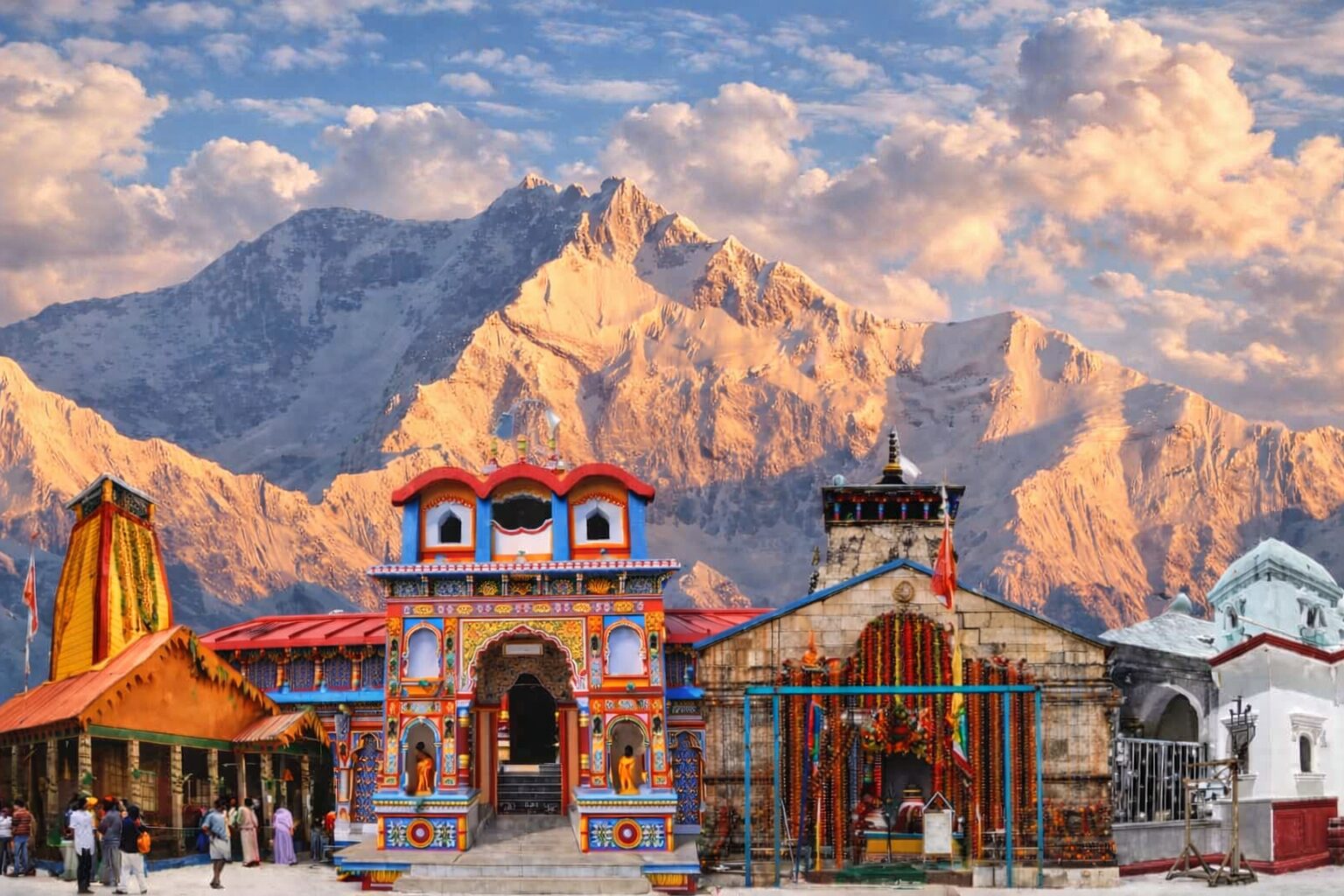
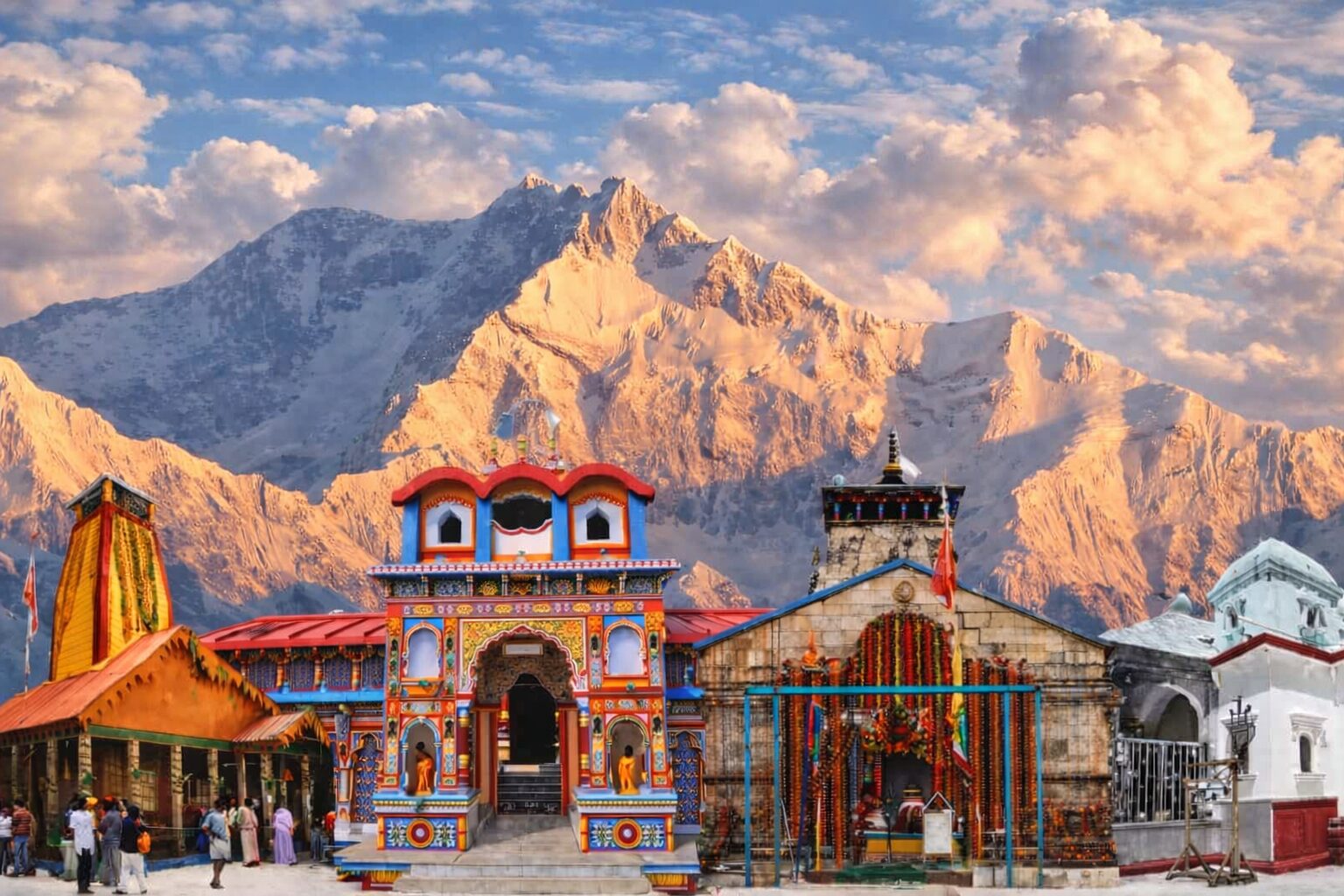
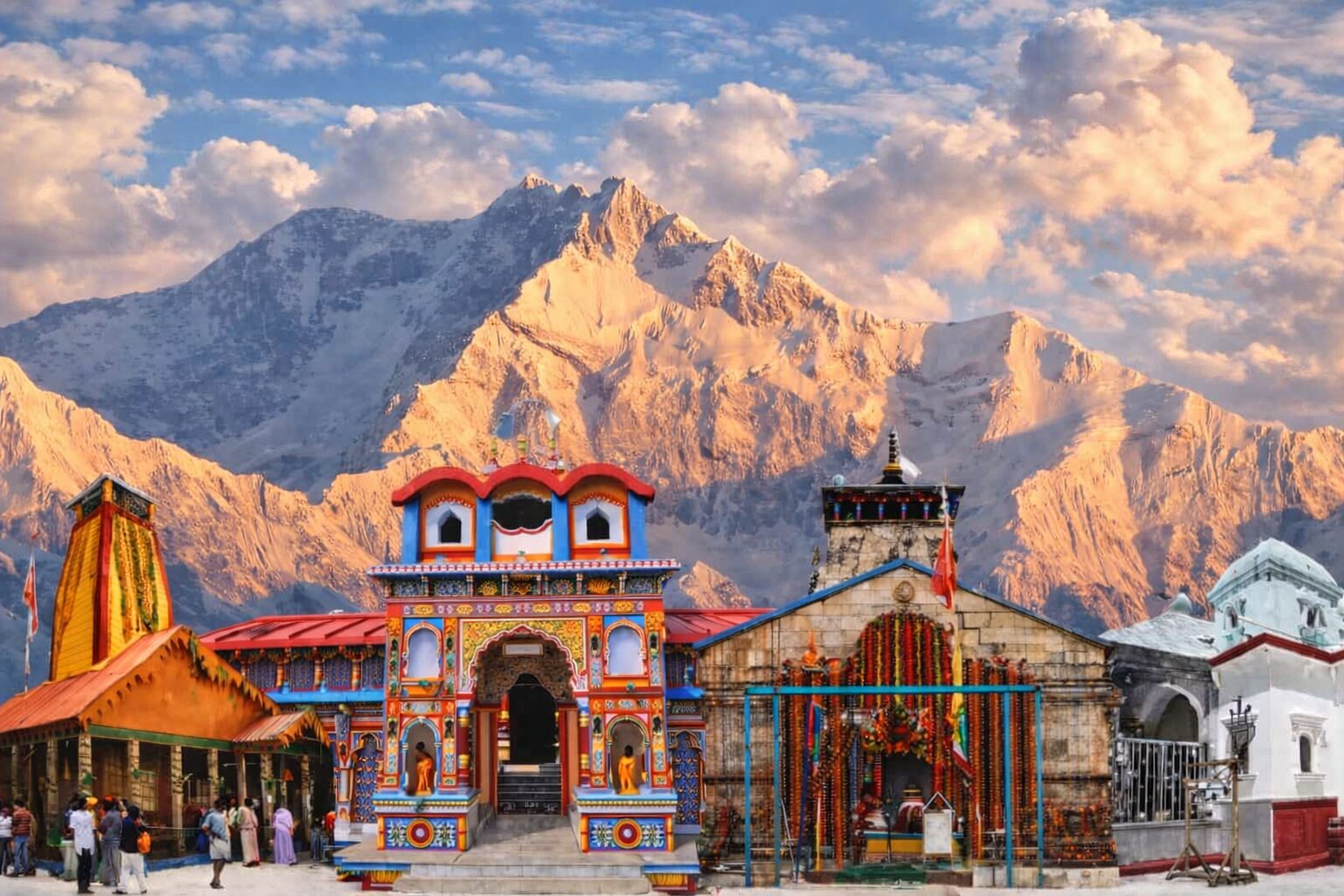
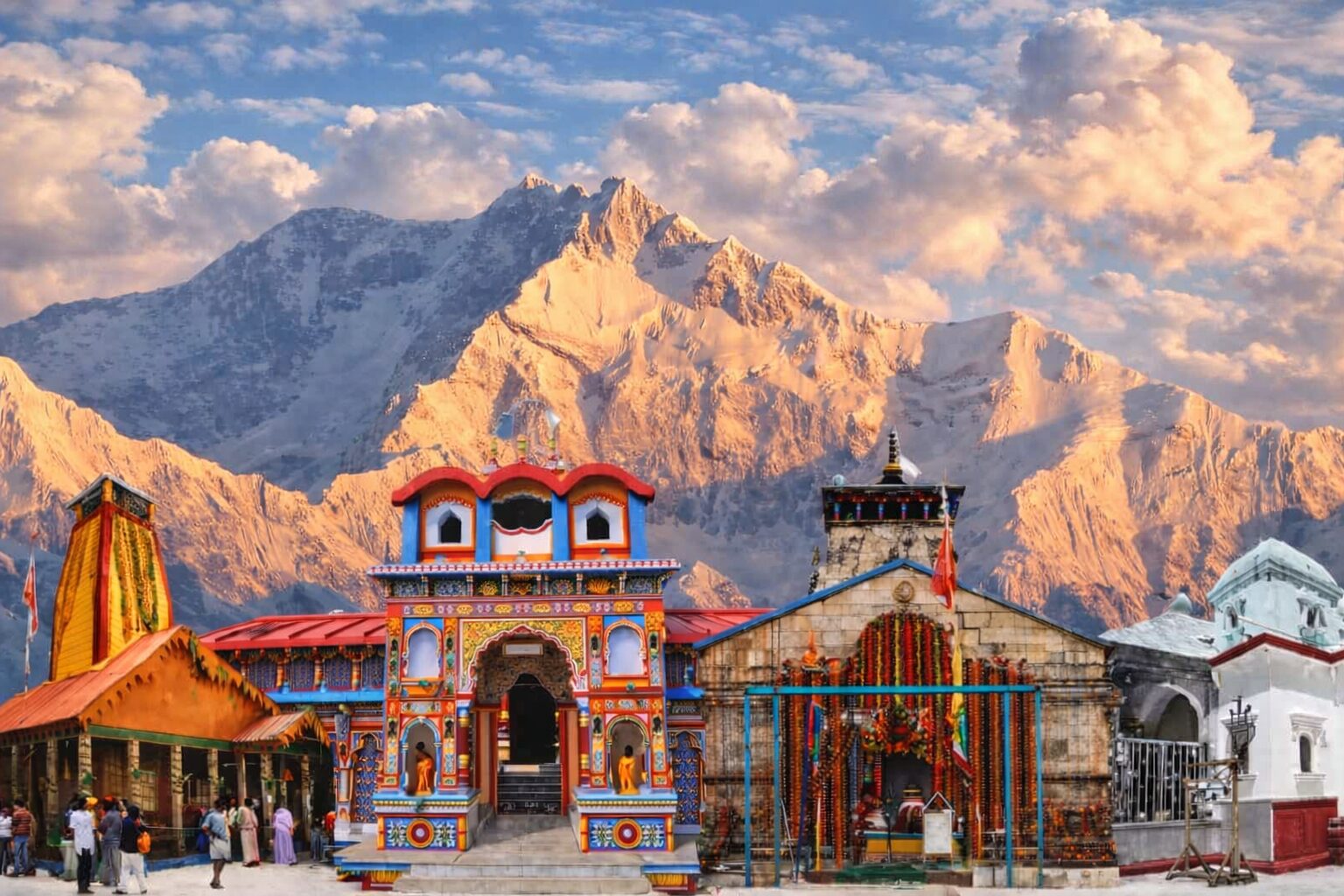
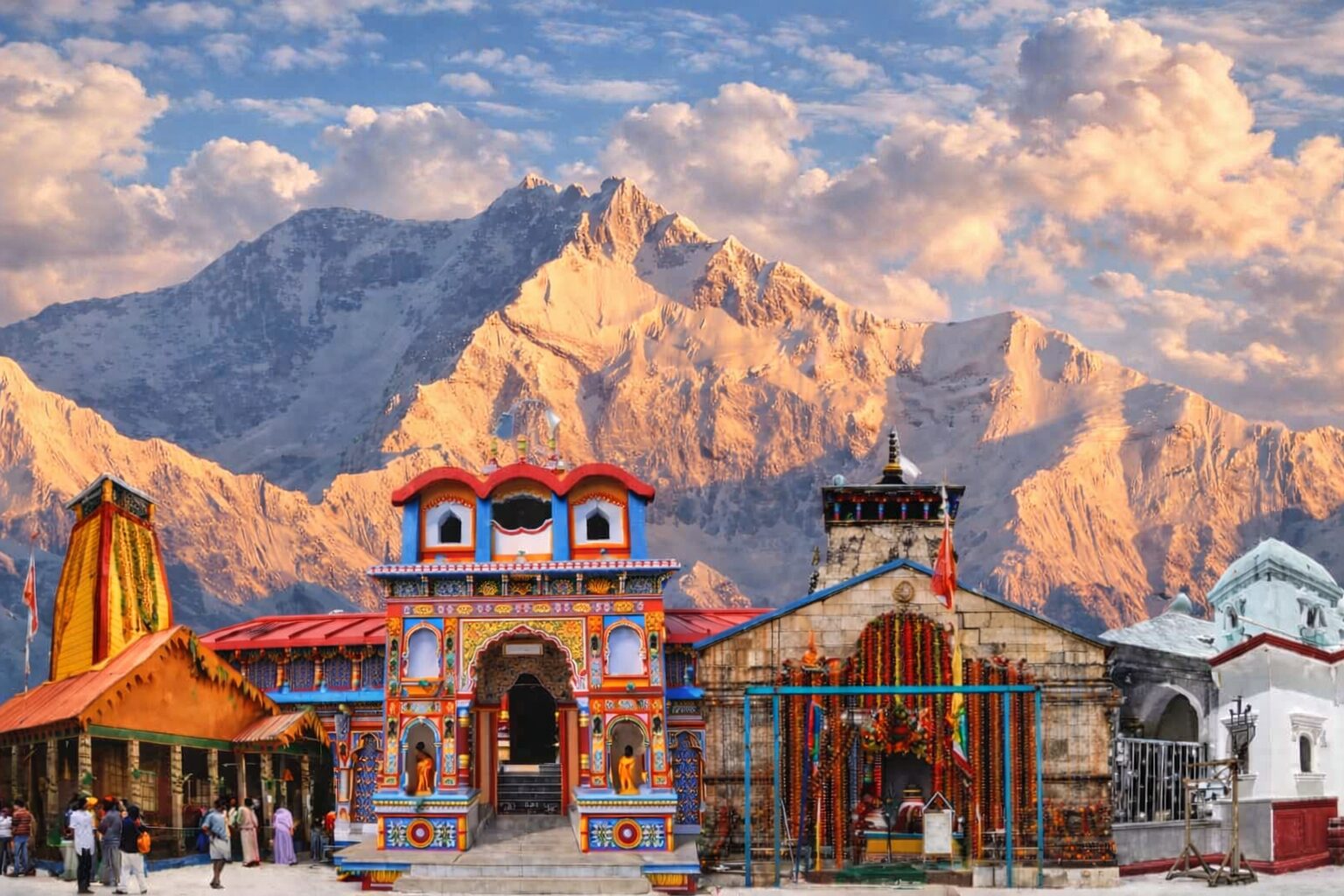
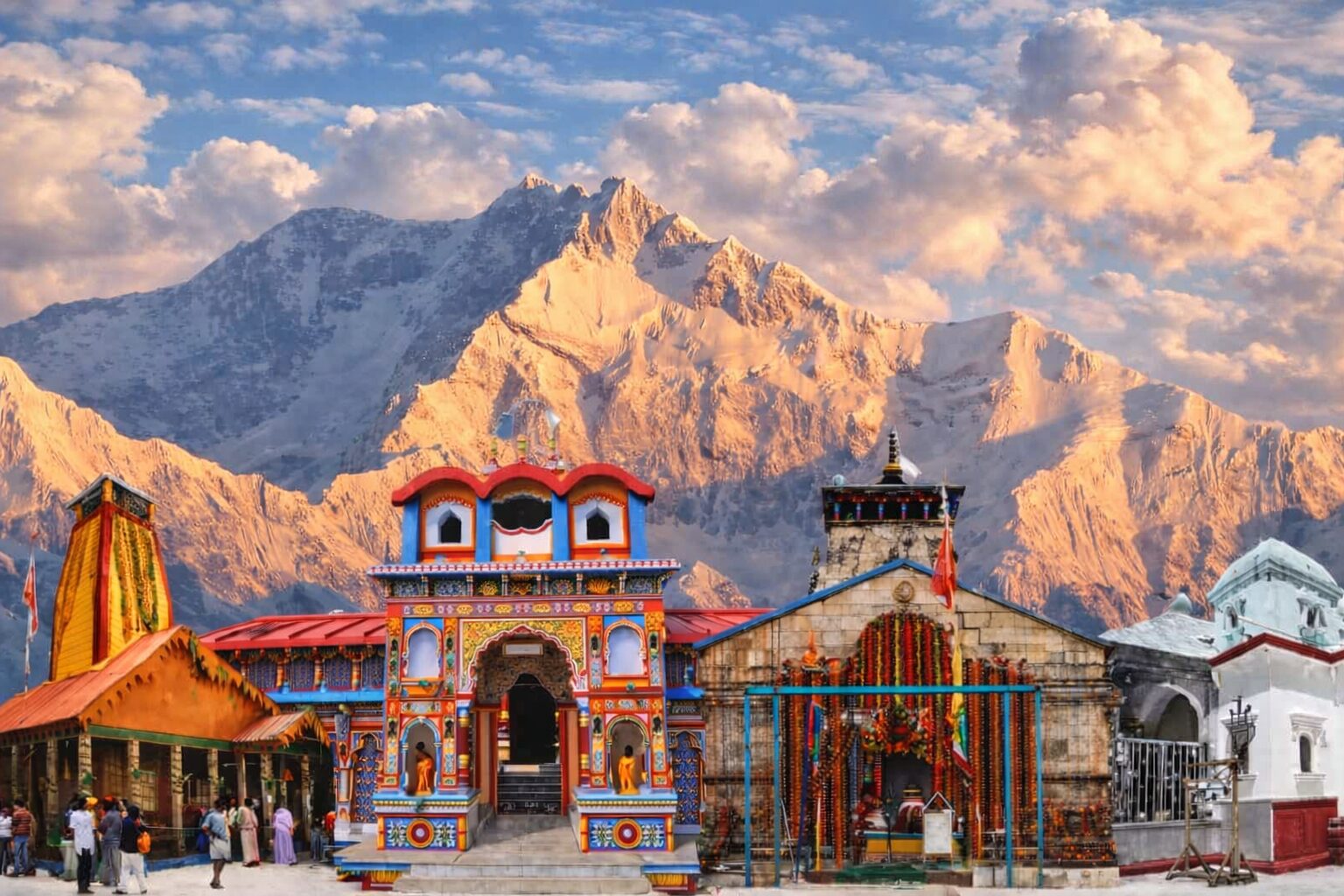
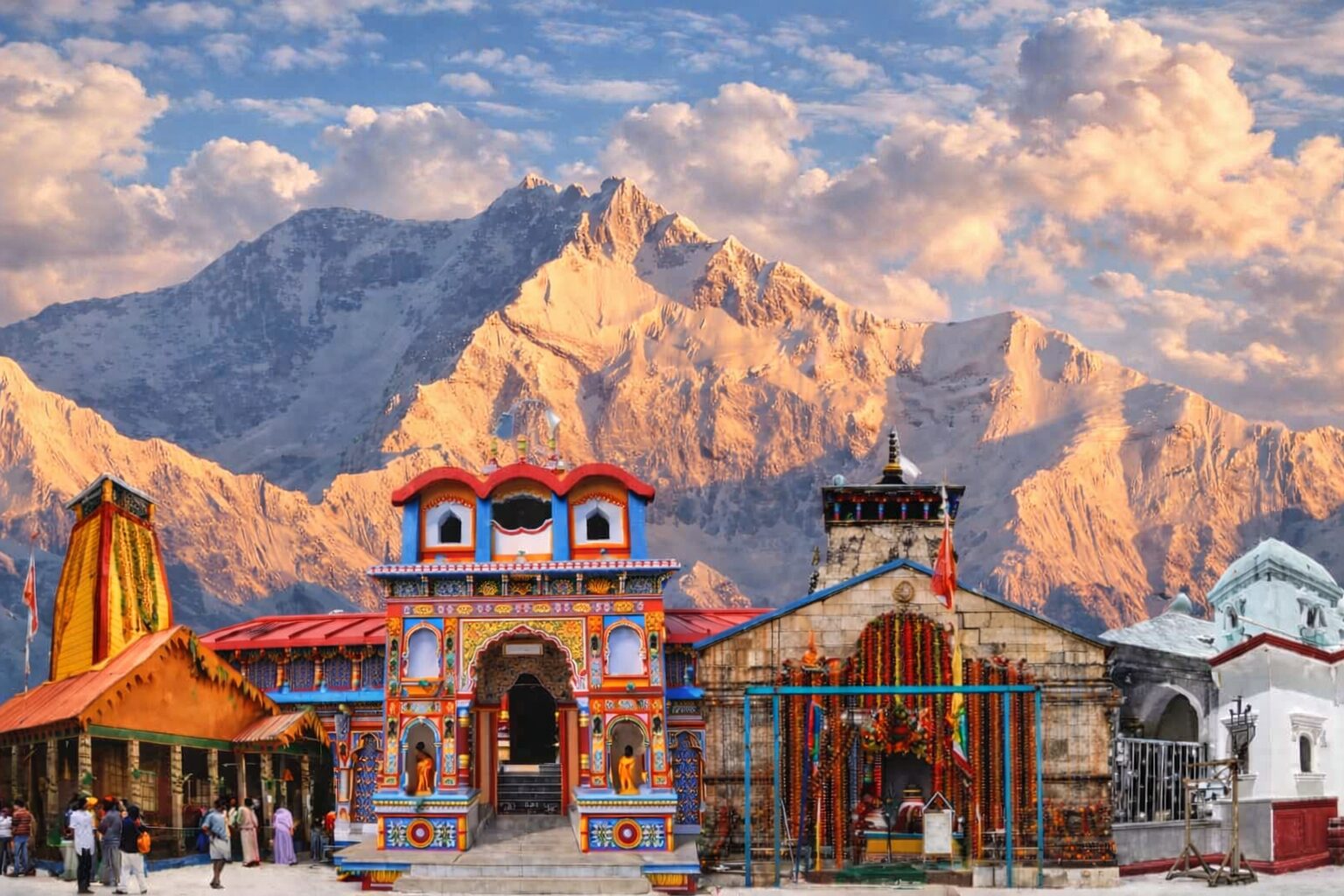
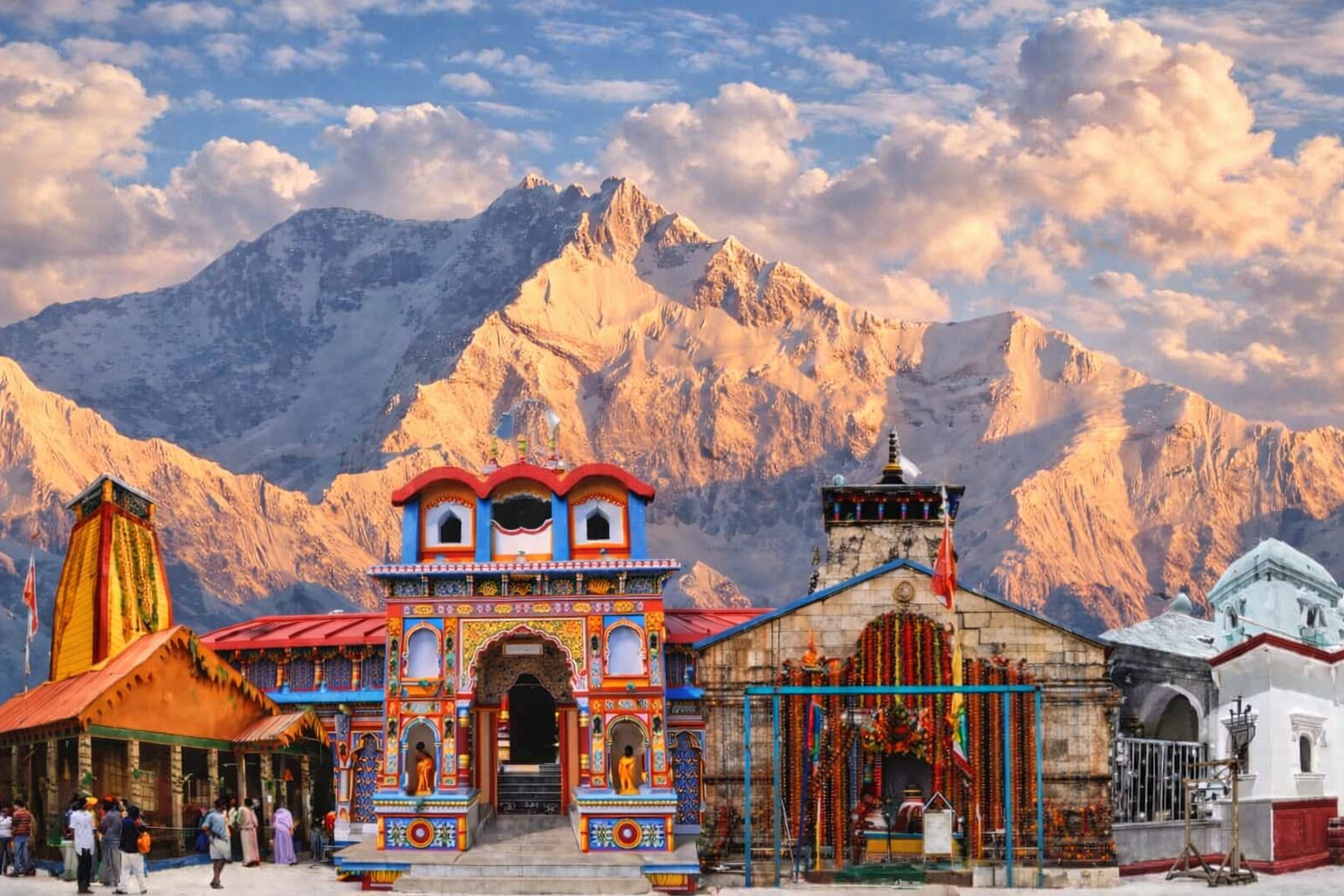
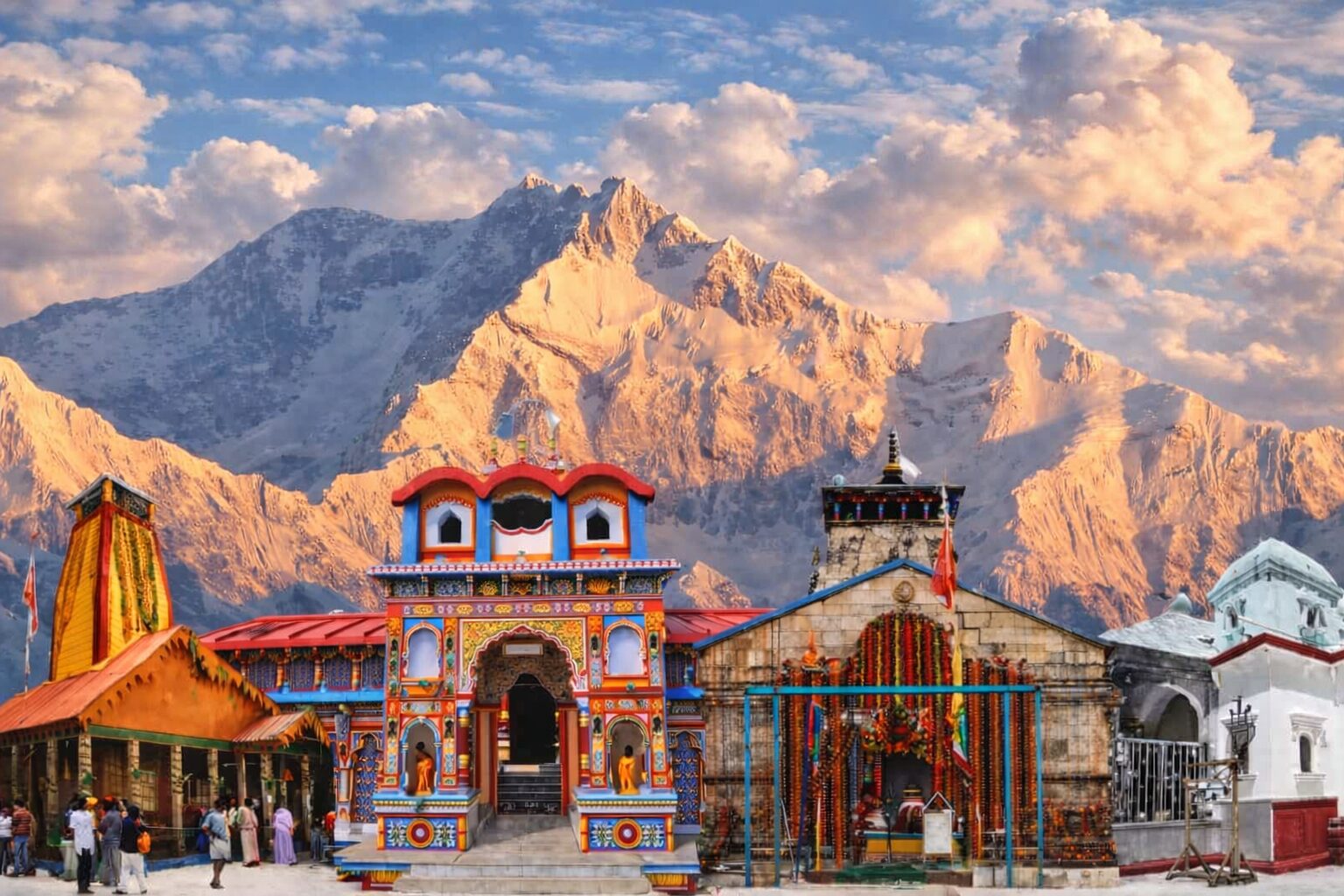
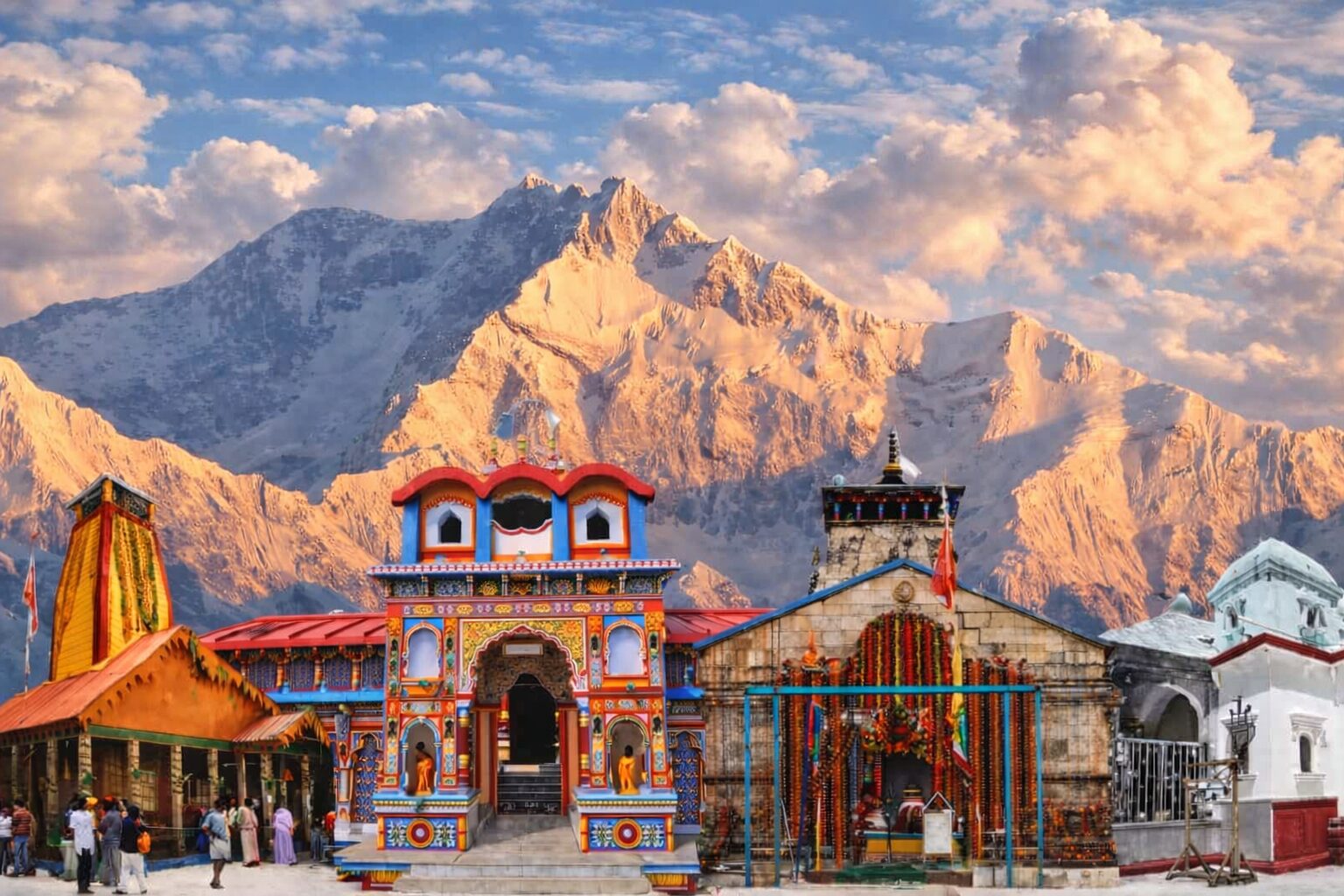
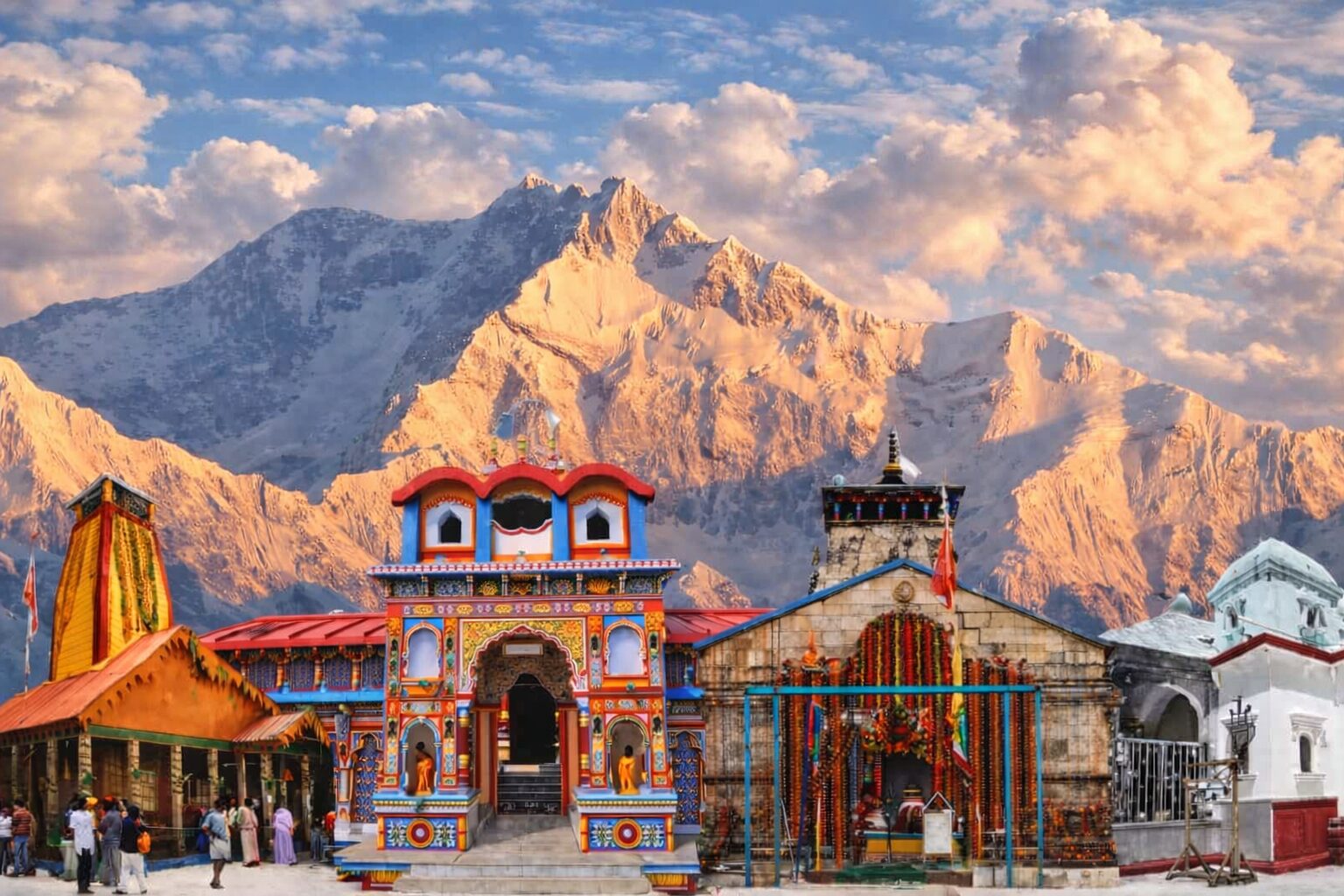
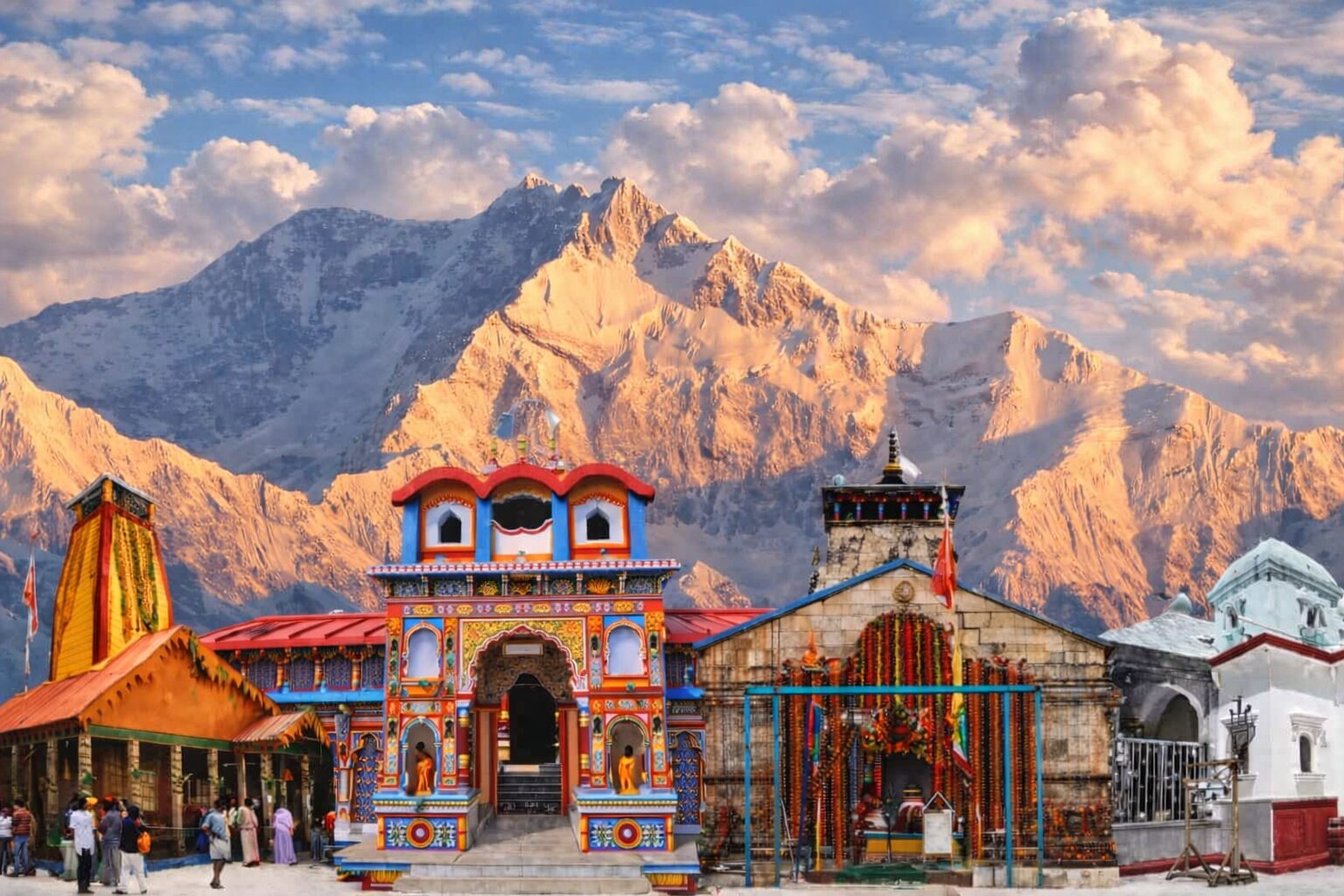
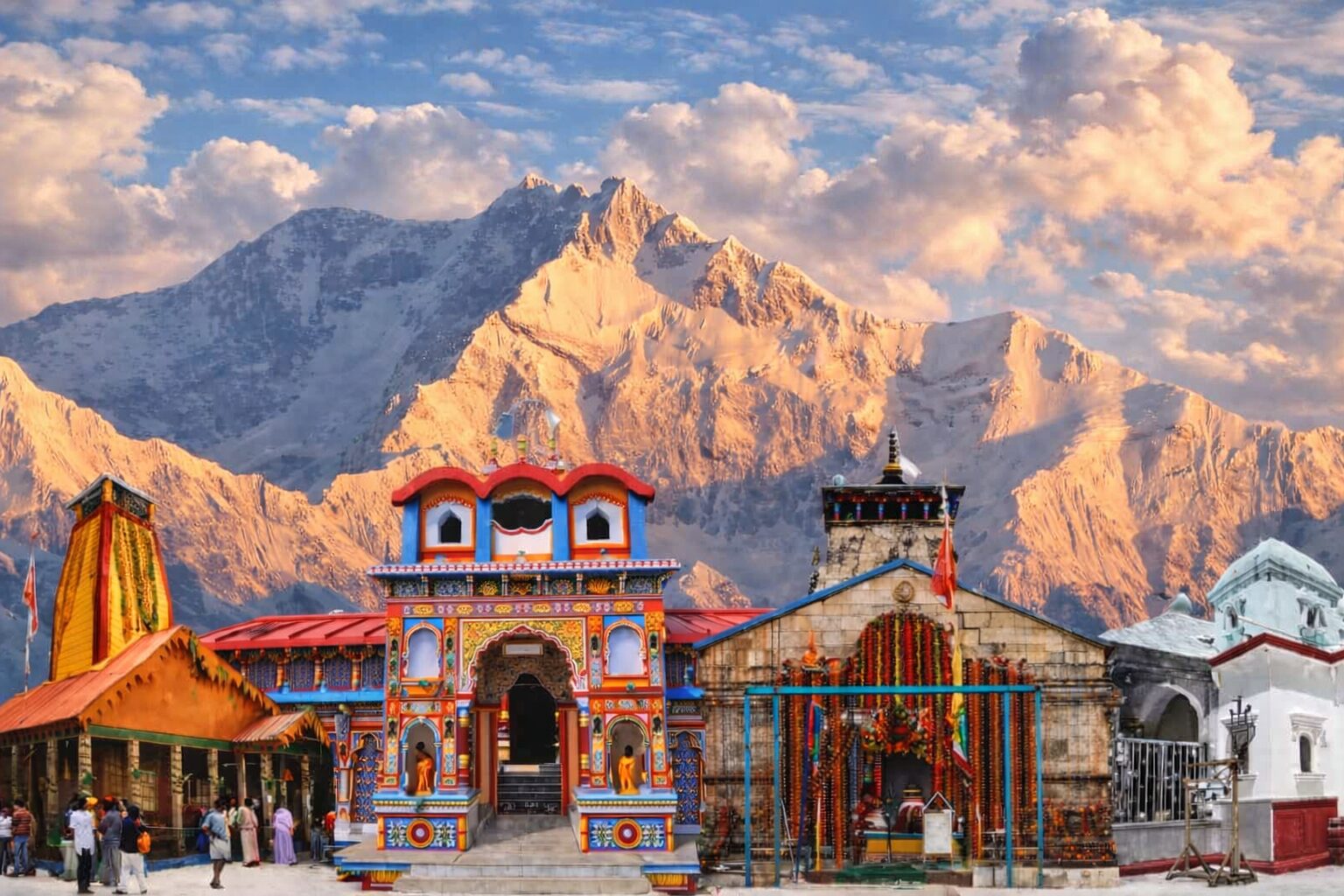
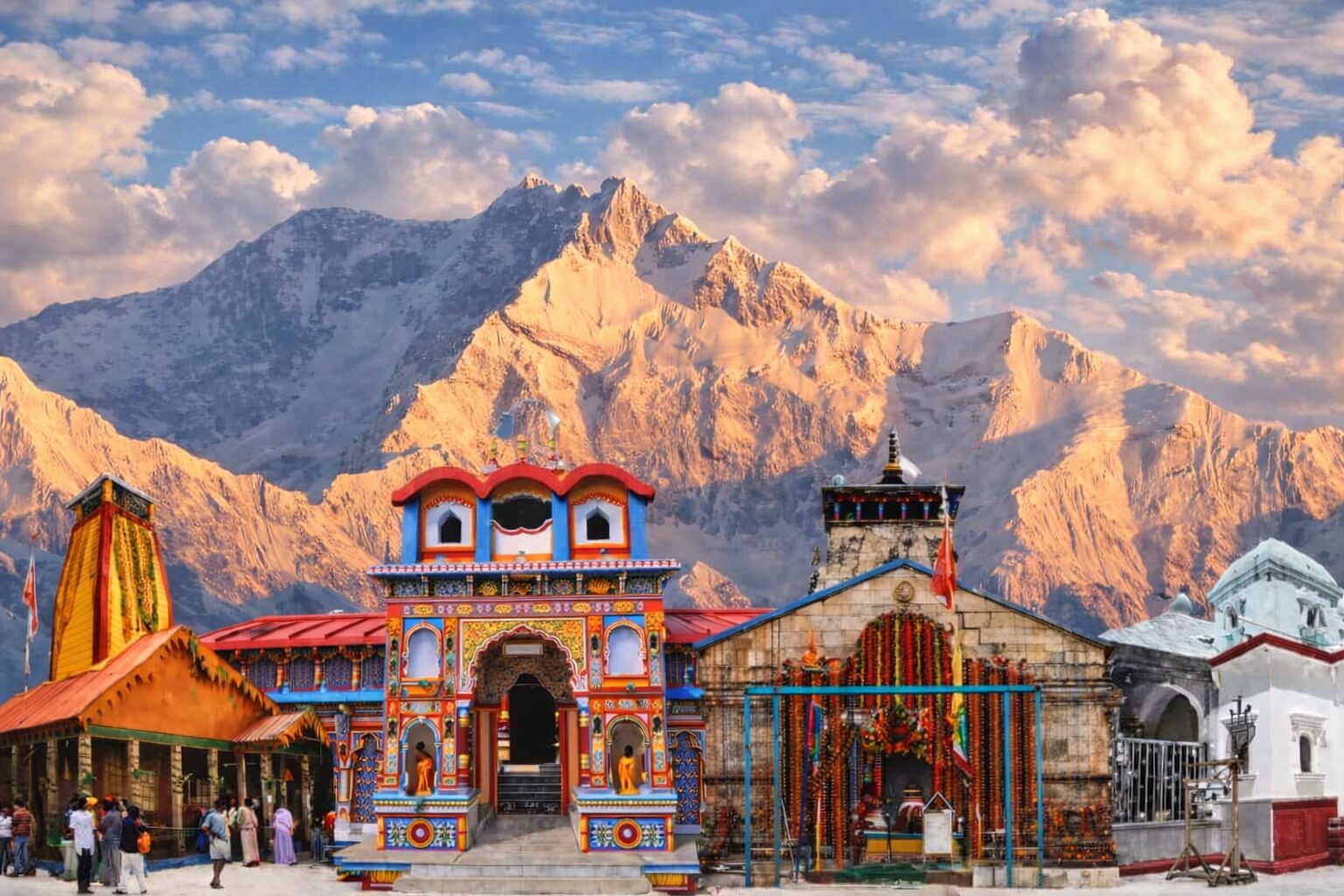
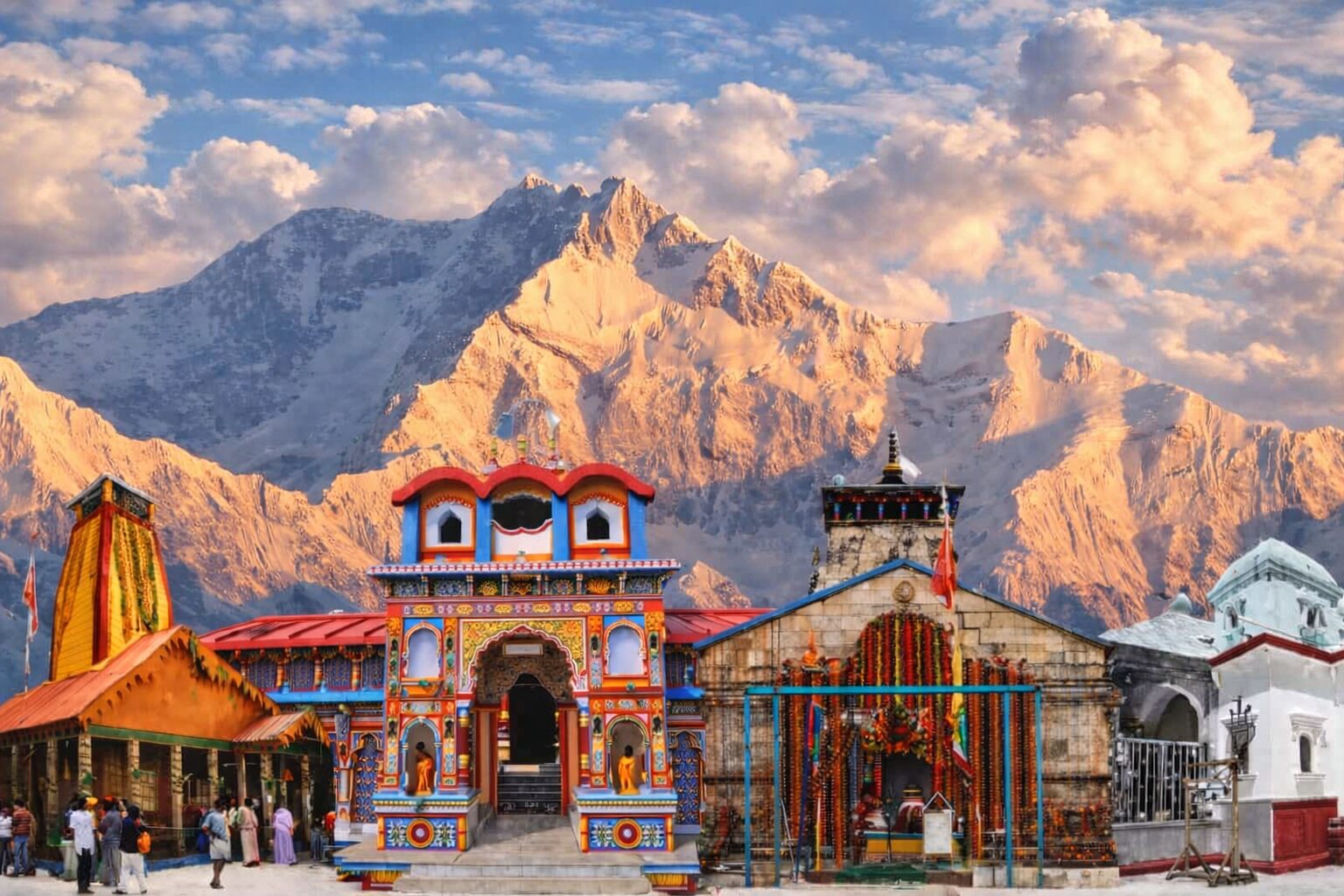
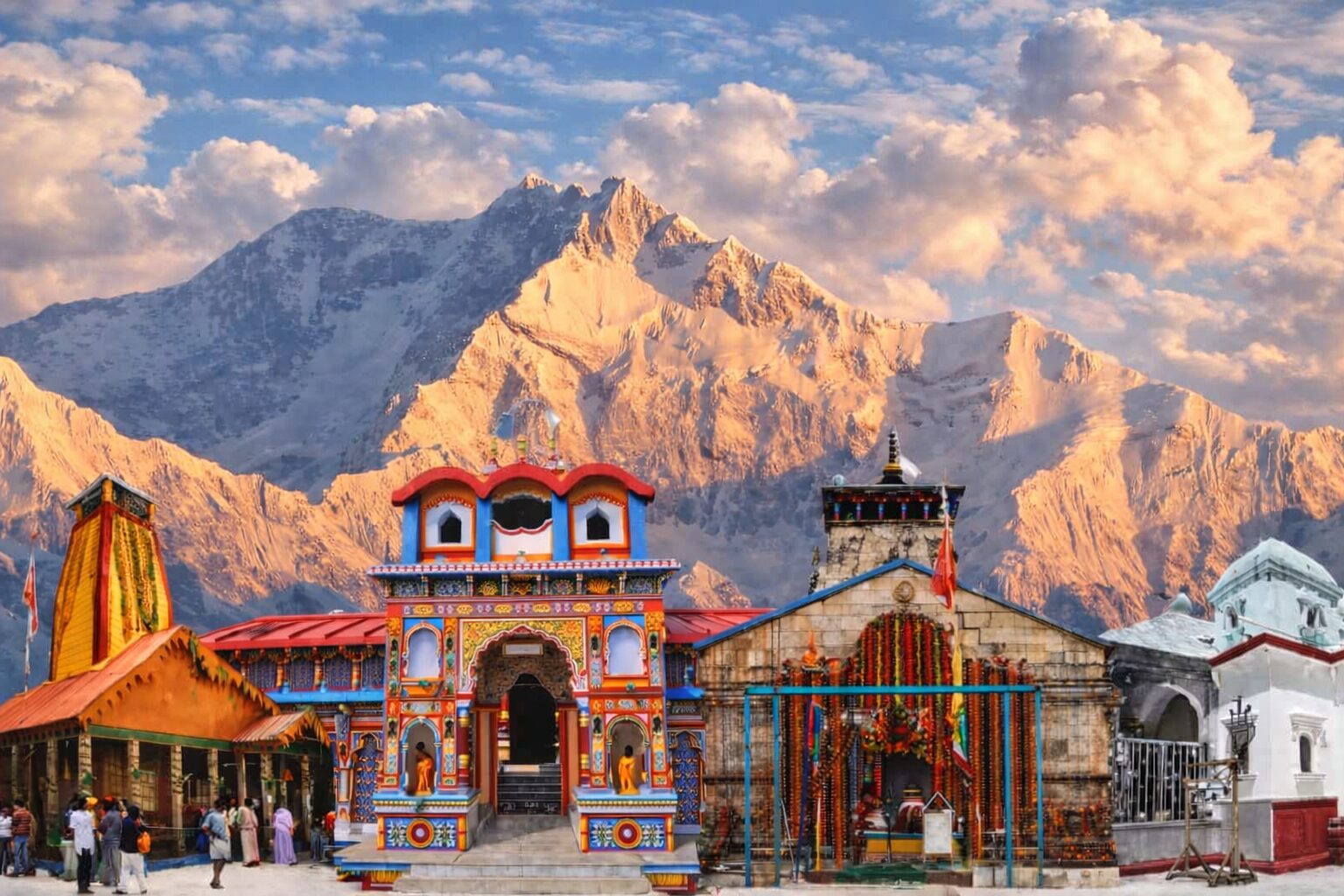
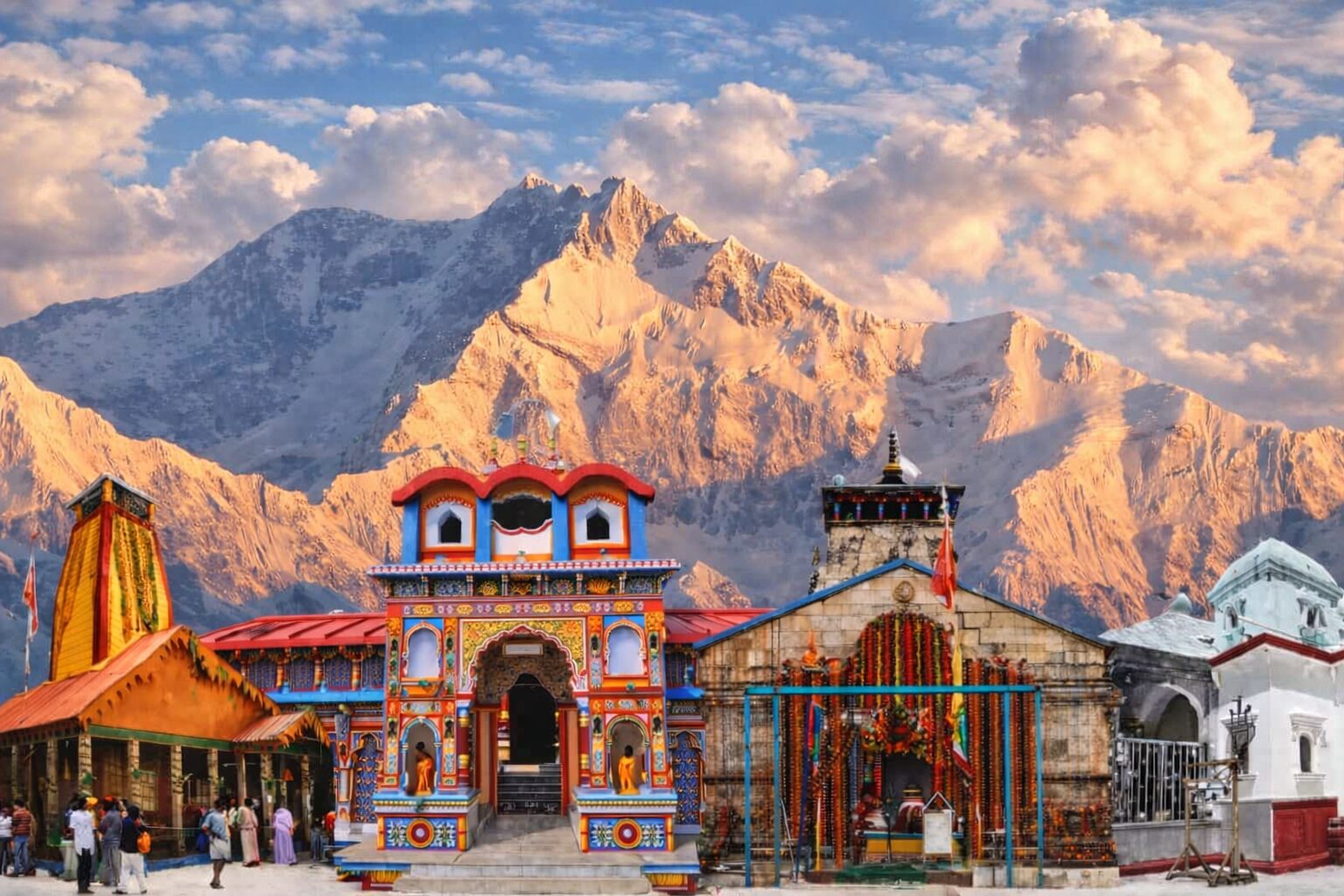
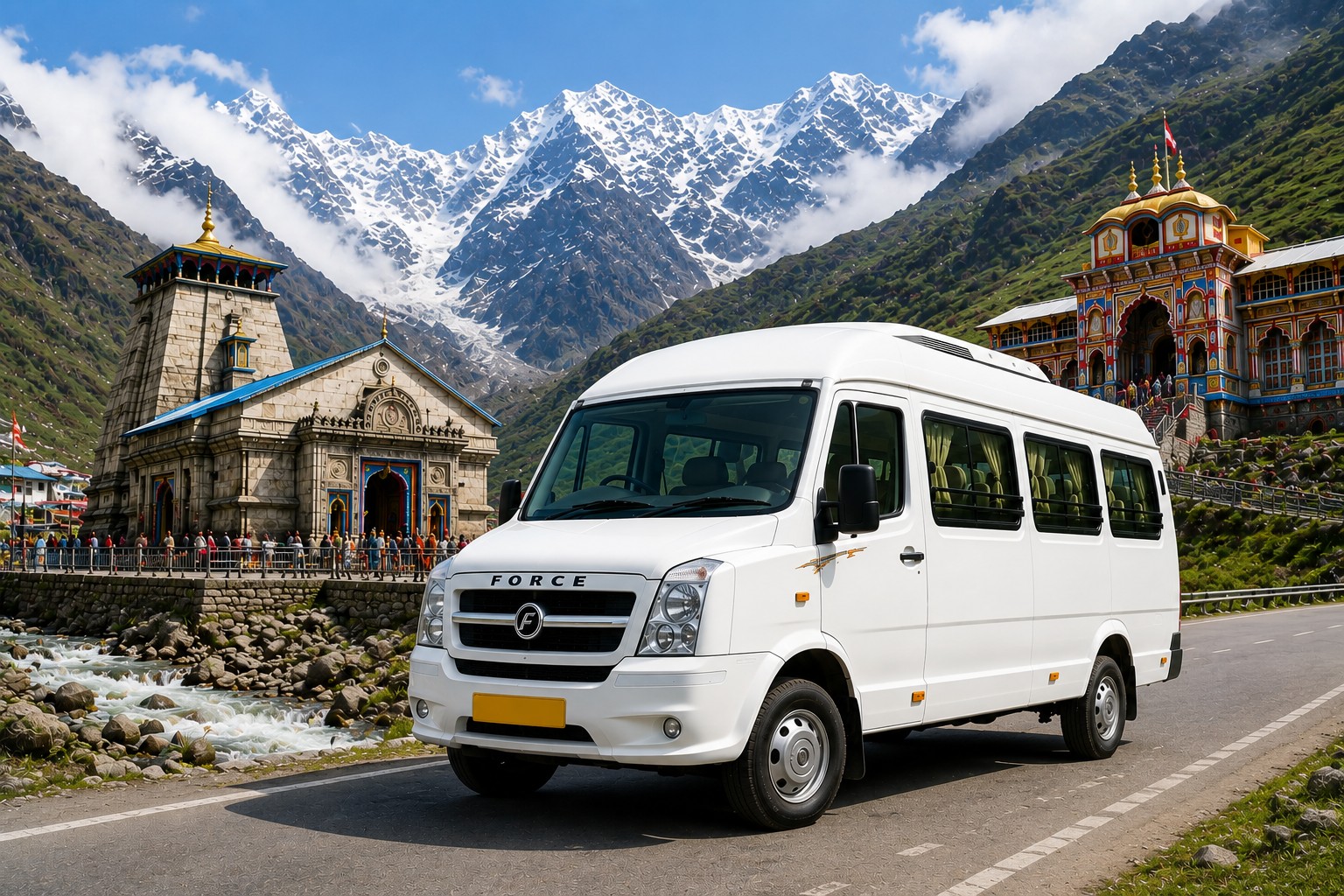
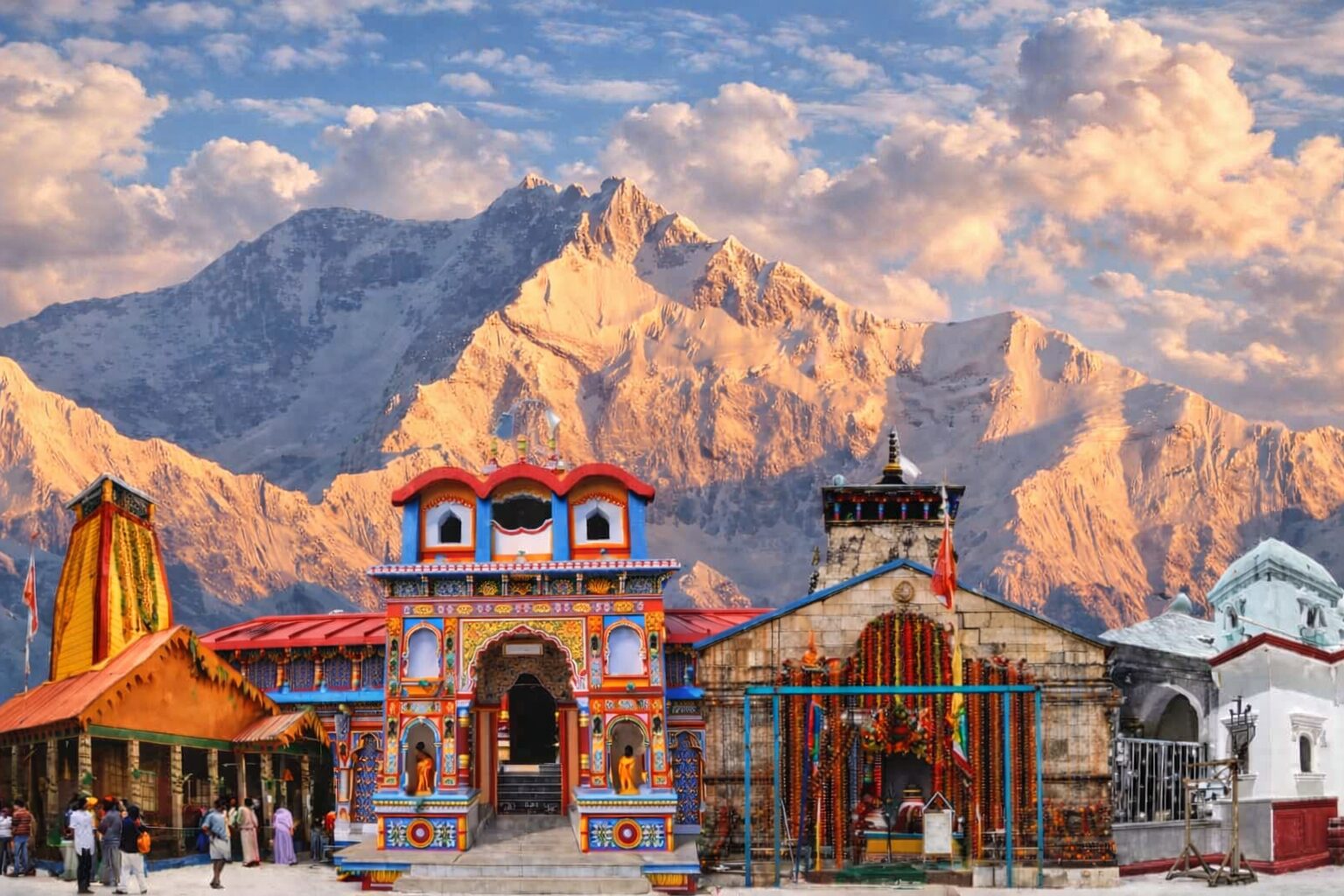
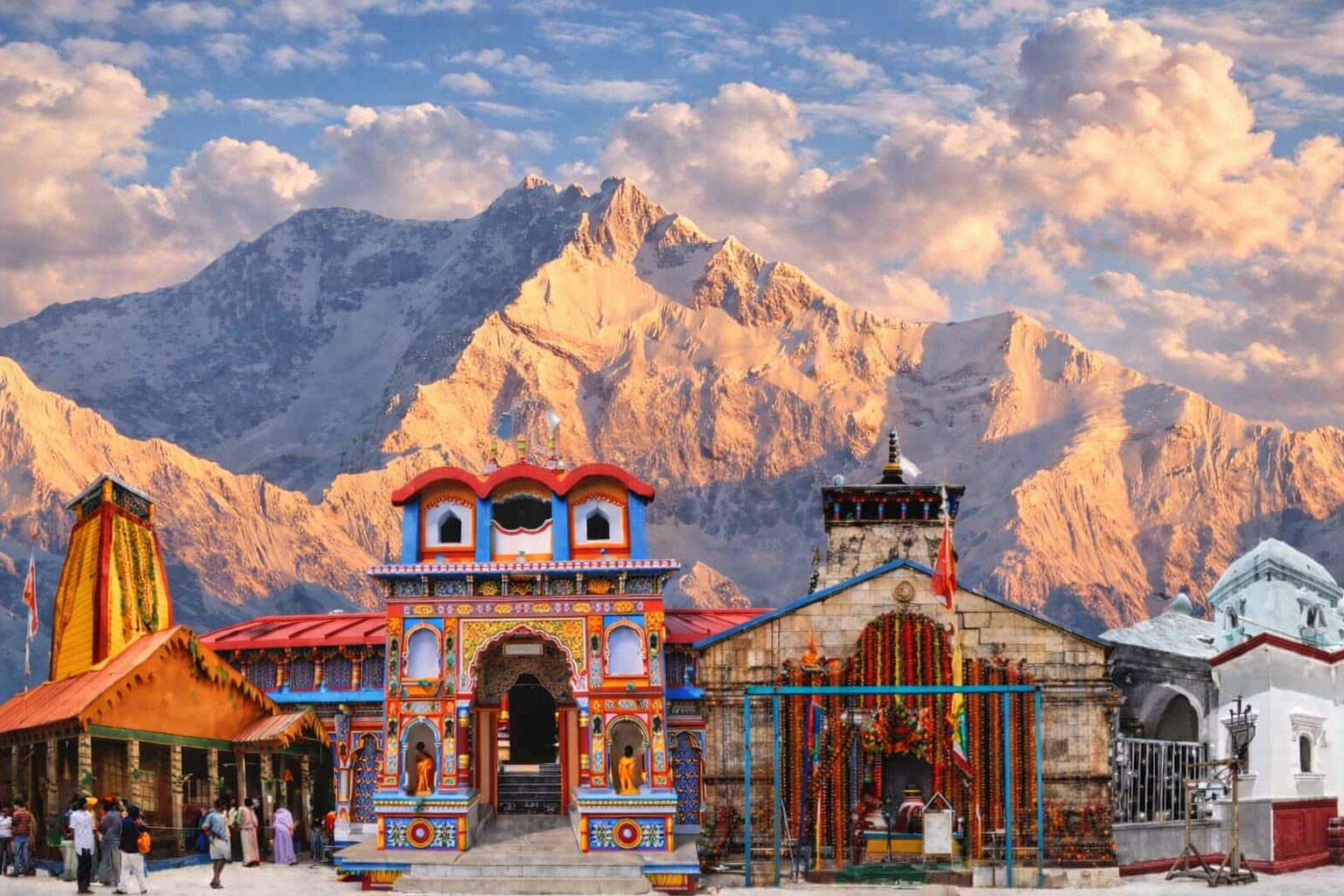
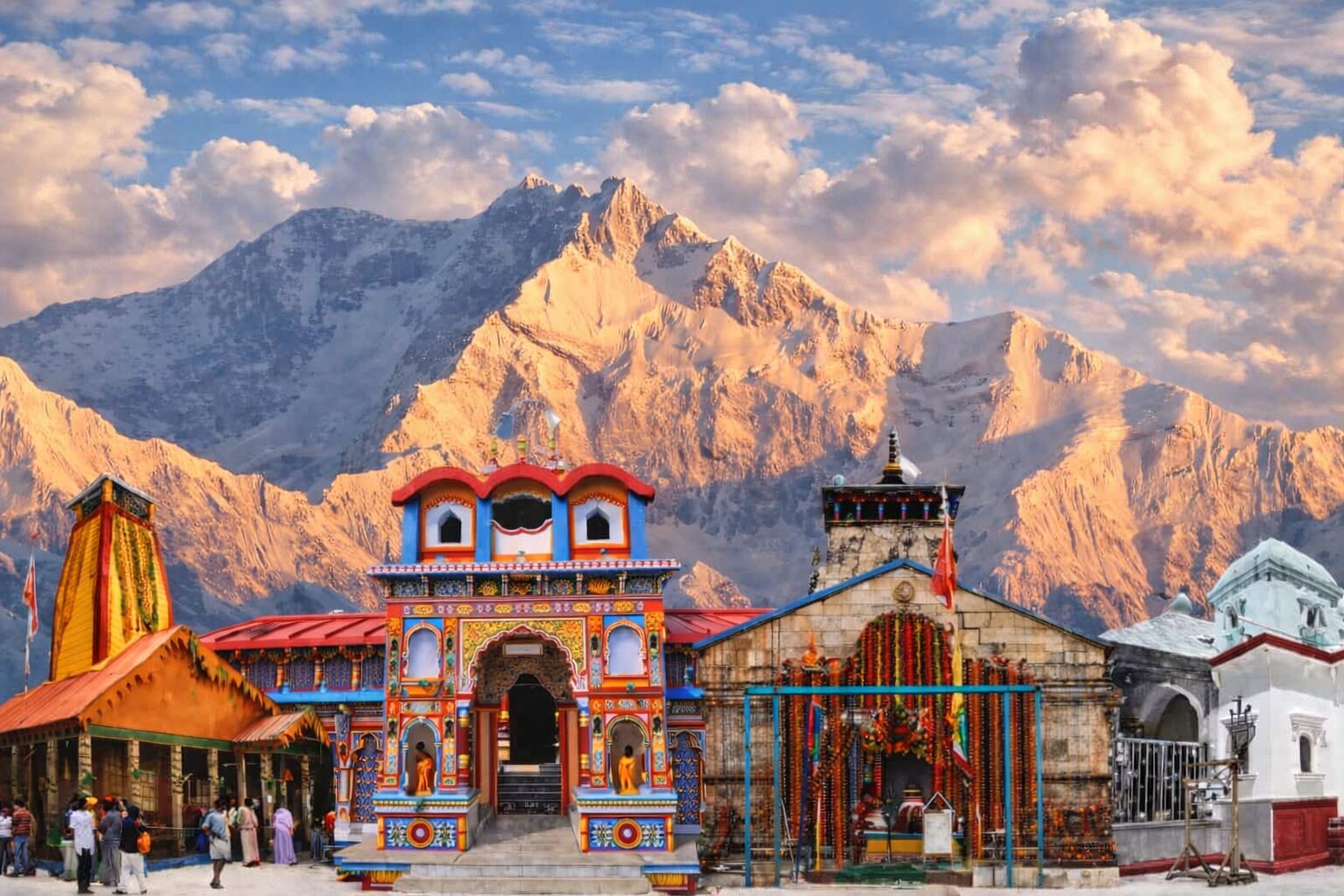
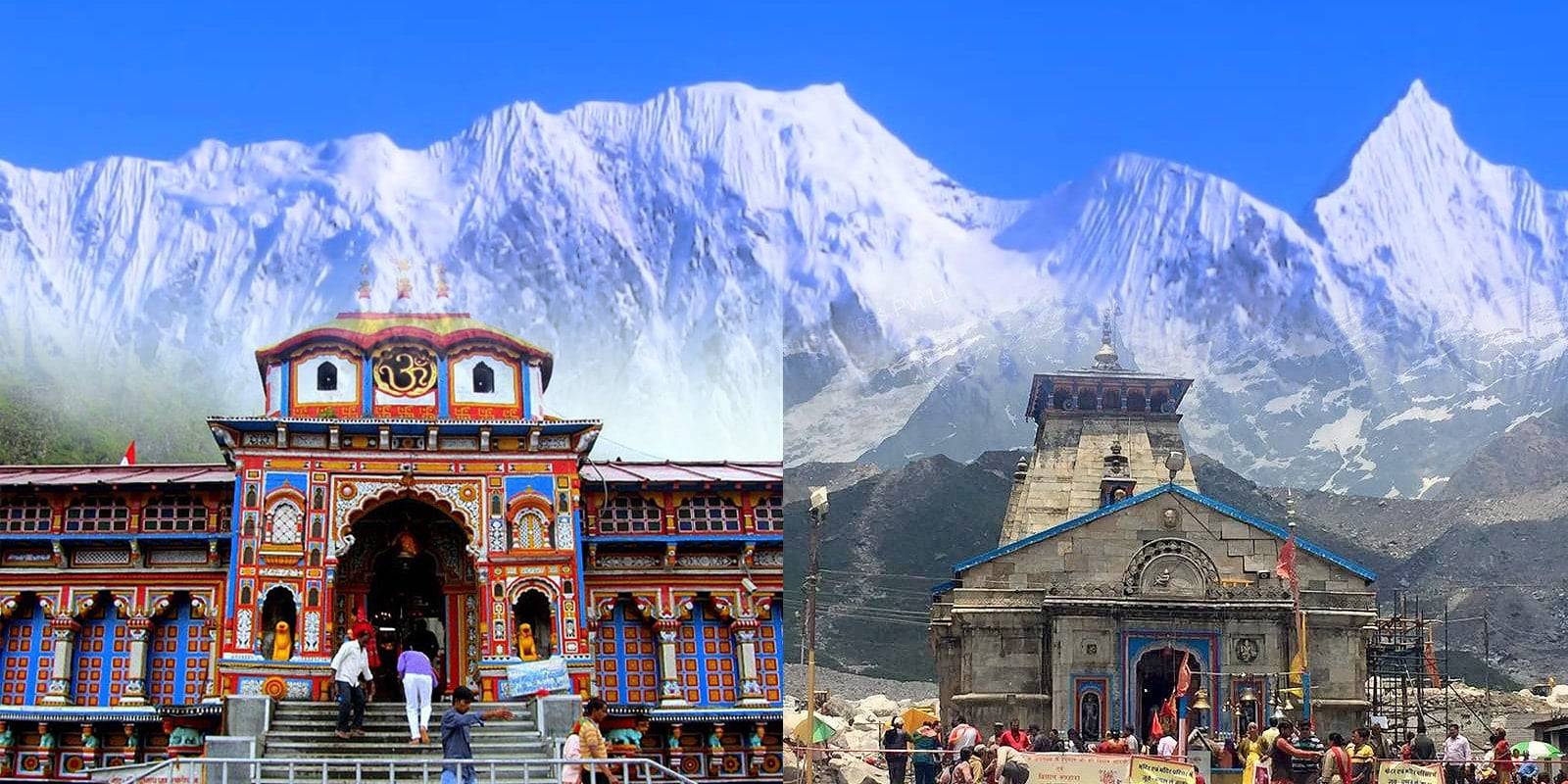
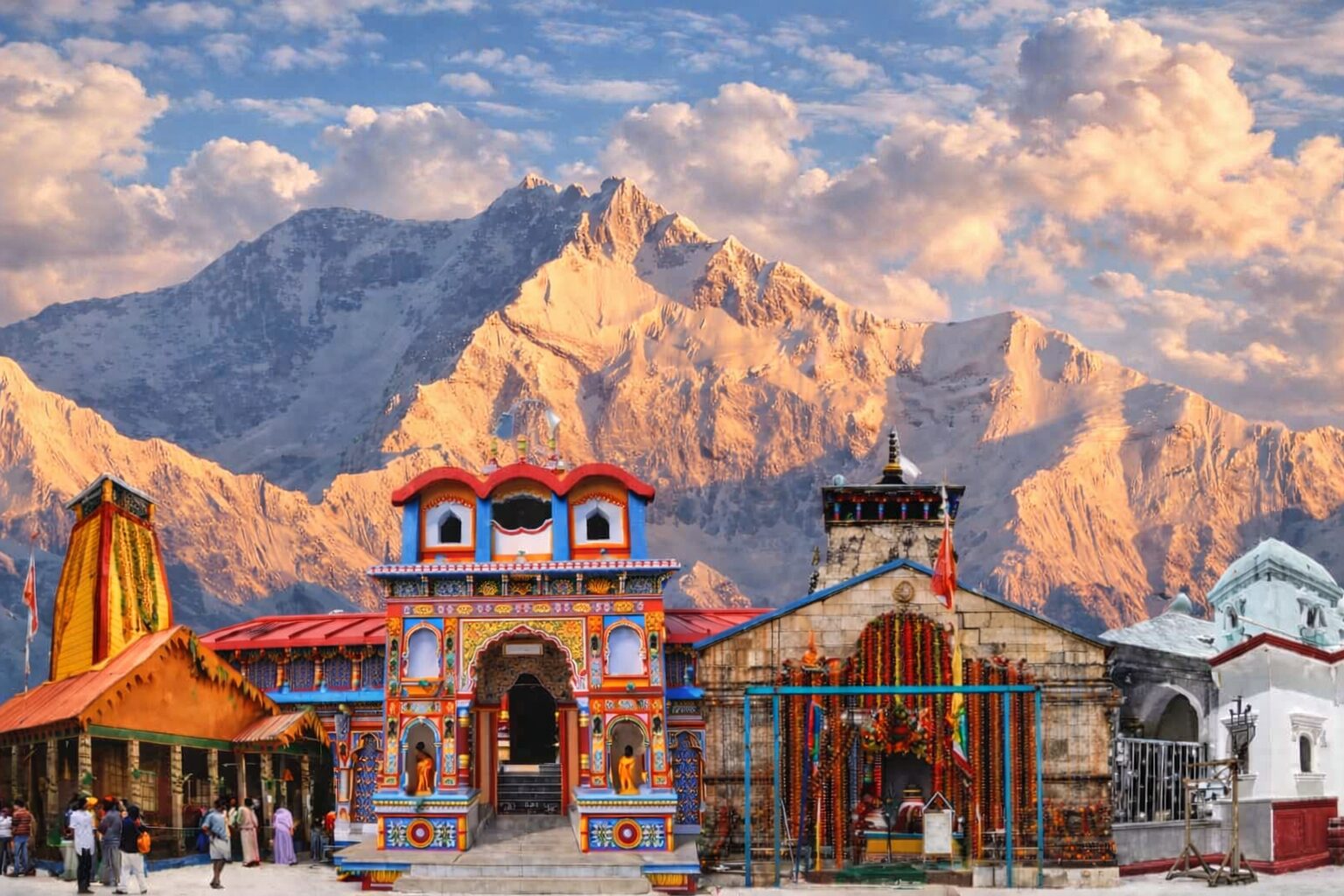
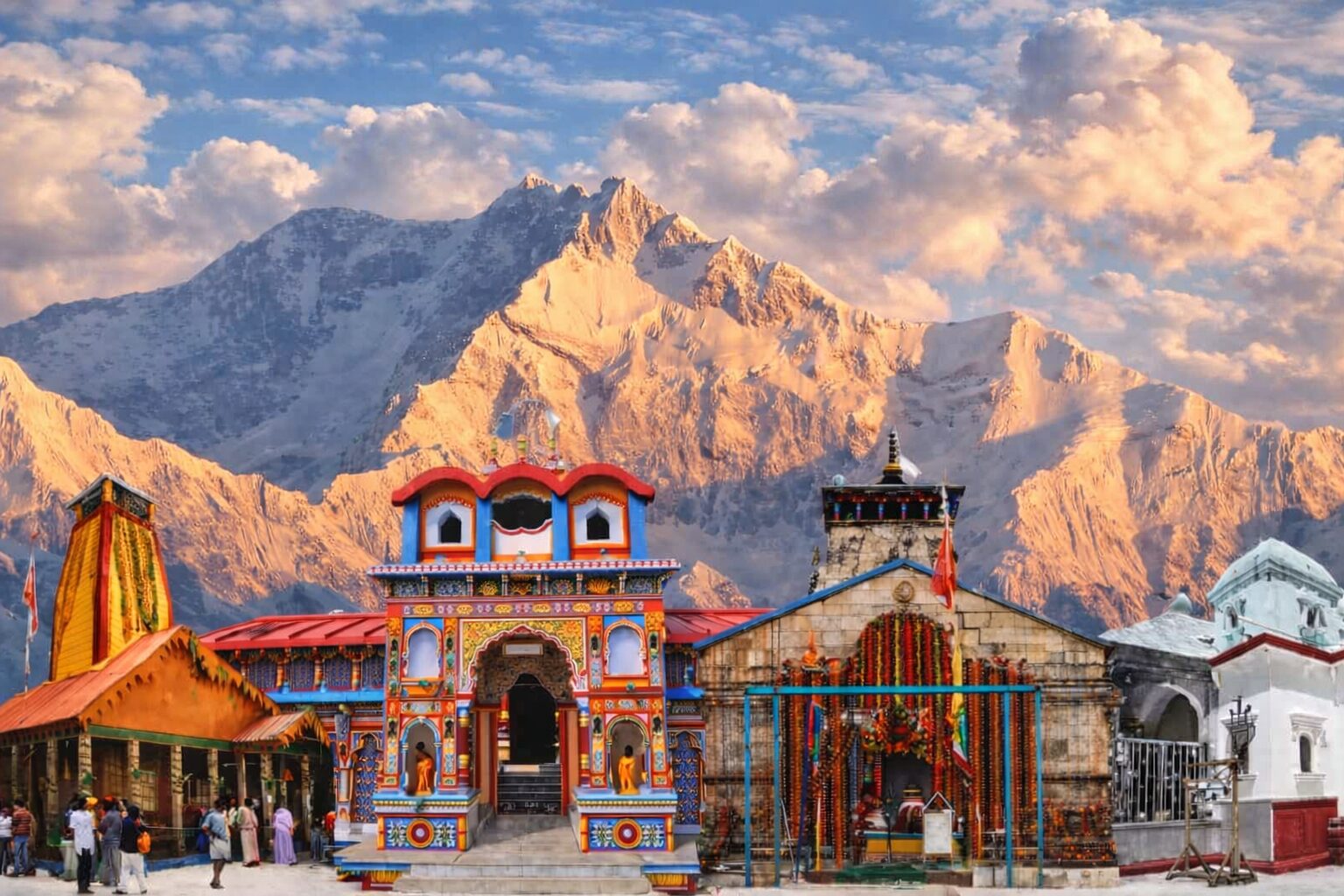
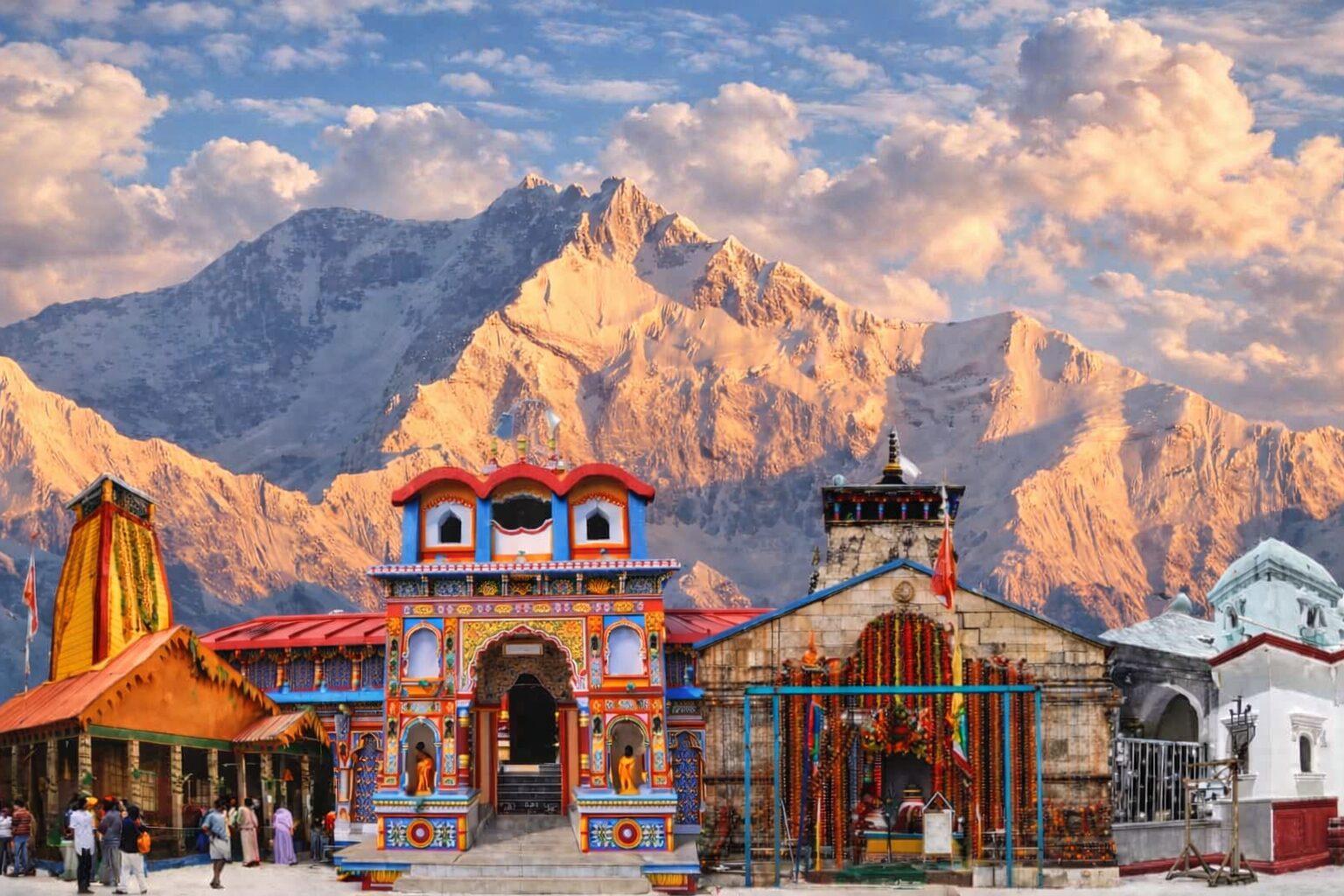
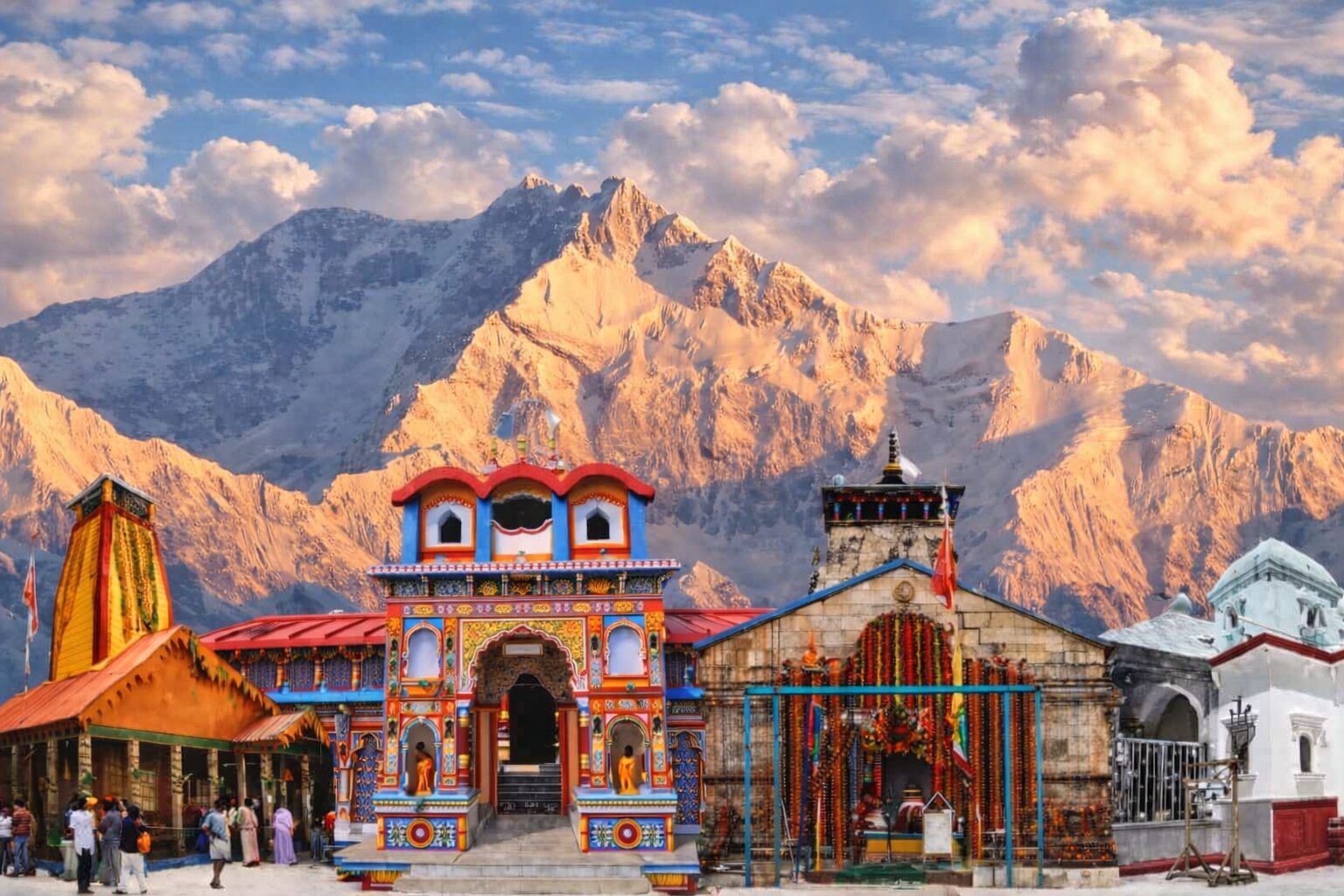
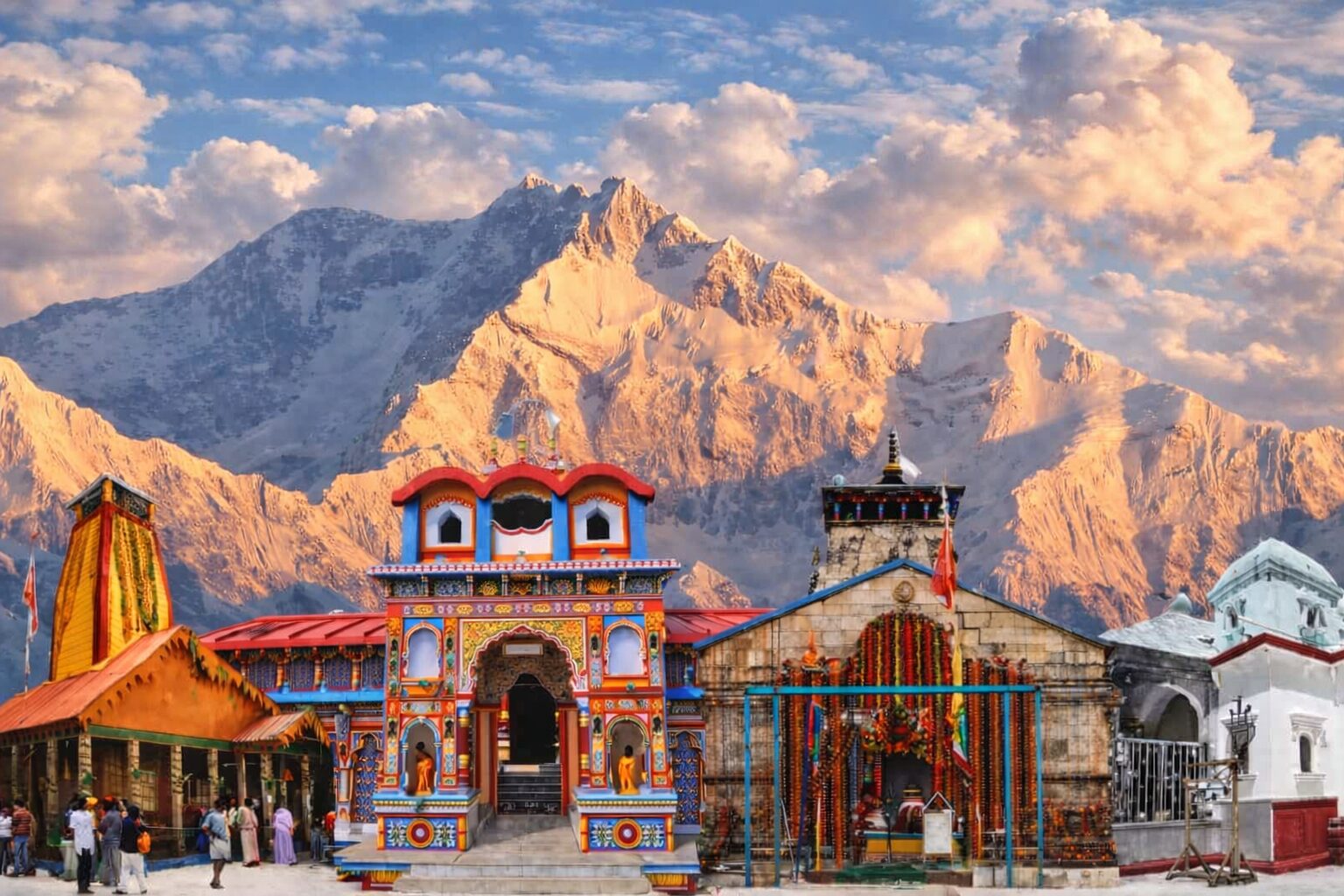
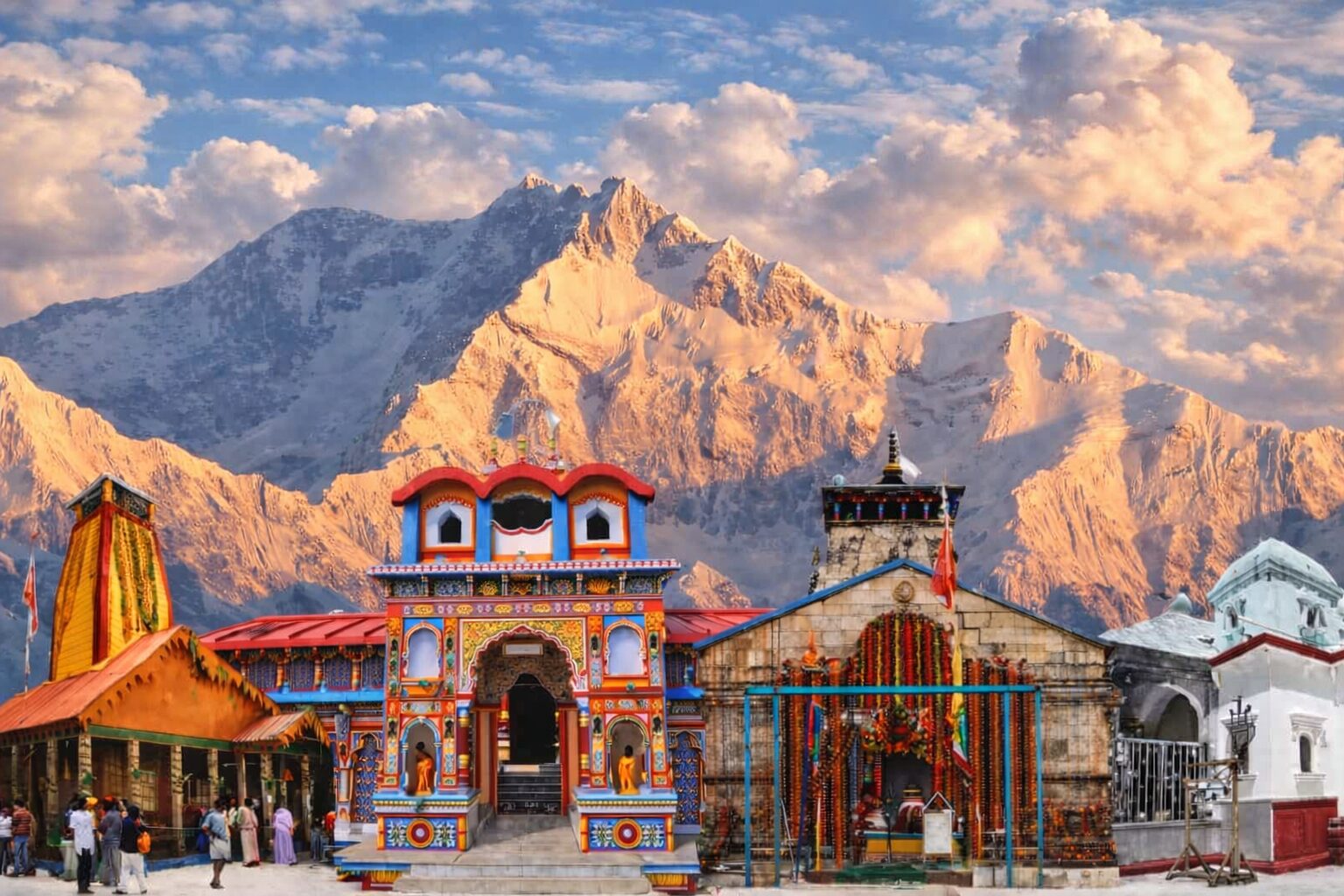
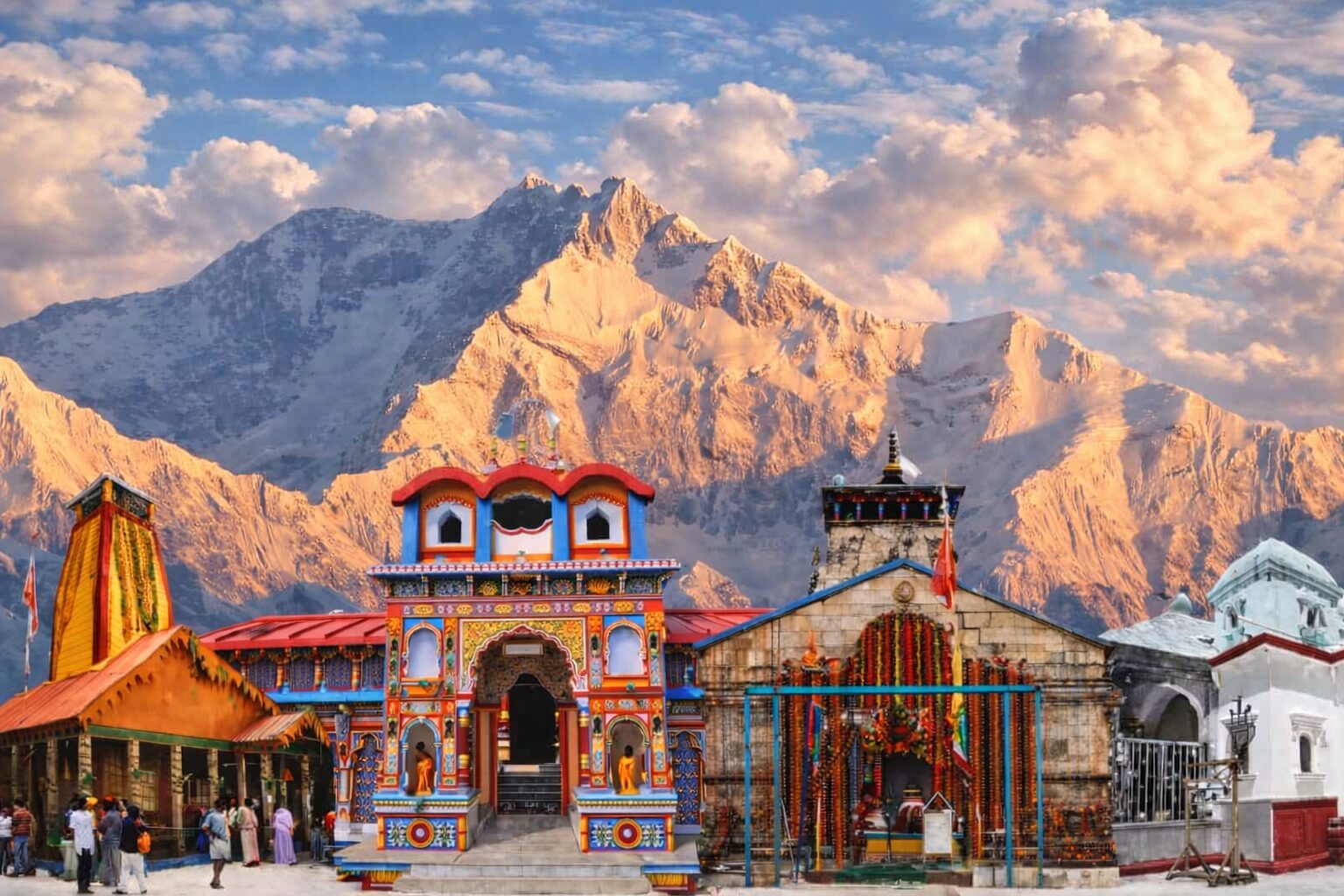
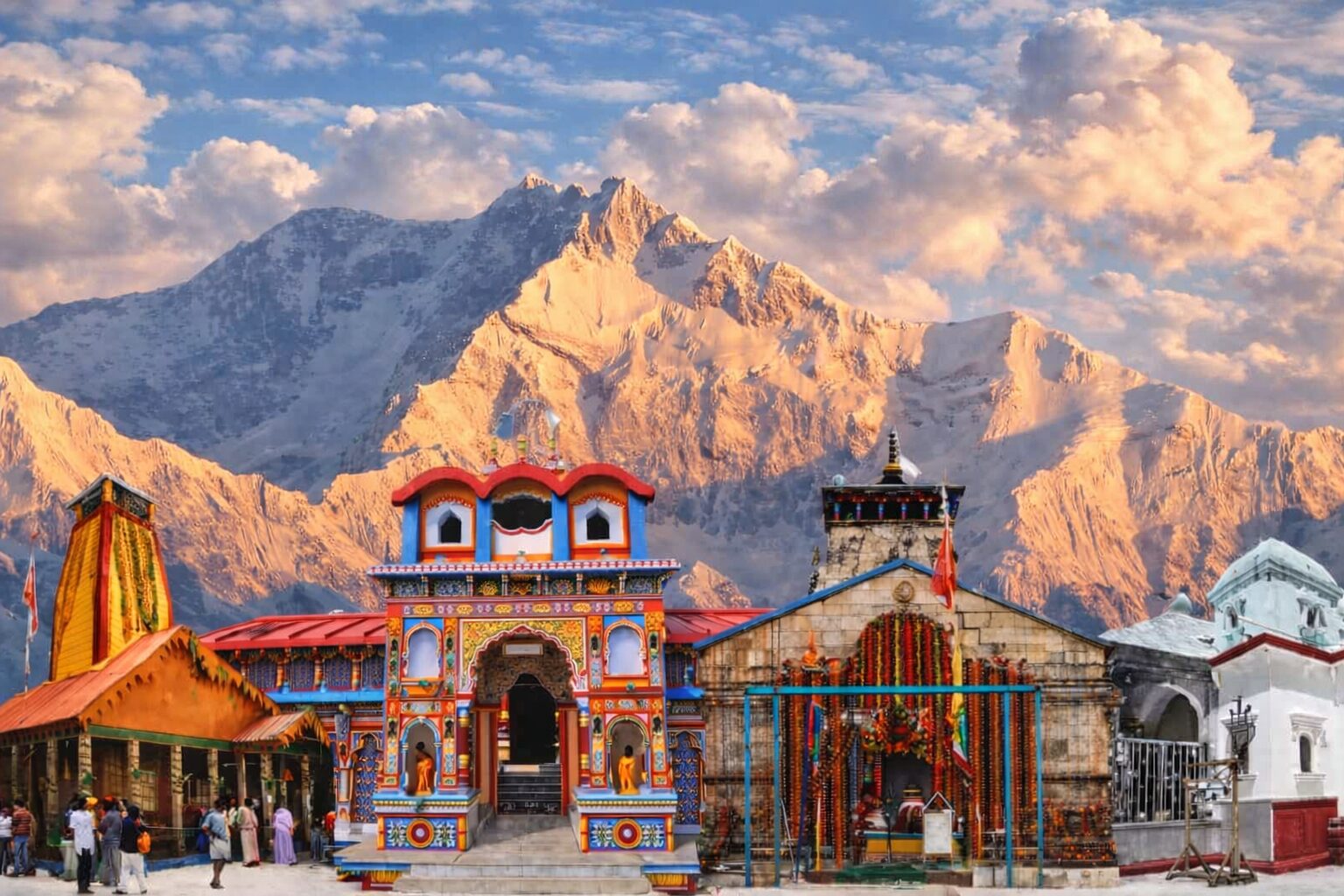
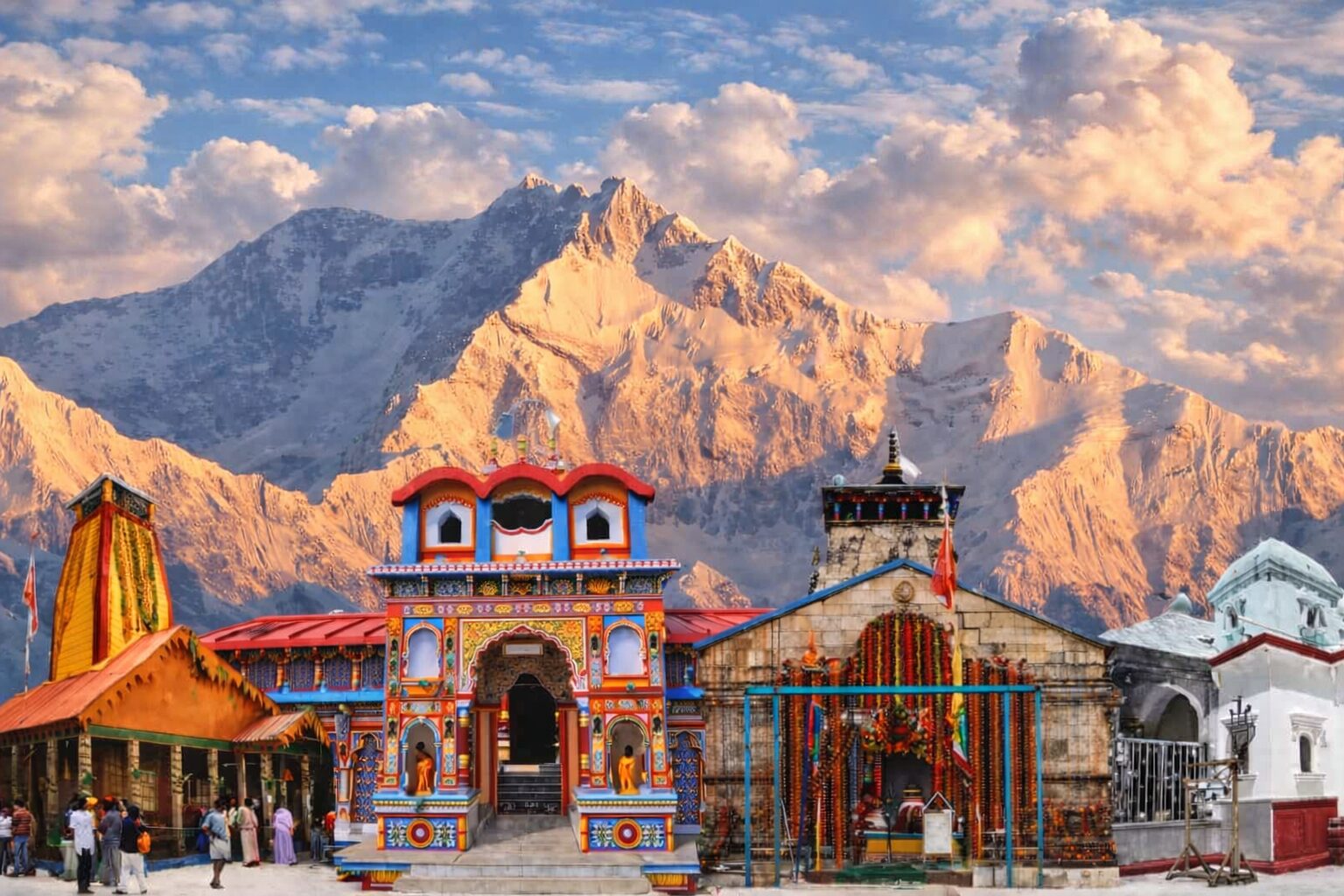
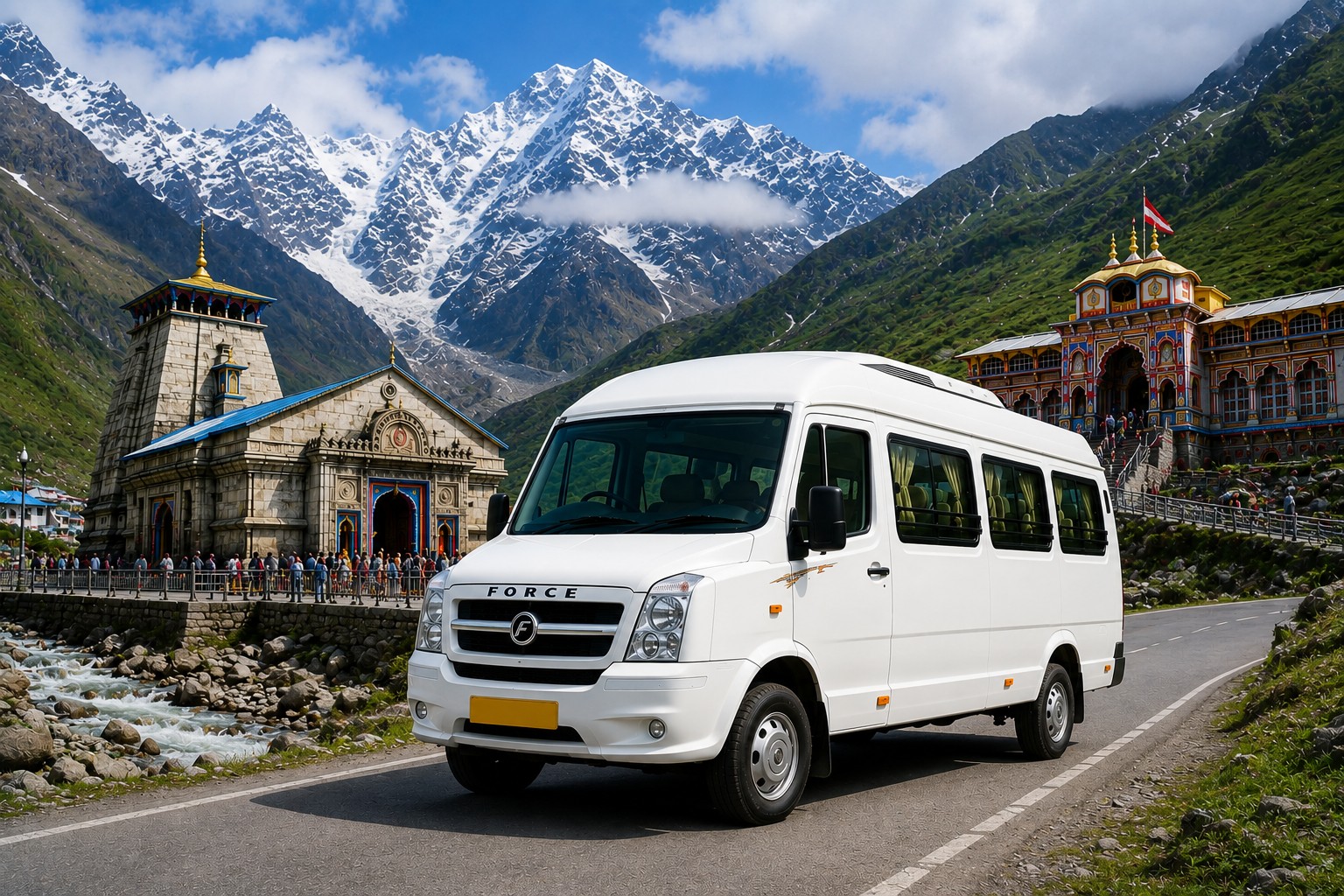
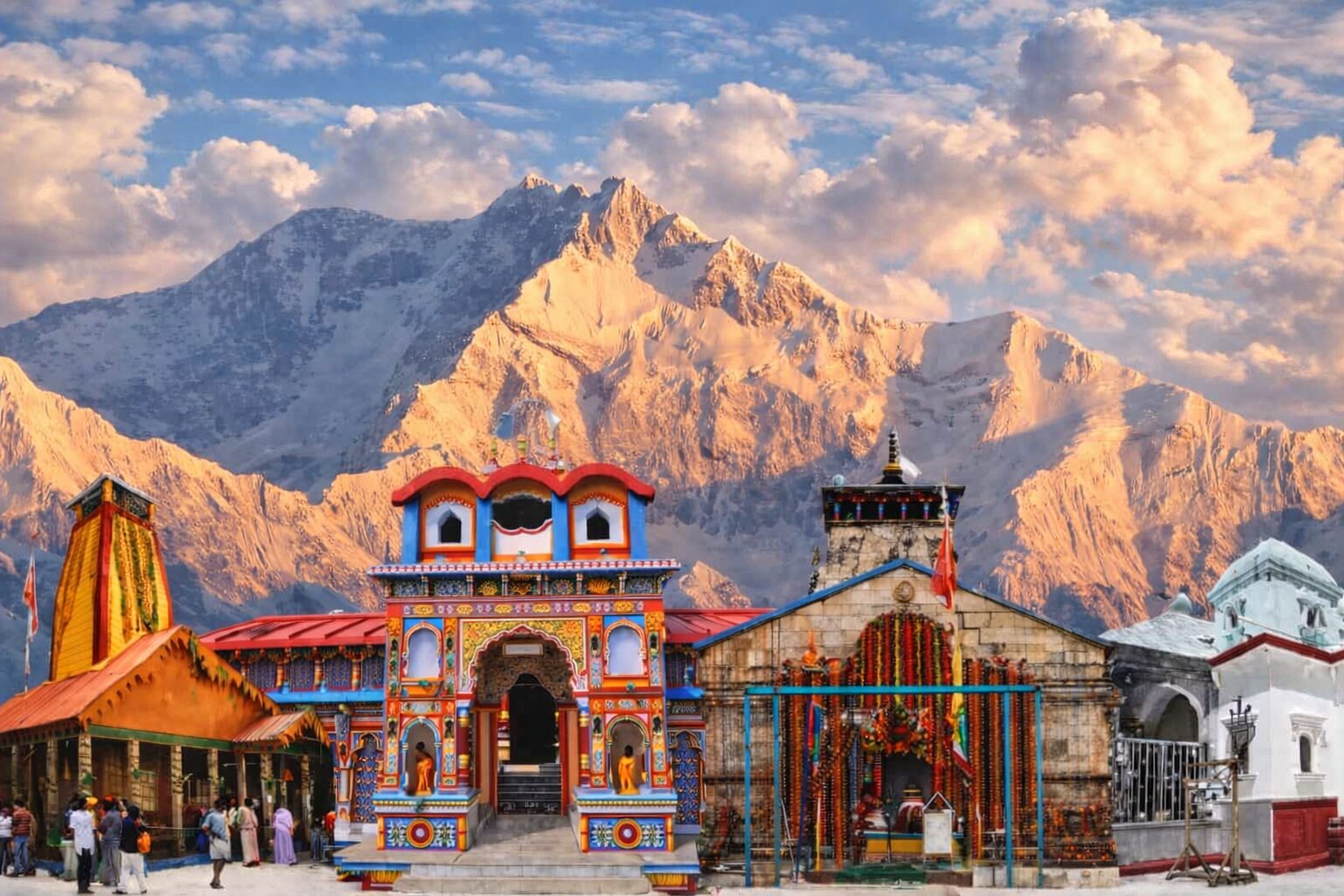
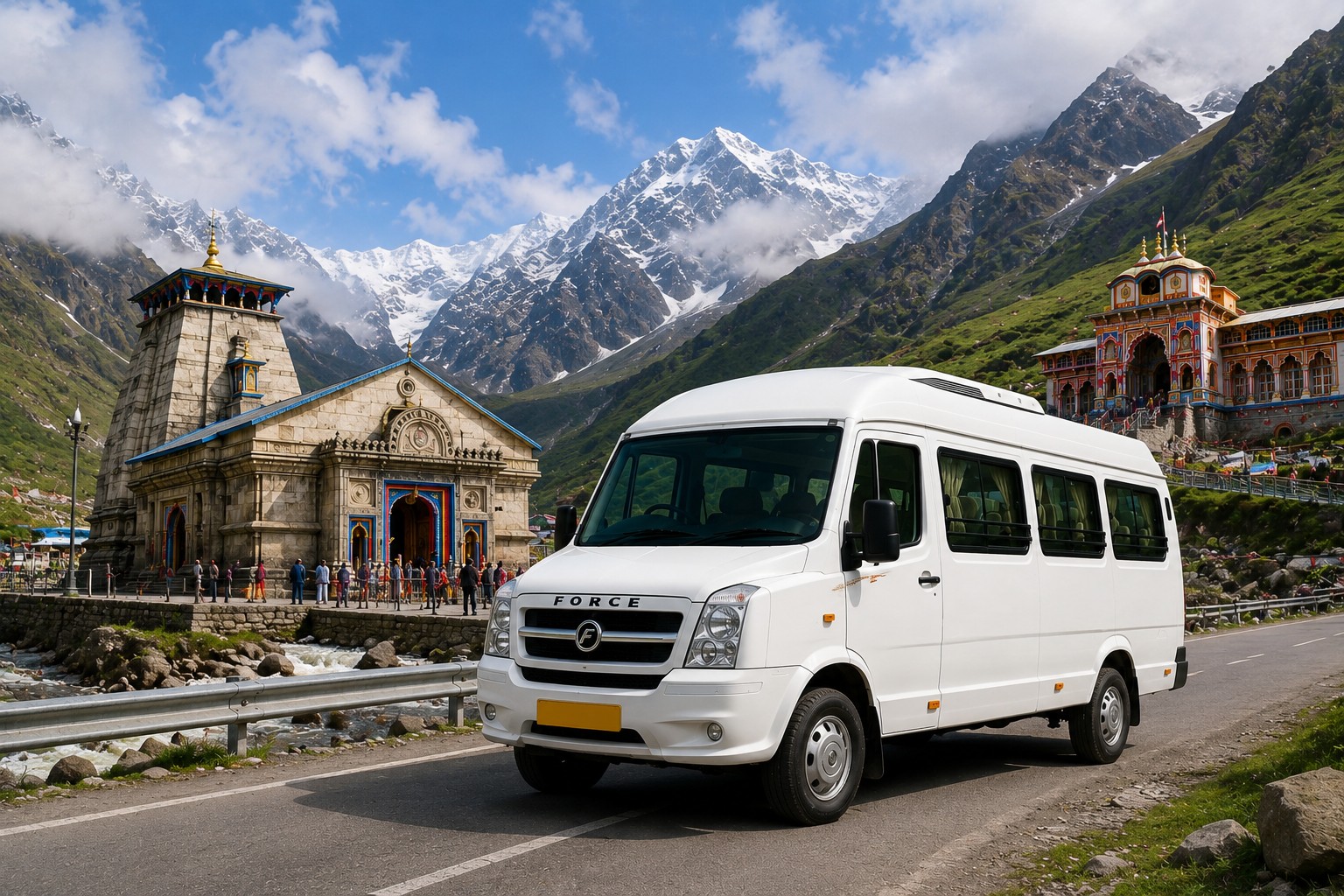
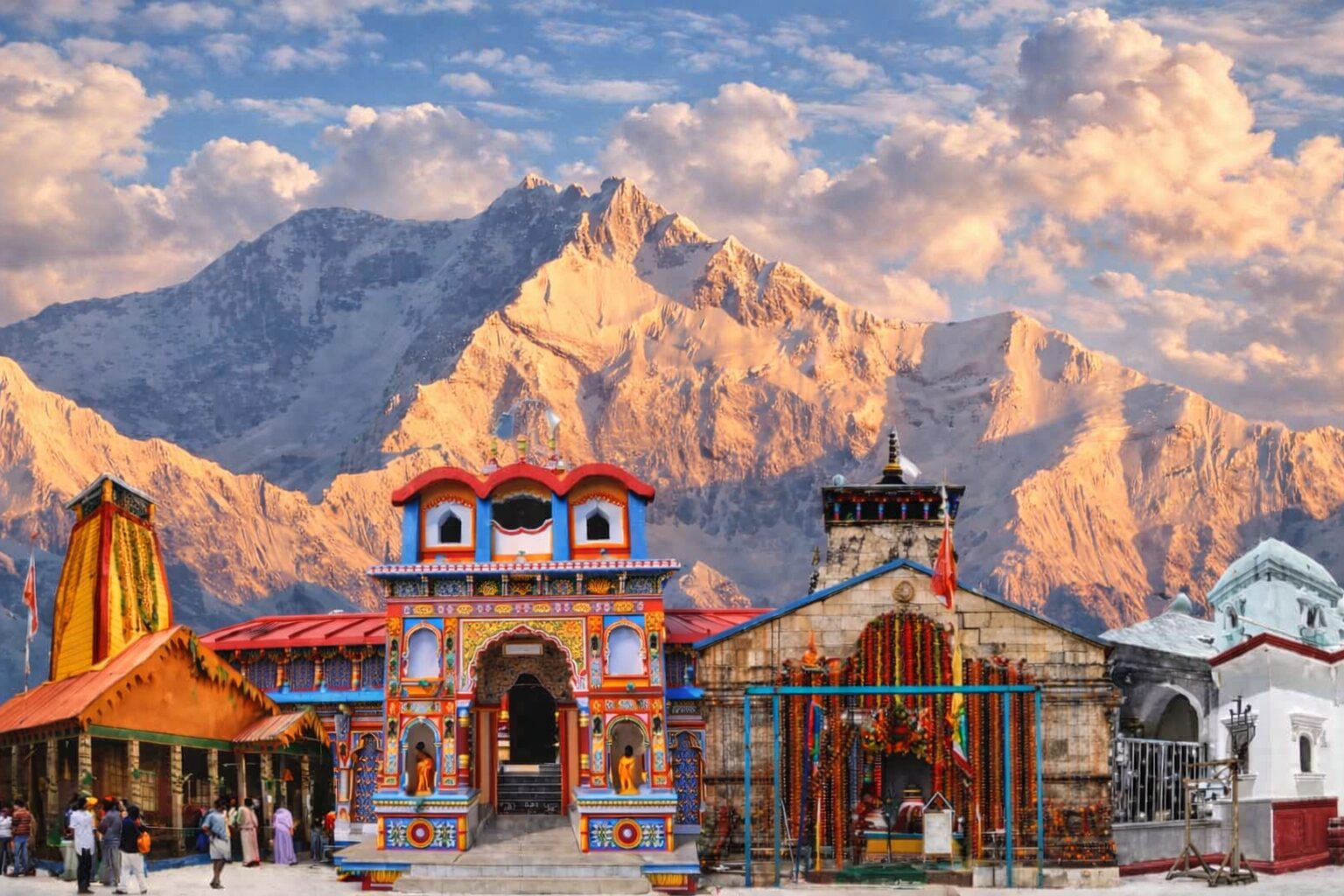
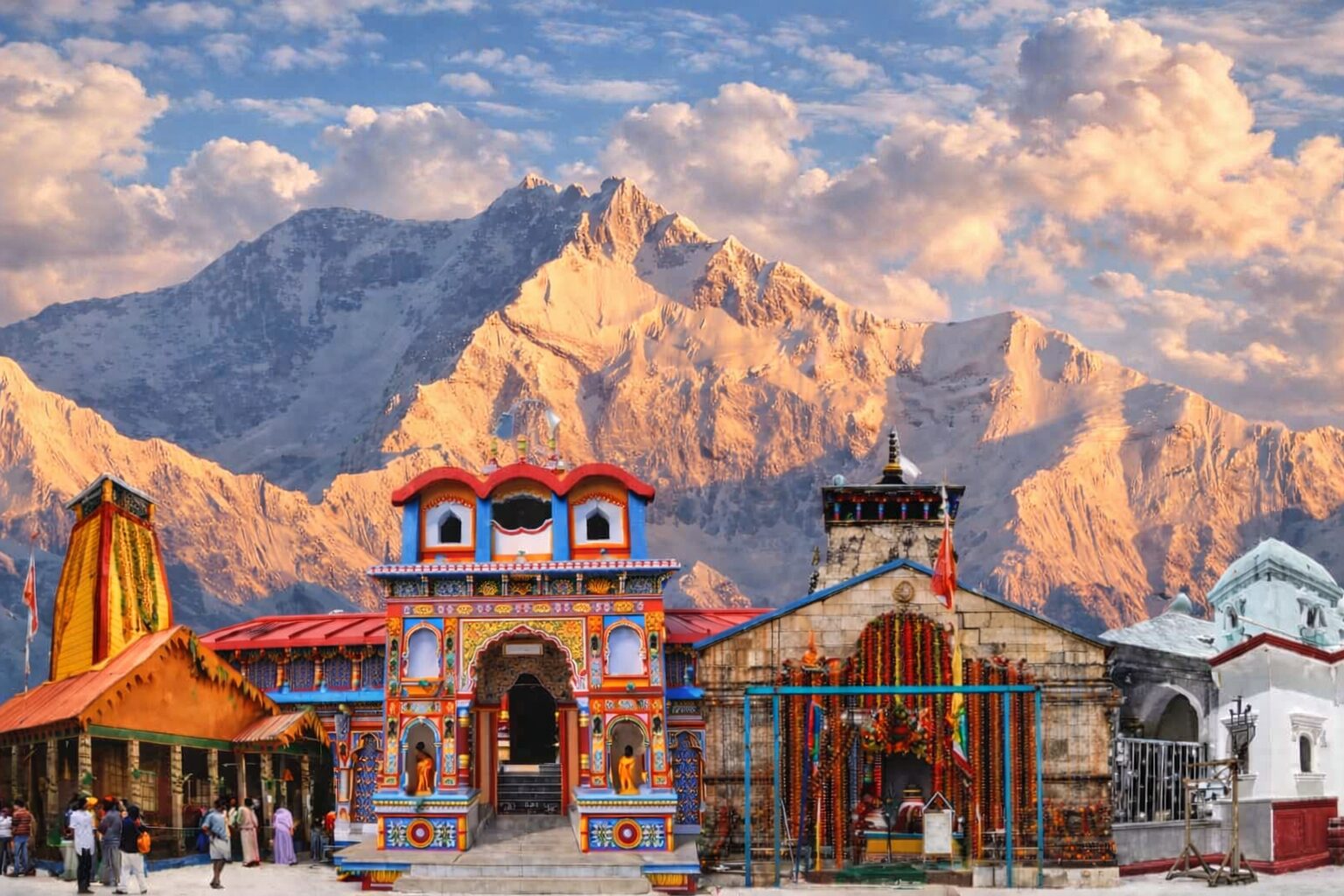
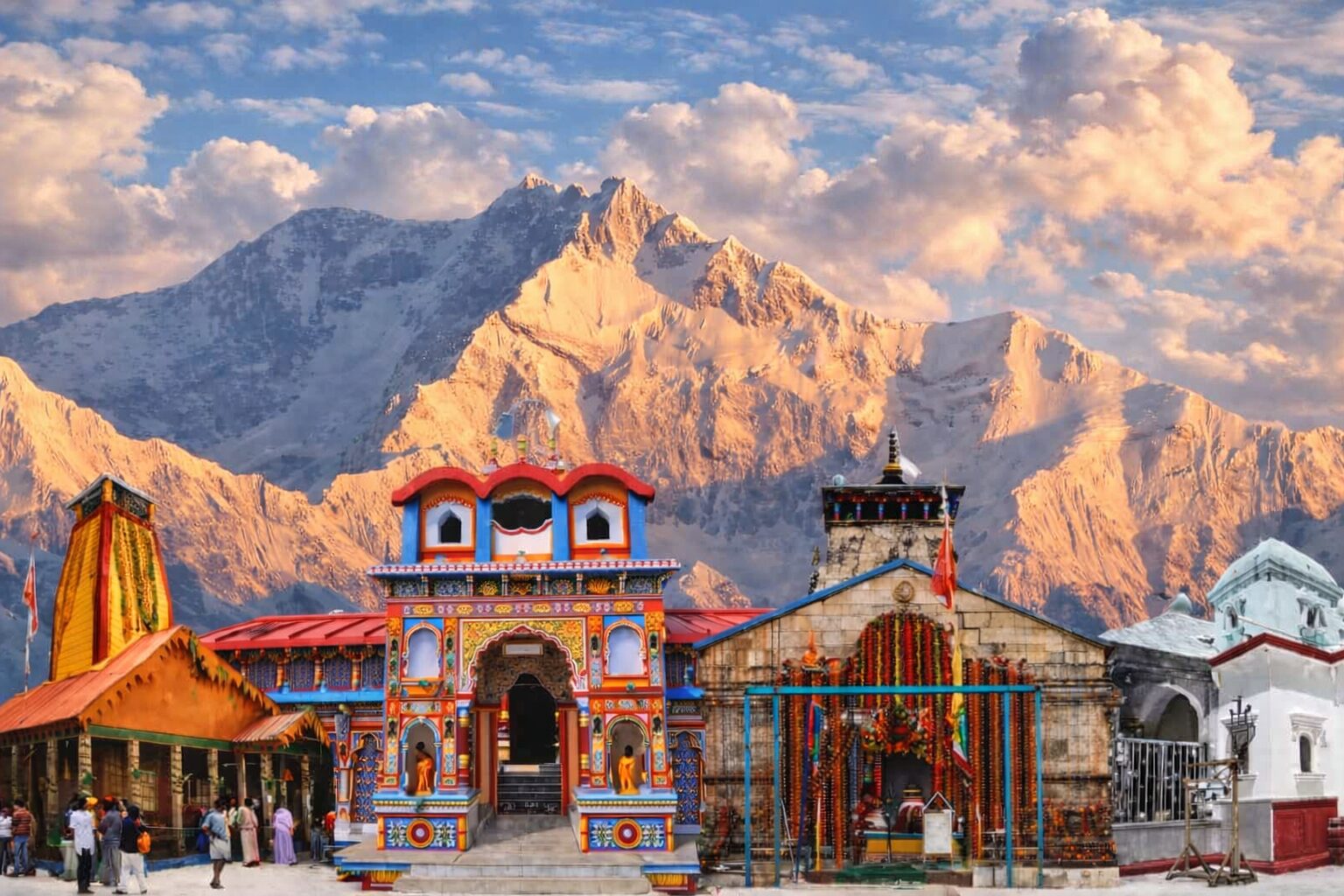
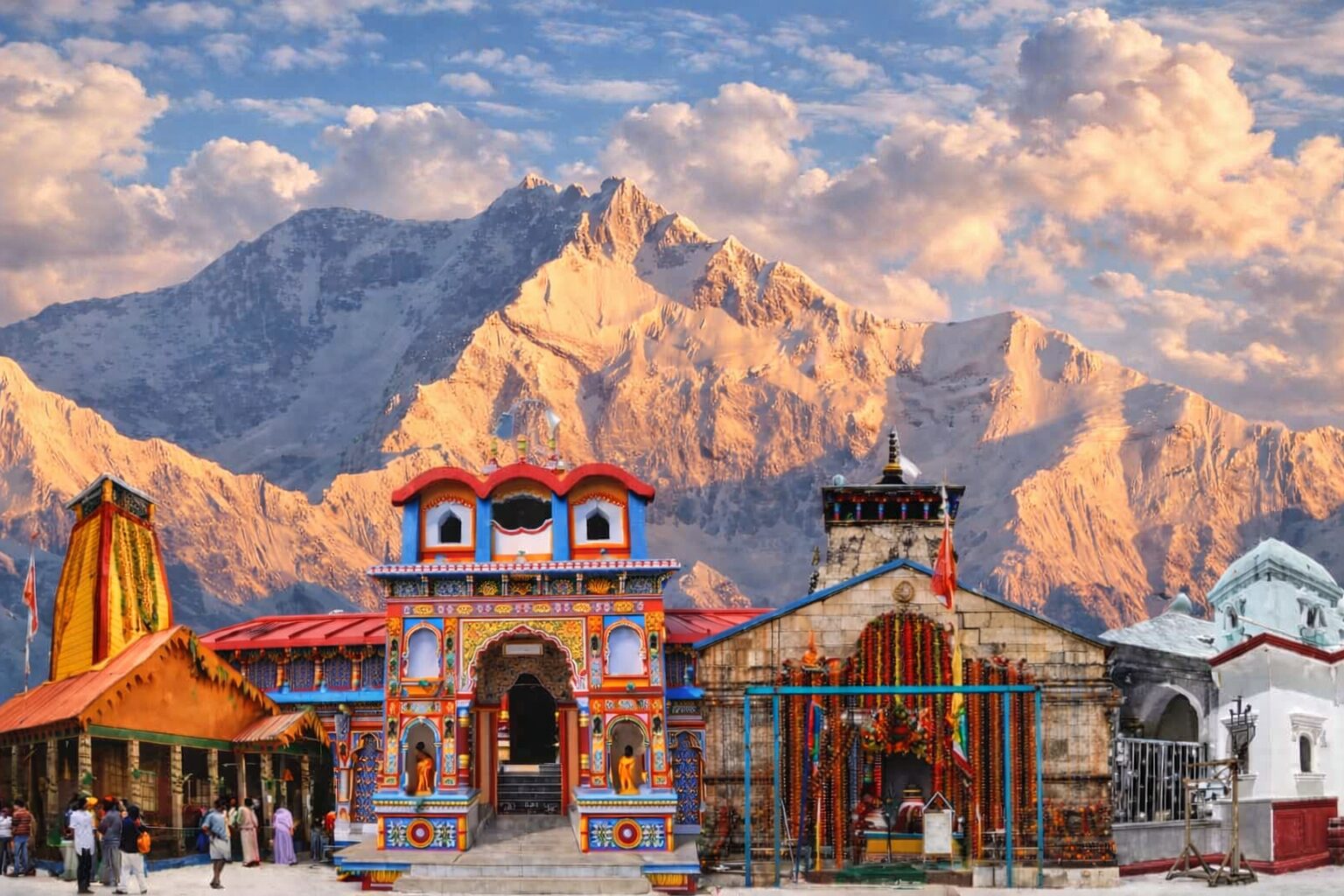
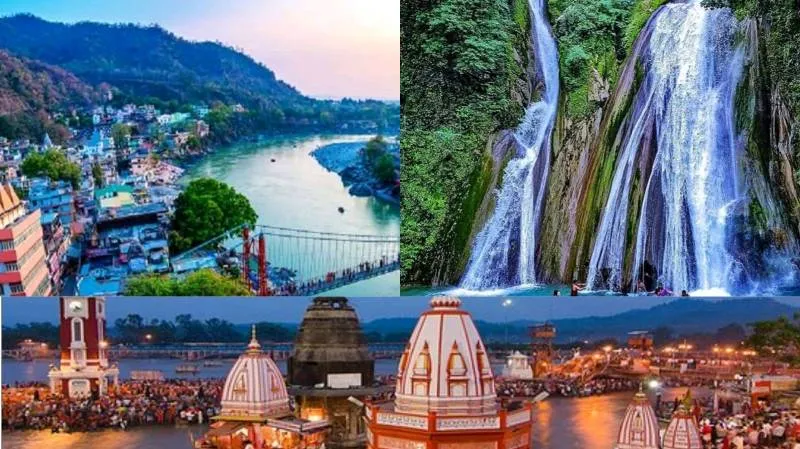
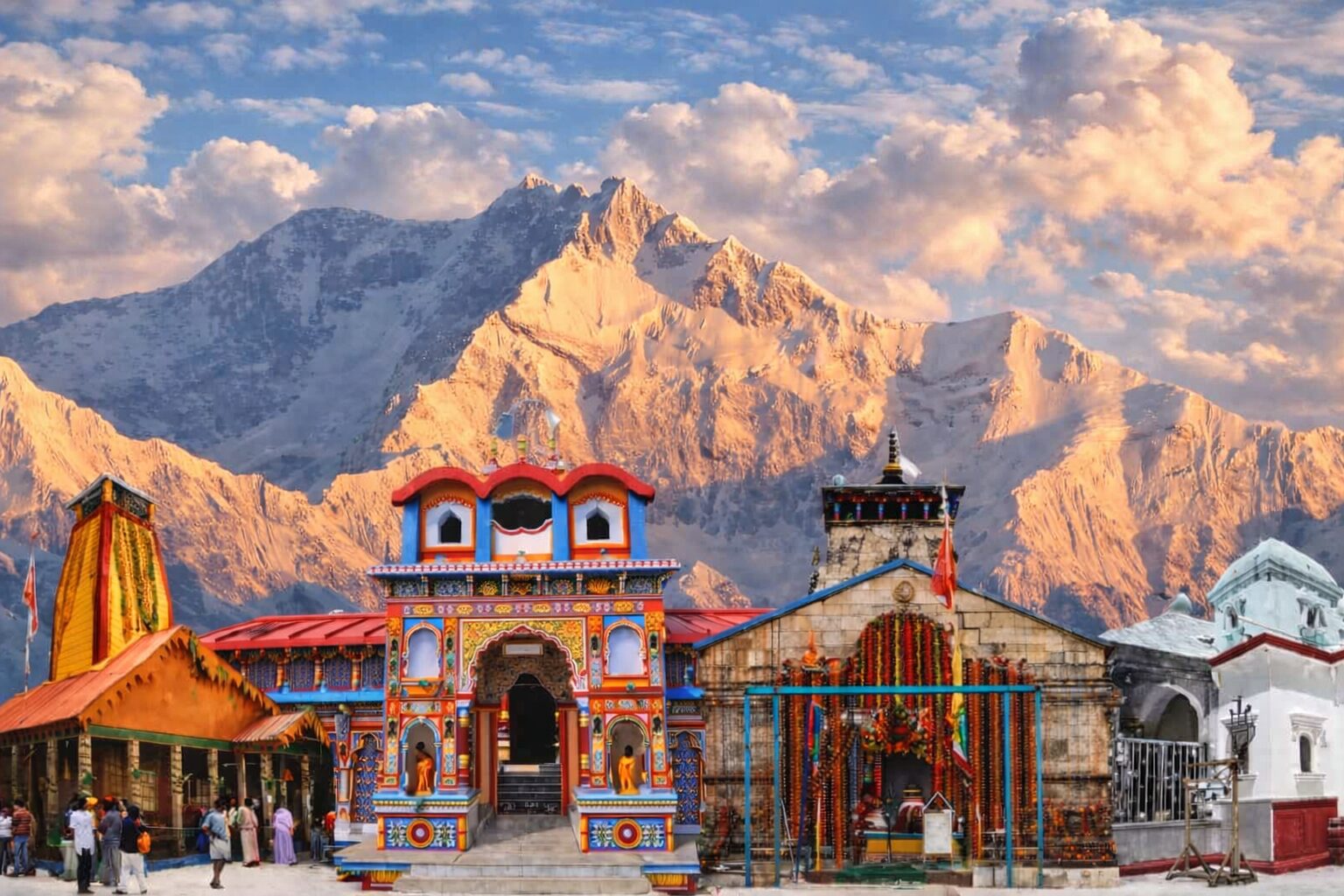
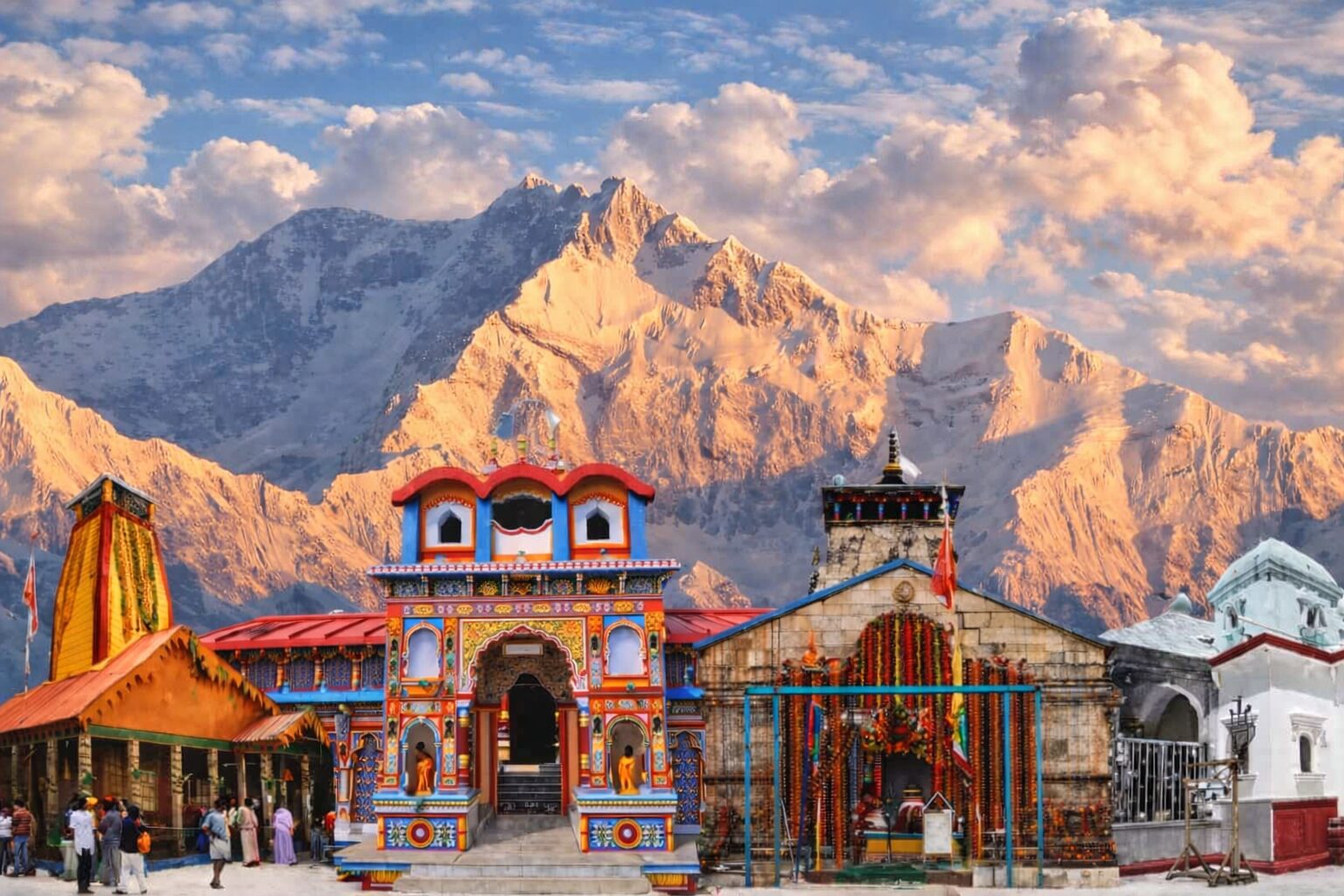
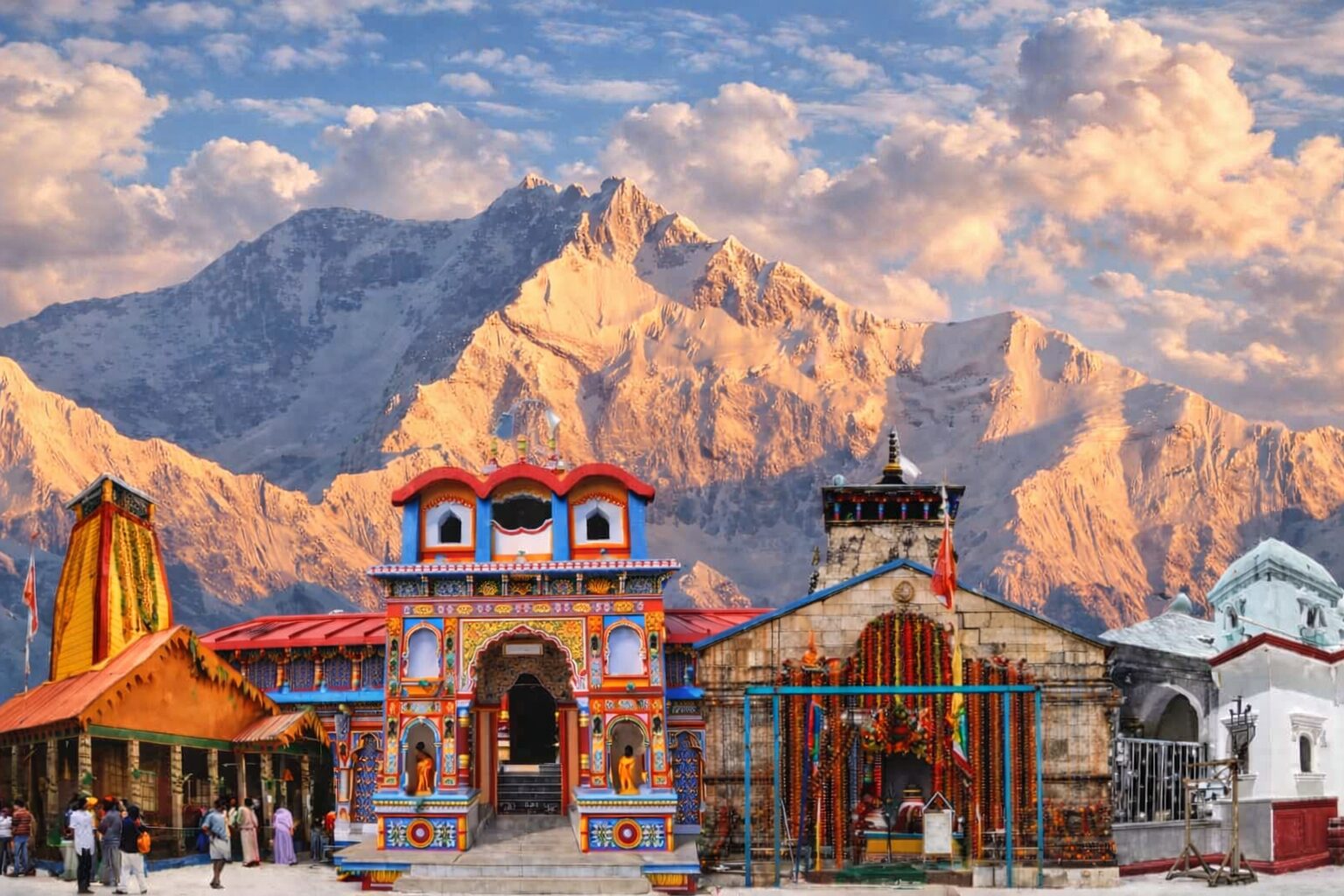
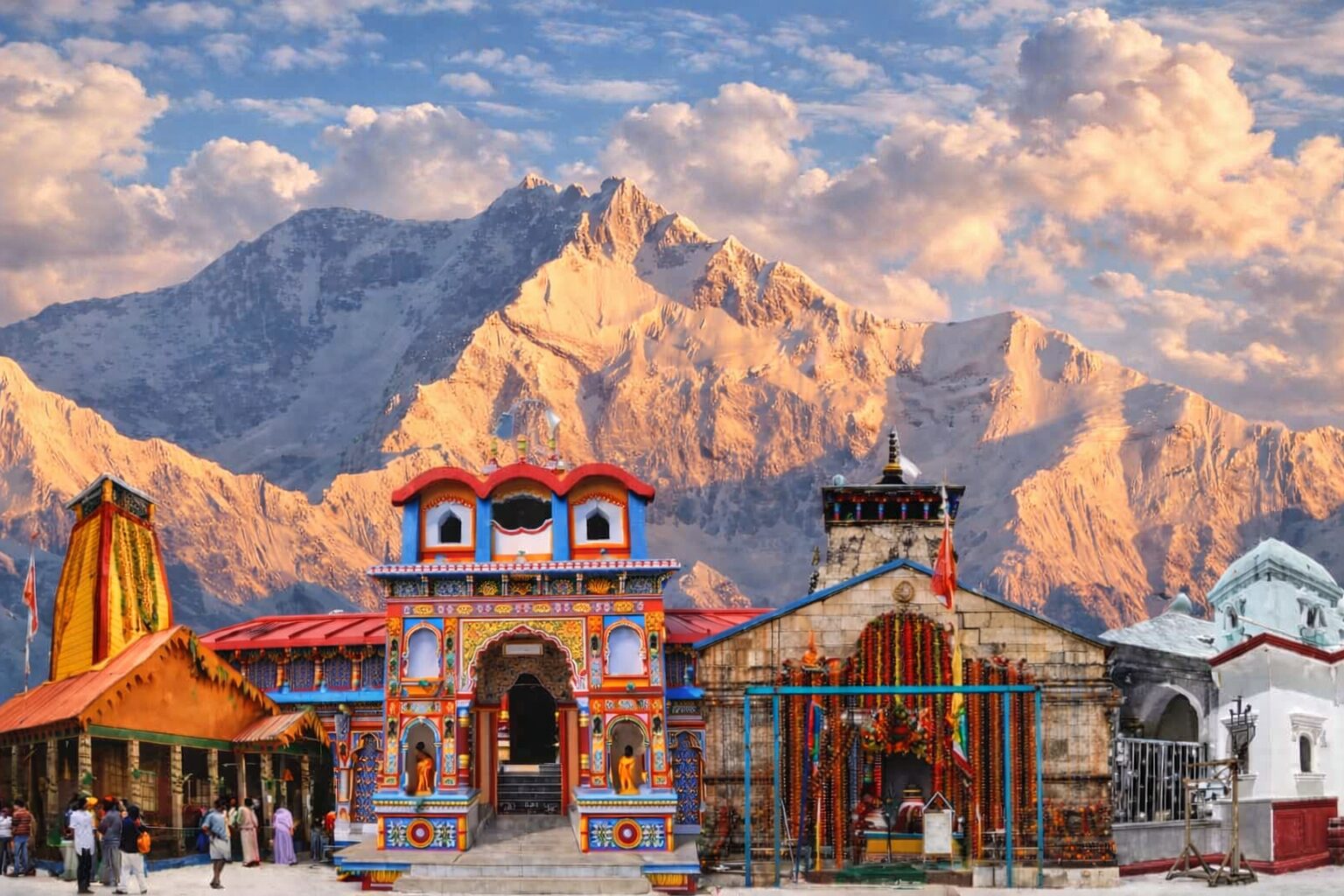
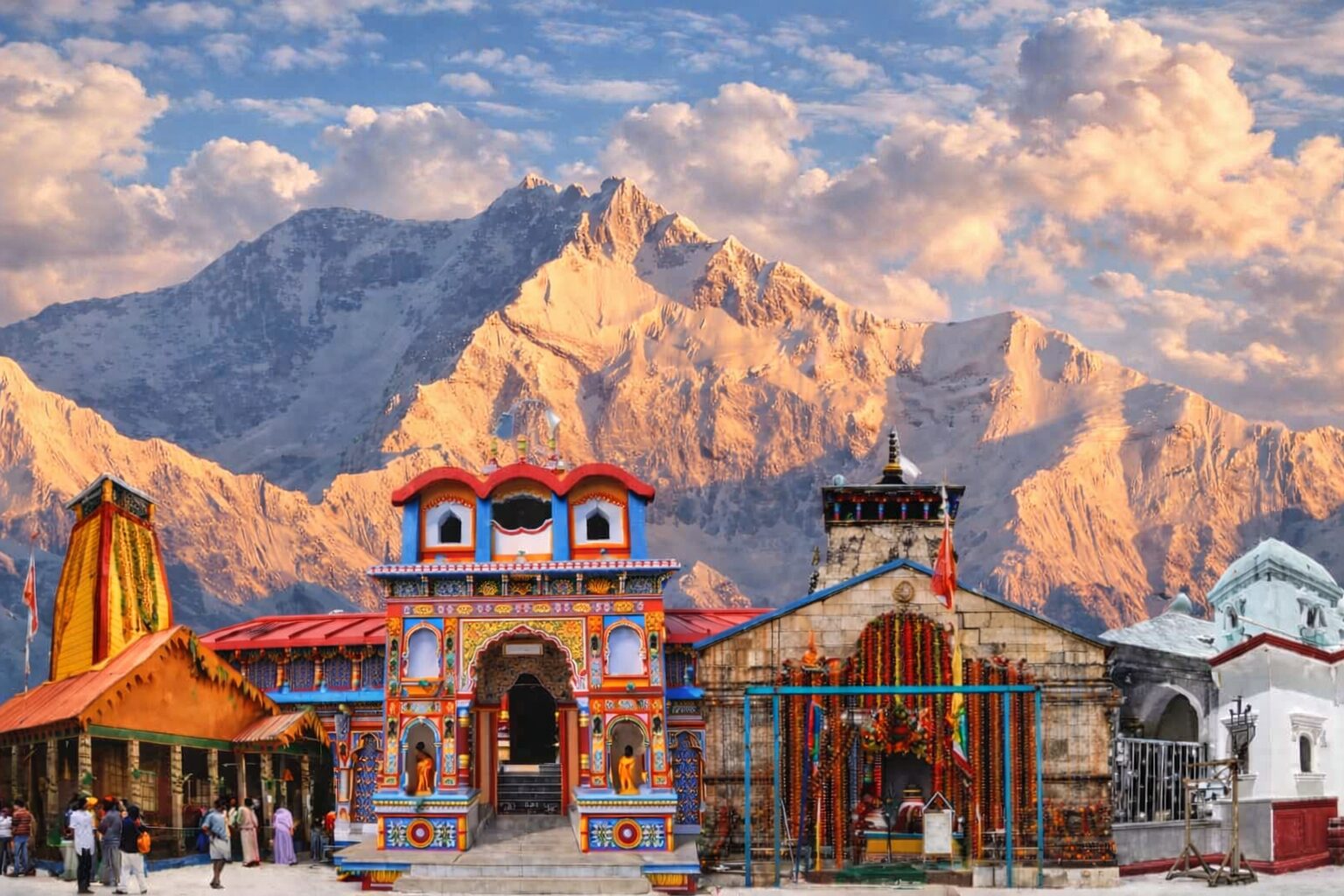
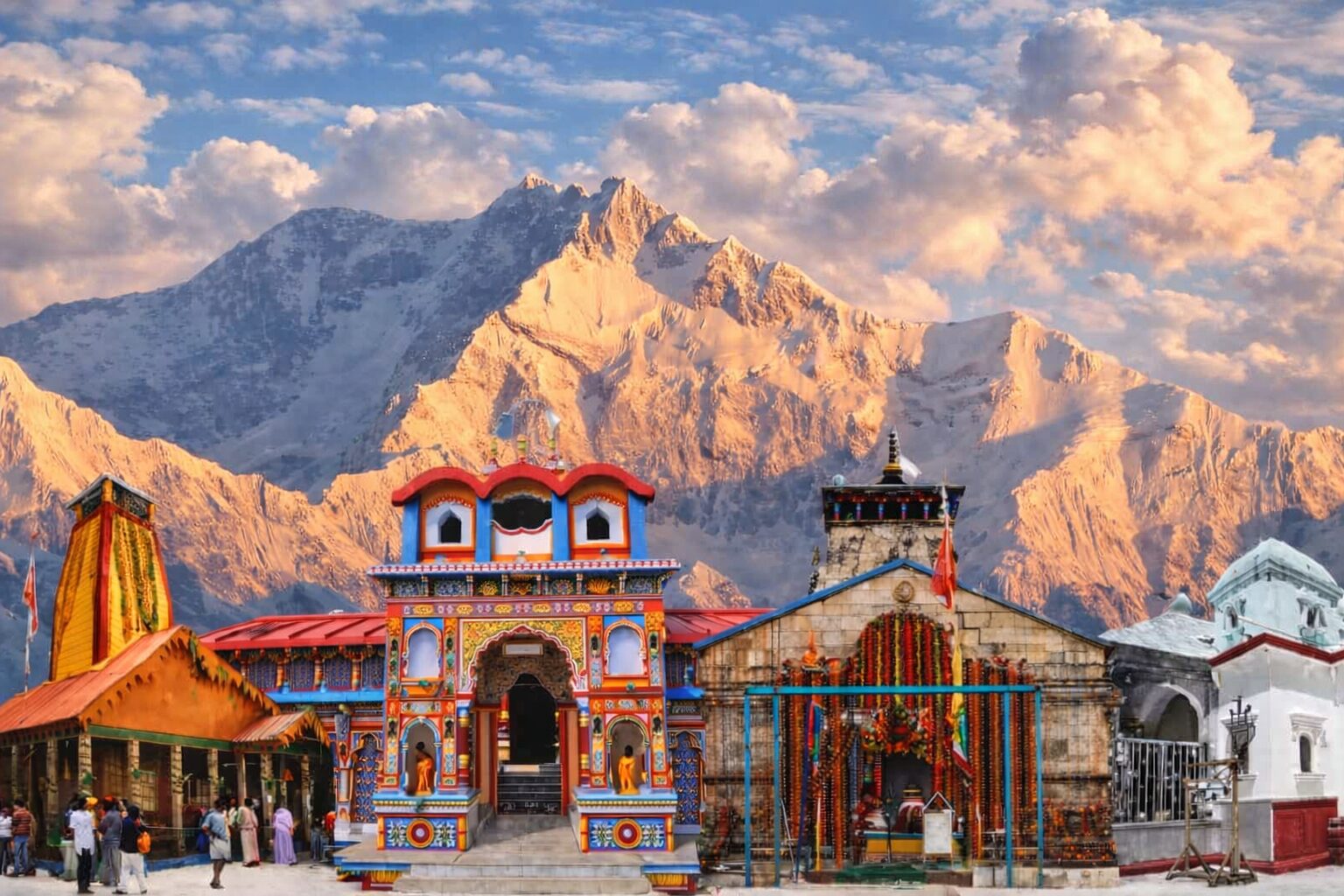
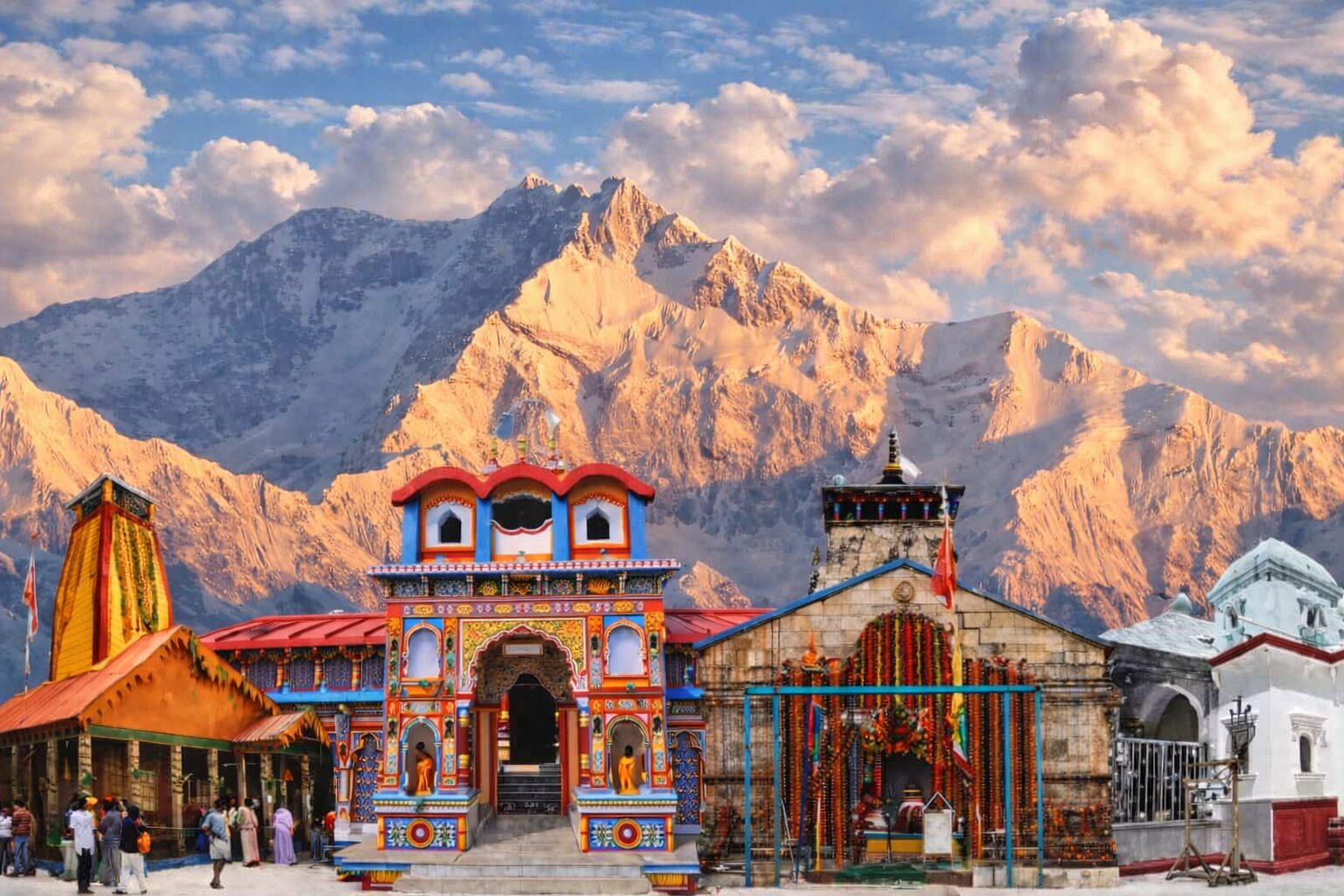
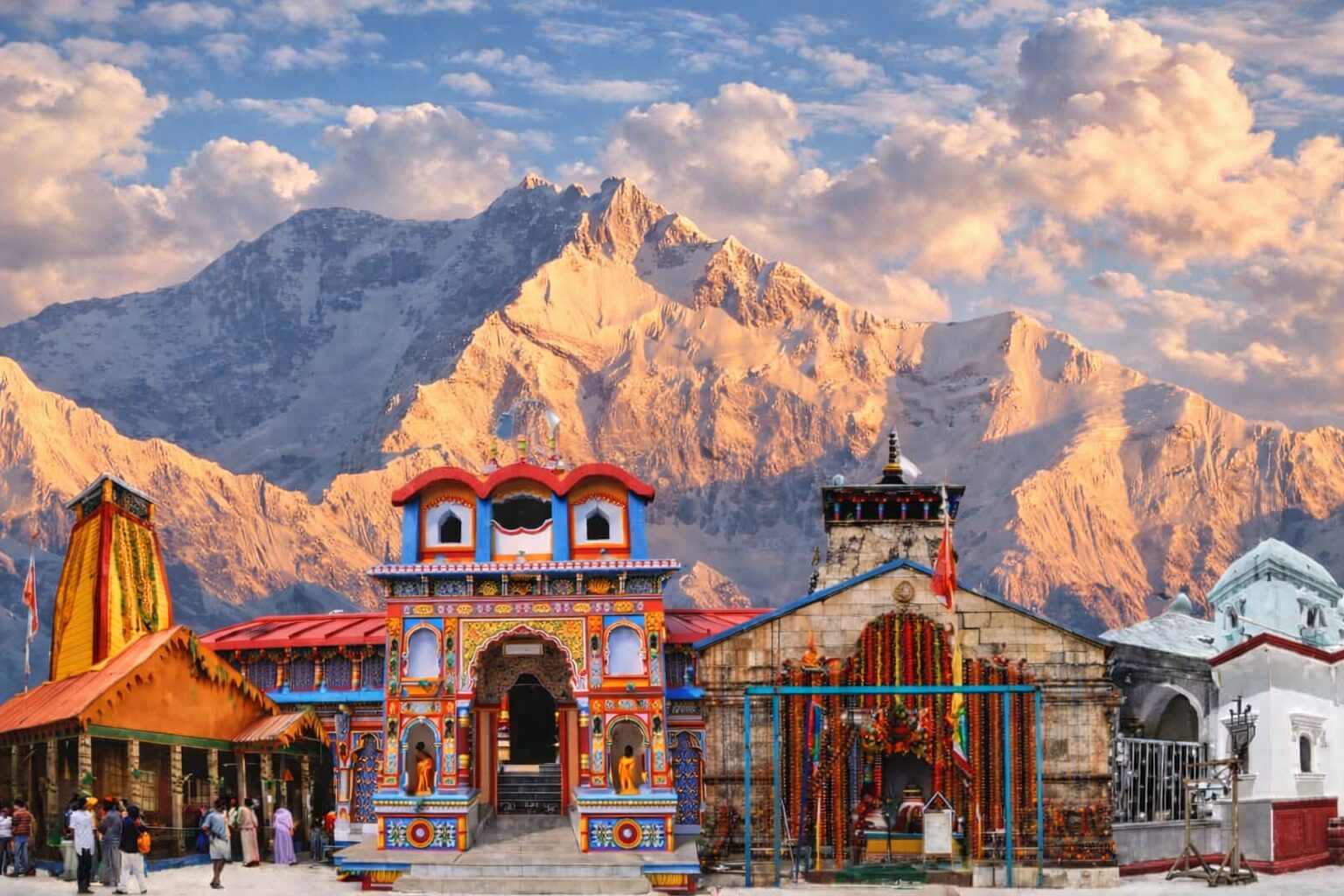
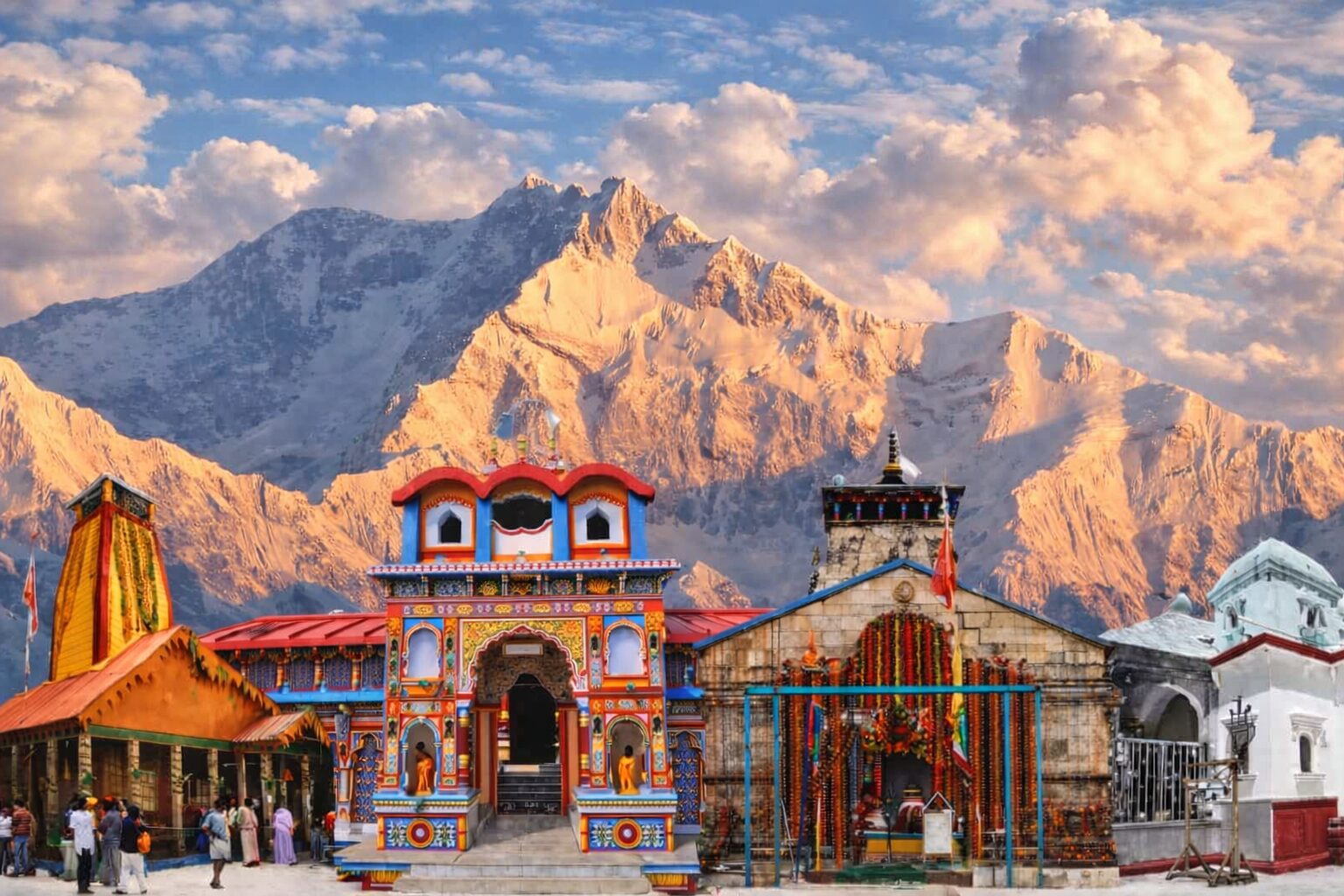
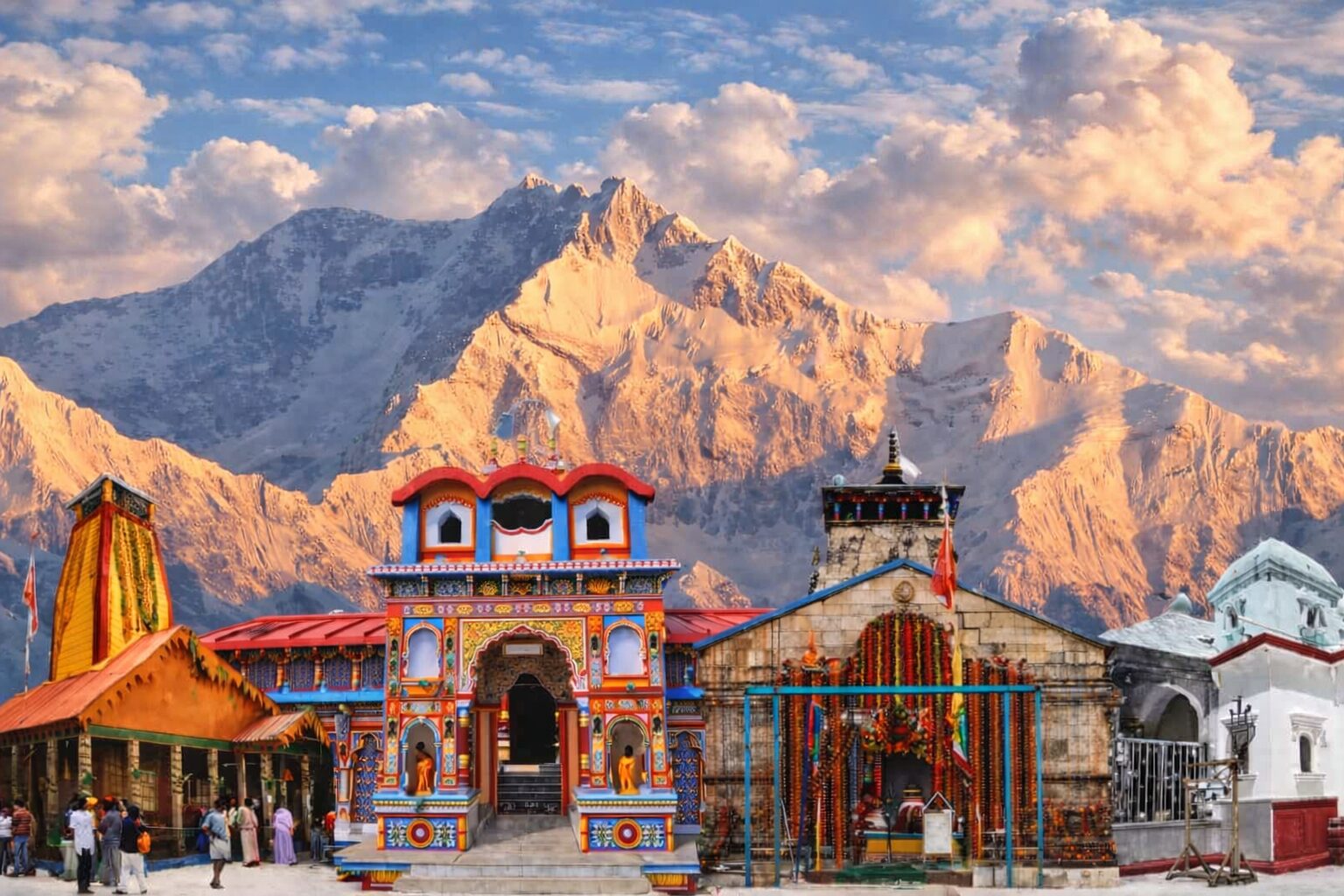
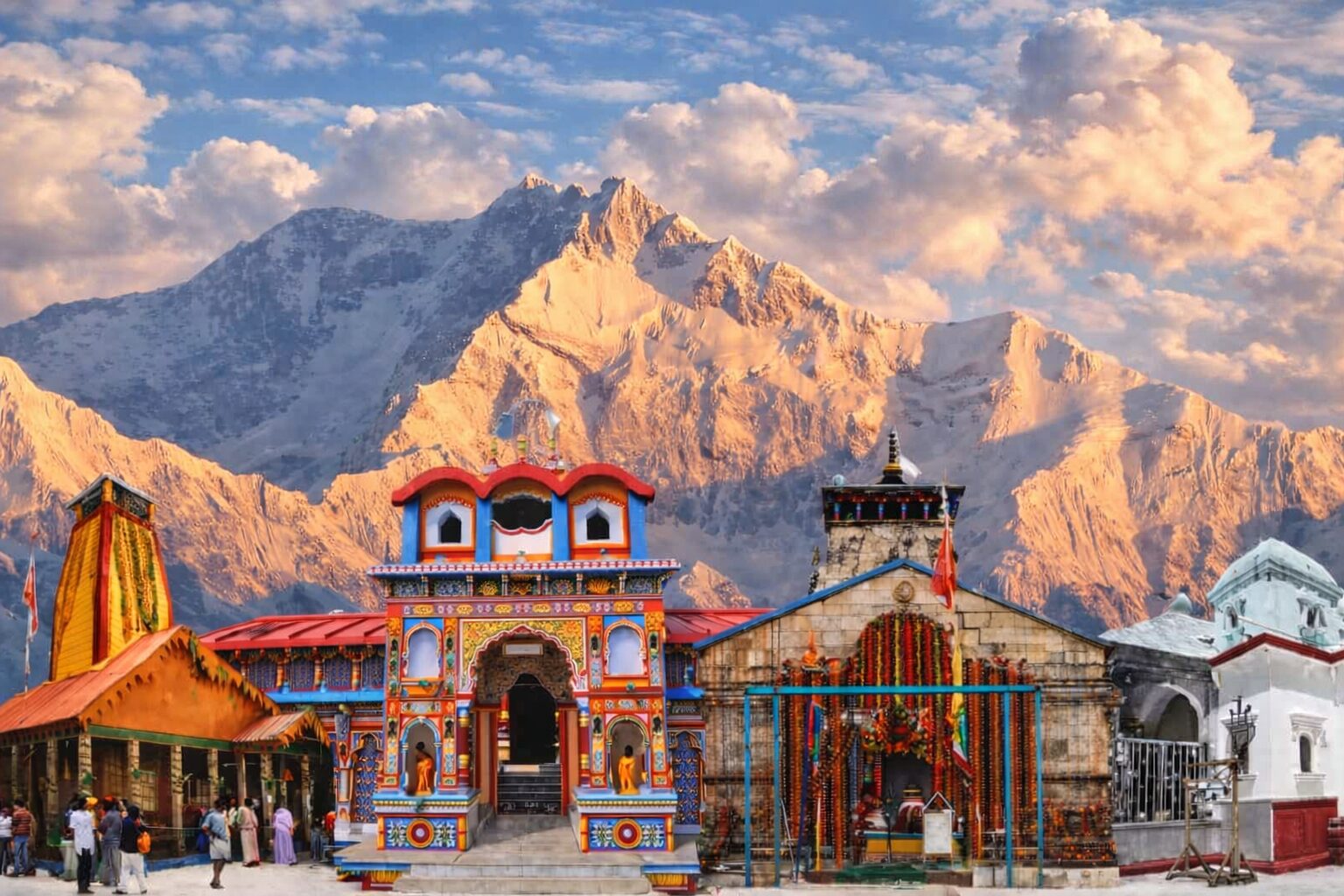
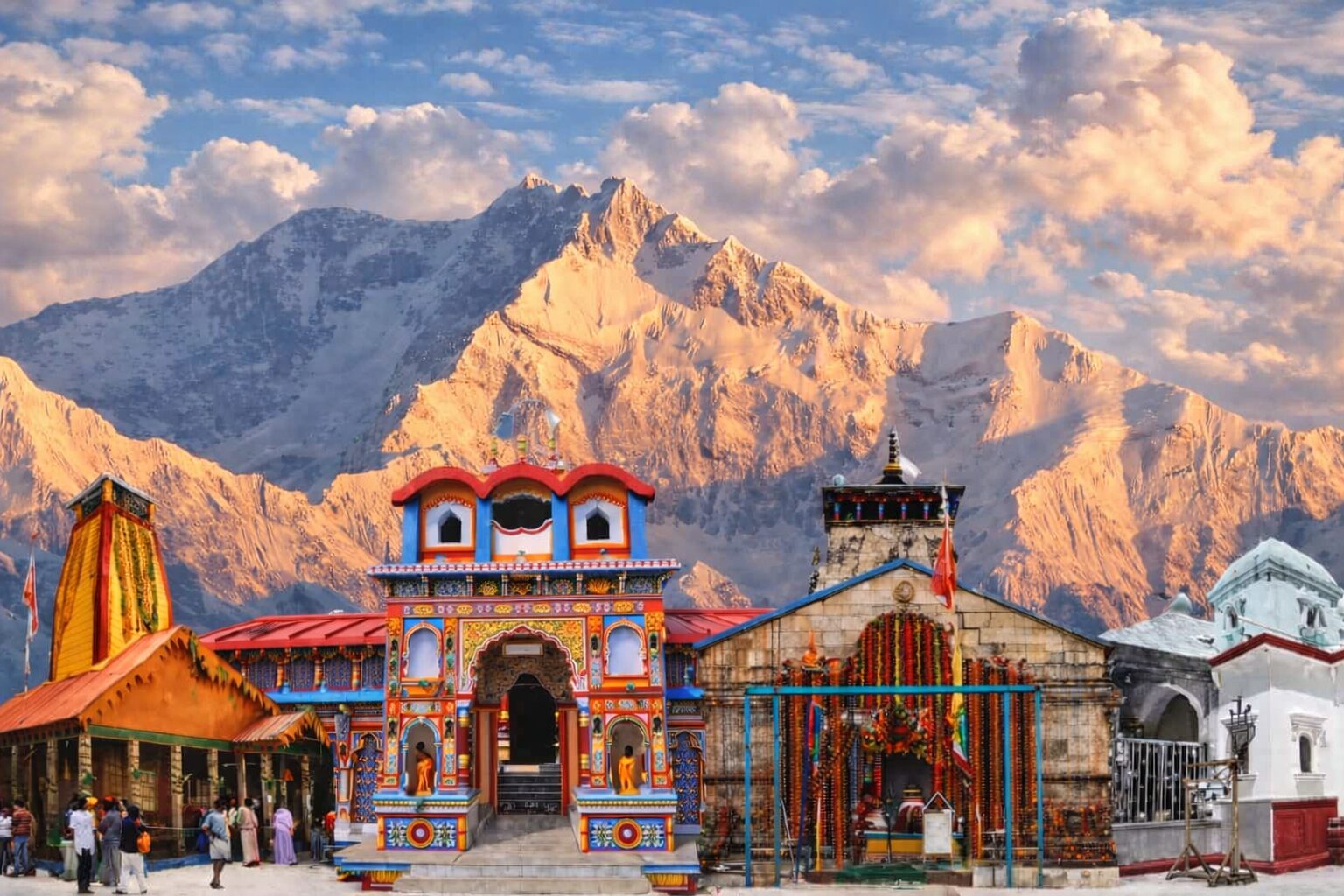
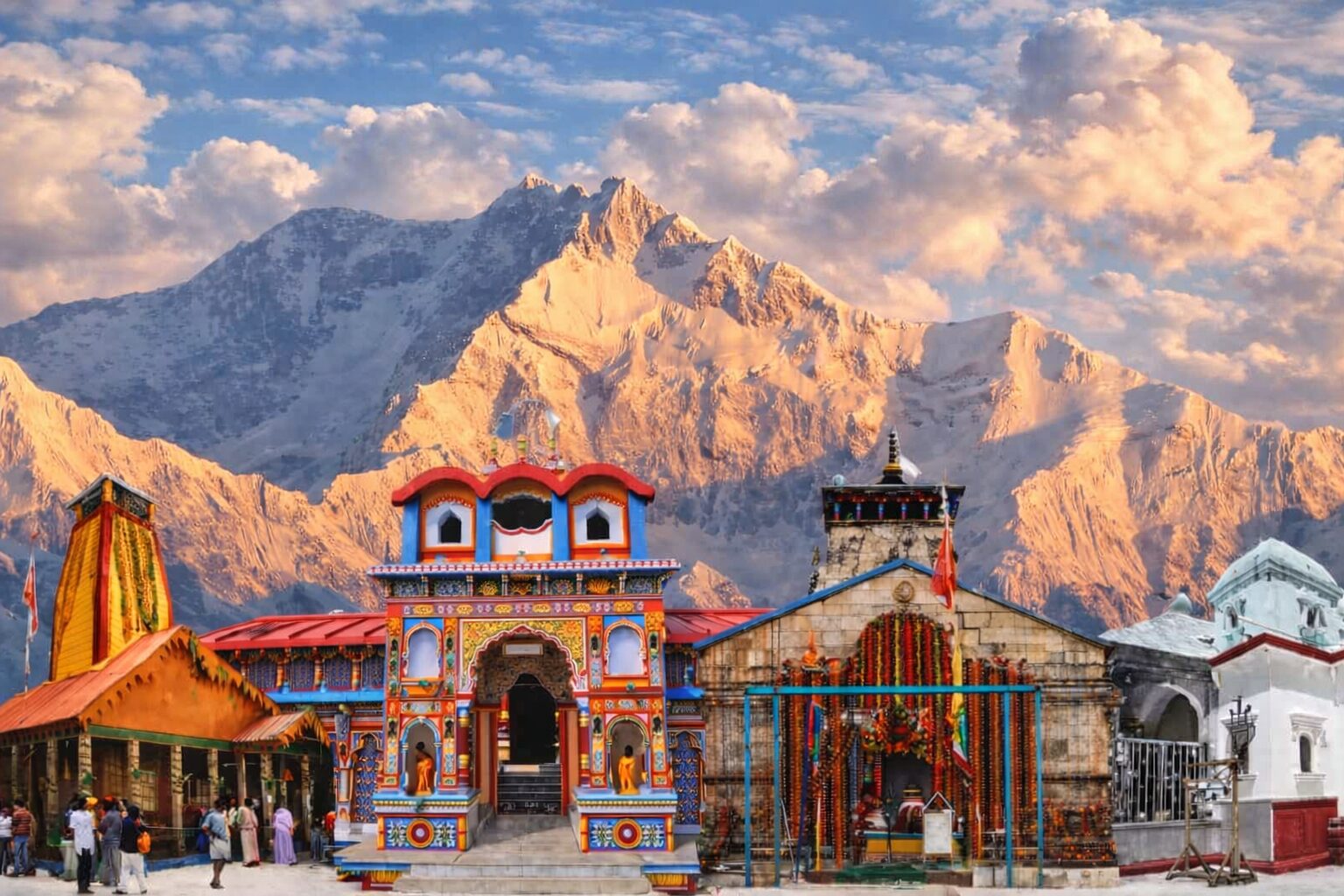
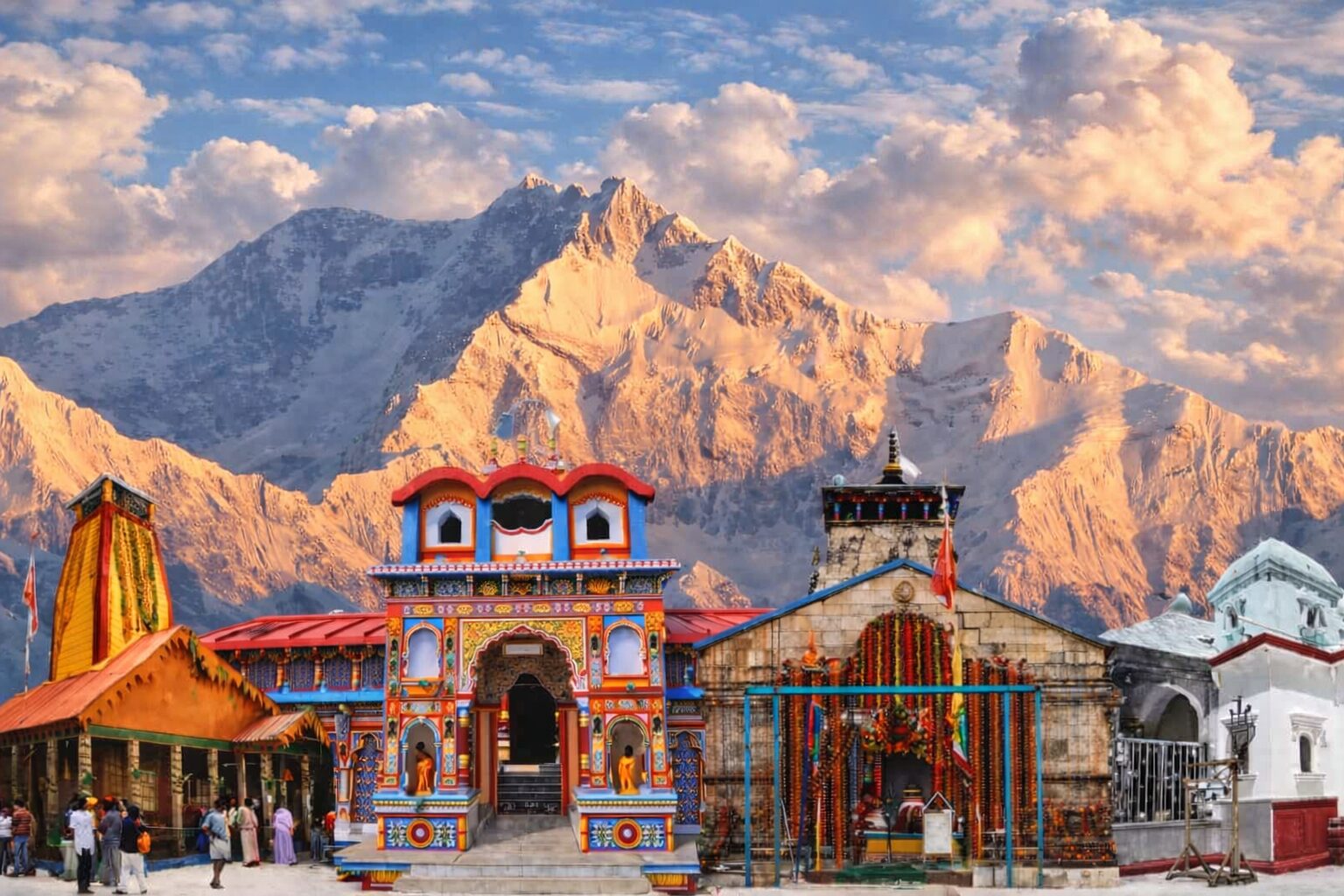
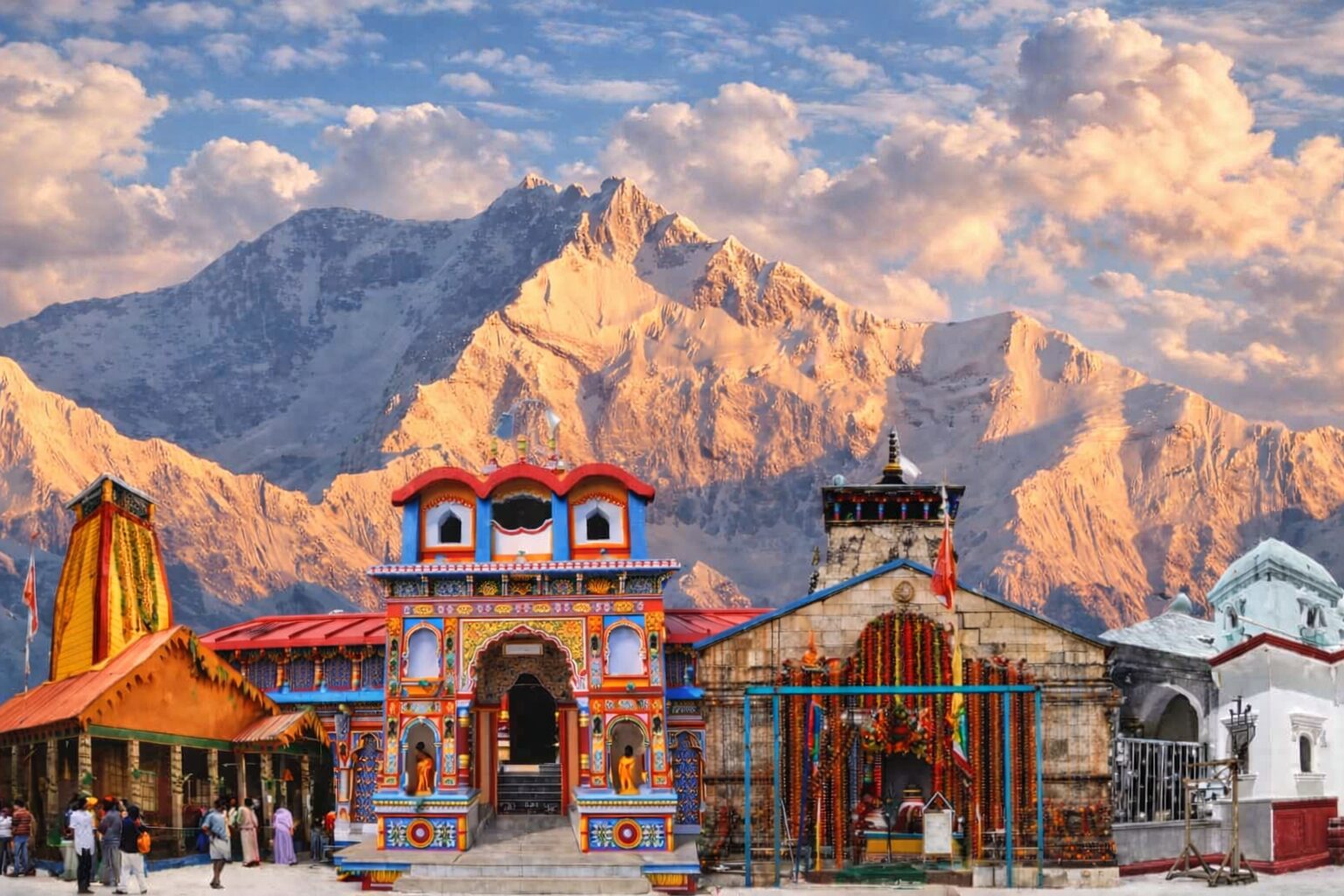
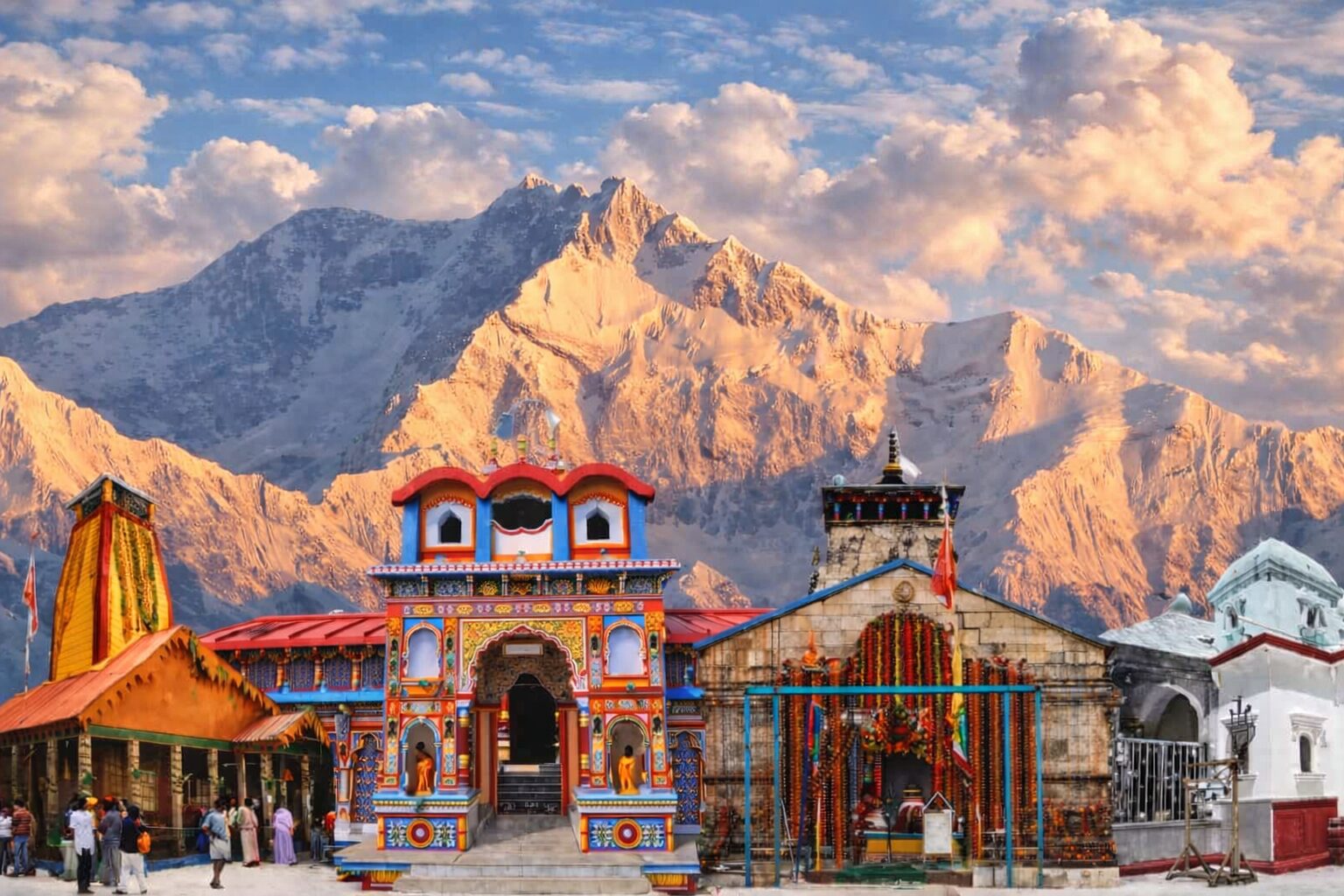
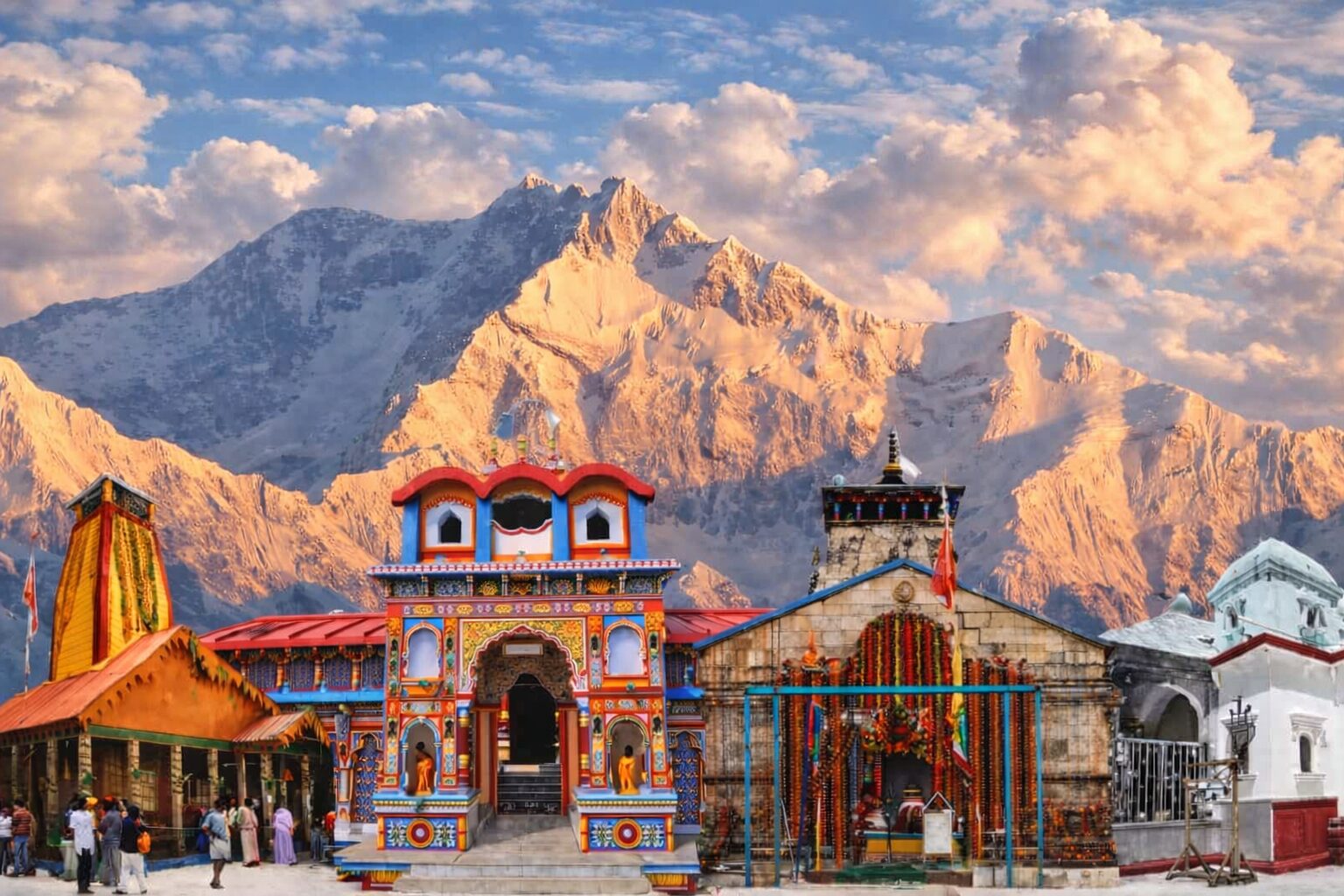
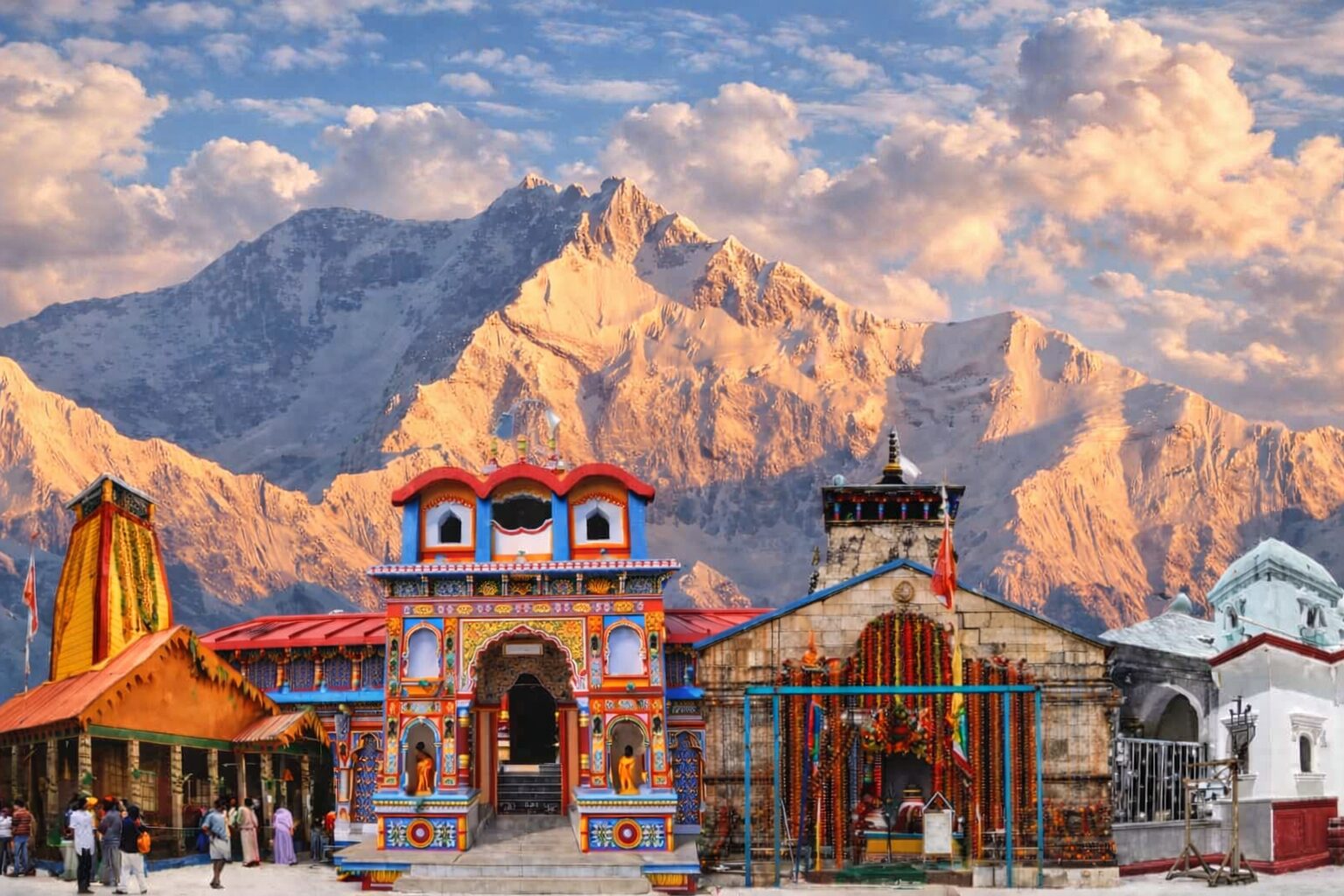
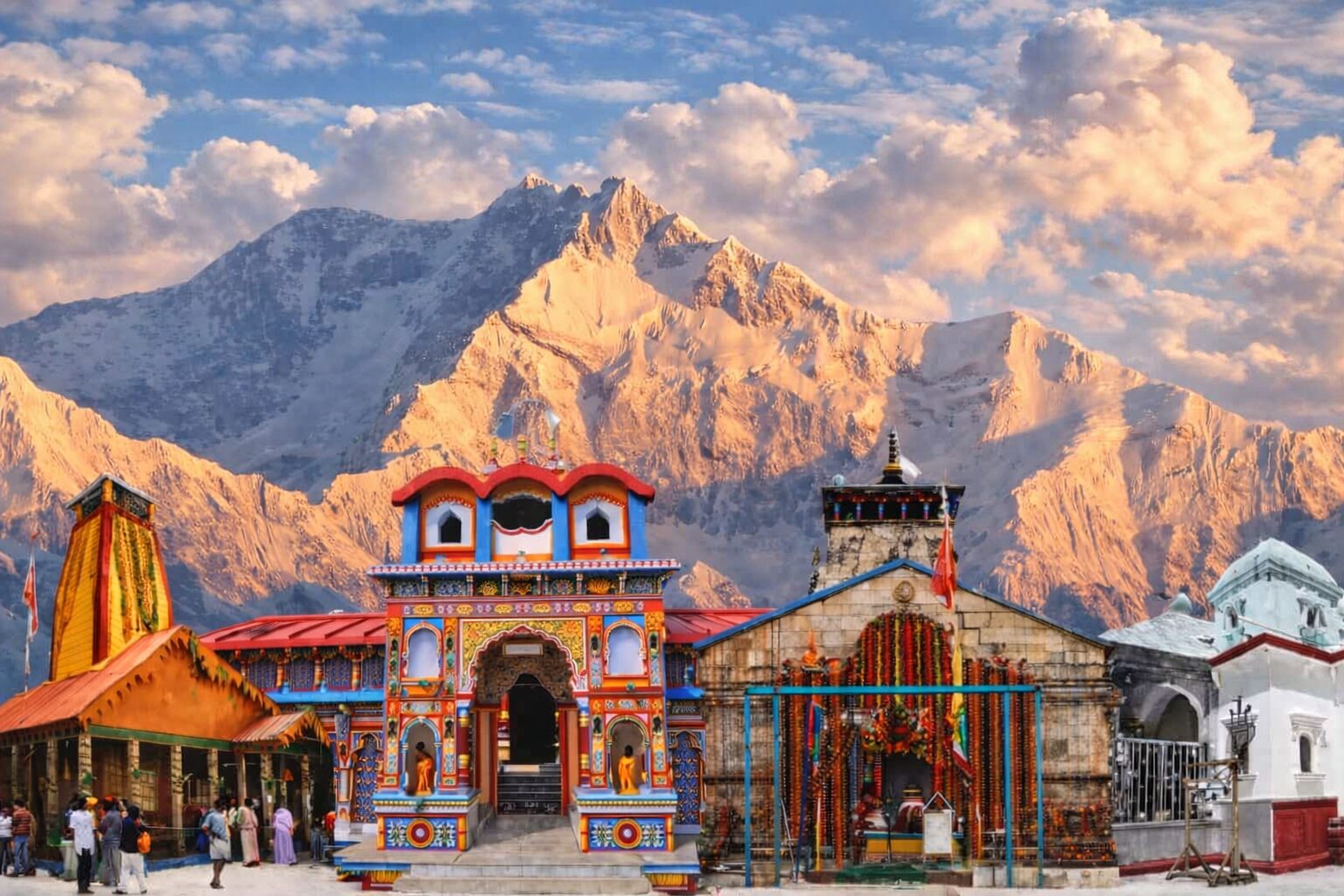
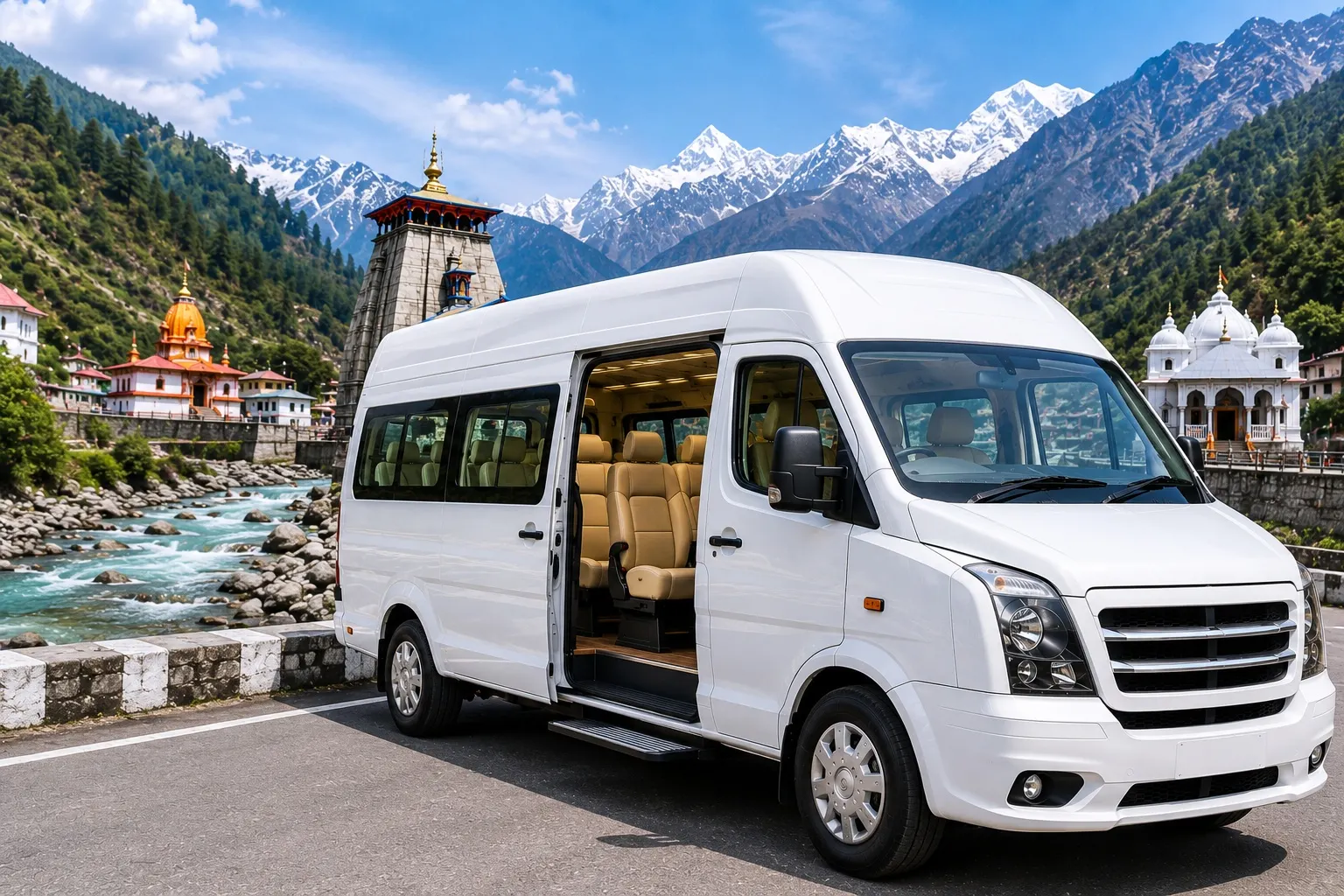
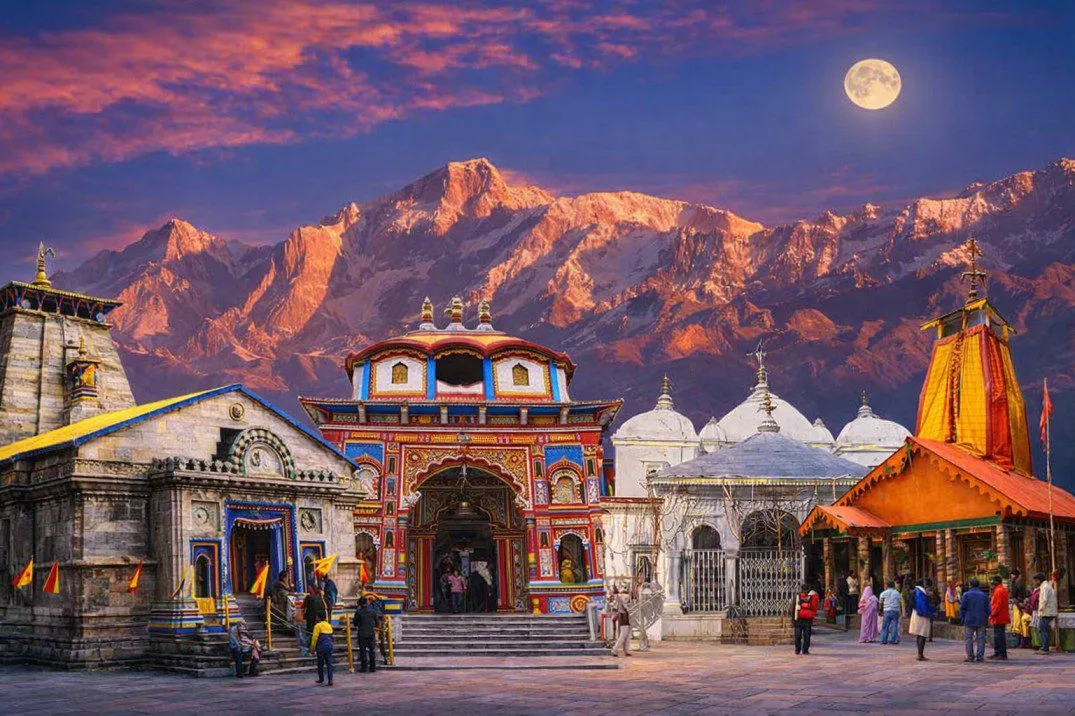
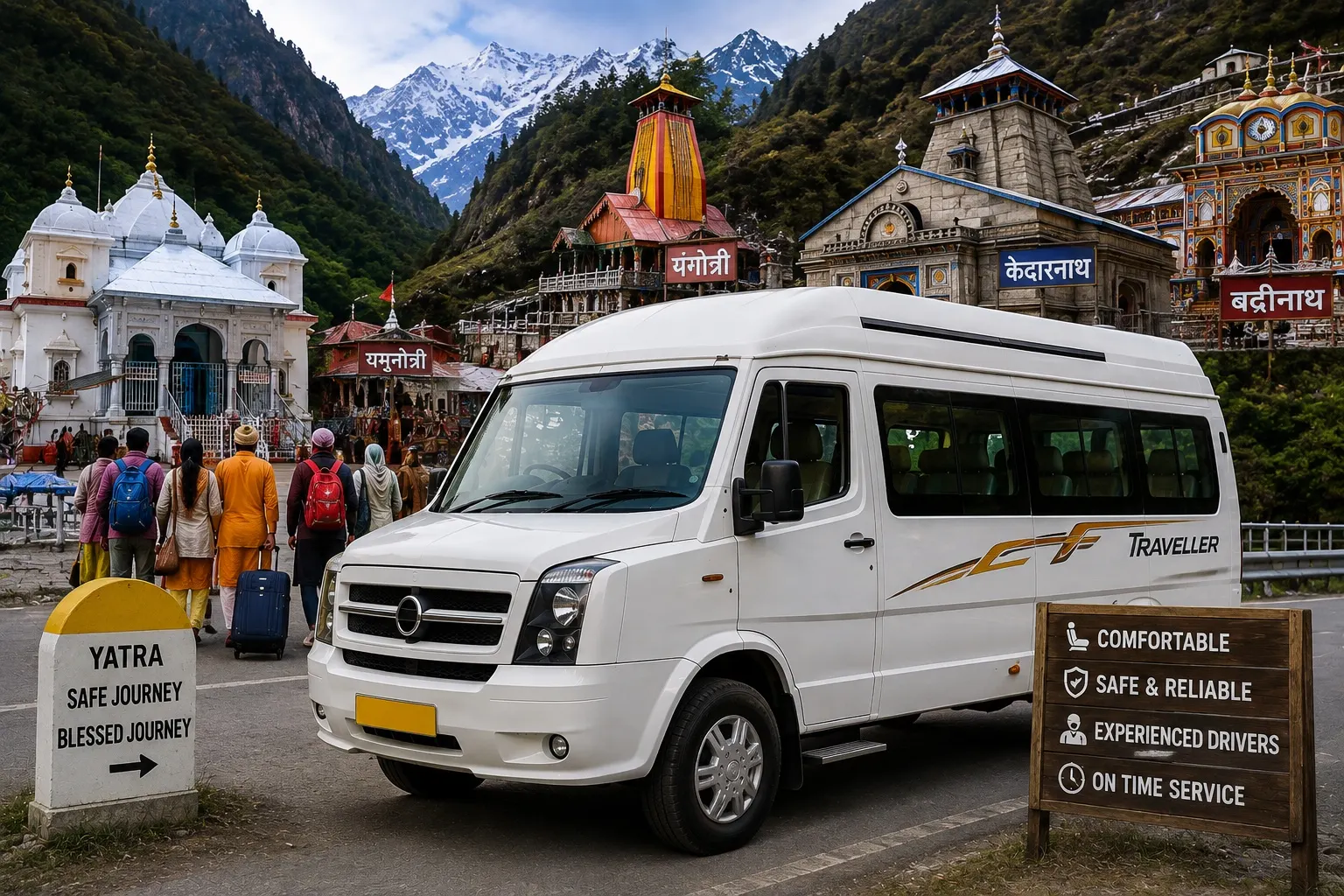
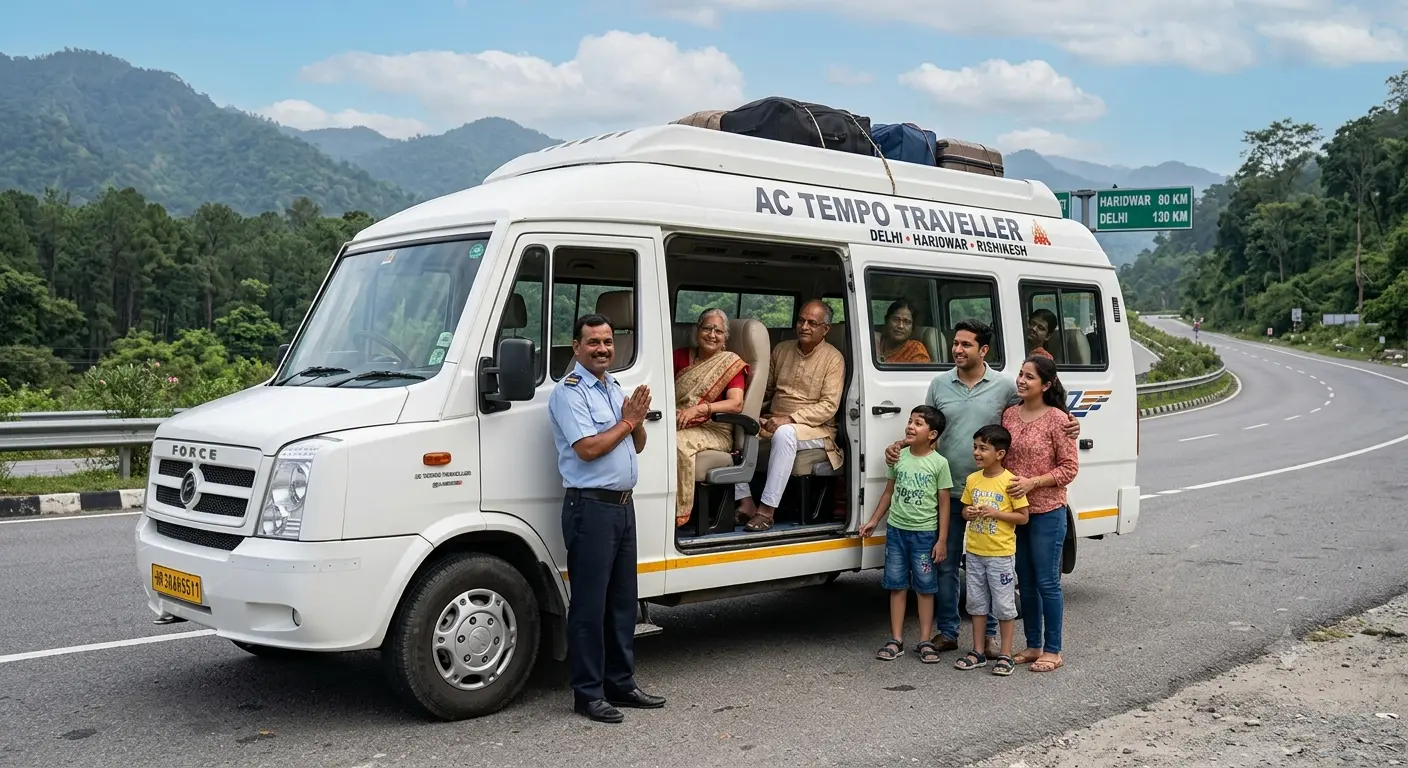
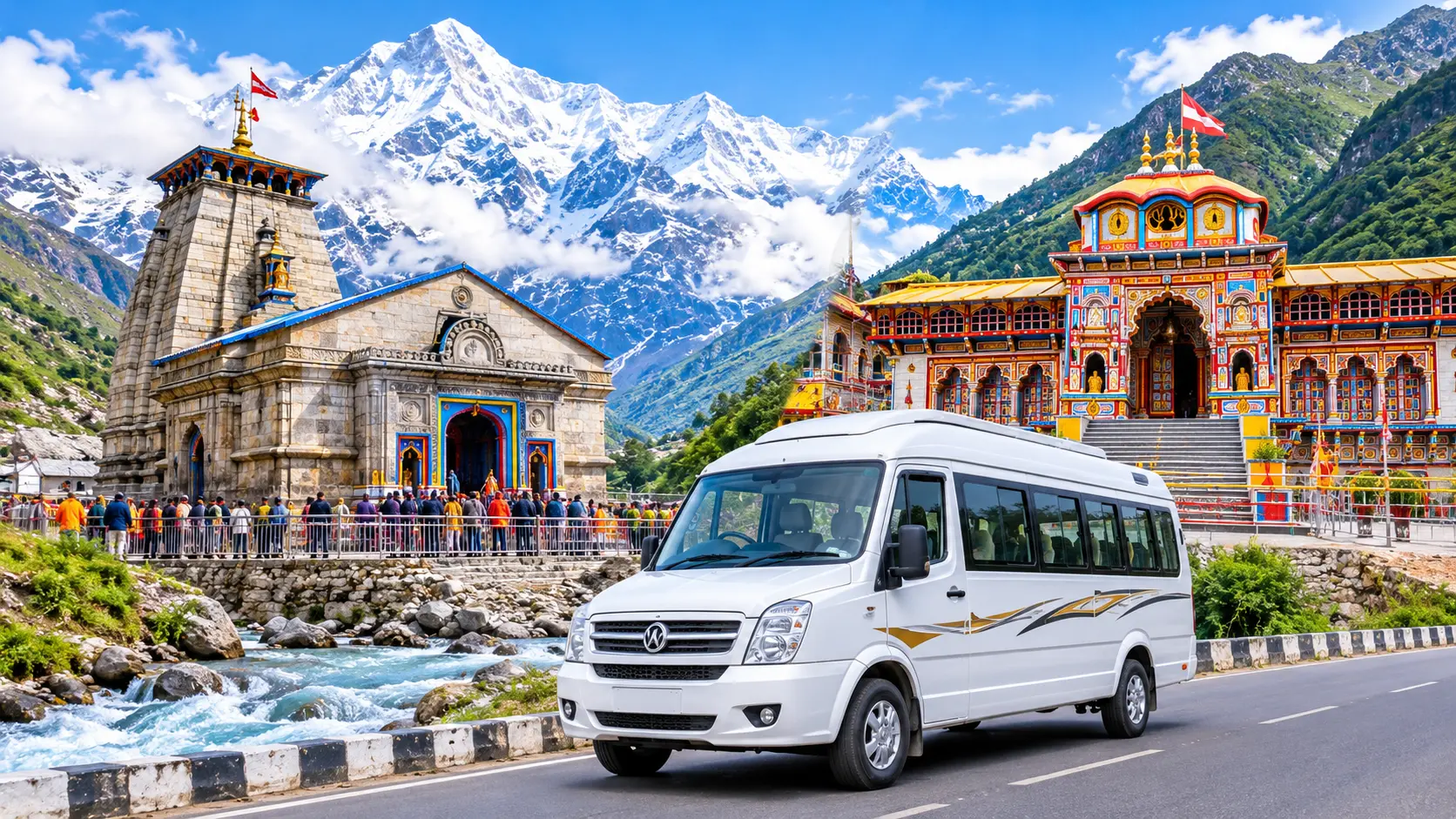
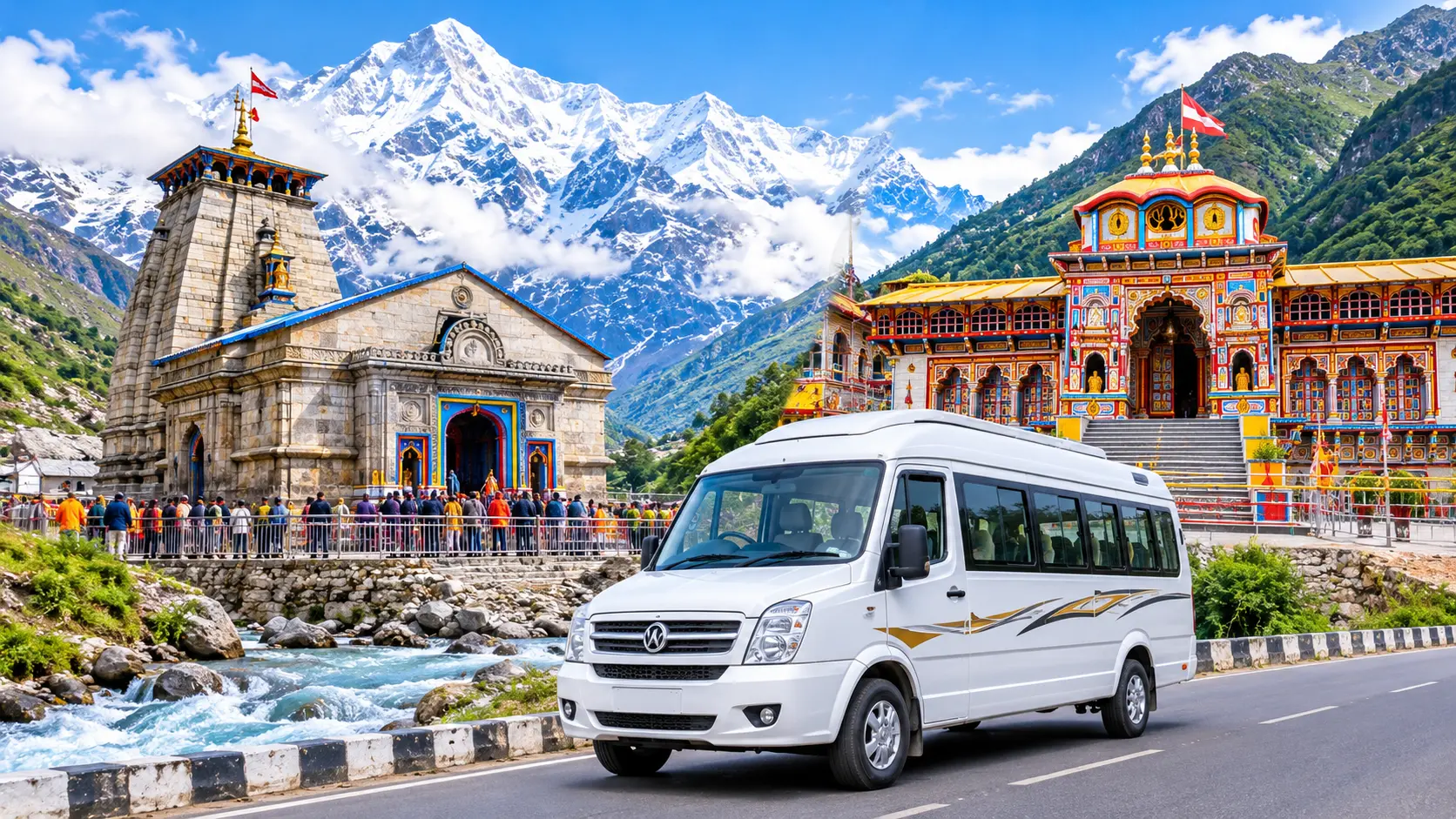
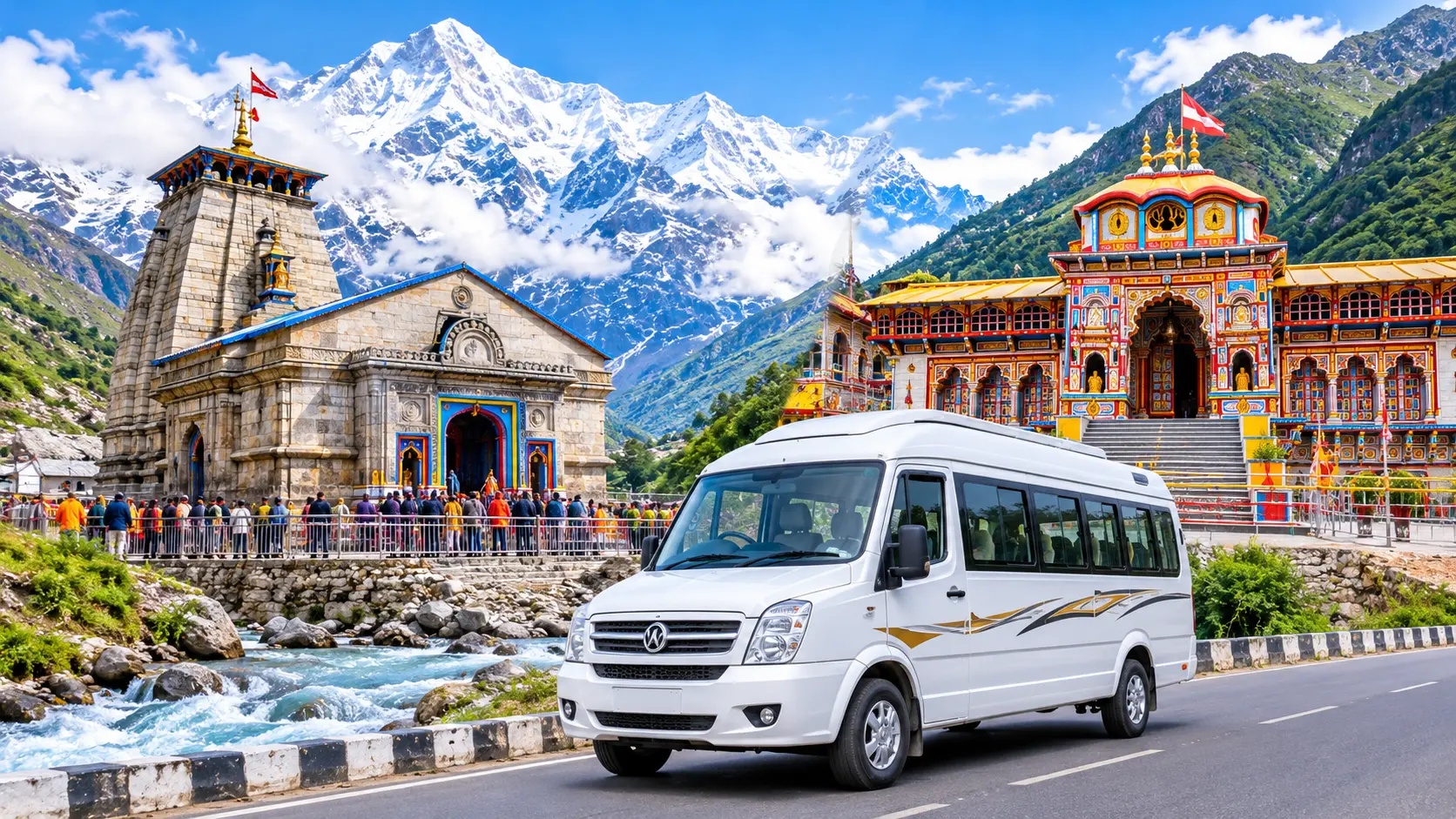
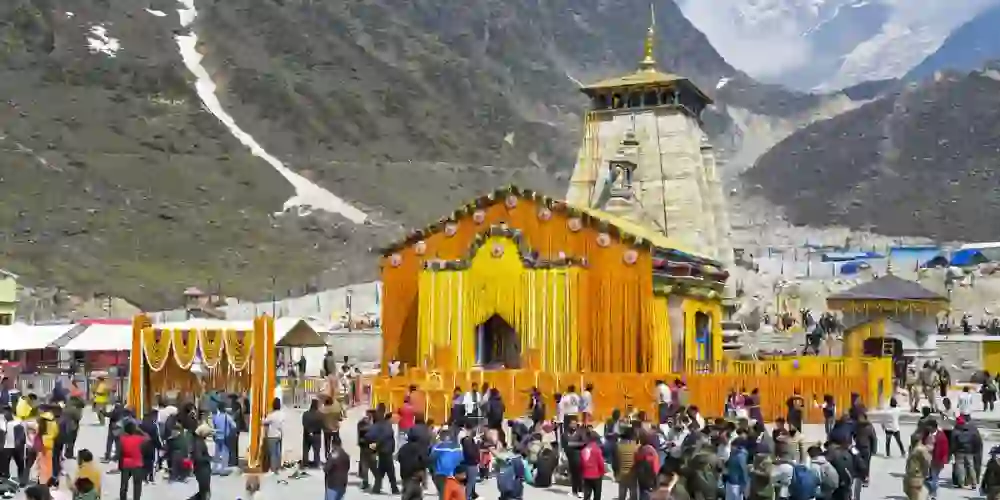
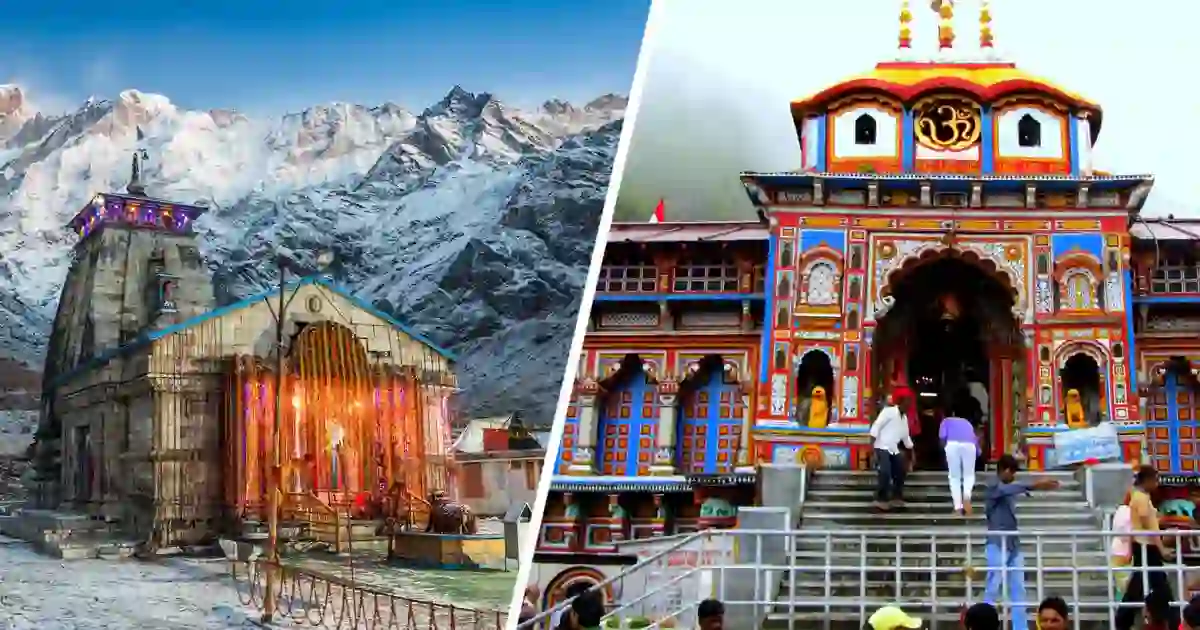
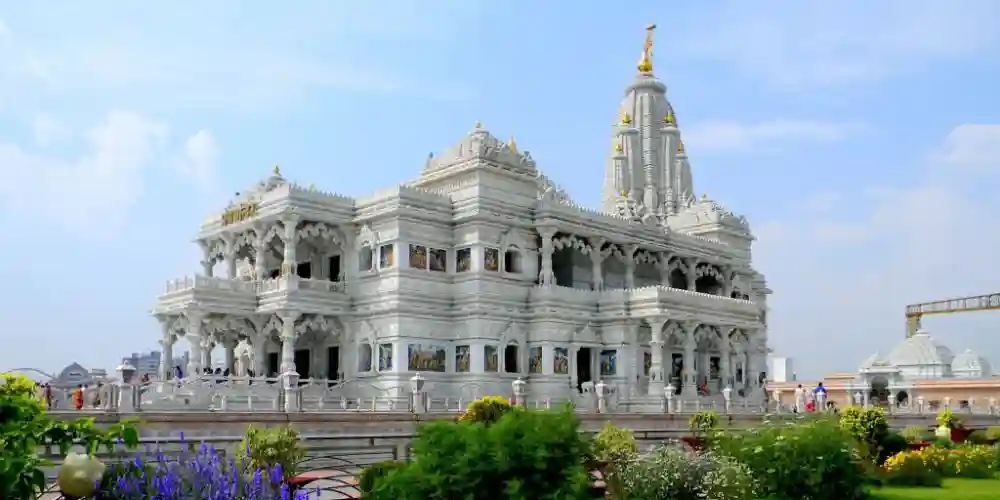
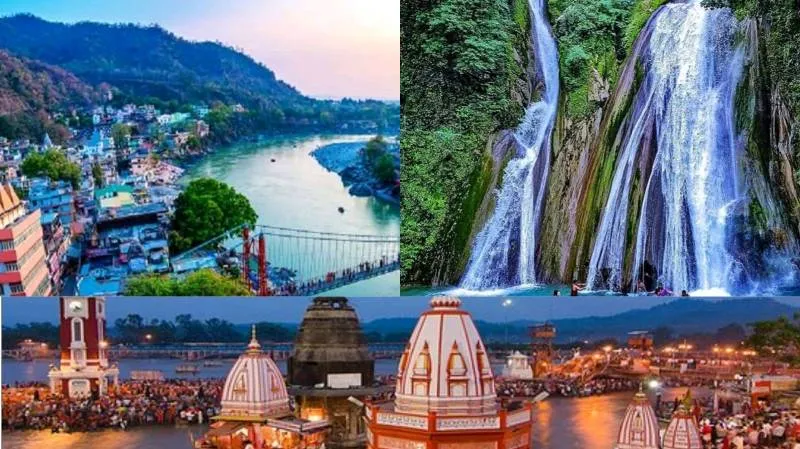
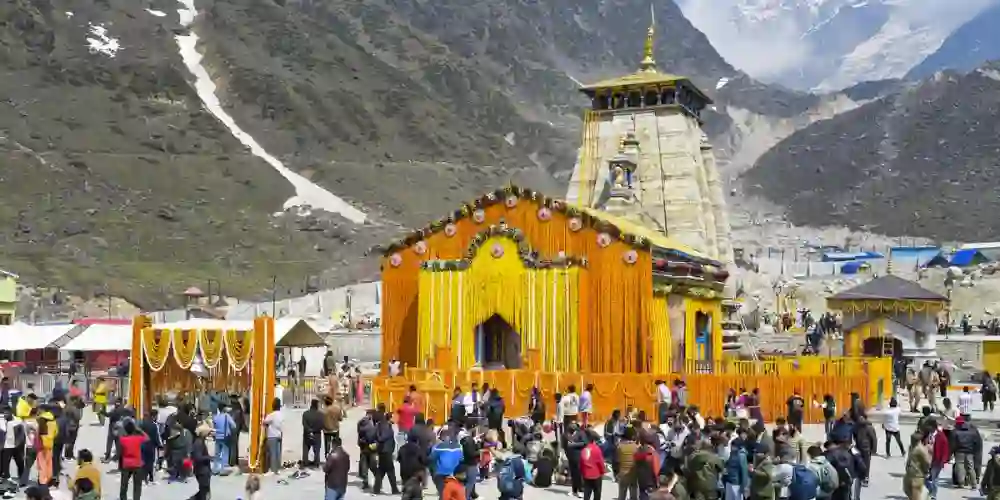
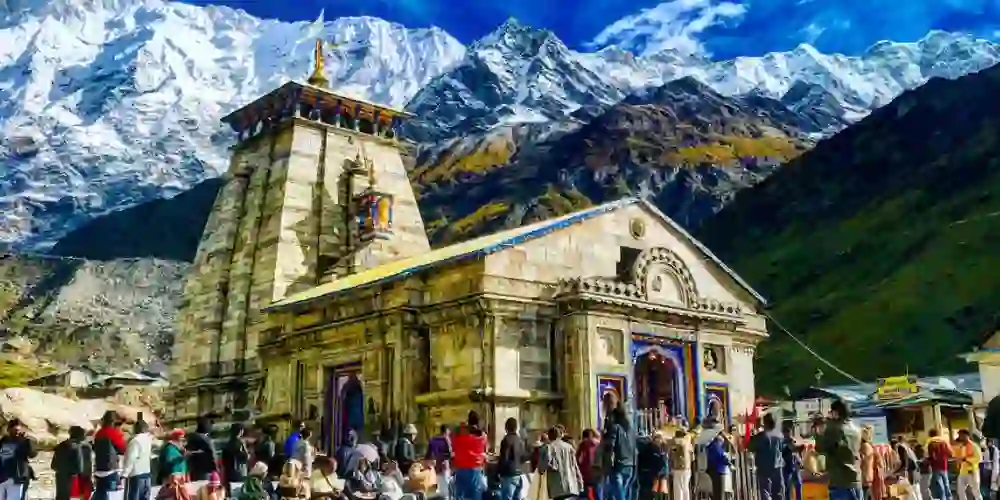
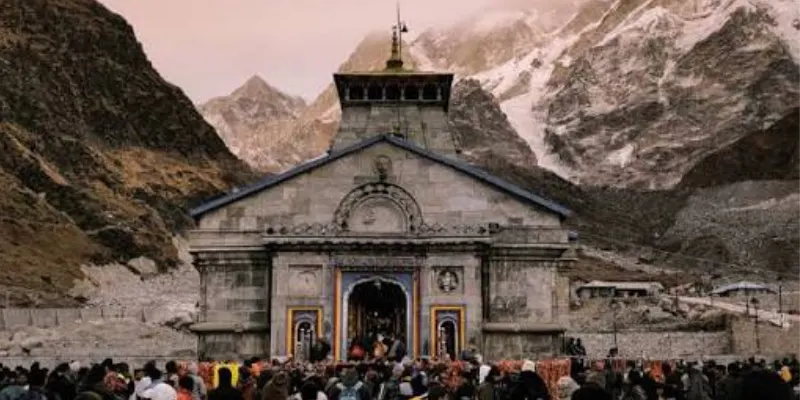
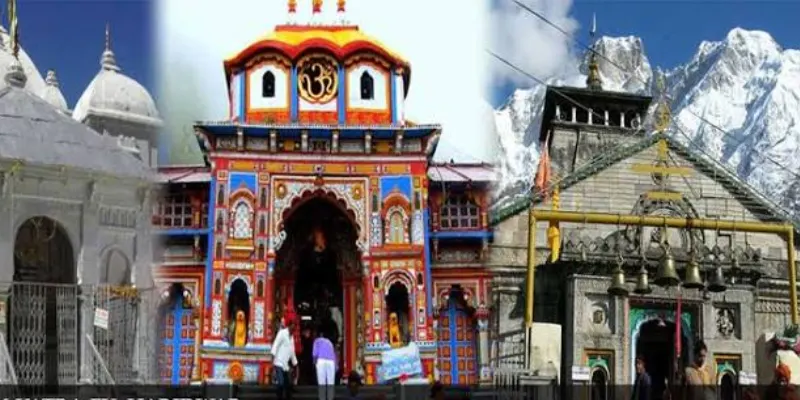
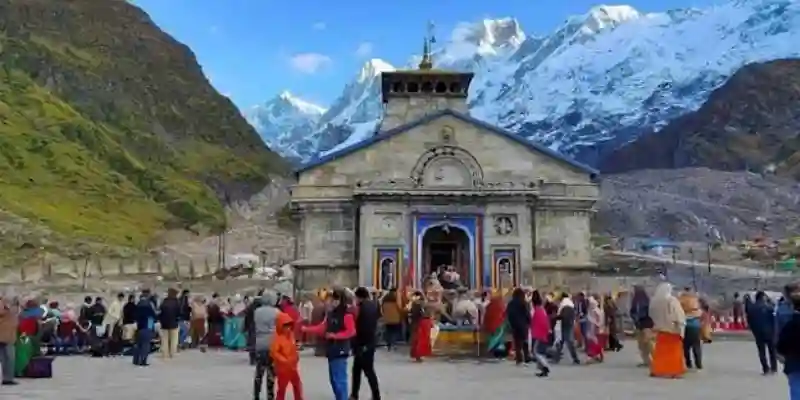
Pilgrim groups often travel long distances with elderly passengers, so comfort and schedule matter as much as cost. Popular group yatras from Delhi include Haridwar and Rishikesh, Vaishno Devi route, Mathura and Vrindavan, Khatu Shyam, Ajmer and Pushkar, and various temple circuits.
Planning points for a pilgrimage bus:
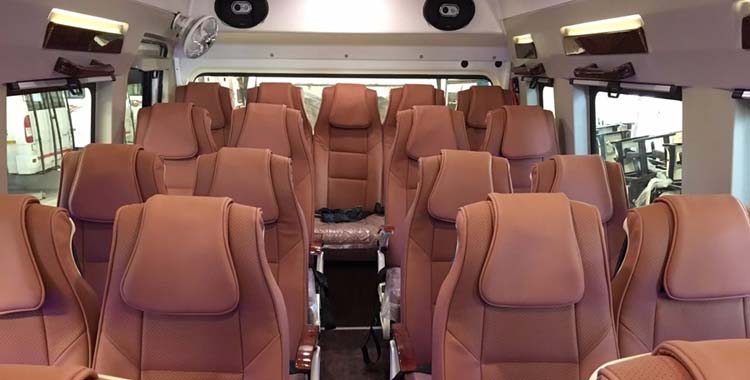
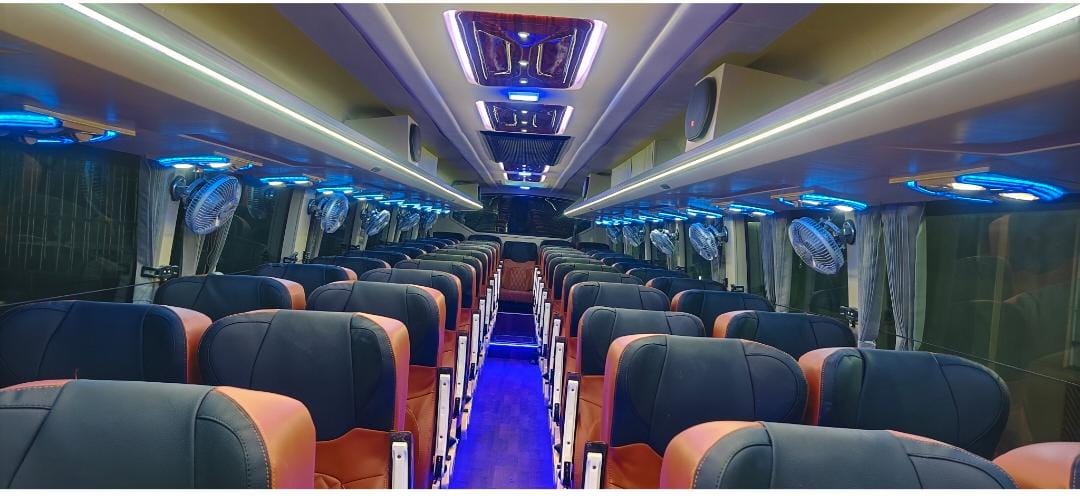
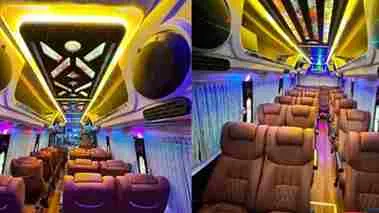
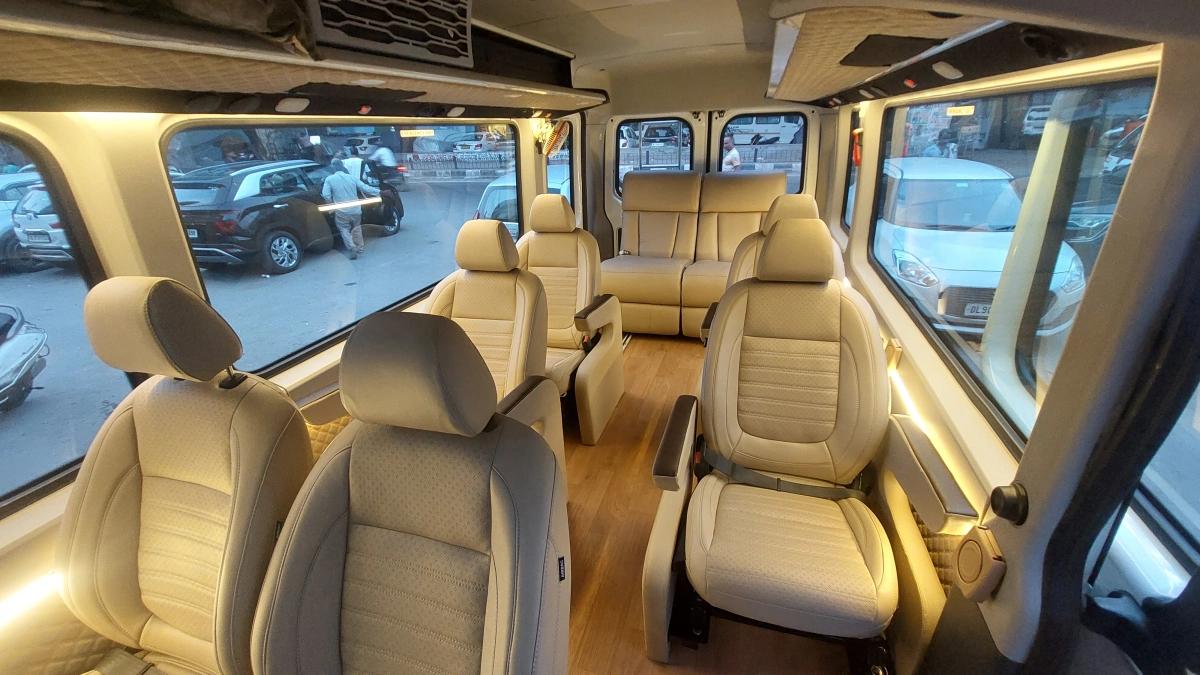
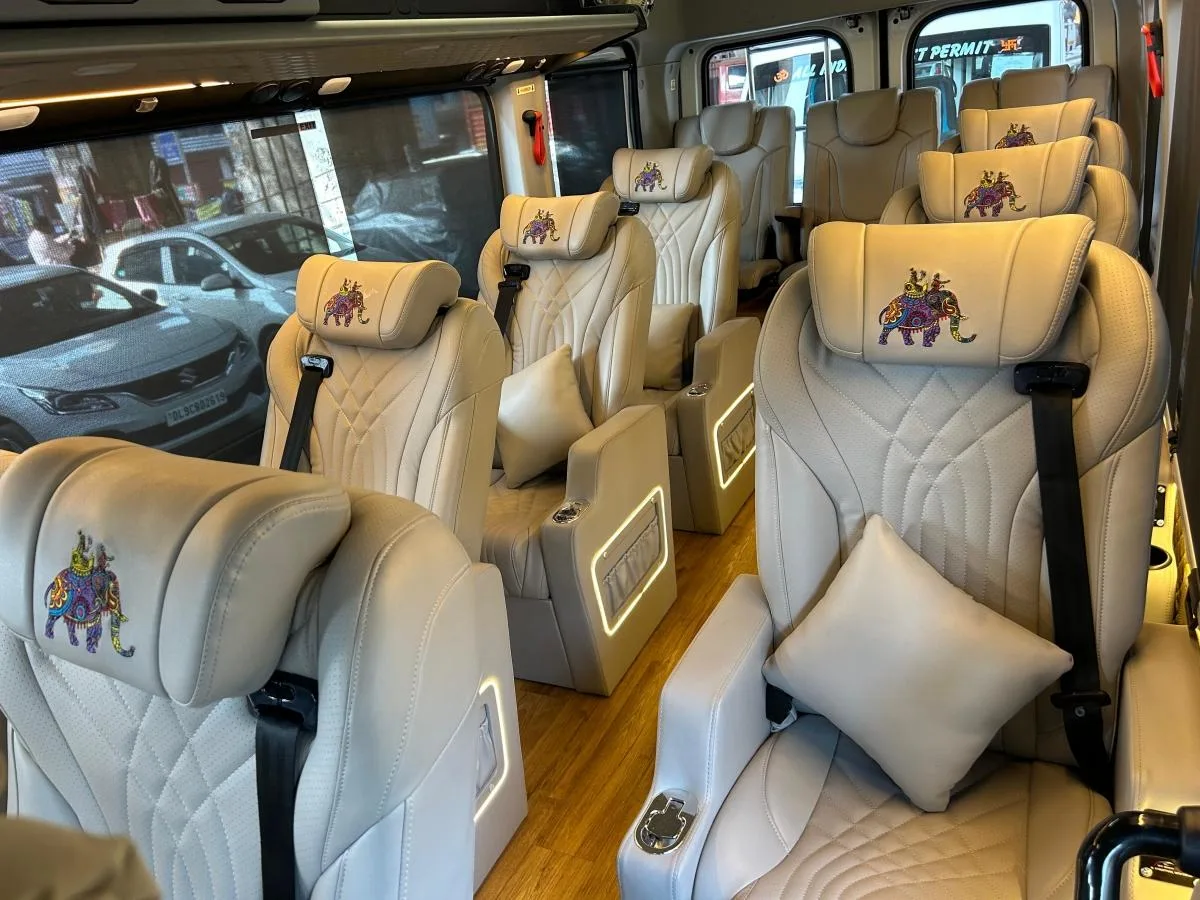
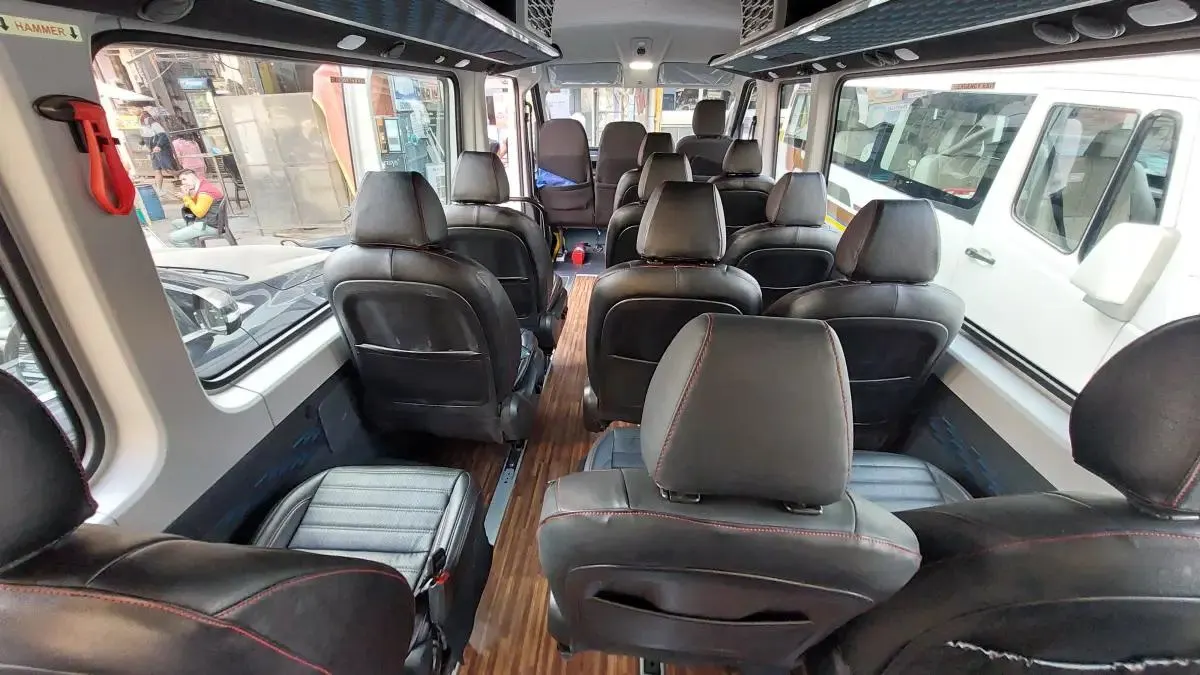
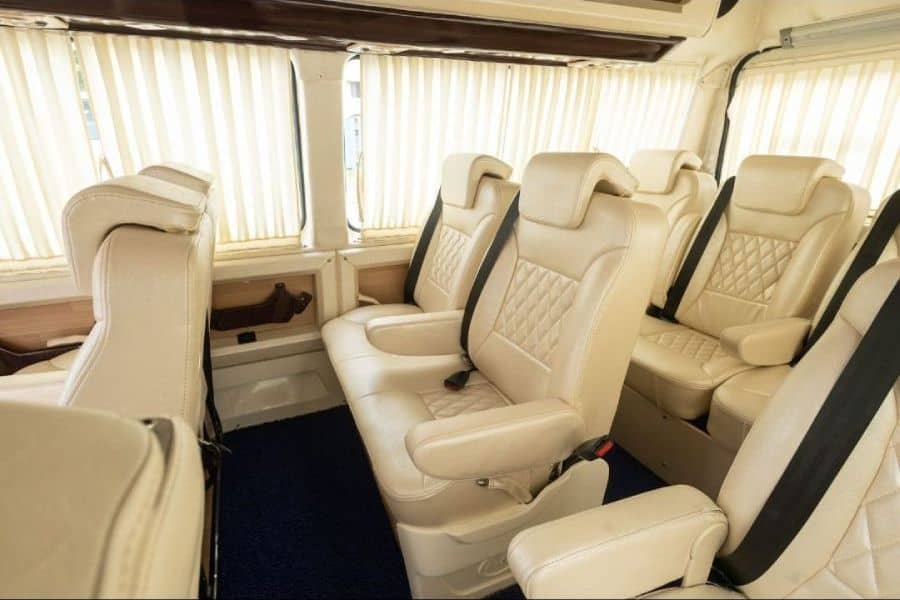
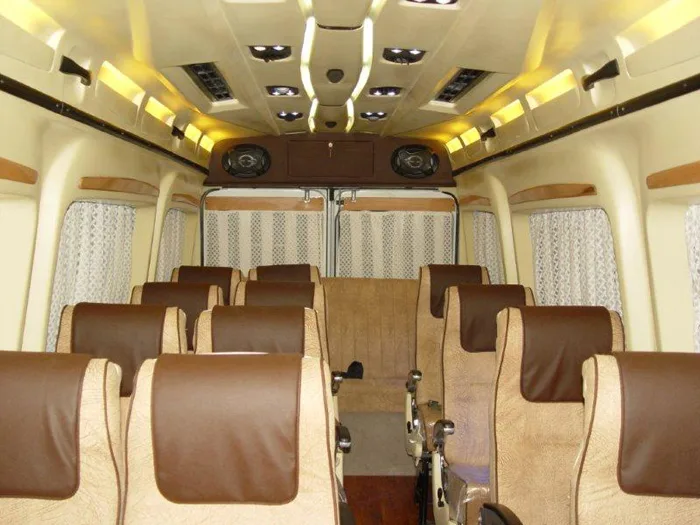
Seat comfort: Check seat condition, recline and legroom, since journeys can run many hours.
Rest stops: Plan stops every few hours so elderly passengers can walk, eat and use facilities.
Boarding and alighting: Choose pickup points that are safe and easy for a large vehicle to reach.
Timing around darshan: Share your temple or ritual timings with the operator so the schedule suits them.
Luggage and puja items: Pilgrim groups often carry extra bags, so ask about storage space.
Hill routes: Some roads have restrictions on large vehicles. Confirm the route before booking.
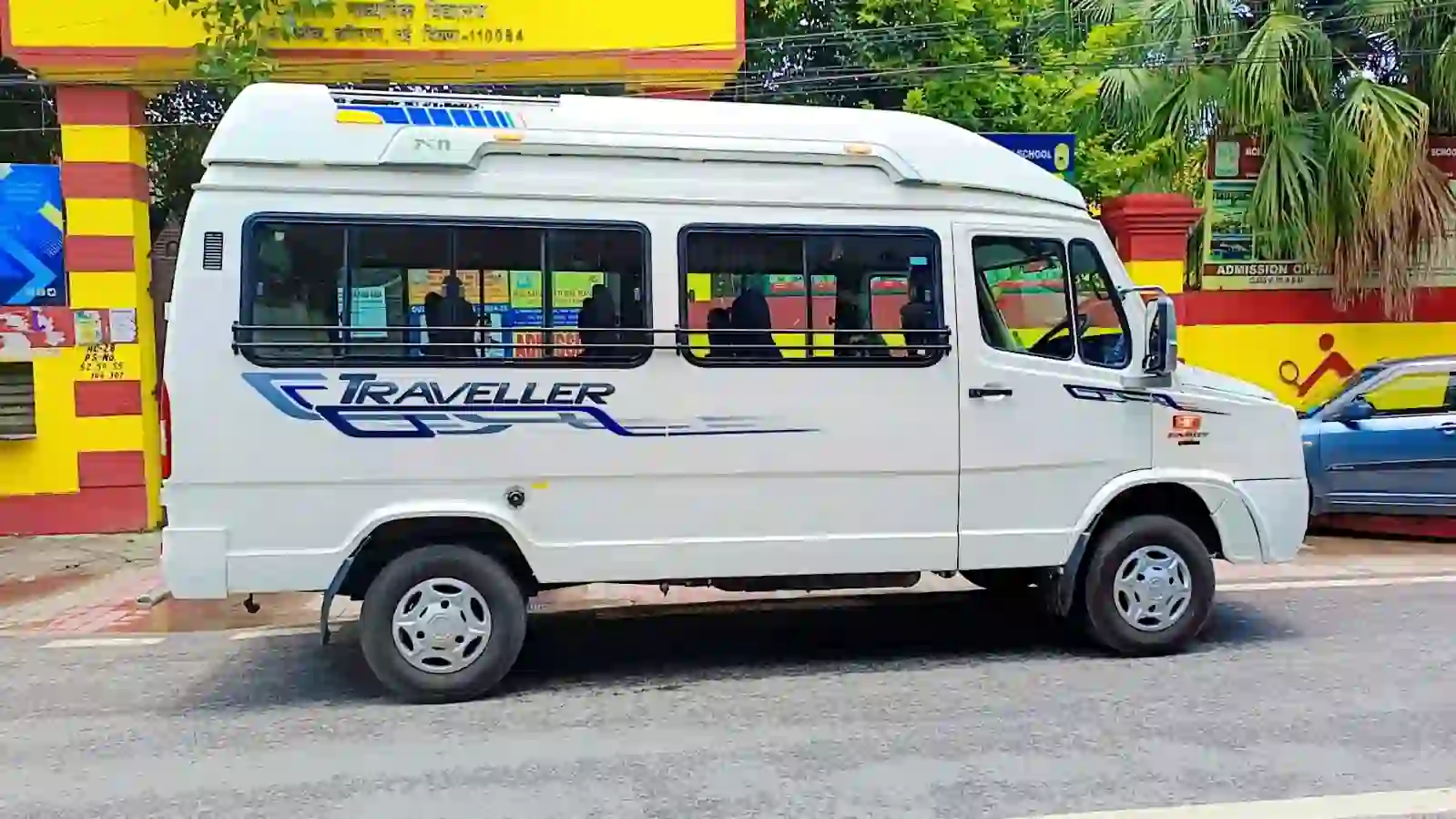
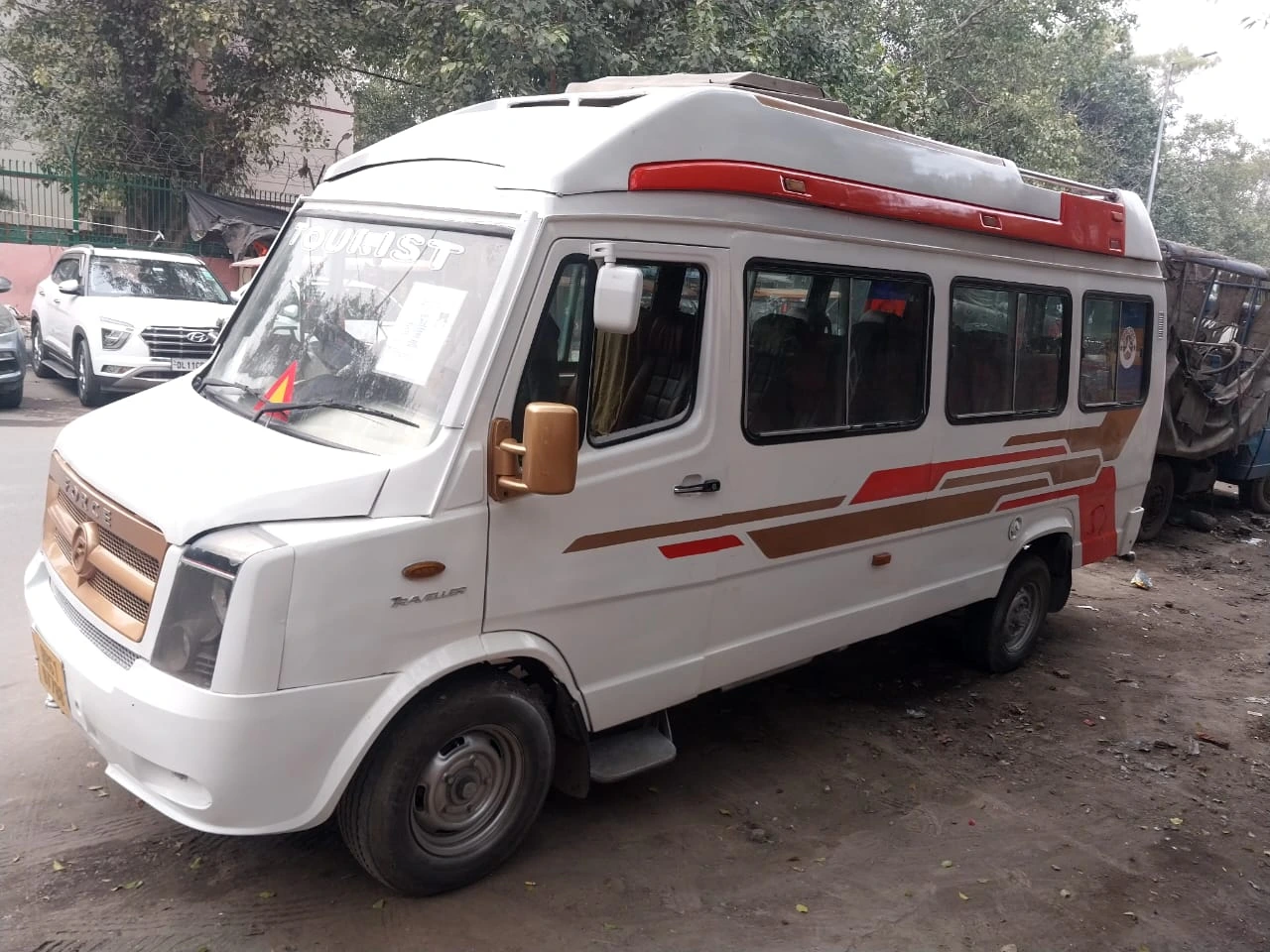
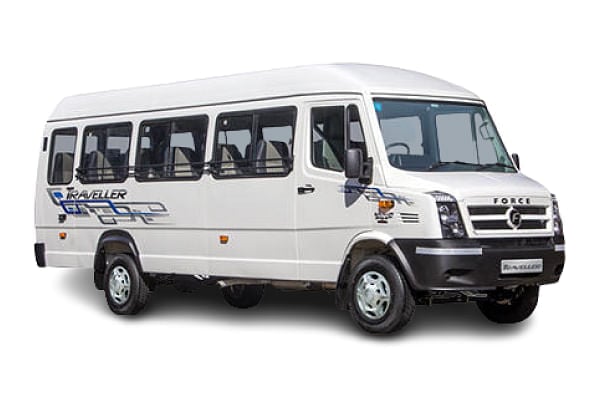
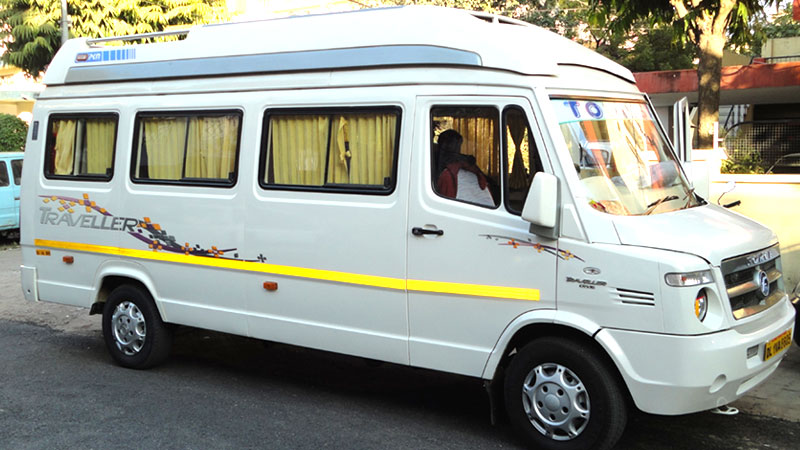
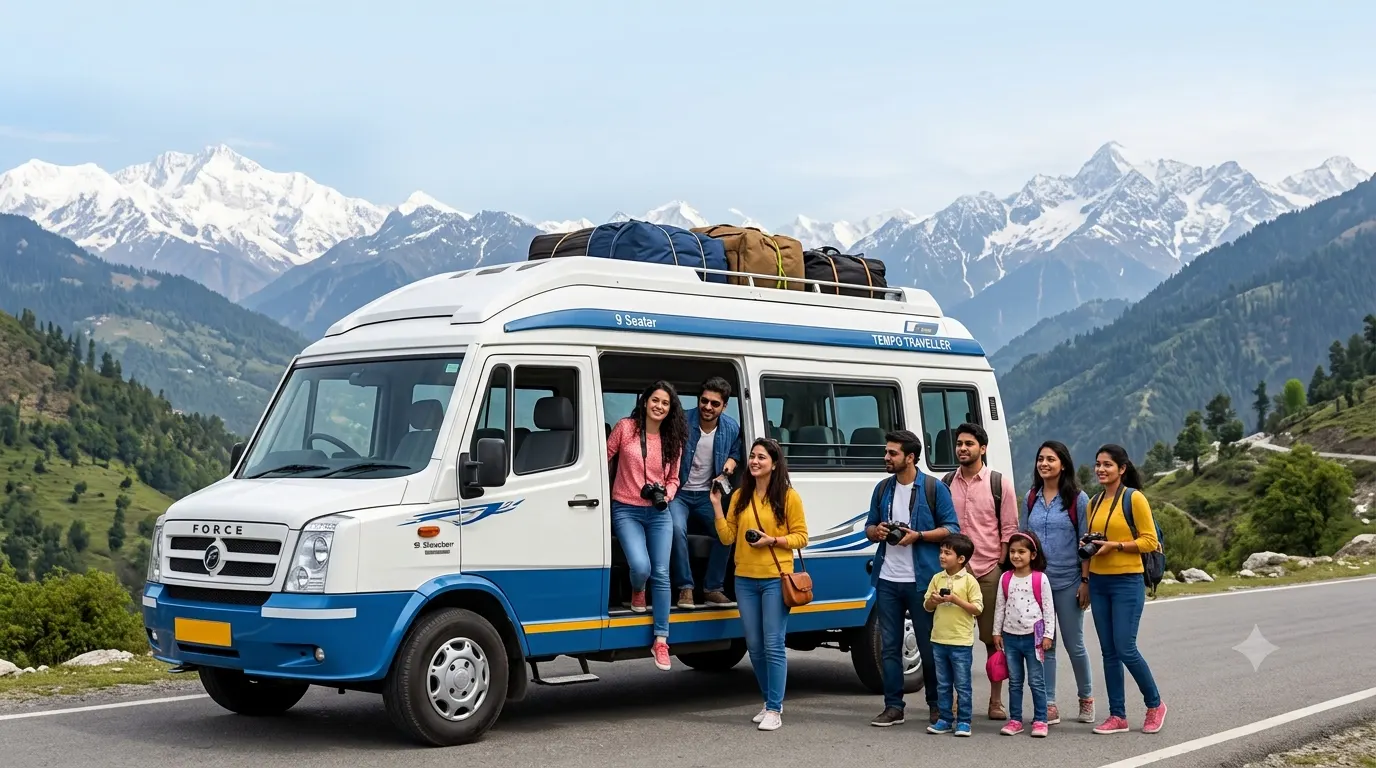
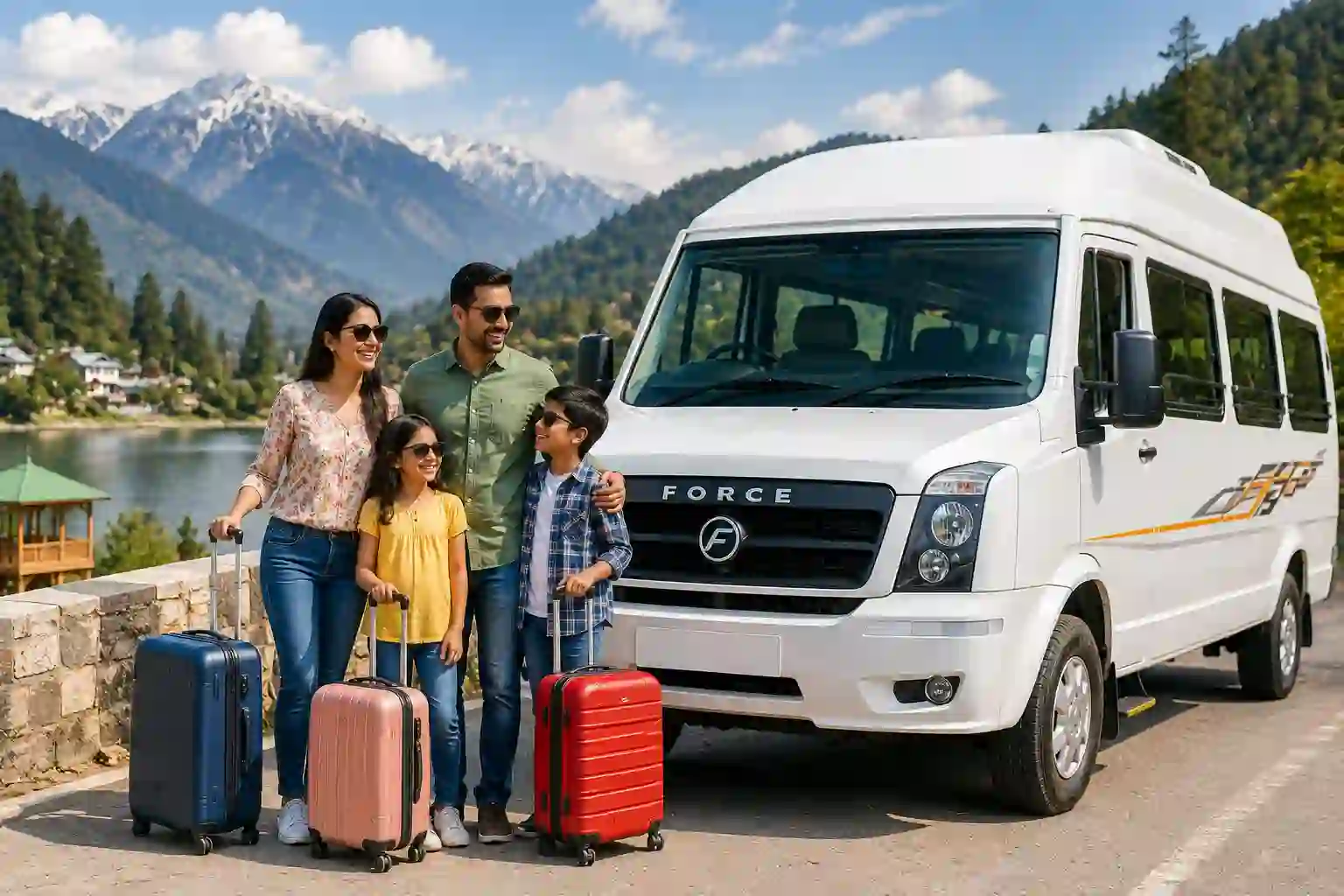
For small family subgroups travelling separately within a larger pilgrimage, a 9 seater tempo traveller is a practical add-on for local movement at the destination.
Baraat and Wedding Guest Travel by Bus
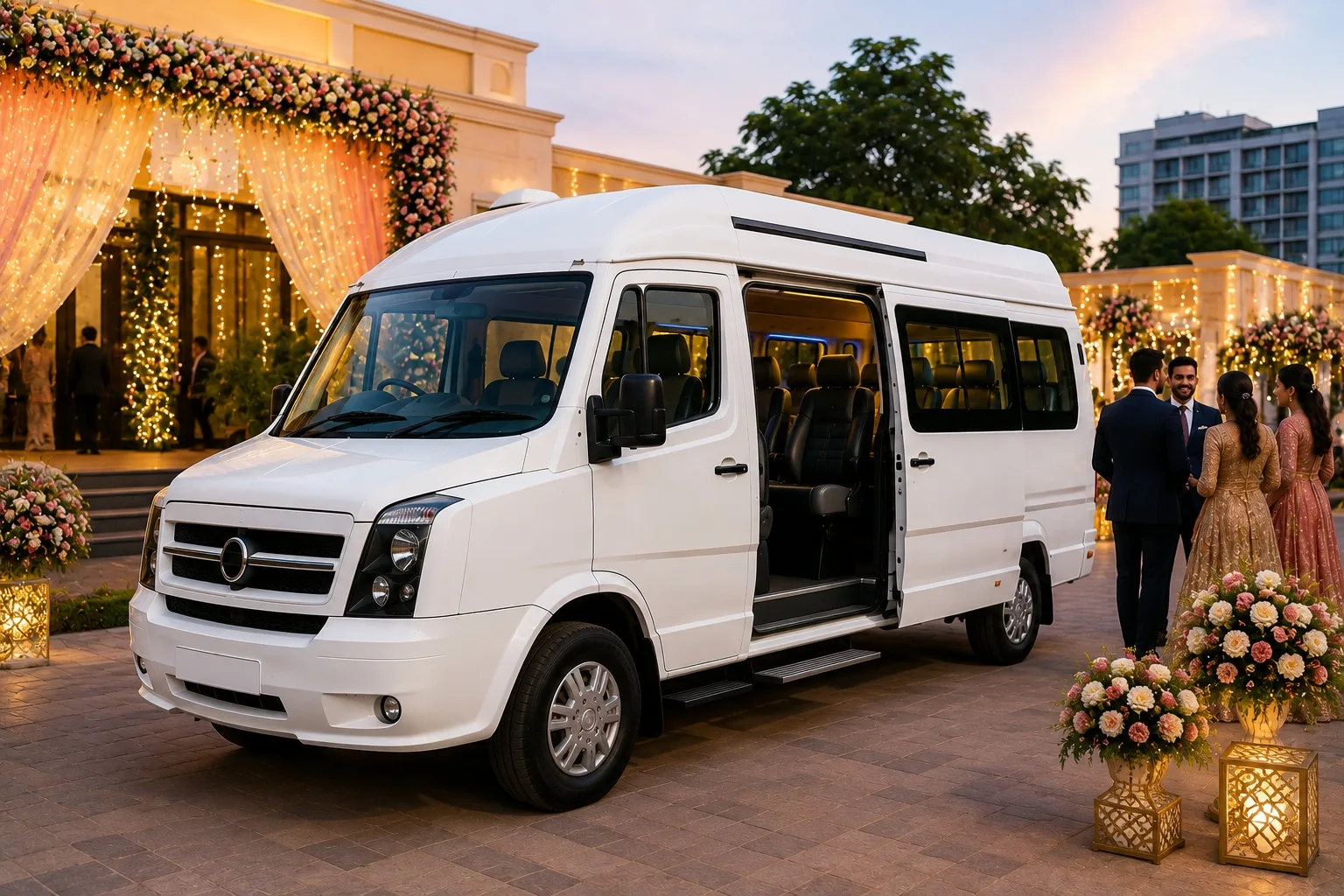
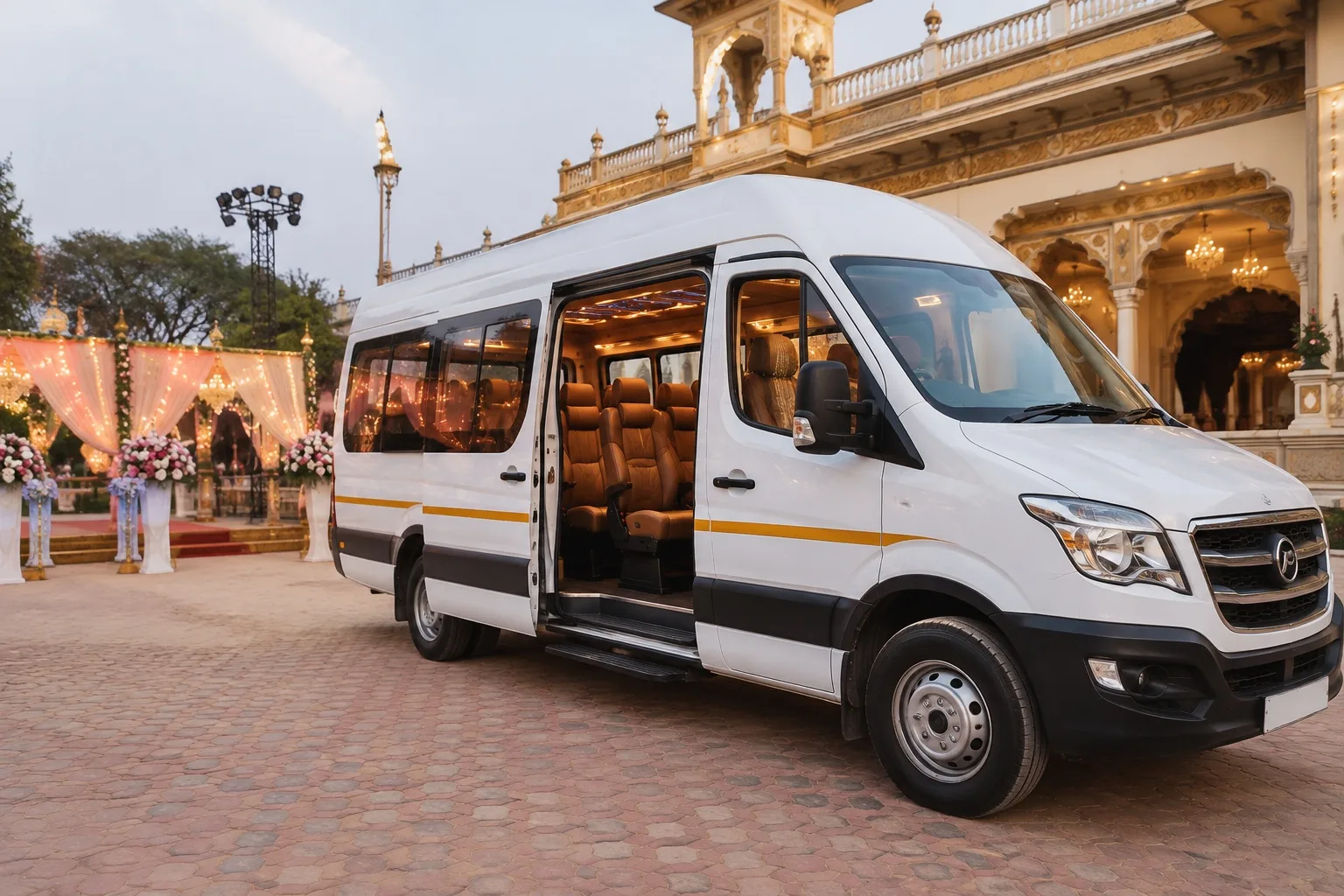
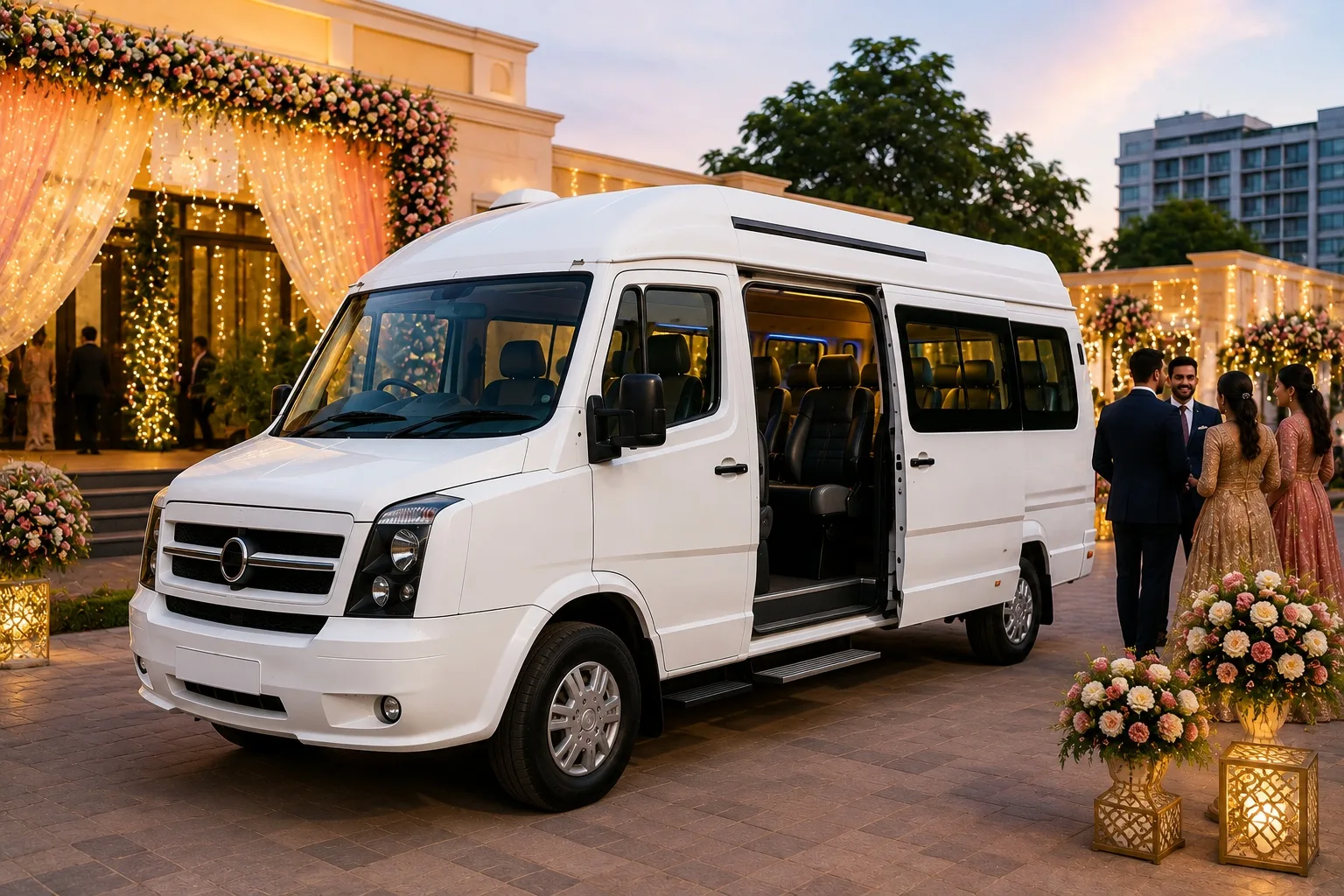
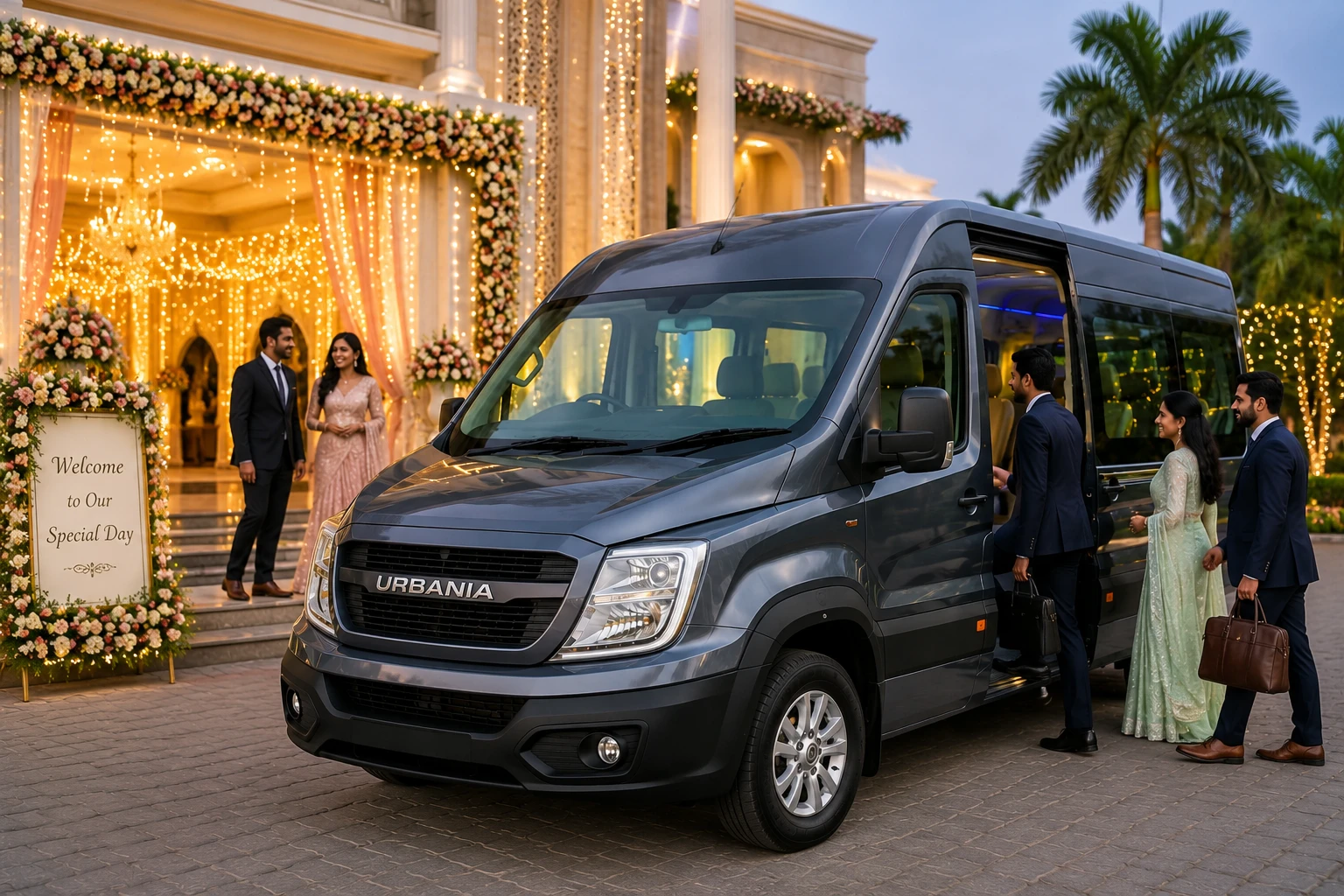
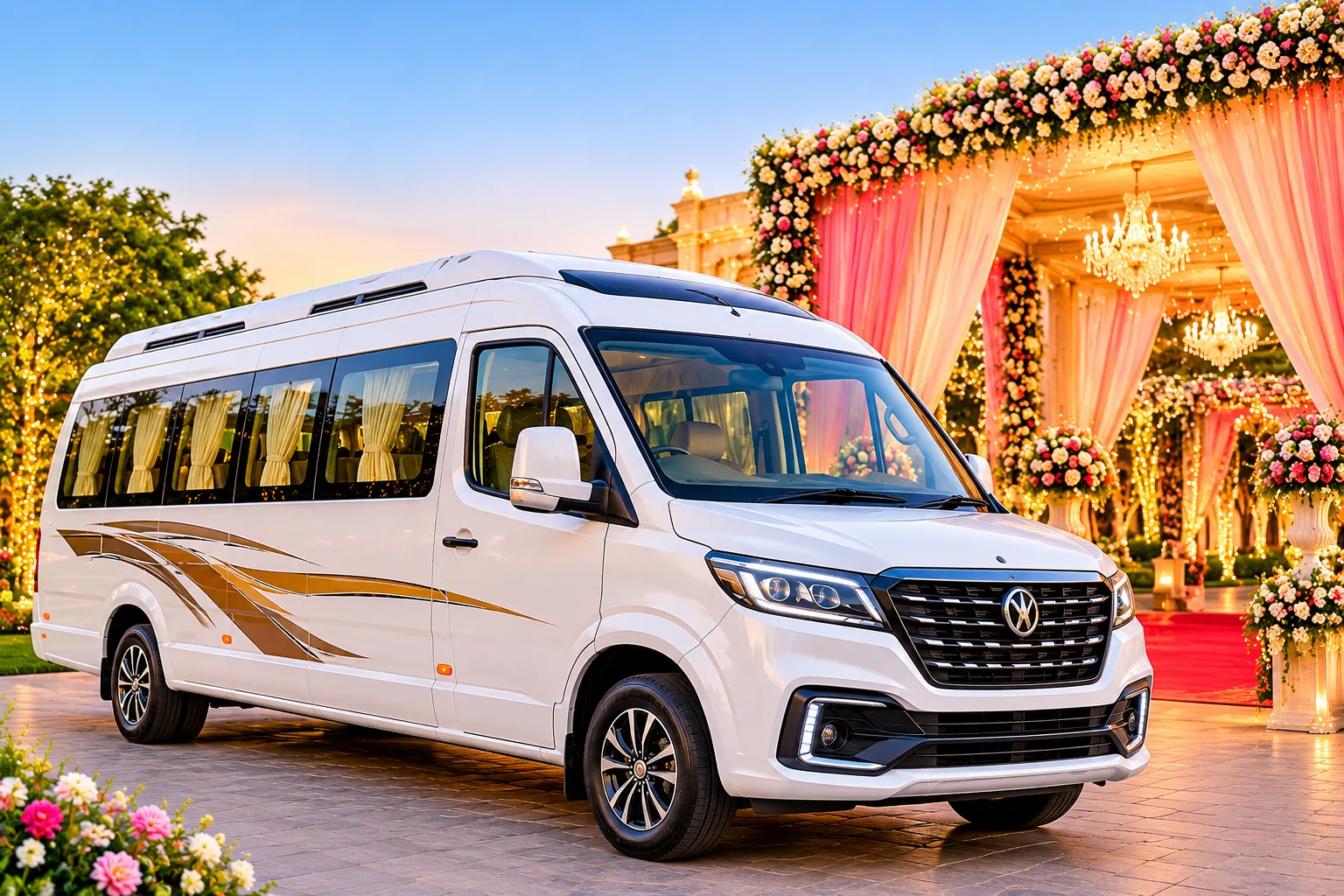
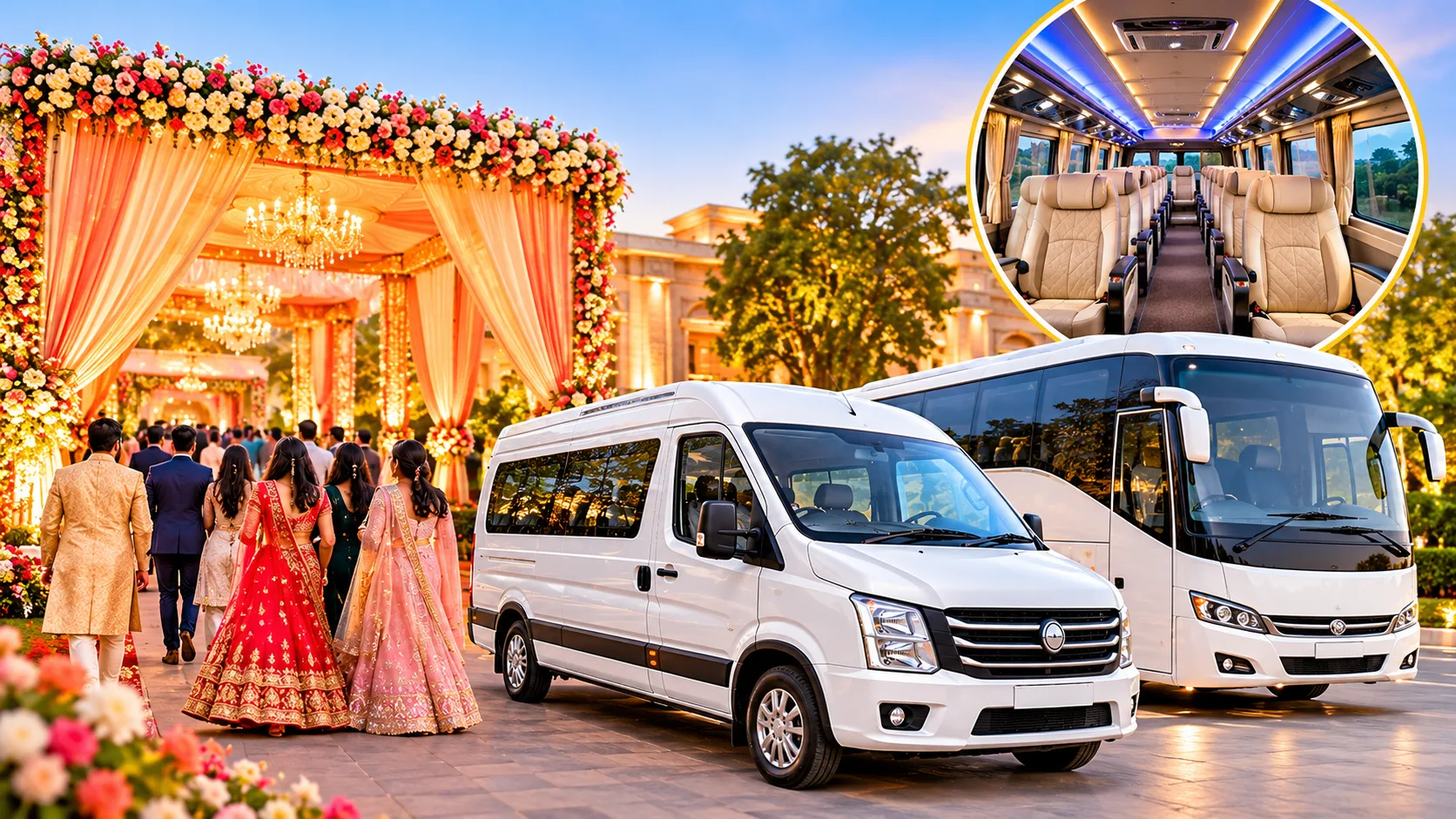
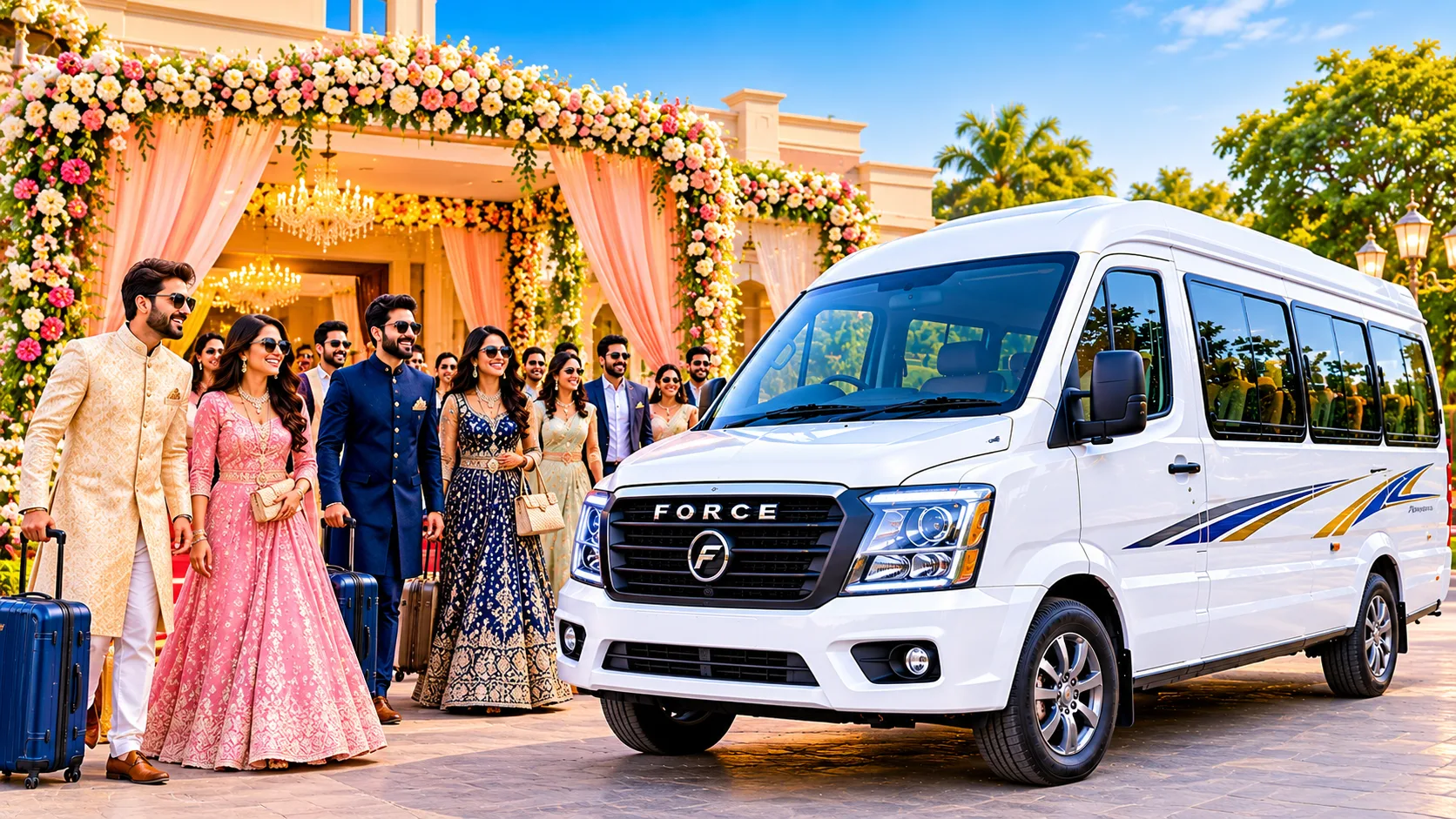
Weddings are the busiest season for large vehicles. Whether you are moving the baraat or hosting out-of-town guests, a bus keeps everyone arriving together.
What to plan for a wedding bus:
Exact timing: Baraat schedules are tight. Share the muhurat and the reporting time clearly with the operator.
Multiple pickup points: List every pickup location in advance, because extra stops add distance and time.
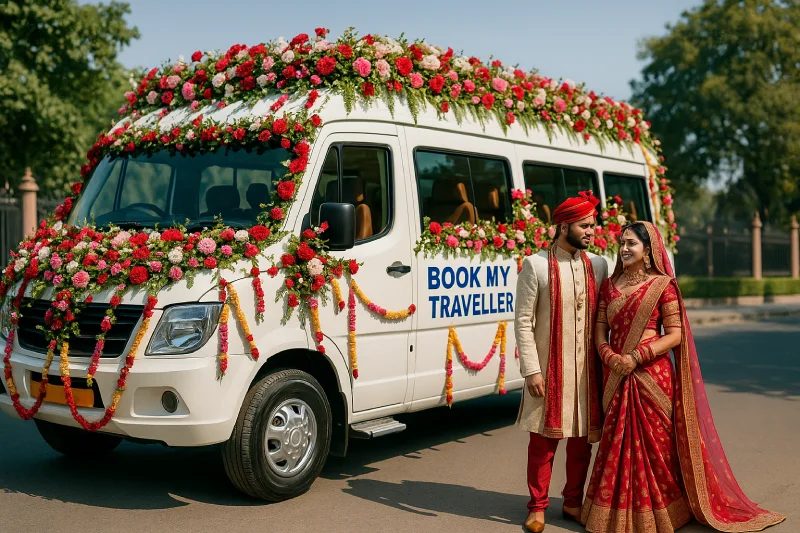
Decoration and music: Ask whether decoration is allowed and what the operator’s rules are about music and dancing on board.
Narrow venue lanes: Many venues and banquet halls sit on tight roads. Confirm that a large bus can reach the entrance.
Return journey: Decide in advance whether the bus waits for the full event or returns at a set time.
Backup vehicles: Keep a smaller vehicle ready for guests who arrive late or travel from a different location.
School and college trips: Educational tours, picnics and sports events where a single vehicle makes supervision easier.
Corporate outings: Team trips, annual days and conferences where staff travel together.
Community and religious gatherings: Society trips, satsang groups and festival travel.
Political and social events: Rallies and gatherings that need organised transport (check local rules and permissions).
For institutional trips, safety documents and responsible staff on board matter. Appoint a group leader who stays in contact with the driver and keeps the passenger list.
How to Complete Bus Booking in Delhi: Step by Step
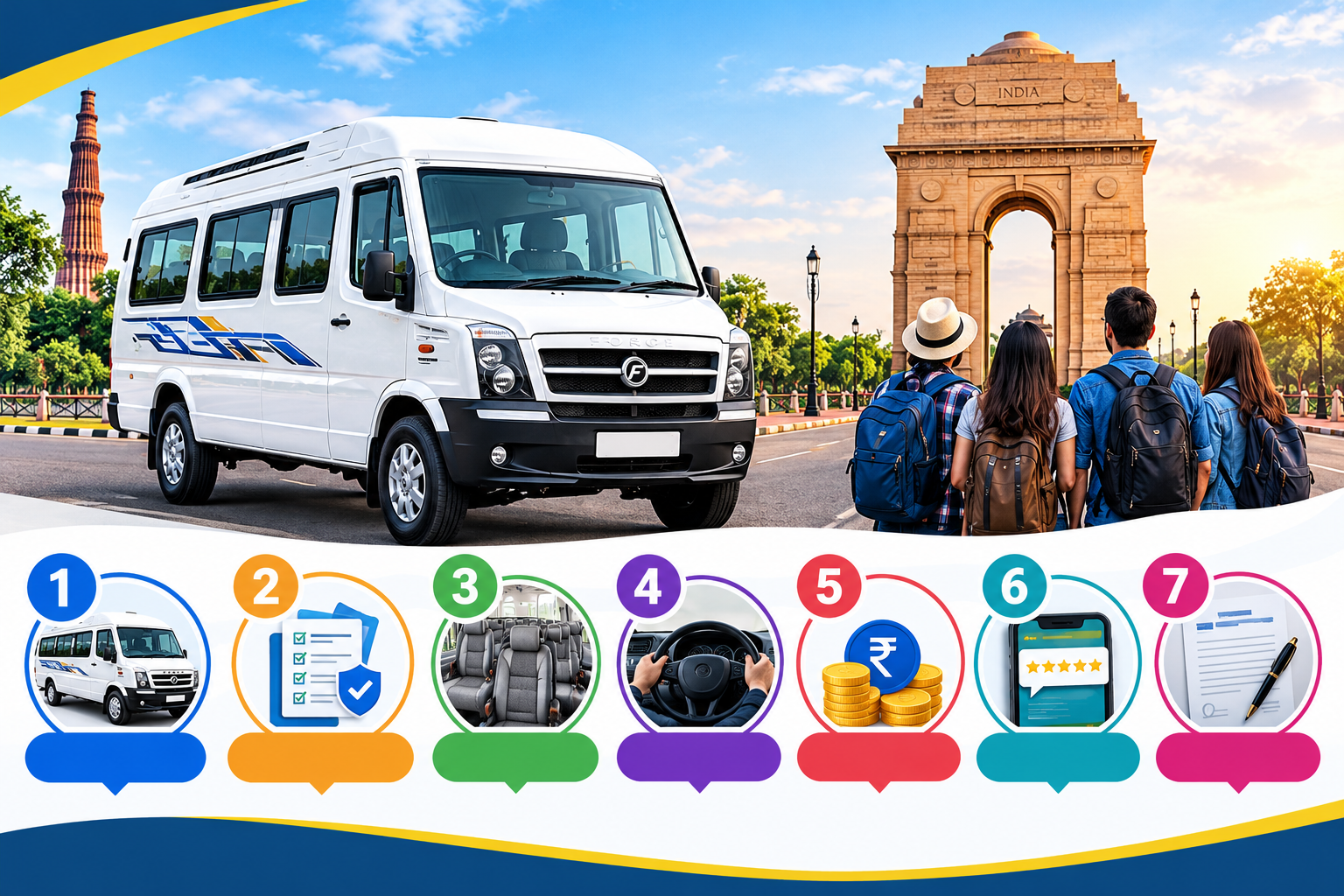
Follow this order for a clean bus booking in Delhi:
Count passengers accurately. Include children, helpers and organisers.
Fix the route and dates. Mention every stop, including night halts.
Choose the bus size. Match it to your headcount and luggage.
Request a written quote. It should list what is included and excluded.
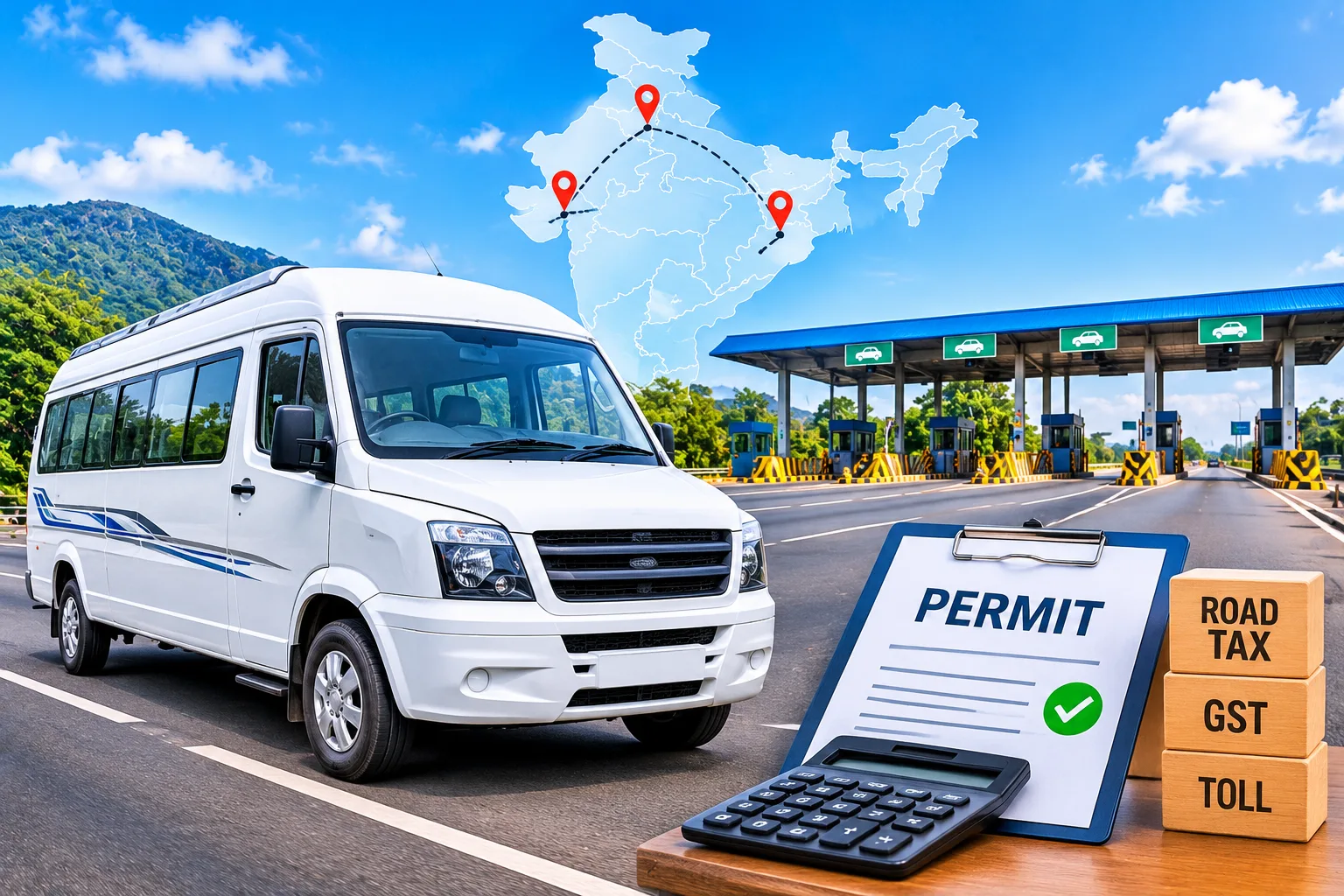
Confirm the extras. Ask about toll, parking, driver allowance, night halt, permit and entry charges, and GST.
Pay a small advance to confirm the date and keep the receipt.
Get vehicle and driver details a day before departure.
Share the final plan with the driver and the group leader.
Hidden Charges to Ask About in Large Bus Booking
A big bus means bigger bills, so unclear charges hurt more. Ask about each of these by name:
Toll tax on highways and expressways
Parking charges at temples, venues and tourist spots
State entry tax and permit charges for interstate travel
Driver allowance and night halt, usually needed for multi-day trips
Extra kilometres and extra hours beyond the agreed limit
Waiting charges during long stops or events
GST, whether inclusive or exclusive
Cancellation and rescheduling terms
Get the answers in writing. It protects both you and the operator.
Safety and Comfort Checklist Before You Travel
A large group deserves a careful check. Before the trip, confirm:
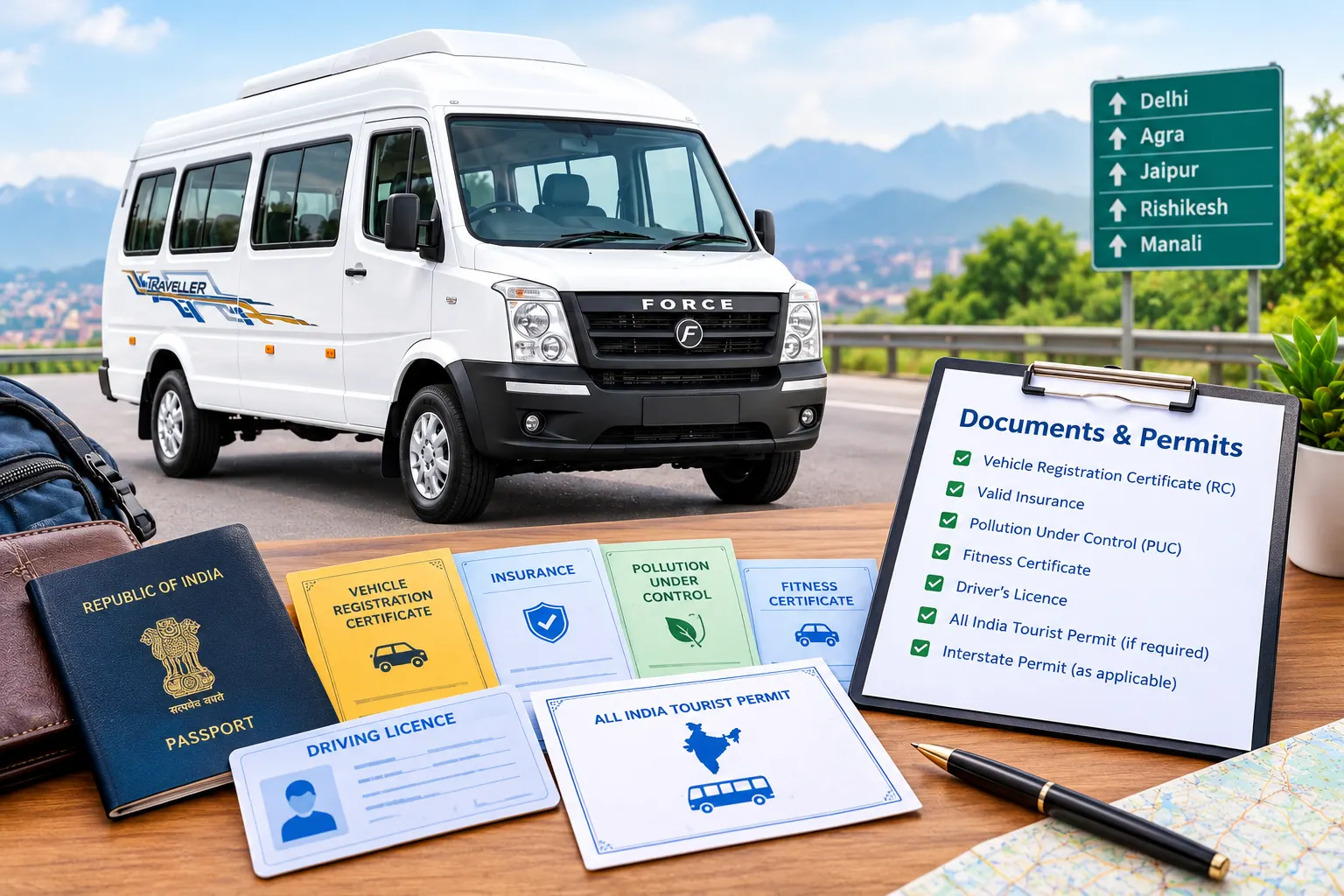
Valid registration, permit, insurance and fitness papers
A licensed and experienced driver, ideally with a second driver for very long routes
Working air conditioning, lights and emergency exit
Clean seats and adequate legroom
First aid kit and fire extinguisher on board
Tyres and brakes in good condition
Enough luggage space or a plan for a separate luggage vehicle
If you notice a problem on the day, raise it before departure rather than after the bus has left.
Tips to Keep a Large Group Organised
Appoint a group leader who talks to the driver and the operator.
Make a passenger list and do a headcount at every stop.
Set a boarding time earlier than departure so late arrivals do not delay everyone.
Brief the group on rest stops, meal plans and the return time.
Share contact numbers of the driver and the organiser with a few responsible members.
Keep medicines and ID documents with each passenger, especially elders.
Avoid overloading luggage in the passenger area, which blocks aisles and exits.
Local Booking Tips for Delhi and NCR
Delhi traffic can delay pickups, so plan departures with a buffer, especially for early-morning outstation trips.
Large buses face movement and timing restrictions in some city areas, so confirm routes and pickup points with the operator.
Peak seasons such as wedding months, festival weeks and long weekends see heavy demand, so book early.
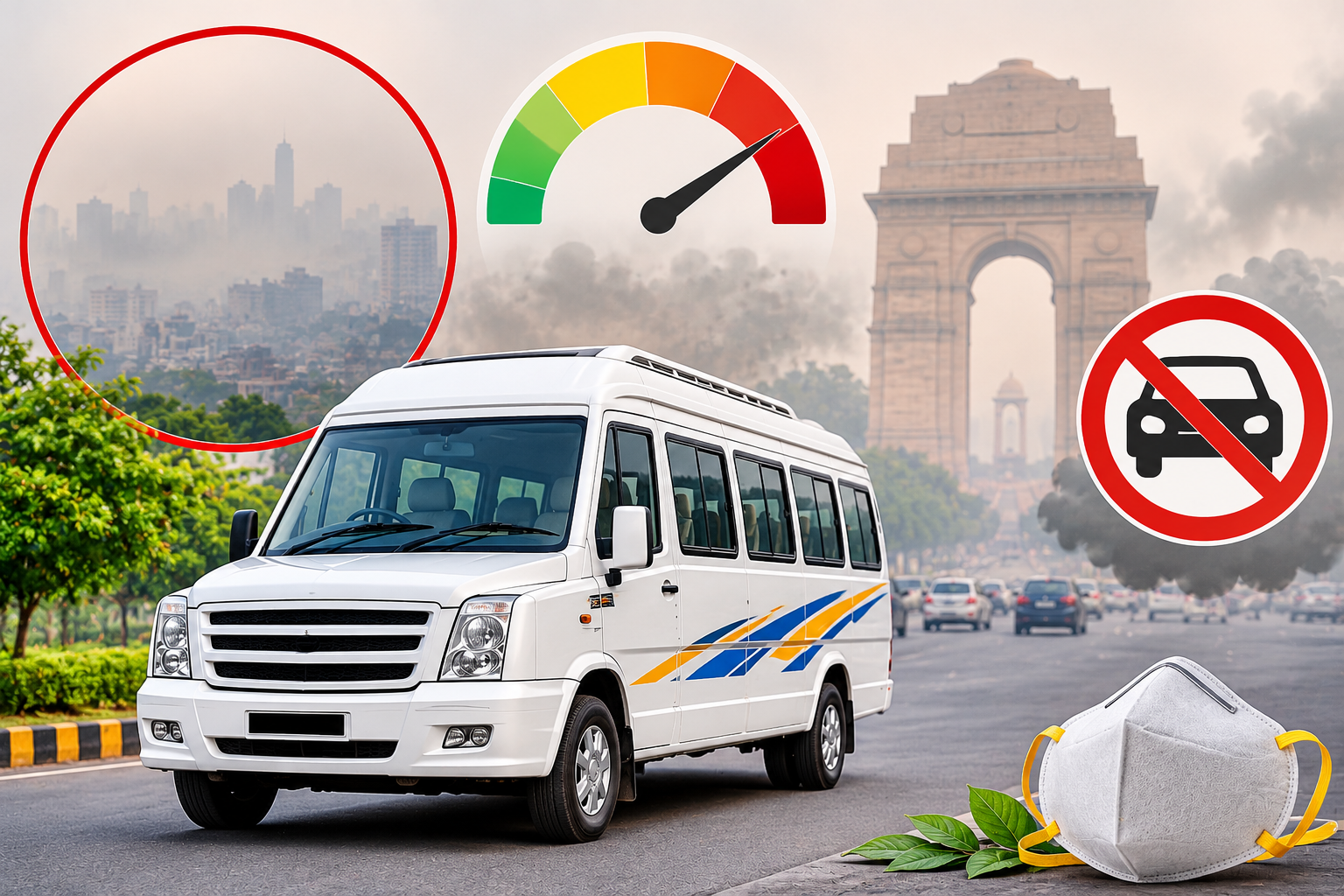
Pollution-related rules and regulations may affect vehicles during certain periods, so ask the operator about current requirements.
For pickups from multiple locations across Delhi and NCR, list every address in advance.
Common Mistakes to Avoid
Booking a bus that is too small and ending up with an overcrowded vehicle.
Ignoring luggage space until boarding day.
Choosing only on price without reading inclusions.
Skipping route confirmation, especially for hill roads or narrow venue lanes.
Booking late in peak season when vehicles are scarce.
Not asking for written confirmation of the quote and terms.
Not planning rest stops for long pilgrimage journeys.
Final Thoughts
Moving a large group is mostly about planning. When you pick the right bus size, share complete trip details, confirm every charge in writing and brief your group, a 53 seater bus on rent in Delhi becomes the easiest way to travel together, whether for a pilgrimage, a baraat or a large event.
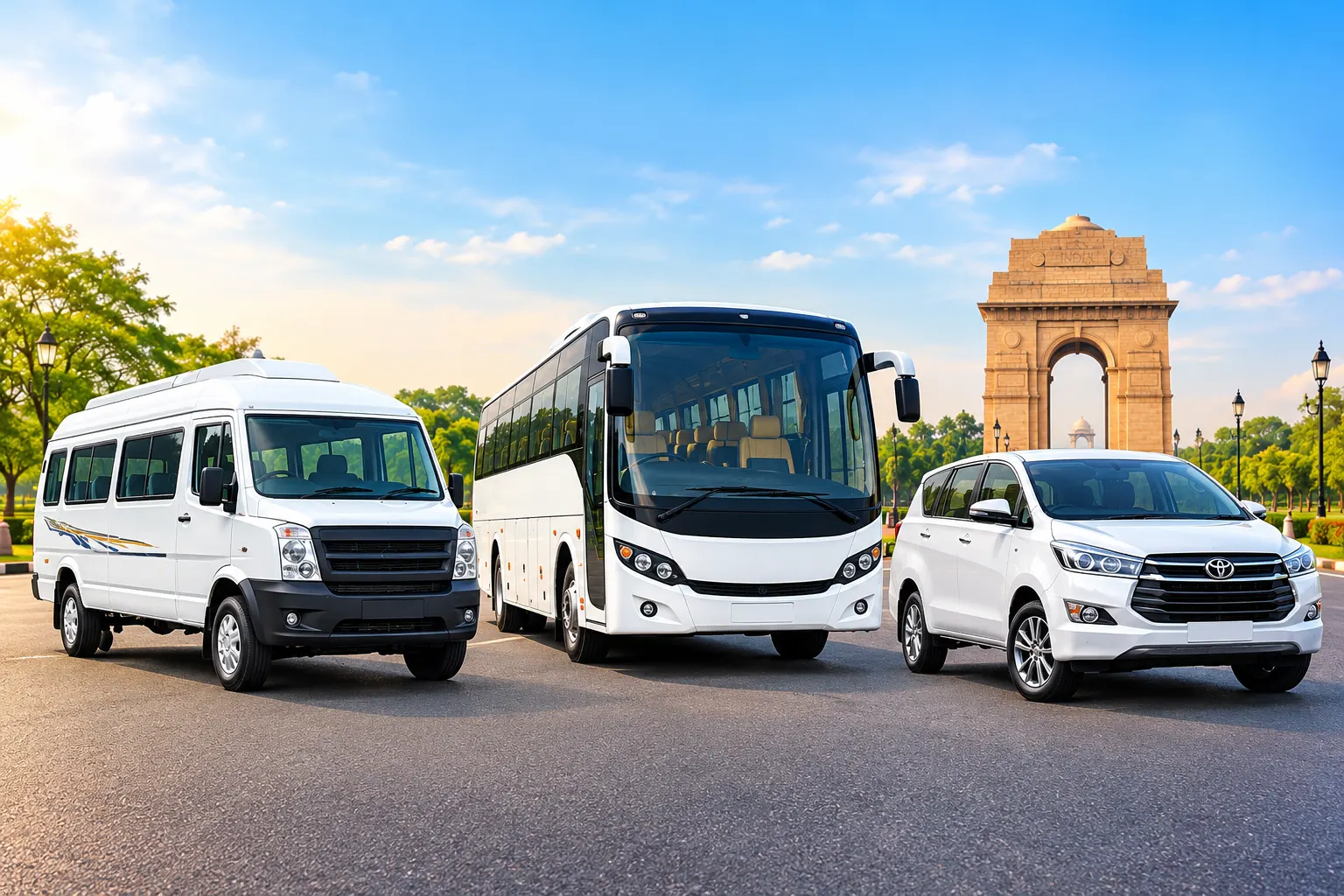
Planning a group trip? Contact the SS Rana Tour team to share your route, group size and dates, and get a clear written quote for your bus or tempo traveller booking in Delhi
A 53 seater bus is designed to carry about 53 passengers, but the number on paper is not always the most comfortable number on the road. When every seat is full and each passenger has a bag, legroom and aisle space become tight, which is tiring on long journeys. For a pilgrimage, a multi-day tour or a trip with elderly passengers, it is better to keep a few seats free. If your group is very close to 53, tell the operator about your luggage in advance so they can suggest the right plan, such as a separate vehicle for bags.
The main difference is capacity versus comfort. A 45 seater usually offers more legroom, easier movement inside the bus and better luggage space, which suits family tours, school trips and mid-size weddings. A 53 seater carries more people in one vehicle, which is useful when you want a large group to stay together and avoid hiring two vehicles. A 53 seater also needs wider roads, so it is worth confirming your route and venue access. As a simple rule, choose a 53 seater when your group is around 45 to 53 people, and choose a 45 seater when your group is smaller and comfort matters more.
Yes, it is one of the most practical ways to move a large wedding party. Everyone travels together, arrives at the same time and the family has a single point of contact. To avoid problems, share the muhurat and reporting time clearly, list every pickup point in advance and confirm that the bus can reach the venue entrance, because many banquet halls and wedding venues sit on narrow lanes. Ask the operator about decoration, music and dancing rules on board, and decide whether the bus waits for the full event or returns at a fixed time. Booking early is important in wedding season, when large vehicles are in high demand.
Yes. Pilgrimage groups are among the most common users of large buses from Delhi. When you book, share your full route, travel dates, stops and night halts so the quote is accurate. For interstate journeys, ask about permits, state entry tax and any route restrictions for large vehicles, especially on hill roads. Since pilgrim groups often include elderly passengers, plan rest stops every few hours, choose safe boarding points and share your darshan or ritual timings with the operator so the schedule works around them. Check seat comfort and air conditioning before the trip as well.
For regular travel, booking a week or more in advance is sensible. For wedding season, festival weeks, long weekends and popular pilgrimage periods, demand rises quickly and large vehicles can get fully booked, so it is better to book as early as you can. Early booking also gives you time to compare quotes, ask about charges, confirm the route and finalise pickup points without pressure. If your plans might change, ask about the rescheduling policy at the time of booking.

















.jpeg)



.jpeg)
.webp)
.jpeg)
.jpeg)
.jpeg)

.jpeg)
.jpeg)
.jpeg)
.jpeg)
.jpeg)


.jpeg)
.webp)
.jpeg)
.jpeg)

.jpeg)

.jpeg)
.jpeg)
.jpeg)
.jpeg)

.jpeg)

.webp)
.jpeg)
.jpeg)
.jpeg)

.jpeg)













.webp)


.webp)











_15_11zon.webp)














































































































.webp)






































.webp)















.jfif)







.jfif)
.jfif)
.jpg)
.jfif)
.jfif)
.jfif)
.jfif)
.jfif)
.jfif)

.jfif)
.jfif)


.webp)
.webp)
.webp)
.webp)
.webp)

.webp)
.webp)
.webp)
.webp)
.webp)

.webp)
.webp)


.webp)
.webp)














.webp)

.webp)






































@.webp)