Planning a do dham yatra package from Delhi? Get a clear 7-day Kedarnath Badrinath itinerary, realistic per-person pricing, season tips and the right tempo traveller for your group. Compare 9 seater, 12 seater, Maharaja and Urbania Maharaja options with SS Rana Tour for a comfortable, well-planned pilgrimage.
Published on 26 Nov, 2026
Updated on 28 Nov, 2026
1013 Views
Do Dham Yatra Package from Delhi: Price, Itinerary and Vehicle Options
Every year, thousands of families leave Delhi before sunrise for Kedarnath and Badrinath. Most of them have the same worries. What will a do dham yatra package from Delhi cost? How many days does it really take? Which vehicle is comfortable enough for those long mountain roads?
This guide answers all three in plain terms. It covers realistic budgets, a day-wise plan, vehicle choices, and the practical details that decide whether the trip feels smooth or exhausting.
What Is Do Dham Yatra?
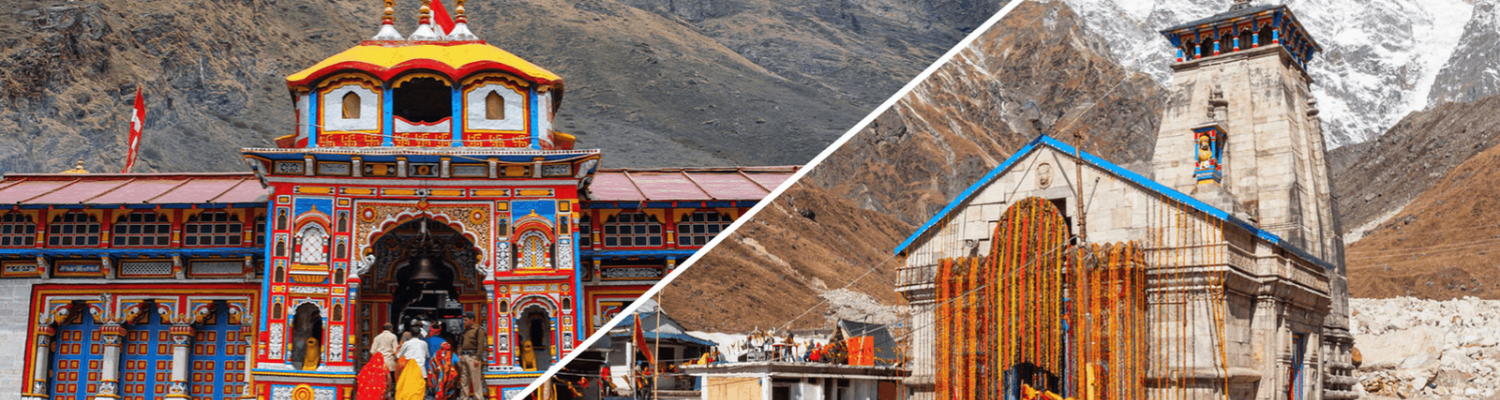
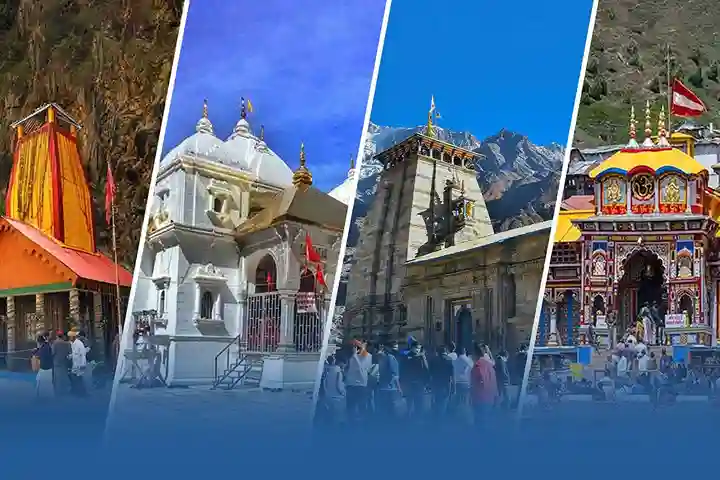
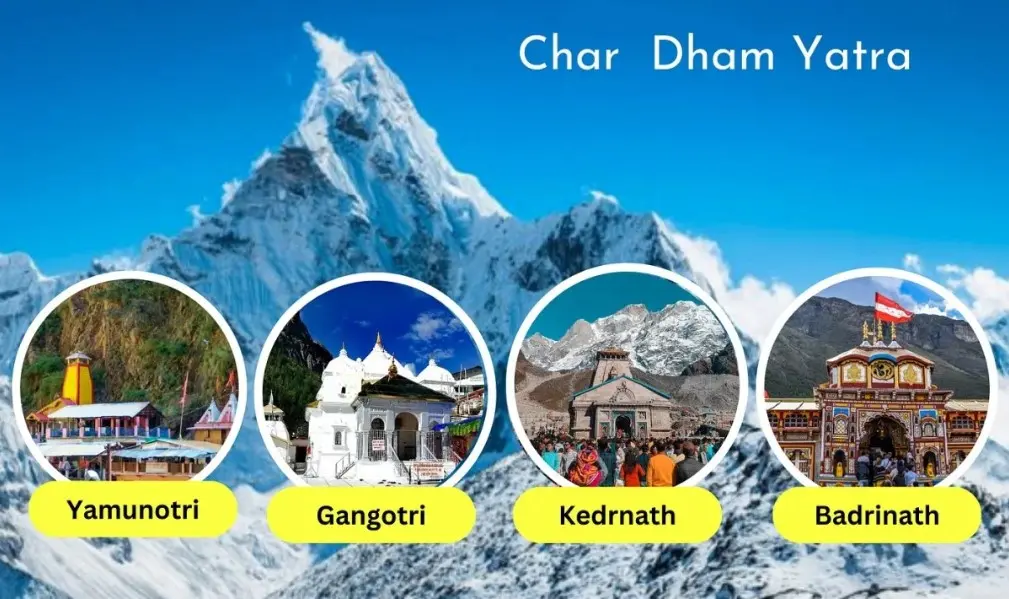
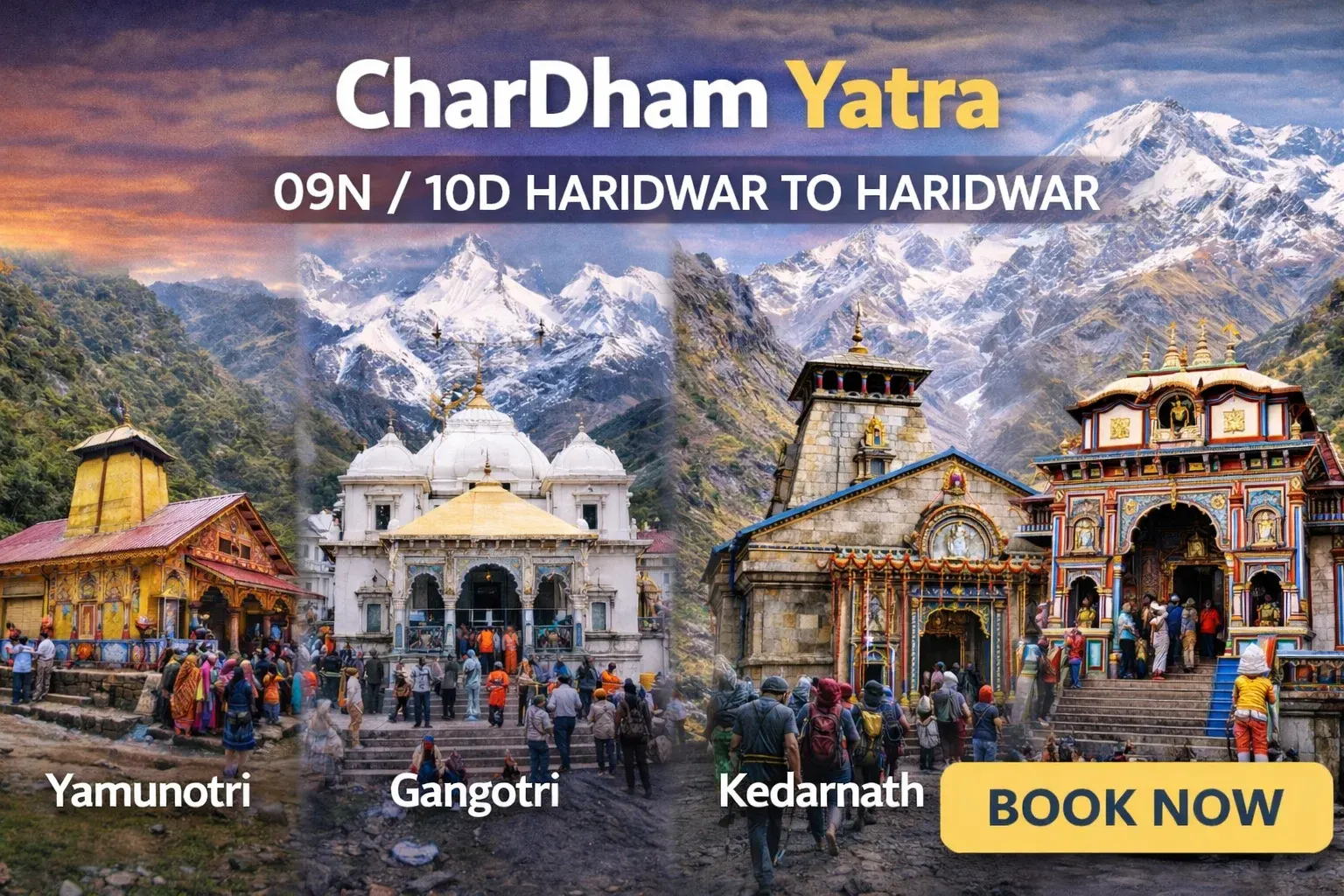
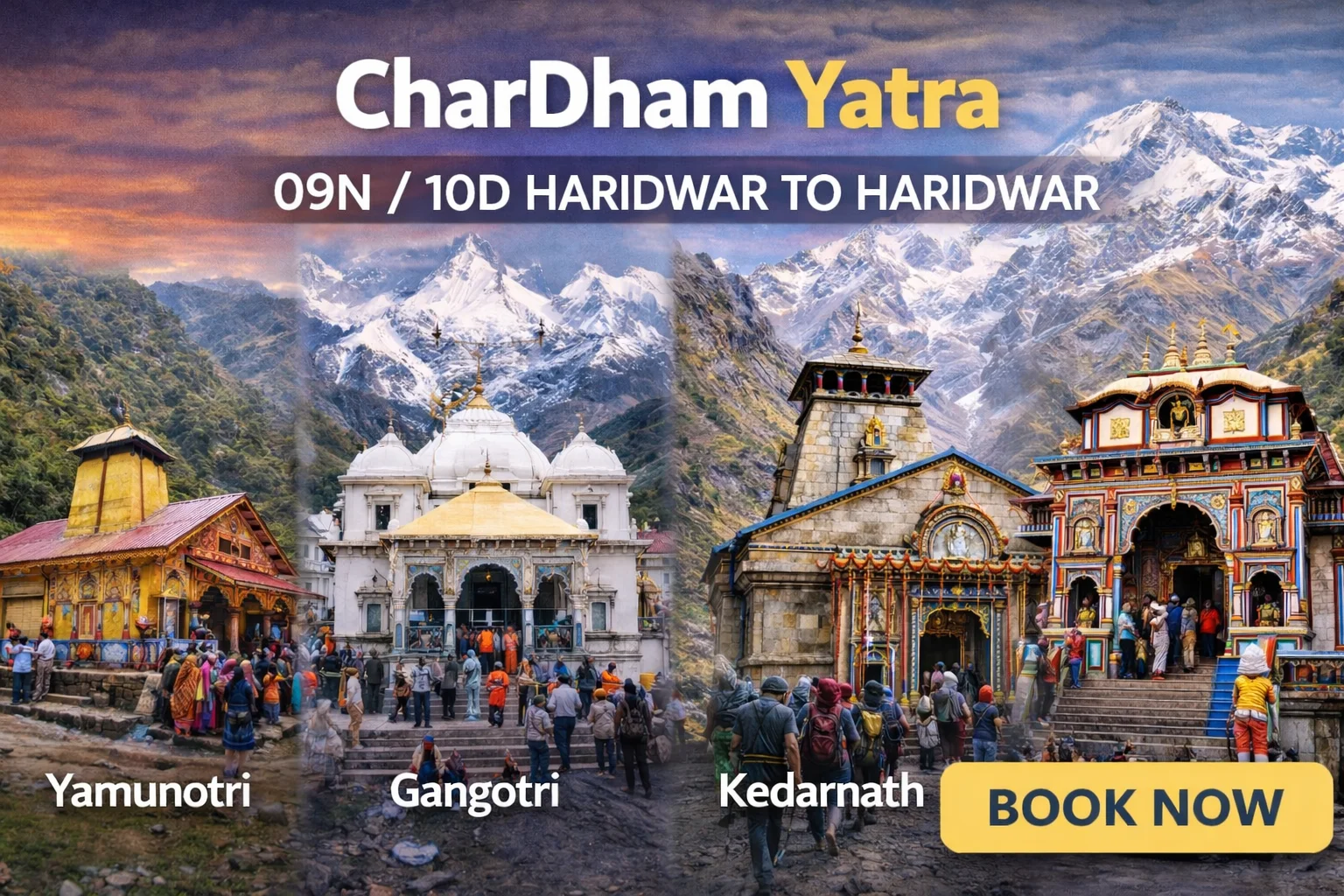
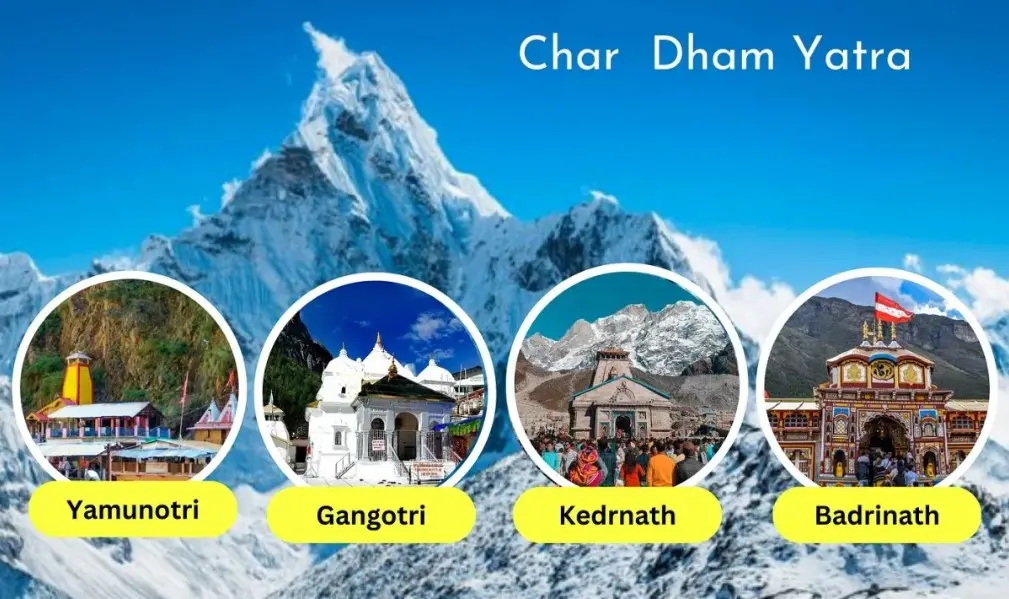
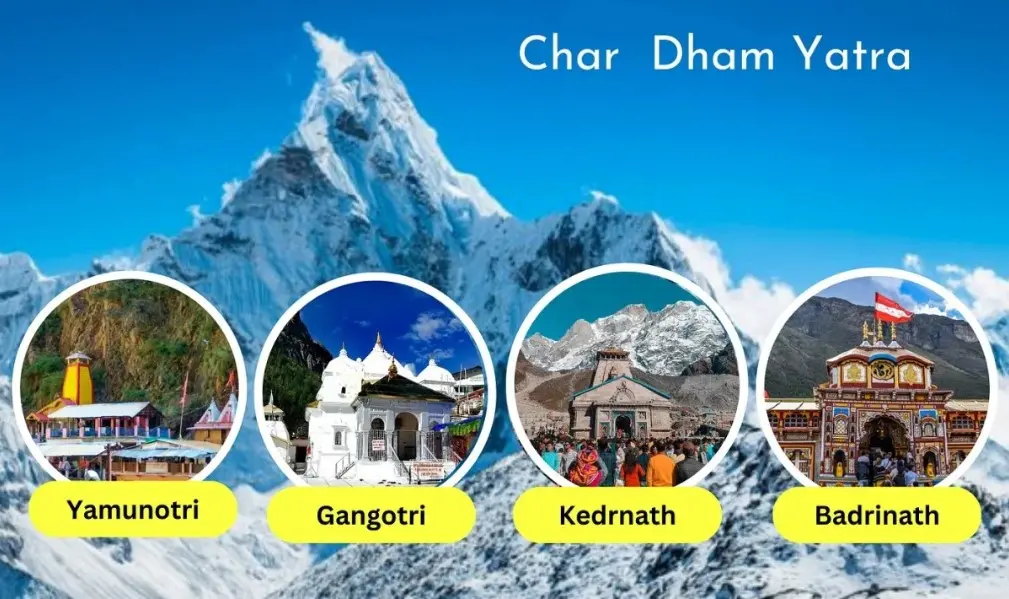
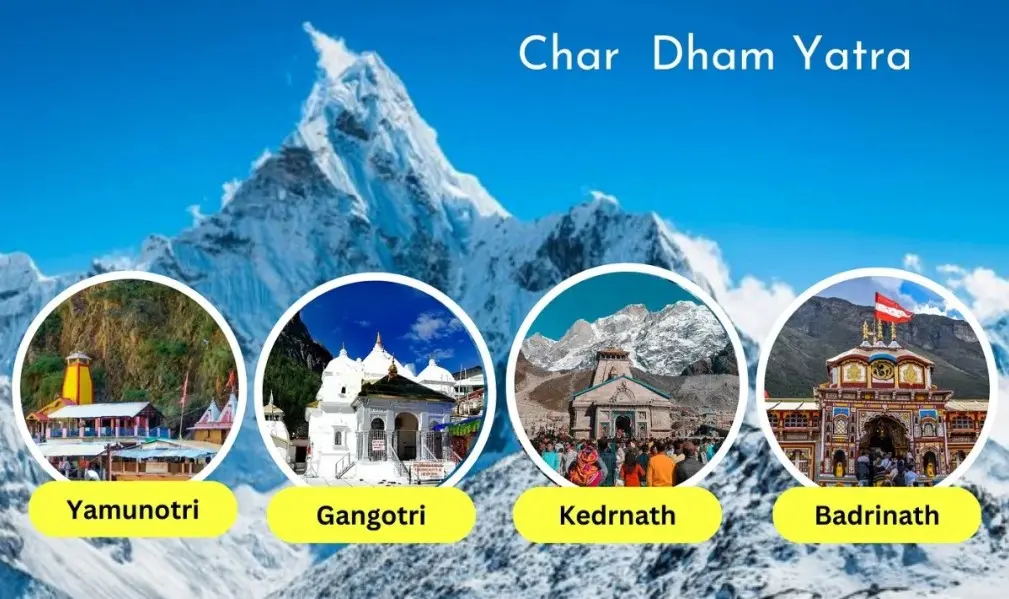
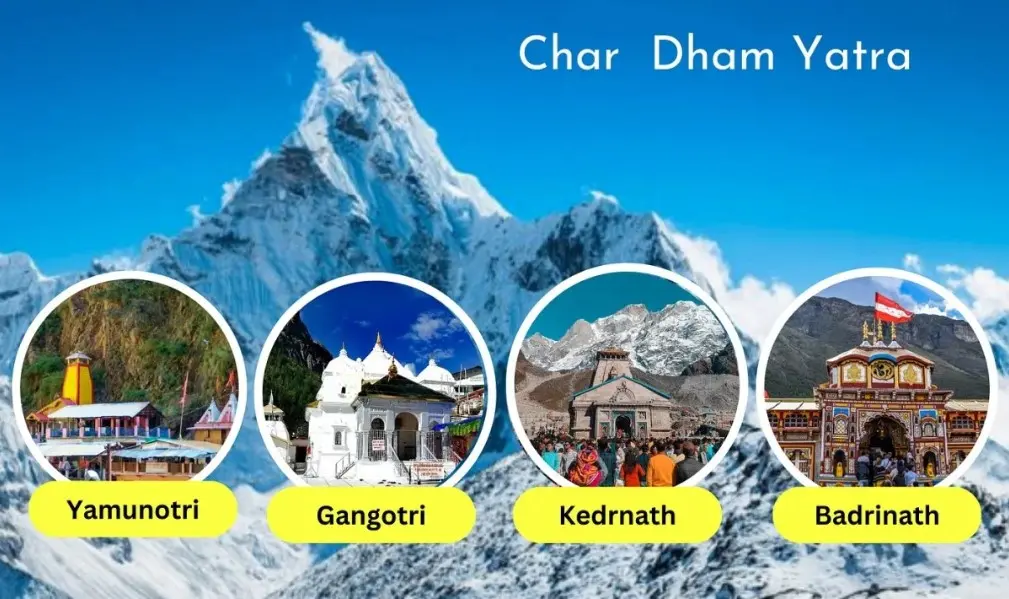
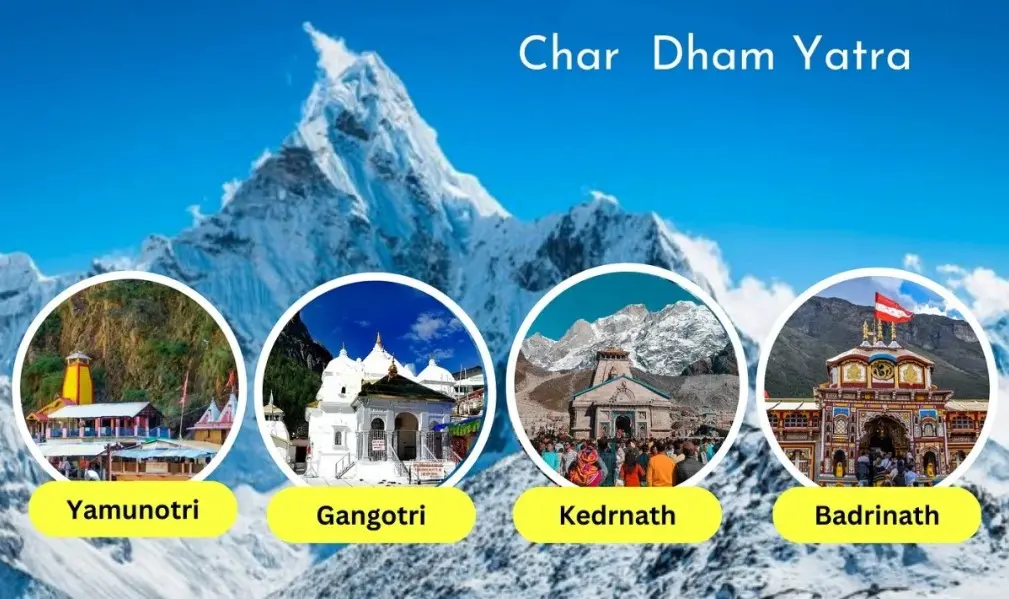
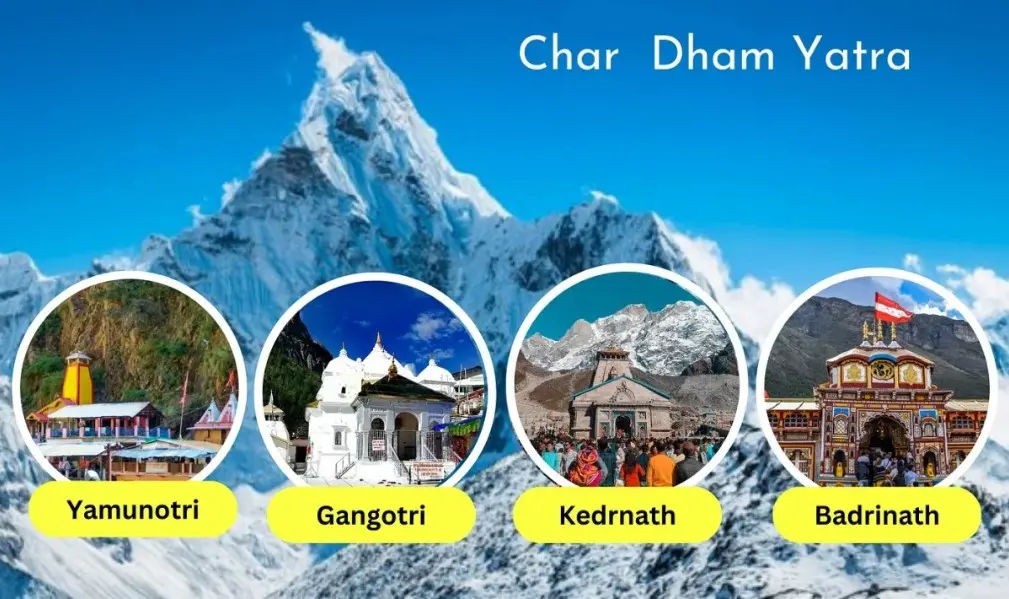
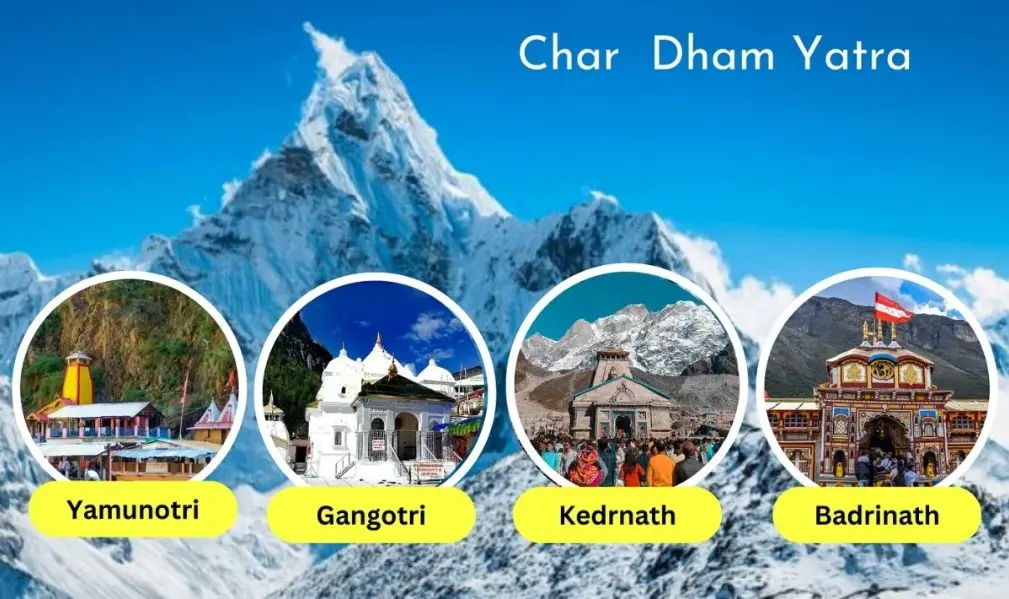
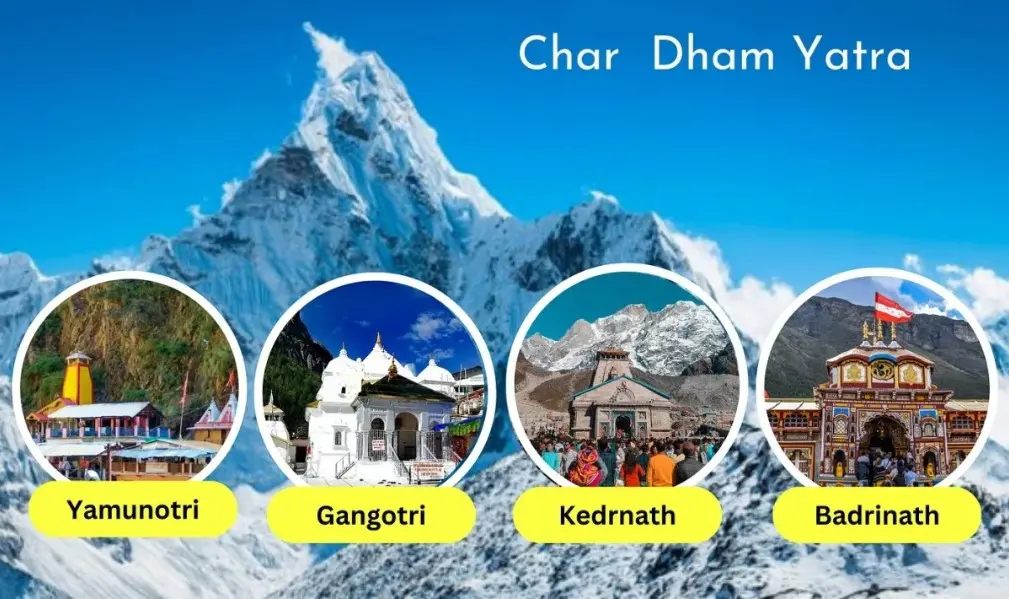
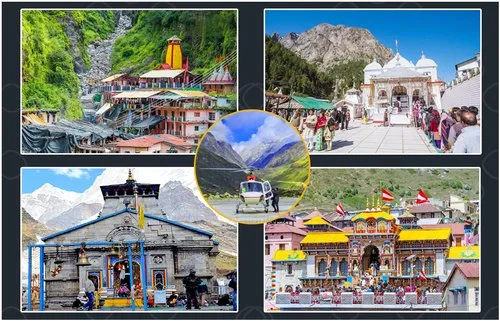
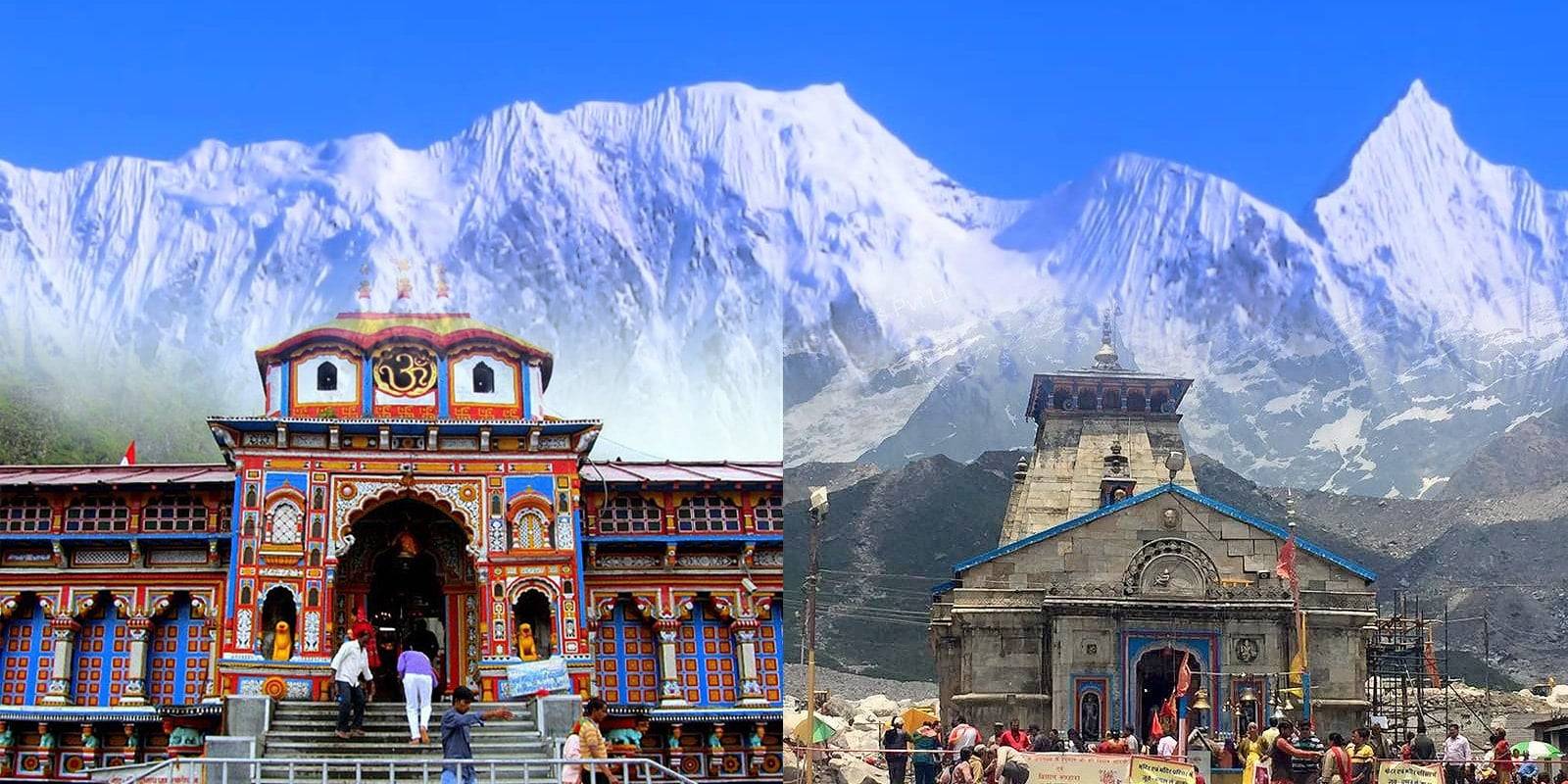
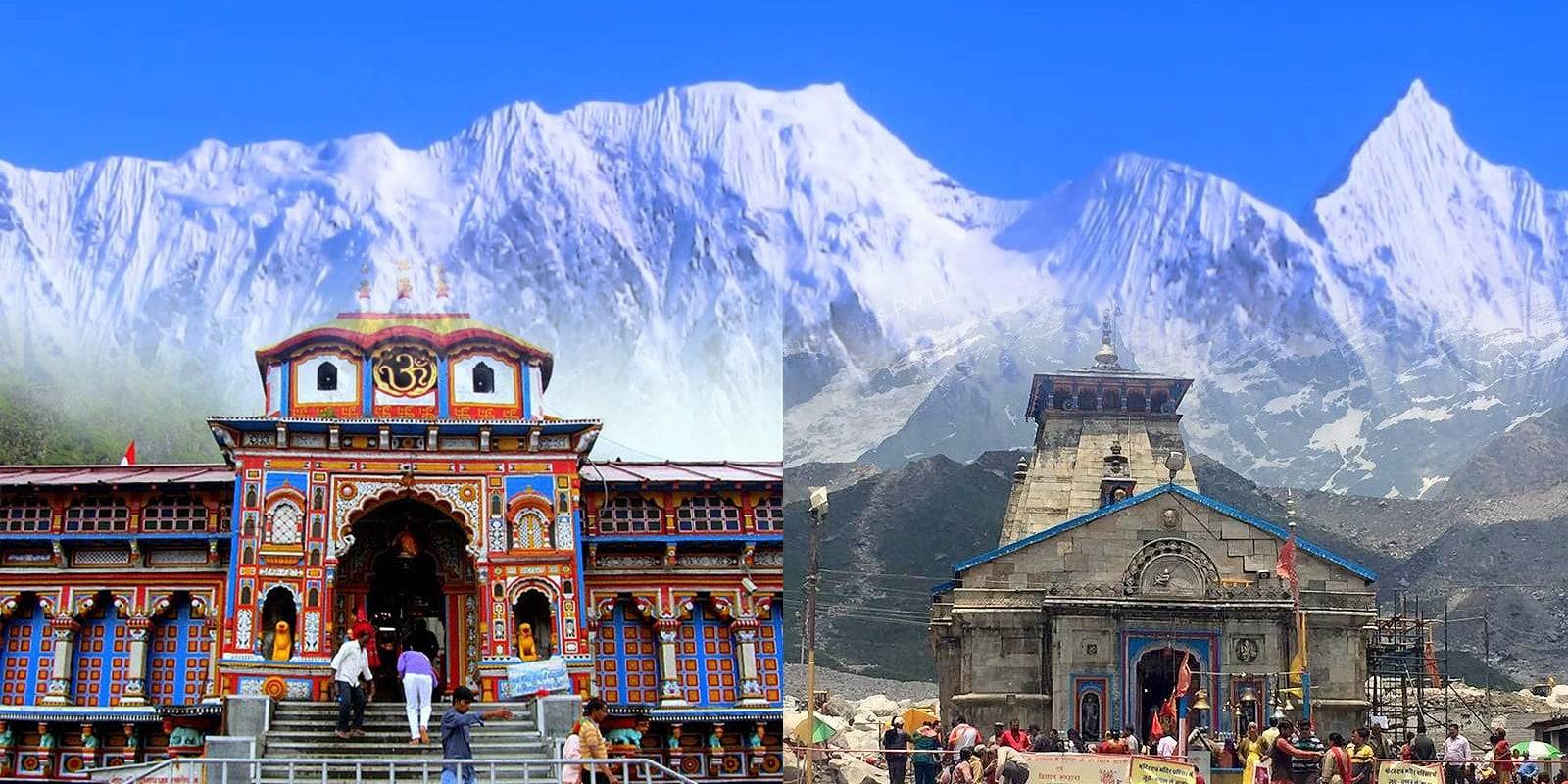
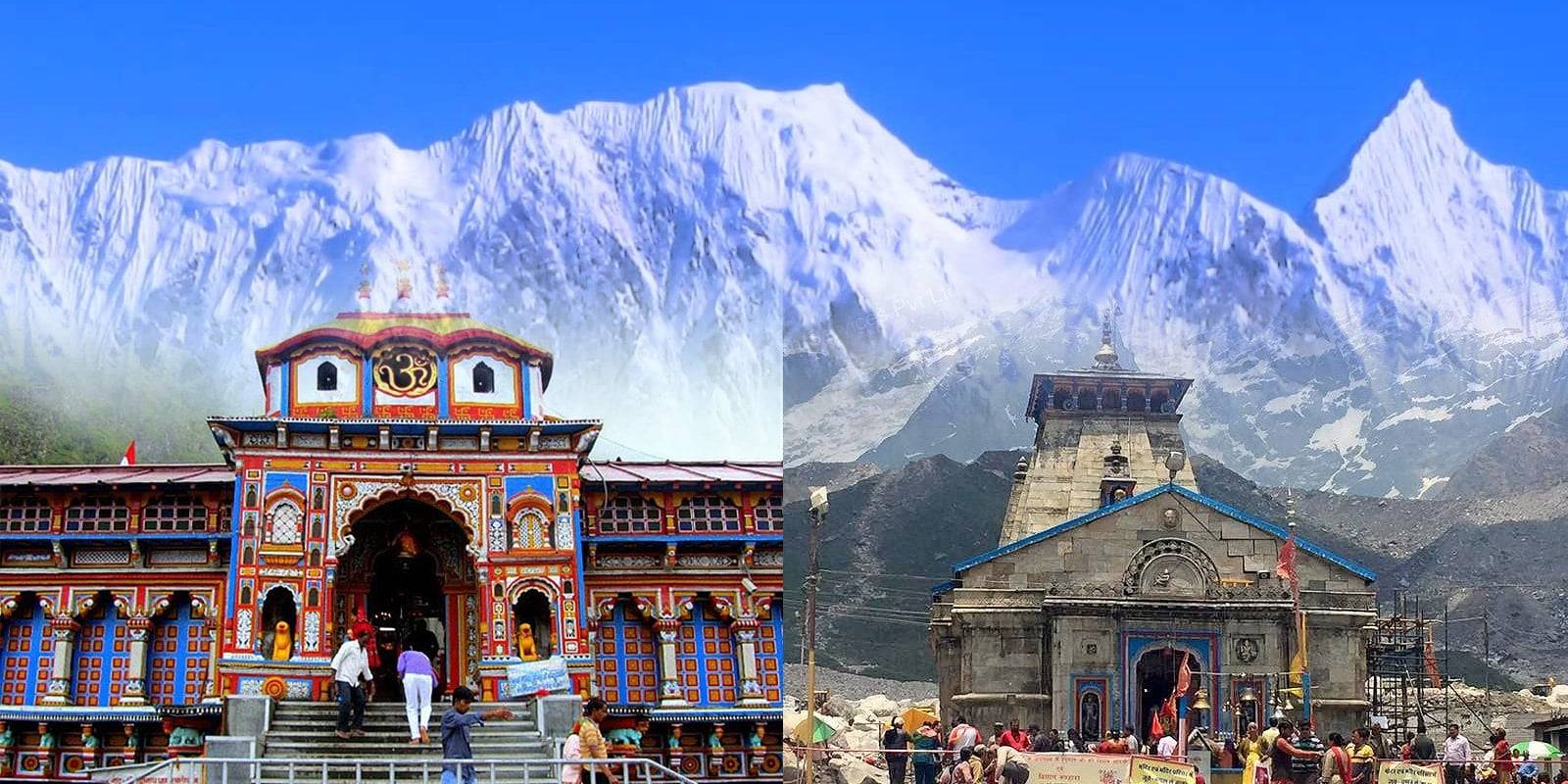
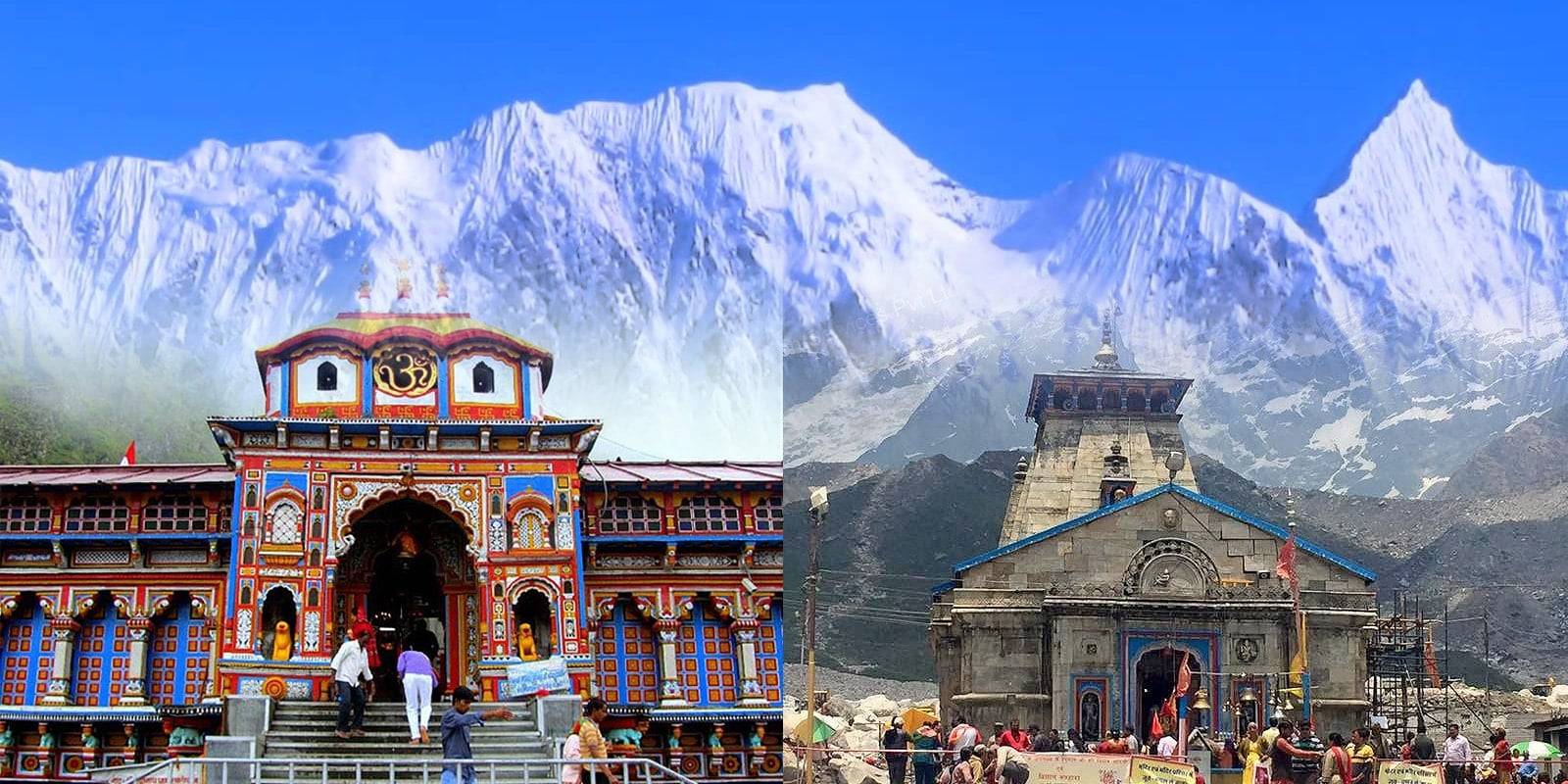
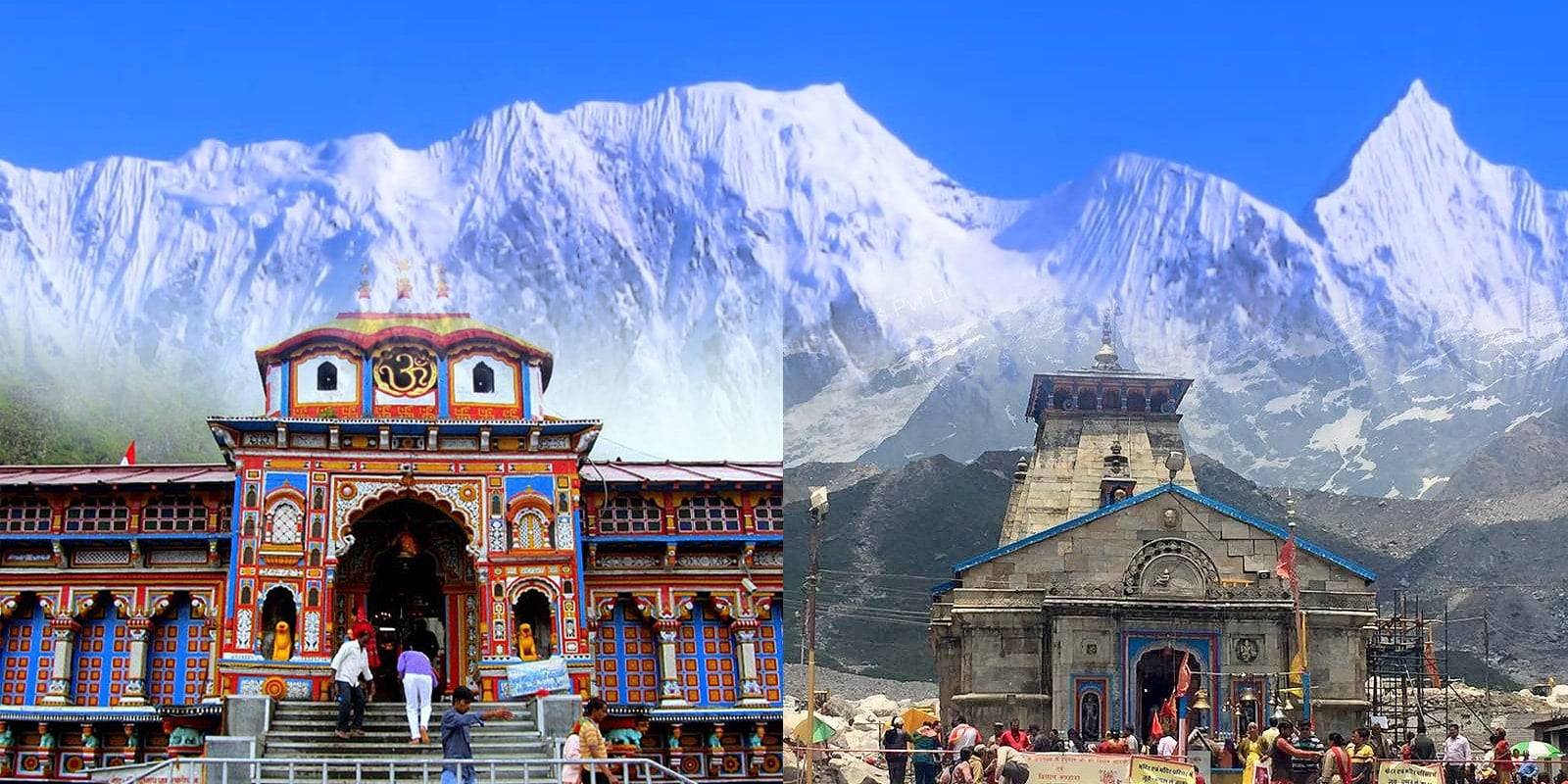
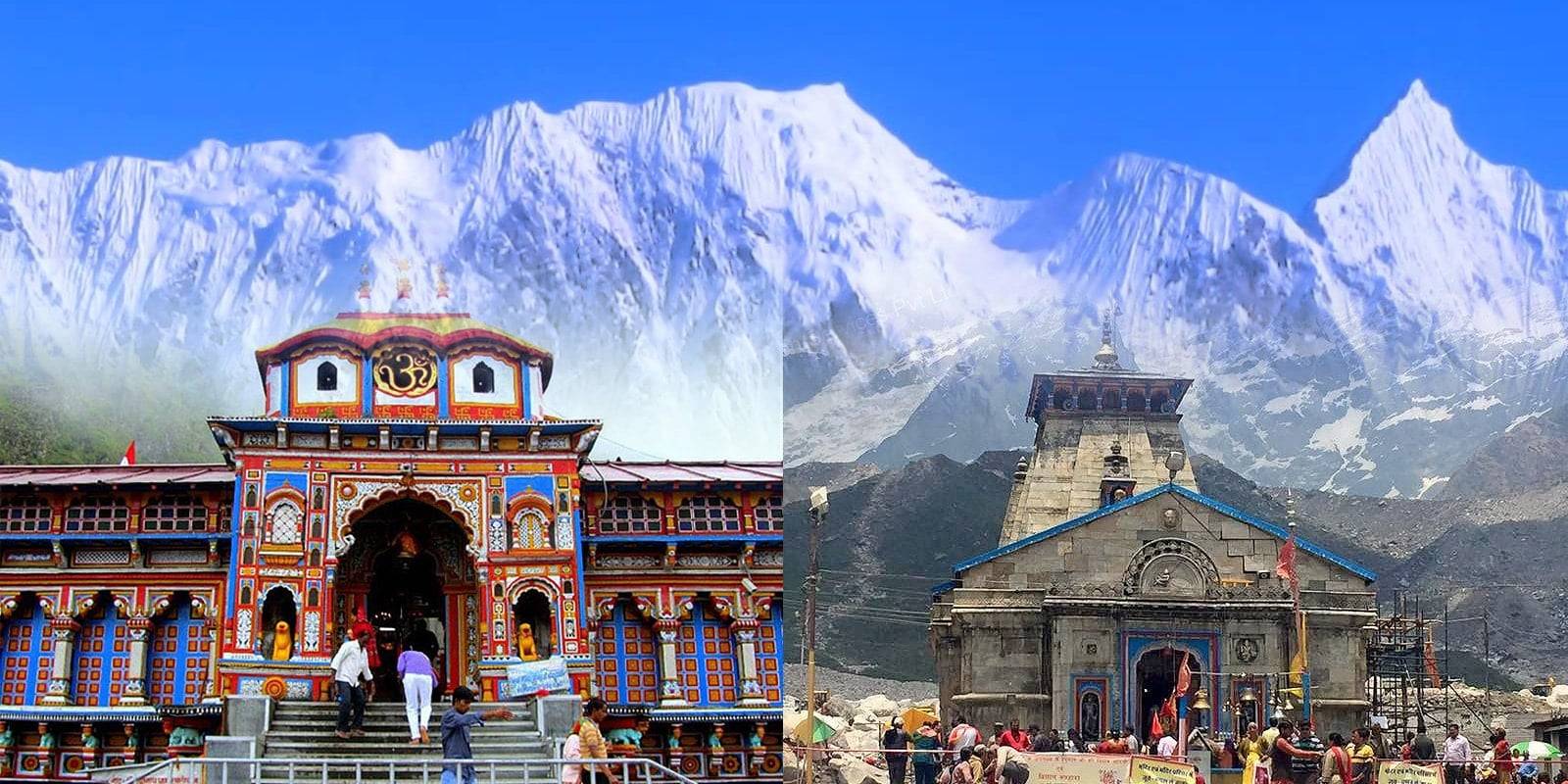
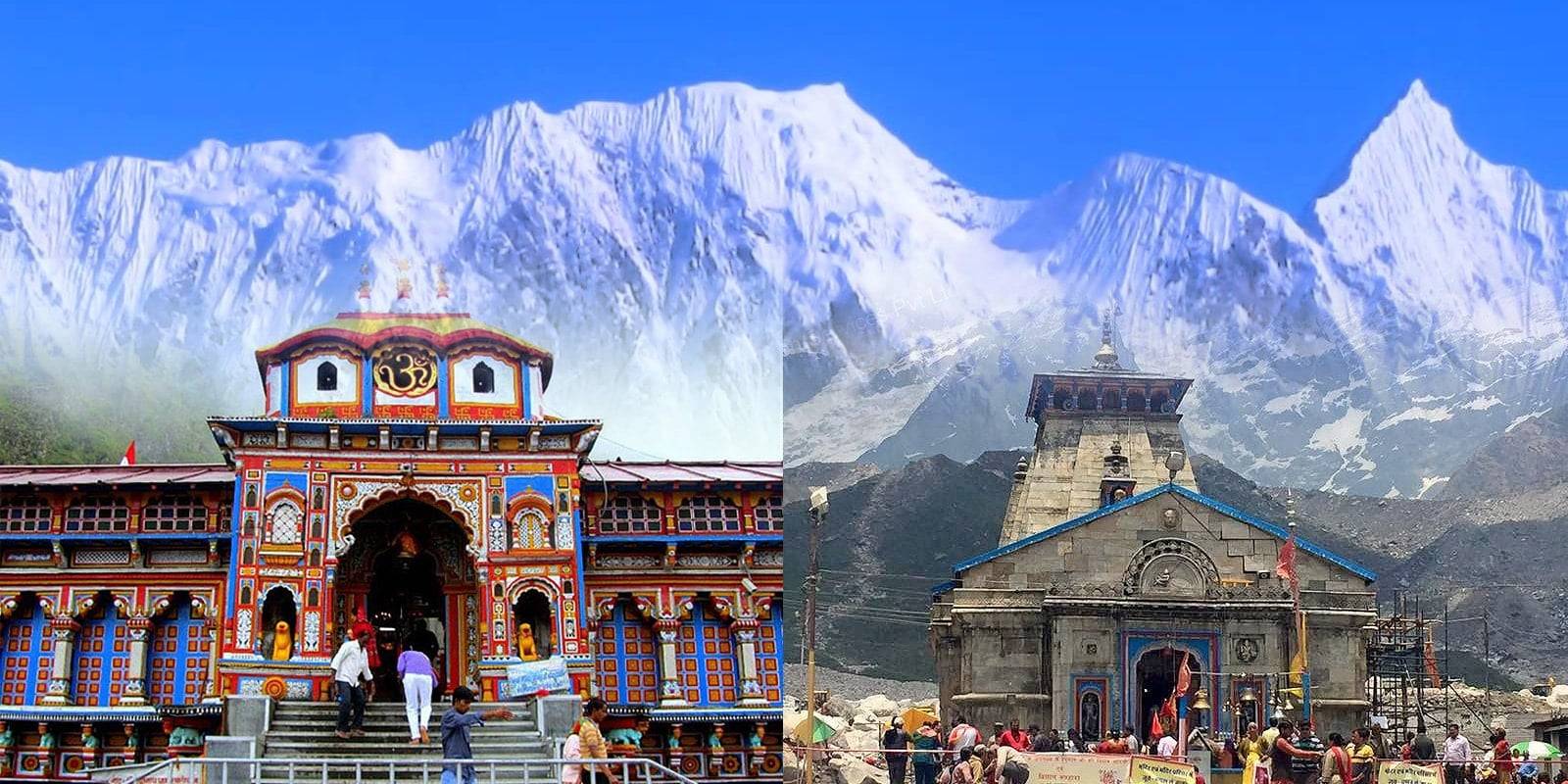
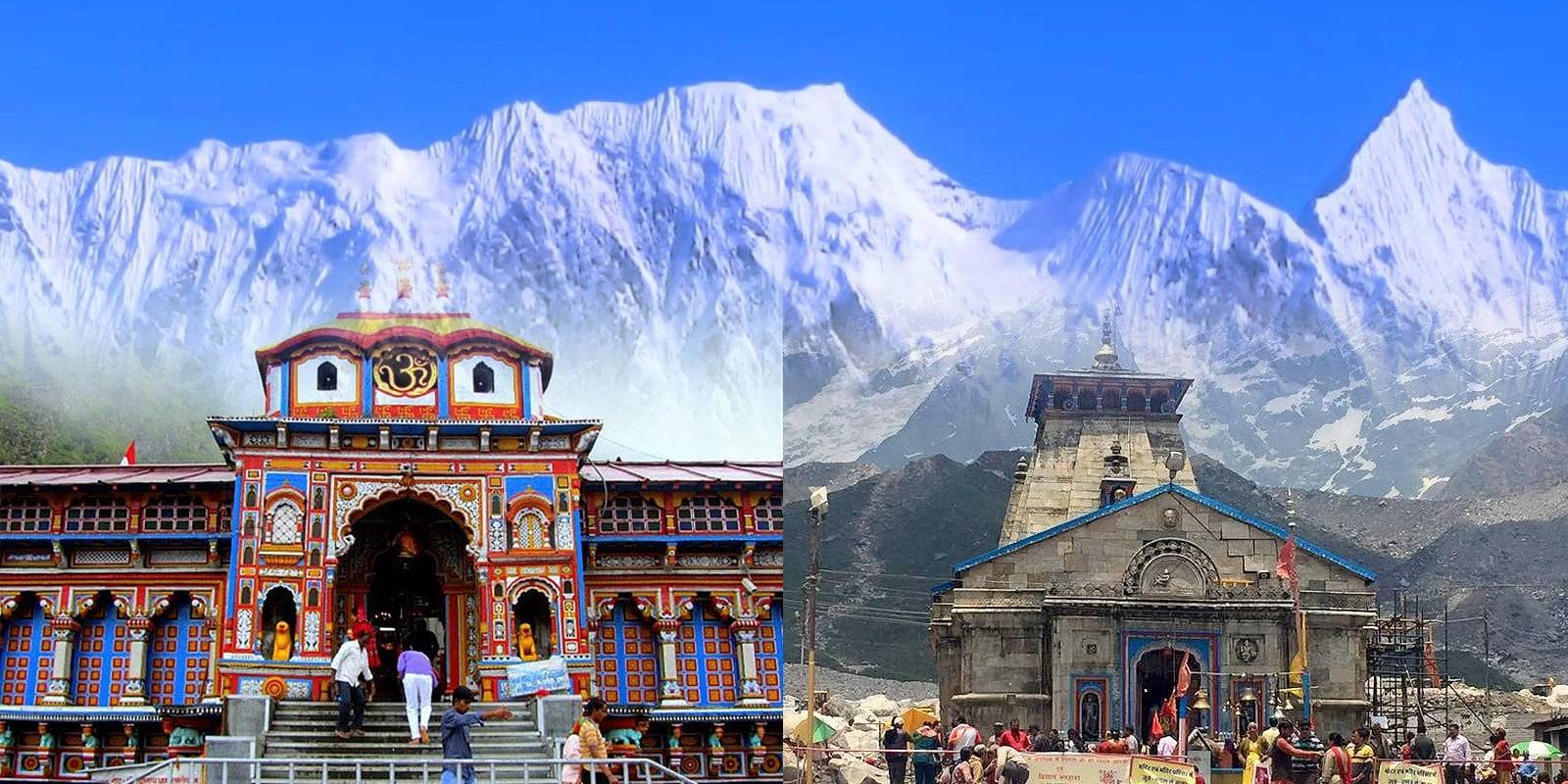
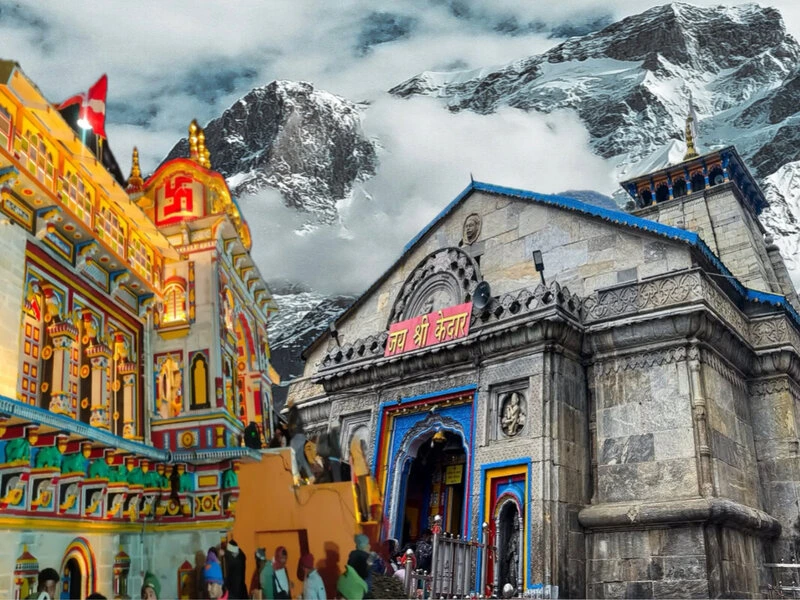
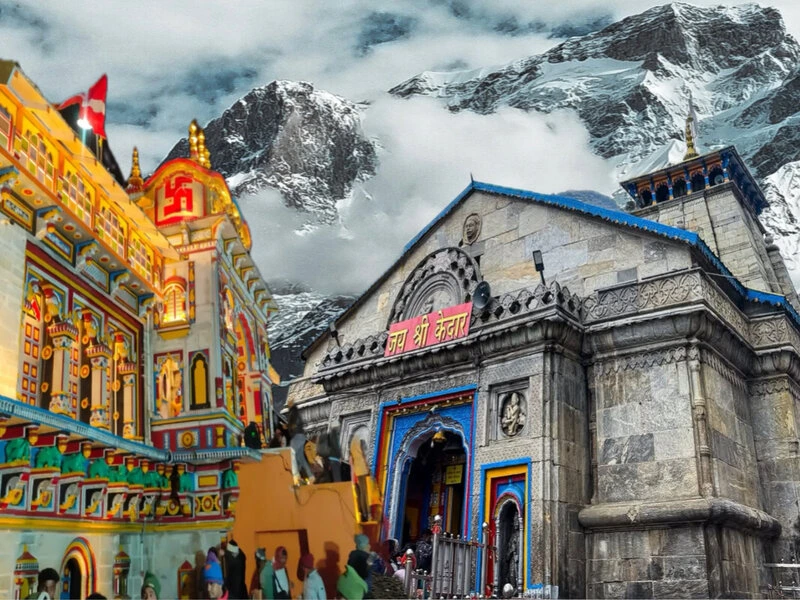
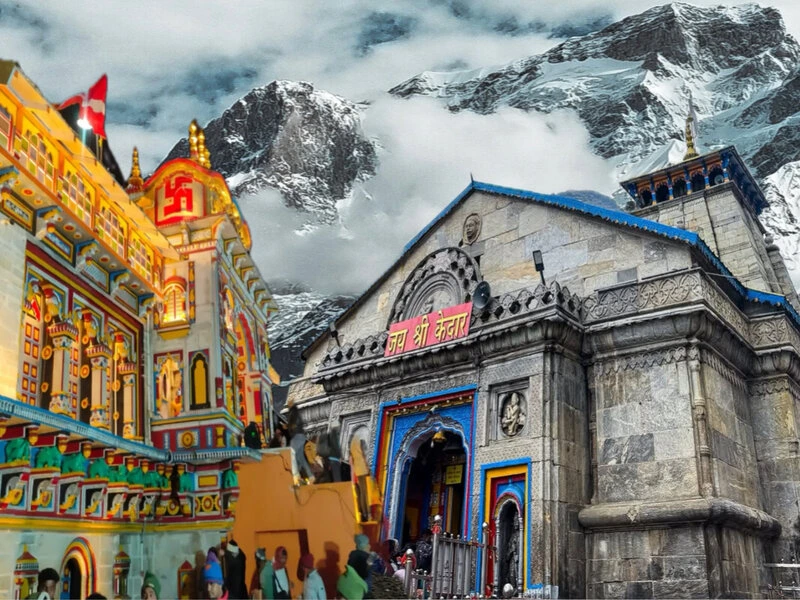
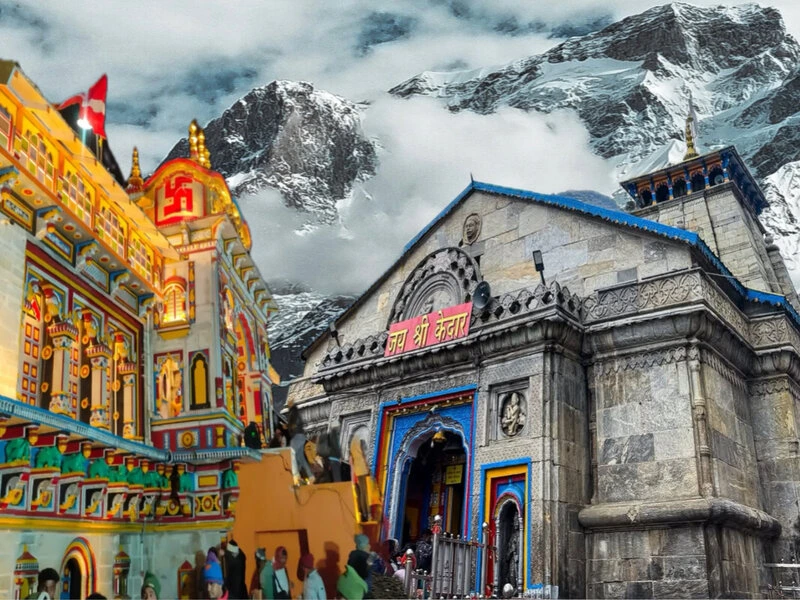
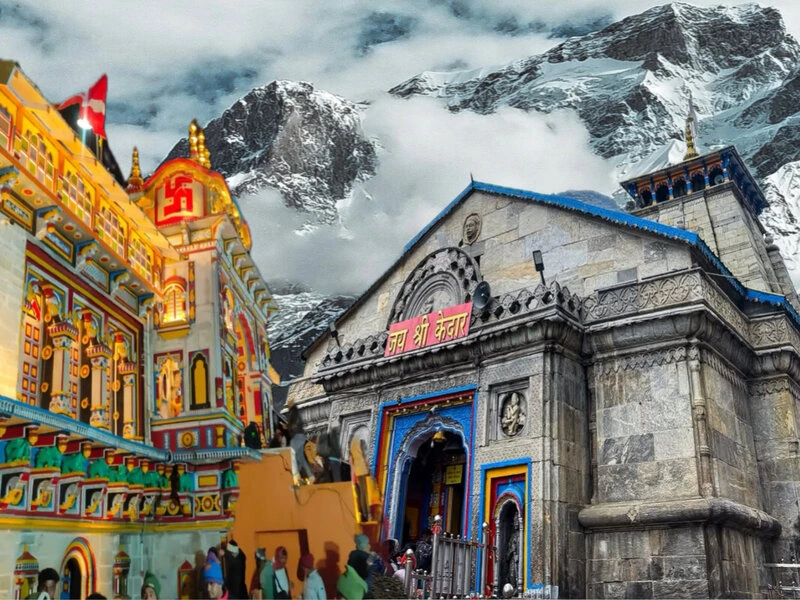
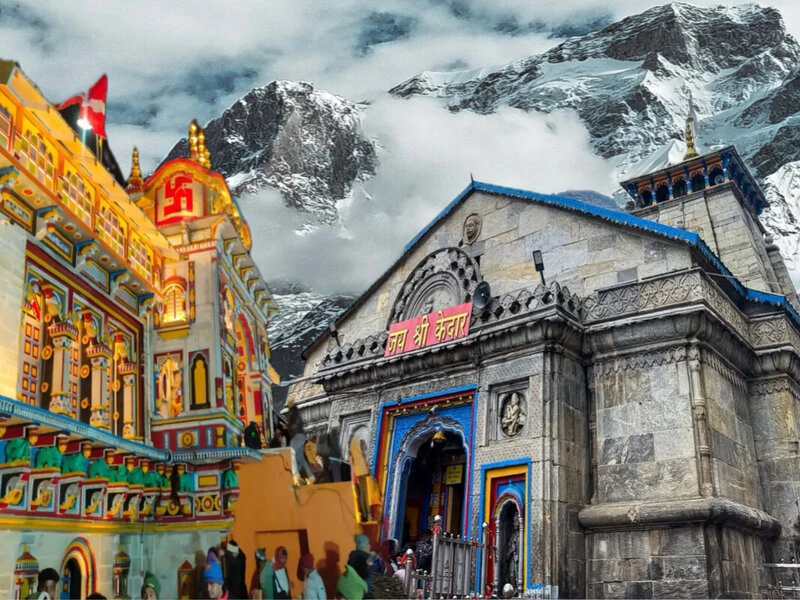
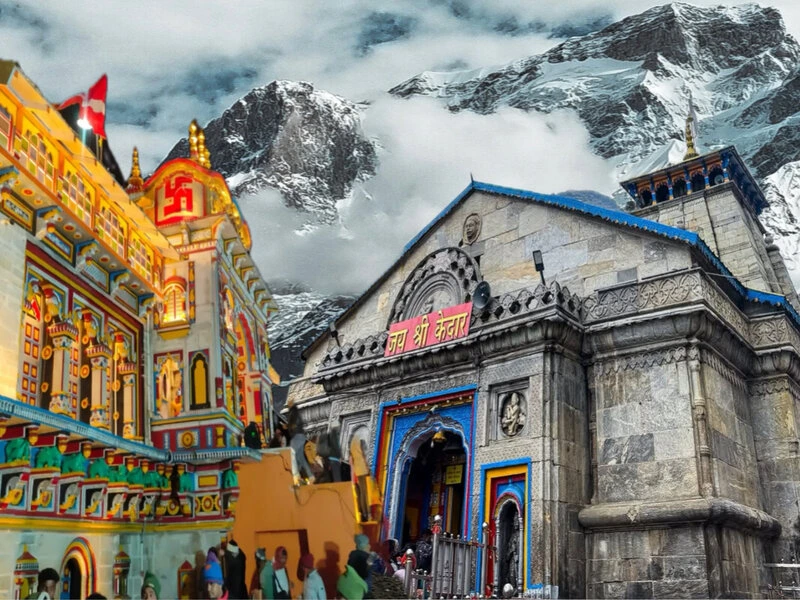
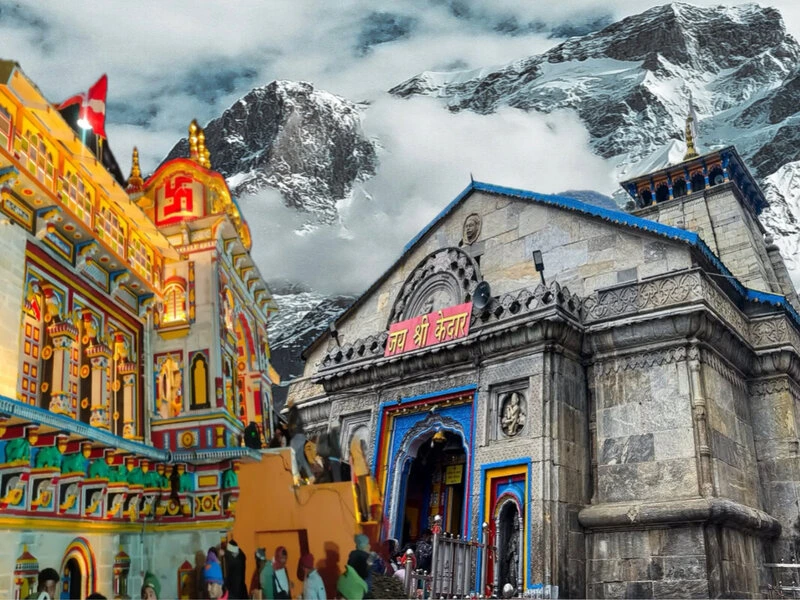
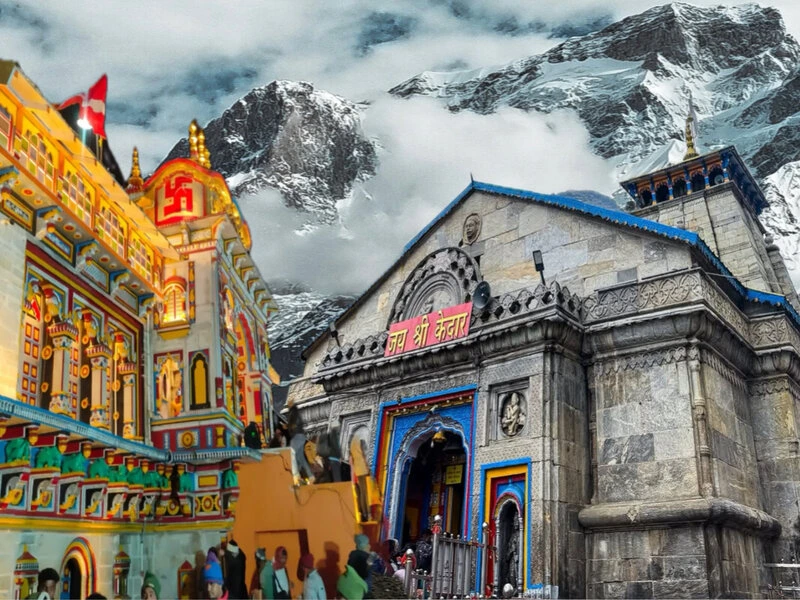
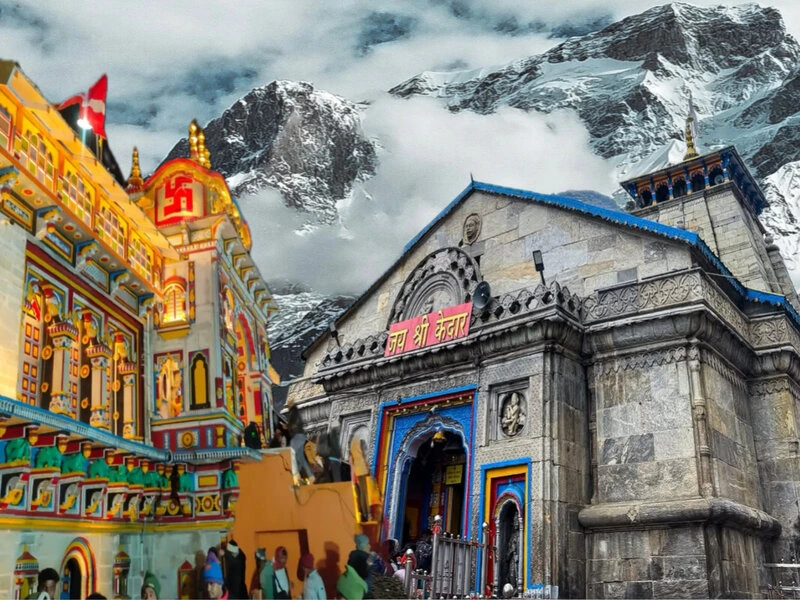
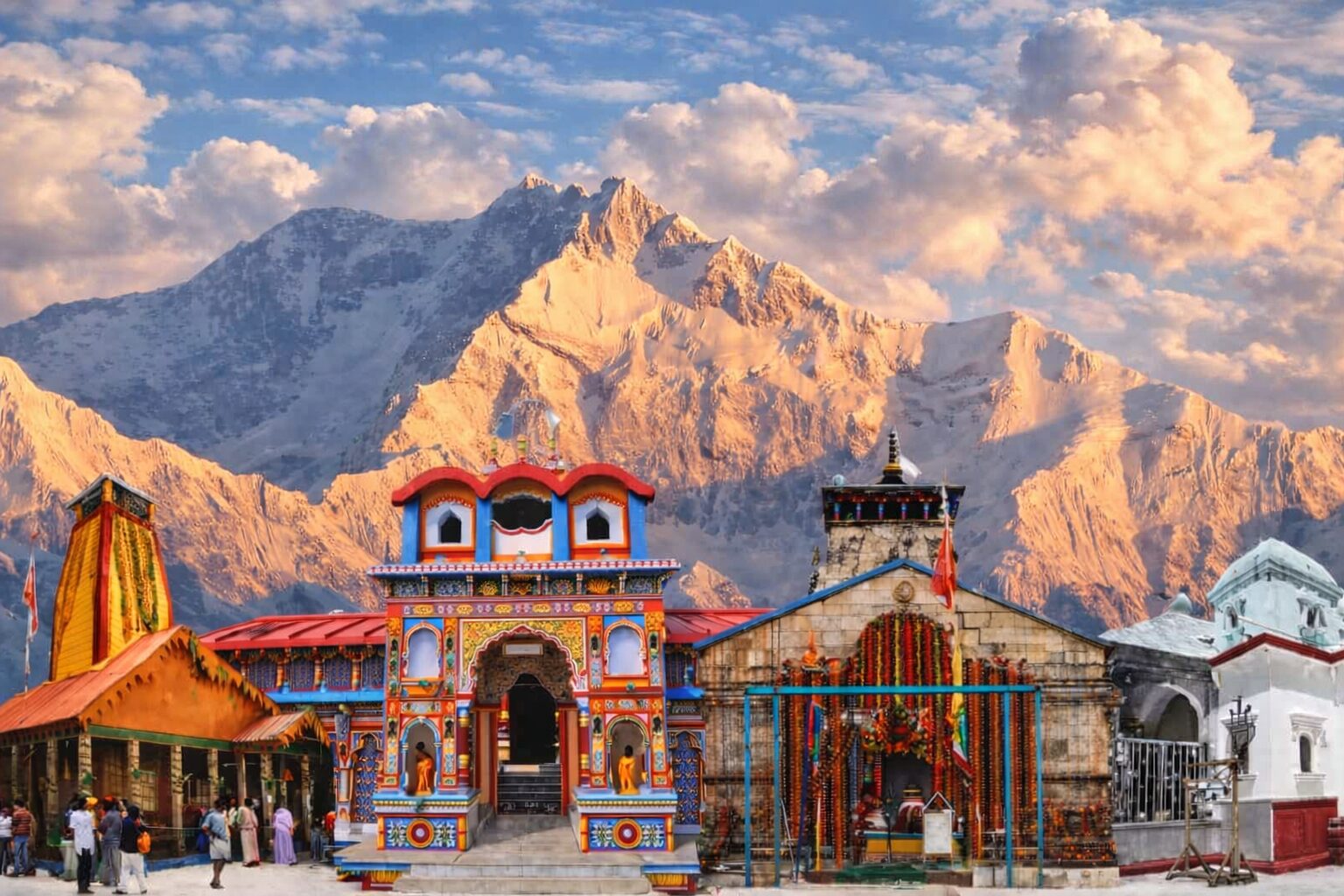
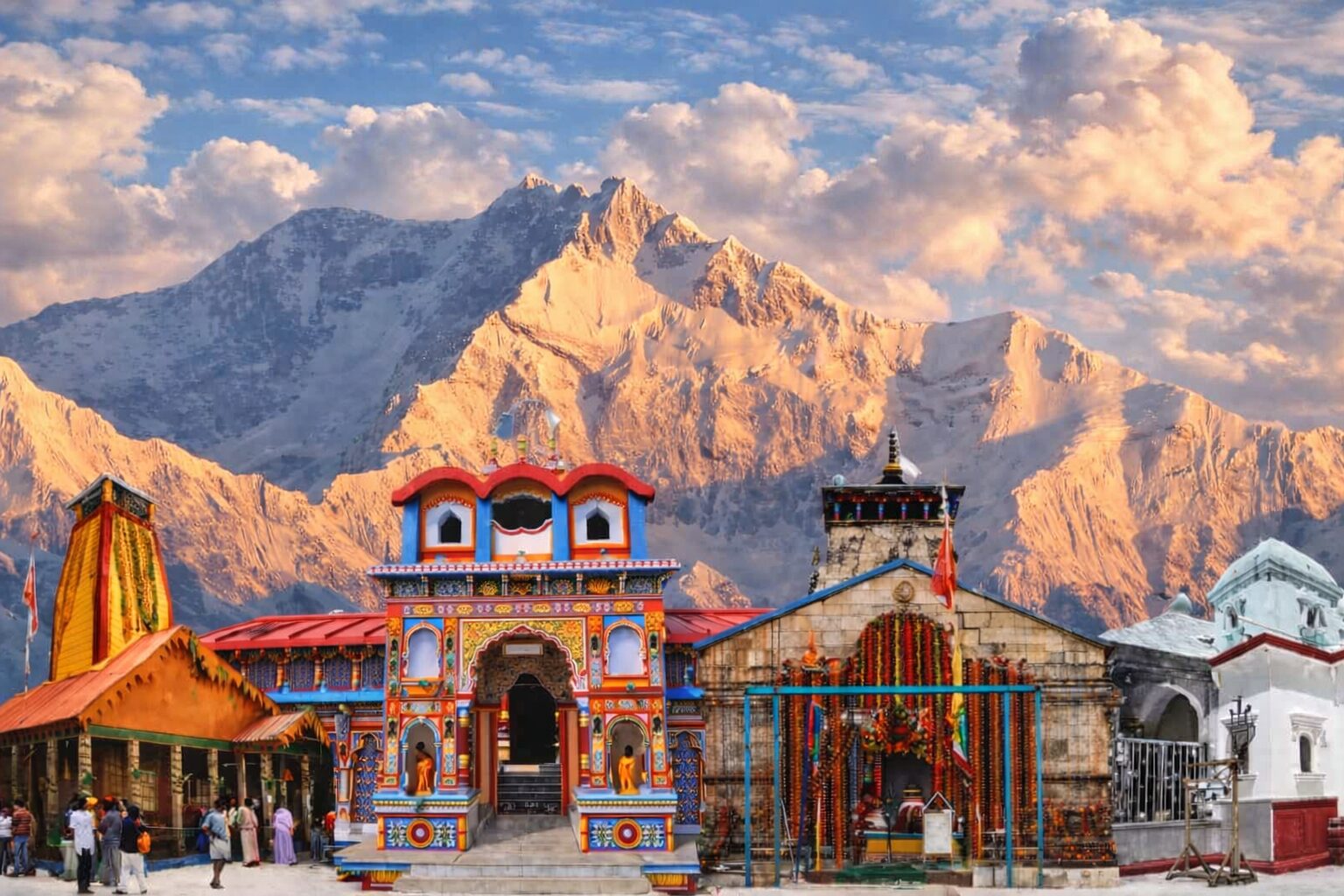
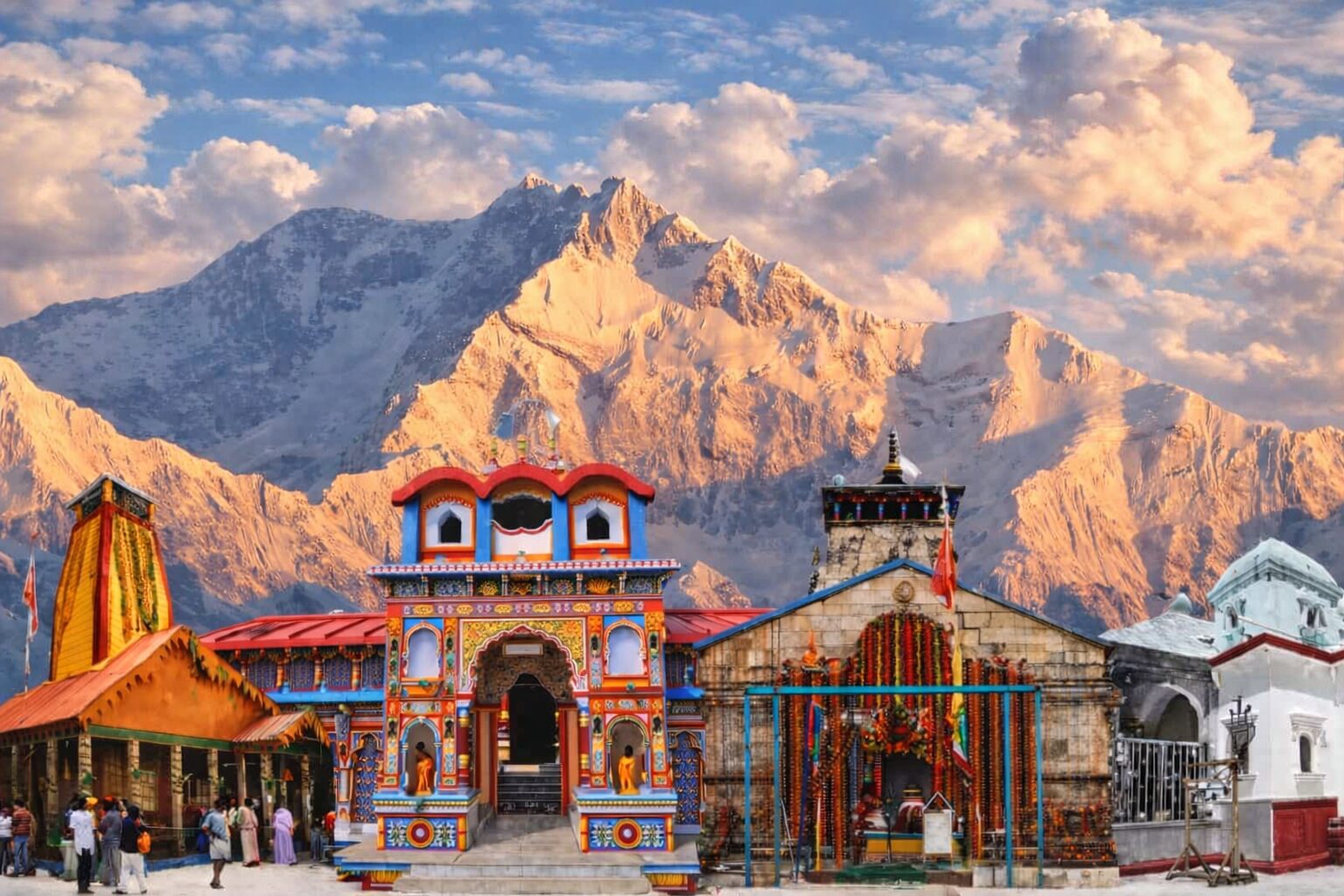
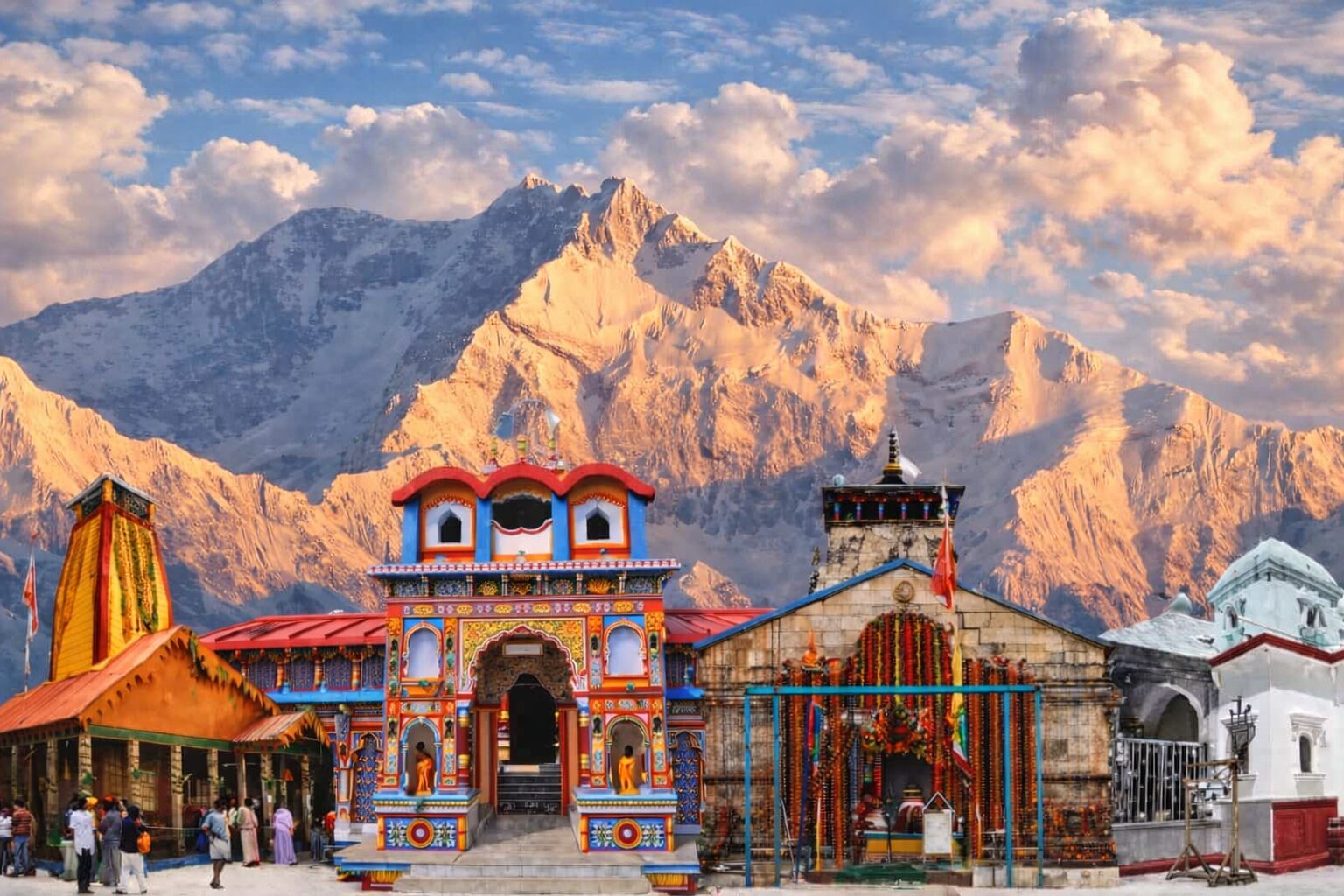
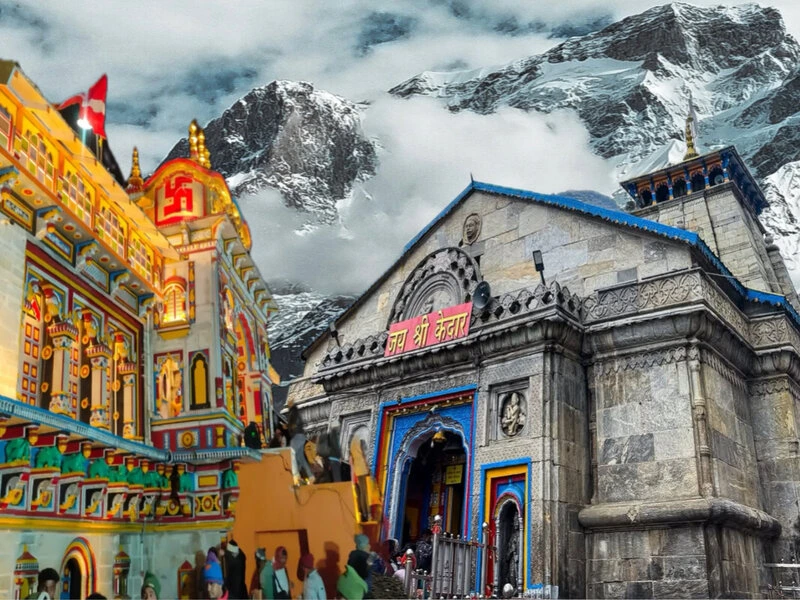
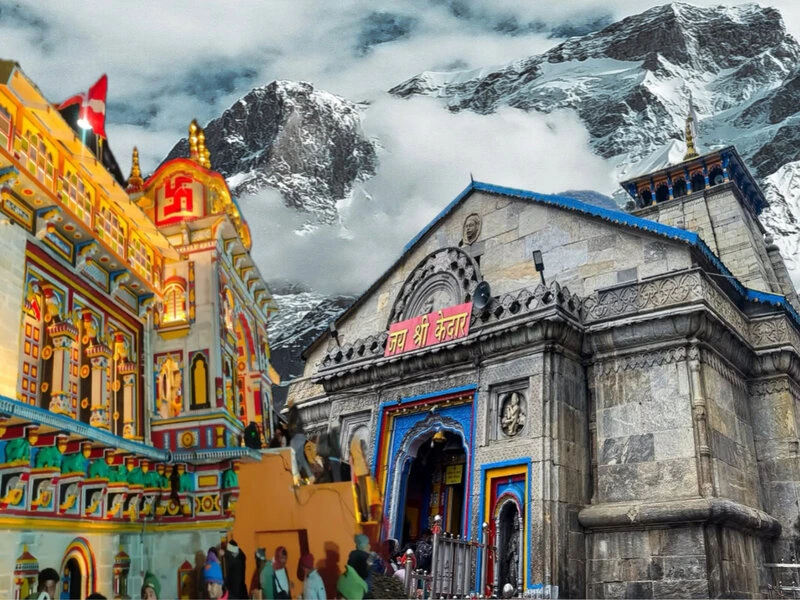
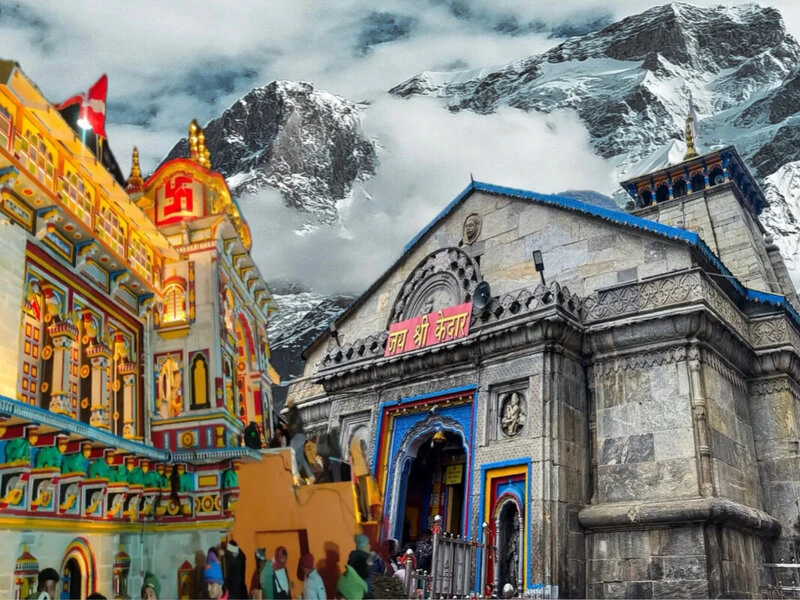
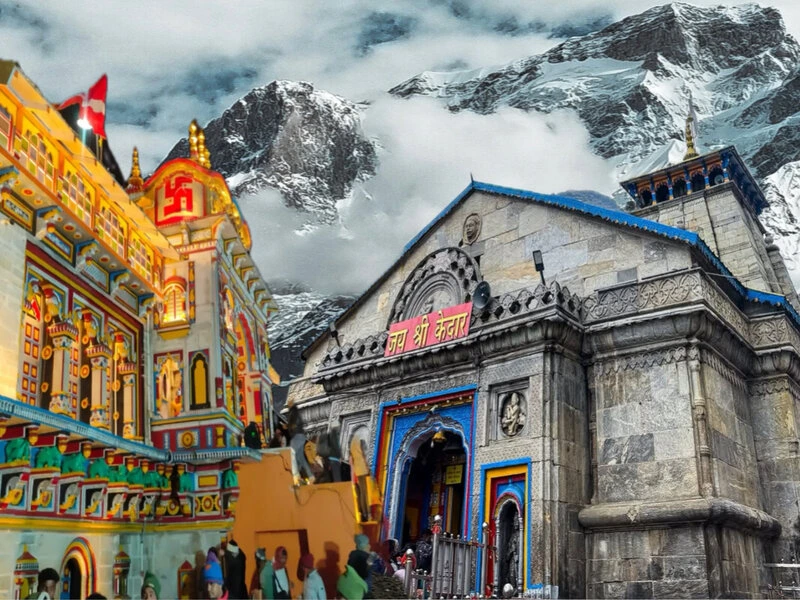
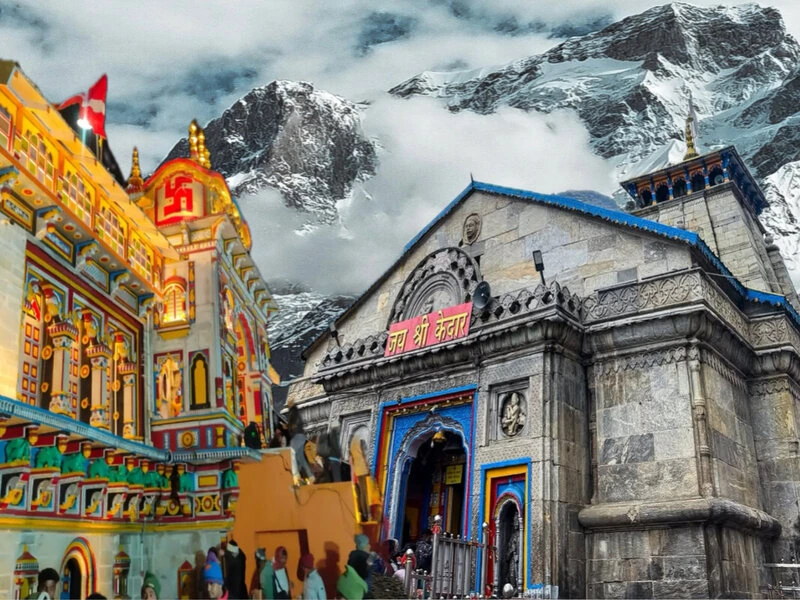
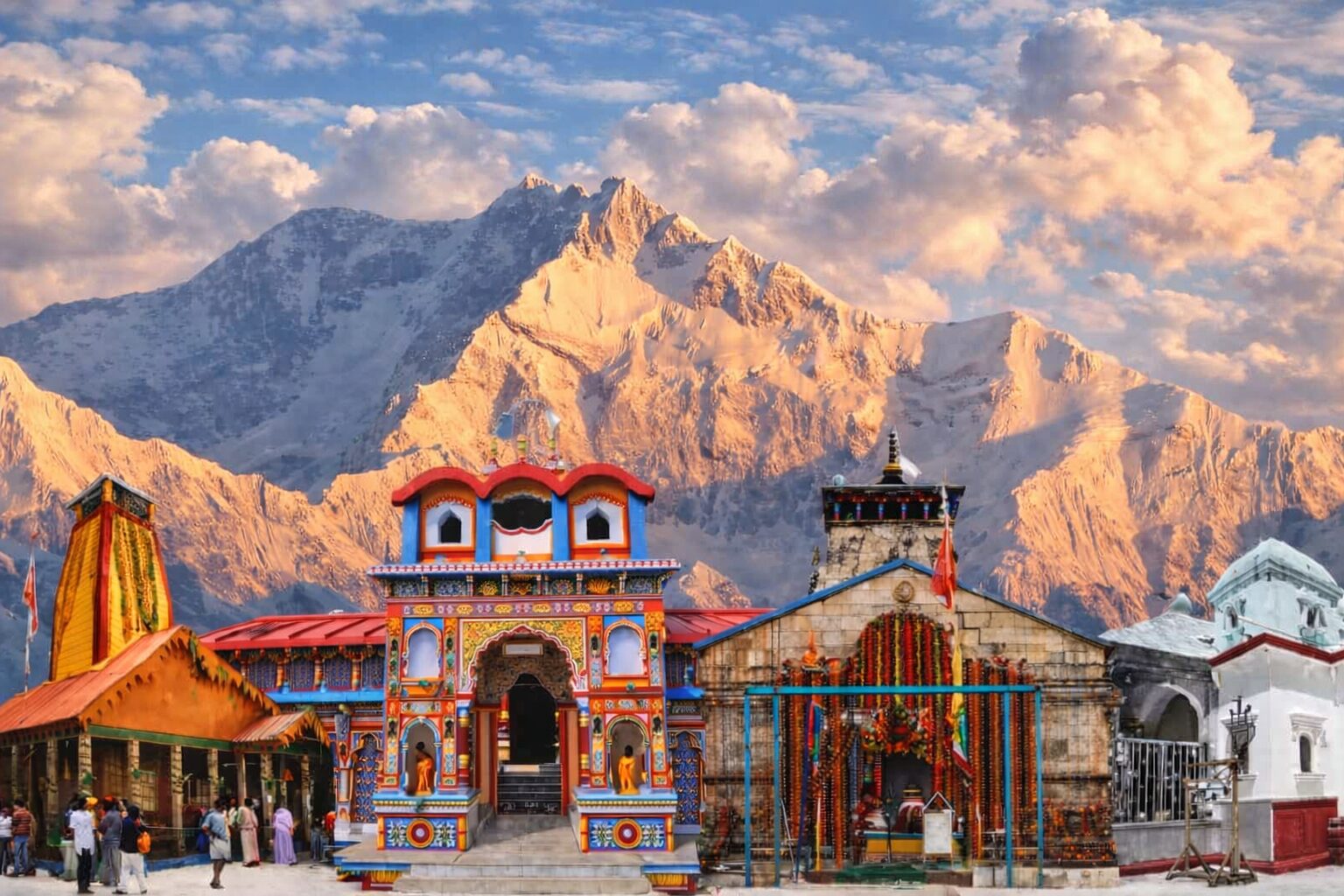
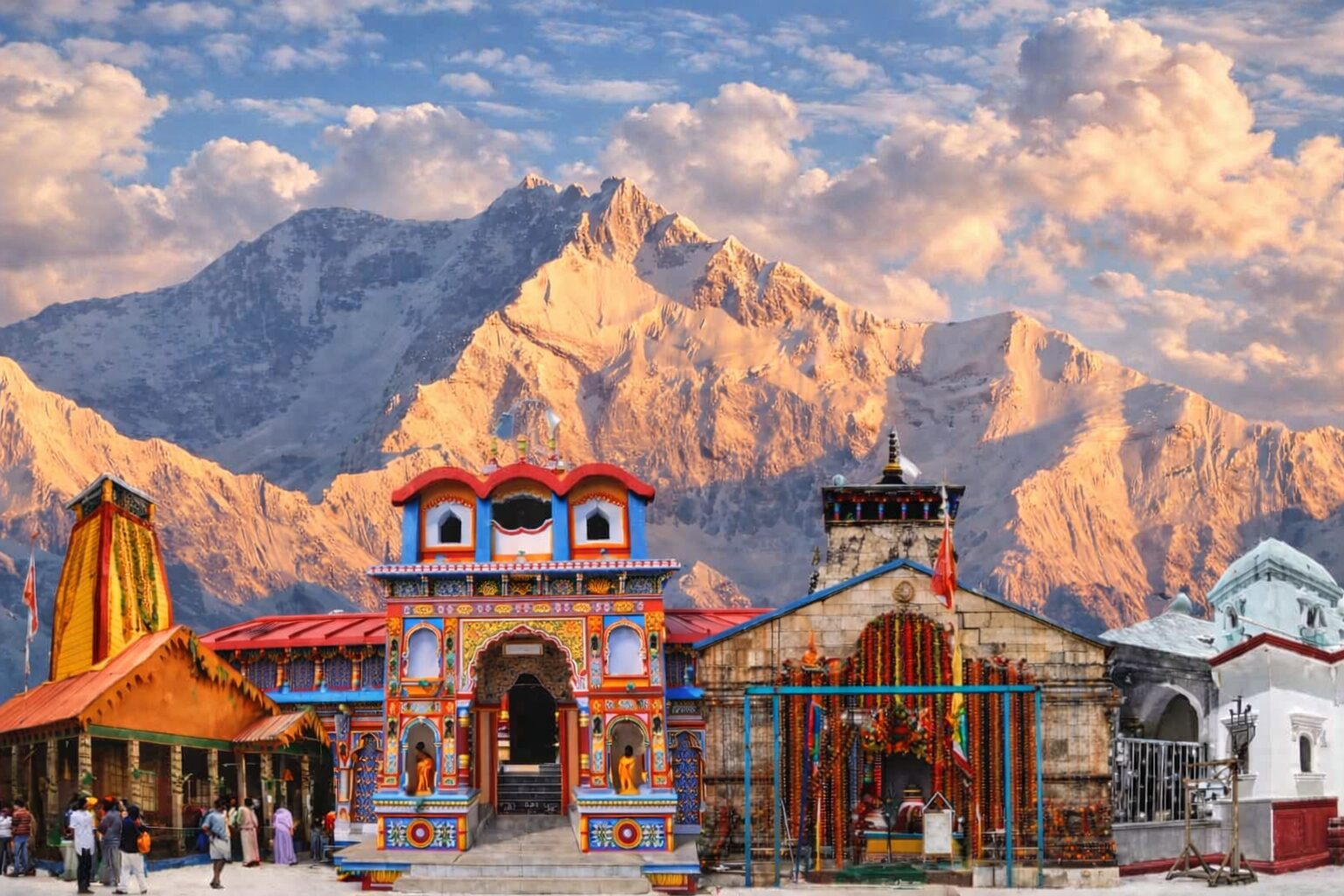
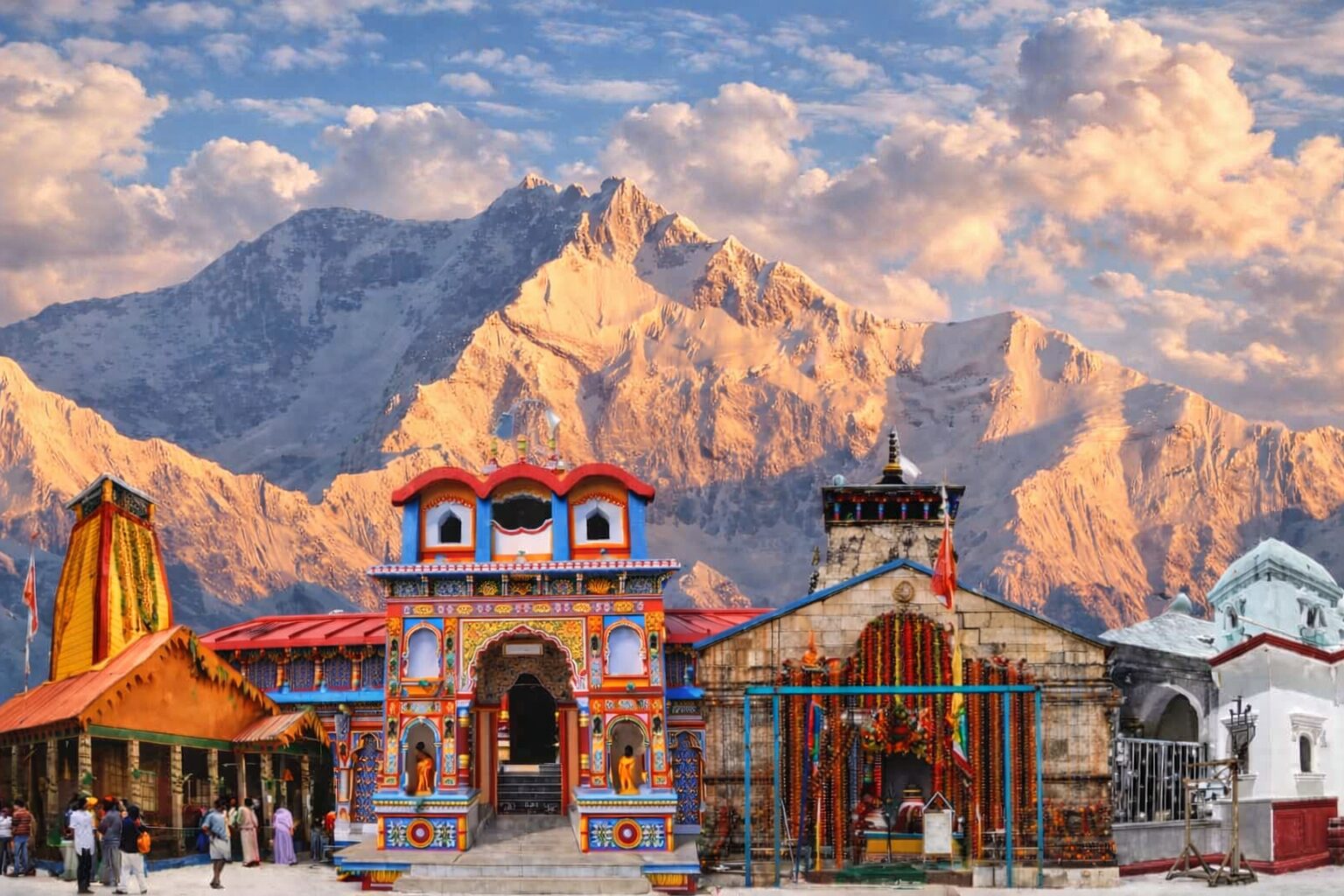
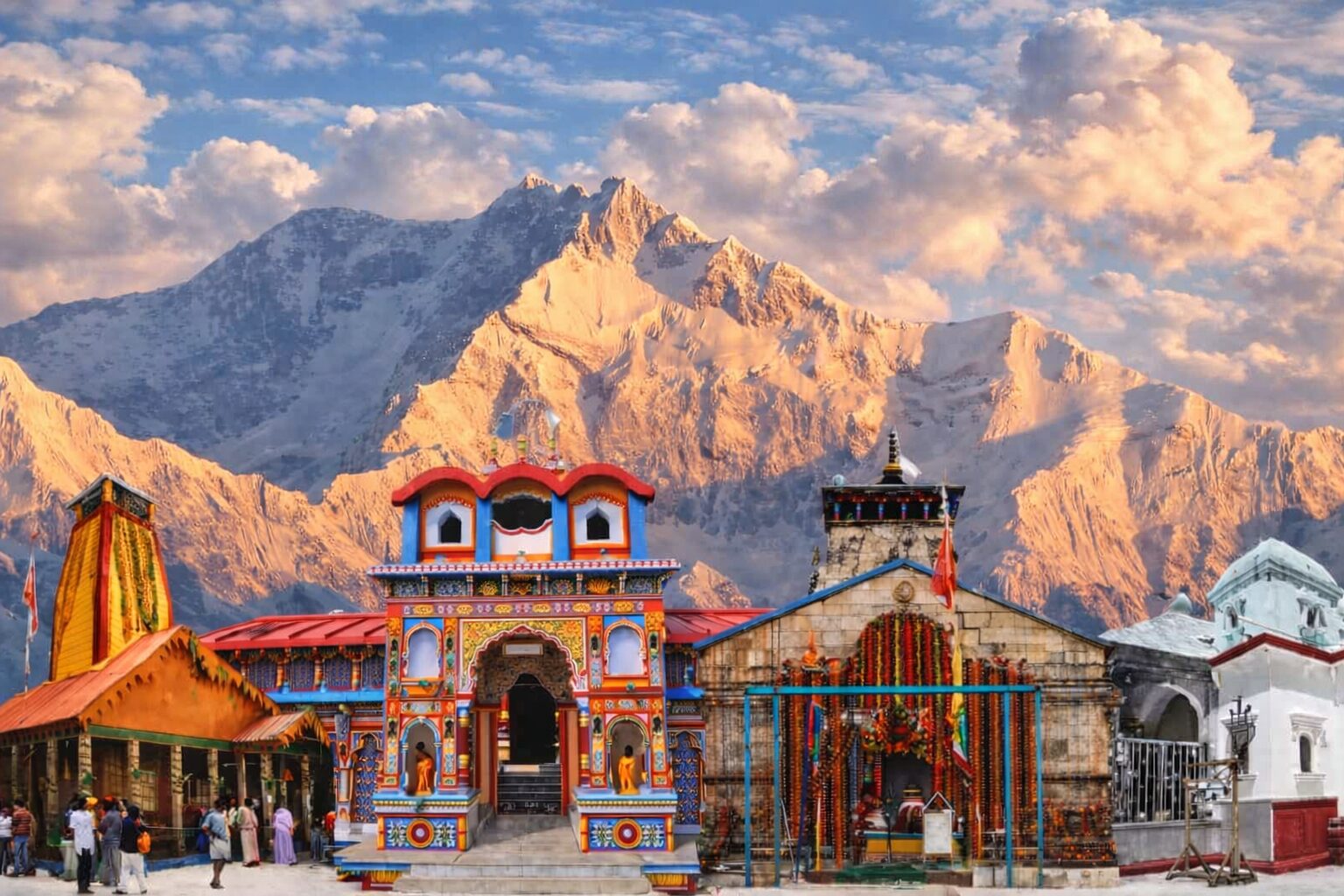
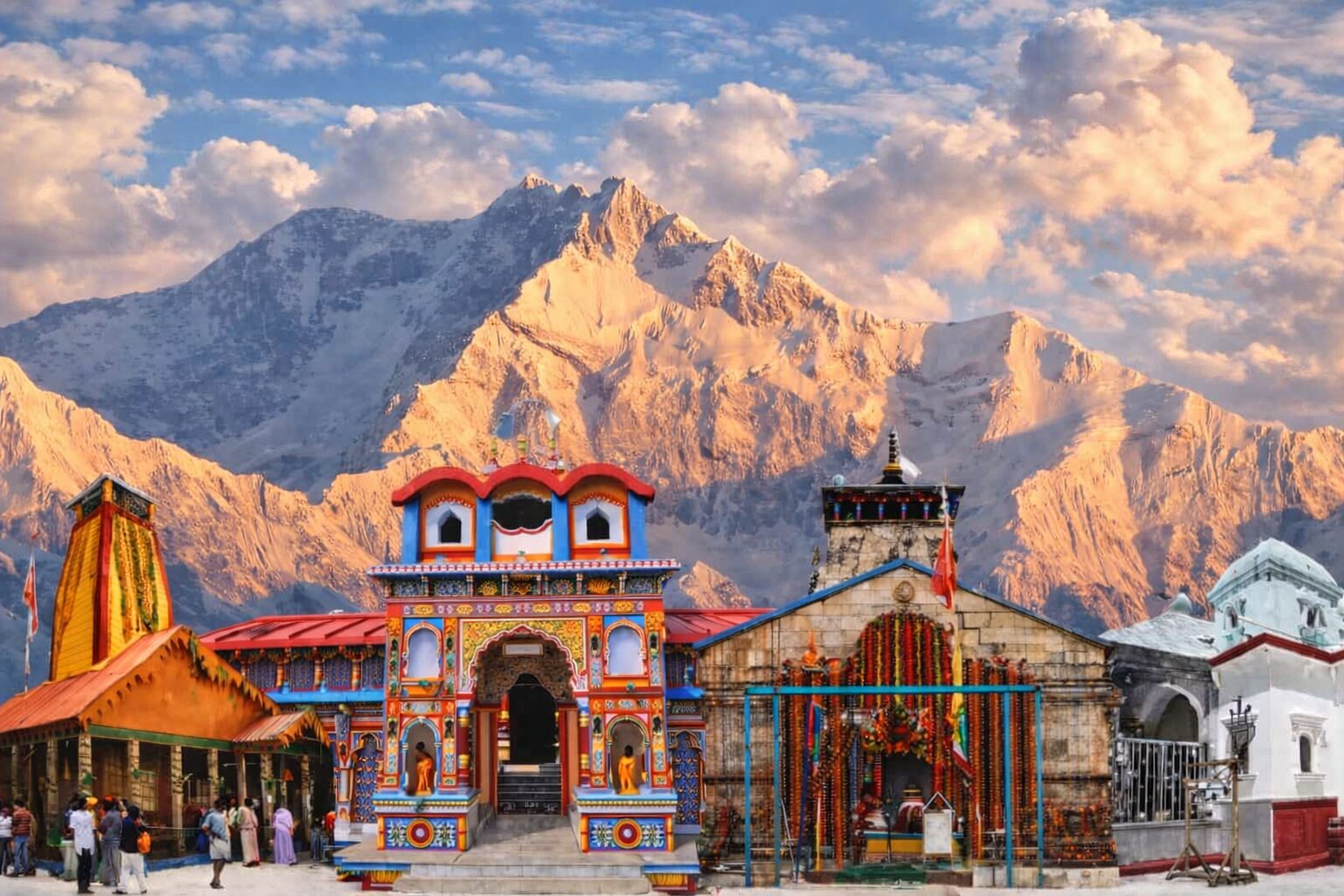
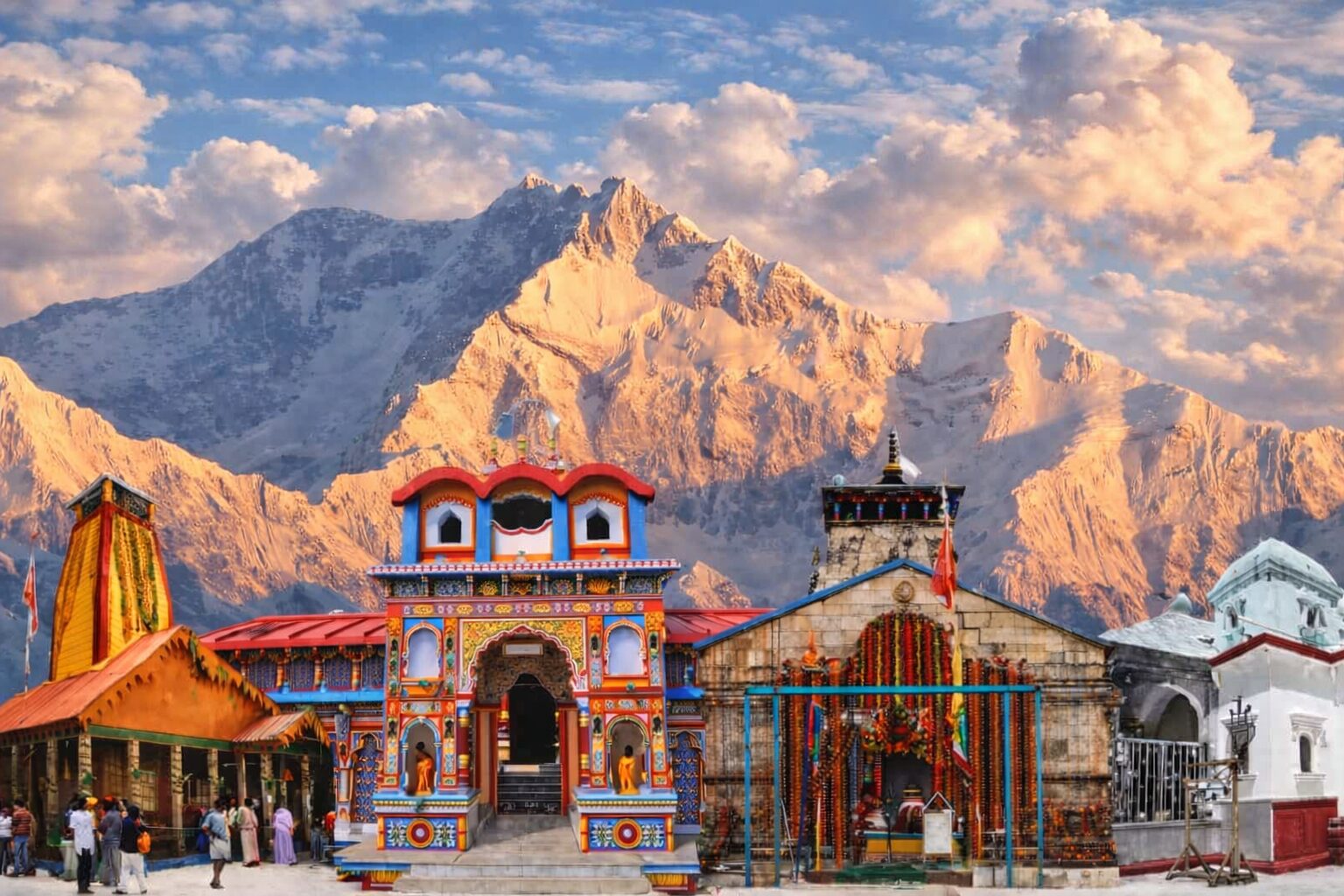
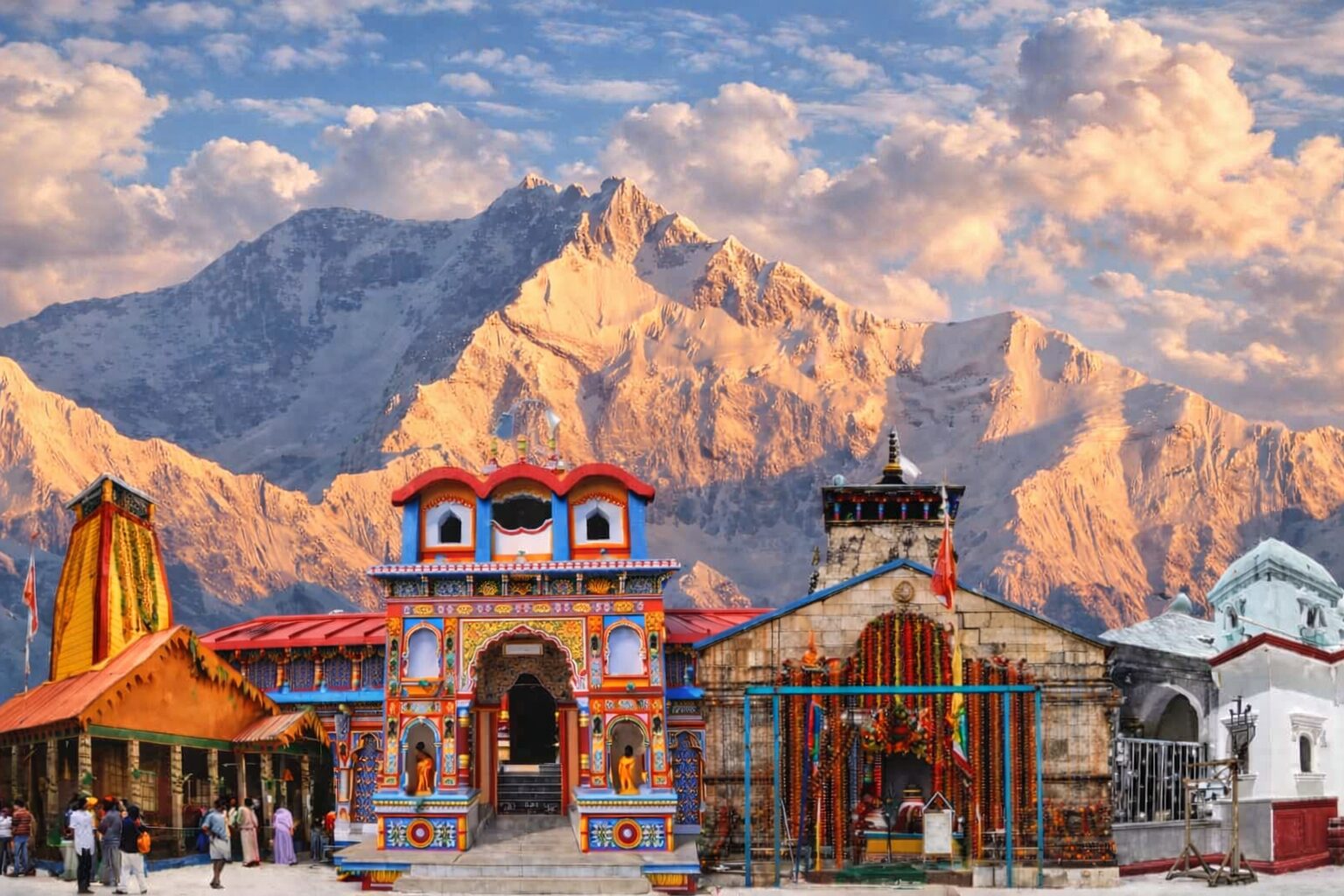
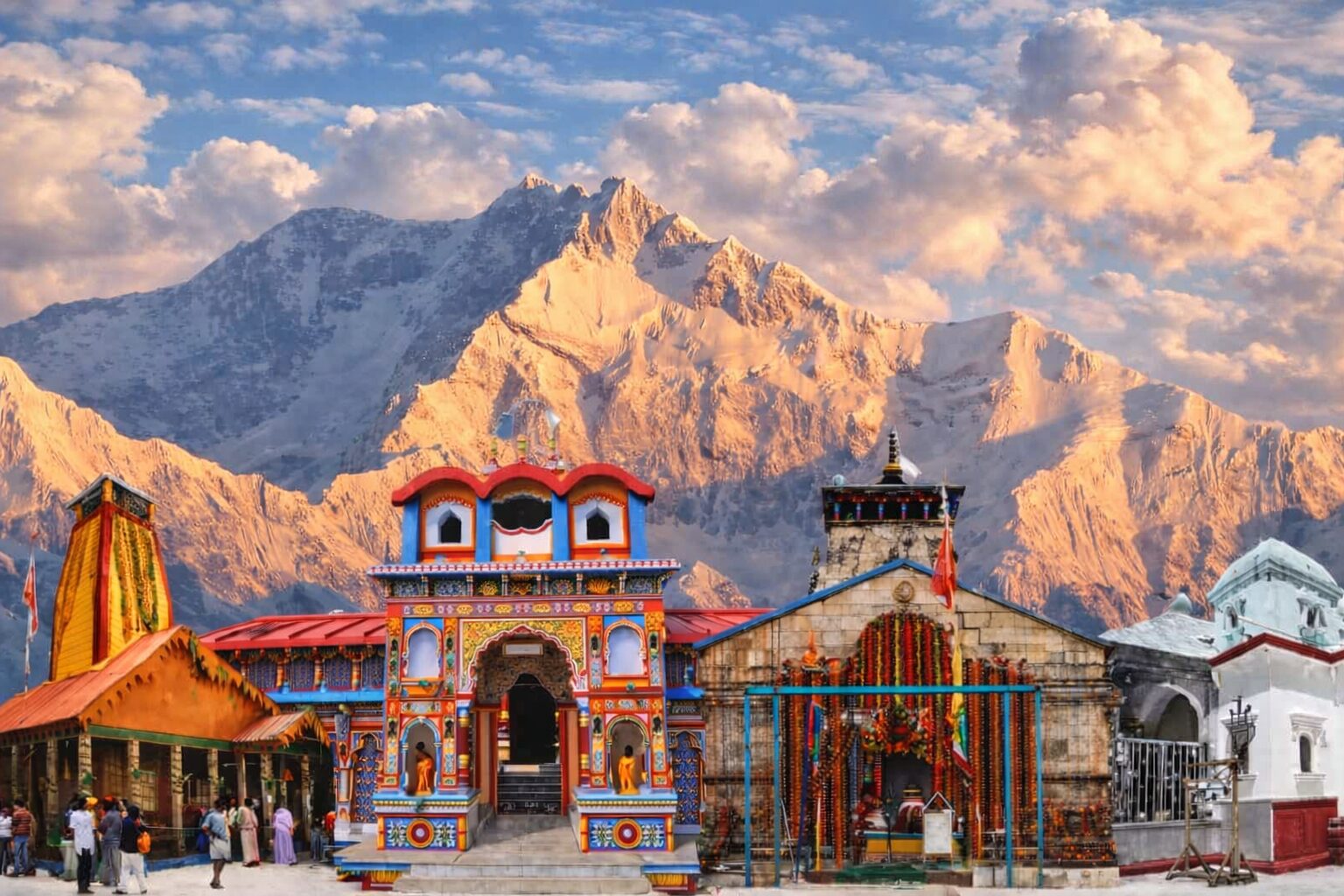
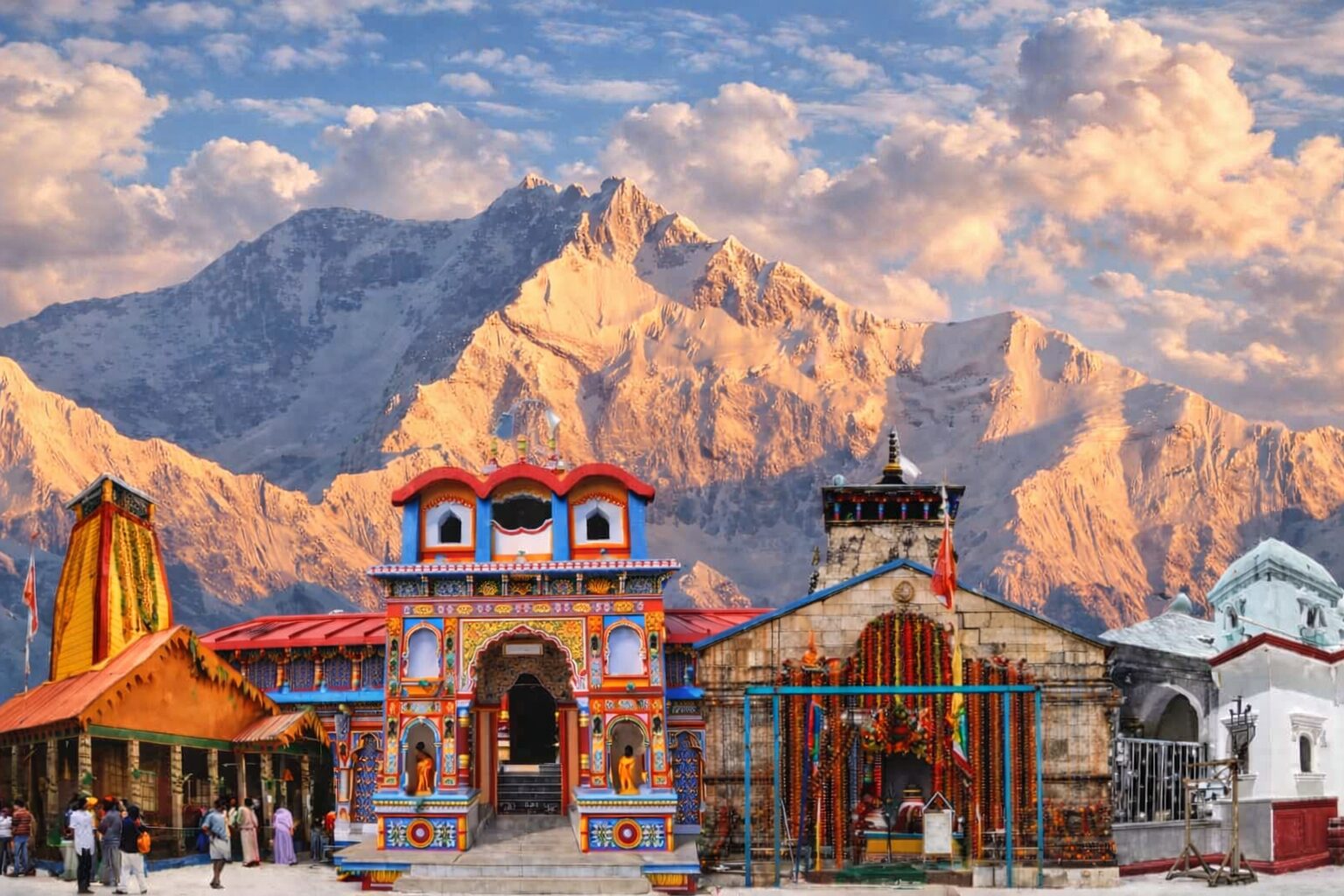
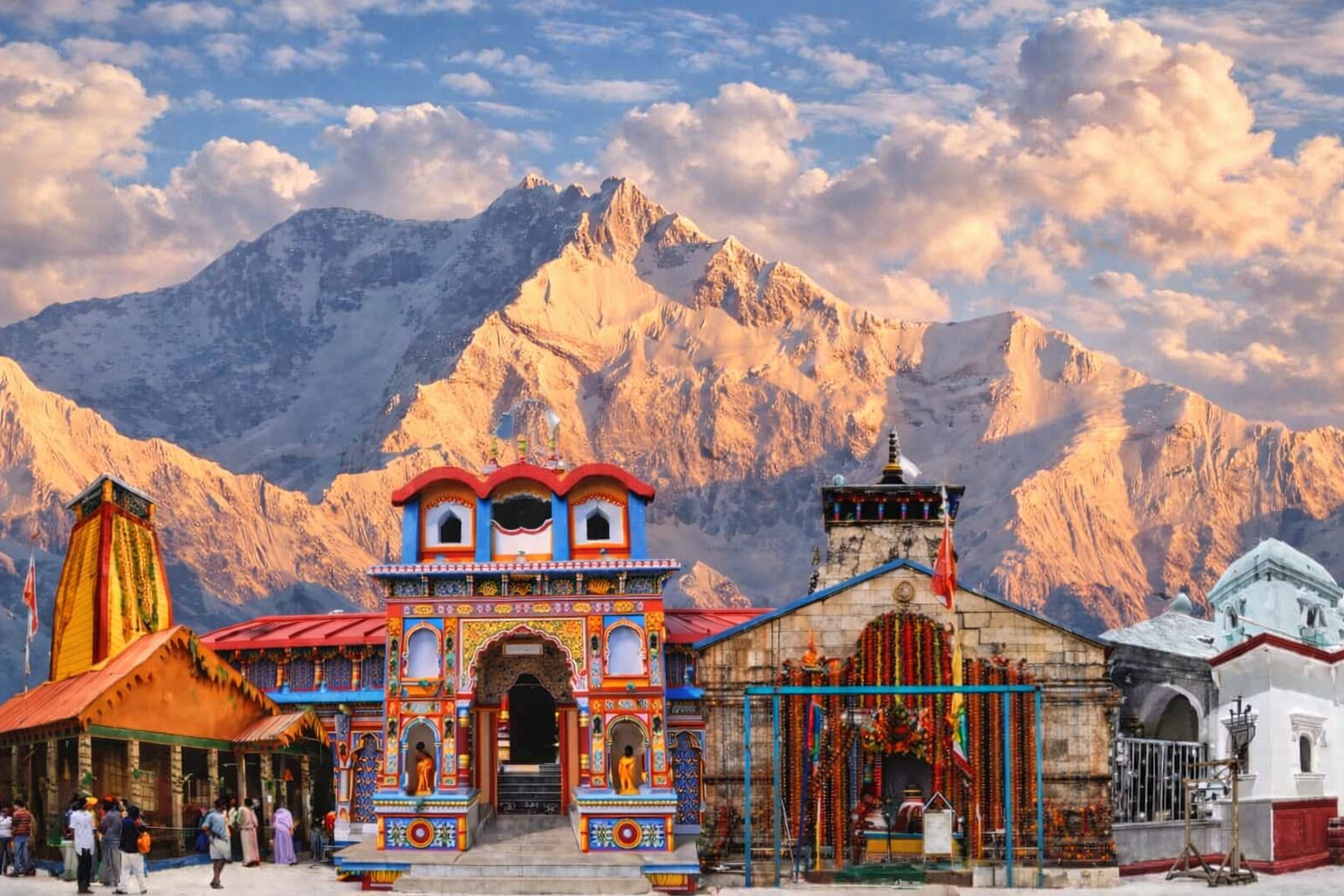
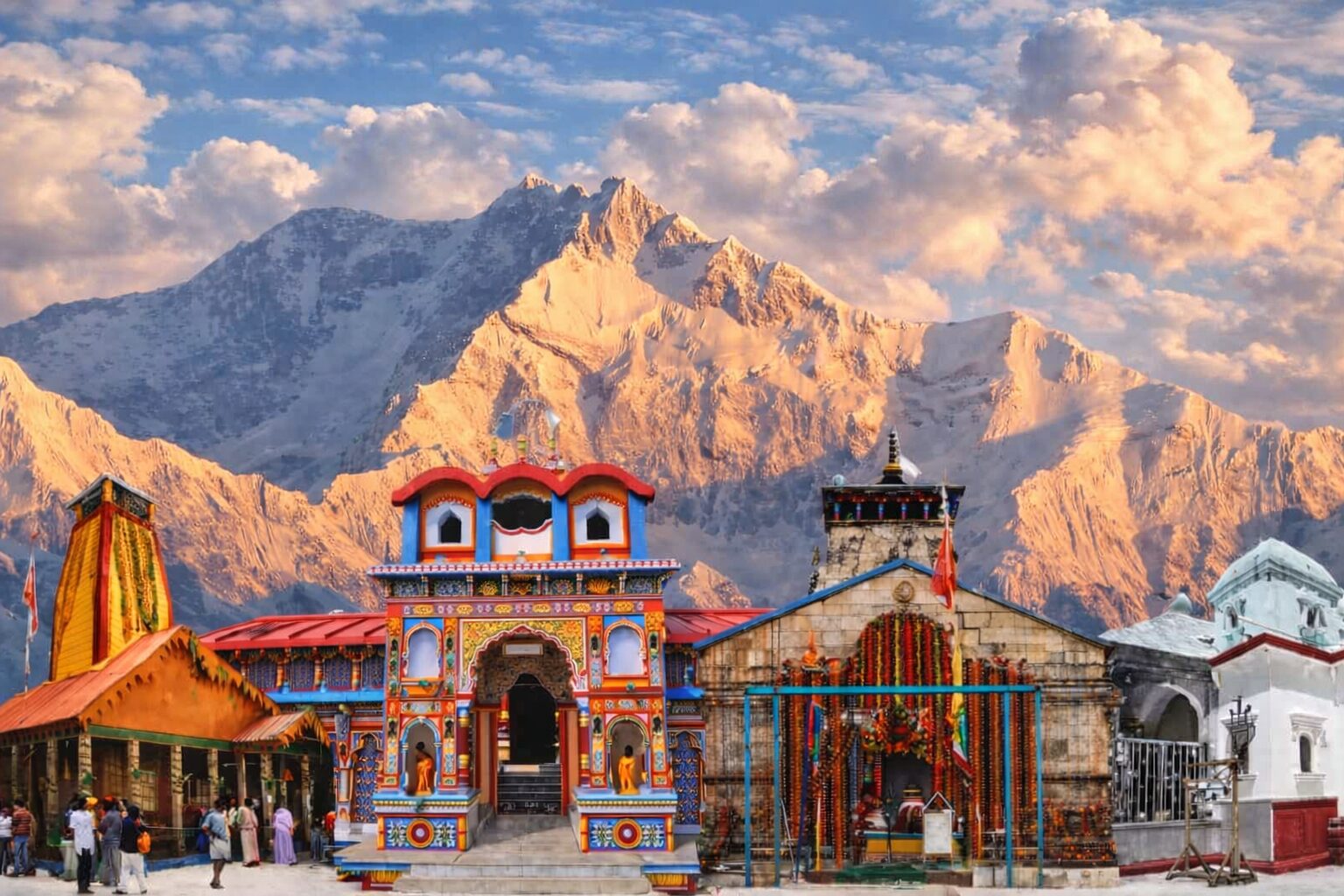
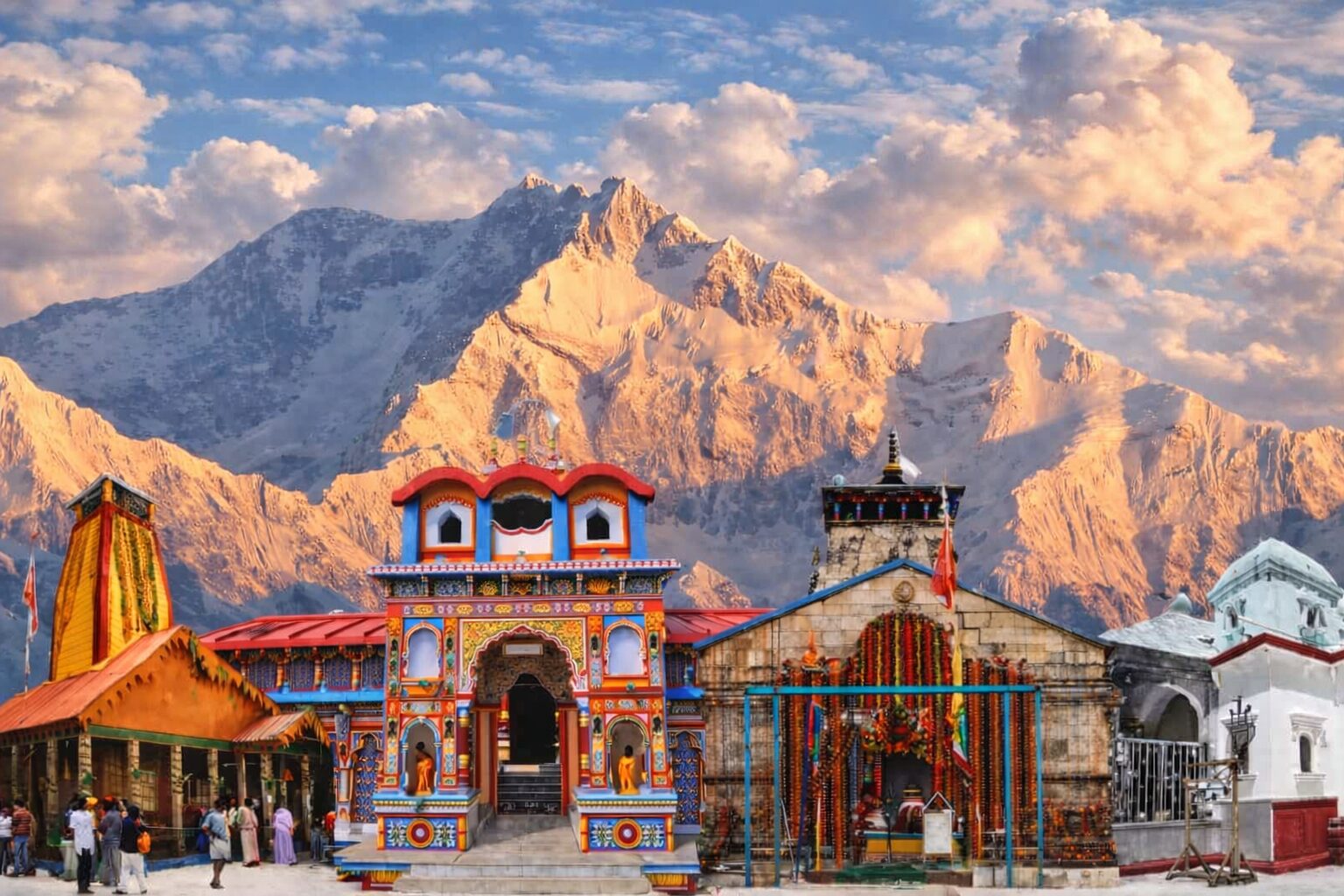
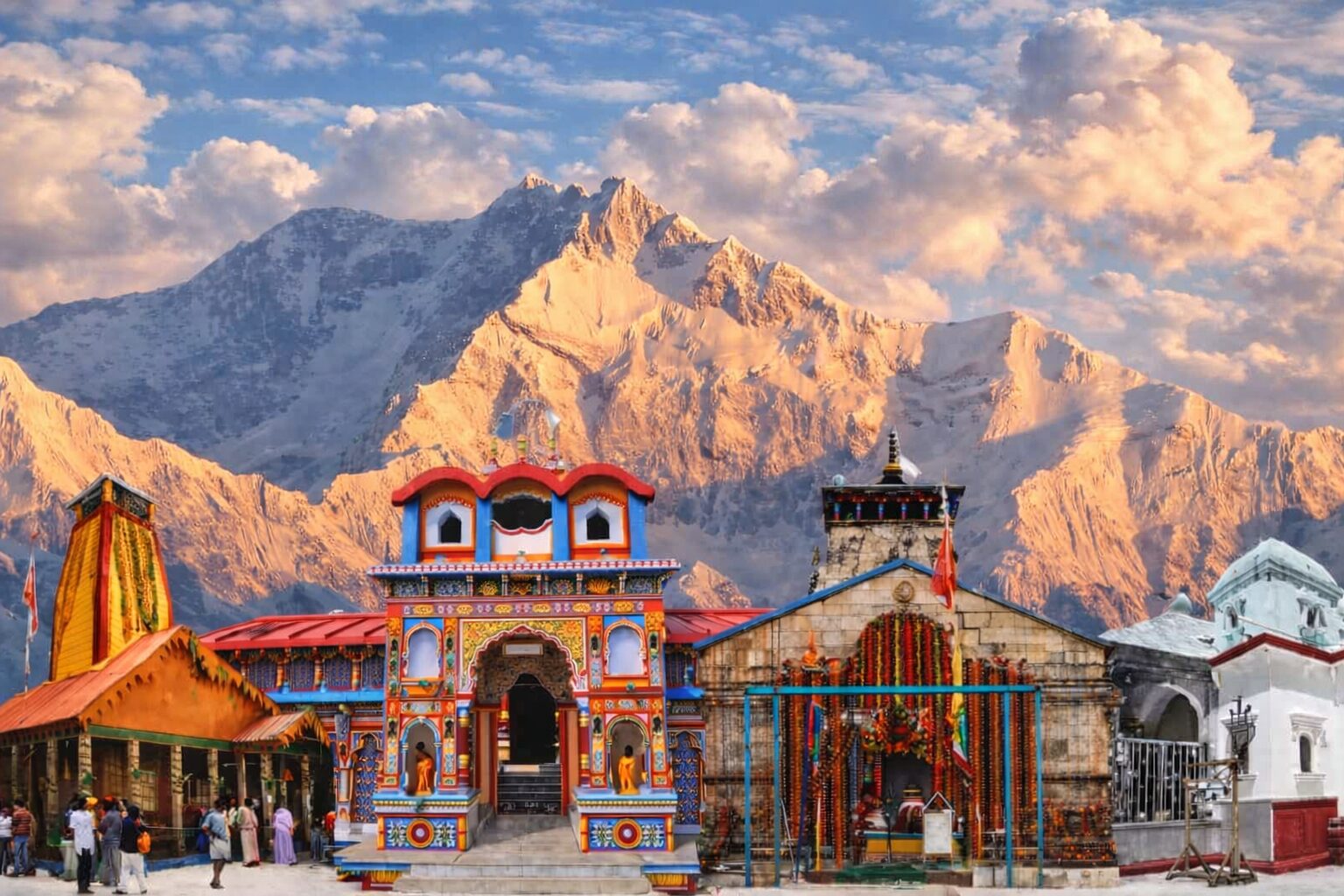
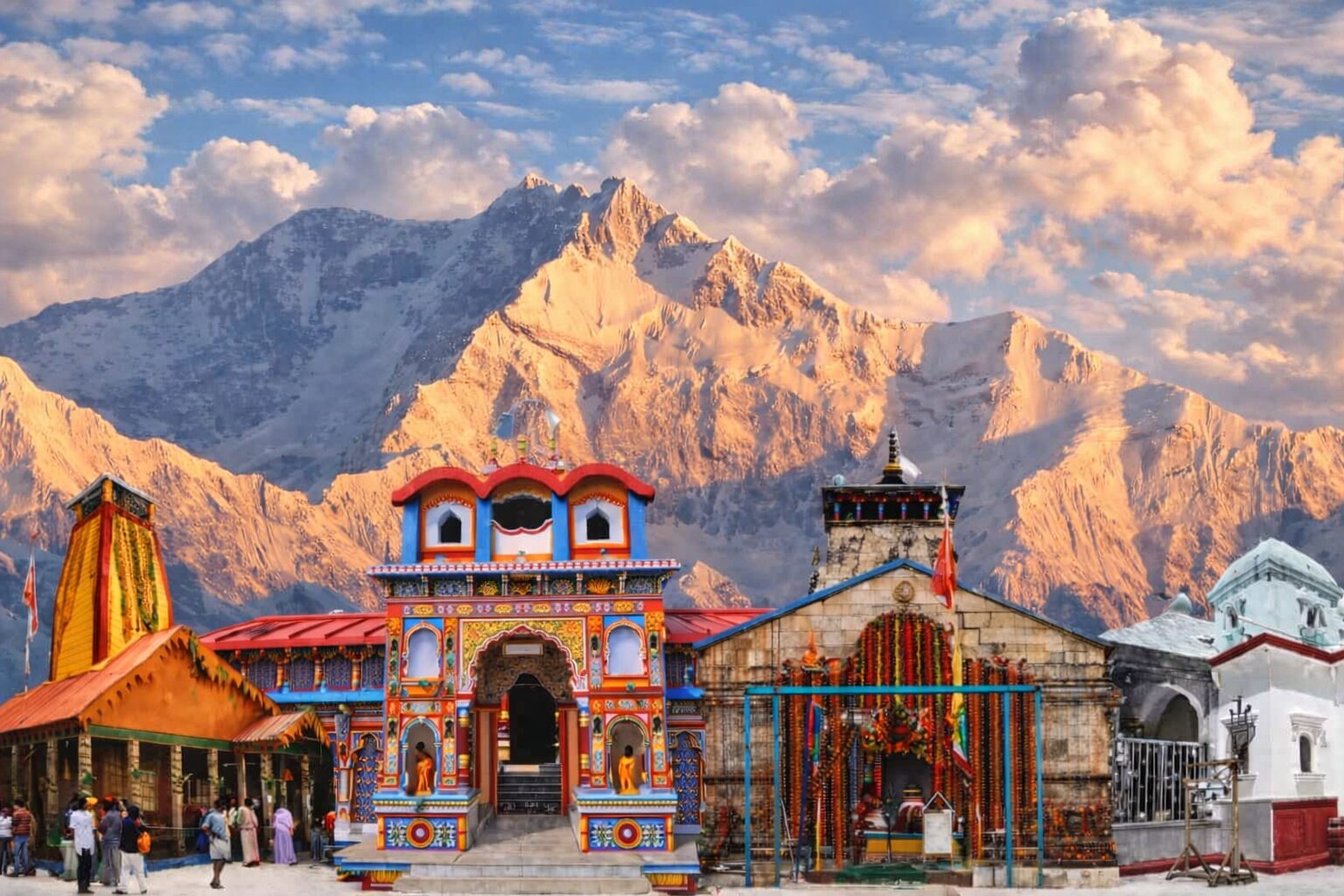
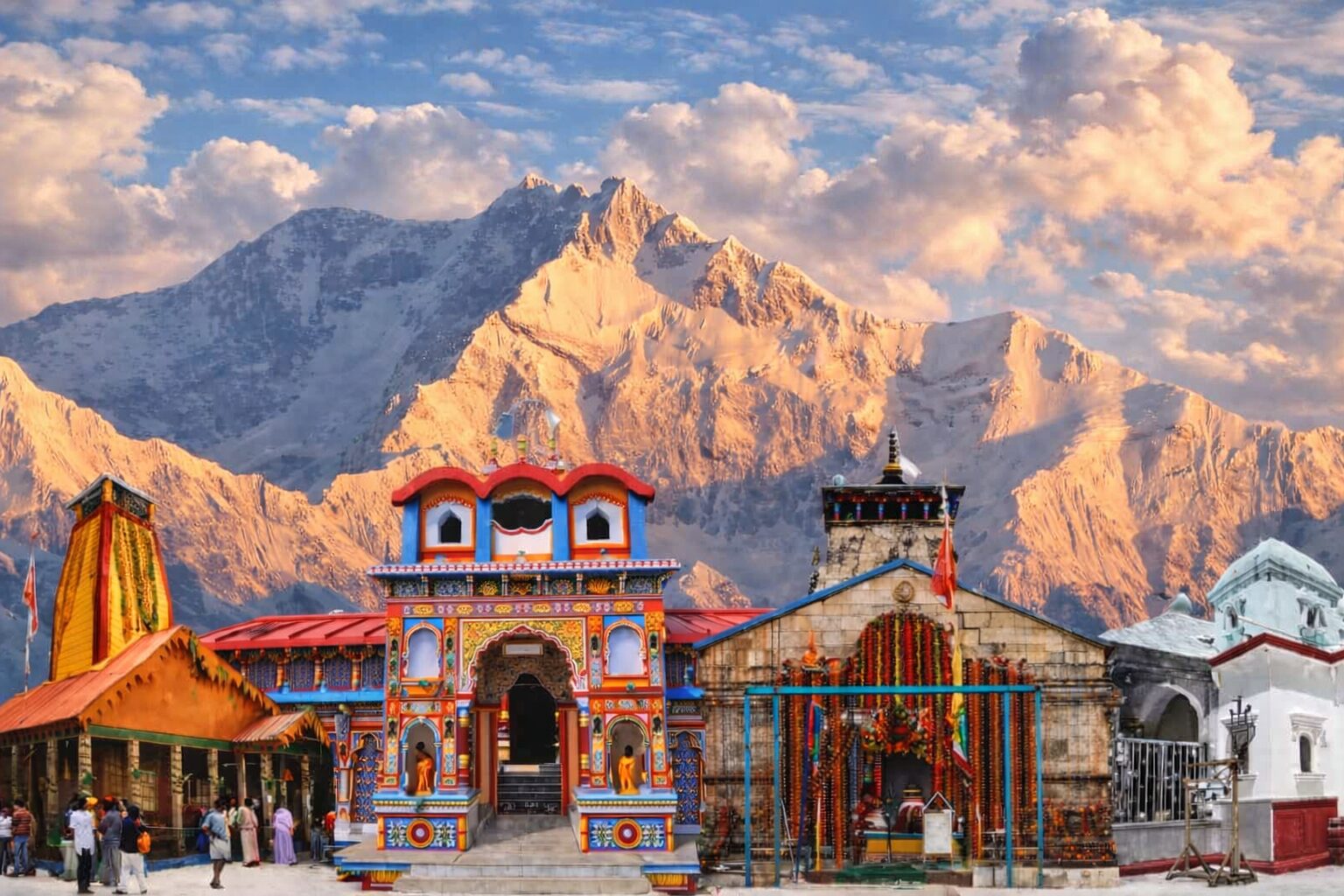
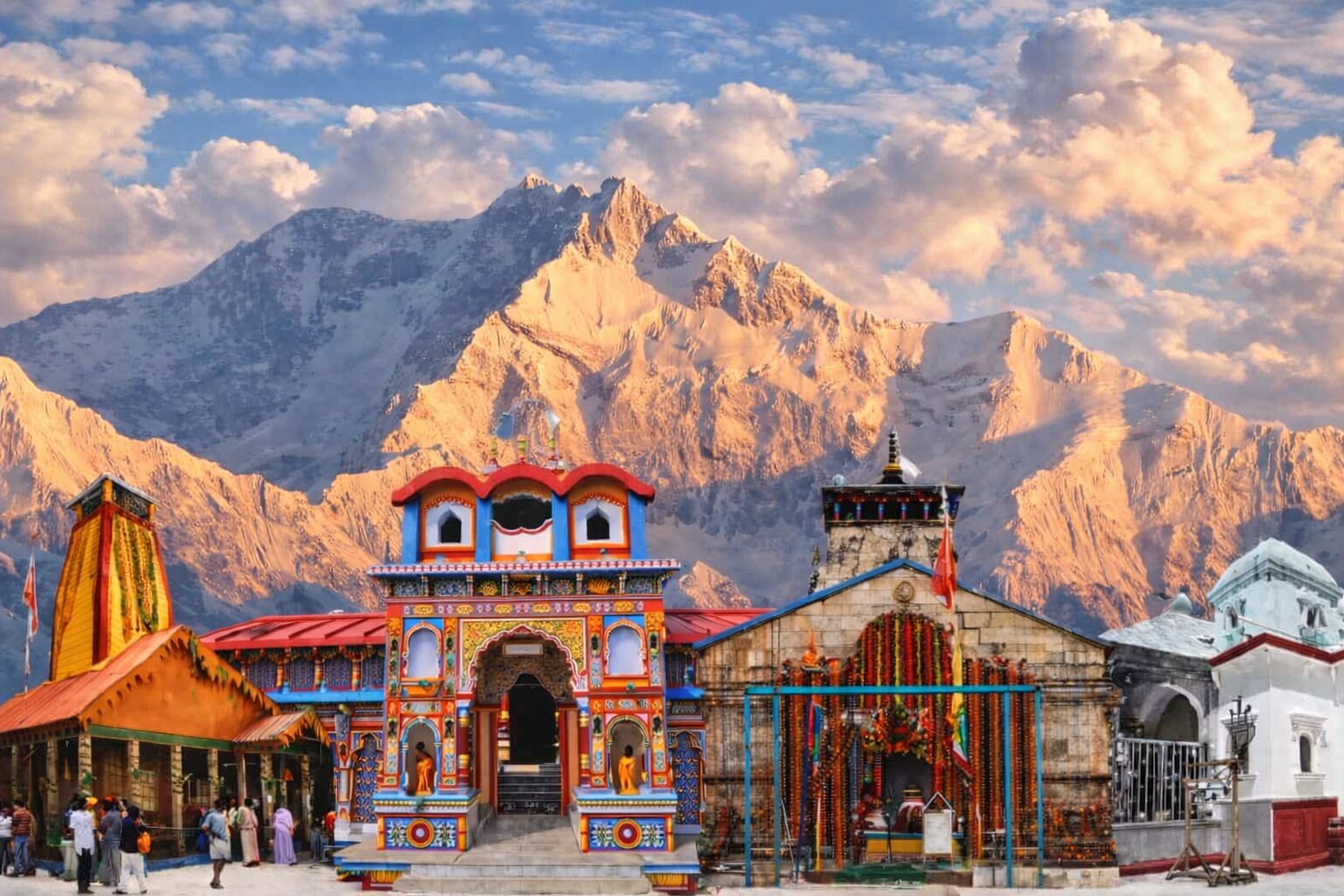
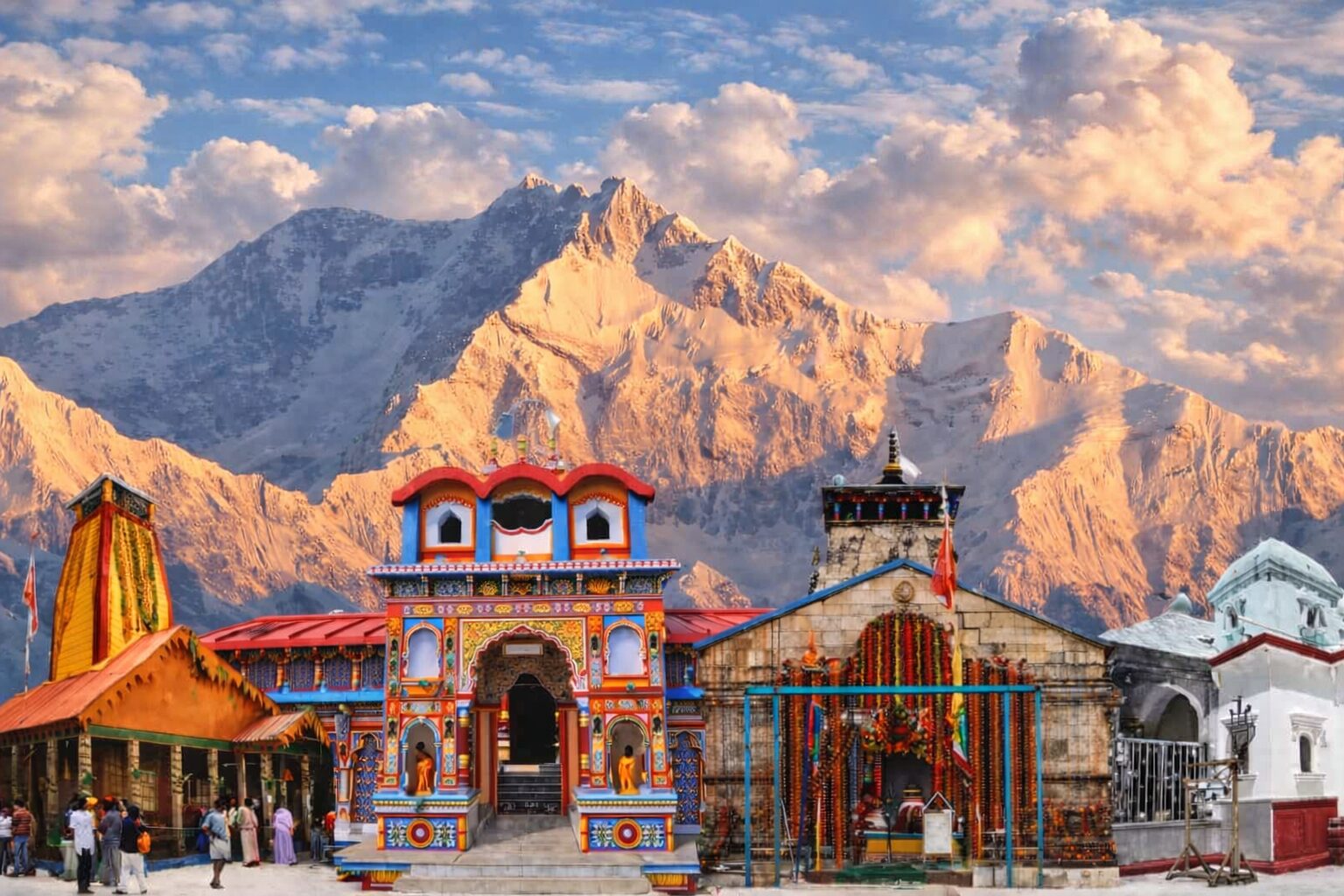
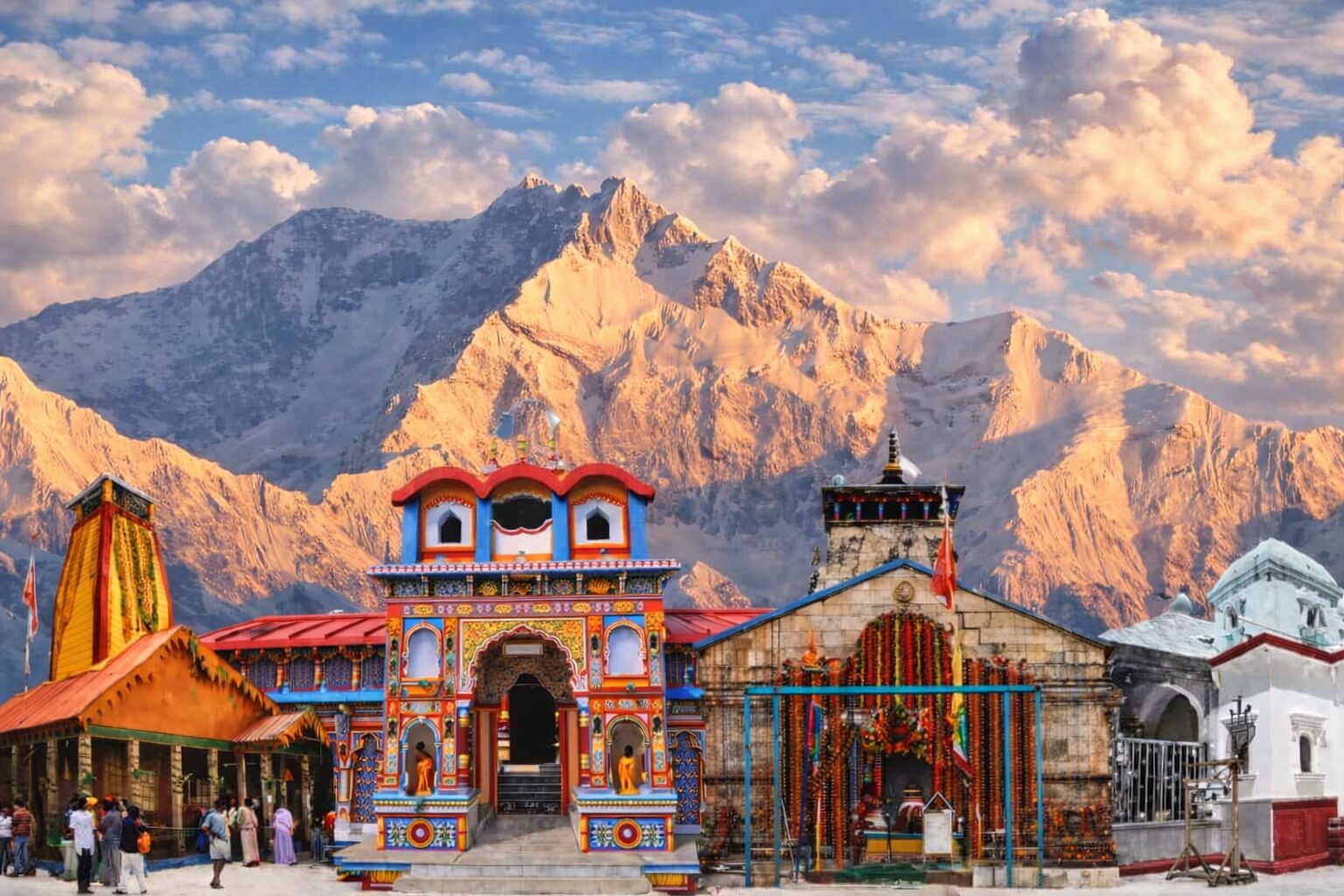
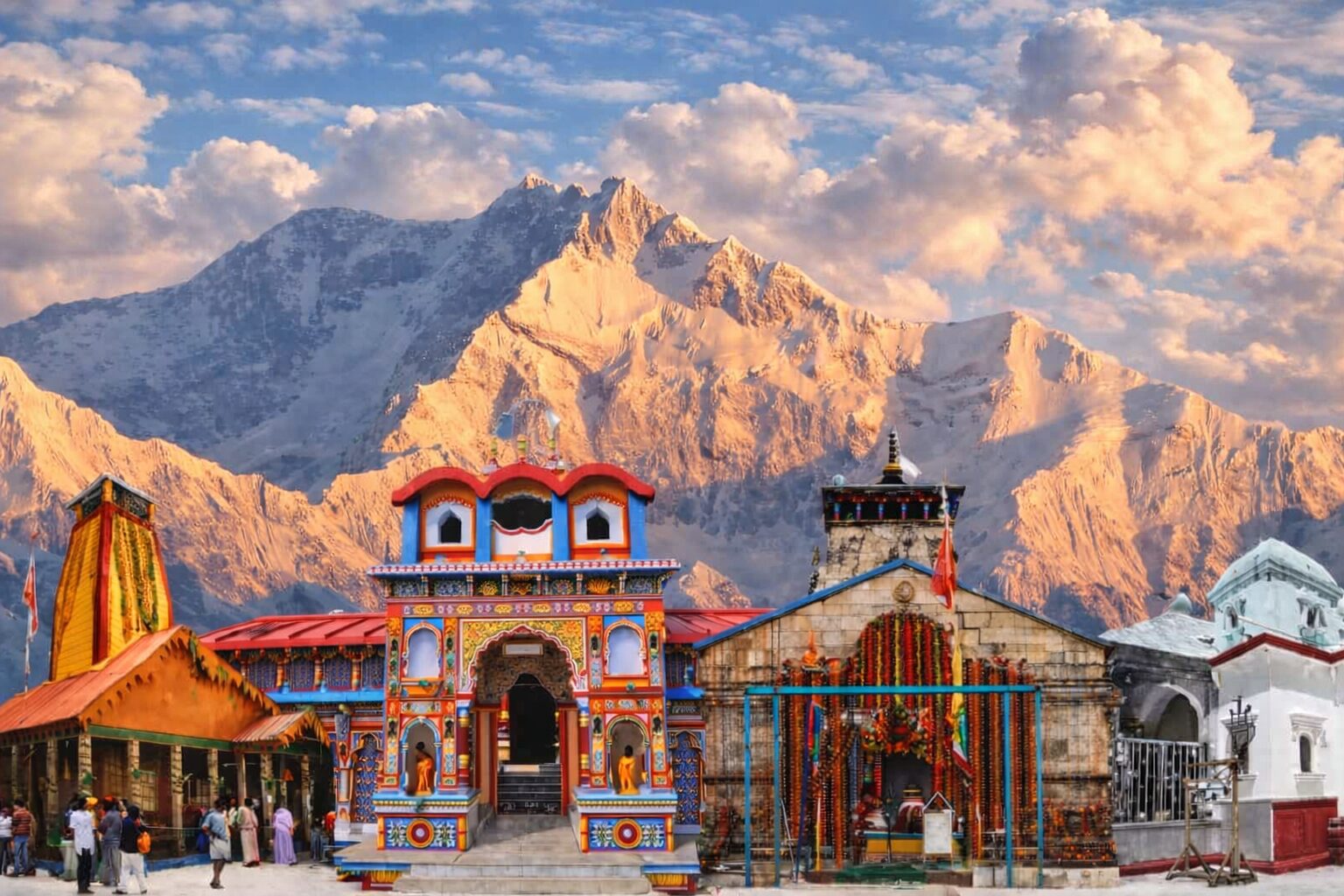
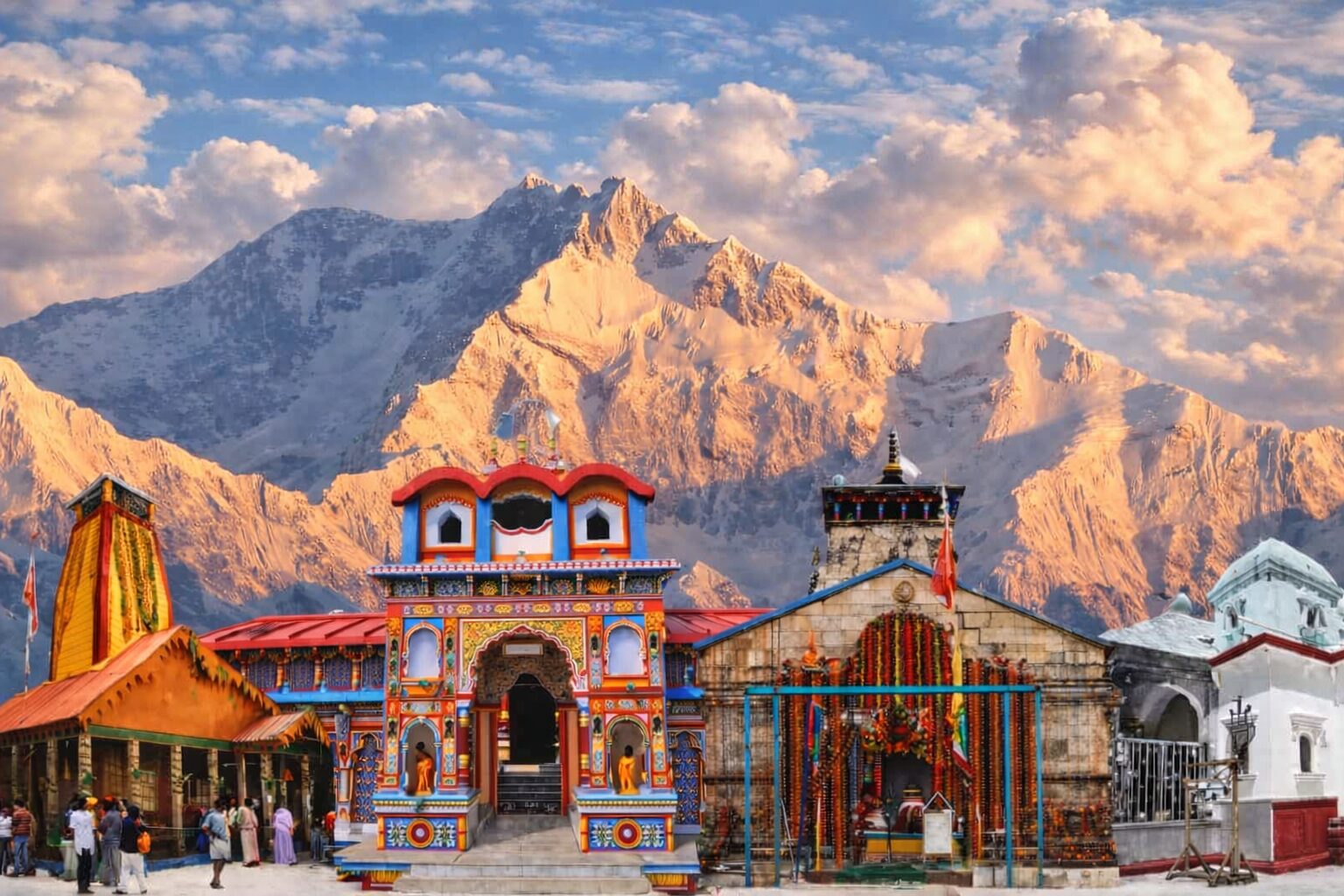
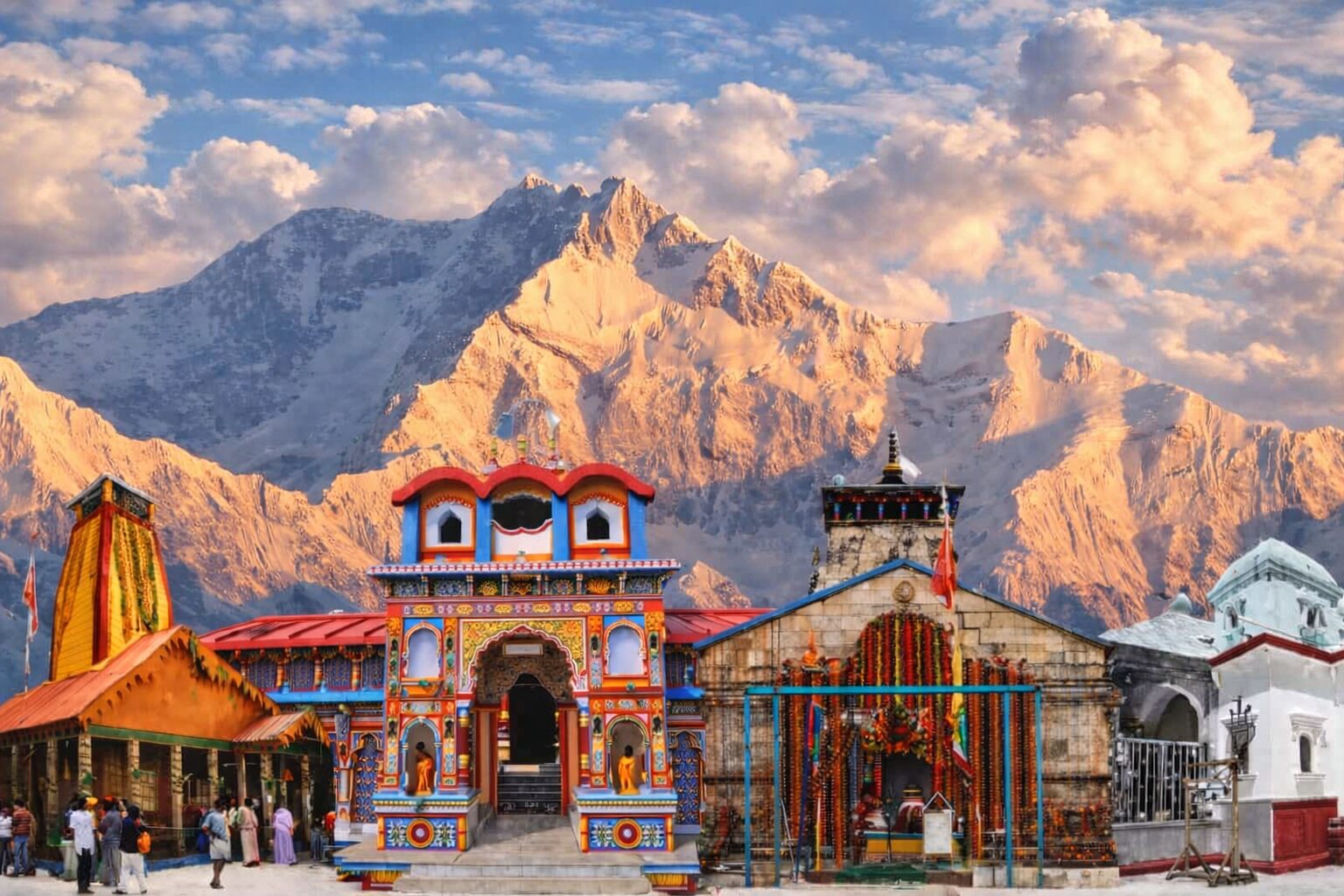
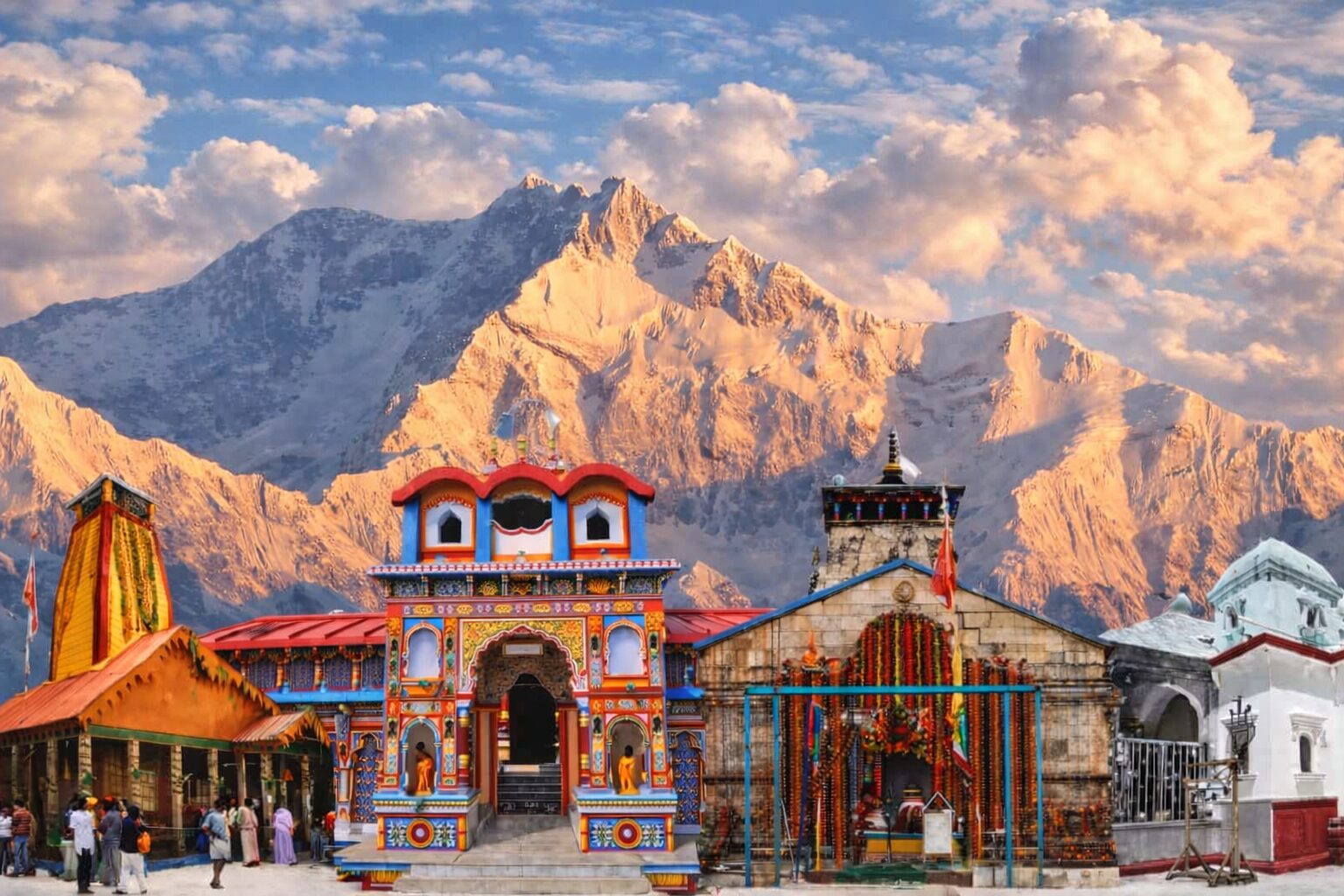
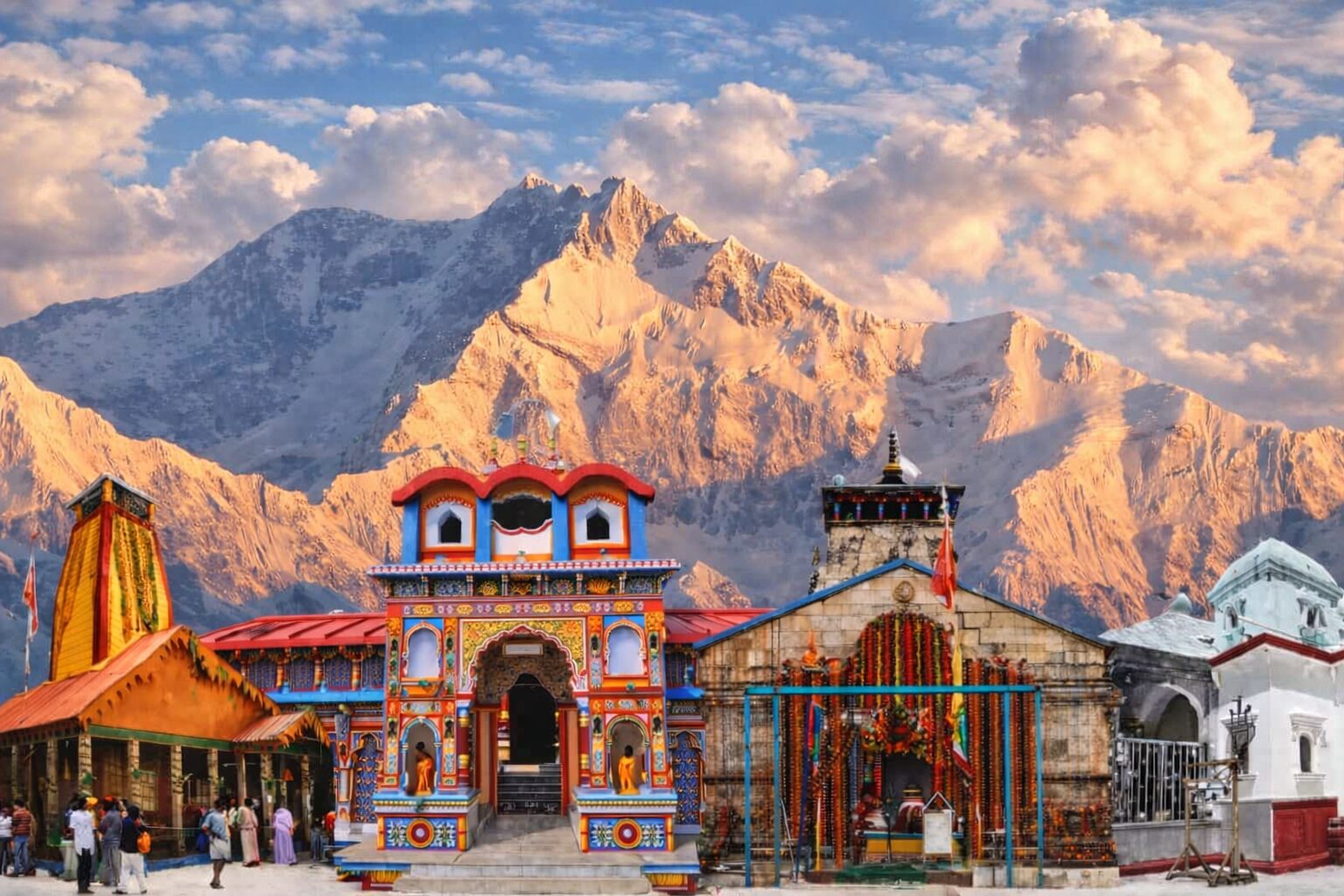
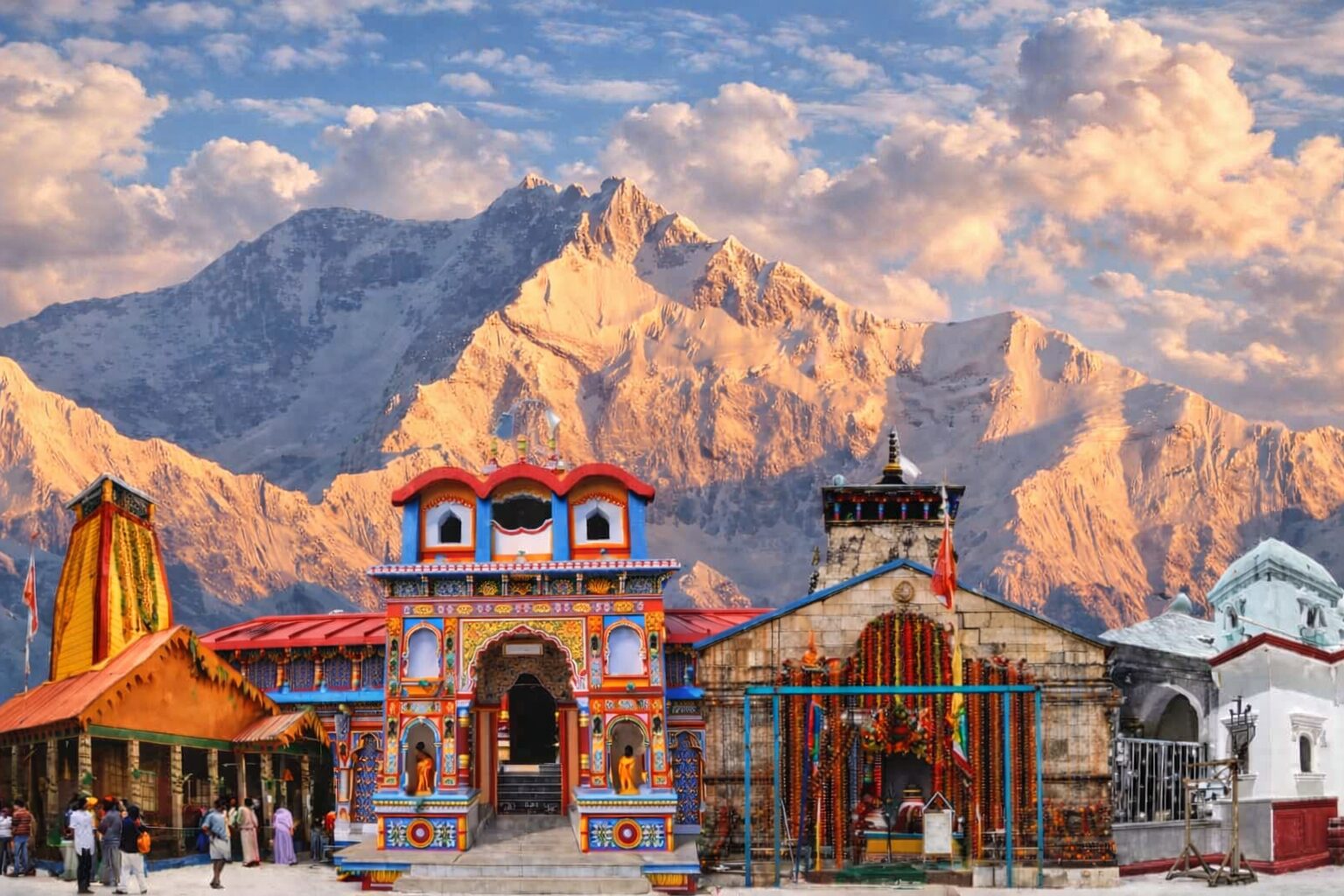
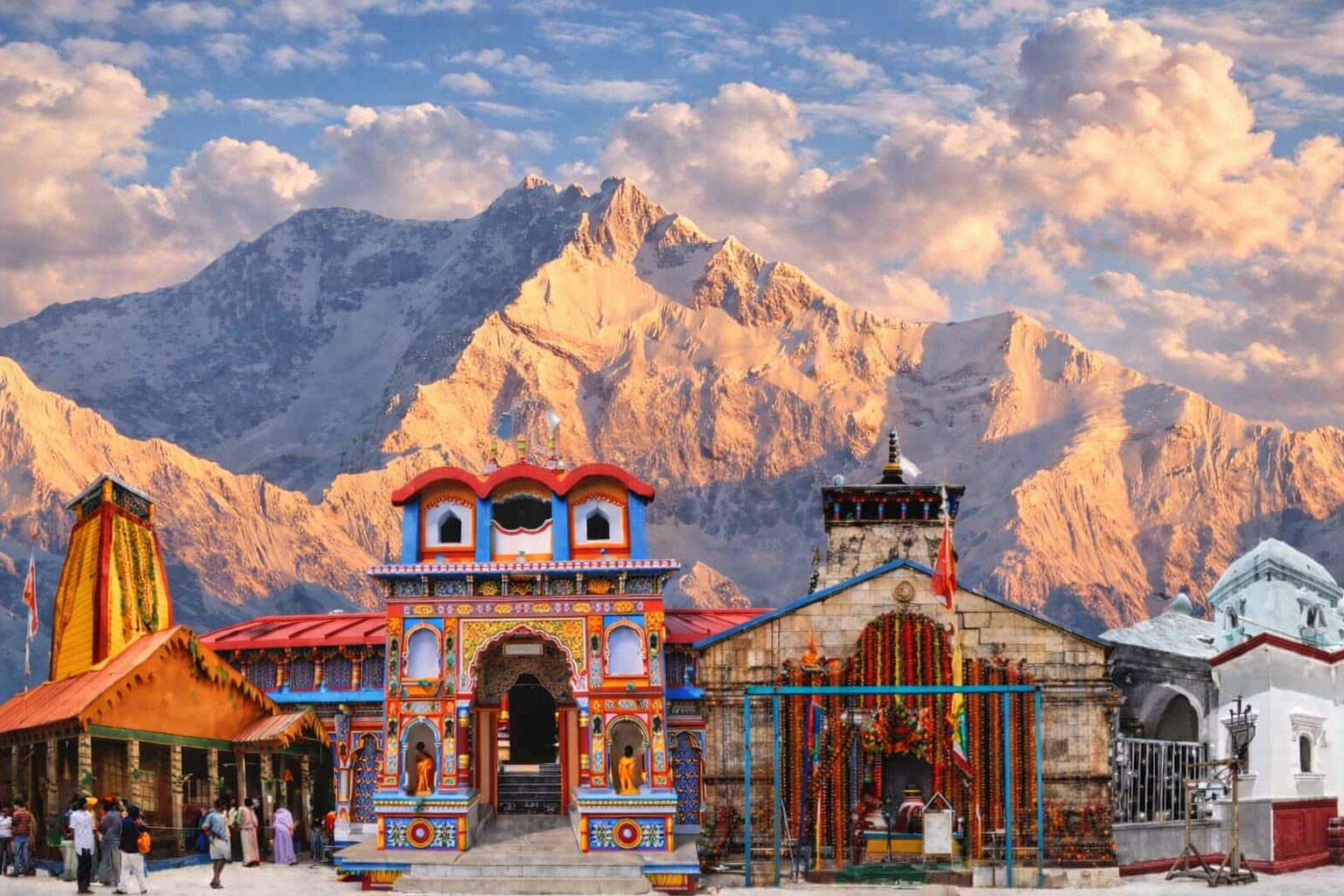
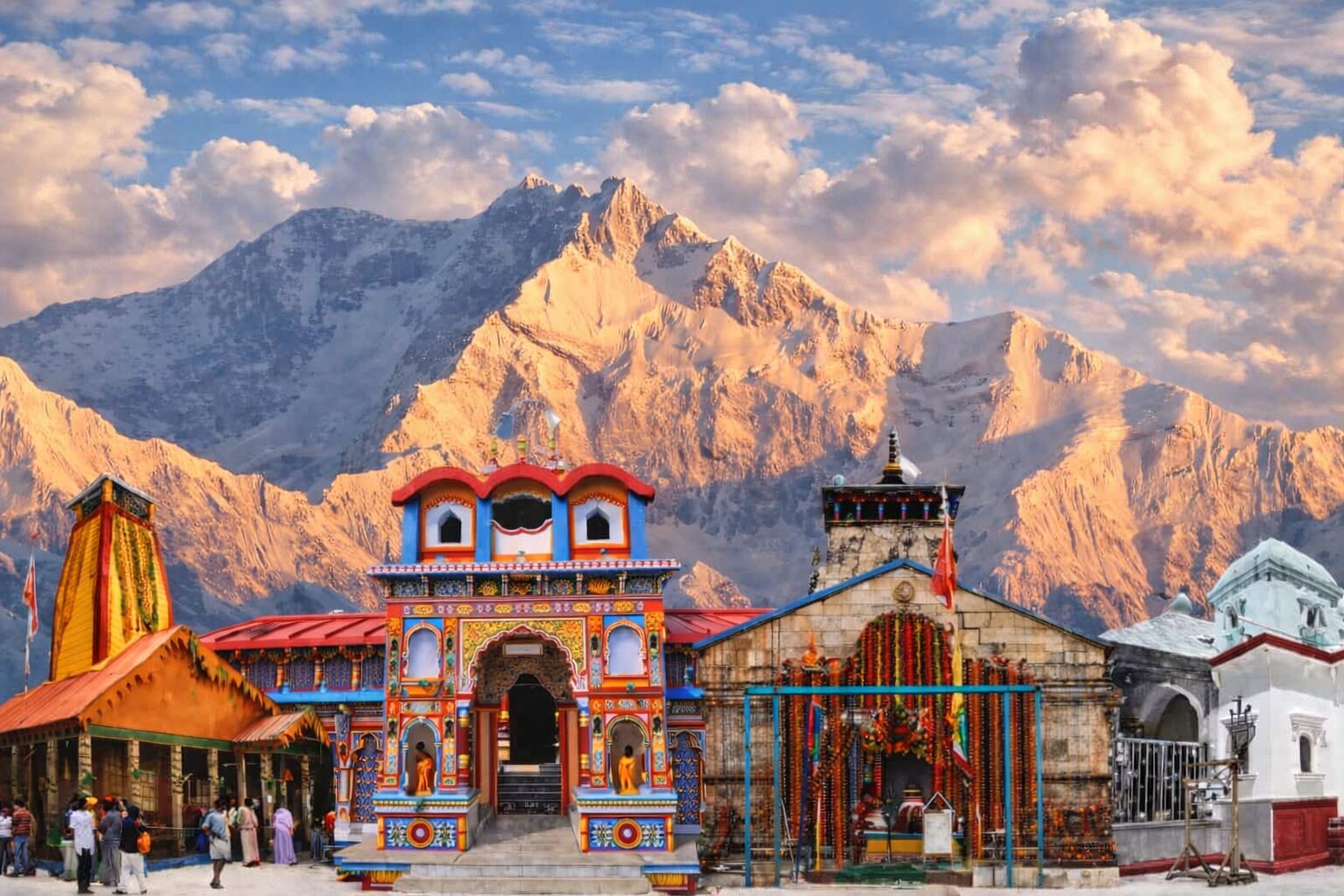
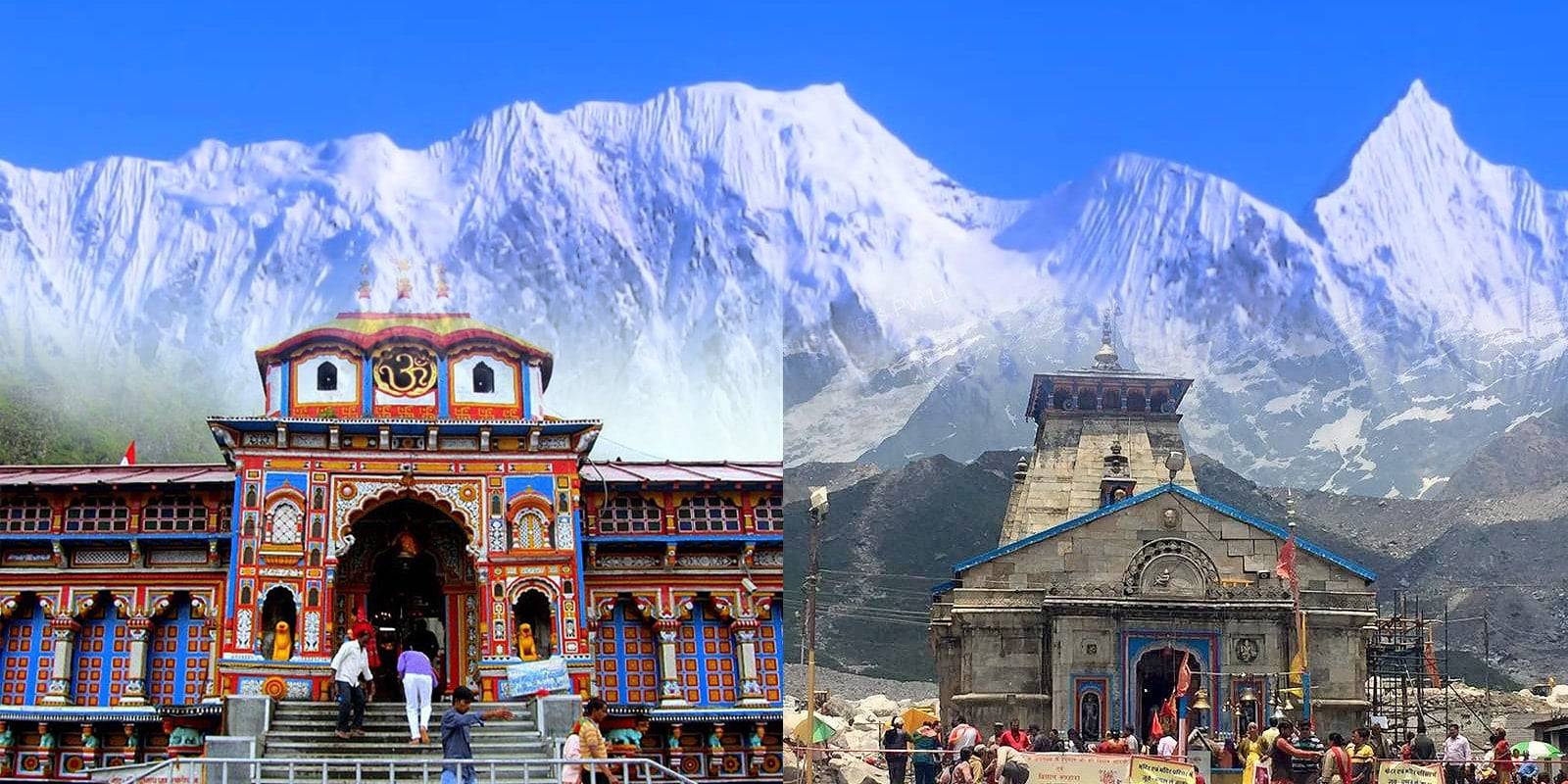
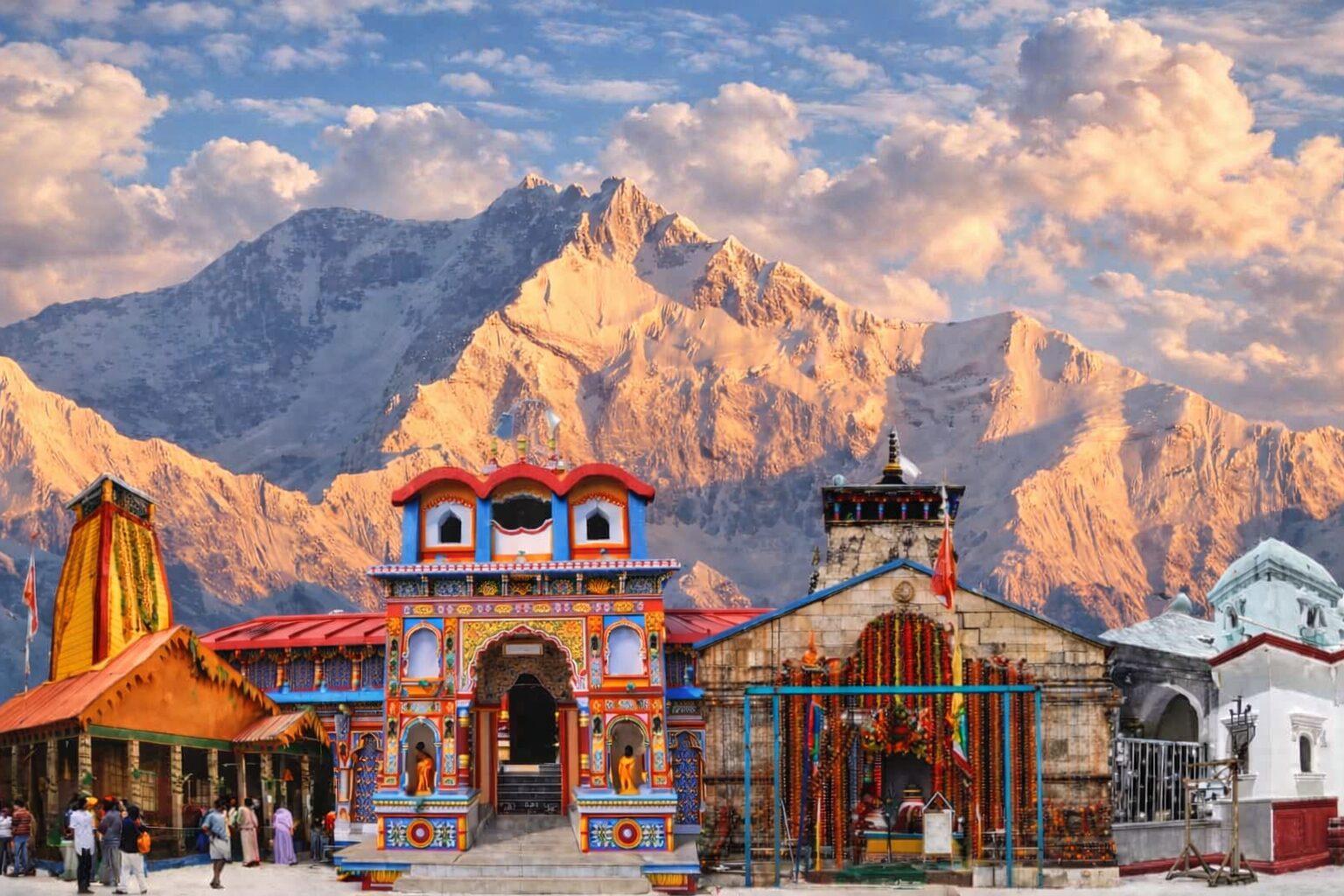
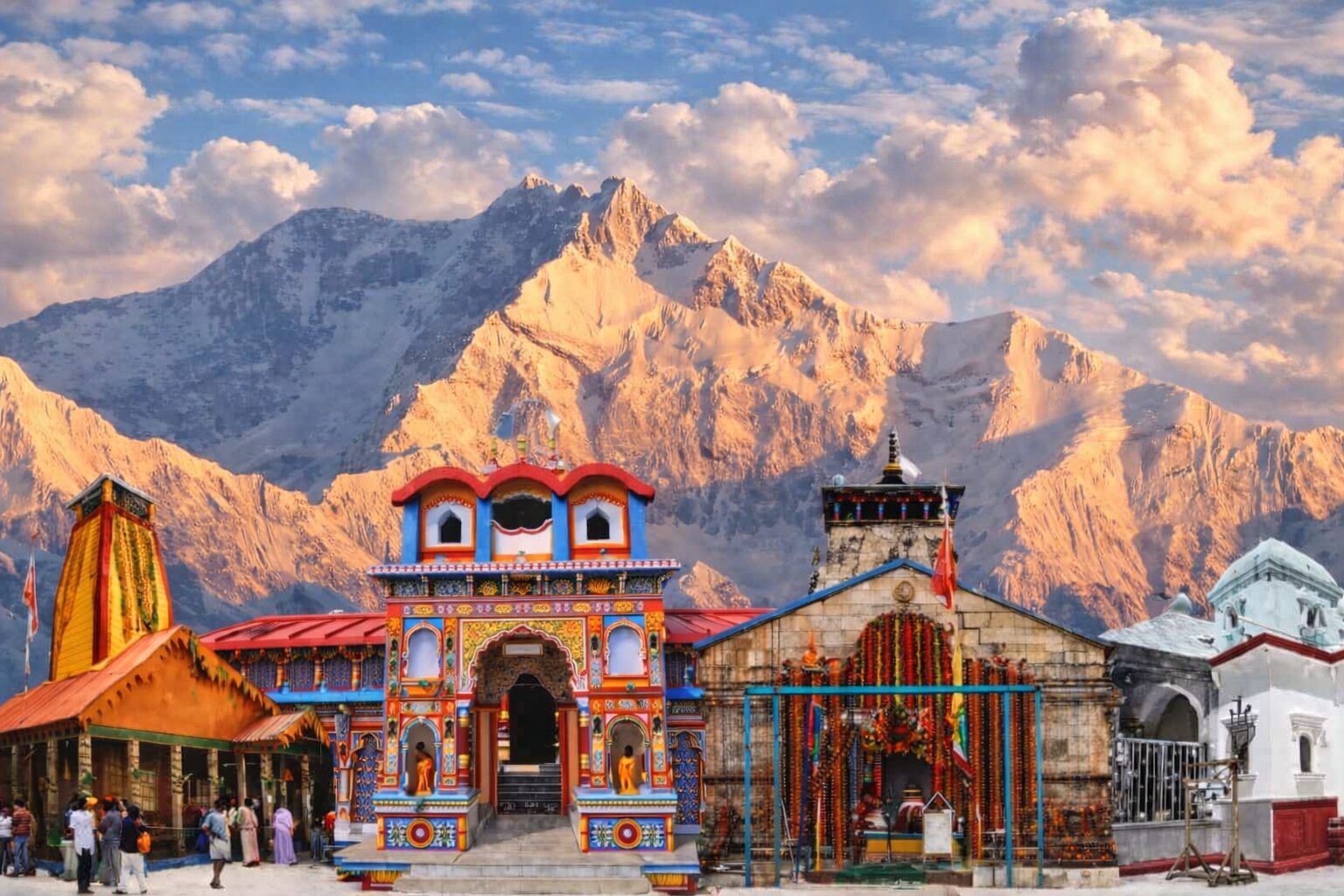
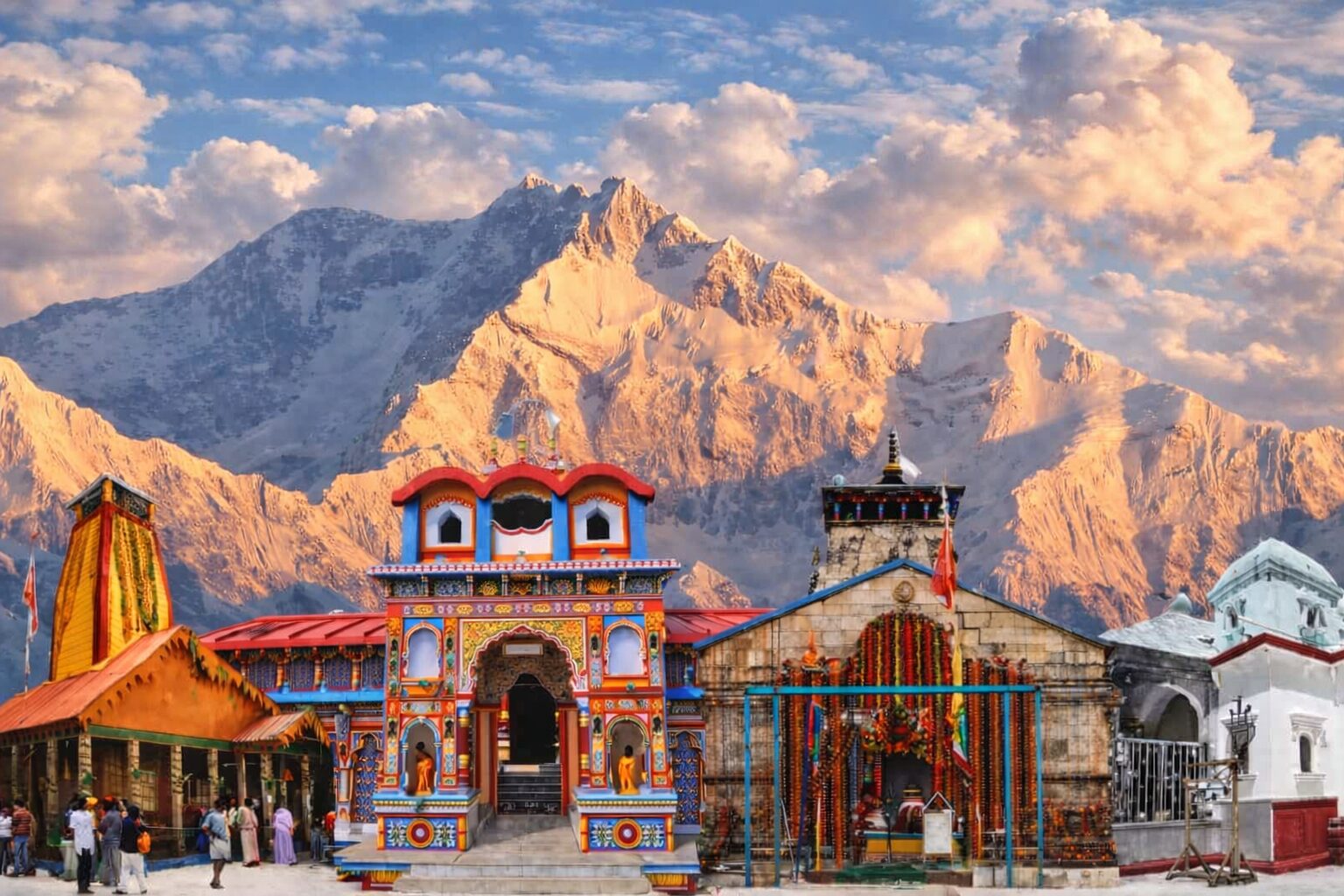
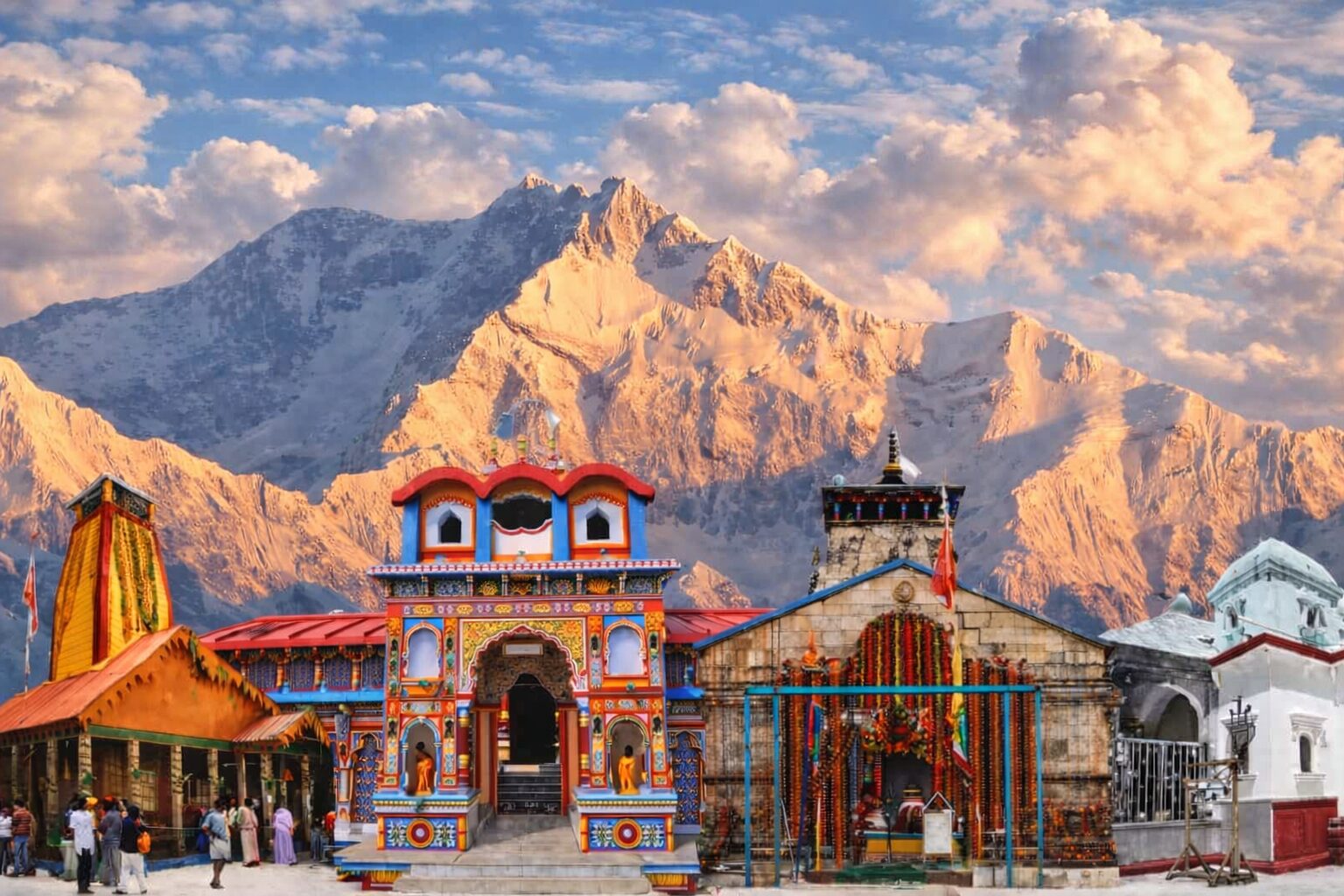
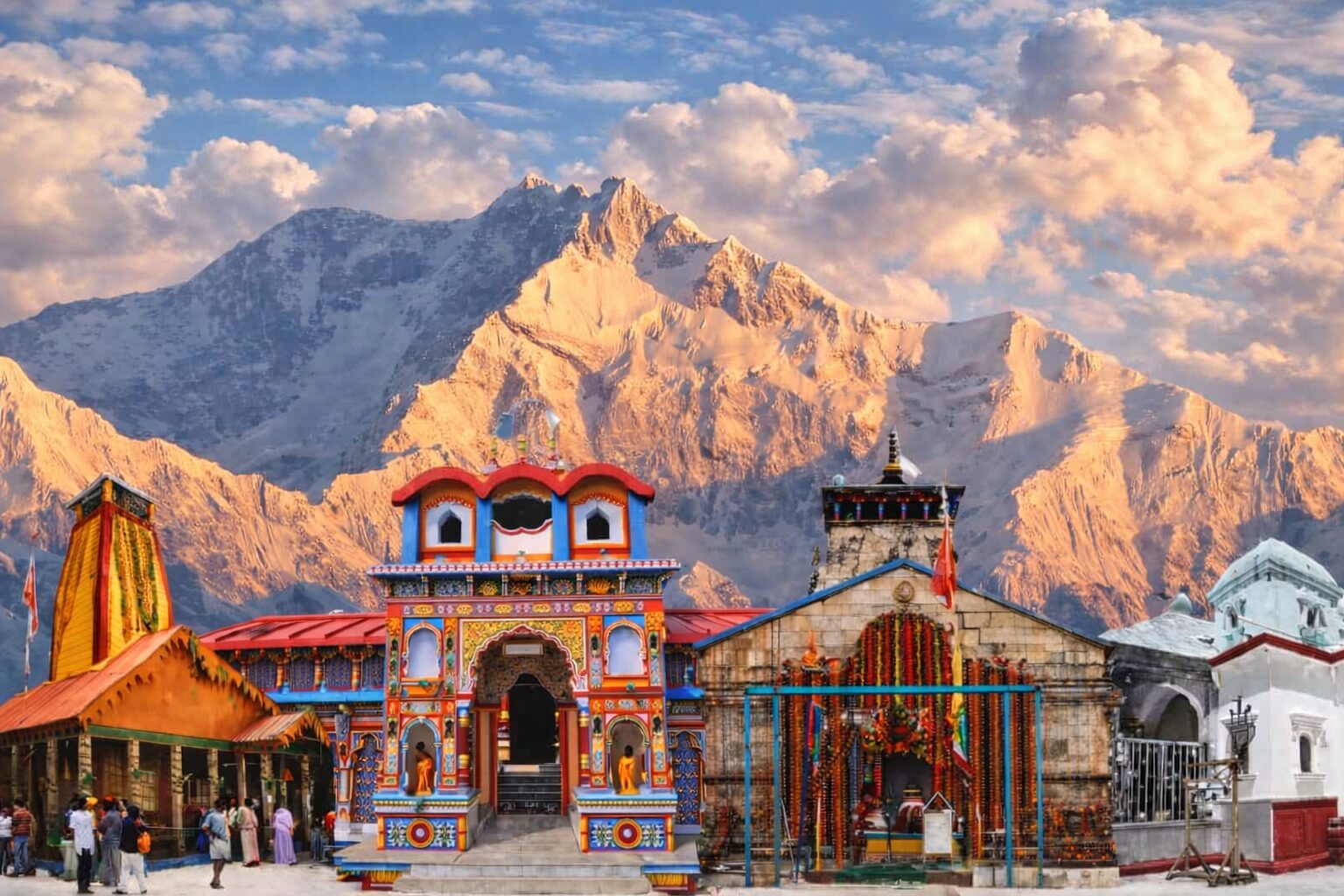
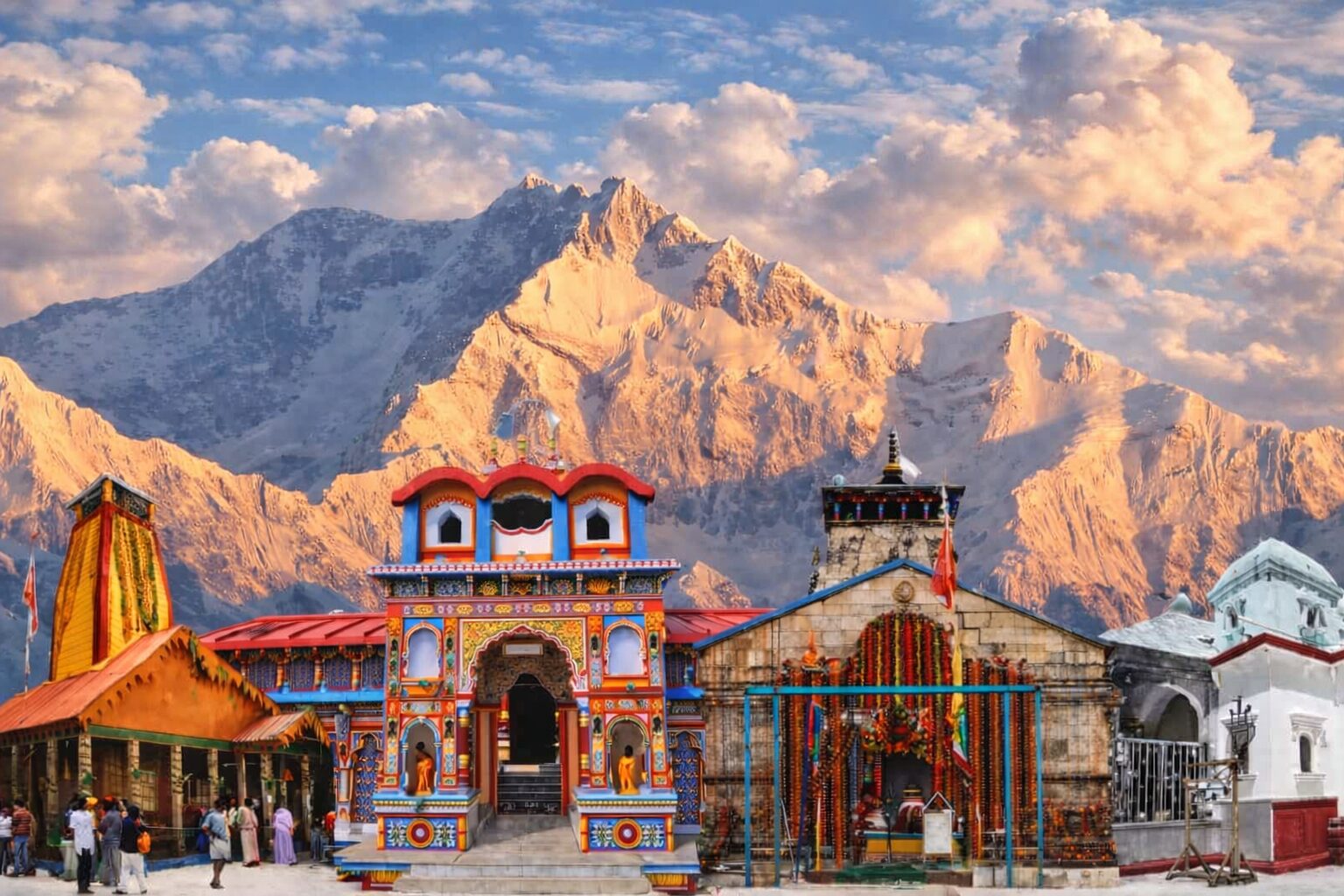
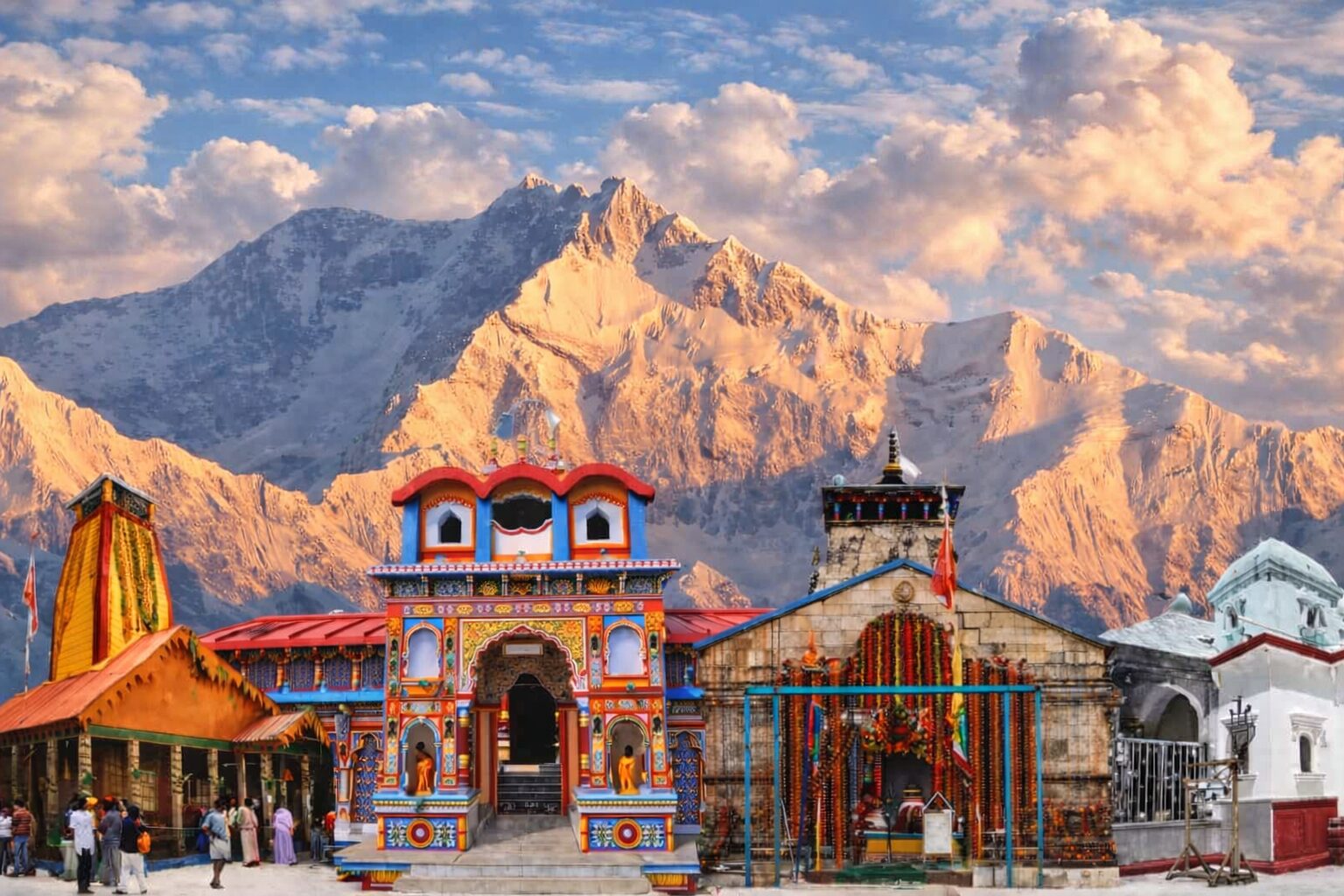
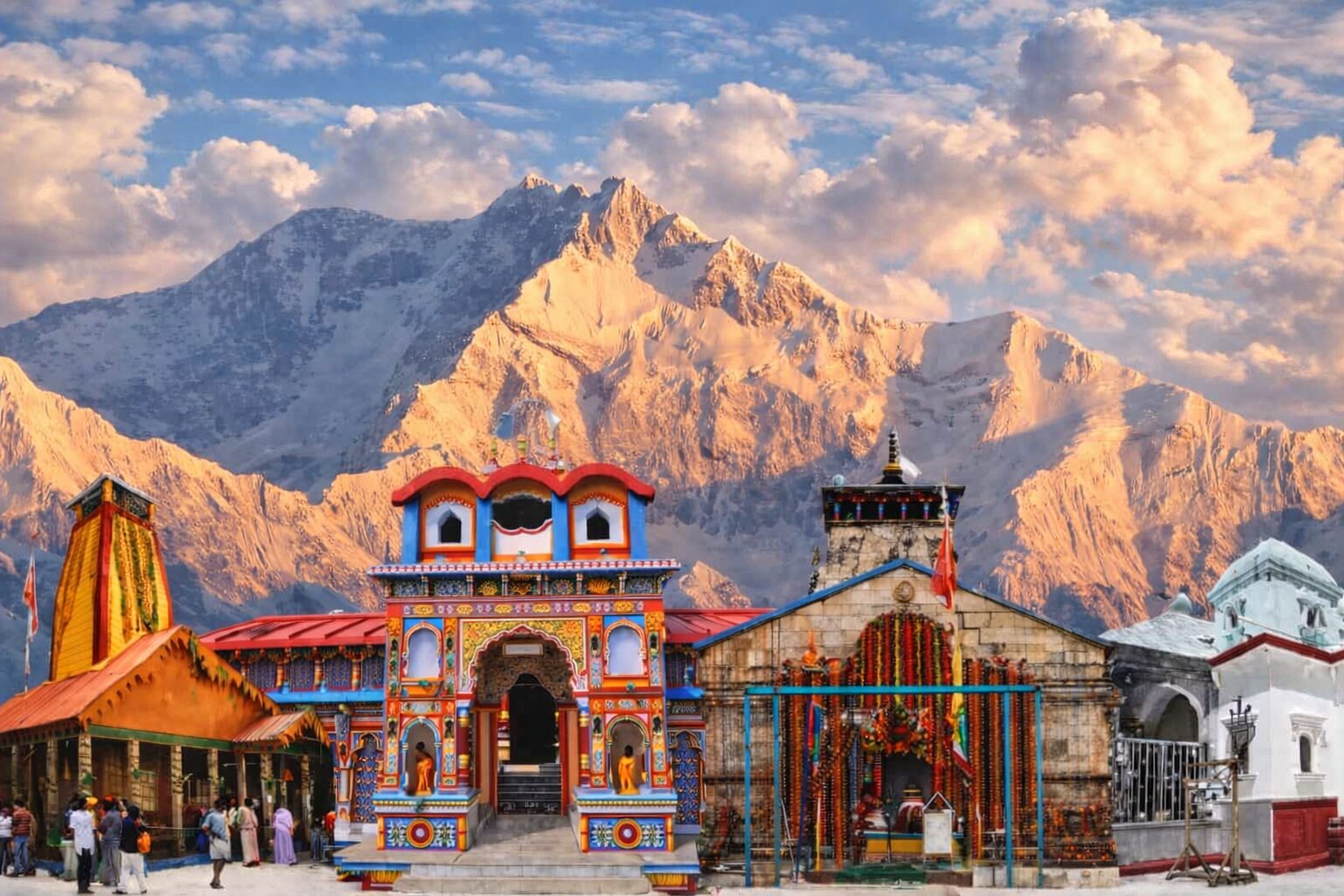
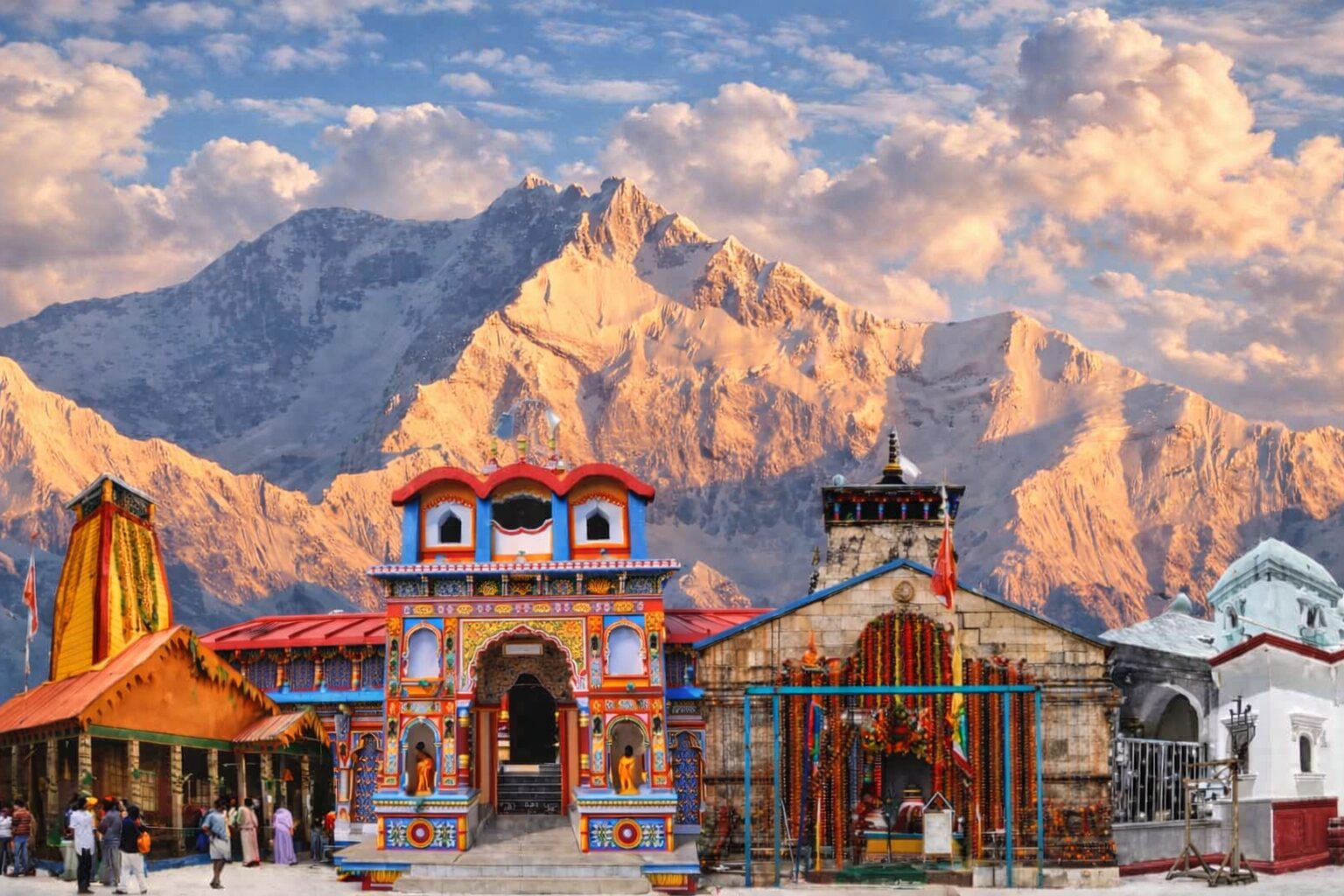
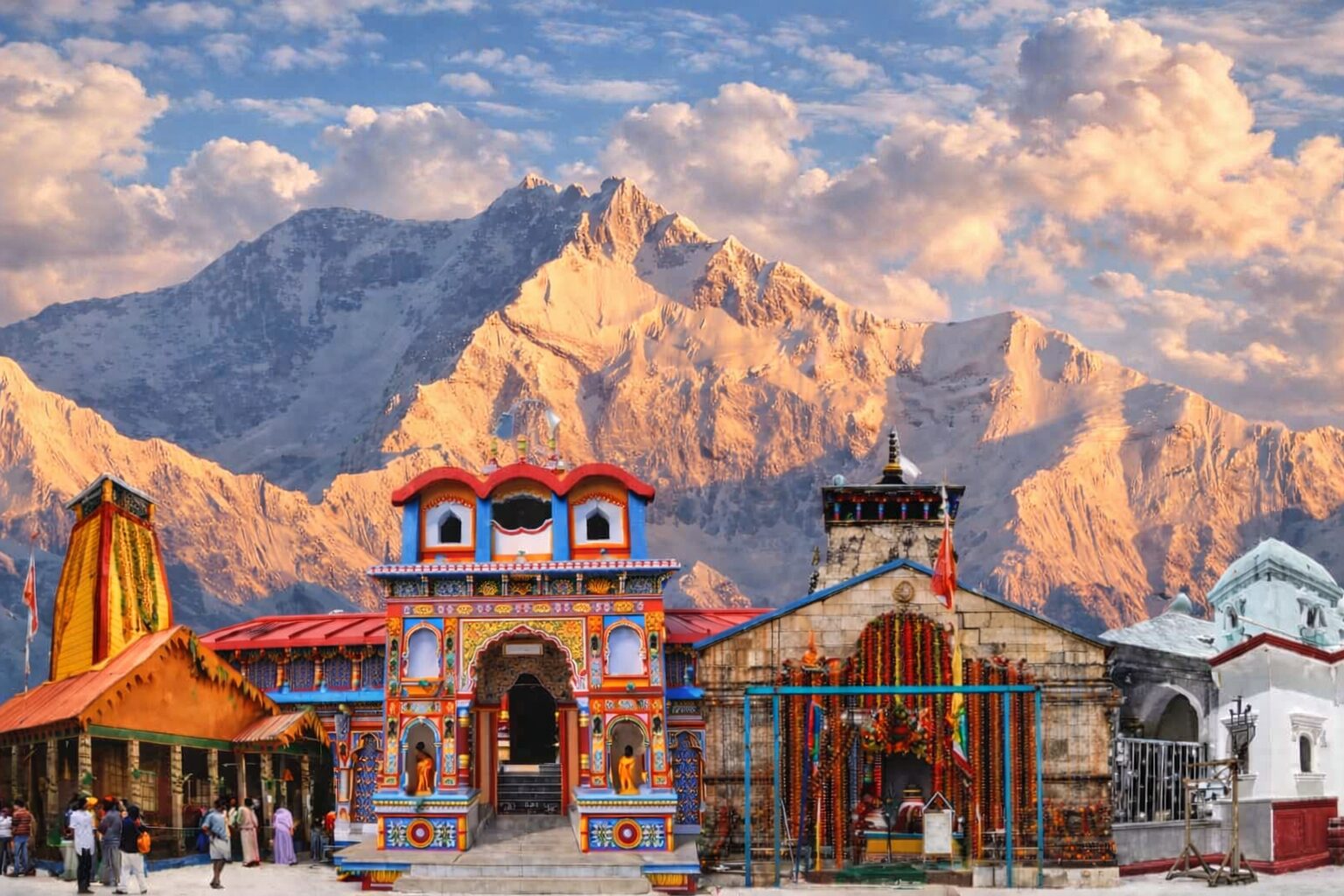
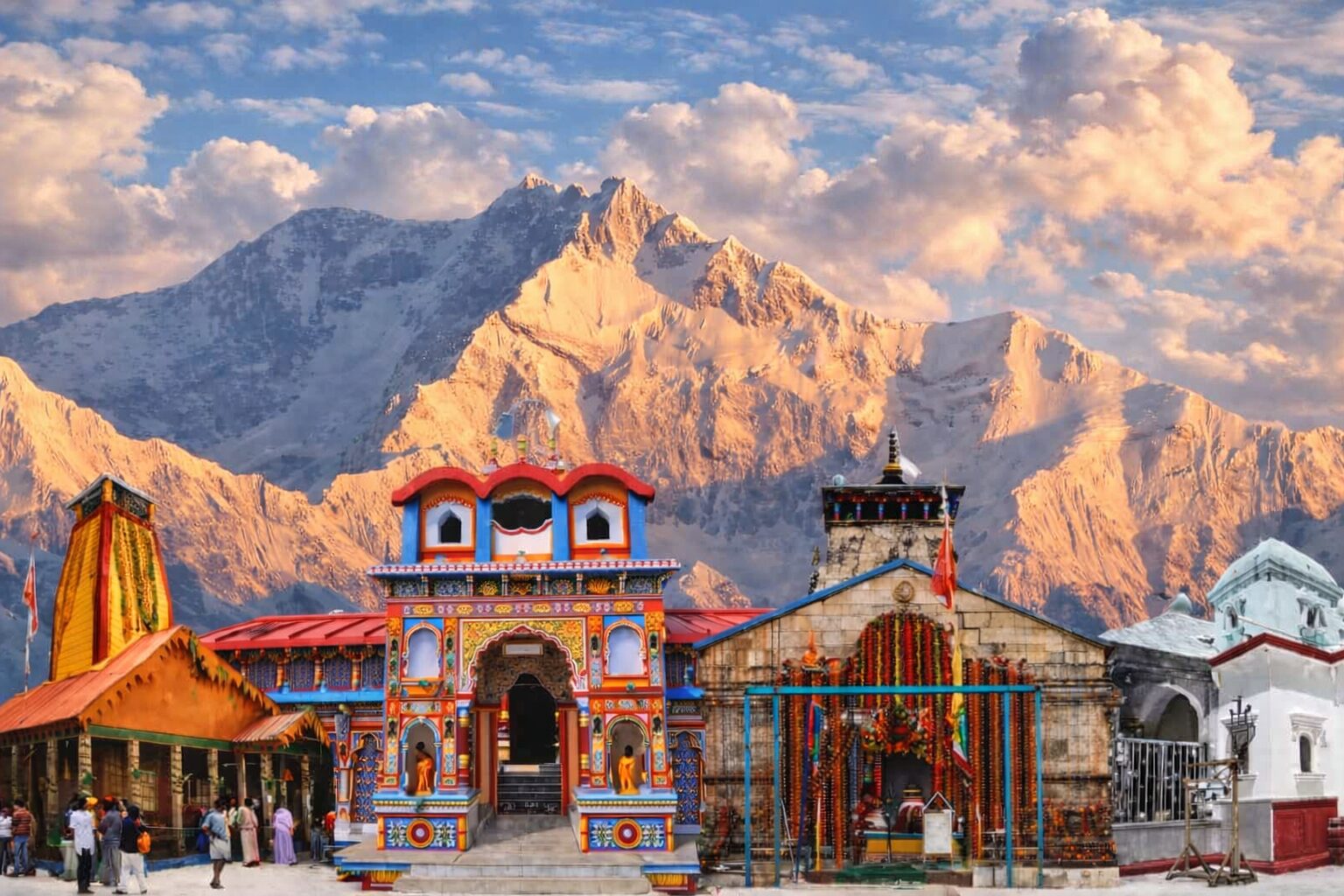
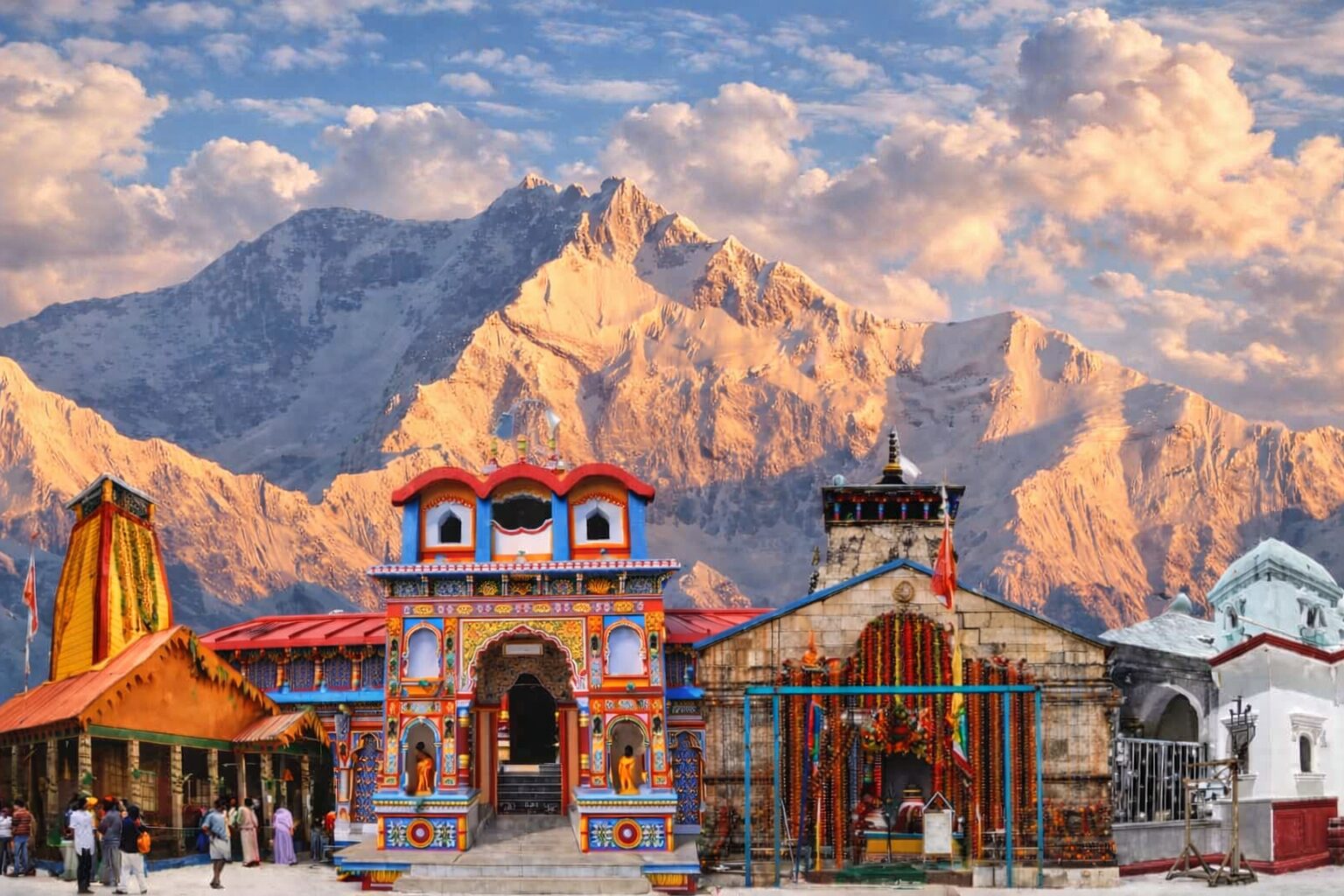
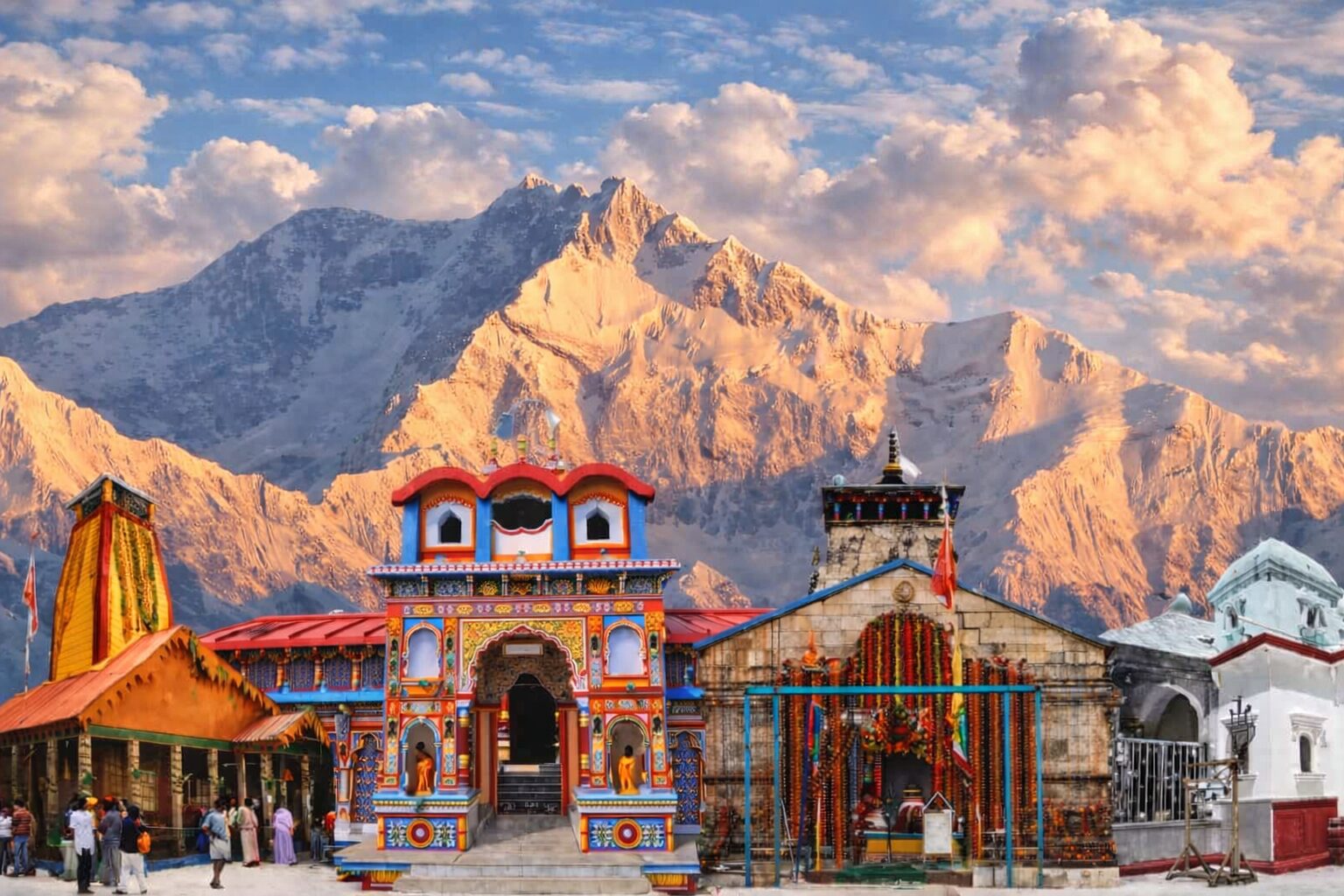
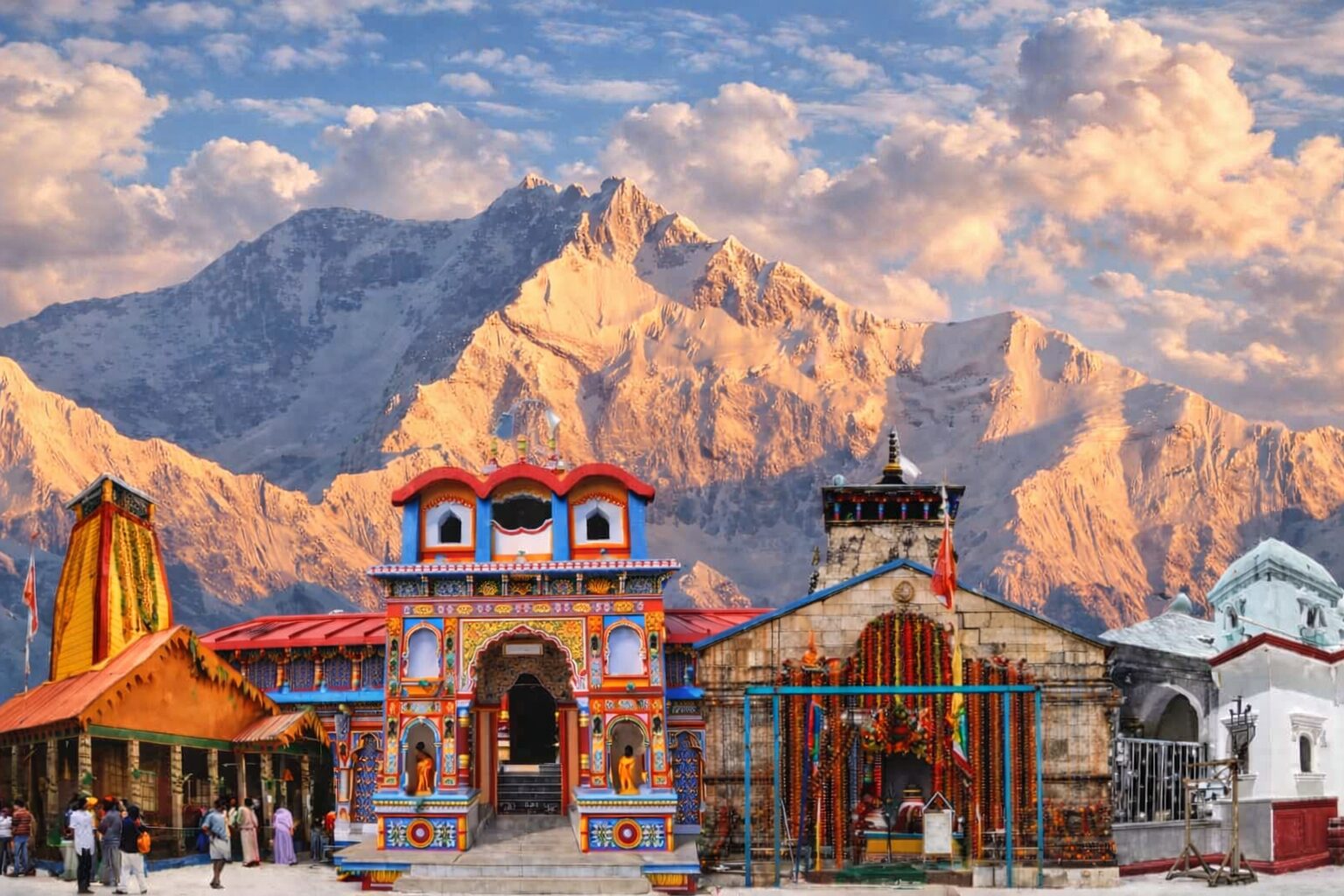
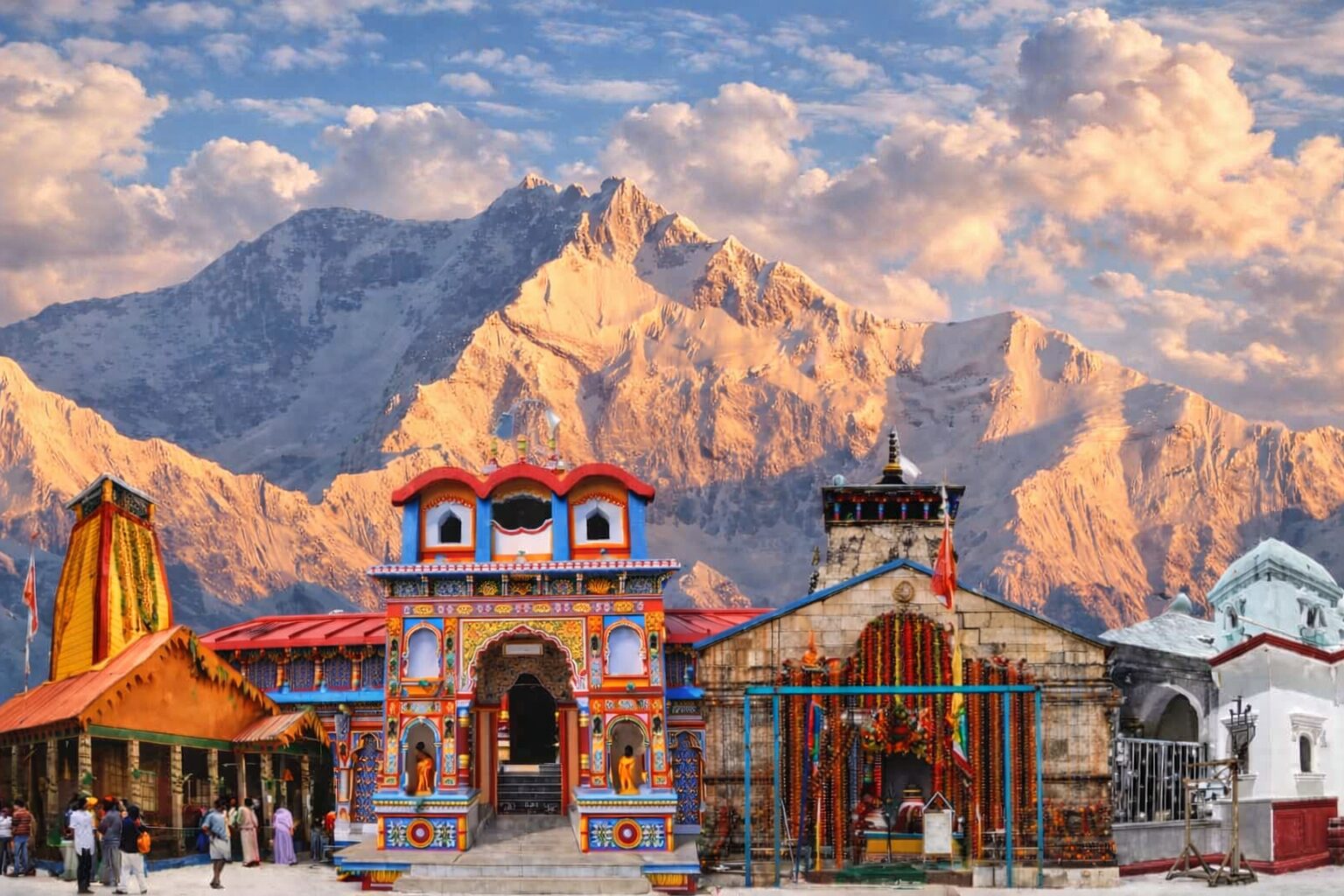
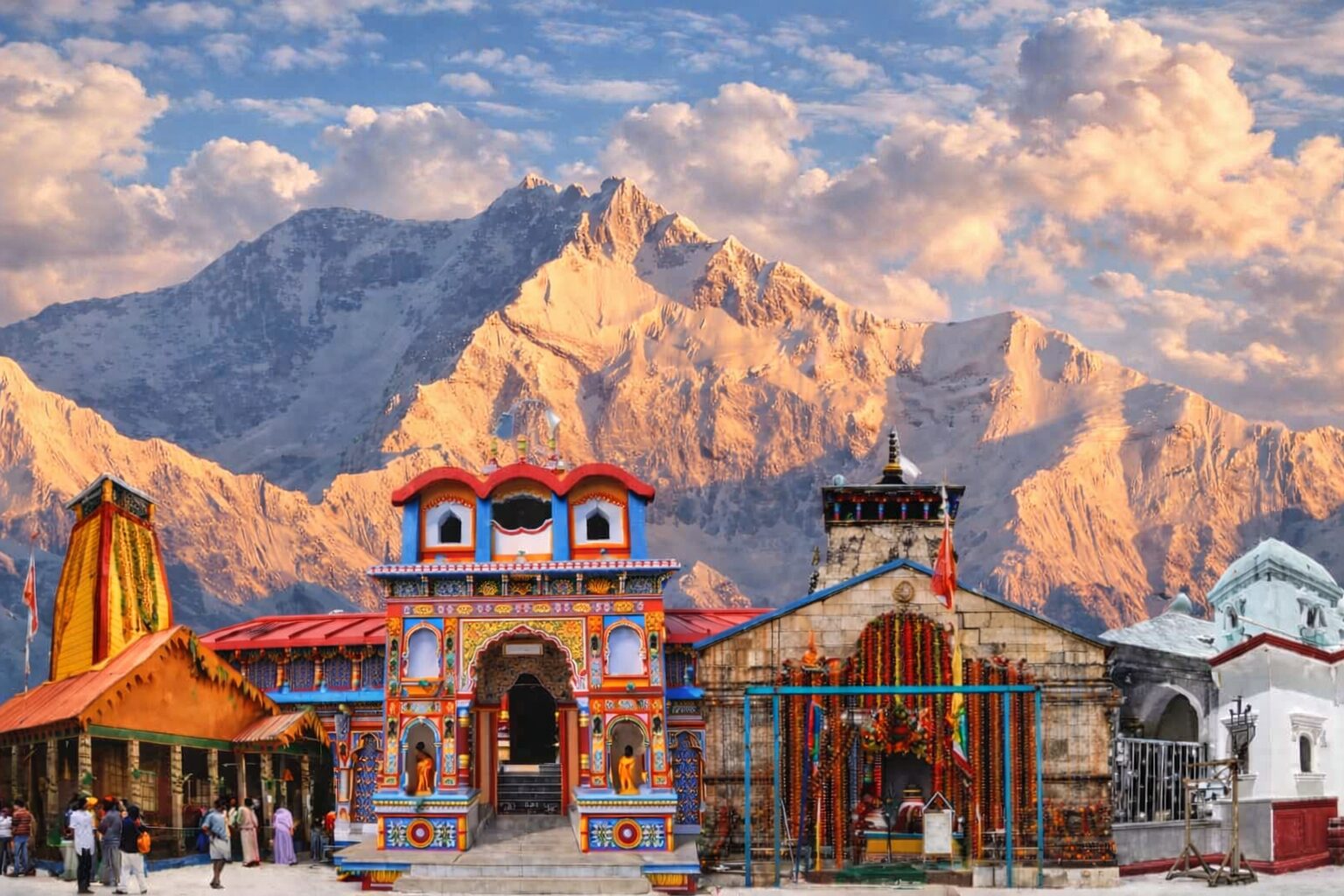
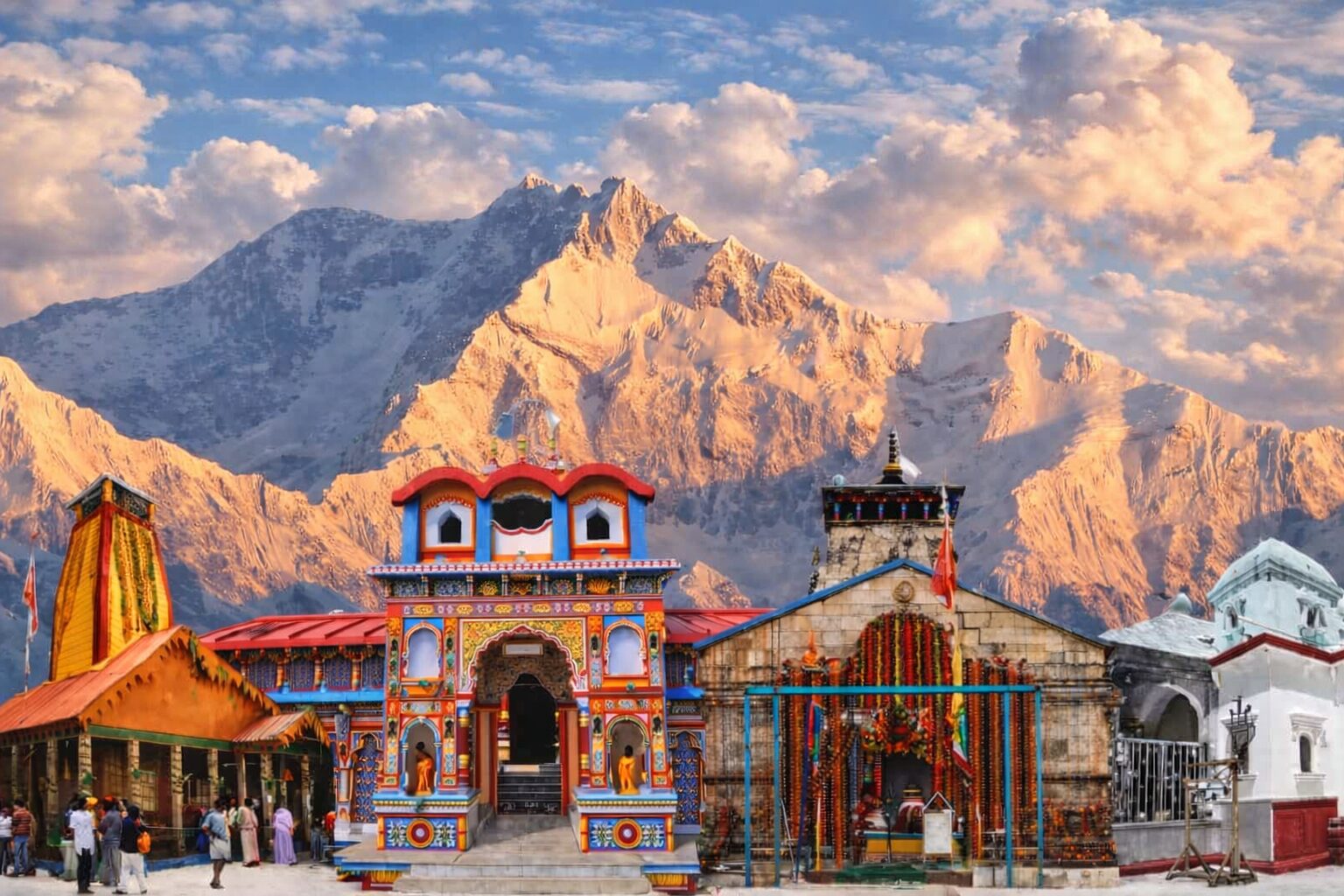
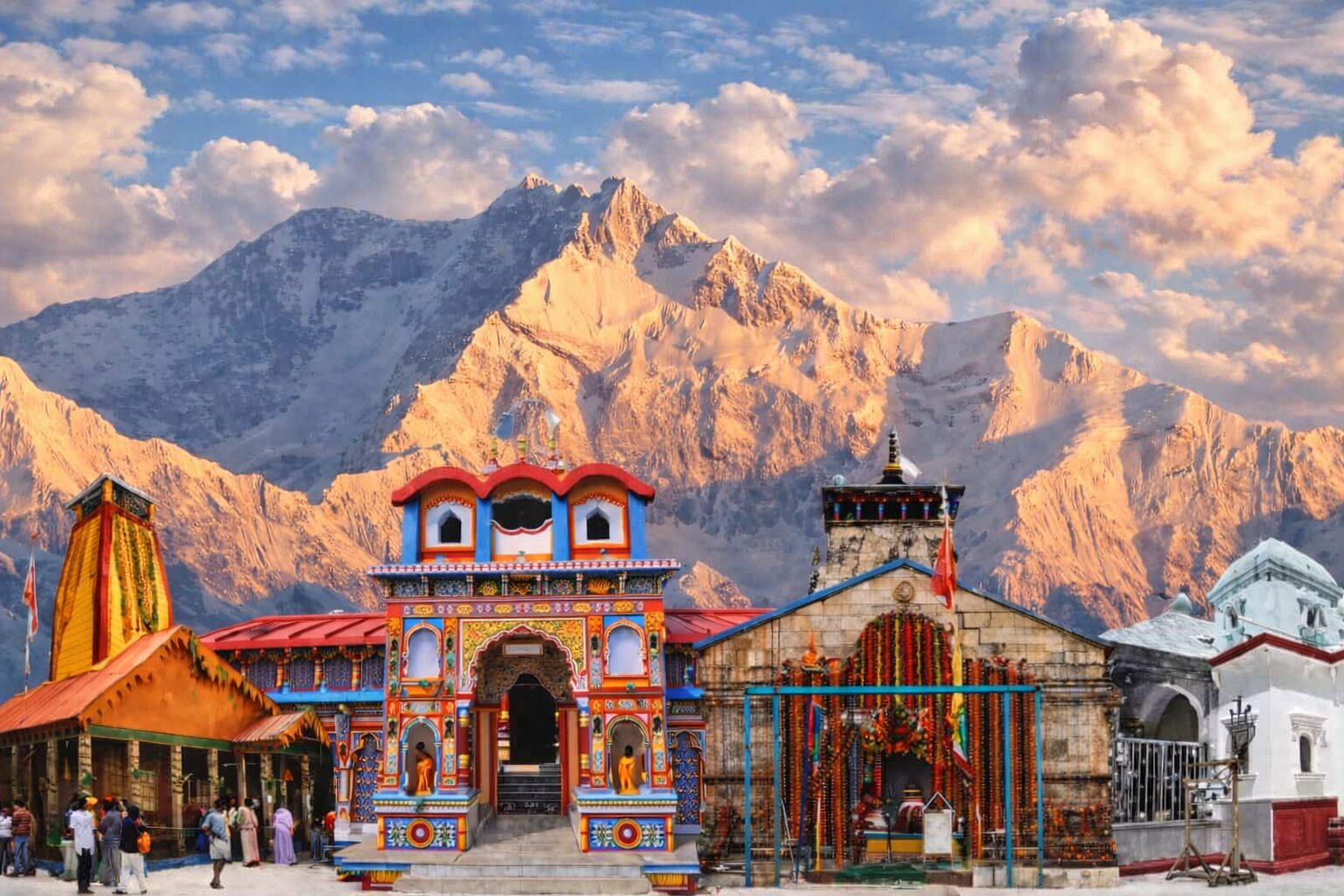
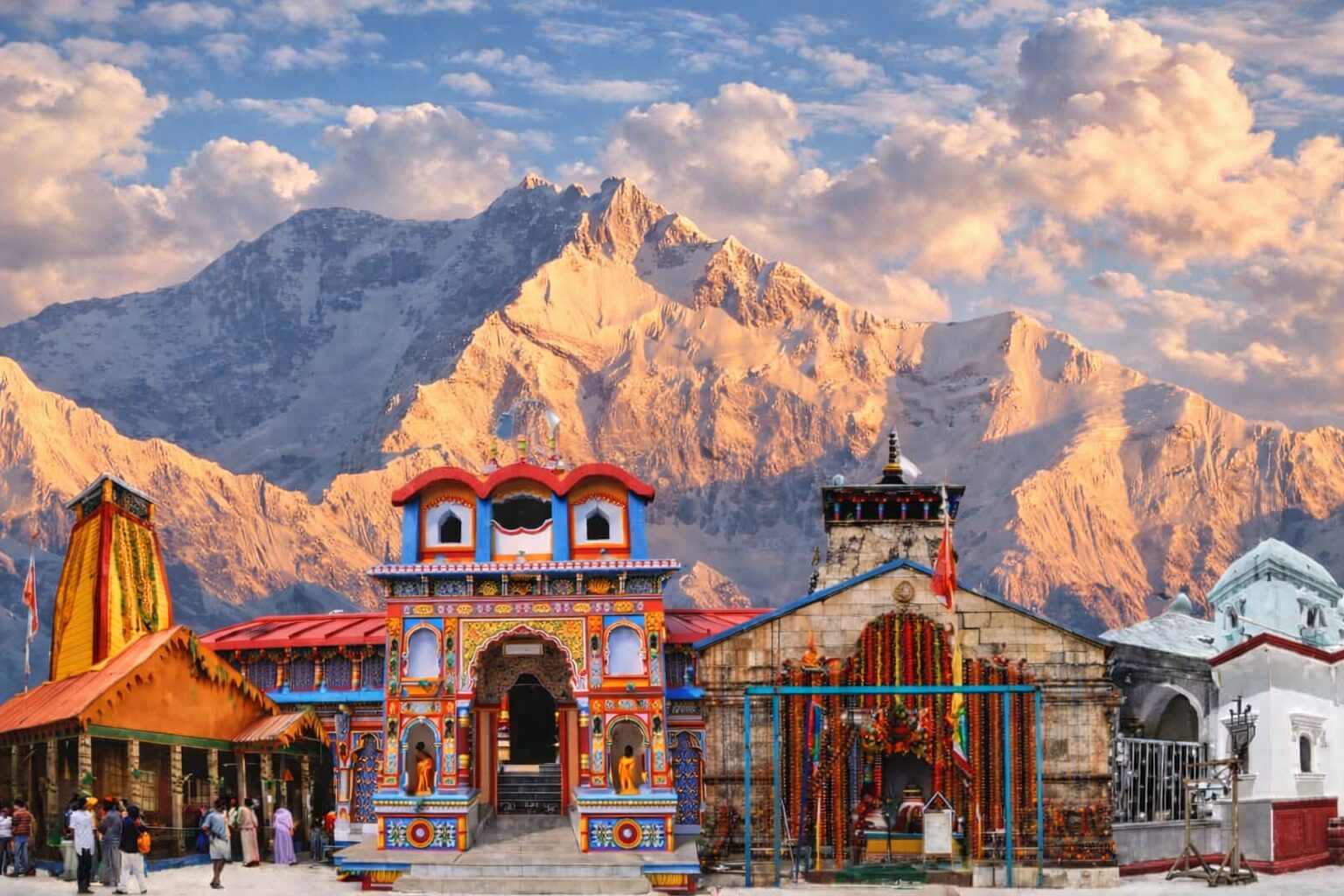
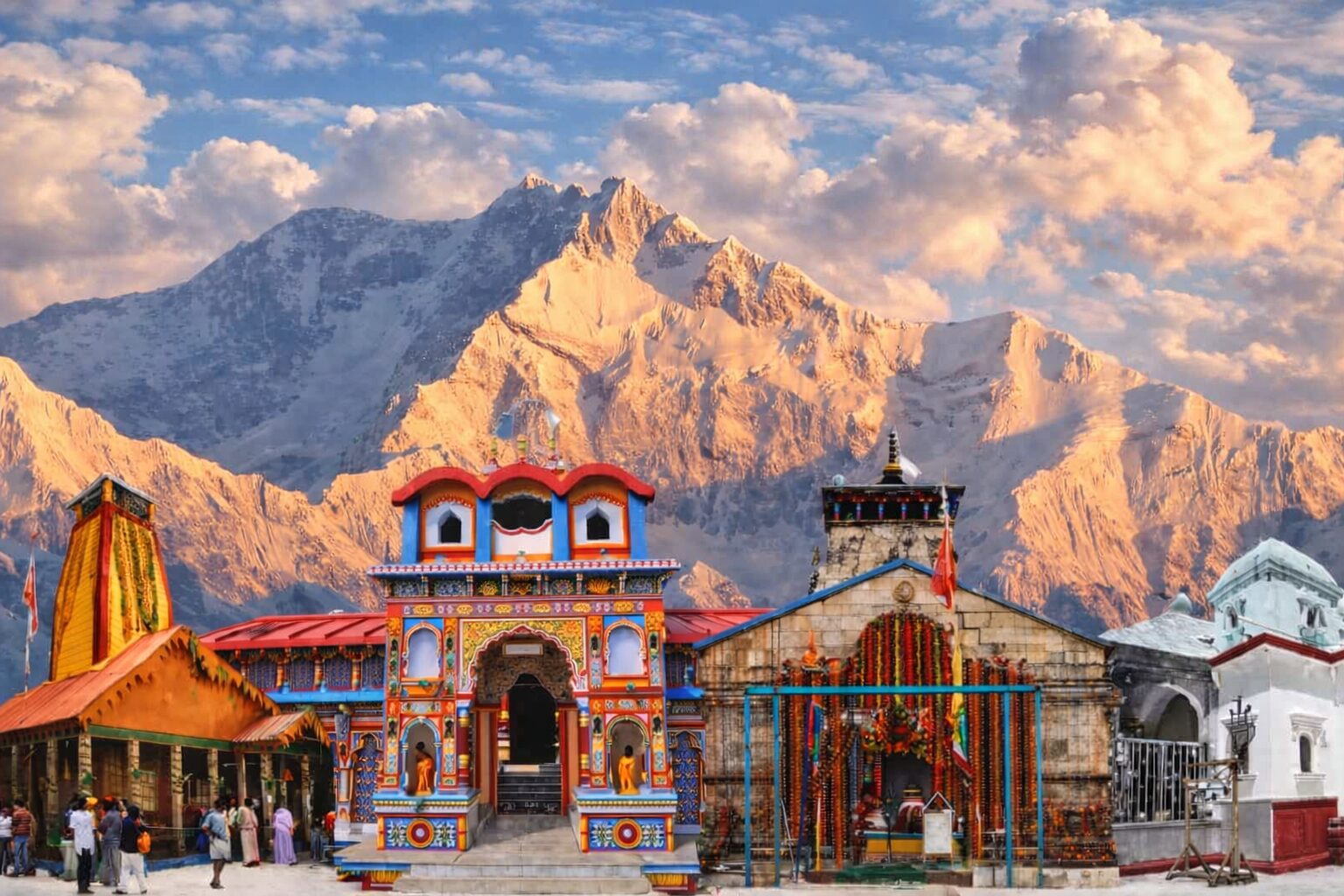
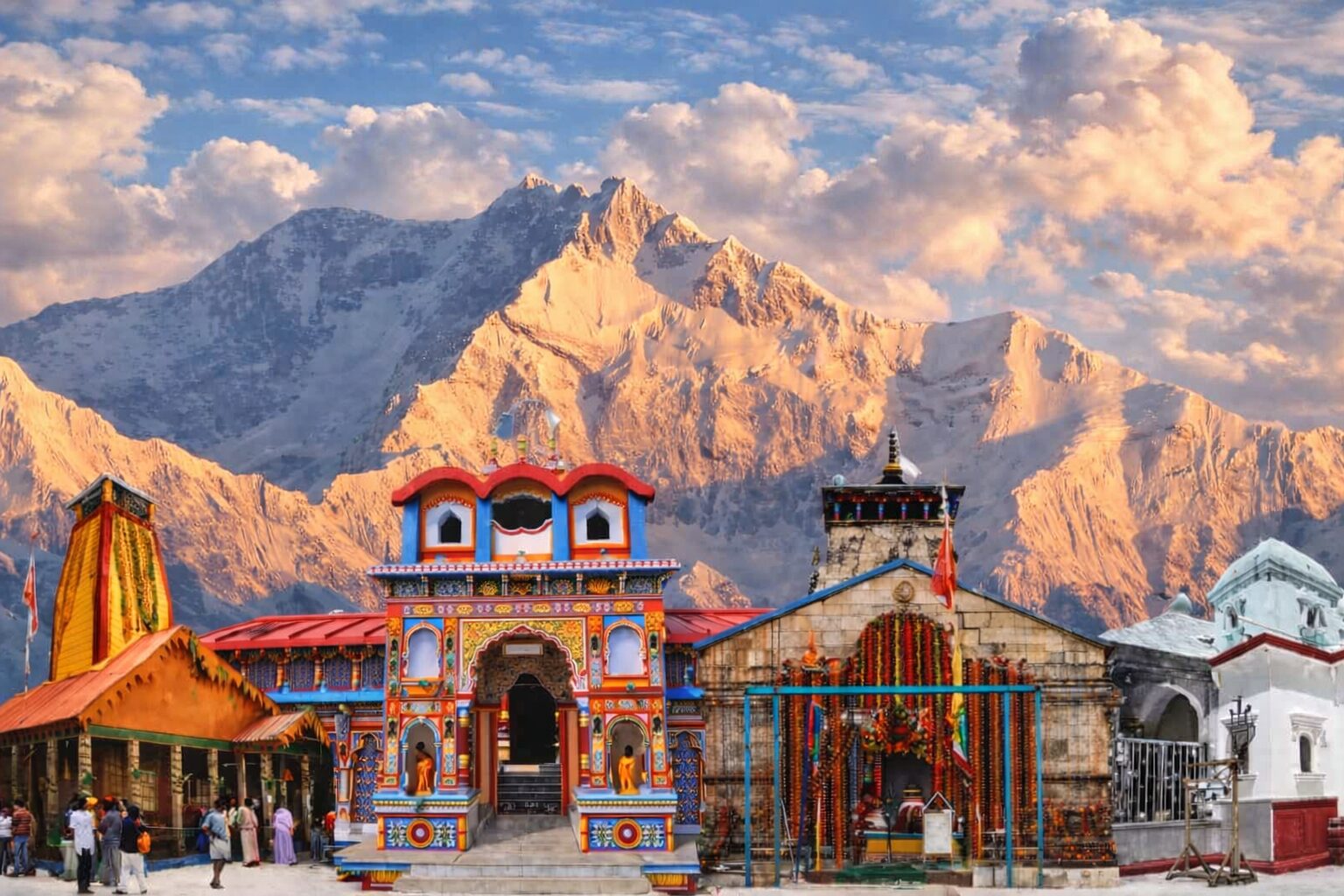
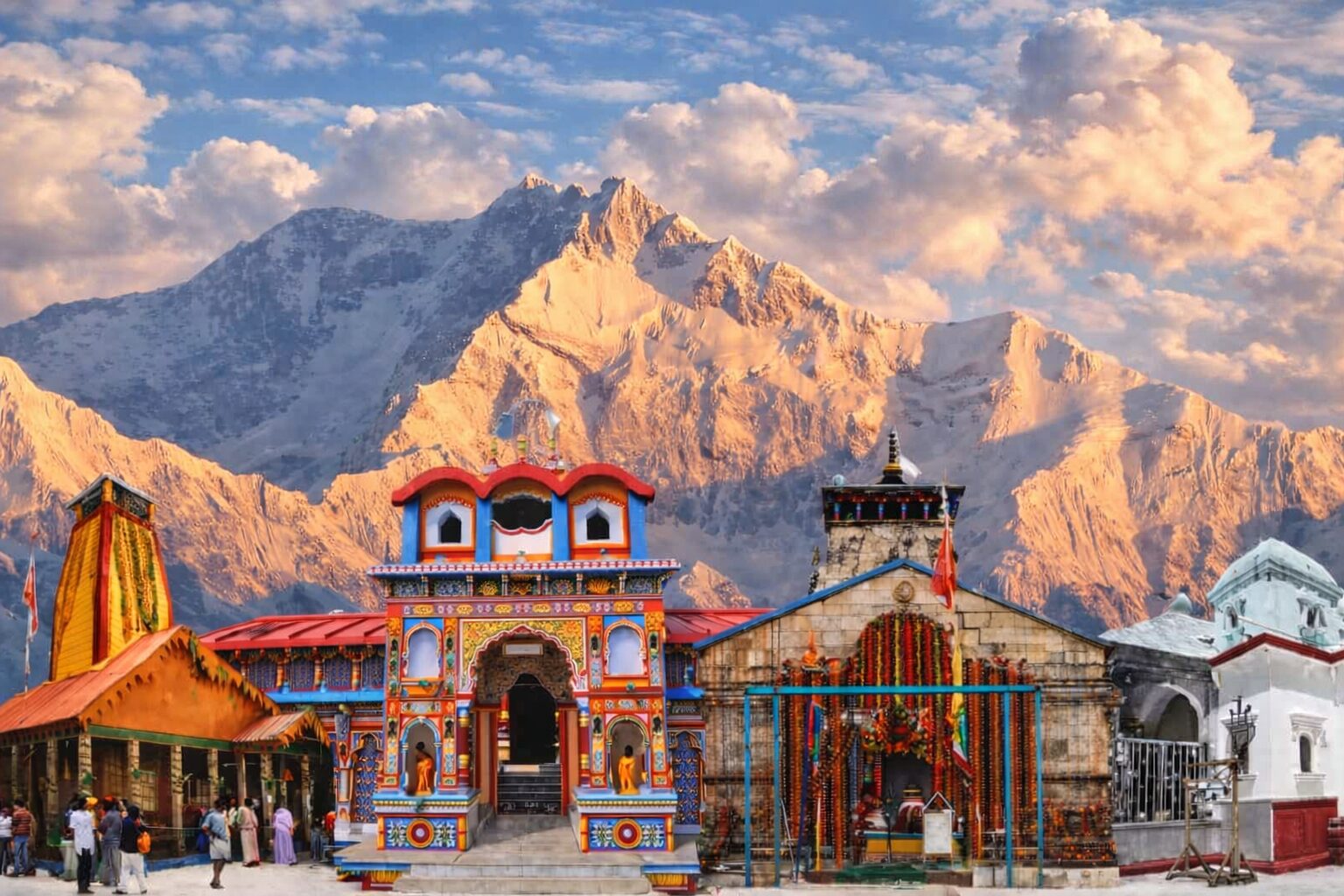
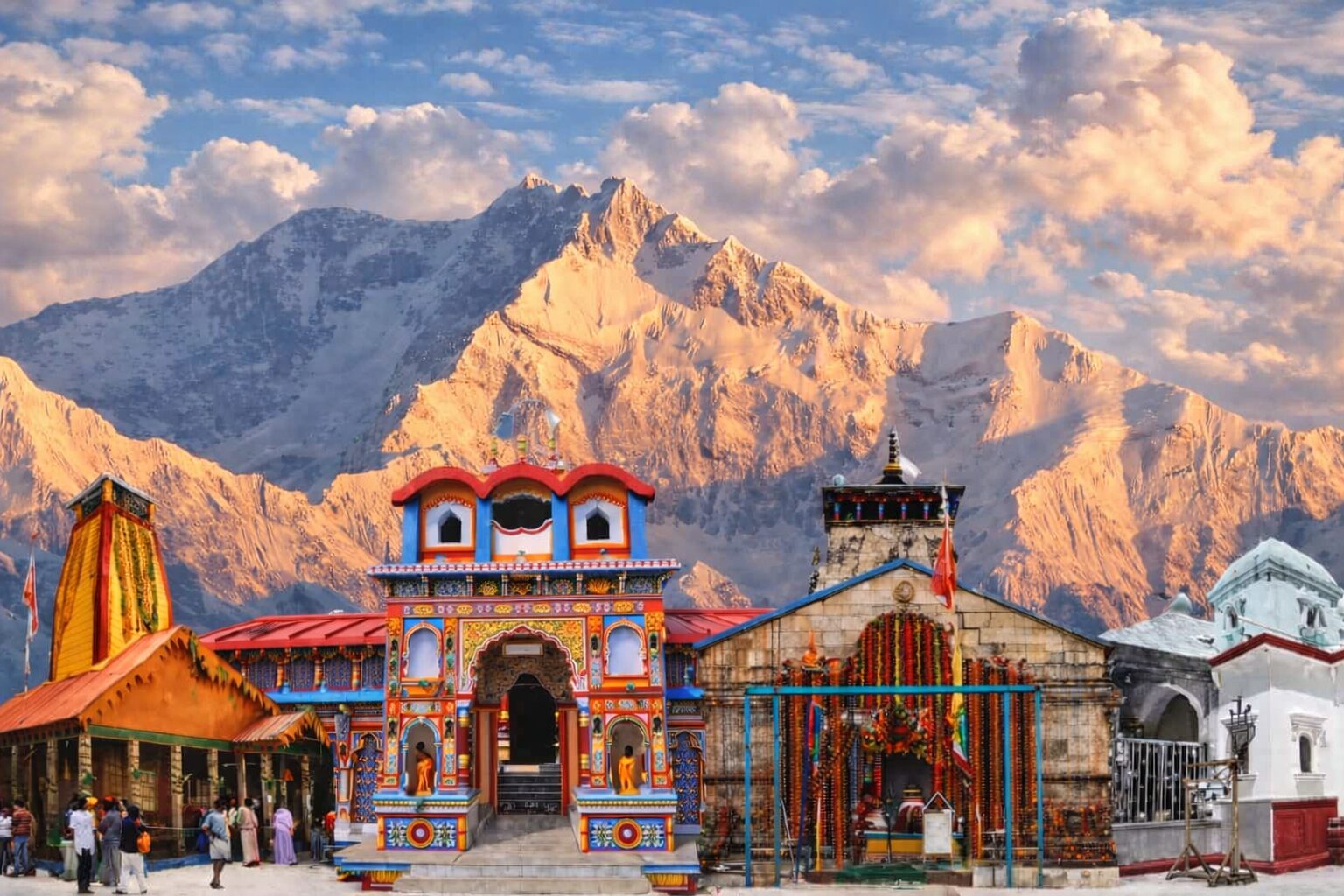
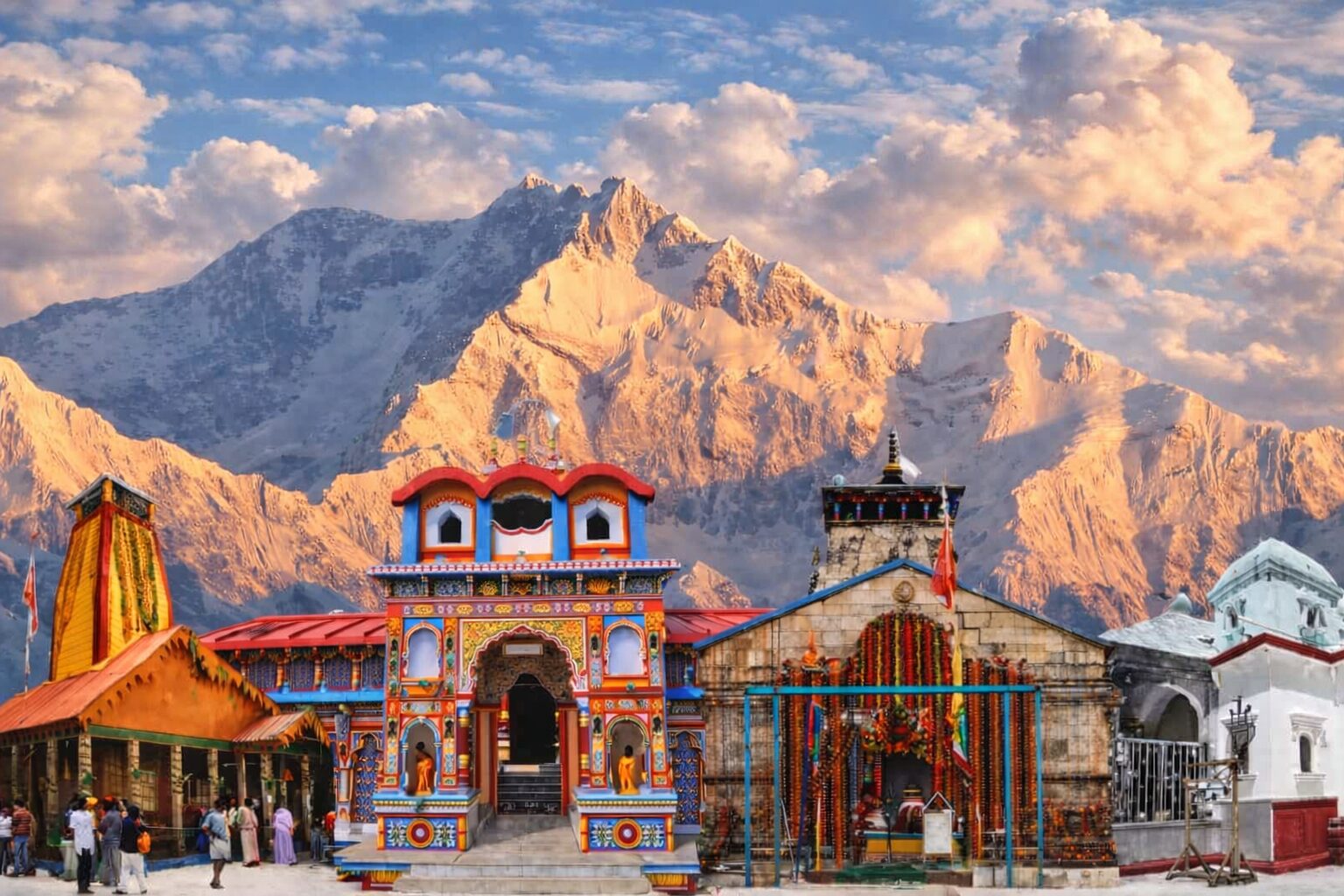
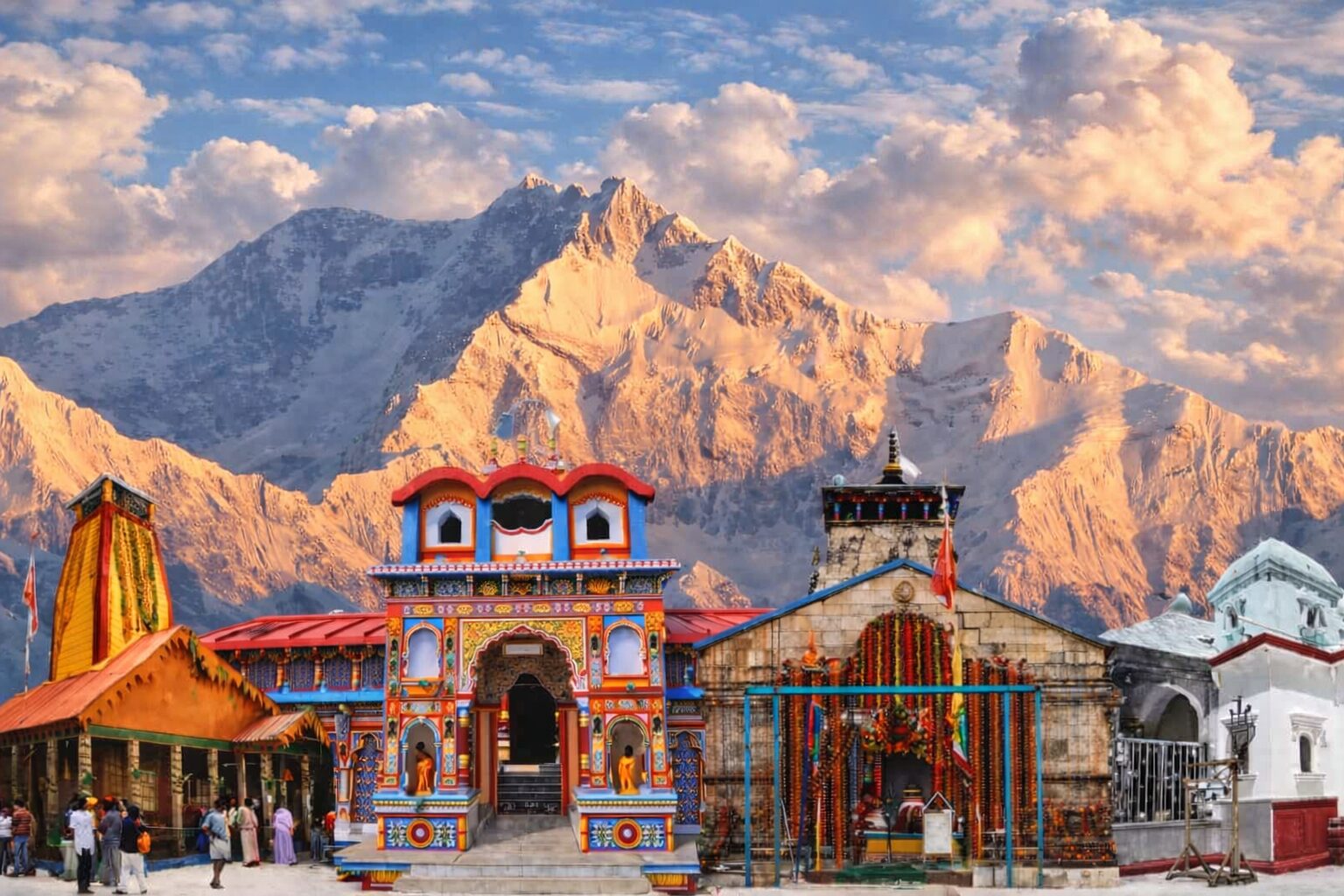
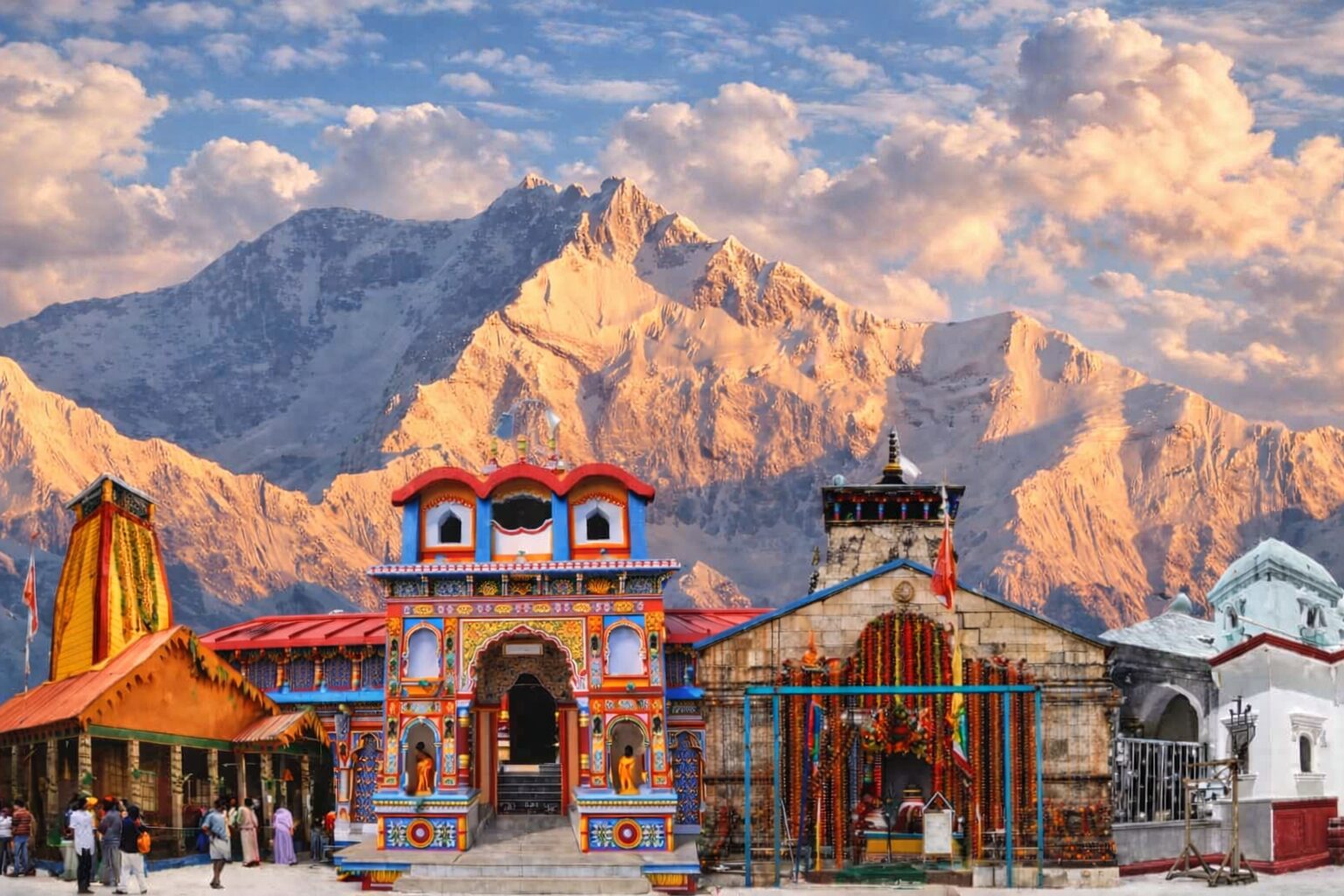
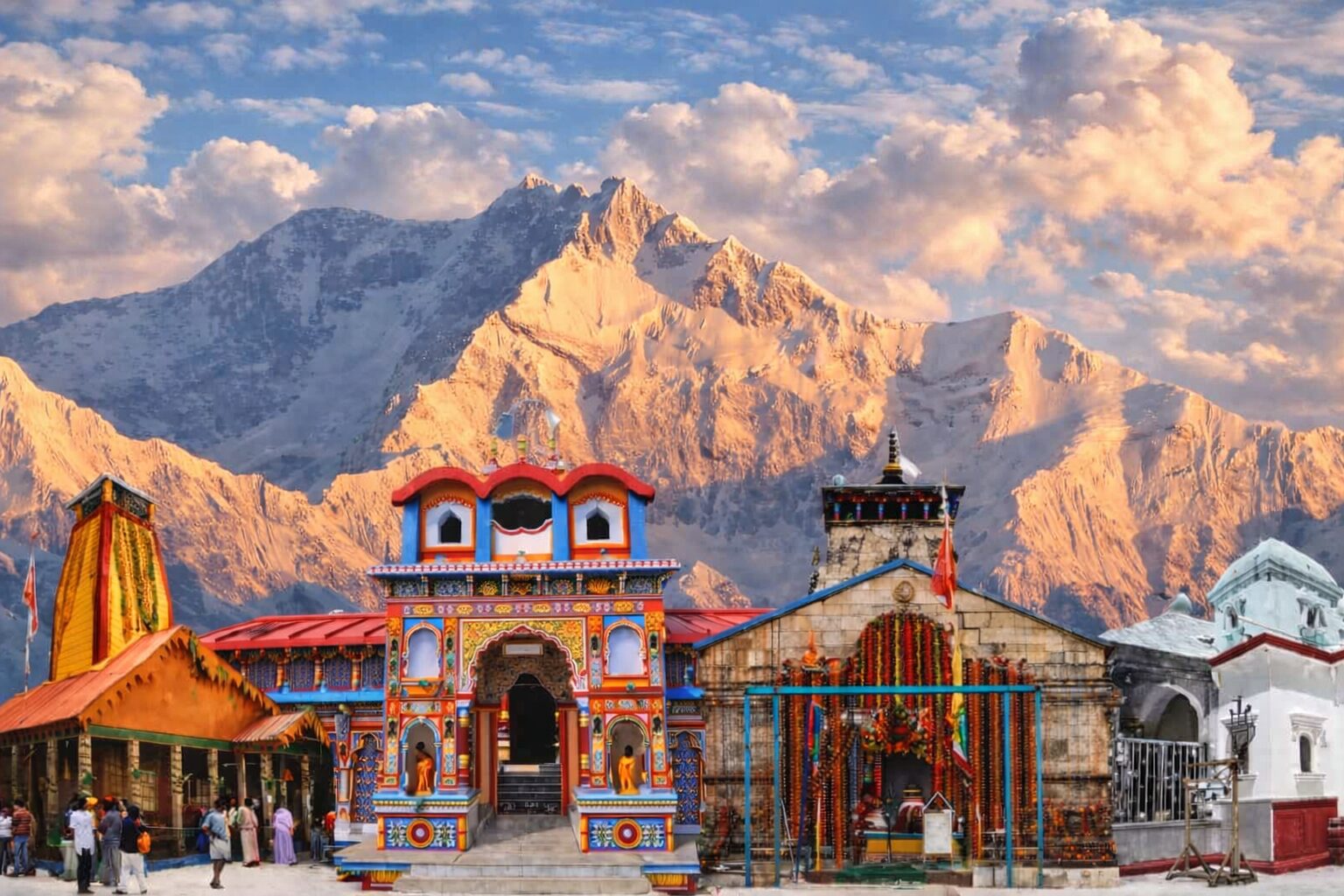
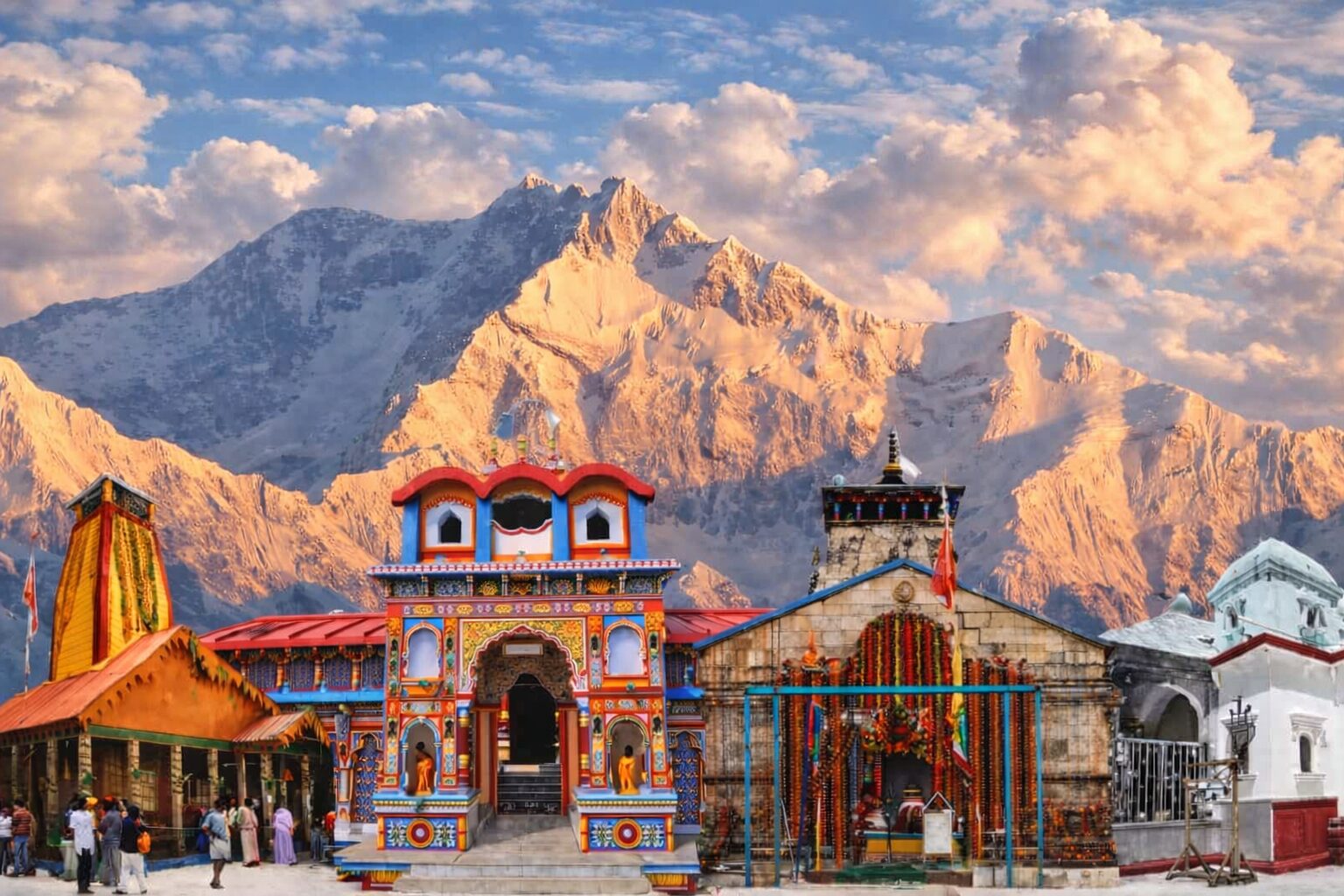
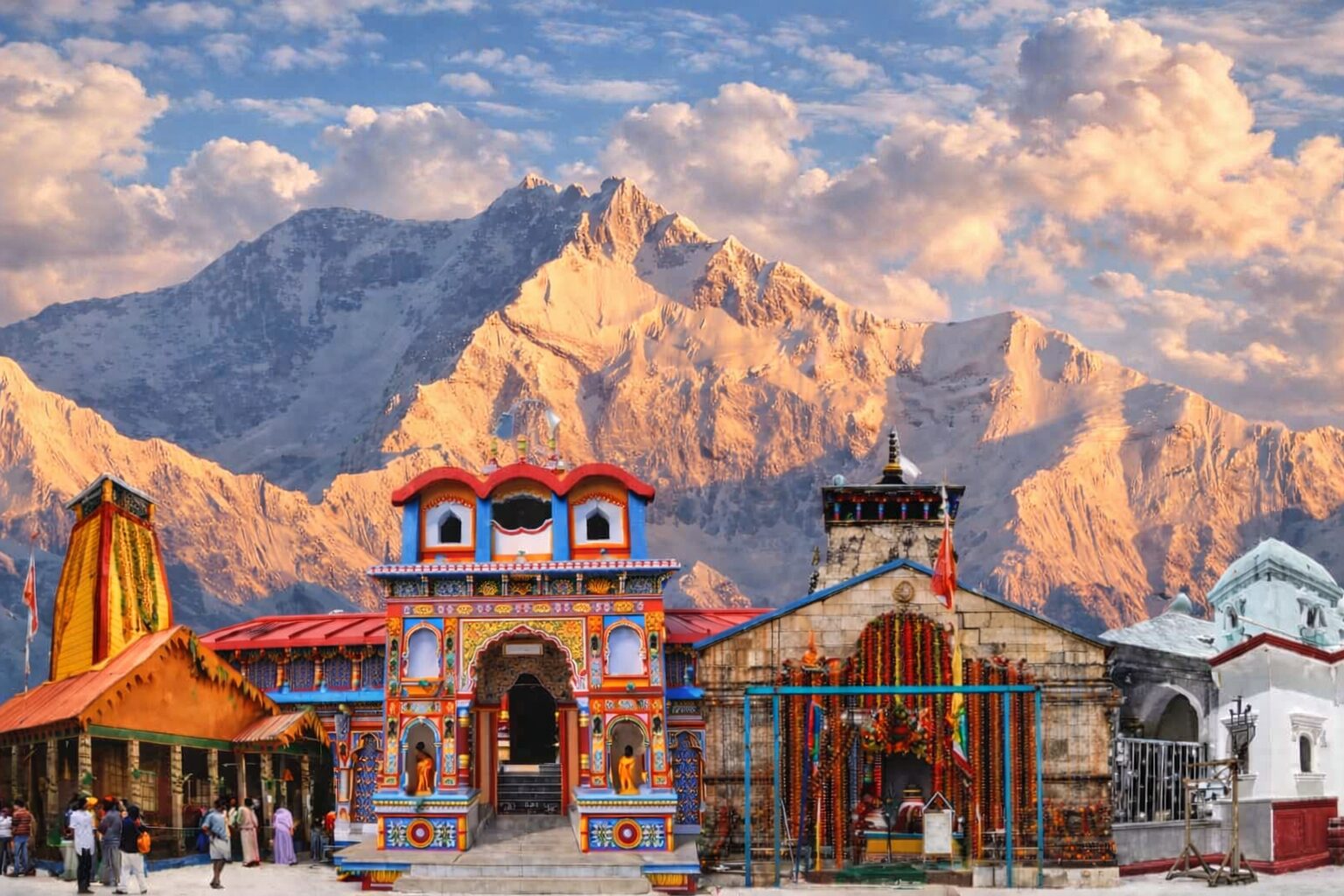
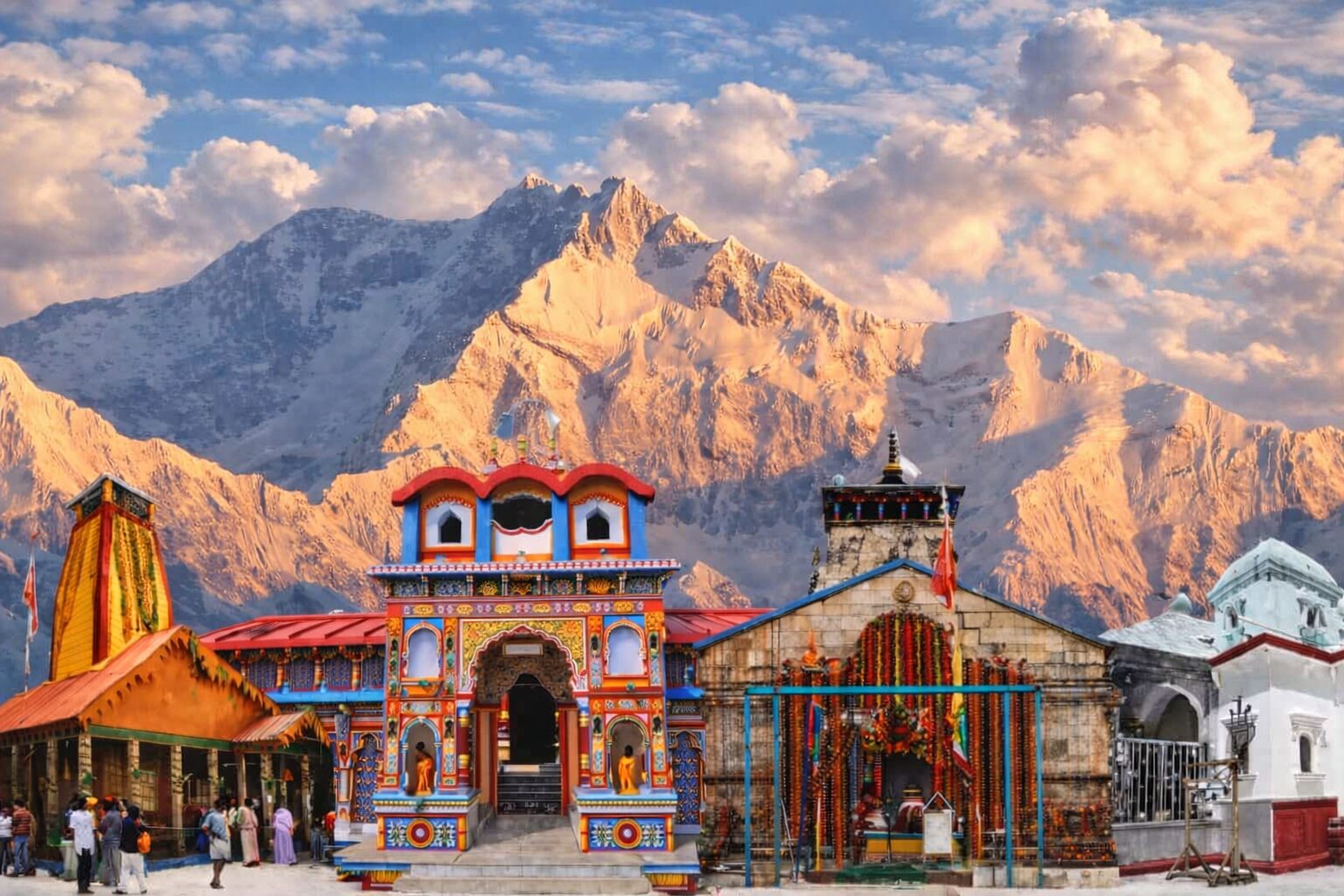
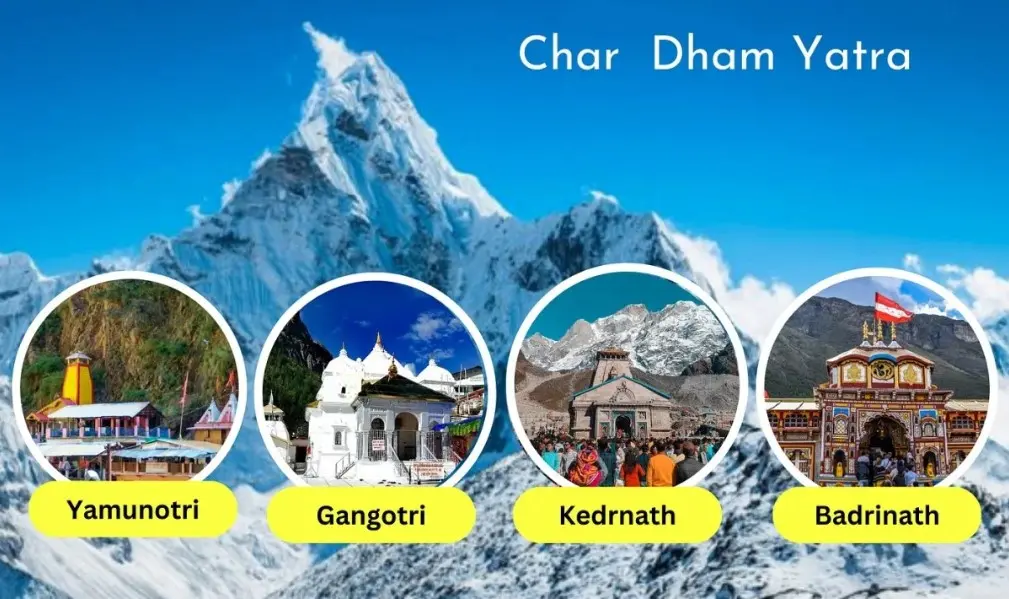
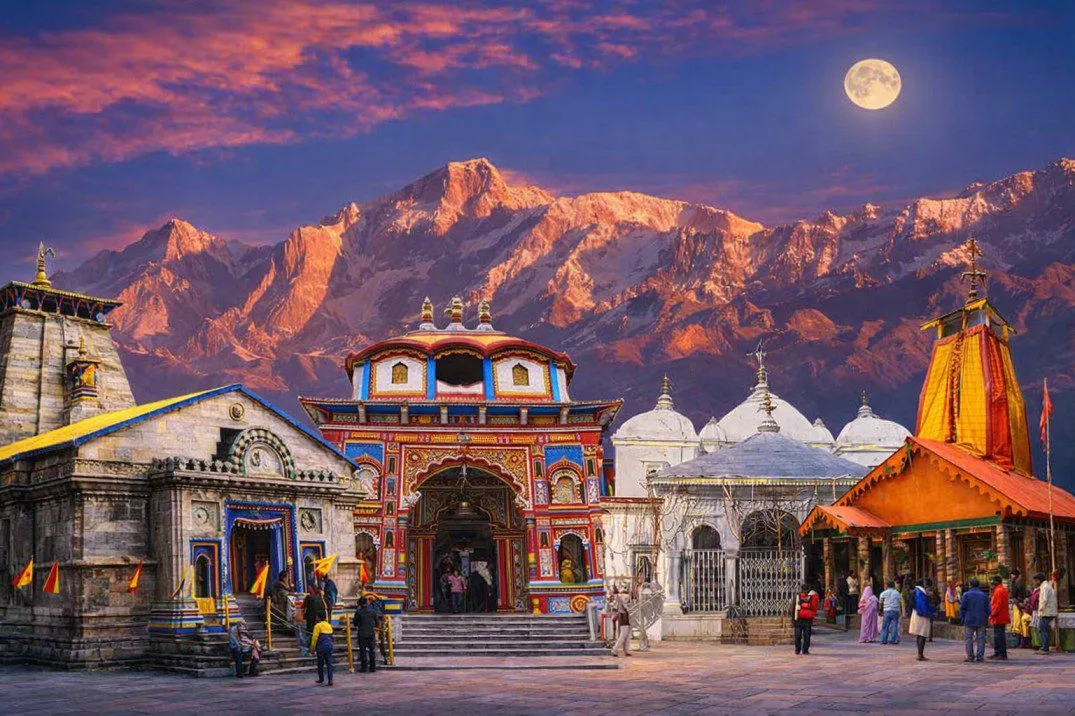
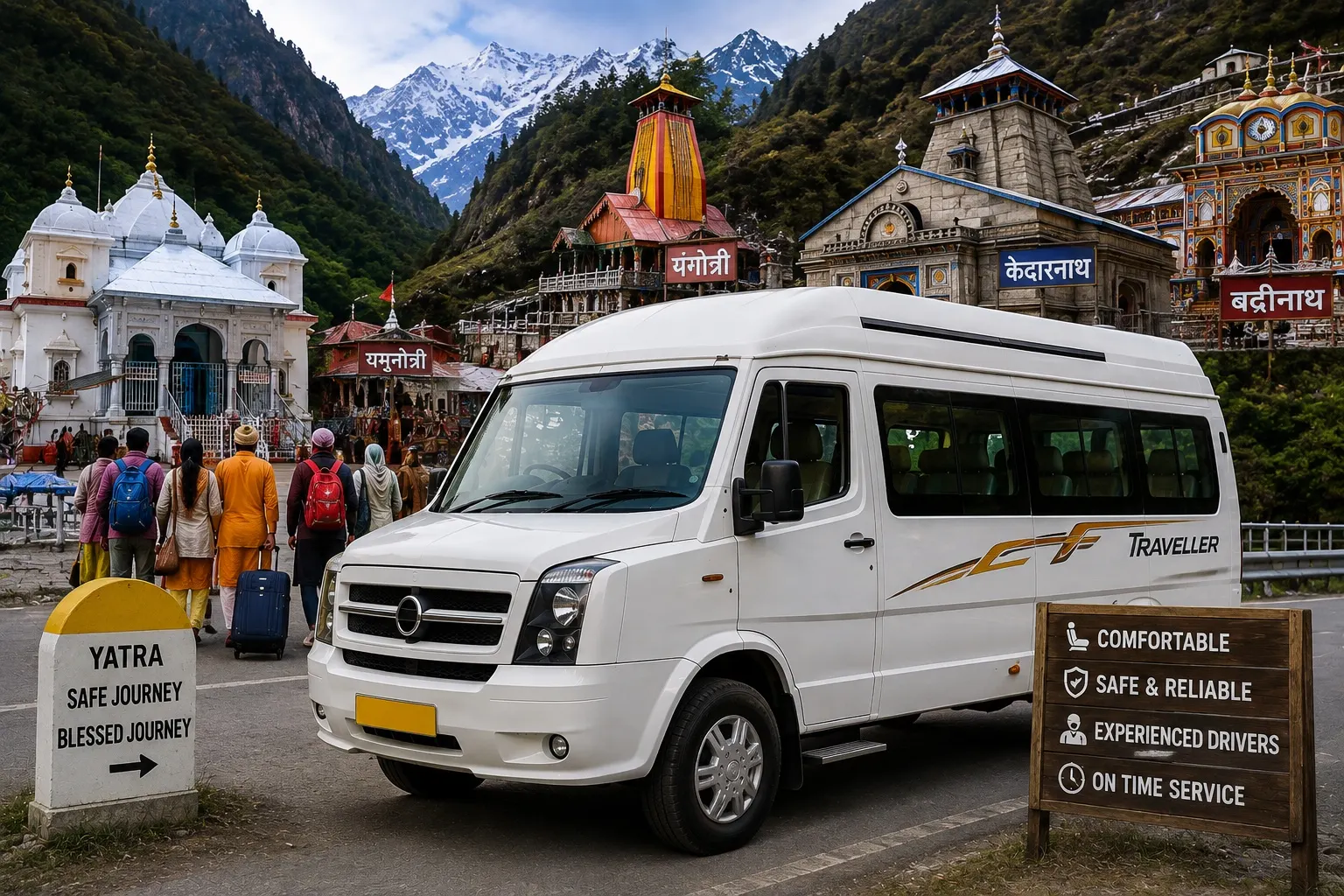
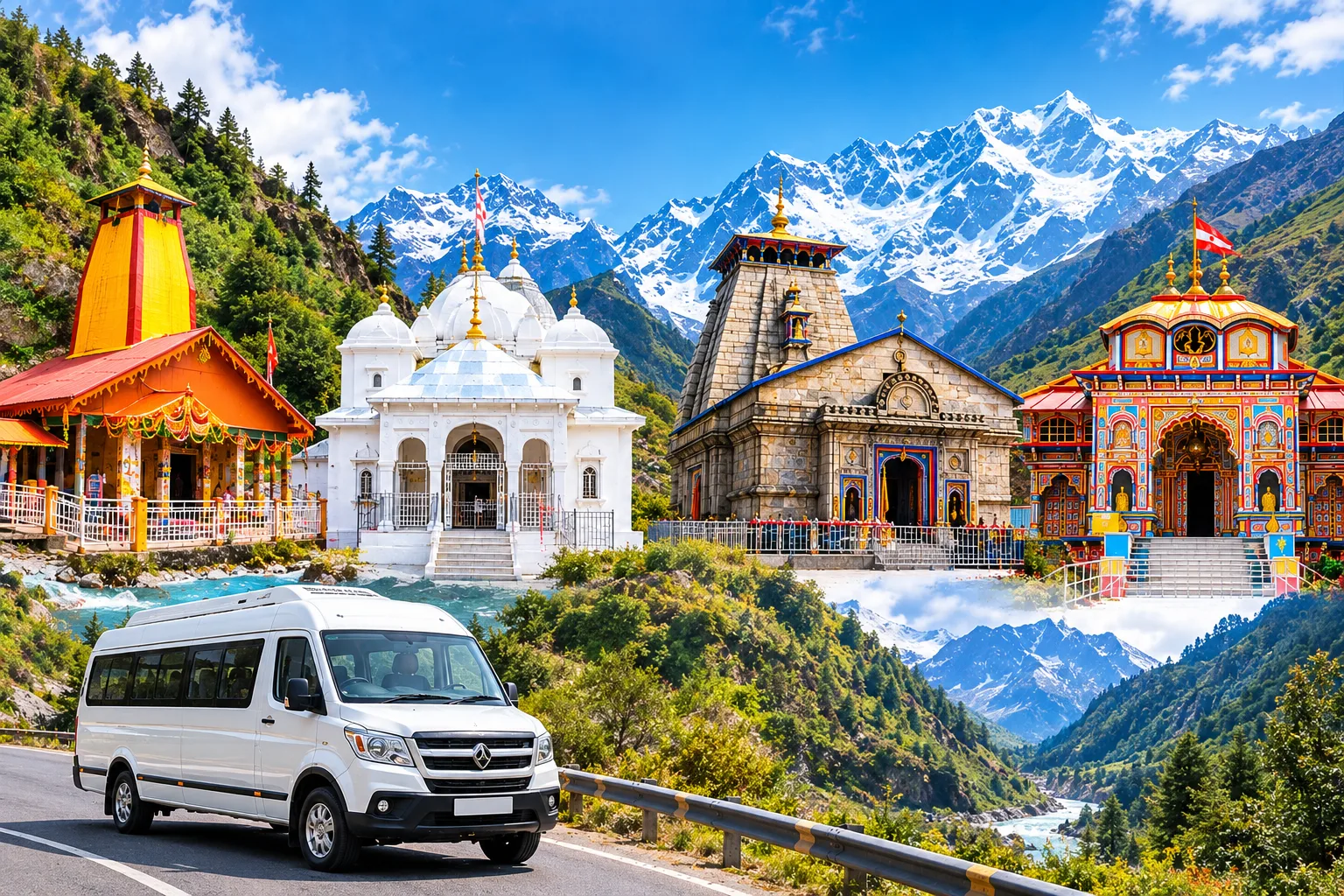
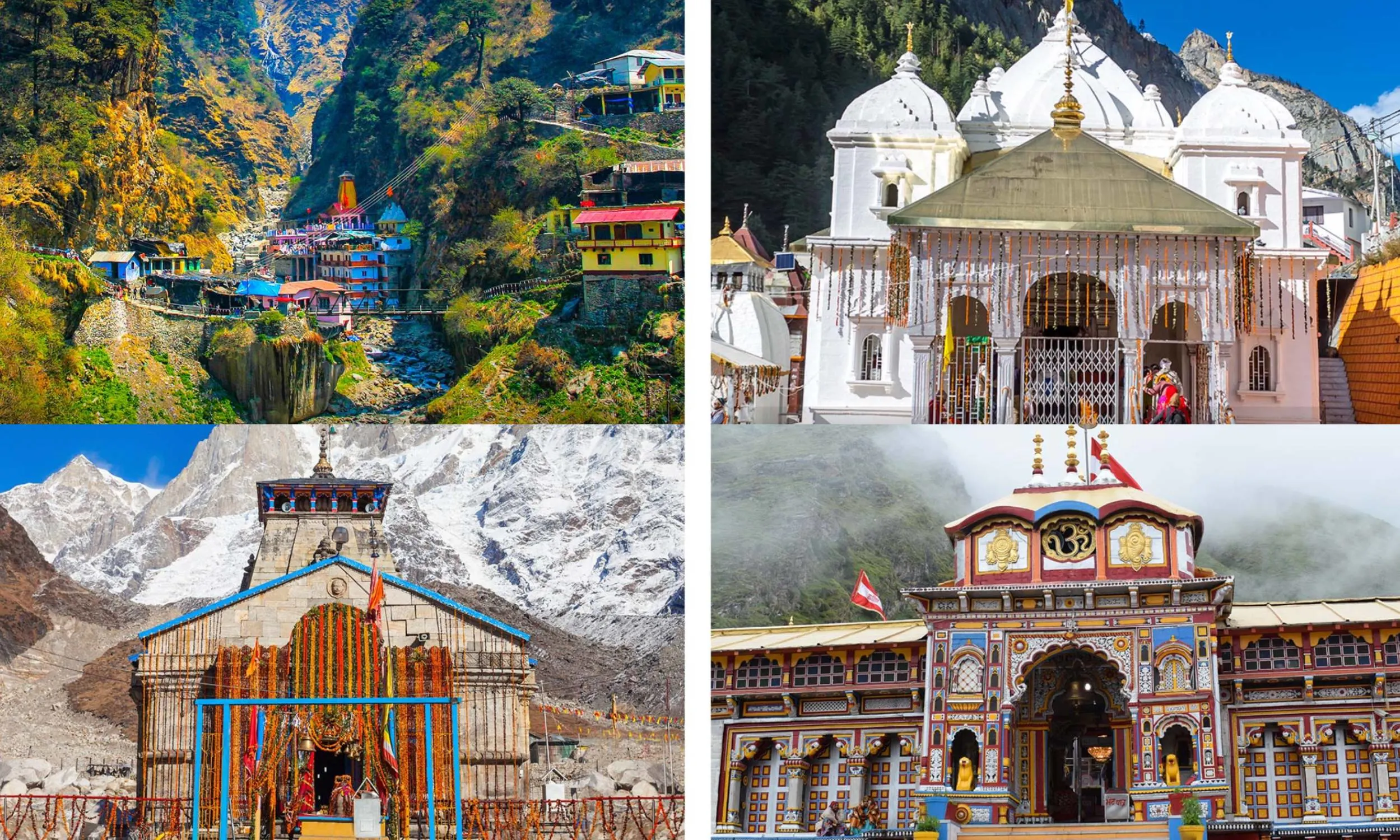
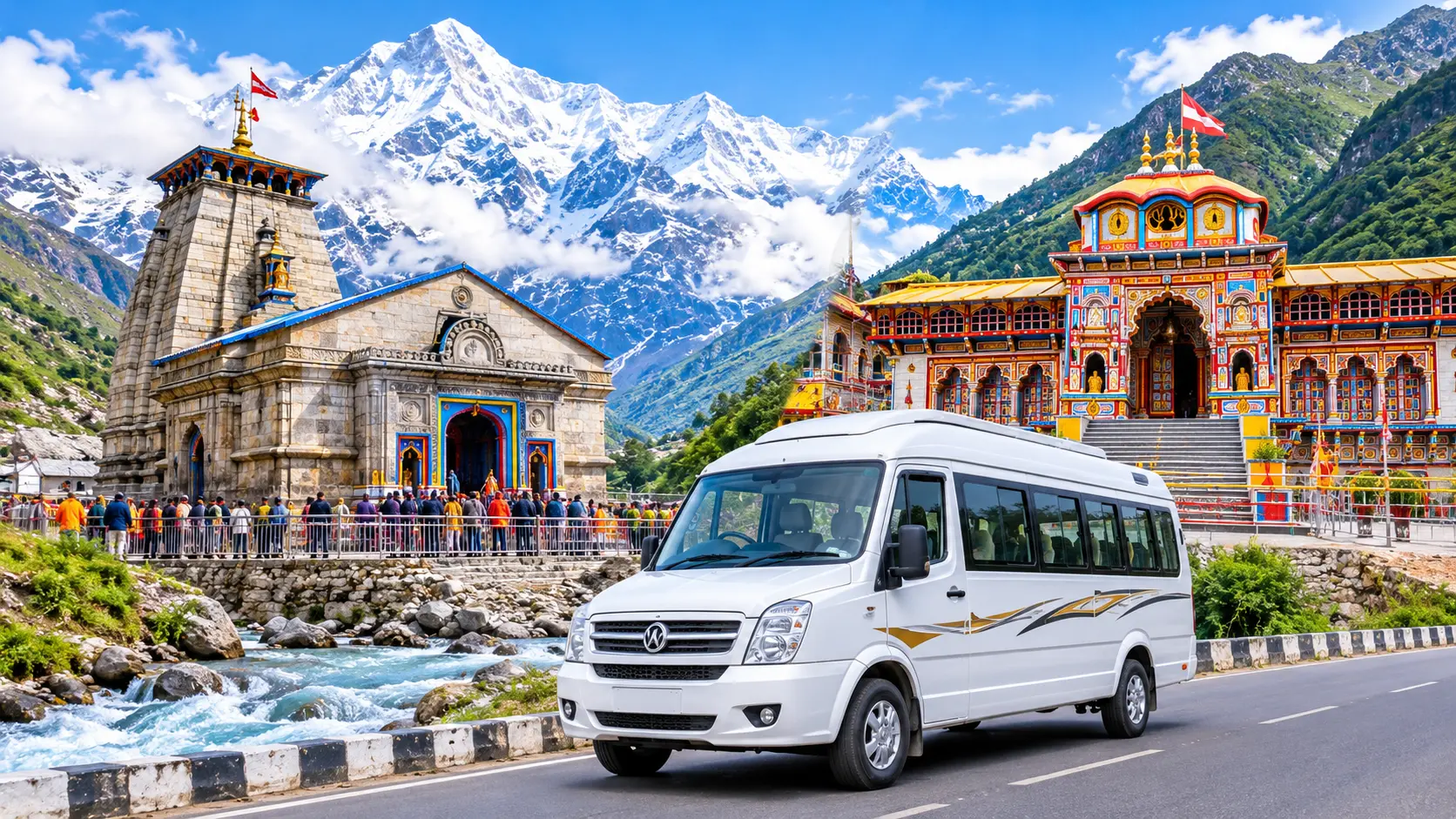
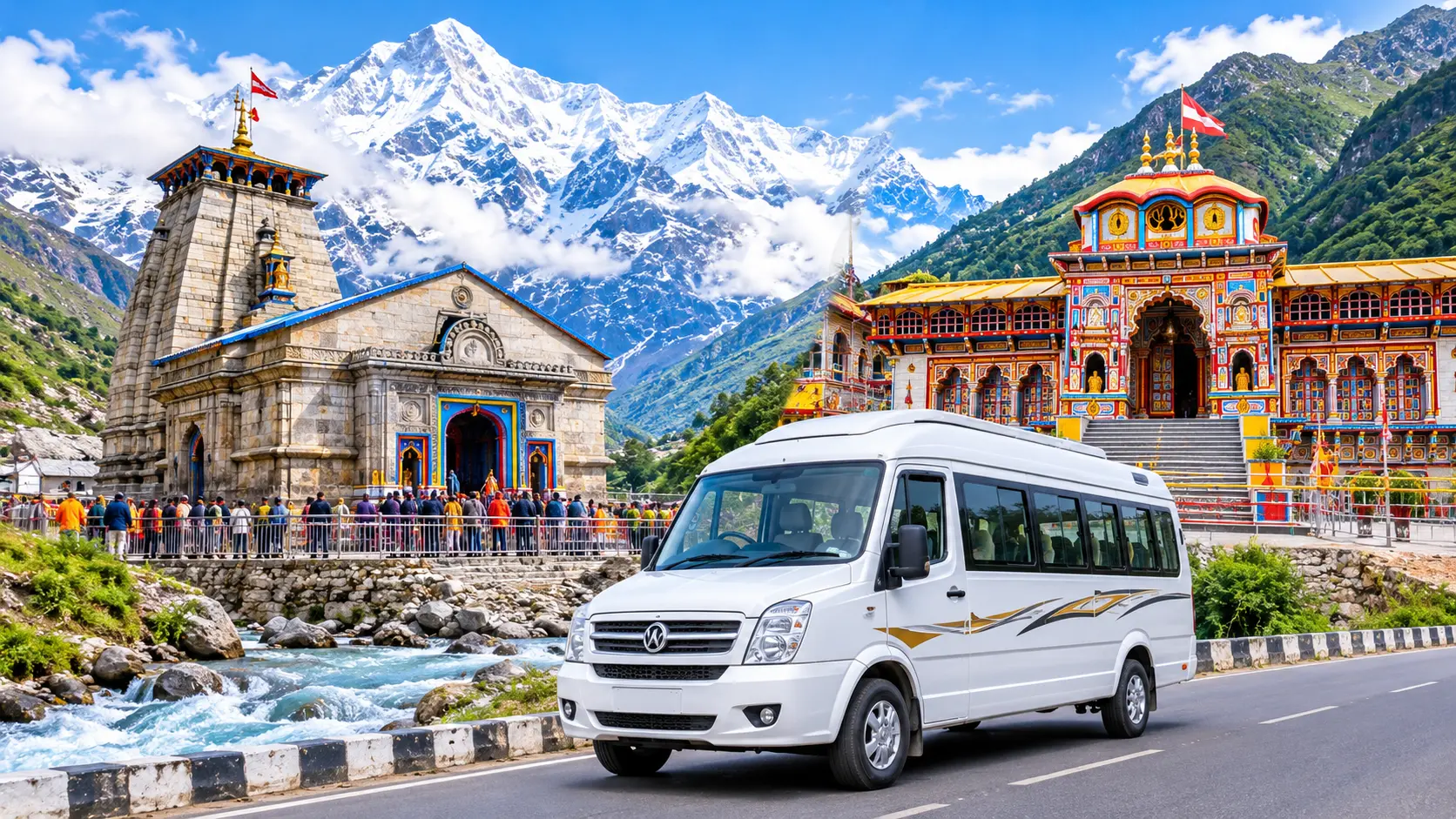
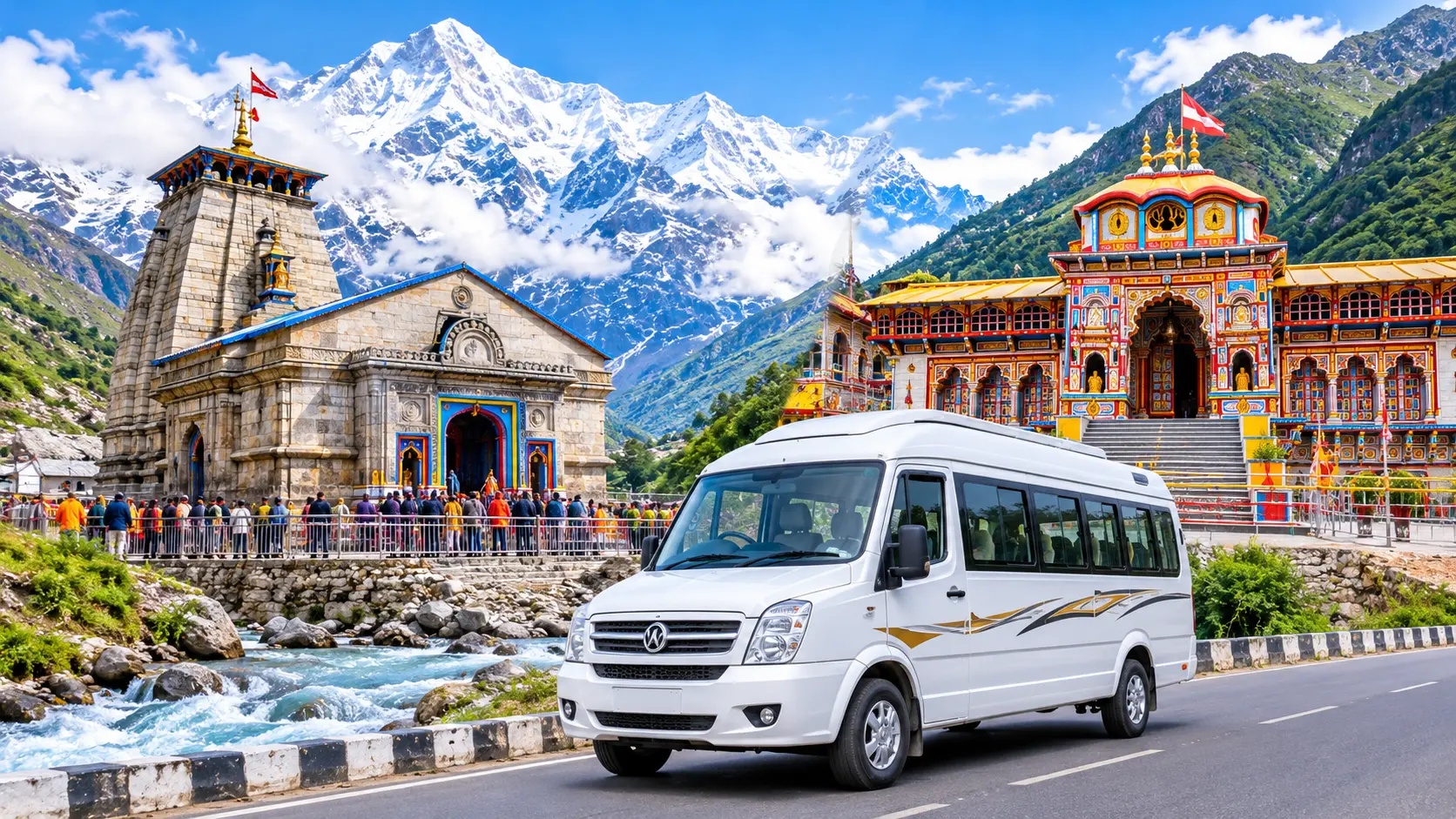
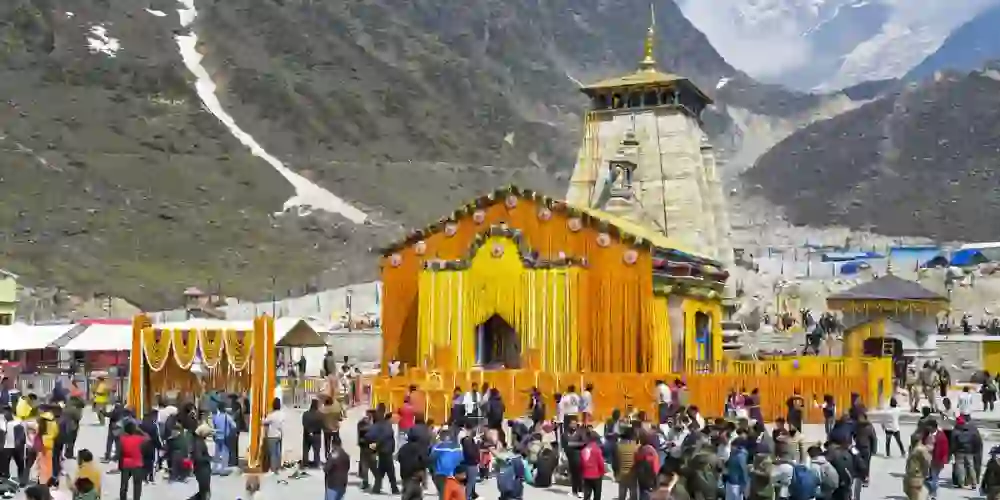
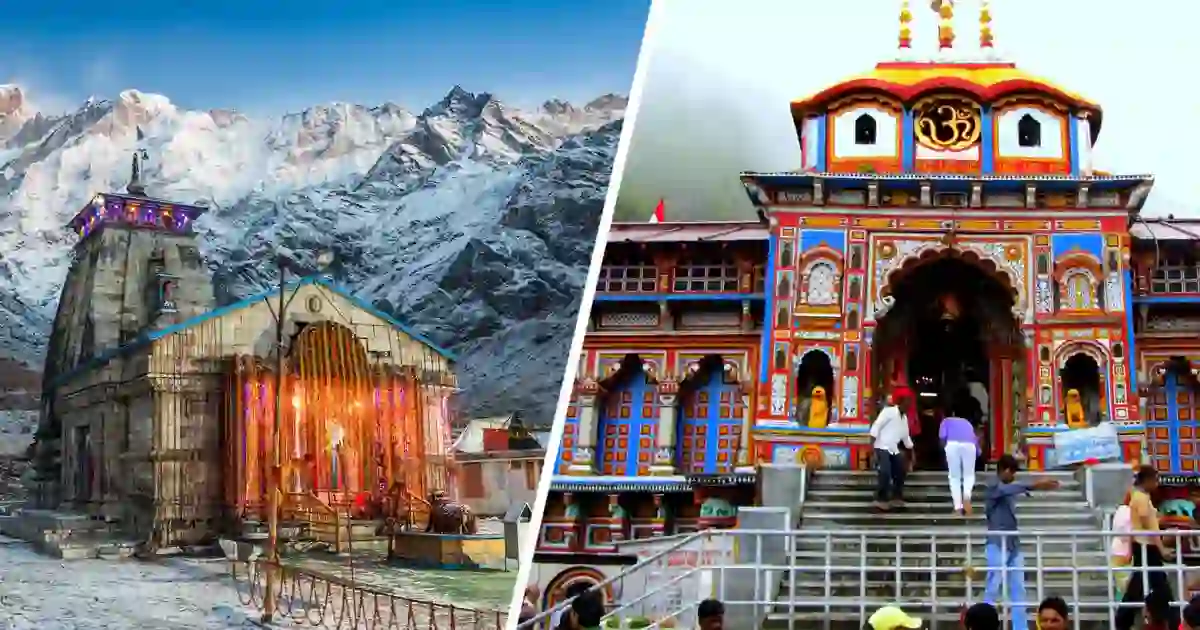
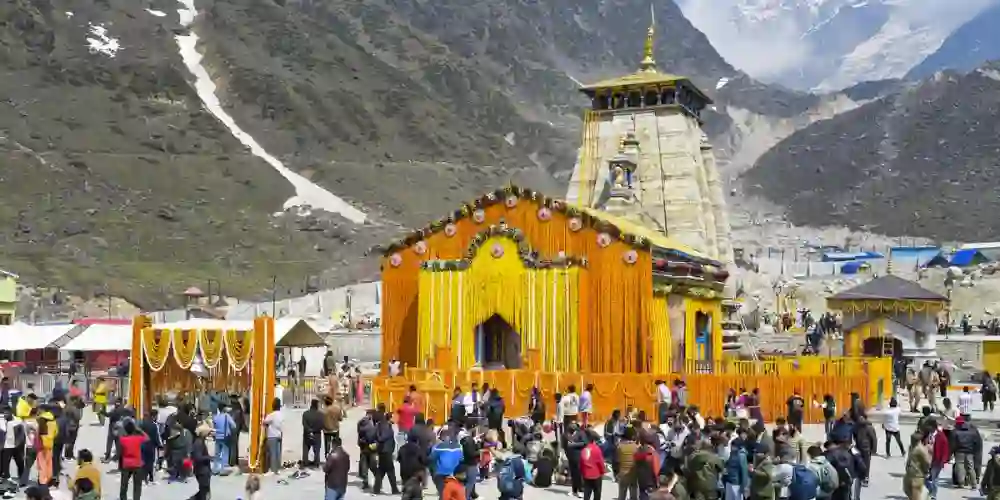
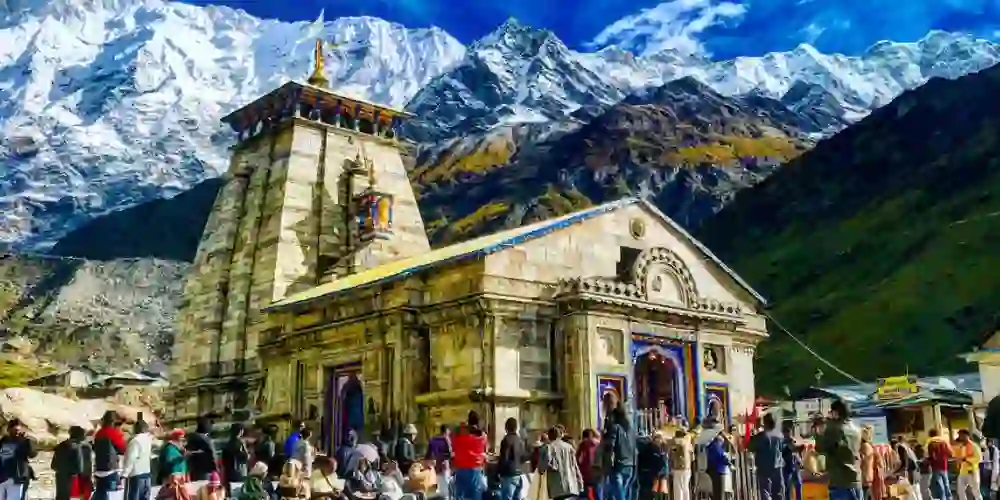
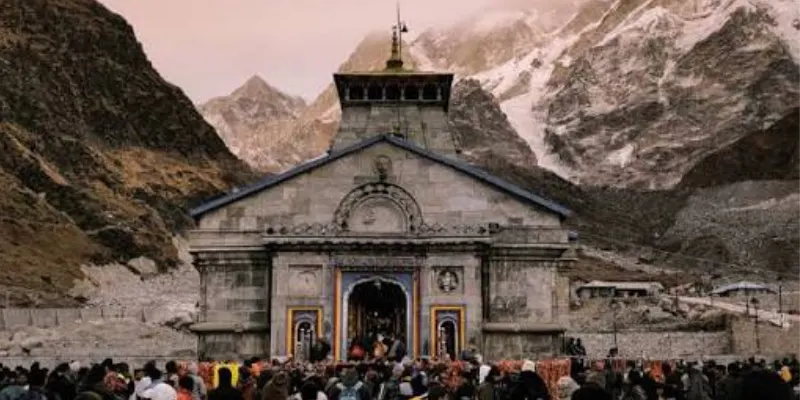
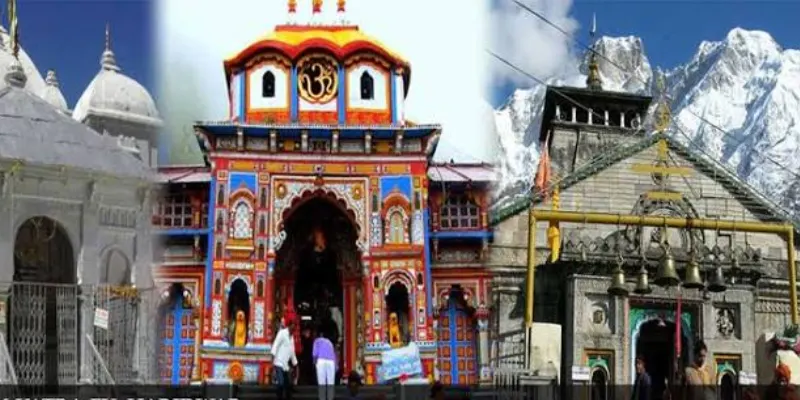
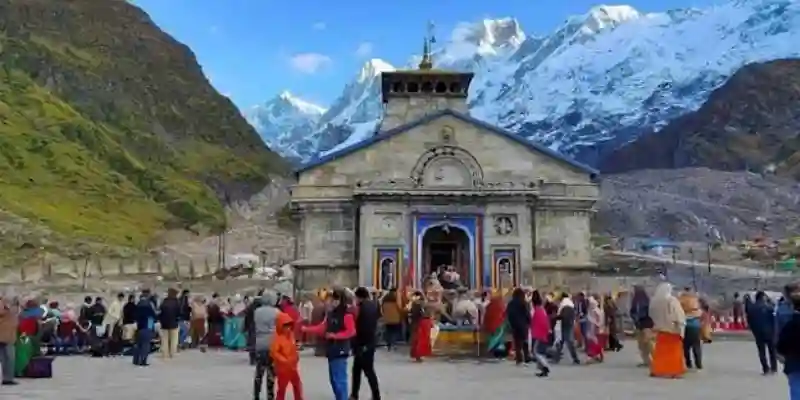
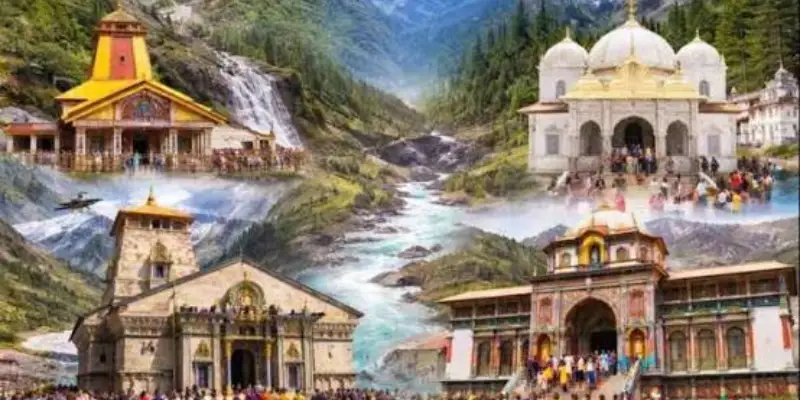
Do Dham Yatra covers two of the four Himalayan shrines of the Char Dham circuit in Uttarakhand: Kedarnath, dedicated to Lord Shiva, and Badrinath, dedicated to Lord Vishnu. Many pilgrims choose it over the full Char Dham because it needs fewer days and less time away from work. It also avoids the long Yamunotri and Gangotri stretches, which suits senior citizens.
A typical kedarnath badrinath tour from Delhi takes 6 nights and 7 days by road, with the Kedarnath leg done on foot, by pony or palki, or by helicopter.
Do Dham Yatra Package from Delhi: Quick Answer
Detail
Typical Plan
Starting point
Delhi / Noida / Gurugram / Ghaziabad
Duration
6 nights / 7 days (7 nights / 8 days for a relaxed pace)
₹9,000–₹18,000 per person, depending on hotels, group size and vehicle
Prices change with season, fuel and hotel availability, so treat these as planning figures. Confirm the final quote before you book.
Kedarnath Badrinath Package from Delhi: Day-Wise Itinerary
This is a practical, tested-style plan. It keeps driving hours manageable and gives you buffer time for weather.
Day 1: Delhi to Haridwar or Rishikesh (about 220–240 km, 6–7 hours)
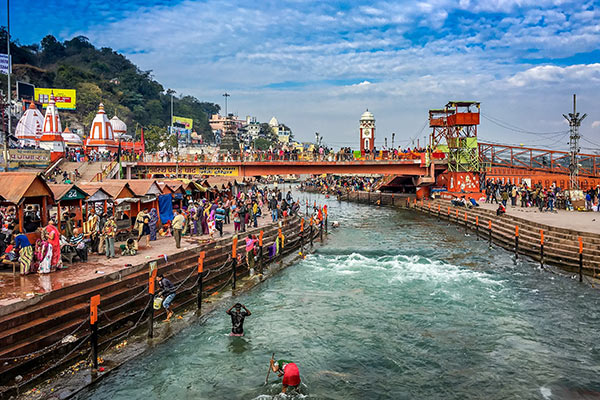
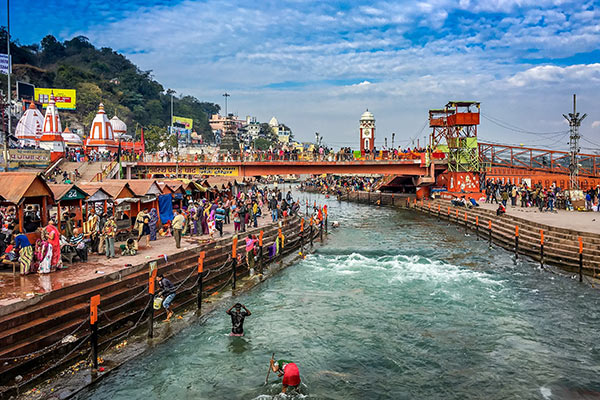
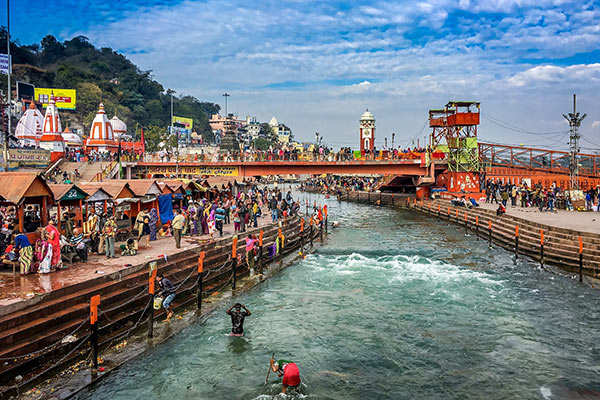
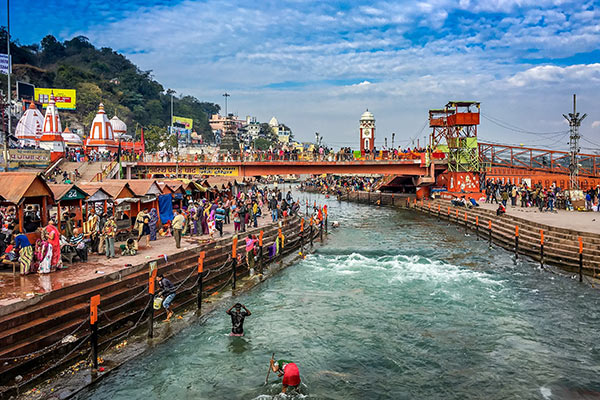
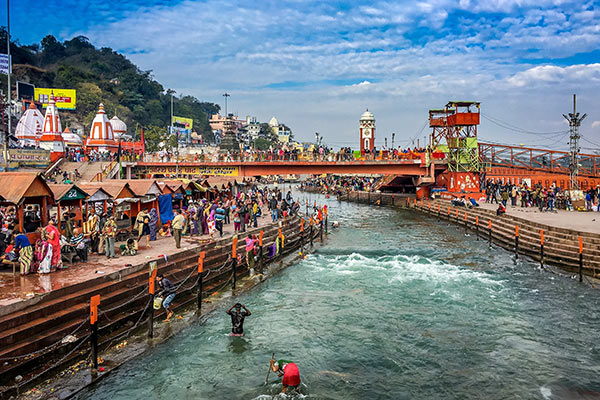
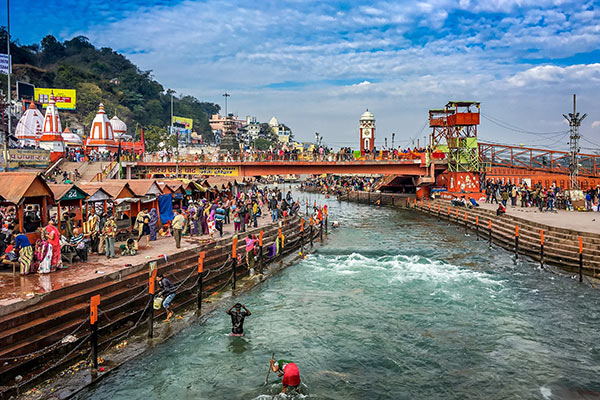
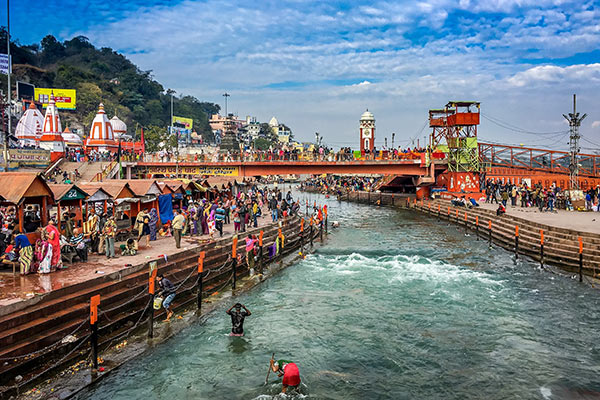
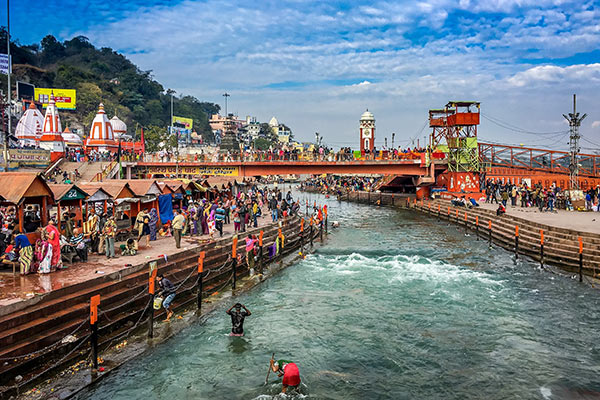
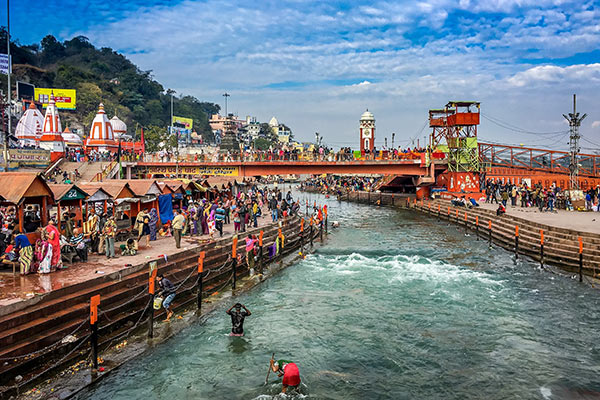
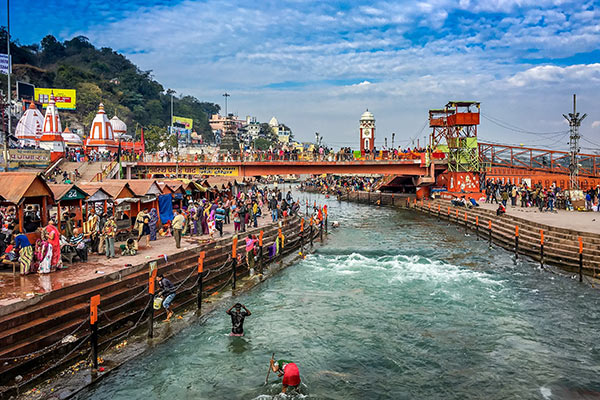
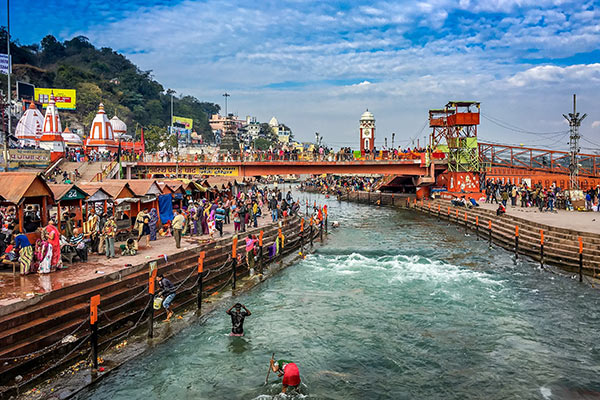
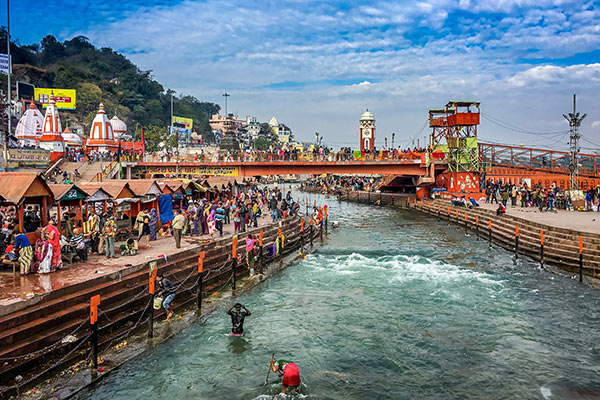
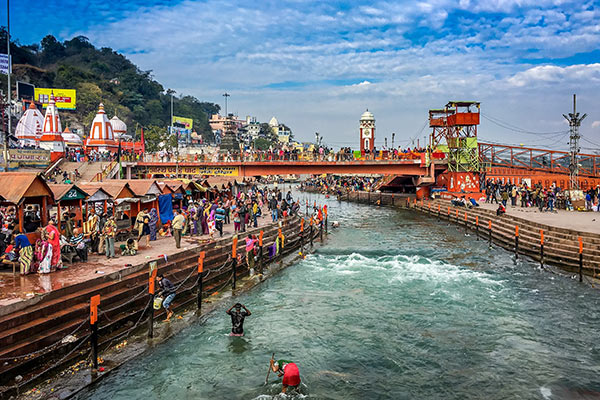
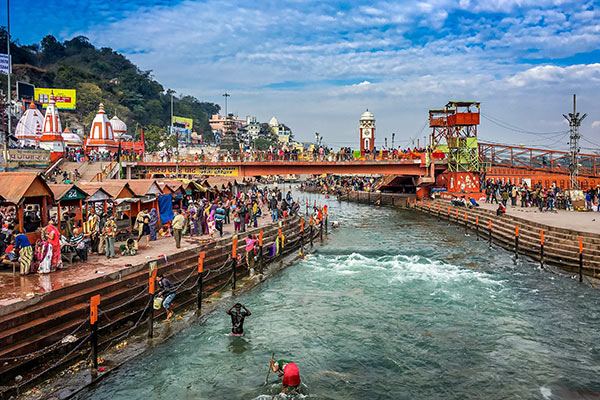
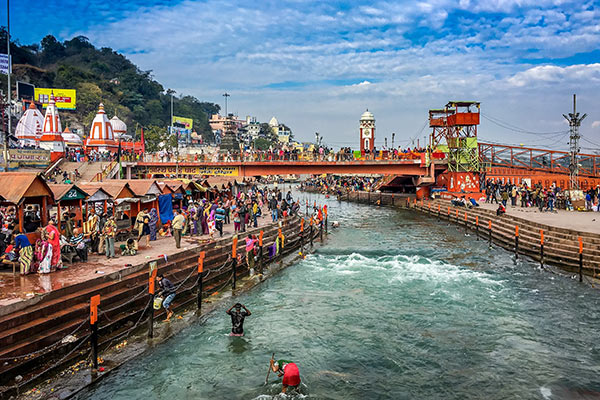
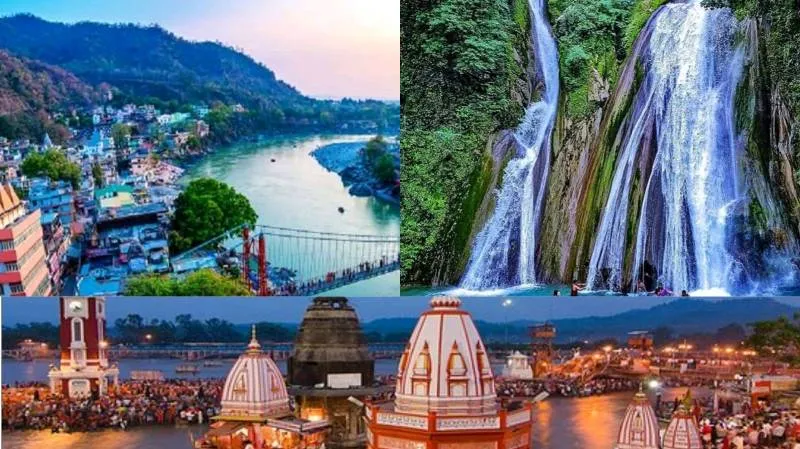
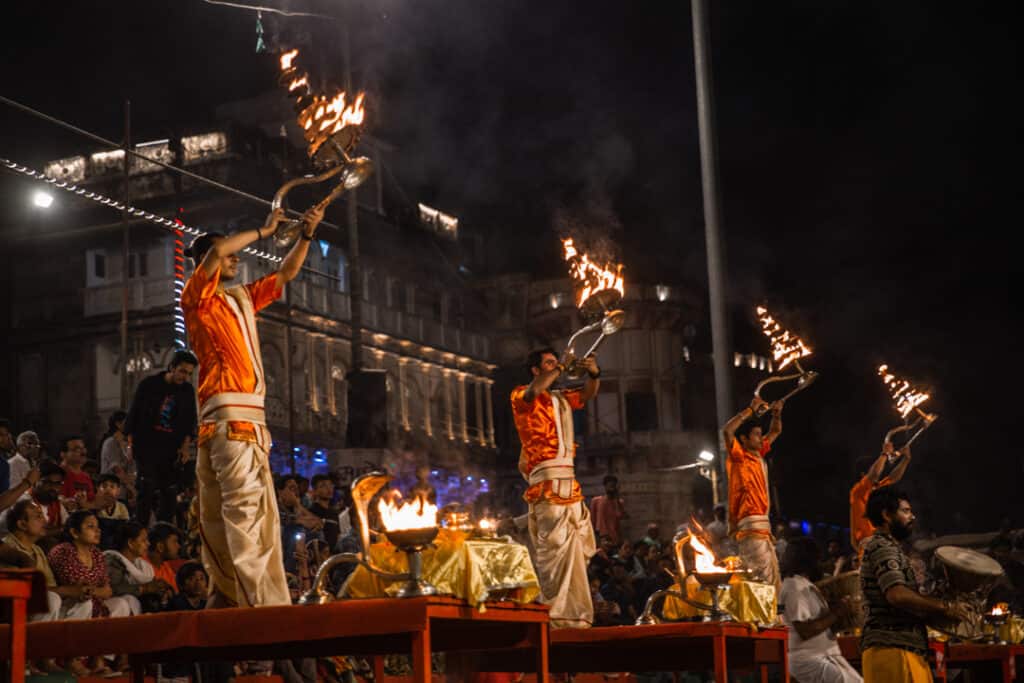
Leave early to beat Delhi traffic. Your vehicle takes the Meerut–Muzaffarnagar–Roorkee road to Haridwar. Reach by afternoon, check in, and attend the evening Ganga Aarti at Har Ki Pauri. Overnight in Haridwar or Rishikesh.
Day 2: Haridwar to Guptkashi or Phata (about 220 km, 9–10 hours)
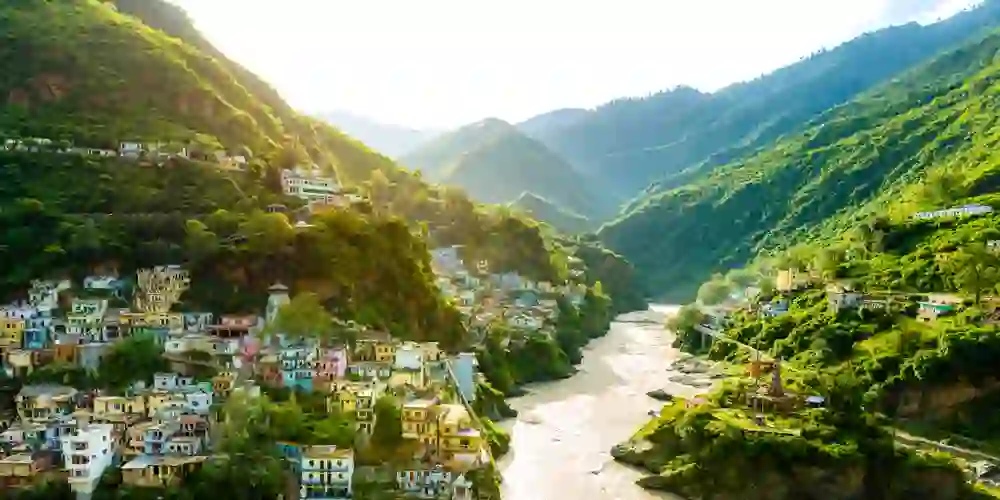
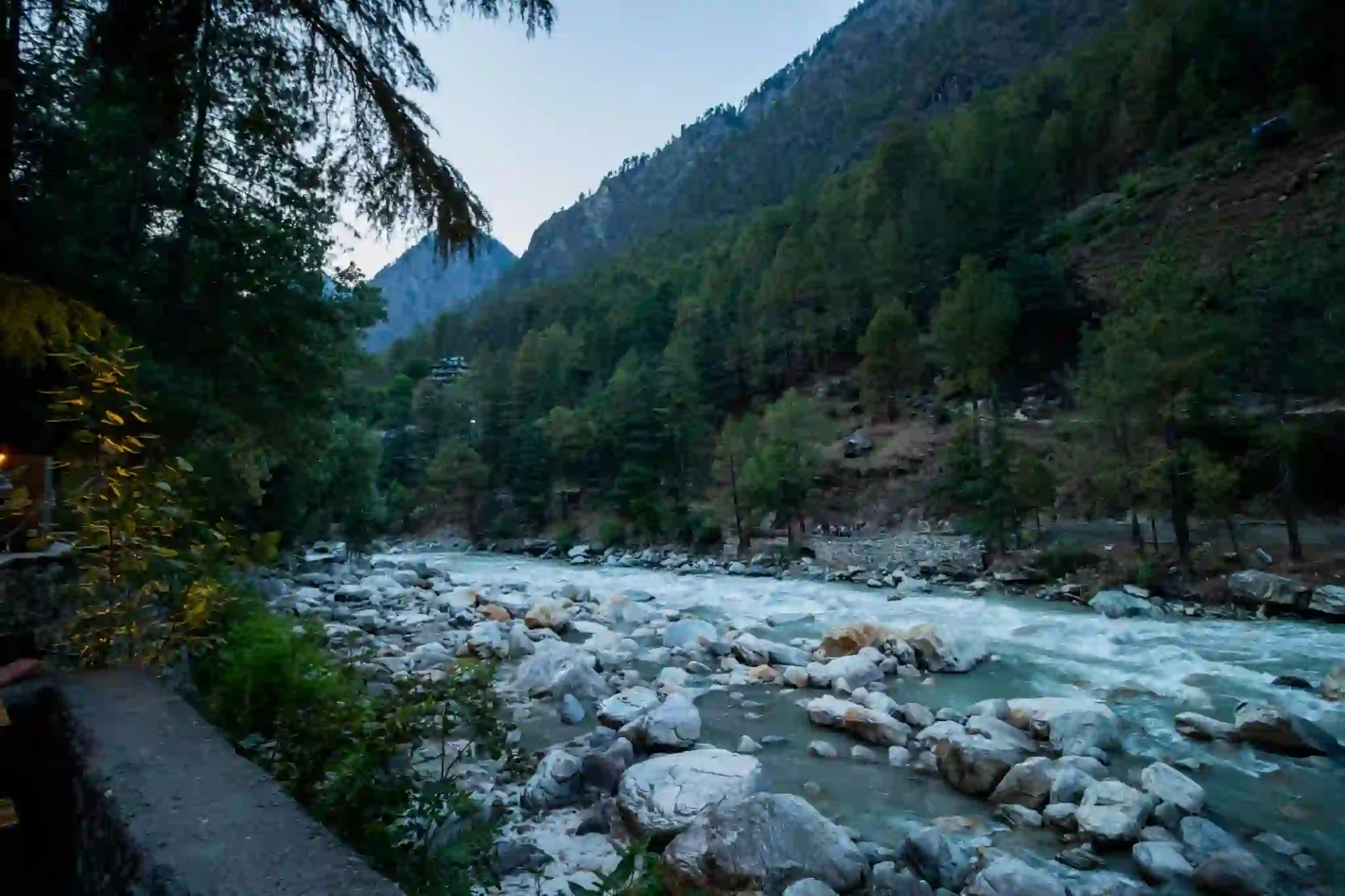
This is the first real mountain day. The road follows the Ganga and Alaknanda through Devprayag, Srinagar and Rudraprayag. Stop at Devprayag, where the Bhagirathi and Alaknanda rivers meet, and at Rudraprayag. Overnight in Guptkashi, Phata or Sitapur.
Day 3: Guptkashi to Sonprayag, then Kedarnath
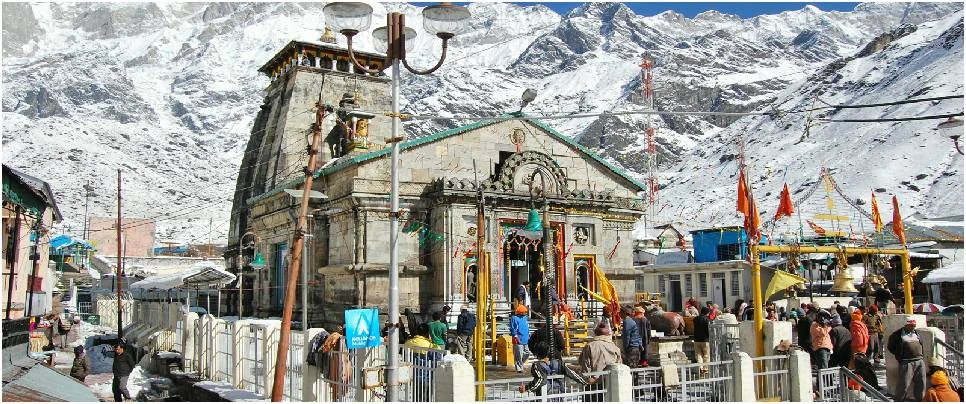
Drive to Sonprayag, then take the local shuttle to Gaurikund, where the trek begins. The Kedarnath trek is roughly 16–18 km one way. Your options are:
Walk: 6–9 hours, depending on fitness and weather.
Pony or palki: common for seniors and children; check current rates at the registered counters.
Helicopter: flies from Phata, Sirsi or Guptkashi and saves about a full day.
Overnight at Kedarnath in a tent or guesthouse.
Day 4: Kedarnath Darshan and Return to Guptkashi
Early-morning darshan is calmer and the weather is usually clearer. After breakfast, descend to Gaurikund and drive back to Guptkashi. Rest well, because your knees and calves will remember this day.
Day 5: Guptkashi to Badrinath (about 200–230 km, 8–9 hours)
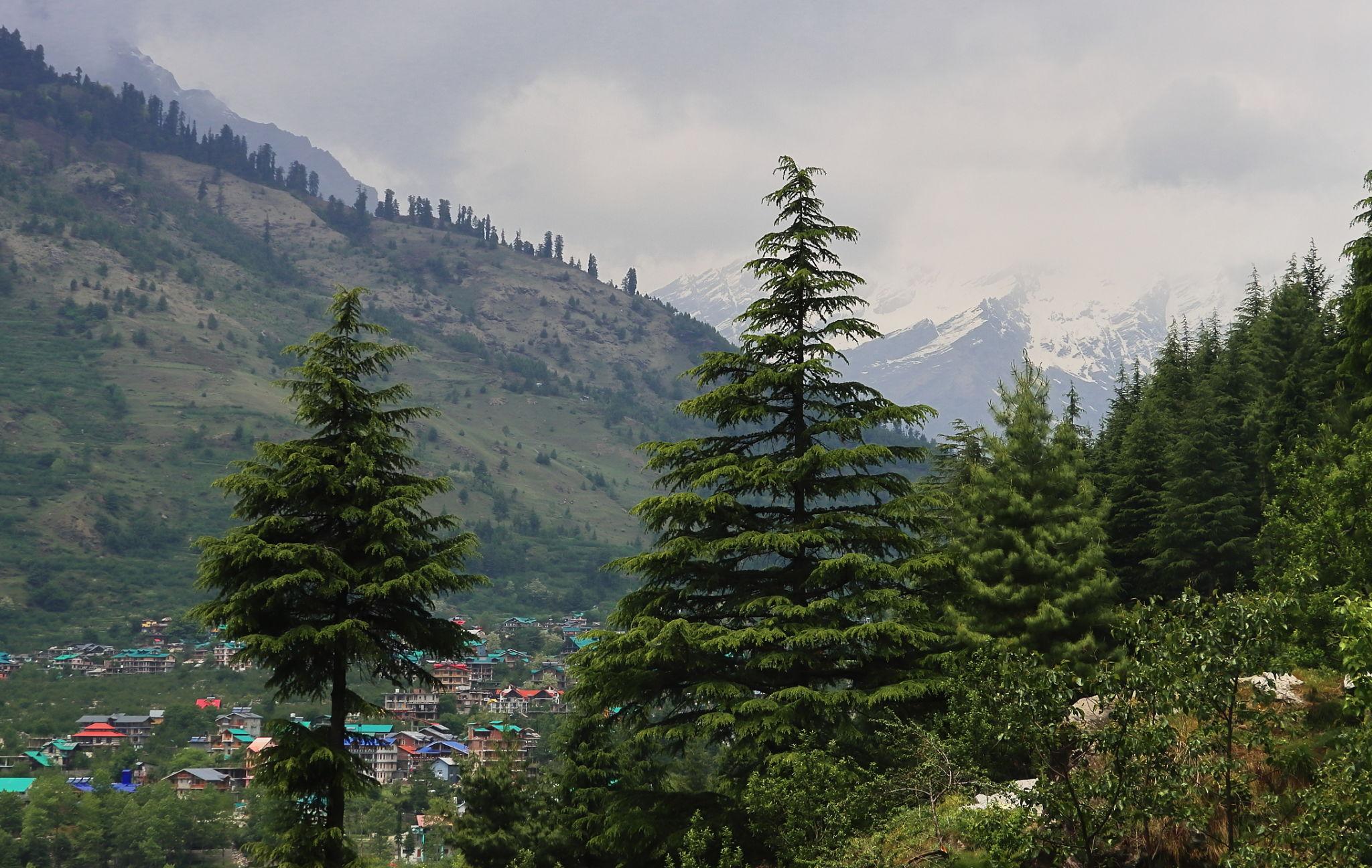
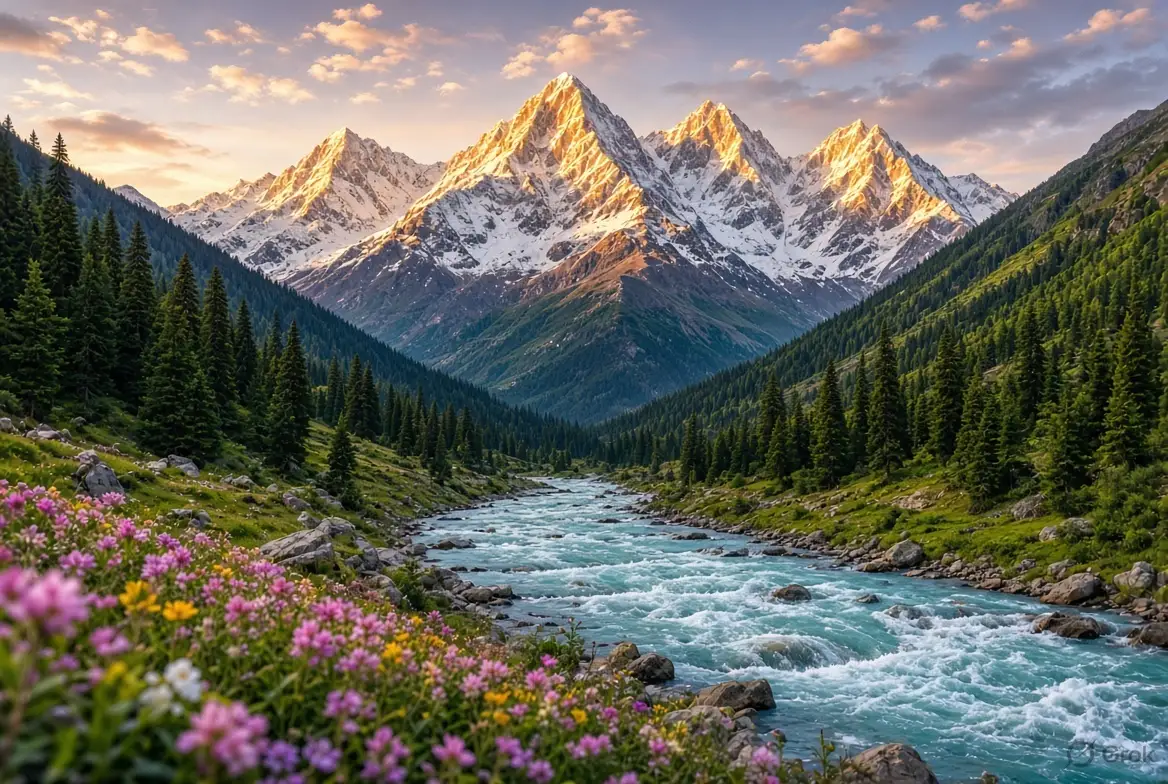
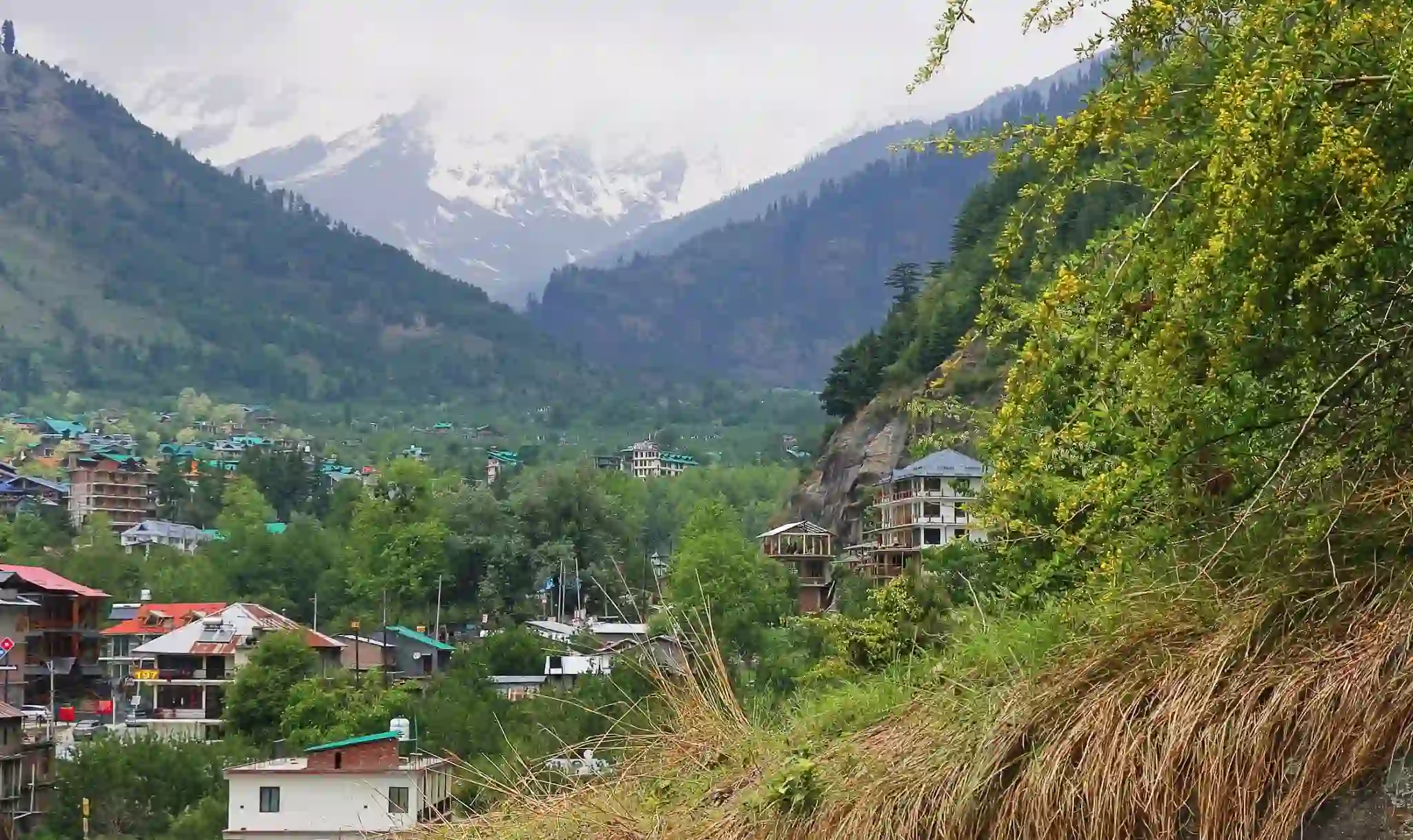
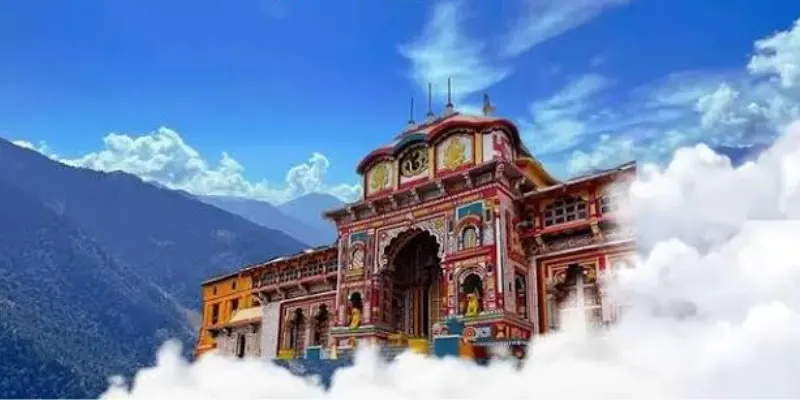
The route passes Chopta, Gopeshwar, Chamoli and Joshimath. The scenery is among the best of the whole trip. Reach Badrinath by evening, and if the weather allows, attend the evening aarti. Overnight in Badrinath or Joshimath.
Day 6: Badrinath Darshan, Mana Village and Return Journey
Visit the Badrinath temple, Tapt Kund (the hot spring) and Brahma Kapal. Mana village, India's last village before the Tibet border, is only a few kilometres away. After lunch, drive down to Srinagar (Garhwal), Rudraprayag or Rishikesh for the night.
Day 7: Rishikesh to Delhi (about 230–250 km, 6–7 hours)
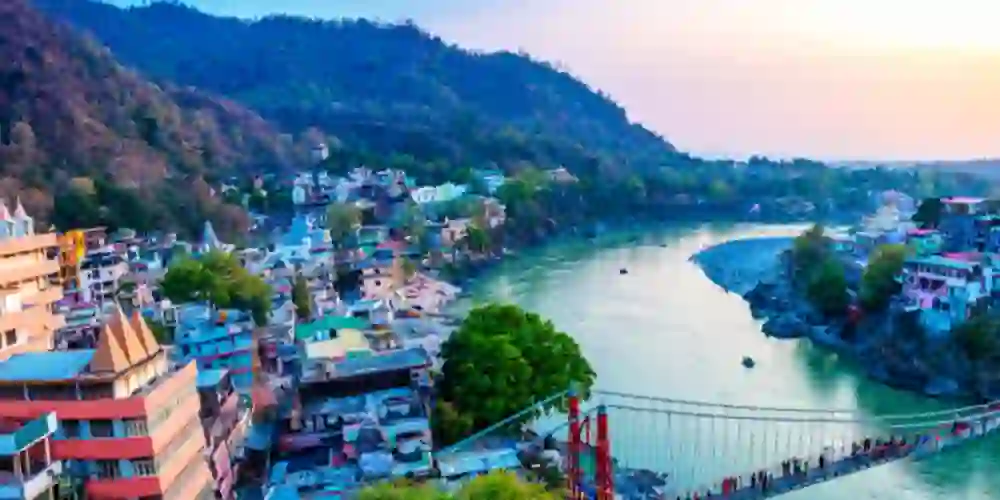
Start after breakfast, stop at Rishikesh for Laxman Jhula or Ram Jhula if time permits, and reach Delhi by evening.
Short on time or travelling with elders? Add one extra night at Guptkashi or Rudraprayag. A buffer day absorbs landslide delays and weather holds without wrecking the plan.
Do Dham Yatra Price: What You Actually Pay For
The package price depends on five things.
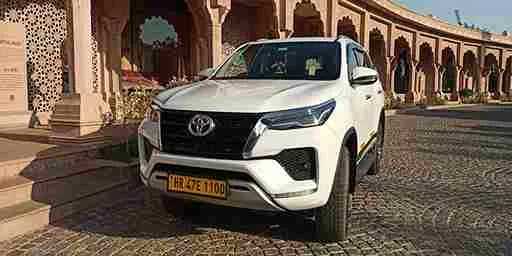
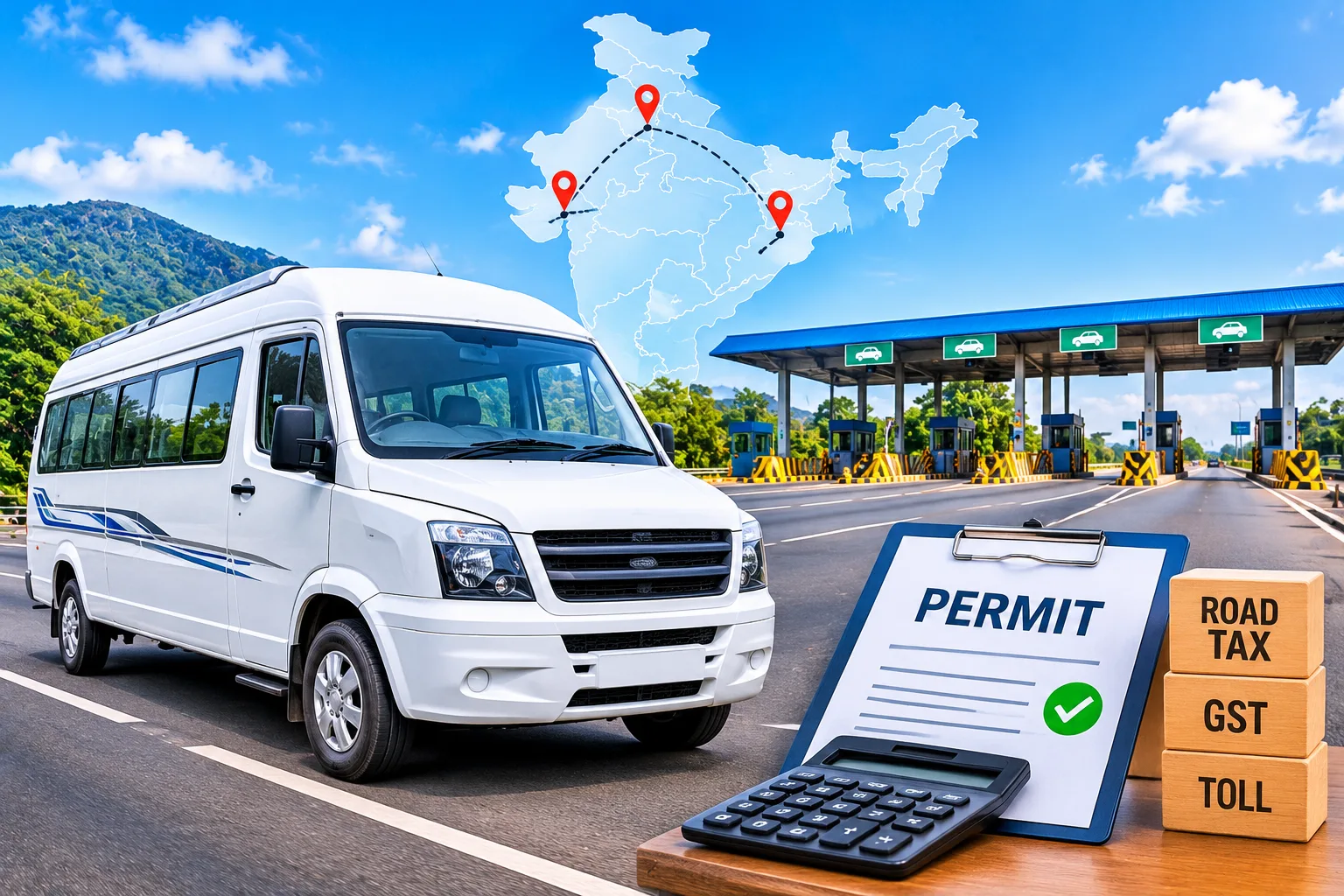
1. Vehicle type and group size. A vehicle shared by 9–12 people costs far less per head than a smaller car with 3–4 people. This is why groups usually choose a tempo traveller.
2. Hotel category. Budget stays cost less but have basic facilities. Mid-range hotels in Guptkashi and Badrinath usually give better hot water, food and rest.
3. Season. May, June, September and October are peak. Rooms fill early and rates rise.
4. Kedarnath mode of travel. Walking is the cheapest. Pony, palki and helicopter add to the budget. Helicopter tickets have generally ranged from about ₹5,500 to ₹8,500 per person round trip, depending on the helipad, but fares change each season and sell out quickly through the official booking portal.
5. Meals and add-ons. Some packages include breakfast and dinner, while others cover only stay and travel.
Indicative Per-Person Budget
Package Type
Stay
Approx. Price per Person
Budget
Basic hotels, shared vehicle
₹9,000–₹12,000
Standard
Mid-range hotels, breakfast and dinner
₹12,000–₹16,000
Premium
Better hotels, luxury vehicle, extra comfort
₹16,000–₹20,000+
Helicopter tickets, pony, palki, lunch and personal expenses are usually extra. Always ask what is included in writing.
Do Dham Yatra by Tempo Traveller: Why It Works So Well
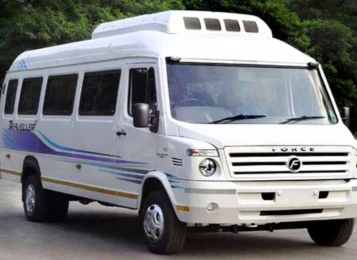
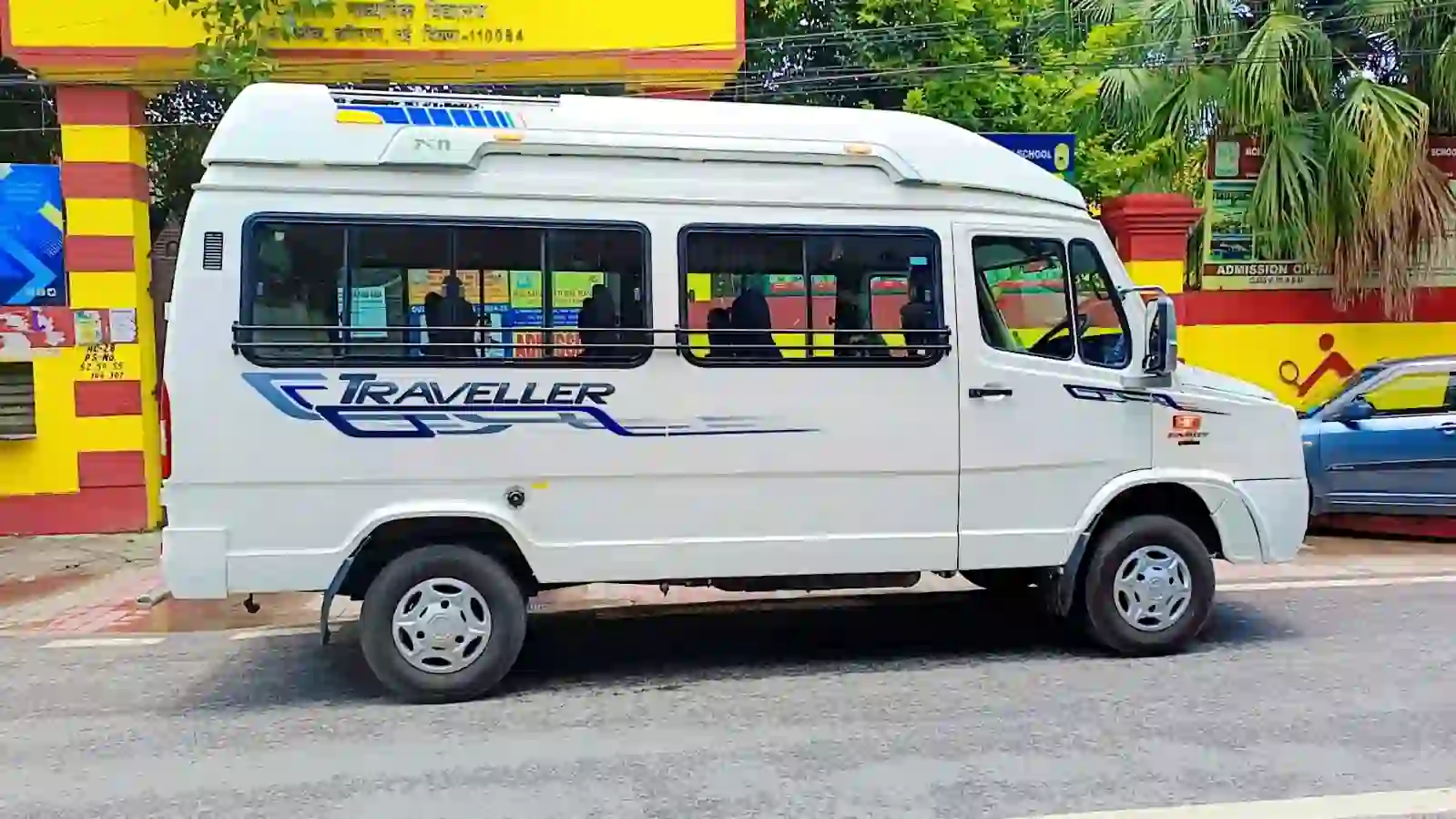
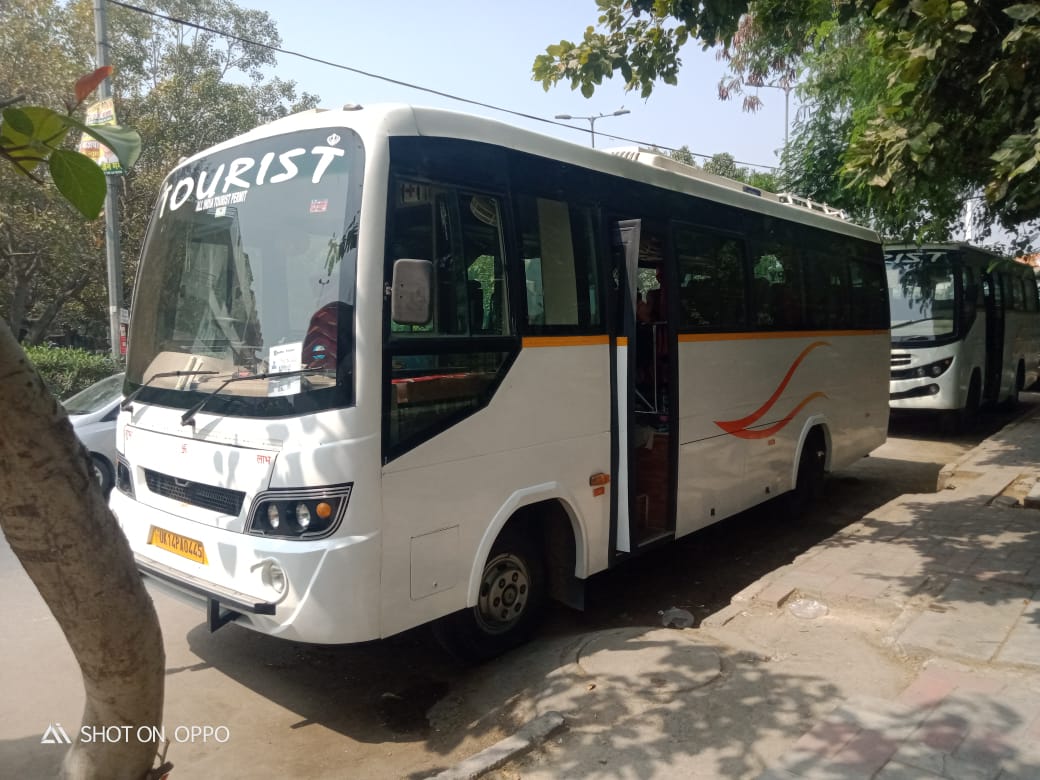
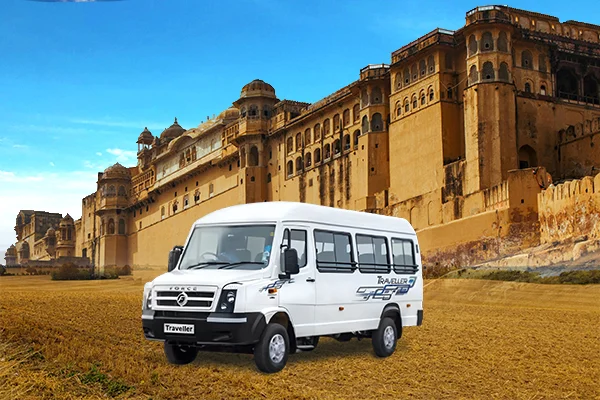
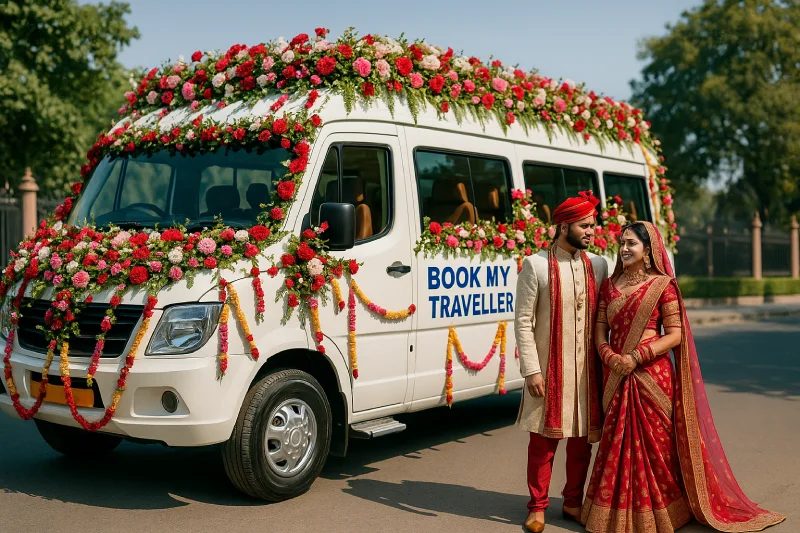
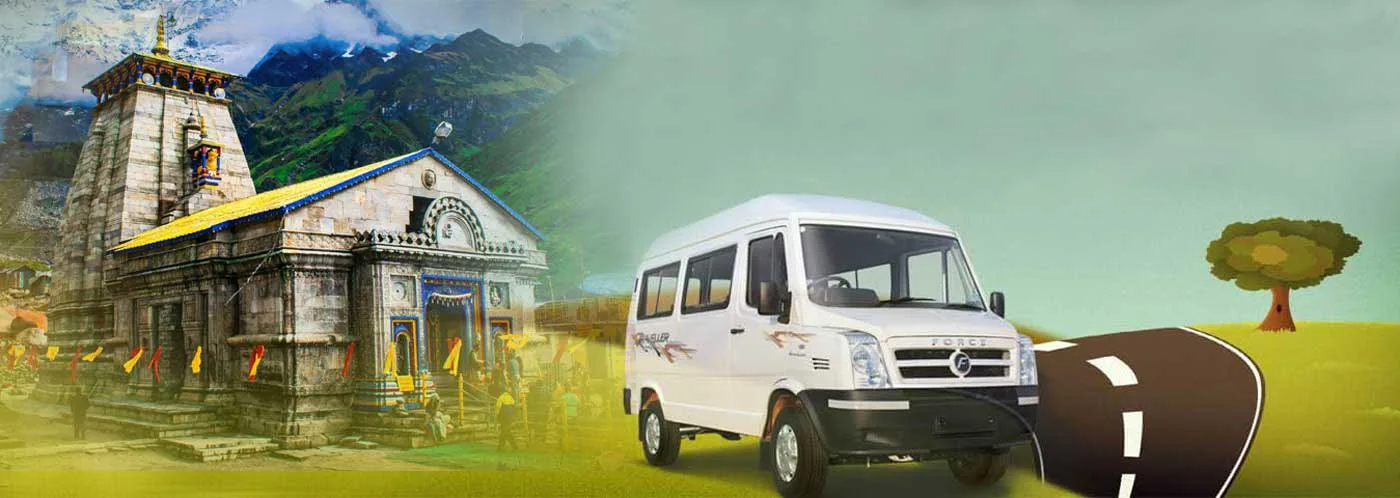
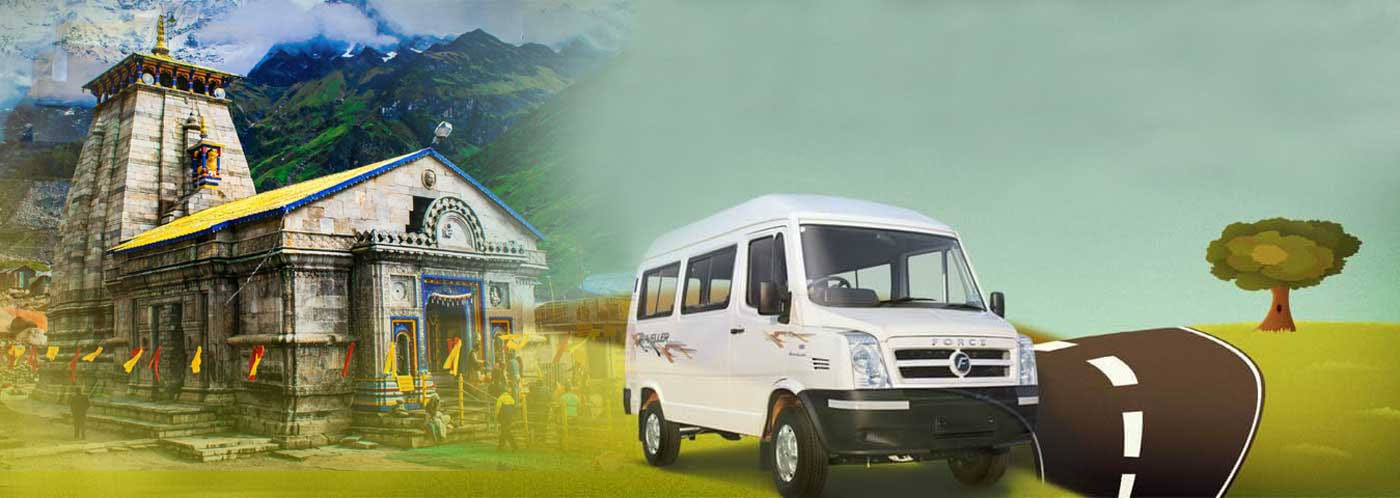
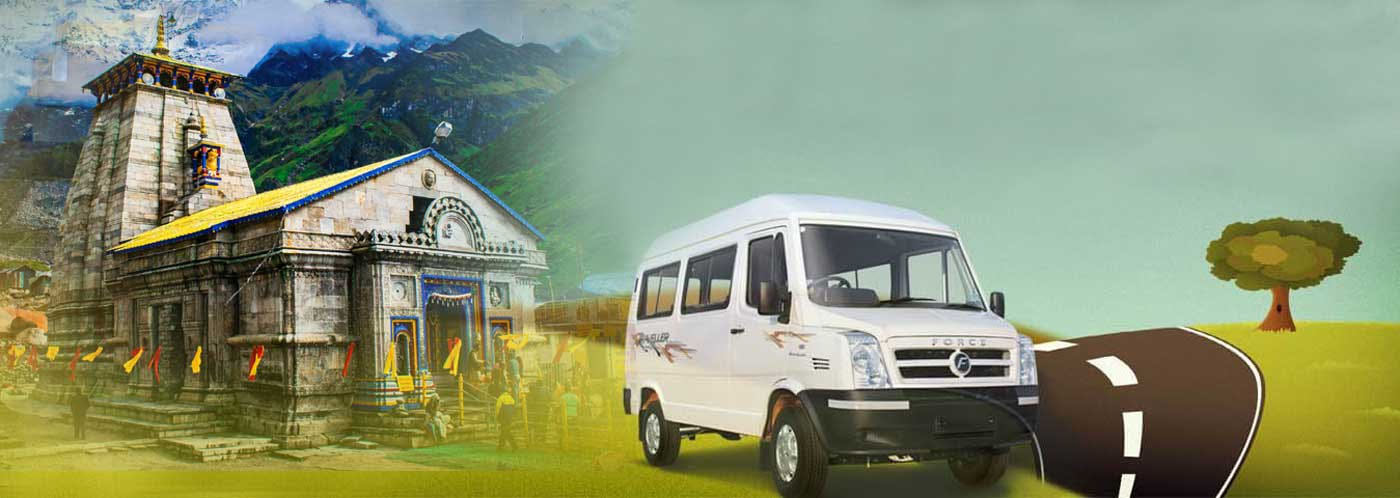
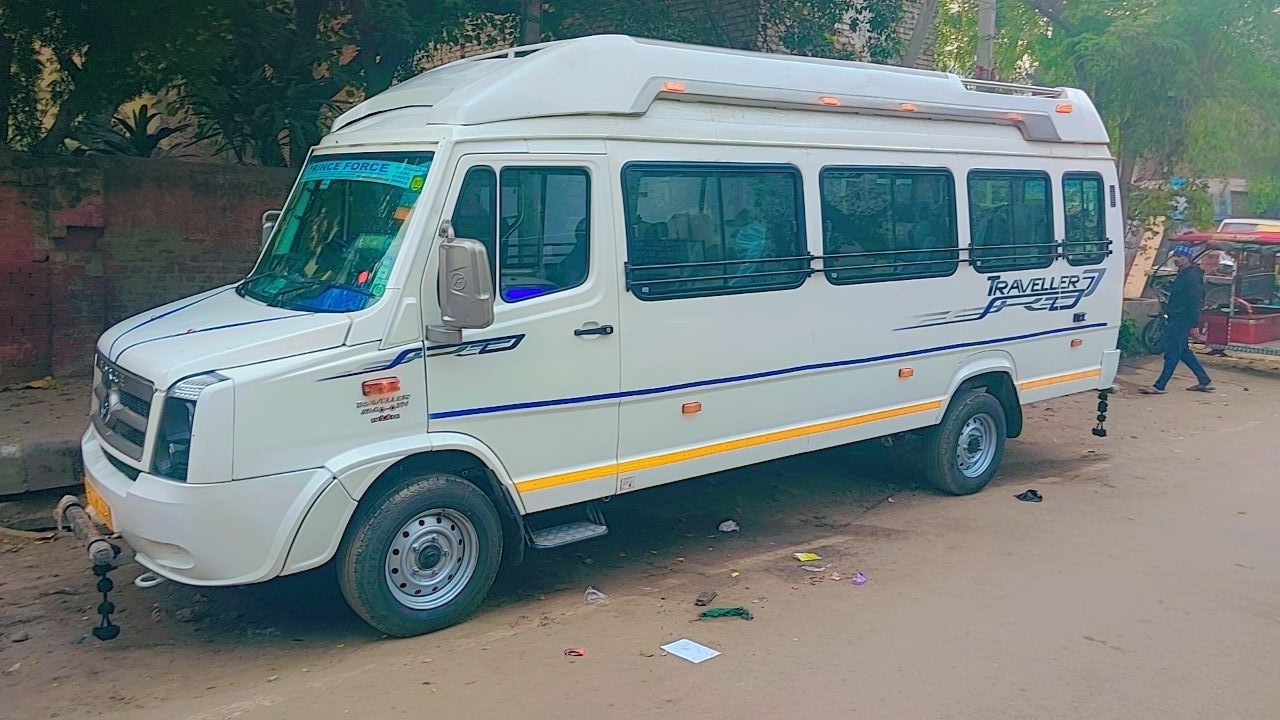
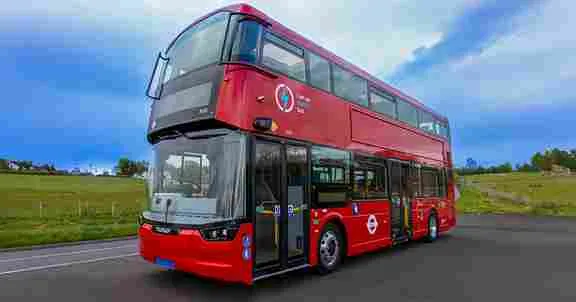
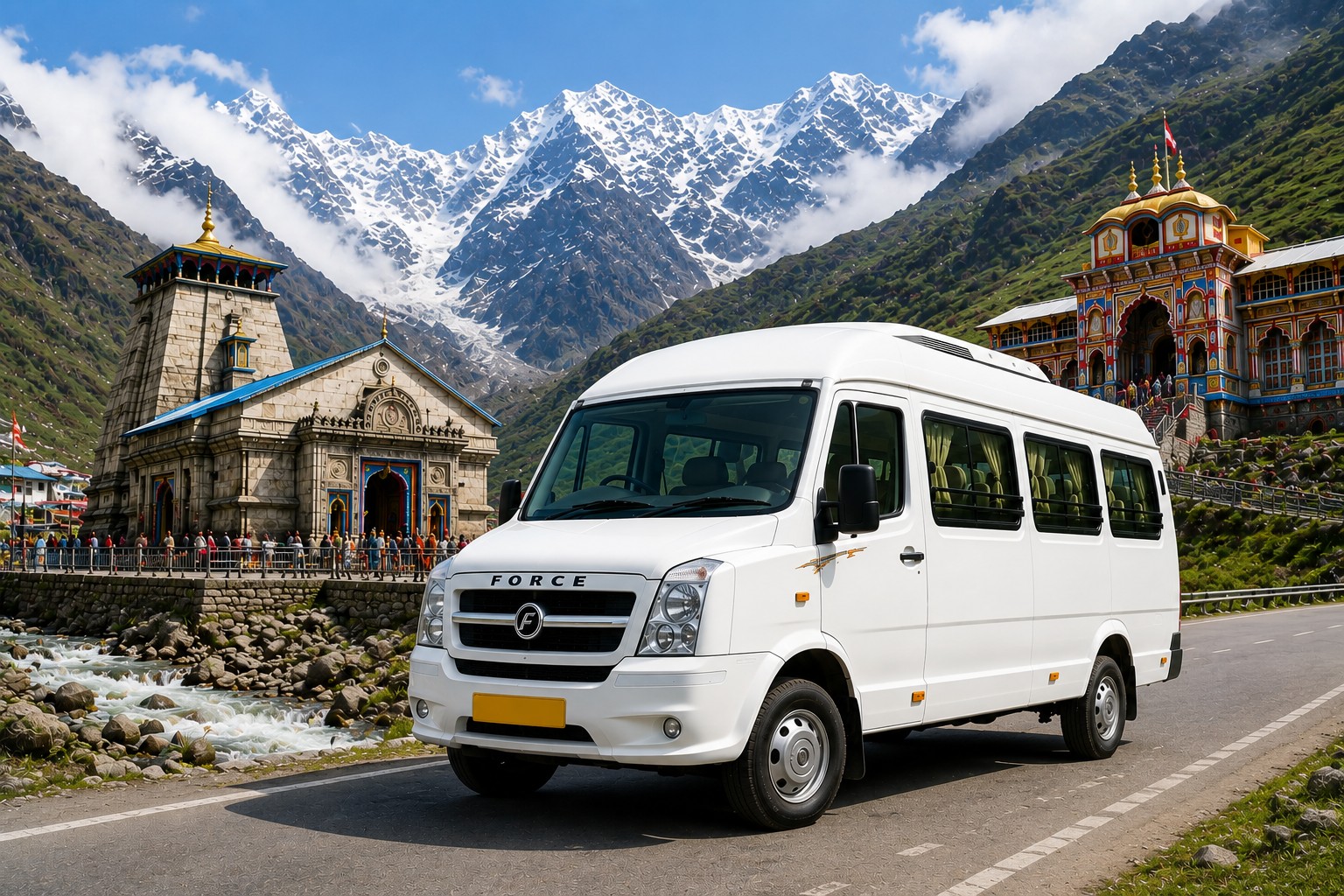
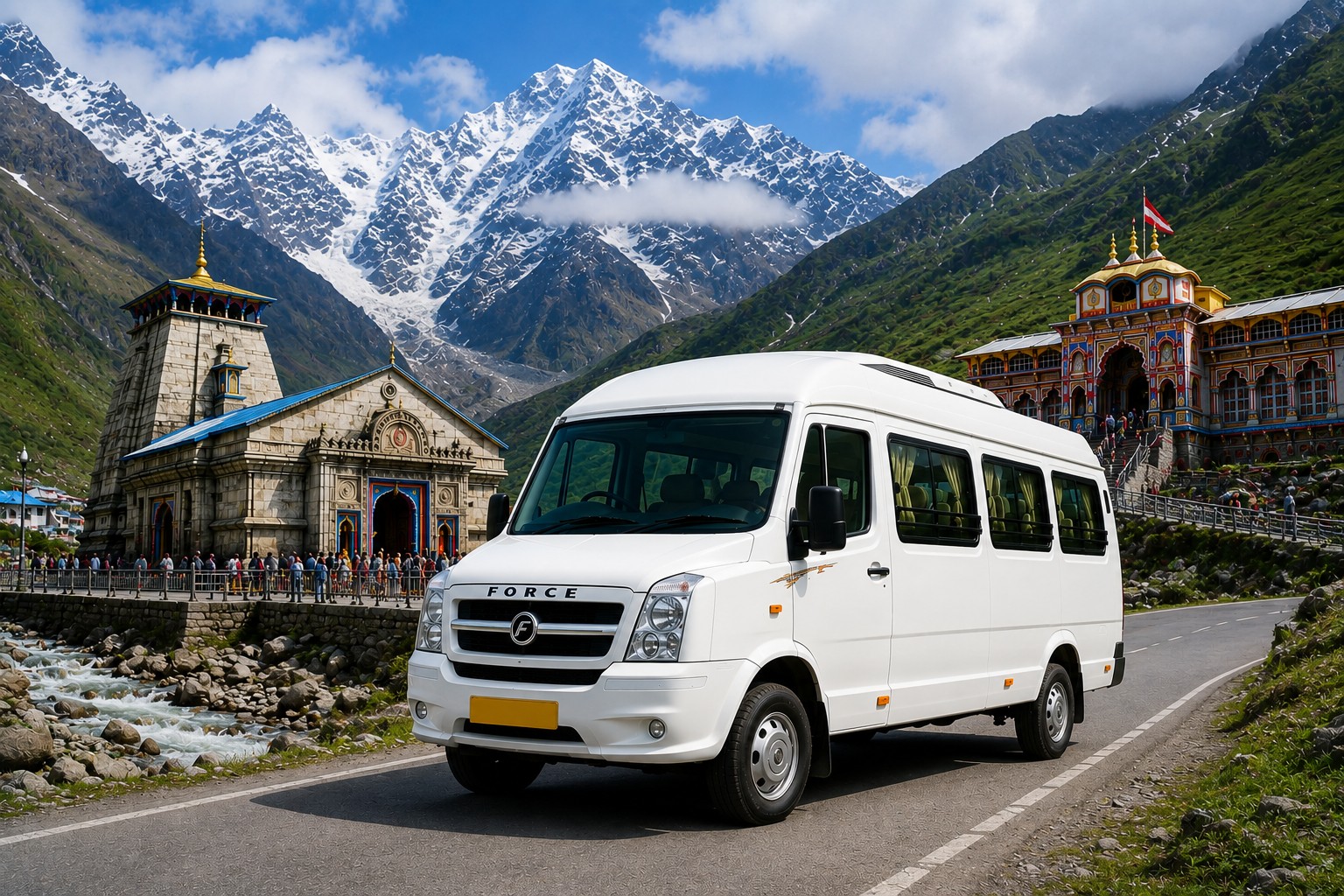
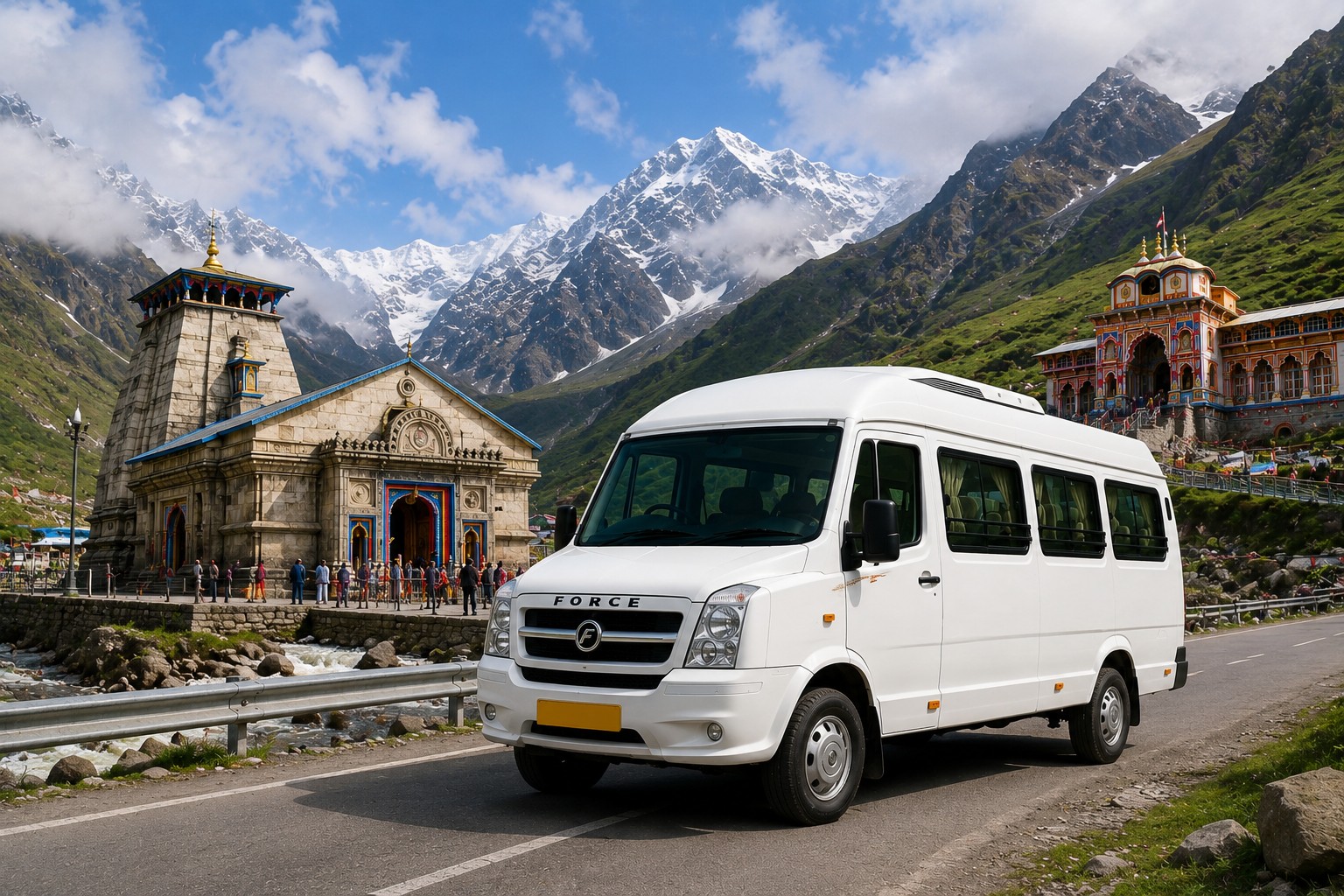
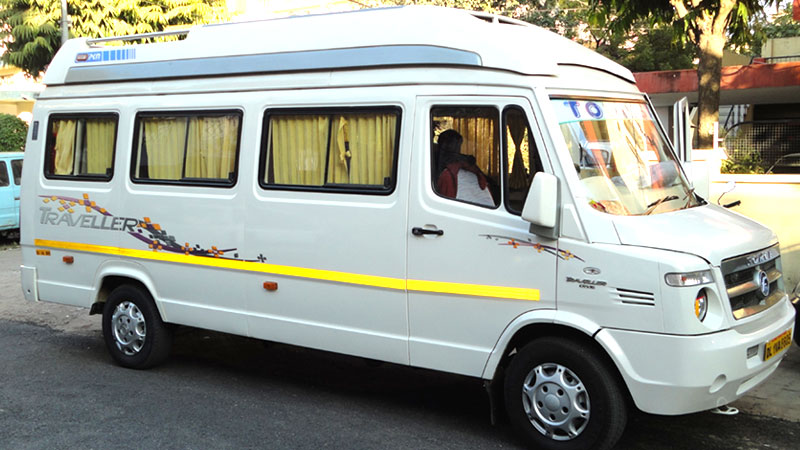
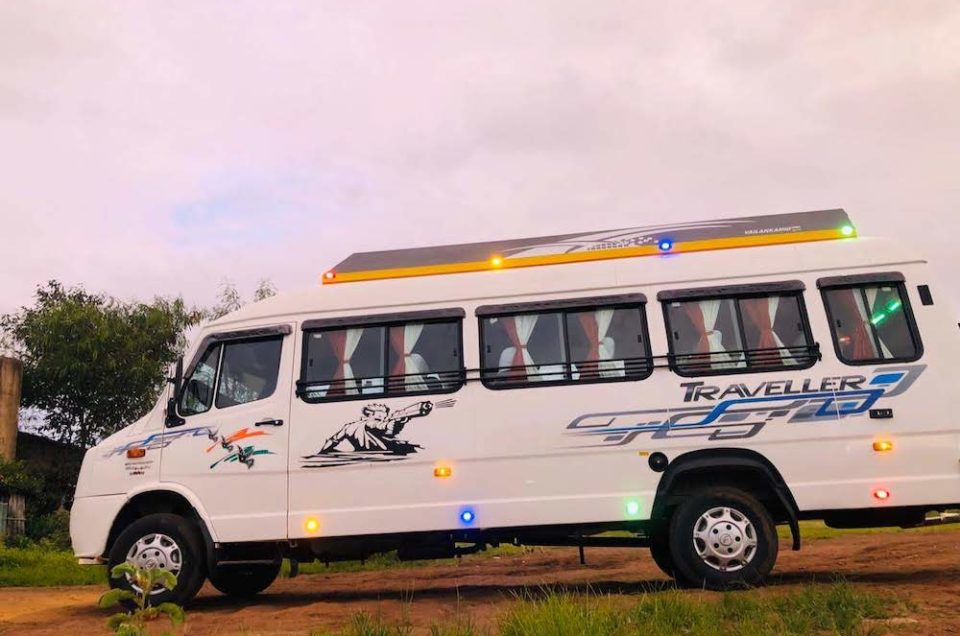
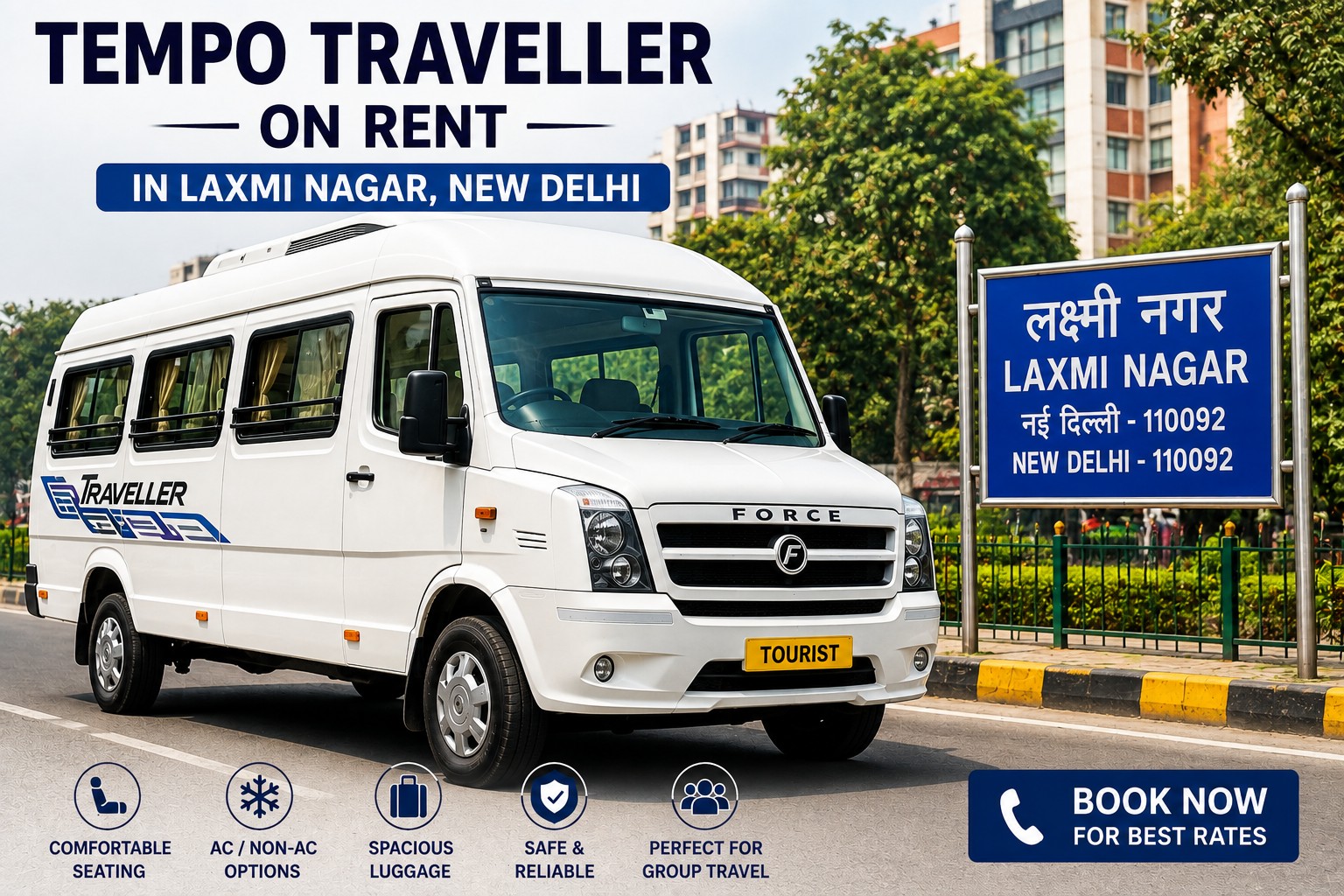
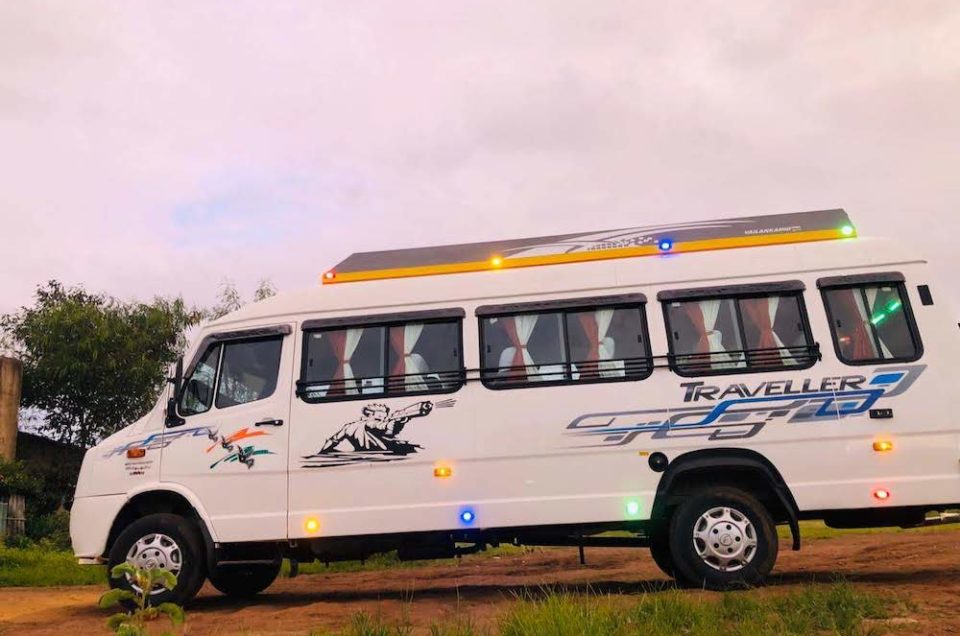
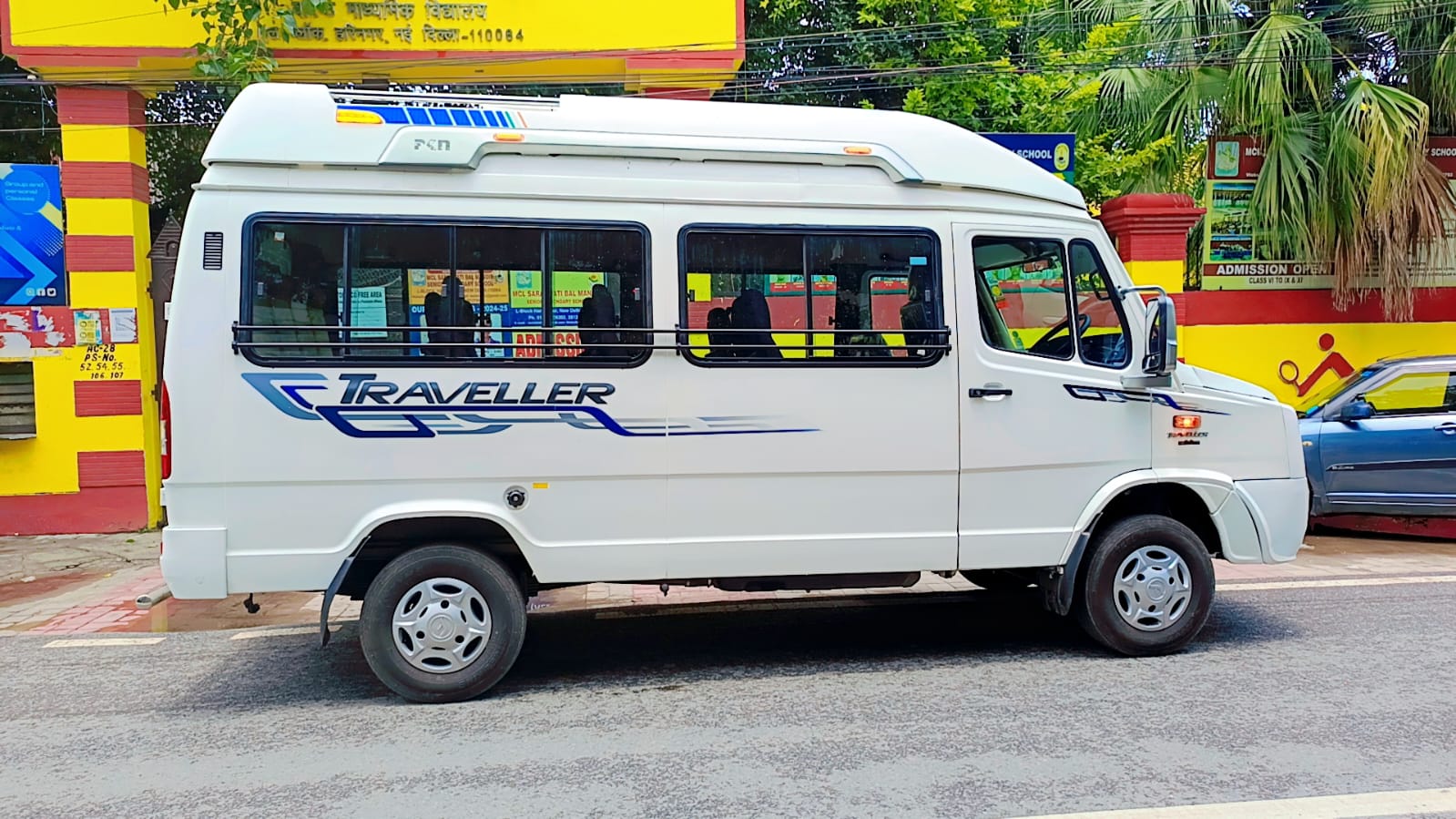
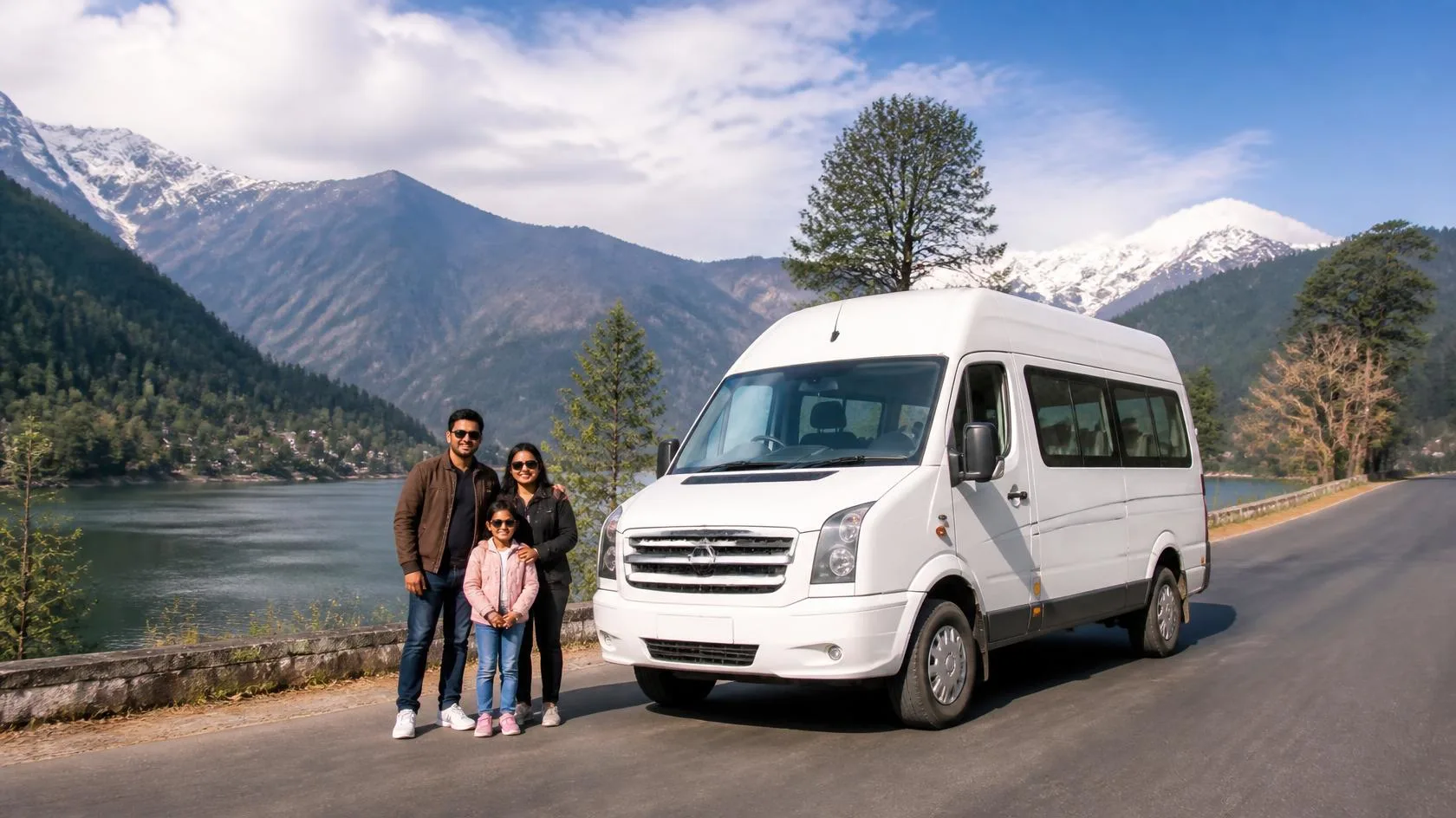
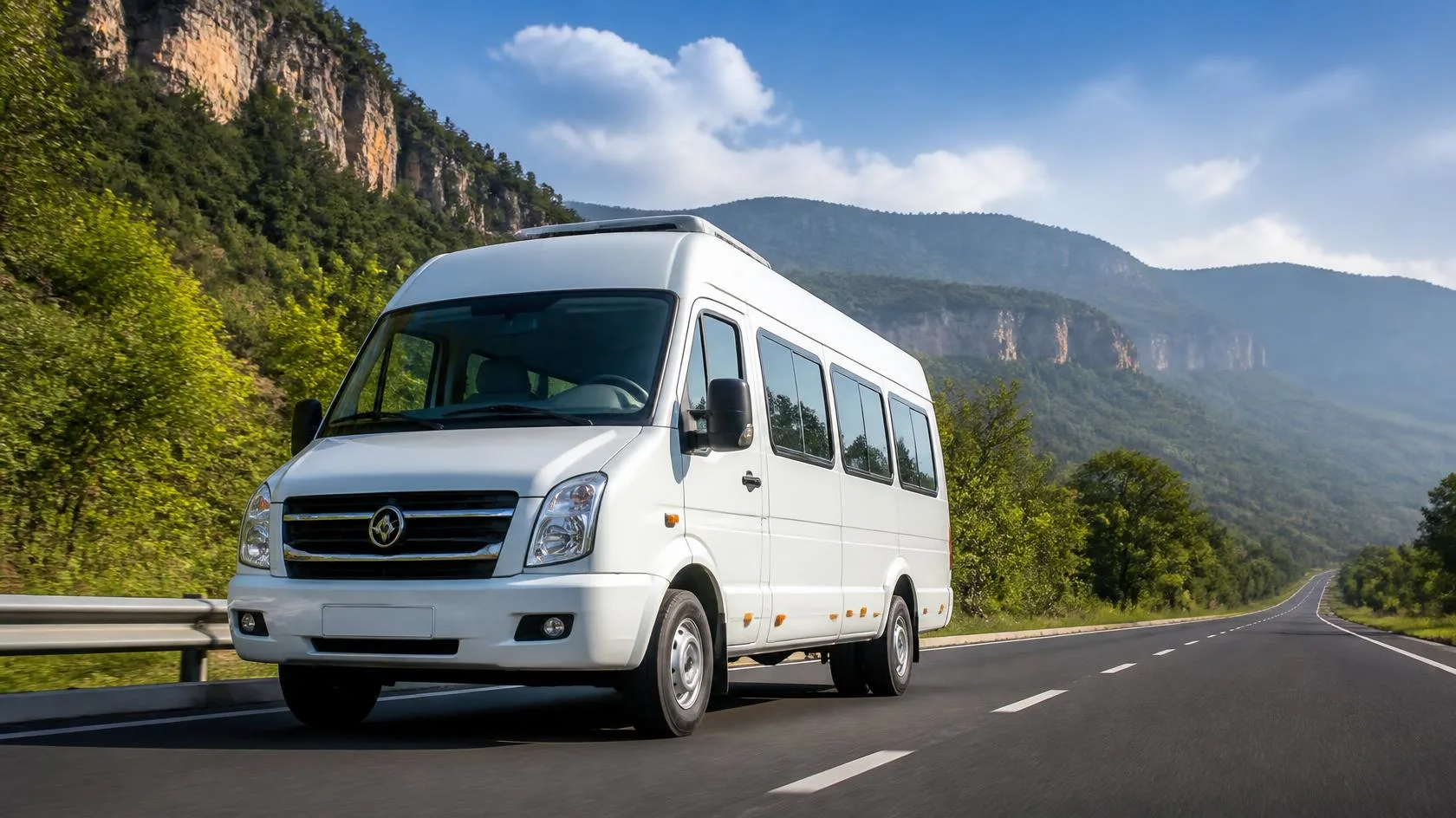
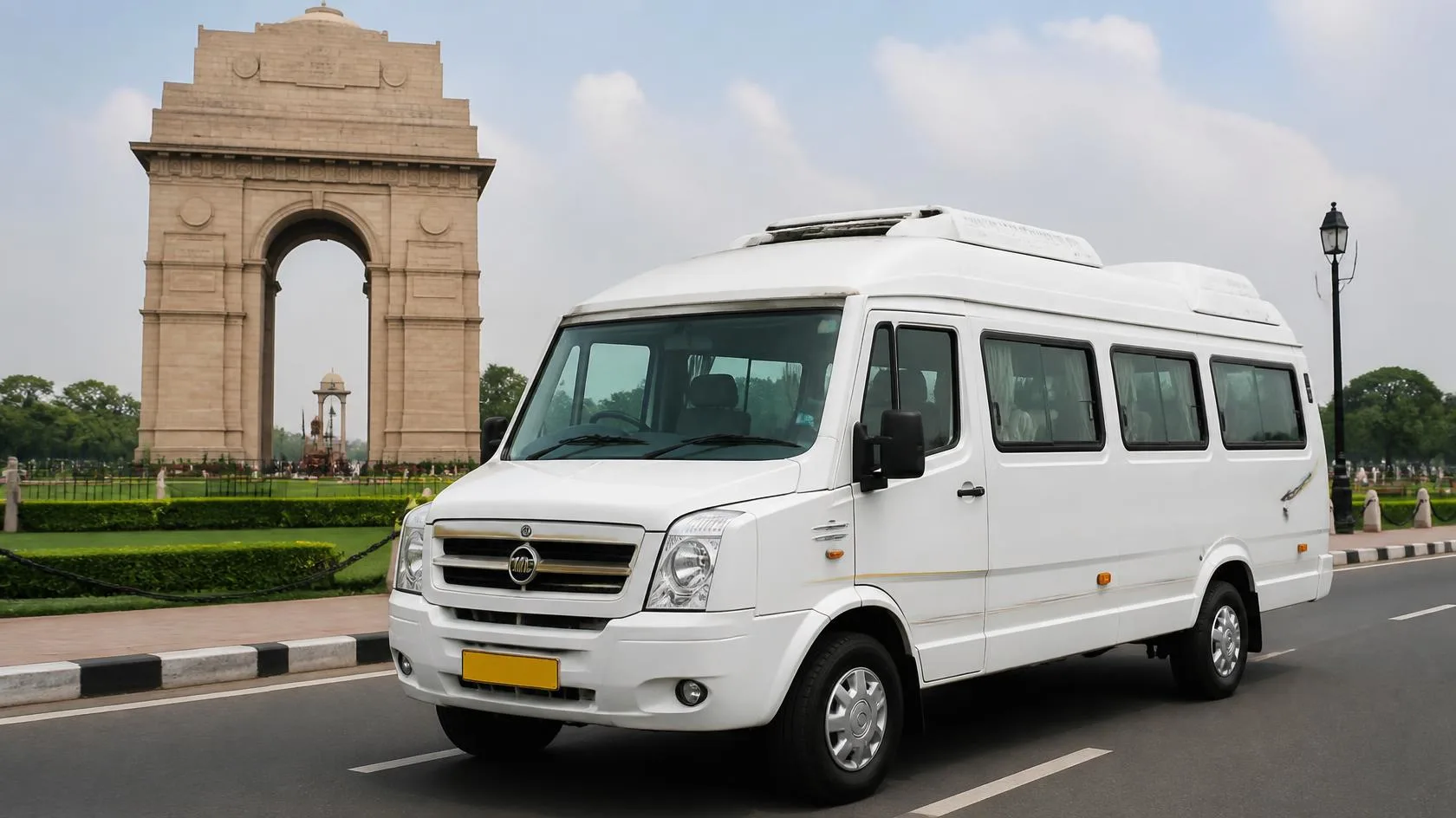
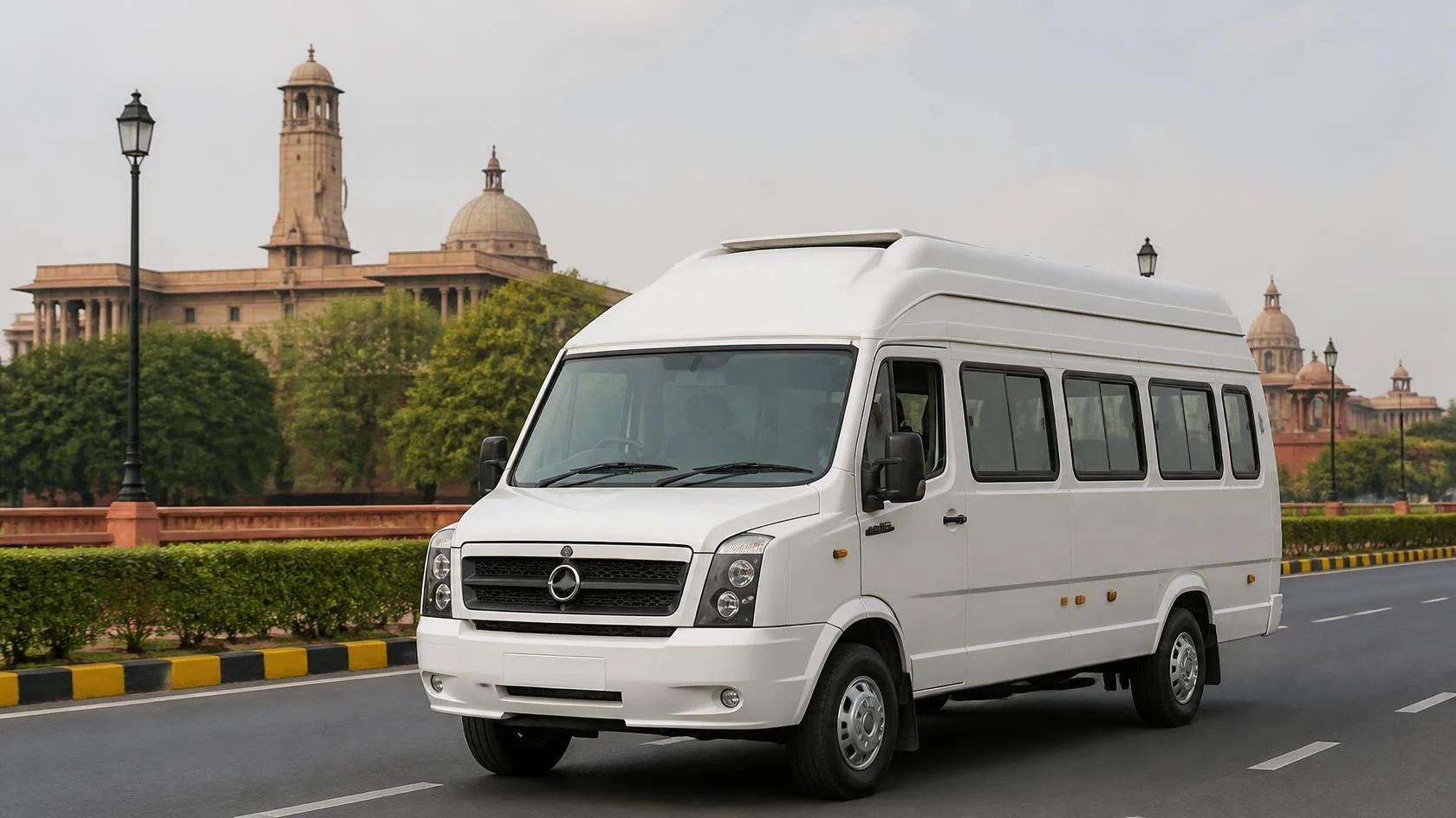
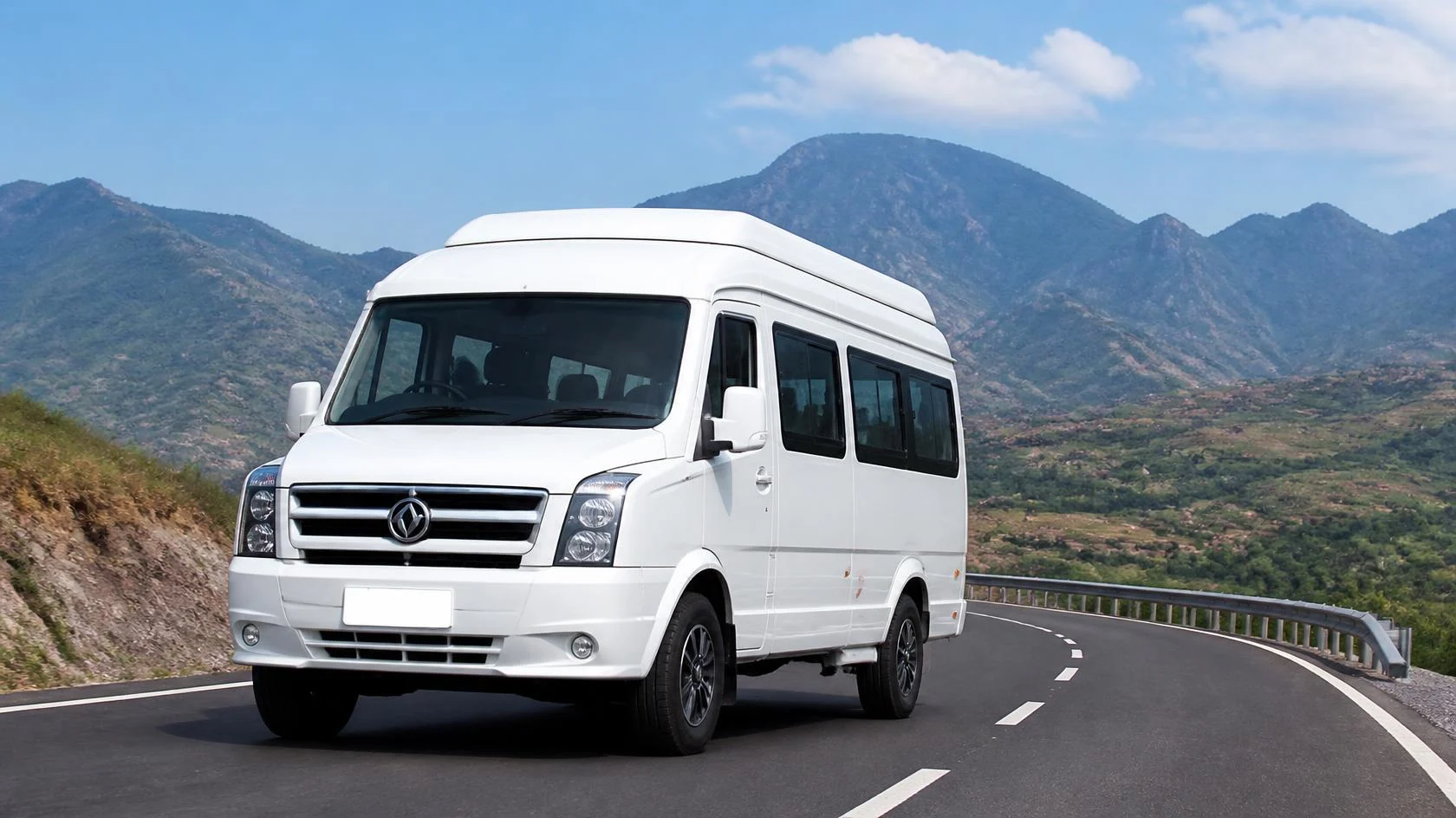
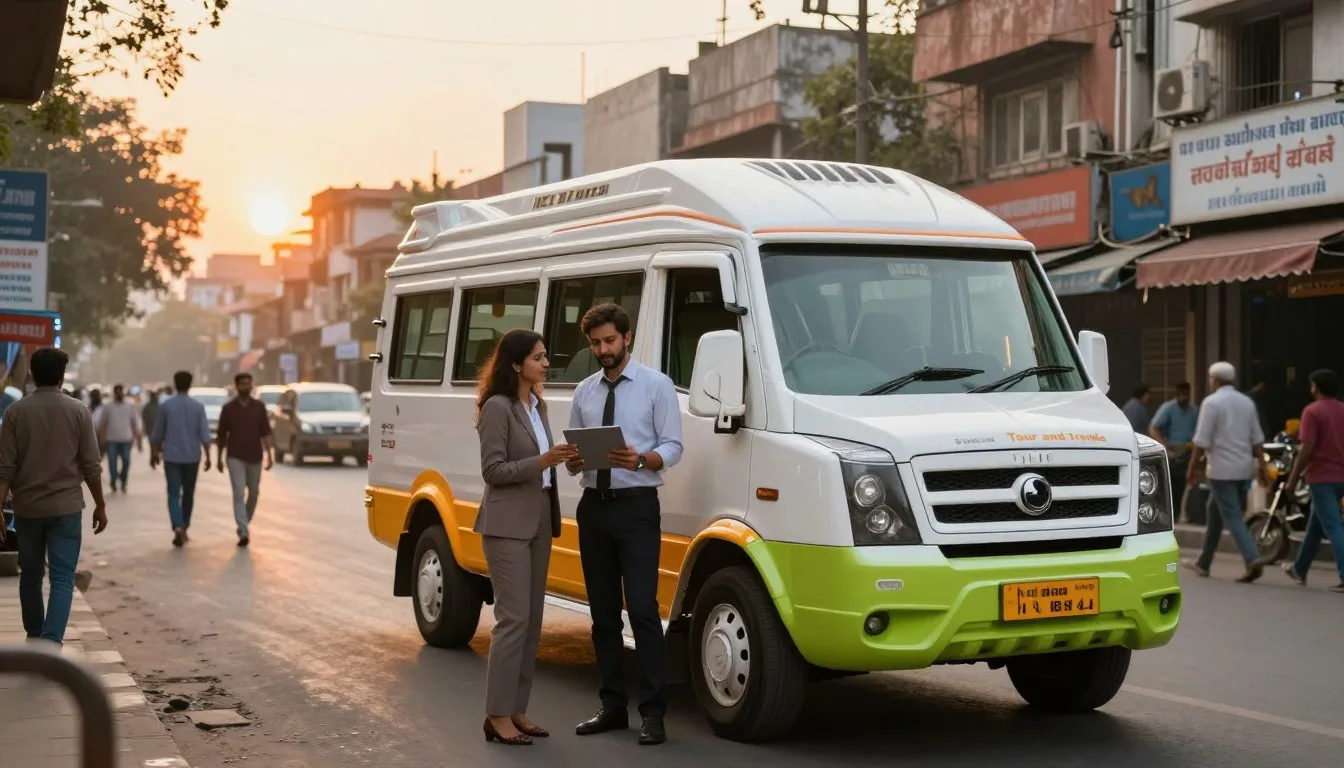
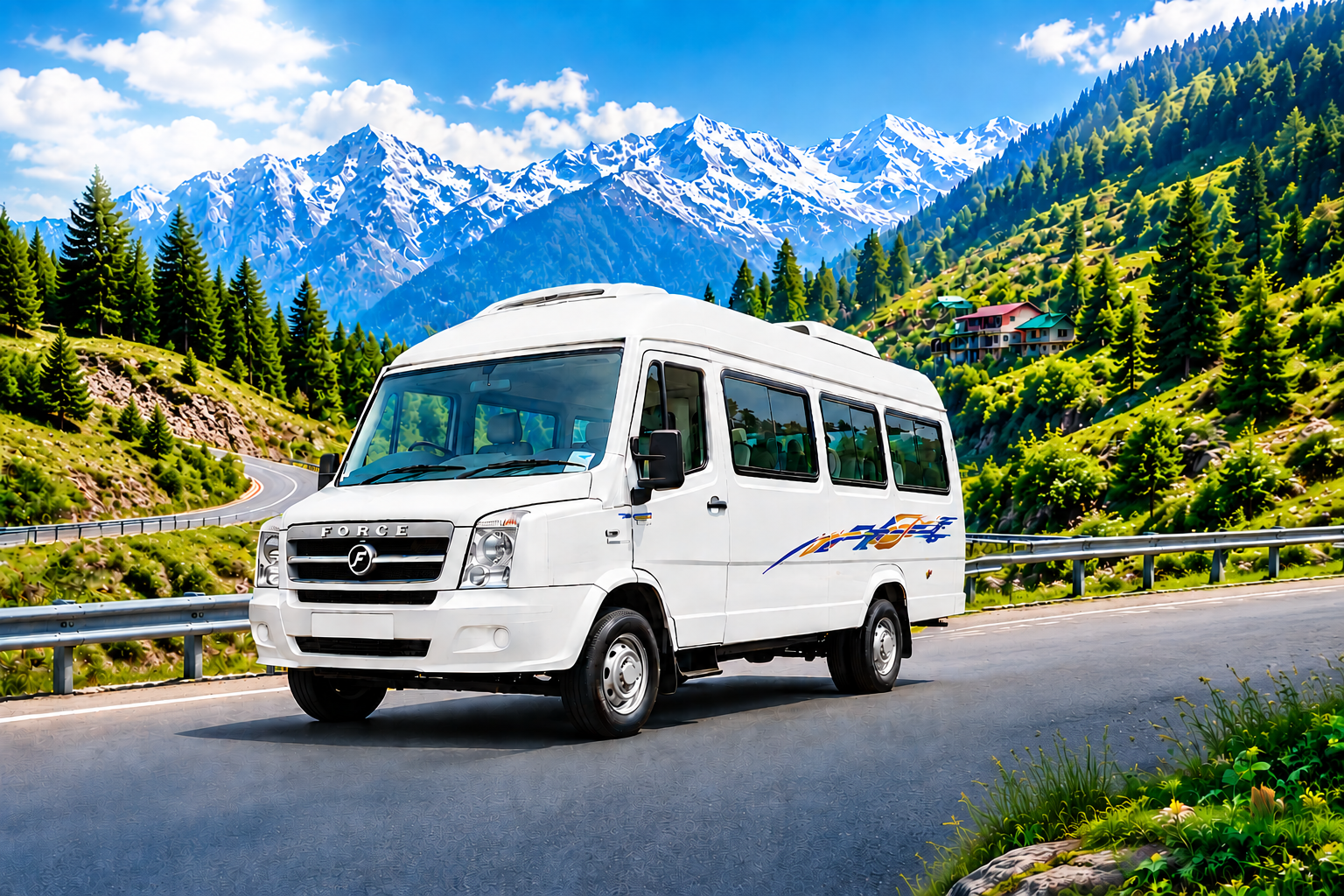
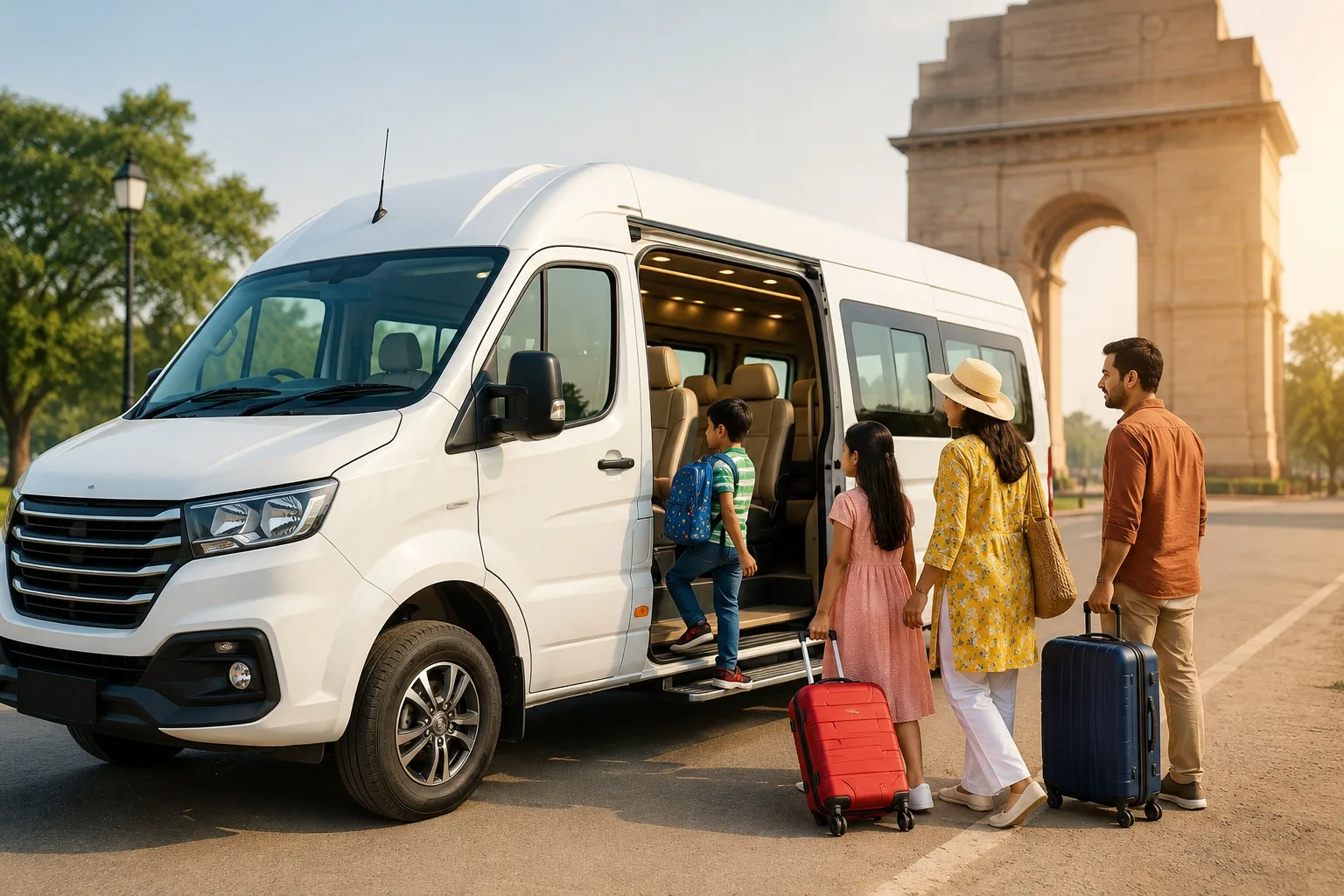
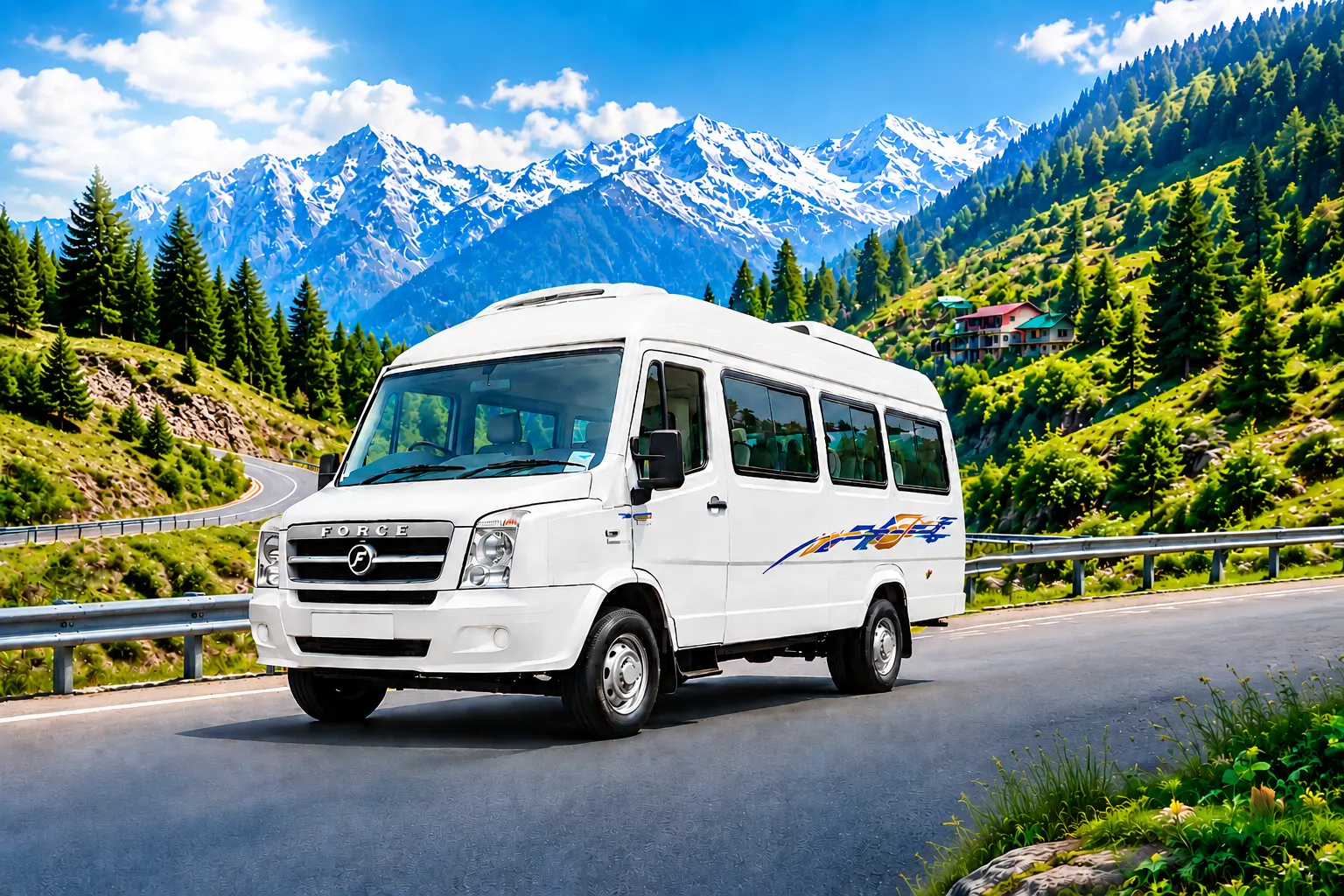
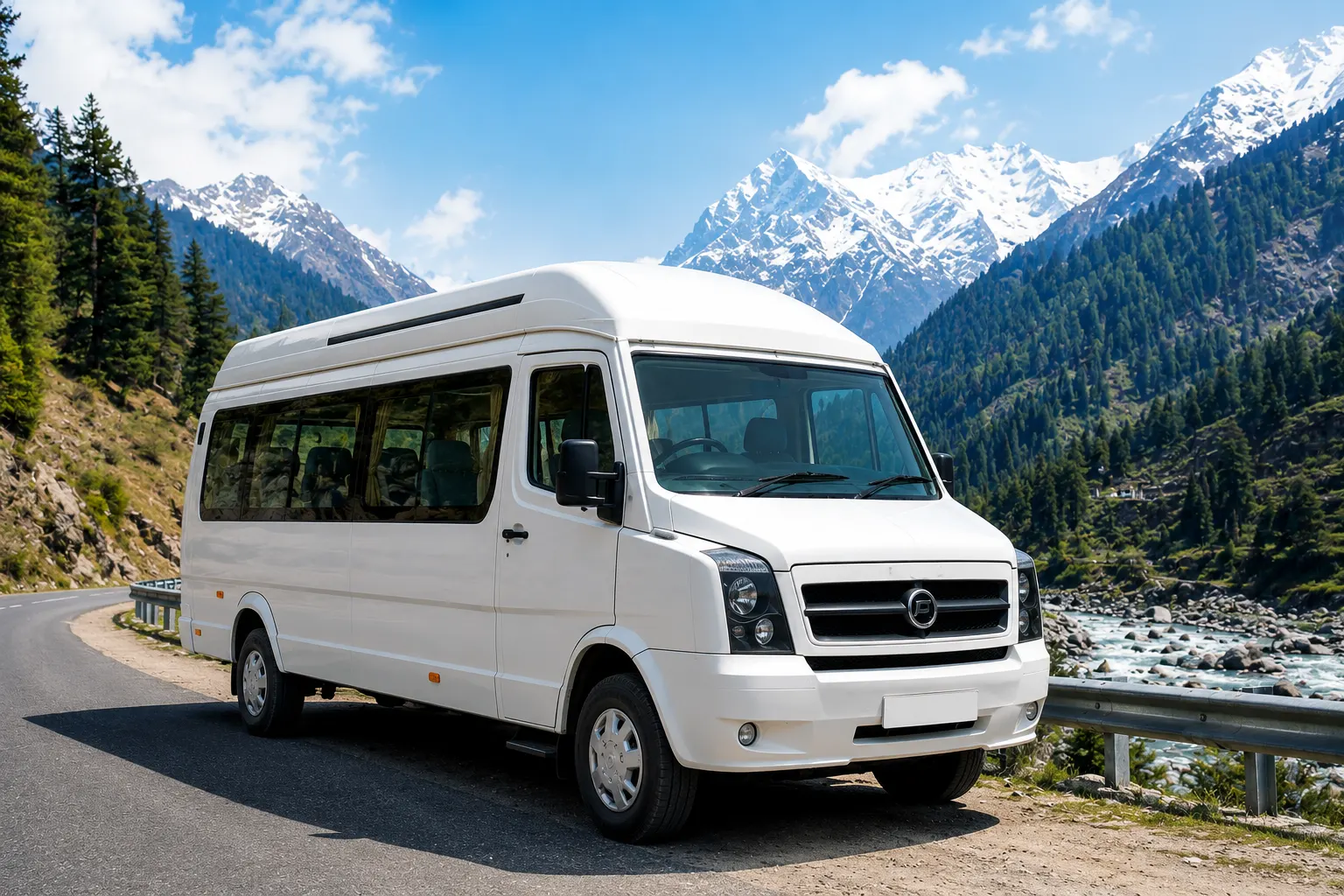
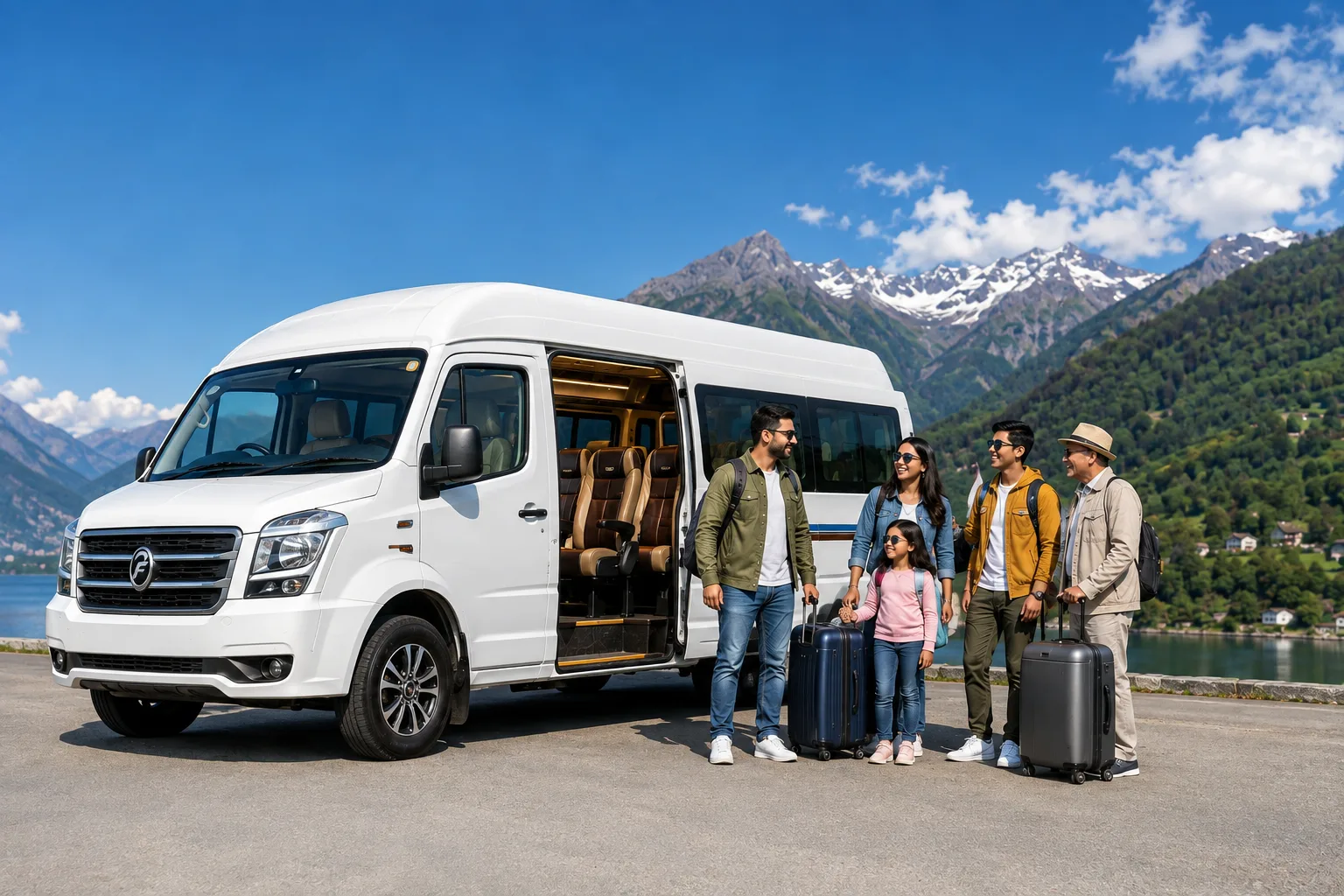
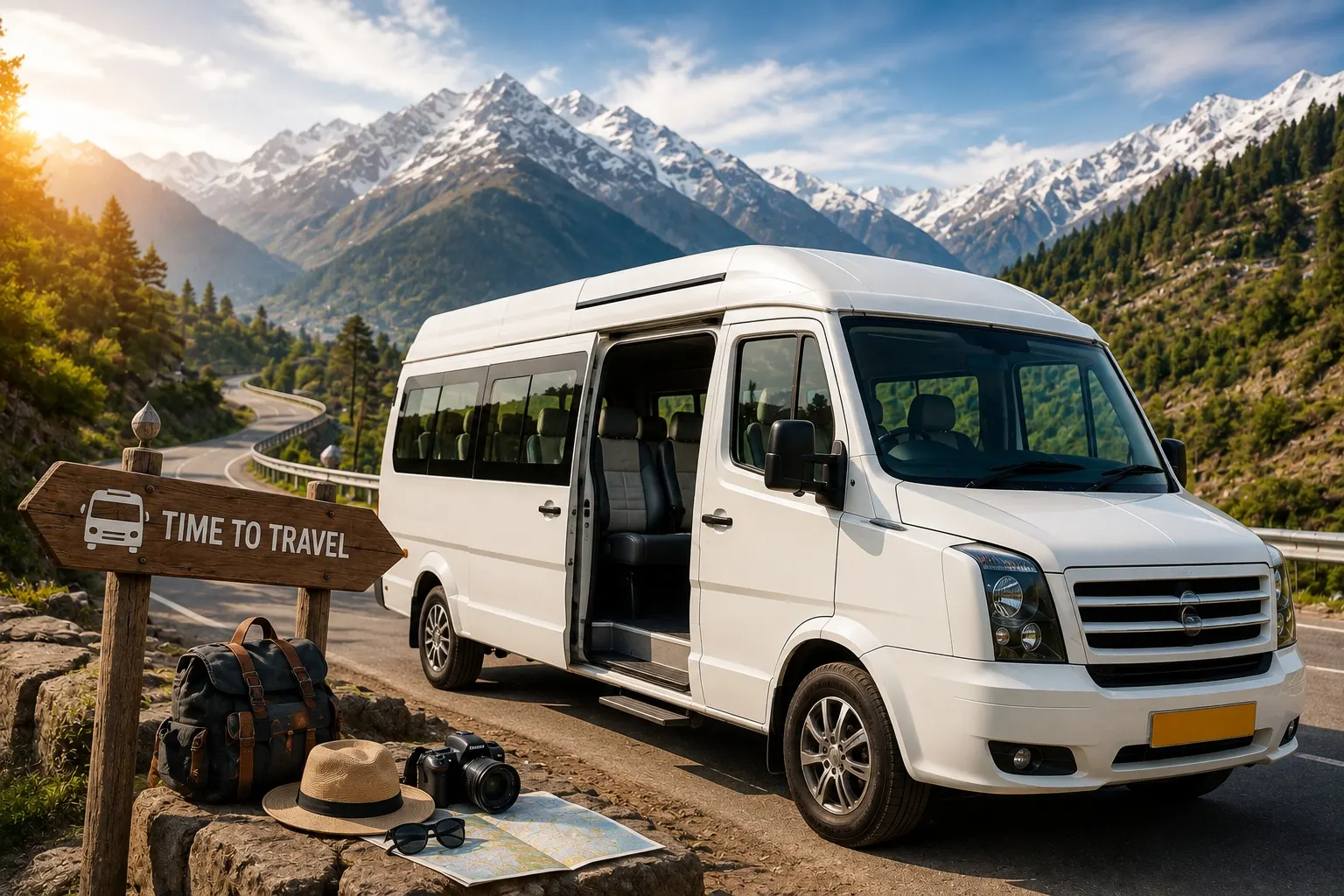
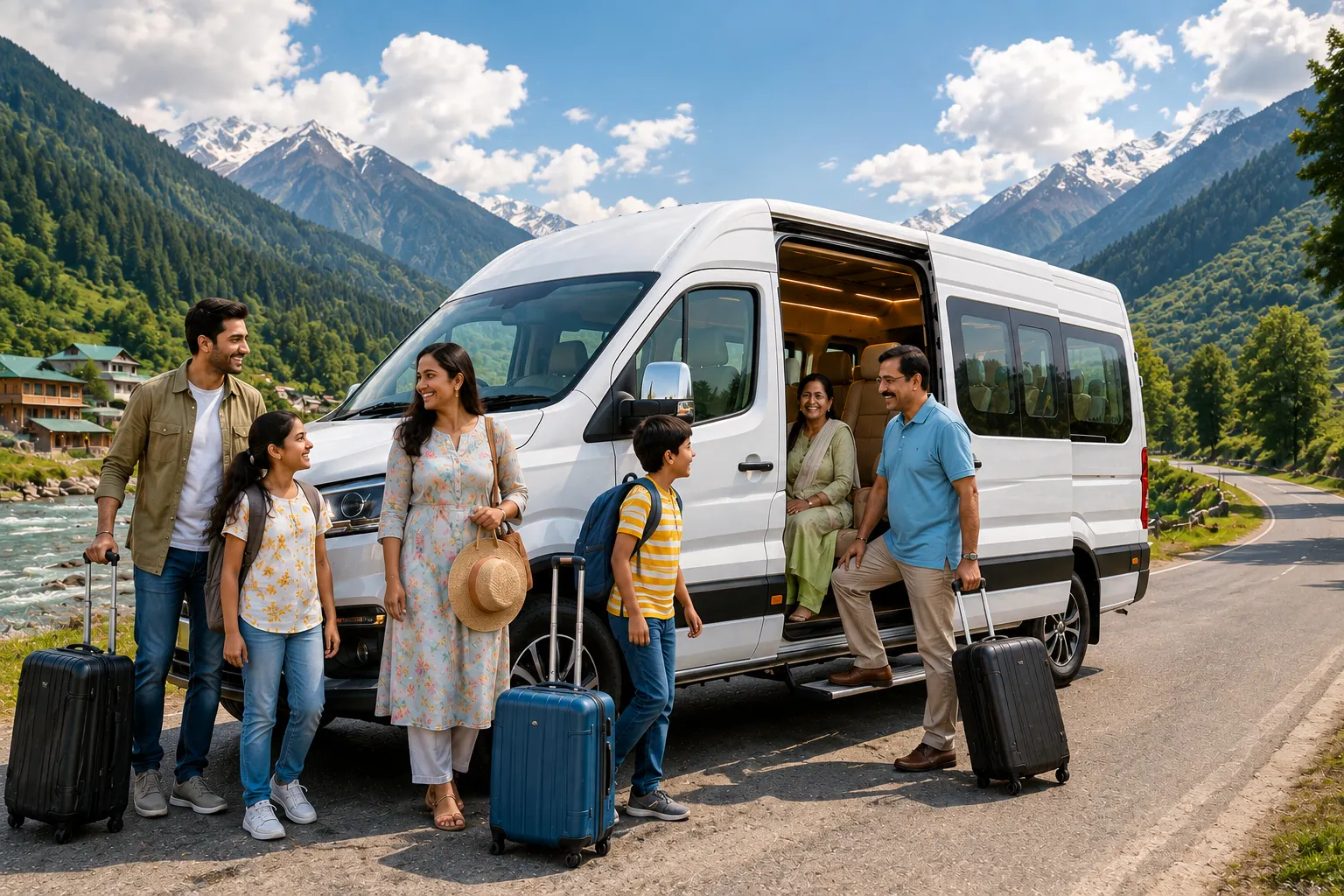
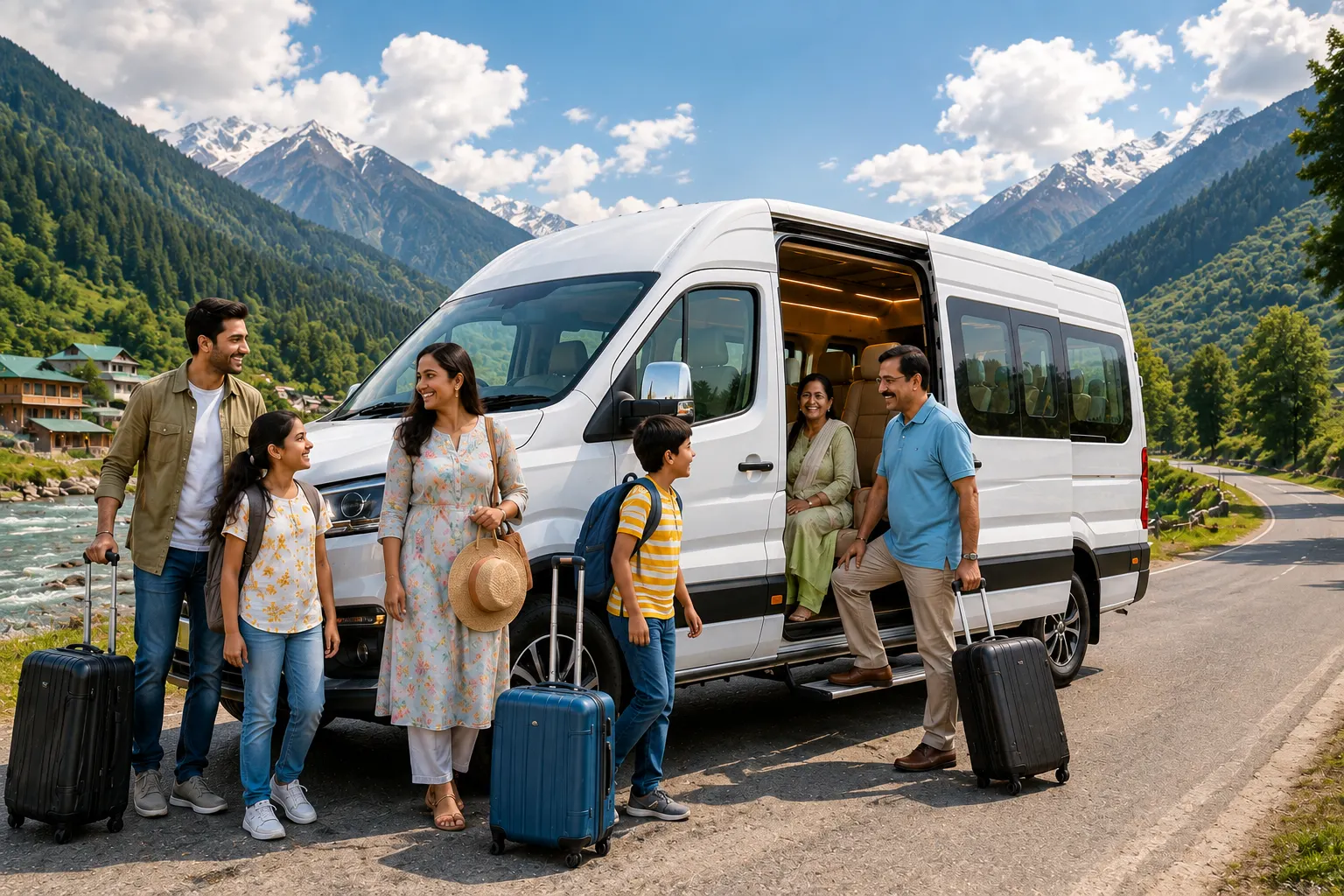
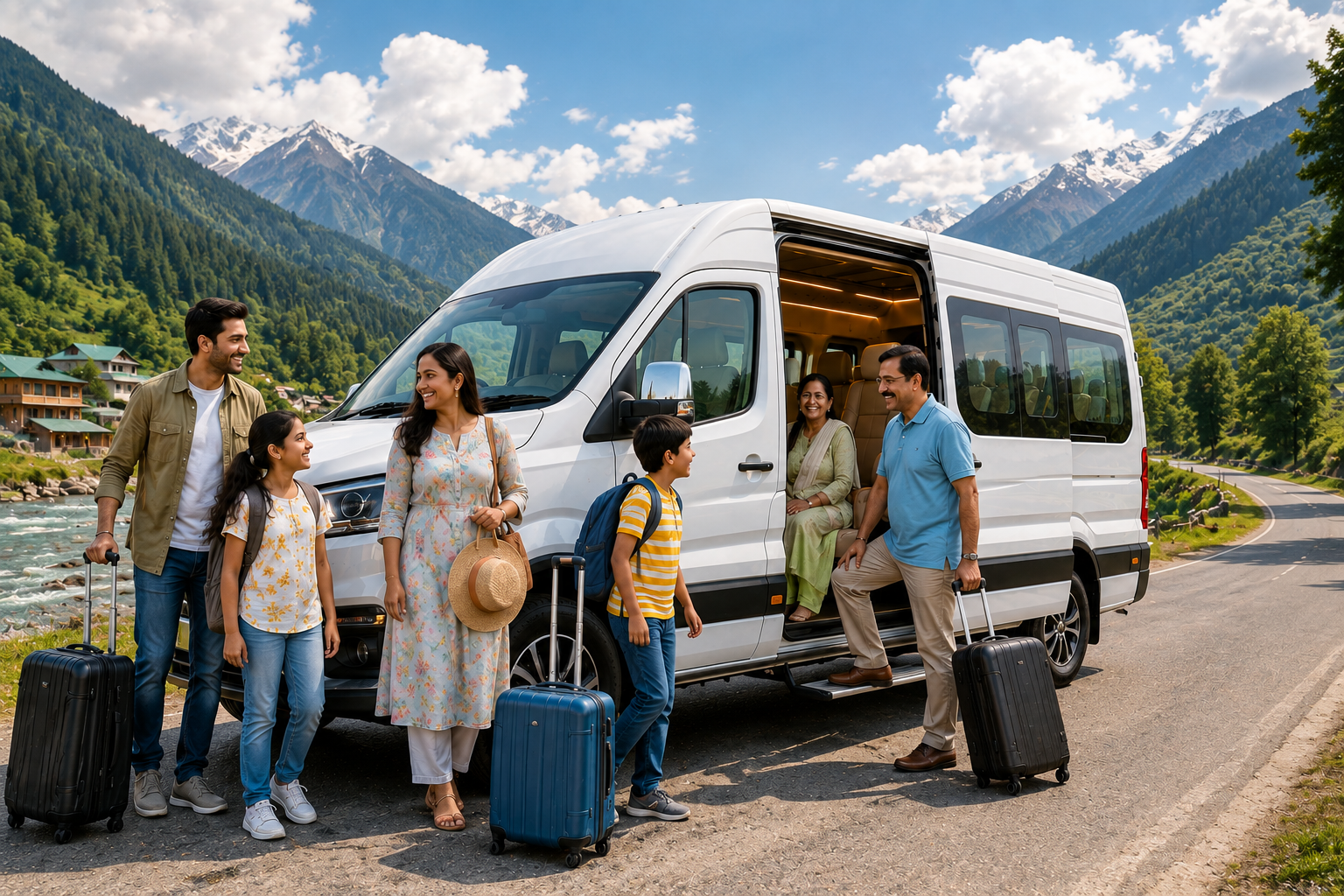
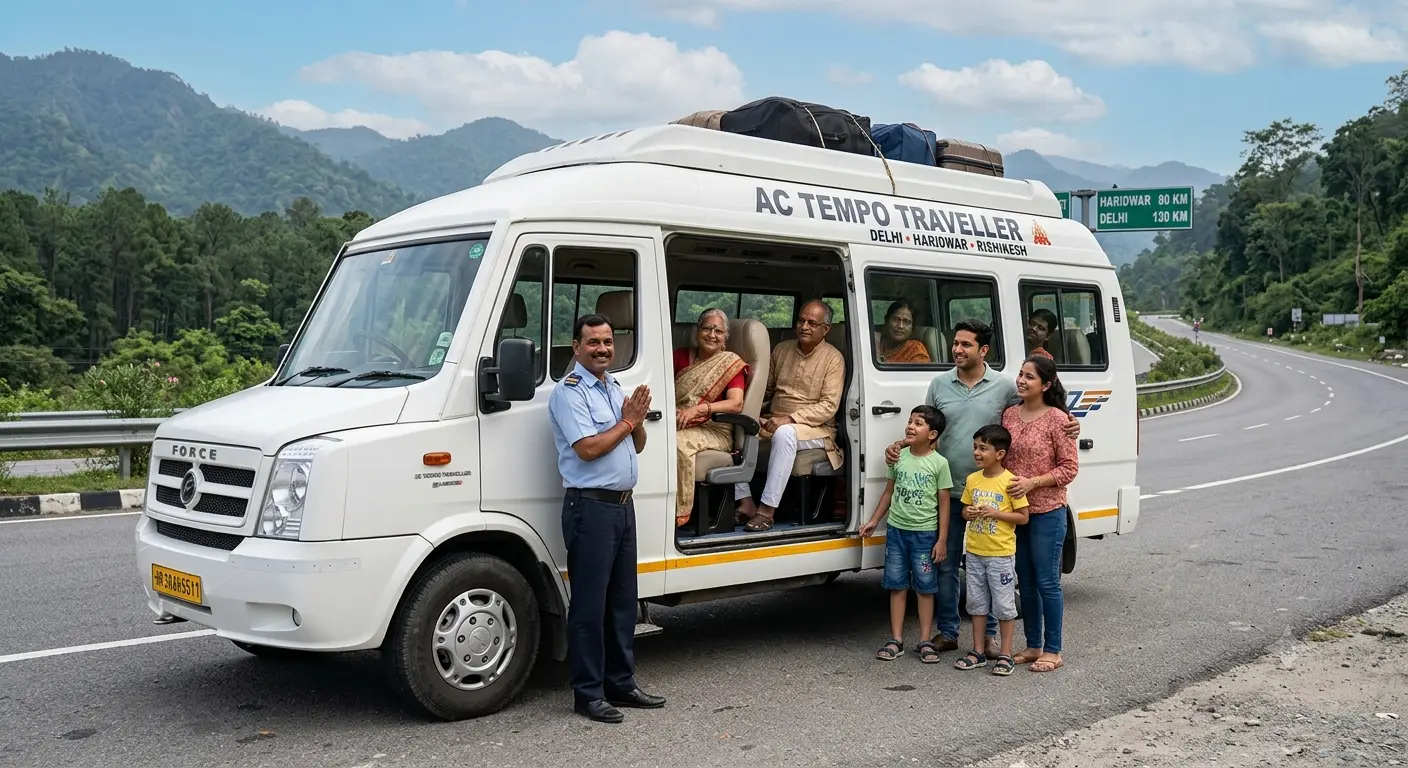
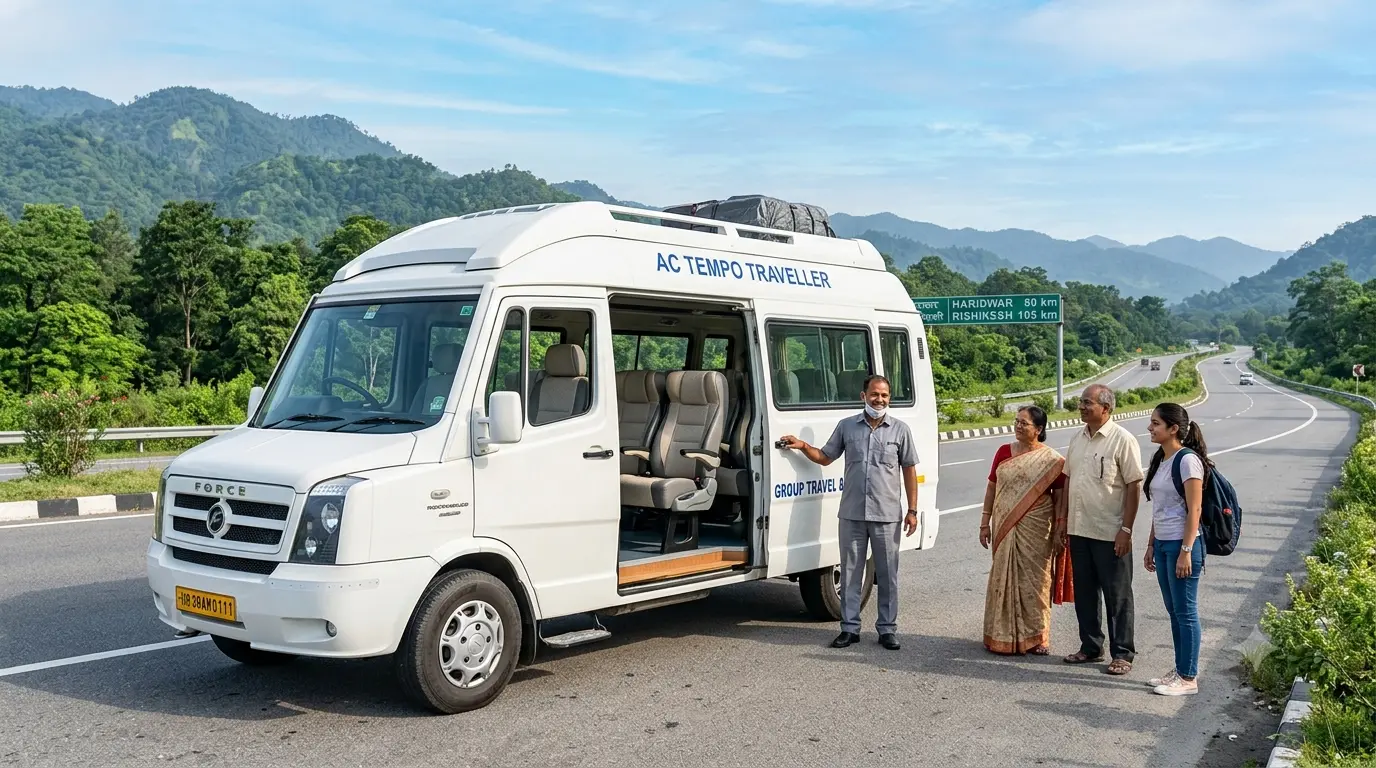
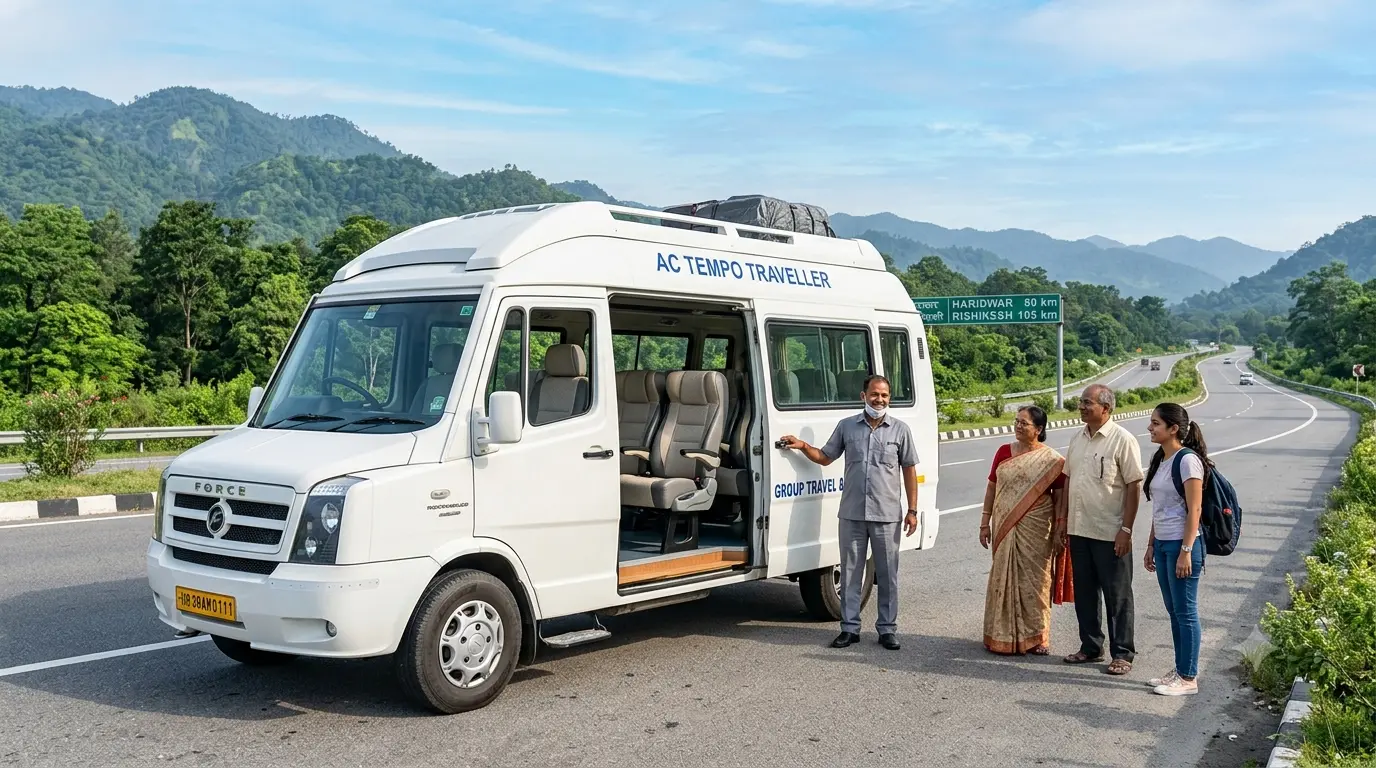
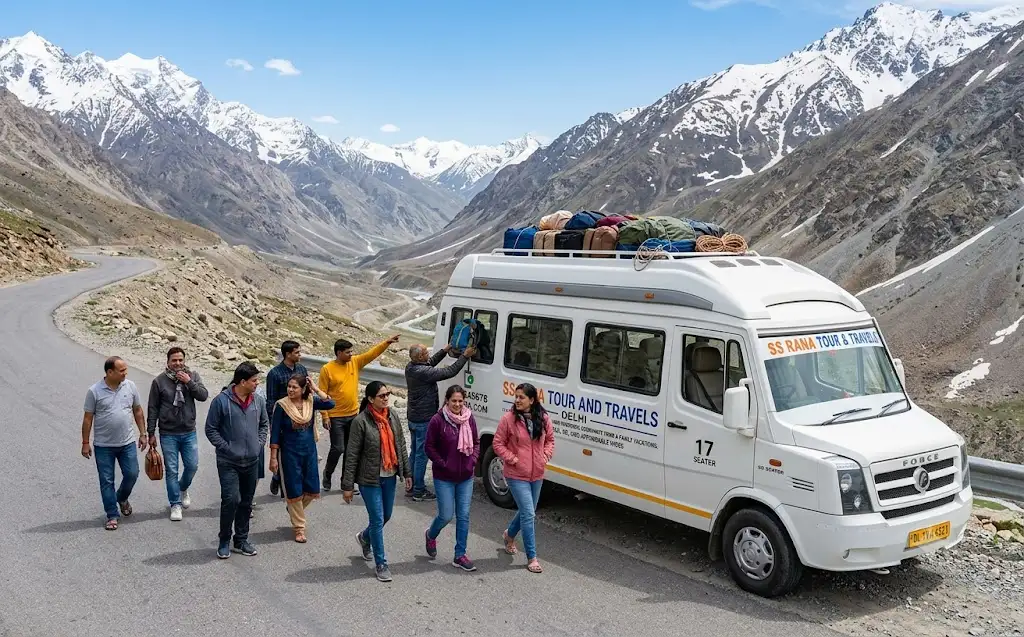
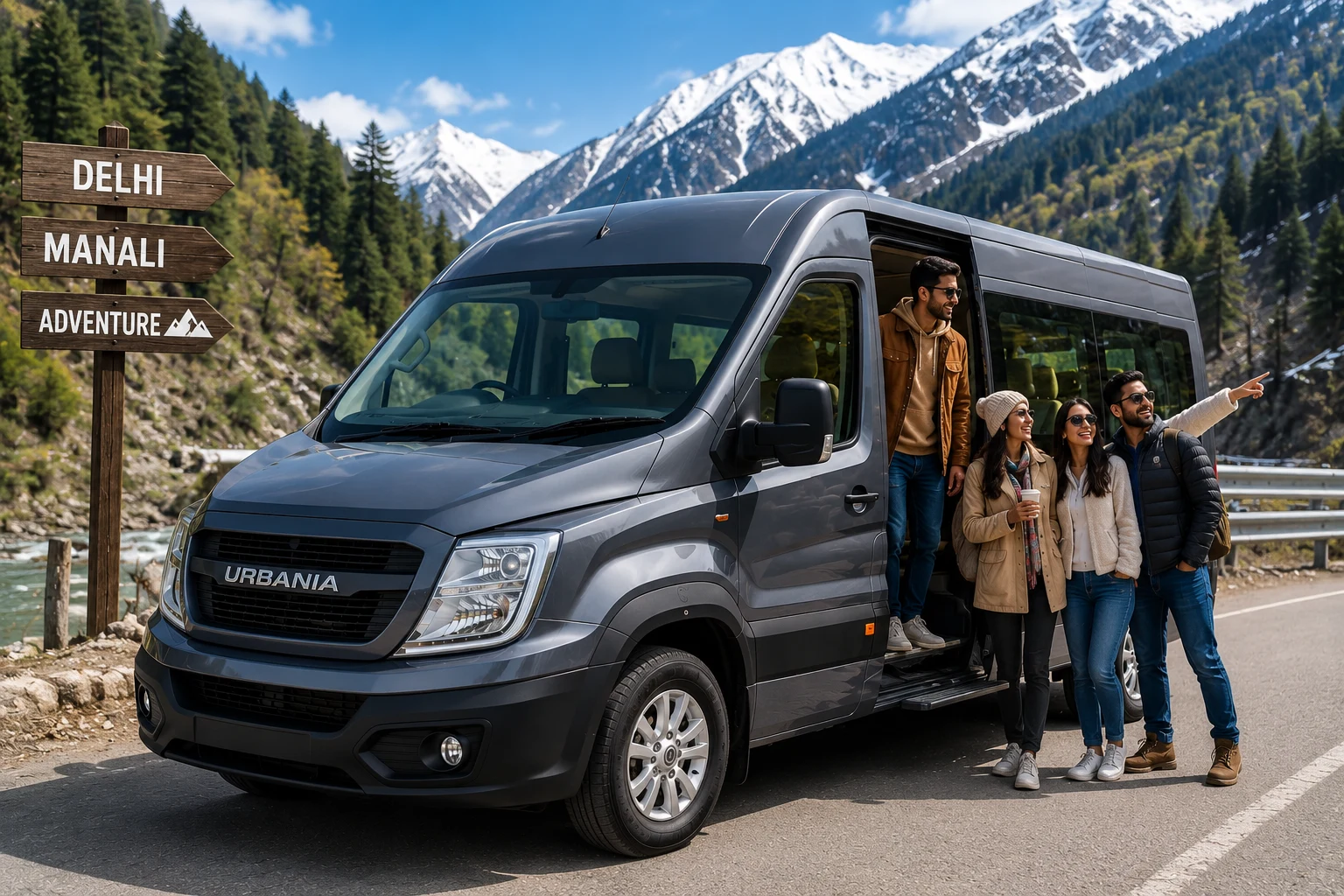
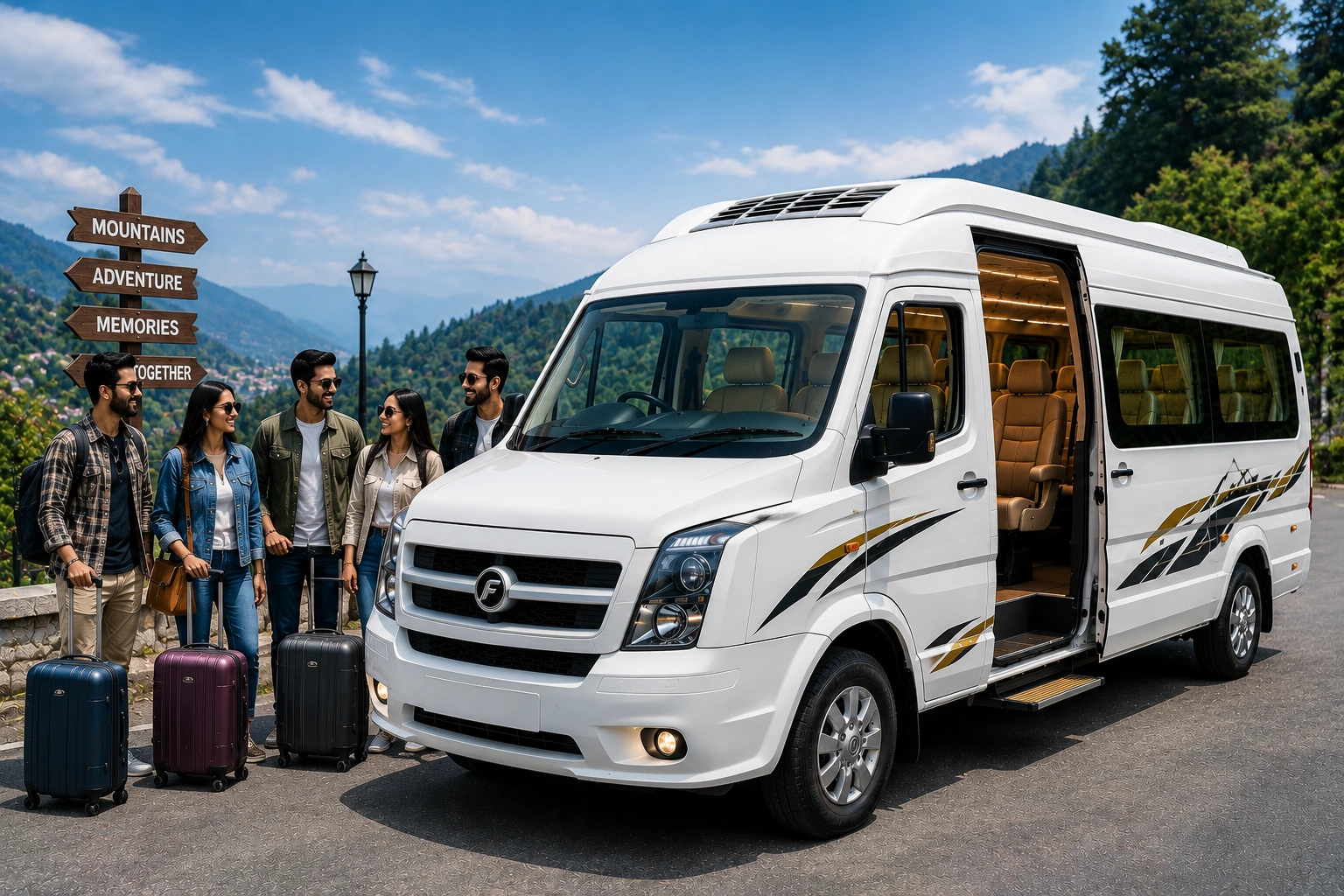
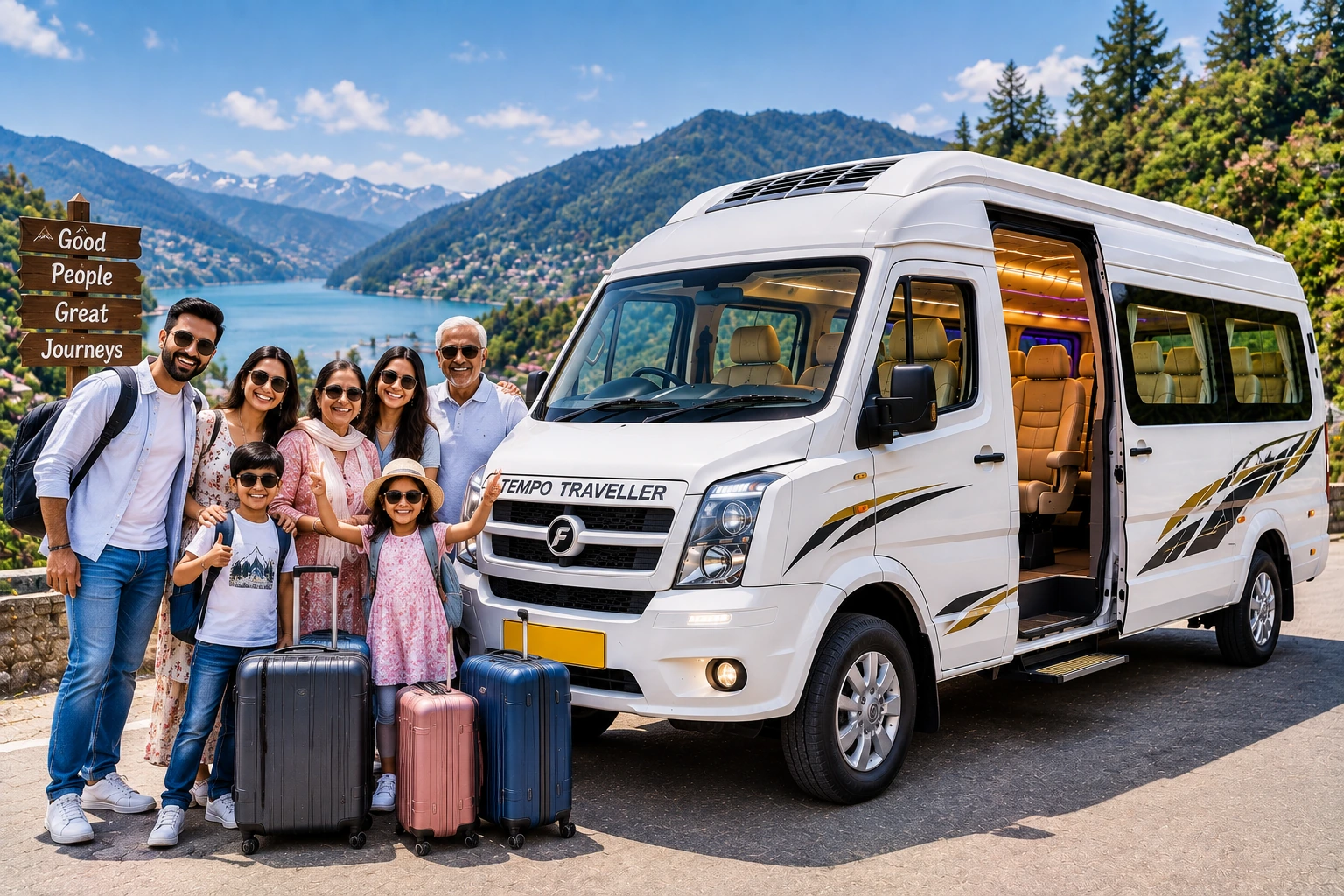
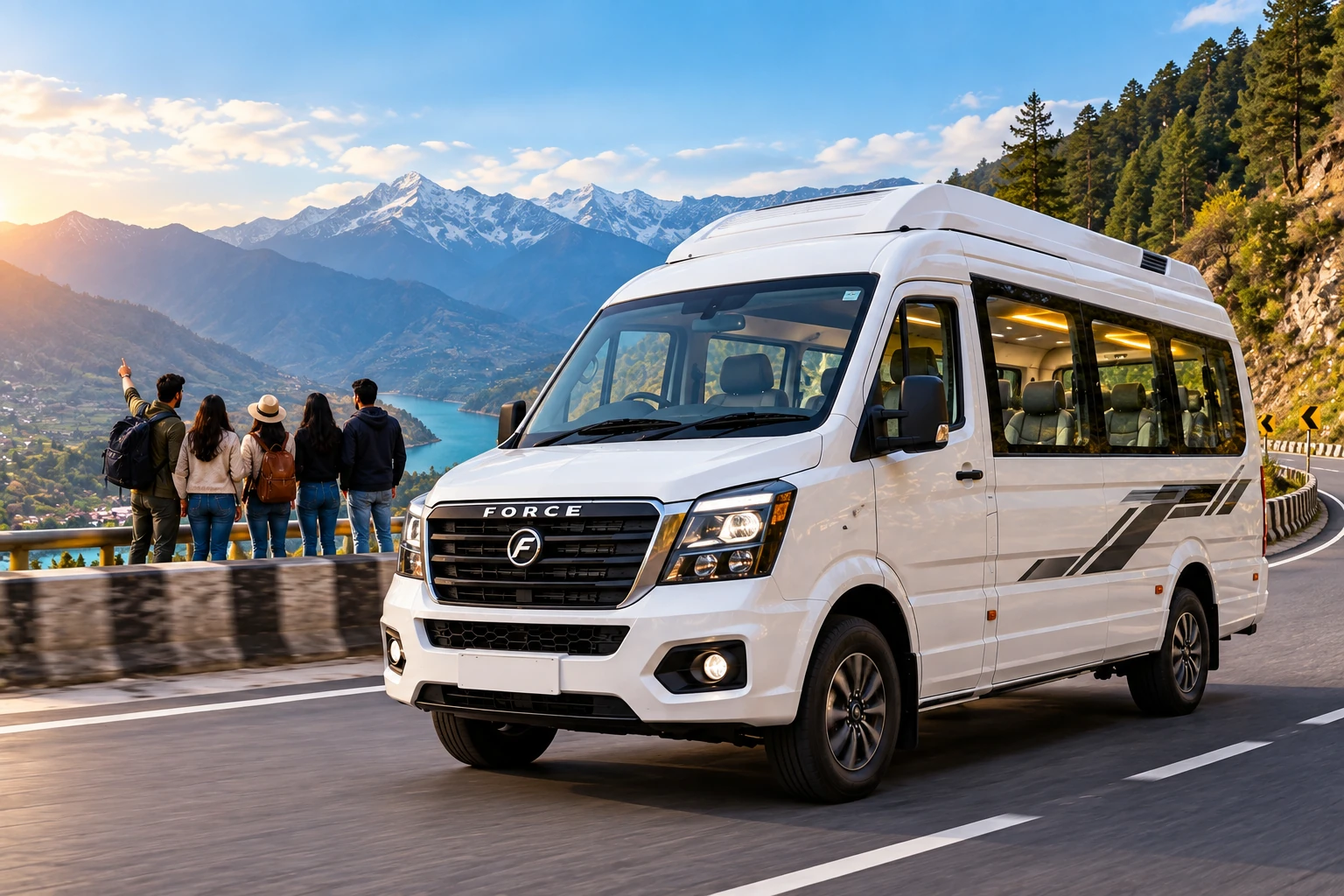
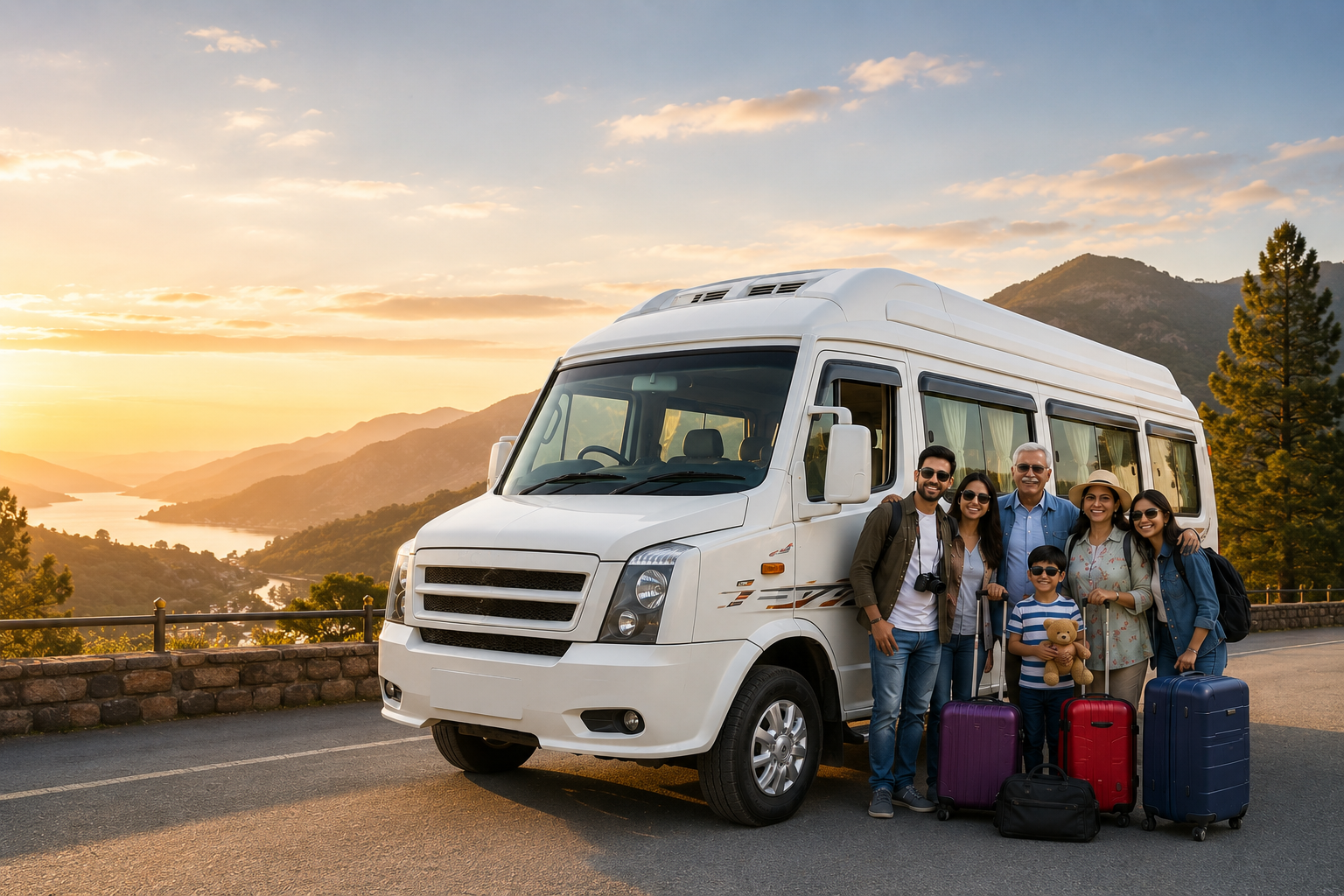
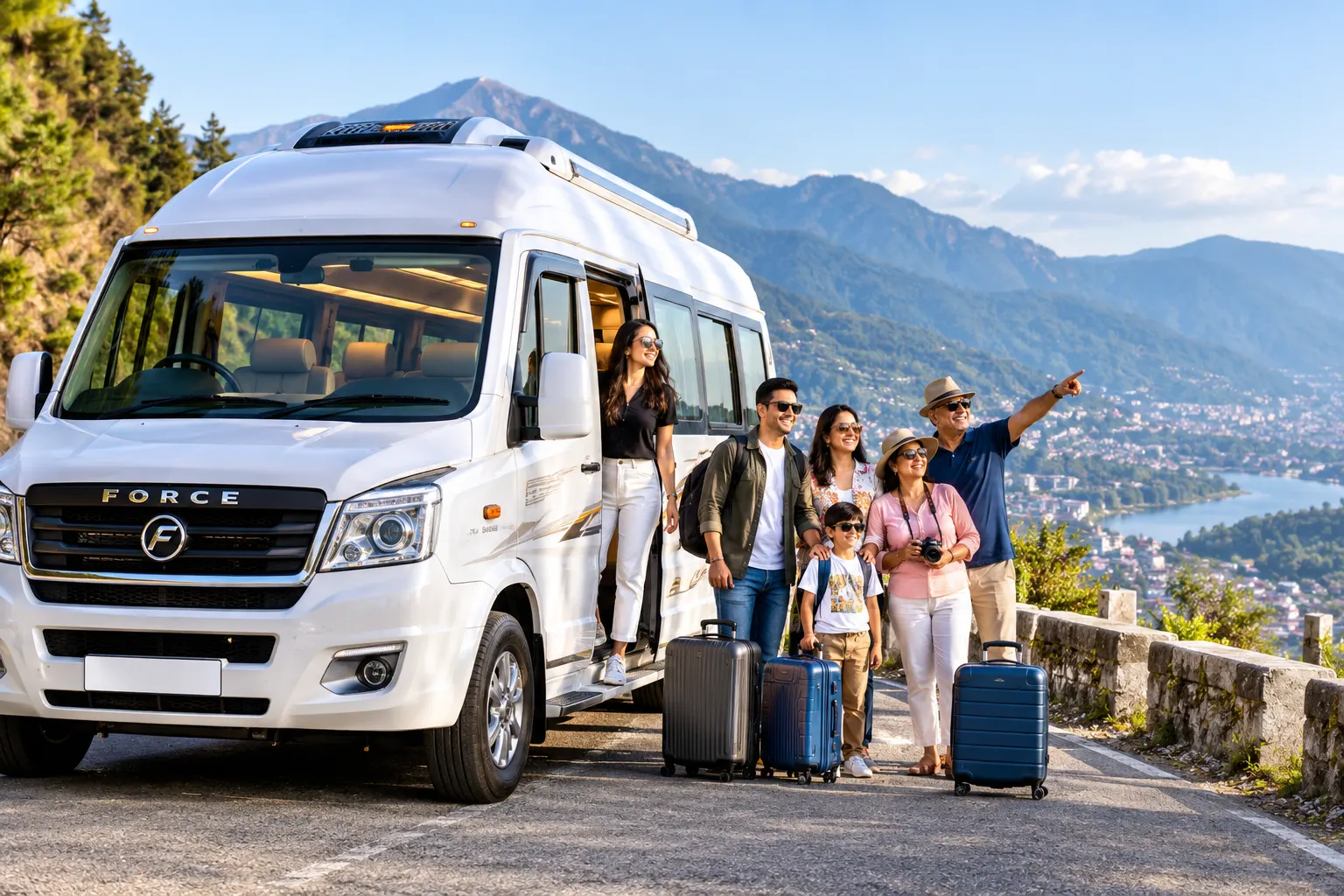
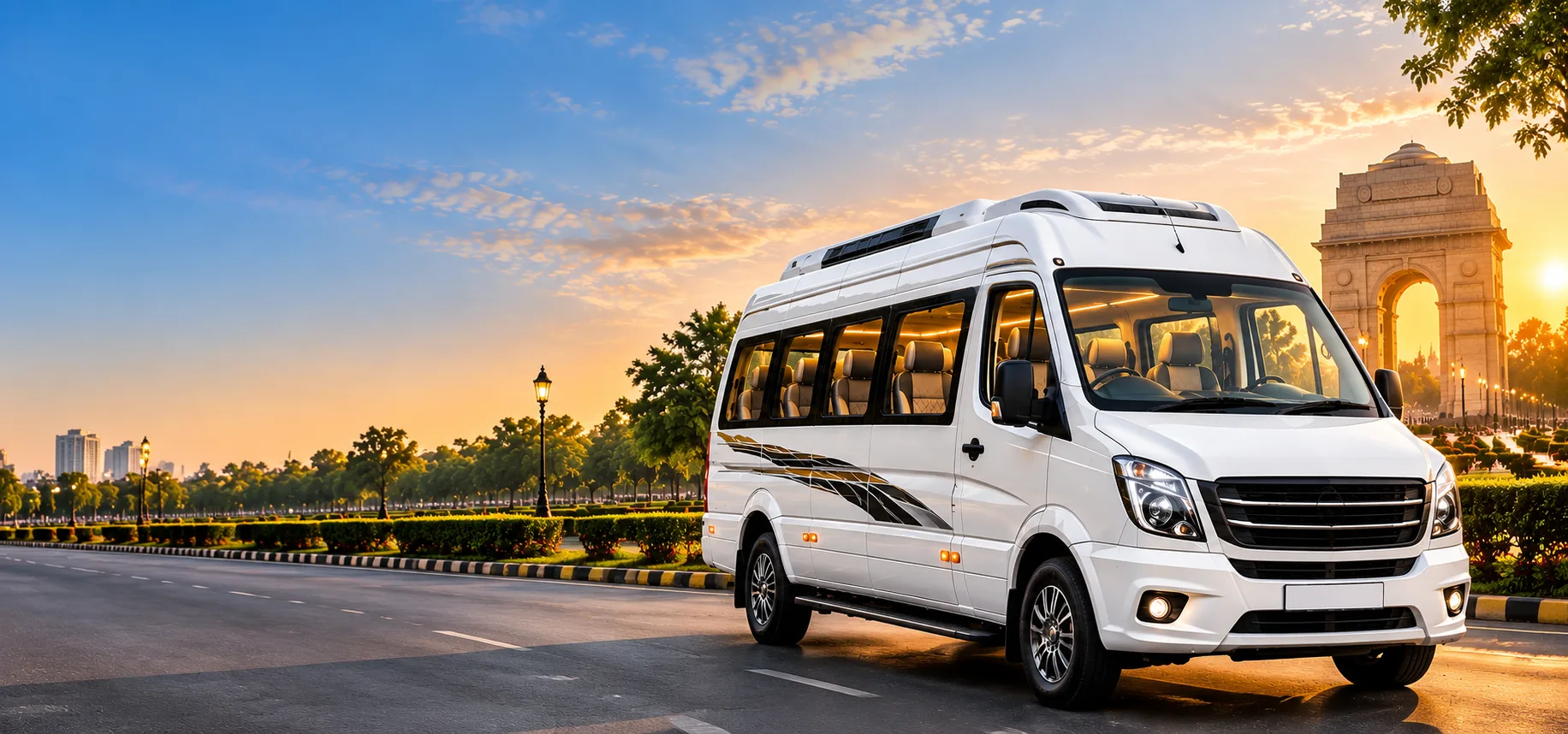
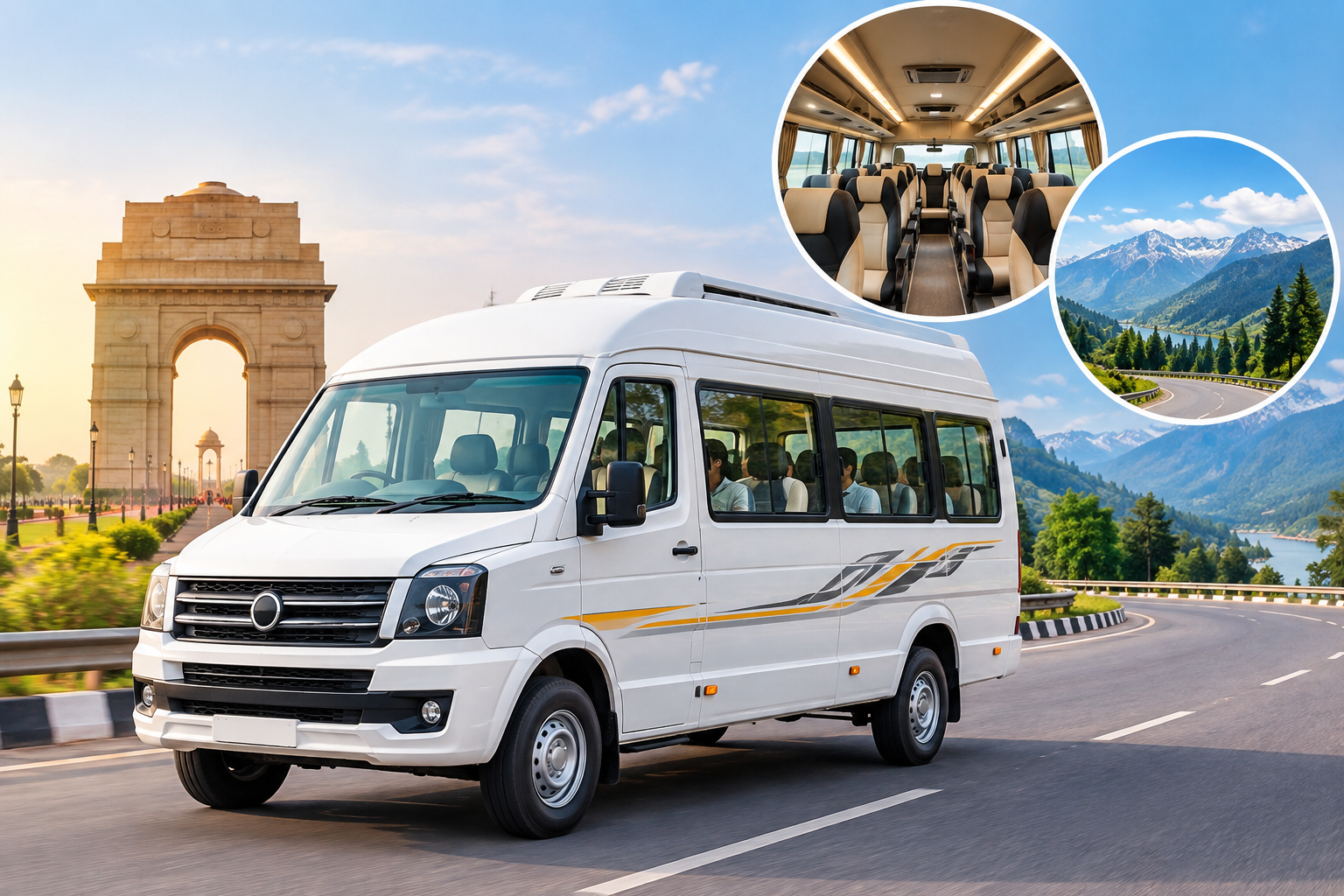
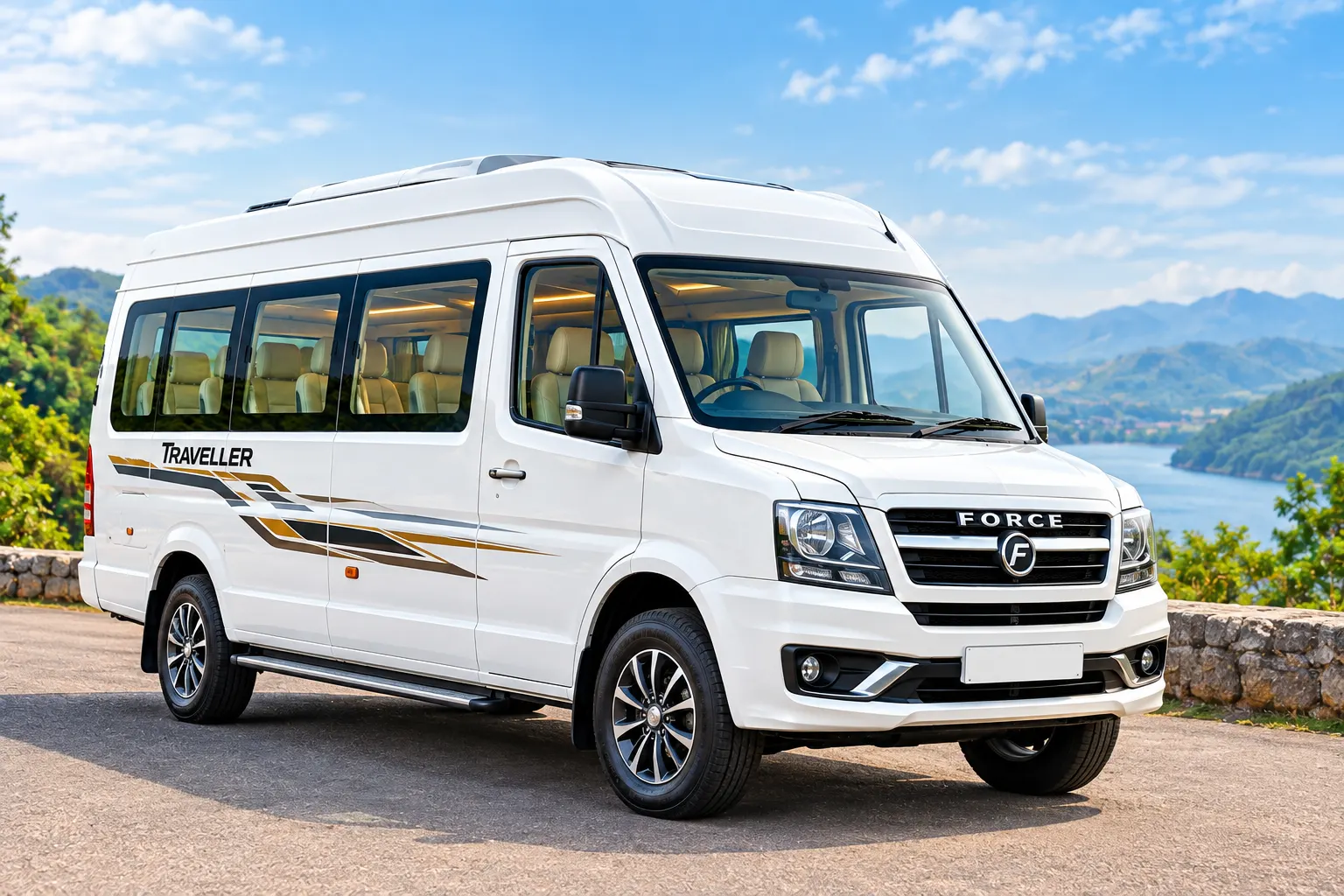
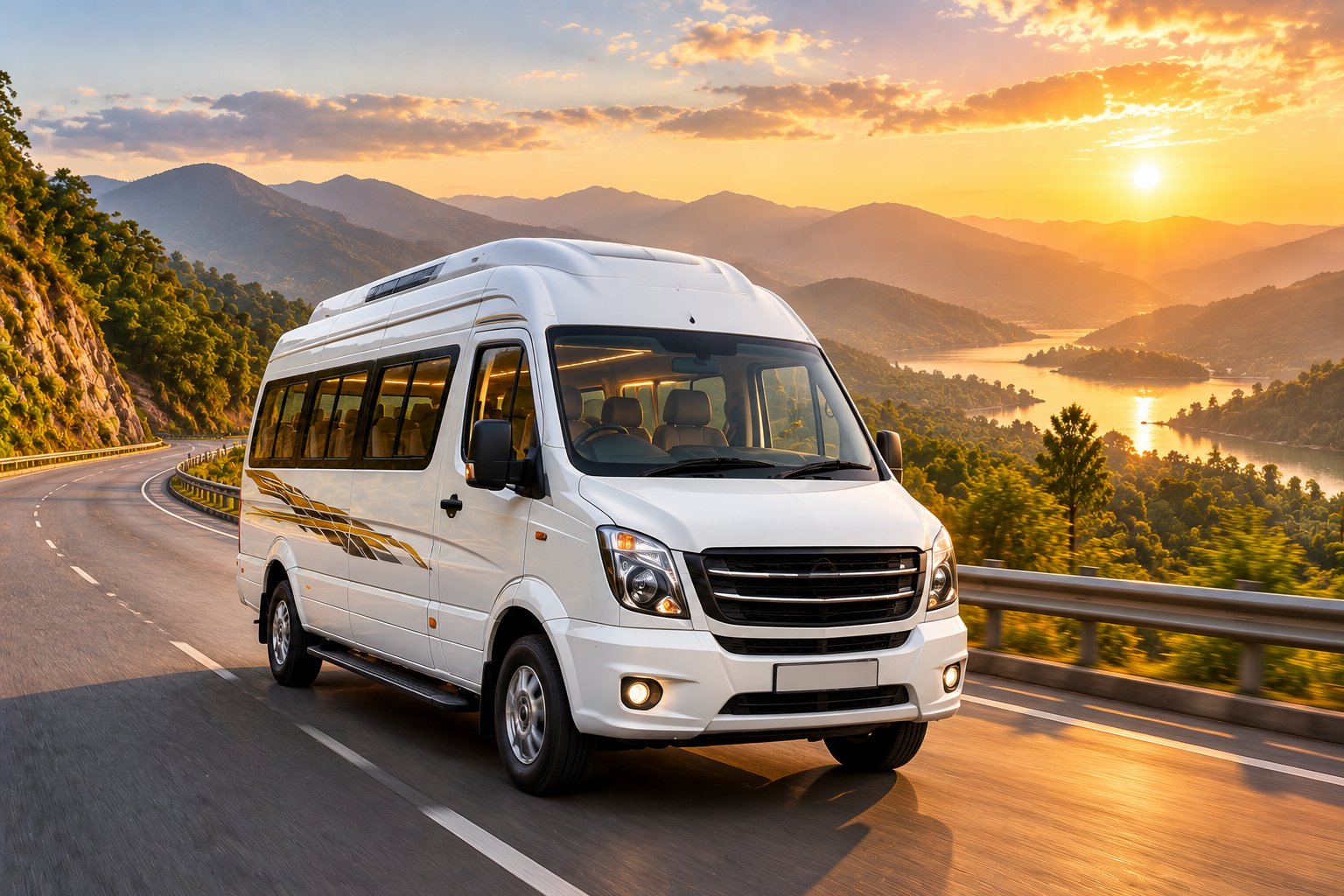
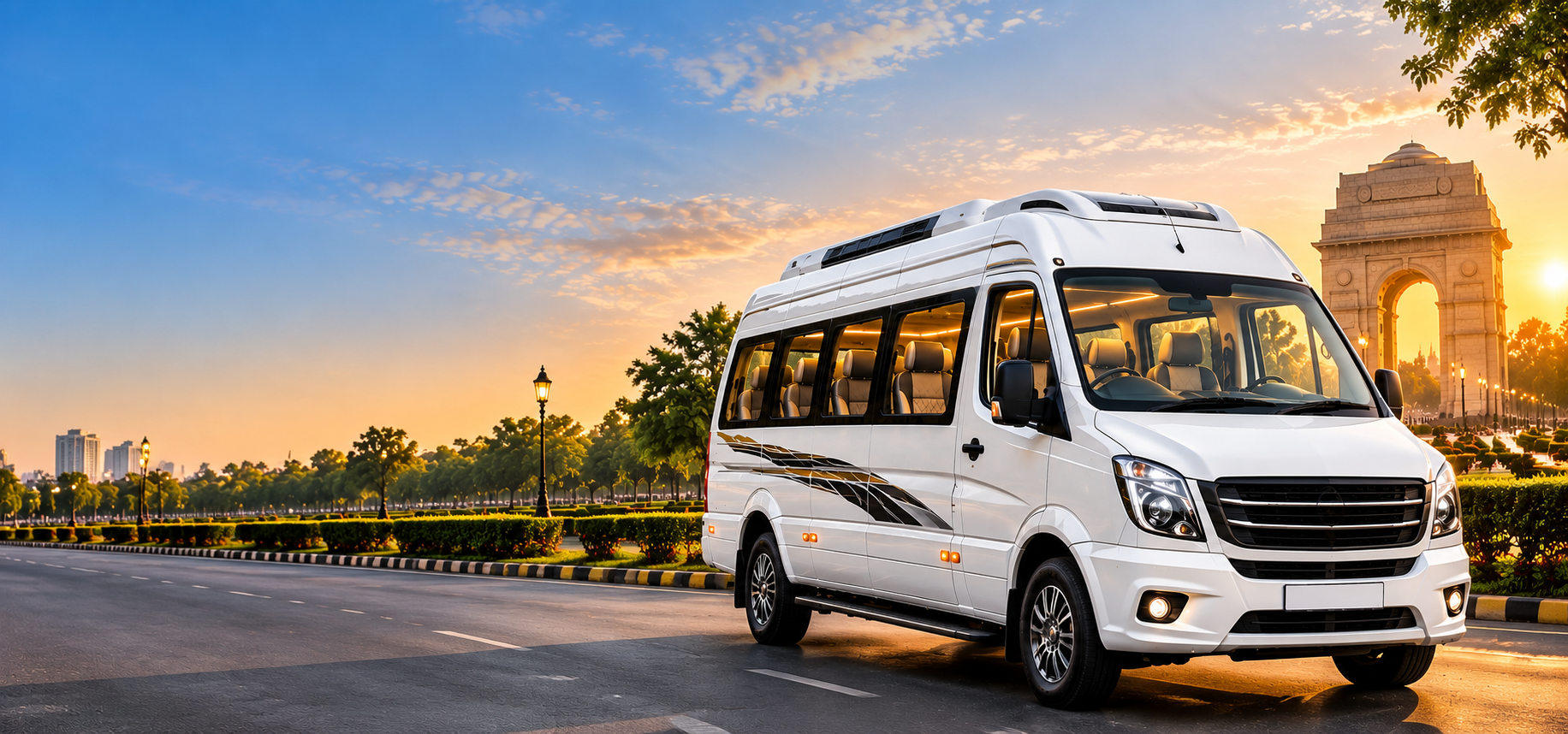
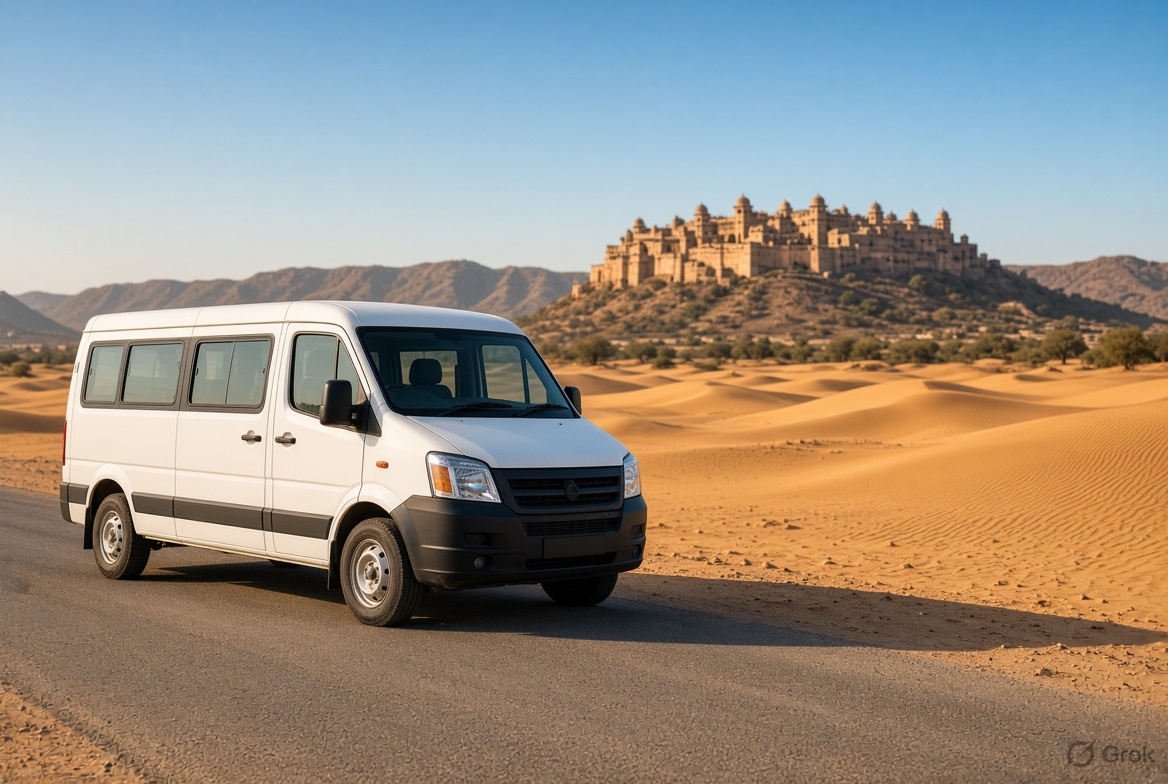
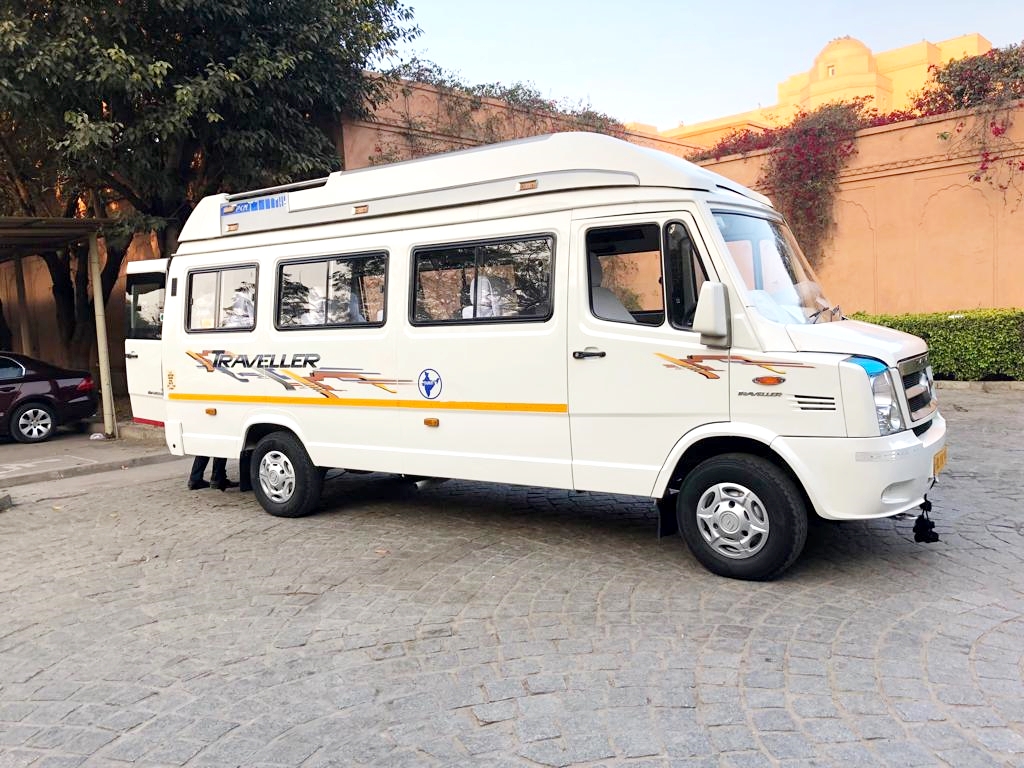
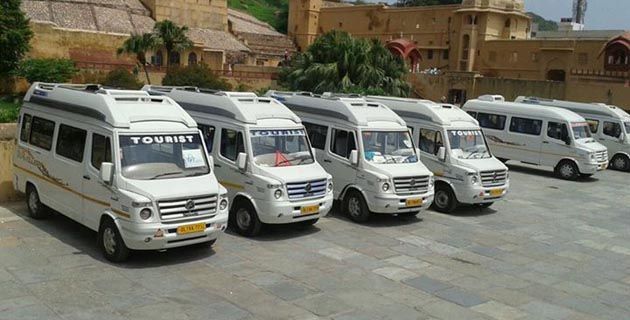
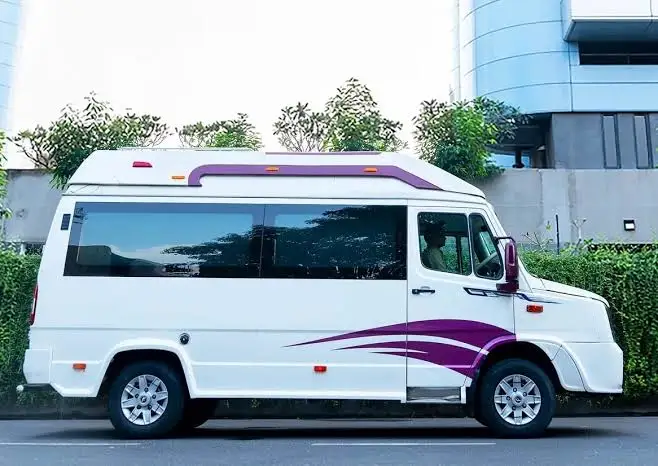
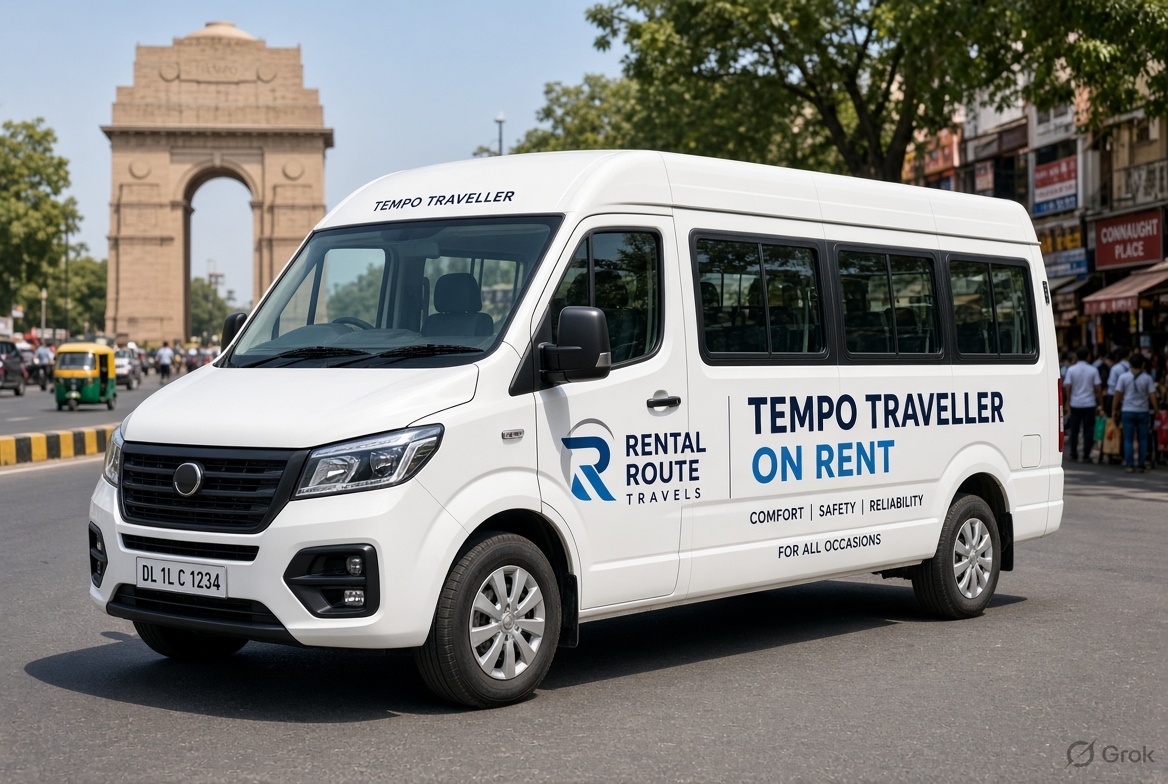
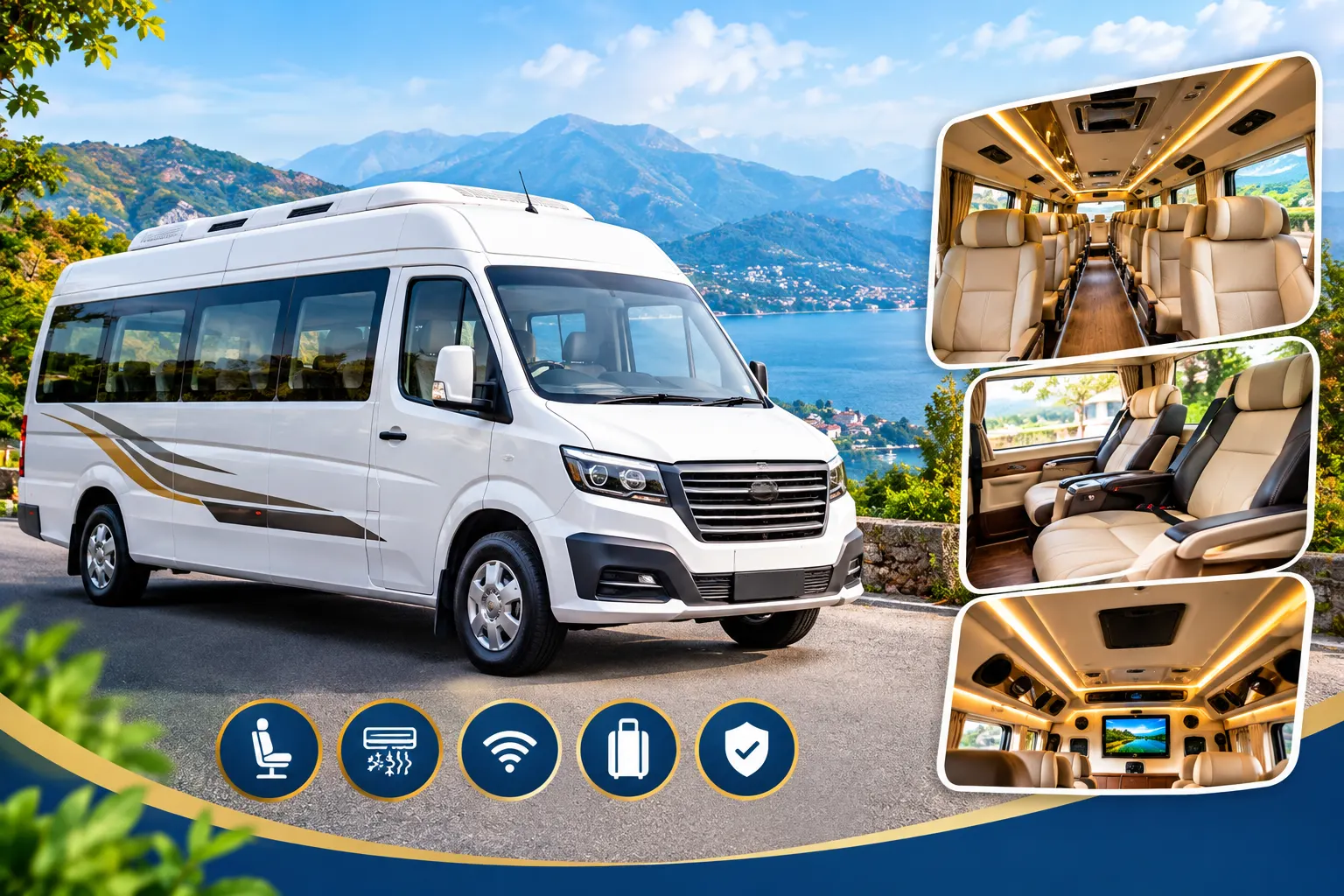
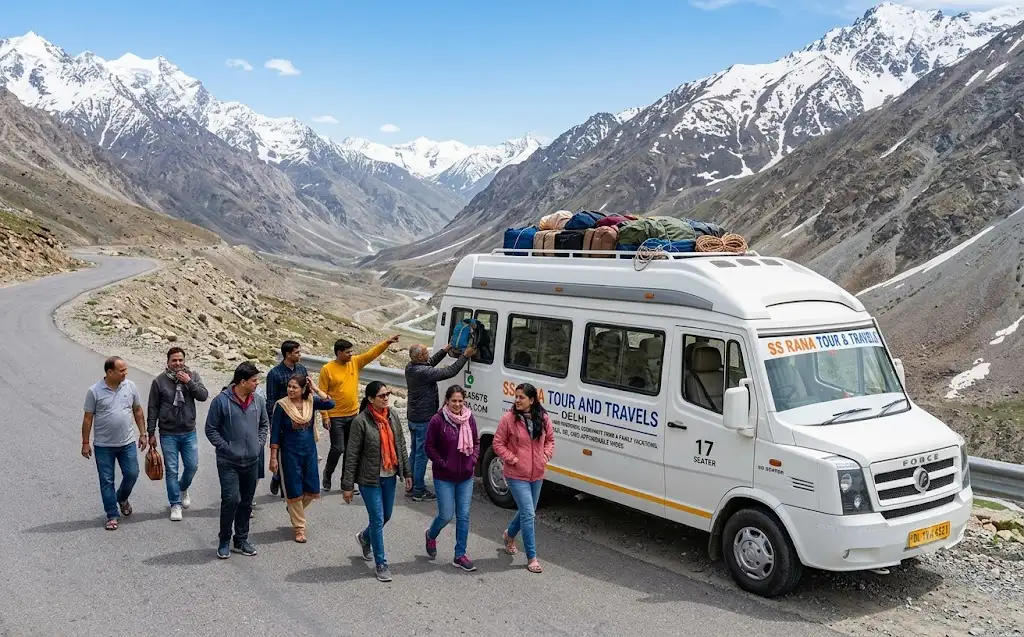
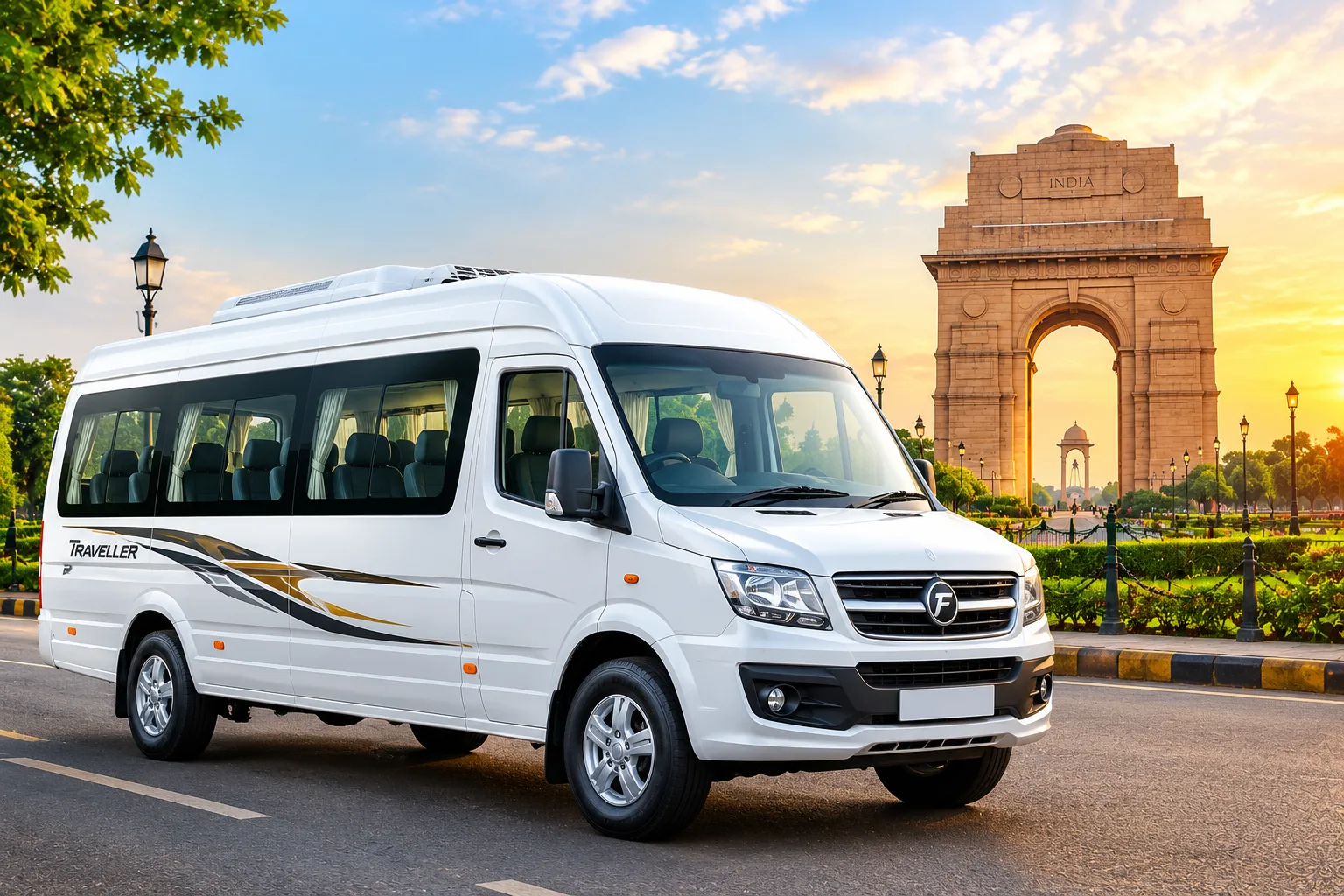
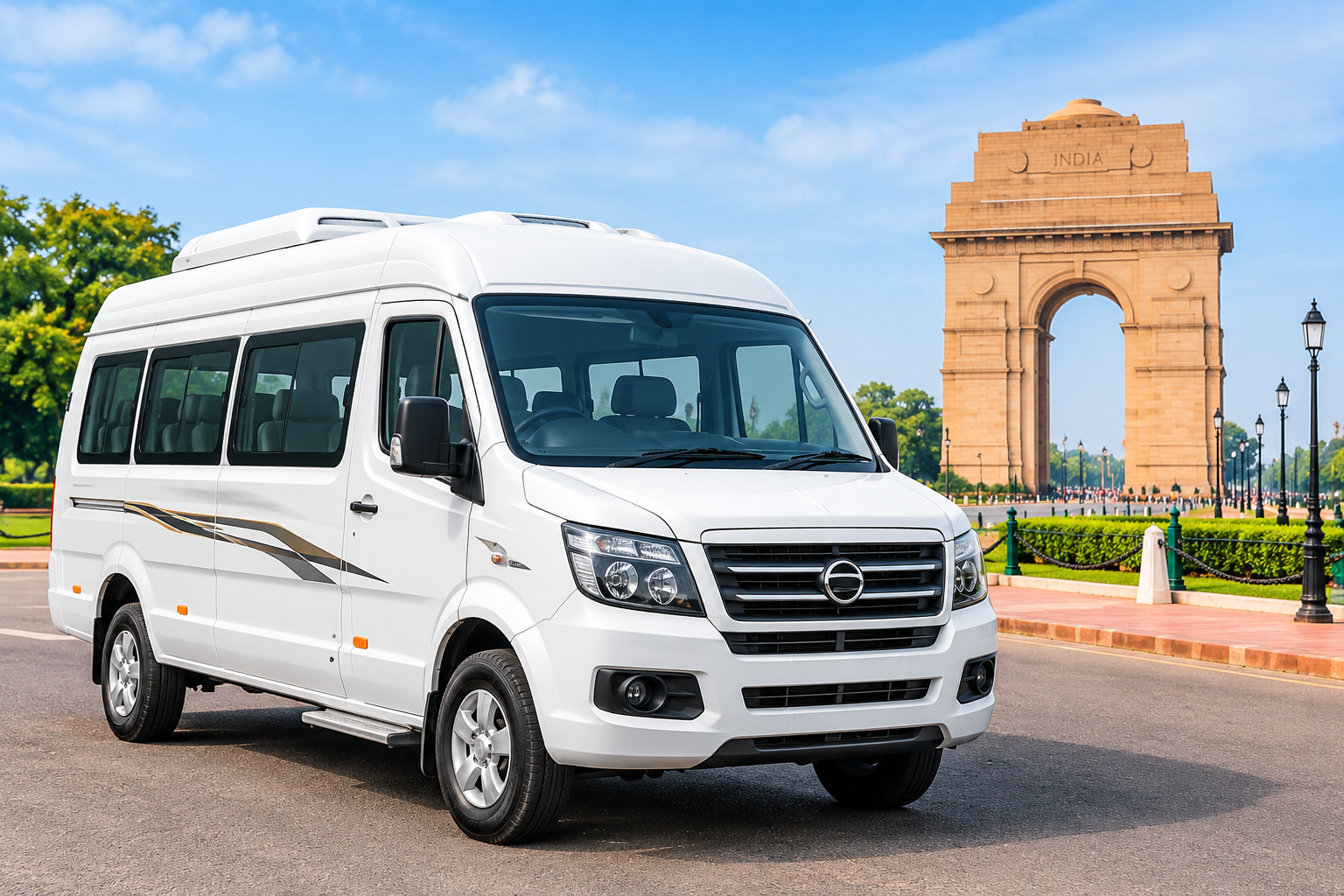
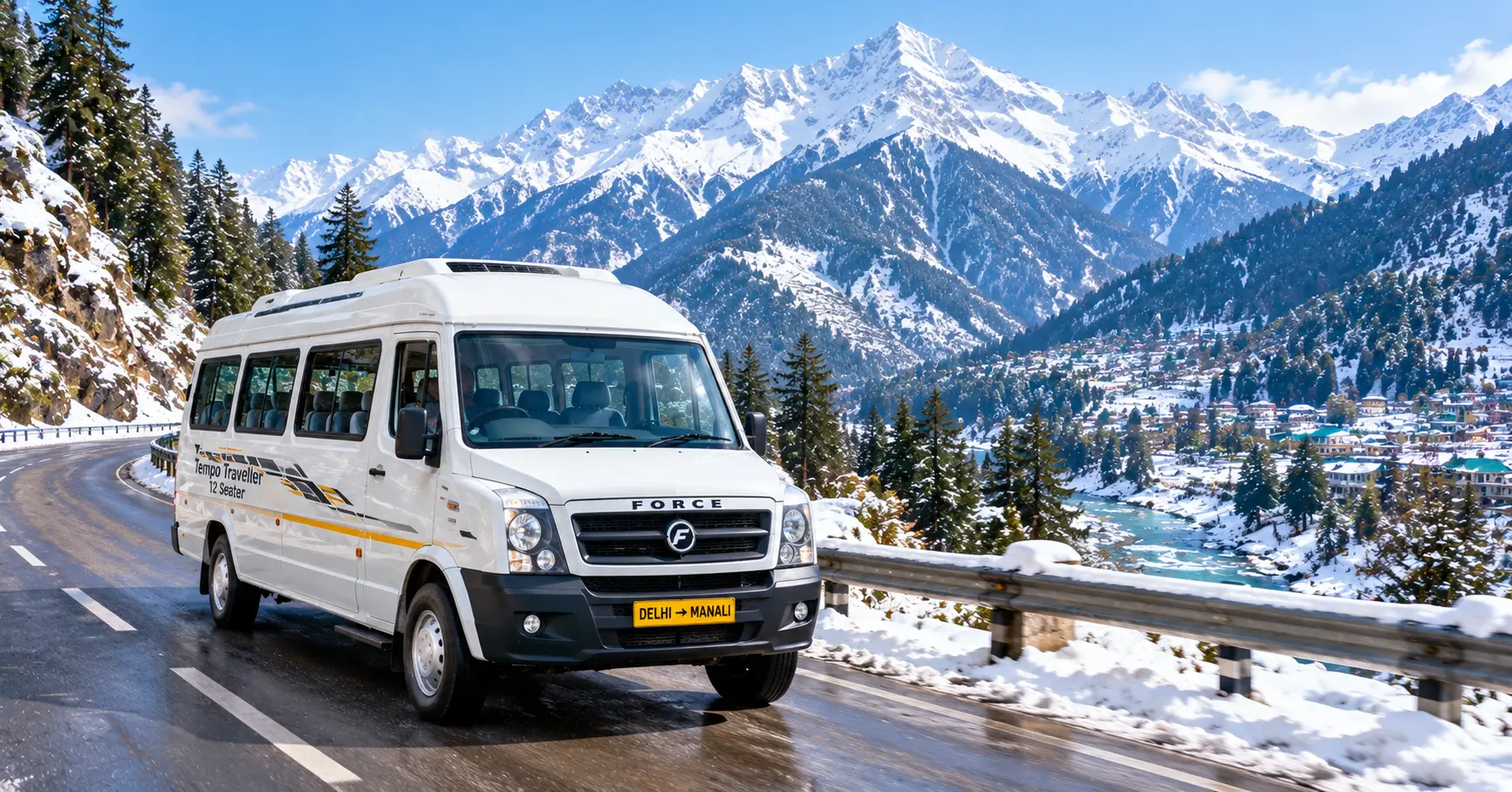
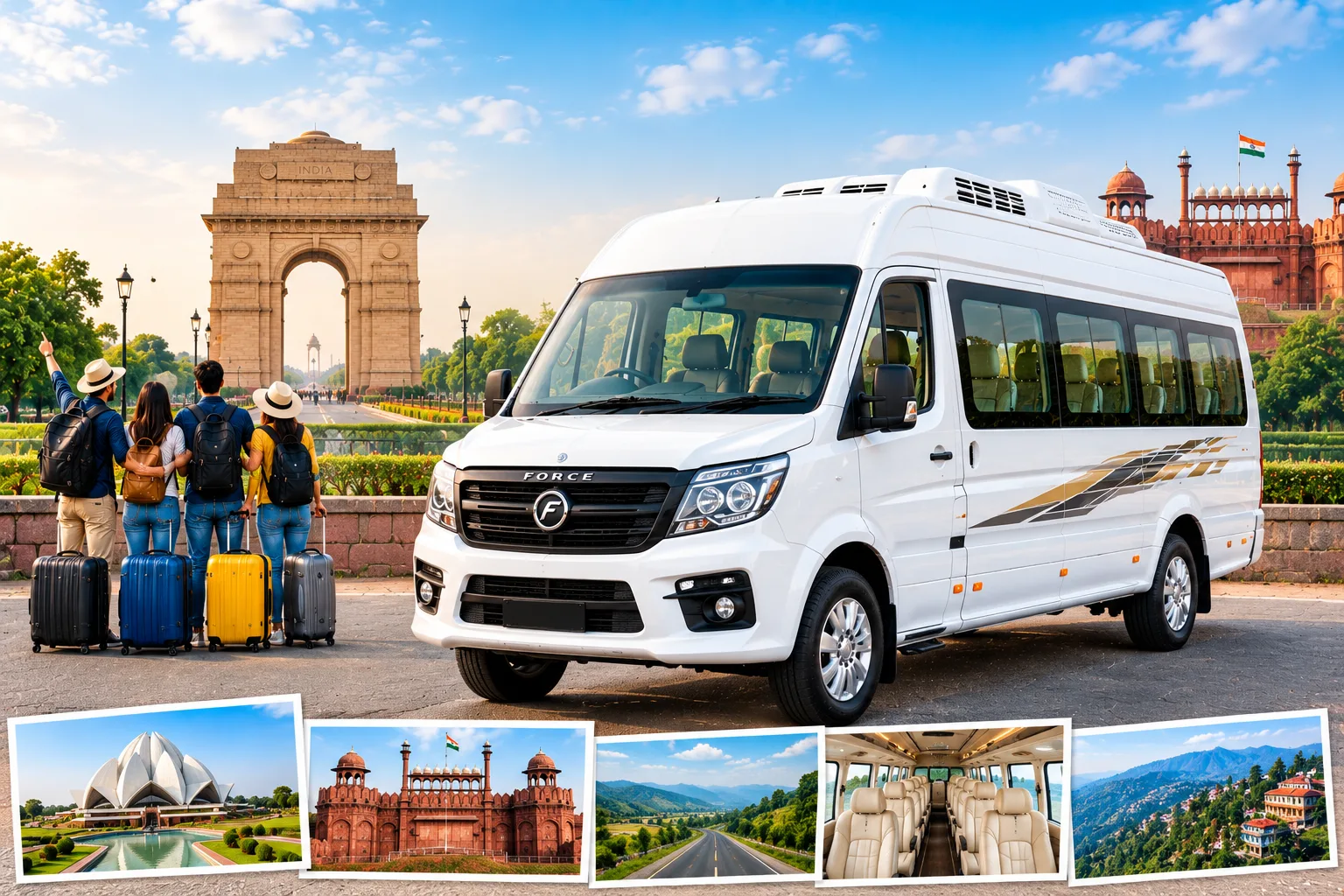
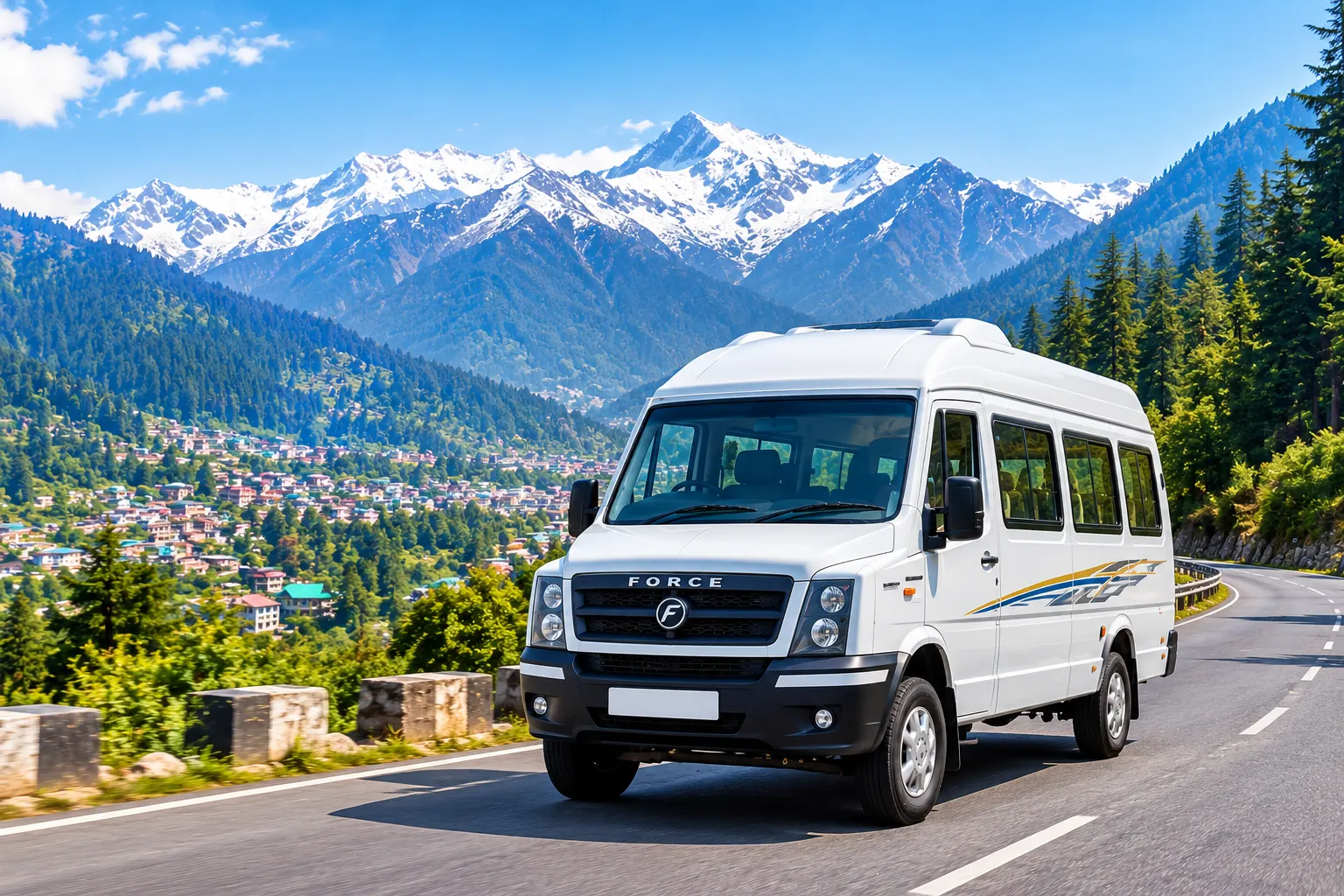
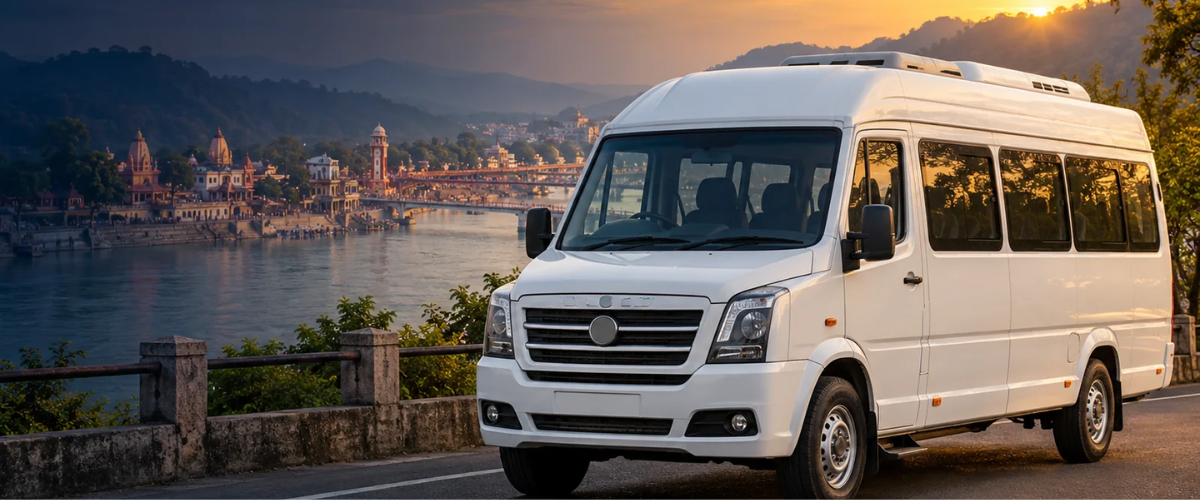
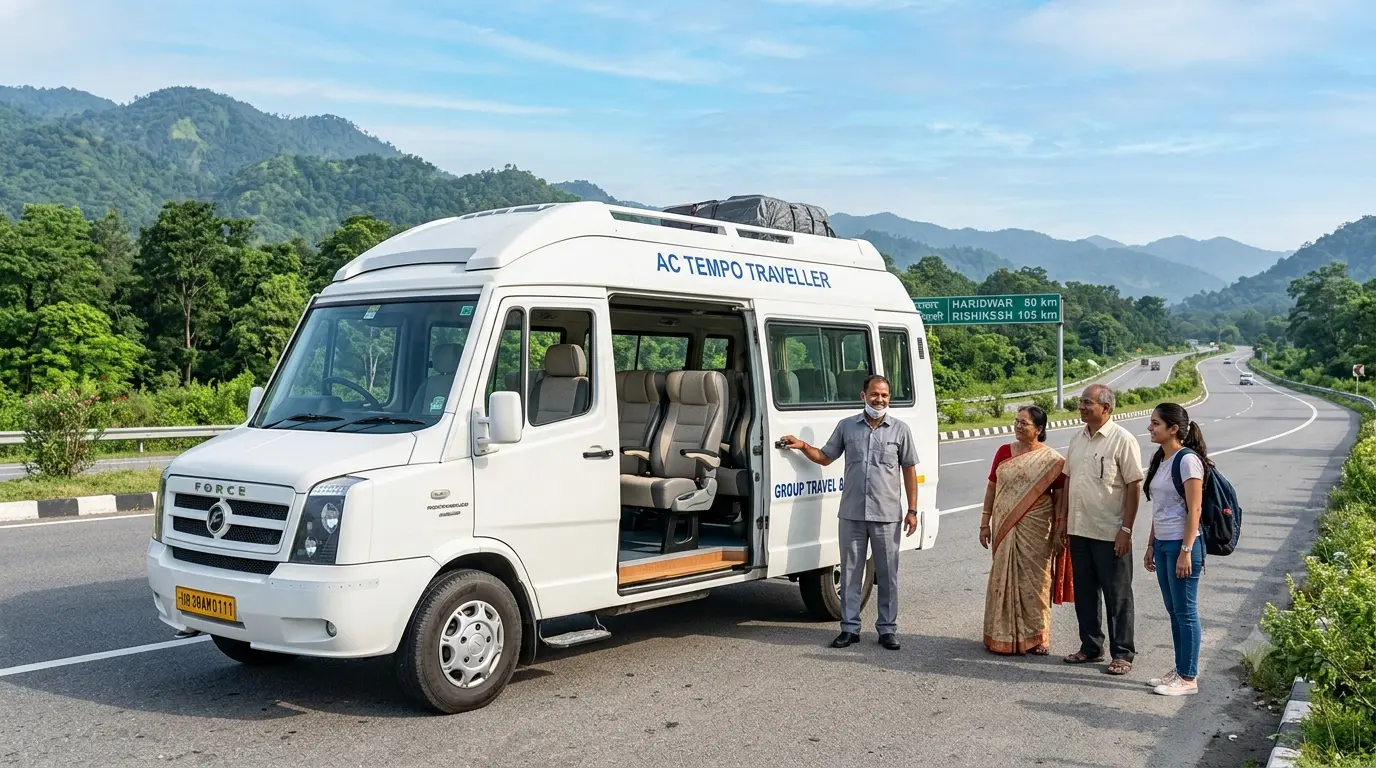
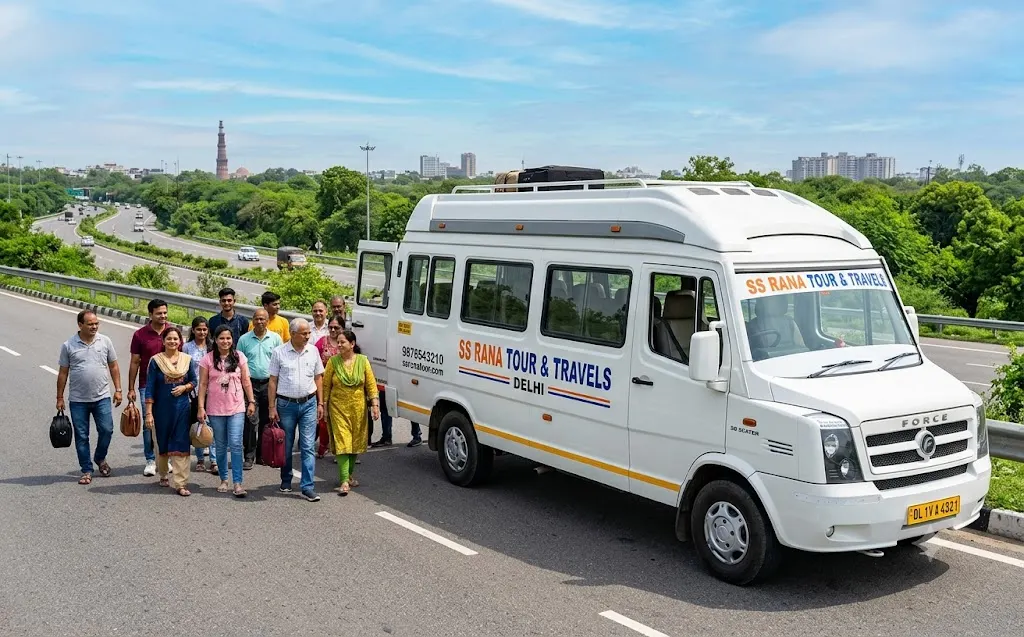
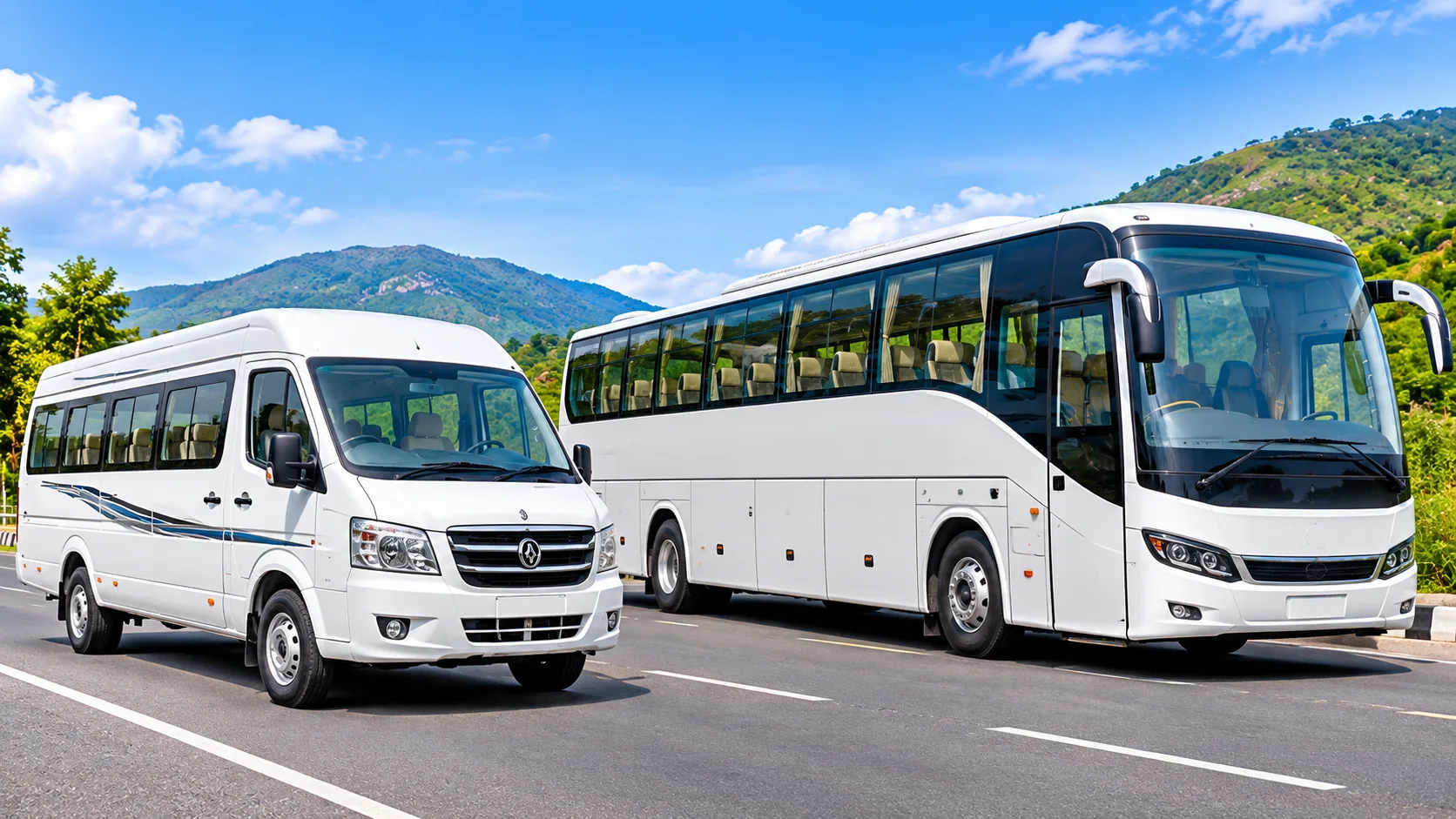
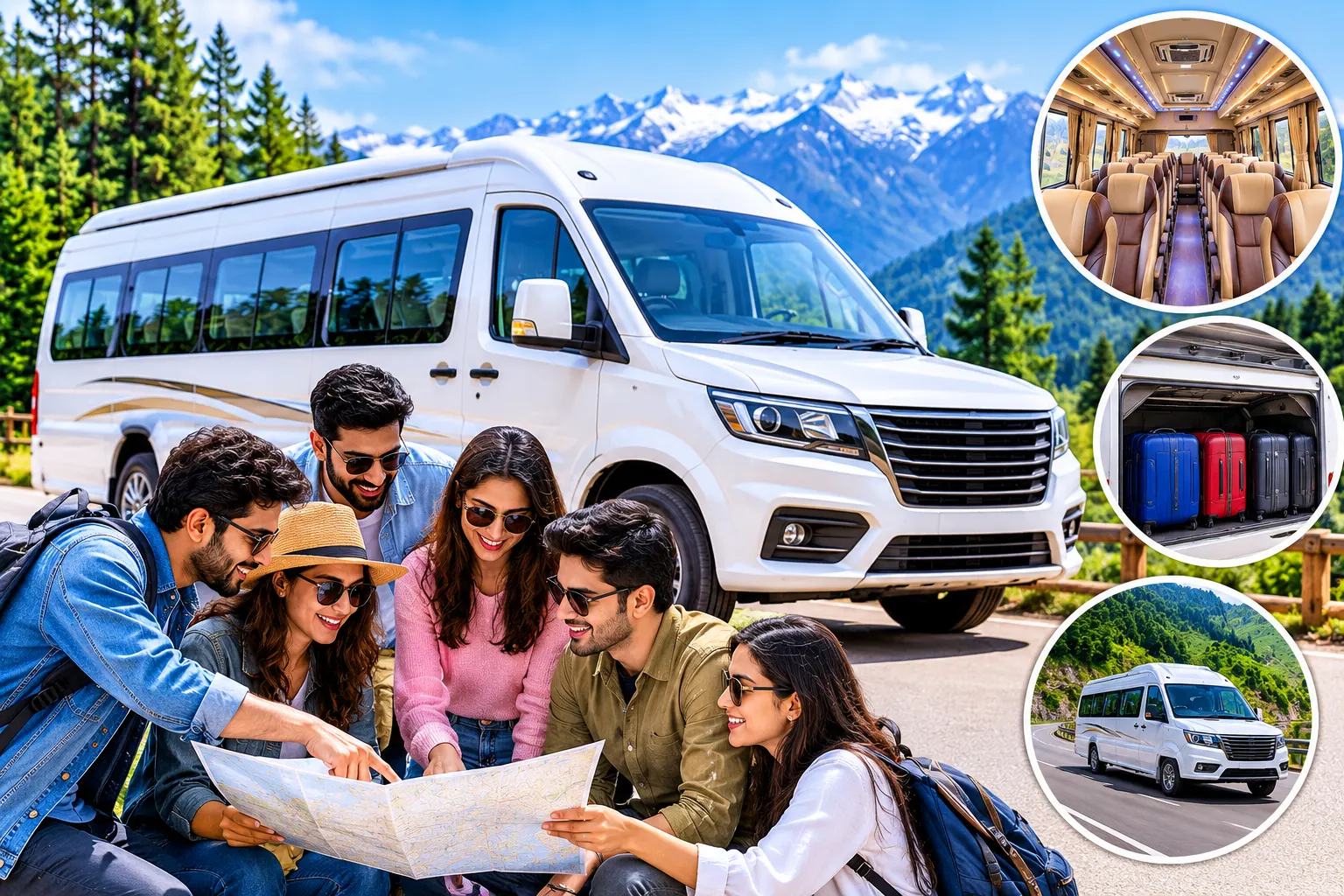
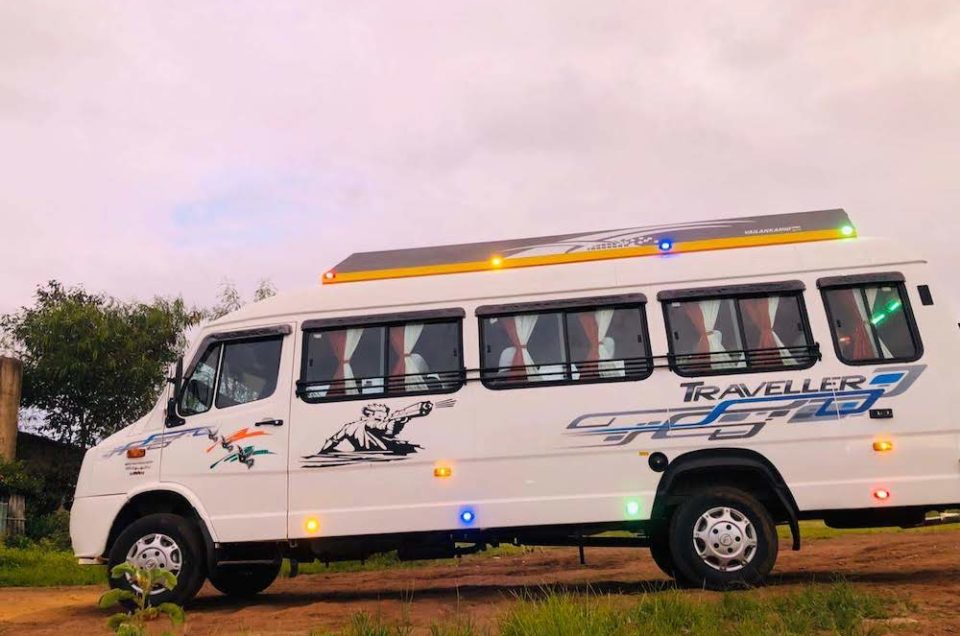
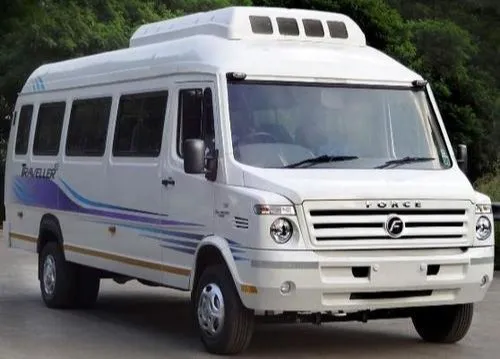
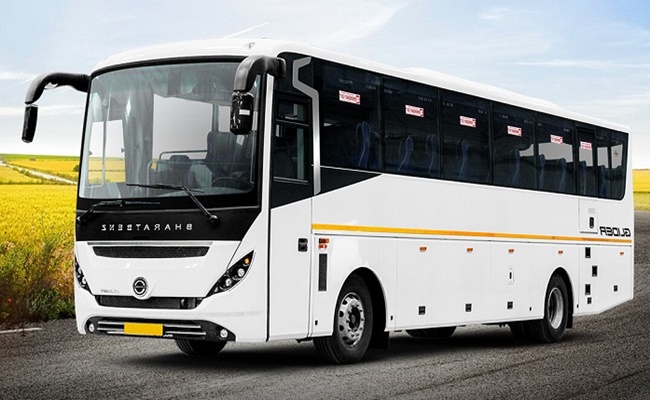
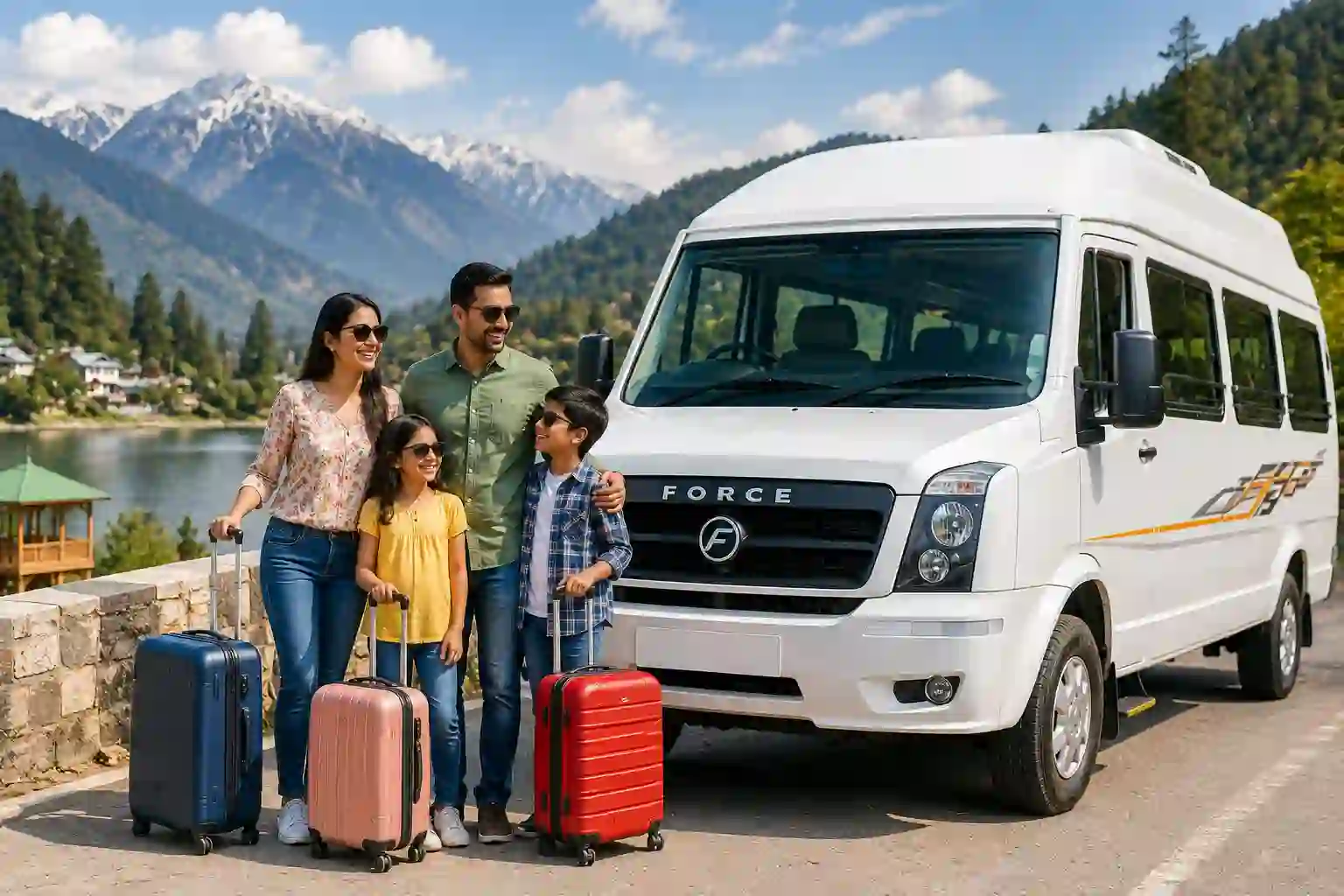
Tempo traveller travel suits this route better than most alternatives. A bus is hard to manoeuvre on narrow hill roads, and a small car gets cramped on 9-hour drives. A do dham yatra by tempo traveller gives your group:
One vehicle for the whole trip, so no changing cabs and no luggage reshuffling.
Flexible stops for tea, photos, temples and washroom breaks.
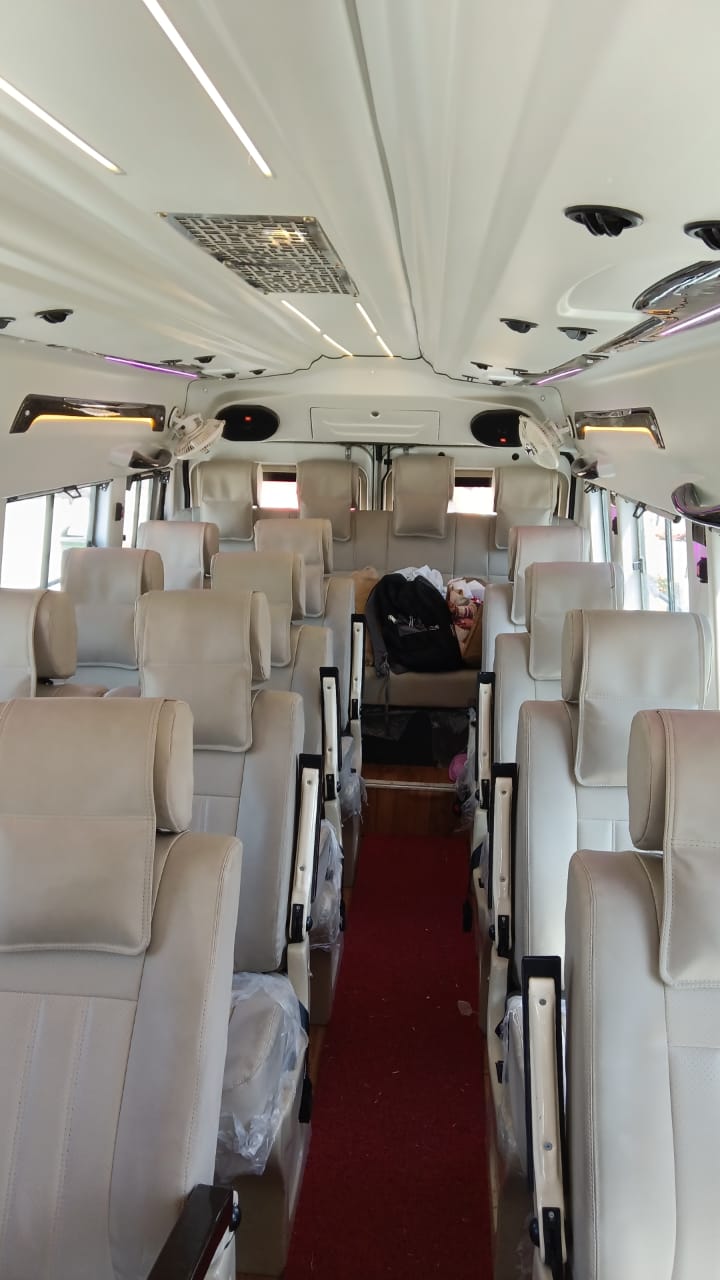
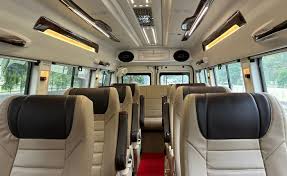
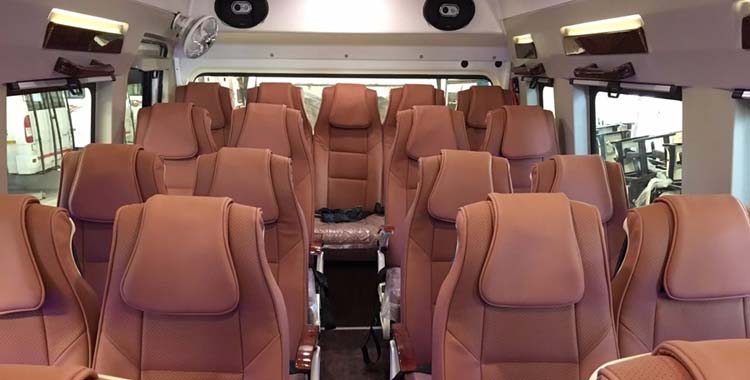
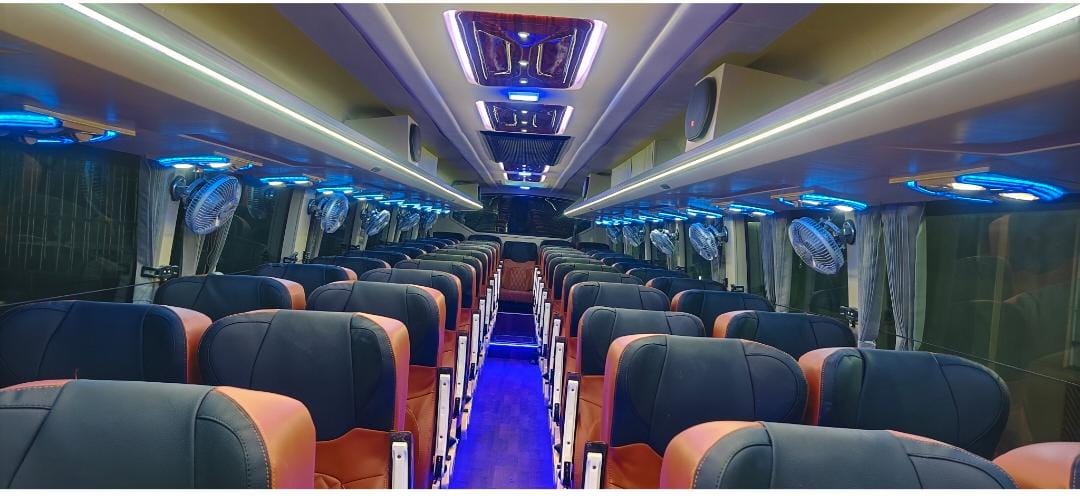
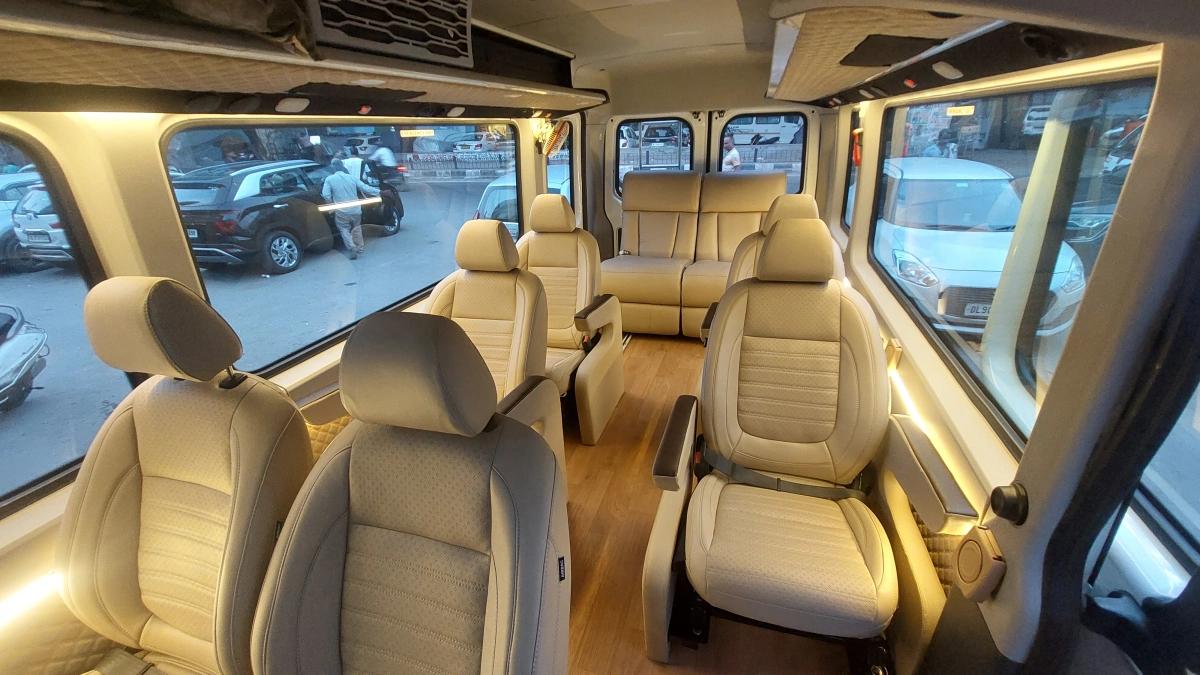
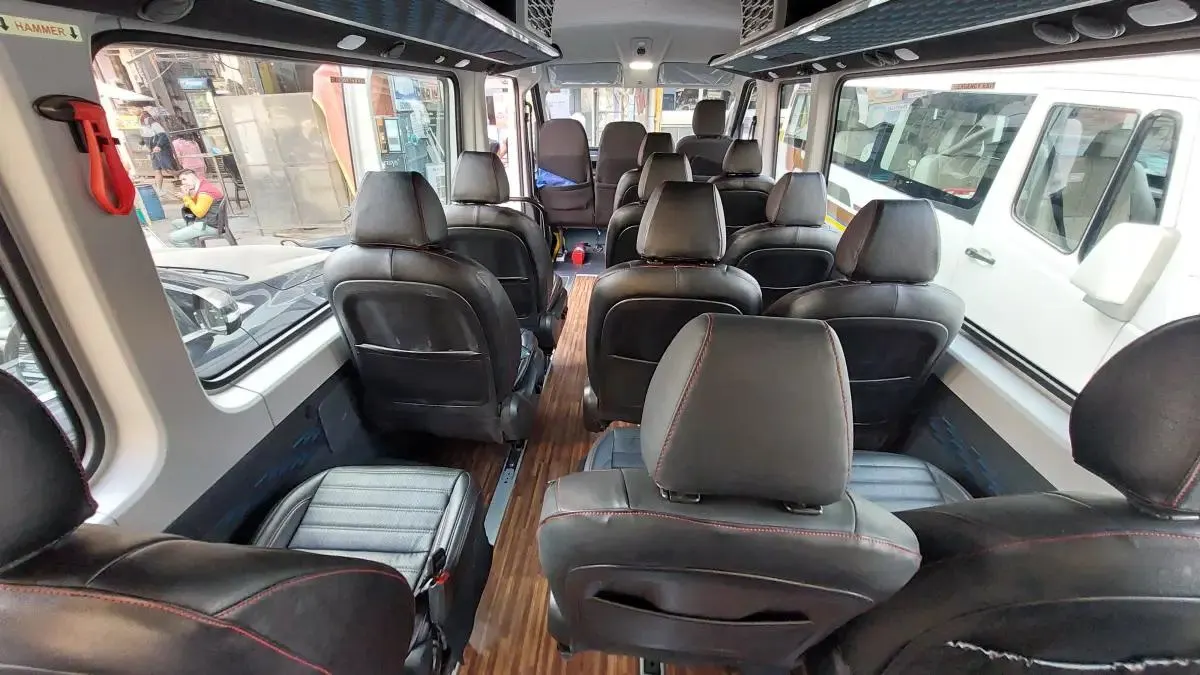
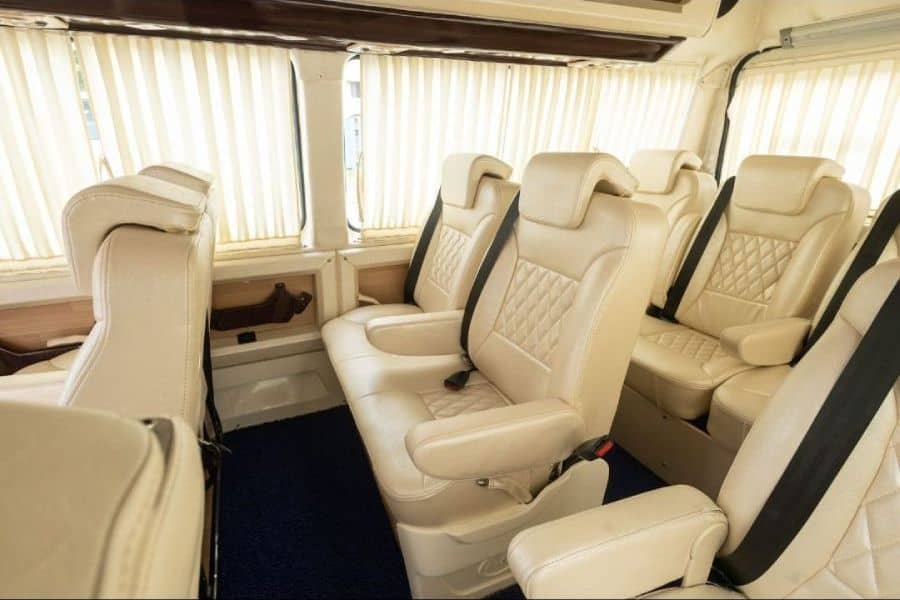
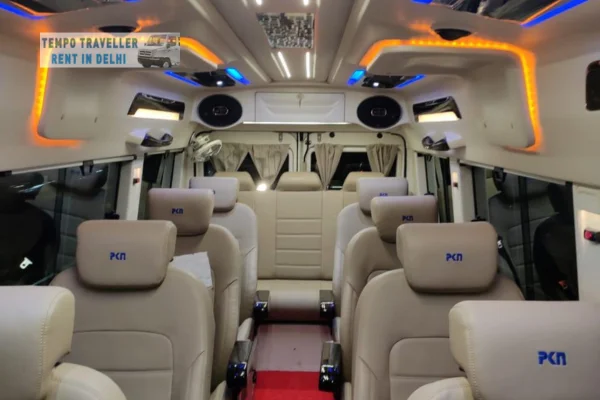
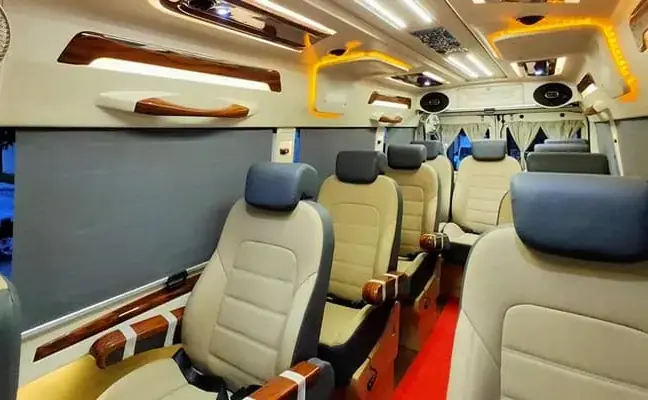
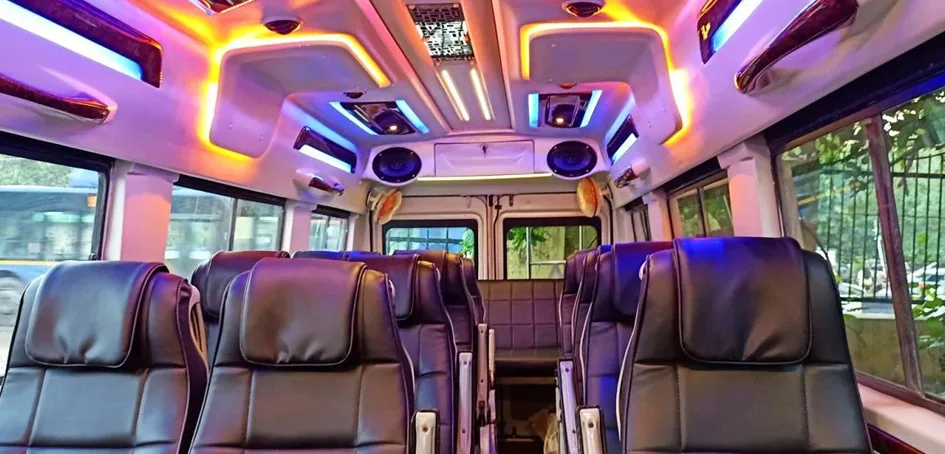
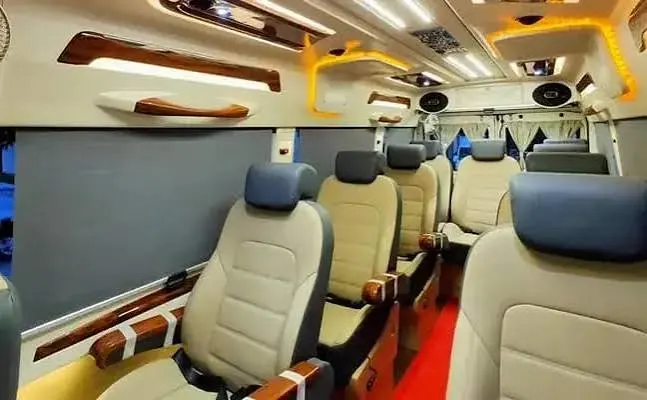
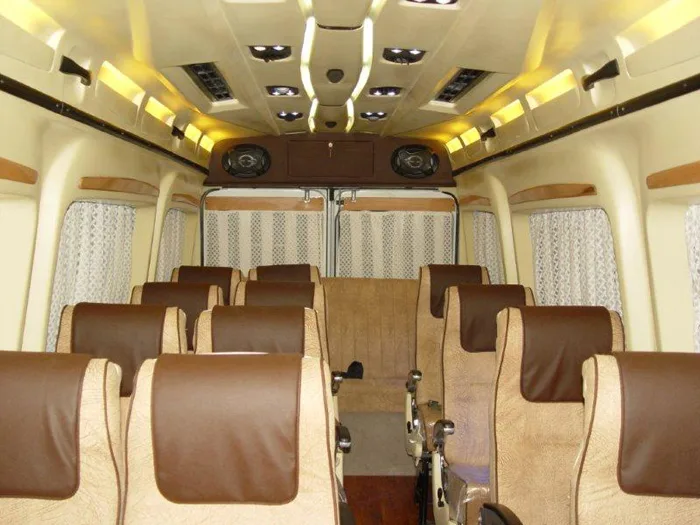
Pushback seats that make long hours easier for elders.
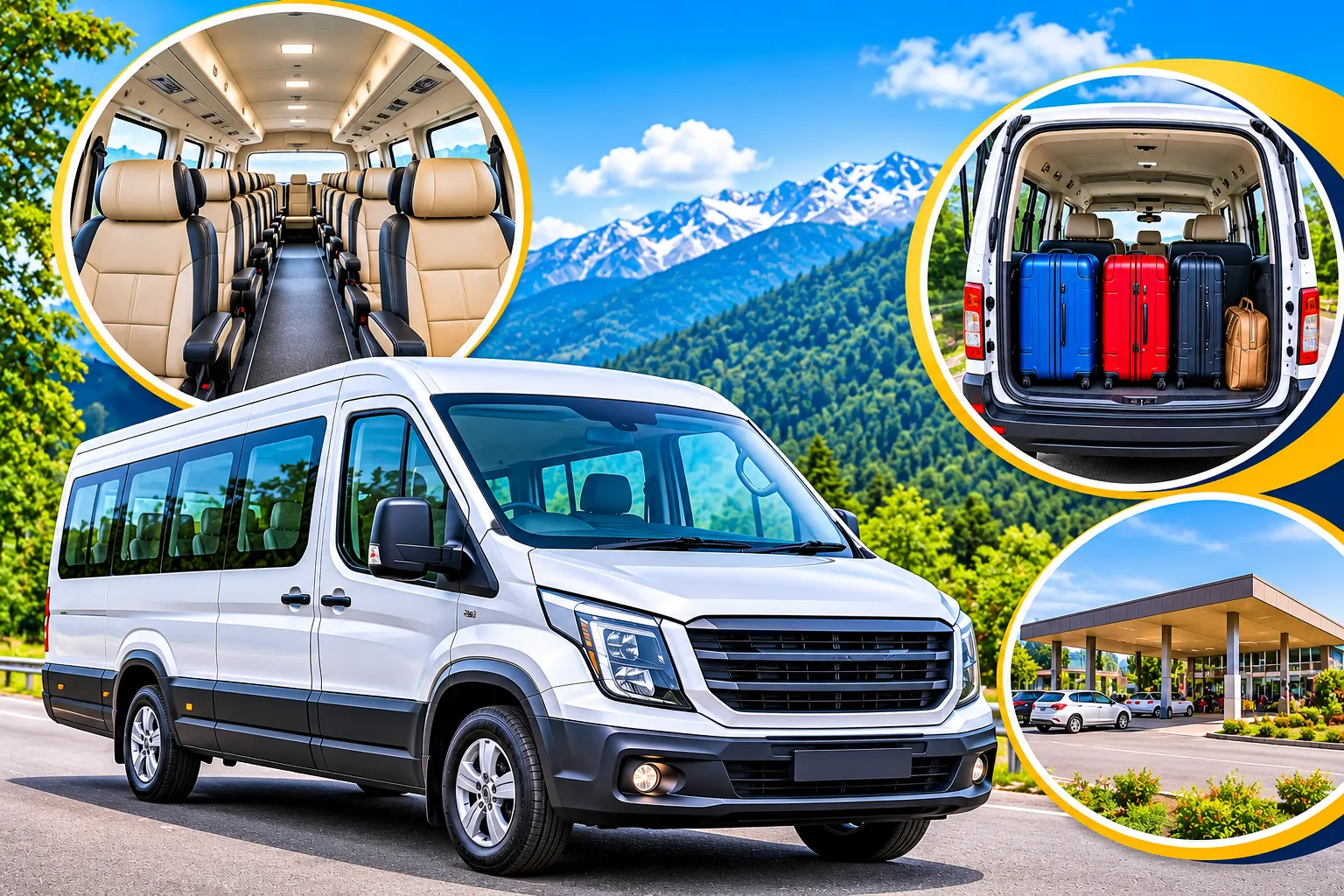
Space for luggage, including woollens, rain gear and medicines.
Experienced hill drivers, which matters most on the Rudraprayag–Guptkashi and Chamoli–Badrinath stretches.
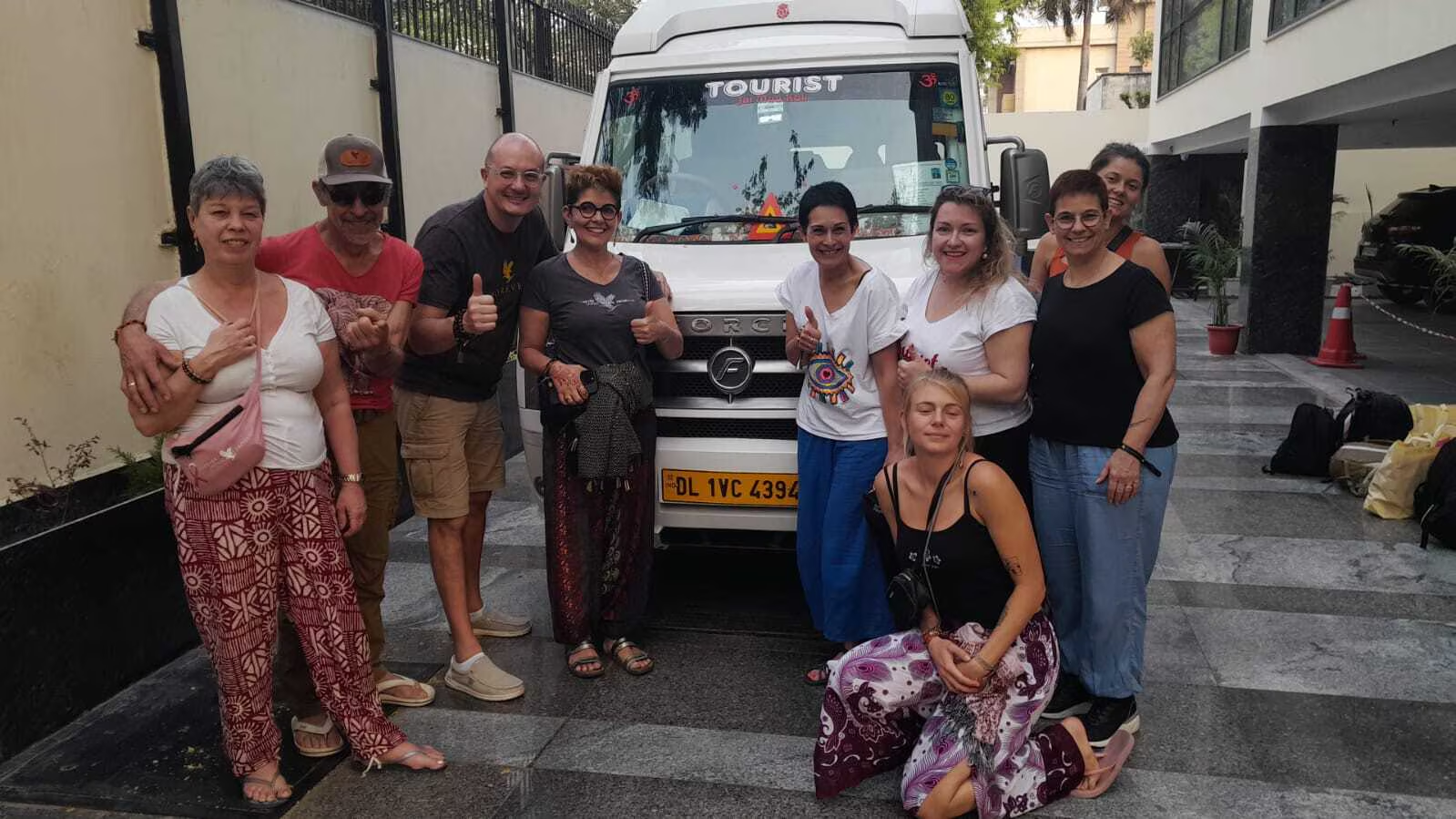
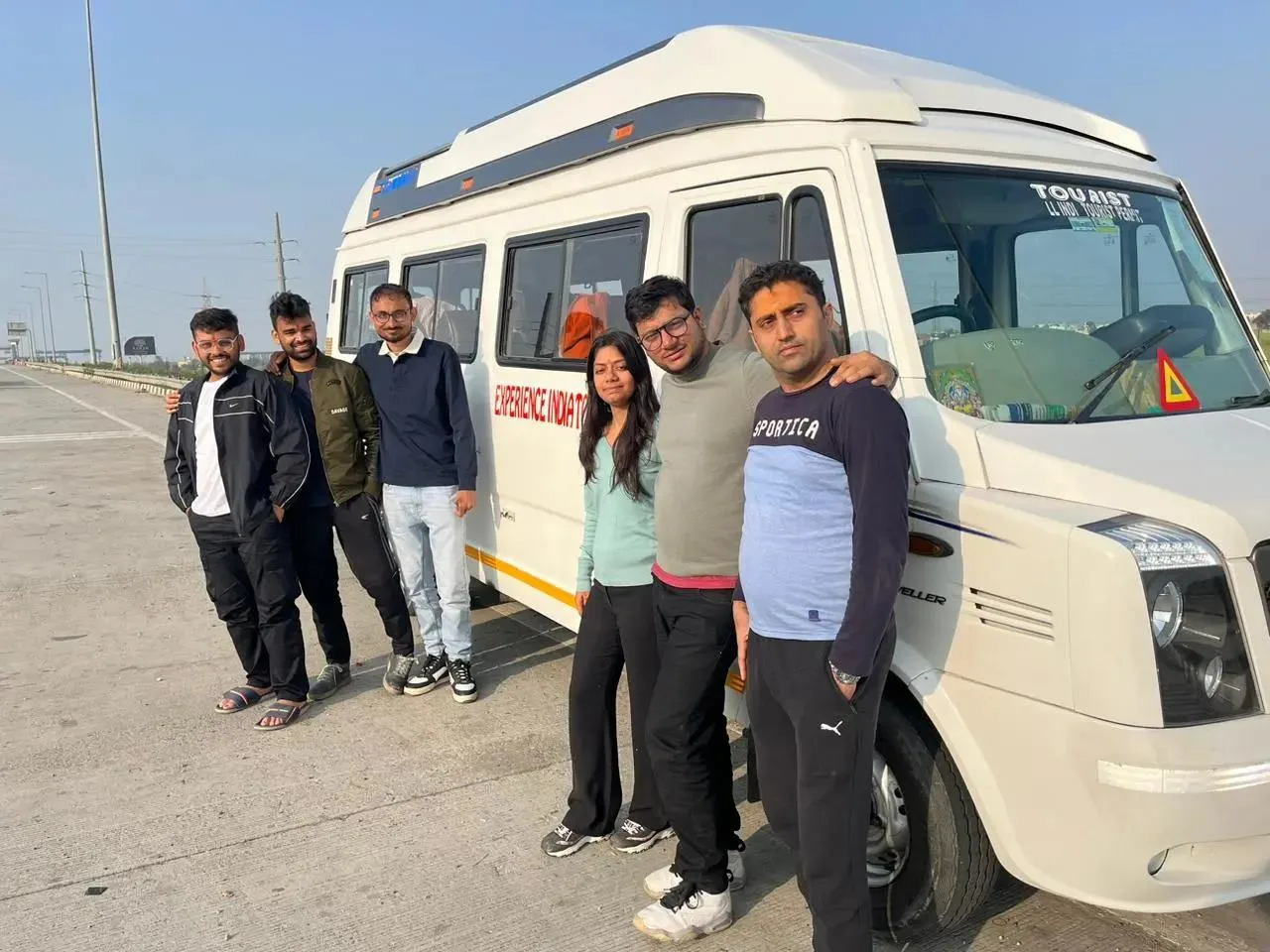
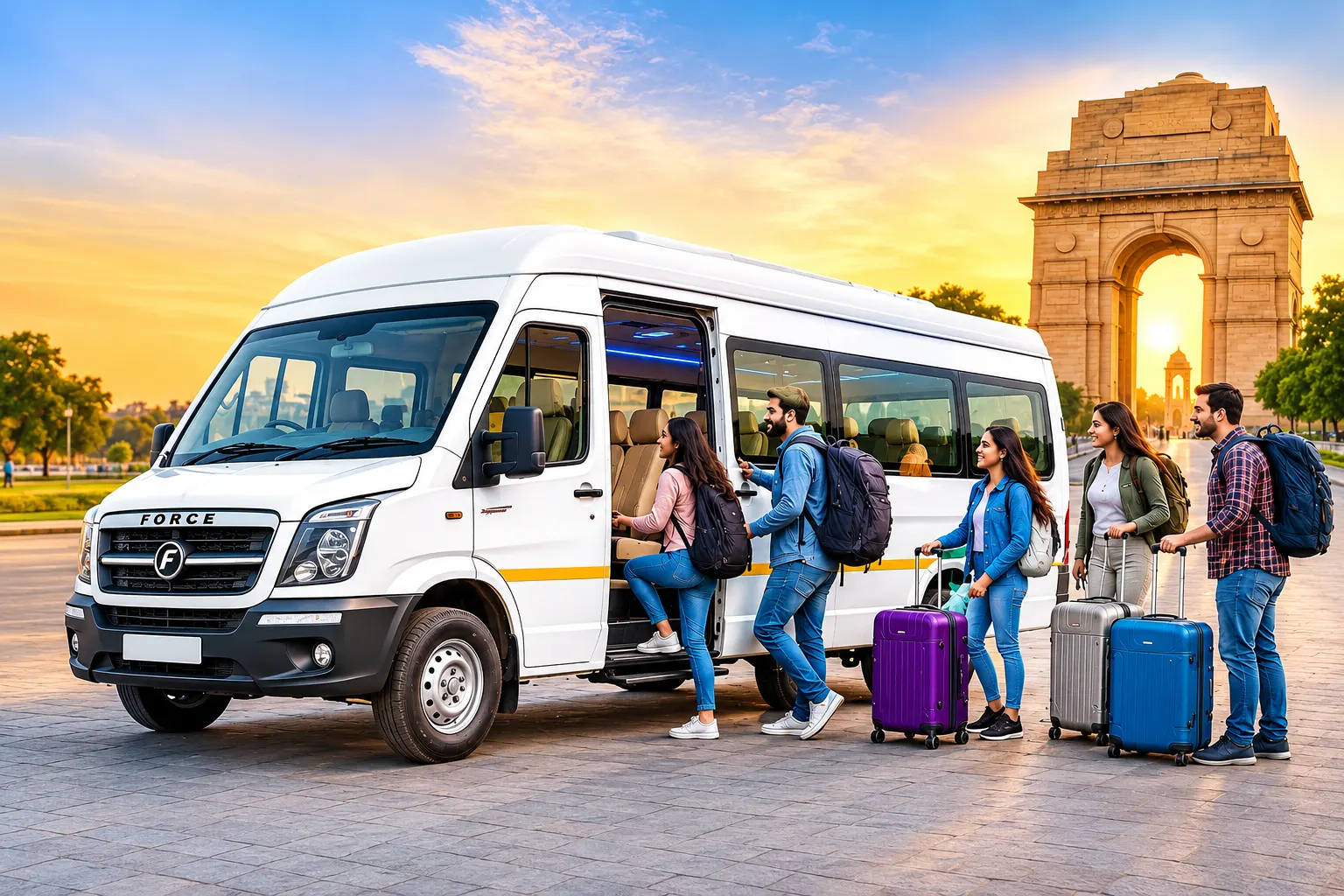
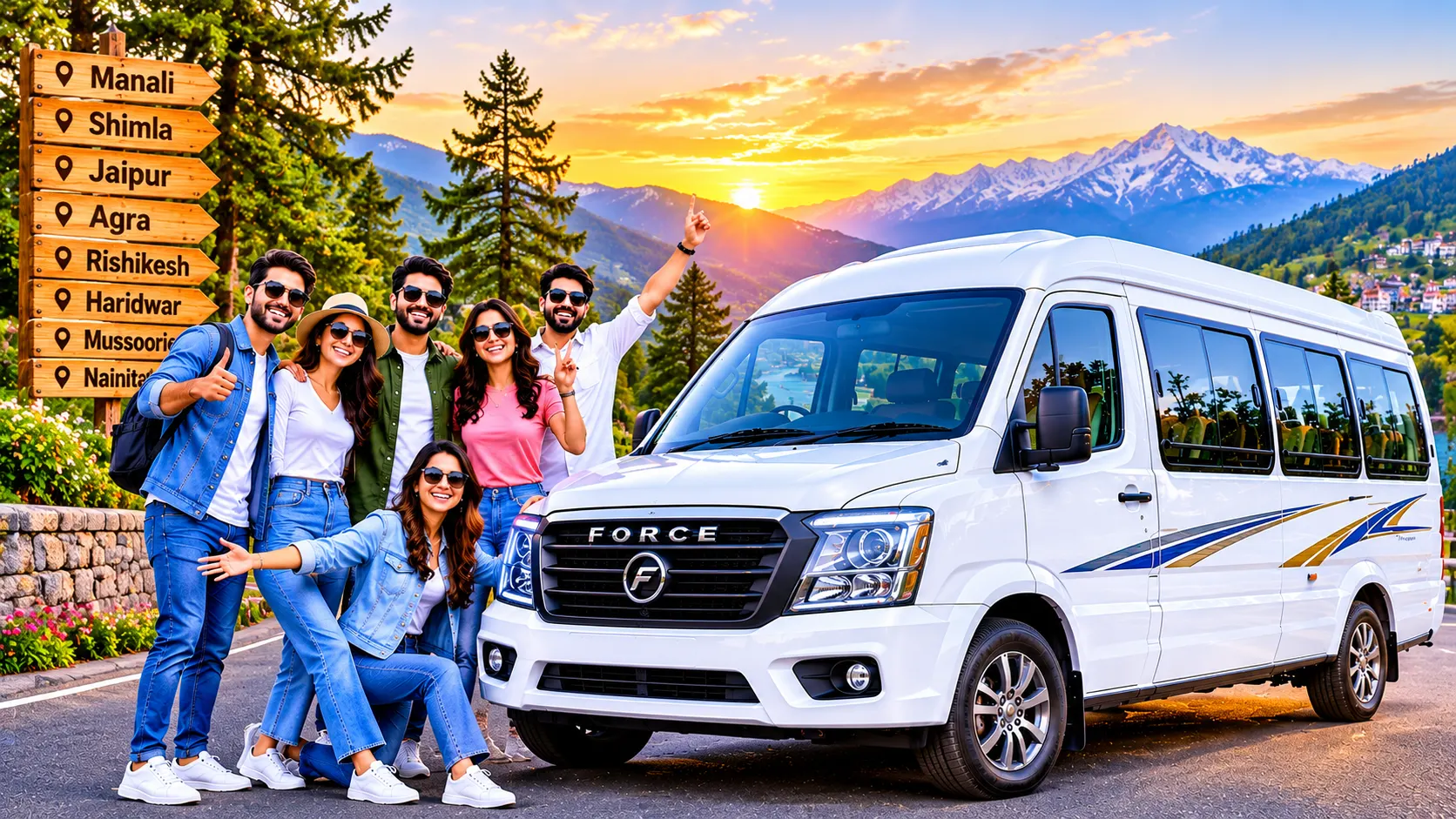
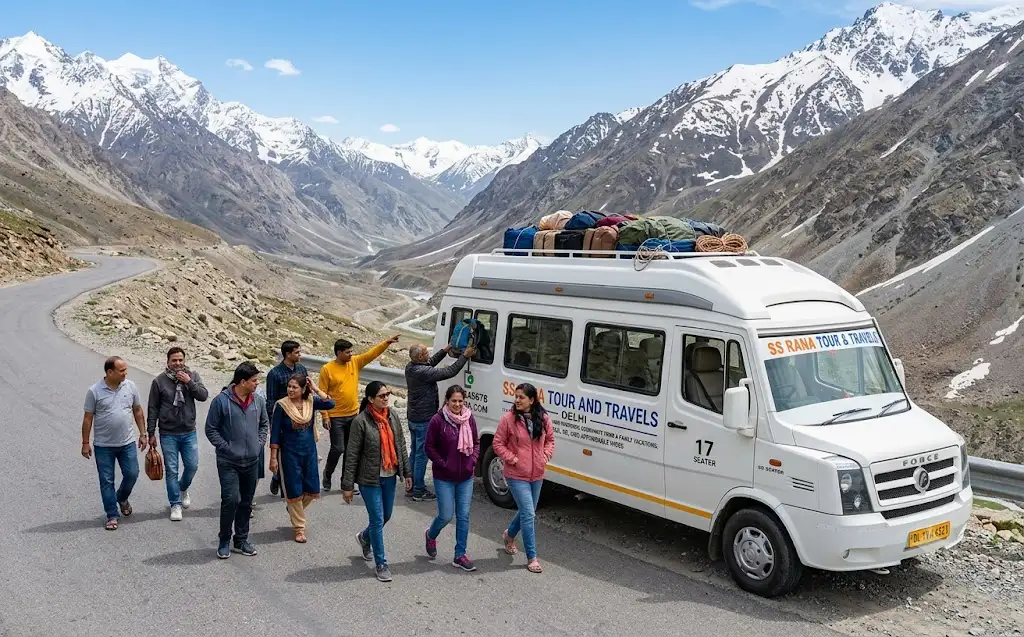
Families, friend groups, office teams and satsang groups all book this way, because the cost per head stays reasonable and nobody is left waiting for a shared taxi.
Vehicle Options for Your Do Dham Yatra
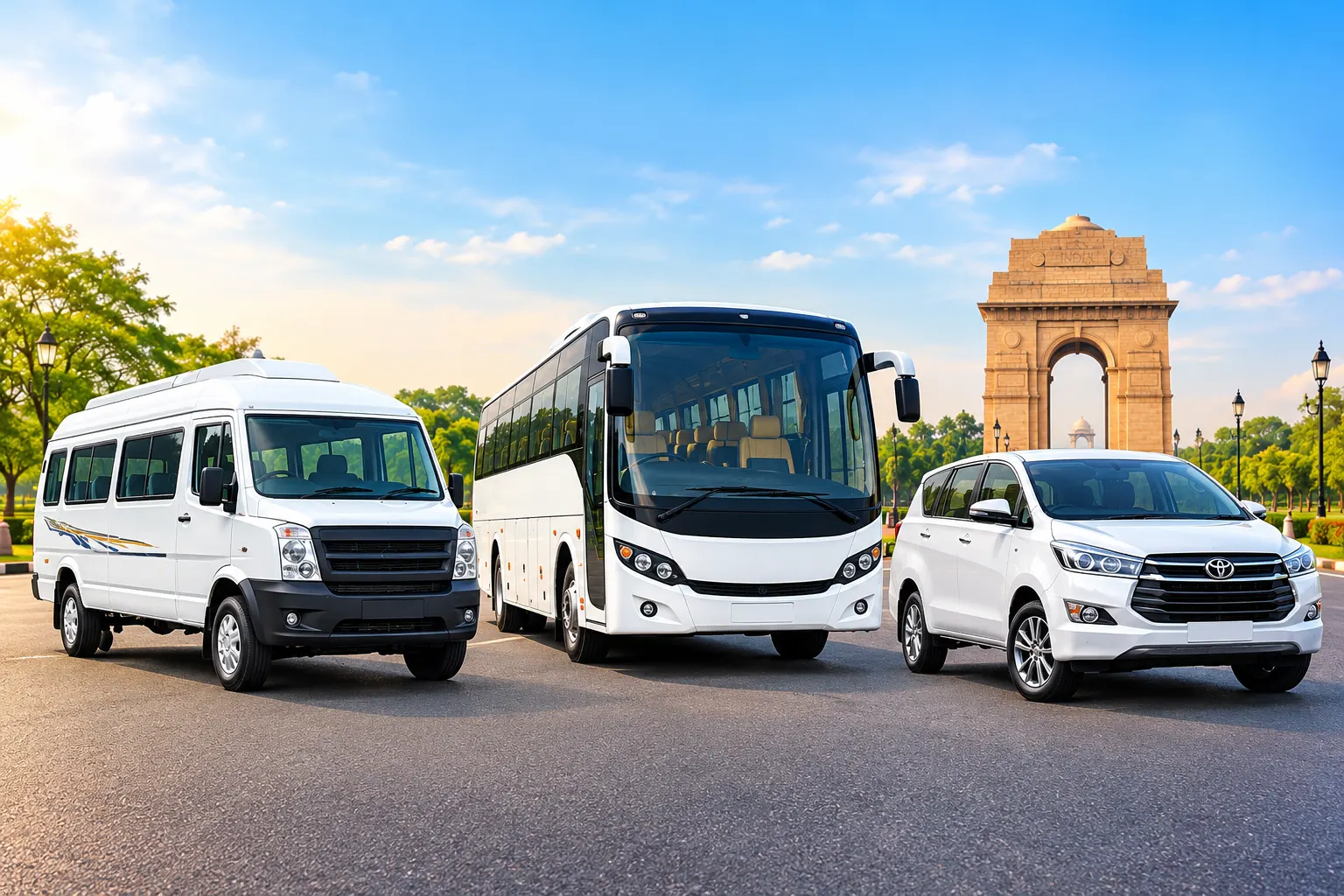
Here is how the main options compare. Choose by group size first, then comfort.
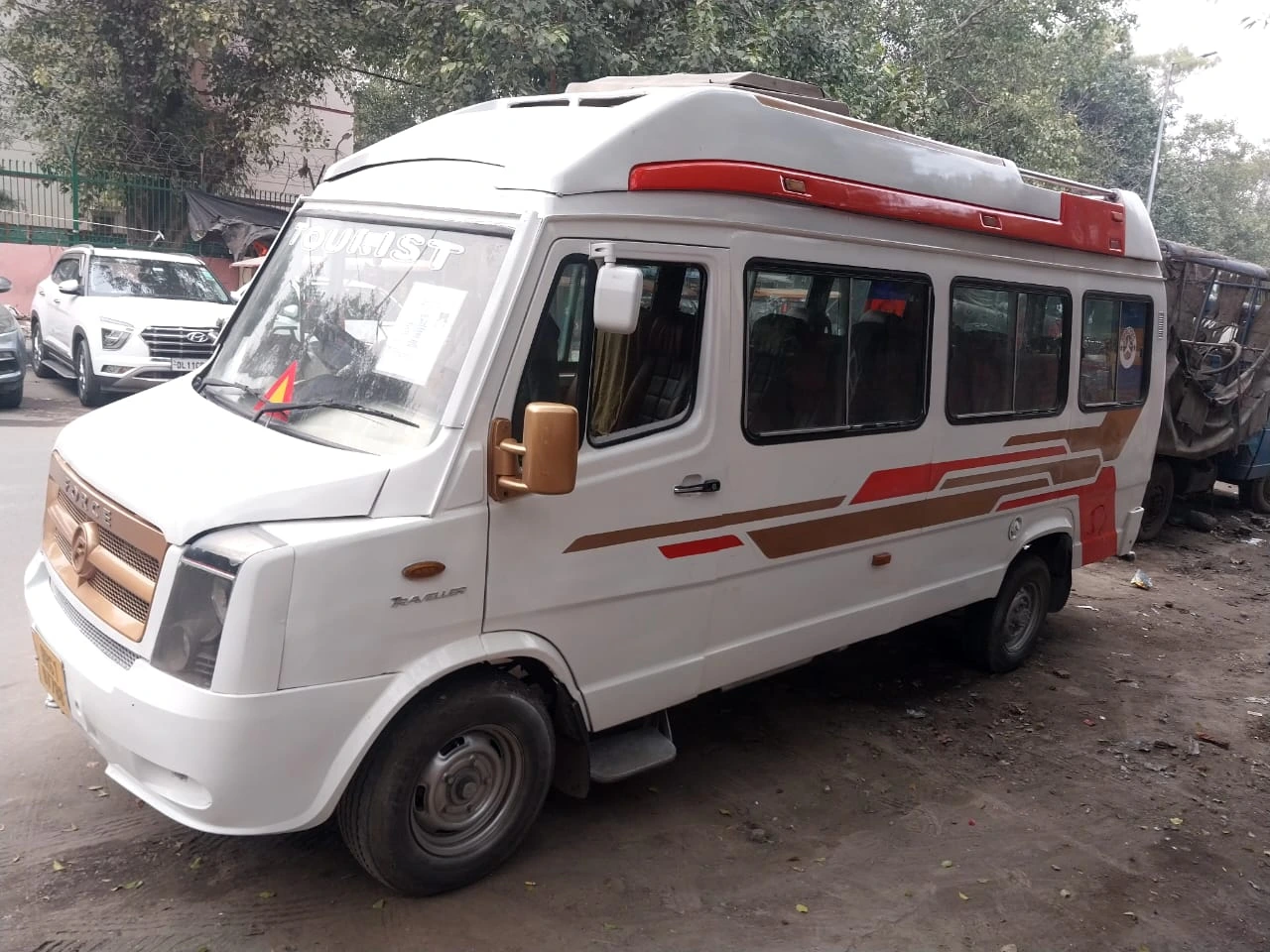
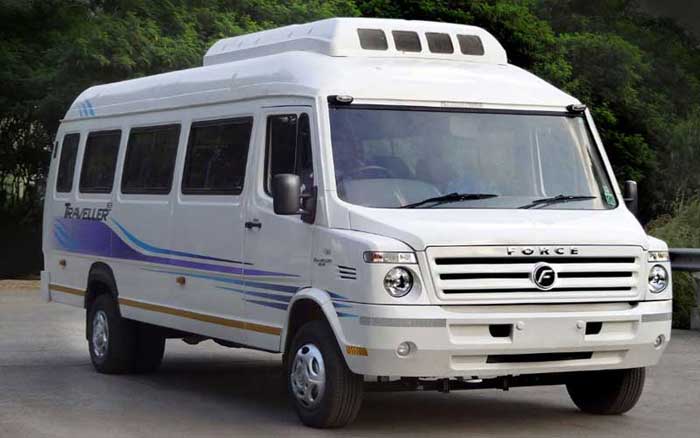
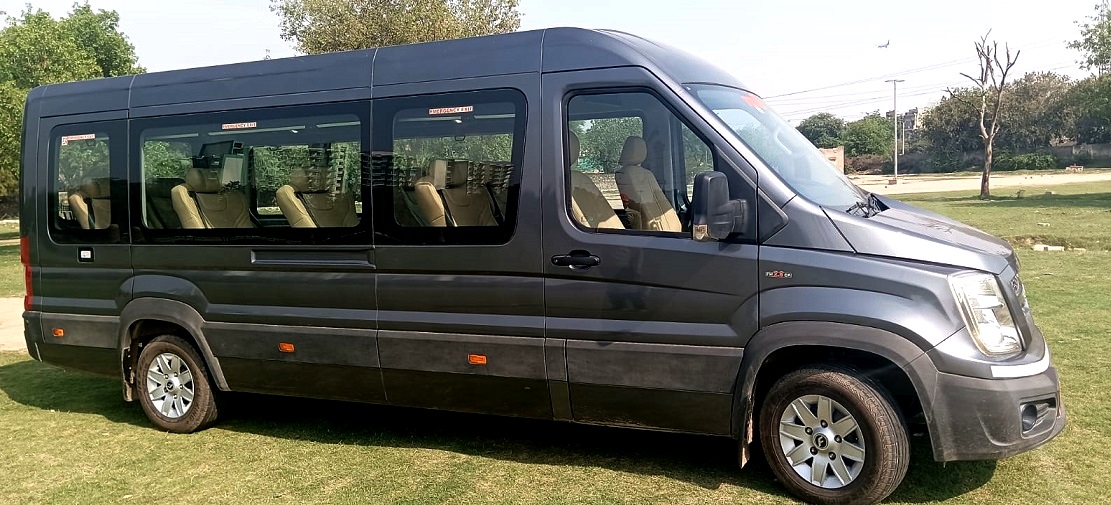
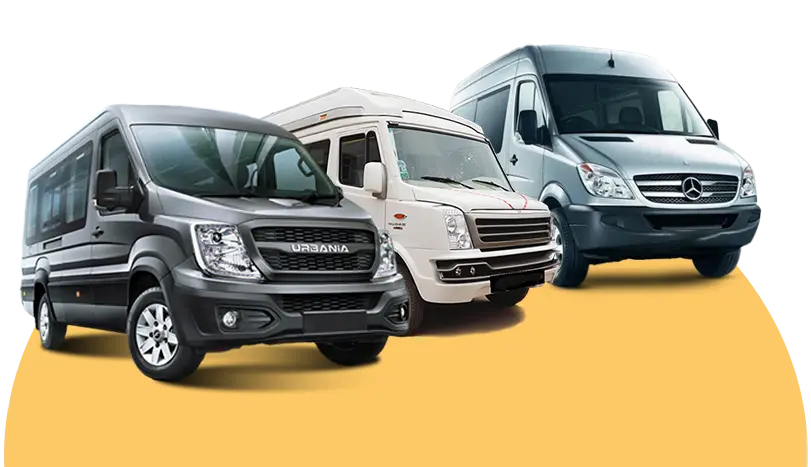
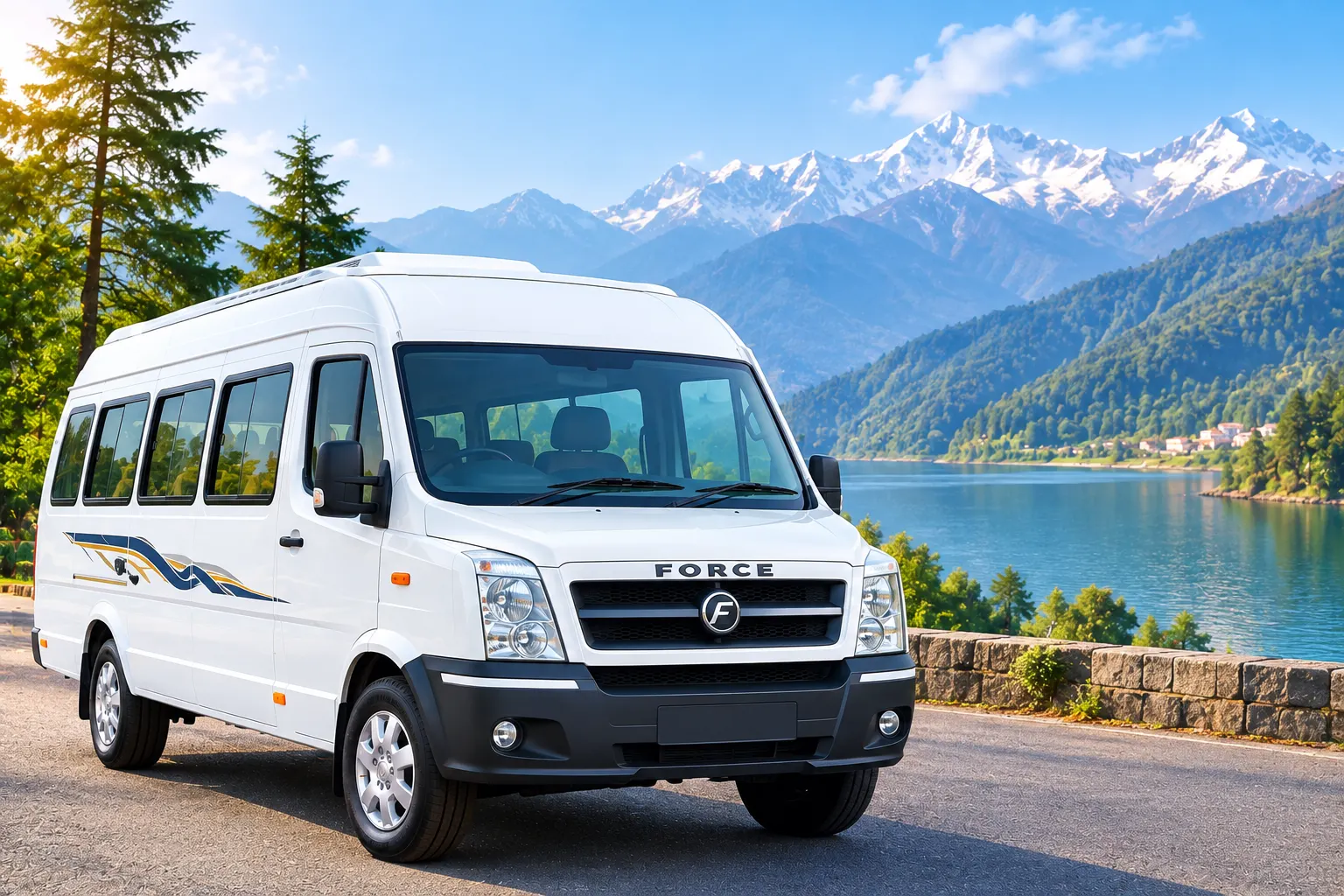
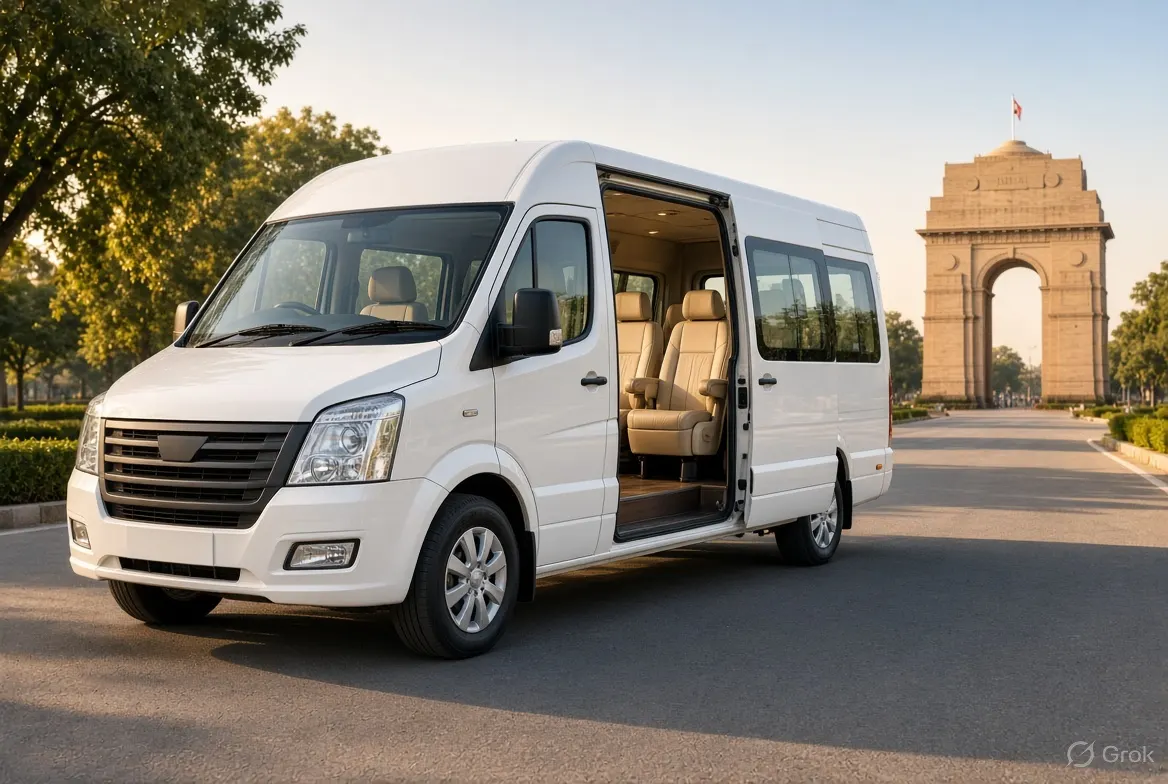
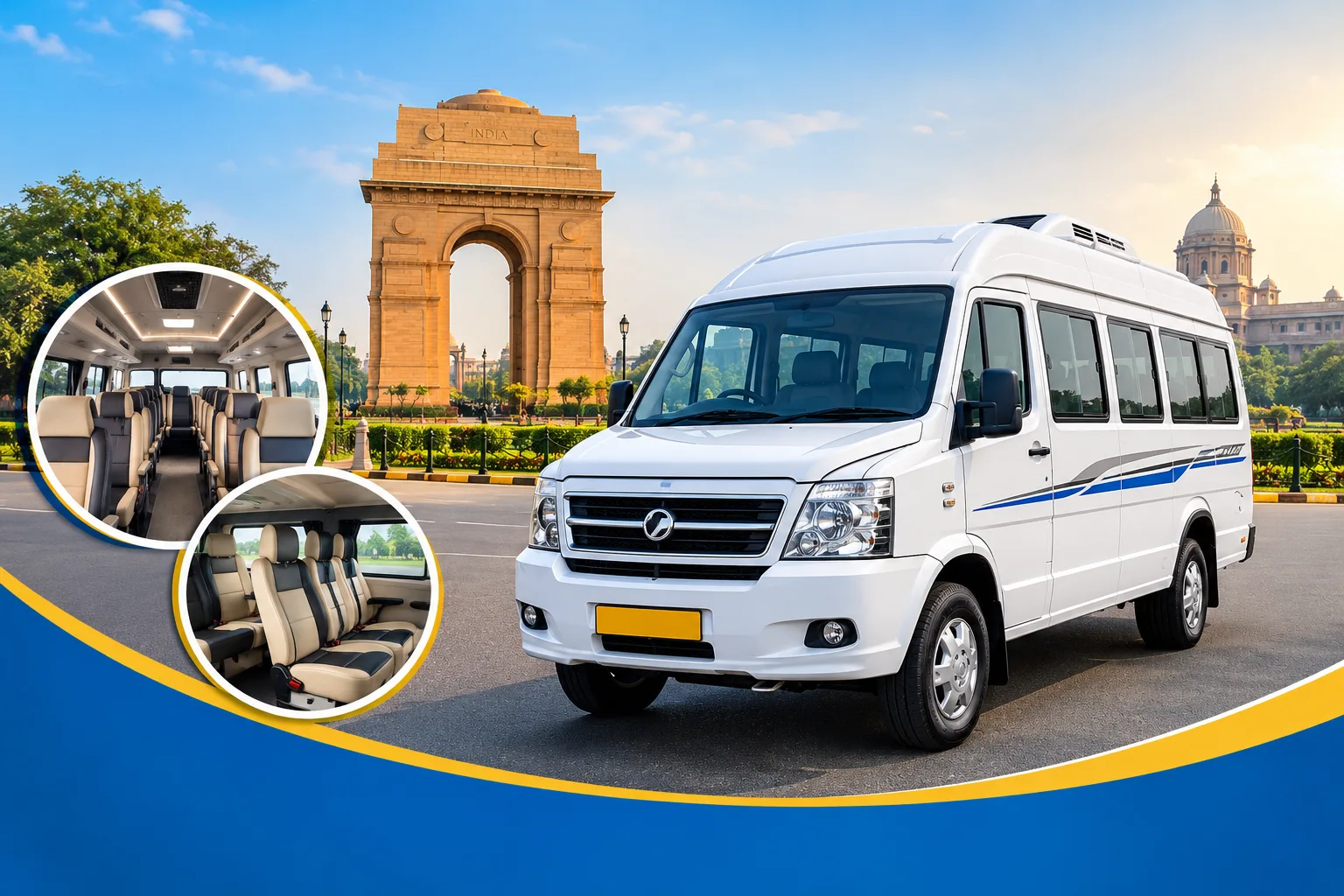
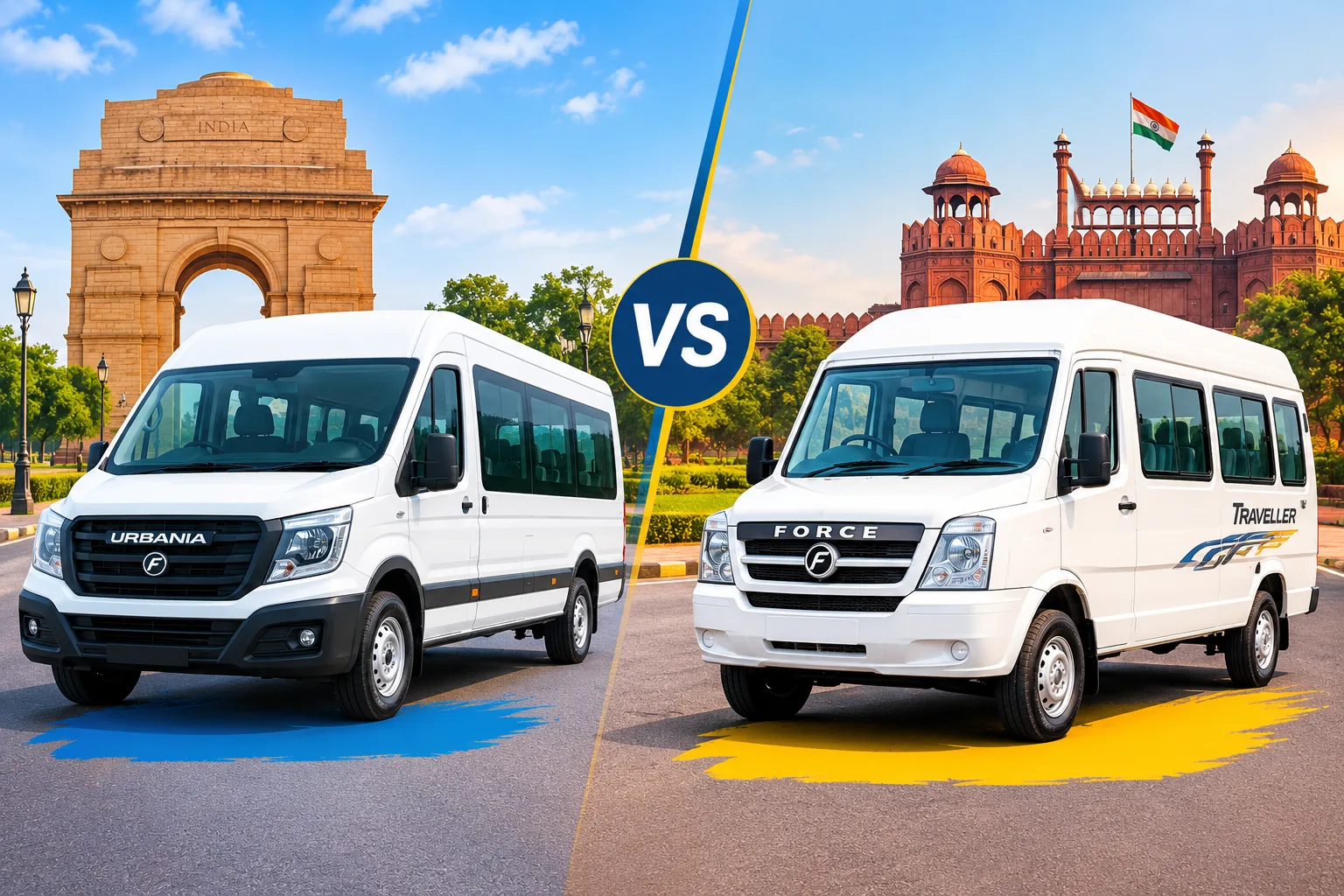
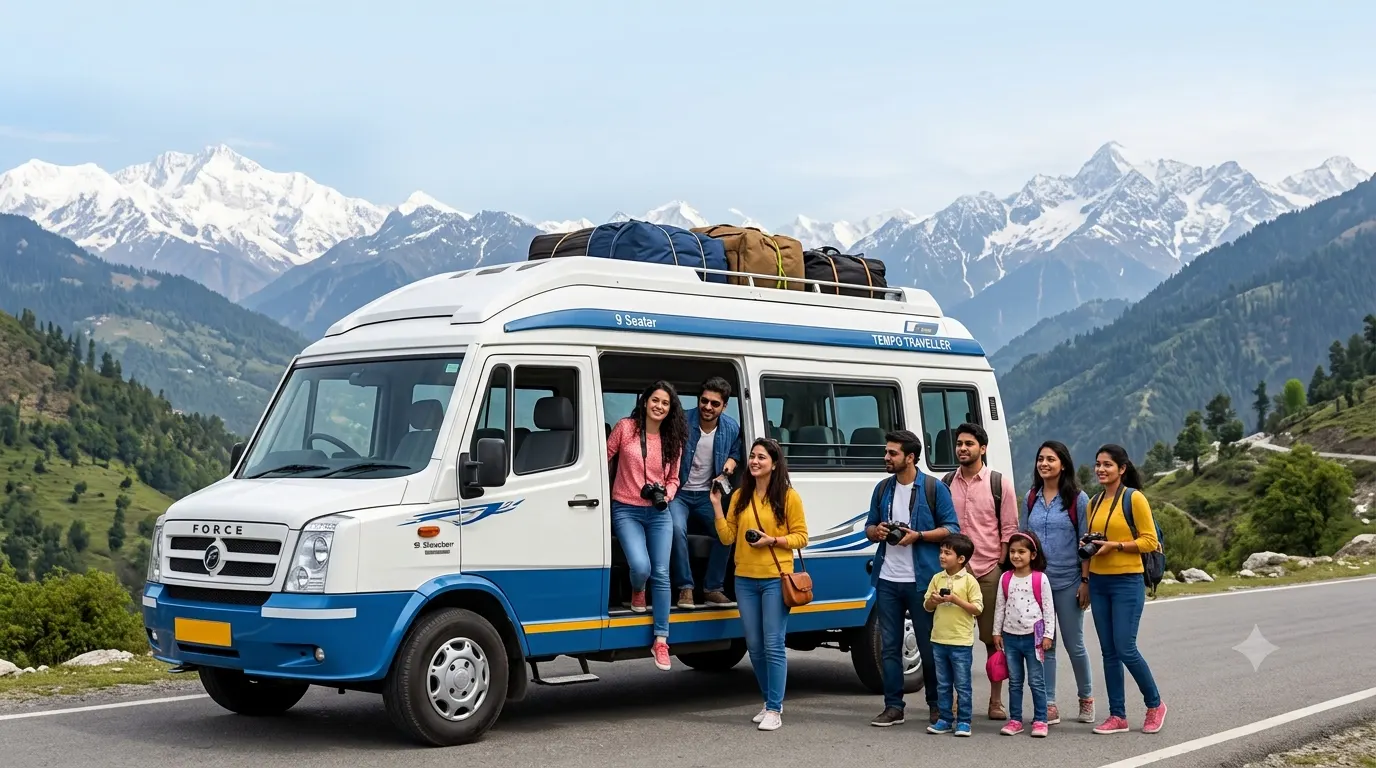
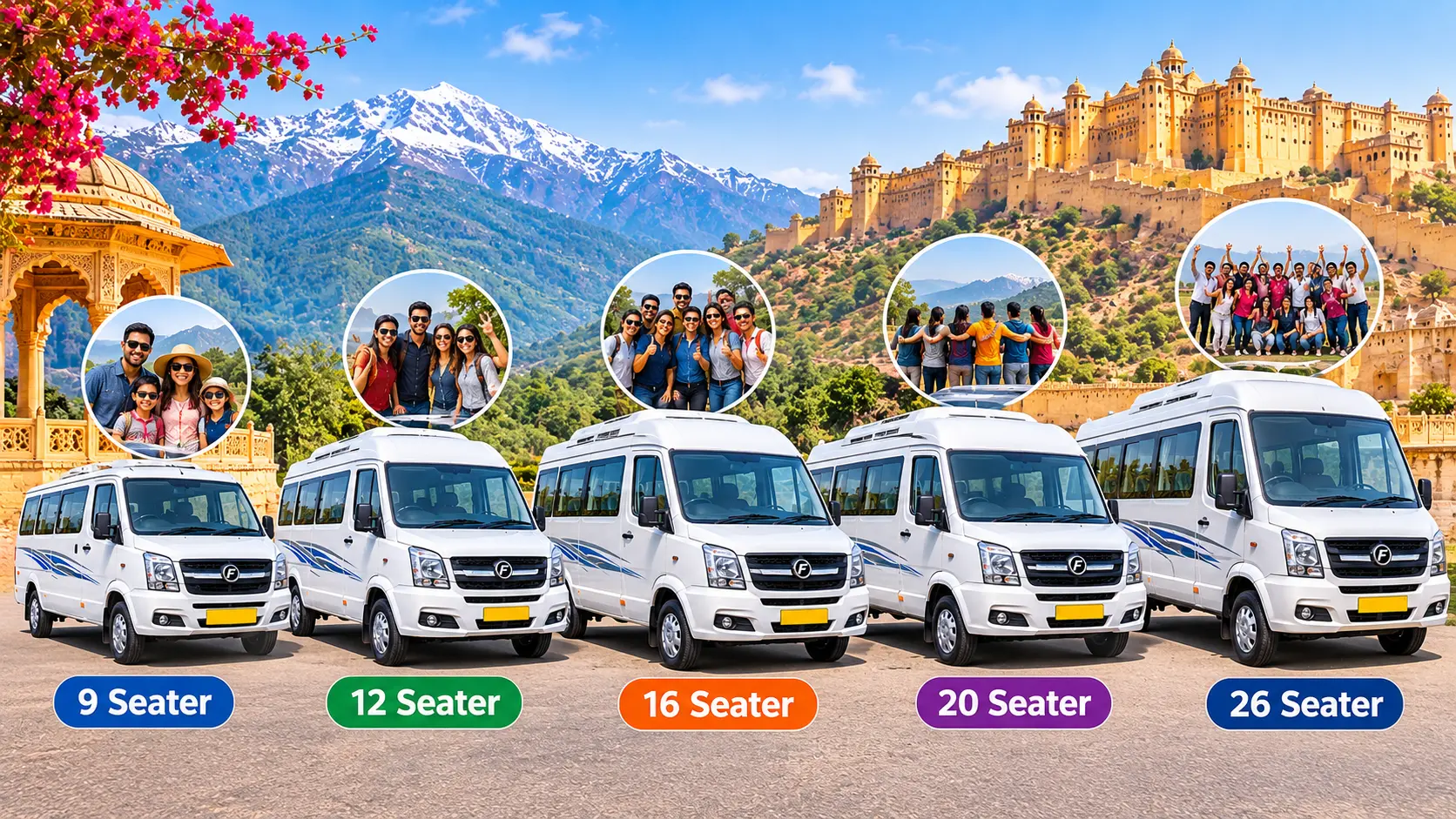
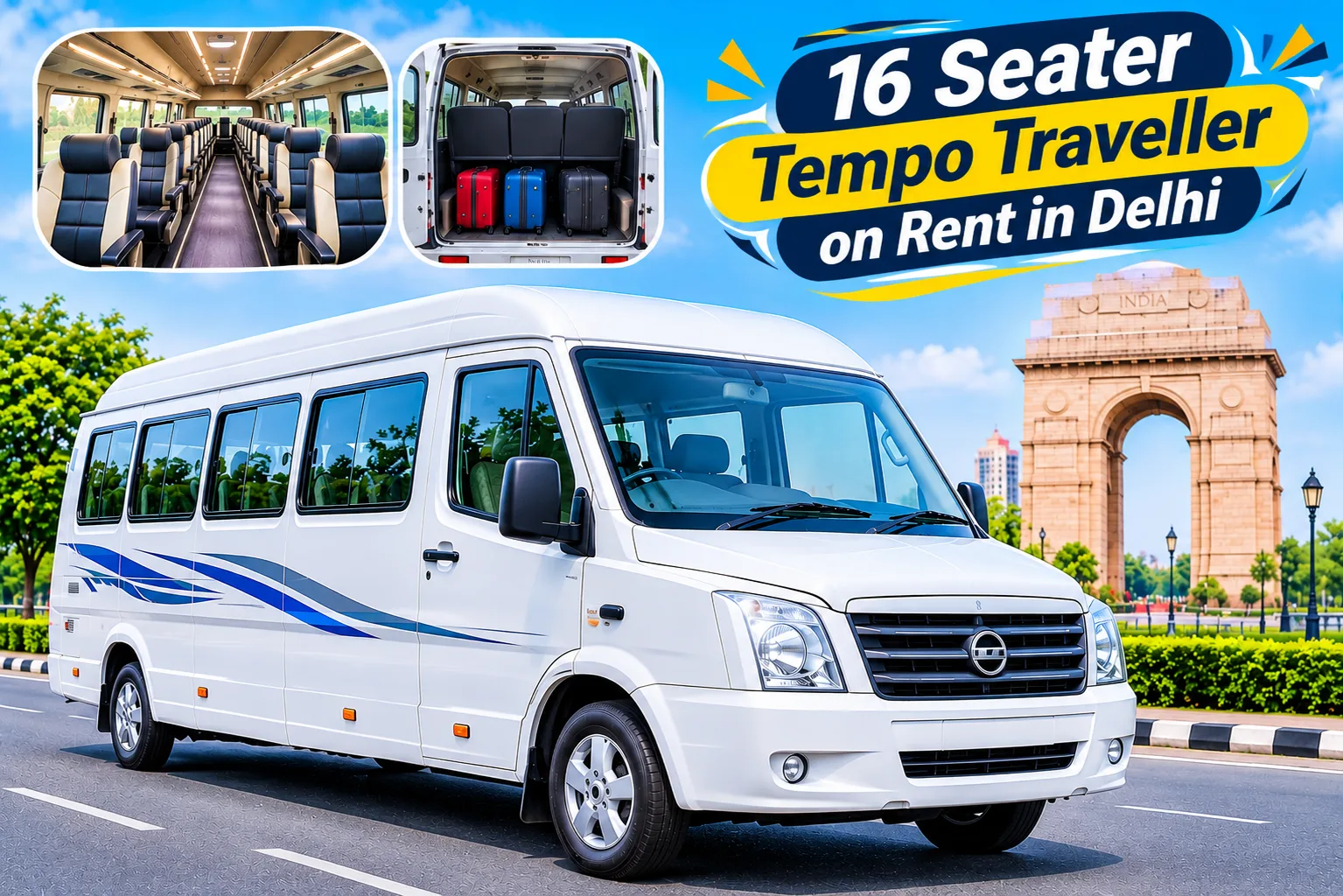
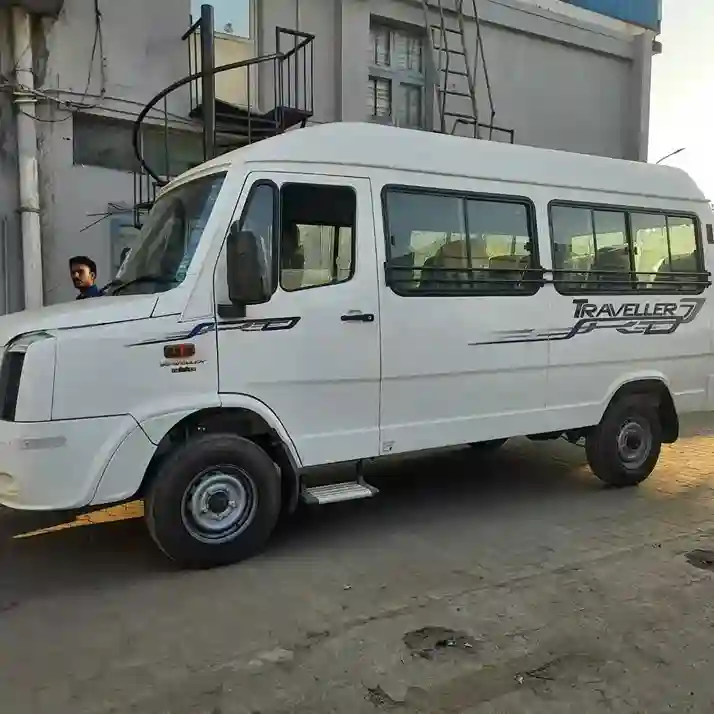
9 Seater Tempo Traveller
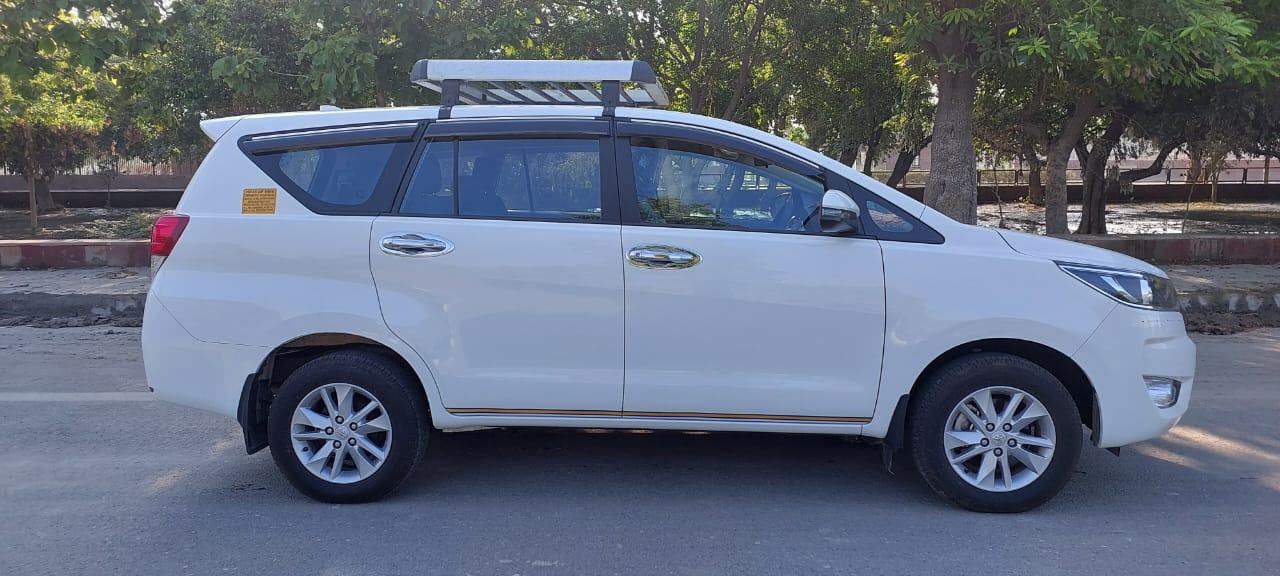
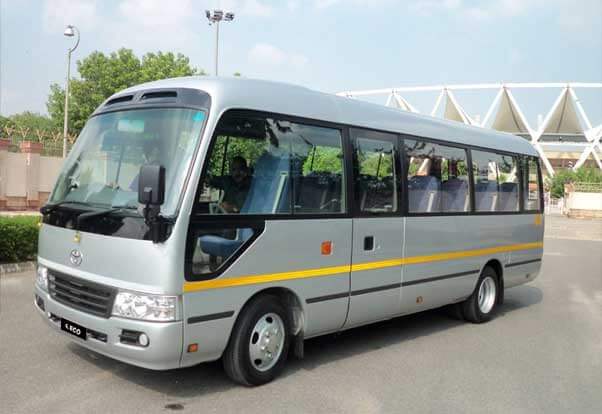
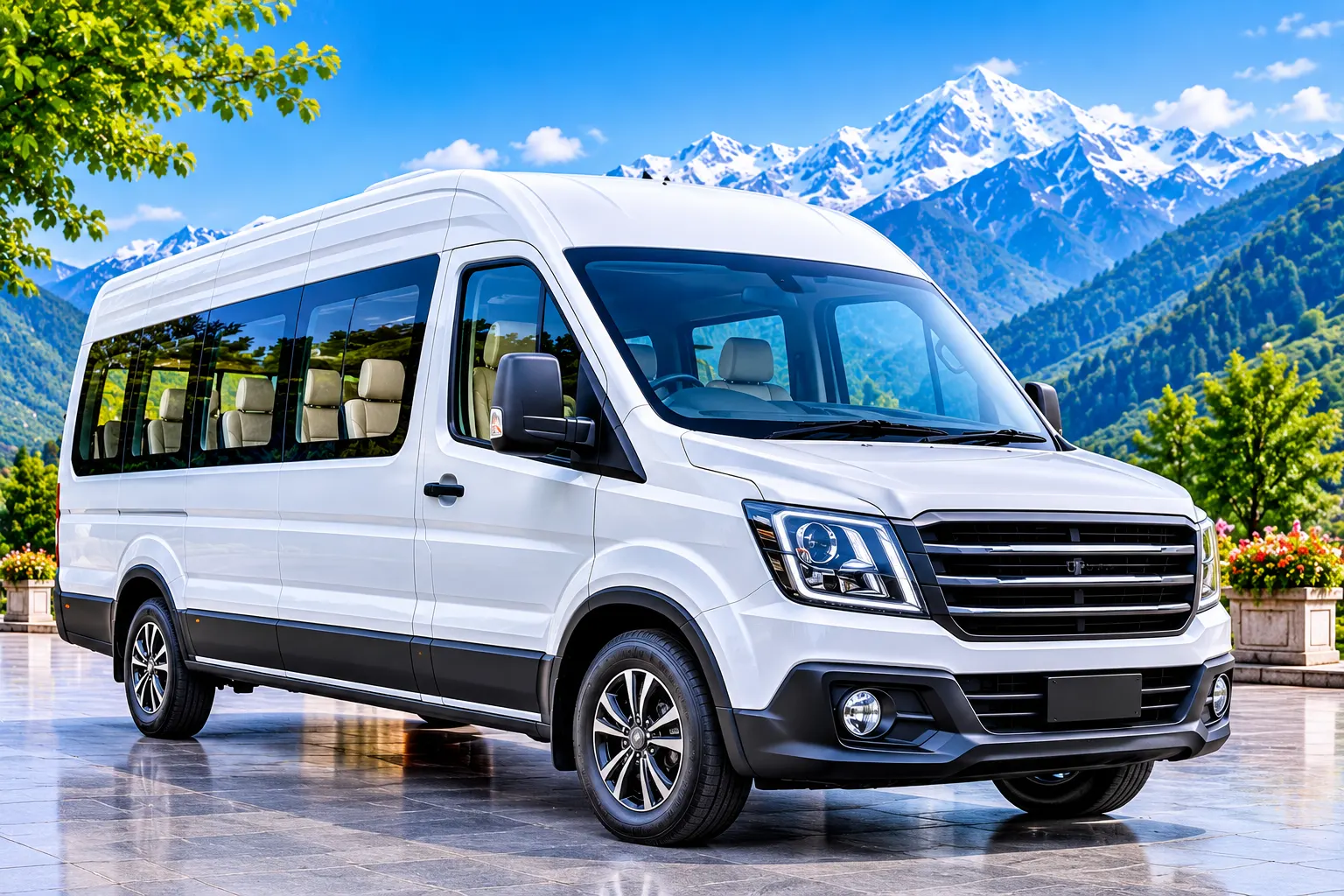
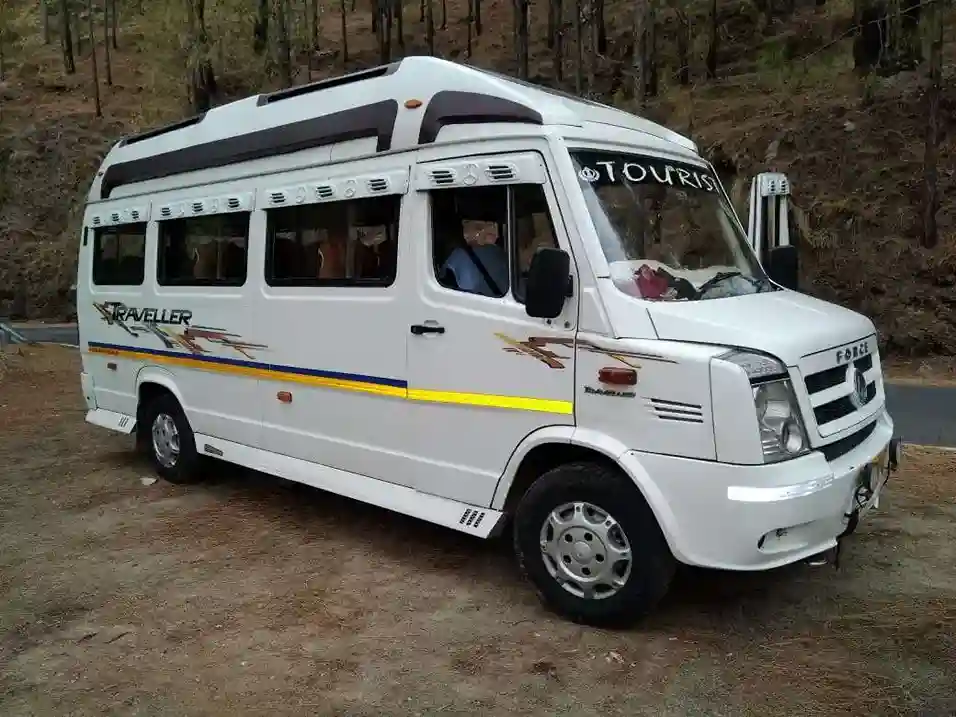
Best for small families of 5–8 people who want extra legroom and luggage space. Read more about the 9 seater tempo traveller.
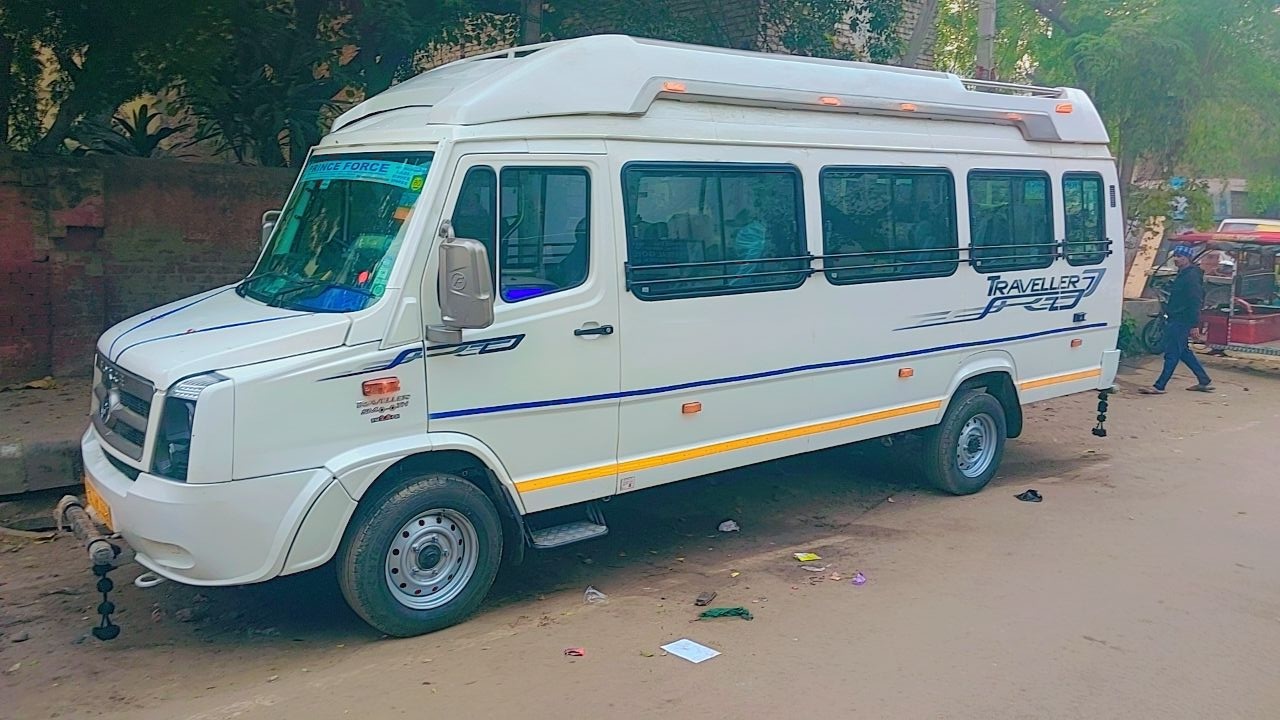
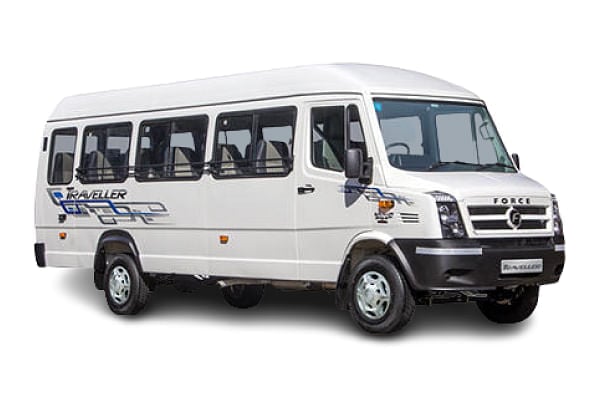
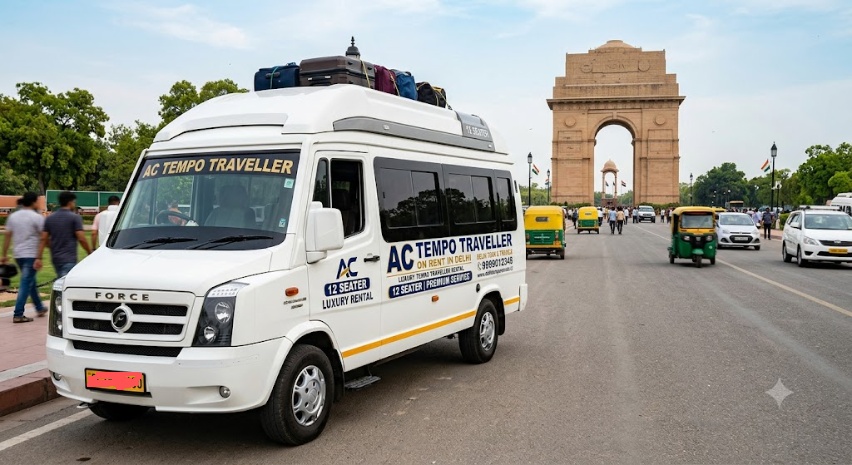
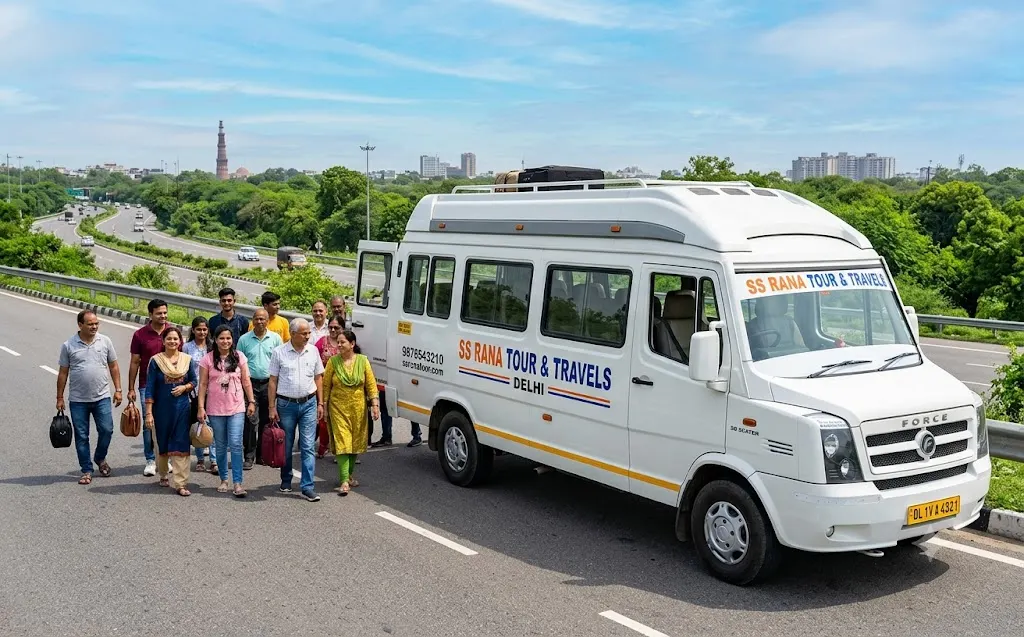
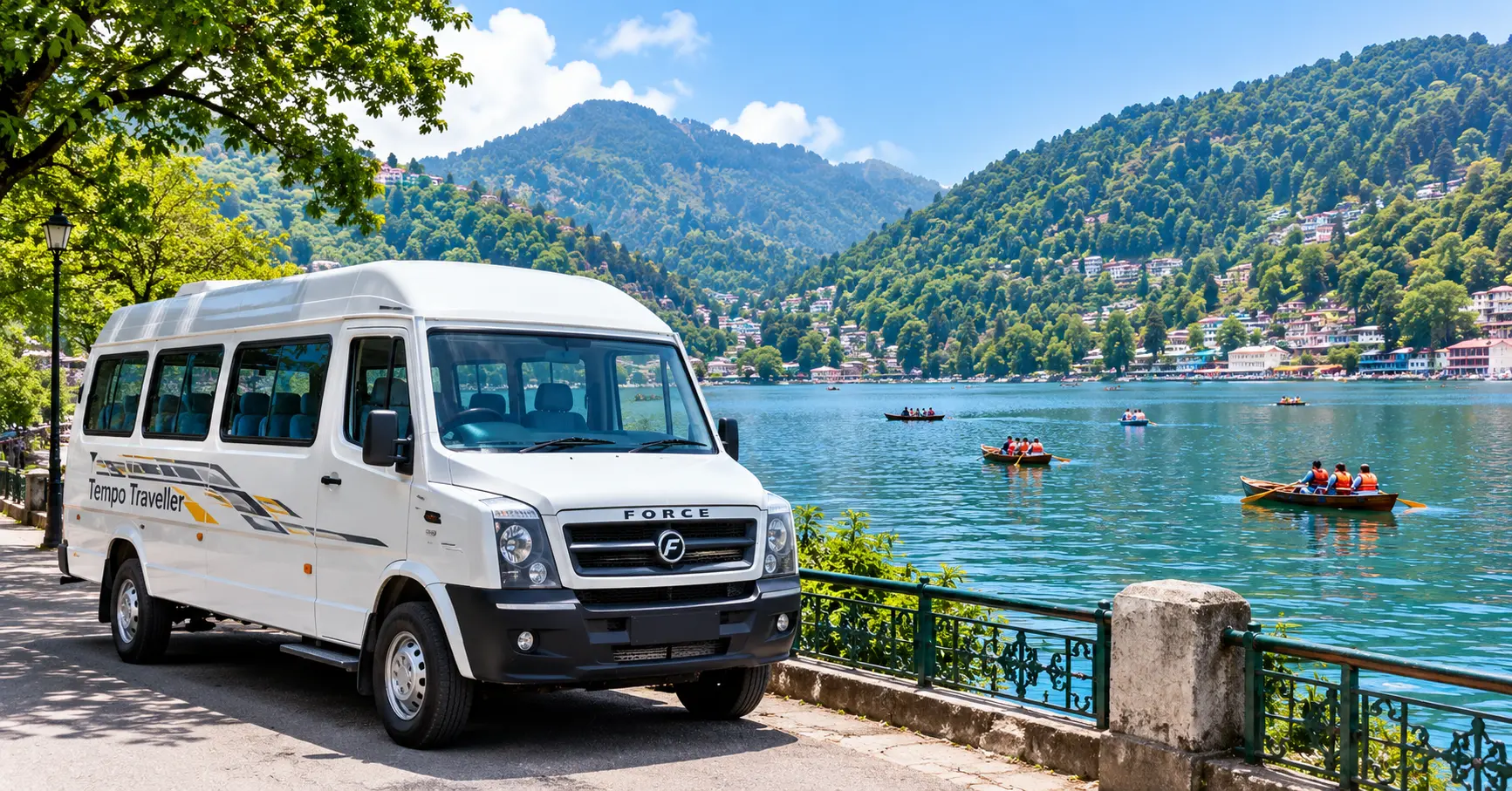
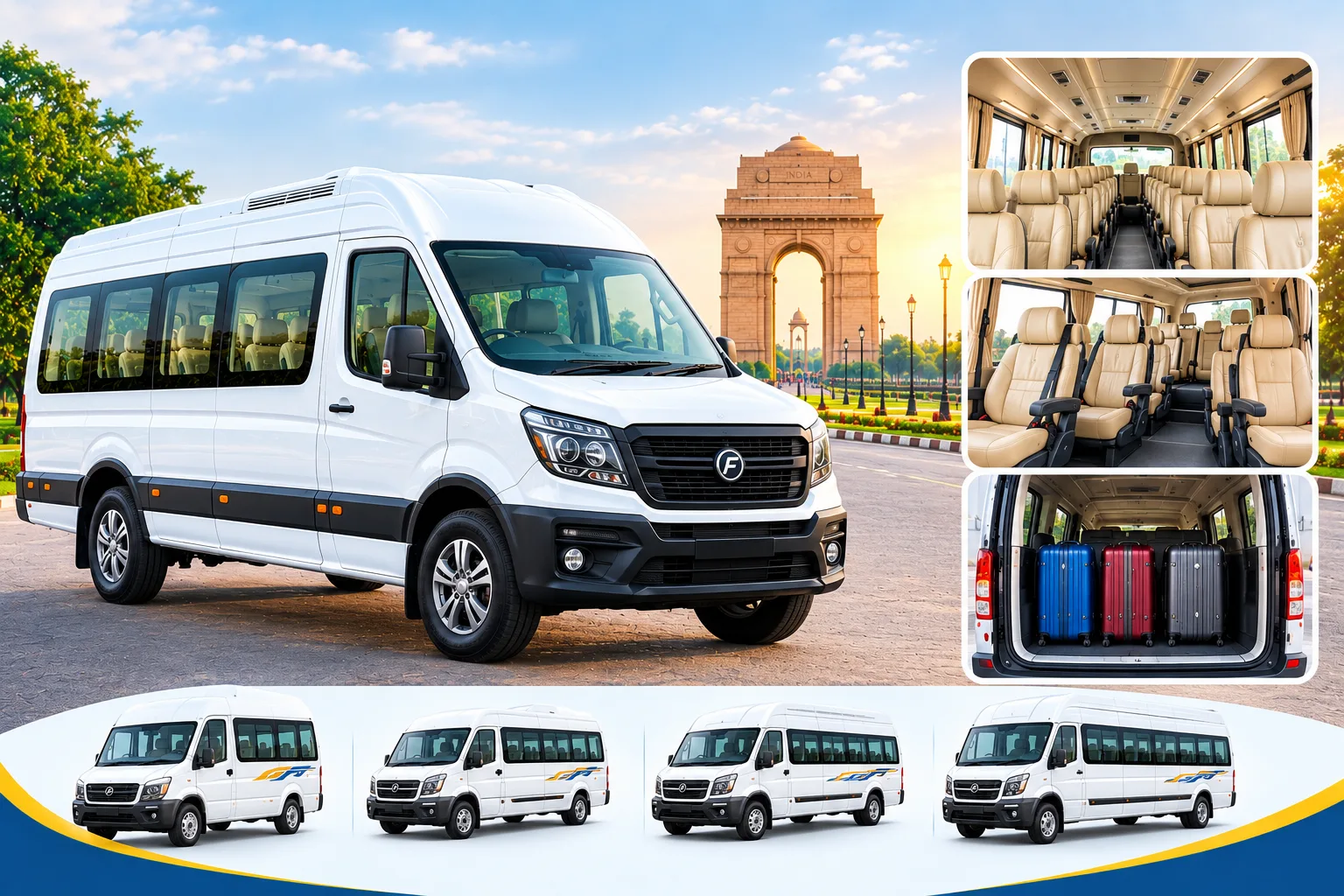
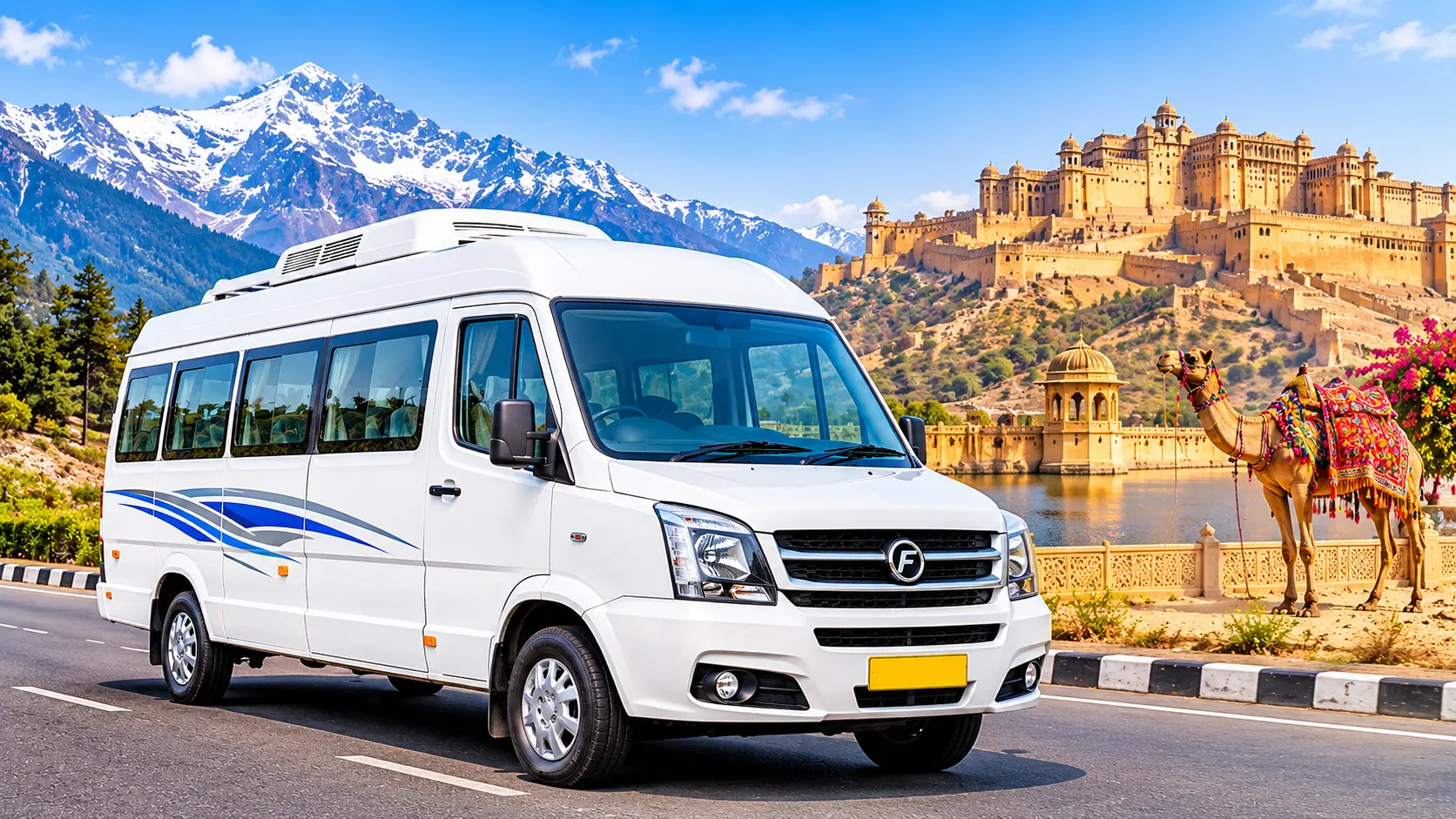
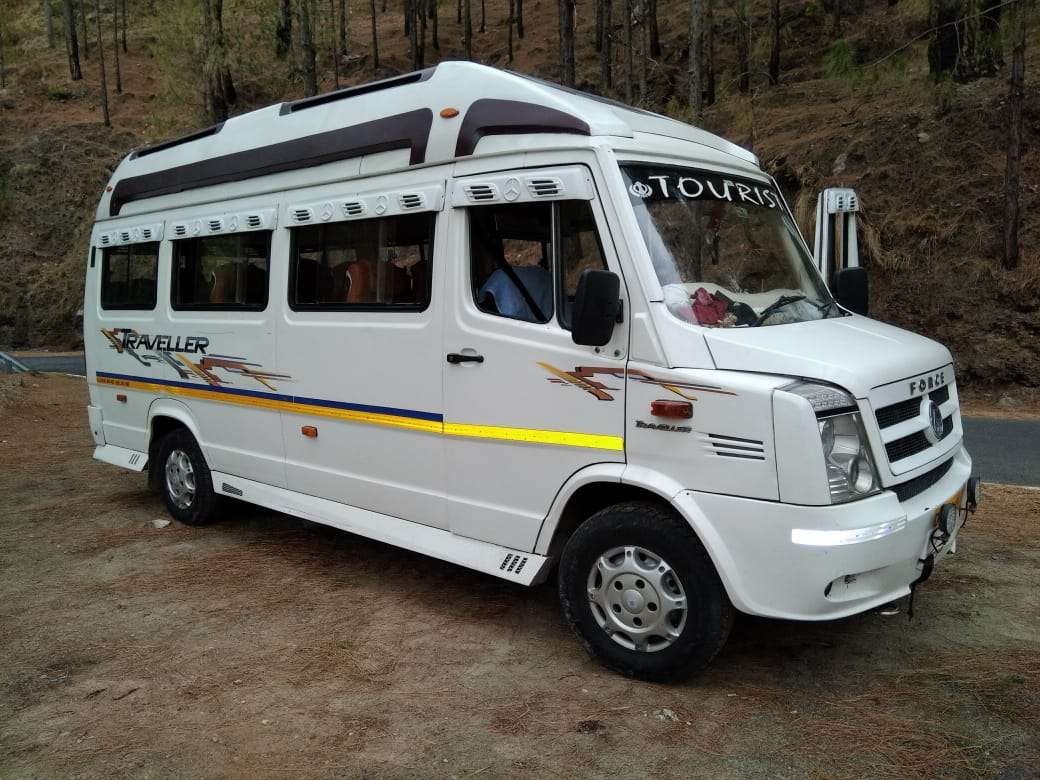
12 Seater Tempo Traveller
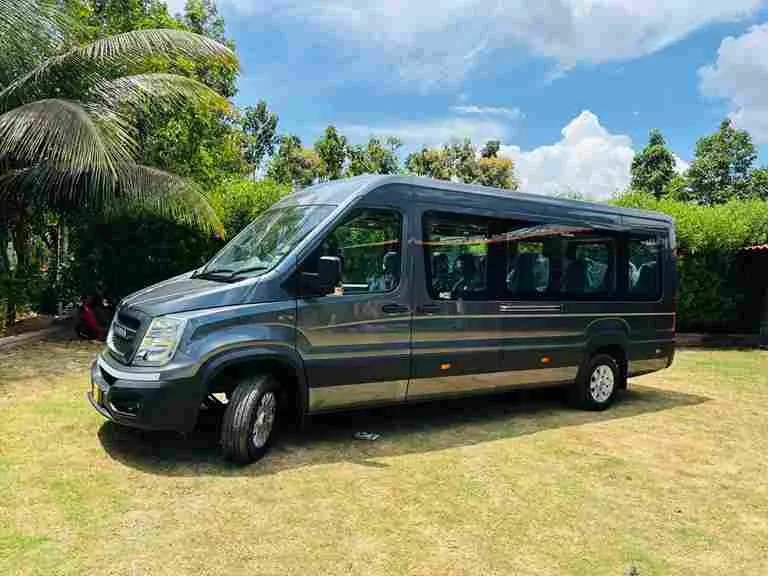
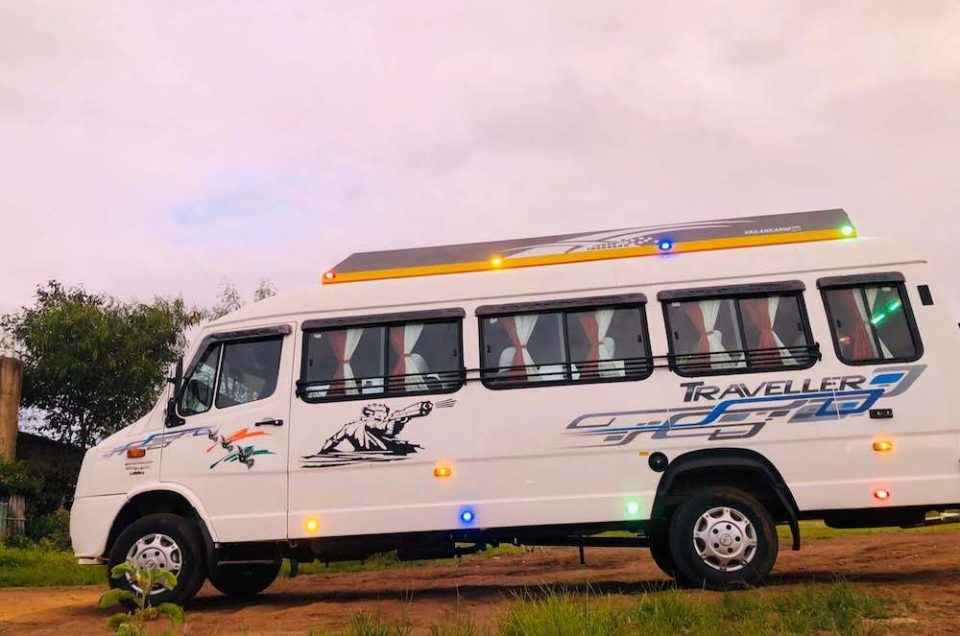
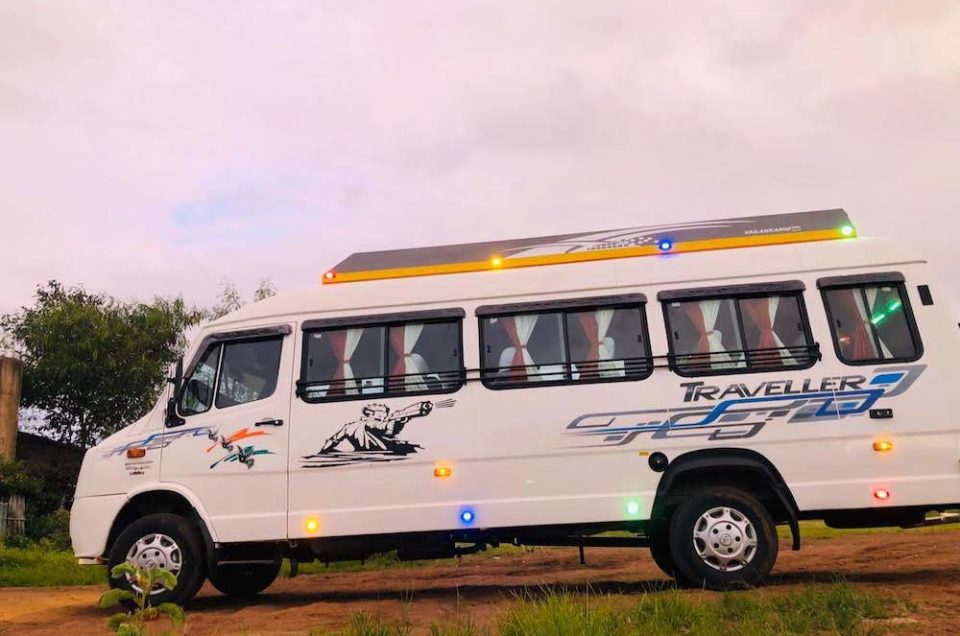
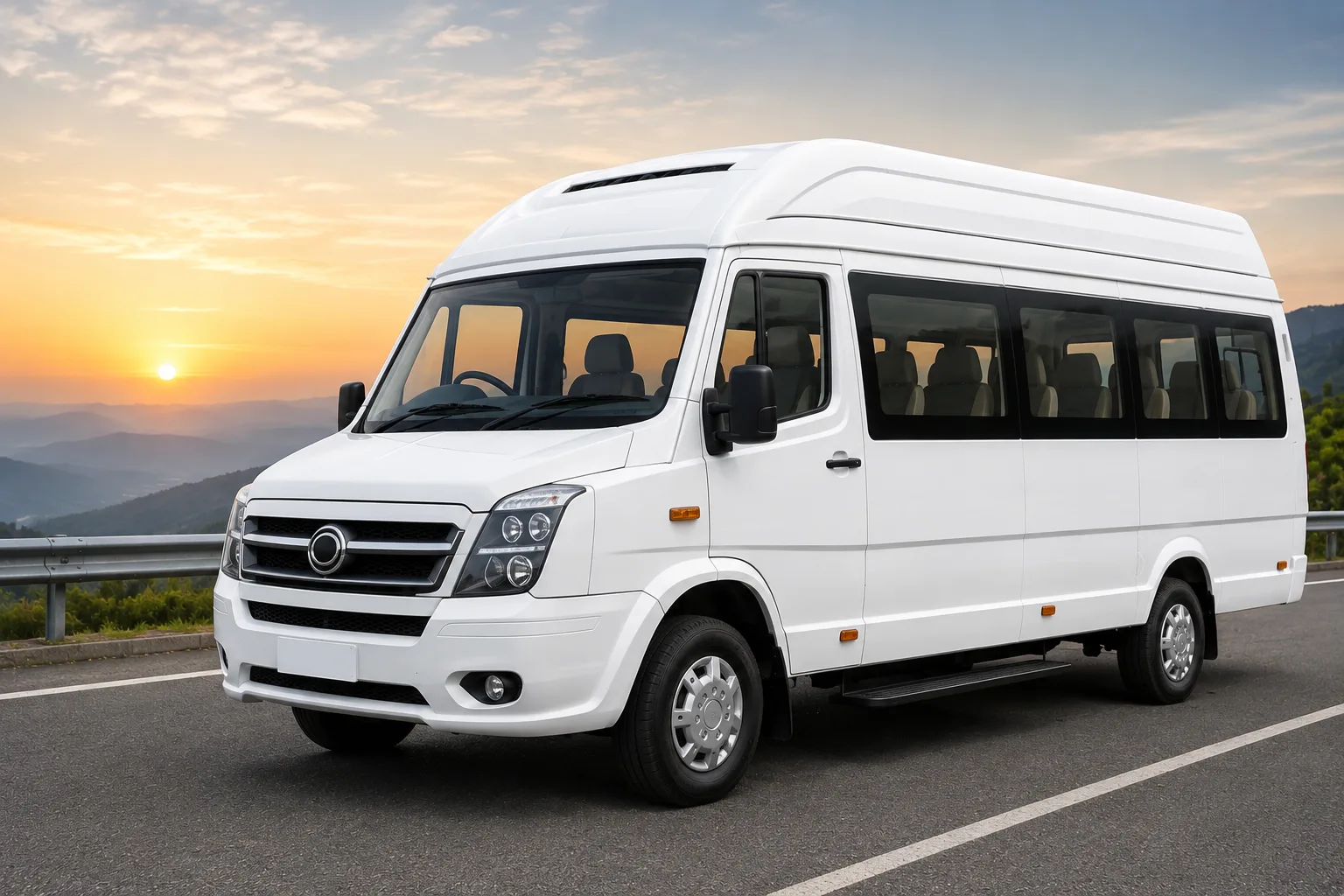
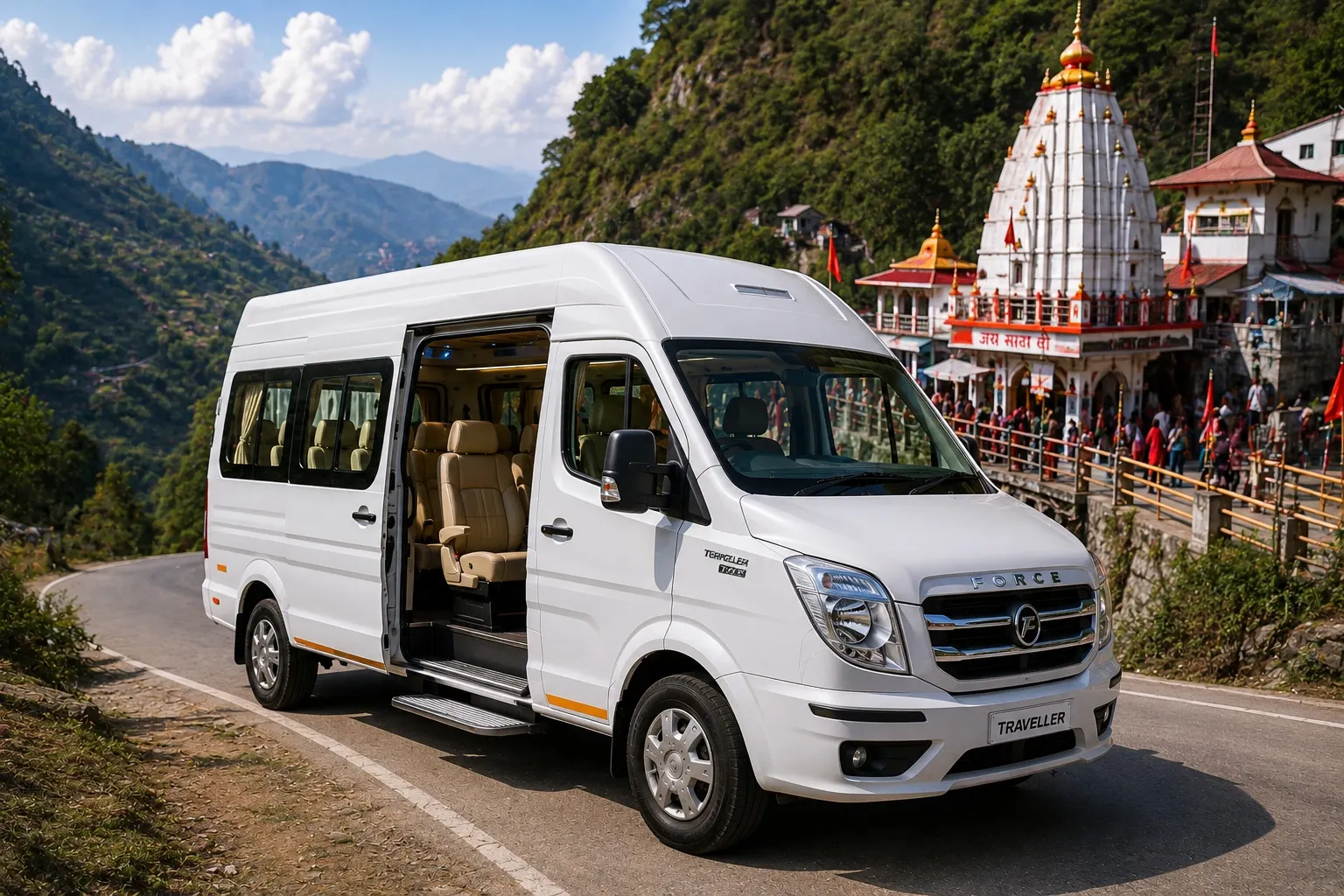
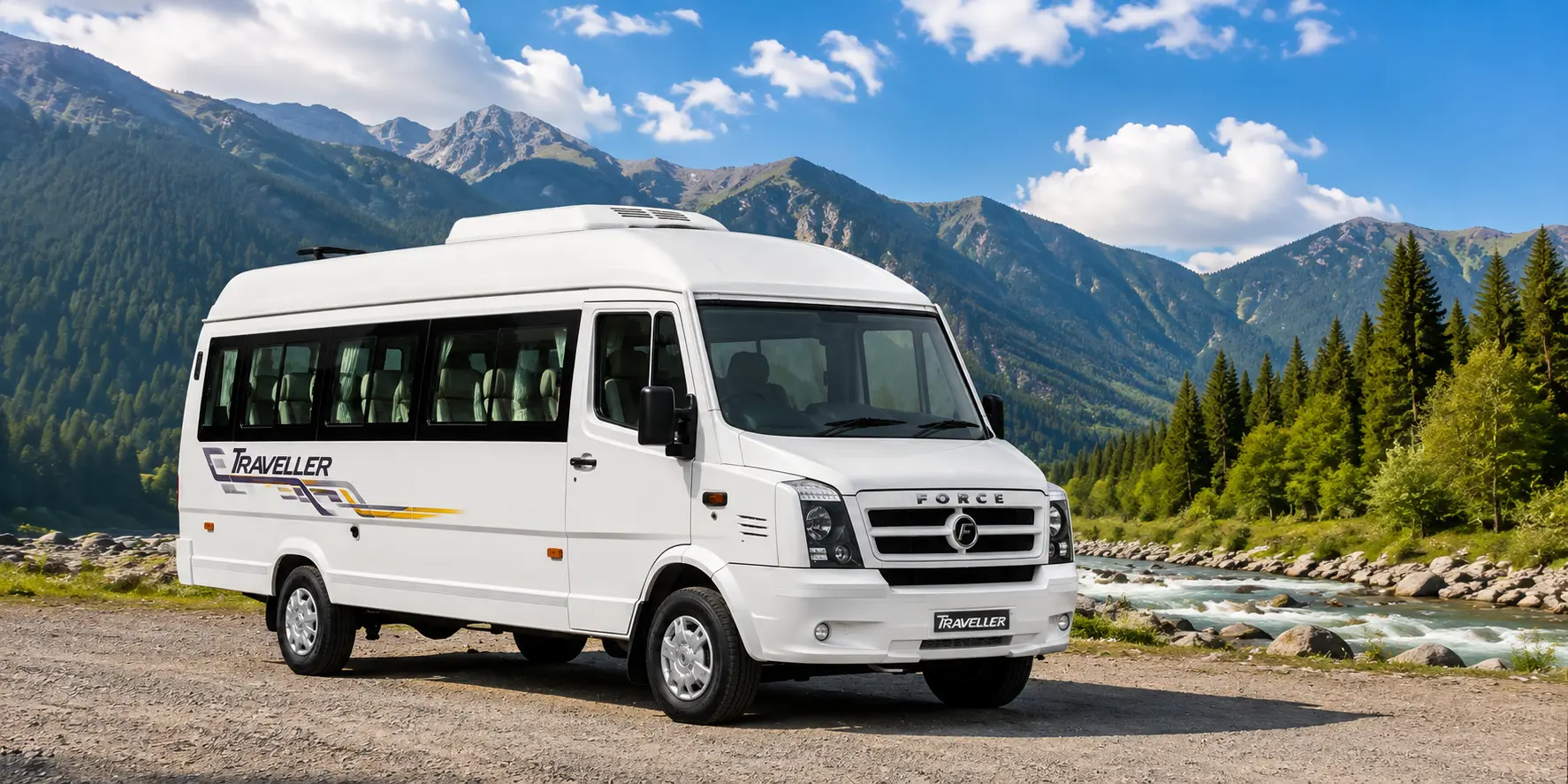
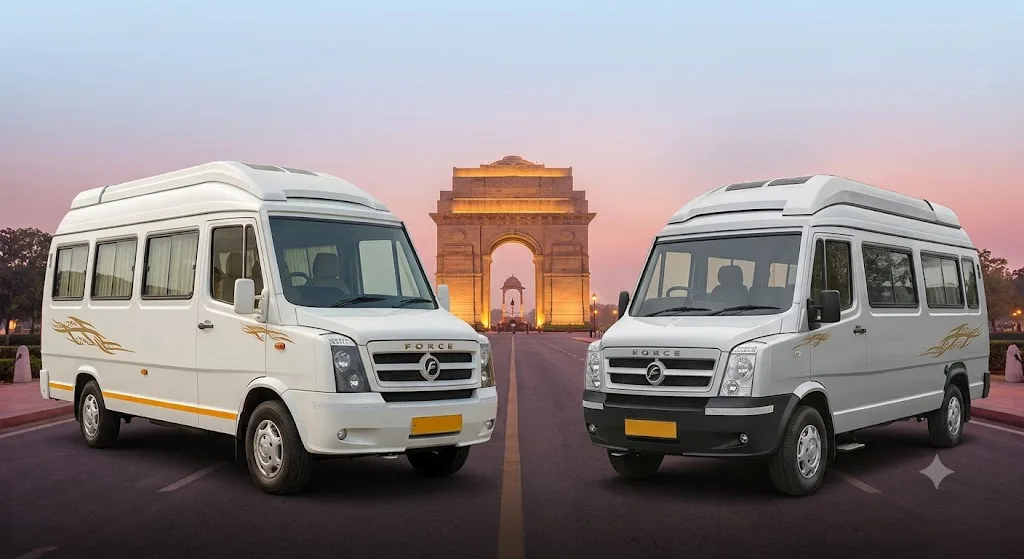
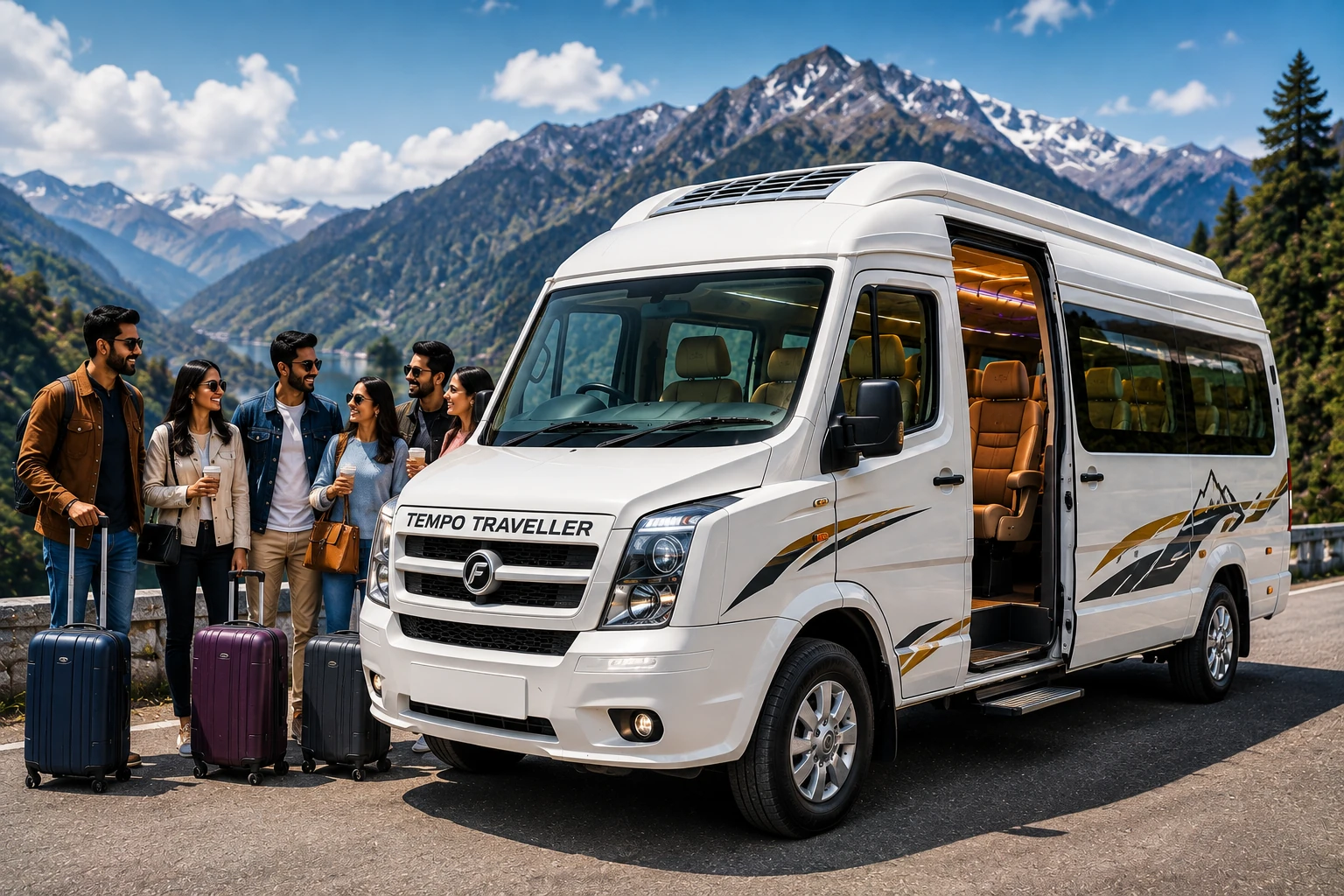
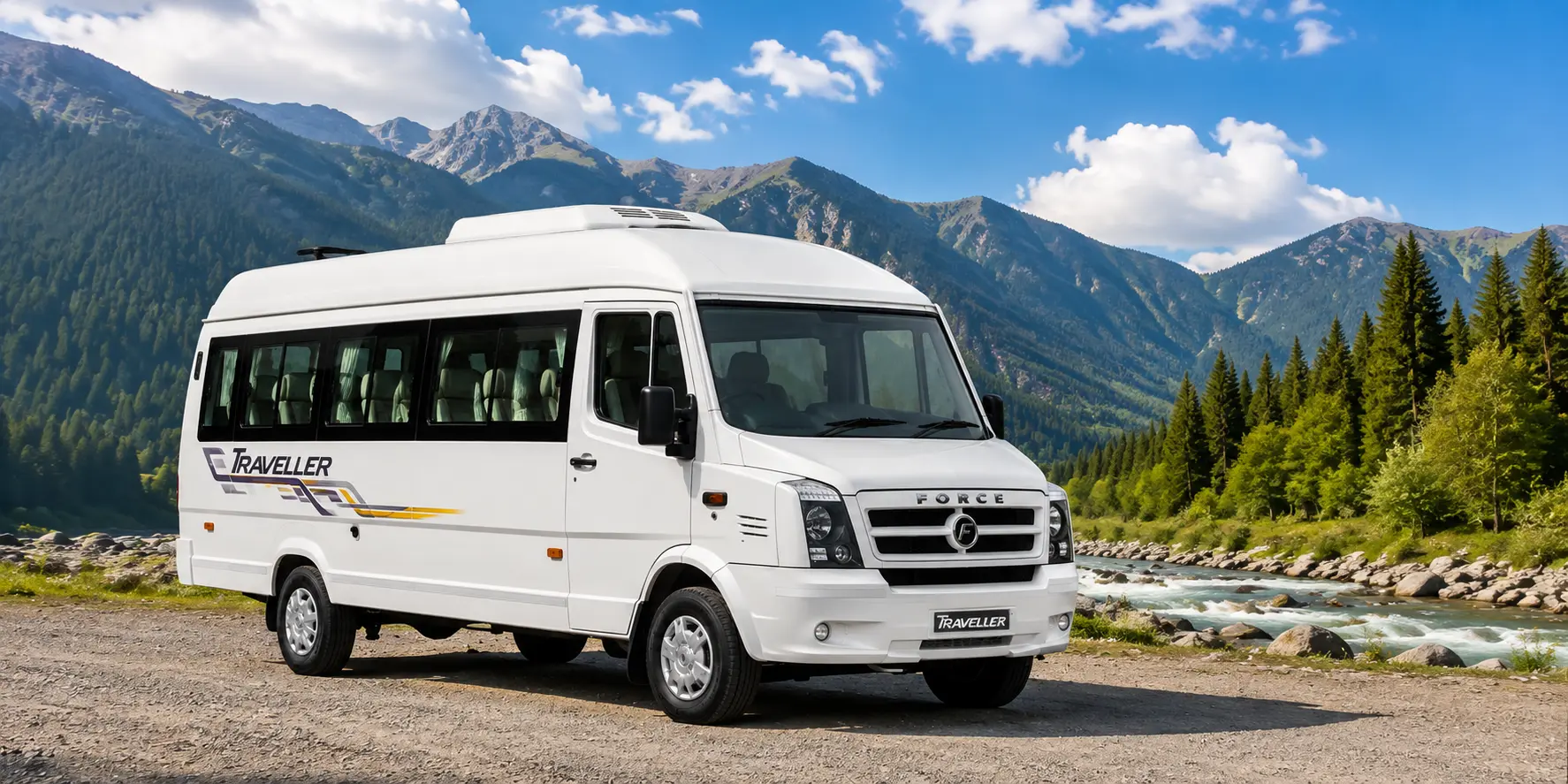
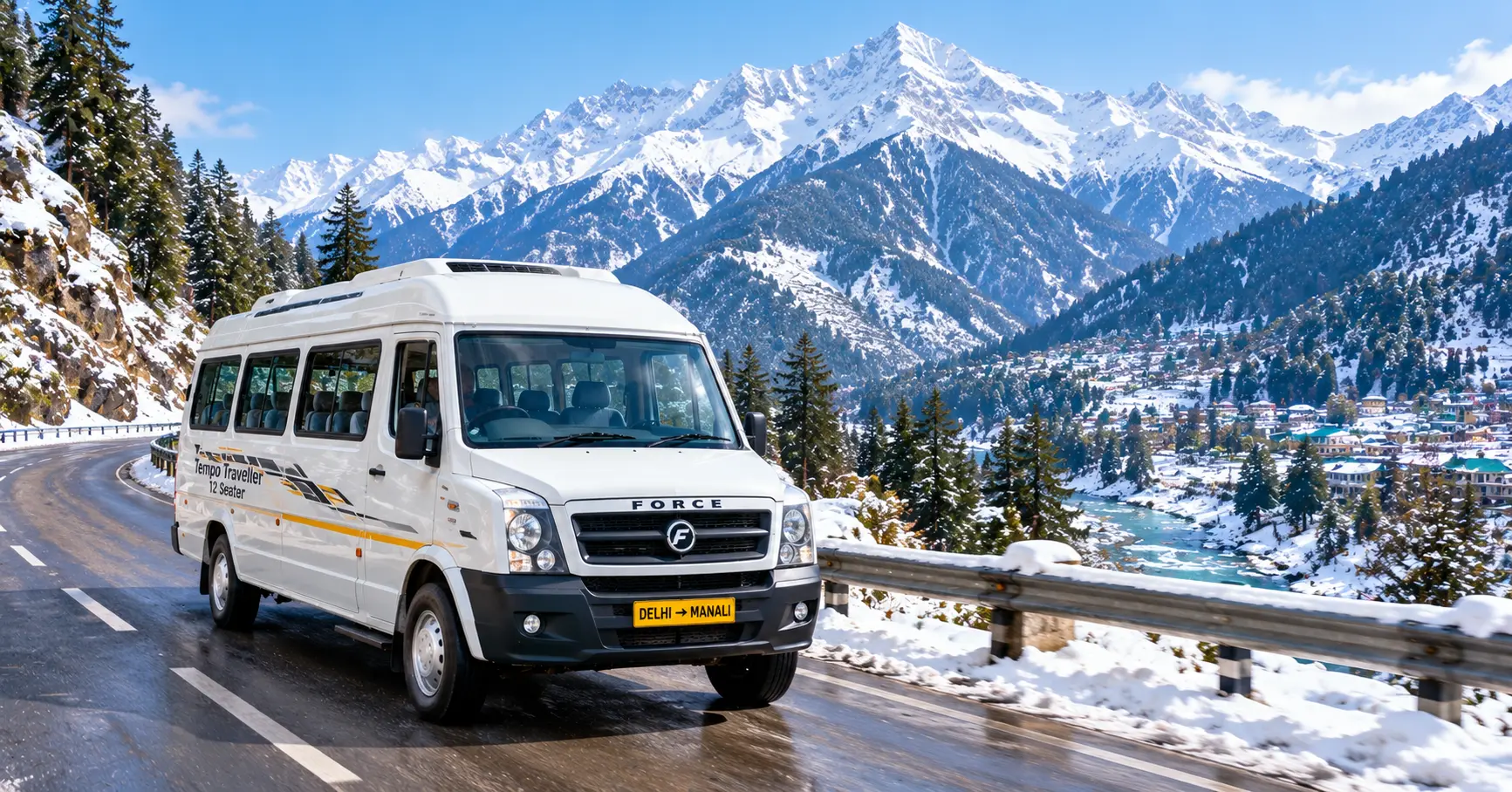
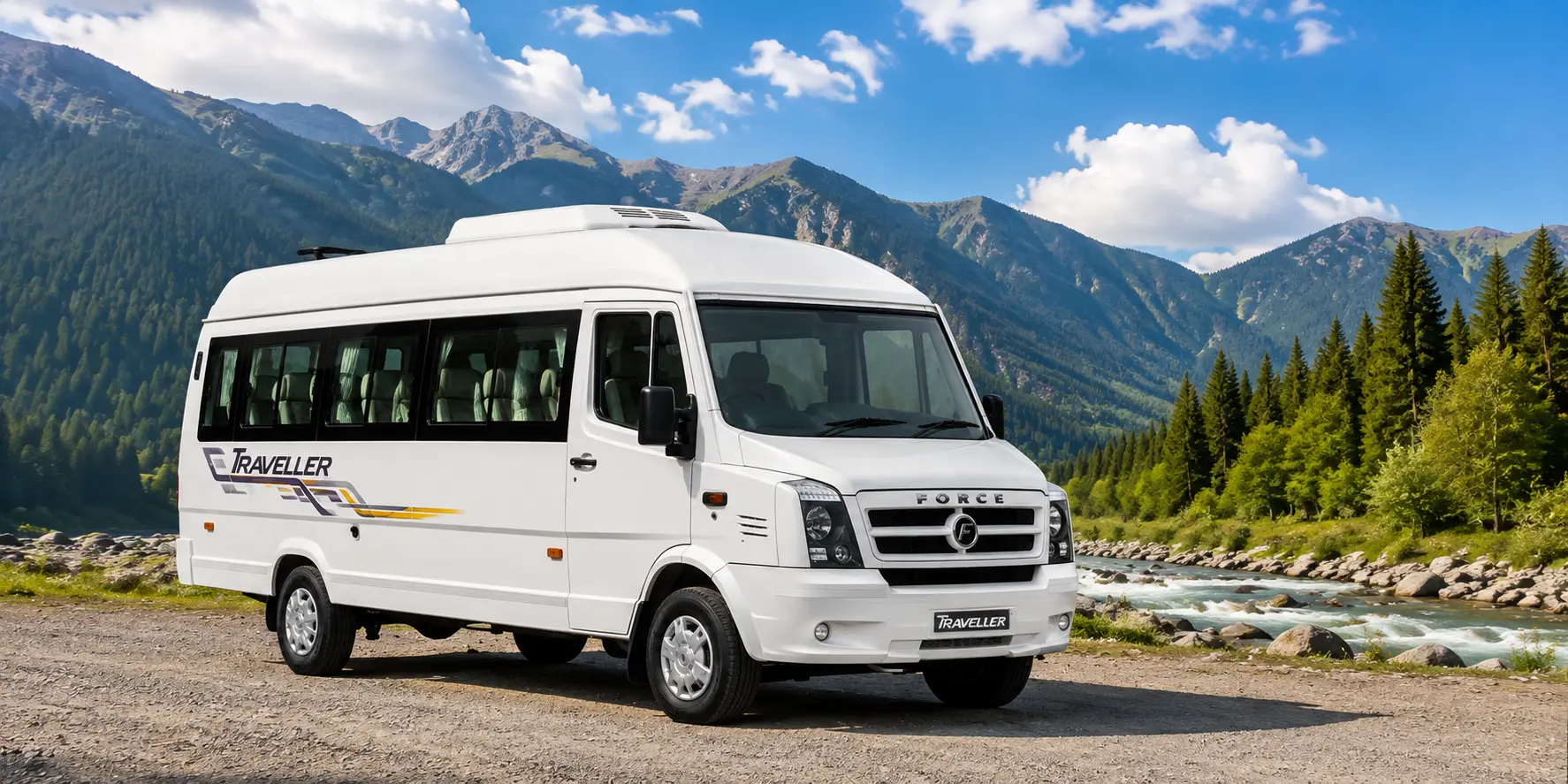
The most popular pick for Do Dham groups of 8–12. It balances cost and comfort well, and it is easy to handle on hill roads. See the 12 seater tempo traveller.
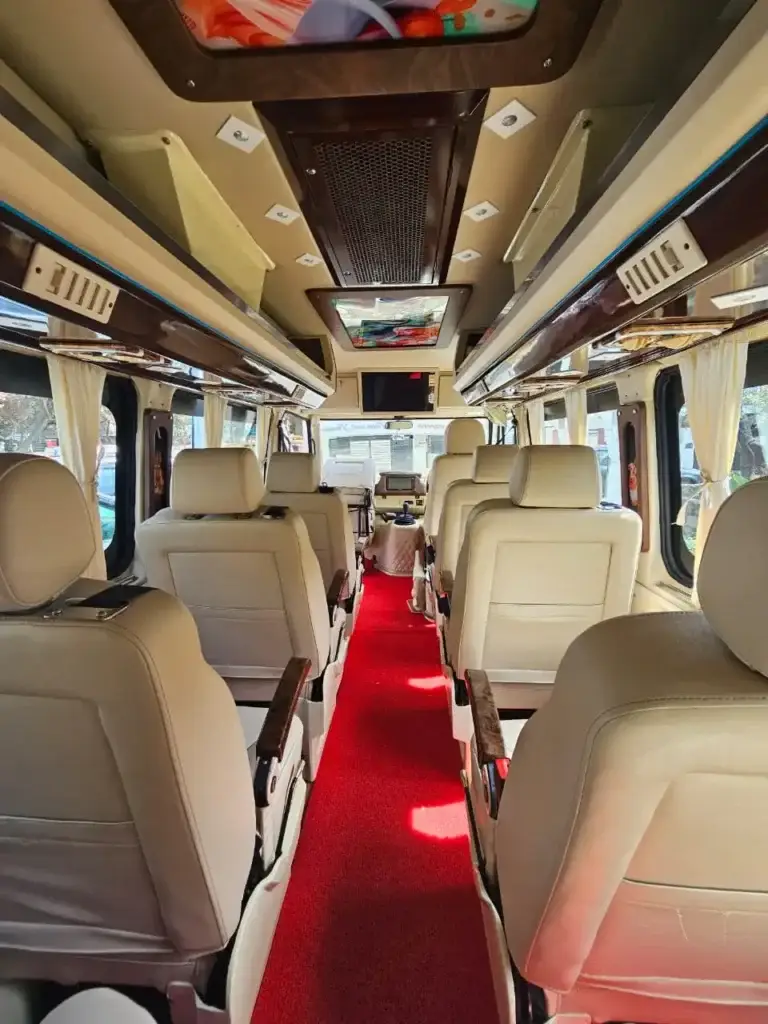
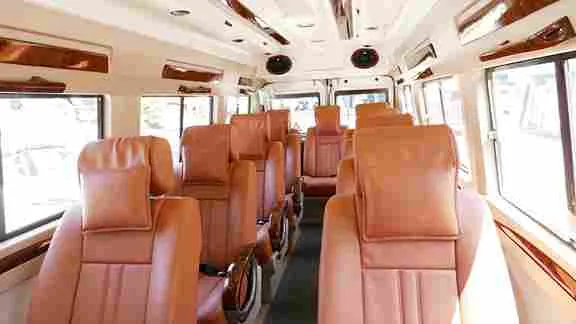
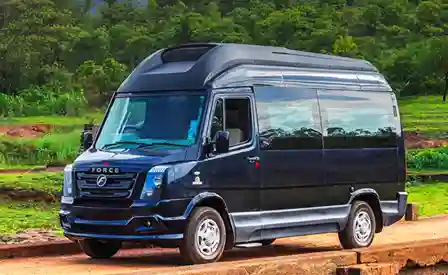
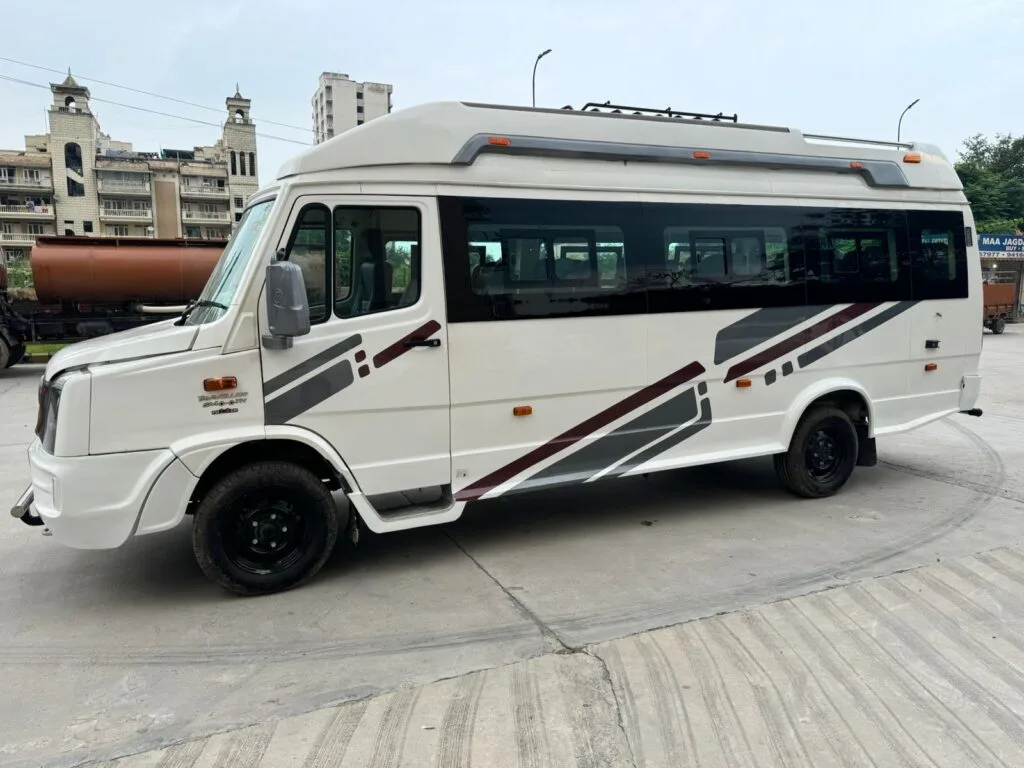
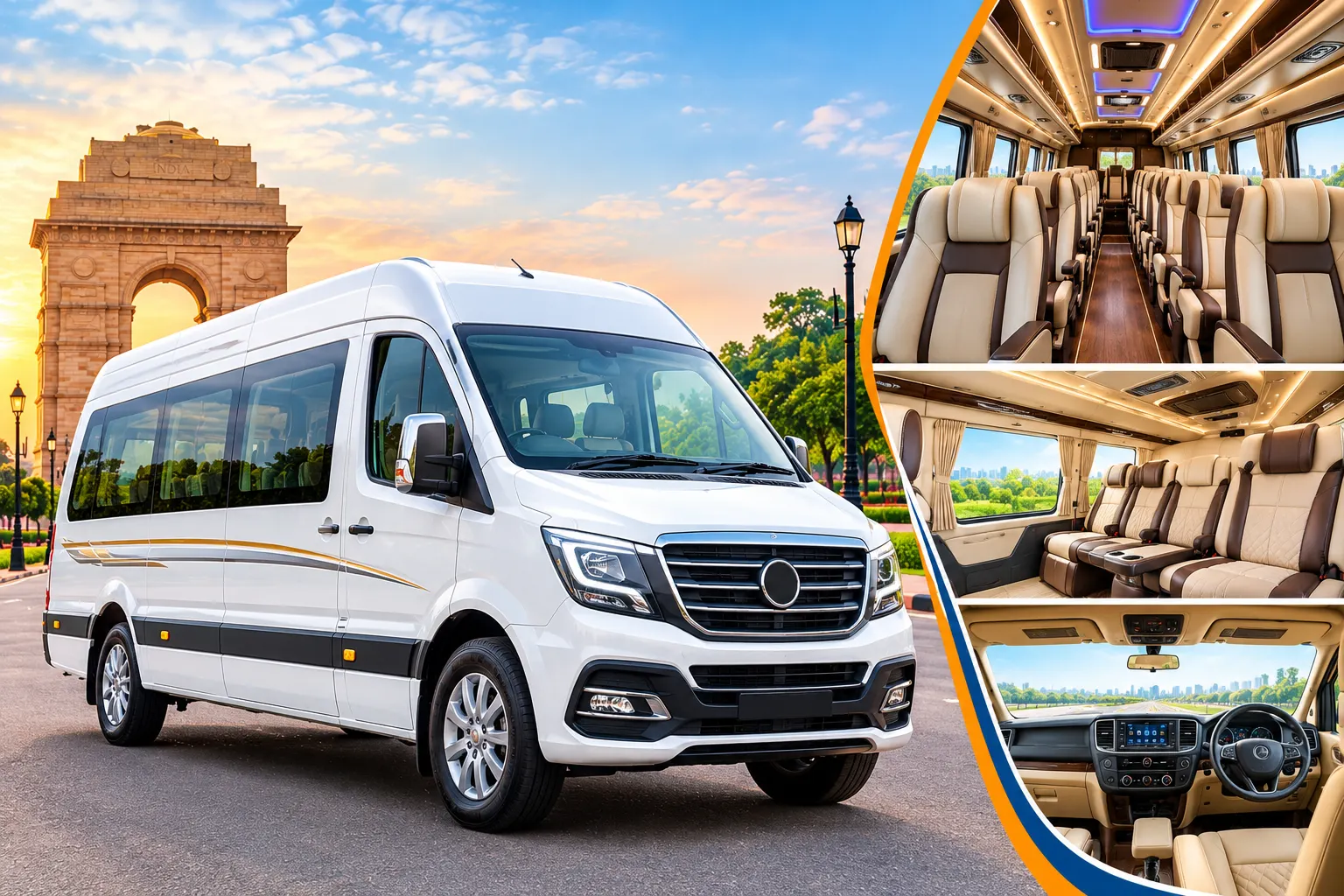
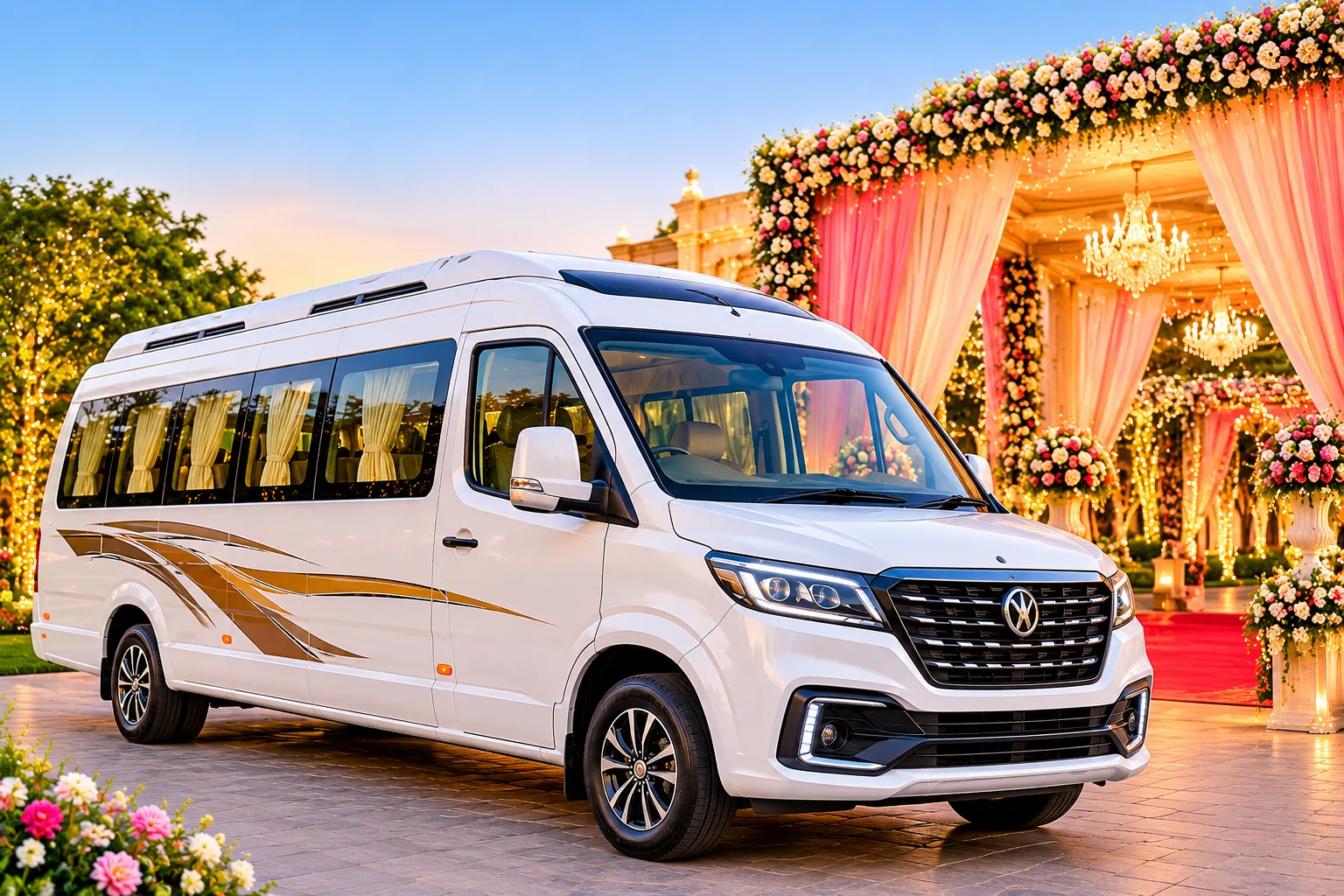
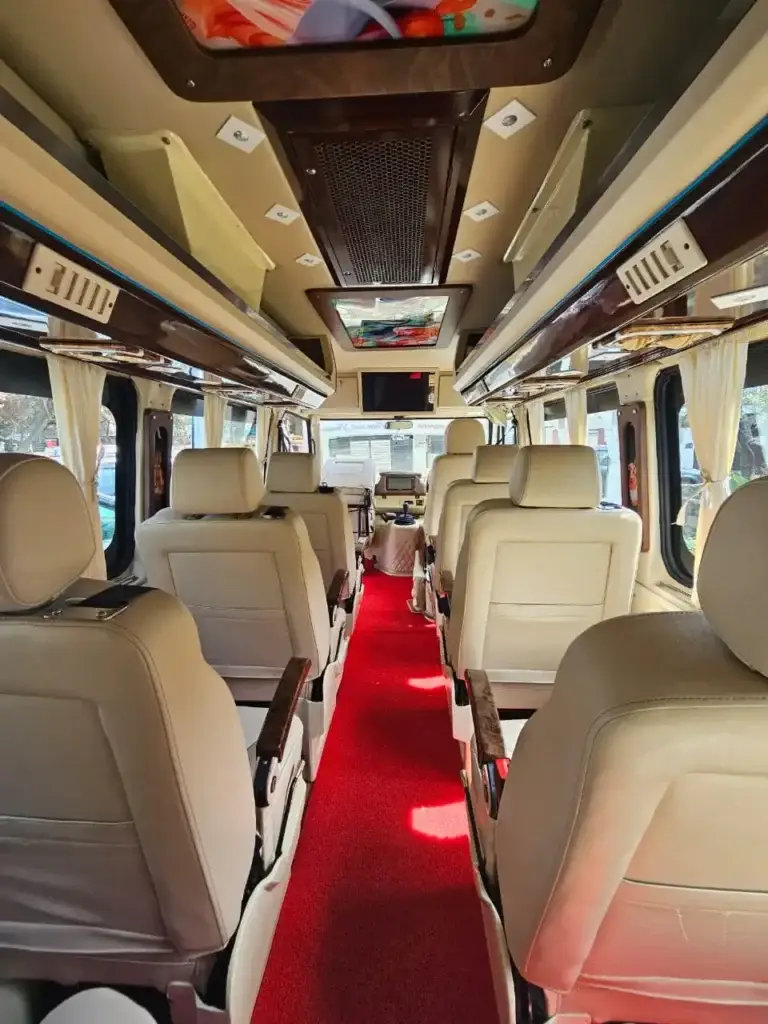
12 Seater Maharaja Tempo Traveller
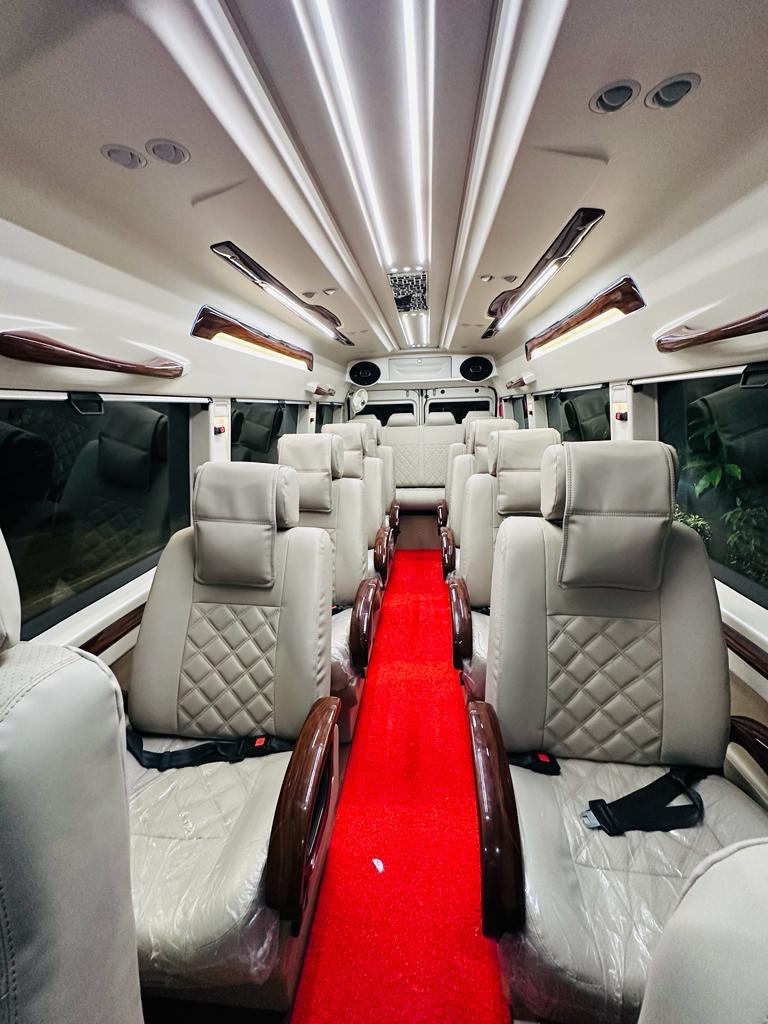
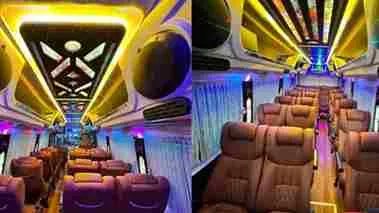
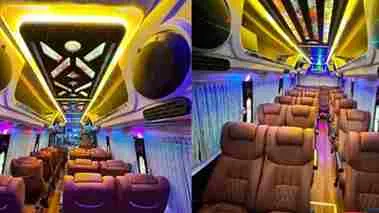
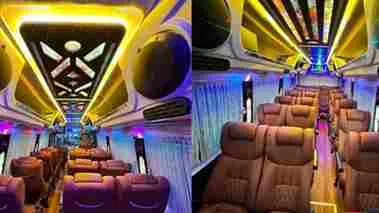
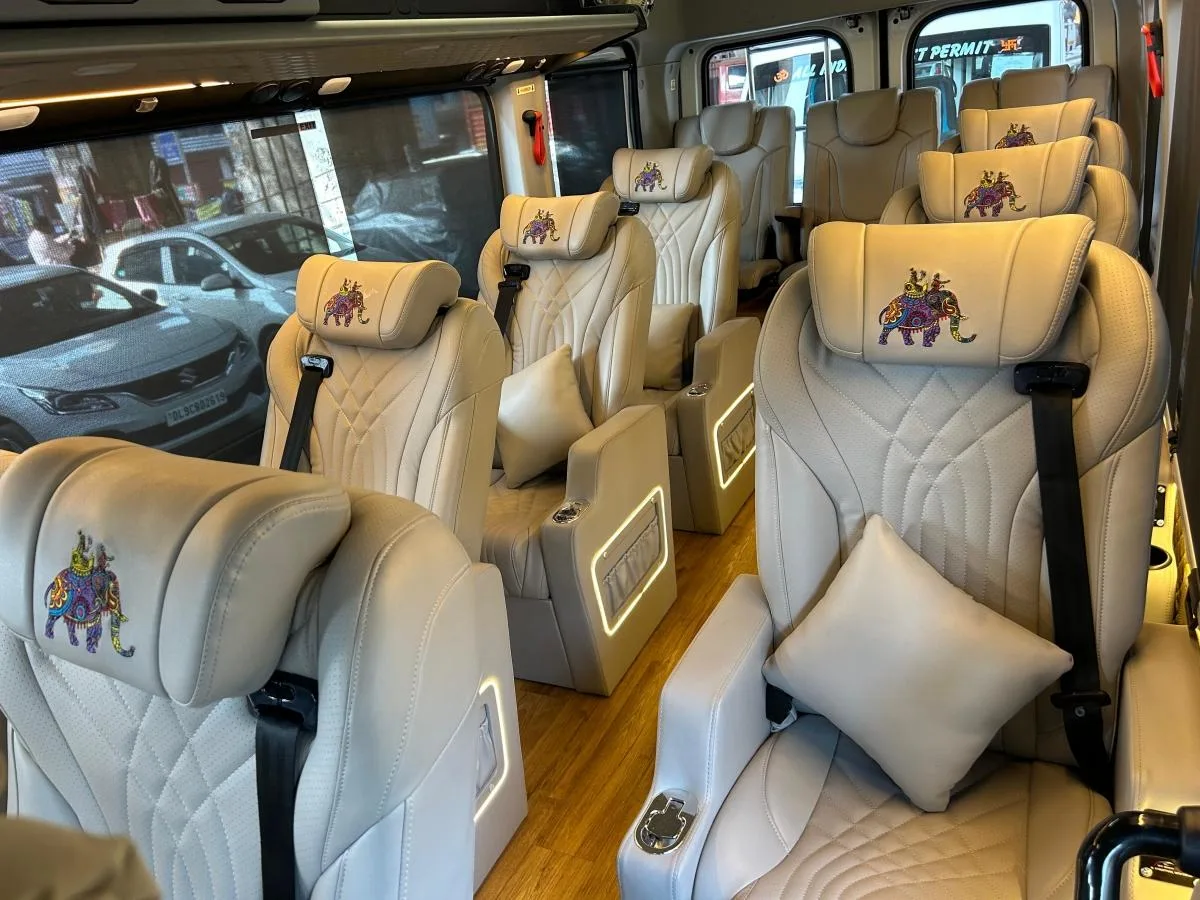
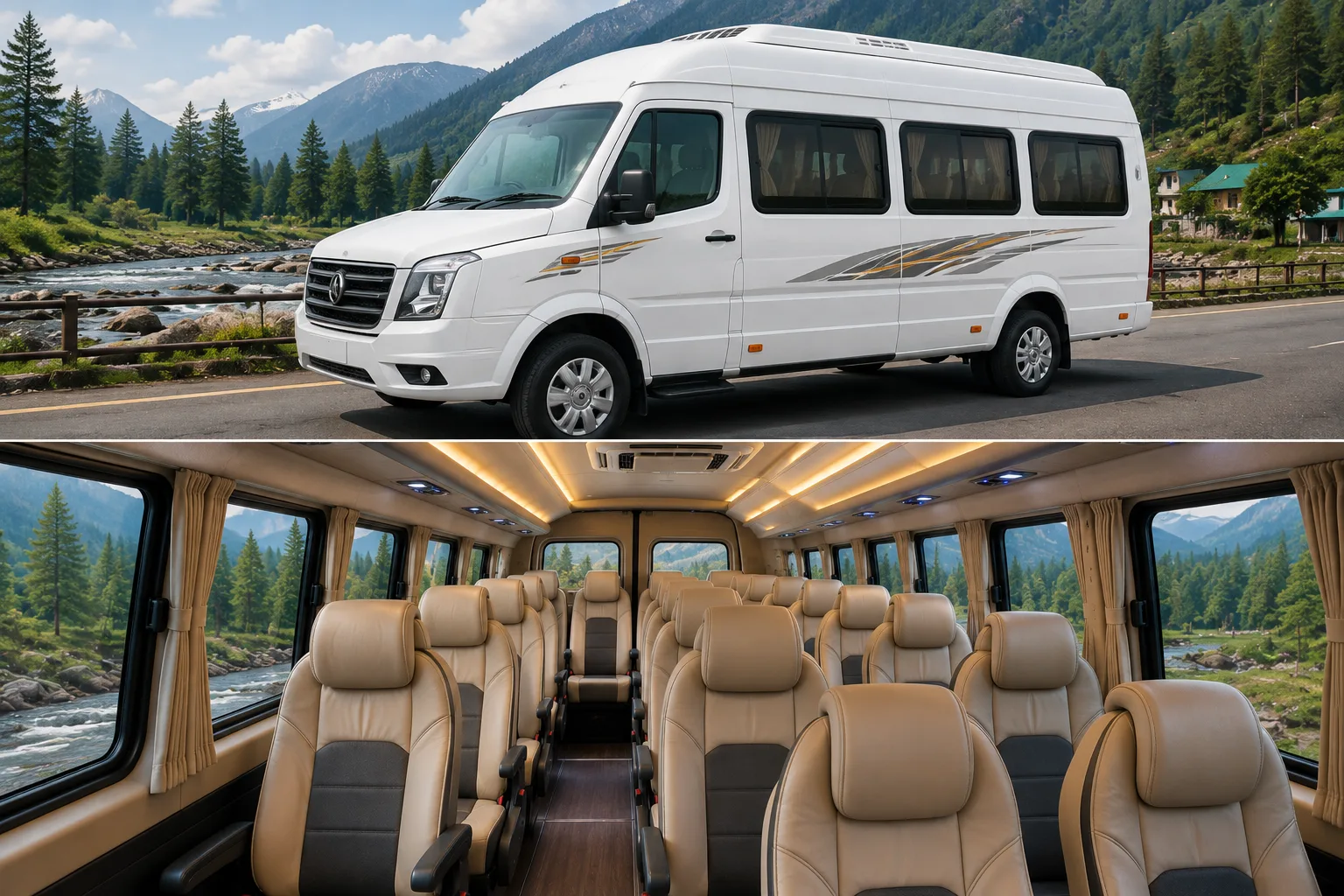
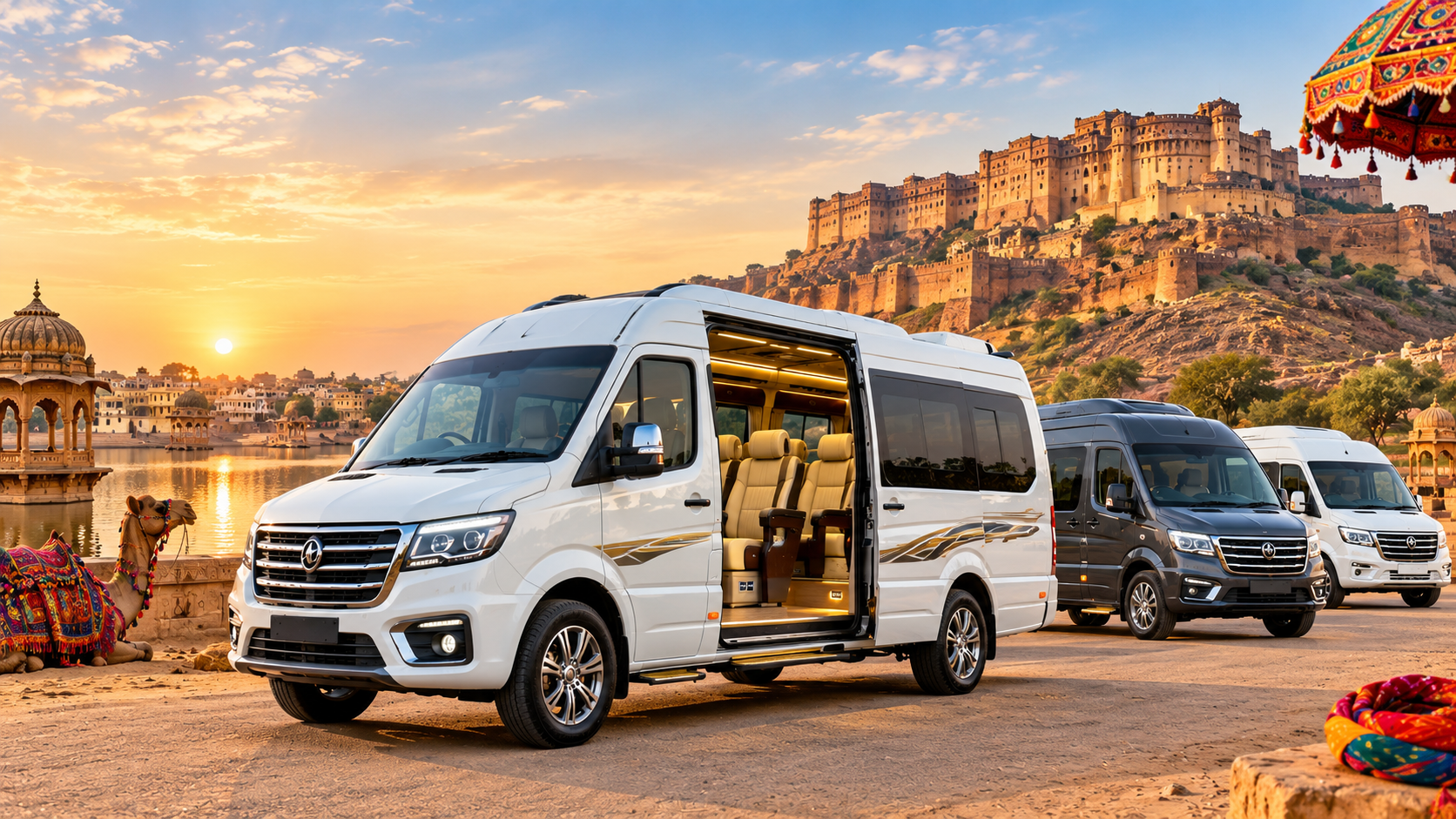
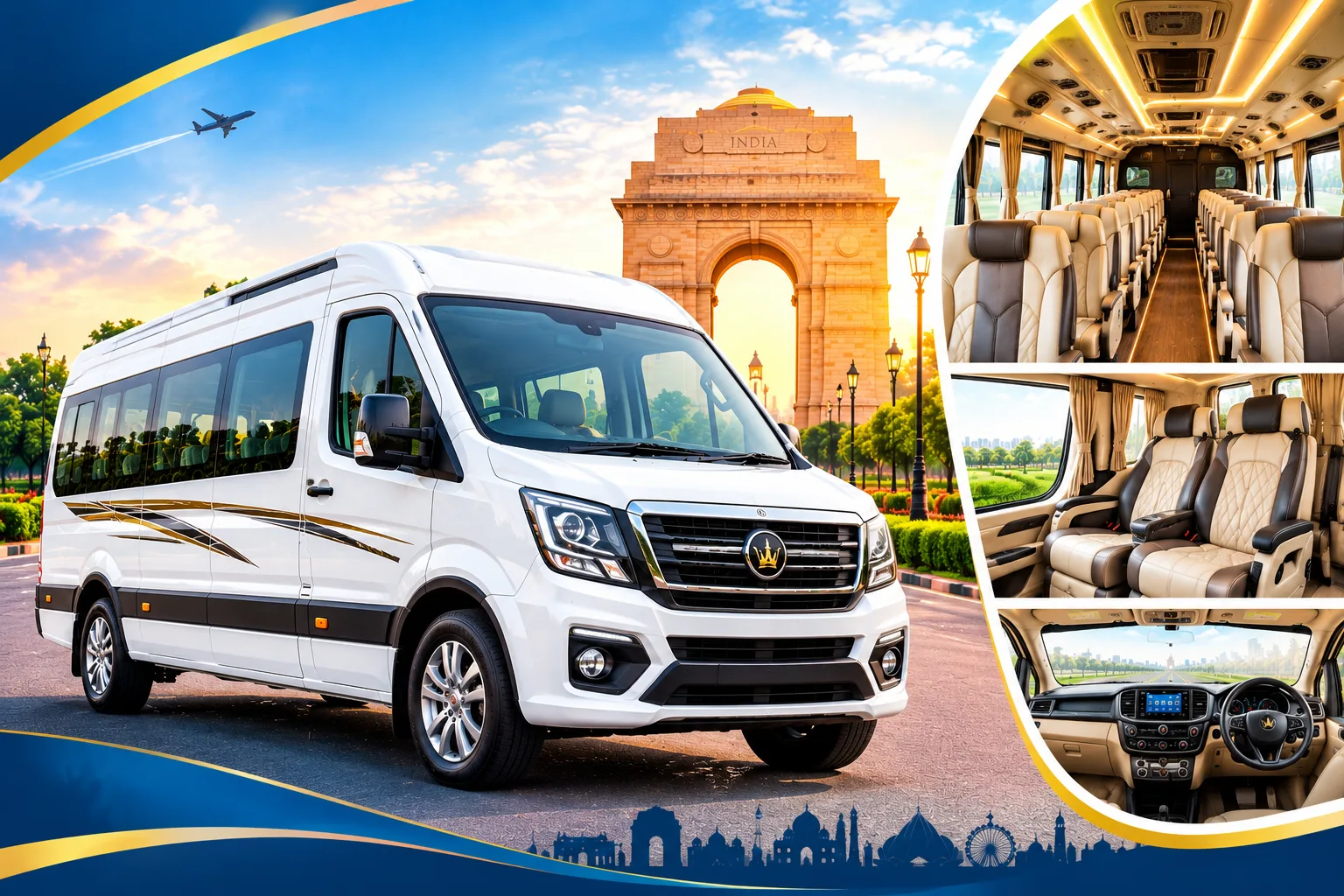
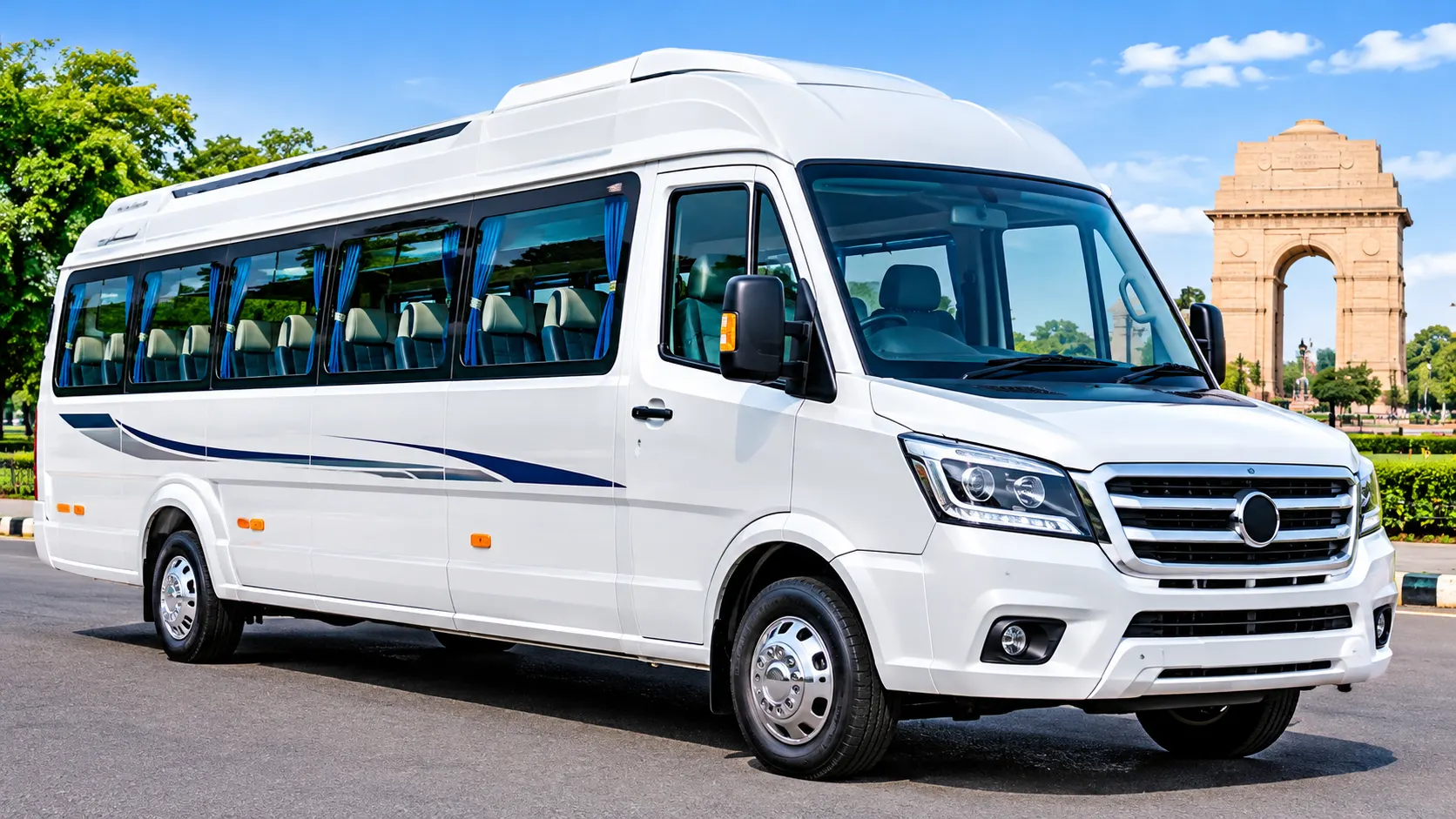
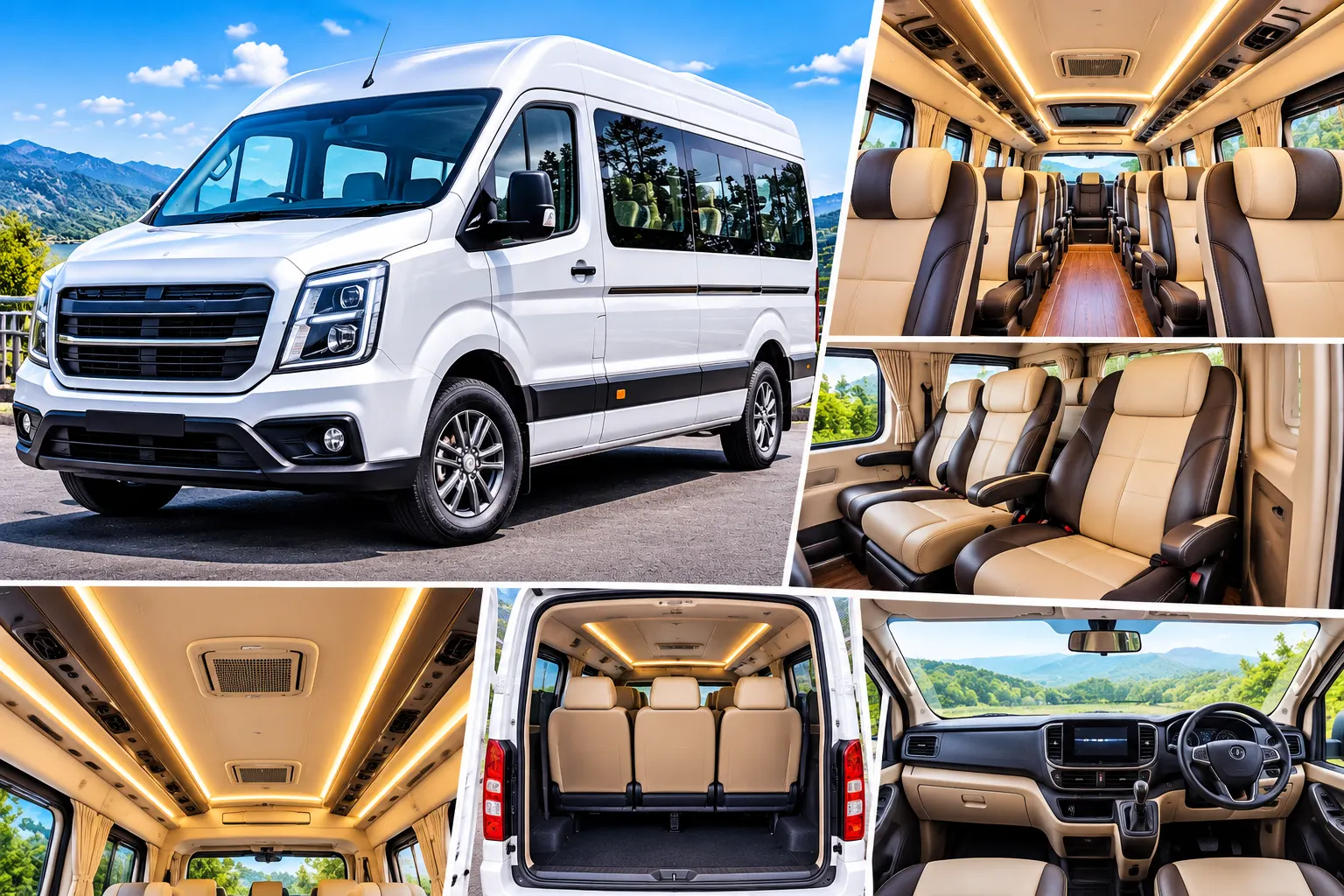
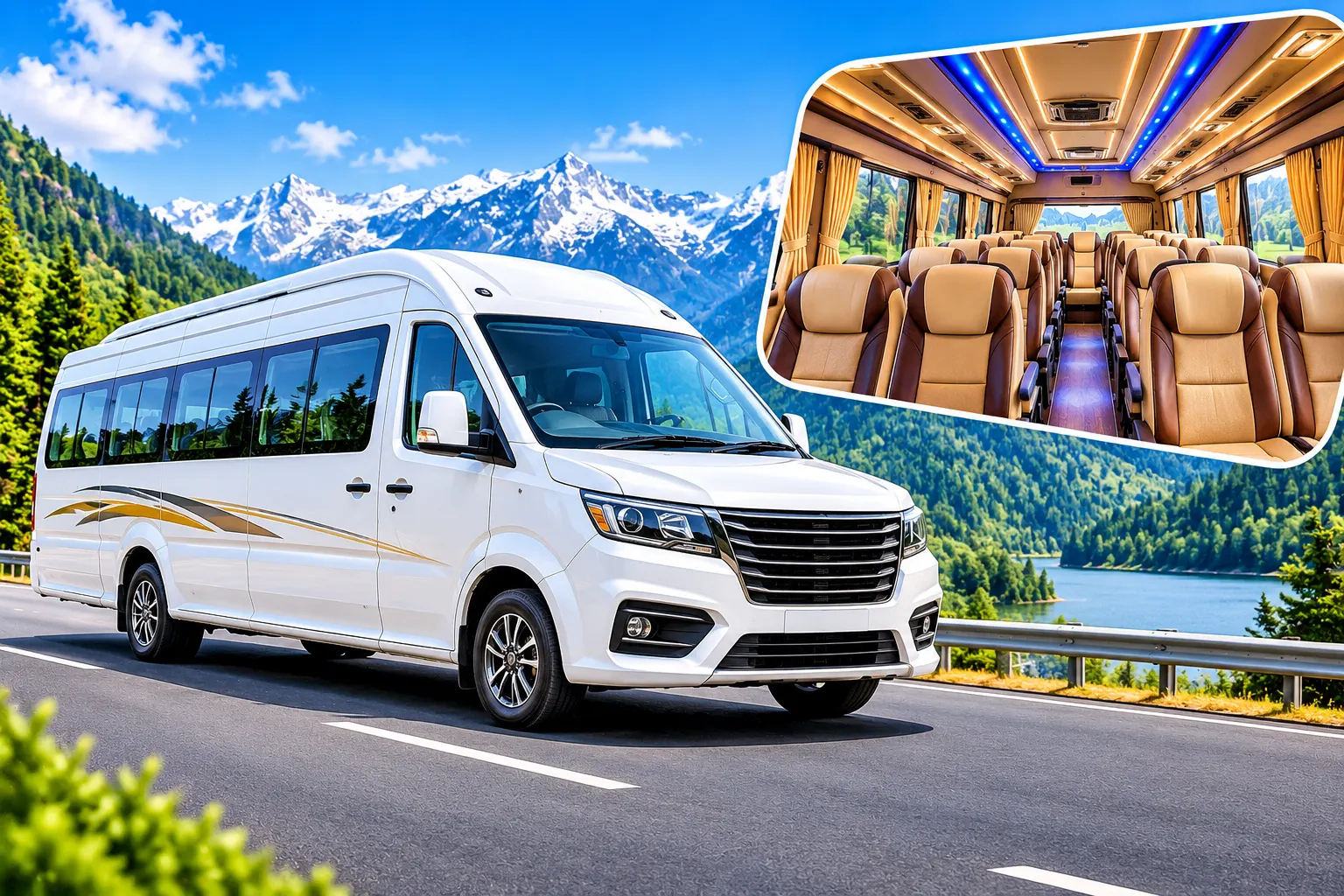
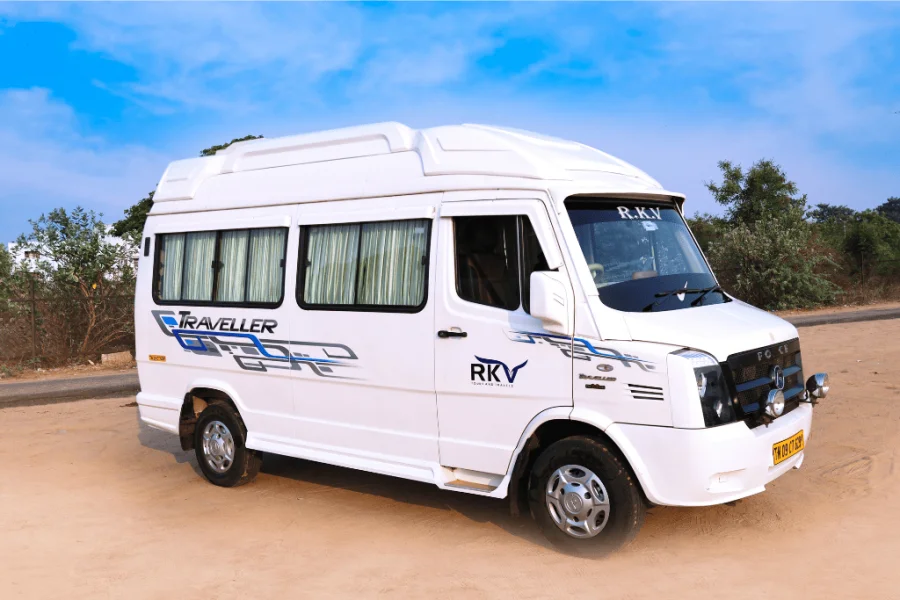
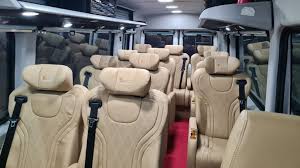
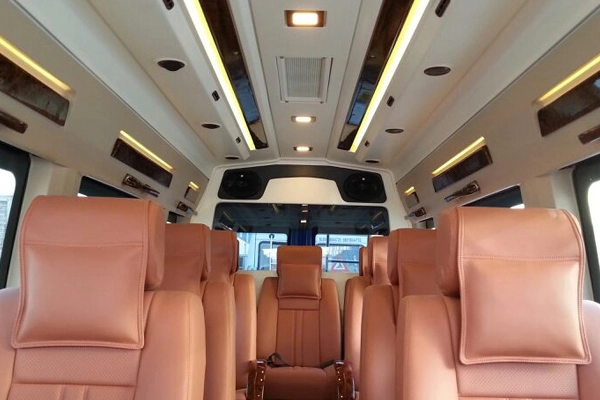
This is a step up in seating, with plusher recliner-style seats suited to 8–9 hour days. A good choice if senior citizens are travelling. Details here: 12 seater Maharaja tempo traveller.
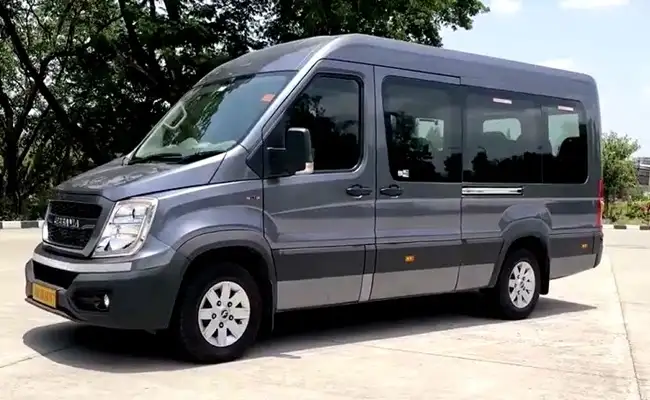
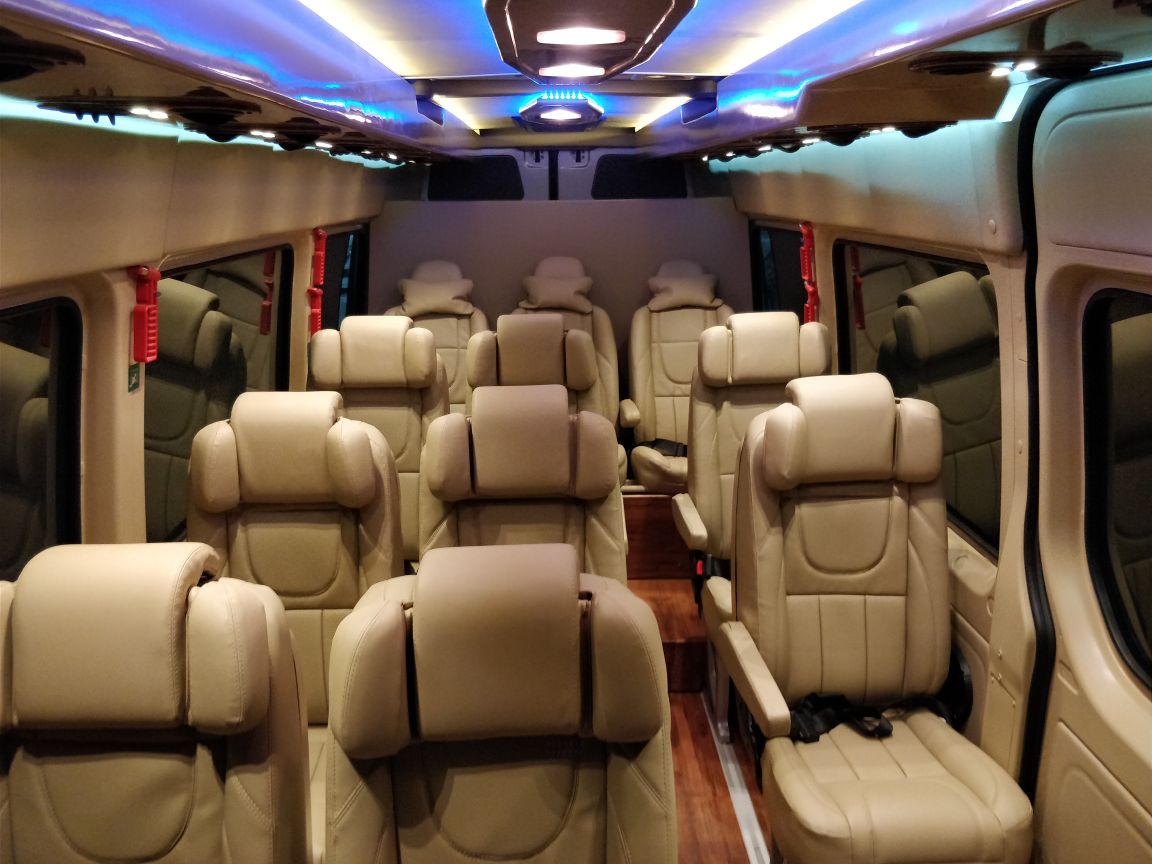
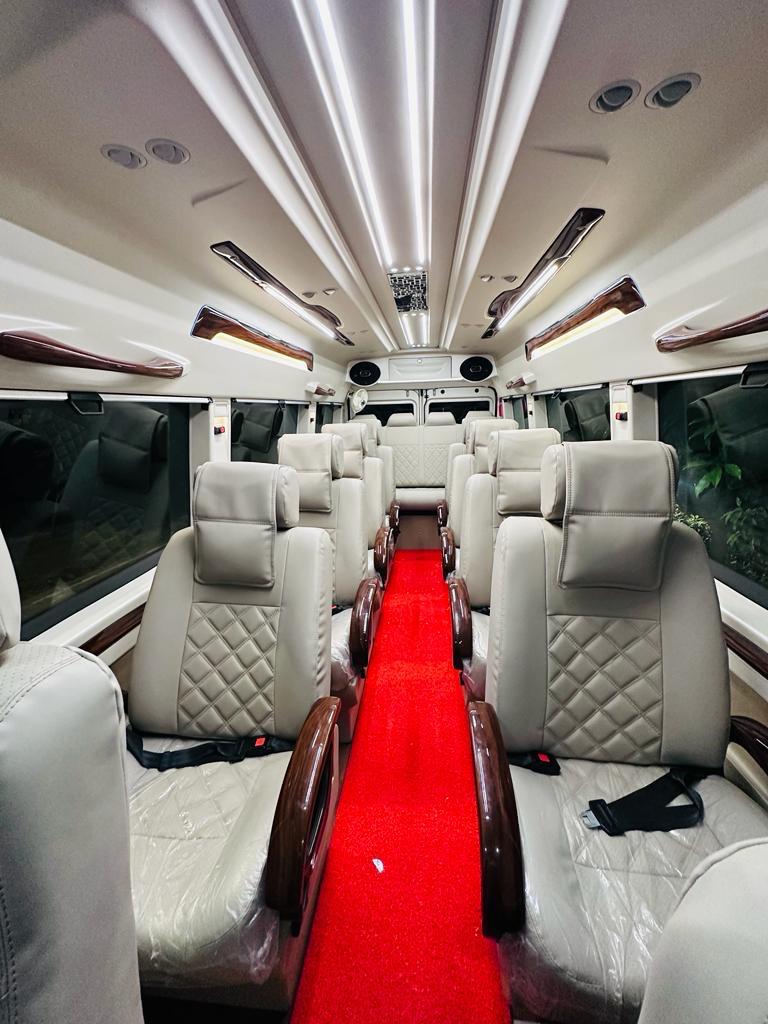
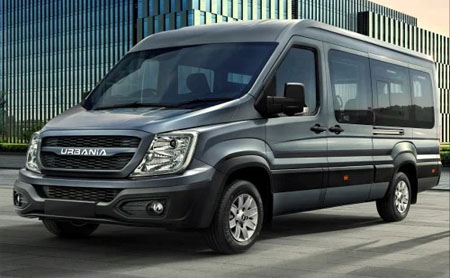
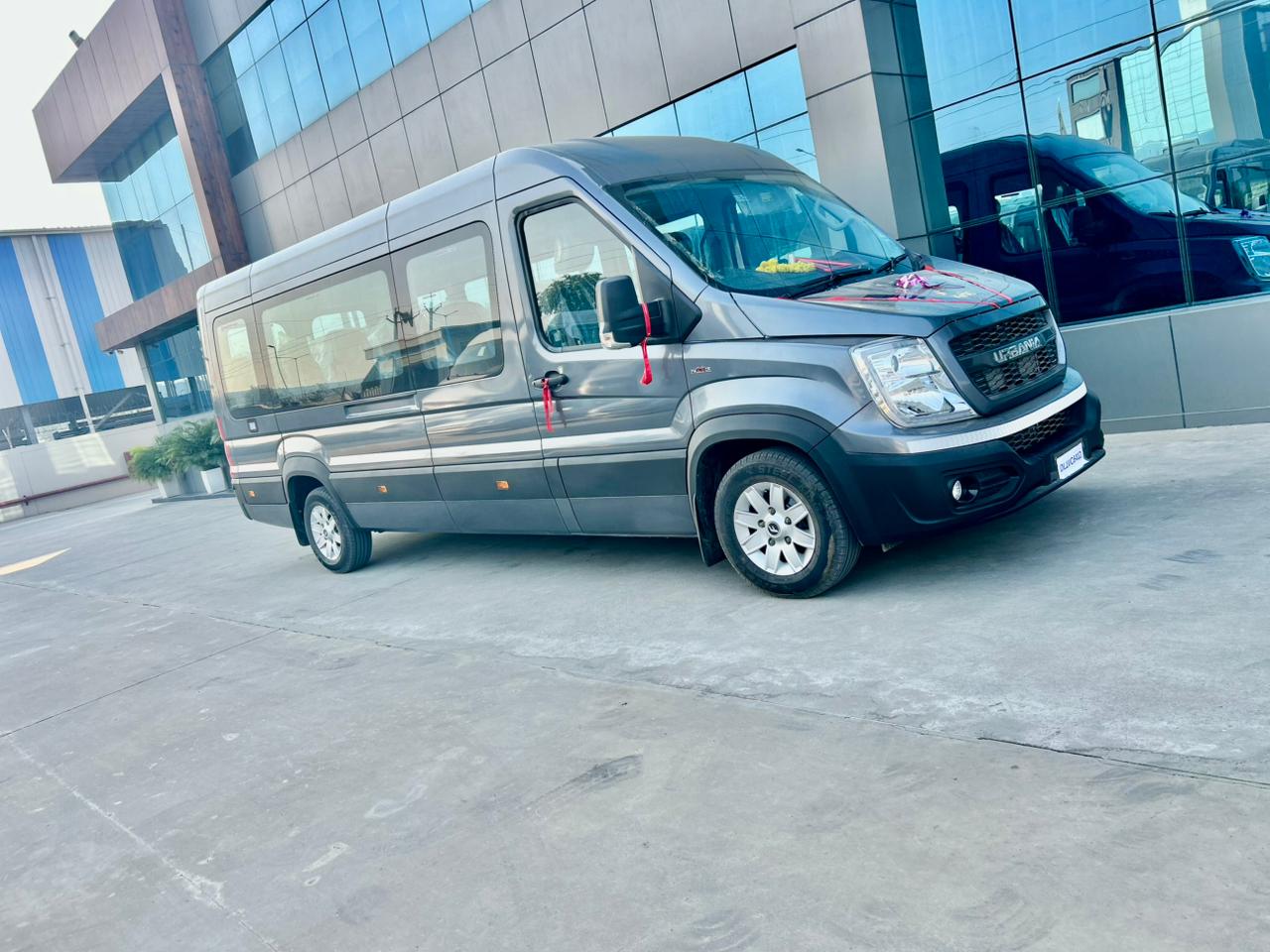
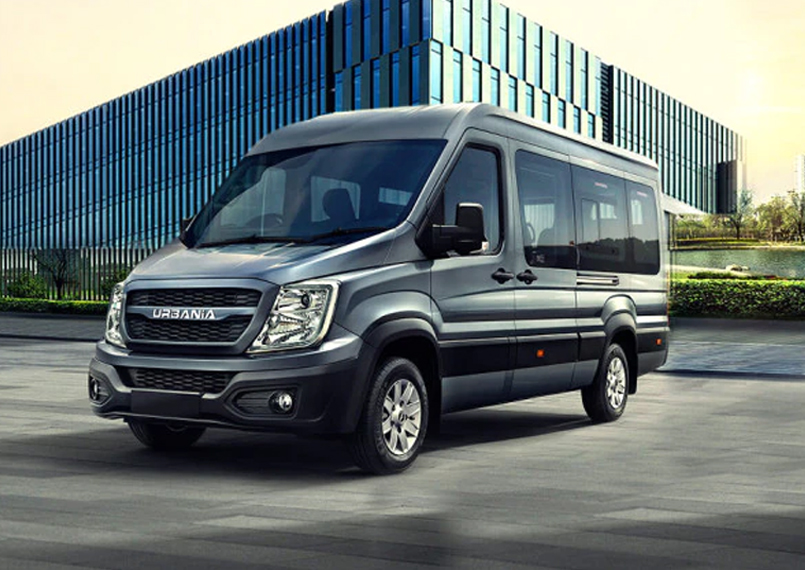
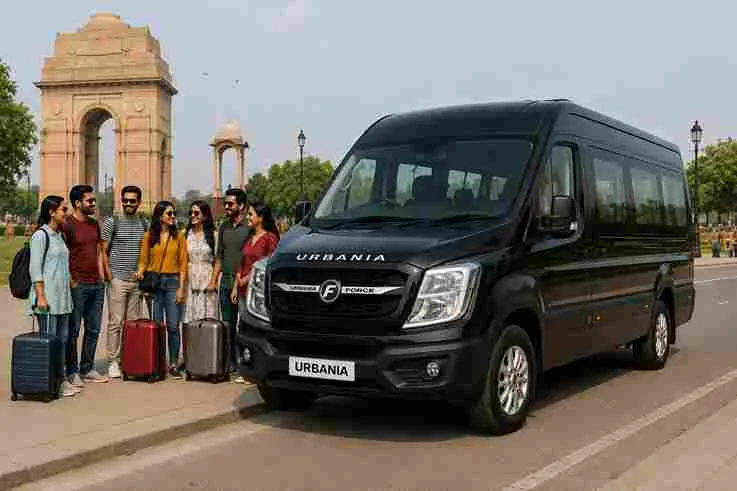
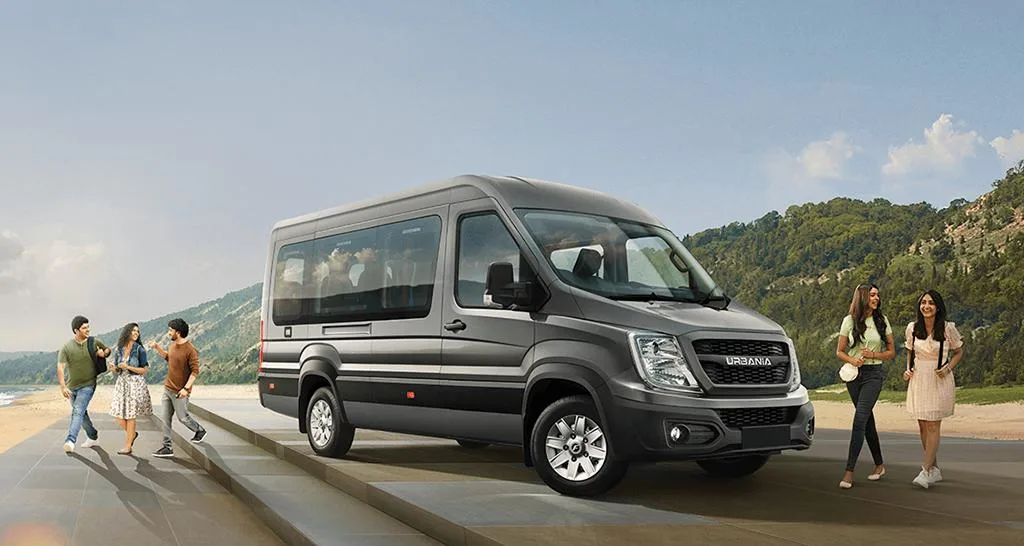
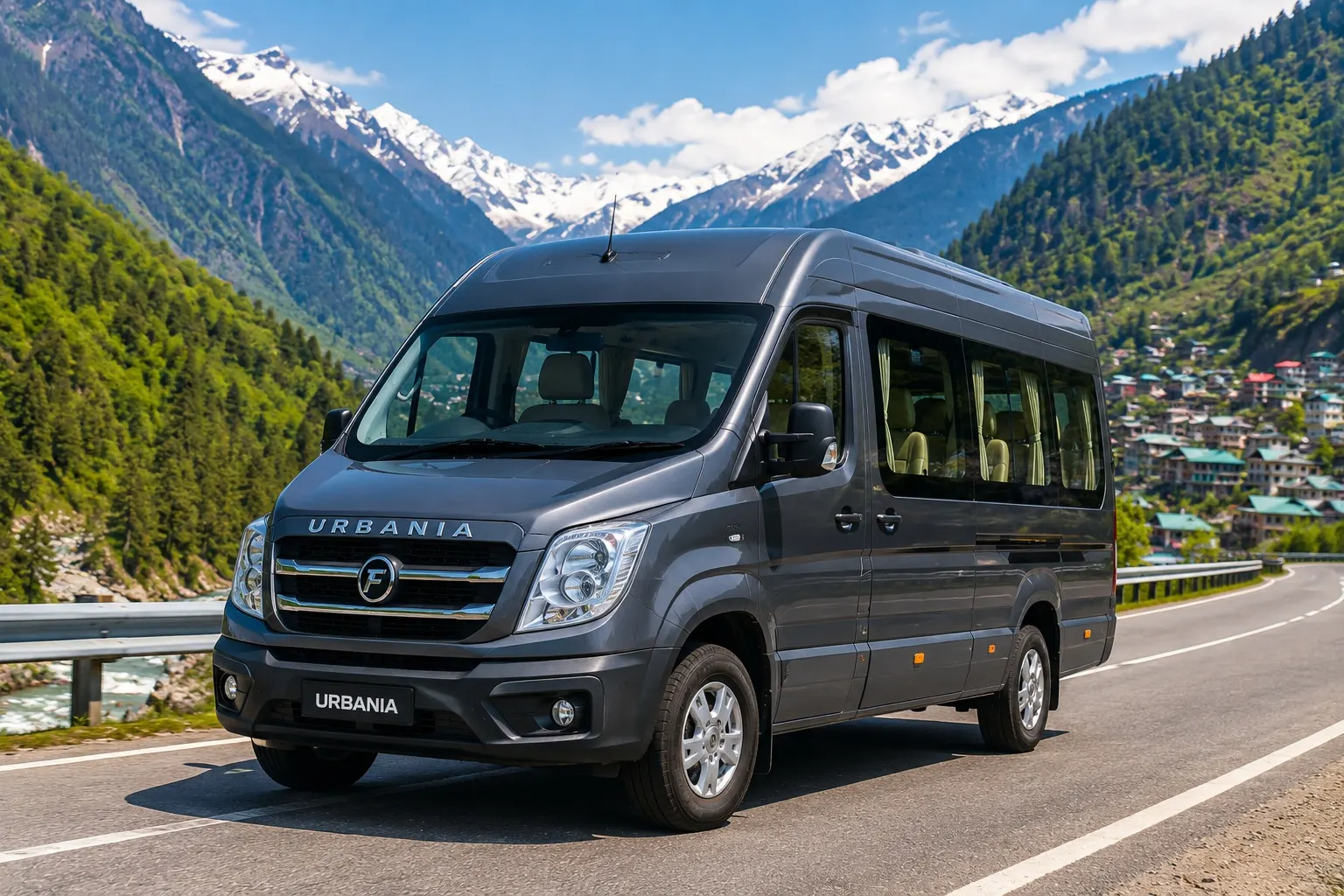
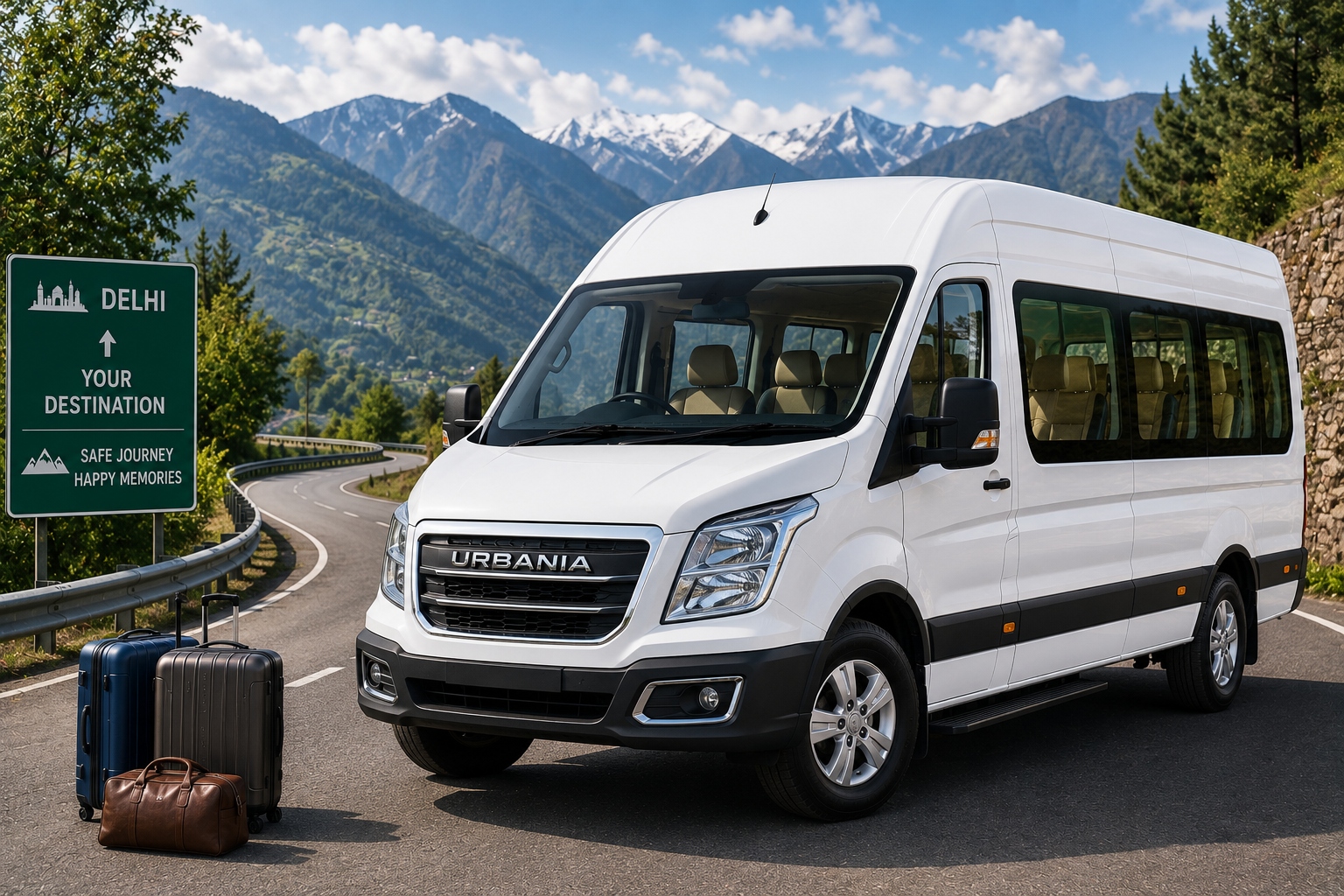
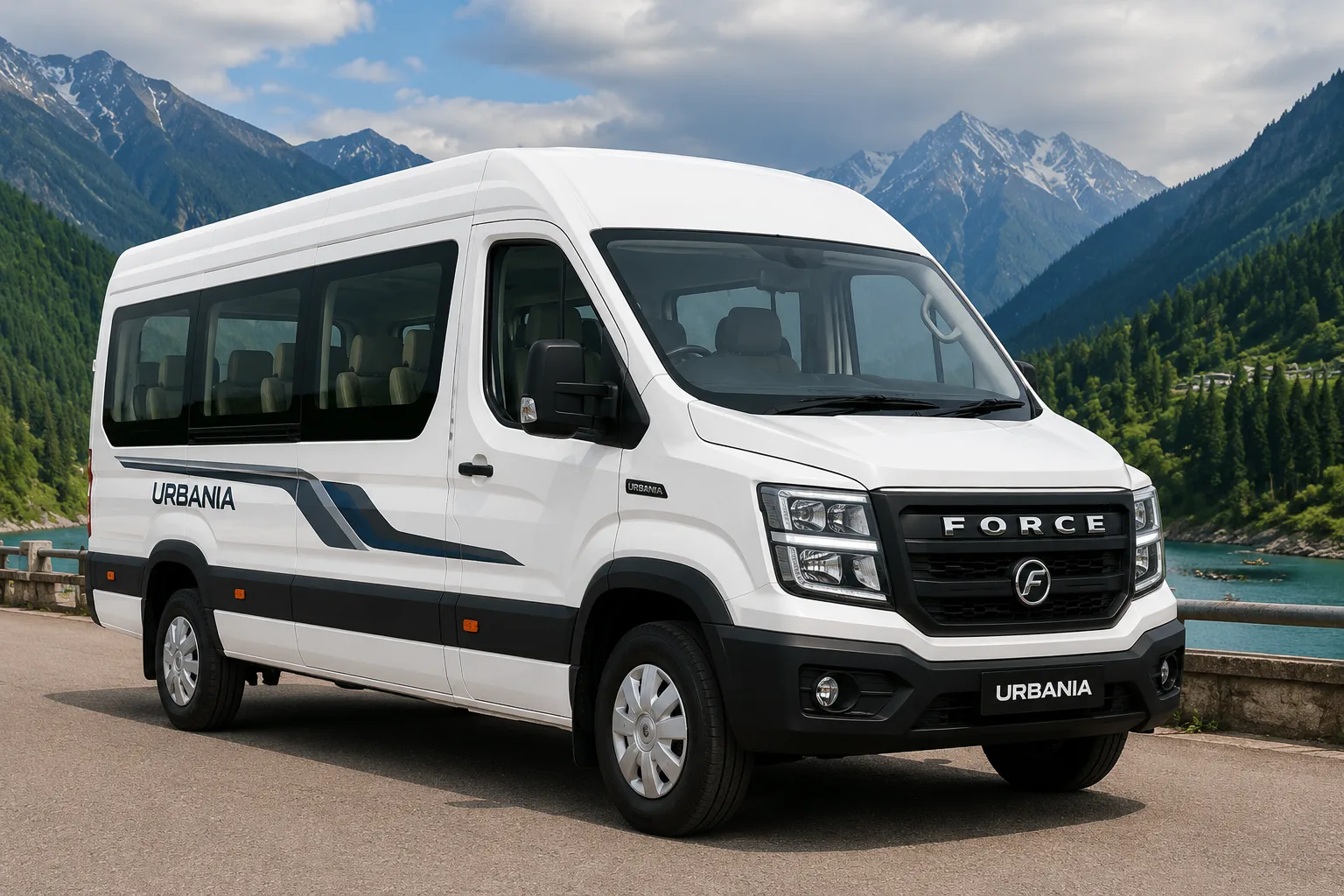
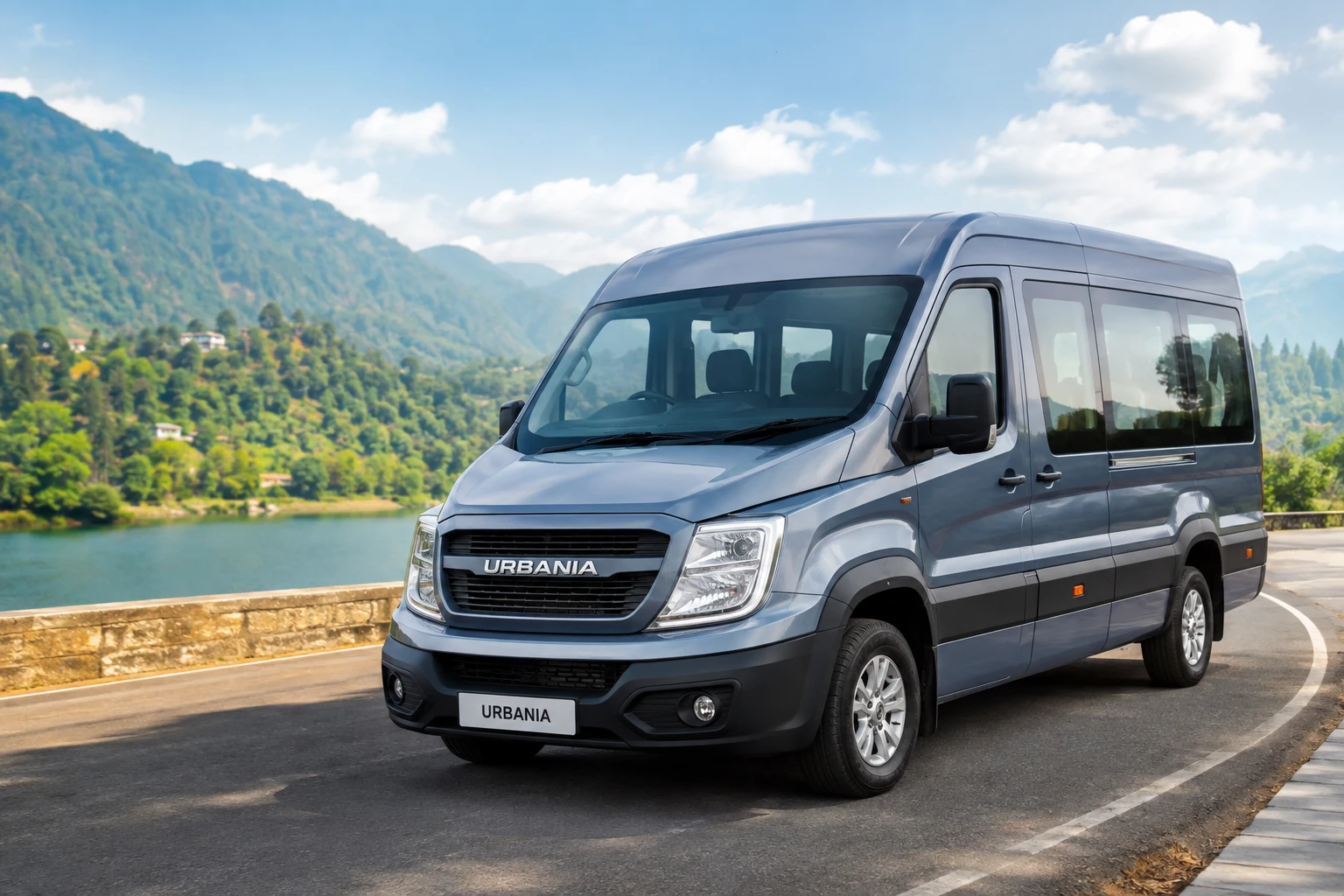
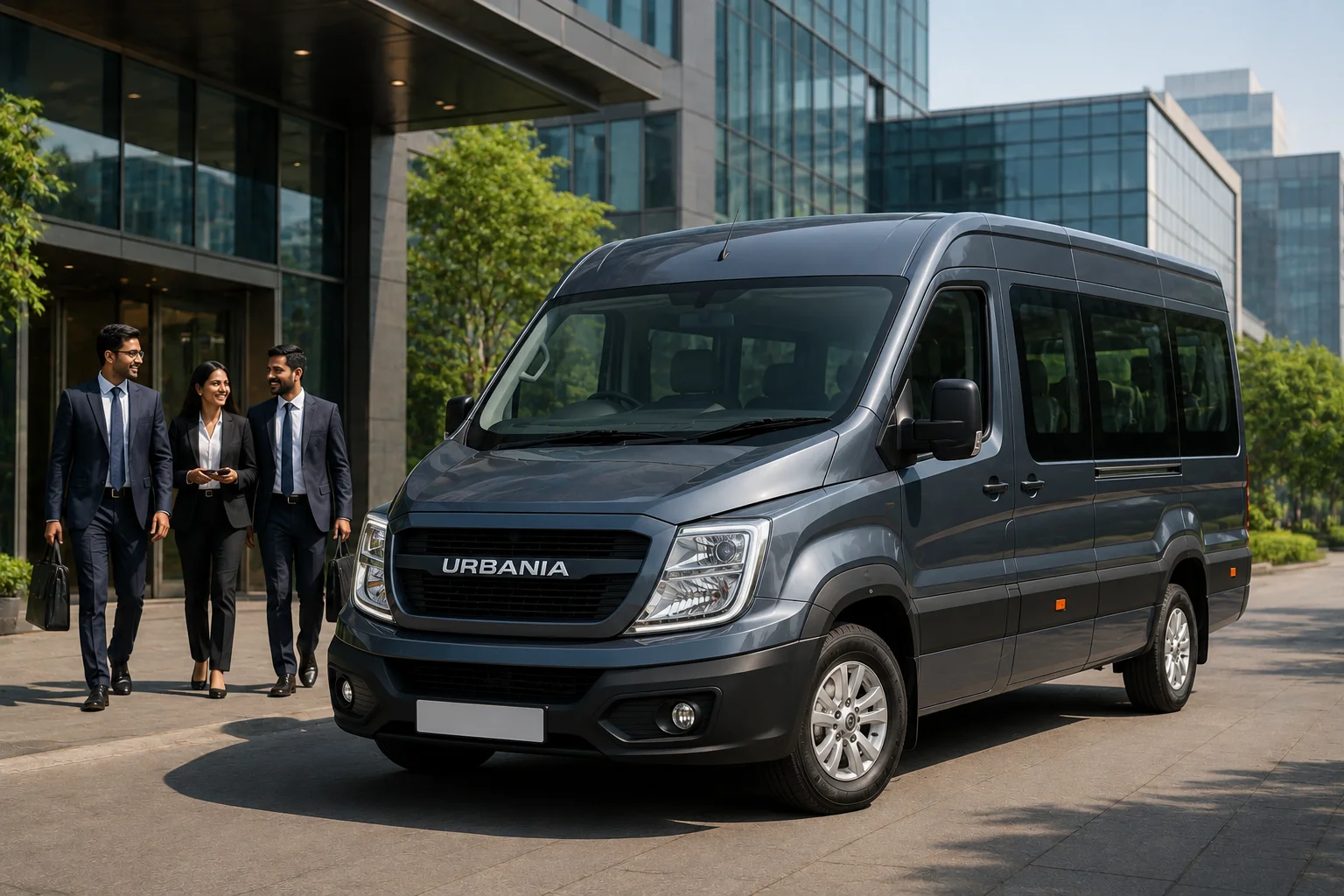
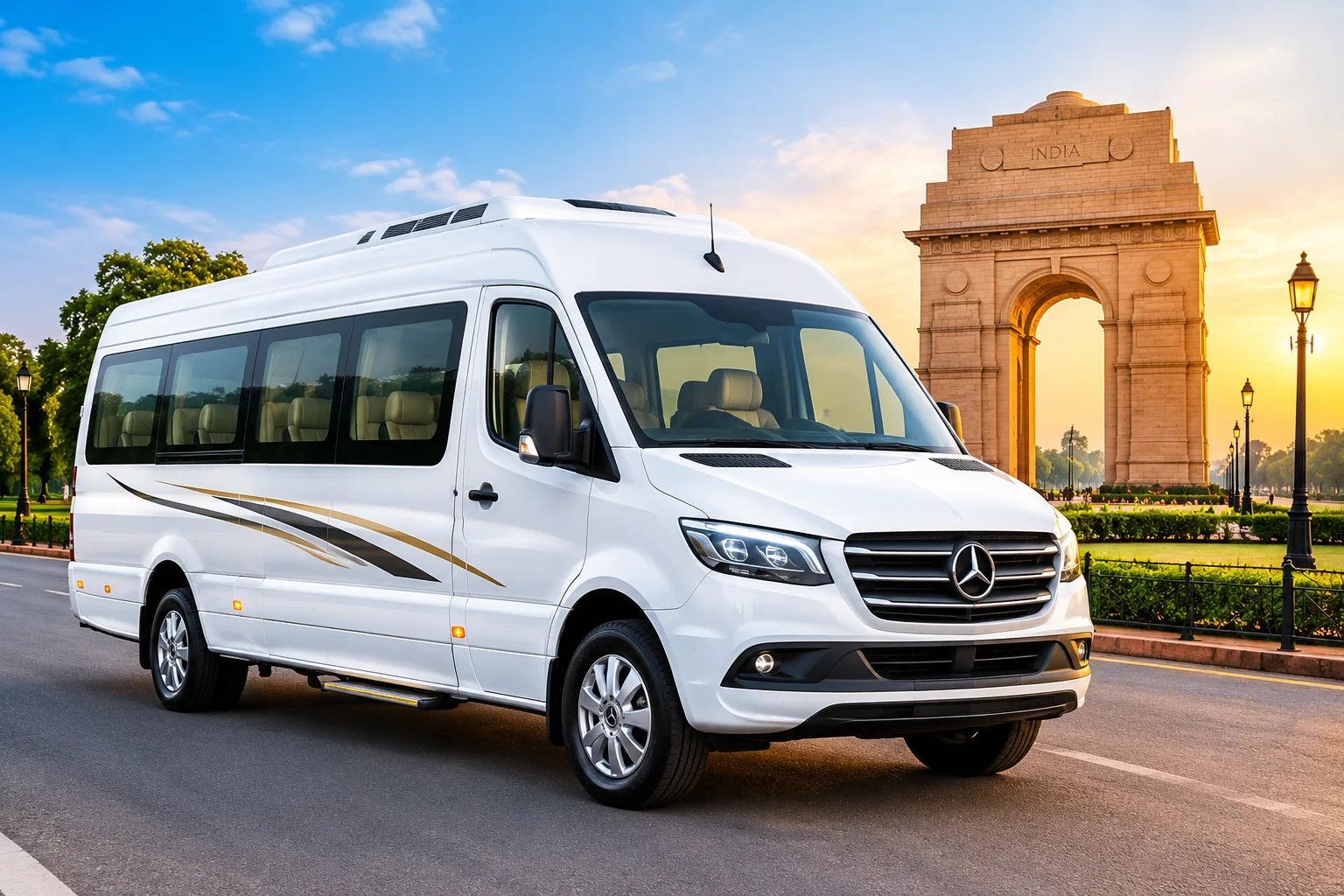
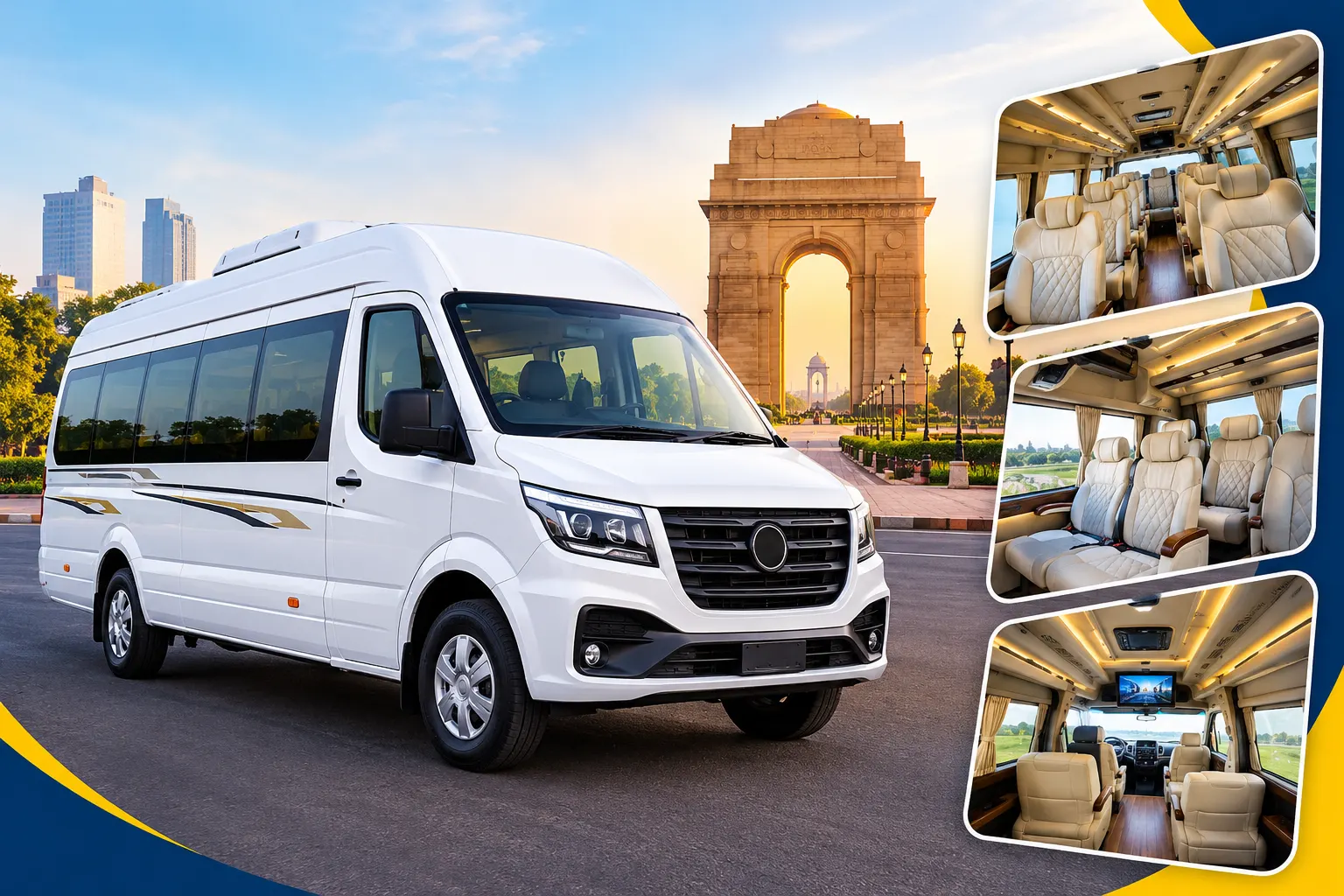
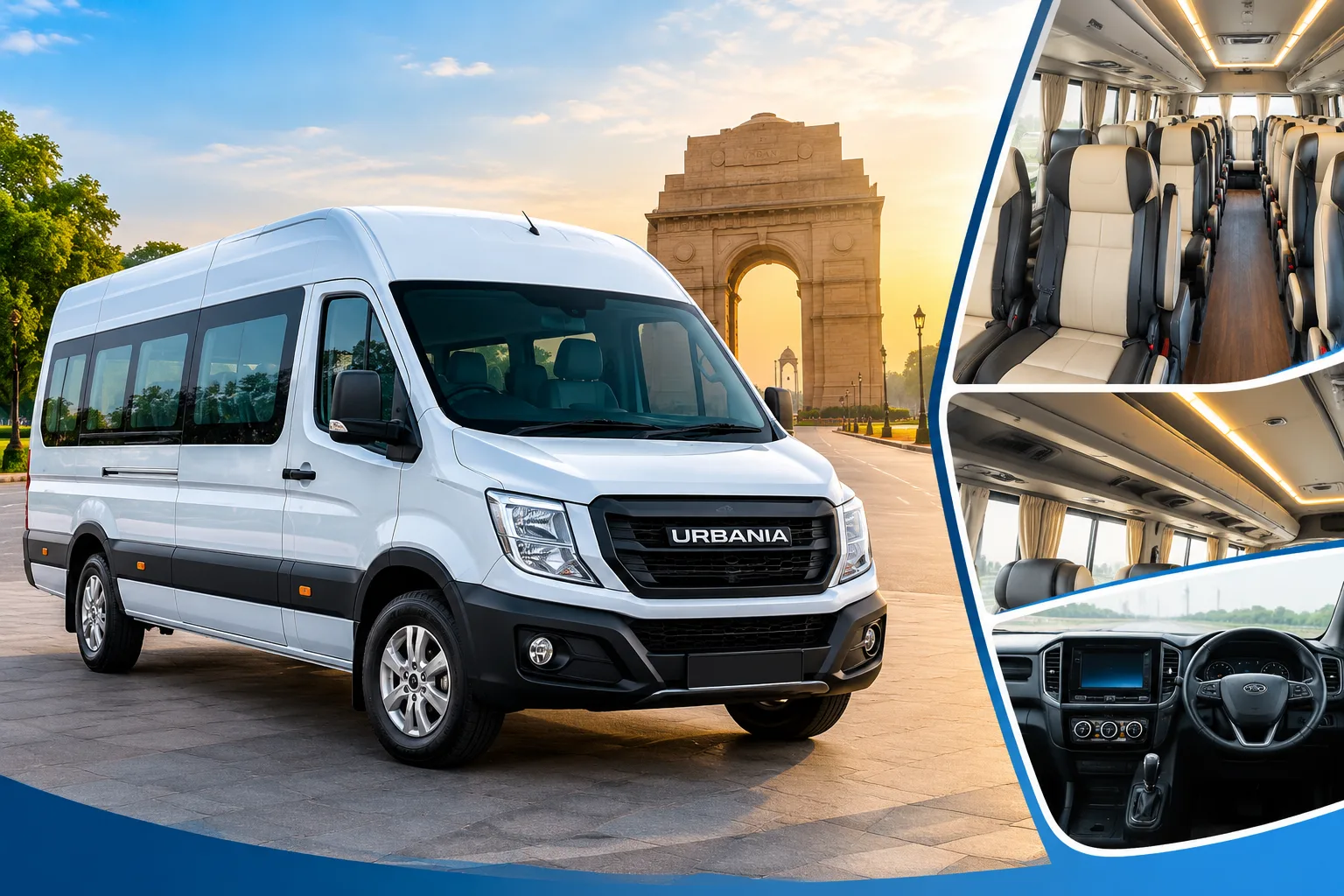
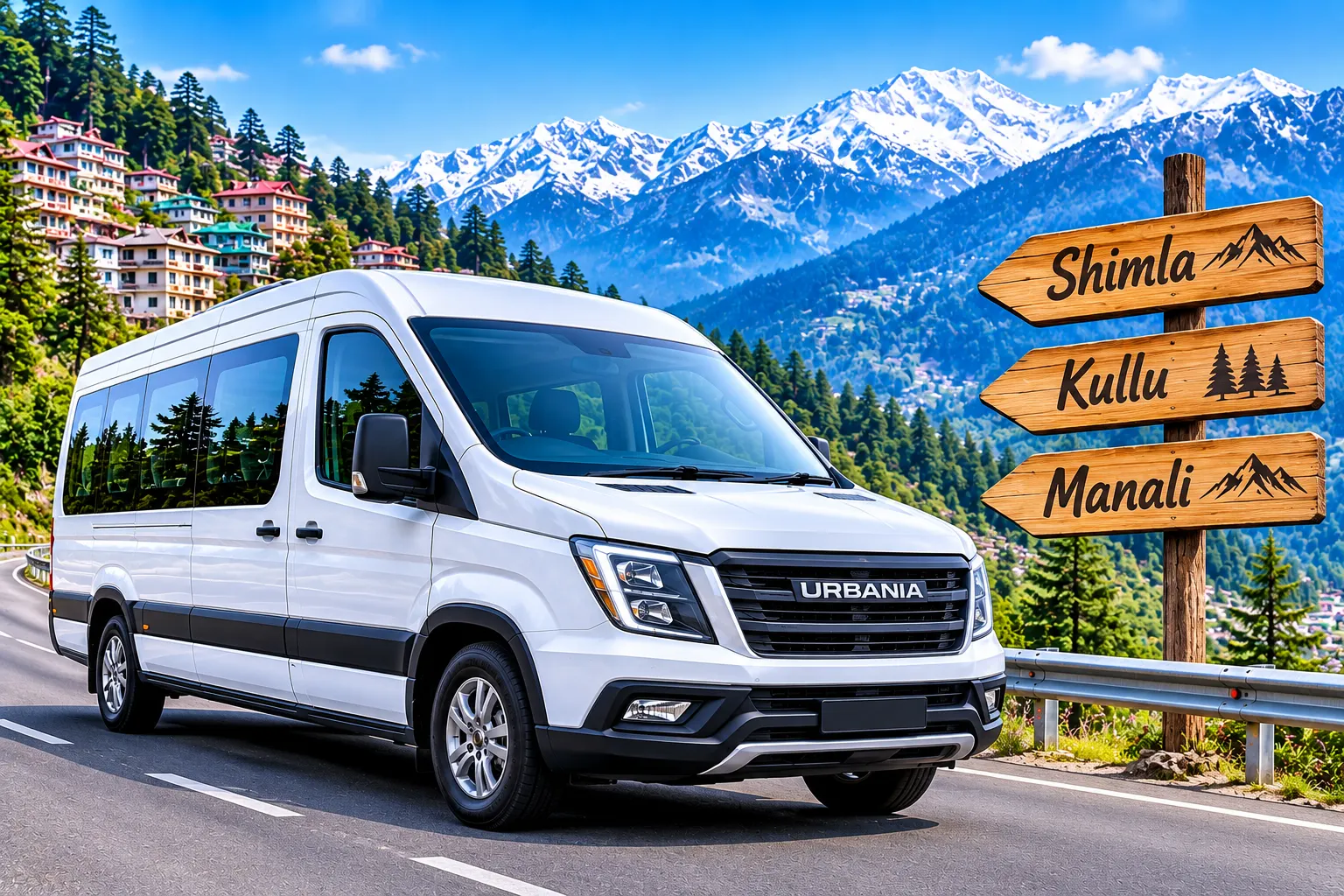
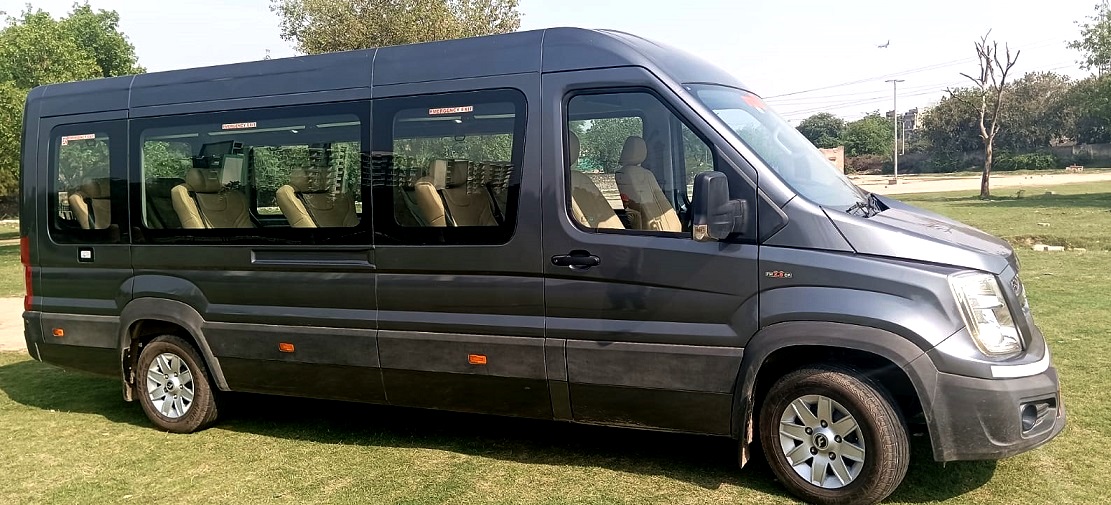
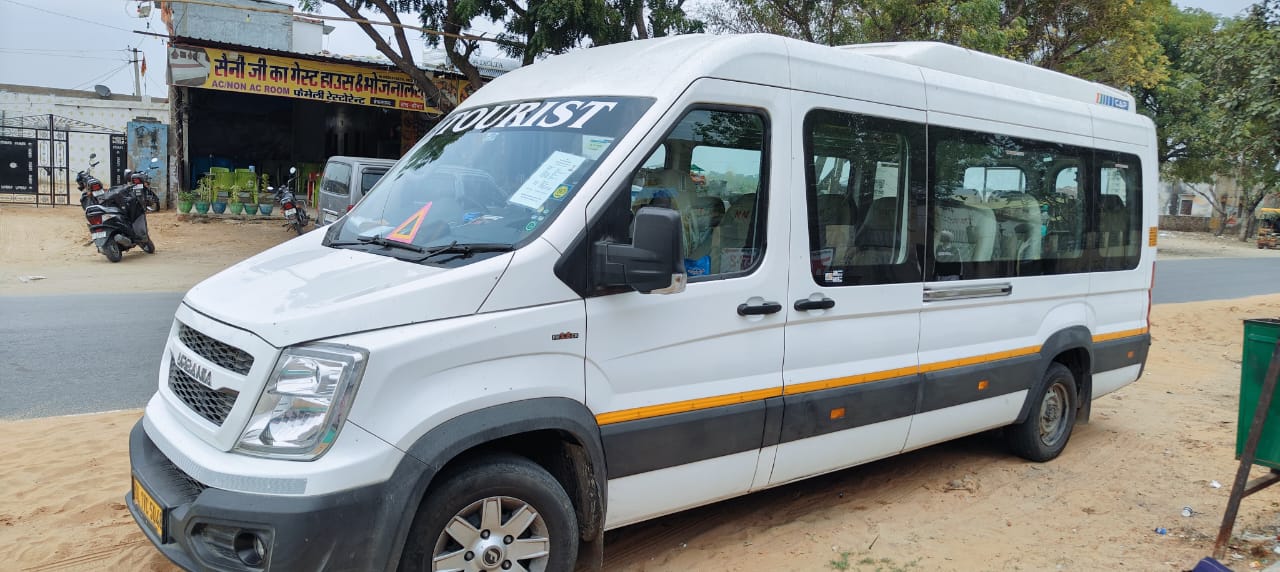
12 Seater Urbania Maharaja Tempo Traveller
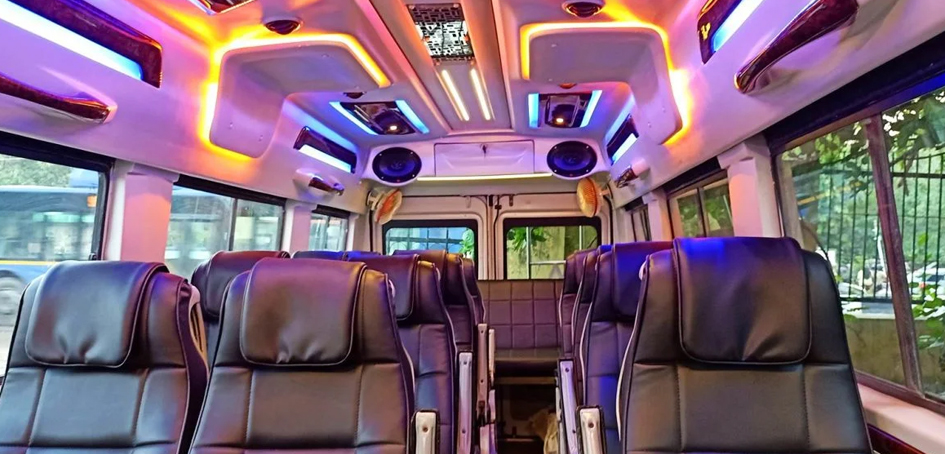
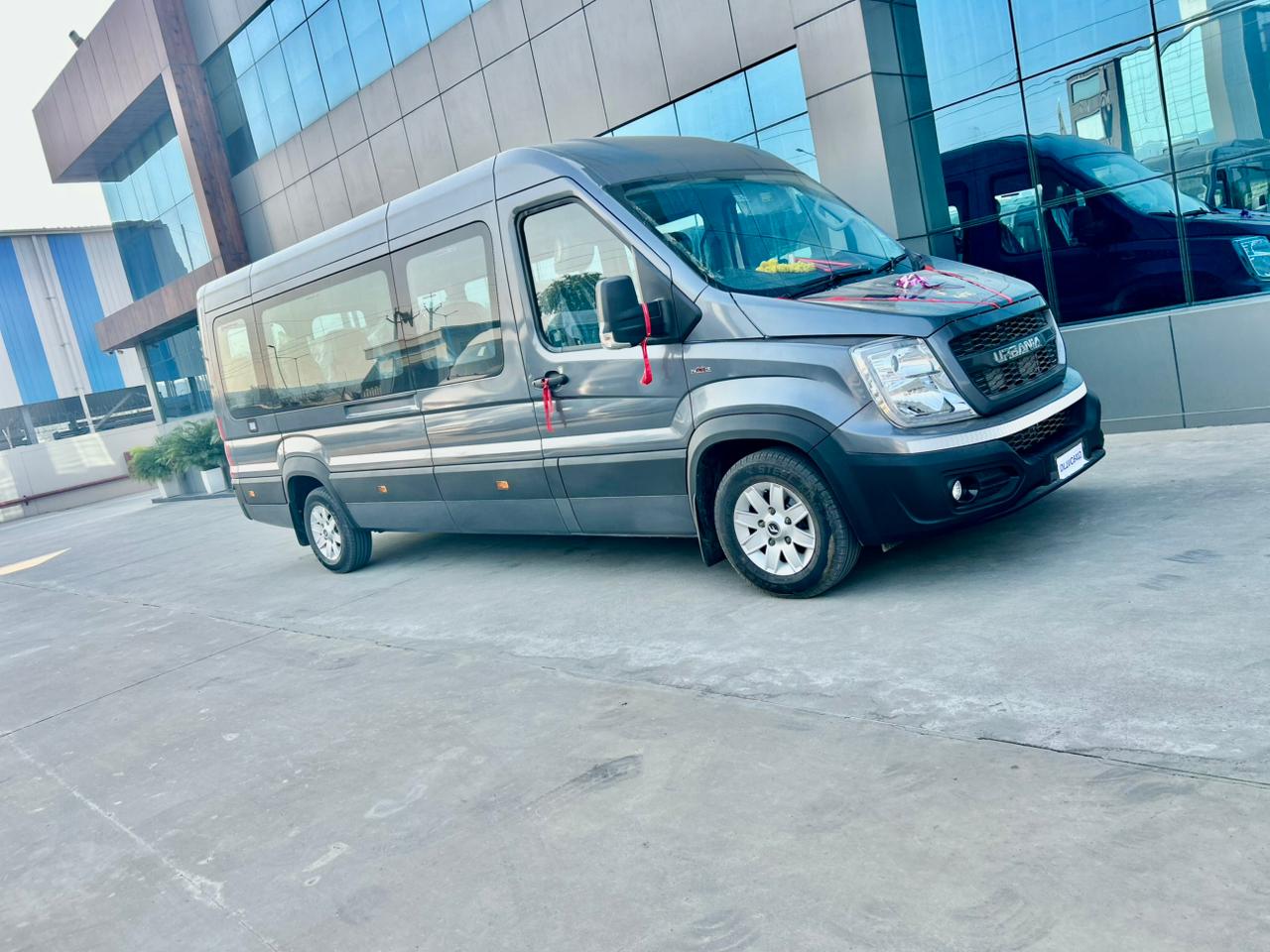
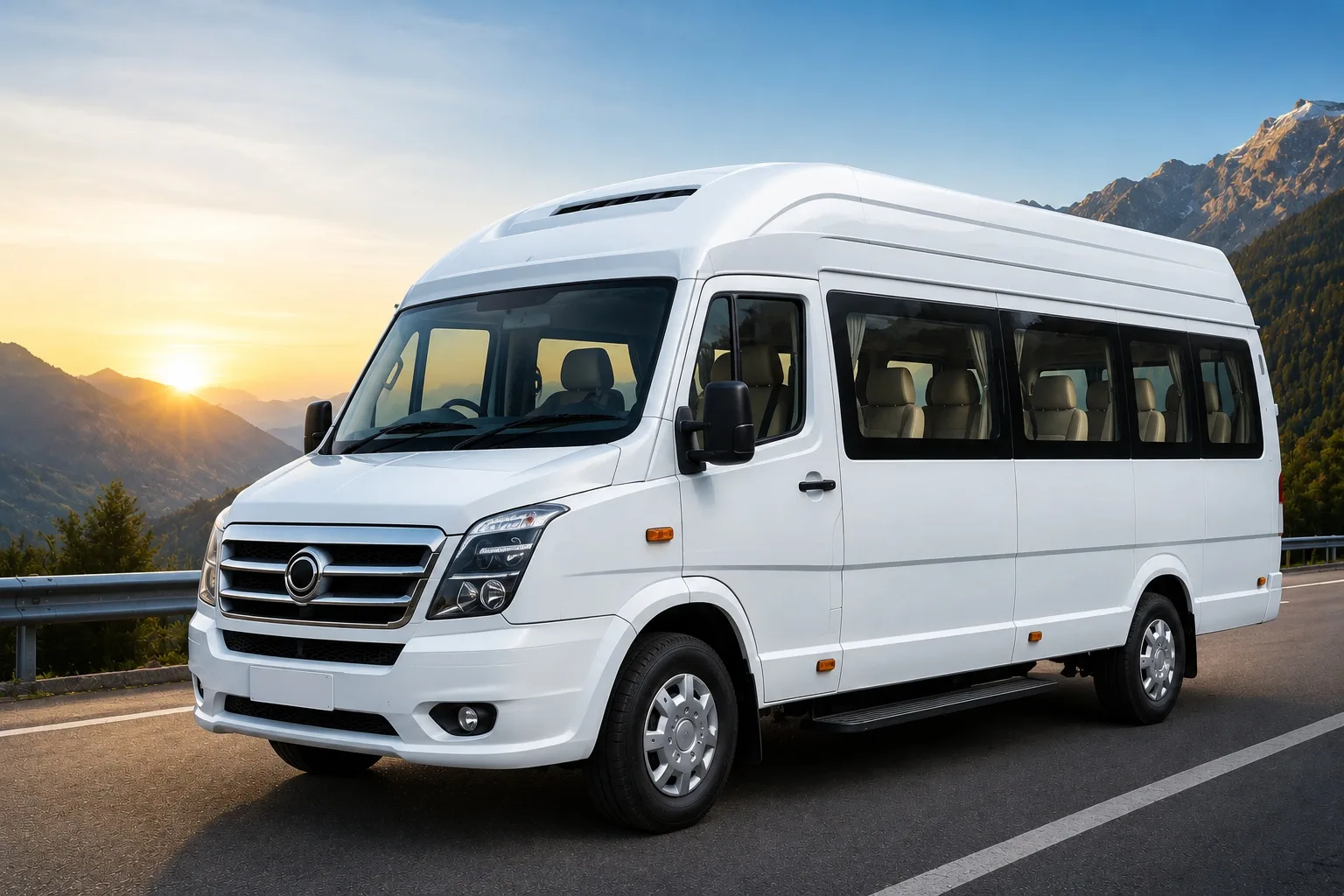
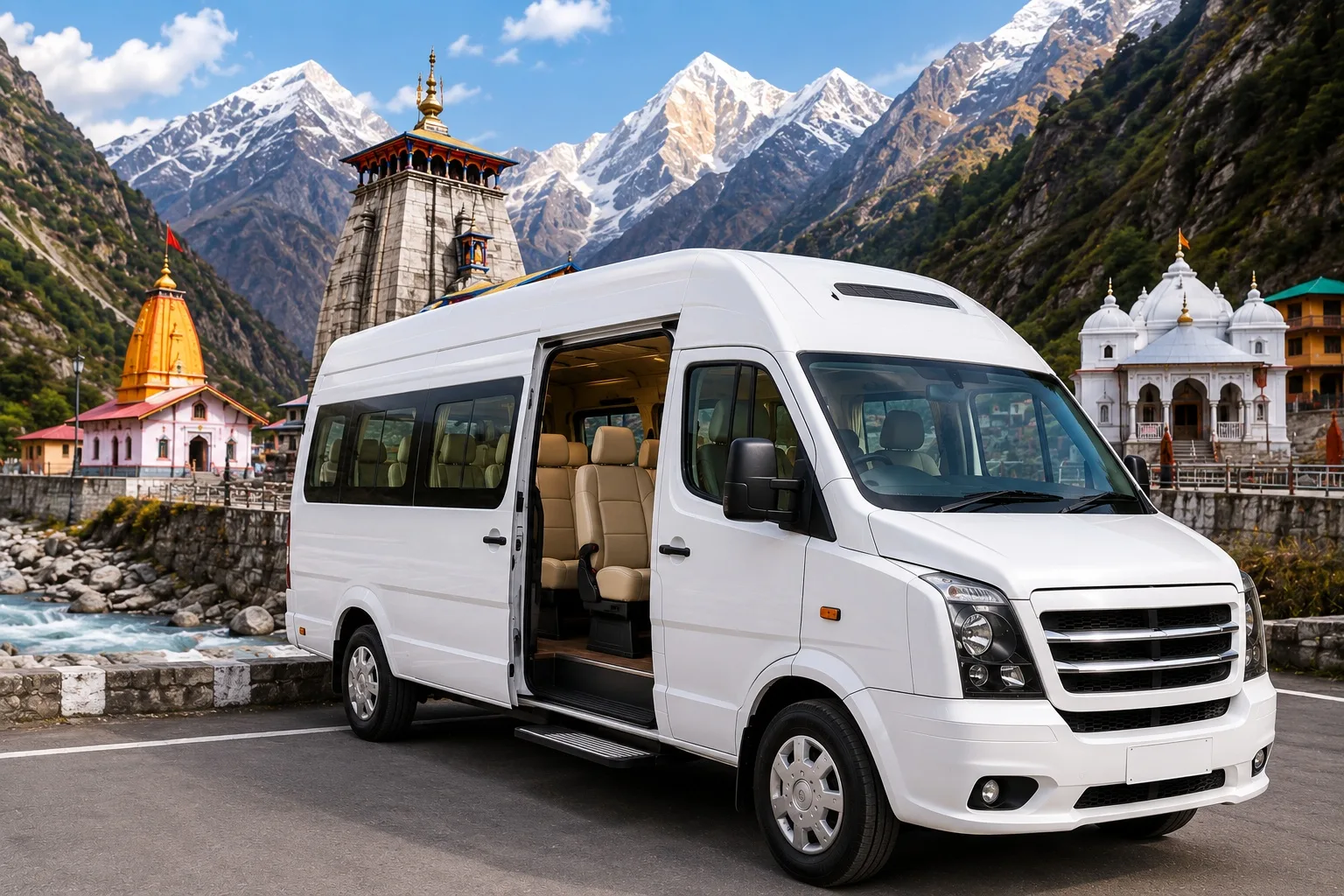
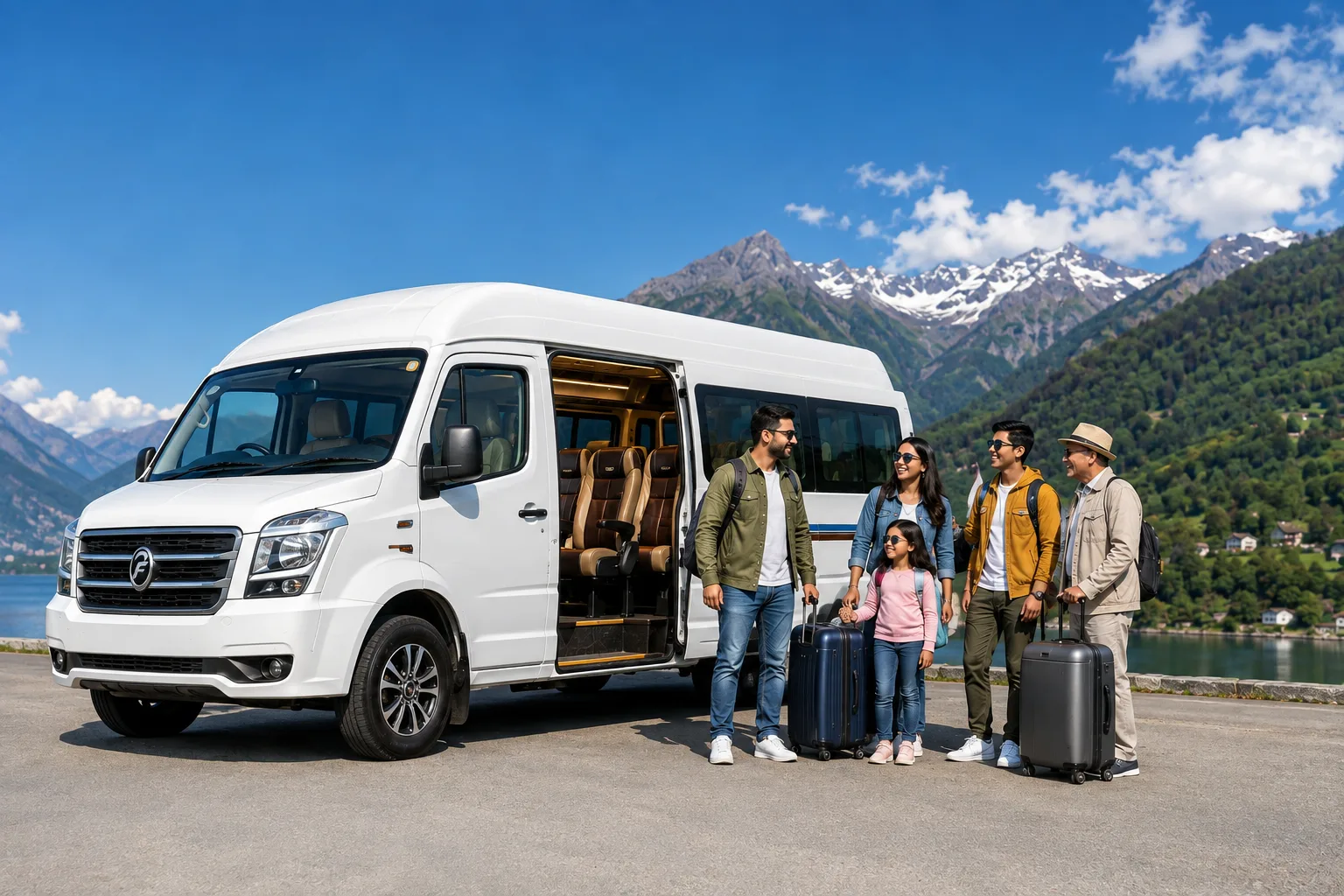
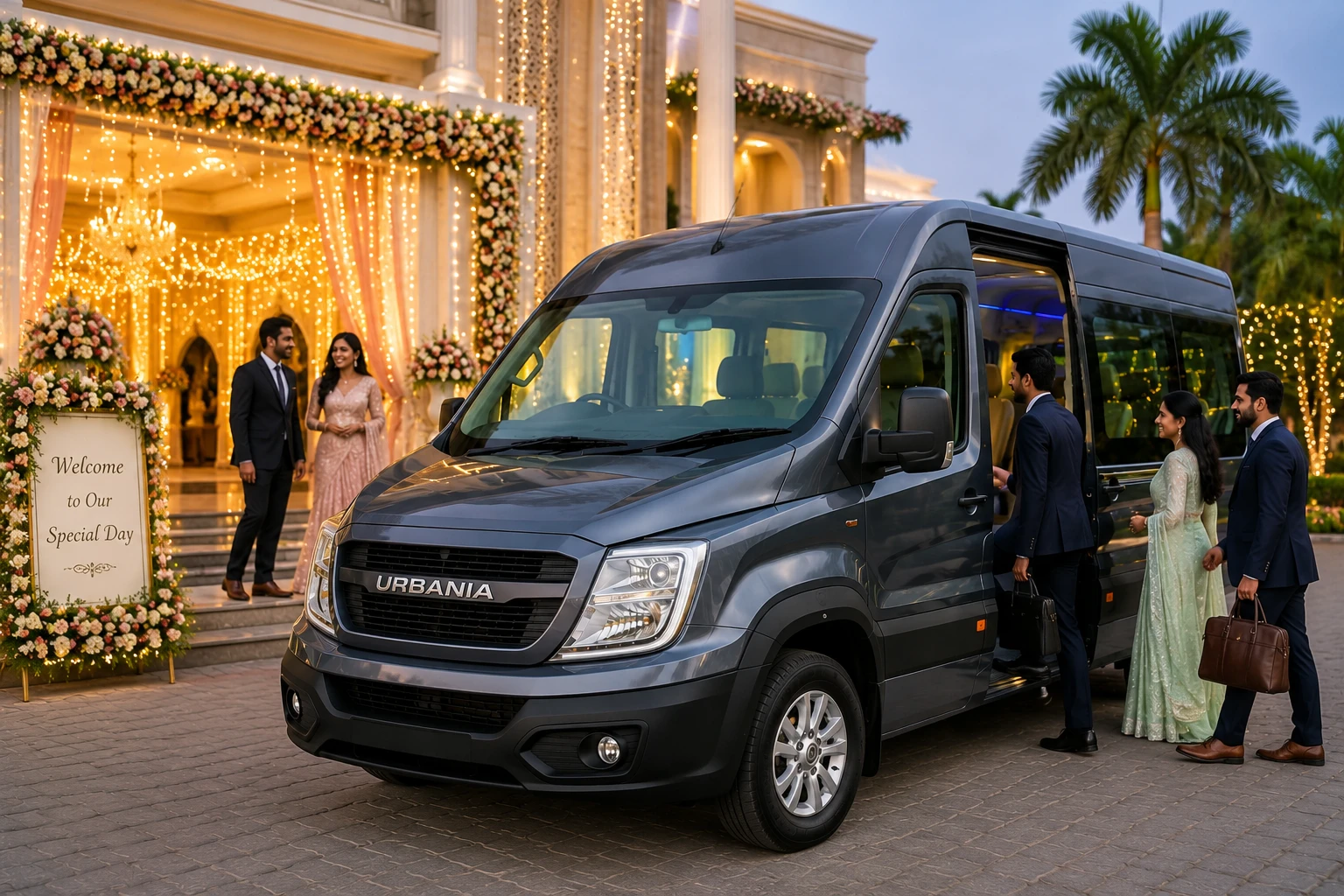
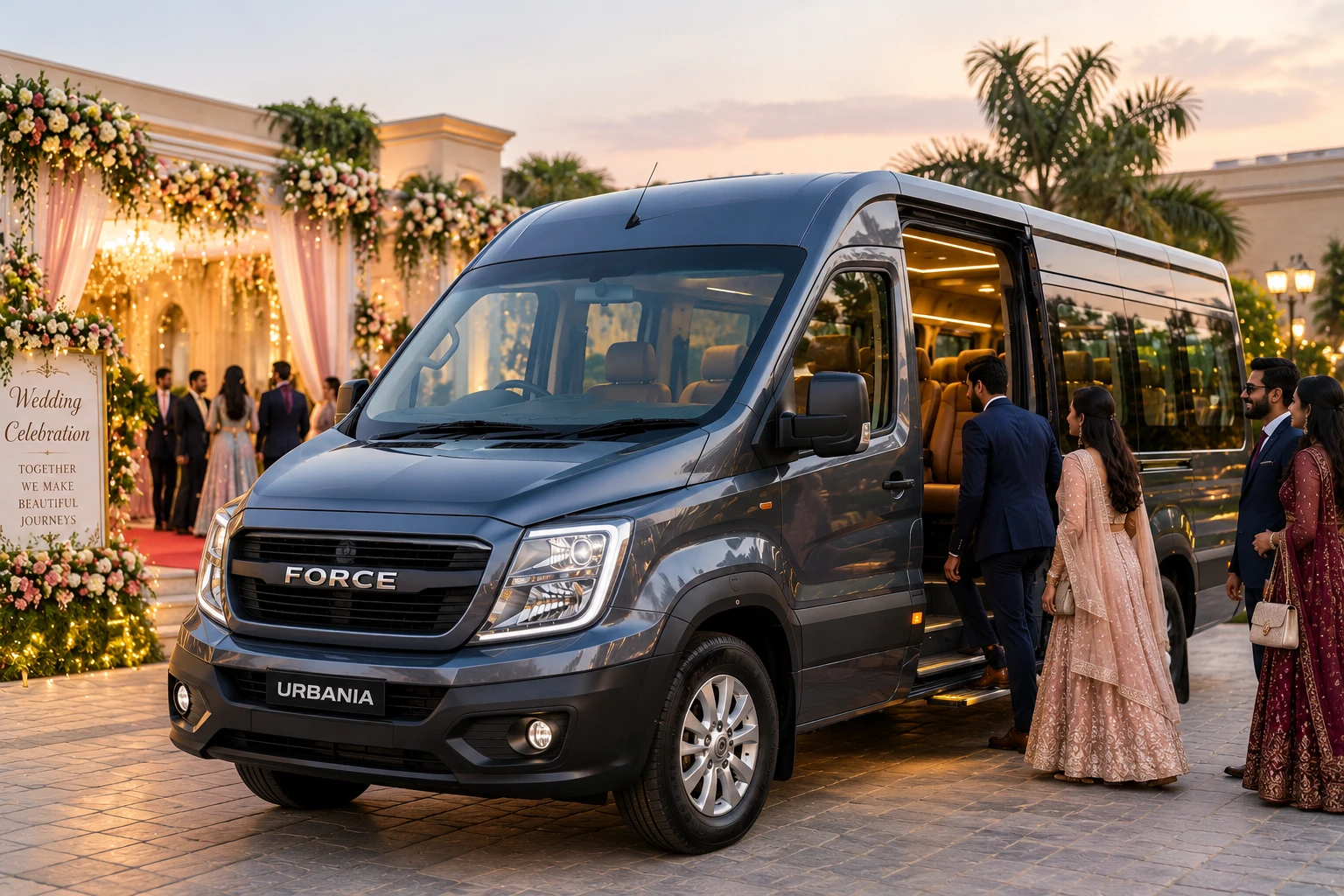
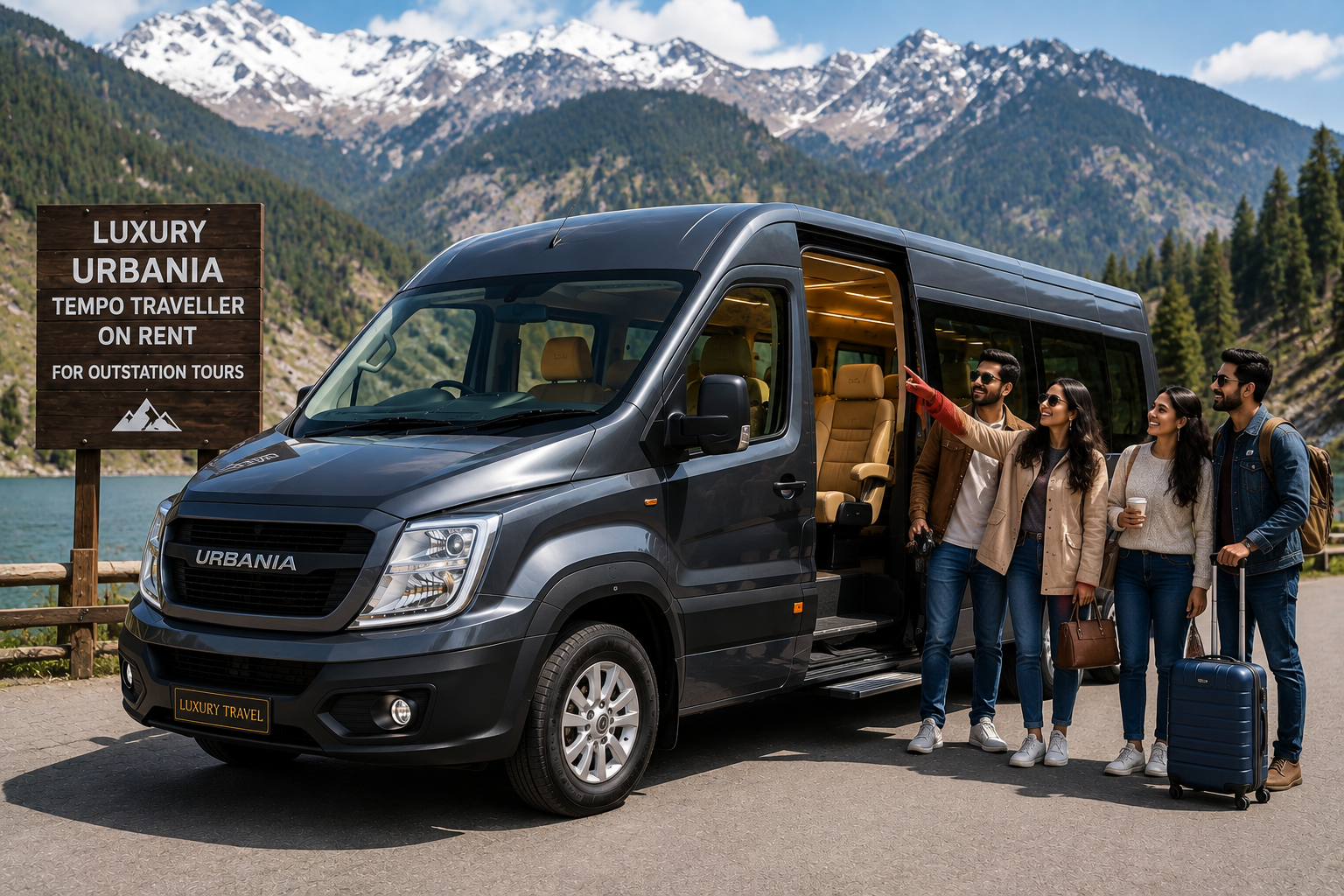
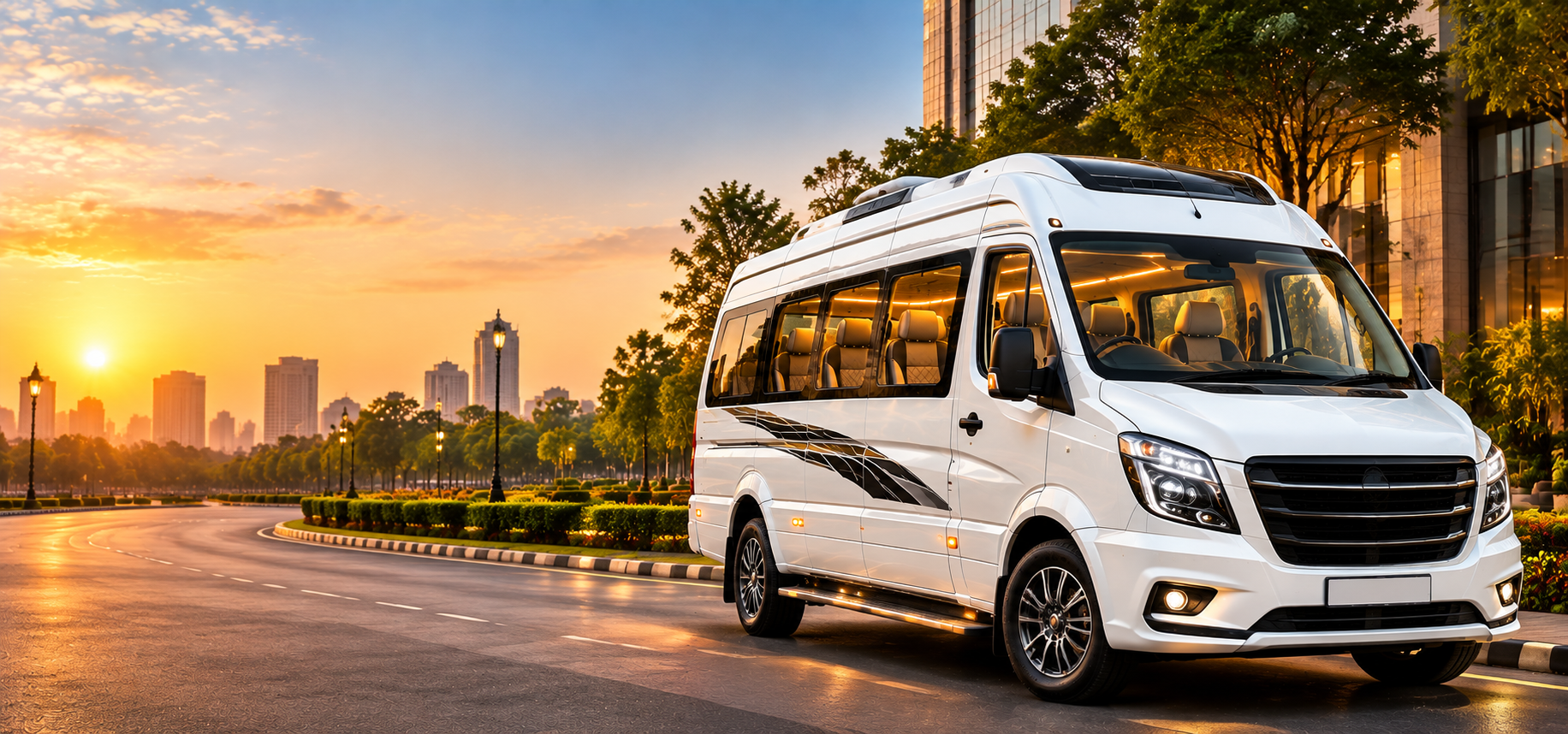
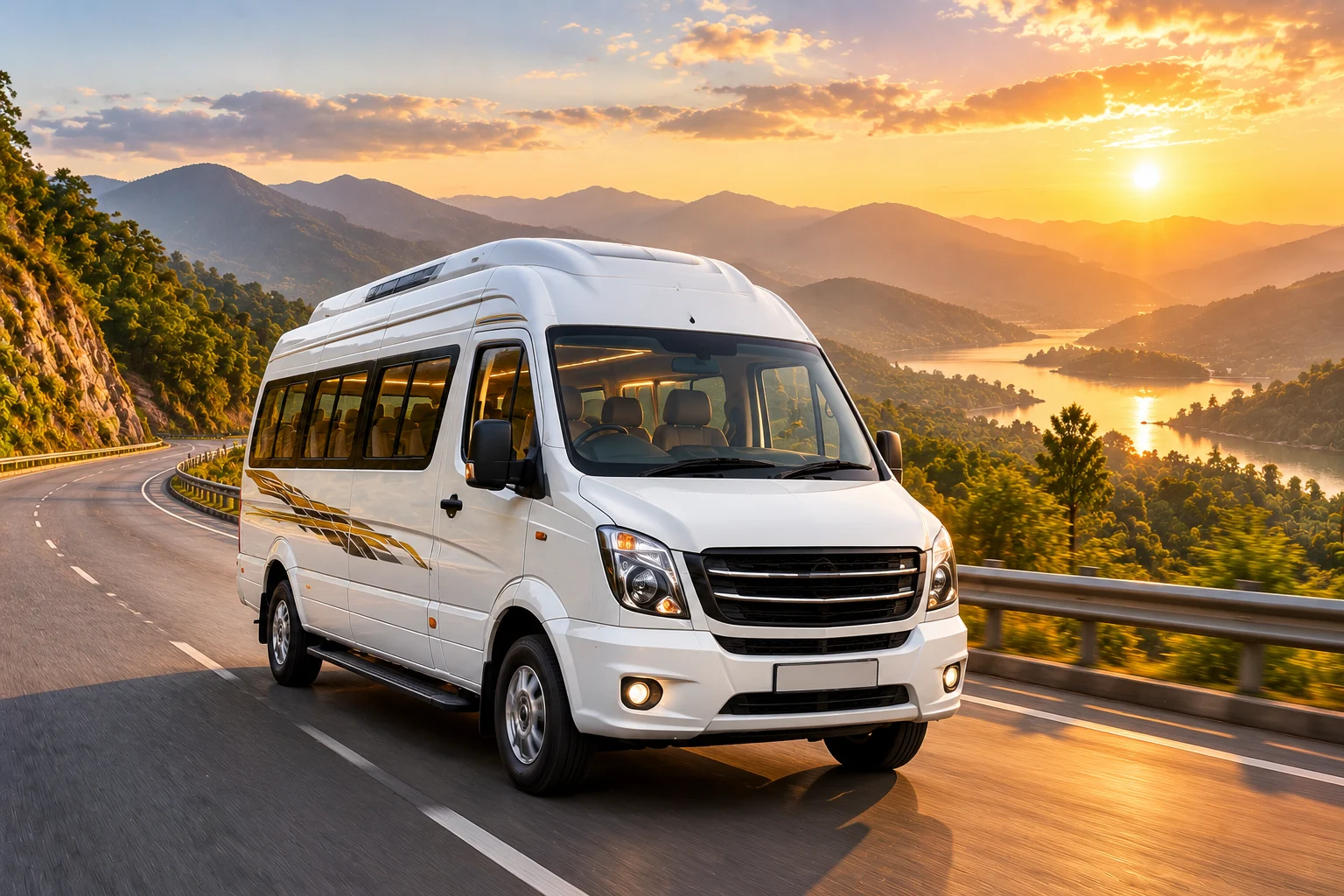
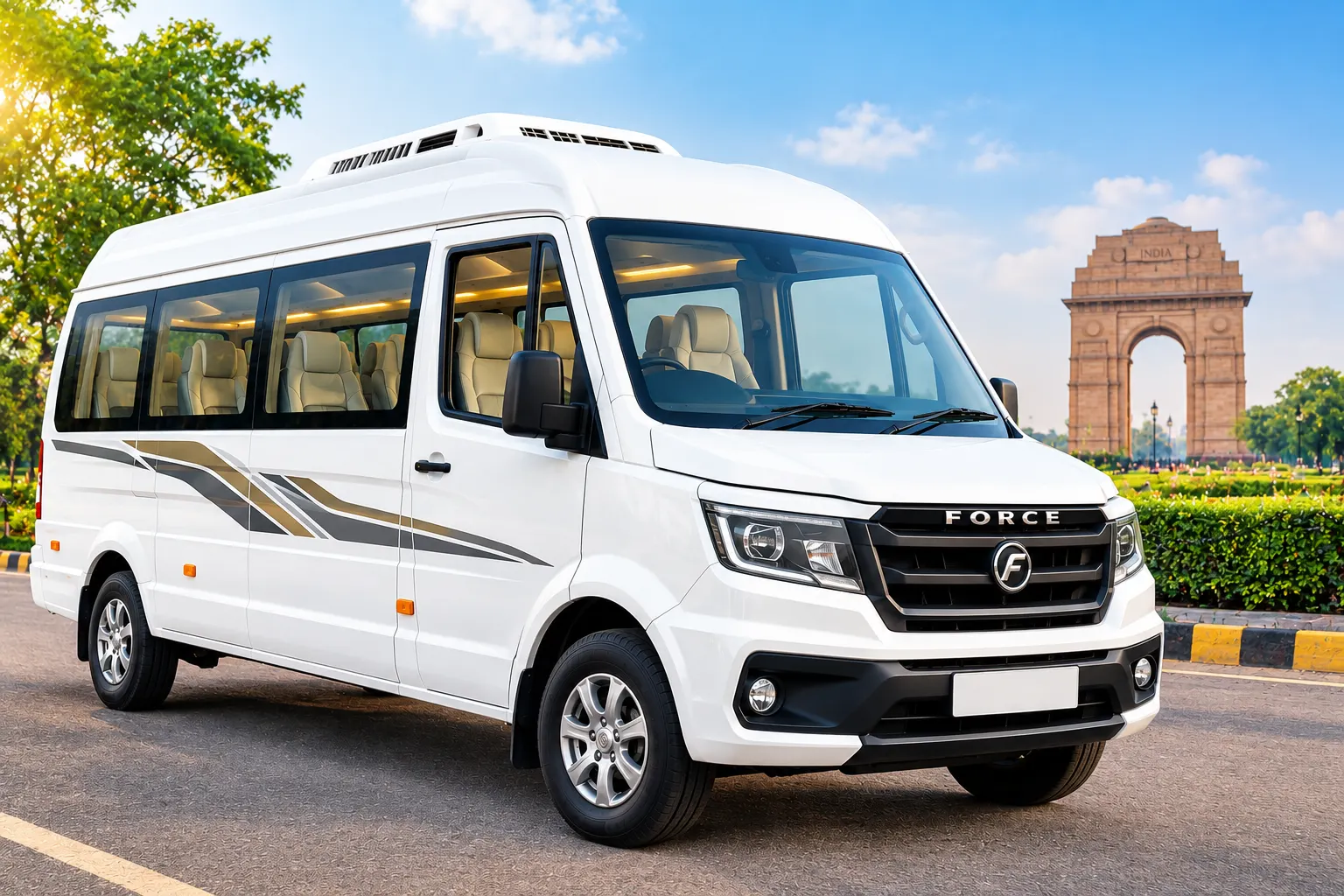
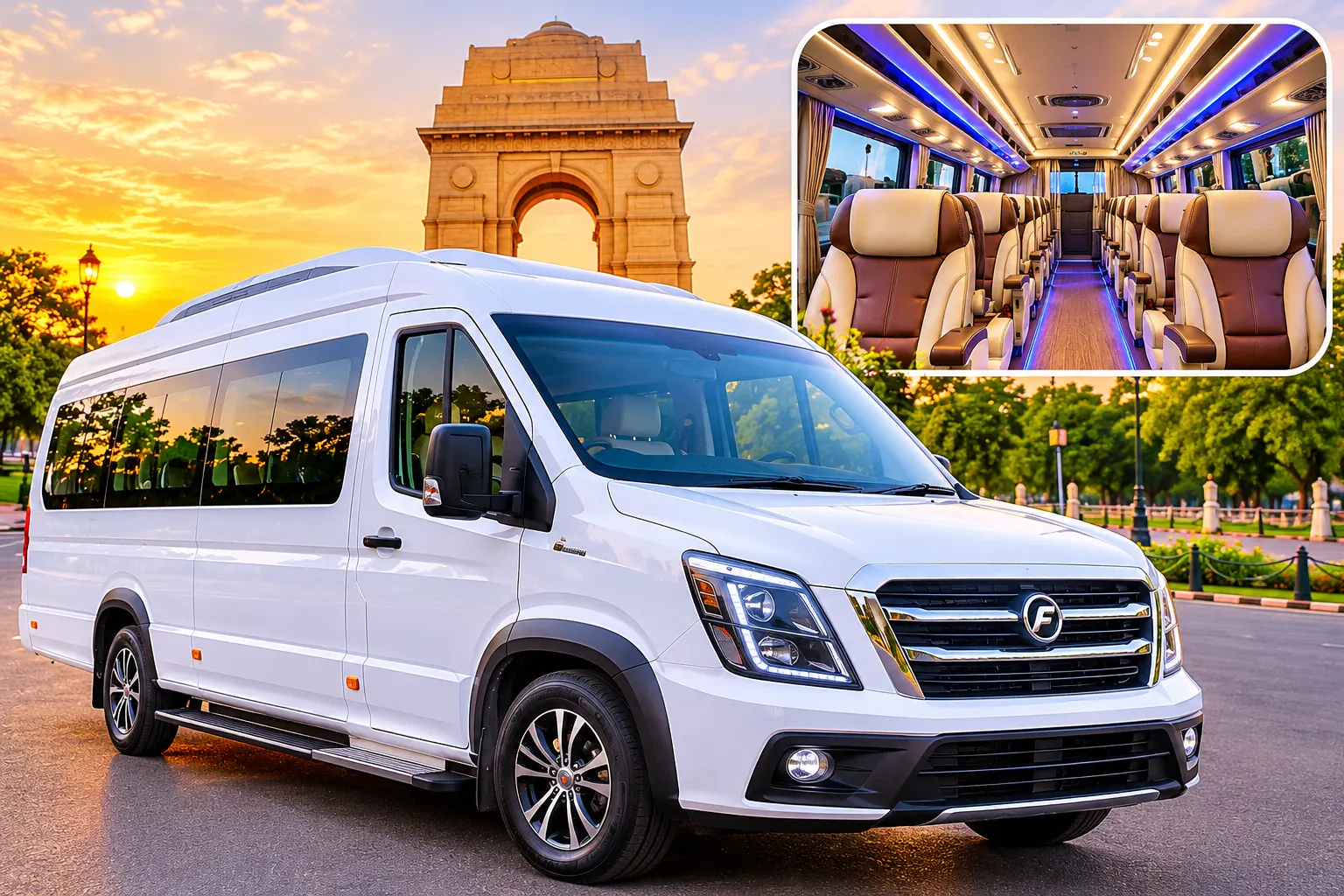
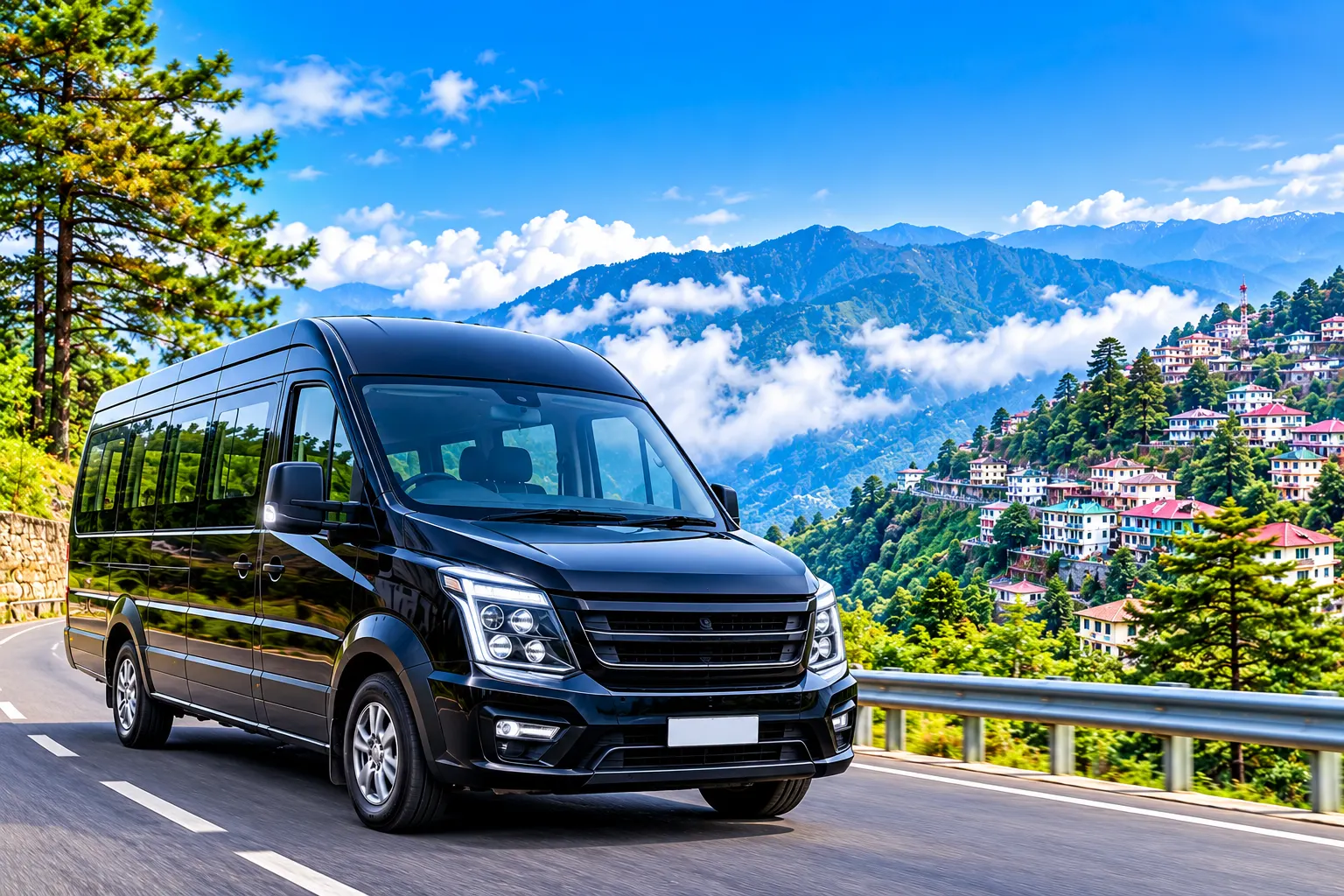
The premium option. It has a wider cabin and a smoother ride, and it suits groups that want maximum comfort on a trip with so many driving hours. Explore the 12 seater Urbania Maharaja tempo traveller.
Quick Selection Guide
Group Size
Suggested Vehicle
4–6 people
9 seater
7–10 people
12 seater
8–12 with elders
12 seater Maharaja
Comfort-first group
12 seater Urbania Maharaja
Best Time for Kedarnath Badrinath Tour from Delhi
The temples open once a year, usually between late April and May. The opening dates are announced by the temple committees according to the Hindu calendar, so check the official announcement before you fix your dates.
May–June: Best weather, but heavy crowds and higher prices. Book rooms and helicopter slots well ahead.
July–August: Monsoon. Landslides and road closures are common, so avoid this period unless you can stay flexible.
September–October: Clear skies, fewer crowds and pleasant days. Many experienced travellers prefer this window. The temples close around Diwali, so confirm the closing dates.
Registration and Documents You Need
Registration is mandatory for the Char Dham and Do Dham yatras. It is done online through the official Uttarakhand tourism registration portal and is also available at authorised counters on the route. Keep these ready:
Aadhaar card or another valid photo ID for every traveller
Mobile number linked to the registration
A printed or saved copy of the registration slip
Medical fitness details for senior citizens
A good operator will guide you through this, but verify details on the official portal yourself. Rules and procedures change from year to year.
Practical Tips From the Road
These are the small things that matter on a 1,300 km mountain trip.
Start early every day. Leave by 5:30 or 6:00 AM. Mountain roads get busier and weather turns by afternoon.
Pack for four seasons. Daytime can feel warm in Haridwar while Kedarnath and Badrinath drop to single digits, even in summer. Carry thermals, a windcheater, a raincoat, woollen caps and gloves.
Carry essential medicines. Include motion-sickness tablets, pain relief, glucose and your regular prescriptions. Altitude and long drives can affect elders.
Take it slow at altitude. Drink plenty of water, avoid heavy meals on arrival and rest properly. If anyone feels dizzy or breathless, tell your driver and coordinator at once.
Keep cash handy. ATMs and network coverage are patchy beyond Guptkashi, and pony and food stalls on the trek usually prefer cash.
Check the weather and road status the evening before each leg. A flexible attitude saves more trips than any gadget.
Book Kedarnath helicopter tickets early if you plan to use them, and only through the official portal.
Why Book Your Do Dham Yatra with SS Rana Tour?
Choosing the operator matters as much as choosing the route. With SS Rana Tour you get:
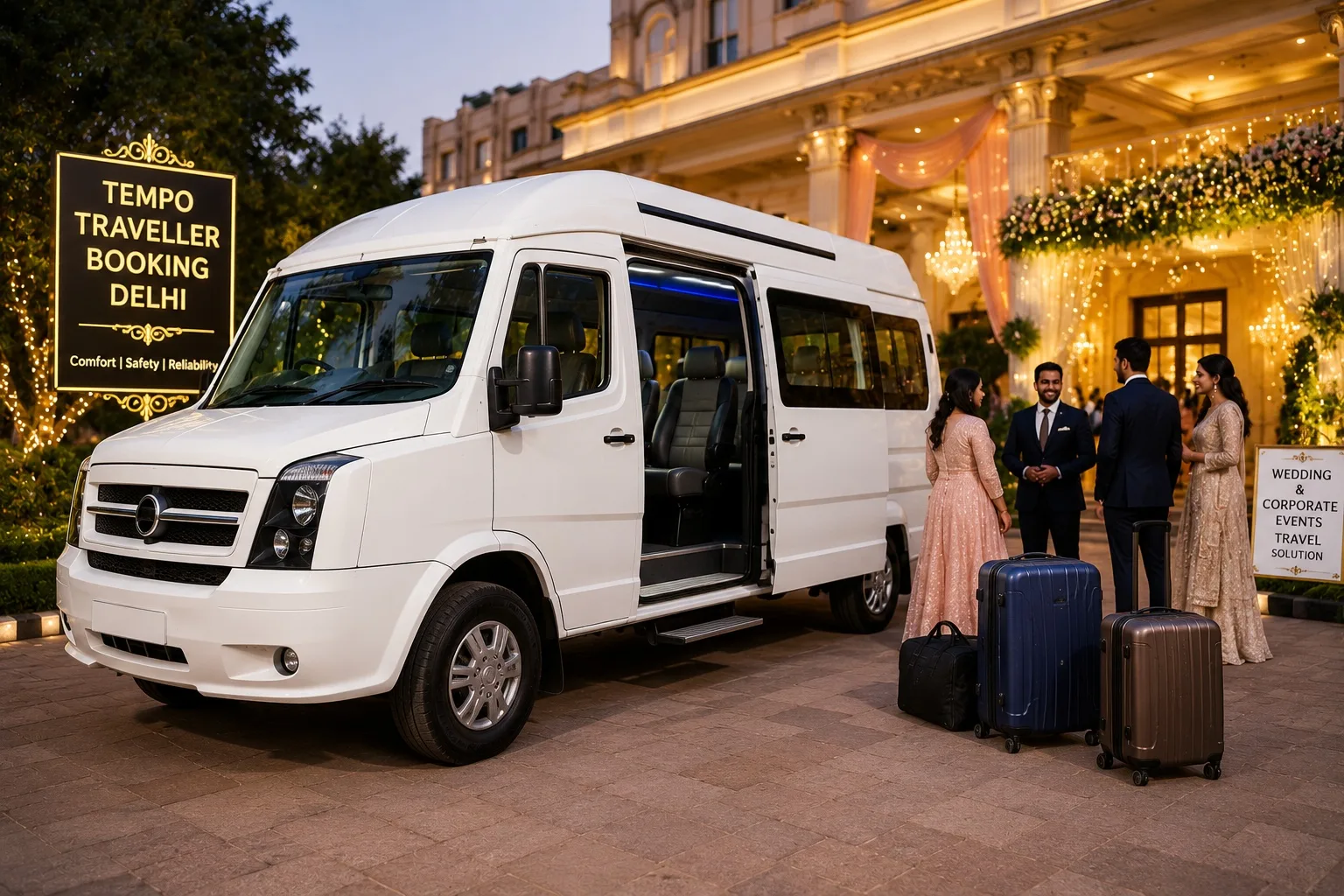
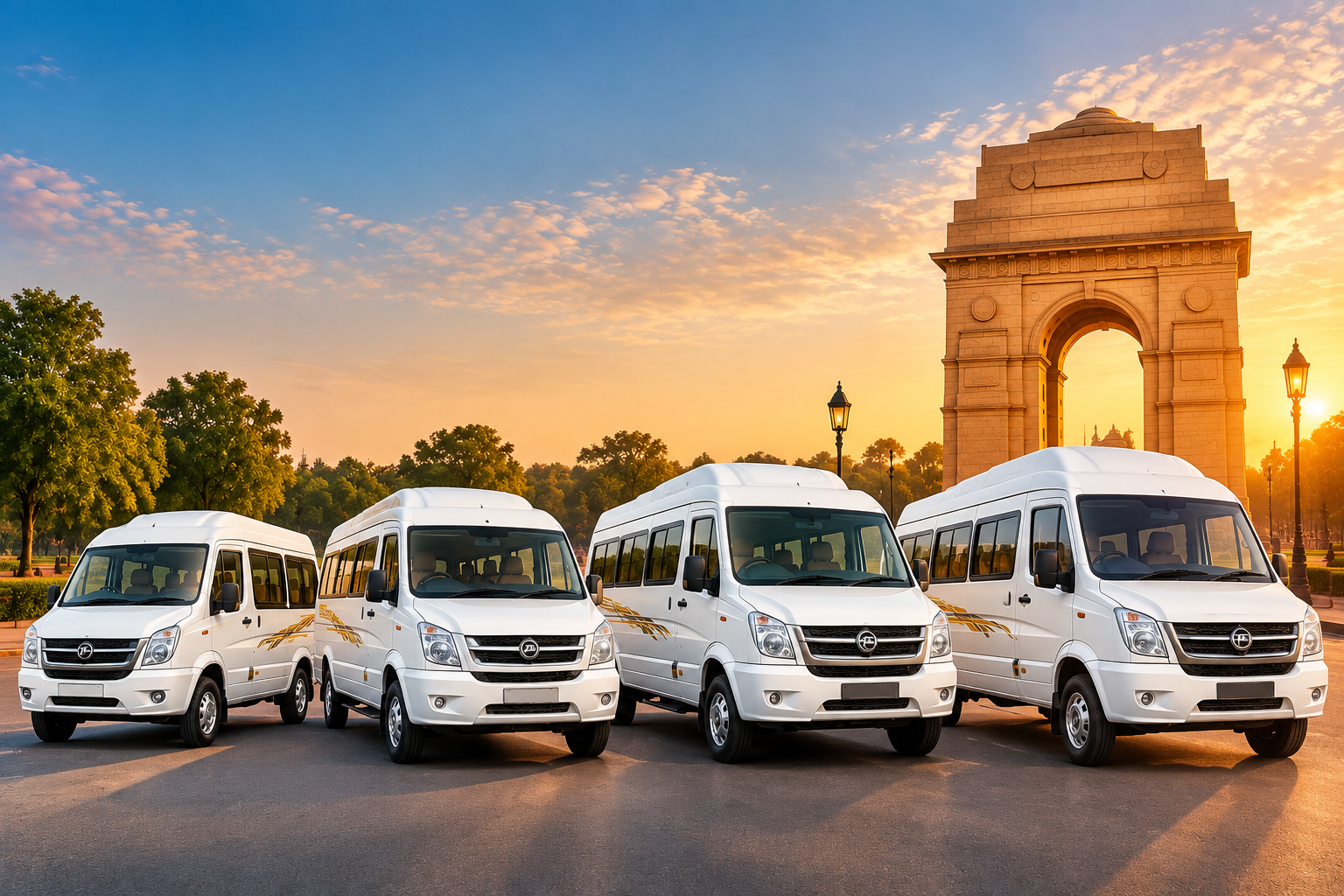
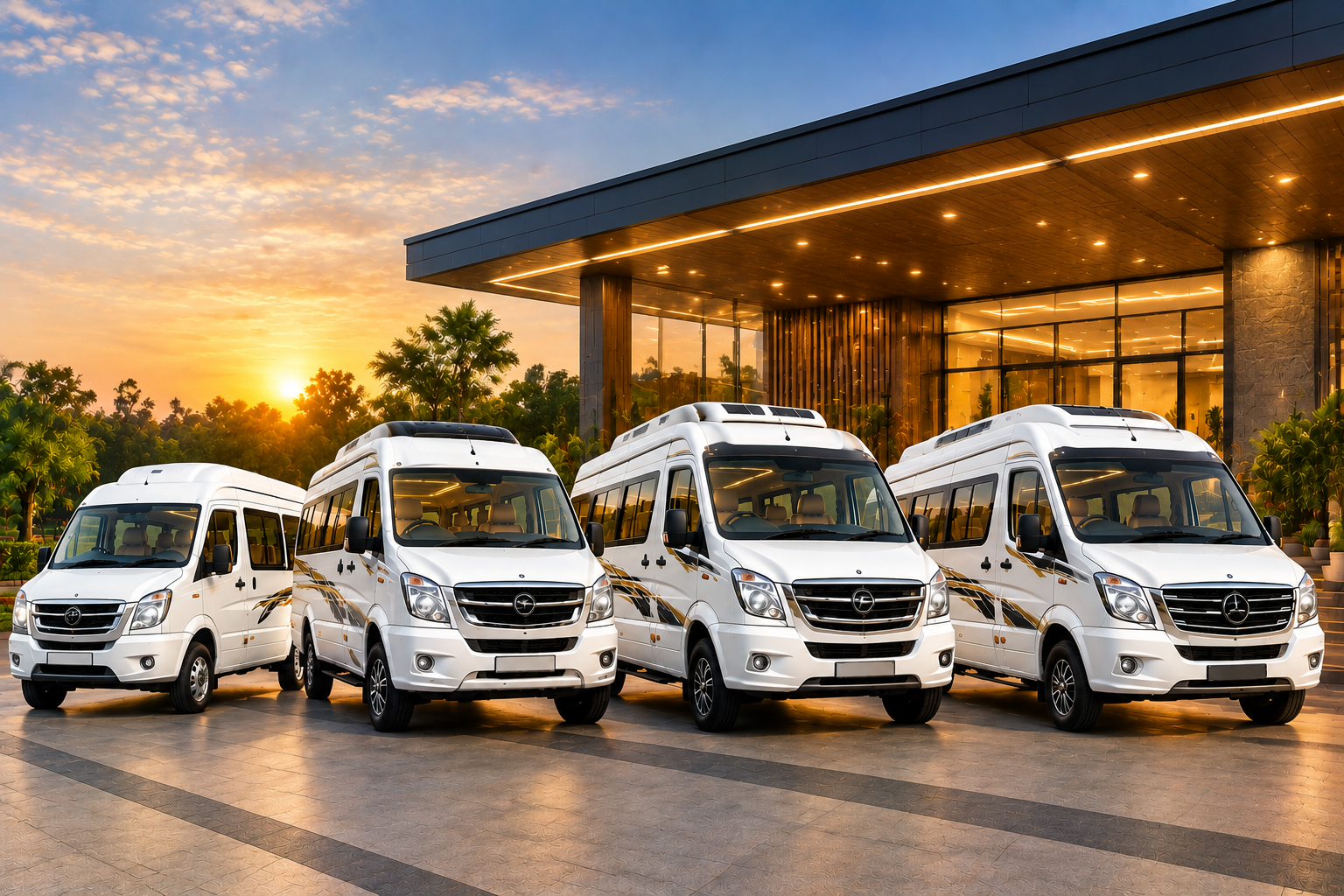
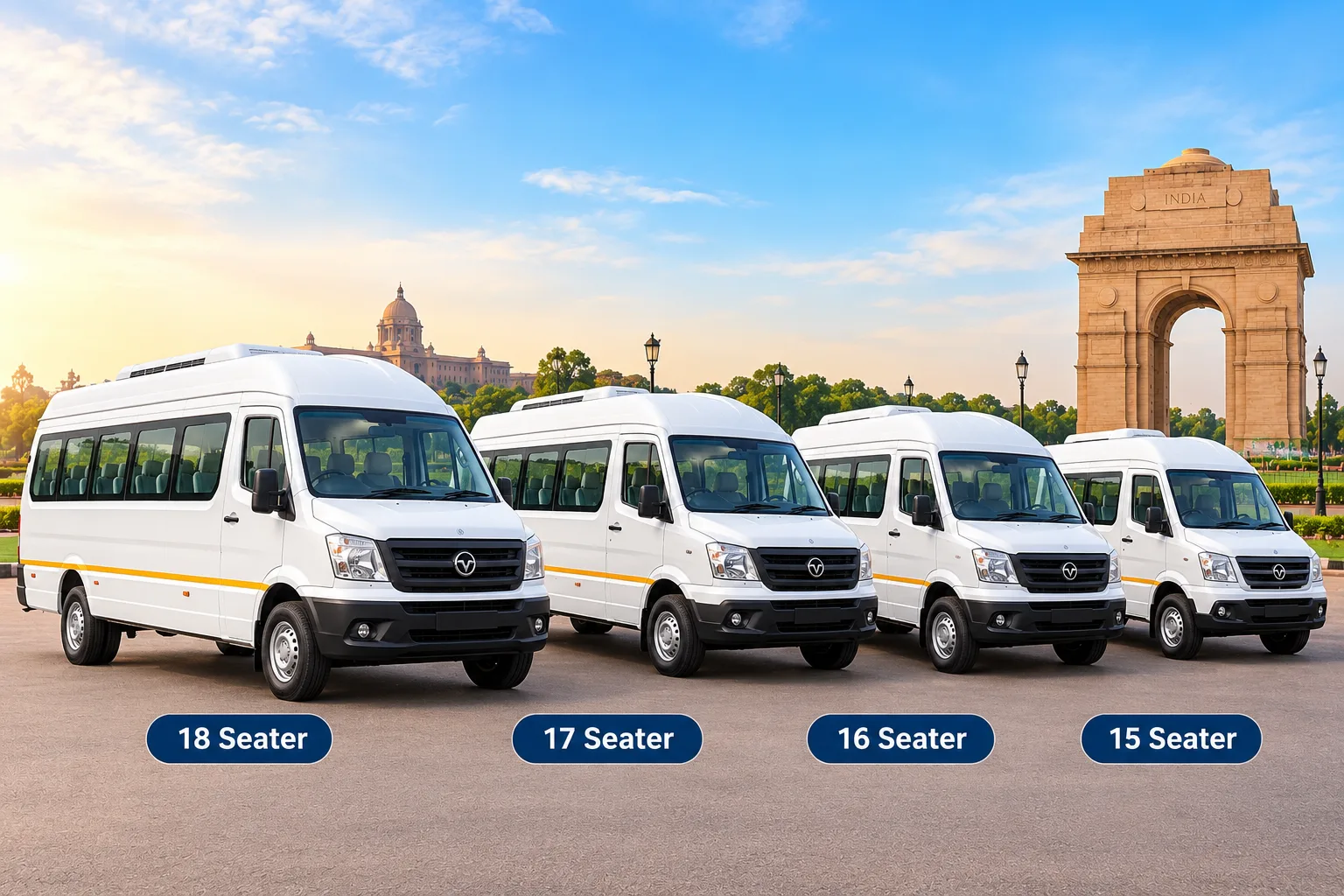
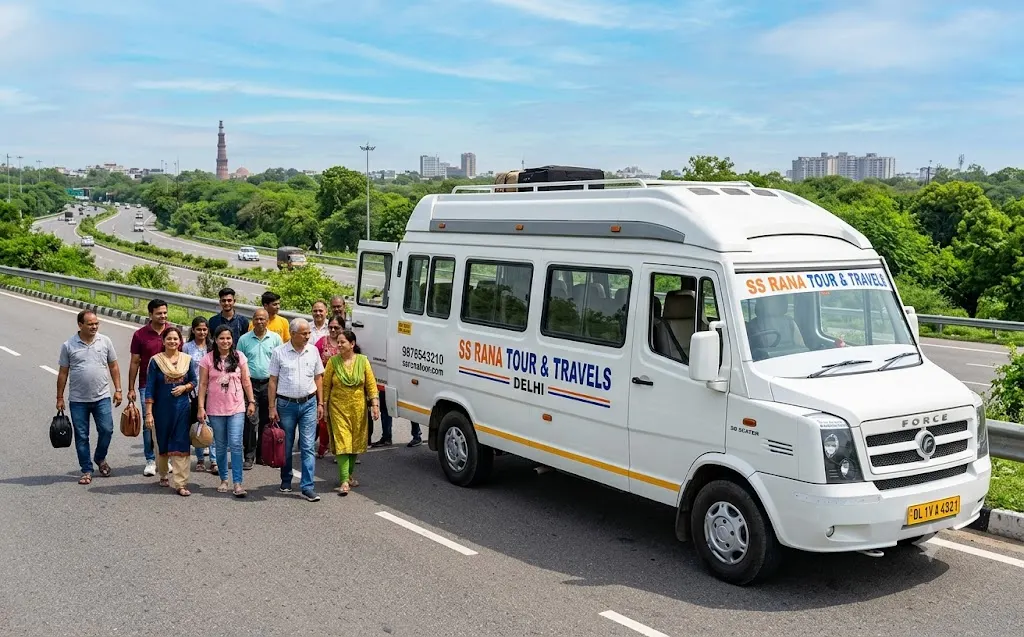
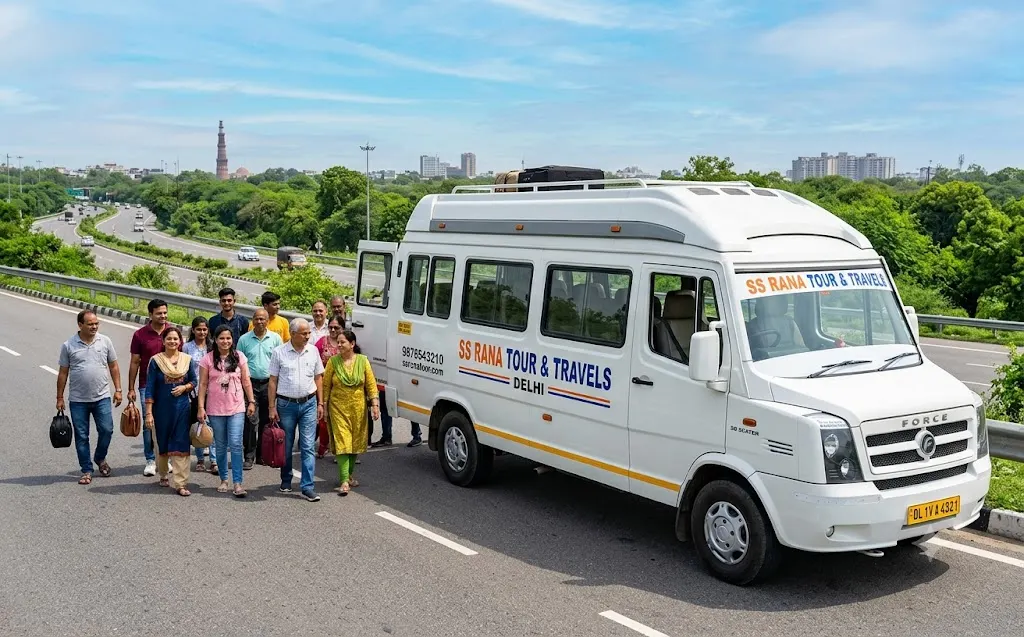
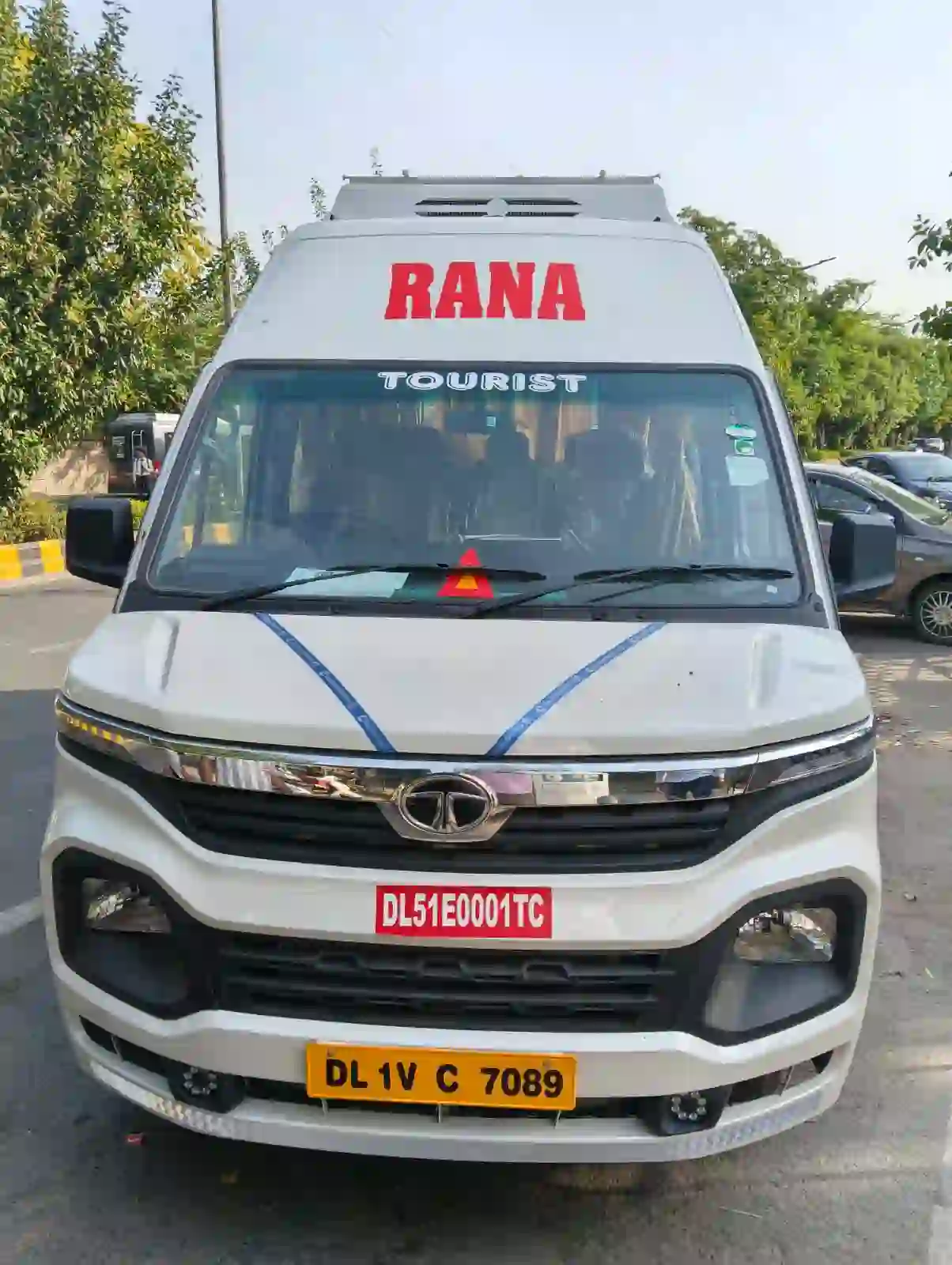
Delhi-based tempo traveller options from 9 to 12 seaters, including Maharaja and Urbania Maharaja models
Experienced hill drivers who know the Garhwal roads, halt points and weather patterns
Clear, written quotes with inclusions and exclusions spelled out
Customisable itineraries for senior citizens, families, corporate groups and religious groups
Pickup from anywhere in Delhi NCR, including Noida, Gurugram and Ghaziabad
You can tell us your dates, group size and budget, and we will suggest the right vehicle and a realistic plan instead of pushing the costliest option.
Plan Your Kedarnath Badrinath Yatra Today
A well-planned Do Dham Yatra is less about rushing and more about reaching the temples with energy left to enjoy them. Pick the right season, a comfortable vehicle and an itinerary with a little breathing room.
Ready to plan? Share your travel dates and group size with SS Rana Tour, and we will put together a clear, customised quote for your do dham yatra package from Delhi, with the right tempo traveller for your group. Call or WhatsApp us through ssranatour.com to check availability for your dates.
Most Do Dham Yatra packages from Delhi for 6 nights and 7 days fall between ₹9,000 and ₹18,000 per person. The final price depends on five things: your group size, the hotel category, the type of vehicle, the travel season, and how you do the Kedarnath leg (walking, pony, palki or helicopter). When a full group shares one tempo traveller, the per-person cost comes down noticeably. Helicopter tickets, pony or palki charges and personal expenses are usually extra, so ask for a written list of inclusions and exclusions before you pay any advance.
Plan for 6 nights and 7 days. The first day gets you from Delhi to Haridwar or Rishikesh, the second takes you up to Guptkashi or Phata, the third and fourth cover the Kedarnath trek and darshan, the fifth takes you to Badrinath, the sixth covers Badrinath and Mana village on the way down, and the seventh brings you back to Delhi. If you are travelling with senior citizens or children, add one extra night. Landslides, rain or crowd delays can easily eat up a day, and a buffer keeps the yatra relaxed.
Yes, especially for groups of 6 to 12. A tempo traveller is compact enough for narrow Garhwal roads, yet roomy enough for comfortable seating and luggage. You get one vehicle and one driver for the whole trip, so there is no changing of cabs, and you can stop for tea, photos or washroom breaks whenever needed. For a 1,300 km round trip with several 8 to 9 hour driving days, that flexibility makes a real difference to how tired everyone feels.
Choose by group size first, then by comfort. A 9 seater suits 5 to 8 people who want extra legroom and luggage space. A 12 seater is the most popular pick for groups of 8 to 12. If senior citizens are travelling, the 12 seater Maharaja or Urbania Maharaja is worth the small extra cost, because the push-back seats and smoother ride help a lot on long mountain stretches. It is better to keep one or two seats free for luggage than to fill every seat.
The Kedarnath trek is about 16 to 18 km one way from Gaurikund, and it is not compulsory. Pilgrims who cannot walk that far can use a pony, palki or helicopter, depending on health and budget. Helicopter flights save about a full day, but tickets sell out early and weather can cause delays, so book through the official portal and keep a flexible schedule. Badrinath needs no trek at all, since the road goes right up to the temple area.

















.jpeg)



.jpeg)
.webp)
.jpeg)
.jpeg)
.jpeg)


.jpeg)
.jpeg)
.jpeg)
.jpeg)
.jpeg)


.jpeg)
.webp)
.jpeg)
.jpeg)

.jpeg)

.jpeg)
.jpeg)
.jpeg)
.jpeg)

.jpeg)

.webp)
.jpeg)
.jpeg)
.jpeg)

.jpeg)









.webp)
.webp)

_15_11zon.webp)

































































.webp)














.webp)





.jfif)





.jfif)
.jfif)
.jpg)
.jfif)
.jfif)
.jfif)
.jfif)
.jfif)
.jfif)
.jfif)
.jfif)
.webp)
.webp)
.webp)
.webp)
.webp)
.webp)
.webp)
.webp)
.webp)

.webp)


.webp)
.webp)
.webp)
.webp)


.webp)

.webp)


























@.webp)




.webp)
.webp)